

© Stock.Adobe.com/au/DedMityay
The introduction of MOVI-C brings numerous benefits for users.
The MOVIDRIVE modular application inverter is a key component of SEW-EURODRIVE’s comprehensive MOVI-C modular automation system, covering control technology, software, inverter technology and motor technology.
The MOVISUITE engineering software simplifies startup, configuration and diagnostics for standard or functional safety components, whether for single inverters or entire machines and systems. SEW’s software application modules further reduce complexity, enabling the implementation of complex movement kinematics through simple parameterisation.
MOVI-C offers end-to-end applicability, providing a complete system of automation modules vertically from controller to gearmotor, and horizontally across all electronic products, all controlled by a single engineering software package. It supports various motor types, including asynchronous motors, synchronous motors, servomotors and LSPM, with a single inverter.
The MOVI-C generation sets new performance standards, allowing the application inverter to control up to 32 interpolated axes using the MOVI-C controller power. Other features like single-cable technology, double-axis modules and integrated safety technology in all axes contribute to costeffective applications.
Additional highlights of MOVI-C include a 24 V standby mode for energy saving, regenerative power supply modules, an energy storage unit and enhanced communication options, making it easier to develop new applications.
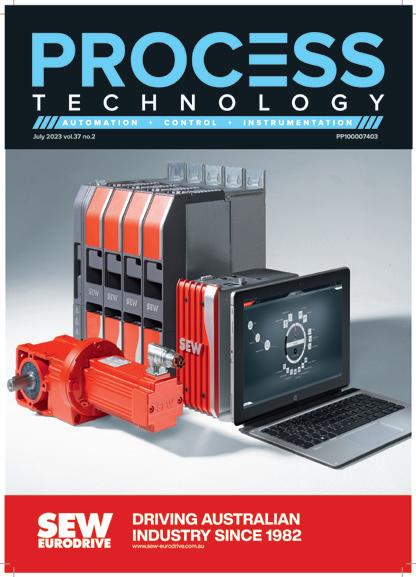
PROCESS TECHNOLOGY JULY 2023 CONTENTS 0723 This issue is available to read and download at READ ONLINE! www.processonline.com.au/magazine 4 Decarbonising practices in the global chemical industry 9 Chemical plant upgrades safety-critical alarms 17 Edge computing for mining and metals applications 27 Factory-wide visualisation streamlines utility management 28 Robots: there’s one for every job Part 2 34 SIS logic solvers: more choices are needed ON THE COVER
SEW-Eurodrive Pty Ltd www.sew-eurodrive.com.au
DECARBONISING PRACTICES IN THE GLOBAL CHEMICAL INDUSTRY
The importance of industrial decarbonisation to long-term sustainability is well recognised and requires taking bold steps to improving and reimagining business practices.

4 PROCESS TECHNOLOGY - JULY 2023 www.ProcessOnline.com.au
iStock.com/DuxX
The world faces an ever-widening gap between current levels of greenhouse gas emissions and the reduction in levels that must be met in order to mitigate the worst impacts of global climate change. As documented by the United Nation’s Emissions Gap Report 2021, the world is currently on track to reach an average temperature rise of 2.7°C, well over the target of 1.5°C. In a globalised, predominantly capitalist economy, the incentives for sustainable growth and profit are often at odds with environmental sustainability.
Fundamentally, however, it is increasingly seen that sustainable economies are reliant on a sustainable environment; industries require raw materials, while customers, workers, and transportation and logistics infrastructure require sustainable and reliable physical and natural environments. The importance of industrial decarbonisation to long-term sustainability is well established and leading organisations are taking bold approaches to improving and reimagining business practices.
Sustainability, digitalisation, health and wellness, and business models are the four underlying factors for future transformation. Influencing the four models will be the need to build resilience and lower financial risk.
Current status of decarbonisation strategies
Decarbonisation strategies within the global chemical industry remain at an early stage, overall. Much needs to be done in order to fully achieve decarbonisation in regards to Scope 1, 2 and 3 emissions. The global chemicals industry is highly fragmented between individual producers and by the actual chemicals produced. At a local level, however, there are efforts to improve energy consumption trends from capturing waste heat to increasing onsite power generation and the use of renewables.
Actions to further and achieve industrial decarbonisation can be summarised through four key initiatives:
• Decarbonisation roadmap: foundational assessments and action.
• Resource efficiency: improve energy consumption efficiency and develop circular economies.
• Infrastructure enhancement: improve assets and infrastructure.
• Innovative business models: advanced performance contracting.
Every organisation will need to adopt a range of measures within each initiative to deliver an effective, holistic means to
achieve decarbonisation. The specific set of activities, timeline of implementation and means of verification will be unique; in many cases industrial organisations and facilities will benefit from third-party assistance to ensure strategies are comprehensive and achievable.
Decarbonisation actions for the chemical industry

The global chemicals industry is the world’s largest consumer of oil and gas, making it one of the greatest sources of direct carbon dioxide emissions, behind only the steel and cement industries, according to the International Energy Agency. The chemicals industry, therefore, must be a critical partner in global decarbonisation efforts; this is relevant for direct industry practices and for chemical emissions released downstream. Stakeholders in the industry do have a number of key decarbonisation actions available:
• Heat pumps: leverage heat pump technology to capture heat waste and use it as energy in production facilities.
• Electrification: electricity can be used to create heat, displacing fossil fuels, and to generate electrochemical reactions.
• Power purchase agreements (PPAs): PPAs can help ensure the generation and use of renewable energy.
• Sustainable feedstock: a wide range of plastics can be used as non-virgin feedstock in chemicals production. Implementing strategies that leverage the above options represent key activities in the circular economy of the chemicals industry. This includes addressing sustainable production and feedstocks, reducing consumption and waste, and improving product durability and longevity. Implementing and successfully delivering on these strategies, however, requires an understanding of challenges and complexities that must be overcome.
Current state and challenges
The critical dynamic that complicates decarbonisation within the chemicals industry is that it is not uniform. There are thousands of different chemicals produced and the top 10 global chemical producers only account for 8.8% of 2019 global revenues; this high degree of fragmentation makes it challenging to garner full industry buy-in and to develop easily replicable decarbonisation strategies. There is also a debate as to whether chemicals used in some products, such as insulation, should be viewed differently because they help offset emissions downstream.
JULY 2023 - PROCESS TECHNOLOGY 5 www.ProcessOnline.com.au
Decarbonisation
Within closest reach is a chemical manufacturer’s ability to decarbonise its factories and production processes. This effort can become much more complex for companies looking to address upstream Scope 3 emissions from raw materials. Scope 3 emissions are indirectly controlled by chemical manufacturers and, as such, are more challenging to influence. Individual manufacturers select the method that delivers a best business case; looking to use production methods that help reduce the carbon footprint of production is a clear opportunity in decarbonising against a range of chemicals.
What becomes clear, however, is that a great deal of customisation is required for each chemical producer to ensure they have a robust and actionable decarbonisation strategy.
Critical processes and footprint to decarbonise
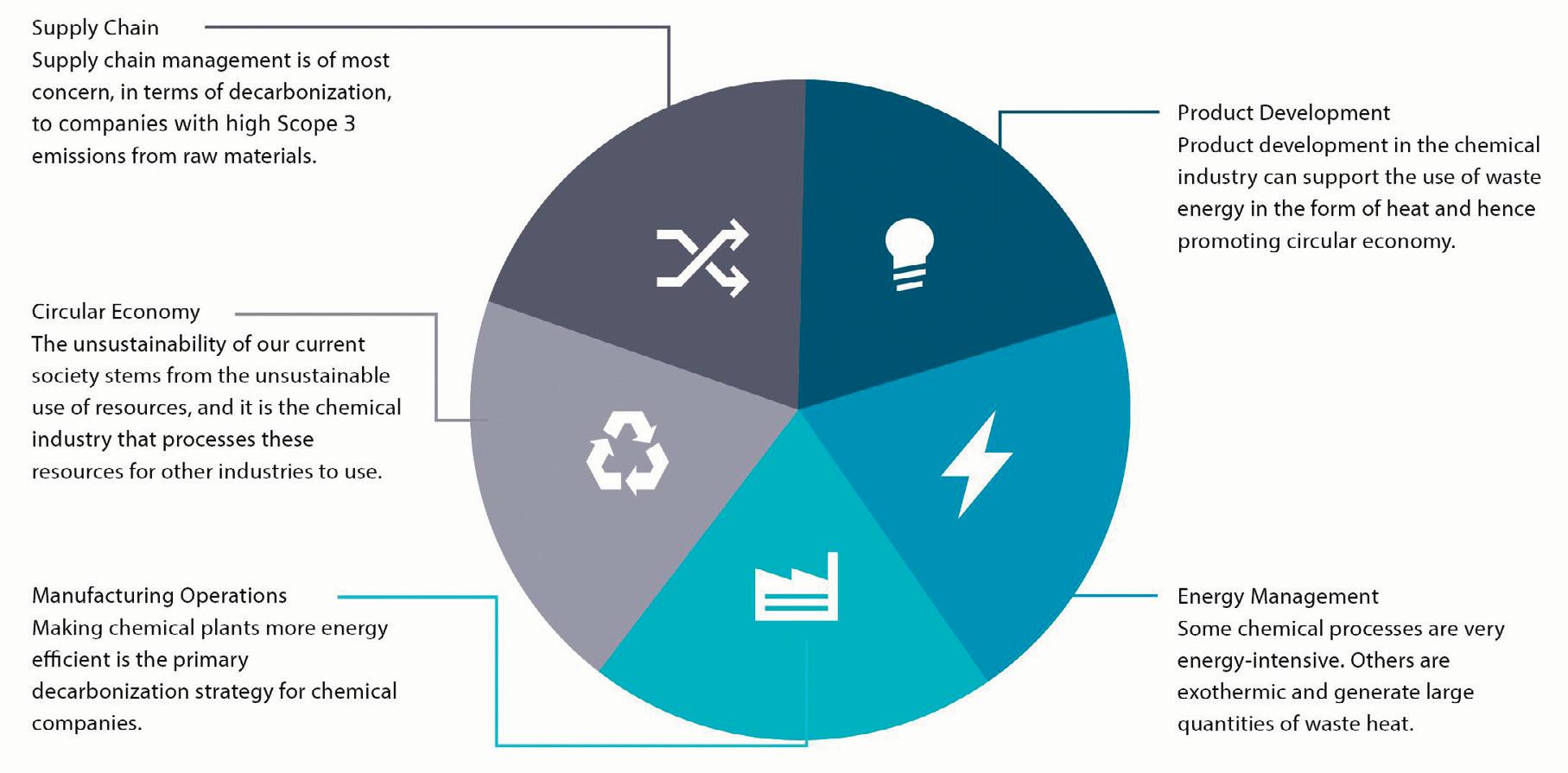
Decarbonisation efforts in the global chemicals industry are focused on five key areas: product development, energy management, manufacturing operations, the circular economy and the supply chain. During product development, organisations can select existing or help develop new chemicals that will have lower energy requirements. Throughout manufacturing and in energy management, consumption can be targeted for reductions or fossil fuel-derived energy can be replaced with renewable and green energy.
There are benefits in electrochemistry processes that can improve energy footprints in the global chemicals industry. In the supply chain, especially for companies that buy chemicals as ingredients, chemical manufacturers can look to decarbonise those Scope 3 emissions in agreements and raw materials.
In targeting these processes for decarbonisation, manufacturers can advance towards a carbon-neutral and net-zero carbon future.
• Decarbonisation roadmaps: energy audit, distributed energy systems, building performance optimisation, energy procurement and supply services.
• Energy consumption optimisation: simulation and modelling software for quick assessment of renewable integration, digitalisation and connectivity for performance optimisation and CO 2 management, asset performance over supply and demand to optimise resource efficiency.
• Energy infrastructure and supply modernisation: grid consulting, improve sustainability via conversion of excess renewable power to hydrogen, load shifting and load shedding for efficient peak load management.
• Service-based business models: energy efficiency as a service, energy-saving performance contracting, PPA green energy supply, decarbonisation as a service.
Case studies and regional initiatives
Snapshot examples presented below outline key steps organisations in Belgium, Germany, the Netherlands and the UK have taken to reduce consumption and optimise energy use, as well as grow the use of sustainable feedstock in their production processes.
Tata Europe (UK)
In 2019 Tata announced a carbon capture and utilisation (CCU) demonstration plant that will capture CO 2 and use the emissions as feedstock in the production of sodium bicarbonate. A key driver of this policy change is that Tata Europe’s site in the UK has historically been the largest single user of liquid CO 2 in the UK. It presents a step change in the facility’s local operations and increasing its sustainable footprint through an impactful decarbonisation effort.
BASF (Belgium, Germany)
BASF has committed to becoming climateneutral by 2050, with a focus on full electrification, using renewable energy sources. Initial efforts are focused on plants in Antwerp, Ludwigshafen and Schwarzheide. Effort will focus on improving asset and process energy efficiency and the purchase of green energy from third parties. Waste heat already supplies 45% of steam requirements and BASF plans to increase this further.
DuPont
DuPont is focused on achieving greater energy savings and efficiency. The organi -
6 PROCESS TECHNOLOGY - JULY 2023 www.ProcessOnline.com.au
Decarbonisation in the chemical industry.
sation aims to achieve a 23% reduction in energy consumption over 10 years. Key to this is an effort to make the company’s Derlin Renewable Attributed polymer with as low a carbon footprint as possible. To deliver on this ambition, DuPont aimed to ensure the polymer is created from a 10% biofeedstock from waste, production uses 100% certified renewable electricity and steam used is sourced from municipal waste energy recovery.
Solutions that support decarbonisation
The global chemical industry has identified important initiatives to reduce energy consumption, increase the use of renewable energy and adopt greater rates of electrification.
Energy solutions and services delivering decarbonisation are based on a strategic approach, utilising value-stacking to exploit the full potential to optimise energy generation and sourcing, energy efficiency, supply security and reliability, or business and asset performance. This ensures the delivery of a positive impact right from the start and in the long term for the entire organisation.
Demand-side efficiency
Demand-side efficiency is based on a thorough energy audit and performance data monitoring for complete transparency of energy utilisation and asset performance. In a first step, energy efficiency solutions reduce the overall energy consumption and optimise energy efficiency of the entire facility. Asset performance management ensures the reliable and efficient performance of all business assets.
On-site energy supply
Local energy solutions are based on sustainable generation of power, heat and cooling with a maximised use of renewable energy sources.
In combination with energy storage solutions, such as electrical storage or hydrogen storage, an on-site solution provides flexibility and allows for a maximum usage of renewable energy.
Energy management and grid control tools ensure a reliable and efficient control
of energy supply, usage and storage and new profit streams by connecting the local energy solution to the energy market or managing it as part of a virtual power plant.
These are critical components in moving towards decarbonisation. Power purchase agreements that deliver green, renewable energy can also offer a faster-to-implement method of reducing carbon footprint. Additional efforts in capturing and using waste heat and the creation of circular economies are also core components of many strategies.
Regional and local challenges in implementing decarbonisation
At a local level, however, there are regions that experience renewable energy supply challenges and higher economic costs in these initiatives. This is further complicated by a fragmented competitive landscape that is more greatly influenced by local conditions. As a result, regional and local landscapes can be highly variable. Regions and localities may require structural assistance and incentives in order to help drive decarbonisation activity.
External third-party support can also help manufacturers in these locations navigate these complexities to identify near-term opportunities as well as long-term initiatives that reflect changing local conditions to keep decarbonisation initiatives running.
The way forward
Achieving economic change at the speed and completeness required to successfully respond to the world’s decarbonisation mandate requires focus and investment at a scale never seen before; this reinforces the need to act as a community to ensure critical success. The successes stemming from current initiatives by some chemical manufacturers need to be replicated globally. Increasing energy efficiency, greater renewable energy consumption, greater electrification and facility improvements in more energy-efficient process equipment are all actions that must be embraced throughout industries.
Focus on Scope 3 emissions in addition to Scope 1 and Scope 2 emissions
In order to meet ambitious global targets, and to achieve sustainable industrial activity through decarbonisation, a greater and deeper effort must be made in order to reach these goals. This requires industrial manufacturers to go deeper on Scope 1 and Scope 2 decarbonisation initiatives while pushing into strategic Scope 3 emissions reductions. Pushing into Scope 3 emissions reductions will require greater engagement with upstream and downstream partners, which is complex but necessary in order to deliver sustainable industrial economies.
Focus and invest on technology developments
Thanks to available technologies such as renewable energy sources, energy storage, forecasting and data analytics, it is possible to optimise operations, decrease energy usage and to create significant energy and resource savings. Energy management solutions incorporate this to deliver on the sustainability goals of the organisation and at the same time support the financial side of the business and foster growth.
A holistic approach to sustainability measures ensures that measures are not implemented based only on individual payback time and ROI, but also on their cross-synergies, allowing positive impacts to start earlier and also slower and less effective measures to be implemented, so that the highest total effectiveness can be achieved.
Engage in the industrial community
Engaged industrial organisations exist throughout the world; their activities help form a blueprint for others to follow and from which to expand decarbonisation activities. Engaging in the industrial community is critical to delivering success.
Further, looking outside of the industrial community for further strategy and innovation success is key; this includes bringing in thirdparty partners to help evaluate facilities and organisations, to develop actionable strategies to push organisations towards decarbonisation, and to monitor and confirm success.
Siemens Ltd
www.siemens.com.au
JULY 2023 - PROCESS TECHNOLOGY 7 www.ProcessOnline.com.au
Decarbonisation
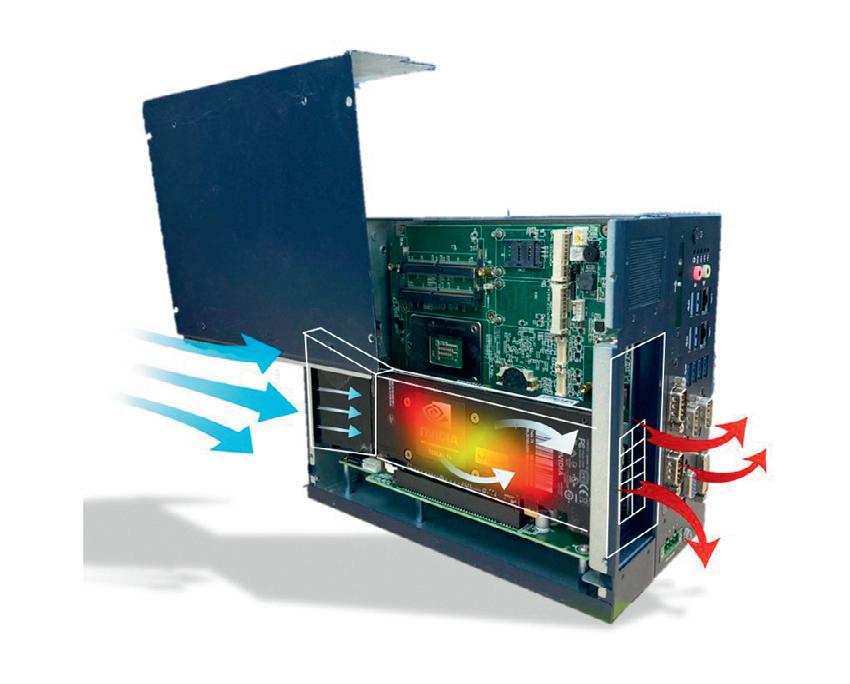
MODULAR EDGE SOLUTION
The MIC-770 V3 Modular IPC is a GPU edge computing solution that offers 7424 CUDA cores and a low 72 W power consumption.
Advantech Australia Pty Ltd
https://bit.ly/3r5MzES
AXIAL SCREW CONTACT TERMINALS
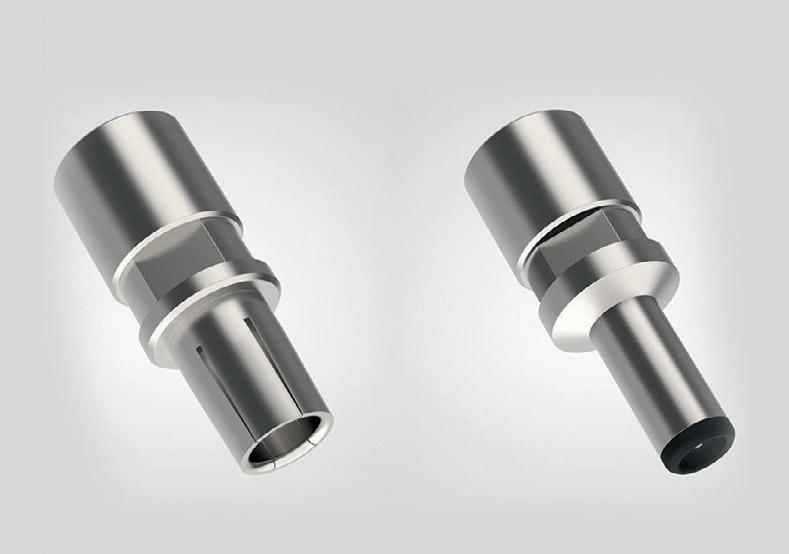
The LAPP EPIC ASC axial screw contact is designed to enable more reliable assembly using a cost-effective tool in place of crimping.
Treotham Automation Pty Ltd
https://bit.ly/3PI1DCT
ULTRASONIC FLARE GAS FLOW METER
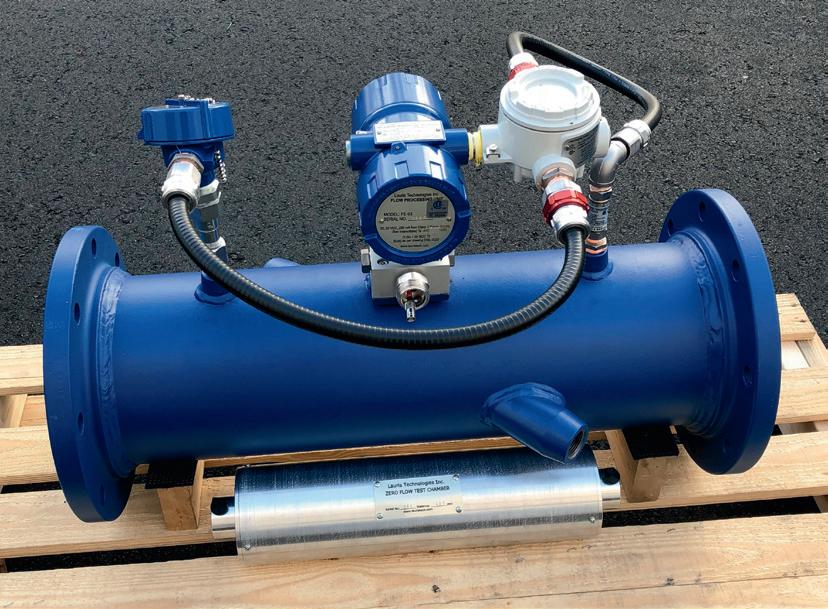
The Lauris Technologies FF1225 Series ultrasonic flare gas flow meter is designed to deliver accurate flare gas measurement with minimal maintenance.
AMS Instrumentation & Calibration Pty Ltd
https://bit.ly/3r7KEj9
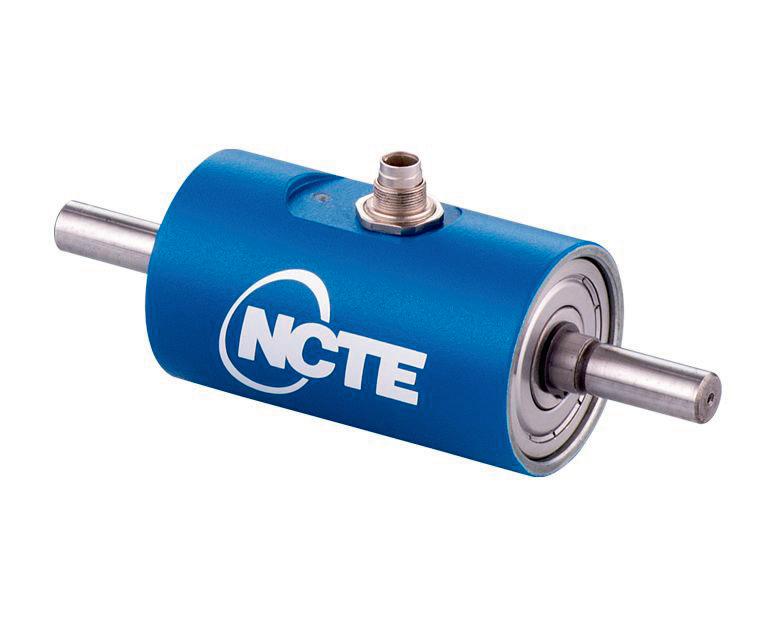
TORQUE SENSOR
The NCTE Series 2300 torque sensor allows torque to be measured statically and dynamically in real time.
Slentech Pty Ltd
https://bit.ly/3NKjDd8
8 PROCESS TECHNOLOGY - JULY 2023 www.ProcessOnline.com.au
ON WWW.PROCESSONLINE.COM.AU THIS MONTH
HOT PRODUCTS
> > >
>
Chemical plant upgrades safety-critical alarms
When the Sasol chemical plant in South Africa was first constructed in the 1970s, 21,000 critical alarm points were defined for monitoring by annunciators, enabling the plant to manage and control the production process safety. These alarm points are dispersed throughout the plant, with some as discrete as single 16-point annunciators and other as large as 300-point systems that monitor all safety-critical processes across the site.
However, when the alarm systems, originally supplied by Conlog, reached the end of their service lives, it became necessary to upgrade all 21,000 critical alarm points across the plant on a progressive basis.
Sasol engaged safety-critical alarm specialist Omniflex, which was formed as part of a Conlog management buyout, to provide the replacement systems.
Sasol is South Africa’s largest fuel-from-coal processing plant and also one of its largest downstream chemical manufacturers and is, therefore, home to large quantities of hazardous materials that are manufactured daily. This means that it is vital that all plant processes are suitably monitored and critical alarm systems are in place, able to alert operators about any abnormal alarm events that occur. In Australia, safety critical systems regulations, such as IEC 61508, usually insist risks are made “as low as reasonably practical”.
For example, alarm annunciators that monitor the plant’s steam turbines or catalytic converters are an essential part of operations and there would be serious consequences in the event of a system failure. In 2023, the Australian alarm installation services market is thought to be worth US $3.6 billion.
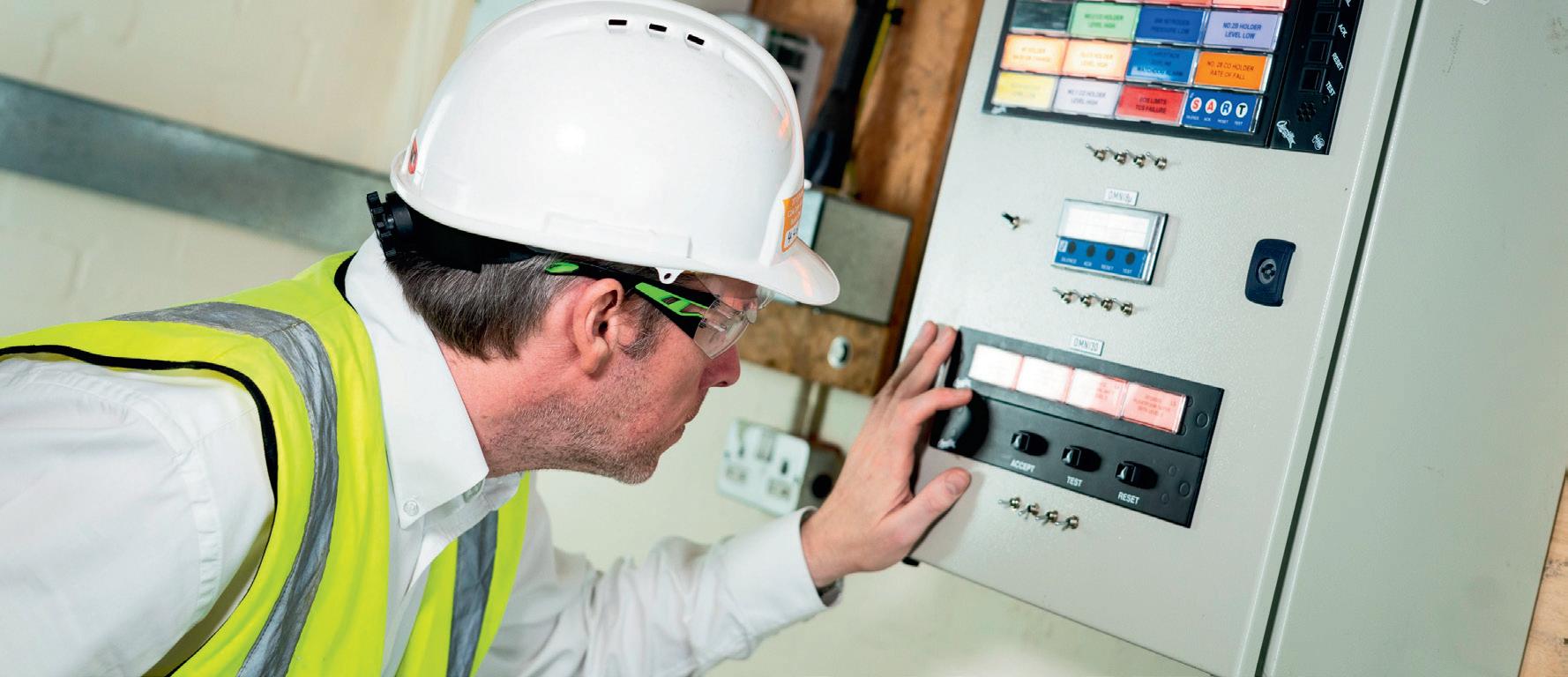
“The larger systems are too costly and difficult to re-engineer, so it was vital that all field wiring remained the same on the new system,” said Sakkie Buys, engineer at Sasol Technologies. “Replacements need to comply with the fit, form and function philosophy to optimise savings. Furthermore, documenting and re-engineering plant wiring is an administratively challenging task and hugely expensive in labour hours, so any system replacement would ideally minimise any changes.
“This was a large part of the reason we engaged Omniflex as it could provide modern critical alarm systems to replace the old systems that
plug into the existing plant interface using the same panel space. This also meant changes to wiring and contacts were kept to a minimum and there were no unnecessary administrative requirements.”
The systems that Omniflex provided for Sasol comprised products from across its Omni16 series of alarm annunciators, including its Omni16C 16-point alarm annunciator, Omni16R rack-mounted annunciator with card slots for remote logic and OmniX remote LED displays, which provide eight to 124 annunciator windows in a standalone panel-mount package.
“We replaced the existing rack of card mounts and inserted the Omni16R rack into the same space,” said Ian Loudon, international sales and marketing manager at Omniflex. “With 16 inputs per card, compared to the previous system that had two inputs per card, this meant the new system had a much higher I/O density and required less space, as well as being 80% more energy efficient using LED technology.
“Cables, which are approximately 30 m long, connected the alarm racks to OmniX displays that are situated in the control room. A common problem when replacing old annunciator systems is changing the column and row matrix compared to the old system, but the OmniX allows users to define any row by column size, meaning they can match the old systems and maintain operator familiarity. This is particularly important for safety-critical alarms where operator response time is crucial in preventing serious incidents from occurring.”
The systems also provide Sasol with improved sequence-of-events recording capabilities. This is beneficial as rapid fault diagnosis can be made, improving the time for operators to react. Alarm technology continues to evolve, requiring greater access to live and historical data and increased sequence-of-event analysis capabilities in the event of a plant incident. The system dates and time stamps every plant alarm with a better than one millisecond resolution, enabling rapid root cause detection and efficient analysis of plant trips and alarms.
Omniflex (Australia) Pty Ltd
www.omniflex.com.au
JULY 2023 - PROCESS TECHNOLOGY 9 www.ProcessOnline.com.au case study
ETHERCAT GATEWAY
EtherCAT is now the third most widely installed industrial network in factory automation globally. As the number of devices utilising EtherCAT continues to increase, there is a growing demand for gateways that can seamlessly connect these devices to other major industrial networks. HMS Networks says the Anybus Communicator EtherCAT Main Device provides a reliable solution for connecting EtherCAT subordinate devices to Profibus, EtherNet/IP, Profinet or Modbus/TCP control systems.
With the communicator, users can scan the EtherCAT network for devices directly from its web user interface. The communicator automatically identifies each device and maps its data to the control system, eliminating the need to manually search for and import device description files (ESI).
The Anybus NP40 industrial network processor is designed to meet requirements in terms of industrial performance, reliability and security. Verified against CE and UL industry standards, the gateways are also designed to handle harsh industrial environments. To protect users from cyber attacks, the gateways have an onboard physical security switch that prevents unauthorised configuration changes and secure boot functionality to resist attacks and infections from malware.
Installation is simplified due to the compact gateway design with forward-facing ports and DIN-rail mounting, which allows gateway installation close to connected devices, reducing the amount of required wiring.
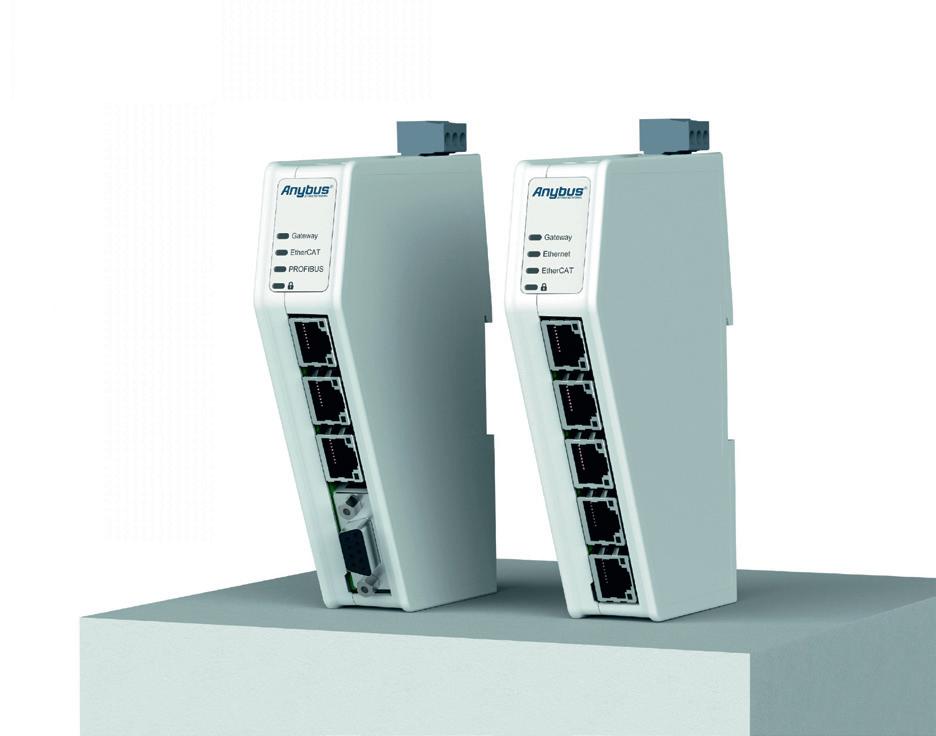
Users can configure the gateways using drag-and-drop functionality in the web-based user interface, which is accessible via a dedicated Ethernet port on the gateways. In the user interface, users can also monitor network traffic and diagnose issues before they become problems.
HMS Industrial Networks hms-networks.com
VISION SENSOR
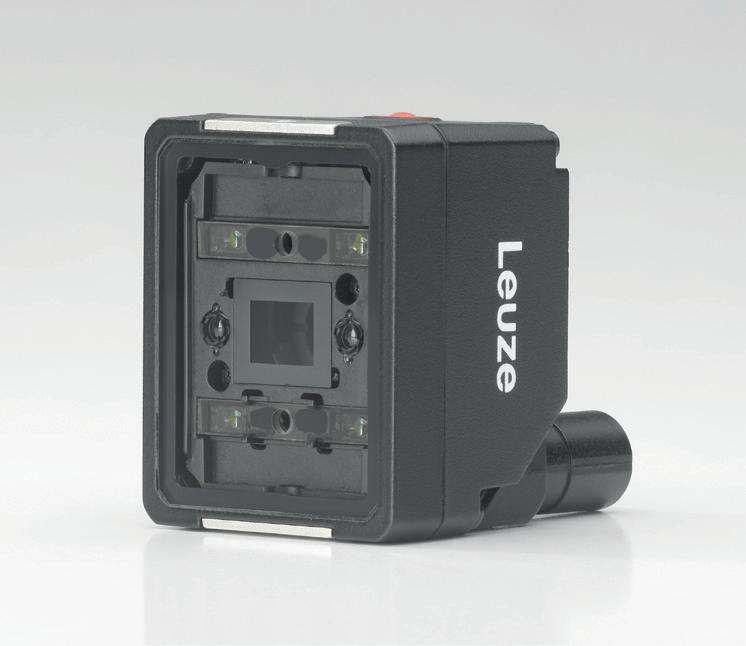
The IVS 108 vision sensor from Leuze detects the presence or absence of objects, such as print or labels on packaging. With auto-focus adjustment and simple teach-in, commissioning is accomplished quickly by placing a pass part and a fail part in front of the target system. The user confirms each one using the teach button.
The sensor saves up to 32 different tasks. Live images can be viewed on a web browser and further parameters can be set in a user-friendly way on a graphical user interface. The IVS 108 is suitable for transport, sorting and conveyor systems, for quality control tasks and automatic assembly of mechanical or electronic parts. Leuze electronic Pty Ltd www.leuze.com.au
PREDICTIVE MAINTENANCE APP UPDATE
Siemens has launched the latest version of Senseye Predictive Maintenance. Utilising big data and AI technology, the app has transitioned from a custom-built tool to what Siemens says is a streamlined, userfriendly platform that can be easily tailored to the specific requirements of the user.
The app offers a cloud-based platform designed to support largescale asset monitoring. By utilising custom AI algorithms, the platform is designed to identify both existing and potential issues, empowering maintainers to prevent malfunctions and unplanned downtime.
Accessible through any web browser on any device, the platform allows inspections to be conducted at any time and from anywhere, resulting in time savings and promoting a proactive maintenance approach. Its integration into real-world workflows is said to enable users to make informed decisions and optimise their operations.
The product takes an asset-agnostic approach by automatically constructing models. This should streamline the work of maintenance teams, reduce the likelihood of unexpected outages, eliminate manual inspections, minimise the need for excess spare parts and prevent unnecessary over-maintenance.
The latest version features a listbased interface with a split-pane design, side menu and collapsible panes, and a single-page design that consolidates all charts in one place for quick reference. Customisable layout options provide improved support for different screen sizes, and embedded widgets offer instant overviews of asset performance and team productivity. Enhanced reporting capabilities allow users to search, configure and export asset performance data. Siemens Ltd
www.siemens.com.au
10 PROCESS TECHNOLOGY - JULY 2023 www.ProcessOnline.com.au NEW PRODUCTS
RADAR LEVEL INSTRUMENTS
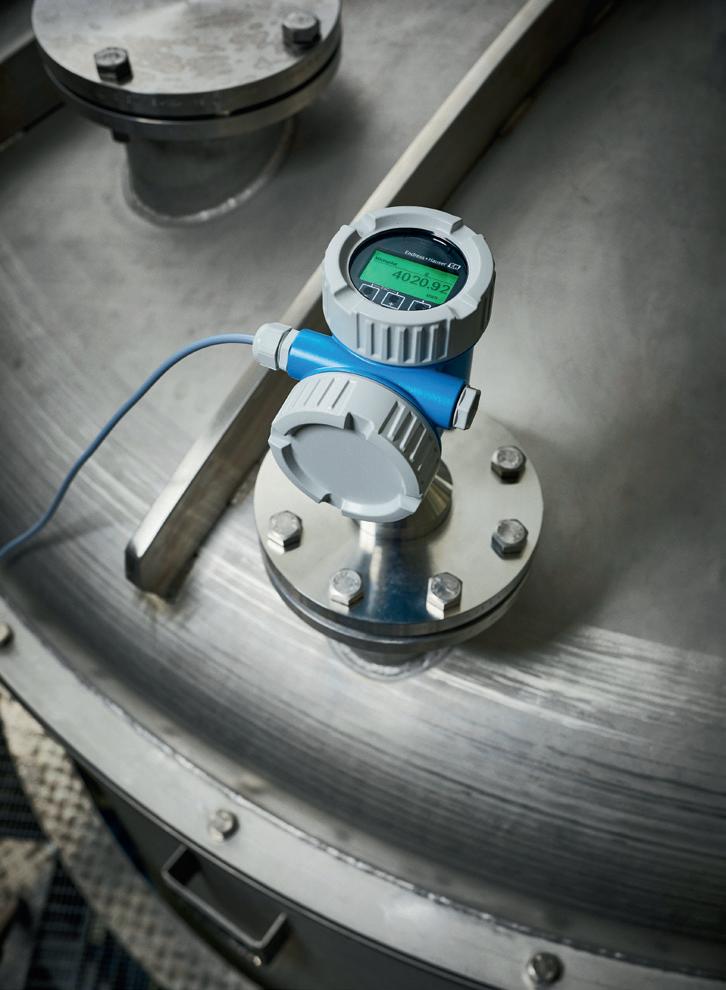
Endress+Hauser has launched its latest generation of Micropilot 80 GHz radar sensors: the FMR60B, FMR62B, FMR63B, FMR66B and FMR67B. The compact sensors are suitable for challenges when measuring points aren’t easily accessible, or located in dusty areas and harsh environments with extreme process temperatures and process conditions.
The latest range of sensors comes equipped with wizards that operate via multiple HMI formats, including the SmartBlue app, and make the sensors easier to use. Besides tried-and-tested digital communication protocols like HART, other digital protocols such as Profibus and Ethernet/APL will be included in the near future.
Commissioning and operation of the radar devices is designed to be straightforward and intuitive. Users are guided through the process by integrated assistants (wizards), thus preventing errors and enabling the devices to be successfully commissioned with limited experience or training. In conjunction with Heartbeat Technology, processes can be monitored continuously and verifications performed in less than three minutes while the process is running.
The HistoROM mobile data memory transfers measuring point parameters without error when the electronics are replaced. The device is repaired quickly and smoothly without requiring specialised user knowledge.
The Micropilot radar range also meets all safety requirements. It has been developed following IEC 61508 and can be used in SIL2 or SIL3 applications with homogeneous redundancy. Instrument-led sequences also guide the user step by step through commissioning, parameter configuration or SIL proof testing, thus preventing systematic errors and increasing safety.
Endress+Hauser Australia Pty Ltd
www.au.endress.com

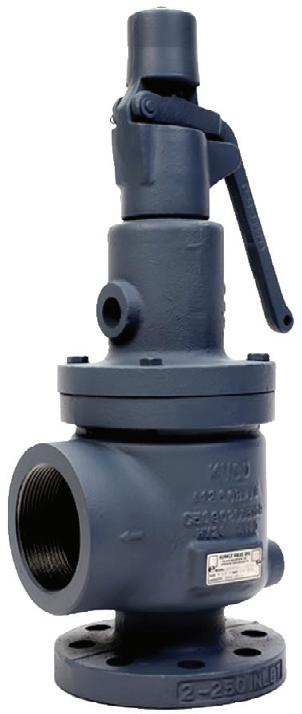
JULY 2023 - PROCESS TECHNOLOGY 11 www.ProcessOnline.com.au Tel: (03) 9699 7355 www.pressureandsafetysystems.com.au 9432P&SS-WNIPT BOILER SafEty VaLVES
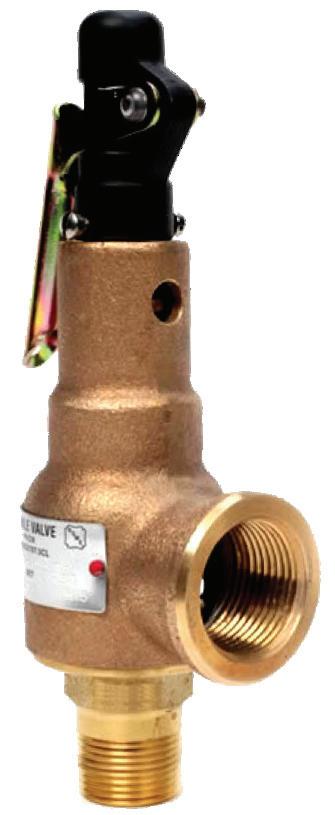
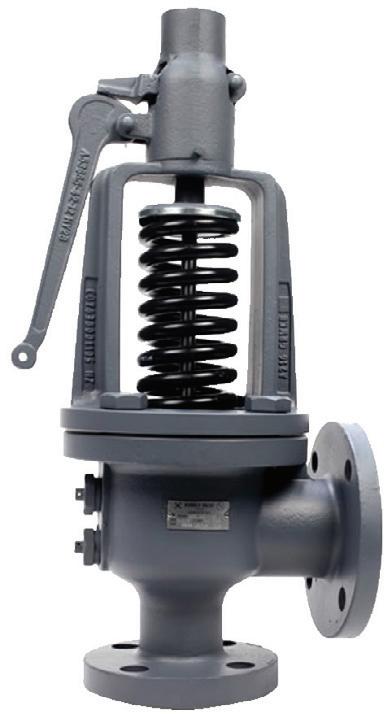
6000 SerieS Bronze – Threaded 600 SerieS Cast Steel – Flanged
6252 SerieS Cast Iron – Threaded and Flanged
STOCKS OF STANDARD SAFETY VALVES AVAILABLE FOR IMMEDIATE DELIVERY AuSTRALIAN AgENT & STOCKIST NEW PRODUCTS
ASME Section I and VIII (Steam)
COBOT PALLETISER
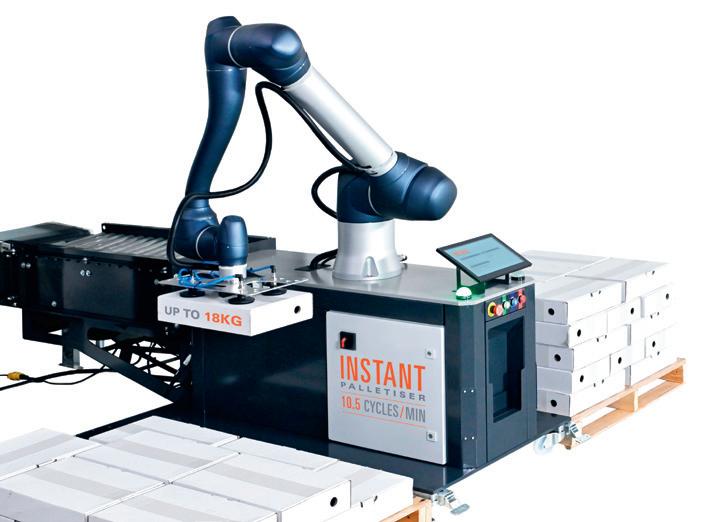
Foodmach’s Technology Products division (FMTP) has announced the Instant Palletiser, which is suitable for lower-speed and lighter-duty palletising applications in the Australian market.
Powered by a Doosan cobot, the palletiser can provide benefits for small- to medium-sized packaged goods manufacturers. The technology requires no programming, teaching or calibration, allowing for a total setup time of less than 5 min. Additionally, it is completely portable, making it a versatile solution that can be easily moved into position and connected to compressed air and 240 V power.
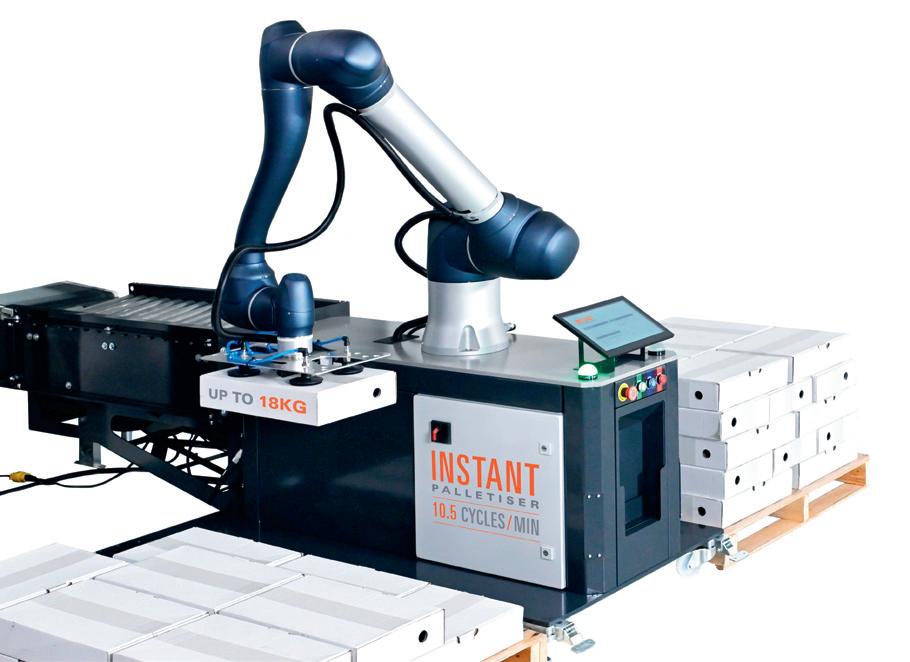
The palletiser is designed to be safe to use and doesn’t require any safety fencing. Its maximum payload is 18 kg, and it can palletise up to 1.55 m or optionally 2.5 m high. With the capacity to operate at speeds of up to 10.5 cycles/min, it can populate two pallet locations for continuous operation.
The palletiser comes with intuitive software on a 13 ″ HMI, allowing users to enter case and pallet details and choose from the pallet pattern options provided. Once selected, the palletiser is ready to go immediately.
Instant Palletiser has been assessed by Foodmach safety experts, with a full risk assessment provided for each deployment of the solution. Collaborative robots are designed to work alongside humans and be inherently safe, with operational speeds limited to a maximum of 6.5 cycles/min, payload dependent. With the addition of optional vertically mounted zone scanners into the base of the design, Instant Palletiser can operate at up to 10.5 cycles/min.
Foodmach Technology Products foodmach.com/capabilities/packaging-technologies
EDGE COMPUTER
The ARK-3534 is a high-performance edge computer by Advantech, powered by 12th and 13th Gen Intel Core i processors. Through integration of hardware and software, the ARK-3534 is said to enable efficient remote management and enhances overall equipment effectiveness with Advantech’s DeviceOn, Codesys and TSN functions. Specifically designed to meet diverse automation requirements, the ARK-3534 is targeted at AOI, semiconductor equipment and collaborative robot applications.
Equipped with 12th and 13th Gen Intel Core i3/i5/i7/i9 65W processors and Intel UHD Graphics 770, the ARK-3534 offers high computing power, high-speed image analytics and real-time capabilities for advanced AI and industrial applications. Supporting simultaneous connection to 25 devices, it offers a wide range of interfaces, including USB, COM, CANBus, GbE, audio, GPIO, HDMI and optional DVI/HDMI/DP modules. Additionally, it supports LAN speeds of up to 2.5 Gbps with realtime TSN/TCC for efficient operation and motion control.
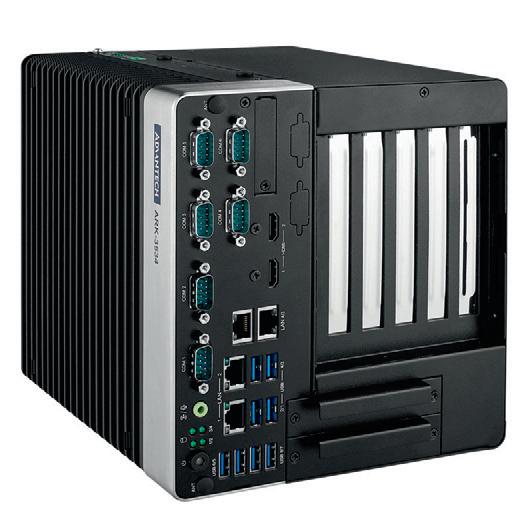
The ARK-3534 provides expandable PCIe and PCI slots for data acquisition, communication, serial communication and GPU cards. It also offers advanced connectivity options with M.2 B key and M.2 E key for 5G and Wi-Fi capabilities. With its wide operating temperature range, vibration and shock resistance, and support for 9–36 VDC power input, the ARK-3534 is well suited for harsh industrial environments.
Preconfigured with Advantech ROS2 and supporting Edge AI Suite, it accelerates AI and robotics application development.
Advantech Australia Pty Ltd
www.advantech.net.au
ONLINE TOC ANALYSER
TOC analyser technology plays a role in helping plants optimise process control, minimise product loss and reduce energy and wastewater treatment costs.
The Hach BioTector B7000i online TOC analyser is designed to detect product loss, decrease and conserve water usage and improve production processes.
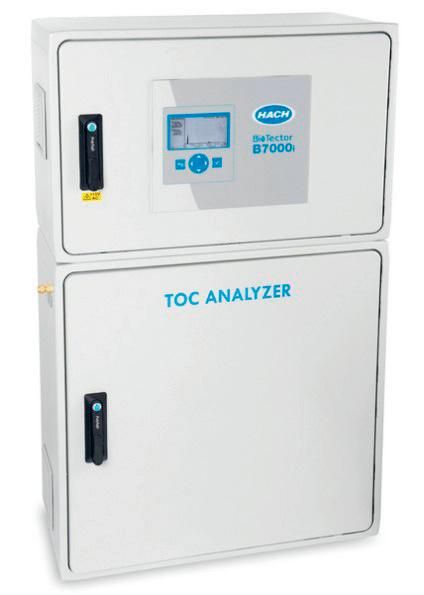
The product measures organics in food processing conditions with 99.86% uptime and requires preventive maintenance only twice per year.
The analyser comes with a builtin self-cleaning sample line and reactor. This enables the B7000i to deliver results even if water contains high levels of fats, oils, greases, sludge and particulates or has pH swings. Installing the analyser decreases chemical dosing, reduces waste and reduces samples processes. Industry studies show that lost product can be reduced by over 15% by using accurate and continuous TOC measurement. Further savings of up to 40% can be made in the operating cost of the treatment plant by reducing energy and water consumption.
Hach Pacific Pty Ltd
www.au.hach.com
12 PROCESS TECHNOLOGY - JULY 2023 www.ProcessOnline.com.au NEW PRODUCTS
SHORTWAVE INFRARED CAMERA
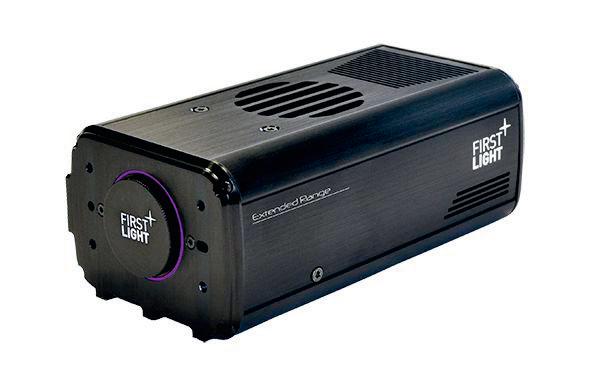
The C-RED 2 Extended Range (ER) by First Light Advanced Imaging is a highly sensitive extended shortwave infrared camera (1300–2200 nm) based on a VGA (640 x 512 pixels) ER-InGaAs detector array. The C-RED 2 ER SWIR camera combines high frame rates (up to 600 fps in full frame) with high sensitivity and a readout RMS noise below 50 e-. Available in two versions, the C-RED 2 ER SWIR 1.9 µm and 2.2 µm is suitable for a wide range of applications in industry including multispectral imaging, quality/production control and laser beam characterisation.
The camera can be cooled down to -55°C with water cooling (no liquid nitrogen) for optimised performance. The C-RED 2 SWIR Extended Range comes with multiple embedded corrections that can be applied on the fly — such as bad pixel correction and 2-point non-uniformity correction — with no degradation of the image spatial resolution, loss of speed or restriction on framerate.
The camera offers both USB and Camera Link Full interfaces. It is integrated in the First Light Vision Graphical User Interface (GUI) which is supported on Windows10, Linux Ubuntu 16.04 and 18.04, and all Nvidia Jetson systems. To help programmers develop their own interface for C-RED 2 ER, the SDK provides source code for short demos in C/C++, LabView, Python and MatLab.
SciTech Pty Ltd
www.scitech.com.au
JULY 2023 - PROCESS TECHNOLOGY 13 www.ProcessOnline.com.au NEW PRODUCTS
TABLET-BASED WATER LEAKAGE DETECTION
Ovarro has launched a tablet-based leakage detection system, the Eureka5, which will become the basis for Ovarro’s leak detection platform. The system displays information on an Android tablet and does not require a dedicated processor or laptop, cutting down the number of devices field teams need to have in their vans.
Eureka5 consists of two radio transmitters: a radio receiver with signal-processing electronics which interconnects with the Eureka Go app, as well as Ovarro’s existing cloud-based portal, LeakVision. GPS technology enables precise pinpointing of leaks. Ovarro says this includes finding leaks in difficult conditions, such as where there is substantial background noise, where only the quietest of leak noise is present, and on a variety of pipe materials, including plastic.
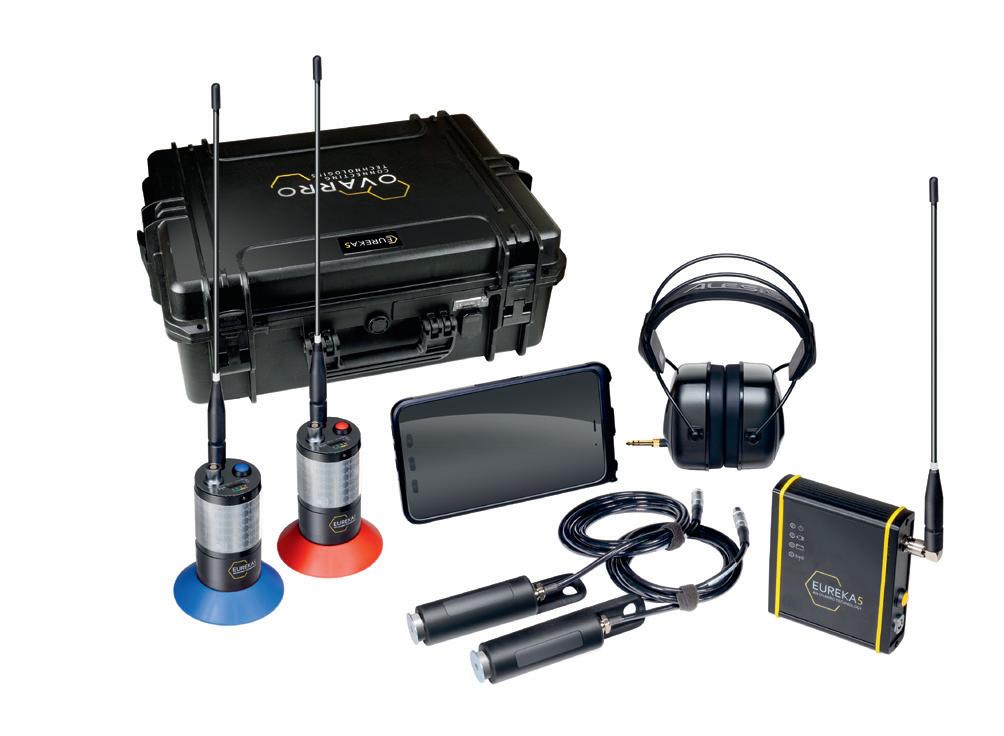
Eureka5 enables users to listen to noise on the pipe, upload this data directly to Eureka Go and view the data instantly on a tablet, rather than the processing unit used previously. As well as simpler functionality for operators, the solution is said to reduce capex costs.
Ovarro
ovarro.com/en/australia--new-zealand/home/
CONTROL TOPS
The GEA T.VIS E-20 control top is suitable for the dairy industry and other industries that process highly flammable hazardous substances in the form of milk powder and sugar dust.
The T.VIS E-20 uses LEDs with limited ignition energy to clearly indicate the active position, protecting it from explosion (Ex) hazards and making it compliant with global Ex certifications. It has a compact design with an installation height of 160 mm to facilitate installation and maintenance. Compared with its predecessors, its shock resistance has doubled to 10g. Internal springloaded terminals secure the electrical connections under heavy stress caused by vibrations.
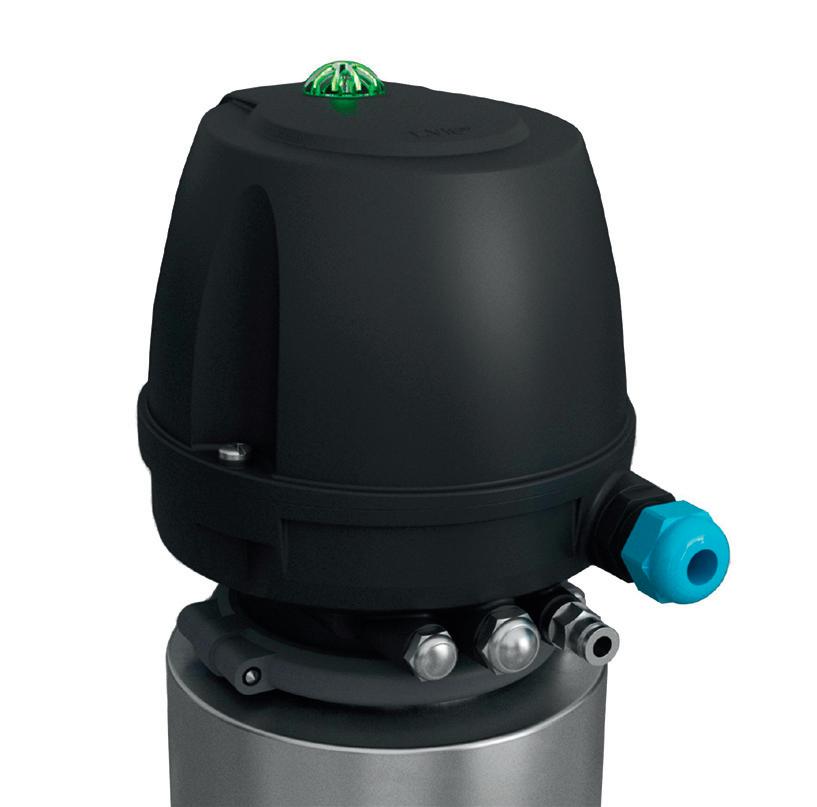
Using T.VIS housing technology, all components feature dust and moisture protection according to IP69K. The internal pilot valves have also been converted to tappet technology to assist sealing performance. GEA
www.geagroup.com.au
VIBRATION SENSOR WITH TEMPERATURE MEASUREMENT
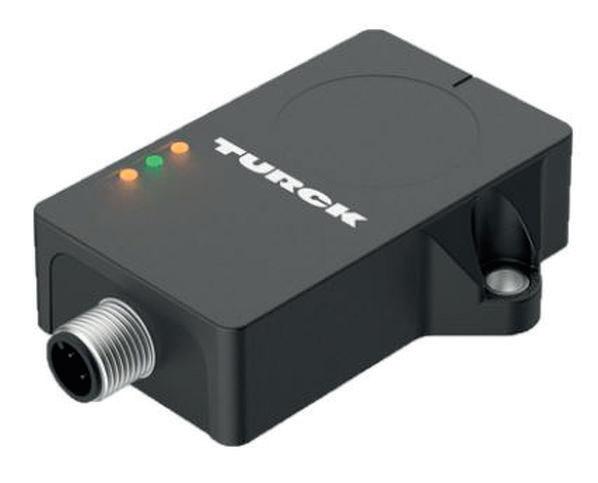
The Turck CMVT is a robust vibration sensor with integrated temperature measurement for condition monitoring applications. Vibration and temperature are key characteristic values for detecting machine faults early on, such as those caused by imbalance of rotating parts. The CMVT detects vibration on three axes and evaluates them internally. It outputs a warning signal directly if the set limit values are exceeded — either via IO-Link or as a switching signal.
Traditional switching outputs are useful when setting up retrofit and standalone applications since they can be used directly to operate alarms or as triggers for indicator lights — without the need for integration in existing control systems. Commissioning the sensor is achieved via the Turck Vibration Monitor. The tool visualises the vibration and temperature data live in a web browser and can be used with Turck IO-Link masters without any additional software required. Other information, such as operating hours, can be accessed via IO-Link and transferred into cloud systems.
The sensor detects acceleration in g and vibration speed in mm/s over a wide frequency range. The smart preprocessing of sensor data also allows the direct output of peak-to-peak values or RMS values of acceleration and speed. The CMVT outputs threshold values in accordance with ISO 10816-3.
Turck Australia Pty Ltd
www.turck.com.au
14 PROCESS TECHNOLOGY - JULY 2023 www.ProcessOnline.com.au NEW PRODUCTS
Group
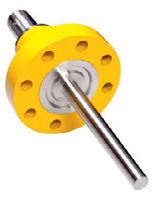
PNEUMATIC MODULES FOR MX-SYSTEM CONTROLLER


Beckhoff Automation has announced two new modules for its modular MX-System controllers that allow pneumatic valves from Festo and SMC to be integrated directly into the MX-System as a function.
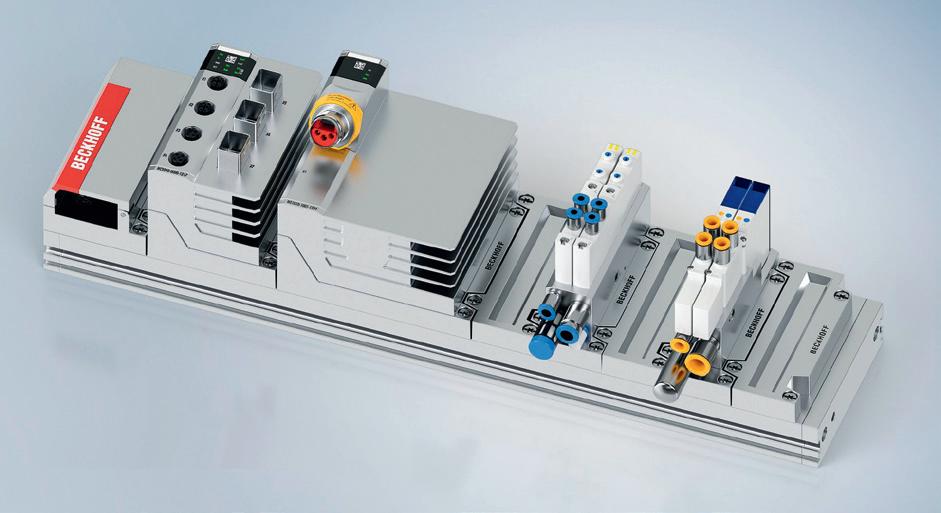
Beckhoff’s MX-System is designed to offer a flexible, space-optimised and intelligent system solution that replaces the conventional control cabinet. MX-System modules can simply be plugged in and screwed onto the baseplate to create a housing unit that is waterproof and dustproof, meaning that it can be used directly on the machine or system without any additional protective housing.
Beckhoff has developed two socket modules — the MO2414 for Festo and the MO2424 for SMC — with the standard MX-System interface for the respective valve type. The air supply for up to two Festo VUVG or SMC JSY3000 valves (with up to 500 L/min flow rate, depending on the manufacturer) can be connected. These can be mounted directly on the modules, and different variants such as 3/2-, 5/2- or 5/3-way valves can also be combined with each other. While the MX-System socket module provides the valve air supply and the control signals, the outgoing hoses are connected directly to the respective valve.
The MO2414 and MO2424 pneumatic modules expand the functional scope of the MX-System and consolidate its integrated approach to automating machines and plants. The basic idea of setting up the control cabinet as a distributed system and mounting the control system for actuators and sensors close by is now also an option for pneumatics.
Beckhoff Automation Pty Ltd


www.beckhoff.com

RFID READ/WRITE DEVICE
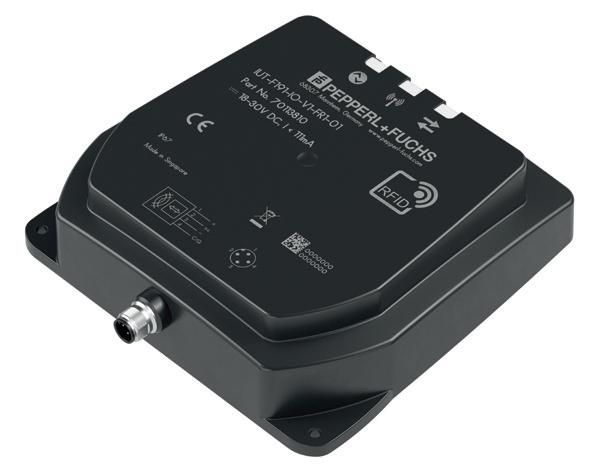
The Pepperl+Fuchs F191 UHF RFID Read/Write Device can be commissioned without time-consuming programming via the integrated IO-Link interface. In ‘Easy Mode’, the devices transfer their data to the higher-level system in accordance with the plug-and-play principle without the need for integrating complex function blocks. It doesn’t matter whether the application involves an IoT-centric or PLC-centric architecture, Pepperl+Fuchs offers the appropriate IO-Link masters for connecting the RFID read/write devices from a single source for both applications. This means that up to eight RFID read/write devices can be operated on one IO-Link master. The multiprotocol capability of the IO-Link master module ensures compatibility with almost any bus or control system.
When the F191 RFID read/write devices are in operation, they enable detection of various UHF tag types in a sensing range of up to 1 m by means of transmit power of up to 100 mW ERP (adjustable). A wide range of applicationspecific tags from the Pepperl+Fuchs product selection are available for this purpose. UHF technology makes it possible to simultaneously detect bulk data from multiple tags in one read operation. With a rugged IP67 housing, integrated antenna and a wide temperature range of -25 to +70°C (or -25 to +60°C in continuous operation), the F191 RFID read/write devices are also designed for use under adverse ambient conditions.
Pepperl+Fuchs (Aust) Pty Ltd

www.pepperl-fuchs.com

JULY 2023 - PROCESS TECHNOLOGY 15 www.ProcessOnline.com.au NEW PRODUCTS
INFRARED TEMPERATURE-SENSING MODULE
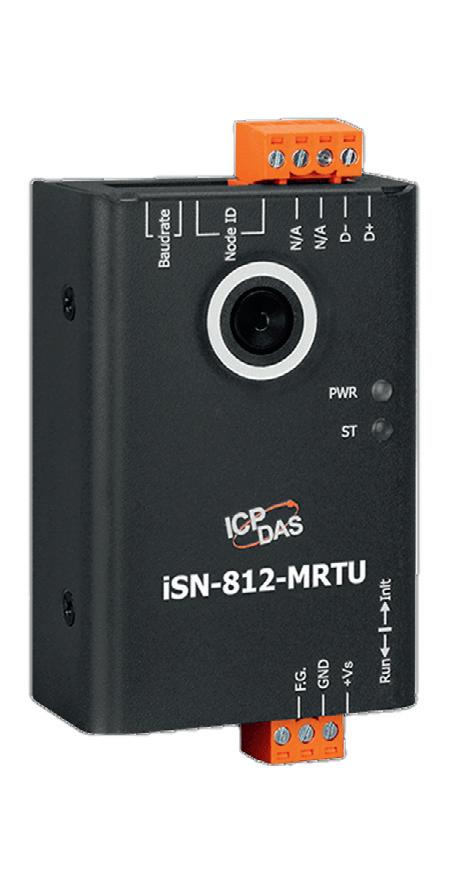
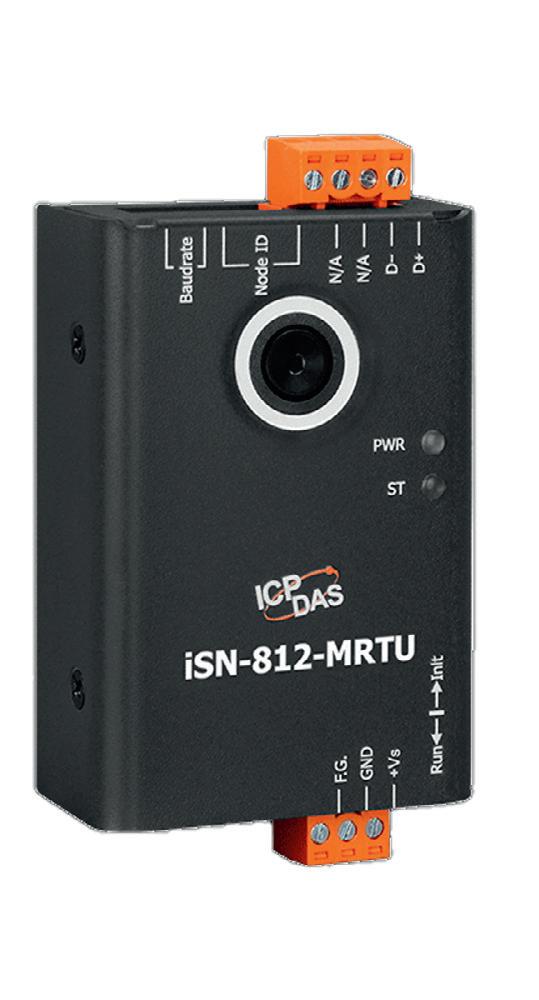
The iSN-812MRTU from ICP DAS is an infrared temperature-sensing module that is suitable for noncontact temperature measurement. It offers 768 IR pixels, arranged in a 32 x 24 array, providing temperature measurements ranging from -40 to 300°C.
The product offers a field of view of 110° x 75°, which is suitable for measuring temperatures over a wide area. The module also features a temperature threshold detection function, allowing users to set temperature limits and receive alerts when the limits are exceeded.
The product features support for the Modbus RTU protocol, which makes it easy to integrate with existing SCADA systems. It also offers multiple installation options, including wall mount, magnetic and universal joint mounting, which makes it adaptable to various installation requirements.
ICP Electronics Australia Pty Ltd www.icp-australia.com.au
CONDITION SENSOR INTERFACE
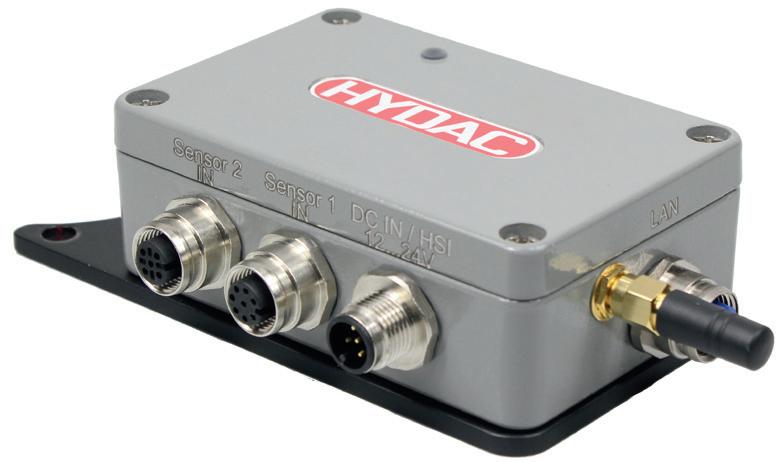
The HYDAC CSI-C-11 Condition Sensor Interface is an easy-to-use, compact condition monitoring system for fluid-based machine condition monitoring.
Depending on the device configuration, up to two HYDAC HSI SMART fluid sensors and four analog sensors can be connected to the CSI-C-11 via M12 connectors and supplied with power.
SINGLE LOOP CONTROLLER
Azbil Corporation has announced the model C1A single loop controller, which the company says features high accuracy and fast response, and reduces the burden on personnel from installation through to maintenance.
The C1A calculates the voltage, current and resistance of the heater using voltage transformer (VT) and current transformer (CT) inputs. These values can be monitored on the front panel of the C1A or be used to output alarms if the preset threshold is exceeded. By monitoring the resistance along with the controlled temperature, the condition of a heater can be easily understood and unexpected heater burnout can be prevented.
Additionally, the Smart Loader Package for the product includes a PID simulator based on proprietary Azbil simulation technology. The PID simulator uses operating data to create mathematical models that reproduce characteristics of the object of control, allowing the user to simulate PID control on the PC and reduce adjustment time.
The C1A single loop controller features a high accuracy of ±0.1% of the reading (for thermocouple or Pt100 RTD) and a high-speed response with a sampling cycle of 25 ms. Its 4.5-digit numerical display shows values from -19999 to 19999 in units of 0.01°C and a bar graph of MV output % and other operational information can be displayed, making it easy to understand the status of control. It also offers a PLC link communication function for communication with a PLC without the need for programming.

AMS Instrumentation & Calibration Pty Ltd
www.ams-ic.com.au
Once the sensor measurement values and signals have been read, they are stored on the integrated data logger, evaluated in terms of plausibility and monitored to check whether limit values have been exceeded.
Limits are set according to the measured variable with the aid of a wizard. If a limit value is exceeded, the CSI-C-11 automatically sends an alarm via email or via the integrated Ethernet and fieldbus interface (Modbus). This makes it possible to transfer the measured values to higher-level company networks, condition monitoring systems, control systems, PLCs and the HYDAC CMX cloud.
HYDAC International
www.hydac.com.au
16 PROCESS TECHNOLOGY - JULY 2023 www.ProcessOnline.com.au NEW PRODUCTS
EDGE COMPUTING FOR MINING AND METALS APPLICATIONS
Today the mining and metals industries face several challenges in balancing profitability and production efficiency while managing sustainability and minimising environmental impact. It is also critical that production efficiency be achieved in conjunction with flexibility to ensure industry stays nimble and adaptable in a highly volatile world.

These industries are embracing the digital transformation journey, which includes incorporation of IIoT technologies and concepts so data can be leveraged to achieve new levels of production efficiency. Gathering, storing and analysis of production and machine data form the building blocks in this strategy.
Mining, like many other industrial sectors, generates large volumes of data. Much of the initial IIoT discourse has focused on cloud computing, which meant that large quantities of raw data would be dispatched to cloud-based data lakes, analysed and used in optimisation algorithms to drive real-time decision-making.
However, mining operations are often distributed throughout many remote locations with limited infrastructure, and this presents connectivity challenges. When factoring in cloud architecture, data costs and latency, a pure cloud computing solution may not be the best answer for a mining and metals operation.
Traditional PLCs are commonly used for real-time control, but more recently have been tapped for implementing higher level IIoT communications and analysis. This change is enabled by improved IT computing methods merging with OT platforms, resulting in highly capable edge-located IT/OT controllers. Data available at the operational edge is now easily accessible and able to be processed and transmitted, paving the way for analytics and optimisation deployments.
Process overview
Mining and metals processing operations consist of many areas with opportunities for improvements through automation and data gathering (Figure 1). Sometimes the automation and communication platforms are delivered as part of original equipment manufacturer (OEM) machinery or equipment skids, while at other times they are constructed in the field.
PLCs play an important role in almost every area and may include local HMIs. Remote terminal units (RTUs) are also widely used, providing some functionality similar to PLCs and adding remote connectivity features. Increasingly, systems incorporate intelligent field devices like variable frequency drives (VFDs) that can supply
JULY 2023 - PROCESS TECHNOLOGY 17 www.ProcessOnline.com.au
edge
can
in
and metals
iStock.com/DuxX
Digitalisation through
computing
unearth new value
mining
processing.
extensive operational and diagnostic data. Larger processing areas may rely on a distributed control system (DCS), and plant-wide operations may be monitored by a SCADA system.
The following is a summary of typical operations:
• Extraction: Pit and underground tunnel equipment and conveyors, characterised by deployment across large areas.
• Material handling: Crushers, stackers, screeners and autonomous vehicles.
• Comminution: First stage semi-autogenous grinding mills and secondary stage ball mills.
• Separation: Includes flotation cells, leaching, thickeners, solvent extraction, and filtration.
• Refining: Systems such as electrowinning, electrolysis and smelting for extracting and purifying metals.
• Logistics: Rail and port operations for handling mining production.
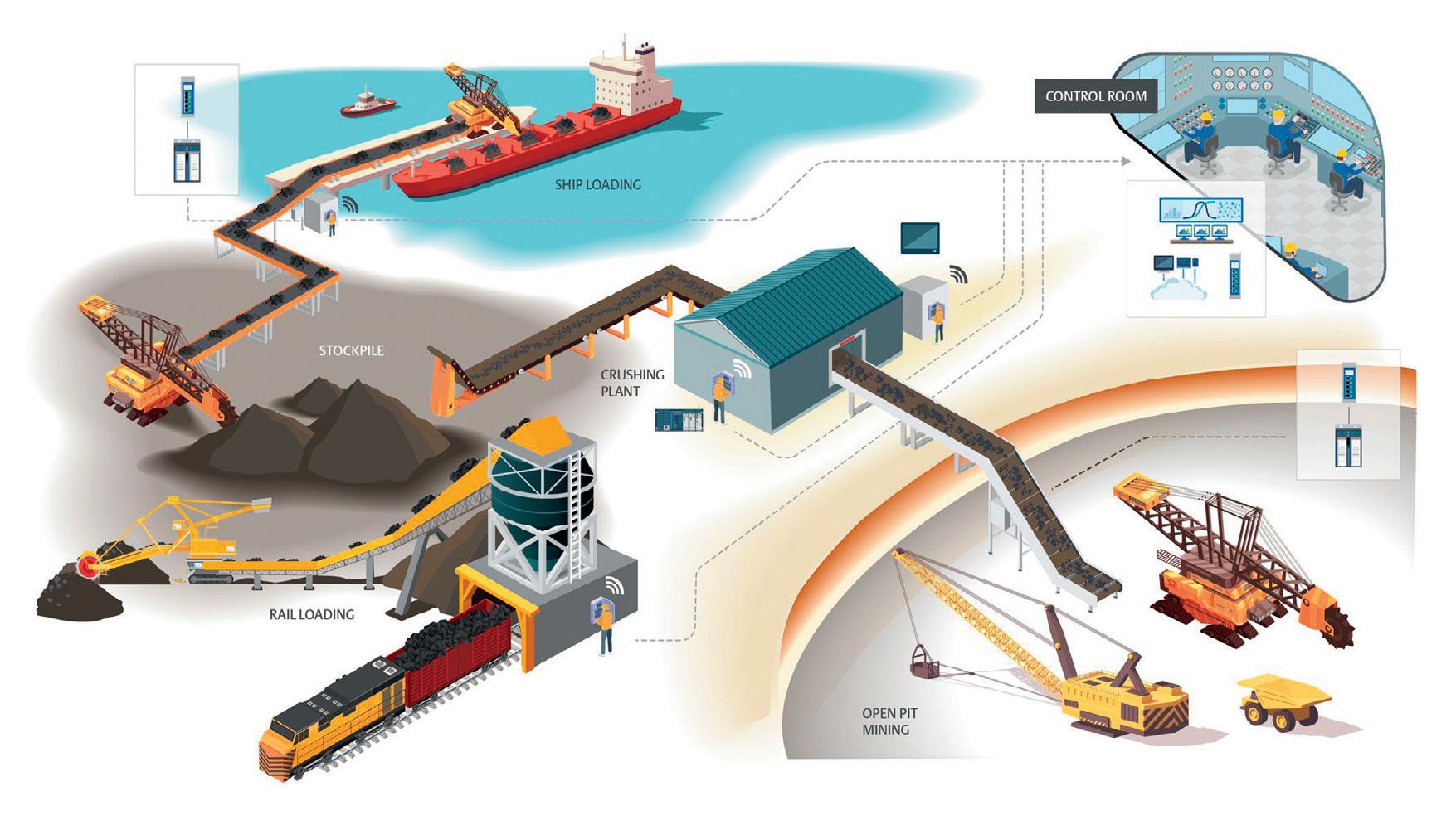
• Utilities: Includes electrical power distribution and monitoring to support other systems.
• Water management: Systems to supply, treat, store, recover and reuse water to provide the right quantity and quality needed for processing.
Because automation platforms and mining equipment have generally become more intelligent over the years, there are more opportunities than ever for obtaining the right field data and acting upon it to overcome operational challenges.
Edge control platforms surmount challenges
It has been possible for many years to stitch together various traditional automation technologies with satellite and radio communications, achieving some level of automated control and remote visibility. However, these solutions have usually been costly and difficult to create, operate and support.
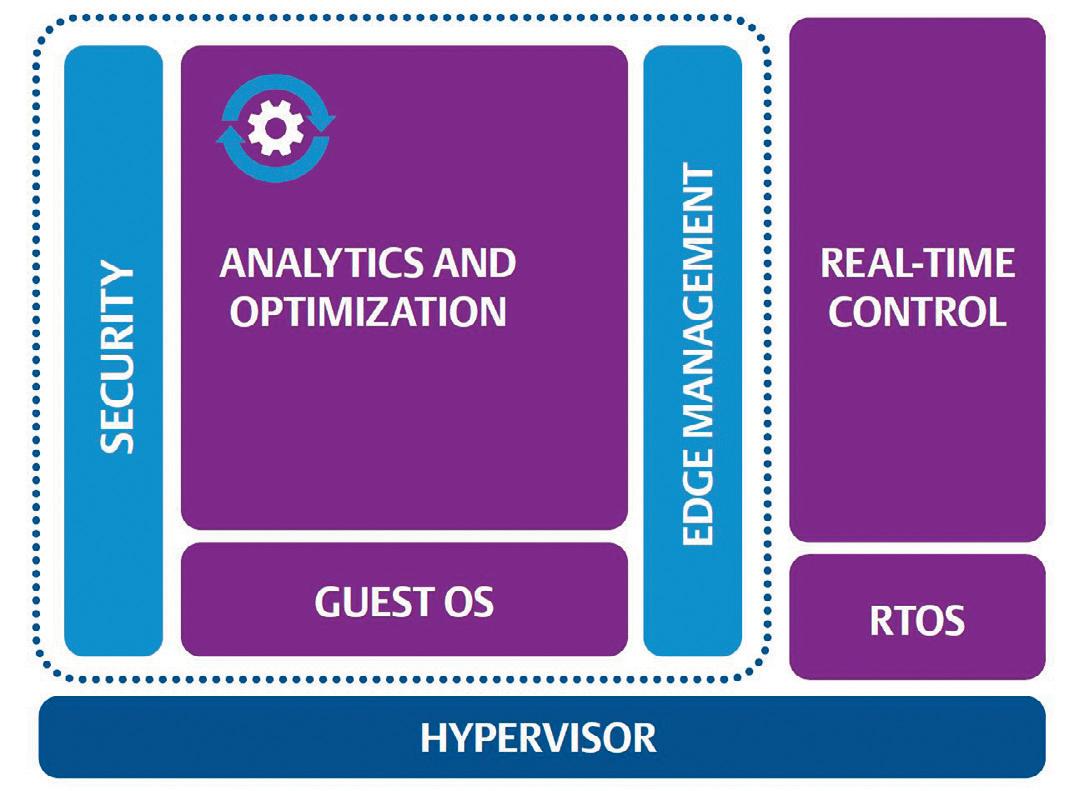
This has changed with the introduction of a new class of automation platform called an edge controller. An edge controller
combines a real-time operating system (RTOS) with a generalpurpose operating system (OS) like Linux (Figure 2).
The RTOS provides direct deterministic control and monitoring of field equipment, much like a PLC or RTU. In fact, edge controllers can be used just like PLCs, even if users do not immediately take advantage of additional features, providing a future-proof design.
The general-purpose guest OS enables capabilities such as advanced computing, analytics and data storage. In addition, the general-purpose OS offers much more capable communication options, even over the low-bandwidth connections commonly encountered with mining operations.
Because the RTOS and general-purpose OS are virtualised at the hardware level on board the edge controller, they are completely independent from both a hardware and software standpoint. In fact, each OS can be independently acted upon and rebooted. However, the two OSs can communicate with each other securely using industry-standard OPC UA connectivity. This configuration preserves the robust always-on RTOS operation while enabling modern computing capabilities.
Having an onboard general-purpose OS offers the following computing advantages:
• Security: Includes defences suitable for prevalent IT-like issues like network storms and denial-of-service attacks.
• OT connectivity: Natively supports OT-oriented communication protocols, such as Profinet and Modbus/TCP, as well as newer protocols with built-in security like OPC UA.
• IT connectivity: Natively supports IT-oriented communication protocols with built-in security such as MQTT and secure sockets (HTTPS, SSL, FTPS), providing appropriately secure communications performance.
• Flexibility: Users can develop applications in IT-oriented languages like C, C++, Python, Java, and many more.
OT personnel can maintain a focus on the deterministic portion
18 PROCESS TECHNOLOGY - JULY 2023 www.ProcessOnline.com.au
Mining
Figure 1: Many aspects of mining operations require some level of automation, and nearly every area creates data useful for analysis and operation.
MINING
of the system they are most familiar with, and IT personnel can work with the general-purpose system. The two groups can work completely in parallel, or they can coordinate and crossover as needed or desired in a clearly defined manner. Remote connectivity makes edge controllers a natural fit for mining operations, where limited staff may need to support assets distributed over large work sites or anywhere in the world.
Edge controllers can be integrated into existing systems to provide new capabilities without disrupting proven operation, or they can provide a complete control, monitoring and analytical solution for new installations.
Mining applications with edge control solutions
There are a few specific mining applications that can benefit from edge control: ore tracking, leveraging vibration data, maintenance and route planning for autonomous haulage vehicles, and power optimisation.
Ore tracking
Managing ore characteristics and variability is a key challenge after it is extracted from the ground because optimal downstream processing is very much dependent on ore size and quality. The ability to track ore size as it progresses through processing helps mine operators identify conditions that could potentially cause downstream blockages or mechanical breakdown of equipment, resulting in hours of unplanned downtime.
By leveraging a combination of sensors, instrumentation and edge controllers, the ore loading on conveyors can be analysed. Live parameters like conveyor belt tension can be monitored and analytically compared with historic data. Potential deviations can be quickly identified, and the control system can intervene to prevent a downtime incident.
Ore quality also impacts downstream processing. Tracking ore characteristics enables the mine operator to better understand energy consumption, plant feed rates and ore losses, helping them to fine-tune process parameters and optimise the overall profitability per ton of ore processed.
Tracking ore quality is perhaps the most crucial aspect of managing mine processing plants. The mineral concentration varies in the ore deposit itself. After extraction, ore is sampled and results regarding ore size, fines content, moisture level and more can be transmitted to the edge controller.
While this sampled load of ore is being transported to the processing plant by haulage vehicles, the edge controller can use the raw data regarding ore characteristics to perform analysis through embedded algorithms, and then use the results to determine the most beneficial settings for improved control of the processing plant in areas such as crushing and mill performance, and reagent dosing.
Because of the unique location and performance of an edge controller, it can take multiple inputs, perform analyses, and immediately respond to and act on changes in ore characteristics, without the latency challenges of running analytics in a cloud-based solution and then trying to implement the associated operational changes in a timely manner.
Leveraging vibration data
Mining is a mechanically intensive process with many pieces of rotating equipment. Vibration is inevitably a problem, but if it is detected and analysed it can be used to predict impending operational issues.
Equipment such as conveyors, crushers, hydrocyclones, stacker reclaimers, ship loaders and mills are prone to failure due to vibration. At the machine automation level, it is possible to collect a huge amount of data to measure vibration, temperature and noise via sensors and instrumentation.
The raw data itself is too excessive for transmission to the cloud due to costs and bandwidth issues. A better option is to relay this machine data to an edge controller, which can then use the raw data inputs to complete some preconfigured computations and send the essential time-series data to a supervisory system. This concentrated information is much more suitable for transmitting via low-bandwidth networks.
The operations team, wherever they are located, can then apply analytics to this time-series data to establish baseline equipment
JULY 2023 - PROCESS TECHNOLOGY 19 www.ProcessOnline.com.au
Mining
Figure 2: Edge controllers seamlessly and securely coordinate deterministic control with general-purpose computing on one platform.
AND METALS PROCESSING OPERATIONS CONSIST OF MANY AREAS WITH OPPORTUNITIES FOR IMPROVEMENTS THROUGH AUTOMATION AND DATA GATHERING.
profiles and assess if any part of the system is becoming mechanically compromised. With this information, the team can safely bring systems offline before an adverse breakdown occurs.
Autonomous haulage vehicles
Autonomous haulage vehicles are becoming widely adopted in the mining industry, and it is critical to manage diesel consumption and optimise routes to manage their overall operating costs. Onboard controllers allow for sophisticated vehicle control with features like anti-collision and position monitoring; however, there is no embedded PLC and the vehicles do not have permanent connectivity to a plant network.
Mine operators can get valuable insight from monitoring fuel pump pulses and various other raw data which can be obtained via a controller area network (CAN) bus. CANbus is an industry standard protocol used with many types of vehicles.
In terms of route planning, the haulage truck routes can be organised in conjunction with other mechanical equipment like excavators and the crusher. In situations where a mine excavator goes offline, an associated edge controller can then communicate with haulage trucks via wireless to reroute these vehicles to operational excavators and avoid situations where the crusher remains idle. On the other hand, routes for multiple trucks require careful scheduling to avoid situations where too many haulage vehicles are queueing to offload ore into the crusher plant. This kind of live route optimisation can deliver significant savings for mine operators.
Additionally, raw data paired with analytics delivered by an edge controller can provide rich insights into the integrity of the vehicle, supporting preventative maintenance. The edge controller can be used to analyse hydraulic temperatures and other vehicle operating conditions during off-loads into the crusher plant, and then relay this time-series data back to the centralised control centre for detailed analysis.
Optimisation of power consumption
In many instances, due to the remoteness of operations, mine operators must build and manage their own power infrastructure. Much of the existing power infrastructure is based on diesel generators. With the ongoing pressure for environmental sustainability, mine operators are being challenged to reduce emissions associated with diesel generators.
Mining power plants typically run with a large spinning reserve, but there is often little visibility into active plant operations, specifically when energy-intensive equipment is coming online. When there is a lack of coordination for equipment going from standby to duty mode, sites are likely to experience brownouts due to power surges.
In the case of a standalone power plant, diesel generators are well-equipped with instrumentation and sensors, and this data can be sent to an edge controller via wireless connection. The edge controller can also analyse other raw data from the processing plant to identify when more power will be needed. Armed with this information and connectivity, the edge controller can make step changes to the power plant through its real-time operating system.
In cases where the power plant is co-located with mining operations, power plant data can be sent to the edge controller through the plant network for effective optimisation. As mine operators continue to explore renewable energy–diesel hybrid solutions, edge controllers will play a critical role in optimising overall power consumption.
Conclusion
Mining and metals operations are much more than low-tech digging ventures. These industries are looking for any technological advantage to help them efficiently and cost-effectively adapt to production and market changes in a sustainable and environmental manner.
Edge controllers are a modern automation platform for enabling digital transformation and effectively applying IIoT concepts. Because mining operations are most often remotely located, any useful technologies must be suitable for these conditions and provide extensive communication options. Edge controllers are built for this OT environment, and have the latest and most secure IT computing and networking features. Edge controllers are especially compelling for this service because they can gather and store data locally, process and analyse it, directly inform operational logic of optimal settings, and relay the most essential information to higher-level systems.
Emerson Automation Solutions www.emerson.com/au/automation
20 PROCESS TECHNOLOGY - JULY 2023 www.ProcessOnline.com.au
Mining iStock.com/DuxX
PRESSURE GAUGE WITH BLUETOOTH
The Ralston Field Gauge LC20 pressure gauge is now available with Bluetooth.
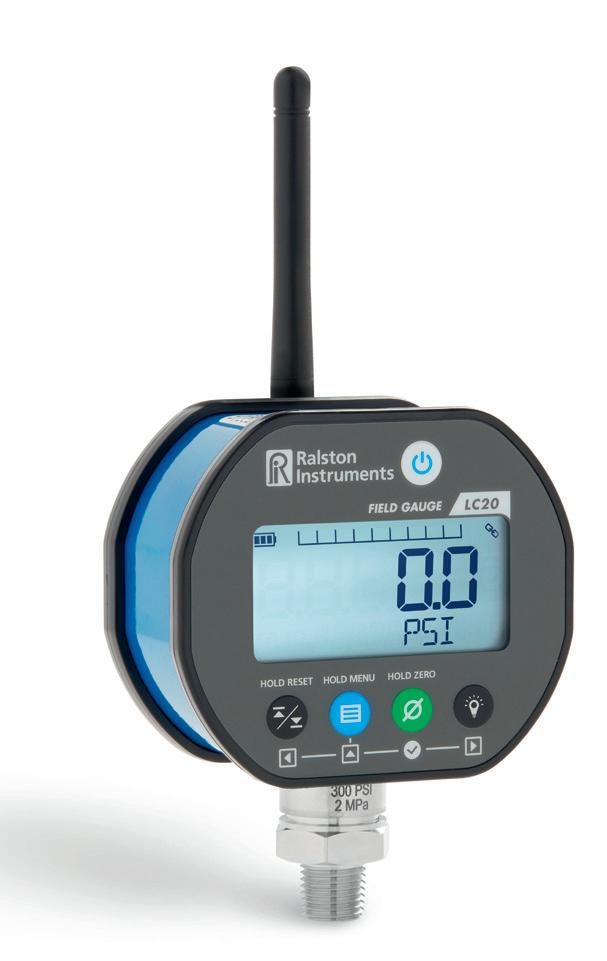
The Field Gauge LC20 is a reference-grade data logging pressure gauge that permits the monitoring and logging of pressure from a safe distance, even in dangerous or difficult-to-reach areas.
The FieldLab Mobile App allows users to initiate pressure logging and to monitor readings remotely from a phone or tablet from up to 30 m away. Multiple gauges can be monitored and controlled at the same time, in real time, and pressure data can be shared over email, network drives or via text messages.
With an IP67 rating, a smooth diaphragm surface, rugged construction and hygienic tri-clamp connections that allow the gauge to be steamed or cleaned in place, the Ralston Field Gauge LC20 achieves ±0.1% of full-scale accuracy and is a reference-grade digital gauge with various customisation options.
It is available in 11 pressure ranges from 5 psi/35 kPa to 10,000 psi/70 MPa, as a compound vacuum/pressure gauge from ±15 psi and a digital vacuum gauge measuring up to 30 inHg/760 mbar.
Ralston Instruments LLC
www.ralstoninst.com
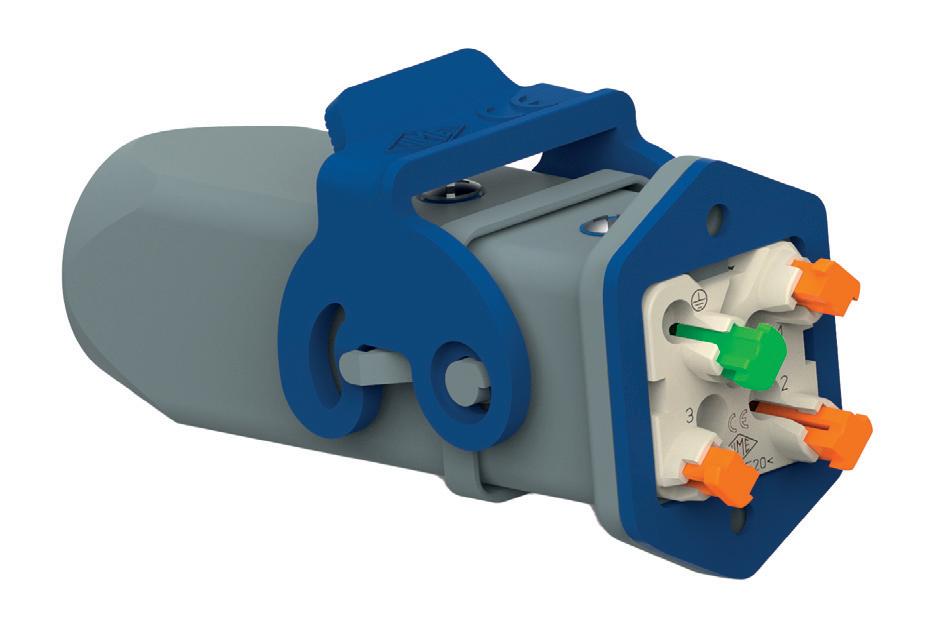
HYGIENIC ENCLOSURES
The choice of components for the food and beverage industry involves complying with the safety regulations that determine material properties to prevent food contamination. The cleanability and resistance of materials to alkaline or acid detergents or disinfectants are among the main requested features.
Primary food production, such as harvesting, milking and breeding, and then its preparation, transformation, manufacturing, packaging, storage, transport, distribution, handling and supply, including consumer catering, are required to satisfy the demands of EHEDG guideline n.32, HACCP, FDA guideline 21 CFR 177.2600 and FDA 21 CFR 177.1520 and the other regulations.
The ILME T-TYPE Hygienic enclosures series is designed to be suitable for food industry applications. The moulding technology used results in increased thickness for a sturdy connection in lightweight connectors with refined technical designs. For increased safety, the self-extinguishing thermoplastic material (ECOLAB approved) is easily cleanable and resistant to the cleaning and sanitising agents commonly used in food processing factories, while an IP66/IP69 degree of protection withstands high-pressure and high-temperature washdown procedures providing high durability over time.
Greater detectability is achieved by the use of blue-coloured locking levers and sealing gaskets to enhance their visibility in video inspection and to easily identify any accidental contamination in food products. Starting with the 21.21 size, ILME has also introduced locking levers detectable by metal detectors with the addition of a metal-detectable additive.
The ILME T-TYPE Hygienic enclosures also have the same fixing points compared to standard rectangular connectors’ housing and are compatible with all ILME inserts.
Treotham Automation Pty Ltd
www.treotham.com.au
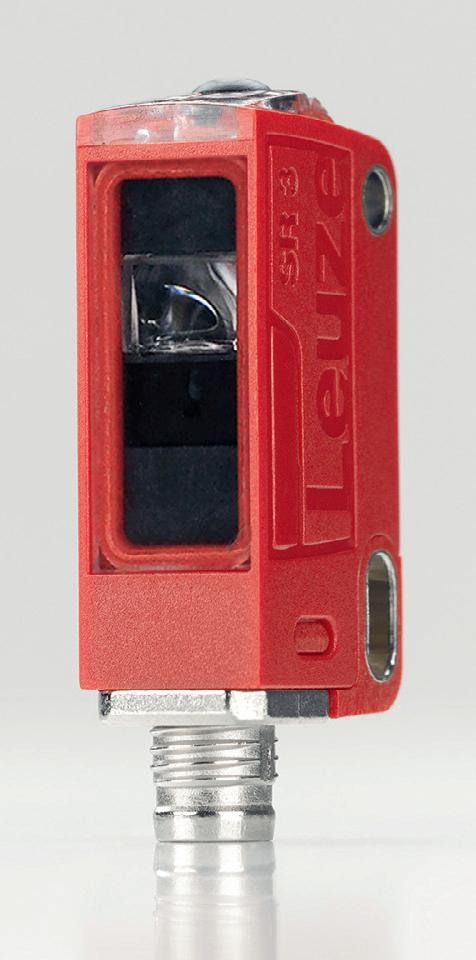
CONTRAST SENSOR FOR PACKAGING
The KRT 3C contrast sensor from Leuze is the smallest contrast sensor the company has made for the packaging industry. It is designed to detect reliably and position accurately even if there are only small contrast differences, including on glossy surfaces or highly reflective materials. This is made possible by utilising multi-colour functionality: red, green, and blue light as well as white and laser red light will not allow any object or printed label to pass through unnoticed. This allows users to select the right light source for any material and contrast mark colour for their packaging and labelling processes.
The KRT 3C detects contrasts with a short response time of 50 µs and minimal signal jitter, helping to achieve optimal machine throughput. With its small dimensions of 11 x 32 x 17 mm, the sensor is also designed for tight installation spaces. This means it can be fitted almost anywhere, and users can set up the KRT 3C via the integrated IO-Link interface.
The KRT 3C housing is robust, protection rated to IP67 and IP69K and ECOLAB-certified, so that it can handle aggressive cleaning agents.
Leuze electronic Pty Ltd
www.leuze.com.au
JULY 2023 - PROCESS TECHNOLOGY 21 www.ProcessOnline.com.au NEW PRODUCTS
PANEL PC
The APLEX ARCHMI-807BP/R(H) is a rugged and compact industrial panel PC designed to meet the requirements of various industrial applications, and it includes a 7 ″ flat front panel touch screen and IP66-rated front bezel.
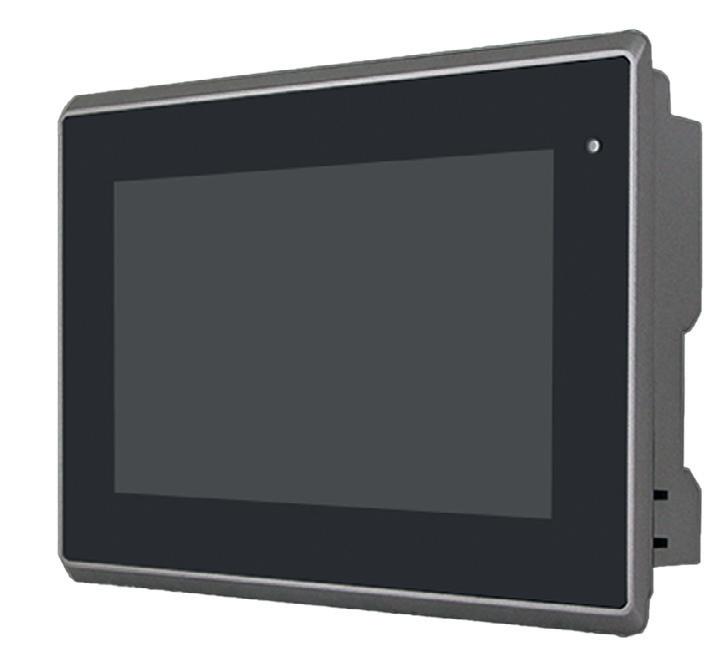
The ARCHMI-807BP/R(H) is powered by an Intel Celeron J6412 processor and supports up to 32 GB of DDR4 memory, providing ample memory capacity for multitasking and data-intensive applications. It also comes with full-size Mini-PCIe and M.2 slots, allowing for easy integration of additional functionality and connectivity options.
The ARCHMI-807BP/R(H) also supports TPM2.0 hardware security and features a wide-range power input of 9–36 VDC. For applications that require high visibility, the ARCHMI-807BP/R(H) offers an optional high-brightness display with 1000 nits, providing visibility in bright outdoor environments.
Backplane Systems Technology Pty Ltd www.backplane.com.au
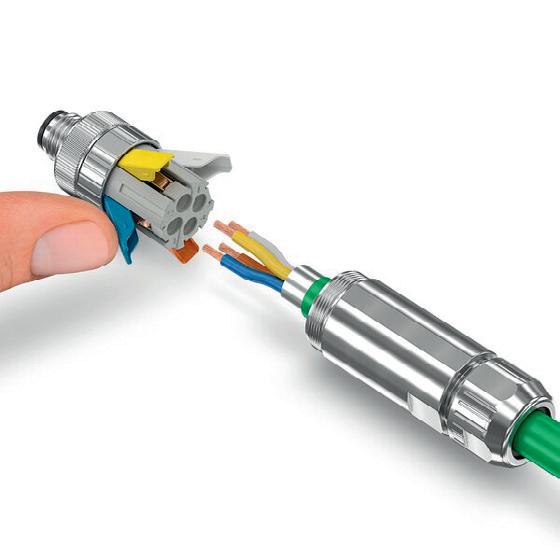
M8 CONNECTORS WITH PUSHLOCK CONNECTIONS
Confined spaces and customised cable lengths are becoming more common when it comes to the cabling of machines and systems. Phoenix Contact’s M8 connectors with Push-Lock connection are designed to enable the easy, tool-free connection of copper conductors of all types.
The Push-Lock connection enables convenient wiring, for rigid and flexible conductors with and without ferrules, tool-free — saving time and avoiding connection errors. The clamping chambers are opened and closed via a lever, and the colour and numerical coding of the contact holders mean that the conductors can be assigned directly.
The M8 Push-Lock connector is one-third smaller than the M12 connector, and offers significant space savings with the same industrial features.
With M8 Push-Lock connectors for futureproof data transmission with Profinet or Single Pair Ethernet (SPE), cable lengths can now also be determined flexibly in this field.
Phoenix Contact Pty Ltd www.phoenixcontact.com.au
PICK ASSIST AMRs
Tompkins Robotics is expanding its robotic solution offerings with the PickPal product series, which is a line of pick assist (PA) autonomous mobile robots (AMRs). There are currently two models in the series: the standard PickPal, which can carry 60 kg of orders, and the PickPal+, which handles up to 100 kg of orders. There are additional PickPal+ models planned to carry more orders, with higher capacity, and that apply pick assist technology to case picking.
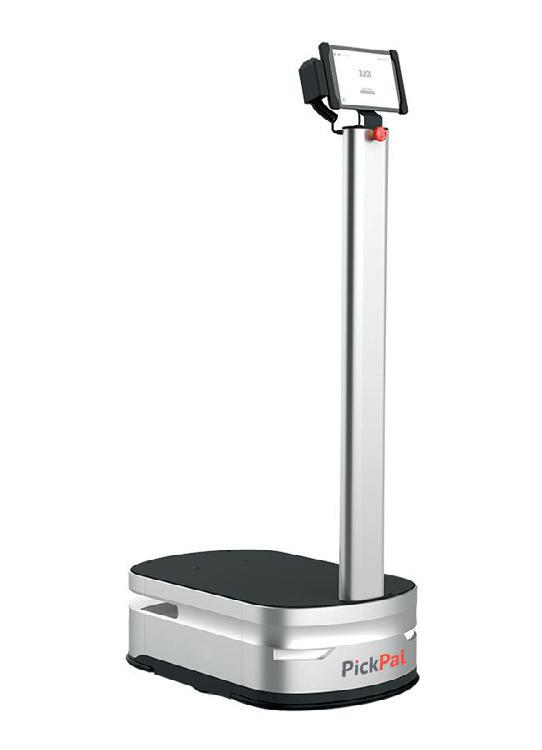
Moving at 1.4 m/s, the robots carry orders between workers, and can group orders together to minimise travel and increase productivity. Each model can be fitted with a variety of shelf and tote configurations.
The company says PickPal provides a quickly implemented and low operating-cost robotic technology that can be inserted into existing operations doing order fulfilment in a scalable robotics-asa-service (RaaS) model. The RaaS model has minimal implementation costs and a low cost of ownership while increasing labour savings and capacity improvement, the company says.
Primary Sight primarysight.com.au
22 PROCESS TECHNOLOGY - JULY 2023 www.ProcessOnline.com.au NEW PRODUCTS
HYDRAULIC BULK BAG CONDITIONER
The BLOCK-BUSTER hydraulic bulk bag conditioner from Flexicon features arched doorway masts that increase overhead clearance for easier insertion and removal of palletised bulk bags using a forklift.
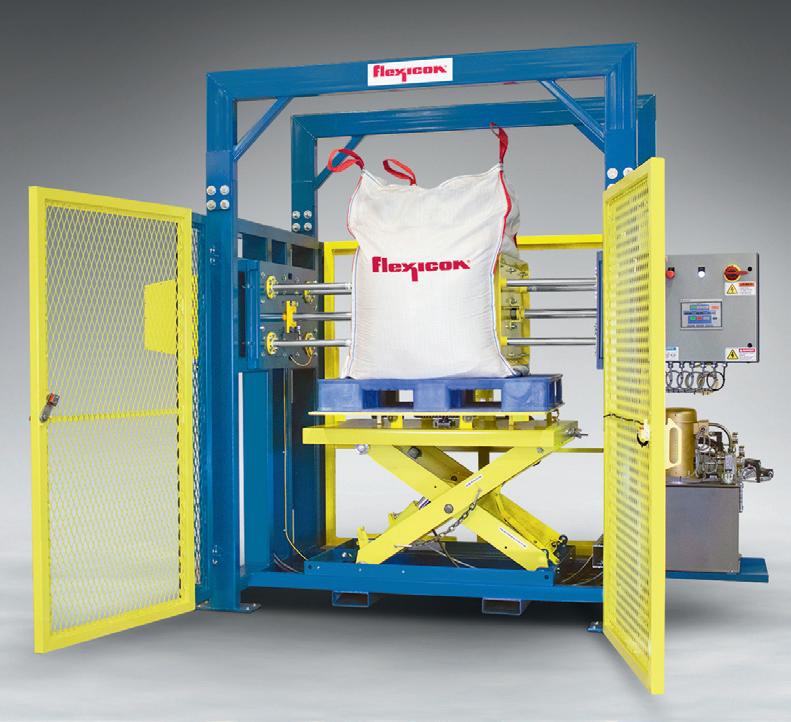
The conditioner loosens hygroscopic chemicals, spice blends, heat-sensitive products and other bulk materials that have solidified during storage and shipment, returning the material to a free-flowing state and enabling bulk bag unloaders to discharge the material through bag spouts.
A hydraulically actuated, variable-height turntable operates in concert with two hydraulic rams to press opposing sides of the bulk bag at varying heights, rotate the bag 90 degrees, and then repeat the conditioning cycle. The number and pressure of hydraulic ram actuations, the height of the turntable and the number of 90-degree rotations are user programmable at the control panel’s HMI.
Enclosed on four sides, the conditioner is equipped with full-height, safetyinterlocked doors that disable all equipment functions when the doors are open.
The system’s hydraulic pump can be mounted on the exterior of the safety cage or remotely, and requires only an electrical power connection for operation.

Available as a standalone unit, the conditioner accommodates bulk bags of all popular sizes. It is also available constructed of stainless steel for sanitary and corrosive applications, and in configurations integral to bulk bag dischargers that reduce the cost, footprint and loading time of separate equipment.
Flexicon Corporation (Aust) Pty Ltd www.flexicon.com.au
JULY 2023 - PROCESS TECHNOLOGY 23 www.ProcessOnline.com.au
PRODUCTS
NEW
COMPACT FORK SENSORS
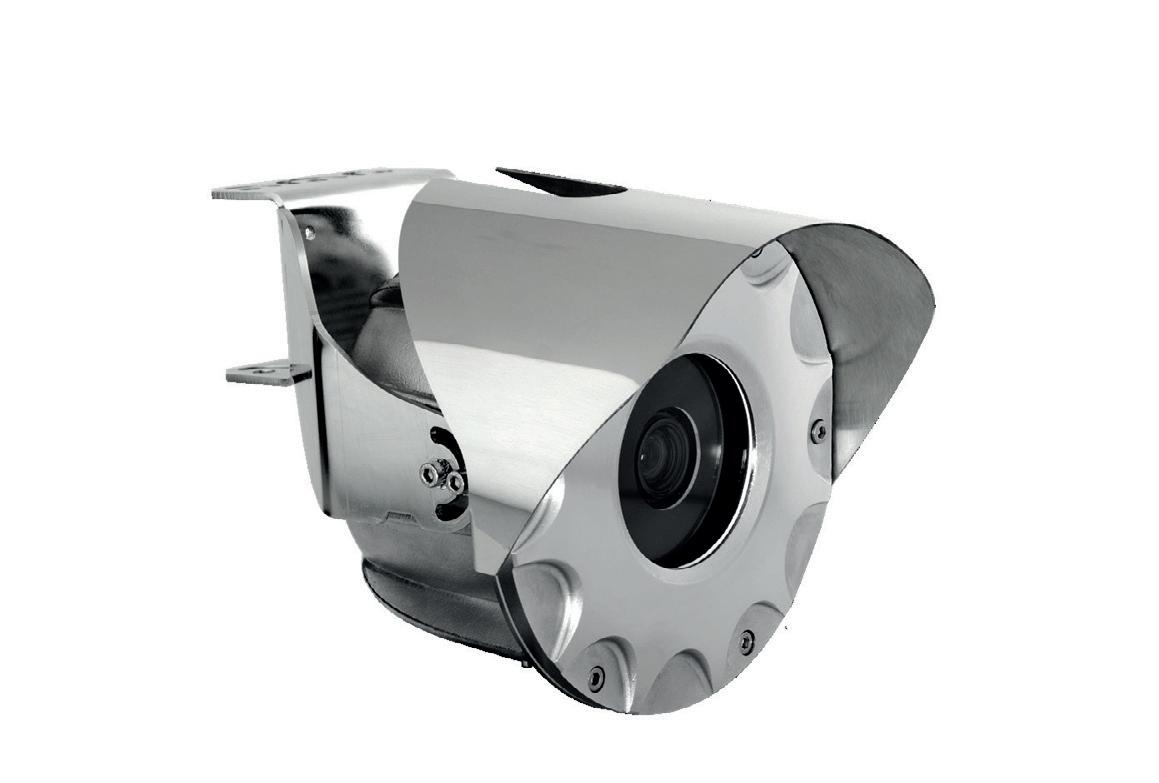
The Balluff BGL fork sensors range has been expanded to include compact sensors for space-critical automation applications.
The BGL MiniSlot fork sensors are designed to be used flexibly with their different mounting and connection options. A good visible beam is produced to make them simple to place correctly and adjust.
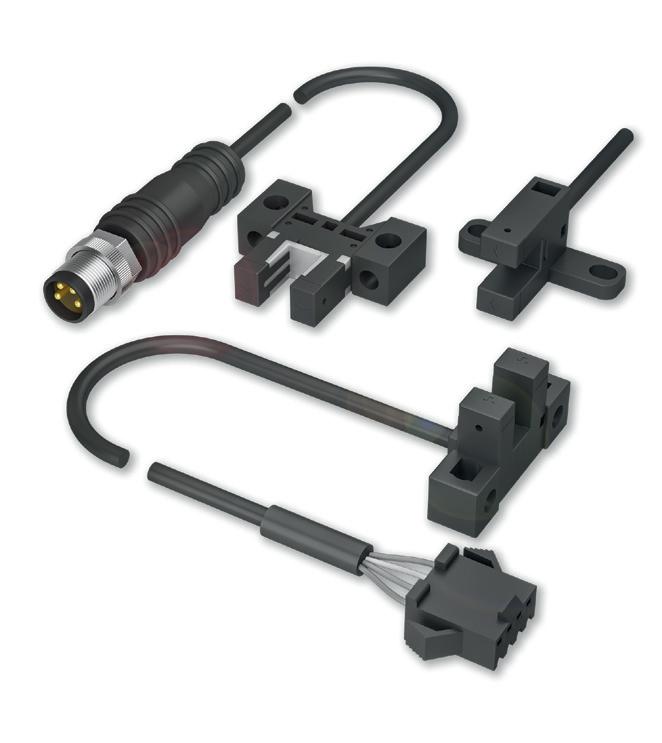
The sensors are fully potted, which makes them resistant to vibrations, shocks and other environmental influences, and offer an IP64 protection rating. The bright LEDs also indicate the switching status and allow users to accurately read diagnostics.
With their compact size, the BGL MiniSlot sensors require less installation space than conventional fork sensors. In addition, six different designs and a wide variety of connection options make the sensors more flexible to use in a wide range of applications.
The slot width of the BGL MiniSlot fork sensors is 5 mm and they are easily connected with a 4-pin M8 plug, flat connector or cable. Balluff Pty Ltd www.balluff.com.au
ULTRASONIC LEAK DETECTOR
EXAIR’s model 9207 ultrasonic leak detector (ULD), a hand-held instrument engineered to help locate the source of leaks in a compressed air system, has received an upgrade in look and function. Up to 30% of the compressed air generated in industrial plants is wasted through leaks that go undetected. Testing the various unions, pipes, valves and fittings of a complete installation can be done quickly and effectively at distances up to 6.1 m away.
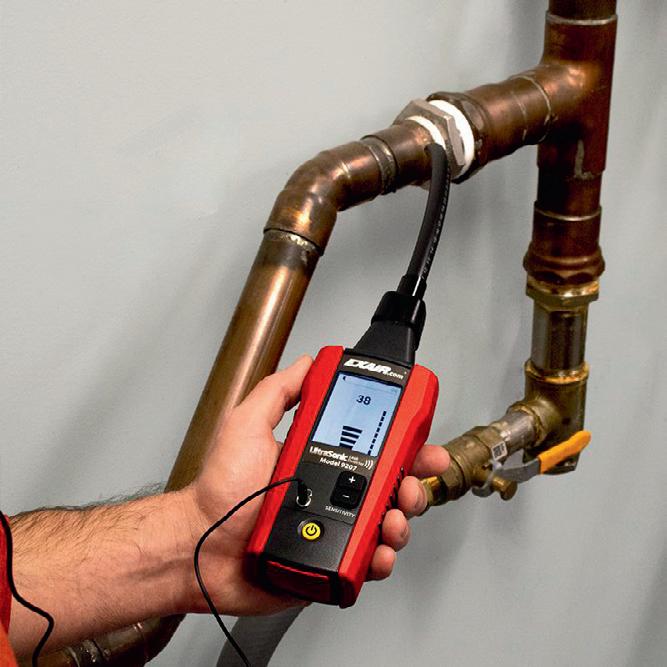
High-pressure gases create highfrequency turbulence when moving into an area with lower pressure, creating an ultrasonic sound. The ULD can detect these vibrations, creating an audible sound through supplied headphones as well as indicating intensity via a front-facing display as it moves closer to the leak origin. The ULD can be adjusted to filter out background noise in busier plants for fine-tuning sensitivity. The updated model offers a heightened ability to detect leaks in hardto-reach areas while also complying with the IEC 61326-1 standard that designates its ability to operate in typical electromagnetic environments often found in industrial plants.
The product is CE compliant and comes with a hard-shell plastic case, headphones, parabola, tubular adaptor, tubular extension and AA batteries.
Compressed Air Australia Pty Ltd
www.caasafety.com.au
VIBRATION MEASUREMENT MODULE
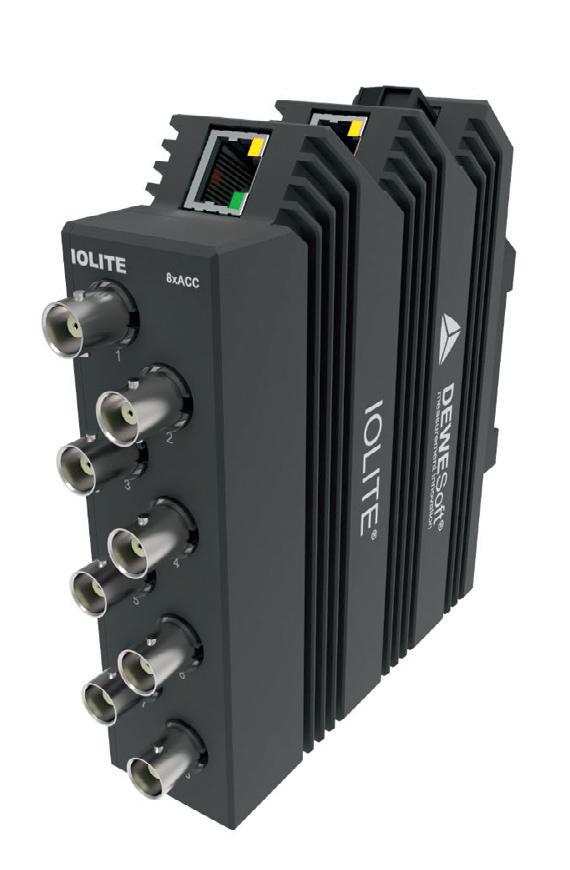
The Dewesoft IOLITE-8xACC vibration measurement module with IEPE/ICP accelerometers is designed to help engineers simplify and streamline their vibration analysis processes.
As an 8-channel IEPE/ICP module, the IOLITE-8xACC is tailored to tackle vibration and structural dynamics applications such as modal testing and FFT. The module is suitable for the connection of two triaxial or seven single-axis IEPE accelerometers along with an additional modal hammer. It offers a 40 kS/s sampling rate (per channel) and the ability to operate in either voltage or IEPE mode.
The IOLITE-8xACC also provides four user-selectable input ranges from ±0.2 to ±10 V, a dynamic range of 150 dB and low drift. When used in IEPE mode, it offers 2–6 mA current excitation for IEPE sensors, as well as hardware AC coupling of 0.1 or 1 Hz. It also supports TEDS (Class 1), the automatic sensor recognition standard for quick, error-free channel set-up.
The IOLITE-8xACC is available with eight BNC connectors and fits in all IOLITE rack and OBSIDIAN standard chassis. It is also available as a standalone modular unit with passive PoE support.
Metromatics Pty Ltd
www.metromatics.com.au
24 PROCESS TECHNOLOGY - JULY 2023 www.ProcessOnline.com.au NEW PRODUCTS
HYDAC’S HYDROGEN SOLUTIONS
We have a long way to go before all the questions on the topic of hydrogen are answered. This is because the production, supply and use of hydrogen still poses challenges for companies. But one thing is certain: hydrogen and alternative energy sources in mobile and industrial solutions have enormous potential for an environmentally friendly and emissionsfree future in households, industries and transport.
But the topic of hydrogen quickly becomes complex. That’s why it pays to have an expert at your side who offers innovative approaches to solutions while bringing tried-and-tested products and decades of industry know-how to the table. Whether it’s a new development or series production — HYDAC will help you with the successful integration of systems in your project.
Hydrogen purity
High-purity hydrogen is required for some applications, but the raw gas product hydrogen is often contaminated with impurities from water and oxygen after production. DIN EN 17124 specifies that these impurities must be less than 5 ppm. With our innovative hydrogen drying, we can reach higher hydrogen qualities than the standard requires when necessary.
Hydrogen filtration program
HYDAC has the following products on offer for its hydrogen filtration program: the GF1 gas filter, the GF3 gas filter, the GCF gas coalescer filter, and the GFH gas particle filter.
Technical specifications for these products span pressures of 16 bar to 1,050 bar; flow rates of 60 g/s to 150 g/s and 1 kg/s to 160 kg/s; and filtration ratings of 0.3 µm to 250 µm.
The stainless steel filter elements come in HYDAC’s patented Chemicron, which features no electrostatic charging; a pleated filter design that allows for maximum filtration area for optimal dirt-holding capacity; no fibre migration on the surface; and a graduated filter structure for maximum filter porosity to ensure the lowest pressure loss.
“The design of the GF1 offers the maximum filtration area in the most compact dimensions. The extremely robust stainless steel filter elements are noted for their outstanding differential pressure stability and resistance to pressure surges,” said HYDAC’s National Development Manager for E-Mobility & Hydrogen Systems.
“The Chemicron metal fibre fleece developed by HYDAC delivers defined filtration rates and maximum filter integrity. The combination of different filter layers prevents perforation of the filter material.
“No resins at all are used in the construction of the filter element. This means that electrostatic charging is avoided and operation with aggressive media subject to extreme temperature fluctuations is possible.”
Hydrogen compression and cooling
Compared to gaseous hydrogen storage, liquid hydrogen as a fuel offers advantages in terms of energy density (71 kg/m3). The pressure in the tank can also be kept low. This has a positive effect on the tank system in terms of the storage tank weight and space requirements, costs (especially for large storage volumes) and safety.
But the production costs of cryogenic hydrogen (-253°C) are not insignificant. The hydrogen also heats up if it is not constantly cooled. This leads to an increase in pressure within the tank, which can lead to the gaseous hydrogen being vented into the environment.
Hydraulic power units
HYDAC’s hydraulic power units for hydrogen compression have the following advantages: an innovative filter concept for a dramatically reduced hydraulic tank; a load-sensing principle for high energy efficiency; intelligent cooling and heating for reduced energy consumption; and a modular building block system design for reduced design effort.
Cooling systems for hydrogen compression
The company’s cooling systems for gas compressors are used to cool hydraulic power units, piston heads and compressed hydrogen. ATEX-approved and compact water glycol circuits, with a wholly redundant pump unit, offer improved performance at the lowest noise level in an innovate pump-block solution, which is almost maintenance free.
Pressure transmitters
HYDAC’s pressure transmitter series for hydrogen applications are based on a robust and long-life thin-film sensor cell, which is welded onto the process connection, eliminating the requirement for seals within the fluid port connection. All parts in contact with the hydrogen are constructed out of approved stainless steel.
HYDAC has on offer a range of pressure transmitters from the HDA 4400 series for use in industrial hydrogen applications such as hydrogen compressors and dispensers. These transmitters are approved for a variety of hydrogen applications in explosive atmosphere, which enables almost global use of this product range.
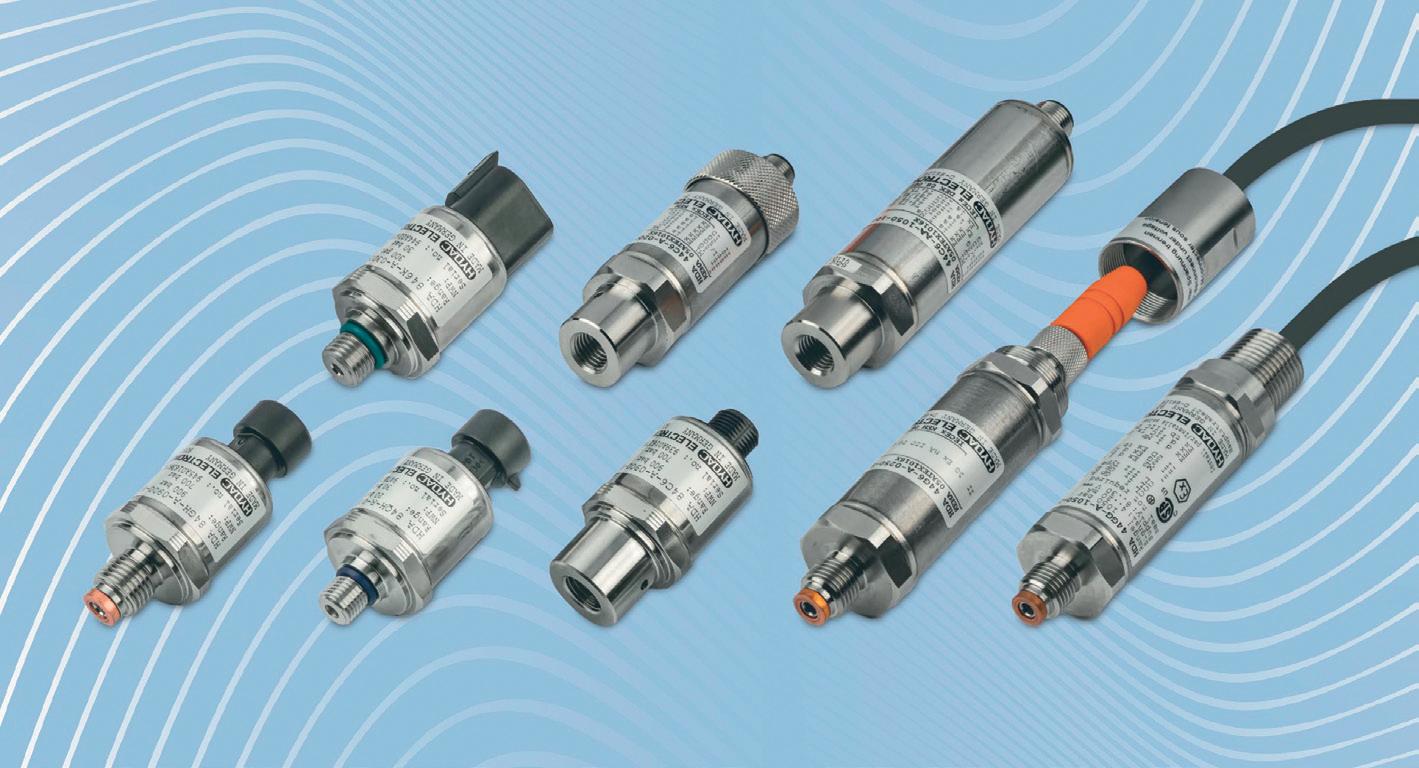
A double-approval version with ATEX and IECEx has been developed with ignition protection types ‘intrinsically safe’ and ‘nonincendive’. These devices are also available as a redundant version for implementing into systems requiring increased functional safety.

JULY 2023 - PROCESS TECHNOLOGY 25 www.ProcessOnline.com.au SPONSORED CONTENT HYDAC International www.hydac.com.au
The production, supply and use of hydrogen has enormous potential for an emissionsfree future, but there are still challenges to be overcome.
EX i SIGNAL CONDITIONERS
Phoenix Contact has released Ex i versions in the MINI Analog Pro 6.2 mm signal conditioner range to provide explosion protection and functional safety in a compact design. With space savings of up to 50% compared to previous models, the signal conditioners are rated for functional safety up to SIL 3 1oo1.
The units have clearly visible operating elements and plug-in connection terminal blocks and offer uninterruptible current signal measurement. Operating temperature range is -40 to +70°C and the devices have documented altitude operating ranges up to 5000 m.
End-to-end digitalisation is provided with a configuration and monitoring app, communication gateways and digital tagging. Standard functions can also be set via DIP switches on the device without using any software. MINI Analog Pro also offers plug-in connection technology. The FASTCON Pro connection terminal blocks can be independently inserted and removed from the device system. Signal and supply circuits can be easily interrupted during service and startup with the disconnect function.
Phoenix Contact Pty Ltd
www.phoenixcontact.com.au
FANLESS EMBEDDED SYSTEM
The iEi DRPC-W-EHL is a robust, fanless embedded system engineered for industrial environments. The DIN rail-mounted solution is powered by Intel’s Elkhart Lake Celeron J6412 Quad-Core processor. The processor, with a clock speed of 2.0 GHz, can turbo boost up to 2.6 GHz.
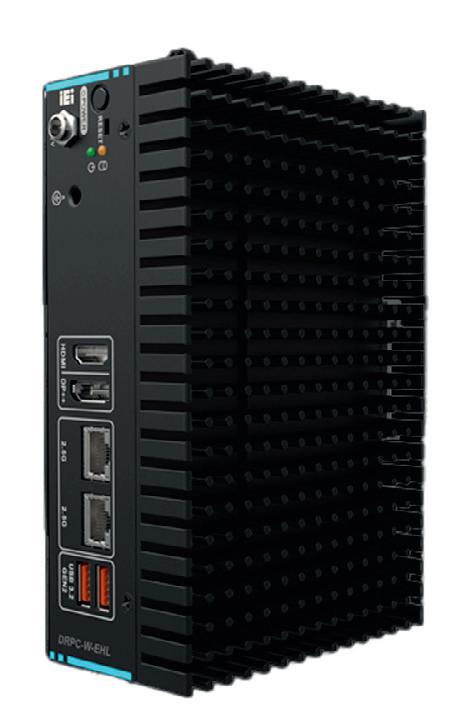
The system features support for dual independent displays, making it versatile for various monitoring applications. The system comes with two 2.5 GbE ports and has an M.2 A Key and an M.2 B Key with a SIM card slot for additional expansion options.
The DRPC-W-EHL can operate in temperatures ranging from -20 to 60°, and has shock and vibration resistance. With multiple I/O interfaces, it can be connected to sensors, robotic arms or control centres.
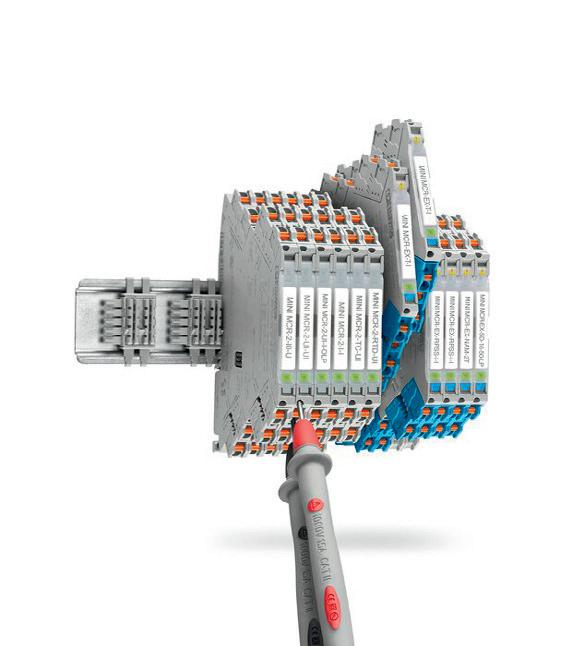
ICP Electronics Australia Pty Ltd
www.icp-australia.com.au
MAGNETIC LEVEL INDICATOR
With the introduction of the BM26A-8000, Krohne has completed its launch of the BM26A series of magnetic level indicators. Replacing the previous generation, the devices are designed according to specific industry needs.
Initially introduced in 1955, the BM26 series has been one of the longest running designs of level measurement instruments. While the rugged design has not changed, a wide range of options have been added, and former special designs are now available as standard.
The latest addition, the BM26A-8000, is designed to offer redundant level measurement in liquid applications and is available in two versions. The BM26A-8000-TWIN consists of a double measuring chamber with one chamber featuring a flapper indication, and the other one acting as a bypass chamber equipped with a TDR guided radar, FMCW radar or displacer level transmitter.
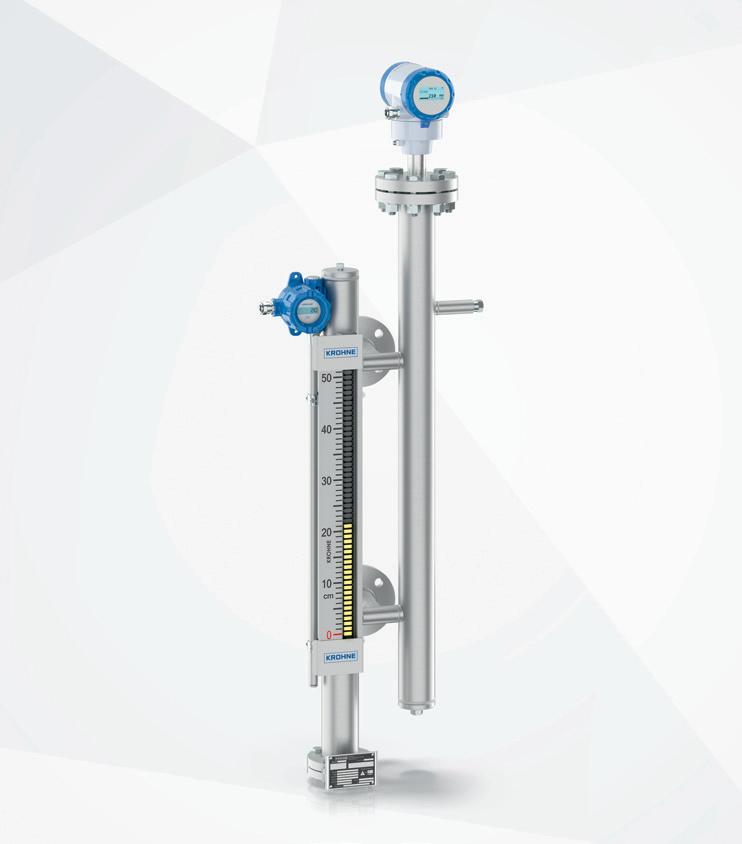
The BM26A-8000-BI version features a measuring chamber with two compartments, one for the OPTIFLEX 7200 TDR transmitter probe and one for the float moving next to it. By adding a reed-chain transmitter to these assemblies, the operator can compare the measuring values of the assembled radar level transmitter to those of the reed chain transmitter directly in the control room. This allows for redundant measurement as both technologies operate independently from and uninfluenced by each other, providing a high degree of process safety in critical applications.
The BM26A-8000 can thus be a suitable choice for steam cycle applications in power plants, storage tanks with dangerous chemicals, separators in the oil and gas industry as well as other level and interface applications.
KROHNE Australia Pty Ltd
www.krohne.com.au
26 PROCESS TECHNOLOGY - JULY 2023 www.ProcessOnline.com.au NEW PRODUCTS
Factory-wide visualisation streamlines utility management
Nagoya Works, one of the main factories in Mitsubishi Electric’s factory automation business, is home to over 30 buildings dedicated to production, administration and services. Within the premises, significant infrastructure has been built to supply electricity, air and steam throughout the factory.
For the stable supply of such resources it is crucial to regularly check the operational status of the utility infrastructure and the load factors of the equipment. The Environment Promotion Section of Nagoya Works’ Manufacturing Systems Division is responsible for taking care of the infrastructure equipment, meaning they not only perform regular maintenance and repairs on equipment, but also monitor the operational status and undertake precautionary measures that will prevent any major problems from occurring.
Previously, the members of the environment team had to patrol the buildings and facilities, collecting operational data from individual monitoring systems in power substations and steam boilers. This was quite time-consuming since they were all separate systems. Even after they collected the data, they had to add it to a system diagram to analyse the load conditions on the wiring and piping that connects the equipment. This took more than just man-hours.
“We needed to update the system diagram every time the system configuration changed, and what’s more, we had to be able to understand the status from the data in the diagrams, which depended highly on the skills of each individual,” said Ryohei Kitada from the Environment Promotion Section. “When installing new equipment, we would also have to do a cross-sectional verification to check if the capacity of the current infrastructure would be enough. Therefore, we needed to find a way to bring together the operational data from all the utility equipment in the factory to achieve one-stop access.”
As a solution to these challenges, the team turned to GENESIS64, a SCADA software that makes it possible to integrate and visualise various sources of data, in this case the utility data at Nagoya Works.
Most of the energy monitoring systems for the buildings were already controlled by PLCs that were connected to the in-house LAN. This meant that all the data could be collected by an OPC UA server, and then visualised by the GENESIS64 software.
The team was easily able to achieve factory-wide integrated monitoring of their energy infrastructure. The energy consumption and equipment status in every building was now displayed on GENESIS64 and updated in intervals of 10 seconds. Information spanning multiple pieces of equipment could also be reviewed systematically on a single screen.
Another benefit of using GENESIS64 was that they were able to check the real-time operational data of infrastructure equipment, making it possible to react quickly in the case of equipment malfunctions.
Individual monitoring systems for most equipment already leveraged PLCs, so the new system only required the addition of Ethernet modules to connect them to the in-house network.
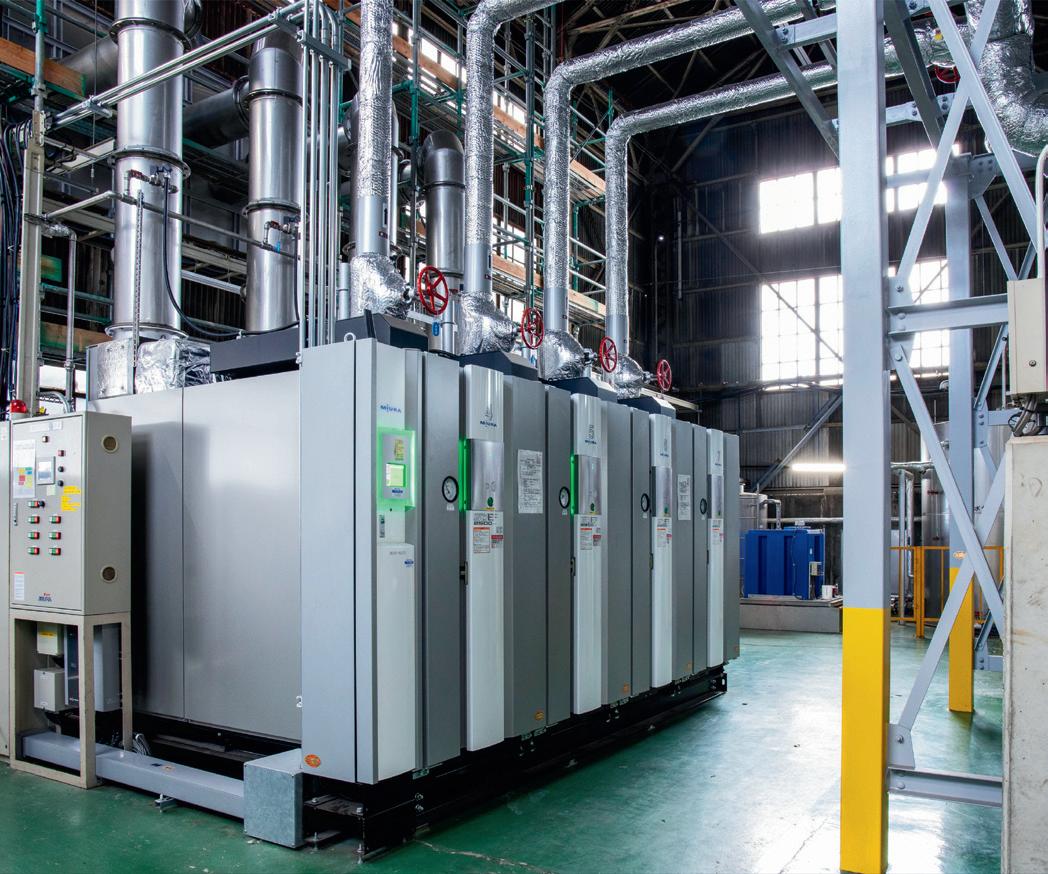
“The only problem was the steam boilers, which didn’t use PLCs but used a monitoring system that was unique to their manufacturer. We therefore added a PLC to the existing monitoring system to make it possible to connect it to Ethernet and the OPC UA server, and then display the data in GENESIS64,” Kitada explained.
Nagoya Works started using GENESIS64 for monitoring the energy infrastructure within its factory in 2020, and this unexpectedly provided an additional benefit. With people being encouraged to work from home due to the COVID-19 pandemic, Kitada and his colleagues were able to shift to remote working right from the start.
Infrastructure data monitored with GENESIS64 could be displayed in a web browser, which does not provide any access to the control system. “All you need is something like a VPN to connect to the LAN, and then you can safely monitor infrastructure equipment remotely,” Kitada said. “When we started using GENESIS64, we didn’t think that remote working would become this important. Consequently, I really feel glad that we went for this system.
“If we access a desktop PC remotely, only one person can access the system at a time, but with the web-browser based GENESIS64, multiple people can view data simultaneously, so I am now able to teach or give instructions to the junior staff remotely as we look together at the same data.”
For a longer and more detailed version go to https://bit.ly/3JVtuvP
Mitsubishi Electric Australia
www.mitsubishielectric.com.au
JULY 2023 - PROCESS TECHNOLOGY 27 www.ProcessOnline.com.au case study
ROBOTS: THERE’S ONE FOR EVERY JOB
PART 2
Kevin Tardif, Business Development Specialist – Electric Automation, Festo Inc.
When approaching an investment in robotics, one should consider all aspects of an application prior to making a final selection.

In Part 1 of this article some history of industrial robots was presented, and the various pros and cons of articulated and Cartesian robots. In this second part SCARA and delta robots (and the newest type: cobots) will be discussed, before looking at the considerations necessary in choosing the right type.
SCARA robots: benefits and limitations
SCARA robots have been designed and optimised for light applications. (The SCARA acronym stands for Selective Compliance Articulated Robot Arm, although some use Assembly in place of Articulated.) They are a streamlined version of articulated robots. Their simplicity and small size make them easy to integrate on assembly lines and they can achieve quite impressive cycle times, with high accuracy. They are very adept at functions like inserting components in spaces with tight tolerances while maintaining their rigidity in such movements, which makes them a cost-effective choice in a lot of pick-and-place applications as well as small parts handling. (In performing such tasks, there are accessories like feeding systems to maintain a constant supply of parts.) Programming and commissioning is relatively easy and fast, using the manufacturer-supplied teach pendant.
But with low cost comes limitations. The SCARA robot requires a dedicated robot controller and is limited to planar applications. It is generally restricted to three axes. It may be the optimal solution where its full capability three or four degrees of freedom can be used, but if the job only requires two (horizontal and vertical movement, for example), the SCARA robot cannot be reduced to a two-axis system, making it less attractive than a Cartesian gantrystyle robot from both a cost and performance standpoint. Like the articulated robot, the SCARA robot footprint also extends further than the working zone, resulting in a loss of functional space in and around the unit.
28 PROCESS TECHNOLOGY - JULY 2023 www.ProcessOnline.com.au
JULY 2023 - PROCESS TECHNOLOGY 29 www.ProcessOnline.com.au iStock.com/anon-tae
Delta robots: benefits and limitations
The delta robot is mainly renowned for its speed, with pick rates up to 300/min. Its mounting type puts it above its working zone, limiting the loss of footprint. It is often paired with a vision system to pick pieces randomly placed in more complex sorting and packing applications. Just like the articulated and SCARA robot, it will generally be provided with a teach pendant for easy programming.
On the other hand, the delta robot’s payload capacity is generally much lower than alternative technologies. Its wiry inverse tripod design makes it less robust than the other robot options, which reduces its maximum payload weight. That performance limitation is the price for achieving such a high dynamic capability. The delta robot has a quite limited working envelope. Its design does not allow long reaches. Like Cartesian and SCARA robots, delta robots are generally limited to four axes and cannot provide the flexibility of an articulated robot. Its complex assembly makes it more difficult to maintain and repair. And if used as a top mount on a large machine, there may be a need to reinforce the machine frame to bear the added weight.
Collaborative robots: benefits and limitations
Collaborative robots, or cobots, are a relatively recent development with a promising future in making possible safe human–machine interaction. By allowing a direct collaboration between a worker and robot, they are adding a dimension to our understanding of how automation can be integrated into industry. A cobot can be an articulated, Cartesian, SCARA or delta robot, although to date, most would be categorised as articulated. They come with payload capacity of 4–35 kg, scaling up in size and reach (also price) accordingly. There are models with up to seven axes; the latter can perform tasks that are particularly challengingly ergonomically, and are even being used as independent production line robots. The difference between cobots and other robots is their built-in safety features that allow direct interaction with humans, without protective shielding, safety curtains or other safety features. Since they don’t need fixed external safety barriers, some cobots can be mounted on mobile platforms to go wherever they are needed. It is important to note that a safety evaluation of the application has to be done and, while the cobot itself might be safe, if the
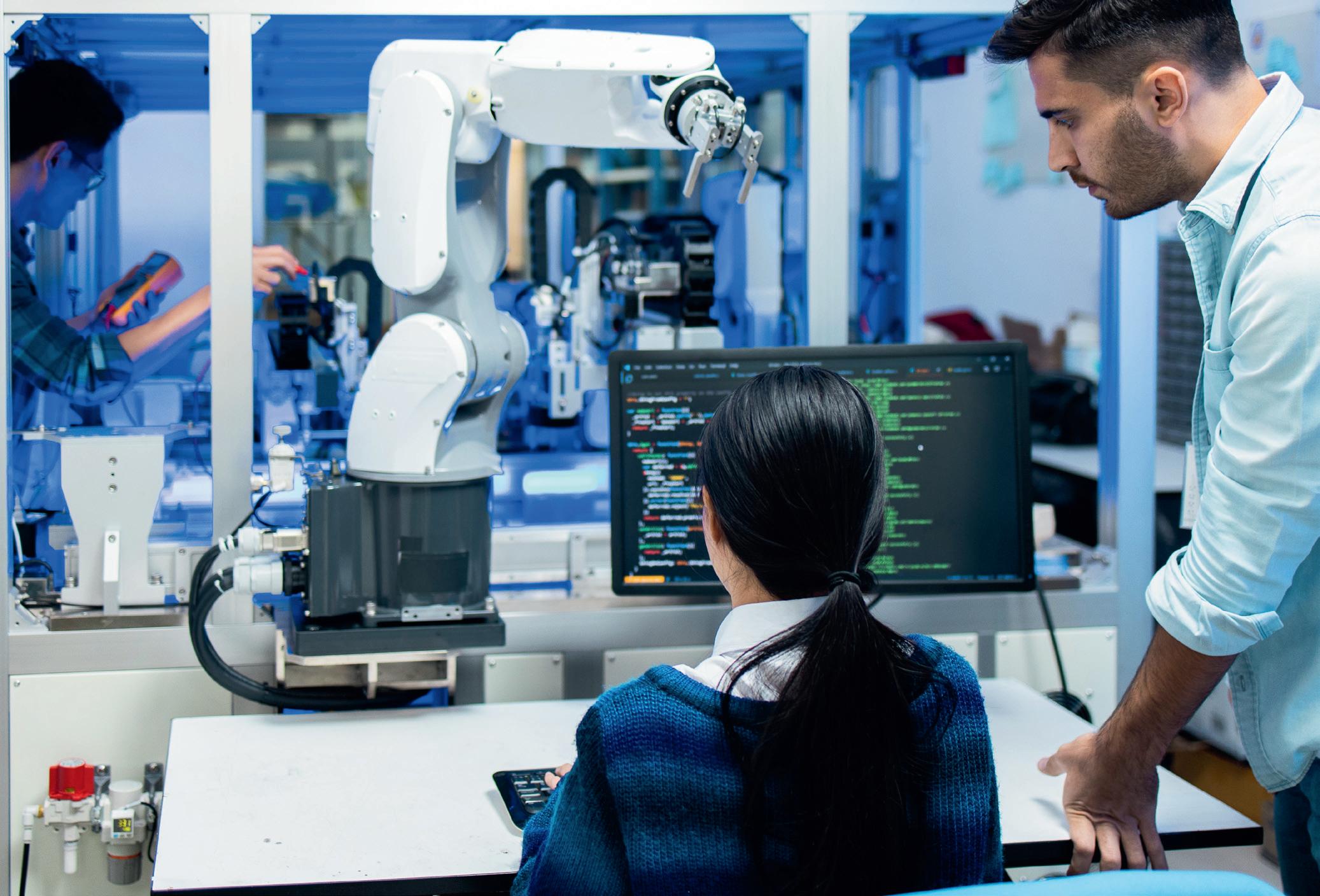
30 PROCESS TECHNOLOGY - JULY 2023 www.ProcessOnline.com.au
Robotics
iStock.com/anontae
tool being used on the end of its arm is sharp, an external safety barrier likely would be needed.
Cobots are limited in speed and payload, which disappoints some users looking for a conventional robot that doesn’t require expensive safety protection. The greatest value of cobots is where they can free a skilled employee from the menial aspects of their job to concentrate exclusively on the high-value aspects. For example, in complex device assembly requiring a deft human touch, a cobot can perform simple handling or manufacturing tasks in support of the worker, who can then focus exclusively on the part of the job that makes full use of their skills or knowledge. It’s a valid approach, providing the productivity boost provided by the collaboration delivers a reasonably quick payback of the investment. Otherwise, it can turn into what amounts to an expensive vanity project.
Considerations in making your choice
In approaching an investment in robotics, one should consider all aspects of an application prior to making a final selection. Below are some factors to consider.
Reach and payload
The reach and payload should be the first criteria, as this may immediately shorten the list of suitable options. On technical grounds alone, a large heavy load would rule out any consideration of lightweight handling technologies. On the other hand, if the reach is long but the payload weight is low, a lower-cost Cartesian robot might suffice.
Flexibility
If an application requires five or six degrees of freedom, an articulated robot may be the only viable solution. If it is, one option for the price-sensitive business requiring one or two robots might be repurposed (used) units. However, for simpler applications, like small parts positioning and loading, electronic parts insertion, and box and machine tool loading any application where two or three axes are sufficient why pay for more axes than the application calls for?
Speed
Does the application require a high pick rate, like that of a delta robot (up to 300/min is fairly common), or would a lesser pick rate of a Cartesian gantry or SCARA robot suffice? Here’s a realworld example: a machine builder constructed two virtually identical custom box loading and palletising machines for a dairy to load yoghurt containers into boxes. Each machine was intended for a different container format. For the first machine boxing plastic tubs, a high pick rate was required, so a top-mounted delta robot was installed for maximum throughput. For the second machine boxing four-packs (2x2) of single-serve cups, a lower pick rate was sufficient, and the machine builder was able to reduce the cost to the end user by substituting a two-axis Cartesian gantry as the box loader.
Space and footprint
More and more, machine and production line footprints are key planning concerns. Floor space is expensive, and companies want to optimise their shop floor layout. Cartesian and delta robots provide
THE GREATEST VALUE OF COBOTS IS WHERE THEY CAN FREE A SKILLED EMPLOYEE FROM THE MENIAL ASPECTS OF THEIR JOB TO CONCENTRATE EXCLUSIVELY ON THE HIGH-VALUE ASPECTS
a clear advantage over the other technologies, since only vertical space is lost, which is generally less critical.
Engineering and project development
Design, assembly, installation and commissioning time and expense should be factored into comparative costing, especially incorporating a robot into a larger machine or system. Delays in receiving and assembling the robot could hold up the entire project. There are online and software tools that can minimise engineering and procurement risks.
Maintainability, repairability and availability
Unscheduled downtime is every production manager’s nightmare. Robots should be relatively easy to maintain and repair. This is a particularly important issue for businesses that don’t have a large robotic fleet with in-house technical know-how. Who is going to fix the robot? How long will it take? What is the lead time for delivery of critical replacement parts like motors and controllers? During planning stages, these issues are often overlooked at one’s future peril.
Standardisation: when good is good enough
Standardisation within a company or industry could be a valid consideration on business grounds, even if the robot selected is not the most ideally adapted or even the cheapest but capable of doing the job. Sometimes, the well-travelled path will prove to be the one of least resistance (and risk).
Conclusions
The proliferation of robot technologies has enabled businesses of all sizes to access the benefits of automation. Which one is best? It’s usually the one that is the best fit not just for achieving the productivity gains from the investment and satisfying the technical requirements of the application, but also from the standpoint of related issues like plant safety, space utilisation and, of course, the going-in cost and after-sales support.
Festo Pty Ltd www.festo.com.au
JULY 2023 - PROCESS TECHNOLOGY 31 www.ProcessOnline.com.au
Robotics
TERMINAL BLOCKS
In addition to the XTV terminal blocks with lateral conductor routing, Phoenix Contact’s first terminal blocks with frontal Push-X connection are now available. The XT range consists of feed-through and multi-conductor terminal blocks as well as function versions for using disconnect knives, plug-in fuses and components.
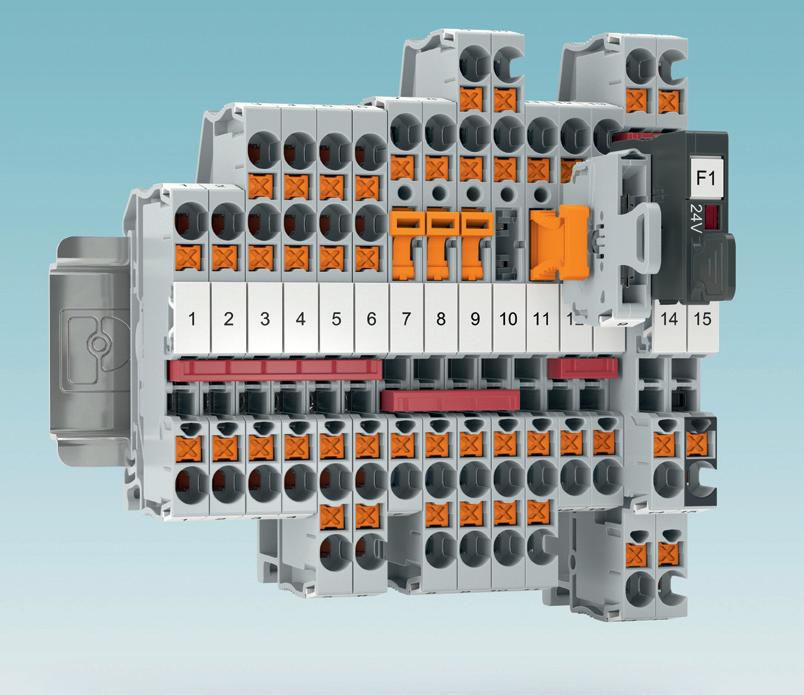
Push-X technology is said to increase the efficiency of control cabinet wiring. All conductor types and cross-sections can now be connected faster, either manually or automatically. Direct wiring is carried out tool-free and without significant effort due to a pretensioned contact spring. By lightly tapping the release surface inside the clamping chamber, the contact spring is released and the conductor is contacted safely and permanently. As with Push-in technology, the connected conductors are released by pressing the orange push button. At the same time, the contact spring is pretensioned for the next wiring process.
All Push-X terminal blocks are fully compatible with the Clipline terminal block system. Phoenix Contact Pty Ltd www.phoenixcontact.com.au
WEIGHING LIBRARY
Beckhoff Automation says its TwinCAT 3 Weighing Library (TF3685) is a fast and precise scale for weight measurement that can be integrated directly into the PC-based machine control system and is particularly effective when implemented with Beckhoff’s ELM35xx and EL3356 EtherCAT Terminals. At the same time, high-performance signal filtering is included for accelerated process sequences.
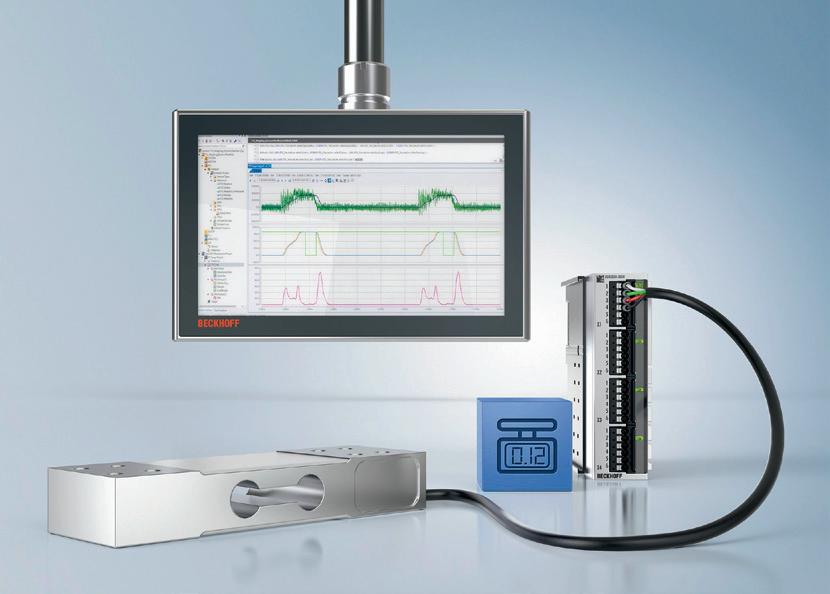
The TwinCAT Weighing Library primarily focuses on the dynamic weighing process. This is particularly challenging in terms of the signal filtering, as the weighing time has a significant influence on the overall processing time of the relevant machine. High-speed signal filtering with consistent precision provides a weight result faster, and this optimises machine processes.
Since a load cell and measured value acquisition via the corresponding EtherCAT Terminals do not constitute a scale, this is where the TF3685 PLC library comes in. It can also be used to connect several load cells together to form a complete scale. In addition, the scaling of the measured values is adopted. Functions such as zeroing and taring are also covered by the PLC function blocks. In addition to manually triggering the weight measurement, automatic measurement can be performed, where the production material is detected and the measurement is taken directly. This is a significant advantage that eliminates the need for previously required external triggers, such as photoelectric sensors and initiators.
Beckhoff Automation Pty Ltd www.beckhoff.com
HYGIENIC PROCESS VALVES
Alfa Laval has announced two hygienic valves, the Unique Mixproof CIP and Unique Mixproof Process, extending its hygienic double-seat valve range.
The Unique Mixproof CIP is a double-seat valve designed to safely and efficiently manage the flow of cleaning media during cleaning-inplace (CIP), while the Unique Mixproof Process, a compact version of Alfa Laval double-seat valves, is configurable and available in various sizes to meet manufacturers’ fundamental hygienic processing requirements. Both are capable of simultaneously routing two different fluids without the risk of cross-contamination.
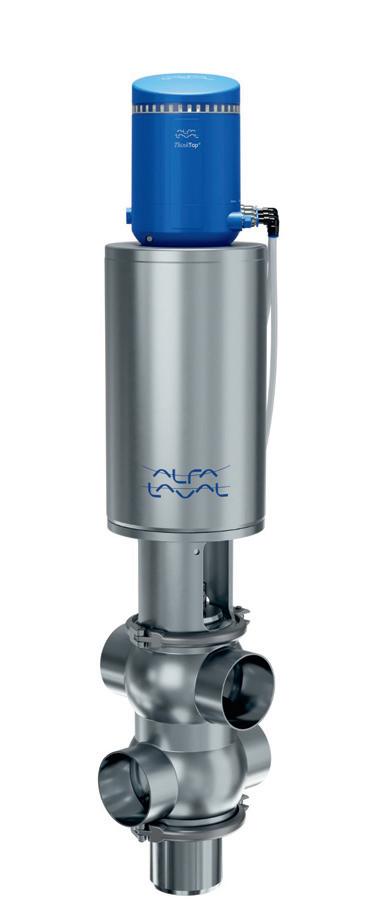
Double-seat technology with seat lift keeps the fluids separated, enabling efficient cleaning and protection against the intrusion of harmful microorganisms. With a fully balanced design, the valves can handle high pressure without the risk of pressure shocks. They are certified according to FDA, 3A and other recognised standards.
The Unique Mixproof CIP and Unique Mixproof Process valves are compact and modular, and available in types and sizes that suit different applications.
Combined with Alfa Laval ThinkTop control units, the valves are said to eliminate unnecessary product loss while delivering up to 90% savings in water and CIP media.
Alfa Laval Pty Ltd
www.alfalaval.com.au
32 PROCESS TECHNOLOGY - JULY 2023 www.ProcessOnline.com.au NEW PRODUCTS
Compensating for grid fluctuations with bivalent furnaces
Due to the high energy consumption of melting and holding furnaces, the cost of the energy represents a significant cost factor in the production of castings. The price of electricity fluctuates significantly over the course of the day. This can be explained, for example, by the varying utilisation of the power grid or the volatile feed-in of energy from renewable resources. As a result, companies should design their energy consumption flexibly to operate their production processes as cost-efficiently as possible. Together with its partners, the Fraunhofer Institute for Manufacturing Engineering and Automation IPA is developing a bivalent furnace that enables dynamic switching between gas and electricity. This will ensure that operation is flexible in terms of the type of energy deployed, allowing energy to be used when it is most cost-efficient.
Pressure die-casting is one of the most efficient moulding processes a single mould can be used to produce hundreds of thousands of castings. But like so many industrial processes, this production method is extremely energy-intensive, with crucible furnaces leading the charge in terms of considerable energy consumption. Such furnaces are used to melt metal ingots that are then pressed into a metallic mould at high pressure and speed.
The total energy consumption of light-metal foundries is accordingly high; in Germany, for example, it was recorded at 4.4 TWh by the German Federal Statistical Office in 2019. By designing a solution that renders production processes more flexible in terms of the energy used, the Fraunhofer Institute is aiming to help companies compensate for fluctuations in the power grid and reduce their production costs.
The Fraunhofer Institute for Manufacturing Engineering and Automation believes that bivalent furnace technology is the key to energy-flexible operation.
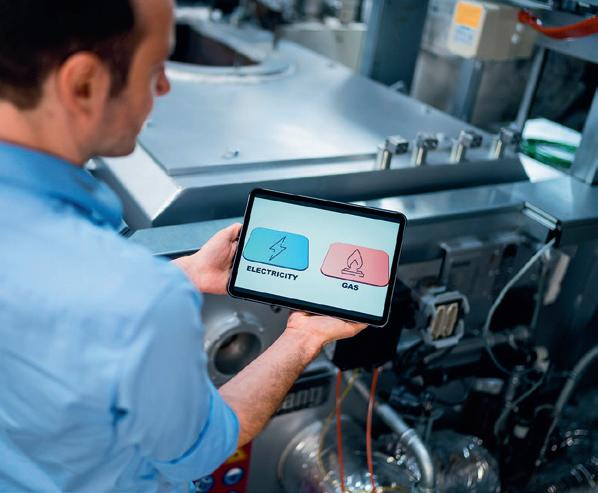
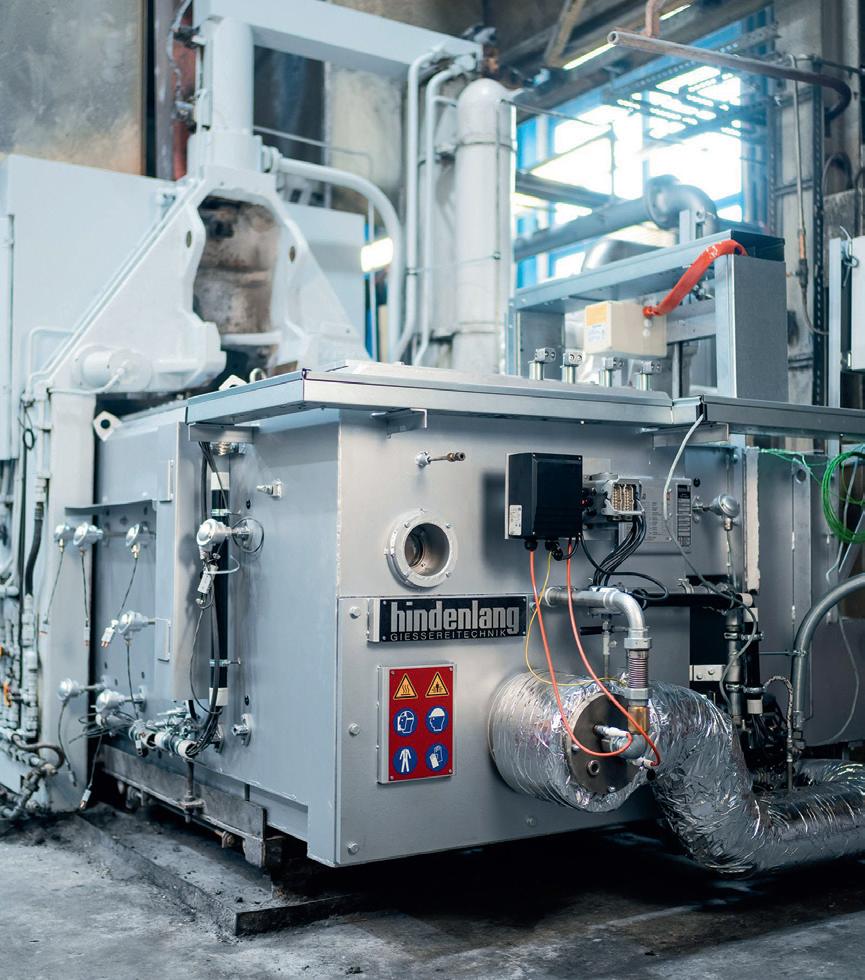
“Furnaces are typically operated using only one energy source either fuels such as gas and oil or alternatively electricity. Bivalent crucible furnaces, however, can switch dynamically between electricity and gas during operation,” said Alexander Mages, a researcher at Fraunhofer IPA in Stuttgart. “It means that we can use different energy sources to cover the energy requirements of crucible furnaces in any operating state.”
Working with partners Hindenlang GmbH, Bark Magnesium GmbH and the Institute for Energy Efficiency in Production (EEP) at the University of Stuttgart, the research team has modelled various heating concepts, optimised plant designs through thermal simulations, and implemented the bivalent design into a crucible furnace. The crucible furnace forms part of a plant centre including punches, presses and CNC machines at Bark Magnesium’s die-casting foundry. Tested successfully in April 2023, it was commissioned in May to melt magnesium ingots.
Given that the melt has to be kept at a constant operating temperature, the researchers’ aim was to use energy flexibly, at ideal electricity prices, without having to interrupt the production process due to a changeover. This means that the bivalent furnace can be switched to gas operation when the electricity price is particularly high for example, due to the regular increase of electricity consumption in the mornings or evenings. When prices are low, on the other hand, the system switches to electricity operation.
“An energy-flexible demand for electricity can contribute significantly to reorienting our electricity system toward renewable energy generation. Industrial companies account for 44% of our total electricity consumption,” Mages said.
Operators can switch manually between electricity and gas using the furnace control system or the furnace switches automatically via a signal issued by the control network. Likewise, the control network connection provides the option of switching after receiving a signal from the electricity supplier.
“By switching the energy source, the process start time does not have to be postponed to when electricity prices are low, nor do shifts have to be adapted to accommodate break times. These are common measures to achieve flexibility in terms of energy,” the researcher pointed out, explaining another advantage of the bivalent furnace.
A follow-up project aims to optimise the furnace, including its heating and network design. Using thermal measuring elements, the project partners are determining parameters such as temperature distribution in the furnace to draw conclusions about energy efficiency. They are also testing whether the furnace can be operated with hydrogen.
Fraunhofer Institute for Manufacturing Engineering and Automation IPA
www.ipa.fraunhofer.de/en.html
JULY 2023 - PROCESS TECHNOLOGY 33 www.ProcessOnline.com.au
research
AS I SEE IT
SIS LOGIC SOLVERS: MORE CHOICES ARE NEEDED
Industrial processing and manufacturing industries are not new to the concept of safety processes, methods and designs. In fact, since the industrial revolution, layers of security have been developed to safeguard workers in factories and mining regions. Over several decades, more effective safety regulations emerged, and the accessibility of safety-related equipment significantly increased. IEC 61511
Functional safety — Safety instrumented systems for the process industry sector appears to have recently gained acceptance across all significant manufacturing and processing sectors.
At the heart of the IEC 61511 standard is the SIS, or Safety Instrumented System, which is implemented to mitigate and prevent unacceptable risk by an organisation to protect its personnel, facility and surrounding community and environment. Each SIS is made up of one or more SIFs, or Safety Instrumented Functions, that bring a process or loop to a desired safe state.
The logic solver is frequently the most complex of the three primary components included in a SIF. It is responsible for determining whether dangerous conditions have been met and is responsible for the final element’s ultimate effect on the mitigation function or strategy. Historically, a large gap has existed between simple and complex logic solvers, based on point/loop count, complexity requirements and cost.
Traditionally, low point-count logic solver requirements were handled with single loop logic solvers, for example standalone alarm trips, while more complex applications and larger point systems were tackled with larger and costly safety PLCs. Most safety applications can be handled by safety PLCs; however, they are frequently overkill for
safety practitioners implementing smaller or more dispersed SIFs, while trip amplifiers and other simple logic solvers struggle to accommodate voting requirements or multiple-loop safety functions in a single device.
Cost of operations and return on investment remain crucial factors for many facilities. When tens or hundreds of thousands of dollars are needed to establish a safety layer, hesitation frequently arises. With safety standards maturing and products now being supplied with safety certifications, the ‘cost reluctance’ has begun to dissipate a bit, but progress needs to continue to remove all barriers from decisions that protect people and the environment.
Innovative steps need to accelerate, with vendors offering safety-related instrumentation useable in SIFs. Finding solutions to narrow the capability-versus-cost gap with logic solvers would be a good start. To fill this void, the market needs less expensive, less complex, multipoint, voting-capable and IEC 61508-certified logic solvers that allow safety practitioners an option that meets the functionality below that of the safety PLC but above the capabilities of the simple single loop logic solver.
The fundamental requirements of a Safety Instrumented System will ultimately determine what type of SIS logic solver best fits its needs. However, with a limited number of logic solver solutions available, safety practitioners may be budgeted out of adding critical layers of safety protection due to the cost/functionality gap. Offering more IEC 61508-certified logic solver alternatives can only help accelerate the adherence and adoption of IEC 61511 in our mining and process facilities.
Bob Myles is Director of Engineering for Moore Industries International. He is an exida-certified Functional Safety Practitioner (FSP) with nearly 40 years’ experience in development of safety-critical systems for commercial aerospace (DO-178C/ DO-254/ARP4761/ARP4754), military (DO-160) and the process monitoring industries (IEC-61508).

Westwick-Farrow Media
A.B.N. 22 152 305 336 www.wfmedia.com.au
Head Office Unit 7, 6-8 Byfield Street, North Ryde Locked Bag 2226, North Ryde BC NSW 1670 AUSTRALIA ph: +61 2 9168 2500 Editor Glenn Johnson pt@wfmedia.com.au
Acting Publishing Director/MD Janice Williams
Art Director/Production Manager Julie Wright
Art/Production
Linda Klobusiak, Marija Tutkovska
Circulation
Dianna Alberry circulation@wfmedia.com.au
Copy Control
Mitchie Mullins copy@wfmedia.com.au
Advertising Sales Sandra Romanin – 0414 558 464 sromanin@wfmedia.com.au

Tim Thompson – 0421 623 958 tthompson@wfmedia.com.au
If you have any queries regarding our privacy policy please email privacy@wfmedia.com.au
Contact the editor
taken to accurately relay information provided to us. Readers are advised by the publishers to ensure that all necessary safety devices and precautions are installed and safe working procedures adopted before the use of any equipment found or purchased through the information we provide. Further, all performance criteria was provided by the representative company concerned and any dispute should be referred to them.
Information indicating that products are made in Australia or New Zealand is supplied by the source company. Westwick Farrow P/L does not quantify the amount of local content or the accuracy of the statement made by the source.
34 PROCESS TECHNOLOGY - JULY 2023 www.ProcessOnline.com.au
and
Post Approved
material published in this magazine is published in good faith and every care is
Printed
bound by Bluestar Print Print
PP100007403 ISSN No. 0819-5447 All











www.WFMedia.com.au/subscribe FREE to industry and business professionals The magazine you are reading is just one of 11 published by Westwick-Farrow Media. To receive your free subscription (magazine and eNewsletter), visit the link below.