
PROCESS TECHNOLOGY AUGUST 2022 CONTENTS 0822 4 Enabling IIoT connectivity for virtual power plants 16 The evolution of the DCS 22 The importance of heat exchanger aftercare 26 Safety first selecting the right position sensors for safety-related motion control 35 Modern Manufacturing Expo 38 Cutting grid dependence ON THE COVER This issue is available to read and download atREAD ONLINE! se.com/au/getreadyformoreProudlywww.processonline.com.au/magazinesponsoredby
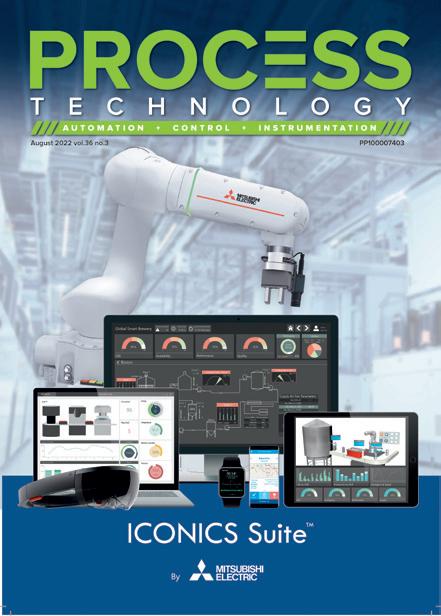
ICONICS Suite delivers real-time insight for opera tional excellence and features advanced visualisa tion technology to run on any desktop or mobile device, along with the ability to connect to a wide variety industry standard communication protocols.
Operations, production and quality managers often struggle with a lack of real-time visibility into their equipment and disparate data sources. For discrete and process manufacturing companies, obtaining actionable insight into multiple production lines and a full view of the production life cycle helps managers visualise and improve the process for better results and smoother operations.
ICONICS Suite helps users transform manufacturing from a complex process with siloed systems to a smooth operation with a clear, contextual view of production from start to finish. The platform tracks and traces products from raw materials, lines and equipment to a specific output batch, helping to find and drive impactful optimisation.
ICONICS, a group company of Mitsubishi Electric Corporation, serves as the software centre of excel lence for Mitsubishi Electric’s Factory Automation Systems Group. Its visualisation, analytics, mobile, IoT and cloud solutions improve productivity, reduce integration time and operating costs, and optimise asset utilisation. ICONICS solutions, combined with the knowledge and industry expertise of Mitsubishi Electric, maximise value to the customer by monitoring and controlling automation processes.
ICONICS’s award-winning software has achieved over 375,000 installations for factory automation, process automation and building automation customers in over 100 countries worldwide. Learn more and schedule a demo at iconics.com. Mitsubishi Electric www.www.mitsubishielectric.com.auAustralia


4 PROCESS TECHNOLOGY AUGUST 2022 www.ProcessOnline.com.au
Daniel Lai, Charles Chen and Sean Wang, Moxa
©stock.adobe.com/au/Subhakitnibhat
ENABLING IIoT CONNECTIVITY FOR VIRTUAL POWER PLANTS

Integrating DERs into the grid
Key challenges in virtual power plants
AUGUST 2022 PROCESS TECHNOLOGY 5www.ProcessOnline.com.au
Software-based technologies are being deployed to plan, schedule, monitor and bid for distributed energy resources to make the power grid more reliable. In many geogra phies, this has translated to infrastructure and process improvements that have facili tated the integration of distributed energy resources (DER) into the main grid. Another goal of virtual power plants is to make it easy for producers to use clean energy portfolios comprising grid-scale and behindthe-meter renewable energy resources.
D eclarations of climate emergen cies in many countries around the world have created aware ness for the need to switch to clean energy sources, which in turn has prompted the power industry and govern ments to take action or set definite goals. Many governments around the world now provide incentives to individuals, industries and communities that are interested in generating and using power from renewable energy sources such as solar and wind energy. The power grid has seen many changes that have enabled the integration of power from distributed energy resources (DERs). In the new power economy that is emerging, virtual power plants (VPPs) are showing the way by making it possible to aggregate power from different DERs and provide an efficient platform for energy trading. Catalysed by these developments, a new ‘prosumer’ class is emerging that consists of consumers who not only consume power from the grid but also produce their own green power and might have excess power to sell. In this article, we discuss the challenges faced by VPPs and how IIoT connectivity can help them overcome these challenges.
The idea of virtual power plants that are able to solve all power issues of the future sounds very encouraging. However, deploy ing the devices and technologies that are required by a virtual power plant is an uphill task. Even if the technology is in place, a change in the mindset of the stakeholders is required to make virtual power plants work. Some of the challenges faced by operators are discussed below.
Integrating power generated from distributed energy resources into a grid is easier said than done. High penetration of DERs in the grid can introduce a variety of detrimental conditions, including voltage swings, and reverse power flow, which can cause grid instability. Most grids have to be retrofitted to be able to integrate power from DERs, increase hosting capacity and optimise power from DERs. Consumers also need a convenient way to buy power from DER aggregators at an economical price. Controlling and monitoring devices at the grid edge, especially those associated with DERs, is a major issue. Traditional substations have relied on centralised util ity technologies and systems like SCADA, energy management systems (EMS) and distribution management systems (DMS). However as DERs have proliferated at the edge of the grid, the requirements for vis ibility and control of these resources have The IIoT can help overcome the challenges of integrating distributed energy resources into the grid.
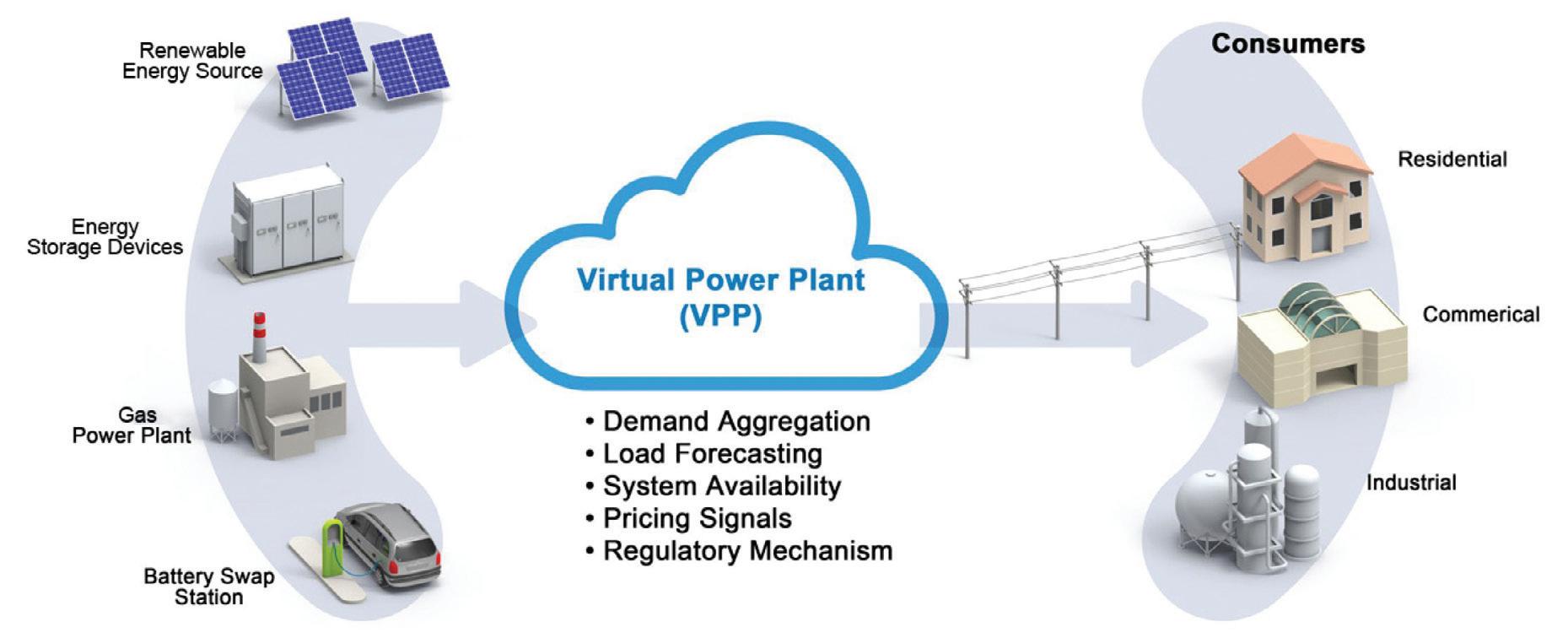
Virtual power plants for predictable power A VPP works remotely to combine a num ber of independent energy resources from disparate locations into a network that provides reliable power 24 hours a day. VPPs are a departure from the traditional power plants in that they do not solely rely on a centralised power source. Unlike the traditional ones, they combine a number of distributed renewable energy resources with traditional energy. Aggregating power from different energy resources can help meet the spike in energy consumption during peaks; the utility company does not need to build additional power plants which is neither efficient nor economical to achieve demand-supply balance.

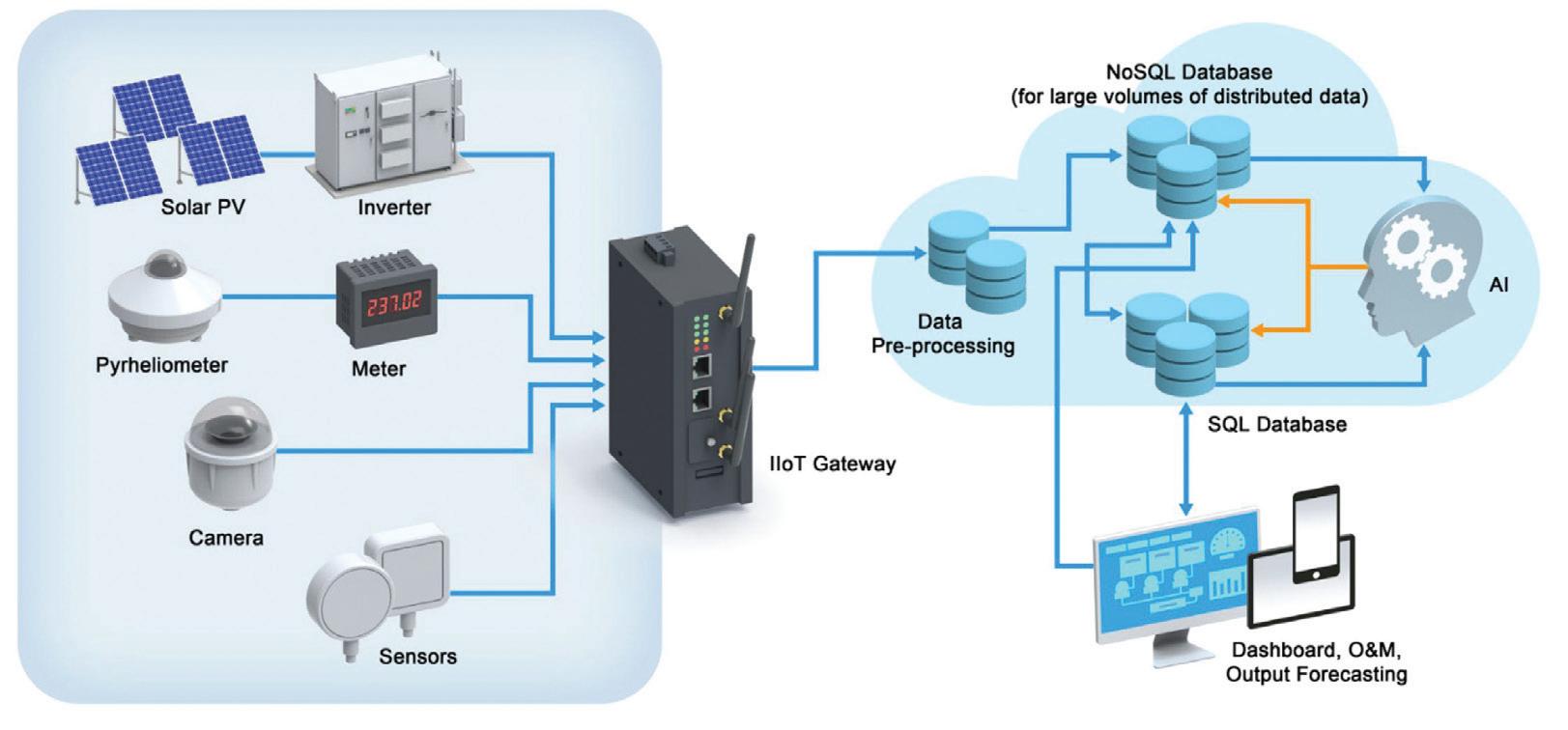
Utilities surpassed the capabilities of traditional centralised systems. VPPs need the capability to collect and process data from the edge so that the op erators know what to expect. Edge devices, such as inverters, need to be monitored for better integration of the system and to prevent grid instability. The ideal percentage of DERs in the total composition of energy sources, including traditional sources, is about 20%. However, operators are find ing it more economical to use power from renewable energy resources because of the increase in demand for green power and a steady supply from producer-consumers. Virtual power plants require seamless communication solutions to maintain the stability of the grid: northbound communi cation to acquire data from power devices such as inverters and southbound commu nication to monitor and control the devices. IIoT gateways, with their computing power and integrated communication interfaces, can help provide the platform for seamless data acquisition and processing. Data ac quired from inverters, meters, transformers and other edge devices can be sent to a DER management system to maintain the grid in a stable state and meet the energy requirements of customers. Estimating the power from renewable energy sources A key factor in the success of the virtual power plant model is the ability to estimate the power from renewable energy resources that is required to meet the requirements of consumers. In addition, some countries have regulations requiring suppliers, such as solar farm operators, to provide power output forecasts for at least three days in advance to ensure demand-response balance and stability of the grid. Most operators do not have a way to gain insight into the power supply. To be able to correctly estimate the power generated, data from aggregators as well as utilities need to be combined together to get the whole demand-supply picture. Being able to provide power output fore casts is dependent on the ability to acquire multiple weather parameter values (such as ambient temperature, relative humidity and wind speed), data on the wear and tear of equipment in the field and conversion ef ficiency of inverters, among other things. One problem is that solar farms are usually spread over a large area and distributed over different locations. Each farm could return around 20 to 50 KB of data per minute. Existing systems may not be able to deal with the large amount of real-time data that needs to be processed and hence the response time may be slow. Other problems that the operators have to deal with include data integrity, data loss and data security. A solution consisting of an IIoT gateway and remote I/Os can be used to securely acquire data from various edge devices such as PVs located in remote and harsh environments. Solar farm operators can instantly access huge volumes of data from inverters and weather monitoring devices and use AI technology to accurately fore cast the amount of power that is required from renewable energy resources, in order to be able to sufficiently meet the energy requirements of consumers.
6 PROCESS TECHNOLOGY AUGUST 2022 www.ProcessOnline.com.au
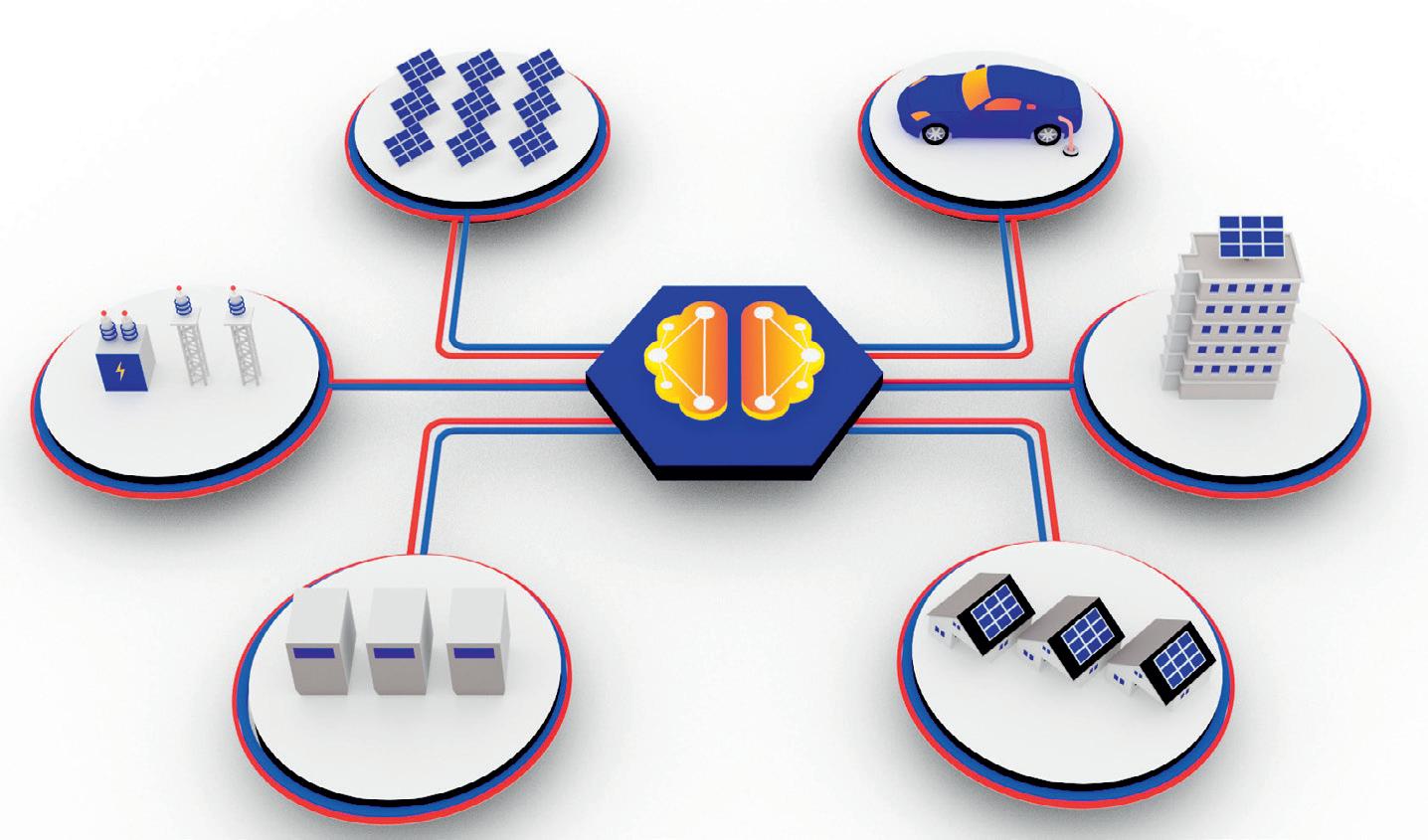
Figure 1: A virtual power plant (VPP) combines a number of independent energy resources from disparate locations.
Figure 2: The IIoT facilitates the management of distributed energy resources.

High data speeds and quick response times are essential in any modern production facil ity. This is true for virtual power plants and the ecosystem that consumes and supplies power. In this complex ecosystem, where the roles of producers and consumers are often interchanged, a key to maintaining the stability of the system is zero network downtime. 4G-LTE and now 5G technologies are helping build stable networks for virtual power plants so that they can connect to remote sites and assets. On the other hand, cloud connectivity is enabling the use of cloud-based energy management systems for better manage ment of resources and maintenance of demand-supply balance. In addition to instru mentation, virtual power plants are highly dependent on computing and communication technology to facilitate smooth procurement of power from DERs and integrate it into the main grid without endangering the stability of the grid.
Figure 3: Estimating the power from renewable energy sources.
IIoT gateways installed in the solar en ergy system can play an important role in acquiring energy production and consump tion data from batteries and inverters via Modbus communication, and then transmit the data to a cloud service with a readyto-run data acquisition platform via wireless networks. IIoT gateways enable the solar energy company to retrieve data related to solar energy storage and consumption, in real time, from sites spread over a large geographical area. In order to prevent loss of data, the IIoT gateways need to have a failover mecha nism whereby the network communication will switch automatically to the secondary transmission method (cellular) if the primary transmission method (Wi-Fi) fails. When a failure occurs, the solar energy company can fix and update the Wi-Fi settings remotely via their self-developed maintenance applica tions that use RESTful APIs, which means operators can do all of the maintenance via their mobile devices. If this model works well, the community can be self-sufficient in energy and reduce their dependency on the power grid for their energy needs.
Energy aggregation is a good way to connect energy producers to the grid so that the excess energy produced can be sold back to the grid. This model helps maintain the demand-supply balance. To prevent wastage, the excess energy produced can be stored in batteries and only released to the grid when required for example, during peak consumption. Another way of conserving energy is to shift or eliminate the peaks in energy consumption through demand-response programs, especially in heavy-load applica tions. For example, significant peak shifts can be achieved if there is a way to bundle industrial consumers together so that they can shift or optimise their power usage periods during the day to avoid peaks in energy consumption. Demand response (DR) can be defined as the incentive pay ment received by consumers (or demand aggregators) to reduce their electricity consumption during high energy rates and increasing the electricity consumption at times of low energy rates. However, one needs to be cautious and avoid disrupting critical industrial processes. Monitoring power consumption is key to maintaining the demand-supply balance. In order to provide an efficient platform for energy trading, virtual power plants require advanced meter ing solutions. IIoT gateways, with their built-in communication and computing capabilities and multiple interfaces, can enable advanced metering solutions in virtual power plants, thereby maintaining demand-supply equilibrium.
Building energy self-sufficient communities
Madison Group Enterprises Pty Ltd www.madisontech.com
Leveraging IIoT connectivity in virtual power plants
AUGUST 2022 PROCESS TECHNOLOGY 7www.ProcessOnline.com.au Utilities Implementing and managing demand-response programs
Although the idea of creating a virtual net work of power resources that is equivalent to the capacity of a power plant is still in the works, there are several examples of communities that have adopted the virtual power plant model to become self-sufficient in energy. For example, a community of solar energy prosumers can use the infrastructure provided by the grid to trade excess energy with each other or sell the excess energy back to the grid. A solar panel manufacturer could be part of this arrangement such that the manufacturer installs solar panels free of cost in each household and in return the householders agree to buy the solar energy generated for a nominal price. For this business model to work, a reli able network is important to ensure that the solar energy company can monitor the end users’ energy consumption in real time to ensure accurate billing data. Furthermore, the solar energy company needs a way to monitor and balance demand against supply through flexible pricing and other options.
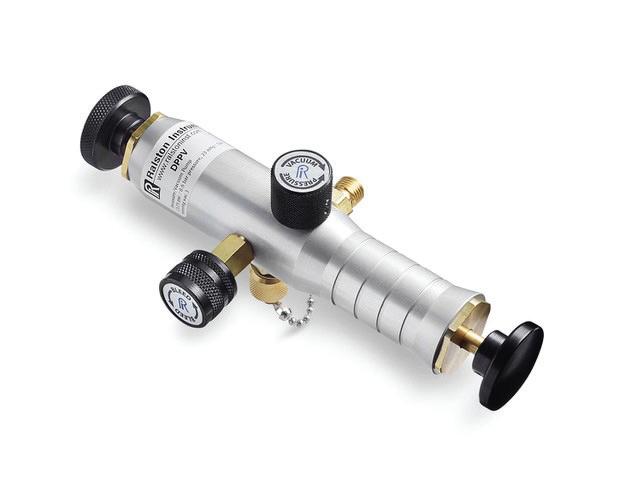
8 PROCESS TECHNOLOGY AUGUST 2022 www.ProcessOnline.com.au HOT PRODUCTS ON WWW.PROCESSONLINE.COM.AU THIS MONTH > > CALIBRATION TEST PUMPS Ralston Instruments pneumatic calibration test pumps are designed to generate low pressure up to 125 psi or draw a vacuum to -15 psi. Ralston Instruments LLC https://bit.ly/3Bzmv8f ULTRASONIC FLOW METER The Bronkhorst ES-1x2C ultrasonic flow meter is compact, versatile and liquid independent. AMS Instrumentation & Calibration Pty Ltd https://bit.ly/3BrLQRH PANEL PC The ARCHMI-921B 21? panel PC is housed in a fanless silver aluminium case that provides IP66 front panel protection. Interworld Electronics and Computer Industries https://bit.ly/3zNne4G ENERGY CHAINS WITH INTEGRATED ROLLERS The igus E4.1 energy chain series now comes with the option of roller chain links that igus says can reduce required drive power by 37%. Treotham Automation Pty Ltd https://bit.ly/3ShGA9g >


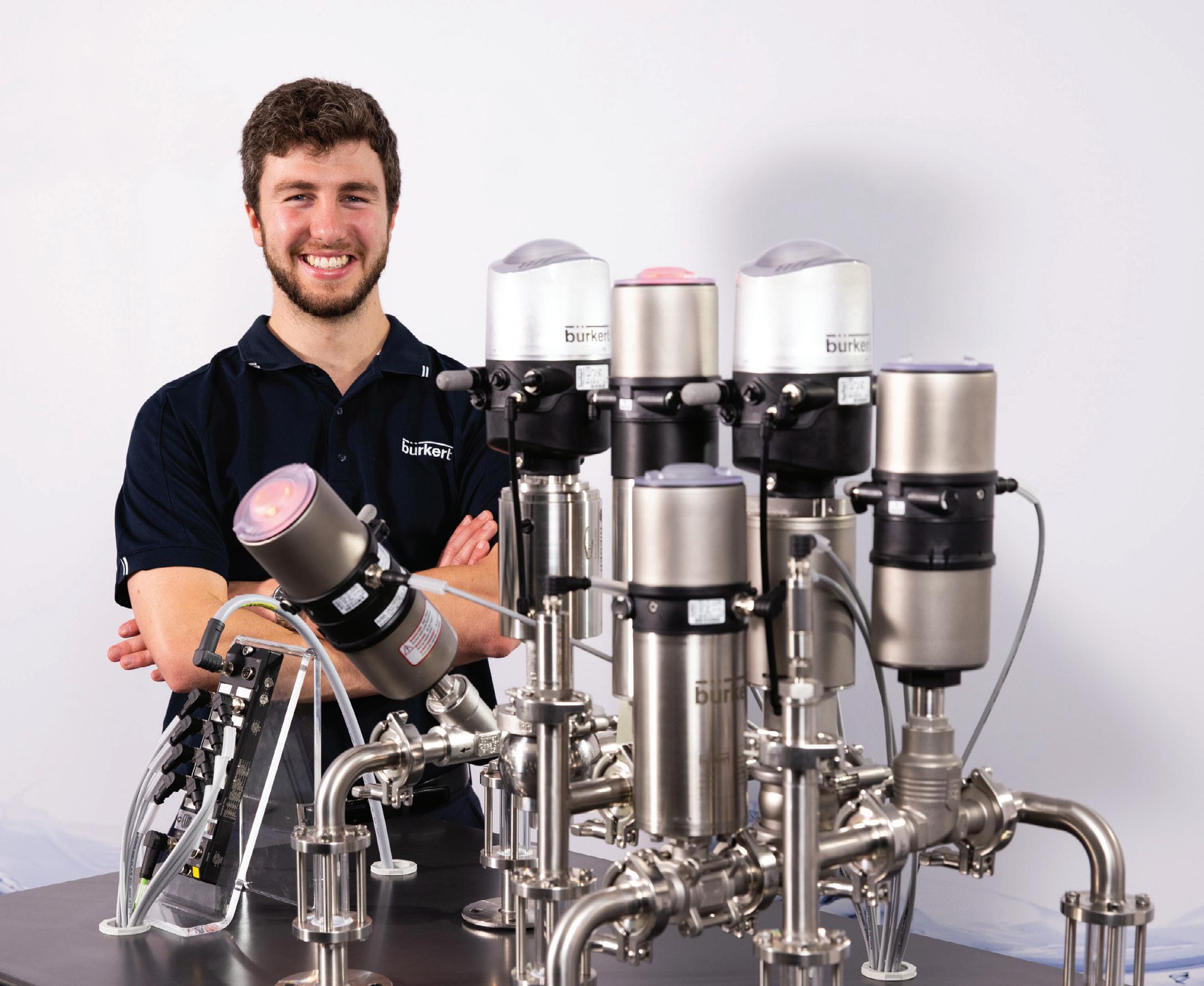
aRequestquote Manufacturers prefer to partner with Bürkert Save on installation costs > up to 40% Improve ongoing operating costs > up to 20% Flexibility of production processes > 100% * these figures are based on average figures, individual results may vary.

10 PROCESS TECHNOLOGY AUGUST 2022 www.ProcessOnline.com.au case study
As part of the solution SAGE Automation implemented what was claimed to be the world’s first installation of GE’s latest CPE115 PLC at the time, providing 15 times the memory and 10 times the speed of the PLCs being replaced. The project implemented 28 of the new PLCs and was said to be the first site in the world to use the PLC in a production environment. The features of this PLC allowed the field I/O to be retained, reducing overall project risk and ensuring the shortest possible cutover time.
The ECI process allowed SAGE to prototype and implement a number of new technologies that had not been used by SA Water for control systems before. This has been used as a base for a change in how the SCADA platform is considered across the whole business. This included an upgrade to iFIX SCADA v5.9, implemented on a virtual server architecture with thin-client interfaces. Remote access was achieved via fixed wireless nbn and 4G infrastructure. Because the infrastructure provides the community with its only water supply, it was highly critical that the hardware upgrade was quick and seamless. “Some sites have less than a day of reserve storage, so we needed to change over the new system quickly or risk the town running out of water,” said SAGE Senior Systems Engineer Mark Dankiw. “Using the GE PLC hardware, a well-trained team and a detailed plan, we were able to perform the total changeover to the new system in less than five hours.”
The site upgrades have enabled SA Water to secure future water reliability for its regional customers and increase process efficiency within the plant. The solution now gives SA Water the ability to control multiple sites simultaneously, increased accuracy in trending and reporting, active cybersecurity monitoring and protection, and redundancy of communications. SAGE Automation www.sageautomation.com
SA Water engaged SAGE Automation to replace 28 PLCs and 10 SCADA systems across all of these sites over a period of 2–3 years. This allowed technologies and architectures to be used that are now helping to reshape the way the organisation implements control systems. Through an early contractor involvement (ECI) process, SAGE was able to lead the design process with a core group of SA Water stakeholders. A highly functional group of experts from across the organisation and the industry worked together to solve issues as they arose, using the best available technology. The resulting solution provided a number of technological firsts for the business.
Keeping critical water infrastructure online in the Riverland
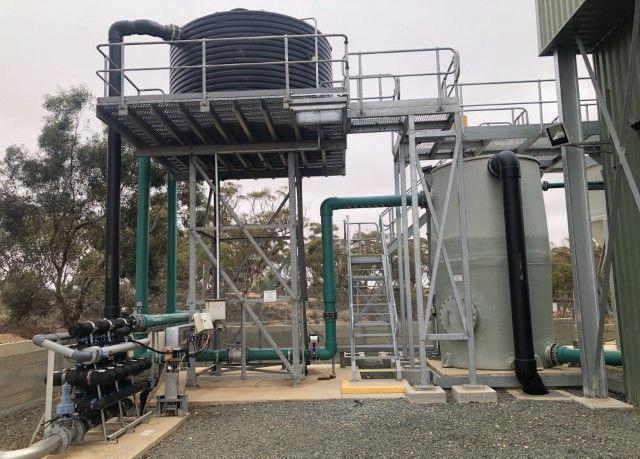
Ten Riverland townships in South Australia receive their water supply from local water treatment plants (WTPs) managed by SA Water. The WTPs take water from the Murray River and process it into safe drinking water, which is done at such high quality that it has previously been voted the besttasting tap water in South Australia by the Water Industry Operators Association of Australia (WIOA). The aging control systems at these sites were running at capacity and didn’t meet the standards of the organisation. This meant they were becoming increasingly hard to support and needed an upgrade.
SA Water needed to ensure this critical infrastructure was aligned with its SCADA and cybersecurity standards, as well as providing the resources to grow over the next 10–15 years. Most importantly, the plants needed to be able to continuously supply high-quality water throughout any upgrade process.

12 PROCESS TECHNOLOGY AUGUST 2022 www.ProcessOnline.com.au NEWPRODUCTS
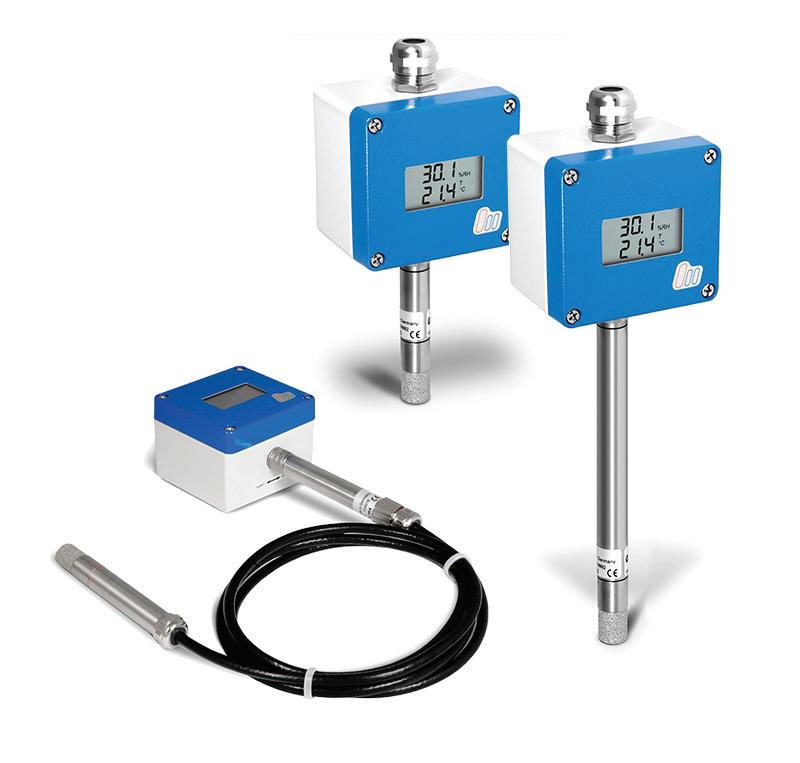
HAZARDOUS AREA HUMIDITY AND TEMPERATURE SENSORS
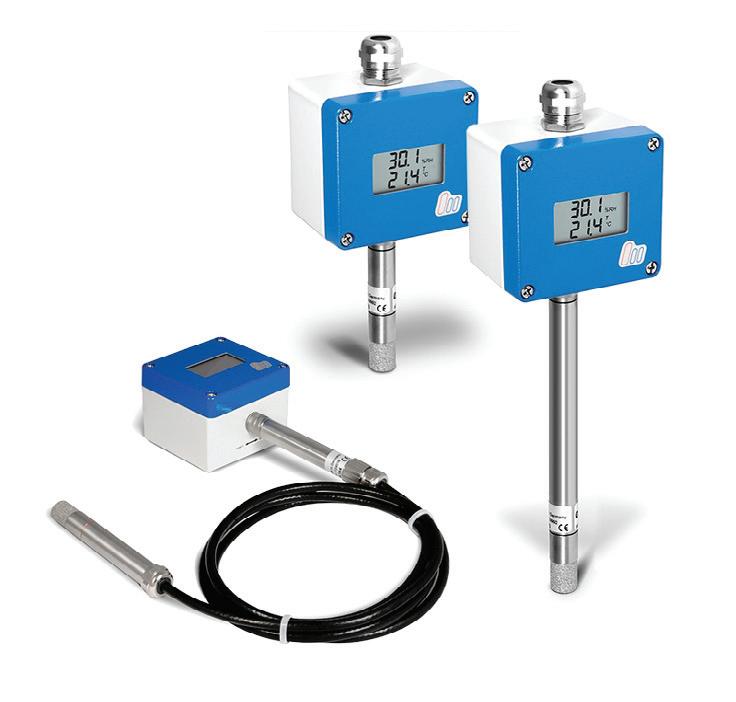
The MELA humidity/temperature sensor can be mounted in the wall of the hazardous area with class 1 requirements by using assembly kit ZA 40. Possible applications for these types of sensors include those in industries such as chemicals, pharmaceuticals, pulp and paper, and mining and in application such as drying, environmental monitoring and paint shops.
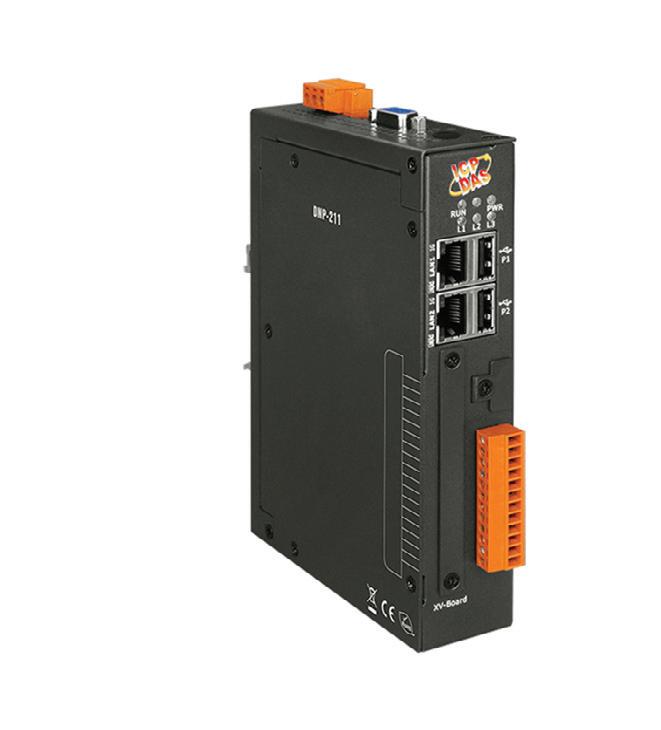
Slentech Pty Ltd www.slentech.com.au DNP3 TO MODBUS TCP GATEWAY
Connection to a non-intrinsically safe circuit for humidity (F*C3.Ex/8) and for temperature sensors (T*C3.Ex/8) is achieved with a 1-channel transmitter power supply unit, and for the combined humidity and temperature sensors (K*C3.Ex/8) either with a 2-channel or with two 1-channel transmitter power supply units with galvanic isolation between input and output cir cuits and power supply.
These IP65-rated humidity/temperature sensors provide two analog outputs of 4–20 mA with an accuracy of ±2% for 5–95% RH at 10–40°C and temperature accuracy of ±0.2K at 23°C.
The ICP DAS DNP-211 is a DNP3 Master to Modbus TCP Server gateway. It provides protocol translation between the DNP3 and Modbus TCP protocols. It can connect an existed SCADA DNP3 network with an Ethernet-based master device as long as this master device supports the Modbus TCP protocol. For the DNP3 network, the DNP-211 is a DNP3 master device, supporting Data Groups 1, 10, 12, 20, 30, 40 and 41. From the view of the Modbus TCP network, DNP-211 plays a Modbus TCP server role, supporting Function Codes 1, 2, 3, 4, 15 and 16. It can receive the commands from the Modbus TCP client and process the commands to reply or send the related DNP3 data. All the DNP3 I/O data and Modbus address mapping can be configured via the DNP-211 utility. The DNP-211 supports up to 32 DNP3 outstations, and up to 16 Modbus client connections.
ICP Electronics Australia Pty Ltd www.icp-australia.com.au
Galltec+Mela has released a range of humidity and temperature sensors with ATEX certi fication for use in potentially explosive atmospheres and areas with combustible dust, for category 1G, 1/2G and 2D equipment. The sensors consist of a sensor part with a sintered filter (both made of stainless steel) on a robust die-cast aluminium housing (transmitter part). The sensors are used to measure relative humidity and/or temperature in air and other non-aggressive gases in explosion hazardous areas and in locations with inflammable dust.

SAFETY KEY SYSTEM
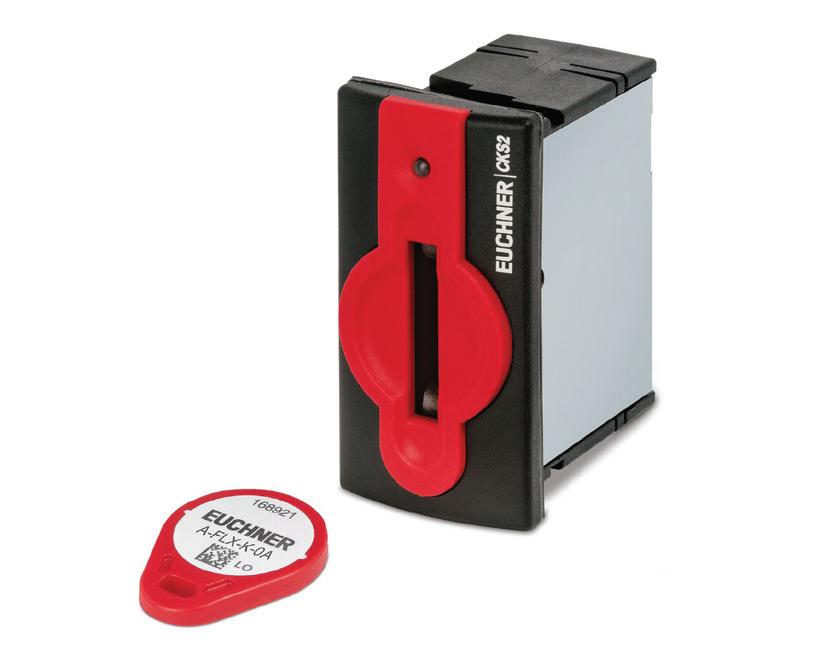
The Euchner CKS2 system is intended for the safe starting or stopping of dangerous machine movements independently of the installed safeguards. In combination with highly coded, transponder-based keys, the CKS2 key adapter forms a safe system that meets the safety requirements for machine and installation lockout and starting. When combined with the Euchner IO-Link gateways, the integral evaluation electron ics in the compact CKS2 system provides comprehensive diagnostic and commu nication functions to users. Transponder technology and the use of keys with a high coding level provide maximum safety. Developed as a FlexFunction device, the system can operate as a lockout system, trapped key system or authorisation system as defined by the key version. The product is also available as a submodule for the Euchner MGB2 door locking system. It is suitable for use in fully automated logistics systems or complete turnkey installations.
AUGUST 2022 PROCESS TECHNOLOGY 13www.ProcessOnline.com.au NEWPRODUCTS
SAFETY CONTROLLER
Emerson’s PACSafe configurable safety controller is designed for integrated Category 4, Performance Level e, SIL3 machine safety applications in the packaging, food and beverage, life sciences and manufacturing industries, and offer a safe state reaction time of 15 ms.
Treotham Automation Pty Ltd www.treotham.com.au
PACSafe Configurable Safety Controllers come with built-in Ethernet with support for Profinet and Modbus/TCP protocols. With seamless safety control integration into Emerson’s industrial controls range or VersaMax architectures, the PACSafe solution helps reduce safety control development and commissioning costs in new designs or with an existing PACSystem. Control Logic Pty Ltd www.controllogic.com.au
Emerson’s PACSafe solutions are designed to scale from small to com plex machines, with the intuitive graphical-based software, complete with an extensive library of TÜV-certified SIL3 function blocks. This can enable quick integration of e-stops, pull wire, interlock gates, optical sensors, two-hand controls, safety mats and other safety devices. Available as standalone free software or integrated into the Emerson Machine Edition Automation platform, the software comes with simulation tools, online monitoring and live diagnostics capabilities to provide quick system transparency.
The DIN rail expandable design allows up to 200 safety and non-safety I/O, with OSSD, dual relay safety outputs and configurable pin I/O configura tion. Users can choose from six different expansion models for a scalable solution. The LCD built-in display and diagnostics enable users to actively monitor system status to assist in troubleshooting and commissioning.


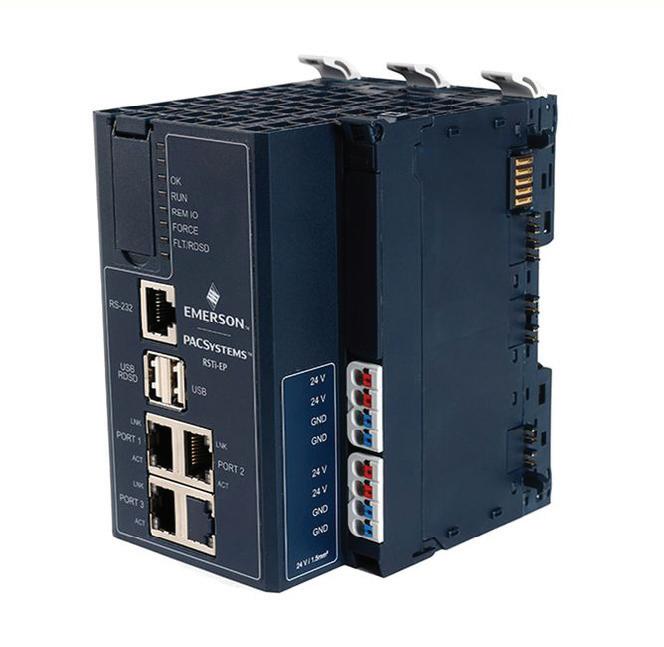
Emerson has announced the release of its PACSystems RSTi-EP CPE 200 programmable automation control lers (PAC). The family of compact PACs is designed to help original equipment manufacturers (OEMs) meet customer requirements by minimising the need for specialised software engineering talent. CPE 200 controllers are said to deliver large PLC capability in a small, cost-effective, IIoT-ready form factor. To stay competitive, today’s OEM machine build ers must provide equipment that is ready to support analytics and give end users competitive advantage through increased efficiency, speed and quality. However, as builders develop innovative solutions they can struggle to program and deliver machine control systems on time and within budget with the performance, security and flexible connectivity cus tomers require. The CPE 200 series is designed to solve these problems with security-by-design, open programming and open communications built in to simplify connectivity to external analytics software platforms while reducing cost and complexity for OEMs and end users. The controllers offer open communications through native, pre-licensed support for OPC UA Secure and other common industrial protocols for flexible con nectivity over high-speed Gigabit Ethernet. IEC 61131 programming languages and C also help engineers write and run the high-performance algorithms that enable proprietary production strategies and advanced automation technologies.
14 PROCESS TECHNOLOGY AUGUST 2022 www.ProcessOnline.com.au Monitor Critical Flow and ConditionsTemperature Reduce system downtime with more accurate measurement of critical flow and temperature conditions with the FS+ sensor. Detect leaks or blockages with this easy-to-use sensor. Not only does the FS+ measure the flow rate of liquids in pipes, it also monitors temperature. Plus, no moving parts or rotating sensor components reduce the chance of failure or introducing contamination into the system. Contact your local sales representative to learn more.www.turck.com.au1300-132-566 Your Global Automation Par tner
CONTROLLERS
Emerson Automation Solutions www.emerson.com/au/automation
PROGRAMMABLENEWPRODUCTS
AUTOMATION

AUGUST 2022 PROCESS TECHNOLOGY 15www.ProcessOnline.com.au
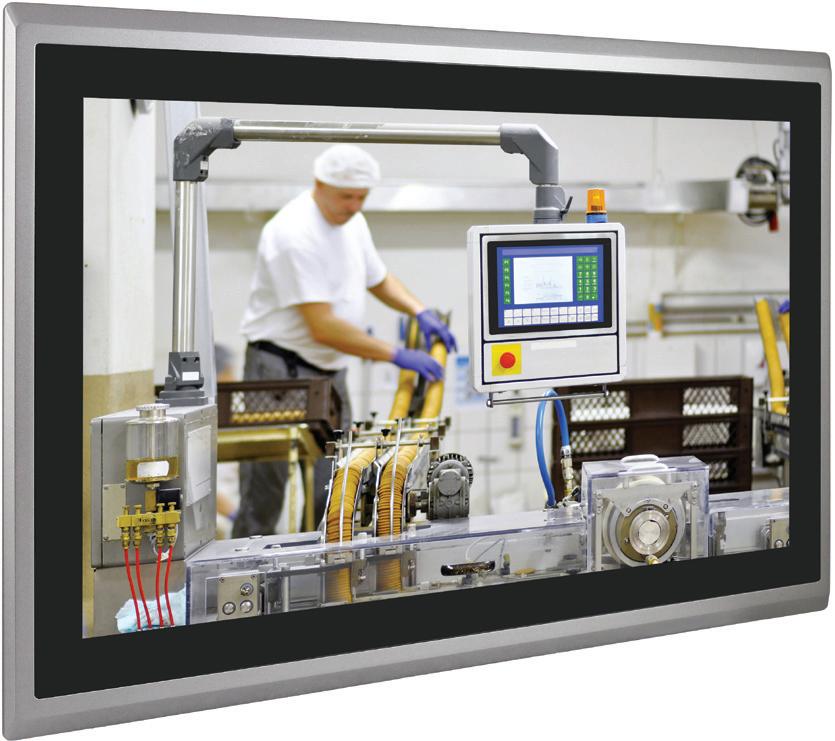
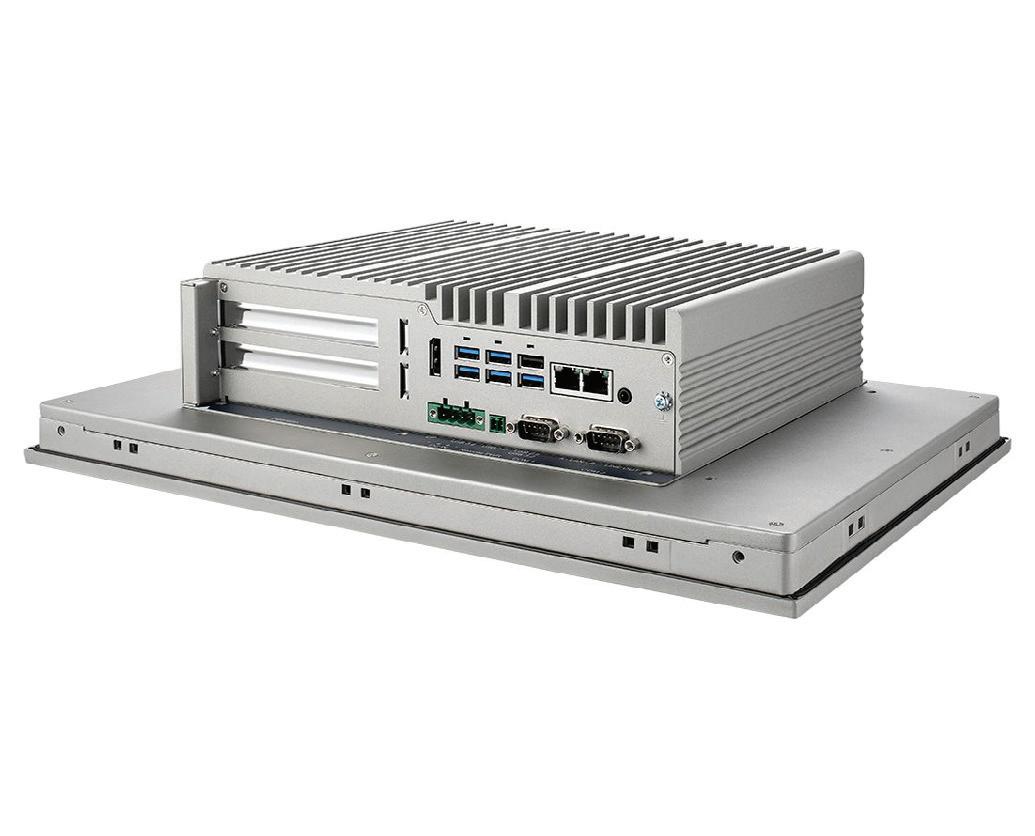
For data and image calculation the PCIe slots allow electronics manufacturers to fully utilise industrial-grade graphics cards (up to 75 W) and the M.2 2280 SSD with NVMe helps create a HMI system with strong image and drawing capabilities. Advantech Australia Pty Ltd www.advantech.net.au
The modular design of TPC-B610 computing box allows it to be paired with six different IP66-grade displays in P-CAP or resistive touch types, available in sizes 5 ″, 15.6″, 17″, 18.5″, 21.5″ and 23.8″. Among them the 15.6″, 21.5″ and 23.8″ screens offer FHD resolution and represent a highly flexible HMI system adaptable to the application.
NEW MODULAR PANEL PC Advantech has introduced the TPC-B610 series as the latest member of its modular TPC computing box series. The TPC-B610 series is an industrial touch panel PC system with a 10th Gen Intel processor socket in a fanless design coupled with six USB ports and featuring multiple expansions via a PCIe x16, a PCIe x4 and two M.2 (NVMe, SATA, 5G) slots.
The main industrial applications that will benefit from TPC-B610’s powerful data and image processing performance are defect inspection and image processing. For defect inspection, the TPC-B610’s two PCIe slots will benefit industries such as food and beverage, where PoE cameras play a vital role in quality assurance.

16 PROCESS TECHNOLOGY AUGUST 2022 www.ProcessOnline.com.au
• Safety and system availability: With their inherent built-in redun dancy, distributed control systems enable safe and disruption-free operation in the event of a problem.
• Reduced downtime: By monitoring all aspects of plant performance, distributed control systems can highlight when and where problems are likely to occur, allowing timely action to be taken. Automated decision-making also reduces the potential for operator error, such as missing, misinterpreting or ignoring an alarm condition.
THE EVOLUTION OF THE DCS HOW DISTRIBUTED CONTROL SYSTEMS ARE EVOLVING TO MEET THE NEEDS OF THE DIGITAL INDUSTRIAL REVOLUTION
T he growth of automation is making a world of difference in industrial applications, enabling an expanding range of production tasks to be handled and executed more ef ficiently, productively and safely. Much of the hard work entailed in making the decisions that make automation possible is carried out by distributed control systems.
By enabling large and complicated control functions to be managed in a single environment, distributed control systems offer several advantages:
Mark Bitto, Head of Global Marketing – Distributed Control Systems, ABB
• Visualisation: When linked into an operator platform, data from distributed control systems covering a few hundred to potentially thousands of tags or assets can be presented via a HMI to provide a detailed overview of plant conditions. Functions such as data log ging and alarm management help to provide additional information that the operator can use to make informed decisions.
Combining a series of control loops regulated by distributed pro cess controllers linked into a single operator platform, distributed control systems have proven highly effective in managing core operational, maintenance and safety functions in a wide range of process and plant applications. As digital technologies increasingly find their way into industrial applications, a new generation of distributed control system is needed.

Control systems
Smart devices and systems, connected via the cloud, are a key enabler for this approach, opening a vast range of opportunities for improving process reliability and efficiency. Real-time analytics on the efficiency of subsystems or even individual components can be accessed, monitored and actioned in near real time, even from remote locations. Furthermore, because the system is modu lar, potential issues can be detected earlier, with any affected modules able to be removed from the wider process and worked on if needed without incurring plant downtime.
AUGUST 2022 PROCESS TECHNOLOGY 17
Keeping up with the future: why adaptivity is key Keeping pace with increasingly complex process demands requires control systems that can run processes seamlessly and effectively while minimising complexity for the user. They must also facilitate effective collaboration between people, systems and equipment to ensure maximum productivity.
A key benefit of distributed control systems is their scalability. Systems can be adapted to meet changing requirements such as extra control operations, with the ability to add extra control or process units when needed. Compared to PLCs, which have limitations on I/O, distributed control systems offer a much easier path, with I/O capacity able to be expanded by adding extra modules to the controller.
Connected systems
An open platform for change
NAMUR Open Architecture (NOA) was established in 2016 and sets out a vision for how to apply digital technologies to control systems in process-oriented industries. This vision includes various guiding principles to ensure data is easily and securely usable for plant
StudioPlanetiStockphoto.com/Blue
Connected systems are crucial if users are to unleash the potential of the modern DCS. As such, an open approach to communications and compatibility is key to driving innovation and avoiding the risks of proprietary systems that can lock users into certain manufacturers, potentially exposing them to supply issues, obsolescence or a lack of timely access to technical and engineering support. Automation manufacturers recognised this problem some years ago, resolving to work together to develop standards that would result in cross-compatibility between devices and components.
www.ProcessOnline.com.au•Scalability:
• Security: With multiple layers of security for different levels of access, distributed control systems offer a secure platform for handling key factory automation control functions.
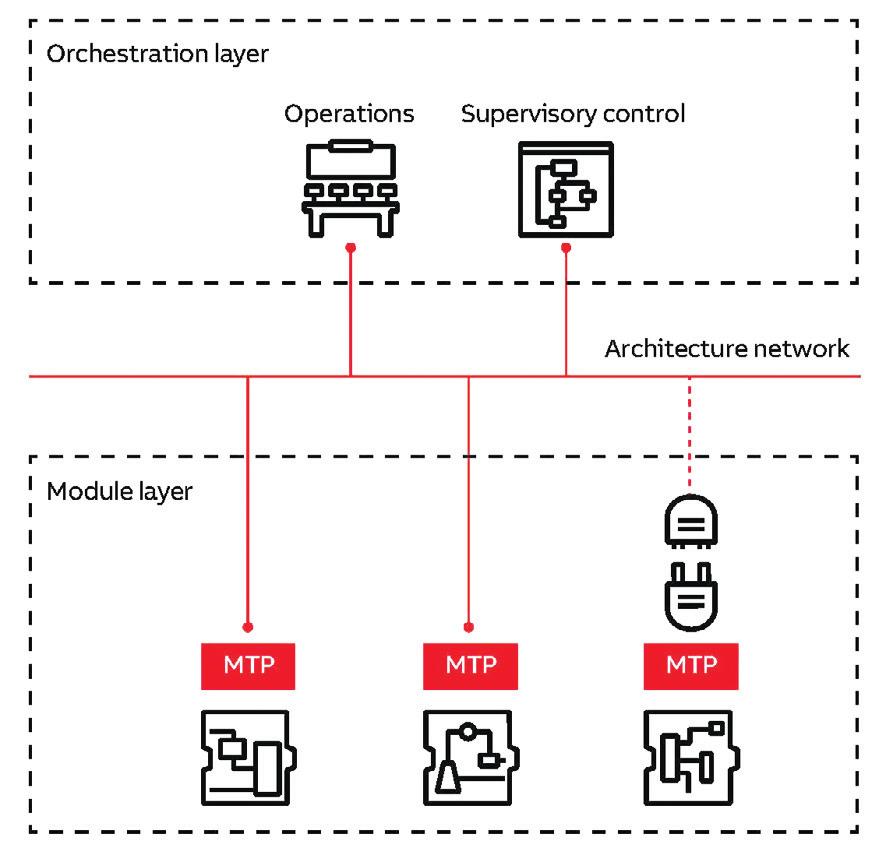
Digitalisation is the key to unlocking the functionality required to power the factory of the future. While the distributed control system has always been connected, the rules of that connectivity have traditionally placed a master controller at the top governing an entire process from start to finish. With modular automation, complex processes are broken down into modular building blocks that can be added, subtracted or amended discretely without af fecting the wider process. By removing much of the time, cost and effort involved in systems engineering, the modular automa tion concept provides businesses with unprecedented agility and flexibility. Modules are equipped with their own intelligence and can function autonomously without the need for executive control yet can also plug into the wider system with ease. The flexibility that this creates cannot be understated. The cost and criticality of distributed control systems prohibits just replacing them every time something new comes along or when additional functionality is required. As such, the modern distrib uted control system must be capable of constant change, with the flexibility and adaptability to meet not only current needs, but also the needs of tomorrow. This is where a modular approach brings particular benefits, as elements of the process can be changed or upgraded without having to replace the entire system, essentially futureproofing the DCS against new developments in the market.

18 PROCESS TECHNOLOGY AUGUST 2022 www.ProcessOnline.com.au
Building on these efforts is the next step in the evolution of the distributed control system. Leveraging digital technologies such as edge computing and the cloud require collaboration, particularly given the complexity of the technologies and systems involved. It also means a focus on what the end user needs, and not just what the automation manufacturer wants to or is able to offer. For instance, smart sensors can automatically transmit vast amounts of process data continuously to provide feedback on machine and process performance.
• Automation security must be an integral design aspect (security by design).
While the technologies covered offer unprecedented access to a multifaceted range of process and operational data, there is a limit to how much data a human operator can evaluate at once. As such, any distributed control system must be able to not only turn all this data into useful information but also provide the operator with what they need to know in a way that they can easily understand and re spond to. The modern distributed control system makes this possible by enabling the improved flow of IoT data, ensuring that the right information gets to the right person at the right time, allowing them to take appropriate and timely action while facilitating more effective and streamlined decision-making. Addressing sustainability With sustainability and the drive to net zero now high on the boardroom agenda, innovations achieved by the distributed control systems of the future will help advance both operational efficiency and productivity, while improvements in efficiency can help to reduce emissions and raw material use.
Control systems and asset monitoring as well as optimisation by maintaining shared standards that all manufacturers signed up to the agreement must adhere to. These principles include:
Putting the operator at the fore
• No compromise on plant safety and plant availability.
DIGITALISATION IS THE KEY TO UNLOCKING THE FUNCTIONALITY REQUIRED TO POWER THE FACTORY OF THE FUTURE.
• A consistent approach for new and existing production plants.
ABB Australia Pty Ltd www.abbaustralia.com.au
• Open interface between ‘Core Process Control‘ and ‘Monitoring and Optimisation’.
• Agile implementation based on existing standards.
Summary: The best is yet to come Process automation systems of the future will empower industries to compete in a fast-changing world by delivering adaptable, reliable, integrated, modular and secure automation solutions. Collaboration will be key, and the result will facilitate better integration and ease of use for operators, while creating an ecosystem whereby the DCS will adapt to meet any challenge that arises in the future.
With modular automation, complex processes are broken down into modular building blocks.
• Usability, reduction of complexity and economic efficiency are the key success factors. NOA effectively adds a layer to a DCS that allows extra functions to be added by providing an open and secure environment for integrating IT components from the field up to the enterprise level. Compared to the somewhat closed system design of older generations of DCSs, and as an improvement to the modern, more open yet slow-to-advance automation platforms, the NOA principles provide the flexibility for distributed control systems to adapt more rapidly to new technologies. With this new approach, operators can extend the capabilities of their control systems to include new functions such as asset and de vice management, optimisation and planning, without impacting on the core functions of the distributed control system itself and without the time or risks previously associated with making changes or upgrading. A good example is the application of edge computing and the cloud in helping companies to increasingly explore the benefits of IIoT-enabled sensors. These devices produce a huge amount of data about processes temperatures, pressures and the levels of liquids in a vessel, to name a few all of which needs to be gathered, processed and analysed. In the past, a lot of this data was left untended and not utilised, with companies lacking the ability to easily analyse it or share it between individuals, departments or multiple sites. By enabling edge and cloud technologies to be easily integrated into the distributed control system, the NOA approach presents the possibility for users to fully unlock the possibilities of Industry 4.0 by making valuable operational data readily and securely accessible as and when required to allow informed decisions and actions. It will also provide greater flexibility in the way that solutions are implemented, enabling a shift from traditional buying of systems to usage-based ‘pay-as-you-go’ software subscriptions. This approach always brings new possibilities when it comes to business models and how applications, and eventually the DCS itself, is purchased, from buy it upfront to software as a service.





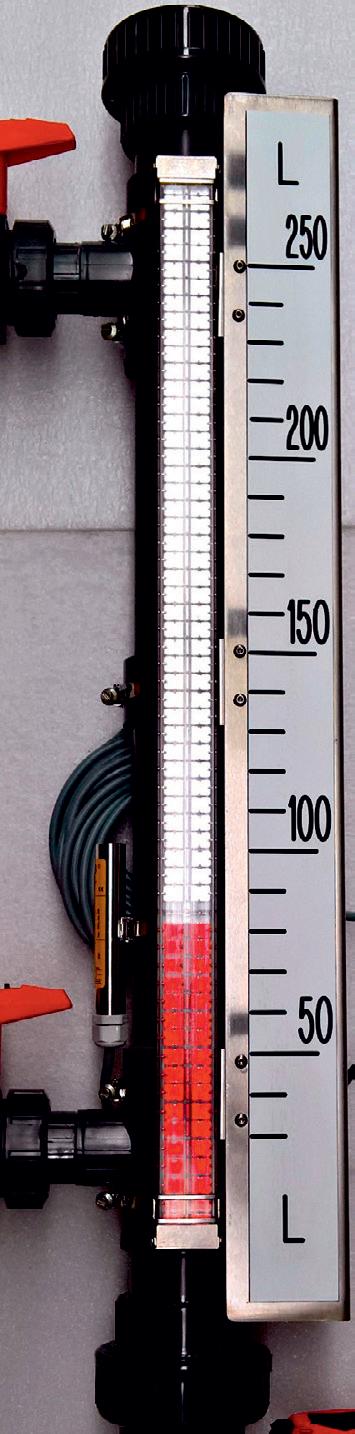
www.abbaustralia.com.au
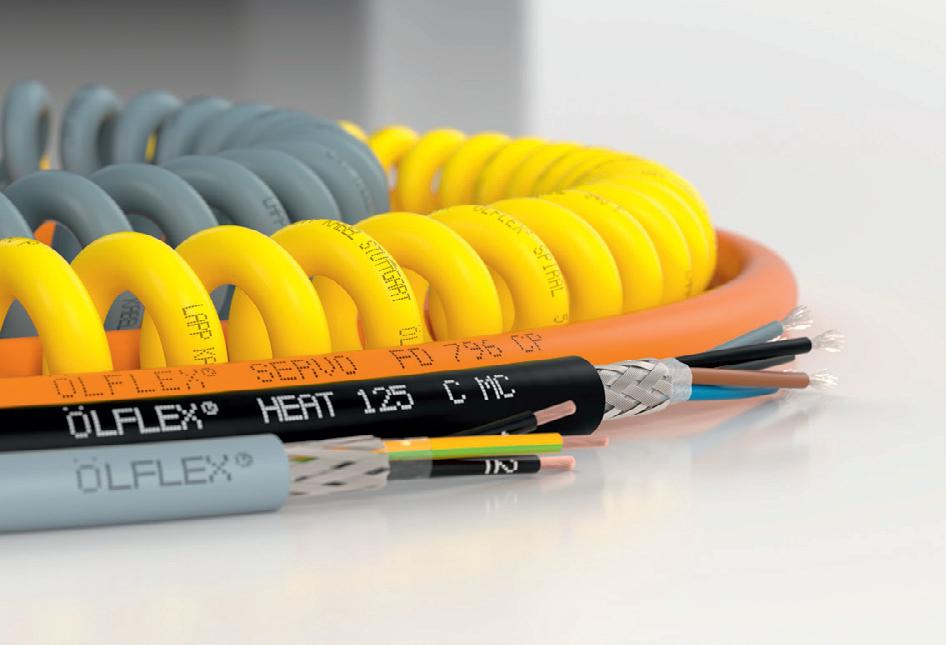
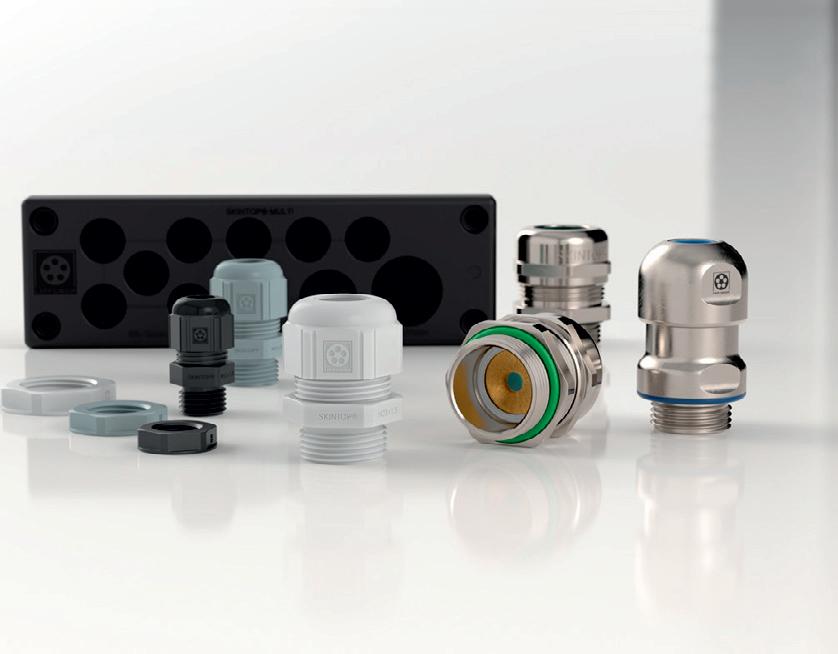
Treotham has all your VSD cable & glands needs covered Treotham Automation supply an extensive range of high quality electrical flexible cables and accessories from . With a full range of industrial products, our technical engineers are able to provide fast and reliable service and custom-built solutions for special applications. Australian owned & managed | www.treotham.com.au | info@treotham.com.au | 1300 65 75 64
CUSTODY TRANSFER
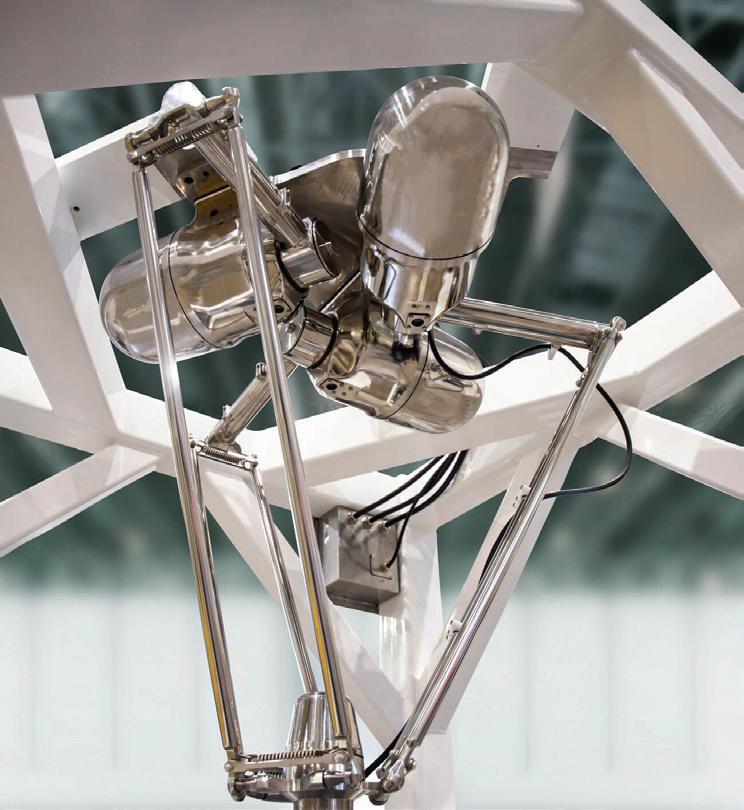
Fanuc has released the DR-3iB/6 Stainless, the company’s first stainless steel food-grade delta robot for picking and packing primary food products. Rated IP69K, the robot meets USDA and FDA food safety standards, and is claimed to set a new benchmark for robotic food handling in terms of payload, speed, reach and sanitation. The DR-3iB/6 Stainless features a fully enclosed stain less steel body that is resistant to the chemicals and high pressure/temperatures required in strict washdown environ ments, while the robot’s mirror-like surface finish helps make sure that any microbial contaminants can be washed away cleanly. With additional features such as NSF H1 food-grade lubricant, secondary oil catch basins (with viewing windows to monitor potential leaks), self-draining surfaces and many other small details driven by USDA/FDA standards, the DR-3iB/6 Stainless is specifically designed for primary food handling applications. The DR-3iB/6 Stainless has a 1200 mm reach (400 mm height) and a four-axis design, allowing it to handle 6 kg payloads at high speeds. The robot operates with FANUC’s latest R-30iB Plus controller with integrated intelligent func tions such as iRVision, Force Sensing, Robot Link, Collision Guard and Zero Down Time (ZDT).
FLOWMETERNEWPRODUCTSFOR
20 www.ProcessOnline.com.au
ABB Australia Pty Ltd
FOOD-GRADE DELTA ROBOT
100%
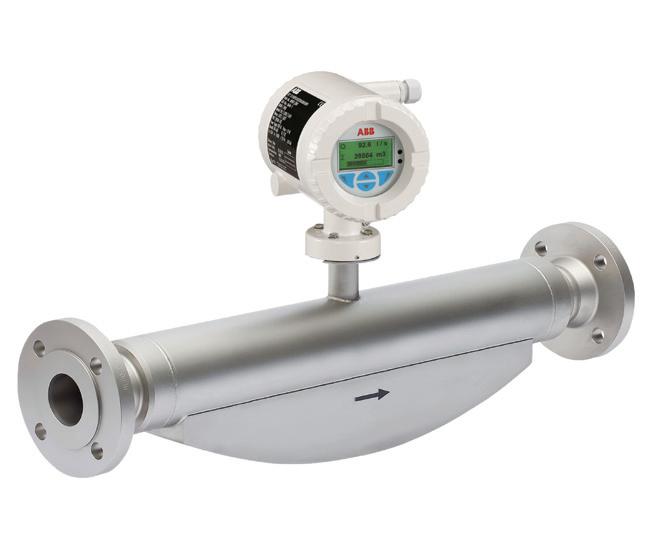
ABB’s CoriolisMaster flowmeter has recently gained custody transfer standards approval. The flowmeter now offers a cus tody transfer application approved under OIML R 117-1 and Wellmec standards and certified for the European Measuring Instruments Directive (MID). Accuracy and reliable measurement are paramount in the transfer of expensive commodities such as oil and gas. Custody transfer is a highly regulated area which falls under both international standards and regional regulations. The CoriolisMaster certification complements ABB’s Flow-X series of flow computers, a single hardware and software solution that connects to flowmeters, and to temperature, pressure and density transmitters as well as chromatographs to calculate the volume at standard conditions, mass and energy follow ing international standards. ABB says the Flow-X aims for the highest precision to protect the interest of buyer and seller. Its analog inputs have an accuracy of 0.008% over a wide ambient temperature range. The ABB CoriolisMaster has a small footprint that reduces on-site handling, commissioning and costs by being easy to install and using less pipeline than has been traditionally required. Its communication capabilities provide real-time data insights, and the inclusion of the ABB Ability Verification for measurement devices solution allows the performance of the meter to be verified at any stage either in situ or remotely.
FANUC OCEANIA Pty Limited www.fanucoceania.com.au




• 30% reduction in energy consumption (with Altivar Process Drives)
• 20% improvement in motor availability
Modern industrialists face mounting pressure from governments, society, and investors to demonstrate sustainability practices. Today’s buyers demand eco-efficient brands, green products, responsibly sourced materials, and sustainabilityfocused solutions and services. Achieving sustainable operations is one of the most important challenges industrial enterprises have ever faced. The good news is that the technology to address sustainability already exists. Digital electrification and automation solutions allow us to operate everything more efficiently.
WORLD With tools such as a motor management energy saving calculator (as part of EcoStruxure Motor Management Design) you get instant insight in to the calculation of your CO2 reduction as well as return on investment and payback period information based on your motor application characteristics.
Coming soon to ANZ: The Altivar ATS480 Soft Starter
• 50% reduction in motor down time
The energy use of corporations typically comprises about half of their carbon footprint. A large driver of this energy usage comes from motors that consume between 60% and 95% of the electrical energy in a plant. Optimisation of these motors, with a holistic motor management solution, can decrease CO2 emissions and have a direct impact on the sustainability of the operations.
One key way this can be done within motor management solution is with Altivar variable speed drives, which bring energy efficiency to industrial operations. Independent studies have shown that with the Altivar drives 30 MtCO2 was saved between 2018 and 2020 (an average of 10 MtCO2 per year, over a total of 155 MtCO2) and 85 MtCO2 avoided this same period (an average of 27 MtCO2 per year, over a total of 107 MtCO2). What does a holistic motor management solution look like? There is no denying that motors directly impact industrial electrical distribution and equipment, as they are critical assets at the foundation of all industrial processes. With motors being large consumers of energy, even a slight optimisation of these motors can have a direct impact on the sustainability of the operation. With the effective design, engineering, and management of motor applications, efficiently-run motors can significantly contribute to a company’s sustainability, while driving high performance, productivity, and safety with less unplanned downtime and plant stoppages, including:
HOW MOTOR MANAGEMENT SOLUTIONS ARE ACTING FOR A CLIMATE-POSITIVE
• Circular performance and cost of ownership optimisation
AUGUST 2022 PROCESS TECHNOLOGY 21www.ProcessOnline.com.au
• Resource performance and CO2 impact
Oakenhelm©stock.adobe.com/au/Doin
• 40% reduction in design time. www.se.com/auElectric
SPONSORED CONTENT Schneider
As a driver of sustainable business performance for their customers and partners, Green Premium products focus on:
Best practices: Go green Top industry players such as Schneider Electric offer motor management solutions that include Green Premium products that come with detailed information on their regulatory compliance, material content, environmental impact, and circularity attributes.
• Wellbeing, performance, and peace of mind.
• 4x faster recovery after an unexpected stop
The Altivar Soft Starter ATS480 is part of the new motor management offering, marking the next evolution of soft starters with digitalisation in mind. The ATS480 reduces engineering time and cost through simplifi ed selection and optimisation of the power and plant architecture, as well as securing operations with cybersecurity best practices, digitally troubleshooting issues and providing constant support. The ATS480 is designed to address process and infrastructures, simplifying project execution and maximising the availability of applications even in the most demanding environments. It builds on the proven robustness and start/stop performance extending the lifetime of the ATS48 equipment and preserving the initial investment by reusing current design. To learn more about how Motor Management solutions help Industries of the Future thrive, from design and build to operate and maintain, download the new Schneider Electric whitepaper at https://bit.ly/3vXWb4f.

THE IMPORTANCE OF HEAT EXCHANGER AFTERCARE
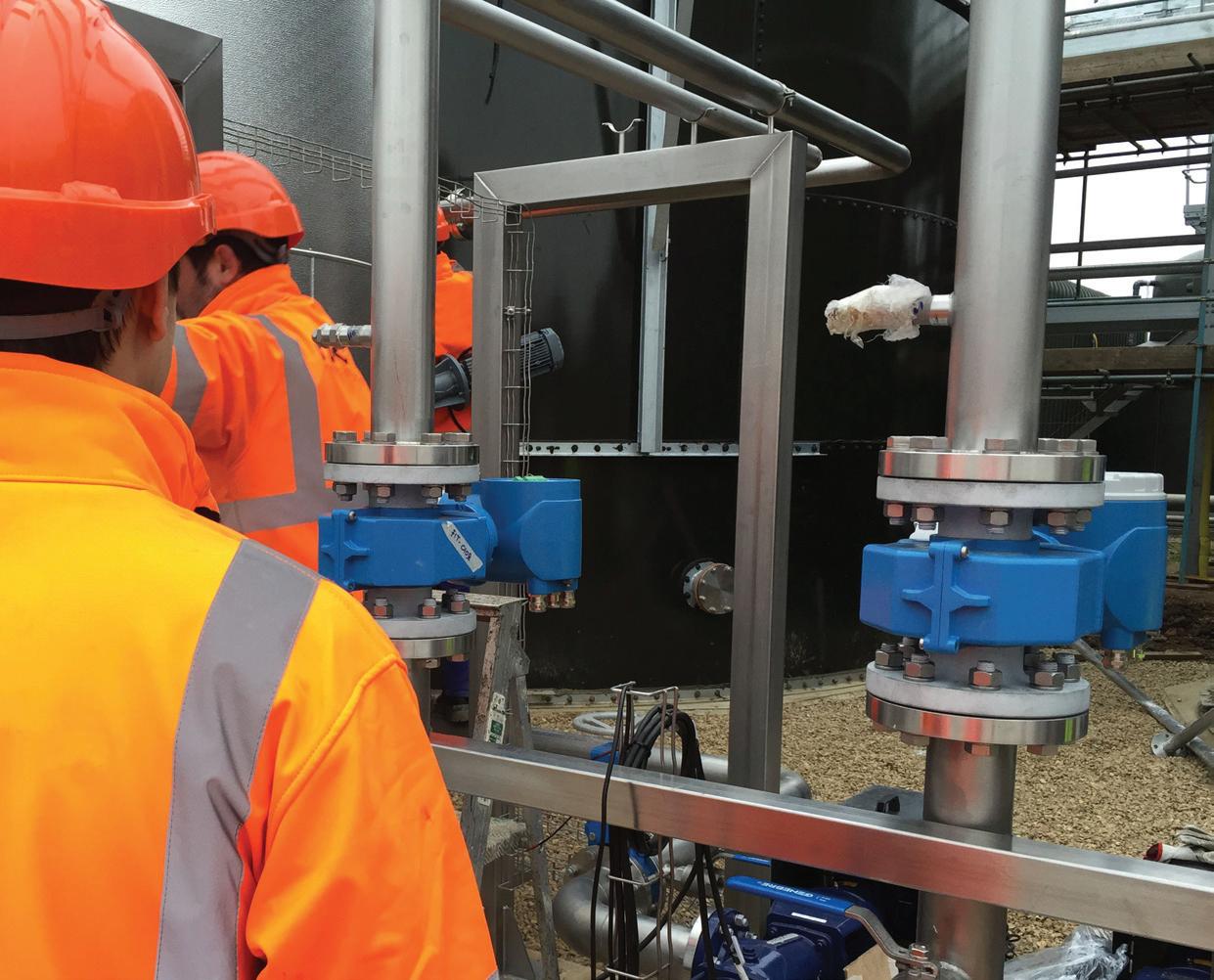
The term aftercare can be applied to any support obtained from the supplier once the order has been agreed and can therefore include initial start-up services such as commissioning and installation. Depending on the nature and size of the project, these will often be carried out by the supplier in conjunction with the client’s own engineering team or third-party contractors.
Over the last two years, the coronavirus pandemic has seen an increase in the use of IT and communication systems to supervise commissioning remotely, a solution which allows for efficient and timely installation while limiting travel and contact. While correct installation is essential in order to increase the lifetime of the system and ensure its correct functioning, there are other support services that end users should expect from their equipment suppliers. These include initial aspects such as the provision of training and documentation for both operation and maintenance. When equipment is fitted with a remote access and monitoring system, the manufacturer can access key information and metrics and, when necessary, log on and discover any potential issues and quickly identify their resolu tion. Using the manufacturer’s design expertise and technical know-how can save time and money by identifying problems and solutions quickly and without incurring costly site visits.
A reputable manufacturer will also offer expert insights into the latest technological advancements that could benefit users’ systems process and operational costs. For example, a performance audit allows the manufacturer’s engineers and designers to analyse the per formance of the equipment and offer guidance on how to improve, properly maintain desired condi tions or reduce costs. In addition to condition monitoring, this will provide fact-based insights into the performance of the equipment to prolong service life and help to plan maintenance. This will also allow the sup plier to suggest appropriate upgrades that will improve system performance, increase capacity or operational efficiency, or lower running costs. In certain cases where other factors are of paramount importance, such as the footprint of equipment, space-saving solutions can be implemented. Maintenance needs can vary depending on the type of equip ment or products being processed and the required design conditions. Therefore, when selecting a heat exchanger supplier, it may well be useful to ascertain the range of maintenance services they can offer to help keep equipment running smoothly, including preventive maintenance and servicing, holding reserve stocks of necessary spare parts and exchanging components where necessary. Today’s global business structures mean that the location of manufacturing plants is not an issue when it comes to choos ing an equipment supplier, and as such you should look at a supplier’s capabilities to support you both locally and remotely. Matt Hale is the International Sales & Market ing Director at HRS Heat Exchangers and has been with the company for nearly 10 years. In that time, Matt has been responsible for the company’s global sales, and its agent and distributor network.
When considering the purchase of a heat exchanger or pro cessing system, there are many considerations to be made, including the suitability of the equipment for the task in hand, the capital and operational costs, how easily the equipment will fit into existing systems and facilities, and many other small concerns. What is not always considered is the follow-up service and aftercare, both during delivery and commissioning, but also further into the future.
22 PROCESS TECHNOLOGY AUGUST 2022 www.ProcessOnline.com.au


MODULAR HMI SOLUTION
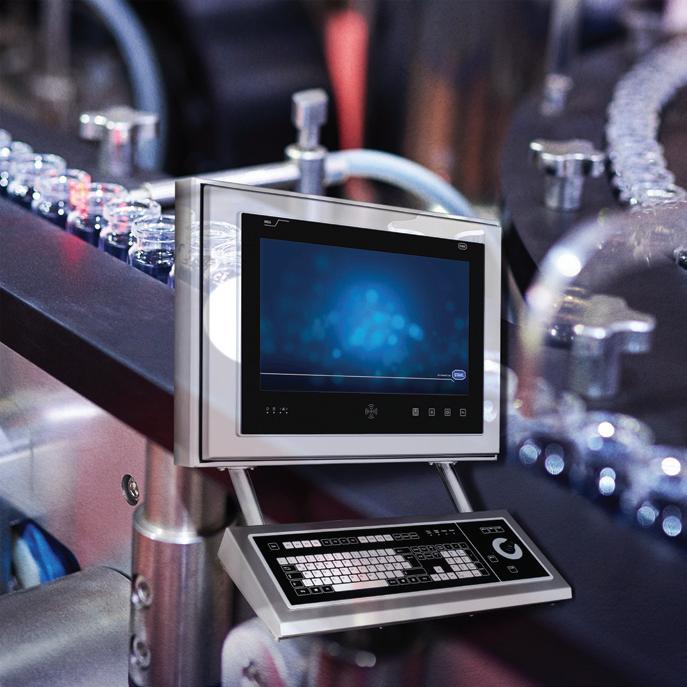
The ORCA HMI operator station separates the display from the PC unit and is designed as click-fit modules for Zones 1 and 2 as well as Division 2. The compo nents of a traditional operator system were split into two modules: an electronics box (E-Box) containing the computer or thin client and a display box (D-Box) with the multi-touch screen. These boxes can be freely combined, providing flexibility during maintenance and upgrades. Due to the EasyConnect concept, the display and electronics module can be separated in a few easy steps, without the need for fiddly disconnection of cabling, and the old E-Box can be replaced with a new, more powerful E-Box. This modularity makes repairs and maintenance simpler.
R. STAHL has launched a fully modular HMI operator station known as ORCA. The platform includes a panel-mount device with three different display sizes (12 ″, 15″ and 22″) and two E-Boxes for easy integration into the machine.
The ORCA devices are robust, UV-resistant and, at the front, both GMP and cleanroom compliant. The built-in modules have overall IP66 protection and can be installed directly in hazardous areas.
AUGUST 2022 PROCESS TECHNOLOGY 23www.ProcessOnline.com.au ENCLOSURE CABINET PRECISION COOLING Designed to keep your electronics cool and operating at optimum performance. - Cooling capacities range from 200W to 6kW - IP Ratings – IP54 & IP56 - Mild Steel and Stainless Steel finishes. - Seifert also offer Heat Exchangers, Peltier Coolers and Fan Systems - complete Thermal Solutions. info@seifertsystems.com.au / +61 3 9801 seifertsystems.com.au1906 KEEPCOOL NEWPRODUCTS
The ORCA HMI system also offers a high degree of flexibility during operations. A monitor interface has been integrated enabling users to directly connect a second screen to the HMI system. This dual monitor solution can be used to access and view two data sources in parallel.
R. STAHL Australia Pty Ltd www.r-stahl.com/en/global/home/


TABLET-BASED LEAKAGE DETECTION
When it comes to leakage reduction, smart technology is giving the water sector the ability to pinpoint precise locations of leaks in real time. A major driver of this transi tion is consumer use of smartphones and tablets; nearly everyone uses some kind of digital device — a shift that has been replicated by water companies, accelerated by the skills of digital natives joining the sector who have never known a time without the internet and digital devices. Eureka5 consists of two radio transmitters: a radio receiver with signal-processing electronics that interconnects with the Eureka Go app, as well as Ovarro’s existing cloudbased portal, PrimeWeb. GPS technology enables precise pinpointing of leaks, including in difficult conditions, such as where there is substantial background noise, where only the quietest of leak noise is present, and on a variety of pipe materials, including plastic. Eureka5 enables users to listen to noise on the pipe, upload this data directly to Eureka Go and view the data instantly on a tablet, rather than the bespoke processing unit used previously. As well as providing simpler functionality for operators, the solution reduces CapEx costs. Ovarro ovarro.com/en/australia--new-zealand/home/ GUARD LOCKING DEVICE
24 PROCESS TECHNOLOGY AUGUST 2022 www.ProcessOnline.com.au NEWPRODUCTS
The Euchner CTS guard locking device features a high locking force, compact design and flexibility, making it suitable for applications requiring a high locking force in a confined space. Measuring only 135 x 31 x 31 mm in size, it delivers a maximum locking force of 3.9 kN for universal use. The CTS can be mounted in three orientations, permitting flexible use for hinged and sliding doors, and an escape release can also be added. Besides including Euchner’s transponder-coded safety switches with guard locking, the FlexFunction CTS combines multiple functions that are otherwise available only in separate variants. With or without guard lock monitor ing, actuator code evaluation with high or low coding level — the choice is up to the user. Functions are selected via the matching actuator. Treotham Automation Pty Ltd www.treotham.com.au
A tablet-based leakage detection system has been launched by technology company Ovarro. The next-generation leak noise correlator Eureka5 will become the basis for Ovarro’s leak detection platform. The system displays information on an Android tablet and does not require a dedicated processor or laptop, cutting down the number of devices field teams need to carry.


PROPORTIONAL DIRECTIONAL FLOW CONTROL VALVES
AUGUST 2022 PROCESS TECHNOLOGY 25www.ProcessOnline.com.au Tel: (03) 9699 7355 www.pressureandsafetysystems.com.au 9463P&SS-WNIPT We handle Pressure ® • Multiple Plug Designs including Soft Seating • Screw-In Seat Rings for optimal Kvs Values • ARI Electric Actuators Fully Optioned One Touch Set-Up ARI VARIO with PREMIO Plus 2G Electric PneumaticActuatorActuator ElEcTRIc or PnEUMATIc AcTUATORS so CompaCt. so reliable. so flexible. ‘ari Vario’ Control ValVe NEW iN AustrAliA NEWPRODUCTS
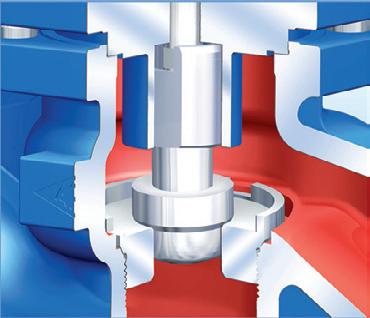
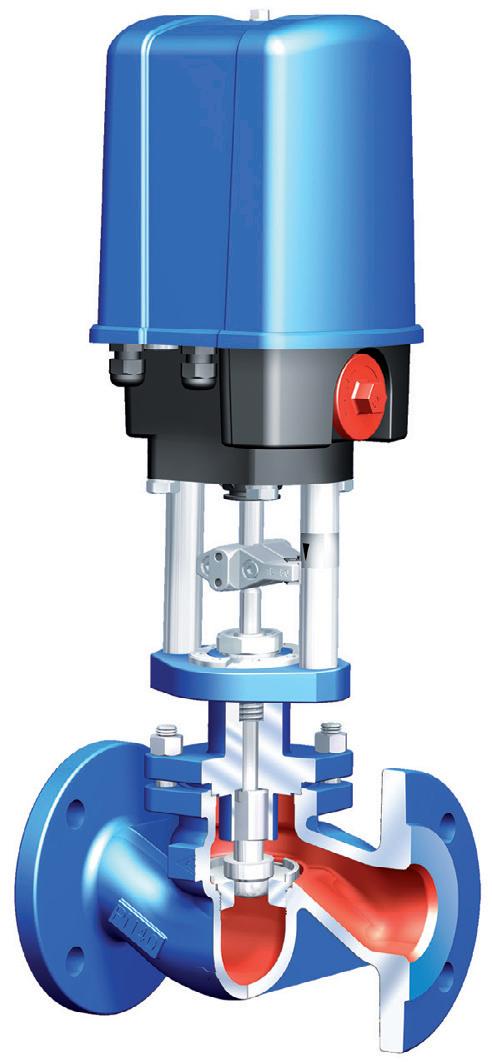
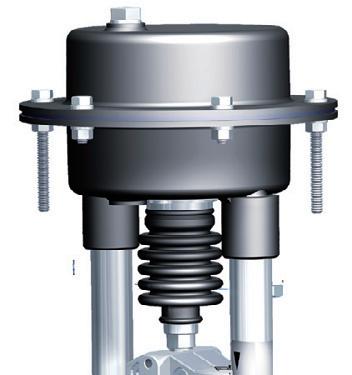
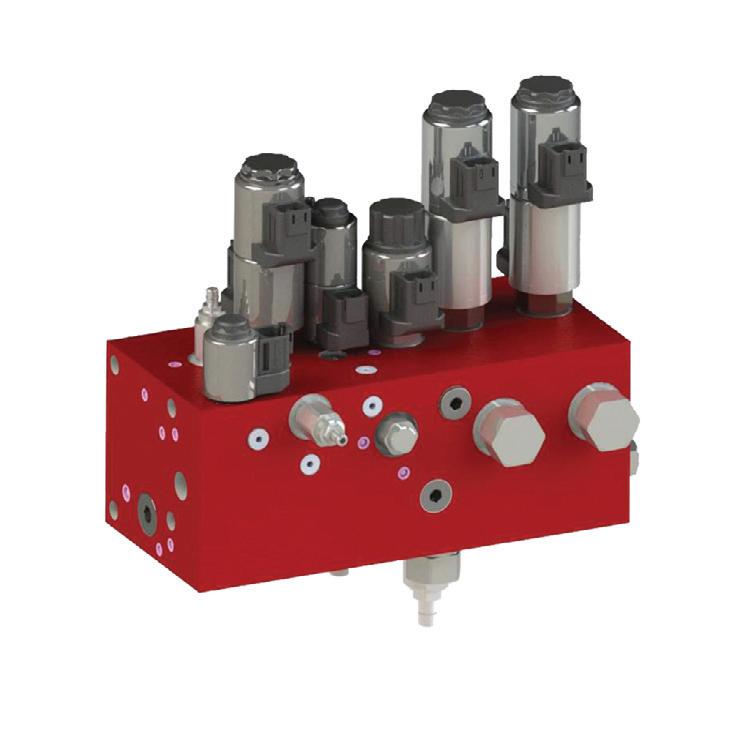
HYDAC Australia has released the PWK06J series of proportional directional flow control valves. The three-position, four-way valve has a screw-in cartridge and is solenoid operated. The product is compact, at a fraction of the size of similar propor tional directional valves, and is said to provide low-flow accuracy and repeatability. The valve’s internal leakage is less than 100 cc/min, hysteresis less than 6%, linearity within 3% and repeatability within 3%. The 12 W ‘D’ or ‘P’ type coils are available in all voltages and connections. The valve is also 1000-hour salt, fog and rust protected and can be used with a DW06V inlet compensator for optimal pressure-compensated operation to provide constant flow at any given control setting regardless of variations in pressure. Use of a 200 psi compensator allows high flow up to 4 gpm, while a 100 psi compensator allows for precise control at lower flows. For less precise applications, the valve may be used without a compensator. The series is fully interchangeable with the WK06E and J ON/OFF valves, allowing flexibility for machine builders. The compact, high-power coils allow multiple valves to be installed in a very small space (for example, six functions can be housed within an 20 cm long block). HYDAC International www.hydac.com.au
. These standards address different areas of concern and are not always consistent in detail. There are, however, important common themes:
• The need for special safety functions depends on both the prob ability of something going wrong and the potential consequences of an accident or failure.
A widely used strategy for ensuring that information from a sensor is trustworthy is to build redundancy into the control feedback loops. F or safety-critical applications, motion control systems must be able to trust the position feedback that they receive from encoders and other sensors. If a sensor malfunctions, the controller must be able to quickly recognise the fault and take appropriate action. Component failure can be detected more readily if there are redundant feedback channels in the control system. If the control system receives similar signals from two different sensors set up to measure the same mechanical property, it can reasonably assume that both are functioning properly. Discrepancies between the readings would signal a fault. This article discusses several strategies for implementing redundant feedback channels in motion control systems and weighs their relative strengths.
For safety-related equipment, the motion control system should operate in a failsafe manner. That is, the system should be able to detect faults in the encoders and other sensors that provide posi tion feedback and take appropriate actions to bring the machinery to a safe condition. A widely used strategy for ensuring that information from a sensor is trustworthy is to build redundancy into the control feed back loops. For each safety-related action of the machine (such as rotation of an elevator’s cable drum, movement of a robot’s arm or extension of a crane’s boom), two or more semi-independent measurement systems would be installed to monitor the same me chanical motion. This enables the control system to detect sensor errors and avoid dangerous loss-of-control situations. Duplicating each element of the feedback loop by adding extra encoders and communications cables will achieve this goal, but at the price of extra expense and increased mechanical complex ity. The additional components will also take up valuable space in complex machinery.
There are several international standards that address functional safety in machinery or control systems, including:
26 PROCESS TECHNOLOGY AUGUST 2022 www.ProcessOnline.com.au
©stock.adobe.com/au/romaset
Enhanced safety through redundant feedback
About safety standards
• IEC 61508: Functional Safety of Electrical/ Electronic/Programmable Electronic Safety-related Systems
SAFETY FIRST SELECTING THE RIGHT POSITION SENSORS FOR SAFETY-RELATED MOTION CONTROL
Firstly, let’s briefly review safety standards.
• To be effective, safety functions must meet reliability standards (performance levels or safety integrity levels) that are appropriate to the level of risks and consequences. In ISO 13849-1, the level of reliability required for a safety func tion is defined in terms of a performance level, ranging from PL a to
• While absolute safety is impossible to achieve, including special design features (termed ‘safety functions’) can reduce risks to acceptable levels.
• ISO 13849-1: Safety of machinery — a safety standard which applies to machinery control systems that provide safety functions
AUGUST 2022 PROCESS TECHNOLOGY 27www.ProcessOnline.com.au
In IEC 61508, performance requirements are defined in terms of Safety Integrity Levels (SIL), ranging from SIL 1 (for situations with low risk and moderate consequence) to SIL 4 (high risk, serious consequences). SIL 2 is approximately equivalent to PL d and requires a similar level of reliability in safety functions.
Safety-certified encoders
There is a new type of encoder that provides a middle ground between complex duplicate encoder installations and expensive safety certified devices. Diverse-redundant encoders have two measurement modules built into a single housing, sharing a com mon shaft. However, unlike their SIL or PL-certified counterparts, diverse-redundant encoders do not compare the output from the Machine safety
An alternative approach is to use special safety-certified encoders. This type of encoder has two measurement modules installed in a single housing, sharing the same input shaft. A signal process ing chip compares outputs from the two modules and for most devices of this type shuts down measurements and issues an alarm signal if a discrepancy is detected. Redundancy, in this case, is built into the encoder. Encoders with these characteristics can be designed to comply with Safety Integrity Level (SIL) or Performance Level (PL) standards.
An advantage of safety-certified encoders is that they can simplify the development of safety-critical systems. The control system will receive either reliable position data or a clear signal that the encoder has developed a fault. However, this approach can be inflexible when handling failure situations: if the sensors simply switch off, the control system has little guidance as to how to transition the machinery to a safe state. Certified devices can also be significantly more expensive than ‘ordinary’ encoders largely because of the cost of certi fication by an independent testing laboratory. And, while these devices eliminate the need for doubling the number of encoders installed, they are only available in a limited number of mechani cal configurations. Machine builders may be obliged to modify their designs to accommodate these sensors.
PL e. If, for example, accidental malfunction could cause a serious injury to a person who frequently works close to a piece of machinery, the standard requires that the machine and its safety systems have a performance level of at least PL d. To achieve this performance level, MTTFd (mean time to dangerous failure), DC (diagnostic coverage) and Cat. (system architecture category) must all reach defined thresholds.
Diverse-redundant encoders
ADM Instrument Engineering Group www.admtech.com.au
A WIDELY USED STRATEGY FOR ENSURING THAT INFORMATION FROM A SENSOR IS TRUSTWORTHY IS TO BUILD REDUNDANCY INTO THE CONTROL FEEDBACK LOOPS.
For simple systems with few motion control feedback loops, the use of duplicate, redundant sensors can be a cost-effective choice. For one-off or low-volume products developed under tight time constraints, the convenience of working with SIL or PL-certified encoders (re duced development times, less safety knowledge required) might outweigh the extra cost and limited availability of these devices. For many projects, diverse-redundant encod ers can provide a best-of-both-worlds solution. There is only one device to mount on the machine, reducing complexity and space requirements.
Meanwhile, the two independent measurement channels provide a sound basis for building machines that can be certified to Performance Level PL d, Cat. 3, according to ISO 13849. With duplicate feedback loops or diverseredundant encoders, the control system might be able to use other system knowledge to make a reasonable assessment as to which of the redundant measurement systems is malfunc tioning and whether the surviving system can be relied on to provide useful position data. In this case, the designer might be able to imple ment a restricted operating mode to extend the availability of the machine for a limited time. In any case, replacement of the defective device would be an urgent priority.
Does the lack of device certification put an extra burden on machine builders to prove the safety of their products? The answer depends on the complexity of the design. Even if cer tified components are used in the design, certification of the complete machine requires an end-to-end assessment of the design, including the way in which the control system handles component failure. Shifting responsibility for fault detection from the device to the controller may require only a minor increase in programming effort. ISO13849 allows the use of non-certified redundant devices in safety applications, provided there is an end-to-end assess ment of the design. By making the controller responsible for the verification of the two measuring channels, instead of the sensor, the designer has more flexibility in responding to the requirements of the application. If it is possible to determine which channel is faulty through a plausibility check, then the machine could be transitioned to a restricted operational mode, relying on information from the surviving encoder. If an impact analysis permits, the system can be kept running possibly with manual override until the faulty components are replaced. Which approach is best for the application?
Machine safety ©stock.adobe.com/au/romaset
28 PROCESS TECHNOLOGY AUGUST 2022 www.ProcessOnline.com.au two measurement channels. Instead, both output signals are transmitted directly to the controller (PLC, or control computer) to be evaluated there. This arrangement simplifies machine layout, since there is only one device to install for each control loop. And, since these devices are not formally certified, they are less expensive than their SIL-rated counterparts. They are also available in a greater variety of mechanical configurations. An important feature of diverse-redundant encoders is that two different measurement technologies optical and magnetic are used for the two measurement modules. This improves diagnostic coverage and reduces the possibility of common cause failures. Both measurement systems are based on wellestablished encoder technologies designed to operate reliably over a wide range of temperatures. As well, both measurement channels feature battery-free multi-turn rotation counters for zero-maintenance operations. Diverse-redundant encoders are available with a wide range of mechanical options that include aluminium or zinc-coated steel housings, environmental protec tion up to IP66/IP67, multiple connector types and a variety of shaft and flange designs.
When using diverse-redundant encoders, the controller would ‘see’ two separate devices, measuring the same rotary motion. The controller is responsible for comparing the measurements and deciding whether they are reliable.

HYDAC Australia Project Engineer Kent Paulsen commented that the diesel testing unit is used to test diesel fuel injectors at a power plant. Features of the unit include a full range of sensors connected to a HMG 4000 data logging device, with the HMG 4000 programmed to convert the fl ow rate (L/min) measured by the EVS flow turbines to mass flow rate (kg/s) and an ability to achieve over 30 bar of pressure for a diesel system.
“A power plant is run off a diesel furnace using the vapourised diesel supplied via the injectors,” he said. “A spin is imparted onto the diesel — like a centrifugal force — that gets it rotating quickly. This vapourises the diesel, making for perfect combustion conditions.
The HMG 4000 is a hand-held portable measuring and data logging device. HYDAC developed it for values measured in relation to hydraulic systems, such as pressure, temperature, flow rate and position.
“The customer was quite specific in terms of what data they wanted logged,” said Paulsen. “The testing unit monitors the supply pressure, flow, and temperature of the diesel going into the furnace. Then it monitors the return pressure, flow, and temperature as well. Additionally, we included a temperature transducer in the drain line. In total we had eight transducers all feeding back to the HMG 4000.”
Operation of a diesel fuel injector
DIESEL TESTING UNIT FOR OPTIMAL ASSET PERFORMANCE
AUGUST 2022 PROCESS TECHNOLOGY 29www.ProcessOnline.com.au
Paulsen adds that the user can add any complex conversions or formulas to the HMG 4000 to aid in data logging.
“By the beginning of December 2021, we commenced procurement and fabricating, and the unit was assembled in February 2022: now that’s teamwork that gets the job done,” he concluded.
Thereafter HYDAC commenced the design phase with a schematic and general arrangement for approval.
Paulsen emphasised that a collaborative approach “really works” because the customer can precisely convey what they want, enabling HYDAC to precisely meet its requirement.
HYDAC recently completed a diesel testing unit for a technology and project development company focused on improving the reliability, efficiency, and sustainability of assets, products, and processes to transform commercial performance.
“The customer wanted additional back pressure valves in addition to other similar products for inclusion in the system. We had to undertake quite a few revisions, but this helped fine tune exactly what the customer wanted.
“Additionally, the injectors sit in the furnace and get hot as combustion occurs. The second function of the diesel testing unit was to provide cooling liquid that is circulated through the nozzle to prevent failure due to overheating.”
Full range of sensors connected to a HMG 4000
He points out that normal analog sensors with 4–20 mA HSI output and HYDAC proprietary sensors/protocols were used. “You can basically connect the HSI sensor to the HMG 4000 and you don’t need to program the parameters. It automatically recognises what kind of sensor it is and the sensing range, which makes life very easy on the ground,” he said. “We used one of those and then ran about eight sensors that all went back to the HMG 4000, which displayed all eight sensors at one time on a screen, with real-time information.”
Conversion of flow rate to mass flow rate
The HMG was also programmed to convert the flow rate (L/min) measured by the EVS flow turbines to mass flow rate (kg/s).
Collaborative approach
“This is very helpful to the end user or engineer who works in kilograms of diesel: they don’t measure in litres but in kilograms,” said Paulsen. “And the furnace will use their units of measurement in kilograms per second of diesel when it burns. That information on the HMG 4000 is much more useful to have as it eliminates the requirement of doing conversions later.” www.hydac.com.auInternational
Seafarer©stock.adobe.com/au/Alexey
The group has extensive experience in the industry of power generation and manufacturing across the Asia-Pacific. Paulsen said the project started when HYDAC received “an enquiry along with a schematic” from the specialist engineering company in 2021. “The customer had a good idea of what it wanted to execute and what it wanted from us,” he said. “We quoted in October and received the first order for a unit at the beginning of November.”
SPONSORED CONTENT HYDAC
“You can take two different sensors and the HMG 4000 can work out what the differential fl ow rate is between those two sensors,” he said.
Diesel fuel injectors have two different functions: the first is to vapourise the diesel as it goes into the furnace for combustion, and the second is to ensure the diesel gets circulated through the injector to provide cooling.

Pallets, crates, containers, racks and tanks play a vital role in transporting goods. According to data from the Federal Statistical Office of Germany, approximately 101 million flat pallets also known as Euro-pallets were produced in Germany in 2020. But while the whereabouts of the goods are precisely recorded and tracked, to date, the load carriers themselves have received far less attention. They often remain unattended in warehouses for days, reducing efficiency.
At the Fraunhofer Institute for Material Flow and Logistics IML in Dortmund, researcher and logistics expert Dr Philipp Wrycza, together with his co-founders Patrik Elfert, Jan Möller and Michael Koscharnyj, have developed a suitable software solution and recently founded their own spin-off with the appropriate name ‘Logistikbude’, meaning “logistics convenience store”.
The joint management of the load carriers helps to avoid errors and surprises from the outset. This is because the status and position of each individual load carrier can be viewed transparently. For example, the recipient can now record on the smartphone app if a rack arrives damaged. Companies that already have their own load carrier management also benefit from this solution. Previously, it has not been possible, or only possible at great expense, to dynamically track all these packaging materials during transit and seamlessly exchange data with business partners. It is also possible to equip the load carriers with sensors. These can record values such as location, temperature or humidity and record them in the digital load carrier file. This would also allow them to provide information about the condition of food, for example.
The customer or recipient of the goods can also access the account and record, for example, when the goods have been unloaded and the pallets are ready to be returned or to transport other goods. In this way, a joint exchange account is created in which the business partners keep each other informed about the current status of the load carriers.
30 PROCESS TECHNOLOGY AUGUST 2022 www.ProcessOnline.com.au
If load carriers that have already been emptied have not been returned promptly, a reminder email is sent automatically. “Until now, many companies have often not even known where their own load carriers are at a given moment, for example,” Wrycza said. “Now they can see where they are at any time and when they will get them back. It makes planning easier, and the accelerated circulation ultimately ensures that fewer load carriers have to be purchased overall, contributing to increasing sustainability in the sector.”
The software also helps avoid problems that regularly occur between business partners. For example, if a glass manufacturer loads their transport racks with windows and has them picked up by the carrier, they either receive the empty racks back straight away, or the haulage firm delivers the goods to the recipient and then returns the racks. However, misunderstandings and conflicts arise time and again; for example, if a rack is missing or if the recipient believes it is damaged.
Tracking software for pallets, containers and more research
The web-based software first generates a label for each load carrier and creates a digital file. At the same time, returnable load carriers pallets, tanks, racks, containers, crates are equipped with barcodes or active sensors. A smartphone app available for Android or iOS records each load carrier via its label both before transport and when the goods arrive at their destination. It also allows further entries about their status to be made. This data is then immediately synced to the web-based software platform. In addition to tracking the load carriers by scanning them, there is also the option to record quantities.
The Fraunhofer researchers have made the software highly userfriendly. There is no need to customise the system. “We’ve allocated one day of training, and then the customer can get started right away,” Wrycza said. Dr Volker Lange, head of Packaging and Retail Logistics at Fraunhofer IML, has supported the team’s work from the very beginning: “Our researchers have come a long way from the initial good idea to having a market-ready and cleanly functioning solution,” he said. “The spin-off now has the best prerequisites to successfully establish the solution on the market.”
Fraunhofer Institute for Material Flow and Logistics IML www.iml.fraunhofer.de/en.html

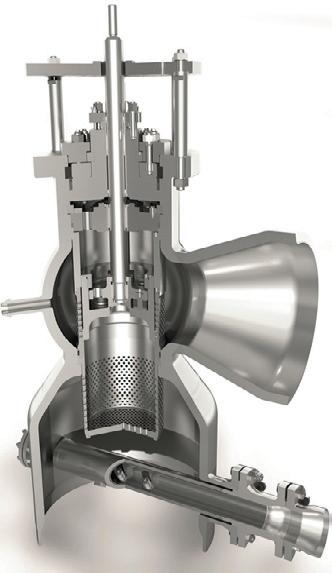
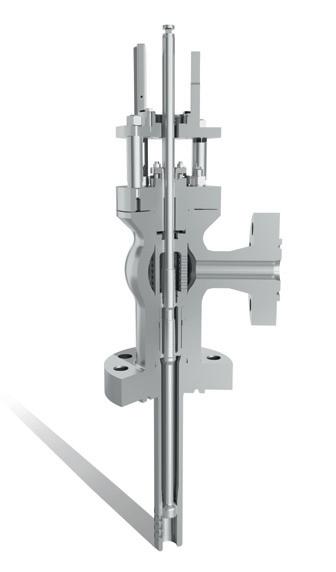
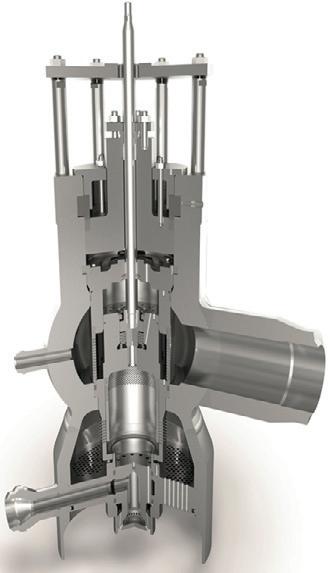
Total Engineered Control, Shut-off and Over-Pressure Protection Devices 1300 658 701 sales@powerflo.com.au www.powerflo.com.au HORA TURBINE BYPASS VALVES, STEAM CONDITIONING VALVES AND DESUPERHEATERS HAVE NO EQUAL … Engineered for the most difficult of applica�ons, HORA POWER PLANT Control Valves are custom-built for long-term reliable service life, with unmatched turndown, ease of service (as a result of our unique capsule trim design) and control performance. Whether it be for Coal-fired, Geothermal, CST, Biomass, WTE, Hydrogen or other types of Renewable Energy Power Plants, we can deliver a PRDS solu�on with proven reliability and genuinely, a low cost of ownership. Proven in applica�ons of over 500 Bar Differen�al Pressure drop, within a single Control Valve. Your cavita�on and noise issues will be eliminated! Contact us at POWERFLO SOLUTIONS for local technical support and all aspects of After-Market service.

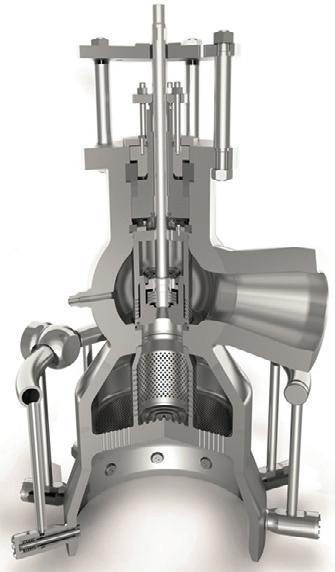
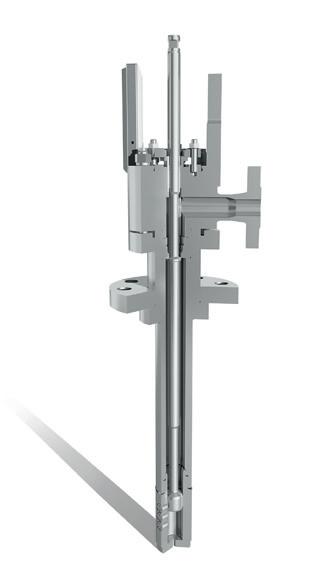
32 PROCESS TECHNOLOGY AUGUST 2022 www.ProcessOnline.com.au NEWPRODUCTS
Pepperl+Fuchs (Aust) Pty Ltd www.pepperl-fuchs.com DECENTRALISED I/O FOR Ex AREAS
If a malfunction, a predefined state or process occurs, the trigger initiates the video recording. In an automated parking garage, for example, every parking process should be documented in order to quickly and easily prove the condition of the vehicle in the event of liability. The recording starts every time a new vehicle enters the parking garage. Due to the automatic timestamp and the UDP interface for dynamic text overlays, users can find the files quickly and easily. As soon as an event activates the trigger, the camera generates and saves a video recording as a permanent data record, which can contain up to 60 s before and after the trigger signal. The integrated circular buffer is cyclically filled with the image recording. By recording only relevant situations, the amount of stored data is kept to a minimum. The data is stored on a local, exchangeable SD card with a capacity of 8 GB. Compared to 24-hour video recording, no complex data integration or PC hardware is required. Depending on the pre-set resolution, length and quality of the sequence, the event camera can store up to 10,000 events on the card. Video recordings can also be automatically deleted at a set point in time or the oldest overwritten when the memory is full.
The Pepperl+Fuchs VOC industrial event camera allows event-driven video recording up to 60 s before and after a trigger signal, therefore enabling targeted and simple remote diagnostics as well as automatic documentation.
Turck now has Ex approval for its TBEN-S and TBEN-L version IP67 block I/O modules to be used in Zone 2, enabling cabinet-free decentralised automation solutions with IEC Ex and ATEX approvals. This reduces labour costs as well as wiring and commissioning time. When used with IP67 IMC interface devices, it is now possible to have cabinet-free connection of intrinsically safe signals from Zone 0 or 1. Users must install the TBSG-L, TBSG-S or IMC-SG protective housings when implementing the I/O modules in Zone 2. They provide protection against shock and from sparks caused by unsafe removal of cables. The range of applications with Ex zones includes painting, bot tling or pharmaceutical plants as well as food industry and wood processing plants.
The ARGEE field logic control software in the I/O modules enables self-contained applications to be implemented directly in Zone 2. This is particularly useful for retrofit applications because existing controller systems do not have to be changed. Condition monitoring and data analysis via cloud systems can now also be implemented from Zone 2 without the need for a control cabinet. Turck Australia Pty Ltd www.turck.com.au
INDUSTRIAL EVENT CAMERA
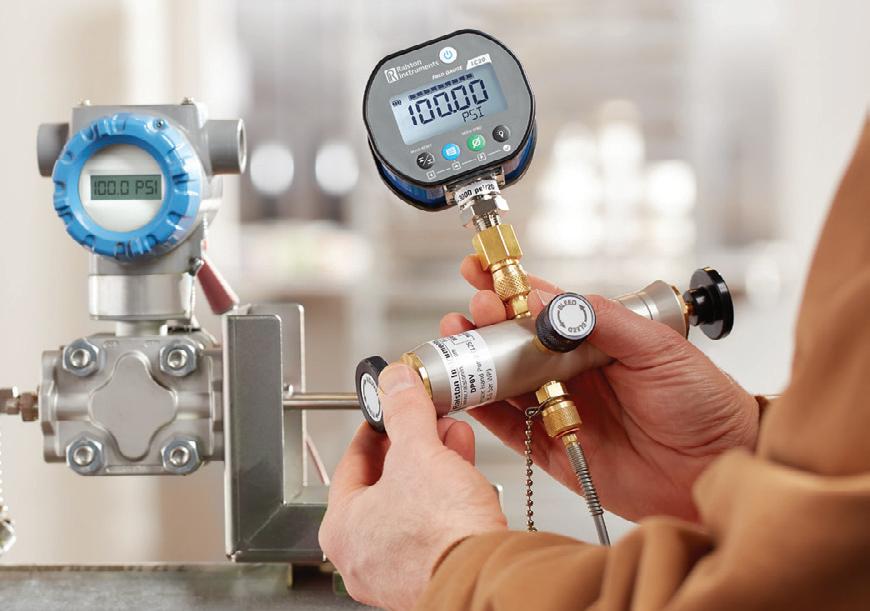
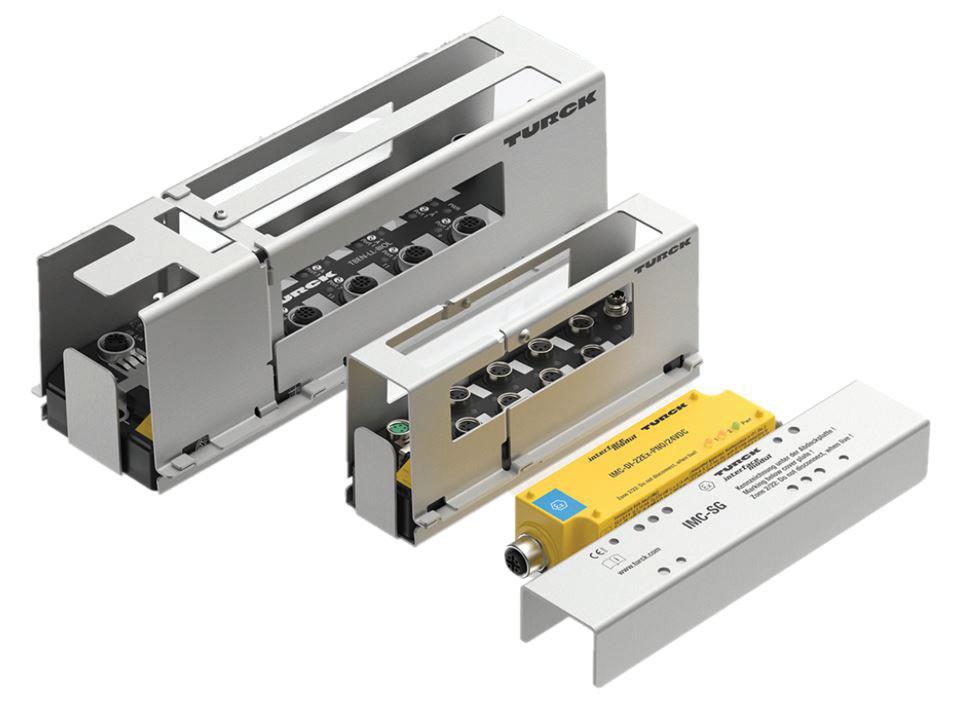
AUGUST 2022 PROCESS TECHNOLOGY 33www.ProcessOnline.com.au NEWPRODUCTS
The Easidew Advanced Online Hygrometer is suitable for a wide range of trace moisture measurement applications, such as: surgical and medical air; glove boxes; hydrogen refilling stations; pharmaceutical manufacturing; and membrane and adsorption dryers.
Regular maintenance and recalibration are essential to ensure ongoing reliability and users have two options to achieve this with minimum disruption. The sensor exchange program is designed to eliminate process downtime: users order a guaranteed, reconditioned sensor and, when this arrives, replace and return their old sensor. Where traceability of calibration is needed, Michell offers a recalibration service at one of its regional calibration laboratories.
AMS Instrumentation & Calibration Pty Ltd www.ams-ic.com.au
DEWPOINT HYGROMETER Michell has developed the Easidew Advanced Online dewpoint hygrometer as a versatile, high-performance hygrometer system. Incorporating the latest ceramic metal-oxide technology, the hygrometer is said to provide stable, reliable and repeatable trace moisture measure ments. It also features an easy-to-use touch screen interface for set-up and operation. Because pressure is such an important variable when measuring the dewpoint of a gas, the hygrometer compensates for this with either a live pressure sensor input or by using a fixed pressure input value. The Easidew Advanced Online can be used for any moisture measurement application, displaying data in °C or F dewpoint, ppmV, lb/mmscf or g/m3 from -110 up to +20°C at pressures up to 450 bar (6627 psi). Additionally, the hygrometer provides analog, digital and four user-configurable alarm outputs. As well as the 4-colour display, the hygrometer can be configured remotely via application software.

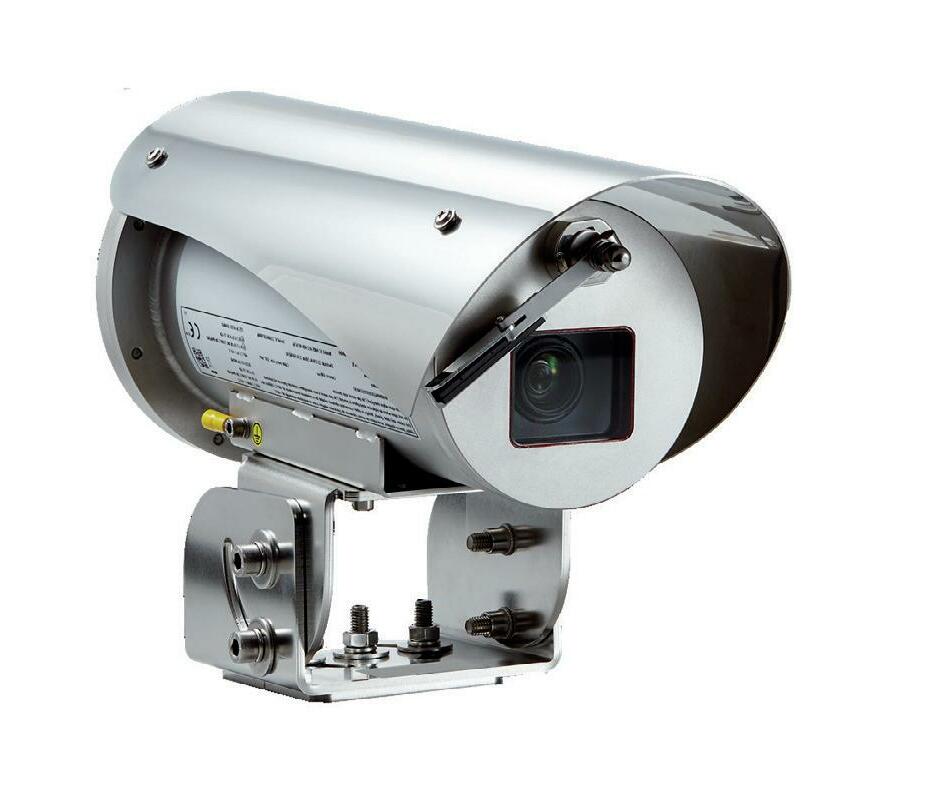
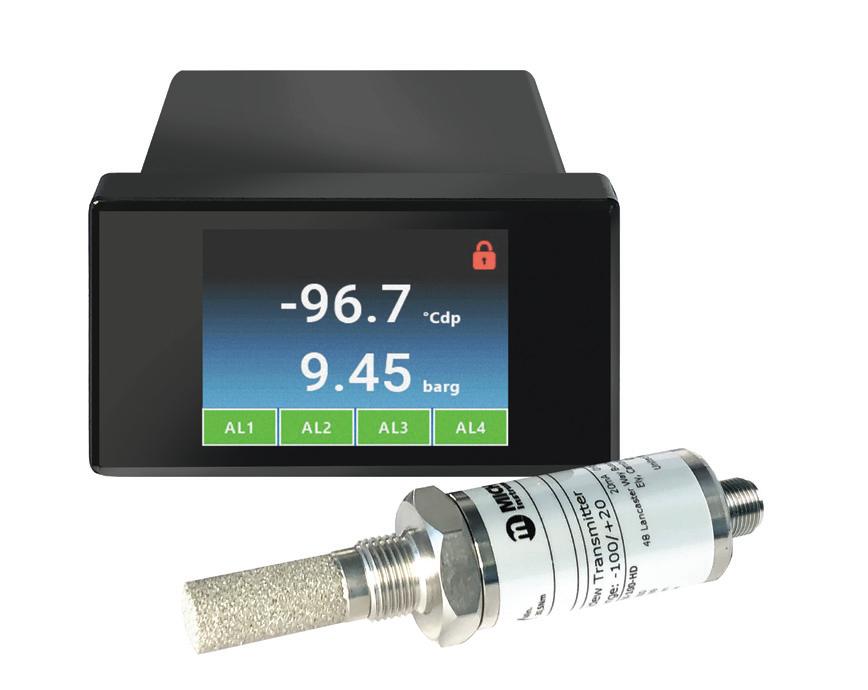
The 543 Pro features a retrofittable position feedback sensor with an LED display that records the position of the control lever. The compact double sensor can be easily mounted with a snap-on design. In addition to traditional manual operation and a pneumatic control unit, the ball valve can be operated fully automatically with an electric actuator. The 543 Pro also features a scannable Data-Matrix-Code which simplifies the storage of all component information and enables individual traceability.
GF Piping Systems www.gfps.com/au
The 543 ball valve from GF Piping Systems has been a durable and flexible solution used for mixing and distribution in applications ranging from water treatment to com plex chemical and pharmaceutical processes. GF Piping Systems is now introducing the 543 Pro ball valve, which is designed to improve usability, adding sensors and actuators that offer new possibilities for process automation.
The 543 Pro three-way ball valve increases safety with a lever that prevents unin tentional operation due to the addition of a locking ring. For an extra layer of security, a padlock can also be fitted in order to protect the valve against unauthorised use. In addition, the accessories include a manual spring return unit that ensures that the valve closes automatically when it is released. Another feature for the 543 Pro is the addition of new stems with a predefined breakpoint between the actuator and ball valve. In the event of a blockage within the system, the breakpoint ensures that only the stem has to be replaced rather than the entire ball valve.
BALL VALVE
34 PROCESS TECHNOLOGY AUGUST 2022 www.ProcessOnline.com.au www.WFMedia.com.au/subscribe The magazine you are reading is just one of 11 published by Westwick-Farrow Media. To receive your free subscription (magazine and eNewsletter), visit the link below. FREE to industry and business professionals NEWPRODUCTSTHREE-WAY












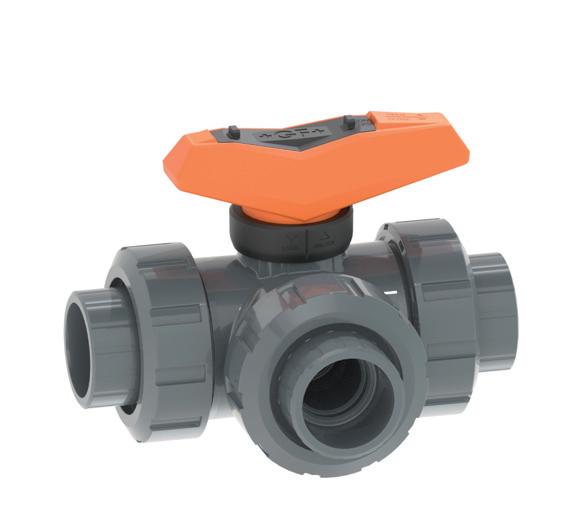
The expo will feature a special dedicated Innovation & Collabora tion Zone where universities, manufacturing hubs and CRCs will
The Modern Manufacturing Expo in Sydney promises to be a collaboration hub that kickstarts real-life implementation. showcase their offering to the manufacturing sector. Manufacturers can connect with innovation creators and learn how these organisa tions can support their advanced manufacturing goals.
Smart Manufacturing Conference
The ICP DAS ET-7005 is an Ethernet I/O module with an 8-channel thermistor input and 4-channel digital output. The ET-7005 is designed to support many kinds of thermistors and features individual channel configuration, which means that eight of its input channels can individually be configured with a different kind of thermistor and supports user-defined types by specifying the Steinhart coefficient. It also has a 4-channel digital output for alarms with short-circuit protection and overload protection. It also offers 2500 VDC intra-module isola tion and 110 VDC/VAC overvoltage protection for thermistor inputs. The ET-7005 supports DIN rail mounting and can survive a range of operating temperatures, from -25 to +75°C, making it suitable for a variety of applications, including building automation, factory automation, machine automation, remote maintenance, remote diagnosis, and testing equipment. ICP Electronics Australia Pty Ltd www.icp-australia.com.au
Innovation & Collaboration Zone
The program for the Smart Manufacturing Conference on 20 September includes thought-provoking presentations from experts on future-thinking and practical topics such as: smart-sourcing new technologies and equipment; the benefits of deep learning AI in the automated process; and navigating the additive manufacturing landscape in highly regulated industries.
The Modern Manufacturing Expo, which takes place at the Sydney Showground in September, has announced the addition of a one-day conference to its education program: the Smart Manufacturing Conference, taking place on 20 September.
ETHERNET I/O THERMISTOR MODULE
©stock.adobe.com/au/Alex
AUGUST 2022 PROCESS TECHNOLOGY 35www.ProcessOnline.com.au
All registrations for the free Modern Manufacturing Expo will include complimentary access to the Expert Arena, which will be scheduled across the two days. Here, attendees can access live demonstrations of the latest in manufacturing technologies and hear expert presentations on topics such as 3D printing, a manufacturer’s guide to cloud software, AI, robotics, machine learning and digital manufacturing. Modern Manufacturing Expo visitors can register for all events at: https://modernmanufacturingexpo.com/register/.
MODERN MANUFACTURING EXPO
NEWPRODUCTS
The event will take place 20-21 September 2022 at the Sydney Showground, Sydney Olympic Park.
Expert Arena

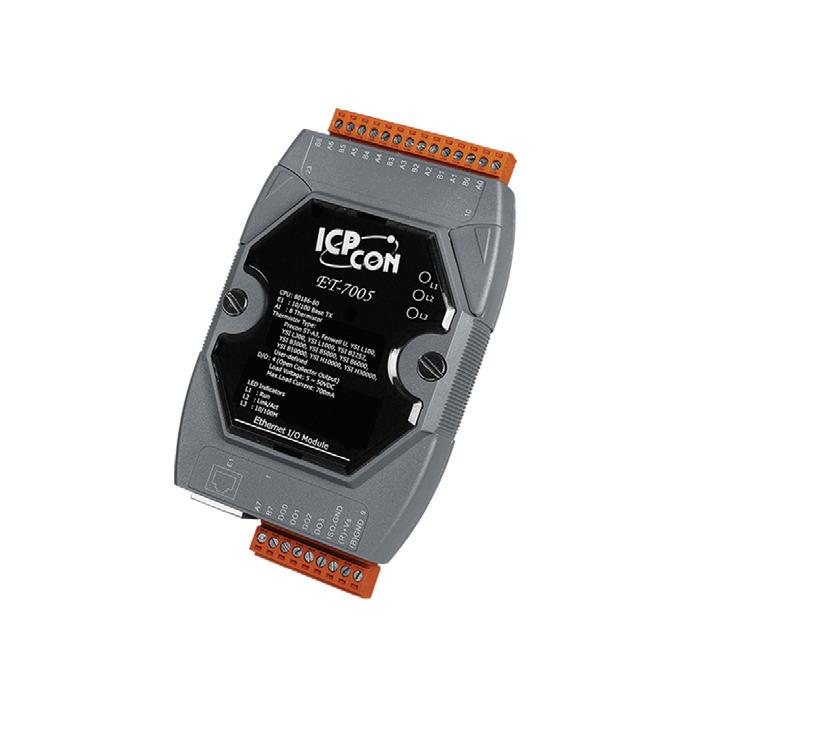
36 PROCESS TECHNOLOGY AUGUST 2022 www.ProcessOnline.com.au NEWPRODUCTS
DOCKER CONTAINERS WITH REST API
Pepperl+Fuchs M18 series cylindrical photoelectric sensors are designed for functionality and can be flexibly selected depending on the application requirements. The sensor series offer five functional principles in three designs — each with a uniform interface.
IoT PHOTOVOLTAIC POWER FREQUENCY ANALYSER
Using the REST API, edgeConnectors can now be configured more easily from a third-party application.
The edgeConnector products from Softing’s da taFEED range now include a REST API, making integration into configuration platforms easier. In addition, a new licensing model offers more flexibility when deploying the individual products.
The reduced complexity of the M18 series is said to not only allow time- and cost-saving sensor integration and commissioning, but also ensure an increase in efficiency when using multiple M18 sensors.
The REST API in version 3.0 of Softing’s edgeCon nector products makes local or remote configuration much easier for users. The product family currently includes edgeConnector Siemens, edgeConnector 840D and edgeConnector Modbus. The software modules are based on Docker technology and provide access to process data in SIMATIC S7, SINUMERIK 840D and Modbus TCP controllers. In the past, a separate login via the local configura tion interface was necessary for each product. This is now done by the new edgeConfigurator, which allows all edgeConnectors to be accessed via the REST API. The edgeConfigurator is also based on Docker technology and is used in parallel with the edgeConnectors. The configurator can be deployed on-premise or additionally in the Microsoft Azure cloud, allowing REST API access from the cloud to the edgeConnectors’ on-premise environment.
The Lumel ND45 is an IoT Intelligent Electronic Device (IED) with data-logging and report-generating capability. The ND45 has measurement and record ings of over 500 electric energy quality parameters including, harmonics and inter-harmonics up to the 51st harmonic, energy measurement in four tariffs, recording measurements before and after events (dips and swells), monitor up to six additional energy meters with pulse outputs, configurable display and web server. Designed to be helpful in combating the numerous power quality issues that could arise with the use of solar panels, the Lumel ND45 series IoT device can be programmed to capture power RMS, power and energy, unbalance, voltage dips/sags, voltage swell, voltage sub-cycle events, phase angle deviation, rapid voltage change, THD, TDD, gapless harmonics, gapless inter-harmonics, frequency and flicker. Once all data has been captured, it is important to analyse it and understand the implications of the data gathered. Control Devices Australia www.controldevices.com.au
Pepperl+Fuchs (Aust) Pty Ltd www.pepperl-fuchs.com
The M18 sensors can be used as thru-beam photoelectric sensors, retro-reflective photo electric sensors, retro-reflective photoelectric sensors for transparency detection and diffuse sensors with or without background suppression in almost every standard application. Due to the standardised sensor range, product selection and operation using a potentiometer are particularly simple and straightforward. This allows users quick and simple commissioning of several M18 sensors with different designs, lengths or sensing modes without having to familiarise themselves with different user interfaces.
The new licence model of version 3.0 distinguishes between Basic (edgeConnector Modbus), Advanced (edgeConnector Modbus and edgeConnector Sie mens) and Premium (all edgeConnector products). The licences no longer refer to data points; instead they only account for the connected controllers. The user can choose between licence options of 1, 5, 10 and 20 connections. Ti2 Pty Ltd www.ti2.com.au
CYLINDRICAL PHOTOELECTRIC SENSORS
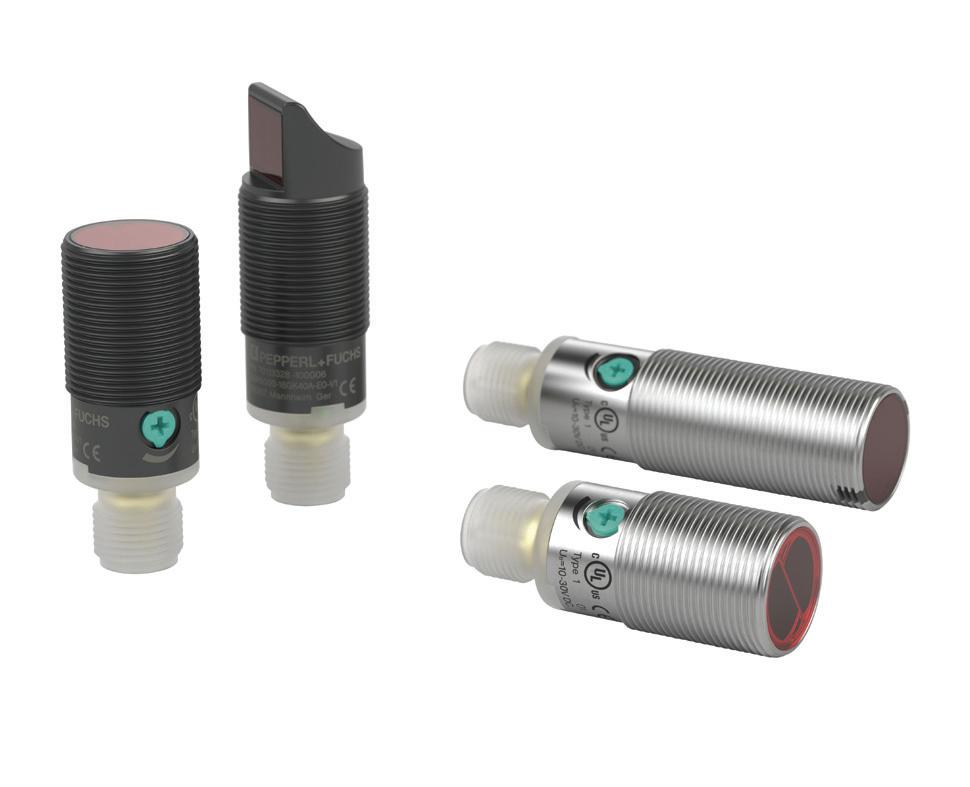
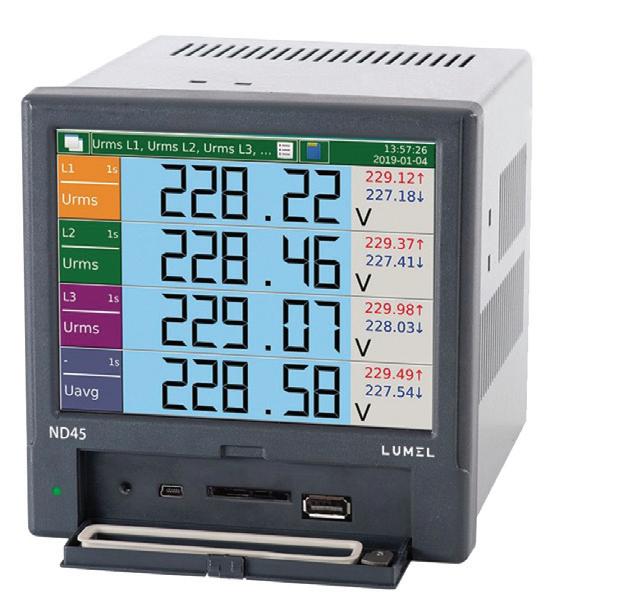
Figure 2: Amphenol RF AMC4 RA to TNC/RP-TNC Jack IP67 cable assemblies.
to reasons, meaning they can see contextual clues and respond with reason. ML, a subset of AI, uses algorithms and places them into structural descriptions based on data examples. ML enables the robot to ‘learn,’ making it responsive to reasoning allowing its autonomous motion. Responsive reasoning will enable them to act and function independently of human interface.
Figure 1: Amphenol RF AUTOMATE Type A Mini-FAKRA connector.
SPONSORED CONTENT
AMRs IN WAREHOUSE AND INDUSTRIAL ENVIRONMENTS
AUGUST 2022 PROCESS TECHNOLOGY 37www.ProcessOnline.com.au
Amphenol RF Amphenol RF is a division of Amphenol Corporation, and is the world’s largest manufacturer of coaxial interconnect products for RF, microwave, and data transmission applications. As a leader in enabling next-generation technology, Amphenol RF is constantly supporting global advancements in connectivity. Amphenol RF is committed to providing solutions for autonomous mobile robots in warehouse and industrial environments. An excellent example of this are the Amphenol RF AUTOMATE Type A Mini-FAKRA connectors (Figure 1). These subminiature version B (SMB) coaxial RF connectors feature a space-conscious, high-performance interface. This makes them well-suited for the next generation of autonomous vehicles and robotic applications. This series supports up to 20 Gbps data transmission and reduces installation space requirements by 80% compared with standard FAKRA (Fachkreis Automobil, a German standard) products. Typical applications include 360° surround-view cameras, autonomous vehicles, and AMRs. AMRs often successfully employ Amphenol RF AMC4 RA to TNC/RP-TNC Jack IP67 cable assemblies. These are right-angle plugs to TNC (Threaded Neill–Concelman) and RP (Reverse Polarity)-TNC IP67 straight front mount bulkhead jack cable assemblies (Figure 2). These cable assemblies are available in a 1.13 mm micro-cable type and various cable lengths up to 300 mm. The AMC4 RA to TNC/RP-TNC cable assemblies are offered with gold contact plating with brass and phosphor bronze contact materials. The cable assemblies feature a 50Ω impedance and 6 GHz maximum frequency.
Conclusion Before robots can become smart enough to move efficiently and work independently among other machines and people, they must be taught and have the ability to learn naturally from their surroundings. Like with infants, this process to move autonomously safely from one spot to another often involves baby steps — rarely does it happen immediately. Amphenol is engineering technology to help robots make sense of their surroundings and make intelligent connections to move about, freely on their own. You can follow their progress by watching the Amphenol Plugged In Video Series where we discuss this and other topics and key products that demand more convenience, mobility, power, and speed.
A utonomous mobile robots (AMRs) are programmed to operate successfully within their surroundings. Amphenol RF is helping to enable autonomous mobile robots (AMRs) to navigate warehouse and industrial environments successfully, without the fear of bumping into things.
Motion and context Autonomous mobile robots (AMRs) are finding increasing adoption in warehouse and industrial environments. They are reliable, roundthe-clock, self-directed assets used to move and manage the flow of materials and products, plus work alongside people within these application contexts. AMRs can perform repetitive, complex, heavy, and potentially dangerous tasks efficiently and successfully. In order to move, robots must incorporate a variety of sensors to collect data about their environment. They can have ‘sight’ by a sense of vision often achieved through cameras. Moving robots may use time-of-flight or infrared sensors to tell them of approaching objects and whether they may need to make a course correction change to avoid a possible collision. They can also often employ or detect auditory signals that give them information about their surroundings. They may utilise field-programmable gate arrays (FPGAs) and microcontrollers (MCUs) to process this information and turn it into executable decisions. Autonomy Aided by new technologies, including artificial intelligence (AI) and machine learning (ML), AMRs can ‘learn’ how to navigate to maximise productivity. When AMRs experience unexpected contexts, they can adapt and adjust. Self-correcting their course and navigating any potential obstacles without being impeded. This technology gives them autonomy. Autonomy means they can operate with a degree of ‘selflegislation’ or ‘self-governance.’ This autonomy enables them to work independently of external operators. Their programming is such that they can self-govern their decision-making to optimise their performance to stated objectives constantly. Programming includes making them coherent to themselves to assess and prioritise what are considered higher- and lower-order responses. Sensing, processing, and AI combine to make them responsive
Mouser au.mouser.comElectronics
©stock.adobe.com/au/Yingyaipumi
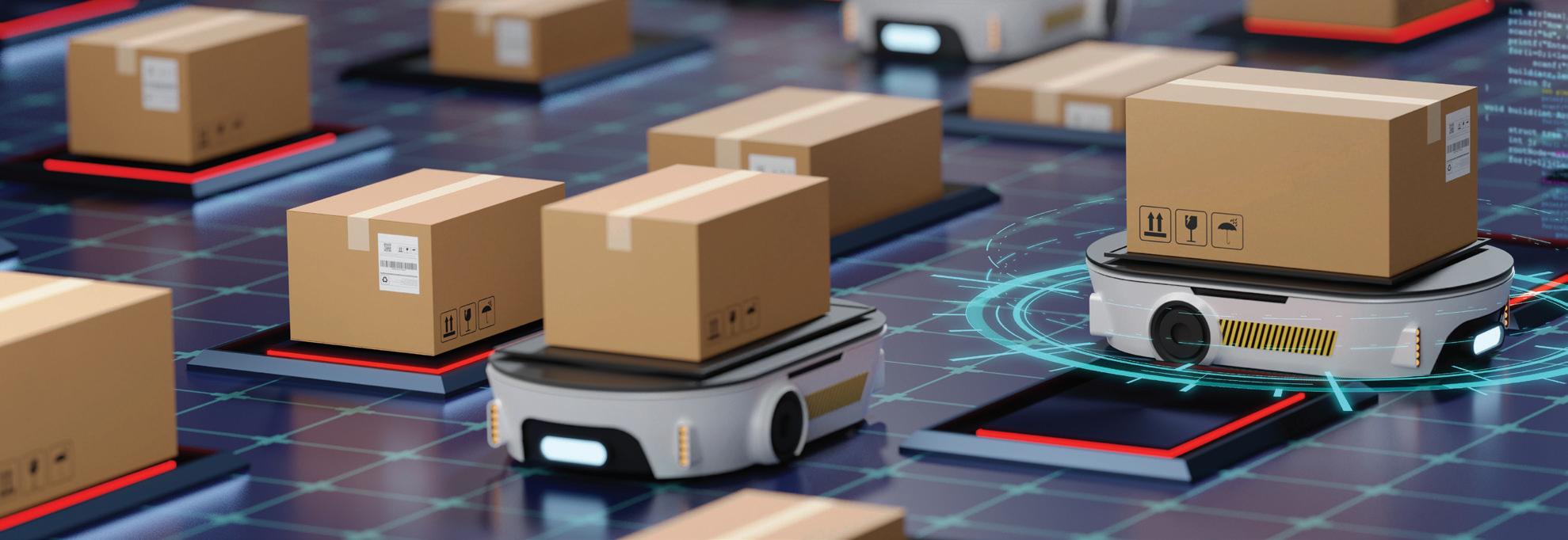
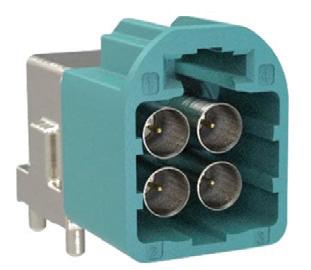

Daniel Watson is Automation Solutions Innovator at Yokogawa. Having majored in power engineering and worked in traditional generation, he has always had a passion for the power industry. With the Yokogawa PXiSE Acquisition he finds himself back at the forefront of power industry technology this time for a more sustainable future.
The benefit of a VMG approach is that DOEs do not account for self-consumed power, just a theoretical maximum in a set region. Virtual microgrids also lever age real-world conditions to ensure stable, reliable power in all sectors of the power grid. It’s important to note that DOEs are designed to prevent overloading (high volt age) and that microgrids are designed for more active control and quality (frequency and voltage) within the power grid while maximising green resources. A VMG also allows us to work within grid limitations, so upgrades to transmis sion infrastructure can be avoided through software control.
The Australian energy transition has been spurred on by a few drivers, with frequent bushfires and floods highlighting a need for change, as well as rising energy costs and aging infrastructure. As an engineer in Australia, it’s an exciting time. We are seeing generational shifts, with Australia well positioned to lead the world on some key industry-driven initiatives.
While the grid and grid operators are doing their bit to try and help with this transition, there are some steps industry should con sider. The first is helping in the transition by being more self-sufficient: add renew able generation that complements your load profiles. The technology that grid operators are using is available to the general market, so implementing virtual microgrids within a factory, a processing plant or a cold storage facility is entirely possible. You don’t have to cut your grid connection, but you can reduce your grid dependence. A battery storage solu tion would be needed, but the technology has advanced significantly and there are friendlier, less volatile options than lithium ion.
38 PROCESS TECHNOLOGY AUGUST 2022 www.ProcessOnline.com.au Printed and bound by Bluestar Print Print Post Approved PP100007403 ISSN No. 0819-5447 All material published in this magazine is published in good faith and every care is taken to accurately relay information provided to us. Readers are advised by the publishers to ensure that all necessary safety devices and precautions are installed and safe working procedures adopted before the use of any equipment found or purchased through the information we provide. Further, all performance criteria was provided by the representative company concerned and any dispute should be referred to them. Information indicating that products are made in Australia or New Zealand is supplied by the source company. Westwick Farrow P/L does not quantify the amount of local content or the accuracy of the statement made by the source. Westwick-Farrow Media A.B.N. 22 152 305 www.wfmedia.com.au336 Head Office Unit 7, 6-8 Byfield Street, North Ryde Locked Bag 2226, North Ryde BC NSW 1670 AUSTRALIA ph: +61 2 9168 2500 Editor Glenn pt@wfmedia.com.auJohnson Publishing Director/MD Geoff Hird Art Director/Production Manager Julie Wright Art/Production Colleen Sam, Linda Klobusiak Circulation Dianna circulation@wfmedia.com.auAlberry Copy Control Mitchie copy@wfmedia.com.auMullins Advertising Sales National Group Sales Manager Nicola Fender-Fox – 0414 703 Sandranfender-fox@wfmedia.com.au780Romanin–0414558464sromanin@wfmedia.com.auTimThompson–0421623958tthompson@wfmedia.com.au If you have any queries regarding our privacy policy please privacy@wfmedia.com.auemail CELEBRATINGYEARS Contact the editor Arguably the largest issue currently garnering attention in the utility and process control space is that of energy. Oil shortages, fuel, electricity price spikes and the unprecedented halt of the electricity trading market on the east coast of Australia have jolted us from our COVID-19 haze, drawing focus once again to the topic of renewables and what role they can play: for so long just seen as an environ mental saviour, now there is wider appeal in lowering the cost of energy. The latest Integrated System Plan (ISP) from AEMO highlights looming step changes, the most promising of which is the forecast of total renewables generation at 83% by 2030. However, to achieve this some major invest ment in the grid is required: investment that needs to be focused on latest technology use for more intelligent control, not just a repeat of attempting to ‘gold plate’ the transmission network. Part of the AEMO plan is to address increased penetration of distributed energy resources (DERs). Projects like Edge and Symphony could help to prevent oversupply, although to achieve a more tightly integrated and stable grid we need to look further to technologies such as digital twins and virtual microgrids. Learnings from projects such as Horizon Power’s Onslow 100% renewable microgrid a world first should also be applied. Artificially splitting larger grids like the NEM into virtual micro grids (VMG) can expand on the current approach of dynamic operating envelopes (DOE). The key difference is that a VMG leverages real-world, real-time data to provide closed-loop control functionality. The virtual approach is to account for the lack of islanding capability and the potential for many feeders.
CUTTING GRID DEPENDENCE I SEE IT
AS

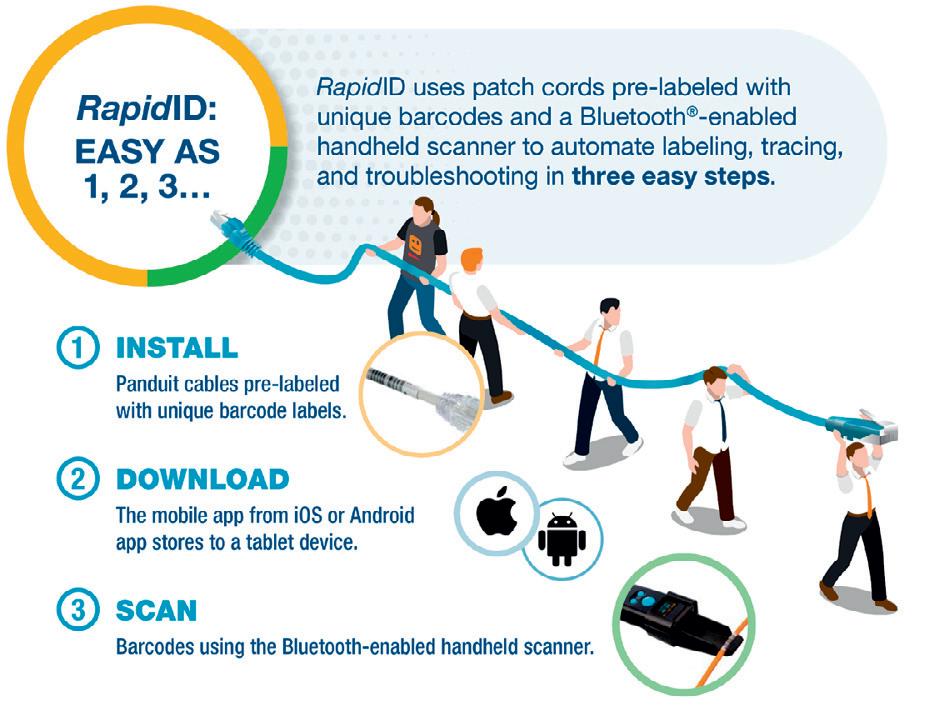


Sustainability that works Minimising CO₂ emissions – the Blue way Discover the world’s most efficient climate control solutions and smart service concepts, guaranteeing the sustainability of machines and systems. Find out more: www.rittal.com.au/CO2Footprint Sustainable use of Speed-controlledresourcescoolingextendstheworkinglifeofthecomponents CO₂ absorption of 80 trees Annual carbon savings per unit equate to