
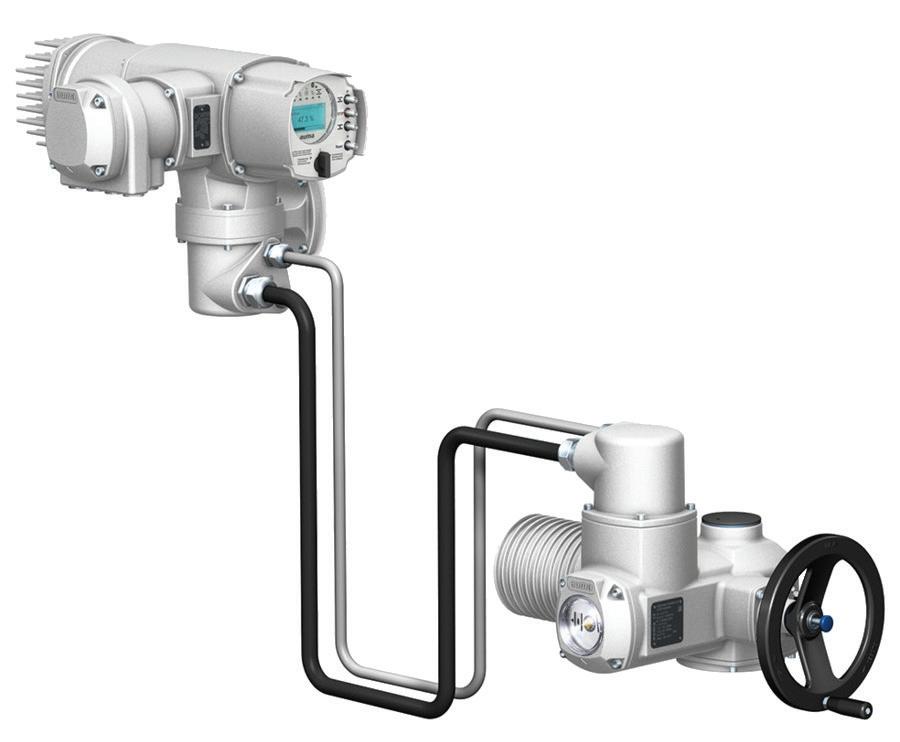
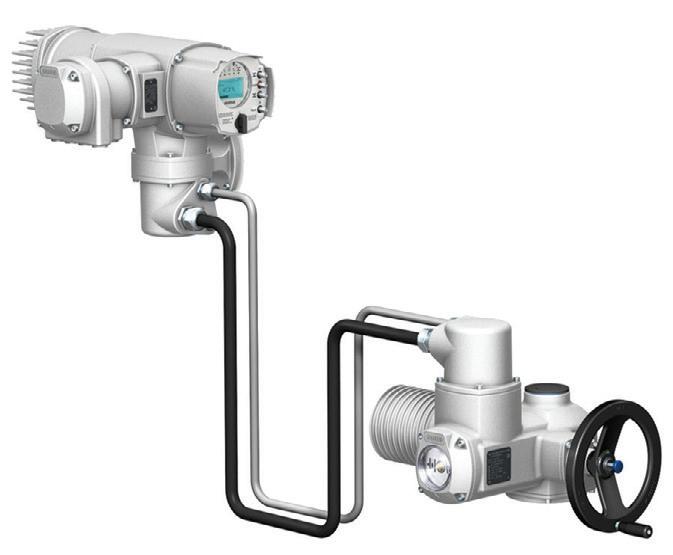

For several decades, AUMA actuators have proved their reliability in automating sluice gates, butterfly valves and gates in weirs, fish ladders, locks and hydro-power plants.
AUMA’S comprehensive portfolio covers torques ranging from 10 Nm to 675,000 Nm offering homogenous automation schemes throughout the plant: from simple OPEN-CLOSE applications to level control using an integral PID controller.
www.barron.com.au
78 Dickson Avenue, Artarmon NSW 2064
Telephone: 02 8437 4300
Email: info@barron.com.au
BARRON GJM PTY LTD ABN 90 003 560 076



Tool sprawl is a common problem in IT departments, and has now become an increasing problem in industrial operations, particularly in the area of remote access. With manufacturing and processing plants relying on technology from a myriad of vendors, a plethora of remote access solutions are often deployed both for the company’s own operational staff, as well as for third-party support access. The result is a difficult-to-manage cybersecurity risk, where different vendors want to maintain their own choice of solution but the plant has little visibility into the risks they may represent.
Our lead article tackles just this problem: how to go through the steps of standardising on a single remote access solution (or a much-reduced number of solutions) to bring back some control and make the cybersecurity challenge less onerous.
On a different subject, high-frequency radar level transmitters with narrow beam angles have been around for level measurement for some years now, but the problem with metallic obstructions in tanks still remains, albeit reduced. Now, new technologies make radar level transmitters smarter, and able to tell the difference between the real level of the material in the tank, and obstructions such as ladders and agitators, as explained in one of our articles this issue.
But regardless of how smart an instrument is, they still need to be calibrated regularly. Understanding the process of the calibration of industrial instrumentation is fundamental to process engineering and maintenance, and this issue we have a Tech Tips article on the calibration process, as well as an article on choosing the right maintenance strategy in relation to balancing cost, system criticality and the value of early fault detection.
As usual, more content can be found on processonline.com.au, and by subscribing to our bi-weekly email newsletter.
Glenn Johnson Editor pt@wfmedia.com.au
Westwick-Farrow Media
A.B.N. 22 152 305 336 www.wfmedia.com.au
Head Office
Unit 5, 6-8 Byfield Street, North Ryde
Locked Bag 2226, North Ryde BC NSW 1670
AUSTRALIA
ph: +61 2 9168 2500
Editor Glenn Johnson pt@wfmedia.com.au
Managing Editor Carolyn Jackson
Publishing Director/MD
Janice Williams
Art Director/Production Manager Linda Klobusiak
Circulation
Alex Dalland circulation@wfmedia.com.au
Copy Control Ashna Mehta copy@wfmedia.com.au
Advertising Sales
Sandra Romanin – 0414 558 464 sromanin@wfmedia.com.au
Tim Thompson – 0421 623 958 tthompson@wfmedia.com.au
If you have any queries regarding our privacy policy please email privacy@wfmedia.com.au

Westwick-Farrow Media is committed to using environmentally responsible print services to produce our publications. This edition is made with a mixture of materials from FSC-certified forests, recycled materials, and/or FSC-controlled wood. While controlled wood doesn't come from FSC-certified forests, it mitigates the risk of the material originating from unacceptable sources . It is delivered in a totally degradable plastic wrapper.
by the source.


The federal government has announced that Australia has finalised a Free Trade Agreement (FTA) with the European Union, the world’s second-largest economy, after eight years of negotiation. The deal is expected to expand market access for Australian manufacturers and strengthen economic ties.
The Australia–European Union Free Trade Agreement will lower trade and investment barriers between Australia and the European Union — a market of around 450 million people.
The government says the trade agreement will result in 98% of the current value of Australia’s exports entering the European Union duty free.
Almost all Australian exports of manufactured goods and mineral resources will face zero import tariffs into the European Union. For example, the elimination of European Union tariffs on Australian critical minerals and hydrogen will support the Australian Government’s ambition for Australia to become a renewable energy superpower and help stabilise supply chains.
The trade agreement will support investment in both directions. The European Union was Australia’s second largest source of foreign investment in 2024, with total investment stock worth $869.3 billion.
Australian companies, including small and medium-sized enterprises, will have better access to bid for lucrative European government contracts, worth around $845 billion annually, including for rail and construction.
“Australia’s relationship with the European Union continues to go from strength to strength,” said Prime Minister Anthony Albanese. “I am proud that we have been able to secure this deal, which will deliver benefits for both Australia and the European Union for generations to come.
“This deal creates major new opportunities for Australian exporters in the European Union’s massive $30 trillion economy, and will reduce costs for Australian consumers.”

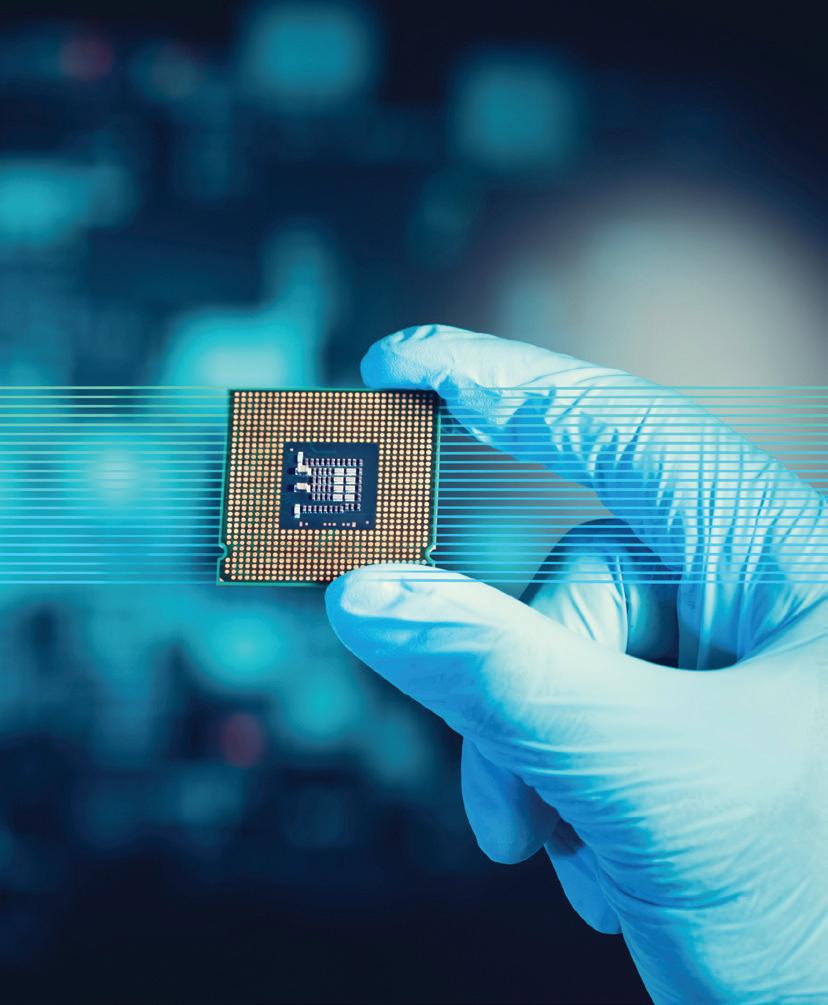
The Semiconductor Sector Service Bureau (S3B) has announced it is leading the development of Australia’s first National Semiconductor Roadmap, a 15-year strategic plan designed to strengthen the nation’s semiconductor capability, competitiveness and supply-chain resilience.
S3B is a joint venture between The University of Sydney, Macquarie University and The University of New South Wales and was established in July 2022 through the Office of the Chief Scientist & Engineer to enhance the capability, workforce, market connectedness and competitiveness of the NSW and Australian semiconductor sector.
Associate Professor Tara Hamilton, S3B Director, said Australia now faces a critical moment to define its longterm direction.
“Australia is heavily dependent on global supply chains. Strengthening semiconductor capability is not just a sector issue: it is fundamental to the resilience and competitiveness of Australia’s most important industries,” she said. “Without a shared direction, Australia risks missed investment, capability gaps and reduced sovereign resilience.
“The Roadmap is the critical next step in supporting and growing the sector, safeguarding our technology industries and enabling broader economic diversification.”
Scheduled for release later this year, the Roadmap will be an industry-led, evidence-based plan, built on rigorous analysis and strategic insight, and designed to provide pathways for policy, investment and capability development.

TO
REMOTE ACCESS CONTROL AND SECURE ALL ACCESS TO YOUR CYBER-PHYSICAL SYSTEMS

Remote access is critical for cyber-physical systems (CPS) in industrial environments. First- and third-party vendors need access to their devices in your network. Sometimes that access is needed at 3 am because a system is offline unexpectedly, or remote access is needed when an engineer is based in another country and needs to perform regular device maintenance.
For many organisations, this need for remote access results in many tools. In fact, according to research, 55% of organisations have four or more remote access tools in their OT environment — and 33% have more than six.
Tool sprawl like this translates to an expanded attack surface, so it’s no coincidence that 82% of organisations have experienced at least one cyber attack related to third-party access. And that’s only breaches from third-party remote access — not including internal engineers remotely accessing critical devices.
Why are there so many tools performing the same function and adding to the attack surface? Often, OEMs, integrators and contractors have their own tool or prefer a specific avenue. If there isn’t a centralised tool available, engineers make do with consumergrade or IT tools so they’re able to perform necessary actions.
There are many reasons organisations end up in this position. Broadly, the list of concrete reasons below stems from the original disconnected nature of CPS devices. The assets were deployed in isolation, fully disconnected from other devices or any network. As connectivity was introduced, each vendor and internal team came up with its own way that worked to access these devices remotely.
Both machine builders and industrial automation manufacturers produce assets that work together to make a functional production line in a plant. The assets produced by each vendor type are used in production lines across many plants for all of their customers. You can see the compounding effect at work here — hundreds of assets in an industrial environment need secure remote access by multiple vendor types which each use their own preferred tool and method.
There are a number of common drivers for tool consolidation:
• The primary negative drivers are failed audits and security breaches. These are the most common reactive reasons organisations seek this change.
• Some organisations are motivated by other projects. One common cause is a segmentation project, during which remote access solutions are cut off because they’re segmented out or communication with a device is seen to break policies or deviates from accepted behaviours.
• The final motivation is the most proactive. Some organisations are aware of the risks associated with IT or consumer remote access solutions and look for a way out.
Regardless of why you start, you likely have a few objectives, including:
• reducing cost, complexity and risk;
• increasing compliance, mean time to repair (MTTR), connectivity, change management and governance.
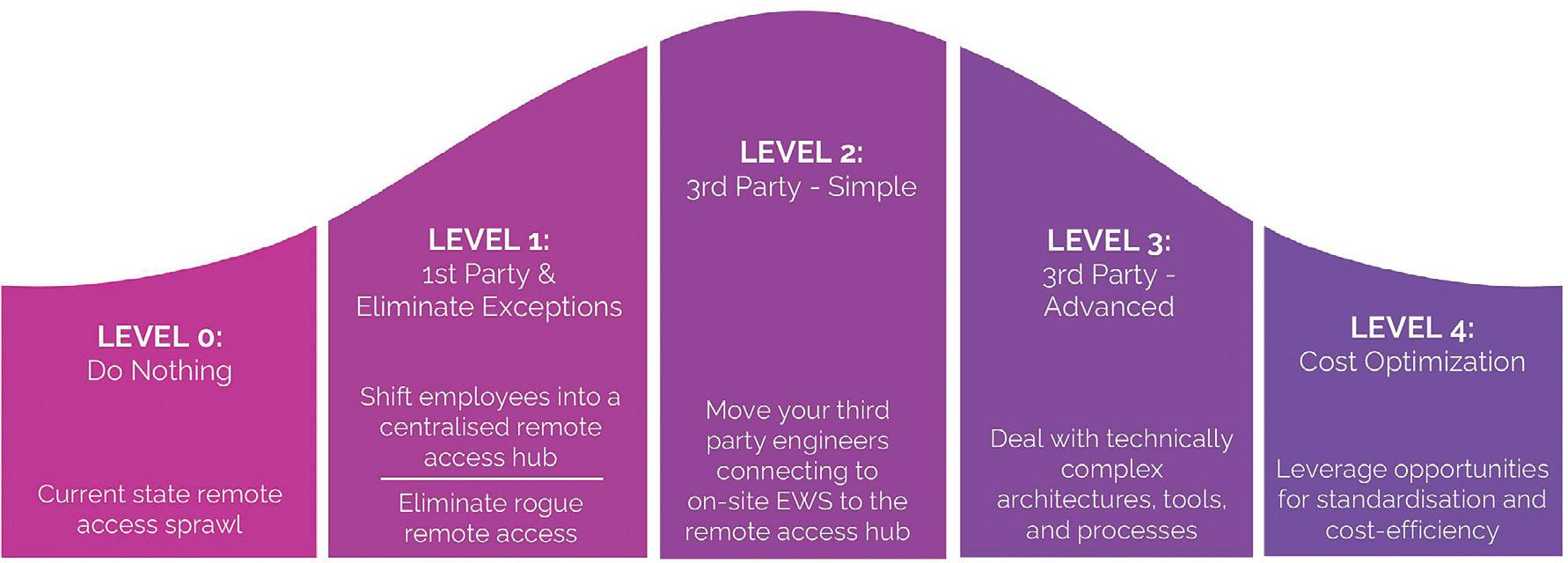
Before initiating a consolidation project, we need to understand the five levels of mature, centralised remote access. You may be at different levels with different vendors depending on contracts, contractors and service level agreements (SLAs).
The five levels are:
• Level 0: Do nothing — Every engineer, internal or third party, connects to your assets however they can. This likely includes external engineers connecting to workstations, and remote workstations tunnelling into OT assets.
• Level 1: First-party access — Internal engineers use a centralised remote access tool. By starting with internal teams, you’re leading by example before introducing a central solution to third parties. Moving your engineers first makes subsequent vendor conversations far smoother, as you can definitively say it works.
• Level 2: Introduction to third parties — Begin with the simplest vendors when bringing external engineers into your established tool. These are likely your third-party engineers connecting to onsite engineering workstations. In the playbook below, we’ll guide how to prioritise vendor types so you know where to start. This is the point at which you are most likely face vendor obstacles and objections.
• Level 3: Advanced third parties — Now it’s time to address more complicated vendors with technically complex architectures, tools and processes. For example, if they’re connecting to your factory via a tunnel
from a virtual workstation to a PLC, you move that tunnel into your remote access tool. This is not a perfect solution, but it reduces the attack surface and gives you some control.
• Level 4: Cost optimisation — The final stage brings all remote access through your centralised tool. Vendor workstations become virtual machines that are brought into the industrial demilitarised zone (IDMZ), providing the same type of remote access as internal engineers.
Note: It is possible to jump from Level 2 to Level 4, depending on the vendor relationships and types of access used today.
A chasm is often created after Level 2.
Internal and select third-party vendors are relatively simple to switch. Beyond those, you will likely encounter challenging conversations and real pushback.
The following are obstacles often raised by vendors who end up switching to a centralised secure access hub. The root causes shared across these are either a loss of control over a customer account or concern about scalability.
Objection examples are:
IP Protection: “We can’t have you record what our engineers are doing.”
• Binding Agreements: “Remote Access is built into our contract.”
SLA and Vendor Responsibility: “This breaks our standard SLAs.”
• Financial: “This is not our model.”
• Operational: “We are not trained on this tool.”
You may anticipate hearing some of these objections, and that may be why you still have multiple remote access tools.
BEFORE INITIATING A CONSOLIDATION PROJECT, WE NEED TO UNDERSTAND THE FIVE LEVELS OF MATURE, CENTRALISED REMOTE ACCESS.
Whether you can already pinpoint which challenge you’ll face with which vendors or you have no idea what’s to come, the playbook below will prepare you for consolidated, secure access.
This plan includes three primary steps: Discovery, Prioritisation and Engagement.
Get to know the access tools and technologies that are being used in your sites. Vendors may use diverse technologies and architectures. Understanding these solutions is key for risk assessments, prioritisation and planning the next steps.
Methodically prioritise the vendors you engage with based on mission criticality and ease of switching.
First, define criticality using concrete criteria. You can use defined asset criticality to assess risks if the device were breached, and define the criticality of remote access for each asset in your CPS protection tool.
Rank vendors and their assets on a scale from 1 (least) to 5 (most) when establishing mission criticality:
• Consequence of incorrect operation:
Measures the risk of harm if an asset is accessed improperly (whether accidental or malicious).
• Frequency of remote support needs: Measures how often the asset requires remote diagnostics, updates or troubleshooting.
• Distribution across sites: Measures whether the same asset or system type exists across multiple facilities.
• Regulatory and audit exposure: Measures whether access to this asset is subject to external audit, regulatory control or contractual oversight.
• Variability of user roles: Measures whether multiple types of users (OEMs, internal engineers, contractors) need access to the asset.
• Sensitivity of mean time to recovery (MTTR): Measures whether delays in diagnosing or resolving issues increase downtime cost or safety risk. Next, evaluate the ease of switching each vendor to your centralised remote access hub. Rank these criteria on a scale from 1 (least) to 5 (most) challenging when establishing ease of switching each vendor:
1. Vendor openness to switching: Is the original equipment manufacturer (OEM) willing to consider a change? Factors that might make some more or less willing include whether remote access is embedded in OEM contracts, or if they have no ties to a specific tool.
2. Integration complexity: How deeply embedded is the current solution in the OEM’s architecture? Modular architectures are easier to tackle than those with custom remote access integrations.
3. Contractual lock-in: Are there penalties for your organisation if you terminate or alter the contract early by removing remote access? Long-term, inflexible contracts are tougher to exit than those with transparent exit terms.
4. Field technician enablement: Will the switch require field operational enablement or retraining? If minimal retraining is required due to intuitive UIs, they’re likely more open to the change.
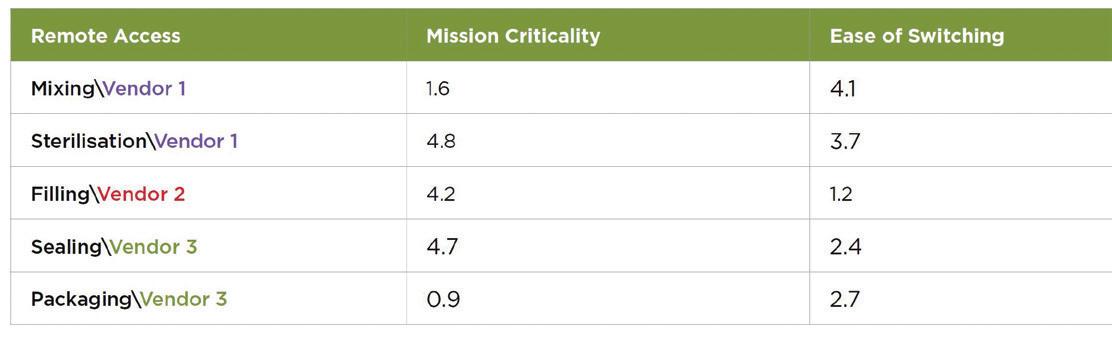
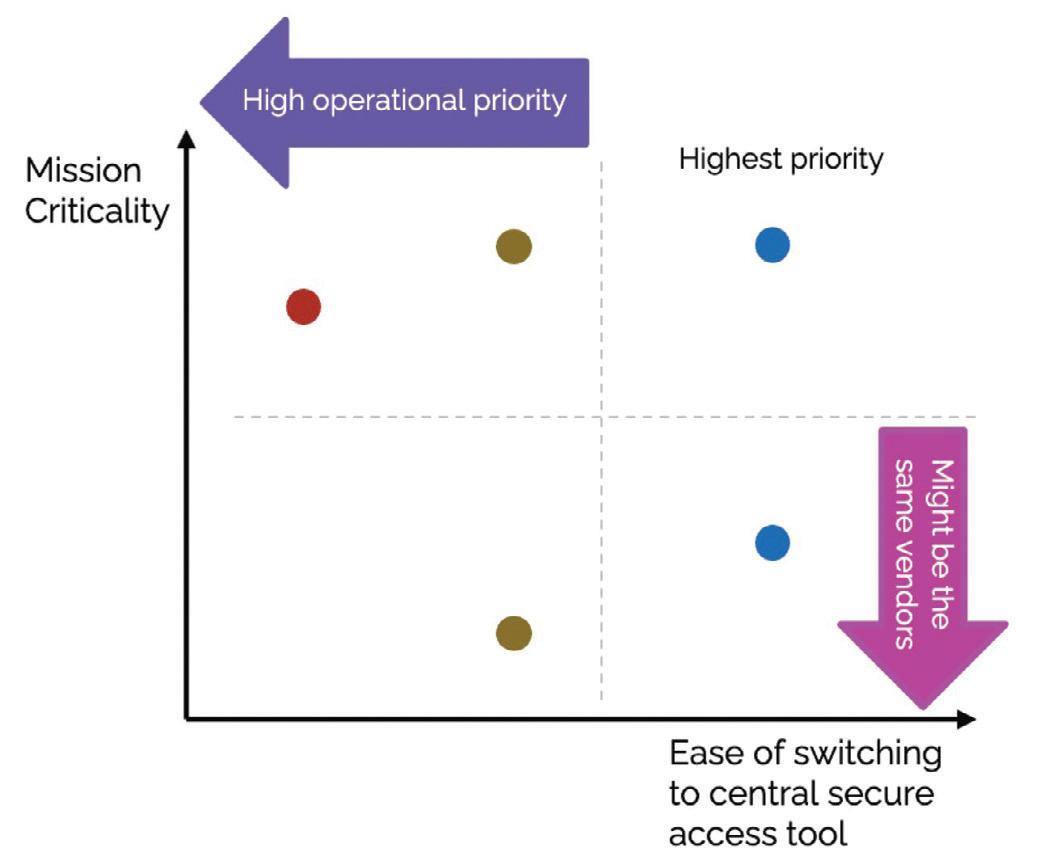
5. Cybersecurity standards: What is the risk associated with implementing the new access tool? Tools that are precertified with proven hardening are likely to be perceived as easier to adopt. Once all vendors and assets requiring access are prioritised, use metrics to evenly compare all vendors (see Table 1). Then plot these scores based on mission criticality versus ease of switching to plan your strategy and next steps (Figure 1).
Adjust your engagement methods to the vendor and the remote access tool. There are five stages to use while progressing through the vendor scores you’ve just completed.
6. Establish a standard access policy: Create a company policy for secure access that is backed by up-to-date regulations. This can be used to transition and sway all vendors.
7. Begin with the easy targets: Use your priority list to engage with the vendors who are likely to switch without much effort.
8. ‘Birds of a feather’: Ask other vendors for support to convince those who are less willing to switch.
9. ‘Odd one out’: Once a majority of vendors have been onboarded, use that as leverage with remaining vendors.
10. Make a procurement case: Establish that non-compliant access solutions will be excluded in future projects. This is the last step as it is the most extreme option if a vendor is still unwilling to change. These five phases have been successfully worked through to move myriad vendors into a centralised remote access hub.
Remote access sprawl is not a theoretical issue — it poses real risks for industrial enterprises today. Centralising remote access creates benefits for engineer and system productivity, reduces risk, and adds control and governance.
This can be a daunting project with many complexities, but it can be done and the rewards include increased productivity, reduced risk and reduced complexity. You can make substantial progress fairly quickly by moving first- and easier thirdparty engineers. Then you can leverage this playbook to tackle the resistant or more complex vendor scenarios.
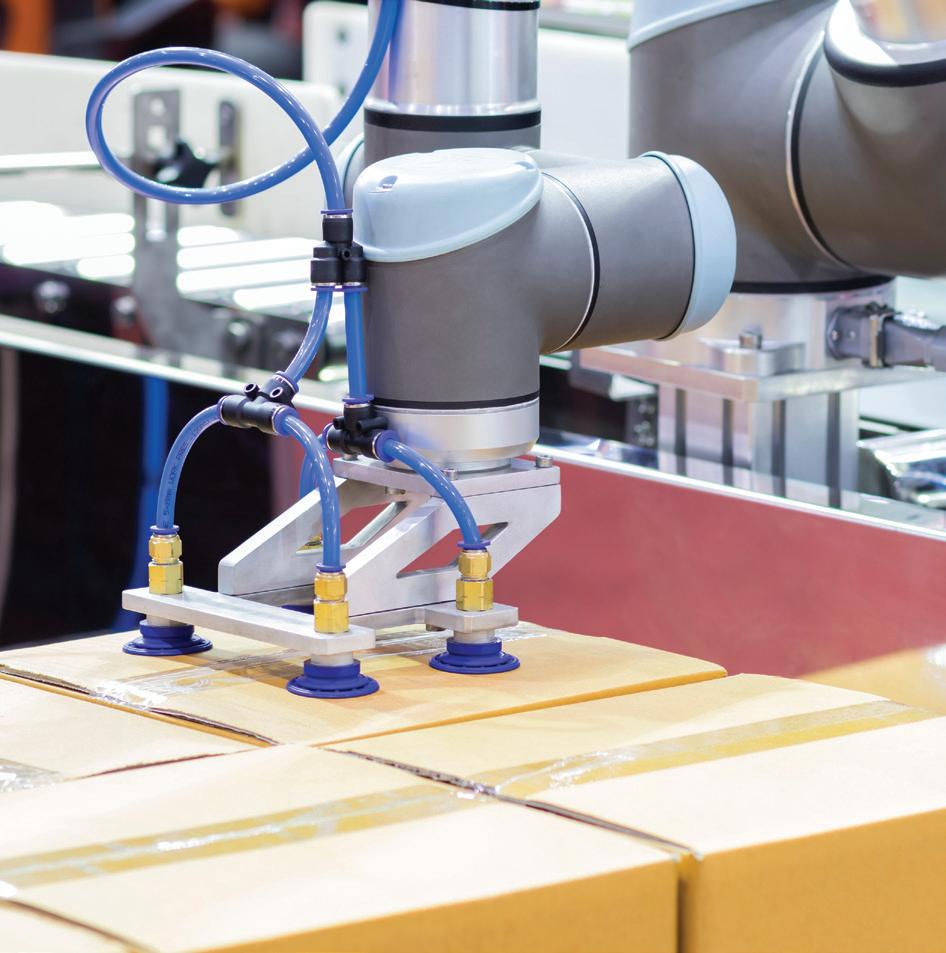
The combination of artificial intelligence with physical machines is quickly moving to widespread implementation across industries. Deloitte’s paper, Physical AI: The moment of acceleration, outlines how Physical AI (PAI) is shifting from experimentation to large-scale deployment across a wide range of business sectors and applications. The report underscores why industrial robotics has become PAI’s proving ground, and how early adopters in manufacturing, logistics and related sectors are already building the foundations needed to scale intelligent systems across the value chain.
“Physical AI marks the moment when intelligence moves off the screen and into the real world, transforming factories into learning systems that sense, decide and improve continuously,” said Chris Lewin, Deloitte Asia Pacific AI Lead. “Organisations that are acting now will shape the operating models, skills and standards that define industrial leadership for the next decade.”
As PAI becomes more widely adopted and its value more tangible, its application will expand rapidly across sectors and value chains.

NVIDIA has announced it is partnering with the global robotics ecosystem to power production-scale physical AI. NVIDIA also unveiled new NVIDIA Isaac simulation frameworks and new NVIDIA Cosmos and NVIDIA Isaac GR00T open models for the industry to develop, train and deploy the next generation of intelligent robots.
Industry leaders building on the NVIDIA platform include ABB Robotics, AGIBOT, Agility, FANUC, Figure, Hexagon Robotics, KUKA, Skild AI, Universal Robots, World Labs and YASKAWA.
“Physical AI has arrived — every industrial company will become a robotics company,” said Jensen Huang, founder and CEO of NVIDIA.
“NVIDIA’s full-stack platform — spanning computing, open models and software frameworks — is the foundation for the robotics industry, uniting a worldwide ecosystem to build the intelligent machines that will power the next generation of factories, logistics, transportation and infrastructure.”
As industrial robotics becomes more AI driven, manufacturers need physically accurate, high-fidelity simulation to design, test and optimise systems before deployment.
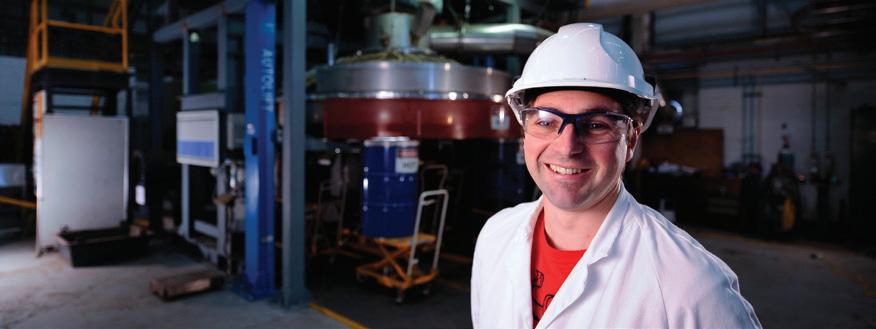
CSIRO is inviting Queensland SMEs developing sustainable solutions to apply for Innovate to Grow: Circular Economy and Sustainability, a free eight-week research and development training program.
Innovate to Grow guides businesses through developing and implementing R&D strategies, and provides support from experienced researchers and industry mentors.
Dr George Feast, Director – CSIRO SME Connect, said growing interest in circular economy approaches was creating new opportunities for Queensland businesses to innovate.
“Businesses across Queensland are exploring how to reduce waste, extend the life of materials and build more sustainable operations — and many of them have great ideas with commercial potential,” he said. “CSIRO’s program gives SMEs the structured support and connections to turn those ideas into a clear R&D plan, backed by the expertise to act on it.”
The program is open to Queensland SMEs developing or supplying solutions in manufacturing; transport; energy, solar, wind turbines and batteries; construction materials; agriculture; food and beverage; reducing plastic waste; mining and METS; and robotics and AI.
Applications close on 26 April 2026.
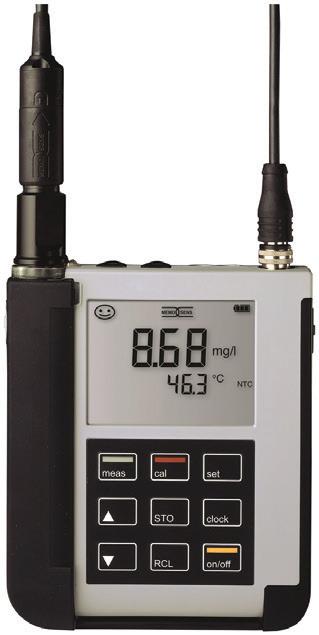
The Knick Portavo 904X is an IECEX-approved portable pH, conductivity and oxygen meter for Zone 0/1 applications, suitable for hazardous process areas.
ALVI Technologies Pty Ltd
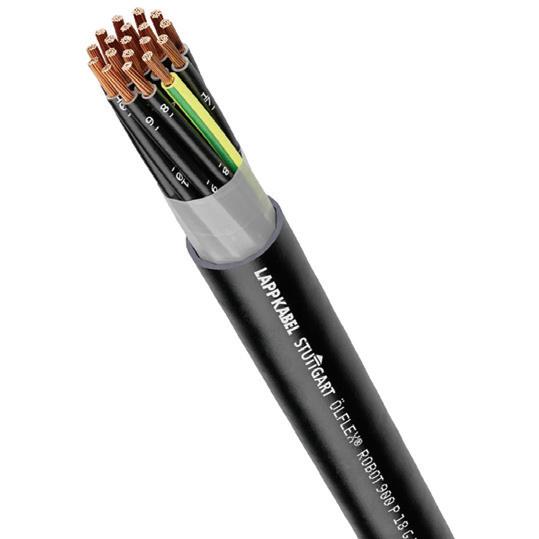
The ÖLFLEX ROBOT 900 P robotic cable is engineered to deliver reliable power and control in high-movement industrial environments.
LAPP Australia Pty Ltd
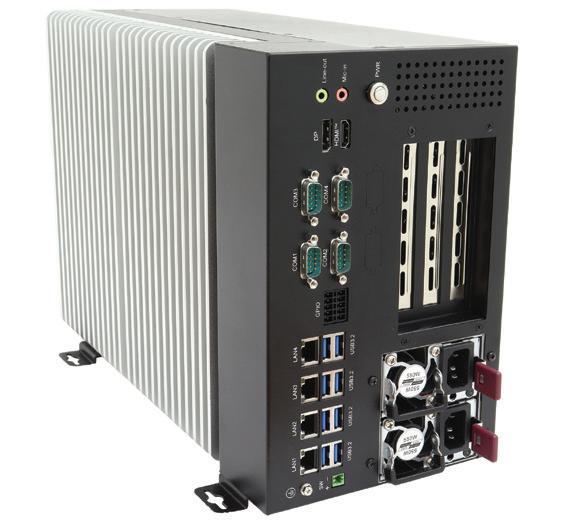
The Aplex AVS-553 is designed for industrial automation, machine vision and data-intensive applications.
Interworld Electronics and Computer Industries
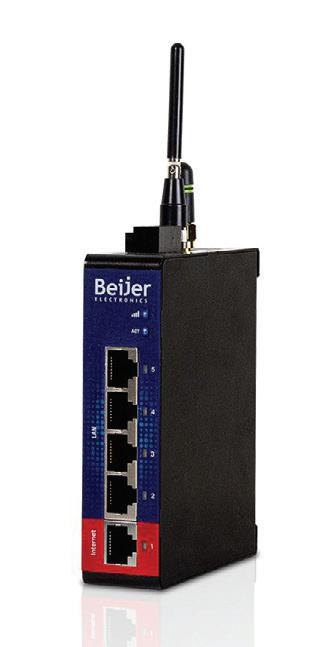
The Beijer Electronics CloudVPN Gateway solution is designed to offer simplified and cybersecure remote access to equipment and devices onsite.
Ardoz Holdings P/L
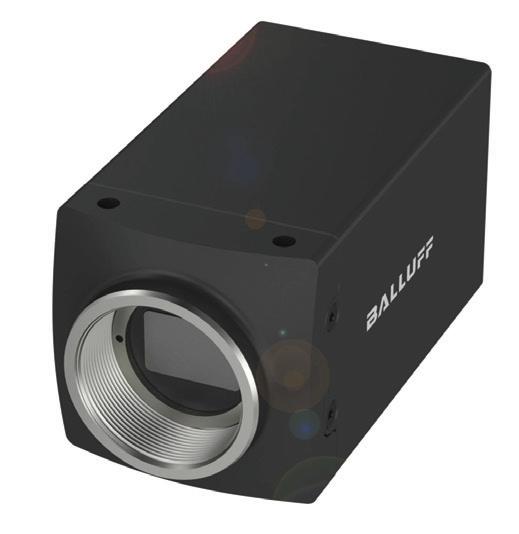
The Balluff BVS CA-GW is a highly compact 25 GigE industrial camera developed specifically for demanding industrial applications and combining high image quality with fast data transmission.
The cameras in the BVS CA-GW range feature a compact design with a front surface area of only 40 mm × 40 mm and enable frame rates of over 100 frames per second at a resolution of 24.6 MP and a maximum power consumption of only 12 W 12 V.
They use the latest Pregius S sensors from Sony’s 2.7 series with resolutions from 5.1 to 24.6 MP, including the IMX901 and IMX902 sensors with aspect ratios of 4:1 and 3:1 respectively.
The integration of RDMA (Remote Direct Memory Access) technology allows direct data transfer to the host computer’s RAM without burdening the CPU and with minimal latency. This is achieved via the RoCEv2 protocol, which is part of the GigE Vision 3.0 standard. Data is transferred via fibre optic cables with an SFP28 transceiver; alternatively, a version with copper connection (10 GigE) is also available.
Around 20 sensor variants are available, including monochrome, colour and UV sensors. The cameras are fully compatible with the GigE Vision 3.0 standard, which enables easy implementation in existing systems.
For connecting external components such as encoders, liquid lenses or flash controllers, the series offers digital inputs and outputs, two GPIOs, an RS232 interface and a software-switchable input (5 or 24 VDC, TTL or PLC signal).
Balluff Pty Ltd www.balluff.com.au
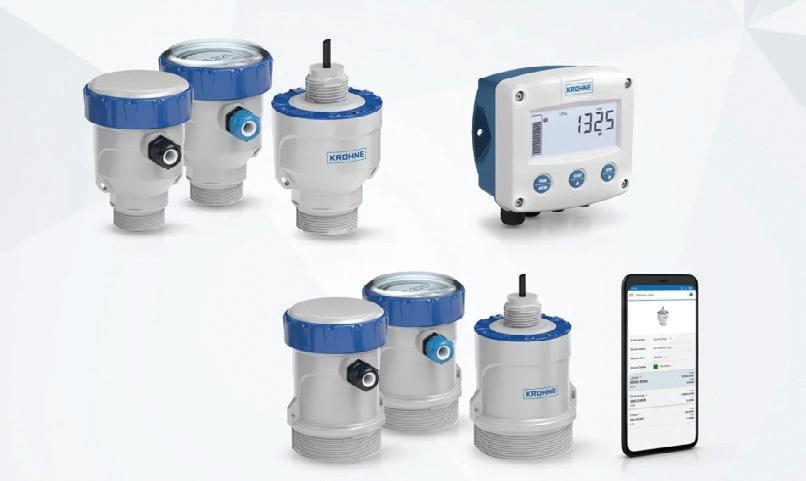
KROHNE has expanded its range of radar level meters with two instruments in the OPTIWAVE 15xx series: a version with local display for OPTIWAVE 1540 and OPTIWAVE 1560; and the SCU 200 control and signal conditioning unit, which is compatible with all OPTIWAVE 15xx devices.
Designed for basic applications, the OPTIWAVE 15xx series features a flush-mounted PVDF lens antenna and offers HART and Bluetooth connectivity. The series’ compact design, robust construction and intuitive commissioning via the OPTICHECK Level mobile app make it suitable for applications with liquids and solids. The local display version enhances the flexibility of the OPTIWAVE 1540 and 1560, offering an option for users who require onsite visualisation of measurement values.
The SCU 200 is a versatile control and signal conditioning unit for 4–20 mA field devices for processing measurement values and signalling tasks. It complements KROHNE’s OPTIWAVE radar level transmitters and offers functionality that includes dual totalisers, pulse output, sampling and pump control. The SCU 200 also supplies power to connected field devices, eliminating the need for additional power electronics. The configurable display features colour-changing LED backlight, trend indication, relay status and alarm signalling. Parameterisation is carried out via standard USB-C cable using dedicated software.
KROHNE Australia Pty Ltd www.krohne.com.au

The Rosemount QX1000 Continuous Gas Analyser is designed for use in continuous emissions monitoring systems (CEMS), among other applications. It uses paramagnetic detection for O2 and quantum cascade laser direct absorption spectroscopy for all other gases to meet stringent performance requirements. This integration of different technologies and a modular approach are designed to provide a flexible, single-system solution tailored to diverse application needs.
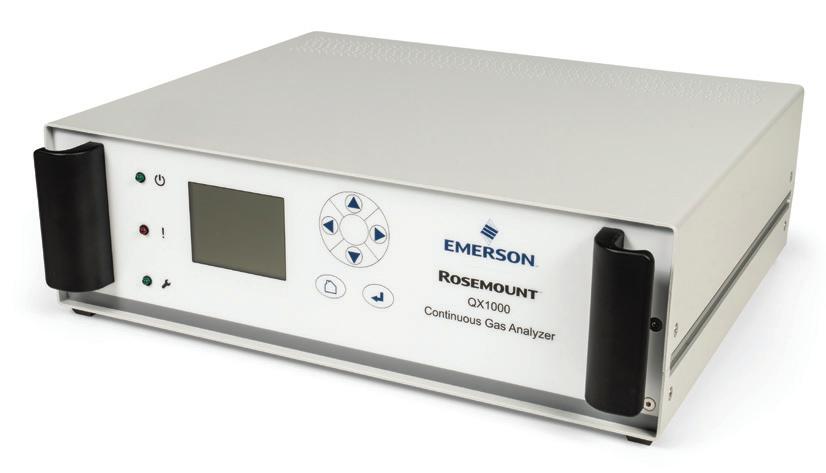
The QX1000 uses cold/dry technology, with a sample conditioning system transporting gas extracted from the process to the analyser through a thermoelectric chiller to reduce the temperature to about 4°C so most moisture condenses and drops out. Users can integrate the QX1000 into existing plant infrastructure, or it can be provided as part of an integrated Emerson system solution, including the sample conditioning system.
Measurements made by the QX1000 are suitable for CEMS applications due to the analyser’s high selectivity and accuracy. CEMS are required at most sites with a stack emitting gases to atmosphere, and they are widely used in chemical, oil and gas, power generation, pulp and paper, refining, water/wastewater and other industries.
Leveraging the intrinsic high selectivity of laser-based measurement, the analyser provides monitoring of complex gas streams while delivering continuous, real-time data. Off the shelf, it supports measurement of key regulatory gases, including CO, CO2, O2, NO, NO2, and SO2, with different configurations typically offering detection of one to four gases. Measurement of additional gases, such as CH4 and N2O is also available.
Emerson www.emerson.com/au/automation
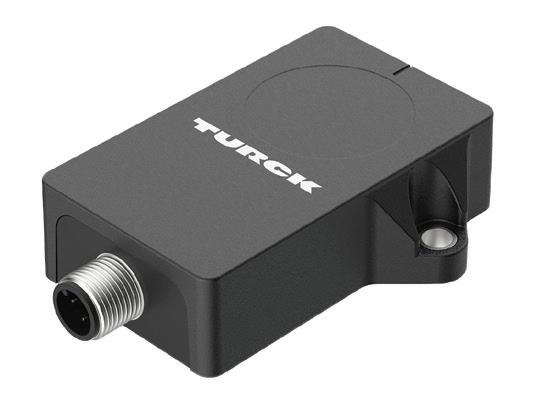
The B1N180V-QR20 inclination switch expands TURCK’s QR20 range with a solution for simple switching applications. The single-axis sensor uses MEMS acceleration measurement and offers a fixed switching window over 180°. This allows it to replace mercury, liquid and ball switches in many applications. The inclination switch combines robust mechanics, quick installation and maintenance-free operation. Since no actuators or teach processes are required, the sensor can be put into operation quickly.
The B1N180V-QR20 has a PNP switching output that switches at 180° along the sensor axis. The MAGKIT-QR20 magnetic mounting kit enables quick installation without drilling and makes it easier to adjust the switching angle. Due to its maintenance-free measurement method and sealed housing, the sensor is also suitable for demanding environments or changing positioning conditions.
Typical areas of application for inclination switches include mobile machines, industrial plants and infrastructure applications. These include mobile conveyor belts, roll-off tippers, locks, weirs and ventilation flaps. For more complex applications, the QR20 measuring inclination sensors with IO-Link, analog or CANopen interfaces are available, as well as versions with parameterisable switching windows.
Turck Australia Pty Ltd
www.turck.com.au/en
Hach has announced the NP6000sc phosphate analyser, a solution designed for nutrient monitoring for water treatment facilities. Designed specifically for utilities encountering issues with data reliability, analyser downtime and extensive maintenance requirements, the NP6000sc is designed to provide enhanced accuracy, increased operational uptime and streamlined workflows.
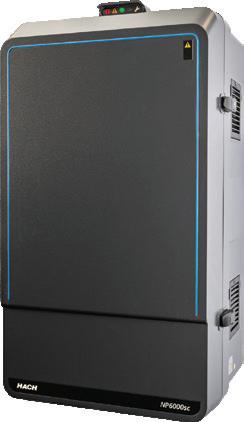
The NP6000sc introduces several workflow improvements, including an enhanced grab sample feature that synchronises measurements between lab and online analysers, reducing discrepancies and supporting audit-readiness. The FX6 filter is 75% lighter than previous models, making maintenance safer and simpler, and the analyser offers greater confidence in process performance through continuous, precise measurement across three ranges (0.015–75 mg/L) enabling operators to achieve lab-grade accuracy directly in the process.
An updated innovative filtration system and optimised design extends the cleaning frequency from once a month to once every three months. Serviceability is also enhanced with reagent bottles now positioned for convenient front access, eliminating the need to expose internal electrical components during routine changes.
Hach Pacific Pty Ltd www.au.hach.com






Each year we analyse threat data from across the industrial sector and publish what we find. In 2025 one pattern stands out: manufacturing remains the most targeted industrial sector for ransomware. Unfortunately, too many incidents are still treated as IT problems rather than OT issues, even though they have direct operational consequences.
The Dragos 2026 OT/ICS Cybersecurity Report tracked 119 ransomware groups targeting industrial organisations last year, a 49% increase YOY, affecting approximately 3300 organisations globally. Manufacturing bore roughly two-thirds of that volume, around 2200 victims.
These figures are alarming, but understanding why manufacturing is such an attractive target points toward practical action.
The connectivity factor
As the backbone of the global economy, manufacturing has transformed over the past decade. Digital transformation, automation, and remote operations have improved efficiency and competitiveness — but also expanded the attack surface.
Modern facilities rely on increasingly connected, often standardised systems. Where facilities once ran isolated proprietary equipment, they now use shared network infrastructure and enterprise systems tightly linked to production. As a result, an incident in an enterprise system can cascade into operational disruption. A compromised supplier or vendor connection can become an entry point across multiple sites.
Our field data reflects this. Manufacturing environments have the highest rate of shared IT and OT network domains of any sector we assess, at 46%. While this integration is often necessary, it requires security architectures designed to prevent adversaries from exploiting those pathways.
The threat landscape in 2025 showed not only higher volume but greater sophistication. Ransomware groups increasingly targeted virtualisation infrastructure — hypervisors and virtual machines hosting SCADA systems, historians and HMI platform critical to operations.
Because engineering workstations and HMIs often run on Windows, attacks are frequently classified as IT incidents. Yet the consequences — halted production, loss of process visibility, and complex recovery requiring OT expertise — are operational. Organisations that respond using only IT playbooks typically recover more slowly and less completely.
We also observed extensive operational data theft. Threat actors exfiltrated information on how industrial processes are controlled and monitored — activity that indicates preparation rather than immediate disruption. Understanding system configurations allows adversaries to develop more advanced future attacks.
Supply chains add another layer of risk. Threat groups deliberately targeted OT equipment suppliers, using compromised vendors as pathways into customer environments. Any facility relying on third-party remote access should treat that as a priority security concern.
A central challenge in OT cybersecurity is determining what happened when something goes wrong. On the plant floor, operators cannot often distinguish between mechanical failure, configuration error, or a cyber incident because the necessary monitoring data simply does not exist.
This is not negligence; it reflects how OT systems were designed. Industrial systems prioritise uptime and reliability, not security telemetry. Many are legacy platforms never intended to produce detailed logs. Consequently, incident response often means reconstructing events from incomplete evidence — precisely when clarity is most needed.
Effective OT cybersecurity does not require solving everything at once.
The SANS Institute’s five critical controls for OT cybersecurity provide a practical framework: developing an ICS-specific incident response plan; implement defensible architecture with segmentation; gain visibility into OT networks; secure remote access; and apply risk-based vulnerability management.
Importantly, vulnerability management in OT differs from IT patching. Many industrial systems cannot be routinely taken offline. Prioritising vulnerabilities based on real operational exposure is more effective than applying standard IT timelines.
Remote access remains a major weakness. Most ransomware response cases Dragos handled in 2025 involved compromised VPNs or remote access systems, through vulnerabilities or stolen credentials. Strengthening controls, including multi-factor authentication and strict governance of third-party access, directly addresses the most common attack pathway.
Manufacturing leaders understand the value of visibility in their operations. The same principle applies to OT cybersecurity. Knowing what is running on operational networks, how systems communicate, and where anomalies occur is foundational. Without that visibility, both defence and recovery become far more difficult.
The 2025 data makes the case clearly: adversaries have adapted to manufacturing environments, and security programs must evolve. Facilities that treat OT cybersecurity as an operational discipline, not simply an IT function, will be best positioned to withstand future threats.
Nicholas Tangey is the Senior Manager, Threat Hunting at Dragos, where he manages a team primarily focused on enabling and providing detection, threat hunting, and response services within the OT Watch managed service to monitor and safeguard industrial client environments through threat hunting, security assessments, and IR services.

Emerson
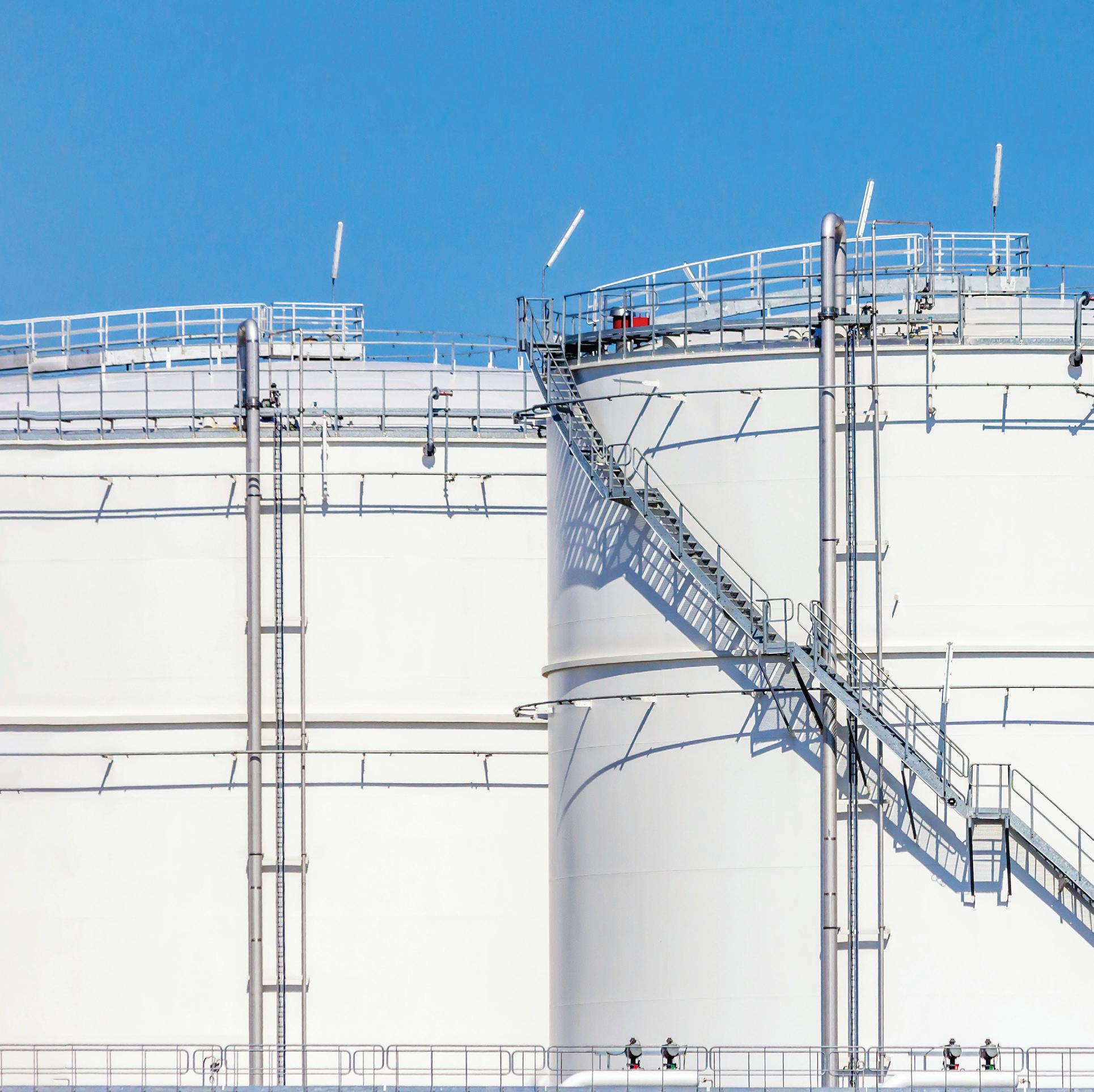
High-frequency radar level transmitters with narrow beam angles can reduce the risk of interference in obstructed tanks, but they can’t always avoid it.
Accurate and reliable level measurement is fundamental to the safe and efficient operation of process plants. Level data underpins effective process control, optimised inventory management and precise custody transfer — all of
which directly influence productivity and profitability. In addition, level measurement is central to critical safety applications such as overfill prevention. A broad range of level measurement technologies is available to end users, including differential pressure, capacitance and guided wave radar. Each
technology has proven effective in specific conditions, but non-contacting radar transmitters based on frequency modulated continuous wave (FMCW) technology have emerged as a preferred choice for numerous applications.
Non-contacting radar level transmitters provide a direct, top-down measurement that is extremely accurate and reliable, and with no moving parts these devices have minimal maintenance requirements. Because the antenna does not come into contact with the process medium, issues such as coating, corrosion and mechanical wear are eliminated or greatly reduced. This makes the technology particularly well-suited to aggressive chemicals, sticky or viscous products, as well as hygienic

applications where material contact must be avoided. Radar measurement requires no compensation for variations in density, dielectric constant or conductivity, and modern FMCW transmitters can maintain high accuracy in extreme pressures and temperatures. Because this versatile technology is suitable for measuring the level of liquids, sludges, slurries and bulk solids, it has been widely adopted across industries including oil and gas, chemical, refining, food and beverage, water and wastewater, and life sciences.
Non-contacting radar level measurement is based on the transmission and reflection of microwave signals. FMCW devices
transmit a continuous microwave signal, the frequency of which is constantly varied across a defined range. When the reflected signal (known as an echo) returns from the product surface, it is compared with the frequency of the signal being transmitted at that moment. The difference between the two is directly proportional to the distance to the surface.
The product surface is, however, not the only feature within a tank that reflects microwave signals. Tanks often contain a range of internal structures such as ladders, agitators, heating or cooling coils, baffles and nozzles, which can also reflect signals,
BY COMBINING INTELLIGENT ECHO EVALUATION AND REAL-TIME ADAPTATION, SMART ECHO SUPERVISION MAKES IT POSSIBLE TO CONFIDENTLY MEASURE TANK LEVELS IN EVEN THE MOST OBSTRUCTED AND COMPLEX VESSELS.
producing false echoes that compete with the true surface echo. The transmitter must then distinguish between multiple possible echoes to identify which one accurately represents the product surface.
This task becomes especially challenging when measuring products with a low dielectric constant, such as certain hydrocarbons, liquefied gases or oils. Because these materials reflect radar signals weakly, the true surface echo may be less distinct than the echoes generated by obstructions. As a result, even minor interference from internal structures can cause the transmitter to misidentify a false echo as the correct one. The presence of turbulence, foam or vapours can further complicate the situation, as these conditions may weaken the surface echo or introduce additional sources of signal scattering. When combined, these factors can make accurate and reliable level measurement in obstructed tanks one of the most difficult applications for non-contacting radar technology.
When a transmitter misinterprets a false echo as the true product surface, the result is an inaccurate level measurement. The consequences of such an error can be wide-ranging, and in many cases extremely serious. The most critical risk is overfilling the tank. If the transmitter reports the level as lower than it actually is, a tank may be filled beyond its capacity. This can lead to product spillage, which in the case of volatile or flammable substances poses immediate safety hazards to personnel, as well as the risk of fire or explosion. Even when the product itself is not hazardous, spills can cause environmental damage, and lead to regulatory non-compliance and significant financial costs associated with clean-up and product loss.
Conversely, a false echo may cause the transmitter to indicate a level higher than reality, leading to premature filling stops. Underfilled tanks reduce storage efficiency, disrupt production schedules, and can result in downstream process interruptions, product shortages or even dry running of pumps, which may cause equipment damage and unplanned downtime. Across industries that depend on just-in-time operations, such inefficiencies can translate directly into lost revenue and reduced competitiveness.
False echoes can also degrade process quality and efficiency. In batch operations that rely on precise volume control, inaccurate level measurements may lead to inconsistent product quality, rework or waste. Ultimately, the misinterpretation of a false echo compromises not only safety, but also operational efficiency, product quality and profitability. This makes effective discrimination between true and false echoes a critical requirement for reliable non-contacting radar level measurement.
While tanks containing internal structures present clear challenges for non-contacting radar level transmitters, a number of strategies can help to reduce or eliminate the impact of false echoes. The most fundamental consideration is the placement of the radar device. If a tank has an existing nozzle that provides a completely unobstructed line of sight to the product surface, installing the transmitter there is the
most straightforward and effective solution. Proper positioning minimises the likelihood of echoes being generated by internal structures and helps to ensure that the strongest signal received corresponds to the actual product surface.
In practice, however, it is uncommon for a nozzle to be located in an ideal position. Tank openings are often dictated by mechanical design, process requirements or structural constraints rather than by measurement considerations.
As a result, many installations cannot avoid at least some degree of obstruction within the radar beam path. In these cases, additional measures become necessary to achieve accurate and reliable measurements.
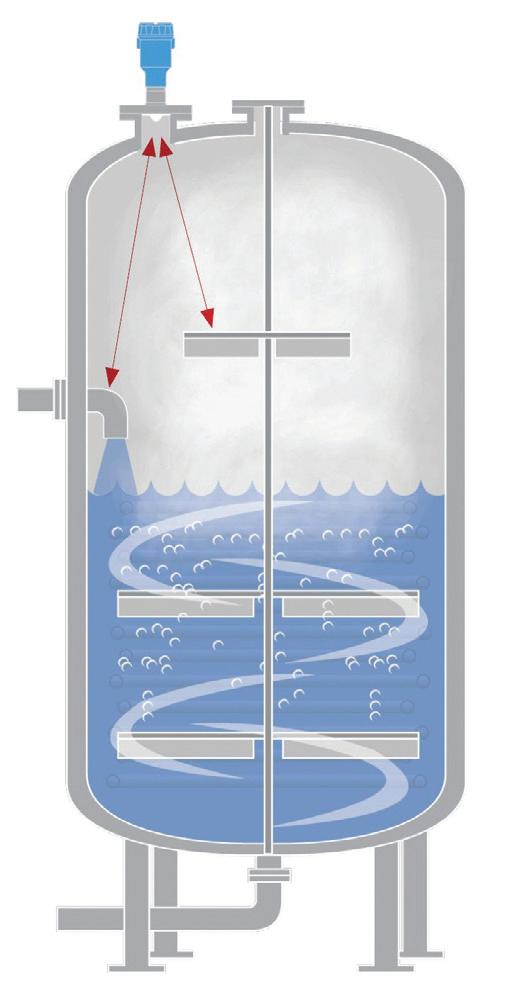
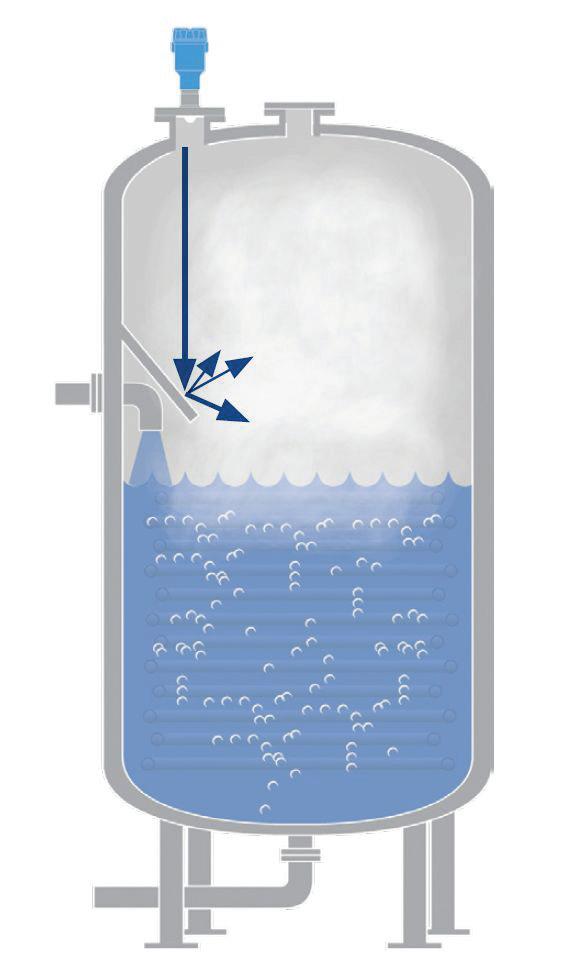
In tanks with internal structures, some radar level transmitter vendors recommend the use of deflector plates to reduce the impact of false echoes. These plates are typically installed near obstructions and angled to redirect radar waves that would otherwise reflect directly back to the transmitter. By guiding unwanted reflections towards tank walls or other areas where they dissipate, deflector plates help the transmitter to more reliably identify the true material surface, resulting in more stable and consistent level measurements.
However, while deflector plates can improve measurement reliability in some applications, their installation presents several practical challenges. In tanks with limited access or complex internal structures,
positioning the plates correctly can be difficult. Misaligned plates may inadvertently create additional reflections or partially block the radar beam, producing blind spots or signal loss. More importantly, no end user is likely to go through the expense and inconvenience of securing confinedspace entry permits and deploying welders inside a vessel merely because an internal obstruction might cause a measurement issue. Such interventions represent significant operational disruption and cost, and are rarely justified unless a proven and recurring problem exists. Operational conditions also affect performance. In tanks containing sticky, viscous or dusty materials, build-up on deflector plates can change the angle of reflection or generate new false echoes, potentially compromising measurement accuracy.
For many years, top-down level measurement technologies have used a common mapping technique to analyse received signals and suppress false echoes, ensuring that the device reliably detects the true material level. During initial commissioning, a reference map of the tank is created by capturing echoes when the tank is empty or at a known level. These stored signals represent potential false echoes from fixed obstructions and serve as a baseline for comparison during normal operation. As the transmitter operates, incoming echoes are continuously evaluated against this reference map. Signals
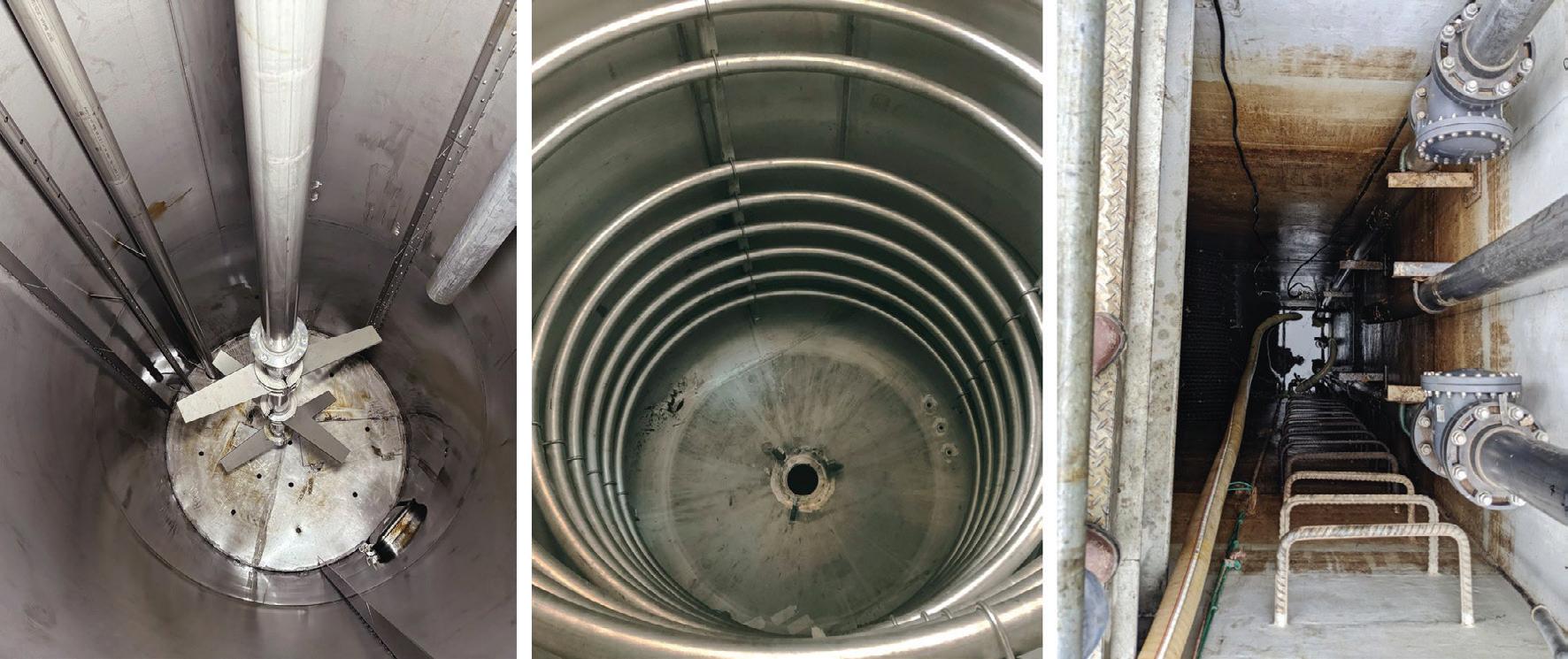
WHILE TANKS CONTAINING INTERNAL STRUCTURES PRESENT CLEAR CHALLENGES FOR NON-CONTACTING RADAR LEVEL TRANSMITTERS, A NUMBER OF STRATEGIES CAN HELP TO REDUCE OR ELIMINATE THE IMPACT OF FALSE ECHOES.
corresponding to known obstructions are identified and effectively ignored, while changes in the echo profile indicate movement of the actual product surface. This enables accurate, continuous level measurement, even in tanks with complex internal geometries.
In practice, however, there are two fundamental limitations to conventional false echo suppression. Firstly, the need to empty a tank in order to map echoes is often impractical, as this can interrupt operations and add downtime that many facilities cannot easily justify. Secondly, false echo suppression relies on the transmitter establishing a fixed threshold to block unwanted echoes based on conditions observed at the time of set-up. However, echo amplitudes can fluctuate over time due to process changes, temperature variations, or other environmental influences. If a previously suppressed false echo later increases in strength and exceeds the stored threshold, it can reappear in the measurement signal — sometimes unexpectedly — leading to intermittent
or misleading level readings. These factors highlight why, despite their usefulness, traditional false echo suppression methods are not foolproof.
More recently the introduction of smart echo supervision has enabled organisations to achieve more accurate, reliable measurements in tanks with internal obstructions — and without the need for installing deflector plates or running complex false echo suppression algorithms.
At the heart of smart echo supervision is a dynamic evaluation of all viable echoes. The system continuously analyses the behaviour of each echo in real time, ranking them according to how closely they resemble the behaviour of a true material surface reflection over time. The echo that most consistently mirrors the dynamics of the surface is automatically tracked as the genuine surface echo, while stationary or irrelevant echoes — typically originating from tank obstructions — are automatically suppressed.
This adaptive approach allows the
transmitter to maintain accurate readings even as the echo profile changes due to rising or falling levels, tank agitation, temperature variations, or the presence of vapour or foam. By continuously adapting to these environmental changes, smart echo supervision aims to ensure stable, repeatable performance without the need for frequent manual recalibration or intervention. On those occasions when manual adjustment is required, a user interface can enable operators to suppress unwanted echoes. This simplicity reduces commissioning time and minimises the potential for human error.
By combining intelligent echo evaluation and real-time adaptation, smart echo supervision makes it possible to confidently measure tank levels in even the most obstructed and complex vessels, while simplifying installation, commissioning and ongoing operation.
While today’s high-frequency non-contacting radar transmitters with narrow beam angles can reduce the risk of interference in obstructed tanks, true measurement reliability is only achieved when they are paired with advanced signal processing. Smart echo supervision is the latest technology that provides this capability, providing a solution that is specifically engineered to address the complexities of tank environments.
By continuously analysing and ranking all viable echoes, filtering out false signals and adapting dynamically to changing process conditions, the technology ensures that the genuine surface echo is consistently identified and tracked. The result is a more stable, accurate and dependable level measurement.
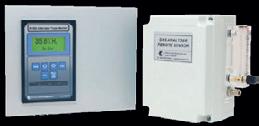
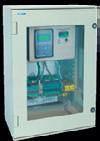
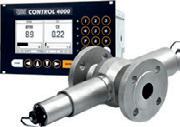
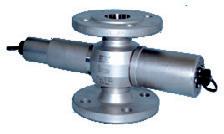
The Optek AF26 is a high-precision dual-channel absorption sensor designed for inline operation.
The sensor’s output can be correlated to almost any colour scale including APHA and Hazen. Selected combinations of optical filters make it possible to focus on specific wavelengths to afford suitable adaptation to the application. Typically, one of the two measured wavelengths is used as a reference channel, where it can be used to prevent the influence of particulate, gas bubbles and lamp aging. Additionally, NIST-traceable calibration accessories provide absolute measurement confidence.
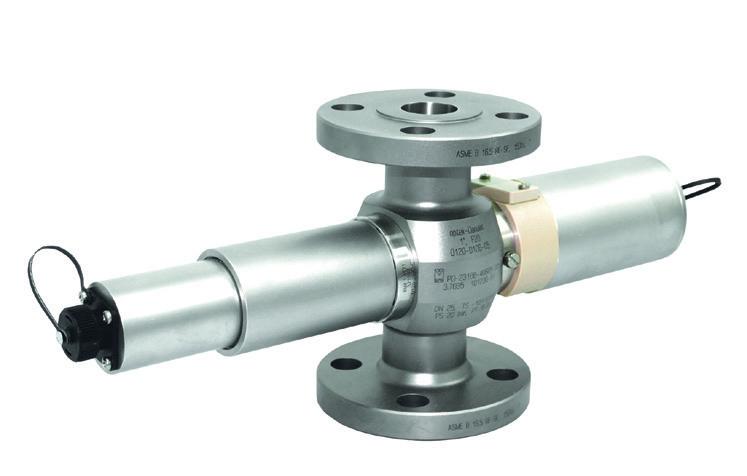
The secondary wavelength is designed to compensate the desired light absorbance measurement from any undesired light scattering influence, such as suspended solids, gas bubbles, immiscible fluids or window fouling.
Applications include concentration control of chlorine and chlorine dioxide (gas and liquid), or of metal ions (iron, chromium, copper, nickel, cobalt, manganese, etc.) in the plating industry; for drinking water treatment (APHA colour) and for coloured waste water monitoring (such as in the textile industry).
AMS Instrumentation & Calibration Pty Ltd www.ams-ic.com.au
Fibre-optic sensors operate on the same principle as conventional photoelectric sensors. However, the lens and the evaluation electronics are spatially separated from each other, which offers an important advantage for many applications: the optical fibres can be positioned precisely in very confined spaces and detect even very small parts. The remote fibre-optic sensor is then located in a suitable place, for example, mounted on the machine or even in a control cabinet.
The OCF series fibre-optic sensors from ifm have narrow housings that are suitable for mounting on DIN rails. The optical fibres can also be connected without tools, and an IP65 protection rating means they can also be mounted in the field, for example directly on the machine.
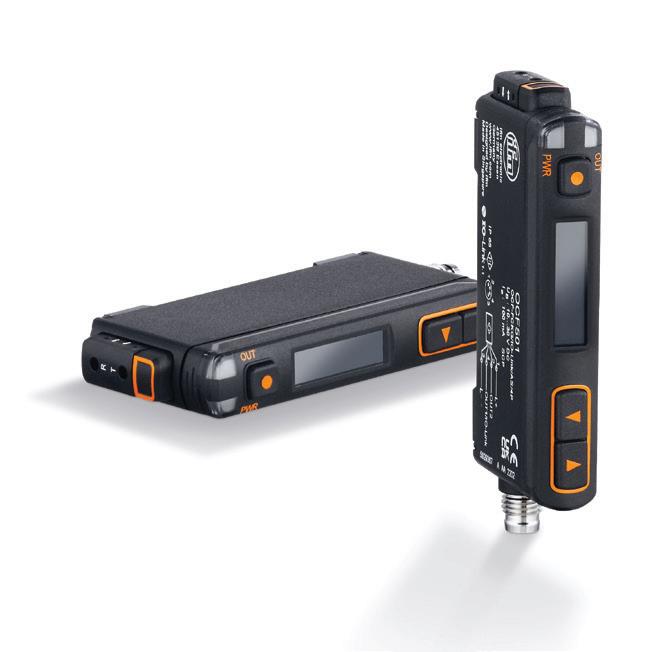
The fibre-optic sensors have three buttons for operation. The plain text display of the integrated OLED display facilitates a 2-point teach-in. The OCF has six different operating modes, and the output signal can be sent to a higher-level control system via IO-Link as well as via a fast digital output. The IO-Link interface is also used for diagnostics, including the degree of soiling of the fibre. A range of matching fibre optics in a wide variety of designs is available so that the right configuration can be selected for the application. Typical applications include confined spaces as well as use in high temperatures or chemically aggressive environments. ifm efector pty ltd www.ifm.com/au

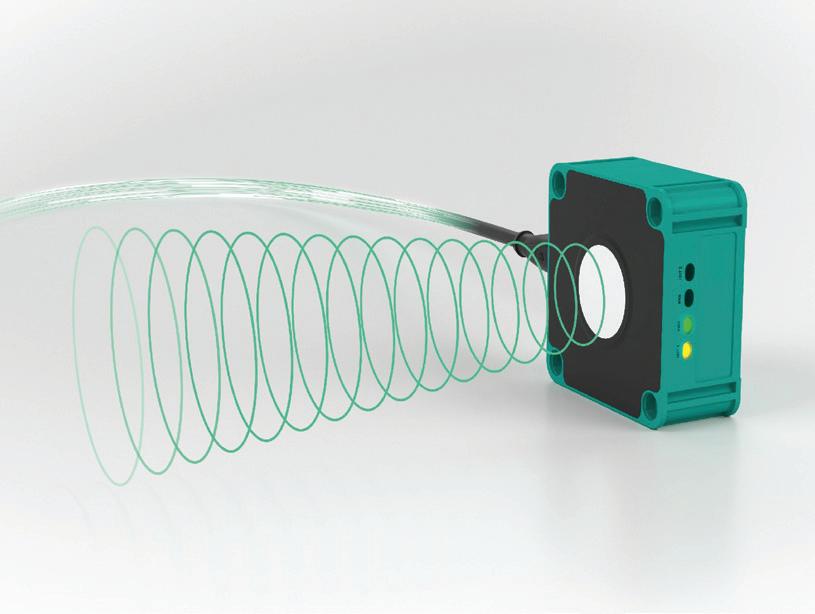
The Pepperl+Fuchs UB*-F42 ultrasonic sensor series combines ultrasonic measurement technology with the advantages of IO-Link communication. Designed for demanding industrial environments, these rugged IP67-rated sensors are designed to provide precise, contactless detection across a wide range of applications while enabling seamless integration into modern automation architectures.
Available with sensing ranges from 500–6000 mm, the UB*-F42 series offers high flexibility. A front- or side-looker design allows installation in confined spaces, while a small dead band enables mounting close to the target area. The adjustable sound beam diameter can be optimised for the application without reducing sensing range, allowing for detection through narrow openings or around machine components without mechanical modification.
Integrated IO-Link simplifies commissioning and parameterisation while providing continuous access to process values, sensor parameters and diagnostic data. This enables predictive maintenance strategies, increases transparency, and supports IIoT and Industry 4.0 environments. A wide operating voltage range and uniform housing design further enhance installation flexibility.
To ensure reliable operation when multiple sensors are installed in close proximity, the UB*-F42 series offers three synchronisation modes: multiplex, common mode and externally triggered. Up to 10 sensors can be synchronised automatically via the sync input, preventing signal crosstalk without additional configuration. Applications range from vehicle detection and roll material monitoring to level measurement in tanks, silos and bunkers.
Pepperl+Fuchs (Aust) Pty Ltd www.pepperl-fuchs.com
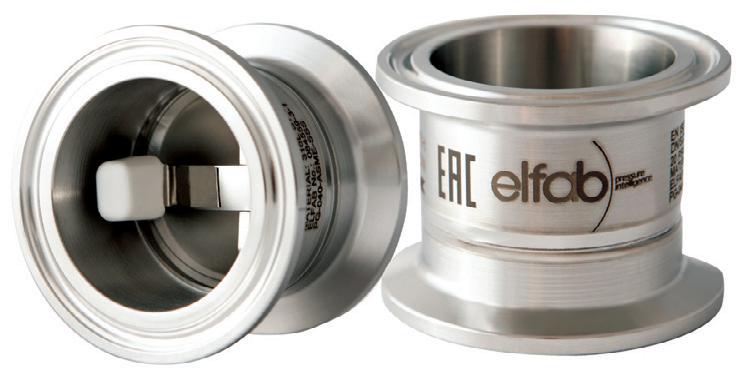
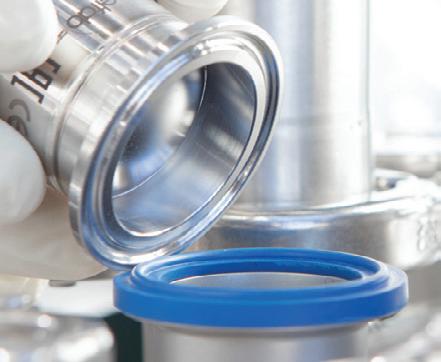
• PURE-GARD FOR CLEANABILITy
- CREVICE AND DIMPLE FREE DEsIGN
• PURE-GARD FOR sTRUCTURAL sTABILITy
- ONE PIECE AssEMBLy PROTECTs THE DIsC
- ALLOWs FOR MINOR PIPE MIsALIGNMENT
• PURE-GARD FOR EXTENDED PRODUCT LIFE
- ALLOWs FOR REGULAR GAsKET CHANGEs
• PURE-GARD Is TAG FREE
- ALL TECHNICAL DETAILs ETCHED ON BODy
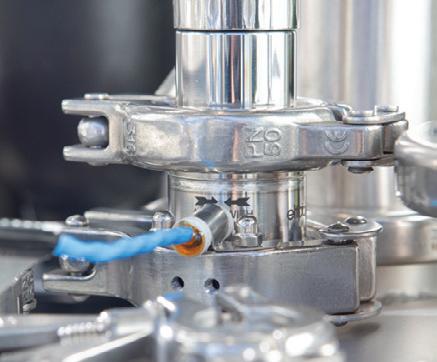
• PURE-GARD HAs OPTIONAL BURsT DETECTION
PURE-GARD: 1”–4” Ø 40 – 300 psig
PURE-GARD SOLO: 1”–8” Ø 18 – 75 psig
AUSTRALIAN AGENT & TECHNICAL SUPPORT
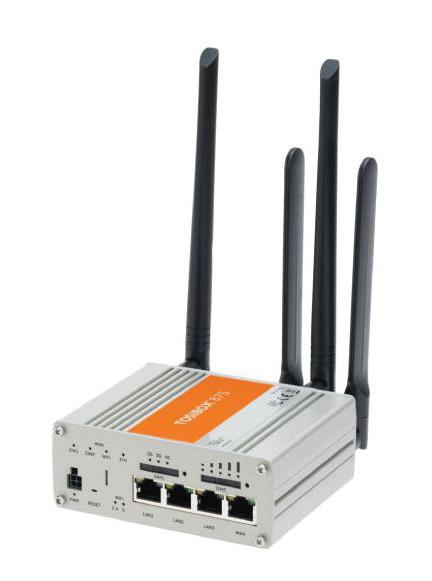
For process engineers managing distributed assets, remote sites and critical control systems, maintaining secure and reliable connectivity is essential. The Tosi Lock 675 industrial remote access device is designed to deliver robust, reliable communications, even in harsh environments.
Built for industrial applications, the Tosi Lock 675 combines high-performance networking with advanced cybersecurity in a compact, rugged enclosure. Integrated LTE Cat-6 connectivity, with dual-SIM support, makes high mobile data speeds and carrier redundancy possible, helping maintain uptime when network conditions change. This makes it suitable for remote process plants, utilities, water and wastewater infrastructure, mining sites, and energy assets.
The device supports up to 50 concurrent secure VPN connections, allowing engineers, system integrators and service teams to access PLCs, HMIs, SCADA systems and instrumentation remotely without compromising security. End-to-end encryption and a built-in firewall protect operational technology networks from unauthorised access.
Integrated Wi-Fi, Ethernet and USB interfaces provide flexible connectivity options for both legacy and modern equipment, while GPS/GNSS support enables asset tracking and location-based applications. Automatic network recovery functions help provide continuous connectivity by handling mobile network interruptions without manual intervention.
Designed for industrial environments, the Tosi Lock 675 features a rugged aluminium housing, DIN-rail mounting and a wide operating temperature range, making it suitable for installation in control panels, cabinets and remote enclosures.
LAPP Australia Pty Ltd lappaustralia.com.au
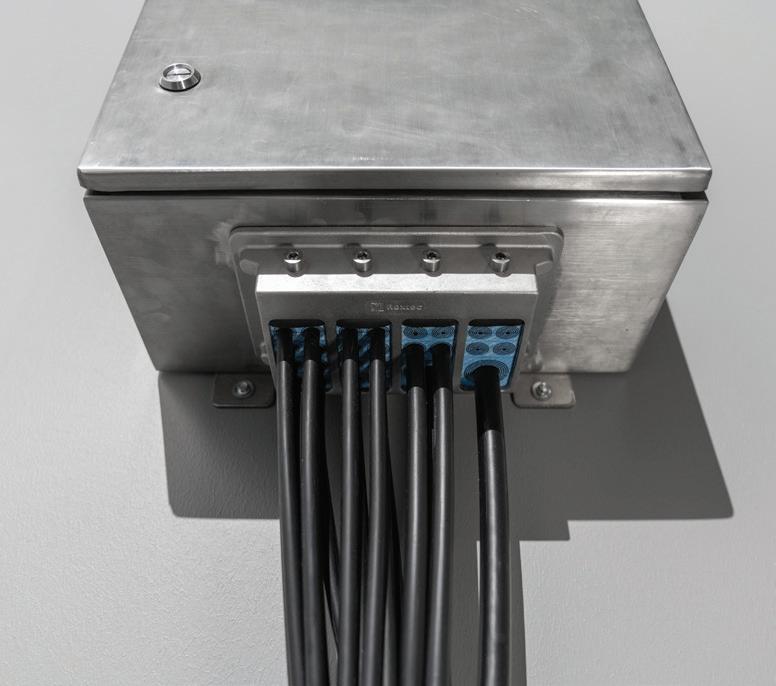
Cable and pipe seal provider Roxtec has launched the Roxtec CSP multi-cable transits, which are designed to be area-efficient, adaptable to cables of different sizes and quick and easy to install in cabinets and enclosures with high cable density.
Roxtec CSP transits are compact sealing solutions that help design engineers and electrical installers manage high cable density in a reduced footprint. They are designed for harsh environments and can either include Roxtec standard sealing modules, which protect against water, dust, sand and dirt; or Roxtec CM BG (bonding and grounding) modules to add an electrical safety feature for sealing of armoured cables.
The transits are quick to install in cabinets and enclosures because they have integrated compression and very few components — only the acid-proof stainless-steel frame and the sealing modules with Roxtec Multidiameter, based on removable rubber layers and providing a tight fit for cables of many different sizes.
Available in two different sizes, it is possible to seal up to 16 or up to 32 cables in a single cut-out. The design allows installers to pass through pre-terminated cables without cutting the connector.
Built-in spare capacity enables early planning for upgrades or expansion with additional cables, without any need for drilling or punching new holes. It is possible to add cables in the field without making new openings or adding more sealing material.
Roxtec Australia www.roxtec.com

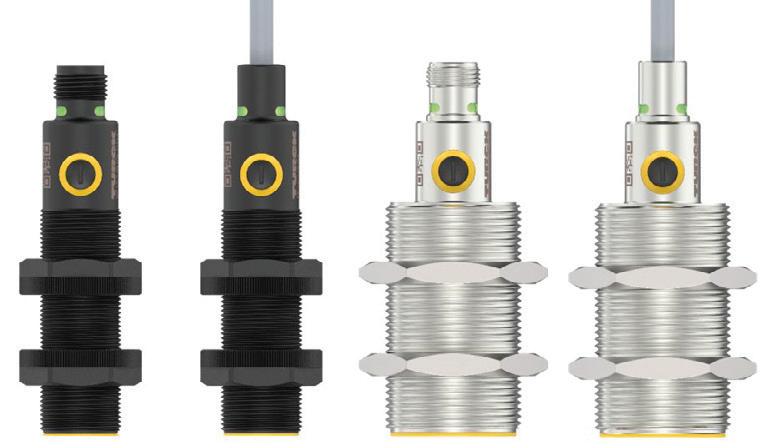
With the launch of its BC/UC series of capacitive sensors, Turck is establishing a new standard in level monitoring, object recognition and material detection.
Designed to be cost-eff ective and fl exible, these smart sensors offer reliable detection, even with challenging media.
“Besides detecting conventional objects, the BC/UC series is highly effective in detecting granulates or powders and liquids, as well as difficult media such as foamy or adhering substances,” said Andrei Proskurin, Head of Products & Technology, Turck Australia. “This range of sensors is proving especially effective for processing and packaging applications across a range of industries such as food and beverage, process automation, and other industrial sectors.”
The BC/UC sensors feature a digital potentiometer with a 360° visible RGB LED, allowing users to set the switching point intuitively using a screwdriver while providing immediate visual feedback.
“Unlike conventional mechanical potentiometers, the design of the BC/UC range simplifies setting up the sensor and also offers an alternative option of setting up remotely via IO-Link,” said Andrei.
In addition to their extended switching distances (up to 25 mm), UC versions adapt to flush and non-flush mounting without hardware changes. These sensor devices are robust with IP67 protection, making them well-suited to a wide range of industrial environments and applications.
A strategic boost to productivity
What really sets this new family of sensors apart is the integration of IO-Link and Turck’s Automation Suite (TAS). Together, these technologies transform the sensors from simple detection devices to intelligent, connected components within the production environment.
This delivers several practical advantages, including:
• faster configuration and commissioning
• remote, real-time diagnostics that minimise production interruptions and maintenance costs
• improved visibility into equipment performance and process conditions, in turn enabling process optimisation
• improved product quality and consistency
• seamless integration into digital automation systems, making future upgrades easier.
“We’re proud to present the local market with this range of intelligent sensors, designed to future-proof operations,” concluded Andrei.
Turck Australia Pty Ltd
www.turck.com.au/en
Endress+Hauser

Calibration is generally understood as the process of comparing a device with a reference standard of higher and known accuracy.
Calibration is essential in industrial automation, ensuring that measurement instruments provide accurate readings.
Today, IIoT platforms can simplify documentation, provide central access to calibration data, and enable efficient calibration planning.
Calibration can be simply described as the process of comparing the measured value from an instrument under calibration with a reference standard of known and high accuracy. In essence, it establishes whether the instrument provides measurements within acceptable limits.

The International Bureau of Weights and Measures (BIPM) defines calibration as an “operation that, under specified conditions, in a first step, establishes a relation between the quantity values with measurement uncertainties provided by measurement standards and corresponding indications with associated measurement uncertainties (of the calibrated instrument or secondary standard) and, in a second step, uses this information to establish a relation for obtaining a measurement result from an indication”.
Performing calibration requires specific tools and instruments, which vary depending on the type of calibration. Common examples include calibrators with valid calibration certificates, standard devices, and calibration rigs.
Calibration is essential to ensure accurate measurement. Measuring devices are installed in diverse industrial environments where they are exposed to challenges such as abrasion, vibration, sudden temperature changes, harsh conditions and mechanical shocks. These factors can affect device performance, making calibration necessary to verify accuracy and, if required, adjust the instrument to meet application specifications.
Accurate calibration positively impacts production processes by ensuring reliable measurements. It also reduces variation within technical specifications, supports preventive maintenance and guarantees measurement traceability.
Additionally, modern smart instruments can provide continuous health status information, offering a clearer picture of device condition and measurement reliability.
During calibration, all measurements must be recorded, either manually or through an automated system. Upon completion, a final document — known as the calibration certificate — is generated, containing all technical details of the procedure.
Typically, the certificate includes comparisons between the calibrated device and the traceable reference standard. It must also provide technical specifications of both
instruments, procedural data, calibration uncertainty, calibration number and the signatures of authorised personnel.
All measuring devices can be calibrated to ensure proper functionality and the level of accuracy required for their application. While the concept of calibration remains consistent, the procedure varies depending on the type of field instrument.
For example, calibrating a pressure transmitter may involve using a calibrated deadweight tester as a reference to generate pressure. Alternatively, another pressure device with higher accuracy than the instrument under calibration can be used.
All calibration standards must include a valid calibration certificate confirming compliance with applicable standards in the relevant region.
Calibration involves comparing the device under test with a reference standard, typically at multiple points across the measuring range — commonly 0%, 25%, 50%, 75% and 100% of range. Additional test points can be included if required, although this may increase time and costs.
The reference standard used depends on the type of device:
• Flow transmitters: Calibration may involve a master device, comparison with a weight scale or mobile prover calibration.
• Pressure transmitters: A higheraccuracy standard device, digital calibrator, or deadweight tester is typically used.
• Temperature transmitters: A calibrated reference such as an electronic temperature sensor simulator is applied.
Calibration procedures are guided by a Standard Operating Procedure (SOP) that outlines each step. The interval between calibrations is not universally defined but can be determined based on factors such as:
• device type and application
• manufacturer recommendations
• trend analysis from previous calibrations
• instrument historical data
• comparison with similar devices in the plant
• required measurement accuracy. >>
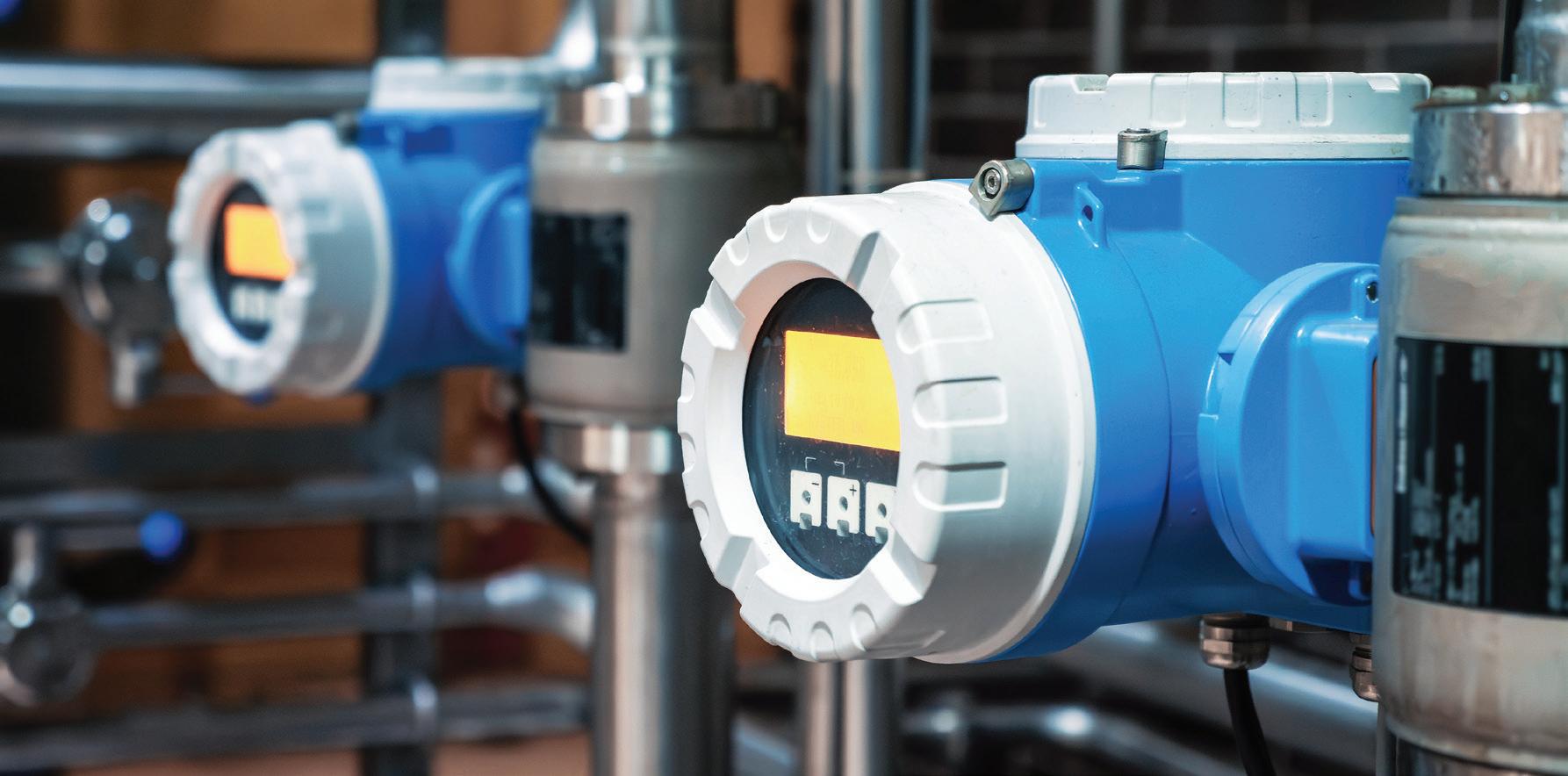
Calibration is generally understood as the process of comparing a device with a reference standard of higher and known accuracy. Adjustment, if required, follows calibration to correct deviations identified during the comparison.
During calibration, the procedure involves verifying the measuring range against the reference standard. If an error greater than the acceptable limit is detected, the instrument must be adjusted.
For example, adjusting a pressure transmitter typically involves trimming the zero and then the span value. These parameters can be modified through mechanical or software settings, depending on the device’s age and manufacturer specifications. After adjustment, the measuring range must be rechecked against the standard to confirm that accuracy meets the required limits.
Onsite calibration is a common practice in industrial environments, particularly during planned production shutdowns when multiple instruments require calibration. In such cases, external service providers are often engaged to calibrate pressure, temperature and flow instruments.
Field calibration, including flow calibration, is increasingly prevalent. Many companies now employ mobile calibration rigs to perform these services directly onsite.
The benefits of onsite calibration include eliminating the need for instrument
transportation, enabling immediate adjustments and repairs, and facilitating quick instrument replacement — all performed by qualified experts. This approach reduces downtime and ensures compliance with calibration standards.
The frequency of calibration depends on several factors, as there is no universal standard. Best practices suggest considering the following points when defining calibration intervals:
• The criticality of the measurement to the process.
• Quality system requirements at the plant. Regulatory compliance.
• Manufacturer recommendations.
• Impact of failure due to lack of accuracy.
• Other technical requirements. These factors help establish an appropriate calibration schedule, which can be adjusted as needed. Modern IIoT solutions further simplify calibration planning and execution by providing easy access to device data and scheduling tools.
Calibration uncertainty refers to the degree of doubt associated with the calibration process and is influenced by factors such as installation conditions, reference traceability and environmental variables. If calibration uncertainty exceeds the tolerance of the instrument being calibrated, the validity of the calibration must be questioned. For example, using a clamp-on flowmeter to calibrate an in-line device may result
in calibration uncertainty higher than the installed meter’s tolerance, making the process ineffective.
A device under test can either pass or fail calibration based on its tolerance limits, which are defined by the manufacturer or specified in the initial calibration certificate. During calibration, if the measured error exceeds the tolerance limit, the calibration is considered to have failed. In such cases, the device should be adjusted and recalibrated. If the difference between the calibrated device and the reference standard falls within the tolerance limit after adjustment, the device passes.
Proper storage and accessibility of calibration documents are essential. Modern IIoT services enable centralised cloud-based management of calibration reports, technical data and related documentation under each device tag. This approach ensures that all team members can access, share and update information efficiently, saving time during field verification or when retrieving historical calibration records.
When integrated with edge devices, IIoT platforms can automatically create digital twins of all instruments, making files accessible from smartphones, tablets and laptops. This simplifies collaboration and ensures that technical documentation and calibration reports are always available, improving efficiency and compliance.
LNG pressure regulation facilities are mission-critical and can be vulnerable to leakage risks. In 2025, South Korea’s GS Energy introduced the Flir GF77a optical gas imaging (OGI) camera to strengthen methane leak monitoring at the pressure regulation facilities of the Boryeong LNG Terminal, where it is responsible for domestic LNG operations.
The solution combined realtime OGI video with an AI-based plume detection engine to support safer, more effective monitoring particularly in outdoor, unmanned environments where conventional sensors can be less reliable.

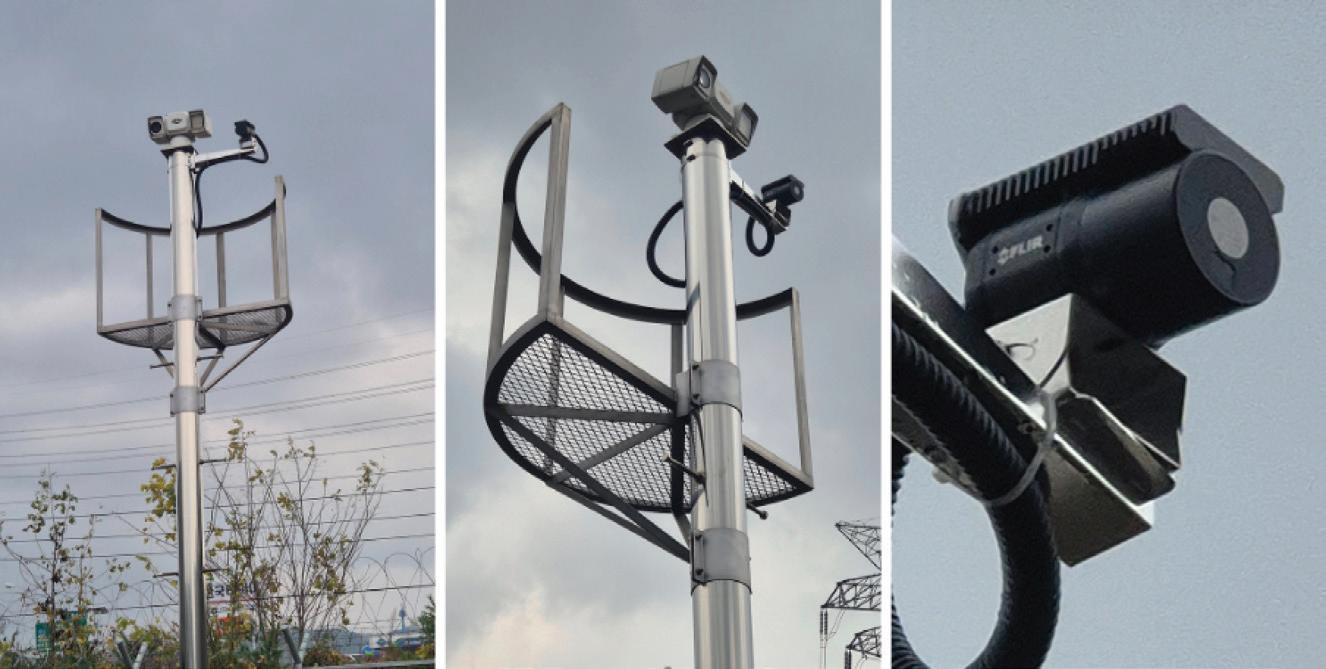
While fixed gas sensors were already installed on site, the operator faced an ongoing challenge with remote, unmanned management — especially outdoors.
“LNG pressure regulation facilities are extremely critical yet prone to leakage risks. While gas sensors are installed on-site for operation, unmanned remote management posed a problem: the equipment is installed outdoors, reducing the likelihood of gas sensors detecting leaks if they occur,” said the facility manager. “While seeking ways to further improve overall leak monitoring and safety for outdoor gas pressure regulation equipment, we discovered that the Flir OGI camera could detect gas leaks at an early stage.”
Before installing the system at the site, the team conducted an on-site test by intentionally releasing a sample methane gas to validate performance. The Flir GF77a — optimised specifically for methane detection — enabled the operator to observe the gas release pattern immediately on a monitor. Following the successful trial, the plant installed the GF77a alongside the existing CCTV infrastructure.
The GF77a was installed so as to give it a field of view covering the entire outdoor pressure regulation facility. It was installed onto the plant network, similar to CCTV, leveraging existing infrastructure.
The GF77a transmits real-time OGI video and an AI analysis engine detects leak or plume patterns automatically. Alarms are triggered and events are
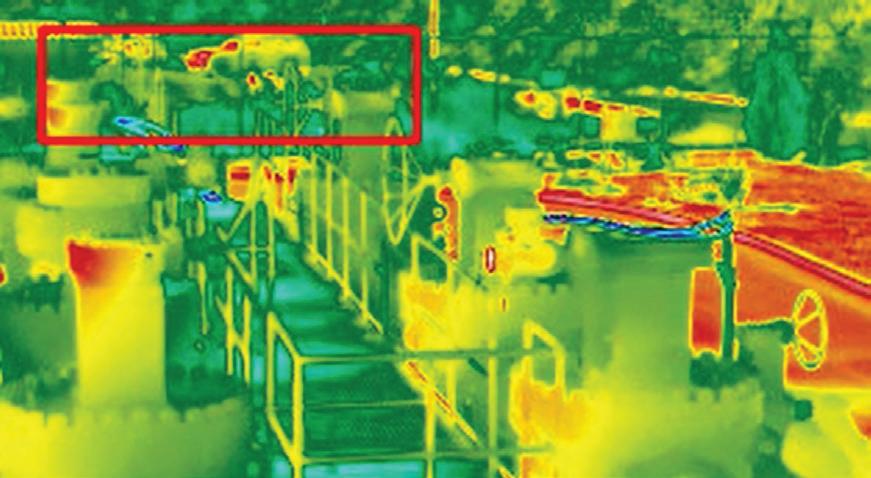
logged when a leak is detected, so that operators can respond immediately based on site procedures and the situation.
By adopting Flir’s visual gas detection approach, the gas facility strengthened monitoring across a wide area without deploying multiple cameras. Because the solution could be integrated with existing CCTV infrastructure, the operator avoided additional infrastructure installation, helping to reduce overall installation complexity and cost.
Compared with conventional sensor-only approaches, the solution also enabled visualisation-based monitoring over a broader area, supporting earlier awareness of potential risk indicators. As an AI-powered, imagebased monitoring layer that complements existing sensors, the system improved surveillance capability for outdoor, unmanned LNG pressure regulation facilities.
The facility manager noted both the operational value and the roadmap for refinement.
“We expect that applying both the AI-based gas detection system and the OGI camera system will enable more effective gas leak detection operations,” they said. “While there are areas for improvement, such as sensitivity adjustment and environmental impact correction in the method of detecting gas leaks and visualising their patterns, we clearly see the advantage of enhancing detection performance while supplementing existing measurement methods.
“Although it is in the early stages of installation, we expect it to help prevent safety accidents before they occur.”
Looking ahead, the facility customer plans to improve on the AI models, tailoring them to site-specific conditions, and to expand monitoring to broader sections of the facility for integrated facility-wide oversight. It will also look to extend automation capabilities across additional gas equipment types.
The gas facility found overall that Flir’s OGI cameras paired with AI plume detection can complement traditional sensor systems and raise the standard for intelligent, visual methane leak detection — supporting safer, smarter operations in LNG pressure regulation environments.
Teledyne FLIR www.flir.com.au
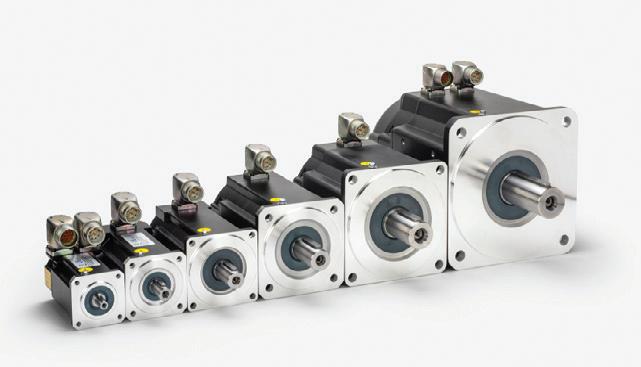
Kollmorgen has introduced the AKME Series of hazardous location servo motors with ATEX and IECEx global certification for use in locations that require Zone 2 and Zone 22 ratings. Built on the company’s AKM servo motor platform, the AKME series allows machine builders to develop machines for environments involving ignitable gases or dusts.
AKME servo motors are available in IEC frame sizes 2–7 to work with drives powered by 48 VDC, 75 VDC, 120 VAC, 240 VAC or 400 VAC, at speeds up to 5000 rpm. The series is designed for continuous torque from 0.37–50.4 Nm and supports a wide range of feedback options, including resolver, SFD-M, ComCoder, EnDat, Hiperface and BiSS B options. The motors can be matched with AKD, AKD2G and Kollmorgen Essentials (KED) servo drives to provide a more feature-rich motion solution, according to the company.
Motion Technologies Pty Ltd www.motiontech.com.au
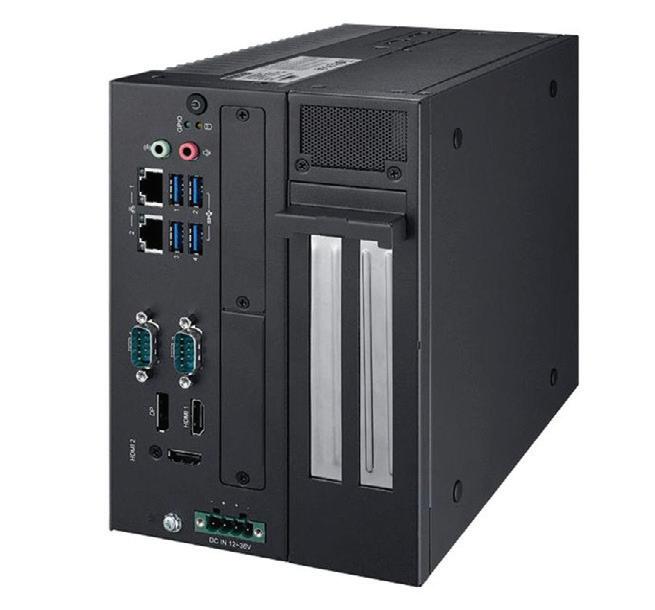
Advantech has introduced the MIC-78 Series expansion modules designed to enhance the performance and flexibility of its modular MIC-780 industrial computer.
The MIC-780 is a compact, fanless industrial system powered by Intel Core Ultra 5/7/9 processors (Series 2), engineered for long-term reliability in AI- driven applications. Its modular architecture allows seamless integration with the MIC-78 Series modules, giving users scalable options for compute performance and I/O expansion. This flexibility simplifies deployments and reduces lifecycle costs by enabling onsite upgrades and easier maintenance.
At the heart of the line-up is the MIC-78MG30 GPU module, built to support PCIe Gen 5 and high- end NVIDIA GPUs like the NVIDIA RTX PRO 4500 Blackwell, delivering powerful acceleration for AI inference and machine vision tasks. Its fanless design helps maintain stable operation in harsh industrial conditions while minimising dust build-up.
Complementing the GPU module, the MIC-78M PCIe series — including the MIC-78M20/20-01, MIC-78M10 and MIC-78M40-01 — offers flexible high-throughput PCIe Gen 5 and Gen 4 expansion for data acquisition, camera connectivity and automation integration. These modules support LAN, PoE camera connections, and PLC interfaces, enabling scalable system configurations tailored to complex industrial needs.
Advantech Australia Pty Ltd www.advantech.net.au
ABB has launched the latest version of its flagship distributed control system (DCS), ABB Ability System 800xA 7.0, with which it aims to help industrial operators modernise without disruption and accelerate their path towards next- generation automation.
As a Long-term support (LTS) release, System 800xA 7.0 will provide a stable, predictable path for both existing installations and new projects, with broad Windows OS compatibility, expanded virtualisation support, and long-term continuity without disruptive upgrade cycles.
As the first DCS adopting ABB’s recently announced Automation Extended program, System 800xA enables stepwise digital adoption for process and system monitoring and optimisation. Through the ‘separation of concerns’ architecture, with distinct yet interconnected control and digital environments, users can deploy applications without impacting the mission-critical control layer that safeguards operations.
In addition to the updated automation ecosystem, the 7.0 release introduces several key enhancements, including a modular software delivery approach through extension packs, enabling users to stay on their base software version while adopting features on an independent lifecycle in a non-disruptive way, reducing the need for large-scale upgrade events.
System 800xA 7.0 also incorporates native Microsoft Defender malware protection, IEC 62443-aligned security capabilities, improved certificate management and updated core components for better cybersecurity.
Enhancements to OPC UA client/server functionality, Ethernet-APL device integration, and network-centric I/O performance improve project scalability and interoperability. Version 7.0 also supports the latest MTP standards for ABB’s Modular Automation Orchestration Designer, helping users meet emerging requirements for modular production.
ABB Australia Pty Ltd www.abbaustralia.com.au
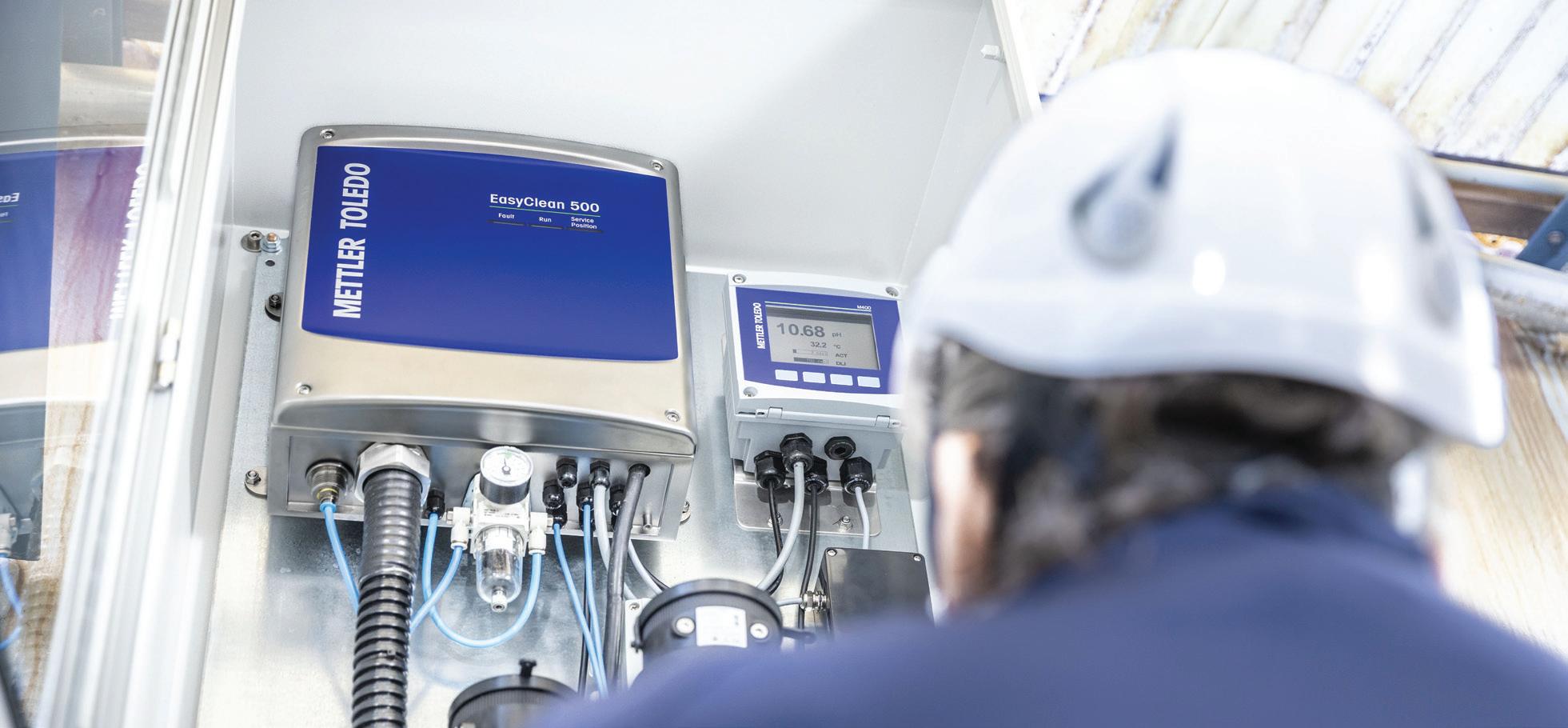
In today’s highly competitive industrial environment, companies across Australia and New Zealand face mounting pressure to streamline production processes, maintain stringent quality standards, and comply with complex regulatory requirements — all while striving to reduce operational costs and minimise environmental impact. In this context, process analytics solutions have become indispensable tools, enabling manufacturers and processors to gain realtime, actionable insights that enhance decisionmaking, increase operational efficiency, and drive sustainable growth. Among the many advanced technologies available, the EasyClean 500(X) stands out as a particularly effective solution tailored to the unique needs of these dynamic markets.
Process analytics refers to the continuous monitoring and analysis of manufacturing and processing operations in real time. It encompasses the measurement of critical chemical and physical parameters directly on production lines, providing an ongoing stream of data that enables rapid detection of deviations and ensures processes remain within optimal conditions. This continuous visibility is essential for industries in Australia and New Zealand — from food and beverage production and pharmaceuticals to mining and chemical processing — where consistent product quality, regulatory compliance, and sustainable practices are top priorities.
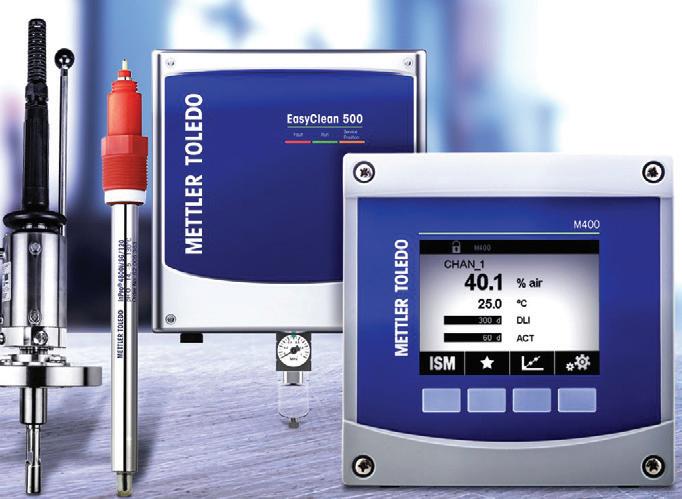
The EasyClean 500(X) is a compact, fully automated process analytics system that integrates advanced sensor technology with Intelligent Sensor Management (ISM)
predictive diagnostics. This integration allows the system to perform routine maintenance tasks such as cleaning and calibration of pH, ORP, and oxygen sensors without human intervention. Traditionally, these sensors require frequent manual maintenance to ensure accuracy, which can be labour-intensive, costly, and prone to human error. The EasyClean 500(X) addresses these challenges by automating these tasks, dramatically reducing maintenance demands by up to 80%, and ensuring consistently reliable measurements.
One of the core strengths of the EasyClean 500(X) lies in its use of ISM technology, which not only automates cleaning and calibration but also provides predictive insights into sensor health. This capability enables the system to trigger calibration events precisely when needed, forecast sensor replacement timelines, and facilitate remote monitoring and control via the HART communication protocol. The result is a system that maximises uptime, reduces unplanned maintenance, and helps safeguard process stability.
This high level of automation and intelligent diagnostics make the EasyClean 500(X) an excellent fi t for industries with measurement points that historically require intensive upkeep. Its cost-eff ective design improves operational reliability and can be customised extensively to meet the specific requirements of diverse processes. Users can tailor cleaning cycles, calibration schedules, and communication settings, ensuring the system integrates seamlessly with existing plant infrastructure and operational workflows.
In addition to driving operational
improvements, the EasyClean 500(X) supports sustainability initiatives that are increasingly important in the Australian and New Zealand industrial sectors. By optimising resource utilisation and minimising waste through dependable process control, companies can significantly reduce their environmental footprint. Achieving these sustainability targets not only benefits the environment but also strengthens the company’s reputation with customers, regulatory bodies, and stakeholders committed to responsible business practices.
In conclusion, the EasyClean 500(X) represents a comprehensive and intelligent process analytics solution perfectly suited for the evolving demands of Australian and New Zealand industries. Its advanced automation, predictive maintenance capabilities, and flexible customisation options deliver superior measurement reliability and operational efficiency. Furthermore, it actively supports sustainability goals, helping organisations meet both economic and environmental objectives. Companies seeking to elevate their process control capabilities will find the EasyClean 500(X) a powerful and trustworthy partner in their journey toward operational excellence.
To explore how the EasyClean 500(X) can transform your operations and contribute to your business success, please visit mt.com or contact Mettler Toledo at 1300 659 761.
Schaeffler Australia
Choosing the right maintenance strategy depends on balancing cost, system criticality, and the value of early fault detection through condition monitoring.
There are many ways of monitoring machines or even entire systems. However, monitoring for the early detection of damage and defects does not necessarily make good economic sense for every machine or system.
Run-to-failure maintenance
Failure-based or reactive maintenance is also known as run-to-failure maintenance and is regarded as a passive strategy. With this form of maintenance, a system component is only replaced or repaired once it has actually failed. No information about the condition of the machine is collected or evaluated while the system is in operation. The problem with this approach is that the extent of the damage and the required restoration time cannot be predicted. The advantages of this approach are that no costs are incurred during smooth operation and the full wear reserve of the machine is utilised.
Failure-based maintenance is suitable for machines or components that are not critical to production, are easy to replace, and do not lead to expensive consequential damage.
The actual service life of machines and machine elements is often shorter than the basic rating life. Imbalance and misalignment (60%), bearing damage (20%), and other contributing factors such as structural problems, mounting issues and resonance (20%) are the most common causes that
can lead to unexpected system failures and production downtime.
In the case of preventive maintenance, it is assumed that a machine or system requires particular maintenance expenditure at defined time intervals. The definition of the time intervals is based on the average operating life of the system and on empirical values.
Since the time intervals in this maintenance strategy are fixed, they can be integrated in a targeted manner into existing production operations or downtime planning. However, they do not necessarily correlate with the actual condition of the system. It is therefore possible that maintenance measures will be carried out prematurely, thus making an unnecessary claim on resources.
Preventive maintenance is usually prescribed by the warranty provisions, as defined in the maintenance plan. When the warranty expires, a suitable monitoring strategy can be considered. In many cases, the switch is made to condition-based or predictive maintenance.
With condition-based maintenance, the machines and systems are not serviced on the basis of failures or time, but according to the established condition of the components. With this strategy, condition monitoring is used to carry out maintenance
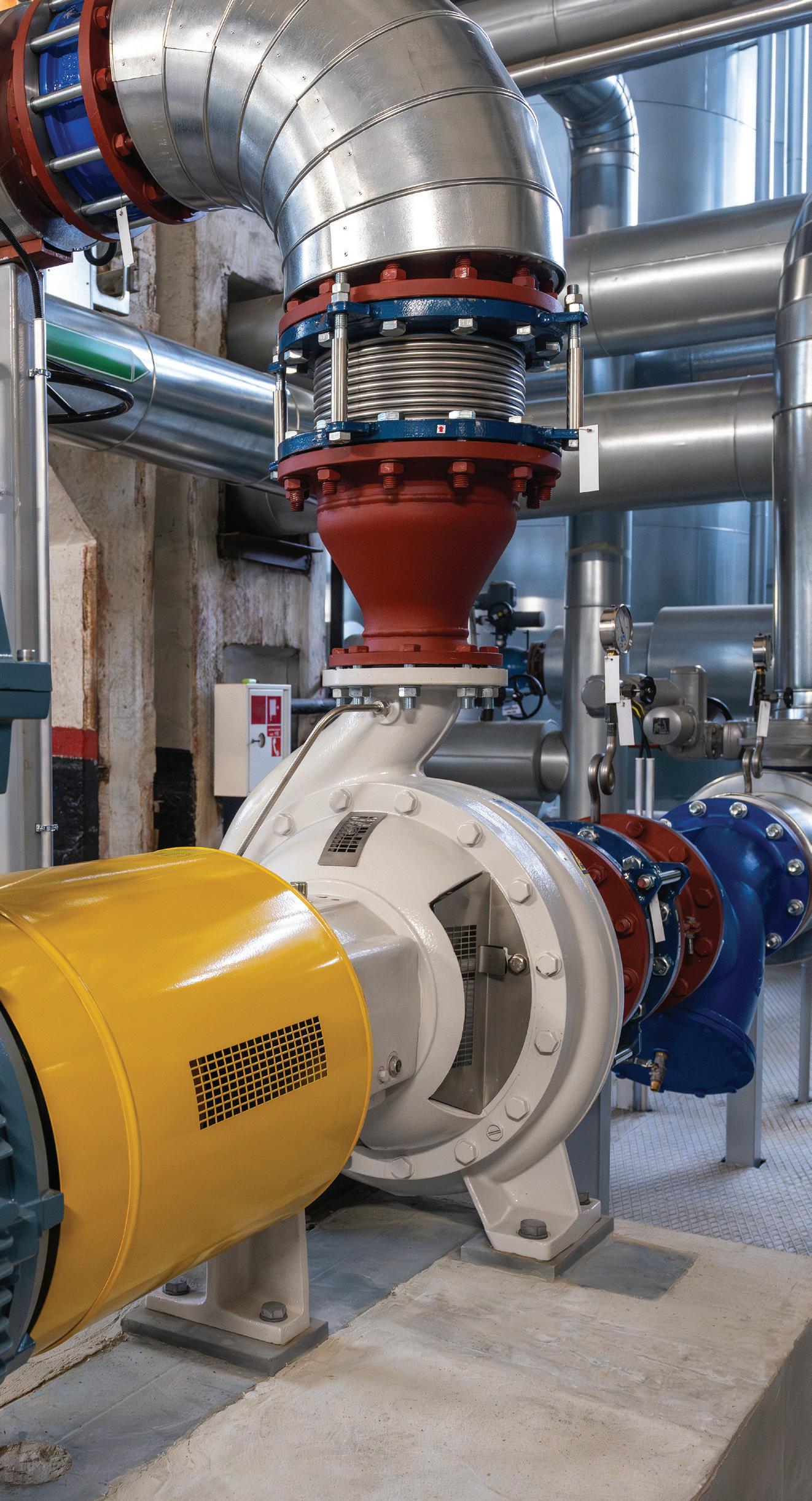
and repair work in accordance with the actual condition of a system or machine.
Different methods can be used in isolation as well as in combination to determine the current condition of the system. The outcome of the condition monitoring is incorporated into the planning of targeted maintenance measures, taking account of various parameters. The efficiency of the monitored machine is increased and an overall reduction in downtime costs is achieved.
Condition-based maintenance is suitable for process-critical systems, in which a high degree of accuracy is essential. As a rule, the cost of monitoring systems is already offset by preventing the first occurrence of consequential damage.
Predictive maintenance
Predictive maintenance is becoming increasingly important. The current condition of a system is not only considered by means of a defect analysis or causal investigation, but also optimised with the aid of accompanying measures. This is intended to further reduce the probability of a future failure in the long term.
The measures used can include an analysis of the machine history, special measurements to determine natural frequencies or phase relationships as well as improvements to the operating condition in the form of precision balancing and alignment.
Various non-destructive methods are available for recording the condition of a machine in operation. These include vibration analysis, lubricant analysis, thermography and endoscopy.
Vibration analysis
Vibration-based machine monitoring is a reliable tool for identifying and establishing the cause of machine problems at an early stage. With rotating machines in particular, this form of monitoring can detect a deterioration in machine condition early on, largely due to the increase in vibration behaviour.
WHEN USED CORRECTLY, CONDITION MONITORING DEFINITELY SAVES MONEY.
Frequently detected sources of defects include imbalance, misalignments, rolling bearing damage and interlinking defects. Depending on the application, advance warning times of several months can be achieved with this measuring method. This method of condition monitoring offers considerable cost-saving opportunities if the operating life of the systems and machines can be almost fully utilised and their availability increased.
What is vibration analysis based on?
Simply put, vibration analysis is based on changing forces and power transmission processes. If the forces acting in the machine change, the vibration behaviour of the machine will also change. An increased vibration level with constant operating parameters indicates a deterioration in the machine condition.
With lubricant analysis, the lubricant can be monitored directly in the machine by sensors or examined in the laboratory by taking samples. In most cases, viscosity, water content, contamination and aging are examined. In the offline monitoring of lubricating oil for solid and liquid contamination, samples are taken and examined at regular intervals.
The online monitoring of oil by sensors in the machine can take place either in the main oil flow or in a branched tributary. In addition to lubricating oil, it is also possible to monitor the condition of lubricating grease.
In such cases, offline monitoring is often used. Condition-based relubrication can also be achieved in conjunction with automatic lubricators.
As an imaging method, endoscopy allows immediate conclusions to be drawn about the condition of components, such as rolling bearings and gear teeth, without necessitating the time-consuming process of dismantling the machine. The current condition can be clearly determined and documented in a video or image.
If the operating parameters, such as performance or speed reduction for example, or maintenance measures are adapted to the current condition, further damage propagation can be delayed.
With thermography, heat sources caused by damage can be identified and monitored, both mechanically and electrically. The exceptional feature of this technology is that it not only targets the mechanical aspect of the system’s condition but is also applied to electrical components.
The major advantage of thermography is the rapid and contact-free recording of surface temperatures during operation. Using a photo produced in parallel, the temperature curves of a system or machine part can be assigned onsite and documented as the actual condition.
Furthermore, any misalignment of motors, pumps or fans can often be detected in commissioning.
Vibration monitoring systems
The selection and design of a suitable monitoring program is important for condition monitoring. Vibration monitoring is used very frequently. A structure is usually accompanied by standards, and the applicable standard for vibration analysis is DIN ISO 13373. For optimal planning, this standard recommends creating a flowchart to map the structure and implementation of an appropriate condition monitoring system. For successful vibration monitoring, the following points must be taken into consideration:
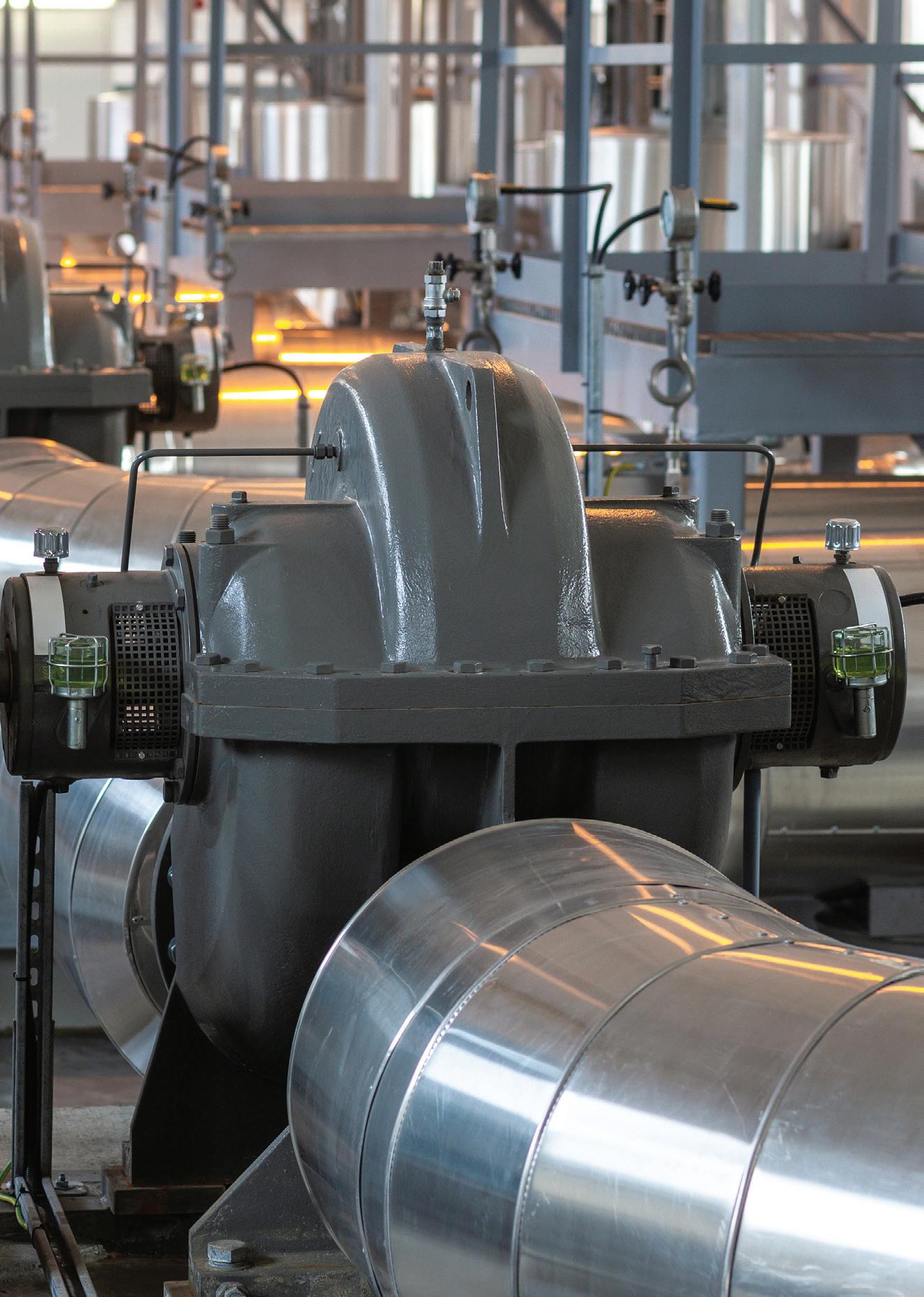
• Selection of the machines to be monitored
• Selection of a suitable measuring system
• Selection and designation of the measuring points
Definition of the data acquisition interval
• Definition of the measurement configuration
• Recording of measurement data
Evaluation of the measurement and trend data
• Recommended actions
• Reports and documentation
When is condition monitoring appropriate?
The answer to this question is essentially determined by the criticality of the system, which includes how important the system is to the production process and even the accessibility of the system in the event of
repairs. Once the critical systems have been identified and the risk of failure has been assessed, the appropriate maintenance strategy can be defined for the system (in this case, condition-based maintenance).
Condition monitoring is a practical solution for critical and hard-to-reach systems. Early fault identification and analysis allow appropriate measures to be taken to reduce downtime and optimise maintenance.
The decisive factors for answering this question are the level of specialist knowledge available and how condition monitoring is to be integrated into operation as a building block for optimising maintenance. Novices can start with simple
solutions that do not require any prior knowledge and then gradually expand on their knowledge. Where specialist knowledge is lacking within the company and needs to be developed, the available options include:
• Becoming an expert: If a process engineer wishes to become an expert, they should obtain advice and training from experts with longstanding experience.
• Outsourcing: If an organisation is simply looking for its system to work and not encounter unscheduled downtime, then expert third-party assistance can be sought.
When used correctly, condition monitoring definitely saves money. In most cases, savings are already achieved following the initial activation of an alarm, simply due to the prevention of consequential damage. Avoided production downtime constitutes the greatest saving.
Incidentally, condition monitoring can be used regardless of whether the machine is new or old. In both cases, the condition can be determined from the initial measurement.
The success of a condition monitoring system is primarily dependent on how well the solution is tailored to requirements. When choosing a partner, an organisation should pay attention not only to the available hardware and software, but also to the service and training concept, as well as proven experience.
Condition monitoring is worthwhile, both for individual machines and entire systems. Conclusions about possible defects can be drawn from vibration analysis as early as the initial measurement, even with old machines.
There is no single solution, rather multiple solutions that should be individually tailored to a plant’s systems, and different methods can be used in combination and may be an appropriate solution in certain cases.
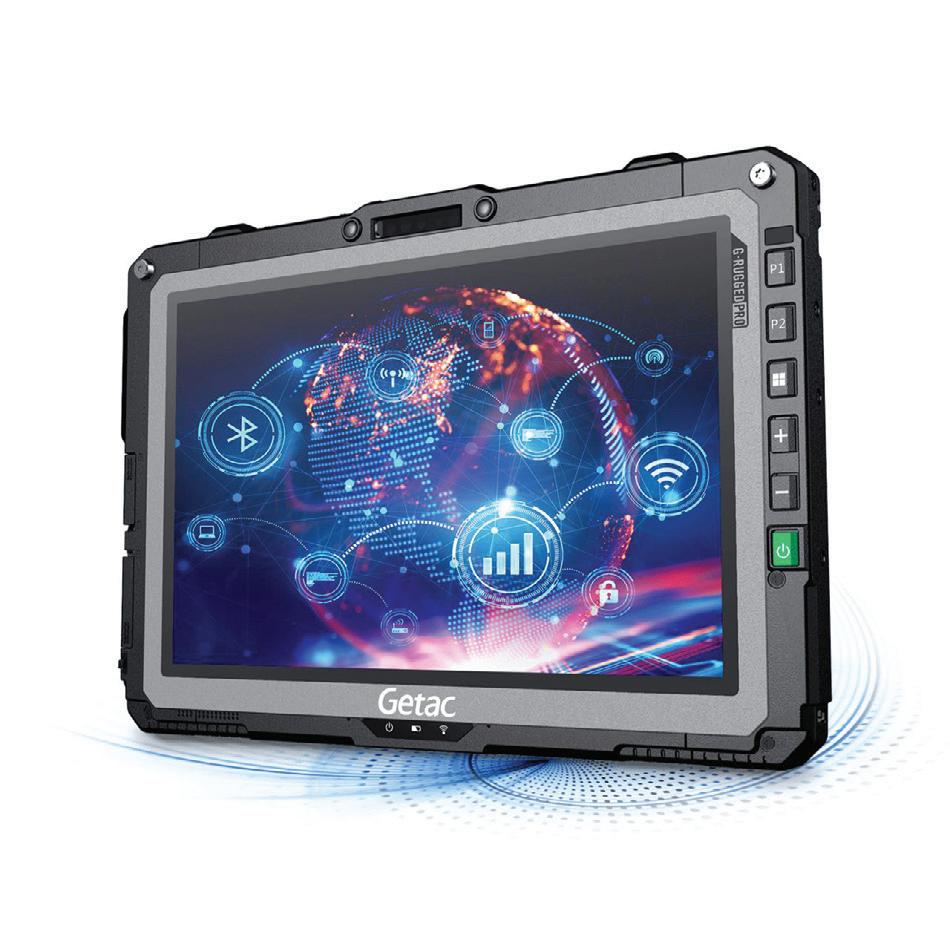
Getac Technology Corporation (Getac) has launched its nextgeneration UX10 and UX10-IP fully rugged tablets. The UX10 is aimed at professionals in the defence, manufacturing, utilities, public safety, and transportation and logistics industries, who need versatile devices that are designed for a range of challenging operational scenarios. The UX10-IP is purpose-built for emergency healthcare and public safety professionals, featuring a sealed design that enables the device to be repeatedly cleaned and disinfected.
The tablets are the latest Getac devices to meet Microsoft’s Copilot+ PC criteria. Both new devices are powered by an Intel Core Ultra 200V series processor and Intel AI Boost neural processor unit (NPU) with up to 48 TOPS, which can accelerate AI-driven tasks and enhance real-time analytics. Other Copilot+ PC key features include up to 32 GB LPDDR5X memory, up to 2 TB PCIe NVMe SSD storage, and Windows Hello face authentication (an optional fingerprint reader is also available).
The tablets also include a range of further upgrades over the previous generation. These include improved power efficiency for longer runtime between charges, a slimmer and lighter bridge battery (optional) for enhanced overall mobility, Wi-Fi 7 for seamless connectivity, and two Thunderbolt 4 Type-C ports for ultra-high-speed data transfer.
The devices are also MIL-STD-810H and IP66 certified, vibration- and 1.8 m drop-resistant and feature an operating temperature range of -29 to 63°C. Despite all this, they weigh just 1.15 kg, making them suitable for all-day use in the field.
Getac Technology Corp www.getac.com
The EPIC M23 Power from LAPP is a rotatable angle socket for direct connection to servo motors, including signal transmission, especially for harsh environments where electromagnetic compatibility (EMC) is required.
The rotatable and angled M23 motor connector has a Quickflex quick-locking system that makes it easier to connect to the mating part. Locking takes place after one eighth of a turn and can be plugged in with market standard connectors. The EPIC M23P A3 Quickflex features the LAPP Clean Design and achieves protection class IP 68 when plugged in, making it particularly easy to clean. The rotatable outlet on the motor allows an adjustable, defined outlet angle and therefore offers maximum flexibility when connecting.
The design of the M23 motor connector allows voltages of up to 1000 V or can be used at altitudes of up to 5000 m. Its metal housing made of die-cast zinc gives it particular stability. The reinforced wall thickness makes it mechanically more robust and insensitive to shock and vibrations. Its shorter housing is also suitable for robot applications where every millimetre counts, while the installation space for assembly remains the same. The connector can also be used with the coloured marking rings of the EPIC M23P series.
Treotham Automation Pty Ltd www.treotham.com.au
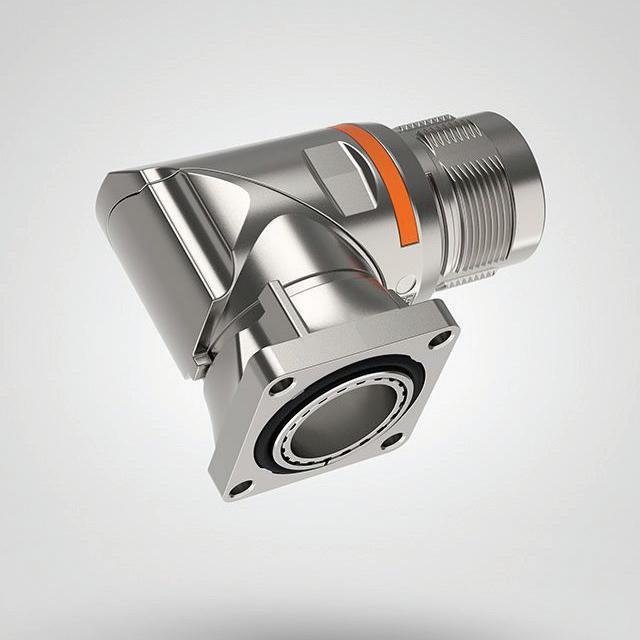
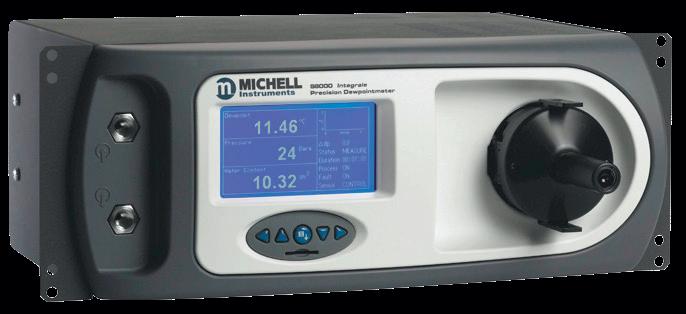
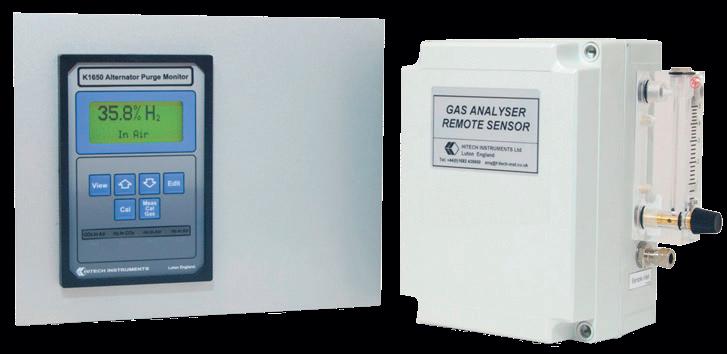
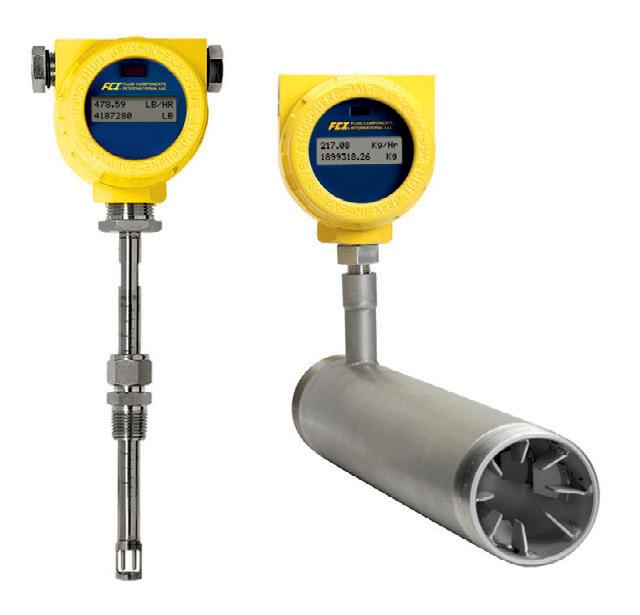
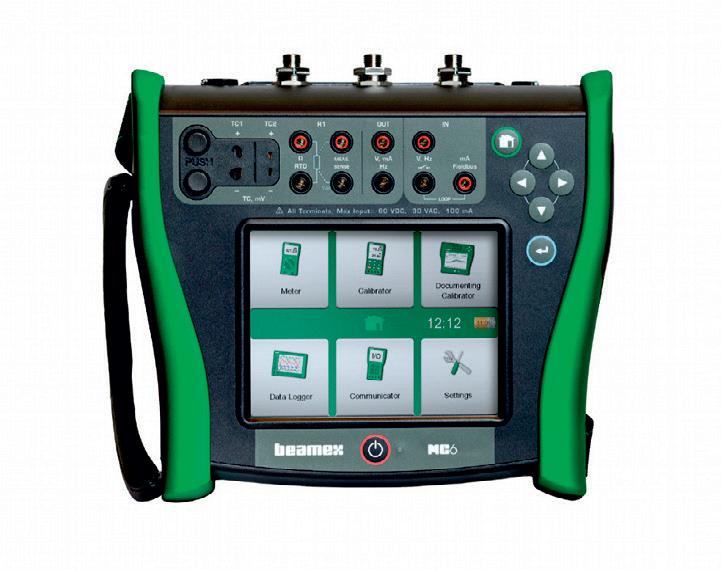
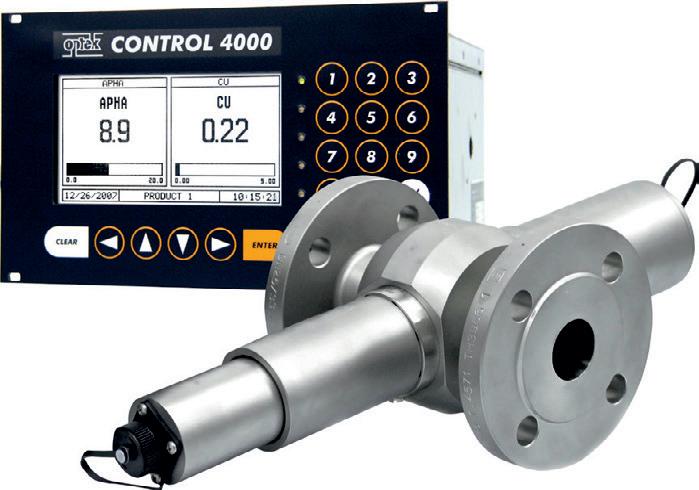
With a history dating back nearly 1300 years, Kunming is now the capital and largest modern city in China’s southern Yunnan province. Its municipal water company, Kunming CGE Water Supply (KMCGE), services a population of over four million residents with its 10 treatment plants, with a total water supply capacity of 1.58 million cubic metres per day, and a water distribution network that stretches over more than 4000 km. As the city grows, KMCGE must also continue to expand the scale of its water supply.
Delivering a safe and stable water supply while optimising production and operational efficiencies are the challenges faced by most water utilities. To make sure it could support the rapid urban development of Kunming, KMCGE recognised that it needed to leverage digitisation to effectively manage its water supply. It sought to tap into the rich cache of available data to coordinate network pipe pressure, the rational distribution of water resources, and better energy management.
After years of building an increasingly complex water supply network, along with the continuous development of its information technology, and improvements at the managerial level, KMCGE’s production scheduling system also needed an overhaul. It needed to be able to coordinate between water distribution and energy management, enable remote operation, and reduce operating costs, all while providing reliable customer service to the people of Kunming.
Schneider Electric built KMCGE’s original water distribution management system back in 2009, incorporating the latest industrial software technologies available at the time, including Citect SCADA (now AVEVA Plant SCADA) and Ampla MES (now AVEVA Manufacturing Execution System).
When it came time to upgrade the system, KMCGE wanted a new production scheduling system that would not only include the data accessed by the existing system, but also integrate additional data on its water sources, plants, transmission and distribution networks, energy use and water quality. It also needed access to data on the operational and maintenance status of its equipment, and more timely, accurate and complete data to better manage the operation of the utility.
To meet KMCGE’s needs, Schneider Electric proposed an EcoStruxure for Water & Wastewater solution that builds on KMCGE’s installed base, including Modicon M340 PACs, Altivar ATV1200 and ATV630 variable speed drives, medium- and low-voltage power distribution systems, integrated with AVEVA System Platform software and EMS+, an energy management services platform.
“Schneider Electric has been our partner for many years. Based on our specific requirements, they provided us with a complete digital solution, from production control to operation scheduling,” said Yu Cheng Huang, Assistant Manager, Water Supply and Distribution Control Center, KMCGE.
With its ability to integrate the performance of the connected devices and edge products, AVEVA System Platform provided KMCGE with a ‘digital core’ for its updated water distribution management platform, incorporating lean management and centralised control capabilities.
To help achieve KMCGE’s sustainability goals, the utility is using EMS+, Schneider Electric’s next generation energy management platform. The EMS+ system’s modular design means it can be tailored to KMCGE’s specific requirements. In this case, it collects and centralises key data on water sources, water plants, pumping stations, distribution networks and water quality. This data is then made available for analysis and reporting to help KMCGE formulate and refine effective water supply plans and make production scheduling more transparent, flexible and efficient, ultimately optimising the entire process, from production to distribution.
The low and medium-voltage smart power distribution solutions, including BlokSeT intelligent low-voltage switchboards, PIX mediumvoltage air-insulated switchgear, MiCOM protection relays, MasterPact MT air circuit breakers and other equipment are used to ensure the reliability of KMCGE’s power supply while also collecting important data and monitoring operational status through their digital capabilities.
The smart power distribution and automation solution built on Schneider’s EcoStruxure architecture and platform has provided KMCGE with a complete digital solution that has improved its operations — with real-time control and more efficient maintenance — and reduced its energy usage and overall operating costs. Key to these results are the critical visualisation capabilities that AVEVA System Platform and the EMS+ system provide.
By reshaping the digital core of KMCGE’s water management system, it has optimised its water distribution and plant efficiency to provide a safer, more reliable and sustainable water supply for residents.
“We will continue to work with Schneider Electric so we can make full use of this precious natural resource and achieve green and sustainable operations,” Huang said.
Schneider Electric www.se.com/au

Across Australia’s utilities and heavy industries, sensors are evolving from simple measurement devices into a fundamental layer of digital operational infrastructure. As industrial environments become increasingly connected, engineers are integrating advanced sensing technologies with data acquisition platforms, analytics tools and control architectures to improve reliability, efficiency and asset performance.
In sectors such as water utilities and power generation, instrumentation has always been central to process control. Pressure transmitters, flowmeters, level sensors and temperature probes form the backbone of distributed control systems. However, digitalisation is expanding the role these devices play within the wider operational technology (OT) environment.
Modern industrial sensors now generate high-resolution measurement data that can be captured continuously and analysed in real time. When connected to plant historians, edge analytics platforms or advanced monitoring systems, these signals allow engineers to move beyond traditional alarm-based control toward deeper operational insight.
For utilities operators managing geographically distributed infrastructure, this capability provides significant operational advantages.
Water utilities rely heavily on accurate instrumentation to maintain treatment efficiency and network stability. Flow and pressure sensors deployed throughout distribution networks enable engineers to detect anomalies such as leaks, pump failures or pressure transients before they escalate into service disruptions. In treatment plants, sensors measuring turbidity, dissolved oxygen and chemical dosing parameters allow tighter control of treatment processes and improved compliance with regulatory standards.
Energy infrastructure is also becoming increasingly sensor-driven. Power stations and substations deploy instrumentation to monitor transformer temperatures, insulation condition and electrical load behaviour. High-frequency vibration and temperature sensors installed on rotating equipment such as turbines and large pumps allow engineers to identify mechanical wear, imbalance or bearing degradation well before failure occurs.
These applications are supported by increasingly sophisticated industrial data acquisition systems capable of aggregating signals from multiple sources. Modern platforms can capture data directly from PLCs, SCADA systems, fieldbus networks and intelligent devices, creating a unified dataset that engineers can analyse to better understand plant performance.
By correlating process variables with equipment behaviour and production metrics, engineering teams can identify inefficiencies, optimise control strategies and improve overall asset reliability.
However, the expansion of sensor networks and digital connectivity also introduces new engineering considerations.
Cybersecurity has become a critical factor in modern industrial systems. As instrumentation networks connect to enterprise IT systems and remote monitoring platforms, engineers must implement secure network architectures, segmentation and device management practices to protect critical infrastructure.
Integration with legacy equipment presents another challenge. Many Australian industrial facilities operate assets installed decades ago, requiring engineers to bridge older field devices and communication protocols with modern digital platforms.
Despite these complexities, the trajectory is clear. Sensors continue to be foundational components of connected industrial ecosystems. For engineers working across Australia’s utility and energy sectors, designing and managing these integrated sensing environments will remain as central to delivering the next generation of reliable, efficient and data-driven industrial operations.
April
Hannover Messe 20–24 April 2026
Messegelände, Hannover, Germany www.hannovermesse.de/en
Hazardous Areas & Process Safety Conference
22–23 April 2026
Rydges South Bank, Brisbane Qld events.idc-online.com/upcoming-conferences/ hazardous-areas-energy-safety-conference-2
May
Global Resources Innovation Expo 5–7 May 2026
Perth Convention & Exhibition Centre www.grx.au
IICA TÜV Functional Safety Engineer SIS Training — Sydney 5–8 May 2026
Sebel Quay West Suites, Sydney iica.org.au/Web/Web/Events/Event_Display. aspx?EventKey=TUVSYD26
Australian Manufacturing Week 12–14 May 2026
Brisbane Convention & Exhibition Centre australianmanufacturingweek.com.au/
IICA Technology Expo Perth 20 May 2026
Perth Convention & Exhibition Centre iica.org.au/Web/Web/Events/Event_Display. aspx?EventKey=IICAPERTH
Workplace Health & Safety Show 20–21 May 2026
Melbourne Convention and Exhibition Centre whsshow.com.au/melbourne
Ozwater’26
26–28 May 2026
Brisbane Convention & Exhibition Centre www.ozwater.org
Robotics Summit & Expo
27–28 May 2026
Boston Convention and Exhibition Center www.roboticssummit.com
June
Seeq Connect 2026
1–3 June 2026
JW Marriott Orlando Bonnet Creek, Florida USA www.seeq.com/resources/events/conneqt-2026/ IICA TÜV Functional Safety Engineer SIS Training — Melbourne 2–5 June 2026
Ibis Melbourne Central iica.org.au/Web/Web/Events/Event_Display. aspx?EventKey=TUVMEL2026

AI WON’T RESTART YOUR PLANT: WHY PRACTICAL SKILLS MATTER MORE THAN EVER
The scaremongering has reached a crescendo; with the assertion that AI tools will replace knowledge-based professionals, including engineers. I don’t deny that AI is becoming increasingly sophisticated — including the ubiquitous ChatGPT — but the reality is more nuanced.
To save time, engineering personnel are using AI to construct snippets of PLC code, make design suggestions, summarise manuals, generate ideas for loop tuning, and describe process optimisation. But when SCADA screens alert process operators to a plant spinning out of control, nobody calls a chatbot. They call the troubleshooting expert.
AI tools are based on probability, suggesting the next word in a sentence, for instance. A bit like Google on steroids. AI can find information efficiently and provide advice based on a given prompt. Despite presenting these results with confidence, even conviction, AI is deeply flawed. Users need to be hyper-vigilant; everything it produces needs a beady-eyed expert.
Theory — the feeding ground for AI — is tested by reality. Consider these briefly sketched scenarios. A pressure transmitter is installed ‘as per spec’, but the impulse lines are partially blocked. The status is ‘healthy’, but in wet gas a badly ranged DP transmitter kills turndown — lowflow DP vanishes and the numbers lie. The temperature appears normal, but the associated control valve is either faulty or the product entering the plant has changed grade. This is the world of instrumentation and automation professionals: a place where measurement is never just a number, and control is never just code.
AI can be a useful adviser — a ‘chum on the side’. What it can’t do is smell hot insulation, hear pump cavitation, spot the subtle change to the vibration in an actuator, or feel the increasing heat on a terminal
strip that’s about to become tomorrow’s incident report. It cannot walk the line, check an instrument air filter, or link that ‘mystery fault’ with a washdown cycle and a poorly sealed junction box. It cannot spot a poorly trained or over-tired operator, and it is not responsible when an oversight becomes a trip, a spill, or a near-miss. Humans are.
In our industry troubleshooting is the career moat. AI can recite the theory of pressure, flow and temperature measurement, but it cannot mimic experience and diagnose failure modes under pressure — calmly, methodically and with discipline.
Consider two common scenarios where hard-earned experience is essential: Firstly, the ‘perfect’ PID loop that still hunts. The tuning is textbook, but the loop oscillates because the valve is sticky or the actuator is undersized. Or the PLC that lies by omission, an intermittent trip that disappears when you watch it. The culprit is often noise on inputs, earthing/shielding errors, or a vibrating 24 V rail.
Budding instrumentation professionals can be trained using EIT’s online learning platform — while working. The teaching and learning sessions are live and interactive, covering job-aligned modules and presented by real, grizzled instrumentation veterans (not AI-bots or even humans with PhDs). There are troubleshooting exercises using realistic scenarios, and assessments that reward diagnosis and decisionmaking, not memorisation.
Australia’s competitiveness depends on our ability to proficiently troubleshoot in the industries which underpin our economy: energy, mining, processing, oil and gas, food and beverage manufacturing. AI will be there as a sounding-board, but people and their skills build the national capability.
Dr Steve Mackay has worked in engineering throughout Australia, Europe, Africa and North America for over 40 years in the mining, oil and gas, and power industries. A registered professional engineer in electrical, mechanical and chemical engineering, he believes university engineering programs need to be strongly focused on industry. He leads three online fully accredited engineering colleges with over 6000 students from over 160 countries attending a range of engineering certificate, diploma, bachelor degree and master’s degree programs.













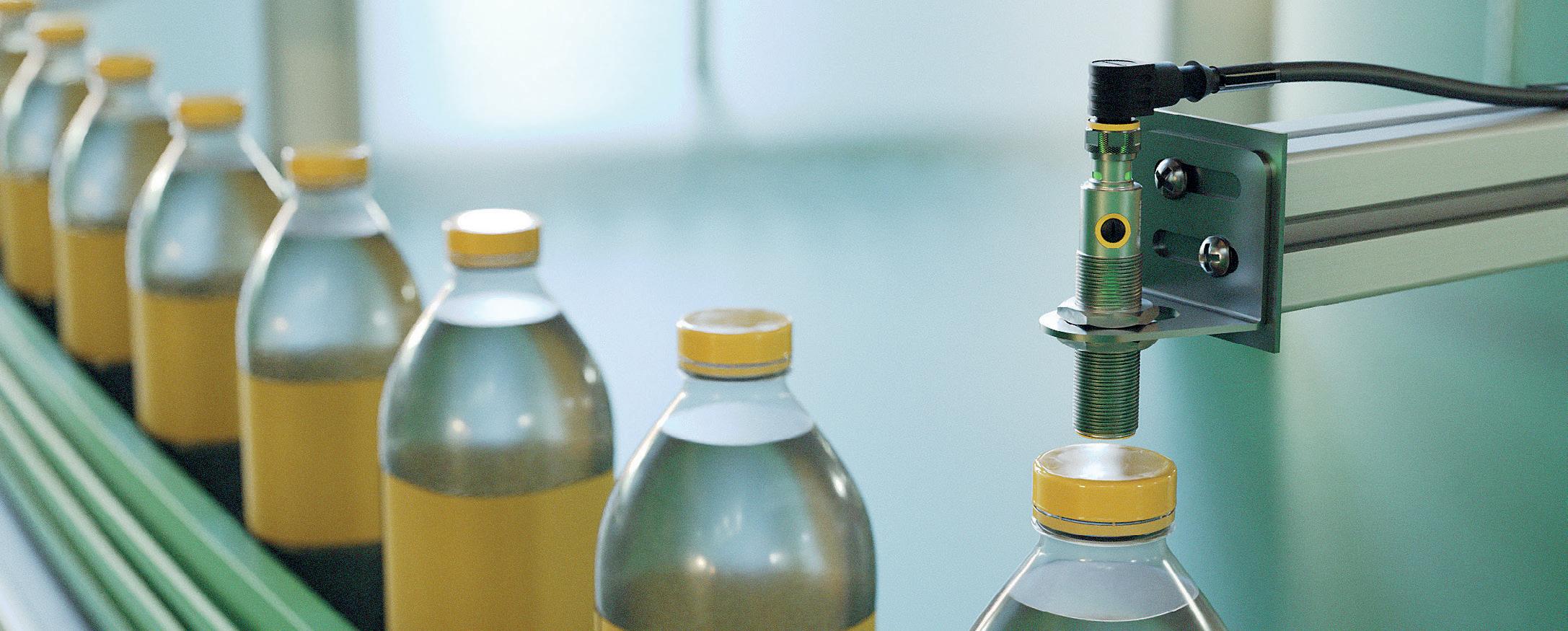
Introducing next generation BC/UC capacitive sensors from Turck.
Reliable, intuitive sensors with IO-Link for easy parameterisation, diagnostics and commissioning. Simple as that.