

APRIL/MAY 2024 VOL.37 NO.6 | PP100007403



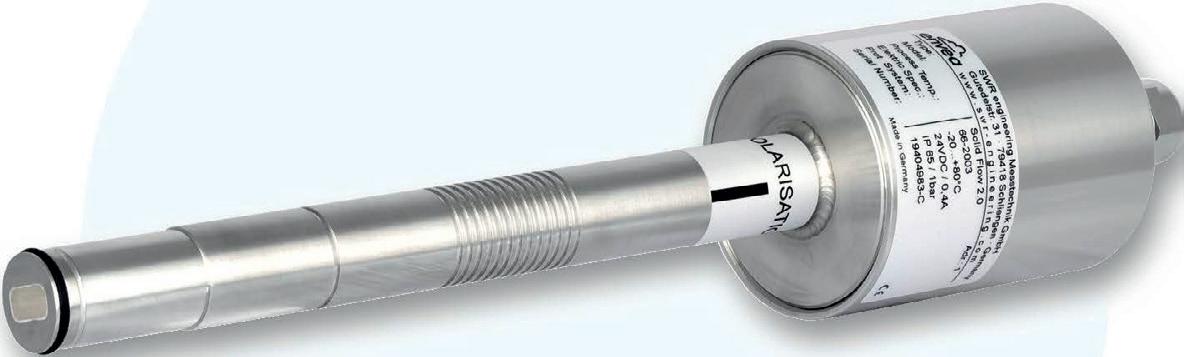
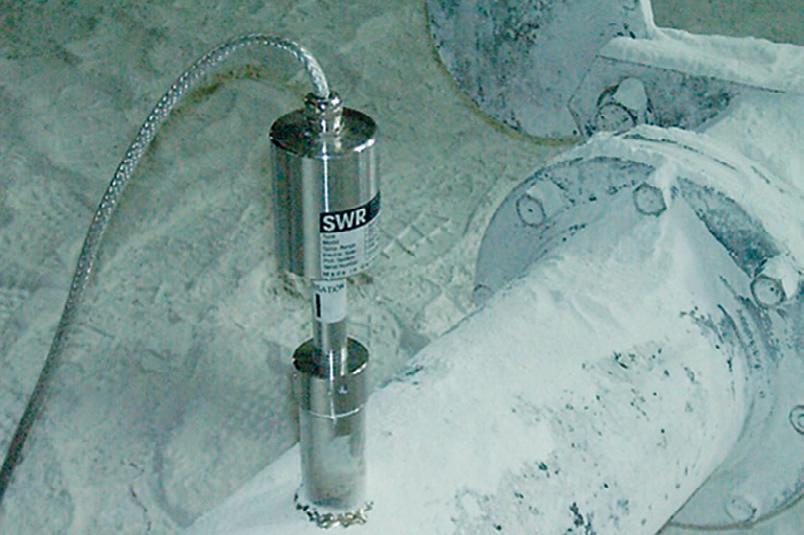
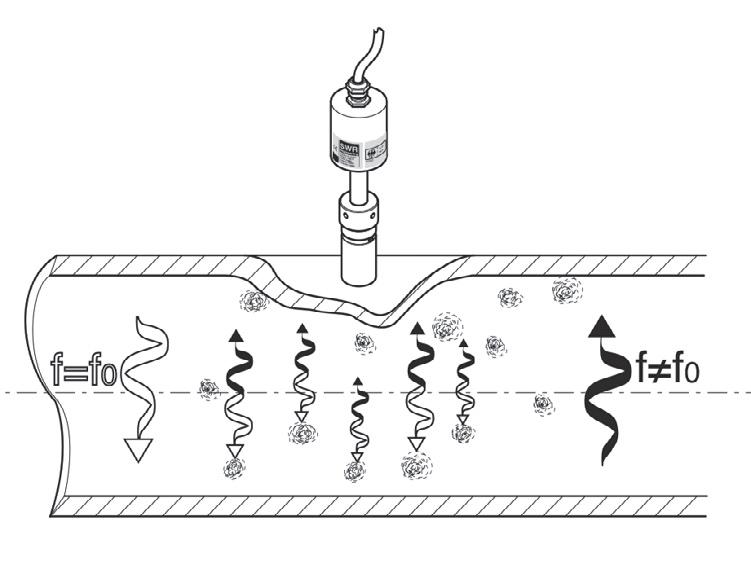
Active roping compensation for highest reliability
Can be used in free fall and in pneumatics
Simple retrofitting using a welding socket
No installations in the material stream
Almost all types of dust, powder and granules can be measured
Throughput measuring up to 20 t/h
IECEX dust zone 20/21, gas zone 1/2
Particle sizes between 1µm and 10mm
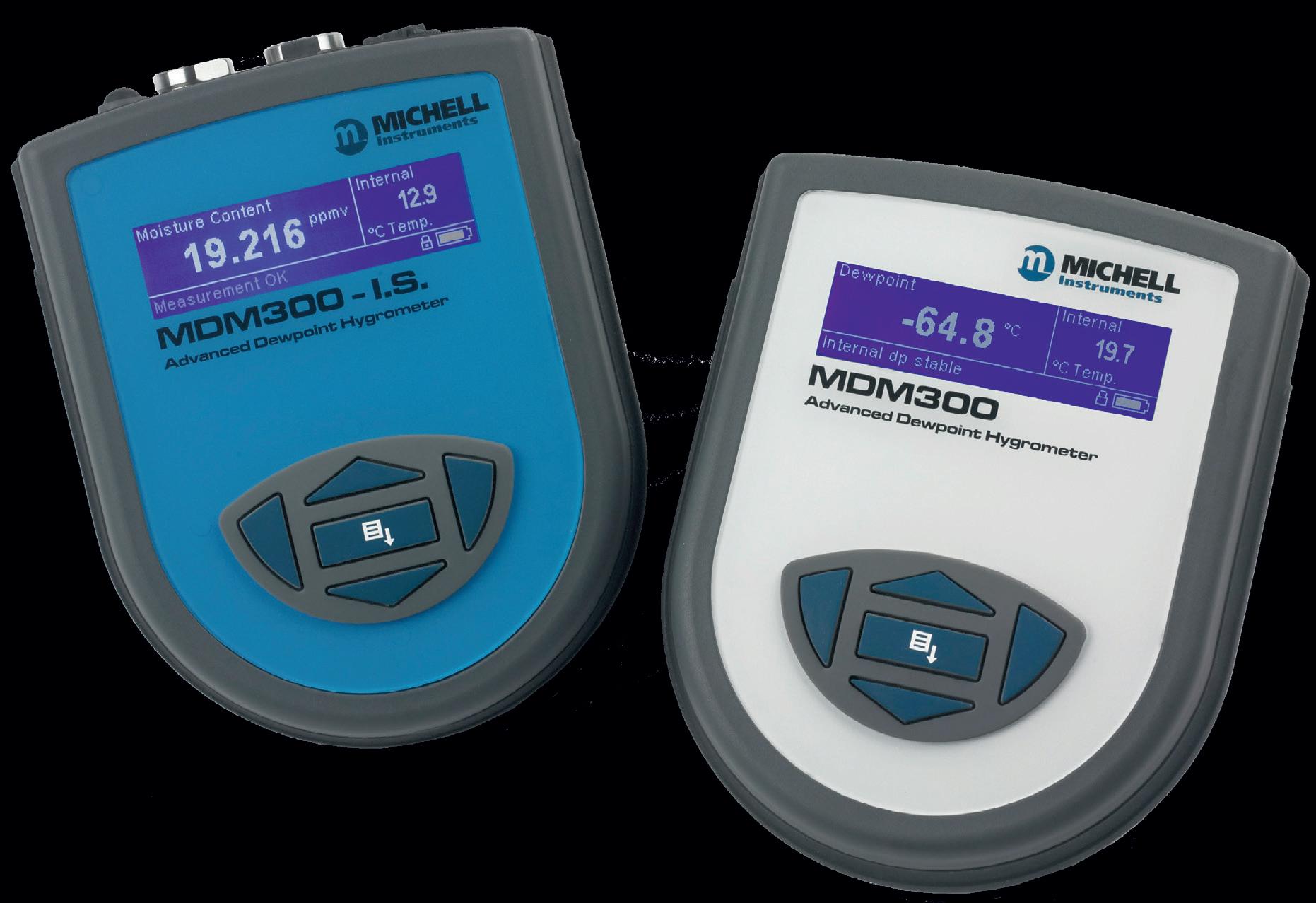
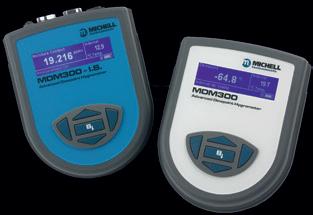
The Michell Instruments high-speed portable dewpoint hygrometer is designed for rapid spot-check measurements of dewpoint or moisture content in compressed air, natural gas, high voltage switchgear quench gas and many other applications. The sensor responds quickly to changes in moisture whether from dry to wet or wet to dry. This means there is no need to wait between measurements, allowing operators to make more measurements in a day.
The general-purpose MDM300 is suitable for safe area use, while the intrinsically safe MDM300 I.S. has global hazardous area approval from ATEX and IECEx, and is able to measure moisture in flammable gases such as natural gas or bio-gas.
The MDM300 series can provide measurement to -60°C dewpoint in gases at atmospheric pressure in less than 15 minutes (30 minutes to -60°C dewpoint for MDM300 I.S.). This, combined with no required waiting time between measurements, allows the user to take many readings per day, increasing efficiency and reducing costs.
It has a hard-wearing, ergonomic case and an easy-touse interface for comfortable and practical operation in the toughest industrial environments.
The rugged but ergonomic design of the MDM300 series combines industrial durability with comfortable one- or two-handed operation. The intuitive menu system and large, easy-to-press buttons enable the user to easily configure the instrument to display the parameters they require, even with gloved hands.
For more information call 03 9017 8225 (Australia) or Freecall 0800 442 743 (NZ).

The factory floor is undergoing a seismic shift. While industrial processes have long relied on automated control systems to monitor and control operations, the rise of smart manufacturing and cyber-physical systems (CPS) promises a future of unparalleled efficiency and automation — in a world where machines talk to each other, analyse data in real time and even predict maintenance needs. The marriage of the physical and digital worlds is the backbone of this revolution, offering a glimpse into a future where factories operate with unprecedented levels of autonomy.
In the past year, the speedy rise of generative AI has also begun to have an impact, with industrial systems incorporating ChatGPT-like capabilities into software systems to assists operators and maintenance personnel.
However, the path to this future isn’t without its challenges. Manufacturing, by its nature, can be slow to adopt change. We’ll explore the reasons behind this slow pace of change and discuss the steps needed to bridge the gap between the potential of these new technologies and their real-world implementation.
We also have a bit more of a focus on technology that is fundamental to all automation systems. Industrial instrumentation and sensors are fundamental in gathering real-time data, and are the ‘eyes and ears’ of any smart manufacturing operation.



Today’s manufacturing journey is a story of opportunity, innovation and the challenges that come with any major transformation, but the future of industrial automation is looking up.
We also have some recent local industry news items, but don’t forget that more detailed daily news can be found on processonline.com.au, and is also available by subscribing to our biweekly email newsletter.
Until next issue…
Glenn Johnson Editor pt@wfmedia.com.au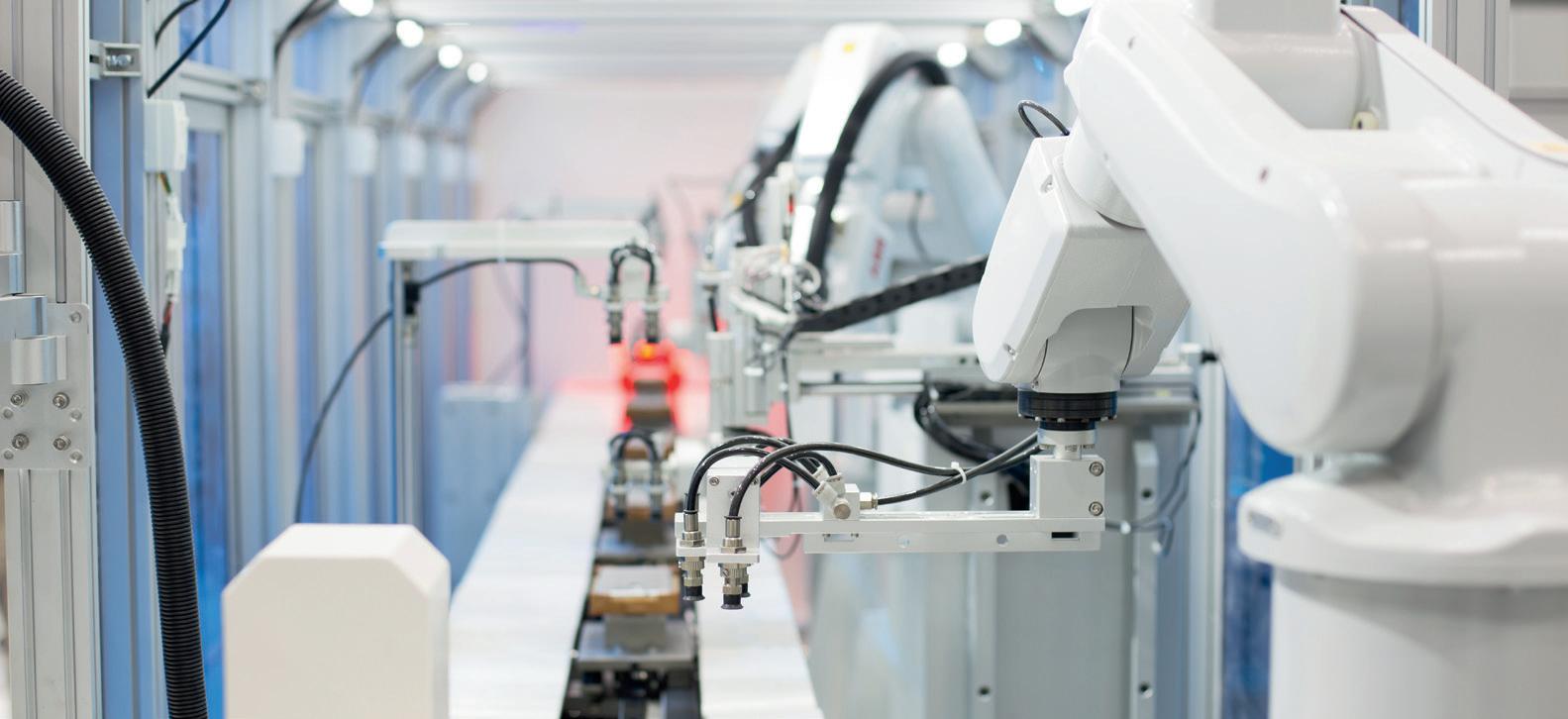
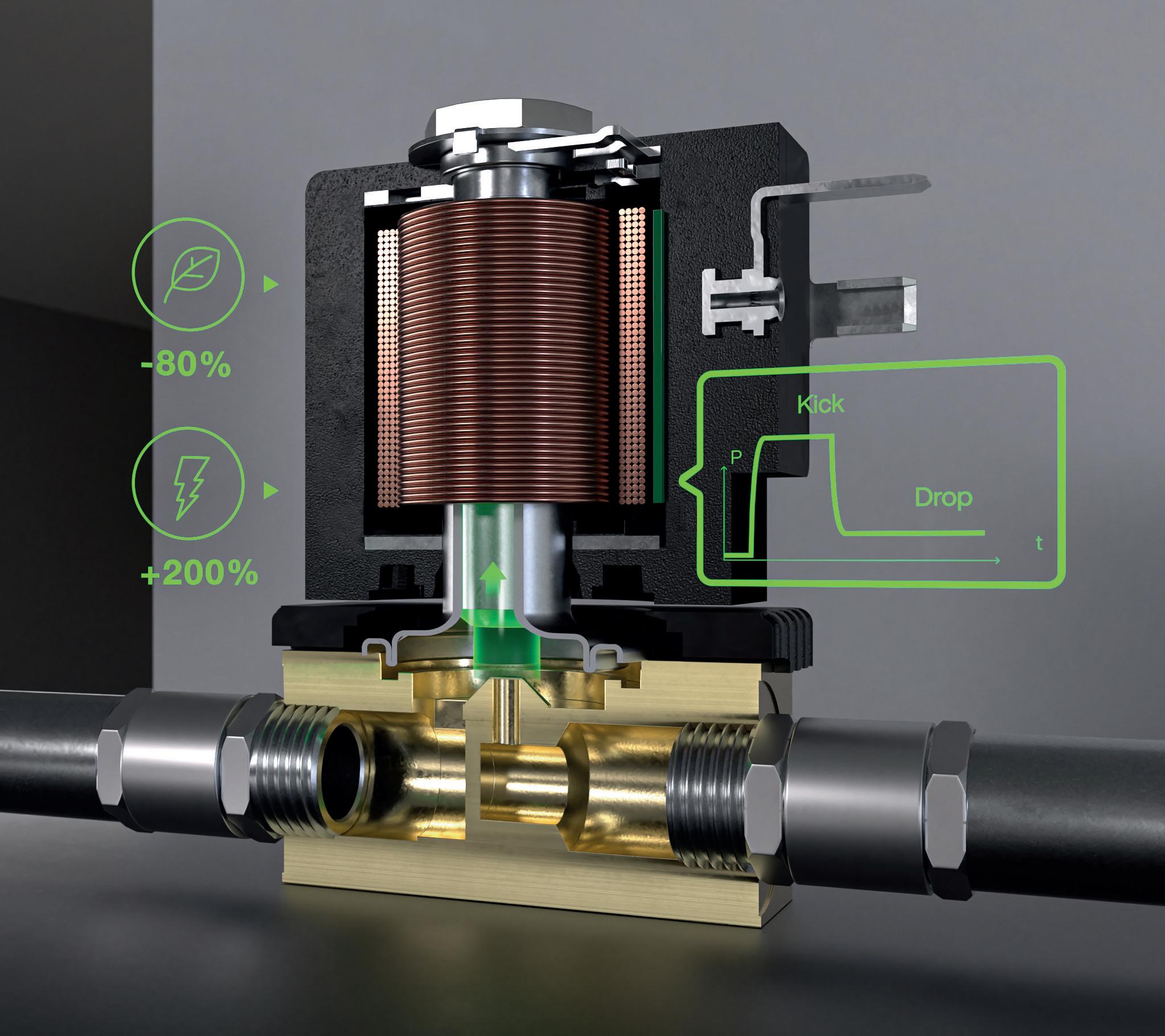
*individual results may vary
// Discover why manufacturers prefer to partner with us > 80%* energy savings with Kick and Drop Technology

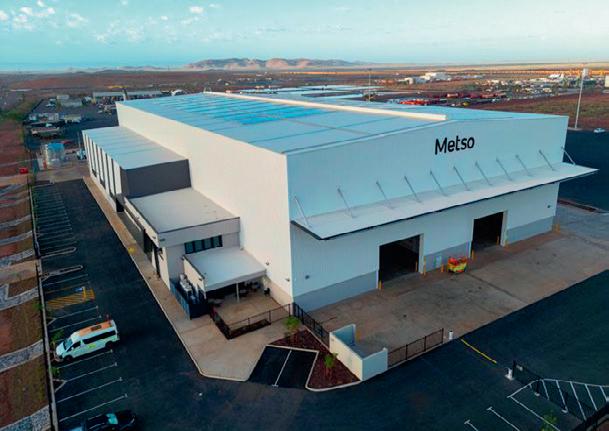
Metso has announced that it opened its largest service centre globally in Karratha, Western Australia, on 21 March. Located in the Pilbara, the centre will serve the company’s mining and aggregates customers with increased local maintenance and repair solutions.
“The opening of the new centre is an important milestone and further proof of our commitment to accelerate strategic investments in serving customers from pit to port,” said Sami Takaluoma, President, Services business area, Metso.
The Karratha Service Centre, backed by an investment totalling approximately $52 million, spans a 35,000 m2 area, including a workshop covering 5000 m2
Equipped with amenities such as high-capacity cranes, CNC machines, a heat treatment furnace, welding facilities and assembly stations, the centre has received significant customer support, according to Metso. The centre will be able to service a wide range of heavy mining equipment, including crushers, screens, mills, HIG mills, HPGRs and car dumpers, among others.
The centre also features a dedicated training facility, offering tailored programs to enhance the technical expertise of mining professionals. The centre will also provide long-term stable employment to skilled personnel from the local communities, including trades, service engineers and experts.
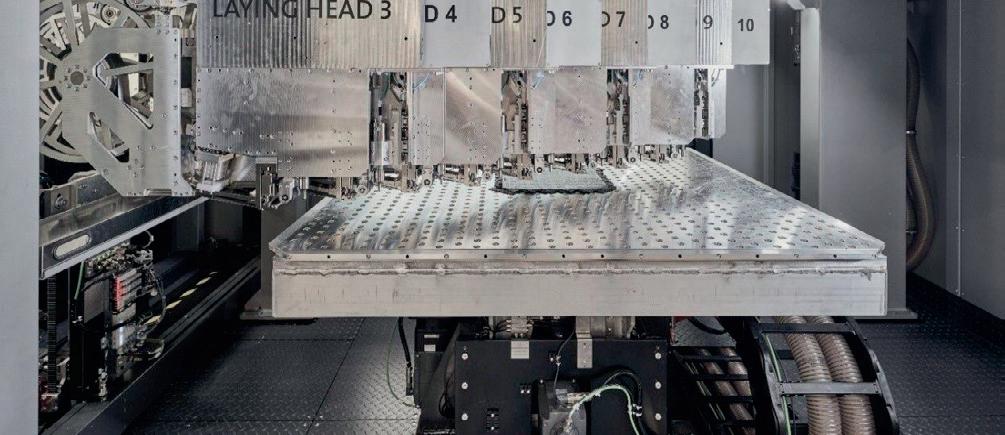
CSIRO and Swinburne University of Technology have announced the showcasing of a world-first fully automated industrial-scale production facility using a 3D-printing approach to composite component creation.
The Swinburne-CSIRO National Industry 4.0 Testlab includes a world-first process for the additive manufacturing of carbon fibre composite materials. The showcase was attended by Member for Chisholm Dr Carina Garland MP, one year on from the federal government announcing their Rebuilding Australian manufacturing agenda to revitalise Australia’s industrial capability and manufacturing.
Swinburne Chief Scientist Professor Virginia Kilborn said the university is proud to be one of Australia’s leading partners in the research and development of advanced manufacturing.
“Swinburne continues to deliver groundbreaking digital techniques to push Australia to the forefront of manufacturing carbon fibre composite components,” she said. “Our tech-led approach promotes widespread adoption of Industry 4.0 standards and digital twins, to help secure Australia’s manufacturing future.”
Based at CSIRO’s Clayton facility, the Swinburne-CSIRO National Industry 4.0 Testlab supports innovative research and development for Swinburne’s Aerostructures Innovation Research (AIR) Hub, Victorian Hydrogen Hub, ARC Research Hub for Future Digital Manufacturing, and collaborations with CSIRO’s Data61 arm.
“Testlab’s real power is collaboration — it brings together the people, the capabilities and the intention to deliver benefits for the nation through generous collaboration between Swinburne, CSIRO and other key players in Australia’s research and innovation system,” said CSIRO’s Chief Scientist Professor Bronwyn Fox.
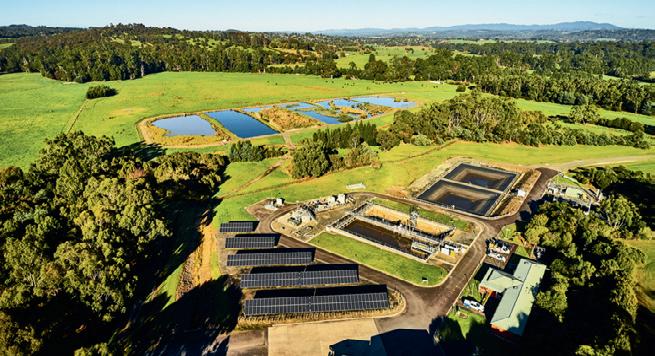
Yarra Valley Water has signed a five-year contract with Waternish Engineering and Service Stream to upgrade sewage and recycled water treatment plants across its entire service area.
Under the $10 million annual Treatment Plant Improvement Program, the two companies will deliver small to medium projects to upgrade existing infrastructure.
As Melbourne’s largest water corporation, Yarra Valley Water currently provides essential water and sanitation services to more than 2 million people and over 61,000 businesses. The water utility operates nine sewage treatment plants and three recycled water treatment plants in total; its Treatment Plant Improvement Program started in 2023 with a $1.2 million upgrade to the Kinglake West Sewage Treatment Plant.
“We’re looking forward to working with Waternish and our joint partner, Service Stream, to renew and upgrade our treatment plants to meet the needs of our growing community in the region,” said Yarra Valley Water’s Growth Futures General Manager, Bridie Fennessy. “Waternish brings a wealth of experience from working in the South Australian water market and is growing its capacity in Victoria.”
Madison Technologies has been appointed to the role of exclusive operational technology supplier (OTS) for Cisco in Australia, following Cisco’s global announcement of its new operational technology (OT) strategy. The company said the partnership recognises Madison Technologies’ three-decade legacy of excellence and innovation in the OT space.
“I’m excited that the work we’ve done with Cisco in the region has been recognised with our appointment as Cisco’s exclusive OT Supplier in Australia,” said Paul Calabro, CEO of Madison Technologies. “This unique partnership with Cisco enables us to offer our customers advanced IIoT and Meraki IoT products, competitive pricing and expert OT support. More than just product access; it’s about shaping the future of industrial connectivity, fostering IT/OT convergence and fast-tracking digital transitions in critical operational environments.”
“Our commitment is to create lasting value and efficiency in these environments, ensuring our clients and our system integrator customers stay at the forefront of innovation, and the OTS program enables that.”
Madison Technologies said the Cisco OT Supplier Program is designed to empower system integrators with the resources, expertise and tools they need to thrive in today’s dynamic industrial environment. It also enables access to partnership benefits, empowering small to medium-sized systems integrators with the buying power to competitively offer Cisco IoT products.


The Open Source Robotics Foundation (OSRF) has announce the creation of the Open Source Robotics Alliance (OSRA), a new initiative to strengthen the governance of open-source robotics software projects and ensure the health of the Robot Operating System (ROS) Suite community. The OSRF said the OSRA will use a mixed membership and meritocratic model, following other successful foundations for open-source projects, including The Linux Foundation and the Eclipse Foundation.
The OSRA is extending an open invitation to all community stakeholders to participate in the technical oversight, direction, development and support of the OSRF’s open source projects — ROS, Gazebo, Open-RMF and their infrastructure. Involvement across the robotics ecosystem is crucial to this initiative. The Alliance has received early support from prominent organisations such as NVIDIA, the inaugural Platinum member. Membership applications are now open for organisations and individuals interested in joining the OSRA and supporting the future of open source robotics.
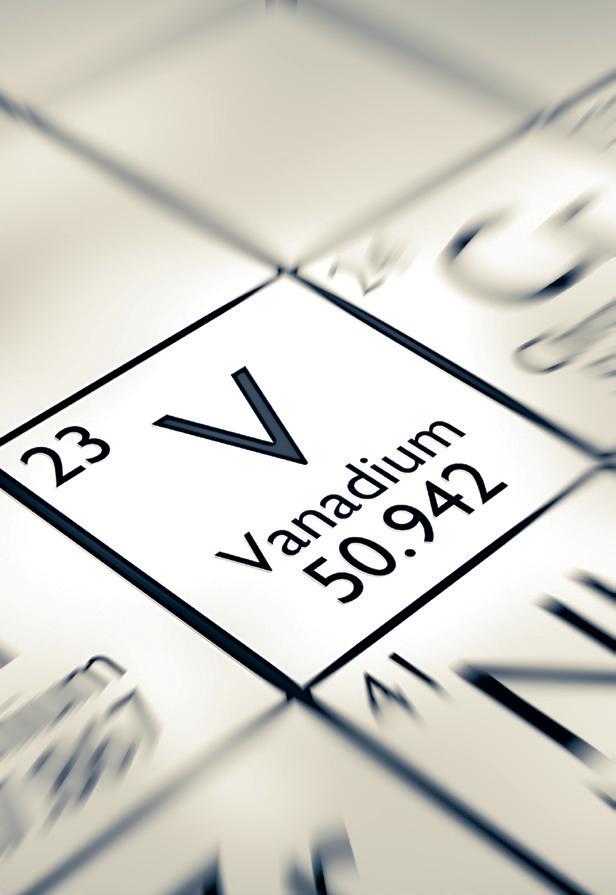
Australian Vanadium has announced that it has produced its first high-purity vanadium electrolyte for use in vanadium flow batteries. Vanadium flow batteries are well suited to large-scale energy storage applications, such as those required for electrical grids.
The company reports that independent analysis of the vanadium electrolyte, conducted by LabWest Minerals Analysis, shows the impurities were well within limits typically expected by vanadium flow battery manufacturers. Samples of vanadium electrolyte produced at the facility will be provided to manufacturers of vanadium flow batteries for formal qualifications for use in their batteries.
The company’s vanadium flow batteries-focused subsidiary VSUN Energy has experience working with a range of battery manufacturers and has built relationships for electrolyte supply by Australian Vanadium.
The facility was designed to produce high-purity electrolyte to support up to 33 MWh per year of vanadium flow battery energy storage.
The ability to source local electrolyte will enable the company to become a trusted supplier of vanadium electrolyte for battery projects in Australia and the wider region, at a time when there is increasing community and government interest in ensuring capabilities to support the energy transition.
Dr Koji Yasui*
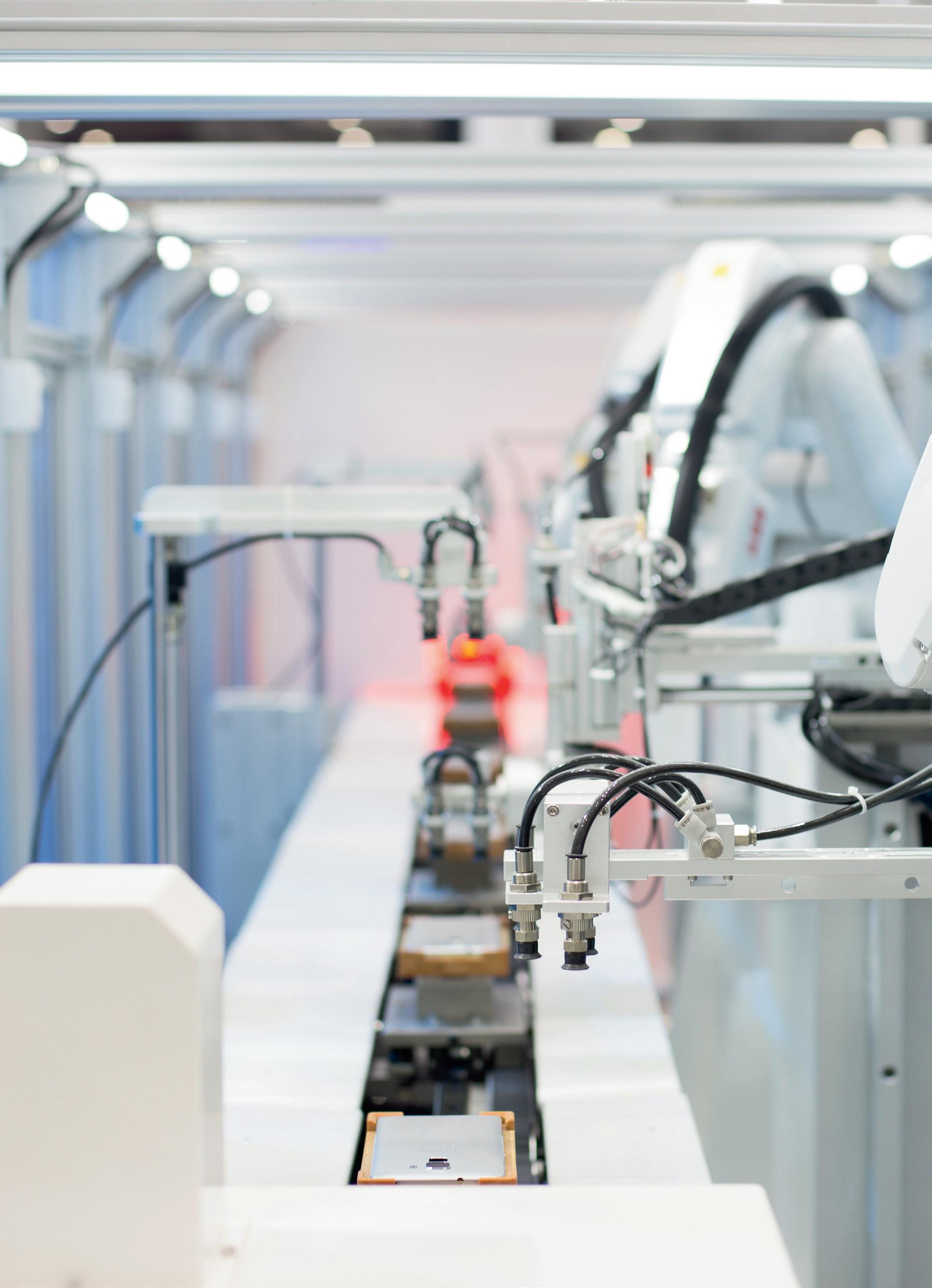
It is time for manufacturers to start their own digitalisation journey and ride the wave of the latest industrial revolution.
Society is undergoing a large-scale transformation as the trend towards smarter technology is continuing. In these modern times, manufacturing businesses need to become smarter, but the question is, what should they do?
We’ve been saying for a long time that the next industrial revolution will be triggered by advances in digital technology. The latest industrial revolution is directed at the smartification of society, whereby all aspects of society will operate in an autonomous and smartly coordinated fashion. For example, smart grids to advance the supply of electricity were promoted by the United States around 2009. This was followed by a boom in 3D printers in 2014, and around 2015, Germany’s Industry 4.0 prompted a lot of discussion in industrial circles.
While the entities involved and the content differs, all these initiatives have the same goal: to drive a smart society through various means. Experts predicted that the new industrial revolution would kick off in full swing around 2020. And it is true to say we have seen advances in semiconductors and emerging technologies such as the Internet of Things (IoT), artificial intelligence (AI), 5G communications and blockchain. We have also been starting to see the development of quantum computing and communications. So, 2020 seemed to be a historic year with the industrial revolution really hitting its stride.
Furthermore, through the COVID-19 pandemic digitalisation gained momentum, and even in Japan, which lagged far behind, working from home and remote meetings became common practice. It was potentially one of the greatest transformations since the first industrial revolution 200 years before.
During the pandemic, investments in the digitalisation of the manufacturing sector soared, particularly around 2021. At its start, many manufacturing sites had to cease operations, while those that could continue production did so owing to digital technologies that allowed remote monitoring and control. With the usefulness of digitalisation being more evident than ever to the manufacturing industry, investment got into full swing. Keywords in use before the pandemic, such as ‘digital transformation’, became more popular as many manufacturers started to introduce the Industrial IoT and made improvements in their digital infrastructures.
The smart manufacturing trend spread to electric vehicle (EV) production, where there has been significant investment in the digitalisation of battery plants. The semiconductor shortages experienced during the pandemic also led to increased digital investments in that industry, as semiconductors are one of the key components in all electronic products, from batteries to smartphones. Those investments in digitalisation are starting to bring results, while key events in 2022 triggered concerns about energy security, especially in Europe, and so digitalisation investments also began to expand into the energy sector as well.
Given this background, it is time for manufacturers to start their own digitalisation journey and ride the wave of the latest industrial revolution. Investments in digital technologies are rapidly progressing, particularly in larger corporations, and are expected to accelerate further in the future.
In Japan, we call the smart society at the heart of the new industrial revolution Society 5.0. Such smart societies are clearly more resilient to uncertainties and will be effective in finding solutions to today’s challenges such as energy security. For example, if every household was fitted with solar panels and a battery system, it would be possible for homes to have electricity without relying on the grid.
Manufacturing sites that were already relatively well equipped for smart manufacturing, including using remote monitoring and control functionalities, were able to remain largely unaffected during the pandemic and continued to operate. The benefits of using cutting-edge digital technologies not only provided immediate results but also created opportunities.
The global push towards a sustainable society presents an opportunity for manufacturers. The digitalisation of the EV and energy sectors is a hot topic now, being so closely related to global decarbonisation and net zero strategies. Companies across the value chain of applicable technologies have significant opportunities here. For example semiconductor factories, which produce the components used as building blocks for the latest digital technologies, and data centres which process large volumes of digital data, are both intensive energy users. In this regard, energy-saving technologies are exactly what the world as a whole is actively looking for right now.
In terms of making manufacturing smarter, the goal should be to create cyber-physical systems that allow companies to optimise their operations and activities in actual physical space, based on insights from the virtual model. As a first step, it is necessary to establish digital twins (digitised alter egos) of people and machines that exist in the physical world, re-created in cyberspace. Incidentally, cyberspace is
not exclusively in the ‘cloud’, but can also be generated using on-premises servers installed within a company’s facilities or it can even extend to ‘edge’ devices such as PCs and smartphones.
The origins of the digital twin concept can be found in the development of smart grids back in 2009. This early work has helped to address key challenges to the realisation of today’s digitalisation. For example, battery storage costs needed to be reduced by a factor of 10 whilst the speed of data exchange and computer processing had to increase by a factor of 10 to support the data processing needs.
The prices of battery storage are now one-tenth of what they were because of increased investments in EVs. With the introduction of 5G, and work already underway on next-generation 6G, communication speeds are expected to exceed today’s requirements. Progress is also being made on practical applications of quantum computing, a technology that can be extremely powerful in the optimisation of key activities when compared to conventional computing. Additionally, EV manufacturing sites around the world are already leveraging cyber-physical systems, including in Japan, where large companies are taking the lead in accelerating such efforts.
As costs are reduced, newer technologies become easier to develop and implement. Manufacturers should make use of the most promising current technologies and quickly move on to making their company smarter.
Small and mid-sized production sites can find connecting their equipment to cyberspace a
big challenge. When a company decides to make their factory smarter, what approach should they take and how should they proceed in a practical sense?
Digital twins used to recreate a manufacturing process in cyberspace are relatively easy to build, especially when it comes to replicating component assembly lines, which is what most larger companies are involved with. However, there can be challenges when it comes to specific machining operations — for example, such as grinding and polishing — where many small and mid-sized companies excel, and unfortunately it is often the case that these companies have limited budget available for investments.
From a manufacturer’s perspective, the reality is that digital twins do require some level of investment, so it is recommend to first look at small on-site digital improvements that can form the foundation for further smart applications. To achieve this, digitalisation budgets should focus on enabling technologies that can drive growth and flexibility to meet changing business conditions.
The strength of digital twins is that we can try out different ideas in cyberspace. This helps to identify the methods that generate the greatest improvements for physical processes. Despite digital twins being in cyberspace, they are still based on the physical reality that represents a set of manufacturing capabilities. These capabilities are at the core of a factory’s competitiveness, and so the priority should be to strengthen them. Digital twins are an excellent way of improving performance and quality, and subsequently boosting profits.
When small or mid-sized companies start to utilise digital twins, this enables the entire supply chain to be optimised with the addition of this missing part. The digital twins developed for the manufacturing industry can also be deployed in the mobility and energy sectors in the form of EV production, as well as in the food and beverage, pharmaceutical and healthcare sectors, which all face global issues and have great potential for development.
The changes we are seeing are the most significant in several hundred years, so it is important not to panic or over-react, but to take time and consider carefully. Every company has unique facets, such as expertise, market knowledge or domain know-how, and these core values should be built on. Companies should identify their unique strengths and utilise new tools such as digital twins, IoT, AI and 5G to support the smarter development of these inherent strengths.
First, companies should review their capabilities and polish their strengths. It is important to then actively communicate these to the rest of the world and develop them further. Becoming smarter can be a tool for communicating a company’s strengths to the outside world and connecting with partners who can best leverage the technology.
The basic approach to smartification is to improve the physical factory. Physical aspects, such as machining centres and CNC systems, are critical for competitiveness, so ensuring these devices are continuously improved and using the latest technologies contributes to competitiveness.

Companies may find issues that need to be urgently addressed. Many of the technologies that can solve these problems are already available but there is a need to commercialise and provide solutions even quicker and more efficiently than before.
In order to respond to growing market demands it is essential to utilise an ecosystem that delivers the necessary technologies needed by manufacturing industries. Such an ecosystem should be independent yet be founded on mutual coexistence and co-prosperity, while ensuring a win-win for all. In particular, the creation of a sustainable and collaborative society will be an important topic in the future, and we will need to find ways to include as many people as possible in this ecosystem.
THE GOAL SHOULD BE TO CREATE CYBER-PHYSICAL SYSTEMS THAT ALLOW COMPANIES TO OPTIMISE THEIR OPERATIONS AND ACTIVITIES IN ACTUAL PHYSICAL SPACE, BASED ON INSIGHTS FROM THE VIRTUAL MODEL.
As we emerge after the pandemic, the adoption of digitalisation is accelerating in response to social changes. Companies must take this chance to implement the latest solutions and accelerate their own progress towards digitalisation and smartification.
*Dr Koji Yasui is Mitsubishi Electric´s Senior Chief Engineer at the Factory Automation Systems Group and holds a PhD in Engineering. He participated in the development of industrial laser cutting machines as a researcher and managed teams responsible for the development of electrical discharge machines, NC controllers and electron beam machines. He also participates in collaborative activities involving industry, government and academia to highlight technologies that meet customer needs.
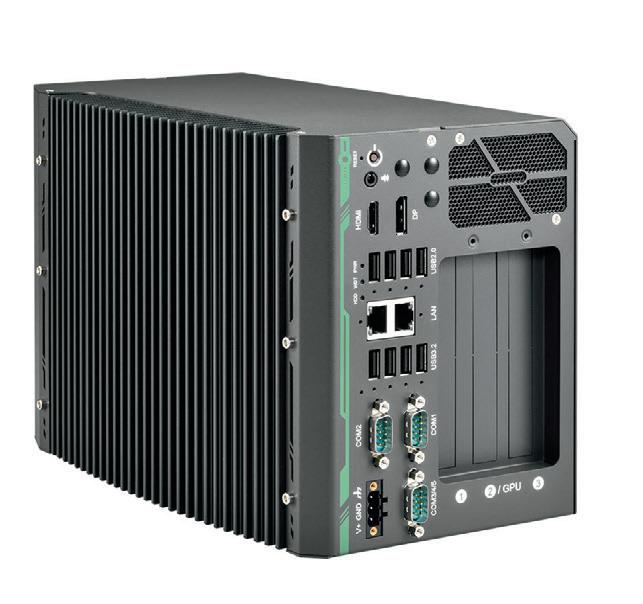
The Nuvo-10003 model is engineered to balance compactness with high performance and NVIDIA GPU card support in rugged environments.
Backplane Systems Technology Pty Ltd
https://bit.ly/4cChpbF

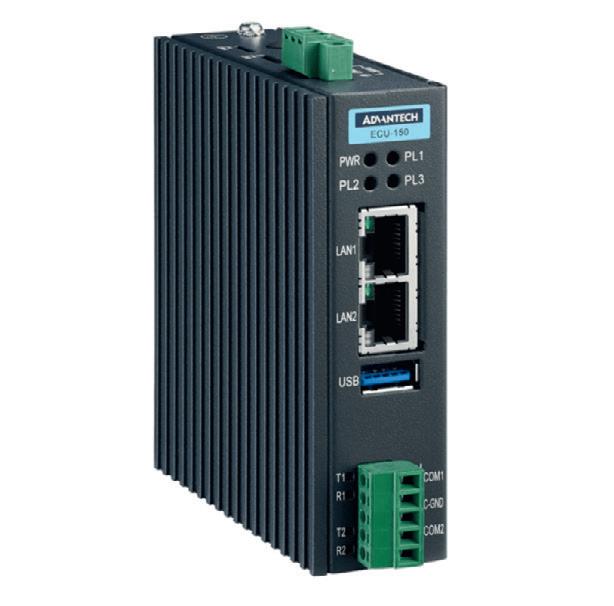
The ECU-1370 and ECU-1260 communication gateways are designed for the evolving needs of the green energy market.
Advantech Australia Pty Ltd
https://bit.ly/3TJjQjS

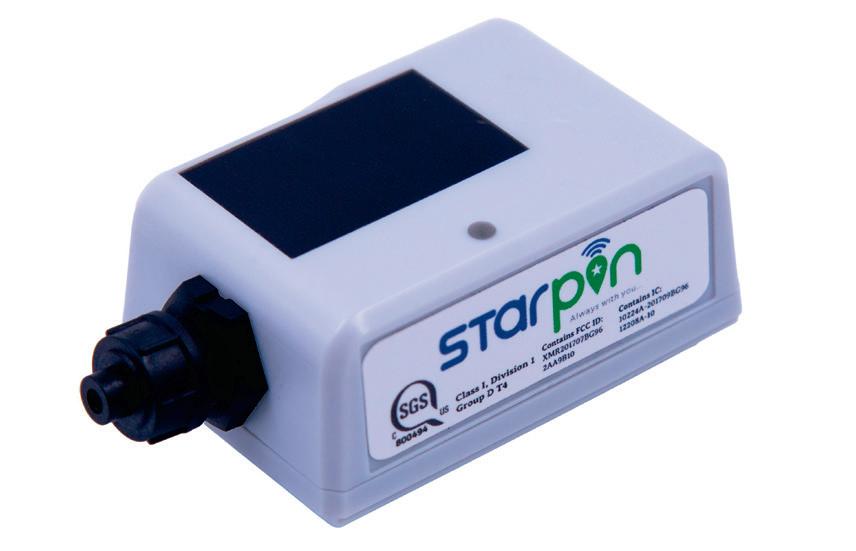
REMOTE TANK LEVEL MONITOR
The LevelCon STARPIN is a solar-powered level measurement device for remote level monitoring.
Metromatics Pty Ltd
https://bit.ly/4aCdqdj

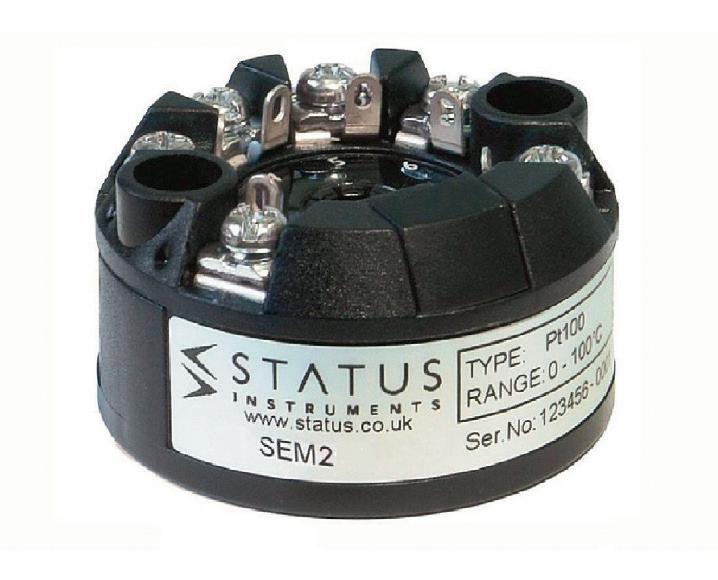
The SEM206PV and SEM206THV temperature transmitters support PT100, PT1000 and thermistor temperature sensors.
W&B Instruments Pty Ltd
https://bit.ly/43KW5ga


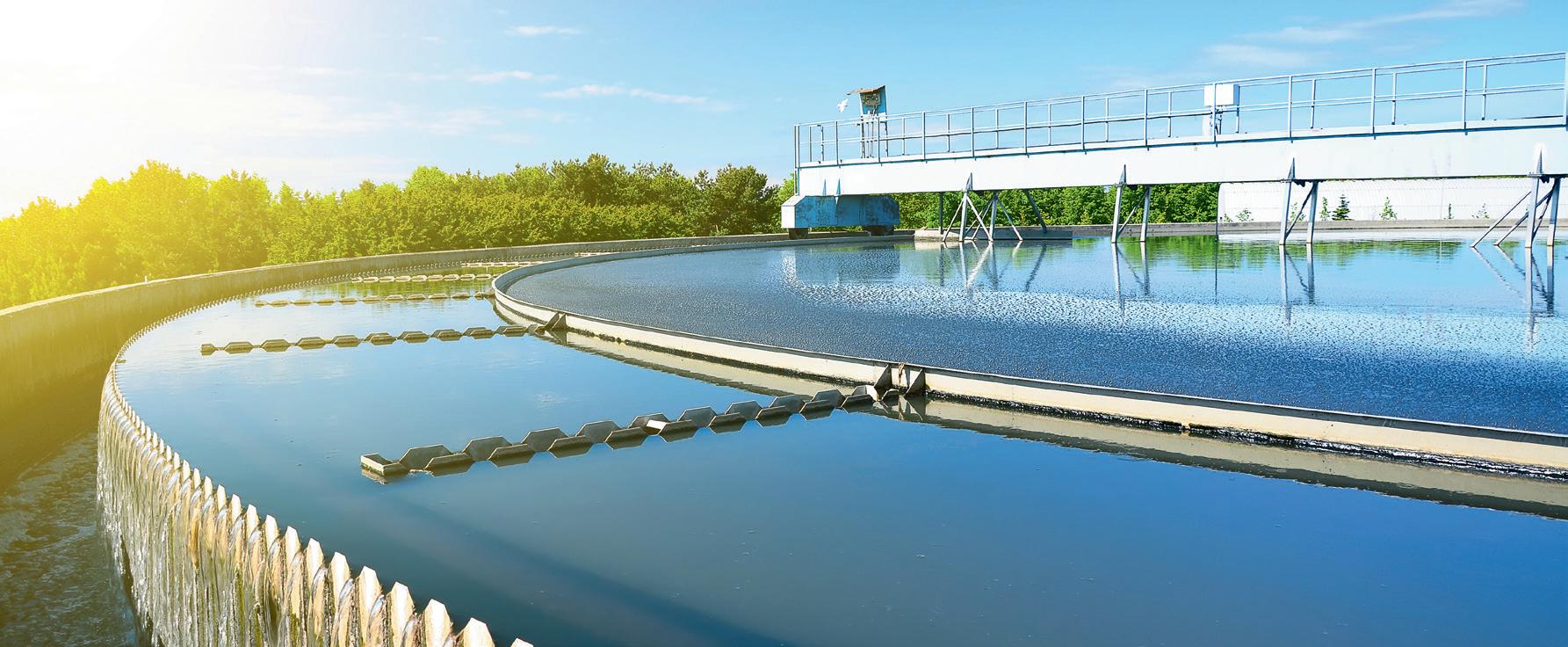
Hastings District Council and Napier City Council are both located in Hawke’s Bay, on New Zealand’s North Island. The two local authorities wanted a single, standardised remote telemetry solution to be deployed across all their water and wastewater treatment plants, pump stations and treatment plant infrastructure. To solve these challenges, the councils decided to use remote telemetry systems from Ovarro.
Ovarro’s Kingfisher CP-35 remote RTUs were chosen for the two Hawke’s Bay councils’ needs. The RTUs had already been successful when implemented across the water infrastructure in the city of Auckland, over 400 km away from Hawke’s Bay.
The new solution would replace the outdated programmable logic controllers (PLCs), aged remote telemetry units (RTUs) and analog radios installed across the sites, while also simplifying technological requirements for their maintenance teams. They also wanted to reduce the need to stock spare parts from multiple vendors.
Supported by Ovarro’s local distributor, CSE W Arthur Fisher (CSE-WAF), the Kingfisher RTUs were installed across the Hawke’s Bay region’s wastewater and water treatment sites, reservoirs and pump stations. The modular RTUs have replaced outdated PLCs with a uniform technology.
The Kingfisher uses Toolbox Plus v8.3 software that supports online changes during commissioning. Water- and shock-proof SD cards are installed in the RTUs’ processors, safeguarding against the loss of critical data in the case of a catastrophic failure. The cards also allow quick cloning of the RTUs after environmental disasters like cyclone damage and flooding.
The capabilities of the Kingfisher CP-35 RTU made it an easy choice to replace aging PLC assets. Parts of the Hawke’s Bay’s infrastructure already used Kingfisher RTUs including the PC1, CP-11, 12 and 21. This was an advantage, as the modules within its network — I/Os, backplanes and power supplies — were compatible and interchangeable with the new RTUs. This increased the speed of rollout and reduced costs when replacing the old PLCs.
Kingfisher CP-30 RTUs were first standardised in New Zealand in 2010 by Watercare Services Ltd, the local water authority in Auckland. The RTUs were rolled out across over 700 assets in the city.
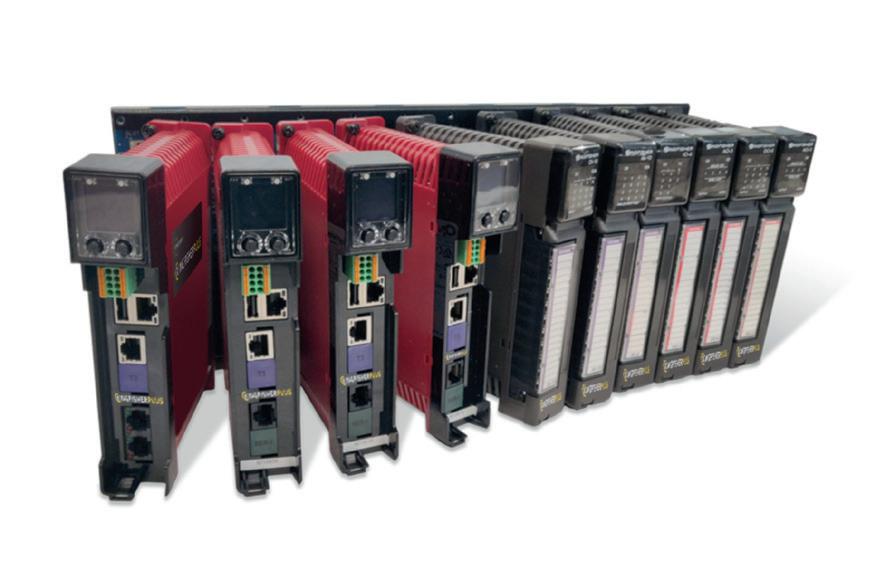
Watercare then worked with CSE-WAF and Ovarro to develop the Kingfisher CP-35 with daughter cards that improved the RTUs’ expansion and customisation capabilities, modularity and flexibility. The CP-35 was rolled out in Auckland and is now being used in Hawke’s Bay.
The Kingfisher has software for executing control algorithms and a graphical interface that displays SCADA control parameters. Both features have been shared with other regional water authorities to reduce development and rollout costs, and speed up standardisation processes. This makes it easier for Ovarro and CSE-WAF to support local communities and helps engineers familiar with Kingfisher RTUs to work across different territories.
“With Ovarro’s Kingfisher C-35 RTUs, a single, standardised remote telemetry solution has been successfully rolled out across the region,” said a spokesperson for Napier City Council. “It was delivered on time, on budget and it continues to operate extremely well.”
Ovarro
ovarro.com/en/australia--new-zealand/home/
The Leuze ODT3CL1-2M laser diffuse sensor extends the operating range of its 3C series distance sensors. With time-of-flight (TOF) technology, the switching/measuring sensor with background suppression has an operating range of up to two metres. It is suited to applications in intralogistics where long distances need to be bridged, for example with AGVs, for monitoring the position of goods, for controlling robot grippers or in quality control.
The ODT3CL1-2M offers two independent switching points, and can detect and measure at the same time. System operators can solve both requirements using the one sensor.
Since it is IO-Link enabled, users can evaluate diagnostic data from the diffuse sensor such as temperature, signal quality and warnings. It also makes device swap-out easier, since settings are transferred to the new device loss-free via IO-Link without the sensor having to be taught in again.
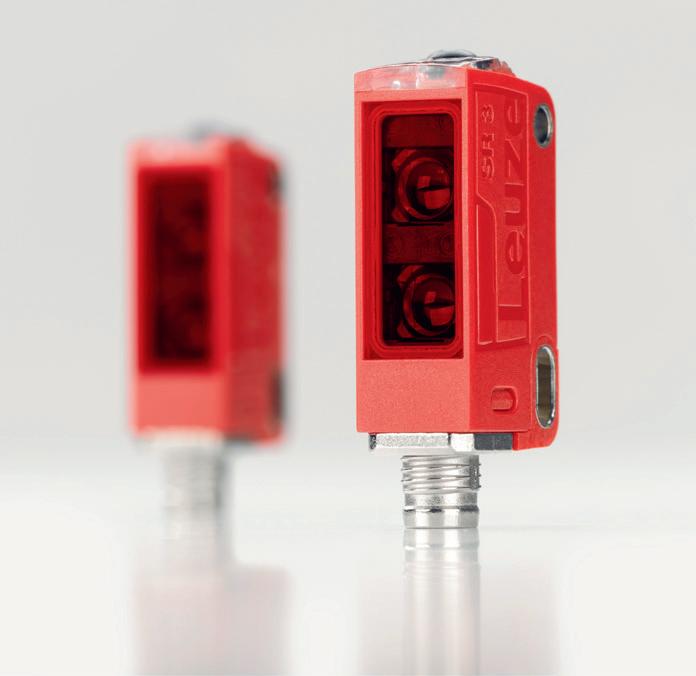
Compact in design, the ODT3CL1-2M laser diffuse sensor can also be used where space is limited, such as in the gripper of a robot arm, on shuttles or on stacker cranes. The small, clearly visible light spot allows fast alignment during commissioning, and the operating range can be set numerically via IO-Link.
Leuze electronic Pty Ltd
www.leuze.com.au
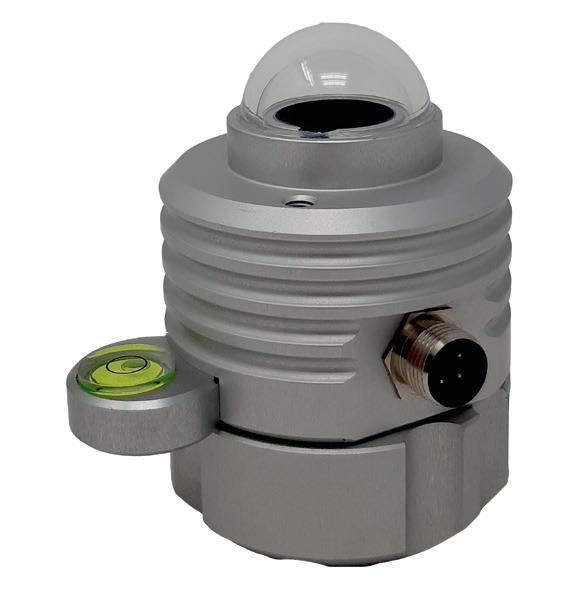
Delta Ohm (Italy) has released the LPPYRA-Lite Pyranometer for small-scale PV monitoring and general solar radiation measurements.
The LPPYRA combines the features of a silicon pyranometer with a compact and streamlined design for direct tilted or PV panel plane installation, meeting the ISO 9060: 2018 standards for a spectrally flat Class C type. It is available in different versions: passive and active 2-wire (current loop) 4…20 mA and RS485 Modbus-RTU or SDI-12.
Being a very small and light pyranometer and based on a thermopile sensor for ordinary monitoring of small PV systems, its compact dimensions ease the installation and the integration into any application.
W&B Instruments Pty Ltd www.wandbinstruments.com.au

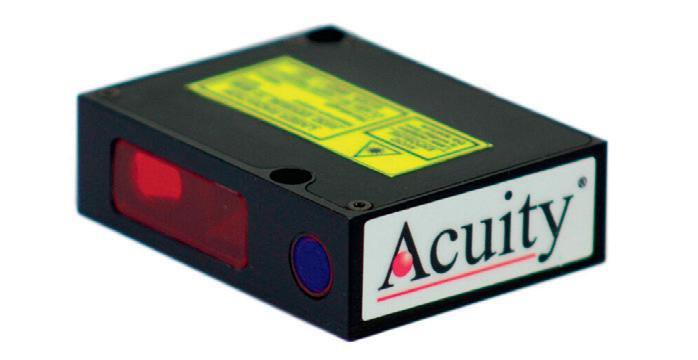
The AR500 is a compact triangulation laser sensor available with measurement ranges from 5–1000 mm with a red or blue laser, and with an assortment of power options (from Class 2 to 3B) for applications that require a brighter laser. A factory-installed internal heater, air jacket or splash guard is available for challenging environments.
The AR500 has a 0.1% linearity and 0.01% resolution over full scale for the 5–750 mm models and a 0.15% linearity and 0.02% resolution over full scale for the 1000 mm model.
Maximum sampling rate is 9.4 kHz.
The AR500 comes with a standard RS232 or optional RS485 serial interface for communication and can be provided with an Ethernet output option.
The AR500 also comes with an analog output — 4–20 mA or 0–10 V — that can be programmed to have a custom measurement range, and the minimum and maximum can be set to any points in the laser’s range. There is also a limit output for indicating alarms for triggering an external device when a target reaches a set position.
Engineers of automobile crash tests use the AR500 laser position sensor to measure the car’s deceleration during the crash event. Analog signals from the sensors are used to produce a deceleration curve plotted against time.
Slentech Pty Ltd www.slentech.com.au
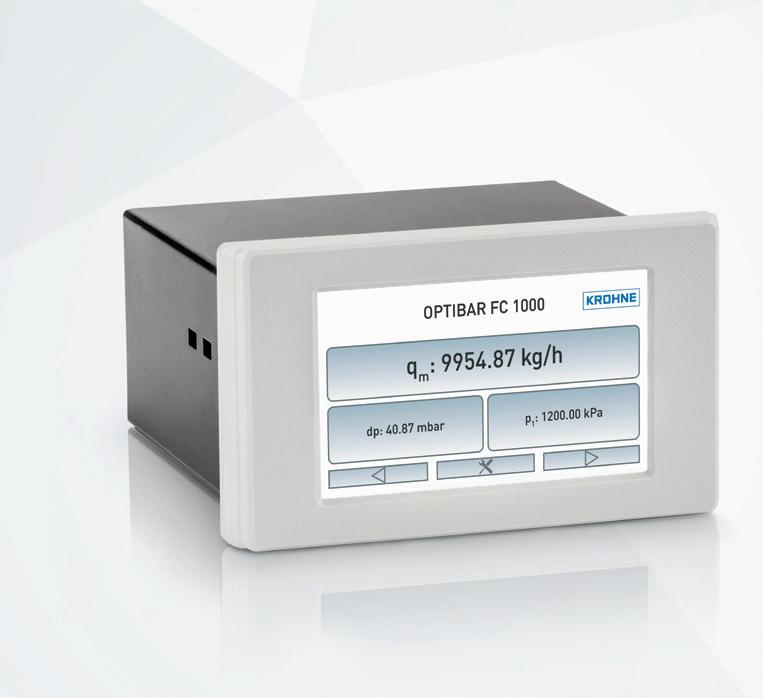
The Krohne OPTIBAR FC 1000 is a compact, high-performance flow computer for volumetric flow calculation and heat quantity measurement of liquids and gases, including saturated steam and superheated steam. The device complements the existing Krohne range for differential pressure flow applications that the company has been steadily expanding since 2010. The full-screen, multi-colour touch screen offers extensive options for customising the display of process readings to suit any application. Communication and measured data transmission via HART protocol as well as the option for splitrange operation allows accurate differential pressure (DP) flow measurements especially at low working pressures. Its compliance with IAPWS-97 for water and steam calculations with condensate detection makes this flow computer useful for differential pressure (DP) flow measurement of saturated and super-heated steam. In addition, a number of other calculation methods are available for the correction calculation of gases and liquids. For highly accurate measurements, the OPTIBAR FC 1000 flow computer provides correction of linearity errors for DP flow elements in real time and in accordance with ISO 5167 requirements.
KROHNE Australia Pty Ltd www.krohne.com.au

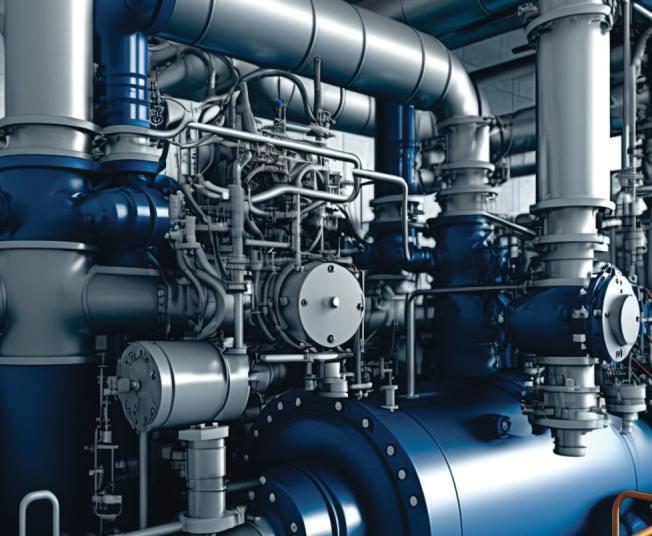
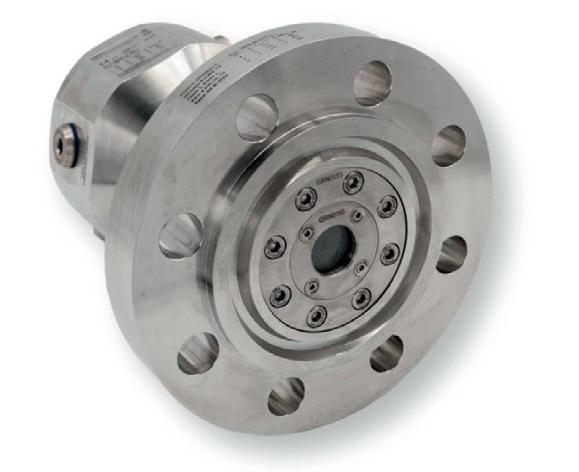
Process Vision has announced its latest LineVu process camera, a real-time colour process camera equipped with 24/7 automatic alarms for contamination detection, and with thermal performance ranging from 30 to 55°C and power delivered over Ethernet (PoE+).
The LineVu camera offers improved accuracy in contamination identification, due to its high-resolution, high frame rate colour camera. This provides operators with better visual clarity, reducing the risk of missing any form of contamination within gas pipelines.
An increased maximum frame rate, now at 150 fps, offers deeper insights into liquid flows in gas pipelines. To cater to the varied needs of the industry, the camera body can be attached to the pipeline using a flanged (3″ #900 RTJ) connection, with the option for threaded (1″ NPT) or alternative flange connections via adaptors.
Designed to mount easily on high-pressure gas pipelines, engineers and operators can now investigate liquid carryover events more easily.
AMS Instrumentation & Calibration Pty Ltd
www.ams-ic.com.au
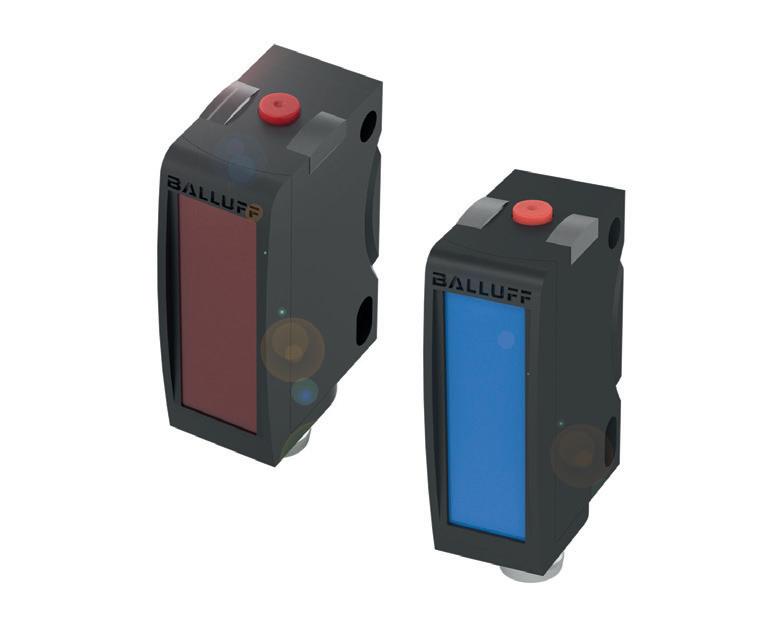
The Balluff BOS 6K optoelectronic sensor range consists of cubical midi sensors that cover all relevant detection principles and use different light sources. All sensors in the range have a common housing shape, operating principle, intelligent PNP/NPN outputs and IO-Link communication, simplifying integration of the sensors.
In addition to the standard red light and laser variants, Balluff also offers sensors equipped with time-of-flight (TOF) technology for long-distance sensing. They are capable of detecting objects at longer distances, despite their small housing. TOF technology is also advantageous for background suppression, as it means that even a background close to the object can be reliably distinguished from the object and the distance accurately measured.
The time-of-flight method also works at greater distances, which means that the sensors can be used for distances of up to 1.5 m despite their compact design. They can also be used in different environments, as they work largely independently of the surface and colour of the object, and can detect both light and dark surfaces.
Sensors with blue light technology for background suppression are also available, which makes them suitable for detecting transparent and similarly tricky objects. The use of sensors with blue light is particularly recommended in applications where red light reaches its physical limits. Since blue light has a shorter wavelength, it scatters less and the light beam is better focused, detecting finer details and, depending on the application, may work more reliably than red light sensors.
Balluff Pty Ltd
www.balluff.com.au
Siemens has announced the Sitrans FMT020 transmitter, expanding its range of magnetic-inductive flowmeters. The Sitrans FMT020 is backwards compatible with existing sensors and offers extended conductivity and velocity measurement, as well as diagnostic functions such as self-test, verification and empty-pipe monitoring. With its more compact and robust design, the Sitrans FMT020 is easy to install and designed for demanding environments.
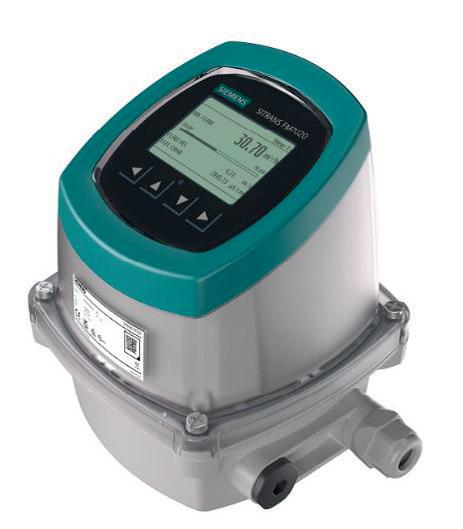
An updated graphic display is large and rotatable to simplify operation. The Sitrans FMT020 is also easy to program and commission with a menu and wizard in 13 languages. The use of additional communication protocols such as Profinet and EtherNet/IP provide improved connectivity, in addition to HART and Modbus RTU. The Sitrans FMT020 is suitable for a wide range of applications in the water and wastewater and general process industries where highly accurate and reliable flow measurement of conductive liquids is required.
Siemens Ltd
www.siemens.com.au
Endress+Hauser has released the Fermentation Monitor QWX43 to enable a seamless and simple monitoring of fermentation processes without manual sampling or laboratory analyses. Measuring values are taken continuously so that users receive real-time insights into the fermentation process.
The real-time fermentation data is directly transferred into a PLC to be used in process control. Brewers also can utilise the Netilion Value App from Endress+Hauser to retrieve the insights in the fermentation process with one click on their mobile device.
The Fermentation Monitor QWX43 can be easily connected to existing process fittings and requires no recipe-based adjustments for the measurement of most beers. Calibration of the sensor at the measuring point is also not required. The instrument connects quickly to wireless access points or Wi-Fi networks via an integrated web server and is immediately ready to utilise. The Fermentation Monitor reduces the documentation and filing efforts and replaces manual batch tracking. It recognises when a new batch starts and can automatically save the information in the system.
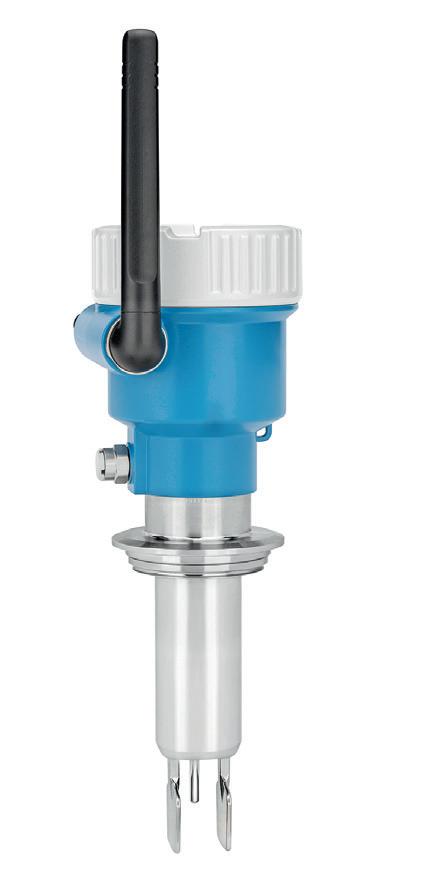
The Netilion Value App also offers the ability to save the batch information in a history file. The possibility to define a reference batch enables more complex analyses, such as carrying out comparisons to previous fermentation processes or models, thus allowing brewers to optimise their processes on a data-driven basis even further. Cleaning is also easy due to the fully hygienic sensor design. The Fermentation Monitor QWX43 can remain in the tank and does not need to be removed for cleaning.
Endress+Hauser Australia Pty Ltd www.au.endress.com

Manufacturers that embrace smart manufacturing can use those technologies to create a competitive edge, but this still isn’t happening for many companies.
Smart manufacturing technologies such as artificial intelligence (AI), the industrial Internet of Things (IIoT), augmented reality (AR), virtual reality (VR), digital twins, digital threads, manufacturing execution systems (MES), advanced analytics, cobots and more are all very powerful technologies. The synergies among these technologies make them so much greater than the sum of their parts. All of these technologies related to Industry 4.0 are helping transform manufacturing industries back into an economic powerhouse.
This transformation, however, isn’t happening for many companies. The reason is because some companies simply aren’t using smart manufacturing and all those powerful technologies, or they’re not using them very much. Many companies aren’t really sold on smart manufacturing and the technologies that go with it. They might have one or two pilot projects going to prove smart technology and its benefits before it’s adopted beyond the pilot. How long is long enough before the results of the pilot project say it’s time to move forward?
Manufacturers that embrace smart manufacturing can use those technologies to create a competitive edge. Companies that aren’t moving fast enough won’t make a real impact on the business and will find themselves falling behind their competition. There are many reasons why manufacturing industries need to move much, much faster to implement smart manufacturing.
As manufacturers embrace smart manufacturing, they’re transforming
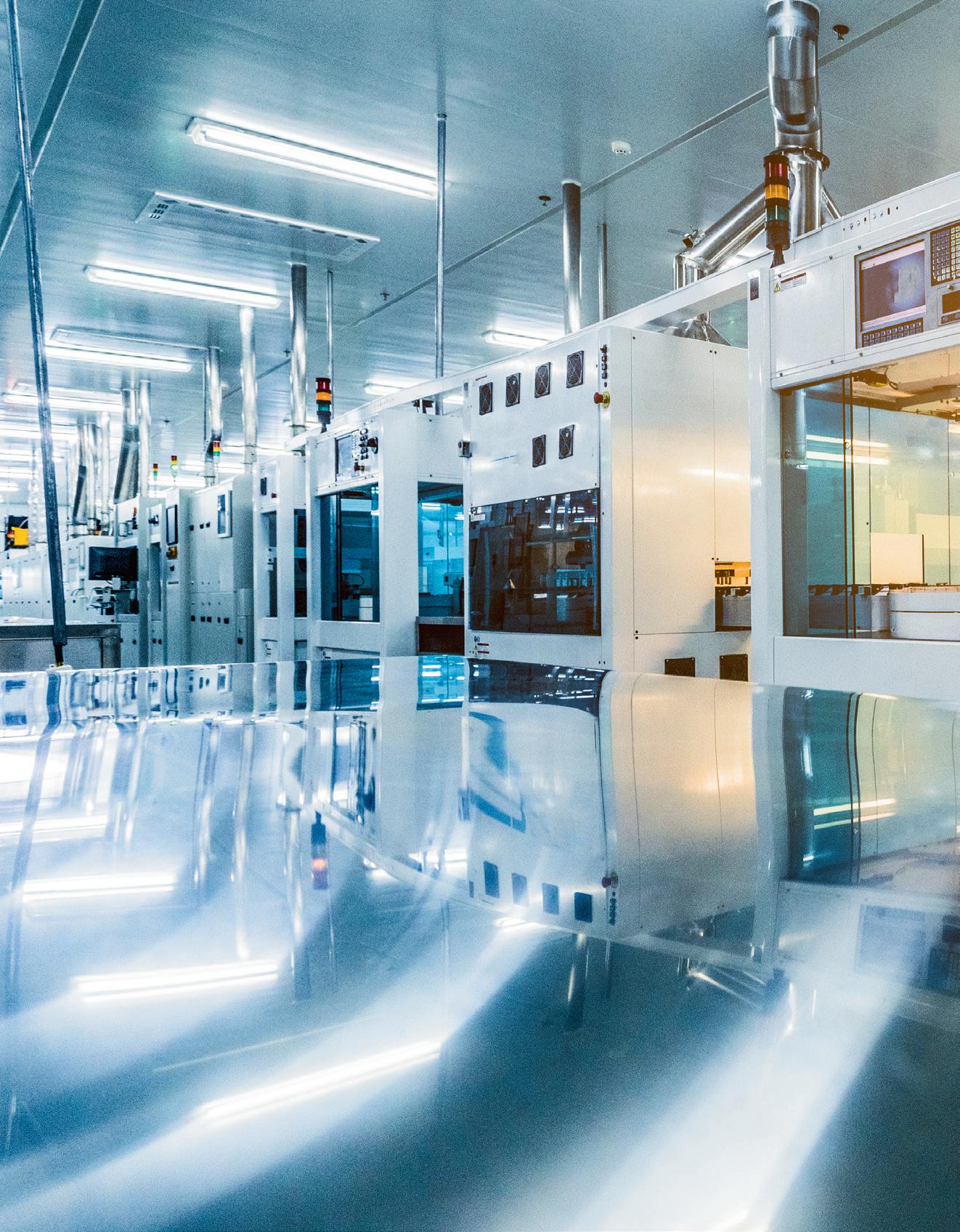
operations from traditional, old-school manufacturing operations to high-tech digital manufacturing operations and realising tremendous bottom-line benefits. The results are seen in increased productivity, reduced costs, reduced inventory, improved quality, reduced scrap and rework, improved yield, improved asset utilisation and reduced energy costs.
These tangible benefits have a direct impact on a manufacturing operation’s bottom line, but they impact much more than that. Smart technology also generates intangible benefits, which are just as valuable but more difficult to quantify. It helps manufacturing operations do things
better, faster and cheaper — all of which directly impact the bottom line.
With these modern technologies, manufacturing operations also can become more agile, meaning they can change direction quickly and easily — moving from different products, different materials, different assets or even different approaches to manufacturing. While agility is very difficult to quantify, it is very valuable as a normal part of everyday operations.
Smart manufacturing not only provides increased agility, flexibility and responsiveness, it can also increase quality, speed, productivity, consistency and predictability. All these capabilities have a positive impact on a
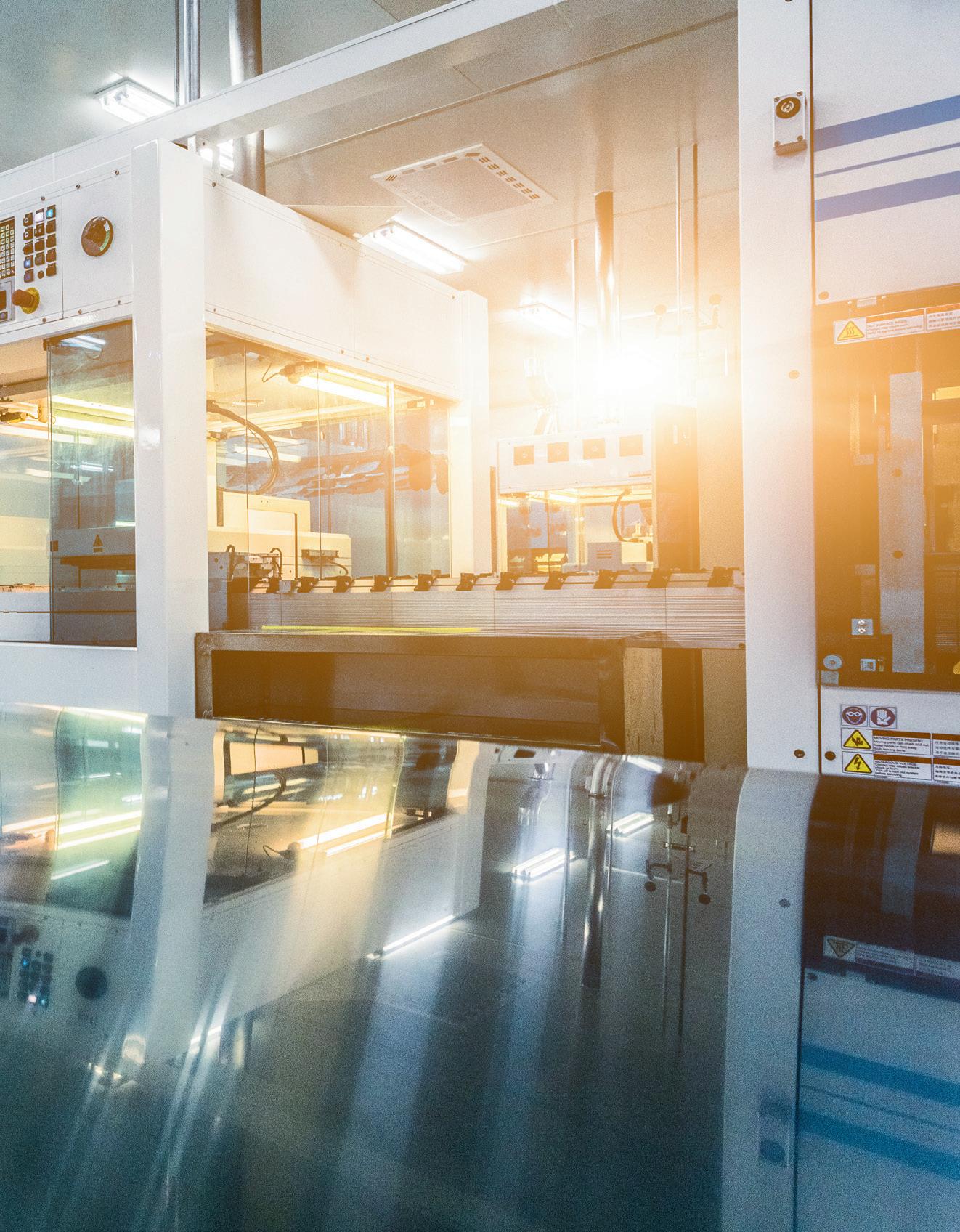
manufacturer’s customers, suppliers, workforce and community.
Today’s customers use smart technology and are more tech-savvy than ever. They have come to expect new products, new product solutions and customised product variations. They want on-demand access to new and better, high-quality products. They want more customisable bells and whistles at lower costs along with quick response times and superior service.
With smart manufacturing, manufacturers can use real-time data to meet customer specifications and help solve problems. Customers require data on product details, specifications and usage. Smart manufacturing makes it easy to collect, organise and summarise the data customers require and provide it along with the products and solutions.
Manufacturers can also make quality products with tighter specifications. This helps them deliver better products and services to customers while helping resolve their problems with fit-for-purpose solutions at the same time.
Strong collaboration with suppliers is key to establishing a successful partnership. Suppliers want to understand how they can help support manufacturing business needs. They want to be more than just commodity suppliers responding to requests and sending what’s listed. Suppliers want insight into how they can help solve manufacturing problems and provide the best products and services to the consumer.
MANY MANUFACTURERS SIMPLY AREN’T MOVING FAST ENOUGH WITH SMART MANUFACTURING TO MAKE ANY KIND OF SIGNIFICANT IMPACT ON THEIR BUSINESS.
With smart manufacturing technologies, manufacturers and suppliers can collaborate and work together as true partners and deliver the quality products and solutions customers have come to expect. Using intelligent real-time data, manufacturers and suppliers can gain insight into customer requirements. They can then change the products, materials or process to meet customer specifications, as well as deliver new services, new products and new variations.
Smart manufacturing can lay the foundation for manufacturers and suppliers to collaborate and build a stronger partnership that delivers better, faster and lower-cost products and solutions.
Manufacturing jobs aren’t what they once were. The next generation is showing little interest in manufacturing jobs, and hiring and retaining people to work in the manufacturing industries is extremely difficult.
Smart manufacturing helps companies build a safe work environment that appeals to people and gets them interested in manufacturing careers. Transforming with smart technologies also has a significant impact on the overall culture and quality of life in an industrial work environment: companies can improve their employment value proposition and make it easier to recruit and retain an industrial workforce. They can also use smart manufacturing to create a high-tech digital environment, a place where people want to work and can use modern tools and technologies to do their jobs safely, effectively and efficiently.
Nobody wants to work in an environment where they are undervalued or underappreciated, or be seen as cogs in the manufacturing machine. Modern workers want to be empowered to make decisions and proactively improve operations in a safe environment where they can significantly impact the job.
In other words, let the machines do what they do best while the people do what they do best.
Smart tools and technologies also help collect and transform real-time data into information and provide it to the right people at the right time. Based on this data, workers can then make informed decisions to keep productivity up and costs down, which all leads to greater long-term economic sustainability.
Smart manufacturing tools and technologies enable workers in a manufacturing operation to become highly skilled knowledge workers, where they are very effective and productive in their jobs and highly valued within the company.
Smart manufacturing technology helps manufacturers achieve sustainability. Many technologies can help achieve results for environmental sustainability (reduced waste, emissions, energy and carbon footprint) and economic sustainability (profitability) efforts. But smart manufacturing is about
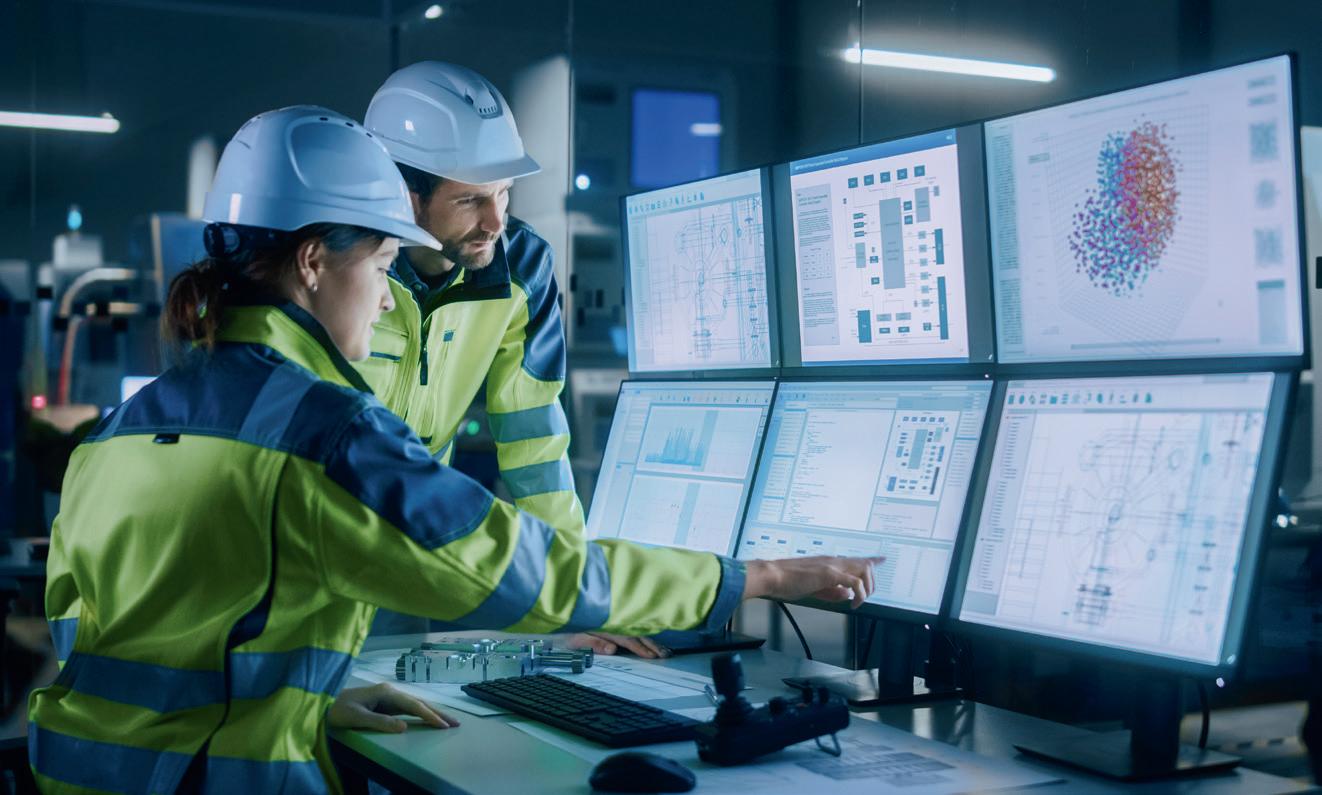
more than just technology: it’s about people and processes, as well. It’s about the social responsibility to employees and the community. Smart technology helps reduce the impact in all these areas and helps companies keep their competitive edge.
From an environmental sustainability perspective, smart tools and technologies provide the data necessary to know what’s going on and to figure out why it’s happening. This provides the ability to analyse data in context over the short and long term to see trends, to perform real root cause analysis and judge the efficacy of programs designed to reduce waste and reduce emissions.
Real-time data and analytics also help companies achieve economic sustainability by increasing productivity and reducing costs. It’s about increasing throughput, uptime and manufacturing performance while reducing overhead costs, operating costs and capital costs. Leveraging the data, companies can analyse their productivity and the obstacles holding it back, and they can analyse costs and the best way to reduce them.
Smart manufacturing also helps corporations become more socially responsible and make a positive contribution to their communities and globally. Social responsibility can take many forms, and each company must decide how it wants to make a positive impact. It’s about improving the quality of life for employees and everyone, locally and globally.
Smart manufacturing may be one of the only ways companies can truly achieve environmental and economic sustainability, as well as corporate social responsibility.
IT’S TIME TO EMBRACE SMART
MANUFACTURING AND NOT TO JUST PAY LIP SERVICE TO IT OR ONLY EXECUTE A PILOT PROJECT.
Many manufacturers simply aren’t moving fast enough with smart manufacturing to make any kind of significant impact on their business. For those who stay status quo and keep doing the same business over and over again in the same traditional ways with no innovation, no growth, no changes and no improvements, the competition is looking to pull ahead and become the industry leader.
It’s time to embrace smart manufacturing and not to just pay lip service to it or only execute a pilot project. Companies that embrace smart manufacturing will realise bottom-line benefits; meet customer expectations; build stronger supplier partnerships; attract, hire and retain a more empowered, productive workforce; meet sustainability goals; and much more.
Manufacturers need smart manufacturing tools and technologies to help transform their operations so they can have a positive impact on the company, its people and the surrounding community. That’s the power of smart manufacturing.
*John Clemons is a solutions consultant, LifecycleIQ Services, at Rockwell Automation. He has been working in the field of manufacturing IT for more than 30 years.
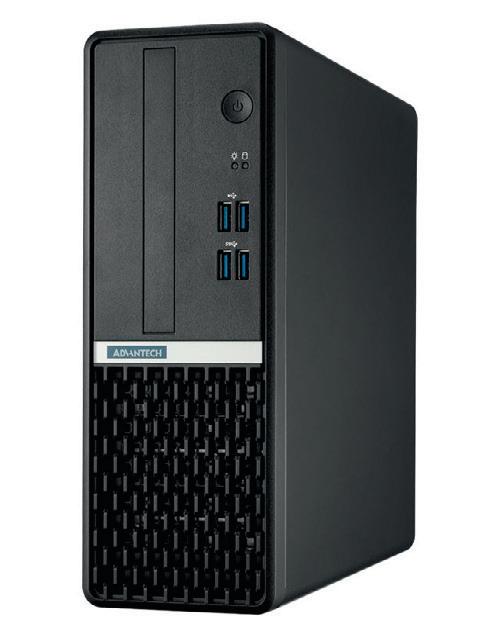
Advantech has introduced the IPC320, a compact tower IPC powered by 12th/13th Gen Intel Core i processors. With a small 7.7-litre design, the IPC-320 is suitable for use as a control console for factory automation, industrial manufacturing and laboratories, and is designed for use in upright in-cabinet workstations.
Featuring two low-profile expansion slots (one PCIe x16 and one PCIe x4), the functionality of the IPC-320 can be enhanced with add-on cards supporting various industrial IoT applications. It also offers front and rear I/O (four USB 3.2 and four USB 2.0).
Advantech’s thermal design maintains quiet operation (34 dB acoustics under 100% workload), making the IPC-320 suitable for close-proximity environments like manufacturing shop floors.
Backed by Advantech’s longevity support, certifications, revision management and global localised support, the IPC-320 is a suitable choice for stable operations and control in a diverse range of industries.
Advantech Australia Pty Ltd
www.advantech.net.au
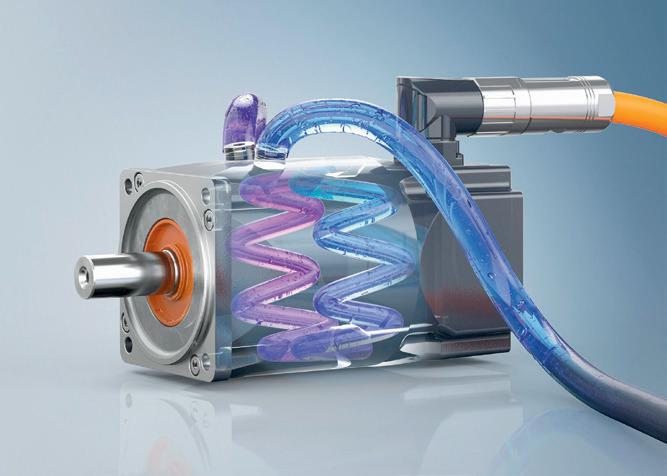
The AM8300 servomotors expand the Beckhoff range to include a modular motor series with integrated water cooling. Due to the efficient cooling, a higher power density is achieved, so that a rated power of up to 40 kW can be delivered in a small installation space, depending on the size. Compared to similar conventional convection-cooled motors, the standstill torque is three times higher.
In terms of technology, the AM8300 series is based on the existing AM8000 series and modular system with its wide range of options. The servomotors offer maximum dynamics, as the torque increases with water cooling, but the rotor moment of inertia remains constant. These are particularly suitable for applications with higher speed and torque requirements. Five flange codes, each with three lengths — with standstill torques from 5.1 to 274 Nm — cover a wide range of applications.
The AM8300 motors can optionally be equipped with a backlash-free permanent magnet holding brake, shaft seal and keyway. Depending on the size, they are available with various feedback systems such as resolvers or batteryless single- and multi-turn encoders with One Cable Technology (OCT) or Hiperface. With its water cooling system and IP65 protection rating, the AM8300 is also suitable for demanding environmental conditions — particularly those with high ambient temperatures. Depending on the size, the AM8300 is equipped with a 1/8″ or 1/4″ thread for connecting the cooling circuit.
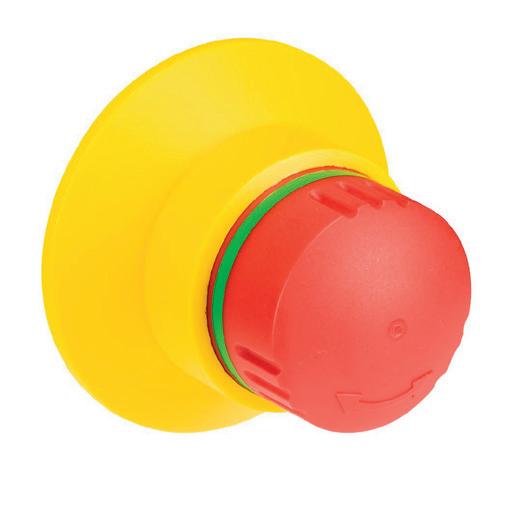
LAPP Australia’s range of Wieland Electric E-Stop actuators can be used on a wide range of industrial and process engineering machinery. They feature a special flat design to stop operators hanging items over the top and inhibiting the button’s operation.
The primary purpose of these types of emergency stop buttons is to switch off or stop machines and systems, to avoid or reduce emerging or existing hazards to persons nearby or to other machinery and working material.
A green stripe around the outside clearly indicates whether the button has been pushed in or if it is in the regular position. To release a simple twisting motion is all that is required. A key-release version of the E-Stop is also available as part of the range.
The rugged design of the E-Stop range makes it readily applicable to machinery, including those operating in harsh industrial environments.
The E-Stop buttons also have a built-in failure protection mechanism that automatically detects when a contact block is removed from the actuating element, at which point it switches off safely.
LAPP Australia Pty Ltd lappaustralia.com.au
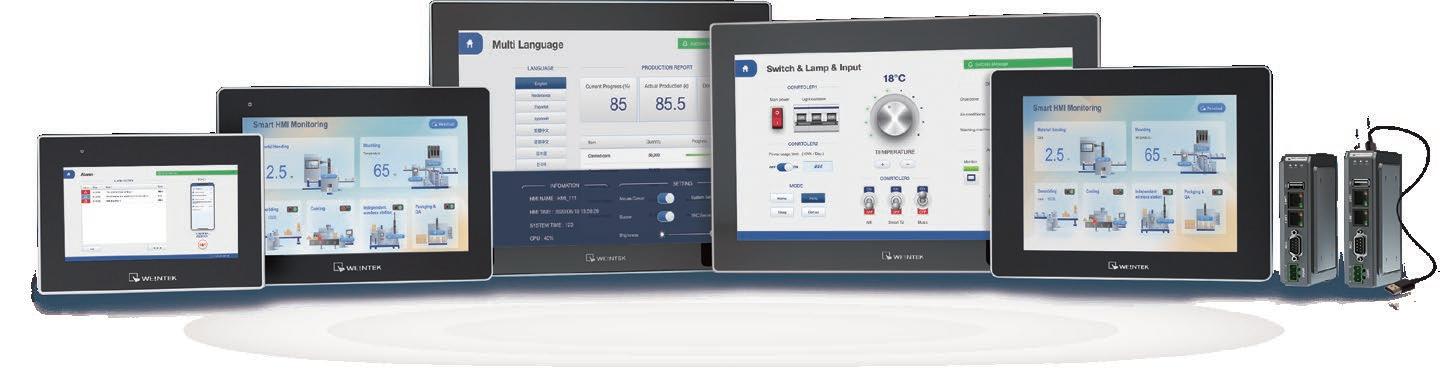
Are you looking for an Affordable HMI or Cloud Monitoring Solution or Both
Look no further than Weintek cMTX Touchscreens
Starting from $699 (7”, 10”, 15” and others) with Mobile Monitoring, Cloud Integration, Weincloud Dashboarding and with OVER 400+ Communications Drivers you are sure to find every solution to all your needs here.




One of the hottest shares at present is that of NVIDIA — a company prominent in the manufacturing of processors for use in AI — demonstrating that the AI hype has captured our imagination and is being enthusiastically embraced. It all began as a slow burn, but has been building over the past year with extravagant promises being made, by various vendors, that AI will dramatically change the way we work and live. In the last gasp of 2023 I ran workshops in five countries on the use of AI in a range of engineering applications, with experienced engineering professionals. The consensus was that AI has some way to go.
Essentially, generative AI algorithms are based on a vast repository of content extracted from the web, enabled by formidable computing power. In November 2022, OpenAI announced the large language model (LLM) and associated ChatGPT — an interactive chat bot. It has taken the world by storm with prompt engineering the key technique used to apply it. The legal ownership of that content remains problematic.
There are some intriguing comparisons between ChatGPT and humans. Humans supposedly need 25 years to attain a well-developed brain with its ever-changing neural connections, which are autonomous and energy-efficient. Ch atGPT, on the other hand, requires approximately one and a half years of training, but no changes are possible once the ‘artificial neural network’ is constructed. Furthermore, it requires vast amounts of computing power to be trained and to operate.
During the aforementioned workshops I broke the attendees into teams, to use an AI tool like ChatGPT and principles of sustainability. Some of the design scenarios were:
• Construct a borehole and water treatment plant in a remote part of the country for a community of around 300 people.
• Design an offshore pump station to pump sea water at the rate of 400 m3 per hour into a mineral processing plant. Include details of the control and instrumentation strategy.
Build a bridge across a 30 m wide river for a remote community using local materials and labour.
Invariably the lack of specific data relating to each scenario restricted the effective and productive application of AI. This was no surprise — AI was constructed using European and US content and the workshops ran outside these geographical zones. Design data and information relating to an application in a particular environment is largely unavailable on the internet. The AI tools were surprisingly honest when offering solutions. For instance, the proffered information would include suggestions that extra
research was required in the specific locations, and that local standards should be consulted.
By the end of the workshops attendees were convinced of AI’s benefits, but understood the need to be highly critical of the content it provides; to rely on their own (and their team’s) expertise to identify and gather local data; and to ensure their projects’ solutions are refined and fit for purpose.
An AI tool such as ChatGPT can be used productively by an engineering professional in various ways: to generate technical answers; to translate complex concepts into simple English; to troubleshoot problems; to provide project management ideas on timelines, budgeting and scheduling (for instance); to submit job prospects and opportunities for career progression; or to advise on collaboration opportunities with other engineering professionals.
However, the workshops and some subsequent use of AI tools suggest a number of salient rules when employing AI in engineering projects:
• Always use a human expert to check the results constructed by the AI tool.
Never undertake a design project which you cannot check based on your knowledge and experience.
• Avoid using sensitive data; this is likely to be made public.
• Only use data in the best interests of the individual and society.
Will AI ever replace the imaginative and creative engineering professional? Maybe. In the interim, build your skills and engineering experience, particularly in developing disciplines in automation. Do not be afraid to use AI tools as a useful adjunct to your work, but maintain your professional vigilance and critical approach at all times.
Dr Steve Mackay has worked in engineering throughout Australia, Europe, Africa and North America for the past 40 years in the mining, oil and gas, and power industries. A registered professional engineer in electrical, mechanical and chemical engineering, he believes university engineering programs need to be strongly focused on industry. He has been the author or editor of over 30 engineering textbooks sold throughout the world.

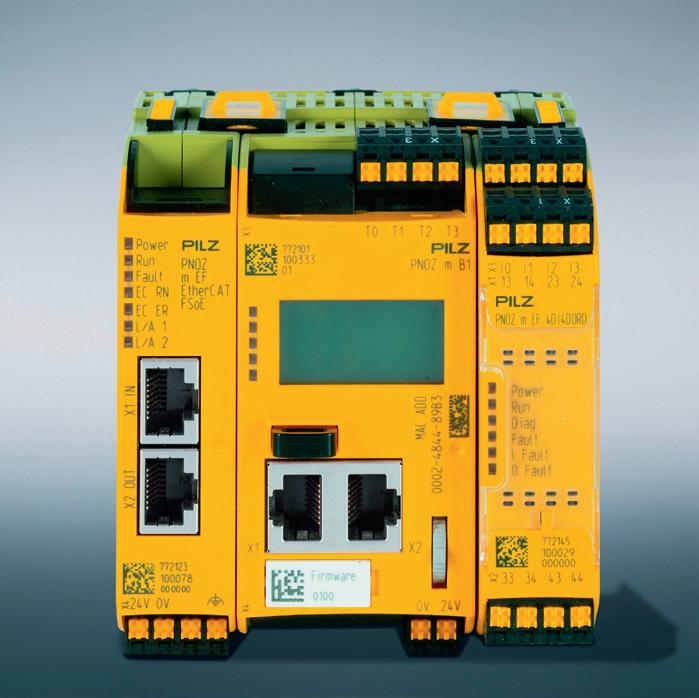
The configurable safe small controller PNOZmulti 2 from Pilz supports the open communication system EtherCAT in combination with the safe protocol Safety-over-EtherCAT FSoE (FailSafe over EtherCAT). As a result, PNOZmulti 2 enables the transfer of both control and safety-related information, and offers flexible, economic expansion options when connecting safety-related plant structures.
From Version 11.3 of the PNOZmulti Configurator software tool, the PNOZmulti 2 can be configured as FSoE Master, FSoE Slave and EtherCAT-Slave. Up to four Master-Master and up to 60 Master-Slave connections are possible with the EtherCAT FSoE communication module, in conjunction with the base unit PNOZ m B1. This way it is simple to implement and expand flexible plant structures with a one-cable solution at fieldbus level. As a result, the certified safety system not only provides a high degree of safety but also efficiency for plant and machinery.
The one-cable solution can be used to incorporate FSoE-capable actuators and sensors flexibly into the network. As an FSoE Master, PNOZmulti 2 combines monitoring of all of an application’s safety functions in one device — from E-stop and safety gate to light curtains — and establishes connections to safe slaves in the network. This minimises the wiring effort and saves costs. Comprehensive diagnostic options also help minimise downtime.
The Safety-over-EtherCAT (FSoE) protocol was defined to implement safe data transfer for EtherCAT. FSoE enables the transfer of safety and non-safety-related information in the EtherCAT communication system. As a result, in accordance with IEC 61508, FSoE is suitable for safety applications up to SIL 3.
Pilz Australia Industrial Automation LP www.pilz.com.au

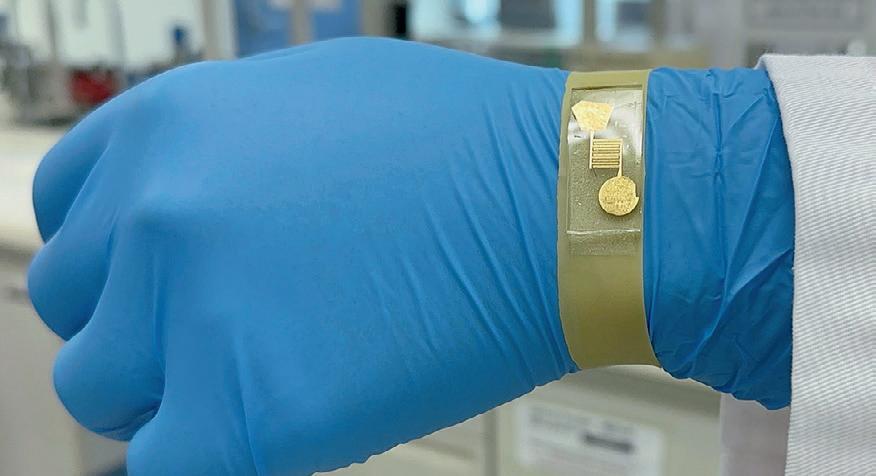
Engineers at RMIT have developed a small ammonia gas sensor that could enable safer hydrogen storage and specialised medical diagnostic devices. The simple yet effective proof-of-concept sensor described in the journal Advanced Functional Materials is the result of collaboration by researchers at RMIT University, the University of Melbourne and the ARC Centre of Excellence for Transformative Meta-Optical Systems (TMOS).
An estimated 235 million metric tonnes of ammonia are produced around the world annually, but with ammonia being touted as one of the best ways to store hydrogen for clean fuel we may be seeing a lot more of it.
Exposure to high levels of ammonia can lead to chronic lung conditions and irreversible organ damage. Reliable and sensitive ammonia detection will be essential to quickly spot potentially dangerous leaks of ammonia gas during the transportation of hydrogen, to ensure safe operation.
But while human exposure to ammonia can be harmful, the gas is also found in human breath and can serve as a vital biomarker for diagnosis of many diseases such as kidney- and liver-related disorders. Given that the team’s sensor can measure tiny amounts of ammonia, it could be engineered to detect the gas on people’s breath to alert doctors to health disorders.
Senior lead researcher Dr Nitu Syed said the sensor featured atomically thin transparent tin dioxide that can easily track ammonia at much smaller levels than similar technologies.
“Our device acts like an electric ‘nose’ by efficiently detecting even the tiniest amount of ammonia,” said Syed, McKenzie Research Fellow from the University of Melbourne, RMIT and TMOS. “The sensor is also able to distinguish ammonia from other gases with more selectivity than other technologies.”
The presence of ammonia in the air changes the electrical resistance of the tin oxide film in the sensor — the higher the level of ammonia, the greater the change in the resistance of the device.
The team conducted experiments with their sensor in a specially designed chamber to test its ability to detect ammonia gas at various concentrations (5–500 parts per million) under different conditions, including temperature variations. They also tested the device’s selectivity of ammonia against other gases, including carbon dioxide and methane.
First author Dr Chung K Nguyen from RMIT said their miniaturised sensor offered a safer and less cumbersome way to detect the toxic gas, compared to existing techniques.
“Current approaches to ammonia detection produce accurate measurements but require expensive laboratory equipment with qualified technicians, extensive sampling and preparation,” he said. “This process is often time-consuming and not portable, due to the size of the equipment needed. In addition, the manufacturing of today’s ammonia detectors involves expensive and complicated processes to prepare sensitive layers for sensor fabrication.”
The team’s new sensor can instantaneously differentiate between safe and dangerous levels of ammonia in the environment, Nguyen said.
“The reproducible deposition of tin oxide also offers the opportunity for cost-effective mass production of sensing devices,” he added.
Co-senior lead researcher Dr Ylias Sabri, from RMIT’s School of Engineering, said the team used a low-cost and scalable technique to deposit super thin tin dioxide onto a base material — even on a flexible material, which other approaches had challenges achieving.
“We directly harvest a tin oxide film from the surface of molten tin at 280°C. The film is 50,000 times thinner than paper,” Sabri said. “Our approach only requires a single synthesis step, without using any toxic solvents, vacuum or bulky and expensive instruments.”
The team is keen to collaborate with industry partners to further develop and prototype the sensor to demonstrate its high-performing sensing capabilities.
RMIT University www.rmit.edu.au
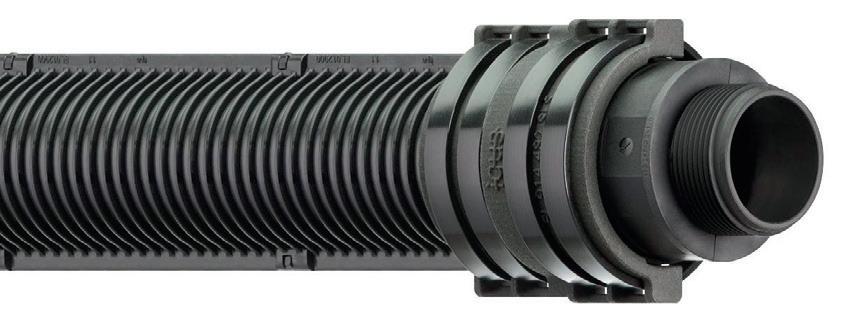
Industrial cable management can be optimised with an E-Rib corrugated tube system from igus. Designed to cater to the intricate needs of modern technology, the corrugated tube system is a suitable solution for industries requiring precise cable movement and protection.
Suitable for industries requiring meticulous cable management and protection, including automation, printing and medical technology, users can protect, organise and enhance the lifespan of cables.
The E-Rib corrugated tubes can enforce unidirectional cable movement where cable motion needs to be restricted to a single spatial direction. This feature ensures that cables move exactly how they need to, without any unwanted or accidental shifts.
The E-Rib corrugated tube’s closed design also offers an extra layer of protection. This safeguarding mechanism not only keeps cables secure from external elements but also significantly extends their service life.
Corrugated tube systems are designed for small installation spaces: the self-supporting function of the guiding elements makes them suitable for environments where space is at a premium.
The E-Rib corrugated tube system also offers cleanroom compatibility, using the igus e-skin energy supply, specially developed for cleanroom applications. Its closed design coupled with a reclosable opening mechanism makes it work in environments demanding the highest standards of cleanliness and precision.
Treotham Automation Pty Ltd
www.treotham.com.au

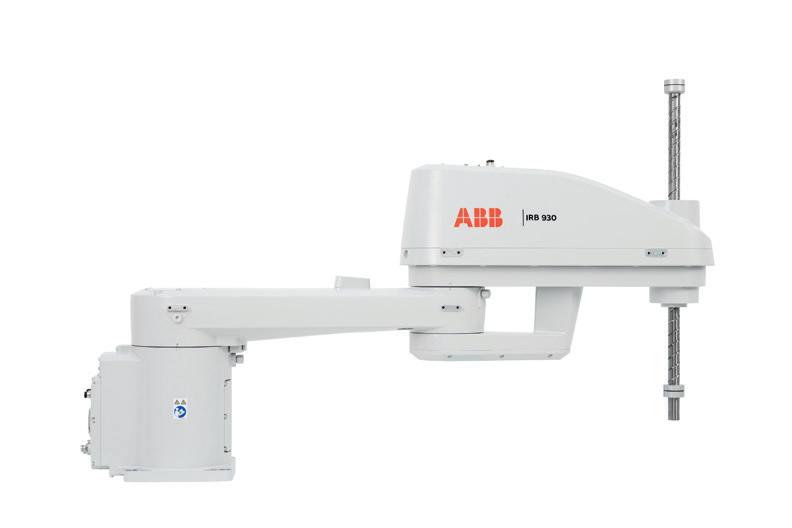
ABB Robotics is expanding its industrial SCARA robot range with the addition of the IRB 930. The robot comes in three variants capable of handling 12 and 22 kg payloads and is engineered for fast point-to-point tasks that demand high payloads and large work areas.
The 22 kg variant delivers a 10% increase in throughput by handling more and heavier workpieces at once. The IRB 930 also provides a 200% increase in push-down strength (with a maximum downward force of 250 N) making it suitable for force-intensive operations such as screwdriving and assembly tasks required when working with components such as battery cells, display panels and solar modules.
ABB’s OmniCore controller will power the IRB 930. The OmniCore controller offers motion control through TrueMove and QuickMove alongside built-in digital connectivity and scalable functions. The motion control provides a cycle time of 0.38 s, with a repeatability deviation position of 0.01 mm.
These high-performance SCARA robots are designed for use in various industries such as packaging and manufacturing where high speed and high repeatability pick-and-place and assembly operations are required.
ABB Australia Pty Ltd www.abbaustralia.com.au

What demands will be placed on modern identification systems in the future?
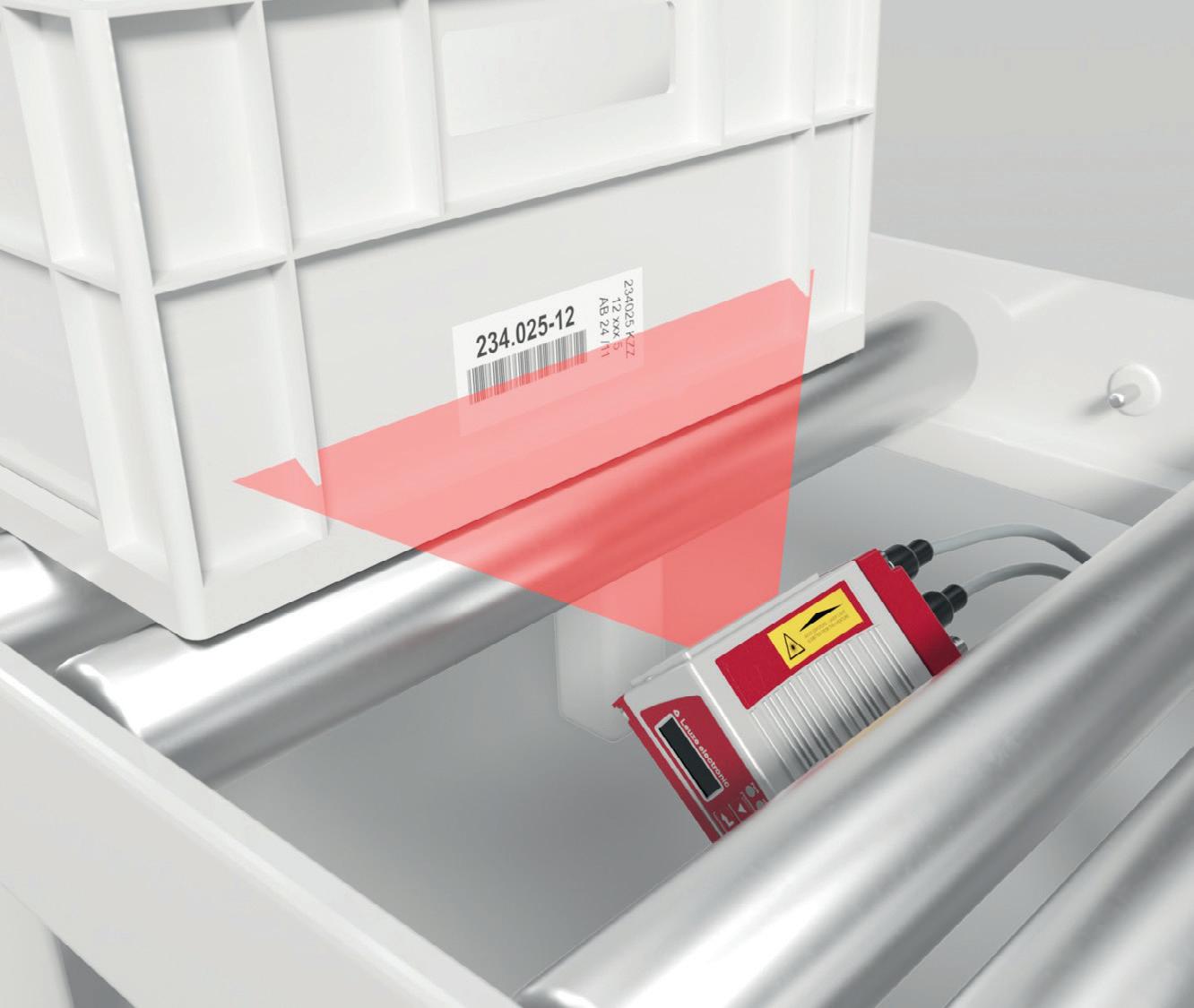
Automatic identification systems such as 1D/2D code and RFID readers are tried-and-tested, indispensable technologies for controlling industrial production processes and logistics workflows in the supply chain. At the same time, Industry 4.0 and IIoT have put digitisation at the focus of advancing automation. What demands will be placed on modern identification systems in the future? Has the classic reader, which forwards a code via a serial interface to a control, become obsolete?
The classic barcode as an optical identification system was introduced in the 1970s. In the meantime, various types
of barcode are now in use worldwide (eg, GS1-128, Data Matrix, QR Code, Aztec Code). The barcode — for example in the form of a printed label — has its simple usability, its extremely low cost and complete global standardisation to thank for its significance as the world’s most important identification medium. The barcode has become our daily, almost unnoticed companion in our personal environment — but also, of course, in industrial applications.
Radio frequency identification (RFID) operates in the radio frequency range and utilises the electromagnetic interaction between mostly passive RFID data carriers (so-called tags) and an antenna generating the electromagnetic field. Initial practical applications came on the market at the end of the 1980s (for example, the electronic vehicle immobiliser). The technology then became widespread in the early 2000s with the availability of new frequency ranges (HF and UHF) when
contactless card systems were introduced and low-cost RFID labels, particularly in the retail market, opened up new possibilities for automated logistics processes.
The advantages of RFID compared to the barcode are obvious: unlike the barcode, RFID requires no direct line of sight between the data carrier and reader. And another often important point: additional data can be stored on the RFID data carrier so that as well as an individual code (the so-called unique ID or electronic product code (EPC)), each object can also be assigned additional, decentralised stored information about its properties, history or its current state.
After many years of targeted technical development and with extensive experience in different industrial sectors and applications in practically all industrial production processes and in the supply chain, RFID has developed into an established and reliable identification technology. Its advantages

over the barcode play out wherever the application conditions and the cost–benefit calculation allow the use of RFID.
Today, both technologies live in peaceful coexistence, particularly in track-and-trace applications. For example, in the automotive industry where production processes need to be continuously monitored while at the same time an eye must be kept on all material flows necessary for component supply. Linked to this is further state information about the condition of the machines and systems as well as the control of container loops and warehouse management.
As ‘enabling technology’, both laserbased or camera-based optical identification systems and RFID systems today make a major contribution to end-to-end automation and process tracking. And that’s not all: they provide the basic data for a digital map of the production system, including all components involved and the
logistics processes. At the same time, the evolution of classic production through to the smart factory, logistics and ‘smart material flow’, all of which was set in motion by Industry 4.0 and Industrial IoT, demands the adaptation of established AutoID systems to the enhanced requirements of digitally networked systems on the shop floor. The developments needed to achieve this extend to the functionality, communication capability and performance of AutoID systems.
An important step toward the optimisation of AutoID systems with respect to the digitisation of production processes is condition monitoring. This requires the integration of sensors in the AutoID devices. These sensors enable condition monitoring of the reader and deliver cyclical information on the device state, warn of irregularities in the quality of the acquisition process and by means of downstream analyses,
allow prompt intervention or predictive maintenance of the system.
The integration of external sensors in order to determine the current state, at the same time as object identification, and to link this to the object ID stored on the data carrier also provides a considerable benefit for the optimisation of process transparency. Operating as an IO-Link master, an AutoID device can, for example, collect data from multiple IO-Link sensors installed at the reading location very easily and either forward this data to a control system or, with the appropriate hardware, even pre-process it in the device itself using suitable software applications.
The communication capability of AutoID systems is of key importance because it is responsible for digital data exchange both at control level and with higher-level administrative and planning systems.
Typically, Ethernet-based fieldbus interfaces such as Profinet or EtherNet/IP
have long been used for the real-time capable control of processes. The necessity of combining process-related identification procedures with the monitoring of simultaneously determined operating and device states increases the demands on the communication interfaces of AutoID systems. In particular OPC UA, as an open data exchange standard, is now increasingly being used in the AutoID devices of many automation manufacturers.
The interlinking of devices within a network on the one hand and communication with control and IT systems on the other via so-called OPC UA Companion Specifications is possible irrespective of the manufacturer. For AutoID systems in particular, the OPC UA AutoID Companion Specification that provides information models for the use of optical identification systems and RFID has existed since 2019.
The ability of AutoID systems to act as OPC UA servers allows all systems involved in the process, such as machines, robots, industrial trucks and storage systems, to be integrated interoperably in a uniform production and intralogistics system based on OPC UA. The material flow is controlled dynamically and flexibly based on the order
data from the production plan and the most recent process data that is obtained from the identification process (the ‘read events’) and the simultaneously acquired operating states.
As is generally known, the use of RFID systems in the UHF frequency range is subject to certain restrictions with respect to the frequency bands authorised in the regions and countries concerned. In this regard especially, incompatibility between EU rules and the regulations in the USA is an obstacle to cross-company use of RFID systems and therefore to complete networking and transparency of a supply chain.
To eliminate this disadvantage, in 2018 the European Commission agreed to release a so-called ‘upper band’ of 915–921 MHz in addition to the existing frequency band of 865–868 MHz. Besides the at least partial harmonisation with the North American frequency range, the bandwidth of the transmission channels and the maximum permissible transmitting power were also improved allowing a significant increase in the usability of this technology, particularly in logistics processes.
... BOTH LASER-BASED AND CAMERABASED OPTICAL IDENTIFICATION
SYSTEMS AND RFID SYSTEMS TODAY MAKE A MAJOR CONTRIBUTION TO END-TO-END AUTOMATION AND PROCESS TRACKING.
With logistics processes in particular, large quantities of data often occur: for example, if trucks are used to transport goods and pallets loaded with a large number of containers are detected as they pass through an RFID gate. These identification processes are used to automatically capture and book material movements, and therefore to create complete transparency with regard to order status and material availability.
In order to provide a goods management system with only the essential and usable datasets, the use of suitable middleware systems on external servers and IPCs to filter, aggregate and evaluate the often large quantities of raw data from the RFID readers and forward it as business events via IT-compatible interfaces and communication protocols have proven effective for RFID applications. The hardware performance of AutoID devices has already increased to such an extent that middleware or other software applications can be installed directly in the device, thus enabling direct communication with facility control systems as well as cloud communication, via OPC UA or other network protocols such as MQTT.
Small and simple to install, the PSENmlock mini safety locking device is designed to offer an economical solution for safety gate guarding. Designed to be extra compact, the safety locking device is suitable for integrating into a machine and saves valuable space. The PSENmlock mini also offers greater flexibility for designing machines as the actuator can be attached from the right, left and front. It can also be quickly and easily secured with two screws.
PSENmlock mini can be connected in series up to PL d, Category 3, minimising wiring and simplifying commissioning. The bistable guard locking principle guarantees a high level of safety. In the event of a power failure, the last state is maintained and so the gate is either closed and locked, or open. This principle reduces energy consumption, as the guard locking device only needs to have power applied whenever the gate is locked or released. Safe holding force is up to 1950 N.
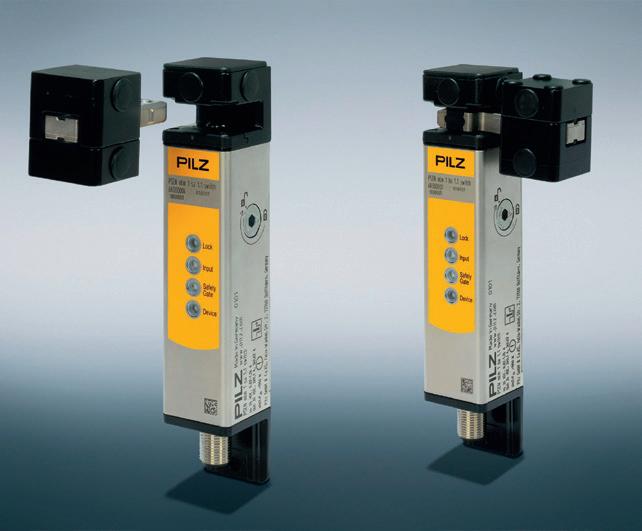
A high level of safety is achieved through dual-channel operation of the solenoid; in the event of an error, the OSSDs are switched off but guard locking is retained. This can then be released through a targeted, one-off deactivation.
With its compact design of 30 x 30 x 159 mm, the PSENmlock mini is 60% smaller than the PSENmlock and is designed for spacecritical applications. It can also be used for gates with a minimal gate radius of 200 mm.
Pilz Australia Industrial Automation LP www.pilz.com.au
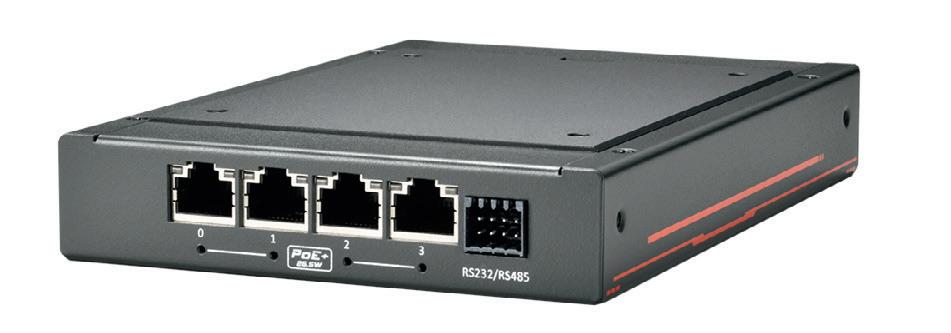
The Neousys NRU-154PoE-FT is an NVIDIA Jetson Orin NX edge AI computer, engineered for high-demand applications requiring robust AI inference capabilities. The system delivers up to 100 TOPS AI inference performance, making it suitable for a wide range of industrial applications. It is equipped with a flat top heatsink design, optimised for fanless operation within sealed enclosures, providing performance in temperatures ranging from -25 to 60°C without thermal throttling, even at a 20 W TDP.
Designed for versatility and efficiency, the NRU-154PoE-FT offers four 2.5GbE PoE+ ports, enabling direct connectivity to IP and industrial GigE cameras. These full-bandwidth ports provide data transmission crucial for applications in edge inspection, AI-based factory automation and environmental monitoring.
Other ports include one RS-232, one isolated RS-485 and an M.2 2242 M key NVMe slot.
Backplane Systems Technology Pty Ltd www.backplane.com.au

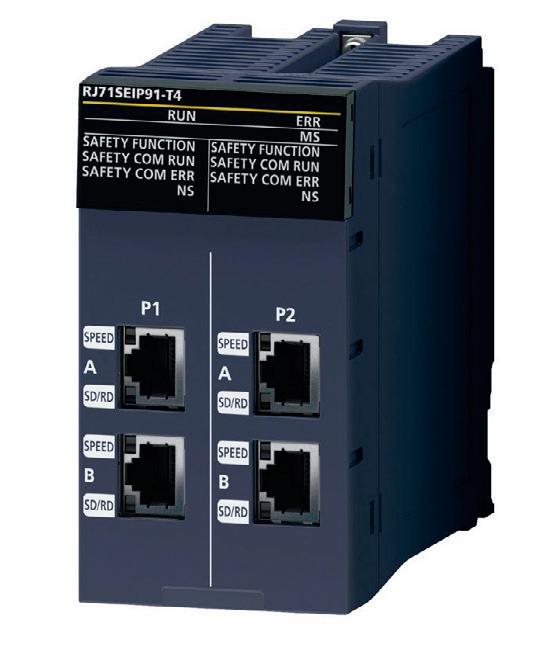
Mitsubishi Electric Automation has designed the MELSEC iQ-R Series CIP Safety Module to provide safety signal transmission to a diverse range of devices and equipment, including third-party robots, Mitsubishi Electric and third-party-VFD products, and safety I/O and interlocks.
Common Industrial Protocol (CIP) safety is a protocol developed by the Open DeviceNet Vendor Association (ODVA) and is widely used in industrial automation systems. CIP Safety defines a set of rules and mechanisms for exchanging safety-related information between devices in a network to ensure reliable communication of critically safe data within an industrial system.
The module occupies a dual slot on an iQ-R PLC rack and is compatible with both EtherNet/IP and CIP Safety protocols to provide versatility and integration capabilities in different industrial settings. It complies with international safety standards EN ISO 13849-1, Category 4 PL e and IEC 61508 SIL 3 and has been tested with various third-party robots, PLC peer-to-peer communication, gate switches, area scanners, VFDs and remote I/O.
The iQ-R CIP Safety module is most widely used in packaging and the automotive industries but can be applied in systems requiring safe communication.
Mitsubishi Electric Australia www.mitsubishielectric.com.au
The EMU-200 series from ADLINK Technology is an application-ready IIoT gateway designed to meet the data network requirements of various harsh application scenarios, including renewable energy, EV charging, building management and factory equipment monitoring.
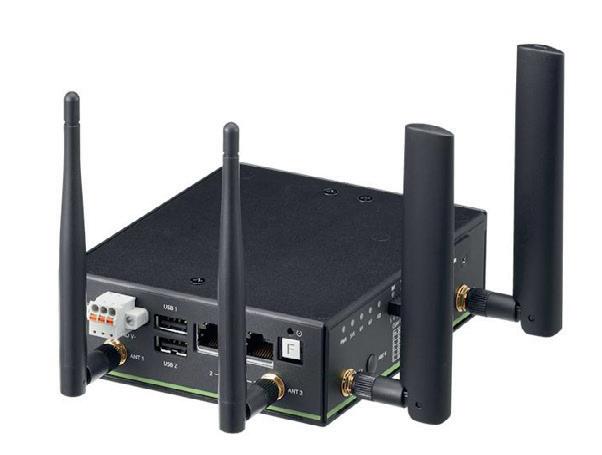
To facilitate rapid deployment, the EMU-200 series features a built-in smart software tool, the EGiFlow web console, which allows for easy integration of multiple communication protocols. Paired with a wide range of connectivity options and adaptable hardware specifications, EGiFlow can cater to a wide range of onsite configurations while reducing the efforts required by engineers on development and deployment.
The EMU-200 series integrates a variety of mainstream industrial communication protocols, such as Modbus TCP/RTU, MQTT and OPC UA. Various I/O interfaces are supported, along with Wi-Fi and 4G/LTE connectivity. This enables connection to data acquisition device such as remote I/O and Ethernet DAQ systems, facilitating seamless connectivity from the edge to cloud platforms.
The system uses an ARM Cortex-A9 processor and has compact dimensions, multiple mounting options and an operating temperature range of -20 to 70°C.
ADLINK Technology Inc
www.adlinktech.com
LAPP Australia has introduced the TOSIBOX Lock 175 industrial-grade secure remote access solution for industrial automation and IoT systems. TOSIBOX 175 is designed to be a cost-effective, all-in-one, plug-andgo connectivity device solution, for demanding industry sectors.
With its key-based encryption and user-friendly interface, TOSIBOX Lock 175 is designed to offer robust security and ease of use for remote access and management of critical systems.
The 4G module and external 4G antenna provides stable internet access, so the node can be easily configured anywhere. Versatile connectivity options, utilised in conjunction with cybersecurity technology from TOSIBOX, enable diverse application scenarios. The durable aluminium alloy shell and small form factor allow for mounting in many situations.
Key features include high VPN throughput, with end-to-end encryption between TOSIBOX devices, users and servers; integrated Wi-Fi as a connectivity method or access point for wireless devices onsite; a built-in global LTE modem so that no external modem is needed; TosiOnline automatic reconnection of dropped connections; and a robust and fanless enclosure with DIN rail attachment.
LAPP Australia Pty Ltd lappaustralia.com.au

On the 7th of February, the FBI, NSA and CISA issued an advisory that Volt Typhoon, a state-sponsored cybercriminal group, had maintained persistent access inside the networks of many American Critical Infrastructure organisations, in some cases, for as long as five years.
If Volt Typhoon hackers were lurking inside American critical infrastructure undetected for this long, it’s reasonable to assume the same for Australia’s critical infrastructure.
I believe that the bulk of nation-state attacks on critical infrastructure are not intended to launch an attack immediately. Rather, their purpose is to perform valuable reconnaissance, lay dormant in preparation for when nations are at war and then strike when the time is right, launching a cyber attack to disrupt a nation’s domestic critical infrastructure. We’ve seen this already in cyber attacks against Ukraine, where Kyivstar, Ukraine’s largest mobile operator, was taken offline by state-sponsored hackers.
While Australia has taken solid steps to protect its critical assets, including legislation such as the Critical Infrastructure Act, SOCI and AESCSF, as well as all of our cybersecurity standards and frameworks, the US is arguably more mature in its cyber posture — so it’s reasonable to assume that our critical infrastructure in Australia could also be compromised by Volt Typhoon.
So, how can we identify nation-state activity, or better yet, keep them out of our networks altogether?
The approach is simple: to protect any territory, it first needs to be mapped. This involves taking a detailed inventory of all internet-connected assets and analysing the network traffic to and from these assets in real time. With accurate mapping, any unauthorised access attempts by hacking groups (who often take the ‘low and slow’ approach to evade detection) can be identified and terminated. Critical vulnerabilities, particularly on external-facing devices, need to be remediated as a
priority in order to avoid these vulnerabilities being exploited, such as in the case of the cyber attack on Denmark’s power grid last year.
Particular attention must be paid to the network perimeter, which is where attackers enter and gain a foothold into these networks. Previously, network operators would simply ‘air gap’ their industrial control systems from the outside world, but in the age of growing remote connectivity, the only thing this strategy delivers nowadays is a false sense of security.
Once appropriate network protections have been put in place to block new unauthorised access, the control system network must be monitored.
The mitigations listed above are technical controls, which are only one part of the equation. We must also look at Australia’s cyber culture, particularly among critical infrastructure organisations, and the imperative that mistakes and oversights are learned from. By driving an open culture of disclosure, we will be able to learn from successful attacks and prevent attackers from recycling their cyber-attack playbooks onto other victims in future.
By working together to protect our critical infrastructure, we’ll be able to maintain essential services for Australians and protect our modern way of life.

There are a number of factors that need to be considered when selecting an infrared temperature sensor.
Infrared temperature sensors are one of the most widely used non-contact temperature measurement technologies in industrial processes and machinery. They are commonly used for condition monitoring applications in critical process plants, machinery, motion detection systems and electrical equipment, as well as for product quality control in process manufacturing such as in mining, metals
and the food industry. Infrared temperature sensors can locate hot spots on a target object without intervening in the production process and obtain the true temperature of the sighted object. They are also capable of performing measurements in challenging industrial applications such as difficult-toaccess areas, with fast-moving objects or hot objects, or for surfaces that can get easily damaged with thermocouples.
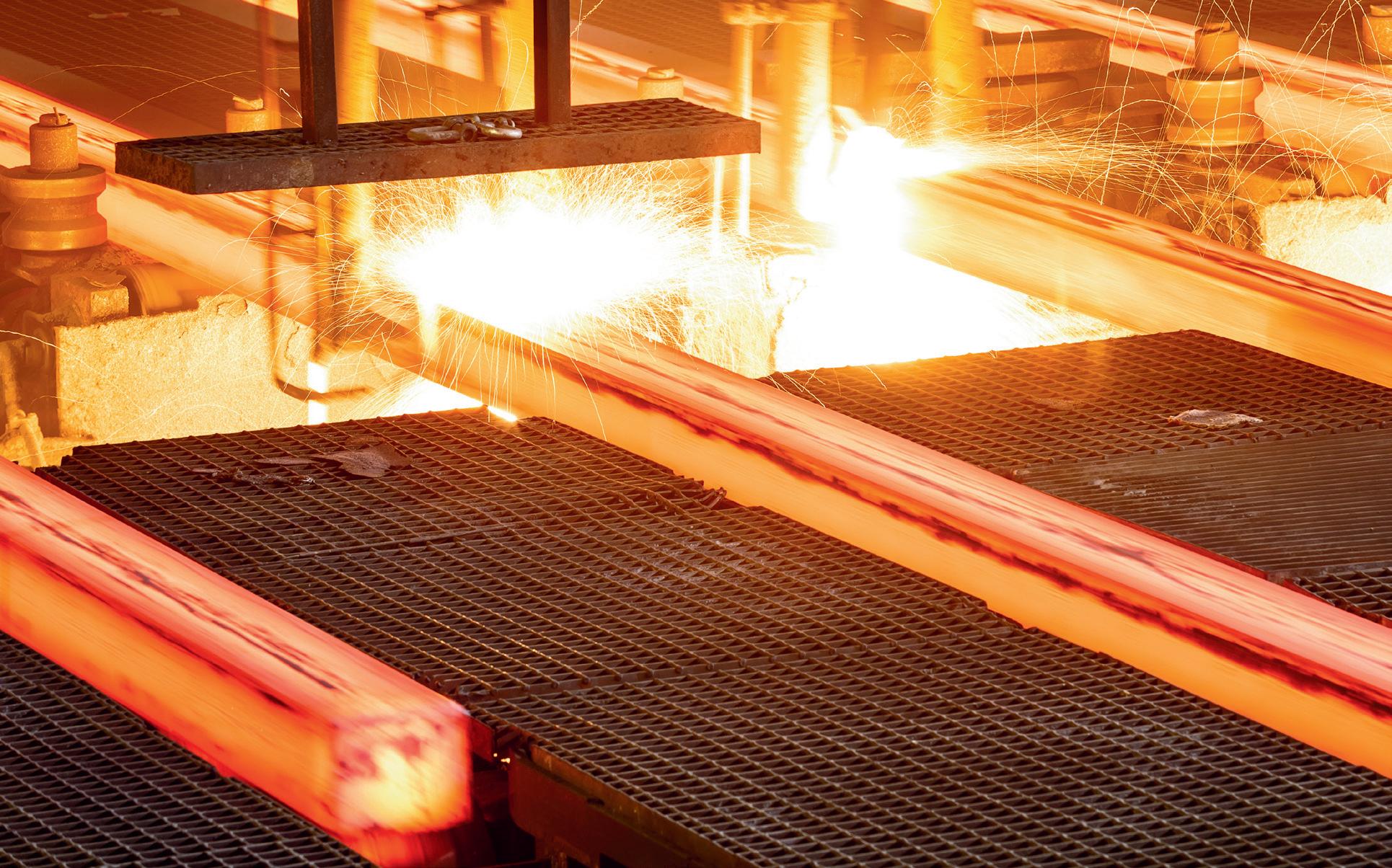
Industrial infrared sensors are available as thermal imaging cameras (IR cameras) and infrared pyrometers. IR cameras offer thermal images of the objects in which temperature data is colour-coded. Infrared thermometers or pyrometers measure surface temperature by projecting a laser onto the object. Both types of sensors can be used in almost all applications, depending on user preference and requirements. For example, if the user needs to identify hot spots in an object or detect abnormal temperature distribution, a thermal imaging camera can be a better option, although it comes with a slightly higher investment.
There are number of major factors that must be taken into consideration before purchasing an infrared temperature sensor.
For infrared thermometers, the wavelength is an essential factor that highly affects the measurement. Selection of wavelength is
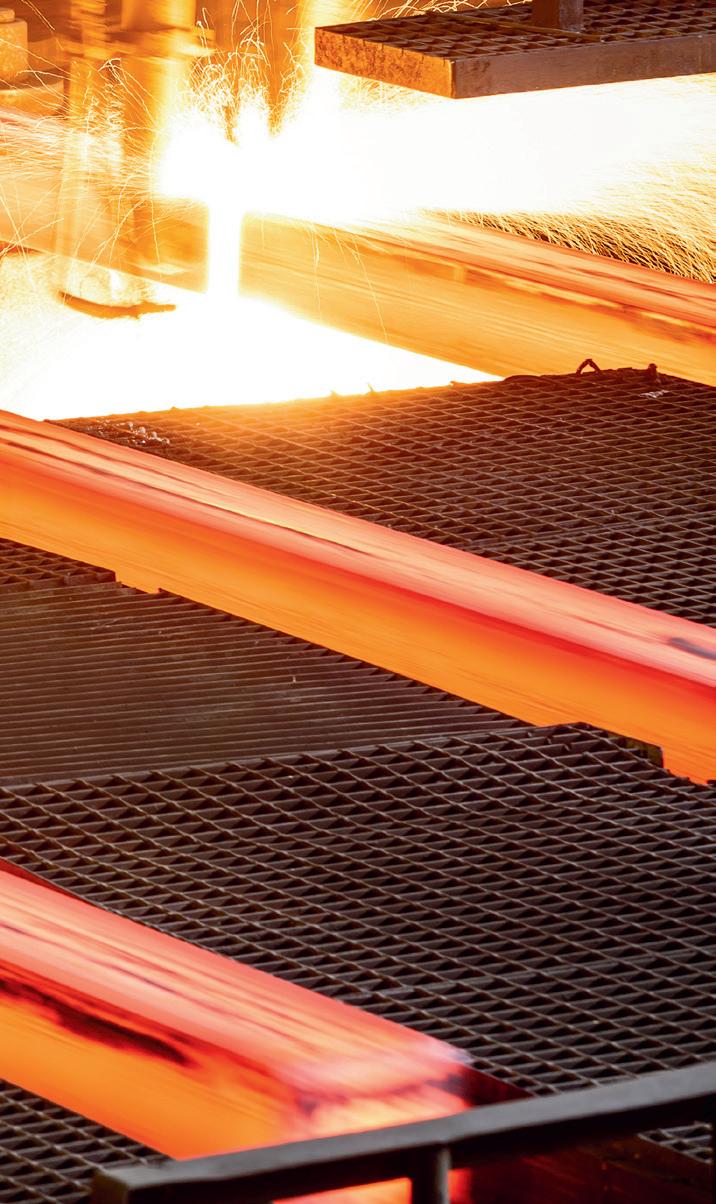
directly dependent on the emissivity of the target object, or how infrared radiation is emitted from the surface. Highly reflective materials such as metals tend to have low or changing emissivity. In such cases, choosing an infrared sensor that operates between 0.8 and 1 micron wavelength would be optimal.
Emissivity also varies with changing temperature and the type of surface, making selecting the ideal sensor challenging. To simplify this process, infrared sensor manufacturers produce guidelines that allow users to choose a specific wavelength band for material groups. For example, the optimum operating wavelengths for measurement on metals, glass and textiles are 0.8 to 2.3 µm, 5 µm and 8 to 14 µm respectively.
For some complex types of polymer such as polyethylene, polypropylene, nylon, polystyrene or polyester, specific infrared sensors with specialised operating wavelength are required.
Infrared sensors also come with adjustable emissivity correction for getting accurate measurements of temperature under varying conditions. Therefore, when selecting an infrared temperature sensor, the wavelength band of the sensor needs to be known. Additionally, the values of object emissivity over the required temperature and wavelength range must be calculated and recorded using a temperature data logger.
Temperature range
SELECTION OF WAVELENGTH IS DIRECTLY DEPENDENT ON THE EMISSIVITY OF THE TARGET OBJECT, OR HOW INFRARED RADIATION IS EMITTED FROM THE SURFACE.
Temperature measurement using noncontact infrared sensors can go below freezing point or up to as high as 2200°C. For instance, if the measurement needs to be performed in cooling chains or laboratories, or for hot melting materials or blast furnaces, infrared sensors specific to these environments are available. This means that users should be clear about the required measuring range to choose the best option for their respective application. A sensor with a wide temperature range must be chosen if the requirement is to monitor start-up or cool-down temperatures in a process, but this would come with a compromise on the resolution and accuracy of the measurement. On the other hand, if better resolution is required, infrared sensors with a narrow temperature range must be used. For heat-treating applications where temperature must be accurately maintained, it is crucial to select a sensor within the
specific range that can measure reliably over a long period of continuous operation.
Target size
An infrared sensor measures the average temperature of the area within its field of view. Generally, sensors with a field of view smaller than 50% of the measurement target are recommended in order to minimise measurement error due to temperature variations. If the sensors are used to measure the temperature of small objects, it is recommended to choose a pyrometer with a smaller field of view. Otherwise, a thermal imager can be used to capture the temperature data of the whole body in a thermal image format. More importantly, a clear line of sight between the sensor and the target is required, as any objects such as dust particles, steam, gas or contaminants can cause measurement errors.
Response time
When measuring fast-moving objects such as those in a moving production line environment, infrared sensors with fast response times are required. These highspeed pyrometers are also required if the user needs to capture transient thermal behaviour during a fast heating process such as pyrolysis.
Type of application
Certain environmental factors such as dust, gases, water vapours, electromagnetic fields or vibrations can cause inaccuracies in measurements or even damage the lens of the sensor. Infrared temperature sensors are therefore equipped with features such as protective housings, air purging or a water cooling jacket so they can protect the sensor against the ambient environment.
Non-contact infrared temperature sensors are seen as alternatives to traditional thermocouples in industrial monitoring and research applications. They are therefore available in a wide range of types to suit the application, and with a wide range of selectable outputs to allow easy interfacing with any industrial control system.
This article was originally published on a blog at https://www.bestech.com.au/blogs/ factors-to-consider-when-selecting-infraredtemperature-sensor.
Steel has many useful qualities and is found in virtually all products where strength, malleability and stability are key properties. Whether in buildings, vehicles, machines or household appliances, steel is an indispensable component. However, steelmaking is an energy-intensive and carbon-intensive process with global average energy intensity of 19.76 GJ/tonne of steel and CO2 emission intensity of 1.83 tonne CO2/tonne of steel. The steel industry consumes 5.9% of global energy and emits 6–9% of global CO2 emissions.1 This is partly due to the use of coke, which is required in blast furnaces to remove oxygen from the iron ore and to extract the pig iron.
To decarbonise steel production and its high carbon dioxide emissions, Fraunhofer researchers and other partners are working on converting an existing steel mill to climateneutral production methods. The aim is to produce steel by the direct reduction of iron ore with hydrogen, which would completely replace harmful coke as a reducing agent.
Work has been underway to develop new technologies to decarbonise production for years. The Fraunhofer Institute for Ceramic Technologies and Systems IKTS, the partner institutes Fraunhofer Institute for Systems and Innovation Research ISI and Fraunhofer Institute for Environmental, Safety and Energy Technology UMSICHT as well as Salzgitter AG are focusing on hydrogen-based direct reduction. During direct reduction in a reactor, the iron ore reacts with hydrogen at a high temperature. This hydrogen acts as a reducing agent and removes the iron oxide from the iron ore. What remains is the raw pig iron.
“By using electricity from renewable energy sources, the production of hydrogen is completely free of CO2 emissions. This means that by implementing green hydrogen in crude steel production, we can save up to 97% of harmful carbon dioxide,” said Dr Matthias Jahn, head of the department for Energy and Process Engineering at Fraunhofer IKTS.
In principle, green hydrogen is produced using electrolysis, where an electrical voltage is applied to split steam into hydrogen and oxygen. In particular, high-temperature electrolysis based on solid oxide electrolysis cells (SOEC) has had a long history at Fraunhofer IKTS. Given that the waste heat from high-temperature processes
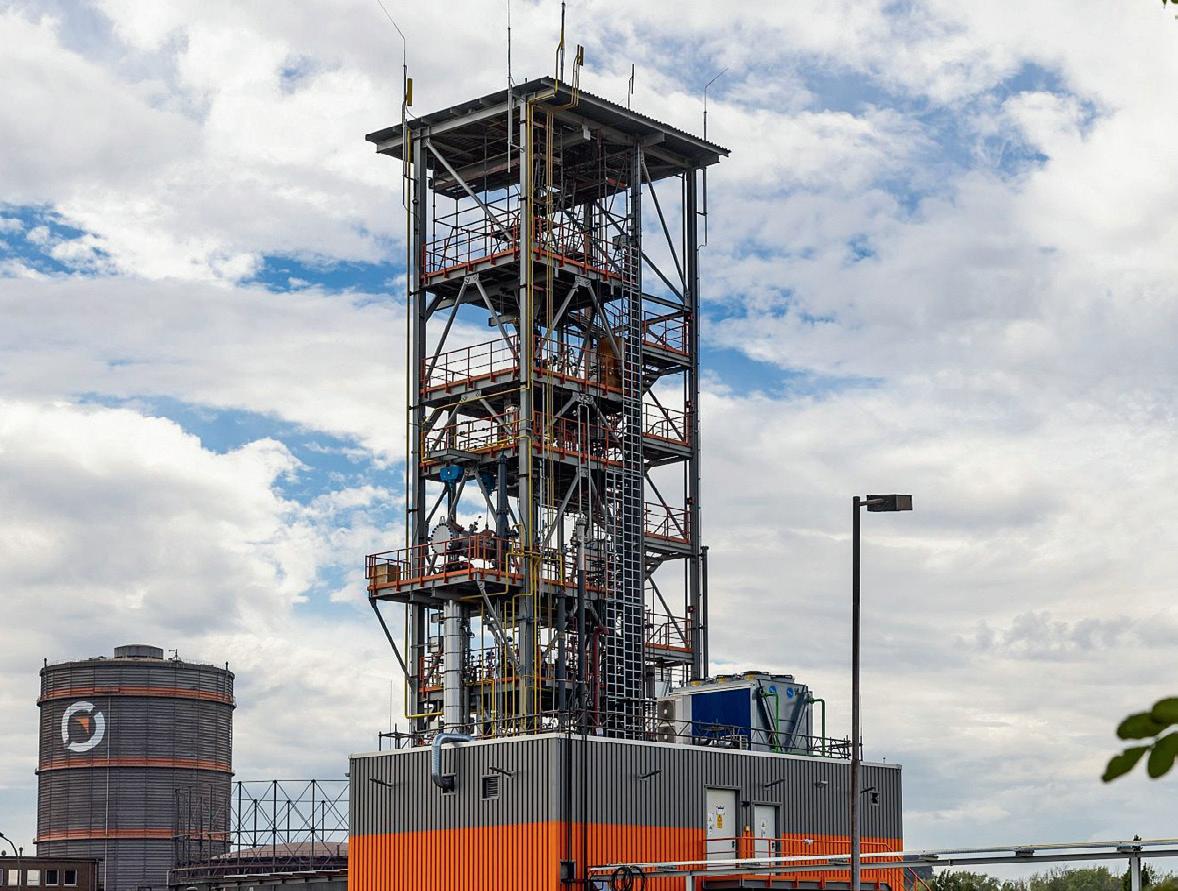
can be used to increase the electrical efficiency, this offers considerable advantages compared to other electrolysis processes — especially in steel production. Fraunhofer IKTS researchers have developed in-house electrolysis cells and stacks and used their own operating data for the technoeconomic assessment of the process concept.
The consortium has demonstrated the feasibility of the new process in the BeWiSe follow-up project, in which the researchers and their industrial partners are now further optimising the entire process chain for resource and energy efficiency. For this purpose, a direct reduction demonstration plant measuring approximately 30 m in height on the Salzgitter AG premises is also used. For example, the project is investigating how biogenic materials can be used as a substitute for coal and natural gas to adjust the carbon content required in steel. Considering that large quantities of water are required for electrolysis during the production of green steel, the project is also focusing on how to optimise the use of water. As a result, the water formed during iron ore reduction with hydrogen is to be processed as far as possible for reuse.
The researchers are contributing all of their expertise, which ranges from hightemperature electrolysis, membrane processes
for gas separation and water treatment to process simulation and plant modelling using digital twins.
“We are not satisfied with simply providing selective solutions and laboratory plants. We aim to offer Salzgitter AG comprehensive technological support for all process steps,” said Gregor Herz, group manager for Modeling and Simulation at Fraunhofer IKTS.
Dr Alexander Redenius, head of Resource Efficiency and Technology Development at Salzgitter Mannesmann Forschung, said: “We have been working successfully with the Fraunhofer researchers for six years to transform steel production. The direct reduction demonstration plant enables us to optimise the reduction process and how it interacts with the other process steps. Through this work, we are creating the basis for sustainable steel production with low CO2 emissions.”
The company aims to convert a third of its steel production to the climate-friendly process with hydrogen as early as 2026.
1. CO2CRC Limited 2020, Reduction of Greenhouse Gas Emissions in Steel Production.
Fraunhofer Institute for Ceramic Technologies and Systems IKTS www.ikts.fraunhofer.de/en.html

The field of instrumentation and sensors is undergoing a transformative journey, fuelled by technological trends that resonate deeply with engineers. Among these trends, the integration of sensors with Internet of Things (IoT) technology emerges as a pivotal development, marking a significant stride towards smarter and more interconnected systems.
At the heart of the IoT lies the idea of seamless connectivity and communication between devices, and sensors play a crucial role as the eyes and ears of IoTenabled devices. This integration facilitates real-time data collection, analysis and communication among devices, creating an environment where information can flow effortlessly.
In parallel, the advancement of wireless sensor networks is another trend shaping this evolution. The growth in wireless communication technologies has paved the way for the development of more efficient and reliable networks. These networks enable the deployment of sensors in remote or challenging environments without the constraints of extensive wiring. The resulting wireless infrastructure not only enhances the flexibility and scalability of sensor networks but also makes them adaptable to a wide range of engineering applications, spanning from industrial monitoring to environmental sensing.
In the realm of sensor technology, the impact of micro-electromechanical systems (MEMS) cannot be overstated. MEMS sensors, characterised by their smaller size, reduced weight and cost-effectiveness, have opened new frontiers in various engineering fields. From consumer electronics to healthcare devices and automotive systems, MEMS sensors contribute to the development of compact and high-performance sensor solutions. Their integration has led to the creation of more accessible and versatile sensor applications, aligning well with the engineering principles of efficiency and effectiveness.
As sensors continue to permeate our daily lives, the concept of smart sensors and intelligent instrumentation has gained prominence. Modern sensors are evolving beyond their traditional roles, now capable of processing and analysing data locally. This shift reduces reliance on sending raw data to centralised systems, fostering more efficient and responsive systems. For engineers, this represents a strategic move towards decentralised intelligence and quicker decision-making based on real-time data, aligning with the ethos of engineering excellence.
However, with the proliferation of the IoT and the escalating reliance on sensor data, security emerges as a critical concern. Ensuring the integrity and confidentiality of sensor-generated information is paramount, especially in applications where privacy and trust are non-negotiable. The engineering community is responding to this challenge by exploring blockchain technology as a safeguard for sensor data. The decentralised, transparent and cryptographically secure nature of blockchain offers a promising solution to authenticate and secure sensor data in various applications.
The convergence of IoT, wireless sensor networks, MEMS sensors and intelligent instrumentation is reshaping the landscape of instrumentation and sensors from an engineer’s perspective. This synergy not only facilitates unprecedented levels of connectivity, efficiency and responsiveness in systems but also aligns with the core principles of engineering.
The IICA offers a forum for corporate members to present their insights and contributions, encouraging reciprocal learning and promoting progress across the entire industry. By fostering collaborative efforts, the industry as a whole can fully embrace automation and enjoy its enduring advantages. For additional details about the association, training and events it facilitates, visit www.iica.org.au.
April
Australian Manufacturing Week
17–19 April 2024
ICC Sydney australianmanufacturingweek.com.au
Hannover Messe
22–26 April 2024
Exhibition Grounds, Hannover, Germany www.hannovermesse.de/en
AspenTech OPTIMIZE 24
29 April–3 May 2024
Marriot Marquis, Houston TX www.optimize2024.com
Ozwater’24
30 April–2 May 2024
Melbourne Convention and Exhibition Centre www.ozwater.org
May
Robotics Summit & Expo
1–2 May 2024
Boston Convention and Exhibition Center www.roboticssummit.com
CSIRO Introduction to Food Engineering
13–15 May 2024
CSIRO Food Innovation Centre, Werribee events.csiro.au/Events/2023/November/16/ Introduction-to-food-engineering-May-2024
IICA Technology Expo Brisbane
15 May 2024
Brisbane Convention & Exhibition Centre iica.org.au/Web/Web/Events/Event_Display. aspx?EventKey=IICABRSQLD
Workplace Health & Safety Show
22–23 May 2024
Melbourne Convention and Exhibition Centre www.whsshow.com.au
June
IICA Technology Expo Wollongong
4 June 2024
Wests Illawarra hiica.org.au/Web/Web/Events/Event_Display. aspx?EventKey=IICAWOLNSW
Cybersecurity for Infrastructure Summit
7 June 2024
Sydney + Virtual cybersecurityinfrastructuresummit.com
IICA Technology Expo Perth
19 June 2024
Perth Convention Centre iica.org.au/Web/Web/Events/Event_Display. aspx?EventKey=IICAPERTWA
My firsthand experience with process control and instrumentation dates back to when we were transitioning from pneumatics to a more compact and robust solid-state electronics. Later, chipsets were added to the field instruments that made them smarter. Due to this, smart instruments and valves in the process area began having communication over the loop wiring for remote configurations and diagnostics. These smart instruments could perform some mathematics, and some were even capable of performing multivariable measurements.
In the control room, large panels of pneumatic controllers were being replaced by the electronic and microprocessor-based single loop controllers and recorders. These new instruments could be fitted in the same space as that of pneumatic instruments, making transition somewhat simpler. Very soon smart features such as auto tuning of the control loop and fuzzy logic were added to microprocessor-based controllers, making them smarter.
At that time, electronic mimic panels provided process health and alarm information to the control room operators from a distance.
This journey from pneumatic to smart electronics provided better process control with increased throughput and reduced maintenance. This third industrial revolution saw the introduction of PLCs for discrete control while distributed control systems were adopted in continuous process control. Both DCS and PLCs introduced computers and software-based control, shrinking control rooms and introducing advanced process control.
Advanced microprocessor and computer-based technology helped R&D labs and scientists to get better analytical instruments. Operator and process training simulators were introduced, helping to improve product quality and operator efficiency. Software simulation helped labs and design companies significantly in achieving their goals.
Industrial automation has changed significantly in the 21st century. Extensive use of communication technology, industrial networking and the use of commercial computers saw us entering the fourth industrial revolution, popularly known as Industry 4.0. Greater communication now brought issues of cybersecurity into play for operational technology (OT) as well as IT. We saw the overall process control and instrumentation field maturing further. Wireless instruments and remote monitoring helped with pervasive sensing. Now it was not just the scientists in R&D labs and design companies who were involved in process modelling, pattern recognition and simulations — operations and maintenance staff on the shop floor are now leveraging analytics and prediction.
In recent times, COVID-19 has turned out to be the big disrupter and has changed human behaviour globally. Vaccine discovery and rollout is a true example of global collaboration. Remote working for design work, software development and delivery is the new normal in our lives, while logistics and the supply chain have seen the biggest changes. Virtualisation, cloud computing and edge computing will see the industrial footprint shrink further.
Are we there already? Or is AI just another buzzword that will soon pass?
I don’t think so. One thing is clear: we are generating more data than ever before. The World Economic Forum says that industry is generating 130 ZB of data every year. This is expected to double every year, but IBM Smart Factory estimates indicate that we are able to use only 1% of the data.
We can safely say that we are now moving into the era of Industry 5.0 with digitalisation, ML, AI and robotics to make use of all this data and make our lives safer, more sustainable and smarter: moving beyond efficiency and productivity as the sole objectives.

Makarand Mujumdar (Mak) is an Electrical Engineer and has a postgraduate diploma in Sustainable Energy from RMIT University. He has been supporting clients within all major verticals for over four decades. Mak has a passion for data management, industrial software and emerging technologies, and currently looks after Emerson’s Industry Engagement within Life Sciences sector.