
CONTROLLING ROOT GROWTH TO HELP CROPS
METAL PARTICLES FOUND IN VAPES ZIKA VS BRAIN CANCER
APR/MAY 2024 VOL.35 NO.1 PP100008671

The extensive SpectraMax® line of user-friendly microplate readers provide great exibility for labs conduc ting applications ranging from ELISAs to nucleic acid and protein quantitation, and include absorbance, uorescence, luminescence and more.
Easy-to-use, intuitive, con gurable microplate readers with industr y-leading Sof tMax Pro Software solution for increased productivity


6 IMAGE INTEGRITY BEST PRACTICE: THE PROBLEM WITH ALTERING WESTERN BLOTS
Image integrity issues are most likely to come from western blots, so researchers and institutions must take care when using these images in their content.
16 CREATING A GENETIC MEDICINE MANUFACTURING ECOSYSTEM: DEMOCRATISING MEDICINE
When it comes to the mission to democratise medicine, Australia has a material opportunity to affirm its destiny and be a global leader.

20 ANTIMICROBIAL COATING FOR SANITARY FABRICS INSPIRED BY MUSSELS
The innovative material fights against the spread of pathogens and antimicrobial resistance, inspired by the substances secreted by mussels to adhere to rocks.

27 CONTROLLING ROOT GROWTH COULD HELP CROPS, COMBAT CLIMATE CHANGE
A highly conserved ethylene signalling pathway can be targeted to control the direction of root growth, creating deeper root systems that hold on to carbon.
The countdown is on for Accreditation Matters 2024, a landmark two-day event from the National Association of Testing Authorities (NATA). 6
24 ZIKA VIRUS VACCINE USED TO BATTLE BRAIN CANCER
Scientists have found a way to use the Zika virus to destroy brain cancer cells and inhibit tumour growth, while sparing healthy cells.
28 TOXIC METAL PARTICLES FOUND IN CANNABIS VAPES
Nano-sized toxic metal particles may be present in cannabis vaping liquids even before the vaping device is heated — and the effect is worse in unregulated products.
30 SPECIAL CONTACT LENSES CAN DIAGNOSE GLAUCOMA
Researchers have developed a contact lens that can detect changes in eye pressure that signal possible glaucoma.
32 ARE YOU GOING TO ACCREDITATION MATTERS 2024?


At the time of writing, I’ve just come across the claim that Australia could soon be subjected to severe ‘megadroughts’ that last for more than 20 years. That’s according to researchers from The Australian National University (ANU) and the ARC Centre of Excellence for Climate Extremes, who used multiple climate models to simulate droughts (including megadroughts) that occurred during the past millennium, in order to determine how they might change in the future. They concluded that the consequences of a megadrought taking place in Australia today would be even worse than in the past, as any such droughts would occur against a backdrop of hotter weather thanks to climate change.
“Megadroughts are part of the natural variations in Australia’s climate,” noted Dr Georgy Falster, from the ANU Research School of Earth Sciences. “But worryingly we are now also adding human-caused climate change into the mix, and that is probably increasing the chances of the next megadrought here.”
It’s concerning to hear, particularly when you consider that 2023 was the warmest calendar year ever based on records going back to 1850, with every month since June 2023 the warmest of its kind (so the warmest June, the warmest July,
etc, up to March 2024 at the time of writing). And while night-time temperatures have been known to increase at a faster pace than daytime temperatures, this phenomenon was recently found to have reversed, meaning the temperature difference between day and night is widening — and that could put vulnerable lives at risk, leading to increased evaporation in plants as well as elevated heart rate and blood pressure in humans.
Furthermore, it turns out we may have actually already surpassed 1.5°C of warming above pre-industrial levels, according to centuries of ocean temperature records preserved in sea sponge skeletons found in the Caribbean. These skeletons, which date back to the 1700s, provide evidence of earlier-onset industrial-era warming than previously recorded and further indicate that by 2020, warming would have already reached 1.7°C above pre-industrial levels.
I should point out that this sea sponge data does not necessarily change the goals of the Paris Agreement, as our models of climate warming impacts are specifically based on warming relative to the period from 1850–1900; moving the definition of ‘pre-industrial’ does not make these expected impacts worse. It does however provide further incentive to limit the amount of warming the Earth is set to experience, and to find more ways of fighting back. For example, on page 26 of this issue you can learn about the plant hormone that controls the direction of root growth, and
how this can be exploited to make plants more resistant to drought. Indeed, scientists can draw from the natural world for all sorts of things — from creating an antimicrobial coating inspired by mussels (page 20) to battling brain cancer with a weakened form of Zika virus (page 24)!
Finally, with subjects such as climate change being somewhat contentious in some areas of the community, I must acknowledge the role that quality assurance, quality control and accreditation play in ensuring that we can trust the science that comes out of our laboratories. On page 32 of this issue, we preview Accreditation Matters 2024, a two-day conference from the National Association of Testing Authorities (NATA) that will showcase the role accreditation plays in all our lives. It looks to be a fascinating event, so why not check it out?


Western blots are frequently used in scientific and medical research to detect proteins and semi-quantify protein amounts. Searching for the phrase on PubMed1 returns over 400,000 publications — with more than 21,000 from 2022 alone. Dr Dror Kolodkin-Gal, founder of image integrity tool Proofig AI, has found that many of the integrity issues AI tools recognise in scientific images exist within western blots. Here he explores how these image issues arise and what researchers and institutions can do to ensure the integrity of the work they submit to journals.
If someone reports an issue — such as an image integrity problem — in a published scientific article, an investigation may be conducted, which may result in a retraction. In a 2022 study of 1367 articles2, the American Association for Cancer Research (AACR) found that image issues were most likely to come from western blots (40.8%), so researchers and institutions must take care when using these images in their content.
Space is at a premium in journals. To keep a manuscript compact, researchers might crop or splice images to remove blank space. Splicing refers to removing unwanted empty space between lanes in a gel or combining lanes from different gels by digitally ‘stitching’ the lanes together (Figure 1). Generally, splicing is unacceptable, and cropping can only be performed if it is declared and why it was necessary is explained. Any cropped lanes must be clearly delineated, the molecular weights must be unchanged, and the unprocessed original image data must be available. This is especially important because splices are often invisible to the naked eye, so mislabelled images containing splices could go unnoticed by fellow researchers or a busy reviewer

checking the manuscript after submission and end up being published.
The guidelines published by journals often differ on what they deem acceptable levels of image alteration for the purposes of ‘beautification’. Some journals discourage forming figures from different gels; others encourage it where it improves clarity. However, all are united on the idea that images should not be deliberately manipulated in order to show a result incongruous with the original data.
“Data must be reported directly, not through a filter based on what you think they ‘should’
illustrate to your audience,” write Rossner and Yamada in their seminal paper on the topic3
“For every adjustment that you make to a digital image, it is important to ask yourself, ‘Is the image that results from this adjustment still an accurate representation of the original data?’ If the answer to this question is ‘no’, your actions may be construed as misconduct.”
According to Bushra Khair4, a research integrity specialist at Frontiers , “While it is common practice to include cropped western blot images

in manuscripts so as to include the relevant proteins, cases where there is questionable cropping, undeclared cropping or duplicate bands raise concerns for the team. In such cases, the authors will be requested to provide originally saved image files for assessment.”
An issue like this might be reported many years after the research, by which time the original gels or blots may be impossible to retrieve. If the authors are unable to address any issues or provide sufficient explanation, the article could be retracted. Retraction not only delays research and increases financial costs, it also causes potentially
irreversible reputational damage that can affect the researchers’ careers and institution’s future.
Nature recommends “retaining unprocessed data and metadata files after publication, ideally archiving data in perpetuity”5. However, avoiding the situation in the first place is the way to go.
Under the radar
In a 2023 webinar on image integrity in biomedical research publication6, Jana Christopher, image data integrity analyst at FEBS Press, said, “Many journals only perform spot checks and their image integrity screening is often mostly reactive rather
than preventative, meaning that if a published paper is flagged up to them then they might, eventually, take a closer look and correct or retract the paper, but they seldom check before they publish.”
Occasionally editors identify issues before publication, but some experts suggest that the real responsibility of ensuring that submitted manuscripts are worthy of publishing lies with researchers.
“Whilst it is absolutely imperative to react to concerns and to correct the record … it is equally important and it’s valuable that journals check figures pre-publication to avoid

errors, misinformation and frauds entering the literature in the first place,” Christopher continued. “Authors and reviewers should contribute to this effort and pay attention to image data.”
In my own experience, western blots are the source of about 40% of image integrity issues. Another 40% comes from microscopy images and the remaining 20% covers everything else. I often encounter researchers with a ‘that would never happen to me’ mentality, but a vast proportion of biosciences papers contain these two types of images. The likelihood of missing an issue with a western blot is also not surprising as this form of image is timeconsuming to produce and difficult to review by eye. There’s really no guarantee your images accurately represent your findings, even if you check them thoroughly.
While deliberate manipulations do occur, most issues across all types of images are the result of innocent mistakes. Because images can easily be mishandled and end up flipped, duplicated, rotated or cropped when added to a manuscript, it’s crucial to focus on finding these mistakes pre-submission.
To combat these issues, researchers and institutions have a responsibility to ensure best practices when working with western blots. Firstly, it’s essential to make it abundantly clear when cropping, splicing or altering western blots and doing so in a way that is acceptable to the intended publication. Authors must provide
AI significantly reduces the time image checks take by making thousands of comparisons in seconds and flagging what needs attention.
ample explanation and retain original files for as long as possible.
Secondly, using a software tool, such as Proofig AI, to check work for any image issues before submission has benefits over checking manually. AI significantly reduces the time image checks take by making thousands of comparisons in seconds and flagging what needs attention. Lead researchers can then use the AI tool to investigate potential issues, adding different filters to understand where splicing, cropping or deletion may have occurred. In projects that involve collaborating with researchers from different institutions, this provides an opportunity to get clarification on any potential issues before publication.
Identifying image mistakes using AI tools can also highlight areas for improvement in the laboratory, providing an opportunity to improve mentoring and promote the adoption of best practices. For instance, if a professor’s students consistently make similar mistakes, it suggests a need for more focused instruction and guidance on those specific concepts or skills.
The scientific publishing landscape is increasingly competitive. Science, for example, rejects 84% of submissions before review and has an acceptance rate of just 6.1%7, so researchers must ensure the utmost rigour and integrity in their work. Researchers already use AI tools for spelling, grammar and plagiarism checks — adding image checking software to their suite will help protect their reputation, avoid potential retractions and enhance the credibility of their findings. To see how the software works, or for more information, visit www.proofig.com.
1. https://pubmed.ncbi.nlm.nih.gov/?term=western+blot
2. https://peerreviewcongress.org/abstract/use-of-anartificial-intelligence-based-tool-for-detecting-imageduplication-prior-to-manuscript-acceptance/
3. https://doi.org/10.1083/jcb.200406019
4. https://blog.frontiersin.org/2021/07/09/researchintegrity-a-closer-look-at-gel-and-western-blotimage-cropping/
5. https://www.nature.com/nature-portfolio/editorialpolicies/image-integrity
6. https://network.febs.org/videos/febs-junior-sectionjana-christopher-image-integrity-in-biomedicalresearch-publication
7. https://www.science.org/content/page/journal-metrics

The MicroCal PEAQ-ITC is suitable for measuring binding affinities and investigating a diverse array of biomolecular interactions. Isothermal titration microcalorimetry (ITC), a cornerstone, label-free technique in drug discovery, directly measures the heat changes associated with complex formation and delivers parameters including binding affinity (KD), stoichiometry (n), free energy (∆G), enthalpy (∆H) and entropy (∆S), elucidating the underlying forces governing molecular interactions.
The MicroCal PEAQ-ITC system empowers researchers to analyse molecular binding spanning from weak to high affinities with good reproducibility. In addition to its wide affinity range, rapid response time and good signal-to-noise ratio, measurements at low sample concentrations are achieved using as little as a 10 µg sample. The inclusion of a non-reactive Hastelloy cell provides chemical compatibility with biological samples, while advanced pipetting capabilities should enable precise injection volumes. Moreover, user-friendly software features intuitive guidance through experiment set-up, data analysis and optimisation, making ITC accessible to researchers of all levels.
Traditionally, biomolecular interactions are studied in aqueous solutions such as PBS and HEPES, which are commonly used for protein solubilisation. However, there is a growing interest in exploring ITC applications that require dissolving the binding partners in organic solvents like Acetonitrile, opening avenues for investigating guest–host chemical reactions, nanoparticle interactions and insoluble materials.
To facilitate successful ITC experiments with organic solvents, Malvern Panalytical has released a quick guide offering a list of best practices, tips and precautions for every stage of the experimental process: from sample preparation to proper cleaning protocols, experimental design considerations and control experiments, all aimed at enhancing data quality and safeguarding against system damage.
ATA Scientific Pty Ltd www.atascientific.com.au


Lockdowns imposed during the COVID-19 pandemic had a surprisingly beneficial impact on the gut microbiome development of babies born during these periods, according to a new study led by Irish researchers. Published in the journal Allergy, the study is said to be the first to specifically explore the gut health of newborns in the pandemic.
“While we all start life sterile, communities of beneficial microbes that inhabit our gut develop over the first years of life,” explained joint senior author Professor Liam O’Mahony, from APC Microbiome Ireland at University College Cork.
“We took the opportunity to study microbiome development in infants raised during the early COVID19 era when strict social distancing restrictions were in place, as the complexity of early life exposures was reduced and this facilitated a more accurate identification of the key early life exposures.
“Prior to this study, it has been difficult to fully determine the relative contribution of these multiple environmental exposures and dietary factors on early-life microbiome development.
The researchers analysed faecal samples from 351 babies born in the first three months of the pandemic, comparing these with prepandemic cohorts. Online questionnaires were used to collect information on diet, home environment and health. Stool samples were collected at six, 12 and 24 months, while allergy testing was performed at 12 and 24 months. Their findings highlighted gut health benefits for ‘pandemic babies’ arising from the
unique environment of lockdown, including lower rates of infection and consequent antibiotic use, and increased duration of breastfeeding. Babies born during lockdown were also found to have more of the beneficial microbes acquired after birth from their mother, which may have played a protective role resulting in lower-than-expected rates of allergic conditions, such as food allergies.
“One fascinating outcome is that due to reduced human exposures and protection from infection, only 17% of infants required an antibiotic by one year of age, which correlated with higher levels of beneficial bacteria such as bifidobacteria,” O’Mahony said.
“This study offers a new perspective on the impact of social isolation in early life on the gut microbiome,” added joint senior author Professor Jonathan Hourihane, from the Royal College of Surgeons in Ireland (RCSI) and Children’s Health Ireland at Temple Street. “Notably, the lower allergy rates among newborns during the lockdown could highlight the impact of lifestyle and environmental factors, such as frequent antibiotic use, on the rise of allergic diseases.”
Researchers at The University of Queensland (UQ) have developed a treatment that can both prevent and cure infection caused by an invasive fungal disease devastating native Australian plants.
As explained by UQ’s Dr Anne Sawyer, myrtle rust has become a problem for popular native Myrtaceae species like eucalypts, lilly pilly and paperbark since it was detected in NSW in 2010. “It has since spread all the way up the east coast and into the Northern Territory, as well as Western Australia and even New Zealand,” she said.

“The symptoms of infection range from leaf spots of yellow fungal spores through to death of the tree, even large old trees.
“There are more than 2000 species of Myrtaceae native to Australia, with 16 species of rainforest trees on the east coast facing extinction due to this disease.”
Together with PhD candidate Rebecca Degnan and Professor Neena Mitter, Sawyer worked with the Queensland Government Department of Agriculture and Fisheries to develop an environmentally friendly spray that uses RNA technology to treat plants infected by myrtle rust.
Their results, published in the journal Communications Biology, found that the spray acts both preventively and curatively against myrtle rust disease.
“We found that when the doublestranded RNA was applied to a healthy tree, it prevented the plant from being infected,” Degnan said.
“What’s even more exciting [is], when we infected the plants and applied the double-stranded RNA as late as two weeks post infection, the plants recovered.
“It’s significant because our previous studies didn’t have that curative aspect, so being able to apply a treatment after infection gives it more potential.”
Having so far only conducted short-term experiments up to six weeks after infection, Sawyer said the team will now test the RNA treatment in field trials in order to better assess the spray’s longevity. “We also want to see whether the plants are protected from a second infection and if the RNA can protect new growth after the leaves are sprayed,” she said.
While Degnan acknowledged that the treatment is not necessarily a silver bullet, the researchers believe their findings have immediate potential in the management of the epidemic of myrtle rust in Australia.
The NEBNext Enzymatic 5hmC-seq (E5hmC-seq) kit represents an advancement in the field of epigenetic research. Historically, the precise identification of 5-hydroxymethylcytosine (5hmC) at single-base resolution has been a challenging task, largely due to limitations in existing sequencing technologies. The kit effectively bridges this gap, enabling researchers to comfortably differentiate 5hmC from 5-methylcytosine (5mC).
Central to its innovation is the novel enzymatic conversion process. Initially, 5hmC is glucosylated using T4-BGT. This is followed by deamination of 5mC and unmodified cytosine to thymine and uracil, respectively, via APOBEC, leaving 5hmC untouched. This process enables Illumina sequencing to represent 5hmCs as cytosine and distinguish them from other forms.
The E5hmC-seq kit accommodates a broad range of DNA input (100 pg to 200 ng), enabling high-quality data even at lower concentrations, in an improvement over traditional methods. Its compatibility with mechanical fragmentation techniques, like Covaris, optimises DNA preparation, while specific recommendations for NEBNext UltraShear are provided to maintain methylation marks. Additionally, the workflow includes NEBNext Ultra II DNA reagents for end repair and dA-tailing, and a specialised E5hmC-seq Adaptor paired with a modified Q5 High Fidelity DNA Polymerase (Q5U), optimising library amplification.
Designed for seamless integration with all Illumina sequencing platforms, NEBNext Enzymatic 5hmC-seq empowers researchers with the ability to unravel the complexities of epigenetic regulation, particularly the role of 5hmC in various biological processes and diseases. The kit is set to be a useful tool in the advancement of epigenetic research and DNA methylation analysis. New England Biolabs www.neb.com

BIOVIA Discovery Studio is a powerful software suite widely used for 3D molecular modelling, simulation and visualisation. It combines in silico techniques and over 30 years of peer-reviewed research into a shared environment, providing molecular modellers with a complete toolset. Researchers can explore the nuances of protein chemistry and catalyse discovery of small and large molecule therapeutics from target ID to lead optimisation.
Discovery Studio Simulation, the cloud-based version, is now offering several benefits over the desktop version. Eliminating the need for hardware upgrades and installations, it provides greater flexibility and scalability, allowing scientists to run multiple simulations simultaneously and scale up or down as needed.

Unique Micro Design (UMD) has released UMD Q-Dots — small and tough adhesive QR-coded asset labels measuring 10 x 10 mm2. Their compact size makes them suitable for tagging or tracking assets such as vials, slides, ICT equipment, tools or anything where discreet labelling is desired.
The labels are printed at a high resolution, allowing them to easily be read by standard 2D barcode readers and smartphones. Each label has a unique number within the series. A sleek polyester finish makes the labels robust, long-lasting and UV stable, so they can be used both indoors and outdoors. They can be read with up to 30% damage or markings.
Q-Dots help businesses keep track of assets, minimise asset loss and identify data — all on a label that is smaller than a thumb. They are printed by UMD in-house and custom options are available with customised sequences.
Unique Micro Design Pty Ltd www.umd.com.au

As a platform-based application, with Discovery Studio Simulation, users may access other applications on the 3DEXPERIENCE platform, supporting end-to-end small molecule drug discovery. These applications include BIOVIA Generative Therapeutics Design (an AI-driven solution for accelerating small molecule therapeutics design); BIOVIA Insight for Research (providing data-driven insights while collaborating with internal teams and across networked external organisations); BIOVIA Materials Registration (a cloud-based, out-of-the-box system that enables registration, searching and reporting on a variety of biological entities); and BIOVIA Scientific Notebook (a cloud-native ELN that takes a data-centric approach instead of the document-centric one).
Medidata Solutions International Asia Pacific Pte Ltd www.medidata.com/en/about-us/our-locations/
A cannabis extract has shown positive results in slowing down melanoma cell growth and increasing cell death rates, according to an in vitro study published in the journal Cells
Researchers from Charles Darwin University (CDU) and RMIT University investigated programmed cell death caused by a specific cannabis extract (cannabinoid PHEC-66) from the Cannabis sativa plant. Their study found that the extract binds to receptor sites on particular melanoma cells, then controls the growth of cells at two pivotal phases and increases the amount of damage to the cells. As explained by CDU pharmaceutical lecturer and co-author Dr Nazim Nassar, this damage effectively manipulates the cell into killing itself.
“The damage to the melanoma cell prevents it from dividing into new cells, and instead begins a programmed cell death, also known as apoptosis,” Nassar said.
“This is a growing area of important research because we need to understand cannabis extracts as much as possible, especially their potential to function as anticancer agents.
“If we know how they react to cancer cells, particularly in the cause of cell death, we can refine treatment techniques to be more specific, responsive and effective.”
Nassar said the next challenge will be developing a targeted delivery system to the melanoma cells in preparation for preclinical trials. “Advanced delivery systems still need to be fully developed, underscoring the importance of ongoing efforts to ensure the proper and effective use of these agents at target sites,” he said.
RMIT biotechnologist Professor Nitin Mantri, lead author on the study, acknowledged the necessity for a long-term follow-up to ensure the sustained effectiveness and safety of the PHEC-66 extract in cancer treatment over extended periods, stressing the importance of testing the safety profile of the extract before its widespread adoption.
“The subsequent stage involves animal studies or preclinical trials to validate and further explore the efficacy of cannabinoid PHEC-66 in treating melanoma and other cancers,” Mantri said.
Nassar concluded that while the use of cannabis extracts to treat a variety of health conditions is still stigmatised, further research into PHEC-66 could revolutionise cancer treatment. “Intensive research into its potential for killing melanoma cells is only the start as we investigate how this knowledge can be applied to treating different types of cancers,” he said.


South Korean scientists have added a new recipe to the list of alternative proteins — cultured beef rice — by growing animal muscle and fat cells inside rice grains. Their method, presented in the journal Matter, is said to result in a nutritious and flavourful hybrid food that could provide a more affordable protein alternative with a smaller carbon footprint.
“Imagine obtaining all the nutrients we need from cell-cultured protein rice,” said first author Sohyeon Park, who conducted the study under the guidance of corresponding author Jinkee Hong at Yonsei University. “Rice already has a high nutrient level, but adding cells from livestock can further boost it.”
In animals, biological scaffolds help guide and support threedimensional cell growth to form tissue and organs. To cultivate cellcultured meat, the team mimicked this cellular environment using rice. Rice grains are porous and have organised structures, providing a scaffold to house animal-derived cells in the nooks and crannies. Certain molecules found in rice can also nourish and promote the growth of these cells, making it a suitable platform.
The team first coated the rice with fish gelatin, a safe and edible ingredient that helps cells latch onto the rice better. Cow muscle and fat stem cells were then seeded into the rice and left to culture in the petri dish for 9–11 days. The harvested final product is a cell-cultured beef rice with main ingredients that meet food safety requirements and have a low risk of triggering food allergies.
The researchers steamed the hybrid rice and performed various food industry analyses, including nutritional value, odour and texture. The findings revealed that their hybrid rice has 8% more protein and 7% more fat than regular rice. Compared to the regular texture of rice, the hybrid was firmer and more brittle. Hybrid rice with higher muscle content had beef- and almond-related odour compounds, while those with higher fat content had compounds corresponding to cream, butter and coconut oil.
The hybrid rice also has a small carbon footprint, estimated to release less than 6.27 kg of CO2 for every 100 g produced, compared to beef which releases 49.89 kg. If commercialised, the hybrid rice could cost around $2.23 per kilogram, while beef costs $14.88.
Given that the hybrid rice has low food safety risks and a relatively easy production process, the team is optimistic about commercialising the product. But first, they plan to create better conditions in the rice grain for both muscle and fat cells to thrive, which should further boost the nutritional value. iStock.com/Dolores
The Mastercycler X40 PCR cycler has been developed for reproducible nucleic acid amplification and temperature homogeneity.
The instrument features an intuitive touchscreen user interface, ergonomic onehanded operation and ‘SafeLid’ to securely protect samples from evaporation. The 12-column gradient facilitates optimisation of different temperature steps in the user’s PCR protocol and the block can accommodate 0.1 or 0.2 mL tubes or tube strips and any type of 96-well PCR plate.
When transferring protocols from slower cycler models to the Mastercycler X40, users can benefit from the convenient program migration feature that automatically adapts the ramp rates to match their PCR protocol with the exact same runtime. For lab digitalisation, the product can be directly connected to Eppendorf’s VisioNize Lab Suite for monitoring, audit trails and documentation.
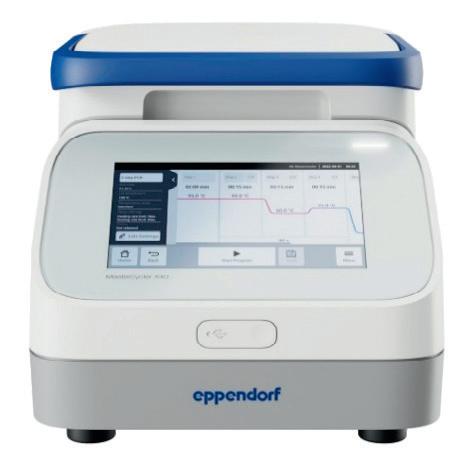
The instrument has a small footprint and is lightweight to reduce the CO2 footprint originated by shipping, with low energy consumption that contributes to daily reduction of CO2 emission. Furthermore, with sustainability in mind, the Mastercycler X40 is packaged in a pure cardboard box with minimal dust-protecting plastic bag and a reduced short manual. The product’s clean and modern design is centred on an intuitive and comfortable user experience.
Eppendorf South Pacific Pty Ltd www.eppendorf.com.au
For over 40 years, Molecular Devices has partnered with scientists to expand the boundaries of their research. The company’s microplate readers and software are some of the industry’s most cited and have empowered life science researchers to advance protein and cell biology breaking the barriers to novel, landmark discoveries.
A microplate reader is an essential instrument for a vast range of applications, from basic ELISAs and DNA quantification to complex gene expression and enzyme kinetic assays. With so many options and functionalities available, it can be difficult to choose the optimal reader. However, evaluating microplate readers doesn’t have to be overwhelming.
For scientists on a modest budget, a singlemode reader dedicated to their main application would be the most logical choice. The SpectraMax absorbance spectrophotometers and plate readers provide the versatility and convenience for a wide range of assays, such as ELISAs, nucleic acid and protein quantitation, and microbial growth.
Multimode microplate readers meanwhile provide great flexibility and include absorbance, fluorescence and luminescence with configurable options for fluorescence polarisation (FP), timeresolved fluorescence (TRF), FRET and AlphaScreen. Upgradeable modules are also available including western blot, cell imaging and fast kinetics with injectors. They will evolve with the user’s laboratory needs and adapt to support new projects and changing objectives.
Also available is a complete range of high-performance labware, from microplate stackers and washers to a broad range of consumables and assays.
Bio-Strategy Pty Ltd
www.bio-strategy.com


Waters has announced its Oasis WAX/GCB and GCB/WAX for PFAS Analysis cartridges, with design features that help streamline and expedite sample preparation and analysis of per- and polyfluoroalkyl substances (PFAS). The devices are QC-tested by an accredited laboratory for low residual PFAS, in order to reduce or eliminate any time spent troubleshooting potential assay contamination.
The dual-phase cartridges are designed to simplify and expedite the process of preparing complex samples, such as non-potable water, soil, biosolids and tissue. They replace a laborious and dirty two-step process to reduce sample prep and processing time while exceeding rigorous acceptance criteria.
The cartridges combine the two clean-up steps required under the US Environmental Protection Agency’s (EPA) Method 1633 for PFAS analysis — a weak anion-exchange (WAX) cartridge and dispersive solid phase extraction (dSPE) graphitised carbon black (GCB). They are designed to be faster and easier to use than the traditional method of using WAX and loose GCB, reducing the preparation process by approximately 30 min per sample batch. This allows users to eliminate additional manual steps in their workflow, including weighing out loose GCB, shaking, centrifugation and filtration.
The cartridges are designed to meet all EPA Method 1633 requirements for aqueous and solid samples. They are available in packs of 30 and 300 cartridges.
Waters Australia Pty Ltd
www.waters.com
Bio-Rad Laboratories has launched its Vericheck ddPCR Replication Competent Lentivirus Kit and Vericheck ddPCR Replication Competent AAV Kit. The kits rapidly enable the absolute quantification of replication competent lentivirus (RCL) and replication competent adeno-associated virus (RCAAV), supporting the production of cell and gene therapies.
Replication competent viruses (RCVs) can infect cells and replicate to produce additional virions. RCVs can be generated through recombination events between the transfer plasmid and either the production plasmids or the packaging cell line’s genome. Fundamental to the safety of emerging cell and gene therapies, RCV testing of samples must be performed throughout the production process.

The ddPCR kits for detection of RCL and RCAAV provide a validated solution for specific and sensitive detection and quantification of viral replication genes, potentially indicating an RCV. The tests are designed for Bio-Rad’s QX Droplet Digital PCR (ddPCR) platforms, with a simple workflow including automated data analysis and flexible sample throughput. The kits are said to reduce turnaround time compared to traditional cell culture-based methods for RCV testing, achieving results in as little as 8 h.
Bio-Rad Laboratories Pty Ltd
www.bio-rad.com

Quantifying a T-cell response is crucial for gaining insights and understanding the effectiveness of novel vaccines and therapies, as well as assessing disease advancement and elimination. MBL International offers innovative kits with QuickSwitch proprietary technology for creating high-quality and customised MHC Class I and Class II tetramers in just one day.
Functional screening of peptides for MHC class I binding is essential for vaccine design and immune monitoring. The QuickSwitch kit allows discrimination of MHC binding from non-binding peptides. Tetramers generated through peptide exchange with chosen peptides can subsequently be used for the screening of immunogenic peptides from infectious agents or cancer neoantigens.
The QuickSwitch Quant Tetramer Kit for Class II MHCs can quantify the exchange of the user’s peptides of interest, thereby gathering binding affinity information for the MHC/peptide complex. The proprietary technology is used to produce personalised MHC tetramers or screen multiple peptides for epitope discovery, vaccine research and validation of T cell staining with the newly specific peptide tetramer. The kits are optimised for up to 10 peptide exchanges and multiple tests per resulting tetramer.
MBL International offers MHC tetramers for various Class I human, mouse, rhesus macaque, Mauritian cyno, chicken and humanmouse chimera alleles, along with options for various Class II human and mouse alleles, as well as CD1d and MR1 tetramers. These tetramers are available with phycoerythrin (PE), allophycocyanin (APC) or Brilliant Violet 421 (BV421) fluorophores for detection of antigen-specific T cells via flow cytometry or fluorescence microscopy.
Millennium Science Pty Ltd www.mscience.com.au


The Micropore Advanced crossflow (AXF) system is a pioneering technology with the potential to transform nanoparticle production and democratise medicine. Constructed of 316L stainless steel, it requires no single-use consumables and therefore avoids the problem of leachables common with other devices. Operating at low pressure, Micropore AXF systems are designed to enable precise control over particle size and uniformity across a diverse range of formulations.
Independent research at the University of Strathclyde, led by Dr Yvonne Perrie, has demonstrated that Micropore’s AXF devices deliver no detectable degradation to mRNA, which is widely acknowledged to be very sensitive to energy inputs and particularly so for the larger oligonucleotides like saRNA. The group has noted mRNA encapsulation efficiencies nearing 100% in liquid nanoparticle (LNP) production using the AXF technology, indicating that it can provide efficient mass production of LNP-based therapeutics.
The power of the system lies in its ability to seamlessly scale from microlitres to litres without the need for consumables or cumbersome modifications. From the AXF-Mini to the Horizon m, a fully CFR 21 Part 11 compliant GMP production system is capable of production volumes of 0.5–2000 L/h, custom built to client specification for capacity, feed system (pumped or pressure), full DQ/IQ/OQ/PQ support and PLC integration — and this is just the smallest version. The AXF-1 has a total flow rate of 2000 mL/min; by extending the AXF-1 to an AXF-4, the technology begins to approach pandemic readiness.
Micropore Technologies is now working on resolving a major bottleneck in the production of nanomedicines: the tangential flow filtration (TFF) step that can take many hours to complete and is detrimental to the particles, reducing encapsulation efficiency considerably and costing millions of dollars in payload and time. While not yet developed fully, the AXF system could be used in the future for single-pass TFF.
ATA Scientific Pty Ltd www.atascientific.com.au


John Lennon 1 laid the foundations for a global movement for peace when he wrote ‘Imagine’. The lyrics are well suited to the struggle to gain equity for medicines around the planet, in a sense democratising medicine.
ustralia can raise its head above our historical antipodean cringe and realise we are no longer subservient to our colonial heritage, nor should we feel we are subordinate. We have a material opportunity to affirm our destiny and be a global leader.
We all can cite our Nobel Prize-winning rock stars, but we need to give airtime to the legion of scientists surviving their legacy in Australia, despite the lack of resources and national support. COVID-19 had drawn public consciousness, never before experienced, to the importance of scientists. It highlighted their talent and, importantly, their role in combating false claims and pseudoscience. This is my fifth article in a series that started in April 20212, where we were imagining an Australian genetic medicine manufacturing ecosystem.
In a recent article in Lab+Life Scientist , ‘COVID-19, vaccines and pandemic preparedness: lessons learnt’3, three prominent vaccinologists look back at the challenges they faced early in the pandemic. There is a common thread that runs through this article: the importance of being ready. Professor Sarah Gilbert, who initiated and led the production and development of the Oxford–AstraZeneca vaccine (Vaxezevria), had started to ask the question in early 2019 “how would we move from the idea through to actually having a vaccine in clinical trials in a really short space of time?” By April 2020 they had already completed a dozen clinical trials of viral vector vaccines prior to pivoting to COVID trials. Clearly having all the systems in place, the expertise, the teams and knowledge of the regulatory and ethic environments fast-tracked their vaccine. They moved from speed being the issue to, interestingly, funding!
In Australia, The University of Queensland’s Professor Paul Young had been developing molecular clamp technology for some eight years; they were funded by the Coalition for Epidemic Preparedness Innovations (CEPI) to develop the platform to target MERS (Middle East respiratory syndrome). A year into it, CEPI asked them to focus on COVID. Professor Terry Nolan stated, “That so-called pandemic preparedness, and having those sort of platforms available, is really the most important insurance that we can do in the research sector to be prepared for whatever might unexpectedly turn up in the future.”
Looking at what was broken during the pandemic brings into sharp focus our reliance on the rest of the world to survive; the supply chains we had become so accustomed to fell over. While there was global scientific collaboration, it was difficult to get the required consumables for many critical pieces of equipment, as scientists clamoured to secure a sufficient supply for their research. It is clear that, for this ‘ecosystem’ to develop, we need not be too prescriptive or strategic; we need to support a myriad of organisations to carve a niche in capacity for this country. What is happening presently is,

the very scientists at the core of the movement I mentioned in my first article in this series have had a hand in much of the infrastructure being commissioned. They are continuing to go their own paths, ensuring a broad spectrum of research


and development of those critical skills of GMP production. Importantly, it is not just academia, as there is an emergence of CMOs (contract manufacturing organisations) and CDMOs (contract development and manufacturing organisations) emerging in Australia.
There is something truly special brewing in Melbourne, a hugely powerful collaboration of critical institutes to build what arguably will be the flagship for this country — the Australian Institute for Infectious Diseases. The collaborations are not simply those organisations that will be housed in the bricks and mortar, but the national and international respect and collegiate attitude these people convey. There is a concept for a full GMP facility to be included in the construction, and this is true leadership — learning from the past, understanding the future needs. They have grasped the point: we need the experience of walking the path and practising the steps before we must run at warp speed.
It is well and good to have the infrastructure; it is equally critical to have the basics in place. The delivery formulation of medicine is fundamental. It is apparent that even clever people make mistakes; they can have great technologies but still fail. During a meeting with a GMP scientist at a prominent US pharmaceutical company recently, it was stated “This is where formulations come to die.” He was extolling his frustration with the protocols that are developed in a lab but fail to translate to scaling. In mathematics it is obvious that a small calculation may have acceptable errors, so scale it up and you multiply the errors.


Why do these technologies have issues? Insight can be gained in the recent article ‘A better way to create nanoparticles for in vivo treatments’4, where it is evident that the core design of the technology is as crucial when starting the journey as it is when the medication is produced. Comprehending maintaining identical conditions in the lab to GMP suite makes infinite sense, thus eliminating the ‘death’ of formulations. Reviewing the offerings of all available technologies, Advanced Cross Flow (AXF)5 is arguably the winning concept.
We must not forget that, when investing in a platform technology, sustainability is paramount. The cost of consumables to operate is one facet; can we get these during pandemic conditions? Selecting technologies that are not reliant on others will be the key.
Evidenced by the academic focus on the production of genetic medicines, they are taking the lead, imagining! Years ago, I thought I was a dreamer — I was not the only one. It is only when the ecosystem is healthy that we can truly democratise medicine.
1. ‘Imagine’ John Lennon https://youtu.be/YkgkThdzX8?si=RSLZsMUhbL79T6k4
2. ‘Creating a Genetic Medicine Manufacturing Ecosystem’ Peter Davis https://issuu.com/westwickfarrowmedia/docs/lab_and_life_scientist_apr_ may_2021/6
3. ‘COVID-19, vaccines and pandemic preparedness: lessons learnt’ Lauren Davis https://issuu.com/ westwick-farrowmedia/docs/lab_and_life_scientist_ dec_2023_jan_2024/6
4. ‘A better way to create nanoparticles for in vivo treatments’ Peter Davis https://www.atascientific.com. au/a-better-way-to-create-nanoparticles/
5. Advanced Cross Flow (AXF) https://microporetech. com/our-services/crossflow-technology


Pacific Laboratory Products has announced the launch of its custom-manufactured vacuum aspirator for collecting and storing various liquids. It can be used on various cell culture dishes, test tube orifice plates and even experimental desktops, to benefit the safety and tidiness of the laboratory.
The product can be charged up and then used in a sterile hood, with no need to have messy power cables in the way; this frees up bench space. With a 2 L capacity, it is large enough to be used all day long.
The vacuum aspirator comes with three quick-connect adapter settings, allowing it to be used in a tissue culture hood. Built with two control methods, the unit can control the suction by both a foot pedal and a knob option. Made from quality materials, and with a built-in LED display and 1.6 L/min maximum suction speed, it can be used for all vacuum aspiration needs in the lab.
Pacific Laboratory Products
www.pacificlab.com.au


Microbiologics is a leading provider of ready-to-use QC microorganisms for quality control testing in the clinical, pharmaceutical, food, water and educational industries. With over 900 strains available in a variety of user-friendly formats, the company offers a large and diverse line of QC microorganisms including qualitative, quantitative, certified reference material and parasite suspensions. Recently, Microbiologics launched the UV-BioTAG product range.
It’s not uncommon for food samples to inadvertently become contaminated with control strains used in the laboratory. This leads to false-positive results, which can have severe financial and regulatory implications. UV-BioTAG, a line of reference strains containing green fluorescent protein (GFP) markers, makes it easy to distinguish standard microorganism strains from laboratory control strains.
Optimised for highly visible fluorescence, the reference strains provide good stability because the GFP marker is integrated into the chromosome rather than the plasmid. Users can quickly establish whether a positive test result can be traced back to a control strain cross-contamination issue or if it is from another source.
Cell Biosciences Pty Ltd
www.cellbiosciences.com.au
The Yokogawa CQ1 benchtop high-throughput 3D confocal imager enables 3D imaging and quantification of live cell clusters, such as spheroids, colonies and tissue sections. The imager is able to obtain results without the need to separate the cells in a cell cluster or remove them from a culture dish, for efficient testing with low phototoxicity. It utilises Nipkow spinning disk confocal technology to obtain high-speed yet gentle 3D image acquisition. A wide field of view and tiling capability enables easy imaging of larger specimens.
The 3D confocal imager uses a sensitive sCMOS camera, a laser illumination light source, excitation laser wavelengths of 405, 488, 561 and 640 nm, and objective lenses from 2 to 60X. It also uses laser and software autofocus and CellPathfinder software.
The unit is compact, lightweight and does not require a darkroom: just set up a sample, run the software and the versatile functions support measurements and analysis of time lapse and live-cell with a maximum of 20 fps option for fast time lapse. It is easy to trace back to the original image from a graph spot and make repetitive measurements. It is connectable with external systems via a handling robot and a variety of cell culture and sample dishes can be used.
SciTech Pty Ltd
www.scitech.com.au


Spatial biology, the study of the spatial organization of cells and molecules within tissue, is revolutionizing our understanding of complex biological processes. Traditional methods often provide limited insights due to their focus on thin tissue sections. However, a groundbreaking workflow combining 3D imaging with multiplex spatial analysis is changing the game.
This innovative approach allows for the comprehensive examination of large tissue samples while retaining the ability to analyze specific regions in depth, all from the same specimen. In a proof of concept study, we utilized 3D-immunofluorescence (3D-IF) staining and tissue clearing to prepare mouse brain hemispheres for 3D light sheet imaging with the UltraMicroscope Blaze™. With the full specimen’s 3D view, we were able to identify target regions in order to prepare tissue sections that precisely cover these specific parts of the specimen, a process termed light sheet guided histology.
The tissue sections were further analyzed with MACSima™ Imaging Cyclic Staining (MICS), providing expression levels of up to hundreds of protein markers from individual cells on a single sample. Remarkably, the fluorochrome conjugates used for 3D-IF staining remained detectable after sectioning, enabling us to verify the location of our target region and markers. Furthermore, the epitopes remained stable throughout the entire process of sample preparation for 3D imaging, 3D imaging itself and sample preparation for MICS. Thus, we have demonstrated that it is possible to apply our MICS technology to a previously cleared tissue.
The workflow, termed light sheet guided spatial biology, was performed using the
1


UltraMicroscope Blaze for 3D imaging, and the MACSima Imaging System for spatial biology from Miltenyi Biotec. By combining 3D
imaging with multiplex analysis, this workflow offers a comprehensive understanding of biological structures without sacrificing finer details. This approach is crucial for unraveling the complexities of cellular and molecular processes, advancing drug-based treatment methods, and enhancing diagnostic capabilities.
Moreover, this technology holds immense potential for applications such as identifying metastasis in large tissues, assessing intratumor infiltration of therapeutic cells, and understanding neurodegenerative disorders. As the workflow continues to evolve, with ongoing research focusing on diverse tissues and applications, its impact on spatial biology will undoubtedly grow, paving the way for new discoveries and therapeutic interventions.
To read the full study, visit https://tinyurl.com/2s5sd3zv or scan the QR code.

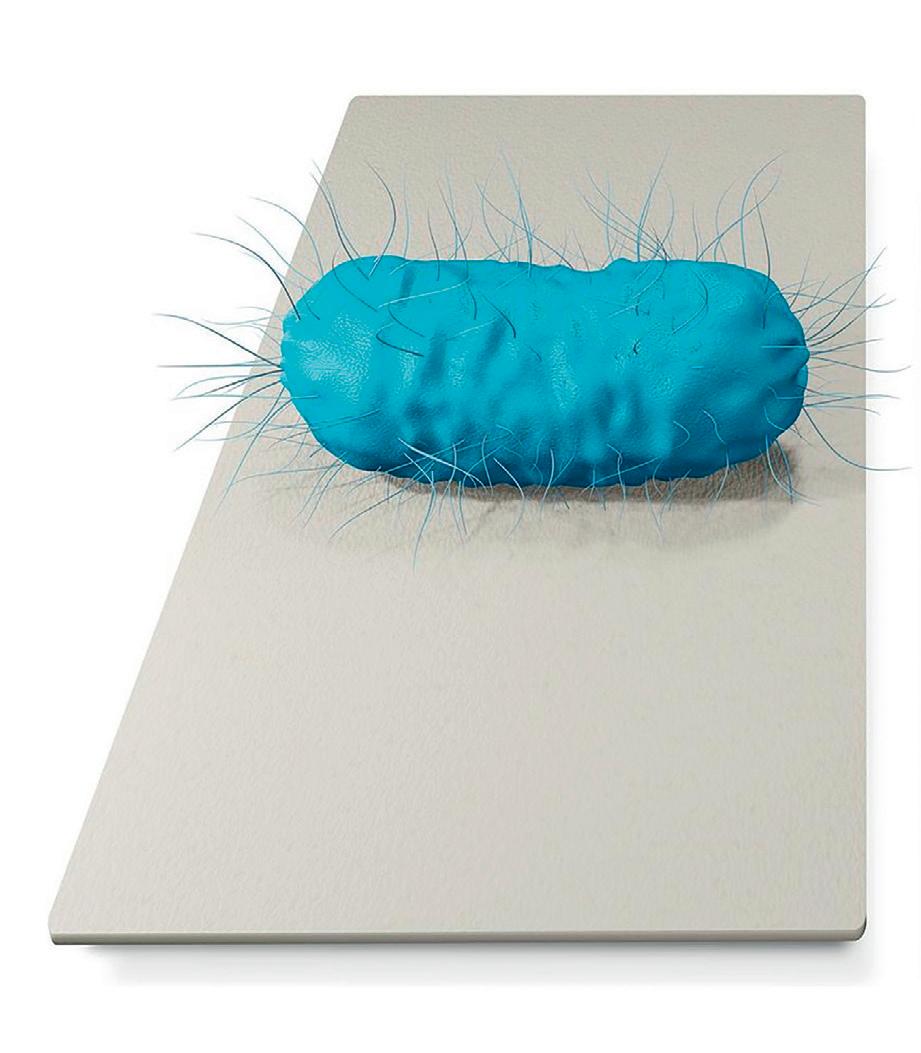

Spanish researchers have developed an innovative material to fight against the spread of pathogens, infections and antimicrobial resistance, inspired by the substances secreted by mussels to adhere to rocks. Described in the Chemical Engineering Journal, the material can be used as a coating to protect healthcare fabrics and provides an effective alternative to commonly used materials such as paper, cotton, surgical masks and commercial plasters.
he development of novel and more efficient antibacterial materials has become essential to reduce pathogen spread, thus preventing infections. Of relevance is the control of bacterial populations in health environments such as hospitals and other healthcare units to avoid so-called nosocomial infections, mainly due to bacterial colonisation on biomedical surfaces. This type of infection is the sixth leading cause of death in industrialised countries and much higher in the developing world, specially affecting immunocompromised and intensive care patients (eg, burns) and those with chronic pathologies such as diabetes.
Among the different materials that may spread bacterial populations, fabrics represent an integral part of patient care: from the clothes of doctors, surgeons and nurses to medical curtains, bed sheets, pillow coverings, masks, gloves and bandages, which are directly in contact with sutures and wounds. For all these reasons, antibacterial coatings for medical fabrics have become a very active field of research.
Researchers from the Universitat Autònoma de Barcelona (UAB) and the Catalan Institute of Nanoscience and Nanotechnology (ICN2) have now developed a family of biocompatible and bio-inspired coatings produced by the co-polymerisation between catechol derivatives and amino-terminal ligands. Based on this, they have demonstrated the use of these musselinspired coatings as efficient antimicrobial materials, based on their ability to evolve chemically over time in the presence of air and humid atmospheres, favouring the continuous formation of reactive oxygen species (ROS). In addition to the formation of ROS, the synthetic methodology results in an excess of superficial free amino groups that induce the disruption of pathogen membranes.
“One of the main components found in the coatings (catechol and polyphenol derivatives) is found in the strands secreted by mussels, which are responsible for their adhesion to rocks under extreme conditions under saline water,” explained UAB Professor Victor Yuste and ICN2 researcher
Salvio Suárez. “The fact that the coatings we have developed are inspired by this organism allows them to adhere to practically any type of surface and, in addition, they are highly resistant to different environmental conditions such as humidity or the presence of fluids.
“In addition, natural compounds help to obtain more biodegradable, biocompatible materials with lower antimicrobial resistance compared to other bactericidal systems that end up generating resistance and, therefore, rapidly lose effectiveness.”
All of the commonly used sanitary equipment, such as paper, cotton, surgical masks and commercial plasters, exhibited intrinsic multipathway antibacterial activity with rapid responses against a broad spectrum of microbial species. This included microorganisms that have developed resistance to extreme environmental conditions (such as B. subtilis ), as well as pathogens considered as the primary source responsible for many current infections, particularly those acquired in healthcare facilities. These pathogens encompass multi-resistant microorganisms from both Gram-negative (E. coli and P. aeruginosa) and Gram-positive (S. aureus, methicillin-resistant S. aureus and E. faecalis). These materials have also exhibited efficacy against fungi such as C. albicans and C. auris.
Moreover, its efficient application was demonstrated in wet atmospheres such as those found in healthcare environments, where
respiratory droplets and/or other biofluids are present, thus reducing the risks of indirect contact transmission. Such antimicrobial activity was attributed to a direct contact killing process, where the pathogen is initially attached to the coating by catechol molecules and other polyphenol derivatives. Then, a multi-pathway antibacterial effect is activated, mainly focused on a sustained generation of biosafety levels of ROS and electrostatic interactions with protic amino groups exposed to the surface. These antibacterial mechanisms induced a fast (180 min for bacteria and 24 hours for fungi) and efficient (over 99%) response against pathogens, causing irreversible damage to the microorganisms.
These innovative coatings follow a simple one-step and scalable synthesis under mild conditions, using affordable materials and green chemistry-based methodologies. Moreover, the polyphenolic nature of their compositions and the absence of additional external antimicrobial agents enhance the simplicity of the bio-inspired coatings and avoid the induction of AMR and its cytotoxic effects on host cells and the environment. Different parameters such as colour, thickness and adhesion were fine-tuned, thus offering an adaptable solution for the different demands of the final material application. Overall, the bio-inspired coatings have demonstrated a huge potential for further translation into clinics, representing a feasible alternative to existing antimicrobial materials.


NOSHOK’s measurement solutions are suitable for a wide variety of industries, including oil and gas, fluid power, general industrial, automation, chemical processing, manufacturing, water and wastewater, food and beverage, and many more. The company offers a broad range of pressure gauges, pressure transducers and transmitters that are engineered with state-of-the-art technology to accommodate most applications.

NOSHOK’s industrial submersible level transmitters are designed to withstand harsh applications. The offering includes a small-diameter (0.97 ″) submersible level transmitter designed for hydrostatic level measurement for use in applications including bore holes and wells with small diameters. This sensor provides low power output signals for battery-powered applications, and an optional temperature output is available. A cage-protected level transmitter is suitable for harsh environments including sludge, slurries, tank monitoring, water and wastewater.
NOSHOK’s temperature measurement solutions include bimetal thermometers, vapouractuated remote thermometers, digital temperature indicators, probe type RTDs, RTD transmitters, temperature transmitters and switches, and thermowells. The company also offers a variety of options and accessories such as stem types, connections, special dials and lenses, certified calibration and RTD terminal blocks.
NOSHOK’s re-engineered bimetal thermometers feature a 360° groove around the stem to provide a visual reference to show the minimum immersion point and an anti-parallax dial on all 3 ″ and 5 ″ dial sizes that makes it easier to read from multiple angles. The company’s electronic temperature measuring instruments are suitable for pharmaceutical, food preparation, utilities and municipal, refineries, chemical and petrochemical plants, paper mills and hydraulic applications, and include hazardous environment approved RTDs.
AMS Instrumentation & Calibration Pty Ltd www.ams-ic.com.au
Immunohistochemistry (IHC) is an indispensable application routinely employed in academic and clinical research as well as in patient care. In addition to the quality of tissue section preparation, the pivotal component determining the reliability of IHC data is the suitability of the antibody used. This can only be assessed through strict and focused reagent validation.
With this in mind, GeneTex has introduced its HistoMAX product line that consists of antibodies specifically vetted for IHC. All of these reagents were extensively evaluated for IHC, utilising formalin-fixed normal and cancer tissue microarrays for good specificity and high performance. Only antibodies that have passed these stringent performance criteria for IHC will be added to the HistoMAX portfolio.
Sapphire Bioscience www.sapphirebioscience.com
LipidLaunch research-ready lipid nanoparticles (LNPs) and reagent kits support the entire LNP research and development process, offering tailored solutions from discovery to bioanalysis.
The LipidLaunch product line includes Preloaded LNPs (preformulated LNPs that contain reporter gene mRNA, suitable for initial pilot or proof-of-concept experiments); Loadable LNPs (cargo-ready, preformulated LNPs that allow researchers to encapsulate and deliver their chosen RNA cargo to cells); LNP Exploration Kits (comprehensive kits with individually packaged reagents for creating customised LNPs without specialised equipment); and LNP Uptake Kits (building on the Exploration Kit format, these kits include a fluorescently labelled lipid for visualising cellular uptake of LNPs).
LipidLaunch Research Tools aim to simplify LNP research by providing accessible solutions for researchers at all stages of their work. These research-ready LNPs and reagent kits utilise lipid formulations of broad and current interest, such as those used in mRNA-based COVID-19 vaccines. Available in various formats, they offer researchers flexibility in cargo selection and LNP formulation.
Designed with researcher accessibility in mind, LipidLaunch Research Tools require minimal hands-on time and expertise. Preloaded and Loadable LNPs eliminate the need for expensive and complex mixing steps, for ease of use. The Exploration and Uptake Kits allow for LNP preparation using simple hand mixing techniques or, if available, microfluidic mixers.
Cayman Chemical Company www.caymanchem.com

Circular dichroism (CD) is a staple technique used in biochemistry to determine the structure of proteins and peptides, study intermolecular interactions with substrates and monitor the stability of molecules as a function of pH or temperature.
Newer applications, such as food analysis, material characterisation and vaccine development, are possible due to the high-quality optical design of the JASCO J-1000 series CD instruments and the various software packages available.
The JASCO high-throughput CD (HTCD) configuration brings together automated sample handling, cleaning and data analysis. The autosampler can accommodate two 96-well plates to churn through large sample sets, the capability to import worklists for automated data analysis and management, and optional CFR 21 part 11 compliant software to maintain data integrity. With its simple operation, the instrument is suitable for scientists working in the pharmaceutical, process and biotechnology or food chemistry sectors.
The research-grade J-1500 and J-1700 instruments sit at the core of the HTCD configuration, enabling the HTCD to fit into multiple positions within a laboratory workflow, such as R&D (drug development), scale-up efficiency (monitoring manufacturing processes) and quality control (analysis of end products).
Software and applications are continually growing into sectors like vaccine development (Moderna COVID-19 vaccine) and drug discovery (therapeutic antibodies). Users do not have to be experts in CD spectroscopy to operate, analyse and understand what the data is showing.
Bio-Strategy provides end-to-end support, ranging from method development and application support to service and maintenance.
Bio-Strategy Pty Ltd www.bio-strategy.com


Scientists at Singapore’s Duke-NUS Medical School have found a way to use the Zika virus to destroy brain cancer cells and inhibit tumour growth, while sparing healthy cells. Their findings, published in the Journal of Translational Medicine, potentially offer a new treatment alternative for brain cancer patients who currently have a poor prognosis.

Glioblastoma multiforme is the most common malignant brain cancer, with more than 300,000 patients diagnosed annually worldwide. Survival rates for such patients are poor (around 15 months), mainly due to high incidence of tumour recurrence and limited treatment options. For such patients, oncolytic virotherapy — or the use of engineered viruses to infect and kill cancer cells — may address the current therapeutic challenges. Zika virus is one such option in early development.
The Duke-NUS team sought to investigate Zika virus live-attenuated vaccine (ZIKV-LAV) strains, which are ‘weakened’ viruses with limited ability to infect healthy cells but can still grow rapidly and spread within a tumour mass. The team discovered that these strains target rapidly proliferating cells over mature cells, making them ideal for targeting fast-growing cancerous cells in the adult brain.
“We selected Zika virus because it naturally infects rapidly multiplying cells in the brain, allowing us to reach cancer cells that are traditionally difficult to target,” said Dr Carla Bianca Luena Victorio, first author of the team’s study. “Our ZIKV-LAV strains also replicate themselves in brain cancer cells, making this a living therapy that can spread and attack neighbouring diseased cells.”
Victorio and her team determined that ZIKVLAV strains were highly effective in infecting cancer cells as these viruses bind to proteins that are present in high levels only in cancer cells and not in healthy cells. Upon infecting a cancer cell, these virus strains hijack the cell’s resources to reproduce, ultimately killing the cell. As the cancer cell’s protective membrane ruptures upon death, it releases its contents, including virus progeny that can infect and kill neighbouring cancer cells. In addition, some cellular proteins released from the infected cells can activate an immune response to further inhibit tumour growth.
Through their experiments, the team observed that infection from ZIKV-LAV strains
caused 65–90% of glioblastoma multiforme tumour cells to die. While the ZIKV-LAV strains also infected 9–20% of cells from blood vessels in the brain, the infection did not kill these healthy cells. In contrast, the original parent Zika virus strain killed up to 50% of healthy brain cells.
The scientists also discovered that the ZIKV-LAV strains were not able to reproduce well even when they managed to infect healthy cells; the amount of virus measured in healthy brain cells infected with ZIKV-LAV was only 0.36 to 9 times higher than before infection. In contrast, the amount of virus in brain cancer cells infected with ZIKV-LAV was 100 to a billion times higher than before infection. This further illustrates that conditions in cancer cells are significantly more conducive for virus reproduction than in normal cells.
“We hope to present the Zika virus in a new light by highlighting its potential to kill cancer cells,” said Assistant Professor Ann-Marie Chacko, senior author on the paper. “When a live virus is


attenuated, such that it is safe and effective to fight infectious diseases, it can be beneficial to human health — not just as a vaccine but also as a potent tumour-eradicating agent.”
The live attenuated virus strains were originally developed as a vaccine by Professor Ooi Eng Eong’s group at Duke-NUS. As a control, the virus strains were also tested on brain neurons or nerve cells that had been cultivated from human stem cells. This provides a reliable screening tool to assess the safety and efficacy of using the virus as therapy in human cells.
Chacko’s group is improving these and other Zika virus strains to increase their potency in killing not only brain cancer cells, but other types of cancer cells as well, while making them safer for use in patients. They are also modifying the virus so it can be imaged non-invasively after it has been injected into a patient; this will allow doctors to monitor where the virus goes in the patient and how long it is functional in the tumour. To this end, the group is exploring commercialising their virus strains as both a Zika vaccine and treatment for brain cancer, and potentially other cancers as well.
The CytoFLEX nano flow cytometer, from Beckman Coulter Life Sciences, is described by the company as the first purpose-built nanoscale flow cytometer for research use only that enables detection to at least 40 nm, enabling 30–50% more data creation compared to current offerings.
With high sensitivity to detect, count and characterise nanoparticles using a single analytical instrument, the flow cytometer offers simultaneous multiparameter detection powered by six fluorescent detection channels and five side scatter channels. It thus lowers the limit of detection and increases resolution to characterise lower abundance targets in heterogeneous extracellular vesicle (EV) populations between 1 µm and 40 nm (polystyrene when triggering on violet side scatter).
Nanoparticles are introduced in a hydrodynamic focused stream to the optical system composed of lasers and detectors. Emitted signals are collected, digitised and displayed by the electronics and instrument control software, CytExpert. Multiple automatic onboard cleaning options are offered to control sample-to-sample carryover and maintain a clean sample line.
The ergonomic design is intended to reduce noise, identify backgrounds and reduce carryover issues. Consistent instrument performance from extensive automated QC processes enables consistent and reproducible results.
The platform also includes the CytoFLEX, CytoFLEX S and CytoFLEX LX flow cytometers, along with the CytoFLEX SRT cell sorter for research and the DxFLEX flow cytometer for diagnostic use.
Beckman Coulter Australia www.beckman.com.au


HEMCO’s 24800 vented hood workstation features a moulded, seamless construction, including rear and side walls to minimise cross drafts in the work area. With dimensions of 61 x 38 x 89 cm, typical uses include histology, microprocessing, venting for hotplates, microscope stations, student workstations, sample weighing stations and handling pharmaceuticals.
Constructed of chemical-resistant, lightweight advanced composites, the product can be easily moved as procedures or workflow change. The moulded chemical-resistant work surface is recessed to contain spillage, and a 3 ″ diameter outlet collar is provided for duct connection. The unit’s base consists of an integral recessed work surface to contain spillage.
HEMCO Corporation
www.hemcocorp.com
The BioClean-D Coverall with Hood and Integrated Boots – Sterile S-BDFC is worn by workers in cleanroom environments for the protection of products and the user, typically in industries such as pharmaceuticals, biotechnology, electronics manufacturing and aerospace. Sterile coveralls act as a barrier, preventing particles, dust, microbes and other contaminants from being introduced into the cleanroom environment.
Lightweight CleanTough material means the product is low-linting and ISO cleanroom-compliant, reducing contamination risks. The sterile coverall features a front zip with a protective flap, resisting liquid splashes and chemicals, while thumb loops and an elasticated hood, back, cuffs and ankles provide a secure fit. The antistatic coverall features integrated boots and slip-resistant soles for added workplace safety in laboratory settings.
LabCo Scientific
www.labcoscientific.com.au/


TOPTICA’s Raman Fiber Amplifiers (RFAs) cover the wavelength range from 1120 to 1370 nm that is not accessible by Yb or Er fibre amplifiers. For wavelengths outside this range, users can enquire about a custom system.
The RFA offers a wide tuning range of up to 10 nm; high power up to 30 W; a maintenancefree platform design; a relative intensity noise <1% RMS (10 Hz–10 MHz); and long-term RMS power stability of less than 0.5% over 100 h (with a TA pro seed laser). The all-fibre design requires no realignment and provides a high degree of stability.
The product utilises the DL pro or TA pro as a seed laser, enabling a seamless integration into the TOPTICA environment of, for example, wavelength stabilisation options. Users can also utilise the third-party seed laser of their choice.
To reach visible and UV wavelengths, the RFA can be integrated with TOPTICA’s SHG and FHG portfolio of frequency doubling and quadrupling systems. With these, high power in the visible wavelengths (eg, more than 15 W at 589 nm) can be achieved while maintaining tunability over the entire RFA tuning range. For UV wavelengths the RFAs can be combined with FHG systems, drawing on TOPTICA’s extensive experience of custom (D)UV systems, while also maintaining full tunability.
The system consists of two modules: the Fiber Pump Module, providing pump light for the RFA module; and the Raman Fiber Amplifier Module, with inputs from the pump module and the seed laser.
Lastek Pty Ltd
www.lastek.com.au

A highly conserved ethylene signalling pathway can be targeted to control the direction of root growth, in turn creating deeper root systems that hold on to carbon and remove carbon dioxide from the atmosphere, according to scientists.
Root systems are central to plant survival and productivity, determining the plant’s access to nutrients and water and, therefore, the plant’s ability to withstand nutrient depletion and extreme weather like drought. Now, a research team led by the Salk Institute for Biological Studies has determined how a well-known plant hormone is crucial in controlling the angle at which roots grow. Their study, published in the journal Cell Reports, is understood to be the first time the hormone, called ethylene, has been shown to be involved in regulating lateral root angles that shape root systems — making the findings a revelation for plant scientists optimising root systems.
“Deep roots lead to more durable carbon storage in the soil and can make plants more resistant to drought, so the ability to control how deep roots grow is really exciting for scientists looking to engineer better root systems,” said senior author Professor Wolfgang Busch, Executive Director of Salk’s Harnessing Plants Initiative.
“We’re especially excited that the pathway we found is conserved across many types of plants, meaning our findings can be widely applied to optimise root architecture in all land plants, including food, feed and fuel crops.”
Environmental factors — like average rainfall or abundance of certain nutrients — can influence the shape of a plant’s root system. The angle at which roots grow produces different results in overall root architecture, with horizontal root angles creating a shallower root system and vertical root angles creating a deeper root system. But scientists did not previously understand clearly how these root angles were being determined on a molecular level.
Plant hormones like auxin and cytokinin have been connected to the angle of root growth in the past, but the mechanisms of that connection have remained poorly understood. In searching for molecules and pathways that were involved in setting the angle of root growth, the research team genetically screened Arabidopsis thaliana — a small flowering weed in the mustard family — for root system changes in response to thousands of molecules.
“We noticed this molecule called mebendazole was causing the roots to grow more horizontally,” said first author Wenrong He, a former postdoctoral researcher in Busch’s lab. “When we looked for what target proteins or pathways mebendazole was interacting with to have this effect, we discovered it was ethylene signalling — and ethylene playing such an essential role in root system architecture was really intriguing.”
The team observed that genes throughout the ethylene signalling pathway were activated in response to mebendazole, and, in turn, the pathway was carrying out the resulting changes in root growth. Biochemical investigation of this relationship revealed that mebendazole inhibits the activity of a protein kinase called CTR1. This enzyme negatively regulates ethylene signalling, in turn promoting a shallow root system.
The researchers now plan to target the ethylene signalling pathway in their efforts to engineer plants and crops that can withstand the environmental stresses of climate change and drought, as well as remove carbon dioxide from the atmosphere and store it deep underground. The presence of ethylene in root system architecture also inspires new questions, including whether another molecule exists that makes root systems deeper, or if there are specific genes in the already well-catalogued ethylene signalling pathway that can be targeted most effectively to promote deeper roots.
“Since ethylene signalling is a widely conserved process in land plants, targeting the ethylene pathway is a very promising technique for root system engineering,” Busch said. “Hopefully, now we’ll be able to use this tool to make crop species more resilient.”

Vapes have often been heralded as a ‘safer’ way to consume either nicotine or cannabis, but the devices also present their own suite of risks that are slowly being revealed as they undergo increasing research and regulation. Now, researchers have discovered that nano-sized toxic metal particles may be present in cannabis vaping liquids even before the vaping device is heated — and the effect is worse in unregulated products.
Unlike smoking, vaping does not involve a combustion reaction, which produces harmful by-products; instead, a vaping device heats a liquid until it evaporates into an inhalable vapour. But research on nicotine vapes has shown that the metal components that heat the vape liquid may release harmful elemental metals, including nickel, chromium and lead, which can then be transported into the aerosol and deposited into the user’s body. Andrew Waye, who manages the research program at the Office of Cannabis Science and Surveillance at Health Canada, wanted to investigate whether this was also true for cannabis vapes, which are newly regulated products in Canada.
Waye’s team collaborated with Zuzana Gajdosechova, a scientist at the Metrology Research Centre of the National Research Council Canada, which has been involved in cannabis testing and standardisation for several years. Together, they gathered 41 samples of cannabis vape liquids — 20 legal, regulated samples from the Ontario Cannabis Store and 21 samples from the illicit market provided by the Ontario Provincial Police. The liquids were analysed by mass spectrometry to look for the presence of 12 metals. Regulated
cannabis products are routinely tested for some of the analysed metals, as well as other contaminants.
Gajdosechova collaborated with imaging experts and used techniques such as scanning electron microscopy to provide a visual confirmation of the metal particles. While some metals, such as arsenic, mercury and cadmium, were within the generally accepted tolerance limits for cannabis products, others were detected in concentrations considered to be very high. The most striking example proved to be lead: some unregulated samples contained 100 times more lead than the regulated samples, far exceeding the generally accepted tolerance limit. This metal contamination was found in the liquid of cannabis vapes that had never been used and were less than six months old.
“The evidence strongly suggests that metal contamination can come from the device when it’s produced, and not from the heating of the coils,” Gajdosechova said. “But depending on the quality of the device, the contamination may be increased by that heating.”
Additionally, the team found that vapes belonging to the same production lot could contain different levels of metal contamination, demonstrating a high level of variability between samples. This could have implications for testing procedures, as Canadian regulations require samples to be representative of the
whole lot or batch and that testing be done at or after the last step where contamination can occur.
“If contamination is happening when the device is assembled, you should be testing at that stage rather than earlier,” Waye said.
Next, the team wanted to investigate the size of the metal particles to understand their potential health risks. Using single particle inductively coupled plasma mass spectrometry, the researchers found many particles that were of nanoscale size. According to Gajdosechova, “Some nano-sized metal particles are highly reactive and potentially harmful.”
With these results having been presented at the spring meeting of the American Chemical Society (ACS Spring 2024), the next step for the research team will be to determine how many particles are transmitted into the vape aerosol when a device is used. This is when the metals could get into users’ lungs, which will be important to determine the public health implications of these findings. The effect has been demonstrated in nicotine vapes, and the researchers expect that cannabis vapes could show the same.
“Our research doesn’t answer whether vaping is riskier than smoking; it just underlines that the risks may be different,” Waye said. “Previously uncharacterised risks with cannabis vaping are still being identified.”

Efficient nanoparticle production is vital for advancing treatments to GMP standards. Lipid Nanoparticles (LNPs) show great promise in combating cancer and infectious diseases. However, the choice between single-use and reusable systems has long been problematic until the emergence of the Micropore AXF System. This pioneering technology, born from Micropore Technologies, a spin-out from Loughborough University, represents decades of research. Originally designed for various industrial applications, its potential for producing LNPs was realised during the COVID-19 pandemic. Collaborative work with Professor Yvonne Perrie from the University of Strathclyde showcased its remarkable Encapsulation Efficiency (EE) and versatility across different flow rates.
Many leading mRNA vaccine manufacturers favour traditional methods such as confined impinging jet mixers (CIJMs), yet these methods face challenges including limited control, predictability and stability issues. On the other hand, microfluidic devices, while suitable for small-scale development, may encounter issues like deformation and leachable release. Also, scaling up requires adjustments to the mixing architecture to preserve a consistent Reynolds number, Dean number, and laminar flow conditions, posing difficulties in maintaining product consistency due to flow rate limitations.
Simplify Production at all Scales: At the heart of the Micropore AXF System lies a deceptively simple yet remarkably powerful principle: single-pass crossflow membrane emulsification. This innovative approach, engineered with precision-drilled 316 stainless steel membranes, enables precise control over
particle size and uniformity across a diverse range of formulations including those in solvents. Through rigorous experimentation and validation, researchers have unlocked the predictive equations defining drop size as a function of shear stress, laying the foundation for scalable and reproducible nanoparticle production.
Practical Validation: Translating laboratory success into real-world applications, Micropore Technologies together with ATA Scientific collaborated with the University of New South Wales RNA Institute, Sydney, Australia. The Micropore Mini was set up with a simple syringe pump. An SM-102 formulation was created encapsulating RNA produced on site, which demonstrated remarkable results, with EE exceeding 96%. Meanwhile, ongoing collaborations with the University of Strathclyde continue to push the boundaries, achieving EE nearing 100%. It is worth noting that there is a significant cost attributed to every 1% drop in EE in the context of GMP production.
Scaling New Heights: As the demand for nanoparticle production continues to surge, the product consistency in production scale up remains a critical consideration. Herein lies the true power of the Micropore AXF System — the ability to seamlessly scale from 200 microlitres to litres without the need for consumables or cumbersome modifications. From the AXFMini to the Horizon™ m, a fully CFR 21 Part 11 compliant GMP production system is capable of production volumes of 2000 Litres / hr, custom built to client specification for capacity, feed system (pumped or pressure), full DQ / IQ / OQ / PQ support and PLC Integration. Whilst this is impressive, consider it is the smallest version of the AXF. The range is astonishing. The AXF-1 has a total flow rate of 2000 mL / min. Extend the AXF-1 to an AXF-4 and we begin to approach

pandemic readiness. Micropore Technologies is working on resolving another major bottleneck in the production of nanomedicines. Not yet developed fully, but seductively intriguing, imagine using the AXF system as a single pass Tangential Flow Filtration.
AXF technology offers an opportunity for researchers seeking to explore novel carriers and delivery modalities, unencumbered by the constraints of traditional methods. For more information, please contact ATA Scientific Pty Ltd (phone: +61 2 9541 3500, email: enquiries@atascientific.com.au and website: www.atascientific.com.au).
1. New Horizons in Lipid Nano Particle Production: Micropore webinar August 2021.
https://www.youtube.com/watch?v=SP_4zLMzGlc
2. Holdich R., Dragosavac M., Williams B., Trotter S. “High throughput membrane emulsi cation using a single-pass annular ow cross ow membrane” AIChE Journal, Volume: 66, Issue: 6, DOI: 10.1002/ aic.16958
3. WHITEPAPER: A better way to create nanoparticles for in vivo treatments. https://www.atascienti c. com.au/a-better-way-to-create-nanoparticles
ATA Scientific Pty Ltd www.atascientific.com.au


Glaucoma affects around 70 million people worldwide and can cause irreversible loss of vision if not treated — but around half of those living with the condition are not aware of it. Indeed, many cases of glaucoma are only picked up during routine eye tests, by which time lasting damage may already have been caused. But this could change in future as researchers have developed a contact lens that can detect changes in eye pressure that signal possible glaucoma.
Glaucoma occurs when the optic nerve, which connects the eye to the brain, becomes damaged, usually by a build-up of fluid in the front part of the eye which increases pressure inside the eye — known as intra-ocular pressure (IOP). The new contact lenses contain micro-sensors that monitor changes in IOP over a period of several hours, sending the data collected wirelessly so it can be analysed by an ophthalmologist and a diagnosis given.
“IOP can vary greatly over a 24-hour period, so it is important to monitor the patient either at intervals or ideally continuously for a whole day to get the best insight into the health of their eyes,” said Professor Hamdi Torun of Northumbria University in the UK.
“Traditional methods for measuring IOP involve initially going to a clinic for a single measurement in a day, the result of which can be misleading due to the natural variation of IOP.
“If a variation is detected, further investigation is then needed, which requires hospitalisation for a whole day, during which repeated measurements

are taken using a technique called Goldmann applanation tonometry, which involves numbing the eye with drops and then using a small cone to touch the cornea to measure the pressure.
“However, studies have shown that waking patients up at night to carry out measurements can make the results less accurate, in addition to obvious discomfort to the patients and the economic cost to the healthcare system.
“The benefit of the contact lenses we have developed is that once placed in the eye, the patient
can then go about their day as normal while their IOP measurements are recorded and sent to a doctor for analysis once the 24-hour period of testing is complete,” Torun said. The work was a collaboration between Northumbria University and Boğaziçi University, Türkiye.
While this is not the first time contact lenses have been developed to measure IOP, previous products have used an electrically active silicon chip, which results in a thicker, less comfortable, less flexible lens which can restrict vision, making it more difficult to carry out daily activities. The new contact lenses use an electrically passive sensor embedded in a disposable soft contact lens and a wearable electronic readout system to collect, store and process the data — making the lens more comfortable and allowing the patient to go about their day as normal.
The new system has so far been tested in a pilot study of six healthy volunteers, who were asked to drink 1.5 litres of water and lie flat to intentionally increase their IOP levels. With their successful results published in the journal Contact Lens and Anterior Eye, the researchers now plan to carry out a further study with a larger group of participants, which will take place over the next year. The lenses will then be made commercially available through spin-off company GlakoLens.
As well as diagnosing glaucoma, there is also potential for the lenses to be used to detect other health conditions by measuring glucose, lactic acid and other molecules present in eyes. According to Torun, “We believe this technology has huge potential and could not only save the sight of patients in the early stages of glaucoma but also provide early diagnosis of other diseases in future.”
Scientists can skip DNA/RNA extraction with Meridian’s inhibitortolerant, specimen-specific master mixes, designed to enable direct detection without compromising performance.
The master mixes have been optimised for highly sensitive amplification on crude samples such as blood, serum, saliva, urine and stool. The ability of the mixes to tolerate the high level of PCR inhibitors present in these different sample types allows the development of simple, fast multiplex qPCR assays that require minimal sample processing and fast turnaround times (TAT). This makes them suitable for liquid biopsy and point of care testing (POCT), where speed, sensitivity and reproducibility are essential.
The latest products include Genotyping Blood DNA qPCR Mix (ODX001), Blood DNA qPCR Mix (ODX002), Blood RNA/DNA qPCR Mix (ODX003), Urine DNA qPCR Mix (ODX004) and Stool DNA qPCR Mix (ODX005). Meridian Bioscience also provides options for molecular diagnostics assays, available as wet mixes or dried by lyophilisation or air-drying; there are several advantages to this, including room temperature shipping and storage, extended shelf-life and increased flexibility in the sample volume.
Millennium Science Pty Ltd www.mscience.com.au
Hylec Controls has a range of innovative testing equipment designed specifically for packaging materials. From tensile strength testers to impact testers, the company’s comprehensive range of machinery allows manufacturers to assess the quality and durability of their packaging materials, in order to enhance product integrity and customer satisfaction.
By simulating real-world conditions, the equipment enables manufacturers to identify potential weaknesses in their packaging materials and to make informed decisions about product performance and safety. The machinery has been designed with a focus on precision and ease of use.
Hylec Controls Pty Ltd
www.hyleccontrols.com.au


• Proprietary VirtuE™ Expression System
o Derived from a HEK293 human cell line
o Ensures native-like glycosylation and proper folding of antigens
o Maximises antigen specificity and performance in assays
• Diverse range of antigens and antibodies
o Over 60 viral and bacterial diseases
o Extensive range of human Coronavirus products
- Over 90 antigens and over 50 antibodies available for:
* Alpha and beta Coronaviruses
* MERS, SARS-CoV & SARS-CoV-2
o Japanese Encephalitis Virus (JEV)
o Ross River Virus and many more

• Contract and Custom Services
o Vector design
o Protein expression and purification
o Antibody generation
o ELISA development
o Virology testing
The countdown is on for Accreditation Matters 2024, a landmark twoday event from the National Association of Testing Authorities (NATA) that is being billed as Australia’s largest ever accreditation conference, shaping the future of conformity assessment. Over 400 industry leaders, technical experts and quality champions are expected to attend the event, taking place at ICC Sydney on 25–26 June.
Accreditation Matters 2024 will focus on the crucial role accreditation and conformity assessment play in trade, construction, health and ensuring Australians can live their lives safely. More than 30 sessions have been added to the event program, giving attendees the chance to choose from multiple streams and formats, including keynotes, subject matter presentations, workshops and panel discussions. Conference themes include:
• Future — AI, automation, new energies and governance
• Accreditation Matters — standards, accreditation, measurement, risk management and governance
• People — personal and professional development for those in Australia’s conformance community
• Trade and Supply Chains — conformity assessment, accreditation, certification, trade and traceability
• Health — key discussions on health-related programs including human pathology, medical imaging, biobanking and sleep disorders Headlining the program is international keynote Devin McDaniels, from the World Trade Organization (WTO). As Deputy Secretary of the WTO Technical Barriers to Trade Committee, McDaniels is well positioned to explain the importance of accreditation and conformity assessment, standards and regulations to global
trade. His session, ‘A World Trade Organisation Perspective’, will be held in the Pyrmont Theatre from 4.15 to 5 pm on 25 June, closing out day one of the conference.
Another speaker highlight is Dr Bob Symons from Eurofins Scientific — one of a select few accredited laboratories for microplastics testing worldwide — who will discuss environmental and public health issues around PFAS and microplastics. Symons’ session, ‘Safeguarding Quality: Navigating NATA Accreditation in Analytical Testing for Emerging Contaminants’, will delve into the challenges and experiences encountered in assembling a validation package to meet NATA standards. It will be held in Conference Room C5 and C6 on 25 June from 11.15 am to 12 noon.
Representatives from the Australian Sports Drug Testing Laboratory (ASDTL) and Racing Analytical Services Limited (RASL) will meanwhile give examples of how NATA accreditation supports their businesses. ASDTL Quality Manager Judy Edmonds will first discuss how accreditation provides confidence that athletes contesting elite sporting competitions are competing without the influence of performanceenhancing substances. RASL Scientific Manager Dr Adam Cawley will then explain how animal drug testing laboratories seek to detect the presence of pharmaceutical substances in the mammalian system, and how a rigorous quality system is required to mitigate the potential of falsepositive and false-negative results. ‘Accreditation In Action: Case Studies from ASDTL and RASL’

will be held on 25 June from 11.30 am to 12.15 pm in the Pyrmont Theatre.
Attendees will also hear an overview of the important role of accreditation in the imminent hydrogen economy. Scott Brownlaw, Strategic Initiatives Manager at Standards Australia, will argue that testing and accreditation will play a crucial role in ensuring the safety and reliability of hydrogen technologies, facilitating market acceptance of hydrogen as a clean energy solution. He will be joined by Wodek Jakubik, Innovation Manager at Coregas, for ‘The Hydrogen Economy, what you need to know and why testing and standards matter’, to be held on 25 June from 3.30 to 4.15 pm in Conference Room C2 and C3.
Other key speakers include the CEOs of Australia’s Technical Infrastructure Alliance — Dr Bruce Warrington from the National Measurement Institute (NMI), Jennifer Evans from NATA and Alan Cook from the Joint Accreditation System of Australia and New Zealand (JASANZ) — as well as:
What: Accreditation Matters conference
When: 25–26 June 2024
Where: ICC Sydney
Web: nataevents.nata.com.au/am2024/

• Olivier Salvado — Lead AI for Mission, CSIRO
• Tracey Gramlick — Deputy Director of Growth and Strategy for Infrastructure Technologies, CSIRO (also Chair of the Board of Standards Australia)
• Karen Eck — Publicity & Brand Strategist; Founder, The Power of Visibility
• Peter Carter — General Manager Public Policy and Government Engagement, GS1 Australia
• Christopher Bourke — Director, TestSafe Australia, SafeWork NSW, NSW Government
• Karen Cividin — General Manager, Proficiency Testing Australia
• Professor Tony Badrick — CEO, the Royal College of Pathologists of Australasia Quality Assurance Programs (RCPAQAP)
Speaking about the conference, Evans commented: “For more than 77 years, accreditation has been the secret safety net for all Australians. In 2024, we want to showcase the role accreditation plays in all our lives
by bringing all participants of Australia’s accreditation and conformity assessment industry together in one place.
“We will explore the future of accreditation and discuss important topics around global trade by bringing together domestic and international experts to offer insights into the workings of our National Standards and Conformance Infrastructure. Accreditation Matters 2024 will look to the future, but also provide upskilling and professional development opportunities for those in the science community looking to implement change today.
“We will also look at the advent of generative AI and increasingly complex automation used in laboratories, the governance required for these new technologies and how standards (like the recent ISO/IEC 42001), conformity assessment and accreditation will be vital to securing the confidence of the wider Australian public in these emerging technologies.”
At the end of day one, the inaugural NATA Excellence Award will be presented at the
Accreditation Matters Celebration Dinner. This award recognises a NATA member organisation that has, through its accredited services, made a significant and positive impact by contributing to improvements in domestic industries, communities, and the broader scientific and technical landscape. By granting this award, to be judged by a panel of industry experts, NATA aims to cultivate a community that prioritises innovation, collaboration and the pursuit of high standards in accreditation, technical infrastructure and scientific practices. Member organisations are encouraged to submit nominations for the award at https://nata. com.au/events/nata-excellence-award/ before applications close on 26 April.
NATA members and non-members can purchase their conference tickets now at https:// nataevents.nata.com.au/am2024/register. Each ticket includes attendance at both days of the conference, as well as networking drinks and the celebration dinner. Early-bird rates are available until 30 April.
June 24–28, Cairns
The International Congress on Plant Molecular Biology is a triennial conference gathering plant molecular biologists from all over the world. The scientific program highlights recent discoveries in plant science from basic molecular biology to crop biotechnology, with the presentations demonstrating the importance of plant molecular biology to understanding species diversity, promotion of plant conservation and goals towards fulfilling the need for the development of ecologically sustainable farming in our changing world.
Conference themes include abiotic challenges; applied technologies; biotic interactions; cell biology; development; evolution; genome regulation; large-scale biology; photosynthesis; plant biochemistry; signalling and transport; and teaching in plant sciences. www.ipmb2024.org

2024 Gravitational Wave Advanced Detector Workshop
May 12–18, Hamilton Island www.gwadw2024.org
ANZAN 2024 ASM
May 21–24, Adelaide and online www.anzanasm.com.au
AusMedtech 2024
May 22–23, Adelaide www.ausmedtech.com.au
2024 Bionics Institute Innovation Lecture
May 29, Melbourne www.bionicsinstitute.org/latest-news-newsletter/ innovation-lecture-2024
14th International NanoMedicine Conference
June 24–26, Sydney www.oznanomed.org
Accreditation Matters 2024
June 25–26, Sydney nata.com.au/events/accreditation-matters-2024
ASM National Meeting 2024
July 1–4, Brisbane www.theasmmeeting.org.au
Joint AAAP & AAAS Animal Production Congress 2024
July 8–12, Melbourne www.aaap2024.com
72nd CSANZ Annual Scientific Meeting
August 1–4, Perth www.csanzasm.com
AIFST24 Convention
August 6–7, Sydney www.aifst.asn.au/AIFST24-Convention
National Science Week 2024
August 10–18, Australia-wide www.scienceweek.net.au
The XVIth Quark Confinement and the Hadron Spectrum Conference
August 19–24, Cairns confinement24.org.au
AIMS National Scientific Meeting
August 21–23, Adelaide aimsnsm2024.com
Science at the Shine Dome 2024
September 9–12, Canberra www.science.org.au/news-and-events/events/ science-shine-dome/science-at-the-shine-dome-2024
AMSA-NZMSS 2024
September 15–20, Hobart www.amsa2024.amsa.asn.au
Biomolecular Horizons 2024
September 22–26, Melbourne www.bmh2024.com
Australian Society of Cytology Annual Scientific Meeting
October 11–13, Melbourne www.cytology.com.au/annual-scientific-businessmeeting
Australasian Cytometry Society Conference
October 20–23, Hobart cytometryconference.org.au
Australasian Radiation Protection Society (ARPS) 2024 Conference
October 20–24, Coffs Harbour arpsconference.com.au
AusBiotech 2024
October 30–November 1, Melbourne www.ausbiotechnc.org
17th APFCB Congress
October 31–November 3, Sydney apfcbcongress2024.org
Energy Oceania 2024
November 13–15, Melbourne www.energyconferenceaustralia.com
Tell the world about your event: email LLS@wfmedia.com.au
Westwick-Farrow Media
A.B.N. 22 152 305 336 www.wfmedia.com.au
Head Office
Unit 5, 6-8 Byfield Street, (Locked Bag 2226) North Ryde BC NSW 1670, AUSTRALIA
Ph: +61 2 9168 2500
Editor
Lauren Davis LLS@wfmedia.com.au
Acting Publishing Director/MD: Janice Williams
Art Director/Production Manager
Linda Klobusiak
Art/Production
Marija Tutkovska
Circulation
Dianna Alberry circulation@wfmedia.com.au
Copy Control
Mitchie Mullins copy@wfmedia.com.au
Advertising Sales
Sales Manager: Kerrie Robinson
Ph:0400 886 311 krobinson@wfmedia.com.au
Ben Calvo
Ph: +61 2 9168 2516 bcalvo@wfmedia.com.au Tim


