
6 COGNITIVE DECLINE SLOWED IN ALZHEIMER’S DRUG TRIAL

The phase 3 drug trial indicated significantly slowed cognitive and functional decline in people with early symptomatic Alzheimer’s.
16 THE PATH TO SAFER GENE EDITING
CRISPR-Cas9 is associated with side effects including unwanted mutations and toxicity; therefore, a new technology that reduces these side effects is needed.
19 C. DIFF ’S POWERS OF ANTIBIOTIC RESISTANCE REVEALED
A species of ordinary gut bacteria that we all carry flourishes when the intestinal flora is knocked out by a course of antibiotics, which can cause problems.
22 CAN AI FIX THE LIFE SCIENCES REPRODUCIBILITY CRISIS?

Researchers may be able to address the crisis by using AI to develop life science experiments in a cloud laboratory environment.
24 WIRELESS PACEMAKERS MAY BE SAFE FOR CHILDREN
Wireless or leadless pacemakers, commonly implanted in adults, may be a safe and effective shortterm option for children with slow heartbeats.
27 OPTIMISING
BIOPHARMACEUTICAL PROCESSES WITH RESPIRATORY GAS ANALYSIS
Fermentation and mammalian cell culture are complicated processes that require careful monitoring to ensure high yields.
30 IMMUNE CELLS IN GUT LINKED TO STRESS-INDUCED DEPRESSION
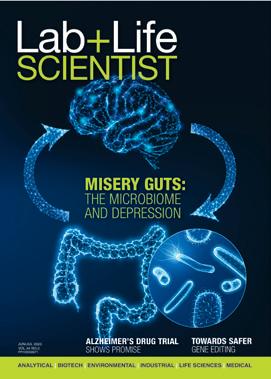
The intestinal immune cell, which impacts the gut microbiome, may in turn affect brain functions linked to stress-induced disorders such as depression.
32 PRIME EDITING COULD TREAT SICKLE CELL DISEASE
A programmable gene editing technology called prime editing can correct the mutation that causes sickle cell disease, in a potentially curative approach.
LAB+LIFE SCIENTIST - Jun/Jul 2023 | 3 www.LabOnline.com.au | www.LifeScientist.com.au Contents
18 27 jun/jul 2023
22 6 This issue is available to read and download at READ ONLINE! www.labonline.com.au/magazine Cover image: iStock.com/inkoly
iStock.com/Olena
 I
I
’ve recently returned from a three-week holiday to the UK, so I have to admit I’m still a little behind on what’s been happening in the world of Australian science. But you’d have to be living under a rock to have missed the news of the pardoning of Kathleen Folbigg, 20 years after she was convicted for the deaths of her four children over a 10-year period, in what has described as a watershed moment for the Australian legal and scientific communities.The boys also had their own medical issues — Patrick was suffering from epilepsy and cortical blindness, while Caleb had difficulty breathing due to laryngomalacia, or a floppy larynx (something he would have eventually outgrown). Indeed, the examining scientists found the boys also had two different novel and rare variants in a gene known as BSN which, when defective in mice, causes early-onset lethal epilepsy.
the most up-to-date scientific knowledge we have. Brownlie noted, “As a nation, we already rely on independent scientific expertise to help governments and industries in making informed choices. It only makes sense to extend this practice to our justice system.”
Yepifanova

It all started when a group of scientists were asked to investigate if a genetic cause could explain the deaths of the four Folbigg children — Caleb, Patrick, Sarah and Laura — as part of an inquiry into their mother’s convictions. Genomics was only in its infancy at the time of the 2003 trial, but by 2019, it was possible to sequence whole genomes and exomes from both mother and children. Here it was found that both Sarah and Laura, and indeed their mother, had a mutation in the CALM2 gene, which controls how calcium is transported in and out of heart cells. Mutations in this gene are understood as one of the best-recognised causes of sudden death in infancy and childhood, which in the case of the girls was likely triggered by infections they had at the time they died and the medication they were given.
While the first inquiry into the convictions (and a follow-up appeal) was unsuccessful for Folbigg and her supporters, a second inquiry was announced in 2022 — in one of the first times worldwide that a learned academy (the Australian Academy of Science) has acted as an independent scientific adviser during a public inquiry into an individual’s criminal convictions. With former Chief Justice of NSW Tom Bathurst AC KC finding there was reasonable doubt regarding the initial convictions, Folbigg was finally, unconditionally, pardoned — and the Academy is now looking to work with the NSW Attorney-General to develop and implement a more science-sensitive legal system to better handle such complex cases in future.
As explained by geneticist Associate Professor Jeremy Brownlie, from Griffith University, the Academy has suggested that the judiciary appoints scientific experts to serve as independent advisers to the courts, who could explain the science and help judges and jurors make decisions based on
Who could have predicted that science would come so far in 20 years that it could overturn a highly publicised murder conviction? Looking at some of the research highlighted in this issue, it makes you wonder what will be possible in the next 20 years. Will we finally have an effective drug to treat Alzheimer’s disease (page 6)? Will we have found a solution to antibiotic resistance (page 19)? Will AI be part and parcel of the laboratory environment (page 22)? Only time will tell.
Regards, Lauren Davis LLS@wfmedia.com.au
4 | LAB+LIFE SCIENTIST - Jun/Jul 2023 www.LabOnline.com.au | www.LifeScientist.com.au
Lauren Davis editorial
Saved by science
Cognitive decline slowed in Alzheimer’s drug trial
Pharmaceutical outfit Eli Lilly and Company has announced promising results for its TRAILBLAZER-ALZ 2 phase 3 study, which showed that its investigational drug significantly slowed cognitive and functional decline in people with early symptomatic Alzheimer’s disease.

TRAILBLAZER-ALZ 2 — a randomised, double-blind, placebo-controlled study — evaluated the safety and efficacy of donanemab, an investigational amyloid plaque-targeting therapy. The study enrolled people with early symptomatic Alzheimer’s disease (AD), which includes mild cognitive impairment (MCI) and the mild dementia stage of disease, with the confirmed presence of
AD neuropathology, and participants completed their course of treatment with donanemab once they reached a pre-specified level of amyloid plaque clearance.
Participants were stratified by their level of the brain protein tau, a predictive biomarker for Alzheimer’s disease progression. The primary analysis population (1182) for which the study was powered comprised people with an intermediate level of tau and clinical symptoms of Alzheimer’s disease. In this population, donanemab met the primary endpoint of change from baseline
until 18 months on the integrated Alzheimer’s Disease Rating Scale (iADRS), which measures cognition and activities of daily living such as managing finances, driving, engaging in hobbies and conversing about current events. Clinical decline was slowed by 35% compared to placebo, the company said.
“Over the last 20 years, Lilly scientists have blazed new trails in the fight against Alzheimer's disease by elucidating basic mechanisms of AD pathology and discovering imaging and blood biomarker tools to track the pathology,” said Dr
6 | LAB+LIFE SCIENTIST - Jun/Jul 2023 www.LabOnline.com.au | www.LifeScientist.com.au
Daniel Skovronsky, Lilly’s Chief Scientific and Medical Officer, and President of Lilly Research Laboratories. “We are extremely pleased that donanemab yielded positive clinical results with compelling statistical significance for people with Alzheimer’s disease in this trial. This is the first phase 3 trial of any investigational medicine for Alzheimer’s disease to deliver 35% slowing of clinical and functional decline.”
All secondary endpoints of cognitive and functional decline were also met and showed highly statistically significant clinical benefits with
similar magnitude, the company said, with one of the most important (Clinical Dementia Rating-Sum of Boxes, CDR-SB) showing 36% slowing of decline over 18 months. Additional pre-specified secondary analyses showed:
• 47% of participants on donanemab showed no decline on CDR-SB, a key measure of disease severity at one year (compared to 29% of participants on placebo).
• 52% of participants completed their course of treatment by one year and 72% completed by 18 months as a result of achieving plaque clearance.
• Participants on donanemab had 40% less decline in ability to perform activities of daily living at 18 months, as measured by the Alzheimer’s Disease Cooperative Study – instrumental Activities of Daily Living Inventory (ADCS-iADL).

• Participants on donanemab experienced a 39% lower risk of progressing to the next stage of disease compared to placebo.
The study also enrolled a smaller number of people with high levels of tau at baseline (552), representing a later stage of disease progression.
LAB+LIFE SCIENTIST - Jun/Jul 2023 | 7 www.LabOnline.com.au | www.LifeScientist.com.au clinical trial
iStock.com/Casper1774Studio
Because these participants were predicted to progress more quickly and be less responsive to therapy, the target population for the study was the intermediate tau population. The high tau participants were combined with the intermediate tau population in an additional primary analysis of all participants enrolled (1736). In this combined population, donanemab also demonstrated meaningful positive results across all clinical endpoints, with CDR-SB and iADRS showing 29% and 22% slowing of decline, respectively.
The incidence of amyloid-related imaging abnormalities (ARIA) was consistent with the TRAILBLAZER-ALZ phase 2 study, the company said. ARIA is observed with the amyloid plaque clearing antibody class of therapies and is most commonly observed as temporary swelling in an area or areas of the brain (ARIA-E) or as microhaemorrhages or superficial siderosis (ARIA-H), in either case detected by MRI. In the overall donanemab treatment group, ARIA-E occurred in 24% of treated participants, with 6.1% experiencing symptomatic ARIA-E. ARIA-H occurred in 31.4% in the donanemab group and 13.6% in the placebo group.
The majority of ARIA cases were mild to moderate and resolved or stabilised with appropriate management. The incidence of serious ARIA was 1.6%, including two participants whose death was attributed to ARIA and a third participant who died
after an incident of serious ARIA. Infusion-related reactions occurred in 8.7% of participants, with most cases mild to moderate in severity.
“We are encouraged by the potential clinical benefits that donanemab may provide, although like many effective treatments for debilitating and fatal diseases, there are associated risks that may be serious and life-threatening,” said Dr Mark Mintun, Group Vice President Neuroscience Research & Development at Lilly, and President of Avid Radiopharmaceuticals. “We note that these results suggest that people in the early pathological stage of disease could be the most responsive to therapeutics targeting amyloid. We thank the participants in the clinical trial and their loved ones for their time and commitment to finding solutions for this disease.”
In addition to slowing cognitive and functional decline, donanemab was found to produce significant reductions in brain amyloid plaque levels as early as six months after initiating treatment, as observed using amyloid positron emission tomography (PET) brain scan. Many patients reached amyloid levels considered negative for pathology (34% of participants in the intermediate tau population achieved amyloid clearance at six months and 71% achieved clearance at 12 months).
“Amyloid plaque is a defining pathophysiological feature of Alzheimer’s disease,” said Dr Eric Reiman, CEO of Banner Research, one of the research sites for the trial. “This study’s
topline results provide compelling support for the relationship between amyloid plaque removal and a clinical benefit in people with this disease.”
Based on these results, Lilly will proceed with global regulatory submissions as quickly as possible and anticipates making a submission to the US FDA this quarter. The company is looking to work with the FDA and other global regulators to achieve the fastest path to traditional approvals.
“These phase 3 data confirm the benefit observed in our TRAILBLAZER-ALZ study and show that donanemab, if approved, may represent a significant step forward for people with early symptomatic Alzheimer’s disease, and allow them to continue to participate in activities that are meaningful to them,” said Anne White, Executive Vice President of Eli Lilly and Company and President of Lilly Neuroscience.
“We believe our data meets the ‘high level of evidence’ the Centers for Medicare & Medicaid Services (CMS) has described as the trigger for reconsideration of its National Coverage Determination. People with early Alzheimer’s disease need and deserve full coverage and access for approved therapies.”
The full results of the TRAILBLAZER-ALZ 2 study will be presented at the Alzheimer’s Association International Conference in July and submitted for publication in a peer-reviewed clinical journal, the company said.

8 | LAB+LIFE SCIENTIST - Jun/Jul 2023 www.LabOnline.com.au | www.LifeScientist.com.au clinical trial
iStock.com/wildpixel
In addition to slowing cognitive and functional decline, donanemab was found to produce significant reductions in brain amyloid plaque levels.

Extending storage time of donor lungs outside the body
Storing donor lungs for transplant at 10°C markedly increases the length of time the organ can live outside the body, according to a clinical trial led by University Health Network’s (UHN) Ajmera Transplant Centre, Canada. Results of the trial were published in NEJM Evidence
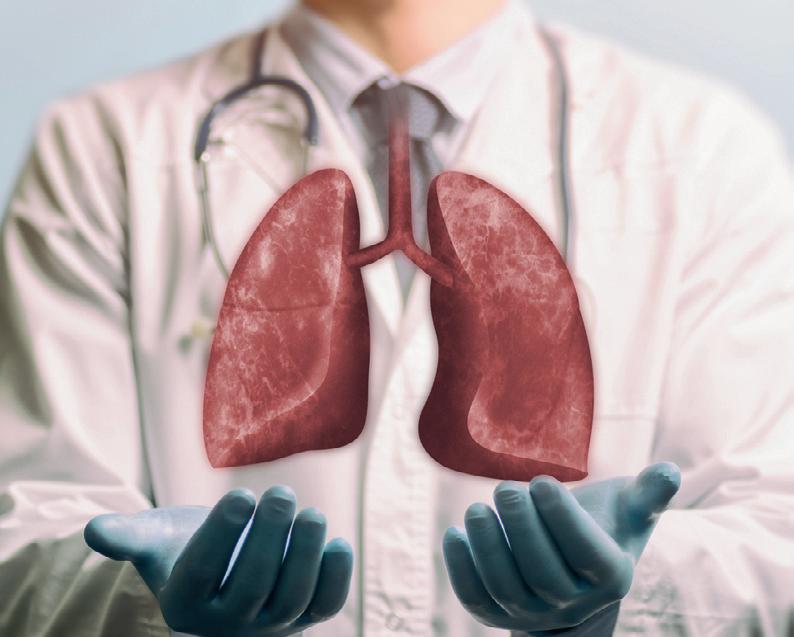
Lungs available for transplant are currently limited by the length of time a donor organ can be kept viable. Increasing storage time allows for viable donor lungs to come from greater distances, increasing the potential for greater numbers of lungs becoming available for transplant and overcoming many of the hurdles around transplant logistics.
The multicentre, non-randomised clinical trial of 70 patients demonstrated that donor lungs stored at 10°C remained healthy and viable for transplant up to four times longer compared to storage at the current standard of ice cooler preservation of around 4°C. The trial took place over 18 months at UHN’s Toronto General Hospital, the Medical University of Vienna, and Hospital Universitario Puerta de Hierro-Majadahonda in Madrid.
Some advantages of a 10°C standard for lung storage include the potential to reduce or eliminate the 24/7 schedule and urgency of lung transplant procedures. By increasing the length of time donor lungs are viable, transplant surgeries could become planned procedures, which avoids bumping scheduled surgeries and overnight transplantation.
The study suggests the new preservation temperature will allow more time to optimise immunologic matching between donor and recipients, and the possibility of performing lung transplantation in a semi-elective rather than urgent fashion. Better organ preservation also means better outcomes for patients.
“The clinical impact of this study is huge,” said lead author Dr Marcelo Cypel, Surgical Director of the Ajmera Transplant Centre.
“It’s a paradigm shift for the practice of lung transplant.”
Bone cancer drug could increase survival
rate
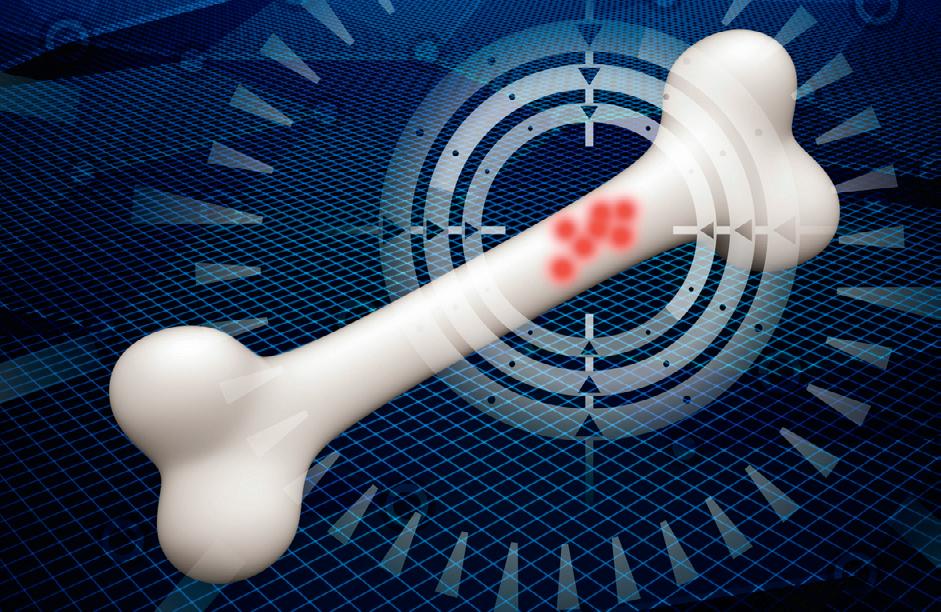
A research team led by the University of East Anglia (UEA) has developed a new drug that works against all of the main types of primary bone cancer, with their results published in the Journal of Bone Oncology
Cancer that starts in the bones, rather than cancer that has spread to bone, predominantly affects children and young adults. Treatment is gruelling, with outdated chemotherapy cocktails and limb amputation leading to lifelong disabilities, and the five-year survival rate is just 42% — largely because of how rapidly bone cancer spreads to the lungs.
“Primary bone cancer is … the third most common solid childhood cancer, after brain and kidney, with around 52,000 new cases every year worldwide,” said lead researcher Dr Darrell Green, from UEA’s Norwich Medical School, who was inspired to study childhood bone cancer after his best friend died from the disease as a teenager.
“It can rapidly spread to other parts of the body, and this is the most problematic aspect of this type of cancer. Once the cancer has spread, it becomes very difficult to treat with curative intent.”
Green and his team collected bone and tumour samples from 19 patients at the Royal Orthopaedic Hospital in Birmingham. They then used next-generation sequencing to identify types of genetic regulators called small RNAs that were different during the course of bone cancer progression.
They showed that a gene called RUNX2 is activated in primary bone cancer and that this gene is associated with driving the cancer’s spread. From this, they developed the drug CADD522 — a small molecule which blocks the RUNX2 protein from having an effect — and tested it in mice.
“In preclinical trials, metastasis-free survival was increased by 50% using the new CADD522 drug on its own, without chemotherapy or surgery,” Green said. “I’m optimistic that, combined with other treatments such as surgery, this survival figure would be increased further.
“Importantly, because the RUNX2 gene is not usually required by normal cells, the drug doesn’t cause side effects like chemotherapy.
“The new drug that we have developed is effective in all of the main bone cancer subtypes, and so far, our experiments show that it is not toxic to the rest of the body. This means that it would be a much kinder treatment for children with bone cancer, compared to the gruelling chemotherapy and life-changing limb amputation that patients receive today.”
The drug is now undergoing formal toxicology assessment before the team assemble all of the data and approach the Medicines & Healthcare products Regulatory Agency (MHRA) for approval to start a human clinical trial.
10 | LAB+LIFE SCIENTIST - Jun/Jul 2023 www.LabOnline.com.au | www.LifeScientist.com.au movers&shakers
iStock.com/SvetaZi iStock.com/PashaIgnatov
The S-Monovette® is the revolution in blood collection.

The S-Monovette is an innovative enclosed blood collection system that allows the user to draw blood from the patient using the syringe or vacuum method, uniting the advantages of both techniques in a single product.
When used as a syringe, the phlebotomist has full control over the speed at which the blood is drawn into the tube. This is particularly useful for patients with fragile veins, such as the very young or elderly, where the use of the aspiration technique prevents even the most fragile veins from collapsing. When the tube has been filled, the plunger is simply snapped off to leave a primary sample tube which can be centrifuged and is compatible with all major analysers.
The S-Monovette can also be used as an evacuated tube by drawing the plunger fully down and snapping it off immediately
prior to blood collection. This creates a fresh vacuum and ensures a precise filling volume, ensuring a correct dilution ratio.
The reduced vacuum pressure in the S-Monovette drastically reduces the rate of haemolysis and vein collapse, meaning increased sample quality and reduced costs associated with repeat collections. Furthermore, unlike pre-evacuated tubes, the S-Monovette does not have to hold a vacuum for many months after manufacture, which allows the membrane stopper to be thinner and more easily penetrated by the needle sheath. This minimises the movement of the needle in the vein when attaching the tube, ensuring optimum patient comfort.
The S-Monovette needle is ready to use so that there is no need for assembly to
a holder. The needle is of a compact, low profile design, which reduces the chance of haematoma by allowing for a reduced angle of puncture and eliminates the possibility of needle stick injury caused by assembly of the needle and holder. The compact design also results in approximately one sixth of the sharps volume caused by using a preevacuated system, giving significant cost savings.
If you would like a visit from one of our Sales Representatives to demonstrate this system, please contact us on toll free 1800 803 308

LAB+LIFE SCIENTIST - Jun/Jul 2023 | 11 www.LabOnline.com.au | www.LifeScientist.com.au SPONSORED CONTENT
Sarstedt Australia www.sarstedt.com
Flexible gold sensor promising for medical implants
benefit diagnostics, catalysis and drug delivery. Described in the journal Small, the intricate approach used by Masud and Ashok suggests a new way to miniaturise and improve medical devices for diagnostics, biological sensing and neurological exploration.
“Although modern implanted electronics have developed rapidly over the past 60 years, most commercially available devices are still built on relatively similar — and limiting — design concepts such as thick ceramic or titanium packaging,” Masud said.
“We are offering a new route toward miniaturised, flexible, implanted medical devices that will diagnose and treat chronic diseases and help improve the lives of millions of people.”
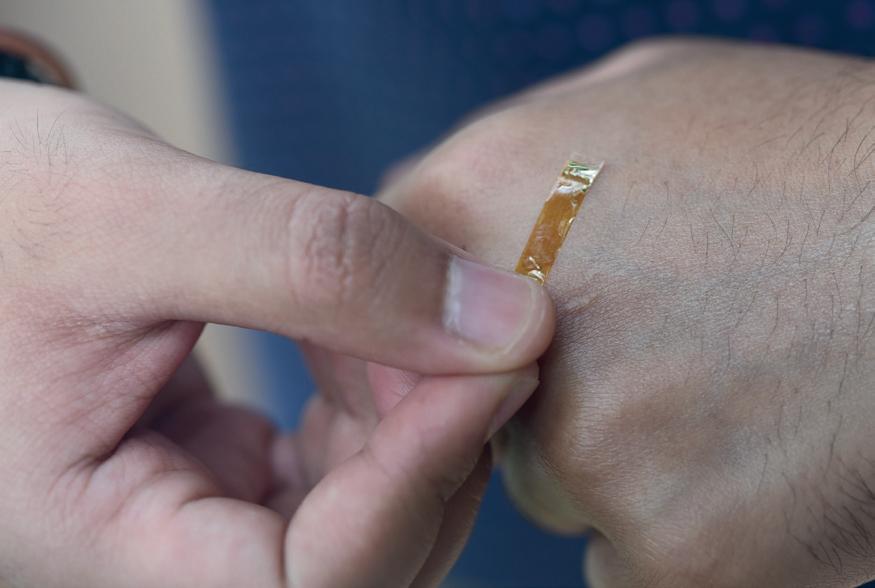
Using a brand new engineering method, researchers at The University of Queensland’s (UQ) Australian Institute for Bioengineering and Nanotechnology (AIBN) have produced a small, film-like sensor that is both flexible and sensitive enough to enable a more streamlined future for electronic medical implants and real-time sensing applications.
The film-like sensor designed by Dr Mostafa Kamal Masud and PhD candidate Aditya Ashok represents a novel approach to the field of mesoporous materials, which are highly porous substances with traits that
Using a novel hybrid fabrication process under the guidance of Professor Yusuke Yamauchi, Masud and Ashok were able to synthesise a mesoporous gold film that acts as an electrode for biosensing and bioimplant applications. The flexibility and sensitivity of the gold film make it an ideal wearable system for real-time monitoring of body glucose, with strong potential for implanted nerve recording applications.
“The demand for a simple and robust fabrication process with this kind of flexible electronics is enormous,” Masud said.
“Our aim here is to see this sensor embedded in wearable devices — but the potential and possibilities in this field are vast. We’re going to be exploring more in our coming projects.”
Bacteria can help the immune system destroy tumours
Introducing bacteria to a tumour’s microenvironment creates a state of acute inflammation that triggers the immune system’s primary responder cells to attack rather than protect a tumour, according to a study from the Garvan Institute of Medical Research.
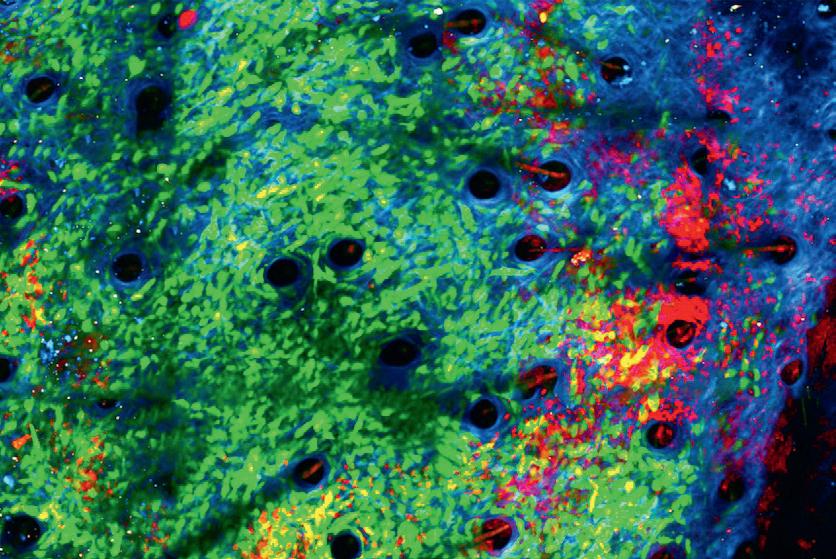
The first-responder cells, called neutrophils, are white blood cells that play an important role in defence against infection. While they generally protect against disease, they are notorious for promoting tumour growth; high levels of them in the blood are typically associated with poorer outcomes in cancer, in part because they produce molecules that shield the tumour by suppressing the other elements of the immune system.
Garvan researchers, led by Dr Tatyana Chtanova, found that injecting inactivated Staphylococcus aureus microbes inside a tumour reverses that protective activity, stimulating the neutrophils to destroy the tumour in a range of animal cancer models, including Lewis lung carcinoma, triplenegative breast cancer, melanoma and pancreatic cancer.
“Using the immune system to fight cancer has been one of the biggest breakthroughs in cancer therapy in the last two decades, but currently immunotherapy for improving T cell function doesn’t work for all types of cancer,” Chtanova said. “We decided to use a different type of immunotherapy that targets neutrophils, to understand how generating acute inflammation in the immunosuppressive tumour microenvironment affects outcomes.”
The team used intravital imaging in animal studies to see inside the tumours in real time. Chtanova explained, “Since attacking bacteria is the reason for neutrophils’ existence, we had a good inkling that introducing bacteria would bring neutrophils to the site and activate them. We discovered that it’s very effective in getting them to kill the tumours, chewing up their matrix.”
The team’s study, published in the journal Cancer Research, shows that the neutrophils also change at the gene expression level: they begin to secrete molecules that will attract fighter T cells as reinforcement.
“We’ve shown that microbial therapy is an effective booster for checkpoint inhibitor therapy, another type of cancer immunotherapy,” said Dr Andrew Yam, first author of the study. “We hope this synergistic effect will ultimately lead to better treatments to improve outcomes for patients with advanced or previously untreatable cancers.”
With the study having focused on primary tumours, the team will now spend the next 3–5 years developing their therapy to fight metastasis — the spread of cancer to other areas of the body — with clinical trials to follow.
12 | LAB+LIFE SCIENTIST - Jun/Jul 2023 www.LabOnline.com.au | www.LifeScientist.com.au movers&shakers
Cancer cells (green) being attacked by neutrophils (red) in the collagen structure (blue) of a tumour’s microenvironment.
Image credit: Jacqueline Bailey/Dr Chtanova’s Innate Tumour Immunology Lab at Garvan.
The film-like sensor designed by Masud and Ashok represents a novel approach to the field of mesoporous materials.
Image courtesy AIBN.

AI-powered wearable patch monitors human health
A new ultrathin skin patch with nanotechnology able to monitor 11 human health signals has been developed by researchers at Monash University. Researchers from the Faculty of Engineering and Faculty of Information Technology combined nanotechnology and artificial intelligence to bring machines one step closer to communicating with the human body.
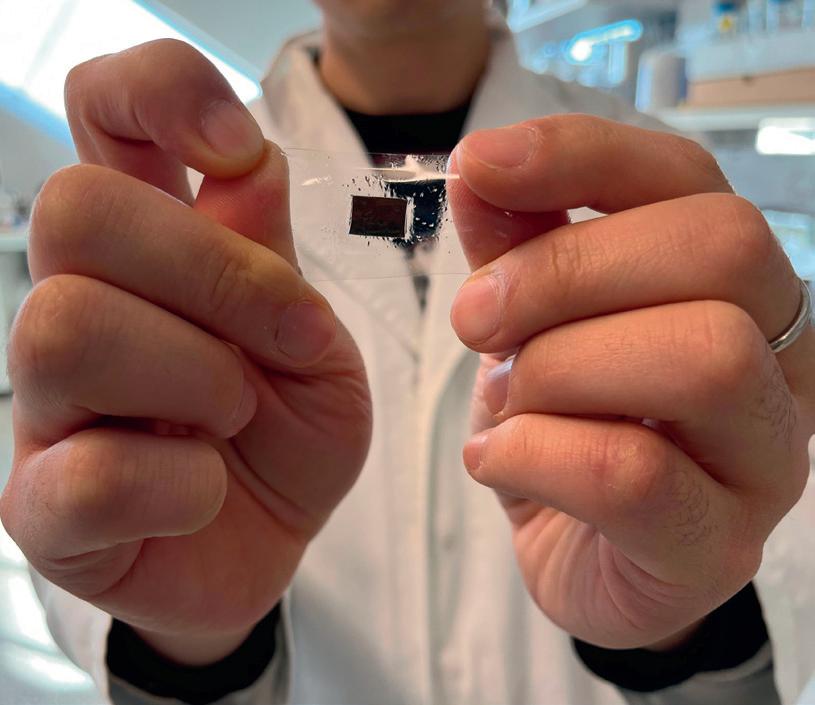
Using specialised algorithms, personalised artificial intelligence (AI) technology can now disentangle multiple body signals, understand them and make a decision on what to do next. Published recently in Nature Nanotechnology, the research could change how we deliver remote health care and be the future of personal alarms and communications devices.
Worn on the neck, the ultrathin wearable patch has three layers, measuring speech, neck movement and touch, said lead researcher Professor Wenlong Cheng. It also measures breathing and heart rates.
“Emerging soft electronics have the potential to serve as secondskin-like wearable patches for monitoring human health vitals, designing perception robotics and bridging interactions between natural and artificial intelligence,” Cheng said.
Associate Professor Zongyuan Ge, from the Faculty of Information Technology, is part of the Monash team that has developed a frequency/amplitude-based neural network called Deep HybridSpectro, which can automatically monitor multiple biometrics from a single signal.
“As people all sound and act differently, the next step is to program and personalise the sensors using even more sophisticated algorithms so they can be tailored to individuals,” Ge said.
The sensor is made from laminated cracked platinum film, vertically aligned gold nanowires and a percolated gold nanowire film.
Neck skin is the most sensitive skin on the body and connects up to five physiological activities associated with the human throat: speech, heartbeat, breathing, touch and neck movement.
This work was mainly performed at the Monash Nanobionics lab and in part at the Melbourne Centre for Nanofabrication (MCN) in the Victorian Node of the Australian National Fabrication Facility (ANFF) and the Monash Centre for Electron Microscopy.
Gene editing strategy could block HIV

Genetic alterations that give rise to a rare, fatal disorder known as MOGSCDG paradoxically also protect cells against infection by viruses. Now, scientists at the Lewis Katz School of Medicine at Temple University have harnessed this unusual protective ability in a novel gene-editing strategy aimed at eliminating HIV-1 infection with no adverse effects on cell mortality.
The new approach, described in the journal Molecular Therapy — Nucleic Acids, is based on a combination of two gene-editing constructs, one that targets HIV-1 DNA and one that targets a gene called MOGS — defects in which cause MOGS-CDG. In cells from persons infected with HIV-1, the Temple researchers show that disrupting the virus’s DNA while also deliberately altering MOGS blocks the production of infectious HIV-1 particles. The discovery opens up new avenues in the development of a cure for HIV/AIDS.
Proper MOGS function is essential for glycosylation, a process by which some cellular proteins synthesised in the body are modified to make them stable and functional. Glycosylation, however, is leveraged by certain kinds of infectious viruses. In particular, viruses like HIV, influenza, SARS-CoV-2 and hepatitis C, which are surrounded by a viral envelope, rely on glycosylated proteins to enter host cells.
In the new study, lead investigators Dr Kamel Khalili, Professor Laura H Carnell and Assistant Professor Rafal Kaminski designed a genetic approach to exclusively turn on CRISPR to impede MOGS gene expression through DNA editing within immune cells that harbour replication competent, HIV-1. Their novel approach is expected to avoid any impact on the health of uninfected cells that retain normal MOGS gene function. Stimulation of the apparatus in HIV-1 infected cells disrupted the glycan structure of the HIV-1 envelope protein, culminating in the production of non-infectious virus particles.
“This approach is conceptually very interesting,” Khalili said. “By mitigating the ability of the virus to enter cells, which requires glycosylation, MOGS may offer another target, in addition to the integrated viral DNA for developing the next generation of CRISPR geneediting technology for HIV elimination.”
The researchers are now working with Professor Tricia H Burdo, an expert in the use of non-human primate models for HIV-1, to further assess the efficacy and safety of CRISPR-MOGS strategy in preclinical studies. In previous work, the team demonstrated that CRISPR-based technology can successfully remove viral DNA from the cells of infected non-human primates.
14 | LAB+LIFE SCIENTIST - Jun/Jul 2023 www.LabOnline.com.au | www.LifeScientist.com.au
iStock.com/vchal movers&shakers
Image: Supplied.
The wearable ‘skin’ and biosensor.
Pipettors
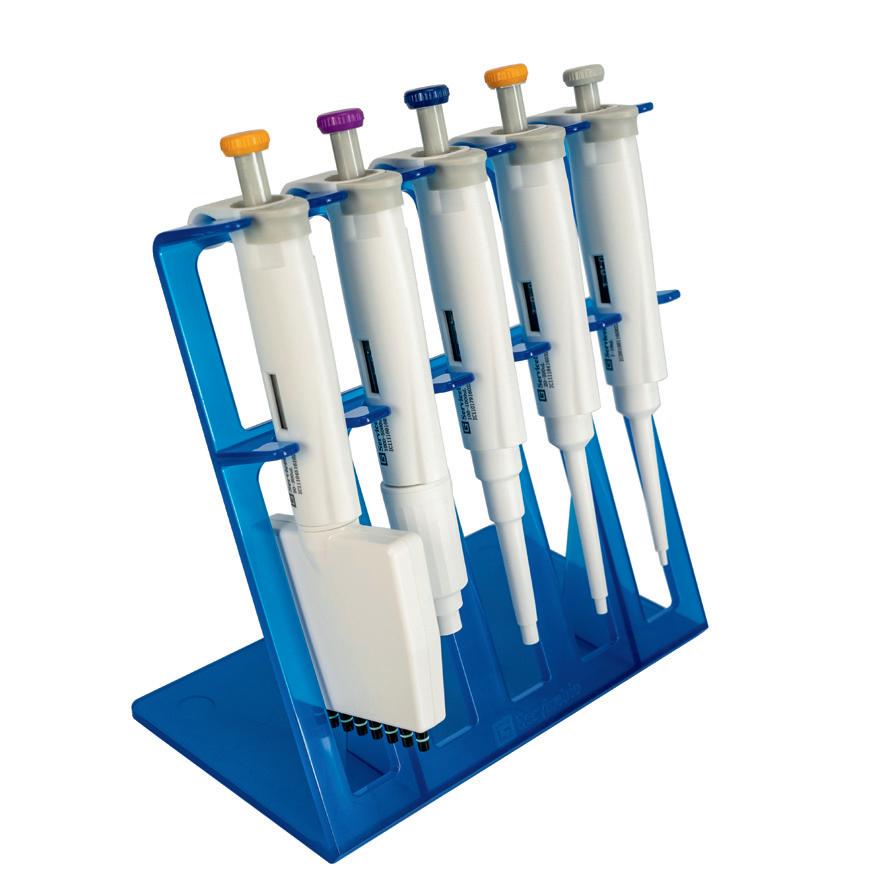
Pacific Laboratory Products (PLP) has announced the launch of its own branded pipettors for use in the laboratory. Having previously launched its own brand sterile filter tips, the company is now providing matching PLP pipettors, made of quality materials, to go with the tips.
Customers are welcome to select the size or sizes that suit their needs, with single- and multi-channel options in sizes including 10, 200, 1000, 5000 and 300 µL. With every three pipettors purchased, PLP will add a free pipette stand.
Pacific Laboratory Products www.pacificlab.com.au
Reference materials for spectroscopy
Starna reference materials for spectroscopy are now available from Rowe Scientific Pty Ltd.
Starna Scientific, a pioneer in the development of certified reference materials (CRMs) for spectroscopy, offers a comprehensive range of materials for instrument qualification and performance evaluation. Manufactured and calibrated under strictly controlled conditions, the materials conform to all the relevant international standards and quality protocols.
The range of Starna reference materials is continually expanding and includes references for ultraviolet and visible spectrophotometry, for fluorescence, NIR and Raman spectroscopy, and for use in plate readers and HPLC instrumentation, as well as a range of specialised materials for use in bioscience. References are also available in convenient sets for instrument qualification to the requirements of pharmacopoeias and other regulatory bodies.
The calibration of Starna certified reference materials is traceable to international primary standards, allowing laboratories to demonstrate evidence of quality control according to ISO/IEC 17025, the universally recognised standard for laboratory accreditation.
Liquid references, including volatile and flammable materials, are permanently sealed by heat fusion into their cells. This process, developed by Starna, is designed to eliminate evaporation, improve stability and make handling safer.
Starna CRMs are covered by a lifetime guarantee and references can be recertified and dispatched within five working days of receipt at the Starna calibration laboratory. Reference material sets can also be customised to user requirements.
Rowe Scientific is the national Australian distributor for the Starna range of products.
Rowe Scientific Pty Ltd
www.rowe.com.au
Autophagy antibody kit
The Autophagy Essentials Antibody Kit provides a cost-effective tool for studying key proteins involved in the autophagy pathway. It is suitable for researchers starting a new project, screening multiple prospective targets or those who simply require less volume.
The Autophagy Essentials Antibody Kit contains antibodies against five key protein targets playing critical roles in the autophagy pathway.
The ideal approach for measuring autophagy is to assess autophagic flux, which represents the rate of degradation of the autophagic pathway. The most widely used method for measuring autophagic flux is to detect the processing of the autophagosomal membrane protein, LC3.
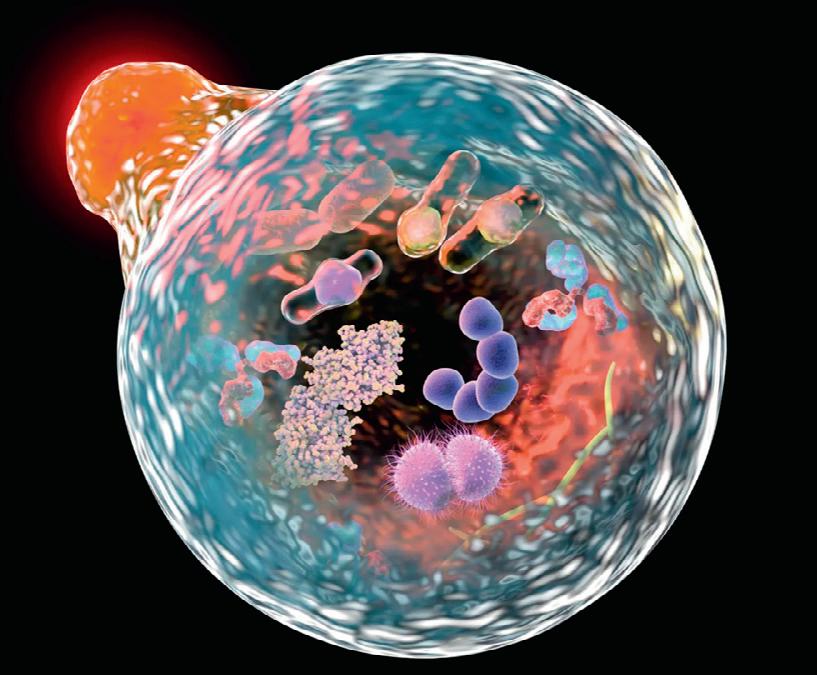
Analysing autophagy substrates such as p62/SQSTM1 is often recommended in addition to measuring LC3-II turnover for accurate assessment of autophagic flux. The fusion of autophagosomes with lysosomes can be monitored by analysing the autophagosomal marker LC3 and the lysosomal marker, LAMP, simultaneously.
The Autophagy Essentials Antibody Kit contains 20 µL of the five antibodies involved in autophagic flux, Beclin 1, LC3. p62, ATG5 and LAMP1.
United Bioresearch Products Pty Ltd www.unitedbioresearch.com.au
LAB+LIFE SCIENTIST - Jun/Jul 2023 | 15 www.LabOnline.com.au | www.LifeScientist.com.au what’s new
The path to safer gene editing
Reducing the mutation problem in gene therapy
CRISPR-Cas9 is widely used to edit the genome by studying genes of interest and modifying diseaseassociated genes. However, this process is associated with side effects including unwanted mutations and toxicity. Therefore, a new technology that reduces these side effects is needed to improve its usefulness.
Now, Japanese researchers have developed an optimised genomeediting method that vastly reduces mutations, opening the door to more effective treatment of genetic diseases with fewer unwanted mutations. Their findings have been published in the journal Nature Biomedical Engineering Genome-editing technology centred on CRISPR-Cas9 has revolutionised the food and medicine industries. In the technology, Cas9 nuclease, an enzyme that cuts DNA, is introduced into the cell with a synthetic guide RNA (gRNA) that guides the enzyme to the required location. By cutting the genome, unwanted genes can be deleted, and new (functional) genes can be added in easily and quickly.
One of the drawbacks of genome editing is that there are growing concerns about mutations and off-target effects. This is often caused by the enzyme targeting genomic sites that have a sequence similar to the target site. Similarly, mutations at the chromosome level can occur when genes are altered, which has hindered clinical trials of gene therapy for cancer and even resulted in the deaths of patients undergoing treatment for muscular dystrophy. The researchers hypothesised that current editing protocols that use Cas9 cause excessive DNA cleavage, resulting in some of the mutations.
To test this hypothesis, a group consisting of Assistant Professor Masaki Kawamata of Kyushu University and Professor Hiroshi Suzuki of Nagoya University Graduate School of Medicine constructed a system called ‘AIMS’ in mouse cells, which evaluated the activity of Cas9 separately for each chromosome. Their results showed that the commonly used method was associated with very high editing activity. The group determined that this
16 | LAB+LIFE SCIENTIST - Jun/Jul 2023 www.LabOnline.com.au | www.LifeScientist.com.au
iStock.com/sorbetto gene therapy
high activity was causing some of the unwanted side effects, so they searched for gRNA modification methods that could suppress it.

They found that an extra cytosine extension to the 5′ end of the gRNA was effective as a ‘safeguard’ for the overactivity and allowed control over DNA cleavage. They called this fine-tuning system ‘safeguard gRNA’ ([C]gRNA). Using their new technique, off-target effects and cytotoxicity were reduced, the efficiency of single-allele selective editing was increased, and the efficiency of homology-directed repair, the most commonly employed mechanism for DNA double-strand break repair, was enhanced.
To test its effectiveness in a medical setting, the team investigated a rare disease called fibrodysplasia ossificans progressiva. Using a mouse model, they were able to create the same genotype as the human version of the disease. Then, using patient-derived iPS cells, they were able to precisely repair damage down to a single nucleotide specifically in the disease-associated allele causing the disease, demonstrating their technique’s usefulness as a safe and efficient gene therapy method.
The team also constructed a mathematical model of the correlation between various genome-editing patterns and Cas9 activity, which would enable the user to simulate the results of genome editing in an entire cell population. This breakthrough would allow researchers to determine the Cas9 activity that maximises efficiency, reducing the enormous costs and labour required.
“We established a new genome editing platform that can maximise the desired editing efficiency by developing activity-regulating [C]gRNAs with appropriate Cas9 activity,” Suzuki said. “Furthermore, we found that ‘safeguard gRNA’ can be applied to various CRISPR tools that require gRNAs by regulating their activities, such as those using Cas12a, which has a different DNA cleavage mechanism.
“For techniques that use Cas9 to activate or repress genes of interest, such as CRISPR activation and CRISPR interference, excessive induction or suppression of gene expression may be not useful and even harmful to cells. Controlling expression levels by [C]gRNA is an important technology that can be used for various applications, including the implementation of precise gene therapy.”
The group is now working on a startup business plan to spread the new genome editing platform, with Kawamata saying the technology could make a significant contribution to the medical field.
“We are currently evaluating its therapeutic efficacy and safety for selected target diseases in cell and animal experiments and using it to help develop therapeutic drugs and gene therapy methods, especially for rare diseases for which no treatment methods have yet been established,” Kawamata said.

LAB+LIFE SCIENTIST - Jun/Jul 2023 | 17 www.LabOnline.com.au | www.LifeScientist.com.au
Mutations at the chromosome level can occur when genes are altered, which has hindered clinical trials of gene therapy for cancer.
Hotplate stirrers
OHAUS Guardian 7000 Hotplate Stirrers are designed to promote laboratory safety by reducing the risk of accidents, since unattended hotplate stirrers pose a high risk to laboratories. The hotplate stirrers feature SMARTPresence, an IR-based proximity sensor which recognises a user nearby and, when no one is detected after a user-set timeout period has passed, safely and automatically turns off the heating function. This adds an extra layer of safety for both samples and laboratory when the hotplate stirrer is left unattended.
The series also features SMARTLink technology, which provides long-range user detection for heater safety enabled by installing the OHAUS Bluetooth dongle accessory into the USB port and pairing to a mobile device. If the Bluetooth link is broken, the Bluetooth function will safely shut off automatically. This adds an extra layer of observation to keep samples and the laboratory safe from accidents. Meanwhile, SafetyHeat is an internal safety protection system to provide safety in heating applications and dual monitoring of system health, shutting off heating before an overtemperature condition occurs and alerting users on the front panel.
The hotplate stirrers feature powerful assisted stirring performance. Stirring from 60–1600 rpm is made possible with the design of a powerful motor, strong magnet and software control ramp brake offering secure magnetic coupling for viscous applications. SafetyHeat protects by controlling the maximum temperature of the hotplate stirrer, preventing the overheating of sensitive samples, while SmartRate offers sample control with or without the included temperature probe that enables the unit to adjust temperatures and speed ramp rates. The intuitive, chemical-resistant SmartHousing provides an easy-to-clean design which channels away spills from internal components and the control panel while remaining cool to the touch, even at the highest temperature settings.
All models feature a backlit LCD display for temperature, speed and time with green indicator lights for when the units are heating and stirring.
Capella Science
www.capellascience.com.au

Dewpoint hygrometers

Michell Instruments’ MDM300 is a high-speed, portable dewpoint hygrometer, offering rapid spot-check measurements of dewpoint or moisture content in many applications, including compressed air, natural gas and high-voltage switchgear quench gas. The lightweight, IECEx-certified product is designed to allow more measurements per working hour than any other comparable product. A hard-wearing but ergonomic case and an easy-to-use interface allow comfortable and practical operation in tough industrial environments.
Suitable for spot checks of dewpoint or moisture content, the MDM300 and MDM300 I.S. include all the features needed for efficient work. An ultrafast response and stable measurement are complemented by an instrument which is easy to use, with data-logging and built-in sampling components as standard. The instrument can be supplied with a range of accessories, including sampling systems and a professional carry case. For use in hazardous areas, the MDM300 I.S. is fully certified in accordance with IECEx requirements. The MDM300 and MDM300 I.S. are both IP66/NEMA 4 rated and therefore suitable for demanding outdoor applications.
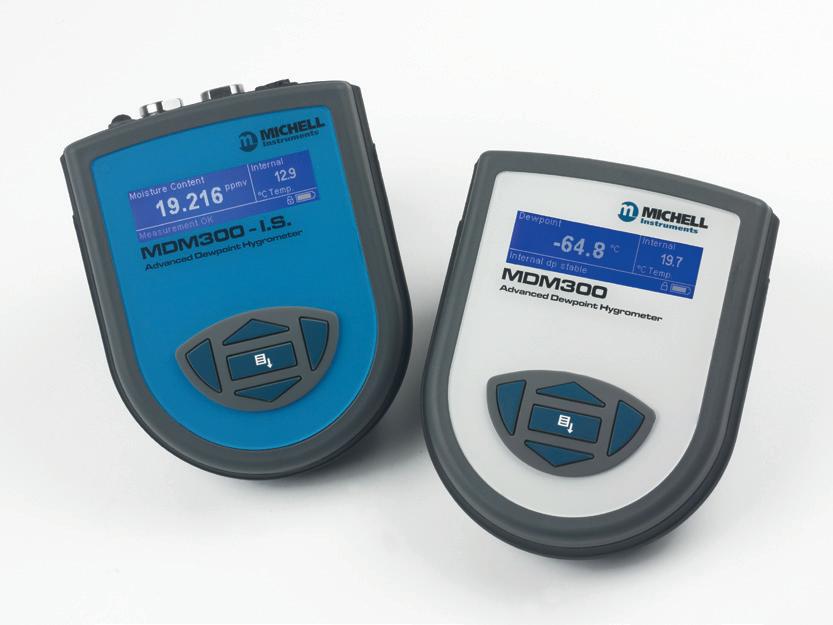
The series can provide measurement to -60°C dewpoint in gases at atmospheric pressure in less than 15 min (30 min to -60°C dewpoint for MDM300 I.S.). This, combined with no required waiting time between measurements, allows the user to take many readings per day, which should increase efficiency and reduce costs when compared to other instruments on the market.
The rugged but ergonomic design of the MDM300 series combines industrial durability with comfortable one- or two-handed operation. The intuitive menu system and large, easy-to-press buttons enable the user to easily configure the instrument to display the parameters they require, even with gloved hands.
AMS Instrumentation & Calibration Pty Ltd www.ams-ic.com.au
18 | LAB+LIFE SCIENTIST - Jun/Jul 2023 www.LabOnline.com.au | www.LifeScientist.com.au what’s new
C. diff’s powers of antibiotic resistance revealed
A species of ordinary gut bacteria that we all carry flourishes when the intestinal flora is knocked out by a course of antibiotics, which can cause problems — particularly in healthcare settings. An international team of researchers, led by Lund University, has now revealed how two molecular mechanisms work together to make the bacterium extra resistant.
opportunity for antibiotic-resistant bacterial pathogens that are otherwise suppressed through competition with ‘good’ gut bacteria. One of the most problematic bacterial species is Clostridioides difficile, which is found in our intestines, is resistant to antibiotic treatments and can cause serious diarrhoeal infections. The bacteria’s ability to create spores means it is easily spread and therefore causes problems in healthcare settings, resulting both in increased mortality and extended treatment times.

“The risk of infection with C. diff is known to increase after treatment with an antibiotic called clindamycin, but the reason for this was unknown,” said Obana Nozomu, an assistant professor at the University of Tsukuba. “Our research showed a novel protein conveys resistance to the class of antibiotics to which clindamycin belong.”
lecturer at Lund University. “We also saw that it combines with another resistance factor. The second chemically modifies the ribosome so that the antibiotic molecules bind less tightly to it. The extrapotent resistance is the result of two mechanisms, two factors, which combine and in so doing give the bacteria its ‘superpowers’ against antibiotics.”
The researchers used cryogenic electron microscopy in order to study the resistance mechanisms against antibiotics on a molecular level. This knowledge opens the way for new treatment strategies against resistance and the infections that the bacteria cause.
The researchers hope that their results, which have been published in the journal Nucleic Acids Research, can be used to design better and more effective medicines.
The threat posed by antibiotic-resistant bacteria is well known — according to The Lancet, an estimated 1.27 million people died in 2019 as a result of bacterial infection that could not be treated with existing medicines. In order to tackle this threat, it is essential to understand the underpinning molecular mechanisms.
During antibiotic treatment, the normal intestinal flora is disturbed, which provides an
“Instead of the antibiotic saving you, in this case it promotes a secondary bacterial infection,” added study leader Vasili Hauryliuk, a senior lecturer at Lund University.
The novel protein works on the ribosome — the molecular factory that produces the proteins in the bacteria, and which gives the bacteria its abilities. The ribosome is one of the primary antibiotic targets: if proteins cannot be synthesised, the bacteria will not grow, replicate and cause the infection.
“This newly discovered protein kicks the antibiotic molecule out of the ribosome,” said study co-author Gemma C Atkinson, a senior
“A couple of years ago, Andrew G Myers’ lab at Harvard University developed a new generation of ribosome-binding antibiotics, known as iboxamycin; it is a very potent medicine that knocks out ‘ordinary’ C. diff bacteria,” Hauryliuk said. “The results of this study, however, show that C. diff strains that have both resistance factors are, unfortunately, resistant to this antibiotic as well. This means that it is necessary to design antibiotic molecules that bind even tighter in order to overpower this kind of resistance. We now collaborate with the Myers group on this direction.”
This study also found that certain antibiotics that target the ribosome induce the production of the resistance factor. This may also provide clues for designing new antibiotic molecules, since resistance cannot be induced if resistance factors are not synthesised.
LAB+LIFE SCIENTIST - Jun/Jul 2023 | 19 www.LabOnline.com.au | www.LifeScientist.com.au
iStock.com/Dr_Microbe antibiotic resistance
Compact mass spectrometer
The Advion Interchim Scientific (AIS) Compact Mass Spec (CMS) is a single quadrupole mass spectrometer with the smallest footprint compared to other instruments in the single quadrupole range. It is a high-throughput high-sensitivity instrument, capable of producing mass spectra within seconds.
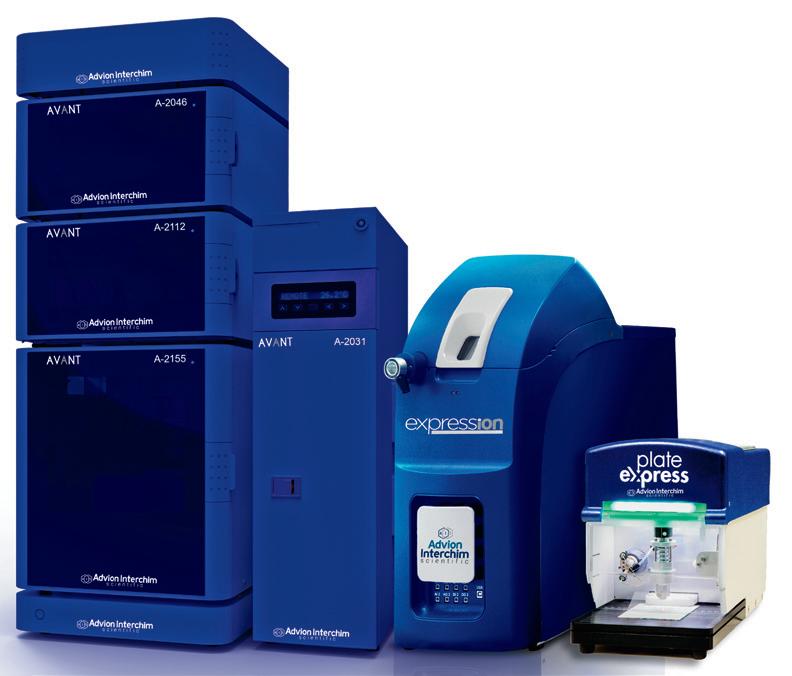
A variety of ionisation sources are available (depending on sample type) which can be easily interchanged by the end user. In addition to its multiple sources, modules such as the Plate Express can be used to monitor intermediate products during a multi-step reaction and help users make an informed decision on how best to progress their reaction. The CMS can be used as a standalone unit or coupled to an existing HPLC system to create a hybrid LC-MS.
The intuitive user interface is designed to allow novice users to build expertise in a matter of hours. The N2 generator option transforms the CMS into a portable unit that can be transported between labs or used in the field.
AIS provides analytical instruments and consumables for customers with a variety of applications including cannabis research, natural products, analytical chemistry, purification, teaching and research. The company has an extensive range of consumables suitable for most gas chromatography (GC) and liquid chromatography (LC) instrumentation and provides a range of sampling accessories that can be coupled to the CMS to further enhance its flexibility.
Bio-Strategy Pty Ltd
www.bio-strategy.com
Centrifuge
PacificLab offers a compact and stylish benchtop centrifuge package that is micro-processor controlled and has a variable-conversion motor that aims to deliver high-speed accuracy, low noise and stable operation.
The package includes rotor and adapters and comprises the following part numbers: 1 x TD5M, 1 x TD5M-R1 and 4 x TD5M-R1-A9.
Programmable operation can be set according to demands or stored automatically using the intuitive touch control panel that features LED or LCD display and a user-friendly interface for simple and convenient operation.
The centrifuge offers real-time conversion of Speed and RCF — max RCF 5030xg — and is CE, GMP, US FDA certified. It is self-locking with lid safety and over-speed safety protection devices as well as an automatic alarm.
Other features of the unit include 0–5000 r/min, a maximum capacity of 4 x 500 mL, the ability to set times from 1 min–99 h 59 min, and noise levels <65 dB(A).
Dimensions are 460 x 540 x 340 mm and the net weight is 31 kg.
Pacific Laboratory Products
www.pacificlab.com.au
Benchtop unit for development of RNA/ LNP therapeutics and vaccines
Harnessing the capabilities of Micropore’s AXF mini, together with intuitive software, the AXF Pathfinder is a compact benchtop unit for discovery, development and phase 1 clinical development through to full GMP manufacture of nucleic acid therapeutics and vaccines.
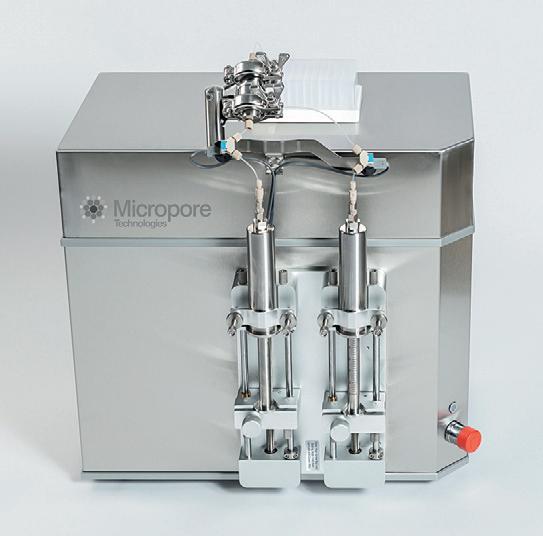
The Pathfinder series is designed to turbocharge the next generation of RNA/ LNP formulation development, allowing for seamless transitions to large-scale production. Micropore Technologies unveiled the Pathfinder 20, Pathfinder 50, Pathfinder 250 and Pathfinder 1000 at the 2nd Annual LNP Formulation & Process Development Summit, held in Boston from 17–19 April 2023. Using advanced cross flow technology, the series accelerates development by eliminating tech transfer iterations during scale-up, transitioning from DOE (design of experiments) screening to clinical production on a single device.
Discover mode enables initial formulation with minimised wastage for development and analysis. The AXF mini’s low internal volume means that start-up waste for the Pathfinder unit is only around 400 µL and sample sizes can be as small as 200 µL. High throughput screening of up to 96 samples can be achieved in less than a minute for rapid DOE and process optimisation. Importantly, researchers can enter at the Pathfinder 20 and upgrade to the Pathfinder 50, 250 or 1000 as their requirements dictate while maintaining the Discover mode functionality across all four systems.
Micropore technology is a transformative model designed to disrupt the current drug development paradigm by allowing rapid formulation screening and manufacturing without the need for a disposable cartridge.
ATA Scientific Pty Ltd www.atascientific.com.au
20 | LAB+LIFE SCIENTIST - Jun/Jul 2023 www.LabOnline.com.au | www.LifeScientist.com.au what’s new
Filter pipette tips
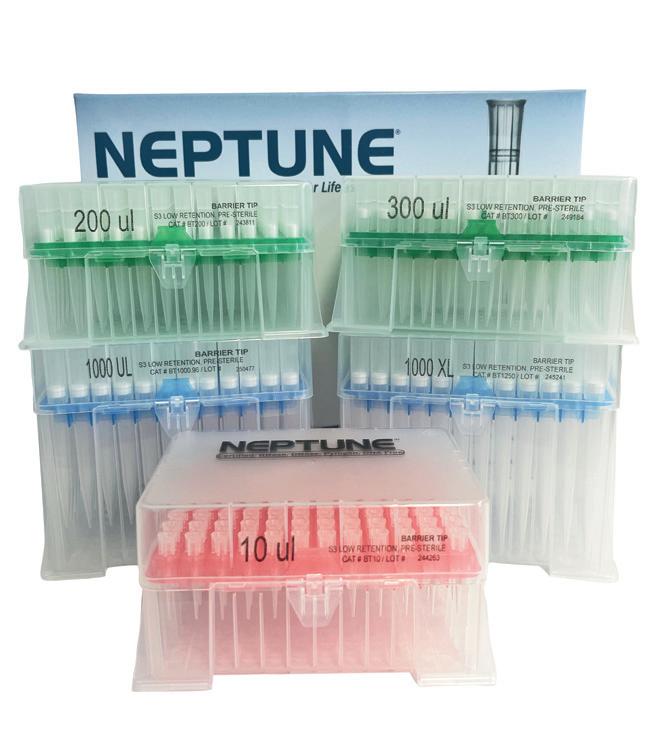
Neptune’s filter tips, available from Pathtech, are quality-tested pipette tips designed to consistently deliver precise sample measurements.



Users can protect their work from contamination with Neptune’s efficient aerosol filter assemblies. The company’s filter pipette tips are designed to prevent aerosol transfer to give users confidence when performing sensitive assays.
There is an extensive range to choose from, including the ESP pipette tip reload system. Neptune tips are pre-sterile and tested to be free of human DNA, DNase and RNase, and endotoxins (pyrogens).


Pathtech Pty Ltd





www.pathtech.com.au


Conjugated antibodies
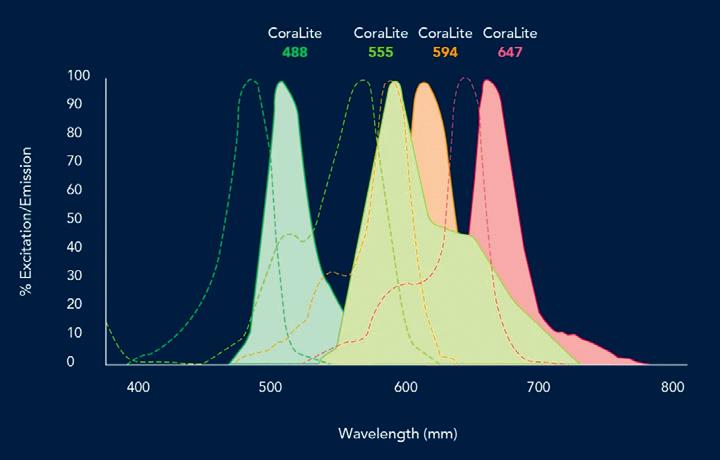
CoraLite Plus fluorescent dye conjugated antibodies from Proteintech deliver high photostability and minimal fluorescent bleed through, making it easy to combine two or more dyes in a single experiment.
Proteintech antibodies are available conjugated to multiple CoraLite dyes to offer more flexibility in multiple labelling experiments.
CoraLite dyes have equivalent brightness to the Alexa Fluor dyes. Each fluorophore can be used simultaneously in co-localisation studies due to the minimum overlapping fluorescence spectra. The CoraLite line of conjugated primary antibodies enables faster and simpler multiplex detection by IF.
Four benefits of CoraLite Plus conjugated antibodies for immunofluorescence: large catalogue of fluorescent dye conjugated antibodies developed for IF; CoraLite dyes are bright and photostable; antibodies are conjugated to multiple fluorophores to provide multiplexing options; eliminate the need for secondary antibodies. United Bioresearch Products Pty Ltd www.unitedbioresearch.com.au
LAB+LIFE SCIENTIST - Jun/Jul 2023 | 21 www.LabOnline.com.au | www.LifeScientist.com.au what’s new
Can AI fix the life sciences reproducibility crisis?

A new advisory board tackles the tough topics
The so-called ‘reproducibility crisis’ is among the most significant challenges facing scientists across all disciplines.
Ultimately, the nature of experiment replication is time-consuming and expensive. Combining those factors with a toxic ‘publish or perish’ culture in research (and a heavy bias towards positive results in scientific publishing) creates the perfect storm that has plagued the community for decades.
There’s no perfect solution to this issue, but one way researchers may be able to address the
reproducibility crisis in the future is with artificial intelligence (AI) to develop life science experiments in a cloud laboratory environment. A host of prominent thinkers in AI have recently joined an AI Scientific Advisory Board to tackle the tough topics, from ethics to experimentation.
What’s behind the reproducibility crisis?
When we say ‘reproducibility crisis’, we’re specifically talking about an inability to demonstrate consistent results after using an established experimental methodology. A study in Nature of over 1500 researchers showed
that more than 70% were unable to reproduce another scientist’s experiments. Many of those surveyed weren’t even able to replicate their own experiments.
What is contributing to this reproducibility crisis? In some cases, it is the pressure felt by researchers to publish findings in academic journals that often are heavily biased towards statistically significant results. That leads to instances of selective reporting and cherry-picking data results, which in turn leads to irreproducible research.
This is, unfortunately, a consequence of the ‘publish or perish’ mindset in academia. This part of the reproducibility problem is unlikely to be resolved unless the academic scientific community revises its thinking about how
22 | LAB+LIFE SCIENTIST - Jun/Jul 2023 www.LabOnline.com.au | www.LifeScientist.com.au
Jason Wallace*
researchers are evaluated. The other side of the problem demands better detailed experimental methodology, along with comprehensive data capture of every aspect of the experiment from reagent to sample preparation to results. That part of the problem can and should be addressed by the industry, combining new scientific technology with innovations in artificial intelligence.
A well-funded but still underappreciated category of laboratory technology is becoming known generically as the cloud lab. Offering multiple categories of scientific equipment to run experiments using the internet as the backbone, cloud labs can address the reproducibility crisis by helping scientists incorporate more precise details into experiment methodology and comprehensive metadata.
Cloud labs are secure and highly automated, with experimental methods that are annotated with complete metadata. This leads to a more comprehensive understanding of potentially variable factors ranging from ambient temperature to instrument settings and configuration. That by itself can help shed light on reproducibility problems.
Further, cloud labs offer round-the-clock access to lab equipment, with processes running in the background while other research is conducted. In a cloud lab, science never sleeps. That means cloud labs can reduce the time required to replicate studies from months to weeks.
Cloud labs also help control the cost of experimentation. A subscription fee for access to the comprehensive capabilities of a cloud lab is often less than the cost a research organisation might otherwise pay for a single category of a lab instrument.
Learning to use cloud lab technology and coding experiments in that environment can be a daunting task for some researchers, however. That’s why the industry is starting to move towards incorporating AI both to create experiments and to smooth the transition to cloud lab experimentation.
Some industry observers believe AI and automated cloud labs have the potential to be even better than human scientists. The argument is that AI can, to all intents and purposes, read every protocol ever written and process metadata regarding every experiment ever executed within a cloud lab.

Walking before we run: scientists weigh in on ethical AI
That’s not to say that AI should immediately be integrated into all aspects of life sciences experimentation. As the saying goes, you have to walk before you can run, to make sure perceived ethical problems are adequately addressed. By doing so, the industry as a whole can avoid what Wired magazine called “sloppy use of machine learning” in science, where researchers have rushed to use machine learning, only to inadvertently introduce errors into findings.
To take a more measured and responsible approach to the introduction of AI into life sciences experimentation, a new AI Scientific Advisory Board, spearheaded by Emerald Cloud Lab, launched in April. The purpose of the board is to weigh in on both the ethical and methodological implications of AI both in the cloud lab environment and beyond.
The AI Scientific Advisory Board comprises some of the leading experts in AI and scientific experimentation:
• Erika Alden DeBenedictis, PhD: Computational physicist and synthetic biologist at the Francis Crick Institute
• Dr Andrew Trister, MD Medicine, PhD in Bioengineering: Deputy Director of Digital Health and AI at the Bill and Melinda Gates Foundation
• Gabe Gomes, PhD: Assistant Professor at Carnegie Mellon University

• Stephen Wolfram, PhD: Founder and CEO of Wolfram Research and Wolfram Alpha
• Christopher Wolfram, Software Engineer at Wolfram
• Armaghan Naik, PhD: CEO of Avronna
Working cooperatively, the board’s mission is to propose new guidelines and ethical frameworks for AI in the laboratory environment. In addition to potentially accelerating scientific progress and democratising access to scientific resources, the board sees AI as an important new means of enhancing interdisciplinary collaboration.
AI offers many potential advantages, including making it easier to design experiments and analyse data. Nonetheless, there is a need for appropriate policies, procedures and methods — and a thorough consideration of ethical standards — before AI functionality can be responsibly integrated into a highly automated lab environment. Ultimately, however, AI-driven research will be able to provide researchers with access to quality structured data necessary for both simulated and real-life experimentation.
And with that, the problem of the reproducibility crises in life sciences will be a step closer to being answered.
*Jason Wallace, Vice President of Brand Marketing at Emerald Cloud Lab, is a strategic marketer and brand architect helping launch and grow some of the world’s most innovative technology companies. He helped introduce the world to reusable rockets with SpaceX, launched the Faraday Future and SERES EV brands, and helped take autonomous driving company TuSimple public.
Emerald Cloud Lab www.emeraldcloudlab.com
LAB+LIFE SCIENTIST - Jun/Jul 2023 | 23 www.LabOnline.com.au | www.LifeScientist.com.au
lab technology
iStock.com/David Gyung
Wireless pacemakers
Wireless or leadless pacemakers, commonly implanted in adults, may be a safe and effective short-term option for children with slow heartbeats, according to a new study published in the journal Circulation: Arrhythmia and Electrophysiology

Children with a heartbeat that is too slow (bradycardia) require pacemakers — devices surgically implanted under the skin of the chest that transmit electrical impulses to regulate the heartbeat. Standard pacemakers use tiny wires, or leads, that are connected to the heart to deliver the lifesaving pacing (electrical signals to keep the heart beating normally). Active, growing children, however, are at higher risk for wire fractures and pacemaker complications because the wires in typical pacemakers may break or malfunction.
The leadless pacemaker is a miniature device, the size of a AAA battery, that is self-contained and placed directly inside the patient’s heart, so it does not require leads to help regulate the heartbeat. The new study provides the first known data on leadless pacemakers in a paediatric population in a real-world setting.
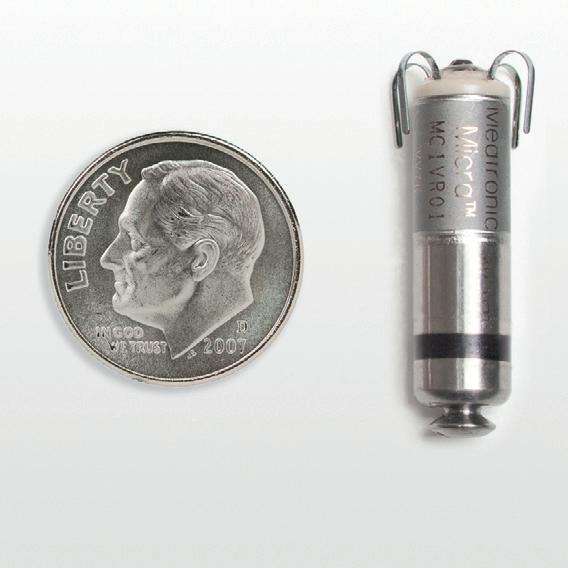
The Pediatric and Congenital Electrophysiology Society (PACES) maintains a registry of pacemaker implantations performed at 15 centres across the US, the UK and Italy. During the study period (2016–2021), cardiac electrophysiologists implanted the leadless device in carefully selected patients who were experiencing a slow heartbeat. Researchers evaluated data in the registry for Medtronic’s Micra brand of leadless pacemakers to analyse how well the leadless pacemaker performed in 63 children, ages 4 to 21 years (average age 15). For 77% of these children, this was their first pacemaker.
The analysis found that 62 of the 63 children had the leadless pacemaker successfully implanted, and the heart’s electrical parameters were stable within the first 24 hours. During an average followup period of about 10 months, the pacemaker was effective in its overall performance, including battery longevity, low pacing threshold (signals if pacemaker is performing well) and ability to detect the heart’s native electrical beats.
Overall, 16% of the children experienced complications after receiving the leadless pacemaker. Most of these were due to minor bleeding, which was treated promptly and easily. There were three major complications — one blood clot in the femoral vein of one patient, one cardiac perforation and one patient had suboptimal pacemaker function requiring removal of the pacemaker after one month.
“Using adult catheter-guided delivery systems in children is challenging and may increase the risk of major complications,” noted lead author Maully J Shah, a professor of paediatrics at the University of Pennsylvania. “Since these are big catheters, selection of patients by size is very important. Two out of the three complications occurred in patients weighing less than 60 pounds.
“The femoral vein in the groin is the conventional route to place the leadless pacemaker. For some patients, especially the younger and smaller children, the jugular vein (in the neck) was a better option because it provides a more direct route to implant the tiny pacemaker in a smaller heart.”
During the follow-up period after implantation, the leadless pacemakers continued
to have stable performance, and there were no reported complications. The researchers have now converted this retrospective study to a prospective study and plan to follow the patients for an additional five years.
“Our study’s results indicate select children may be considered candidates since they may benefit greatly from leadless pacing,” Shah said. “However, because of the current technology, which uses a very large catheter designed for adults to place the leadless pacemaker and lack of reliable future extractability of the pacemaker, the wider paediatric population is not able to benefit from this device.
“Techniques and tools to place the device must be designed for smaller patients, specifically children, and there needs to be a mechanism to remove and replace this pacemaker without surgery when the battery runs out since paediatric patients will likely require pacing for the rest of their lives, which is several decades after implantation.”
24 | LAB+LIFE SCIENTIST - Jun/Jul 2023 www.LabOnline.com.au | www.LifeScientist.com.au
medical devices Image
iStock.com/ArtemisDiana
The Medtronic Micra transcatheter pacemaker was utilised in the study.
©Medtronic.
may be safe for children
3D volumetric bioprinter
The Tomolite is a 3D bioprinter produced by Readily3D, a manufacturer based in Switzerland, for rapid, contactless, high-viability, tomographic bioprinting. It uses volumetric bioprinting technology to produce bio-ink/organic parts using liquid feedstock. Tomolite gently shapes sensitive cells and biomaterials into complex structures at high speed and without impairing their viability. Creating and studying biological systems becomes easy, with applications in bioprinting, biofabrication, nanomedicine and tissue engineering.
Volumetric tomographic 3D bioprinting rapidly solidifies photosensitive inks in three dimensions, using shaped light beams from multiple angles. As the entire build volume is illuminated simultaneously, centimetre-scale biological systems are produced in just tens of seconds with a high throughput of >10 cm3/min. After printing, the object is simply separated from the uncured ink and collected. The printing method is light-based, so it does not induce any shear stress on the printed cells. The low photoinitiator content (eg, 1 mg/mL LAP) and low light dose (<600 mJ/cm 2) make tomographic bioprinting a cell-friendly technique.
Volumetric printing not only preserves cells but also makes research efficient by simplifying design iterations and statistical studies. An indicative print time for the Tomolite is 20–120 s (depending on the material) and hydrogels can be shaped in as little as 30 s with 28 µm pixel size resolution.
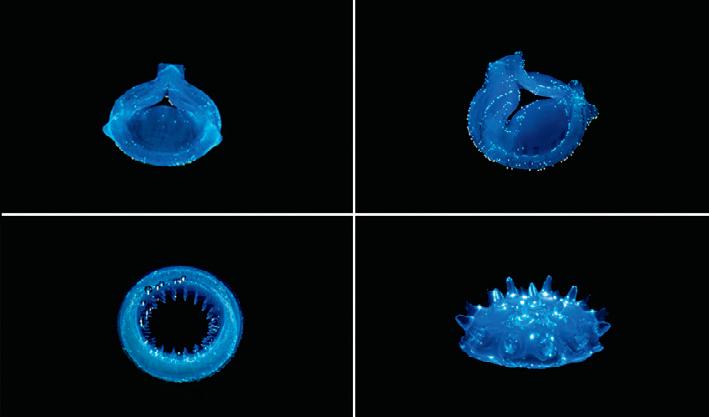
Apparite software directly imports STL files of the construct and gives full control over object and print parameters. Design is not limited to simple grids. Whether thick or thin, hollow or overhanging, complex organic shapes are printed easily with tuneable porosity and vasculatures. The printer is cell- and organoid-friendly, maintaining high viability (>90%) with low light dose. Light intensity of 1 to 20 mW/cm2 (average at container) is possible. Two models are available — the standard model and the performance model — with wavelengths of 405 nm ±5 nm (standard model) or 400 nm ±1 nm (performance model); other wavelengths can also be requested.
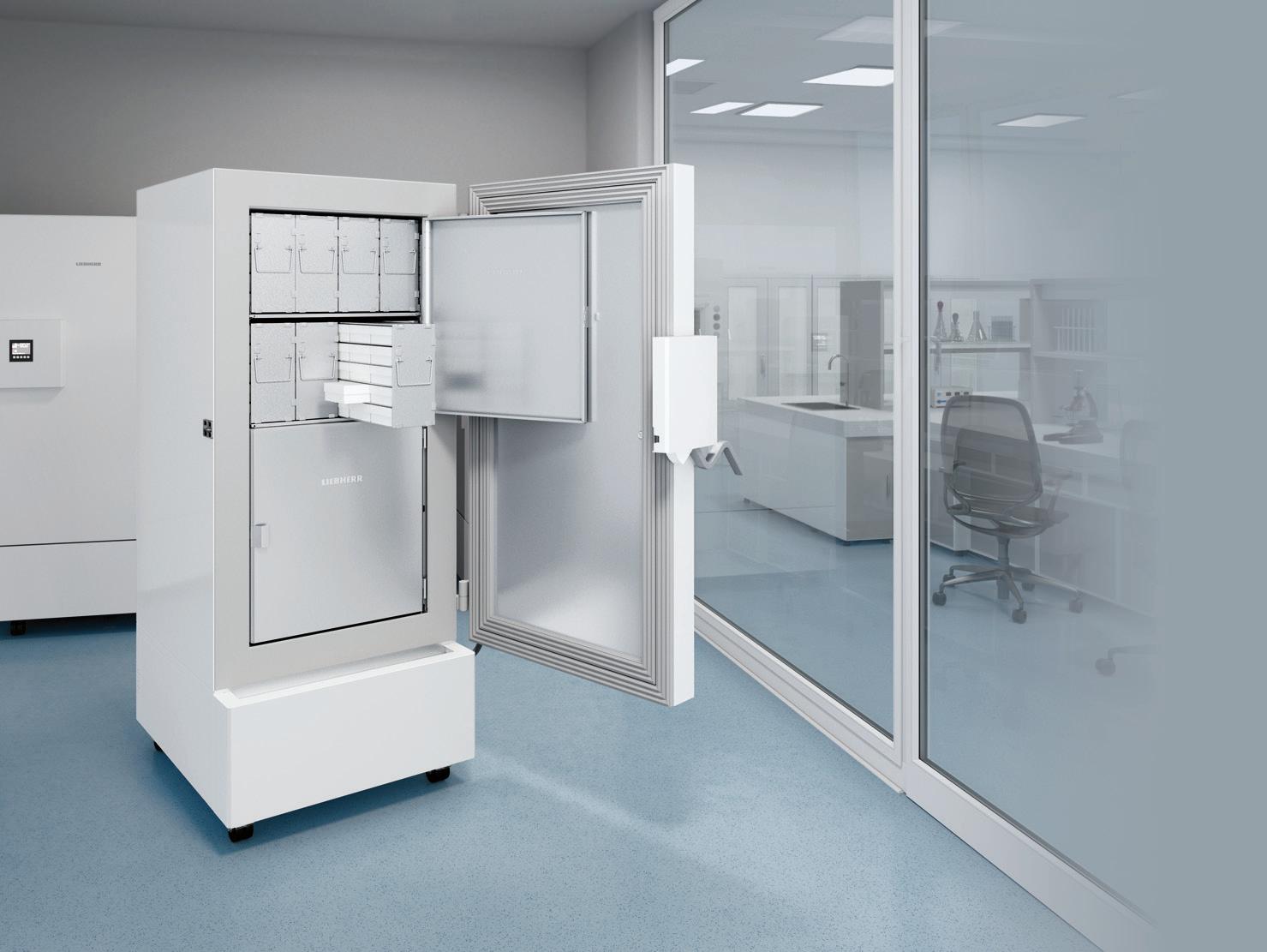
Printing is contamination-free as it is achieved through sealed, autoclavable glass vials. Compatible materials include hydrogels, acrylics and silicones. The Tomolite printer measures 27 x 30 x 67 cm.
SciTech Pty Ltd


www.scitech.com.au

LAB+LIFE SCIENTIST - Jun/Jul 2023 | 25 www.LabOnline.com.au | www.LifeScientist.com.au what’s new
Hanna supports archaeological research — chloride in an alkaline wash bath
The conservation of iron artefacts from corrosion has changed drastically over time, from simple water washes and treatments with wines and spirits in the late 1800s, to alkaline wash baths in the present. The purpose of these different types of conservation methods is to rid iron antiques of chloride. While an artefact is buried in the soil, chloride ions are attracted to the iron object and therefore become concentrated. Once the object is exposed to the air (oxygen and moisture), the chloride reacts with ferrous (Fe 2+) ions, forming akageneite which expands inside the corrosion layers, cracking the outer surface.

It is common among archaeologists to soak the object in an alkaline deoxygenated wash bath to conserve as much of the object as possible. The alkaline wash bath that is used is a solution of 0.1 M NaOH and 0.05 M Na2SO3. The hydroxide ion from sodium hydroxide in the solution displaces the chloride ions from the object. The sodium sulfite is added to deoxygenate the solution in order to prevent corrosion. For this process to occur, the artefacts are soaked in a heated enclosed bath for several months. During this time, the chloride concentration is closely monitored to determine when the process is complete. The bath should be able to maintain a concentration of less than 10 ppm.
A customer that works for a museum that recovers artefacts from a Roman archaeological site approached Hanna Instruments for a way to accurately measure and record the concentration of chloride in the alkaline deoxygenated wash bath. The customer was using chloride test strips and needed a much more accurate way to determine concentration, since the data collected was to be included into a scientific paper. The customer was presented with the technologies available and decided to perform the analysis by argentometric titration with a silver/sulfide ISE and silver nitrate titrant. Since the accuracy of the measurement was critical, the customer wanted to perform the titration automatically and decided upon the HI932.
The customer appreciated that, with the 25 mL burette, the minimum dose was 0.005 mL. This small dosing capability means that the volume of the titrant required to reach the endpoint is more precisely determined than manual titrations. The customer also appreciated that the test was easy to run once the method was programmed in the meter and the results were easily transferred to a USB flash drive.
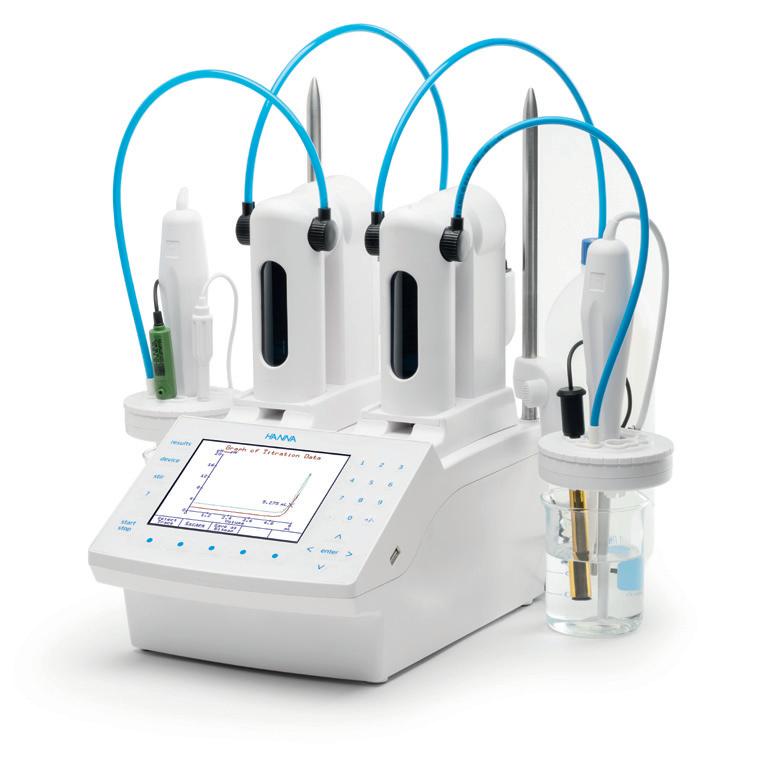
Other important features of value were the ability to swap burettes to determine the alkalinity of the bath, since it was also important to monitor the sodium hydroxide concentration and the ability to use as a pH meter.
Hanna Instruments Pty Ltd www.hannainst.com.au
26 | LAB+LIFE SCIENTIST - Jun/Jul 2023 www.LabOnline.com.au | www.LifeScientist.com.au
what’s happening
iStock.com/mj0007
Optimising biopharmaceutical processes with
respiratory gas analysis
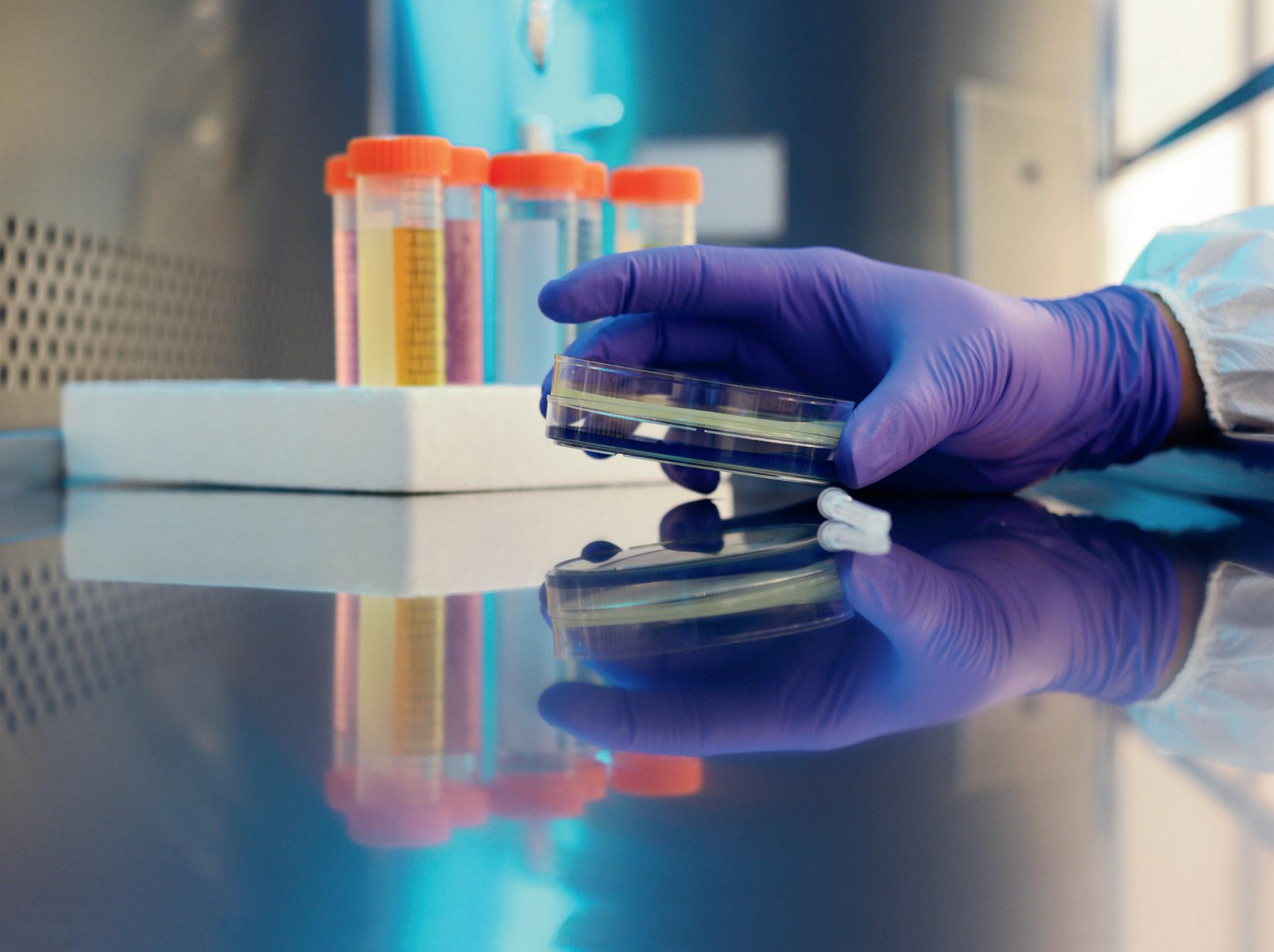
Fermentation and mammalian cell culture are critical processes for the production of vaccines and therapeutic monoclonal antibodies, and underpin many exciting advances in cell and gene therapies.
Information in real time
These complicated processes require careful monitoring of the environment, as well as the culture, to ensure high yields and avoid unwanted by-products. Even small changes in oxygen and carbon dioxide concentrations can have a significant impact on the quality, safety and consistency of the final biotherapeutic, meaning that processes must be closely monitored at every stage.
Analysing the gases being fed into and removed from the fermenter or bioreactor is an ideal and non-invasive way to achieve this, helping to characterise the behaviour and productivity of the cells, as well as providing information on the optimum point to cease the fermentation for maximum yield.
Online process analytical technologies are increasingly used for monitoring the sparge gases going into fermenters and the respiratory gases emitted in the biomanufacturing process. These methods can measure a variety of gases — including oxygen, carbon dioxide, nitrogen and argon — which must all be analysed to calculate the respiratory quotient (RQ), as well as the rate of oxygen consumption and carbon dioxide evolution. Knowing the RQ is essential to understand the health of the culture, indicating the metabolism efficiency and type of nutrients being consumed.
Precise evaluation of the concentrations of a bioreactor’s inlet and outlet gases — including volatile gases — provides an ideal approach to accurately track a culture’s growth kinetics and substrate consumption in a non-invasive manner, without compromising the sterility of
the environment. This data provides invaluable insights to help optimise the process, feed times and the start of induction, as well as to determine the ideal time to stop fermentation for maximum viable cell mass.
Real-time gas analysis also provides opportunities to identify contamination prior to inoculation, as well as to detect unwanted by-products and the onset of poisoning. These factors improve overall manufacturing efficiency, reducing over-processing and waste, contributing to higher biopharmaceutical yields and profits.
Magnetic sector mass spectrometry
Mass spectrometry (MS) is ideal for the real-time monitoring of fermentation and cell cultures, largely owing to its speed, accuracy and versatility. MS platforms also offer more flexibility than alternative gas analysers, because their analytical methods are primarily defined in the software, allowing the analysis of a wide range of sample streams with different compositions. Furthermore, they require very low maintenance and are selfcalibrating, which reduces downtime and allows for continuous use.
LAB+LIFE SCIENTIST - Jun/Jul 2023 | 27 www.LabOnline.com.au | www.LifeScientist.com.au
gas analysis
Daniel Merriman
iStock.com/Reptile8488
Magnetic sector MS — where charged particles are separated in a variable magnetic field — has emerged as a preferred method for fermentation monitoring, and many of the world’s leading biotechnology and pharmaceutical companies are successfully using this technology. This technique offers numerous advantages over quadrupole MS — including higher linearity, accuracy and precision — depending on the gases being analysed and the complexity of the mixture. It also uses a high ion acceleration voltage to produce high energy ions, reducing its susceptibility to scattering by contamination from residual molecules in the vacuum system. This enables the analyser to continuously operate for long periods between calibrations and achieve excellent stability. Another benefit of magnetic sector MS is that instruments are less influenced by surface charging effects due to imperfect electrode surfaces, which can result in misalignment or drift in the mass axis. The signal intensity at any specific mass position appears as a flat-top peak, removing the need to measure the middle of the peak, making the system intrinsically fault tolerant. This allows magnetic sector MS systems to have long intervals between calibrations, making them extremely beneficial for prolonged fermentation processes, which can last days or even weeks.
Boost productivity by analysing multiple streams
Modern magnetic sector MS instruments come in many forms and are amenable to both
Diaphragm seals
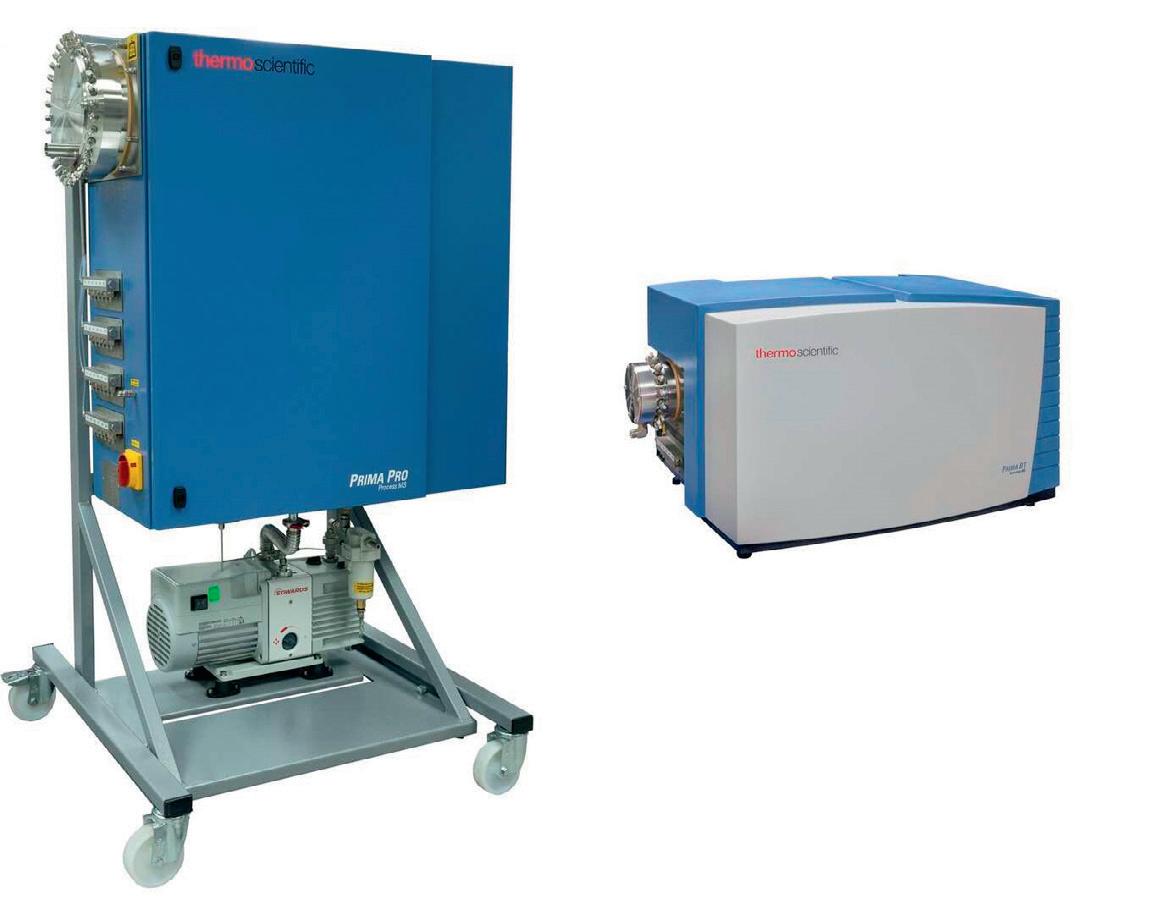
laboratory use and large-scale production. For example, the Thermo Scientific Prima BT benchtop mass spectrometer is designed for continuous use in the laboratory environment. It is also equipped with a rapid multi-stream sampler (RMS), enabling it to switch between up to 15 different sample streams without compromising the quality of the sample presented to the analyser. In comparison, the Thermo Scientific Prima PRO process mass spectrometer is made for full-scale production and is capable of monitoring up to 64 fermenter and bioreactor sample streams. These RMS systems have been tested to switch streams up to six million times a year — for multiple years — with little or no maintenance.1
Summary
The ever-increasing need for reliable, real-time gas analysis in the biopharmaceutical industry has led to the development of innovative and intuitive MS devices. These systems offer a simple and noninvasive way to analyse the gases involved in the fermentation process and don’t require sample collection or the use of sensors placed inside the sterile fermentation area, preventing any risk of contamination. Crucially, magnetic sector MS provides essential data — such as the RQ — allowing operators to make informed decisions about feed times and when to halt fermentation. This helps to significantly boost yields and profits, while contributing to a safer and more consistent biotherapeutic product.
1. Thermo Fisher Scientific. Process Mass Spectrometry in Biotechnology. (2010). https://www.thermofisher.com/ document-connect/document-connect.html?url=https:// assets.thermofisher.com/TFS-Assets%2FLSG%2Fbroch ures%2FD19632.pdf. Accessed May 5, 2023.
Thermo Fisher Scientific thermofisher.com
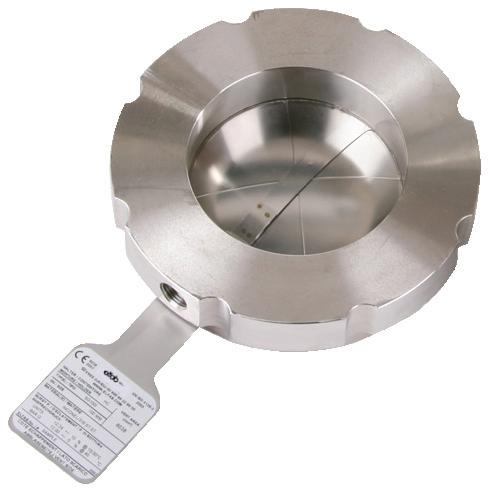
Noshok provides a wide range of standard, elevated pressure and reduced pressure replaceable and non-replaceable diaphragm seals. The diaphragm seals are designed to ensure process safety and integrity by isolating and protecting pressure measurement devices from corrosive, erosive, viscous or high-temperature process media.
The seals are available with a variety of connection sizes, as well as O-ring and housing materials for a wide range of applications. A wide range of seal types (in-line, flow-through, front flush) and extensive process connections (male and female NPT, flanged and sanitary) are available.
The diaphragm seals are available in a variety of materials, both metallic and non-metallic, with special coatings to meet the requirements of many applications. A wide range of system filling fluids are also available to meet process requirements.
The Noshok-designed diaphragm seals added to pressure measurement devices, filled and calibrated, provide a complete process solution. Certified calibrations traceable to NIST are also available.
To complement the diaphragm seal range, the company offers a range of accessories including capillaries, cooling elements, and sanitary clamps and gaskets.
AMS Instrumentation & Calibration Pty Ltd
www.ams-ic.com.au
28 | LAB+LIFE SCIENTIST - Jun/Jul 2023 www.LabOnline.com.au | www.LifeScientist.com.au
gas
analysis
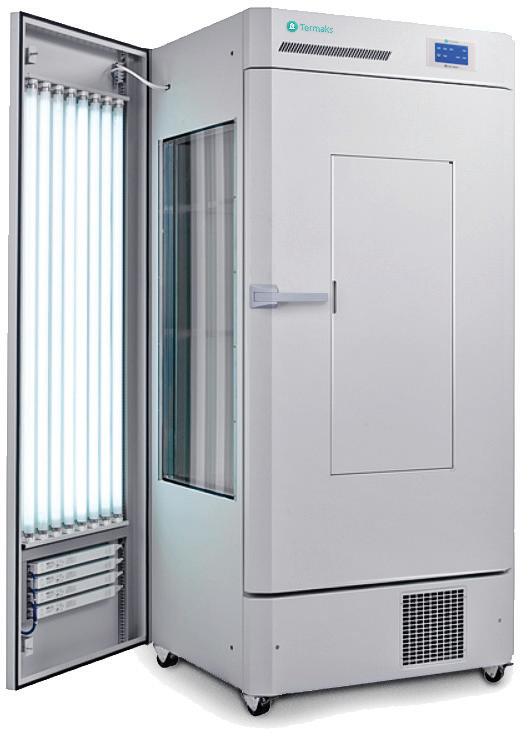
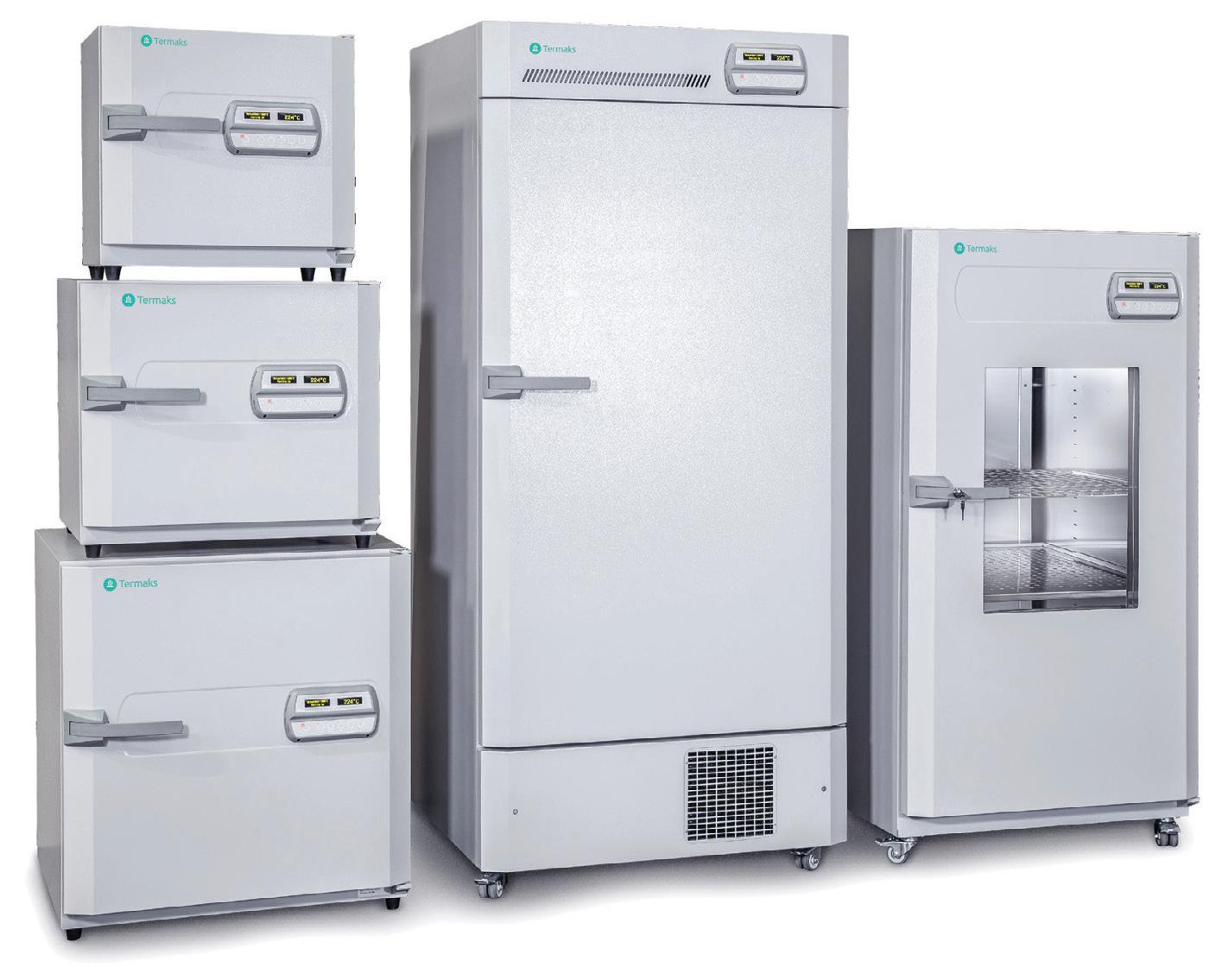

Immune cells in gut linked to stress-induced depression

Researchers from the US and Japan say they have identified a particular intestinal immune cell that impacts the gut microbiome, which in turn may affect brain functions linked to stress-induced disorders such as depression. Targeting changes mediated by these immune cells in the gut could potentially bring about new ways to treat depression, according to the team’s findings in the journal Nature Immunology.
stress-resilient (stress did not diminish social interactions) or stress-susceptible (stress increased social avoidance). Faecal samples were then collected and put through genetic analysis to identify the diversity of bacteria in the gut microbiota of the mice.
“The results of our study highlight the previously unrecognised role of intestinal gamma delta T cells (γδ T cells) in modifying psychological stress responses, and the importance of a protein receptor known as dectin-1, found on the surface of immune cells, as a potential therapeutic target for the treatment of stress-induced behaviours,” said senior author Atsushi Kamiya, a professor at the Johns Hopkins University School of Medicine.
Dectin-1 binds to certain antigens, or proteins, to signal immune cells to activate in specific ways. This receptor may be involved in the microbiome alteration and immune-inflammatory responses in the colon of mice, the researchers say, which suggests that it may be involved in stress responses via γδ T cells in the intestinal immune system.
On the basis of previous studies suggesting that immune inflammatory responses in the gut are related to depression, Kamiya and his team designed experiments to focus on understanding stress-induced behaviours produced by an imbalance in the gut microbiota. To this end, the team examined the effects of chronic social defeat stress (CSDS) on the gut microbiota in mice. CSDS is a standard rodent test to study stress-induced disorders such as depression.
In a series of experiments, the researchers simulated potential stressinducing environments that could mimic similar responses in human environments. After each exposure, the mice were assessed and classified as
The analysis showed that the intestinal organisms were less diverse in stress-susceptible mice than in stress-resilient mice. It specifically revealed that there were fewer Lactobacillus johnsonii (L. johnsonii) — a type of probiotic, or ‘good’ bacteria — in stress-susceptible mice compared to stress-resilient mice.
“We found that stress increased the γδ T cells, which in turn increased social avoidance,” said lead author Xiaolei Zhu, an assistant professor at the Johns Hopkins University School of Medicine. “However, when the stressed mice were given L. johnsonii, social avoidance decreased and the γδ T cells went to normal levels, suggesting that CSDS-induced social avoidance behaviour may be the result of lower levels of the bacteria and γδ T cell changes.”
Looking for potential natural approaches for prevention of depression rooted somehow in the gut, the researchers explored how changes in dectin-1 on CSDS-induced elevation of γδ T cells responded to pachyman. A compound extracted from wild mushrooms, pachyman is used as a natural anti-inflammatory agent and for treating depression in Eastern medicine. For this experiment, mice were fed a dose of pachyman, which was shown in previous research to affect immune function. Data from flow cytometry analysis provided evidence that dectin-1 binds to pachyman, inhibiting CSDS-induced γδ17 T cell activity and easing social avoidance behaviour.
30 | LAB+LIFE SCIENTIST - Jun/Jul 2023 www.LabOnline.com.au | www.LifeScientist.com.au
gut microbiome
To gain insight into how the alterations in the gut microbiota could impact the human brain, the researchers investigated the make-up of gut organisms in people with major depressive disorder (MDD) compared to people without MDD. From June 2017 to September 2020, 66 participants, ages 20 or older, were recruited at Showa University Karasuyama Hospital, Keio University Hospital and Komagino Hospital in Tokyo. Of the study participants, 32 had MDD (17 women and 15 men). The other 34 participants (18 women and 16 men) who did not have MDD formed the control group.
Stool samples were collected from all study participants, who had comprehensive evaluations including psychiatric history and standard screening assessments for depression and anxiety. In these assessments, higher scores indicate greater depressive symptoms. Genetic analysis of the stool samples showed no difference in the diversity of intestinal bacteria between the subjects with MDD and the control group. However, the relative abundance of Lactobacillus was inversely related to higher depression and anxiety scores in the MDD group, meaning that the more Lactobacillus found in the gut, the lower the potential for depression and anxiety.
“Despite the differences of intestinal microbiota between mice and humans, the results of our study indicate that the amount of Lactobacillus in the gut may potentially influence stress responses and the onset of depression and anxiety,” Kamiya said.

The investigators say more research is needed to further understand how γδ T cells in the intestinal immune system may impact the neurological functions in the brain and the role of dectin-1 in other cell types along the gut–brain connection under stress conditions. Kamiya concluded, “These early-stage findings show that, in addition to probiotic supplements, targeting drugs to such types of receptors in the gut immune system may potentially yield novel approaches to prevent and treat stress-induced psychiatric symptoms such as depression.”
Speedmixer
The Hauschild SpeedMixer SMART DAC uses bladeless technology to improve and automate the process of producing homogeneous, multi-material compounds such as liquids, high-viscosity pastes and powders in less than a minute with no waste and no clean-up. It can help optimise mixing processes particularly in applications where materials can be challenging to mix .
The Hauschild SpeedMixer is designed to help achieve accurate and precise dosage of active pharmaceutical ingredients (APIs) for patient-specific treatments as liquids, topical creams, transdermal gels and suppositories are mixed, milled/dispersed and blended.
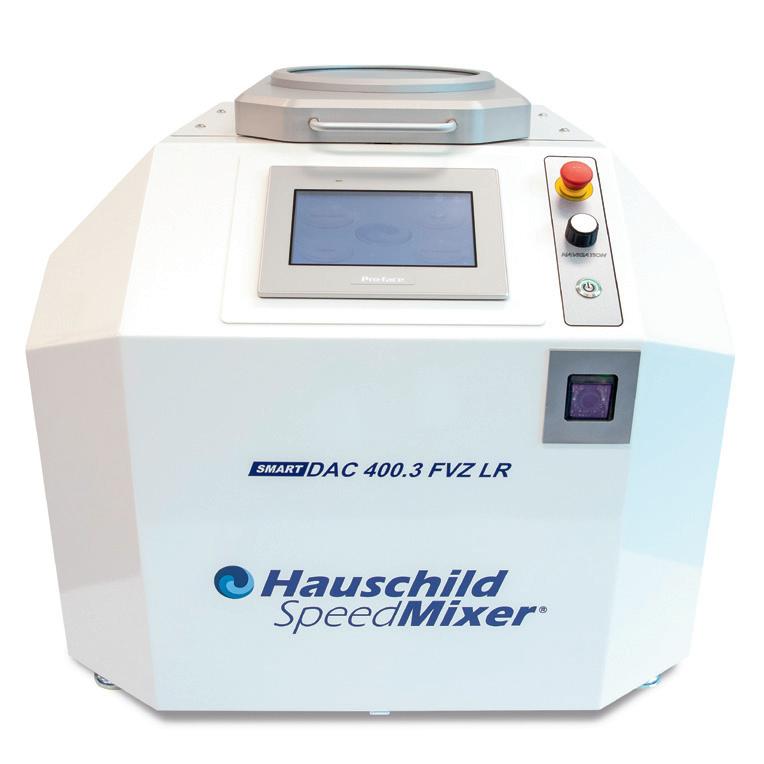
Liposomes are one of the most effective carriers of many different types of bioactives to cells and display therapeutic potential in drug delivery, cancer treatment, gene therapy and as immunological adjuvants in vaccines. DAC (Dual Asymmetric Centrifuge) offers a simple method to prepare reproducible liposomes with a size of approx. 60 nm in small batch sizes of approx. 1 g — or even less — in standard injection vials under sterile conditions.
Key to the DAC mixing principle is the simultaneous clockwise and counterclockwise rotation of the mixing cup. The combination of centrifugal forces acting in different planes enables an efficient mixing process characterised by a bubble-free homogeneous result even for highly viscous samples, without the use of agitators.
The SpeedMixer SMART DAC series combines real-time temperature control, cooling, vacuum-robotic, sensor integration, variable counter rotation, Internet of Things compliance, QR-code reader, remote control and automatic pot cooling system. Designed to be virtually maintenance-free and indestructible, the SpeedMixer is designed to give operators the ability to mix while maintaining a desired temperature, blending speed and mixing time. ATA
LAB+LIFE SCIENTIST - Jun/Jul 2023 | 31 www.LabOnline.com.au | www.LifeScientist.com.au
iStock.com/m-gucci what’s new
Scientific Pty Ltd www.atascientific.com.au
Prime editing could treat sickle cell disease

Scientists at St. Jude Children’s Research Hospital and the Broad Institute of MIT and Harvard have shown how prime editing can correct the mutation that causes sickle cell disease, in a potentially curative approach. Their findings have been published in the journal Nature Biomedical Engineering
Sickle cell disease (SCD) is a serious blood disorder affecting millions of people, primarily those of African descent. A mutation in the gene that encodes a subunit of the oxygencarrying molecule, haemoglobin, causes the disease.
Scientists have rapidly developed technologies to edit DNA, including Cas9 nucleases and base editors, to treat genetic diseases. The study’s researchers have now demonstrated how a ‘third-generation’ programmable gene editing technology, called prime editing, can change mutated haemoglobin genes back to their normal form in SCD patient cells, which restores normal blood parameters after transplantation into mice.
“Prime editing is a promising approach because, in theory, we can directly correct disease mutations to specific healthy DNA sequences of our choosing,” said co-corresponding author Dr Jonathan Yen, from the St. Jude Department of Hematology. “We optimised prime editing in longterm blood stem cells and showed that the prime editing cells maintain full engraftment efficiency in an animal with a clinically relevant system.”
“These results show efficient prime editing of blood stem cells and that the prime-edited cells maintain their full ability to engraft and repopulate the bone marrow of an animal,” said senior and co-corresponding author David Liu, Professor at Broad Institute of MIT and Harvard, whose lab
invented prime editing in 2019. “Bringing the ‘search and replace’ versatility of prime editing to blood stem cells raises the possibility of applying this technology to treat a wide range of diseases involving blood cells.”
The researchers showed that the prime editing system could find the disease-causing mutation in the adult haemoglobin gene with high specificity and replace it efficiently with the healthy DNA sequence variant carried by most humans. Prime editing successfully corrected this mutation with up to 41% conversion in blood stem cells from SCD patients. Previous research has shown that editing over 20% of cells likely translates to therapeutic benefit.
Adding to the approach’s therapeutic promise is the observation that when the researchers transplanted prime-edited cells from four SCD patients into mice, normal haemoglobin production was present in about 45% of circulating red blood cells, even up to 17 weeks later. After the transplant, when placed in low-oxygen environments, the red blood cells isolated from the mouse bone marrow reduced sickling by half, from about 67% to 37%. “We have identified what might be the next wave of therapies for genetic anaemias,” said co-author Dr Mitchell Weiss, St. Jude Department of Hematology Chair. “We took the newest cutting-edge genetic engineering technology and showed that we could make meaningful gene edits for future therapies.”
While the scientists conducted the research in SCD patient cells transplanted into mice, the approach may have advantages over current genome editing methods used in clinical trials,
such as Cas9 nucleases, which make doublestranded breaks in DNA that prime editing largely avoids. The collaborators had previously shown base editing, an alternative genome editing technology, could turn the sickle cell mutation into a benign variant, but not the original healthy sequence, in a 2021 Nature publication. The current study showed prime editing could turn the disease mutation into the original normal gene variant through a T-to-A conversion, which base editing cannot make.
Though the study showed the potential benefits of using prime editing to cure genetic anaemias, it also showed limitations. Prime editing requires a time-consuming process to adapt and optimise each step of the protocol, such as designing the prime editing guide RNAs (pegRNAs) that target the prime editing system to the right DNA region and specify the desired edit. Furthermore, while the current study showed virtually no off-target prime editing, it could have unforeseen safety issues as a newer gene editing technology.
“We are doing our best to predict toxicity, but we won’t know the true extent of the risks of this therapy until it is used in patients,” Weiss said. But even with these challenges, the scientists are optimistic about the future of prime editing.
“Because of its unique versatility, prime editing has the potential to cure many more genetic diseases,” Yen said. “It will be a challenge to get to the clinic. It will require extensive manufacturing development, process optimisation and safety assessment. But the proof of concept is there.”
32 | LAB+LIFE SCIENTIST - Jun/Jul 2023 www.LabOnline.com.au | www.LifeScientist.com.au
programmable gene editing iStock.com/tassel78
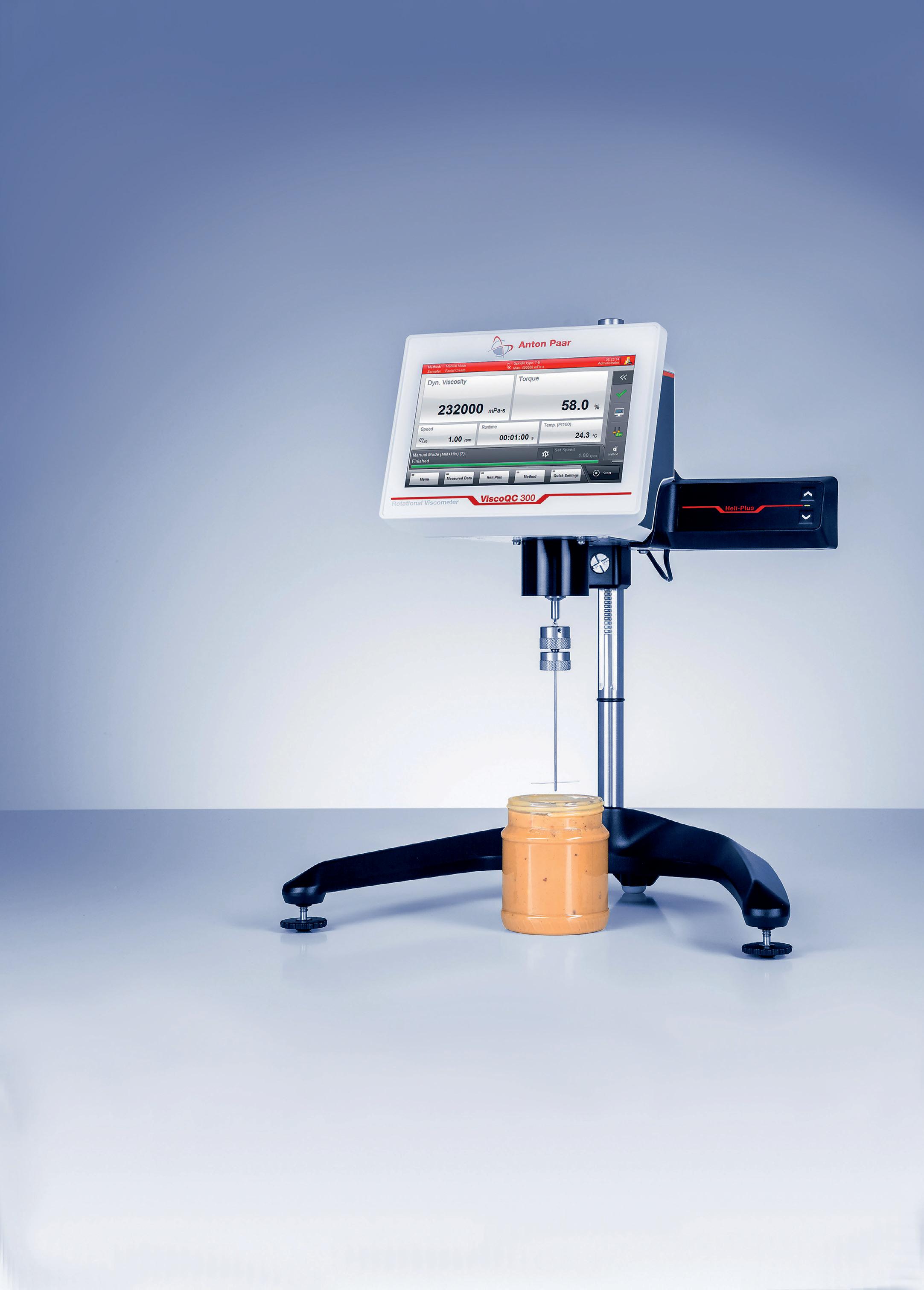



IAS 2023, the 12th IAS Conference on HIV Science
July 23–26, Brisbane and online
IAS 2023, the 12th IAS Conference on HIV Science, is a highly influential meeting that will shine a spotlight on the world’s advances in HIV research. The biennial conference presents the critical advances in basic, clinical and operational HIV research that move science into policy and practice. Through its open and inclusive program, the meeting is known to set the gold standard of HIV science, featuring highly diverse and cutting-edge research. This year’s conference will include over 60 thoughtprovoking symposia and oral abstract sessions, featuring captivating keynote presentations and expert-led invited-speaker sessions. https://www.iasociety.org/conferences/ias2023
AMSA 2023
July 2–7, Gold Coast
https://www.amsa2023.amsa.asn.au/
The Australian Society for Microbiology Annual National Meeting
July 3–6, Perth
https://www.theasmmeeting.org.au/
LMT2023: 10th International Light Metals Technology Conference
July 10–12, Melbourne
https://www.lmt2023.com/
String Math 2023
July 10–14, Melbourne
https://stringmath2023.sciencesconf.org/
20th International Conference on Biological Inorganic Chemistry
July 16–21, Adelaide
https://icbic2023.org/
XXIII International Congress of Genetics
July 16–21, Melbourne
https://www.icg2023.com.au/
Lepton Photon 2023
July 17–21, Melbourne
https://www.leptonphoton2023.org/
HIV Coinfection + VH Elimination 2023
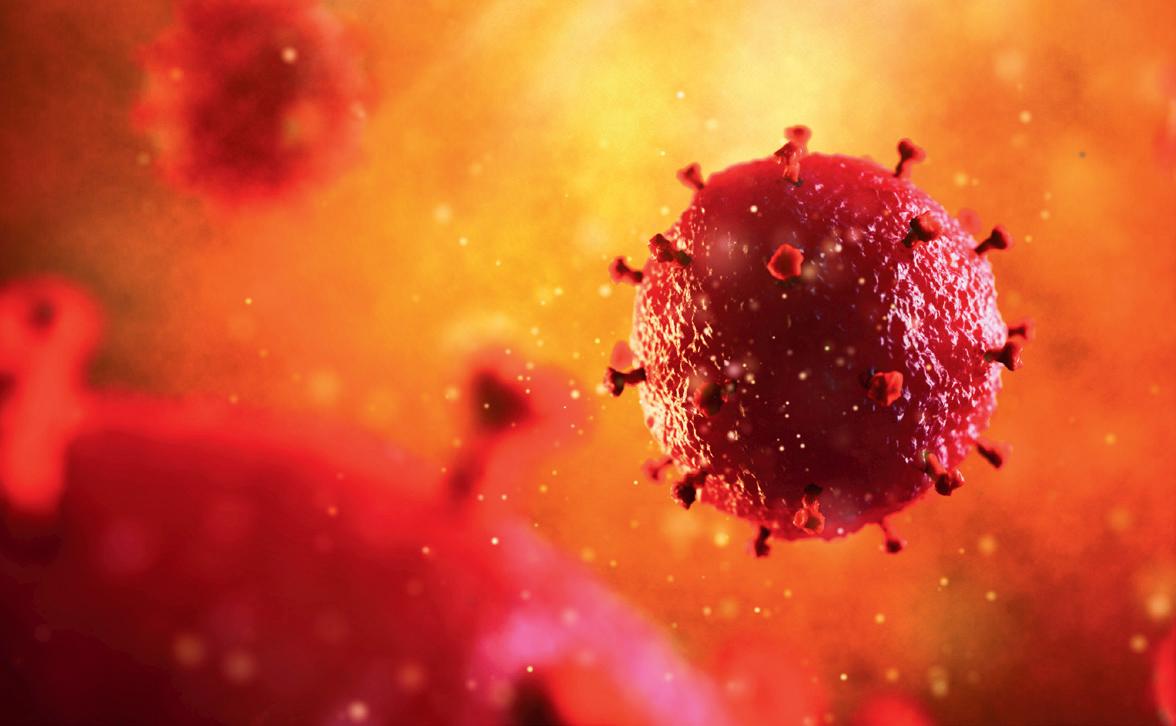
July 21–22, Brisbane
https://ihcvhec.com.au/
National Science Week 2023
August 12–20, Australia-wide https://www.scienceweek.net.au/
South Pacific Congress 2023
August 16–18, Auckland
https://www.southpacificcongress2023.com
Q2XAFS 2023
August 17–18, Melbourne
https://www.ansto.gov.au/whats-on/q2xafs-2023international-workshop-on-improving-data-qualityand-quantity-xafs
IUCr 2023
August 22–29, Melbourne http://iucr2023.org/
Australasian Cytometry Society Conference
August 27–30, Queenstown https://cytometryconference.org.au/
IAVS 2023
September 3–8, Coffs Harbour https://iavsaustralia2023.com/
ASCIA 2023 Conference
September 5–8, Sydney and online https://ascia2023.com/index.html
7th International Plant Dormancy Symposium
September 12–15, Perth https://plant-dormancy-perth.com/
The 9th Symposium on Frequency Standards and Metrology
October 16–20, Kingscliff, NSW https://www.qdmlab.com/9fsm2023
AACB 60th Annual Scientific Conference
October 17–19, Brisbane https://aacb.eventsair.com/aacb-60th-annualscientific-conference
Australasian Radiation Protection Society 2023 Conference
October 29–November 2, Gold Coast https://arpsconference.com.au/
AusBiotech 2023
November 1–3, Brisbane https://www.ausbiotechnc.org/
ASC 50th Annual Scientific Meeting
November 3–5, Surfers Paradise https://www.cytology.com.au/annual-scientificbusiness-meeting
Nitrogen 2023
November 6–9, Sydney https://www.nitrogen2023.com/
Energy Oceania 2023 November 27–29, Melbourne https://www.energyconferenceaustralia.com/
Australian Society of Plant Scientists Conference
November 28–December 1, Hobart https://www.asps.org.au/conferences/asps-2023
Tell the world about your event: email LLS@wfmedia.com.au
Westwick-Farrow Media
A.B.N. 22 152 305 336 www.wfmedia.com.au
Head Office Unit 7, 6-8 Byfield Street, (Locked Bag 2226) North Ryde BC NSW 1670, AUSTRALIA
Ph: +61 2 9168 2500
Editor Lauren Davis LLS@wfmedia.com.au
Acting Publishing Director/MD: Janice Williams
Art Director/Production Manager Julie Wright
Art/Production Linda Klobusiak, Marija Tutkovska
Circulation Dianna Alberry circulation@wfmedia.com.au
Copy Control Mitchie Mullins copy@wfmedia.com.au
Advertising Sales
Sales Manager: Kerrie Robinson Ph:0400 886 311 krobinson@wfmedia.com.au
Nikki Edwards Ph: 0431 107 407 nedwards@wfmedia.com.au
Tim Thompson Ph: 0421 623 958 tthompson@wfmedia.com.au
If you have any queries regarding our privacy policy please email privacy@wfmedia.com.au
All material published in this magazine is published in good faith and every care is taken to accurately relay information provided to us. Readers are advised by the publishers to ensure that all necessary safety devices and precautions are installed and safe working procedures adopted before the use of any equipment found or purchased through the information we provide. Further, all performance criteria was provided by the representative company concerned and any dispute should be referred to them. Information indicating that products are made in Australia or New Zealand is supplied by the source company. Westwick-Farrow Pty Ltd does not quantify the amount of local content or the accuracy of the statement made by the source.
34 | LAB+LIFE SCIENTIST - Jun/Jul 2023 www.LabOnline.com.au | www.LifeScientist.com.au
event horizon
and bound by Dynamite Printing
Printed
Print Post Approved PP100008671
ISSN No. 2203-773X iStock.com/Artem_Egorov
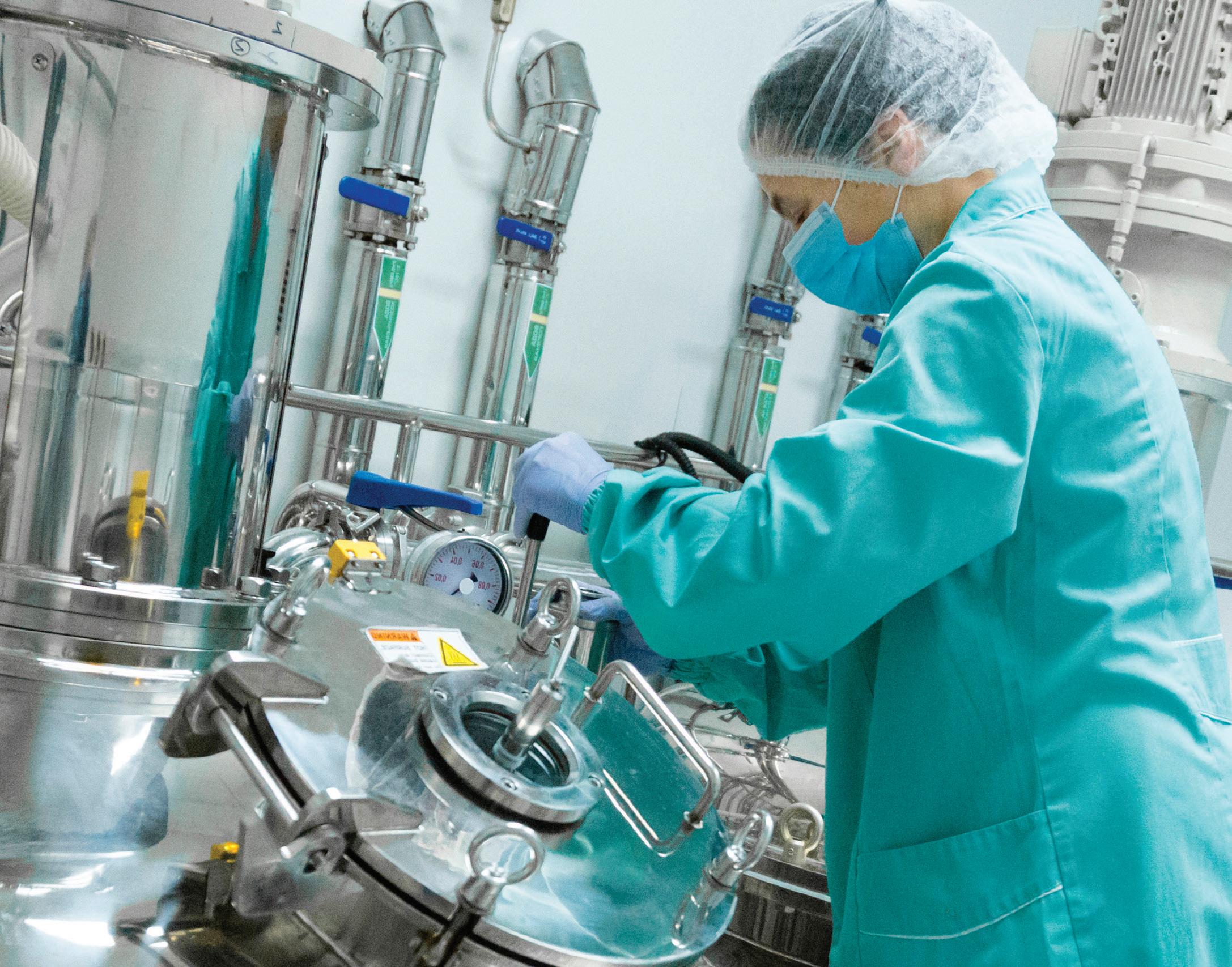

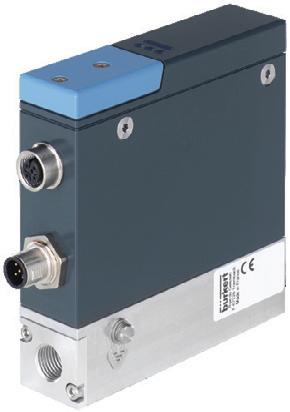
Highly-integrated systems technology 874x: MFC systems or MFCs with smart communication possibilities
Up to 35%* reduced operating maintenance costs for bioreactors and fermenters with Bürkert Mass Flow Controllers *individual results may vary // Discover why F&B prefer to partner with us >