EXPLORING RESISTOR TECHNOLOGY
THE SHAPE OF LITHIUM
PEROVSKITE BOOST FOR LEDS
RCM COMPLIANCE EXPLAINED
MOISTURE PROTECTION FOR ELECTRONICS
September/October 2023 Vol.43 No.2 PP100007394

I n this issue of What’s New in Electronics, we are pleased to publish articles of interest to the magazine’s readers ranging from a concise breakdown from DigiKey about different types of resistors to a treatise about the differences in classes and levels in RCM compliance. You’ll find content on all you need to consider in terms of batteries and power supplies. Australia has abundant renewable energy resources, and many of the minerals — like lithium and vanadium — make up the key building blocks of batteries. This, coupled with the country’s strong R&D capacity, gives us the potential to be a global leader in the battery industry. Accenture’s ‘Charging Ahead’ report, published earlier this year, revealed that the nation’s battery industries could contribute $16.9 billion to the economy by 2030, more than double previous forecasts. This issue focuses on the research behind the development of faster and more sustainable batteries, with researchers from Edith Cowan University discovering the advantages of zinc-air batteries over lithium-ion for electric vehicle applications. Effective industry coordination between firms and researchers could help Australia’s battery supply chain develop strong end-to-end industry capabilities. To read more about the advancements in battery research, and how researchers all over the world are taking steps to develop better batteries, read the article on page 12. As per usual, the magazine also includes details about some of the most interesting products to hit the market. I hope you enjoy this issue.
Best wishes,
Ashna Mehta Editor wnie@wfmedia.com.au

WWW.ELECTRONICSONLINE.NET.AU CONTENTS EDITORIAL COMMENT WHAT'S NEW IN ELECTRONICS SEPTEMBER/OCTOBER 2023 Your copy of What's New in Electronics is available as an online eMag. READ ONLINE! www.electronicsonline.net.au/magazine 4 There’s no such thing as a simple component 12 True shape of lithium revealed 16 Boosting perovskite LEDs 21 The fundamentals of Australian RCM compliance 28 Making batteries work without external pressure 32 Are our electronics watertight? 34 Chloride ions from seawater power green batteries Cover image: iStock.com/katerinasergeevna
4 SEPTEMBER/OCTOBER 2023 WWW.ELECTRONICSONLINE.NET.AU THERE’S NO SUCH THING AS A SIMPLE COMPONENT TAKE THE RESISTOR, FOR EXAMPLE Penny Tse, Senior Manager, Application Engineering, APAC, DigiKey iStock.com/MarcoMarchi
COMPONENTS
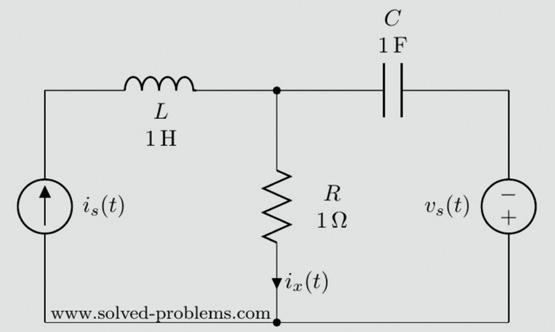
In any electrical engineering curriculum, one of the first things a student learns is the basic laws related to passive components (resistors, capacitors and inductors).
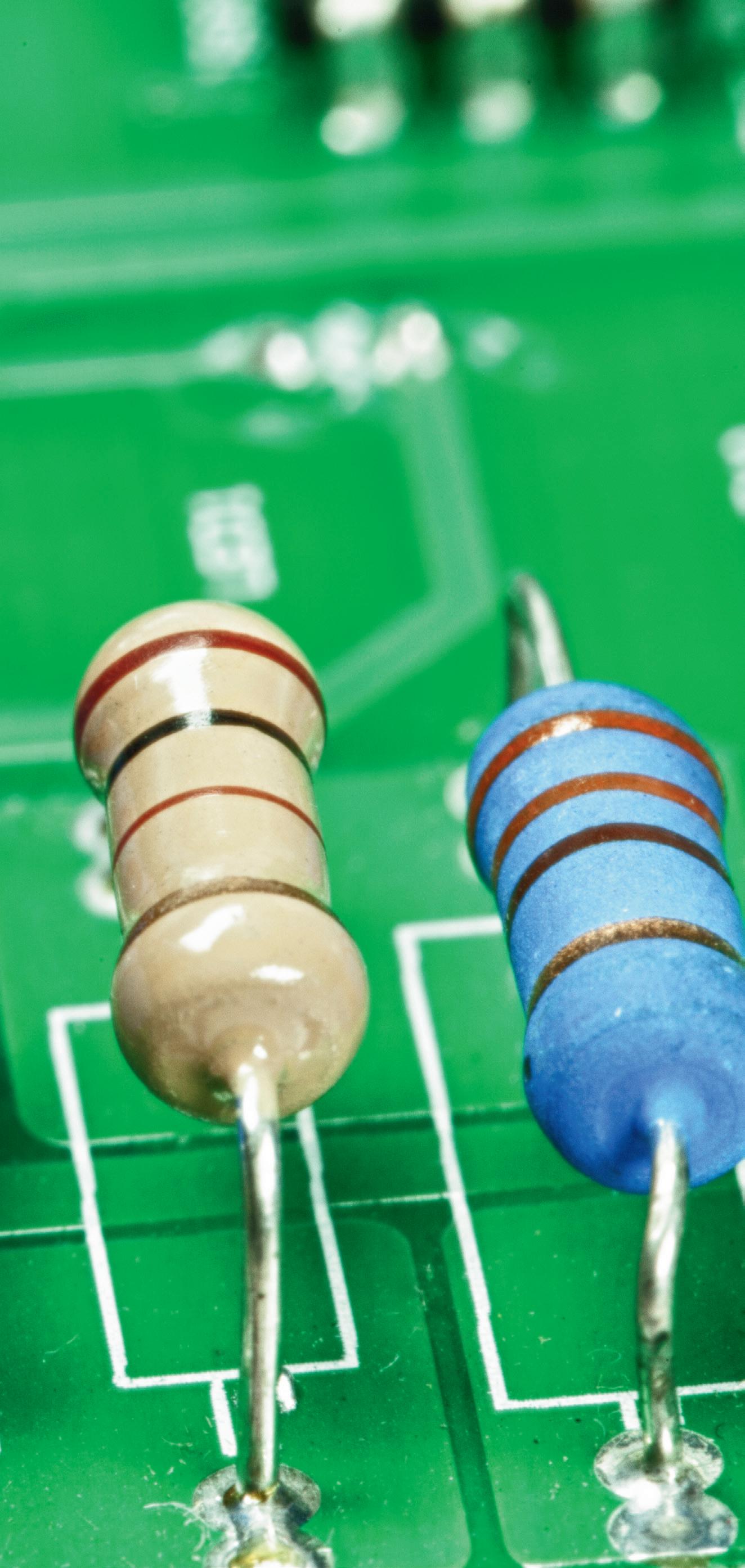
This usually starts with Ohm’s Law (voltage equals current times resistance, or V = I × R). Along with the equations come the schematic drawings, with their North American standard representations. (Other regions of the world use different symbols.)
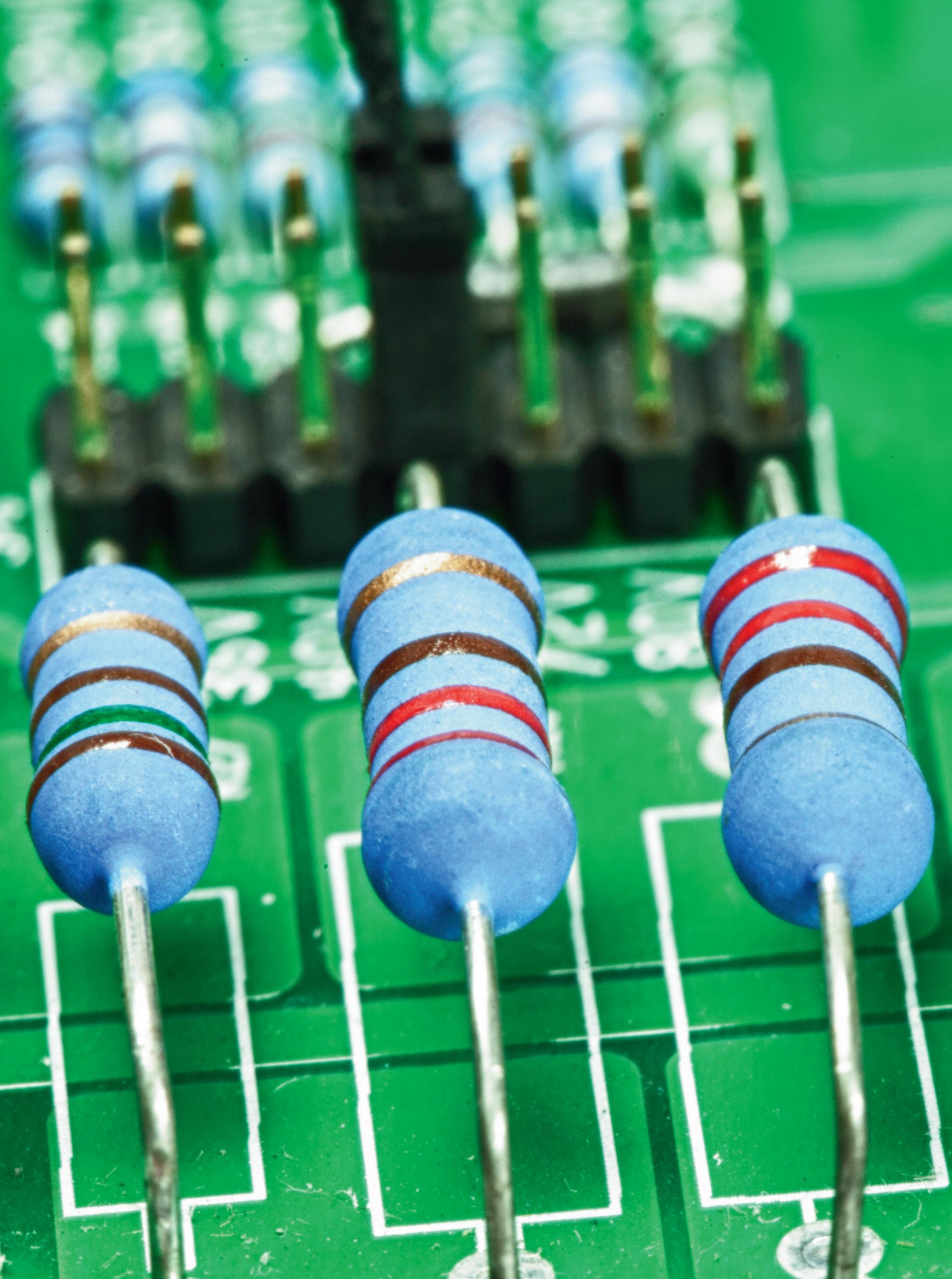
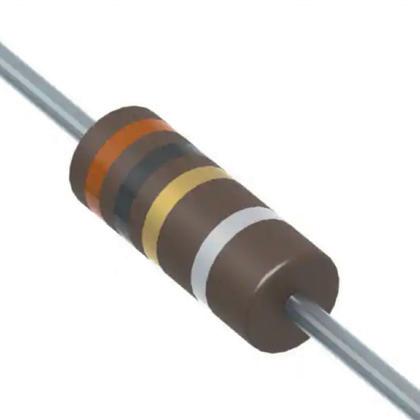
The resistor is defined primarily by its resistance value in ohms, and then perhaps by a few other parameters such as power rating, and that’s pretty much all the student sees. Even in the hands-on lab, nearly all the projects are low power and low voltage, so their resistors take one of two forms: the ‘leaded’ (also known as ‘through-hole’) version that is handy for breadboarding. An example of one such device is the Stackpole Electronics RC14KT100K.
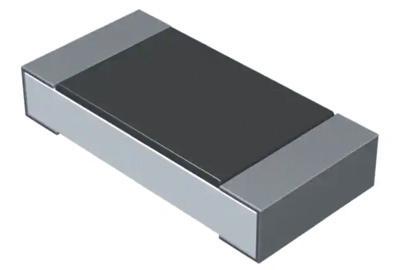
The other form is the basic ‘chip’ surface mount device (SMD) package, such as the Bourns CR1206-JW-104ELF. The SMD sits atop a PC board but is much more difficult to handle or probe.
What happens next is that this engineering student gets a job, encounters various real-world circuits and may have to help fill out the bill of materials (BOM). That’s when reality hits, and it can hit hard.
Why so? If you enter the basic search term “resistor” into the DigiKey search box, you’ll get five major categories of fixed value resistors:
• Chip Resistor — Surface Mount
• Through Hole Resistors
• Chassis Mount Resistors
• Resistor Networks, Arrays
• Specialised Resistors
That’s just the start: if you drill down, there are even more sub-divisions. For example, under “Specialized Resistors”, there are high-power, low-inductance, milliohmrange ones used for current sensing, as well as power handling, highly inductive wire wound ones in the tens of kilohms.
WWW.ELECTRONICSONLINE.NET.AU SEPTEMBER/OCTOBER 2023 5
COMPONENTS
There are also issues of reliability, ruggedness and stresses which are subtle:
• What internal and external operating conditions will this resistor face in normal and perhaps somewhat abnormal use?
• Is the resistor going to be used in an automotive application where it must meet the AEC-Q200 specification “Stress Test Qualification for Passive Components” 1 , and if so, which of its five temperature grades, 0 through 4, is appropriate?
The KOA Speer Electronics RK73-RT family of flat chip resistors may look like regular chip resistors, but they also meet AEC-Q200 standards and provide resistance against environmental hazards.
Picking the right resistor
Which is the ‘right’ resistor for the project? Sometimes the decision is relatively easy. If it’s a basic, low-power, low-voltage design using a standard PC board, a chip resistor is probably the place to start. Even so, there may be issues to consider:
• What initial tolerance is acceptable: ±20%, ±1% or an in-between value?
• What happens when the I2R power dissipation is beyond a small value, less than a watt?
• What about temperature coefficient of resistance (TCR), which can be as high as 1000 parts per million per degree Celsius (ppm/°C) down to a few ppm/°C?
• How about self-inductance, which may be a non-issue in a DC circuit, but is a very big deal in a circuit operating at frequencies in the tens or hundreds of kilohertz and higher?
• Should you use individual resistors or a resistor array that saves space and provides tracking of temperature coefficient, but may require more complicated PC board trace routing?
• How about the many military-related reliability standards such as those called out in “Military Directives, Handbooks and Standards Related to Reliability”? 2
Many larger companies have specialists called “component engineers” whose expertise lies in evaluating the suitability of a selected component for the application, going beyond the top-tier specifications. Often, these engineers don’t get a lot of respect since they are not involved in the ‘creative’ part of design and debug. However, if you don’t work with them early in the design phase, you may find yourself wishing you had. They can alert you to possible traps by asking, “Have you taken such-and-such into account for when the product is in the field, where it will be subject to (pick one or more) extreme temperature, humidity, vibration, salt spray, ESD, EMI/RF…” and the list goes on.
For example, there’s the KOA Speer Electronics RK73-RT family of flat chip resistors. Not only do they meet AEC-Q200 standards, but they also offer anti-sulfuration characteristics due to their use of a high sulfuration-proof inner top electrode material; excellent heat and weather resistance due to the metal glaze thick film; and high stability and high reliability with their triple-layer electrode structure. Note that this is not an ‘oddball’ resistor: due to its
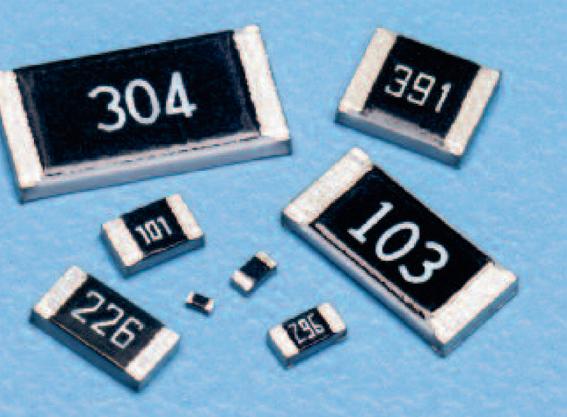
This leaded resistor is easy to handle and to use on breadboards.
This far smaller surface mount device is a chip resistor of the same value as the through-hole version but is far more challenging to manually handle and probe.
AEC-Q200 rating and other factors, they are in big demand.
Conclusion
The lesson here is clear: behind every ‘seemingly simple’ component — even the basic resistor — there’s a lot to consider. For some designs, the key specification is relevantly modest with respect to tolerance, power, size and operating conditions, where a basic, fairly plain resistor should be adequate. But outside of those cases, there are many second- and third-tier specifications that can make or break a design in evaluation, or even worse, in the field.
Education is a good way to start dealing with this issue. A search will bring up many articles and application notes on these topics. Vendor application notes are also a valuable resource, and while some may be biased towards the vendor’s offerings, a good engineer should be able to sort through the claims and extract what makes sense. Distributor application engineers are also a very good resource, as they have a broad view and provide big-picture perspectives, as well as experience from working with a diverse customer base. Stop, ask, look and listen, and you will hopefully avoid problems.
1. www.aecouncil.com/Documents/AEC_Q200_ Rev_D_Base_Document.pdf
2. www.weibull.com/knowledge/milhdbk.htm
6 SEPTEMBER/OCTOBER 2023 WWW.ELECTRONICSONLINE.NET.AU
Image credit: KOA Speer Electronics.
This schematic diagram shows the three basic passive components –resistor, capacitor, and inductor –but not the subtleties of each in a given application.
Image credit: Solved Problems. Image credit: KOA Speer Electronics.
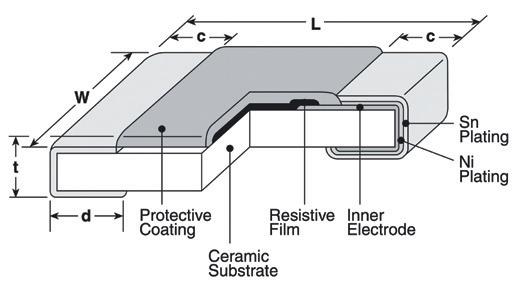
The performance of the resistors in the KOA Speer Electronics RK73RT family is achieved through a combination of materials, design, and fabrication techniques.
Image credit: Bourns Inc.
Image credit: Stackpole Electronics
New STM32H5 MCU series
High performance and scalable security
The best combination of performance and security, in an affordable way.
• Industry-first 32-bit MCU with Arm® Cortex®-M33 core running as high as 250 MHz
• A strong, scalable security offer
• From the most essential security building blocks to fully certified services maintained by ST
• The first MCU supplier to offer a certified and maintained TEE solution, the STM32Trust TEE
Secure Manager
• PSA and SESIP level 3 certification targets
• Large and robust embedded memory
• up to 2 Mbytes of flash memory in dual bank
• up to 640 Kbytes of SRAM
• Extended connectivity (Ethernet MAC, FD-CAN, MIPI-I3C and USB)
• Temperature range up to 125°C
• Many package options from 25 to 176 pins
STMicroelectronics Suite 703, 247 Coward Street, Mascot, 2020, NSW Australia Tel: +61 2 9158 7201 Email: clifford.shi@st.com Authorized Distributors ARROW Electronics Australia Pty Ltd - Tel +61 2 9737 4900 Future Electronics - Tel: +61 2 8064 0000 Avnet Electronics (Australia) Ltd - Tel: 1300 791 695 www.st.com/stm32h5
SHORTcircuits
ZINC-AIR BATTERIES: A CHEAPER, SAFER ALTERNATIVE TO LI-ION
Batteries built from zinc and air could be the future of powering electric vehicles, according to research from Edith Cowan University (ECU). Researchers tested zinc-air batteries using cheaper, safer and sustainable sourced materials, which allowed for improved lifespan and performance. Zinc-air batteries could be a better alternative to lithium for the advancement of sustainable battery systems.
ECU’s Dr Muhammed Rizwan Azhar led the project, which discovered that lithium-ion batteries face limitations related to cost, finite resources and safety concerns. “Rechargeable zinc-air batteries (ZABs) are becoming more appealing because of their low cost, environmental friendliness, high theoretical energy density and inherent safety,” Azhar said.
The emergence of next-generation long-range vehicles and electric aircraft in the market has increased the need for safer, more cost-effective and high-performance battery systems that can surpass the capabilities of lithium-ion batteries.
A zinc-air battery consists of a zinc-negative electrode and an air-positive electrode. The major disadvantage of these has been the limited power output, due to poor performance of air electrodes and a short lifespan. ECU’s research has enabled researchers to use a combination of new materials, such as carbon, cheaper iron and cobalt based materials, to redesign zinc-air batteries.
NEW TECH BOOSTS DEVELOPMENT OF CARBON-CAPTURING BATTERIES
Researchers from the University of Surrey have created a new system that could speed up the development of catalysts for lithium-CO2 (Li-CO2) batteries. The technology was developed to address the slow and inefficient methods currently used to produce catalysts for Li-CO2 batteries.
In the study, researchers used their tool to test and screen materials like platinum, gold, silver, copper, iron and nickel to investigate whether they would be suitable for developing high-performing Li-CO2 batteries. Dr Kai Yang, project co-leader, said the researchers created a cuttingedge lab-on-a-chip electrochemical testing platform that can help evaluate electrocatalysts, optimise operation conditions and study CO2 conversion in high-performance lithium-CO2 batteries. “This new method is more cost-effective, efficient and controllable than traditional ways of making these materials,” Yang said.
“The new design has been so efficient it suppressed the internal resistance of batteries, and their voltage was close to the theoretical voltage, which resulted in a high peak power density and ultra-long stability. In addition to revolutionising the energy storage industry, this breakthrough contributes significantly to building a sustainable society, reducing our reliance on fossil fuels and mitigating environmental impacts,” Azhar said.
The use of natural resources such as zinc and air further enhances the cost-effectiveness and viability of the zinc-air batteries for the future. Azhar said while renewable resources such as solar, wind and hydro energy play a role in the future of green energy, they are not completely reliable solutions as they are intermittent sources of energy. “Due to the abundance of zinc available in countries such as Australia, and the ubiquity of air, this becomes a highly viable and reliable energy storage solution,” Azhar said.
Li-CO2 batteries are a promising type of battery that work by combining lithium and carbon dioxide; they can store energy effectively while offering a way to capture CO2, potentially making a dual-contribution to the fight against climate change. Dr Yunlong Zhao, the lead corresponding author of this study, said the new tool will enable quick screening of catalysts, studying reaction mechanisms and practical applications, from nanoscience to cutting-edge carbon removal technologies.
“It is crucial that we develop new negative emissions technologies. Our lab-on-a-chip platform will play a crucial role in advancing this goal. It will not only enhance our understanding of novel batteries, but it can also be applied to other systems like metal-air batteries, fuel cells and photoelectrochemical cells,” Zhao said.
The study was published by Energy and Environmental Science
8 SEPTEMBER/OCTOBER 2023 WWW.ELECTRONICSONLINE.NET.AU
iStock.com/MF3d
iStock.com/HT
Ganzo

SHORTcircuits
TAKING THE ENERGY STORAGE OF SUPERCAPACITORS TO NEW HEIGHTS
Researchers from The University of Texas at El Paso and the Medical University of Bialystok, Poland, have achieved what is reportedly the highest level of energy storage — also known as capacitance — in a supercapacitor. The study, led by Luis Echegoyen and Marta Plonska-Brzezinska, was featured in the journal Scientific Reports
Supercapacitors are devices that store electrical energy between two metal plates that are close together but separated by a surface that cannot conduct electricity. Supercapacitors are similar to batteries, except that batteries store and retrieve energy using chemical transformations, while capacitors store energy by using oppositely charged surfaces. They are often used in machines that require rapid discharge of energy, like electric cars, buses, trains and cranes.
Echegoyen, a faculty member at the University of Texas at El Paso, said this is a milestone that could get researchers closer to achieving supercapacitors with high energy density, which could change how we store and manage energy. “I’m very proud to be part of the team that reached this milestone,” Echegoyen said.
Supercapacitors have high potential because they can charge faster than batteries — within seconds to fractions of a second, according to Echegoyen. However, current supercapacitors only store a low amount of energy, which limits their range of potential applications. If supercapacitors could store more energy, they would be physically lighter and charge faster than batteries, which could have significant commercial impact.
The supercapacitor designed by Echegoyen and Plonska-Brzezinska reportedly achieved a record level of capacitance using a material with a carbon “nano-onion” core structure, which creates multiple pores that can store a greater volume of energy.
MEMBRANE TECH TO ENHANCE LITHIUM PRODUCTION FOR BATTERIES
Monash University startup
ElectraLith is building an extraction system to filter lithium from brine using a polymer-ceramic composite membrane, enabling the mineral to be extracted from salt lakes, mine tailings and other brine solutions using small amounts of solargenerated electricity, without added chemicals or water.
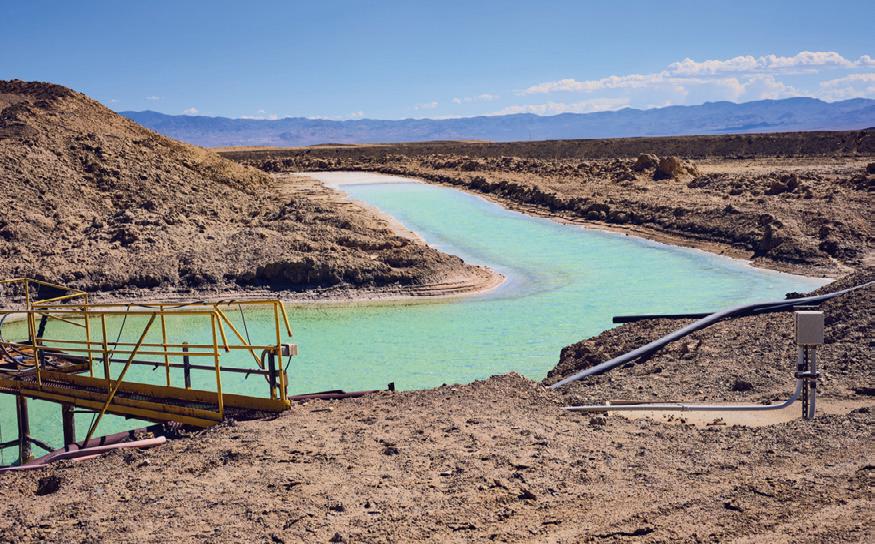
Harnessing the power of electro-filtration membrane technology, ElectraLith aims to drive the battery market to a cleaner, cheaper and faster future using lithium extraction.
At the forefront of this technology is Professor Huanting Wang, an Australian Laureate Fellow and Director of the ARC Research Hub for Energy-efficient Separation at Monash University’s Department of Chemical and Biological Engineering.
Prof Wang said that current lithium extraction methods involve roasting hard rock at high temperature and dissolving it with hot sulfuric acid, or evaporating brines in a solar pond, both of which use chemicals to precipitate lithium out. The process can be time-consuming, expensive and wasteful. “My research in nanostructure membranes is all about efficiency and ingenuity to make the most of this limited mineral resource,” Wang said.
Recognising the potential of this innovation, Monash Engineering’s Dr Zhouyou (Emily) Wang has received an Australian Research Council (ARC) Early Career Industry Fellowship to
develop and commercialise the novel membrane-based technology needed to transform the lithium mining and recycling business. “Even though seawater is a brine, the concentration of lithium is too low for costeffective extraction, but we are already thinking about designing the next generation of membranes to improve lithium extraction, so maybe in the future we can extract lithium from new sources,” Dr Wang said.
Lithium is a critical mineral and demand is rising due to its global use in batteries for electrical vehicles and renewable energy storage. To meet this demand, lithium supply is projected to increase up to 800% or approximately one million tonnes per annum by 2050. ElectraLith’s Chief Technology Officer, Dr SJ Oosthuizen, said that the startup’s team of materials scientists and electrochemists are honoured to demonstrate how scientific innovation can improve how critical minerals are produced, used and recycled, all while maintaining sustainability and saving costs.
This new technology is compatible with renewable electricity and has the potential to reduce lithium production costs by up to 40%, thereby making onshore processing more competitive with the low energy requirement and environmental impact of all approaches to lithium refining.
10 SEPTEMBER/OCTOBER 2023 WWW.ELECTRONICSONLINE.NET.AU
iStock.com/gethinlane
iStock.com/Cavan Images
TRUE SHAPE OF LITHIUM REVEALED
UCLA researchers developed a way to deposit lithium metal onto a surface while avoiding a layer of corrosion that usually forms. Without that corrosion, the metal takes a previously unseen form, a tiny 12-sided figure.

12 SEPTEMBER/OCTOBER 2023 WWW.ELECTRONICSONLINE.NET.AU
Image credit: Li Lab/UCLA
Wayne Lewis, UCLA
Rechargeable lithium-ion batteries power smartphones, electric vehicles and storage for solar and wind energy, among other technologies.
They descend from another technology, the lithium-metal battery, that hasn’t been developed or adopted as broadly. There’s a reason for that: While lithium-metal batteries have the potential to hold about double the energy that lithium-ion batteries can, they also present a far greater risk of catching fire or even exploding.
Now, a study by members of the California NanoSystems Institute (CNSI) at UCLA reveals a fundamental discovery that could lead to safer lithium-metal batteries that outperform today’s lithium-ion batteries. The research was published in the journal Nature
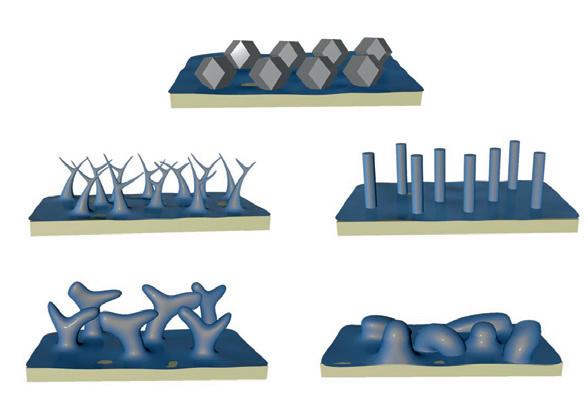
Metallic lithium reacts so easily with chemicals that, under normal conditions, corrosion forms almost immediately while the metal is being laid down on a surface such as an electrode. But the UCLA investigators developed a technique that prevents that corrosion and showed that, in its absence, lithium atoms assemble into a surprising shape — the rhombic dodecahedron, a 12-sided figure similar to the dice used in role-playing games like Dungeons and Dragons.
“There are thousands of papers on lithium metal, and most descriptions of the structure is qualitative, such as ‘chunky’ or ‘column-like’,” said Yuzhang Li, the study’s corresponding author, an assistant professor of chemical and biomolecular engineering at the UCLA Samueli School of Engineering and a member of CNSI. “It was surprising for us to discover that when we prevented surface corrosion, instead of these ill-defined shapes, we saw a singular polyhedron that matches theoretical predictions based on the metal’s crystal structure. Ultimately, this study allows us to revise how we understand lithium-metal batteries.”
At tiny scales, a lithium-ion battery stores positively charged lithium atoms in a cage-like structure of carbon that coats an electrode. By contrast, a lithium-metal battery instead coats the electrode with metallic lithium. That packs 10 times more lithium into the same space compared to lithium-ion batteries, which accounts for the increase in both performance and danger.
The process for laying down the lithium coating is based on a 200-plus-year-old technique that employs electricity and solutions of salts called electrolytes. Often, the lithium forms microscopic branching
A rendering of the rhombic dodecahedron shape that lithium atoms formed on a surface with the researchers’ technique for avoiding corrosion, top, with four illustrations (middle, bottom rows) showing the irregular shapes that appeared in conditions where corrosion formed.
filaments with protruding spikes. In a battery, if two of those spikes crisscross, it can cause a short circuit that could lead to an explosion.
The revelation of the true shape of lithium — that is, in the absence of corrosion — suggests that the explosion risk for lithium-metal batteries can be abated, because the atoms accumulate in an orderly form instead of one that can crisscross. The discovery could also have substantial implications for high-performance energy technology.
“Scientists and engineers have produced over two decades’ worth of research into synthesising metals including gold, platinum and silver into shapes such as nanocubes, nanospheres and nanorods,” Li said. “Now that we know the shape of lithium, the question is, can we tune it so that it forms cubes, which can be packed in densely to increase both the safety and performance of batteries?”
Until now, the prevailing view had been that the choice of electrolytes in solution determines the shape that lithium forms on a surface — whether the structure resembles chunks or columns. The UCLA researchers had a different idea.
“We wanted to see if we could deposit lithium so quickly that we outpace the reaction that causes the corrosion film,” said UCLA doctoral student Xintong Yuan, the study’s first author. “That way, we could potentially see how the lithium wants to grow in the absence of that film.”
The researchers developed a new technique for depositing lithium faster than
corrosion forms. They ran current through a much smaller electrode in order to push electricity out faster — much like the way that partially blocking the nozzle of a garden hose causes water to shoot out more forcefully.
A balance was required, however, because speeding up the process too much would lead to the same spiky structures that cause short circuits; the team addressed that issue by adjusting the shape of their tiny electrode.
They laid down lithium on surfaces using four different electrolytes, comparing results between a standard technique and their new method. With corrosion, the lithium formed four distinct microscopic shapes. However, with their corrosion-free process, they found that the lithium formed miniscule dodecahedrons — no bigger than 2 millionths of a metre, or about the average length of a single bacterium — in all four cases.
The researchers were able to see the shape of lithium thanks to an imaging technique called cryo-electron microscopy, or cryoEM, which beams electrons through frozen samples in order to show details down to the atomic level while inhibiting damage to the samples.
Cryo-EM has become ubiquitous in biosciences for determining the structures of proteins and viruses. Use for materials science is growing, and the UCLA researchers had two key advantages.
First, when Li was a graduate student, he demonstrated that cryo-EM can be used to analyse lithium, which falls to pieces when exposed to an electron beam at room temperature. (His study was published in 2017 in the journal Science .) Second, the team performed experiments at CNSI’s Electron Imaging Center for Nanomachines, which is home to several cryo-EM instruments that have been customised to accommodate the types of samples used in materials research.
“Cross-pollination between the biology and chemistry communities is producing new ideas,” said Matthew Mecklenburg, a co-author of the study and managing director of the Imaging Center. “We’re applying our extensive experience analysing small molecules, proteins and viruses using cryo-EM methods in new ways to look at battery materials that are sensitive to the electron beam.”
Li said the new technique for depositing lithium still requires further work to optimise it.
UCLA doctoral student Bo Liu is also a co-author of the study. The research was supported by the National Science Foundation and CNSI’s Noble Family Innovation Fund.
WWW.ELECTRONICSONLINE.NET.AU SEPTEMBER/OCTOBER 2023 13
NANOTECHNOLOGY
Image credit: Li Lab/UCLA
MOTHERBOARD
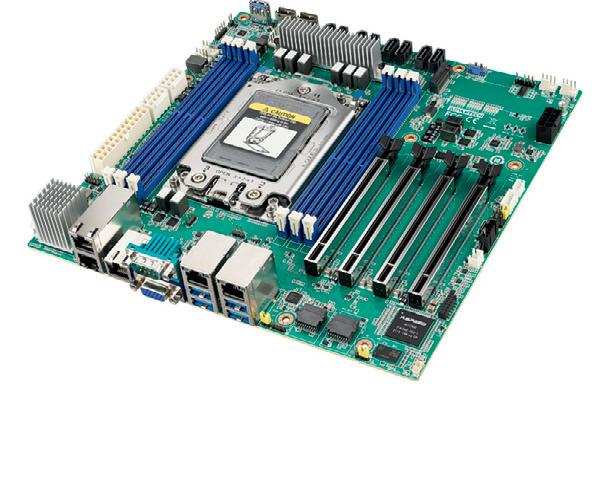
Advantech has launched the first server-grade motherboard in the AIMB series — the AIMB-592. This highperformance, Micro-ATX form factor board leverages AMD EPYC 7003 Series Processors and 4 x steel PCIe 4.0 x16 slots to deliver high computing power and support GPU extension. The motherboard supports up to 64 CPU cores and onboard 768 GB memory (via 6 x DDR4 RDIMM slots) to optimise performance. It also features dual 10Gbe LAN, dual 2.5GbE LAN and dual slimline functions (dual PCIe 4.0 x4) to augment bandwidth networking and empower big data cloud services while maximising transmission efficiency. It also provides intelligent remote management services via M.2 M-Key and IPMI 2.0. This combination of features and attributes makes AIMB-592 a suitable solution for data-intensive applications at the edge.
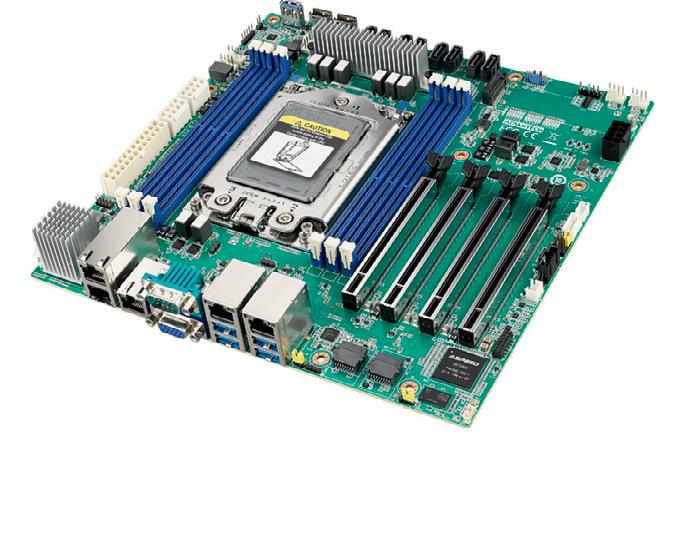
The motherboard leverages 3rd Gen AMD EPYC processors with up to 64 cores (256 MB L3 cache). This solution is capable of converting raw data into actionable insights quickly. The motherboard also features 6 x DIMMs to support up to 768 GB DDR4 memory at 153.6 GB/s data in total in an effort to deliver leading performance to data-intensive applications tasked with handling simultaneous high-speed workflows.
High-end computing devices need to process huge quantities of data and provide excellent security encryption. Accordingly, the motherboard is equipped with dual 10Gbe LAN, dual 2.5Gbe LAN and dual slimline SAS for secure data transmission. It also features 8 x SATA 3 to provide data storage when used in medical workstations and high-speed test equipment. The motherboard also supports IPMI 2.0 to improve device security and monitoring while providing futureproof networking and reducing labour costs and time wastage.
Advantech Australia Pty Ltd
www.advantech.net.au
POWER CONVERTERS
DC-to-DC converters used in railway applications have a number of consid erations from basic voltage requirements to isolation and construction. This allows these devices to operate regardless of the harsh electrical, mechanical and environmental conditions. Not only do these devices need to meet common railway standards but they should also have a degree of immunity against electromagnetic interference.
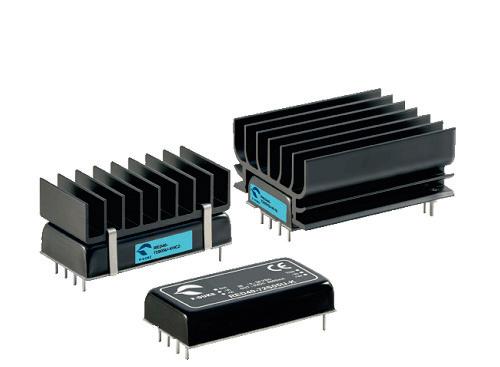
The Helios Power Solutions railway converters power onboard and track-side electronic systems in railway projects around the world. They are installed in mass transit vehicles such as trams, metros and light rail, mining locomotives and in a range of trackside equipment.
Helios Power Solutions
www.heliosps.com.au
MICROCONTROLLER
The STM32H5 is the new reference mainstream microcontroller featuring powerful Cortex-M33 implementation that is designed to reach 1017 points in CoreMark because of its extensive security capabilities. The device runs at 250 MHz. It houses up to 2 MB of dual bank Flash and up to 640 KB of RAM. It also draws from previous models to offer a CORDIC and FMAC accelerator, as in the STM32G4. Similarly, it takes the security features of the STM32U5 and builds on them by inaugurating the ST immutable Root of Trust (iRoT) and updatable Root of Trust (uRoT), among other things. The device will have a SESIP Level 3 certification. The device also adds more features, such as a two-stage root of trust: the immutable and updatable root of trust or iRoT and uRoT. As the name implies, the former is set at the factory and cannot be modified. It uses a read-only memory containing keys and other mechanisms defined by ST to establish a secure boot without external keys.
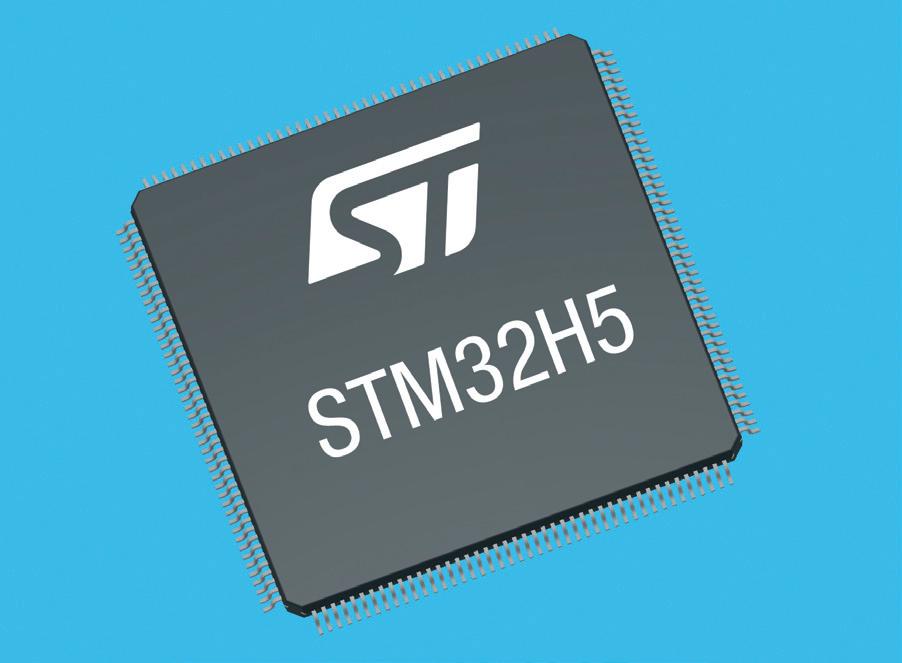
STMicroelectronics Pty Ltd
www.st.com
14 SEPTEMBER/OCTOBER 2023 WWW.ELECTRONICSONLINE.NET.AU
INSTRUMENT ENCLOSURES
METCASE’s TECHNOMET desktop/portable instrument enclosures can now be specified with or without a sloping front for easier viewing.
The instrument enclosures are suitable for medical and wellness devices, industrial control, test and measurement, peripheral devices and interfaces, switchboxes, communications and laboratory equipment.
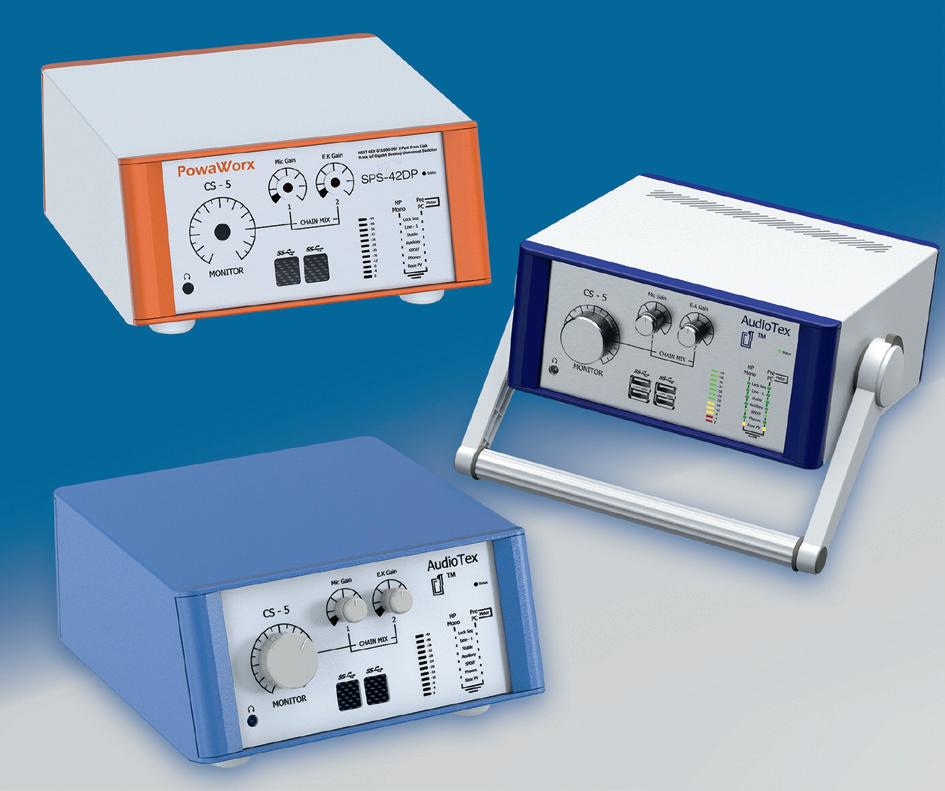
The enclosures feature diecast aluminium bezels at the front and rear fit flush with the main case body. Snap-on trims hide the case and front panel fixing screws. The anodised front panel (accessory) and removable rear panel are both recessed to protect keypads, displays, connectors and switches.
The internal chassis is pre-punched for three, five, seven or nine PCB guide rails: circuit boards slide in and out for quick and easy installation, inspection and maintenance. There are also four M3 PCB mounting pillars in the base. All case panels are fitted with M4 threaded pillars for earth connections.
The enclosures are available in 11 sizes from 225 x 200 x 75 mm to 350 x 320 x 150 mm. Eight sizes can be specified with a tilt/swivel carry handle as standard, enabling users to select their preferred viewing angle. Many other sizes feature ABS side handles as standard for portability. All the enclosures are supplied with four ABS feet with non-slip pads.
The enclosures are offered in two standard colours: light grey (RAL 7035) and anthracite (RAL 7016). Custom colours are also available on request. Accessories include front panels, PCB guides and M3 PCB/panel fixing screws.
METCASE can supply TECHNOMET fully customised. Services include custom sizes (height, width and depth), custom front panels, CNC machining, fixings and inserts, painting/finishing and photo-quality digital printing of graphics, legends and logos.
ROLEC OKW Australia New Zealand P/L


www.metcase.com.au

WWW.ELECTRONICSONLINE.NET.AU SEPTEMBER/OCTOBER 2023 15
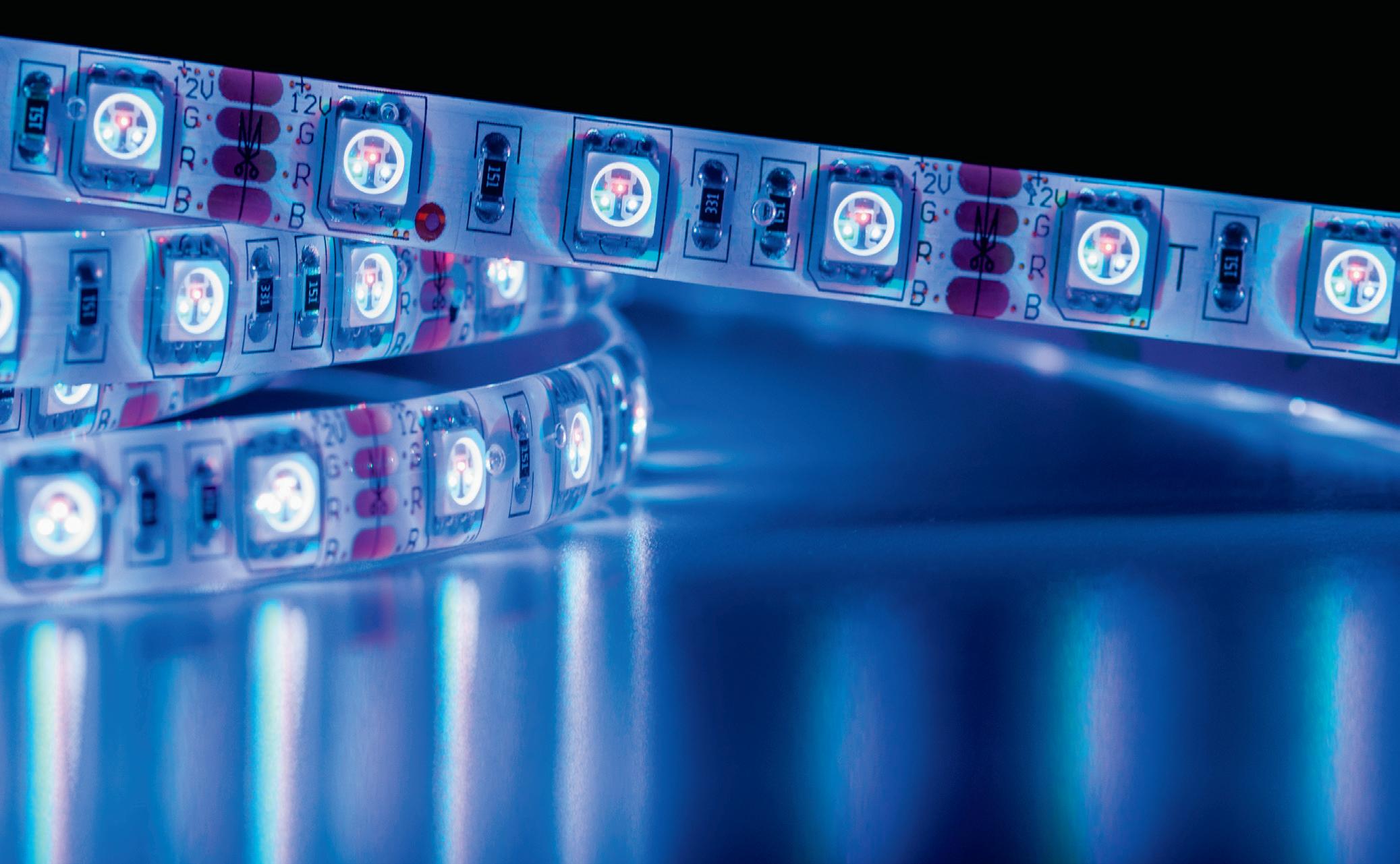
Chances are, the screen you’re reading from glows thanks to light-emitting diodes — commonly known as LEDs. This widespread technology provides energy-efficient indoor lighting and increasingly illuminates our computer monitors, TVs and smartphone screens. Unfortunately, it also requires a relatively laborious and expensive manufacturing process.
Hoping to address this shortcoming, Stanford researchers tested a method that boosted the brightness and efficiency of perovskite LEDs, or PeLEDs, a cheaper and easierto-make alternative. Their enhancements, however, caused the lights to fizzle out within minutes, demonstrating the careful trade-offs that must be understood to advance this class of materials.
“We took some big steps towards understanding why it’s degrading. The question is, can we find a way to mitigate that while keeping the efficiency?” said Dan Congreve, assistant professor of electrical engineering and senior author on the paper, published in Device . “If we can do that, I think we can really start to work towards a viable commercial solution.”
The promises and pitfalls of perovskites
In simplest terms, LEDs transform electrical energy into light by passing electric current through a semiconductor — layers of crystalline material that emits light with
BOOSTING PEROVSKITE LEDs
THE EFFICIENCY-STABILITY TRADE-OFF IN PeLEDs
Sean Cummings, Stanford University
an applied electric field. But creating those semiconductors gets complex and costly compared to less energy-efficient lights like incandescents and fluorescents.
“A lot of these materials are grown on expensive surfaces such as a four-inch sapphire substrate,” said Sebastian Fernández, a PhD student in Congreve’s lab and the paper’s lead author. “Just to purchase this substrate costs a few hundred dollars.”
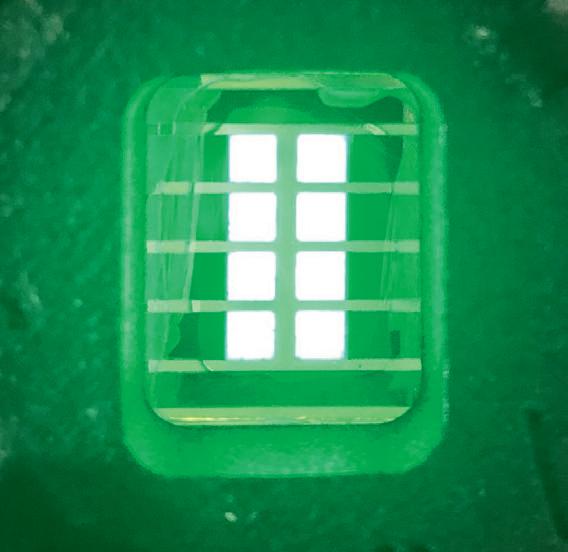
PeLEDs use a semiconductor known as metal halide perovskites, composed of a blend of different elements. Engineers can grow perovskite crystals on glass substrates, saving a significant sum compared to normal LEDs. They can also dissolve perovskites in a solution and ‘paint’ it onto glass to create a light-emitting layer, a simpler production process than regular LEDs call for.
These advantages could make energyefficient indoor lighting feasible for more of the built environment, reducing energy demand. PeLEDs could also sharpen the colour purity of smartphone and TV displays. “A green is more green, a blue is more blue,” Congreve said. “You can literally see more colours from the device.”
Most PeLEDs today, however, peter out after just a few hours. And they often don’t match the energy efficiency of standard LEDs, due to random gaps in the perovskite’s atomic structure known as defects. “There should be an atom here, but there’s not,” Congreve explained. “Energy goes in there, but you don’t get light out, so it harms the overall efficiency of the device.”
Shine brighter, fade faster
To mitigate these issues, Fernández built on a technique debuted by Congreve and Mahesh Gangishetty, assistant professor of chemistry at Mississippi State University and a co-author on the paper. Many of those energy-wasting gaps in perovskites occur where atoms of lead ought to be. By replacing 30% of the perovskite’s lead with manganese atoms, which helps fill those gaps, the team more than doubled their PeLEDs’ brightness, almost tripled efficiency, and extended the lights’ lifespans from less than one minute to 37 minutes.
The technique also has the potential to move the needle on health risks. “Lead is extremely important for light emission within this material, but at the same time, lead is known to be toxic,” Fernández said. This type of lead is also water-soluble — meaning it could leak through, say, a cracked
16 SEPTEMBER/OCTOBER 2023 WWW.ELECTRONICSONLINE.NET.AU
iStock.com/mkarco
Image credit: Sebastian Fernández
smartphone screen. “People are sceptical of commercial technology that is toxic, so that also pushed me to consider other materials.”
But Fernández went one step further, mixing a phosphine oxide called TFPPO into the perovskite. “I added it and saw the efficiencies just shoot up,” he said. The additive made the lights up to five times more energy-efficient than those with only a manganese boost and brought out one of the brightest glows of any PeLED yet recorded.
But the gains came with a downside: the lights faded to half their peak brightness in just two and a half minutes. (On the other hand, the perovskites that weren’t treated with TFPPO are the version that sustained their brightness for 37 minutes.)
Understanding the trade-off
Fernández thinks that the transformation of electrical energy into light over time in PeLEDs with TFPPO becomes less efficient than in those without, largely due to increased obstacles related to charge transport within the PeLED. The team also suggested that while TFPPO initially fills some gaps in the
perovskite’s atomic structure, those gaps quickly reopen, causing energy efficiency to drop off along with durability.
Moving forward, Fernández hopes to experiment with different phosphine oxide additives to see whether they yield different effects, and why.
“Clearly, this additive is incredible in terms of efficiency,” Fernández said. “However, its effects on stability need to be suppressed to have any hope to commercialise this material.”
Congreve’s lab is working to address other limitations of PeLEDs, too, such as
their difficulty with producing violet and ultraviolet light. In another recent paper in the journal Matter led by PhD student Manchen Hu (who is also a co-author of the Device paper), the team found that by adding water to the solution in which the perovskite crystals form, they could produce PeLEDs that emitted bright violet light five times more efficiently. With further improvements, ultraviolet PeLEDs could sterilise medical equipment, purify water and help grow indoor crops — all more affordably than current LEDs allow.
WWW.ELECTRONICSONLINE.NET.AU SEPTEMBER/OCTOBER 2023 17 LIGHTING TECHNOLOGY
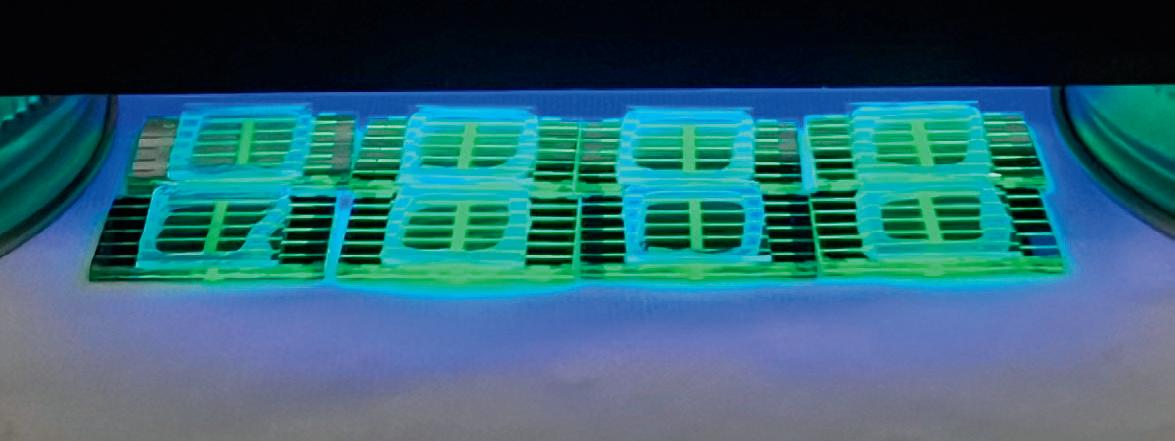
Eight green perovskite LED substrates in Congreve’s lab glow as researchers shine ultraviolet light on them.
Image credit: Sebastian Fernández
FANLESS EMBEDDED COMPUTER
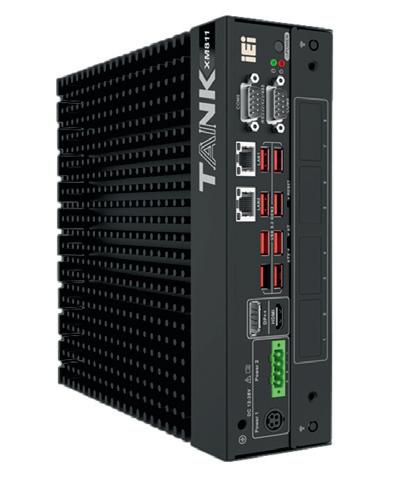
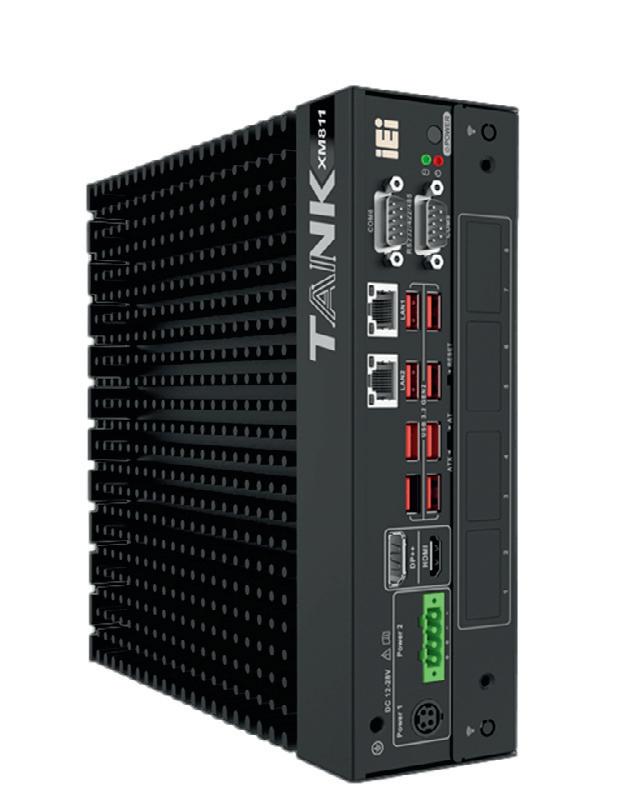
ICP Electronics Australia has introduced iEi’s TANK-XM811, an innovative fanless embedded computer which is equipped with high-performance 12th Generation Intel Core processors and designed to handle resource-intensive AI applications.
Supporting a range of CPUs, from Intel Core i5 to i9, the system features two 2.5GbE ports, multiple USB and serial ports, along with numerous internal expansion boards. The customisable backplanes and chassis contribute to its versatility.
The computer’s eChassis modules facilitate performance acceleration through GPUs, accelerators and other add-on cards. Tailored for AI applications, the GPU eChassis can support up to 600 W and is designed to accommodate a full-length, full-height form factor. This expansion capability is a boon for applications requiring high-speed I/O cards, data collection cards, frame grabbers or motion cards.
Additionally, the TANK-XM811 has an industrial-grade hardware design. Its fanless cooling is suitable for environments that demand stability in the face of elements such as shock, vibration and fluctuating temperatures.
With its dual independent display support, 4K resolution and low latency through PCIe x4 NVMe, the fanless embedded computer provides a solution for real-time data processing, making it suitable for autonomous vehicles, machine learning, industrial automation and surveillance. The TANK-XM811 is also CE/FCC compliant.
ICP Electronics Australia Pty Ltd
www.icp-australia.com.au
FUSE
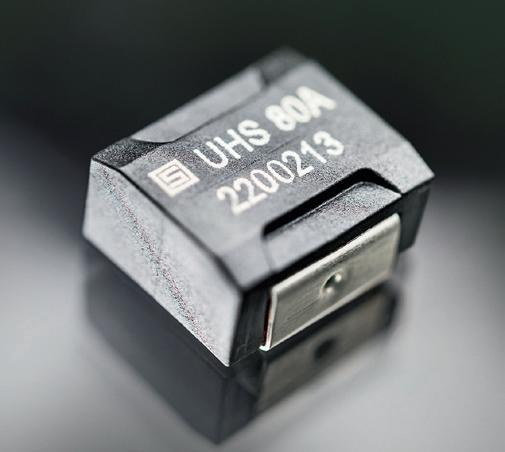
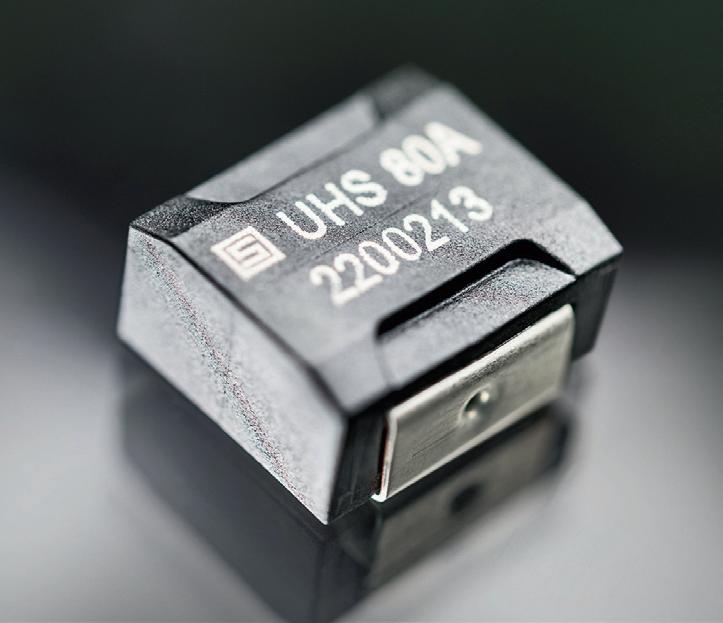
SCHURTER has introduced the UHS, a fast-acting SMT fuse designed to safely interrupt high-energy overcurrent in the safety extra low voltage (SELV) range. The UHS is available in six current ratings from 50–100 A at 50 VDC or 32 VDC, with a breaking capacity of up to 2000 A.
The UHS fuse is designed to operate in a range of temperatures, from -55 to 125°C, and is suitable for applications in various industries, including automotive, telecom, power tools and data centres. SCHURTER products are certified according to international standards, making them an environmentally friendly choice for a broad range of high energy electronic applications.
SCHURTER (S) PTE LTD
www.schurter.com
LAN MODULE
Backplane Systems Technology has launched the Innodisk EMPLG101 mPCIe to single isolated GbE LAN Module. It is designed to provide users with robust networking capabilities along with high standards of protection.
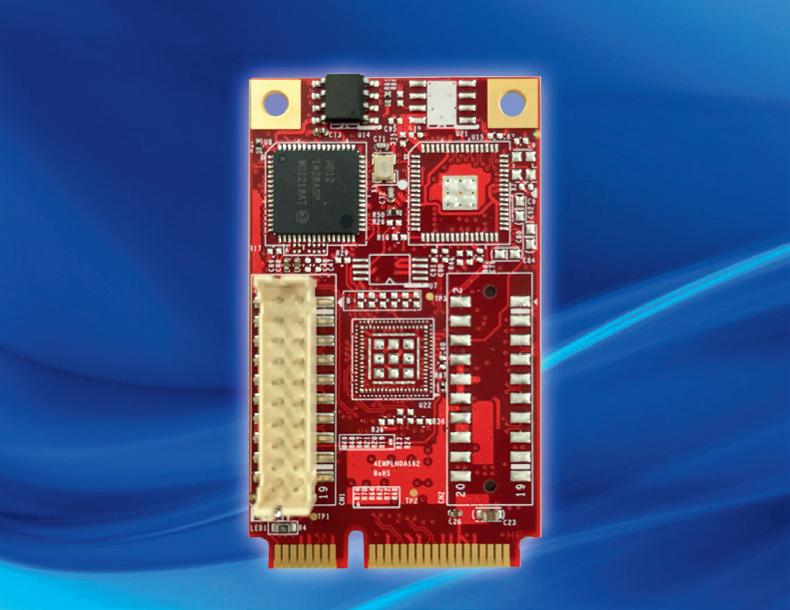
The module offers a single isolated GbE LAN port, for enhanced network connectivity. This module complies with a range of safety and durability standards, including EN61000-4-5 for 1 kV surge protection and IEC 60950-1:2005 + A1: 2009 + A2:2013 for 2 kV HiPOT protection. It also satisfies EN61000-4-2 specifications for air: 15 kV and contact: 8 kV electrostatic discharge protection.
The module has been designed with customisability in mind. Its daughterboard comes with a cable to accommodate different systems. Optional terminal mounting holes or brackets for the daughterboard are available, for further adaptability.
Innodisk also offers optional industrial temperature support for -40 to +85°C, making it a durable choice for industrial applications. The module also features a 30µ ″ golden finger, further supported by a 3-year warranty.
Backplane Systems Technology Pty Ltd
www.backplane.com.au
18 SEPTEMBER/OCTOBER 2023 WWW.ELECTRONICSONLINE.NET.AU
COMPUTER-ON-MODULE
ADLINK Technology Inc. has launched the COM-HPC-cRLS, a COM-HPC Client type Size C computer-on-module based on the latest 13th Gen Intel Core processor. Featuring up to 16 Performance-cores plus eight efficientcores and an increased cache of 36 MB, the module demonstrates high performance per watt along with AVX-512 VNNI and Intel UHD AI inferencing support for realising diverse edge AI and IoT use cases.
Available with up to 13th Gen Intel Core i9 processor at 65 W TDP, the computer-on-module provides two 2.5GbE LANs and up to 128 GB DDR5 SODIMM at 4000 MT/s. It also packs 1 x16 PCIe Gen5 lanes that can fulfil the same computing and transmission performance with fewer lanes than its predecessors, and with a bandwidth of up to 32 GT/s, in driving next-gen compute-intensive edge innovations.
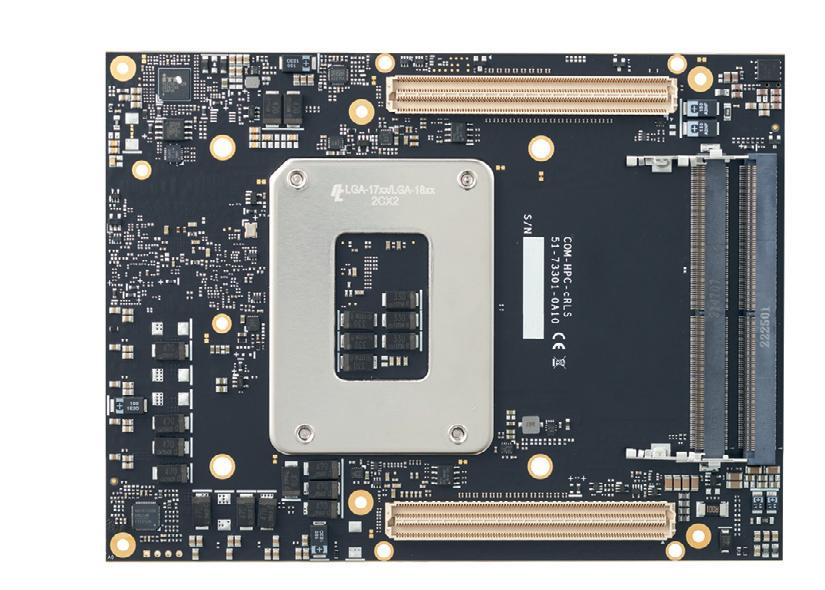
The module also offers Intel TCC (Time-Coordinated Computing) and TSN (Time Sensitive Networking) support. TCC enables time synchronisation and CPU/IO timeliness within a system, whereas TSN optimises time precision for synchronised networking between multiple systems. With these two features working to coincide with one another, the computer-on-module is capable of executing hard real-time workloads with ultra-low latency, making it well fitted for hard real-time computing workloads required by applications such as industrial automation, semiconductor equipment testing, AI robots, autonomous driving and aviation.
The computer-on-module also features PCIe Gen5, to reduce developers’ time to market, while catering to various futureproof edge AI use cases. ADLINK is also working to provide I-Pi development kits based on the ADLINK COM-HPC-cRLS module for on-the-spot prototyping and referencing.

ADLINK Technology Inc
www.adlinktech.com

WWW.ELECTRONICSONLINE.NET.AU SEPTEMBER/OCTOBER 2023 19
IO-LINK SOLUTIONS FOR THE FLUID POWER INDUSTRY
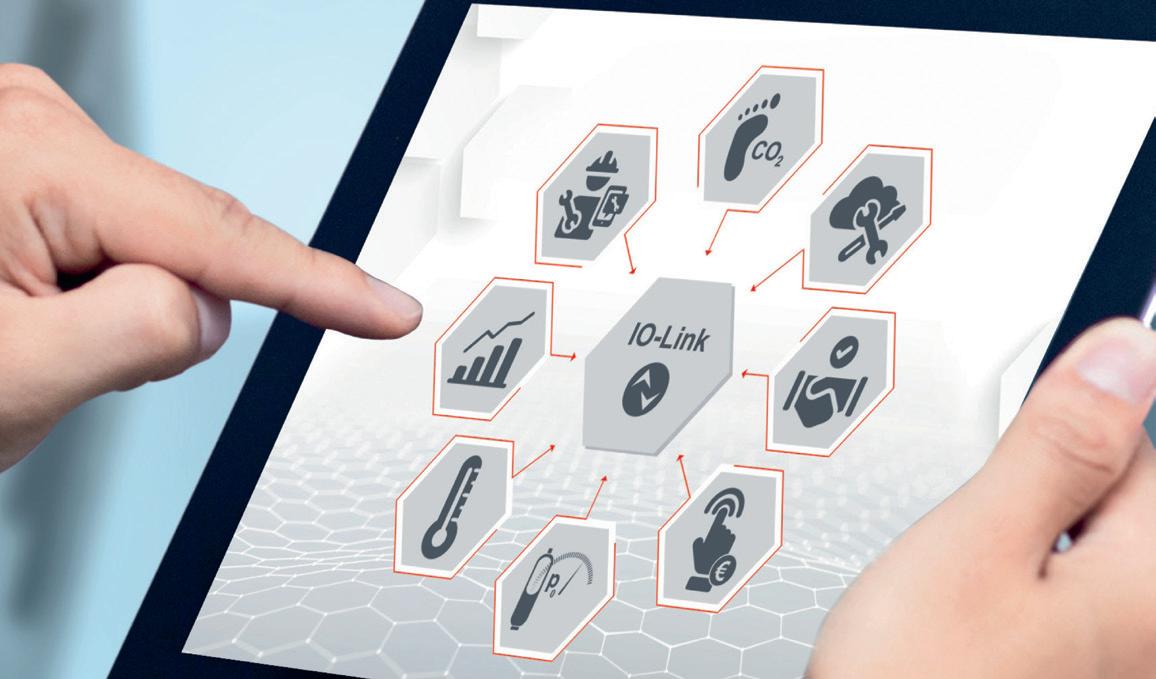
IO-Link is a standardised IO technology that’s used across the world for communication using sensors and actuators. Based on a 3-wire connection, IO-Link communication allows for three types of data to be transmitted, including process data, service data and events.
Simple yet powerful, there are a number of benefits associated with IO-Link communication technology. These benefits include:
1. IO-link is universal
IO-Link has been standardised globally, making it universal and compatible. Most I/O-Link devices make use of M12 connectors, which are able to be used without any restrictions when it comes to switching and communication.
2. IO-Link is smart
IO-Link technology is smart and boasts high functionality. 2 bytes of process data are available every cycle, and transmission is fast and efficient. Another smart feature is the automatic storage of parameter data for devices. This means when a new device is connected that’s previously been used, its parameters are automatically transferred to save time and hassle.
3. IO-Link devices are identifiable
All IO-Link devices have an IO Device Description (IODD). This description file lists information about the manufacturer, functionality and other important details that can be easily read and processed, allowing devices to be easily identified.
The digital IO-Link communication protocol is superior to older analogue systems in that it can transfer both information and process data. This includes:
• Value status (legitimacy of the process data)
• Events (error messages)
• Device information (ID, parameters, diagnosis, and other information)
A major advantage of IO-Link technology is that its data connection is bi-directional. Information can only flow in one direction with typical analogue technology and switch connections, whereas IO-Link gives controls the ability to communicate bi-directionally using a sensor or actuator.
Settings that can only be controlled by manually pushing buttons on conventional pressure switches can now be controlled via IO-Link. This can be done during the start-up stage or even while the operation is in progress.
By remotely carrying out parameterisation work, the commissioning of systems can be done significantly faster, making the whole process more streamlined. This reduces how many error sources occur and minimises the associated costs and machine downtime. This makes IO-Link interfaces an essential component of the IoT, especially in the era of Industry 4.0.
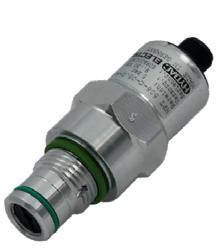
These are some of the IO-Link pressure sensors and transmitters available at HYDAC.
HDA 4000 pressure sensor
Features:
• Compact
• Solid design
• Internal device temperature
• Up to 2000 bar
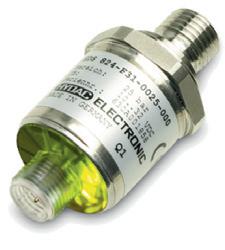
EDS 824 pressure sensor
Features:
• Mini sensor
• LEDs
• Additional switching output
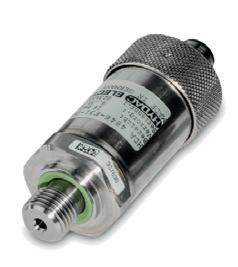
EDS 3000 pressure sensor
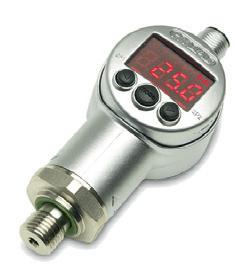
Features:
• Rotatable display
• Additional outlet A/D can be set

HPT 500 differential pressure sensor
Features:
• Filter installation
• Straight forward and robust measurement procedure
• High-precision differential pressure
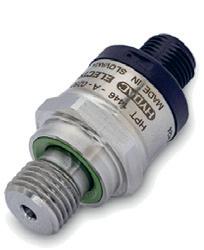
HPT 1400S pressure transmitter
Features:
• Overload detection / pressure peaks
• Histogram of pressure and temperature outside of permitted usage range
• Device temperature monitoring
• Min/max/average for pressure and temperature
• IO-Link, CANopen, CAN J1939, analogue, switch
Customer benefits – HPT 1400S pressure transmitter:
• Less PLC programming needed thanks to function modules
• Detection of fluid system operation outside of specification
• Simplified troubleshooting in event of damage — short downtimes and service efficiency
• Planned exchange of components across operating time, switching cycles and possibly load profile
• Turnkey solution
Thanks to these functionality enhancements, components with an IO-Link interface are an integral component for digitalisation and the Internet of Things, within the framework of Smart Factory solutions in the fluid power industry.
20 SEPTEMBER/OCTOBER 2023 WWW.ELECTRONICSONLINE.NET.AU SPONSORED CONTENT HYDAC International www.hydac.com.au
THE FUNDAMENTALS OF AUSTRALIAN RCM COMPLIANCE
DIFFERENT TYPES OF CLASSES AND LEVELS
EMC classes: (Class A and Class B) as defined in most EMC Standards
In the context of EMC (electromagnetic compatibility), Class A and Class B refer to two different levels of electromagnetic emissions limits for electronic devices.
devices. Class A compliant devices are not meant to be used in a Class B environment.
It can be confusing to some readers, especially someone in the initial phase of their career in product testing and compliance. Here, Nisha Lad, Compliance Project Manager at C-PRAV Labs & Certifications, explains the differences in classes and levels in RCM compliance.
Class A: Devices that comply with Class A standards are typically intended for use in industrial environments, where there are fewer restrictions on electromagnetic interference. Class A devices are expected to have higher emission levels of electromagnetic emissions compared to Class B
Class B: Devices that comply with Class B standards are intended for use in residential, commercial and business environments, where there are stricter regulations on electromagnetic interference. Class B devices are required to have a higher level of electromagnetic interference suppression compared to Class A devices to minimise their impact on other electronic systems operating in their close vicinity. Class B compliant devices can be used in a Class A environment.
WWW.ELECTRONICSONLINE.NET.AU SEPTEMBER/OCTOBER 2023 21
ELECTRICAL SAFETY
Generally, standards and regulations have their own classifications and levels for electronic products.
© Stock.Adobe.com/au/Biserka Stojanovic
ELECTRICAL SAFETY
Under the Australian Communications and Media Authority (ACMA), most electronic products are regulated to mandatorily comply with prescribed standards for EMC, telecom, radio and telecom safety.
Electrical safety classes (Class 1, Class 2 and Class 3)
Class 1, Class 2 and Class 3 are classifications used to define different levels of electrical safety for electrical/electronic equipment.
Class 1: Class 1 equipment is considered the most basic level of electrical safety. It includes devices that have basic insulation and rely on a protective earth connection (grounding) for user safety. This class of equipment typically has a three-wire power cord, with two conductors for line and neutral, and the third conductor for grounding. Class 1 equipment must be connected to a properly grounded electrical system to ensure safety.
Class 2: Class 2 equipment, also known as double-insulated equipment, provides an extra layer of protection against electric shock. Unlike Class 1, Class 2 equipment doesn’t rely on a protective earth connection for safety. Instead, it incorporates additional insulation or other means of protection to prevent electric shock hazards. This class of equipment is commonly identified by a double-box symbol 回 on its labelling. Class 2 equipment is designed to be safer even if the grounding is faulty or absent.
Class 3: Class 3 equipment represents the lowest level of risk among the three
In-scope electrical equipment
classes. It includes low-voltage equipment that operates at extra-low safety voltages (typically 50 VAC or 120 VDC or less). Class 3 equipment is often powered by a separate power supply that converts higher voltage levels into these safe extra-low voltages (SELV). While Class 3 equipment reduces the risk of electric shock, it is still important to handle these devices properly to maintain safety.
The EESS applies to in-scope electrical equipment, which is defined as equipment:
• rated at a voltage greater than 50 VAC RMS or 120 V ripple-free DC
• rated at a voltage less than 1000 VAC RMS or 1500 V ripple-free DC
• designed or marketed as suitable for household, personal or similar use.
In-scope electrical equipment levels (Level 1, Level 2 and Level 3) in Australia
If you are selling electrical equipment in Australia, it is important to comply with the regulations set by the regulator coordinator ERAC (Electrical Regulator Authority Council of Australia). The regulations set forth by various individual states/territories/NZ
If your electrical equipment falls under in-scope electrical equipment, to legally sell electrical equipment under the EESS, the following applies to household electrical equipment (eg, consumer devices, domestic appliances etc):
Level 3 equipment has the most stringent safety rules to follow while Level 2 is less onerous, and Level 1 is voluntary but the equipment must still be electrically safe for consumer use.
22 SEPTEMBER/OCTOBER 2023 WWW.ELECTRONICSONLINE.NET.AU
In-scope electrical equipment Equipment registration in the EESS Evidence of compliance with the relevant standard Compliance Folder Certificate of suitability Certificate of conformity Marked with the RCM Level 1 Voluntary Mandatory Highly recommended Voluntary N/A Mandatory Level 2 Mandatory Mandatory Mandatory Voluntary N/A Mandatory Level 3 Mandatory Mandatory Highly recommended N/A Mandatory Mandatory
is called the Electrical Equipment Safety System (EESS). The electrical equipment offered for sale is categorised as risk levels of Level 1, 2 or 3 so they are electrically safe with the aim of enhancing consumer safety.
EESS classifies electrical equipment into two categories based on the environment of use, ie:
• In-scope electrical equipment
• Not in-scope electrical equipment
Not in-scope electrical equipment
If your electrical equipment is classified as not in-scope electrical equipment, here’s what you need to know to legally sell it under the EESS:
• Certification and ERAC registration: Getting certification and registering with ERAC (Electrical Regulatory Authorities Council) is voluntary.
• Essential safety criteria: Your equipment still needs to meet the essential safety criteria specified in the AS/NZS 3820 standard, regardless of certification and registration. This standard outlines the fundamental safety requirements for electrical equipment in Australia and New Zealand.
• Accreditation testing: You are not required to conduct accreditation testing for your equipment.
Regardless of the scope, all devices must be electrically safe before they are
sold and during usage. However, for level 1 and not in-scope equipment, demonstration of the equipment’s safety is on the onus of the manufacturer or supplier. It is strongly recommended that there is evidence of compliance with the relevant safety standard.
ACMA compliance levels (Level 1, Level 2 and Level 3)
ACMA compliance refers to adhering to the rules, regulations and standards set by the ACMA. Regardless of the prescribed regulations or compliance levels set by the ACMA, no electronic product in its operation must cause interference to other products working in its vicinity. ACMA holds the right to pull such a product off the market if it is causing interference.
ACMA has established different compliance levels to categorise the regulatory requirements based on the type of service or activity being regulated. Here’s an overview of ACMA compliance levels: Level 1 compliance:
• Level 1 compliance is typically associated with low-risk devices.
• These devices may not be required to undergo any testing or evaluation; however, the product must comply with the standards and not cause interference.
• For Level 1 compliance, you need to submit a Self-Declaration of Conformity (SDoC) stating that the product complies.
• Although testing is not mandatory, you have the option to obtain a test report from a test lab as evidence of proof to demonstrate compliance. Accredited test reports to ISO 17025 are not mandatory.
Level 2 compliance:
• Level 2 compliance applies to mediumrisk devices.
• The manufacturer or supplier must maintain a compliance folder, technical construction file, SDoC and test reports are necessary.
• Accredited test reports to ISO 17025 are not mandatory.
Level 3 compliance:
• Level 3 compliance pertains to high-risk devices.
• The manufacturer or supplier must maintain a compliance folder, technical construction file, SDoC and accredited test reports to ISO 17025 are necessary.
• In addition to the existing reports you may already have, it is possible that some local testing also may be required. This depends on the product and further investigation is required to determine if any additional gap testing is required.
Energy efficiency: an additional requirement applicable to some products
When it comes to energy efficiency, there are certain regulations and standards that govern the energy performance of products. Here are the key points:
• Greenhouse and Energy Minimum Standards (GEMS) Act: The GEMS Act, established in 2012, along with the GEMS regulator, oversee energy efficiency. They ensure that products meet specific requirements to conserve energy.
• Minimum Energy Performance Standards (MEPS) and Energy Rating Labelling (ERL): Products regulated under the GEMS Act must adhere to MEPS, which set the minimum energy performance levels they must meet. Additionally, these products need Energy Rating Labels that display their energy efficiency rating. In Australia and New Zealand, several products have mandatory MEPS, and they must be registered on the GEMS portal to ensure compliance with energy efficiency standards.
WWW.ELECTRONICSONLINE.NET.AU SEPTEMBER/OCTOBER 2023 23
iStock.com/zoranm
ELECTRICAL SAFETY
UNDER THE AUSTRALIAN COMMUNICATIONS AND MEDIA AUTHORITY (ACMA), MOST ELECTRONIC PRODUCTS ARE REGULATED TO MANDATORILY COMPLY WITH PRESCRIBED STANDARDS FOR EMC, TELECOM, RADIO AND TELECOM SAFETY.
Q&A MARK BURR-LONNON ON THE FUTURE OF THE ELECTRONICS INDUSTRY

Mark Burr-Lonnon, Mouser Electronics’ Senior Vice President of Global Service & EMEA and APAC Business, discusses current trends affecting the electronics industry.
Do you think 2023 will be a profitable year for the worldwide semiconductor industry? Do you think the industry will finally have recovered from the impacts of the COVID-19 pandemic?
According to the WHO and other organizations, COVID-19 is no longer a global health emergency. Yet the effects of the pandemic still linger across many industries. While analysts are calling for a decline in global semiconductor revenue in 2023, the semiconductor industry is poised for significant long-term growth, driven by the communications, automotive, AI and data processing sectors.
In 2023, the electronic component industry is expected to see a levelling out or small decline, dependent upon Geography, in terms of growth, with some sectors of the economy entering a period of recession in many countries/regions. However, with so much innovation in so many areas, the electronics industry will most likely be one of the stronger market sectors for the foreseeable future. At Mouser, we anticipate flat to modest growth. Mind you, this is over and above the 25 percent growth we had in 2022.
On the demand side, the industrial, communications, transportation and other market sectors, especially for electronic components with high energy efficiency, should stay steady. We expect emerging technologies such as artificial intelligence, automation, IoT, and networking technologies such as 5G to continue to accelerate growth. Mouser’s focus on new product introductions (NPIs) and building inventory has positioned us to meet the rising demand for electronic components.
Dealing with recent disruptions to the global supply chain has undoubtedly shifted the electronic supply chain. However, these challenges and disruptions have exposed vulnerabilities. With light shed on these underlying issues, what are some of the steps that Mouser has taken to adopt a more proactive approach when it comes to cost and risk?
Global supply chains remain a concern but have improved. The industry does face challenges keeping up, but this is also driven by a higher demand in global consumption due to the acceleration of the digital revolution. There is indeed a shortage of some chips, which continues to drive up the price of new cars. On the other hand, mobile phone manufacturers, who consume half of the MLCCs produced each year, are facing lower demands and are oversupplied, according to reports.
As a top 10 global distributor of electronic components, our key strategy, always, has been to build inventory. This has worked well for us. Our customers rely on us because they know we are a well-resourced distributor with the widest selection of products in the industry. We now stock over $1.8 billion (USD) worth of components comprising more than one million unique parts in stock and available to sell.
We constantly augment product choices for our customers. Mouser is an authorised distributor for more than 1,200 brands from across the globe, and our manufacturer partners rely on us to introduce their newest products into the market. We collaborate closely with them and understand delivery schedules so that we may apprise our customers, design engineers and purchasing professionals accordingly, updating them on expected delivery timetables.
Our large library of online resources can help buyers plan supply schedules and place orders in advance. If a part is not
24 SEPTEMBER/OCTOBER 2023 WWW.ELECTRONICSONLINE.NET.AU
SPONSORED CONTENT
available, we suggest alternatives. Our Intelligent FORTE BOM Tool can map customers’ requirements to the best available current alternatives. It can also mark outdated and end-of-life part numbers, helping customers avoid obsolescence, and project the level of confidence and risk for each part. Customers can also register for stock notifications, so that we can update them on the availability of components in real time, ultimately yielding a time-to-market advantage.
To support our customer base and ensure consistency and greater choice of products, we offer 27 global customer support centers and are expanding our global distribution center. At present, our state-of-the-art facility stocks more than one million components, and we are currently expanding to double our capacity. We can process most orders, within 15 minutes from the time an order is received — sealed, labelled and ready to ship.
We continue to invest in automation to help our employees work smarter. For example, Mouser has 138 Vertical Lift Modules (VLMs), the largest installation in the world, used for storing, stacking, and moving components. We have also installed an Auto Store system to expedite order processing for our customers.

After the disruptions and chip shortages of 2022, many governments around the world are taking steps to boost domestic chip manufacturing. For example, the U.S. passed the Chips and Science Act to increase domestic chip manufacturing. Do you believe that the nationalisation of semiconductor technology will have significant implications for supply chains, talent acquisition, and access to government subsidies? What about the rise of counterfeit products in the supply chain?
Indeed, increased global demand for semiconductors is leading governments to pass legislation to subsidize and boost the fabrication industry. Yet, such multi-billion-dollar investments cannot happen overnight. Presently, for many countries like Australia and India, semiconductor demand is met through imports. The industry will certainly look to the private sector, government and professional organizations to help find solutions. Semiconductor foundries can take three to five years to build and can cost upwards of $20 billion. It will take strategic planning and significant investment to increase growth in chip manufacturing.
At Mouser, we work very closely with our manufacturer partners. More than ever, the role of distributors has become pivotal in guaranteeing regular supplies of authorized, genuine components. In recent years, the rise in counterfeit components entering the supply chain has been a serious problem. With Mouser, customers are assured of 100% certified, genuine products that are fully traceable from each of our manufacturer partners. Mouser takes every precaution to ensure that the products are obtained directly from the original manufacturers or through their authorised channels.
Which sector do you think will be the most important for driving semiconductor revenue over the next year?
The automotive and healthcare sectors have been hungry for components. The rapid adoption of MEMS technology (microelectro-mechanical systems), is driving up demand for active electronics. Military and aerospace applications will also be crucial in driving revenue growth. However, there is an overall increase in consumption across many fronts, from consumer electronics, wearables and laptops to industrial automation and data-driven technologies.
Worldwide, there has been a major shift in manufacturing processes, towards greater adoption of digital processes and smart technologies for increased productivity gains. The Asia-Pacific, with large economically empowered populations, presents a huge opportunity for growth. The current emphasis on infrastructure development is expected to drive demand across diverse sectors, from smart agriculture to biotechnology to EVs. Australia represents a mature market, where the need for components is driven by the energy sector, power management, transportation, and wireless and telecommunications sectors. Currently, much of Australia’s demand is met through imports.
Given the current economic and industry trends (rising interest rates, falling demand in some important chip sectors), how can companies best revamp and accelerate digital transformation? And how can companies deploy resources to modernise and integrate their IT systems when budgets are getting tighter? Digital transformation and automation is a business imperative today, regardless of disruptions and uncertainty. Industry has constantly strived for greater control and automation on the factory floor. With the confluence of a host of emergent technologies, Industry 4.0 and smart manufacturing offer new modes of autonomous corrective feedback in factory machines and systems. Autonomous intelligent machines deliver higher accuracy and allow mass customization while ensuring greater safety.
Organizations can thus gain more strategic value from the greater process efficiencies and higher productivity. All this has become possible due to advances in microprocessors and other components. Resource planning is key for any business, combined with the flexibility to be nimble to change course as the business needs dictate.
Planning and ordering in advance for popular product lines that require regular replenishment can help. Mouser’s wide selection of inventory, extensive logistic support and state-of-theart shipping and delivery can bring reassurance to customers.
WWW.ELECTRONICSONLINE.NET.AU SEPTEMBER/OCTOBER 2023 25
Mouser Electronics au.mouser.com
SINGLE BOARD COMPUTER
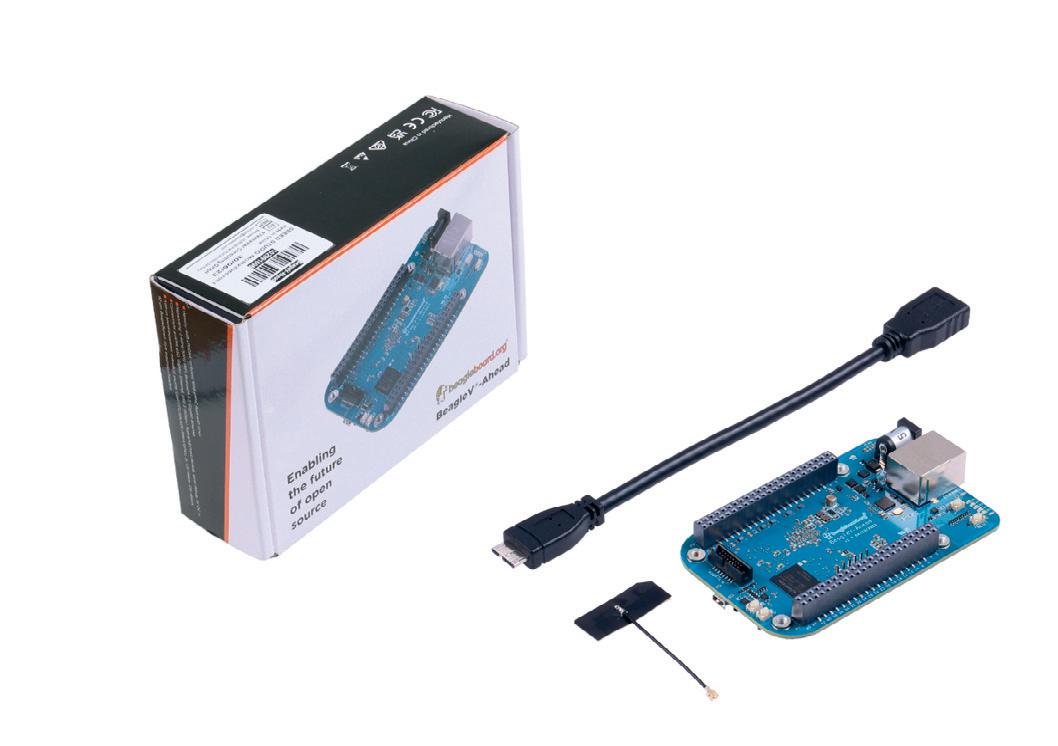
element14 now stocks the BeagleV-Ahead, a professional, open-source mass production RISC-V single board computer (SBC) by Beagleboard.org.
The single board computer is in the same form factor and has the same P8 and P9 cape header pins as BeagleBone Black, enabling developers to stack their preferred BeagleBone cape on top to expand its capability. Featuring a powerful quad-core RISC-V processor, the single board computer is designed as an affordable RISC-V enabled pocket-size computer for users who want to dive deep into the RISC-V ISA.
The single board computer is built around T-Head TH1520 RISC-V SoC with a quad-core XuanTie C910 processor clocked at 1.85 GHz with a 4 TOPS NPU, support for 64-bit DDR and audio processing using a single core C906.
Other key features include a DA9063 programmable PMIC, 5 V power input, AP6203BM Wi-Fi/Bluetooth connectivity and 2.4 GHz and 5 GHz antennas. The new BeagleV-Ahead SBC will be available from element14 in APAC.
element14
au.element14.com
SUPERCAPACITOR-BASED UPS MODULE
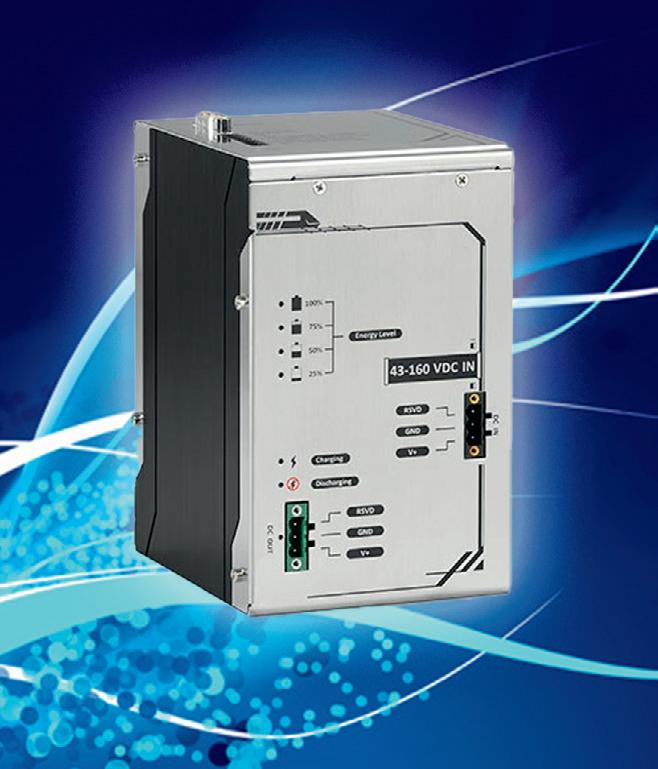
Backplane Systems Technology has launched the Neousys PB-9250J-110V, a SuperCAP UPS designed for burgeoning railway applications. The modern railway sector has evolved remarkably, but power stability remains a challenge, especially when trains transition through railroad switches or level crossings.
The standalone supercapacitor-based UPS module features a 9250 watt-second energy capacity. With an input tailored for 110 VDC, this module is designed for the challenging conditions of railway applications. Unlike traditional UPS systems that rely on batteries, the module leverages eight 370F supercapacitors, to provide a wide operational temperature range, along with a lifespan of up to a decade.
The UPS module also features Neousys’s patented CAP energy management technology. This innovative feature enables real-time monitoring of energy and power consumption, safeguards against voltage fluctuations and facilitates both auto and manual shutdown control.
This UPS doesn’t just manage power; it communicates, too. Embedded digital output channels offer insights into system status, from charging dynamics to power button control. Certified by EN 50155 and EN 45545, the UPS module supports 43–160 V wide-range DC input for railway applications it. The UPS module provides supercapacitor-based -40 to 70°C operation for EN 50155 OT4 class conformity, and features a maximum 120 W output for the connected back-end system.

Backplane Systems Technology Pty Ltd
www.backplane.com.au
26 SEPTEMBER/OCTOBER 2023 WWW.ELECTRONICSONLINE.NET.AU
Bayswater
Accredited testing and global product approvals since 1992
ETHERNET SWITCH
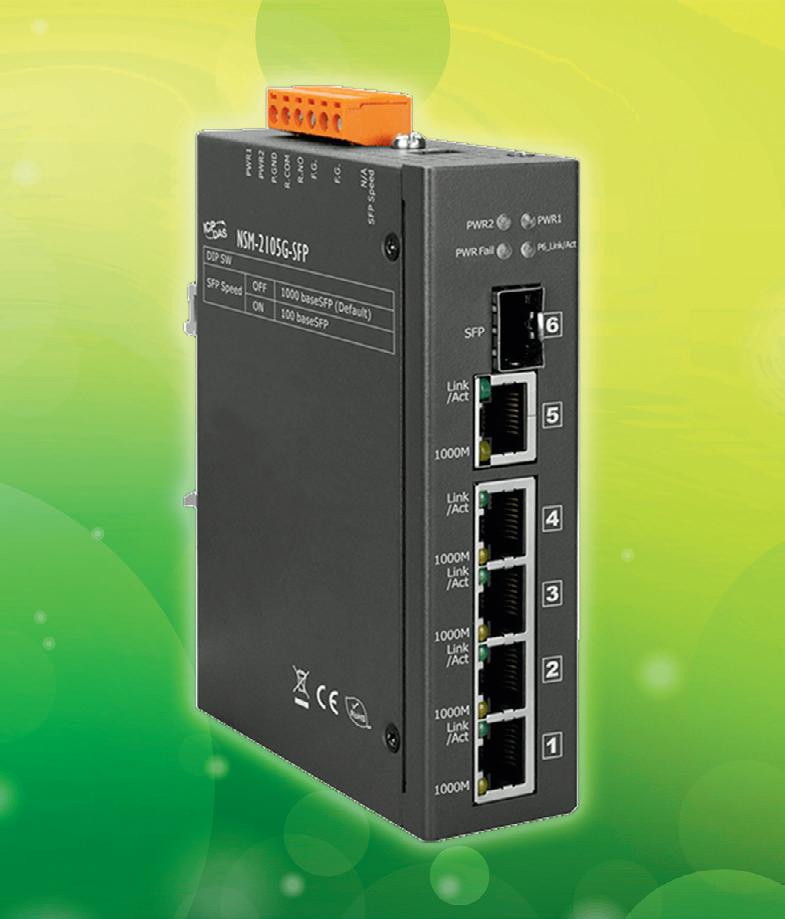
ICP Electronics Australia has launched the ICP DAS NSM-2105G-SFP, a flexible solution for industrial networking needs, providing an unmanaged 5-Port Gigabit Ethernet switch with an additional SFP (Small Form-factor Pluggable) slot. This SFP slot allows for easy fibre expansion, making it adaptable to various industrial scenarios.
The Ethernet switch features Redundant Power Function. The device can be powered by two sets of DC voltages ranging from 12 to 48 V, providing a failsafe mechanism. In case one of the power supplies becomes abnormal, the integrated Power Loss Alarm Relay is triggered. This activates an external sound and light alarm, thereby reducing maintenance time and preventing prolonged operational downtime.
The switch supports Auto Negotiation for network integration and Auto MDI/ MDI-X for automatic cable detection, simplifying installation and set-up. It also supports Jumbo Frames, which allows for higher throughput and better data transmission efficiency.
Overall, the Ethernet switch serves as a comprehensive networking solution that combines flexibility, reliability and ease of use, suitable for the demanding environments of today’s industrial applications.
ICP Electronics Australia Pty Ltd
Format: 180 x 135 mm
www.icp-australia.com.au
WWW.ELECTRONICSONLINE.NET.AU SEPTEMBER/OCTOBER 2023 27
MAKING BATTERIES WORK WITHOUT EXTERNAL PRESSURE

A team of battery researchers led by the University of California San Diego and University of Chicago has developed a new methodology to produce the potentially game-changing thin-film solid-state electrolyte called lithium phosphorus oxynitride (LiPON).
The team went on to implement their freestanding version of LiPON film in functional battery tests and found that it promotes a uniformly dense lithium metal electrochemical deposition under zero external pressure, with the aid of internal compressive stress and a gold seeding layer. This work, performed by a team of battery researchers led by the University of California San Diego and University of Chicago, was published in the journal Nature Nanotechnology
The research team is led by battery researcher and Professor Ying Shirley Meng, who is affiliated with both the University of Chicago and UC San Diego. The first author is Diyi Cheng, a recently graduated PhD in the Materials Science and Engineering Program at the UC San Diego Jacobs School of Engineering who is continuing his research efforts at Lawrence Berkeley National Laboratory. The team also includes researchers from Lawrence Livermore National Laboratory and UC Berkeley.
LiPON shows strong promise for pairing with a broad range of electrode materials for the lithium battery industry of the future. However, existing methods for producing LiPON have prevented researchers from fully understanding the material. Now, the team found a way to produce this promising solid-state electrolyte
in a freestanding form that allows LiPON to be studied more comprehensively. The new approach to making LiPON has also opened the door to using this solid-state electrolyte to enable lithium metal solid-state batteries that could work under minimal external pressure.
The LiPON Challenge
LiPON was originally developed by a group of scientists at Oak Ridge National Laboratory in 1992. Despite continuous research efforts over the last three decades, there remains a substantial lack of thorough understanding of LiPON’s intrinsic properties and its associated interfaces, holding back the promise and advancement of LiPON materials. Several factors leading to this dilemma include:
• LiPON is an amorphous material that gives little structural information by regular diffraction-based techniques.
• LiPON is sensitive to ambient air and electron beams, which further confines the available tools for study.
• Traditional LiPON synthesis is conducted on solid substrates. This approach is inadequate for generating conclusive signals for spectroscopic measurements.
New approach to LiPON production leads to new insights
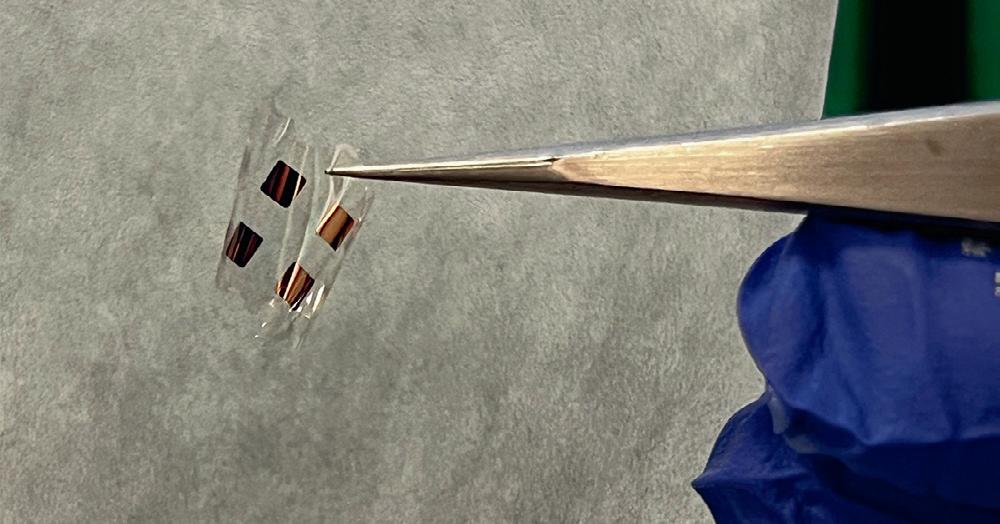
Given the known challenges to studying LiPON, the team developed a new methodology for producing LiPON film in a freestanding form. The result is a flexible and transparent freestanding LiPON (FS-LiPON) film that is compatible with a broad range of spectroscopic techniques that have greater chances of unravelling the unique properties of LiPON over the diffraction-based techniques. This advance yielded fresh insights, described in the new Nature Nanotechnology paper on LiPON’s interfacial chemistry, thermal properties and mechanical properties. Insights include:
28 SEPTEMBER/OCTOBER 2023 WWW.ELECTRONICSONLINE.NET.AU
Daniel Kane, University of California San Diego Jacobs School of Engineering
• Solid-state nuclear magnetic resonance measurement uncovered a quantitative view of interface formation between lithium metal and LiPON.
• Differential scanning calorimetry measurements showed a well-defined glass-transition temperature of LiPON around 207 degrees Celsius.
• Nanoindentation measurement gave a Young’s modulus of LiPON around 33 GPa.
Uniformly dense lithium metal deposition under zero external pressure
In addition to gleaning new fundamental insights on LiPON, the research team also implemented the new freestanding version of the solid-state electrolyte in functional battery tests. The team
Photograph of the new transparent,
which promotes a uniformly dense lithium metal electrochemical deposition under zero external pressure, with the aid of internal compressive stress and a gold seeding layer. The team also reports that this new standalone thin-film version of LiPON enables fundamental research (ss-NMR and Cryo-EM) of ion conduction and electrochemical performance.
reports that the thin-film FS-LiPON promotes a uniformly dense lithium metal electrochemical deposition under zero external pressure, with the aid of internal compressive stress and a gold seeding layer. This finding gives valuable hints regarding interface engineering in bulk solid-state batteries.
LiPON-based thin film batteries have shown great potential for wearables and other compact electronic devices with a gigantic market. The FS-LiPON film produced in this work described by Diyi Cheng et al. in Nature Nanotechnology enabled in-depth discussions on interfacial chemistry, ion diffusion and interface engineering, which shed light on both the fundamentals and applications of LiPON materials, and could benefit the lithium solid-state battery development in many ways.
WWW.ELECTRONICSONLINE.NET.AU SEPTEMBER/OCTOBER 2023 29 1455F extruded flanged enclosures Learn more: hammfg.com/1455f ausales@hammfg.com • 08 8240 2244 new sizes! BATTERIES
thin-film FS-LiPON material
iStock.com/Just_Super
UC San Diego Laboratory for Energy Storage and Conversion, Diyi Cheng.
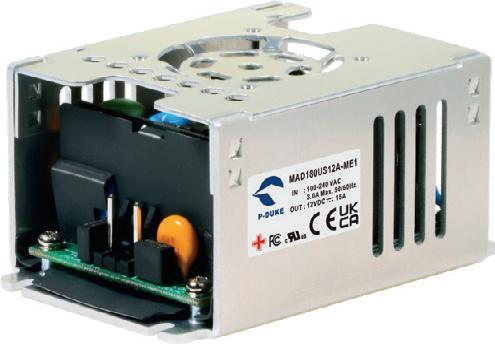
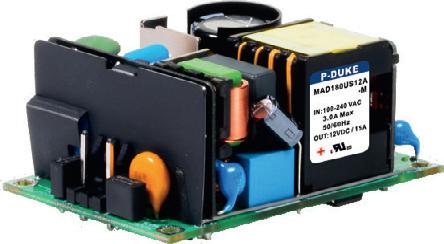
MEDICAL POWER SUPPLIES
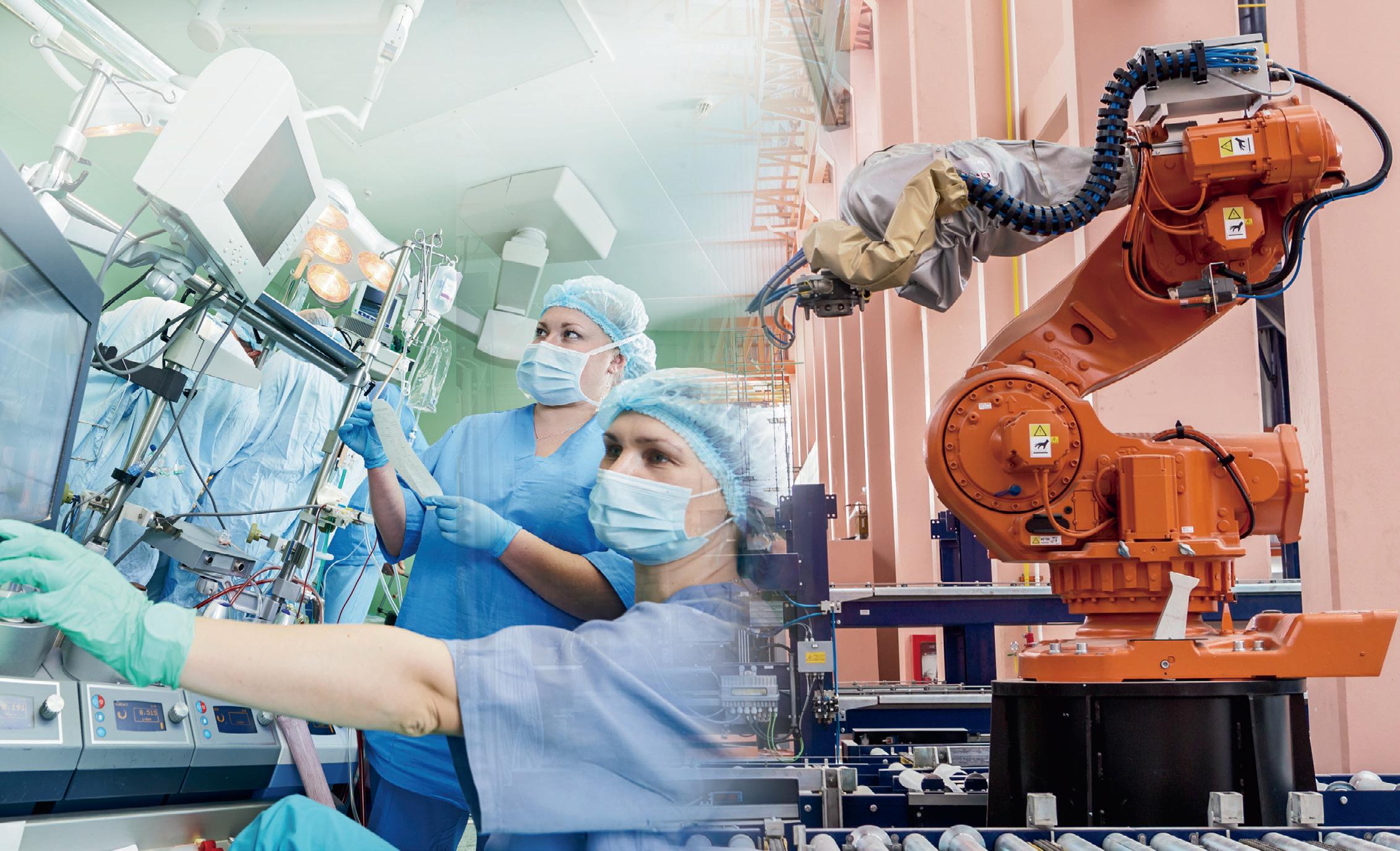
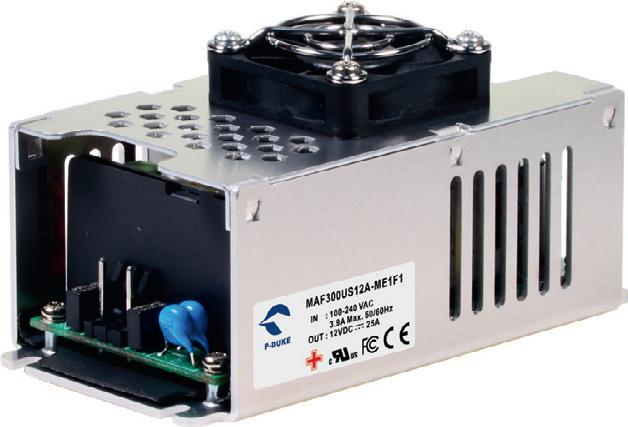
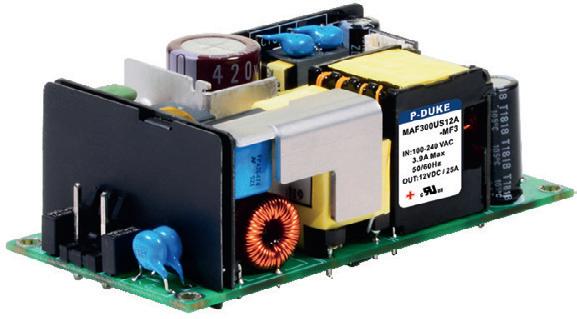
It’s vital that medical and healthcare equipment operates with stringent safety mechanisms. The correct selection of medical power products is critical to long-term system reliability. A power converter designed to minimise stresses on components during normal operation can still suffer from poor reliability if subject to excessive heat in the end installation.
With an understanding of the medical sector’s unique power supply needs, Helios offers a range of certified and compact solutions with robust thermal and EMC design and the opportunity for customisation.
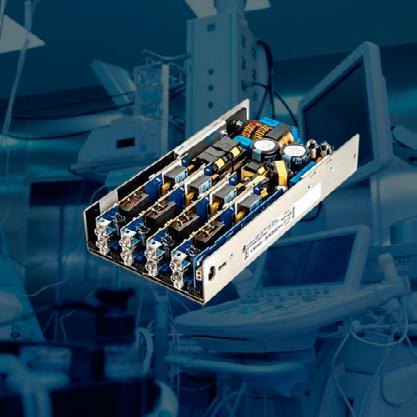
The medical power supplies offered by Helios Power Solutions are designed to be safe, certified and reliable solutions developed for the healthcare sector.
Helios Power Solutions
www.heliosps.com.au




CARD CONNECTOR
Würth Elektronik has expanded its range of card interfaces with the WR-CRD Micro SIM Card Connector with a “Push & Push” insert and eject mechanism, due to a rising demand for wireless connections for IoT devices.
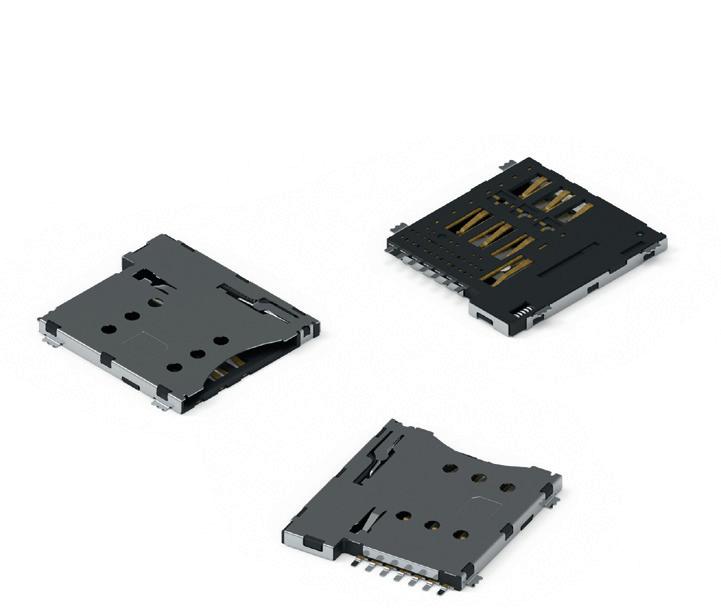

In designing the SIM card receptacle, special attention was paid to kink resistance, high durability and easy card detection. The brass contacts are gold-plated and the package is made of tin-plated steel. The contact resistance is around 100 mΩ. The operating temperature range is -20 to +70°C. The card connector is now available from stock and there are free samples for developers.
Wurth Electronics Australia Pty
www.we-online.com




30 SEPTEMBER/OCTOBER 2023 WWW.ELECTRONICSONLINE.NET.AU www.WFMedia.com.au/subscribe The magazine you are reading is just one of 11 published by Westwick-Farrow Media. To receive your free subscription (magazine and eNewsletter), visit the link below. FREE to industry and business professionals
WIRELESS MODULE

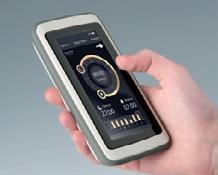
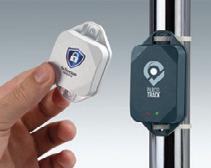

The STM32WB1MMC is an ultra-low-power, small form factor, certified 2.4 GHz wireless module that supports Bluetooth Low Energy 5.3. Based on the STM32WB15CCY wireless microcontroller, it is designed to provide best-in-class RF performance due to its high receiver sensitivity and a high output power signal. Its low-power features enable extended battery lifetime, small coin-cell batteries or energy harvesting.
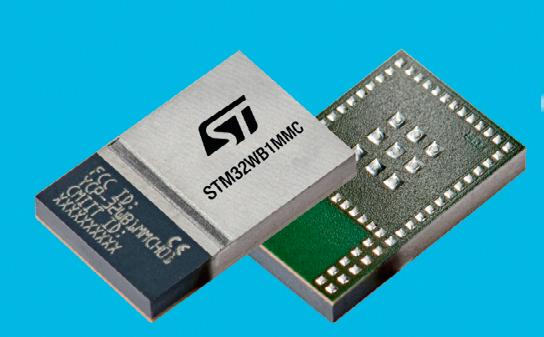
The wireless module requires no RF expertise and is suitable for speeding up application development. The module is also fully protocol stack royalty-free.

STMicroelectronics Pty Ltd www.st.com
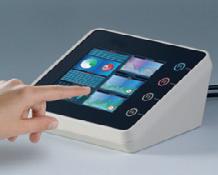

PRINTER
Yamaha has launched the YR series solder paste printer. The YRP10 printer is designed to achieve a high level of print accuracy, which is vital as ultra-compact chip components and narrow-pitch electrodes become more common.
The printer features a newly revised 3S (Swing Single Squeegee) head to further enhance printing quality with improved rolling performance, filling capabilities and reduced solder paste waste. The stencil vacuum mechanism keeps the PCB and stencil in close contact resulting in high-precision printing.
Additionally, automatic set-up changeovers, such as automatic pin push-ups, stencil replacements, solder transfers and automatic solder supply, reduce labour requirements and human errors in line with long-term non-stop production and the Intelligent Factory System.
With the independent dual-lane capability as an option, the printer has the flexibility to support a range of PCB sizes increasing efficiency and responding to diverse products and production formats.
This printer is designed to minimise defects, thereby enhancing the solder paste printing process. Hawker Richardson is the exclusive supplier of the Yamaha SMT line of products in Australasia.

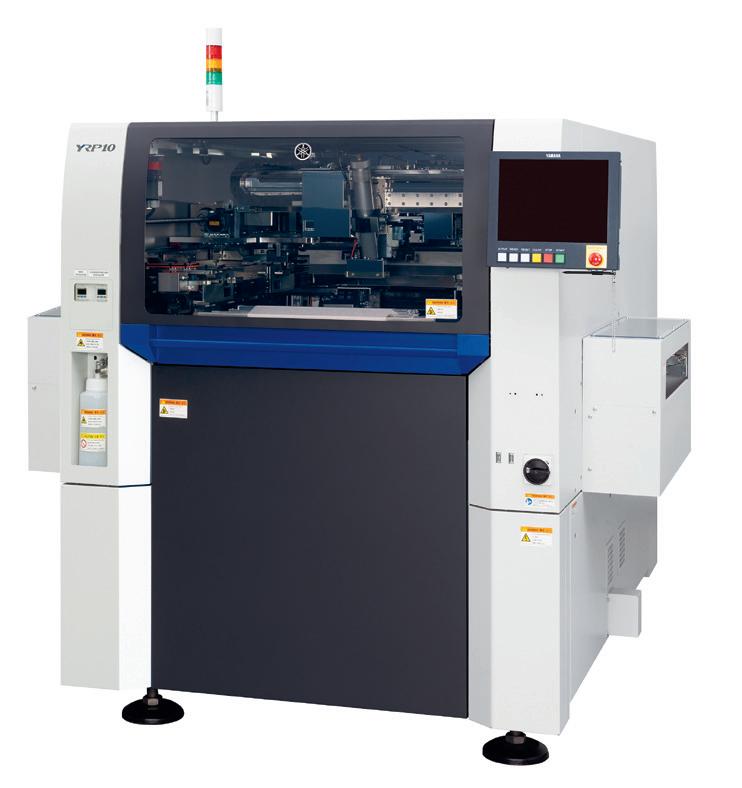
Hawker Richardson
www.hawkerrichardson.com.au

WWW.ELECTRONICSONLINE.NET.AU SEPTEMBER/OCTOBER 2023 31
ROLEC OKW Australia New Zealand Pty Ltd Unit 6/29 Coombes Drive, Penrith NSW 2750 ENCLOSURES AND
www.okw.com.au Phone: +61 2 4722 3388 E-Mail: sales@rolec-okw.com.au
TUNING KNOBS FOR TODAY‘S ELECTRONICS EQUIPMENT!
ARE OUR ELECTRONICS WATERTIGHT?
 Niklas Goll, Fraunhofer IZM
The makers of electronic equipment built into cars or industrial machines know the problem only too well: electronics fail earlier than they should, because humidity seeps into their sealed housings. Reliability tests are conducted to prevent that from happening.
Researchers at Fraunhofer IZM have teamed up with the European Center for Power Electronics (ECPE) to learn more about the climatic conditions inside electronic systems. They used a battery of simulations and analytical tests to study the environmental factors that can affect the initial choices for case designs.
Electronic components have to be protected from humidity to work properly. Protective cases and housings are needed that keep the sensitive electronics dry and safe and make sure that systems like car engines or industrial machines last and work properly for many years. Depending on the application in question, these cases have to contend with different environmental conditions and changing climates. The temperatures in the system will differ because of different electronic components having different levels of thermal dissipation. The end result: a single sealed system will have
several microclimates onboard. But with a smart layout of the sensitive parts, a functioning electronic system can be designed that keeps these different microclimates in just the right balance that is favourable to the system as a whole.
How climatic conditions differ during operation even in a sealed case could now be proven beyond doubt as part of the successful RoDosH (Relevance of Diffusion of Humidity in sealed Housings) project, using the case of a photovoltaic inverter made by SMA. Such inverters turn the solar energy captured and turned into electricity by PV cells into an electric current that can be fed into the public grid. The Environmental & Reliability Engineering unit at the Fraunhofer Institute for Reliability and MicroIntegration IZM has 30 years of experience with reliability simulations and assessments. This experience and methodological know-how were used to put an inverter case through its paces in four separate trial stages. The
unique feature of this process: the sheer range of competence assembled on the team. Because it needs many years of experience in not one but several fields to characterise and simulate all of the materials meaningfully — experience that the team possesses from its many research and commercial projects. On top of the many use cases that the researchers could draw on from prior experience and past projects, they have access to cutting-edge equipment, including conventional climate chambers and dedicated drop test machines as well as highly specialised measuring devices like the so-called thermo-gravitation and sorption analyser or TGA-SA.
Characterising and modelling sealing designs
Before generic or specialised reliability trials are launched, Fraunhofer IZM would usually begin with load or mission profiles. For the case of the PV inverter, two separate load profiles were prepared to show in detail how climatic conditions at different geographic locales will affect the systems. The experts in Berlin cast their nets wide and decided on profiles that match the tough climates that PV systems would have to deal with in, for example, Kuala Lumpur or Mumbai. Weather data was drawn from public sources
32 SEPTEMBER/OCTOBER 2023 WWW.ELECTRONICSONLINE.NET.AU
iStock.com/happyphoton
to understand the specific challenges, like very high average temperatures over the course of the year or extreme humidity. For a contrast, profiles for more moderate climes were chosen, using weather data from Kassel in Germany, Beijing and Tromsø.
In a second step, the researchers put the PV inverter’s casing through several rounds of tests to monitor temperatures inside and around the system. Alongside traditional climate chambers, they use specialised devices for material characterisation, like the TGA-SA that can catch even tiny ac -
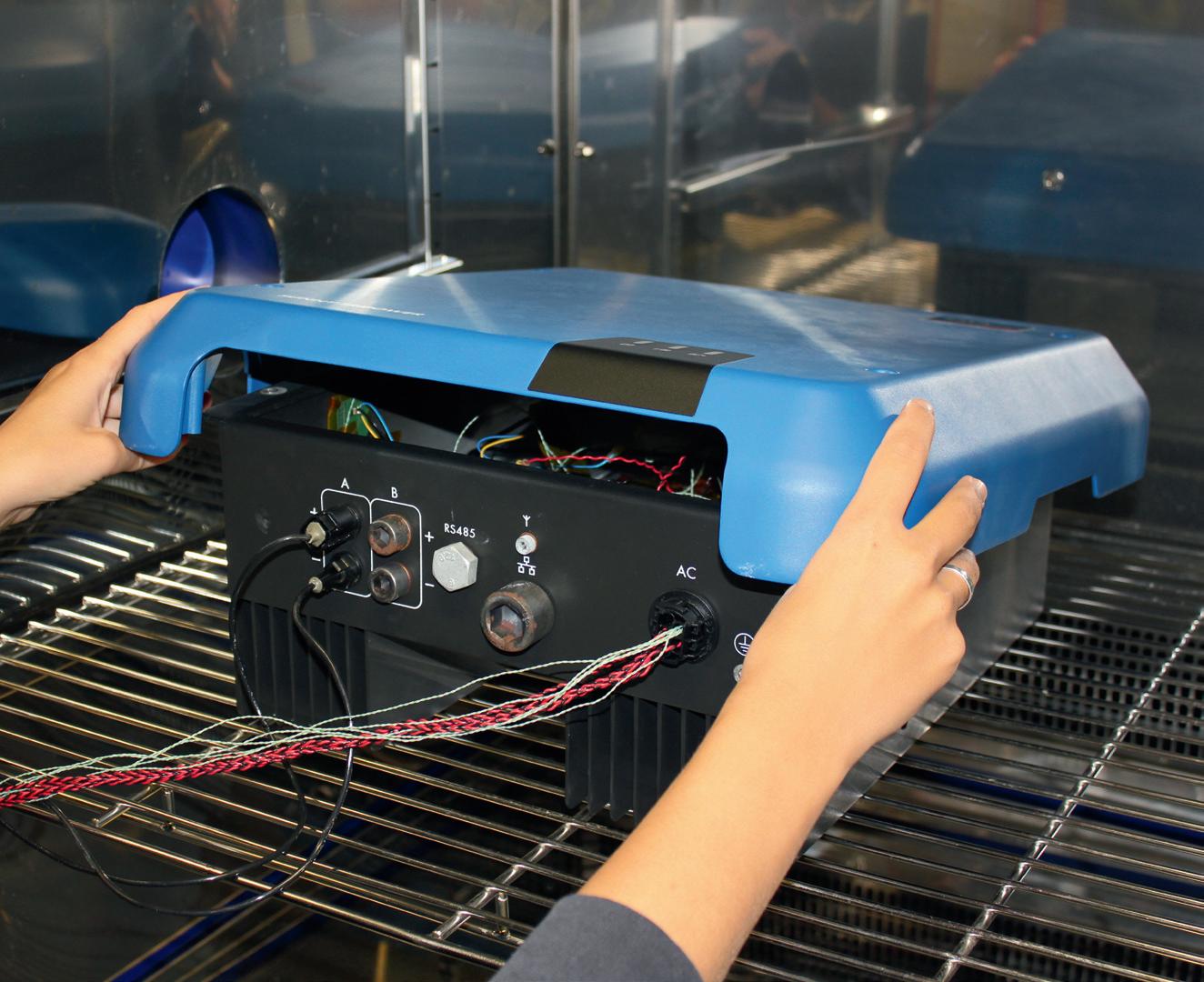
cumulations of humidity by carefully tracking minute changes in weight over a long time. In order to understand the system’s internal climate as contrasted with the surrounding environment and to draw conclusions about how well sealed it is and how individual materials behave, the climate experts rely on a battery of diffusion coefficients. These determine the time it takes for humidity to get into or out of a given material.
Water vapour pressure, air humidity and other indicators are modelled in a third step, which uses the ANSYS software for
TESTING
a combined simulation of temperatures and concentration fields. It allows the researchers to show how relative humidity and local temperatures change throughout the system. More simulations show condensation risks by combining the material properties taken from step two and a standard day-night cycle to understand the impacts of normal or longer stay periods or gradients in temperature.
Understanding impacts on a system’s life expectancy
In the fourth step, the testing and simulation experts try to understand how accumulated humidity can affect a system. In the case of the PV inverter, the culprit is often the slight differences in temperatures, which can lead to localised losses and, in turn, to different levels of humidity throughout the system.
Over the 18 months of its duration, the project showed how close the model came to simulating real-life behaviour. The test kit developed at Fraunhofer IZM allows a reliable insight into how changes to the layout or materials affect the performance of casings or electronic components. It can be put to use at an early stage in a system’s design and development to analyse, assess and characterise the effects on systems and casings and inform choices in the process going forward. For the makers of electronic equipment, this represents a game changer, as it turns the old approach on its head: In the past, insights about why electronics fail could only be gleaned from experience, that is, from systems that have already been fully developed and actually failed during use. The experts at Fraunhofer IZM have put an end to this and the ability to simulate and test systems before they are released means that electronics and their casings will become safer, more reliable and more durable overall.
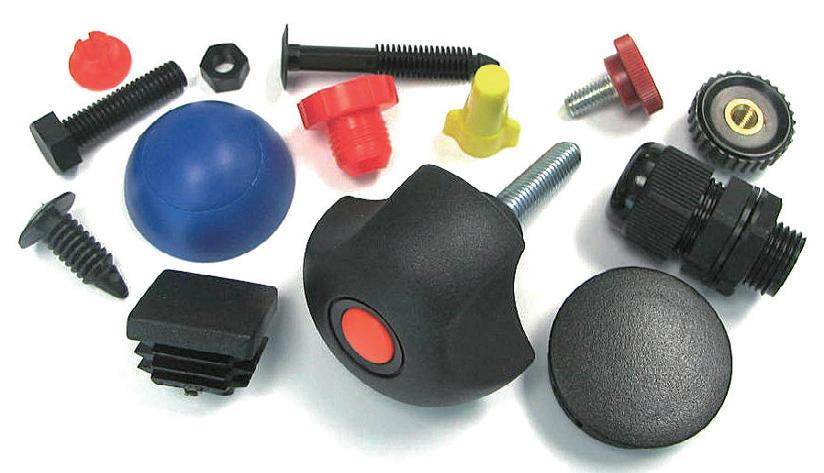
WWW.ELECTRONICSONLINE.NET.AU SEPTEMBER/OCTOBER 2023 33 Limited Electronics Hi-Q from Available sales@hiq.co.nz NZ 0800 800 293 www.hiq.co.nz We Stock 1000’s of Plastic Parts for Industry • Nylon Fasteners • Screws & Nuts • Washers & Spacers • Rivets & Clips • PCB Hardware • Caps & Plugs • Knobs & Handles • Hole Pugs & Bushes • LED Mounts & Light Pipes • Cable Ties & Mounts
On test: Case of a photovoltaic inverter in a climate chamber at Fraunhofer IZM.
Image credit: Fraunhofer IZM.
CHLORIDE IONS FROM SEAWATER
COULD POWER GREEN BATTERIES

While sodium, potassium and zinc have all been promising contenders to replace lithium in rechargeable batteries, researchers at Worcester Polytechnic Institute (WPI) have found that chloride, among the richest negatively charged ions in seawater, could be a viable alternative.
Xiaowei Teng, the James H. Manning professor of chemical engineering at WPI, discovered a new redox chemistry empowered by chloride ions for the development of seawater green batteries.
Modern lithium-ion batteries can be problematic for grid storage, due to their high cost and reliance on critical materials, such as cobalt, nickel and lithium, as well as their limited geographical availability. The researchers leveraged chloride ions to empower redox chemistry of iron oxide battery materials, with their research findings published in the journal Chemistry of Materials.
The study revealed that chloride ion insertion into Fe(OH)2 layered double hydroxide formed a Green Rust intermediate crystalline material, which assisted a onetime transfer Fe(OH) 2/FeOOH conversion reaction and improved cycling stability. This iron redox chemistry was discovered
and examined in the WPI lab. Teng also conducted further studies at the Brookhaven National Laboratory to validate the results using operando synchrotron X-ray diffraction and high-resolution elementary mapping.
The researchers made an aqueous battery, a small lab-scale prototype that operated in the water-based electrolyte, using electrodes made from abundant elements such as iron oxides and hydroxides. While the researchers haven’t calculated the cost, the use of earth-abundant materials could be advantageous for the use of chloride in rechargeable batteries. According to the researchers, the US reportedly produces over 15 million tonnes of scrap iron wastes that are not recycled each year, many of which exist in the form of rust. Therefore, the reported rechargeable alkaline iron battery chemistry helps repurpose the iron rust waste into materials for modern energy storage.
Westwick-Farrow Media A.B.N. 22 152 305 336 www.wfmedia.com.au
Head Office Unit 7, 6-8 Byfield Street, North Ryde Locked Bag 2226, North Ryde BC NSW 1670 Ph: +61 2 9168 2500
Senior Editor Lauren Davis Editor Ashna Mehta wnie@wfmedia.com.au
Acting Publishing Director/MD Janice Williams
Art Director/Production Manager Julie Wright
Art/Production Linda Klobusiak, Marija Tutkovska
Circulation Dianna Alberry circulation@wfmedia.com.au
Copy Control Mitchie Mullins copy@wfmedia.com.au
Advertising Sales
Account Manager Sandra Romanin – 0414 558 464 sromanin@wfmedia.com.au
Asia Tim Thompson - 0421 623 958 tthompson@wfmedia.com.au
If you have any queries regarding our privacy policy please email privacy@westwick-farrow.com.au
Printed and bound by Dynamite Printing
Print Post Approved PP100007394
ISSN No. 0728-3873
All material published in this magazine is published in good faith and every care is taken to accurately relay information provided to us. Readers are advised by the publishers to ensure that all necessary safety devices and precautions are installed and safe working procedures adopted before the use of any equipment found or purchased through the information we provide. Further, all performance criteria was provided by the representative company concerned and any dispute should be referred to them. Information indicating that products are made in Australia or New Zealand is supplied by the source company. Westwick-Farrow Pty Ltd does not quantify the amount of local content or the accuracy of the statement made by the source.
34 SEPTEMBER/OCTOBER 2023 WWW.ELECTRONICSONLINE.NET.AU
GREEN ENERGY
iStock.com/Petmal