

Forte The intelligent BOM tool® Check stock Part match Review lifecycles Save time A BOM tool with brains — it’s our Forte Authorised distributor of semiconductors and electronic components for design engineers March/April 2023 Vol.42 No.5 PP100007394



FORTE enables users to master their Bill of Materials with greater intelligence. FORTE is a comprehensive, intelligent BOM tool that quickly evaluates millions of parts to improve order accuracy, save time and increase confidence when specifying and purchasing semiconductors and electronic components. And it's free to anyone with a My Mouser account. Get ready to discover a new BOM tool created to provide you with a better experience and help you research and purchase parts more quickly.

Key Features:
• New look featuring an easy-to-understand interface with clear steps for processing ease
• Time-saving, one-step BOM spreadsheet importer that maintains your original format
• Access millions of orderable part numbers online


• Easily add and delete parts, plus see multiple quantities and prices without exporting
• Analyses partial part numbers and descriptions to intelligently suggest parts
• Part match confidence and design risk indicators help you match and choose the best parts for the design
• Recommends alternative products to reduce design and product lifecycle risks. Mouser Electronics au.mouser.com


WWW.ELECTRONICSONLINE.NET.AU CONTENTS COVER STORY WHAT'S NEW IN ELECTRONICS MARCH/APRIL 2023 Your copy of What's New in Electronics is available as an online eMag. READ ONLINE! www.electronicsonline.net.au/magazine 4 New quantum sensing technique reveals magnetic connections 14 Largest ever Electronex Expo in Melbourne 29 Important factors for investing in total line solutions 33 Cruising toward self-driving cars 36 Impact protection (IK) values explained 40 Algorithm developed for charging wireless sensor networks 47 Engineers discover a new way to control atomic nuclei as “qubits” 52 Protecting perovskites in space 54 Physicists use entanglement to improve quantum measurements

4 MARCH/APRIL 2023 WWW.ELECTRONICSONLINE.NET.AU
Leah Hesla, Argonne National Laboratory
A research team supported by the Q-NEXT quantum research centre demonstrates a new way to use quantum sensors to tease out relationships between microscopic magnetic fields.

Say you notice a sudden drop in temperature on both your patio and kitchen thermometers. At first, you think it’s because of a cold snap, so you crank up the heat in your home. Then you realise that while the outside has indeed become colder, inside, someone left the refrigerator door open.
Initially, you thought the temperature drops were correlated. Later, you saw that they weren’t.
Recognising when readings are correlated is important not only for your home heating bill but for all of science. It’s especially challenging when measuring properties of atoms.
Now scientists have developed a method, reported in Science , that enables them to
see whether magnetic fields detected by a pair of atom-scale quantum sensors are correlated or not.
The research was supported in part by Q-NEXT, a U.S. Department of Energy (DOE) National Quantum Information Science Research Center led by DOE’s Argonne National Laboratory.
The ability to distinguish between standalone and correlated environments at the atomic scale could have enormous impacts in medicine, navigation and discovery science.
What happened
A team of scientists at Princeton University and the University of Wisconsin–Madison developed and demonstrated a new technique for teasing out whether magnetic fields
picked up by multiple quantum sensors are correlated with each other or independent.
The team focused on a type of diamondbased sensor called a nitrogen-vacancy centre, or NV centre, which consists of a nitrogen atom next to an atom-sized hole in the crystal of carbon atoms that make up a diamond.
Typically, scientists measure the magnetic field strength at a single NV centre by averaging multiple readings. Or they might take an average reading of many NV centres at once.
While helpful, average values provide only so much information. Knowing that the average temperature in Wisconsin will be 42 degrees Fahrenheit tomorrow tells you little about how much colder it will be at night or in the northern part of the state.
WWW.ELECTRONICSONLINE.NET.AU MARCH/APRIL 2023 5 iStock.com/Ekaterina
SENSORS
Kupeeva
RATHER THAN AVERAGE OVER MANY RAW VALUES TO ARRIVE AT THE OVERALL MAGNETIC FIELD STRENGTH, THE RESEARCHERS KEPT TRACK OF INDIVIDUAL READINGS AT EACH NV CENTRE, AND THEN APPLIED A MATHEMATICAL MANOEUVRE CALLED “COVARIANCE” TO THE TWO LISTS. COMPARING THE COVARIANCECALCULATED FIGURES — WHICH CAPTURE MORE DETAIL THAN A COUPLE OF RAW AVERAGES — LET THEM SEE WHETHER THE FIELDS WERE CORRELATED.
“If you want to learn not just the value of the magnetic field at one location or at one point in time, but whether there’s a relationship between the magnetic field at one location and the magnetic field at another nearby — there wasn’t really a good way to do that with these NV centres,” said paper co-author Shimon Kolkowitz, associate professor at the University of Wisconsin–Madison and Q-NEXT collaborator.
The team’s new method uses multiple simultaneous readings of two NV centres. Using sophisticated computation and signal-processing techniques, they obtained information about the relationship between the magnetic fields at both points and could say whether the two readings resulted from the same source.
“Were they seeing the same magnetic field? Were they seeing a different magnetic field? That’s what we can get from these measurements,” Kolkowitz said. “It’s useful information that no one had access to before. We can tell the difference between the global field that both sensors were seeing and those that were local.”
Why it matters
Quantum sensors harness the quantum properties of atoms or atom-like systems to pick up tiny signals — such as the magnetic fields arising from the motion of single electrons. These fields are puny: 100,000 times weaker than that of a fridge magnet. Only ultrasensitive tools such as quantum sensors can make measurements at nature’s smallest scales.
Quantum sensors are expected to be powerful. NV centres, for example, can
distinguish features separated by a mere one ten-thousandth of the width of a human hair. With that kind of hyperzoom capability, NV centres could be placed in living cells for an inside, up-close look at how they function. Scientists could even use them to pinpoint the causes of disease.
“What makes NVs special is their spatial resolution,” Kolkowitz said. “That’s useful for imaging the magnetic fields from an exotic material or seeing the structure of individual proteins.”
With the Kolkowitz team’s new method for sensing magnetic field strengths at multiple points simultaneously, scientists could one day be able to map atom-level changes in magnetism through time and space.
How it works
How did the team make these informative measurements? They got granular.
Rather than average over many raw values to arrive at the overall magnetic field strength, the researchers kept track of individual readings at each NV centre, and then applied a mathematical manoeuvre called “covariance” to the two lists.
Comparing the covariance-calculated figures — which capture more detail than a couple of raw averages — let them see whether the fields were correlated.
“We’re doing that averaging differently than what’s been done in the past, so we don’t lose this information in the process of averaging,” Kolkowitz said. “That’s part of what’s special here.”
So why hasn’t covariance magnetometry, as the method is called, been tested before now?
For one, the team had to build an experimental setup for taking simultaneous measurements at multiple NV centres. This microscope was built by the team at Princeton, led by Professor Nathalie de Leon, a member of the Co-Design Center for Quantum Advantage, another DOE National Quantum Information Science Research Center, led by Brookhaven National Laboratory.
For another, covariance magnetometry works only when the individual measurements of these tiny magnetic fields are highly reliable. (A readout is only as good as its contributing measurements.) That’s why the researchers used a special technique called spin-to-charge conversion, which produces a raw reading with more information about the magnetic field for each measurement than other commonly used tools.
With spin-to-charge conversion, individual measurements take longer. That’s the price scientists pay for higher reliability.
However, when combined with covariance to measure minuscule, correlated magnetic fields, it saves buckets of time.
“Using the conventional method, you’d have to average for 10 full days continuously to get one piece of data to say that you saw this correlated nanotesla signal,” Kolkowitz said. “Whereas with this new method, it’s an hour or two.”
By integrating covariance information with spin-to-charge conversion, researchers can gain access to atomic and subatomic details they didn’t have before, supercharging the already powerful capabilities of quantum sensing.
This article was originally published by the Argonne National Laboratory.

6 MARCH/APRIL 2023 WWW.ELECTRONICSONLINE.NET.AU
SENSORS
iStock.com/Greyfebruary

STM32C0 Entry-level 32-bit MCU for cost sensitive applications
•
RC •
supply pair
48-pin packages
10 years
Ready to get started? Visit www.st.com/stm32c0 STMicroelectronics Suite 703, 247 Coward Street, Mascot, 2020, NSW Australia Tel: +61 2 9158 7201 Email: clifford.shi@st.com Authorized Distributors ARROW Electronics Australia Pty Ltd - Tel +61 2 9737 4900 Future Electronics - Tel: +61 2 8064 0000 Avnet Electronics (Australia) Ltd - Tel: 1300 791 695 www.st.com/stm32c0
• Most cost-effective STM32 MCU • Bridging the gap between 8- or 16-bit MCUs and higher performance 32-bit MCUs • Arm® Cortex®-M0+ core running at 48MHz • Up to 32KB Flash, 12KB RAM • Smallest package, max I/O count • Fewer surrounding components:
Accurate internal high-speed clock 1%
Only one power
• Available in 8- to
•
longevity commitment
SHORTcircuits
NEW METHOD DEVELOPED TO EVALUATE THERMOELECTRIC MATERIALS
A team of researchers in the Clemson Department of Physics and Astronomy and the Clemson Nanomaterials Institute (CNI) has developed a method to evaluate thermoelectric materials.
Department of Physics and Astronomy Research Assistant Professor Sriparna Bhattacharya, Engineer Herbert Behlow and CNI Founding Director Apparao Rao collaborated with researcher HJ Goldsmid, professor emeritus at UNSW in Sydney, Australia, to create a one-stop method for evaluating the efficiency of thermoelectric materials.

Thermoelectric materials use a temperature gradient (∆T) to generate electricity. They can be used for power generation by converting heat to electricity (Seebeck method) or refrigeration by converting electricity to cooling (Peltier method). Thermoelectric materials are used in a range of applications and their efficiency is measured by a figure-of-merit, or zT, which considers the material’s temperature, electrical conductivity and thermal conductivity. The traditional method of determining zT requires two measurements using different sets of equipment, something that sometimes causes researchers to report incorrect results. Researchers sometimes mistakenly measure electrical conductivity (charge flow) and thermal conductivity (heat flow) along different directions in their sample when it is switched from one instrument to the other.
Peltier cooling had not been used previously for evaluating zT because of a high ∆T, or the maximum achievable difference in temperature between the cold junction and ambient. According to Behlow, the researchers used thermocouples containing a metal and a semiconductor junction to reduce the ∆T to a narrower range so that the temperature-dependent zT may be determined with a higher resolution.
“The idea to use a metal and a semiconductor to reduce ∆T was hidden in plain sight until Professor Goldsmid recognised this was the case and proposed this new method for measuring zT. The experimental set-up we developed at CNI (with the help of the Department of Physics and Astronomy Instrument Shop) to test Professor Goldsmid’s theory ensures that the charge flow and the heat flow are measured in the same direction in the sample,” Rao said. “Therefore, by design, our method provides accurate zT,” Behlow said.
Isabel Rancu, a student at the South Carolina Governor’s School for Science and Mathematics, contributed to the study by working with the team and independently verifying the model calculations reported by Behlow. The UNSW-Clemson study was published in the Journal of Applied Physics
RESEARCHERS MEASURE SPIN TRANSPORT ACROSS MOLECULAR FILMS
Information processing devices — such as smartphones — are becoming more sophisticated as their information processing density increases, due to advances in microfabrication technology. However, the physical limits to processing are approaching, making further miniaturisation difficult. The continued demand for more sophisticated technology requires a change in operating principles, so that faster, smaller devices can continue being made.

To meet this demand, a technology called spintronics — using the magnetic spin and the charge of electrons — could unlock the next generation of advanced electronics. By aligning the direction of a magnetic spin and moving it like an electric current, it is possible to propagate information using little power and generating less waste heat.
A research group, led by Professors Eiji Shikoh and Yoshio Teki of the Osaka Metropolitan University Graduate School of Engineering, has measured spin transport at room temperature in a thin film of alpha-naphthyl diamine derivative (αNPD) molecules, a well-known material in organic lightemitting diodes. This molecular thin film was found to have a spin diffusion length of approximately 62 nanometres, a distance that could be used in practical applications. To use spin transport to develop spintronics, technology requires a spin diffusion length in the tens of nanometre range at room temperature for accurate processing. The thin molecular film of αNPD with a spin diffusion length of 62 nanometres — a long distance for molecular materials — was fabricated for this study by thermal evaporation in vacuum. While electricity has been used to control spin transport in the past, this new thin αNPD molecular film is photoconductive, making it possible to control spin transport using visible light.
“For practical use, it will be necessary to uncover more details about spin injection and spin transport mechanisms through thin molecular films to control spin transport. Further research is expected to lead to the realisation of super energyefficient devices that use small amounts of power and have little risk of overheating,” Shikoh said.
The research findings were published in Solid State Communications
8 MARCH/APRIL 2023 WWW.ELECTRONICSONLINE.NET.AU
iStock.com/konradlew
Image credit: Clemson University

NEW POLYSULFATE COMPOUNDS COULD FIND USE IN ELECTRONICS COMPONENTS
A new type of polysulfate compound that can form thin, flexible films has properties that could make it suitable for many highperformance electrical components, according to a study from scientists at Scripps Research and the Lawrence Berkeley National laboratory (LBNL). In the study, published in Joule, the scientists found that the new polysulfates can be used to make polymer film capacitors that store and discharge high density of electrical energy while tolerating heat and electrical fields beyond the limits of existing polymer film capacitors.
Study co-senior author Peng Wu, PhD, said the research findings suggest that energy-storing capacitors and other devices based on these new polysulfates could see wide applications, including in electric vehicle power systems. The other senior authors were K Barry Sharpless, PhD, and Yi Liu, PhD. The Sharpless and Wu labs recently synthesised many previously inaccessible polysulfates using the sulfur fluoride exchange (SuFEx) reaction. SuFEx is part of a growing set of molecule-building methods known as click chemistry for their high efficiency and easy reaction requirements.
In investigations at Liu’s lab at LBNL’s Molecular Foundry, the researchers found that some of the new polysulfates have superior ‘dielectric’ properties. Dielectric materials are electrical insulators in which positive and negative charges separate — storing energy, in effect — when the materials are exposed to electric fields. They are used in capacitors, transistors and other ubiquitous components of modern electronic circuits.
Many of the dielectric materials in contemporary use are lightweight, flexible, plastic-like materials called polymers. The new polysulfates are also polymers, but have improved properties compared to commercial dielectric polymers. The researchers found that capacitors made from one of the new polysulfates, when enhanced with a thin film of aluminium oxide, could discharge a high density of energy, while withstanding electric fields (more than 700 million volts per metre) and temperatures (150°C) that would destroy widely used polymer film capacitors. It was noted that the heat sensitivity of standard polymer capacitors often necessitates expensive and cumbersome cooling measures in systems that use them — such as some electric car models. Therefore, adoption of the new polysulfate dielectrics could lead to cheaper, simpler, more durable power systems in electric cars and other applications.

The researchers continue to synthesise and investigate new polysulfates to find some that have better properties.
SCIENTISTS DEMONSTRATE SOLIDSTATE THERMAL TRANSISTOR
A research team at Hokkaido University led by Professor Hiromichi Ohta at the Research Institute for Electronic Science has developed a solid-state electrochemical thermal transistor. The innovation, described in the journal Advanced Functional Materials, is more stable than and as effective as current liquid-state thermal transistors. Modern electronic devices use electrochemical thermal transistors to manage the heat produced as waste during usage. Electrochemical thermal transistors are used to control heat flow with electrical signals. Currently, liquid-state thermal transistors are in use, but have some limitations, as leakage can cause the device to stop working.
“A thermal transistor consists broadly of two materials, the active material and the switching material. The active material has changeable thermal conductivity (κ), and the switching material is used to control the thermal conductivity of the active material,” Ohta said.

The researchers constructed the thermal transistor on a yttrium oxide-stabilised zirconium oxide base, which functioned as the switching material, and used strontium cobalt oxide as the active material. Platinum electrodes were used to supply the power required to control the transistor. The thermal conductivity of the active material in the “on” state was comparable to some liquid-state thermal transistors. In general, thermal conductivity of the active material was four times higher in the “on” state compared to the “off” state. The transistor was also stable over 10 use cycles. This behaviour was tested across more than 20 separately fabricated thermal transistors, to determine if the results were reproducible. The only drawback was the operating temperature of around 300°C.
“Our findings show that solid-state electrochemical thermal transistors have the potential to be just as effective as liquid-state electrochemical thermal transistors, with none of their limitations. The main hurdle to developing practical thermal transistors is the high resistance of the switching material, and hence a high operating temperature. This will be the focus of our future research,” Ohta said.
10 MARCH/APRIL 2023 WWW.ELECTRONICSONLINE.NET.AU ENERGY STORAGE SHORT
circuits
Image credit: Scripps Research
Image credit: Hiromichi Ohta.
MICRO-LEDs STACKED VERTICALLY TO SHARPEN DISPLAYS

Current flat panel displays for virtual reality use pixels that are visible to the naked eye, along with small bits of unlit dark space between each pixel that can appear as a black, mesh-like grid. Researchers from the Georgia Institute of Technology, in collaboration with researchers from the Massachusetts Institute of Technology (MIT) have developed a new process based on 2D materials to create LED displays with smaller and thinner pixels. Enabled by two-dimensional, materials-based layer transfer technology, the innovation could ultimately lead to clearer and more realistic LED displays.
Georgia Tech-Europe Professor Abdallah Ougazzaden and research scientist Suresh Sundaram collaborated with researchers from MIT to improve the current conventional LED manufacturing process. Instead of using prevailing processes based on laying red, green and blue (RGB) LEDs side by side, which limits pixel density, the team vertically stacked freestanding, ultrathin RGB LED membranes, achieving an array density of 5100 pixels per inch — the smallest pixel side reported to date (four microns) and reportedly the smallest stack height — all while delivering a full commercial range of colours. This ultra-small vertical stack was achieved via the technology of van der Waals epitaxy on 2D boron nitride developed at the Georgia Tech-Europe lab and the technology of remote epitaxy on graphene developed at MIT.
The study showed that thin and small pixelled displays can be enabled by an active layer separation technology using 2D materials such as graphene and boron to enable high array density micro-LEDs resulting in full-colour realisation of micro-LED displays. The two-dimensional, material-based layer transfer (2DLT) technique allows the reuse of epitaxial wafers; reusing this costly substrate could lower the cost for manufacturing smaller, thinner and more realistic displays.
“We have now demonstrated that this advanced 2D, materials-based growth and transfer technology can surpass conventional growth and transfer technology in specific domains, such as in virtual and augmented reality displays,” said Ougazzaden, the lead researcher for the Georgia Tech team.
These techniques were developed in metalorganic chemical vapour disposition (MOCVD) reactors, a key tool for LED production at the wafer scale. The 2DLT technique can be replicated on an industrial scale with high throughput yield. The technology has the potential to bring the field of virtual and augmented reality to the next level, enabling the next generation of immersive, realistic micro-LED displays.
TOPOLOGICAL WAVEGUIDE REDUCES ENERGY CONSUMPTION IN ELECTRONICS

A team of researchers from the Institute for Materials Research at Tohoku University has developed an acoustic waveguide based on the mathematical concept of topology, which could lead to reduced energy consumption in many everyday electronic devices. Surface acoustic waves (SAW) are a type of acoustic wave where the vibration magnitude is focused on a material’s surface. SAWs can be excited and detected on piezoelectric substrates, crystals with the ability to generate electricity when compressed or vibrated. Electrical components, known as SAW devices, make use of this and provide frequency filtering and sensing in common electronic devices such as mobile phones and touch sensors. However, they consume a lot of energy, thus being a drain on battery life.
The team, which comprised Yoichi Nii and Yoshinori Onose from Tohoku University, created the topological waveguide as a solution to this problem. Waveguides are devices that carry or guide waves in a spatially confined area. Topological waveguides are a recent development that reduce energy loss and allow for manipulating waves in unique ways. The topological nature of the researchers’ waveguide reduces energy consumption and could also prolong the battery life of phones and other electronics.
The waveguide is also easy to create and compatible with current SAW device technology. “Implementing our waveguide involves simply fabricating nano-sized pillar patterns on the surface of the piezoelectric substrate,” Nii said.
The waveguide could drive further breakthroughs in quantum technologies. “SAW-based technologies have also attracted the attention of researchers exploring ways to push the boundaries of quantum computing,” Nii said.
The research findings were published in the journal Physical Review Applied
WWW.ELECTRONICSONLINE.NET.AU MARCH/APRIL 2023 11
Image credit: Younghee Lee
Image credit: Yoichi Nii
SHORTcircuits
INNOVATIVE NEW METHOD CONTROLS OPTICAL CIRCUITS ON PICs

Researchers from Monash University, RMIT and the University of Adelaide have developed a method to control optical circuits on fingernail-sized photonic integrated circuits. Photonics, or the use of light particles to store and transmit information, is a burgeoning field, supporting the need to create faster, better, more efficient and more sustainable technology. Programmable photonic integrated circuits (PICs) offer diverse signal processing functions within a single chip, and present solutions for applications ranging from optical communications to artificial intelligence. Photonics is also changing the processing capability of large-scale equipment onto a chip the size of a human fingernail.

Earlier this year, researchers at Monash University, RMIT and the University of Adelaide developed an advanced photonic circuit that could transform the speed and scale of photonics technology. However, as the scale and complexity of PICs grows, the characterisation and calibration of them becomes increasingly challenging. Monash University research fellow Professor Mike Xu said the team added a common reference path to the chip, which enables stable and accurate measurements of the lengths (phases, time delays) and losses of the ‘workhorse’ paths. “By inventing a new method, the fractional delay method, we have been able to separate out the wanted information from the unwanted, making for more precise applications,” Xu said.
Previously chips have been measured/calibrated by connecting to complex and expensive external equipment (called a vector network analyser); however, the connections to it introduce phase errors, caused by vibrations and temperature changes. By putting the reference on the actual chip, these phase errors can be avoided. Professor Arthur Lowery from Monash University said that previously, researchers used the ‘Kramers–Kronig’ method to remove unwanted errors from desired measurements, but the fractional method requires less optical power for calibration for a given accuracy. “This means that we can get reliable measurements of the chip’s status, so are able to accurately program it for a desired application, such as pattern recognition in an optical computer, or squeezing extra capacity from an optical communications network,” Lowery said.
In the next phase of development, this research team will explore how photonic chips can use many wavelengths to achieve ultrafast information processing and machine intelligence.
BIONIC FINGER RENDERS 3D IMAGES OF ELECTRONIC DEVICES
Researchers have presented a bionic finger that can create 3D maps of the internal shapes and textures of complex objects by touching their exterior surface. Senior author Jianyi Luo, a professor at Wuyi University, said the researchers were inspired by human fingers, which have the sensitive tactile perception. “For example, when we touch our own bodies with our fingers, we can sense not only the texture of our skin, but also the outline of the bone beneath it,” Luo said.
The bionic finger ‘scans’ an object by moving across it and applying pressure, akin to a constant stream of pokes or prods. With each poke, the carbon fibres compress, and the degree to which they compress provides information about the relative stiffness or softness of the object. Depending on the object’s material, it might also compress when poked by the bionic finger: rigid objects hold their shape, while soft objects will deform when enough pressure is applied. This information, along with the location at which it is recorded, is relayed to a personal computer and displayed onscreen as a 3D map.
The researchers tested the bionic finger’s ability to map out the internal and external features of complex objects made of multiple types of material, such as a rigid ‘letter A’ buried under a layer of soft silicon, as well as more abstractly shaped objects. When the finger was used to scan a small compound object made of three different materials — a rigid internal material, a soft internal material and a soft outer coating — it was able to discriminate between the soft outer coating and the internal hard ridges, and could also tell the difference between the soft outer coating and the soft material that filled the internal grooves.
The researchers also explored the bionic finger’s ability to diagnose issues in electronic devices without opening them up. By scanning the surface of a defective electronic device with the bionic finger, the researchers could create a map of its internal electrical components and pinpoint the location at which the circuit was disconnected, as well as a mis-drilled hole, without breaking through the encapsulating layer.
“Next, we want to develop the bionic finger’s capacity for omnidirectional detection with different surface materials,” Luo said.
12 MARCH/APRIL 2023 WWW.ELECTRONICSONLINE.NET.AU
Image credit: Cell Reports Physical Science
Image credit: Monash University


LARGEST EVER ELECTRONEX EXPO IN MELBOURNE


WHAT: Electronex Expo and SMCBA Conference
WHEN: 10–11 May 2023

WHERE: Melbourne Convention and Exhibition Centre
WEB: www.electronex.com.au | smcba.asn.au/conference
The event has been enthusiastically supported by local and international exhibitors with many companies launching and showcasing new products and technology at this year’s event. It will be the largest show to be held since the event was launched in 2010 with over 100 companies represented at the expo.
Exhibitions throughout Australia are experiencing strong attendances post COVID-19 as trade visitors welcome the return of face-to-face exchanges to discuss their specific requirements and find solutions with suppliers and industry experts. Electronex is Australia’s major exhibition for companies using electronics in design, assembly, manufacture and service in Australia, and over 1500 engineers, designers, managers, service technicians and other decision-makers are expected to attend over the two days.
In another first, Electronex will be colocated with Australian Manufacturing Week with trade visitors now able to visit both events on the Wednesday or Thursday to see the entire spectrum of the latest products, technology and turnkey solutions for the electronics and manufacturing sectors. A series of free seminars will also be held on the expo floor with visitors able to walk up on the day and hear about the latest hot topics and technology advances in the electronics industry. The seminar program can be viewed on the show website.
SMCBA Electronics Design and Manufacture Conference
The SMCBA Electronics Design and Manufacture Conference will also be held at Electronex featuring sessions and technical workshops from international and local experts. The keynote “Securing the Electronics Future: Technological Sovereignty Through Innovation & Collaboration” will be presented by Cheryl Tulkoff, an experienced executive director,

14 MARCH/APRIL 2023 WWW.ELECTRONICSONLINE.NET.AU
iStock.com/undefined undefined
Electronex – The Electronics Design and Assembly Expo at the Melbourne Convention and Exhibition Centre from 10–11 May 2023 is a sellout.
teacher and author with over 30 years of experience in the electronics industry.
Focused on reliability and failure analysis, Tulkoff has a passion for accelerated product development while improving reliability, optimising resources and improving customer satisfaction. The keynote will emphasise the importance of developing secure, reliable, and sustainable electronics manufacturing and the need for increased international cooperation between industry, government
and academia to promote innovation. Ultimately, by working together to advance the electronics industry, we can create a more secure and prosperous future for all.

Cheryl will also present “The ABCs of DfX in Electronics Manufacturing”. Design for Excellence (DfX) is based on the concept that optimising a product early in the design process is far more effective than addressing problems later. Do some of your design practices limit long-term product
success? Is the design process focused solely on meeting a narrow set of defined requirements? Having a broad knowledge of the entire product life cycle — from cradle to grave — dramatically improves productivity, reliability and sustainability. Common barriers and mistakes will be discussed, along with practices that can be immediately implemented.
Phil Zarrow from ITM Consulting, who is well known for the popular podcast Board Talk, will conduct a workshop “SMT Assembly Troubleshooting and Process Optimisation”. Another presenter, Jasbir Bath from Bath Consultancy, has over 25 years of experience in research, design, development and implementation in the areas of soldering, surface mount and packaging technologies. He will present two workshops: “SMT Process Setup” and “SMT Process Development”. Audra McCarthy, CEO Defence Teaming Centre Inc, will also present “The role of the Australian electronics sector in establishing a sovereign defence industry capability”. The full conference program can be viewed at https://smcba.asn.au/conference.
At the last expo in Melbourne in 2019, in a post-show survey 98% of visitors said Electronex was beneficial for their industry and it won’t return until 2025, so don’t miss it! Visitors can register for free at www. electronex.com.au.
Australasian Exhibitions and Events Pty Ltd www.electronex.com.au

WWW.ELECTRONICSONLINE.NET.AU MARCH/APRIL 2023 15
ELECTRONEX 2023 iStock.com/NatalyaBurova
SOLDERING ROBOT
Unlike some other Cartesian robots, the Thermaltronics TMT-R8000S Soldering Robot from Chemtools is equipped with full vision (eyes) to verify the procedure being undertaken and does not follow a pre-determined program. The soldering robot has an observation mode, a verification mode and decision-making capabilities (brain). This capability of collecting and utilising data for production processing is an important factor needed to meet the requirements of Industry 4.0 standards.

The soldering robot system is designed to meet the requirements of high speed operation, repeatability and durability. Application programming is simplified by using full image-merging and mapping techniques. Dynamic laser height measurement/adaptive control facilitates precision soldering repeatability. A full vision mapping and matching system provides for intelligent decision-making during procedural operations.
Chemtools Pty Ltd
www.chemtools.com.au
BATTERY PROBE
The HSS-667 battery probe from INGUN features an aggressive, active tip style to penetrate oxidised layers. Using the battery probe, various battery cells can be contacted with a consistent low resistance. The battery probe is designed for efficient battery production.
Developed for contacting cylindrical and prismatic battery cells, the battery probe provides an efficient contacting solution to check that each process step meets stringent quality standards to maximise the production yield during cell production. These include formation, DC/AC impedance measurement, cell cycling, charging and discharging processes, and end-of-line testing (EOL).
The patented contacting mechanism provides the lowest and most consistent contact resistance on the oxide layers of the aluminium anodes and copper cathodes.

The battery probe is designed, manufactured and assembled in Germany and joins Redback Test Services’ portfolio of specialised battery probes.
Redback Test Services
www.redbacktest.com.au
DIGITAL AUTO FOCUSING MICROSCOPE
The SubaScope 28 4K is a digital auto focusing microscope that delivers 4K resolution at any focusing height, in both HDMI connectivity and LAN connectivity. The microscope is designed in Australia through the combination of local manufacturing and overseas components. The microscope has a range of features, including autofocus 4K (3840x2160) definition CAM, 3A image processing technology (providing clear photos and crisp colours) and 60 frames/s with HDMI connection and 20 frames/s with LAN connection PC.

The microscope also comes with HDMI and RJ45 LAN multiple video output options for monitors and PCs, up to 28x zoom standard, and standalone microscope software with a pack of features designed to aid and improve analysis (image and video capturing, measurement software, digital comparison, and browse and playback). A software licence is also included for computer operation.
While the microscope is designed with user-friendliness in mind, individual settings can also be changed through an easy-to-use interface via wireless mouse. The adjustable counterbalanced arm provides versatility and mobility, translation and rotation in all 6 axes, making it a powerful tool. The microscope also has the flexibility to inspect any kind of component on any kind of surface. The microscope is a high-quality unit designed for the entry level market.
Suba Engineering
www.suba.com.au
16 MARCH/APRIL 2023 WWW.ELECTRONICSONLINE.NET.AU
ELECTRONEX 2023
STAND A29 STAND B24 STAND D09

STAND A32
RECEIVING STATION
The Reel Smart incoming material station (IMS) from Scienscope International, a supplier of Xray systems, is a key integration in the “smart factory” SMT production process. The IMS-100 reads up to four component reels at a time via barcodes and QR codes and is designed to link with MRP/ERP software in seconds. The high-resolution two-camera-based system scans and receives data from multiple suppliers once the templates have been set up. As the image-based algorithm reads any barcode, even with defects, the operator can be extremely efficient.

The receiving station provides a rapid inventory count and integrates with any software system, which helps to identify stock shortages and inform and monitor SMT manufacturing processes. Benefits include providing production managers with the ability to enhance operations and respond to component shortages before a costly downtime can occur.
Full traceability is achieved with automatic unique identification number (UID) labelling as each reel is removed by the operator. Time and date stamp ID labelling enables production managers to keep track of sensitive components that expire avoiding expensive waste.
The receiving station can be integrated with the Scienscope Smart Storage Rack, an easy way to store electronic components. Sensors detect when reels are pulled or placed and UID labelling enables quick retrieval for production. Hawker Richardson will demonstrate the receiving station at stand A32 at Electronex.
Hawker Richardson
www.hawkerrichardson.com.au
ACOUSTIC IMAGING CAMERA
The Hikmicro AI56 acoustic imaging camera is designed for sound source localisation. With 64 low-noise MEMS microphones and adjustable bandwidth range from 2–65 kHz, the camera provides an effective way to locate pressurised air leaks in industrial environments or detect partial discharge in high-voltage systems. By using a large 4.3 ″ LCD touch screen, the results presented on top of a digital picture allow users to quickly find the source of the problems.
The maximum operating distance can reach 100 m, which enables users to stay at a safe distance to inspect high-voltage equipment. Adopting this lightweight and easy-to-use tool, users can discover potential safety risks, minimise troubleshooting and save extra costs of equipment failures and downtime.
Hikmicro Sensing Technology

www.hikmicrotech.com/en
WATERPROOF SWITCHES
Control Devices has added CPI Waterproof Switches to its product line. CPI switches are designed for demanding industrial and defence applications, where efficiency of machine operation is required under harsh environmental conditions. Based on the user’s set parameters, the switches can meet IP68 rating.

The switches are protected with either a thermoplastic or neoprene rubber cover. The switches are fully submersible — splash-proof, waterproof and washdown resistant. The switches perform under exposure to water, salt water, oil, humidity, sand, dirt, vibration, shock and temperature. A selection of styles ranging from pendant, rocker, plunger, limit and ball switch styles is available. Momentary and maintained functions are also available.
For installation, the switches can be mounted into a bracket to fit into confined spaces or a switch panel unit.
Control Devices Australia
www.controldevices.com.au
18 MARCH/APRIL 2023 WWW.ELECTRONICSONLINE.NET.AU
ELECTRONEX 2023
STAND D33 STAND B07

STAND
WALL MOUNT/DESKTOP PLASTIC ENCLOSURES
The Hammond Electronics 1557 family of wall mount/desktop plastic enclosures features a modern smooth style with rounded corners and top face. The enclosure’s IP68 environmental sealing enables the unit to be installed in any environment. The 1557 can be used as a free-standing enclosure when fitted with the supplied feet, or it can be wall-mounted with either four visible fixings or two hidden ones.

Four plan sizes, each in two heights in black and RAL 7035 grey, are available in UL Listed IP68 polycarbonate. The sizes are 80 x 80 x 45 mm and 60mm and 120 x 120, 160 x 160 and 200 x 200 mm in heights of 45 and 70 mm.
PCB standoffs are provided in both the lid and base. For mounting heavier components, 2 mm aluminium internal panels are also available. The enclosure is assembled with corrosion-resistant M4 stainless steel screws threaded into integral bushes for repetitive assembly and disassembly. The IP68 polycarbonate versions are UV stabilised for outdoor use with a UL94-5VA rating and the IP66 ABS general-purpose versions have a flammability rating of UL94-HB for indoor use. Visit Hammond Electronics on Stand C37 to see the new products introduced over the last two years during the pandemic.
Hammond Electronics Pty Ltd
www.hammfg.com
COMPACT DATA CARD
The Telit LN920 is an M.2 (NGFF) compact data card with versions available in Category (Cat) 12 and 6 worldwide. The data cards are pre-certified by Tier 1 operators and suitable for mobile computing and IIoT gateways and routers.

The data cards are powered by the Qualcomm Snapdragon X12+ LTE modem and support LTE bands between 600 MHz and 3.7 GHz, including GBRS (Band 48 and FirstNet (Band 14)). The data cards also feature LTE Cat 12 (3xCA and 600 Mbps DL/150 Mbps UL) and Cat 6 (2xCA and 300 Mbps DL/50Mbps UL).
The data cards come with WCDMA fallback technology, and embedded GNSS position and navigation.
Glyn Ltd
www.glyn.com.au
COMPUTER-ON-MODULES
congatec has launched the COM-HPC Size A (congaHPC/cRLP) and COM Express (conga-TC675) computeron-modules based on high-end 13th Gen Intel Core processors in BGA assembly.

Series production of the OEM designs based on these new modules are forecast to increase as the new processors with long life availability offer improvements in many features and are fully hardware compatible with the predecessors, to facilitate easy implementation.
With Thunderbolt and enhanced PCIe support up to Gen5, the modules based on the new COM-HPC standard allow developers to enhance data throughput, I/O bandwidth and performance density. The COM Express 3.1 compliant modules primarily help to secure investments in existing OEM designs, which includes upgrade options for more data throughput due to PCIe Gen4 support.
All new features provide improvements to a range of industrial, medical, artificial intelligence (AI) and machine learning (ML) applications, as well as all types of embedded and edge computing with workload consolidation.
Congatec Australia Pty Ltd
www.congatec.com
STAND D17
SMART SHOE INSOLE
Reid Print Technologies is an Australian manufacturer for printed electronics, specialising in wearables and smart garments. The Reid Sense smart insole enhances the IoT environment by integrating a number of smart data collecting variables, including the incorporation of friction and pressure monitoring.
The insole has been engineered to collect important data for human health. This data then uses Bluetooth technology to send its information to an electronic device in an effort to track, analyse and report.
Reid Print Technologies
www.reidindustrial.com.au
20 MARCH/APRIL 2023 WWW.ELECTRONICSONLINE.NET.AU ELECTRONEX 2023
C37
STAND A14 STAND C33

BATTLING BLAZES WITH THE I o T
Wildfires have always been a part of human history, but there has been a significant increase in their severity and frequency over the past few decades. And this trend is only set to get worse, with UN researchers noting that wildfire events will become 50 percent more common by the end of the century.
This is due, in part, to the effects of climate change on the environment, as longer drought periods and higher temperatures increase vegetation flammability. In a vicious circle, the carbon emissions from wildfires are also, in turn, accelerating climate change. For example, in 2021 alone, wildfires released 1.76 billion tonnes of carbon into the atmosphere, according to the EU’s Copernicus Atmosphere Monitoring Service.

But wireless tech is now helping the authorities fight fiercer flames or even prevent them from sparking in the first place.
Making the most of IoT technology
One recent example of the devastating effects that wildfires can have was the Australian “Black Summer” of 2019–20. These blazes saw 186,200 square kilometres burned, 3,500 homes lost and the deaths of more than one billion animals. Once the fires were extinguished, an official inquiry on the country’s response efforts found that technology had been under-utilised. Its report urged authorities to take advantage of the available technological and research capabilities.
One specific point raised was the potential of “remote sensing technology”. Such solutions are focused on early detection of blazes, and can better track the flame front’s progression and
intensity. Such sensors can also provide insights into vegetation dryness and “fuel load” issues that can help with preventative efforts such as hazard reduction burns.
Further, IoT sensors placed on trees in forests prone to wildfires can detect the gases emitted during the smouldering phase of a fire, providing authorities with an early warning. Sensors can also be used to detect other environmental indicators, such as temperature and humidity levels. And when these devices are integrated with long-range wireless connectivity and dedicated GNSS, they can aid fire crews’ response by pinpointing the precise location of the flame front.
IoT and machine learning helps predict wildfires
IoT edge devices with embedded machine learning (ML) capabilities bring significant value to the fight against wildfires, as they can analyse continuous sensor data, providing emergency management teams with early warnings when the risk of fire escalates above a predetermined threshold.
Specifically, such devices will be able to provide information on the risk level of fires breaking out, the speed at which they are likely to spread, and any locations of particular concern. This can help crews organise emergency evacuations, send out targeted warning messages, and plan preventative measures to help reduce the chance and severity of any outbreaks.
IoT in use today to prevent wildfire
IoT wildfire mitigation is already being deployed. Following catastrophic blazes in 2021, Vodafone, a large telco, rolled
22 MARCH/APRIL 2023 WWW.ELECTRONICSONLINE.NET.AU SPONSORED CONTENT
Thomas Søderholm
out a network of sensors in a forest in Sardinia, Italy. The sensors were able to communicate with each other in a mesh configuration and with a gateway at the edge of the forest. From this gateway, data about the fires could be sent to the cloud for further analysis.
Another promising IoT innovation is the plan to deploy “sensor node pairs” in Australian bushland. In this solution, tree-mounted sensors will measure temperature, humidity, plant stem water content and wind data, while ground sensors will collect soil moisture data. These variables will then be used to assess fire risk. The sensor nodes use Bluetooth LE to communicate with each other, first responders’ smartphones, and cloud gateways.
Safety for firefighters can also be enhanced using the IoT, using wearable sensors. This could improve safety outcomes by improving firefighters’ real-time awareness of factors such as air quality, temperature, wind direction, and their colleagues’ whereabouts.

Energy and connectivity challenges
However, these recent deployments of IoT into deep forests have revealed several key engineering challenges. Due to the size and remote location of many forests, sensors will need to be placed in hard-to-reach areas for extended periods. This makes solutions that support extended battery life and energy harvesting critical.
The large areas requiring coverage also means that reliable connectivity is a key challenge. Technologies such as NB-IoT cellular IoT is ideal, as it offers many kilometres of range for
small, battery-powered sensors — exactly what’s required for most wildfire detection implementations.
However, NB-IoT isn’t always an option, due to lack of cellular infrastructure in remote regions. In these circumstances other IoT connectivity alternatives such as DECT NR+ private mesh networks, LoRaWAN or satellite IoT are other possible solutions.
Prevention is better than cure
The official inquiry into Australia’s Black Summer fires also found that the cost of investments in preventative measures was significantly lower than that of the emergency response and rebuilding efforts. Analysis by Switzerland-based Distrelec Group agrees with this conclusion, finding that the cost of fully deploying sensors to cover the forest density of Spain to aid in wildfire prevention was just 0.0083 percent of the amount of money spent fighting forest fires. The group drew similar conclusions for several other European nations.
Although wildfires will still present a major challenge as climate change increases its effect, IoT devices are promising improvements right across the wildfire management lifecycle, from prevention through to response and recovery.
WWW.ELECTRONICSONLINE.NET.AU MARCH/APRIL 2023 23
iStock.com/Toa55
Nordic Semiconductor www.nordicsemi.com
STAND A07
PCB MANUFACTURING AND ASSEMBLY SERVICES
QualiEco Circuits has been offering standard and fast turnaround PCB manufacturing and assembly services to its customers in Australia and New Zealand since 2003. The company holds ISO9001:2015 certification both in Australia and New Zealand and is pursuing an ISO13485:2016 certificate to be received by April 2023.
The team at QualiEco Circuits provides quality electronic manufacturing services and solutions. The company has various customised delivery solutions for all customers. Customers can choose from the fastest to semi-fast and standard delivery options based on their budget and urgency.
The company also offers technical support and attention to detail. Having provided a range of services for more than 20 years, QualiEco Circuits has marked a successful 11th year of operation in Australia.
The technical team at QualiEco has prepared a guide on various technical aspects of PCB manufacturing and assembly. These technical guides are available on the company’s website. The company provides complete solutions in specialised PCBs, including rigid PCBs (up to 32 layers, single and multilayer), flexible PCBs (single and multilayer), rigid-flexible PCBs (single and multilayer) and metal core PCBs.

The company will be showcasing its services at Electronex, Booth A7 on 10–11 May 2023.
QualiEco Circuits Pty Ltd
www.qualiecocircuits.com.au
STAND C01
5G MODULES
The Quectel cellular RM5XXQ series of 5G modules includes the 5G, EC25, LTE, EG21-G, EG25-G, BC95G: LPWA BG95-M6, BC660K, and the Cat-1 BIS EG800Q-EU. The 5G modules connect IoT devices to cellular networks, with ultra-high data rates and ultra-low latency, enabling applications as diverse as remote surgery, autonomous driving, virtual reality, gaming, AI driven smart manufacturing and robotics.
Quectel’s LTE and LPWA modules have small footprints, can optionally be equipped with multi-receiver GNSS capability for satellite positioning, and come as standard with multiple-input multiple-output (MIMO) technology that is designed to reduce errors, reduce power consumption and provide consistent data speeds.

Quectel
www.quectel.com
STAND B10
MINIATURE RAILMOUNT TERMINAL BLOCKS
With a nominal cross-section of 2.5 mm2 (max 4 mm2 without a ferrule), WAGO’s TOPJOB
S mini terminal blocks are designed to support more machines in more places. As more powerful miniature terminal blocks, the 2250 and 2252 Series supplement the currently available 1 mm2 variant. Despite a compact design, the new variants can be used in applications up to 24 A (max 32 A without a ferrule) and 800 V (IEC)/600 V (UL). For example, an even wider range of motors and devices with small junction boxes can now be connected.
Both versions of the mini terminal block (1 mm2 and 2.5 mm2) offer flexibility: they can be mounted on a 15 x 5 mm DIN-rail or a mounting plate with snap-in feet or mounting flanges. In addition, they are available with either an operating slot or with push-button actuation — both types also offer direct push-in termination.

The mini rail-mount terminal blocks are part of the TOPJOB S family, making them compatible with a range of WAGO accessories such as jumpers and marking strips.
WAGO Pty Ltd
www.wago.com.au
24 MARCH/APRIL 2023 WWW.ELECTRONICSONLINE.NET.AU ELECTRONEX 2023


MIXED SIGNAL OSCILLOSCOPE
The Tektronix 2 Series mixed signal oscilloscope is a portable oscilloscope that offers benchtop performance and Tektronix user interface. Weighing less than 2 kg and measuring 40 mm, it can fit into a small backpack, delivering performance and portability.


The 10.1″ touchscreen display is designed to make working on the go easier and faster. The built-in capabilities of the optional Arbitrary Function Generator (AFG), pattern generator, digital channels, voltmeter and frequency counter mean users have versatility built into one instrument — increasing what they can do while reducing the number of instruments to carry or purchase. The oscilloscope also features up to eight hours of battery power.

Vicom Australia Pty Ltd
www.vicom.com.au
HOT AIR STATION
JNASE is a hot air station that is designed to rework SMDs without affecting nearby components. Due to its precision, it is a suitable choice for both professional and DIY projects. The compact size of the hot air station allows for easy use even under a magnifying glass. This product is designed to accommodate even the smallest SMDs as tiny as 01005.
The hot air station’s digital display is designed to provide temperature control with the ability to set the temperature to the exact degree required for the project at hand. With a wide temperature range of 37.7 to 248.8°C, it can handle a range of temperaturesensitive components. Its versatile attachments make it a suitable tool for all types of projects.
Oritech Pty Ltd
www.oritech.com.au


26 MARCH/APRIL 2023 WWW.ELECTRONICSONLINE.NET.AU ELECTRONEX 2023 STAND
D37
STAND C20
STAND A22
ENCLOSURES AND OPERATING ELEMENTS


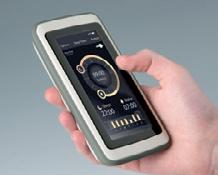
ROLEC OKW Australia New Zealand is the Australasian subsidiary of OKW Gehausesysteme GmbH and ROLEC Gehause-Systeme of Germany. The company supplies plastic, aluminium and stainless steel enclosures for the OEM electronics manufacturing industry. Its program includes three enclosure brands, OKW, ROLEC and METCASE, and all have quality management systems that comply with the requirements of ISO 9001:2015 for design, manufacture and distribution of plastic and metal enclosures. ROLEC OKW supplies fully finished enclosures with all machining and modifications completed at the factory.
Plastic and aluminium enclosures and operating elements are a suitable solution for IoT/IIoT sensor housings. ROLEC’s range includes handheld, wearable, desktop, wall-mount and flush-mount enclosures, portable instrument cases, DIN rail enclosures, potting boxes and accessories. Potentiometer and tuning knobs include the latest models for menu-driven electronics.


Enclosures and tuning knobs provide solutions for a variety of different applications including medical, laboratory and wellness equipment, test and measurement, control, automation, mechanical engineering, plant building, automotive engineering, climate control, construction equipment, security and building management systems, military/aerospace, communications and network technology. The enclosures’ technical features include solutions for power supply and for installation of standardised displays; high protection classes; recessed tops for membrane keypads and displays; recesses for interfaces and connectors.
The company’s range of enclosures accessories enables electronics designers to specify extra functionality. Accessories include docking stations, battery compartments and contacts, belt clips, wrist straps, lanyards, bedrail clamps, wall-mounting kits, tilt and anti-slide feet, cable glands, grommets and strain relief kits, IP sealing kits, and Torx screws to help prevent tampering. Customising options include CNC machining, lacquering, printing or laser marking of legends and logos, decor foils, special materials, EMC shielding, installation and assembly.
ROLEC OKW Australia New Zealand P/L www.rolec-enclosures.com.au

WWW.ELECTRONICSONLINE.NET.AU MARCH/APRIL 2023 27 ELECTRONEX 2023
STAND A01
HIGH-RESOLUTION OSCILLOSCOPES
RIGOL Technologies has introduced the DHO Series of digital highresolution oscilloscopes. Featuring true 12-bit resolution, DHO oscilloscopes are available in 70–800 MHz bandwidths and 2 or 4 channels. The series is powered by the UltraVision III platform featuring a custom ASIC chipset, which also provides for lower front-end noise. The higher resolution and lower noise enable users to analyse smaller signal artefacts with speed and accuracy.
DHO4000 oscilloscopes are available in 200–800 MHz, 4 channels, 4 GSa/sec sampling, 100 µV/division range, and 250 MPts of memory standard (500 MPts optional). DHO1000 scopes offer 70–200 MHz bandwidth, 2 or 4 channels, 1 GSa/sec sampling, 500 µV/division range, and 50 MPts of memory standard (100 MPts optional). Both series feature 12 bit resolution and a 10.1″ intuitive touch screen display. They also incorporate RIGOL’s UltraAcquire Burst Capture mode which enables users to visualise dynamic signals in multiple display modes while reducing downtime between trigger events.

RIGOL’s oscilloscope technology and ASIC chipset enable sampling with true 12 bit resolution. This reduces the quantisation level between bits by a factor of 16 for enhanced precision. In addition, the chipset delivers a lower noise floor than traditional oscilloscopes. RIGOL’s UltraAcquire Burst Capture completes this technology package by allowing users to capture signals at a faster rate and to visualise them in multiple display modes including density, waterfall, perspective and mosaic.
Emona Instruments Pty Ltd
www.emona.com.au
SINGLE-CORE MPU
The SAMA7G54 single-core low-power MPU from Microchip is in the 1 GHz performance class of Linux-capable MPUs as it provides flexible low-power modes, as well as voltage and frequency scaling. When coupled with Microchip’s MCP16502 Power Management IC (PMIC), this MPU enables embedded designers to fine-tune their end application for the overall best power consumption vs performance. The MCP16502 is supported by Microchip’s mainline Linux distribution for the single-core MPU, allowing for easy entry and exit from available lowpower modes, as well as support for dynamic voltage and frequency scaling.
Microchip provides both hardware and software development support for the low-power MPU. The SAMA7G54-EK Evaluation Kit (CPN: EV21H18A) features connectors and expansion headers for easy customisation and quick access to leading edge embedded features. The device is supported by Microchip’s mainline Linux distribution. Bare-metal framework and RTOS support is provided within MPLAB Harmony v3.
Microchip provides a broad family of Ethernet PHYs, switches and hubs, and wireless products, as well as CAN FD transceivers that are supported by the SAMA7G54.
Microchip Technology Hong Kong Limited

www.microchip.com
SPACERS AND STANDOFFS
NPA’s spacers and standoffs are designed to provide support and physical separation for components on a PCB. This helps to prevent short circuits that can cause the components to overheat and malfunction.
Apart from providing a physical barrier between components, some spacers and standoffs can help reduce vibration damage and shock. This makes them suitable for use in demanding applications where the circuit boards are subjected to extreme conditions. Spacers and standoffs can also improve the overall performance of a circuit board. For example, by providing physical separation, these components can reduce the amount of electrical interference between components, which can help to improve the signal quality of the circuit board. They also help to dissipate heat from the components, which can enhance their longevity and performance over time.
Spacers and standoffs are available in a variety of materials, including nylon, metal and ceramic, which allows for customisation to meet specific application requirements. This versatility can be useful where the circuit boards are exposed to high temperatures, corrosive environments, or other challenging conditions, as the right material can be chosen to provide the required level of protection.

NPA Pty Ltd
www.npa.com.au
28 MARCH/APRIL 2023 WWW.ELECTRONICSONLINE.NET.AU
ELECTRONEX 2023
STAND A31 STAND D11
IMPORTANT FACTORS FOR INVESTING IN TOTAL LINE SOLUTIONS
With the buoyancy of the SMT market in Australia in the last couple of years, there’s been an increase in manufacturers in Australasia seeking solutions that’ll serve their needs of expansion, including investing in total line solutions (TLS) of SMT equipment.
There is often a myriad of questions and decision-making around investing in a TLS and the ‘project’ is something not undertaken lightly. With that in mind we have outlined some important considerations in investing in TLSs, ensuring expectations are met and with no hidden disasters.
1. Data transfer — communication between machines is important to ensure that the printer is printing solder accurately and feedback to the printer from the solder printing inspection (SPI) system can stop production in its tracks if an error of alignment, height error or issue with the volume of paste is flagged. Similarly, communication between the mounter and an automated optical inspection (AOI) system can stop production if the AOI system inspects the board and sees the wrong component has been mounted in the wrong place or a component has been mounted using the wrong orientation. Data transfer between machines can obviously be difficult if you have ‘mixed and matched’ your supplier and machines are manufactured by different OEMs. If this proactive approach to checking boards is essential then choosing something like Yamaha and its machine-to-machine (M2M) software can provide that piece of mind and stop production, minimising downtime and waste.
2. Multiple processes — are often required if the systems within the line do not talk to each other. Third-party software is
often requested with additional investment required to ensure data can be exported. Some protocols such as HERMES (published under IPC-HERMES-9852) are nonproprietary open protocols, based on TCP/ IP- and XML. HERMES takes the exchange of PCB-related data to enable M2M communication. Ensuring each system in the line including conveyors is equipped with the HERMES protocol comes at additional investment, so ensuring the line you invest in exchanges data as standard — such as a line consisting of Yamaha printers, mounters, SPI and AOI, Heller oven and Nutek conveyors, loaders and unloaders — is worth serious consideration from the outset.
Once commissioned, M2M software can deliver efficiencies at every stage of the process, enabling the identification of the board ′s journey from one end of the line to the other, as well as the performance of each machine. This might include feeder information, nozzle performance, head performance and efficiency, timings between machines. Analysis of this data can help an organisation to make adjustments, ensuring continual improvement whether it’s through marginal
gains or a radical overhaul of processes.
3. One line, one supplier — Once the benefits of the TLS have been realised, an organisation can further benefit from seeking a supplier that can help with installation of all equipment. This takes away the potential headaches with facilitating deliveries and organising the commissioning of each machine. Utilising one supplier not only ensures the hardware is all integrated and working from the first magazine loader to the magazine unloader, but it can ensure the software is programmed to talk up and down the line for the M2M benefits as mentioned above. Further communication with MRP and MEP can be considered, so production can be streamlined across the whole business and not just the line in isolation. For organisations running high volume PCBs, this is essential. Further benefits of utilising one supplier include training and traceability. Understanding what success looks like from the start can align expectations and ensures high-value investments remain flexible and optimised for decades.
 Hawker Richardson www.hawkerrichardson.com.au
WWW.ELECTRONICSONLINE.NET.AU MARCH/APRIL 2023 29
Image credit: Hawker Richardson
MANUFACTURING
OSCILLOSCOPE
The Rohde & Schwarz MXO 4 Series is the first of a new generation of oscilloscopes that provides both performance and value. The instruments have an acquisition rate of over 4.5 million waveforms/s to show anomalies instantly and a trigger rearm time of >21 ns.

The oscilloscopes feature 12-bit ADC vertical resolution at all sample rates without trade-offs, 18-bit architecture with HD mode and minimal noise of 104 µV at 1 GHz with 1 mV/div sensitivity. They also feature a ±5 V offset range with 500 µV/div sensitivity and come with a standard memory of 400 Mpoints per channel with the option for 800 Mpoints. The oscilloscopes also feature history and segmented memory to capture up to 1 million acquisitions, while an adjustable digital trigger filters with user-selectable hysteresis, enabling users to isolate events with more precision.

Innovative dual-path protocol analysis helps protocol packets decode and trigger correctly regardless of sample rate settings for the waveform acquisitions. In addition to high segmented memory depth, the oscilloscope enables long time captures of protocol events to help monitor and understand system behaviour. Search functionality helps find events of interest in the captured bus activity based on trigger or protocol content.
Rohde & Schwarz offers a wide variety of probe choices for a range of applications including active single-ended and differential probes, high-voltage and current probes, power rail probes, logic probes and near field probes.

Rohde & Schwarz (Australia) Pty Ltd www.rohde-schwarz.com.au

CONFORMAL COATING MACHINES


The Rehm Thermal Systems ProtectoXC and ProtectoXP conformal coating solutions provide high quality, stability and productivity in automatic inline coating services. With up to four coating applicators, users can synchronise several modules simultaneously in master/slave mode to apply the coating or directly apply with up to four different materials without set-up time.
At the heart of the conformal coating machines is coating management working in tandem with nozzle technology. Up to two coating applicators can be used — with a range of possibilities. The same nozzle can be used to switch between dispensing, spraying and jetting procedures ‘on the fly’.
Parts which are high up or close together are easy to reach due to the slim nozzle design with 2.4 mm and a length of up to 100 mm. If necessary, parts can also be flushed from below due to the patented Vario Coat nozzle. Rehm Thermal Systems has designed and created software, ViCON, that meets many of the requirements of modern, networked and futureorientated electronics manufacturing.
Onboard Solutions


www.onboardsolutions.com.au

www.okw.com.au


30 MARCH/APRIL 2023 WWW.ELECTRONICSONLINE.NET.AU
ROLEC OKW Australia New Zealand Pty Ltd Unit 6/29 Coombes Drive, Penrith NSW 2750 ENCLOSURES AND TUNING KNOBS FOR TODAY‘S ELECTRONICS EQUIPMENT!
Phone: +61 2 4722 3388 E-Mail: sales@rolec-okw.com.au VISIT US AT ELECTRONEX 2023 / STAND A22
ELECTRONEX 2023 STAND C16
STAND B16
STAND A28
MULTI-MATERIAL 3D PRINTER
The DragonFly IV is a multi-material 3D printer that is designed to generate entire circuits in one step — including connections and components. The 3D printer simultaneously prints dielectric and metal materials using 3D space, providing a new way to design and prototype electronics.
The 3D printer features FLIGHT software for freeform electro-mechanical design and miniaturisation. It also allows users to build electronics with performance that is designed to meet or exceed traditional devices. With the DragonFly 3D multi-material printer, users can also eliminate waste water and toxic chemical waste, and reduce energy requirements. The printer also helps users prevent IP theft by retaining designs within their organisation, and helps eliminate human error and lengthy manual assembly times.

Nano Dimension
www.nano-di.com

STAND C23
WIDE-VIEW UV MAGNIFIER

Aven’s wide-view UV magnifier features a rectangular glass with UV and white LEDs. The magnifier is suitable for dermatology, trauma, schools, ophthalmology, forensic science, hospitality/food industry, agriculture, and industrial inspection applications, for detecting defects.
The magnifier is available with 18 white LEDs and two intensity levels (4 watts) or with 26 UV LEDs (8 watts).
Machinery Forum Pty Ltd
www.machineryforum.com.au

WWW.ELECTRONICSONLINE.NET.AU MARCH/APRIL 2023 31 ELECTRONEX 2023
POWERING THE WAREHOUSE OF THE FUTURE

The warehousing and logistics industry has grown enormously over the last decade. The vast growth of online shopping, the adoption of automated management systems, and the globalization of supply chains mean that the logistics industry has had to cope with an unprecedented increase in demand for their services.
The industry has responded with the adoption of advanced and sophisticated technology. Alongside traditional pieces of machinery such as forklift trucks and conveyor systems, the logistics industry is using a vast range of new technologies to improve its service and ability to respond quickly to customer demands. These include the new generation of autonomous mobile robots (AMR) that are designed to enhance the efficiency of logistics and supply chain operations.
The Challenge of the Logistics Center
This new AMR technology has made the warehouse a highly industrialized environment. In these dynamic conditions, safety is of paramount importance. Alongside functional safety that ensures trouble-free operations on a day-to-day basis, it is vital to protect operators and maintainers from electrical dangers.
The high voltages required by industrial machinery place special requirements on connectors. Electric vehicles and AMR equipment require frequent direct current (DC) charging. Current ratings of well over 100 Amps are now standard in battery-powered equipment, posing considerable safety risks. Other machinery will use alternating current (AC), with power supplies rated at over 1000 Volts.
Therefore, operators need to be protected from the dangers of arcing and electric shock. Arcing also can degrade a connector's performance over long periods of use, as the electrical discharge can affect the body of the contact.
In addition, connectors that are designed for these applications frequently need to be significant to accommodate the power required. Such large contacts need considerable force to operate, which poses other risks for operators. High mating and un-mating forces can result in repetitive strain injuries. With safety paramount to operators and designers, connector design must be carefully considered.
Amphenol and Eaxtron in Partnership
Amphenol Industrial Operations (AIO) is partnered with Eaxtron, who developed the UL1977 DIN Connectors. This new solution has been specifically designed for the dynamic and demanding environment of the modern logistics industry.
The UL1977 DIN Connectors use the patented Vortex Clip™ contact technology. The female terminal is fitted with a baskettype cylindrical spring that provides several key advantages.
Compared to conventional pin-and-socket type contacts, the Vortex Clip provides a contact with a significantly larger surface area. Manufactured from pure copper and plated with a classleading 6 microns of silver, this innovative contact design delivers a low electrical resistance, allowing it to handle the large power demands in today’s material handling systems.
Another feature of the Vortex Clip design is that it requires up to 80 percent less mechanical force to mate and un-mate than a conventional contact design. This has significant advantages in the dynamic environment of the fast-moving logistics center. Operators no longer need to strain to ensure that the connector is engaged correctly, ensuring a safe connection and reducing the risk of occupational injuries.
The reduced mating force also influences the long-term reliability of the connector. The expected lifespan of connectors fitted with the Vortex Clip is 12,000 cycles, ensuring that the connector will remain effective for the expected life of the equipment to which it is fitted.
As we have seen, electrical safety is also vital when mating and un-mating connectors. Amphenol Industrial’s Eaxtron UL1977 DIN Connectors are manufactured from robust polyamide and are designed to prevent exposed electrical arcs when in use. Any stray current is contained within the connector housing, preventing damage to any nearby equipment, and ensuring the operator's safety. The connector is fitted with a robust locking collar and a large locking handle that is almost unbreakable in everyday use. These connectors will provide dependable service over a long lifespan.
Ideal for Logistics
The expanding logistics and warehousing industry are a key part of modern life. Whether serving the domestic market or providing the integrated logistics on which the smart factory depends, the modern delivery center is a 24/7 operation. Service providers need systems that ensure safe and reliable service over the long term.
Amphenol Industrial’s Eaxtron UL1977 DIN Connectors were created for the dynamic environment of these modern logistics centers. Their robust design ensures the safety of operators and equipment, while the large surface area of the patented Vortex Clip delivers the high-power capacity needed for the electrical needs of the latest generation of AMRs and machine automation. Amphenol Industrial’s Eaxtron UL 1977 Connectors — with their combination of high reliability, high power ratings, and enhanced safety — are an ideal solution for the logistics warehouses of the future.
Mouser Electronics
au.mouser.com

32 MARCH/APRIL 2023 WWW.ELECTRONICSONLINE.NET.AU
SPONSORED CONTENT
iStock.com/Blue Planet Studio
Amphenol Corporation
AUTONOMOUS CARS
CRUISING TOWARD SELFDRIVING CARS

STANDARDS AND TESTING WILL HELP KEEP AUTONOMOUS VEHICLES MOVING SAFELY ON THE ROAD
Many of us are enthusiastic about the prospect of self-driving cars or automated vehicles. They promise to free us from the stress of driving. Automated cars may also reduce accidents caused by distraction or poor judgement.
Cars now come with more automated features — such as headlight activation, emergency braking, detection and avoidance, and more. Many vehicles now include artificial intelligence to help vehicles drive safely. So why aren’t fleets of self-driving cars already for sale and out on the road? There’s a lot we don’t really know about how to:
• automate driving;
• measure driving performance;
• make sure automated vehicles drive safely. >
WWW.ELECTRONICSONLINE.NET.AU MARCH/APRIL 2023 33
iStock.com/Chesky_W
Edward Griffor, National Institute of Standards and Technology (NIST)
AUTONOMOUS CARS
The human aspect of driving is challenging to automate
Experienced drivers make many decisions instinctively, such as stopping quickly when they spot a deer in the road. We still don’t know how to describe that instinct to a machine, even with its artificial intelligence and sensors. Modelling instinct, or teaching a car to drive like a human, is an even bigger engineering and scientific challenge.
Driving is not just an individual skill; it’s a collective effort. Each driver communicates with other drivers, pedestrians and cyclists to get from point A to point B safely. Additionally, drivers interact with a huge infrastructure that is focused on safe and effective vehicle operations, such as traffic lights, signage and changing traffic patterns.
All these aspects of human driving — instinctive decisions, driver collaborations and interacting with road infrastructure — must be replicated for automated driving.
Many experts believe humans still have an edge over today’s technologies, but technology is rapidly improving.
Industry, government and other partners are working toward replicating these aspects of human driving for automated vehicles (AVs) and building a supporting infrastructure. The effort will require human factors engineering (a field that considers humans’ abilities and limitations), further technical development, and local and regional planning. The goal is to deploy automated vehicles that operate safely and effectively.
Automated vehicles require thorough testing to ensure safety
Compared to human-driven vehicles, driverless vehicles can be tested more thoroughly and less expensively before they hit the road because the driver is not a person; it’s software. Their simulations allow more testing in a shorter time, compared to test track or public road testing.
These simulations include models of other vehicles and all critical elements of the driving environment. Such simulations can model scenarios that automated vehicles may encounter, including vehicle failures or cyber attacks. These simulations can increase confidence in AVs.
Manufacturers of traditional vehicles test parts and systems on cars — like steering and brakes. Since these parts are proprietary, they don’t typically share the results of comprehensive testing. Regulators and other organizations responsible for safety can’t confirm the results or even the measurement and testing methods used.
NIST is playing a key role in the drive toward autonomous vehicles
In the case of automated vehicles, that’s where NIST comes in. NIST develops and standardises measurement methods. These measurements and methods will be vital in the development of autonomous vehicles.
NIST is doing what it does best: building a consensus among interested parties
on the measurements needed to evaluate automated vehicle safety and developing reliable measurement methods.
In a series of workshops, NIST partnered with automated vehicle stakeholders, including the U.S. Department of Transportation, its National Highway Traffic Safety Administration, industry representatives and other research institutions.
NIST and its partners began by examining industry’s concept of an AV’s “operational design domain (ODD)”, a vocabulary that includes names for the various conditions that the vehicle can operate in, such as operating in precipitation. ODDs distinguish types of precipitation, such as snow and rainfall, and even types of rainfall, heavy or light. (Think of it as the vehicle’s resume, describing its capabilities.) They indicate what types of testing should be included for that vehicle.

NIST and our partners proceeded to develop a concept that complements industry’s operational design domain, called the operating envelope specification (OES) of an AV. It includes all the factors in the vehicle’s ODD and more. It includes criteria for assessing the performance of the car.
The OES provides a framework for measuring the automated vehicle’s operating environment. Critical vehicle behaviours, such as lane changing and navigating intersections, are specified as behavioural competencies. AV developers, regulators and researchers can then use this framework to create testing scenarios. Think of the OES as the job
34 MARCH/APRIL 2023 WWW.ELECTRONICSONLINE.NET.AU
JUST AS DRIVERS COLLABORATE TO KEEP EVERYONE SAFE ON THE ROAD, MANY ORGANISATIONS WILL BE INVOLVED IN KEEPING THE AUTONOMOUS VEHICLE FUTURE SAFE FOR EVERYONE.
Image credit: B. Hayes/NIST
When they hit the roads, driverless cars will need to be able to handle all types of conditions.
description and associated metrics that all autonomous vehicles should meet.
NIST worked with leading vehicle system developers to create a co-simulation platform for studying automated vehicle safety. The platform is called co-simulation because it brings together best-in-class simulations for braking, engines, sensors and much more. This platform evaluates multiple safety factors and vehicle models at the same time. Testers swap out vehicle models, level of automation, driving scenarios and evaluation methods during co-simulation.
Using the platform, stakeholders can address such questions as:
• Will automated braking work in time to avoid a collision?
• Will automated cars obey speed limits and other traffic laws?
• Can an automated vehicle safely pass another vehicle on a busy highway?
The OES will help inform the tester and the vehicle, but what about testing the automated driver? This is the most significant challenge in automated vehicles. We know how to test human drivers and give them a driver’s licence. We don’t yet know how to test a software driver. While the OES supports testing of vehicles, in the future it may also help us test automated ‘drivers’.
Additionally, NIST held a workshop last year, asking AV community stakeholders how NIST can support automated vehicle development. NIST identified the need to study:
AUTONOMOUS CARS
• interactions between the systems on the car;
• sensing and perception, such as recognising and responding to objects in or around the road;
• cybersecurity research related to adversarial machine learning;
• risk associated with AI components;
• automated vehicle communications.
Once facilities, equipment and expertise are in place, NIST will work with automotive and government experts to identify critical automated vehicle behaviours and how to best measure these behaviours.

The goal of NIST’s efforts will be to set the standards for AV testing nationwide so these vehicles can operate safely.
What will a driverless future look like?
We are exploring the use of our simulation tools to help test the safety of automated vehicles. Government, manufacturing and technology companies, researchers, and other stakeholders can contribute their bestin-class models. These contributions will help NIST explore trustworthiness metrics, including safety metrics that will be vital to automated vehicle success.
As a driverless future nears, replacing human drivers with automated systems still raises critical questions. For example, perception by humans or machines will never be perfect, so investment in infrastructure may take up some of the slack.
The NIST team will hold a workshop with infrastructure stakeholders this year to gather perspectives on how to measure the impact of these investments.
There are important questions to address regarding automated vehicles and their software drivers. Are they safe, secure and trustworthy? Should safety be at least as good as the best human drivers? How can we compare the two?
Answering such questions will be a collaborative effort among experts in science, transportation and human factors engineering.
Automated vehicles must be safe, with their risks understood and measured. Researchers, developers and government agencies must share their safety assessments with each other. Just as drivers collaborate to keep everyone safe on the road, many organisations will be involved in keeping the autonomous vehicle future safe for everyone.
As drivers, we know how to drive, but it’s difficult to describe or teach to others. Building a robotic or a self-driving car that does what we humans do is a challenge.
And while fully automated vehicles may still be far down the road, when they do arrive, you can be sure NIST will be under the hood.
This article was originally published as a blog post by the National Institute of Standards and Technology.
WWW.ELECTRONICSONLINE.NET.AU MARCH/APRIL 2023 35
Scientists at NIST’s Gaithersburg, Maryland campus will use driverless cars like this one later in the year to develop measurement methods for driverless cars.
Image credit: Dataspeed Inc.
IMPACT PROTECTION (IK) VALUES EXPLAINED
When specifying enclosures for electrical equipment, you want to ensure that they are high quality and long-lasting.
Since customers rely on this endurance, you want your products to function well in any environment — no matter how harsh it is. To provide the durability you need, such enclosures have to go through performance tests. One of these performance tests is impact protection, commonly known as IK testing.
What is IK and, by extension, what are IK values? Continue reading to find out more about this topic.
What are IK values and what are they used for?
The initials ‘IK’ stand for impact protection. Impact protection is expressed in IK value, a metric used in LED and other metallic casings to describe how well an enclosure is protected against mechanical impact. In this case, the ‘K’ stands for kinetic energy, which is energy in motion. The K is used to differentiate from IP rating.
In other words, IK values are used to show how resistant an enclosure is when subjected to an external force. IK ratings are indicated with an IK and a number following it. This number could be anything from 0 to 10. The higher the number, the better protection an electrical enclosure provides against external mechanical impacts.
What do IK rating numbers mean?
As mentioned before, IK rating values range from 0 to 10. The higher the number, the more energy impact a product can handle. Consequently, the more robust it is against kinetic energy.
Here are IK ratings and their meanings:
• IK 00 – No impact resistance
• IK 01 – 0.15 J shock resistance
• IK 02 – 0.2 J shock resistance (This is standard resistance from typical open fixture/housing)
• IK 03 – 0.35 J shock resistance (Typically found in closed fixtures/housing with polymethacrylate shield)
• IK 04 – 0.5 J shock resistance
• IK 05 – 0.7 J shock resistance (Found in open fixtures that have reinforced optics)
• IK 06 – 1 J shock resistance
• IK 07– 2 J shock resistance (reinforced)
• IK 08 – 5 J shock resistance (Found in closed fixtures that have a glass or polycarbonate cover to protect against vandalism)

• IK 09 – 10 J shock resistance
• IK 10 – 20 J shock resistance (These ones have a Superior quality mark and are used in vandal-resistant closed fixtures)
Why are IK values important?
IK values are important for a number of reasons, including:
1) Indicate impact protection levels
While most technology is used in housing and other safe environments, some are fitted in harsh areas that could be subject to rough impacts and attempted vandalism. These areas can include busy commercial settings, public spaces and other vulnerable areas.

In such a case, users need a robust product that can maintain safety at a higher impact. As a product manufacturer, you need the right kind of impact protection available for your target market, since each application varies in terms of IK classification.
2) IK ratings affect the life of the light source
IK ratings are an important factor to consider when buying technology. This is not just because people want something strong for harsher environments, but because that could make a difference in the life of their equipment. A product’s functionality may be compromised or lost entirely when damaged.
3) Better ratings mean little to low maintenance
When a product is rated high on the IK rating scale, customers feel at ease. That’s because they won’t deal with damages that result in higher costs for maintenance or replacement. Lastly, it means that they don’t need to restrict access to certain sections because of the fear of damaging equipment.
Compliance Engineering is an accredited and definitive source for all of your electromagnetic compatibility (EMC) requirements, including: product certification (RCM, CE, automotive, military and railway), product safety testing, environmental testing (temperature and humidity, vibration and shock, and ingress protection), RF interference (RFI), RF hazard (EMR), RF shielded enclosures (Faraday cages), RF absorber (RAM) and EMC filters.
Compliance Engineering Pty Ltd
www.compeng.com.au
36 MARCH/APRIL 2023 WWW.ELECTRONICSONLINE.NET.AU ENCLOSURES
iStock.com/Hirkophoto
Image credit: Compliance Engineering
ELECTRONICS PURCHASED ONLINE MAY NOT BE AS SAFE AS YOU THINK

Every day, Australian consumers are being exposed to significant safety risks due to the lack of product testing and compliance of products that contain Lithium-ion batteries. Over recent months there has been a growing number of house fires, caused by products containing Lithium-ion batteries, this has featured on news and current affairs programs raising awareness that Lithium-ion technology is not as safe as it should be. The chemistry of the Lithium-ion battery is more volatile than traditional batteries and instances of spontaneous failure and combustion with such intensity and modality, which cannot be extinguished, pose a risk of injury, loss of life and loss or damage to property. Furthermore, there has been over 200 product safety reports (including recall notifications) to the Australian Competition and Consumer Commission (ACCC) in the last 5 years. These batteries are found in numerous household appliances, trade tools, personal transportation devices such as e-scooters and hoverboards, renewable energy storage systems, E-vehicles and personal rechargeable devices e.g. mobile phones, tablets and laptops.
With advancing technologies and the broadening global marketplace, the need to review policy and enforceable regulations is increasing in importance and now must be a high priority to prevent ongoing damage to property, injury and loss of life. Indeed, the ACCC has stated in their Lithium-ion Batteries Issues Paper, dated December 2022, that identifying potential hazard prevention strategies relating to Lithium-ion batteries is a 2022–23 product safety priority.
The online market consists of over 15%–20%* of consumer sales per annum with physical retail store outlets being used increasingly as showrooms of displays for comparison or demonstration. When a consumer purchases a product, they have trust in the regulatory authority and integrity of the manufacturer, importer and retailer that the product is safe and compliant to the Australian Standards. This is not the case in every instance.
Amongst some manufacturers and importers to Australia, there is a definitive lack of understanding of the requirements to legally and safely import and on-sell goods into the Australian market. Too much reliance on overseas test facilities, with varying levels of integrity and understanding, has allowed manufacturers and importers to consider they are compliant with Australian
Standards when, in fact, they are not. Additionally, experienced and established businesses from overseas who understand and execute their responsibilities well on their home soil and local markets assume that, as their products meet the requirements of those markets, they automatically meet the requirements for Australia — the most prevalent example is the CE mark in Europe and the UKCA mark for the UK. These are commonly construed as sufficient to meet the requirements in Australia — this is simply not the case. It is important to note that the CE mark is a self-declaration of compliance, it is not a guarantee that the product has been tested to Australian Standards.
The approach of ‘buyer beware’ can no longer be a satisfactory position alone and education campaigns to assist in the awareness of what compliance means and how it is identified by the consumer is essential and of a high priority. The Regulatory Compliance Mark (RCM) is a perfectly adequate reference point for all involved in the supply chain.
The legal ramifications and financial penalties associated with failure to comply are significant, not to mention the risk to reputation. Comtest Group work with many organisations to ensure the situation is avoided and our team of engineers undertake testing and services for:
• Battery discharge rates
• Compatibility/suitability of components
• Temperature measurements/charging
• Flammability
• Short circuit testing
• Battery charging (circuit fault tests)
• Over charging tests
• Impact testing
Comtest can also provide documentation audits to ensure products have been tested to the correct standards and registration or compliance requirements have been met.
Comtest has 25+ years of experience in electrical and telecommunication safety testing and compliance.

(*Reference — Boston Consulting Group)
Comtest Group
comtestgroup.com.au

WWW.ELECTRONICSONLINE.NET.AU MARCH/APRIL 2023 37 SPONSORED CONTENT
CIRCULAR CONNECTOR SYSTEM
The Inotec MSR12/MRR12 series circular connector system is developed according to DIN IEC 61076-2-101. The circular connector system is suitable for applications requiring transmission of sensitive low-voltage signals or data through shielded cables and field assembly. For example, Industrial Ethernet and fieldbus applications such as Profibus, Profinet, Ethernet/ IP, Sercon, CAN Bus and other protocols such as those used for data transmission in the railway industry.

The circular connector system features a full metal hood that provides EMI/RFI shielded data transmission combined with a robust connection. The system is also designed to be mechanically robust, with vibration resistant interconnect. The system also provides traction and torque relief for data or signal transmitting wires when cables are bent or pulled. The circular connector system features a compact design that is easy to assemble and mount.
The system also features a high fire and smoke rating with an extended temperature range from -55 to +150°C, along with gold-plated special contacts to minimise transition resistances. The system features high mating frequencies of >500 cycles and a Standard D-coded M12, but an optional 4-way A-coded interface is available.
ERNTEC Pty Ltd
www.erntec.net
COMPANION IC AND DEVELOPMENT KIT
Nordic Semiconductor has launched the nRF7002 Wi-Fi 6 companion IC and its associated nRF7002 Development Kit (DK). The IC is a low-power Wi-Fi 6 companion IC that provides dual-band (2.4 and 5 GHz) connectivity. The IC can be used together with the nRF52 and nRF53 Series multiprotocol Systems-on-Chip (SoCs) and the nRF9160 cellular IoT (LTEM/NB-IoT) System-in-Package (SiP), but can also be used in conjunction with non-Nordic host devices. The DK enables developers to get started on nRF7002-based IoT projects.

The IC is designed to work alongside Nordic’s nRF52 and nRF53 Series, making it suitable for Matter, a smart-home standard backed by Amazon, Apple, Google, Nordic, Samsung and hundreds of other companies. The introduction of the IC and the nRF7002 DK makes it easy for developers to get started on Matter and any other Wi-Fi based applications. Matter uses Thread and Wi-Fi for data transport and Bluetooth LE for commissioning.
The IC brings low-power and secure Wi-Fi to the IoT. The dual-band IC complies with Station (STA), Soft Access Point (AP) and Wi-Fi Direct operation, and meets the IEEE 802.11b, a, g, n (“Wi-Fi 4”), ac (“5”), and ax (“6”) Wi-Fi standards. The product also offers coexistence with Bluetooth LE, Thread and Zigbee. The IC supports Target Wake Time (TWT), a key Wi-Fi 6 power saving feature. Interfacing with a host processor is done via Serial Peripheral Interface (SPI) or Quad SPI (QSPI). The IC offers a single spatial stream, 20 MHz channel bandwidth, 64 QAM (MCS7), OFDMA, up to 86 Mbps PHY throughput and BSS colouring.
The introduction of the IC is accompanied by the launch of the nRF7002 DK, a development kit for the Wi-Fi 6 companion IC. The DK includes an nRF7002 IC and features an nRF5340 multiprotocol SoC as a host processor for the nRF7002. The nRF5340 embeds a 128 MHz Arm Cortex-M33 application processor and a 64 MHz high-efficiency network processor. The DK supports the development of low-power Wi-Fi applications and enables Wi-Fi 6 features like OFDMA, beamforming and TWT. The DK includes: Arduino connectors; two programmable buttons; a Wi-Fi dual-band antenna and a Bluetooth LE antenna, and current measurement pins.
The nRF7002 companion IC and nRF7002 DK are available now from Nordic’s distribution partners. Nordic
Accredited testing and global product approvals since 1992


38 MARCH/APRIL 2023 WWW.ELECTRONICSONLINE.NET.AU
Bayswater
Semiconductor
www.nordicsemi.com
FANLESS DIN-RAIL EMBEDDED SYSTEM

ICP Australia has launched iEi’s DRPC-W-TGL. Designed for use with iEi’s 3.5 ″ single board computers, the iEi DRPC-W series are small, DIN-rail mounted embedded systems. The small size is suitable for installing into applications that need numerous I/O connectivity options and improved performance yet have a small footprint. The embedded system is made to manage communication for IoT gateways, motion and vision applications on the factory floor.
The fanless embedded system provides energy efficiency thanks to its 11th Generation Intel Core/Celeron processor and Intel UHD graphics. The Intel Core CPU, which powers the fanless embedded system and has a maximum turbo frequency of 4.40 GHz, provides a performance boost of two times over Whiskey Lake.

The ruggedised chassis of the fanless embedded system undergoes testing and validation assurance to provide mission-critical reliability in demanding edge IoT computing applications. The series can now be sold in nations that uphold high EMC and safety regulations because it has received numerous safety certifications, including CE, FCC and CB.
The supported CPU features Intel Core i7-1185G7E 1.8 GHz (up to 4.4 GHz, quad-core, TDP 15 W), Intel Core i5-1145G7E 1.5 GHz (up to 4.1 GHz, quad-core, TDP 15 W) and Intel Core i3-1115G4E 2.2 GHz (up to 3.9 GHz, dual-core, TDP 15 W). The CPU also features Intel Celeron 6305 1.8 GHz (dual-core, TDP 15 W) and supported three independent displays. The fanless DIN-rail embedded system features three 1.5 GbE ports, one M.2 A Key and one M.2 B Key with SIM card slot. The fanless embedded system is CE/FCC compliant and has a wide operating temperature range, from -20 to +60°C.
WWW.ELECTRONICSONLINE.NET.AU MARCH/APRIL 2023 39
ICP Electronics Australia Pty Ltd www.icp-australia.com.au
ALGORITHM DEVELOPED FOR CHARGING WIRELESS SENSOR NETWORKS
Wireless power transmission technology is the preferred method for charging sensors to configure and maintain a sensor network. However, the charging efficiency decreases with increasing charging distance.

Researchers from Chung-Ang University, Korea, have developed an energy-efficient adaptive directional charging (EEADC) algorithm that considers the density of sensor nodes to adaptively choose single charging or multicharging. EEADC reportedly outperforms existing methods in terms of power consumption and charging delay.
Smart factories, vehicles and cities increasingly use wireless rechargeable sensor networks (WRSNs) for communication. A distinct advantage of WRSNs is that they can be placed in remote, inaccessible or even biologically or chemically contaminated areas for communication, surveillance and reconnaissance in military and environmental applications. However, the potential of these WRSNs is restricted by their reliance on limited energy sources like batteries, which can impede their smooth functioning.
The primary challenge of WRSNs is to charge and maintain the batteries of the sensors in the network. The charging efficiency decreases as the charging distance increases. Therefore, single charging is more energy-efficient than multicharging as it can charge a sensor node at a closer range. However, when multiple nodes are present, multicharging may achieve higher efficiency. This prompted the researchers from Chung-Ang University to optimise mobile charging of sensors efficiently through wireless power transmission technology.
According to Professor Sungrae Cho from Chung-Ang University, the wireless power transmission using a mobile charger was designed to be an efficient method, but if a directional antenna was not used, this method was power inefficient. “Therefore, I started researching to see if there is an efficient way to use it,” Cho said.
In a recent article published in the IEEE Internet of Things Journal, the researchers developed an energy-efficient adaptive directional charging (EEADC) algorithm that considers the density of sensor nodes to adaptively choose single charging or multicharging. As EEADC dynamically determines the charging strategy based on the charging efficiency, the researchers achieved equal or better charging efficiency than single charging and simultaneously reduced energy waste due to overuse of multicharging.
EEADC employs a mean-shift algorithm considering node density to determine single charging/multicharging clusters that is more efficient than the standard K-Means algorithms employed in most Monte Carlo (MC) clustering methods. Each cluster is classified as a single-charging or multicharging cluster, according to the number of sensor nodes it contains. The charging strategy, which includes the charging point, beam direction, charging power and charging time, is then determined according to the type of cluster.
For a multicharging cluster, the nonconvex optimisation problem having multiple
feasible regions led the researchers to employ the discretised charging strategy decision (DCSD) algorithm to solve the problem efficiently. The DCSD divides the problem into two sub-problems, with the candidate charging points obtained by solving the first subproblem. Then, DCSD selects the point with the lowest energy consumption among the candidate charging points as the optical charging point. The researchers used simulations to compare EEADC to conventional charging methods in practice, and demonstrated that EEADC outperformed the existing methods with respect to power consumption and charging delay by 10% and 9%, respectively.
The adaptive and directional features of EEADC enhance the energy efficiency of charging sensors in WRSNs. Cho said that, using this algorithm, the charging efficiency can be increased by using a directional antenna and a directional beam for charging the sensor node. “Sensors located close to each other can be efficiently charged at the same time,” Cho said.
Industrial sites such as smart factories, large ships and construction sites will benefit once this algorithm is employed. Effective and efficient monitoring of diverse sites through a wireless sensor network would be achieved through this technology. The energy-efficient mobile charging of the sensors would also reduce the maintenance costs of WRSNs.
40 MARCH/APRIL 2023 WWW.ELECTRONICSONLINE.NET.AU
iStock.com/D3Damon
POWER
SMART PRODUCTS –INTELLIGENT CONNECTORS

Intelligence comes from the Latin word “intellegere” and means something like to realize, understand or grasp. Intelligence thus describes the ability to find one’s way in new situations and to solve tasks by thinking.
Many new electronic solutions are touted as “intelligent”. Intelligent, or smart products, react to user behaviour, analyze it and draw conclusions from it. They begin to act independently according to the user’s preferences.
What is it all about?
Examples are often the best way to understand. Let’s take a hospital with 10 floors, each with 20 patient rooms. The patients are permanently monitored using a wide range of medical equipment.
Pulse, blood pressure, oxygen saturation and other parameters are measured. If all this is done by a multifunctional device, we end up with 200 devices. Plus a few in reserve for replacement or maintenance. So, let’s assume 250. So many medical devices represent a considerable investment. Are they really all necessary? In addition to the initial investment, there are also maintenance costs for servicing, cleaning, and repairs.
It’s getting smart now
To find out what the hospital’s actual needs are, medical equipment can be made “smart”. The standardized IEC device plug is replaced by its smart counterpart. The new smart device plug now records all consumption data (not patients’ data!) and sends it to a protected cloud where it is analyzed. Was the appliance even in use? From when to when? This consumption data analysis then provides the hospital management with clear facts about how many devices are needed and used. In large hospitals, there is enormous potential for savings here.
Usage requirements
No upfront investment is required to use smart connectors. Smart appliance connector systems can be installed in any electrical or electronic device that requires an IEC 60320 connector. This is likely to be the lion’s share of all devices currently in use. Thanks to standardized connections.
Potential services
A cloud is basically nothing more than a powerful computer that communicates with other computers via the Internet. Cloud-based
applications and data can be accessed from virtually any device with an Internet connection. Thanks to networked backups and redundant systems, hardware failures do not lead to data loss.
SCHURTER relies on cloud solutions that offer the best possible security and the highest possible data protection. The type and number of applications for which smart device connectors can offer real added value is almost unlimited. The type and number of applications for which smart device connectors can provide real added value is virtually unlimited.

Process visualization
Process visualization is the graphical representation of processes with the aim of presenting complexity as simply as possible. Process visualization can be used to derive optimized processes and concrete workflows.
Preventive maintenance
To ensure high productivity and availability of a system, preventive maintenance of the entire system is a good idea. Maintenance intervals are thus adhered to, and production continues.
Energy management
An energy management system shows how much energy a company or certain production systems consume — and what continuous and day-to-day possibilities there are to reduce this consumption.
Remote maintenance
In the context of remote maintenance, systems are administered spatially separated. Consequently, the technician is in a different location from the user.
Customized solutions
A software solution has not already been written for every potential problem. Customized solutions address the specific needs of the individual customer.
SCHURTER covers worldwide locations, find out more information, visit: https://www.schurter.com/en/products-andsolutions/smart-products.
SCHURTER (S) PTE LTD
www.schurter.sg

WWW.ELECTRONICSONLINE.NET.AU MARCH/APRIL 2023 41 SPONSORED CONTENT
DT31 — smart stand-alone device for connecting any type of device with IEC 60320 connector.
Smart Ecosystem connects devices of any kind with internetbased services via standardized IEC connectors.
BOX PC
The AAEON BOXER-8641AI Box PC is designed for a new era in AI edge technology, to enable embedded solutions such as autonomous logistics and mining vehicles. The BOX PC features NVIDIA Jetson AGX Orin and wide-temperature hardware.

With an 8-core ARM v8.2 64 bit CPU and NVIDIA Ampere architecture, the box PC can produce up to 200 TOPS, achieving up to six times the AI performance of its predecessor. As a result, the device’s inferencing capability can shift object detection functions from GPU cards directly to the edge, enhancing the performance of autonomous vehicles in tight, industrial settings with low visibility.
The box PC is equipped with two GbE LAN and three USB 3.2 ports alongside 32GB LPDDR5x system memory and M.2 keys supporting 5G, Wi-Fi and NVMe. This provides fast communication with cameras and sensors.
AAEON Technology Inc.
www.aaeon.com
PLASTIC ENCLOSURES
The Mini-Data-Box range of plastic enclosures by OKW Gehäusesysteme is designed for the integration of miniaturised electronic components, sensors and radio technology. The enclosures are suitable for modern indoor and outdoor communication units (protection class IP40 as standard, can be increased to IP65 with the seal which is available as an accessory) and can be used as wall-mounted or desktop units, and — due to their mini dimensions — can be used as portable applications in shirts or trouser pockets.

The 32 versions of the Mini-Data-Box are available from stock in a flameresistant, UV-resistant ASA+PC-FR material (UL 94 V-0) in the standard colours traffic white (RAL 9016) or anthracite grey (RAL 7016). There is the basic shape S (Square) in 40 x 40 mm and 50 x 50 mm (L x W) as well as the basic shape E (Edge) in 40 x 60 mm and 50 x 70mm. Both are available in heights of 15 and 20 mm. In order to further expand the application and mounting options, the bottom parts are available with and without flanges. These allow quick wall mounting by means of externally accessible screws or cable ties, due to fully integrated external lugs.
The enclosures can be used in a variety of applications, such as a stationary measuring or control device on walls and ceilings or directly on machines by means of magnetic attachment; in all areas of the IoT and Industrial IoT; in smart logistics or in information and communication technology (ICT).
The OKW in-house Service Centre offers many options for creating a customised product from the standard enclosure, through mechanical processing, printing, painting, laser marking, EMC coating or assembly work.
ROLEC OKW Australia New Zealand P/L
www.okw.com.au
MICROCONTROLLER
Bridging the gap between 8- or 16-bit MCUs and higher performance 32-bit MCUs, the STM32C0 microcontroller provides access to STM32 designs. Powered by the Arm Cortex-M0+ core running at 48 MHz, the microcontroller is designed to let developers do more with less.

Suitable for developers working with 32-bit MCUs, the microcontroller should help users reduce costs, due to its optimised BOM, without impacting design quality.
For designers developing applications usually served by 8-bit or 16-bit MCUs, the microcontroller allows users to upgrade their design, with additional support thanks to the STM32 ecosystem.
The microcontroller offers up to 32 KB of flash memory, and 6 to 12 KB of RAM. The MCUs are available in 8- to 48-pin packages, including packages offering the smallest area and thickness, such as the WLCSP12, the UFQFPN and the 3 x 3 mm UFQFPN20 package.
STMicroelectronics
www.st.com
42 MARCH/APRIL 2023 WWW.ELECTRONICSONLINE.NET.AU
Pty Ltd
THE DESIGN + INDUSTRY STANDARD –
DESIGNING COMPLIANT MEDICAL DEVICES FOR THE WORLD

Design + Industry (D+I) are internationally recognised as leaders in the complete product development process. The team has won more than 230 global industry awards. Amongst these are three Good Design Award of the Year’s (2012, 2019 + 2022) and two Red Dot: Best of the Best Awards (2017 + 2022). D+I were recently identified as a Top 50 Medical/Healthcare designer in iF’s World Design Index.
An ISO 13485:2016 certified design consultancy, D+I has studios in Melbourne, Sydney and Newcastle. D+I’s electronics design teams have been expanding rapidly. Over the last twelve months medical device development services have doubled. This growth is due to D+I’s ability to design and engineer devices that are ready to be submitted for medical compliance certification and international regulatory standards.

“Designing medical devices that can be used in a clinical setting requires stringent design and version controls,” said Head of D+I, David Jones. “When you add in electronics, other considerations include IEC standards such as 60601 and 62304. These standards mean you have to follow very strict guidelines and testing protocols in order to meet medical compliance.”
For a medical device to be designed for clinical use there are multiple factors that need to be considered:
• Device classification — medical devices are classified on varying levels of risk. The classification determines the amount of regulatory scrutiny the device will receive.
• Quality management system (QMS) — a QMS is a set of policies and procedures that encompasses the design controls, risk management and compliant handling aspects of medical device development. It ensures that a medical device can be consistently manufactured to meet specific regulatory requirements.
• Regulatory requirements — each country has its own regulatory requirements. Approvals from these governing bodies is required in order to supply and advertise medical devices in their respective regions. Examples include Therapeutic Goods Administration (TGA) for Australia and Food and Drug Administration (FDA) for the US.
• Risk assessment — medical devices must be de-risked to prove efficacy, efficiency and mitigate any potential hazards.
• Device testing — verification and validation of the design, performance and safety are key elements for a device’s approval process.
• Maintain compliance — once in the market the device will need to maintain compliance with its respective regulatory requirements. Consistent monitoring and reporting of anomalies are crucial to ensure long-term lifespan.
Since the group’s inception 35 years ago, D+I has proven itself by consistently delivering commercial success for their clients through creative problem solving. D+I has vast experience in developing innovative medical devices designed for international compliance standards.
David continues, “A robust and constantly maintained quality management system supported by a sophisticated back-office system are other important factors in our business. The combination of these two systems allows us to deliver greater efficiencies for our clients. Equipping our team with world-class tools allows them to develop their skills and do some of their best work.”
Throughout their three offices, D+I’s specialist designers and engineers enjoy a wide diversity of projects. Encompassing all industries, from medical to renewables and beyond, the team are constantly working on unique design and engineering challenges.
D+I NSW’s Lead Electronics Engineer, Mitchell Bright commented, “At D+I our work is challenging and important, but we love it! Being able to collaborate in the design of medical devices that can and may ultimately make an impact on people’s lives is incredible. Our electronics division is growing rapidly and we’re currently on the lookout for engineers who want to help us make a difference.”
If you’re an electronics engineer with experience designing medical devices or have an interest in developing this skillset, D+I would like to hear from you. Visit: www.design-industry. com.au, or email: info@design-industry.com.au.
WWW.ELECTRONICSONLINE.NET.AU MARCH/APRIL 2023 43
SPONSORED CONTENT
Design + Industry www.design-industry.com.au
EDGE AI SYSTEM
Advantech has released a high-performance AI system that supports dual NVIDIA RTX GPU — the AIR-500D.
This solution leverages Intel Xeon D-1700 processors and 2 x PCIe x16 slots that support dual high-performance GPU cards to deliver server class performance. The system is able to process large datasets and compute-intensive workloads when applied to AI inferencing and training applications. In addition, it supports wide operating temperature operation (-10 ~ 50°C) and features a 1200 W power supply suitable for industrial environments. The system further leverages Baseboard Management Controller (BMC) and Advantech DeviceOn software to enable a range of edge AI solutions — including those found in machine automation and vision, medical imaging and smart cities applications.

Deploying AI in real-world applications requires machine learning training and inference for AI models. The Edge AI system helps businesses accrue value from their AI investment when applied to massive data, image/audio classification, recommendations and decision-making. The system is powered by Intel Xeon (up to 10 cores) and supports dual GPU cards at up to 800 W for immediate training and high-performance inference.
It also features TPM and adheres to PFR NIST to deliver security and firmware resiliency. This combination of features facilitates the remote execution of administrative tasks and provides an integrated multi-hardware defence mechanism for stable daily operation when applied to server power cycle, fan speed and component temperature monitoring, and hardware failure analysis.


Advantech Australia Pty Ltd


www.advantech.net.au

44 MARCH/APRIL 2023 WWW.ELECTRONICSONLINE.NET.AU
CLEANROOM-RATED STATIC ELIMINATOR
EXAIR’s Intellistat Ion Air Nozzle is useful for static elimination in sensitive processes, providing a lightweight solution rated Class 5 for cleanrooms and controlled environments per ISO 14644-1.
The air nozzle comes equipped with a mounting bracket to assist with remote mounting or benchtop assembly for hands-free use. It will reduce 1000 V to less than 100 in 0.6 s from up to 610 mm away. It is a comprehensive solution for neutralising static in sensitive processes like scientific and electronic testing, cleaning medical or pharmaceutical products and packaging, or removing debris from sensitive electronics.


Including a compact stainless steel adjustable mounting bracket, the product can be mounted to benchtops and machine frames, eg, to provide hands-free operation when needing both hands to package, test or assemble parts and products. It is equipped with an LED indicator to assure proper functionality and employs an EXAIR-engineered air nozzle to maximise efficiency and meet OSHA requirements for sound level and dead-end pressure.
Its durable static dissipative polycarbonate housing and non-marring nozzle help assure the usefulness of the product in applications such as PCB or electronics manufacturing, and in sterile environments such as pharmaceutical and medical laboratories. The device is UL listed and CE compliant.
Compressed Air Australia Pty Ltd
www.caasafety.com.au
CONNECTED SENSOR KITS
Mouser Electronics, Inc., stocks the XENSIV KIT CSK PASCO2 and XENSIV KIT CSK BGT60TR13C connected sensor kits (CSK) from Infineon Technologies AG. The connected sensor kits provide a ready-to-use sensor development platform for IoT devices. The CSK platform enables the creation of new prototype ideas based on Infineon sensors, including radar, environmental sensors and others.
Combining sensors, microcontrollers and secure connectivity for a prototype can become a resource-intensive process. The CSK platform solves this issue by combing XENSIV sensors with power-efficient processing based on an Infineon PSoC 6 microcontroller. An OPTIGA Trust M security controller enables secure connectivity. The modular board design of the connected sensor kits is compatible with the Adafruit Feather form factor, allowing the user to prototype solutions for various sensor use cases; for example, batterypowered smart home applications.
The XENSIV connected sensor kit is available from Mouser paired with the XENSIV PAS CO2 sensor and the XENSIV BGT60TR13C 60 GHz radar sensor.
Mouser Electronics
au.mouser.com

WWW.ELECTRONICSONLINE.NET.AU MARCH/APRIL 2023 45 1557 Polycarbonate IP68 and ABS IP66 enclosures Learn more: hammfg.com/1557 ausales@hammfg.com | 08 8240 2244 Visit us, Stand C37 at ElectroneX
DIRECT CONNECTORS
Würth Elektronik has added the REDFIT WR-WSP Crimp SKEDD to its SKEDD connector family. The direct connectors are available for solder-free and tool-free assembly with up to five pins and in five different colour codings. They feature current capacity up to 16 A, a 400 V rated voltage and an operating temperature range from -25 to +105°C. The audibly locking reversible connection to the PCB has verified strength as it is acceleration tested to 10g. REDFIT Crimps are a suitable alternative to soldered THT jacks. The direct connector can be optionally assembled against the direction of component placement without any additional workload. This saves time in production.

The patented SKEDD technology developed by Würth Elektronik is designed to be safe and convenient to use: the direct connector with integrated reverse polarity protection has active locking with acoustic and haptic feedback. The crimp connectors are available in black, red, white, yellow and blue, so colour coding avoids errors when using multiple connectors. Contact to the power supply is established through the contacted holes in a 1.6 mm-thick PCB. The connector with the convenient crimp cable assembly can be connected at a later time, for example, when installing the assembly. REDFIT WR-WSP Crimp SKEDD is now available from stock.
Wurth Electronics Australia Pty


www.we-online.com
SMCBA CONFERENCE
The Electronics Design and Manufacturing Conference delivers the latest critical information for design and assembly. Industry experts will present technical workshops with the latest innovations and solutions. Details at www.smcba.asn.au


46 MARCH/APRIL 2023 WWW.ELECTRONICSONLINE.NET.AU electronics design & a ssembly expo electronics design & a ssembly expo Discover New Technologies in Electronics and High-Tech Manufacturing
test
the latest technology, products and turnkey solutions
business In Association with Supporting Publication Organised by CONFERENCE Co-located with
See,
and compare
for your
ENGINEERS DISCOVER A NEW WAY TO CONTROL ATOMIC NUCLEI AS “QUBITS”
David L. Chandler, MIT News
In principle, quantum-based devices such as computers and sensors could vastly outperform conventional digital technologies for carrying out many complex tasks. But developing such devices in practice has been a challenging problem despite great investments by tech companies as well as academic and government labs.
Today’s biggest quantum computers still only have a few hundred “qubits”, the quantum equivalents of digital bits.
Now, researchers at MIT have proposed a new approach to making qubits and controlling them to read and write data. The method, which is theoretical at this stage, is based on measuring and controlling the spins of atomic nuclei, using beams of light from two lasers of slightly different colours. The findings are described in a paper published in the journal Physical Review X , written by MIT doctoral student Haowei Xu, professors Ju Li and Paola Cappellaro, and four others.
Nuclear spins have long been recognized as potential building blocks for quantumbased information processing and communications systems, and so have photons, the elementary particles that are discreet packets, or “quanta”, of electromagnetic radiation. But coaxing these two quantum
objects to work together was difficult because atomic nuclei and photons barely interact, and their natural frequencies differ by six to nine orders of magnitude.
In the new process developed by the MIT team, the difference in the frequency of an incoming laser beam matches the transition frequencies of the nuclear spin, nudging the nuclear spin to flip a certain way.
“We have found a novel, powerful way to interface nuclear spins with optical photons from lasers,” says Cappellaro, a professor of nuclear science and engineering. “This novel coupling mechanism enables their control and measurement, which now makes using nuclear spins as qubits a much more promising endeavour.”
The process is completely tunable, the researchers say. For example, one of the lasers could be tuned to match the frequencies of existing telecom systems, thus turning the nuclear spins into quantum repeaters to enable long-distance quantum communication.
Previous attempts to use light to affect nuclear spins were indirect, coupling instead to electron spins surrounding that nucleus, which in turn would affect the nucleus through magnetic interactions. But this requires the existence of nearby unpaired electron spins and leads to additional noise on the nuclear spins. For the new approach, the researchers took advantage of the fact that many nuclei have an electric quadrupole, which leads to an electric nuclear quadrupolar interaction with the environment. This interaction can be affected by light in order to change the state of the nucleus itself.
“Nuclear spin is usually pretty weakly interacting,” says Li. “But by using the fact that some nuclei have an electric quadrupole, we can induce this second-order, nonlinear optical effect that directly couples to the nuclear spin, without any intermediate electron spins. This allows us to directly manipulate the nuclear spin.”
Among other things, this can allow the precise identification and even mapping of isotopes of materials, while Raman spectroscopy, a well-established method based on analogous physics, can identify the chemistry and structure of the material, but not isotopes. This capability could have many applications, the researchers say.

WWW.ELECTRONICSONLINE.NET.AU MARCH/APRIL 2023 47
NUCLEAR SPINS
iStock.com/sakkmesterke
As for quantum memory, typical devices presently being used or considered for quantum computing have coherence times — meaning the amount of time that stored information can be reliably kept intact — that tend to be measured in tiny fractions of a second. But with the nuclear spin system, the quantum coherence times are measured in hours.
Since optical photons are used for longdistance communications through fibre-optic networks, the ability to directly couple these photons to quantum memory or sensing devices could provide significant benefits in new communications systems, the team says. In addition, the effect could be used to provide an efficient way of translating one set of wavelengths to another. “We are thinking of using nuclear spins for the transduction of microwave photons and optical photons,” Xu says, adding that this can provide greater fidelity for such translation than other methods.

So far, the work is theoretical, so the next step is to implement the concept in actual laboratory devices, probably first of all in a spectroscopic system. “This may be a good candidate for the proof-of-principle
experiment,” Xu says. After that, they will tackle quantum devices such as memory or transduction effects, he says.
This work “offers new opportunities in quantum technologies, including quantum control and quantum memory,” says Yao Wang, an assistant professor of physics at Clemson University, who was not associated with this work. He adds that “very impressively, this work also provided very quantitative predictions of the expected observations in these application scenarios
Diagram illustrates the way two laser beams of slightly different wavelengths can affect the electric fields surrounding an atomic nucleus, pushing against this field in a way that nudges the spin of the nucleus in a particular direction, as indicated by the arrow.
with accurate first-principles methods. I look forward to the experimental realization of this technique, which I am sure would attract a lot of researchers in the field of quantum science and nuclear technology.”
The team also included Changhao Li, Guoqing Wang, Hua Wang, Hao Tang, and Ariel Barr, all at MIT.
Reprinted with permission from MIT News
Smart buoy tech live streams data 24/7 from sea floor
Perth-headquartered Harvest Technology Group Ltd has developed a bespoke solution for an oil and gas exploration company, to enable access to real-time data from the sea floor. The system uses acoustic transfer technology to securely transmit data 24/7 from a monitoring structure on the sea floor to a ‘smart buoy’ at the surface. The smart buoy acts as a modem to communicate data back onshore through a mobile or satellite link, at a fraction of the bandwidth that is typically required, thereby addressing the challenge of relying on retrospective data to make critical operational decisions.

The Nodestream protocol is self-powered so it can operate for several years without requiring in-person inspection and maintenance, thereby removing people from unsafe environments, reducing carbon emissions and eliminating the high costs associated with traditional subsea monitoring. Jimmy Dean, Head of Harvest’s Solution Architecture, said the Nodestream protocol allows customers to receive a live video feed of their subsea assets from anywhere via any mobile device with internet access.
“Another important feature is the ability to alert onshore headquarters when there is a major change in sensor readings, so customers can respond quickly in emergencies or monitor until intervention is required,” Dean said.
Harvest’s research and development is conducted in-house by its team of 20 developers, many of whom have experience working in remote offshore operations, away from onshore expertise. This drives them to solve challenges when operating remotely.
Shipping, ports, oil and gas exploration, renewable energy, need the best data to help make decisions, and the best data, it’s live-streamed data,” said Jason King, Harvest’s Product Design and Delivery Lead.
48 MARCH/APRIL 2023 WWW.ELECTRONICSONLINE.NET.AU
NUCLEAR
SPINS
Image
credit: MIT researchers
FRONT LINE EVOLUTION IN FLUID CONDITION MONITORING WITH CME-AU2000
HYDAC’s CM Expert provides a complete fluid condition monitoring package solution for hydraulic and lubrication systems.
The latest version, the CME-AU2000, collects and stores reliable data to offer constant monitoring of fluid health and system integrity; and offers a range of connectivity and accessibility options including expanded I/Os, SCADA integration and SMS/ email alarming.
This is achieved through a combination of a range of smart fluid sensors, a central data collection system, Edge computing, and MindSphere© data analytics.
In terms of fluid health parameters, every CME-AU 2000 offers the base capability of monitoring the following parameters:
• Solid particle contamination cleanliness class (ISO 4406)
• Water saturation (%)
• Dielectric constant
• Temperature
System connectivity spans levels
System connectivity options include Level 1, 2 and 3.
Level 1
Level 1, focused on oil analysis, has been designed as a base module to allow integration of condition monitoring easily into the system.
Level 1 includes the following:
• Local accessibility
• Ethernet connectivity
• Wi-Fi monitoring
• On board monitoring and data storage
• Possible integration to SCADA systems
Level 2
Level 2 comes with a central data collection system that monitors itself, automatically interprets data and points out corrective action before problems arise.
Level 2 includes the following:
• All Level 1 features
• Larger IO capacity
• Cloud accessibility
• 3G/4G/Wi-Fi capable (onboard modem/router)
• Local configuration with any device with an internet browser and Wi-Fi
• Data storage via Siemens Mindsphere cloud online portal
• Customisable dashboard
• Active alarming via SMS and emails
Level 3
• Any custom solution which can include all Level 2 features tailored specifically for customer requirements
• Potential to integrate PLC for automated functions, control, and larger IO requirements
HYDAC’s oil condition monitoring Level 1 unit also enables the client to leverage on the Level 2 solution. This means that if a customer has 10 machines in one factory, they don’t need 10 Level 2 units.

The customer can have nine Level 1s, which are cheaper, and bridge them together to one master Level 2 or Level 3 unit depending on the desired outcome.
Level 3 gives a programmable logic controller (PLC) at a local level to allow added control.

For systems requiring condition monitoring of parameters unrelated to fluid health, an Internet of Things (IoT) box is available as a standalone system to monitor and report any data inputs.
For example, HYDAC has applied this technology to monitor driver behaviour on board mining vehicles.

“In effect the CME-AU2000 enables the user to accurately monitor system health in real time and receive early warning signals of potential issues and thus gain the ability to make critically time-sensitive decisions to manually intervene or automate processes to perform maintenance to avoid costly unplanned breakdowns,” concludes HYDAC Engineer Robert Huang.
HYDAC
WWW.ELECTRONICSONLINE.NET.AU MARCH/APRIL 2023 49 SPONSORED CONTENT
International www.hydac.com.au
EMBEDDED EDGE CONTROLLERS
Advantech, a provider of embedded computing solutions, has released three edge controllers — the UNO-127, UNO-148 and UNO-348. The UNO-100/300 series are modular edge controllers powered by high-performance Intel processors.

Aimed at factory applications such as real-time monitoring, data management and remote control, UNO-100/300 edge controllers feature a rugged design with wide operating temperature, shock/vibration tolerance and a built-in TPM 2.0 module to facilitate secure data transfers in harsh industrial environments.

The controllers’ modular form factor allows them to be flexibly deployed and they come with diverse interfaces for optional expansion, such as PCIe for high-density I/O, PCI for motion cards and iDoor expansion for fieldbus modules. This customisable functionality streamlines deployment and maintenance while providing cost-effective upgrades, making the UNO-100/300 series of edge controllers futureproof solutions suitable for realising intelligent factory operations.
Equipped with a 10th generation Intel Core i5/i9 processor, Intel H420E PCH chipset and 8/16 GB DDR4 memory, UNO-348 is designed to deliver multi-task processing for enhanced computing capability.
UNO-148 features a functional small form factor design powered by the 11th generation Intel Core i processor, providing a solution for industrial edge computing applications.
Powered by the robust Intel Atom x6413E processor (formerly Elkhart Lake) with 4 GB/8 GB DDR4 onboard memory, UNO-127 provides a solution for enhanced computing performance. For easy deployment in limited-space industrial environments, including in-cabinet installations, UNO-127 features a rugged, compact (100 x 70 x 33.5 mm/3.9 x 2.8 x 1.3 in) form factor.
Advantech Australia Pty Ltd
Format: 180 x 135 mm
www.advantech.net.au
50 MARCH/APRIL 2023 WWW.ELECTRONICSONLINE.NET.AU
MCU EDGE-AI DEVELOPER CLOUD
STMicroelectronics has launched the STM32Cube.AI Developer Cloud, a set of tools and services to get AI technology on the market faster and with less complexity by aiding hardware and software decision-making. The MCU Edge-AI Developer Cloud is designed to open access to a suite of online development tools built around the STM32 family of microcontrollers (MCUs).
The AI Developer Cloud is designed to work hand in glove with the STM32Cube.AI ecosystem, bringing the possibility to remotely benchmark models on STM32 hardware through the cloud to save on workload and cost. Serving the growing demand for edge AI-based systems, the desktop front-end includes the resources for developers to validate and generate optimised STM32 AI libraries from trained Neural Networks. This is complemented by the STM32Cube.AI Developer Cloud, an online version of the tool that features an online interface to generate C-code for STM32 microcontrollers, without requiring prior software installation. Data scientists and developers can benefit from the Neural Network optimisation performance to develop edge-AI projects.
The online platform also provides access to the STM32 model zoo, a repository of trainable deep-learning models and demos to speed application development. It also provides access to an online benchmarking service for edge-AI Neural Networks on STM32 boards. The cloud-accessible board farm features a range of STM32 boards, refreshed regularly, allowing data scientists and developers to remotely measure the actual performance of the optimised models.
The online platform is freely available to registered MyST users and has been undergoing testing and evaluation by several embedded development customers.
STMicroelectronics Pty Ltd
www.st.com
DC TO DC CONVERTERS
The 3–5000 W DC to DC converters from Helios Power Solutions provide isolated and non-isolated DC-DC power conversion solutions, featuring high efficiency, high operating temperature, high reliability and build in EMI class A/B filter.
The converters feature scalable power to 5 kW, with 1–700 W PCB mount modules, 6–700 W chassis mount and 6–500W DIN rail mount. The converters come in standard, wide and ultra-wide input ranges, with functional, basic and reinforced isolation. The converters also feature 1 x MOPP and 2 x MOPP for medical devices.
The converters have received UL/EN/IEC 60950-1, 62368-1 and EN50155 safety approvals, to satisfy users that the chosen model is suitable for industrial/ telecom/railway/IPC applications. The full range of Helios products includes a number of product families, searchable by power, voltage, format and applications. The company’s technical sales engineers in Australia and New Zealand are also available to provide assistance with selecting the most suitable DC variable power system.


Helios Power Solutions
www.heliosps.com.au

WWW.ELECTRONICSONLINE.NET.AU MARCH/APRIL 2023 51
PROTECTING PEROVSKITES IN SPACE
Funded by the U.S. Department of Defense’s Operational Energy Capability Improvement Fund (OECIF), the NREL research was done for the Air Force Research Laboratory (AFRL) to develop low-cost innovative energy sources for powering the armed forces worldwide.
The research is the latest effort to determine the effectiveness of perovskites for use in space applications, where they would be exposed to protons, alpha particles, atomic oxygen and other stressors. The ability to use perovskites to generate power in space is enticing because they offer a lower-cost and lightweight option to other technologies with the potential for achieving efficiencies similar to those of current space PV technologies.
Just as on Earth, perovskite solar cells need to have suitable durability. However, the environment in space is significantly different. While the biggest challenges on Earth are related to weather, in space perovskites must address the problems that come from radiation bombardment and extreme temperature swings. Perovskites show signs of better tolerance to radiation than many other solar cells, but plenty of testing remains to be conducted.
Researchers last year ran simulations to demonstrate how exposure to radiation in space would affect perovskites. They determined the next-generation technology would work in space but pointed out the need to encapsulate the cell in some way to provide added protection.
In the follow-up research, Ahmad Kirmani, lead author of the latest Nature Energy paper, said simulations demonstrated a micron-thick layer of silicon oxide would preserve the efficiency and increase the lifetime of perovskite solar cells in space. As a comparison, the micron-thick layer is about 100 times thinner than a typical human hair.

Kirmani said the silicon oxide layer could reduce the weight of conventional radiation barriers used for other solar cells by more than 99% and serves as a first step towards designing lightweight and low-cost packaging for perovskites.
High-energy protons travel through perovskite solar cells without causing much harm. Low-energy protons, however, are more abundant in space and wreak more havoc on perovskite cells by knocking atoms out of place and causing efficiency levels to steadily decline. The lower energy protons interact with matter much more readily
and the addition of the silicon oxide layer protected the perovskite from damage even from the low-energy protons.
“We thought it would be impossible for the silicon oxide to provide protection against fully penetrating long-range particles such as the high-energy protons and alpha particles,” Kirmani said. “However, the oxide layer turned out to be a surprisingly good barrier against those as well.”
The results are detailed in the paper ‘Metal oxide barrier layers for terrestrial and space perovskite photovoltaics’. The co-authors are David Ostrowski, Kaitlyn VanSant, Rosemary Bramante, Karen Heinselman, Jinhui Tong, Bart Stevens, William Nemeth, Kai Zhu and Joseph Luther, from NREL; and several key collaborators who work with the team from the University of North Texas and the University of Oklahoma. VanSant holds the unique position of being a postdoctoral researcher at NASA who conducts research at NREL.
Exposure to a stream of low-energy protons caused unprotected perovskite solar cells to lose only about 15% of their initial efficiency, the researchers found. A larger concentration of particles destroyed the cells, while the protected perovskites demonstrated what the scientists described
52 MARCH/APRIL 2023 WWW.ELECTRONICSONLINE.NET.AU
An ultrathin protective coating proves sufficient to protect a perovskite solar cell from the harmful effects of space and harden it against environmental factors on Earth, according to newly published research from the U.S. Department of Energy’s National Renewable Energy Laboratory (NREL).
Illustration shows the lightweight barrier layers of silicon oxide peeled back to reveal the protected perovskites underneath.
as “a remarkable resilience”. With the simple barrier, the cells showed no damage.
In addition to making the cells more resilient in space, the researchers also tested how the barrier could provide benefit in more conventional applications. They then exposed the perovskite solar cells to an uncontrolled moisture and temperature environment for several days to mimic storage conditions. The protected cells retained their initial 19% efficiency, while the unprotected cells showed significant degradation, from 19.4% to 10.8%. The oxide layer also provided protection when other perovskite compositions typically more sensitive to moisture were exposed to water.

Further, the perovskite solar cells were subjected to a test chamber where they were bombarded with ultraviolet photons similar to the environment at low-Earth orbit. The photons interacted with oxygen to create atomic oxygen. The unprotected cells were destroyed after eight minutes. The protected cells retained their initial efficiency after 20 minutes and only had a slight drop after 30 minutes.
The simulations and experiments revealed that by reducing the damage from radiation, the lifetime of the protected solar cells used in Earth’s orbits and deep space would be increased from months to years.
“Power conversion efficiency and operational stability of perovskite solar cells have been the two primary focus areas for the community so far,” he said. “We have made a lot of progress and I think we have come far to the point that we might be pretty close to hitting those targets needed for industrialisation. However, to really enable this market entry, packaging is the next target.”
Because perovskite solar cells can be deposited onto a flexible substrate, the emerging technology, coupled with the protective layer of silicon oxide, allows its use for various terrestrial applications such as powering drones.
NREL is the U.S. Department of Energy's primary national laboratory for renewable energy and energy efficiency research and development. NREL is operated for DOE by the Alliance for Sustainable Energy LLC.

WWW.ELECTRONICSONLINE.NET.AU MARCH/APRIL 2023 53 PROTECTION
Image credit: Ahmad Kirmani, NREL
STM32WB Wireless Series Bluetooth LE 5.3 & IEEE 802.15.4 • Dual-core multi-protocol and ultra-low-power 2.4 Ghz MCU SoC • Bluetooth® 5.3, OpenThread, Zigbee 3.0, proprietary protocols and concurrent mode • Up to 1MB flash/256K RAM. Rich peripherals 72 GPIOs, USB FS, LCD • Available in different packages and as certified modules • Matter support STMicroelectronics Suite 703, 247 Coward Street, Mascot, 2020, NSW Australia Tel: +61 2 9158 7208 | Email: kwangmeng.koh@st.com www.st.com/stm32wb
National Renewable Energy Laboratory
QUANTUM SYSTEMS
PHYSICISTS USE ENTANGLEMENT
TO IMPROVE QUANTUM MEASUREMENTS
Scientists at the Australian National University (ANU) have discovered a way to achieve more accurate measurements of microscopic objects using quantum computers, in a way that could prove useful in a range of next-generation technologies including biomedical sensing.

Examining microscopic quantum objects like photons — tiny particles of light — becomes tricky, because certain properties of quantum objects are connected, and measuring one property can disturb another property. For example, measuring the position of an electron will affect its speed and vice versa.
Such properties are called conjugate properties. This is reportedly a direct manifestation of Heisenberg’s uncertainty principle — it is not possible to simultaneously measure two conjugate properties of a quantum object with arbitrary accuracy. According to lead author and ANU PhD researcher Lorcán Conlon, this is one of the defining challenges of quantum mechanics.
“We were able to design a measurement to determine conjugate properties of quantum objects more accurately. Remarkably, our collaborators were able to implement this measurement in various labs around the world. More accurate measurements are crucial, and can in turn open up new possibilities for all sorts of technologies, including biomedical sensing, laser ranging and quantum communications,” Conlon said.
The new technique revolves around a quirk of quantum systems, known as entanglement. According to researchers, by entangling two identical quantum objects and measuring them together, scientists can determine their properties more precisely than if they were measured individually. Research co-author Dr Syed Assad said that entangling two identical quantum systems can help researchers acquire more information. “There is some unavoidable noise
associated with measuring any property of a quantum system. By entangling the two, we’re able to reduce this noise and get a more accurate measurement,” Assad said.
In theory, it is possible to entangle and measure three of more quantum systems to achieve better precision, but in this case the experiments failed to agree with the theory. However, the authors are confident that future quantum computers will be able to overcome these limitations. “Quantum computers with error-corrected qubits will be able to gainfully measure with more and more copies in the future,” Conlon said.
According to Ping Koy Lam, Professor at ANU, one of the key strengths of this work is that a quantum enhancement can still be observed in noisy scenarios. “For practical applications, such as in biomedical measurements, it is important that we can see an advantage even when the signal is inevitably embedded in a noisy real-world environment,” Lam said.
The researchers tested their theory on 19 different quantum computers, across three different platforms: superconducting, trapped ion and photonic quantum computers. These devices are located across Europe and America and are cloud-accessible, allowing researchers from across the globe to connect and carry out their research.
The study was conducted by experts at the ARC Centre of Excellence for Quantum Computation and Communication Technology (CQC2T), in collaboration with researchers from A*STAR’s Institute of Materials Research and Engineering (IMRE). The research findings were published in Nature Physics
Westwick-Farrow Media A.B.N. 22 152 305 336 www.wfmedia.com.au
Head Office Unit 7, 6-8 Byfield Street, North Ryde Locked Bag 2226, North Ryde BC NSW 1670 Ph: +61 2 9168 2500
Senior Editor Lauren Davis Editor Ashna Mehta wnie@wfmedia.com.au
Publishing Director/MD Geoff Hird
Art Director/Production Manager Julie Wright
Art/Production Linda Klobusiak, Marija Tutkovska
Circulation Dianna Alberry circulation@wfmedia.com.au
Copy Control Mitchie Mullins copy@wfmedia.com.au
Advertising Sales
Account Manager Sandra Romanin – 0414 558 464 sromanin@wfmedia.com.au
Asia Tim Thompson - 0421 623 958 tthompson@wfmedia.com.au
If you have any queries regarding our privacy policy please email privacy@westwick-farrow.com.au
Printed and bound by Dynamite Printing Print Post Approved PP100007394 ISSN No. 0728-3873
All material published in this magazine is published in good faith and every care is taken to accurately relay information provided to us. Readers are advised by the publishers to ensure that all necessary safety devices and precautions are installed and safe working procedures adopted before the use of any equipment found or purchased through the information we provide. Further, all performance criteria was provided by the representative company concerned and any dispute should be referred to them. Information indicating that products are made in Australia or New Zealand is supplied by the source company. Westwick-Farrow Pty Ltd does not quantify the amount of local content or the accuracy of the statement made by the source.
54 MARCH/APRIL 2023 WWW.ELECTRONICSONLINE.NET.AU


www.WFMedia.com.au/subscribe FREE to industry and business professionals The magazine you are reading is just one of 11 published by Westwick-Farrow Media. To receive your free subscription (magazine and eNewsletter), visit the link below.

