FUTURE ELECTRIC PLANNING OUR INFRASTRUCTURE

DEBUNKING EV MYTHS THE CASE FOR STANDALONE POWER


DEBUNKING EV MYTHS THE CASE FOR STANDALONE POWER


Greetings! Welcome to the June issue of ECD, where we contemplate an electric future across a range of infrastructure scenarios. In Australia at least, with the re-election of the federal Labor government, a largely electric future powered by renewables seems a pretty sure bet (putting aside the 40-year extension granted to Woodside’s North West Shelf gas project) — allowing the continuation of various ambitious energy projects covering wind, solar, storage and hydro. And what is an electric future without electric transport? This year, global sales of electric cars are set to surpass 20 million, or over a quarter of cars sold worldwide, according to the International Energy Agency’s annual Global EV Outlook. Australian governments have major incentives planned to facilitate the uptake of EVs, such as the federal government’s National Electric Vehicle Strategy, the NSW Government’s almost half-a-billion-dollar EV Strategy and the WA Government’s $20m investment in charging infrastructure.
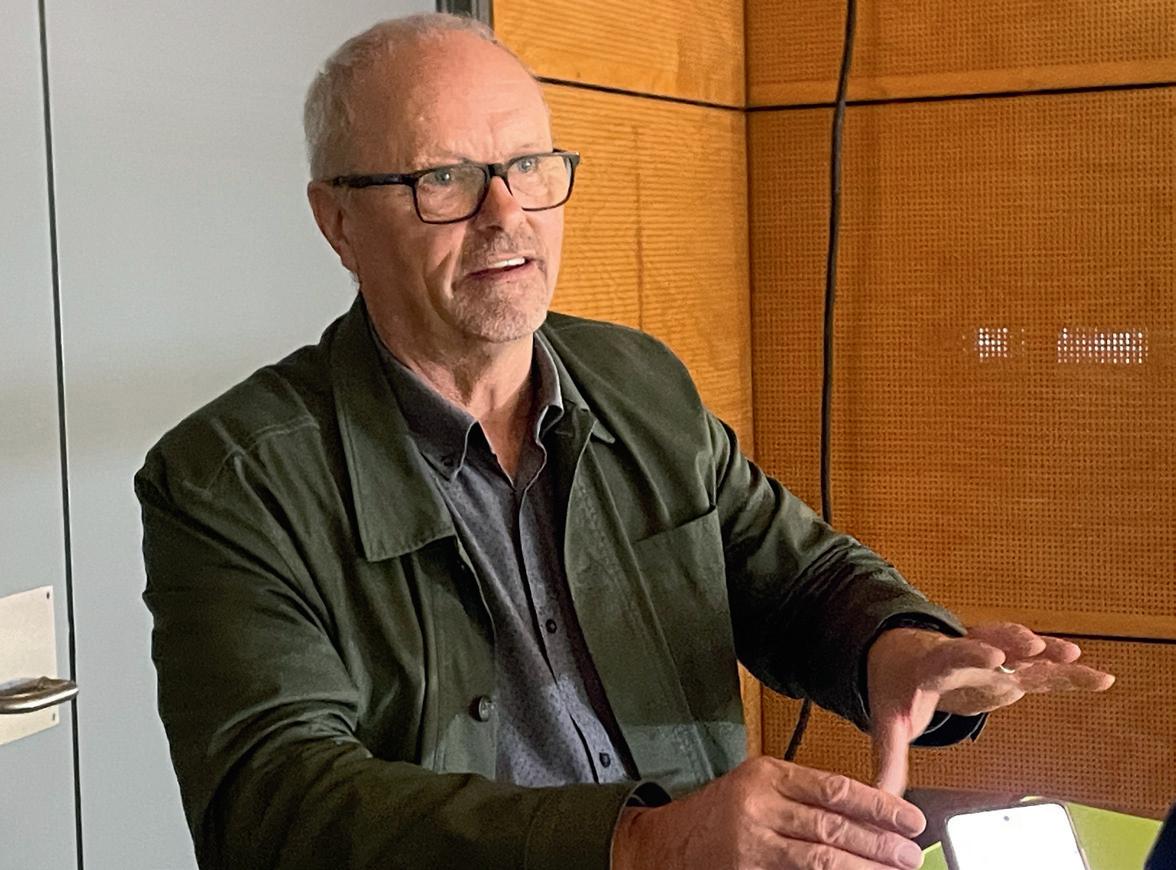
Actor and presenter Robert Llewellyn is a passionate proponent of electric vehicles, as evidenced by his highly successful podcast and video series, Fully Charged ECD caught up with Llewellyn at this year’s Everything Electric expo in Sydney, and he addresses a host of EV doubts and misconceptions in the entertaining interview on page 4.
Planning an electric future requires a sensitivity to social impact, especially if a community is being asked to host major infrastructure. While solar farms are often a source of contention for regional communities, recent research suggests agrivoltaics — solar installations designed to co-exist with agricultural processes — might mark a path towards greater acceptance. Read all about it on page 13.
In other examples of infrastructure working for communities, Paul Carmignani makes a case for standalone power systems as a way of managing the unique vulnerabilities of regional communities (page 32), researchers examine whether towns benefit from burying electrical and broadband infrastructure together (page 28), and on page 18, a new operating system promises to optimise the smart cities of the future.



Lauren Davis*
ECD discusses all things EV with Robert Llewellyn, Red Dwarf cast member and founder of the Fully Charged web series and podcast.
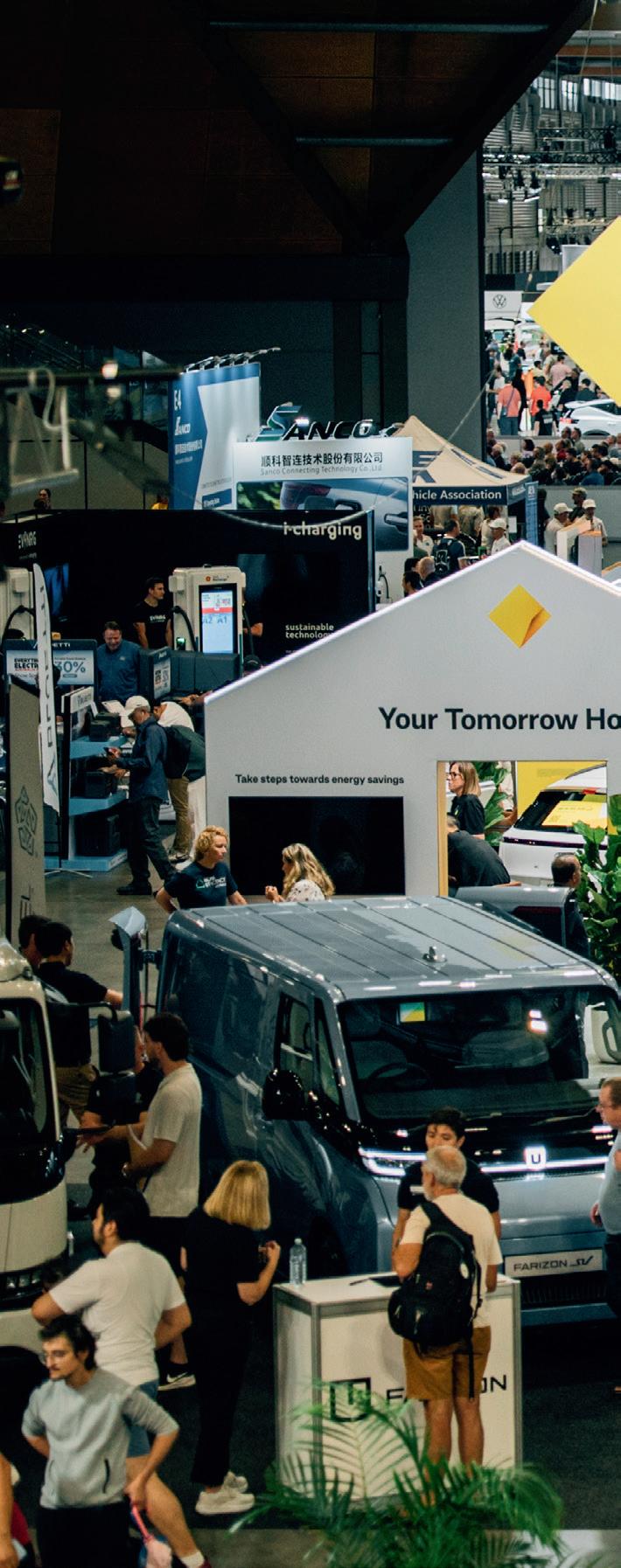
Despite the growing popularity of electric vehicles (EVs) — notwithstanding the current decline in Tesla sales — many Australians are still unsure about this mode of transport, citing concerns surrounding cost, safety and range anxiety. At Everything Electric, which was held at Sydney Showground from 7–9 March 2025, attendees had the chance to learn more about EVs and other energy efficiency technologies, in the form of panels, seminars and, perhaps most importantly, test drives.
It’s important to note that EVs have quite literally come a long way in the past 15+ years, and few people know this better than Robert Llewellyn — founder of the Fully Charged web series and podcast, which hosts Everything Electric shows around the world (you may also be familiar with him as Kryten the mechanoid in comedy series Red Dwarf ). Llewellyn first came across the concept of electric cars when presenting the series Junkyard Wars back in the early 2000s, though his first direct experience came when he was lent an EV called a Mitsubishi i-MiEV in 2009, which had a range of 60–70 miles (around 100 km).
“And there was nowhere to charge it, there was no charging infrastructure in the UK, so it was literally you’d go to someone’s house and you’d plug a wire through their kitchen window and charge it while you’re there,” Llewellyn said.
Despite these hurdles, Llewellyn liked the EV experience enough that he ended up buying himself a Nissan Leaf, which he once drove 80 miles to a friend’s house charged solely from his own solar panels. The friend, who was an architect, happened to have an old watermill that he’d converted into a generator, enabling Llewellyn to charge the car again.
“So I did a 160-mile journey with no imported fuel, no transmission lines, no paying for electricity — it was electricity that came from the environment directly, plugged into his generator at his end and my solar panels,” Llewellyn said. “And I just thought, ‘This is a real big change in the way we do things.’”.’”
These days, Llewellyn said, charging infrastructure is ubiquitous in the UK, to the extent you can pick and choose where to charge based on price or convenience. “And there’s a motorway servicing area in the southern UK, outside Exeter, with nearly 100 rapid chargers in the one place. So when you get there, you’re not thinking ‘Oh, will it work? Will there be room?’. You don’t worry about it — you just drive in and plug in, ‘cause there is room, and they all work.”
This rise in charging points has gone hand in hand with the introduction of London’s Ultra Low Emissions Zone (ULEZ), which was introduced in 2019 and extended in 2023 to cover over 1500 km2. Vehicles with high emissions are required to pay a daily charge of £12.50 to drive within the zone, while EVs can get in for free. The result, Llewellyn said, is that the air quality in London is now cleaner than Sydney.
“All our buses, all our taxis, all our delivery vans are all electric now,” he said. Asian countries such as China and India are now also adopting electric scooters and mopeds, he claimed, resulting in city streets that are cleaner, quieter and safer.
So why haven’t EVs taken off as fast in Australia? After all, we have a significant amount of rooftop solar that we can use to charge them, with Llewellyn claiming that Australia is already “producing much more electricity than the whole country can possibly consume, just from rooftops” (the UK, in comparison, has 10% of our solar panels). One concern is safety, with stories of EV batteries being prone to catching fire. But Llewellyn debunked this, claiming that fires are less common in electric vehicles — besides, a lot of EVs nowadays have lithium-iron phosphate (LFP) batteries, which are safer than traditional lithium-ion.
“There’s battery trucks here that … are pulling 90 tonnes of concrete around Australia every day,” he said. “The drivers refuse to go back into diesel trucks — they’re so noisy, and hot, and unpleasant, and difficult, and always break down, and are dangerous, and catch fire! Diesel trucks catch fire a lot — one electric truck’s caught fire once.”
Another concern is range anxiety, which may seem understandable in a country our size — but Llewellyn disagrees, having journeyed to Everything Electric by EV directly from Brisbane.
“It was boring,” he confessed of the drive. “It wasn’t challenging and frightening and ‘oh my God, will I make it?’ — it was a long drive and it’s quite boring. And I got tired of listening to podcasts and audiobooks. So it was exactly the same as driving a petrol car.”
While Llewellyn admitted that such a drive could be more difficult in more remote parts of Australia, he said it’s quite easy to maintain a charge “if you stop thinking about an electric car like a petrol car, where you’re on a journey and you have to stop at a specific point where you fill the tank and you can’t do anything else”.
“With an electric car, you can plug it in at your mum’s house when you’re visiting,” he said. “You can plug it in at your Auntie Hilda’s house. You can plug it in at work, you can plug it in in a carpark. And that’s my aim, always, when I’m out and about in an electric car, is not to wait a second. I drive to a carpark, I plug it in, I’m doing something else, I’m not waiting for it. When I come back, it might have only added 100 km, 50 km — it’s added 50 km while I was doing something else. It’s added a couple of litres of petrol, if you like, for either nothing or very little money.”
With a typical charge range these days close to 300–500 km and growing all the time, Llewellyn explained that the research and development surrounding battery technology has been key to advancing EVs — and this has been accompanied by a significant decrease in battery prices, which has in turn brought down the cost of EVs.

SO I DID A 160-MILE JOURNEY WITH NO IMPORTED FUEL, NO TRANSMISSION LINES, NO PAYING FOR ELECTRICITY — IT WAS ELECTRICITY THAT CAME FROM THE ENVIRONMENT DIRECTLY, PLUGGED INTO HIS GENERATOR AT HIS END AND MY SOLAR PANELS.
“The price to manufacture 1 kWh of battery storage in 2012 was $1300; it’s now $60 for 1 kWh,” he said. “So that’s the cheapest; the batteries that we use here are between $90 and $110 per kWh. So the cost of a battery has dropped really dramatically.”
He continued to say that there are batteries now, that exist in laboratory conditions, that have 10 times the energy density of anything on show at Everything Electric. “Which would mean you could have a battery 10 times smaller and lighter than we use now, and it would have the same range,” he said. “That could mean you have a vehicle with 10 times the range, so on one charge it could do 2000 km of non-stop driving.
“The next generation of batteries … will last so long that when you buy a third-hand car, you won’t think about the battery, you’ll worry about the car. The car needs replacing — I need a new car to put this battery in. ‘Cause the battery’s going to be several million miles of reliability, it’s a completely new paradigm — and using far less of the more contentious materials that have been in batteries up till now.”
Clearly, Australians are starting to come around to EVs, with a whopping 31,000 people having attended Everything Electric over the course of the three-day event — up from 17,000 last year. Llewellyn therefore believes it is just a matter of time before
EVs are considered the norm — not just for the elite, not just for the environmentalists, but for those who actively want to save money.
“We’re seeing the first cars with very usable range that are much cheaper, and in about two years’ time they’ll be cheaper than buying a petrol car,” he said. “So if you want to make the expensive choice, you’re buying a petrol car, and if you want the sensible, cheap, cleaner, longer-lasting choice, you’ll get an electric one.”
Everything Electric is expanding its Australian footprint with a Melbourne event to be held from 14–16 November 2025, before returning to Sydney in March 2026. For more information, visit https:// au.everythingelectric.show.
*Lauren Davis is editor of WF Media’s industry publications Critical Comms and Lab+Life Scientist.






The New South Wales Government has begun to engage with industry, community and union leaders on new plans to establish the state’s first ‘urban renewable energy zone’, slated for the Illawarra region on the NSW south coast.
Renewable energy zones (REZs) group new wind and solar power generation into locations where it can be efficiently stored and transmitted across NSW. Five zones have now been identified as suitable for delivering large amounts of renewable energy, with the aim of keeping electricity reliable as coal-fired power stations retire.
On 23 May, energy experts, business leaders and community representatives gathered in Wollongong to map out the next steps for the REZ, including initial options that can be delivered by 2030. The roundtable coincided with the signing of a new memorandum of understanding between EnergyCo, the NSW Government body that leads the delivery of REZs, and local utility Endeavour Energy, to jointly develop innovative network and battery solutions within the REZ.
The two organisations have presented the Illawarra as being uniquely suited to a REZ, thanks to the region’s major energy, port and transport infrastructure, skilled workforce and strong demand for future renewable energy projects. It is anticipated that the Illawarra REZ will help strengthen the local economy and support jobs for decades.
EnergyCo plans to engage closely with community, industry, local government and other stakeholders as the design and delivery of the REZ progresses.
“The Illawarra has the potential to be NSW’s first urban renewable energy zone,” said Minister for Climate Change and Energy Penny Sharpe.
“This is a chance to leverage the community’s enthusiasm for solar, batteries and EVs to benefit the entire region, as well as pursue longer-term opportunities to support green manufacturing.”
The Minister for the Illawarra and the South Coast, Member for Keira Ryan Park, added: “The Illawarra is perfectly poised to host a renewable energy zone which will power homes and businesses here and across NSW.
“The Illawarra already hosts major energy, port and transport infrastructure, we have skilled workers ready to go, and strong demand for projects which capitalise on the region’s ability to innovate.”
The Australian Energy Market Commission (AEMC) has been working on a substantial overhaul of the technical requirements for connecting to the national electricity grid, in preparation for challenges such as the integration of renewables and the demands of AI.
The overhaul includes the recent publication of AEMC’s final determination on ‘Package 1’ of improvements to the National Electricity Market (NEM) access standards, which focuses on making it faster and cheaper for renewable energy generators to connect to the grid.
The Commission has also been developing ‘Package 2’ — a plan to address emerging challenges to the grid from new large energy users such as data centres and hydrogen electrolysers.
Both packages have been informed by the Australian Energy Market Operator’s (AEMO) review of technical requirements for connection, which involved extensive stakeholder consultation.
AEMC Chair Anna Collyer said the reforms in Package 1 would help accelerate Australia’s energy transition while maintaining system security.
“This is the most significant modernisation of the NEM technical connections standards since 2018, coming at a critical time when the pace of connections needs to accelerate dramatically to meet Australia’s renewable energy targets,” Collyer said.
“With renewable energy projected to triple by 2030 and utility-scale batteries to increase fivefold in the same period, these reforms will help reduce connection bottlenecks while maintaining system security.”
In relation to the Package 2 reforms, Collyer said the rise of artificial intelligence was driving unprecedented demand for data centres in Australia, with some facilities potentially requiring as much electricity as small cities.
“Package 2 proposes new standards to ensure these facilities can respond appropriately during power system disturbances and don’t inadvertently make problems worse during system events,” she said.
The potential need for this type of reform was highlighted by a recent incident in the United States where 60 data centres consuming 1500 MW of power disconnected simultaneously during a system disturbance, compounding grid stability issues.

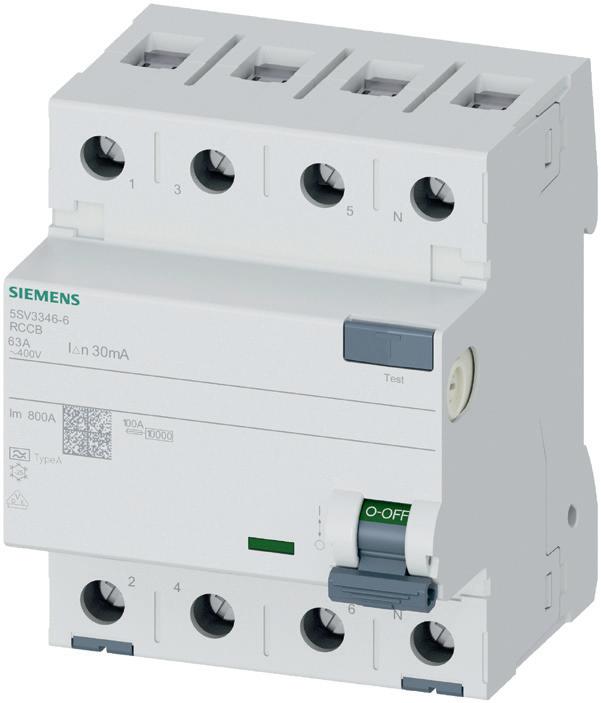
Residual current circuit breakers (RCCBs) enhance electrical safety by quickly disconnecting power when they detect a current imbalance, preventing electric shocks and fires. They are essential in both residential and commercial electrical installations.
The Siemens SENTRON 5SV3 RCCBs, type A/AC, meet the criteria of Siemens’ recently introduced EcoTech label. ‘TECHNYL 4EARTH C 52G1 V25 CR GY 2747’ is the material used for most parts of the covers and housings of the RCCBs, which are produced in high quantities.
Developed by DOMO Chemicals for Siemens applications, TECHNYL 4EARTH is a polyamide 6 (PA6) material that incorporates recycled content. It is UL certified, and uses a phosphorous- and halogen-free flame-retardant system. The material has good moulding and electrical properties, making it suitable for demanding applications. It can be easily customised to match specific colour requirements. Besides using sustainable materials, the RCCBs are designed to exceed the standard lifetime expectations set by IEC 61008-1. With 10,000 operating cycles, the devices should offer good mechanical and electrical life. The standardised accessory system enables smooth hardware upgrades, including auxiliary switches, undervoltage releases and more. This unified system of function extensions allows machines and switchboards to remain productive and cost-effective for long periods.
Siemens Ltd www.siemens.com.au
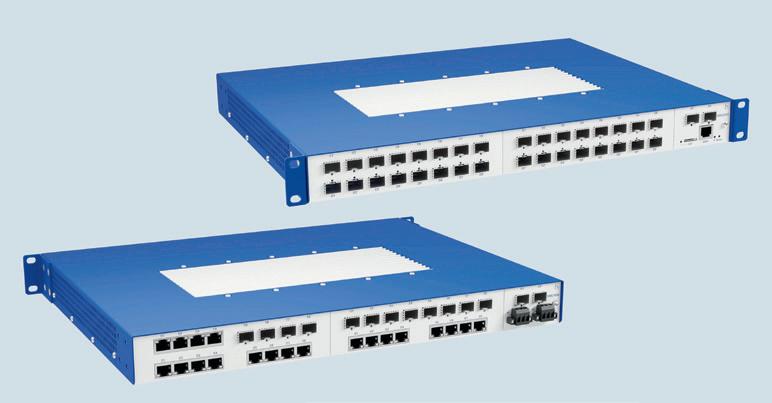
As digitisation advances, there is a growing demand for Ethernetbased fibre communication. Belden’s GREYHOUND2000 Standard Ethernet Switch is a 19 ″ switch that is designed to be futureready and to evolve as power and bandwidth demands rise. With a range of connectivity options and high fibre port density, it adapts to varied industrial network designs and facilitates the shift away from legacy equipment.
The switch features advanced configurability and flexibility with the highest port count of any rugged Belden industrial Ethernet switch (up to 34). It is ruggedised for harsh conditions, with a wide temperature range (up to +85°C for 16 h in dry heat) and in accordance with IEC 60068-2-2 electromagnetic (EMC) standards.
With support for Precision Time Protocol (PTPv2), and hardware prepared for Parallel Redundancy Protocol (PRP) and High-
Availability Seamless Redundancy (HSR) Protocol, the switch provides high uptime and network stability.
Belden Australia Pty Ltd www.belden.com


The FLIR PV range of inspection solutions is designed to expedite panel installation and maintenance at solar farms, commercial buildings and residential buildings. This series of products includes the CM78-PV CAT III 1500 V DC solar panel clamp meter with built-in IR thermometer and METERLiNK connectivity. The solar panel clamp meter enables users to verify the performance and safety of installed solar systems, monitor and maintain large-scale solar power plants and enhance the quality of solar panels during production.
The solar panel clamp meter is suitable for both commercial and industrial electrical inspections. It measures solar string DC power and performance up to 1500 kVA at CAT III 1500 V rating, and handles up to 1000 A DC or AC via the clamp jaw for DC power measurements. The device offers features such as inrush AC current readings, variable frequency drive (VFD) mode, true-RMS readings and low impedance (LoZ) mode to meet demand for advanced electrical testing and accurate measurements.
The built-in non-contact IR thermometer and laser pointer help troubleshoot panels, conduits and motors, supporting issue diagnosis and confirmation through contact measurements or by capturing intermittent faults with the data logging function. The device also supports wireless FLIR METERLiNK app connectivity for quick data collection and sharing from the field.
Teledyne FLIR www.flir.com.au

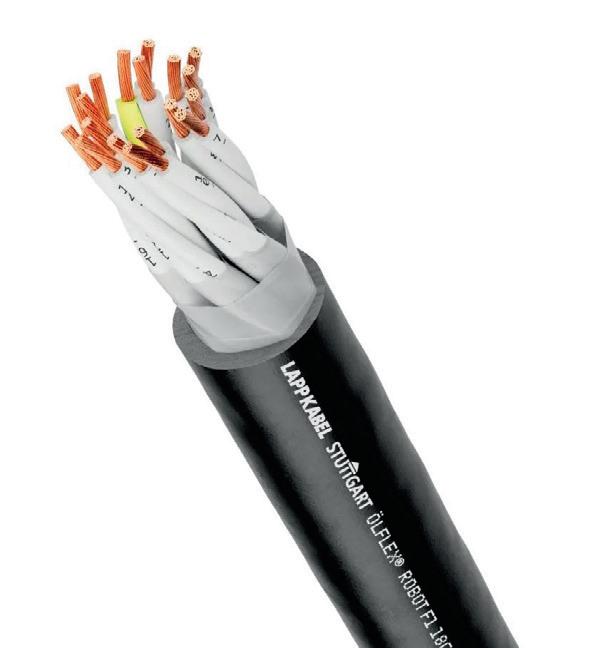
LAPP Australia has a wide range of power and control cables — including the ÖLFLEX Robot F1 range, which is specially designed to withstand torsion and bending stress for use particularly in robot arms, power chains and other moving machine parts.
All cables in the ÖLFLEX Robot F1 range are designed to allow much faster speed and accelerations, increasing the economic efficiency of machines. They are well-suited to industrial applications such as machinery and machine tools, automated handling equipment, automotive industry, in power chains or moving machine parts, inside of dresspacks of buckling arm robots, and for use for gantry robots.
The cables are abrasion- and notch-resistant, flameretardant, oil-resistant and flexible at low temperatures, with a low-adhesive surface. A PUR outer sheath provides increased durability, even in harsh conditions.
Additionally, the cables come with UL certification, making them certified for USA and Canada for export-oriented machine, appliance and apparatus manufacturers. Without UL certification, upon arrival in North America, the machine will either be rewired or sent back to Australia, both adding cost and delay for exporters, according to the company.
The Robot F1 range has been designed for up to 10 million torsional motions, and for travel distances up to 10 m. LAPP Australia has the local support and expertise to help with product specification, and to advise on installation and compliance. The range can operate in fixed installations from -50 to +80°C and in flexing applications from -40 to +80°C.
LAPP Australia Pty Ltd lappaustralia.com.au
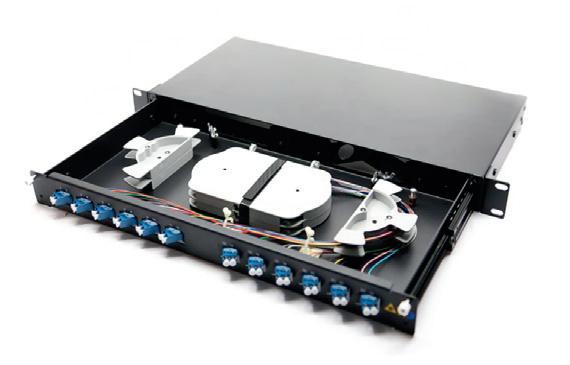
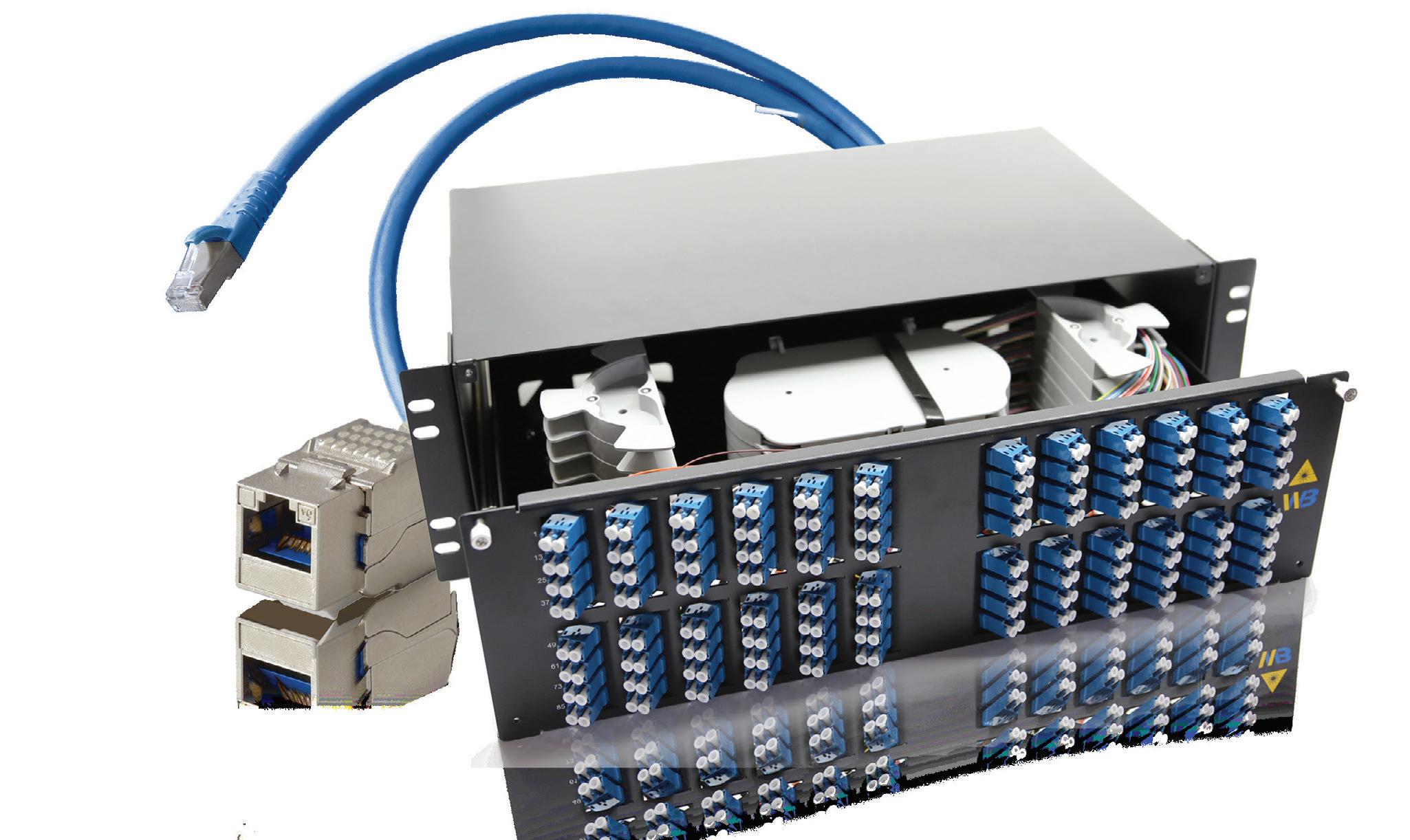
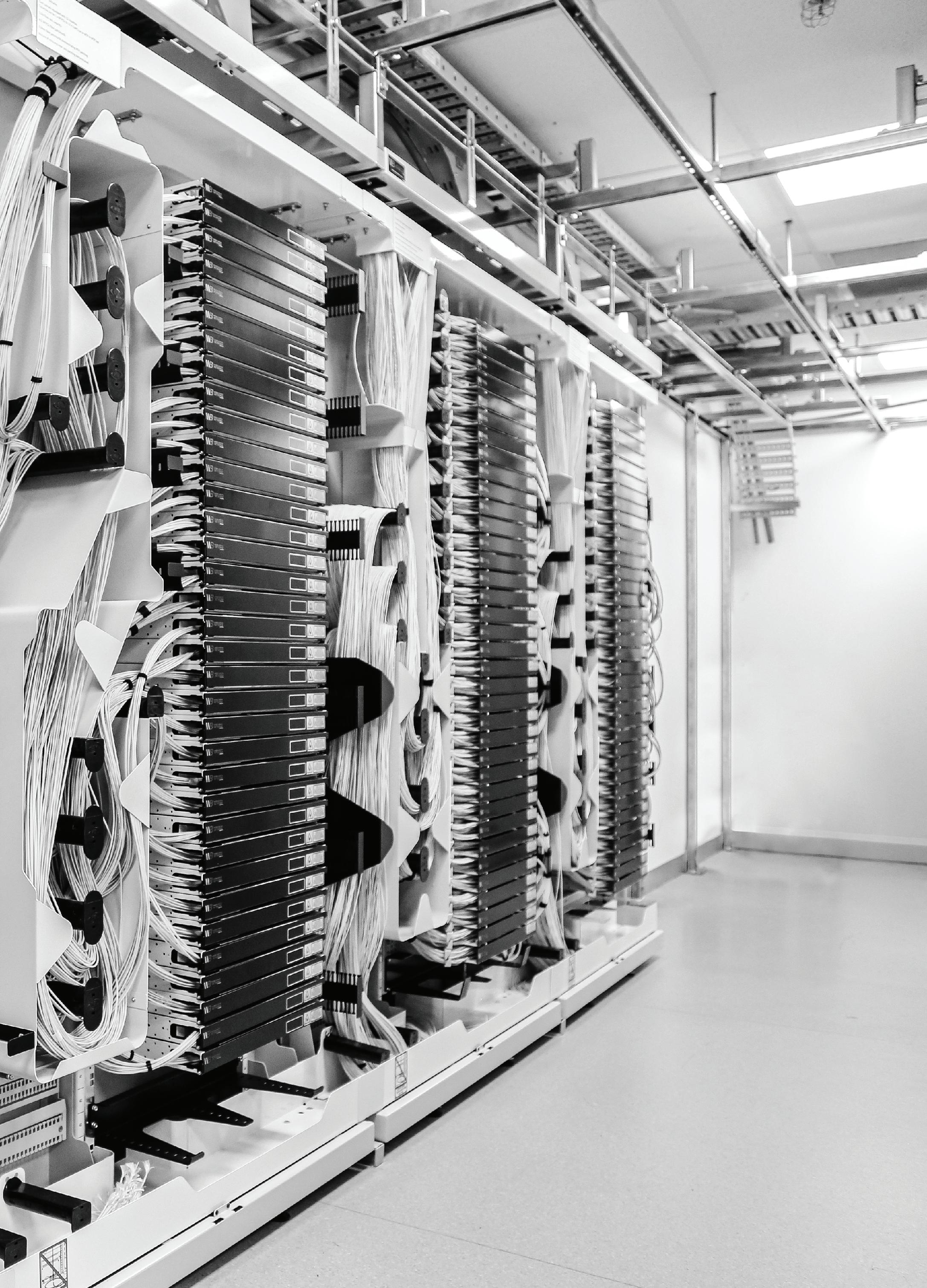
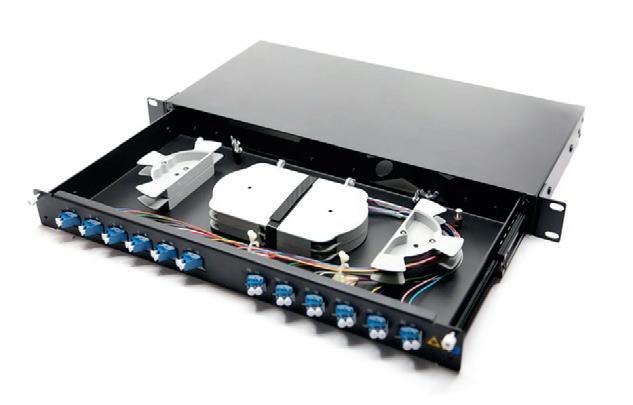
WBT’s Fibre Termination Panels (FTPs), also known as FOBOTs or fibre subracks, offer a fast, secure solution for terminating and managing optical fibre. Designed for speed and reliability, the panels come pre-loaded and ready to install, making them a good choice for splice/patch, patch-only or pre-terminated fibre applications.
Users can choose from a wide range of configurations, including slide-out or pivoting trays, with support for single-mode or OM3/OM4 multimode fibre. Available in densities from 12 to 144 fibres per RU to suit any network requirement, the panels enable users to save time and maximise performance. Same-day dispatch is available.
Warren & Brown Technologies wbnetworks.com.au

Could shared solar be a win-win for rural communities and the renewable energy industry?
When large-scale solar installations are proposed for rural areas, the reception is not always positive. Concerns raised by regional communities in Australia, for example, have included potential unsightliness, loss of agricultural land and negative environmental impact.1
There is one type of solar arrangement that might be viewed more favourably, however. Researchers at the University of Bonn
have recently investigated attitudes towards agrivoltaics: solar arrays that are installed in spaces simultaneously used for agriculture, such as on pastures or as a canopy over grapevines. According to a survey of almost 2000 people, this form enjoys notably higher acceptance than normal solar parks. The team’s study has been published in the journal Land Use Policy 2
Hendrik Zeddies, from the Center for Development Research (ZEF) at the University of Bonn, explained that while agrivoltaics arrays usually reduce agricultural yield, they sometimes also create synergies.
“For example, the solar cells can be used as a transparent canopy to protect fruit
trees or grapevines from hailstones or harsh sunlight. On wheat fields, they often serve as wind protection — similar to a wall or a hedge,” he said.
The online survey initiated by Zeddies and his colleagues Dr Martin Parlasca and Prof Dr Matin Qaim, Director of the ZEF, involved almost 2000 men and women from Germany, chosen to reflect a cross-section of the German population with regard to age, sex, education, income and state of residency.
They were initially given information on the advantages and disadvantages of agrivoltaics and conventional solar parks on open land. >
THE SOLAR CELLS CAN BE USED AS A TRANSPARENT CANOPY TO PROTECT FRUIT TREES OR GRAPEVINES FROM HAILSTONES OR HARSH SUNLIGHT. – HENDRIK ZEDDIES

Then, they were assigned at random to one of three groups. The first saw photos of a pasture and, as a comparison, a meadow on which long rows of solar panels stood between grazing cows. Similarly, the second group looked at pairs of images of a wheat field with and without solar panels, and the third of a vineyard. These images were each compared with pure solar parks in the same landscape scene.
“We asked the participants how they assessed the intervention in the respective landscape,” Zeddies said. “For instance, how attractive or unattractive they found the areas shown or how they assessed their recreational value.” In addition, they were asked to state whether they would be willing to accept a price premium for the electricity produced in the respective areas, or the reverse: whether they would pay money to prevent the solar park.
The results show that agrivoltaics met with much higher acceptance — regardless of the scenario shown. Almost 44% would pay more for electricity from these areas; however, only 29% would be willing to do so for normal solar parks on open land. Just 2.9% would also finance measures to prevent agrivoltaics out of their own pockets, while the figure was 4.8% for conventional parks. Although the respondents generally believed that photovoltaics impaired the view of the landscape, these negative impacts were lower in their eyes when it came to agrivoltaics.
“Our survey is hypothetical — the participants do not really have to spend any money,”
Qaim said. “Nevertheless, the results allow us to conclude that agrivoltaics meets with greater acceptance among the public than normal open-space solar systems.”
Agrivoltaics could, therefore, be a way to accelerate the development of environmentally friendly energy without provoking major conflicts among the population and jeopardising food security.
However, Zeddies, who grew up on a farm, has some reservations. For instance, the costs for these systems are higher than for conventional open-space systems. As agrivoltaics also delivers lower electricity yields, these initial investments are paid off slowly. “Without subsidies, it will presumably not be possible to install many systems,” he said.
Meanwhile, researchers at The University of Melbourne have been exploring the benefits of photovoltaics specific to Australian environmental conditions.
“The research, funded by AgriFutures, comprises a review of existing studies here and overseas, engagement with industry, an agrivoltaics pilot study set in the university’s vineyard at the Dookie Campus, and knowledge sharing, nationally,” said Dr Sabine TauszPosch, Senior Lecturer in Agricultural Food Sciences at The University of Melbourne.
“Our project, titled ‘Agrivoltaics: A Win-Win for Farmers?’, is expected to find and share how different farms with different crops can use agrivoltaics and strike the right balance of crop solar exposure throughout the day and season, to improve the environment in which plants grow — all the while generating clean power from the sun,” Tausz-Posch said.
Better use of sun, land
Agrivoltaics could create transformational benefits at the nexus of food, energy and water, according to the Australian researchers.
Firstly, solar panels placed on the same area of land where crops are grown means energy can effectively be harnessed from the sun twice: once with the photovoltaics, and once with the plants growing around them. Secondly, solar panels can improve water use, with the micro-climatic environment created by the solar arrays reducing evaporative water losses.
Finally, solar panels may protect crops from heat stress and severe weather events such as hail, benefiting yields and profitability. At the same time, the solar panels also operate more efficiently because of the cooling effect of the crops growing underneath them.
Further research needed
While some international studies have shown that farms can significantly benefit from integrating solar installations, particularly in the hot and harsh environments typical in Australia, other studies have revealed a more complex relationship between shade and crop yield (especially in cooler climates), according to the Melbourne team.
It’s clear that more research is needed on how agrivoltaics could benefit Australian farming industries; these researchers are committed to providing some necessary local answers.
1. https://www.farmernews.com.au/council-asked-toobject-over-solar-proposal
2. Hendrik Hilmar Zeddies, Martin Parlasca, Matin Qaim: Agrivoltaics increases public acceptance of solar energy production on agricultural land; Land Use Policy; DOI: https://doi.org/10.1016/j. landusepol.2025.107604
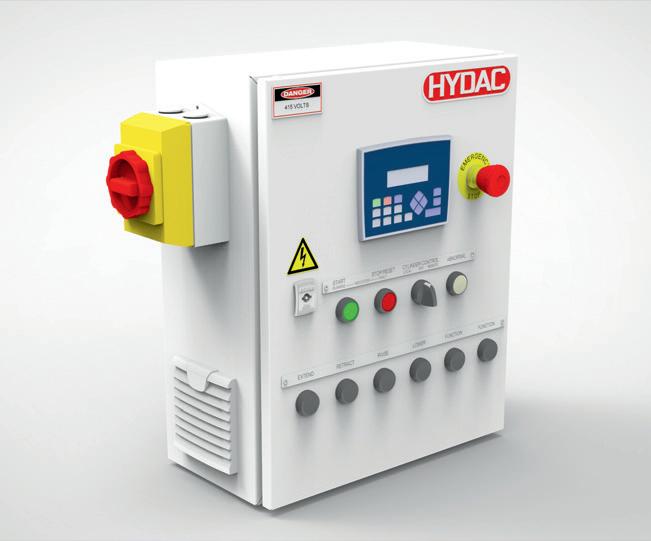
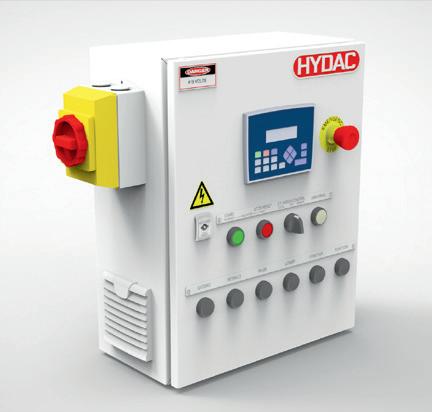
HYDAC’s PLC Pump and Cooler Controller – ESPP is a compact and intelligent control solution designed for managing pumps, coolers and up to 10 solenoids in hydraulic systems. Suitable for industrial applications, it is designed to deliver reliable, efficient performance in a space-saving design.
At the heart of the ESPP is a powerful programmable logic controller (PLC) that allows for streamlined operation and reduced wiring complexity. Whether working with centralised or decentralised system architecture, the product adapts with ease, providing flexibility across a range of installations.
Engineered for indoor installation, it features a rugged enclosure, wide input voltage range, and multiple communication interfaces for stable, longterm performance. The unit is a good fit for industries such as mining, construction and heavy machinery, where durability and precision are essential.
Importantly, the ESPP is designed in line with AS/ NZS 61439, supporting compliance with Australian standards for electrical switchgear and control gear assemblies. This helps customers meet legal and safety requirements while providing consistent quality.
HYDAC International www.hydac.com.au

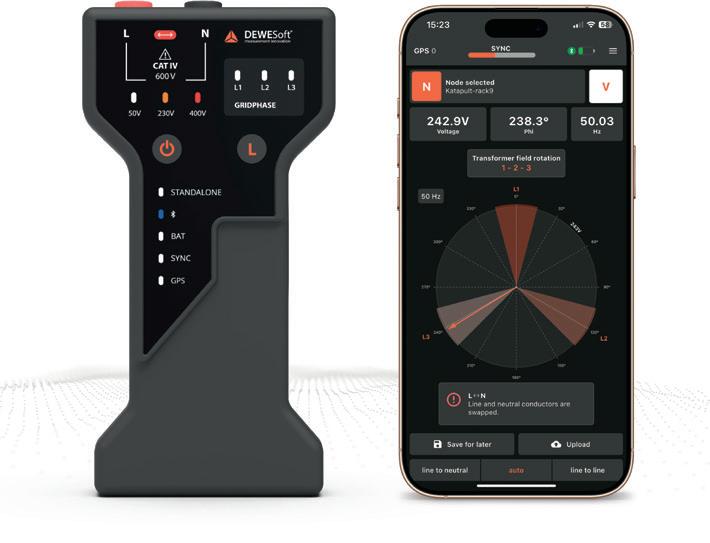
DEWESoft has introduced GridPhase, a phase identification system designed to bring precision and efficiency to phase tracking across high- and low-voltage distribution networks.
GridPhase is a GPS-synchronised, handheld phase identification tool that enables field technicians, electricians and utility crews to determine which phase they are working on — even across transformer vector groups and large geographic areas. Combined with the GridPhase Reference Device and GridPhase Web platform, the system is designed to deliver an end-to-end solution for phase mapping, network maintenance and load balancing.
The handheld phase identification tool is a GPS-synchronised, Bluetooth-enabled device that pairs with a mobile app to display live phase angle, frequency, voltage readings and labels (A/B/C). A DIN rail-mountable reference device is installed at a known location (eg, a substation) to serve as the system’s phase angle baseline.
Web integration through the GridPhase Web platform allows central management of measurements, transformer compensation, and unified phase mapping across a network, while an automatic transformer phase shift compensation algorithm corrects for phase angle variations introduced by transformers, without the need for manual adjustment.
Applications include smart meter installation and commissioning, utility and DNSP network maintenance, load balancing and neutral current reduction, renewable energy connection mapping, and substation upgrades and DER integration, as well as the easy identification of phases in switchboards or fuse boxes.
Metromatics Pty Ltd www.metromatics.com.au
New Zealand EV smart charger manufacturer Evnex has launched the E2 Core and the E2 Plus models, both manufactured in the company’s Christchurch manufacturing facility.
The E2 Core is designed to provide a high-quality, locally made smart-charging solution at a competitive price. The E2 Plus builds on the Core model with colour options, a longer cable, local load balancing and Tesla integration. Both chargers have a sleek, compact design.
The chargers feature home overload protection and enable users to schedule their charging for off-peak times, and for times when renewable energy is available. They also offer solar diversion, allowing users to charge with solar energy.
According to the company, the chargers deliver about 50 km of range per hour, at least four times faster than a 3-pin plug. Safety is also improved, with every charger having its own dedicated feed from the switchboard.
Both chargers come with the option of installation services provided by Evnex’s nationwide network.
Evnex
www.evnex.com.au

With the help of an Australian solar company, one of the smallest local government areas in Australia is taking control of its energy infrastructure from the ground up.
Murrumbidgee Council in the Riverina region of New South Wales collaborated with solar lighting technology company Leadsun Australia to independently install off-the-grid public solar street lighting in a new residential development at Darlington Point. It was a move that enabled the council to sidestep developers and big utility companies.
Leadsun’s Lachlan Bruce said it was exciting to see Murrumbidgee Council take back the power to control its energy assets from installation through to day-to-day operations.
“They wanted a modern, grid-free street lighting solution that was economical, environmentally friendly and engineered to improve safety for residents,” Bruce said.
Leadsun has designed and patented an all-in-one smart solar light that combines LEDs, lithium batteries and wireless technology — enabling the lights to store power for days on end, be remote-controlled, and be monitored from anywhere in the world. They are also equipped with motion sensors that allow them to light up when someone walks by.
“In the past 16 years, we have installed more than 350,000 solar streetlights in Australia and the US, with the lights so robust they can withstand hurricane-strength winds,” Bruce said.
“Since September 2022, Leadsun solar lights have been installed in America’s first ‘connected city’ in Florida and shone bright in neighbourhoods darkened by Hurricane Ian’s category-four winds.
Over 10,000 have been installed there to date,” he added.
“With 39 streetlights powered by the Sun, this project may be small, but it represents a big shift in how councils operate their energy assets.”
The Mayor of Murrumbidgee Council, Ruth McRae OAM, said the council was pleased to embrace this new energy concept, with solarpowered streetlights installed throughout the new River Red Gum Estate housing division.
“This cutting-edge technology not only enhances sustainability but also ensures our community remains safe and secure,” she said.
McRae said the solar-powered lighting system was a prime example of how to reduce reliance on traditional energy sources. With integrated battery systems, she explained, the lights continue to operate seamlessly even during power outages, providing constant lighting and security for residents.
“By adopting this new technology, we are moving forward in our ongoing commitment to create a more sustainable and connected community,” McRae added.
“Not only do these lights utilise renewable solar energy, but their design eliminates the need for traditional in-ground cabling, which reduces both installation costs and environmental impact.
“Additionally, the built-in motion sensors allow the lights to adjust intelligently to movement, optimising energy use while maintaining safety and visibility for the estate,” she said.
Leadsun Australia www.leadsun.com.au
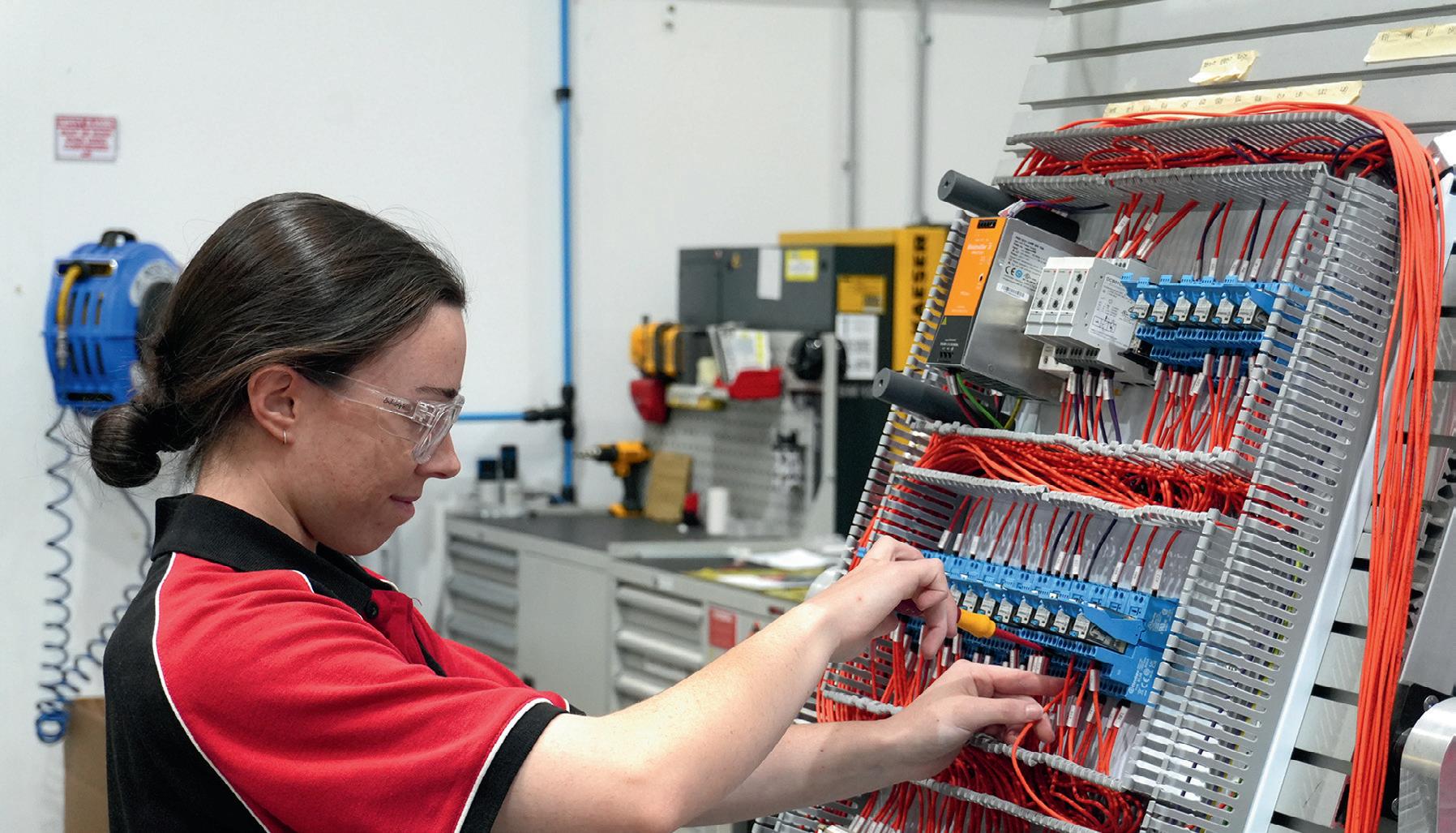
When it comes to complex industrial environments like mining sites or data centres, the challenges tied to electrical panel performance are often underestimated. From managing high motor loads and harsh conditions to ensuring simple operation and longterm reliability, the pressure is on for businesses to implement robust control systems that won’t let them down.
One of the most common problems is poor integration. Off-the-shelf control panels often fall short when adapting to the specific needs of an application. Whether it’s mismatched components, lack of flexibility, or limited control capability, these issues can slow operations and lead to costly downtime.
Another issue is complexity. Overly complicated systems make it harder for operators to maintain or troubleshoot on site. In high-pressure industries like mining, where response time matters, having user-friendly electrical systems isn’t just a bonus — it’s essential.
Then there’s the risk of non-compliance. Without adherence to relevant standards and proper engineering, control panels can pose safety risks and fall short of performance expectations, especially in mission-critical applications such as data centres or heavy industrial sites.
That’s where HYDAC comes in.
HYDAC understands that every operation is different. That’s why HYDAC designs and builds electrical panels tailored to each customer’s
needs — whether it’s for a remote mine site or a sophisticated data centre.
The local Automation and Control Engineering team specialises in building high-quality electrical panels that simplify control, boost efficiency, and provide peace of mind. These panels are more than just enclosures for wiring and switches — they’re the heart of our complete system solutions, carefully engineered to integrate with hydraulic and cooling systems and stand up to tough environments.
From simple starters to advanced PLC-controlled systems, HYDAC offers a wide range of electrical panels:
Assembled Motor Starter Panels: Designed for direct-on-line starting of motors, these panels are compact, reliable, and pre-wired for quick installation. Perfect for pump and cooler systems that need straightforward motor control.
Soft Starters (ESPS): Ideal for large motors that require smooth acceleration and reduced mechanical stress. HYDAC soft starters minimise inrush current and extend equipment life, making them a smart choice for heavyduty applications.
Basic Pump Starters (ESPB): With options for two solenoids, this starter provides easy, dependable control over smaller systems. It’s well-suited for entry-level applications or where only basic functionality is needed.
Pump and Cooler Controllers (ESPE & ESPP): These offer greater control, with capacity for up to 10 solenoids and optional
PLC integration. They’re tailored for more complex operations where performance and adaptability are key.
What sets HYDAC apart is the commitment to providing turn-key solutions. HYDAC’s panels come pre-tested, quality-assured, and ready for integration. HYDAC follows a proven in-house process — from concept design and component selection to panel build, factory testing, and final documentation — ensuring every detail meets both customer expectations and Australian standards like AS/NZS 61439.
In short, HYDAC makes it easy for the customers. With intuitive layouts, clear labelling, and future-ready design, the panels are built for those who want long-term reliability without the technical headaches.
Whether you’re dealing with variable site conditions, specific project requirements, or tight installation timelines, HYDAC’s electrical panels are designed to deliver performance, flexibility, and peace of mind — every time.
So if you’re after an electrical control solution that’s tailor-made, easy to operate, and built to last, HYDAC has the capability to bring it all together.


ACologne-based startup has created what it claims is the world’s first operating system for smart cities.
The municipal operating system, ‘urbanOS’, was developed by dataMatters, a spin-off of RWTH Aachen University. It functions similarly to computer or smartphone operating systems, but is optimised for the ‘smartification’ of urban infrastructure, ranging from traffic management and waste disposal to energy supply and public safety.
According to the company, this ‘digital town hall’ is highly scalable — capable of meeting the needs of cities, districts and municipalities, from small towns to large metropolitan areas.
“The term ‘smart city’ describes a comprehensive concept for a city where data, in the form of smart — ‘intelligent’ — infrastructures, plays a key role. This includes the following areas: buildings, mobility, energy, water, waste management, health care and digital infrastructures,” explained Dr Daniel Trauth, founder and CEO of dataMatters GmbH.
“All these areas are covered by urbanOS.”
The new municipal operating system is based on a multi-layered model: sensors, municipal data space, artificial intelligence (AI), data-driven decision-making, and optimised services for both citizens and local governments.
“A wide range of sensors captures what’s happening in the city,” Trauth said.
“This information is transferred to a municipal data space, where it is processed using AI. The results are displayed in an urbanCockpit, allowing decision-makers to gain a real-time overview of what’s actually happening in their city, similar to a pilot steering an aircraft.”
Thanks to the AI’s predictive capabilities, the urbanCockpit also provides a detailed forecast of future conditions. “This gives municipalities an unprecedented factual basis for urban decision-making,” Trauth said, giving the example of cameras in buses and trains, which “can precisely capture how many seats and standing spots are occupied at different times on various lines”.

“Based on this data, the AI can generate recommendations to optimise public transportation, factoring in events like festivals, football games or cultural events. The result is greater public transportation acceptance among citizens, more targeted staffing, and reductions in costs and environmental impact.”
According to dataMatters, urbanOS is the world’s first operating system to integrate federated AI (federated learning) from the outset. This means that an AI model is trained across numerous devices without centralising sensitive data.
The operating system also relies on edge computing, so that all data is cleaned of any personal references at the moment of collection. For example, cameras that count pedestrians, cyclists and vehicles to optimise traffic flow delete all faces and licence plates on-site. No information is transmitted to the municipal data space that could directly or indirectly lead to identifying individuals. The company describes this as “data anonymisation at the point of collection”.
“Municipalities want a smart city, but not a surveillance city,” Trauth explained. “Therefore, protecting citizens’ sensitive data is of the utmost priority.”
For urbanOS, all data is processed exclusively in data centres located in Germany and subject only to German law, the company said. No data is transferred to foreign data clouds — an important consideration given the patchy data protection in countries like the USA, where many common cloud providers are based.
“The much-demanded autonomy in digitalisation is fully ensured at the municipal level with urbanOS,” Trauth said.
The type of artificial intelligence used within urbanOS can be freely chosen by each municipality or city. “We can integrate any large language model,” Trauth said.
It is also up to the municipal authorities whether the AI should be operated in a local data centre or sourced externally through a cloud service. The same applies to the data space where all municipal
information converges to be ready for AI analysis. “If needed, we provide both the data space and artificial intelligence as a complete package,” Trauth said. “In this case, the municipality receives the full functionality, including AI analysis, from us, just like from a smart power plant.” Alternatively, the municipality can choose to operate the data space and AI system independently and only use dataMatters’ operating system for ‘smartification’.
According to dataMatters, urbanOS already supports all common AI models and IT systems, allowing them to be seamlessly integrated into the municipal operating system. Technically, this is achieved through an application programming interface (API) that encompasses all standard market interfaces. “We support countless connectors to sensors, wireless networks, database systems, as well as third-party software and OpenData portals,” Trauth said.
For the wireless connectivity of sensors, dataMatters relies on long range wide area networks (LoRaWAN). These networks enable data transmission over long distances with minimal energy consumption. The LoRa radio standard was specifically developed for the Internet of Things (IoT), which includes the various sensors used in smart cities. It is estimated that well over 10 billion IoT devices are currently in use worldwide.
Trauth emphasised that “urbanOS was developed in collaboration with several cities and municipalities as part of concrete projects, not created in isolation”. For example, in the city of Dormagen, located between Cologne and Duesseldorf, numerous streetlights are equipped with sensor boxes placed about 3 m above the ground. The sensors inside measure environmental factors such as humidity, CO2 levels, particulate matter and noise, while also counting pedestrians, cyclists and vehicles passing by. The city’s sensor network helps identify areas with high traffic congestion, provides retailers and restaurateurs with insights into customer flows, and assists in more targeted planning and evaluation of city events. It also identifies areas with excessive heat exposure, allowing the city to protect the population during summer with shading measures to combat the effects of global warming.
The city of Huerth, located near Cologne, has also optimised waste disposal using urbanOS. Public waste bins have been equipped with
ultrasonic sensors that measure the fill level and transmit the data wirelessly to the smart city operating system. There, AI determines the most efficient route for the garbage trucks to empty the bins. By dynamically adjusting the previously fixed route, unnecessary trips are avoided, saving about 20% in costs and reducing CO2 emissions by approximately 30%, while ensuring that the waste bins do not overflow.
According to dataMatters, urbanOS is currently in an early launch phase in over 20 cities, not only in Germany but also in Belgium, France and the Netherlands. “Most municipalities understandably prefer to go public only once the projects are significantly more advanced,” Trauth said.
The global market for smart cities is currently estimated at over $700 billion and is expected to grow to around $4 trillion by 2030. The German smart cities market is currently valued at approximately 8 billion euros and is projected to reach up to 47 billion euros by 2030. “The potential for smart cities is immense, and urbanOS is entering the market at exactly the right time,” Trauth said.
The company’s goal is not only to make individual cities smarter but also to connect smart cities with one another, with urbanOS already being used in pilot projects in the state of North RhineWestphalia as part of the funding initiative ‘DatenMarktplatz.NRW’, which aims to build a regional data ecosystem.
“Several cities are establishing their data spaces in an urbanOS hub, where, with the municipalities’ consent, the data can be analysed across cities by AI. This allows experiences to be pooled, and cities can benefit from each other. By using the urbanOS hub, municipalities can save significant costs, as they don’t need to build their own AI infrastructures,” Trauth said.
urbanOS is also prepared for the next generation of actuators. While sensors collect data, actuators are devices that trigger actions, such as controlling traffic lights, managing digital displays, operating irrigation systems or overseeing parking guidance systems. Nextgeneration actuators could include AI robots that are put to use in municipalities as gardeners, cleaning staff, or assistants for public services and security tasks.
“What may sound like science fiction today will become everyday reality in a few years,” Trauth said.

– DR DANIEL TRAUTH
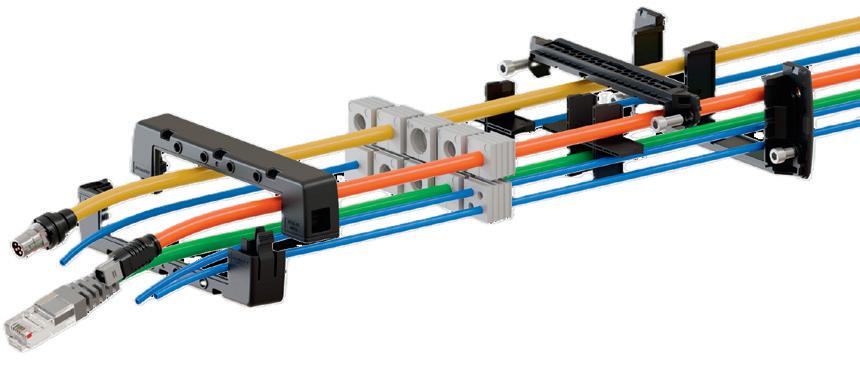
Conta-Clip’s inverted modular cable entry system KDSI-SR-G comprises a two-part screw frame for simple and service-friendly assembly from the outside to the inside. Suitable for cables with and without connectors, the system can be used in cable management for control cabinets, enclosures and machines, reducing assembly time.
The screwless, horizontally latching frame halves made of glass-fibre-reinforced polyamide PA 6.6 feature dovetail profiles — as a result, they do not have to be screwed but simply lock in place. Their double, overlapping, integrated and captive TPE gasket provides tight, IP66-rated sealing.
The black cable entry fits in standard cut-outs for 4-, 10-, 16and 24-pin heavy-duty connectors. The 8/16 frame also has a fixed partition and can be equipped with two 4-piece inlays. The system is suitable for cables of all connector sizes and allows for wide variability in the order of assembly.
Users can choose whichever frames and mounting methods best fit their particular application. The frame can either be directly screwed to the housing, or partially or fully pre-assembled externally for later mounting on the housing. The product uses the modular KDS system for accessories such as inlays and sealing elements.
CONTA-CLIP www.conta-clip.com
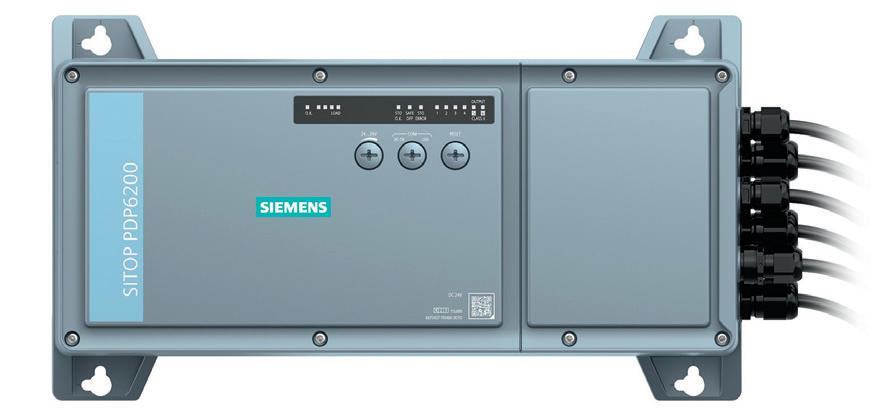
Siemens has expanded its power supply portfolio with the Sitop PDP6200, an IP65-rated solution designed for efficient, spacesaving intralogistics applications. With up to six protected outputs, electronic Safe Torque Off (STO) and remote eFuse reset, it enhances safety, reduces downtime and eliminates the need for control cabinets.
Optimised for industrial environments, the product is designed to provide reliable power distribution and selective shutdown for connected devices.
Siemens Digital Industries Software www.siemens.com.sg/en
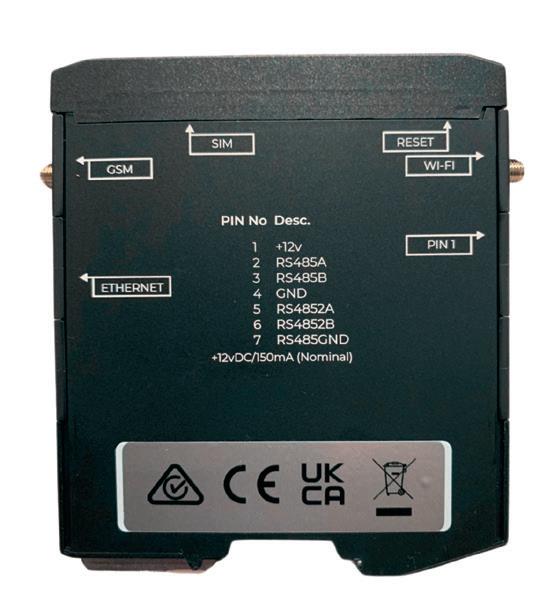
Versinetic has launched SiteManager, an EV charger load balancing system designed to optimise and effectively manage power distribution within a single physical site while remaining within capacity limits.
The system is targeted at infrastructure operators, municipal planners and commercial enterprises facing challenges such as underused charging stations, frustrated EV drivers, increased operational expenses and potential grid instability.
LinkRay technology underpins the functionality of SiteManager, serving as the backbone for managing multiple charging units. It is a proprietary platform developed by Versinetic that facilitates the dynamic allocation of energy resources. The system intelligently manages power distribution across multiple LinkRay devices, supporting up to 64 LinkRay units that are each capable of managing 100 chargers. It is compatible with both AC and DC charging systems, suiting it to varied installation sizes and demands.
The solution offers flexible connectivity options, including Ethernet, Wi-Fi and cellular networks, allowing for easy remote monitoring and configuration. These features are designed to alleviate the frustrations of EV drivers by reducing wait times while lowering operational costs for site owners and maintaining grid stability. The system continuously monitors overall site power usage, and algorithms calculate and adjust power distribution in real time, enhancing charger availability and efficiency.
Regular updates keep the system current with industry standards.
Versinetic www.versinetic.com

Ian Ross, head of private cellular networks ANZ for Enterprise Wireless Solutions at Ericsson

Although the global population spends 80 percent of its time indoors, global positioning system (GPS) technology has been primarily designed for outdoor tracking. Having trouble finding your keys or wallet? Try a Bluetooth-enabled tile or tag. Want to ensure your child gets to school safely?
There’s an app for that. Yet, when it comes to accurately tracking businesscritical assets indoors or making sure you know the location of staff during an on-site emergency, effective solutions have been lacking or too complex.
As more companies invest in 5G connectivity for visibility into operations — and 5G-enabled tools, tablets, automated guided vehicles (AGVs), wearables and other devices — the need for indoor asset tracking continues to grow.
With the right private 5G solution, network administrators and operational technology managers can conduct effective asset tracking with accuracy as close as one metre while guaranteeing their devices and people are connected to a dedicated and secure private 5G network.
Precise indoor positioning is a private 5G feature used for asset tracking that can directly impact visibility into operations, asset protection, and safety. Enterprises of all kinds can utilise this feature as part of a comprehensive end-to-end solution.
In smart manufacturing, whether advanced technology, machinery assembly, or even food and beverage, there are some circumstances in which precise indoor positioning enhances asset tracking. In today’s Industry 4.0 landscape, many manufacturing tools are now digitally enhanced, automated, and connected to a host of devices. These tools are becoming vital to digital quality and traceability initiatives, and any device loss can lead to a delay in production, which can have negative effects on output. With precise indoor positioning, manufacturers and assemblers will always have the location of both tools and staff — which can be important for production and safety reasons. Automated guided vehicles (AGVs) are also becoming a mainstay of manufacturing and pack-house workflows, moving goods and parts of finished product between the production floor and warehouses. Indoor positioning helps teams ensure AGVs arrive at their desired location, on time, facilitating no delays in production.
Use Case 2: Warehousing and Logistics
Effective asset tracking also allows enterprises to underscore the benefits of smart manufacturing through connection-dependent devices, like scanners and, similar to manufacturing, AGVs and Autonomous Robots (AMRs)
that may be used for stock movement, inventory counting, picking or packing, and cleaning. With precise indoor positioning, enterprises can leverage real-time tracking so operations and OT managers can always see the location of a certain piece of equipment or machinery. Organisations can also use geofencing to enable alerts when a certain device or staff member ventures into an unauthorised location within or outside of the facility. Indoor positioning can also translate to cost savings and cost optimisation for enterprises as they help prevent the loss of handheld devices and tools, while improving safety and reducing risk of down-time. Replacing these tools can become extremely expensive for enterprises, especially if the facility uses hundreds to thousands of these devices.
Underground mines often span vast and complex tunnel networks where traditional GPS signals are unavailable. Private 5G networks are beginning to help miners address the unique positioning challenges within the linear drives and three-dimensional space of an underground mine, utilising variations of the techniques used for precise positioning.
But mining companies also operate large processing plants, maintenance sheds, and warehouses not dissimilar to smart manufacturers or logistics companies.
In processing plants, precise positioning can monitor the location of staff and raise alerts if geofenced safety areas are breached. They add immediate location intelligence to lone worker safety systems in case of an individual emergency and allow e-mustering systems to report the location of multiple staff in the case of a site event.
In maintenance areas, precise positioning can be used to monitor and report the location of tools, machinery, or other assets used in the repair and maintenance of mining equipment and heavy earth moving equipment. In mining warehouses, organisations can expect similar benefits and uses to a traditional warehouse.
The partnership between private 5G and indoor precise positioning
Private 5G enables asset tracking via precise indoor positioning, removing some complexities often associated with legacy asset tracking frameworks that leverage Wi-Fi or real-time location systems (RTLS). While many organisations rely on RTLS — which use Wi-Fi or Bluetooth beacons — as their positioning technology, there are drawbacks to this approach. For example, while additional Bluetooth beacons and Wi-Fi access points can enhance asset tracking accuracy, asset tracking expenses can grow given the size of the manufacturing plant or warehouse. This can be costly for organisations, as the need for more infrastructure and multiple networks to manage drives up installation, maintenance and lifecycle costs.
The infrastructure needed to leverage precise indoor positioning for asset tracking through private 5G is less complex. It triangulates an asset’s location through the radio access network (RAN), leveraging the same private 5G network that organisations already use for business-critical applications and devices. Indoors, private 5G radios can cover an area three to five times larger than Wi-Fi access points. In addition, a comprehensive private 5G solution doesn’t require beacons attached to each device or vehicle to track its location. Instead, the solution can work with any 5G-enabled device, tracking its movements through the device’s chipset. This ultimately helps maximise ROI, reduce maintenance downtime, and provide a more reliable connection.
The added benefit of private 5G is it not just that it provides a network capable of positioning, but that it provides an advanced wireless solution that can provide deterministic and pervasive connectivity that is predictable under load, can scale to accommodate the varied performance demands and segregation needs of multiple use-cases on a single infrastructure, while being ready for the explosive device and data throughput growth expected from digitalisation and industry 4.0.
Enterprises are using an unprecedented number of mobile devices and automated vehicles that are key to operations. Therefore, they face an unprecedented need to accurately track these critical assets. Private 5G and indoor precise positioning provide the constant connectivity and resilience that manufacturers, logistics companies, mining, and other enterprises worldwide can count on.
Cathy Brand, Chief Executive Officer, Brooks Australia
Manufacturing is a critical decision for any business. It directly impacts production costs, product quality and overall operational efficiency.
Companies typically face two primary options: outsourcing production to third-party manufacturers or keeping production in-house. Each approach has its own set of advantages and challenges, making it essential for businesses to evaluate their specific needs, goals and capabilities carefully before committing to a manufacturing model.
Outsourcing production to third-party manufacturers — especially in countries such as China, India or other regions with lower labour/production costs — can offer substantial savings, making it a highly attractive option for businesses. One of the key benefits is the lower labour costs, which are a significant factor in reducing overall production expenses. Third-party manufacturers also offer the benefit of access to well-established and often more efficient supply chains, positioning them well to handle large orders and complex logistics. This enables businesses to scale their operations without incurring the high upfront costs associated with building and maintaining their own production facilities.
Furthermore, outsourcing to third-party manufacturers often provides businesses with access to specialised expertise and advanced production facilities that they might not otherwise afford. These manufacturers often possess deep knowledge of industry-specific
processes, and their facilities are equipped with cutting-edge technology, which can lead to faster time to market. For companies looking to quickly enter new markets or expand their product offerings, outsourcing offers a level of flexibility and speed that would be difficult to achieve with in-house production. However, outsourcing is not without its challenges. One of the most significant risks is the loss of direct control over the manufacturing process. Quality control can be more challenging to monitor when production is conducted overseas, as businesses must rely on external partners to maintain consistency and comply with both international and local regulatory standards. In particular, industries dealing with safety-critical products, such as cybersecurity devices or electronics, can face heightened risks if quality assurance processes are not rigorously followed. Even minor discrepancies in product quality can lead to significant legal, financial and reputational damage.
Another concern is intellectual property protection, particularly when dealing with overseas manufacturers. There is a risk of exposing designs or technological innovations to third parties, especially when the production process involves sensitive or proprietary information. Theft or misappropriation of intellectual property poses a significant threat, and enforcing intellectual property rights in foreign jurisdictions can be complex and costly. Additionally, navigating compliance with local laws, including safety and industry standards, can be more challenging when businesses are outsourcing production across borders.
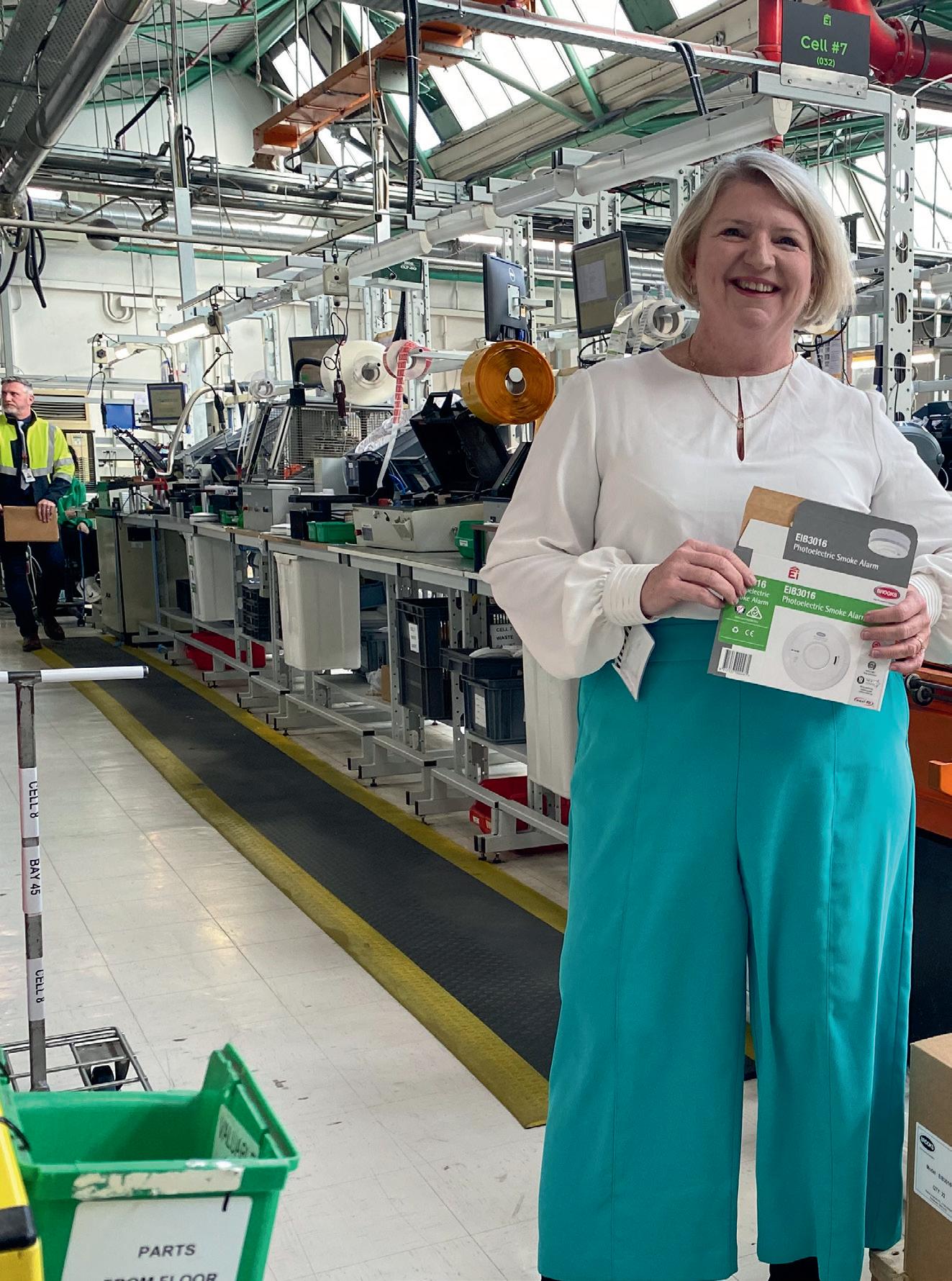
In-house manufacturing provides businesses with full control over the production process, a crucial element when product quality and reliability are paramount. At Brooks Australia, we rely on in-house manufacturing for our smoke alarms, as these life-saving devices
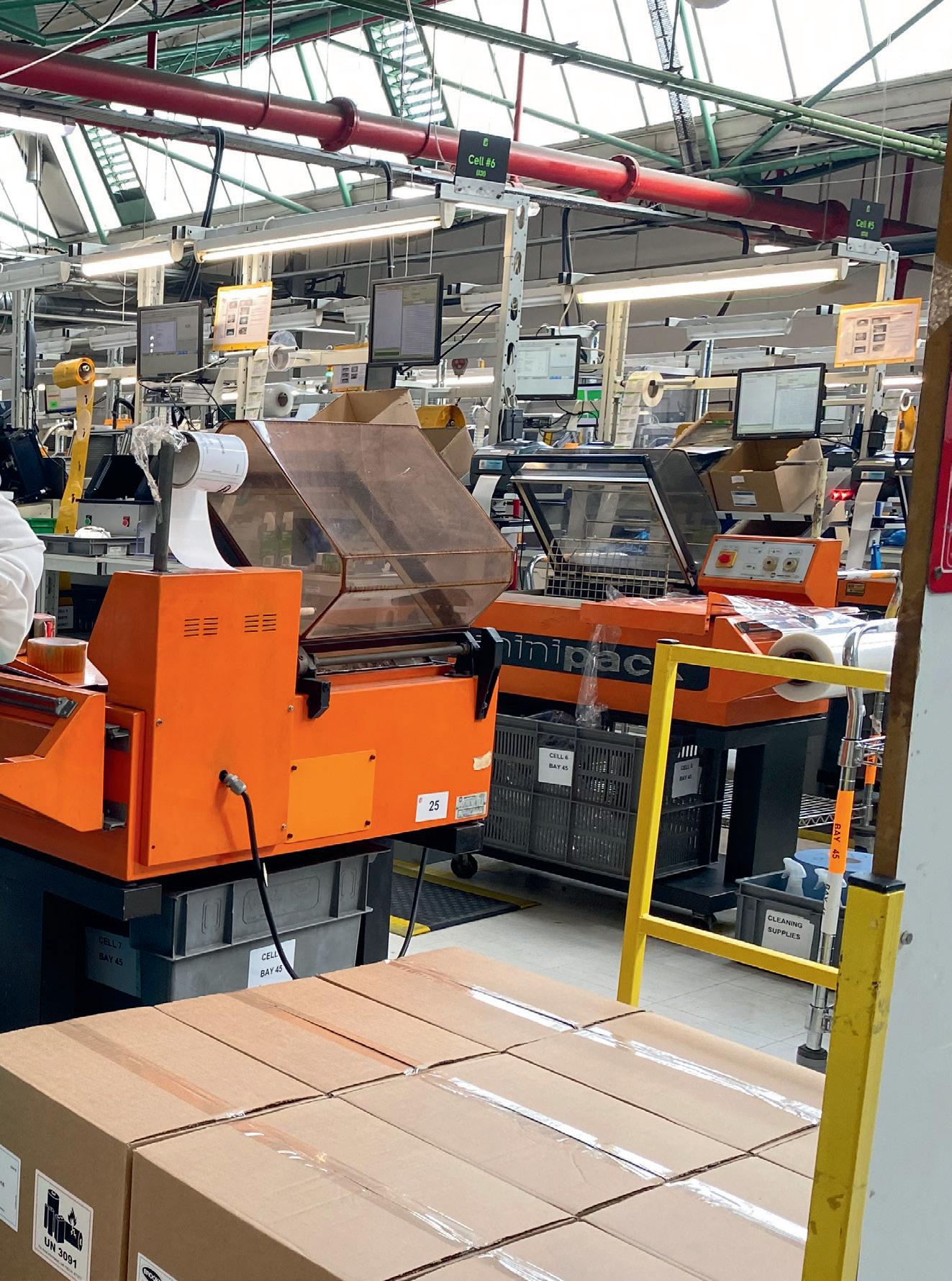
must function flawlessly to fulfil their critical role. This model allows for direct oversight from design to final output, ensuring that every step of production meets the highest quality standards.
One of the key advantages of in-house manufacturing is the ability to implement rigorous quality assurance measures. With complete control, companies can make realtime adjustments to production processes and monitor them closely to ensure consistency. This level of oversight is particularly crucial for industries where product quality is nonnegotiable, such as those involving smoke alarms, security devices, electronics and data communications equipment. It ensures that products not only meet regulatory requirements but also maintain industry-leading standards of safety and reliability.
In-house manufacturing also provides the flexibility to conduct thorough research and development (R&D). Companies can experiment with new materials, refine existing
products and test prototypes rapidly, which is especially valuable for businesses dealing with proprietary technology. The ability to innovate quickly enables companies to stay competitive and respond to market needs without the delays associated with third-party manufacturers. For businesses that rely on technological advancements or unique features, in-house manufacturing can provide a competitive edge, protecting intellectual property while reducing the time to market.
However, in-house manufacturing presents its own barriers. It requires significant upfront investment in equipment, facilities and skilled labour. The costs involved in establishing and maintaining a production plant can be prohibitive for smaller businesses, particularly due to ongoing operational expenses, including maintenance, utilities and labour costs. These expenses require businesses to have confidence in their long-term demand projections, as sudden market fluctuations can result in overcapacity or underproduction.
Another downside to in-house production is its potential lack of flexibility compared to outsourcing. Scaling production to meet fluctuating demand can be more difficult when businesses are locked into fixed production capacities. Third-party manufacturers, in contrast, can often adjust their output more quickly in response to changes in demand, making them an appealing choice for companies looking to scale rapidly. While outsourcing may offer the flexibility businesses need, in-house manufacturing ensures consistent quality and control over the entire production process.
Ultimately, the decision between third-party and in-house manufacturing depends on a company’s specific priorities, market position and long-term goals. Businesses focused on cost efficiency, rapid scalability and market expansion may find outsourcing to third-party manufacturers to be the most suitable option. It offers the flexibility to meet demand without heavy investment in infrastructure while also providing access to specialised expertise.
On the other hand, businesses that prioritise quality control, regulatory compliance and proprietary innovation may find that inhouse manufacturing aligns better with their strategic goals. The ability to oversee every step of the production process provides a higher level of control, which can be critical for companies that require precision and consistency.
By carefully weighing the pros and cons of each manufacturing model, businesses can determine the approach that best fits their needs, ensuring they can effectively manage production costs, quality and scalability. Regardless of the path chosen, the right manufacturing strategy can provide a strong foundation for growth and success in today’s competitive business environment. When it comes to life-saving technology like smoke alarms, precision and reliability are non-negotiable. By overseeing every step of production, we can ensure our smoke alarms meet rigorous safety regulations and provide the reliability Australian homes and businesses depend on.
The TOSIBOX 600 series is a range of industrial routers designed for cybersecure remote access and network connectivity in demanding environments. The series includes models TOSIBOX Locks 610, 675 and 695. These devices are part of the broader TOSIBOX ecosystem, which provides a patented Plug & Go solution for creating secure VPN connections.
LAPP Australia is a platinum partner of TOSIBOX, meaning it is an authorised local distributor with extensive local stock, and can also provide service and support.
TOSIBOX is a patented, easy-to-use technology that helps eliminate the cost, complexity and cybersecurity risks in creating operational networks by connecting remote nodes via wired and wireless connections. It allows users to build critical infrastructure with the TOSIBOX platform, with in-built firewall and NAT function designed for operational technology. The TosiOnline functionality enhances uptime by automatically re-establishing dropped connections.

The TOSIBOX 600 series provides the high specifications of the TOSIBOX range, including: high VPN throughput up to 70 Mbps; up to 50 concurrent VPN connections; and gigabit WAN and LAN ports.
The series supports VLANs (virtual local area networks), allowing for the creation of isolated network segments within a single physical infrastructure for enhanced security and efficient traffic management.
The VLAN capability enables enhanced security through port-level control and network isolation; efficient traffic management with inter-VLAN routing; and flexible network expansion without physical reconfiguration. It also offers compatibility with both VLAN-aware and legacy devices; and granular access control aligned with user roles and requirements.
TOSIBOX is designed to curtail cybersecurity risks and dropped connections, and to deliver fast, easy remote access, enabling users to build critical infrastructure with confidence.
LAPP Australia Pty Ltd lappaustralia.com.au
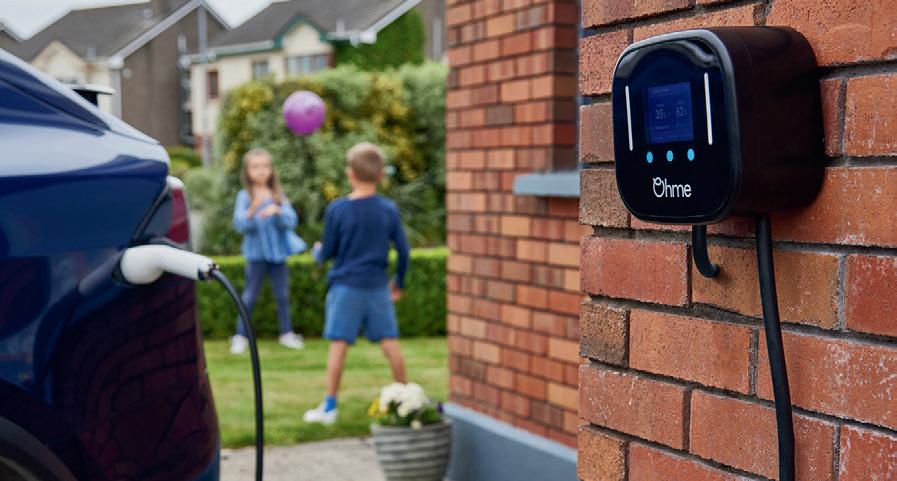
Smart EV charging company Ohme has introduced a new managed installation service for its home EV chargers. The service encompasses a bundled price for supply and installation of an Ohme solar-compatible, smart home EV charger using the company’s network of approved installer partners covering all of Australia. It is backed by a three-year warranty for parts and labour together with technical and customer support from the company.
Developed specifically for the Australian market, both the Ohme Home Pro and ePod chargers come with Solar Boost capability and dynamic tariff integration, supporting EV drivers to charge more efficiently at home. Solar Boost is an advanced charging mode designed to use as little grid energy as possible by supplementing a charge with self-produced green energy.
Ohme’s dynamic smart charging technology can connect with the grid in real time to automatically adjust its charging, allowing customers to take full advantage of off-peak tariffs. Ohme
www.ohme-ev.com/au
Legrand’s computer-monitored digital solution, the GALAXY Connected Emergency Lighting range, is part of the company’s 100% Australian-made certified range of premium exit and emergency light offerings.
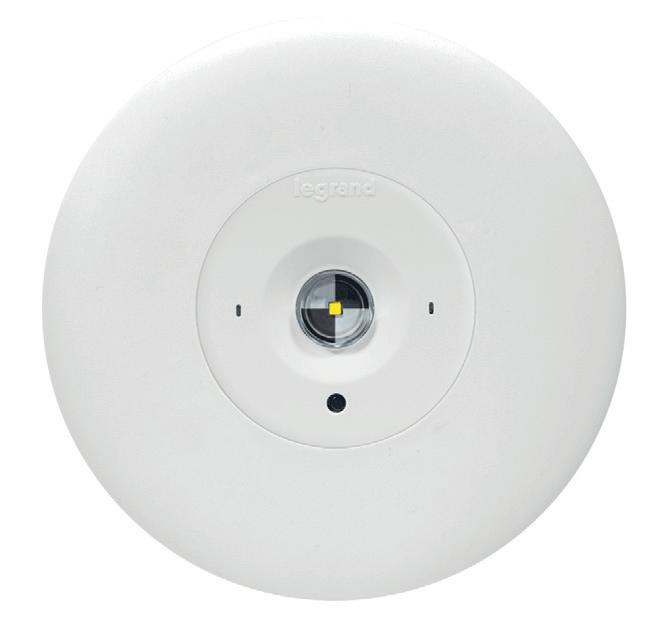
Suitable for smart buildings, the emergency lighting testing system uses tri-wireless IoT technology and helps to streamline the entire user process, from specifying and installation through to day-to-day monitoring and testing.
It is efficient to install, incorporating a simple plug-andplay system that is designed to operate on any smart device or operating system, thus providing the option of remote access. The system can be set up using existing IT infrastructure, meaning there is no backbone cable duplication; commissioning and operation are relatively simple; and labour and maintenance costs are kept to a minimum.
Applications include commercial buildings, educational facilities, airports, shopping centres, healthcare facilities and correctional facilities.
Legrand Australia P/L www.legrand.com.au

A NSW university will soon receive power from 10 community batteries as a result of a project being run by Hydro Tasmania’s energy retailer Momentum Energy, with funding from the Australian Renewable Energy Agency (ARENA).
The University of Wollongong (UOW) will be one of the first organisations to benefit from the project, which is being rolled out at locations across Australia. The 10 batteries will be installed across the UOW Wollongong and Innovation campuses, helping to power research laboratories, medical research and teaching facilities.
As well as helping to reduce electricity costs, the project aims to provide another income stream for the University by connecting it to the Hydro Tasmania Virtual Power Plant — this will allow excess solar PV or grid energy to be stored and sold into the National Electricity Market when needed.
A VPP turns assets on or off and up or down as needed, and can also export power directly into the grid, for example when a battery is discharged.
“We’re excited to partner with the University of Wollongong and ARENA to deliver this project,” said Momentum Energy Managing Director Lisa Chiba.
“The electricity grid needs to balance supply and demand at every point in the day. As Australia’s energy system transitions to having more renewables, we see increasing amounts of intermittent power like solar and wind in the grid,” she continued.
“Hydro Tasmania’s virtual power plant allows individual energy
assets to work together like a traditional power plant and helps them to respond to the demands of the market.”
UOW Interim Vice-Chancellor and President Senior Professor Eileen McLaughlin said the University was committed to playing a leading role in the transition to a cleaner energy future for the Illawarra.
“This project embodies UOW’s dedication to sustainability. By turning our own campuses into living laboratories, we can not only reduce our environmental impact but also showcase the practical applications of cutting-edge energy solutions,” McLaughlin said.
“In demonstrating the feasibility and value of these technologies firsthand, we hope this project will inspire other businesses and households in the Illawarra to embrace the benefits of clean energy transformation.”
McLaughlin said the project built upon a long history of pioneering energy innovation at UOW.
“From our award-winning Solar Decathlon homes to groundbreaking technologies like the Hysata hydrogen process and the world-renowned research at our Australian Power Quality Research Centre, we consistently prove that energy transformation is not only achievable but also beneficial for our communities and the planet,” she said.
Funding for the project was received as part of the Community Battery Round 1 under ARENA’s Advancing Renewables Program. Momentum Energy is coordinating the project on behalf of Hydro Tasmania. Momentum Energy Pty Ltd www.momentumenergy.com.au

Co-undergrounding is the practice of burying both electric and broadband internet lines together. It’s an expensive business, especially if the above-ground lines haven’t reached the end of their usefulness — but could it save money in the long run?
Researchers from the University of Massachusetts Amherst have investigated this question.
In their study, which has been published in the journal Cell Reports Sustainability , the researchers examined several factors that influence the cost of undergrounding lines, using computational modelling across a variety of infrastructure upgrade scenarios.
The co-undergrounding of wires is becoming a salient issue for decision-makers who
are focused on the efficiency of infrastructure, according to Erin Baker, faculty director of ETI and distinguished professor in the College of Engineering at UMass Amherst. “Instead of tearing up the road to do this and then a year later tear it up to do that, let’s think about doing it together,” she said.
One question posed by the researchers was how aggressively towns should pivot to put-
ting lines underground. Should they wait until lines have reached the end of their lifespan and then replace as needed, or proactively move forward?
To answer this, the study defined three overarching considerations: the cost of converting lines from above ground to underground; the cost of outages; and the hours of outages that can be avoided if lines are underground.
To quantify these factors, the researchers created a nuanced computational model.
“A big driver of this whole thing is the cost,” said Jimi Oke, director of NARS Lab, assistant professor of civil and environmental engineering and principal investigator of the study.
“In previous studies, people just used estimates based on average values, but we
WHAT REMAINS TO BE DETERMINED IS EXACTLY HOW MANY OUTAGES WILL BE PREVENTED BY UNDERGROUNDING.

essentially try to model the dependency of the cost on things like the soil composition, the network type or the other land use variables,” he said.
Using the town of Shrewsbury, Massachusetts as a case study, the team found that the most cost-effective solution is to be aggressively proactive in co-undergrounding and replacing existing infrastructure — as long as it can be confirmed that undergrounding wires reduces outages by at least 50%.
Over 40 years, the cost of an aggressive co-undergrounding strategy in Shrewsbury was predicted to be $45.4 million, but the benefit from avoiding outages was $55.1 million. This calculation considered factors like spoiled food, damaged home appliances, missed remote work hours and increased use of back-up power sources.
For a power outage, the costs were estimated to be $10 per person per hour, $205 per business per hour and $15,000 per industrial customer per hour. In Massachusetts, the average outage duration per customer per year, for both broadband and electricity, was estimated to be 1.38 hours. The researchers also took into consideration an additional benefit of $1.5 million in increased property values from the aesthetic improvement of eliminating overhead lines.
Altogether, this created a net benefit of $11.3 million, with the study finding that coundergrounding is 39% more cost-effective than separately burying electrical and broadband wires.
The strategy with the second-highest net benefit was to aggressively convert just the electrical wires from above ground to
underground. While this is a less expensive strategy, the savings were notably diminished, for a net benefit that was five times lower than the co-undergrounding strategy. All other strategies, including moderately paced conversions, had a negative net benefit.
What remains to be determined is exactly how many outages will be prevented by undergrounding. “There’s kind of an intuitive thing [that undergrounding will reduce outages], but there is kind of mixed information about exactly how much because there are outages for a lot of different reasons,” Baker explained.
“It means for [undergrounding to be worthwhile] half the outages have to be caused by basically something weather induced. If more than half of your outages are caused by the plant breaking down, then you shouldn’t underground anything. But the moment it flips over and it becomes good enough to do something, it means you want to be fully aggressive.”
Oke pointed out that storms aren’t the only causes of outages — there are also events like the California wildfires. While California utilities will institute planned outages in order to prevent additional fires, putting wires underground could prevent the fire in the first place (and therefore the outage). Consider the 2018 Camp Fire in Northern California — the most destructive wildfire in the state’s history. This fire was caused when a worn-out metal hook on a transmission tower failed, allowing a live line to fall and hit a transmission tower.
“We need to have a framework and a set of regulations that encourages utilities and towns to think strategically,” Baker said, adding that she hoped the teams’ work would help authorities to do this.
The team hopes that future research will quantify the impacts of co-undergrounding across a variety of geographic locations and scenarios. Other relevant future directions include investigating alternative underground routing options, and other potential outage mitigation strategies.
The study authors were Mahsa Arabi, Atanas Apostolov, Abhiraksha Pattabhiraman, Anna Goldstein, Michael Bloomberg, Jay Taneja, Erin Baker and Jimi Oke. Their paper can be read at DOI: 10.1016/j.crsus.2025.100334.
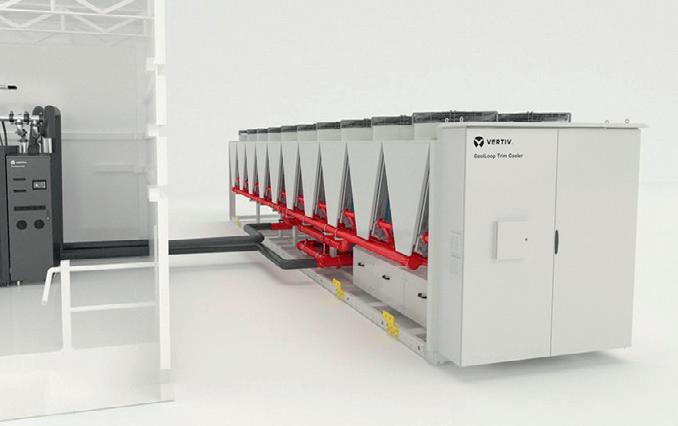
Vertiv has introduced the Vertiv CoolLoop Trim Cooler, in support of air and liquid cooling applications for AI and HPC (high-performance computing). This cooler supports diverse climate conditions for hybrid-cooled or liquidcooled data centres and AI factories.
Integrating with high-density, liquid-cooled environments, the AI-ready cooler provides operational efficiency and aligns with the industry’s evolving needs for energy-efficient and compact cooling solutions. It provides up to a 70% reduction in annual cooling energy consumption leveraging free-cooling and mechanical operation, and 40% space savings compared to traditional systems. Designed to address the challenges of modern AI factories, the system supports fluctuating supply water temperatures up to 40°C and cold plate functionality at 45°C.
Straightforward water connections are said to provide smooth and direct system integration for the Vertiv CoolLoop Trim Cooler and the Vertiv CoolChip CDU coolant distribution units, for direct-to-chip cooling. The cooler can also connect directly to immersion cooling systems. This simplifies installation and operational complexity, allowing compatibility across a range of high-density cooling environments, providing time savings and cost efficiencies for customers.
The cooler uses low-GWP refrigerant and provides a scalable cooling capacity up to almost 3 MW in the air-cooled configuration. With free cooling coils optimised for high ambient temperatures, the system is designed to operate in free cooling mode across more seasons and conditions, for reduced electrical consumption and CO2 emissions.
It is compliant with the 2027 EU F-GAS regulations ban, avoiding the need for redesigns or infrastructure upgrades to meet the regulatory requirement.
Vertiv Australia Pty Ltd www.vertiv.com/en-asia/
The BW2505T1 Ultra Lightweight PPE1 FR Shirt with Segmented Tape incorporates 32% cotton content to maximise breathability and is finished with a segmented tape pattern to ensure comfort remains a focus of the product. With certification by BSI Group, the shirt is designed to provide protection against an arc flash incident.
An arc flash event is a sudden electrical explosion that can cause severe injury and potentially death as electricity flows through two conductors. These incidents result in extreme heat exceeding 5000°C, a bright flash of light and pressure waves, which can both cause deafness and propel the individual back across the area. These incidents can occur in the electrical, construction, mining, and oil and gas industries.
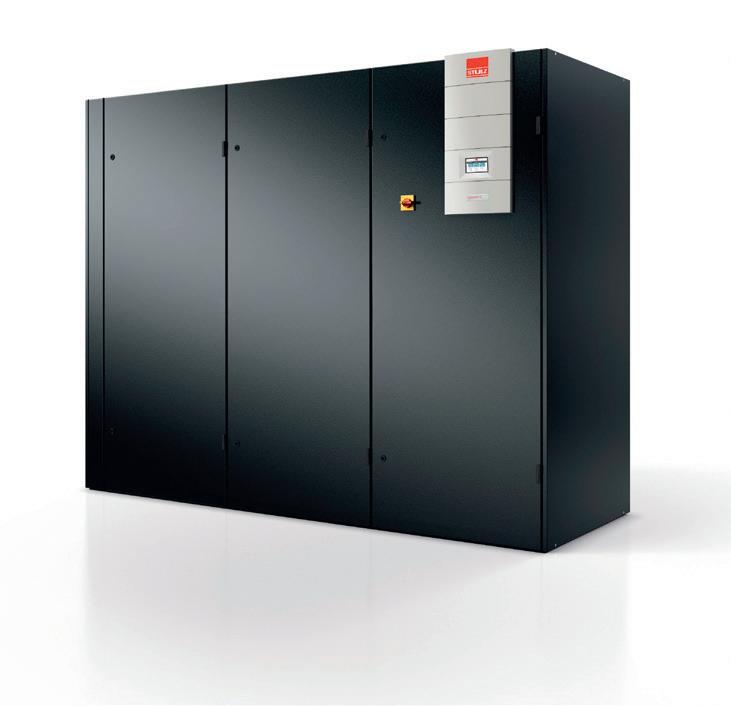
Designed for use in data centres, the CyberAir 3PRO DX GE4(S) range has been developed by mission-critical air conditioning specialist STULZ. The latest addition to the GE series of precision air conditioning systems with indirect free cooling, the range is available in three sizes with capacities from 24–71 kW to suit a variety of room volumes and power requirements. Various equipment options are also available to allow for individual customer requirements.
To minimise environmental impact, the range is configured to use A2L R454C refrigerant. A2L refrigerants, named after their ASHRAE safety classification, are non-toxic and flame-retardant. They deliver high levels of energy efficiency and have reduced global warming potential (GWP) ratings. R454C has a GWP of 148 and meets the requirements of the F-Gas Regulation 2024/573.
The product is designed to combat these risks and give the wearer confidence to perform in hot, harsh Australian environments. Engineered using the Parvotex yarn, Bool products help protect against unforeseen open electrical arc incidents and flash fire events. With a 32% cotton content, this FR fabric provides high levels of fire resistance alongside comfort and breathability.
Private Brands Pty Ltd www.privatebrands.com.au
As safety is vital in mission-critical environments, a central element of the range is an internal safety concept, which has been specially developed for use with low-GWP refrigerants. The refrigeration circuit is certified and tested to be permanently leakproof, while its optimised design also prevents refrigerant build-up within the unit. Additionally, two explosionproof gas sensors are located in the housing and the control cabinet to continuously monitor refrigerant concentration. If elevated levels are detected, the system automatically shuts down all electrical components, except the fans, and triggers an alarm.
The advanced E 2 control system with touchscreen display is designed to be user-friendly, enabling intuitive operation. Already used across the CyberAir Mini series, the E 2 control system has been further optimised for the new range with support for various interfaces and protocols including Modbus RTU, BACnet IP, BACnet MS/TP, HTTP and SNMP. This helps facilitate seamless integration into an existing building management system, while functions such as device detection, access control, event and trend recording, and emergency operating mode provide operational transparency.
STULZ Australia Pty Ltd www.stulz.com.au

Something strange is happening within electric current: on a quantum level, that is.
Researchers from Swinburne University of Technology have discovered unexpected and entirely new quantum behaviours that only occur in one-dimensional systems, such as electric current.
This research has relevance for various electrical applications, including solar systems and lighting.
The Swinburne team’s study explores a fundamental question in quantum physics: what happens when a single ‘impurity particle’, such as an atom or electron, is introduced into a tightly packed crowd of particles that are all identical to each other?
As nearly every material in the world contains small imperfections or extra particles, understanding how these ‘outsiders’ interact with their environment helps us to understand how materials conduct electricity, create light or respond to external forces.
The team at the Centre for Quantum Technology Theory at Swinburne studied this in the setting of a one-dimensional optical lattice (a kind of artificial crystal made with laser light) using a well-known theoretical framework called the Fermi-Hubbard model.
“This research is particularly important for technologies like solar panels, LEDs and transistors, where added particles often carry electrical charge,” said co-author and quantum expert Dr Jia Wang. “Whether these particles move freely or get ‘stuck’ depends on how they interact with their surroundings on a quantum level.
“A related everyday example could be how electrons move through materials while interacting with their environment. This interaction underpins how electric current flows through wires — something we rely on daily for powering devices.
“Our work helps to understand this process at a very fundamental level, particularly in new or emerging materials.”
The university has described its discovery of unexpected and entirely new quantum behaviours in one dimension as revolutionary in this field of work.
In higher dimensions (like 2D or 3D), these interactions tend to produce well-understood collective effects, which appear as sharp peaks in spectroscopic measurements. These peaks are associated with ‘polarons’, where the impurity and its environment behave like a single new particle.
But in 1D, Wang explained, quantum effects become far more dramatic.
“The crowd reacts in ways that blur those sharp peaks, creating what we call anomalous Fermi singularities. These are like new quantum fingerprints: unique signatures showing that particles in 1D follow very different rules,” he said.
“Another key aspect of our study is that our method is exact — a rare and valuable achievement in the world of quantum many-body physics. Exact solutions are crucial because they serve as benchmarks for both theoretical approximations and real-world experiments. They help researchers test and refine quantum simulators, which are tools used to model complex materials and systems with unprecedented control.”
Wang said the finding deepens our understanding of how quantum systems behave in low dimensions, with implications that reach from fundamental physics to the design of future quantum materials and devices.
“This provides a benchmark for future studies and lays the groundwork for future developments in quantum physics and our understanding of the universe.”
The team’s paper can be read at doi.org/10.1103/PhysRevLett.134.153403.
Paul Carmignani, Managing Director, Powertech

Recent extreme weather events such as Western Queensland’s floods and the devastating impact of Cyclone Alfred are a stark reminder of the vulnerability of much of Australia’s critical infrastructure.
While it’s only natural that the first thought of many goes to central business hubs and condensed groups of the country’s population, more thought must be given to regional communities that face increasingly high risk to such volatile weather events.
During such events, one of the most pressing challenges is how to maintain a reliable power supply. Disasters such as cyclones, storms and bushfires bring immediate physical damages, but their impact remains through widespread blackouts that leave homes, businesses and critical services critically impacted for days, sometimes weeks, at a time. With these events becoming more frequent and intense, it’s clear that relying solely on the traditional power grid is no longer a viable option.
While long-term investment in grid resilience is crucial, large-scale infrastructure upgrades take years — if not decades — to implement. Regional communities cannot afford to wait.
To effectively boost energy security in a reliable and timely manner, viable options such as standalone power systems (SAPS) offer stable off-grid renewable energy solutions. Deployed with backup generators and ‘island mode’ capabilities, these systems ensure that essential services and local businesses can continue operating when the grid fails.
With regional communities uniquely vulnerable due to the tyranny of distance and aging electrical infrastructure, these power supply challenges are nothing new — extreme weather events simply shine a light on them. Cyclone Alfred, for example, recently caused widespread outages, leaving thousands of residents without power for days. In these situations, communities must rely on emergency response efforts to restore supply, which is often an expensive and time-consuming process.
Beyond the immediate inconvenience, power outages pose significant economic and safety risks. Businesses lose productivity, hospitals and emergency services struggle to operate, and families are left without essential heating, cooling or refrigeration. The reliance on a single centralised grid means that when one section fails, entire regions can be left in the dark.
Standalone power systems are an increasingly viable alternative for communities looking to safeguard their energy security. Unlike traditional grid connections, SAPS generate and store electricity onsite, allowing them to function independently when the main grid is compromised.
The technology behind SAPS has advanced significantly in recent years, with improvements in battery storage, solar efficiency and hybrid power solutions integrating diesel or biofuel generators. These systems can be scaled to support everything from individual households to
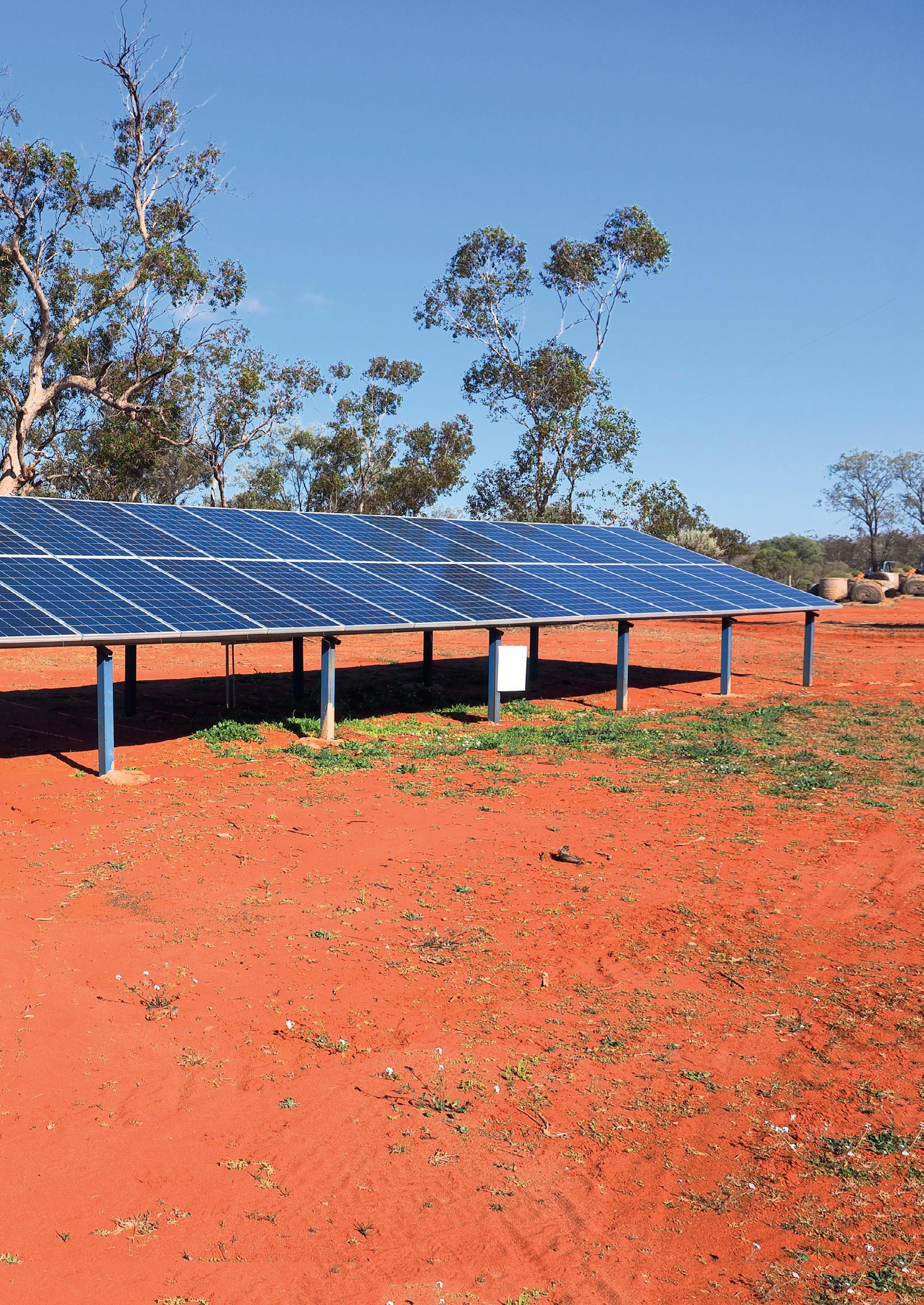
entire communities, ensuring that critical infrastructure — such as hospitals, emergency services and water treatment plants — remains operational during extreme weather events.
The aforementioned island mode capability means they can disconnect from the main grid and continue providing electricity autonomously — this feature is particularly beneficial in disasterprone regions, where frequent power disruptions pose ongoing risks.
Designing an effective off-grid energy system involves careful planning to ensure it meets the unique demands of a community or business. Factors such as local climate conditions, energy usage patterns and storage capacity must all be considered to create a system that is both reliable and cost-effective.
The integration of SAPS into existing infrastructure requires technical knowledge to ensure seamless operation. Many regional communities may not have immediate access to energy experts, making partnerships with experienced professionals essential. Proper installation, maintenance and ongoing system management are crucial in order to maximise the longevity and efficiency of standalone solutions. Failure to properly install and maintain these systems can have consequences like overwhelming repair costs, ineffective power distribution and unreliable operation. If valuable resources are going to be allocated to SAPS, they should be done so properly.
Beyond resilience, standalone power systems offer a broader opportunity; they allow the often overlooked and under-considered regional areas of Australia to take a leadership role in the clean energy transition. By incorporating renewable energy sources such as solar and wind, SAPS reduce reliance on fossil fuels and contribute to the nation’s emissions reduction targets.
For businesses and households, this means lower energy costs over time, reduced environmental impact, and greater independence from fluctuating energy prices. Governments and private investors are increasingly recognising the value of decentralised energy solutions, with grants and funding opportunities available for regional communities looking to implement SAPS.
With the right expertise and investment, SAPS can help ensure that critical services remain operational, businesses continue running and residents maintain access to essential power, no matter the conditions. Community buy-in is essential. Too often they’ve seen large projects overpromise and underdeliver, leaving many understandably hesitant to put their trust in such technology. With unpredictable weather sure to rear its ugly head in the future, the time to act is now. By embracing these solutions, regional Australia can build a more resilient, sustainable and self-sufficient energy future.

By collaborating with Australian energytracing company Enosi and a Queensland energy provider, Woolworths is optimising its renewable energy usage, thus reducing costs and emissions.
The retailer has been using Enosi’s Virtual Net Metering technology and Powertracer platform to synchronise its clean electricity usage across a broad network of stores.

This means that Woolworths can now match excess solar from its Townsville distribution centre, in 30-minute intervals, with the daytime demand load across seven stores in Townsville and surrounding suburbs, including two Big W stores.
“Our mission is to unlock clean energy for all, ensuring that every unit of electricity generated is put to its most effective use within the Woolworths portfolio,” said Steve Hoy, CEO of Enosi.
“This partnership with Woolworths demonstrates the power of Virtual Net Metering in making distributed renewable electricity a smarter, lower-cost and more sustainable solution for businesses.”
Enosi said the initial phase had successfully matched 100% of the solar export (more than 400 MWh of energy to date) to the participating stores, delivering direct cost benefits and enabling attributed savings of an estimated 250 tonnes of carbon. The Powertracer platform enables the exchange of excess solar between Woolworths sites, saving costs through the energy provider’s billing system and providing detailed energy attribution insights through its digital portal.
“Our operations are energy intensive,” said Michael Shelley, Woolworths Group General Manager, Green Energy Transition. “We’re pleased with the results and how this technology supports our green electricity ambition. Optimising ongoing electricity costs and emissions reductions is significant.”
Shelley said that Woolworths was now exploring how to apply this model across other areas of its national network.
Enosi enosi.energy
Westwick-Farrow Media
A.B.N. 22 152 305 336 www.wfmedia.com.au
Head Office
Unit 5, 6-8 Byfield Street, North Ryde
Locked Bag 2226, North Ryde BC NSW 1670 Ph: +61 2 9168 2500
Editor: Katerina Sakkas ecd@wfmedia.com.au
Publishing Director/MD: Janice Williams
Art Director/Production Manager: Linda Klobusiak
Art/Production: Marija Tutkovska
Circulation: Alex Dalland circulation@wfmedia.com.au
Copy Control: Ashna Mehta copy@wfmedia.com.au
Advertising Sales: Tim Thompson Ph: 0421 623 958 tthompson@wfmedia.com.au
Liz Wilson Ph: 0403 528 558 lwilson@wfmedia.com.au
Sandra Romanin Ph: 0414 558 464 sromanin@wfmedia.com.au
If you have any queries regarding our privacy policy please email privacy@wfmedia.com.au
ECD [ELECTRICAL+COMMS+DATA]: ISSN 2201-2702
Printed and bound by Dynamite Printing
All material published in this magazine is published in good faith and every care is taken to accurately relay information provided to us. Readers are advised by the publishers to ensure that all necessary safety devices and precautions are installed and safe working procedures adopted before the use of any equipment found or purchased through the information we provide. Further, all performance criteria was provided by the representative company concerned and any dispute should be referred to them. Information indicating that products are made in Australia or New Zealand is supplied by the source company. Westwick-Farrow Pty Ltd does not quantify the amount of local content or the accuracy of the statement made by the source.