SHIFT-AUS: Helping Fabricators Make Smarter Technology Decisions Page 36
Opie Manufacturing Group: Four Generations of Australian Manufacturing Page 52
JUNE / JULY 2026
SHIFT-AUS: Helping Fabricators Make Smarter Technology Decisions Page 36
Opie Manufacturing Group: Four Generations of Australian Manufacturing Page 52
JUNE / JULY 2026
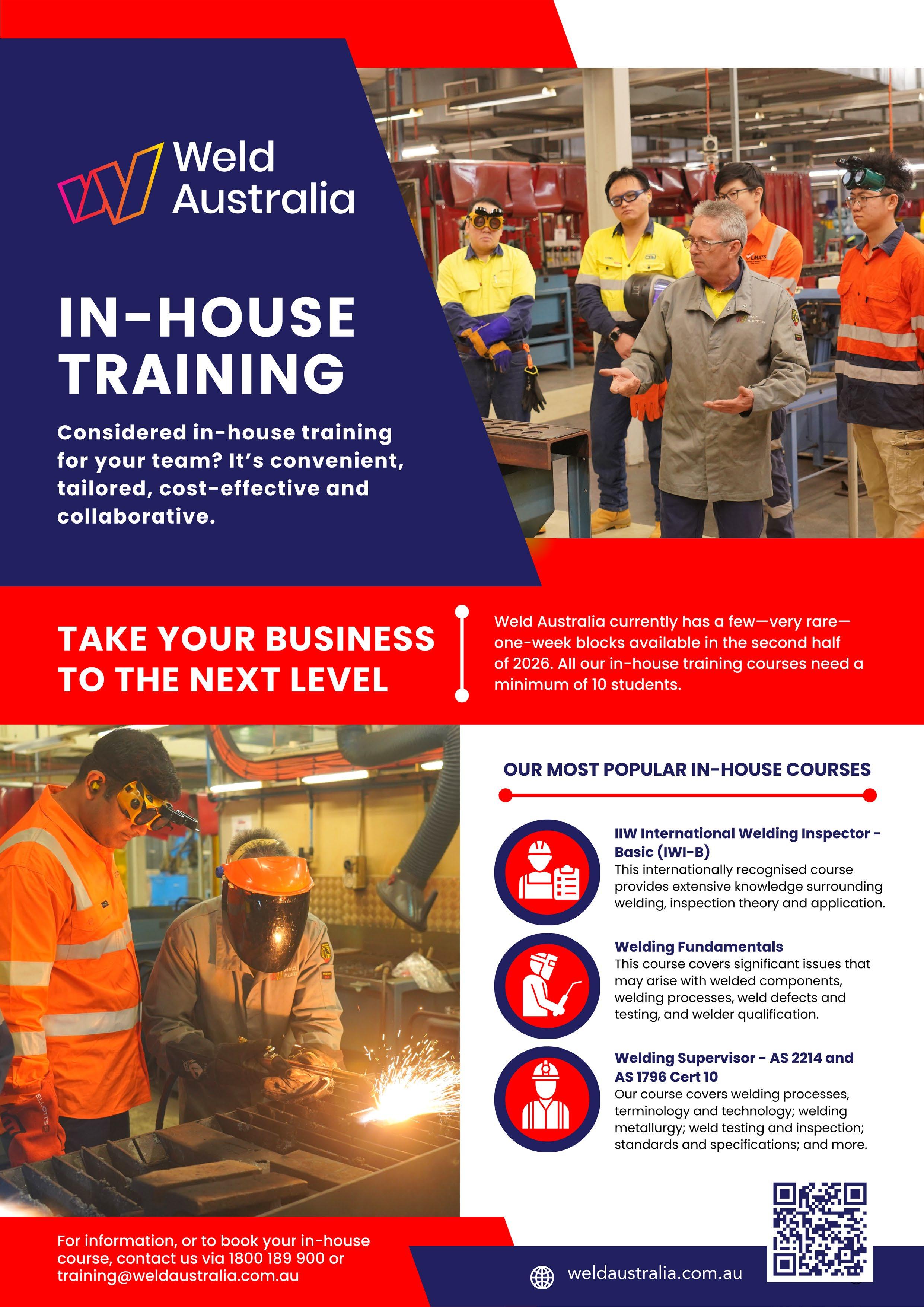
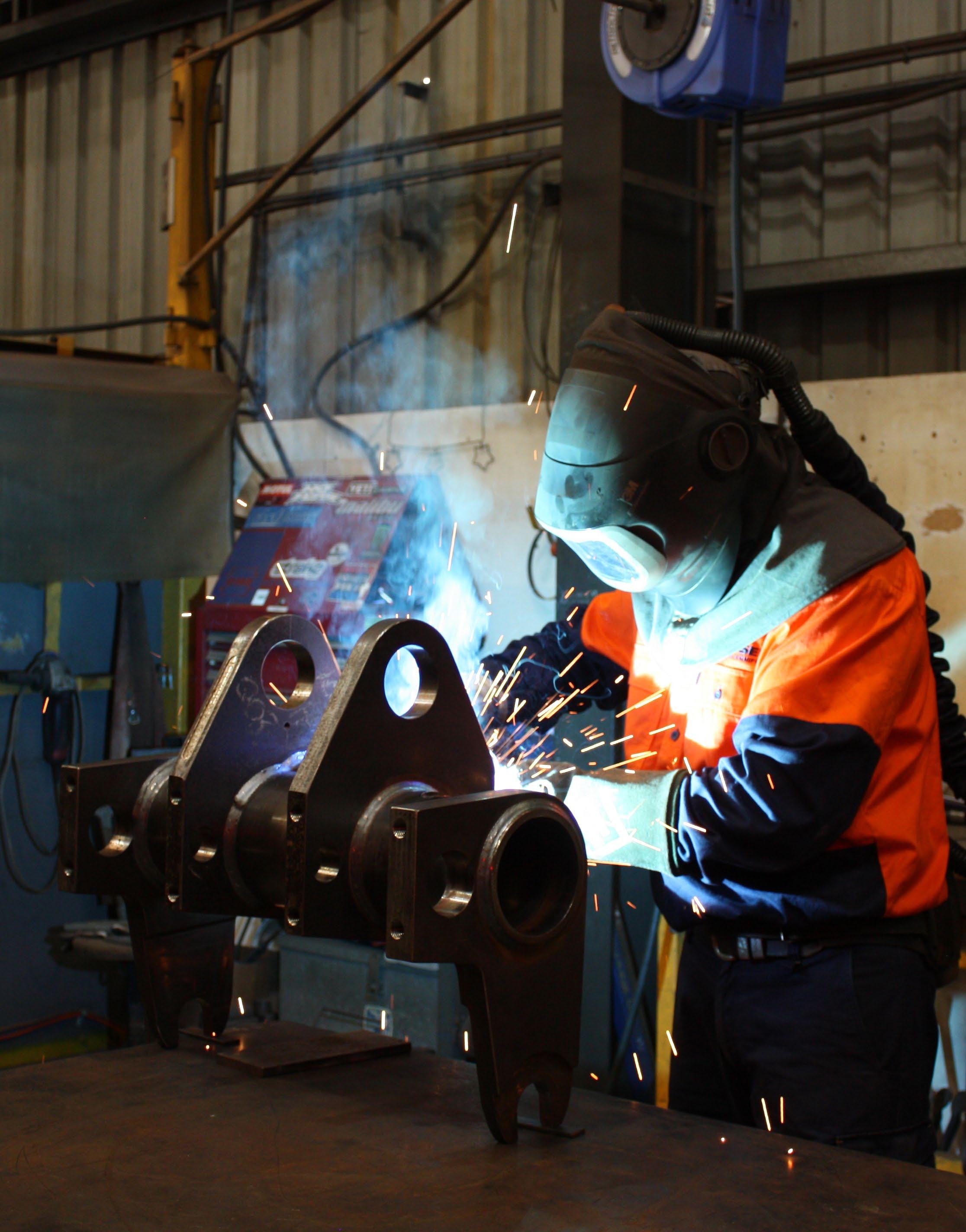
Critical Path Delivery for Santos: WPF Duratec Mobilises at Speed When Santos required urgent fabrication and site installation support for a high-risk, critical path project, WPF Duratec was engaged as a trusted supplier capable of responding quickly, safely and at scale.
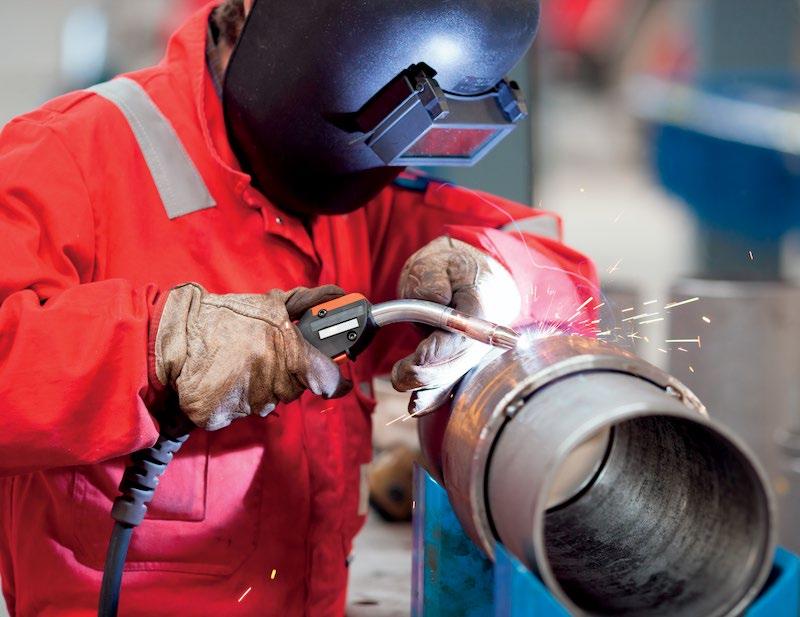
Birtinya Pedestrian Bridge The 130 metre Stockland Birtinya Pedestrian Bridge, valued at $27 million, will create a new walking and riding experience for pedestrians around Lake Kawana on the Sunshine Coast. HVAC Australia supplied, fabricated, and installed the steel structure.
SHIFT-AUS: Helping Fabricators Make Smarter
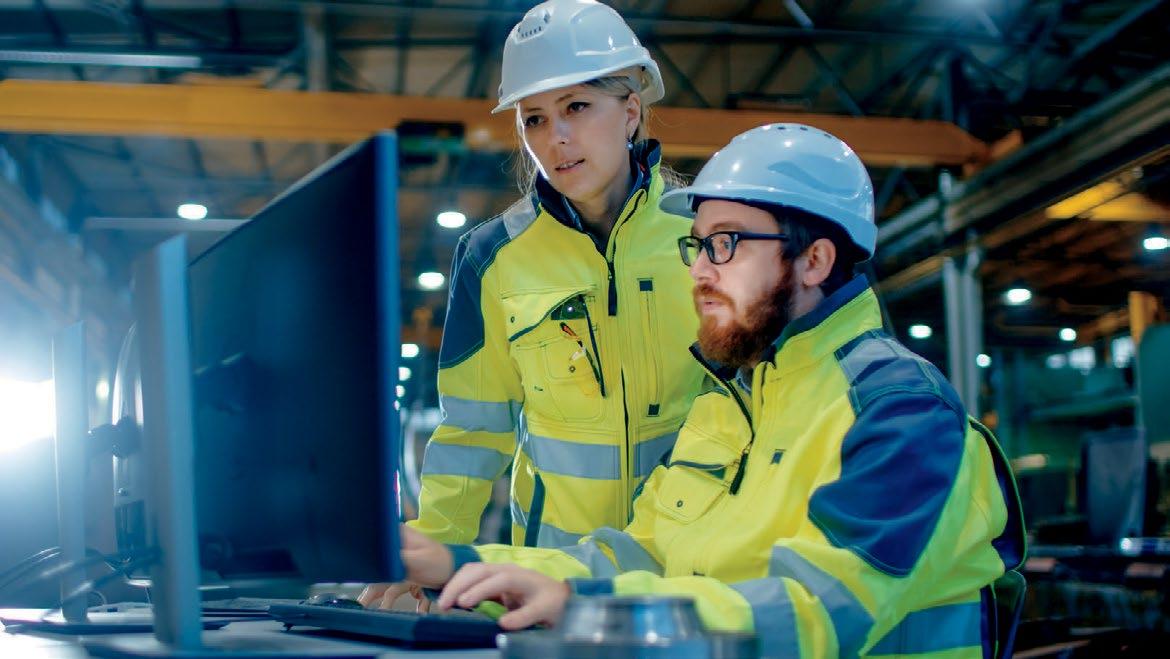
Technology Decisions SHIFT-AUS is Weld Australia’s new industry-led pathway to help manufacturing SMEs make smarter, lower-risk decisions about technology adoption, workforce development and productivity improvement.
Introducing the Australian Fabrication Authority
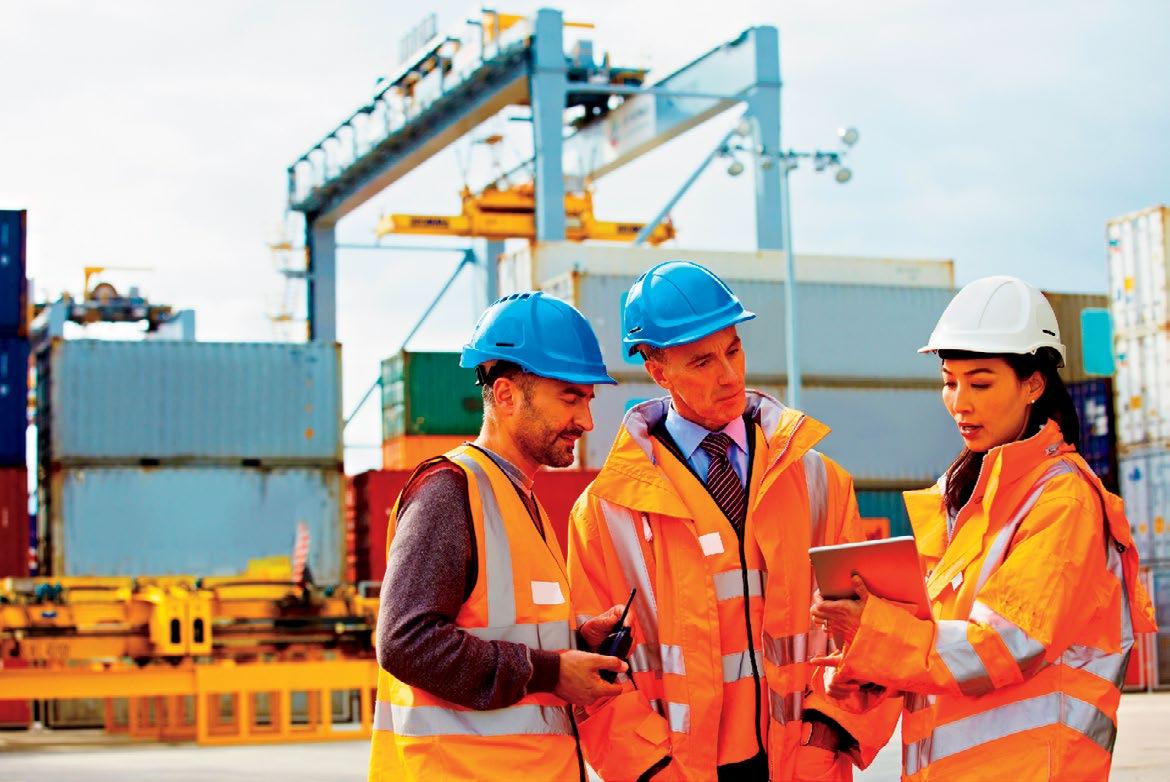
The AFA is an industry-led alliance between Standards Australia, the Australian Steel Institute and Weld Australia, established to support a harmonised approach to fabricated steel procurement and compliance.
Member Q&A: Tasvir Singh Tasvir is an Engineering and Metal Fabrication Educator at TAFE Queensland, where he is helping shape the next generation of welders, fabricators and engineering professionals. Tasvir reflects on his career pathway, and the rewards of teaching.
Fifteen54: Bringing Lean Manufacturing to Steel Fabrication Fifteen54’s software is designed for structural steel fabricators in the construction industry. Its purpose is simple: help remove paperwork, reduce errors, and give fabricators the information they need, when they need it.
18
50
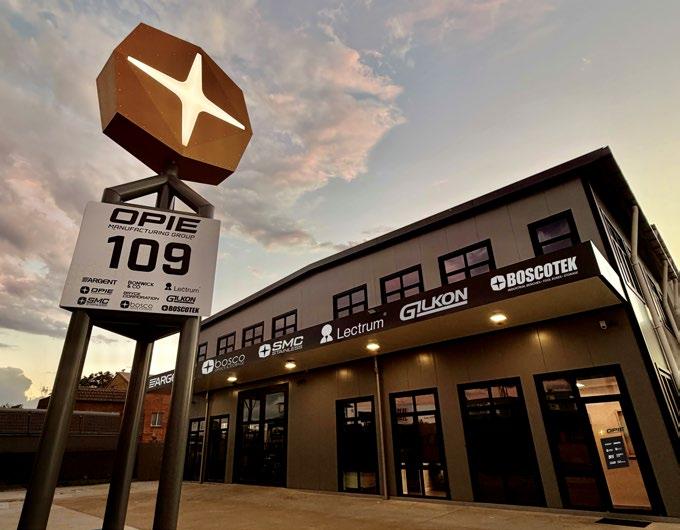
52 Opie Manufacturing Group: Four Generations of Australian Manufacturing
All rights reserved. No part of this publication may be reproduced or copied in any form without the written permission of Weld Australia. Weld Australia and its agents are not responsible for statements or opinions expressed by contributors in this publication, which are not necessarily those of Weld Australia. Publication of any advertisement does not constitute endorsement by Weld Australia of any product, nor warrant its suitability.
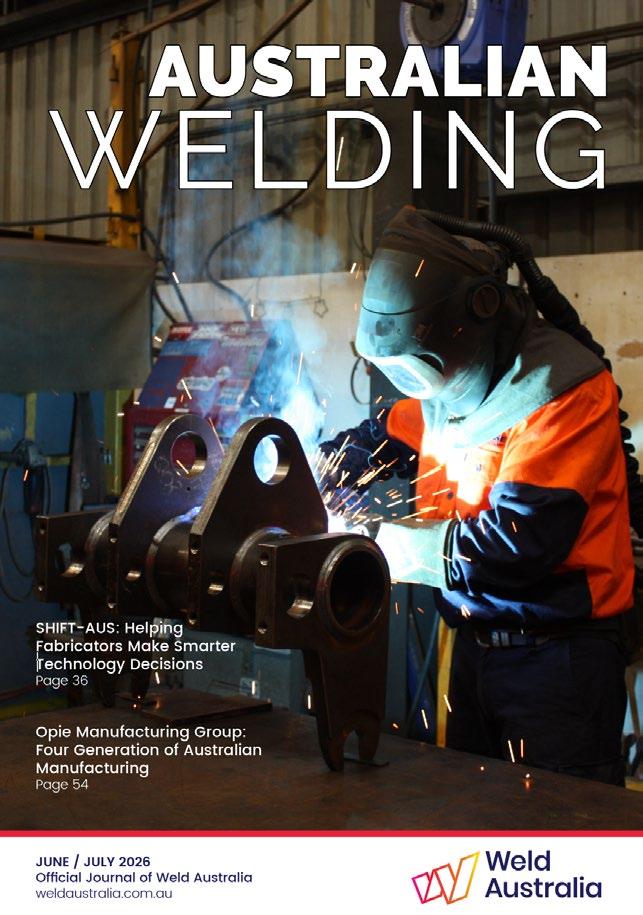
Cover: Member Q&A: Greg Reece, Boilermaker at Russell Mineral Equipment. Story on page 50.
NATIONAL OFFICE
PO Box 197, Macquarie Park BC NSW 1670 1800 189 900 office@weldaustralia.com.au weldaustralia.com.au
Geoff Crittenden
Chief Executive Officer 1800 189 900 office@weldaustralia.com.au
STRATEGIC PARTNERSHIPS
Ben Mitchell, Director, Strategic Partnerships 0467 419 657 office@weldaustralia.com.au
TRAINING
Guy Brooks, General Manager, Training Operations 0488 743 322 training@weldaustralia.com.au
MARKETING & EVENTS
Michelle Tagliapietra, Executive General Manager, Sales & Marketing 0437 106 726 marketing@weldaustralia.com.au events@weldaustralia.com.au
MEMBERSHIP
David Choudry, Membership Manager 0417 878 104 membership@weldaustralia.com.au
QUALIFICATION & CERTIFICATION
Luke Nicholls, General Manager, Qualification & Certification 0487 487 985 qnc@weldaustralia.com.au
ENGINEERING
Simon Doe, Director, Engineering 0490 384 406 engineering@weldaustralia.com.au
NEW SOUTH WALES
Ashkan Abdibastami, Welding Engineer 0456 850 315 a.abdibastami@weldaustralia.com.au
VICTORIA, TASMANIA, SOUTH AUSTRALIA & WESTERN AUSTRALIA
Victor Blain, General Manager, Engineering – VIC, TAS, SA & WA 0409 823 991 v.blain@weldaustralia.com.au
QUEENSLAND & NORTHERN TERRITORY
Ross O’Bryan, General Manager, Engineering – QLD, ACT, NSW, NT 0491 491 888 r.obryan@weldaustralia.com.au






As Weld Australia prepares to attend the 79th International Institute of Welding (IIW) Annual Assembly in Salzburg, Austria, it is timely to reflect on the importance of our connection to the global welding community, and the role Australia continues to play in shaping it.
The IIW is one of the most important organisations in our industry. Since its establishment in 1948, it has brought together welding associations, researchers, educators, engineers, inspectors, fabricators and industry leaders from around the world. Its work spans technical cooperation, standards development, qualification and certification systems, education, research, safety and best practice.
For those of us involved in welding, fabrication and manufacturing, this international collaboration is not simply nice to have. It is essential.
Welding underpins almost every major industrial sector, from infrastructure, defence and shipbuilding through to transport, resources, pressure equipment, construction, energy and advanced manufacturing. The challenges facing our industry are increasingly global: skills shortages, technology adoption, quality assurance, safety, productivity and supply chain resilience. No single country can solve these issues
in isolation. We must share knowledge, learn from one another, and work together to raise standards across the profession. That is why Weld Australia’s involvement in the IIW is so important.
As the Australian representative member, Weld Australia ensures that our industry remains connected to international developments in welding technology, standards, education and certification. Through participation in IIW technical commissions, working groups, the International Authorisation Board and Board-level activities, we help ensure that Australian perspectives are represented in global discussions— and that global best practice is translated into practical value for our members here at home.
I am particularly proud that Weld Australia is not just a participant in the IIW; we are a recognised leader. Despite being one of the smaller member organisations, our contribution is respected internationally because it is practical, collaborative and values-driven.
This was demonstrated clearly when Weld Australia received two important commendations from the IIW. The first recognised our contribution to the IIW’s Ukraine charitable fund. At the 2022 Annual Assembly, Weld Australia proposed that the IIW establish a charitable fund to support Ukraine’s ongoing participation in IIW activities amid the conflict with Russia. The IIW Board adopted the suggestion, established the fund, and waived fees for Ukrainian members. Weld Australia was proud to be the first organisation to donate.
This was a powerful reminder of what the IIW does so well. It is not just a technical organisation; it is a global community. It brings people together across borders, languages and cultures, and it recognises that professional collaboration must be underpinned by respect, generosity and shared responsibility.
The second commendation recognised Weld Australia’s work with the Italian Institute of Welding in establishing the Paolo Corronca Scholarship. Paolo was a respected colleague and friend to many in the international welding community, and the scholarship was created to honour his legacy by supporting professional exchange between Italy and Australia.
The scholarship funds an exchange program that enables an Italian welding engineer to undertake part of their
studies in Australia. While in Australia, the recipient gains exposure to Weld Australia’s engineering, qualification, certification and training activities, creating a rich opportunity for technical development, cultural exchange and professional collaboration.
This initiative reflects one of the IIW Board’s central objectives: to strengthen collaboration between member organisations. Weld Australia has long enjoyed a productive relationship with the Italian Institute of Welding, particularly through our work in areas such as EN 15085 certification. The Paolo Corronca Scholarship builds on this foundation and demonstrates how member organisations can work together to create enduring value for the profession.
At Board level, the IIW is focused on ensuring the organisation remains relevant, responsive and globally connected. This means strengthening international qualification and certification systems, supporting the next generation of welding professionals, promoting technical excellence, and expanding opportunities for collaboration between member countries. It also means ensuring that the IIW continues to operate with integrity, transparency and respect for diversity.
These are principles that Weld Australia shares deeply. Our mission is to facilitate the growth of a world-class welding industry in Australia. We do this through training, certification, technical support, advocacy and industry engagement. But our membership of the IIW ensures that this work is informed by global best practice and connected to the broader international welding community.
For our members, this connection delivers real benefits. It means access to internationally recognised qualifications. It means participation in global education and certification frameworks. It means exposure to emerging research, technologies and standards. And it means Australia has a voice in the international conversations that shape our industry’s future.
As we gather in Salzburg for the 79th IIW Annual Assembly, I am reminded that welding is a profession built on connection. We join materials, but we also join industries, countries, people and ideas. That spirit of connection is at the heart of the IIW, and it is also at the heart of Weld Australia.

Proven under the toughest conditions: Our products protect metal surfaces from wear and corrosion. With over 70 years of experience and the broadest product portfolio in the industry, we are your preferred partner for Surface Protection solutions. We deliver what we promise: Surface Protection tailored to your needs.

Australia is standing at a critical industrial crossroads.
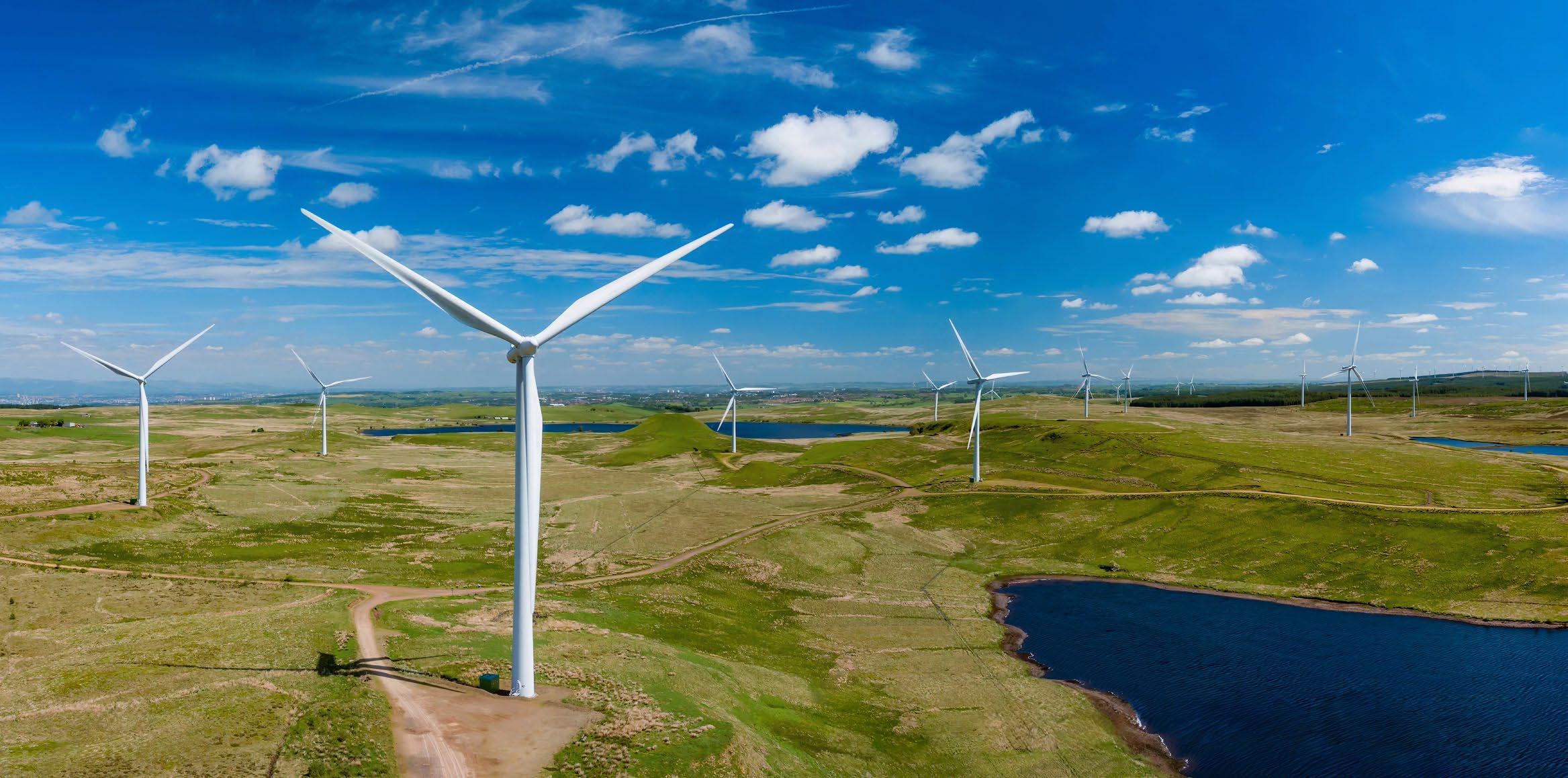
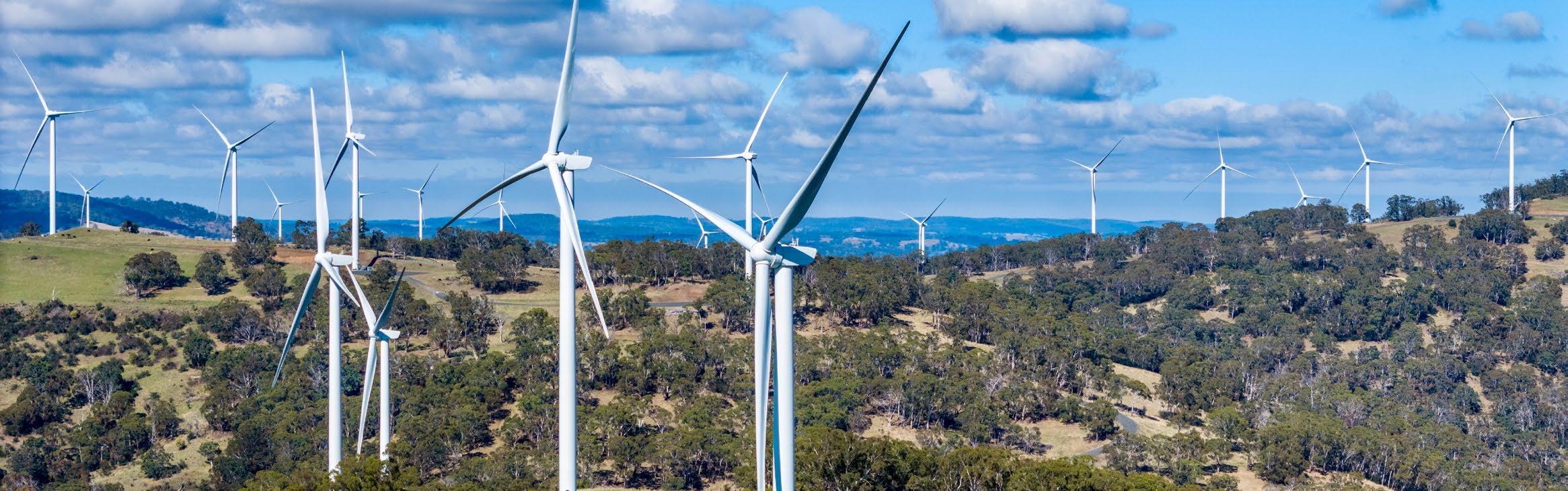
Over the next decade, the nation will build an extraordinary volume of new energy infrastructure. Wind farms, transmission towers, substations, storage systems and associated steel-intensive assets will be required across the country. This work will involve steelmaking, fabrication, welding, coatings, logistics, installation, inspection, maintenance and engineering.
In other words, it is exactly the type of work that Australian industry should be doing.
The renewable energy transition is often discussed in environmental terms. But for Weld Australia and our members, it is also one of the largest manufacturing opportunities this country has seen in decades.
The question is not whether the infrastructure will be built. It will be. The question is whether Australia will manufacture a meaningful share of it, or whether we will allow another major industrial opportunity to be imported.
The Scale of the Opportunity The Federal Government’s most
recent Capacity Investment Scheme results demonstrate just how large the pipeline is. Tender 7 selected 19 projects, delivering 7.8GW of generation capacity across the National Electricity Market, with associated hybrid projects adding 7.9GWh of storage capacity. Wind dominated the tender in capacity terms, with 10 wind-based projects delivering 4.8GW.
Every wind project needs towers. Every transmission project needs steel. Every major energy project needs skilled welders, fabricators, inspectors, engineers, supervisors and project teams.
This is not a theoretical opportunity. It is already happening.
At Squadron Energy’s Uungula Wind Farm in New South Wales, Western Sydney-based Precision Oxycut fabricated the steel plates for 69 turbine anchor cages using 100% Australian steel supplied by BlueScope from Port Kembla. Allthread Industries manufactured the bolts in Regents Park, and assembly was completed at Oxycut’s Newcastle warehouse.
That project created six new jobs at Precision Oxycut. It helped re-
establish apprenticeship roles that had not existed in the factory for decades. It gave young engineering graduates the opportunity to work on major infrastructure straight out of university.
That is what local content means when it is done properly. It is not simply a procurement percentage. It is a job. It is an apprentice. It is a workshop investing in new capability. It is a supply chain becoming stronger.
The Real Prize: Towers and Transmission
Anchor cages are important. But they are only the beginning.
The larger opportunity lies in wind towers and transmission towers: the large-scale fabricated steel components that can sustain workshops, regional manufacturing facilities, engineering teams and apprenticeships over the long term.
Australia used to have more local wind tower manufacturing capability than it does today. That capability did not disappear because Australian fabricators were not good enough. It declined because demand was inconsistent, policy settings were intermittent, and local content
requirements were often too weak or too unclear to justify serious investment.
For manufacturers, sporadic demand is poison. No business can invest tens or hundreds of millions of dollars in advanced plant, automation, robotics, workforce training and quality systems without a stable pipeline of work.
That is the problem Weld Australia has been working to solve.
Over recent months, Weld Australia has led an industry working group involving organisations across the steel, fabrication and wind supply chains, including BlueScope, Goldwind Australia, Oxycut, Prince Engineering, Climate Energy Finance, Tilt Renewables, Acciona, Nordex and Vestas.Together, the group has developed a practical four-pillar policy framework for government consideration.
The first pillar is stable demand: a domestic wind quota ramping up to around 4.3GW per year, creating a predictable pipeline that allows manufacturers to invest with confidence.
The second is a local content mandate: a clear 20% local content requirement for wind tower sections in Australian wind projects, supported by a local wind tower certificate scheme.
The third is targeted incentives: a Manufacturing Production Credit to offset the cost gap while local tower manufacturing scales and becomes more competitive.
The fourth is capability investment: capital grants to upgrade existing facilities and establish greenfield manufacturing capability in regional locations.
These pillars are designed to work together. A local content requirement without stable demand will not unlock investment. Demand without capital support may not deliver competitive scale. Incentives without verification will not build real capability. Grants without a stable market risk creating stranded assets. Together, however, these measures can create the conditions for a competitive domestic tower manufacturing industry.
I understand that this framework is now being favourably reviewed through Cabinet processes. That is
encouraging. It suggests government recognises that the renewable infrastructure build-out is not only an energy issue; it is an industrial capability issue.
The
At the same time, we cannot ignore the damage imported fabricated steel is already causing.
Australian fabricators are required to comply with Australian Standards, employ qualified people, maintain welding procedures, operate quality systems and meet inspection and certification requirements. Imported fabricated steel is often able to enter the market with significantly less scrutiny. This creates an uneven playing field.
Our members are seeing local work lost to imported alternatives at price points that raise legitimate questions about whether equivalent quality, compliance and inspection costs are being met.
We have heard examples of compliant Australian fabricators quoting $100,000 for work that is awarded offshore for around $30,000. We have heard from long-established Western Sydney
“ The
question is not whether the infrastructure will be built. It will be. The question is whether Australia will manufacture a meaningful share of it, or whether we will allow another major industrial opportunity to be imported.”
“ Weld Australia will continue to advocate for practical policies that give Australian industry the chance to compete, invest and grow. This is our moment. We must take it.”
fabricators that have reduced workforces dramatically in a single year. This is not fair competition. It is regulatory asymmetry.
It also creates public safety and asset durability risks. Fabricated steel sits inside buildings, bridges, road infrastructure, stadiums, transport assets, schools, hospitals and public facilities. If welding, materials, traceability or quality systems are deficient, the consequences may not become apparent until after installation—when rectification is costly, disruptive and sometimes impossible without major intervention.
Lowest upfront price does not always represent best value. Non-conforming or weakly verified fabricated steel can result in rework, delays, disputes, increased maintenance costs and premature asset deterioration.
The Australian Fabrication Authority
This is why Weld Australia, working with Standards Australia and the Australian Steel Institute, is progressing the Australian Fabrication Authority (AFA).
The AFA is designed to provide a nationally consistent approach to fabricated steel procurement and compliance assurance. Its purpose is straightforward: to help ensure fabricated steel used in Australian projects complies with Australian Standards, whether manufactured locally or overseas.
A pilot is already underway in South Australia. The pilot will test how certification, surveillance and inspection can be used to verify
compliance before fabricated steel is despatched, shipped, coated or installed.
This is critical. Once steel is coated, sealed or incorporated into a structure, defects can become difficult or extremely expensive to identify and repair.
The AFA is not about stopping imports. If imported fabricated steel complies with Australian Standards, it should be welcome. If it does not comply, it should not be used. That is not protectionism. It is public safety, fair competition and common sense. For more information, see the article on page 40
If Australia is to seize the opportunities ahead, compliance alone will not be enough. We must also invest in productivity, technology and capability.
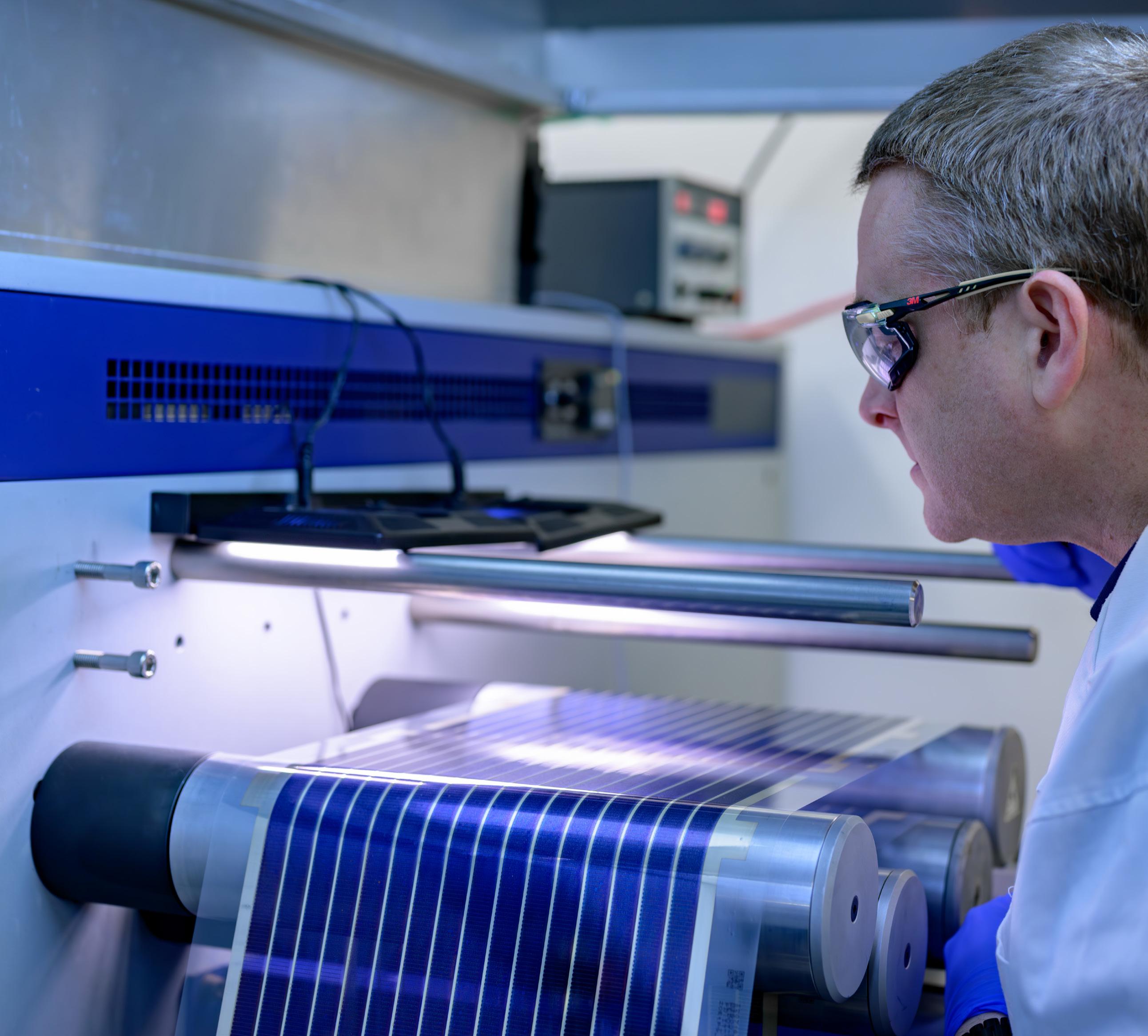
Advanced manufacturing is central to that future. Automation, cobots, robotics, digital production systems, laser processing, improved quality systems and better data can all help Australian fabricators become more productive, more competitive and more attractive to major project supply chains. But technology adoption must be done properly.
Many SMEs are interested in automation, but are unsure about return on investment, workforce training, workflow impacts, quality implications and implementation risk. That is why Weld Australia is developing initiatives like SHIFT-AUS, a structured technology-readiness
and capability uplift pathway designed to help welding, fabrication and advanced manufacturing SMEs make better decisions about technology adoption. For more information, see the article on page 36
The goal is not to sell equipment. The goal is to help manufacturers understand what will genuinely improve productivity, safety, quality and competitiveness.
Australia has a once-in-a-generation opportunity to rebuild manufacturing capability around a pipeline of real work. The towers will be built. The steel will be fabricated. The welds will be made. The only question is where.
If we get this right, we can create skilled jobs, strengthen regional communities, support local steelmakers and fabricators, build advanced manufacturing capability, and deliver infrastructure to the standards Australians expect.
If we get it wrong, we will import the infrastructure, hollow out local capability further, and wonder in 10 years why another industrial opportunity passed us by.
Weld Australia will continue to advocate for practical policies that give Australian industry the chance to compete, invest and grow.
This is our moment. We must take it.
Geoff Crittenden
CEO, Weld Australia
By Rebecca McPhee, Deputy Secretary, Investment NSW
Manufacturing has always been central to New South Wales’ prosperity. From the steelworks and fabrication workshops that helped build our cities, to the advanced manufacturers now supplying global markets, the sector has underpinned jobs, skills and economic resilience for generations. Today, manufacturing stands at another turning point – facing real challenges, but also unprecedented opportunity.
Global supply chain disruption, rising input costs and skills shortages have put pressure on manufacturers across NSW. At the same time, demand is growing for faster housing delivery, lower carbon materials, smarter construction methods and sovereign capability in critical industries. How we respond now will shape not just the future of manufacturing, but the long-term prosperity and economic security of communities right in our state.
That is why the NSW Government has set out a clear, long term direction through its Industry Policy – a forward looking plan to build a more productive, sustainable and resilient economy, anchored around three connected missions: Housing, Net Zero and Energy Transition, and Local Manufacturing.
For manufacturers, these missions are not abstract policy concepts. They are practical signals about where demand is growing, where government will partner with industry, and where investment and innovation will make the biggest difference.
Manufacturing at the Heart of Housing Delivery
Housing affordability and supply are among the most pressing challenges facing NSW. Addressing them is not just about planning reform or land supply – it is about fundamentally improving productivity in how we design, manufacture and build homes.
Modern Methods of Construction, including modular and prefabricated systems, offer a powerful way forward. By shifting more construction activity into controlled manufacturing environments, we can cut build times, improve quality, reduce waste and create safer, more skilled jobs. For trades such as welding and fabrication, this means new opportunities producing high value building components, steel systems and assemblies designed for faster on site installation.
Supporting a New Era of Local Manufacturing Manufacturing in NSW has not been immune to global change. Output today is lower than it was 25 years ago, and international competition remains intense. But the answer is not to retreat – it is to evolve.
The Industry Policy’s Local Manufacturing mission recognises that a stronger manufacturing base boosts economic resilience, supports supply chains and creates well paid, skilled jobs. It also recognises that future growth will be driven by advanced manufacturing technologies, automation, digital systems and new materials – areas where NSW already has strong foundations.
A practical example of this transformation is Tyree Transformers, a proudly Australian-owned manufacturer headquartered in the Southern Highlands of NSW. Established in 1946, Tyree has grown into one of the largest transformer manufacturers in Australia and New Zealand, supplying critical electrical infrastructure to utilities, renewable energy generation projects and battery energy storage systems, mining and industrial customers across Australia and Asia-Pacific.
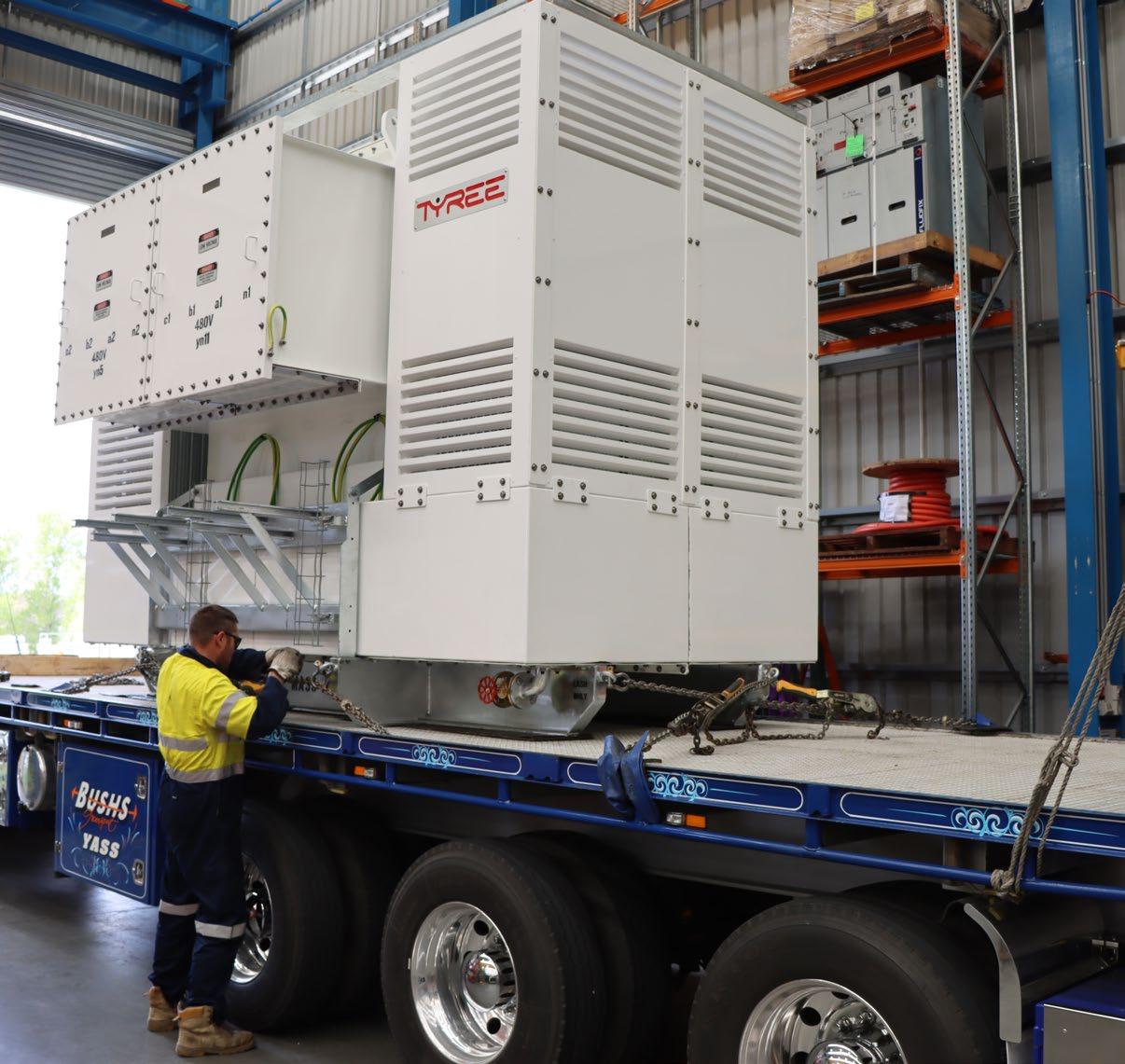
As the energy system transitions toward renewables, demand for high-quality, locally manufactured transformers has surged. To respond, Tyree secured support through the NSW Government’s Net Zero Manufacturing Initiative to modernise its manufacturing operations and expand capability to include extra high voltage transformers required for the connection of renewables and large-scale data centres to the electricity grid. This investment is helping the company increase production capacity, integrate advanced technologies and grow a highly skilled workforce – strengthening NSW’s renewable energy supply chain while keeping value-adding manufacturing onshore.
Stories like Tyree’s show how targeted government support, aligned to clear policy missions, can help local manufacturers scale, innovate and compete in rapidly growing markets.
More broadly, by setting clear targets for manufacturing growth and local content – and by using government procurement more strategically – the NSW Government is helping create the certainty businesses need to invest in new plant, equipment and people. When manufacturers have confidence that demand exists, whether for building components, clean-energy inputs or transport infrastructure, they are far more likely to expand locally rather than offshore.
For welding and fabrication businesses, this transition means rising demand for higher-precision work, digitally enabled processes and products designed to meet sustainability standards. It also means greater collaboration across supply chains, from designers and engineers through to fabricators and installers.
At its core, this agenda is about people. Higher productivity means higher wages. Faster housing delivery helps ensure more people can access safe, well-located homes closer to jobs and services. Strong local supply chains mean better job security and economic stability for communities across NSW.
That is why the Industry Policy places such emphasis on skills, innovation and partnerships. Investment in TAFE NSW’s Construction and Manufacturing Centres of Excellence and broader skills pathways is ensuring the
“
With a clear Industry Policy and a renewed commitment to local manufacturing, NSW is laying the foundations for a stronger, more resilient industrial future. One that positions our manufacturers to compete and thrive, in a rapidly changing world.”
next generation of welders, fabricators and technicians are trained for the jobs of the future – not the past.
Equally, by working closely with industry, the NSW Government is focused on removing unnecessary red tape, modernising standards and ensuring regulation supports innovation rather than holding it back.
Manufacturing has always been about making things that last. Today, it is also about adapting – to new technologies, new markets and new challenges.
With a clear Industry Policy and a renewed commitment to local manufacturing, NSW is laying the foundations for a stronger, more resilient industrial future. One that delivers more homes, better jobs and higher living standards – and positions our manufacturers to compete and thrive, in a rapidly changing world. The opportunity is there. By working together, government and industry can seize it – and build what comes next for NSW.
This article was supplied as part of a paid sponsorship package.
Following the inaugural AUKUS National Supplier Conference held in Adelaide in March, and the recent SSN-AUKUS Build Program Update in Perth, Australian industry is invited to register to attend one of the upcoming SSN-AUKUS Build Program Update events:
• Brisbane - Wednesday 5 August
• Hunter Valley Defence Conference - Tuesday 25 August
• Melbourne - Wednesday 9 September
• Hobart - Tuesday 29 September
These sessions will provide an overview of emerging opportunities, how industry can engage with the Program, and the opportunity to network with key stakeholders from both ASC and BAE Systems. The sessions are also supported by Australian Industry Group and the Defence Industry Hub (formerly ODIS).
Register your interest in attending your preferred session by submitting an EOI online: https://gateway.icn. org.au/projects/5284
AML3D has completed the delivery and commissioning of its first two large-scale ARCEMY® X additive manufacturing systems for Newport News Shipbuilding (NNS), a division of HII and the largest military shipbuilder in the United States.
According to AML3D, the two custom-built ARCEMY® X systems incorporate a 10,886-kilogram positioner designed to provide heavycapacity manufacturing capability for a range of shipbuilding applications.
The company said NNS has already placed a second order worth about $9.9 million for four additional ARCEMY® X systems, with delivery scheduled from AML3D’s technology and manufacturing facility in Stow, Ohio, in early 2027.
AML3D said NNS plans to use an initial fleet of six ARCEMY® X systems to apply additive manufacturing technology in shipbuilding, with the aim of reducing lead times and providing alternatives to traditional manufacturing methods.
BAE System’s $2.5 Billion Contract Marks Australia’s Largest Ever Defence Export
The Australian and Canadian governments have announced an export agreement of Australia’s High Frequency Surveillance capability system to establish an Arctic over-thehorizon radar (A-OTHR) in Canada.
Under the agreement, which will be Australia’s largest ever defence export, BAE Systems Australia will support both governments as the A-OTHR industry partner. The Australian solution for A-OTHR is built on a mature, high-performance OTHR capability that delivers enhanced detection and tracking of threats to security, building on more than 40 years of expertise and innovation.
An OTHR capability works by refracting high-frequency electromagnetic waves off the ionosphere to ‘see’ objects thousands of kilometres away that are invisible to conventional radars because of the curvature of the earth. BAE Systems Australia has demonstrated experience in the full lifecycle support of complex OTHR capabilities, including the Jindalee Operational Radar Network (JORN).
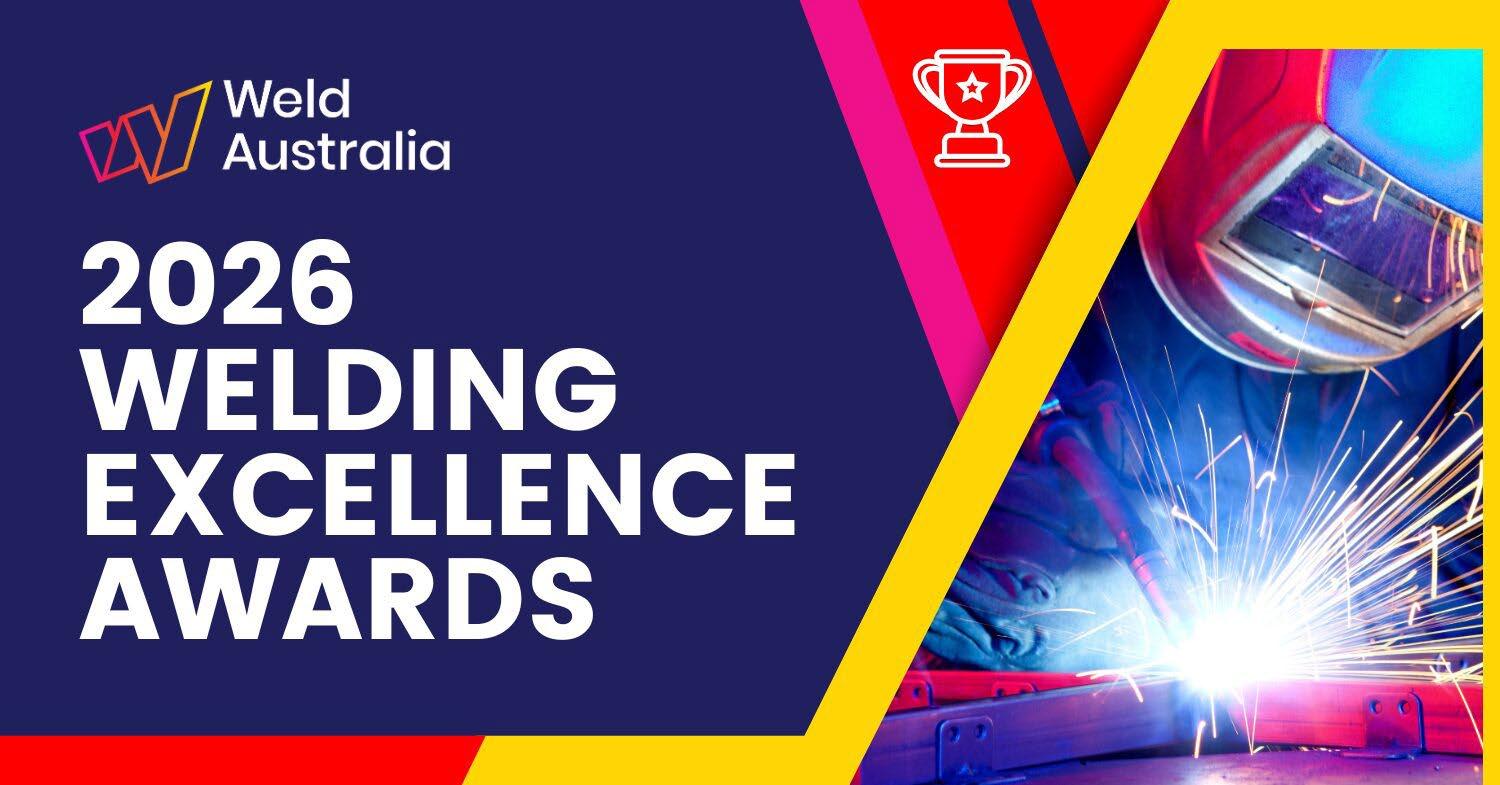
Weld Australia’s Excellence Awards are the most prestigious event on the welding industry calendar. The Awards embody and promote the highest standards of craftsmanship, quality and professionalism. Entries must be submitted via the specific online form for each category by midnight on 4 September 2026. These forms can be found on the Weld Australia website. Before starting your entry, it is download the Award Criteria:
• Company of the Year – Fabrication
• Company of the Year – Supplier
• Pipe Fabricator of the Year
• Indigenous Company of the Year
• Indigenous Contribution to Welding Award
• Health & Safety in Welding
• Esther Porter Women in Welding Award
• Project of the Year
• Welding Professional of the Year
• Apprentice of the Year (under 25 years of age)
• Apprentice of the Year (over 25 years of age)
• Trades Person of the Year (over 25 years of age)
• Young Indigenous Trades Person of the Year
• VET in Schools Student of the Year
• Training and Education Award – Organisation
• Training and Education Award – Individual Teacher
• Peter Cryer Award – New South Wales Only
• Peter Kuebler Award – Queensland Only
• Ken Trevena Award – South Australia Only
• Robert Wiseman Award – Victoria Only
• Mick Cudmore Award – Western Australia Only
We welcome everyone to the awards so bring you partner, family and your colleagues and celebrate a night of industry. Many of last year’s events sold out, so be sure to register early to avoid disappointment.
Ticket sales will open later in the year, but be sure to save the date for now:
• Queensland and Northern Territory: Thursday 1 October
• South Australia: Thursday 15 October
• Victoria and Tasmania: Thursday 29 October
• Western Australia: Tuesday 10 November
• New South Wales and ACT: Thursday 26 November
All tickets include a two course meal and drinks throughout the evening.
WITH THANKS TO OUR AWARDS SPONSORS

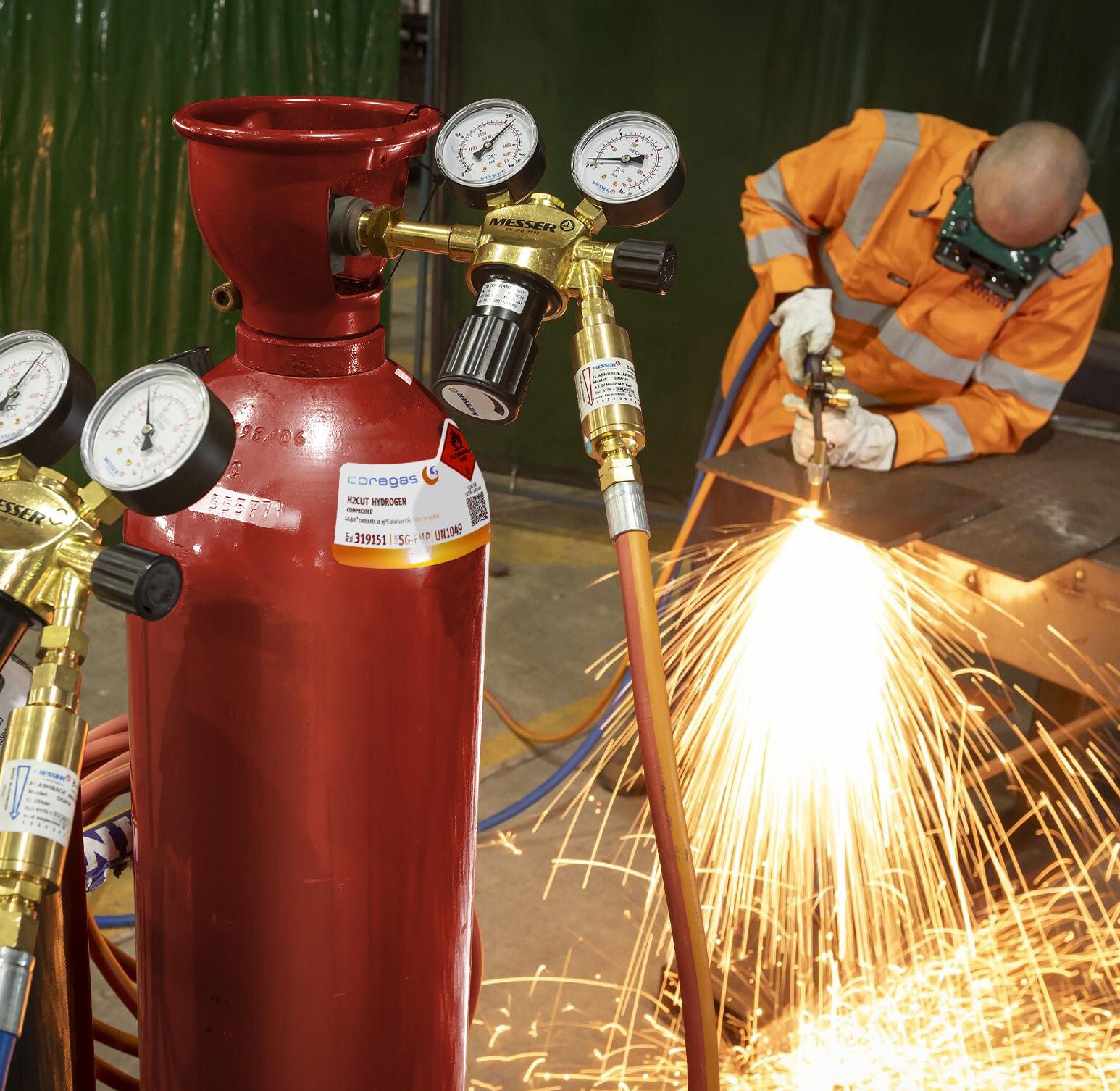
Coregas’s H2CUT utilises Coregas hydrogen and oxygen products, in collaboration with Messer Cutting Systems and their dedicated hydrogen equipment solution HyCut, to deliver significant benefits to your steel cutting and heating requirements.

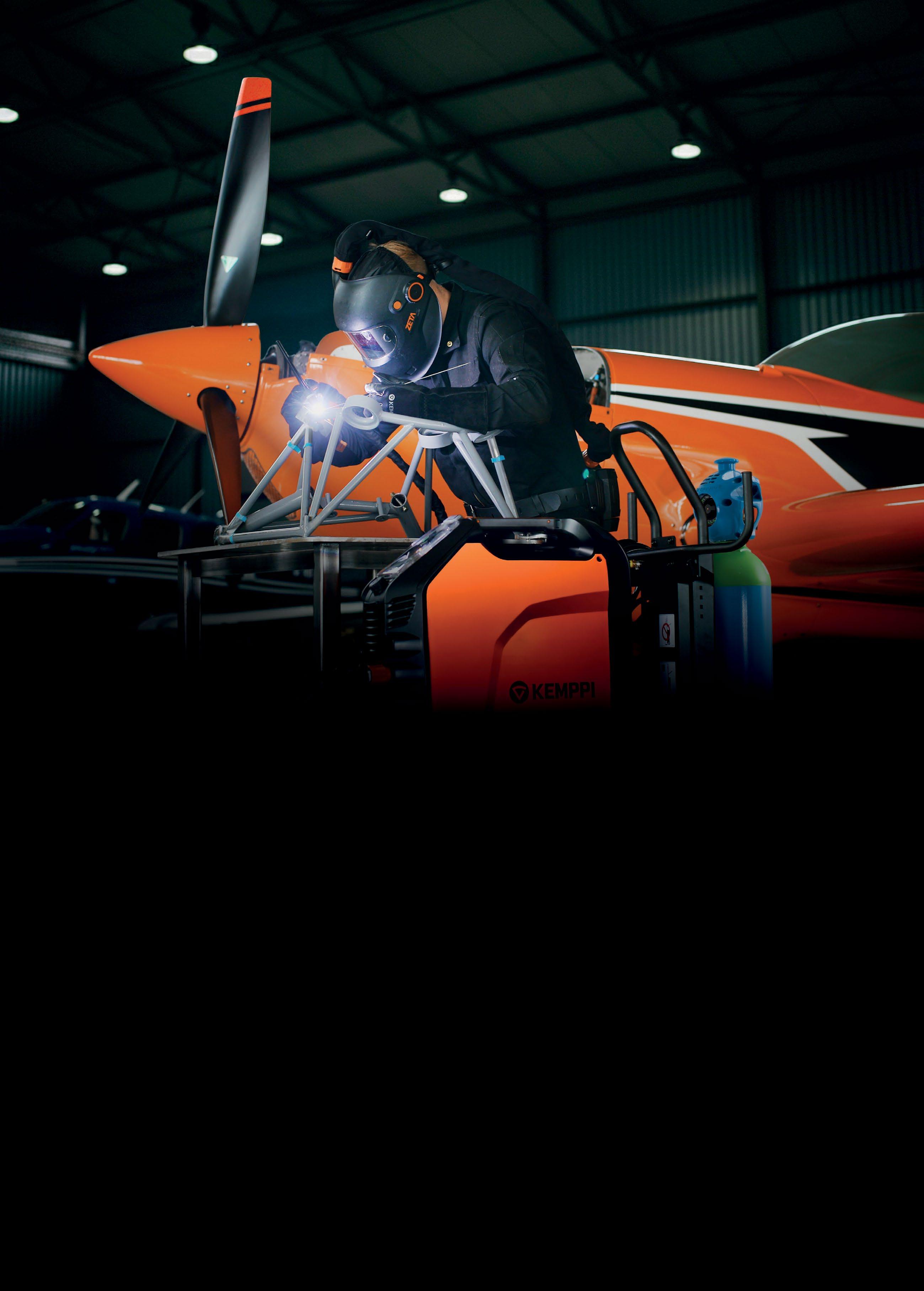
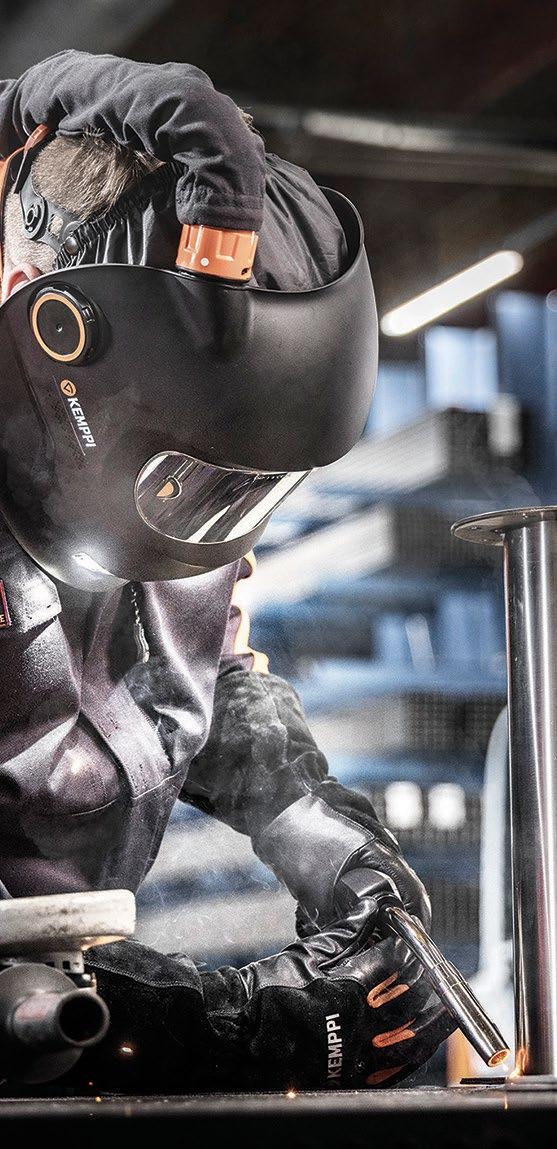
In today’s fabrication and manufacturing environments, welders are under increasing pressure to deliver higher productivity while maintaining quality and ensuring compliance. Advances in digital welding technology are helping meet this demand and, among the most impactful developments are Kemppi’s MAX Processes.
Designed to improve productivity, weld quality and control, the MAX Processes enable welders to tackle challenging applications such as positional welding, excessive heat input and slow travel speeds across steel, stainless steel, aluminium and other softer metals.
Available for use on Kemppi’s X5 FastMig machines and selected Master M systems, the MAX Processes are specialised software that can be pre-installed on your machine or downloaded. The Processes help you digitally control welding functions suited to your application for measurable gains in efficiency, consistency and overall weld performance. Three MAX Processes are available:
A pulsed MIG/MAG process, MAX Speed increases welding travel speed when compared with traditional pulse or spray arc welding. It reduces heat input while maintaining good penetration and weld appearance and is designed especially for steel and stainless-steel welding applications in flat and horizontal positions.
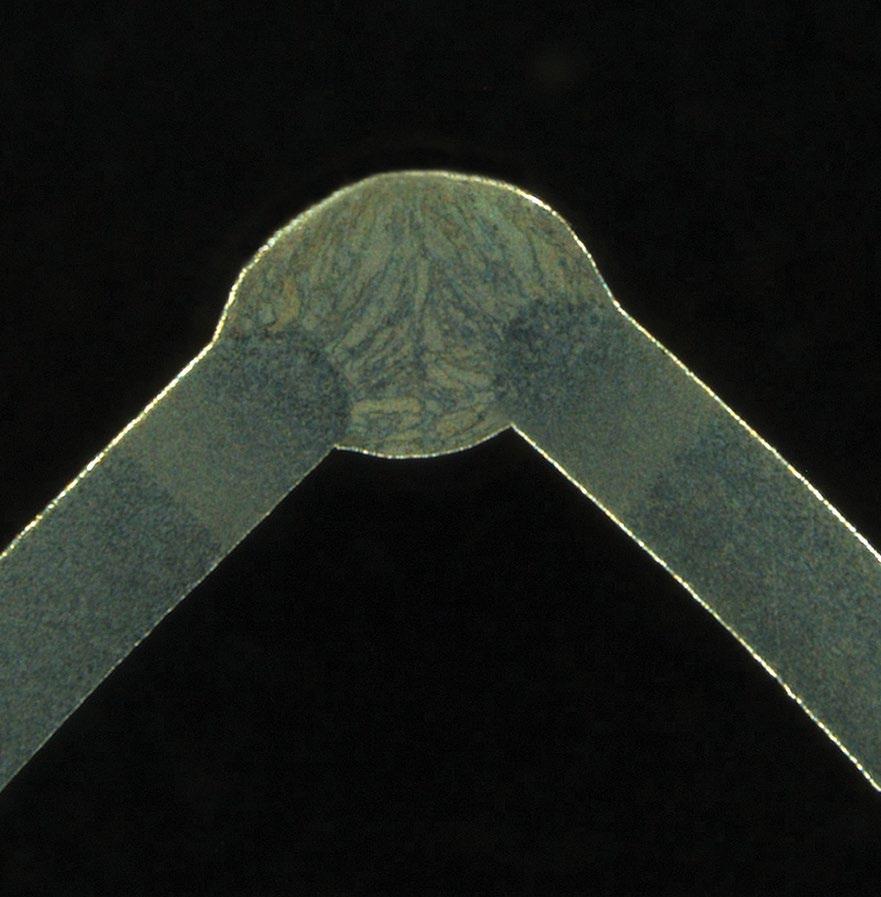
This synergic MIG/MAG process is optimised for positional welding, especially vertical-up (PF) fillet welds. MAX Position helps control the molten weld pool against gravity by automatically switching between power levels. It improves the welder’s control and consistency in steel, stainless-steel, and aluminium applications.
This process reduces heat input by up to 32% when compared to traditional pulse or short arc process. MAX Cool helps reduce distortion and improve weld pool stability. It is an excellent solution in several welding applications including thin sheet fabrication, root welding, gap bridging, and joining thin extruded sections in solid Fe, Ss CuA18, and CuSi3 filler materials.
One of the most immediate benefits of implementing the MAX Processes is improved productivity. By reducing the need for constant parameter adjustments, the MAX Processes ensure welders spend less time fine-tuning settings and more time welding. Welders experience faster setup times, greater arc-on time, and less time on post-weld cleaning.
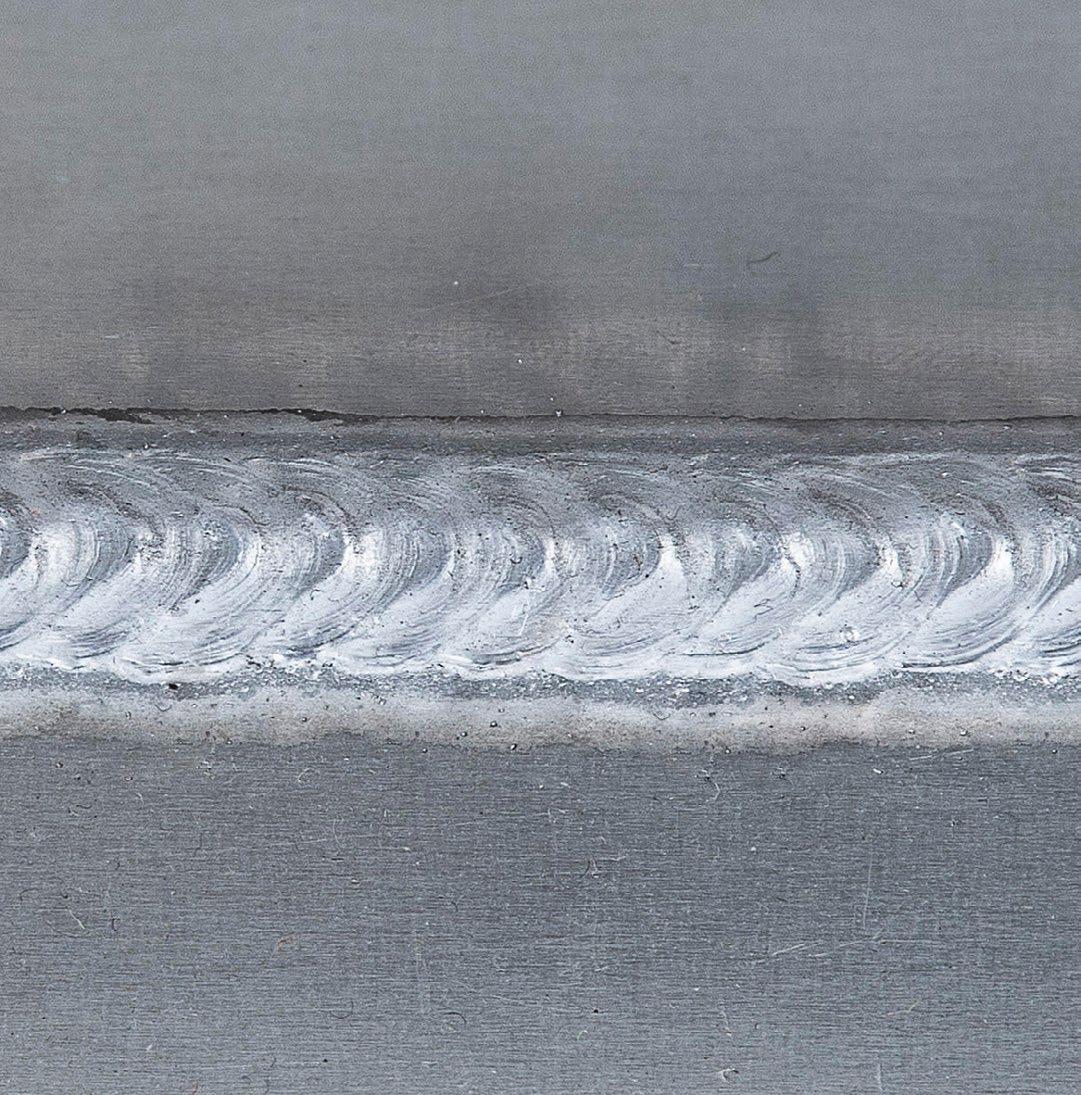
Further, features such as controlled arc ignition and adaptive heat input help minimise common welding issues like burn-through, so that time is not wasted reworking pieces and overall efficiency is improved. For production environments, these incremental gains translate into significant improvements in throughput, consistency and operational performance over time.
Weld quality and consistency are critical in welding, particularly in industries such as defence, infrastructure and heavy manufacturing, where strict quality standards and compliance requirements must be met. MAX Processes enhance weld quality by stabilising key variables that have traditionally depended on operator technique.
By delivering a more controlled metal transfer and optimised heat input, the MAX Processes help welders achieve a more uniform bead appearance, improved penetration and greater overall weld consistency. The stable arc control also helps reduce defects such as porosity and undercut.
In addition, the MAX Processes support more consistent results across different operators. This consistency is especially valuable in multi-shift operations, where maintaining the same standard of weld quality across teams can be challenging.
Arc stability is at the core of welding performance, and it is an area where the MAX Processes deliver clear advantages.
Through real-time digital control, the welding arc remains steady even when conditions change, such as variations in stick-out, joint fit-up, or material thickness. A stable arc not only improves weld quality but also makes the welding process smoother and more predictable for the welder.
With greater control over the arc and a more fluid metal transfer, welders can reduce issues such as a wandering arc, excessive spatter and weld defects. The result is cleaner, more consistent welds with less rework.In addition, welders spend less time compensating for an unstable puddle, minimising operator fatigue.
The MAX Processes enhance the role of the modern welder by managing complex parameter adjustments in the background so that they can focus on technique, positioning and achieving high-quality welds.
“In an industry where precision, quality and productivity all matter, the MAX Processes provide the welder with a practical toolset to help them stay ahead of demanding and exacting workloads,” said Stuart Orr, Sales Director, Kemppi Australia.
This article was supplied as part of a paid sponsorship package.
“
In an industry where precision, quality and productivity all matter, the MAX Processes provide the welder with a practical toolset to help them stay ahead of demanding and exacting workloads.”
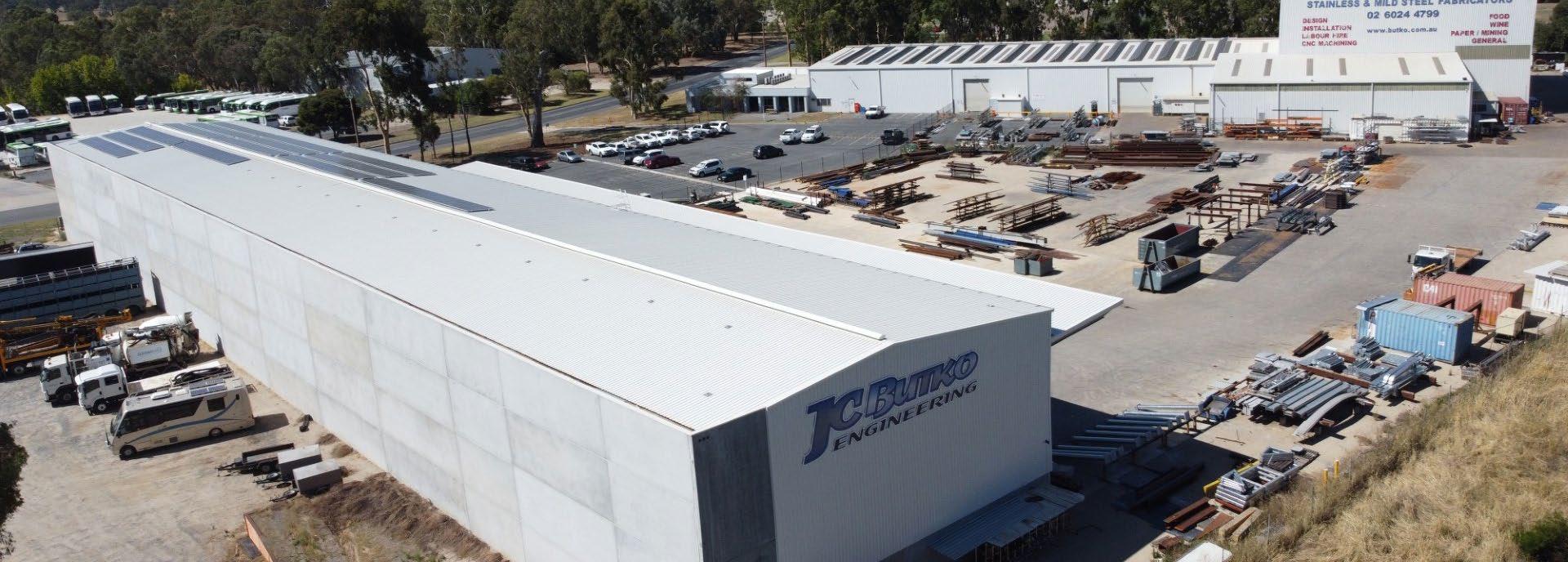
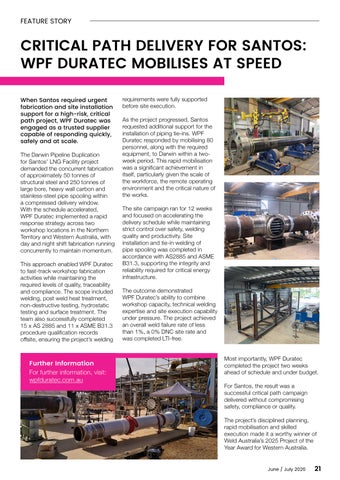
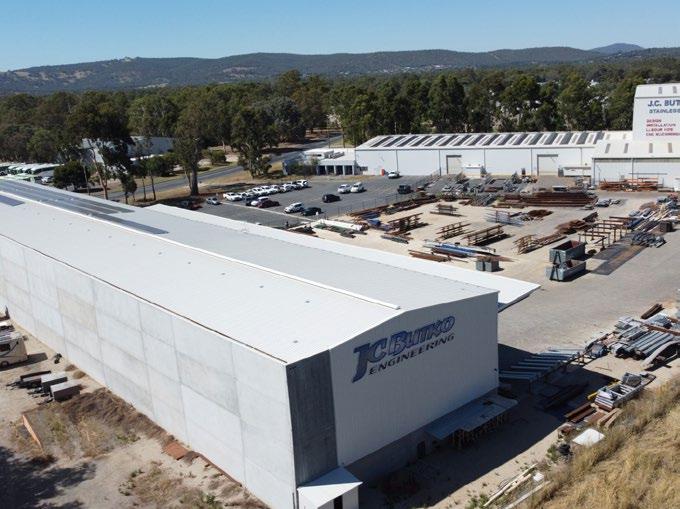
When JC Butko Engineering marked its 50th anniversary, there was no lavish gala. Instead, there was the quiet pride of a business that has built its reputation the hard way: one job, one client and one project at a time.
For Michael Bashford, Quality Manager at JC Butko Engineering, that understated milestone says a great deal about the company’s character. “There is a lot of pride in reaching 50 years,” Bashford said. “The business was built on hard work. John Butko came to Australia, started an apprenticeship in Melbourne and worked day and night to build something for his family. That work ethic remains part of the business today, as sons Michael and Paul continue the legacy.”
Founded in 1976 by John and Carolyn Butko, the family-run business has grown from humble beginnings into a major regional engineering and fabrication operation, based in Wodonga on the New South Wales-Victorian border, with an additional workshop in Albury. Today, JC Butko Engineering delivers complex engineering, fabrication and installation projects across Australia, including tanks and pressure vessels, pressure pipework, structural steel, infrastructure, materials handling, project management, design and site installation.
That breadth is one of the company’s defining strengths. “We can be working on very large structural or transport projects one day, and the next day we might be helping someone across the road with a repair,” Bashford said. “That range is part of who we are. We do major infrastructure work, stainless steel tanks, duplex tanks, pipework and work in some very rough service environments. But we have never lost that practical, local engineering mindset.”
JC Butko Engineering’s project portfolio encompasses
work on major transport projects including the New M5 and Sydney Gateway (part of WestConnex), the West Gate Tunnel Project, the Pacific Highway upgrade, and the Newcastle Inner City Bypass. The company brings this expertise to bear across mechanical, piping, fabrication, installation and commissioning works for clients in the food and beverage, mining, water, manufacturing, materials handling, transport and government sectors.
Behind that record is serious investment in facilities, equipment and people. Work moves from estimating and project management through drafting, plate processing, cutting, forming, fabrication, pipework, tanks, machining, coating preparation and delivery. In-house capabilities include laser cutting, CNC and water jet cutting, press brakes, rollers, cranes, rotators, machining, dedicated work areas, in-house gas storage and truck delivery.
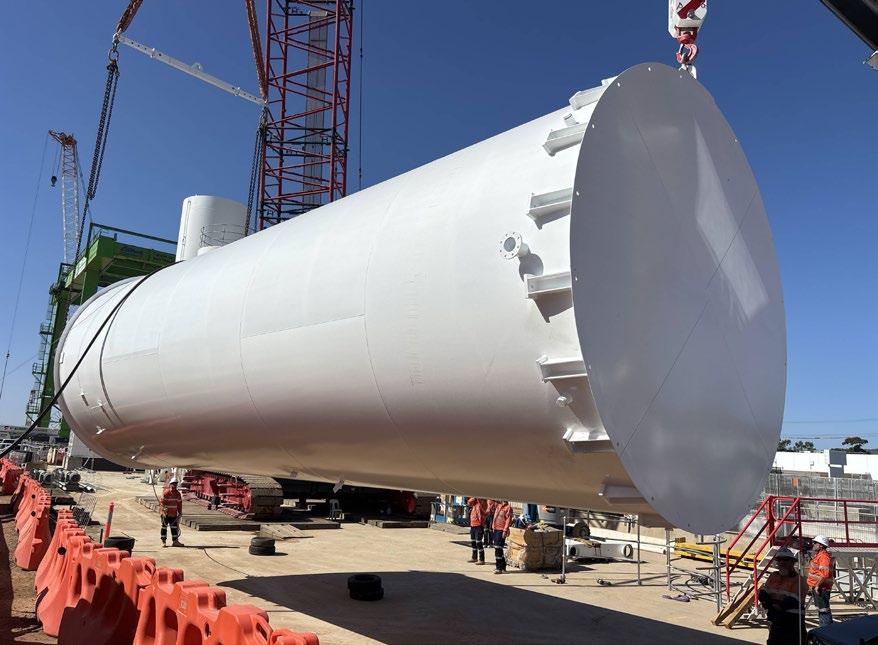
Over 7,000m² of fabrication area is fully segregated to eliminate contamination, while an 8m x 2m x 2m acid bath enables in-house pickling and passivation to restore stainless steel’s protective chromium oxide layer. The tank shop is a prime example—currently, the team is fabricating a tank approximately eight storeys high, in sections for delivery and completion on site.
“We have built a facility that allows us to control a lot of the process ourselves,” Bashford said. “Having that capability under one banner gives us flexibility, but it also helps us manage quality and timing.”
For Bashford, capability is only half the story. The other half is the discipline that sits behind it. JC Butko Engineering holds ISO 9001 quality management and ISO 45001 occupational health and safety certification, with ASSDA accreditation in architectural, food and beverage, heavy industrial and light commercial
categories, as well as AS/NZS ISO 3834.2 for welding quality requirements. The company has also achieved AS/NZS 5131 CC3 certification and is working through ISO 14001 environmental management accreditation.
“Accreditation is not just a badge on a tender document,” Bashford said. “It is a way of making sure we are continually improving. The audits give us that external check, highlight anything that needs attention, and then the whole team works together to address it.”
Those systems matter in government and infrastructure work, where specifications often reference national standards and certification requirements. Bashford said AS/NZS 5131 CC3 certification has strengthened the company’s position for structural steel projects and state-based transport approvals.
“It puts us in a better position to tender for government work because clients can see that we are working to recognised standards,” he said. “There is also a marketing benefit, because those accreditations tell clients that we take quality, safety and welding seriously. But the real value is in the way those systems lift the whole organisation.”
The support of Weld Australia has also been valuable. “It is not just an audit and then you are on your own,” Bashford said. “There is a more collaborative approach. If something comes up, we can talk it through, and that helps make the process practical and effective.”
People remain central to the company’s longevity. JC Butko Engineering employs around 150 people across workshop and site operations, supported by project managers, draftspeople, supervisors, welding supervisors, inspectors, tradespeople and apprentices.
“Some of our current staff have been here for over 45 years - the business has incredible retention, with currently more than 50 staff having been here for more than 10 years,” Bashford said. “That kind of experience is invaluable. At the same time, we are bringing in younger people, including graduates and apprentices, so there is a real mix of knowledge coming through.”
After the disruption of COVID-19, the business has not simply recovered; according to Bashford, it has grown by roughly 25%. The focus now is on efficiency, certification and securing long-term client relationships that allow the business to keep investing.
Bashford believes Australia’s greatest opportunity lies in maintaining high standards while finding smarter ways to remain competitive. “Australia has a very strong quality culture, and we need to protect that,” he said. “The opportunity is to keep delivering high-quality fabrication and engineering, while becoming more efficient and more collaborative as an industry. Rather than every company working against each other, there is a chance to work more in sync.”
For JC Butko Engineering, that philosophy feels consistent with its first 50 years: practical, collaborative, quality-focused and built for the long term.
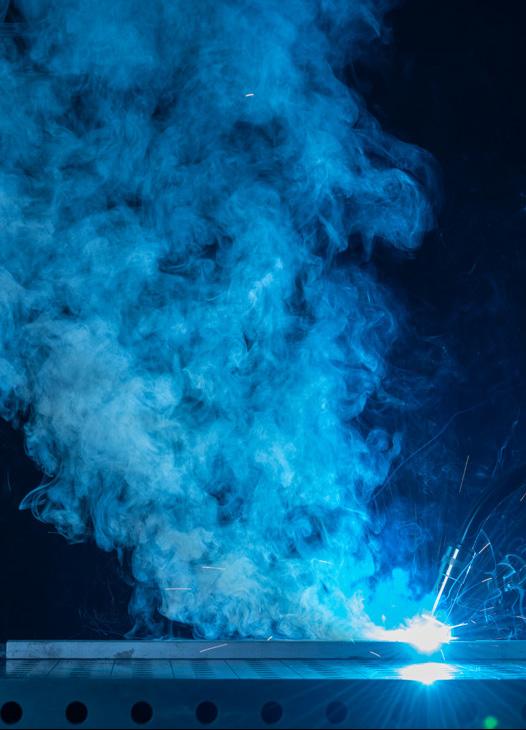
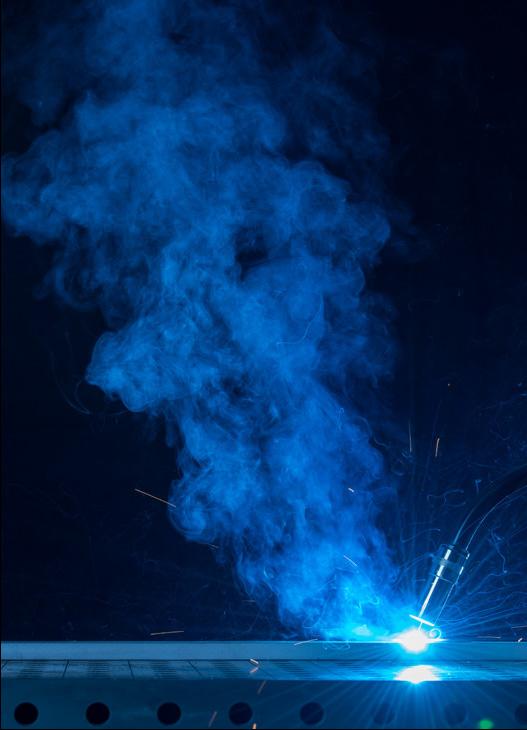
Manage welding fume emissions at their source; in the welding arc.
BOC’s Prevention Line gases are specifically engineered to help reduce emission rates across your processes supporting cleaner operations and a safer working environment. By well informed shielding gas selection for cleaner, more stable arcs, our Prevention Line products not only improves air quality in the workplace, but also enhances weld quality, productivity, and worker safety.
Fume Emission Rates for GMAW/MAG welding carbon steel 10 m/min, using 1.2 mm GMAW/MAG wire. Data source: Linde Technology Arc Welding Laboratory Fume emission measurement according to EN ISO 15011-1

MCAW wire. Data source: Linde Technology Arc Welding Laboratory Fume
100% CO₂
Argoshield 52
Argoshield Universal
Argoshield Heavy
Argoshield 10
Argoshield 54
Fume Emission Rates for FCAW welding carbon steel 12m/min, using 1.2 mm FCAW wire. Data source: Linde Technology Arc Welding Laboratory Fume emission measurement according to EN ISO 15011-1
A 100% CO₂
B FCAW-S (Self-shielded)
C Argoshield 52 D Argoshield Heavy E Argoshield 10
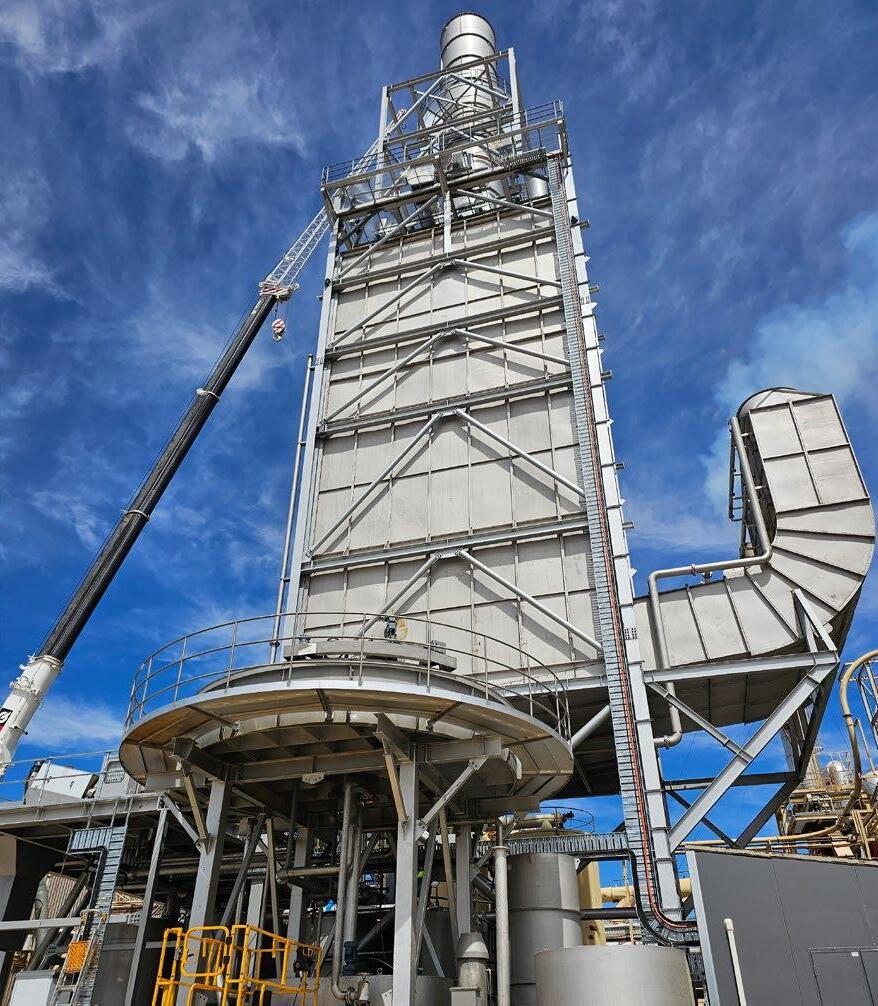
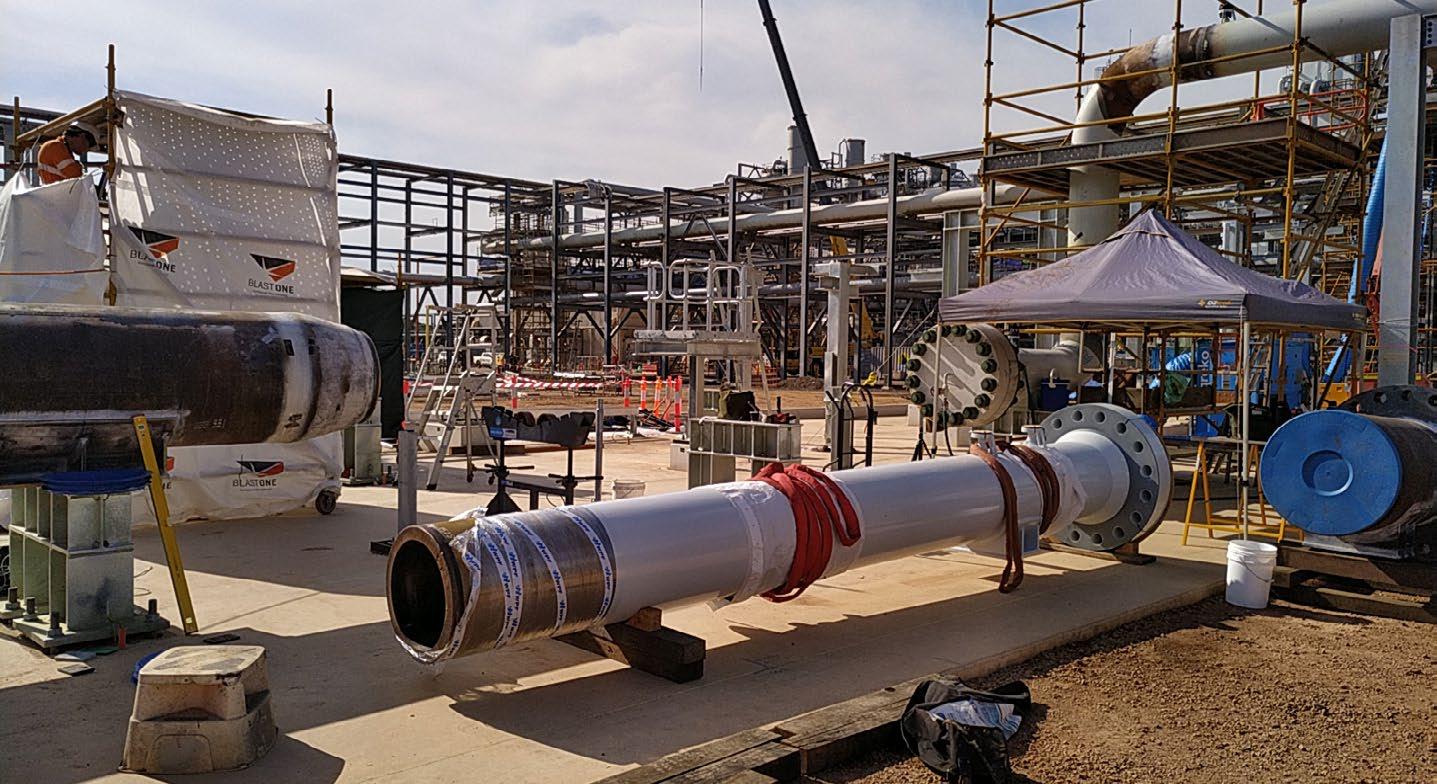
When Santos required urgent fabrication and site installation support for a high-risk, critical path project, WPF Duratec was engaged as a trusted supplier capable of responding quickly, safely and at scale.
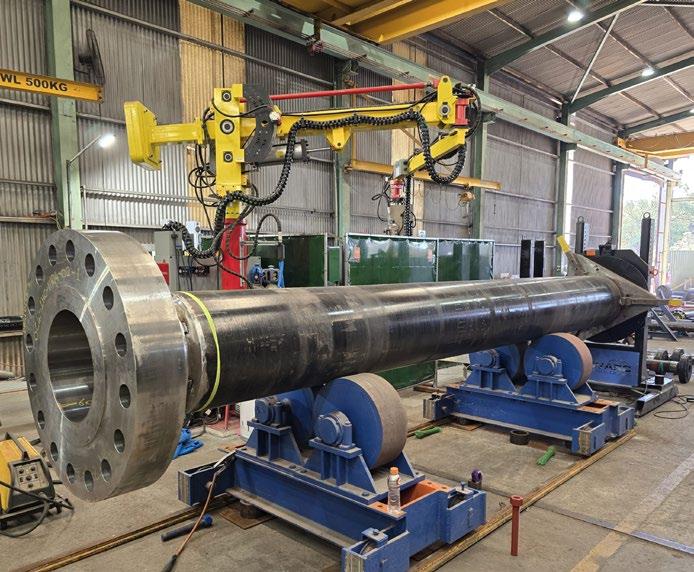
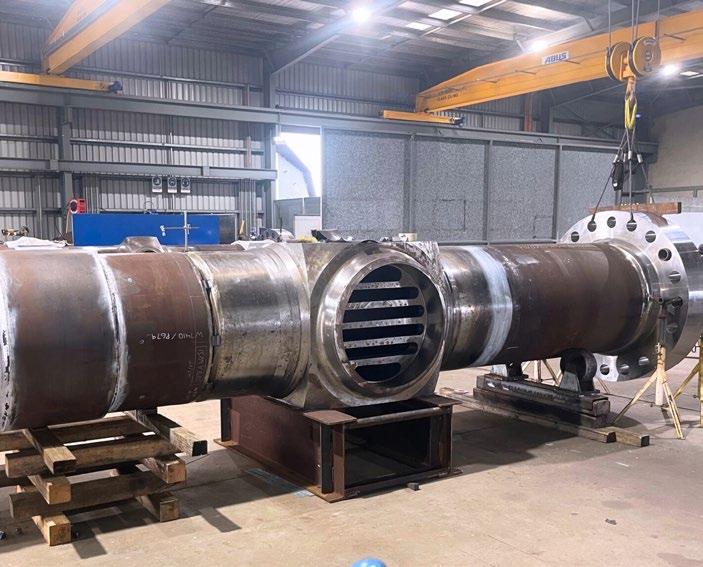
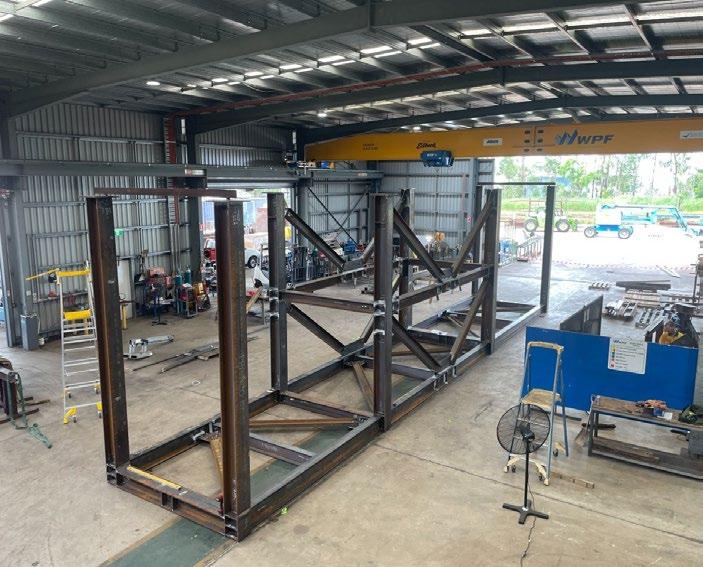
The Darwin Pipeline Duplication for Santos’ LNG Facility project demanded the concurrent fabrication of approximately 50 tonnes of structural steel and 250 tonnes of large bore, heavy wall carbon and stainless-steel pipe spooling within a compressed delivery window. With the schedule accelerated, WPF Duratec implemented a rapid response strategy across two workshop locations in the Northern Territory and Western Australia, with day and night shift fabrication running concurrently to maintain momentum.
This approach enabled WPF Duratec to fast-track workshop fabrication activities while maintaining the required levels of quality, traceability and compliance. The scope included welding, post weld heat treatment, non-destructive testing, hydrostatic testing and surface treatment. The team also successfully completed 15 x AS 2885 and 11 x ASME B31.3 procedure qualification records offsite, ensuring the project’s welding
requirements were fully supported before site execution.
As the project progressed, Santos requested additional support for the installation of piping tie-ins. WPF Duratec responded by mobilising 80 personnel, along with the required equipment, to Darwin within a twoweek period. This rapid mobilisation was a significant achievement in itself, particularly given the scale of the workforce, the remote operating environment and the critical nature of the works.
The site campaign ran for 12 weeks and focused on accelerating the delivery schedule while maintaining strict control over safety, welding quality and productivity. Site installation and tie-in welding of pipe spooling was completed in accordance with AS2885 and ASME B31.3, supporting the integrity and reliability required for critical energy infrastructure.
The outcome demonstrated WPF Duratec’s ability to combine workshop capacity, technical welding expertise and site execution capability under pressure. The project achieved an overall weld failure rate of less than 1%, a 0% DNC site rate and was completed LTI-free.
Most importantly, WPF Duratec completed the project two weeks ahead of schedule and under budget.
For Santos, the result was a successful critical path campaign delivered without compromising safety, compliance or quality.
The project’s disciplined planning, rapid mobilisation and skilled execution made it a worthy winner of Weld Australia’s 2025 Project of the Year Award for Western Australia.
Six decades of
Elliotts, and what it took to build it
In 1966, the Snowy Mountains Scheme was still pouring concrete. The first iron ore was being railed out of the Pilbara. Holden was making cars in Adelaide and Toyota was about to. The Sydney Opera House had its roof shells on but not its tiles. All over the country, welders were building Australia — in shipyards, refineries, sheds and out on site — and most of them were doing it in whatever protective gear they could lay their hands on.
That was the year Elliotts started making welding protection in Brisbane. A family business, working small, doing one thing properly: cutting and stitching leather gloves and aprons for Australian welders who needed gear that could survive Australian conditions and Australian work.
Sixty years on, the country has changed. So has the trade. The hazards have multiplied, the standards have caught up, and the welders themselves are different. Through all of it, one Australian factory has stayed around the arc — designing, making, listening, refining. This is the story of sixty years of Australian welding protection, told through the brands and the products that came out of trying to get it right.
Through the late 1960s and into the 1970s, welding protection in Australia meant leather. Heavy, scarred, smokedarkened leather, cut and stitched into gloves, aprons, spats and sleeves. FR Cotoons were emerging, there were no ISO standards for welding apparel. There was no third-party certification. There was the welder, the arc, and whatever they could put between themselves and the heat. Leather did the job because leather
was what generations of tradespeople had always trusted. A well-cut chrome leather glove, properly stitched, could take a season of hard use and keep going. The first Elliotts products were built on that simple idea: better leather, better stitching, gear that outlasted the imported alternatives and was made for welders getting through the tough Australian working conditions.
The Blue Max chrome leather range came out of those years — dependable, versatile protection that a workshop could rely on — followed by the Big Red heavy-duty range for the toughest work on the hardest sites.
The Big Red glove, which would go on to become one of the most recognised welding gloves in the country, traces its lineage straight back to this period. So does the Golden Chief range, which became a favourite of pipe welders who needed reliable, well-cut apparel for demanding work.
The heritage of careful leather selection and focused seam construction that began here still defines the company’s premium range today. Sixty years on, the principles haven’t changed — but the materials, the construction methods and the testing have all moved a long way.
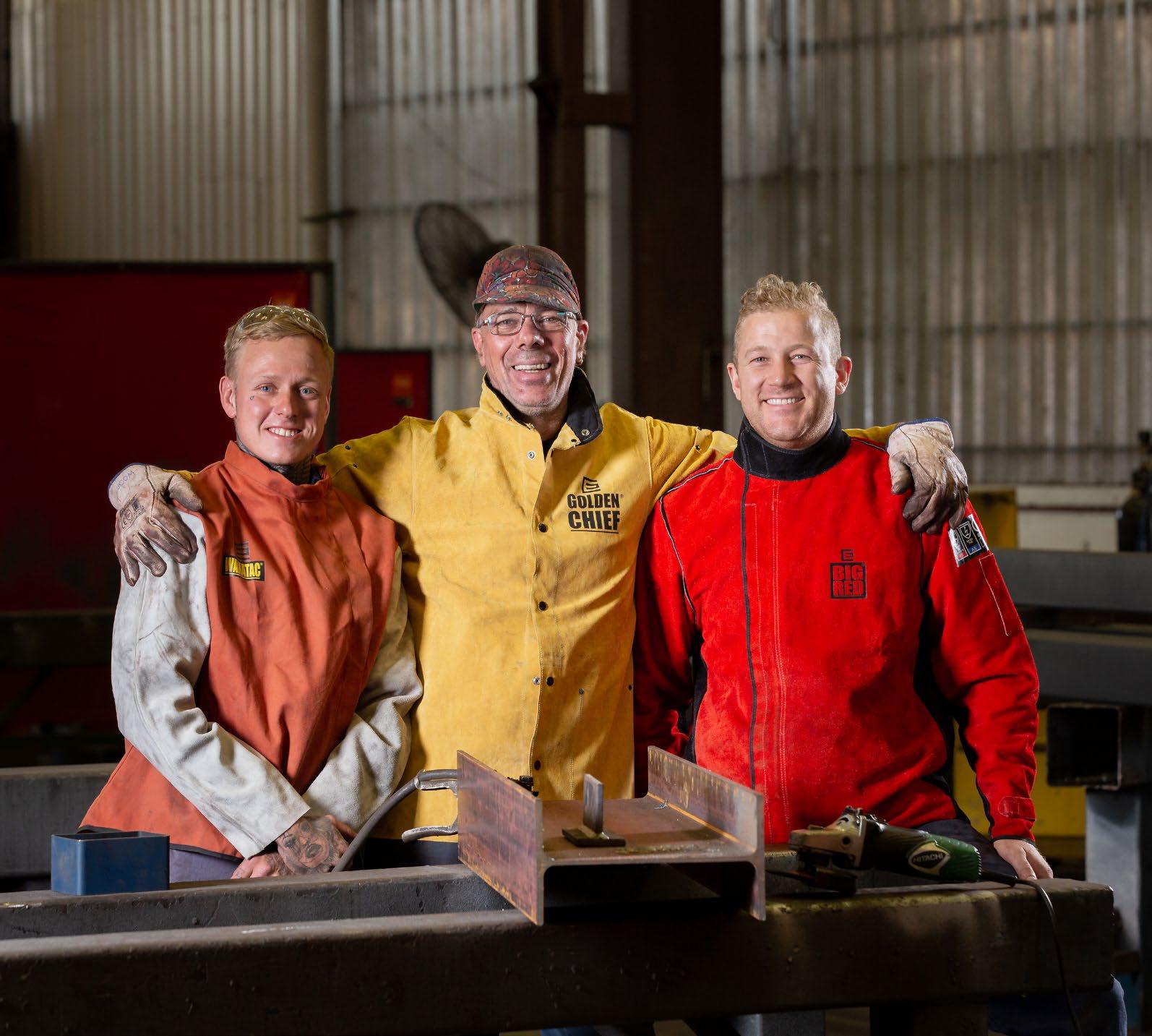
“ The welder, the arc, and whatever they could put between themselves and the heat.”
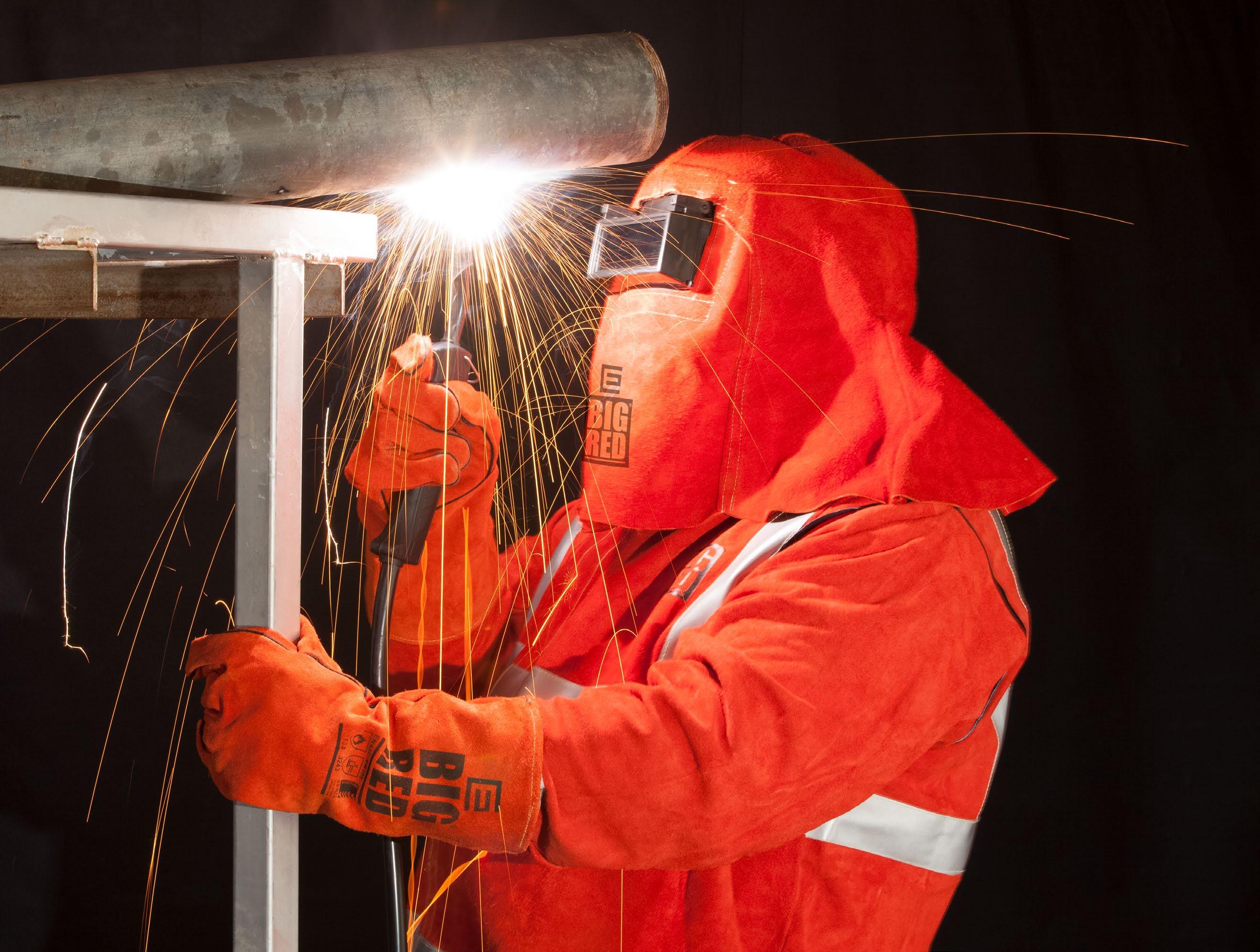
By the 1970s, flame-retardant treated cotton had matured enough to become a serious option for welding apparel. Proban-treated FR cotton offered things leather couldn’t — lighter weight, more breathability, easier movement, and a cut that could be tailored to fit the wearer. For welders working long shifts in Australia’s heat, that mattered enormously.
Elliotts moved into FR cotton garment manufacturing during this period, and the brands that grew out of it became fixtures on Australian sites. WAKATAC, the premium Proban FR cotton range, is still specified by major industrial end users for its blend of comfort and protection. Blue Max grew into the dependable, versatile workhorse of the range — light enough for general fabrication, robust enough for heavy use, and broad enough to suit TAFEs, workshops and industrial sites alike.
As welders increasingly found themselves working on busy sites alongside other trades — mining, construction, rail and infrastructure — visibility became a safety issue in its own right. High-visibility welding apparel followed: FR cotton garments that kept the welder protected from heat and spatter while making sure they were seen on a crowded site. It was a small example of a bigger pattern — the gear evolving to match where the work was actually being done.
Every one of these brands was built around a specific need the trade was expressing. None of them was dreamed up in a corporate strategy meeting. They came out of conversations on workshop floors, feedback from boilermakers and fabricators, and a stubborn willingness to design around the welder rather than around what was easy to manufacture.
Gloves are where Elliotts started, and gloves are where the portfolio has the most depth. Sixty years of glovemaking have produced a range that mirrors how varied welding work really is — because no single glove design serves every application.
Big Red remains the go-to glove for professional welders, trusted across mining, shipbuilding and heavy fabrication for its uncompromising leather and construction. The newer Big Red CRX builds on that legacy with Cut Level F protection for environments where the hazards extend well beyond heat.
Kev Blue brought a genuine heavyduty workhorse to a market that had been making do with single-layer, simple welding gloves — designed with reinforcement in the high-heat areas where a glove takes the most punishment and fails first.
“The welding environment is a system, not a product. Protecting it properly means making the pieces that connect.”
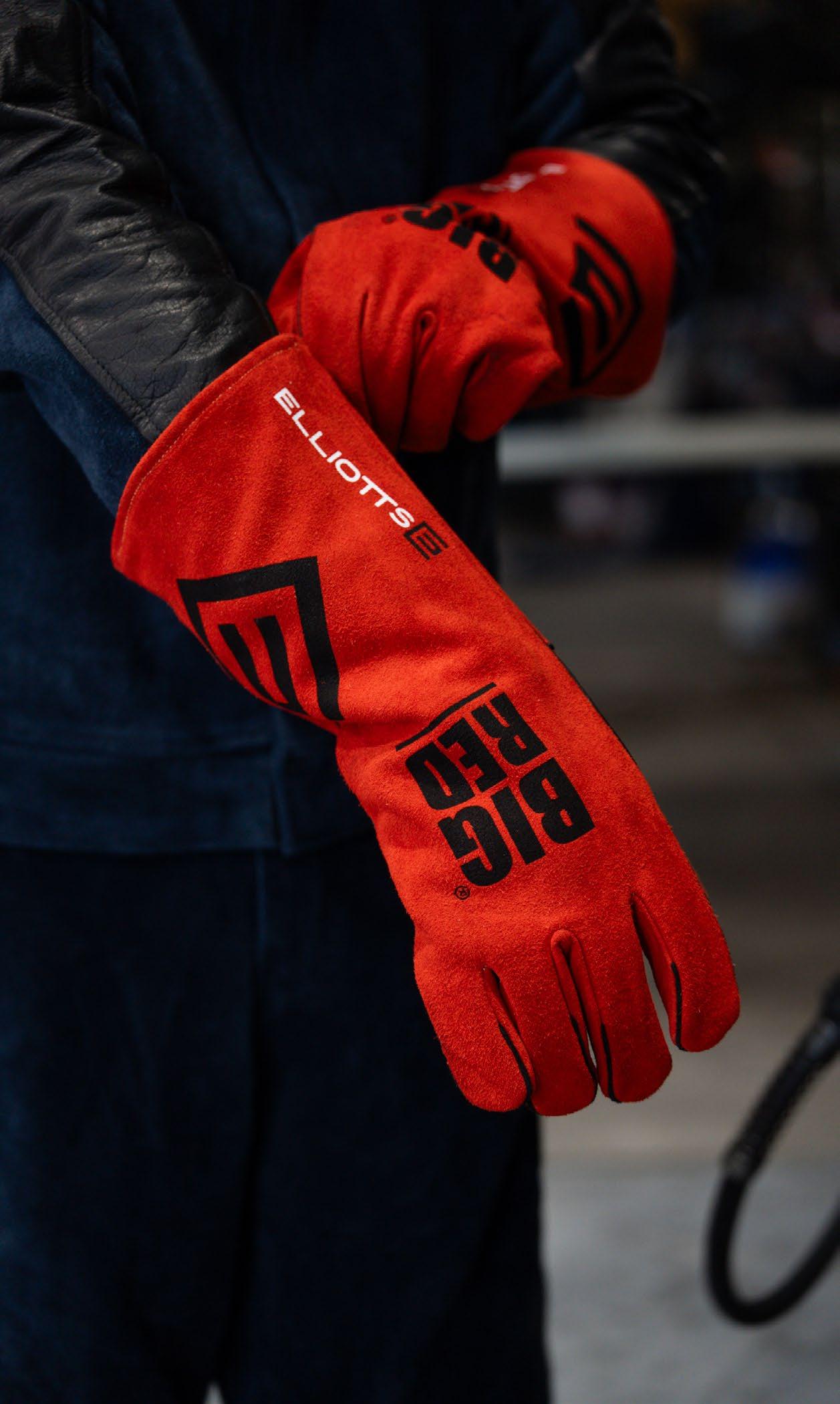
TigMate was developed specifically for TIG welders, who need a tactile precision the heavier gloves simply can’t deliver. The TigMate range — Pro, Pro CR, RT, RX — reflects just how varied TIG work itself has become.
The Lefties solved a problem other manufacturers never bothered to notice: for most welders, the left-hand glove wears out far faster than the right. The Lefties offered a costeffective way to replace the glove that’s actually worn through and get more life out of the pair.
And around those flagships sit the specialists — Big Red XTs, Kev Blue XTs, WAKATAC and WeldMark — each finding its own niche across different weights, lengths, price points and applications, all built to the same standard of construction. Behind every one of those names is the same philosophy the founding workshop started with in 1966 — design around the welder, not around the production line.
Welding protection has always been about more than what
the welder is wearing. The arc throws sparks, spatter, UV radiation and heat in every direction, and protecting the people doing the work means protecting the space around it too. Over the decades, the Elliotts range grew to reflect that wider reality.
ArcSafe welding screens and frames give workshops a way to wall off welding work from the rest of the site — fixed installations and portable solutions, transparent screens that let a supervisor keep eyes on the job while still blocking harmful optical radiation, and heavy chrome leather drapes for the toughest containment. T1000, HeatShield, NeoWeld and SilicaGlass welding blankets and drapes take on the high-temperature work that fabric alone can’t — protecting machinery, surfaces and the workers nearby from radiant heat and falling spatter.
Add the welding hoods, capes, sleeves, aprons, spats, leggings, lenses, cushions, cable covers and knee pads, and the point becomes hard to miss: the welding environment is a system, not a product. Sixty years has been long enough to learn that protecting the system properly means making the pieces that connect it.
Sixty years of designing welding protection in Brisbane has produced something that never shows up on a spec sheet but matters more than most things that do: a feedback loop measured in days, not seasons.
When a boilermaker in Mackay flags that a cuff is catching on his glove, the team that designed the cuff is a phone call away. When a TAFE instructor in Adelaide notices that smaller-framed apprentices are drowning in the standard size run, the conversation moves quickly. When a fabrication shop in Perth needs a screen configuration that isn’t in the catalogue, it can be built.
That proximity — designers, makers and welders in the same country, often in the same conversation — is the quiet advantage of locally designed welding PPE. It doesn’t make a product better overnight, but over years and decades, it produces gear that fits the work being done, in the conditions it’s being done in, by the people doing it.
It also produces longevity. The brands that have lasted in the Elliotts portfolio — Big Red, Kev Blue, Blue Max, WAKATAC, Golden Chief, ArcSafe — have lasted because they were refined, generation after generation, by the welders who used them.
It would be easy to treat a sixtieth anniversary as a victory lap. The truth is more interesting than that. Six decades of doing one thing properly teaches a few
things worth saying out loud. Welding doesn’t stand still. The processes change, the materials change, the standards change, and the hazards we recognise change with them. Gear that was state-of-the-art in 1976 looks crude in 2026, and the gear we sell today will look crude in 2046. The work is to keep moving.
The welder is the design brief. Every improvement that ever mattered came from a welder telling us what wasn’t working. Big Red exists because the trade demanded a glove that could keep up. Listening to welders was never a marketing exercise — it’s the only way the work gets done.
Breadth matters. The risks around an arc don’t politely confine themselves to one product category. Make the gloves and ignore the screens, or make the apparel and ignore the blankets, and you’ve left welders and the people beside them exposed. The breadth of an Australian range exists because the breadth of Australian welding work demands it.
The next welder is already coming through. The apprentice in a TAFE workshop today will be the senior boilermaker on a Tier 1 project in 2046. The gear designed for her now — properly fitted, properly tested, properly built — is what sets
the standard the industry takes for granted by then. Sixty years isn’t a finish line. It’s a halfway mark.
Elliotts is still a family business, still in Brisbane, still designing and manufacturing welding protection for Australian conditions. The names on the labels — Big Red, Kev Blue, Blue Max, WAKATAC, Golden Chief, ArcSafe, TigMate, the Lefties, WeldMark — are the work of sixty years of welders telling us what they needed. The next sixty will be no different.
To everyone who’s worn the gear, told us what was wrong with it, and trusted us to do better the next time — thank you. Sixty years on, you’re still the reason the work is worth doing.
This editorial was supplied as part of a paid sponsorship package.
For further information, visit: https://www.elliotts.net/
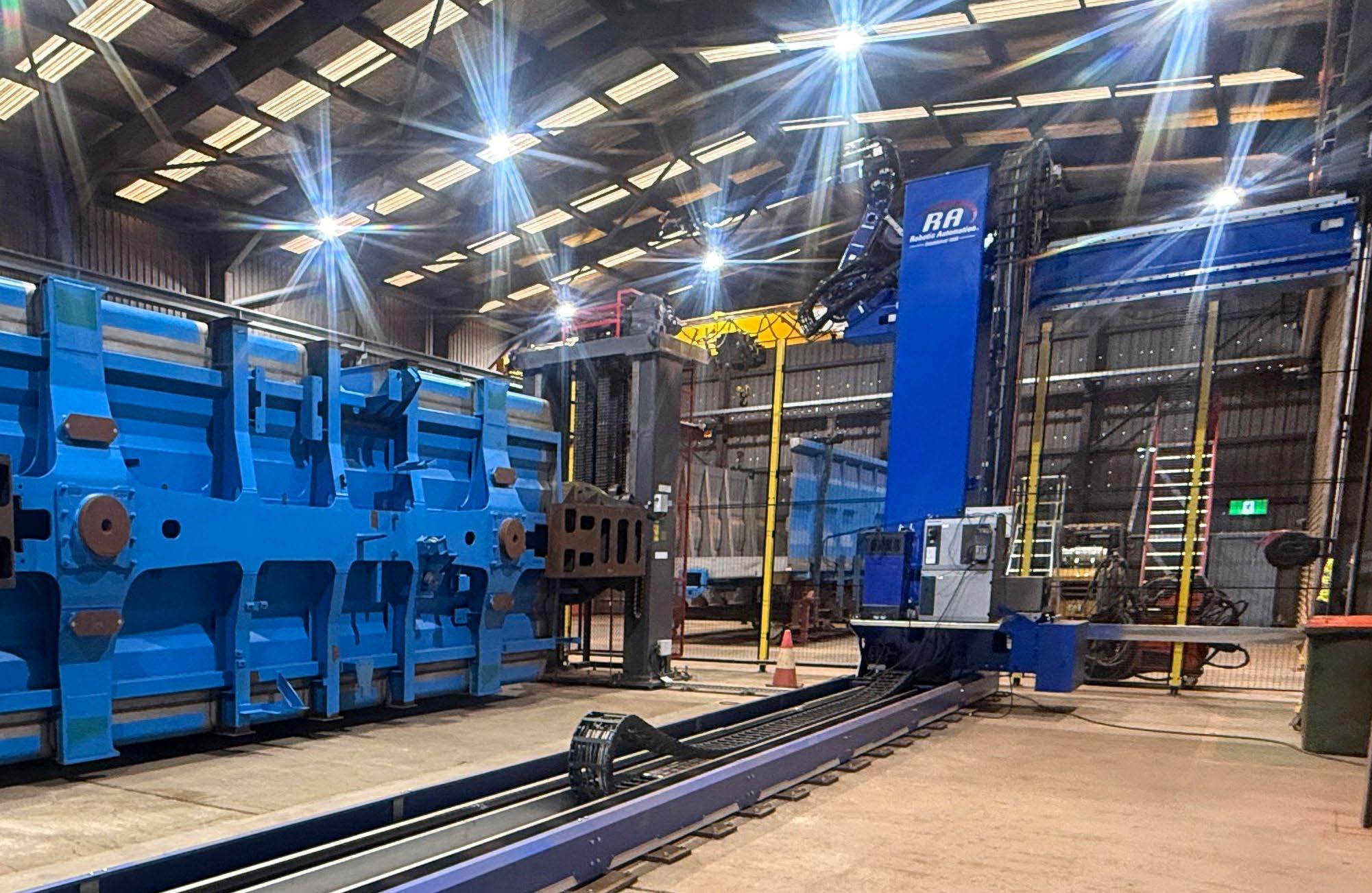
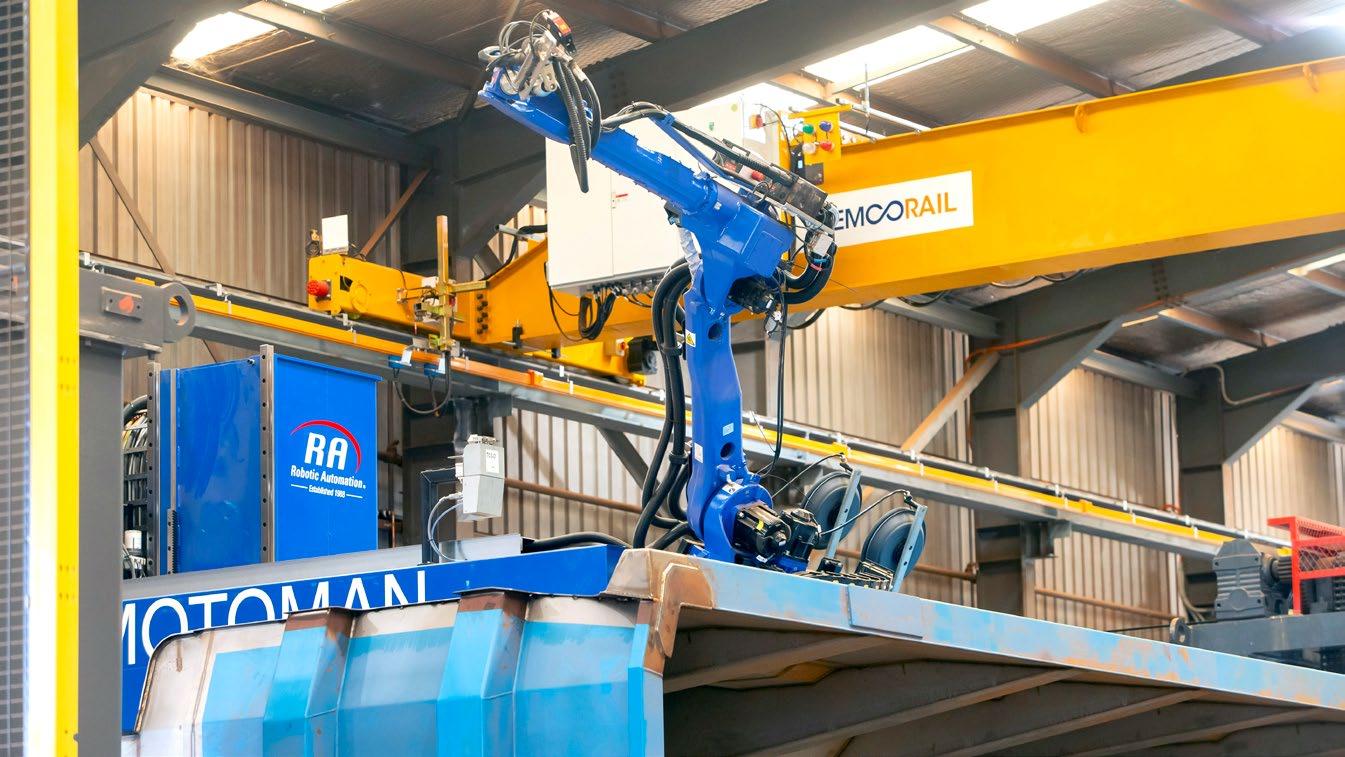
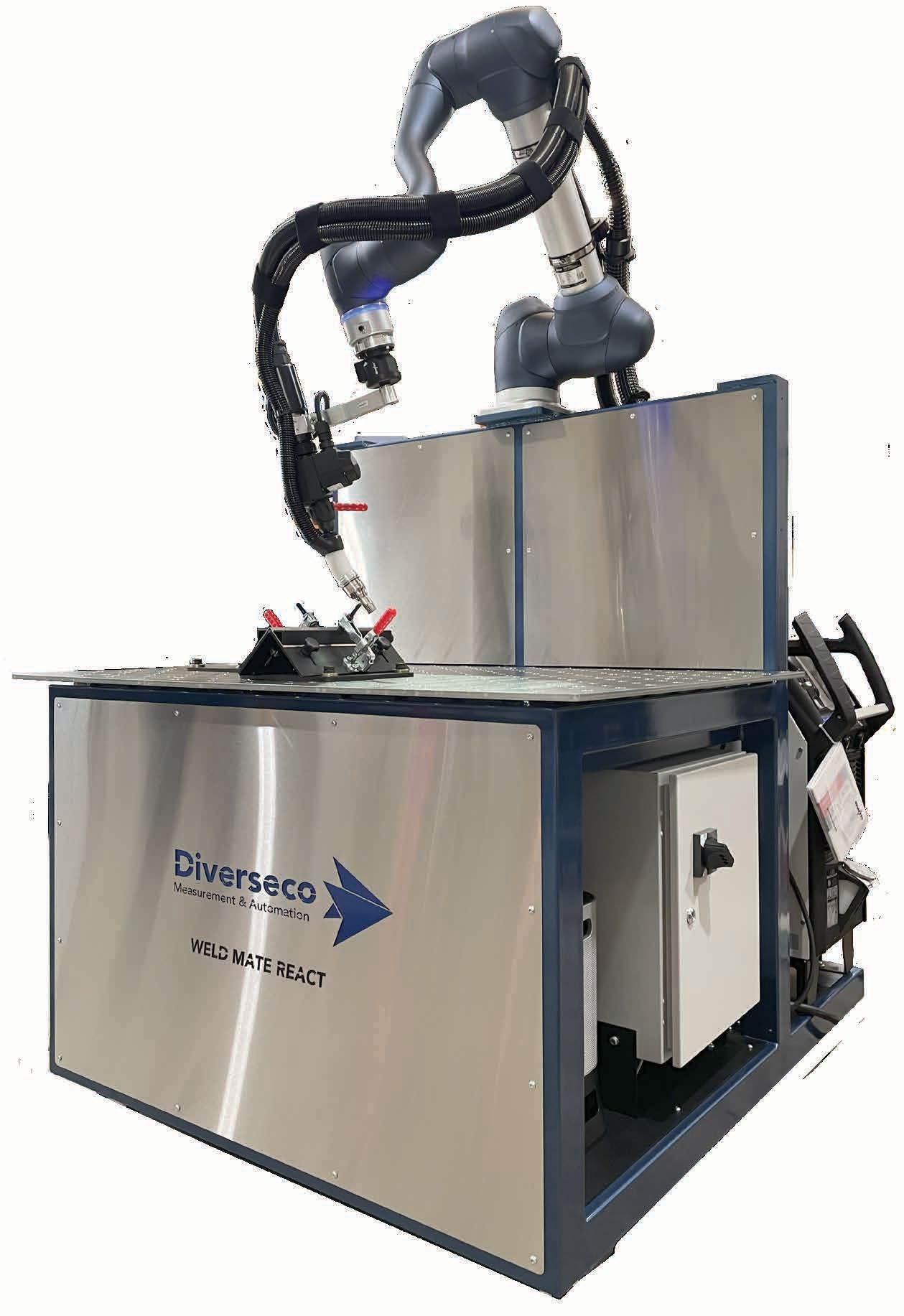
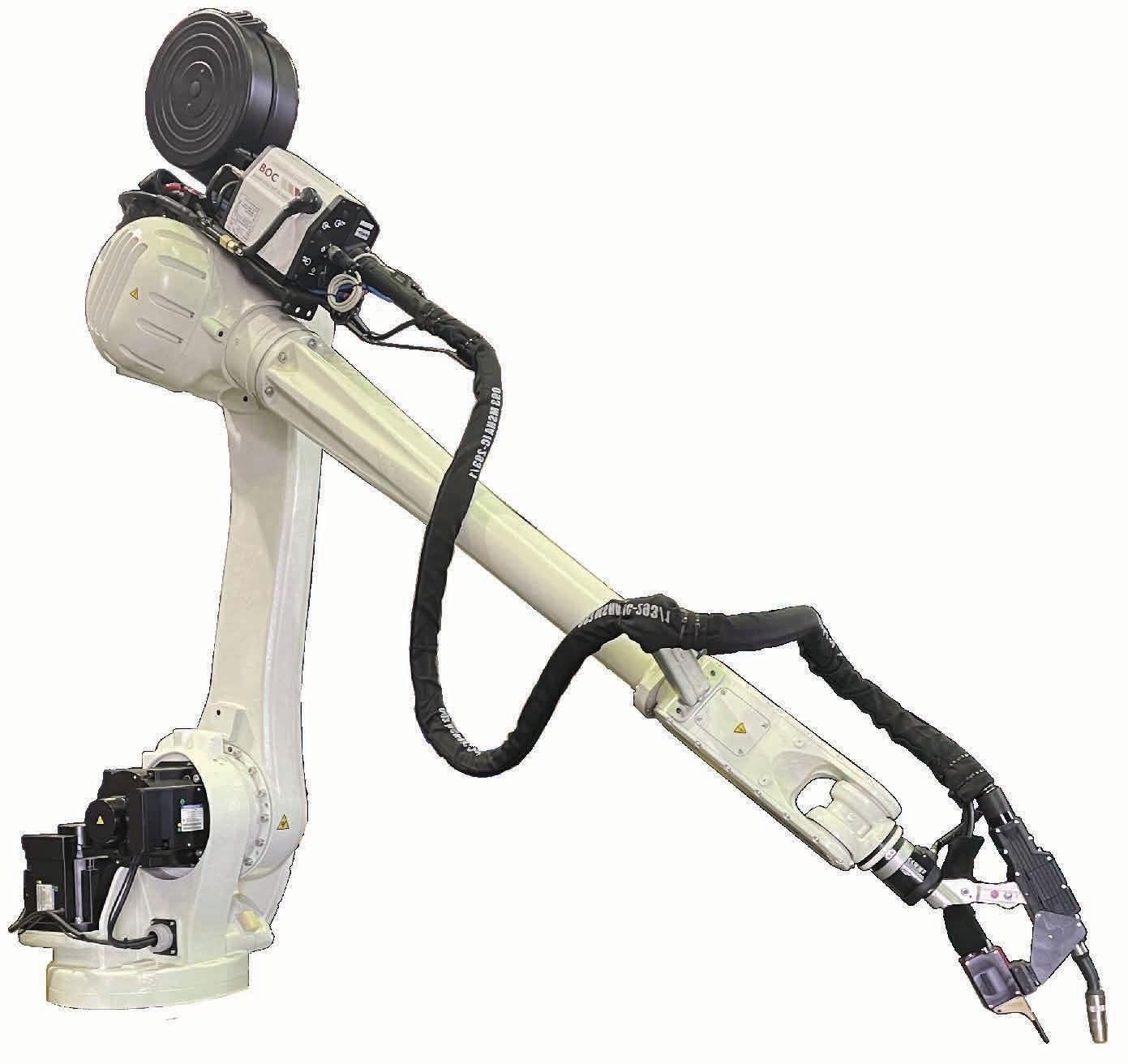
Robotic Automation™ successfully supplied and commissioned a large‑scale Motoman Yaskawa robotic welding system at Gemco Rail’s purpose‑built Karratha facility, enabling iron ore rail car manufacturing in the Pilbara for the first time.
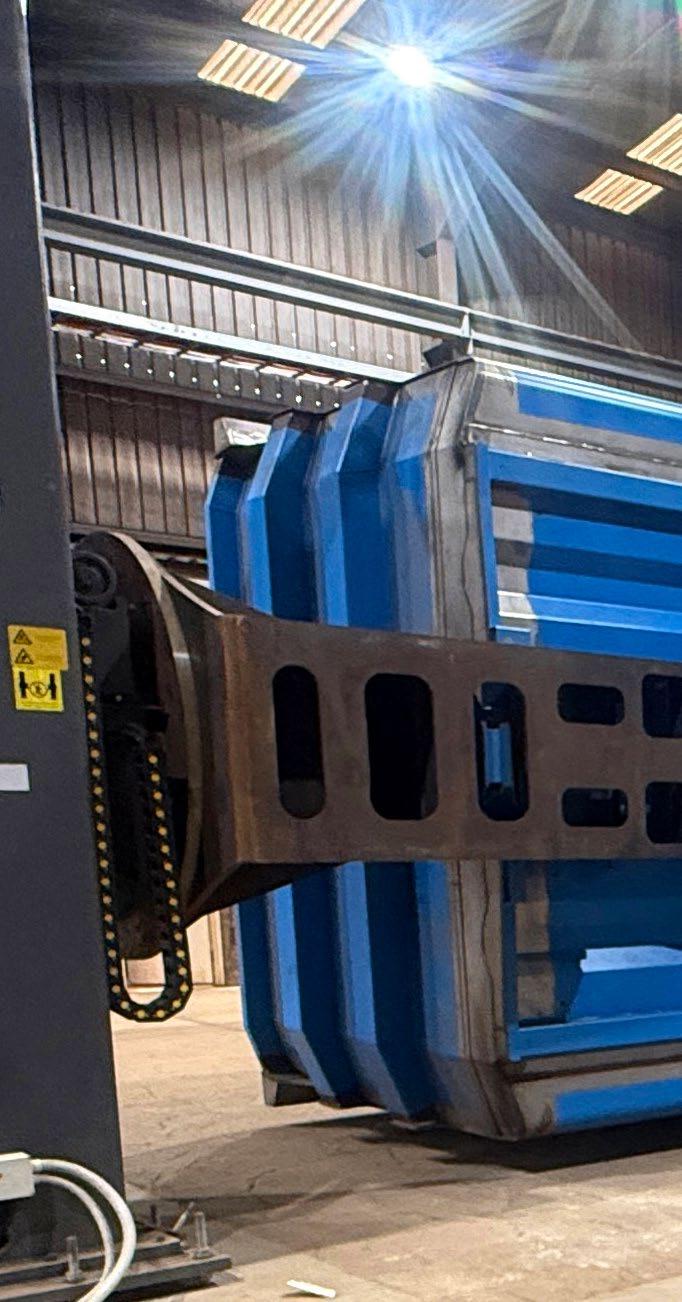
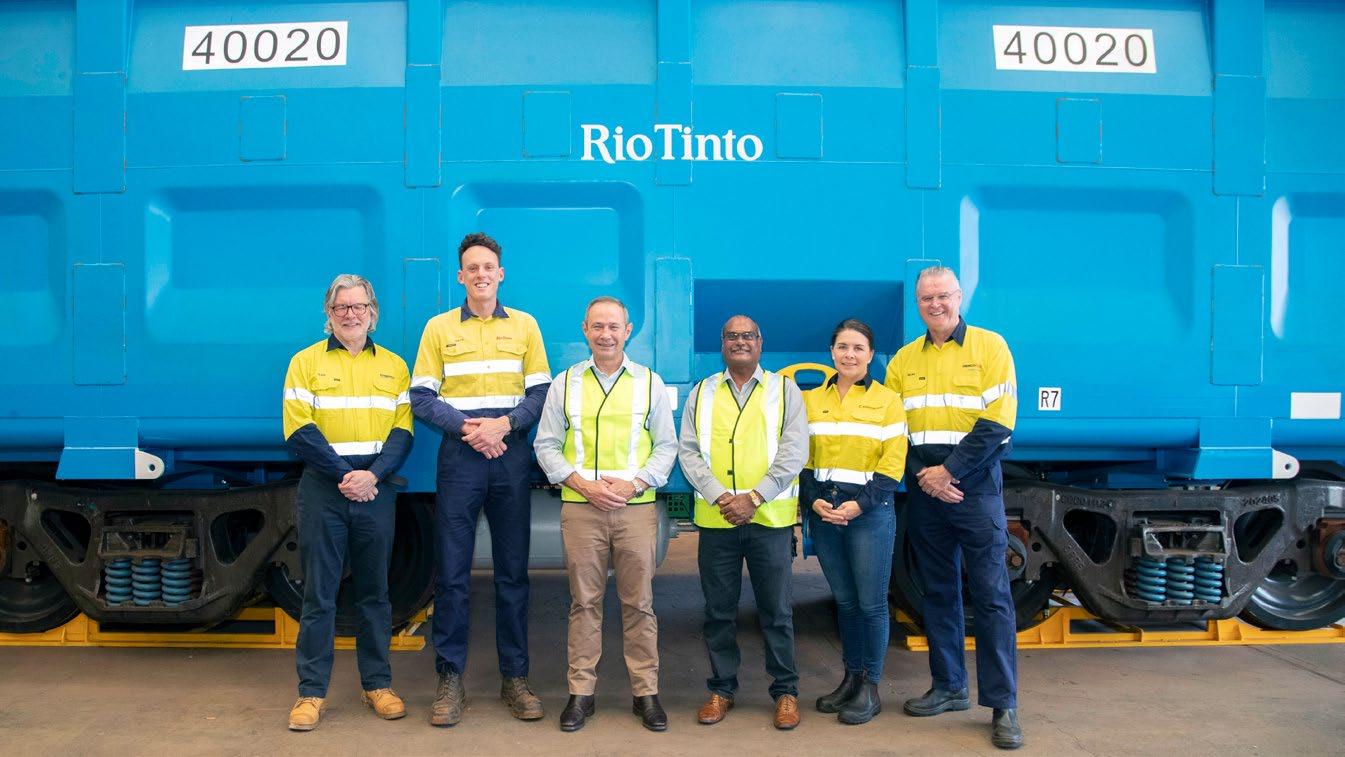
The project was part of a $150 million local manufacturing partnership between Rio Tinto, Gemco Rail and CRRC Qiqihar Rolling Stock Co. Ltd to produce 100 heavy-duty iron ore rail wagons in Western Australia. The initiative strengthens regional manufacturing capability, supports skilled employment and reduces reliance on offshore rollingstock fabrication.
Robotic Automation™ was responsible for delivering the robotic welding capability required to meet the structural, throughput and quality demands of heavy-haul rail wagon production.
Gemco Rail required a welding solution capable of supporting high-volume, heavy structural rail fabrication while transitioning production closer to Rio Tinto’s Pilbara operations.
Key challenges included:
• Achieving consistent weld quality on large, load-bearing wagon structures
• Maintaining weld integrity for fatigue-critical rail components
• Supporting reliable production in remote Pilbara conditions
• Improving operator safety and welding consistency
• Establishing long-term local manufacturing capability
Manual welding alone could not deliver the repeatability and throughput required for modern iron ore rail car manufacturing at scale.
Robotic Automation™ designed, supplied and commissioned a Motoman Yaskawa industrial robotic welding system engineered specifically for heavy rail fabrication and wagon assembly.
Renowned for precision, reliability and industrial durability, Motoman Yaskawa robots were selected to automate critical welds across major rail car structures, ensuring consistent quality and repeatability across the production program. The key features of the system included:
• Motoman Yaskawa robotic welding cell for heavy-duty structural fabrication
• High-precision, repeatable weld paths across large assemblies
• Optimised welding parameters for iron ore rail wagon manufacture
• Integration with relocated production equipment from Gemco Rail’s Forrestfield facility
• Designed for continuous operation in harsh Pilbara industrial conditions
The Motoman Yaskawa robotic welding solution delivered both immediate and long-term benefits, including operational results like:
• Consistent, high-quality welds across all rail wagons
• Increased production throughput and process efficiency
• Reduced reliance on manual welding for critical joints
• Improved operator safety and welding quality control
There were also a range of business and regional impacts, including:
• First iron ore rail cars manufactured in Karratha, WA
• Wagons now in active service hauling ore from Pilbara mines to port
• Creation of 25 skilled local jobs
• Strengthened regional manufacturing and supply-chain resilience
• Long-term rail manufacturing capability established in the Pilbara
The deployment of Motoman Yaskawa robotic welding technology at Gemco Rail’s Karratha facility demonstrates how advanced automation is transforming Australian rail manufacturing.
By enabling local production of high-quality iron ore rail wagons, robotic welding improves weld consistency, enhances safety and supports sustainable regional growth.
Robotic Automation™ continues to help Australia’s rail and mining sectors adopt advanced robotic welding solutions that deliver measurable operational and economic benefits.
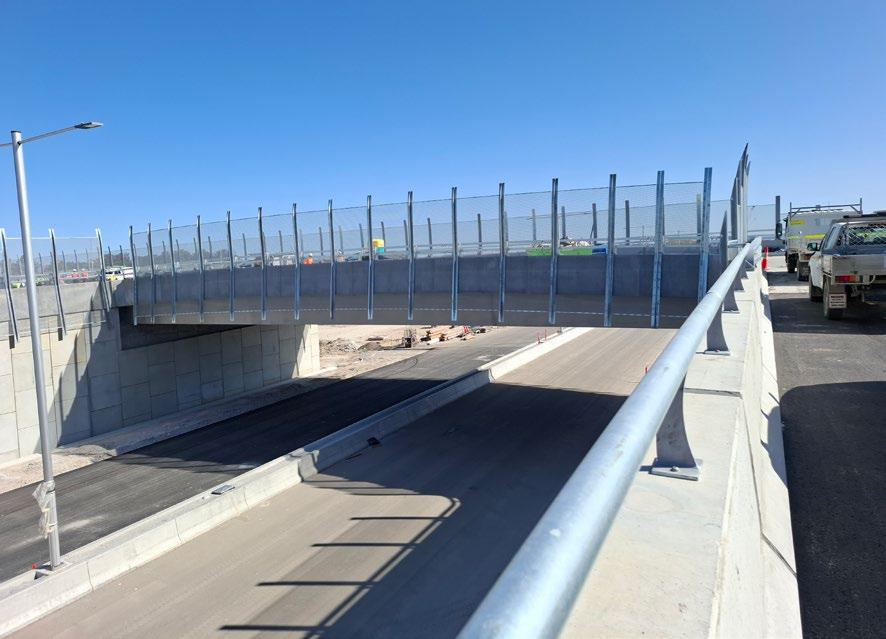
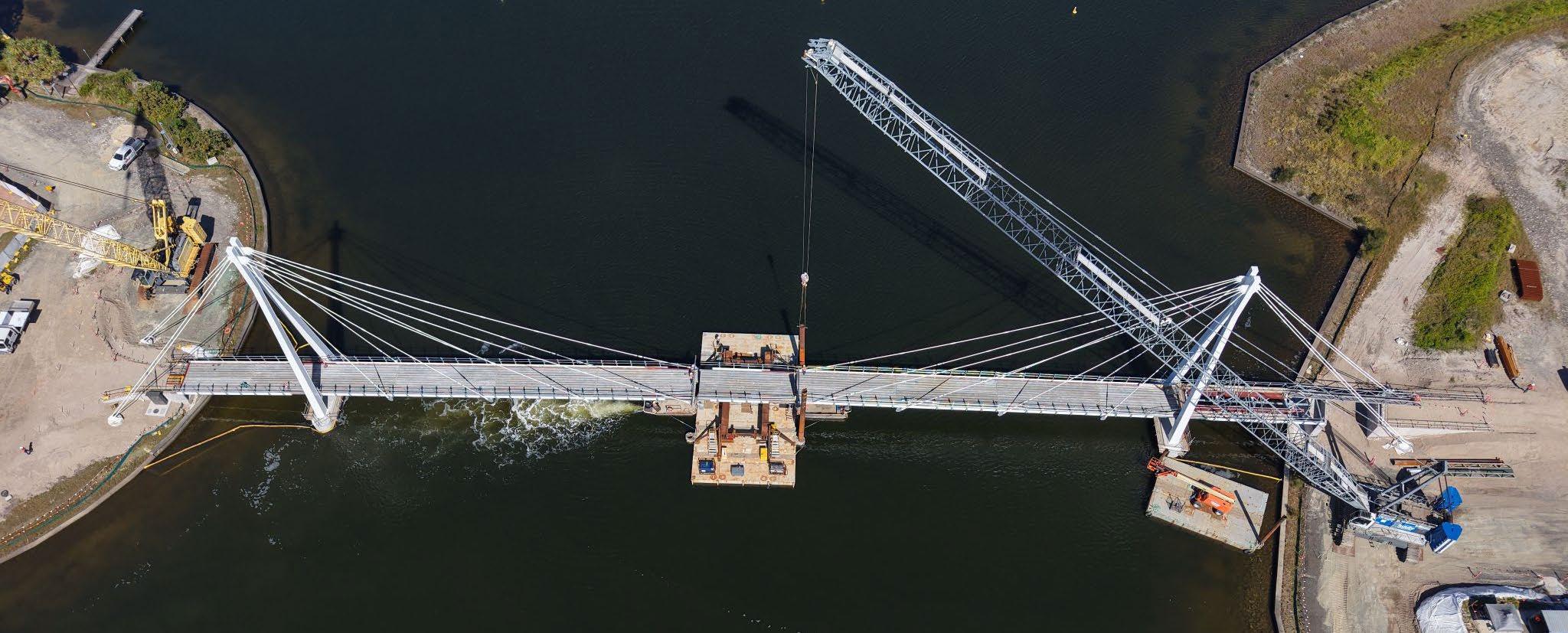
The 130 metre Stockland Birtinya Pedestrian Bridge, valued at $27 million, will create a new walking and riding experience for pedestrians around Lake Kawana on Queensland’s Sunshine Coast. HVAC Australia supplied, fabricated, and installed the steel structure for the project, winning Weld Australia’s 2025 Project of the Year Award for Queensland and the Northern Territory.
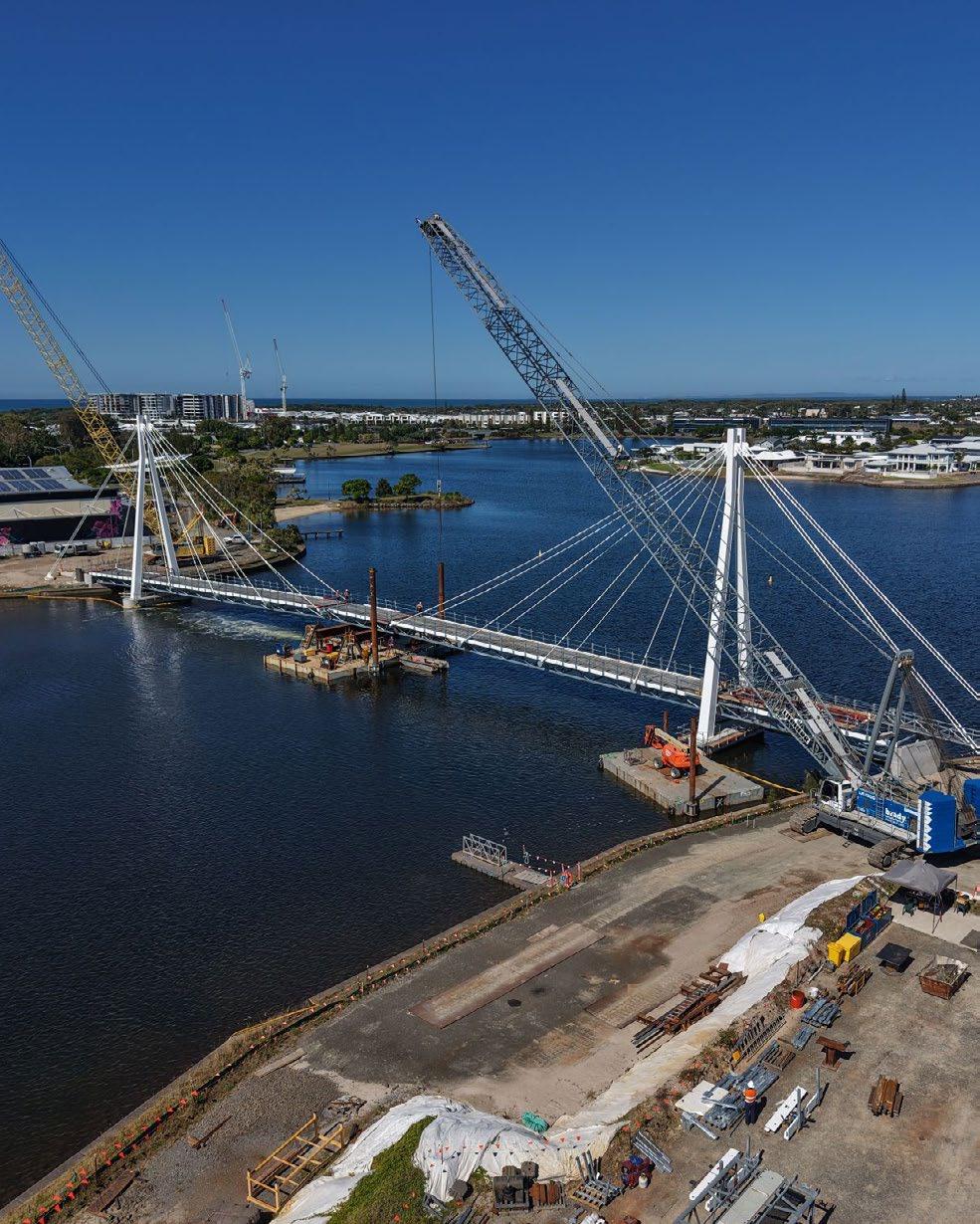
The Birtinya Pedestrian Bridge is a strong example of what can be achieved when technical fabrication expertise, disciplined quality systems and collaborative project delivery come together. Delivered by HVAC Australia, the project involved the fabrication and supply of structural steel bridge components and balustrading, as well as the installation and site welding of fabricated components.
Valued at $3.5 million, the project was recognised with the Weld Australia 2025 Project of the Year Award for Queensland and the Northern Territory. The award reflects not only the complexity of the bridge structure itself, but also HVAC Australia’s ability to deliver Category 3 bridge steelwork to exacting quality, safety and compliance standards.
For more than 35 years, HVAC Australia has played a significant
role in Australian industry. Initially established to provide largescale heating, ventilation and airconditioning mechanical services, the company has since expanded into a diverse engineering and fabrication business, supporting sectors including specialised fabrication, mechanical services, industrial ventilation, telecommunications infrastructure and water infrastructure.
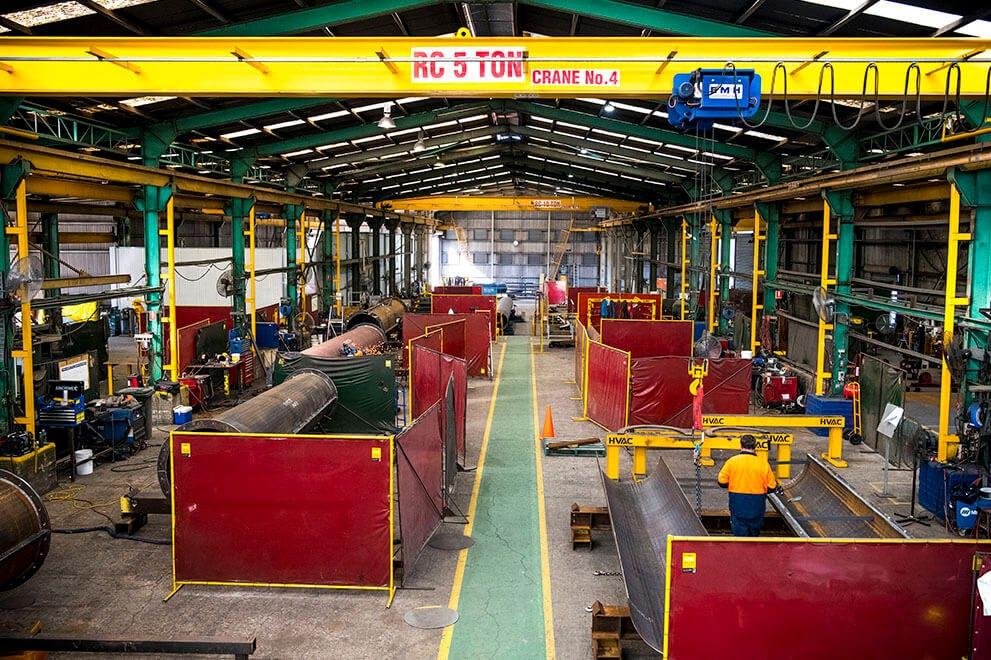
Today, HVAC Australia operates from a purpose-built Brisbane facility, with 6,000m² of workshop space under hook, a 25,000m² laydown area and ten overhead cranes on site. This scale of capability enables the company to take on complex steel fabrication projects that demand precision, capacity and rigorous project control.
The Birtinya Pedestrian Bridge was one such project.
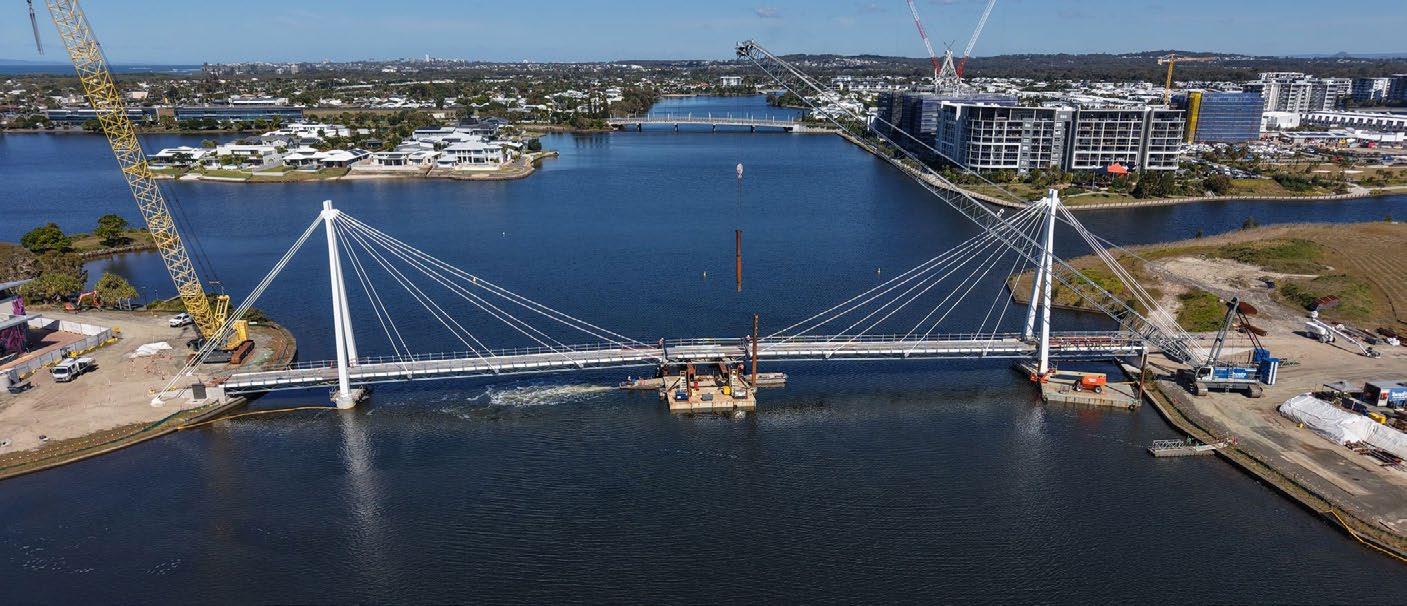
The project presented a series of technical and logistical challenges. The bridge’s complex geometry required tight fabrication tolerances, precision welding and careful dimensional control. Every component had to be fabricated to align accurately on site, while meeting the structural and aesthetic requirements of a highly visible public infrastructure project.
At the same time, the project required close coordination between multiple contractors, consultants and inspection authorities. HVAC Australia needed to ensure its fabrication processes aligned with the broader construction program, while also meeting stringent compliance requirements.
The bridge components were fabricated to AS/NZS 5131 Construction Category 3, one of the higher levels of structural steel compliance. Welding was carried out in accordance with AS/NZS 1554.1 for structural purpose welding, while the project also required conformance to MRTS78:2020, the Transport and Main Roads specification for bridge steelwork.
These requirements placed significant emphasis on traceability, documentation, inspection, weld quality and dimensional accuracy.


The compressed delivery schedule added another layer of complexity, with fabrication and supply needing to align with key construction milestones.
Transport was also a major consideration. Multiple oversized loads, including components up to 27m long and 5.5m wide, had to be transported under pilot. This required detailed planning, sequencing and coordination to ensure components arrived safely and in the right order for installation.
The HVAC Australia Solution HVAC Australia’s project and production teams developed a tailored fabrication strategy that prioritised accuracy, traceability and schedule efficiency from the outset.
A Category 3 fabrication and welding plan was implemented under AS/NZS 5131, ensuring that the project’s quality requirements were embedded into every stage of delivery. This included detailed inspection and test planning, weld traceability, non-destructive testing coordination and comprehensive quality documentation.
To manage the bridge’s complex geometry, HVAC Australia developed custom jigs and fixtures to support dimensional precision during fabrication. These tools helped ensure repeatability, accuracy and alignment across the fabricated steel
components, reducing the risk of rework and supporting efficient site installation.
Continuous coordination between HVAC Australia’s design, engineering, production and quality assurance teams was central to the project’s success. This integrated approach helped maintain clear communication across each stage of fabrication, while ensuring any technical issues could be identified and resolved early.
All fabrication work was completed within HVAC Australia’s Redbank facility, giving the team full control over quality, workflow and production sequencing. The company’s workshop capacity, overhead craneage and laydown area enabled
the team to manage large bridge components safely and efficiently.
Welding quality was a particular focus. HVAC Australia is certified by Weld Australia to AS/NZS ISO 3834.2, the comprehensive quality requirements for fusion welding of metallic materials. This certification provides a framework for controlling the full welding lifecycle, from planning and procedure qualification through to personnel competence, inspection and final documentation.
For the Birtinya Pedestrian Bridge, this disciplined welding approach helped ensure all work met the required structural standards and project specifications.
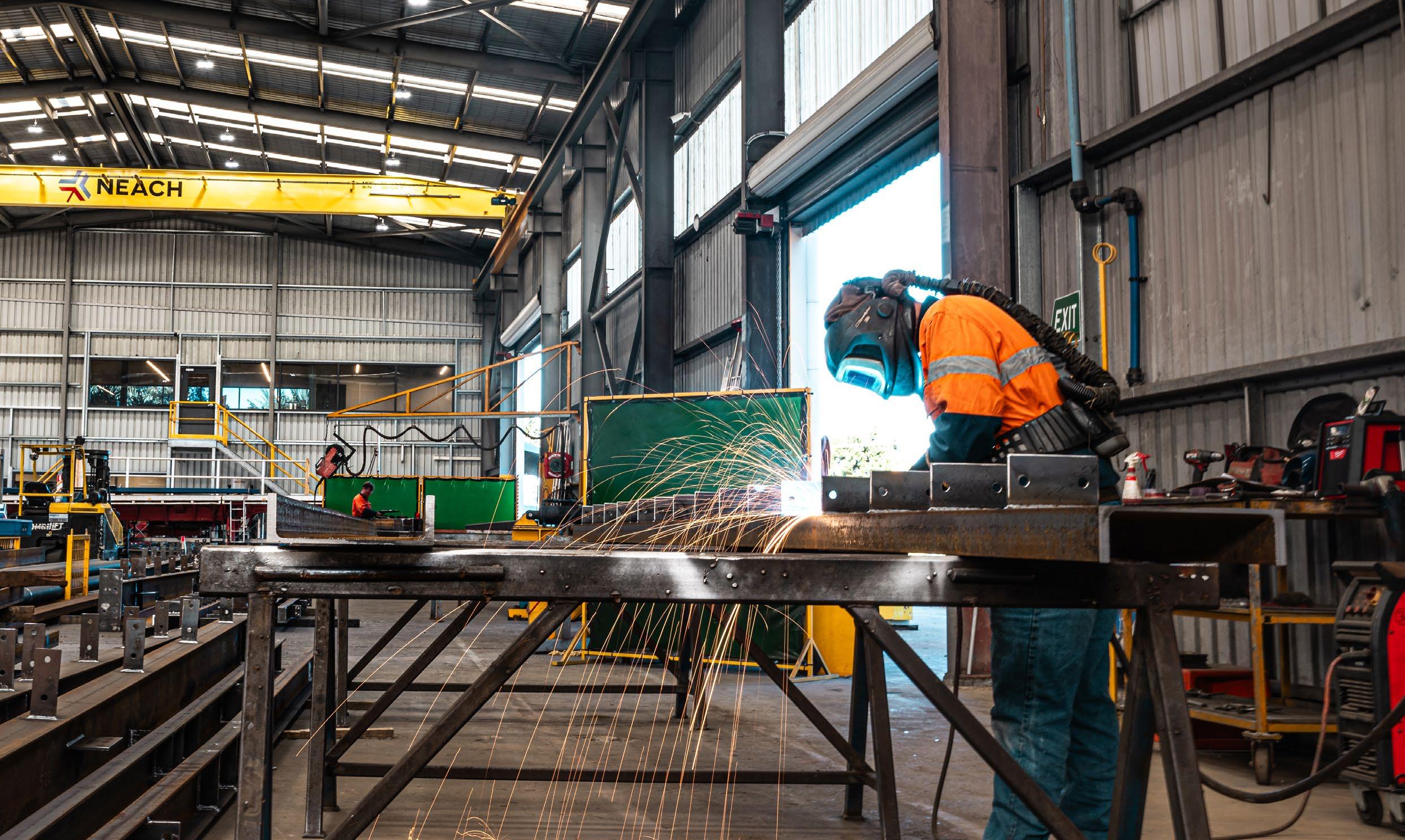
NEACH’s apprenticeship program is helping build a skilled, confident workforce from the ground up, combining structured on site training, strong fundamentals and a workshop culture that values quality, safety and pride in the trade. For Managing Director Ryza Garbacz, the program is not just about filling skills gaps; it is about giving young people a pathway to independence, capability and long-term careers in fabrication.
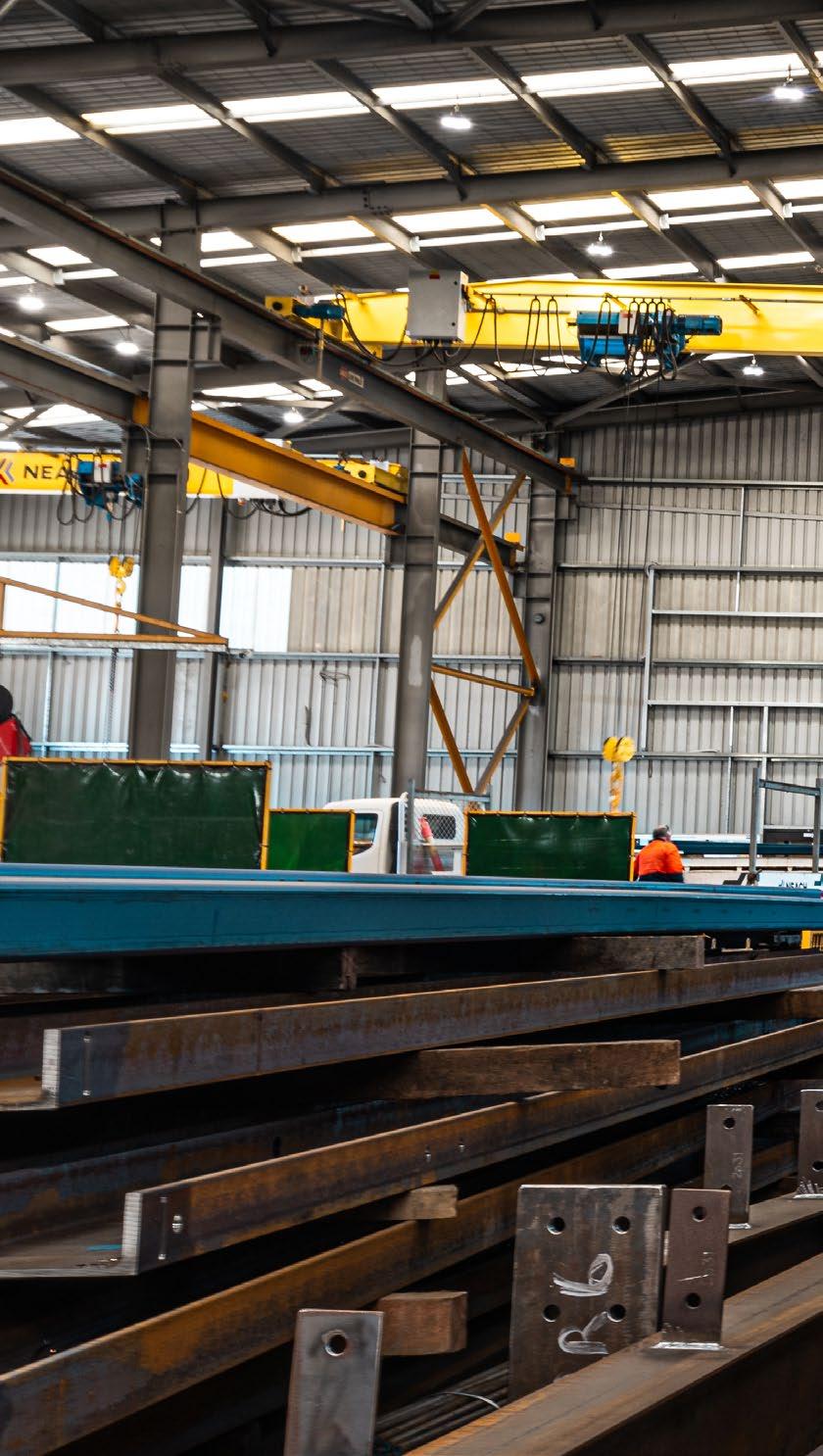
NEACH is building up their internal talent pipeline, doubling its apprentices and providing comprehensive training.
For NEACH, apprenticeship training is not a box-ticking exercise. It is a long-term workforce strategy, a cultural investment, and, according to Managing Director Ryza Garbacz, one of the most meaningful things the business does.
Based on Queensland’s Sunshine Coast, NEACH has built a strong reputation for delivering high-quality structural steel solutions for complex government infrastructure, defence, oil and gas, chemical, mining, commercial and industrial projects. The company has worked with tier one multinational engineering and construction clients and has developed a niche in challenging, higher-risk work where precision, agility and quality matter.
But sustaining that capability in a regional market requires more than equipment and systems. It requires people.
“We’re on the Sunshine Coast, and while the population is growing quickly, we don’t have the same depth of skilled labour as a major metropolitan market like Brisbane,” Garbacz said. “We’re a mediumsized business, but in a regional
community, needing 20 or 30 skilled tradespeople is a significant workforce.”
Over time, NEACH found that recruiting experienced tradespeople was becoming increasingly difficult. Rather than wait for the labour market to improve, Garbacz decided the company needed to build its own pipeline.
“You can have equipment, automation and systems, but you still need the right people to make it all work,” he said. “I started to see the business as an engine for creating careers. Yes, we have to make money, but there has to be deeper meaning in what we do every day.”
Garbacz’s commitment to apprenticeship training was shaped by an early experience that still influences the way he thinks about young people and opportunity.
His mother, a school teacher working with students who had learning difficulties, introduced him to a young person who did not fit easily into the conventional school system. The student was practical, hardworking and capable, but had not thrived in
a classroom environment. Garbacz gave him a chance.
“He started with us through a schoolbased pathway, a few days at school and a few days in the factory,” he said. “He went on to complete his trade, and he’s now been with us for more than 10 years. He’s a senior tradesman, he’s bought a house, he has a partner and he has built a life for himself.”
For Garbacz, that experience reinforced an important lesson.
“There are many pathways people can take to become independent and build a good life,” he said. “Giving people of all capabilities the opportunity to improve themselves and move forward—that’s really what it’s about.”
NEACH actively encourages school students to undertake work experience, particularly around Year 10, when they are mature enough to begin understanding whether the trade is right for them. At that stage, Garbacz is not looking for technical ability.
“It’s not about skill at the start,” he said. “It’s about character, attitude
and whether they genuinely want to do the work.”
Once an apprentice joins NEACH, they enter a carefully structured training pathway. The first six months are intentionally focused on fundamentals: safety, routine, organisation, cleaning, grinding, tool use, paperwork and basic welding.
Garbacz describes this stage as “wax on, wax off”—the apparently simple work that builds discipline, professionalism and pride.
“If a workstation is a mess and it takes three minutes to find a tool that should take 10 seconds, that matters,” he said. “If you want to be a great tradesperson and be respected by your peers, you need to understand safety, cleanliness, organisation and professional conduct.”
The approach is deliberately patient. Apprentices are brought into a highrisk environment gradually, with close supervision and a strong emphasis on safety.
“They want to do everything straight away, but we have to make sure they don’t hurt themselves,” Garbacz said. “We show them the fourth-year
apprentices working independently and say: you’ll get there, but there’s a process. Don’t rush it. Be safe and be professional.”
One of the early milestones in the program is an apprentice’s first welding procedure qualification. After months of building hand skills, confidence and discipline, the first tested single-pass fillet weld marks an important shift from practice to formal competence.
Layne Heinjus, Industry Trainer and Assessor at Major Training Group, helps deliver NEACH’s apprenticeship program. Founded over two decades ago, Major Training Group has been providing the highest quality vocational education and training to individuals and businesses in SouthEast Queensland, helping them acquire the skills and knowledge needed to thrive in today’s job market.
Heinjus sees the first welding procedure milestone as a major confidence builder. “That first weld procedure really matters,” Heinjus said. “Once they pass, it gives them confidence to pick up the welding machine and know they can meet the
standard expected in the workshop.”
For NEACH, it also sets the tone for the rest of the apprenticeship. Quality is introduced early as something measurable, not abstract. Apprentices learn that welding is not simply about putting metal together— it is about meeting a standard, following a procedure, and producing work that can be relied upon.
A distinctive feature of NEACH’s model is that formal training is delivered on site. Heinjus visits the workshop monthly, usually for a full day, working with apprentices oneon-one or in small groups depending on the unit being delivered.
Some sessions are theory-based. Others focus on practical training, assessment, or areas where an apprentice may need extra support.
“The monthly on-site model works really well,” Heinjus said. “It gives apprentices time to develop their skills in the workshop between visits, rather than being pulled away for blocks of training. They get more hours on the tools, and the training connects directly with what they’re doing every day.”
This connection between formal training and real workshop work is central to the program’s success. Apprentices are not learning skills in isolation. They are applying them immediately in the environment where those skills matter.
According to Heinjus, NEACH’s commitment to training was obvious from the beginning.
“The structure stood out to me straight away,” he said. “They really care about the quality of the training and the way apprentices learn. They’re very accommodating because they want the apprentices to succeed.”
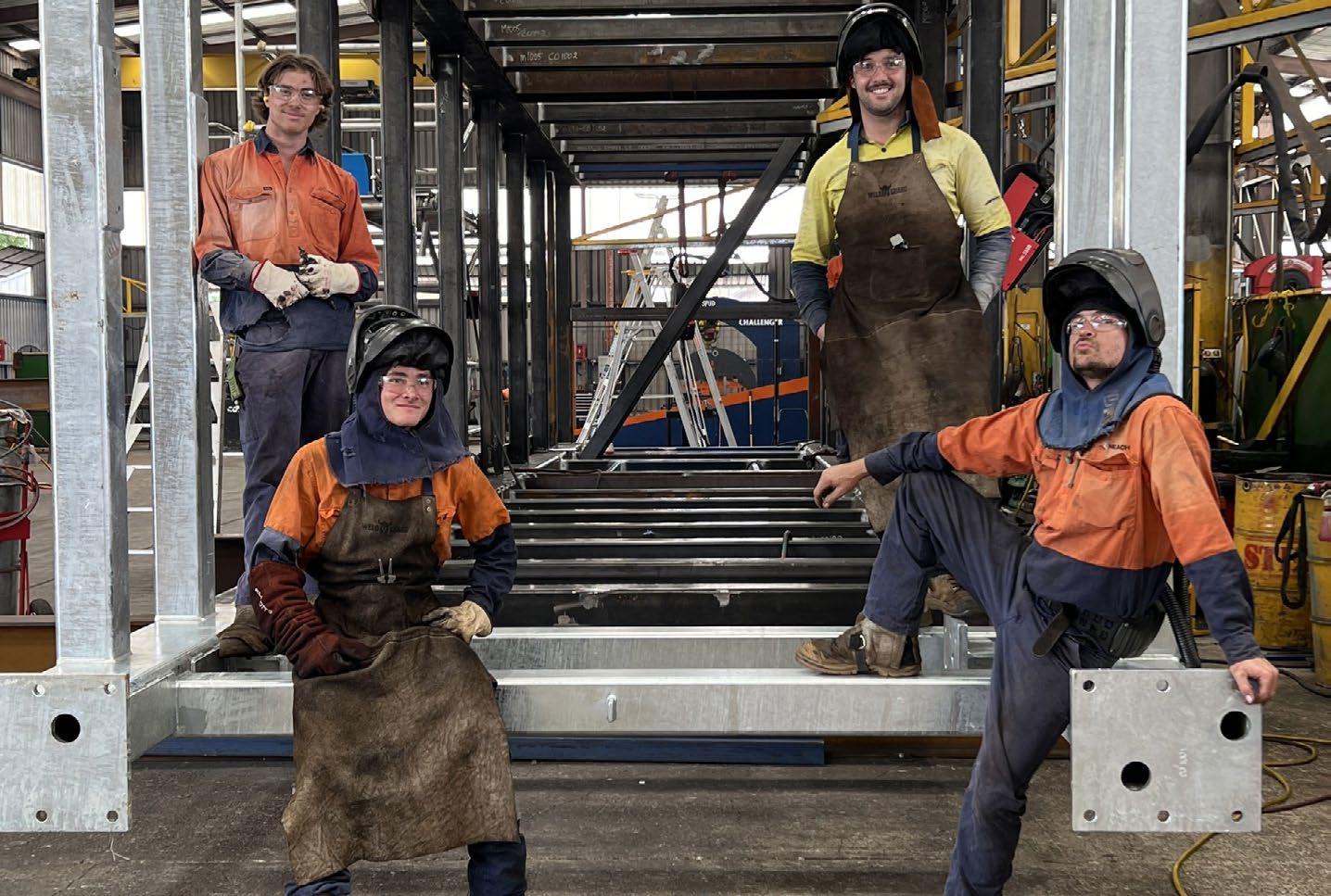
While the formal program is important, the workshop culture is just as critical. Senior tradespeople, supervisors and fourth-year apprentices all play a role in developing younger workers. In between formal training visits, apprentices are encouraged to ask questions, seek advice and learn from those further along the pathway.
“That builds relationships across the workshop,” Heinjus said. “They’re not just talking to other apprentices; they’re learning from experienced tradespeople, getting tips and developing confidence as part of the team.”
Garbacz has seen the same effect from the business side. As apprentices progress, the wider workforce takes pride in their development.
“It creates accountability,” he said. “The senior tradespeople know the younger staff are watching, so they lead with their best foot. When an apprentice achieves something, everyone feels they played a part in it.”
That culture has become selfreinforcing. Younger apprentices look up to the fourth-years. Fourthyears step into mentoring roles. Experienced tradespeople see the next generation coming through and take pride in shaping them.
For Heinjus, one of the strengths of NEACH’s program is that it produces apprentices who are genuinely useful in the business—not just people progressing through a qualification.
“The fundamentals are installed early: grinding, work ethic, safety, quality, taking your time and doing it properly,” he said. “NEACH has a high standard of work, and that comes through in the apprentices. Some of them are among the best I see in terms of quality and skill.”
The structure also reflects the type of work NEACH undertakes. The business is known for complex fabrication, high-pressure delivery windows and technically demanding projects. Apprentices are gradually exposed to that standard and learn what is expected from the beginning.
As they progress, responsibility increases. They move from basic tasks to more technical work, multipass fillets, physical fabrication, independent workstations and eventually the full range of tasks required of a boilermaker.
NEACH’s apprenticeship program is also part of a broader commitment to community and industry. Garbacz sees training as a contribution that extends beyond the business itself. Even if someone eventually leaves NEACH, they take those skills into the wider community.
“They might go to another company, help family and friends, start their own business or train others one day,” he said. “That knowledge compounds. It makes the community stronger.”
It is also deeply personal. “There’s nothing more rewarding than seeing a young person get their certification and know they’ve built skills that will support them for life,” Garbacz said. “They can buy a home, support a family and build a future. That matters. We’re not just fabricating steel. We’re helping people build careers.”
In an industry facing persistent skills shortages, NEACH’s approach offers a practical reminder that strong tradespeople are not found by chance. They are developed— patiently, deliberately and with a culture that values both technical skill and personal growth.
Further Information
For further information about NEACH, visit: neach.com.au
Filter efficiency ratings alone are meaningless if your extraction system leaks welding fume.
The new AS/NZS ISO 21904 Standard Series measures how the entire assembled unit performs when tested for particle removal efficiency.
W3 is the highest whole unit classification, requiring a minimum 99% filtration level.

Paired with Translas fume guns, Nederman GoMax On-Gun Fume Extraction Kits capture welding fume at the source, remove it from the environment, and follow the welder as they move:
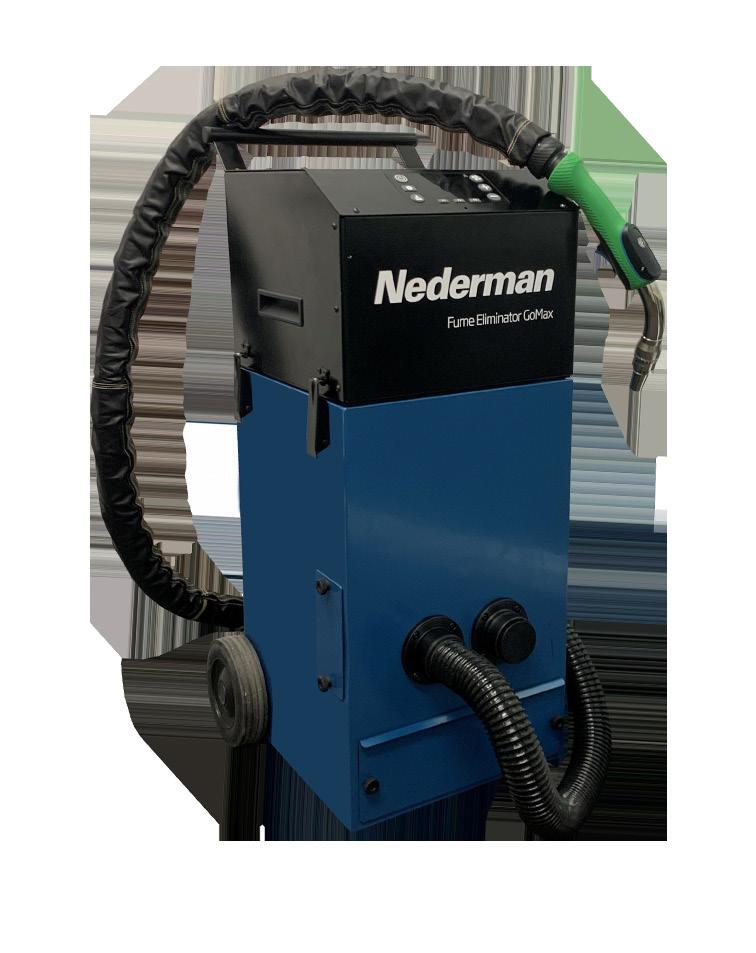
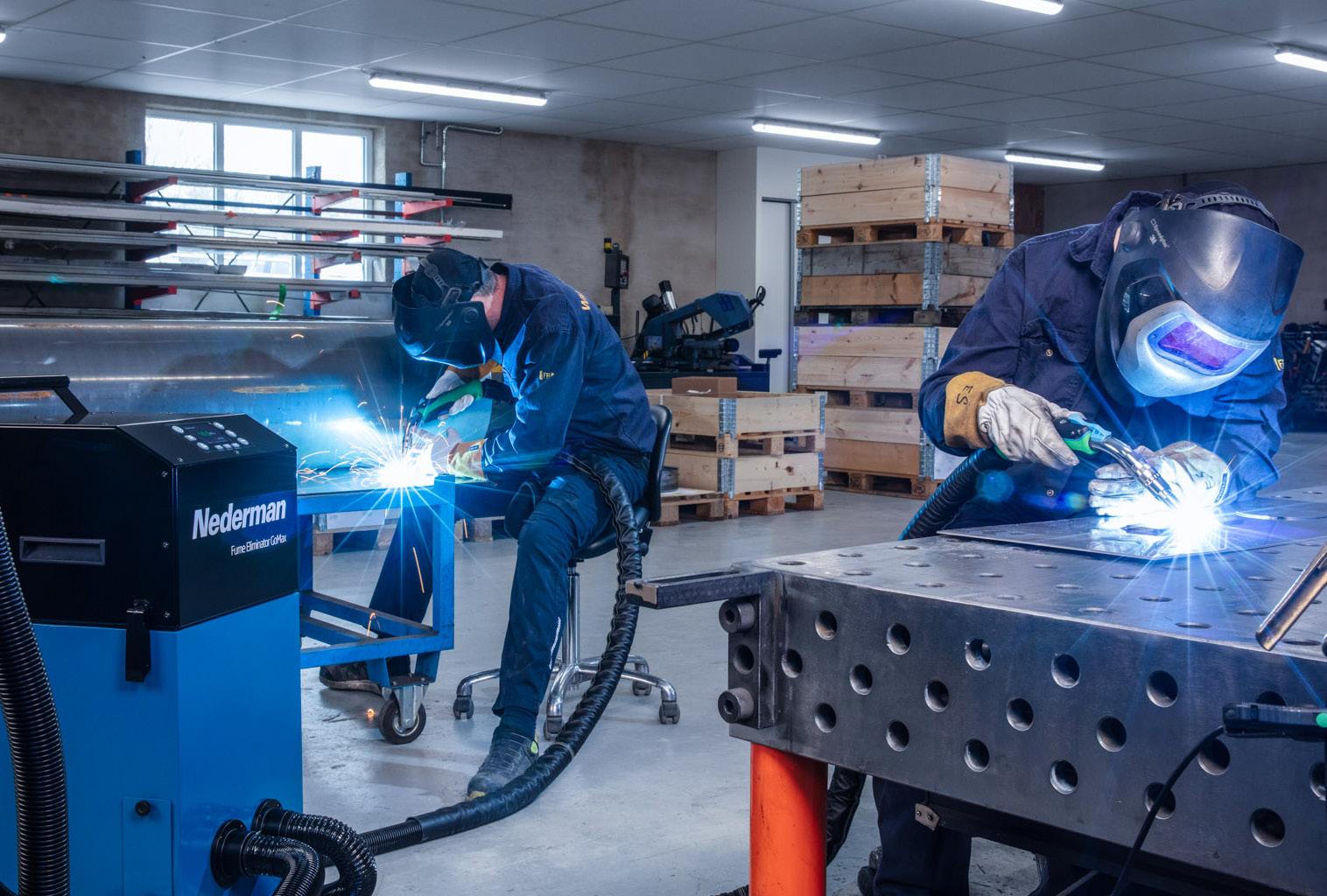

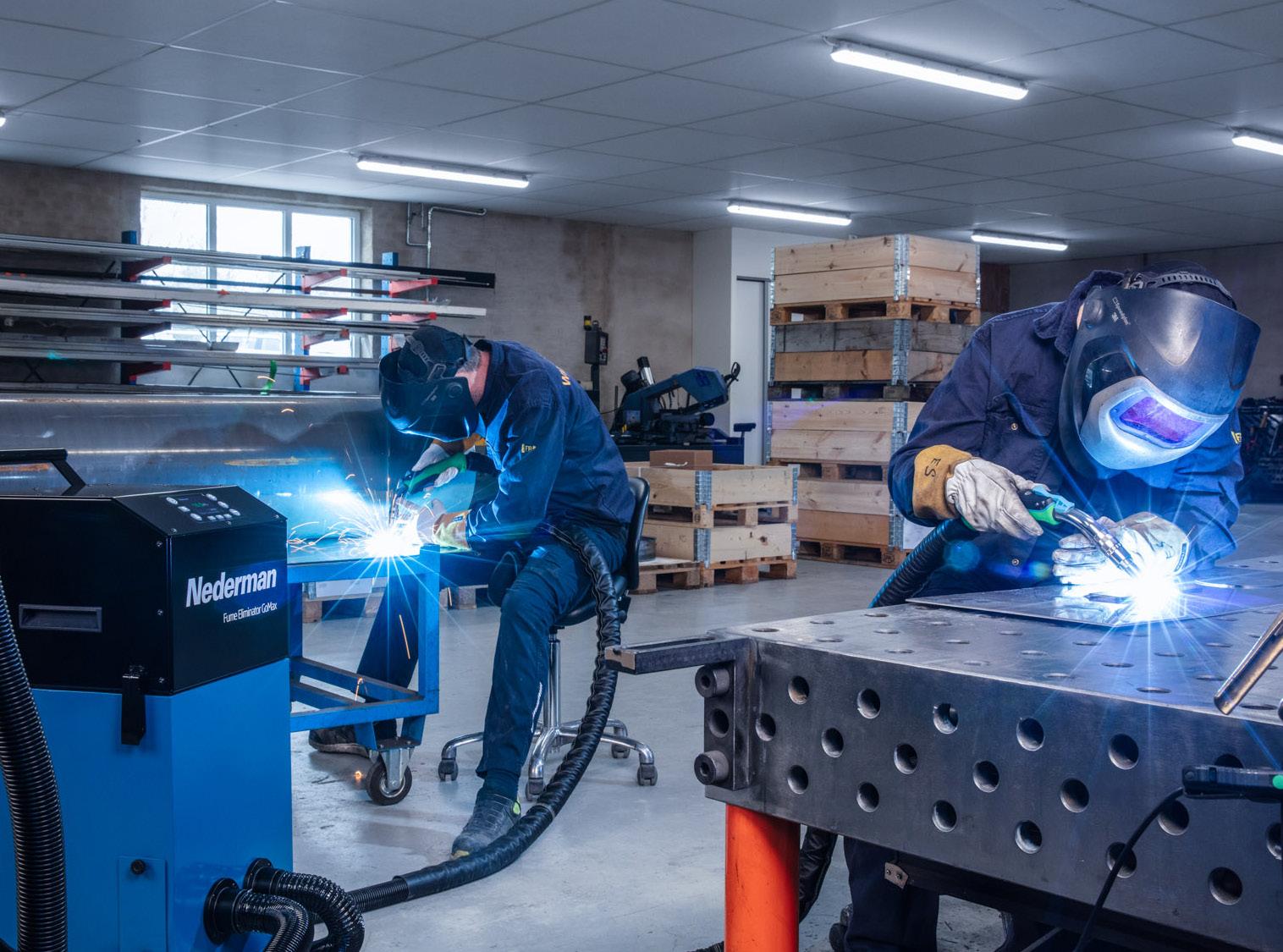
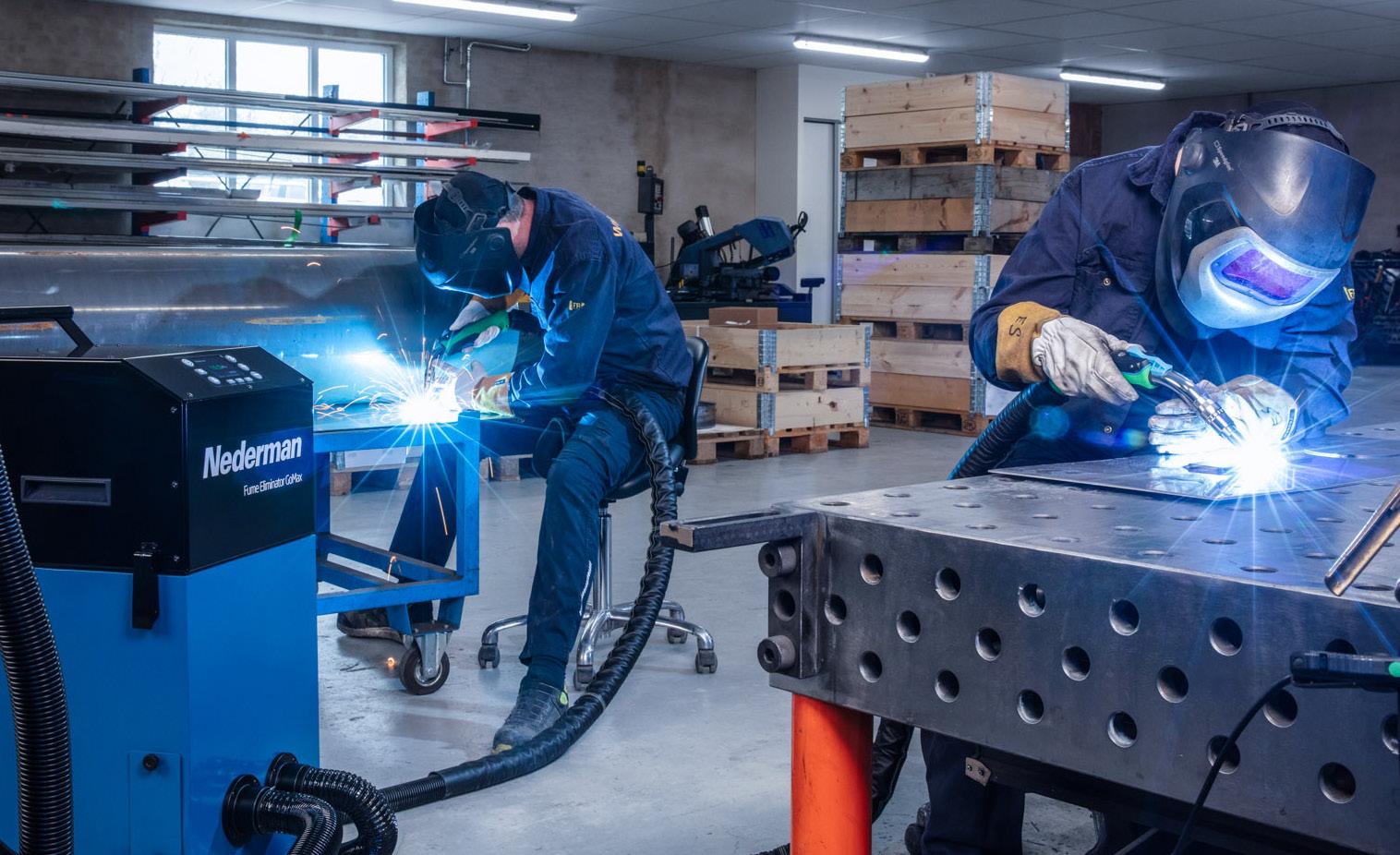
SHIFT-AUS is Weld Australia’s new industry-led pathway to help welding, fabrication and advanced manufacturing SMEs make smarter, lower-risk decisions about technology adoption, workforce development and productivity improvement. By combining technology-readiness assessments, practical implementation roadmaps and an ongoing peer network, the program aims to turn interest in automation and advanced manufacturing into confident, measurable capability uplift.
Australian welding and fabrication businesses are under increasing pressure to do more with less. Skills shortages, rising labour costs, imported competition, capital constraints and growing compliance requirements are all reshaping the way small and medium-sized manufacturers operate.
At the same time, new technologies— from cobots and robotics through to automation, digital systems, laser processing, additive manufacturing and simulation tools—are opening the door to major productivity gains. But for many businesses, implementation challenges remain.
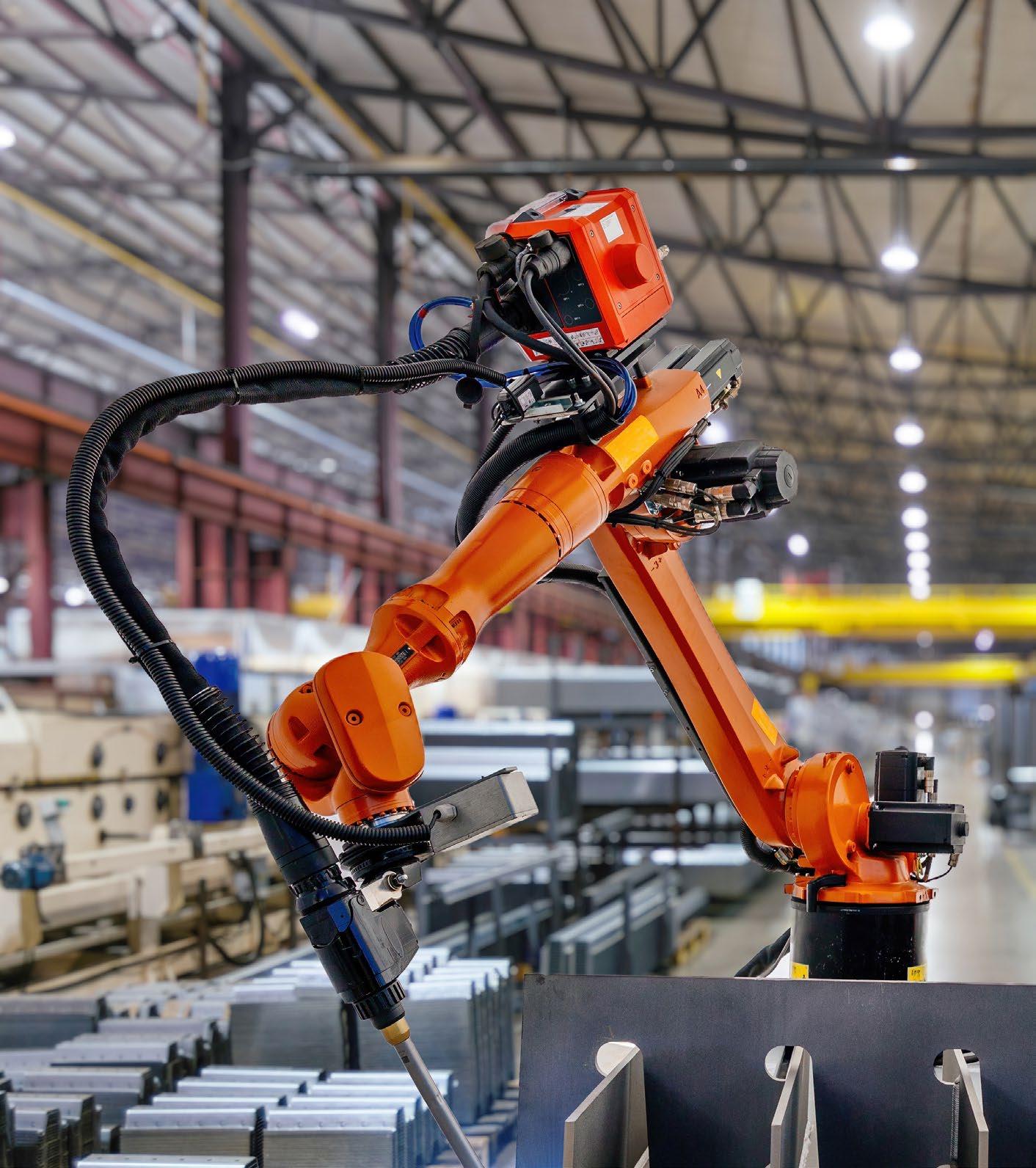
Which technology is right for the business? Will it deliver a return on investment? What training will be required? Will it disrupt production? Does the workshop have the right layout, quality systems, welding procedures and workforce capability to make the technology work?
These are the questions Weld Australia’s proposed SHIFT-AUS program is designed to answer.
SHIFT-AUS (Smart High-Impact Future Technologies – Australia) is being developed as a structured capability uplift and technologyreadiness pathway for Australian welding, fabrication and advanced manufacturing SMEs.
The program is modelled on lessons from EWI’s SHIFT program in the United States, but adapted to suit Australia’s manufacturing environment: geographically dispersed, regionally diverse, and dominated by small and mediumsized businesses with limited spare capacity.
Importantly, SHIFT-AUS is not designed to promote a particular supplier, technology or equipment purchase. Its purpose is to help manufacturers make better decisions before they invest.
In some cases, the right decision may be to proceed with automation or advanced manufacturing technology. In other cases, the best outcome may be identifying that a business needs to first address workflow, quality systems, training, workshop layout, welding procedures or product mix before making a capital purchase.
That distinction matters. For SMEs, avoiding a poor investment can be just as valuable as making the right one.
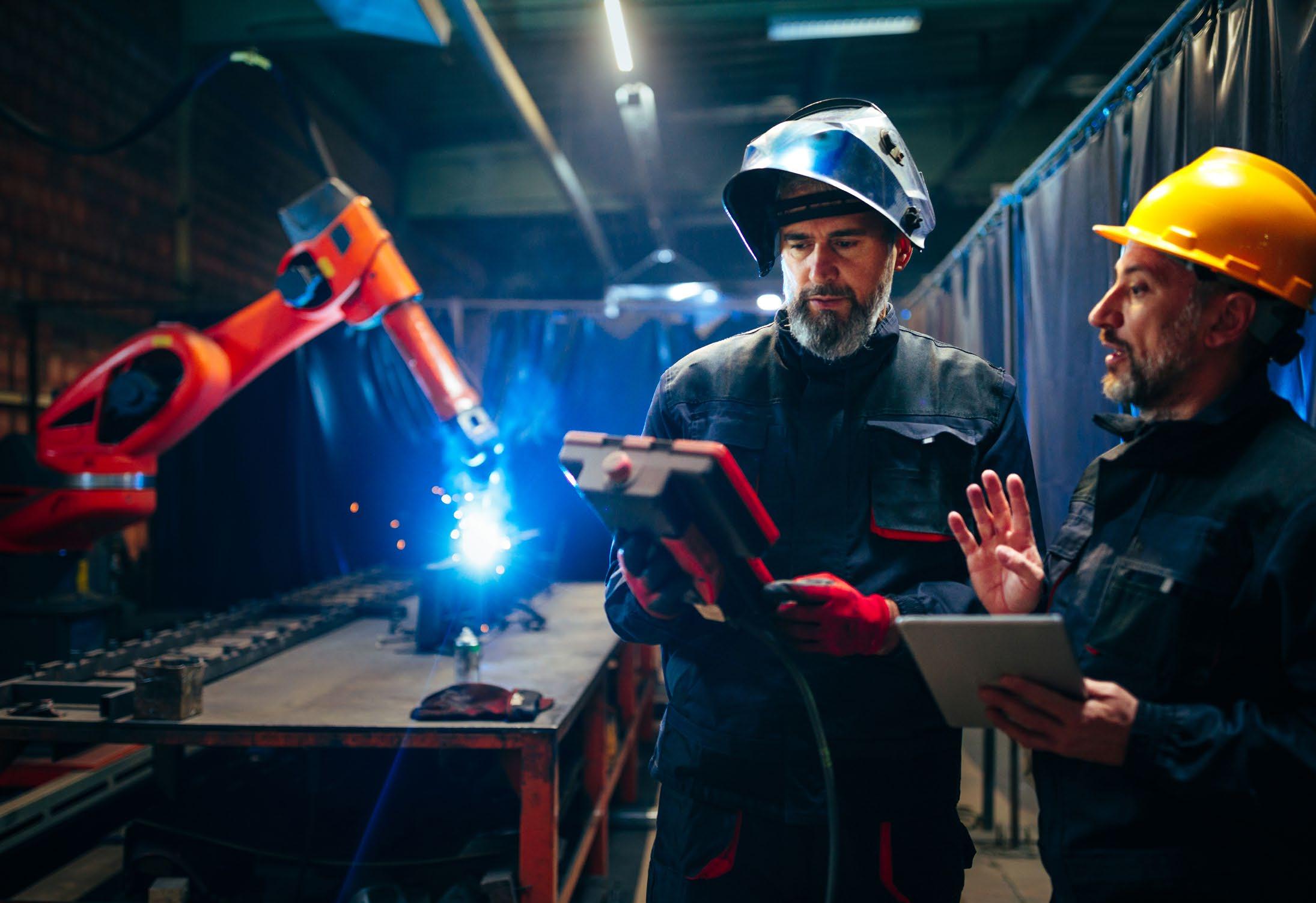
From Roadshow to Readiness
SHIFT-AUS builds naturally on Weld Australia’s recent cobot welding roadshows, which have brought regional fabricators, manufacturers, technology suppliers, government representatives and technical specialists into the same room.
These events provide a low-pressure environment for business owners, supervisors, tradespeople and managers to see technology in action and ask practical questions. What is a cobot? How does it differ from a traditional industrial robot? What jobs are suitable? What return on investment is realistic? What would implementation actually involve?
For many businesses, these roadshows are the first step in understanding what is possible. SHIFT-AUS is intended to turn that early interest into a structured pathway for assessment, planning and implementation readiness.
Rather than leaving manufacturers to navigate the next steps alone, the program would help them assess their current position, understand their options, identify gaps, and develop a realistic roadmap.
At the centre of the model is Weld Australia’s Advanced Manufacturing Industry Network.
This network would act as the platform through which SHIFT-AUS is delivered and sustained. Participating companies would join the network, creating a modest but meaningful commitment to the process, while gaining access to broader industry value.
That value could include technical resources, events, networking opportunities, advisory support, marketing opportunities, vouchers for Weld Australia services, and consultation with Weld Australia’s International Welding Engineers.
Over time, the network could also support the development of practical shared resources, including microcredentials, onboarding materials, short training modules, technology adoption templates, guides on welding quality and automation readiness, and tools to help manage capability issues caused by staff turnover.
This network model is important because it ensures SHIFT-AUS is not simply a one-off consultancy exercise. It becomes part of an ongoing industry development ecosystem— one that connects manufacturers with peers, suppliers, technical experts, training organisations and government partners.
SHIFT-AUS would be delivered through a staged pathway that includes a Technology Readiness Assessment. This assessment would examine the company’s products, welding and fabrication
Featuring comprehensive charts, tables, photos and illustrative diagrams, the new Composite Steel Road Bridges Technical Guide provides early-stage guidance for the preliminary design and evaluation of composite steel road bridges.
The new Weathering Steel Design Guide for Bridges collates essential guidance for the application of REDCOR® weathering steel in bridge projects.
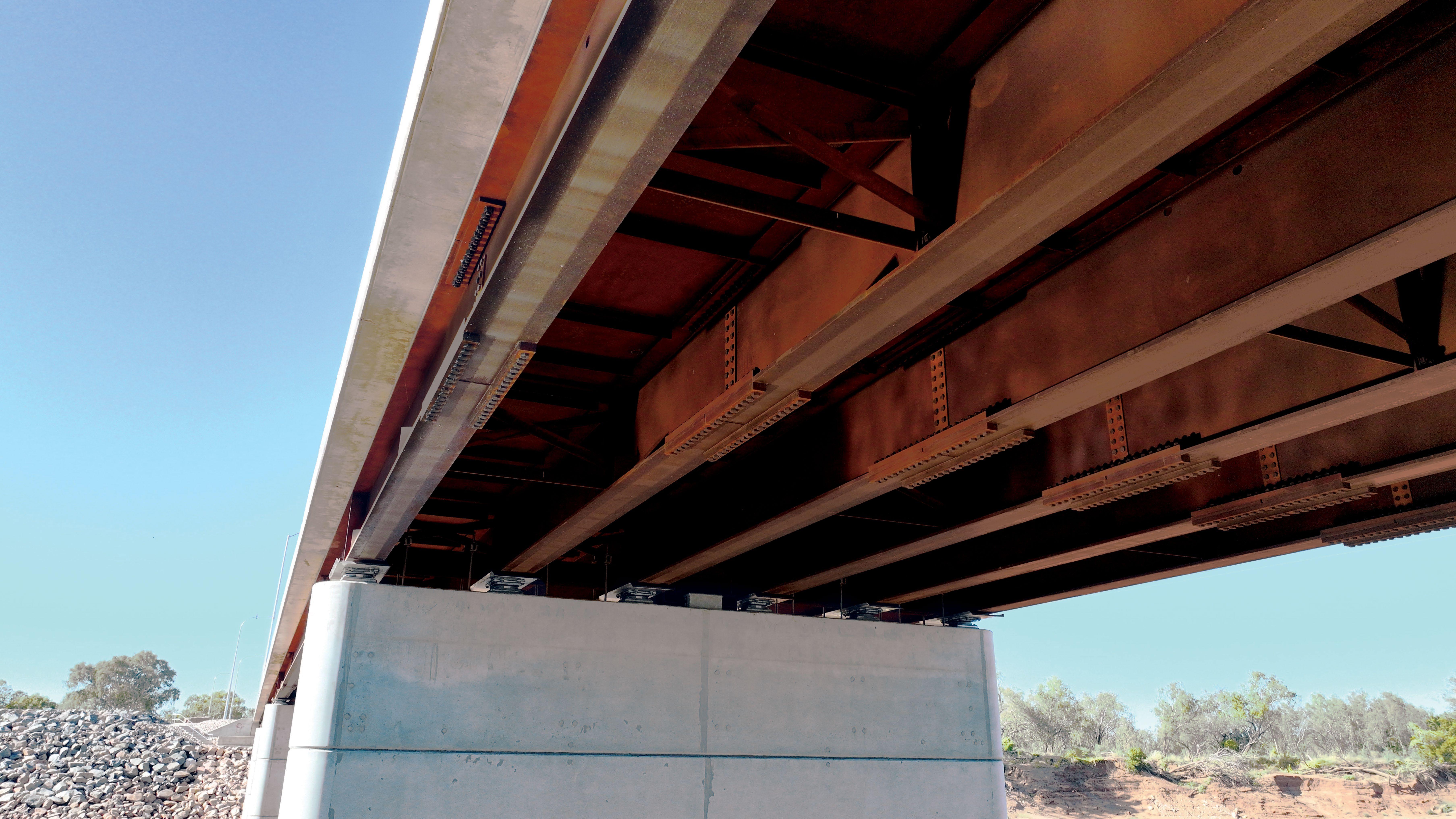
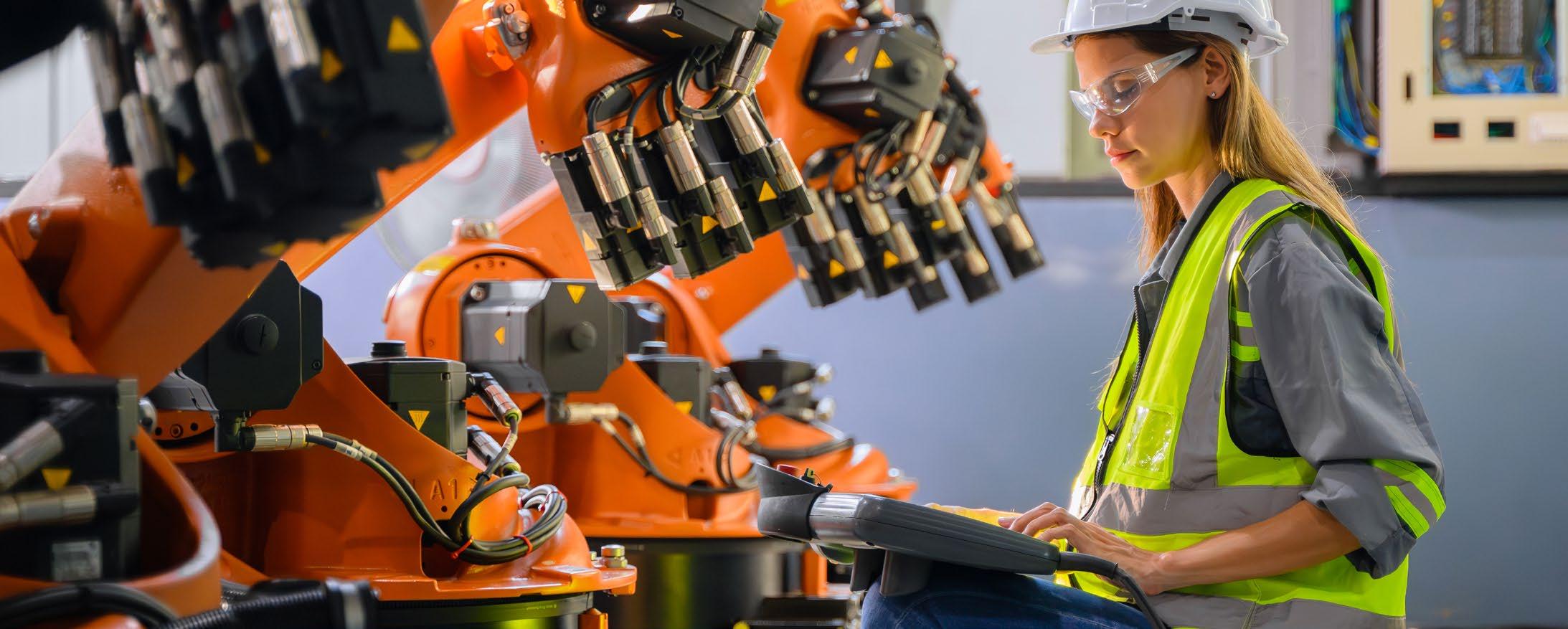
processes, workflow, quality systems, workforce capability, digital maturity, safety considerations, standards requirements and appetite for investment.
The next stage is an implementation roadmap. This would identify the highest-value opportunities for improvement, the likely barriers, required training, relevant standards and quality issues, supplier engagement pathways, and the capital or operational requirements involved.
This will be followed by implementation support. This may include assistance with supplier engagement, equipment trials, workforce planning, training, welding procedure support, ROI review, quality system uplift, and connection into relevant state or federal programs.
The final stage is peer learning and advocacy, using shared industry experience to solve common problems, develop resources, inform training and strengthen the collective voice of Australian manufacturers.
One of the most important features of SHIFT-AUS is its independence. Technology suppliers will remain important participants in the broader ecosystem. They can provide demonstrations, technical
information, trial opportunities and implementation support where appropriate. But they do not control the assessment process.
SHIFT-AUS starts with the manufacturer’s problem—not the supplier’s product. This ensures recommendations are practical, credible and focused on what will genuinely improve productivity, quality, safety and competitiveness.
This vendor-neutral approach is critical to building trust with SMEs, many of whom are cautious about advisory programs that feel too abstract, too sales-driven or too disconnected from workshop reality.
SHIFT-AUS also aligns strongly with national policy priorities around sovereign manufacturing capability, productivity, defence supply chain resilience, regional development, workforce skills and advanced manufacturing adoption.
It complements programs such as Future Made in Australia, the National Reconstruction Fund, defence industry development initiatives, innovation programs and skills investment by helping manufacturers become ready to use those supports more effectively.
In practical terms, SHIFT-AUS can operate as a capability filter:
identifying which businesses are ready for investment, which need preparatory support, and which may be better served by lower-risk productivity improvements before committing capital.
Technology adoption is not simply about buying new machinery. Success depends on people, processes, procedures and systems.
A cobot will not solve poor workflow. Automation will not compensate for inadequate quality systems. A new machine will not deliver value if staff are not trained to use it properly. SHIFT-AUS recognises this reality. Its focus is on helping businesses make informed, risk-managed decisions that lead to measurable uplift.
SHIFT-AUS is about helping manufacturers take the next step: smarter, safer and with a clearer path to success.
For further information about SHIFT-AUS, contact Dr Cornelis van Niekerk (Advanced Manufacturing Manager, Weld Australia) via c.vanniekerk@ weldaustralia.com.au
Australian Standards are among the strongest in the world. For structural steelwork, they set clear expectations around welding, bolting, material traceability, fabrication quality, corrosion protection and erection. They exist for good reason: fabricated steel is safety critical. It sits inside bridges, stadiums, schools, hospitals, transport infrastructure, commercial buildings, pressure equipment and public assets used every day.
The challenge is not the existence of these Standards. The challenge is ensuring they are consistently applied and independently verified, particularly as more fabricated steel is sourced through global supply chains.
This is why Weld Australia, Standards Australia and the Australian Steel Institute have established the Australian Fabrication Authority (AFA).
Why the Australian Fabrication Authority Is Needed
Modern procurement has become more complex. Asset owners, builders and government agencies are often sourcing fabricated steel from both Australian and overseas suppliers, sometimes across multiple tiers of subcontracting. In this environment, compliance cannot simply be assumed.
A product may arrive with paperwork. It may come with certificates. It may be accompanied by declarations that it meets a particular Standard. But unless there is a clear, independent and enforceable verification process, it can be difficult for project owners to know whether the steelwork actually complies.
That matters because once fabricated steel has been coated, shipped, delivered or installed, defects can be extremely difficult and expensive to rectify. In some
cases, they may be hidden entirely until the structure is in service. Non-compliant steelwork can create serious consequences: rework, delays, contractual disputes, increased maintenance costs, reduced asset life and, most importantly, public safety risks. The cost of getting compliance wrong almost always outweighs any upfront saving achieved through cheaper procurement.
The AFA has been developed to provide a practical, nationally consistent way to close this gap.
The AFA is an industry-led alliance between Standards Australia, the Australian Steel Institute and Weld Australia. It has been established to support a harmonised approach to fabricated steel procurement and compliance assurance across Australia.
Its purpose is straightforward: to help ensure fabricated steel used in Australian projects complies with Australian Standards, regardless of whether it is manufactured locally or overseas. The AFA will be applicable only to overseas fabricated product, assuming that Australian made products adhere to Australian Standards.
The AFA is not designed to duplicate existing systems or impose unnecessary new obligations on compliant Australian fabricators. Instead, it is intended to strengthen the practical enforcement of existing requirements, particularly where fabricated steel is sourced internationally and may not be subject to the same level of oversight that local suppliers face.
In simple terms, the AFA is about making sure the rules already in place are checked properly, at the right time, by the right people.
Australia is not the first country to confront this issue. Canada has long taken a more proactive approach to fabricated steel compliance, with the Canadian Welding Bureau playing a central role in certifying both Canadian and overseas companies to the same Standards.
The principle is simple: if a company wants to supply safety-critical fabricated steel into a market, it should be able to demonstrate that it has the systems, people, procedures and controls required to meet the relevant Standards.
That approach helps create a level playing field. Local and overseas suppliers can compete, but they must compete to the same verified compliance expectations. The AFA seeks to bring a similar philosophy to Australia.
The first practical step is an AFA pilot program in South Australia. South Australia provides a strong foundation for the pilot because the Department for Infrastructure and Transport already has a clear specification framework for structural steelwork. Its Master Specification ST-SS-S1 requires fabricated structural steelwork to comply with AS/NZS 1554 Structural steel welding, AS/NZS 5131 Structural steelwork –Fabrication and Erection, and the National Structural Steelwork Compliance Scheme (NSSCS).
This means South Australia already has a framework that sets clear expectations for both Australian and overseas fabricated steel. The AFA pilot will test how those requirements can be more effectively enforced through structured certification, surveillance and inspection. If
successful, the pilot can provide a model for other states and territories, and potentially inform a more nationally consistent approach to fabricated steel procurement.
The first layer of the AFA model is certification. Certification provides confidence that a fabricator has the systems and capability required to produce compliant steelwork. This includes appropriate quality management systems, qualified personnel, controlled welding procedures, material traceability and the ability to meet the relevant Construction Category under AS/NZS 5131.
For overseas fabricators, certification is especially important. Distance, language, different regulatory environments and reduced visibility of workshop practices all increase procurement risk. Certification acts as an entry control, ensuring that only competent and appropriately assessed fabricators are eligible to supply.
This does not replace the NSSCS. Rather, the AFA’s role is to support enforcement and extend assurance to overseas fabricators who may otherwise fall outside the effective reach of Australian compliance systems.
Certification alone is not enough. A fabricator may have appropriate systems in place at the time of audit, but project owners still need confidence that those systems are being followed during production. This is where surveillance becomes essential.
Surveillance is planned, independent oversight of fabrication activities while the work is underway. It may include reviewing material traceability, checking
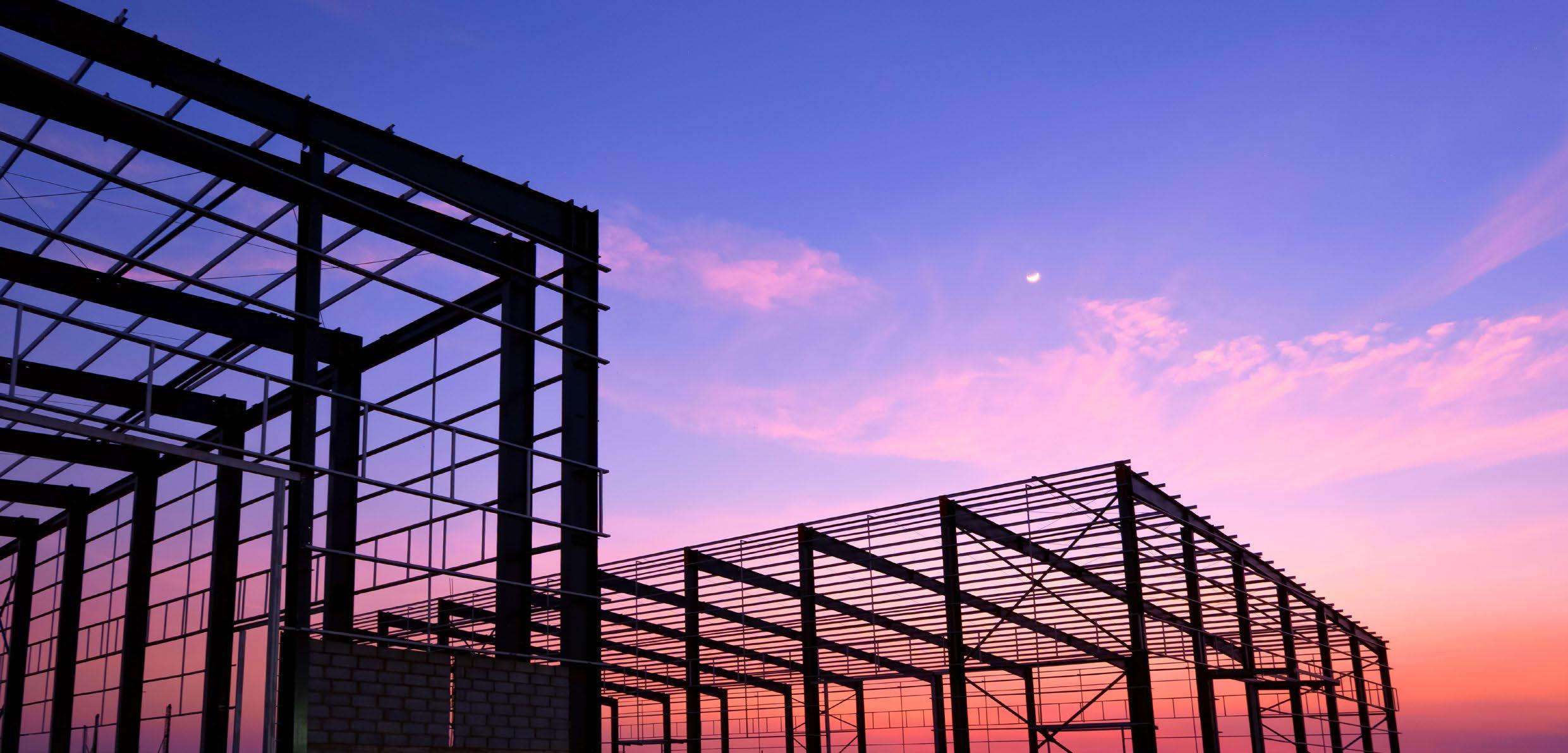
“ The AFA is an industry-led
alliance between Standards Australia, the Australian Steel Institute and Weld Australia. It
has been established to support a harmonised approach to fabricated steel procurement and compliance assurance across Australia.

The new Lorch iQS is the solution with its future-proof platform that sets a new benchmark in industrial welding. A smart iQ, Industry 4.0, game changing welding platform with wifi connectivity and leading new welding processes to drive quality, efficiency and productivity improvements. Serious machines for serious welders.
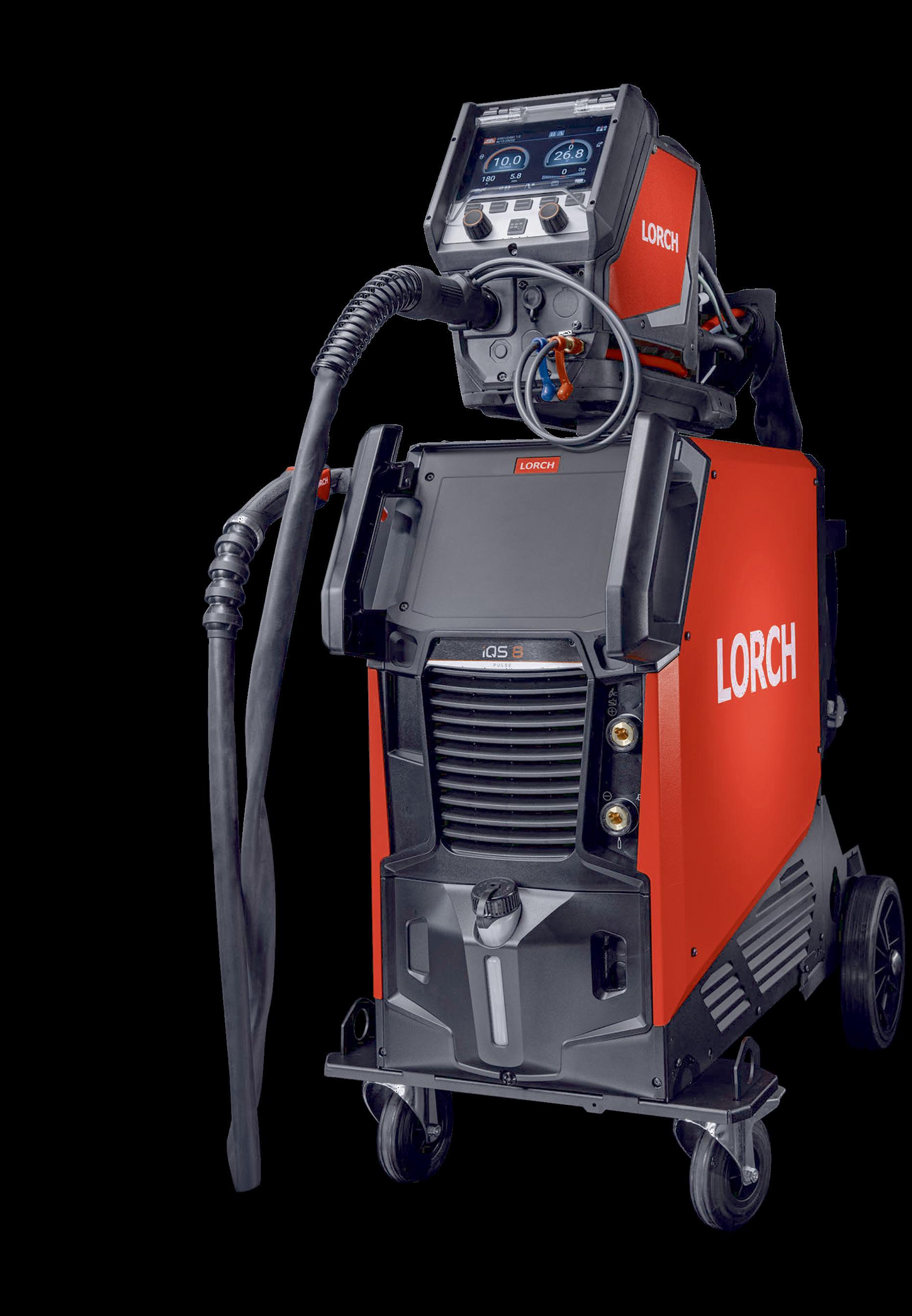
To arrange a product demonstration contact: david.wilton@lorch.eu
welder qualifications, confirming that approved welding procedures are being used, observing fabrication processes, and reviewing how non-conformances are identified and corrected.
The value of surveillance is that it detects issues early. Rather than waiting until steelwork is finished—or worse, already installed—surveillance helps identify problems at the point where they can still be corrected efficiently. It is preventative, not reactive.
The third layer is inspection. Inspection provides direct verification that fabricated components meet specified requirements at defined hold points. This may include checks at material receipt, before welding, after welding, before protective coating, before closure of enclosed sections, and before shipment.
This timing is critical. Once fabricated steel is coated, sealed or installed, some defects become difficult or impossible to see. Inspection before those points helps prevent non-conforming work from being locked into the final structure. Inspection also creates objective evidence for asset owners, contractors and regulators. It shows that compliance was not merely assumed—it was verified.
The AFA model is intended to be practical and proportionate. Not every project requires the same level of oversight. Surveillance and inspection can be scaled according to project risk, structural criticality, fabricator maturity and the consequences of failure.
Where a fabricator demonstrates stable, compliant processes, oversight can be reduced. Where nonconformances arise, the level of surveillance and inspection can be increased. This ensures assurance effort is directed where it adds the greatest value: protecting public safety, asset integrity, project budgets and community confidence.
The Australian Fabrication Authority is ultimately about confidence. Confidence for asset owners that the steelwork they procure is fit for purpose. Confidence for builders that compliance risks are being managed before installation. Confidence for governments that public infrastructure is being delivered to the required standard. And confidence for local fabricators that they are competing on a level playing field.
Australia already has strong Standards. What has been missing is a consistent mechanism to verify compliance before fabricated steel enters our built environment. The AFA is designed to provide that mechanism.
It is not about stopping imports. It is not about adding unnecessary bureaucracy. It is about ensuring that all fabricated steel—wherever it is made—meets the Standards Australia expects.
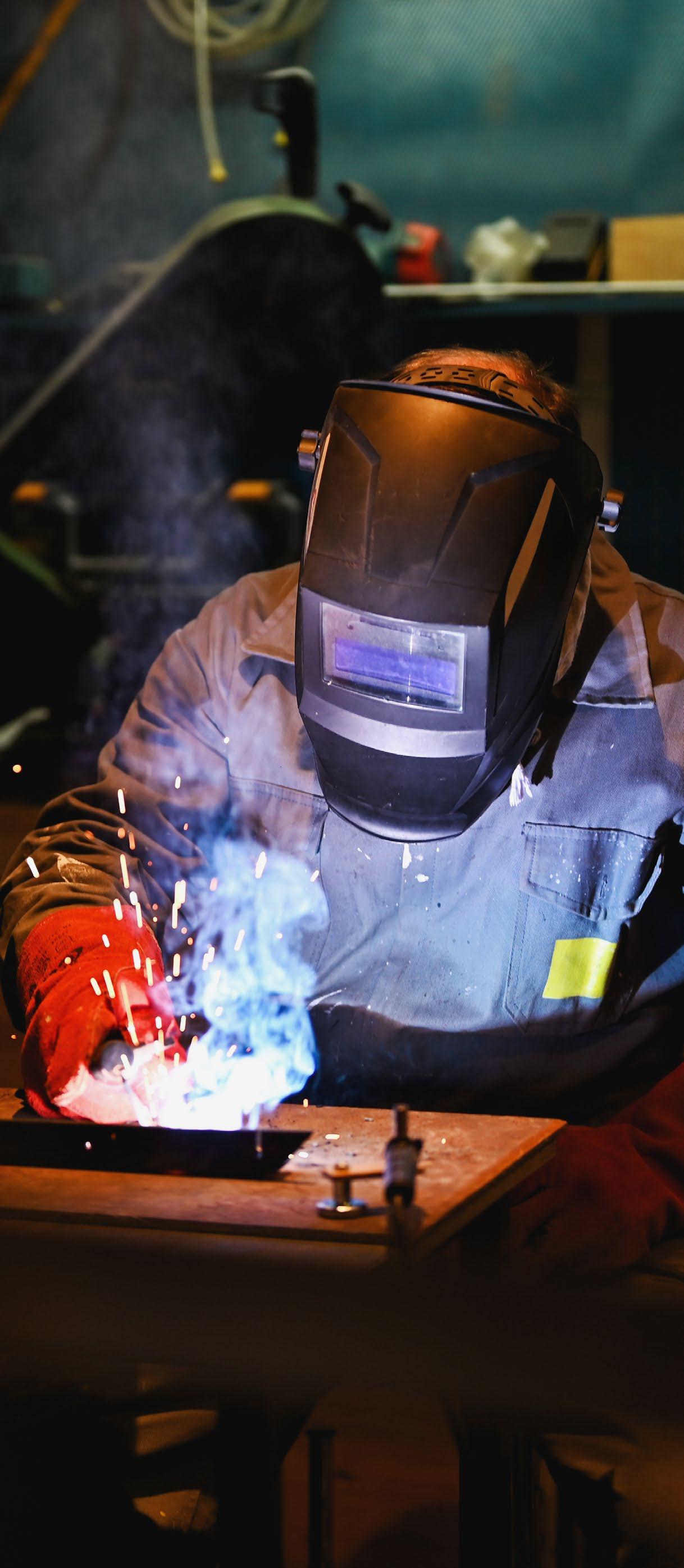
For further information about the Australian Fabrication Authority (AFA) contact Simon Doe (Director, Engineering, Weld Australia) via: s.doe@weldaustralia.com.au
Tasvir Singh is an Engineering and Metal Fabrication Educator at TAFE Queensland, where he is helping shape the next generation of welders, fabricators and engineering professionals. Passionate about practical skills, industry connection and student success, Tasvir works across apprenticeships, school based programs, adult learning, welding assessments and WorldSkills initiatives. His dedication to training excellence was recognised at Weld Australia’s 2025 Welding Excellence Awards, where he won the Training and Education –Individual Teacher Award for Queensland and Northern Territory. Tasvir reflects on his career pathway, the rewards of teaching, and why strong fundamentals remain the key to welding excellence.
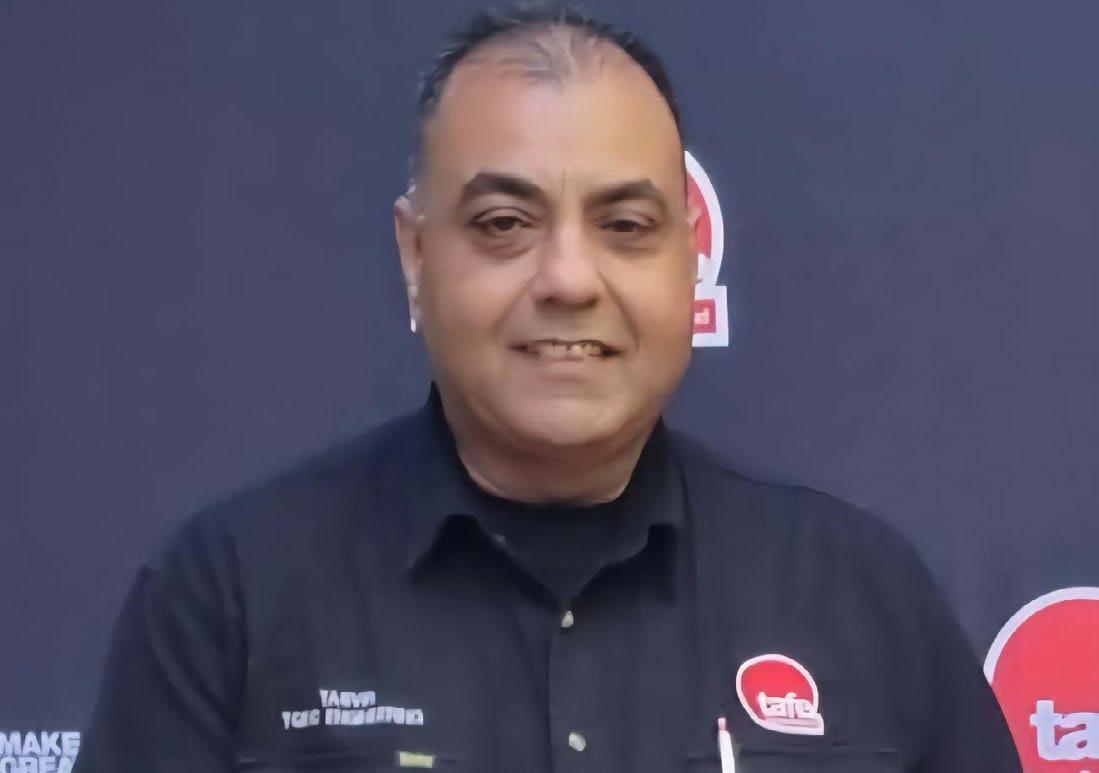
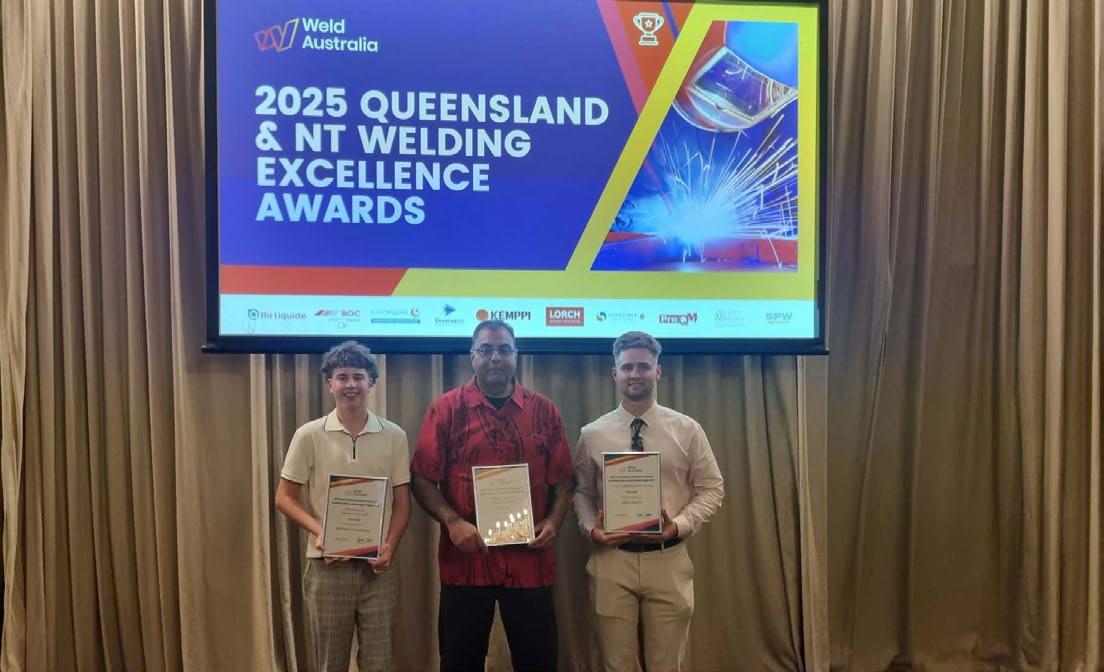
Can you describe your job?
I am an Engineering and Metal Fabrication Educator at TAFE Queensland, where I teach welding, fabrication, and engineering to apprentices, school students, and adult learners. My role extends beyond the workshop. I develop training programs, conduct welding assessments to Australian Standards, mentor future tradespeople, and work closely with industry to ensure our training meets workforce needs.
I am also actively involved in WorldSkills competitions, professional learning communities, and Weld Australia initiatives that promote excellence in welding and fabrication across Australia. Ultimately, my role is about developing skilled tradespeople and helping shape the future of our industry.
What inspired you to choose a career in welding?
Growing up in the Pacific Islands, I was always fascinated by how things were built and repaired. Welding stood out because it combines technical skill, creativity, and problem-
solving. I enjoyed working with my hands and seeing how raw materials could be transformed into something useful and lasting.
As my career progressed, I discovered that my passion extended beyond welding itself. I found great satisfaction in teaching and mentoring others. Today, I feel privileged to share my knowledge and help the next generation build rewarding careers in engineering and manufacturing.
What is the most interesting project you’ve worked on? Why?
One of the most rewarding aspects of my career has been delivering engineering and welding programs to diverse groups of learners, including apprentices, school students, and participants in correctional education programs. Seeing individuals gain confidence, skills, and employment opportunities through welding has been incredibly fulfilling.
I am also particularly proud of my involvement with WorldSkills competitions. Organising and judging these events allows me to showcase
“Stay curious, embrace new technologies, and never stop learning. Welding is constantly evolving, and those who continue to develop their skills will always have opportunities.”
the high standards of our trade while inspiring young people to pursue careers in welding and fabrication.
What do you enjoy most about your job?
The most rewarding part of my job is seeing students grow from beginners with little experience to competent and confident tradespeople. Watching someone develop their skills, gain qualifications, and succeed in industry is incredibly satisfying.
I also enjoy the strong sense of community within the welding industry. Welding professionals are passionate about their trade and are always willing to share knowledge and support one another.
Who has inspired you professionally?
Throughout my career, I have been inspired by many skilled tradespeople, educators, and industry leaders who have shared their knowledge and experience with me. Their commitment to quality, safety, and lifelong learning has shaped my own approach to teaching and leadership.
I am particularly inspired by those who lead through service and invest their time in developing others. Their example reminds me that true success is measured not only by personal achievements but by the impact we have on future generations.
What advice would you give to someone considering a career in welding?
Welding is a career with endless possibilities. It can take you around the world and open doors to industries such as construction, mining, manufacturing, defence, and energy.
My advice is to stay curious, embrace new technologies, and never stop learning. Welding is constantly evolving, and those who continue to develop their skills will always have opportunities. Most importantly, take pride in your work; quality craftsmanship never goes out of style.
What is your top tip for welding excellence?
Master the fundamentals. Good preparation, fit-up, cleanliness, and attention to detail are often more important than the welding itself. Consistency, patience, and continuous practice are the keys to welding excellence.
What is your favourite…
• Food? Fiji-style curries and fresh seafood. Food has always been an important part of Pacific Island culture, bringing family and communities together.
• Song? We Built This City, the beat always gets me going and puts me in a good mood.
• Sport? Rugby 7s. Growing up in the Pacific Islands, rugby is more than just a sport; it’s part of the culture and community spirit.
If you could be famous, what would it be for? For making a lasting contribution to engineering education and helping shape the next generation of skilled tradespeople.
If you could meet anyone—alive or dead—who would it be? Steve Irwin. I always admired how he explained Australian animals with such passion and fearlessness. Even while living overseas, his shows were something I really enjoyed watching and learning from.
What is your pet peeve? Poor workmanship and the attitude of “that’ll do.” In welding and engineering, quality and attention to detail matter.
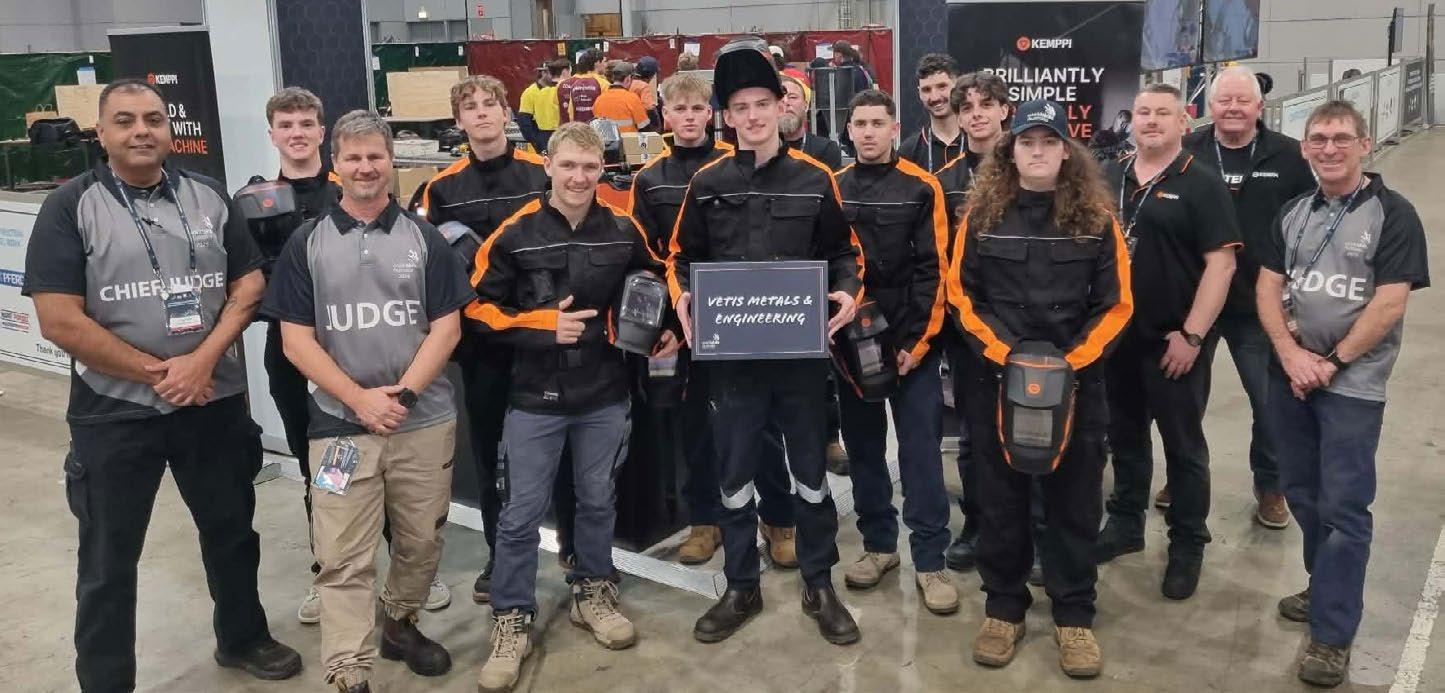
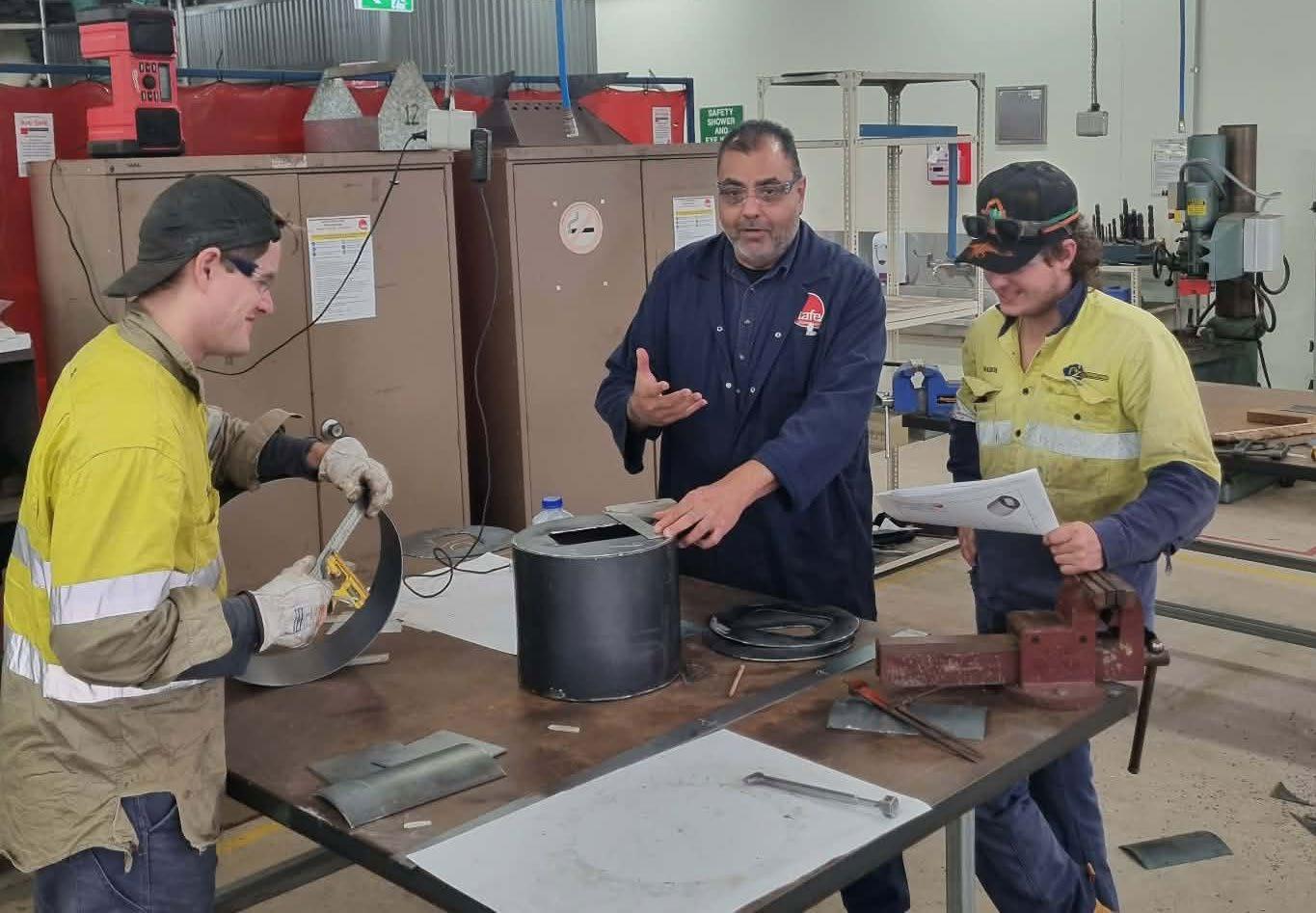
For many steel fabricators, the workshop floor has changed dramatically over the past two decades. Robotic equipment, BIM models, CNC machinery and digital drawings are now common across the industry. And yet, in many businesses, the flow of information that drives fabrication is still surprisingly manual. Drawings are checked against spreadsheets. Bills of material are counted by hand. Heat certificates are stored in folders. Paint records are compiled after the fact. Revision changes are tracked through emails, phone calls and paper trails. It is exactly this disconnect that Fifteen54 was created to solve.
Led by Director Andrew Miller, Fifteen54 is building software designed specifically for structural steel fabricators working in the construction industry. Its purpose is simple: help remove paperwork, reduce errors, and give fabricators the information they need, when they need it.
Miller’s understanding of the problem comes from years inside the industry. “I’ve been in steel fabrication for quite a number of years,” Miller said. “I came up through estimating, moved into project management, and ultimately was responsible for quality. Even in businesses with very good systems and industry-leading software, there were still gaps that weren’t being covered.”
The first gap Miller tackled was paint quality management. At the time, compiling coating reports was time-consuming and heavily manual. Painters were expected to record weather conditions, coating systems, batch numbers, parts, inspection results and other details—then someone else had to compile it all into a usable report.
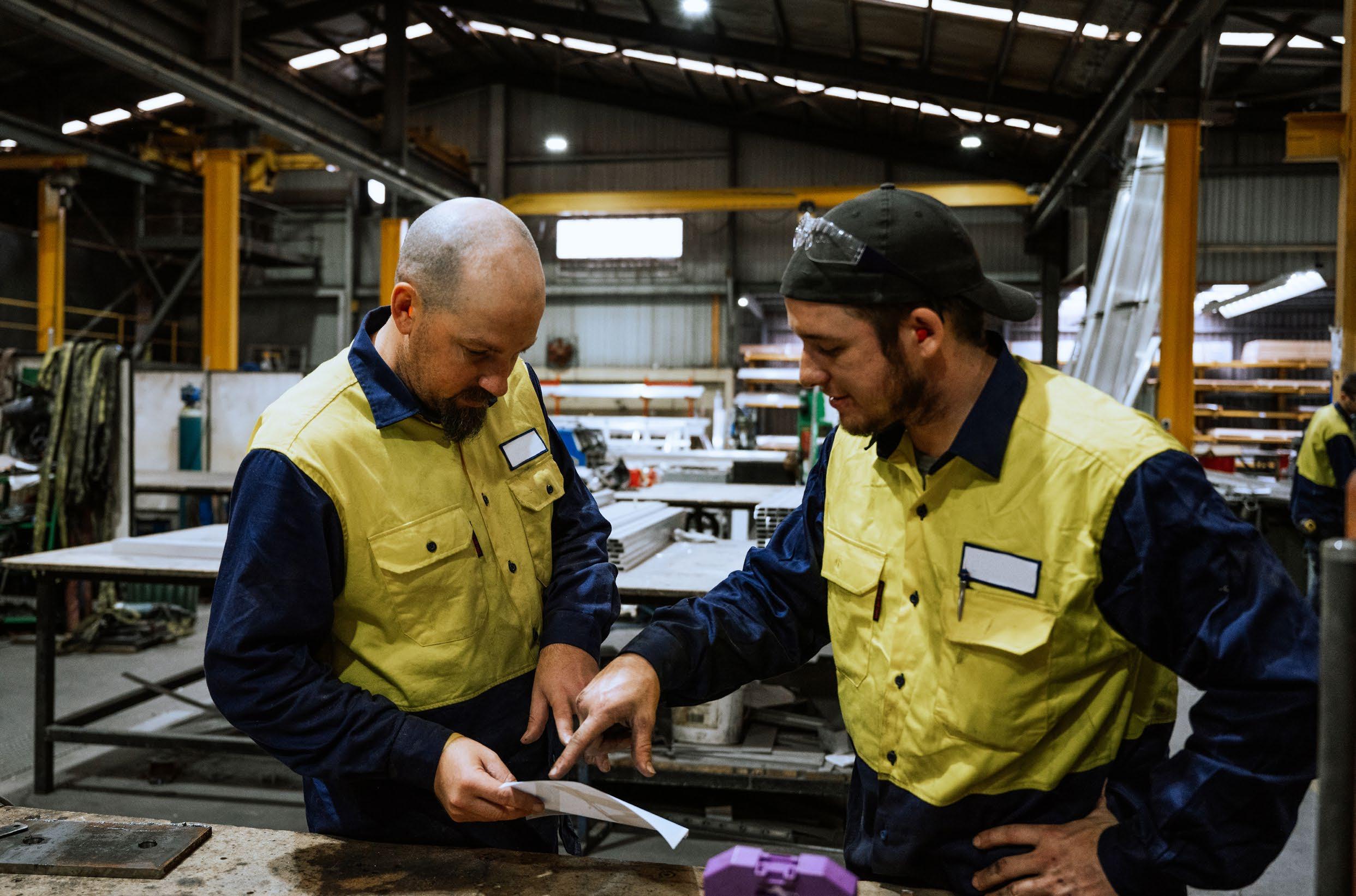
“ A lot of people see paperwork as an added cost because it doesn’t add value in and of itself. We want to turn that on its head—automate the reporting, reduce errors, and improve profitability.”
“It was just so time consuming to try and compile all the reports and tie everything together,” Miller said.
His solution was a tablet-based app that allowed information to be prepared in advance by the office. Painters were presented with the relevant parts, specifications and coating requirements, rather than starting from a blank form.
“We pre-filled the information back at the office,” Miller said. “When the painters went to paint or blast, the information was there in front of them. They were confirming what they were doing, selecting the parts, and the system told them how much to mix. It made their work easier, and at the back end we had a good report.”
From there, the idea grew. After completing a weld inspection course, Miller saw the same problem in welding compliance: a large amount of information to track, verify and cross-reference, much of it still managed manually.
“You’ve got so many things to track and manage, and it becomes a really painful, time-consuming task just to stay on top of the paperwork,” he said.
That insight became the foundation for Fifteen54’s broader platform.
Today, the software is designed to support the fabrication workflow from quoting through to procurement, production, quality, traceability and compliance. Users can upload an IFC model, extract a bill of materials, generate nesting plans, create steel, purlin and bolt orders, link shop drawings, manage revisions, and provide workshop teams with current project information through a tabletfriendly interface.
Miller describes the platform as being built around “modelling reality”.
One of the latest developments is a digital twin of physical workshop machines. For example, a business
can define the limits and capabilities of a robotic processing line—such as material types, kerf, gripper length and cutting constraints—so the software nests material appropriately for that specific machine.
“The benefit is that when you’re nesting material, the system is aware of what machine it’s going to,” Miller said. “So it nests appropriately.”
For fabricators, the practical value is significant. Instead of cutting thousands of parts “blind” and waiting for them to be matched later, the platform can identify exactly which small parts belong to specific assemblies. That means material can be cut just in time, rather than just in case.
Revision control is another major focus. Anyone in fabrication knows the pain of receiving an approved model and drawings, issuing them to production, ordering material, and then discovering midway through the project that something has changed.
Fifteen54’s revision detection engine is designed to identify changes, flag affected items, pull drawings, and issue updated information. Because the platform knows the status of every beam, cleat, bolt, cut part or painted component, it can help prevent work from continuing on superseded information.
“As soon as we’re aware of a change, we want to prevent the wrong fabrication from happening,” Miller said.
This is particularly important as compliance expectations increase across the sector.
Miller notes that standards such as AS/NZS 5131 and AS/NZS ISO 3834 are placing greater emphasis on documented evidence, traceability and quality systems. In his view, the standards themselves are not necessarily the burden—the challenge is proving compliance in a way that is efficient and reliable.
“The standards aren’t necessarily getting more onerous,” he said. “It’s the proof that you’re meeting the standard that’s becoming more difficult.”
That proof can involve thousands of pages of supporting documentation on a typical project.
Fifteen54 aims to automate much of that reporting as a natural byproduct of the work already being done. Heat certificates, inspection records, coating information, weld documentation and revision history can be linked to the relevant components as the project progresses.
Rather than treating compliance as an administrative burden, Miller sees an opportunity to turn it into a source of efficiency.
“A lot of people see paperwork as an added cost because it doesn’t add value in and of itself,” he said.
“We want to turn that on its head— automate the reporting, reduce errors, and improve profitability.”
Fifteen54 recently joined Weld Australia to access technical guidance and ensure the platform aligns with industry expectations.
“We want to make sure our processes are aligned with what’s required, particularly around AS/NZS 5131 and AS/NZS ISO 3834,” Miller said. “We don’t just want to help fabricators become more efficient. We want the end result to align with regulatory expectations.”
The platform is currently in beta, with Miller expecting a broader national rollout in the near future.
For an industry under increasing pressure to deliver faster, cleaner, safer and with stronger documentation, Fifteen54’s proposition is timely: fabrication should not run on paperwork. It should run on accurate, live information.
As Miller puts it, the future lies in removing data silos, automating checks, and surfacing problems before they become costly mistakes.
“When you intelligently work with the data, you can start to find problems that are almost impossible to discover manually,” he said.
For further information, visit: fifteen54.com.au
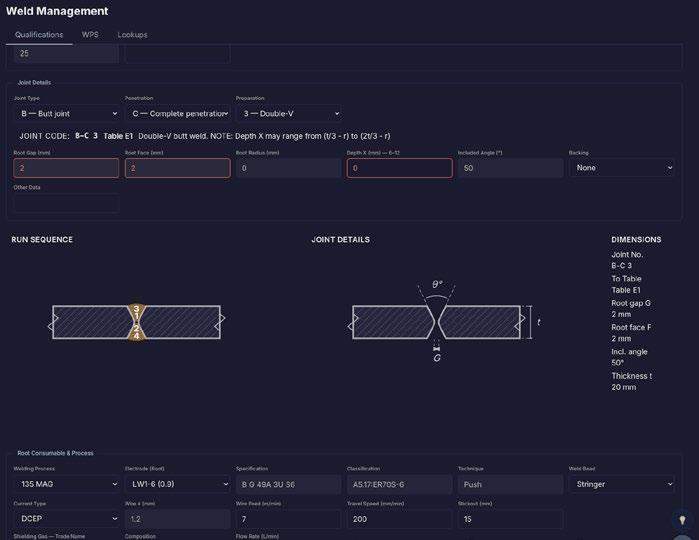
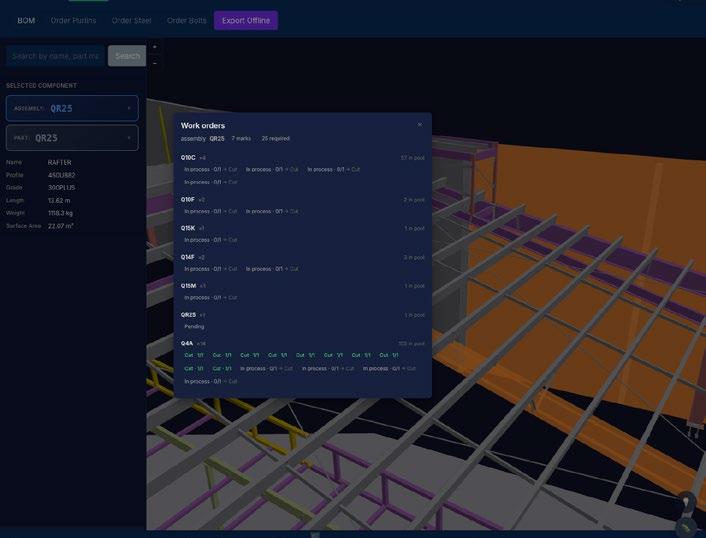
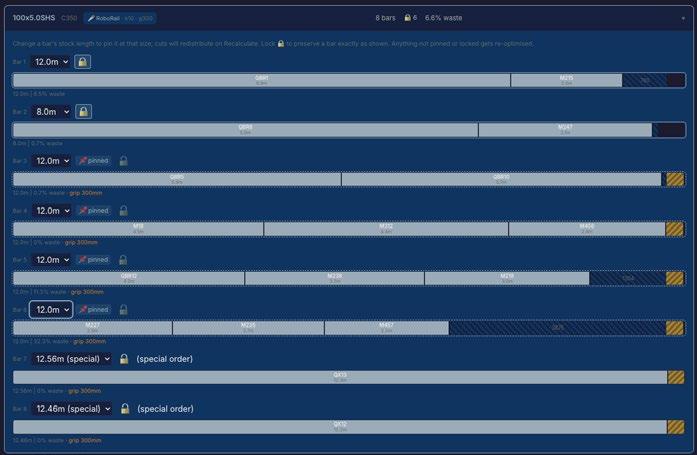
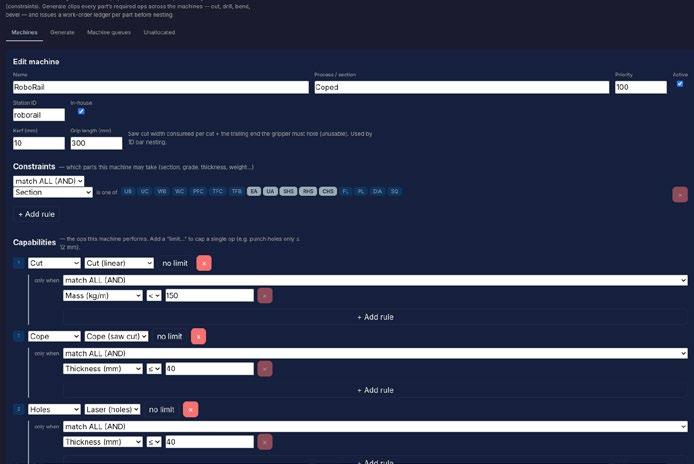
Create weld procedures with parametric built in joint diagram.
Click an assembly to see its live status (green is complete).
Machine aware nesting.
Virtual machines record what can be done and route the correct part.
Quality gates are included at model import.
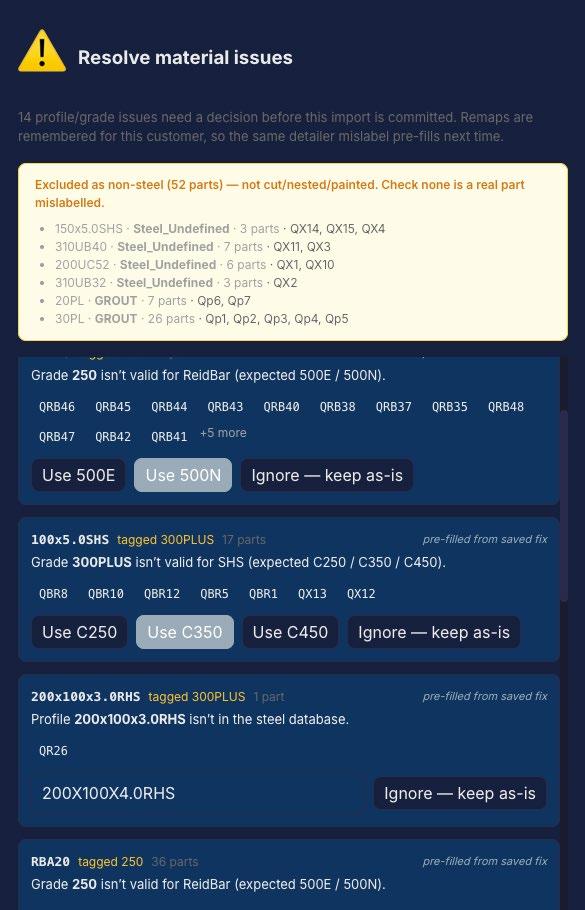

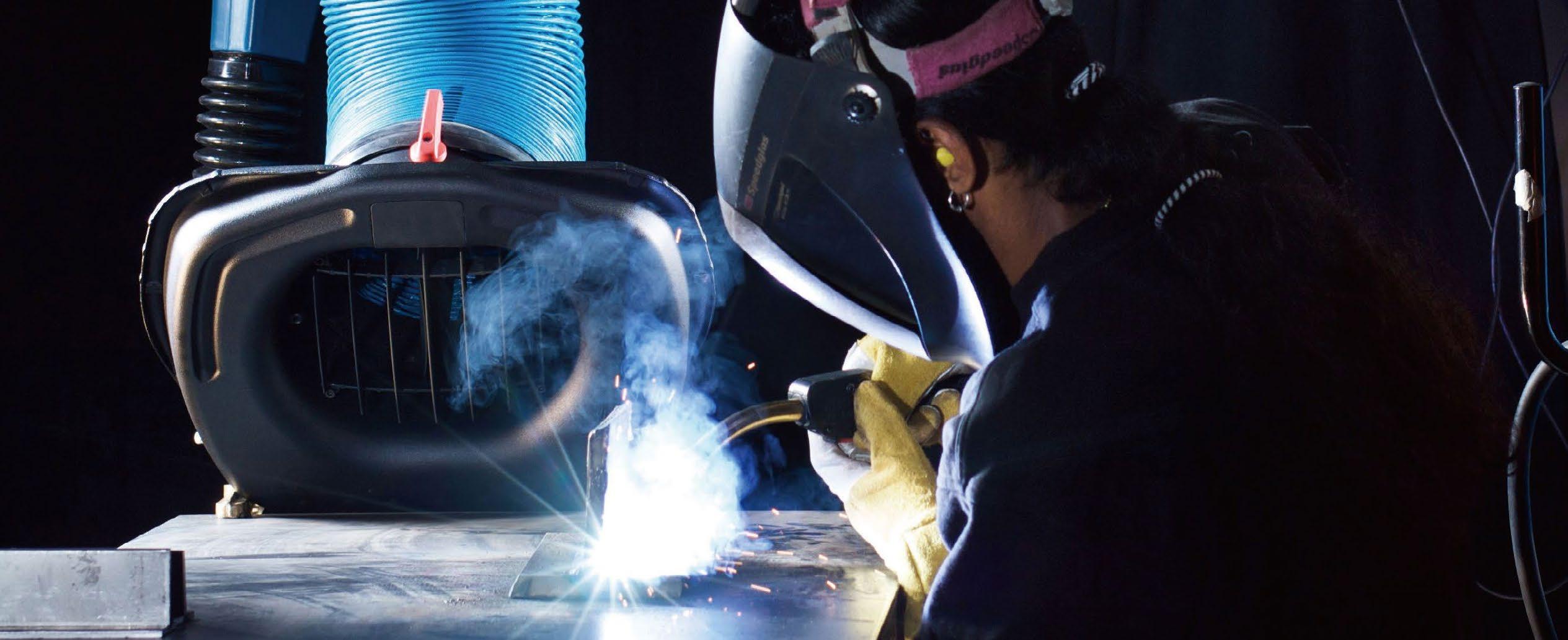
Welding technique, part geometry, welder preference and factory layout all determine the right approach. There is no one-size-fits-all — and that is exactly why we start with your environment, not a product catalogue.
Hi-vacuum suction hoses connect directly to the welding torch, capturing fume at the moment of generation — before it reaches the breathing zone. Maximum efficiency at the source.
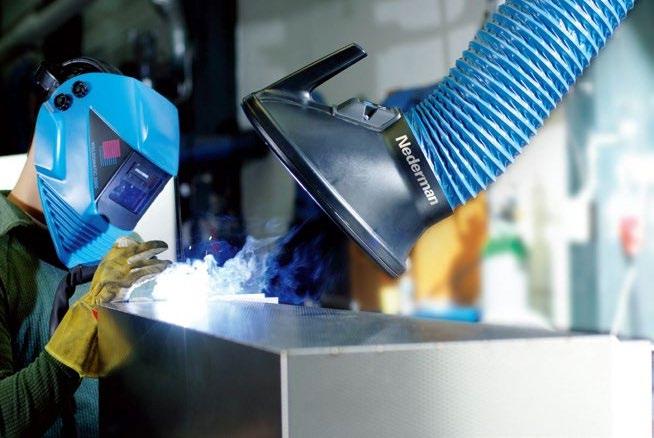
Extraction arms and hoods positioned close to the welding zone draw fume away from the worker without restricting movement or torch access. Ideal for fixed stations and cells.
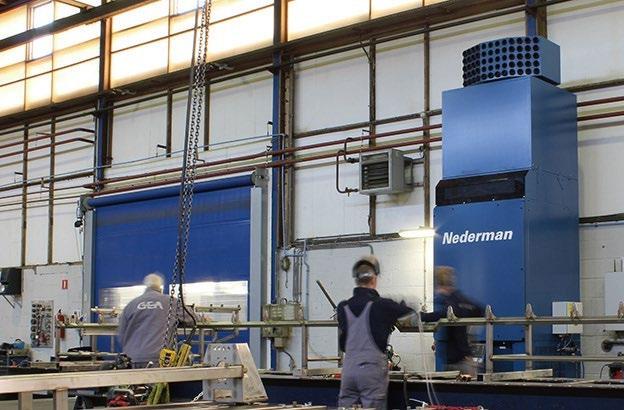
Where ducting or source capture is not practical, engineered ambient systems create air flow patterns that collect, filter and recirculate clean air — protecting workers across the entire space.
Australia's Workplace Exposure Standard for welding fume has been reduced to 1 mg/m³. If your current ventilation was designed to the previous standard, it almost certainly falls short. Our engineers can assess your site and close the gap.
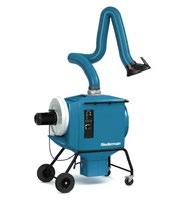

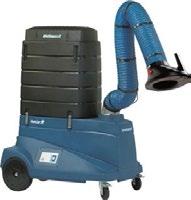
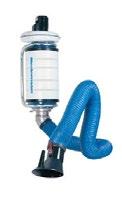
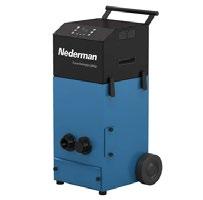
Greg is a highly skilled Boilermaker at RME, bringing more than 27 years of experience in fabrication, welding and inspection across complex heavy industrial equipment and structural components. Greg is recognised not only for the quality of his workmanship, but also for his commitment to mentoring the next generation of tradespeople. His expertise and dedication were formally recognised at Weld Australia’s 2025 Welding Excellence Awards, where he won the Trades Person of the Year Award for Queensland and Northern Territory. Greg shares what drives his passion for welding, the projects that have shaped his career, and why preparation remains the foundation of welding excellence.
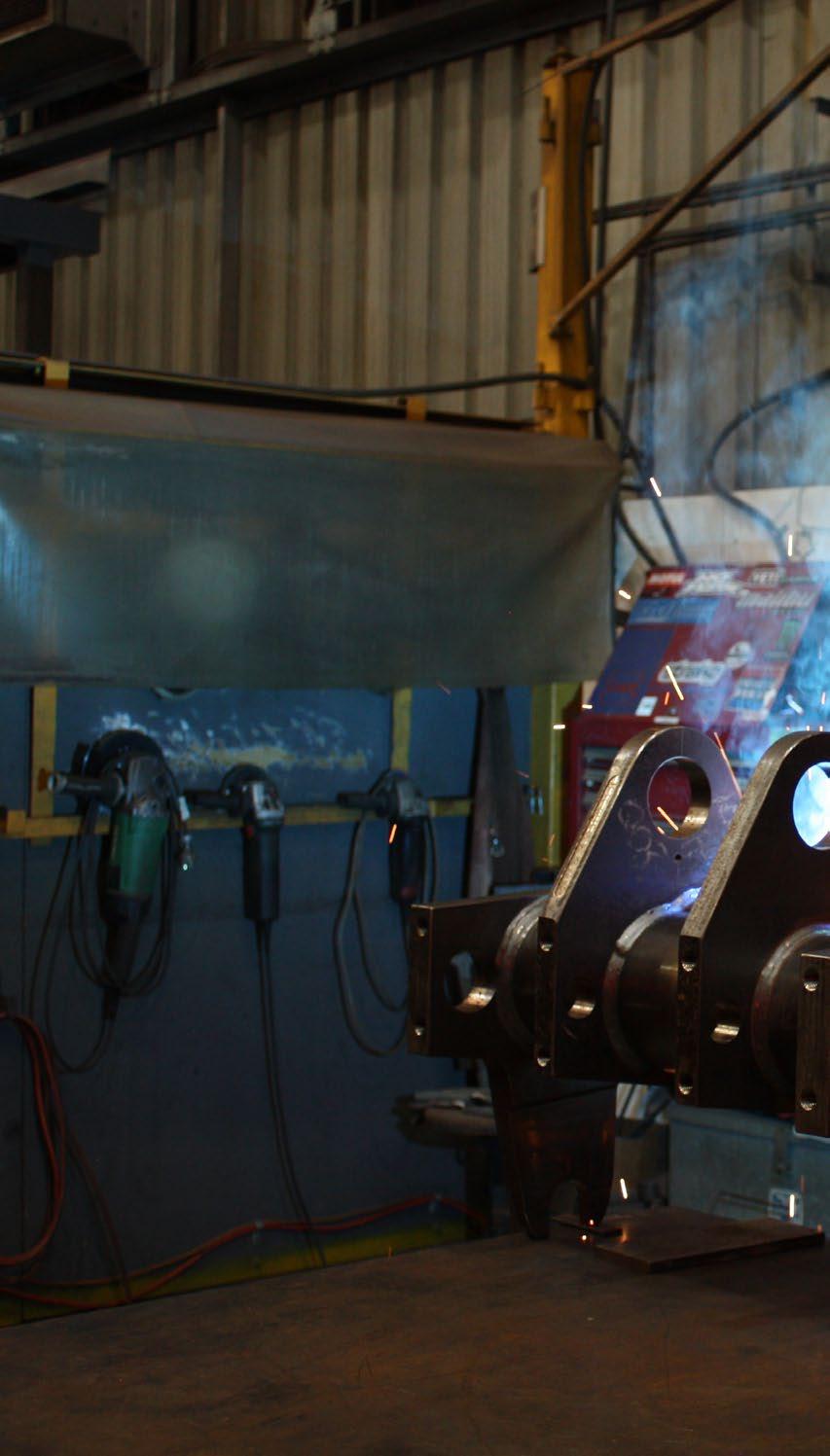
Can you describe your job?
I am a Boilermaker with Russell Mineral Equipment (RME), a world-leading Original Equipment Manufacturer of mill relining technologies for the global mining industry, where I have been employed for 23 years.
Throughout my career with RME, I have developed extensive expertise in the fabrication, welding, and inspection of heavy industrial equipment and structural components. Working from detailed engineering drawings, I produce high-quality, complex fabrications that meet strict safety, quality, and performance standards.
I hold AS1796 welding qualifications (7, 8F, 8G, 9), an AS2214 Welding Supervisor qualification, and a Certificate IV in Engineering, allowing me to contribute across fabrication, inspection, supervision, and mentoring roles.
Over my career I have worked on a wide range of projects, including some of the largest and most complex builds at RME. I take pride in delivering quality workmanship that supports the company’s reputation as an industry leader.
What inspired you to choose a career in welding?
I was drawn to welding because I enjoy working with my hands, solving practical problems, and creating something tangible from raw materials. It combines technical skill, precision, and craftsmanship, with the opportunity to work on large and challenging projects.
What has kept me passionate is seeing projects come together and knowing my work contributes to the final product. I enjoy complex fabrication work and continually strive to improve my skills.
What is the most interesting project you’ve worked on? Why?
One of the most interesting projects I have worked on was the fabrication of RME’s largest-ever mill relining machine. Its size, complexity, and precision requirements made it a standout project.
It involved large, heavy components and complex welding, where accuracy and attention to detail were critical to ensure structural integrity and performance. It required strong collaboration with engineers, supervisors, and tradespeople to solve challenges as they arose.
What is your favourite: Food? Angus rib fillet, medium. Song? That is a hard question. I am passionate about music, and after more than 23 years in the workshop I have heard thousands of songs (and sung along badly to most of them). Thankfully I am usually in control of the speaker, so my favourite song is generally whatever I have chosen to play that day!
Sport? Mountain biking.
If you could be famous, what would it be for? Definitely my singing…
If you could meet anyone –alive or dead – who would it be? Another hard question. It would have to be someone current in country music right now, like Ella Langley, Bailey Zimmerman, or maybe Jelly Roll.
What is your pet peeve? Bad drivers.
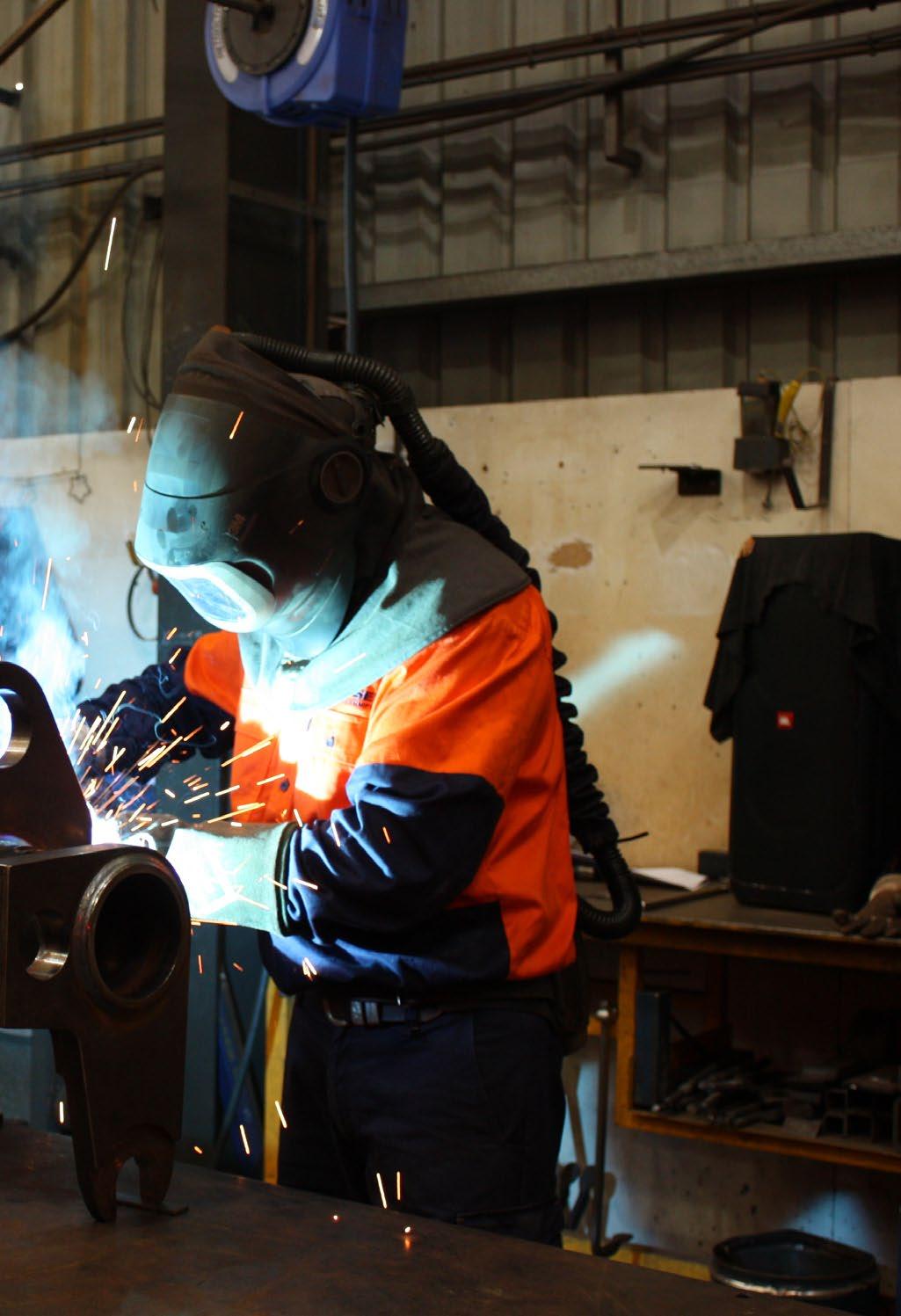
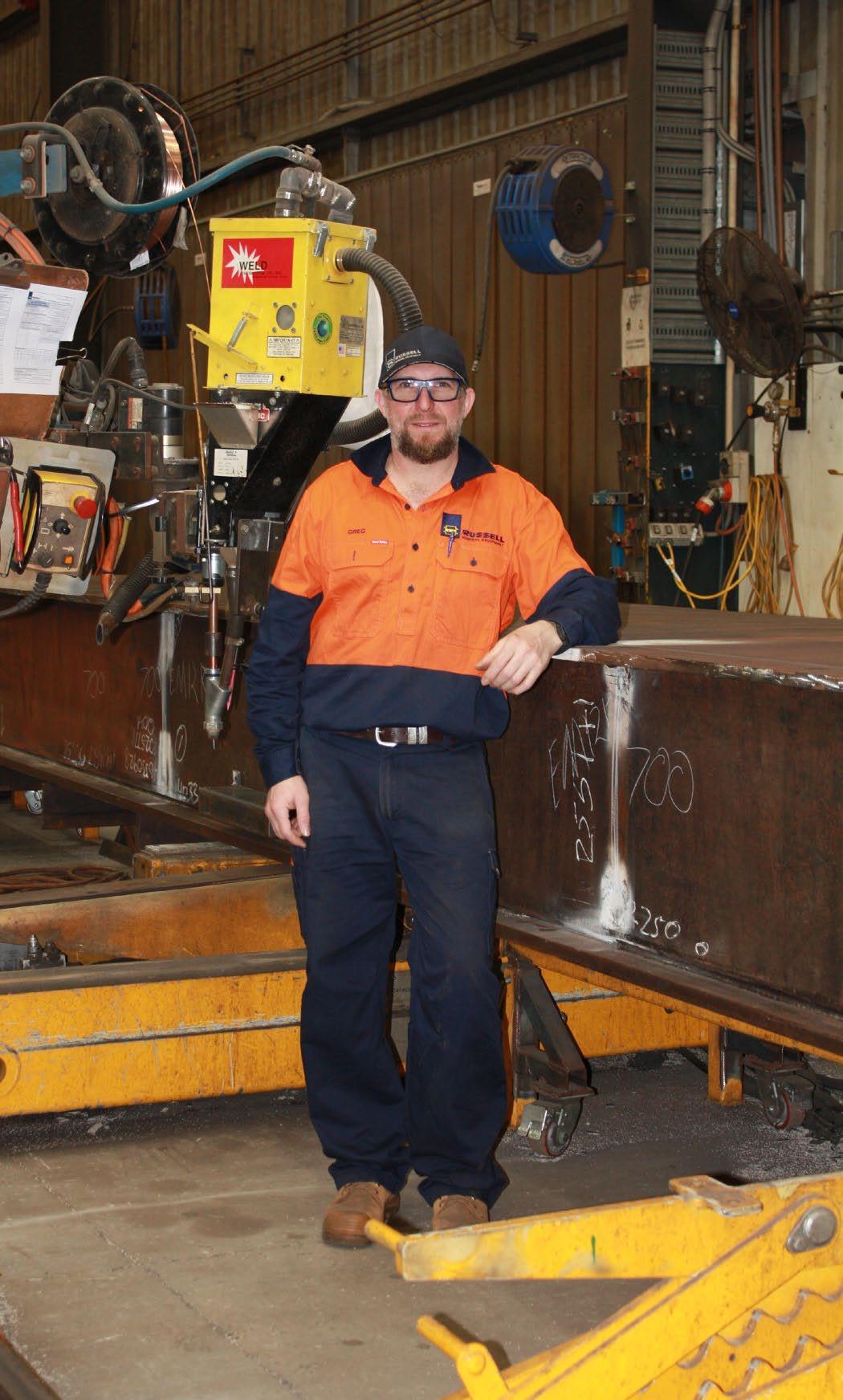
Seeing the completed machine successfully delivered was extremely rewarding. It reinforced my enjoyment of the trade; the technical challenges, teamwork, and pride in producing highquality work.
What do you enjoy most about your job?
What I enjoy most about my job is working on fabrication and welding tasks that require a high level of attention to detail. I take pride in producing precise, high-quality work where accuracy and workmanship really matter, especially on critical welds and complex components. I also enjoy the problem-solving aspect of the trade and the satisfaction that comes from turning raw materials into finished products that meet strict quality and safety standards. Challenging work like this keeps me engaged and continues to build my skills and knowledge.
Another big part of what I enjoy is the people I work with. Over the years I have built great friendships and worked alongside a solid group of mates at RME, which makes coming to work enjoyable and helps create a strong team environment. I also value the opportunity to mentor apprentices and younger tradespeople, sharing experience and helping them develop their own standards of quality and pride in their work.
Most of all, I enjoy the sense of achievement that comes from completing a job to a high standard and knowing I’ve contributed to the overall success of the project.
Who has inspired you professionally?
During my apprenticeship, the senior tradesperson and mentor, along with my TAFE teachers, played an important role in building my foundation. They set high standards, focused on correct techniques, and instilled a strong respect for quality workmanship and attention to detail. Since then, the welding superintendent and experienced tradespeople at RME have continued to influence my development. Their leadership, technical expertise, and commitment to quality have reinforced the importance of consistency, continuous improvement, and doing the job right the first time.
What advice would you give someone considering a career in welding?
Be open to learning and focus on building strong fundamentals early. Welding takes practice, patience, and attention to detail, so take the time to learn properly and ask questions. Take pride in doing the job right the first time. Good habits, consistency, and quality workmanship will set you apart. Pursue training and qualifications whenever possible, as the trade offers many pathways into fabrication, supervision, inspection, and leadership.
What is your top tip for welding excellence?
Never compromise on preparation. Good welding starts well before striking an arc. Correct fit-up, material prep, procedure understanding, and setup all determine the final result. Attention to detail is critical, especially when working under pressure. Small steps taken early prevent problems later. Finally, never stop learning. The best tradespeople stay open to feedback and continually look for ways to improve their skills and knowledge.
In 1962, when many people might have been thinking about retirement, James McDougal Opie did the opposite. He started a sheet metal fabrication business.
Then known as Staincraft, the company began modestly: a small factory on Victoria Street in Smithfield, a handful of people, and a commitment to stainless steel fabrication. More than six decades later, that same family business has evolved into OPIE Manufacturing Group—one of Australia’s most diverse privately owned manufacturing companies, operating from an 8,000m² facility in Emu Plains, Western Sydney.
For Managing Director Tristan Opie, the business’ history is more than a
timeline of technology and expansion. It is a story of reinvention built on a remarkably consistent foundation.
“My grandfather started the business in 1962,” Opie said. “He was close to retirement at the time, but instead decided to start a sheet metal fabrication business. Back then, the focus was stainless steel—and it stayed that way for a very long time.”
That first generation built the company on craftsmanship, quality and customer relationships. Under the second generation, led by David Opie, the business began its transformation from traditional fabrication into advanced manufacturing.
For Tristan, who joined the company
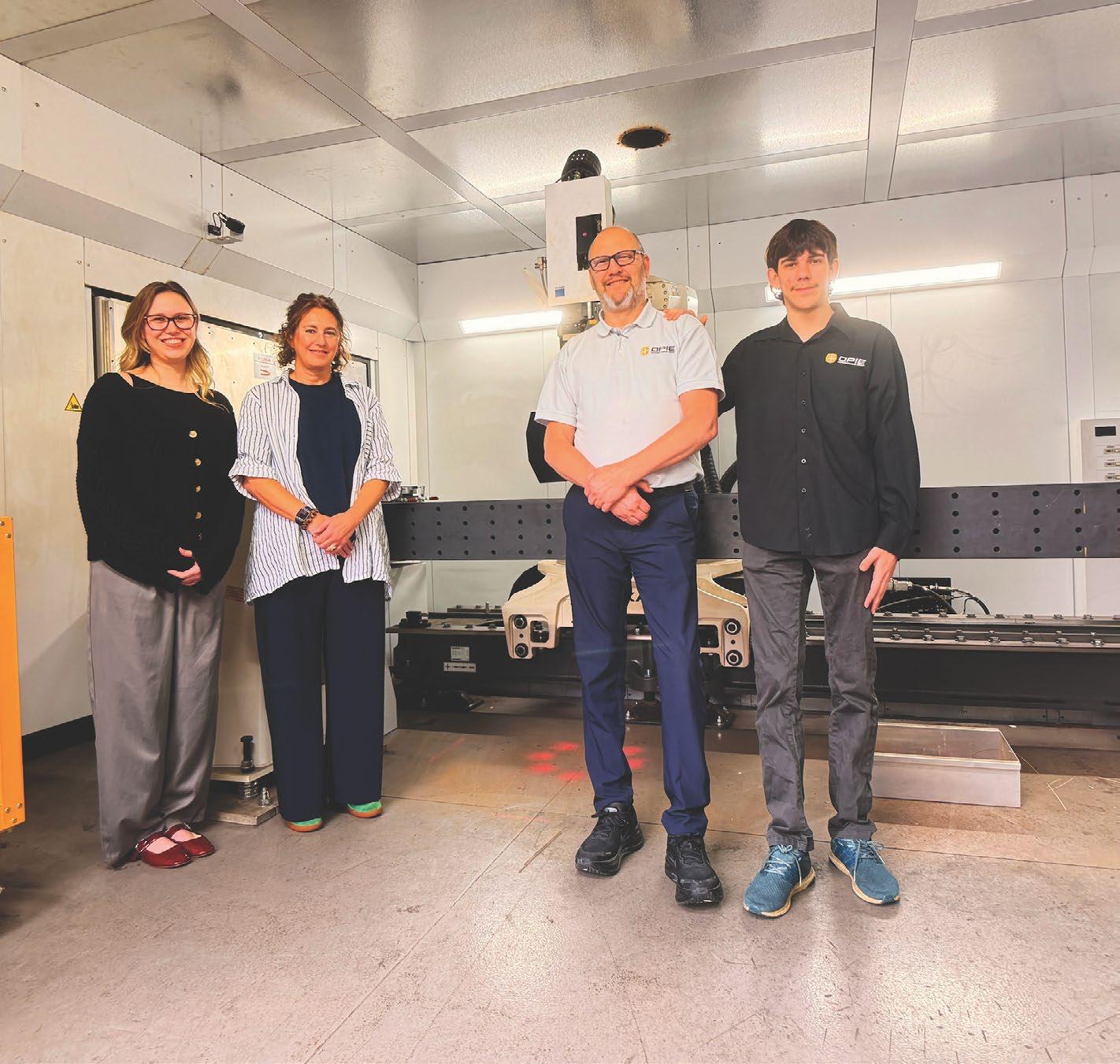
in the early 1990s and later took over management, the next evolution came through technology.
“By the year 2000, stainless steel wasn’t necessarily as dominant as it had been, and being a metalwork tradesman wasn’t as popular as it used to be,” he said. “We had to start thinking about other ways to go about things.”
That thinking led OPIE to Europe, where advanced manufacturing practices helped shape its next phase. “I went to Sweden to see how they were doing things in Europe,” Opie said. “I learned a lot and decided to start modelling what we were doing on how things were happening there.”
Soon after, OPIE installed its first TRUMPF laser cutting system, followed by CNC press brakes and ongoing investment in advanced equipment. The business relocated to Emu Plains in 2003, creating the foundation for the vertically integrated manufacturing operation it is today.
Today, OPIE Manufacturing Group is not a single-product business. It is a family of specialist Australian brands, including Boscotek, Bosco Office & Storage, Lectrum, Gilkon, Argent, SMC Stainless, Bonwick & Co and Opie Infrastructure.
Together, these brands support customers across defence, rail, education, healthcare, infrastructure, commercial construction, mining, local government, utilities and critical infrastructure.
The company’s capability spans product design, CAD, prototyping, laser cutting, tube laser processing,













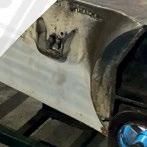
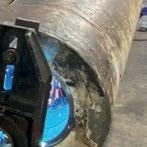
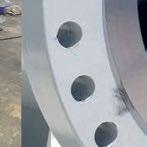
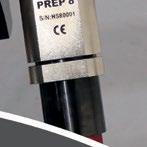


































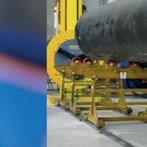
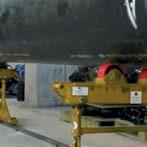












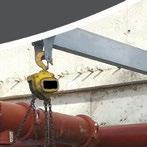
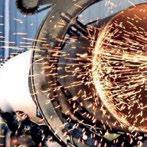
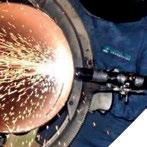

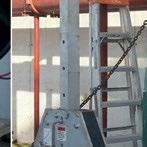
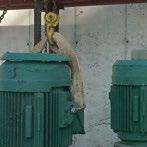











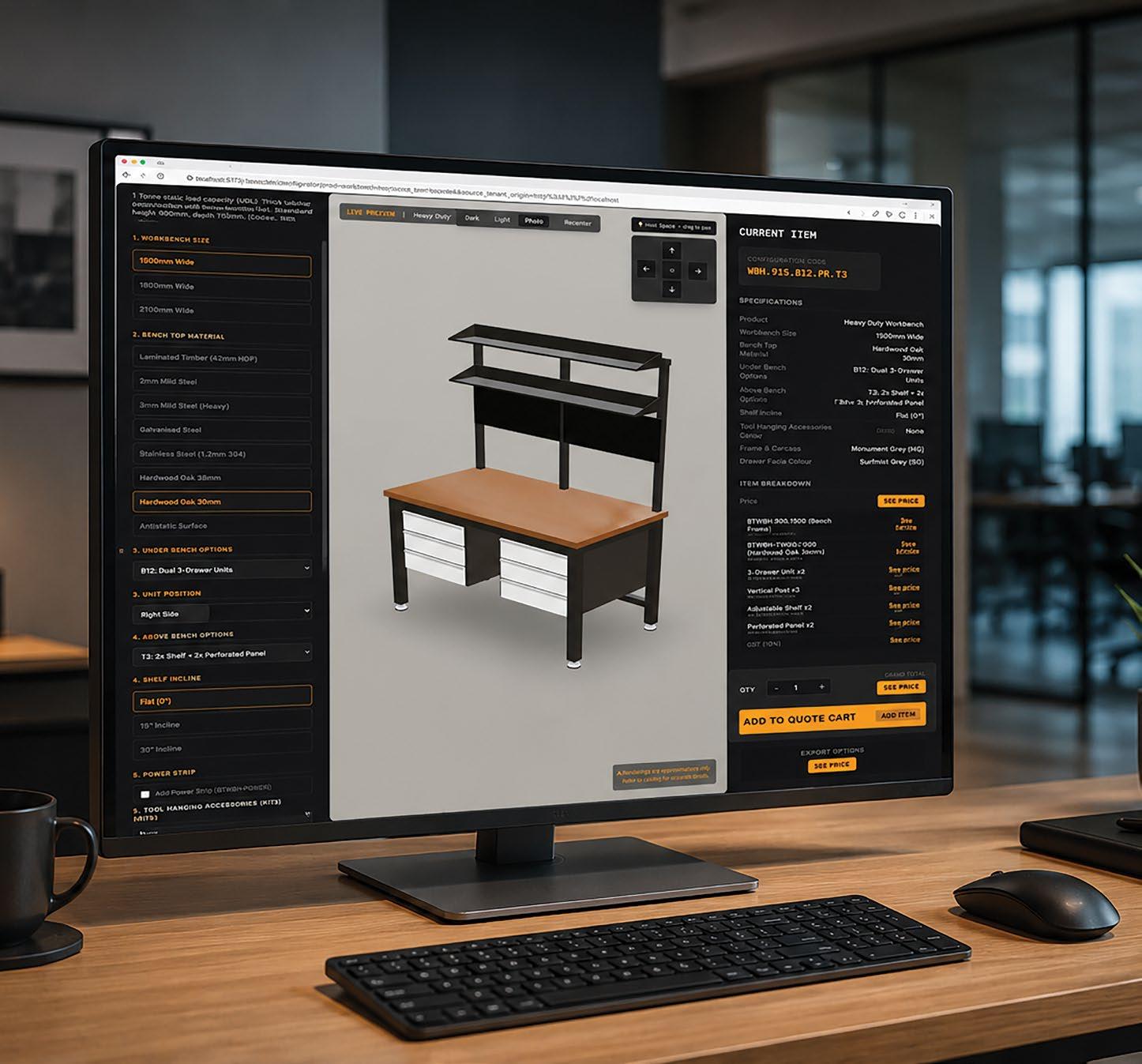
CNC bending, robotic laser welding, manual welding, powder coating, assembly, packaging, delivery and installation.
“What makes us different is the breadth of capability we have under one roof,” Opie said. “Because we control almost every stage of the manufacturing process, we can deliver faster lead times, greater quality assurance and far more flexibility.”
That integrated approach has become central to OPIE’s value proposition. Engineers, builders, designers, architects and fabricators can work with OPIE from concept through to design, manufacture and installation. In an environment where project certainty, traceability and responsiveness are increasingly important, local control matters.
“Ultimately, we’re not simply making products. We’re solving engineering problems,” said Opie.
Technology as a Competitive Strategy
Over the last two decades, OPIE has
invested more than $25 million in advanced manufacturing equipment and systems, including TRUMPF laser technology, CNC bending, automated material handling, powder coating, 3D scanning, robotic laser welding, ERP integration and intelligent manufacturing systems.
For Opie, the reason is straightforward. “Australian manufacturers cannot compete solely on labour costs,” he said. “We must compete on innovation, engineering capability, quality, responsiveness and technology.”
One of the company’s most significant investments has been its TRUMPF TruLaser Weld 5000 robotic laser welding system. The 5m robotic laser welding cell has enabled levels of precision, repeatability and weld quality that would be difficult to achieve using conventional welding alone.
But the journey was not simply a matter of switching on a new machine. “One of the most significant challenges we encountered during
the development of our robotic laser welding capability wasn’t the technology itself,” Opie said. “It was developing the process.”
According to Opie, the business spent over fifteen months undertaking genuine research and development to determine how laser welding could consistently achieve structurally certified welds.
“It involved extensive experimentation, process development, destructive testing, programming, qualification and engineering validation before the technology could be confidently introduced into production,” he said.
The result was transformative. Robotic laser welding has helped reduce post-weld finishing, improve consistency and shift skilled work into higher-value programming and engineering tasks.
From Machinery to the Connected Factory
While OPIE’s investment in machinery is significant, its next phase is focused on connection.
The company has implemented NetSuite ERP, Delfoi production planning and Oseon+ manufacturing systems, and is now developing the OPIE Platform—a nextgeneration digital manufacturing and communications environment designed to connect every part of the business.
“The future isn’t just better machines,” Opie said. “It’s connecting every part of the business.”
The OPIE Platform is being developed to integrate customer enquiries, product configuration, engineering, production planning, inventory, manufacturing, project delivery and after-sales support. Artificial intelligence is also becoming a growing focus, with tools being developed to assist with quoting, inventory, quality systems, customer support and knowledge management.
Importantly, Opie does not see AI as a replacement for skilled people.
“We see AI as enhancing the expertise of our engineers, designers and manufacturing teams, allowing them to focus on innovation and higher-value work,” he said.
Like much of the sector, OPIE faces the challenge of attracting and retaining the next generation of tradespeople and manufacturing professionals.
Opie believes part of the solution is changing how young people see manufacturing. “One of the biggest misconceptions about manufacturing is that it’s still the same industry it was thirty years ago,” he said. “Modern manufacturing combines engineering, robotics, automation, software, data analytics, design and advanced fabrication technologies.”
OPIE actively supports apprenticeships, invests in training and mentoring, and works with schools, engineering students and industry groups to showcase manufacturing as a high-tech, rewarding career pathway.
“Technology is only valuable when it’s backed by skilled, passionate individuals who know how to apply it,” Opie said.
Manufacturing Responsibly
OPIE’s technology strategy also connects closely with its sustainability agenda, known as the OPIE Green Loop Commitment. The program focuses on sustainable sourcing, responsible production, recycling and community collaboration.
The company generates approximately 328,500kWh of solar
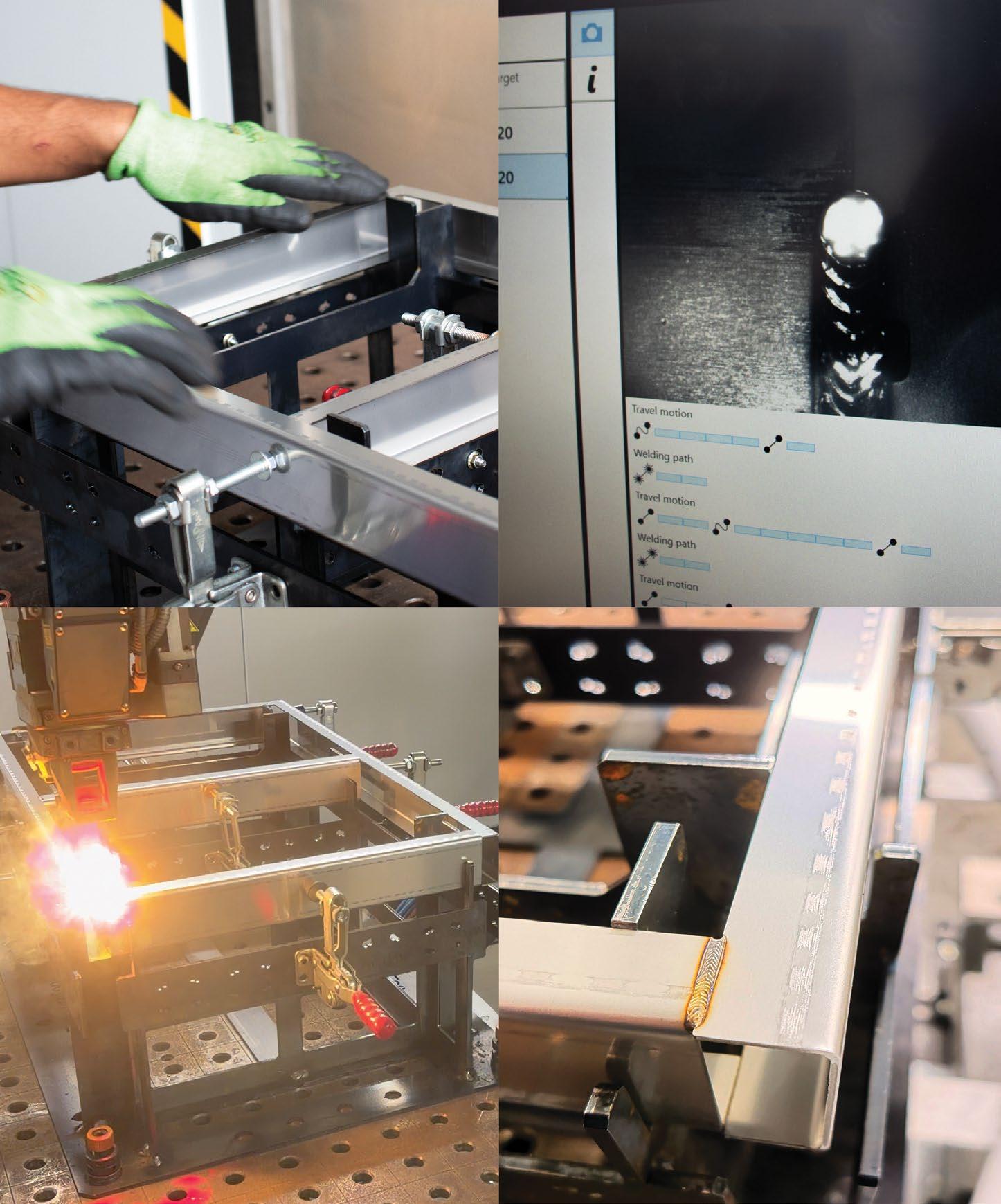
energy annually and recovers around 600,000kg of metal each year through its recycling program.
For Opie, sustainability and manufacturing competitiveness are not separate ideas. “Sustainability and innovation are not competing priorities,” he said. “They’re two parts of the same strategy.”
OPIE joined Weld Australia as its investment in advanced welding technology continued to grow.
“As our investment in advanced welding technologies, particularly robotic laser welding, continued to grow, it became clear that being part of Weld Australia aligned with where our business was heading,” Opie said.
Access to technical expertise, certification pathways and a broader network of welding professionals were all important factors.
“For us, it’s about continually improving our capabilities and staying connected with the broader welding and manufacturing community,” he said.
For OPIE Manufacturing Group, the future is not about abandoning its past. It is about building on it.
The company remains family owned, Australian made and grounded in the same values established in 1962: build quality products, solve real customer problems and stand behind the work. But the tools have changed. Today, OPIE is combining robotics, laser welding, AI, digital systems, advanced fabrication and Australian craftsmanship to create a connected manufacturing business built for the next generation.
FURTHER INFORMATION
For further information about OPIE Group, please visit: opiegroup.com.au
“Our vision is simple,” Opie said. “To build a fully connected manufacturing business where world-class engineering, advanced automation, intelligent software and Australian craftsmanship work together seamlessly.”
By Bruce Cannon, Principal Welding Engineer, Weld Australia
Introduction
The Austroads bridge specification ATS-5410 requires that weather resistant steels such as AS/NZS 3678 grade WR350 are welded using consumables similar to those specified within EN 1090-2. The consumables specified by Austroads for patina matching purposes fall into two options as follows:
Notes:
(a) The use of solid wire (process 121) or strip electrodes (process 122) is permitted for submerged arc welding
(b) The term Metal Active Gas (MAG) welding is not used in Australia. The preferred term is Gas Metal Arc or GMAW, colloquially referred to as MIG.
(c) Ni = nickel
(d) Mo = molybdenum
The consumable types listed in Table 1 meet these Austroads requirements, however they are not generally available in Australia and must be imported. Due to the long lead times usually associated with importing welding consumables, fabricators should be prepared to place an order for the consumables as soon as the fabrication contract is awarded and not wait until ready to weld.
It is the fabricator’s choice as to whether consumables from Option 1 or Option 2 are used.
General
The underlying steel chemistry for AS/NZS 3678—WR350 has the following nominal compositions depending on thickness:
0.2% Ni 0.55%Cr 0.3%Cu or 0.3% Ni 0.55%Cr 0.35%Cu
The fabricator is free to utilise any consumable from Option 1 or Option 2 meeting the Austroads specification. It is important to note that the cost of these consumables must be included within the fabricators quote.
The use of consumables non-compliant with the Austroads ATS 5410 specification is NOT permitted.
Option 1: 2.5% or 2%
The consumables listed in Table 2 are prequalified for use within AS/NZS 1554.1 and are specified as patina matching.
Welding Coordinators, when reviewing the client’s construction specification as specified within AS/NZS 5131 and AS/NZS ISO 3834.2, be aware that the client’s application may require more than one alloy consumable layer as stated in the section entitled Welding Considerations. In such cases, the weld procedure requirements do not meet prequalification status under AS/NZS 1554.1 and additional testing to Table 4.7.1 is required to qualify the weld procedure. Costs associated with this work must be included in the fabricator’s quote.
The consumable listed in Table 3 are compatible with Option 2 but Fabricators should take note that their tensile strength is typically 620MPa minimum, well in excess that required to weld AS/NZS 3678—WR350. These consumables are not prequalified for use with AS/NZS 1554.1 and procedure qualification tests to Table 4.7.1 are required. Conformity with the HV100 maximum hardness differential limit between parent material and
metal may be difficult in which case agreement will
A-E42 2 2Ni
A-E46 2 2Ni
B-E49XX N5
B-E55XX N5
A-G42 2 2Ni2
A-G46 2 2Ni2
B-G492U SN5
B-G552U SN5
be required between the client and fabricator to accept a higher hardness differential.
Welding Considerations
Butt Weld Considerations
It is likely that the client will require the fabricator to remove all weld reinforcement from the top surface of butt welds. This is to minimise water pooling and the risk of excessive corrosion at the weld toes when in service. In such cases, it will be necessary to ensure that at least the final fill passes are produced using the alloyed welding consumable and are of adequate thickness.
In such cases, both the client and fabricator may prefer that all weld runs utilise the alloyed consumable. Fabricators should be aware that AS/NZS 1554.1 only deems single layer capping runs with core runs being made with conventional welding consumables as prequalified. Fabricators may also prefer to weld the full joint thickness utilising the alloy consumables to avoid exposed ends
A-T42 2 2Ni A-S2Ni2
A-T46 2 2Ni
B-T492U N5 B-SUN 5
B-T552U N5
of welds and the downtime associated with consumable changeover. Welds utilising alloy consumables for the full thickness of the parent material are permitted but are nonprequalified and additional testing and qualification to Table 4.7.1 of AS/NZS 1554.1 is required. Costs associated with this work must be included in the fabricator’s quote.
Exposed ends of welds in joints utilising conventional welding consumables in subsurface passes are likely to require an alloy layer capping pass to be applied. Costs associated with alloy capping must be included in the fabricator’s quote.
Our Engineers can help fabricators with the application of Austroads requirements. Contact us via engineering@weldaustralia.com.au
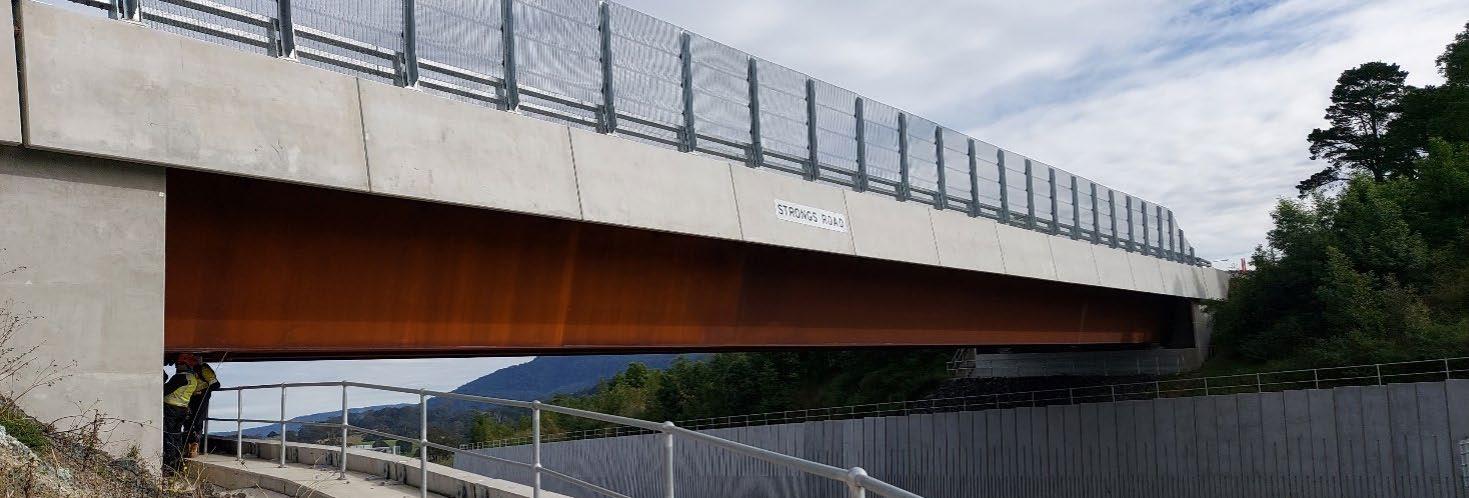
Australian Standards are living documents. They reflect progress in science, technology and systems. To maintain their relevancy, all Standards are periodically reviewed, with amendments and revised editions published. The last few months have seen several developments, including ongoing reviews into Standards related to welding safety and consumables, pressure equipment, bridges and steel structures.
Public comment on the revision of AS 4343 Pressure equipment — Hazard levels is well underway has been resolved the draft and is now being prepared for Committee ballot. The revision of AS 3992 Pressure equipment — Welding and brazing qualification is also well advanced with public comment resolved and the draft being prepared for the Committee ballot process.
AS 3788 Pressure equipment - Inservice inspection was republished as AS/NZS 3788 in October 2025, and whilst the content of the standard remains unchanged, a small number of anomalies have been reported. A project to amend the standard is being prepared by the Committee to resolve the issues identified.
The revision of AS 2576 Welding consumables for build-up and wear resistance is well advanced with public comment received being resolved. The committee WD-002 are currently obtaining updated microstructural images and once obtained, the revised standard will be published.
As previously reported, the revised edition of AS 1674.1 Safety in Welding and allied processes—Part 1 Fire precautions was published in January 2025. A project to amend the standard to include requirements for hand-held laser welders, cleaners and cutting machines used in hot work has been approved and the draft has been forwarded to Standards Australia for preparation for public comment.
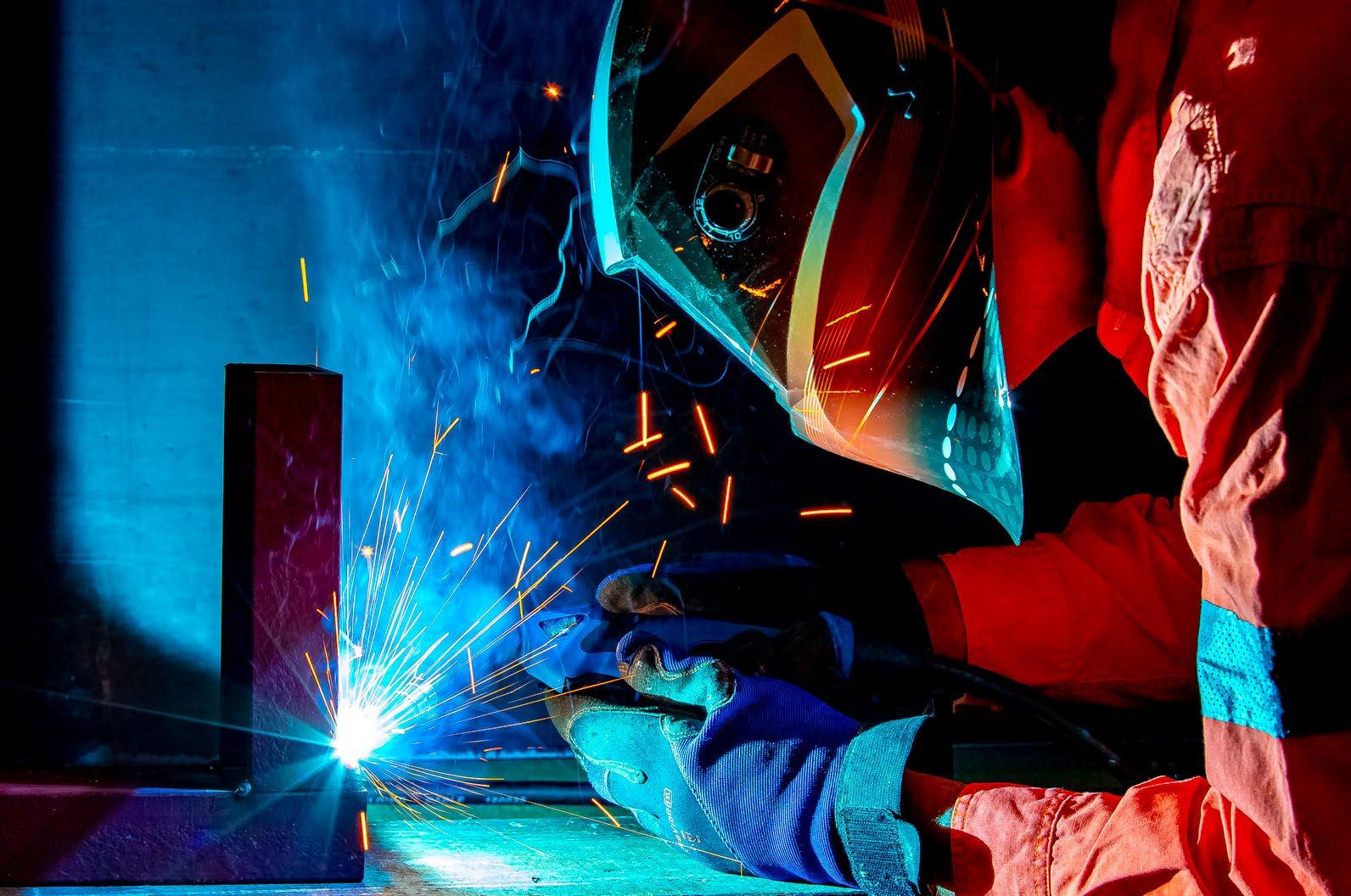
Committee SF-006 has advised that they are also replacing the AS 1338 series Filters for eye protectors covering with a modified ISO adoption as part of the AS 16321 series. Whilst these replacement standards have been published, there will be a transition period until eye protectors for welders that are compliant with the new standards become commercially available.
Adoption of the ISO 21904 fume capture series was proposed and the standard series (4 parts) was published in March. Most equipment in the market is understood to comply with the “W3” requirements (99% filter efficiency). These standards primarily address minimum filter efficiencies for systems that recirculate captured air within the workplace.
A reminder that Committee SF-010 has advised that the PPE respiratory protection standards AS/NZS 1715 and AS/NZS 1716 respiratory protection is now transitioning to their AS/NZS ISO equivalents over the next five years. AS/NZS 1715 will transition to the ISO 16975 series, and AS/NZS 1716 will transition to a range of ISO standards as direct text adoptions. Limited product conforming to the new standards is available in the market.
Standards Australia commenced a major revision of AS 4100 Steel structures in May 2024. Committee BD-001 is managing the project. Public comment has now closed and is being resolved.
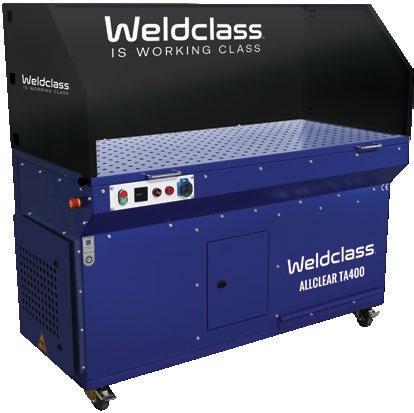



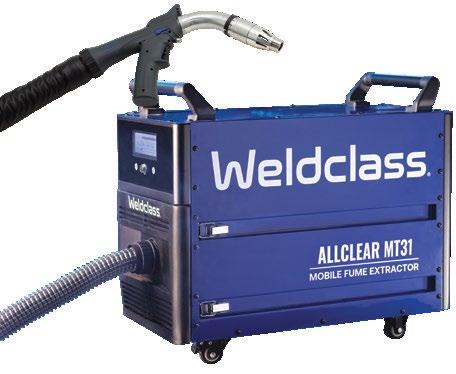
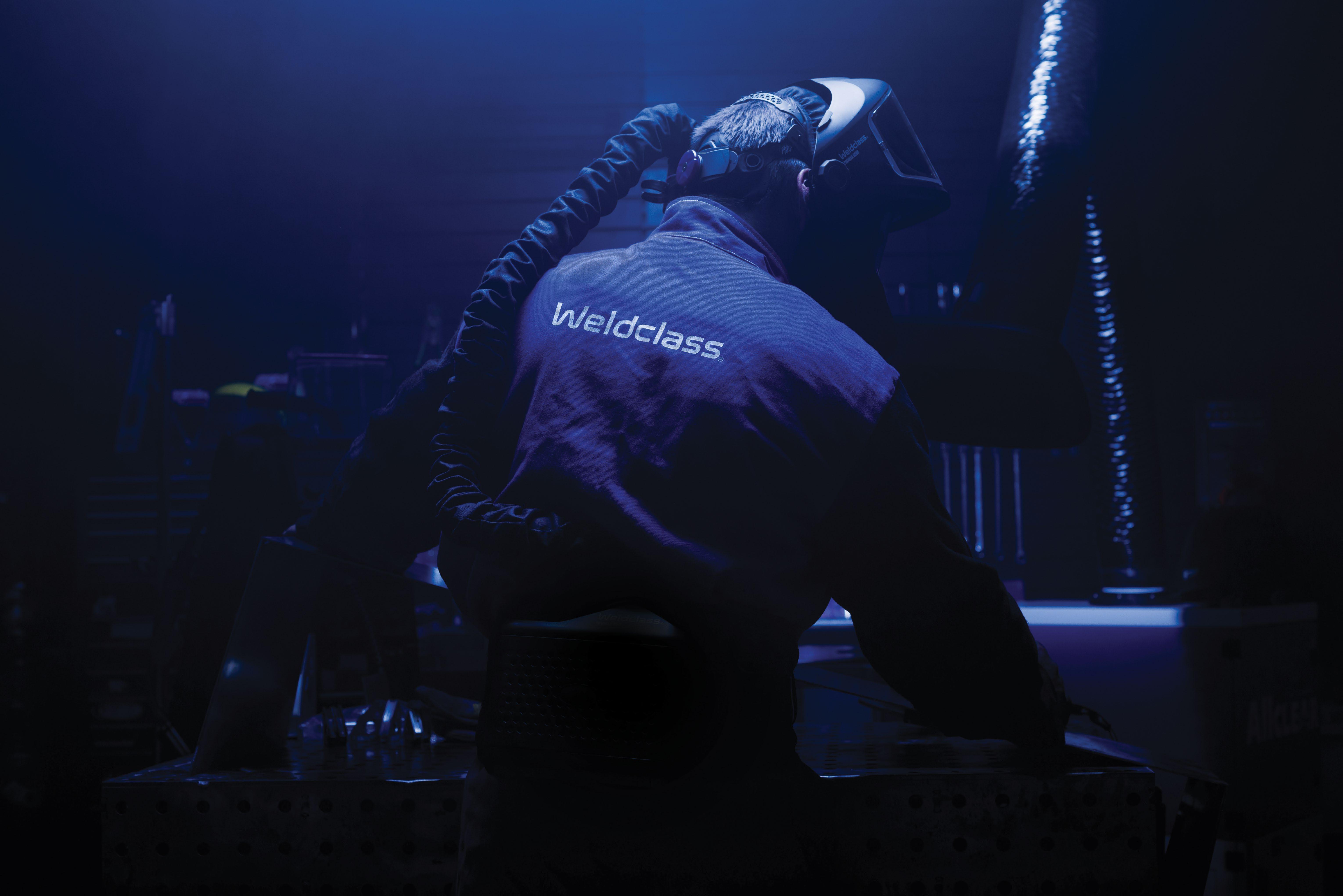
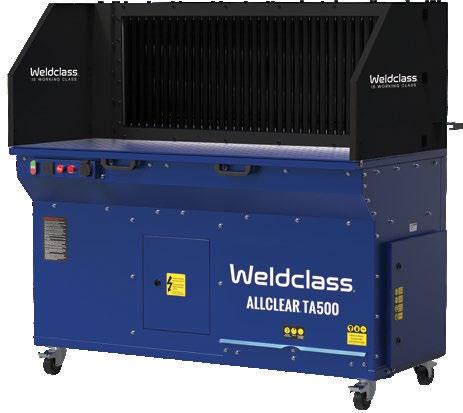



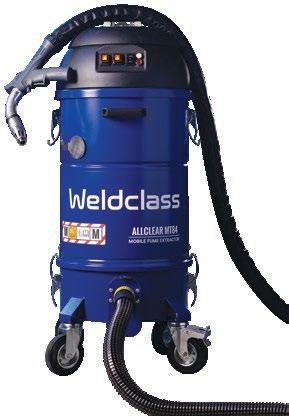
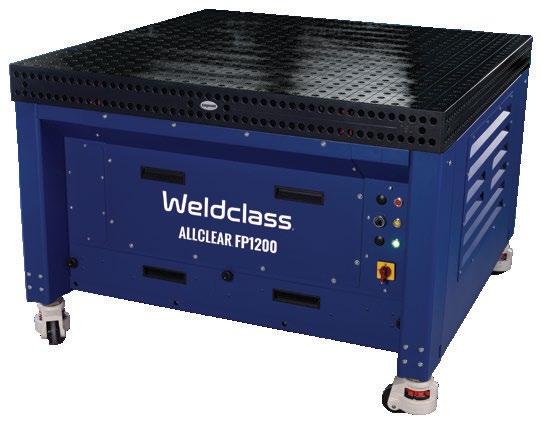



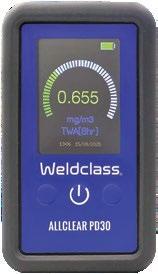
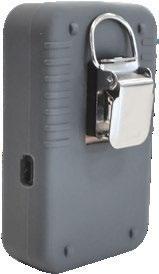



Committee WD-003 has revised AS 1101.3 Graphical symbols for general engineering Part 3: Welding and non-destructive examination and it is currently being prepared for publication. Whist the revision of AS 1101.3 is minor in nature and corrects known errors and anomalies, and clarifies requirements known to cause confusion in industry. The standard was published on 29 June 2026.
The revision of AS/NZS 1665
Welding of aluminium structures is well advanced and the draft has been submitted for preparation for public comment.
WD-003 has recommended that ISO 14732 be adopted and AS/NZS ISO 14732 and has now been published. This standard is being called up in AS 3992 for qualification of welders using processes such as submerged arc, and also for qualification of operators of cobots and robots. It will also be
referenced within AS/NZS 1665 and other application standards.
Committee MT-007 has now completed the revision of AS 3978
Non–destructive testing—Visual inspection of metal products and components. The standards was published on 22nd May. The new edition now refers the user to AS/NZS ISO 17637 for the visual examination of welds.
ISO TC44/SC10 commenced the revision of ISO 14731
Welding coordination — Tasks and responsibilities. However at this stage, the revision has been withdrawn. The current edition of the standard has been reconfirmed. This standard forms an integral part of the AS/NZS ISO 3834 series.
TC44/SC10 has also been revising ISO 17660 Welding — Welding of reinforcing steel. Whilst initial was planned to combine the two existing
parts into a single document, sufficient objections were received to maintain both parts. Work is ongoing and the draft has been circulated to National Bodies for comment.
TC44/SC10 has commenced the production of a new part of ISO 15614 series to cover qualification of weld procedures for additive manufacturing (i.e. 3D printing using weld metal). It is based on and aligned with the existing requirements of ASME IX. The project is currently at the CD ballot stage.
Similarly, ISO TC44/SC11 has been revising ISO 9606-1 Qualification testing of welders—Fusion welding— Part 1: Steels to combine all five parts into the one standard. This will simplify the ongoing maintenance and review requirements for the standards currently published as Parts 2 to 5 of ISO 9606-1. Extensive comments were received on the draft international standard (DIS) are these are continuing to be resolved. Due to the extensive nature of changes made to date, a second DIS ballot is in progress.
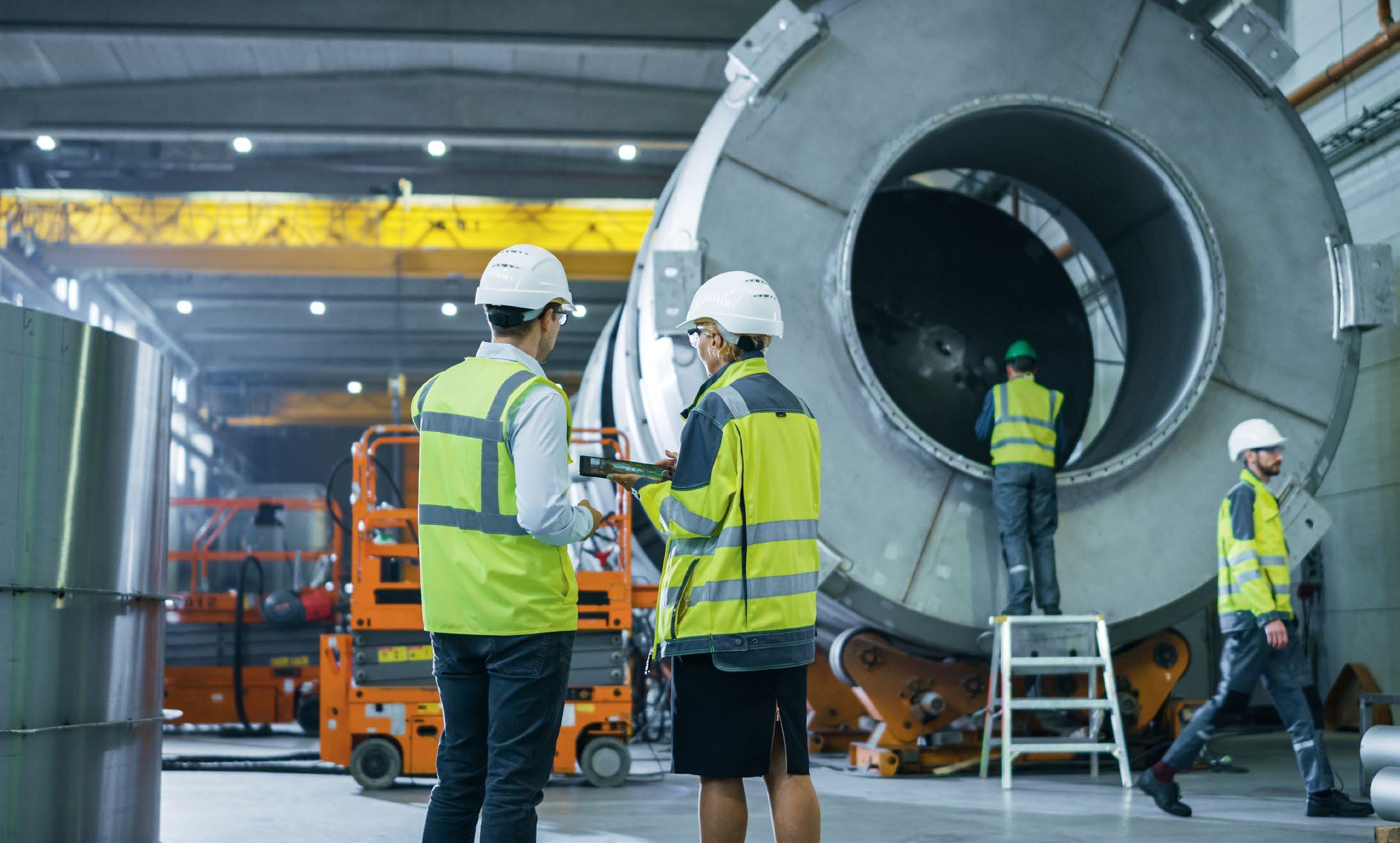
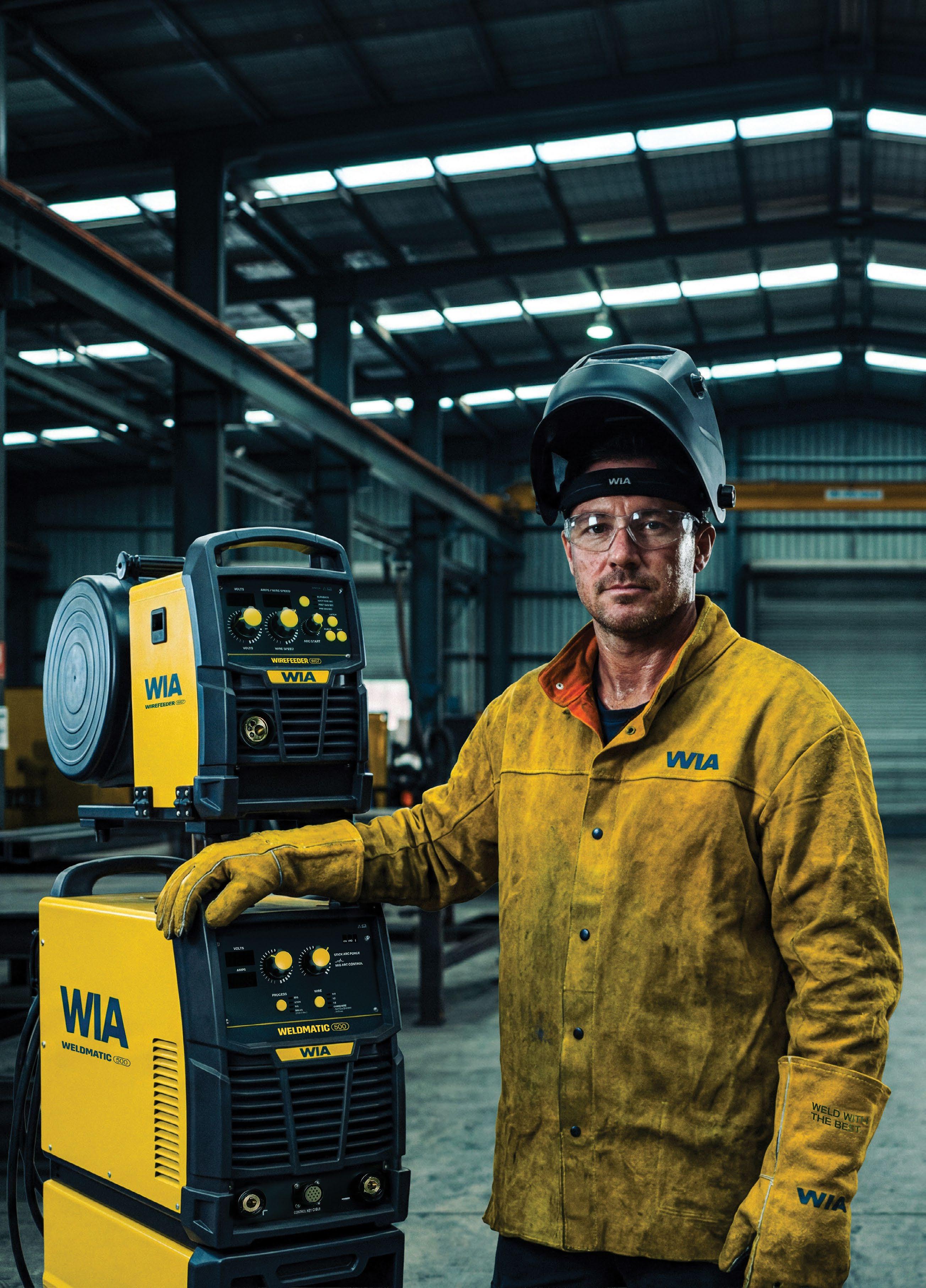
Weld Australia receives a number of technical enquiries from members via its Hotline. A member recently contacted Weld Australia to seek assistance with qualifying a weld procedure and operator for a robotic application using the solid wire GMAW (MIG) process. The stated application required qualification to AS/NZS 1554.6 with the member indicating that their operator had current welder qualifications for the use of the gas shielded flux cored process.
Weld Australia advised the member that AS/NZS 1554.6 (as with other parts of the AS/NZS 1554 series) gives guidance for qualifying welders using manual and semi-automatic processes, and submerged arc welding which is usually fully mechanised.
Whilst automatic and robotic welding are not specifically mentioned in the standard, similar principles remain applicable and, in this case, to any robotised process including via a cobot. The member was advised to proceed as follows:
1. Qualify the required weld procedure using the GMAW process. The test plate can be welded by a welder or via the robot. For the welding procedure to be optimal, it should be qualified preferrably using the same level of mechanisation as the application, in this case via the robot. In addition, qualifying the procedure on the robot confirms the programmed variables such as stickout, travel speed, angles, and other variables to be used and replicated during production.
2. Once qualified, if the procedure was welded by a welder, the procedure can be transferred to the robot. The member was advised that it is likely that any variation in variables programmed into the robot may need to restricted to lower limits than the essential variable limits permitted for manual-based welding. Small parameter variations that a welder can easily compensate for without issue can cause weld quality issues on fully mechanised and automatic processes including robotic processes. It is highly recommended to qualify the procedure using the same level of mechanisation to avoid this issue.
3. For personnel qualification, there are a number of options available given that any person who either sets the parameters within the robot or makes parameter adjustments must be qualified to the procedure.
Personnel qualification can be obtained by:
• using the robot to create the welder qualification test plate and testing as specified with the standard; or,
• using the robot to create the welder qualification test plate in conformance with AS/NZS ISO 14732. AS/NZS ISO 14732 is similar to AS/NZS 9606.1 and provides operators utilising fully mechanised or automated equipment with a qualification route with a maximum period of validity of up to 6 years. The qualification provides a wide range for the welding of any welding procedures, irrespective of the materials, thickness, type of weld or joint, and positions as the setter/operator competency is relevant to the use of the welding unit, and not the control of the torch. It qualifies the operator based on competence in operating and controlling the welding equipment rather than manually manipulating the welding torch. This is also why in AS/NZS ISO 14732 the functional knowledge of the welding unit (Annex A) is not optional but mandatory. Whilst this qualification route is not specifically mentioned in AS/NZS 1554.6, it is acceptable and recommended by robotic equipment manufacturers and suppliers.
For welding operator qualification, these are the four most common scenarios and their associated qualification requirements:
1. Loads parts, press button, removes parts = no setup, no monitoring = no qualification required
2. Set equipment (shielding gas, and/or wire, and/ or program, and/or parameters, and/or jigs) = equipment setup before production = welding operator qualification required
3. Start weld, monitors and troubleshoot during welding = real-time control = welding operator qualification required
4. Offline programming, not present at production setup = no qualification required, optional
For operators who simply feed the robot welding components in a jig or fixture and who are locked out of access to adjusting or modifying the robot’s welding parameters, welding operator qualifications are not required but they should be competent to undertake the work they are doing. It is anticipated that this principle will be clarified in the next edition of AS/NZS 1554.6.
This Hotline update covers a specific query encountered during the last few months. Whilst accuracy in welding is critical, it is impossible to report in detail the full circumstances of the query. As such, Weld Australia recommends that further technical advice is sought in relation to specific, individual circumstances.
Weld Australia’s Industry Groups provide a forum for technology transfer and research and development, linking members with industry and research organisations. Weld Australia works with Industry Group members to ensure they remain diverse and resilient in the ever changing and increasingly challenging global markets.
The Asset Integrity Board met online in February with representatives from EnergyAustralia, Delta Electricity, Alinta Loy Yang B, CS Energy, and Genuity Millmerran.
Attendees gave an update on the current issues affecting their operations.
The Group discussed broadening the scope of the Power Generation Industry Group to include electrical plant and renewable energy. The Renewable Energy Group would focus on BESS and other renewable technologies. This will give a forum to increase the sharing of knowledge and experiences across the power generation industry.
The Boiler Turbine Industry Group met at the Millmerran Power Station in March. This marked the 70th meeting
of the Group—a major milestone. The Group commenced operations in the early 2000s and remains popular, as evidenced with strong attendance; 25 people attended in-person and another 40 people attended online.
Key presentations were given by:
• Juandre Coetzer from Genuity on the Millmerran boilers
• Gary MacDonald, Dennis Fajkovic, and Richard Baker spoke about Sulzer’s capabilities
• Wayne Hill from EnergyAustralia gave a presentation on industry knowledge retention
• Nigel Atkins from EnergyAustralia spoke about novel NDT techniques for the Yallourn Unit 2 turbine failure
• Shane Cogan from HRL presented on thermal spray coatings
• Gang Wang from Stanwell spoke about the issues and challenges at Tarong North Pressure Plant
• Cormac Chambers from Genuity covered the Millmerran Unit 2 boiler feed pump repairs
The Group is currently progressing three key projects focused on strengthening capability, knowledge sharing and workforce development across the power generation sector.
The first project focuses on the Flexible Operation of Ageing Plant. This work examines the challenges associated with managing plant that is operating beyond its original design life, particularly components exposed to high temperatures, high pressures, cycling and flexible operating conditions. The project will explore metallurgical degradation mechanisms such as creep, fatigue and corrosion, and consider practical approaches to managing the safe, reliable and ongoing operation of these critical assets.
The second project is the Welding Training Simulator (pictured below), which has been assembled by Delta Electricity over recent months and is now complete and ready for use. Housed within a transportable shipping container, the simulator can
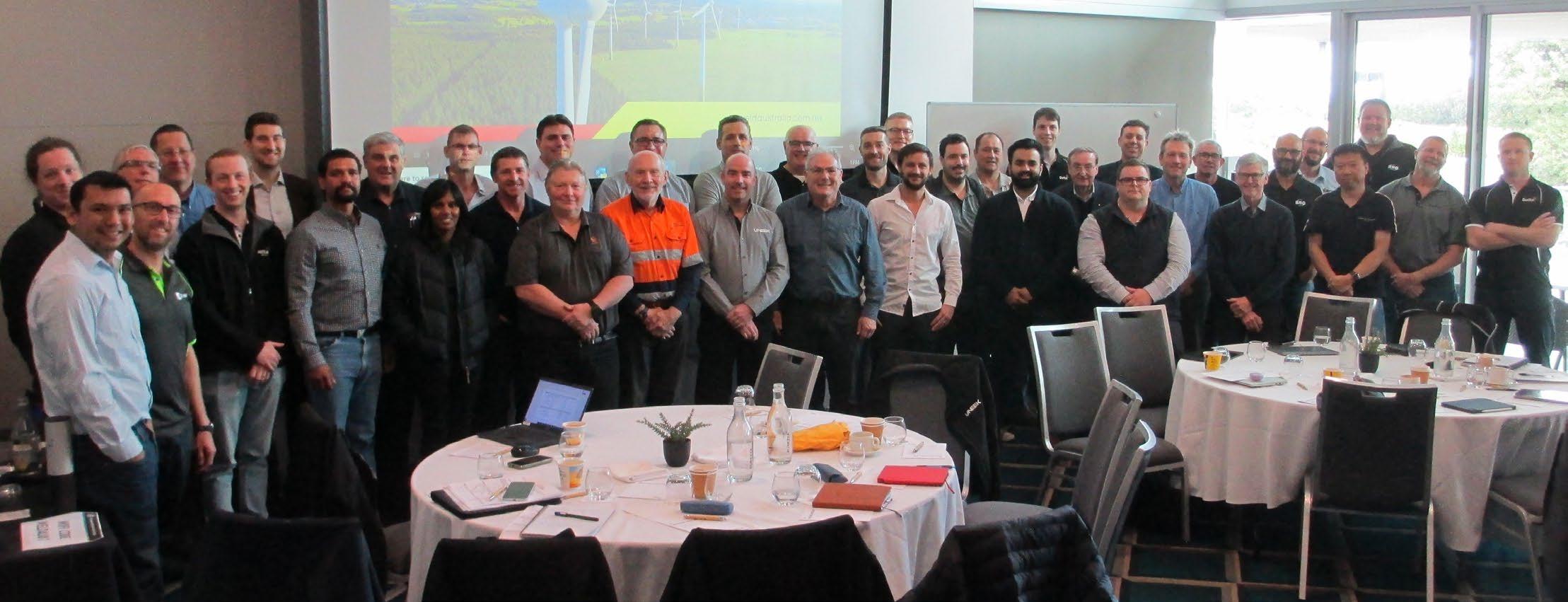
FURTHER INFORMATION
For further information or to join one of our Industry Groups, contact: Andrew Davies on a.davies@weldaustralia.com.au or 0438 428 966.
be deployed to sites across Australia where there is a need for specialist training in boiler tube welding and other pressure welding applications. The simulator will provide a practical, flexible training solution to help build and maintain critical welding capability across the industry.
The final key project is focused on Early Career Development. Weld Australia will facilitate stronger links between power generators and universities to create work experience opportunities for undergraduate students within the power industry. The initiative will also support finalyear projects linked to real issues or opportunities at power stations.
As part of this work, Weld Australia will develop a dedicated webpage where students can learn more about opportunities in the sector and register their interest. Weld Australia will also liaise directly with universities
to share information with students and connect them with participating power generators.
The Process Safety Industry Group met in February, April and June, with a more frequent schedule of shorter meetings implemented. The meetings are designed to be frank and open discussions and, as such, are not recorded or minuted. With attendees from Stanwell, Loy Yang B, APA, Delta Electricity, and Genuity, these meetings have been very successful and have facilitated much open and useful discussion.
Each meeting has a theme, including operational risk management, incident reporting, IT and management systems, critical controls and bowties, management of change, governance and assurance, and people and culture.
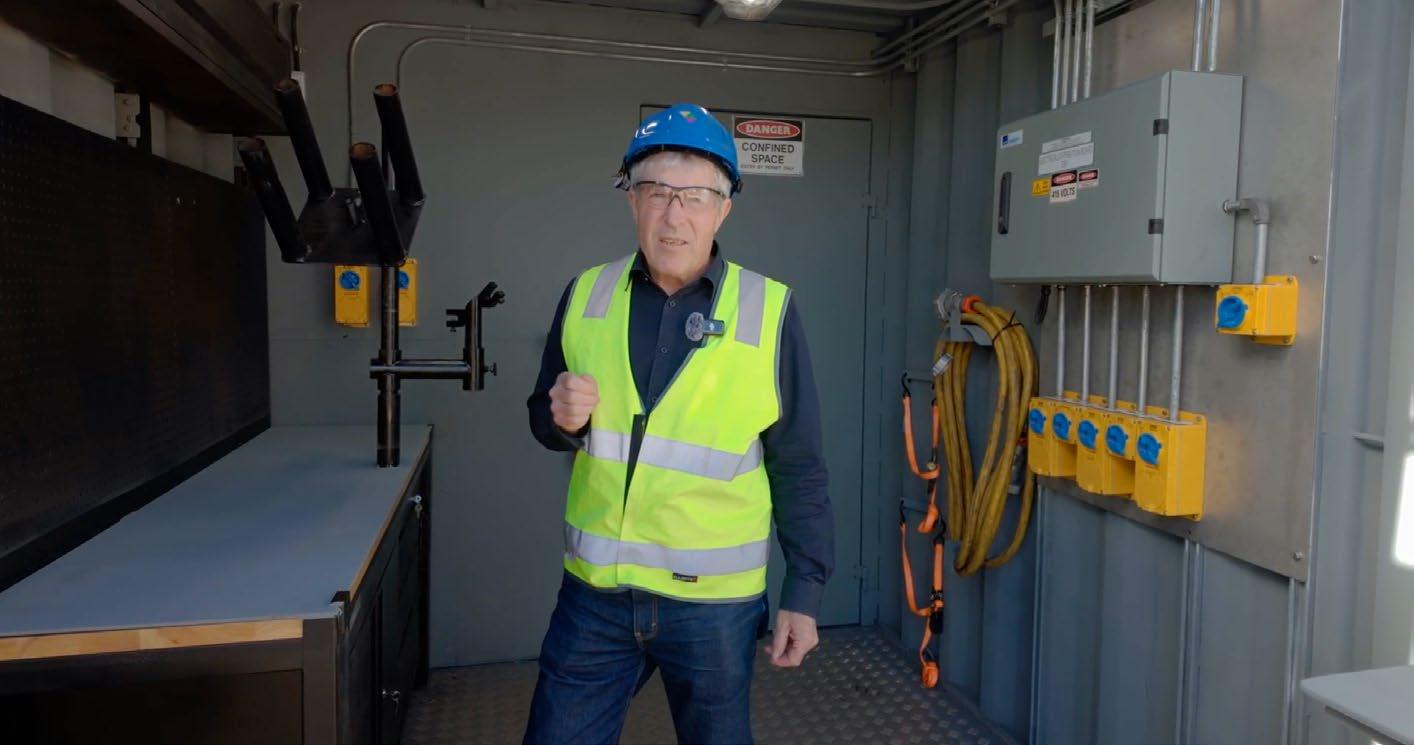

The Welding Safety Council met in March 2026. The meeting opened with Bruce Cannon (Principal Welding Engineer, Weld Australia) providing a Standards update.
Discussions then turned to the safety risks associated with handheld laser equipment. While there are compliant machines entering the Australian market, supported by detailed safety information and training, there is growing concern about non-compliant laser welding machines and related equipment being imported with little or no appropriate safety guidance. This presents a significant risk for operators, businesses and regulators, and highlights the need for clear information, training and industry support.
Dr Trevor Wheatley (Director and Head of Laser Protection at Opticom) delivered a presentation on laser operations and laser safety, outlining the key risks and practical considerations for safe use.
Weld Australia is also undertaking a weld fume study. This is being managed by Cornelis van Niekerk (Advanced Manufacturing Manager, Weld Australia) in conjunction with the Welding Safety Council. The project is progressing well, with input from SafeWork NSW to refine the study. This includes consideration of the need for occupational hygienists to undertake exposure monitoring.
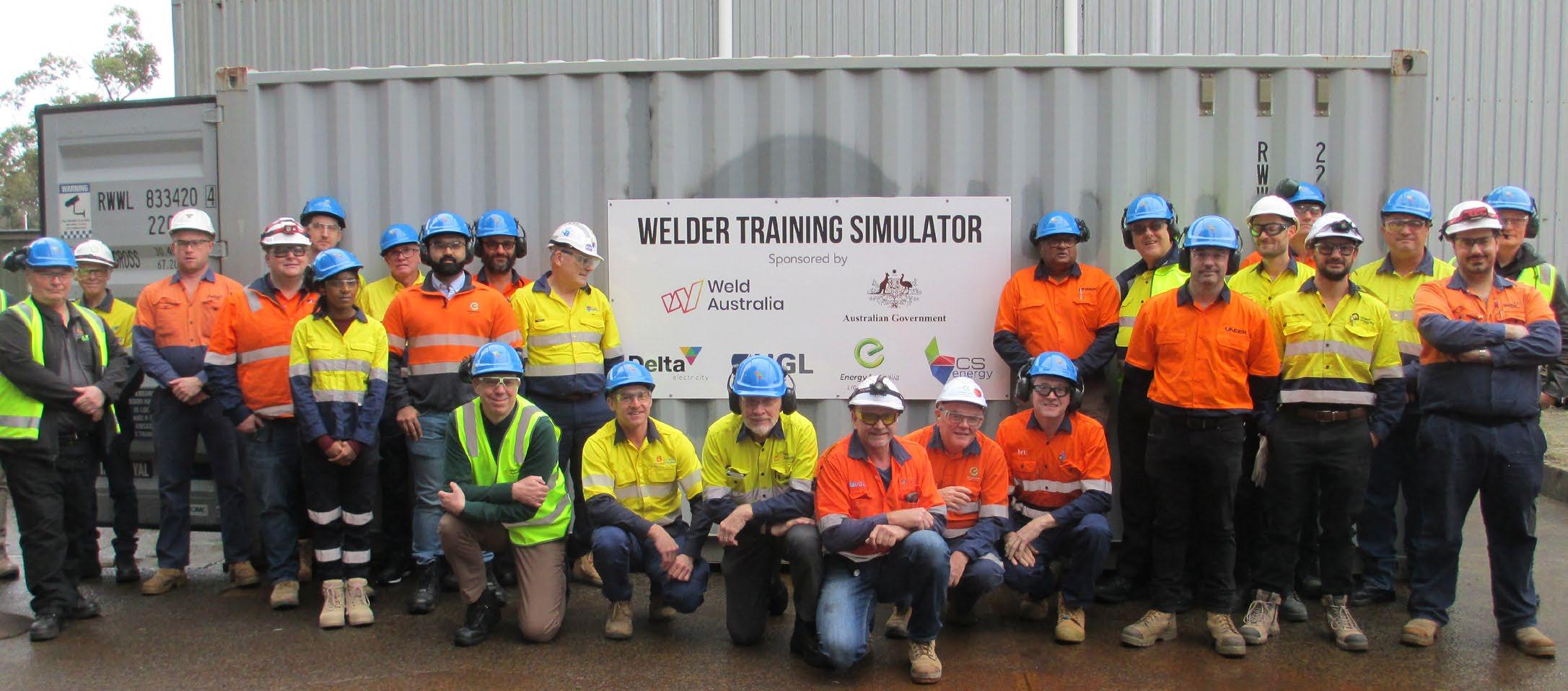
Starts 20 July 2026
Welding Supervisors understand the sector’s complex theoretical knowledge, and how it applies in practice. By pursuing a career in this area, you will open yourself up to many new professional qualities including skills like leadership, teamwork, communication, responsibility and problem solving.
WELDING SUPERVISOR IN TOWNSVILLE
Starts 31 August 2026
Welding Supervisors understand the sector’s complex theoretical knowledge, and how it applies in practice. By pursuing a career in this area, you will open yourself up to many new professional qualities including skills like leadership, teamwork, communication, responsibility and problem solving.

Starts 24 August 2026
This program is designed to build the technical knowledge of welding personnel through structured, theorybased learning. It provides a pathway for individuals to gain formal recognition for the welds they already perform, while also offering the opportunity to expand their skills across different weld types and positions.
Starts 14 September 2026
As a Welding Inspector, you will play an important part in ensuring that welded components comply with the appropriate International or Australian Standards, codes and client specifications. You may also be responsible for ensuring that documentation, procedures and welder qualifications are in place.
Starts 25 August 2026
Welding Supervisors play a vital role in industry, they understand the factors that influence welding quality, how to oversee welders effectively, and the variables that help maximise productivity. This online course enables you to obtain a Welding Supervisor AS2214 certification, recognised throughout industry.
Starts 28 September 2026
This program is designed to build the technical knowledge of welding personnel through structured, theorybased learning. It provides a pathway for individuals to gain formal recognition for the welds they already perform, while also offering the opportunity to expand their skills across different weld types and positions.