THEEAST QUADOPENS
Correction: In theSpring/Summer 2025issue ofTheGryphon,thefeaturearticlemistakenly referredtoMichael Feldman ’67 as David in two instances.We apologize forthiserror.
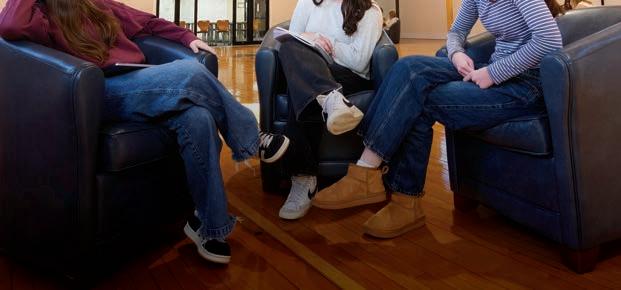
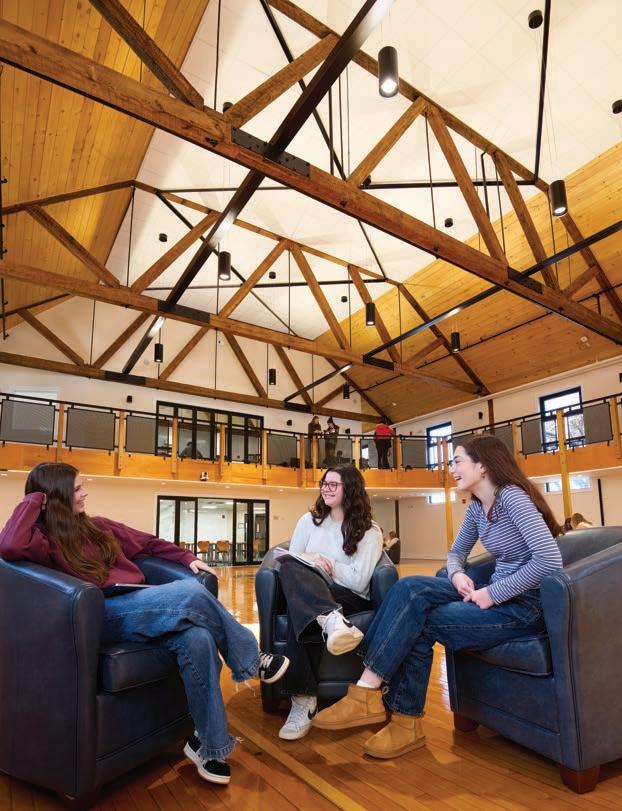
Cover:Bridget ’28, Liv ’28, and Sophie’28 enjoythenewEastQuadspace.
BOARDOFTRUSTEES2025–26
NoahLorenP’22,’24 ChairoftheBoard
Mike FlanaganP’20, ’22 ViceChairoftheBoard
AllieAltmanP’12 Treasurer;FinanceCommitteeChair
SsanyuBirigwa’95
LuizMiguelCamargoP’25
LiseCharlier HeadofSchool
MichaelFleming’81 DevelopmentCommitteeChair
JohnHanselmanP’27
CynthiaHarmon
KyraLee’26 DayStudentRepresentative
ChinLinP’18 Secretary;Buildingsand GroundsCommitteeChair
AnnMarieLindquistP’10,’19 GovernanceCommitteeChair
JedLippardP’26,’26
AnneMeinke
FacultyRepresentative
Youhua(Nancy)NieP’25,’29
AdamOlivier’26
BoardingStudentRepresentative
MeredithOppegard FacultyRepresentative
DmitriRabinP’22 InvestmentCommitteeChair
WillStansburyP’20
JohnThompsonP’05,’07
Remke van Zadelhoff P’25
THE GRYPHON, SPRING2026
LiseCharlier HeadofSchool
EmmanuelleCharlier DirectorofAlumniandParentEngagement
ElizabethDustin ChiefDevelopmentOfficer
CarolineDurr CommunicationsCoordinator
EmmaFedor DirectorofMarketingandCommunications
JeanetteOrigel DirectorofDigitalContent
CONTRIBUTORS
SherrillBounnell
JohnCannonPhotography
AvalonJellinek’28
RachelHirsch
MeredithOppegard
DeeTran
DESIGN gokorodesign.com
TheCambridgeSchoolofWestonisan independent,all-genderdayandboarding schoolforgrades9–12.Inquiriesfor admissionshouldbedirectedtothe AdmissionsOfficeat781.642.8650. TheGryphon welcomes classnotes andphotographsbyalumni,parents, andfriends.Pleaseemailsubmissions toalumni@csw.org,call781.642.8619, visitwww.csw.org,orsendto: AlumniRelations
TheCambridgeSchoolofWeston 45GeorgianRoad Weston,MA02493
CONTACT www.csw.org
Tocontacttheeditor,pleasesendusan emailatgryphon@csw.org.



ON THE QUAD

Galileo
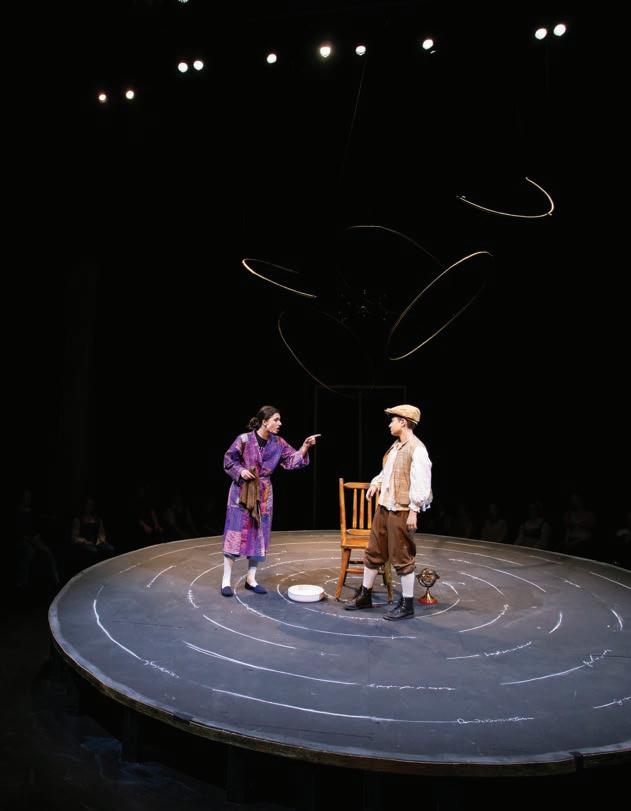
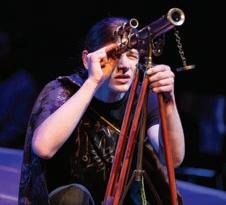
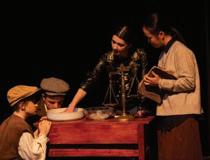
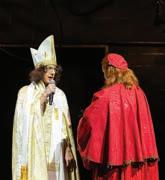
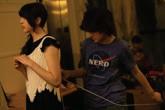
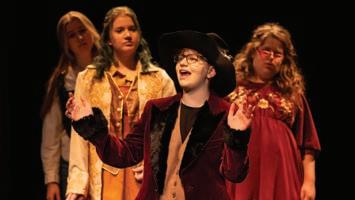
Thisyear’sFallTheatreProductionof Galileo was a brilliant achievementby thecastandcrew.Thetimely“punk rock” feminist spin on BertoltBrecht’s 1939work,whichexploresGalileo’s storyasnarratedbyhishistorically overlookeddaughter,Virginia,inspired theentireCSWcommunity.Thisspring, CSWTheatrewillpresentRodgersand Hammerstein’s Cinderella.Markyour calendarsforJune4-6!
GillianGordon

Read-A-Thon
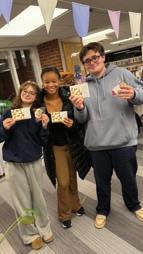
InDecember,60CSWstudents, faculty,andstaffparticipatedinallor partofa12-hourread-a-thoninthe Library.The one restriction of the day?Thereadingcouldnotbe homeworkorassignedreadingfor school.Pleasurereadingonly!Over thecourseoftheevent,ourreaders logged13,335pagesand3,252minutes ofaudiobooking,amountingto28 bookscompleted.Andforevery studentthatwasable to complete 6+ hoursofreading,theLibrarywillbe donatingbrandnewYoungAdulttitles toanareaorganizationonthe student’sbehalf.
GoodEats
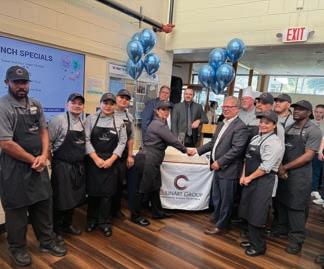
CSW’sincrediblediningservicesteamfromCulinArt,ledbyChef JimBoyd, was named a Compass Center for Excellence.Theywereofficially presented with their awardandwerehonoredinanall-campuscelebrationinOctober.

Spike, Set, Score!
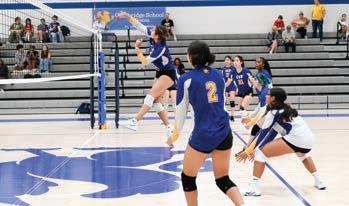
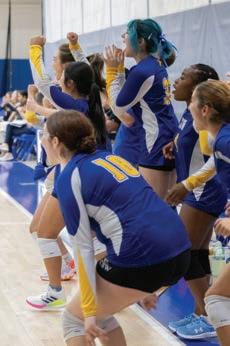
CSW’sGirlsVarsityVolleyballteammadeschoolhistorythisseason,advancing tothesemifinalsoftheNEPSACtournamentforthefirsttimeever.This incrediblemilestonecameafteranintensefive-setvictoryoverMontrosein theNEPSACquarterfinalsonNovember10.TheVolleyballprogramatCSWhas grownexponentiallysinceitsfoundingin2016.Inrecentyears,therehasbeen so much interestin the sportthatthe Athleticsprogramnowoffersthree differentgirlsteams,andthisspring,thefirst-everboyssquadwillembark ontheirfirstcompetitiveseason.
GrandparentsDay
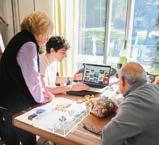
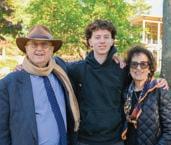
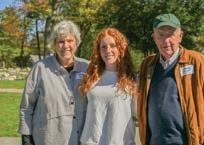
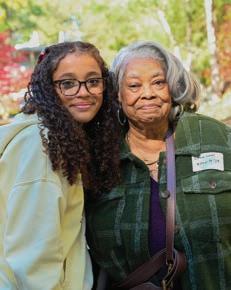
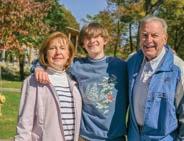
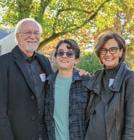
Forthefirsttimesincethepandemic,CSWwelcomedgrandparents backtocampusforGrandparents&GrandfriendsDayinOctober. Visitorsshadowedclasses,enjoyedperformances,andsharedin theirstudents’schoolday.Theirpresencebroughtwarmthandjoy tocampus,andweweregratefultohavethemjoinus.Wecan’twait fornextyear’seventonOctober20,2026.
DeeTran
FallFest
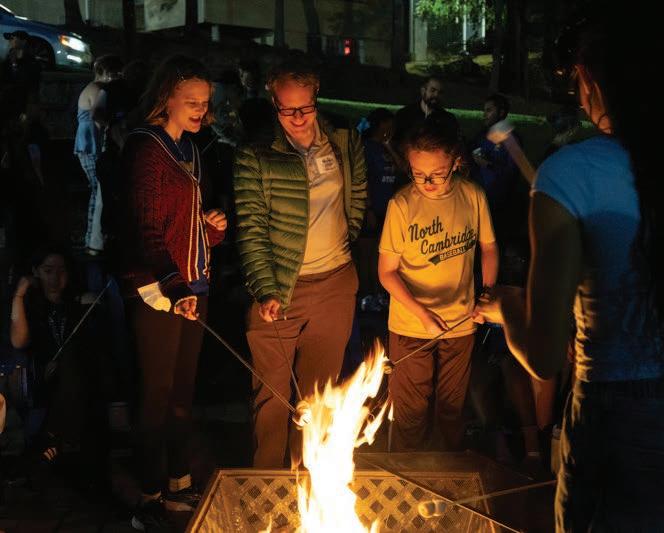
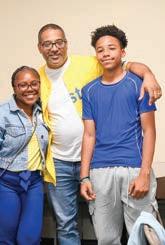
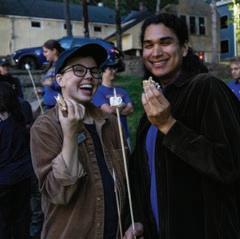
Inmid-September,familiesjoinedus foraweekendoncampusforCSW’s FallFest!Theyattendedclasseswith theirstudents,cheeredourathletes onthefieldandthecourt(alongside returningalums!),andevenenjoyed aneveningofs’moresandmusicat theamphitheater.
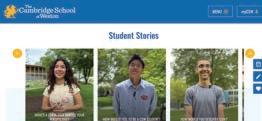
New Website Launch
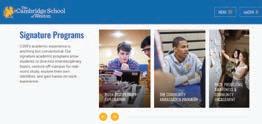
CSWwaspleasedtolaunchanewschoolwebsiteinearlyFall 2025.Theredesignedsiteboastsacleaneraesthetic,larger visuals,andamoremodern,user-friendlyinterface.Weinvite youtocheckoutthenewsiteatwww.csw.org.

MLKSpeaker
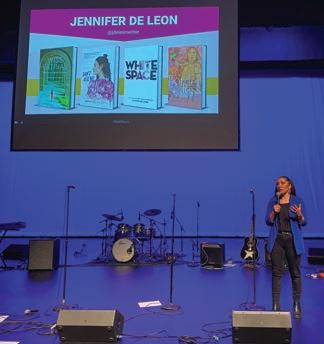
InhonorofMartinLutherKingJr.Day,CSW welcomedauthorJennifer(Jenn)DeLeonfor acommunity-wideassemblyonstorytelling, identity,anddreaming.DrawingonDr.King’s legacyandrhetoricandherownexperience asthedaughterofGuatemalanimmigrants, Jennsharedhowstoriescaninspireempathy, self-discovery,andsocialchange.Thevisit offeredaresonantreminderofstorytelling’s role in fostering self-understanding and socialchange.
TheOnceandFuture AfricanGoddess
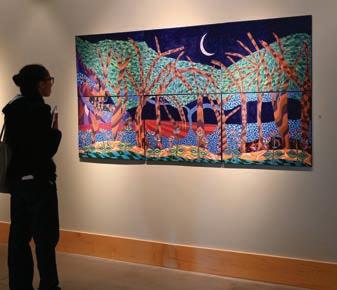
Thisfall,CSWproudlypresented TheOnce andFutureAfricanGoddess, anexhibitionby Cambridge-basedinterdisciplinaryartist KarmimadeeboraMcMillan.Workingacross mediums,McMillanconstructslayered, color-saturatedworldsdeeplyinformedby Afrofuturism,AfricanandAfricanAmerican history,myth,andspeculativefiction. McMillanpresentedherworkandhelda student-moderatedQ&Aforacaptivated audienceatAssembly,afterwhich,students wereinvitedtoattendthegalleryopening.
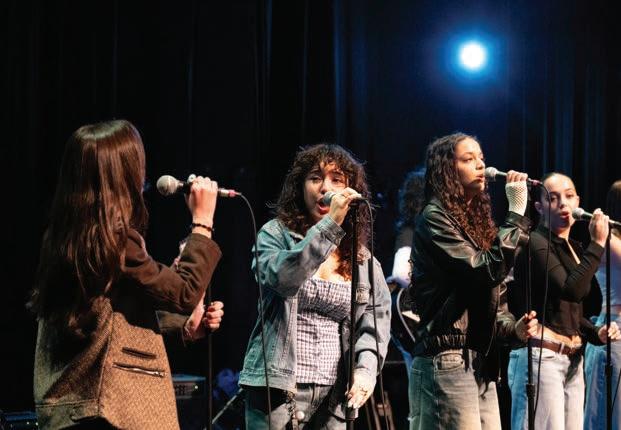
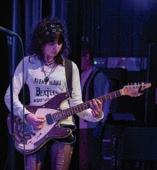
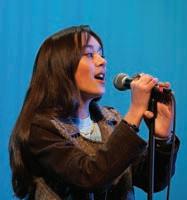
Beatlemania
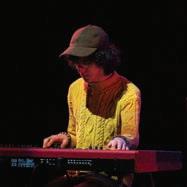
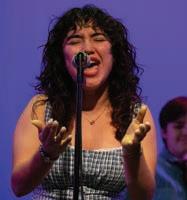
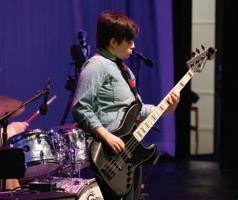
BeatlemaniatookoverCSW’scampusthis winterwhenRock/PopEnsemblebrought themusicofTheBeatlestolifeattheir annualconcert.Audiencesweretreatedto classicBeatleshitslike“ComeTogether,” “Yesterday,” and“Penny Lane.”

New Faculty & Staff
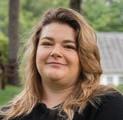
TESSABARRY THEATRE
TessaisexcitedtojointheTheatre Departmentastechnicaltheatre director. She isascenicdesigner, scenic artist, and art educator workingoutoftheGreaterBoston Area.Shestudiedstudioartat EndicottCollegeandcompleted hermaster’sinfineartsatBoston Universityinscenicdesign. Outside of the classroom,she can befoundgoingtoseelivetheatre, makingsomethingridiculous,or overthinkingher Survivor fantasy leaguepicks.
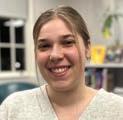
OLIVIAFOLEY SKILLS
OliviahasjoinedtheSkillsCenter astheeveningskillscenter teacher.Sheearnedherbachelor’s degreeinsociologyfrom BridgewaterStateUniversityin 2020andiscurrentlypursuinga master’s degreein education with afocus in moderatedisabilities at MerrimackCollege.Outsideof teaching,Oliviaenjoysplaying pickleball,reading(especially memoirs),andplayingboard gameswithfamilyandfriends.
PAULCAPOBIANCO HISTORY
PaultaughtintheHistoryDepartmentatCSWduringMods4and6in 2025, and it’s been a thrill to return to work with students over three modsforthe2025-2026schoolyear.Paul’sprofessionalexperience includes20+yearsofworkinginlaw,politics,andeducational publishing.Hebeganteachingmiddleschoolsocialstudiesin2013, building a successful middle school programatAtriumSchool in Watertown. When he’snotdoing yoga, he’stending to hisgardensat homeinDedham,andspendingtimewithhislovingwife,Karen,and theirexcitabledog,Nalu.Paul’sson, MaxLindsay-Capobianco, graduated from CSW in 2019.
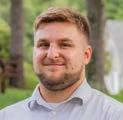
ZEKECOHEN DEVELOPMENT
ZekehasjoinedtheDevelopment Officeasassociatedirectorof development.HeattendedCornell University,wherehestudied informationscienceandwason thetrackandfieldteam.After college, heworked for an educationtechnologycompanyas asoftwareengineer.Hecurrently livesinNorthAndoverwithhis partner and their huskynamed Kyber.Helovescooking,traveling, board games, and anythingthat getshimoutdoors!
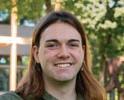
TOPHERDAVIS ENGLISH
TopherhasjoinedtheCSWEnglish Department.AnativeofCambridge, MA,TopherDavisstudiedClassics atMcGillUniversityand ComparativeLiteratureatthe UniversityofMichiganbefore teaching French Literature at the universitylevelforover20years, mostrecentlyatNorthwestern UniversityinChicago.
ELIZABETHDUSTIN DEVELOPMENT
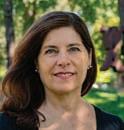
KAIDENNETT ADMISSIONS&ADVANCEMENT
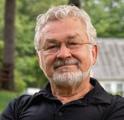
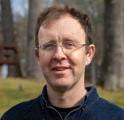
ElizabethisCSW’snewchief developmentofficer.Sheholds anMBAfromtheUniversityof Chicago Booth School of Business and a bachelor’sin economics andarthistoryfromWellesley College.Elizabethhasmore than20yearsofexperiencein development,including fundraisingrolesatHarvard UniversityandWellesleyCollege, andpreviouslyworkedinthe corporatesector.Inherspare time,shecanbefoundexploring nature and new restaurants, walking herdogs, and cooking.
KaihasjoinedCSWasamemberoftheAdmissionsandAdvancement teams, and as a dorm parent in Aleph. They recently received their BFA in sculpture and integrated practices from the Pratt Institute, and continuetomakeandexhibitwork.Theirpassionsincludeart-making, backpacking,reading,traveling,andlisteningtomusic.Theygrewupin Portsmouth,NH,andafterlivinginNewYork,Connecticut,andMaine, they’rethrilledtobelivingwiththeirpartneraspartofthecampus community here in Weston.
MOTTHWANG SCIENCE
CAROLINEDURR MARKETING&COMMUNICATIONS
Caroline hasjoined CSW’sMarketing and Communications teamascommunicationscoordinator.Aftergraduatingfrom SmithCollege,CarolinemovedtoBostonwheresheworkedin admissionsatBuckinghamBrowne&NicholsSchool.Inher freetime,shelovestobakeandfindnewrecipes.Shealso enjoysexploringMassachusettsviaherbikeandrowingonthe CharlesRiverwhenevershegetsthechance.
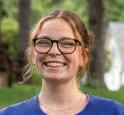
MottjoinsCSWasamemberoftheScienceDepartment.Theyearneda BA in psychology, molecularand cell biology, and integrated human biology,andaBSinnutritionalsciences-toxicologyfromUCBerkeley. Afterabriefstintinthemedicalfield,MottreturnedtoUCBerkeleyto obtaintheirCaliforniaTeachingCredentialandthenattendedthe HarvardGraduateSchoolofEducationtopursuetheirEdMinhuman developmentandeducation.Theycontinuetoteachandmentoradults who dropped outof high school to earn theirdiplomas. Forfun, Mott likestoread,playvideogames,hike,travel/explore,sing/jamout,and binge-watchNetflixseries.
MEGHANO’LEARY SUMMER&AUXILIARY PROGR AMS
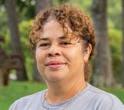
Meghan joinsthe CSW communityasthedirectorof summer&auxiliaryprograms, bringingoveradecadeof
ENMALEMUS-GRIJALVA FACILITIES&GROUNDS
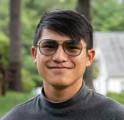
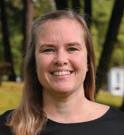
EnmaisexcitedtojoinCSW’sfacilitiesandgroundsteam. In1996,Enmagraduatedasasecretaryandworkedinthe capitalofGuatemalafor12yearsbeforecomingtoAmerica. Shelikestotravelwithherfamily;someofherfavoriteplaces havebeenFlorida,NewHampshire,WashingtonDC,and NewYorkCity.ShecurrentlylivesinLeominster,MA,withher husbandandtwochildrenwhoarecurrentlyinhighschool; shealsohasadaughterwhoisafreshmanattheUniversity ofNotreDame.
experienceinsummer programming,experiential learning,andtraditional educationsettings.Shehasspent hercareerdesigningandleading youthprogramsthatcenter connection,playfullearning,and collectivepurpose,findingjoyin buildingexcellentstudent experiences,developing responsiveandrelationalstaff teams, and creating operational systemsthatkeepeverything runningsmoothly.Meghan earnedherB.A.from Washington Collegeand her M.A. from Notre DameofMarylandUniversity.A proudMarylandnative,she enjoysstartinghermornings with a swim, spending time outdoors, and being with her family asmuch asshe can.
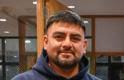
MARVINLOZADA FACILITIES & GROUNDS
MarvinrecentlyjoinedCSWasa GeneralMaintenanceAssociate. HeisoriginallyfromBoliviawhere heearned an associates degreein businessmanagement,beforehe movedtoBostonin2018.Heis blessedtohaveanamazingwife anddaughter.Heiscurrentlypart oftheGreen Collar trade, pursuing abuildingsciencedegree.
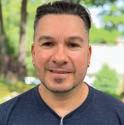
MARIOHERWINGPINEDA FACILITIES & GROUNDS
MariohasjoinedtheCSW FacilitiesDepartmentas custodialsupervisor,helping tokeepspacesclean, accessible,andorganized. WhennotatCSW,heenjoys hikinginNewHampshire andspendingtimewithhis two daughtersandtheir dog.
LUISREYES-LEIVA FACILITIES & GROUNDS
Luisisexcitedtobeapartof CSW’sfacilitiesandgrounds team.In1992,hegraduatedas anexpertaccountant specializingincommercial computing, and he worked at theinternationalairportinthe capitalofGuatemalafor15 yearsbeforecomingto America. Growing up, he used tolovetakingcareofhis family’scowsandgoingto church with hisfamily on Sunday.Hecurrentlylivesin Leominster,MA,withhiswife and two children who are currentlyinhighschool;he also hasadaughterwho isa freshmanattheUniversityof NotreDame.
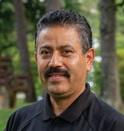
ERROLSAUNDERS HISTORY
ErrolisexcitedtojoinCSWasamemberoftheHistoryDepartment. ErrolcomestoCSWwithnearly20yearsofteachingexperience. Hehastaughthistory,English,andsociologyofeducationtostudents ingradessevenandabove.MostrecentlybeforecomingtoCSW,he wastheexecutivedirectorofthePathfinderProgramatHopkins School,inNewHaven,CT.AnadvanceddoctoralstudentatTeachers College,ColumbiaUniversity,hisdissertationfocusesonstudents’ experiencesofbelongingwhilenavigatingpublicschoolchoice schema.Inhissparetime,hegeeksoutoverseparatedbikelanes,local history,post-industrialcities,and RuPaul’sDragRace.Youmight encounterhimdancing the nightaway (salsa, merengue, orany old popstandardswilldo),travelingnearandfar,practicinghisSpanish, andgoingonadventureswithhisniecesandnephews.
CHRISSEELEY ADVANCEMENT
MARCWILLIAMSON MATH
ChrishasjoinedCSWasassociateheadofschoolforadvancement. Hebringsnearly30yearsofexperienceinindependentschools, withleadershiprolesinadvancement,academics,admissions, andmore.Mostrecently,ChrisservedasheadofschoolatSaint ThomasChoirSchoolinNewYorkCity.Hehasalsoheldleadership positionsatChurchFarmSchool,TrevorDaySchool,andGroton School,wherehe beganhis career. Chris studiedatBowdoin Collegeandearnedhismaster’sdegreeinprivateschoolleadership from Columbia University’sTeachers College. He hasserved nationallythroughroleswithTheAssociationofBoardingSchools, theKeewaydinFoundation,andtheNationalAssociationof EpiscopalSchools.
MarchasjoinedCSW’sMath Department.Anastrophysicistby training,Marc’sfieldis supernovae,theexplosionsofthe mostmassivestarsintheuniverse, andheisacomputationalscientist wholovesincorporatingmachine learning andrigorous statistics into his research. He grewupin a liberalartscollegetown,and teachinghasbeenapassionofhis eversincehewasachild.
Canyoumatchthesefacts withournewestfaculty&staff?
Ihavezerochill whenever a dog is in my proximity.
My favorite book right now is EsperanzaRising.
Both of my parents wrote for TheBostonGlobe
I’ve been to every continent except for Antarctica.
Iwasatastetesterfor PaneraBread.
I’vecookedinrestaurantsfor 12years.
I spent most of my youth in hockeyrinks.
Ihavefivebrothersand twosisters.
I played an exhibition football gameinIrelandinfrontof thousandsoffans.
Iamnearnearsighted,farsighted, andhavedoublevision.
Inhighschool,Ihelpeddesign,build, and race street-legal solar cars.
Had Inotdeveloped an allergy to bees,I’dstillbebeekeeping.
Answersonpage12
I love strategy games, both video andboard.
IhikedtheNorthville-Placidtrail intheAdirondacks.
I really like going on family trips everysummer.
I played professional soccer inGuatemala.
I’m an advanced open-water certifiedscubadiver.
AmericanImmigrantLiterature
ByCarolineDurr

“Thecourseactively challengesstereotypes byexposingstudents toawiderangeof immigrantnarratives thatreflectdifferent cultures,timeperiods, andexperiences.”
Assignmentsemphasizebothcriticalanalysis and creative expression. While studying The Best We CouldDo,studentscompletecontext presentations,close-readinganalysesusing graphicnovelvocabulary,andacreativeproject inwhichtheydesigntheirowngraphicnovel pagebasedonapersonalorimaginedmemoir moment.Twomajorcourseprojectsincludean ekphrasticpoem—writteninresponseto artworkbyaUSimmigrantartist—andafinal essaytitled, TextsinConversation:Writing AboutAssimilation, whichasks studentsto synthesizemultipletextstoexplorehow assimilationisportrayedacrossgenres.
Onthefirstdayofclass,studentsareaskedto createtwocollages: imagestheyseewhenthey hea rthewordimmigrationandimagesthat reflecttheiractualexperienceswith immigration.Ayakosharesthattheimagesare “placed sideby sidefor comparison.Many students include images of their family and/or ownexperiences(sometimestheyincludetheir dormmates!)andit’sheartwarmingtoseeand hearthemshare.” Shecan“seetheirprideand joya ndthatmakeseverythingsoworthwhile.”
Formorethanadecade,“American ImmigrantLiterature,”anEnglishelective courseatCSW,hasinvitedstudentsto grapplewithpersonalandcomplexquestions shapinglifeintheUnitedStates: Whatdoesit meantobeanimmigrant?Whatisgainedand whatis lostwhenpeople leave one countryto build a life inanother?Howdoes itfeeltobe seenas“theother,” and How do immigrant parentsandtheirAmerican-bornchildren connectacrossgenerations?
Originallyofferedin2013underthetitle “ComingtoAmerica:ImmigrantExperience,” theclasshasevolvedovertimeandisnow taughtbyEnglishTeacher AyakoTanaka. While itscore mission hasremained the same, centeringdiverseimmigrantvoices,the coursehasgrowntoincludenewcreativeand analyticalassignmentsthatreflectthe richnessandvarietyofimmigrantstories. Today,studentsencountertheimmigrant experiencethroughpoetry,shortfiction, graphicnovels,film,historicaltexts,andtheir owncreativework.
Akeygoalofthecourseistoprovidea historicalgrounding.Studentsexaminemajor trendsinUSimmigrationpolicyfrom1776to thepresentusingexcerptsfrom American Immigration:AVeryShortIntroduction by DavidA.Gerber.Atthesametime,thecourse activelychallengesstereotypesbyexposing studentsto a wide range of immigrant narrativesthatreflectdifferentcultures,time periods,andexperiences.
Thereadinglisthighlightsvariousvoices, includingClaudeMcKay’s“America,”Emma Lazarus’s“TheNewColossus,”ThiBui’sgraphic memoir TheBestWeCouldDo,poemsbyJavier Zamora,JuanFelipeHerrera,AlbertoRíos,and Ocean Vuong, aswellas immigrant stories from the Immigrant Archive Project. Students alsoengagewith TheThingAroundYourNeck by ChimamandaNgoziAdichieandexplorepoetry written by detainees at Angel Island.A particularly meaningfulinclusion is the immigrationstoryof DuschaWeisskopf, aCSW alumnafromtheClassof1942,connecting students directly totheschool’sown history.
Comingfromimmigrantparentsherself, Ayako isnotshy aboutsharing herfamily’s immigration story and Japanese American heritage.Shebelievesthatoutofallofthe electiveclassessheteaches, “thisclassisone wher emanystudentsseemtohaveadirect, personalconnectiontothetopic.”Even for non-immigrantstudents, the course fosters empathy and understanding. One student, Charlie’27, shared thatthe classhelped her seetheimmigrantexperiencefrom perspectivesshehadneverconsideredbefore, particularly through writing an essay on assimilation. She wassurprised by how engaging and powerful the material was, despitehavingnodirectpersonalexperience withimmigration
In a time when immigrants are increasingly targetedandmisrepresented,“American Immigrant Literature” brings the human stories behindtheheadlinestotheforefront.Through literature and writing, students engage with voicesthatfosterempathy,challenge stereotypes, and deepen cultural understanding. Byexploringthesenarratives,theclass embodiesCSW’scommitmenttocultivating thoughtful, compassionate, and socially aware individualswhonotonlystudytheworld,but learn to see it through the eyes of others.
UnearthingtheEnvironmental HistoryofAlexandertheGreat andtheGreekMythsofCrete
RachelHirsch: HistoryDepartment (25YearsatCSW )
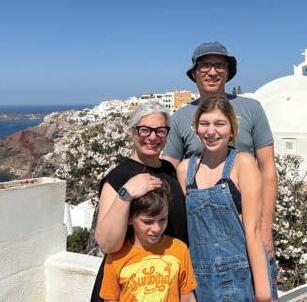
FueledbymylifelongpassionforthehistoryofAlexander theGreatandthemythologyandhistoryoftheGrecoPersian-Romanworld,ourParkhillGranttriptookmy husband,Josh,andourkids,Roz(13)andIsaac(8),andme toGreeceforjustovertwoweeks.
BeginninginnorthernGreece,about45minuteswestof Thessaloniki,weexploredtheplains,waterfalls, mountains,andruins ofwhat was once the heart ofthe ancientMacedonianEmpire.Iwantedtounderstandand physicallyexperiencehowthelandandgeographic environs shaped Alexanderand his culture. After nearly 25yearsofteachingaboutAlexander’slife(andhavingthe BESTtime,everytime),Ihavebeeneagertoexpandand shiftsomeelementsofthecurriculumbyrootingiteven morefullyanddynamicallyinthespecificplaceinwhich theeventshappened,andutilizetheland,weather,and geologicalandgeographicpropertiestomoretruthfully understandtheshapeofthecharactersandevents(and thecausallinksbetweenthem).Ibelievethatan environmentalhistoricalperspectiveisanessentialtool indismantlingthecolonial,Eurocentricco-opting,and weaponizationofAlexander,PhilipIIofMacedon,and Greekhistoryandmythology.Thelandtellsitsownstory, andbyregroundingtheeventsinthatspecifictimeand place,itallows us to peelbackthe layers ofmisuse ofthe eventstoservethemanyagendasoftheyearssince.
OurspecificstopsandactivitiesinnorthernGreece includedtheruinsofAristotle’sschoolforAlexanderthe GreatatMieza,thearcheologicalmuseumatPella(the economiccapitalofancientMacedon),thehilltownsand coast inthe shadow ofMount Olympus,andthewaterfalls atEdessa,wherewecouldlookoutacrosstheMacedonian
plainsandgetarealunderstandingofthescope,scale, andabundanceoftheland(whichlookssodifferentfrom therocky,steep,andocean-focusedlandscapeIalways imaginedinGreece).
For me,the highlight wasbeinginthe ancient ceremonial capital,Aigai(nowVergina).Weexploredtherecently reconstructedruinsofthepalace,andthenwalkedthe

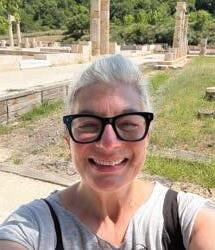
actualpathwaythatAlexanderandhisfather,KingPhilip II,tooktothetheaterwherePhilipwasmurdered.After yearsofreenactingPhilip’smurderinclassrooms,Ihad thechance to walkthroughit inthe actualtheater itself (andmakemykidsandhusbandhelp!)andseewhatthe trees andlandlookedlike,what the airandthe sunfelt like, and appreciatethedeeplyhuman scaleand experienceofaneventthathastakenonsuperhuman weightinsomanysourcesandhistories.
Evenmorethrillingwasourvisittothemuseumofthe ancientMacedonianRoyalTombs.Thetombs(most notablyPhilip’stomb)wereexcavatedintheearly1970s. However,ratherthantakingawaythehillthatcovered themandremovingtheartifactstoanewsite,theGreek governmenthasbuiltthemuseumaroundthetombsand reburiedthem,insitu.Tovisitthem,youwalkintothehill andnavigatethetombsinthedarkandcoolspacein whichtheybelong.Thisallowstheartifactstobe preserved,lit,andmaintainedinwaysthatare exceptionallyaccessibleandintimate.
MylessononthemurderofPhilip,usingtheartifactsof thetombascluesandevidenceforbuildinganarrative,is oneofmyfavoritelessonsthatIgettoteach,andforyears, wehavedoneitonlywithpicturesfrombooksand inventoriesfromarticles.Icannotwaittodothislesson this yearwithbright,close-upphotos that Itook myself andnewinformationthatIlearnedfromourguide,Eleni (anarchaeologist),andbringthismurderinvestigationto lifeinevenmorevividandphysicaldetail.
THEALORIEPARKHILL LEARNINGANDTRAVEL FUNDFORTEACHERS
EstablishedbyRebeccaParkhill’85,P’17,and RobertWillettP’17(parentsofOliverWillett’17), theAlorieParkhillLearningandTravelFundfor TeacherswascreatedtohonorthelateAlorie ParkhillP’85,’87,GP’17,whoservedtheCSW communityforover45years.Grantsfromthe fundmaybeusedfortravel,study,andanyform oflearningandexposurethatfollowsthe recipients’scholarly interests, with a goal of allowing recipientsto grow in theirknowledge andbackgroundindisciplinesandsubjectareas thatexciteandengagethem,beforebringing theirlearning back to studentsand colleagues atCSW.
The2025granteeswereHistoryTeacherRachel HirschandScienceTeacherMeredithOppegard. Alumni are invitedtoattend live presentations fromRachelandMeredithonSaturday,May2, aspartofReunionWeekend.
AfterleavingnorthernGreece,weheadedsouthtoCrete. Visitingtheruinsofthe“palace”atKnossos,welearned aboutsomeofthearcheologicalunderstandingofthe mythoftheMinotaur,rootedinaprofounddifference betweenMinoanandMyceaneanunderstandingof “natural” gender roles.Ona trip to the island ofSantorini, wewereabletolearnabouttheCycladicBronze-Agecity ofAkrotirianditspossibleconnectiontothestoryofthe lostcityofAtlantis.Here,Iwasstruckbytheinteractions ofsocialstructuresandengineeringwithfundamental understandingsofnature,liketheliteralandfigurative impactsfromvolcanoesandtidalwaves.Thisintersection ofhumans andnatureis onsuchagiant scale thatit lends itself tomyth moreeasily thantraditional history.
Throughoutourjourney,wealsohadthechanceto exploretraditionalCretanfoodinanamazingcooking classataverycoolrestaurant;recreateMinoanceramics withalocalartistandarchitectwhohelpedusunderstand theways that earthquakesare stillshaping Crete’s urban growthandcivicdevelopment;swiminthecurrentsthat shapedstoriesfrom TheOdyssey, toJason and Medea, to DaedalusandIcarus;andgetourrentalcarstuckinsome prettynarrowandwindingmedievalstreets(oops!).
WefinisheditalloffwithafewdaysinAthensandatriptothe Acropolis, where we enacted our own real-life familial Greek drama(it wasreally,really hot and tiring,especially foran eight-year-old)!Overall,itwasanunforgettableadventure forourwholefamilyandonethathasmesoexcitedtodevelop andsharenewactivities,resourcesandclassesatCSW.
TheSea andShe
Ifeelathomeinthesea.Alwayshave.Submerging yourselfintheocean,orevenbrieflysubmergingyour face, can instantlyslowyourheartrate.My CSW students in“Anatomy&Physiology”or“MarineBiology”classescan tellyoupreciselywhy:thebradycardia“diveresponse.” Our distantancestors came from the ocean,andfor many, itcallsusback.Thiscallingignitedmybrainonemorning whilethinkingaboutthreedifferentculturesacrossthe globein which women hold socialoreconomicpowerdue totheirconnectionwiththeoceans.Whatmightthey haveincommon?SoundslikeaquestionforaParkhill study.Thus, TheSea&She was born.
Myadventurestartedwheremylifedid:inSeattle, Washington. My 11-year-oldson Jack and I joined my parentsforaweekonWhidbeyIsland,overlookingthe SalishSea.Weexploredmuseums,wentwhalewatching andsea kayakingtogether.I sought to learnabout the indigenousCoastSalishwomenofthePacificNorthwest, whoweretheleadersofthetidelandsandfishing communitiesforhundredsofyearspriortocolonization.I metandconversedwithlocalindigenousartistand filmmakerRosemaryGeorgeson,whoseongoingproject TheWaterWeCallHome seeks to invigoratewomen-led CoastSalishcoastaleconomies.Thisincludesfishing,
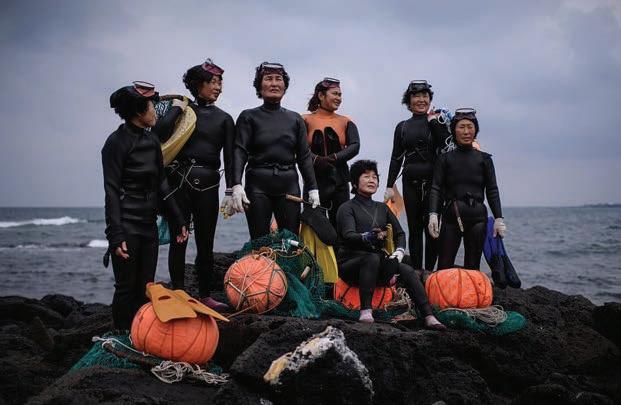
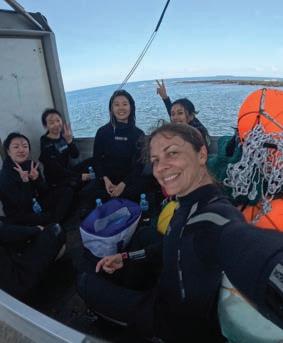
“Ihadtheprivilegeofattendinga“haenyeo camp,”whereIlearnedfreedivingtechniques fromactivehaenyeo,exploredculinary culturalpractices,andvisitedwithagroup ofseveralelderhaenyeo.”
science,art,andcultureasendeavorstoovercome generational harmcaused by gendered and racial impositionsbycolonizersinthepast200years.
WhileJackstayedstatesidewithmyparents,Iventured acrossthePacifictoJejuIsland,SouthKorea,homeofthe haenyeo,Koreanfor“seawomen.”Thesereveredand respectedfreedivingfisherwomen,mostlyolderthan50, havedefiedgenderrolesforgenerationsanduphold traditionsofbalanceandsustainability.Theycanhold theirbreathforseveralminutesatatime,plunging beneaththewavestogathershellfish,andhold substantialeconomicandpoliticalswayintheirisland community.Ihadtheprivilegeofattendinga“haenyeo camp”whereIlearnedfreedivingtechniquesfromactive haenyeo, exploredculinaryand cultural practices,and visitedwithagroupofseveralelderhaenyeo,hearing theirincrediblelifestoriesofsaltandsea.Thesearethe
lastofthehaenyeowhohaveinheritedthispracticefrom theirmothers,thoughwomen(andmen!)whowantto learnthefreedivingcultureandskillscanattend “haenyeoschool”andtakeupthepractice.
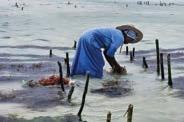
Thefinallegofmyjourneytookmetothespiceislandof Zanzibar,Tanzania.Womenruletheshorelineswhenit comes to seaweedandsponge farming,especially divorcedandwidowedsinglemothers.Thepracticesalign withsustainabilityeffortsontheisland,astheyprovide otherwiselimitedeconomicopportunity.Ihadthe pleasureofsomescubadivingonthespectacularcoral reefsofZanzibar,andgottoknowsomeoftherestoration andsustainabilityeffortsfoundedbyanecoeducator namedOkala,whointroducedmetosomeofthesponge farmingwomen.
Whatwasmostextraordinaryaboutthistripwasthe throughlinesIwitnessedinallthreecommunitiesof women:1)grandmothersarethenaturalleaders(thisis trueamongorcawhales,too!),2)reciprocitybetween humansandthemarineenvironmentiskey,and3)the mostsustainableandsuccessfulcommunitiesreject humandominanceofnaturalsystems.IbelievethatCSW studentswill certainly beintrigued by theseconcepts individually,butIamveryexcitedtoexplorethe confluenceofthethreethroughlineswithstudentsand furtheruncovertherolesthatecofeminismcanplayin addressingsomeofourmostchallengingsocietalissues.
Thiswasatripofalifetime,andIamdeeplygratefulfor whatithastaughtme,andwillcontinuetoteachme,as studentshelpunpackthemeaningbehindthisconnection thatisparadoxicallyancientandfuturistic:womenand the oceans keeping humanityinbalance.
FACULTY/STAFFSPOTLIGHT
SarahLewites
MathDepartment
WHATBROUGHTYOUTOCSW ANDWHATHASMADEYOUSTAY?
Ireallywantedtoworkatanexplicitlyantiracistschool.ThatwassomethingIwasdoing workinatmypreviousschool,andIwaseager tobeapartofacommunitywithsimilarvalues. Ialso think academics are reallyimportant,and rigor andchallenge are essential,while also bringingalotofloveandcareforthestudents. WhenIwasgettingtoknowCSW,Icouldtellthe adultsherehadthesamemindset.Everyone herewantstoprovidearichacademicprogram, andtheyreallylovetheirstudents—whobring suchamazingenergy.Youcantellthatthey reallywanttodowell.Beyondthat,IlovethatI can bepartof thecommunity in otherways, like teachingtheKnittingDBlockandbeingapart ofEmptyBowls.Ilikemodelingthatitdoesn’t havetobeallmath,allthetime.
WHATISPROGRESSIVEABOUTTHE WAY YOU TEACHYOURCLASSES?
Therearealotofopportunitiesforiteration, both with myself and with the kids. Withthe Mod System, I getto teach the same class multiple timeseach year, so I amconstantly evolvingandimprovingthewayIteach,andI worktoprovidesimilaropportunitiesfor studentsin my classes. My general way of teaching and speaking with the students iscenteringtheirvoicesandgivingthem space to getitalittle bitrightand a little bit wrong,andthenprogressing,discussing,and retrying fromthere. I alwaysask themabout theirmistakes, because that’show you learn andimprove.
“Ipushback onthisquestionof utilityandpurpose asbeingauniquely math-relatedquestion.”
WHATMOMENTSFORYOUASA TEACHERAREMOSTREWARDING?
Ithinkoneofmyfavoritethingsiswhenthe kids areintoatopicenough, or understanda topic enough, that wecanmakeamemeabout it.It’sthemomentswhensomethinginclass takesonalifeofitsown.Irememberteaching integration by parts andreferringtoa particular term. I said, “Let’s give this terma name,” meaning something likeK and a student immediatelysaid,“Fred.”SowewentwithFred. Months later, students werestill referringtoit thatway:“DoweuseFredinthisproblem?” Thosemomentsarereallymeaningfultome because theyshow thatstudentscare enough toengageplayfully,andthattheyfeel comfortableenoughtoshareinsidejokes.It signalstrust,asenseofcommunity,anda feelingofownershipoverthematerial.Italso makesmeproud,asawoman,tobeteaching someofourmostadvancedmathcourseshere. I once hadakidsay,“I likeseeing thatagirlcan begoodatmath,”andthatfeltreallygreat.I wantthemtoseethatmathematicianscanlook likeandbesomanydifferentthings.
WHATEXCITESYOUMOSTABOUT THENEWEASTQUADSPACE?
I’mgladtohaveamorecentralspaceformath soit’seasierforstudentstofindus.Ialsolike howbigsomeoftheclassroomsare.There’s alotmoreroomtogetup,movearound,and interact. And there are more areasfor studentsto collaborate and work on side projects.They’reinanotherarea,butthey’re justaround the corner, so I can still see them. Studentslovehangingaroundthenewspace, andIknowthey’vebeenhavingfunwiththe whiteboardwallsandgettingtomake“mathy” space feel theirown.
YOU TEACH SUMMER “MINI MOD,” MATHCLASSES.WHATCANYOU TELLUSABOUTTHISEXPERIENCE?
Wewereinaplaceafewyearsago— specificallyduringCOVID—wheretherewere kids comingin without AlgebraI, orwho neededarefresherbeforetransitioningto Geometry.SowedecidedtoofferAlgebraand Geometryinthesummertoservekidswhofelt liketheywantedsomemoresupportbefore theirnextclass,orjustwantedtobeonafaster pacethroughsomeofthemathcourses.Idove deeplyintothecoursedesignprocesstodesign something thatwouldaccommodate the needs of these students. I askedmyself,“Whatdowe wantkidstobeabletodointheseclasses?”and from thereIwasabletodesign an entirely standards-basedgradedAlgebracourse, coming up withprojectsandassignmentsthat would ensurestudents acquired theskills they needed.AndthenIfiguredouthowtoformat theworkinto15,3-hourdays.
STUDENTSOFTENWONDERHOW MATHCONNECTSTOREALLIFE. HOWDOYOUHELPTHEMSEETHE VALUEINWHATTHEY’RELEARNING?
Kidsalways like toask, “Why do I need toknow this?HowamIevergoingtousethis?”Andin response, I actually getreallyphilosophical with them. I talk about the differentperspectiveson educationandhowsomepeoplebelieve educationis meant for teaching morals and ethics, orpreparingstudents for theworkforce or anadultlife.Othersbelievethateducationislife itself. AndthenI askthemwhat their personal perspectiveis,orwhatperspectivetheythink CSWembodies.I like to challengethemto think ofother thingstheydo at school, besidesmath, thataren’t necessarily preparing them forthe workforce or for an adulttask,but rather are for learningaskillorgettingtohaveanewandrich experience.Ipushbackonthisquestionofutility andpurposeasbeingauniquelymath-related question, because there’s oftenadistinct pressure inmathfor thingsto be immediately applicable. Sometimesitis, but sometimes it’s not, and that’s okay.Sometimes it’s just about beinggoodforyourbrain—expandingyour mind,yourskills,andyourcommunity.
EASTQUAD
HonoringthePast,InspiringtheFuture
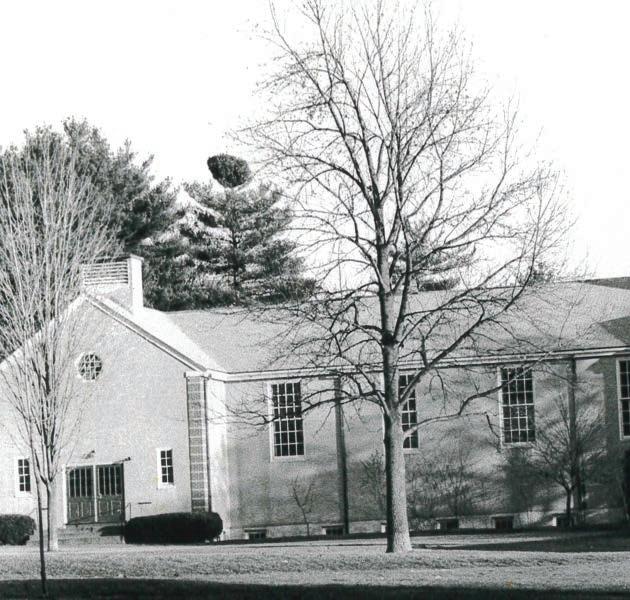

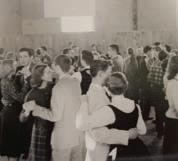
Theatreproductions.Townmeetings. Basketballgames.Roboticspractices.The colossalbuildingontheeastsideofCSW’s quadhaswitnesseddecadesoflifeoncampus, inspiringawiderangeofmemoriesamong alumnifromeveryera.Studentsfromthe 1940swillrememberitastheplacewherethey attendedclasses,hostedtownmeetings,and gatheredforschooldances.Inthedecadesto follow,itwouldbeahubforartisticand athletic performance,servingasthe school’s
EASTQ
HonoringthePast,InspiringtheFuture
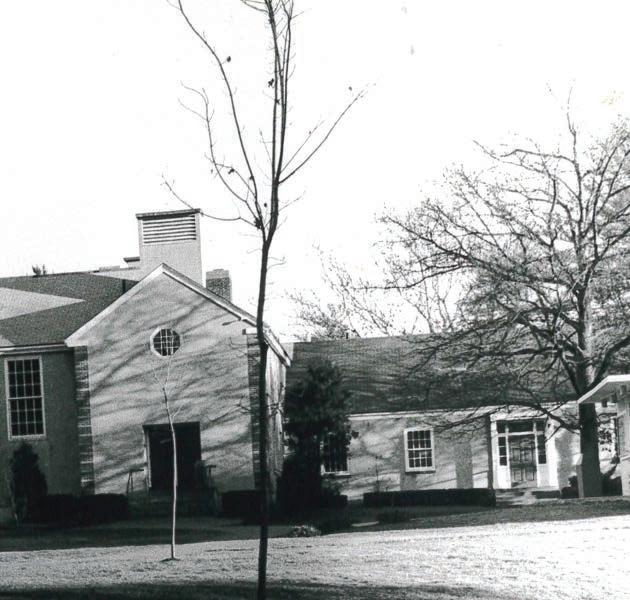

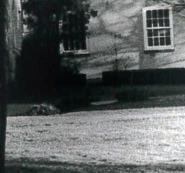

maintheatreandbasketballcourt.Overtime, however,CSWbegantooutgrowthespace,and inthe2000s,new,updatedspaceswere erectedtofulfilltheneedstheoriginal structurecouldnolongeraccommodate.For nearly a decadeitsatidle andvacant,voidof anyclearpurpose.Now,justover85yearsafter itoriginallyopened,thebuildingnowknown as“TheEastQuad,”hastakenonnewlifeasa moderngatheringspaceandlearningcenter formathematics,robotics,anddance.
ByEmmaFedor,withresearch bySherrillBounnellP’19.
ASCHOOLTHATHAS TURNEDTHECORNER
TofullyunderstandthelegacyoftheEast Quad,itisimportanttoplaceitwithinthe contextoftheschool’soriginalfounding.The Cambridge School of Weston (CSW), aswe knowittoday,wasoriginallyfoundedasThe GilmanSchoolby ArthurandStellaScott Gilman, who were among the small group of educatorsthatfoundedRadcliffeCollegein 1879.Theschoolopeneditsdoorsforthefirst timeinCambridgeonSeptember30,1886, with5teacherswelcoming30pupils.In1909, shortly before ArthurGilman passed away, the schoolwasincorporatedunderitsnewname: TheCambridgeSchoolforGirls.In1918,The Cambridge School forGirlsmerged with Boston’sMissHaskell’sSchoolandbecame TheCambridge-HaskellSchool,ledforthe nextfouryearsby MaryHaskell.
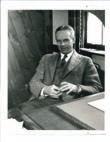
In1930, John R.P. French was hired ashead of school.Frenchwasadevoteeofanew child-centered educational approach, andit was his radical intentiontoestablishamodelof progressiveco-educationfortheschool somewherewestofCambridge.Theschool purchasedacreage fromthe Trusteesof Trapeloandin1931relocateditsuppergrades toWeston,openingthenewschoolhousedoors onOctober5,1931,with106studentsand9 teachers.Intheensuingyears,theWeston campuswentbythenameofTheCambridge School. Afterthe saleof the Cambridge campus lower school, theschoolultimately went bythe name The Cambridge School of Weston.
In1932,againstthebackdropoftheGreat Depression,Frenchidentifiedtheneedfora multi-purpose building to include an auditorium for assemblies andperformances. Heestablished“TheCambridgeSchoolFund Organization,”withthegoalofraising $410,000,$75,000ofwhichwastobeallocated towardsthe construction of the new space. Adjustedforinflation,thiswouldamountto almost$10millionand$2millionintoday’s
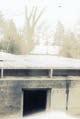
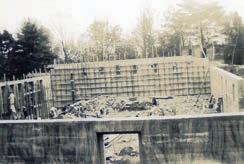
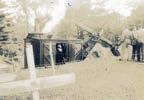
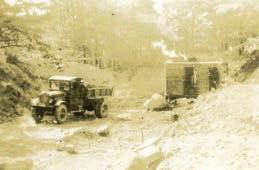
HeadofSchoolJohnR.P. Frenchmovestheschool’s uppergradesfromCambridge to a newcampus inWeston 1931
dollars.Inanexcerptfroma1932school publicationundertheheader,“ASchoolThat HasTurnedtheCorner,”Frenchwrote:
“In timeslike these itisbutnatural thatthe firstthoughtofpublic-spiritedpersonsshould bedirectedtoemergencyrelief.Thisisasit should be. Buteducation goeson. Itisstill the fundamental concern of the country. Do not the chaotic conditionsof today demonstrate thatsomethingbetterisneededineducation? TheCambridgeSchoolstandsasan educationallaboratorywhereteaching methodswhichmayinfluencethewholefield of secondary education in the future are being puttotheactualtest.Ifitistosurvive,itmust havetheassistanceofforward-lookingmen
Construction beginsonthe lowerlevelof whatwasinitially called“TheNew Building.” 1937
1932
“TheCambridgeSchoolFund Organization”is established with the goal of raising moneyfor theconstructionofanew, multi-purposebuilding.
and women who see beyond the present economiccrisis.”
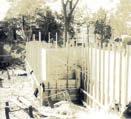
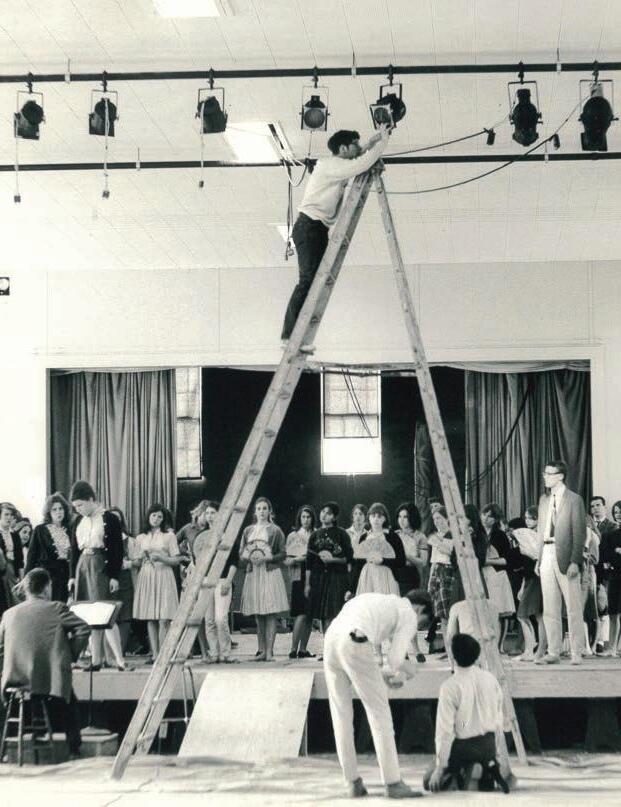
Fiveyearslater,thankstofundsgiven“ina quiet way from a few firm friends,” constructionatlastbegan,andby1940,with the modestassistance of some woodshop students,thelowerlevelofthebuilding(which modern day readerswill know asthe Dance Lab)wascomplete.Thestructure,blandly nicknamed,“TheNewBuilding,”housedan assemblyhall,classroomspaces,andshowers and lockerrooms. Butof course, thiswasjust thefirstphaseofFrench’svision.Atemporary roof wasplaced on top of the structure in anticipationofconstructionofanupperlevel, inclusiveofagymnasiumandtheatre.
TheNewBuilding’slowerlevel iscompletedwithanassembly/ performancehall,moreclassrooms, and shower/locker rooms. 1940
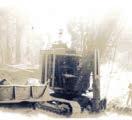
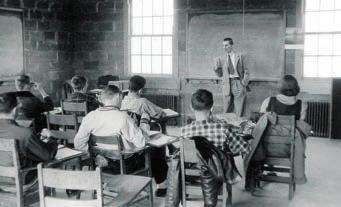

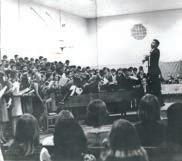
THEFRENCHGYM
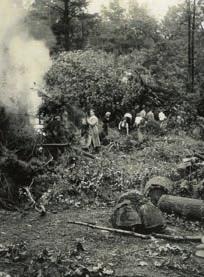
In1941,bolsteredby$9,000innewdonations, constructionoftheNewBuilding’supperlevel commenced,despitethefactthatfarmore fundswouldbenecessarytodrivetheproject to completion. “We shallgo aheadasfarasthe moneyinhandwillallow,”Frenchreported. Money aside,French and his teamwere certainlyresourcefulintheirefforts.Whenthe 1938hurricanehitNewEnglandandfelled dozensofpinewoodsonandaroundcampus, French’screwandstudentvolunteersgathered thewood, and later usedittoconstruct the wallsandroofofthegymnasium.
“TheCambridgeSchool
standsasaneducational laboratorywhereteaching methodswhichmay influencethewholefield ofsecondaryeducationin thefuturearebeingput totheactualtest.”
“Thepilesoflumberyoucanseeatthefootof theschoolhouselawnrepresentwhatsalvage ithasbeenpossibletoderivefromthe Septemberhurricane,”Frenchwroteinthe 1939CambridgeSchoolGraduatesBulletin. “Everystickofitwassawedfromablown-down pinetree.Therearesome35or40thousand boardfeet—enoughtocoverthewallsand roof of the gymnasium-to-be-built, and to supplytheneededinteriorfinish.Byvirtueof a good many hoursof studentlabor, ithascost usabouthalf whatlumberof the same quality couldhavebeenpurchasedfor,intheopen market.Sowederivesomesmallconsolation forthetragiclossofourbeautifultrees.”
“Otherschoolshavebeenutilizingthewar years, when no new construction waspossible, forthe accumulation of fundsto be used for specificpurposesintheimmediatepostwar period,”hewroteina1945Headmaster’s ReporttotheCorporation.“Ithasbeenoutof thequestionforustodothis;butIamstrongly convincedthatwemustnowbeginacampaign, orperhapsaseriesof separate campaigns, for generousfinancialsupport…Ibelievewecan andshouldmakeplansforutilizingevery resource which we can hope to reach.”
ConstructionofTheNew Building’supperlevel commences,utilizingpinewood fromtrees felledby the September1938hurricane.
1941

Throughoutthe1940s,theschoolwasableto cobble togetherenough fundsto install a basketballcourtandspaceforastage.The upperlevel’sheating,lighting,andinsulation weredone,butneitherindoornoroutdoor walls yet hadthenecessarypermanent surface(theexteriorwascoveredintarpaper), resultingina30%lossofheat.Withan estimated$40,000stillneededtocomplete TheNewBuilding,French,onceagain, pressed the case forafundraising campaign.
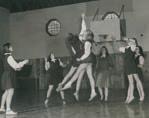
Thebasketballcourtfloorissetdownand stagespace(butnotstagehousing)isinstalled.
In1947,Frenchfoundhimselfafflictedwitha serioushealth ailment, bringing himto the brink of retirement. And yet, he remained steadfastinhisdeterminationtoseetheNew Buildingprojecttocompletion.Heappointeda campaign directorwho helped to initiate a $500,000capitalcampaign.Thoughthe campaign wasmetwith limited success, enoughwasraisedtofinallyseetheNew Building’supperlevelcompletedandfully utilized.Atlast,theschoolhadagym,alarge performance stage, and ample space for all-communitygatheringssuchasassemblies.
Close toretiring due toaserious healthailment,Frenchpushesfor anotherroundofmajorfundraising.
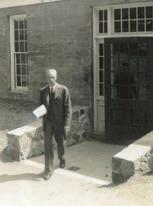
1947
IFTHESEWALLS COULDTALK
1949
Enough is raised tofinallyseethe NewBuilding’supper levelcompletedand fullyutilized.
1969
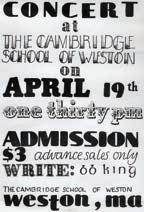
Legendarybluesmusician B.B.Kingplaysaconcertin the gym,sharing the stage withaCSWstudentband called“The Killing Floor.”
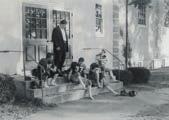
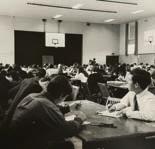
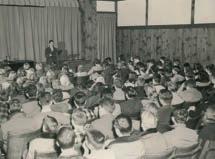
WhenexactlyTheNewBuildingcametobe known asthe French Gymisunclear, butitis thismonikerthatthemajorityoflivingalumni willrecognize.Becausefordecades,spanning the1950sonthroughtotheearly2000s,this iconicspacethatMr.Frenchfirst conceptualizedbackintheearly1930s,would remain a pillarof the school’scampus.
Beyond assemblies, athletic competitions, and artisticproductions,thespacehasservedas thebackdropforahostofmemorableevents andfascinating stories throughout itshistory. OnApril19,1969,legendarybluesmusician B.B.Kingplayedaconcertinthegym,sharing thestagewithaCSWstudentbandcalledThe KillingFloor.Theadmissionfeewas$3. Twenty-sevenyearslatertotheday,onApril 19,1996,singer-songwriterLivingstonTaylor —brothertofellowmusiciansJamesTaylor and KateTaylor’68 — played a concert in the gym. And after a fire destroyedtheZiskind DiningHallin1975,mealswereservedinthe gymforthefollowingyear.Thegymwould againserveasahubformealsduringthe 2020-21 school year, when theCOVID-19 pandemicdemandedstrictdiningprotocols withamplephysicaldistancing.Numerous graduationceremonieshavealsotakenplace intheFrenchGym,including1986’s centennialcelebration,whichfeaturednone otherthan CarolBurnettP’86 as its speaker.
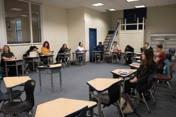
Overtheyearsthegymhasalsowitnessed fundraisingevents,DiversityDayandMichael H.Feldman’67SocialJusticeDayWorkshops, SummerCampactivities,studyhalls,SAT testing,meditationgroups,dancerehearsals andperformances,andspecialspeakers.In additiontomemorablestageproductionsof showslike H.M.S.Pinafore and Hamlet,there havealsobeensomeexcitingmomentsfor CSW athleticsinFrench’sgym. Atthe school’s firstleaguechampionshipgameinthegym,
2016
Theareathatonceserved asa stageand later,a trainingroom,isconvertedto classroomspace.
ComedylegendCarol BurnettP’86deliversthe commencementaddressin theFrenchGymnasium.
MattBranch’97 shot a 3-pointerfrom the corner with justtwo secondsto go to clinchthe title. Thegymisalsowhere BradTramontozzi’07 scoredhis1,000thpointona3-pointer.The championshipwinning2009Boysand2010 GirlsBasketball teamsplayed much of their historicseasonshere,sometimeswithcloseto 100spectatorssittingonthefloororwatching throughthedoorstothequad.
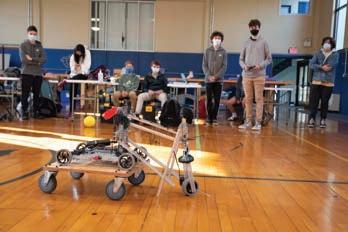
TheFrenchGymisupdatedtoserveasa temporary maker labdesigned for hands-on explorationinrobotics,thearts,andinterdisciplinary projectsemphasizingbuildingandtactilelearning.

HONORING THE OLD, EMBRACING THE NEW
In the early 1980s, the school identified the need for the theatre program to have its own space, but it wasn’t until 2000 that the Mugar Center for the Performing Arts opened its doors. With the original stage and Theatre Department space now sitting unused, the area was converted into general classroom space, though vestiges of the original construction remained for many years.
The need for upgraded athletics facilities was also evident for quite some time In 1962, the accreditation report from the New England Association of Schools and Colleges (NEASC) recommended a new gymnasium. The school finally took action half a century later during Jane Moulding’s headship and opened the stateof-the-art Health and Fitness Center, affectionately known as the Fit, in 2016
As these newer, updated facilities became available for performances, gatherings, and indoor athletics, the purpose of the East Quad building, once central to campus life, grew less clear. While the bottom level remained as a functioning dance lab with attached offices, and classes and student groups like “Interfaith” and “CSWRadio”continuedtoutilizetheclassrooms adjacent to the gym, the main space sat more or lessunused.In2017therewasconversation aboutconvertingthegymintoamakerspacefor robotics. Shortly thereafter, the electrical was updated and additional outlets were installed to accommodatemachinery,allowingtheschool’s growing robotics program to use the space for building and testing their competition robots. Still, the aesthetics of the gym remained more or lessunchangedthroughthe2010s.
While the fate of the French Gymremained in question, the board and administration turned theirattentiontoadifferentfacetof
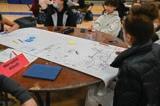
Architectsfacilitatea brainstormingsessionwith students,faculty,andstaffto gatherthecommunity’sideas, hopes,andaspirationsforthe future of the EastQuad.
programmingthatneededtheirsupport:the Math Department. With classeslike “Analytic Geometry,”“Multi-VariableCalculus,”“Math ModelingandAppliedLinearAlgebra,”and “Robotics:Programming,”alongwithaseriesof advancedComputerSciencecourses,CSW’s curricularofferingsinmathematicsstretched farbeyond traditional high school curriculums, engaging studentsin highlychallengingcontentmorecommonatthe collegelevel.Butthishigh-levelstudysatin stark contrastwith the older, crowded, more traditional learning spacesitwastaking place in, a factthatwasundermining the school’s progressin becoming a leaderin thisarea. At thesametime,familiesinvolvedinthequickly growing roboticsprogramwere clamoring for moresupport.
“Schoolsinvestcare,time,andenergyin whattheytrulyvalue,”saysHeadofSchool LiseCharlier. “And ourmath spaceswere sendingthemessagethatwedidn’tvalueour math program, which wasdamaging both in termsof recruitmentand faculty and student morale. We knew we needed to make a change toensureourfacilitiesbetterreflectedthe high caliberof ourprogramand equipped our studentsand teacherswith the spacesand resourcesnecessarytodotheirbestwork.”
Theschoolexploredseveraloptionsforgiving theMathDepartmentandroboticsprogramthe spacetheyneededtothrive,ultimatelyturning totheEastQuad.Herewasanabundanceof untappedspace,waitingtoberepurposed. Ratherthanbuildanewmathcenterfrom scratch,theschoolthoughtfullyelectedthe moresustainableoptionofrenovatingtheEast Quad,payingtributetothebuilding’sstoried legacywhilealsomovingthemissionforward.
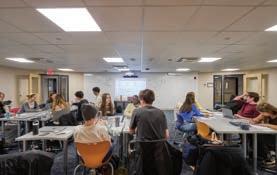
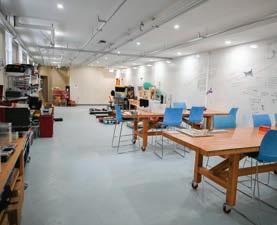
In the new space, mathematicsstudentsand faculty are now able to enjoy writable wall surfacesfordynamicproblem-solving; moveabletablesandchairstosupportgroup workanddiscussions;smallbreakoutareasfor peertutoringandproject-basedlearning;
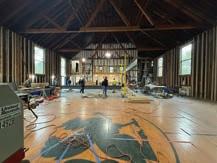
TheBoardapproves renovationplans;renovation constructioncommences.
quietcornersforindependentstudyand reflection;andamplestoragefortools, manipulatives,andthree-dimensional projects. In addition, a creatorstudio in the lowerlevelofthebuildingnowservesasthe Roboticsteam’shub asthey programand build theirrobot.Thisstudio,whichisopentoall departments,housesequipmentincludinga chop saw, two drill presses, an electrical solderingstation,andaCNC(Computer NumericControl)router.Italsohastwowall mountedscreensandafullwallfinishedwith dry-erasepaintforeasybrainstorming.
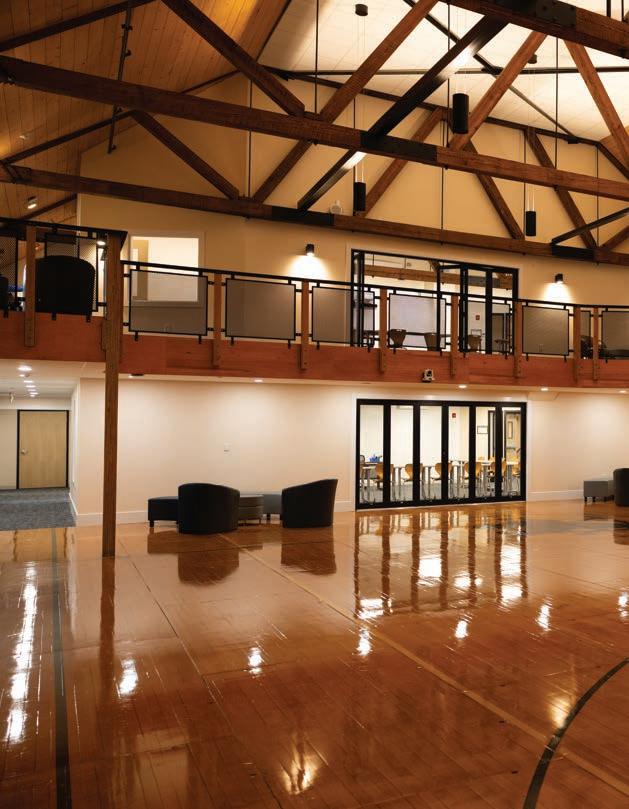
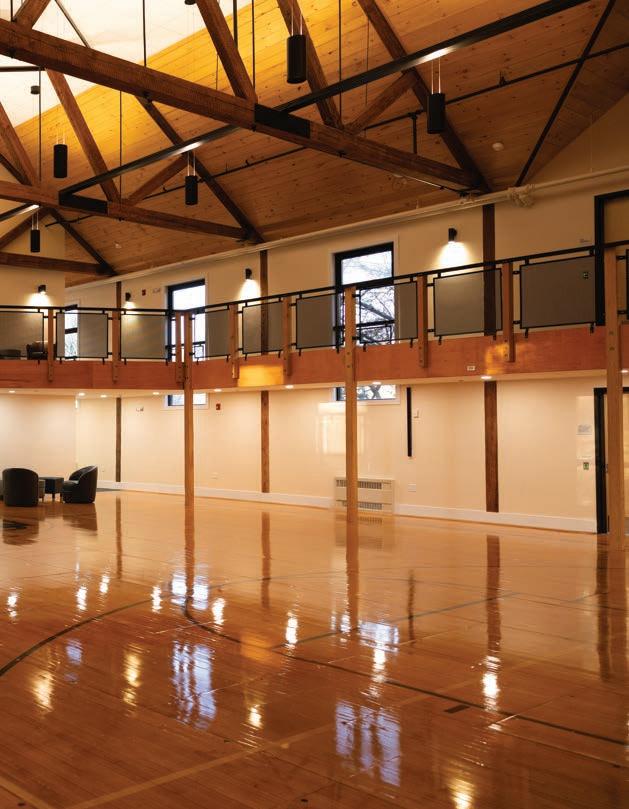
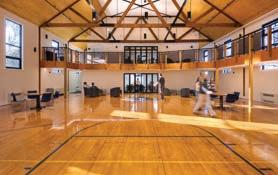
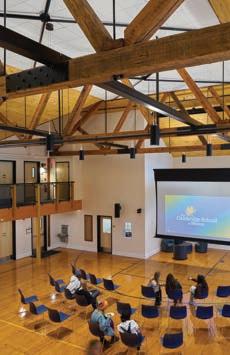
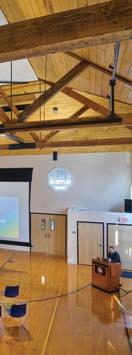
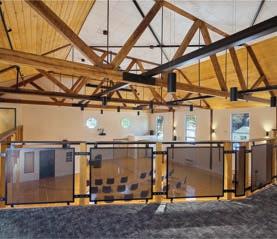
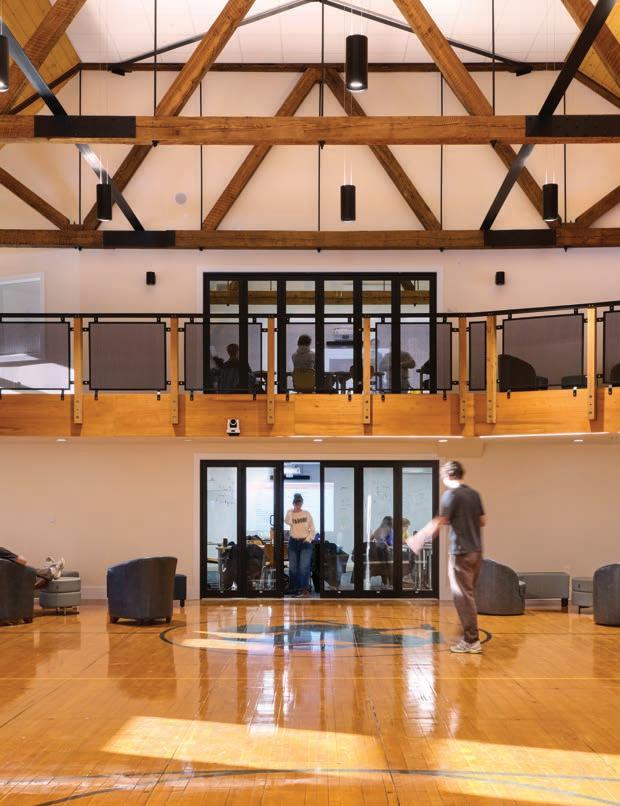
Inadditiontotheseupdates,therenovated buildingtoutsupdatedflooringandlighting forthedancelab;newofficesfortheschool’s residentiallifeprogram;andalarge,versatile gatheringarea,framedbyamezzaninethat allowsvisitorstostrollandoverlookthe eventsunfoldingbeneath.Andanewdoorway nowconnectstotheLibrary,happynewsfor anyone notwanting to walk the full eastside of campusoutdoorsin inclementweather.
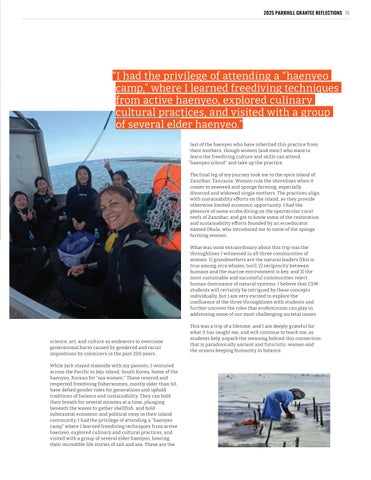
Notably,thebuildingalsomaintainsanumber of architectural elementsoriginal to the structure, paying homage to French and the greateffortsthatwentintotheconstructionof thisincredible space. Round porthole windows remain an importantfeature, in addition to original red brick quoining. Original beams built from wood salvaged from the 1938 hurricane,whichhavefordecadesbeen coveredupbyaceiling,arenowexposedonce more, adding depth and beauty to the space. And asanyone who entersthe space will immediatelyobserve,forthetimebeing,the gymfloorremainsasithasbeenfordecades, with the traditional gryphon insignia painted oncentercourt.
TheEastQuadbuildingofficiallyopenedon December17,2025.CSWisdeeplygratefulto everyonewhobroughtthishistoricalbuilding backtolife. ChinLinP’18 generously volunteeredhistimeandexpertiseas architecturalconsultant,owner’srepresentative, and liaison, guiding the project with wisdom and care.FacilitiesDirector TomGalvin leveraged hisextraordinaryconnectionstoassemblean outstanding team. None of this would be possiblewithouttheincrediblededication of AaronHirsch,JohnDaley, andthe hard workofnumerouscontractorsandcrew members.Thanksalsogoestoleadarchitect MichaelWolfson of Meander Studio, whose visionguidedeverydetail.
Thenewspace officiallyopens.
Alumniinterestedin viewing the space are welcomedand encouragedtojoinus overReunionWeekend, May1–3,forguidedtours and a special reception.

EASTQUAD
ReunionKickoffHonoringLegacyandFuture
FRIDAY,MAY1,2026,FROM6:00P.M.TO7:30P.M.
Joinusforafestivecelebrationfilledwithmusic,performances, and great company as we celebrate this transformed space and honor the beloved faculty and staff who are retiring this year.
LEARNMOREANDREGISTERATWWW.CSW.ORG/REUNION2026
SHERRILLBOUNNELL: KEEPEROFCSWHISTORY
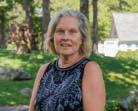
Behindeverymeaningfulstorylies thequiet,meticulousworkofsomeone committedtopreservingtruthand context.Forthisfeatureonthehistory oftheFrenchGym,weextendour deepest thanks to SherrillBounnellP’19, executiveassistanttotheheadof school,whose dedicationto the CSW archivesmadethispiecepossible.
Overtheyears,Sherrillhasservedas CSW’sunofficialhistorian,patiently siftingthroughrecords,uncovering narratives,andensuringthattherich legacyofCSWendures.Herworkhas notonly illuminated the story of John R.P.Frenchandtheoriginsof progressiveeducationatCSW,buthas also safeguarded the spiritof inquiry, creativity,andpurposethatdefines thisschool.
As Sherrillprepares to retire at the end ofthis year,we celebrate her extraordinarycontributionsandthe lastingimprintsheleavesonthis community.Welookforwardto honoringherinpersonatthe EastQuad GrandOpeningCeremonyonApril30.
Thank you, Sherrill, for keeping our history alive, and for helping all of us feel more deeply connected toit.
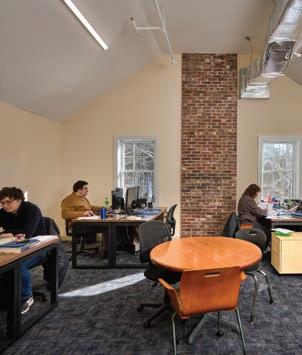
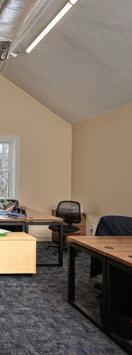
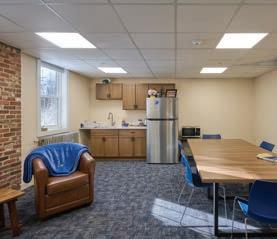
1: The newEast Quadofficiallyopened for classesinDecember2025; 2: Studentsin “CalculusAB”enjoytheirnewclassroom; 3: The newmultipurpose spaceis equipped withareverseprojectingscreenfor gatheringsandpresentations; 4: Math Facultyprep for classin their new shared officespace; 5: Thenewspaceforthe residential life office has a fridge andmeeting table forgroup gatherings; 6: The mezzanine providesanelevatedpromenade,offering visitors a vantage pointto survey the activity of the mainspacebelow; 7: Thenewrobotics creator studiohouses a chop saw, two drill presses, twowall-mounted screens, an electrical solderingstation, a CNC router and a full wall finished with dry-erase paint.



ALUMSPOTLIGHT
SydneyKeller’20Turns Wear Into Opportunity
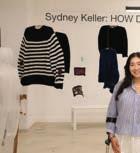
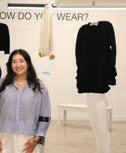
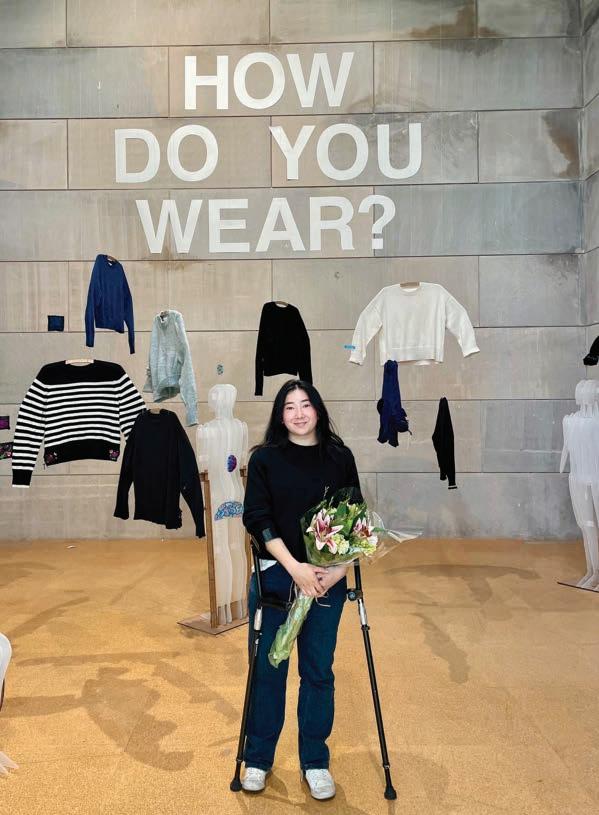
FromadvocatingforaccessibilityatCSWto earninghigh honors at Wesleyanfor her workon adaptiveclothing,CSWalum SydneyKeller’20 (www.sydneykeller.com)isreimagining disabilitynotaslimitation,butasopportunity forcreativity,visibility,andchange.
While astudent at CSW,Sydneysoughtto makeanimpactoncampusbyadvocatingfor better accessibilityto the buildings and groundsforcommunitymemberswith mobilitychallenges.Aspartoftheseefforts, Sydneyfacilitatedaprobonoauditbyan accessibilityprofessionalandledeffortsto improvesafetyandaccessforcampus buildingsandgrounds.InMay2025,she graduatedfromWesleyanUniversitywhere shecreatedherownmajorinComputational Design withafocuson design fordisability.At Wesleyan,Sydneywasrecognizedwithhigh honorsforherseniorthesis,“HowDoYou Wear?”whichexploredtheimpactsof adaptivedevicesonclothing,examining disability notonly throughamedical lens, but alsothroughasocialone,offeringinnovative solutionstoanall-too-commonproblem:the prematurebreakdownofclothingfibersfrom adaptivedevices.
ThisissueisapersonalonetoSydney,whowas bornwithavascularmalformation,whichhas required the use of forearmcrutchesformost ofherlife.“It’sshapedhowImovethroughthe world—andhowtheworld,andmyclothing, movesagainstme,”shesays.
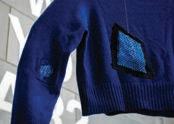
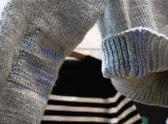
Overthecourseofherlife,Sydneyhasfound that her forearm crutches create friction and wearonherclothing,leavingherwiththe burden ofpatching, hiding, or replacing clothing.
“Thesewearpatternsbecomesilentmarkers thatwe’renotmovingthroughtheworldinthe ‘normal’way,”Sydneysays,adding“Thatkind ofvisibilitycanfeelvulnerable.”
Sosheaskedthequestions:Whatifwearcould bedesignedintothegarment?andWhatifthe inevitablebreakdownbecameanopportunity ratherthanadisappointment?
“Thesewear patternsbecome silentmarkersthat we’renotmoving throughtheworld in the‘normal’ way... Thatkindof visibilitycanfeel vulnerable.”
Knowing thatshe would need funding and garmentsto work with, Sydney reached outto the SeniorDirectorof Sustainability & SourcingatEverlane,apopularclothingbrand knownforusingethicallysourced,100% naturalmaterials.Thecompanywouldbecome a primary sponsorof herwork.
Realizingthatthisexperienceofhyper degradationwassharedbymanyotherphysically disabledindividuals,Sydneyco-designedwith fellowdisabledstudentstocreatepersonalized solutions:reinforcingwornareaswith3D-printed patchesthatremainhiddenuntilwearreveals them and decoratingwornareas with embroidered“galaxy”motifsreflectingidentity andnarrative.Shebeganresearchingand experimentingwiththermoplasticpolyurethane (TPU),todevelop3D-printedtextilestocreate custom patches designed to withstand wear, with the ability to integrate embroidery for addedpaddingandpersonalization.
Ashernextstep,Sydneysoughttotranslateher solutionstoalargeraudience,investigating waysanorganizationmightbeableto implement her reinforcement strategies into the manufacturing process. To do this, she applied her computational fabrication knowledge. She learned to use the knitting machines in Wesleyan’sroboticslab,discoveringmore efficientwaystoinsertTPUintothegarments shewascreating,providingaproof-of-concept for manufacturing these garments.
Sydney’sfinalworkwasinstalledin Wesleyan’sZilkha Gallery. Itfeatured interactivegarmentdisplays,body-mapping sculptures,and48printed“squares”showing textileexperimentation.Theinstallation promptedviewerstorethinkassumptions around normalcy and the body aswell as disability and to see itnotassomething to be hidden, butasadesign opportunity and an alternativemeansofcreativeexpression.
InSeptember2025,Sydneyhadashowupon WallStreetthroughthenon-profitPositive Exposure,anexperienceshesaysconnected herwithfellowdisabilityadvocates,students studying fashion and disability, and members of the costume institute atthe Metropolitan MuseumofArt.ShecurrentlyworksatNew Balance asamemberof the company’s materialdevelopmentteam.
“Myteamdesignsandmanages materials for allbusinessunitswithinNewBalanceApparel, sothatcanbeanythingfromadurableoxford material forourskate line to a high performancemeshforourrunningteam,”she says. “With the help of ourmillswe research anddevelopabout50materialseachseason, goingfromyarntofinishedandfullytested materialsreadytobehandedofftothedesign team. Ithasbeen a blastand I amlearning so much technically aboutmaterial sciencesand textiletechnology.”
Thisspring,SydneywillreturntoWesleyan to speak on an alumnipanel to share her storyandofferinsightsonhowsheintegrated computationanddesign.

PhotosbyElenaK/SQUAREAST(brooklyn)
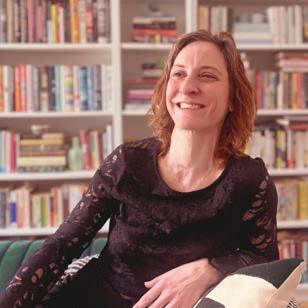
VeraKelsey-Watts’04on CSW,Purpose,andGivingBack
There’sasteadyconfidenceintheway VeraKelsey-Watts’04 tellsherstory,one thatfeelshard-wonandself-defined.Today, sheownsanindependentfinancialservices practiceinsouthernNewHampshire,a career she has built deliberately,patiently, andverymuchonherownterms.Butas shetellsit,thefoundationforthat independence was laidyearsagoat CSW.
“LifeisliketheModSystem,”shesays.“You’re juggling projects, working independently and collaboratively,shiftingfocuswiththe seasons.That’sreallife.”
DuringhertimeatCSW, a periodmarked by 9/11andprofoundglobalchange,Verawas shapednotonlyacademically,butsocially andpolitically.Shedescribesbeing “radicalized”inthebestsenseoftheword: awakenedtosystems,justice,andpossibility. CSW’slongstanding commitment to social justice,includingbeingthefirstindependent school in thecountry toinstituteasocial justicegraduationrequirement,leftan indelible mark onher. After graduating from CSW,Vera deferredcollege for twoyears, movingtoBostontowork,liveindependently, andbuildconfidenceinnavigatingadulthood beforeenrollingatSarahLawrenceCollege.
Shegraduatedwithadegreeineconomics from Sarah Lawrencein2010, in the middle ofthefinancialcrisis,unsurewhathernext step would be.
Theturning point came through a CSW connection. CharloMaurer,parentof AlisonMaurer’04, invited Vera into her independentfinancialservicespractice.What beganasmentorshipbecamepartnership.Over eight years, Charlotrained her, collaborated withher,andultimatelyentrustedVeratotake overthefirm,nowknownasSaltboxFinancial, whensheretiredin2020.
“Itallcomesbackaround,”Verareflects.“CSW taughtme how to independently lead, how to designmyownpath.Idevelopedtheskillsto beanexcellentemployeeandanexcellent businessowner.”
Today,shedescribesherworkas“creative finance.”Sheteachesclientsthemathbehind theirlives—retirementplanning,investments, legacydecisions—withpatiencereminiscent of the teacherswho onceguidedherthrough challengingmathclassesatCSW.“NowIteach mathtomyclients,”shelaughs.“Isitthere explainingconceptsandthink,‘Wow.Someone oncedidthisforme.’”
“In a future where so muchfeelsuncertain, CSWneedstobethere educating,creating spaceforlearning.”
For Vera, mentorshipandthoughtful adulthood arethreadsthatrunthrougheverything.She speakswithreverenceaboutCSWparents,like her own mother, whoworkedhard tomake tuitionpossible,andthemanyadultsinthe communitywhomodeledintentionaldecisionmaking.Asherpeersbecomeparents themselves,sheseesthelegacycontinuing. ThatsenseoflegacyispreciselywhyVerahas chosento include CSW inherestate plans.
“I’mnotapersonwithatonofwealth,”shesays plainly.“ButIcareaboutthis.Leaving something to CSW feelsright. It’smy last documentedgiftontheplanet.”
In herprofessional life, she helpsfamilies navigatetheemotionalterrainoflossand inheritance.Sheunderstands,perhapsmore thanmost,thatawillisnotjustalegal document;itisastatementofvalues.
ForVera,thatstatementincludesensuring thatCSWcontinuestoexistforfuture generations.Sheknowsherownexperience can’tbe replicated, butshe truststhe institutiontokeepevolvingwhileholdingtrue to itsmission of deep learning, meaningful relationships,andpurposefulcontribution.
Asafinancialplanner,Veraunderstandsthat legacyisn’taboutage,it’saboutintention. Estateplanning,shenotes,issimplyanother wayofsaying:thismattered.Forher,The CambridgeSchoolofWestonmatters.Her hopeisthatotheralumniwillrecognizethat theydon’thavetowaittomakeameaningful commitment.Aprovisioncanbemodest.It canevolve.Whatmattersistheactofchoosing.
BecauseforVera,CSWwasneverjustaschool. Itwastheplacewhereshelearnedshecould design her own future.Andnow, in herown deliberate way,sheishelping ensure that future remainspossibleforsomeone else, joiningthe PatienceLauriatSociety, a communityofindividualswhobelievedeeplyin stewarding CSW’smissionforthe long term.
The Patience Lauriat Society honors thosewhohavemadealasting commitmenttoTheCambridgeSchoolof Westonthroughaplannedgiftsuchasa bequestintention.Tolearnmore,please contactusatdevelopment@csw.org.
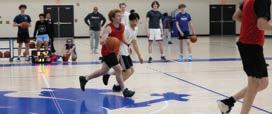
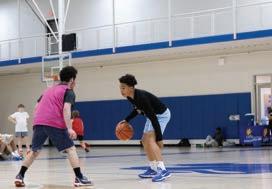
Alumni Basketball Game
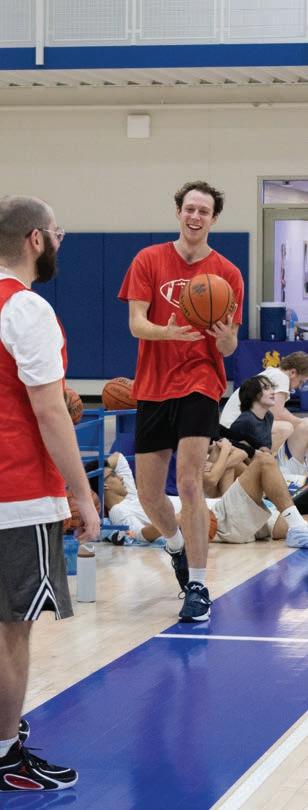
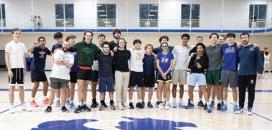
PriortoWinterBreak,CSWwelcomedbasketballalums forourannualAlumniBasketballGame!Itwassofunto seethembackoncampusandreconnectingwithcoaches andteammates.
DeeTran
CLASSNOTES
Everyone is invitedto submit newstotheAlumniOffice.Visit alumni.csw.org to sign up for our newalumni huband share yournewswithclassmates.
1950s
Thefamilyof Richard(Dick)Colten’50 writes thathepassedawayonFebruary27,2025. DickoftenspokefondlyofhisyearsatThe CambridgeSchoolofWeston,recallingeven inhisfinaldaysthesolotrainjourneyhe madeatage14fromMichigantoBostonwith abasketofsandwiches,boundforCambridge School,wherehediscoveredhislifelong passionforbroadcasting.Thatearlystartled toacareerinthebroadcastingindustry, followedbyhisleadershipaspresidentof Alexander Dun andSons,aduty-free trade company.Knownforhiswarmth,humor, andcivicspirit,Dickenjoyedactingasaham radiooperatorandamateurelectricianin hissparetimeandwasdevotedtohiswork withnumerouscommunityorganizations.
RepresentingtheStateofNewYork, Ira Carmen’53 ranthe5000MetersintheUS SeniorOlympicsinDesMoines,IA,andwas awardedaBronzeMedalforfinishingthirdin the90-and-aboveagedivision.Hewasthe onlyNewYorkertowinamedalinanyage divisionatthatdistance.
Thefamilyof AlanA.Rubin’51 sharesthathe passedawayonJune22,2025,atage91, leavingalegacyofglobalservice,leadership, and friendship. Genial, outgoing, caring, and funny, Alan collected lifelong friends whereverhelivedandtraveled,andhewas especiallydevotedtoLatinAmericanculture, reading,music,andtennis.Afterservingin the United StatesArmy and beginning his careerinhisfamily’sMaineshoe manufacturing business, Alan became the firstpresidentofPartnersoftheAmericas, advancinginternationalunderstandingand economiccooperationacrosstheWestern
Hemisphere.Helaterservedaspresidentof theNationalParkFoundationandasfounding directorofGoodwillGlobalInc.,expanding opportunitiesforpeople with disabilities worldwide, and he chaired majornational initiativesconnectedtotheUnitedNations and the United StatesDepartmentof State. A graduateofTuftsUniversitywhoalsoattended the Wharton School, Alan waspredeceased byhiswife,Elizabeth,andissurvivedbytwo daughtersand two setsof twin grandchildren.
BruceBeal’54 writes: MaryLemannGoldman ’54 andIlivenexttoeachotherinthe summersinWoodsHole,whichisverynicefor bothofus.Afriendshipof75+years.Istill serveonseveralnon-profitboards,whichI enjoy.WespendwintersinPalmBeachanddo abitoftraveling.Icannotbelievethenumber 90willsoonbewhatIneedtowritewhen asked,“Howold?”Wemergedourcompany withTheRelatedCompaniesseveralyears ago.Myyoungestson,Bruce,isPresident,so I getto work with himon occasion, which is veryfulfilling.
JulieJewett’54 writes: As a memberofthe Classof1954,I’malwaysthinkingof Connie White’54, who ledandinspiredso many.But I alsorememberstudentslike IraCarmen’53, ToniPutnam’53, and BobMetcalf’53, among others,whoIwatchedandlearnedfrom.I havelovedattendingseveralreunions,but couldnotcomein2025asIhadhopedto.I thank the schoolfor allit taught me andam gladto honor what it hasgrownto be now andits“lookingforward”years.Thanksfor TheGryphon, whichIreadfromcovertocover.
Thefamilyof Susan(Davis)Fliegel’57 sharesthatshepassedawayonMay19,2024. Shelostalongbattletocancer.
1960s
NancySmith’61 writes: 2025 wasabigyear forme.InJanuary,the$19millionHighlands Ranch SeniorCenteropened, and Iwas selectedtocuttheribbonandbemember#1! ThebuildingwasbuiltbytheHighlands Ranch MetroDistrictand, asanelected Board memberforover20years,thishasbeenmy petproject.Itisabeautiful22,000sq.ft. buildingthat,undertheguidanceofour wonderfuldirector,quicklystartedtobuzz withallsortsofactivitiesandendedtheyear withover2,300members!Sincegreeting cardmakingismyfavoritehobby,Isupervise thecard-makinggroup.InOctober,Henry andIcelebrated55yearsofmarriage,and oursonEricwasherewithus!Wearestill enjoyinglifeinColorado!Wehavebeeninour homeforalmost25years,andwenevertire ofourwonderfulmountainviews,including LongsPeakinRockyMountainNationalPark!
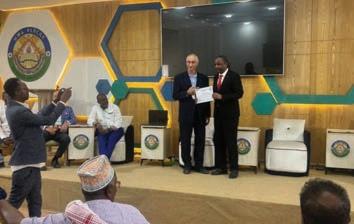
JosephMagnet’64 writes: I receivedhonours and recognition from the President of Samara UniversityinEthiopiaformyconstitutionbuilding,peace-making,andhumanrights workintheHornofAfricacountriesduring thepast15years.IhavebeenaProfessorat theUniversityofOttawaLawSchoolsince 1976andwaselectedtotheRoyalSocietyof Canada(Canada’sNationalAcademyofArts andSciences).Moreinfoaboutmeisavailable ontheUniversity’swebpage.
AnnaDibbleNewton’69 writes: I’m now 75, and mypaintingcareeristakingoff.Afteralifeof makingalivinginteaching,animation,theater setdesign,andavarietyofothereclecticand sometimesquestionableart-related
enterprises,includingfounding,directing, andcuratinganartists’collaborativethat producedtwolarge-scalemuseuminstallations from 2018 through 2024, I’m finally able to work in my studio full-time. This summer, I had a duoexhibitwiththeNYCpainterKatherine Bradford attheCaldbeckGallery in Rockland, Maine,andasoloexhibitofrecentworkatmy BlueHill,Maine,gallery,CynthiaWinings Gallery.Ihadfourholidaygroupshowsfall/ early2025,andhaveexhibitslinedupinMaine andMassachusettsforthesummerof2026and 2027.Feelingveryfortunate,formanyreasons, especially in this particular timeofinsane national, world, andplanet crisis.All mybest to my classmates andold friends.Ifyou’dliketo addyouremailand/orsnailaddresstomylist, I’llsendyouinfrequentnewslettersandshow postcards:anna@annadibble.com.Andwww. annadibble.comtoseesomeofthepaintings! Pleasereachoutifyou’reeverinMaine.
ThomasGraham’69 writes:Stillenjoyingthe good life in retirementafteracareerin public sectorpsychiatry. Staying busy outside, gardening,mowing,andkeepingthings running.Oflate,Ihavebeeninmyshopalot makingstuffoutoftinfortheFearringtonFolk ArtShow,attheBigBarnatFearrington,NC.
1970s
CelesteNossiter’70 writes:InSeptember 2025,IwentbacktoShetland,northof Scotland,fortheannualWoolWeekFestival. Over600avidfiberenthusiastsdescendon themaintownof22,000peopletolearnall abouttraditionalShetlandknitting,weaving, dyeing,spinning,andotherfiberarts.Itwas
my5thtimethere,nowitfeelslikemyhome awayfromhome,eventhoughit’sveryfar andhardtogetto.Planningtogobacknext May.Myknitweardesignisheavilyinfluenced byallI’velearnedthere,andeverytripgives memoreinspiration,letalonemoreyarn!
EduardoTugendhat’72 writes:Excitedto havestartedanewcompanythisyear,Bold AgribusinessPartnerships,whichprovides early-phaseventurecapitalinregenerative agriculture and agroforestry. We look to scale modelsthatbring prosperity to rural householdswhileincentivizingthemtobe betterstewardsofland,water,andbiodiversity. Meanwhile, I’menjoying more time with my family atourhome in Virginia aswell as travelingtoMongolia,Ecuador,andEurope.
Lawrence(Stroker)Rogovin’73: After47years, I retired fromcustomcabinet-making last summerandhaveneverbeenbusier.Playing musicwithsixbands,writingabioofone of Medford’sleading lightsthatnobody’s everheardof(whyI’mwritingthebio),still volunteeringwiththeAppalachianMountain Club,gettinginabitoftravel—especiallyto regionalmusicfestivalsandthisonechill villageinMexico.Dealingwithcancerbut holdingsteady.My50thCSWreunion,two yearsago,wasmoremovingthanIexpected. Reconnectingwith LisaCastillo’73 hasbeen a realtreat.WelcometoourThirdAct!What worldlyadvicemight WhitneyHaley giveme?...
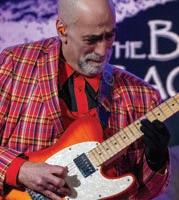
RichardMirsky’76 writes: Still writing, recording,andplayinggigs.Wouldloveto connectwithother‘76-ersandformaone-off musicensemble for thisyear’s CSWreunion! Anytakers?
JosephMagnet’64ispicturedreceivinghonoursandrecognitionforhisconstitution-building,peace-making,andhuman rights work from thePresident of SamaraUniversity in Ethiopia, Dr.Mohammed Usman, July 25,2025.
AllisonLenk’78 writes:Greetings!Icontinue toenjoyretirementwithvolunteerwork, tennis,andtravel—mostrecentlyto California,whereIreconnectedwith Steve Russell’78 andfamily.Thedaywascapped offwithdinnerinSausalitowiththefull moonrisingoverSanFranciscoBay—lovely!
1980s
ChrisFreeman’80 writes: I am gainfully employedatLetThereBeNeon,a52-year-old NYC-basedcustomneonfabricatorforsigns, art, and neon sculpture, which isin the Guinness Book ofWorldRecords for the oldestneongallery.Stillbiking,enjoying NYC!LivinginBrooklyn,wantingtokeepup withmyCSWties….lifecertainlyisajourney!
MichaelGarber’80 launched his blog-andvloginJanuary2026.Itis365DaysofSong, andthefirstprojectis365SongsofCheer —onecheer-upsongforeachdayoftheyear. (Anddon’tweallneedthem?!)Hiswife,Sue Carpenter,continuesherinternational advocacyworkforinclusionofthosewith intellectual disabilitiesin college and universitysettings:www.michaelggarber.com
RobbDrinkwater’81 writes: While overayear oldnow,thebiggestnewsinmylifeisthat afteralmostaquartercenturyatTheSchool oftheArtInstituteofChicago,Ihaveretired. Youcanfollowmylatestprojectatrivermote. substack.com.
PeterD’Elia’85 writes:Ijustwanttosayhow happyIamtohaveattendedmyveryfirst CSWReunion(my40th)lastyear!Itwassuch afun weekend reconnectingwith folksand meeting others Ididn’t know backinthe day. I highly recommendit! I’mstillin Berlin, Germany(20yearsnow),makingmusic: peterdelia.bandcamp.com.
RichardMirsky’76performing.
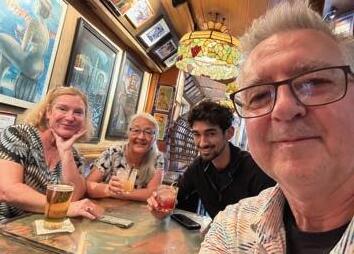
Allison Lenk ’78(left) shares that itwaswonderfulto see Steve Russell ’78(right) and familywhile in the BayAreathisfall!
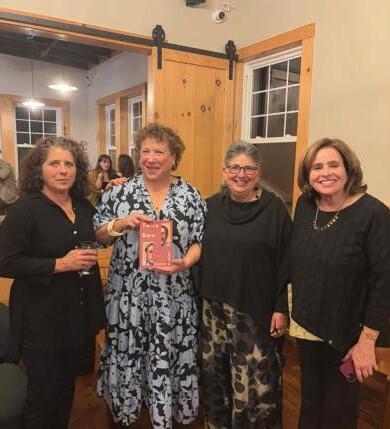
Polly Kaplan ’80, HesterKaplan ’77, JennyRose ’77, and JulieHeld’77at a gatheringtocelebratethe publicationofHester’s recentmemoir, Twice Born:FindingMy Father inthe MarginsofBiography, about herfather, biographerJustin Kaplan.
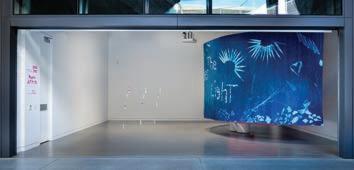
JeannieSimms’85 was the Virginia& BenjaminHoltVisitingArtistatStanford UniversityintheDepartmentofArtand ArtHistoryduringFall2025.Simms’sart exhibition,NuoviArrivi[NewArrivals], intheCoulterArtGallerysynthesizes research and artistic productionshe conductedoversevenyearsinCalabria,Italy, exploringtheintersectionsofeconomic injustice,community,identity,andecology. Theexhibitionincludesakineticsculpture, collaborativetextileworksmadewithpoet KaramoBarrow,andashortvideothat incorporatesfragmentsofflora,fauna,and talesofmigratorymovementandexchange. Workingcloselywithaphysician,mayor, newresidents,andworkers,Simmshas producedseveralcollaborativecommunitybasedprojectsinReggioCalabria,Italy,an areasimmeringwithenvironmental, economic, and culturalchange. The Holt residencyatStanfordsupportsSimms’swork ontheforthcomingfilm, VivoQui ,aseriesof portraitsofnewresidents,long-term residentsandcareworkersinReggio Calabria,whoreflectontheirlivesand communitiesandtalk back to historicsites andmonumentswithwishes,statements, anddemands.SimmsisaProfessorofthe PracticeinMediaArtsattheSchoolofthe MuseumofFineArts,TuftsUniversity.
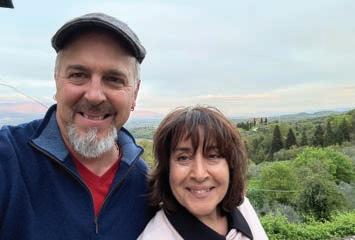
ErikRosengren’86 writes: I encourage everyonetomakeanoccasionalalumnipost, becauseyouneverknowwhatdearfriend mightreaditandfindyou!Ipostedanupdate in TheGryphon lastyearthatI’vebeenliving inFlorence,Italy,andassoonasshesawmy post, my old friend PamelaScaramelli’83, reachedoutbecauseshealsolivesin Florence!Wehavenowrekindledour friendship after adisconnect of over 40 years, andI’msoverygratefultohaveanoldfriend inmy adopted,faraway home.CSW continues todeeply nourish my life!
DamienMcCaffery’87 writes: This fall, BenningtonMuseumpublished AContinued ClapofThunder:EssaysCelebratingthe250th AnniversaryoftheAmericanRevolution, a bookI co-edited.Coverpaintingbymywife,Shelton Walker.If you had toldme, asastudent at CambridgeSchoolfortyyearsago,thatoneday I’dbeinvolvedinsomething(anything!)about RevolutionaryWarhistory,I’dhavebeen baffledbytheidea.Ifyou’dtoldmethatthirty yearsago,whilescramblingasalegalassistant inahugecorporatelawfirm,Iwouldn’thave had a momenttothinkabout, muchless dismiss,thenotion.Ifyou’ddroppedthesame news onmetwenty years ago, asamusic journalistinNewYorkCity,Iwouldhave laughed.Shockedasanyone.Checkoutthe book, though. Somegreat stuff in there, alsoan introbyme.Nextcareershift?Swanboatpilot ofcourse,asvocationalsageanderstwhile CSWYearbookEditor, SueRivera’87, saw loominginmyfuture,lothesemanyyearspast.
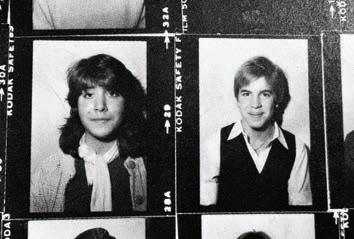
ErikRosengren ’86 andPamelaScaramelli ’83recently reconnected after40years in Florence.This isa photo ofthemright next toeach other inthe 1983yearbook (above) now (below).
Jeannie Simms ’85at the Coulter Art Gallery.
TheParkhillfamilywritesthat CraigParkhill P’85,’87,GP’17, parent of RebeccaParkhill’85 and PaulParkhill’87, grandfatherof Oliver Willett’17, and husbandoflongtime CSW facultymember AlorieBoyleParkhill for54 years, died athishomein Sudbury on December18,2025,attheageof85.Craigwas afoundingpartnerofthearchitecturefirm MFPA,alongwithhisbrother-in-lawFred Hickler(husbandofformerfacultymember HollyHickler),andworkedinbothformaland advisorycapacitiesonseveralCSWbuilding projects.Hebrieflyworkedasamathteacher atCSWduringtheearly-1960s,andheand AlorieweredormparentsatTrapeloHouse whenRebeccawasbornin1966. Contributionsinhismemorymaybemade totheAlorieParkhillEndowedFundfor TeacherMentoringandTrainingatCSW.
1990s
GalaRizzatto’90 writes:Iwashappytoreconnect with Levin Pfeufer ’90,JoshuaDavid ’90, and Julia Kanno’90! Peoplewhomadeanimpressionon me when I arrived at the Cambridge School,fresh offtheboatfromItaly!
Funnystory:Iwroteasongthatbecameabig hitinItaly,andImentionedthename“Joshua” intheintroofthesong…Iwasinspiredbyhis name,whichIliked.ItwasthefirsttimeI heardthatnamewhenIcametoBoston,and Joshuawasverysweettome…soIusedhis nameinthesong,andthenthesongthat becameahitinItaly…lolWeconnected through Instagram.Instagram can bea powerfultool…whenit’susedforgoodreasons!
David Quiles Guilló ’91 writes:Hieveryone!I wantedtoshareaquickupdateaboutwhatI’ve been working on. I’mcurrently head curatorat TheWrongBiennale,aglobalartprojectthat happensmostlyonlineandexploreswhat creativitylookslikeinthedigitalage.The Wrongisn’tatraditionalexhibition;itisahuge networkofcuratorsthatbuilddigitalpavilions andreal-worldexhibitionswhereartistsfrom allovertheworldexperimentwithcode,AI, video,andnewformsofexpression.Since 2013,ithasgrownintoamassivecommunity ofmorethan10,000artistsandcurators,and itkeepsevolvingastechnologyadvances.The 7theditionisnowopenandfocusesonhowAI isreshapingcreativity.Whatdoesartbecome when technology stopsbeing a tool and starts beingthemuse?
TheWrongReturns. Whereart,pixels,andpeoplemeet. November1,2025-March31,2026 https://thewrong.org
AndreaFeldman’97 writes:I’mhappytoshare thatmydaughterhasbecomeanavidreader andisabsolutelylovingthefirstgrade.My husbandisanentrepreneur,andtrulythe world’sbestdad,andourverycuddly chihuahuakeepsourhomelively.Wemoved fromNewYorkCitytoBostonin2020andhave really enjoyed being back in the area. I work full-time foramajorglobal company, which definitelykeepsmebusy,andI’vespentthe past10yearsfocusedonpost-production retouchingaftermovingonfromrunningmy own photography business. I still keep up with my CSW pals...you know who you are.
MattieEisenberg’99 writes: I am excited tohavemovedbacktotheBostonarea. ReconnectingwiththeCSWcommunity ison my agenda!
2000s
JamesNoble’00 writes:HelloCSW!I’vebeen coachingafter-schoolchessclubsforkidsin andaroundBaltimoreforovertwoyearsnow withSilverKnightsChess,andI’mreally enjoyingit.Meanwhile,Ipracticebyplaying peoplefromallovertheworldonchess.com. Suchanamazinggameitis.Ialsorecently ranahalf-marathon!TheBaltimoreHalf. SomedayI will comebacktoCSW in person tovisit,butfornow,Isendyouallmybest.
BetsyGoldman’01 hasbeen establishing a theatredepartmentatasmall,independent 5th-12thgradeschoolinJamaicaPlain,MA. OfferingcoursesrangingfromIntroduction toTheatretoPerformingShakespeareto Improvisation,Betsyisprovidingstudents
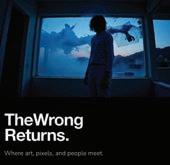
David Quiles Guilló ’91serves as headcurator for The WrongBiennale,anetworkofcuratorsthatbuilddigital pavilionsandreal-worldexhibitionswhereartistsfrom all overthe world experimentwithcode, AI, video,and new forms of expression.
INMEMORIAM
EmilyCobb ’40
HopeLeichter’46
ElaineFreeman’47,P’74
MichaelStraus’49
RichardColten’50
AlanA.Rubin’51
Susan(Davis)Fliegel’57
RobertPittaway’59
Michael Windholz’65
BenjaminS.Wood’81
Craig Parkhill P’85,’ 87, GP’17
TerryBentley
PatriciaCosimi
withaholisticanddiversetheatrecurriculum. Sheproducesanddirectsperformances, mentorsstudentdirectors,andcoordinates technicaltheatrecourses.Inher(veryrare) freetime,Betsylovescoloringbooks&puzzles, TTRPGs,andtakingnaturewalks.
KatrinaSemich’05 now lives in NewYork City. She works asaGrants Manager atthe Icahn School of MedicineatMountSinai.
MadelineFurst’06 has been living inSan Anselmo,CA,forthepasttwoyearswithher husband,Alex,7year-oldson,August,and5 year-olddaughter,Rosemary.Shehasbeen workingasaPsychiatricNursePractitioner ataFederallyQualifiedHealthCenter.This fall,shespentaweekendinUpstateNewYork withhereverlastingbestfriendsfromCSW, LindsaySt.Onge’06,SienaEvans’06,Kelly Zutrau’06, and AnnieMaurer’06, to welcome somenew babies into the world!
2010s
Olivia MacLennan ’10 recently adopted her firstdog,asmallJindomixfromKorea.She livesinBrooklynwithherpartner,Rachael.
ZoeFenn’18 writes: I produced,directed, and editedHudsonFreeman’smusicvideosforhis songs“IfYouKnowMe,”and“GoodFaith.”
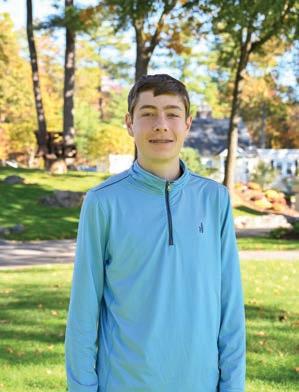

“WhatmakesCSWsospecialishowIwas trulymetwhereIwas,supported,and encouragedtogrow.AsIhavebecomethe leaderoftheroboticscodingteamthisyear, I’vetriedtoleadinthesamewayby meetingmyteammateswheretheyareand creatingspaceforeveryone’sideas.Also, beingpartofalargerteamhastaughtme thepowerofcollaborationandrespect. Welifteachotherupandrisetogether.”
Nicholas’28
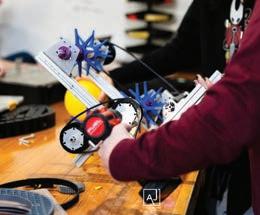
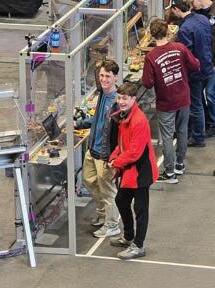



Nicholas’sexperienceismadepossiblebythegenerosity ofourcommunity.GiftstoTheCSWFundensurethat everystudentismetwheretheyare,supportedby inspiringteachers, and empowered togrowas leaders andcollaborators.Pleaseconsidermakingagifttoday tostrengthentheCSWexperienceforeverystudent.
Visitwww.csw.org/givetomakeyourgifttoday!
45GeorgianRoad Weston,Massachusetts02493
Addressservicerequested
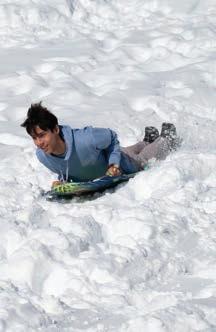
Akash ’28sleds down thehill behind theCheek.