HealthWorks
BREAST CANCER
UNDERSTAND YOUR RISK
HEALTHY EATING HABITS
START KIDS EARLY
CHRONIC ILLNESS
HOW TO TAKE CONTROL

BREAST CANCER
UNDERSTAND YOUR RISK
HEALTHY EATING HABITS
START KIDS EARLY
CHRONIC ILLNESS
HOW TO TAKE CONTROL
Dear Readers,
Maintaining your health and that of your family is a year-round process. As we transition from sunny summer days, filled with both relaxing and robust outdoor activities, to autumn, a cooler season that returns us to more routine schedules, there are many ways to continue mindfulness about our health.
Summer’s exit and the school year’s start can be a reminder to improve our eating habits. Montefiore Nyack Hospital is pleased to announce that we have distributed nutrition activity booklets to all grade K-3 Rockland County public school students, a guide to help begin their school year with a focus on fueling their bodies for success. In addition, we posted on our website healthy recipes and activity sheets designed for families to enjoy together. A preview of the resources we offer is available on page 8.
With Breast Cancer Awareness Month just around the corner, this issue offers information on the disease and how to reduce your risk. Also within, orthopedic surgeon Dr. Doron Ilan discusses common orthopedic injuries that tend to be more prevalent in men. Orthopedist Dr. Andrew Somberg covers plantar fasciitis, while Dr. Giacomo Vinces examines diabetic foot wounds. Lastly, cardiologist Dr. Jared Corriel highlights risk factors, signs and symptoms of cardiovascular disease for men.
For most of us, continuing a healthy lifestyle into our golden years requires more of our attention. Highland Medical’s Chronic Care Management program, offered at our Highland primary care practices, demonstrates our commitment to keeping seniors healthy. This program helps seniors with two or more chronic medical conditions manage their illnesses through more focused medical care and offers support with lifestyle changes and therapeutics as necessary. Our dedication to senior-specific care is manifested by our participation in the Age-Friendly Health Systems movement. This initiative ensures that every older adult receives age-friendly care that addresses what matters to them, including their medication options, identification and treatment of mental health issues, and mobility support to promote function.
The information we share in HealthWorks can have a positive impact on your health and that of those you love. Montefiore Nyack’s unwavering commitment to promoting good health and providing the highest-quality care is what we do 24/7, 365 days a year. I wish you the best of this season’s offerings, those that lead to optimal physical, mental and emotional health. Please share with family and friends.

Thank you,

Mark E. Geller, MD, FACR President & CEO Montefiore Nyack Hospital
To unsubscribe, please email us at publicrelations@montefiorenyack.org.
facebook.com/MontefioreNyack
@MontefioreNyack
@MontefioreNyack
@Montefiore_Nyack
linkedin.com/MontefioreNyackHospital
Montefiore Nyack Hospital has once again received the IBCLC Care Award from the prestigious International Board of Lactation Consultant Examiners (IBLCE) and the International Lactation Consultant Association (ILCA). Recognized for our excellence in lactation care, the hospital has been recertified as an International Board Certified Lactation Consultant (IBCLC).
Our dedicated team of IBCLC lactation support professionals earned this award for providing breastfeeding assistance and promoting breastfeeding as part of the care for babies and new mothers. In addition to visiting new mothers soon after delivery, our certified lactation consultants provide prenatal breastfeeding education, one-on-one consultations and postnatal visits, as well as lactation education for staff and breastfeeding families.
Congratulations to The Prenatal Center on this well-deserved recognition. We thank them for all they do to educate lactating mothers and support breastfeeding.
As part of the AgeFriendly Health Systems movement, Montefiore Nyack Hospital is among those leading the way in making sure that every day, every older adult receives age-friendly health care. This initiative of The John A. Hartford Foundation and the Institute for Healthcare Improvement (IHI), in partnership with the American Hospital Association (AHA) and the Catholic Health Association of the United States (CHA), requires an Age-Friendly Health System to incorporate four essential elements, known as the 4Ms, which we have implemented across all settings of care:
• What Matters: Know and align care with each older adult’s specific health outcome goals and care preferences.
• Medication: If medication is necessary, use age-friendly medication that does not interfere with what matters to the older adult, mobility or mentation.
• Mentation: Prevent, identify, treat and manage dementia, depression and delirium.
• Mobility: Ensure that older adults move safely every day to maintain function and do what matters to them.
Lauren Malone, AVP, PR and Marketing
Rose Croke, Director of Communications
Briana Tolve, Marketing Manager
Jasmine Gonzalez, Marketing Coordinator

4

4 TAKE CONTROL OF YOUR CHRONIC ILLNESS
Highland Medical primary care practices offer chronic care management.
6
TIPS FOR HEALING PLANTAR FASCIITIS
An orthopedic expert offers tips for relieving persistent foot pain.

8
HEALTHY HABITS BUILD STRONG FUTURES
Establishing healthy food choices in childhood can lead to a lifetime of better eating habits.
9
ARE YOU AT RISK FOR BREAST CANCER?
Having one or more risk factors for breast cancer means you should act now to try to reduce your risk.
10
INJURIES MARKED FOR MEN
Don’t delay in treating these orthopedic conditions common in men.
12
FINDING RELIEF FOR DIABETIC FOOT ISSUES
Hyperbaric oxygen therapy effectively treats common chronic wounds.
14
HIDDEN RISKS FOR MEN’S HEARTS
Get to know the early warning signs of cardiovascular disease in men.
Chronic wounds are becoming increasingly prevalent, driven by an aging population and the rise of chronic diseases such as diabetes and heart disease. These wounds are more than superficial issues; they present complex medical challenges often complicated by underlying conditions. When wounds do not heal, they can quickly lead to dangerous infections that may result in amputations or even loss of life.
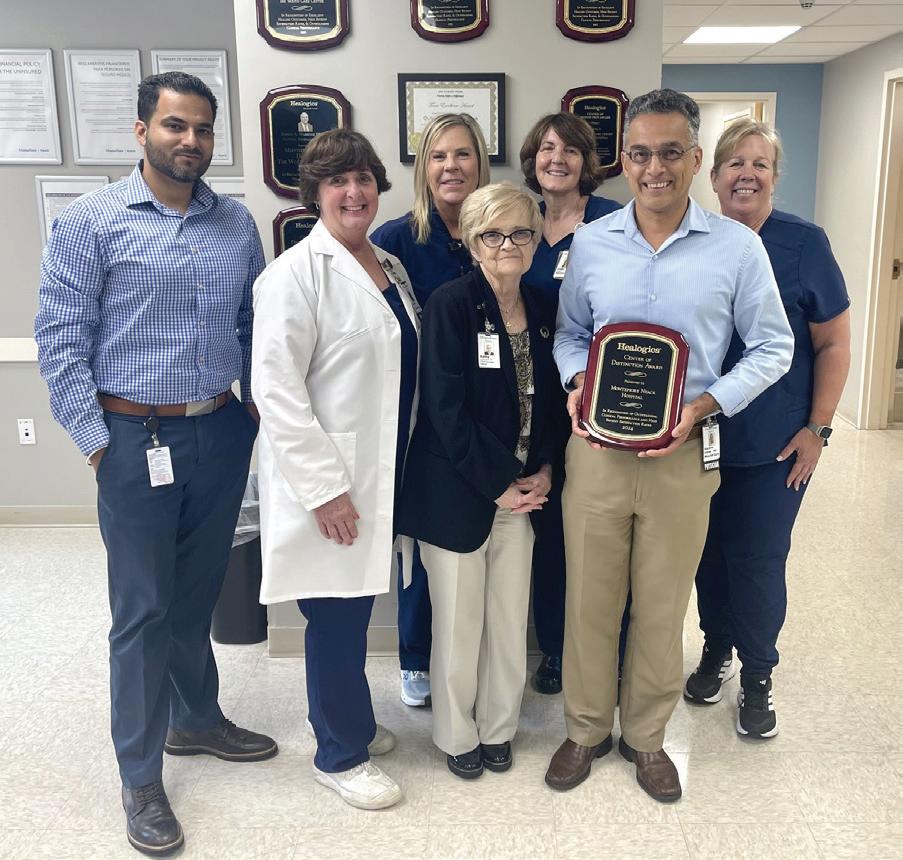
The Wound Care Center at Montefiore Nyack Hospital provides highly specialized care for patients with diabetic ulcers, pressure ulcers, infections and other chronic wounds that have not healed within a reasonable time frame. Recently, The Wound Care Center received the Center of Distinction Award from Healogics, the nation’s largest provider of advanced wound care services, for achieving outstanding clinical outcomes for 12 consecutive months in 2024, with patient satisfaction above 92 percent and a minimum wound healing rate of at least 91 percent within a 30-day median.
To schedule an appointment, please call 845-348-7600 or visit montefiorenyack.org/wound-care 6 12
Achronic illness is defined as a prolonged health condition often lasting for a year or more that requires continual management from a health care provider. Typically, chronic illnesses cannot be cured but can be well managed with the right medical interventions, including lifestyle adjustments and medication.
According to the Centers for Disease Control and Prevention, six in 10 Americans live with a chronic illness and four in 10 Americans have two or more chronic illnesses. “Chronic illnesses are not always preventable,” says Dimitri Alvarez, MD, FAAFP, a family physician with Highland Medical, Pearl River Medical Associates in Pearl River, New York.

“Some chronic illnesses can be linked to genetics and natural aging,
while others are directly correlated to lifestyle choices.”
Environmental factors and socioeconomic status can also be linked to the development of chronic illness. A lack of access to healthy food and quality health care and education could increase the chances of someone developing one.
While these illnesses can affect individuals of all ages, older adults are more likely to experience multiple conditions with additional health challenges. All of this may seem overwhelming, but fortunately, there are programs to aid patients in managing their care.
“At our Highland Medical internal medicine and primary care practices, we offer qualifying patients the option to enroll in our Chronic Care Management [CCM] program,” Dr. Alvarez says. “This program, developed and covered by Medicare, has proven to be very effective, as many of our patients have benefited from the
coordination of care and improved outcomes.”
• Patients with two or more chronic conditions expected to last more than 12 months or the lifetime of the patient
• Patients with Medicare, Medicare Advantage or other qualifying insurance
• Patients who have been seen in the past 12 months by their primary care physician (you may be enrolled in a CCM program with only one primary care physician)
• Coordination of care with patients, health care providers (doctors) and caregivers. Our team is trained to assist with the transition of care. When needed, they help ensure a safe discharge from health care facilities to home.
• A personalized care plan with regular check-ins by dedicated
“Our Chronic Care Management [CCM] program has proven to be very effective, as many of our patients have benefited from the coordination of care and improved outcomes.”
FAAFP
nurses who provide assistance between physician visits. This is an effective way to improve quality of life and keep patients out of urgent care and hospitals.
• Appointments and reminders
• Personalized education about conditions and help identifying community resources
• Medication management, including medication refills and medication reconciliations
“Chronic illnesses can cause discomfort and severely impact a patient’s quality of life,” Dr. Alvarez says. “We are pleased to offer such a comprehensive program to assist our patients facing the many challenges of living with chronic illnesses.”

Enrolling in the Chronic Care Management program is easy. Talk to your primary care team during your next visit to one of our Highland Medical primary care locations. For more information about the Chronic Care Management program, or to learn about our primary care physicians and locations, please visit www.highlandmedical.co.
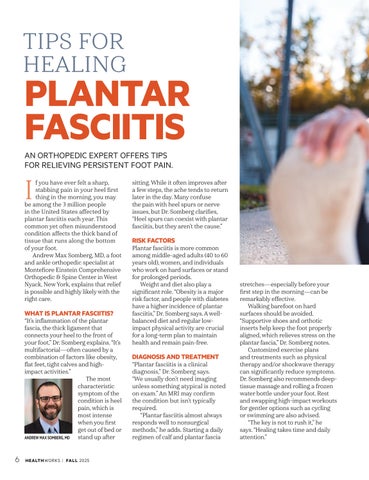
If you have ever felt a sharp, stabbing pain in your heel first thing in the morning, you may be among the 3 million people in the United States affected by plantar fasciitis each year. This common yet often misunderstood condition affects the thick band of tissue that runs along the bottom of your foot.
Andrew Max Somberg, MD, a foot and ankle orthopedic specialist at Montefiore Einstein Comprehensive Orthopedic & Spine Center in West Nyack, New York, explains that relief is possible and highly likely with the right care.
“It’s inflammation of the plantar fascia, the thick ligament that connects your heel to the front of your foot,” Dr. Somberg explains. “It’s multifactorial—often caused by a combination of factors like obesity, flat feet, tight calves and highimpact activities.”
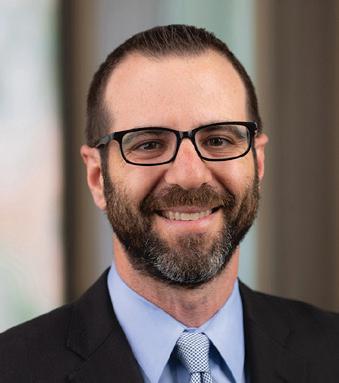
ANDREW MAX SOMBERG, MD
The most characteristic symptom of the condition is heel pain, which is most intense when you first get out of bed or stand up after
sitting. While it often improves after a few steps, the ache tends to return later in the day. Many confuse the pain with heel spurs or nerve issues, but Dr. Somberg clarifies, “Heel spurs can coexist with plantar fasciitis, but they aren’t the cause.”
Plantar fasciitis is more common among middle-aged adults (40 to 60 years old), women, and individuals who work on hard surfaces or stand for prolonged periods.
Weight and diet also play a significant role. “Obesity is a major risk factor, and people with diabetes have a higher incidence of plantar fasciitis,” Dr. Somberg says. A wellbalanced diet and regular lowimpact physical activity are crucial for a long-term plan to maintain health and remain pain-free.
“Plantar fasciitis is a clinical diagnosis,” Dr. Somberg says. “We usually don’t need imaging unless something atypical is noted on exam.” An MRI may confirm the condition but isn’t typically required.
“Plantar fasciitis almost always responds well to nonsurgical methods,” he adds. Starting a daily regimen of calf and plantar fascia

stretches—especially before your first step in the morning—can be remarkably effective.
Walking barefoot on hard surfaces should be avoided.
“Supportive shoes and orthotic inserts help keep the foot properly aligned, which relieves stress on the plantar fascia,” Dr. Somberg notes.
Customized exercise plans and treatments such as physical therapy and/or shockwave therapy can significantly reduce symptoms. Dr. Somberg also recommends deeptissue massage and rolling a frozen water bottle under your foot. Rest and swapping high-impact workouts for gentler options such as cycling or swimming are also advised.
“The key is not to rush it,” he says. “Healing takes time and daily attention.”

For the rare cases where conservative treatment isn’t enough, Dr. Somberg may recommend platelet-rich plasma injections to stimulate natural healing or corticosteroid injections to calm inflammation.
“Surgery is rarely needed,” he emphasizes, “and evidence supporting it is limited.”
Once you have recovered, staying pain-free requires continued vigilance. In order to remain proactive, Dr. Somberg recommends:
• Daily stretching of the calves and plantar fasciae
• Supportive footwear—even at home. Replace any worn-out sneakers or running shoes.
• Weight management to reduce pressure on the heels
• Low-impact exercise, such as cycling or swimming, instead of running
Plantar fasciitis may be painful, but it’s also highly treatable. With consistent care, about 90 percent of people recover within one year. With expertapproved stretches, proper footwear and a few adjustments to your daily routine, your first steps each day don’t have to be painful ones.
Start your day with these recommended plantar fascia stretches. For best results, perform them daily. Consistency is key.
(before getting out of bed)
• Sit up in bed with your legs straight.
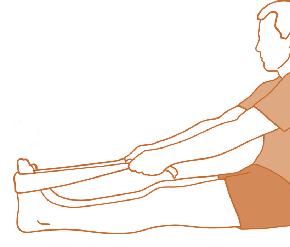
• Loop a towel or yoga strap around the ball of one foot.
• Gently pull your toes back toward you, keeping your knee straight.
• Hold for 30 seconds. Repeat 2 or 3 times with each foot.
• Stand facing a wall, hands at shoulder height.
• Step one foot back, keeping both feet flat.
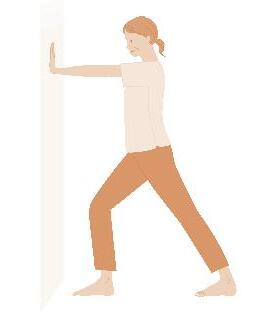
• Bend the front knee while keeping the back leg straight.
• Hold for 30 seconds. Repeat 2 or 3 times per side.
• Sit in a chair and roll the bottom of your foot over a tennis ball or frozen water bottle for 2 to 5 minutes per foot.
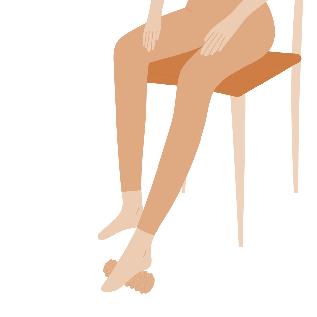
• Do this once in the morning and again in the evening.
To schedule an appointment or consultation at Montefiore Einstein Comprehensive Orthopedic & Spine Center, at 3 Centerock Road in West Nyack, call 845-358-1000 Visit www.montefiorenyack.org/orthopedic-spine for more information.

ESTABLISHING HEALTHY FOOD CHOICES IN CHILDHOOD CAN LEAD TO A LIFETIME OF BETTER EATING HABITS.
Awell-rounded, nutritious diet provides the necessary building blocks for children’s growth and development. It is essential that parents and caregivers establish healthy habits while children are young, as these routines are likely to stick with them as they continue to grow.
“Start by cultivating a healthy food environment at home,” says Melissa Keeney, MS, RDN, CDN, CDCES, a registered dietitian with Community Health and Wellness at Montefiore Nyack Hospital. “Parents and caregivers can promote a healthy relationship with food by encouraging curiosity and exploration, rather than restriction and shame.”
To guide the little ones in your life, consider these points:
• Try healthier alternatives. All foods fit in a balanced diet, but try swaps that offer more nutrition. For example, instead of sugar-sweetened yogurt, serve plain yogurt with fruit.
• Plan your next grocery trip. On your next trip to the supermarket, plan for meals that provide a variety of nutrients. Be sure to include fruits, vegetables, protein, dairy and nutrient-dense carbohydrates on your shopping list.
• Get kids involved in the kitchen. Designate age-appropriate kitchen tasks to get kids involved in the kitchen. Tasks can include stirring and measuring ingredients, washing fresh produce, reading recipes and helping with cleanup.
• Try new recipes. Be open to trying new healthy snacks and meals that can be customized for your family.
“Instead of motivating from a goodfood-versus-bad-food ‘health’ lens, aim to teach life skills, such as meal planning and cooking, to build competence and confidence around food,” Keeney advises.
This vegetarian-friendly recipe is a quick and easy lunch or dinner option that can be customized with your family’s favorite flavors.
INGREDIENTS:
• Olive oil spray or pat of butter
• 3 tablespoons red, orange or yellow bell pepper (cut into small pieces)
• 3 tablespoons canned pinto or black beans (drained, rinsed and mashed with a fork)
• 1 whole-grain tortilla
• ¼ cup shredded cheese, such as cheddar or Monterey Jack
1. Spray oil or place pat of butter in sauté pan over medium heat, then add minced peppers. Sauté 3 minutes or until tender.
2. Add pinto beans and cook 1-2 minutes. Remove from pan and set aside.
3. Wipe out pan (careful not to burn yourself), lower heat to medium low and place tortilla in pan.
4. Sprinkle most of cheese over tortilla, then evenly spread bean-and-pepper mixture on top. Add another sprinkle of cheese and fold tortilla in half.
5. Cook 1-2 minutes on each side or until cheese is melted and tortilla is golden brown.
6. For a balanced meal, serve quesadilla with salsa, sliced avocado or guacamole, or a side of fruit such as kiwi, apple or strawberries.
Recipe by Melissa Keeney, MS, RDN, CDN, CDCES, and Sandra J. Arévalo, MPH, RDN, CDN, CDCES, CLC, FAND, Community Health & Wellness Department at Montefiore Nyack Hospital
We created a useful guide with fun activities and resources to help the little ones in your life start thinking about nutrition. To view our healthy kids’ guide, visit montefiorenyack.org/healthy-kids.
HAVING ONE OR MORE RISK FACTORS FOR BREAST CANCER DOESN’T MEAN YOU’LL INEVITABLY GET THE DISEASE. IT DOES MEAN THAT YOU SHOULD ACT NOW TO TRY TO REDUCE YOUR RISK.
Factors that increase breast cancer risk include:
FAMILY HISTORY.
Having a firstdegree relative (mother, sister, daughter) or multiple people on either side of your family who have had breast cancer.
PERSONAL HISTORY. Having had breast cancer or previous treatment using radiation therapy to the chest or breasts.
“DENSE” BREASTS. Breasts that have more connective tissue than fatty tissue can increase risk and might require additional imaging to better visualize tissue.
GENETIC DISPOSITION.
Having a higher likelihood of developing breast cancer based on your genetic makeup. Genetic testing can uncover this.
ASHKENAZI JEWISH HERITAGE. Inherited mutations to certain genes that increase risk, such as BRCA1 and BRCA2, are more common in those of Ashkenazi Jewish descent.
Women at high risk of breast cancer are recommended to start screening earlier, have a clinical breast exam twice a year and have regular breast cancer screenings (most commonly, 3D mammogram and ultrasound). To reduce your risk, follow these lifestyle tips:
EAT WELL. Decrease or eliminate fried food, increase fruits and vegetables, include healthy fats (such as those found in fish, avocados and nuts), and avoid excess alcohol.
DON’T SMOKE. There’s evidence of a link between smoking and breast cancer, especially in women who haven’t gone through menopause yet.
CONTROL YOUR WEIGHT. Being overweight may increase your risk, especially after menopause.
EMBRACE PHYSICAL ACTIVITY. Many studies have shown that physically active women have a lower risk than inactive women.
To learn more about your breast cancer risk and screening eligibility, take our four-question quiz at www.montefiorenyack.org/breastcenter/quiz. To make an appointment at The Breast Center at Montefiore Nyack Hospital, call 845-348-8551.

DON’T DELAY IN TREATING THESE ORTHOPEDIC CONDITIONS
COMMON IN MEN.

DORON ILAN, MD
hile men and women share the same fundamental skeletal system structure, they have differences in bone anatomy, ligaments and muscle mass that make specific injuries more prevalent in men. For instance, men are more likely to experience fractures in fingers and hands, while women are more likely to suffer sprains to ankles and feet. Many of the injuries sustained by men
also are directly related to the activities they pursue.
Doron Ilan, MD, a boardcertified orthopedic surgeon with Montefiore Einstein Orthopedics, shares some of the more common orthopedic injuries that affect men and how to treat them:
1
Fifth Metacarpal Fracture (“Boxer’s Fracture”)
This injury involves a break in the neck of the fifth metacarpal bone, located in the hand near the pinky finger. It is commonly caused by punching a hard object—hence the name “boxer’s fracture.” These injuries often result from altercations, accidents during sports or work-related trauma.
Treatment:
• Immobilization of the area with a splint or cast
• Surgery in cases of severe displacement or rotation
• Physical therapy to restore function and strength
2 Achilles Tendon Rupture
Achilles ruptures typically occur during sudden acceleration or deceleration movements, such as jumping or sprinting, which are common in basketball, racquet sports and soccer. Men ages 30 to 50 are particularly at risk, especially if they are “weekend warriors” engaging in intense physical activity without proper conditioning.
Treatment:
• Nonsurgical options, which include casting or bracing with the foot pointed downward in plantar flexion
• Surgical repair for active individuals to restore tendon integrity and reduce the risk of re-rupture
• Rehabilitation focusing on gradual load-bearing and strength recovery
“If you sustain an injury or have lasting pain, take the proactive step of seeking medical attention.”
Doron Ilan, MD Board-certified orthopedic surgeon, Montefiore Einstein Orthopedics
This injury occurs when the tendon that attaches the biceps muscle to the forearm tears, often during heavy lifting or sudden forceful extension against a load, commonly seen in weightlifters or laborers.
Treatment:
• Surgical reattachment is often considered, especially for younger, active men.
• Nonsurgical treatment may be preferred for older or sedentary individuals.
Men in manual labor jobs— construction, factory work or warehouse roles—are at higher risk for:
• Lower back injuries from lifting
• Knee injuries from repetitive bending or impact
• Hand and wrist fractures due to machinery or tool-related accidents
Your role in preventing these injuries is crucial. Proper lifting techniques, ergonomic tools and workplace safety protocols are not just for reducing risk but for your well-being.
Men are statistically more likely to delay seeking care for musculoskeletal issues, often due to stoicism or underestimating injury severity. Examples include:
• Chronic joint pain (hip, knee, shoulder)
• Tendon injuries (such as rotator cuff or biceps tears)
• Fractures that appear minor but worsen without treatment
Delaying care can significantly:
• Complicate surgical procedures (for example, tendon retraction in a distal biceps or Achilles rupture makes reattachment harder)
• Prolong recovery timelines and physical therapy
• Increase the risk of longterm weakness, stiffness or arthritis
If you sustain an injury or have lasting pain, take the proactive step of seeking medical attention. Remember, the earlier the intervention, the less time in pain and the quicker healing occurs.
To schedule an appointment or consultation at the Montefiore Einstein Comprehensive Orthopedic & Spine Center, located at 3 Centerock Road, West Nyack, please call 845-358-1000.
For more information on orthopedic conditions, visit www.montefiorenyack.org/orthopedic-spine.
HYPERBARIC OXYGEN THERAPY EFFECTIVELY
TREATS COMMON CHRONIC WOUNDS.

One of the most common types of wounds that requires close attention is diabetic foot ulcers. With proper treatment from a wound care specialist, these wounds can be effectively treated and healed,
according to Giacomo V. Vinces, DO, MBI, CWSP, medical director of The Wound Care Center at Montefiore Nyack Hospital.
Diabetes is a chronic illness that requires constant management through medication, lifestyle changes and physician oversight. While some people can manage their diabetes effectively, others
may be impacted by complications. Diabetic foot ulcers affect approximately 15 percent of people living with diabetes. These ulcers often begin with nerve damage and poor circulation caused by high blood sugar levels.
Diabetic foot ulcers can be treated with standard wound care dressings that stay in place for a few days at a time and by wearing boots or shoes that eliminate
“When ulcers are severe, hyperbaric oxygen therapy [HBOT] is a very effective treatment.”
Giacomo V. Vinces, DO, MBI, CWSP Medical director of
pressure on the wounds. “When ulcers are severe, hyperbaric oxygen therapy [HBOT] is a very effective treatment,” Dr. Vinces says.
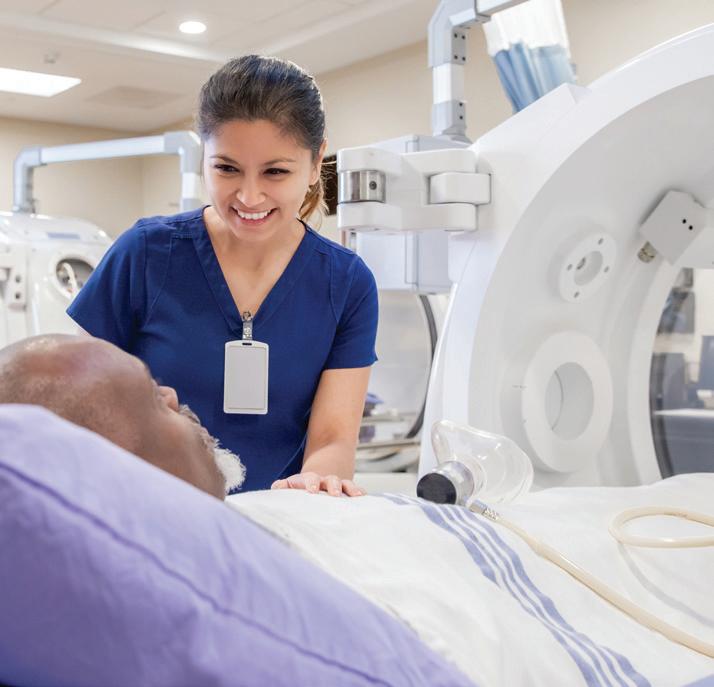
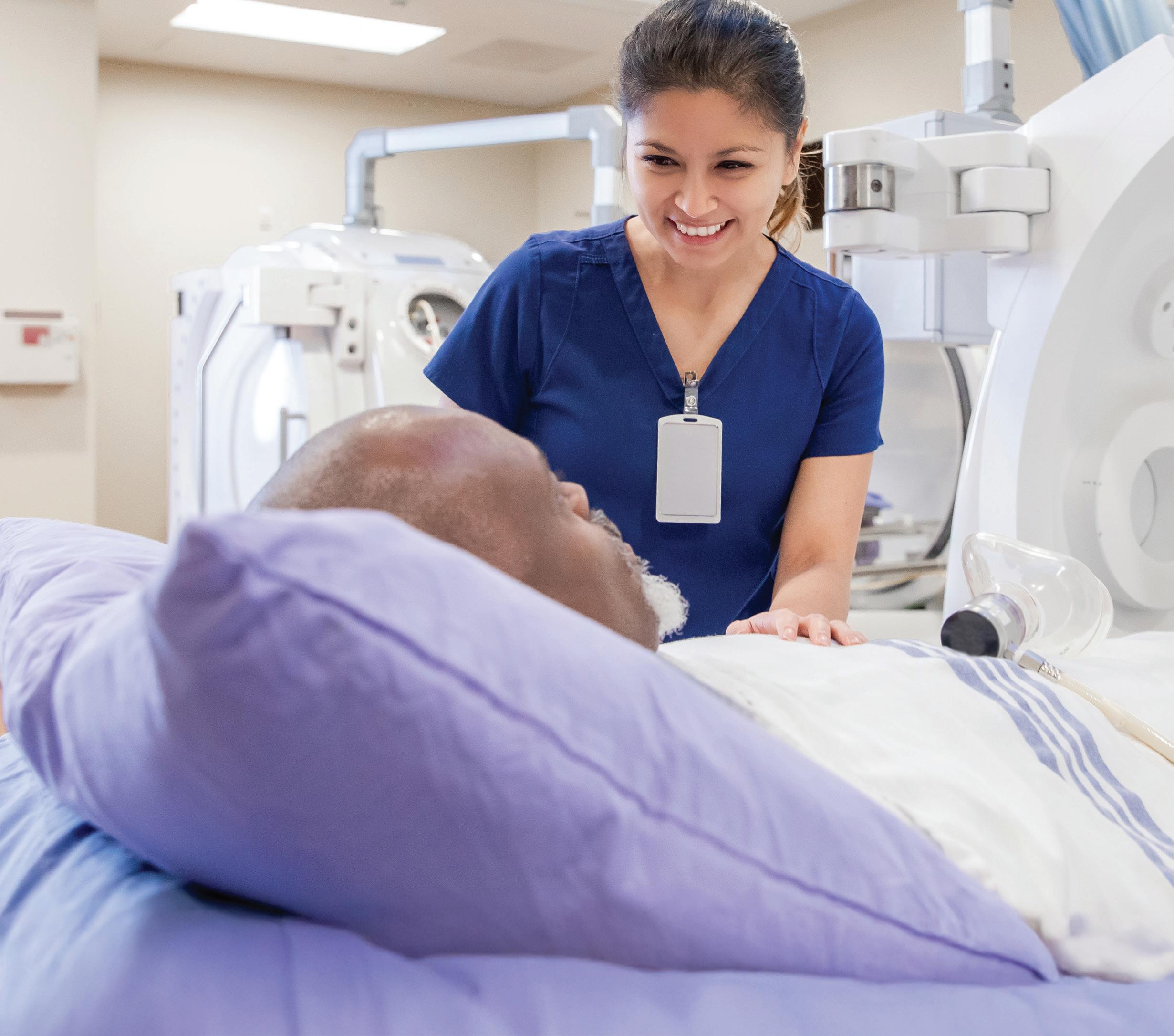
For most chronic wounds, HBOT is used only after standard treatment is tried first and the ulcer does not heal. Patients undergoing the treatment are placed in a pressurized chamber where they breathe in 100 percent oxygen. The goal is to increase the amount of oxygen in the blood, delivering it to the wound site for faster healing.
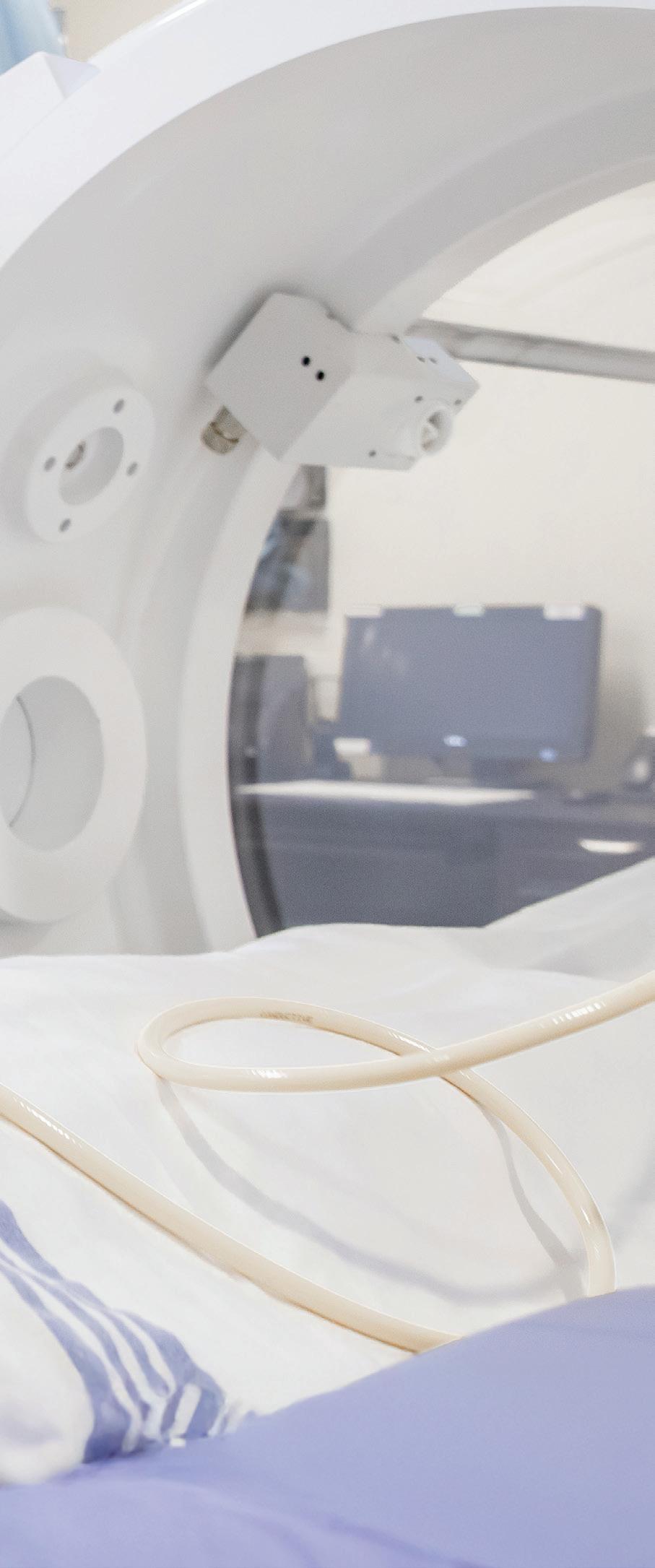
The chamber is larger than an MRI machine, with clear plexiglass so the patient can see their surroundings. “A patient can communicate with the technician at all times,” Dr. Vinces says. During the treatment, which generally lasts 90 minutes to two hours, the patient can watch movies or listen to music.
Patients receive treatment every day for 20 to 40 days. “For some patients, it can take some getting used to, but it gets easier, and being able to watch TV or movies makes the time go by a lot faster,” he adds.
HBOT is noninvasive and painless, but some patients may feel pressure in their ears, similar to the effects of the changing altitude on an airplane when flying. “We have several techniques
that help with the sensation,” Dr. Vinces says. “After a few sessions, patients are usually able to avoid that side effect.”
It can take 10 to 15 treatment sessions for the doctor to determine whether the patient is responding. The number of treatments a patient needs depends on the extent of their wound and how well it responds to therapy. In some cases, the doctor may decide the wound is responding so well to the treatment that another round of sessions would be beneficial.
Before starting HBOT, consult with your primary care physician. You might be told to avoid certain medications that may interact with oxygen treatment. In rare cases, HBOT can affect a person’s vision.
“Our goal is to work very closely with the patient’s primary care doctor,” Dr. Vinces says. “A multidisciplinary team of podiatrists, infectious disease specialists, vascular surgeons and endocrinologists will work together to develop an individualized plan for the treatment of difficult-to-heal wounds, like diabetic foot ulcers.”
Treatments are typically covered by Medicare, Medicaid and most insurance plans, and self-referrals are accepted.
The Wound Care Center at Montefiore Nyack Hospital is located at 160 North Midland Avenue in Nyack, New York. For more information and to make an appointment, contact The Wound Care Center at Montefiore Nyack Hospital at 845-348-7600.

RESEARCHERS ARE LEARNING MORE ABOUT MEN’S HEALTH CONDITIONS THAT CAN BE EARLY SIGNALS OF INCREASED HEART RISK. HERE’S WHAT YOU NEED TO KNOW.
As cardiovascular disease (CVD) remains the leading cause of mortality for men globally, it’s crucial to understand the unique factors that contribute to a man’s risk of heart disease. Jared Corriel, MD, RPVI, FACC, a boardcertified cardiologist with Highland Medical, Advanced Cardiovascular Care, sheds light on these factors, empowering men to take control of their cardiovascular health.
While traditional risk factors, such as hypertension, high cholesterol, diabetes and smoking, are well known, it is also essential to consider emerging factors, including low testosterone, poor sleep habits and chronic stress. These factors have been identified as contributors to cardiovascular risk, shedding light on the broader spectrum of risks.
Low testosterone is associated with increased abdominal fat, insulin resistance and abnormal blood lipid levels. Testosterone dilates the blood vessels of the heart and supports inner blood vessel functioning. Low levels are associated with impaired nitric oxide production and increased arterial stiffness. In addition, low testosterone levels correlate with elevated inflammatory markers, such as CRP and IL-6, which reflect a heightened risk of atherosclerosis—a buildup of fats on the artery walls.

both cardiovascular and overall health. Excess adrenaline and cortisol, the classic “fight-or-flight” hormones, cause narrowing of the blood vessels, hypertension and increased oxygen demand to the heart. Chronic stress also suppresses luteinizing hormone, a hormone that plays a role in testosterone production. Furthermore, stress is often accompanied by poor sleep, physical inactivity and unhealthy behaviors such as smoking, increased alcohol intake and poor dietary choices—all of which compound cardiovascular risk.
Follow these tips to help keep cardiovascular issues at bay:
• Control Blood Pressure
Monitor blood pressure often; reduce sodium, saturated fat and processed foods.
• Eat Healthy—Incorporate fruits, vegetables and other high-fiber foods; drink water.
• Limit Alcohol—Men should consume no more than two drinks per day.
Chronic psychological stress activates the hypothalamic-pituitaryadrenal axis. This system regulates the body’s response to stress, leading to elevated cortisol levels that impact sympathetic tone, which in turn regulates functions such as heart rate, blood pressure and metabolic rate. These hormonal shifts have downstream effects on
A prevalent but frequently underdiscussed issue regarding CVD is erectile dysfunction (ED). This is often the first clinical sign of underlying cardiovascular disease, often preceding coronary artery disease (CAD) symptoms by 3 to 5 years. The penile arteries, being smaller in diameter than coronary or carotid vessels, are particularly susceptible to atherosclerotic narrowing due to plaque buildup. In up to 80 percent of cases, ED has a vascular cause. Men with ED have a significantly increased risk of future cardiovascular events. A 2005 meta-analysis found a 44 percent higher risk in men with ED. Similar to CAD, ED involves endothelial dysfunction, where the cells lining the blood vessels do not function properly; oxidative stress, which can lead to cellular damage; and microvascular disease that damages small blood vessels.
Low testosterone, stress and ED are more than just qualityof-life concerns; they serve as early warning signs of deeper cardiovascular pathology. Recognizing and addressing
• Maintain a Healthy Weight Eat mindfully, paying attention to what you consume, and don’t skip meals.
• Exercise Regularly—Physical activity helps with weight, stress and sleep.
• Don’t Smoke—Talk to your doctor about getting help to quit.
• Get Enough Sleep—Aim for at least seven hours each night.
• Lower Cholesterol—Eat fewer foods with bad fats, choose good fats and increase fiber intake.
• Take Medications—Create a routine to take your medications on a schedule as prescribed.
these conditions through a comprehensive, integrated approach enables clinicians to identify and potentially reverse cardiovascular risk before it culminates in a catastrophic event. For patients, this triad presents a powerful incentive: Enhancing sexual and hormonal health can serve as a gateway to improved heart health and increased longevity.
To make an appointment with a cardiologist, call 845-268-0880. Highland Medical, Advanced Cardiovascular Care is located at 2 Medical Park Drive, Suite 3, West Nyack.