VIM


1


Aalia Arshed
Abby O’Connor
Alayna Berry
Alena Hano
Alexandra Nasrallah
Alexandra Stapleton
Alexis Morton
Alina Ahmad
Amrita Rajkumar
Anh Van Dong
Anlayna Seaberg
Anna Farrell
Anna Fisher
Annaliese Boglione
Armarpal Dosanjh
Arzoo Chhaya
Ashlyn Gordy
Autumn Matt
Ava Fawcett
Ava White
Avery Ferguson
Avery Gibb
Bella Karageanes
Bella Soave
Benedetta Catoia
Brooklyn Mychalowych

Breanna Watts
Callyn Brown
Campbell Hitch
Caroline Parent
Carter Thornburgh
Cassidy Ivanko
Catherine Keller
Chandler Dabroi
Chloe Mietelka
Christina Daniels
Claire Chapin
Claire Erb
Clare Delaney
Claudia Seiler
Courtney Little
Daniela Bondekwe
Danielle Okeke
Darien McEnroe
Dylan Thomsen
Eisele Hirschel
Ellie Harner
Elyssa Haddad
Emma Conwell
Emma Martell
Elena Martin
Emma Ruedisueli
Erin Timmerman
Evie Ansari
Evie Turjanski
Grace Dobie
Grace McDermott
Grace Preslock
Hadley Lovell
Halina Newland
Hannah Savage
Isabella Toma
Ittaty Aguilar-Guzman
Ivanna Ortega
Jillian Fast
Jovana Nagj
Kaitlyn Stafford
Katie Mulhearn
Kellie Krueger
Kelly Delgado
Kelsey Prach
Kendall Donaldson
Lana Nehme
Lara Kemp
Lauren Coin
Lauren Ergelic
Lauren Golden
Leah Talerico
Lilian Huynh
Logan Neaton
Lydia Denton
Macy DeBaar
Madelyn Aittama
Maia Faris
Malerie Ferrier
Marella Pezza
Maria Ortisi
Marki Jennings
Mary Auterman
MaryClaire Diamond
Megan Basile
Megan Howarth
Meghan Valade
Natalie Johnson
Olivia Gamelin
Olivia Ogle
Olivia Piklor
Parneet Kaur
Rachel Hulbert
Raleigh Hoenstine
Rana Atassi
Rebecca Kelly
Reghan Scharlach
Riley Lingerfelt
Ryan McMillan
Sadie Liddy
Safiya Fareed
Sara Lusky
Sasha Rauth
Savannah VerHage
Serena Younes
Sofia Leone
Samiyah Wheeler
Sophie Champion
Taylor Schellmat
Thomas Cheung
Tiana Nguyen
Tiffany Werner
Victoria Klimowski
Zoe Schantz
Editors In Chief Anna Traver & Olivia Simone
Assistant To The Editors: Morgan Barbat
Art Director: Libby Wagner
Assistant Art Director: Sabrina Seldon
Art Team: Veronica Bryan, Evelyn Diamond, Marissa
Malleck, Julie Pakizer, Kee-Ri Burkitt, Caroline Parthum, Sophia Bruno & Madison Kort
Advertising Directors: Bella Rallis & Caroline
Baratta Assistant Advertising Director: Ruby Stewart
Advertising Team: Isha Jaffer, Cassandra North, Ilijah
Dean, Gabrielle Clark, Autumn Decker, Natalia Babajan, Amelia Lally & Liv Ceithaml
Blog Directors: Gia Enconomopoulos & Kathleen Mahoney
Blog Team: Fallon Patrona, Sam Maddocks, Danielle Klott, Grace Wennerberg, Zoe Komar, Bella Johnson & Maura
Shine
Creative Directors: Sierra Law & Anna
Webber
Assistant Creative Directors: Kate Blaszkiewicz & Milan
Lazovski
Creative Beauty Directors: Ava Taconelli & Ev Campau
Assistant Creative Beauty Directors: Madison Girodat & Evan Yalowitz, lead hair stylist: Andie Bahm
Creative Beauty Team: Emily Burke, Maliyah Coleman, Ateeyah Abdul-Wasi, Izzy Parker, Emma White, Lauren
Davis & Gino Sorrentino
Finance Director: Emma Wallace
Assistant Finance Director: Shreya Peddi
Finance Team: Madelyn Wehling, Carly Sheer, Fiona Braja, Sofia Mukhtar, Denise Grigorov & Olivia Raymond
Copy Editing Directors: Arden Vanover & Lia Bergin
Assistant Editing Directors: Molly Melnick & Hannah Young
Editing Team: Bella Short, Stella Govitz, Madeline Bist, & Rachel Lewis
Events Directors: Caitlyn Cieslik & Joanie
Langan
Events Team: Mia Simone, Nia Kalinovic, Allie Hawkins & Alli Glud
Fasion Directors: Borjana Alia, Julia Wallace, & Bella Schincariol
Assistant Fasion Directors: Vanessa Yousif & Sydney
Tomlinson
Fashion Team: Brandon Roberts, David Delgado, Grace
Velthoven, Mackenzie Haupt, Amy Chong, Samiyah
Wheeler, Justice Seay, Kelsey Lester & Dylan Howell
Fashion Relations Directors: Shree Mysore, Lily Champine & Kierstyn Opasik
Fashion Relations Team: Puja Modi, Bella Simic, Gabriella
Bacigalupi, Trajana DiVitto, Bella Finnigan, Makenna
Masters, Carlina Pitello, Nyla Willis & Danielle Kashat
Film Directors: Jaden Duong, John Hart, & Megan Lear
Assistant Film Directors: Madeleine Hood & Kyle Johnson
Film Team: Wallace Hill V, Hannah Jun, Sophie Wolcott, Marcayla Armstrong, Maggie Lupton, Danielle Pollak, Bailey Maloney, Vincent Le, Abby Nellis, Riya Patchava, Emelia Moore & Parker Beavens
Graphic Design Directors: Emily Maze & Claire Brown
Assistant Graphic Design Director: Avery Antal
Graphic Design Team: Isabella Denton, Evette Perry, Sofia Diaz & Maria Watkins
Health & Beauty Director: Tori Gardocki
Assistant Health & Beauty Directors: Lane Pruban & Peggy Smith
Health & Beauty Team: Bhavya Thotakura, Kathryn Chambers, Gracie Sink & Emily Cassetti
Lifestyle Directors: Kari Eickholdt & Paige
Helmling
Assistant Lifestyle Director: Maggie Scheff
Lifestyle Team: Madeline Minnick, Kiara Reyes, Nandini
Tengil, Grace Oluwole, Analise Sullivan, Emily Komer, Ava Cortiana, Katelyn Naert & Halina Newland
Marketing Directors: Alexia Saucedo, Riya
Patel & Julia Tatone
Marketing Team: Maya Abbasi, Madeline Patterson, Jenna Lewis, Catherine Keller, Allie Thomas, Kathleen Mulhearn, Sofia Mirate, Maria Ortisi, Arzoo Chhaya, Stephanie Wang, Bella Gjoka, Olivia Edwards, Lea Tsalis, Shelly Chen & Krishna Deydhara
Photography Directors: Audrey Richardson & Bella Lee
Photography Team: Karina Stankowski, Megan Rabaut, Trina Fiebig, Maddie Dibley, Graham Lightle, Zhanna
Yakubova, Natalie Vezina, Josh Denver, Amanda Lada, Lane Straub, Denille Reid & Griffin Lantz
Public Relations Directors: Riley Ward & Kaitlyn Keele
Assistant Public Relations Directors: Gabriella Lopez
Public Relations Team: Logan Neaton, Emily Seitz, Ellie Harner, Madison Parsons, Emily Manriquez, Olivia Thaler, Grace Pia, Kelsey Gruzin & Sarah Helling
Student Relations Directors: Trisha Ha & Kennedy Goudesuene
Student Relations Team: Jackson Tucker, Chloe Marcou, Lucy Stoy & Bella Karageanes
Social Media Directors: Genna Bellestri & Morgan Cornillie
Assistant Social Media Director: Molly McGrathh
Social Media Team: Natalie Lopez, Shannon Lynch, Maggie Adams, Lily Stroup, Demi Anastasiou, Nathan Brinker, Amelia Zeitlin & Bailey Beauchamp
UX Directors: Caroline Turner & Jessica
Tran
UX Team: Neha Gurung, Kiana May, Marochelle Moreno, Christina Tagay, Megan Gleason & Krysteen Nguyen
Board of Diversity & Inclusion Directors: Anu Selva & Caroline Miota
Assistant Diversity & Inclusion Directors: Tasha Patel & Milcah Solomon
Diversity & Inclusion Team: Trinity Coats, Laasya Koduri & Jorelle Weaver
Founders: Kerry Chereskin, Lauren Christopherson, & Julie Christopherson


Welcome to our Spring ‘23 issue. We’re so happy you’re here. Spring represents new beginnings and bittersweet endings. We wanted this issue of VIM to be something our graduating seniors could be proud of - a last goodbye to a passion they care so deeply about - and a project that would get our younger members even more excited to be involved. We think it’s safe to say we accomplished this, and we couldn’t be more excited to share it with you.
This semester, our annual fashion show in the Wharton Center featured 26 designers and 60 models; our largest show yet! The show’s theme, Ethereal Lush, was planned and run by the Fashion Relations team, who worked day and night to ensure the show ran smoothly for a packed house. To say we were all impressed would be an understatement.
We got to hear from incredible speakers this Spring in the industry. From celebrity stylists, entrepreneurs and influencers, a former Vogue employee, to a fashion and sustainability panel, our members were able to receive career advice, life advice and network. Thank you to all of our speakers for sharing your time with us.
The unimaginable happened at our school - our home - during one of our bi-weekly Monday meetings. Our members jumped into action to ensure each other’s safety. We are so proud and thankful our VIM community is safe, and continuing to stay Spartan Strong together. VIM has not only brought us friends, opportunities, connections and a creative outlet, but also a community. We are so grateful to the VIM and MSU alumni networks that are always willing to help fellow Spartans and see us reach the stars.
As EICs and seniors, we are so thankful to all that VIM has given us the last four years. We could not be prouder of our 60 directors, 21 teams and 100+ general members. It has been an honor having the opportunity to lead a team of such talented, creative and hard-working people; we really are one big, happy family, and we wouldn’t trade it for the world. You are what made VIM what it is today. Thank you for giving VIM your all, and then some. We are so excited to see what VIM does in the future and we will always be cheering you on.
Signing off as your EICs.
Anna Traver & Olivia Simone Xoxo,


With low hems and plaid, the Americana style offers a distinct look. From tailored blazers worn by businesswomen to a school teacher’s sweater vest, aspects of Americana are a constant presence in daily wear. In looking at its origins, however, Americana was not intended for universal accessibility. When Ralph Lauren began his company in 1967, his sporty and moneyed take on tailored men and womenswear appealed to the wealthy. His collared shirts saw instant success after their debut. From simple silhouettes to intricate layering, he modernized classic styles, defining Americana. Looking back at his shows, there are noticeably recurring themes.

His Fall 2003 Ready-To-Wear line features layers on trench coats with neutral plaids, and hats to match. While the looks were not the most bold designs on the runway, they were elegant and well-fitting. This simplistic and flattering image caught the attention of top socialites and political figures, like Jackie O. and Hillary Clinton. For many years, the wealthy sported Lauren’s designs. A little polo boy on the chest signified luxury. He represented the American elite living carefree, opulent lives. Inaccessibility is what distinguished the preppy style for so long.
Now, people are reexamining Americana and looking to promote luxury in all forms, branching out and reaching each demographic. Consider cabin-core, an aesthetic that romanticizes nature and escaping from bustling industrial life to remote natural settings. Cabin-core drew traction in 2017, as people began to use plaid sweaters and the classic Ralph Lauren preppy pieces to create an outdoorsy and adventurous aura. Those who did not already have polo in their closets could go out to local thrift stores or search online for second-hand options, using what they find to participate. This trend and the popularization of thrifting has allowed everyone access to Americana items that were originally out of reach.
The American dream is ubiquitous with American life. For American fashion, promoting the accessibility of clothes can even be a medium to represent the American dream. Equality of opportunity means that everyone can create a unique style if they so choose. Without ensuring fair access, those who do not have the resources cannot fully embrace their individual vision. When clothes are accessible to all, fashion allows the American dream to become a reality. Polo may not have always intended as accessible attire, but this has changed with new interpretations of Americana, like cabin-core and vintage outdoor-based attire. As more are taking preppy wear and morphing it into a practical style, Americana can be incorporated into everyone’s fashion.

Style: Julia Wallace, Vanessa Yousif, David Delgado
Words: Sydney Tomlinson
Photo: Megan Rabaut and Amanda Lada
Glam: Andie Bahm, Gino Sorrentino, Izzy Parker
Spread Designer: Evelyn Diamond
Models: Sami El Hasnaoui, Logan Baker, Tessa Woolever, and Neyna Orji


 Style: Emma White, Amy Chong
Words: Emma White
Photo: Denille Reid
Glam: Emma White, Evan Yalowitz, Ateeyah Abdul-Wasi, Andie Bahm
Spread Designer: Libby Wagner
Models: Grace Taylor, Danielle Okeke, & Reema Kayal
Style: Emma White, Amy Chong
Words: Emma White
Photo: Denille Reid
Glam: Emma White, Evan Yalowitz, Ateeyah Abdul-Wasi, Andie Bahm
Spread Designer: Libby Wagner
Models: Grace Taylor, Danielle Okeke, & Reema Kayal

 Style: Anna Webber
Photo: Audrey Richardson, Bella Lee
Glam: Emily Burke, Evan Yalowitz, Maliyah Coleman
Spread Designer: Libby Wagner, Sabrina Seldon
Models: Liz Ware
Style: Anna Webber
Photo: Audrey Richardson, Bella Lee
Glam: Emily Burke, Evan Yalowitz, Maliyah Coleman
Spread Designer: Libby Wagner, Sabrina Seldon
Models: Liz Ware

In an ever-evolving world, our concept of reality continuously changes. Just like waking up after a night of bad choices, reality can hit like a truck. But what if everything we knew to be reality was fiction or fabrication? The concept of hyperreality is one that can be hard to recognize as it is an inability to distinguish reality from simulation.
This distortion of what we know to be true comes in many forms, each as consumable and addicting as the next. Reality television, photoshop, computer-generated imagery and certain influencers are considered simulations of reality. Magazines, production companies and media have been profiting off of hyperreality for years as their consumers buy into unrealistic Photoshop edits or reality TV shows. Even some athletes are culpable by drinking a flavor of a sports drink that does not even exist like, “fruity zest berry”.
While the world continues to turn with these versions of reality, humans’ inability to recognize what is true may be too far gone. The normalization of distorted images has impacted our perception of what reality is. While there is more information at our fingertips than ever before, the value of it is beginning


to mean less as our world becomes contrived. Behaviorally, the uptick in hyperreality has allowed our tools, like Photoshop or Google, to shape who and how we are, rather than the other way around. This immersion into a fully digital world has blurred the lines to the “real world,” allowing our lives to become disillusions.
While it would be nearly impossible to find someone who has been untouched by this concept in our postmodern world, the desensitization to raw human emotion could be detrimental. Humans have adjusted to this hyperreal society, amplifying expectations of perfect bodies like those produced through photoshop, trying to match the thrill we feel at a theme park or romantic hopes built off of reality T.V. couples. Whether or not hyperreality is reversible is no longer a question.
While escapism is necessary, what’s scarier? A reality check or never knowing real from fake? Hyperreality was cemented in our society through programs like Photoshop, but with the rise of virtual reality and artificial intelligence, it is expanding even further–whether we can recognize it or not.
 Style: Peggy Smith
Words: Peggy Smith
Photo: Maddie Dibley, Graham Lightle
Glam: Lauren Davis
Spread Design: Kee-Ri Burkitt Models: Dominik Leisinger
Style: Peggy Smith
Words: Peggy Smith
Photo: Maddie Dibley, Graham Lightle
Glam: Lauren Davis
Spread Design: Kee-Ri Burkitt Models: Dominik Leisinger


The buzz of a text eliciting a smile. A quick kiss before getting dropped off at night. Those slight flirtatious comments that can make someone feel like the only person in the world. The glow of the talking stage — all to be shattered by one single text late at night: “R u up?”
Hookup culture encourages casual sex and relationships that are not directly established. Hookup culture does provide a certain allure with no commitment, casual sex and multiple partners. Yet, due to this culture, it has become increasingly more popular to abandon romance.
So, why has hookup culture suddenly been embedded into our love lives? Anastasia Hanonick from The University News, credits this to the average age of marriage “being tested and pushed back. This creates a weird gap where we don’t feel mature enough to find the ‘loves of our life’ yet.” Dating Apps make it convenient to explore potential dating prospects without the commitment associated with finding “the one.”
The realities of hook-up culture vary. Risks range from commitment and trust issues, to threats and sexual health complications. Hook-up culture’s nonrelationship idea presents an opportunity for people who want to engage in relationships without the necessary vulnerability and commitment, sometimes at the expense of their partner.

Romantic connection is more than a late night, three-word text. While there is nothing inherently wrong with exploring non-committal relationships, hook-up culture can exchange emotional intimacy for sexual intimacy. A late night text can be healthy when the motivations and intentions behind hitting send are understood. Without recognizing the significance in prioritizing boundaries and vulnerabilities involved in casual sex, “R u up?” can turn a fun night into an endless spiral that leaves no one fulfilled.
Words: Lane Pruban
Photo: Josh Denver, Trina Fiebig
Glam: Emily Burke, Andie Bahm

Spread Designer: Libby Wagner
Model: Neha Gurung
Style: Lane Pruban, Sierra Law, Anna Webber


 Style: Anna Webber & Milan Lazovski
Photo: Audrey Richardson, Maddie Dibley
Glam: Gino Sorrentino, Ateeyah Abdul-Wasi
Spread Designer: Sophia Bruno
Style: Anna Webber & Milan Lazovski
Photo: Audrey Richardson, Maddie Dibley
Glam: Gino Sorrentino, Ateeyah Abdul-Wasi
Spread Designer: Sophia Bruno

Style: Claire Brown, Emily Maze
Photo: Josh Denver, Amanda Lada
Glam: Ateeyah Abdul-Wasi
Spread Designers: Claire Brown, Emily Maze


Models: Riley Adams, Lauren Jackson


 Style: Sierra Law
Photo: Audrey Richardson, Bella Lee
Spread Designer: Libby Wagner
Models: Sofia Leone, Seun Yoo
Glam: Andie Bahm, Ava Taconelli, Ev Campau
Style: Sierra Law
Photo: Audrey Richardson, Bella Lee
Spread Designer: Libby Wagner
Models: Sofia Leone, Seun Yoo
Glam: Andie Bahm, Ava Taconelli, Ev Campau


Michigan State University (MSU) is home to many talented individuals, where countless students get a start in creating their own success. While there are many young entrepreneurs here at MSU finding their footing in the world of business, VIM is fortunate to be featuring 5 emerging entrepreneurs and their journeys to success.
UniServices: Adam Green
Adam Green is the founder of UniServices,a platform that connects college students with the local community and allows college students to earn some additional income by taking on small jobs like gardening. As a law student, Green was looking for ways to make some additional money. He quickly realized that independent jobs like Uber and Doordash did not fit the needs and lifestyle of a college student. One day, he decided to post on Facebook groups asking if anyone needed help gardening. To his surprise, he received many replies. Soon, his friends started asking him to connect them to jobs and the concept for UniServices began. Green explained that, at first, UniServices was just a Trello board where he was manually handling job assignments. Through his network at his previous workplace, he found out about the Burgess Institute at Michigan State and decided to become a part of the entrepreneurship community at MSU. Through this, his platform only grew. Uniservices is now a venture-backed company, where Green and his partners have finished their first round of funding. They are preparing for their second round and are working on an all-new app. They plan to scale Uniservices to other colleges and communities across the Midwest. Green’s key to success has been to solve problems, start small, and work one step at a time. He says that there were many times when he wanted to leap ahead and make an app and scale things more quickly. He learned to take a step back and focus on what was essential to the business. He says that it is important not to rush into things, and take it one step at a time.
Olivia Gargett is the Founder, CEO and sole proprietor of OGs Bakery, an independent bakery specializing in custom cake pops and cookies. Gargett is not new to entrepreneurship, as she’s been running her bakery since the age of 12. At 14 years old, she was booking clients and creating custom desserts for customers in her hometown. Her passion stemmed from baking cakes for fun and making a variety of goods for family, friends, and people in her community. Both her passion and her natural set of skills quickly escalated her hobby into a successful business.
The success of OGs Bakery comes from Gargett’s experiences with adapting and evolving the OGs Bakery brand over time. According to Gargett, she became familiar with the baked goods market where she noticed the popularity of cake pops and cookies in her community. Knowing this, she was able to advance OGs bakery by incorporating these specific baked goods into her menu. Olivia says her business has become a large part of her identity, and denotes the strength she feels to her success as a self-made female entrepreneur.
Through the Burgess Institute at Michigan State, Olivia has connected with other like minded entrepreneurs with a shared passion for business. Gargett encourages other MSU students looking to start their own venture to work with the Burgess Institute and utilize their outstanding resources.
Shreesha Maddur is the founder of TalleyJobs, an online marketplace for jobs that aims to connect talented young individuals from colleges to quality job opportunities. Maddur had always possessed an entrepreneurial mindset and a knack for solving problems. The idea for TalleyJobs came to Maddur while working on an assignment for an entrepreneurship course at Michigan State. According to Maddur, being an entrepreneur is about solving problems. During his freshman and sophomore years, he found that finding a job online required weeding through a lot of postings despite the many filters on job boards. He saw that few jobs fit the criteria of offering good pay, benefits, and career growth potential. In his attempt to addreWss this problem, Maddur created Talley Jobs.
He says the key to success is to just get started and find small ways to test your product, do customer discovery, and don’t be afraid to change your initial idea based on the feedback you receive. Essentially, a good entrepreneur cannot get too attached to one idea. For Maddur, not being afraid to evolve has been a crucial part of his success. TalleyJobs went through multiple iterations before it found its product market fit. The ideal company works to evolve as they understand the market more and the problems that customers might encounter in the market. In understanding more about the problem, his company could mold a better solution.
Matt Rogien and Logan Nash are two entrepreneurs with a passion for safety, which is reflected in their start-up company, Triple4’s. They have re-designed the standard pepper spray on the market, to create a device with GPS sharing technologies. When activated, the device emits a powerful stream of pepper spray while simultaneously sending out the user’s current location. Rogien’s inspiration came from growing up in a female-dominated household and wanting to create a better self-defense device for the people in his life. The Triple4 logo, 444, symbolizes the angel number 444 which stands for protection. Today, their pepper spray device is making its way to the market. They are excited about the potential of their new product, having been in talks with leading competitors in the industry and currently securing partnerships with IPOs. They have also developed a clothing line under the brand name to promote their self-defense device and spread awareness in hopes of conquering both markets. Nash and Rogien are confident that their product has the potential to make a real difference in the world.
The pair say that the keys to the success of their business have been perseverance and communication. The business partners practice an informative communication style while still keeping it light and not exclusively talking about business. They also say that the connectivity and networking they do has been crucial. The Burgess Institute and the Entrepreneurship Association have given them guidance and support as they have navigated through their entrepreneurial journey.

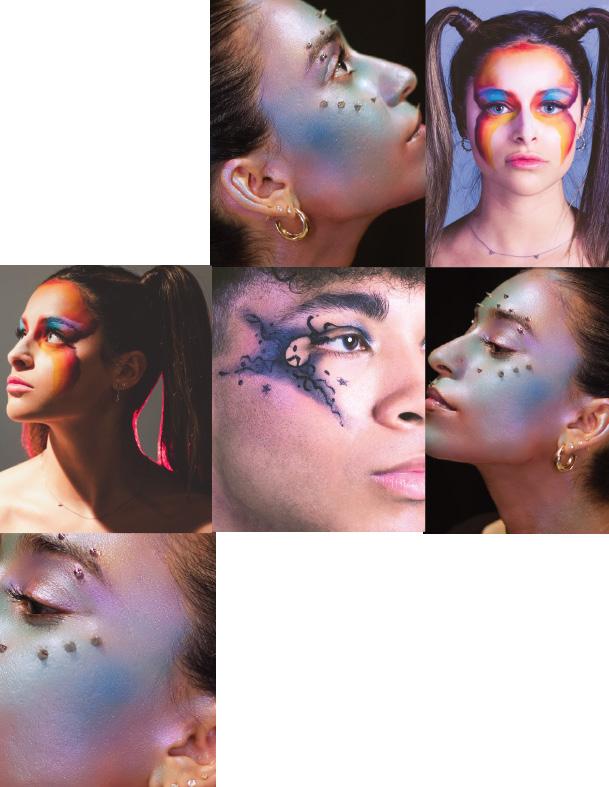


 Style: Grace Velthoven
Words: Justice Seay
Photo: Karina Stankowski & Griffin Lantz
Glam: Ava Taconelli & Andie Bahm
Spread Designer: Julie Pakizer
Models: Milonee Darjee & Olivia Thompson
Style: Grace Velthoven
Words: Justice Seay
Photo: Karina Stankowski & Griffin Lantz
Glam: Ava Taconelli & Andie Bahm
Spread Designer: Julie Pakizer
Models: Milonee Darjee & Olivia Thompson
Out with the old, in with the new’- a process by which society must abide, regardless of whether we desire a break from the norm or are terrified of the unknown. Change inevitably comes and our only choice is whether we fight against or learn to accept, taking it in stride and embracing something new.
With personal change comes differences in self-expression, which often manifests as changing style. As change is constant, style is rarely a fixed variable. Instead, one’s fashion is reflective of a variety of factors, both internal and external. Personality, mood, social scene and season can impact what to wear on any given day. As these factors often change, so do the styles they influence.
Change itself is not bad, nor is it all-encompassing or permanent. Style changes are simply reiterations, improvements on one’s predecessor, and they allow better expression for a person’s identity at a given moment. It takes out garments that no longer feel right and welcomes new and exciting pieces. In his article ‘Fashion Deconstruction’ for Exhibition Magazine, Manon Renault asserted that “fashion destroys trends and renews them: it has neither beginning nor end.”
Though many envision changing styles to involve a movie-like montage, where the main character builds an entirely new wardrobe in one shopping spree, real change isn’t achieved through overnight transformations. The actual process is simultaneously much simpler, yet more complicated.
One must look introspectively rather than outwardly for inspiration in curating their style. Often, this process starts in their closet, viewing each garment as the beginning of a journey towards dressing as who they are. From there, clothes are recycled, revamped and ripped at the seams until they are configured in a way that feels right. The garments that don’t make the cut are left behind for someone who will love them the way they are meant to be loved.
Then, as we continue to grow, our style changes and we do it all over again. Finding a personal style is a vulnerable trial-and-error process that may result in occasional poor choices. However, it is also guaranteed to eventually produce looks that aren’t simply replicas of current trends but physical reflections of inner identity and interests. Embracing change makes acceptance of its inevitability easier. It builds an understanding that we are a ‘work in progress’ along with our wardrobes.


Style: Isabella Schincariol, Amy Chong

Words: Kelsey Lester
Photo: Megan Rabaut, Trina Fiebig
Glam: Ateeyah Abdul-Wasi, Lauren Davis
Spread Designer: Libby Wagner
Models: Aaron Ross, Brooklyn Mychalowych


 Style: Kate Blaszkiewicz, Sierra Law
Words: Grace Oluwole, Halina Newland
Photo: Denille Reid, Natalie Vezina
Glam: Maliyah Coleman, Lauren Davis
Spread Designer: Maddi Kort
Style: Kate Blaszkiewicz, Sierra Law
Words: Grace Oluwole, Halina Newland
Photo: Denille Reid, Natalie Vezina
Glam: Maliyah Coleman, Lauren Davis
Spread Designer: Maddi Kort
Minimalism, a trend that emphasizes simplicity with neutral colors, can be found in many different fashion inspiration boards as well as in home decor. Minimalistic spaces are typically defined by neutral colors, clean spaces, and little to no clutter. While this trend has seen a surge in popularity across social media platforms such as TikTok or Pinterest, many believe the aesthetics surrounding modern day minimalism destroy our beautiful and creative world, stripping it of its details, colors and passions. These aesthetics and trends become more popular, we must question the pressure that users might feel to conform.
When looking up minimalism inspiration on social media sites, the influencers that come up are typically, white, thin, and wealthy. Minimalism became synonymous with expensive beauty, health, and skincare products; there is a perception that only the wealthy can afford to participate. The standard of living associated with minimalism is unrealistic as it demands perfection from people who do not have access to the resources needed to execute this aesthetic.
Minimalist standards of living simply have become hypocritical, as the popular products associated with minimalism are overpriced. Fast fashion production encourages people to acquire more products at cheaper prices, which defeats the minimalist principle of sustainable living. For example, proponents of the minimalistic style have traded out their AirPods and hydroflasks for the TikTok-popular AirPod Max and Stanley cup. Though nothing was wrong with the former products, they felt compelled to replace them in order to conform

with the changing minimalism trends. Under social media, minimalism has deviated away from sustainability and instead promotes upkeep with the newest trends.
Of course, there is nothing wrong with indulging in some of the things minimalism has to offer.
In its original conception, minimalist style inspires in its
simplicity and appreciation for staple pieces. Further, the occasional trendy product or fashion piece should not always be frowned upon. It is important to not constantly alter our products and style to fit a certain aesthetic, just because social media deems it as ‘fit’. We must aim to follow trends and lifestyles in moderation, prioritizing sustainability and accessibility for all.

Beauty spots have had an extensive history throughout human culture. In Ancient Greece, these marks signified luck and spots on the cheek specifically symbolized prosperity. During the Medieval ages, beauty marks were a negative feature, as they were associated with moles on witches.
18th-century Mexican art portrays aristocratic women with faux beauty spots as a marker of style and beauty seen in artworks produced by painter Miguel Cabrera. For centuries, these marks have been statement pieces as cover-ups for scars. In their modern perception, they can even be fashion statements that allude to flirtation. It is an indication of luck and expression of femininity while still being available for a flawless coverup of a blemish.
Beauty marks or spots have shaped the beauty industry throughout the years. During the 20th century, beauty icon Marilyn Monroe was known for her beauty spot and it became a significant feature of her public persona. Since then, beauty spots in the modern beauty industry have become prominent, in that they are considered a weapon of seduction and appeal. In more recent times, figures like Cindy Crawford, Janet Jackson and Blake Lively have used their beauty marks to embrace natural beauty. This re-emerging trend now represents confidence and charm.
Beauty spots can be used to enhance an everyday look. The art of makeup gives individuals the opportunity to paint their faces like a canvas in a way that makes them


feel most empowered. For centuries, beauty and makeup have evolved for all genders and ethnicities to emphasize their foremost features. With the help of the redefined beauty spot, people can embellish their natural features or create an eccentric look that can mirror their different moods. To make a bold statement or draw attraction, a mark of any shape or size can be added to the face to make glam more sultry. For a more natural look, smaller marks can be added to give a softer yet flirtatious look, while concealing any unwanted flaws and building character.
For those who have natural moles, do not feel the need to cover up. Rather, embrace it. What can you do with your mark that makes you feel alluring? What feature do you want to draw eyes to? The culture of beauty spots in this industry is
only growing due to their countless interpretations. This re-emerging trend is a timeless path to creativity and expression. Beauty spots remain a leading concept in the beauty industry that may be spotted on the next red carpet look.


Style: Brandon Roberts, Amelia Schincariol
Words: Evie Shadoff
Photo: Griffin Lantz
Glam: Emma White, Ateeyah Abdul-Wasi
Spread Designer: Sabrina Seldon
Models: Faith Miller, Ajay Suresh

Our generation grew up watching shows like “The Wizards of Waverly Place” and “Shake It Up,” which featured people who knew themselves and dressed how they wanted when they wanted. We grew up idolizing Harper’s marker dress and Tinka’s colorful multi-layered prom dress. But somehow, we wound up in a world of minimalist business-casual normalcy. The way we present ourselves to the world is the first real look anyone has into who we are. Fashion is our outermost layer, the wrapping we use to say, “Hello world, I am here!” For years, we idolized those who dressed in the most unconventional ways, so why are we so pressured to conform to trends, popular styles, and the taste of others now?
Recently, there has been more of a movement to go against the grain, as playful styles tend to be viewed as childish and are written off as unfit for wear in daily life. Major fashion house, Moschino, is pushing back against the misconception by creating original styles featuring bright colors and the use of children’s toys, all while maintaining a sleek silhouette paired with the fresh hair and makeup characteristics

of high fashion. The masterful blend between business wear and child’s play leads to head-turning looks suitable for wear for red carpets, editorial shoots and the streets of any bustling city. These looks are intriguing, intricate and ultimately strive to achieve personal expressive freedom. By pushing the limits of what is considered acceptable fashion, we work towards a future revolving around creativity and individuality. We find new ways to bring out a forgotten, yet integral, part of childhood. Everyone deserves the space to play around with self-expression, so it is important to keep pushing for acceptance of more thought-provoking ensembles.
When taking steps to dress outside of societal norms, we are making strides toward bridging our childhood desires with modern-day sensibilities. Therefore, we are paving the way for future generations to feel unconstrained by societal expectations and are allowing everyone to be whoever they choose to be.
He was most recognizable for his fashion photography and intense editorial style in American Vogue during the 1950s and 60s. Penn’s style of black and white still life portraiture helped to capture the true essence of Parisian Couture, as it showcased the structuring and tight silhouettes of the era. His photography emphasized postwar ideas of youth and opulence in new-age designers such as Christian Dior and Jacques Griffe. All the while showcasing how the modern American woman should dress after 6pm.

Irving Penn was born to immigrant parents in 1917 in Plainfield, New Jersey. He was educated through the Philadelphia Museum School of Industrial Arts, where he was exposed to applications and principles of contemporary art through magazines, exhibitions, architecture, and photography. After World War II, Penn was hired by Vogue’s art director Alex Liberman. He quickly developed his signature still life and portraiture style through fashion assignments, photographing clothes from some of Paris’ top couture houses, such as Christian Dior, Jean Patou, and Jacques Fath.
The Vogue years were formative to Penn’s early career as he slowly started to curate his now signature
style of black and white still life photography. His controlled studio environment further aided in his preference for photographing clothing, as he could trim away anything that was not essential to his compositions and hone in on his subjects (The Irving Penn Foundation). In examining his fashion compositions from the 1950s, there is an emphasis on optimism and youth, which accurately describe the post-war fashion years. Penn’s Vogue covers, for example, paid precise observation to the new, ultrafeminine silhouette that emphasized elements like high busts, wasp waits, and full skirts of satin or tulle. All of which would come to dominate the female silhouette throughout the mid-century. The rebirth of Parisian Couture also became prevalent in his black and white style, as it helped to appreciate the sophisticated structuring performed by houses like Cristóbal Balenciaga, Pierre Balmain, and Jacques Heim. For this editorial, stylist Mackenzie Haupt tapped into the essence of 1950s fashion through hand-selected pieces like an A-line dress full of peach tulle with gathered hems and a hand-embroidered bodice of gold roses. In addition, a ball gown with a full skirt made from baby blue silk adorned with two rows of the gathered edging of the same material.
For this editorial, VIM magazine pays homage to one of the most outstanding fashion photographers of the 20th Century, Irving Penn.
“A ball gown with a full skirt made from baby blue silk adorned with two rows of the gathered edging of the same material.”
Haupt understood that to capture the mid-century fashion was to “keep a consistent silhouette, with a tight bodice, cinched waist, and a long, flowing skirt. I thought of Audrey Hepburn, Elizabeth Taylor, and the words elegance and poise. I knew they were working if I could picture the outfits on a red carpet in the 1950s.”
These two dresses remind us of how these structural features became the driving forces behind the revitalization of women’s clothing during the post-war years. Accessories played an essential role in reconfiguring a fresh look for women, and items like opera-length gloves and widebrimmed hats helped add volume, height, and drama to the new silhouettes of the day. While other accessories like pearl necklaces brought with them a feeling of elegance and nostalgia to decades when opulence ran rampant. Even face veils gave modern everyday women an air of mystery and exoticism. Irving Penn’s career spanned over 60 years, curating a portfolio to include some of the most influential persons to ever lay hands on a needle and thread.

“Items like operalength gloves and wide-brimmed hats helped add volume, height, and drama to the new silhouettes of the day. “
Yet, VIM magazine pays special tribute to Penn’s work of the 1950s, not just because of his influence in photographing the revival of Parisian Couture and its rebirth from the ashes of World War II Instead, it is Penn’s unconscious creation of a golden standard in showcasing the intricate and time-staking art form that is the world of Haute Couture. While simultaneously introducing that elite fashion sphere into the homes of every modern family through the pages of American Vogue so that they, too,could indulge in the fantasy of a world so familiar to himself.
 Style: Mackenzie Haupt
Words: Dylan Howell
Photo: Trina Fiebig and Maddie Dibley
Glam: Andie Bahm, Madison Girodat, Maliyah Coleman
Spread Designer: Caroline Parthum Models: Trinity Coats, Haven Youngblood
Style: Mackenzie Haupt
Words: Dylan Howell
Photo: Trina Fiebig and Maddie Dibley
Glam: Andie Bahm, Madison Girodat, Maliyah Coleman
Spread Designer: Caroline Parthum Models: Trinity Coats, Haven Youngblood


Manifestation, or the mindset in which an individual mentally visualizes positive opportunities to come their way, has seen a recent re-brand as the ‘lucky girl syndrome’ on TikTok. Manifesting promotes the belief that, if you maintain positive thinking, the universe will reward you. Changing the way we think and feel about life is a form of manifesting, but believing that good things are going to happen to us is based on luck.
“Things are always working out in my favor.”
“Great things are always happening to me.”
“I attract all that is good in the universe.”
“I am so lucky for all the opportunities that come my way.”
“I attract all that is good in the universe, no matter the struggles I may be facing.”
These are common affirmations associated with the idea of lucky girl syndrome, but what do

they really mean? When it comes down to the principle of lucky girl syndrome, one must already believe that prosperity and opportunity are coming without any real evidence yet. This belief holds many similar concepts to the law of attraction and manifestation. Creating thoughts that someone will always attract positivity and success will result in them actually seeing life-altering results.
‘A positive mind creates a positive life’ is very true in relation to being lucky. The way someone will start their day or think about any situation changes the outcome of it. This is true in everyday tasks and will create a positive future and ‘luck’. Believing that everything will work out with no doubts or complaining will lead to people accomplishing their dreams.
Those who do not believe in such practices may think they
are out of touch with reality and don’t want to put in hard work. However, it has nothing to do with that. There are many successful manifestation stories from celebrities which lead some people to believe that this is not just some made-up internet trend. Having a positive mindset about your future leads to getting what you want. You have to claim that it is yours, be confident that you will have the life you want, and feel that good things will happen to you .
The idea of lucky girl syndrome isn’t magic, but rather manifesting, planning, and taking action. Believing that your dreams will come true along with good behavior and discipline benefits you with change, success, and opportunities. The luck-based mindset is the first step in attracting what is meant for you and making your dreams and goals a reality.





evidenced in ways that include physical appearance and personality. Our physical appearance is the first thing that distinguishes us from one another Even identical twins are never completely alike. No two individuals have the


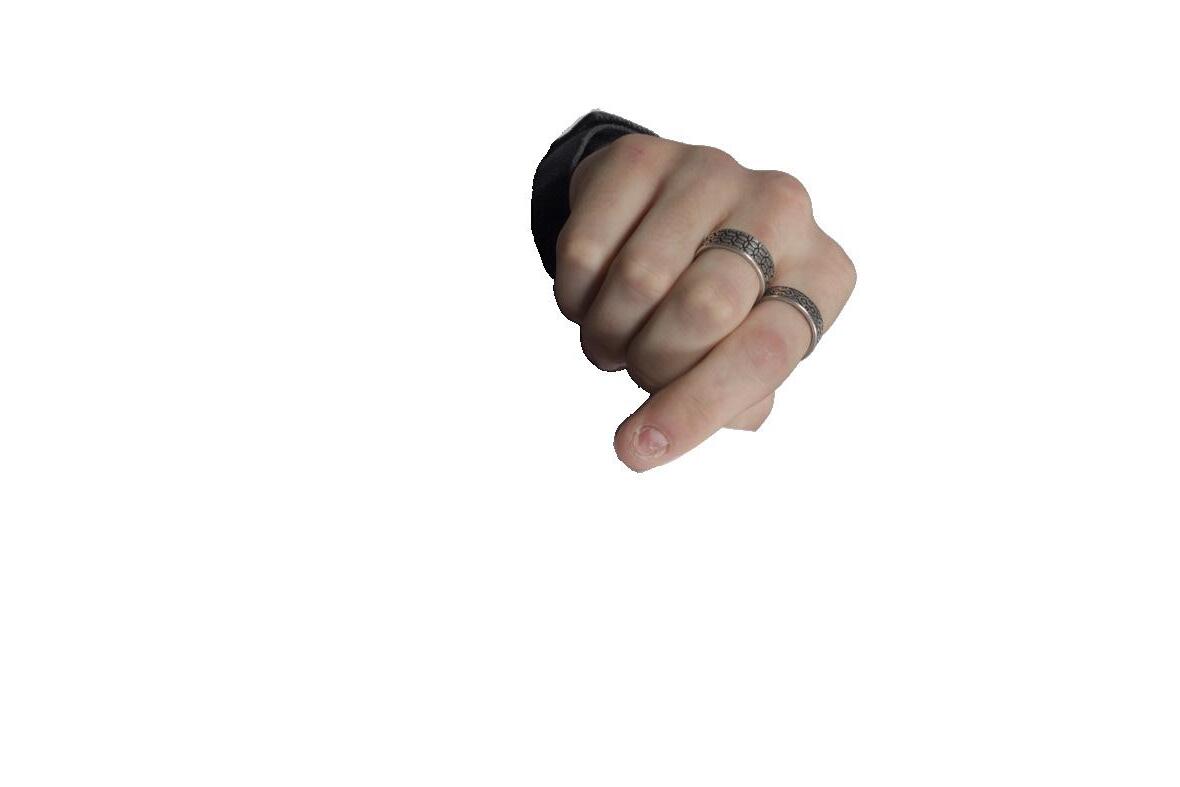


Historically, physical diversity has been underrepresented on screen and does not portray the full spectrum that beauty actually is.


In the past, the internet has celebrated certain attributes while condemning the less coveted attributes that are natural and unique to oneself. We are pressured to conceal parts of ourselves in order for us to be able to appreciate how we look. Photoshop is the norm, not the exception. But, what if we allow ourselves to be happy with our complete selves? Can we be happy with how we are different, including all of our imperfections as we are told to see them? Can we celebrate all of it, in one big beautiful bundle? Our differences are what makes the world exciting. Everyone offers something that makes them uniquely
This generation has the opportunity to rework the concept of beauty to be more inclusive because everyone should have the chance to feel beautiful and comfortable in their own skin.
Viola Davis’ autobiography, ‘Finding Me,’ is a raw chronology of her experiences with these beauty standards and how they have kept us from celebrating, or even seeing, diversity on screen. On-screen diversity has only begun to flourish recently, with growing acknowledgement of how these standards impact casting. With increased demands for diversity, people can now see themselves represented on-screen, which has created a more inclusive media environment, instead of promoting exclusivity. Through expanding diversity, society can move past narrow
More importantly, we should place less importance on physical appearance. Individual importance and value extends far beyond physical appearances. Every individual has a unique set of values, beliefs, and experiences that mold their personality. Background and experiences can influence the way we move through life and address every situation, whether that be in the workplace or social interactions. This not only stimulates empathy, but it allows us to appreciate the varying strengths and talents that every person provides. When individuals from diverse backgrounds come together, a multitude of opinions, ideas, and perspectives can be shared. This diverse range helps us to see the world as it truly is.
Models: Blake Wohlwend, Hayden Constanzo, Elliot Bernaiche, Jeremy Raymond, Tori Gardocki, Kathryn Chambers, Ateeyah Abdul-Wasi, Mutunga Mukéku, Anu Selva, Sàja Pearson, Isabella Toma, Natalie Michelson
Words: Kathryn Chambers
Photo: Trina Fiebig, Maddie Dibley
Glam: Evan Yalowitz, Ev Campau, Emily Burke, Madison Girodat, Lauren Davis, Ateeyah Abdul-Wasi, Maliyah Coleman, Emily Burke Spread Designer: Sabrina Seldon

The twenty-something years are known as a time of self-discovery and new independence. Every young adult will wake up in their apartment leased in their name and have the realization


that they are now responsible for their success- a realization as exciting as it is terrifying.
In that apartment, they get up each morning with the freedom to dress and express themself as whoever they wish to be that day. We use the art of fashion as a form of expression, experimenting with different ways we desire to be perceived by the world, but some of the most crucial discoveries are found in the ways we choose to express ourselves in our own living spaces. Though many young adults may feel overwhelmed by both the work and finances it takes to fill a living space, various modern-day interior design trends are more applicable to the demographic than some may realize.
One of the most prominent interior design trends seen in 2023 is the mixing of elements. This concept takes on various forms but can be generalized as the mixing of design styles throughout history. For example, mid-century modern combined with more natural or earthy interior elements and textiles. Living spaces are no longer expected to carry a specific or defined theme, but instead become more of a collection
Style: Ana Sullivan, Maggie Scheff

Words: Ana Sullivan

Photo: Natalie Vezina
Glam: Ava Cortiana, Maliyah Coleman
Spread Designer: Veronica Bryan
Model: Sophia Darvis
cellaneous pieces that effortlessly coexist. The real beauty to be found in this trend is the rich sense of character it brings to a living space. Not only does it make living spaces exciting and unpredictable, but it gives us a deeper understanding of the human behind the design, making the space more personable and less predictable. This trend takes the pressure off young adults who often can’t afford to entirely refurnish new spaces, and allows them to instead gravitate towards pieces, textures, and mixed media that truly move them.
Another uprising trend we’ve seen in interior design is the emphasis on wellness spaces. This trend of course coincides with the rise in mental health awareness and healing, and can be seen in living spaces or in offices. This is embodied by the return of usage of natural elements in design, such as soft woods, greenery, and running water, as well as spaces with practical purposes for relieving stress and practicing meditation. College students are a demographic deeply affected by mental health, and many of the strongest mental health advocates are young adults. As Generation Z enters the workforce, wellness design will only grow over time, not only in homes, but in public facilities and workplaces alike.
Interior design trends are also showing a rise in multi-functional spaces. This trend can be directly correlated to remote work becoming more common due to the pandemic as well as the expansion of technology in workplaces. Society is seeing less of an emphasis on single purpose rooms, and instead making the most of spaces for various usages. This trend works greatly in favor of both college students and anyone else looking to make the most of smaller spaces. This removes previous limitations of living spaces, and adapts to the concept of home and work life balance. With this new evolving purpose of living spaces, everyone will be able to create their own sense of ‘home’ in whatever living space they have.
With this new evolving purpose of living spaces, everyone will be able to create their own sense of ‘home’ in whatever living space they have.






 Photo: Audrey Richardson