The views expressed by the contributors are not necessarily those of ESE. This document is available on the ESE website, www.ese-hormones.org
The addresses used to email this issue of Endocrine Views were supplied by the members of ESE. If you do not wish to receive further mailings, you can update your mailing preferences in your Member Portal or email info@ese-hormones.org
Prague will soon welcome us to a truly exciting ECE 2026, with a fantastic programme of sessions. Remember to register now so that you can take advantage of Early Bird rates.
Turn to pages 10−11 for a flavour of the exciting Award Lectures that await us at the Congress!
ECE 2026 will bring our community together to celebrate 20 years since the formation of our wonderful Society. Special activities will mark the anniversary, including a review of how far we have come, ahead of development of ESE’s strategy for the next four years (see page 3).
During our careers, we all encounter gaps in our knowledge or experience which we wish we had been able to fill sooner. This issue takes the opportunity to highlight a few examples, with the aim of making your journeys smoother, or at least enabling you to be better prepared.
Page 13 has an update from Endo-ERN, an organisation whose mission is to fill the gaps in our understanding of rare diseases across Europe. On page 14, we hear from scientist members: Giampaolo Trivellin discusses his personal experience of translating scientific findings to clinical outcomes − and the importance of patents; and Nicole Bechmann reflects on gaps in our understanding of endocrine mechanisms. Meanwhile, early-career members Karin Zibar Tomšić and Julia Beck look at the role of endocrinologists as clinical detectives on page 15
Important new guidance for the transition between paediatric and adult endocrinology is now available, jointly prepared by ESE and ESPE (the European Society for Paediatric Endocrinology) – see page 12. This applies across different endocrine conditions and is adaptable to diverse healthcare settings.
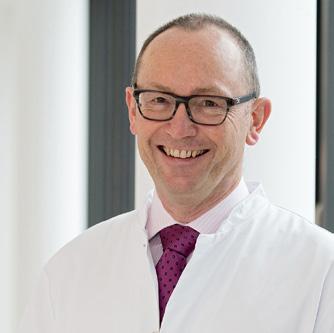
On page 16, you can find out about the latest papers published in ESE’s newest journal, Environmental Endocrinology. These are highlighted for you by Editor-in-Chief Josef Köhrle.
Finally, don’t miss ESE’s Annual Review of 2025 on pages 6−9.
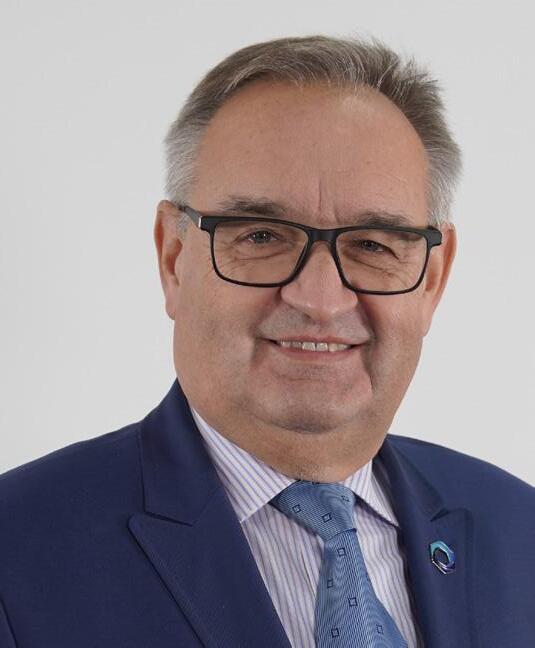
Editor, Endocrine Views
Environmental Endocrinology
Celebrating 20 years of ESE
2026 marks ESE’s first two eventful and productive decades as the voice for endocrinology.
Since 2006, your Society has grown from just 375 individual members to 4810 individual members at the 2025 AGM, last May.
To mark the anniversary, a celebratory digital booklet entitled ‘ESE: the first 20 years’ will recall key events in ESE’s development and look to the future, with plenty of photographs and fascinating facts.
You will learn how the roots of ESE can be traced back to a collaboration between national societies in the 1940s, how the journal they founded (Acta Endocrinologica) developed to become European Journal of Endocrinology, and how its growth supported the Society which, in turn, supports you! You will discover the many developments that have made ESE the strong, collaborative and diverse organisation that it is today.
An exciting range of activities is planned at ECE 2026, including a special celebration during our ECE Welcome Reception and a fascinating symposium centred around endocrinology over the past 20 years. There will be other activities that you can take part in, and you will receive a special 20th anniversary pin badge.
A dedicated ‘History of ESE’ web page will evolve throughout the year. Make sure you visit it regularly EXTERNAL-LINK-ALT. 2026 also sees the end of ESE’s current five-year transformation strategy, so the Executive Committee and leadership team, led by ESE President Wiebke Arlt and CEO Helen Gregson, will develop the next five-year strategy for 2027−2031. This will be the next exciting chapter in the ongoing development of ESE as the voice for endocrinology.
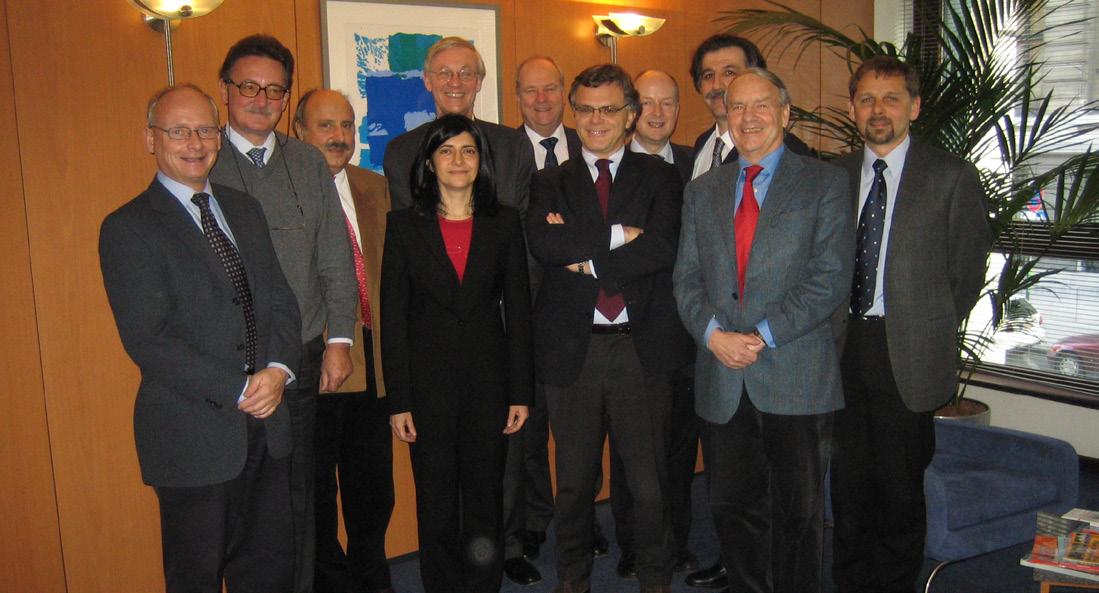
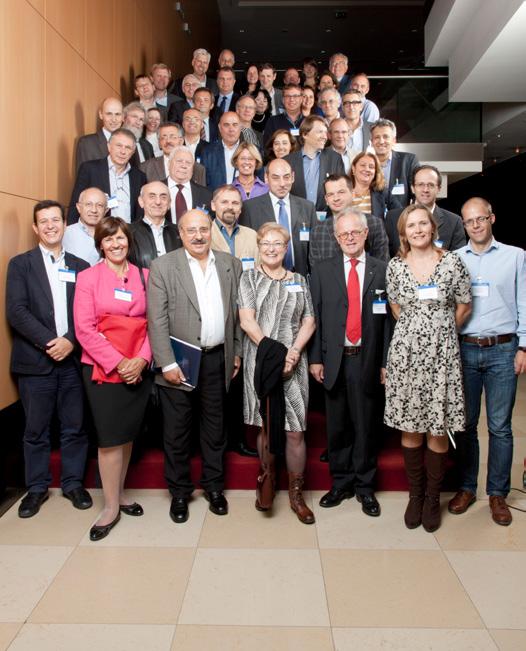
ESE’s first Executive Committee: (L−R) Jens Sandahl Christiansen, Paolo Beck-Peccoz, Philippe Bouchard, Clara V Alvarez, Steven Lamberts, Michael Sheppard, Ezio Ghigo, Bruno Allolio, Fahrettin Kelestimur, Rolf C Gaillard, Valdis Pirags
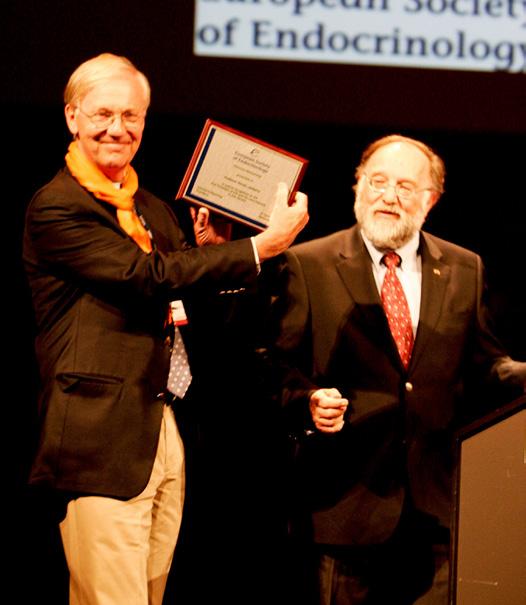
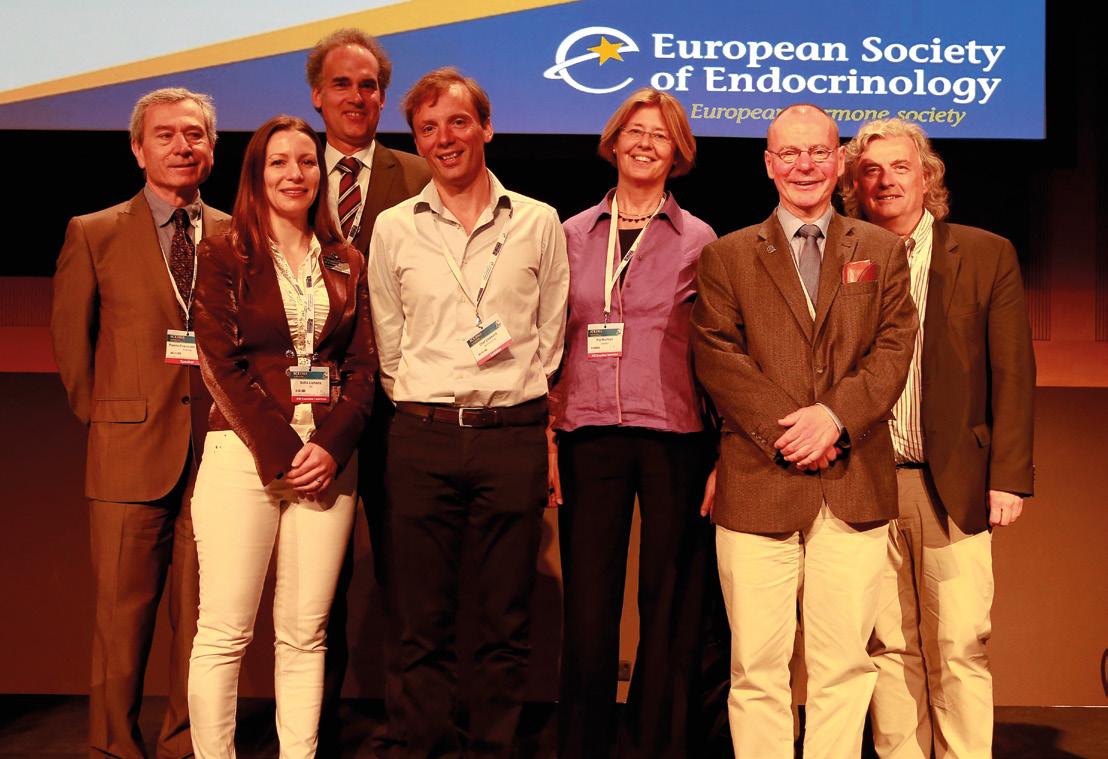
The first two ESE Presidents, Steven Lamberts and Eberhard Nieschlag, at ECE
The formation of the ESE Council of Affiliated Societies (ECAS)
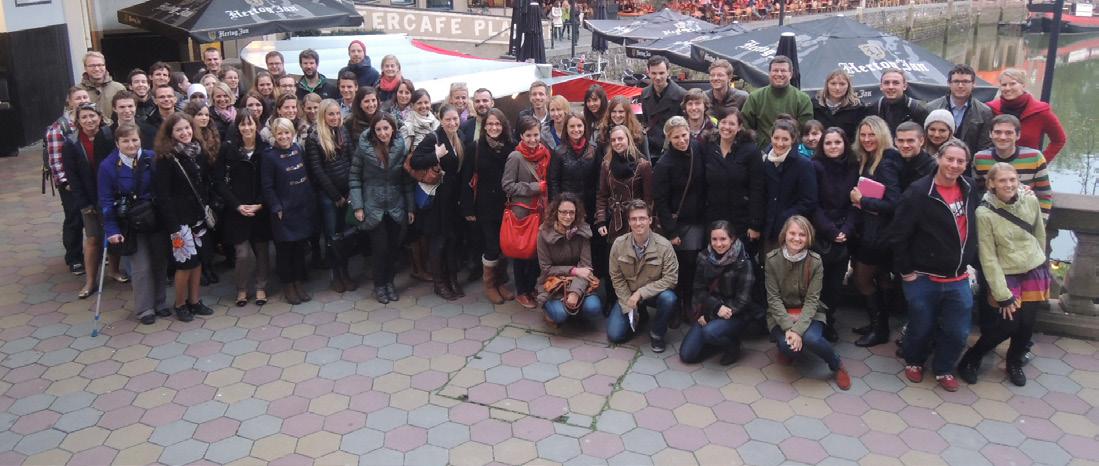
1st ESE Young Endocrinologists and Scientists (EYES) Annual Meeting (held jointly with YARE, the German early-career group) in Rotterdam
ESE Clinical Committee members mark the first ESE Clinical Practice Guideline, which was on hypoparathyroidism
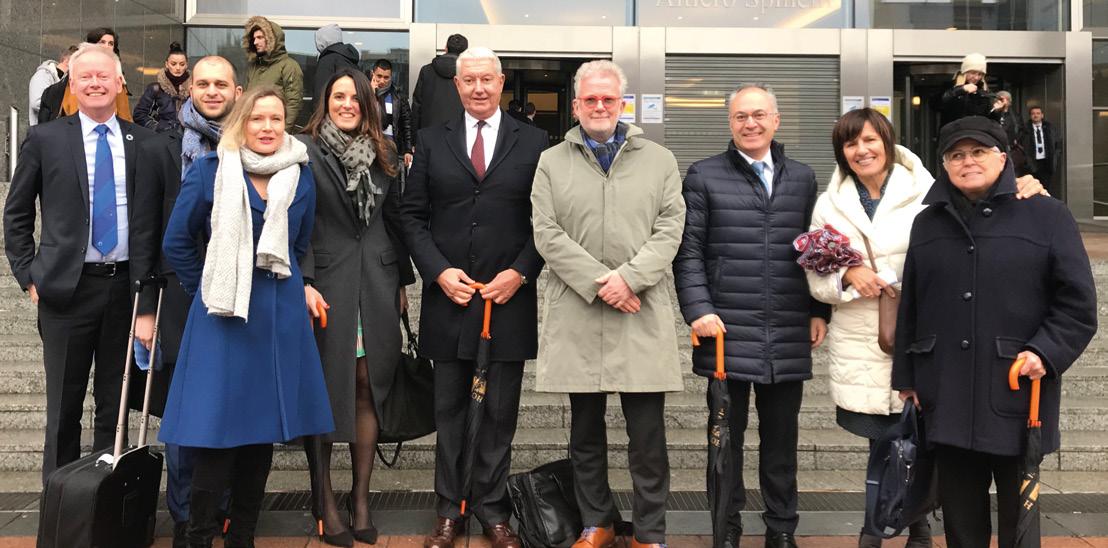
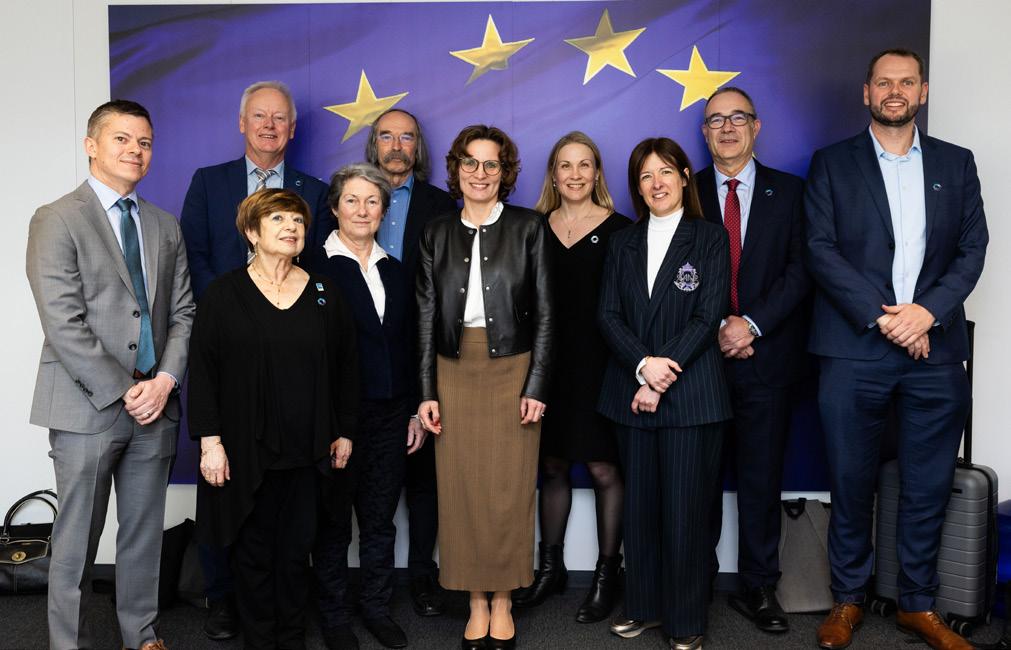
ESE representatives at the European Parliament
The launch of European Women in Endocrinology (EUWIN): (L−R) founders Cynthia Andoniadou, Jenny Visser and Wiebke Arlt
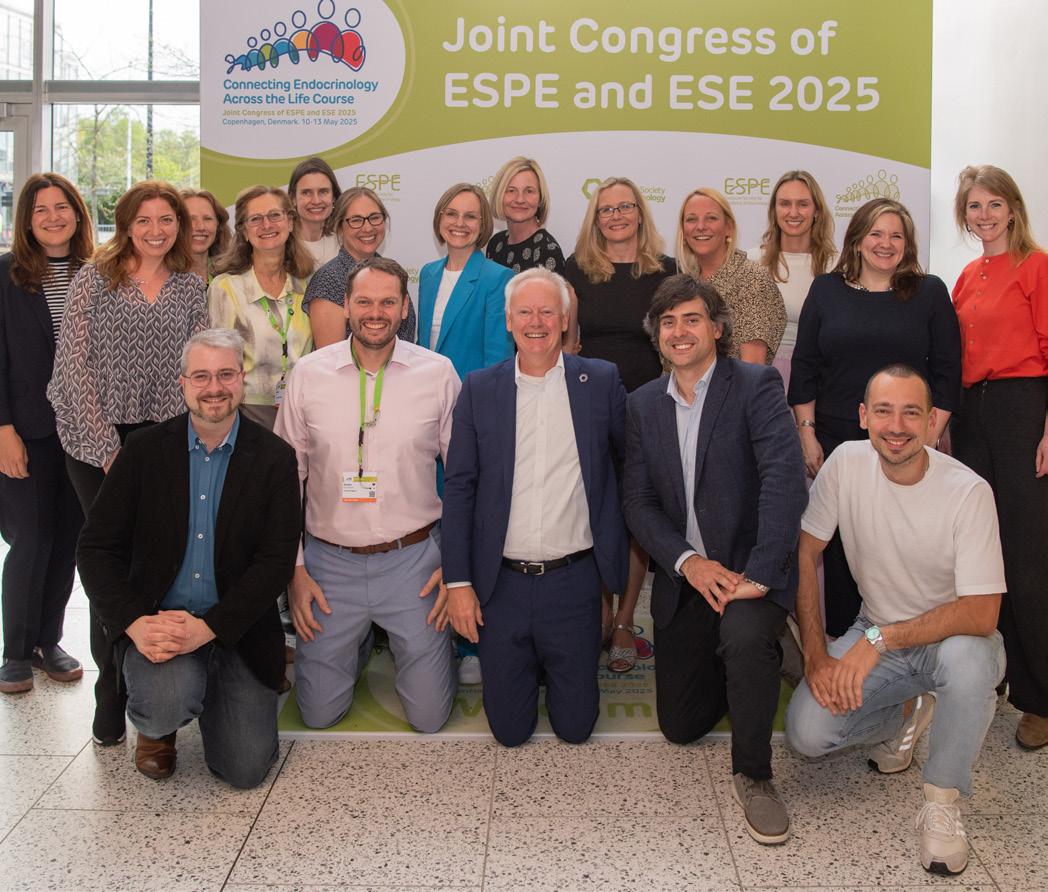
ESPE and ESE Presidents Anita Hokken-Koelega and Jérôme Bertherat celebrate the first Joint Congress of ESPE and ESE
Your President’s spring update
Diversity is vital to our Society, and this year sees a continued strong focus on inclusivity. We are keen to ensure that the maximum number of people, from many different backgrounds, are involved in ESE. It’s important for you all to have a voice and for you to be able to make your voice heard.
We are delighted that so many of you are already keen to get actively involved in the Society. As well as 83 applications for 14 ESE Committee member vacancies, we received 24 for the ESE Council of Affiliated Societies (ECAS) representative role on the ECE Programme Organising Committee, and 23 for the 2026 European Journal of Endocrinology Rising Stars, making 130 in total! We have also taken important steps to make our awards more accessible, so that people from every career stage can apply. Make sure you view the new criteria and branding for the ESE Awards EXTERNAL-LINK, as well as details of all the awards that are available.
A diary date to raise awareness
It’s time to get involved and help World Hormone Day 2026 reach even further than before.
In 2025, World Hormone Day connected with over 136 million people across 40 countries. The 2026 campaign aims to encourage even more conversations about why hormones matter. Engaging with as many people as possible is especially important this year, as World Hormone Day will have a stronger public-facing focus on helping people understand hormones, with new materials designed for the general public.
ESE President Wiebke Arlt says, ‘Hormones influence almost every process in the body, yet most people only think about them when something goes wrong. World Hormone Day is a chance to change that, by raising awareness
How can you help?
You can join in online by following #BecauseHormonesMatter or you can get involved in person. Help yourself to the World Hormone Day information and toolkit from ESE EXTERNAL-LINK. You will find infographics, posters, videos, social media graphics and more, for anyone who would like to support the campaign.
and sharing practical steps that everyone can take towards better hormone health.’
If you’d like to translate materials, contact ESE for guidance at info@ese-hormones.org
Translations of last year’s materials are included in the toolkit.
And don’t forget that the forthcoming World Hormone Day EXTERNAL-LINK on 24 April is also an opportunity for everyone to be involved, to have a voice and to have their voice heard.
Alongside these activities, we are starting to plan ESE’s 2027−2031 strategy. Your opportunity to share your opinion will come soon. Please say what you want ESE to do better, or to do more of, when we invite you to submit your views. Everyone’s thoughts will help shape the outcome.
This year will also see a Summit of the Presidents. ECAS Presidents, specialist partners and key stakeholders have been invited to gather at ECE in May, to determine joint actions that will shape policy decisions at both national and European levels. You will see more about the outcome in due course.
Wiebke Arlt ESE President
2026 EYES Meeting
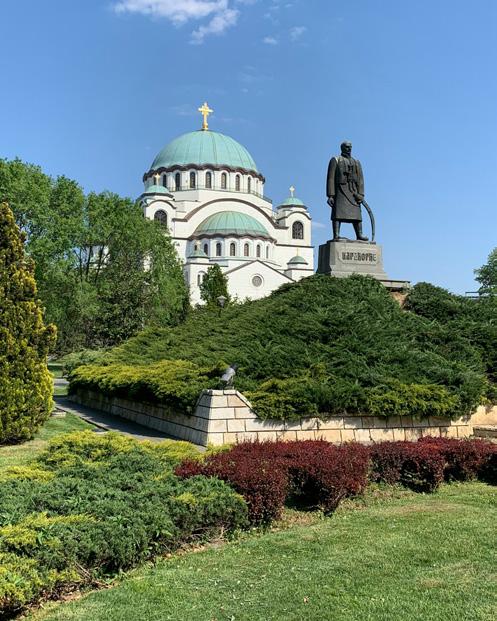
The 13th Annual Meeting of ESE Young Endocrinologists and Scientists (EYES) will take place on 4−6 September 2026 in Belgrade, Serbia. Abstract submission and registration will open in May and close in June. Meanwhile, register your interest to keep up to date
Don’t
miss ESE Summer School 2026
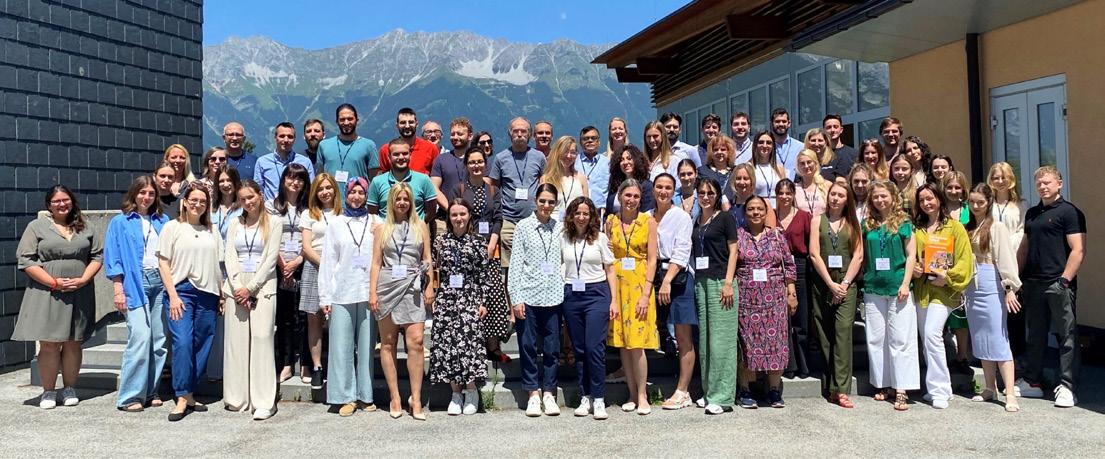
ESE Summer School on 5−8 July is an essential event for young scientists wishing to stay at the forefront of endocrinology. It takes place in the beautiful Alps near Innsbruck, Austria. The four-day course includes high-level lectures by internationally renowned experts, talking about new directions in endocrine research. There will be many opportunities to network.
Dedicated poster sessions and informal gatherings will encourage discussion between early-career investigators and senior researchers, fostering collaboration and mentorship. The glorious surroundings provide a wonderful backdrop for outdoor activities, such as team sports, lake swimming and hiking, again supporting new friendships and connections.
Wiebke Arlt
Belgrade, Serbia
Summer School 2025
#ThisIsEndocrinology
This important new initiative sends a welcome call to all endocrine researchers!
#ThisIsEndocrinology is a new campaign from the ESE Science Committee, to communicate the benefits of ESE membership to all scientists working on hormones. Due to the diverse and interdisciplinary nature of endocrine research, many scientists working in relevant fields may not consider themselves ‘endocrinologists’. By showcasing the people, science and careers that define modern endocrinology, #ThisIsEndocrinology will raise awareness of the discipline and of ESE.
‘At present, scientists make up just 7% of ESE members, despite the central role their work plays in advancing endocrinology and improving patient care. We know there are many more colleagues who could benefit from the training, grants, publishing and networking opportunities we offer.’
Eleanor Davies, Chair, ESE Science Committee
The campaign will highlight the breadth of fields that contribute to endocrine discovery – from molecular biology and genetics, to metabolism, immunology, data science and translational research. In this way, it aims to broaden perceptions of the discipline and strengthen connections across the research-to-care continuum.
For clinicians and clinician-scientists, this basic science foundation underpins advances in diagnosis, treatment and prevention, shaping the evidence base that informs everyday practice. Research in endocrinology is key to advances in patient care.
Encouraging others to discover ESE
As well as raising awareness of the breadth of endocrine research, the campaign will invite people to explore the benefits of ESE membership, including:
• Dedicated basic science sessions and networks at ECE 2026
• Grants, awards and career development opportunities
• Support for funding proposals
• A portfolio of journals and member magazines to showcase new research
• A strong, global scientific community
• Policy action, including the new EndoCompass Research Roadmap.
‘As an ESE Scientist Member, you already reap the benefits of engaging with the European (and global) endocrine community. We invite you to get involved by letting your hormone research colleagues and community know that they can find connection and a professional home within ESE.’
Eleanor Davies, Chair, ESE Science Committee
Do you work in hormone research?
You’ll feel right at home with us!
ESE connects you with training, grants, networking opportunities and new ideas to power your research.
I work on translational therapeutics to overcome endocrine resistance in prostate cancer.
What can you do?
Be a champion by spreading the word in the following ways!
• Share ready-made campaign graphics on your socials
• Circulate campaign materials in your lab or department:
- print a poster
- add a banner to a departmental newsletter or briefing
• Share your work − highlight the value of basic endocrine science on your socials
• Start a conversation − encourage early-career researchers, PhD
students and post-docs working in relevant fields to explore what ESE offers scientist members.
Through #ThisIsEndocrinology, ESE seeks to ensure that basic scientists feel visible, valued and fully represented within the Society, and that they recognise endocrinology –and ESE – as their scientific home.
Here’s your chance to get involved. Download the campaign materials today EXTERNAL-LINK − they are designed to be quick and easy to share.
Are you making use of EndoCompass?
The EndoCompass Research Roadmap EXTERNAL-LINK-ALT is set to strengthen endocrine research and improve hormone health. Please tell people about the Roadmap!
We hope EndoCompass is already sparking ideas and discussion across the endocrine community. While the Roadmap aims to shape the future of endocrine research through greater investment and policy decisions, it is also a practical tool to support your work. You can use the Roadmap to plan your research projects, clinical trials and careers. Cite it in your research papers and funding proposals, and let it help you identify how to make the biggest impact in your career (e.g. in emerging areas such as endocrine-disrupting chemicals and artificial intelligence).
Share it with colleagues, add it to meeting agendas and post about it on social media. You can also use the EndoCompass Toolkit EXTERNAL-LINK-ALT, with slides, graphics and other materials, in your presentations and communications.
Your Society in 2025
ESE is central to Europe’s endocrine community, and represents about 22,000 endocrinologists across the continent.
Our strategy for 2022−2026 EXTERNAL-LINK helps us drive progress by:
• UNITING and REPRESENTING the European endocrine community and being acknowledged as the reference point for endocrine health and science
• SUPPORTING our members in education, clinical practice and research
• Further ADVANCING the science and clinical care of endocrinology
• Reinforcing ESE as a leading society which is SUSTAINABLE, TRUSTED AND VALUED
ESE is SUSTAINABLE, TRUSTED AND VALUED
Led by endocrinologists
ESE welcomed Wiebke Arlt as the Society’s first female President.
Mirjam Christ-Crain became President-Elect, while Frédéric Castinetti and Marek Ruchała joined the ESE Executive Committee as Clinical Committee Chair and Publishing and Communications Committee Chair respectively.
Juan Manuel Jiménez Vacas joined the Executive Committee as an ex-officio member, representing the ESE EYES Committee. We also welcomed 17 ESE Members to vacancies on the ESE Committees.
Jérôme Bertherat completed his highly successful term as President.
We thank him and retiring Executive Committee members
Philippe Chanson, Martin Fassnacht and Walter Vena, as well as all the other ESE Members who completed terms on ESE Committees.
L−R: Mirjam Christ-Crain, Frédéric Castinetti, Marek Ruchała and Juan Manuel Jiménez Vacas
‘We aspire to be visionary, inspiring, engaging and supportive. We are open, transparent and inclusive in everything that we do, and work towards diversity across our activities.’
Supported by an experienced team
Abbreviations used in the Annual Review: AGM, annual general meeting; AME, Italian Association of Clinical Endocrinologists; EASO, European Association for the Study of Obesity; EDCs, endocrine-disrupting chemicals; EJE, European Journal of Endocrinology; ESPE, European Society for Paediatric Endocrinology; EUWIN, European Women in Endocrinology; EYES, ESE Young Endocrinologists and Scientists; PFAS, per- and polyfluoroalkyl substances; REACH, Registration, Evaluation, Authorisation and Restriction of Chemicals.
The ESE team EXTERNAL-LINK-ALT welcomed Trudy Green (not pictured) in 2025.
ESE Team at the 2025 Joint Congress in Copenhagen
ESE UNITES and REPRESENTS the
European endocrine community
Shaping the future
ESE worked with ESPE to launch EndoCompass: the Research Roadmap for Better Hormone Health EXTERNAL-LINK . It will inform European and national funding and policy decisions.
Developed by
228 European experts 10 specialist partner organisations 8 patient advocacy groups
After three successful years, European Hormone Day became World Hormone Day EXTERNAL-LINK, a global awareness event.
Speaking out on EDCs
The highly successful legacy event Minimising the Impact of EDCs on Health and Environment EXTERNAL-LINK took place after the 2025 Joint Congress of ESPE and ESE.
ESE and Endocrine Society experts met EU policymakers to discuss EDCs and human health, biodiversity and the environment.
An ESE, ESPE and Endocrine Society joint statement called for universal PFAS restriction in the EU EXTERNAL-LINK, in response to the European Chemicals Agency’s updated proposal. The three societies also submitted a statement on the REACH revision EXTERNAL-LINK
ESE’s EDC Working Group welcomed five new members: Nicolas Chevalier, Olwenn Martin, Vicente Mustieles, Joëlle Rüegg and Terje Svingen.
Advocating for endocrinologists
The State of Endocrinology 2025 survey EXTERNAL-LINK attracted more than 2600 responses, including over 250 nurses. Results will be published in 2026.
ESE’s Countries in Crisis EXTERNAL-LINK initiative extended free access to online educational events to more members in difficult circumstances.
Working in partnership
Martin Fassnacht and Frédéric Castinetti (pictured below, from left) represented ESE at the European Medicines Agency. Martin Reincke and Guillaume Assié (also below) extended ESE’s representation in the BioMed Alliance EXTERNAL-LINK
The Norwegian Hypophyseal and Adrenal Association, Pituitary Gland Association Poland, and the Polish Association for People with Addison’s Disease and Adrenal Insufficiency joined ESE as Patient Advocacy Group Affiliate Members EXTERNAL-LINK-ALT
ESE welcomed the Algerian Society of Endocrinology and Metabolism as a National Partner Society EXTERNAL-LINK
The Georgian Reproductive and Sexual Health Association, the Gulf Association of Endocrinology and Diabetes, and the Society for Endocrinology and Metabolism of Ethiopia became Associate Partner Societies EXTERNAL-LINK-ALT
We thank all our 2025 Corporate Members EXTERNAL-LINK-ALT Premium Corporate Members: Ascendis Pharma, Esteve, Novo Nordisk, Recordati Rare Diseases
Corporate Members: Alexion, BridgeBio, Camurus Pharmaceuticals, Inozyme Pharma (now a wholly owned subsidiary of BioMarin Pharmaceutical Inc.), Ipsen, Kyowa Kirin, Neurocrine Biosciences, *Rhythm Pharmaceuticals, Soleno Therapeutics, Uni-Pharma Supporters: Amgen, Crinetics Pharmaceuticals, *Immunovant Inc. *These companies joined in 2025.
Representatives visiting the EU Commission
Members
Martin Reincke received Honorary Membership of ESE, while Cesar Boguszewski and Djuro Macut received Special Recognition Awards (pictured right, from top). The 2025 ESE Awards EXTERNAL-LINK recognised excellence in endocrinology. Sadaf Farooqi (pictured right) received the first Endocrinology Across the Life Course Award
Organisational Members including:
Making life easier
ESE launched a free Jobs Board EXTERNAL-LINK for members to advertise relevant jobs or PhD positions.
The diabetes insipidus emergency cards for patients EXTERNAL-LINK-ALT were updated to include ‘arginine vasopressin deficiency’, and translations were added across the range.
Paying for membership became easier, with the availability of a new Direct Debit option.
The ESE EYES Observership Programme EXTERNAL-LINK supported a fifth round of exchange visits to labs and clinics.
ESE grants EXTERNAL-LINK supported attendance at in-person meetings, Board Exam candidates, the Observerships and research applications.
‘The
applicants were awarded grants
others received self-funded opportunities
Rosa Catalano 2025 recipient
The number of Observership centres grew to:
Clinical 20 Research/ Advanced Research 1 Bilateral (Brazil)
ESE held many early-careers events, such as the 12th ESE EYES Annual Meeting EXTERNAL-LINK , ESE Summer School EXTERNAL-LINK, and (jointly with AME) the Early-Career Update in Clinical Endocrinology EXTERNAL-LINK...
Milan hosted the 2025 ESE EYES Annual Meeting
ESE ADVANCES the science and clinical care of endocrinology
Sharing knowledge
The first Joint Congress of ESPE and ESE EXTERNAL-LINK-ALT took place in Copenhagen, Denmark.
More than 7800 delegates
>3400 abstracts submitted from over 120 countries
Improving practice
European Journal of Endocrinology published four ESE Clinical Practice Guidelines EXTERNAL-LINK-ALT as follows.
Management of aggressive pituitary tumours and pituitary carcinomas EXTERNAL-LINK-ALT (revised), with a patient support leaflet EXTERNAL-LINK-ALT
Pre-existing diabetes and pregnancy EXTERNAL-LINK-ALT, jointly with the Endocrine Society, receiving 10,000 views between July and December.
Evaluation and management of menopause and perimenopause EXTERNAL-LINK-ALT, with nearly 21,000 views between October and December.
Treatment of chronic hypoparathyroidism in adults EXTERNAL-LINK-ALT, a valuable and timely revision.
ESE signed an agreement with EASO to collaborate on a joint guideline on obesity management
Nurturing scientific progress
164 candidates applied to sit the Board Exam in Endocrinology, Diabetes and Metabolism EXTERNAL-LINK-ALT
The new, expert-led, ESE RareCaPaB programme EXTERNAL-LINK-ALT will address the unmet needs of the rare calcium, phosphate and bone disorders community.
welcomed
Area Leads EXTERNAL-LINK-ALT who are central to our work (pictured above, from top): Ulrich Boehm, Ulla Feldt Rasmussen, Tricia Tan, Pierre Val and Edward Visser
Listening to patients
Patients continued to be central to ESE’s work, including growth of the Patient Advocacy Group Affiliate Membership EXTERNAL-LINK-ALT and publication of Patient Leaflets, Videos and Emergency Cards EXTERNAL-LINK-ALT
ESE’s two patient forums brought patients and clinicians together. 140 people attended Living with Adrenocortical Carcinoma EXTERNAL-LINK-ALT 171 people attended Hypoparathyroidism EXTERNAL-LINK-ALT
First issue published in January 2025 First issue published in January 2025
Making connections
Across 10 ESE social media accounts we saw:
11% increase in posts 19% growth in followers 93% growth in impressions 23% increase in engagement
We launched 9 new social media channels:
ESE
EYES
EYES
EUWIN
World Hormone Day
EJE
Endocrine Connections
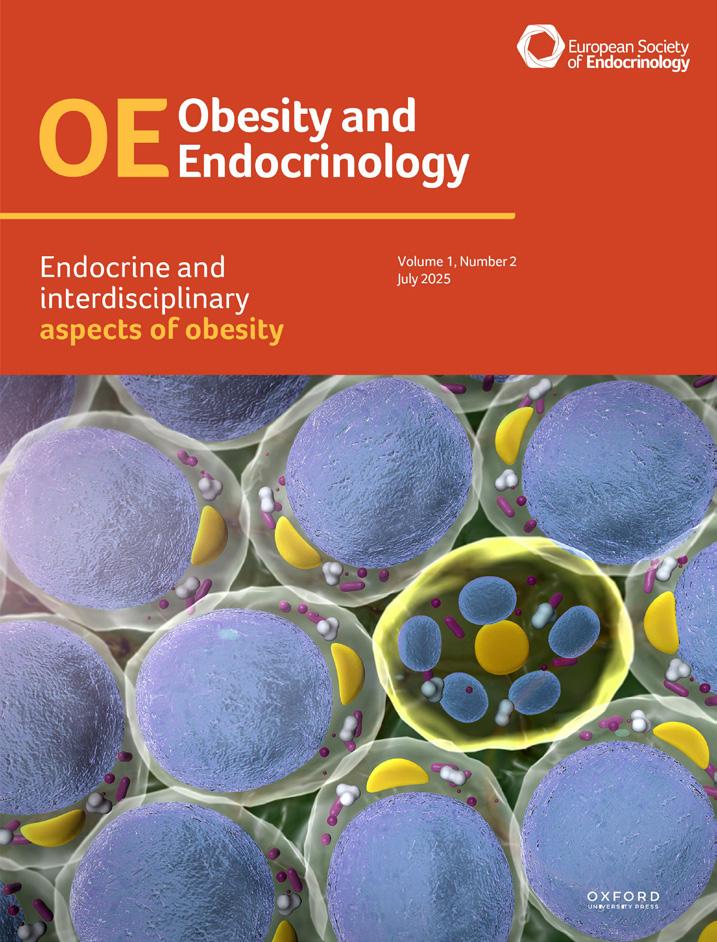
Obesity and Endocrinology
Environmental Endocrinology
It’s time for ECE 2026
The 28th European Congress of Endocrinology takes place on 9−12 May 2026 in Prague, Czech Republic.
We are looking forward to welcoming you to what promises to be a truly memorable Congress, full of the latest science and clinical understanding, with the chance to catch up with your friends and to meet new collaborators. A special session will mark ESE’s 20th anniversary.
Among the many highlights is a fascinating symposium ‘Sex differences and endocrine health’ on 11 May, led by European Women in Endocrinology (EUWIN) EXTERNAL-LINK-ALT . Experts and patient voices will highlight gender disparities across endocrine disease, and it will be followed by a drinks reception. This year’s ESE Young Endocrinologists and Scientists (EYES) EXTERNAL-LINK-ALT Symposium on 11 May examines ‘Pituitary science in transition: from bench to bedside’, while the Nurses Sessions span ‘Induced endocrinopathies’, ‘Lifestyle: eat, sport, sleep’ and ‘Technologies in endocrine care’. Compelling Award and Plenary Lectures and a New Scientific Approaches session will cover topical subjects from the microbiome to microplastics, and you can also enjoy the ever-popular Meet the Expert Sessions.
ESE Award Lecturers 2026
The recipients of the 2026 ESE Awards will be speaking at ECE 2026 in Prague. Here, they preview their inspiring lecture topics. Read full interviews with them online EXTERNAL-LINK-ALT.
Outcomes and quality of life in Cushing’s syndrome
Martin Reincke
Geoffrey Harris Award
First, I would like to express my sincerest gratitude for this remarkable recognition. I feel deeply humbled to receive this award, particularly in the highly competitive field of neuroendocrinology and in light of the outstanding scientists who have received it before me. Truly, we are standing on the shoulders of giants.
My lecture will focus on Cushing’s syndrome, a disease that has been close to my heart for many years. Endogenous Cushing’s syndrome is rare − only affecting between two and eight new patients per million per year − but its clinical impact is profound. Caused by small neuroendocrine tumours of the pituitary, lung or adrenal glands, it is a devastating disease, associated with prolonged suffering and significant morbidity.
I have been fortunate to contribute to several recent publications that have advanced our understanding of its pathophysiology, clinical presentation, treatment strategies and the long-term consequences of hypercortisolism. In Prague, I will highlight the complexity of Cushing’s syndrome and advocate for integrated, patient-centred care approaches aimed at improving long-term outcomes and quality of life.
Look out for the exciting array of pre-Congress events, including the 11th International Congress of the Growth Hormone Research Society (on 8 May) and the Thyroid Ultrasound Pre-Congress Course, the Androgen Excess and PCOS Society Update Meeting, the European Academy of Andrology Pre-Congress Course, the PARAT 2026 Workshop and the Nurses’ Pre-Congress Course (all on 9 May). Find out more EXTERNAL-LINK-ALT
‘A truly memorable Congress, full of the latest understanding...’
Mechanisms of endocrine hypertension and aldosterone-related disorders
Zennaro European Hormone Medal
I will cover research that I have performed over the last 15 years, on the genetics and molecular mechanisms underlying endocrine hypertension and aldosterone-related disorders. I will describe our multidisciplinary research strategy, which integrates genetics, genomics and experimental models to identify pathogenic mechanisms and potentially actionable pathways involved in aldosterone dysregulation and hypertension.
In particular, I will present the identification of germline and somatic mutations in primary aldosteronism, and the discovery of a shared genetic susceptibility between primary aldosteronism and hypertension, which redefines our understanding of aldosterone dysregulation in the general population and its impact on high blood pressure.
I will also discuss strategies to bridge basic science and clinical translation, taking as an example the results of two multipartner European projects that I am co-ordinating. These aim to develop new omics-derived biomarkers for improved diagnosis of endocrine hypertension and biomarker-guided personalised decision support to improve treatment efficacy.
Genetics and inter-individual variation in thyroid function
Variation (even mild) in thyroid function leads to various adverse health outcomes. Genetics is the most important determinant of this interindividual variation.
The differences that we are already aware of in the genes for thyroid hormone regulation only explain a minor part of this variation. So, we have founded an international consortium (the ThyroidOmics Consortium) to study the genetic basis of thyroid (dys)function, including 50 cohorts with available data in >300,000 individuals.
These studies have led to the discovery of novel genes regulating thyroid hormone, and paved the way for various lines of research, in which these genetic variants are used to improve our understanding of thyroid hormone physiology, pathophysiology and the effect of these variants on clinical complications. More recently, we began to study whether these genetic markers can also be used to personalise the diagnosis and treatment of thyroid diseases.
Maria-Christina
Marco Medici European Journal of Endocrinology Award
Old Town Square, Prague
Implications of genetic heterogeneity for diabetes
Anna Gloyn Transatlantic Alliance Award
I am fascinated that people with diabetes are so different, in terms of the age at which they are diagnosed, whether they are overweight or lean, how they respond to different drugs, how their diabetes progresses and whether they develop complications.
I’m interested in the role genetics plays in this ‘heterogeneity’, and how we can use our understanding of it to develop precision medicine approaches. We already have some great examples of precision medicine for monogenic diabetes, where a genetic diagnosis informs treatment, prognosis and risk for family members. Despite this, we continue to ‘misdiagnose’ and ‘miss’ people with these forms of diabetes.
One reason is that there are many variants in these genes that we have never seen before. We don’t know whether they cause diabetes or not; they are returned on diagnostic tests as variants of unknown significance. One way that we and others are trying to remove diagnostic uncertainty for monogenic diabetes is by studying every possible DNA change in these genes in a single assay, so that we can understand how they affect protein function. This information can be used with genetic and clinical information to interpret variants and deliver diagnostic certainty.
Advancing diagnosis and management of primary aldosteronism
Tracy Ann Williams
Clinical Endocrinology Journal Foundation Award
I will discuss how international Delphi consensus processes have advanced the diagnosis and management of primary aldosteronism. I will present the PASO (primary aldosteronism surgical outcome) criteria, the first Delphi consensus in adrenal disease, which standardised surgical outcome assessment after adrenalectomy for unilateral primary aldosteronism. They are now widely used as the standard for reporting and comparing results across centres.
I will also discuss the HISTALDO (histopathology of primary aldosteronism) consensus, which helped to harmonise adrenal histopathology nomenclature and emphasised the importance of aldosterone synthase immunohistochemistry to identify functional aldosterone-producing lesions. Many subsequent studies, including those from my group, have linked these histopathologic features to postsurgical outcomes, helping to identify patients who are more likely to experience persistent or recurrent aldosteronism after adrenalectomy.
Finally, I will highlight my group’s recent tissue multi-omics work, showing how integration of molecular data with histopathology reveals genotype-related differences, their influence on the developmental trajectory of aldosterone-producing adenomas, and the role of the tumour microenvironment from a pathophysiological perspective.
Focusing on the care of patients with acromegaly
Elisabeth Rutten European Endocrine Nurse Award
I will focus on my journey as an endocrine nurse: how it all started and how everything evolved, the importance of endocrine nursing, and what I have achieved over the years.
My journey began with a short project that was initially planned to last 18 months, but which grew into a great success and ultimately lasted 16 years. The AcroCare project included a home-care educational programme for people with acromegaly. For 16 years, I provided education and information, which were greatly appreciated. I realised that more support was needed, and I founded the non-profit patient organisation Living with Acromegaly, where I organise an annual information day and where patients can connect with peers.
I became involved in several organisations such as the ESE Nurse Working Group, Worldwide Adrenal and Pituitary Organizations, the Federation of International Nurses in Endocrinology and RaDiOrg (the Belgian umbrella organisation for people with rare diseases). When AcroCare came to an end, I was determined to continue the project, which led to the launch of Heart4Acro, a similar educational programme introduced through the patient organisation.
A molecular basis for intermittent fasting’s metabolic benefits
Jens Sandahl Christiansen Award (Basic Science)
Intermittent fasting is a widely adopted nutritional regimen, yet the molecular basis underlying its metabolic benefits remains unclear. We investigated whether mammals can adapt their transcriptional responses to repeated environmental stimuli, such as fasting. Specifically, we examined whether prior fasting episodes alter the liver’s response to a subsequent fast. The liver plays a central role during fasting by supplying energy to peripheral tissues, largely through the production of ketone bodies generated via co-ordinated activation of metabolic genes. We discovered that the liver retains a molecular ‘memory’ of previous fasting events.
Mice exposed to intermittent fasting displayed a more robust transcriptional and metabolic response during a later fasting bout, when compared with animals fasting for the first time. This enhanced response was driven by the transcription factor peroxisome proliferator-activated receptor-α, which activated genes required for ketone body production, leading to increased ketogenesis. These findings suggest that repeated fasting trains hepatic metabolism, providing a mechanistic explanation for some of the physiological advantages associated with intermittent fasting.
Mechanisms and management of extreme insulin resistance
Camille Vatier
Jens Sandahl Christiansen Award (Clinical Science)
My research focuses primarily on extreme insulin resistance syndromes, from fundamental mechanisms to clinical applications. The main objective is to better understand the molecular pathways responsible for these rare and severe conditions, and to translate this knowledge into improved clinical care.
My work explores defects in insulin signalling, adipose tissue dysfunction and metabolic regulation, with particular attention to lipodystrophic syndromes. By combining basic science approaches with clinical investigations, we aim to characterise the heterogeneity of these disorders and improve diagnostic strategies.
A key component of my research is also the description and evaluation of therapeutic management, including pharmacological treatments and multidisciplinary care. Ultimately, this research seeks to bridge the gap
Ido Goldstein
From adolescence to adulthood
New joint guidance for the endocrine healthcare transition EXTERNAL-LINK has been developed by ESE and ESPE.1
The transition from paediatric to adult healthcare is one of the most vulnerable periods in the care continuum. Despite increasing recognition of its clinical relevance, Europe has until recently lacked comprehensive, up-to-date, evidence-based guidance specifically addressing transition in endocrine care.
Why this guidance matters
Healthcare transition affects millions of young Europeans with endocrine conditions. Poorly managed transition can disrupt continuity of care, undermine adherence, lead to serious adverse health outcomes, and increase healthcare costs. Evidence consistently indicates that a substantial proportion of young patients are lost to follow-up in this period, with potentially severe, long-term consequences for health and quality of life.
The transition period coincides with profound physiological, cognitive, psychological, social and identity-related changes that characterise early, mid- and late adolescence between the ages of 10 and 25. For young people with chronic endocrine conditions, these challenges are further compounded by ongoing medical demands, underscoring the need for tailored support.
Addressing critical gaps in current practice
Although multiple transition guidelines have been published, their implementation has been hampered by fundamental limitations. Most are disease-specific, resulting in fragmented approaches that overlook shared challenges across endocrine conditions. Many do not reflect recent advances in understanding patient needs and best practice. Most critically, existing recommendations often assume resources that are not routinely available in Europe’s diverse healthcare systems.
The new guidance from ESE and ESPE (the European Society for Paediatric Endocrinology) aims to overcome these limitations with a comprehensive framework that applies across different endocrine conditions, while remaining practical and adaptable to diverse healthcare settings.
A rigorous development process
A Joint Steering Group with representatives from both societies provided strategic oversight of transition in endocrinology and identified key gaps in knowledge. This group subsequently convened a Core Guidance Group of adult and paediatric endocrinologists to develop the guidance.
The methodology combined a systematic evidence review with extensive expert consultation across Europe. A comprehensive literature search conducted up to July 2023 identified 351 recommended practices from 55 scientific articles, which were systematically analysed and grouped into key thematic domains. This evidence base was then refined and validated through focus group discussions with 18 healthcare professionals from 10 European countries.
The panel included paediatric and adult endocrinologists, specialised endocrine nurses, nurse practitioners and academic leaders, all with substantial experience in transition care and representing the diversity of European healthcare systems. To ensure breadth and balance, the experts were organised into three focus groups, each tasked with reviewing domains aligned with their expertise. Patient representatives from five advocacy groups, covering both paediatric and adult endocrine aspects, critically reviewed the final document to ensure patient-centred relevance.
Comprehensive framework for practice
The resulting guidance outlines evidence-based practices across 11 key domains critical for successful healthcare transition. These include service structuring, patient empowerment, patient−professional relationships, multidisciplinary team organisation, healthcare provider education, timing and planning, care co-ordination, management of non-attendance, psychological support, roles of parents/caregivers, and readiness assessment tools.
Each practice is categorised as either a ‘recommendation’ or a ‘suggestion’, according to the strength of supporting evidence and expert consensus. This grading system ensures clarity for clinicians while acknowledging variability in the robustness of evidence across different aspects of transition care.
Innovation in collaborative care
The guidance acknowledges the heterogeneity of European healthcare systems by offering adaptable practices suitable for diverse resource settings, ranging from centres with specialised transition clinics to institutions lacking dedicated structures for transition or adolescent care.
The emphasis on the transition co-ordinator role is key − a designated professional responsible for orchestrating the transition process and maintaining communication among all stakeholders. The guidance outlines flexible models for implementing this role effectively. In well-resourced settings, the co-ordinator may be a specifically recruited professional dedicated to overseeing transition across the patient population. In resource-limited contexts, the role can be assumed by any member of the care team, with the understanding that different patients may have different co-ordinators, depending on individual needs and team capacity. The essential requirement is that a clearly identified person accepts responsibility as the patient’s reference point throughout the transition journey.
Looking towards implementation
The practical, evidence-based nature of this guidance provides a solid foundation for broad implementation. The guidance acknowledges the central role of multiple stakeholders: patients as active participants in their care journey, parents/caregivers as evolving supporters, healthcare providers as both deliverers of specialised transition care and potential recipients of targeted training to enhance their skills, and healthcare systems which require structural support to sustain transition programmes.
This guidance promises to standardise and improve transition care for young Europeans with endocrine conditions. To facilitate its widespread implementation, ESE and ESPE are developing joint educational initiatives aimed at addressing real-world questions and providing specialised training for healthcare professionals across Europe, fostering excellence in transition care delivery.
Future efforts will focus on monitoring implementation patterns, identifying barriers and evaluating outcomes across different healthcare systems, ensuring that no young person falls through the cracks during this critical life transition.
REFERENCE AND FURTHER READING
1. Le Roux et al. 2026 European Journal of Endocrinology https://doi.org/10.1093/ejendo/lvag020
- van Alewijk et al. 2021 Endocrine Connections https://doi.org/10.1530/EC-20-0304
- American Academy of Pediatrics et al. 2002 Pediatrics PMID: 12456949
- Blum et al. 1993 Journal of Adolescent Health https://doi.org/10.1016/1054-139x(93)90143-d
- Crowley et al. 2011 Archives of Disease in Childhood https://doi.org/10.1136/adc.2010.202473
- Hepburn et al. 2015 Archives of Disease in Childhood https://doi.org/10.1136/archdischild-2014-307320
Enora Le Roux, Sebastian Neggers, Kirstine Stochholm, Martin Fassnacht, Stefano Cianfarani, Amanda Helm and Victoria Di Guisto Joint Guidance Group
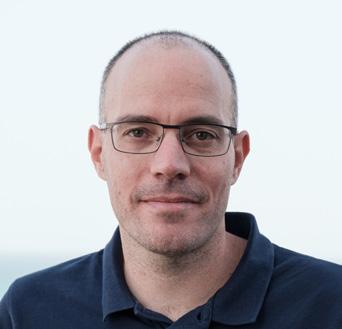
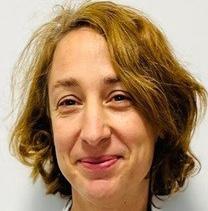
Guidance Co-Chairs Enora Le Roux (ESPE) and Sebastian Neggers (ESE) discuss the findings and recommendations.
FILLING THE GAPS
Understanding rare diseases
The aim of Endo-ERN EXTERNAL-LINK is to remove inequalities in the care of patients with rare endocrine conditions, by sharing knowledge and improving understanding.
What is Endo-ERN?
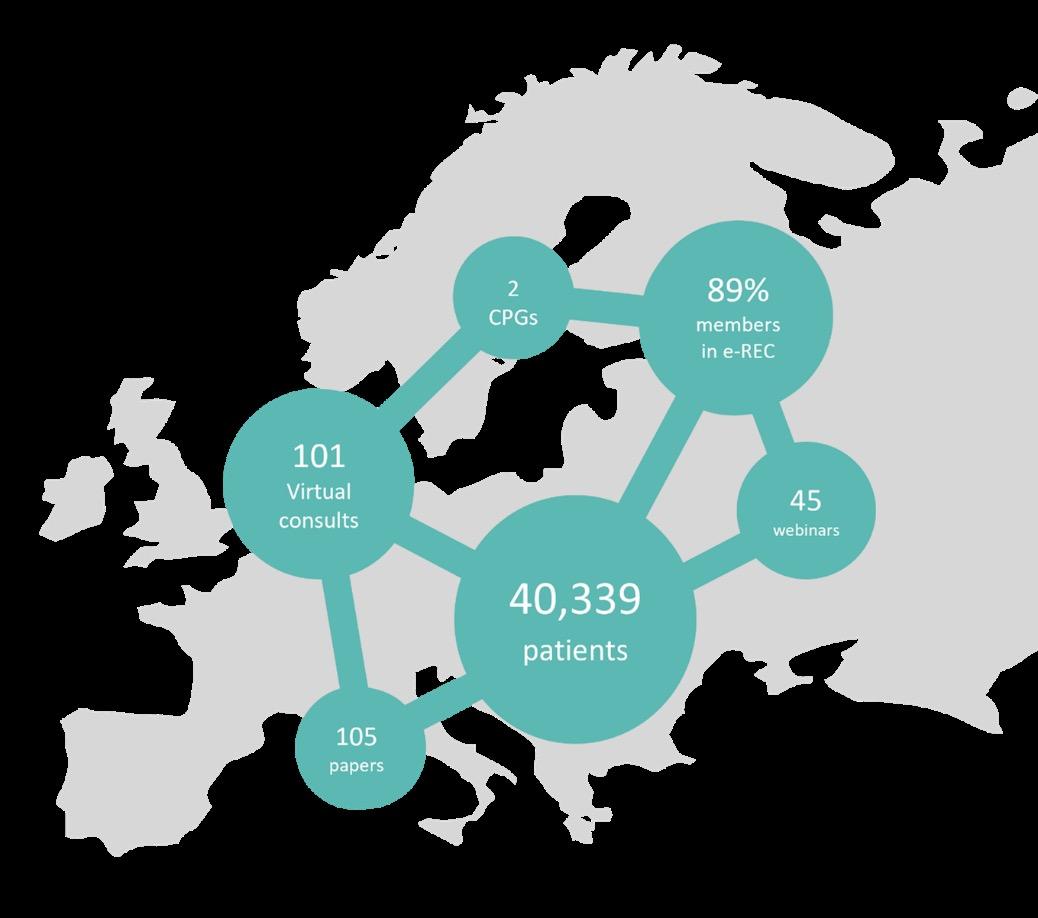
Endo-ERN is a European Reference Network EXTERNAL-LINK connecting 105 rare endocrine disease healthcare providers (HCPs) across 28 countries (EU member states plus Norway). It aims to achieve equal care for all patients with rare endocrine conditions by facilitating virtual consultation and cross-border care, establishing standardisation and transparency of care, and embedding structural pathways for science, to discover and prioritise knowledge and research gaps.
Rare disease care and knowledge are difficult to review through conventional research standards and methods, so membership of this network depends on adherence to unique quality indicators for care provision for specific conditions.
Endo-ERN has expanded since it formed in 2017, and has always had a focus on education and training. It has a diverse list of activities aimed at finding and filling gaps in knowledge or the care of rare endocrine conditions.
Increasing rare endocrine knowledge
In 2021, an assessment of Endo-ERN’s knowledge development programme and the start of the Endo-ERN Academy was published, focusing on provision of educational webinars and progress in reaching an international audience,1 with all specialist disease areas contributing content. Thanks to further professionalisation of the webinar programme and use of post-event surveys, our team could prioritise requested topics, and improve on the delivery of material (e.g. incorporating the patient perspective to a greater degree).2
This freely available programme has matured, with over 110 educational webinars available EXTERNAL-LINK, including webinar series recognised by the European Accreditation Council for Continuing Medical Education, and collaborations with ESE Talks EXTERNAL-LINK and European Society for Paediatric Endocrinology (ESPE) Connect Webinars EXTERNAL-LINK. The increasing popularity of the webinar programme and activities in 2024 (see Figure) illustrates the need for this information and the knowledge of our experts in the medical community.
Generation of knowledge in rare disease can be difficult, given numerous innate constraints. Practically, small and wide-ranging patient cohorts pose issues, as well as the long diagnostic odyssey, meaning data to support robust care recommendations can be scarce, in particular via traditional clinical practice guidelines.
Local or national data are rarely sufficient on rare diseases, so our network promotes data gathering in collaboration with our European societies and our dedicated international registry EuRREB EXTERNAL-LINK (the European Registries for Rare Endocrine and Bone Conditions). Through the registry, we have seen that e-reporting can be a simple means of continuously monitoring the occurrence of rare conditions. In utilising this information, it is possible to set clinical benchmarks, further identify gaps in care knowledge and encourage more in-depth data gathering.3 Research utilising the registry data of EuRREB is open to prospective investigators, subject to data access approval EXTERNAL-LINK
Another means of knowledge generation is through individual exchange of knowledge and practice. Since 2021, our network has supported 21 clinical exchanges EXTERNAL-LINK, where the visitor from an Endo-ERN HCP travels to a hosting institution (ERN or non-ERN) to learn from or educate on best practice. This form of knowledge sharing strengthens relationships between centres and clinical understanding. Our priority is to enable such knowledge sharing to multidisciplinary teams that would otherwise have limited funding to do so.
Endo-ERN has also established connections with ESE and ESPE. By establishing rare disease committees, including a dedicated Endo-ERN representative, both societies have begun integrating patient advocacy representatives. Each society’s respective annual conference runs a dedicated rare disease symposium on key themes, such as transition of care
40,339 patients
considerations, or genomic testing. Experts and patient representatives offer valuable insights that can enhance understanding about caring for, researching or living with rare conditions. One key aim is to enable consultation virtually on patient cases, which offers more learning opportunities and chances to empower our experts. Discussing cases with others in our network (and beyond) allows perspective sharing and new approaches to be considered.
Building an enhanced understanding in Europe
Endo-ERN is naturally poised to map, prioritise and potentially fill gaps in our current understanding and management of rare endocrine conditions. We strive to consider all stakeholders in this community and create tools to communicate effectively. This includes initiating optimal care pathways for specific conditions, based on available literature and expertise; creating patient journeys that map shared experiences; and offering concrete recommendations to ameliorate these situations. Additionally, beyond ESE and ESPE symposia, many of our HCPs organise events to educate the local, national or wider medical community. To support the outreach of such events, Endo-ERN endorses high-value events that meet certain criteria, which helps promote the event and highlight its importance.
The unique position of our network allows us to enhance understanding among key stakeholders in rare endocrine care. Endo-ERN initiatives will continue to support the refinement and dissemination of knowledge to those who need it most.
Emily White, Aimee Casey and Charlotte van Beuzekom, Endo-ERN Project Office
Violeta Iotova, Education and Training, Endo-ERN
Olaf Hiort, Paediatric Chair, Endo-ERN
Alberto Pereira, Adult Chair, Endo-ERN
This work is generated within the European Reference Network on Rare Endocrine Conditions (Endo-ERN) – Project ID No 101156495.
programme capturing new clinical encounters.
FILLING THE GAPS
Translating scientific discoveries
As a basic scientist, Giampaolo Trevellin did not imagine that his work would lead him so far into clinical
My research focused on the genetics of pituitary tumours, initially driven mainly by curiosity about mechanisms underlying rare diseases, rather than a specific translational goal. The discovery of X-linked acrogigantism (X-LAG) changed that trajectory and, in retrospect, revealed several gaps I wish I had known how to fill earlier in my career.
X-LAG is caused by microduplications involving the GPR101 gene, causing its tumoural over-expression and resulting in early-onset pituitary gigantism due to growth hormone excess. Identifying this new disease mechanism immediately had important effects on clinical practice. It reshaped decision trees for genetic testing, is refining genetic counselling and raised the possibility of targeted treatments. Yet, one of the most unexpected lessons was the importance of intellectual property protection.
Recognising that our discovery pointed to a novel therapeutic use of GPR101 inhibitors, we filed a patent. I wish I had known earlier how
FILLING THE GAPS
patenting works, what rights it confers and, just as importantly, its limitations. Engaging early − before publishing or presenting our findings − with the technology transfer office of my institution proved essential. Patenting did not restrict scientific exchange; rather, it safeguarded the research’s translational potential, enhanced the discovery’s value, and established a framework that could enable industrial partners to ultimately participate in the development of practical applications. For trainees in basic science, particularly in medically oriented fields, understanding when and how to think about patents is as important as knowing how to design experiments.
Over time, I also learned to appreciate working with doctors and physician-scientists more and more. My point of view has changed a lot since I started working closely with them. Through frequent conversations, I am learning how to present genetic discoveries in clinically useful terms, and becoming aware of unmet needs in patient care. Presenting my findings at meetings with predominantly clinical audiences had a significant impact. These provided a platform for expanding dissemination of my work, receiving constructive feedback, fostering and strengthening collaborations, and starting new lines of research that would have been difficult to achieve in a solely basic science setting.
My experience with X-LAG taught me that translating a scientific discovery into clinical applications is not a single step, but a process that benefits greatly from early awareness of intellectual property, and from reciprocal, constant collaboration between fundamental scientists and clinicians.
Giampaolo Trevellin Department of Biomedical Sciences,
Humanitas University, Milan, Italy
Exploring endocrine mechanisms
Nicole Bechmann considers the major gaps in our endocrine knowledge, and how we might explore the underlying mechanisms.
Despite major advances in molecular biology and clinical diagnostics, there are still significant gaps in our understanding of endocrine mechanisms. These gaps reflect the extraordinary complexity of hormonal networks, in which feedback loops, tissue- and sexspecific receptor expression, and environmental influences interact in ways that we have not yet fully understood. Current research, including my own, aims to clarify how these multidimensional systems function in health and disease.
A persistent challenge is to connect molecular signalling events with outcomes at the level of the whole organism. Although many endocrine pathways have been thoroughly mapped at a biochemical level, their dynamic behaviour in vivo, especially under fluctuating disease conditions, remains only partially understood. To overcome this issue, it is necessary to integrate high-resolution clinical and experimental data with computational tools that can model interactions across tissues. This requires a multidisciplinary team approach.
Another significant gap relates to inter-organ communication. Although endocrine glands, such as the adrenal gland, are often studied in isolation, emerging evidence shows that there is complex cross-talk between metabolic organs, the immune system, the nervous system and even the microbiome. In order to understand endocrine disorders, which typically cause system-wide disturbances, it is essential to understand how these distributed networks adapt, compensate or fail.
One particularly under-explored area is the sexual dimorphism of endocrine function. The hormonal networks of males and females differ substantially, not only due to gonadal hormones, but also because of sex-specific gene regulation, developmental programming and immune–endocrine interactions. These differences can influence metabolic homeostasis, stress responses, inflammatory signalling and disease susceptibility. However, many experimental designs still rely on a single sex or combine both sexes without accounting for these divergent regulatory mechanisms. It is crucial to address this gap, as sexually dimorphic endocrine responses may mask or modify phenotypes, limit the relevance of translation, and lead to suboptimal therapeutic strategies for our patients.
Finally, translating mechanistic findings into clinical strategies remains challenging. Biomarkers often lack specificity, but this can potentially be overcome by a targeted combination of different markers (fingerprints). Interventions targeting endocrine signalling pathways may also have unintended systemic effects, particularly if sex-specific physiological characteristics are not considered, which highlights the importance of understanding the underlying mechanisms.
Nicole Bechmann
Bielefeld University, Medical School OWL and University Hospital Carl Gustav Carus, Dresden, Germany
FILLING THE GAPS
Working as early-career endocrinologists
Early-career ESE members relate their experiences of supporting other specialties in daily hospital life.
When you become the multidisciplinary team
As early-career endocrinologists working in hospital settings, we quickly realise that our role often extends beyond the traditional boundaries of our specialty.
We are called to general wards, surgical units, oncology departments or intensive care units, frequently asked to ‘just have a look’ at abnormal laboratory results or unexplained clinical presentations. In these moments, the endocrinologist often becomes the missing link – identifying endocrine problems, translating biochemical data into clinical decisions, and filling gaps in the endocrine knowledge of non-endocrinologists.
Endocrine disorders are notorious for their ability to masquerade as common medical problems: resistant hypertension, electrolyte disturbances, unexplained fractures, weight changes or postoperative instability. For non-endocrinologists, these signs are often managed symptomatically. For trainees in endocrinology, however, they represent an opportunity – and a responsibility – to recognise patterns, ask the right questions, and guide further evaluation.
In everyday hospital practice, this often means acting as a one-person multidisciplinary team (MDT). We bridge laboratory medicine and clinical care, interpret dynamic testing, assess imaging findings, and help other specialties understand when an endocrine disorder is clinically relevant
– and when it is not. This educational role is often informal but highly impactful, improving patient care well beyond a single consultation.
At the same time, endocrinology thrives on true multidisciplinary collaboration. A powerful example from our own practice is the MDT for adrenal disorders, where complex adrenal cases from across Croatia are discussed. This MDT brings together endocrinologists, radiologists, urologists and oncologists, allowing comprehensive evaluation of adrenal incidentalomas, hormonally active tumours and adrenal malignancies. Such structured collaboration not only improves diagnostic accuracy and treatment decisions, but also serves as a valuable learning environment for trainees. It demonstrates how shared expertise can transform fragmented information into a coherent management plan.
For trainees, exposure to both informal ward-based consultations and formal MDTs shapes our professional identity. We learn that endocrinology is not confined to glands or guidelines, but is embedded across hospital medicine. By supporting colleagues, educating teams and participating in multidisciplinary decision-making, trainee endocrinologists help ensure that endocrine disorders are recognised early, managed appropriately, and integrated into holistic patient care.
In this way, we are not only learning endocrinology – we are practising it where it matters most.
Karin Zibar Tomšić
Endocrinologist and Diabetologist, University Hospital Zagreb, Croatia
‘...exposure to both informal ward-based consultations and formal MDTs shapes our professional identity.’
Providing the missing piece of the puzzle
Working as an early-career endocrinologist in a hospital offers not only fascinating, purely endocrine questions, but also a unique position within multidisciplinary care.
Unlike many specialties, endocrinology rarely ‘owns’ a ward. Instead, we are frequently called to emergency departments, general medical wards, surgical units or intensive care, where endocrine problems often present indirectly. In these settings, our role extends beyond hormone prescriptions or laboratory interpretation; it involves helping non-endocrinologists recognise endocrine disease and, at times, providing the missing piece of the clinical puzzle. Many referrals arise when something does not quite fit: unexplained electrolyte disturbances, persistent hypotension, refractory hypoglycaemia or abnormal thyroid function tests. Endocrine disorders are frequently masked by acute illness or overlapping diagnoses. Recognising when a presentation is not ‘just’ part of the primary admitting problem requires pattern recognition, physiological understanding and close communication − skills that are central to endocrine training and make our work particularly rewarding.
One case from our Swiss University Hospital last year remains particularly striking in my mind. A 42-year-old man presented to the emergency department with non-specific neurological symptoms, including headache, vertigo and an unsteady gait. We, as the endocrinology team, were contacted because of severe euvolaemic hypo-osmolar hyponatraemia, with a sodium level of 122mmol/l. After diagnostic assessment, syndrome of inappropriate antidiuresis (SIAD) was considered the most likely diagnosis, although no clear trigger for SIAD was identified. As relative adrenal insufficiency could not be fully excluded, hydrocortisone replacement was also initiated.
Discussion within our endocrine team raised concern: SIAD in a relatively young patient without significant co-morbidities warranted further investigation. We advised the treating teams to pursue additional imaging to search for a potential underlying malignancy. Through close multidisciplinary collaboration between internal medicine, neurology, radiology, haematology and intensive care, an aggressive T-cell lymphoma with bilateral adrenal and cerebral involvement was ultimately diagnosed, allowing prompt targeted treatment to begin.
This case is memorable not because of its severity alone, but because it highlights endocrinologists’ multidisciplinary work. By moving across specialties, filling gaps in knowledge among non-endocrinologists and recognising endocrine patterns, we can sometimes provide the missing piece that completes the puzzle − bringing clarity to uncertainty and improving care for our patients.
Julia Beck Endocrinology Trainee, University Hospital Basel, Switzerland
Insights into Environmental Endocrinology
The new ESE journal Environmental Endocrinology launched with two original publications, both addressing issues around per- and polyfluoroalkyl substances (PFAS). Editor-in-Chief Josef Köhrle discusses these new insights.
PFAS are ubiquitously distributed and adversely impact human development and health, as well as the biodiversity of terrestrial and aquatic species. More than 10,000 fluorinated PFAS variants are known and used.
In recent years, sound science has clearly demonstrated increasing global environmental pollution, bioaccumulation for some congeners and environmental effects, as summarised by the US Environmental Protection Agency EXTERNAL-LINK In particular, relevant contamination of drinking and surface water poses major challenges for drinking water treatment plants in some regions. Safety limits can no longer be met for some PFAS in public and private water supplies, and the costs of processing and cleaning are skyrocketing.
Alongside interference with several hormone systems, PFAS-associated disruption of female
and male fertility, ovarian, testicular and placental functions has raised major concern. PFOA, the most-studied PFAS, was classified as carcinogenic to humans by the International Agency for Research on Cancer (IARC) in December 2023, and several PFAS variants have been identified in follicular fluid in women. Currently, a clean up of our environment is not yet feasible, and further new compounds are developed, applied and continue to spread in ever-increasing concentrations.
PFAS belong to the ‘forever’ or ‘legacy’ chemicals, because the chemical fluorocarbon bonds generate some of the most persistent compounds. PFAS exposure occurs via our food, contaminated drinking water and the use of daily life items containing these water- and fat-repelling chemicals.
Serum concentrations of PFAS in women with POI: a cross-sectional case–control study
In this study, newly published in Environmental Endocrinology, Elinor Vogt and her team conducted a cross-sectional case–control study in Norway in 2019−2021. Serum concentrations of several PFAS were measured by liquid chromatography−mass spectrometry. Significantly higher levels of PFAS, including PFOS, PFSA, and PFOA, were detected in sera of 98 women with premature ovarian insufficiency (POI), compared to sera from 50 healthy female blood donors of fertile age.
Obviously, such studies need independent confirmation, complex statistical evaluation
and, eventually, prospective approaches monitoring exposure (and accumulation) at multiple sampling time points. Currently, effects of exposure to mixtures of endocrine-disrupting chemicals (EDCs) are not well understood either. Molecular and in vitro studies EXTERNAL-LINK have provided a first mechanistic insight and strong evidence for adverse EDC effects on human ovarian maturation and function.
Read the full article in Environmental Endocrinology https://doi.org/10.1093/enendo/wkaf002
PFAS and altered glucose homeostasis in adolescents following bariatric surgery
In a second study, Elizabeth Costello and her colleagues analysed PFAS in the plasma of 186 adolescents after bariatric surgery. They reported that higher exposure to eight PFAS was associated with higher glycated haemoglobin three years after surgery, as well as with greater body mass index regain and with markers of insulin resistance at baseline. This TeenLongitudinal Assessment of Bariatric Surgery cohort was enrolled between 2007 and 2012 in five states in the USA.
Whether tissue-specific accumulation of these PFAS directly interferes with metabolic disorders, and whether metabolism and body burden of these persistent, lipid-soluble environmental toxicants can be reduced
by this irreversible surgical intervention, requires intensive research. Establishment of metabolism-related trajectories during adolescence and beyond will be needed to link PFAS exposure scenarios with developmental milestones, metabolic parameters and the impact of surgical intervention, typically accompanied by lifestyle changes. Similarly, prospective studies are needed to clarify whether any concomitant preventive measures to reduce EDC exposure may improve long-term metabolic outcome.
Read the full article in Environmental Endocrinology
https://doi.org/10.1093/enendo/wkaf003
Read Environmental Endocrinology volume 2, issue 1 online now EXTERNAL-LINK
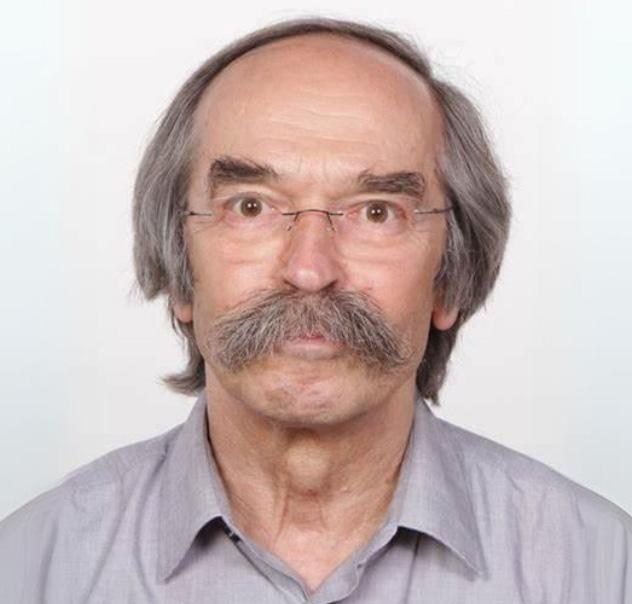
Editor-in-Chief Josef Köhrle
for members
Environmental Endocrinology is the official ESE journal dedicated to high-quality clinical, translational and basic research on all aspects of environmental impacts on human and wildlife hormone systems, incorporating the One Health perspective. Submissions are welcomed from a broad range of research disciplines. Send your next manuscript to this ESE journal!
ESE members are eligible for a 50% APC discount when publishing in Environmental Endocrinology.