Dancers & Musicians

Performances
Festival Events
� Companies
Dance Theatre of Harlem
DanceAspen
Limón Dance Company
Cleo Parker Robinson Dance
Colorado Ballet
Artists-In-Residence SARA MEARNS JAMAR ROBERTS
����
��
���

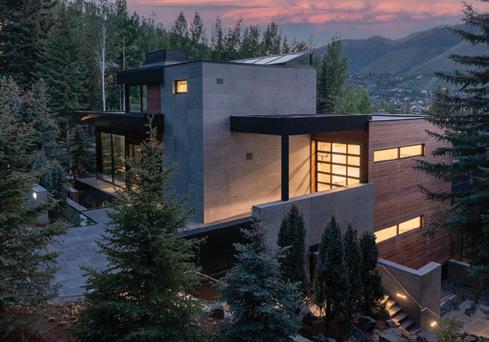
307 ROCKLEDGE ROAD
This mountain contemporary single family home offers 6 bedrooms, media room, 14-foot sliding glass doors, and over 2,000 square feet of heated outdoor living space. Enjoy views of the Gore Range, while being steps from the ski slopes and a short walk to Vail Village.

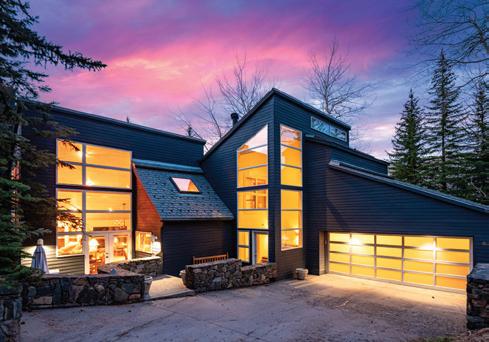
327 ROCKLEDGE ROAD
Take in Gore Range views from this 4 bedroom mountain getaway. Enjoy natural light, an open floor plan, multiple private decks with a hot tub, and easy access to skiing and Vail Village. Includes development plans for a 6 bedroom home.
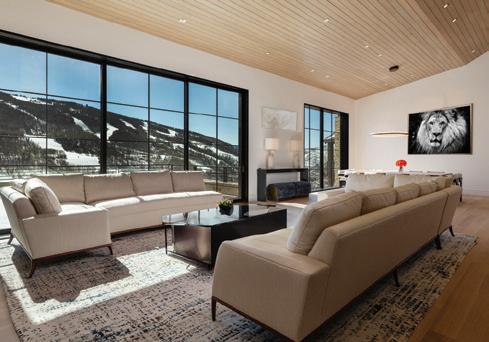
463 BEAVER DAM ROAD
Located just 50 yards from the ski slope sits Vail’s most technologically advanced home. Offering privacy, convenience and indoor/outdoor living with sliding glass walls. The residence features a gym, theater, Diamond Spa, year-round water feature and an automated platform parking system.
 Ron Byrne Shawn Byrne
WWW.RONBYRNE.COM PREMIER LOCATIONS IN THE HEART OF VAIL...
Info@ronbyrne.com
THE PINNACLE OF VAIL
1326 SPRADDLE CREEK
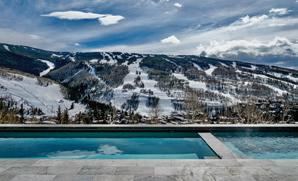
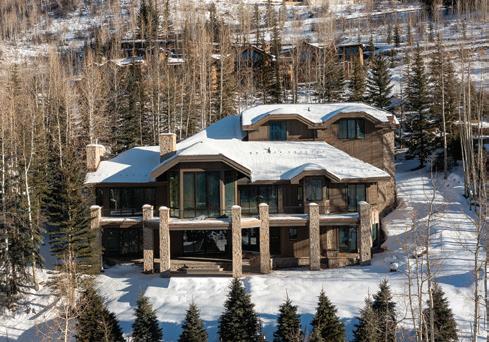
This spectacular custom home atop Spraddle Creek spans over 6 acres with panoramic Vail Mountain views. It offers 11,000 square feet of living space, 7 bedrooms, an oxygenated primary suite and family room, private office, expansive outdoor areas, a pool, gym, and an 8-car garage.
1058 RIVA GLEN
Perched above Vail Village, this exquisite 6 bedroom, 7 bathroom mountain retreat offers breathtaking Vail Mountain views. Featuring office, media room, 3-car garage, and custom hot tub. Enjoy the privacy and convenience of Spraddle Creek Estates, Vail’s most exclusive gated community.

1031 EAGLES NEST CIRCLE
Newly constructed 5 bedroom single family home in a coveted Vail Golf Course location. Just a short walk to Vail Village, it features a mountain contemporary design with privacy, multiple outdoor living spaces and Gore Range views.
WWW.RONBYRNE.COM 285 Bridge Street Vail, Colorado 81657 970-476-1987
LET’S INSPIRE A GLOBAL MOVEMENT
The Vail Valley Foundation (VVF) is a champion for the Vail Valley that creates life-enriching experiences and opportunities for the entire community and those who visit. With each world-class arts, athletics, education, and community-enhancement program it brings to life, including the Vail Dance Festival, the VVF broadens perspectives, empowers untapped potential, and fills the valley with vibrant possibility today and far into the future.
Learn more about everything the VVF does to empower possibility at vvf.org.
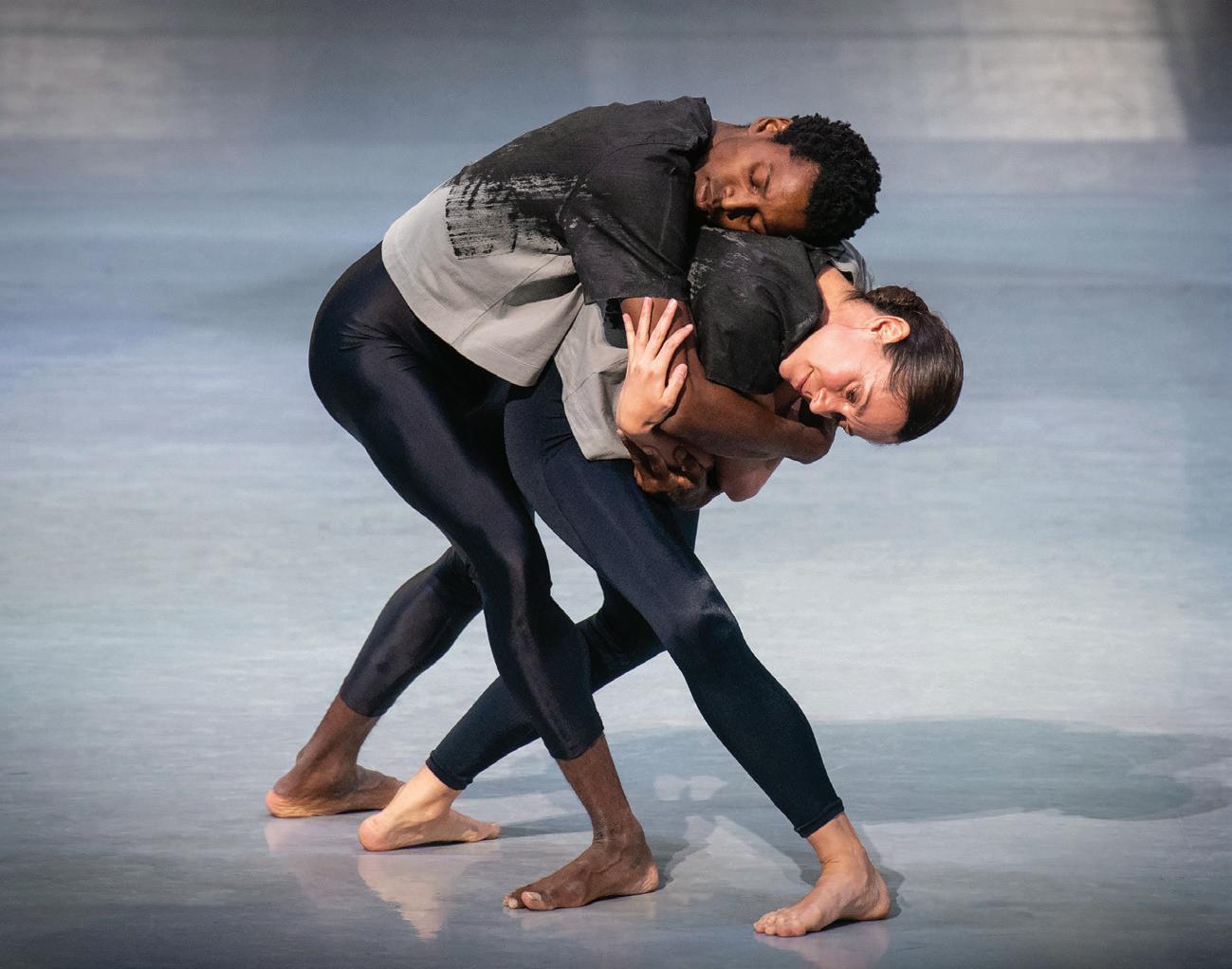
Calvin Royal III and Melissa Toogood perform at the Vail Dance Festival. Photo by Christopher Duggan.

A MOMENT FOR SPONTANEITY





Artful Sol Gallery
Discover why this gallery is the leader in modern art. Proudly, originals only. www.ArtfulSol.com | (970) 476.1339 | 183 Gore Creek Dr. | Vail, CO USA © 2024 All Rights Reserved Artful Sol Gallery
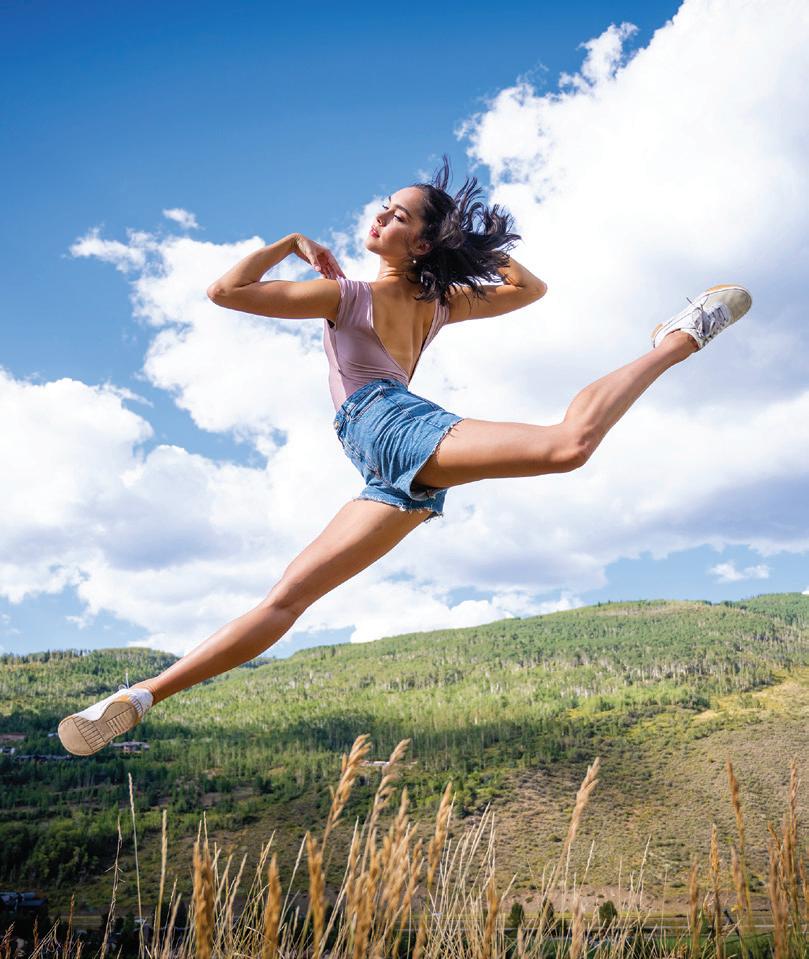
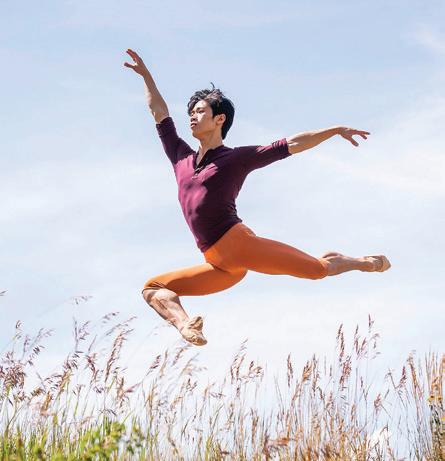
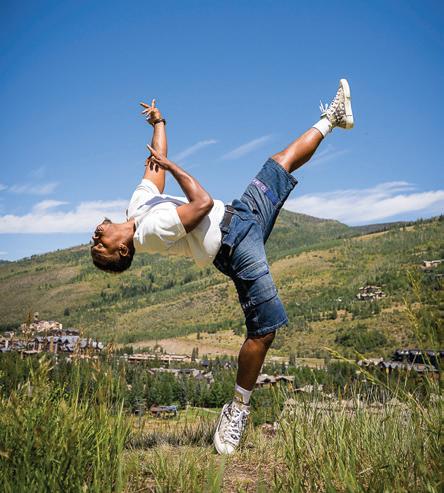
From left to right, pages 6–7: Mira Nadon, KJ Takahashi, Lil Buck 9 Welcome Letter 10–11 Support the Festival 12–13 Festival Events 14 Festival Programs 15 Frequently Asked Questions 17 Ticket Specials 18–19 Calendar of Events 20–21 Q & A with the Artists-in Residence 24–26 Legends of Dance Today’s dancers take on storied roles 28 Opening Night Friday, July 26
7:30pm 29 Dance Theatre of Harlem Saturday, July 27
7:30pm 30 UpClose: Swerve with Damian Woetzel Sunday, July 28
6:00pm 31 Myths by Legends Monday,
32 Dance for ���.�� Tuesday,
33 Watching
Heather Watts Wednesday,
TABLE OF CONTENTS 6 VAILDANCE.ORG
//
//
//
July 29 // 7:30pm
July 30 // 7:30pm
Dance with
July 31 // 11:00am
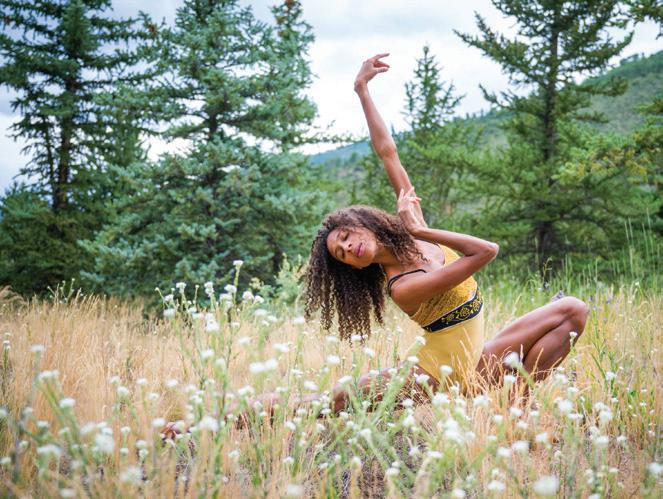
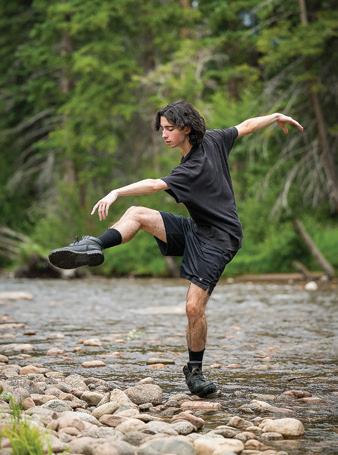
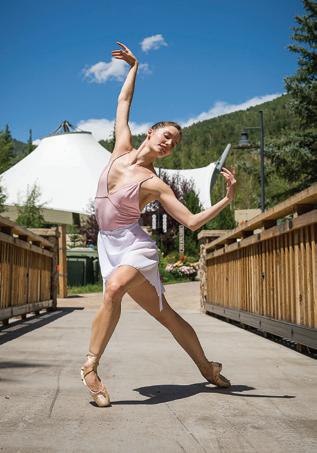
34 Dorrance Dances Wednesday,
35 Dancing in the Park Thursday,
36 International Evenings of Dance I, II,
III
Saturday,
37 Colorado Dances Sunday, August 4
6:00pm 38 NOW: Premieres Closing Night Monday, August 5
7:30pm 39 New Works 8 new works by 8 incredible dancemakers 40–46 Festival Patrons 50–54 Festival Companies, Artists, & Musicians 56–57 UpClose See dance like never before 58–59 Dance
Harlem
The
60 “SCENE” at the Festival 62–63 Festival Support & Staff � VAILDANCE 7
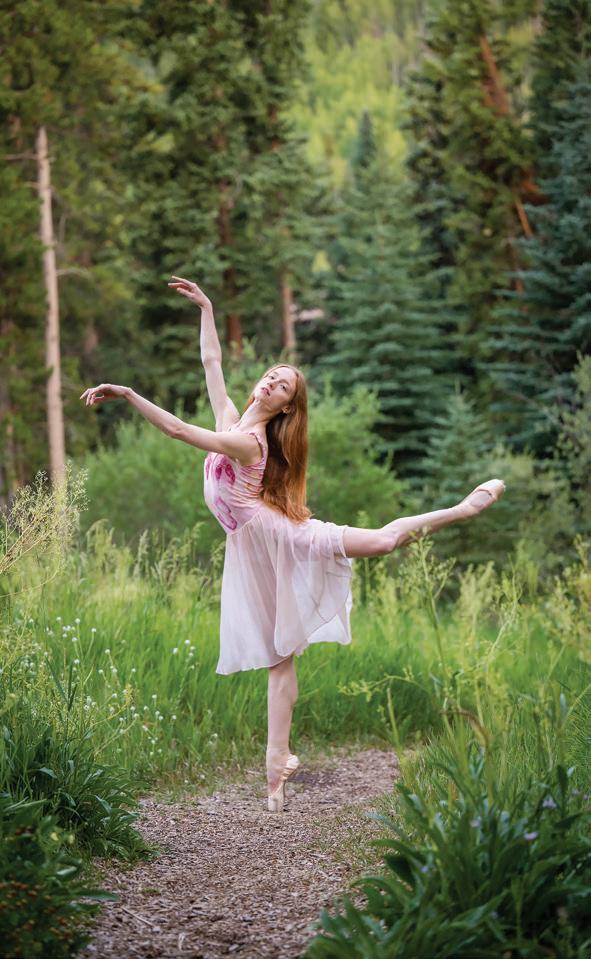
Catherine Hurlin, Adji Cissoko, Spencer Lenain, Unity Phelan. Photos taken in Vail by Christopher Duggan.
July 31 // 6:00pm
August 1 // 5:30pm
&
Friday, August 2 // 7:30pm
August 3 // 5:00pm & 8:00pm
//
//
Theatre of
Returns
legendary company returns to Vail
MISSION STATEMENT
To provide leadership in arts, athletics, and education and address community needs to enhance our Valley as a place to live, work, and visit.
VAIL VALLEY FOUNDATION BOARD OF DIRECTORS
Andy Arnold
John Arnold
Sam Bronfman
Jeffrey Byrne
Susan Campbell
Will Cook
Steve Coyer
Johannes Faessler
Carlos Gardea
Margie Gart
Paul Gordon
Nadia Guerriero
Carrie Besnette Hauser
Beth Howard
Al Hubbard
B.J. Hybl
David Hyde
Mike Imhof
Chris Jarnot
Cheryl Jensen
Alexia Jurschak
Anne-Marie Keane
Mike Krupka
Donna Lynne
Sarah Malloy Millett
Alejandra Cortés de Milmo
Ellen Moritz
Kaia Moritz
Bobby Murphy
Dan Pennington
Jill Plancher
Deborah Quazzo
Chris Romer
David Salvin
Ken Schanzer
Ann Smead
Hap Stein
Kristin Tang
Fred Tresca
Melina Valsecia
Tina Vardaman
Nick Waugh
Gary Woodworth
Kristy Woolfolk
VAIL VALLEY FOUNDATION LIFE TRUSTEES
Adam Aron
Judy Berkowitz
Marlene Boll
Bjorn Erik Borgen
Andy Daly
Bill Esrey
Tim Finchem
Harry Frampton
John Garnsey
George Gillett
Donna Giordano
Sheika Gramshammer
Steve Haber
Martha Head
Mike Herman
William Hybl
Elaine Kelton
Kent Logan
Peter May
Eric Resnick
Doug Rippeto
Mike Shannon
Stanley Shuman
Rod Slifer
WHAT WE DO
Oscar Tang
Betsy Wiegers
In Memoriam
President Gerald R. Ford
Berry Craddock
Jack Crosby
Pete Frechette
Steve Friedman
John Galvin
Pepi Gramshammer
Stew Turley
Community Supports | Gerald R. Ford Amphitheater | GoPro Mountain Games Vail Dance Festival | Vilar Performing Arts Center | Birds of Prey | YouthPower365
Learn more at vvf.org
MANAGING EDITOR
Shannon Thornburg
ASSOCIATE EDITORS
Wren Bova
SALES MANAGERS
Sandie Aveil
Mark Bricklin
CONTENT & DIRECTION
Sierra Adams
Harper Addison
Martha Brassel
Kristen Dudding
Britt Felton
Kate Penner
Damian Woetzel
CONTRIBUTORS
Katie Coakley
Joel Solari
Sarah Silverblatt
FESTIVAL PHOTOGRAPHERS
Christopher Duggan
Chris Kendig
Brian Maloney
DESIGN
Shannon Muench, Open Mind Studios
DISTRIBUTION MANAGER
David Hakes
NEWSSTAND COVER PHOTO
Sara Mearns photgraphed by Christopher Duggan.
PROGRAM COVER
Illustration by Andrea Selby.
VAIL DAILY PUBLISHER
Mark Wurzer
All programs and artists are subject to change. The Vail Daily is a wholly owned subsidiary of Swift Communications, LLC. 200 Lindbergh Dr, Gypsum, CO 81637 970-328-6333
Copyright ©2024
8 VAILDANCE.ORG
WELCOME
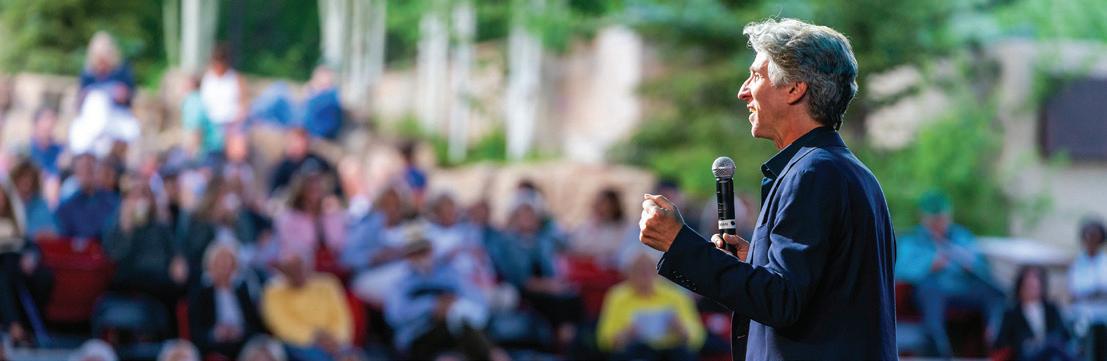
Welcome to the 36th season of the Vail Dance Festival!
This year, as it has since its beginnings, the Vail Dance Festival is a place where extraordinary dancing is enhanced by its proximity to the natural splendor of the Rocky Mountains. In the years since its first performances, the Festival has grown to be a place where great art is performed and created every summer in a high-altitude artistic lab.
More than 100 dances performed by brilliant dancers have debuted here since 2007, and this summer we will add eight more by todays leading dance makers. The Festival has also become a place of musical excellence, where you can experience a range of extraordinary musicians who drive the dancing forward, whether in classics or brand new creations. And that spirit of collaboration that we see between the great artists onstage in our beautiful theaters is reflected in everything that makes the Festival unique: from our community programs and master classes, to our social events and more.
This year we share thirteen performances on our stages, and a host of ancillary events that will once again bring the vibrancy of dance to our Rocky Mountains. Among this year’s highlights: New York City Ballet’s Sara Mearns and choreographer Jamar Roberts as this season’s Artists-In-Residence; dance companies including Colorado Ballet, DanceAspen, Cleo Parker Robinson Dance, Dance Theatre of Harlem, and Limón Dance Company; and dancers from New York City Ballet, American Ballet Theatre, Dorrance Dance, National Ballet of Canada, Royal Danish Ballet, and BalletX join independent artists from all styles to form a Festival ensemble for unique only-in-Vail performances created especially for this season. We invite you to join us to be an integral part of the creativity, as we bring together more than 150 extraordinary dancers, musicians, composers, and choreographers to our celebrated Festival.
You may be a first-time Festival goer or a long-time aficionado, an aspiring dancer or a dedicated patron. No matter who you are, it is your energy, excitement, and support, that allows us to push the boundaries of dance and foster this exceptional gathering of renowned and emerging artists.
Thank you for being a part of this incredible Festival. We look forward to seeing you as the world of dance convenes once again in these beautiful mountains.

Welcome! Damian Woetzel
Artistic Director, Vail Dance Festival

Susan Campbell Committee Chair, Vail Dance Festival
Susan J. Campbell, Chair
Jill Plancher, Vice-Chair
Judy Berkowitz*
Priscilla Brewster
Allie Coppeak
Stacey Gillett
Sara Friedle
Lisa Goldman
Sheika Gramshammer
John Harrison
Sally Hybl
Alexia Jurschak
Jonna Mackin
Jane Netzorg
Senenne Philippon
Fred Tresca
Betsy Wiegers
Damian Woetzel
*Dance Committee Chair 1998-2018
Damian Woetzel at Gerald R. Ford Amphitheater. Photo by Christopher Kendig.
VAIL DANCE FESTIVAL COMMITTEE
� VAILDANCE 9
Throughout its 36-year history, the Vail Dance Festival has provided an inspiring environment in which diverse dancers, choreographers, and musicians share creative time & space, fuel each other artistically, and present work that challenges & showcases their talent. None of this would be possible without the support of our dedicated donors.

SUPPORT THE VAIL DANCE FESTIVAL
Ticket sales only cover 26% of our operating expenses and 60% of funding comes from individual donations. There are many ways to support the Festival. Whether you are a current donor or are interested in becoming a donor, our philanthropy team is here to help.

Sierra Adams Vice President, Philanthropy sadams@vvf.org

Martha Brassel Senior Director, Philanthropy mbrassel@vvf.org

Euginnia Seyferth Director, Philanthropy eseyferth@vvf.org

Lee Steele Associate Director, Annual Support lsteele@vvf.org

Miah Wheeler Director, Philanthropy mwheeler@vvf.org

Kendra Powell Associate Director, Donor Engagement kpowell@vvf.org

Stephen Licciardi Director, Philanthropy slicciardi@vvf.org

Peter Barclay Sr Director, Development Strategy & Operations pbarclay@vvf.org
FESTIVAL SUPPORT
Herman Cornejo, Roman Mejia, Lauren Lovette, Christopher Grant, India Bradley, and Isabella Boylston in Tiler Peck’s Thousandth Orange at the 2019 Vail Dance Festival.
Photo by Christopher Duggan.
10 VAILDANCE.ORG
How to Give:
Check or Online // Make a donation by mailing a check to the Vail Valley Foundation at P.O. Box 6550, Avon, CO, 81620 or online at vaildance.org/support
Money Wire or Stock Transfer // To make a donation via wire transfer, please contact the Vail Valley Foundation at 970.777.2015
More Ways to Give // Employer Matches, Donor Advised Funds (DAF), IRA Charitable Rollover, Appreciated Stock, and Estate Gifts*
*Gifts made through a donor advised fund IRA, qualified charitable distributions, private foundations, charitable trusts or matching gifts may be restricted from receiving benefits. Please contact your tax advisor with questions.
VAIL DANCE FESTIVAL
Preferred Ticket Ordering with Donor Concierge
Invitation to En Pointe Party (paid event at $125/ticket)
Access to Borgen Family Patrons Plaza & May Gallery Patrons Lounge
Parking Pass (Gerald R. Ford Amphitheater)
*Bronze Dress Circle receives two complimentary tickets to Dance for $20.24.
SUPPORT THE FESTIVAL
FESTIVAL SUPPORT
Join our dedicated community of donors with a gift today.
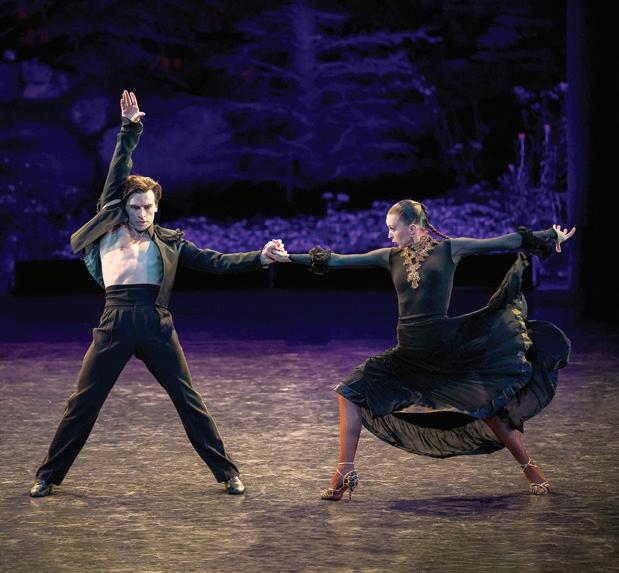
perform their choreography It's Time in Vail.
by
���4
Denys Drozdyuk and Antonina Skobina
Photo
Christopher Duggan.
GIVING
Marquee Presenter $150,000 Premier Presenter $100,000 Season Presenter $65,000 Underwriter Circle $37,500 Ruby Dress Circle $25,000 Diamond Dress Circle $12,000 Platinum Dress Circle $6,500 Gold Dress Circle $3,500 Silver Dress Circle $2,000 Bronze Dress Circle $750 Fan Club $250 Listing in Festival Program Access to Daily Rehearsals 4 4 Performance Presale Access Invitation to Post-Performance Sparkling Receptions 1 Complimentary Pavilion Tickets 30 26 22 16 14 8 4 2 2 2*
LEVELS & BENEFITS
Complimentary Tickets to Sparkling Brunch 4 4 4 2 2 2 2 2
� VAILDANCE 11
Conversations on Dance // ���
Saturday, July 27– Saturday, August 3 10:30am–11:20am | Vail Mountain School
Wednesday, July 31 | 1:00pm–1:50pm Gerald R. Ford Amphitheater Social Courtyard
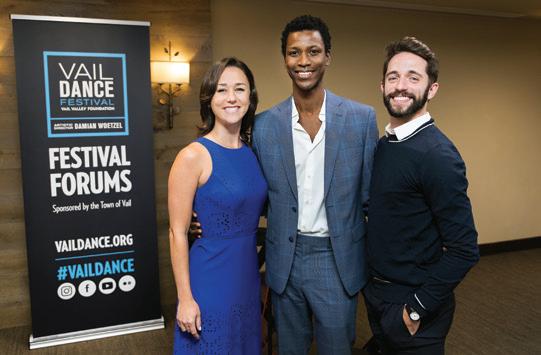
Conversations on Dance hosts Rebecca King Ferraro and Michael Sean Breeden welcome a small audience to enjoy interviews with Festival Artists as part of their popular podcast series.
Generously Underwritten by the Town of Vail.
Dancing in the Park // Free
Thursday, August 1 | 5:30pm Avon Performance Pavilion at Nottingham Park
Free and fun for the whole family, Dancing in the Park returns to Nottingham Park in Avon with a special early evening performance featuring Festival artists along an energetic and interactive performance by YouthPower365’s Celebrate the Beat Celebration Team.
Generously Underwritten by the Town of Avon with additional support from Slifer, Smith and Frampton Real Estate.
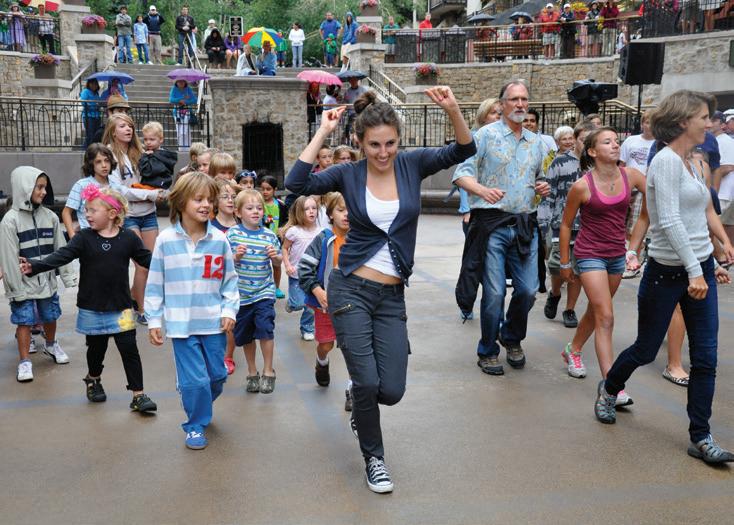
Dancing in the Streets // Free
Interactive pop-up performances with Festival Artists throughout Vail & Lionshead Villages
Thursday, July 25 | 5:30pm Lionshead Village in front of Garfinkels Sports Bar
Sunday, July 28 | 12:00pm
Intersection of Bridge Street & Gore Creek Drive in Vail Village
Sunday, August 4 | 12:00pm
Intersection of Bridge Street & Gore Creek Drive in Vail Village
FESTIVAL EVENTS
Tiler Peck with Festival attendees during a Dancing in the Streets event in Lionshead Village. Photo by Caitlin Kakigi.
LEARN MORE & PURCHASE EVENT TICKETS AT VAILDANCE.ORG .
Dancing in the Park during the 2023 Vail Dance Festival. Photo by Christopher Duggan.
12 VAILDANCE.ORG
Rebecca King Ferraro, Calvin Royal III and Michael Sean Breeden at Conversations on Dance. Photo by Chris Kendig.
Master Classes // ���
Thursday, July 25–Monday, August 5
Vail Mountain School
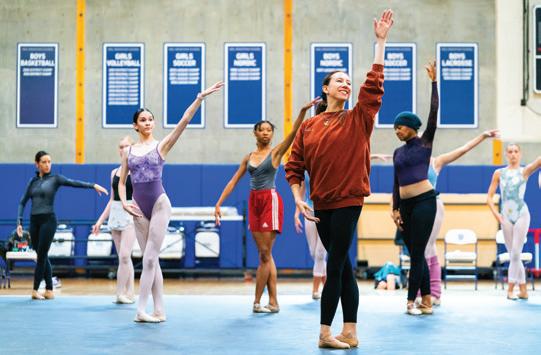
Advanced-level dance students may take advantage of classes with some of the world’s leading dancers at Vail Mountain School. This summer’s Master Class series offers an array of classes taught by Festival artists in ballet, tap, jazz, repertory, ballroom* and more.
*Adult Ballroom class to be held at 2:00pm, August 3, at Manor Vail Lodge.
Open House with Jamar Roberts // ���
Thursday, August 1 | 1:00pm–2:00pm Golden Peak Studio Tent
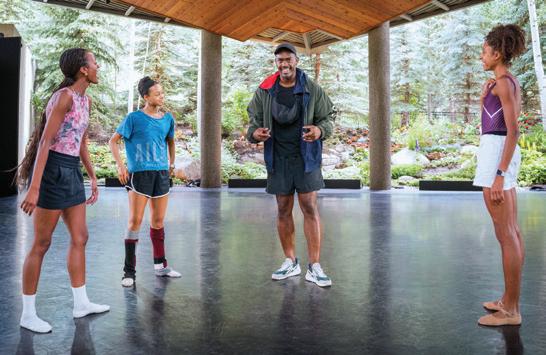
Join Artist-In-Residence Jamar Roberts and other Festival artists as Jamar curates a look at elements of the 2024 Festival, including his new work set to premiere at this season’s NOW: Premieres. Limited tickets available.
Tiny Dancer Tea Party // ���
Saturday, July 27 | 10:00am–11:15am Gerald R. Ford Amphitheater Social Courtyard
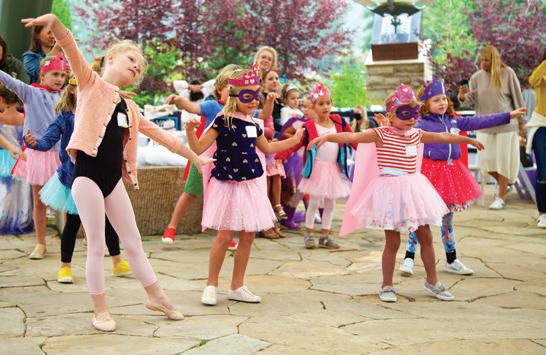
Crown and tiara decorating, a dance session, snacks and fun for children ages 4-7. *Admission is for one child and one adult. Fee includes one children’s size Festival t-shirt.
Sponsored by Skipper & Scout.
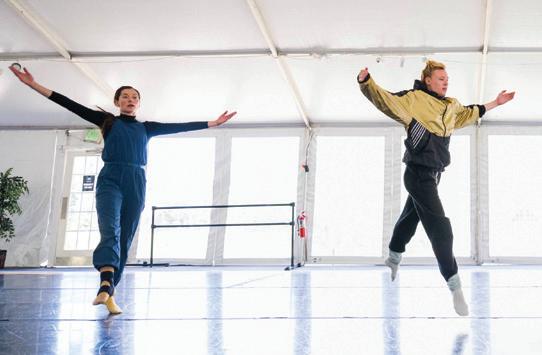
Open House with Sara Mearns // ���
Sunday, August 4 | 1:00pm –2: 0 0pm Golden Peak Studio Tent
Join Artist-In-Residence Sara Mearns for an exclusive behind the scenes look at her participation in the 2024 Festival. Limited tickets available.
FESTIVAL EVENTS
Melissa Toogood rehearses with Sara Mearns. Photo by Christopher Duggan.
Isabella Boylston with Master Class attendees. Photo by Chris Kendig.
India Bradley, Olivia Bell, Jamar Roberts and Adji Cissoko. Photo by Christopher Duggan.
Tiny Dancer Tea Party attendees in the Vail Social Courtyard. Photo by Brian Maloney.
� VAILDANCE 13
Scholar-In-Residence Program
The Scholar-In-Residence designation awards advanced pre-professional dancers representing alternating techniques the opportunity to take part in the Vail Dance Festival. At the Festival, the young dancer-scholars receive mentorship and hone their artistic practice over an immersive two weeks where they participate in company class side-by-side with Festival artists from around the world, attend rehearsals and events, and have opportunities to perform in classic repertory as well as new works. Young artists in this position have represented genres of dance including ballet, flamenco, street dance, and tap.
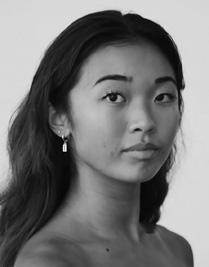
This year we welcome Juilliard rising 4th year dancer Kayla Mak as our 2024 Scholar-In-Residence.
Generously Underwritten by Susan & Jeff Campbell.
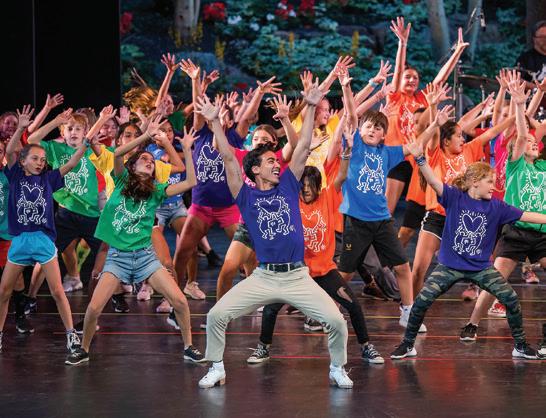
YouthPower���’s Celebrate the Beat Pop Hop Camp
A free dance camp culminating in a performance on International Evenings of Dance I
July 29 – August 2 , 2024
Eagle County youth ages 9-14 have the opportunity to participate in the free, week-long Pop Hop Camp designed to foster teamwork, creativity, and joy of accomplishment through dance. Directed by Tracy Straus, the program was introduced to Eagle County in 2007 by Heather Watts and Damian Woetzel.
Visit youthpower365.org/program/pop-hop to learn more. Generously Underwritten by Jill & Kevin Plancher.
Intern & Ambassador Programs
Engaging the next generation of arts leaders
Intern Program
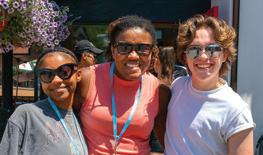
Every year, the Festival engages ambitious graduate and undergraduate students and young professionals from around the country who serve as members of the Festival intern team. Interns support a variety of areas including artist hospitality, media/communications, education/outreach, venue/rehearsal management, transportation/ logistics, food/beverage, and development. This is a unique opportunity for interns to work behind-the-scenes alongside some of the world’s greatest dancers, choreographers, and artistic leaders, and has launched numerous professional careers in the arts.
Ambassador Program
The Ambassador Program provides a unique, hands-on opportunity for current 8th through 12th graders. Ambassadors work closely with the Festival staff and are able to contribute to many different areas of the Festival’s on-site operations. The program includes a community service component as well as numerous educational offerings. Generously Underwritten by an anonymous donor in memory of Marka Moser.
Community Arts Access (CAA)
Removing socio-economic barriers to the arts to make access for all.
• We partner with local nonprofits and charities to provide free tickets to Festival performances to the communities they serve.
• Children 12 and under receive free access to the lawn with the purchase of an adult ticket.*
• Students and faculty may purchase discounted lawn tickets for $10.*
• Dance for $20.24 is a specially-priced evening devoted to arts access. Reserved pavilion seats are $20.24 each and lawn tickets are $10.24 each.
* For performances at the Gerald R. Ford Amphitheater
Support for ticket subsidies & Community Arts Access provided by The James & Janet Averill Charitable Fund.
FESTIVAL PROGRAMS
Gerald R. Ford Amphitheater at the 2023 Vail Dance Festival. Photo by Chris Kendig.
Dario Natarelli and YouthPower365 Celebrate the Beat at the 2023 Vail Dance Festival.
Photo by Christopher Duggan.
14 VAILDANCE.ORG
Festival Interns. Photo by Chris Kendig.
FREQUENTLY ASKED QUESTIONS
How do I buy tickets to the Vail Dance Festival?
ONLINE at vaildance.org
BY PHONE at 970.845.TIXS (8497)
IN-PERSON at one of our box office locations: Gerald R. Ford Amphitheater in Vail or Vilar Performing Arts Center in Beaver Creek
Where do the performances take place?
Gerald R. Ford Amphitheater
503 S Frontage Road East, Vail, CO 81657
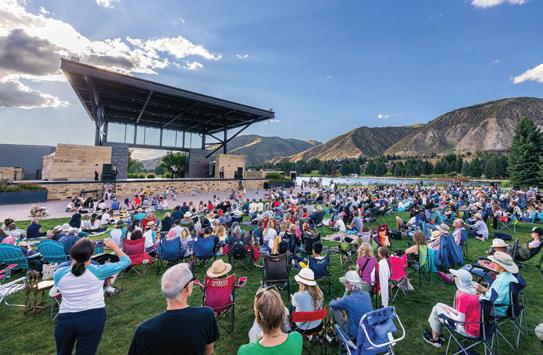
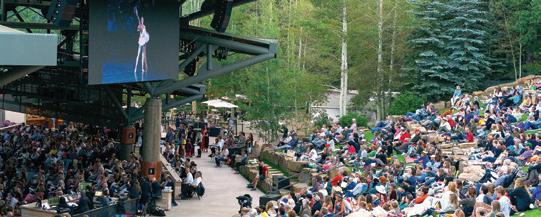
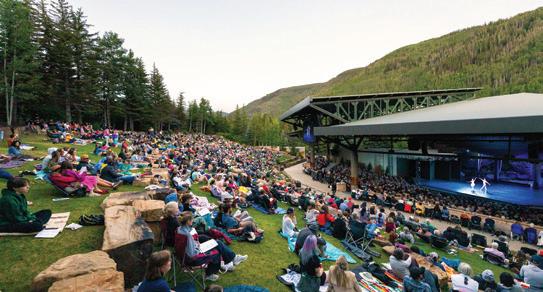
The Gerald R. Ford Amphitheater in Vail is operated by the nonprofit Vail Valley Foundation and is a spectacular outdoor venue that seats 1,265 guests in covered pavilion seating and an additional 1,235 on its expansive grassy hillside with a breathtaking view of the Colorado Rocky Mountains.
Seating: Covered pavilion seating is reserved. General Admission lawn seating is available on a first come, first served basis. Legless chairs are permitted on the lawn. Gerald R. Ford Amphitheater provides reasonable accommodations to persons with disabilities, including those with limited mobility.
Parking: The closest free parking is at the Vail Village parking structure. Limited paid parking is available at the Ford Park parking lot on a first come, first served basis.
Directions: From the Vail Village parking structure, exit to the east, then walk northeast down the S Frontage Road E sidewalk toward the softball fields until you see the paved walkway into the park on your right. Follow the path down to the venue.
Shuttle: A complimentary express shuttle to Ford Park is also available from the top levels of both Town of Vail parking structures during the Festival.
Venue Policies: Visit grfavail.com/policies
Vilar Performing Arts Center (VPAC) 68 Avondale Lane, Beaver Creek, CO 81620
The VPAC in Beaver Creek is a 530-seat theater that is operated by the nonprofit Vail Valley Foundation and presents a variety of year-round performances including concerts, Broadway, family entertainment, comedy, classical, dance, film and more. The facility features breathtaking architectural design with the highest quality finish work and acoustics available.
Parking: Summer parking is FREE in Beaver Creek on a first come, first served basis. The Villa Montane lot is directly across from the VPAC on Avondale Lane and the Ford Hall lot is located just north of the venue on Village Road.
Directions: Beaver Creek Shuttle from lower lots - Park, walk or ECO bus to the lower Beaver Creek Village lots (Elk and Bear) and hop on the complimentary transportation Beaver Creek Village shuttle. Staying in Beaver Creek? Try the Dial-A-Ride Shuttle Service, a complimentary door-to-door, shared ride transportation within the Beaver Creek and Bachelor Gulch villages. Guests may ask their concierge to arrange transportation anywhere within the resort or download the Village Connect app.
Venue Policies: Visit vilarpac.org/venue-policies
Avon Performance Pavilion at Nottingham Park 1 Lake Street, Avon, CO 81620
Located in Avon, the Performance Pavilion at Nottingham Park is a year-round cultural and entertainment venue for festivals, concerts, art exhibitions, theater performances, educational events, and more.
Seating: Open-air seating is available on an expansive grass-covered lawn and is perfect for audiences of all ages. Limited bleacher seating is provided, however attendees are encouraged to bring lawn chairs, blankets, umbrellas, and picnics to make the experience even better! Festival performances will take place rain or shine.
Parking & Restrooms: Public restrooms are located adjacent to the venue in Nottingham Park. Nearby free parking is available.
What should I wear?
Audiences wear anything from mountain casual to semi-formal. It’s totally up to you! Keep in mind that summertime in Vail is beautiful, but it does cool off quickly once the sun goes down. We recommend bringing layers and even a blanket for cooler evenings. Festival performances will take place rain or shine.
QUESTIONS? Visit vaildance.org or contact us at info@vvf.org or 970.777.2015.
FESTIVAL FAQ s Gerald R. Ford Amphitheater during the 2023 Vail Dance Festival. Photo by Chris Kendig. � VAILDANCE 15


Creating Heirlooms

We are offering many different ticket specials for Festival performances at the Gerald R. Ford Amphitheater and the Vilar Performing Arts Center this summer. Enjoy extraordinary entertainment with extraordinary savings!
Encore Club Pass // ����
Gerald R. Ford Amphitheater
• One (1) lawn ticket to each performance; nine (9) shows total
• Ability to upgrade to reserved pavilion seating for $25 to select performances (based on availability)
• Three (3) vouchers for discounted guest lawn tickets
• Pass is NOT valid for performances at the VPAC
• Over $50 in savings
Pay Your Age
• Receive the best available seats at a big discount. 18-30 year-olds are invited to ‘Pay Your Age’ for reserved seating at select performances.
• Limited availability
• Pay Your Age tickets must be purchased with valid proof of age ID at one of our box office locations.
• Pay Your Age promotion does not include International Evenings of Dance I, II and III, and Dance for $20.24
PICK � // ��� Off
Pick 2 out of the 3 performances below and enjoy 20% off the best available seating.
• 7/28 UpClose with Damian Woetzel
• 7/29 Myths by Legends
• 7/31 Dorrance Dances
Student & Faculty Lawn Tickets // ���
Gerald R. Ford Amphitheater
• Students and Faculty may purchase discounted lawn tickets to performances.
• Excludes Dance for $20.24 and performances at the VPAC
Free Lawn Admission for Children
Gerald R. Ford Amphitheater
• Children 12 and under receive free lawn admission in Vail with the purchase of an adult ticket.
• Excludes performances at the VPAC
*Subject to availability. Subject to change. Prices listed do not include service fees.
Phone: ���.���.TIXS(����)
Email: boxoffice@vvf.org
Gerald R. Ford Amphitheater
53� S Frontage Road East Vail, CO, ��65�
Vilar Performing Arts Center 6� Avondale Lane Beaver Creek, CO, ��6��
Visit VAILDANCE.ORG for more information and to purchase tickets.
BOX OFFICE INFORMATION
TICKET SPECIALS
� VAILDANCE 17
COLOR KEY
● PERFORMANCES
● EDUCATIONAL EVENTS
● DONOR EVENTS
● EVENTS FOR CHILDREN
LOCATION KEY
AMP: Gerald R. Ford Amphitheater
AVON: Avon Performance Pavilion at Nottingham Park
B&G: Cross streets of Bridge and Gore
BFPP: Borgen Family Patrons Plaza at the Gerald R. Ford Amphitheater
CR: Chasing Rabbits, Solaris, Vail
GPST: Golden Peak Studio Tent
LHV: Lionshead Village
MG: May Gallery Patrons Lounge at the Vilar Performing Arts Center
MVL: Manor Vail Lodge Piney Ballroom
SC: Social Courtyard at the Gerald R. Ford Amphitheater
VMS: Vail Mountain School
VPAC: Vilar Performing Arts Center
SUNDAY MONDAY TUESDAY
���� CALENDAR OF EVENTS
Master Class
9:00am–10:20am // VMS
Conversations on Dance 10:30am–11:20am // VMS
FREE Dancing in the Streets 12:00pm // B&G
En Pointe Party Reception † 5:00pm // BFPP
UpClose: Swerve with Damian Woetzel
6:00pm // AMP
En Pointe Party † Post-performance // CR
�9
Master Class
9:00am–10:20am // VMS Conversations on Dance 10:30am–11:20am // VMS
Pre-Performance Access † 6:30pm // BFPP
Myths by Legends 7:30pm // AMP
3�
Master Class
9:00am–10:20am // VMS Conversations on Dance 10:30am–11:20am // VMS
Pre-PerformanceAccess † 6:30pm // BFPP
Dance for $20.24 7:30pm // AMP
Sparkling Reception** Post-performance // AMP Stage
4
Master Class
9:00am–10:20am // VMS
Master Class
10:30am–11:50am // VMS
Sparkling Brunch †
10:00am–1:00pm // SC
FREE Dancing in the Streets
12:00pm // B&G
Open House with Sara Mearns
1:00pm // GPST
Pre-Performance Access †
5:00pm // MG
Colorado Dances
6:00pm // VPAC
5
Master Class
9:00am–10:20am // VMS
Pre-Performance Access †
6:30pm // BFPP
NOW: Premieres
7:30pm // AMP
Sparkling Dance Party** Post-performance // AMP Stage
updates. ��
Visit vaildance.org for more information and
18 VAILDANCE.ORG
WEDNESDAY THURSDAY FRIDAY SATURDAY
�5 JULY
Master Class
9:00am–10:20am // VMS
FREE Dancing in the Streets 5:30pm // LHV �6
Master Class
9:00am–10:20am // VMS
Master Class
10:30am–11:50am // VMS
Opening Night Reception †
6:30pm // BFPP
Opening Night 7:30pm // AMP
�7
Master Class
9:00am–10:20am // VMS
Conversations on Dance 10:30am–11:20am // VMS
Tiny Dancer Tea Party 10:00am–11:15am // SC
VVF Donor Summer Reception* 6:30pm // BFPP
Dance Theatre of Harlem 7:30pm // AMP
Sparkling Reception** Post-performance // BFPP
3�
Master Class
9:00am–10:20am // VMS
Watching Dance with Heather Watts 11:00am // VMS
Conversations on Dance
1:00pm–2:00pm // SC
Pre-Performance Access †
5:00pm // MG
Dorrance Dances
6:00pm // VPAC
� AUGUST
Master Class
9:00am–10:20am // VMS
Conversations on Dance 10:30am–11:20am // VMS
Open House with Jamar Roberts 1:00pm // GPST
Donor VIP Tent at Dancing in the Park † 5:00pm // AVON
FREE Dancing in the Park 5:30pm // AVON
Master Class
9:00am–10:20am // VMS Conversations on Dance 10:30am–1:20am // VMS Pre-Performance Reception † 6:30pm // BFPP
International Evenings of Dance I 7:30pm // AMP
3
Master Class 9:00am–10:20am // VMS Conversations on Dance 10:30am–11:20am // VMS
Master Class: Ballroom 2:00pm–3:00pm // MVL
Pre-Performance Access † 4:00pm // BFPP
International Evenings of Dance II
5:00pm // AMP
Pre-Performance Access † 7:00pm // BFPP
International Evenings of Dance III 8:00pm // AMP
SPECIAL DONOR EVENTS KEY
† Reserved for Gold Dress Circle Donors and above and Vail Valley Foundation Leadership Giving Circle.
* Reserved for Gold Dress Circle Donors and above and Vail Valley Foundation Ford Founders level Donors and above.
** Bronze Dress Circle Donors and above are invited to all three Sparkling Receptions. Fan Club Donors are invited to one.
Visit vaildance.org for more information about Conversations on Dance and Master Class program content. Schedule is subject to change.
�
� VAILDANCE 19
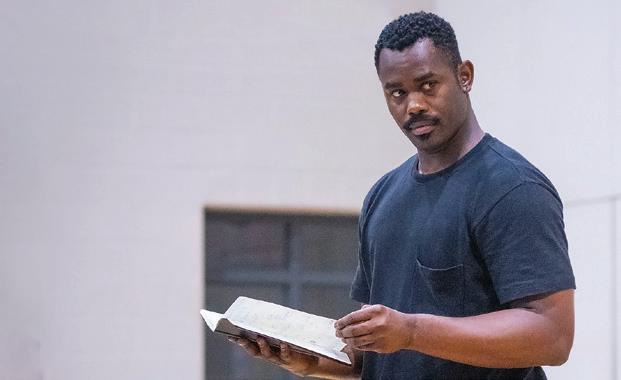
Originally from Miami, FL, Jamar Roberts is a graduate of the New World School of the Arts and The Ailey School, and was a leading dancer for Alvin Ailey American Dance Theater, Ailey II and Complexions Contemporary Ballet. He served as Resident Choreographer of Alvin Ailey American Dance Theater from 2019-2022, making works on the Company, all to critical acclaim.
How did you get started in dance?
I got started in the fifth grade; I had a friend who was in an after-school recreational dance program and they needed guys. I lived right down the street from the school, so I just started staying after school. It was very low brow. We would dance to Mariah Carey and C+C Music Factory, all of the songs that were popular at the time—and I just kept doing it.
A lot of my training from that point on happened within the magnet program in south Florida; I was also doing some supplementary dance training at a dance studio in Miami called The Dance Empire of Miami. Then I graduated from New World School of the Arts and went to Ailey II.
What keeps you moving forward as an artist?
I think it’s the desire to create and bring new things into the world. On a personal level, I enjoy making dances—making dances is a way I can use all of the better parts of myself. On a collective level, it’s the desire to change the world in some way through dance.
You have been to Vail Dance Festival in previous years, what is different for you as Artist-In-Residence versus when you first came to Vail?
When I first came to Vail, I was a dancer with Ailey. That’s one obvious difference: coming as a dancer and coming as a choreographer. On one hand, I know what it is to perform
there and the magic of that. But being on the other side and working with dancers that I really would’ve never dreamed of working with is something that I’m really anticipating being really cool and really special.
How does your experience here shape your goals as an artist and what interests you in accepting the invitation to return to the Festival?
When I think of the Festival, I think of generosity. It has a lot to do with giving back and with sharing, not just with the audience, which is what dancers do all the time, but with one another. It’s a place where we all come together and share in community with each other and it’s done with a lot of positivity and a lot of support.
with the
By Katie Coakley
lot that are within the dance realm—a lot of my artistic heroes are writers. Haruki Murakami: I love his writing because it’s really simple and it has clarity that I’m always trying to bring forth in my dance. His work reminds me to stay clear in my message, no matter what I make.
And then there’s also Toni Morrison who I love because she just creates these worlds, these really beautiful worlds that
Jamar Roberts
You danced for the Alvin Ailey American Dance Theater for many years and later became their resident Choreographer. What was that transition like for you move to the front of the studio?
The transition was very easy because even before I made a work on the company, I was already making dance phrases on my friends who were company members. When it was time to make my first work on that company, the dancers were just very excited and very supportive, wanting me to share that talent with the rest of the world.
As for how my experience at Ailey informed my approach, I can say that it’s made me confident in the front of the room. I think that if you can stand in the front of a room of Ailey dancers, you could probably stand in a room with anyone.
Who is your artistic hero and what about them inspires you?
I have so many, but I actually don’t have a
you can see from reading one sentence. The language that she uses is really decadent; I like to think that my movement language is actually quite…I wouldn’t say it’s decadent, but it is complicated.
What is next for you?
I don’t know. I’ve been wondering that myself. I have been making dances and doing commissions on a large scale for the past five years and I’m starting to feel like that kid in the class that finishes his test before everybody and they’re just kind of noodling around a little bit.
I’m just starting to feel like I need more of a challenge; I would love to have the time and the space to make bigger pieces. I don’t necessarily mean in size--I mean in context, in depth. And in order to do that, I think that just takes time. I just hope that at some point, somebody says to me, here’s a million bucks and here’s five years just plug away and see what you make. I want to dig deeper.
Jamar Roberts rehearsing his new work with BalletX at the 2021 Vail dance Festival. Photo by Christopher Duggan.
20 VAILDANCE.ORG
Artists-in-Residence
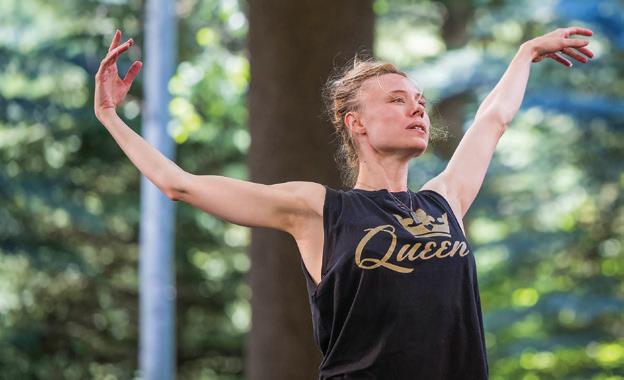
Aprincipal dancer at New York City Ballet, Sara Mearns is “lauded for her musicality, daring and indelible old-school glamour,” writes Gia Kourlas for The New York Times. In the past few years, Mearns has transformed, expanding her range into modern and contemporary dance, and yet she’s still showcasing her classical roots.
How did you get started in dance and what keeps you moving forward as an artist? I grew up in Columbia, SC, and my mom put me in dance when I was three years
thing that I’ll ever do. When I go out there, it’s an emotional experience and I think it connects me to people and it transfers over to other projects and opportunities that come my way. I couldn’t imagine doing anything else. I think that continually drives me every day.
How does your experience here shape your goals as an artist and what interests you in accepting the invitation to return to the Festival?
Sara Mearns
old. There was no dance or arts in my family or my background—she just decided to put me in ballet class and it snowballed from there. I did everything: tap, jazz, musical theater…everything you can imagine until age 12. Then I stopped all of that, focused on ballet and moved to New York when I was 15 years old.
As far as what keeps me moving, at 38 years old, I’ve done so much in my career that I never thought I’d get to do— experiences and opportunities that came my way because of how hard I work, how I feel about what I do and the performances that I give on stage. I think what keeps me moving forward is continuing to honor my performances as the most important
Damian Woetzel is really open to new things and he always asks, “What do you want to do this time?” Or, “Who do you want to work with?” He’s generous in that way and that’s why I’ve gotten to do things that I would otherwise never get to do. I got to work with Bobbi Jene Smith and Davóne Tines, the amazing opera singer, and dance with artists that I don’t normally dance with. It’s an environment where you get to dance and collaborate with people that
you wouldn’t usually get to because everybody’s everywhere all over the world. They come together in Vail to have this once-in-a-lifetime experience.
In addition to your role as principal dancer with New York City Ballet, you are known for exploring modern and contemporary dance styles that are outside of ballet. The New York Times recently stated how you “apply (your) ballet-trained focus to the question of what there is besides ballet and what (you) might be other than a great ballet dancer.” What fuels this curiosity and exploration?
Early in my New York City Ballet
years, I was in the Balanchine bubble and I didn’t get to work with new choreographers. I took it upon myself, outside of New York City Ballet, to seek out new choreographers because I wasn’t getting picked and I knew I had more in me to explore. Then it snowballed. I put myself out there and showed that I am more than just one thing and people took notice. Once you show up and open yourself up, things start coming your way if they’re meant for you and your journey.
Who is your artistic hero and what about them inspires you?
My artistic hero is Jodi Melnick. She is the first person I worked with outside of New York City Ballet that was not a ballet person, per se. We met in 2014 and she literally opened up everything for me in terms of what it means to be an artist, what it means to be a dancer—not necessarily a ballerina, but a dancer, and a human on stage and being me as Sara on stage, not this persona that you feel like you need to be when you walk out there. She just completely turned my life around as an artist. We still work together—we haven’t stopped.
What is next for you?
What’s next for me? I mean, I think this is a huge turning point in my career. I’ve done so much at New York City Ballet in 21 years—I’ve done almost everything I can possibly do. I am looking for a lot of big opportunities coming up; I’m opening a new chapter, artistically. I feel like I’m in my prime.
Sara Mearns in rehearsal at the 2023 Vail
Dance Festival. Photo by Christopher Duggan.
Sara’s residency is Generously Underwritten by Jonna Mackin and The James & Janet Averill Charitable Fund Jamar’s residency is Generously Underwritten by Wendy Williams &
Noel Kullavanijaya
� VAILDANCE 21
ART MAKES OUR WORLD BEAUTIFUL. MAKE YOUR HOME YOUR SANCTUARY.
FIND FINE ART BY THE CREEK IN BEAUTIFUL VAIL VILLAGE.
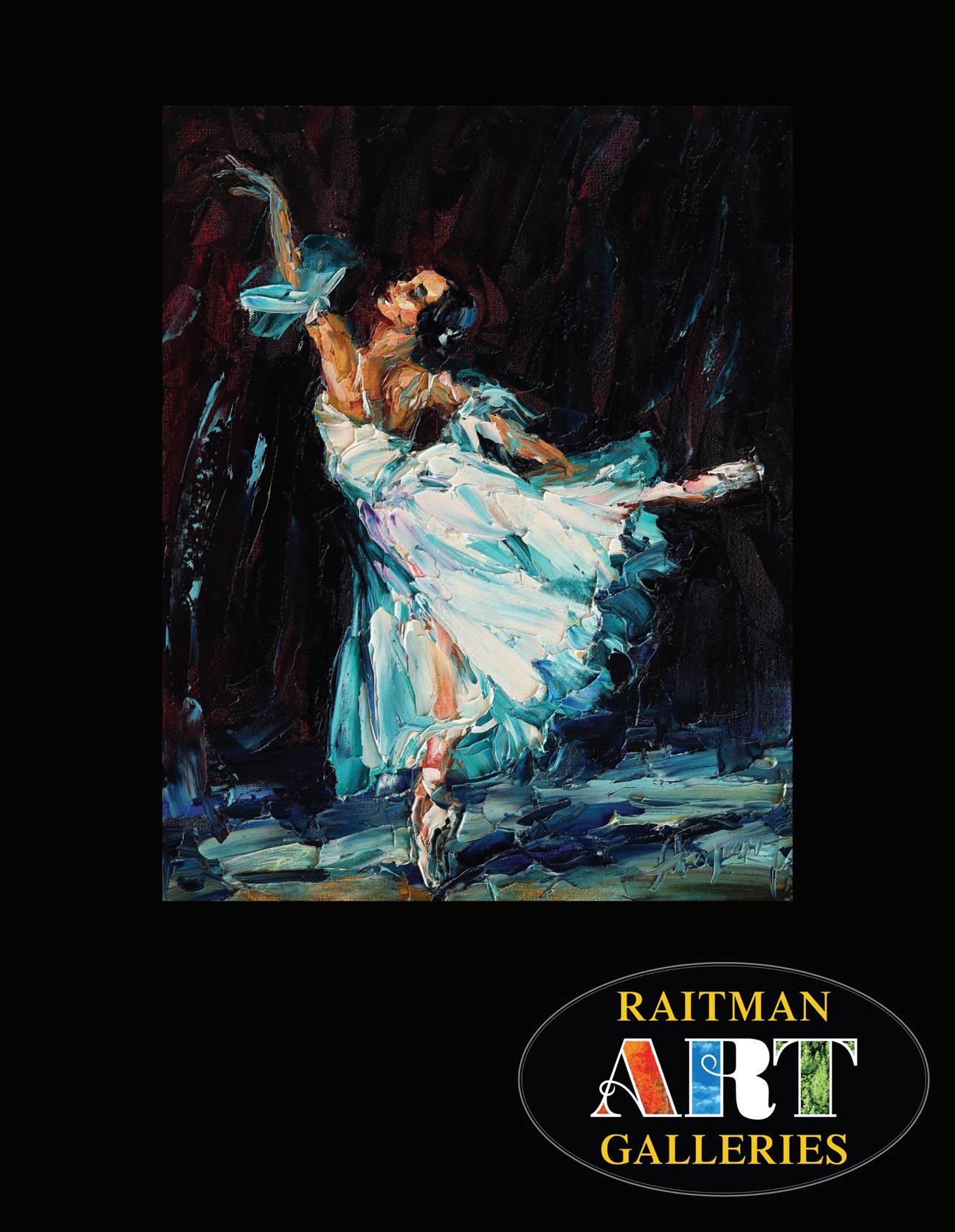
 “NOCTURNE” OIL ON CANVAS LYUDMILA AGRICH

A New Era of Fine Jewelry
Located in the heart of Vail Village, Squash Blossom owners Hilary and Kevin Magner are paying homage to the values instilled in the store since the 1970s, with a modern and re ned approach. The boutique features the nest contemporary jewelers as well as vintage pieces, like the client-favorite turquoise Squash Blossom pieces from the boutique’s original collection.
The store hosts seasonal events, o ers permanent jewelry, ne jewelry piercings and private shopping by appointment.



Located in the Vail Village Across from Sweet Basil | 970.476.3129
We all love good stories, especially ones of mythical proportions. It is little wonder then why the ancient myths and legends of inspired heroes, doomed lovers, and cunning villains have stood the test of time. At times rooted in historical events and figures, often exaggerated to make their stories more interesting, the characters and themes of lore have resonated deep in the hearts and psyche of countless generations. With themes of high drama, romanticism, tragedy, and conflict, mythology has long provided inspiration for creating iconic works of theatre, operas, and ballet -many of which were created by legends in their own right.
This world comes to new life in the Vail Dance Festival’s Myths
What LEGENDS are MADE of
The Vail Dance Festival nurtures the next generation of dancers with role debuts in legendary works.
By Joel Solari
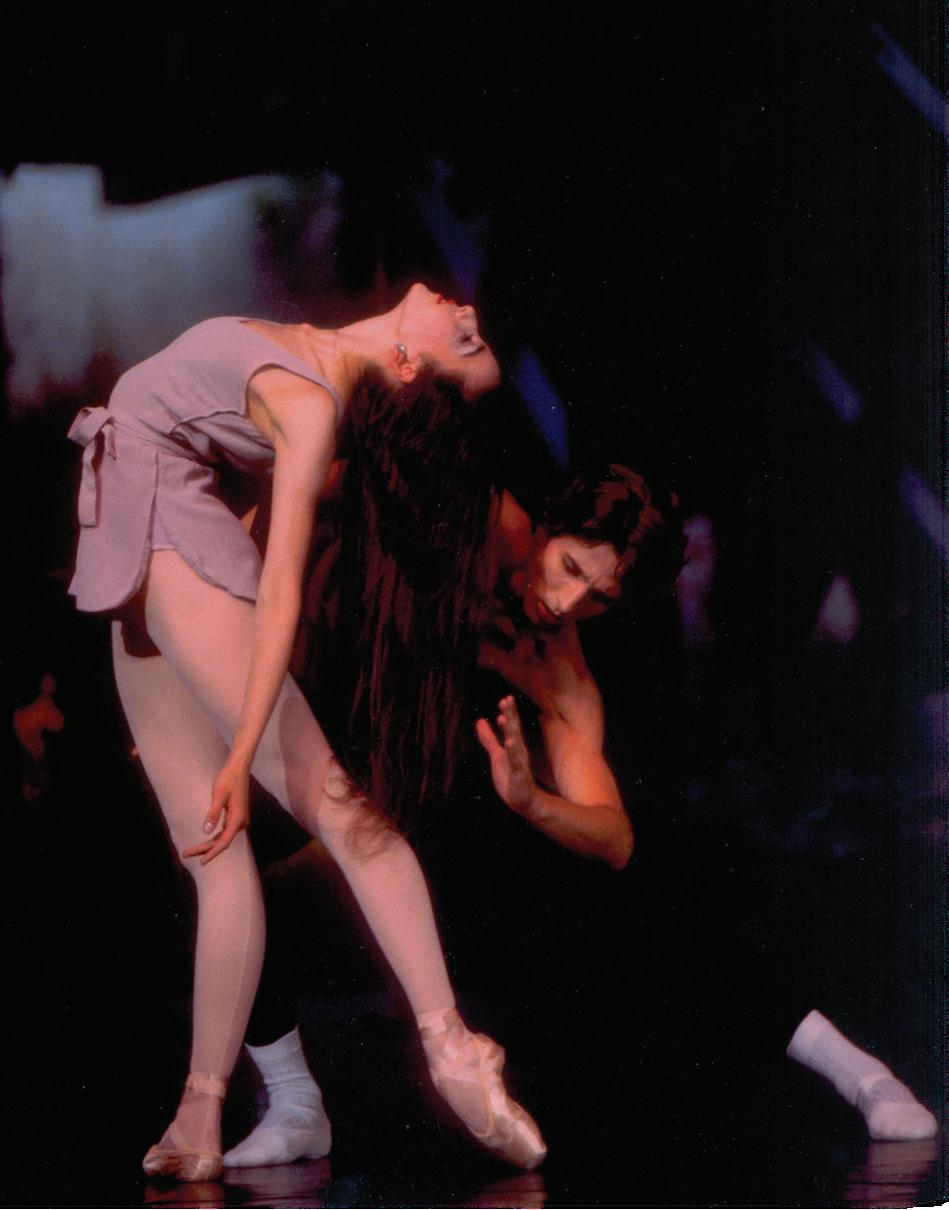
by Legends program on Monday, July 31, at the Gerald R. Ford Amphitheater. Curated by Artistic Director Damian Woetzel (pictured above in Jerome Robbins’ Afternoon of a Faun at the Vail Dance Festival 1998), the performance invites audiences to see today’s extraordinary dancers in mythically themed roles both ancient and contemporary, as choreographed by dance legends George Balanchine, José Limón, Marius Petipa, and Jerome Robbins. “This is a unique chance to see storytelling history through dance,” said Woetzel. “It’s also the opportunity to cheer on a new generation of dance stars as they take on these iconic roles and breathe modern life into these legendary works.”
Alexandra Ansanelli and Damian Woetzel in Jerome Robbins’ Afternoon of a Faun. Photo by Rex Keep.
24 VAILDANCE.ORG

JOURNEY TO THE UNDERWORLD
Performers will include the celebrated Limón Dance Company, following on it’s Festival debut in 2022. The company will perform Orfeo (1972) choreographed by its founder José Limón and inspired by the classic Greek myth of love and loss wherein the titular character journeys to the underworld to retrieve his dearly departed Euridice. Limón often said, “Every dance is autobiographical whether one intends it, knows it or even likes it.”
The subject was strikingly personal to Limón as his ballet was created as an ode to his late wife, Pauline Lawrence. The work would become one of the last he would ever make since he died later that year, following a long battle with cancer. “After choreographing Orfeo, he never watched the work,” says Limón Company Artistic Director Dante Puleio. “I think that says a lot about the intensity of needing to create in response to what he was feeling and then not being able to see it.”
The legend of Orpheus has been told throughout the centuries in various other adaptations for the stage including most recently the Broadway musical Hadestown. What is it that draws artists to this heartbreaking story time and again? “The arc of love and what we do to chase it, what we do when we mourn it, and what we do when we have it are three very distinct ways we process and deal with that emotion,” says Puleio. “That intensity in the Orpheus story lives in those worlds. It’s this feeling we all know, of loss, of hope and wanting, and this moment of reality that keeps us going forward.”
GOOD VS. EVIL IN A FAIRYTALE WORLD!
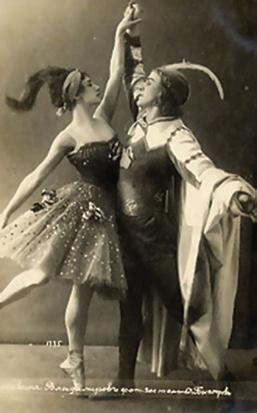
Marius Petipa, the great Russian ballet master who brought the world classics including The Nutcracker and The Sleeping Beauty, is perhaps best known for creating what may be the ultimate story ballet: Swan Lake. The Myth’s program would not be complete without a nod to this tale of good vs. evil based on a German fairytale and composed by Tchaikovsky, with its choreography by Petipa premiering in 1895. For Vail this summer, audiences will visit the Black Swan pas de deux, a bravura showpiece in which we encounter Odile (the Black Swan) as she entrances Prince Siegfried, working on behalf of the nefarious Von Rothbart to avert the breaking of the spell with which the wizard holds a flock of swans captive awaiting true love to free them. The thrilling duet has been taken on by extraordinary dancers of each generation around the world, and has at its heart the need to bring to the stage both brilliant technical feats and emotional dramatic intensity. Almost 130 years after its premiere, and enhanced by the natural environment of the Ford Amphitheater, Swan Lake will once again bring audiences into its magical world this summer in Vail.
A MYTHICAL ENCOUNTER
In a more contemporary re-imagining of mythical characters, Jerome Robbins’ moving ballet studio encounter Afternoon of a Faun (1953) will also be included in the program, starring Catherine Hurlin and Aran Bell of American Ballet Theatre, both making their debuts in these roles in Vail.
The Robbins ballet is derived from a lineage of sources; first, a poem originally written in 1865 by Mallarmé, followed by French composer Claude Debussy’s Prélude à l’après-midi d’un faune which was composed between 1892 and 1894, then Vaslav Nijinsky’s famous staging of the work for the legendary Ballets Russes in 1912. The original poem that inspired all of its successors centers around a faun who awakes from an afternoon sleep and describes his encounter with real or imagined nymphs. In Robbins’ modernized version of the story, the mythical characters are embodied by two young ballet dancers in a private moment where they catch sight of each other in the studio mirror, which in the ballet is the audience -- the proverbial fourth wall.
“The languorous afternoon lingers with the two trying a few steps together, fixated the whole time on each other, and themselves, through their gaze in the mirror,” says Heather Watts, a former star of the New York City Ballet who was cast in the role by Robbins when she was in the corps de ballet,
Tamara Karsavina as Odile and Pierre Vladimirov as Prince Siegfried (ca. 1914).
� VAILDANCE 25
Lauren Twomley performing in Orfeo. Photo by Christopher Jones.
despite it being a role normally given to more established stars at that time. “It’s a beautiful ballet filled with yearning and the stirrings of youthful sexuality, it’s quite romantic and yet narcissistic at the same time,” Watts recalls.
The work is not traditionally in the American Ballet Theatre repertoire and so it makes for an “only in Vail” moment to see two of its brightest young stars take on the roles for the first time at this summer’s Festival. This attention to nurturing and expanding the range of artists in their next steps, and taking on roles they might not otherwise have the opportunity to perform in their home companies, is a core artistic value of the Vail Dance Festival. In doing so, a rich legacy of coaching and mentorship from one generation of ballet stars to the next occurs in Vail like nowhere else, with Watts and Woetzel coaching debuts on the breathtaking outdoor stage of the magnificent Gerald R. Ford Amphitheater. Other notable ballet figures, including Jeffrey Edwards, Russell Kaiser, Margaret Tracey, and Deborah Wingert have worked alongside Watts and Woetzel to provide invaluable insight, motivation, and technical coaching for young dancers stepping into new roles for the first time. “When in Vail,” noted The New York Times in 2018, “what you see is how artists extend themselves here — tackling new idioms, developing new partnerships, working on choreographic premieres — as nowhere else. You haven’t seen their full range if you’ve missed them here.”
of poetry, mime, and dance. The role is a benchmark moment in any ballet dancer’s career and Vail Dance Festival has been the site of several debuts in the role, including American Ballet Theatre’s Herman Cornejo (2015) and Calvin Royal III (2019).
Mejia will be coached by Artistic Director Damian Woetzel, who previously worked with Cornejo and Royal III, and danced the role himself during his own performance career.
Catherine Hurlin and Aran Bell can look forward to a personal approach from Watts this summer. “As I coach new dancers in these roles, I feel my job is to illuminate the ideals and try to help whoever is in front of me achieve their personal best,” she says. “It is an ongoing road that never ends for dancers, always trying to get to your personal best year in and year out.”
A NEW STAR FOR APOLLO
Capping off the Myths by Legends evening will be the highly anticipated debut performance of New York City Ballet’s Roman Mejia in Balanchine’s Apollo (1928). The classic work centers on the young Greek god who is ushered into adulthood by the Muses
Of Mejia, Woetzel looks forward to watching him make the god his own: “Roman is an instinctive actor who inhabits roles with a personal intensity and brilliance that will be well suited to the evolution over the course of the ballet, which takes him from being a rough-hewn boy god to a mature force of strength and responsibility.”
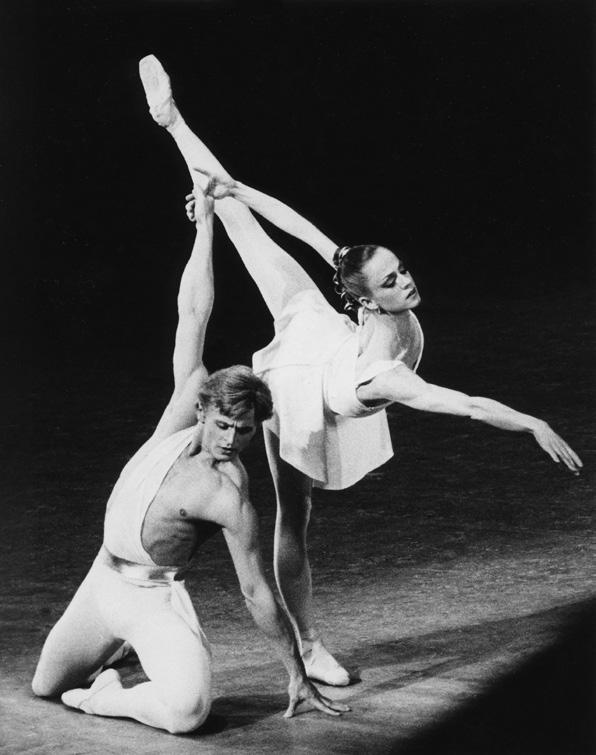
When Apollo was revived by Balanchine for Mikhail Baryshnikov in 1979, Heather Watts was cast alongside the ballet superstar as “Terpsichore,” the muse of dance (pictured). She will also coach Mejia and his muses for the upcoming Vail season.
“Do it like yourself, not like someone else,” says Watts of coaching dancers in notable roles in ballet. “That is a hard one for dancers. Hard to get to when you are carrying the mantel of these historic roles.”
“Once after a filming of Agon, I was fussing over the steps and Balanchine came to me to give me some notes. Afterwards I said to him, ‘I wish you had told me before! We just filmed it!’ He said ‘Film?! Who cares! Teach your children.’ After Balanchine died, I felt his words and have always tried to pass on what I know to other dancers. I’m someone who tries to help the dancer find their way through a role, and at the Vail Dance Festival we can teach our children. What an honor to do it!”
In Myths by Legends, and throughout the season, don’t miss an opportunity to witness these incredible moments where legends are born.
26 VAILDANCE.ORG
Mikhail Baryshnikov and Heather Watts in Apollo. Photo by Steven Caras.

2024—2025



SNEAK PEEK!

FRI | JAN 17
TUE | JAN 21
SAT | FEB 1
WED | FEB 5
WED | FEB 12
SUN | FEB 16
FEB 25 & 26
SUN | MAR 2
THU | MAR 6
Trio Bohémo
SUN | MAR 30
MON | MAR 31
TUE | APR 1

Ballet Hispánico
Jesse Cook
Cirque Kalabanté
Steep Canyon Rangers with Peter Rowan
Conrad Tao & Caleb Teicher: COUNTERPOINT
Dear Evan Hansen
Daniel Hope and the Polish Chamber
Orchestra of Sinfonia Varsovia
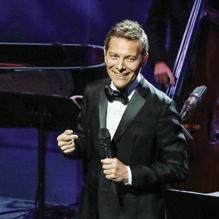
Michael Feinstein in Because of You:
My Tribute to Tony Bennett featuring the Carnegie Hall Ensemble
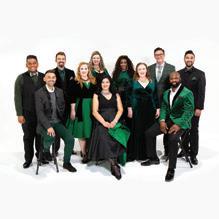
Voctave: The Corner of Broadway & Main Street
Quatuor Debussy: A Celebration of Maurice Ravel
CIRCA: Humans 2.0














THE VILAR PERFORMING ARTS CENTER —
— COMING TO
UNDER THE ICE RINK IN BEAVER CREEK | FREE Parking Available TICKETS! GET YOUR 970.845.8497 | VILARPAC.ORG LIVE! IN BEAVER CREEK, COLORADO
FRIDAY, JULY ��
Gerald R. Ford Amphitheater, Vail | �:��pm
OPENING NIGHT
Opening Night kicks off the season with a program featuring artists and companies making appearances throughout the Festival, including Dance Theatre of Harlem, Limón Dance Company, Artist-InResidence Sara Mearns, Michelle Dorrance, and ballroom duo Denys Drozdyuk and Antonina Skobina. In the second half of the evening, guest stars from New York City Ballet and American Ballet Theatre will join Colorado Ballet in a special performance of George Balanchine’s landmark ballet Serenade, with Tschaikovsky’s score performed live by the National Repertory Orchestra conducted by Michael Stern. See page 17.
Generously Underwritten by Lisa Tannebaum & Don Brownstein, additional support provided by Martin Atkin & Reid Balthaser, special support for Serenade provided by Tina & David Wilson and The Carol F. Storr Endowment for Classical Ballet, support for Michael Stern and the National Repertory Orchestra provided by Jean & Tom McDonnell.
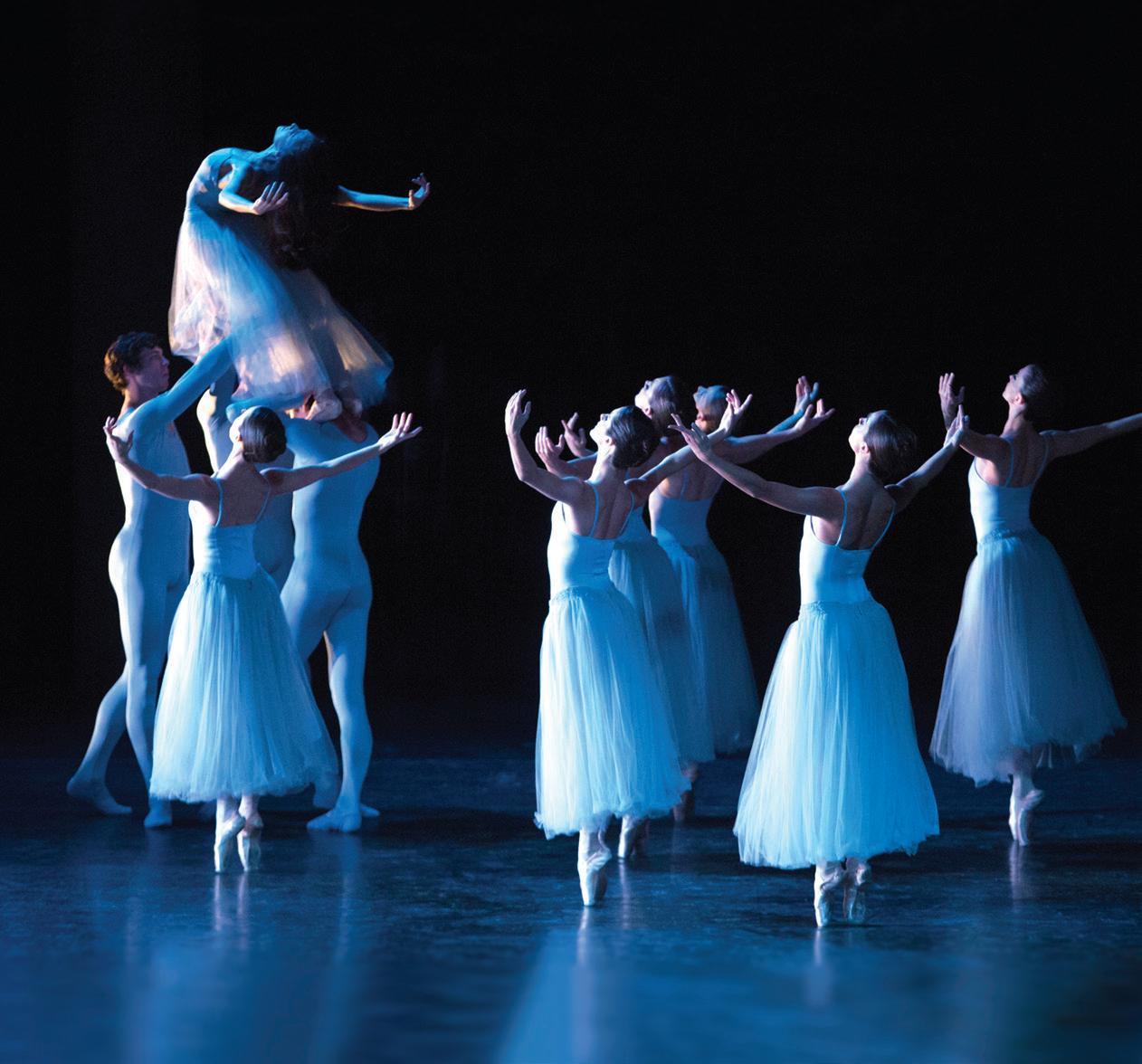
Lovette with Colorado Ballet in Serenade. Choreography by George Balanchine. © The George Balanchine Trust.
Lauren
Photo by Christopher Duggan.
28 VAILDANCE.ORG
SATURDAY, JULY ��
Gerald R. Ford Amphitheater, Vail | �:��pm
DANCE THEATRE of HARLEM
The company returns to the Festival in a headlining performance with a special program featuring George Balanchine’s thrilling Allegro Brillante, DTH Artistic Director Robert Garland’s recent work Nyman String Quartet #2 which was hailed by the Associated Press as “highly athletic and infectiously joyous,” and William Forsythe’s acclaimed Blake Works IV (The Barre Project).
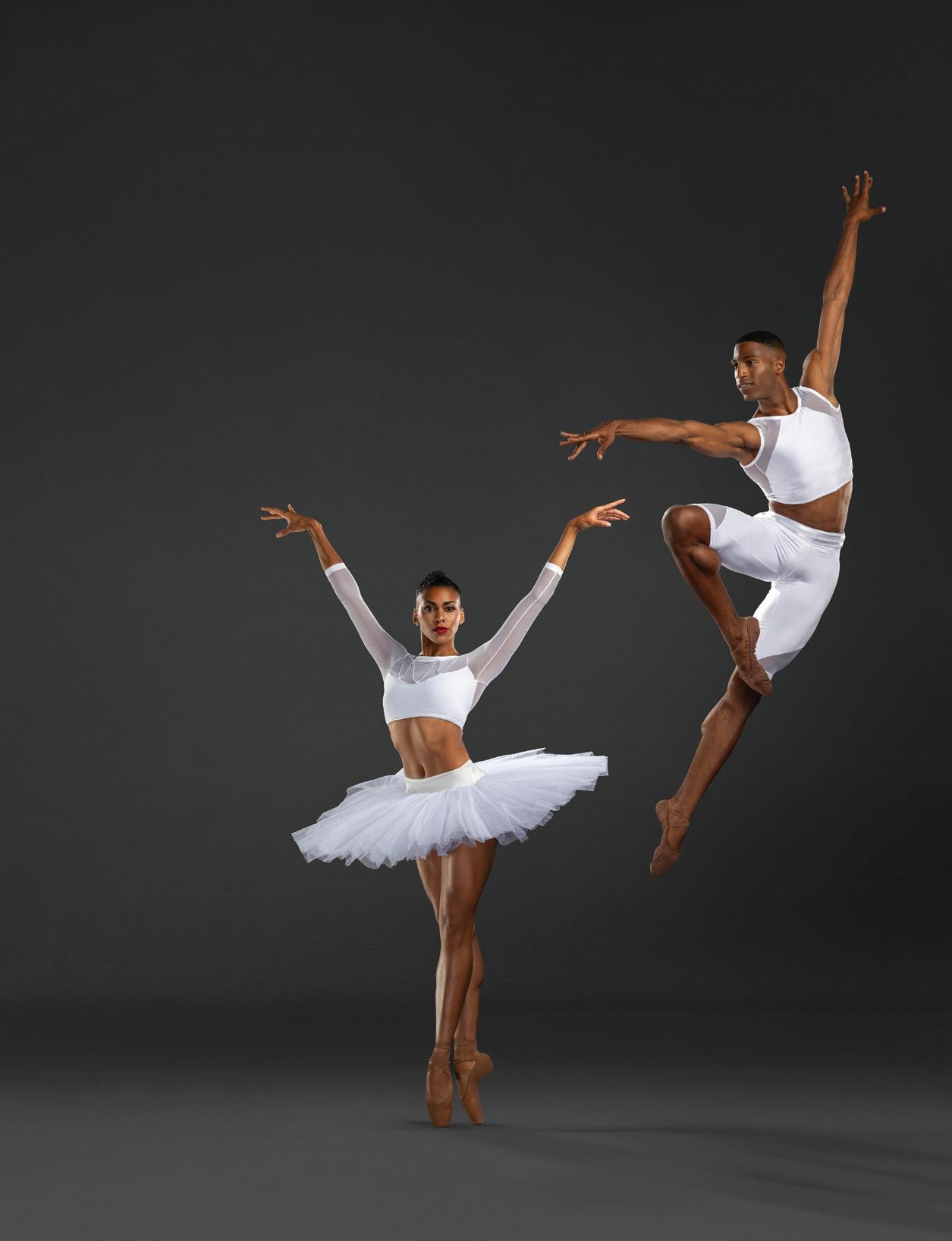
Generously Underwritten by Susan & Jeff Campbell.
See
Company Artists Kamala Saara and Derek Brockington. Photo by Nir Arieli.
page 17.
29 � VAILDANCE
SUNDAY, JULY ��
Gerald R. Ford Amphitheater, Vail | 6:00pm
UPCLOSE: SWERVE with DAMIAN WOETZEL
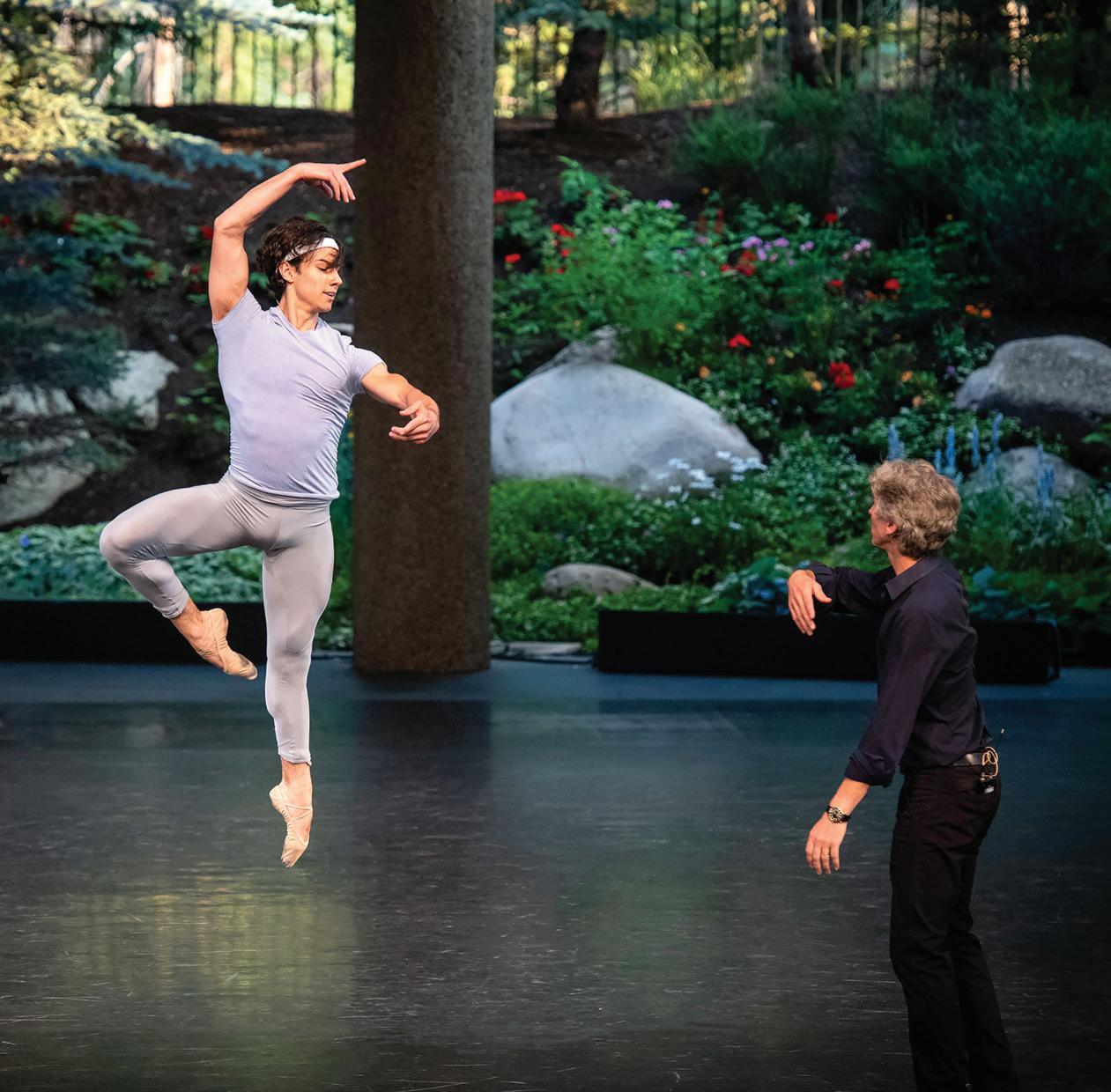
Dance as an art form progresses through innovations and changes of direction, both sudden and gradual. Hosted by Festival Artistic Director Damian Woetzel, UpClose features dramatic "swerves" in the history of dance as shown through the works that have led this art form forward. This program features Festival stars in rehearsal and performance mode as they take on groundbreaking choreography from across centuries of dance styles from ballet and modern dance, to street dance, tap, and ballroom.
Generously Underwritten by Jeffrey
See page 17.
Byrne & Rosalind Reed
Roman Mejia with Damian Woetzel. Photo by Christopher Duggan.
30 VAILDANCE.ORG
MONDAY, JULY ��
Gerald R. Ford Amphitheater, Vail | �:��pm
MYTHS by LEGENDS
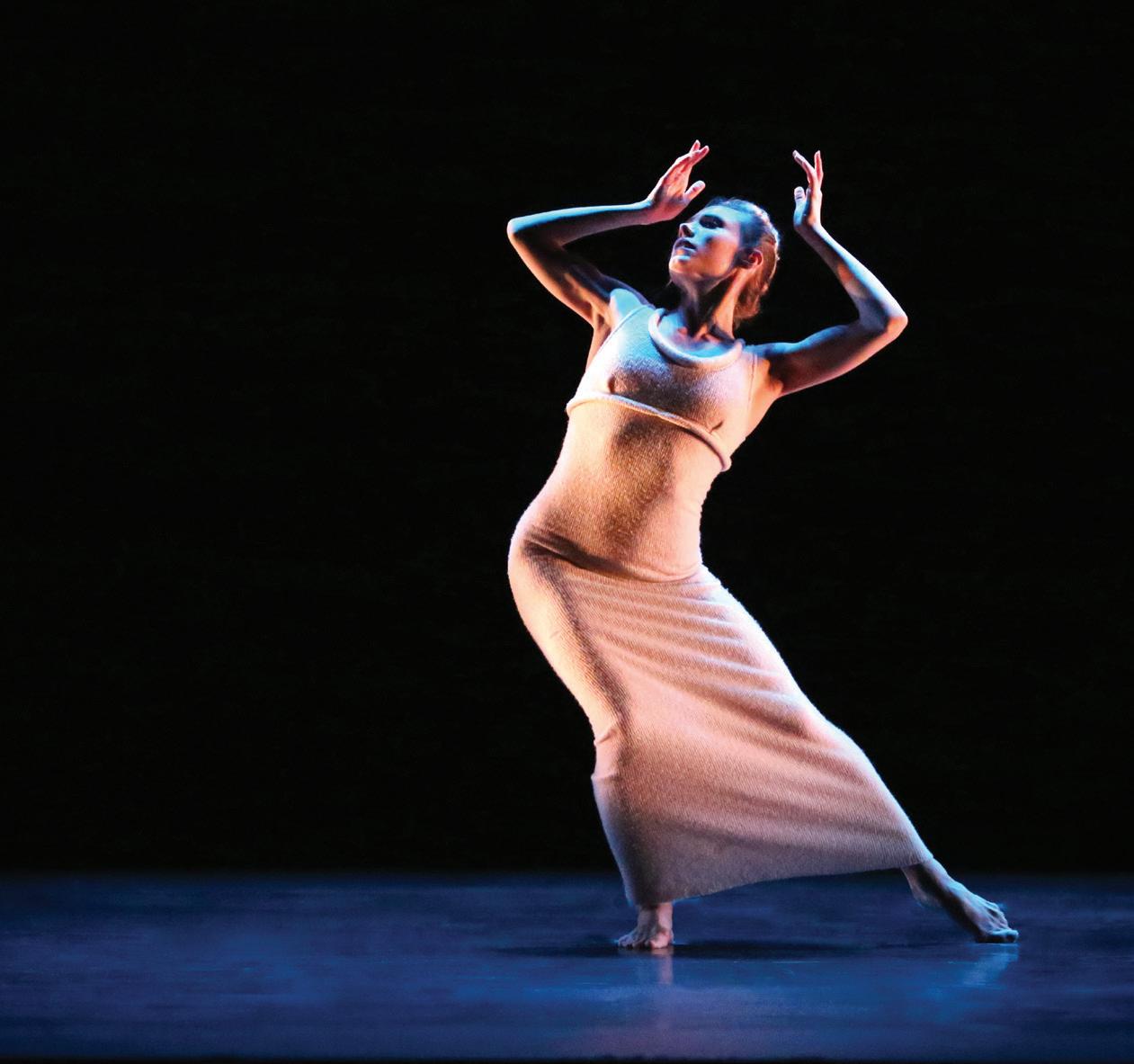
In Myths by Legends, stories will come to life with today’s extraordinary dancers performing works themed to myths ancient and contemporary, as choreographed by legends of the dance world George Balanchine, José Limón, Marius Petipa, and Jerome Robbins. The program will include Limón Dance Company in their founder’s classic Orfeo, Marius Petipa’s virtuosic Black Swan pas de deux, Jerome Robbins’ moving ballet studio encounter Afternoon of a Faun with debut performances by American Ballet Theatre’s Catherine Hurlin and Aran Bell, and New York City Ballet’s Roman Mejia making his debut in George Balanchine’s Apollo as the young Greek god.
Generously Underwritten by Priscilla Brewster
See page 17.
Sara Mearns. Photo by Melissa Sherwood.
31 � VAILDANCE
TUESDAY, JULY ��
Gerald R. Ford Amphitheater, Vail | �:��pm
DANCE FOR $��.��
An evening of dance at special prices, featuring Festival artists and companies and the premiere of Rhapsody by Larry Keigwin, a community work created for a diverse cast of local Vail Valley residents who will share the stage with Festival stars in a moving celebration of humanity and art-making.
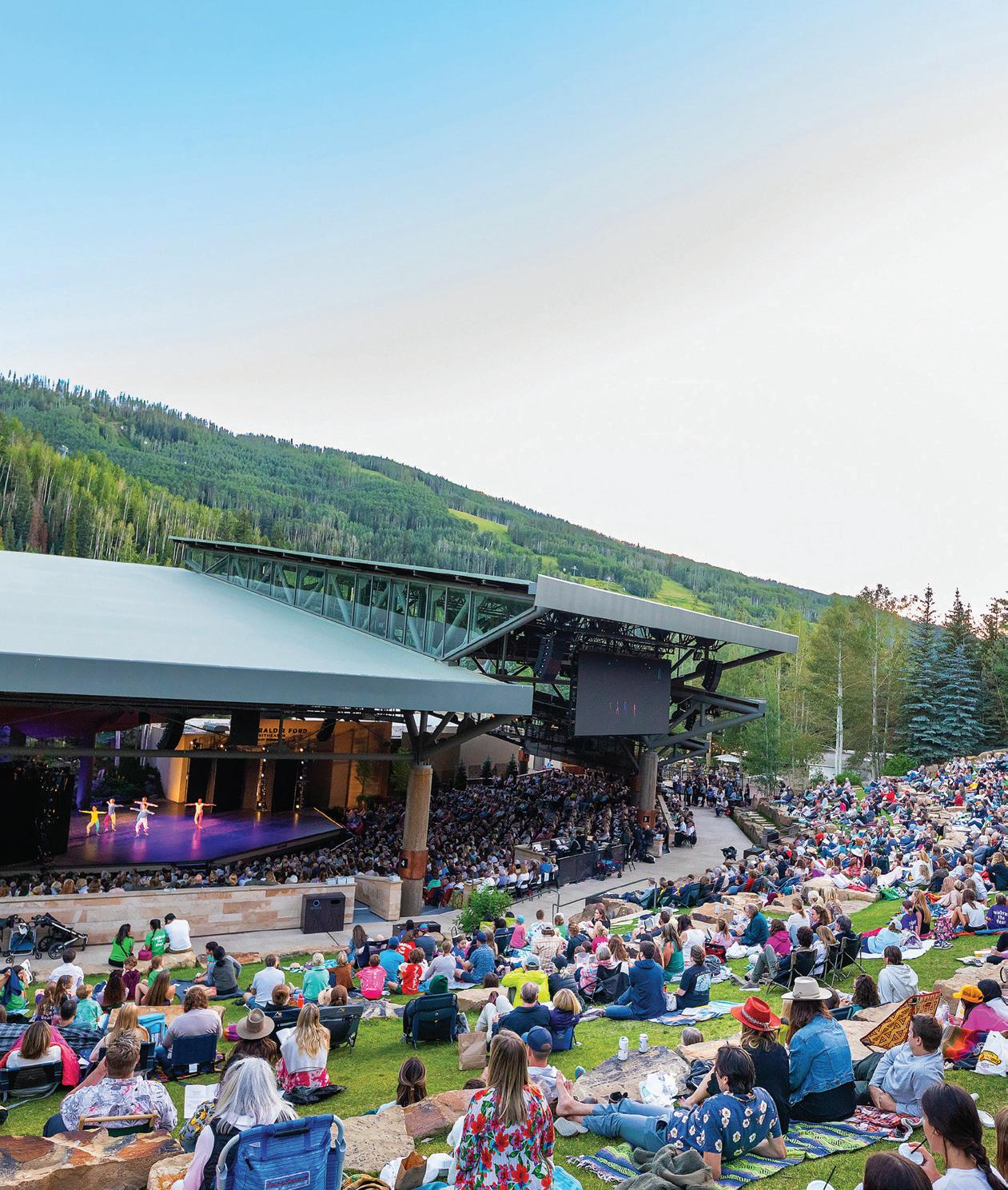
See page 17. Generously Underwritten by the Town of Vail.
Support for Larry Keigwin’s Rhapsody provided by Susan & Jeff Campbell. Gerald R. Ford Amphitheater. Photo by Chris Kendig.
32 VAILDANCE.ORG
WEDNESDAY, JULY ��
Vail Mountain School Theatre, Vail | 11:��am
WATCHING DANCE with HEATHER WATTS
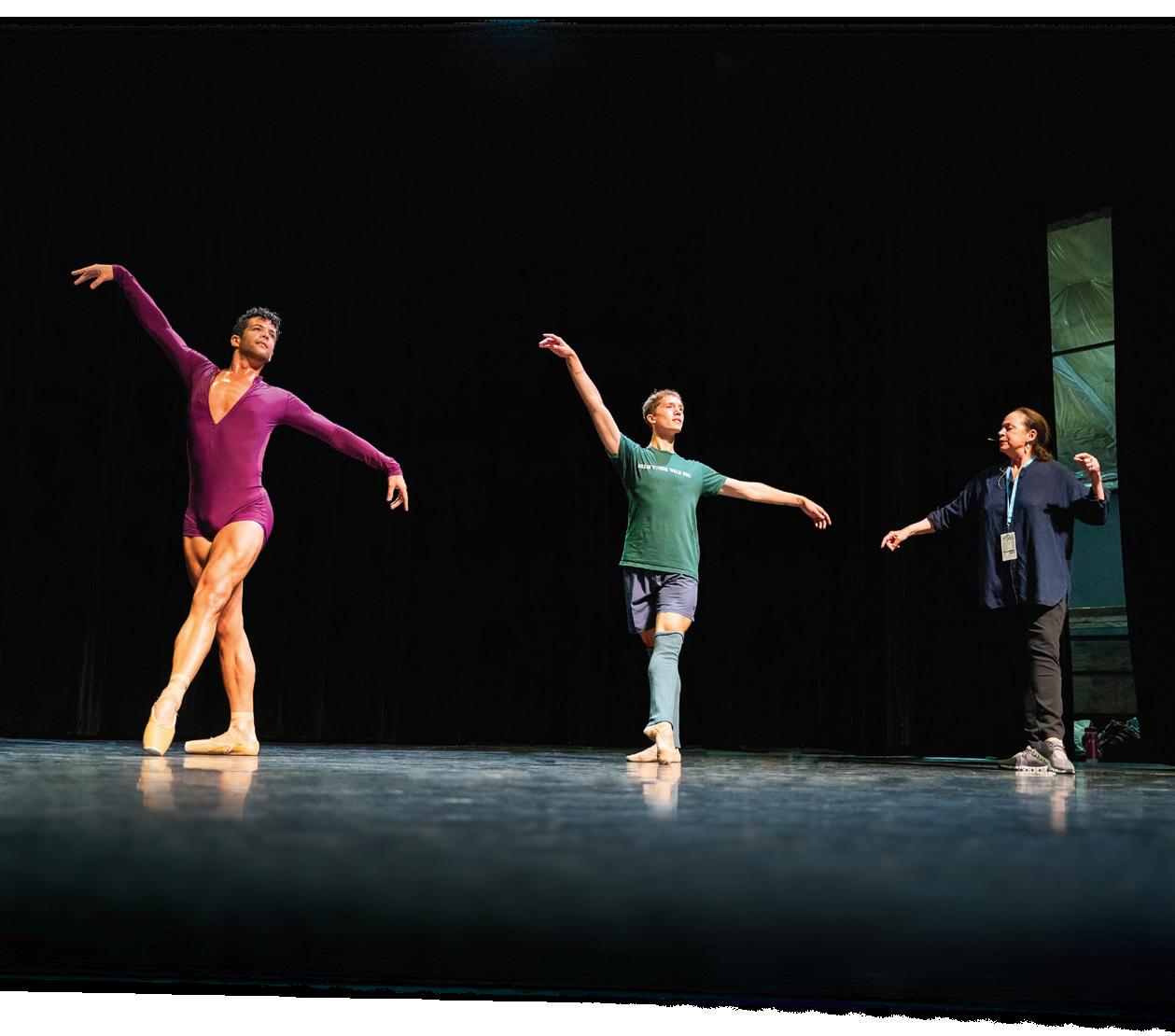
Legendary Balanchine Ballerina Heather Watts shares an interactive exploration of dance repertory and history through live demonstrations with Festival artists. This lecture/demonstration style performance will take place at the intimate Vail Mountain School Theatre.
Generously Underwritten by Judy & Howard Berkowitz.
Heather Watts rehearsing with Gilbert Bolden III & Philip Duclos. Photo by Christopher Duggan.
33 � VAILDANCE
WEDNESDAY, JULY ��
Vilar Performing Arts Center, Beaver Creek | 6:��pm
DORRANCE DANCES
A made-for-Vail tap dance experience, Dorrance Dances: An Evening with Michelle Dorrance and Friends follows the unique journey of this vital American art form in a program created, hosted, and headlined by “MacArthur Genius” Michelle Dorrance, alongside a gathering of some of the most brilliant tap dancers of today. See page 17.
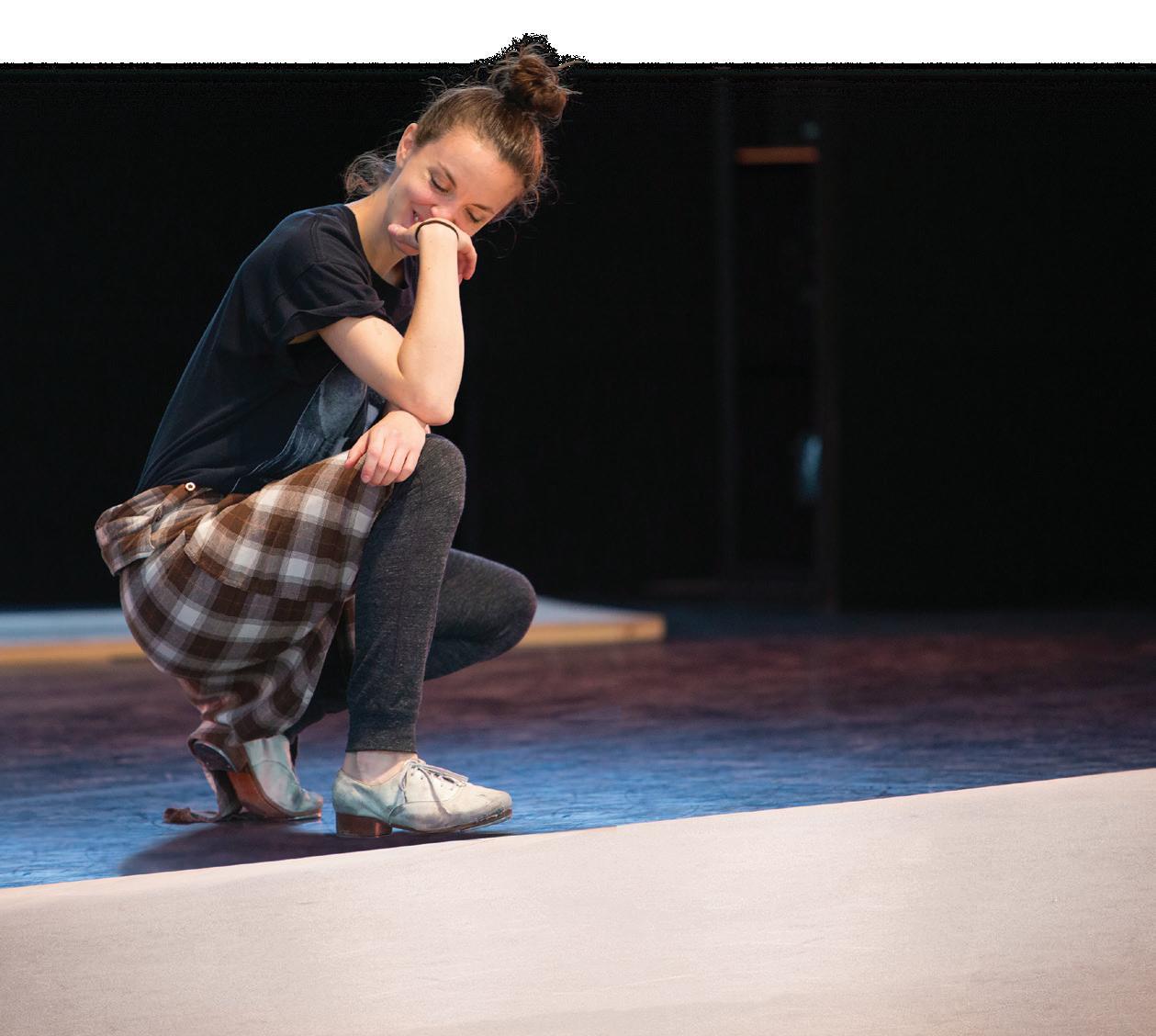
Generously Underwritten in part by
The Marvin Naiman and Margery Goldman Family Foundation. Michelle Dorrance in rehearsal. Photo by Erin Baiano.
VAILDANCE.ORG 34
THURSDAY, AUGUST �
Avon Performance Pavilion, Avon | �:��pm
DANCING IN THE PARK
Free and fun for the whole family, Dancing in the Park returns to Nottingham Park in Avon with a special early evening performance featuring Festival artists along and energetic and interactive performance by YouthPower365’s Celebrate the Beat Celebration Team.
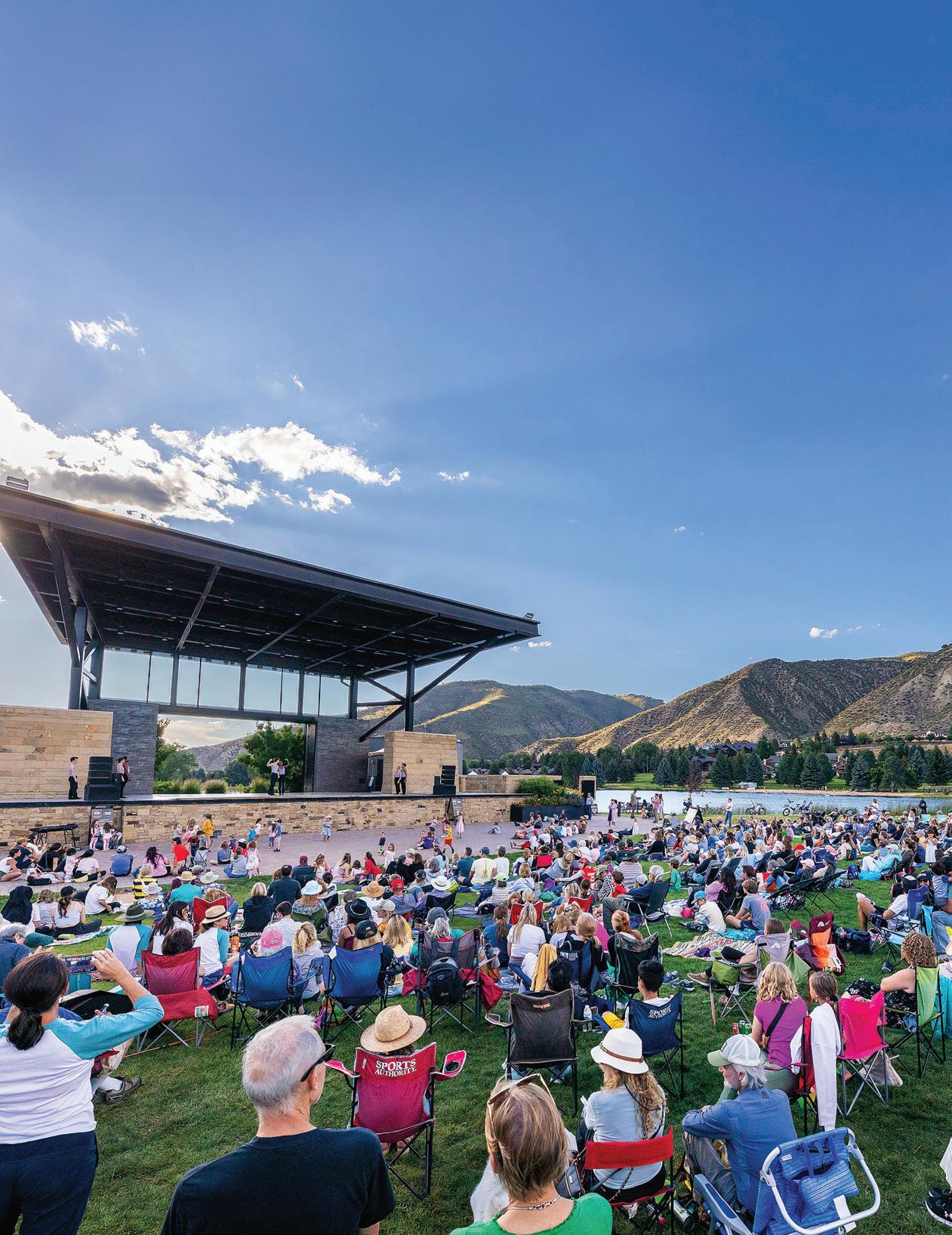
Generously Underwritten by Town of Avon with additional support from Slifer, Smith and Frampton Real Estate
Dancing in the Park. Photo by Christopher Duggan.
35 � VAILDANCE
FRIDAY, AUGUST � & SATURDAY, AUGUST �
Gerald R. Ford Amphitheater, Vail
Friday �:��pm | Saturday �:��pm & �:��pm
INTERNATIONAL EVENINGS OF DANCE I, II, & III
International Evenings of Dance are legendary for their glittery celebration of artistic collaboration with unique “only in Vail” partnerships and role debuts by a selection of today’s dance stars from around the world.
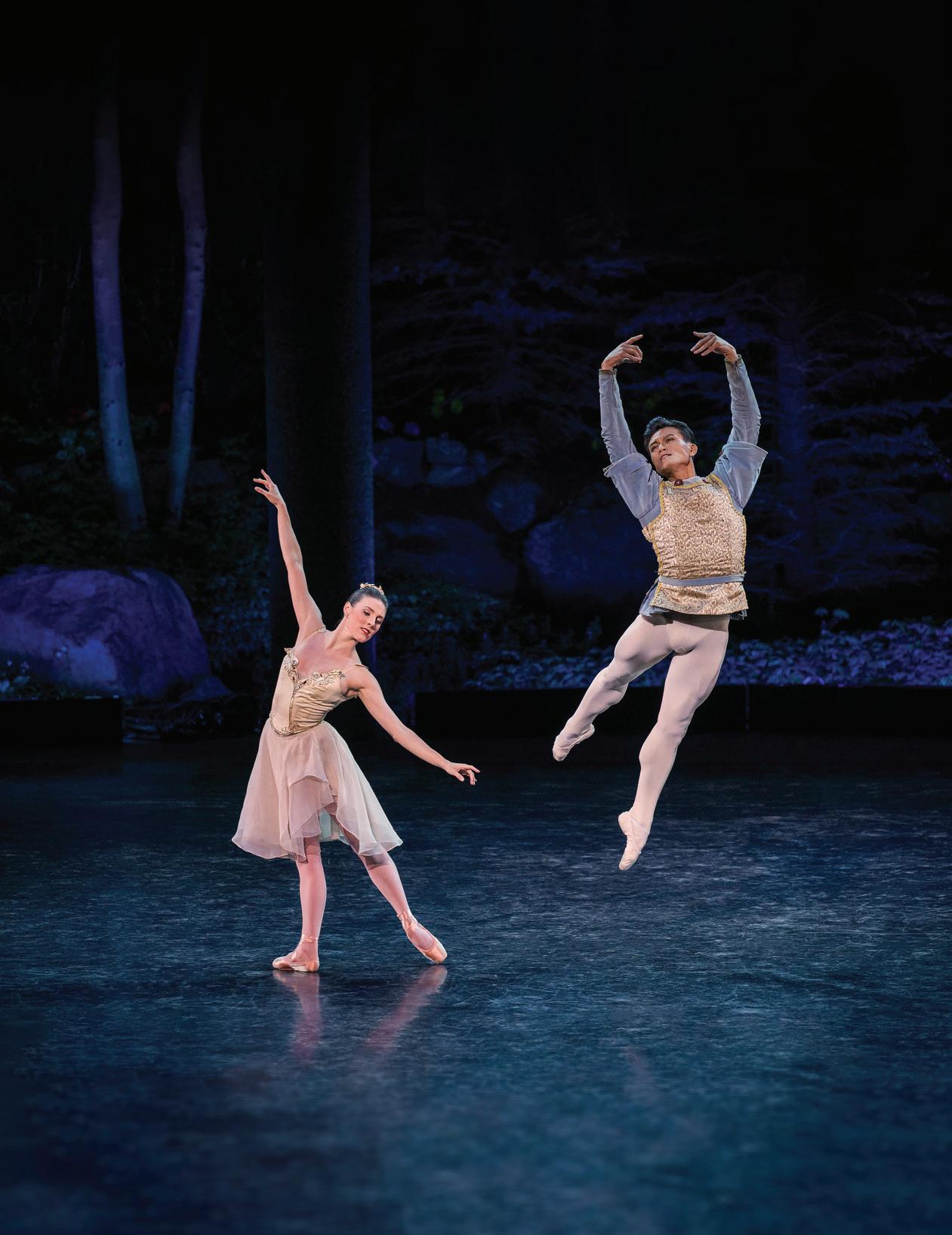
Friday's performance is Generously Underwritten by Tina & David Wilson and The Carol F. Storr Endowment for Classical Ballet
Saturday's 5pm performance is Generously Underwritten by Marge & Phil Odeen
Saturday's 8pm performance is Generously Underwritten by Jill & Kevin Plancher
Tiler Peck and Chun Wai Chan perform A Midsummer Night’s Dream. Choreography by George Balanchine. ©The George
Balanchine Trust.
Photo by Christopher Duggan.
See page 17. 36 VAILDANCE.ORG
SUNDAY, AUGUST �
Vilar Performing Arts Center, Beaver Creek | 6:��pm
COLORADO DANCES
Colorado Dances celebrates the dynamic community of dance in Colorado in a unique program featuring three Rocky Mountain powerhouse dance companies: Cleo Parker Robinson Dance, Colorado Ballet, and DanceAspen.
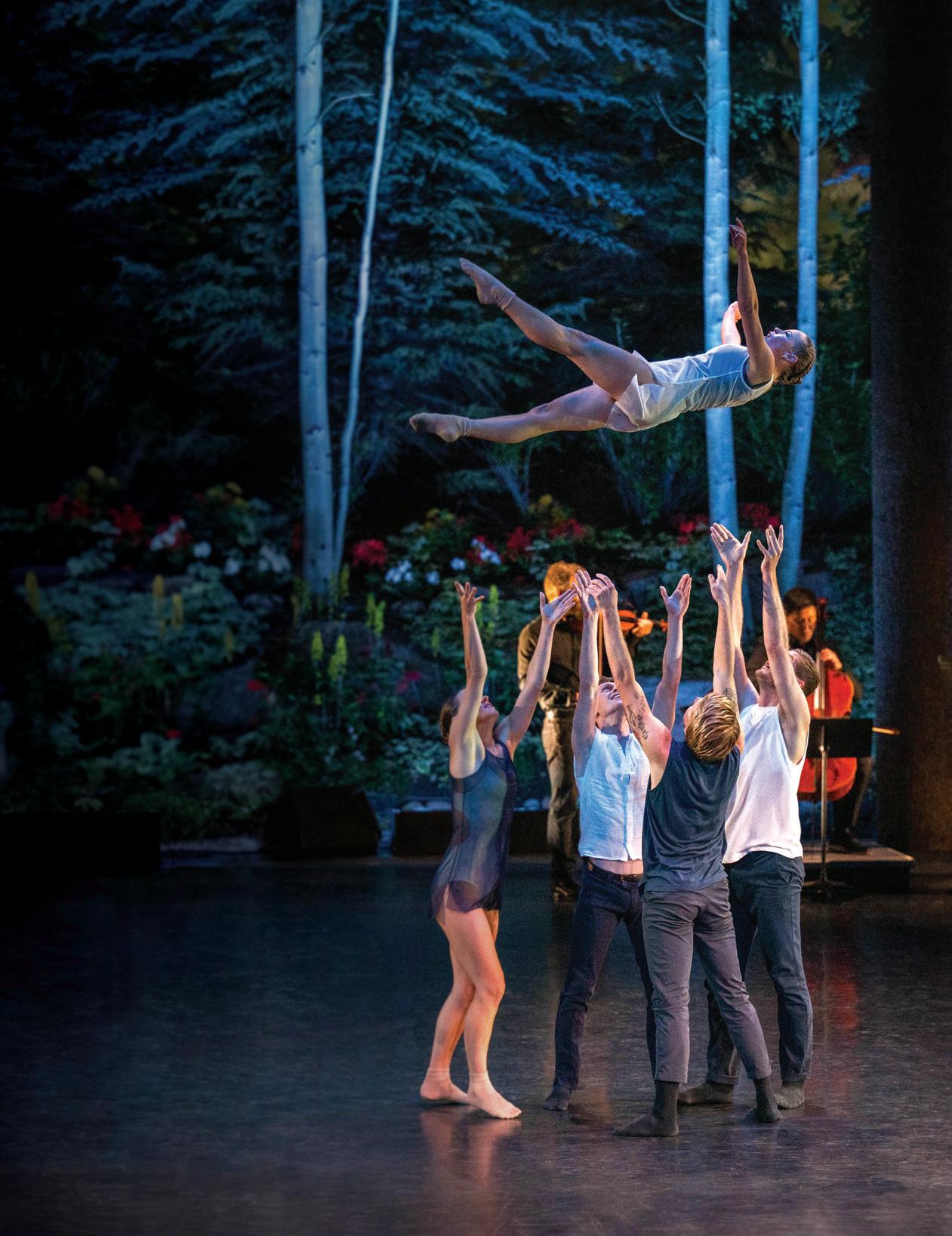
Generously Underwritten by Sara Friedle & Michael Towler and Jane & Skip Netzorg
Additional support provided by Denver Ballet Guild
Three Views of a Mountain is generously underwritten by Mary Ellen and David Wright.
DanceAspen
Dancers of
performing Matthew Neenan's Plim Photo by Christopher Duggan.
See page 17. 37 � VAILDANCE
MONDAY, AUGUST �
Gerald R. Ford Amphitheater, Vail | �:��pm
NOW:PREMIERES
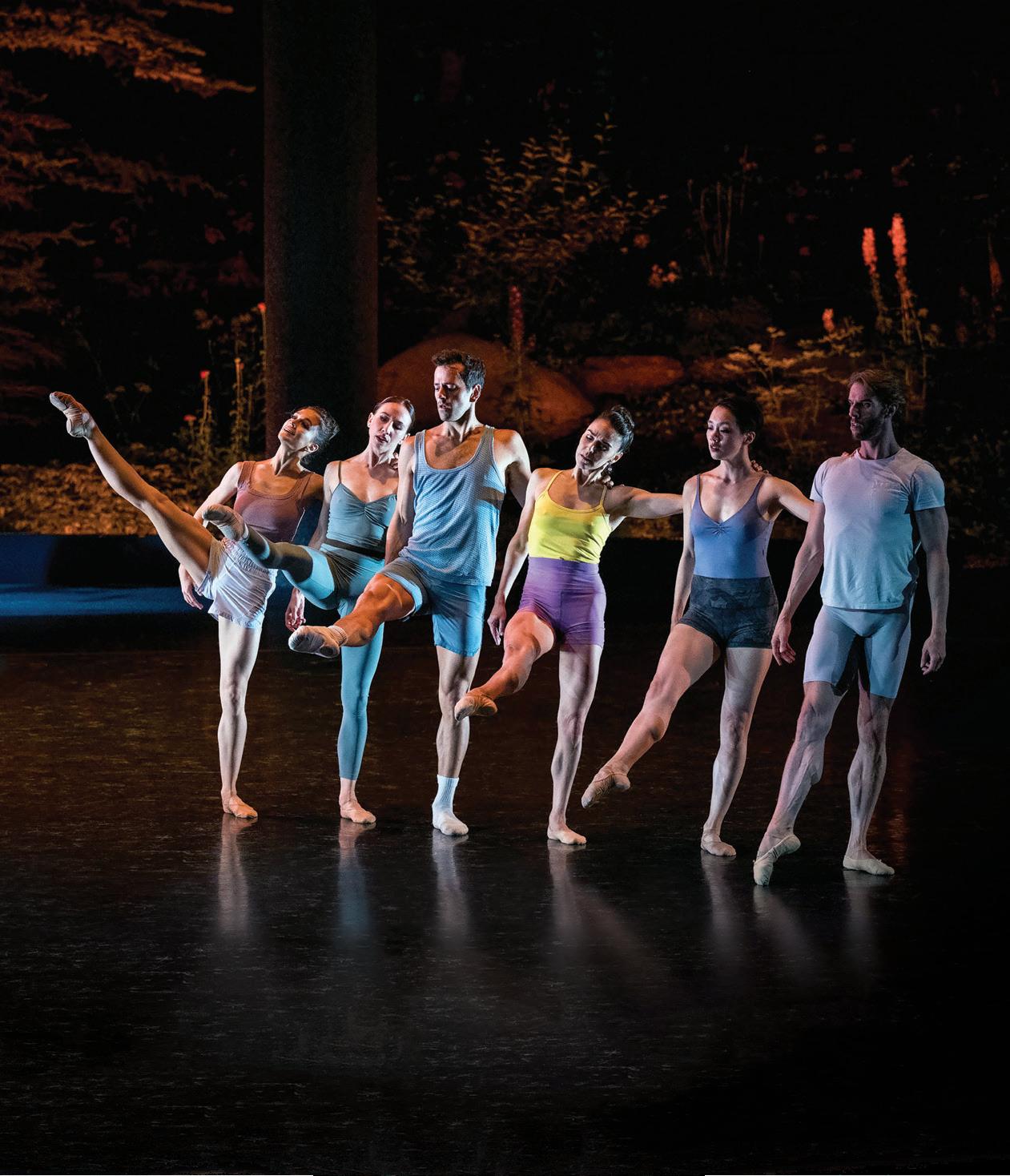
NOW: Premieres is the Festival‘s annual showcase of commissioned new works, featuring an extraordinary cast of dancers and musicians. Choreographers will include Kyle Abraham, Michelle Dorrance, Lauren Lovette, Justin Peck, Tiler Peck, Pam Tanowitz, and Artist-In-Residence Jamar Roberts.
Generously Underwritten by Oscar Tang & Agnes Hsu-Tang PH.D.
Festival artists perform Justin Peck's A Squiggle Is a Dot That Went for a Dance. Photo by Christopher Duggan.
See page 17. 38 VAILDANCE.ORG
NEW WORKS at the ���� FESTIVAL
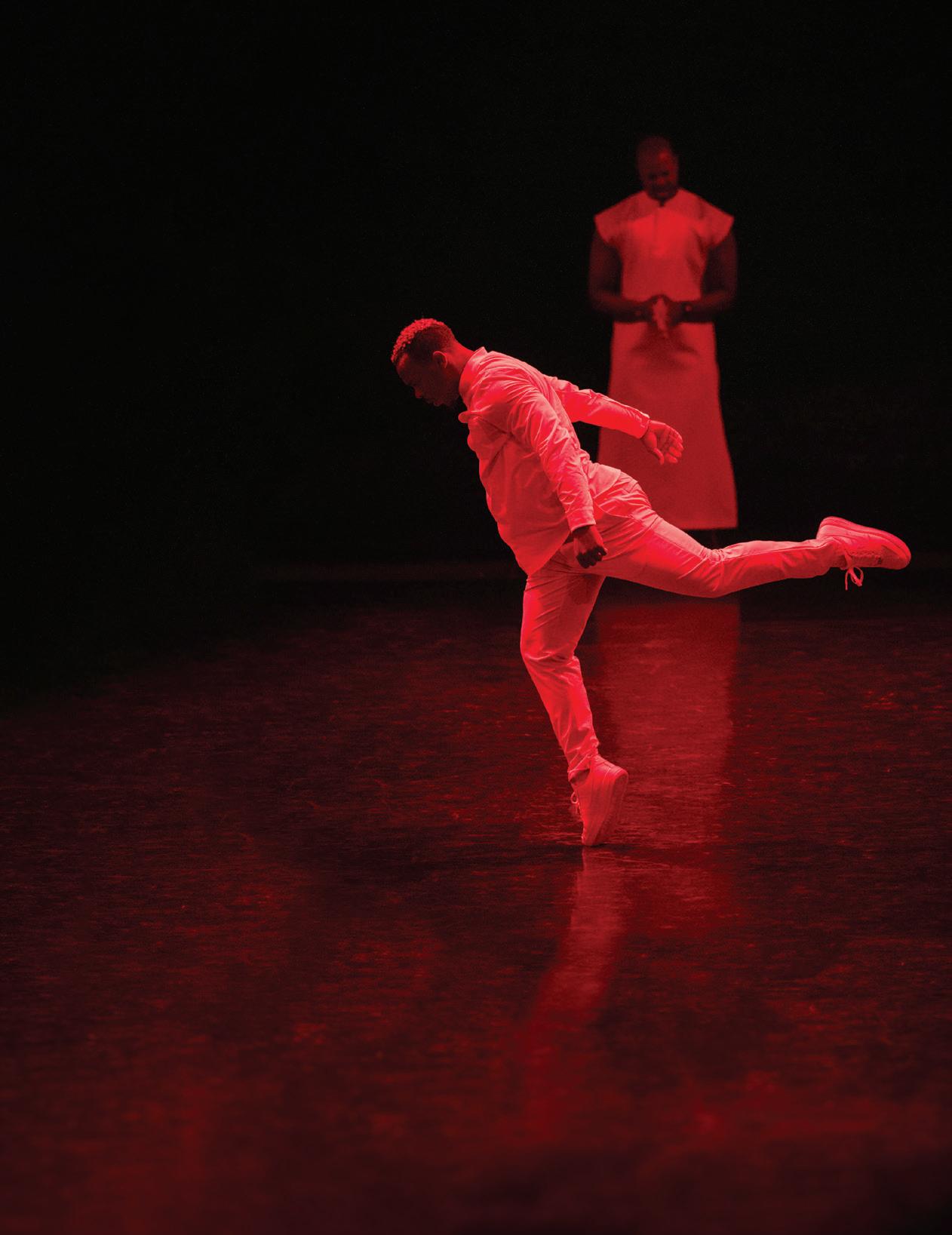
The Vail Dance Festival fosters unique collaborations between artists of various dance genres each year, pushing the boundaries of the art form and further cementing Vail as a major incubator of new choreography and music in the United States. Artists benefit from enhanced creative focus in the Festival’s serene mountain setting, and all testify enthusiastically to the close-knit “laboratory” environment that fosters high-caliber artistic experimentation and crosspollination. This year, the Vail Dance Festival is thrilled to welcome 8 new works, bringing innovation and expansion to the heart of the Festival.
CHOREOGRAPHERS
Kyle Abraham
Generously Underwritten by Ginny Gold, Alexia & Jerry Jurschak, and Vickie Morris.
Michelle Dorrance
Generously Underwritten by Shirley & Jim Cassing and LaDonna & Gary Wicklund
Larry Keigwin
Generously Underwritten by Susan & Jeff Campbell.
Lauren Lovette
Generously Underwritten by Malo & John Harrison.
Justin Peck
Generously Underwritten by The Paul Repetto & Janet Pyle Gift for Collaborative Works.
Tiler Peck
Generously Underwritten by Donna & Donald Baumgartner, co-commissioned by New York City Center Fall for Dance Festival.
Jamar Roberts
Generously Underwritten by Jill & Kevin Plancher and the Vail Dance Festival Artistic Reserve Fund made possible by the Doris Duke Charitable Foundation.
Pam Tanowitz
Generously Underwritten by Gina Browning & Joe Illick.
Davóne Tines and Lil Buck performing their new work BY AND BY at the 2023 Festival. Photo by Christopher Duggan.
39 � VAILDANCE
The Vail Valley Foundation and the Vail Dance Festival extend their sincere gratitude to our patrons. Thank you for your financial support! The list that follows represents patrons who gave from September 1, 2023 through May 15, 2024.
MARQUEE PRESENTER
JODY AND JOHN ARNHOLD � ARNHOLD FOUNDATION
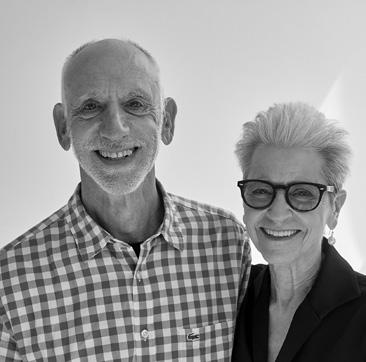
Jody and John Arnhold are major supporters of the arts in New York City and admirers of Vail Dance Festival’s Artistic Director Damian Woetzel. They are proud to support the Vail Dance Festival again this year. John is committed to making a positive impact serving the organizations important to him, including the Mulago Foundation, University of California Santa Barbara, International Tennis Hall of Fame, Jazz at Lincoln Center, Conservation International, and WNET. Jody was a New York City public school dance teacher for 25 years. She is an advocate for dance and dance education and her mission, Dance For Every Child. She is Board Chair of the 92nd Street Y New York, Chair Emeritus of Ballet Hispánico, and founded the renowned Dance Education Laboratory (DEL) 92NY. She is the Executive Producer of two documentaries about dance education in public schools: PS Dance! (New York Emmy-nominated) and PS DANCE! The Next Generation. Both are available to stream on public television. Jody has been awarded Honorary Doctorate degrees from The Juilliard School and Hunter College for her contributions to the field of dance education. The Arnhold’s visionary support for dance education has brought opportunities to many through the Arnhold Graduate Dance Education Program at Hunter College and the Doctorate in Dance Education at Teachers College, Columbia University. The Arnhold Institute for Dance Education Research, Policy & Leadership at Teachers College generates valuable thought leadership for dance education in public policy, ensuring that dance becomes central to the conversation wherever education is discussed. Photo by Arthur Elgort.
PREMIER PRESENTER
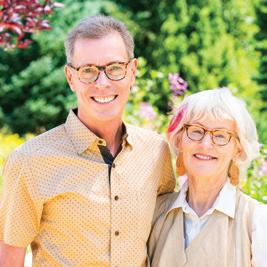
SUSAN & JEFF CAMPBELL
Susan and Jeff Campbell started coming to the Vail Valley from Dallas when their children were first learning to ski. They bought a house in Beaver Creek, providing stability for the family as they moved from Dallas to London, San Francisco and the West Village in New York City. They are avid dance lovers and longtime supporters of the Vail Dance Festival and the Vilar Performing Arts Center. Susan serves on the boards of the Vail Valley Foundation and the New York City Ballet, and also chairs the Vail Dance Festival Committee. Jeff retired from his full time job as Vice Chairman and Chief Financial Officer of American Express in March and serves on the boards of The Juilliard School, Aon plc and Hexcel Corporation. The Campbells and their three grown children, who now live in Vermont and San Francisco, are avid skiers, mountain bikers and outdoor enthusiasts, and the Vail Valley has been the center of family life for many years.
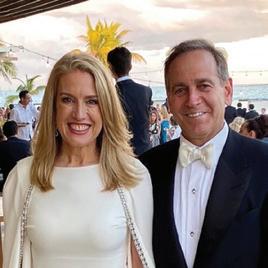
JILL & KEVIN PLANCHER
Jill and Kevin Plancher first enjoyed the Vail Dance Festival in 1993 when Kevin was a fellow at the Steadman Clinic in Vail. They have attended and supported the Festival each and every year since. Jill and Kevin now live in Greenwich, and have three grown children: Brian, Jamie and Megan; daughter in- law Annie Knickman Plancher and son-in-law Cezar Babin; and grandkids Tess and Logan (Brian and Annie). Megan is engaged to Boaz Goldwater and they will be married September 22nd in New York City. Kevin has a private orthopedic practice in New York City and Greenwich. Jill is a recently retired family attorney, she serves on the Vail Valley Foundation Board of Trustees, the Vail Dance Festival Committee, and is on the Advisory Board for the Sidney Kimmel Cancer Center in Philadelphia. They are delighted to once again support International Evenings of Dance III. In addition, the Plancher Family generously supports YouthPower365’s Celebrate the Beat and are underwriting Jamar Roberts’ new work that will premiere on closing night of the Festival.
40 VAILDANCE.ORG FESTIVAL PATRONS
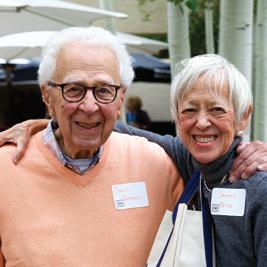
PAUL REPETTO & JANET PYLE
Paul Repetto & Janet Pyle are enthusiastic supporters of the Vail Dance Festival and the performing arts in general. Paul & Janet were honored at the 2022 Festival for their commitment to the Festival and the arts. Janet was a very involved Board Member of the Colorado Music Festival in Boulder. Paul has served on the Board of the Boulder Ensemble Theater Company and the Colorado Music Festival as the Chairman of that Board. Paul and Janet greatly enjoy traveling and have explored much of Europe and the Pacific together. Paul is co-founder of Horizon Organic Dairy. In 2022 they created the Paul Repetto & Janet Pyle Gift for Collaborative Works to support unique collaborations (like theirs) that mix genres and surprise audiences.
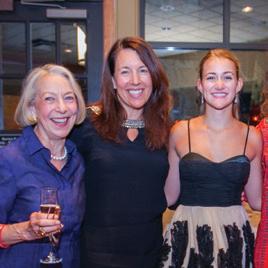
TINA & DAVID WILSON AND THE CAROL F. STORR ENDOWMENT FOR CLASSICAL BALLET
Tina & David Wilson have called the Vail Valley home for 30+ years. Along with their daughters, Colby and Nicole, the Wilsons have embraced the uniqueness of Vail complete with immersion in the arts, culture, and outdoor activities that make Vail so special. In addition, they are active supporters and volunteers for a variety of charitable organizations in the Vail Valley including Vail Health and Vail Valley Charitable Fund. Their support to Vail Health helped fund a new palliative care program, Shaw at Home . This year they launched The Wilson Family Performing Arts Scholarship through YouthPower365 to help a local student pursue their dreams of a degree in the arts. In honor of Tina’s mother, Carol Storr, the Wilson Family created The Carol F. Storr Endowment for Classical Ballet in 2022 to ensure the inclusion of classical ballet in the Vail Dance Festival for generations to come. The Wilson Family is proud to support International Evenings of Dance I on August 2nd and provide special support for Serenade on Opening Night along with classical ballet pieces performed throughout the Festival.
SEASON PRESENTER
PRISCILLA BREWSTER
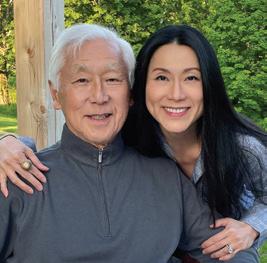
OSCAR TANG & AGNES HSU-TANG, PH.D.
Oscar has supported the Vail Valley Foundation (VVF) at a leadership level since its inception and is a founding sponsor of the Vail Dance Festival. He is a Life Trustee of the VVF, after having served on the board from 1987 to 2015 and galvanized VVF’s early focus on education in Eagle County. A lifelong New Yorker, Oscar is Co-Chair of the New York Philharmonic and has been a trustee of the Met Museum for 30 years. Agnes has advised UNESCO and President Obama’s Cultural Property Advisory Committee, including two UNESCO World Heritage designations and an international treaty on the prevention of looting and commercialization of looted cultural objects. Agnes is Board Chair of N-YHS, New York’s first museum, and Co-Chair of the Objects Conservation Committee at the Met Museum. They co-founded numerous institutions, including most recently the Hsu-Tang Library at Oxford University.
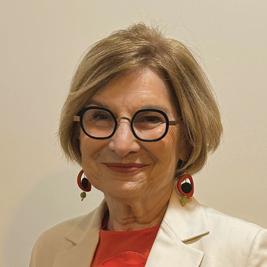
JONNA MACKIN
Prof. Jonna Mackin taught English at Dartmouth for 15 years. She lives in New Hampshire and since retiring spends much of her time in New York City attending dance. Jonna serves on the Vail Dance Festival Committee and is a member of the Paul Taylor Dance Company Board of Directors. She is also proud to sponsor the “NextGen” program of DL/NY (Dance Lab New York) which recruits and mentors young dancers in the New York City public schools and provides apprenticeships in choreography.
BECOME A DONOR!
Donors receive incredible benefits during the festival!
FESTIVAL PATRONS
� VAILDANCE 41
UNDERWRITER CIRCLE
MALO & JOHN HARRISON
WENDY WILLIAMS & NOEL KULLAVANIJAYA
DONNA & DONALD BAUMGARTNER
Donna and Donald Baumgartner have been relishing their mountain retreat in Lake Creek for over 3 decades. They have been ardent patrons of the visual and performing arts in their hometown of Milwaukee, WI, and having attended all but 3 seasons of the Vail Dance Festival since 1990, are enthusiastic supporters of the Festival. Donald is an automobile aficionado, and the couple have spent countless hours refining their driving skills on race tracks across the US, Canada, and Europe. The couple’s passion for arts and adventure has taken them on incredible journeys around the world. They have sailed across the Atlantic on their own 60’ motor yacht Trenora using celestial navigation and a sextant to chart their course. They have sought out the remote jungles of Papua New Guinea to the Congo in search of lowland gorillas. They have swum in the Amazon, raced on ice in the Arctic Circle and gone on safaris in India and multiple countries in Africa. They have had an extraordinary time exploring some of the most awe-inspiring places on the map.
LISA TANNEBAUM & DON BROWNSTEIN
Lisa Tannebaum and Don Brownstein are longtime supporters of the performing arts and education in Vail and Connecticut. Lisa has a career as a harpist. Don is an investor.
JEFFREY D. BYRNE
Jeffrey Byrne has been coming to the Vail Valley from his full-time home in Kansas City, for 21 years as a part-time resident to ski in the winter and enjoy music, dance, and the weather in the summer. Co-Founder + CEO of Byrne Pelofsky + Associates, LLC, Jeffrey provides leadership and counsel to nonprofits across the USA in the areas of capital, endowment and overall fundraising having worked with 500+ nonprofits and raised over $3 Billion. Jeffrey stepped down in 2021 from B&F Farms, Inc., where he was a corporate officer and 4th generation family member in an agricultural farming operation. Jeffrey enjoys volunteering and serves on the David Parsons Dance Company Board of Directors and the Vail Valley Foundation Board of Directors and is one of the founding Board Members of Charitable Communications. Additionally, Jeffrey has served as the National Chair of his professional association, The Giving Institute, and served as a Board Member of the Grammy Award-winning Kansas City Chorale, the Kansas City Camerata, and numerous other arts and nonprofit organizations.
JANE & SKIP
NETZORG
The Netzorg’s have enjoyed their mountain home in Vail for many years. They are active supporters of the performing arts and education in Denver, CO. They are true lovers of dance and Jane serves on the boards of Colorado Ballet and The Denver Ballet Guild and is a member of the Vail Dance Festival Committee. Together they serve on the capital campaign committee for Cleo Parker Robinson Dance. Jane and Skip have loved seeing some of the finest dancers in the world at the Vail Dance Festival each year. They are grateful to Damian Woetzel and Heather Watts for the creativity and excitement they bring to the Vail Valley.
MARGE & PHIL ODEEN
Marge and Phil Odeen have had a home in Vail for more than 40 years. When not in Vail they live in McLean, Virginia, and Naples, Florida. They have supported the Vail Dance Festival for several years and both have been active in numerous cultural and charitable activities in the communities in which they live.
ROSALIND REED
Rosalind Reed is an artist who lives and works in New York City. She previously had a home in Wolcott. She once dreamed that she could have a career as a backup singer/dancer for a series of popular bands but neither skill is in her repertoire. She is on the Board of Directors of the Paul Taylor Dance Company.
SARA FRIEDLE & MICHEAL TOWLER
Originally from the Midwest, Michael Towler and Sara Friedle now call the Eagle Valley their home. They have enthusiastically become involved with many organizations and activities, among them Vail Dance Festival. Along with the performing arts, Michael and Sara enjoy skiing, bicycling and hiking. “We are fortunate to have world class events in our community year-round.” Michael and Sara have seven grown children, four grand children who enjoy sharing their love of our Valley.
RUBY DRESS CIRCLE
JEAN & TOM MCDONNELL
MARTIN ATKIN & REID BALTHASER
Martin & Reid have been visiting the Vail Valley since the mid1990s and have owned a home in Bachelor Gulch for over 20 years. They have learned to love all seasons in Colorado (well…maybe not the mud-season!) and enjoy getting out into all the beauty that surrounds them here by skiing, biking, hiking and wilderness camping. They also have a deep appreciation for the performing arts - discovering the Vail Dance Festival in 2006 since when they have only missed a single year. Martin is the Senior Investment Director at Bernstein Private Wealth Management and Reid is the Principal of his own architectural practice, RTB Design Services. Martin is also a trained chef and Reid sets a great table; so, hosting a dinner or weekend for friends and family is a favorite diversion. When not in New York City, Bachelor Gulch or their other homes in Long Island and the Bahamas, they travel widely.
THE JAMES & JANET AVERILL CHARITABLE FUND
Jim and Janet Averill’s affection for the Vail Valley began with Jim’s many skiing excursions to the area and, in later years, Janet’s (and both of their) admiration for the creativity and beauty that The Vail Dance Festival brings to them—and to so many others. Jim is a former Professor of English Literature and Partner of Wellington Management Company. Janet is a retired university administrator, guidance counselor, and fundraiser. They live outside Philadelphia, where both continue as volunteers and board members for a number of arts, educational, and social service organizations. Janet is the former Chair of Ballet X. Their two children and five grandchildren are enthusiastic skiers and are expected to maintain the Vail connection well into the future.
FESTIVAL PATRONS 42 VAILDANCE.ORG
GINA BROWNING & JOE ILLICK
Gina Browning and Joe Illick are both professional musicians and lovers of the performing arts. Gina started coming to Vail in 1971 and Joe started coming with her in 1979. Gina and Joe’s life in opera has taken them to live and work all over the world. The two of them are avid skiers and hikers, and are passionate parttime residents of the Vail Valley. They want to use their talents to support the Valley with an emphasis on the performing arts and education for children, which they feel are an integral and essential part of a healthy and vibrant community. As lifelong dance lovers, they both feel that the Vail Dance Festival adds important richness to the incredible cultural fabric of Vail, and they are excited to be involved with this wonderful organization.
DIAMOND DRESS CIRCLE
Anonymous (3)
Karen & John Arnold*
Bacca Foundation*
Jane & Gary Bomba
Judy & Howard Berkowitz
Ann Smead & Michael Byram
James & Shirley Cassing
Pamela Comfort
Rebecca & Samuel Eden
Margery Goldman
Sheika Gramshammer
Martha Head*
Judith Hoffman
Alexia & Jerry Jurschak
Doe Browning & Jack Hunn*
Michael Krupka*
Anne C. Kubik*
Nancy & Richard Lubin
Mary Lujack and Sarah and Gracie Johnson
Hilary & Kevin Magner
Tamara Miller
Sarah Malloy Millett & Peter Millett*
Lisa & Mark Neporent*
Martha & Terry Allen Perl
Senenne & Marc Philippon
Nancy & Donald Remey
Mary Sue & Michael Shannon*
Marcy & Gerald Spector*
Teresa Tsai*
Martin Waldbaum
LaDonna & Gary Wicklund
Betsy & George Wiegers
Kristy & Bill Woolfolk*
* VVF Cornerstone Patron
PLATINUM DRESS CIRCLE
Hennessey-Allen
Mary Ellen Anderson
Jill Hamilton Anschutz & Christian Anschutz
Christine & John Bakalar
Dierdre & Ronnie Baker
Bendy Bodies
Deborah & David Boillot
Margo & Terry Boyle
Arlene Harris & Martin Cooper
Robert J. Croteau & Karen A. Nold
Dr. Fred Distelhorst
Lois & Stephen Eisen
Pam & Ernie Elsner
Kaye Ferry
Caryl & Ken Field
Susan & Harry Frampton
Mauri Pioppo & Keith Funger
Virginia Gold
Sherry & Michael Guthrie
Jane & Ray Heller
Susan Kasser & Daniel Kah
Dr. Henry & Pam Levine
Philip Livingston
Eugenia Lubell
Elizabeth G. Chambers & Ron Mooney
Victoria Morris
Moving Mountains, LLC
Melanie & Allan Nelkin
Jennifer Smith & Peter Ragauss
Susan & Elihu Rose
Ann & William Sacher
Nancy Sands
Shannon & George Slessman
Dhuanne & Doug Tansill
Joan Nissman and Judith Nissman Taylor
Sunnie & Mark Wang
Heather Watts & Damian Woetzel
GOLD DRESS CIRCLE
Diana Bradley & Claude Accum
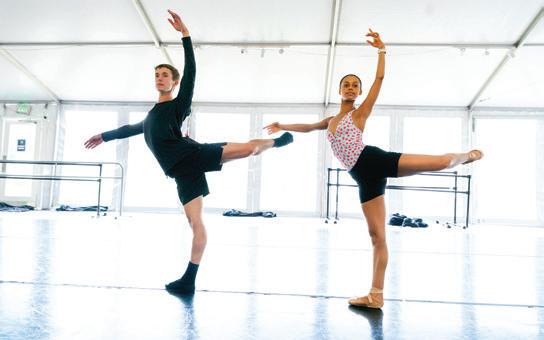
Cathy & Bill Bethke
Rebecca & Howard Braverman
Vintage Contessa & Times Past, Rob & Donae Chramosta
Janet & Curtis Clark
Stephanie & Brian Cramer
Brenda & Thomas Curnin
Greg and Keala Dickhens
Holly & William Elliott
Susan & William Fink
Vicky & John Garnsey
Stacey & Foster Gillett
Alex Goldsmith
Mollie & Bill Grojean
Pam & Duke Hartman
Lisa Huertas
Sally & Kyle Hybl
Shelly & Chris Jarnot
Raydean Acevedo & Walter Jenkins
Elaine & Art Kelton
Janet & Paul Lewis
Patricia & Michael Marshall
Lynn McGowin
Helen McIntyre
Jill & Dean Mitchell
Lynnette Morrison
Rosie & Roger Oberg
Renée Okubo
Sandy & Fred Pack
Ellen Arnovitz & Michael Plasker
Ronnie Potter
Christopher Quintana
Elise & Jay Rossiter
Marlene & Eugene Shapiro and Nancy Adam
Michael Stein
Kathryn & Brian Stoffers
Leanne Tyler
Joan Whittenberg
Sara Fitzgerald & Bruce Wilson
Ellen & James Wiss
SILVER DRESS CIRCLE
Anonymous
Linda Stamper Boyne
Amy & Ken Brown
Steve Brint & Mark Brown
Marty & John Chamberlin
Yvonne Chen
Maggie & Clayton Chessman
Gretchen Corey
Louise Pearson & Grant Couch
Ellen DeHaven
Debra Devereaux
Renee & Jeffrey Epstein
The Fabos Family
Kathy & Bill Farley
Diane & Larry Feldman
Kim & Andrew Fink
Susan Rothschild & Don Freedman
Mikki & Morris Futernick
Margie & Tom Gart
Paul Goodspeed
Roberta Levin & Dr. Gilad Gordon
Lisa Green
Gina Harman
Pamela & Richard Hinds
Ami Hudgins
Donna & Ward Katz
Anne-Marie & John Keane
Young & Stephanie Kim
Bonnie Lee & Lawrence Kivel
Joyce & Paul Krasnow
Laura Leitzinger
Beth & Todd Leonard
Joan & Robert Levine
Terry Lindsay
Gretchen & Charles Lobitz
Karen Marisak & Gerard Lynch
Marcia & Thomas McCalden
Ferrell & William McClean
Pat McFarland
Marka Moser^
PATRONS Philip Duclos and Olivia Bell in rehearsal for Kyle Abraham’s new work If you run, I might fall. Photo by Chris Kendig. � VAILDANCE 43
FESTIVAL
Laurian Unnevehr & Jerry Nelson
OOTB Womens Foundation
Jana Edwards & Frederick Poppe
Eileen Friars & Scott Pyle
Etty & Alberto Rimoch
Nellie Rosenberg
Fran Schulman
Charlotte Shifrin
Amy & Leonard Slosky
Jeanne & Terry Startzel
Marla Steele
Martha Tyler
Drs. Jean & Alec Urquhart
Brenton VerPloeg
Elizabeth & James Webb
Alyn Park & Jay Wissot
Luanne & Jim Wright
BRONZE DRESS CIRCLE
Anonymous (2)
Janet & Bill Adler
Elizabeth & Cristian Basso
Linda Bernhard & Michelle Walsh
Mary Bird
Kathy & Jack Blair
Christine & George Burns
Julie Carr
Benette Chen
Katherine & Hassan Dayem
Robin Deighan
Ronne & Donald Hess
Lorraine^ and Harley^
Higbie Family
Barbara & Paul Jenkel
Lynn & Andrew Kaufman
Audrey LaFehr
Lesley Larson
Jordan Lausch
Cynthia & Robert LeBreton
Susan & Steven Lipstein
Eleanor & John Lock
Augusta Molnar & Kent Lupberger
Wolfgang Mairhofer
Beth Barbre & John Mangan
DeAnn & Dan Maurer
Amy Kennedy & Steve Miller
Nancy Nottingham
Ruth Malman & Michael Opatowski
Amanda & Adam Quinton
Elissa Stein & Richard Replin
Margaret & Rick Rogers
Stan Shapiro and Lara Shapiro
Andrea & Stuart Shatken
Linda & Tim Stancliffe
Judy & Charles Stoopack
Elizabeth Fowler & Gary Sumers
George Ann & Buzz Victor
Webb Family Fund in memory of Marka Moser
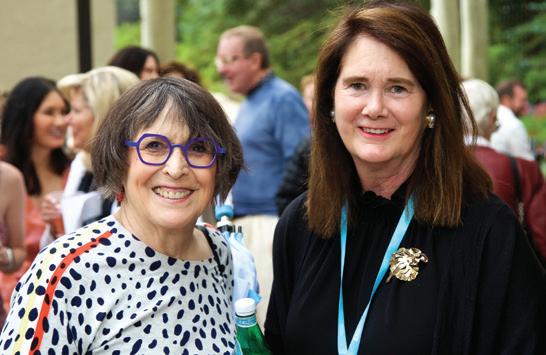
Suzy Black
Lourdes Rosado & Jan Boswinkel
Suzanne & Larry Brazil
Kathe & Morris Brown
Jean Kutner & Robert Brown
Amy Cantor
Marie Chong
Barbara & Mark Cohen
Dr. Cathy Cohn
Joyce Costa
Ama & Chris Couch
Diana & Robert Crew
Tanya Cromey
Maureen Cross
Elizabeth Czaja
Karen Davidson
Alejandra & Chus De La Llama
Nancy & Kenneth DeLine
Marlene & Joseph Dichiacchio
Sharron Dorward
Dawn Doty Vawter
Darlene & Lee Ebert
Beverly Ellis
Kay Maune & David Elmore
Lisa & Alan Engel
Robert Engelman
Wendy Elaine Erb
Leslie & Howard Farkas
Carole Feistmann
Larry and Barbara Field
Robin Fitzpatrick
Peter & Mike Gilbert
Merrily Glosband
Elisabeth & Alvin Goldman
Suzanne Greene
Karlyn Griswold
Leslie Grooters
Elaine Gunnell
Dale & Rebecca Hahs
Douglas Hamilton
Simon Hamui
Jan Harkins
Ashley & Bradley Harkrader
Ann Harris
Chris Heathcott
David Hill
Cathy & Graham Hollis
Loyal & Jill Huddleston
Ann Kiley
Linda Kirscht and Karen Backstein
Robyn Landry
Laine & Merv Lapin
Sarah Lash
Dawn Lesh
Pamela Lichtenthal
Ann & William Lieff
Karen Lindenberg
Leslie & John Manes
Judy Margolis and Joede Schoeberlein
Michelle & John Mason
Sheila McInerney
Nancy McKeever
Anne McKinnon
Sheila Mossman
Helen Moxcey
Daniel Murphy
Jane Nash
Deborah Nunez
Nancy & Sam Osborne
Jane Packard
Eunice Park
Amy Paul
David Portillo Family
Lorraine Prentis
Susan & Kenneth Press
Michelle Prosser
Carlinda & Luis Quintero
Joan & Dennis Robinson
Ken Robinson
Coralie & Bruce Rogers
Nancy & Robert Rosen
Merle & Philip Rosenfeld
Stephanie Rudnick
Sue & Michael Rushmore
Kate Boniface & Kenneth Sauerberg
Carole Schragen
Sherry Schreiber
Jamie Shaak
Barbara Smith
Nancy Smolow
Terry Snyder
Linda & Stephen Sparn
Stephanie & Arthur Strasburger
Karen Sumner
Jill & Alan Tanenbaum
Andrea Eddy
Marjorie & Lawrence Feinberg
Colleen Forrest and Christopher Forrest
Mary Ann Galpin-Plattner
Lucy & Thomas Goldstein
Cari Griggs
Julie Grimm
Rhondda Hartman
Nina & Kenneth Wise
Rosalind & Larry Wolff
FAN CLUB
Anonymous (3)
Anita & Alan Altman
Catherine & Truman Anderson
Carol Atha
Linda & William Aylesworth
Leslie & Stephen Isom
Anne Jacobson
Caylan & Anderson Jarman
Alberta C. Johnson
Pam & Bruce Johnson
Amy & Kevin Jones
Alice Kaderlan
Geneva & David Kerstein
Ellen Keszler
Sandra & Thomas Thomas
Peggy Thompson
Susan & William Tracy
Tom & Sharon Trumble
Bonnie Utley
Lois Van Deusen
Yuka Wakino
Hanna Warren
Linda Wasserman
FESTIVAL PATRONS
44 VAILDANCE.ORG
Roz Reed and Priscilla Brewster. Photo by Brian Maloney.
Cathy Wayand
Deborah Webster
Barbara Weiss
Suzanne Weiss
Jane & Ben West
Lorie Williams
Judith Wyman
Cindy Zelby
Laura Zeller
Helene Zimmer-Loew
Edward Zinbarg
SUPPORTER
Sierra Adams
Marilyn Averill
Lisa & Jeffrey Babb
Erin Hall & Eric Blitzstein
VVF PATRONS
CORNERSTONE FRIENDS
Anonymous
Karen & John Arnold
Bacca Foundation
Martha Head
Doe Browning & Jack Hunn
Michael Krupka
Anne C. Kubik
Sarah Malloy Millett & Peter Millett
Lisa & Mark Neporent
Mary Sue & Michael Shannon
Marcy & Gerald Spector
Teresa Tsai
Kristy & Bill Woolfolk
FRIENDS OF VAIL
Anonymous (2)
Linda Cabot & Edward Anderson
Ellen & Dan Bolen
Kathy & Bjorn Erik Borgen
Devon & Peter Briger
Lisa & Ronald Brill
Kelly & Sam Bronfman
Ann Smead & Michael Byram
Angela Dal Pezzo
Diane & Brad England
Julie & Bill Esrey
Susan & Harry Frampton
Margie & Tom Gart
Mary Kevin & Tom Giller
Donna Giordano
Georgia & Donald Gogel
Lisa & Bruce Goldman
Lyn Goldstein
Catherine Cakir
Connie Carson
Patricia Cook
Lisa Faherty Vance
David Ford
Ingie & Rol Franberg
Lori Frasier
Nancy & Gary Freedman
Alfredo Granai
Lane Greer
Susan & Allie Gruber
Cathy Heller
Jan Hiland
V Michael Holers
Nan Holt
Lawrence LaFevre
Marsha Landesman
Georgia & Robert Hatcher
Karen & Michael Herman
Robert Hernreich
Kathy & Al Hubbard
Susu & George Johnson
Cynnie & Peter Kellogg
Shelby & Scott Key
Ruth & Sidney Lapidus
Shelly & George Lazarus
Case Lynch
Leni & Peter May
Michele Mittelman
Peter Murane
Mary & Steven Read
Amy & Jay Regan
Sara & Eric Resnick
June & Paul Rossetti
Didi & Oscar Schafer
Lisa & Kenneth Schanzer
Susanna Johnson Shannon & Tim Shannon
Stan Shuman
Sallie Smith
Sue & Martin Solomon
Judith & Philip Stupp
Oscar Tang & Agnes Hsu-Tang
James W. Taylor
Denise O’Leary & Kent Thiry
Debbie & Fred Tresca
Debra & Ken Tuchman
Marie & Andy Unanue
Barbara & Richard Wenninger
MEDALLION CIRCLE
Marlene Boll
Jamieson Lehto
Debby Levinson
Michelle & Brian Maloney
Barbara Medoff Cooper
Marlene Michaelson
Michele & Alfonso Natarelli
Lauri Nelson
Nancy Newman
Beth Pinals
Pamela & Daniel Piro
Robert Ripps
Jill Salberg
Larry Schaap
Elizabeth Shavitz
Jenny Shaw
Clay Shubin
Holly & Denny Simonton
Ellen Sirot
Carol & Roger Sperry
Sally Tarbell
Michael Tocci
Lisa & Mark Walsh
Cynthia & Douglas Wax
Betsy Wayne
Melinda Welling
Karen & John Weslar
Calvin Yee
CAROL F. STORR ENDOWMENT FOR CLASSICAL BALLET DONORS
Marge & Phil Odeen
Suzanne Storr
Tina & David Wilson
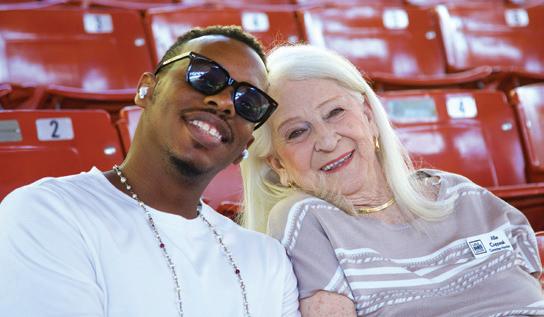
Jeffrey D. Byrne
Susan & Jeff Campbell
Mary Beth & Philip Canfield
Karen & Gerard Diffley
Holly & Tim Finchem
Cindy & Christopher Galvin
The Gilbert Family Charitable Foundation
Sheika Gramshammer
Judy Hart Angelo
Heather & Glenn Hilliard
Heather & Jim Hughes
Shelly & Chris Jarnot
Roberta & Michael Joseph
Amy & Mike Kazma
Sunni & Gary Markowitz
Sophie & Jeffrey Martz
Shirley & William S. McIntyre
Lara & Richard McVey
Kathy Neustadt
New Belgium Brewing
Amy & Harold Novikoff
Sally & Don O’Neal
Senenne & Marc Philippon
Jennifer Smith & Peter Ragauss
Brooke & Hap Stein
Bill Sterett
Michelle & Craig Taylor
George Ann & Buzz Victor
Tina & David Wilson
Jan & Greg Winchester
CHAMPIONS CIRCLE
Anonymous
Patricia & Sergio Arguelles
Ann Newman & Andy Arnold
Dr. John and Kim Callaghan
Kaye Summers & Dan Carpenter
Sidney & Donald Childress
Kay & Thomas Clanton
Nancy & Leo Denault
Trish Fillo
Bryan Fitzgerald
Joan Francis
Elizabeth & Michael Galvin
Gary & Bonnie Goldberg
FESTIVAL PATRONS
� VAILDANCE 45
Lil Buck and Allie Coppeak at the 2023 Vail Dance Festival. Photo by Brian Maloney.
FESTIVAL PATRONS
Kristel & William Hybl Jr.
Alexia & Jerry Jurschak
Marlene & Ben Krell
Elaine & Jeffrey Lovell Foundation
Alejandra & Tomas Milmo
Vicki & Trygve Myhren
Ed O’Brien
Jill & Kevin Plancher
Sissel & Richard Pomboy
Vikki & Michael Price
Patrice & Marshall Ringler
Sarah & Nat Robinson
Carlos Rojas
Ann & William Sacher
Elaine & Steven Schwartzreich
Beth & Rod^ Slifer
The Sherrill Family Foundation -
Debbie & Skip Courtney
Harvey Simpson & Sheila Sullivan
Leanne & Richard Tavoso
Vincent Family
Jacqueline & Norman Waite
Joan Whittenberg
LEGENDS CIRCLE
Anonymous (2)
Brian Addy
Madeleine Asplundh
Jayne & Paul Becker
Jane & Robert Berry
Biondi Family
MJ Blythe
Bolwell Family
Margo Brundage
Elaine Byers
Leslie & Blaise Carrig
Betsy & J. Donald Childress
Sally & Kevin Clair
Caryn Clayman
Shirley & Thomas Day
Amy & Jonathan Dobrin
Meg & James Duke
Catherine & Philip Edwards
Holly & William Elliott
Chris Firman
Julia & David Fleischner
Laura & William Frick
Vicky & John Garnsey
Marvin Naiman and Margery
Goldman Family Foundation
Kim & Richie Graham
Julie & Fletcher Groff
Rebeca Lergier Hanrahan & Daniel Hanrahan
Jane & Ray Heller
Mindy & Andrew Heyer
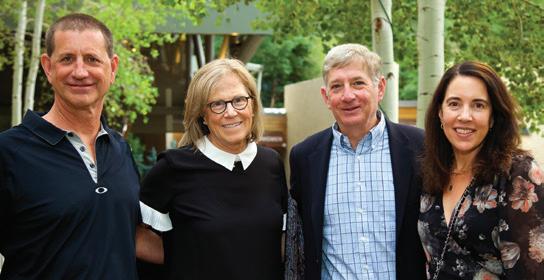
Paige & Michael Hill
Kimberly & John Hoffman
Amy & Bruce Karpas
Susan Kasser & Daniel Kah
Nancy Knowlton
Christine & Richard Lane
McKinley & Matthew Lee
Sheron & Scott Lewis
Janie & Bobby Lipnick
Hilary & Kevin Magner
Laura & Jeffrey Malehorn
Kathy & Steve McConahey
Jennifer Minor Lansing
Patricia Pacey & Charles Neinas
Renée Okubo
Debbie & Gary Packer
Gerry & Edmund Palmer
Ann & Tom Rader
Wendy & Paul Raether
Paul Repetto & Janet Pyle
Nicole & Jason Rosener
Elaine & Barry Sandler
Cynthia & Ted Senko
Stephanie & Harry Simpson
John Stevens
Ann & Mike Stone

Colleen & Frank Trabold
Jenifer Valentine
Leslie & Armando Vidal
Betsy Vincent & Norm LaZar
Susan Lynch & Daniel Virnich
Martin Waldbaum
Gloria Walker
Julia Watson
Allison Krausen & Kyle Webb
Joanne & Morris Wheeler
Mindy & Gregory White
Marilyn & Ron Wollard
Deborah & Stephen Yurco
YOUTHPOWER365’S CELEBRATE THE BEAT DONORS
Anonymous
Allie Coppeak
Margery Goldman
Shelly & Chris Jarnot
Renee Okubo
Jill & Kevin Plancher
Elise & Jay Rossiter
^in remembrance


Save the Date Legends of Dance October 20, 2024 dancearchive.org dancearchivedu Documenting, highlighting, and preserving dance in Colorado since 1972. 46 VAILDANCE.ORG
David Wilson, Gail Flesher, David Salvin, and Tina Wilson. Photo by Brian Maloney.

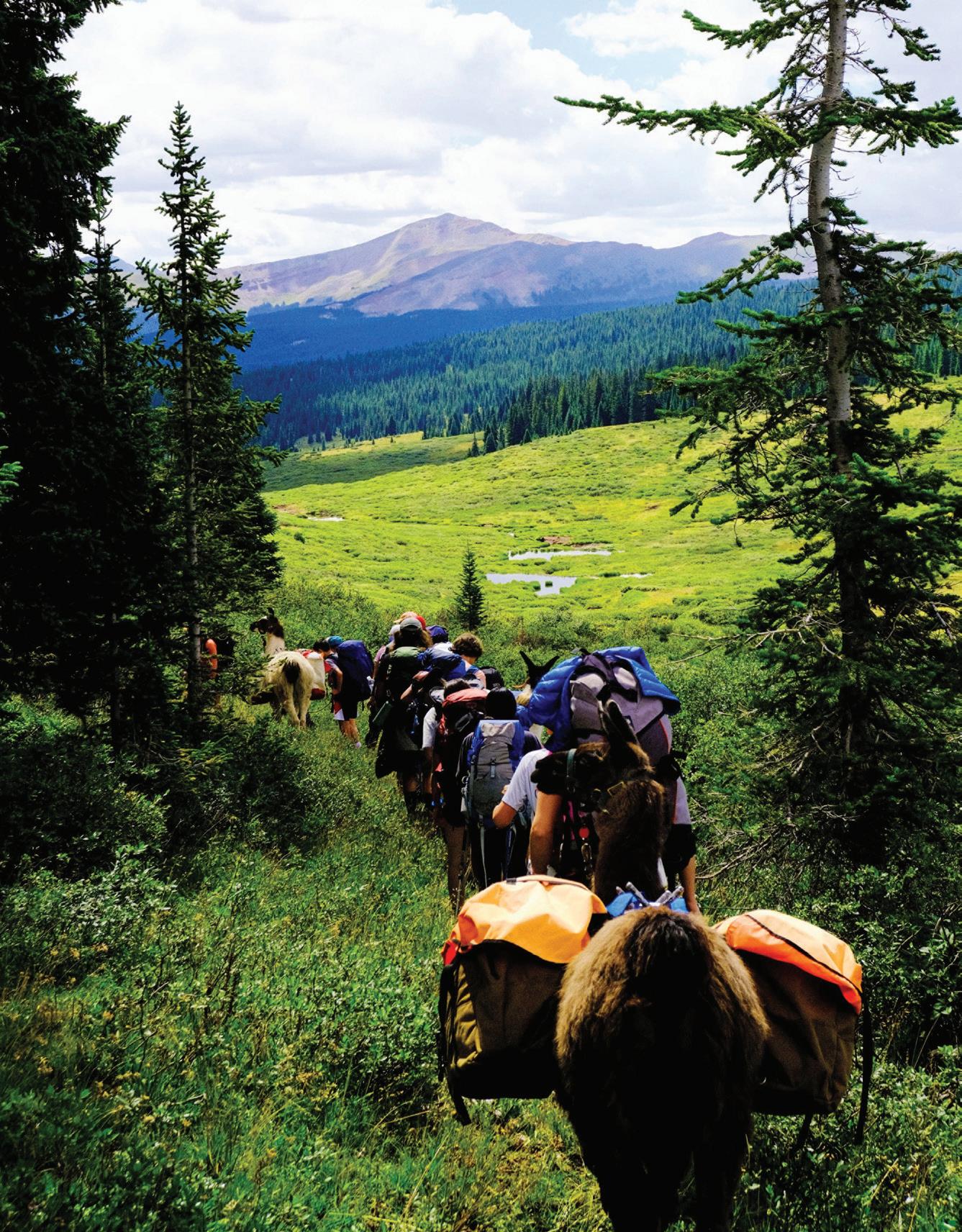
We go outside to go inside. VAI L MO U N T A I N SCHOO L SCHOLARSH I PS & T UITION ASSIS TANCE AVAILAB L E WWW. VMS . ED U

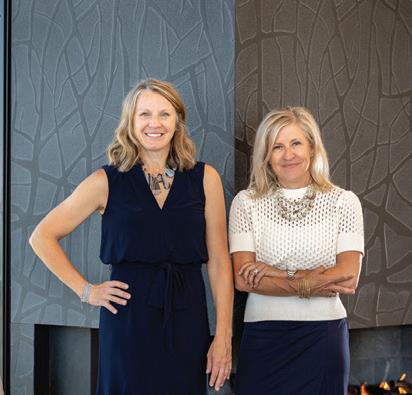
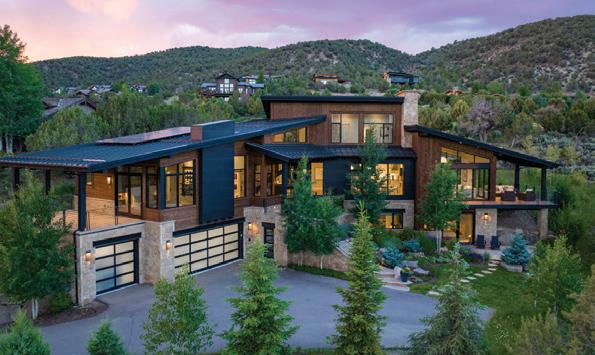
PATRICE | 970.376.7986 pringler@slifer.net TINA | 970.390.7286 tvardaman@slifer.net VardamanRinglerRealEstate.com #8 SMALL TEAM IN COLORADO – REAL TRENDS 2022 SERVICE | TRUST | COMMITMENT EXCEPTIONAL RESULTS 161 LEGACY TRAIL | CORDILLERA VALLEY CLUB 4-bed | 4-bath | 4,367 sq.ft. | $5,895,000 Adore yourself, Adorn yourself mpioppo@gmail.com www.mauripioppo.com
DANCE THEATRE OF HARLEM
Robert Garland, Artistic Director
Juan Carlos Penuela, Rehearsal Director
A singular presence in the ballet world, the Dance Theatre of Harlem Company tours nationally and internationally, presenting a powerful vision for ballet in the 21st century. The 18-member, multi-ethnic company performs a forward-thinking repertoire that includes treasured classics, neoclassical works by George Balanchine and resident choreographer Robert Garland, as well as innovative contemporary works that use the language of ballet to celebrate Arthur Mitchell’s belief that ballet belongs to everyone. Through performances, community engagement and arts education, the Company carries forward Dance Theatre of Harlem’s message of empowerment through the arts for all.
DANCERS:
David Atilley
Derek Brockington
Micah Bullard
Kouadio Davis
Ariana Dickerson
Lindsey Donnell
Keenan English
Carly Greene
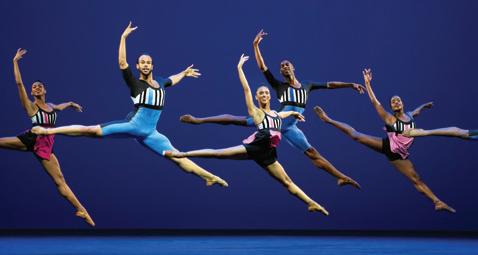
Alexandra Hutchinson
Alexandra Jones
Michaela Martin-Mason
Elias Re
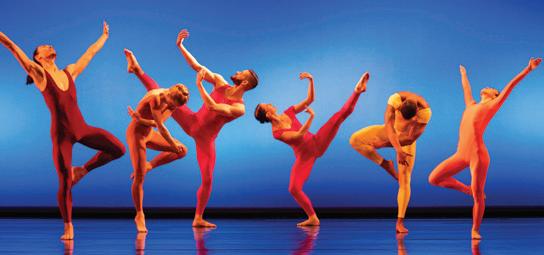
Luis Fernando Rego
Kira Robinson
Ingrid Silva
Delaney Washington
Stephanie Williams
David Wright
LIMÓN DANCE COMPANY
Dante Puleio, Artistic Director
Logan Frances Kruger, Associate Artistic Director
The Limón Dance Company (LDC) has been at the vanguard of dance since its inception in 1946. The first dance group to tour internationally under the auspices of the State Department, and first modern dance company to perform at Lincoln Center in New York, it has performed twice at The White House. The José Limón Dance Foundation, with Company and Institute, is the recipient of a 2008 National Medal of the Arts. José Limón has a special place in American culture for a social awareness that transcended distinct groups to address how we all search for commonality. It is with this ethos that we continue to commission works by critically acclaimed and emerging international voices 50 years after Limón’s passing. His works continue to influence the evolution of the art form with their arresting visual clarity, theatricality, and rhythmic and musical life.
DANCERS:
Natalie Clevenger
Joey Columbus
Mj Edwards
Mariah Gravelin
Johnson Guo
Kieran King
DANCEASPEN
Laurel Jenny Winton, Founder & Executive Director
Kaya Wolsey, Director of Operations
Deepa Liegel
Olivia Mozie
Eric Parra
Nicholas Ruscica
Jessica Sgambelluri
Savannah Spratt
Lauren Twomley
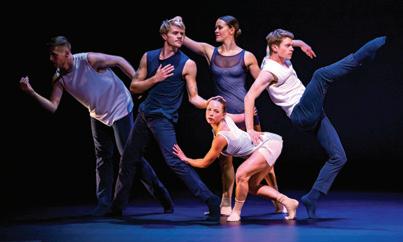
DanceAspen was founded as a way to keep dance alive in Aspen after the global pandemic tore through the dance community worldwide. It was established to create space for the artists to continue honing their craft and share their passion with the community. Since the formation of DanceAspen in 2021, the company has made leaps and bounds in becoming an integral part of the arts community in Aspen and the greater dance community abroad. DanceAspen’s repertoire includes works by esteemed choreographers from around the globe including Cayetano Soto, Danielle Rowe, Penny Saunders, Yue Yin, Robyn Mineko Williams and more. The company also provides opportunities for their company artists to grow through choreography and collaboration, fostering the next generation of choreographers and creators.
DANCERS:
Sammy Altenau
Matthew Gilmore
Madeleine Scott
Laurel Jenny Winton
Kaya Wolsey
Jonah Delgado
Meredith Harrill
FESTIVAL COMPANIES 50 VAILDANCE.ORG
COLORADO BALLET
Gil Boggs, Artistic Director
Sameed Afghani, Executive Director
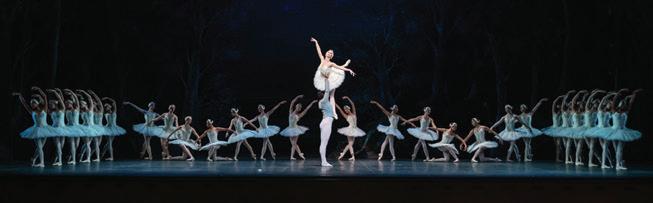
Presenting exceptional classical ballet and innovative contemporary dance through performances, training, education and community engagement, Colorado Ballet continues to inspire and grow an increasingly diverse audience base in Denver, CO. Established in 1961 by Lillian Covillo and Freidann Parker, Colorado Ballet is a non-profit organization celebrating 64 years of excellence. As a world-class professional company serving over 100,000 national and international patrons, Colorado Ballet presents 58 performances annually to sold-out audiences in the 2,000 seat Ellie Caulkins Opera House. The Company’s 40 professional dancers and 22 studio company dancers come from all over the world. Colorado Ballet’s The Armstrong Center for Dance, a 35,000 square foot building, boasts eight state-of-the-art professional dance studios and amenities for the professional Company. Under the direction of Artistic Director Gil Boggs, Colorado Ballet performs classical ballet masterpieces, full-length story ballets and its critically acclaimed repertory production Ballet MasterWorks, featuring varied works from neoclassical ballets to world premieres.
DANCERS:
Kenny Allen
Joshua Allenback
Catherine Aoki
Lily Bines
Mylie Buck
Alexandra Gilliom
Jennifer Grace
Sheridan Guerin
Lily Hagan
Emmanuelle
Hendrickson
Liam Hogan
Tiffany Hopkins
Chloe Kinzler
Mario Labrador
Ever Larson
Ariel McCarty
Leah McFadden
Catherine McGregor
Wyatt Mier
Patrick Mihm
Christopher Mitchell
Rheana Montesantos
Christophor Moulton
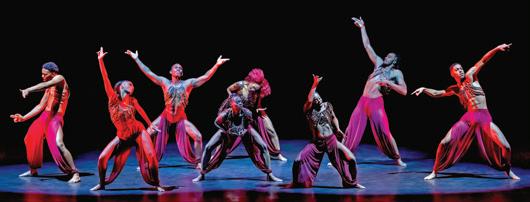
Sean Omandam
Jonnathan Ramirez
Sonata Ross
Asuka Sasaki
Jeremy Studinski
Mackenzie Dessens
Studinski
Sara Thomas
Kevin Gaël Thomas
Lili Travaglia
Cruz Vining
Alexandra Wilson
CLEO PARKER ROBINSON DANCE
Cleo Parker Robinson, Founder & Artistic Director
Currently celebrating its 54th Anniversary Season, the renowned Cleo Parker Robinson Dance Ensemble brings the power, passion, and beauty of modern dance rooted in African-American traditions and legacy. Holding the works of master choreographers of American modern dance in its repertoire, including Katherine Dunham, Donald McKayle, Eleo Pomare, and Alvin Ailey, the Ensemble’s performances encompass both the iconic and the innovative. Cleo Parker Robinson Dance presents dance as a universal language of movement, transcending boundaries of culture, class and age while honoring diversity and inclusiveness throughout the global community.
DANCERS:
Caeli Blake
Corey Boatner
Gabriela Maduro
Jasmine Francisco
Lamar D. Rogers
Michael Battle
Ralaya S. Goshea
Samiyah Lynnice
Samuel Gaines Jr.
MICHELLE DORRANCE & FRIENDS
Michelle Dorrance, Artistic Director, Choreographer, & Dancer
Tyveze Littlejohn
Winifred R. Harris
Michelle Dorrance and Friends is led by Dorrance and largely drawn from the extraordinary artists of Dorrance Dance, an award-winning tap dance company based in New York City. Founded in 2011 by Artistic Director and 2015 MacArthur Fellow Michelle Dorrance, the company shares the incredibly dynamic range that tap dance has to offer through performance & education. Their goal is to engage with audiences on a musical and emotional level, and to share the complex history and powerful legacy of this American art form throughout the country and the world. They have an unconquerable respect for their art form — its traditions and its possibilities. At its core, tap dance is a subversive form. Rooted in protest and transcendence, improvisation and innovation were paramount to its survival and are innately embedded in its very foundation. They strive to honor this legacy.
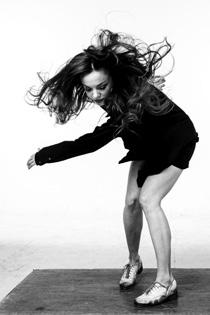
FESTIVAL COMPANIES � VAILDANCE 51
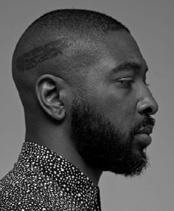
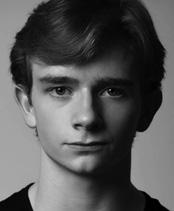
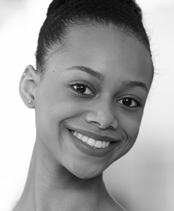
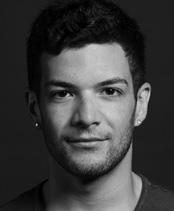
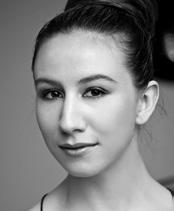

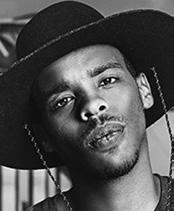

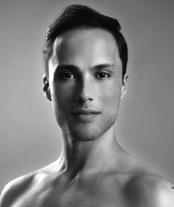

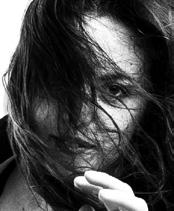
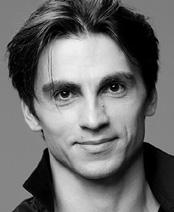
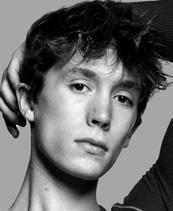
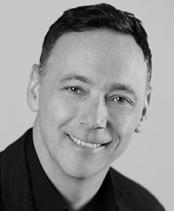
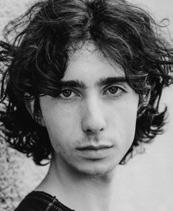
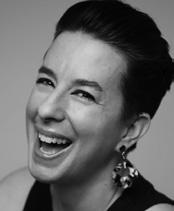 Kyle Abraham Artistic Director, A.I.M. by Kyle Abraham Festival Choreographer
Isabella Boylston Principal, American Ballet Theatre
Adji Cissoko Alonzo King LINES Ballet
Alessio Crognale Martha Graham Company
Aran Bell Principal, American Ballet Theatre
India Bradley Corps de Ballet, New York City Ballet
Harrison Coll Soloist, New York City Ballet
Patricia Delgado Former Principal, Miami City Ballet
Olivia Bell Corps de Ballet, New York City Ballet
Lil Buck Memphis Jooker
Herman Cornejo Principal, American Ballet Theatre
Michelle Dorrance Dorrance Dance Festival Choreographer
Gilbert Bolden III Soloist, New York City Ballet
Chun Wai Chan Principal, New York City Ballet
Derek Crescenti Keigwin + Company
Denys Drozdyuk Ballroom Dancer
Philip Duclos Corps de Ballet, Royal Danish Ballet
Robbie Fairchild Former Principal, New York City Ballet / Broadway Star
Savannah Green BalletX
Catherine Hurlin Principal, American Ballet Theatre
Daisy Jacobson Freelance Dancer
Larry Keigwin Artistic Director, Keigwin + Company Festival Choreographer
Spencer Lenain Freelance Dancer
Kyle Abraham Artistic Director, A.I.M. by Kyle Abraham Festival Choreographer
Isabella Boylston Principal, American Ballet Theatre
Adji Cissoko Alonzo King LINES Ballet
Alessio Crognale Martha Graham Company
Aran Bell Principal, American Ballet Theatre
India Bradley Corps de Ballet, New York City Ballet
Harrison Coll Soloist, New York City Ballet
Patricia Delgado Former Principal, Miami City Ballet
Olivia Bell Corps de Ballet, New York City Ballet
Lil Buck Memphis Jooker
Herman Cornejo Principal, American Ballet Theatre
Michelle Dorrance Dorrance Dance Festival Choreographer
Gilbert Bolden III Soloist, New York City Ballet
Chun Wai Chan Principal, New York City Ballet
Derek Crescenti Keigwin + Company
Denys Drozdyuk Ballroom Dancer
Philip Duclos Corps de Ballet, Royal Danish Ballet
Robbie Fairchild Former Principal, New York City Ballet / Broadway Star
Savannah Green BalletX
Catherine Hurlin Principal, American Ballet Theatre
Daisy Jacobson Freelance Dancer
Larry Keigwin Artistic Director, Keigwin + Company Festival Choreographer
Spencer Lenain Freelance Dancer
FESTIVAL ARTISTS 52 VAILDANCE.ORG
Andrea Lodico Keigwin + Company
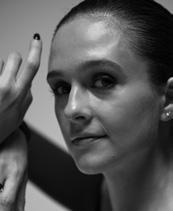
Lauren Lovette Former Principal, New York City Ballet Festival Choreographer
Jerard Palazo BalletX
Kayla Mak 2024 Scholar-In-Residence

Justin Peck New York City Ballet Festival Choreographer
Ben Rudisin Principal, National Ballet of Canada
Frances Samson Freelance Dancer
Sara Mearns Principal, New York City Ballet Artist-In-Residence
Tiler Peck Principal, New York City Ballet Festival Choreographer

Antonina Skobina Ballroom
Roman Mejia Principal, New York City Ballet
Unity Phelan Principal, New York City Ballet
KJ Takahashi Soloist, New York City Ballet
Mayfield Myers Corps de Ballet, Philadelphia Ballet
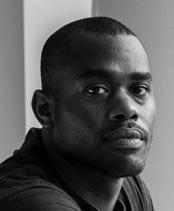
Jamar Roberts Artist-In-Residence Festival Choreographer
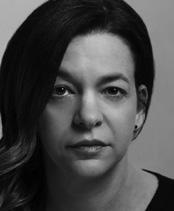
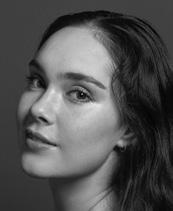
New York City
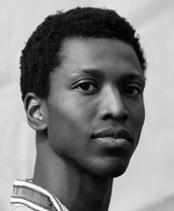
FESTIVAL COMPOSERS

Artists confirmed as of June 4, 2024
Mira Nadon Principal,
Ballet
Dancer
Calvin Royal III Principal, American Ballet Theatre
FESTIVAL ARTISTS
Pam Tanowitz Pam Tanowitz Dance Festival Choreographer
Melissa Toogood Pam Tanowitz Dance
James Whiteside Principal, American Ballet Theatre
Shelbie Rassler Festival Music Director
Generously Underwritten in part by Susan & Elihu Rose
Caroline Shaw Leonard Bernstein Composer-InResidence
Stephanie Terasaki Freelance Dancer
� VAILDANCE 53
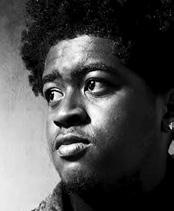
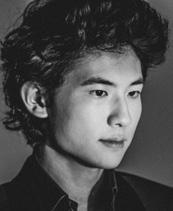

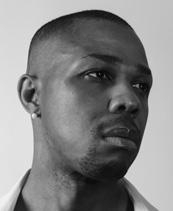
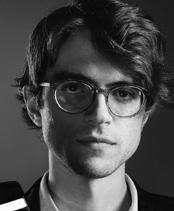
NATIONAL REPERTORY ORCHESTRA
Michael Stern, Music Director
Generously Underwritten
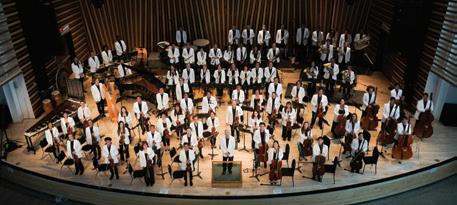
The National Repertory Orchestra is an educational organization based in Breckenridge, Colorado. Each year, 80 talented young musicians are selected to take part in the Summer Music Festival, where they will learn extensive repertoire alongside mentorship and leadership. During the eight-week festival, led by Music Director Michael Stern, the NRO performs as many as 18 orchestral concerts and over 32 free, community, family-friendly concerts. The NRO balances the needs of the participants with the needs of the community to create socially conscious musicians and prepare them for a career in music. Our alumni have taken on leadership roles in major orchestras around the world, including the New York Philharmonic, the Dallas Symphony, and the Philadelphia Orchestra.
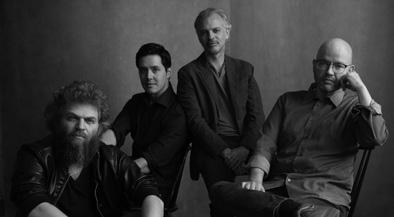
QUARTET-IN-RESIDENCE
BROOKLYN RIDER
With their gripping performance style and unquenchable appetite for musical adventure, Brooklyn Rider has carved a singular space in the world of string quartets over their fifteen year history. Defining the string quartet as a medium with deep historic roots and endless possibility for invention, they find equal inspiration in musical languages ranging from late Beethoven to Persian classical music to American roots music to the endlessly varied voices of living composers. Claiming no allegiance to either end of the historical spectrum, Brooklyn Rider most comfortably operates within the long arc of the tradition, seeking to illuminate works of the past with fresh insight while coaxing the malleable genre into the future through an inclusive programming vision, deep-rooted collaborations with a wide range of global tradition bearers, and the creation of thoughtful and relevant frames for commissioning projects. Photo by Shervin Lainez.
MUSICIANS:
Johnny Gandelsman, Violin Colin Jacobsen, Violin
Nicholas Cords, Viola
Michael
Cello
FESTIVAL MUSICIANS
Abdias Armenteros* Saxophonist
Eliza Salem* Drummer
Alex Sopp Flutist
Youba Cissokho Kora
Michael Scales Pianist
Davóne Tines Bass-Baritone
Jayla Chee* Upright Bass
Caroline Shaw Multi-Instrumentalist, Vocalist
Joel Wenhardt* Pianist
Kate Davis Multi-Instrumentalist
Tony Siqi Yun Pianist
Nicolas,
*Juilliard Alumni Jazz Ensemble+
54 VAILDANCE.ORG
by Susan & Jeff Campbell.
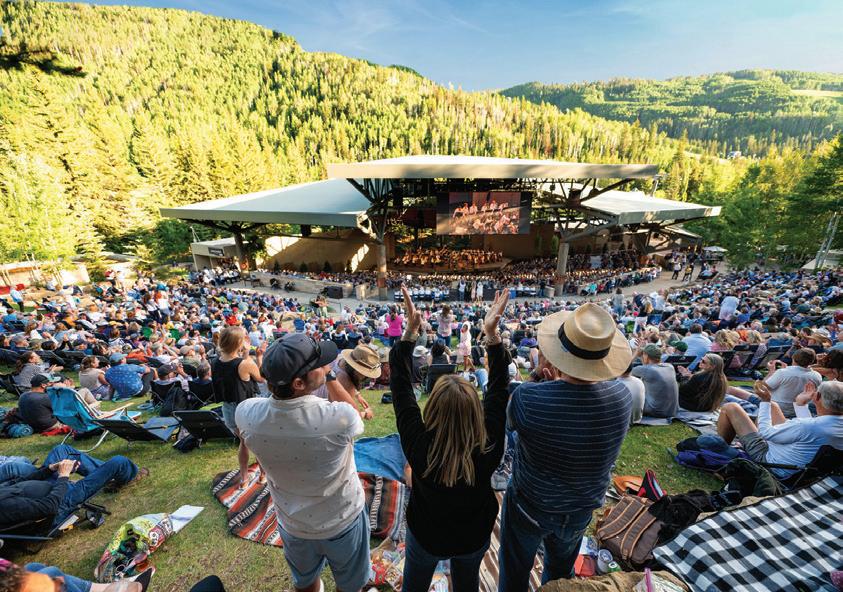
S I N F Ó N I C A D E M I N E R Í A J U N E 2 0 - 2 3 DA L L A S S Y M P H O N Y O R C H E S T R A J U N E 2 6 - J U LY 1 T H E PH I L A D E LP H I A O R C H E S T R A J U LY 4 - 1 2 N E W Y O R K PHIL H A R MO N I C J U LY 1 7 - 2 4 JUN E 2 0 — A U G U S T 1 S U P P O T E D B Y O N S A L E N OW ! $3 4
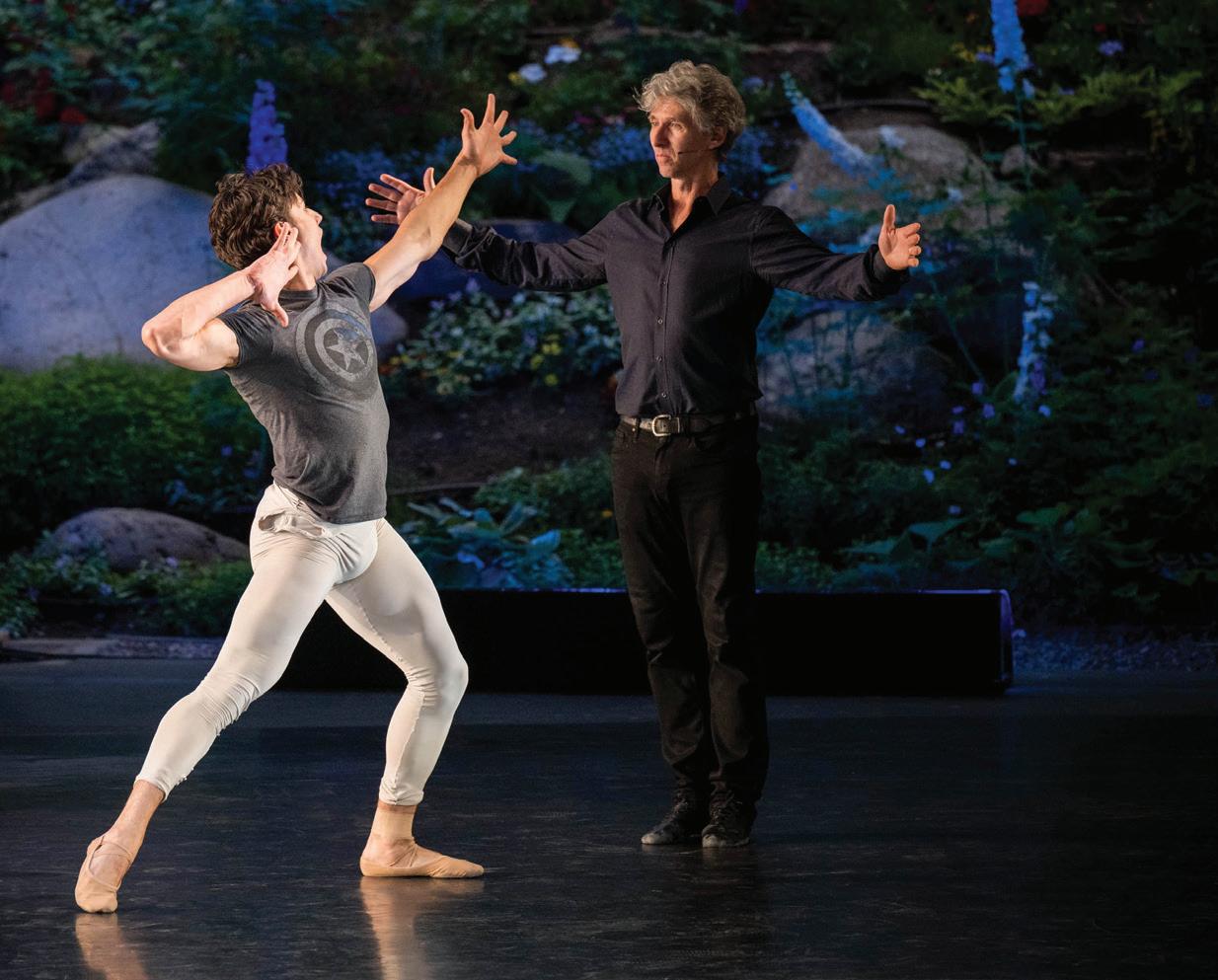
“It is a chance to see worldclass dancers at work, pushing themselves, trying things that may or may not succeed, all the while getting insight into the history of the works themselves.”
—Damian Woetzel
UpClose
By Sarah Silverblatt-Buser
Expanding knowledge - for the public and artists - has always been central to the Vail Dance Festival’s mission.
For almost 20 years, Artistic Director Damian Woetzel, joined by former New York City Ballet principal Heather Watts, have opened doors within Vail’s influential dance lab. From first partnerships to first meetings among genres, the Festival showcases a leading model for artistic alchemy. UpClose is a rare evening of insight into innovation. Star dancers of today take on groundbreaking roles in a rehearsal and discussion setting hosted by Woetzel and Watts. Inspired by Leonard Bernstein’s open rehearsals, UpClose invites audiences behind the scenes
to experience the creative process that defines the Festival.
While previous UpClose evenings have focused on specific pieces or makers, this year’s program highlights the breadth of dance at the Festival. It will dive into the significant “swerves” in Western dance history through the dance works themselves. The evening will include defining moments in ballet, modern, tap, street dance, ballroom, and contemporary dance as well as the musical movements that have often inspired new dance eras. Extraordinary dancers from each of these genres will perform trailblazing works, creating a super-dance that could only be done in Vail with its stars of many forms all in one place together.
56
Roman Mejia with Damian Woetzel performs Prodigal Son (1929). Choreography by George Balanchine. © The George Balanchine Trust. Photo by Christopher Duggan.
Ballet as an art form in constant development over centuries will be in focus with Woetzel and Watts examining key moments from the first dances en pointe, to story ballets, to the first plotless works. The story will continue as they rehearse “swerves” made by George Balanchine and Jerome Robbins in America, as the founding choreographers of NYCB. This will include Balanchine’s Apollo, which Woetzel describes as a “distillation of what ballet could be.” Balanchine’s move towards essentialism at the age of 24 as a response to Stravinsky’s pure score set the foundation for a lifetime of leading dance through abstraction. “He doesn’t know where he’s going to take us,” says Watts, “but he’s completely changing the art form.”
Such imaginative openness and curiosity of the times is a quality that defines many of dance’s changemakers. Robbins had the ability to harness the zeitgeist of the 1960s by creating dances about community during a time of cultural revolution. His Dances at a Gathering changed the structure of ballet, where instead of a single lead couple, there were multiple couples, dancing together as equals. “When I saw Dances,” recalls Watts, “when they stood and looked at us in the audience, and we looked at them… that was a swerve. He and Balanchine were tearing down the artifice and performative elements” that had characterized ballet until then.
This removal of the artifice while responding to cultural and artistic movements was also a marker of American modern choreographers. Artist-in-Residence Sara Mearns will perform pieces by Isadora Duncan and Martha Graham, which were made during waves of feminism. Both choreographers took women out of pointe shoes, with Duncan following intuitive movement while Graham created a powerful technique still practiced today. The evening will celebrate the 60th year anniversary of the first Cunningham “Event” – a specific “experience of dance” given in non-traditional spaces. Former Cunningham dancer Melissa Toogood will guide the audience through the abstract expressionist world of his formalist dances. The evening will also explore Twyla Tharp’s crossover work and specific movement vernacular, which uniquely combined ballet and modern vocabulary. This movement synthesis, in addition to her diverse musical choices from classical to popular, influenced both fields of dance simultaneously.
Other uniquely American dance forms will be explored in their artistic and cultural contexts. Michelle Dorrance, the award-winning tap dancer and choreographer, will take the audience through the layered history of tap dance. Lil Buck, the Memphis Jookin’ innovator, will dive into urban street dance and its co-creation with hip-hop music. Denys Drozdyuk and Antonina Skobina will lead the understanding of formalized ballroom dance from European balls to today. The Festival’s Scholar-in-Residence, Kayla Mak, will bring her perspective on the contemporary dance styles she trains in as a student at the Juilliard School.
“The power of furthering people’s interest and helping them understand is a win-win situation,” says Watts. Mutual learning occurs throughout the Festival and especially during the UpClose evening, “in the room where it happens,” says Woetzel. “It is a chance to see world-class dancers at work,” he says, “pushing themselves, trying things that may or may not succeed, all the while getting insight into the history of the works themselves.”
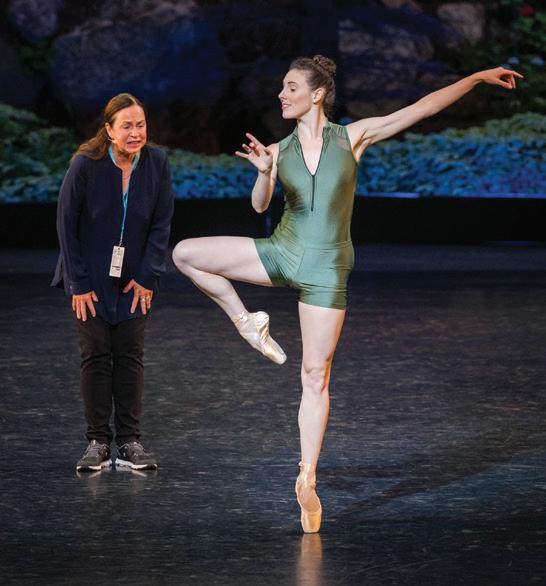
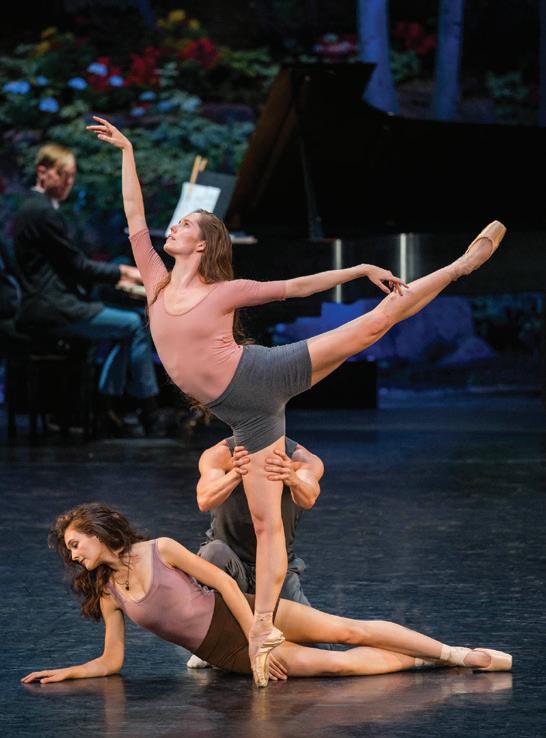 Lauren Lovette, Unity Phelan, and James Whiteside rehearse Serenade Choreography by George Balanchine. © The George Balanchine Trust. Photo by Christopher Duggan.
� VAILDANCE 57
Heather Watts rehearses Tiler Peck in Theme and Variations Choreography by George Balanchine. © The George Balanchine Trust. Photo by Christopher Duggan.
DANCE THEATRE of HARLEM RETURNS
The
legendary company will present works by Balanchine, Forsythe, and Garland.
By Joel Solari
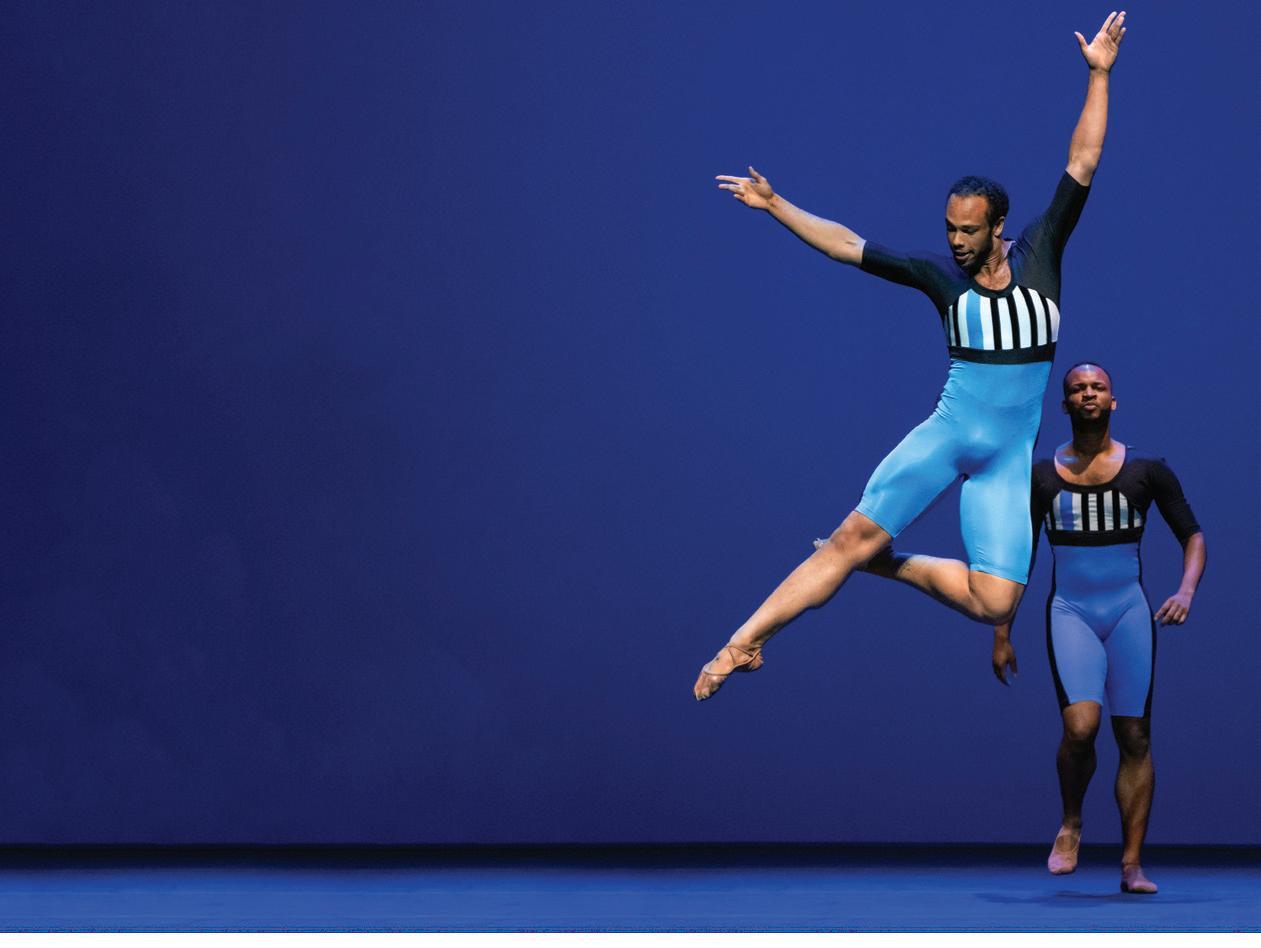
For decades the internationally acclaimed Dance Theatre of Harlem (DTH) has been celebrated for its powerful vision of multi-ethnic diversity for ballet, with a repertory which highlights both classicism and contemporary innovation. The company is the living legacy of Arthur Mitchell (1924–2018), the first Black principal dancer of New York City Ballet who alongside ballet master Karel Shook, founded DTH in 1969 during the height of the civil rights movement. Their vision was to teach classical ballet and create performance opportunities in Mitchell’s native Harlem. Following unprecedented growth from its humble beginnings in a Harlem garage, the company and school have since become a beacon and a haven for diverse artists in dance. In 2013 founding company member Virginia Johnson became Artistic Director and a decade later, DTH’s
Resident Choreographer and School Director Robert Garland took the helm of the company in 2023.
DTH returns to the Festival with a special appearance on Opening Night, July 26, and then again in a headlining performance on July 27th. The company will feature works by George Balanchine, William Forsythe, and Garland, showcasing its versatility as a company that embraces its classical roots and embodies contemporary style.
Set to Tschaikovsky's “Piano Concerto No. 3” George Balanchine’s high-spirited Allegro Brillante (1956) was described by the famed choreographer as a concentrated essay in the extended classical vocabulary in which a maximum amount of choreographic development is contained within a restricted area of time and space. He is quoted as saying that the piece is “everything I know about classical ballet in thirteen minutes."
“Dance Theatre of Harlem is thrilled to perform at the Vail Dance Festival this summer,” says Garland, DTH Artistic Director. “The dancers and I look forward to experiencing the unique blend of Vail’s natural beauty and artistic energy, while sharing the stage with beloved colleagues and immersing ourselves in the vibrant community that Vail has to offer.”
The works of Balanchine have a storied past with DTH due to its direct lineage to Mitchell, and Garland fully intends to continue that rich legacy going forward.
Dance Theatre of Harlem Company Artists in Nyman String Quartet No 2. Photo by Steven Pisano. 58 VAILDANCE.ORG
“I will never, ever let go of our Balanchine roots,” Garland recently said in a recent New York Times interview. “That is something to me that’s a nonnegotiable in terms of our artistic legacy and cultural background.”
Garland’s Nyman String Quartet No. 2 (2019) which was hailed by the Associated Press as “highly athletic and infectiously joyous” will also be presented. “This work is dedicated to the memory of two men whom I admire,” says Garland. "John Wesley Carlos, former track and field medal winner at the 1968 Summer Olympics, well known for his triumphant salute upon the winners podium that year, and Dance Theatre of Harlem’s Founder and Artistic Director Emeritus, Mr. Arthur Mitchell, whose similar stand for his people, his community, and the arts “has brought us thus far on our way.”
And rounding out the program will be Blake Works IV, a commission for the Dance Theatre of Harlem, which is the latest installment in William Forsythe’s continuously evolving work The Barre Project. The work derives its inspiration from the propulsive and rigorously structured songs of composer James Blake, whose work
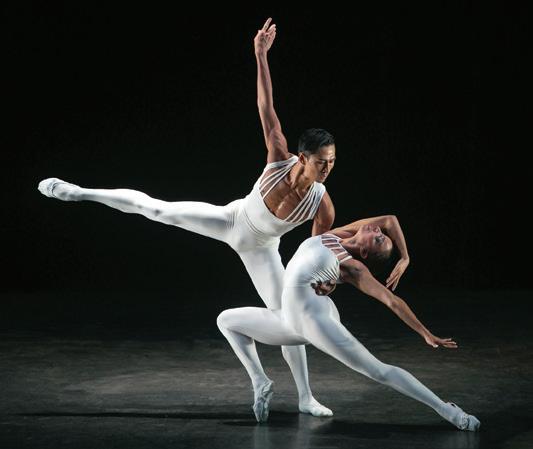
appears primarily in the popular music idiom. The Barre series began in 2021 at the height of the pandemic as a filmed dance that was streamed to a global audience facing the restrictions on live performance at the time. The live stage version for Dance Theatre of Harlem features newly choreographed sections that highlight the formidable talents of the ensemble and is a version of the ballet that is unique to this company alone.
“My friend and colleague, the brilliant Damian Woetzel, has taken the Vail Dance Festival to new heights and beyond, and we are honored to take part in this now legendary summer dance experience,” continues Garland. “We hope that each
performance ignites the soul with a fusion of passion, innovation, and the timeless allure of dance.”
Sources for this article include Dance Theatre of Harlem, The George Balanchine Trust, New York City Ballet, and The New York Times.
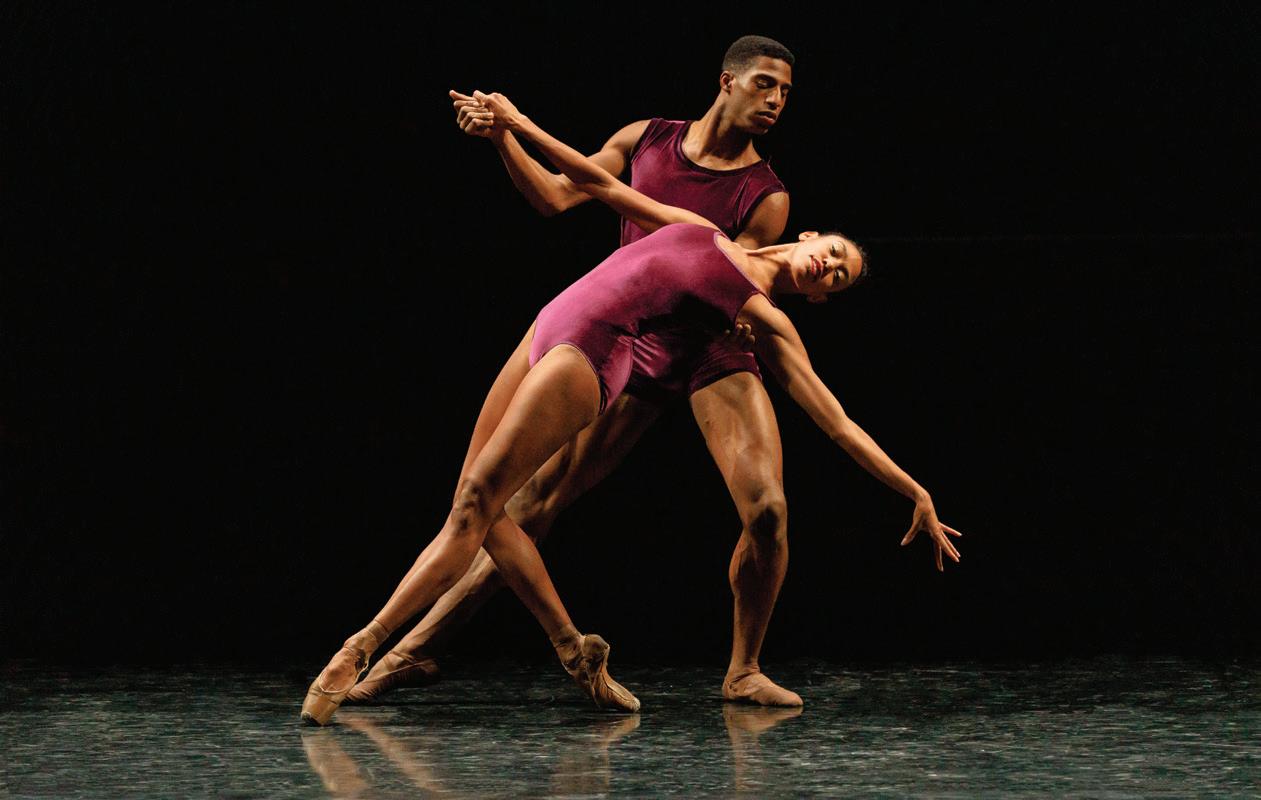 Derek Brockington and Lindsey Donnell performing Blake Works IV. Photo by Theik Smith.
Stephanie Rae Williams and Choong Hoon Lee performing in their last appearance at the Festival in 2017. Photo by Erin Baiano.
Derek Brockington and Lindsey Donnell performing Blake Works IV. Photo by Theik Smith.
Stephanie Rae Williams and Choong Hoon Lee performing in their last appearance at the Festival in 2017. Photo by Erin Baiano.
59 � VAILDANCE
“SCENE” AT THE FESTIVAL
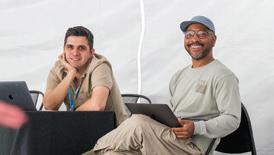
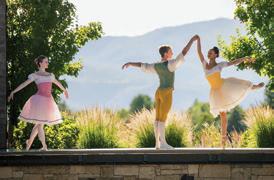
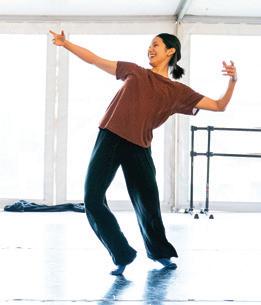
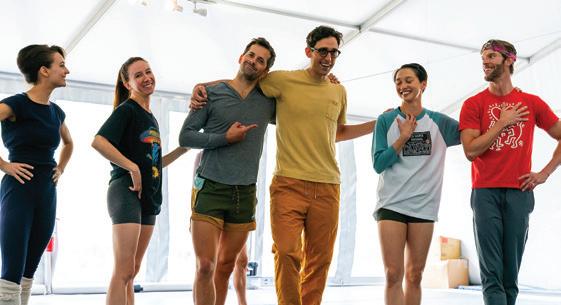
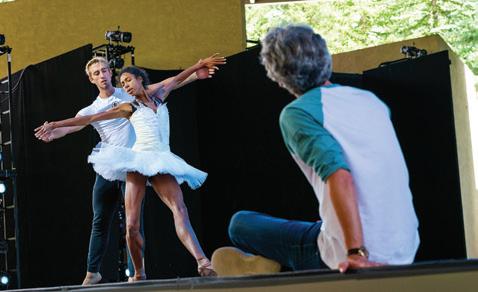
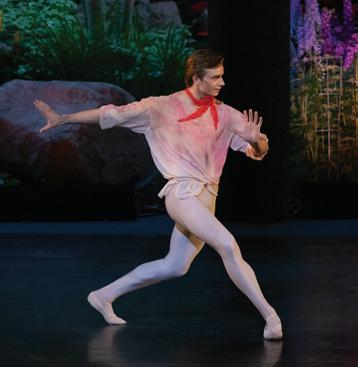
1 9 8 3 5 6
10 7 2 4
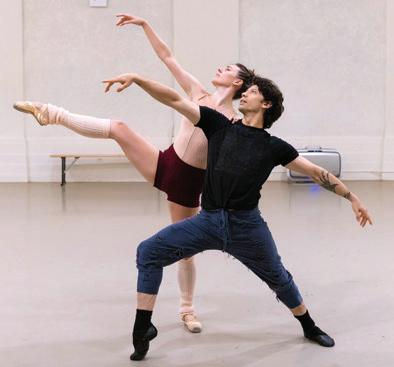
A look back at past Festivals!
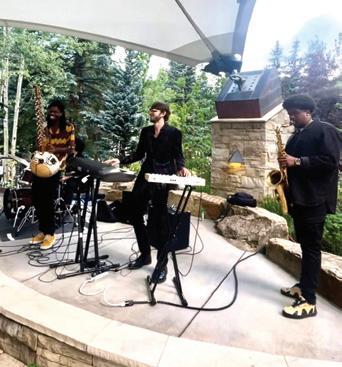
 1. Brandon Stirling Baker and Kyle Abraham during rehearsal. Photo by Christopher Duggan.
2. Stephanie Terasaki in rehearsal at the Vail Dance Festival. Photo by Chris Kendig.
3. Lauren Lovette, Isabella Boylston, Robbie Fairchild, Justin Peck, Caili Quan, and James Whiteside post-rehearsal.
Photo by Chris Kendig.
4. Mayfield Myers, Philip Duclos, and Olivia Bell during the 2023 Dancing in the Park.
Photo by Christopher Duggan.
5. Dario Natarelli and Savannah Green at the En Pointe Party. Photo by Brian Maloney.
6. Ben Rudisin, Adji Cissoko, and Damian Woetzel during rehearsal. Photo by Chris Kendig.
7. Youba Cissoko, Joel Wenhardt, and Abdias Armenteros perform in the social courtyard. Photo by Chris Kendig.
8. Aran Bell performs The Leaves are Falling. Photo by Erin Baiano.
9. Tiler Peck and Herman Cornejo rehearsing in New York. Photo by Erin Baiano.
10. Sara Mearns and Robbie Fairchild chatting before morning class. Photo by Christopher Duggan.
1. Brandon Stirling Baker and Kyle Abraham during rehearsal. Photo by Christopher Duggan.
2. Stephanie Terasaki in rehearsal at the Vail Dance Festival. Photo by Chris Kendig.
3. Lauren Lovette, Isabella Boylston, Robbie Fairchild, Justin Peck, Caili Quan, and James Whiteside post-rehearsal.
Photo by Chris Kendig.
4. Mayfield Myers, Philip Duclos, and Olivia Bell during the 2023 Dancing in the Park.
Photo by Christopher Duggan.
5. Dario Natarelli and Savannah Green at the En Pointe Party. Photo by Brian Maloney.
6. Ben Rudisin, Adji Cissoko, and Damian Woetzel during rehearsal. Photo by Chris Kendig.
7. Youba Cissoko, Joel Wenhardt, and Abdias Armenteros perform in the social courtyard. Photo by Chris Kendig.
8. Aran Bell performs The Leaves are Falling. Photo by Erin Baiano.
9. Tiler Peck and Herman Cornejo rehearsing in New York. Photo by Erin Baiano.
10. Sara Mearns and Robbie Fairchild chatting before morning class. Photo by Christopher Duggan.
60 VAILDANCE.ORG
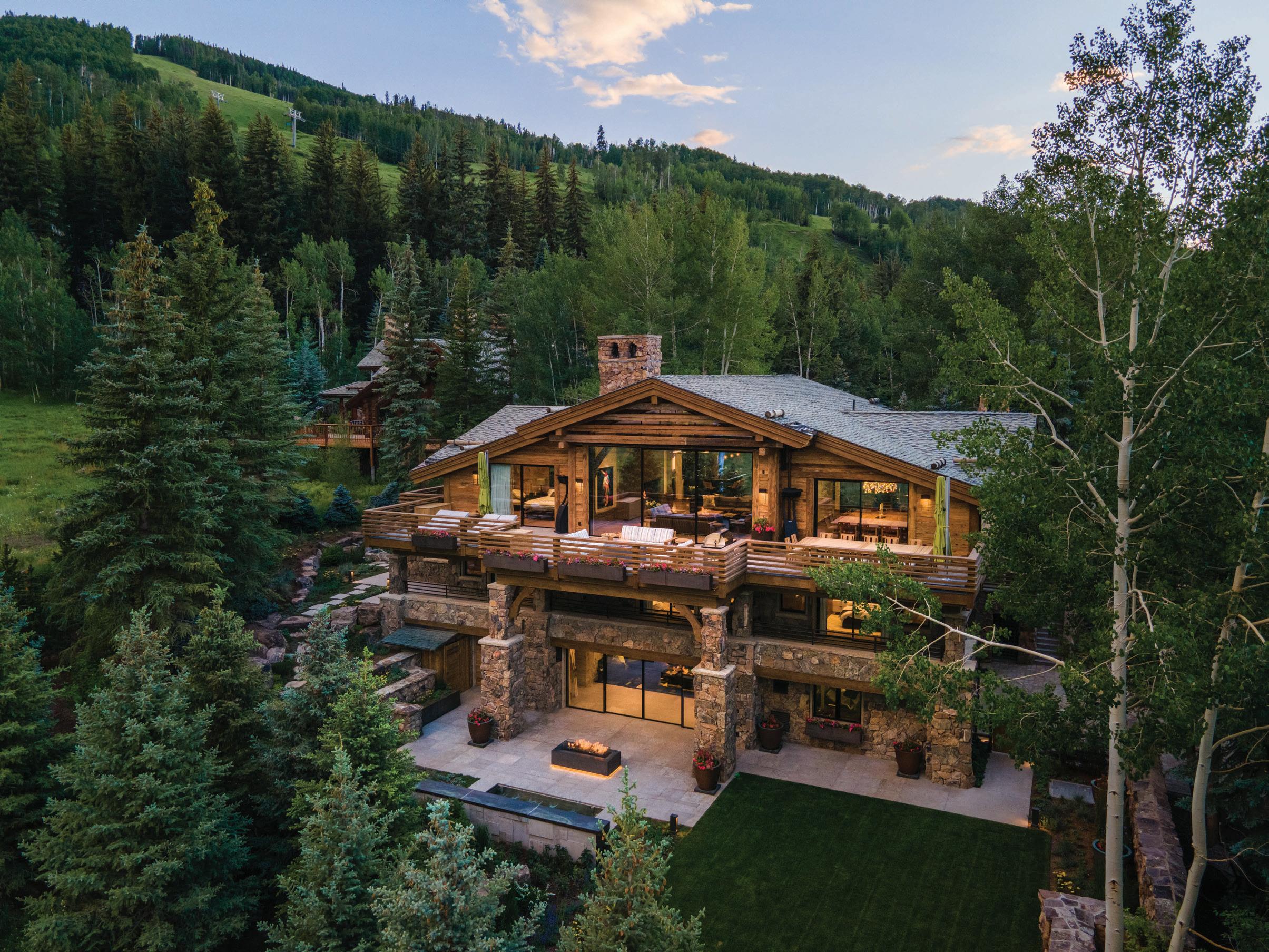
THANK YOU
It takes a village to put on the Vail Dance Festival and we could not do it without the hard work and dedication of our sponsors, partners, staff, interns, ambassadors, and volunteers.
FESTIVAL SPONSORS
Celsius Discover Vail
Epic Mountain Express
Espolòn Tequila
GMC
La Crema
Manor Vail Lodge
Nature Valley Pacifico
Slifer Smith & Frampton Real Estate
Sonnenalp Hotel
Squash Blossom
Stranahan’s Colorado Whiskey
Town of Avon
Town of Vail
Vail Mountain
LODGING PARTNERS
Beaver Creek West Condominiums
Christiania at Vail
Manor Vail Lodge
The Pines Lodge, A Rock Resort
The Osprey at Beaver Creek, A Rock Resort
Tivoli
The Christie Lodge
Vail Management Company
Vail Realty
Vail Spa Condominiums
PARTNER ORGANIZATIONS
New York City Center
Vail Integrative Medical Group
Vail Mountain School
FOUNDATION SUPPORT
Alphadyne Foundation
Doris Duke Charitable Foundation
Jerome Robbins Foundation
Mabel Horrigan Foundation
Virgina B. Toulmin Foundation
ARTISTIC TEAM
Damian Woetzel, Festival Artistic Director
Patricia Delgado & Melissa Toogood, Staging Associates
Russell Kaiser, Artistic Planning & Rehearsal Director
Heather Watts, Creative Associate
Margaret Tracey, Repetiteur and Ballet Mistress
Shelbie Rassler, Music Director
PRODUCTION
Jesse Campbell, Director of Production
Betsy Ayer, Production Stage Manager
Brandon Stirling Baker, Resident Lighting Designer
Roya Abab, Guest Lighting Designer & Lighting Director
Kirk Baltzell, Asst. Stage Manager
Anna Brevetti, Electrician
Miguel Chamberlain, Wardrobe Supervisor
Ash Ditaranto, Wardrobe Assistant
Sabina Fritz, Venue/Rehearsal Manager
Duncan Gallagher, Stage Operations Crew
Marq Gonzalez, Production Electrician
Marlene Hamm, Costume Director
Alayna McCabe, Venue/Rehearsal Manager
Nicole Mommen, Stage Manager
Jamie Montgomery, Electrician
Sarah Newman, Wardrobe Assistant
Elizabeth Nguyen, Stage Operations Lead
Heather Olcott, Asst. Stage Manager
Angelina Pellini, Asst. Stage Manager
Rebecca Roeill, A2
Alberto Ruiz, Production Manager
Miranda Trembley, Asst. Production Electrician
STAFF
Mike Imhof, President & CEO
Sierra Adams, Vice President of Philanthropy
Sara Amberg, Executive Director, YouthPower365
Josh Cloud, Chief Financial Officer
Dave Dressman, Vice President, Sales & Gerald R. Ford Amphitheater
Kristen Dudding, Sr. Director of Marketing & PR
Heidi Elzinga, Asst. to the President
Sarah Franke, SVP, Operations
Linda Giordano, Sr. Director of HR
Cameron Morgan, Executive Director, VPAC
Harper Addison, Festival & Operations Manager
Donna Arnold, Data Gift Entry & AP Coordinator
Lisa Babb, Senior Operations Manager
Greg Bloom, Sr. Director, Sponsorship Sales
Peter Blosten, Senior Director of Operations, Gerald R. Ford Amphitheater
Tom Boyd, Director of PR & Communications
Martha Brassel, Sr. Director of Philanthropy
Erik Brown, Director of Special Projects
*This list is current as of May 31, 2024 FESTIVAL SUPPORT & STAFF 62 VAILDANCE.ORG
Justin Brown, Director of Operations, VPAC
Maddie Brown, Logistics & Administrative Coordinator
Javier Cendejas, Pianist
Dean Davis, Facilities Manager, VPAC
Dionne Drugan Brown, Office Manager
Christopher Duggan, Festival Photographer
Britt Felton, Marketing Manager
Tim Felton, Senior Operations Manager
Rosi Folmer, Development Events Manager
Elle Friedle, Sr. Manager, Grant Development
Lauren Gary, Director of Ticketing & Asst. Director, VPAC & Gerald R. Ford Amphitheater
Elizabeth Gihle, Senior Box Office Manager, Gerald R. Ford Amphitheater
Riley Goosen, Lighting Designer, VPAC
Ruthie Hamrick, Director of Marketing, VPAC
Kenneth Howell, Food & Beverage Manager, VPAC
Shane Huebner, Production Manager VPAC & Gerald R. Ford Amphitheater
Owen Hutchinson, Artistic Director, VPAC
Kate Kalamon, Sr. Manager, Sponsorship & Sales
Chris Kendig, Photographer
Martin Leyes, Senior Operations Manager
Stephen Licciardi, Director of Philanthropy
Devin Lyon, Marketing Coordinator
Cheyenne Mendoza, Technical Director, VPAC & Gerald R. Ford Amphitheater
Brian Maloney, Photographer
Gail Russell, Accounting & Finance Manager
Morgan Russell, Venue & Events Manager, Gerald R. Ford Amphitheater
Christine Santucci, Volunteer & Operations Manager
Andrea Selby, Festival Illustrator
Euginnia Seyferth, Director of Philanthropy
Gabe Shalley, Associate Director, DataSystems
Amy Sherman, Assistant Box Office Manager, VPAC
Heather Smith, Payroll & Benefits Manager
Chef Hunter Smith, Big Delicious Catering
Joel Solari, Festival Public Relations Manager
Lee Steele, Associate Director of Annual Support
Jessica Stevens, Sr. Director, Sponsorship Sales
Nel Shelby Productions, Festival Videographer
Michael Sheridan, Asst. to the Artistic Director
Shannon Thornburg, Sr. Marketing Manager
Miah Wheeler, Director of Philanthropy, VPAC
Peggy Wolfe, Sr. Director of Operations
Brad Wuelling, Director of Financial Planning & Analysis
Patrick Zimmerman, High Country Backline
FESTIVAL INTERNS
Anna Johnson, Artist Services Intern
Arjun Kochhar, Marketing Intern
Carissa Campbell, Marketing Intern
Dymond Davis, Donor Relations Intern
Emmie Urquhart, Development Coordinator
Sean McRee, Gore Creek Concessions
Brian Muller, Chief Technical Officer
Bailey Nelson, Admin & Campaign Manager
Kate Penner, Social Media Manager
Marley Poku-Kankam, NYC Rehearsal Coordinator
Kendra Powell, Sr. Manager of Donor Engagement
Tess Reinhold, Programming & Artist Relations Manager , VPAC
Jill Reitzel, Personnel Coordinator
Ella Grace Worraker, Merchandising Intern
Evan Smedley, Logistics & Operations Intern
Kelly Gleason, Donor Relations Intern
Molly Leahy, Artist Services Intern
Sierra Riley, Logistics & Operations Intern
FESTIVAL AMBASSADORS
Avery Begg, Ambassador Co-Coordinator
Avery Moyer, Ambassador
Brooke Bodenhemier, Ambassador
Clarie Coughlin, Ambassador
Fiona Poth, Ambassador
Gracie Johsnon, Ambassador Co-Coordinator
Kylie Kirkham, Ambassador
Mackenzie Messmer, Ambassador
Mikaela Gifford, Ambassador
Olivia Arseneau, Ambassador
Sabrina Magennis, Ambassador
Scarlett Tino, Ambassador
Tatum Prigge, Ambassador
YOUTHPOWER���’S CELEBRATE THE BEAT POP HOP CAMP STAFF
Kris Ashley, YouthPower365 Program Manager
Tracy Straus, Founding Artistic Director
Jonathan Smith, Musical Director
Jacob Lidard, Musical Director Eagle County
Jacob Baxter, CTB Alumni and Teaching Artist
Kimberly Mayorga, CTB Alumni and Teaching Artist
Joslyn Sanchez, CTB Alumni and Teaching Artist
SPECIAL CONTRIBUTORS
The Juilliard School
The Keith Haring Foundation
Shelly & Chris Jarnot
Rebecca & Tyler Morse, MCR
SPECIAL PROJECT VOLUNTEERS
Theresa Anders
Shelly Jarnot
Marsha Landesman
On behalf of the Vail Dance Festival and Vail Valley Foundation, thank you to our dedicated team of volunteers!
Festival Volunteers and Production Staff. Photos by Christopher Duggan and Chris Kendig. FESTIVAL SUPPORT & STAFF � VAILDANCE 63

Regenerative Medicine, Physical Therapy, Sports Chiropractic and Massage Therapy in Vail, Edwards and Eagle 970-926-4600
Photo by Erin Baiano
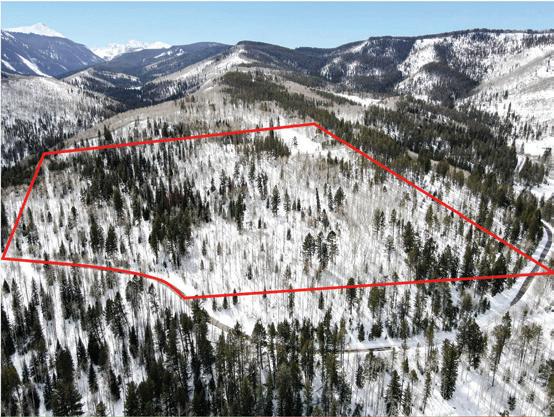
Lot | Casteel Creek Sporting Club | Edwards
35.29 acres | $6,500,000 Samantha Gerstein | 970.331.1519 | sgerstein@slifer.net SamSellsVail.com
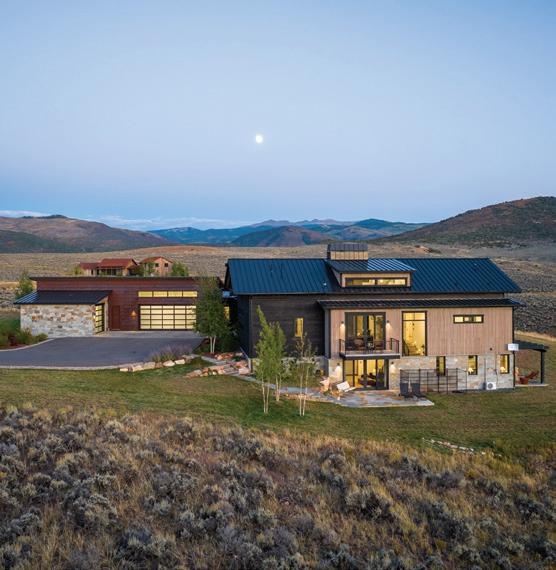
1658 E Haystacker Drive | Eagle Ranch
K2T Collective | 970.376.5814 | 970.328.2550 K2@slifer.net | K2TCollective.com
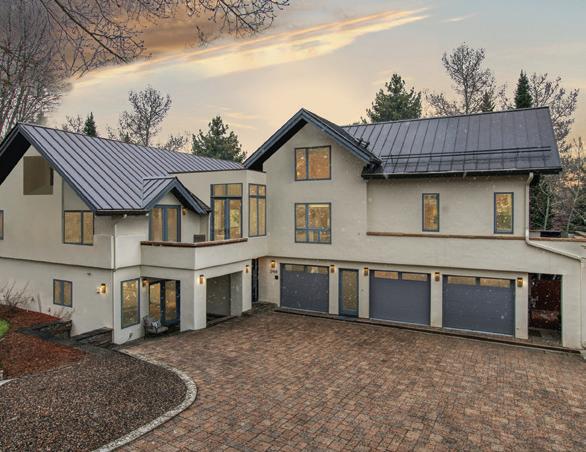
2468 Garmisch Drive | West Vail
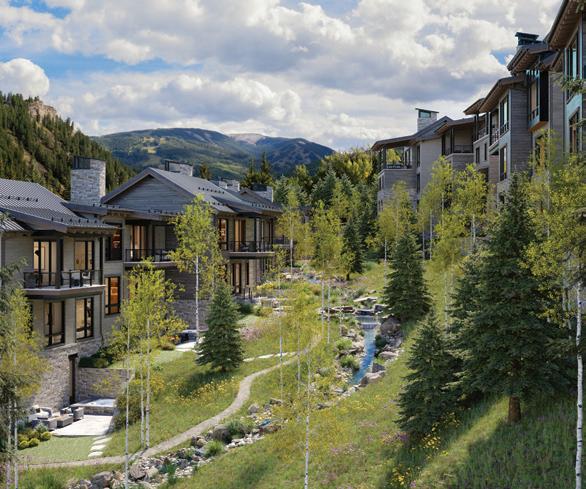
4-bed | 4.5-bath | 5,224 sf | $3,999,000 Kim Fritzler | Kelly Moser | TJ Davis
View all our Vail Valley properties at, VailRealEstate.com WE CALL IT HOME. Fully committed to our communities, and always 100% locally focused. We are Slifer Smith
Frampton, Colorado’s real estate company.
&
7-bed | 6-bath | 4,403 sf | $5,395,000 Kelly VanHee | 970.376.7092
LuxuryRealEstateVail.com Arcadian on Beaver Creek | Beaver Creek A collection of new residences coming 2024 to Beaver Creek Joanna Hopkins | 970.471.4945 | jhopkins@slifer.net ArcadianBeaverCreek.com THE VAIL VALLEY,
| kelly@slifer.net

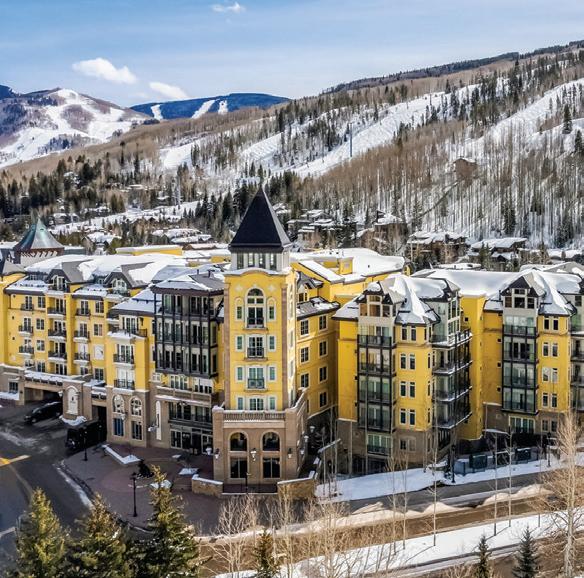

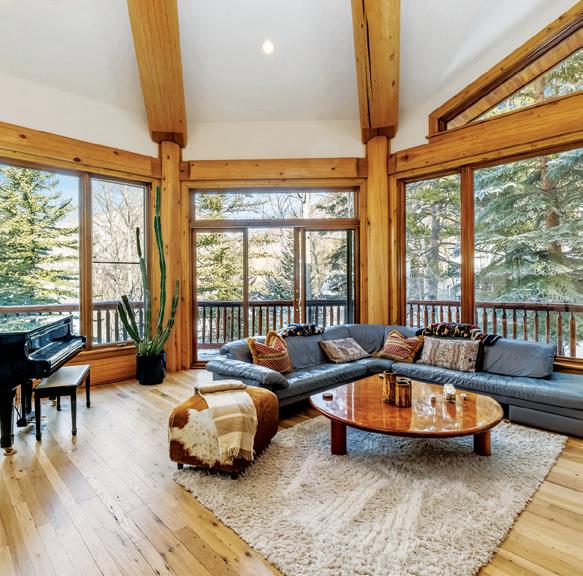

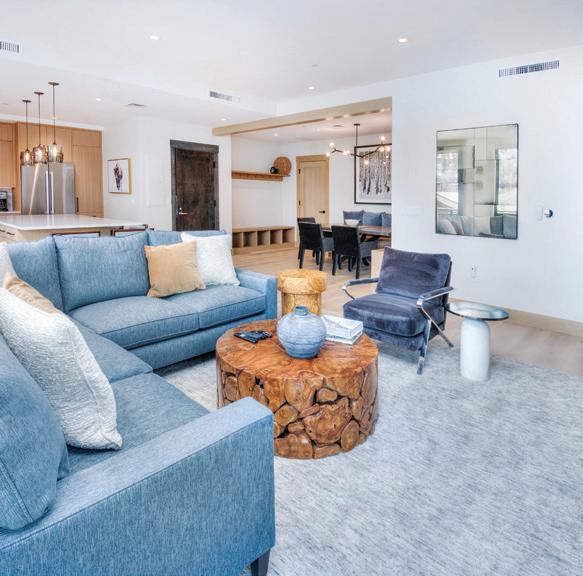

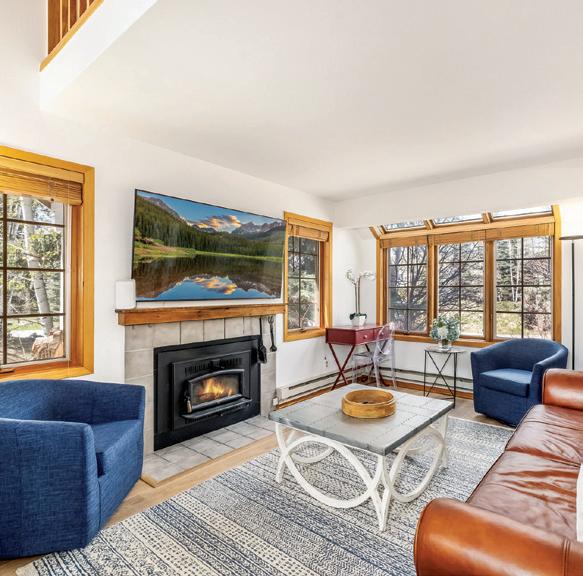

One Riverfront #200 | Avon 3 bedrooms | 3 bathrooms | 1,958 sqft | $3,999,000 Kris Bruce | 970.376.6656 | kris.bruce@evrealestate.com Delfina Darquier | 970.390.4894 | delfina.darquier@evrealestate.com The Ritz Carlton Residences #303 Lionshead, Vail
bedrooms | 4 bathrooms | 1,999 sqft | $5,300,000 Karin Millette | 970.376.0691 | karin.millette@evrealestate.com 1319 Greenhill Court | Cascade Village 4 bedrooms | 6 bathrooms | 3,745 sqft | $4,998,000 Jenifer Shay | 970.376.2752 | jenifer.shay@evrealestate.com Homestead Court Club #1 | Edwards 2 bedrooms | 2.5 bathrooms | 1,382 sqft | $925,000 Jay Baiel | 480.296.4053 | jay.baiel@evrealestate.com ©2024 Engel & Völkers. All rights reserved. Each brokerage independently owned and operated. All information provided is deemed reliable but is not guaranteed and should be independently verified. Engel & Völkers and its independent License Partners are Equal Opportunity Employers and fully support the principles of the Fair Housing Act. VAIL VILLAGE | BEAVER CREEK 970.477.5300 • VAIL.EVREALESTATE.COM • 970.763.5800
3