
CATALYST
Digitizing Dinosaur Tracks • Propelling Experiential Learning Counting on Student Success • #ThisIsWhatAScientistLooksLike
CATALYST
Dean: David R. Silva, Ph.D.
Editor and Writer: Lauren Moriarty
Graphic Designer: Coral Díaz
Copyeditor: Ashley Festa
Student Writers: Alex Roush, Amber Powell, Cecilia Nwaichi, Daniel Castella, Jalen Ray, Robert Salinas, Sofia Garcia
Contributing Writers: Bruce Forey, Keith Herndon, Taylor Bird
COLLEGE ADMINISTRATION
Associate Dean for Faculty Affairs: Kelly Nash, Ph.D.
Associate Dean for Graduate Studies: Janis Bush, Ph.D.
Associate Dean for Research: Jose Lopez-Ribot, Pharm.D./Ph.D.
Associate Dean for Student Success and Instructional Innovation: Edwin Barea-Rodriguez, Ph.D.
Associate Dean for Undergraduate Studies: Timothy Yuen, Ph.D.
Assistant Dean for Fiscal Administration: Mike Findeisen
Assistant Dean for Remote Instruction: Terri Matiella, Ph.D.
Senior Executive Development Officer: Kim Fischer
Alex Roush Environmental Science
Amber Powell Multidisciplinary Studies
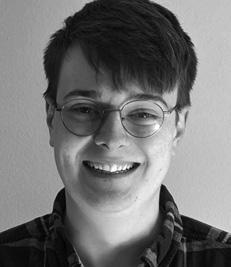
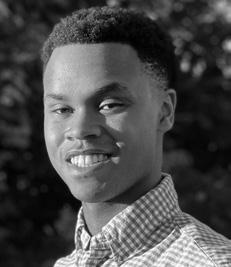
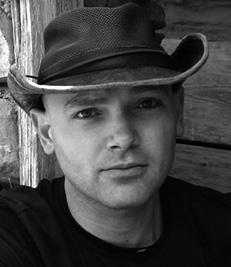
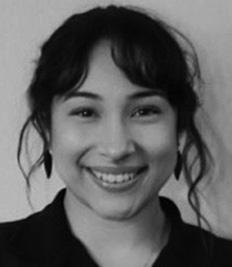
Student Writers Student Artists
Cecilia Nwaichi Biology
Daniel Castella Chemistry
Jalen Ray Environmental Science
Robert Salinas Geology
Sofia Garcia Digital Communication
Message from the Dean
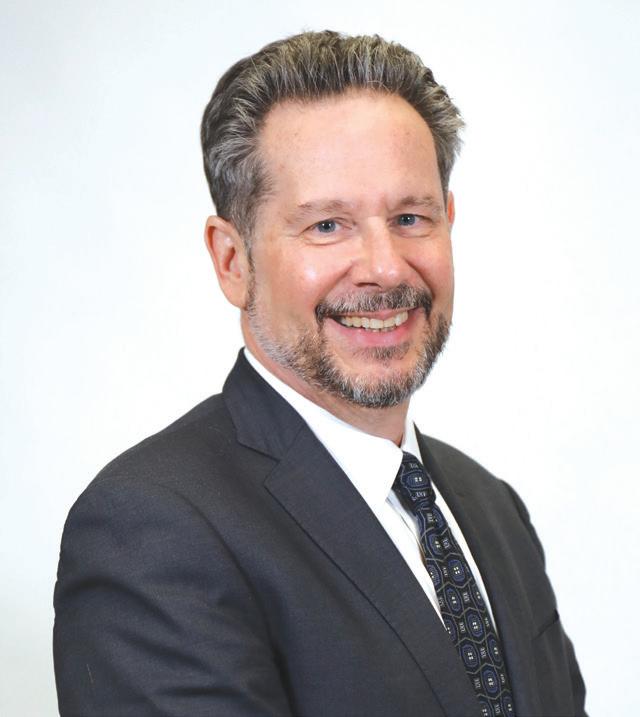
Greetings from the College of Sciences. This has been a remarkable year for our college in many ways, and I’m excited to share some of the highlights with you in the following pages.
The pandemic and resulting move to online instruction created both opportunities and challenges for us. I am happy to report that students are making excellent progress in their programs despite the interruption and additional hurdles. We currently instruct about 5,000 College of Sciences majors and also connect with around 9,000 additional UTSA students through our service classes. This unprecedented period has given us the opportunity to explore and identify improved methods of instructional delivery, pedagogy, and academic innovation.
At the same time, I want to recognize that we understand this was a huge effort for everyone involved. We strive to get better each day, but we know many students were put in difficult positions and that this was not the engaging, forward-looking experience they expected going into the year. Online instruction is a tool that we expect will become an increasingly important part of our portfolio in the future, and we look forward to continuing to improve the experience for our students and faculty.
In the meantime, we are forging ahead with our research enterprise. It is remarkable that, in the face of the pandemic, our research scholars have continued to make progress. We have maintained a similar level of productivity as in the previous year, measured by publications, research expenditures and awards received, as well as patents granted. Given the circumstances, this is a huge victory.
I hope we will be talking about our triumphant return to campus in the next issue of Catalyst. Until then, I thank you for your continued support of our college and our students.
Sincerely,
Jake Lehle Cell & Molecular Biology
Ziqi Yu Chemistry
DAVID R. SILVA, PH.D. Distinguished Professor, Physics and Astronomy Dean, College of Sciences
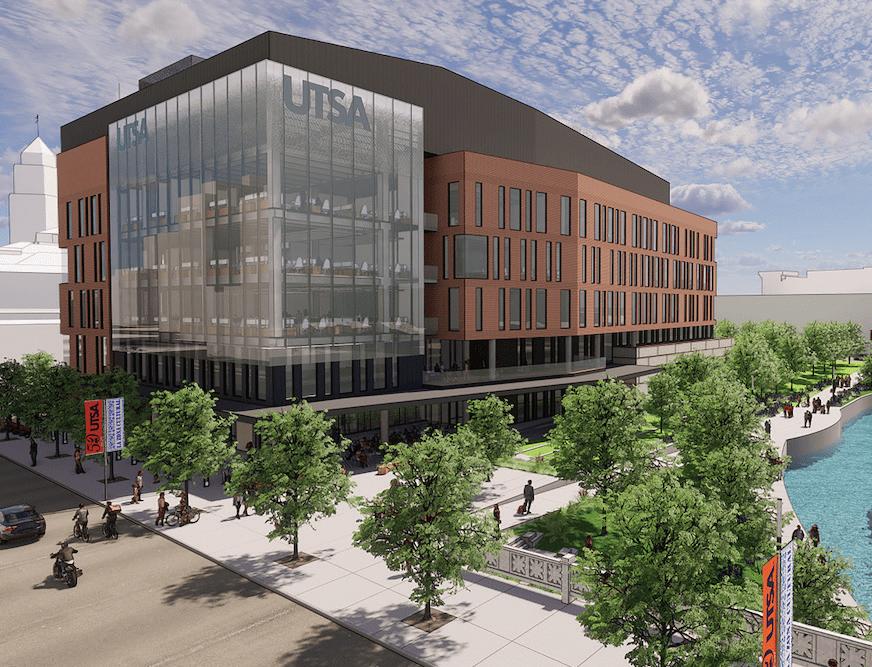
Coming soon—the new School of Data Science!
Congratulations
u Dr. Wei Wang (Computer Science) helped develop an algorithm that keeps up with the demand of cloud computing.
u Dr. John Quarles (Computer Science) and doctoral student Samuel Ang developed an open-source software kit designed to reduce cybersickness in virtual reality use.
u Trustees of the Max and Minnie Tomerlin Voelcker Fund awarded Dr. Doug Frantz (Chemistry) $883,000 to establish the Max and Minnie Tomerlin Voelcker Center for Innovative Drug Discovery (CIDD) Preclinical Pharmacology Core for Accelerated Drug Discovery. The core will be part of UTSA’s CIDD.
u Dr. Doug Frantz (Chemistry) and Dr. Shawn Blumberg, from Southwest Research Institute, received a grant from the Connecting through Research Partnerships program to support their goal of creating a powerful, cost-effective malarial treatment.
u In recognition of her research contributions and service to the ornithological community, Dr. Jennifer Smith (Environmental Science and Ecology) was elected as an Elective Member of the American Ornithological Society.
u Dr. Nicole Wicha received a fellowship from the Aspire Alliance and UTSA to participate in the IAspire Leadership Academy. IAspire helps STEM faculty from underrepresented backgrounds ascend to leadership roles at institutions of higher learning.
u Dr. Jenny Hsieh (Biology) was inducted into the Academy of Distinguished Researchers.
u Dr. Alexis Godet (Geological Sciences) was awarded a prestigious Lutcher Brown Professorship.
u Dr. Ravi Sandhu (Computer Science) was inducted into the National Academy of Inventors (NAI) as an NAI Fellow.
u Under the direction of Dr. Aimin Liu (Chemistry), a team of researchers discovered how a key enzyme in amino acid metabolism works. This important discovery will enable scientists to target the tryptophan-kynurenine pathway, or KP, as a therapeutic for neurodegenerative diseases and cancer.
u UTSA’s NASA Center for Advanced Measurements in Extreme Environments hosted its inaugural conference. UTSA researchers, external partners and students presented their research in a virtual format.
u Dr. Edwin Barea-Rodriguez (Biology) was featured in Cell Mentor’s list of 100 inspiring Hispanic/Latinx scientists in America.
u The Cancer Prevention and Research Institute of Texas awarded Dr. Hyoung-gon Lee (Biology) $250,000. The two-year grant will fund Lee’s research, which seeks to understand the pathogenic mechanism of peripheral neuropathy and to develop a novel therapeutic approach.
u A team of UTSA students was selected by NASA to compete in NASA Student Launch, a prestigious rocket-building competition.
u Dr. Doug Frantz (Chemistry) received an award from the San Antonio Medical Foundation to support his collaborative work with UT Health San Antonio and SwRI on a novel approach for COVID-19 drug discovery.
u A team of researchers from UTSA’s Neurosciences Institute made a breakthrough discovery on brain cortex functionality. Dr. Alice Bertero, Hector Zurita, Dr. Marc Normandin, and Dr. Alfonso Junior Apicella, researchers from the Department of Biology, collaborated on the research project.
u Marcelo Marucho (Physics & Astronomy) published an open-access software designed to further characterize cytoskeleton filaments.
Good to Know Center for Innovative Drug Discovery
UTSA’s Center for Innovative Drug Discovery (CIDD) is a joint venture between UTSA and UT Health San Antonio. The center is composed of two facilities: a High-Throughput Screening (HTS) Facility located at UT Health San Antonio and a Medicinal Chemistry and Synthesis Core Facility at UTSA.
Led by director and co-founder Dr. Stanton McHardy, the CIDD provides diverse core facilities and expertise with the goal of facilitating the translation of basic scientific discoveries into tangible preclinical candidate drugs that can be further developed into clinical therapies for human disease.
Researchers in the CIDD work collaboratively with investigators from around Texas and the nation to develop small-molecule therapies for disease areas such as cancer, non-opioid pain management, diabetes and infectious diseases, including COVID-19. In the CIDD’s medicinal chemistry lab, researchers design small molecules to optimize biological activity and develop efficient synthesis routes to prepare the molecules to support structure-activity relationship (SAR) studies. The multidisciplinary programs the CIDD is involved with provide CIDD staff and UTSA chemistry students the opportunity to interact with collaborators from areas such as molecular biology, pharmacology, structural biology and biochemistry.
The CIDD was established with generous support from the Max and Minnie Tomerlin Voelcker Fund, including endowments for CIDD cofounders Dr. Doug Frantz and McHardy, as well as startup support from the San Antonio Life Sciences Institute and a UT Library, Equipment, Repair and Rehabilitation (LERR) grant. The CIDD is now supported by multiple state and federal extramural funding agencies such as the National Institutes of Health, the Department of Defense and the Cancer Prevention and Research Institute of Texas (CPRIT).
In addition to its academic partners, the CIDD collaborates with multiple pharmaceutical industry partners providing contractual research support for drug discovery programs. Since 2012, the CIDD and McHardy have secured over $15 million in extramural funding
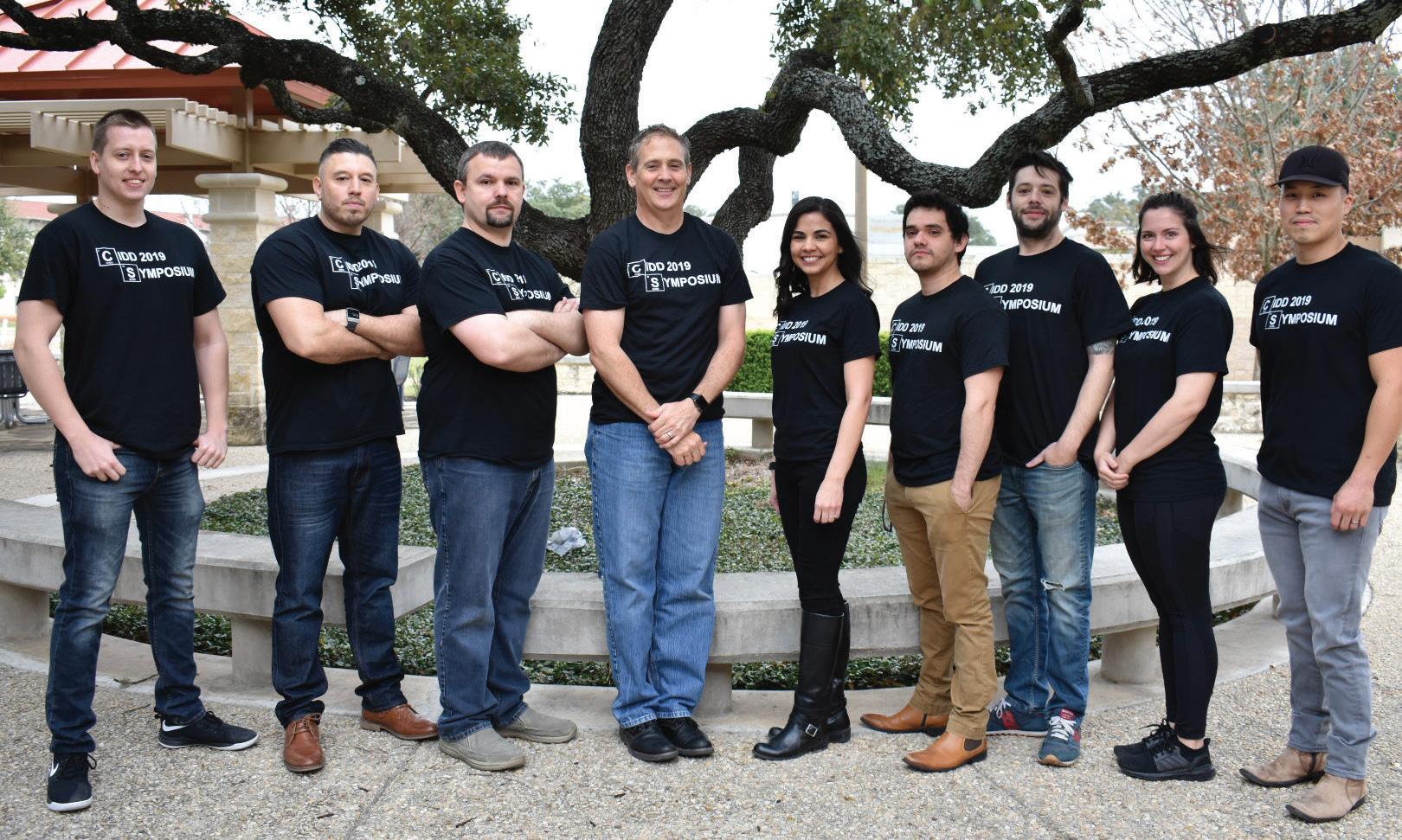
Dr. Stanton McHardy (center) and members of the Center for Innovative Drug Discovery
and contract research funding, with over $6 million coming directly to the CIDD. The CIDD is also actively engaged with the San Antonio Partnership for Precision Therapeutics, supporting collaborations between UTSA, UT Health San Antonio, Southwest Research Institute (SwRI) and Texas BioMed.
“The CIDD not only collaborates with other institutions but also does contract work with companies and private clients in the USA,” said Dr. Karinel Nieves-Merced, a researcher with the CIDD. “Our chemical portfolio includes the design and synthesis of complex natural products, sugars, steroids, amino acids, and PROTACs, Proteolysis Targeting Chimera.”
The CIDD’s long-term strategic growth plan includes developing new areas of drug discovery research and providing additional training and education opportunities for UTSA students. Recently, the trustees of the Max and Minnie Tomerlin Voelcker Fund awarded the College of Sciences and Frantz $883,000 to establish the Max and Minnie Tomerlin Voelcker CIDD Preclinical Pharmacology Core for Accelerated Drug Discovery. Housed within the CIDD, the core’s cutting-edge, latestage preclinical pharmacology and translational drug development capabilities will synergize with existing CIDD capabilities and help researchers launch new therapies for cancer, cardiovascular disease, infectious diseases and other conditions.
UTSA students in the CIDD and McHardy labs have a unique opportunity to engage in collaborative research in an industrial-type setting, along with state-of-the-art instrumentation and technologies, which provides an incredible training platform for the next generation of drug discovery scientists.
“The research setting in the CIDD and associated technologies, training and resources are unmatched in Texas,” McHardy said. “UTSA students are uniquely positioned to learn industry-level medicinal chemistry concepts. The momentum and excitement in this area at both UTSA and UT Health San Antonio is now fueling the development of a new crossdisciplinary graduate-level degree program in drug discovery.”
Introducing the Institute for Water Research, Sustainability and Policy
UTSA has launched the Institute for Water Research, Sustainability and Policy, bringing together faculty across UTSA to collaborate in the areas of water quality, water quantity, flood control and water policy. Researchers will study the effect of climate change on water resources in the San Antonio area, South Texas region, I-10 corridor and the United States–Mexico border. They have future plans to expand their studies to include national and international water issues and solutions.
“An institute based on water research is absolutely needed in the part of Texas where we live,” said institute director Dr. Saugata Datta, who is the Dr. Weldon W. Hammond Jr. Endowed Distinguished Professor in Hydrogeology. “There was a need for understanding water availability, quantity, and various other aspects of water in terms of public health and economics because water plays a big role in the economy of the city and state. The societal impact of water issues is significantly important in a state like Texas.”
The institute will investigate multidisciplinary water issues such as hydro-terrorism and the food-water-energy nexus across regional, national and international political boundaries.
“UTSA is in a pivotal geographical and political junction as well as the future sustainability scenario,” Datta said. “UTSA is playing a big role, and one of the roles that can bring multiple scholars, researchers and students together is the theme of water. Water permeates every aspect of the disciplines at UTSA. I couldn’t imagine anyone better than UTSA to take the lead on water.”
In addition to geopolitical water research, members of the institute will seek to understand the resiliency of San Antonio’s drinking water resources and coastal water resources. Researchers from various disciplines will study the effects of hydrological processes, flood control, water quality, human behavior, remediation, and impacts on human and ecosystem health arising from stressors on coastal water resources.
“Since its very inception, this institute has been designed as a comprehensive and highly collaborative unit, with members across all disciplines representing every college at UTSA,” said Dr. Jose Lopez-Ribot, associate dean for research in the College of Sciences. “As such, the new institute is truly transdisciplinary in nature. The institute places UTSA in a unique position to address water challenges in San Antonio, Texas, and beyond, both in the present and the future.”
The institute’s core faculty includes researchers from the College of Sciences; College of Engineering; College of Health, Community and Policy; College of Language and Fine Arts; and College of Education.
“UTSA has a rich history of interdisciplinary collaboration in all areas related to water, which has strengthened our ties to the San Antonio community and our region and has poised us to guide water policies in similar regions,” said Dr. JoAnn Browning, dean of the College of Engineering. “This institute bridges multiple administrative structures to enable cross-cutting research that will shape the future of our cities and hometowns.”
Students will have access to cutting-edge technology in various laboratories across campus that are now part of the center’s umbrella of water research. They will also have the opportunity to participate in novel approaches to laboratory-, field- and modelingbased studies as they learn more about water science.
The institute plans to offer certificate-level courses and will implement master’s and doctoral programs in the near future.
“The Institute for Water Research, Sustainability and Policy is an essential resource for the San Antonio community,” said Dr. David Silva, dean of the College of Sciences. “Our growing population and ongoing drought issues demand creative, science-based solutions. I am confident that the collaborative research coming out of this institute will positively impact San Antonio’s future.”
UTSA Duo Develops Cure for Virtual Reality-Induced Motion Sickness
By Jalen Ray
In an ongoing battle to make video games as realistic as possible, game designers often implement virtual reality (VR) technology within their games. Wearing a goggle-like headset that displays a screen in front of the user, the player can see what the character sees and can control the character through physical movements. This sort of technology is revolutionary in the video game industry, allowing players to have a true first-person experience as they battle zombies or fight their way through a war in outer space.
However, for many users, nausea and motion sickness get in the way of enjoying this technology. In response to this issue, associate professor Dr. John Quarles and graduate student Samuel Ang from the Department of Computer Science created GingerVR.
GingerVR is an open-source toolkit that incorporates a variety of techniques known to decrease motion sickness and applies them when necessary while someone is playing. The system was named after the ginger root, commonly used to ease nausea.
“The plan is that game developers and researchers alike will use this software to pick and choose what tactics they want implemented within their game,” Ang explained. This revolutionary software platform allows users to easily access multiple tactics at once. Ang and Quarles hope other researchers will use the software to make improvements. Their goal is to bring an end to VR-induced motion sickness entirely.
Video games aren’t the only arena where virtual reality is used. Applications for this technology exist in just about every sector of the economy—from architecture, engineering and construction to hospitals and schools—offering the potential to take job and student performance to the next level. One survey found that half of companies in these industries plan to incorporate extended reality, which includes VR, within the next two years. With GingerVR, an employee or student can go through a simulation without worrying about performing the task incorrectly due to motion sickness.
In his research, Ang found one of the main reasons users get sick in VR is due to how realistic the experience is. “Everyone is different, but looking through literature we found that when a game’s graphics are really good or there is a wide and more realistic field of view, motion sickness is more likely to occur,” Ang said.
To combat this, Ang focused on implementing eight tactics in the software that decrease the overall realism of the game during the moments when motion sickness is most prevalent. These tactics include automatically manipulating the field of view for the player, such as blurring out the user’s peripheral vision. Quarles notes, however, that intruding into the user’s VR experience is a drawback.
It took Ang most of the summer to create GingerVR. “It started out as just a concept,” Quarles explained, “and I asked Sam to take a further look into it.” Though the initial creation is complete, Ang is not yet done with the software. With so little information on VRinduced motion sickness available, Ang is doing more holistic research to find concrete explanations as to why some users experience these symptoms.
Ang is investigating the idea of incorporating a stationary object in the players’ field of view, like a visible nose at the bottom of the screen, while they play the game. This idea is based off the theory that we use stationary objects in our everyday life to keep us oriented. Ang and Quarles have other ideas, too.
“With more research, we would like to create a system where artificial intelligence automatically chooses the reduction technique based on the player’s physiological response, such as heart rate or level of breathing,” Quarles explained.
Digitizing Dinosaur Tracks
A UTSA-based team is changing the footprint of Texas paleontology
By Daniel Castella
Around 125 million years before the foundation of Texas, a different kind of society was roaming its vast canyons, fertile plains and lofty mountains: that of the dinosaurs. Now, a San Antonio-based group of geoscientists is studying—and digitizing—ancient tracks imprinted in the terrain of the Lone Star State to gain new insight into the environment and behavior of these prehistoric beasts.
“Texas dinosaur footprints have been studied since the 1930s but never in this detail,” said Dr. Thomas Adams, curator of paleontology and geology at the Witte Museum in San Antonio. “They occur in 24 separate counties, with multiple localities per county, and each one can have anywhere from one to 300 footprints, so we’re talking about thousands of tracks and hundreds of individuals over a long period of time.”
“There are things you can learn from dinosaur tracks that you can’t learn from skeletons,” said Dr. Dan Lehrmann, professor of geosciences at Trinity University and a key contributor to the project. “The trackways tell us about their behavior.”
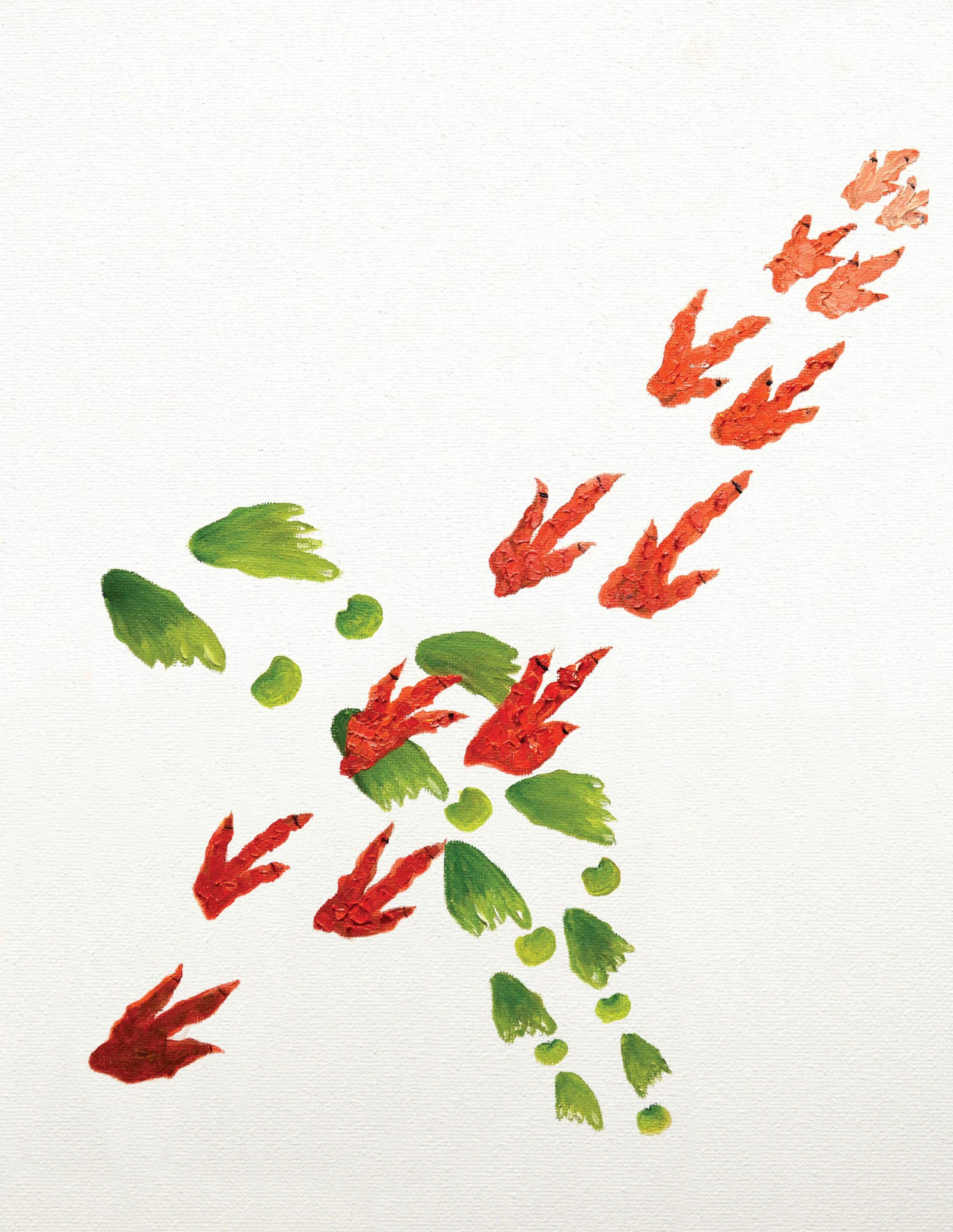
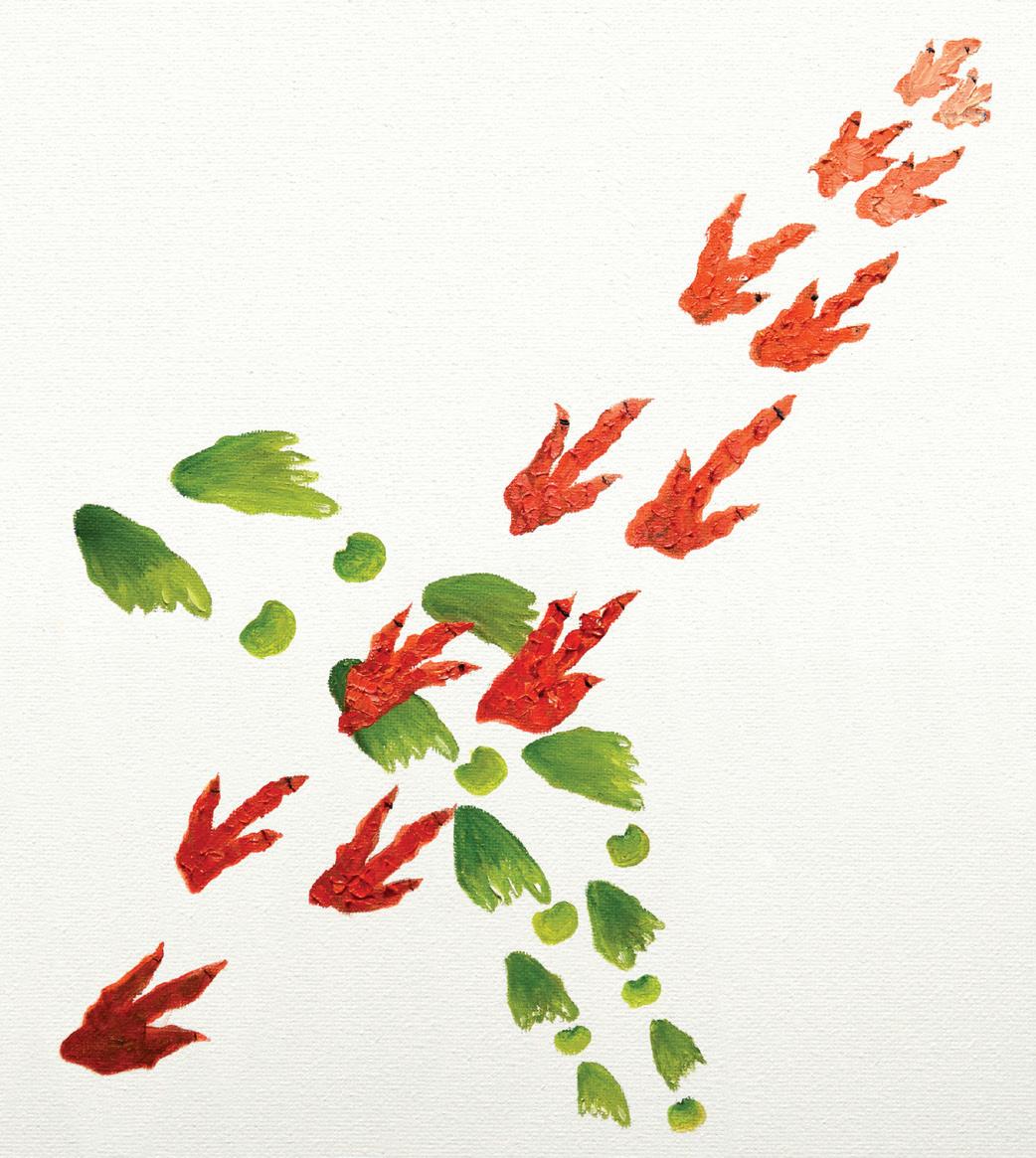
Illustration: Ziqi Yu
It is this detail that makes trackways so important to study and sets them apart from other artifacts, such as bones.
“Bones are the remains of a dead animal, whereas footprints are the remains of a living animal, an example of a day in their life,” Adams explained. However, unlike bones, trackways are susceptible to degradation, both from natural erosion and human activity, and they will not be around forever without expert intervention.
“Our goal is twofold,” said Dr. Alexis Godet, UTSA professor and sedimentology expert. “We want to preserve the dinosaur tracks for future generations and future projects, and to understand the environment in which these dinosaurs lived.”
This dual purpose has led to this group’s greatest innovation and a huge step forward in the preservation of these ancient artifacts— an accurate, entirely digital 3D model. The team of geoscientists includes Godet, Adams and Lehrmann, as well as University of Kansas professor and paleoclimate expert Dr. Marina Suarez and a number of graduate and undergraduate student volunteers, including longtime members Dianna Price and Justin Sharpe.
“We spend some time cleaning the tracks before we do anything,” explained Price, the UTSA doctoral student leading the effort for digitization. “I fly a drone about 10 feet over the tracks and take hundreds of photos, as high resolution as the drone will let me. Back in the lab, I take those photos and stitch them together to create a model from them.”
A resource of such detail and scale has never before been created for Texas localities. It provides an invaluable tool not just for current and future research but also for education and preservation of relics that could well disappear without it. The project started in late 2014, when the team first began to collaborate on dinosaur tracks in Government Canyon State Natural Area.
In addition to the groundbreaking digital methodology, the team is also using other, more traditional research techniques, such as collecting samples and running tests.
These geochemical processes are being conducted on UTSA’s main campus and provide valuable insight into the physical environment these dinosaurs inhabited.
“Using some mineralogical techniques, we can read in the rocks the type of climate and environment that those dinosaurs were living in,” Godet explained. This data, locked into the sediment for millions of years, could prove vital in understanding the climate of our planet, adding another piece to the climate puzzle that spans from the Mesozoic era to today.
The team is also using a more traditional approach to conservation in their fieldwork—rubber molding. “We use liquid rubber to collect a mold of a track without damaging the original fossil,” Adams explained. “The mold can then be used to make casts for study and display.” These molds will be included in the Witte’s permanent collection, while the original footprint stays in the rock where it has been for millions of years.
This method does have limitations, however—notably with size, as some of these prehistoric reptiles left enormous footprints that would require a lot of rubber to mold. This complication is just one of many the fieldwork team faces. Some of the challenges are unique to Texas.
“There’s a lot of layers to working in Texas compared to other places,” Suarez explained. “You have to tread more lightly and communicate with more people. Trying to figure out who owns the land, and who to contact gets a little bit complicated.”
Despite such challenges and the ongoing impact of the coronavirus pandemic, the team is passionate about the work. “Preliminarily, the results are very exciting,” Adams said. “We would like to expand it to as many locations as we can. Since we are doing this in such detail, it allows us to do something new to these track sites.”

Propelling Experiential Learning
UTSA’s NASA Student Launch team aims high
By Bruce Forey
A team of UTSA students has been selected by NASA to compete in a prestigious rocket-building competition. The NASA Student Launch is an eight-month challenge managed by NASA’s Marshall Space Flight Center in Huntsville, Alabama.
UTSA was one of only 32 U.S. universities and colleges selected for the 2021 challenge.
Student Launch gives aspiring rocketeers a unique opportunity to follow the design process that NASA and industry engineers use when developing and operating new hardware. The student teams are required to design, build, test and fly a high-powered amateur rocket to an altitude of 3,500 to 5,500 feet.
This year the college/university division teams will tackle a new payload challenge. The rocket design will include a lander to be deployed during the rocket’s descent. This device must leave the rocket at an altitude of 500 to 1,000 feet above ground and then land, upright and level. But that’s not all: The lander must also take a 360-degree panoramic photo and transmit it to its team.
UTSA fielded a rocket team comprising mechanical engineering majors in 2019. This year UTSA’s NASA MIRO Center for Advanced Measurements in Extreme Environments (CAMEE) opened up the competition to a broader group. The first informational meeting had over 30 students. After learning more about the project and time commitments, that group shrunk to eight students, who are a mix of various majors from the colleges of Sciences and Engineering. They’re volunteers for this project and don’t receive a grade or credit hours for being part of the team.
“Most of them have no idea about this field. They just showed great enthusiasm about NASA and rocketry, and it’s very exciting to have them involved,” said Dr. Hongjie Xie, CAMEE director and professor and chair of the Department of Geological Sciences.
The team’s first challenge was developing a detailed project proposal in a short turnaround time that included their engineering design approach, timeline and budget. The Student Launch team will complete their mission on April 10.
“They’ll have to learn most everything about rocketry from scratch,” Xie said. “This is really a challenge, and they’ll learn a lot about how to be a team.”
With a busy college schedule, why sign up for a demanding extracurricular activity? For Student Launch team lead Dillon Emmele, this opportunity through UTSA is a great fit. Emmele also works full time, and the rocketry project gives him valuable hands-on experience without having to make the time commitment for a longer internship or research project.
“I was drawn because it puts the students in control of how we do things while still having full support from the university,” he said. “This project will help me learn how to lead a team more than I’m used to at work. Another huge benefit is it allows me to connect with the STEM community, which was difficult for me before. I even have a few contacts at NASA now.”
Xie is hopeful this experience will inspire the students to pursue STEM fields—science, technology, engineering and mathematics—in postgraduate studies or careers in the industry.
“This project will open their eyes to the opportunities available to them and to possibly get involved with NASA,” Xie said.
In addition to Emmele, the Student Launch team is made up of Carolyn Alvarado, Kate Benoit, Evelyn Fernandez, Madeline Hickman, Jasmyn Johnson, Adolfo Santa Fe Duenas and Daniel Wood.
The faculty team includes Dr. Jaime Hincapie, lecturer and faculty adviser in the Department of Geological Sciences, and Dr. Christopher Combs, assistant professor of mechanical engineering. The team mentor is Don Cosgrove of the San Antonio Rocket Society. Both Hincapie and Cosgrove are certified in high-power rocketry by the Tripoli Rocketry Association.
The NASA Student Launch project is funded by NASA MIRO CAMEE, the College of Engineering Student Success Center and the College of Sciences Student Success Center.
UTSA’s NASA MIRO Center for Advanced Measurements in Extreme Environments (CAMEE) is a NASA-funded interdisciplinary center housed in the College of Sciences. CAMEE seeks to build a sustainable source of diverse, highly trained researchers who will enter the workforce in NASA’s fields of earth system sciences, remote sensing technologies, computational fluid dynamics, and experimental fluid mechanics. In addition to working with UTSA students, CAMEE hosts K-12 teacher workshops and runs an outreach program, with the goal of inspiring underrepresented minority students to pursue STEM careers.
Counting on Student Success
New initiatives change the structure of how mathematics is taught at UTSA
By Robert Salinas
The Department of Mathematics is transitioning to an evidence-based approach of optimal instruction. The department looked at patterns taken from UTSA student data, including every single student and course for the past 10 years. This data showed the department what direction to take to generate the highest rates of success for students by pinpointing what works and what does not.
Research demonstrates that mathematics is the single largest point of failure for most university students. Students who fail or have difficulty passing math courses are substantially more likely to drop out or change majors. The inverse is also true: Students who are successful in foundational math courses are most likely to graduate in any given major. Ultimately, mathematics is the driver for student degree completion, which has repeatedly been shown to improve students’ employment prospects and increase their earning potential.

A weekly earnings summary issued by the U.S. Bureau of Labor Statistics in October showed that full-time workers holding at least a bachelor’s degree earned an average of $664 more per week than high school graduates without a college degree.
The value of mathematics is tied not only to career success—it can substantially improve everyday life and mental wellness. Math is used when comparing prices at a store, calculating a tip, and budgeting our finances. Math also makes cooking easier when converting units or changing a recipe serving amount.
Dr. Juan Gutiérrez, chair of the Department of Mathematics, has begun the process of rolling out new initiatives aimed at creating an environment more conducive to success in math and, by extension, success in all other subjects and degree completion. These initiatives can be categorized as the vertical alignment of the curriculum and course coordination.
“Subject matter in one course must be sufficient and wellarticulated to the subject that a student will face in the proceeding courses,” Gutiérrez said. “The goal is for all math courses in the department to have a coherent sequence of topics. This is needed to provide students with a uniform and predictable set of skills by guaranteeing coherent communication across multiple instructors of the same course, with material taught at similar pacing, and similar length and difficulty of homework and exams. This creates an environment conducive to optimal learning that benefits all students.”
Mathematics graduate student Samuel Roberts has seen the negative results of improper math course sequencing during his tutoring sessions with fellow students. “It’s a recipe for disaster,” Roberts said. “You’re missing foundational information, which makes it hard. Students must have fundamental understanding of set concepts before they move on to be successful.”
The department plans to create homogeneity in student resources through online material such as video tutorials and problem walkthroughs, lecture slides, and testing services. Many students are already familiar with these formats, but with numerous vendors offering these services, the challenge is selecting the best quality and uniformity for students that they can follow throughout the entire mathematics portion of their academic career. Other considerations include pairing WeBWorK, an online homework and exam delivery system, with OpenStax, which is a peer-reviewed, free digital textbook database. With the sudden switch to almost complete remote learning, there has been a sharp increase in the need for online resources, introducing an immediate necessity to identify and distribute cohesive resources.
Online courses and supplementary material offer additional benefits to students who are struggling in their math courses. Research shows that the students who find math most difficult may not have been exposed to higher levels of math or had adequate resources as they progressed through high school.
The value of mathematics is tied not only to career success—it can substantially improve everyday life and mental wellness.
These students are not entering university shoulder-to-shoulder with their peers in terms of knowledge and skillset, and they must absorb material at a faster pace to keep up. For these students, online material may help fill in those gaps.
While mathematics is not the only force that shapes a student’s success, it is the largest—25% of all first-year credit hours are in mathematics courses, and all UTSA majors use mathematics in some capacity. Dr. Priya Prasad, associate professor in the Department of Mathematics, is heavily involved in the department’s initiatives and sees mathematics as a skill for more than just STEM majors. Noting the pervasive effect of the coronavirus pandemic on our everyday lives, Prasad says all students can benefit from an improved understanding of mathematical concepts.
“We are living through a time where we are seeing that having a basic understanding of mathematics and statistics is extremely important, such as understanding pandemic models to understand coronavirus rates and make the best decisions for you and your family,” she said.

UTSA Club Cracks the Code for Competitive Job Candidates
Learn how one organization prepares students to contend for jobs in the tech industry
The International Collegiate Programming Contest Club is part of UTSA’s Association for Computing Machinery chapter. The International Collegiate Programming Contest (ICPC) is a global programming competition. Thousands of three-person teams compete by solving anywhere from eight to 12 algorithm problems of varying difficulty.
Students in the programming contest club gain experience in all fields of technology and computing during regular meetings and ICPC competitions.
In November 2020, the club hosted the first UTSA-only programming contest. Seven teams solved as many algorithm and data structure problems as they could during an intense two-hour competition. Team Iterators, a mix of computer engineering and computer science students, won first place.
“Our plan is to have a contest every semester that involves multiple departments and colleges,” said faculty adviser and computer science assistant professor of practice Dr. Mark Robinson. “We feel it’s a great way to involve different departments that all have a shared interest in using code to solve problems.”
The club offers students who are interested in a computing or technology career the opportunity to improve, practice and apply their technical skills. Through strategy workshops and collaborative problem-solving exercises, students become stronger in algorithms and data structures.
“No matter how far you are in your curriculum, there’s always something new to learn at ICPC, which is something I really enjoy about it,” said director and computer science student Brent Delia. “And to students who want more than what we provide at our usual meetings, we also provide contest opportunities where students can form teams and compete against others. Not only does this benefit students to improve their problem-solving skills, it also gives them teamwork experience and helps familiarize them with solving problems against a clock. The latter is handy when it comes to technical interviews since it helps getting into that mindset of solving a problem live and hopefully eases the pressure by having that experience.”
Major companies in the industry, such as Amazon, will ask candidates to solve the kind of problems ICPC practices during their interview.
“This really helps our students prepare if they are interested in going on to work for Facebook or Google,” Robinson said. “Students know that they have to study ahead of time and prepare. The kind of interview preparation process students have to do to survive the interview process for, say, Google is really starting to look a lot like the GRE.”
In addition to sharpening their technical skills, students also learn more about useful algorithms and data structures that might not be covered in the core curriculum. “ICPC is an opportunity for students to meet and work with variety of folks at different skill levels,” said ICPC coach and computer science faculty member Dr. Jessica Sherette.
It’s a great way to involve different departments that all have a shared interest in using code to solve problems.
“Getting a chance to work with more experienced students is obviously beneficial, but working with less experienced students is also great, since explaining your ideas and solutions to others is such an important career skill.”
ICPC was started five years ago when two students approached Robinson and asked whether he would sponsor their student organization. They wanted to compete in ICPC and felt that UTSA needed to be involved.
“I can definitely say, from personal experience, that being a part of ICPC has prepared me to take on all of my technical interviews,” said Delia. “To be able to identify the type of problem I’m solving, to come up with various solutions, and to be able to explain and measure the run time of these solutions has helped me be successful in my interviews. I’ve landed an internship this past summer as well as a full-time offer for when I graduate, and I’m confident to say that part of this was because of the skills I’ve developed at ICPC.”
UTSA’s Classroom to Career Initiative further develops and promotes experiential learning opportunities for students, including those that occur outside the classroom, such as internships, service learning, undergraduate research and study abroad.
Office Hours: Dr. Terri Matiella
Dr. Terri Matiella has always enjoyed being outside. Growing up in San Angelo, Texas, she ran around catching frogs and picking plants. Now, she plays an important role in educating the next generation to appreciate the natural world and understand today’s environmental issues.
“One of the reasons that I find teaching rewarding is because I’m very passionate about the topic of environmental science,” she said. “I feel this is something that everyone should understand because even if you’re not an environmental scientist, you still affect the environment and impact it in your daily actions. I think once we understand how we impact the environment and how that happens, we can work together to make small changes that lead to big impacts.”
In Matiella’s Introduction to Environmental Science course, students take an eyeopening ecological footprint quiz that illustrates the individual impact they have on the earth’s resources.
“This level of awareness is something that everyone should be fluent in,” Matiella said. “It’s important to know where we are with how we treat the environment to be able to meet our own needs, provide for future generations, and work towards being a more sustainable society.”
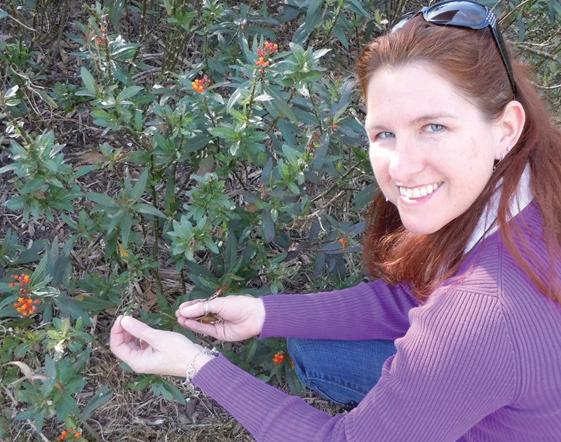
Dr. Terri Matiella is passionate about environmental science.
After earning her B.S. in biology and M.S. and Ph.D. degrees in environmental science at UTSA, Matiella stayed to teach environmental science. She wanted to help develop the environmental science program, which was not yet a department.
In 2013, Matiella joined the department as a full-time faculty member and began to mold the curriculum into something she found interesting and engaging. She later began coordinating the department’s sections according to the curriculum she developed. Eventually, she realized she wanted to go back to school herself—this time in a new subject area.
“When you get a master’s or Ph.D., you’re taught to be really good at the thing you are doing,” she explained. “I was taught to be a really good scientist at this thing that I was studying, but I was never taught how to teach well.”
Matiella earned her Master of Education from UTSA last spring. That experience equipped her with the terminology and framework for what she was already successfully doing and introduced new pedagogical concepts she now implements in her courses. In addition to her instructional responsibilities, Matiella currently serves as the college’s interim dean for remote instruction.
She is the cofounder of the new COS Honors Program and has held positions on the Core Curriculum Assessment Committee and the College of Sciences Dean’s Leadership Initiative on Student Success. In 2018, she was honored with the President’s Distinguished Achievement Award for Core Curriculum Teaching.
In September, Matiella was selected as a 2020-21 Advancing Next-Gen Faculty Leadership Fellow in recognition of her efforts to enhance curriculum and teaching practices across the university.
“As faculty, we always want to help our students succeed, and one of the ways I do that is by constantly looking for new activities, new techniques and new things to learn,” she said. “There is always more out there about teaching, education and ways we can get better at what we do. I think it’s a constantly evolving role.”
Find more Office Hours features on our website: utsa.edu/sciences.
Dr. Sarah K. Vines and Dr. Robert C. Allen are proud alumni.
Awesome Alum: Dr. Sarah K. Vines and Dr. Robert C. Allen
By Amber Powell
After initially meeting through a friend at an academic conference in Colorado, Dr. Sarah K. Vines and Dr. Robert C. Allen returned to their respective graduate programs but stayed in touch. Vines had just finished her first year in UTSA’s physics Ph.D. program, and Allen had recently wrapped up his second year of the physics graduate program at the University of New Hampshire.
After Allen moved to San Antonio several months later to start the same program, life was never the same.
“It was pretty quick that we realized we would always be more than just colleagues,” Vines said. “We had fallen in love before Robert even made it down that fall, and ended up getting married three years later, right before my dissertation defense in the fall of 2016 What a crazy year!”
Vines earned her Ph.D. in 2016, and Allen completed his in 2017
“The UTSA/SwRI Ph.D. program set me up because it focused on real-world applicable skills such as proposal and paper writing, Allen said. “This enabled me to win the first
science grant proposal I ever wrote, as well as graduate with six first-authored publications and several co-authorships to allow my name to be known to the community. It allowed for a much less stressful interview process, as those who were interviewing me and considering my application for a postdoctoral fellowship were already aware of my work.”
Allen is now the instrument scientist of the Suprathermal Ion Spectrograph on the European Space Agency’s Solar Orbiter mission and is a member of the NASA Parker Solar Probe project science team. He is responsible for advancing scientific understanding of the solar wind and how charged particles are energized in interplanetary space through peer-reviewed scientific publications.
He also prepares the instrument data for disbursement to the broader scientific community. Additionally, Allen organizes opportunities for joint instrument and multi-mission observations of interesting solar wind events.
“I’ve been fortunate enough to be able to take advantage of these really amazing opportunities to be on the ground floor of
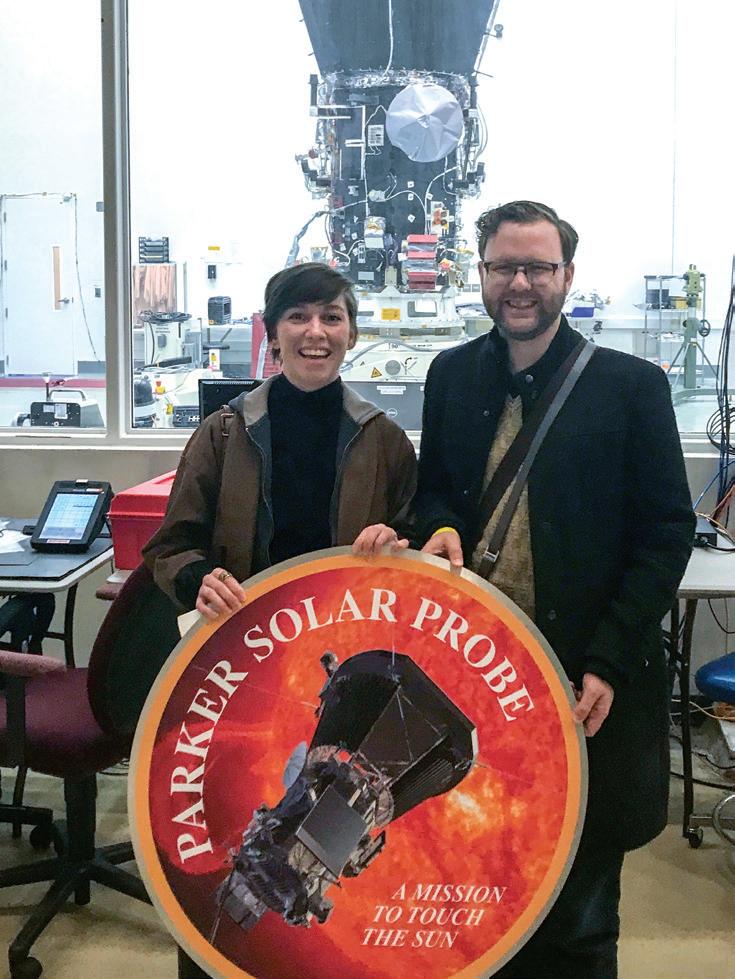
some of the most exciting missions of our time,” he said. “We’re going to be able to transform our understanding of how the solar wind is generated and how ions in the solar wind reach really high energies in a region of space that we only now have the technology to really explore.”
Vines is currently the deputy principal investigator of the Active Magnetosphere and Planetary Electrodynamics Response Experiment (AMPERE) where she studies Birkeland currents. Birkeland currents are a vital part of the solar wind-magnetosphere interaction that drive energy into the ionosphere and neutral upper atmosphere.
“AMPERE is a pretty awesome project in that it uses commercial magnetometers carried by each one of the Iridium Communication Network satellites to back out signatures of large electric currents in the near-Earth space environment that close through the ionosphere, the ionized portion of the Earth’s upper atmosphere,” she said. “Basically, we’re using non-science tools to do some really great science that is only enabled by such a large fleet of spacecraft that make up the Iridium constellation.”
#ThisIs WhatA Scientist Looks Like
Elisa Carian
By Cecilia Nwaichi
The college experience goes beyond a building. Indeed, it introduces a dream that reveals paths and passion. For Elisa Carian, that dream began with an interest in chemistry.
“I started UTSA as a biology major, but quickly realized I was intrigued by my general chemistry courses,” she said. “When I got to organic chemistry, I felt as though I was learning a whole new language.”
Once Carian realized chemistry was a language she wanted to be fluent in, she changed her major.
Now a third-year chemistry student, Carian balances her studies with campus involvement. “It was tough deciding to change my major because not all of the classes I had taken from biology transferred, and I also did not know any other fellow chemistry majors,” she said. “I went to an American Chemical Society meeting after hearing a quick presentation on them in one of my chemistry classes, and I was surprised at how supportive and inviting the club members were. I joined ACS and quickly made friends with fellow chemistry majors and found my passion in the Demonstrations Committee, allowing me to thrive in a new way through chemistry.”
In addition to her role as a demonstrations officer for UTSA’s chapter of the American Chemical Society, Carian is also a member of the Honors College at UTSA.
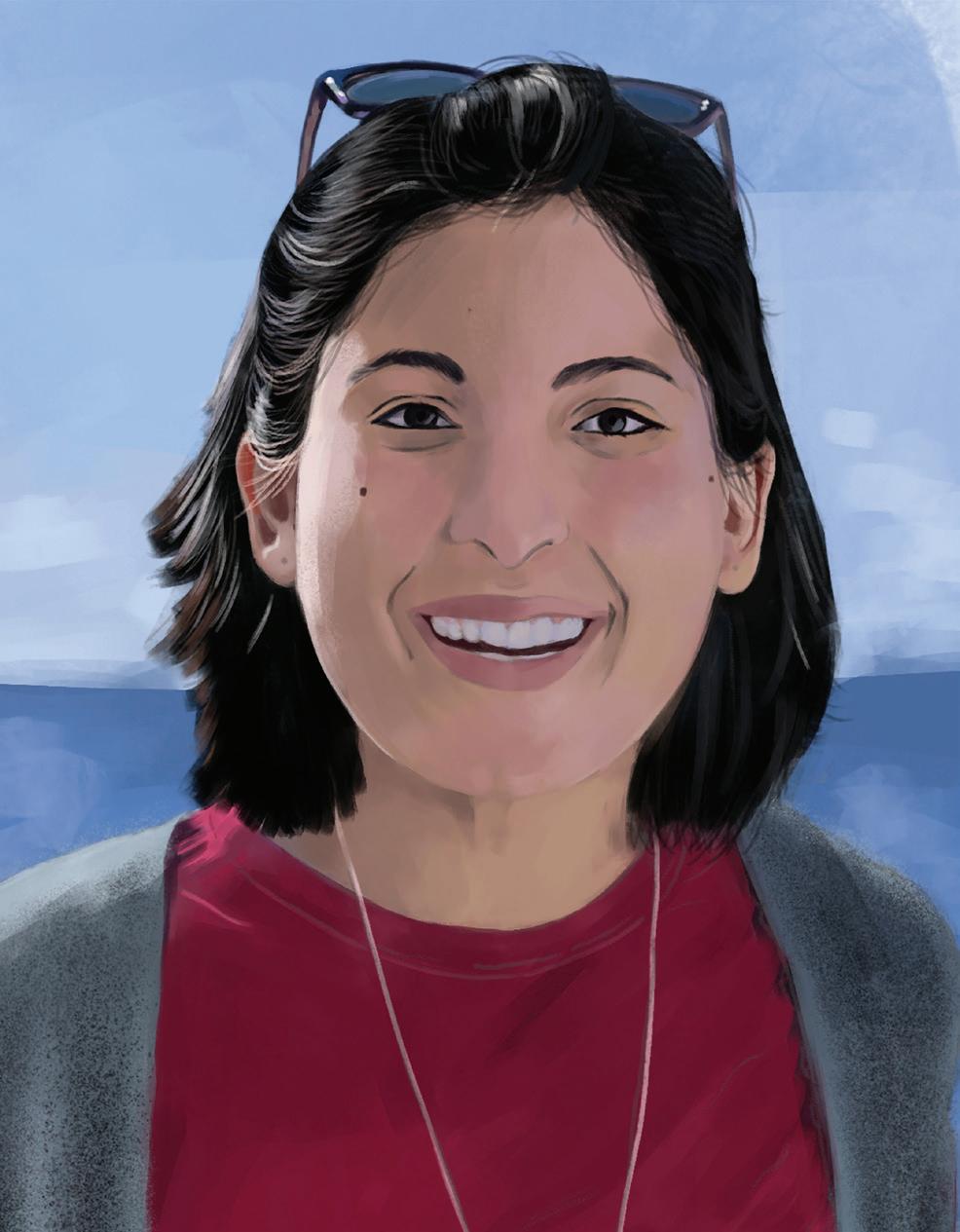
She is the recipient of academic awards such as Honor Roll, Dean’s List and President’s List. Her love for chemistry is strengthened by the support she has received through her journey.
“The chemistry department at UTSA has allowed me to truly learn the material presented and to take an interest in the subject,” she said. “I can ask questions and receive any support I need while learning new topics.”
Carian’s goal is to obtain her master’s degree and Ph.D. in chemistry and later conduct further research on pertinent diseases and teach at the undergraduate and graduate level.
Illustrations: Jake Lehle
Aldo Vasquez
By Sofia Garcia
Growing up in Ciudad Victoria, Mexico, Aldo Vasquez was enthralled by mathematics. Integral calculus was a subject that came naturally to him.
“I deeply enjoy the consistency of math and the logic behind it. There is a series of logical steps and there is no room for interpretation,” Vasquez said. “I saw calculus as a challenge; it was something I had fun doing and researching. I wanted to do better and better.”
At first, Vasquez wasn’t quite sure how to apply his passion for math and its complexities to a career. “When I first got to UTSA, I had no idea what I wanted to pursue,” he said.
Then, he received an email about working in a UTSA physics lab focused on molecular dynamics—the study of how molecules behave in different environments. The lab, run by Dr. Abelardo Ramirez-Hernandez, assistant professor of chemical engineering, would give Vasquez the opportunity to work with computer simulations that analyze the physical movements of molecules. “So if we put molecules in water, for example, and at a certain temperature, we would give the computer the command, and it would run the simulation of that molecule,” Vasquez explained.
Eager to embrace the challenge, Vasquez took the first step into his passion and began working in the lab. Vasquez soon realized that pursuing physics would allow him to fulfill his dream of knowing what makes up life itself. Working with molecules—the foundation of life—Vasquez feels lucky to be a part of the research process that helps all scientific fields.
“I get to work with reality when I study molecular properties,” he said. “Just by doing my research, I could be helping others with their medicinal or biological research.”
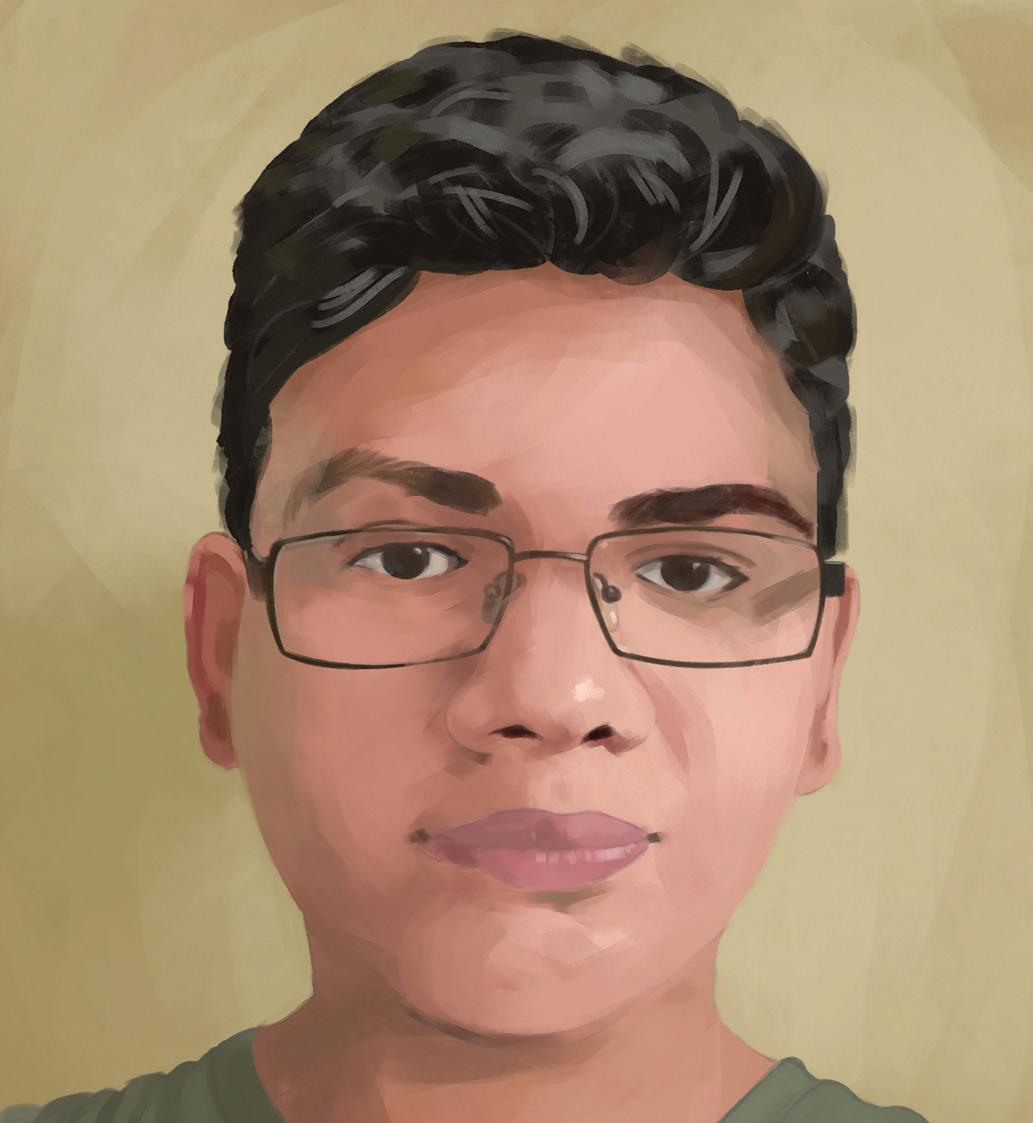
The journey that led Vasquez to the molecular dynamics lab started far from San Antonio. Vasquez was not planning to go to school in the United States, but his father inspired him to expand his horizons. “My dad helped me realize that there were a lot more opportunities for me in the U.S. than there were in Mexico,” Vasquez said. “He showed me many schools in Texas that were very interesting.”
Ultimately, he felt the strongest connection to the culture at UTSA. “When I’m here, I don’t feel that far away from home. I meet people like me. Instead of feeling like a foreigner, I feel like I am a part of the culture,” Vasquez said.
Vasquez chose the school that made him feel confident and supported. “To me, it’s making my parents proud because they’ve put a lot of effort into sending me here,” he said. “They raised me so well, and I want to do the right thing for them.”
A third-year student and a member of UTSA’s Society of Physics Students, Vasquez has been able to bond with other physics majors as well as connect with the department’s faculty.
“Meeting other physics majors allows me to network, and those connections are what matter most,” Vasquez said, noting that these interactions exposed him to a variety of career opportunities within the field of physics.
Inspired by his fellow physicists, Vasquez wants to make breakthroughs in his research. “I hope to continue my study of molecular dynamics and eventually earn my Ph.D. with the help of the Southwest Research Institute,” Vasquez said.
Moyosore Sosanwo
By Alex Roush
Moyosore “Moyo” Sosanwo was often sick as a child and frequently ended up in the hospital. Though there was not advanced medical equipment where she grew up in Nigeria, she still remembers the great care she received from her doctors and nurses. After moving to America, she made it a goal to one day achieve success in the medical field and give back to those in Nigeria.
Sosanwo’s early academic experience included only rare mentions of medical marvels. In ninth grade, she heard the story of pioneering neurosurgeon and former Secretary of the U.S. Department of Housing and Urban Development Dr. Ben Carson, who is known for successfully performing the first separation of craniopagus twins conjoined at the back of the head and the first fully successful separation of type-2 vertical craniopagus twins.
“The story of Dr. Ben Carson and how he successfully separated the conjoined twins inspired me to want to be part of something significant and to give people the opportunity to be able to live their normal lives,” she said.
Inspired by the recent events associated with the #EndSARS movement, a decentralized social movement and series of mass protests against police brutality in Nigeria, Sosanwo particularly wants to help those affected. “Many videos surfaced online of the injured protesters not being able to be treated at hospitals due to lack of quality medical equipment,” she said. “That fueled my passion for medical school even more.”
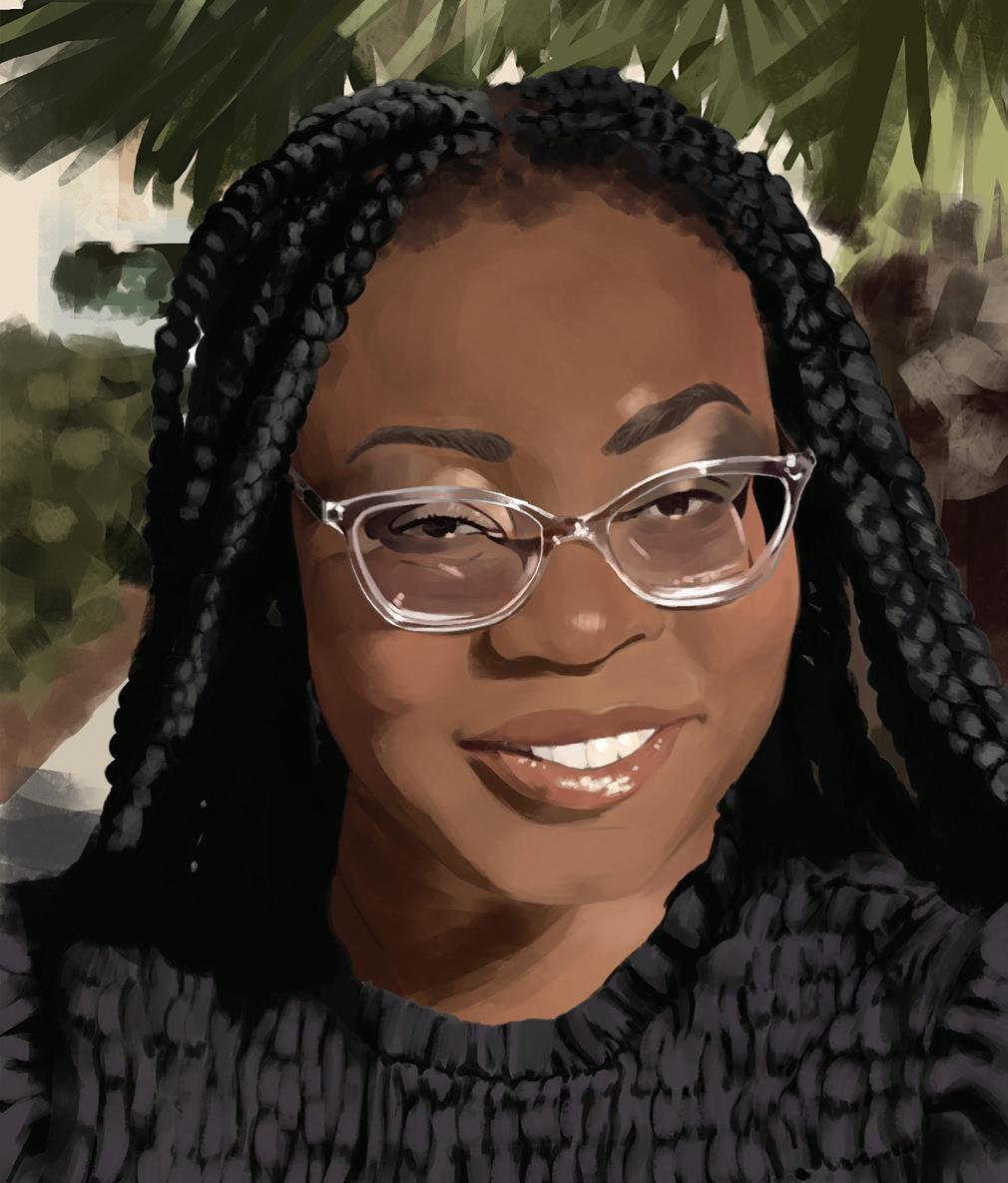
She chose to begin her path to a medical career at UTSA because the university offered exactly what she was looking for in a college experience. “With their vibrant Hispanic culture and their constant embodiment of San Antonio pride, this university provided the comfort that any student would want,” she said.
In addition to her involvement in campus life, research is very important to Sosanwo. “I honestly believe that before a person can become a successful medical doctor, they must learn and understand the origins of infections, cancers, vaccines and so on, which basically starts with research,” she said. She hopes to take a gap year to work as a research scientist before she begins medical school.
She encourages young girls interested in pursuing a STEM career to not give up on their dreams. She knows it can be difficult because of the lack of female role models, especially for people of color.
“I want them to know that they can start by being their own role models,” she said. “You do not have to wait for anyone. I grew up without looking up to anyone. No one in my family or around me was a scientist or a medical doctor, and I am doing great!”
A Proud Alumnus GIVING
By Keith Herndon
As a 1981 computer science graduate of UTSA, I could never have imagined how the university would grow to be such an amazing institution with the depth of programs, the incredibly talented staff and faculty, the world-class facilities, and the recognition on a national scale of key programs.
I was the first person in my family to complete a four-year college degree. UTSA was very much a new school when I enrolled after high school. I remember voting for the school mascot and picking the school colors. I had a great college experience—playing intramural volleyball, punching computer cards late at night, editing a computer science department newsletter and studying nocturnal mammals around the UTSA campus for a summer research project. But most of all, it was a place to find lifelong friends.
After graduation, I moved to Houston to work for Shell Oil Company and eventually spent 12 years overseas in Muscat, Oman, and The Hague, Netherlands. When I returned to Houston, I received a phone call from Kim Fischer, UTSA’s senior executive development officer, asking me to join the Advancement Council for the College of Sciences. Kim shared with me the latest statistics about the university and the push to be a Tier One institution, and she also highlighted that students from Harris County were the second largest population at UTSA. I was quickly hooked on the opportunity to learn more about UTSA and to see how I could promote the school within Shell and the Houston community.
On my first visit back to campus, I was overwhelmed. Where was the science building? Where was that simple quadrangle outlined with a few four-story buildings? I could not have imagined the physical expansion of the university.
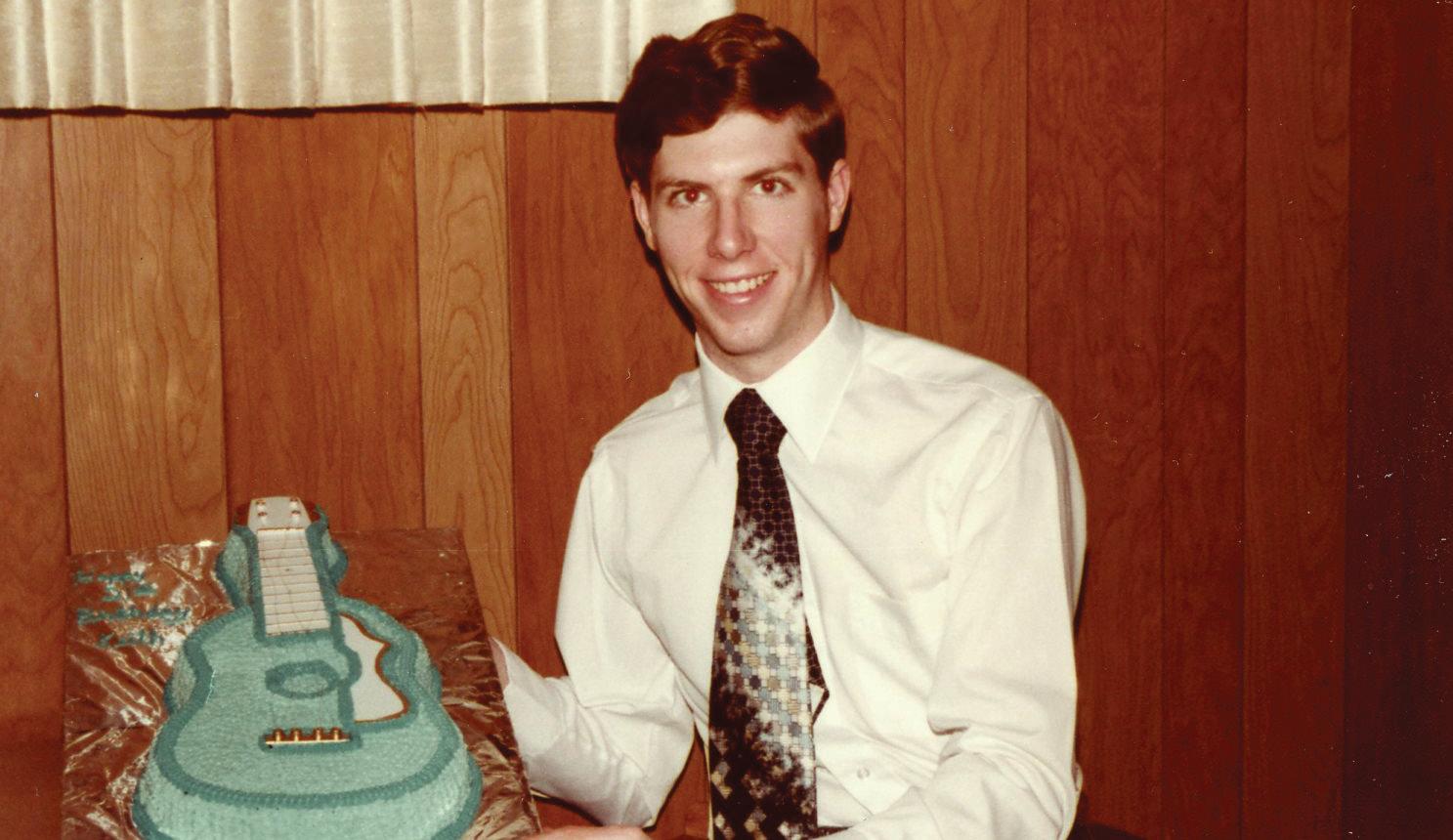
I was thrilled to see many of the same professors I had known many years before, still actively involved in inspiring students. As the chief information security officer at Shell Oil, I knew about UTSA’s nationally recognized cybersecurity program. I was inspired to learn more about other university programs and hear about the vision of the College of Sciences.
After 36 years at Shell, I began work at Baker Hughes—an energy transformation company—where I have put UTSA on our campus recruiting schedule. I am proud to have onboarded both permanent staff and interns. I have personally attended several STEM career fairs over the past few years at UTSA and continue to be impressed by the quality of the students. The programs offered at UTSA prepare students to seamlessly join a Fortune 100 company and quickly make a difference.
Participating on the Advancement Council and hearing about the plans for the College of Sciences and seeing the tangible accomplishments of researchers and their students has inspired me to give back to UTSA. I have been fortunate to work for organizations with a matching gift program, so my financial contributions have a greater impact on the university.
I know that UTSA is on the map for more and more Houston families. I have staff in my department whose sons and daughters are attending UTSA. It is great to see more UTSA stickers as you drive around the Houston community. The new data analytics and cybersecurity programs are getting major publicity in Houston-area schools and businesses. I am proud to know that UTSA is getting the recognition it deserves.
Keith Herndon, pictured here while a student at UTSA, is a member of the college’s Advancement Council.
GIVING
Community Champions
By Taylor Bird
As a yearly tradition, the Guerras mark their calendars for the white coat ceremony. The annual ceremony marks the students’ progress in their medical education and begins their introduction to clinical experiences. Dr. Fernando A. Guerra, MD, MPH and his wife, Beverly Purcell Guerra, celebrate the young men and women they have helped reach this milestone.
Through Dr. Guerra’s efforts to protect children from diseases and inspire the next generation of doctors, and through Beverly Purcell Guerra’s efforts to showcase the accomplishments and contributions of outstanding San Antonio women, the couple has served San Antonio for four decades.
Dr. Guerra is a retired pediatrician who also served as director of health for the City of San Antonio and Bexar County for 23 years, and he is a member of the National Academy of Medicine. Beverly Purcell Guerra is a former editor of Vogue; editor of Images, the Sunday magazine of the San Antonio Express-News; and editor-in-chief of San Antonio Woman and Denver Woman.
In addition to their local community support and national involvement, the couple serves on the College of Sciences’ Advancement Council and supports scholarships for students who want to become physicians through the Saint Susie Charitable Foundation.
Dr. Guerra is a trustee of the foundation, which was created to honor the profound legacy of Dr. Doris Grosskreutz, known by her friends as Susie. She was dedicated to supporting medical, educational and religious programs in San Antonio.
“I have seen firsthand the talent, dedication and determination of the UTSA students,” he said. “Supporting them has been tremendously gratifying. They have gone on to become physicians and several have headed up their own programs. They are providing meaningful services.”
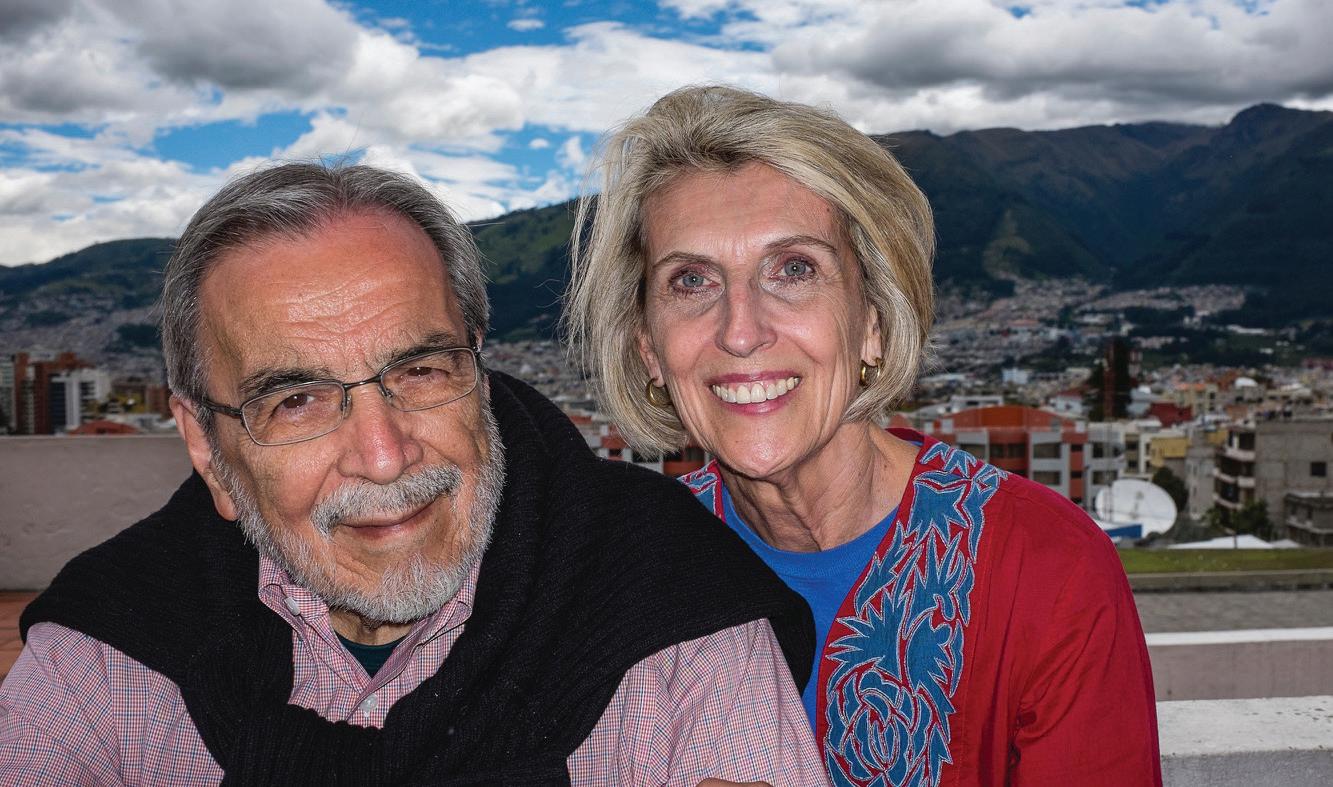
“I am impressed with how UTSA has changed, grown, and improved. The quality of professors, the student body, the breadth of research and discovery is outstanding,” Beverly Purcell Guerra said. “A city needs great universities and everything that entails to be wellrounded, cultured and attractive to industry. The better UTSA is, the better San Antonio becomes.”
With a smile, Dr. Guerra added, “Beverly and I have had conversations throughout the time we’ve lived here about how we and the community have benefited from UTSA. Our children have grown up appreciating the importance of academic institutions—the students, the faculty and the tremendous opportunity they bring to our city.”
During his time as health director for the city and the county, Dr. Guerra and his staff developed a vaccine registry. “This enabled us to prevent the spread of diseases and save lives,” he explained. “It has been used as a national model.” The San Antonio Health Department also benefited immensely from collaborations with UTSA researchers to develop and enhance access to childhood vaccinations.
For these philanthropists, the value of higher education goes beyond the classroom. “The experiences I gained as a result of my education and my career opportunities have shaped the course of my life,” Dr. Guerra said. “At UTSA, the incredible cross section of communities, cultures, languages and backgrounds adds a layer of benefit to students.”
Investing in the San Antonio community is especially important to the Guerras. They are committed in their devotion to helping others, especially those who may not otherwise earn a degree.
“Many first-generation students from San Antonio, who may not otherwise have the opportunity, attend UTSA as part of their journey to medical school,” Dr. Guerra said. “Through the Saint Susie Charitable Foundation Scholarship, we are helping to prepare the next generation of physicians in our community.”
The Guerras have served San Antonio for four decades.
Saint Susie Charitable Foundation
By Taylor Bird
The Aspiring Physician Scholarship Spotlights GIVING
Ray Wang is a senior biology major studying in the competitive premed track.
Since he was a child, Ray has dreamed of working in the medical field. He attended Michael E. DeBakey High School for Health Professions in Houston, which exposed him to many different career paths in medicine and prepared him for his current rigorous course load.
Ultimately, Ray plans to attend medical school and become a physician. The driving motivation behind his goal is a deep desire to help people by alleviating their pain and curing their illness.
Also attentive to his own wellness, Ray maintains a very active lifestyle by running, hiking, swimming, and playing football, volleyball, and ultimate Frisbee. He gives his time to various charitable causes, including the San Antonio Food Bank and Any Baby Can.
I am immensely grateful for this award, as it has alleviated some of the financial burden of school from my family. Thank you for recognizing my efforts.
The Future Neonatologist
Chukwudera Okolo is a senior biology major with a minor in global affairs and is a member of the UTSA Honors College. She serves on the Honors College Dean’s Advisory Board and is studying in the competitive premedical track.
During her time at UTSA, Okolo has been involved in numerous service and volunteer opportunities related to health care, science and community. These include volunteering with the Labor Serena Community Garden, Haven for Hope and the Methodist Children’s Hospital, and supporting bone marrow drives. She also traveled to Rancho Margot Ecolodge in Costa Rica to learn about sustainable living and agriculture.
Volunteering in the neonatal intensive care unit at the Methodist Children’s Hospital had a profound effect on Okolo’s career goals. She plans to attend medical school and then complete a residency program and a fellowship to become a neonatologist.
Thank you for your support of UTSA and its students. This scholarship helps overcome some of the financial hurdles that come with higher education and allows me to focus on my education rather than seeking employment to pay for my university fees.
The Cypress Living Laboratory will offer experiential learning opportunities to UTSA students and the San Antonio community.
Cypress Living Laboratory
A new outdoor classroom at UTSA will provide science students and the San Antonio community with opportunities to get their hands wet in water research. The Cypress Living Laboratory is designed to promote habitat and environmental education opportunities associated with the creek ecosystem.
Designed by the architectural firm Ford, Powell & Carson, the state-of-the-art facility is part of a $2.6 million project funded by the City of San Antonio’s Proposition 1 Edwards Aquifer Protection Venue Project.
The innovative project supports UTSA’s Classroom to Career Initiative, which creates experiential learning environments for students. In addition to an open-concept classroom, the approximately 2,000-square-foot building will include multiple low-impact development (LID) features to manage storm runoff and will showcase best management practices for improving water quality and quantity. The San Antonio River Authority, which is contracted by the city to administer the program under which this project is funded, is providing guidance to UTSA and its design team on the living laboratory’s low-impact development components.
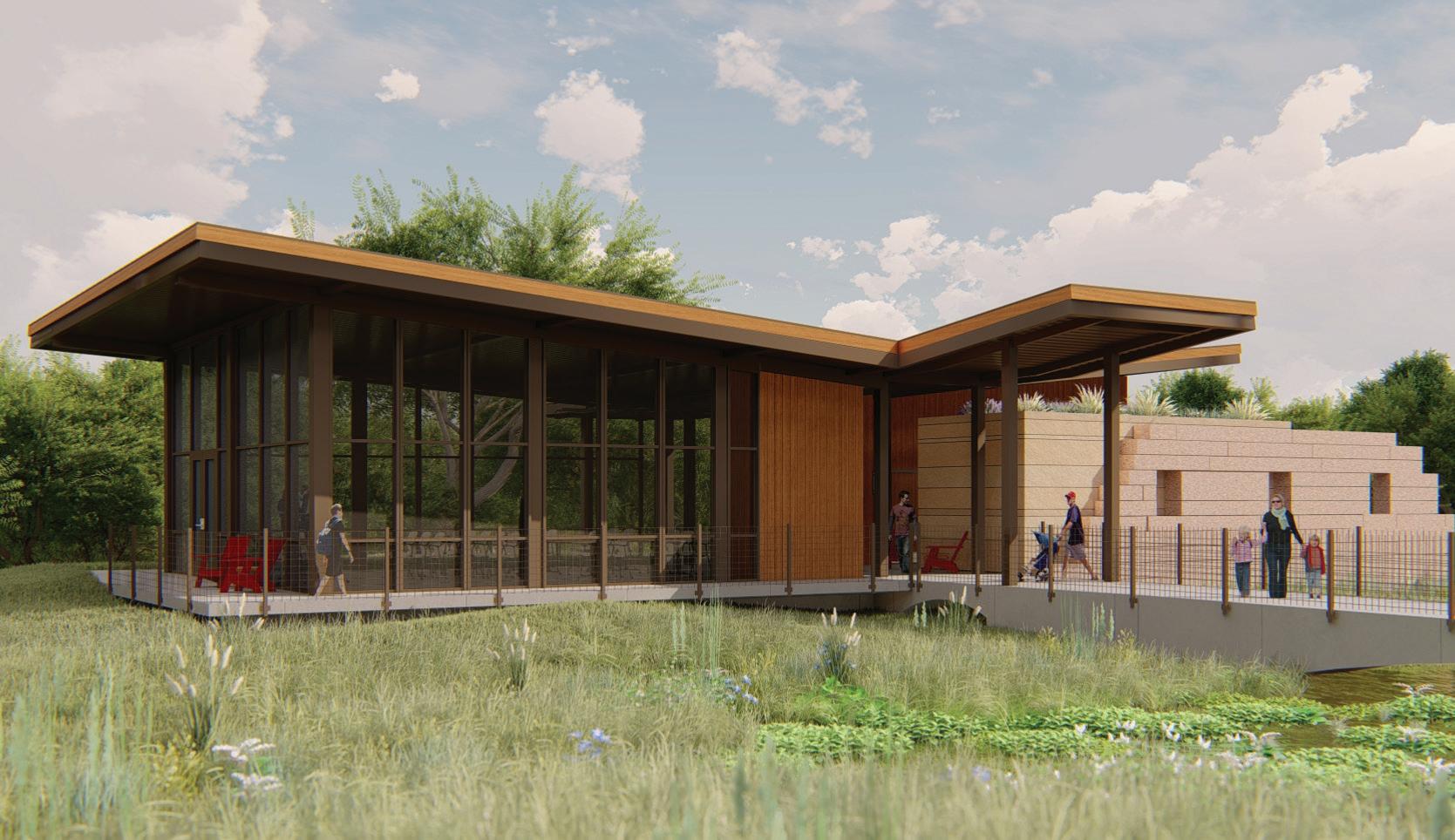
An ecofriendly green roof, bioswales and bioretention areas will be functional examples and educational areas for students and the community to learn about water issues such as the impact of urbanization on water quality over the Edwards Aquifer recharge zone. UTSA also plans to use the space for outreach activities and summer camps open to the community.
“We are so excited to add this facility to our outreach initiatives,” said Dr. Janis Bush, who is the project lead, the chair of the Department of Environmental Science and Ecology, and the associate dean for Graduate Studies in the College of Sciences. “This unique building will enhance our students’ experiential learning opportunities by providing hands-on education to prepare them to tackle environmental challenges facing our world, such as water quality, water quantity and water management.”
This is the first building of a planned nature area on the northwest corner of the Main Campus within a dedicated 11 acres set aside for the College of Sciences. The Cypress Living Laboratory is a project under the Campus Master Plan and is the first new building at UTSA to be named after a native Texas tree.
“The Cypress Living Laboratory will serve as a unique and aesthetic long-term education destination for San Antonio’s K-12 students and university students to learn about the importance of protecting the Edwards Aquifer, our primary source of drinking water, while observing how the project’s LID features, which are still a relatively new concept to the San Antonio area, can improve water quality,” said Homer Garcia III, director of the City of San Antonio’s Parks and Recreation Department.
Ford, Powell & Carson has supported UTSA’s growth as San Antonio’s urban-serving university since its inception. Fifty years ago, the architecture firm designed the original three UTSA classroom buildings, the LibraryAdministration Building and the Sombrilla. UTSA alumni Celeste Taylor ’04, Mark Henderson ’14, ’16 and Andy Castillo ’07, ’10 are part of the current Ford, Powell & Carson design team.
Construction of the Cypress Living Laboratory began in fall 2020 and will be ready for students, faculty and the community to use by summer.
A UTSA-based team of geoscientists and student volunteers is digitizing dinosaur tracks in Texas. Learn more about their innovative research on page 6.