Here’s a memorable beach moment: You’re basking in the warm sun, toes in the sand, letting the gentle turn of the foam-capped waves lull you into a state of complete relaxation. As your eyes scan the endless horizon of blue on blue, you’re rewarded with the site of a school of dolphins making their way across the sea. There’s no denying their signature shape as they leap from the water. If you don’t see anything else extraordinary the rest of the day, you can take solace knowing you’ve witnessed some of nature’s most playful and intelligent creatures in their natural habitat.
Why not recreate that special toes-in-the-sand moment with our DiamondAura® Dolphin Pendant? The beloved sea mammal has been captured mid-jump in a rhodium-finished setting. And tucked into its fins are a full two carats of shimmering blue DiamondAura.
Nothing captures the shimmering color of the ocean in the midday sun like blue DiamondAura. With its sparkling clear blue color and high refractive index, DiamondAura is one of our top sellers. And with our special price, you have quite the catch.
Satisfaction guaranteed or your money back. Enjoy the DiamondAura Dolphin Pendant for 30 days. If it doesn’t pass the test swimmingly, send it back for a full refund of the item price.
Limited Reserves. A full 2 2/5 total carats of DiamondAura in a rhodium finished setting for this price is as rare as a dolphin sighting. We cannot guarantee availability for long. Call today!
to the first
Cooperative
mpd.coop
OFFICE LOCATIONS
1301 E. Pocket Road
P.O. Box 100561 Florence, SC 29502
843-665-4070
676 Highway 9 E. P.O. Box 1057
Bennettsville, SC 29512
843-479-3855
REPORT POWER OUTAGES
866-747-0060
OFFICE HOURS
8 a.m. to 5 p.m. Monday through Friday
PRESIDENT/CEO
William L. Fleming Jr.
BOARD OF TRUSTEES
John Alford
Melvin Carabo
Preston Gainey
James Goodson
Eddie Gordon
David Howell
Sam P. “Bo” McInnis Jr., Chairman
Robert Norton
Hamer Parnell
Jeff Quick, Secretary
Ronald “Ronnie” Quick
Janelle Sauls
LaShon Sellers, Vice Chairman
Charles R. “Ricky” Smith
Patricia Ann Toney
Lee C. White
CO-OP NEWS EDITORS
Katie W. Wilcox, CCC kwilcox@mpd.coop
Matt Haynie mhaynie@mpd.coop
MISSION STATEMENT
Our mission is to serve the energy needs of our members today and in the future at the lowest cost consistent with sound economic principles and management.
MPD Electric Cooperative Inc. is an equal opportunity provider and employer.
Thank the Teachers Who Never Stop Giving
Teacher Appreciation Week, celebrated in May, is an opportunity to pause and recognize the extraordinary dedication, patience and heart teachers bring into their classrooms every day. While a teacher’s role may begin with lesson plans and textbooks, their impact reaches far beyond academics—touching lives, shaping character and inspiring futures.
Teachers wear many hats. They are educators, mentors, motivators and often a steady source of encouragement when students need it most. They spark curiosity in young minds, nurture confidence in uncertain moments, and create environments where students feel safe, valued and capable. Whether it’s staying after school to offer extra help, finding creative ways to make lessons come alive or simply offering kind words on a difficult day, teachers constantly go above and beyond in ways that often go unseen.
Now is the perfect time to express heartfelt gratitude to our teachers for these everyday acts of dedication. A simple expression of thankfulness can remind teachers their efforts are noticed and valued. Great teachers don’t just teach subjects. They inspire dreams, build confidence and leave a lasting imprint that extends far beyond the classroom.
Join MPD Electric in thanking our area teachers by posting your note of thanks on our MPD Currents Facebook page. Scan the QR code below to begin.
PAT TONEY Trustee
CEO Michael Shepard
SENIOR VP OF CONTENT Leon Espinoza
EDITORIAL DIRECTOR Chasity Anderson, CCC
DEPUTY EDITORIAL DIRECTOR
Noble Sprayberry
SENIOR EDITOR Jennifer Paton, CCC
LEAD CONTENT EDITOR Victoria Hampton, CCC
ASSISTANT EDITORS David Herder, CCC;
Sable Riley, CCC; Nina Todea, CCC
ASSOCIATE EDITOR
Valeri Saldanha Rosa
PUBLICATIONS PRODUCTION SR. MANAGER
Elizabeth Beatty
SENIOR PUBLICATIONS COORDINATOR
Alyssa McDougle
South Carolina Currents (issue 83) is published monthly, except in December, by Pioneer Utility Resources, 5625 NE Elam Young Pkwy. Ste. 100, Hillsboro, OR 97124. Preferred periodical postage permit number 23830 paid at Hillsboro, Oregon 97123 and additional mailing offices.
POSTMASTER: Send address changes to: South Carolina Currents, 5625 NE Elam Young Pkwy. Ste. 100, Hillsboro, OR 97124. Subscription price of $9.89 per year includes postage.
HOW TO CONTACT CURRENTS
Have a problem receiving your edition of South Carolina Currents? Utility members should contact MPD Electric Cooperative.
Reprint permission: Direct all requests to Pioneer Utility Resources.
MANUSCRIPTS AND PHOTOGRAPHS
Please do not send unsolicited materials. If interested in writing for South Carolina Currents, query first. Include a selfaddressed stamped envelope for writers’ guidelines. Address requests and queries to Pioneer Utility Resources.
DISPLAY ADVERTISING INQUIRIES
American MainStreet Publications 611 S. Congress Ave. Ste. 504 Austin, TX 78704 800-626-1181 or 512-441-5200
Willie Wiredhand is the longtime mascot and spokesplug of electric cooperatives around the United States. He was adopted in 1951 by the National Rural Electric Cooperative Association. Here’s your task: Willie is hidden somewhere in every issue of Currents. See if you can find this friendly face among the news and stories as you read!
BECAUSE THEY SHOULDN’T HAVE TO SACRIFICE ANY MORE.
Wounded Warrior Project ® long-term support programs provide these brave men and women whatever they need to continue their fight for independence. At no cost. For life. Help us help more of these warriors in their new life-long battle. Find out what you can do at fi ndWWP.org.
JASON EHRHART, WOUNDED VETERAN
Bringing Italy a little closer to the Pee Dee Deli & Market
By Libby Wiersema
Roughly 4,800 miles separate Florence, South Carolina, and Florence, Italy. But the name connection was enough to pique the interest of Mike and Kathy Femminella. When they set out from their Long Island, New York, home to explore new places to live, they headed straight to the Pee Dee to check out the town that shared a name with the famous Tuscan city.
“My wife said to me, ‘Florence, Italy, Florence, South Carolina. It might be a
sign. Let’s go there and check it out,’” says Mike, a native of Italy. “So, we drove down to see what it was about.”
The point of their experiment was not necessarily to seek an Italian experience, but rather to explore alternatives to the daily hustle of the New York metro area. Mike spent years in the Italian deli and market business. Kathy, a native of Uzbekistan, had a background in massage therapy and acupuncture.
“We were definitely ready for a change, and there were certain things we were
looking for in a new life,” Mike says.
A slower pace was essential. Lower cost of living, warmer weather and friendly people were also nonnegotiable. The couple arrived in Florence and immediately began checking off boxes. Then, Mike made an offer that could not be refused.
“We fell in love with a beautiful brick home for sale,” he says. “I told the seller I would pay a certain price but on one condition—that I could buy the house that very day.”
It was a surprising but tempting
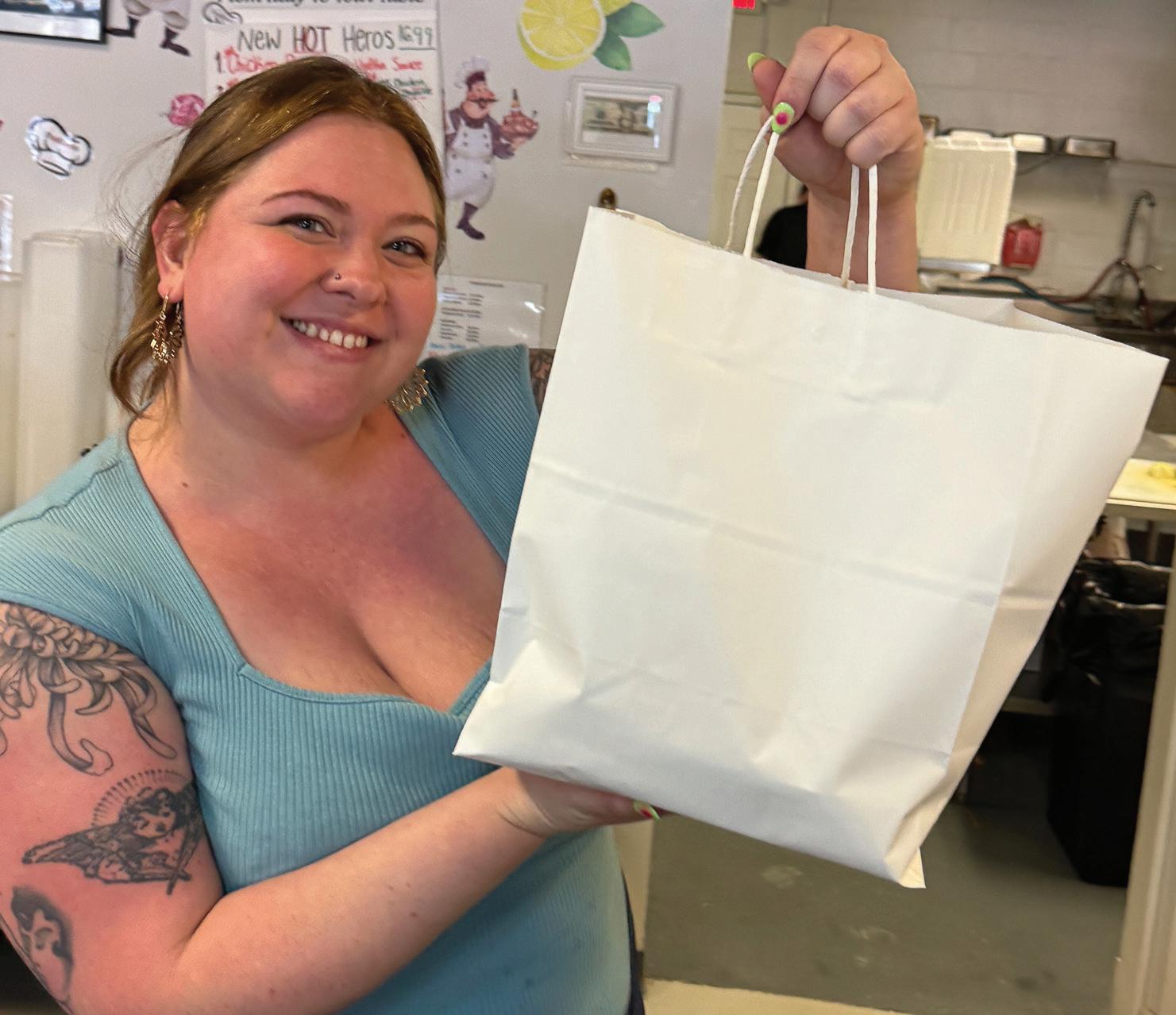
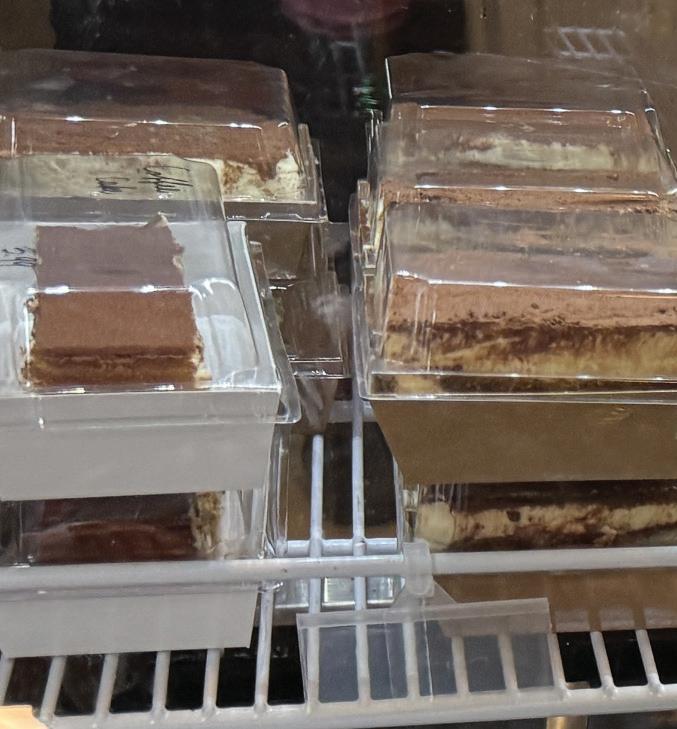
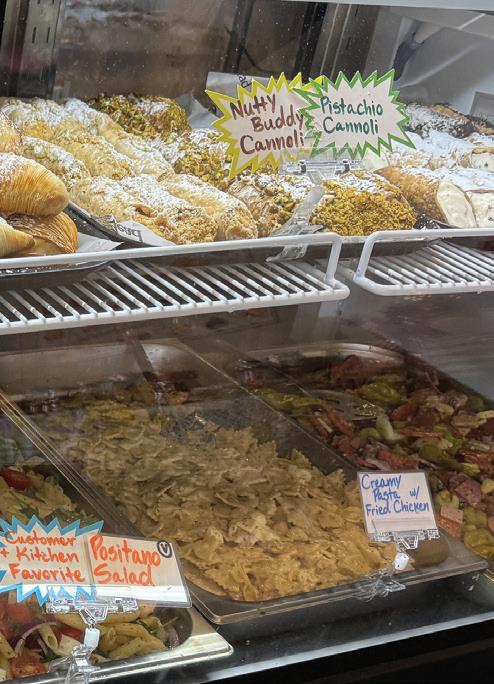
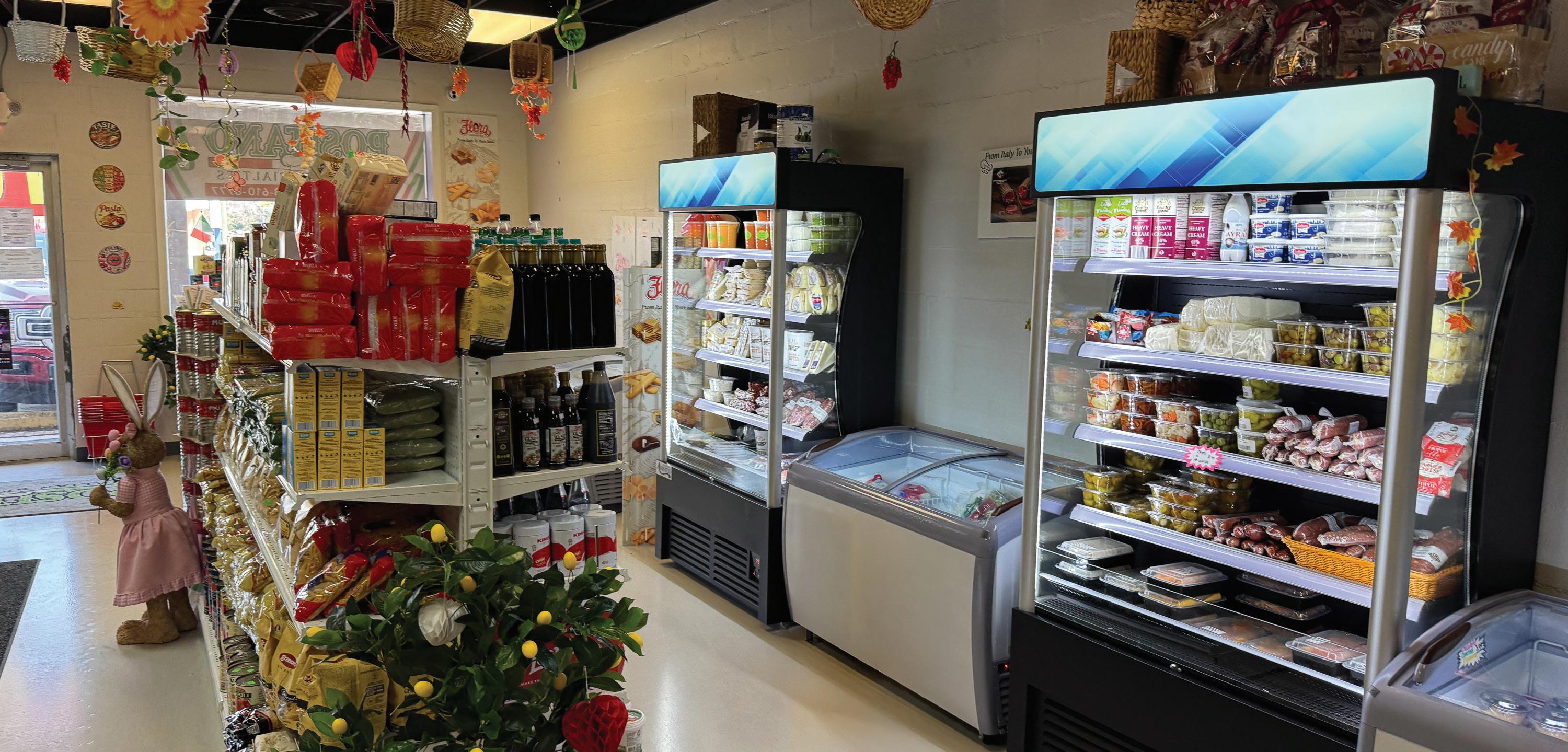
Stop by Positano Deli to pick up lunch, dinner or ingredients to make a meal. PHOTOS BY PHILLIP GUYTON
proposal. When the Femminellas left that night to return to New York, they were proud Florence homeowners. For three years, they volleyed between Long Island and South Carolina. Then, it was time to make a permanent move. That’s when Kathy had another idea.
A Deli Is Born
As the couple settled into their new home, they realized something was missing.
“There were no Italian delis and markets here,” Mike says. “For many years, I ran two up in Long Island. So, when my wife suggested we open one, I thought ‘I am too
young to retire, so why not?’”
After scouting locations, Mike landed a sweet spot on busy Second Loop Road and named it for yet another famous Italian city, Positano, which also happens to be his birthplace.
“We were looking for the right size location, one that would easily attract business,” Mike says. “I looked in other areas, but either the cost was too high or there wasn’t enough traffic.”
He then ran into difficulty sourcing products for the shop. While imported cheeses, pasta and flour were easily attainable via wholesale suppliers in the Northeast, Mike found he was in an Italian goods desert, of sorts.
“The closest suppliers of a lot of the products I needed were in Florida, and they had a really high minimum order requirement,” he says. “It took me a little while to work that out and pass
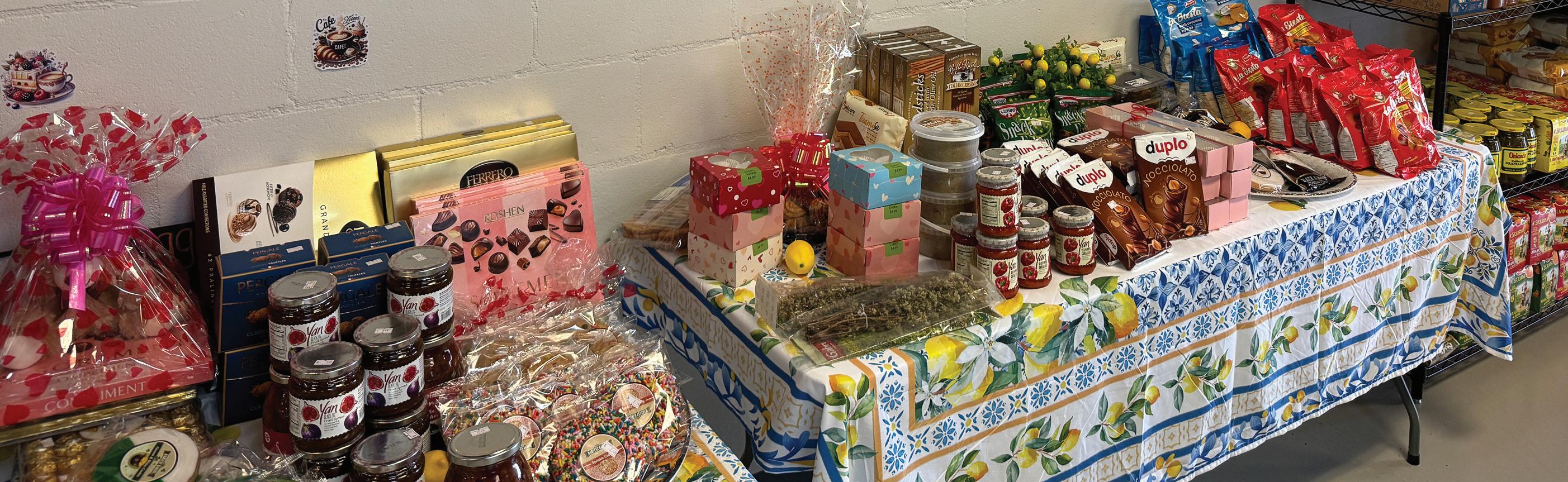
Positano’s carries a variety of products imported from Italy. Shoppers may grab a bite to go while they shop for items to stock their pantries.
ADOBE STOCK PHOTOS BY GOMEZ, ALMAMUN
all the inspections. But we were finally able to open.”
Delivering the Goods
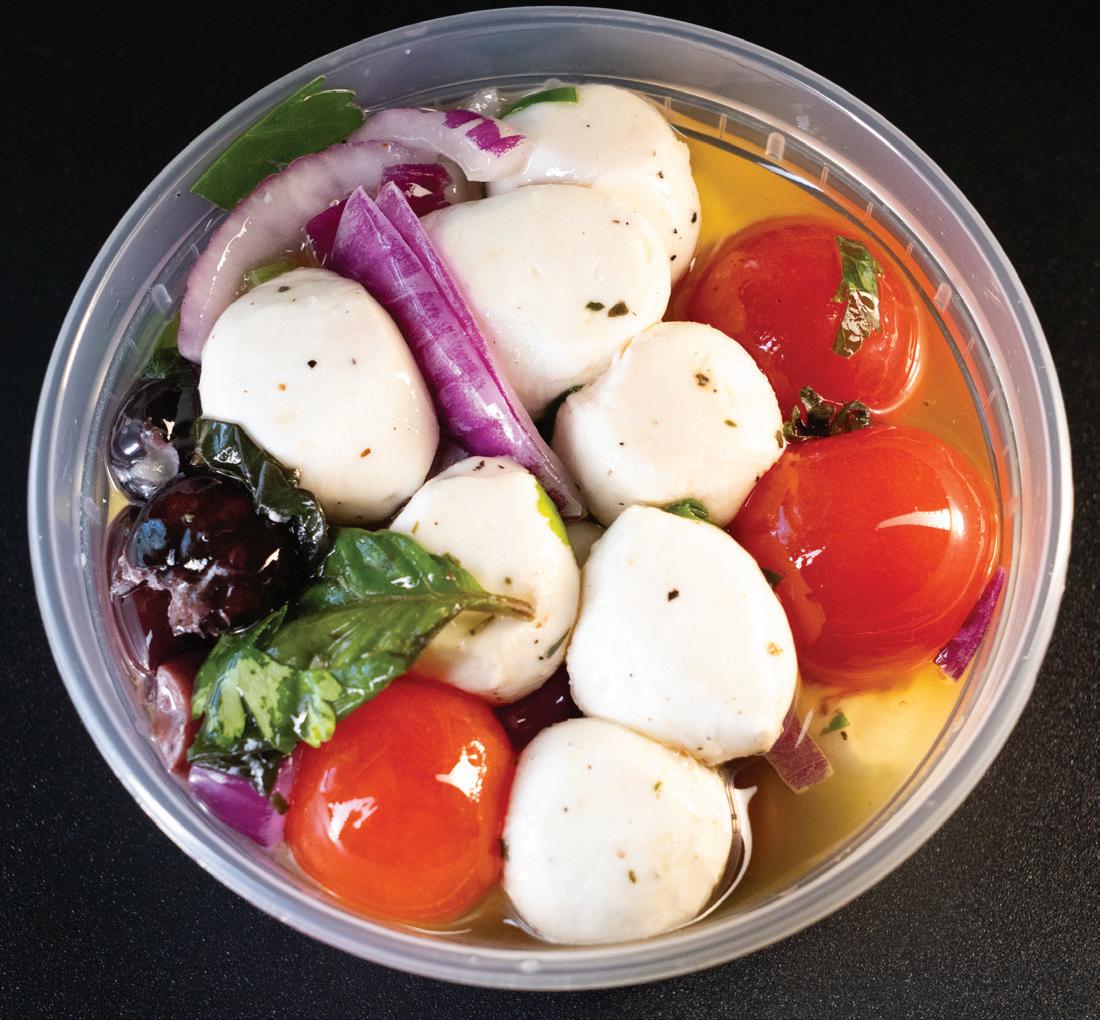
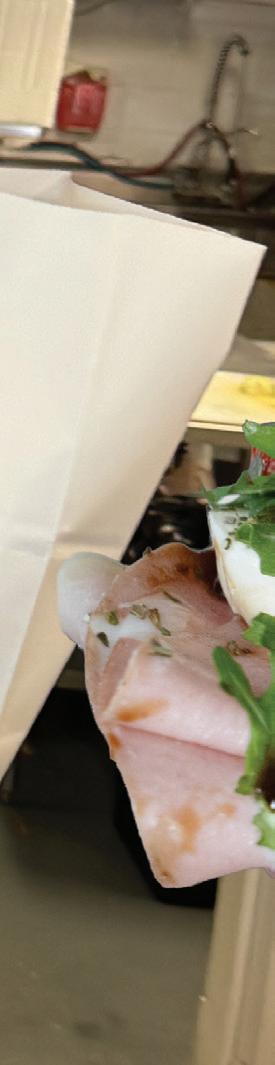
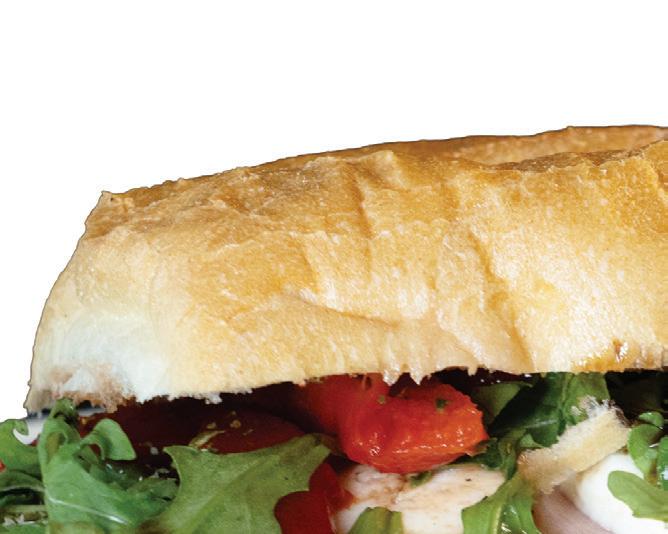
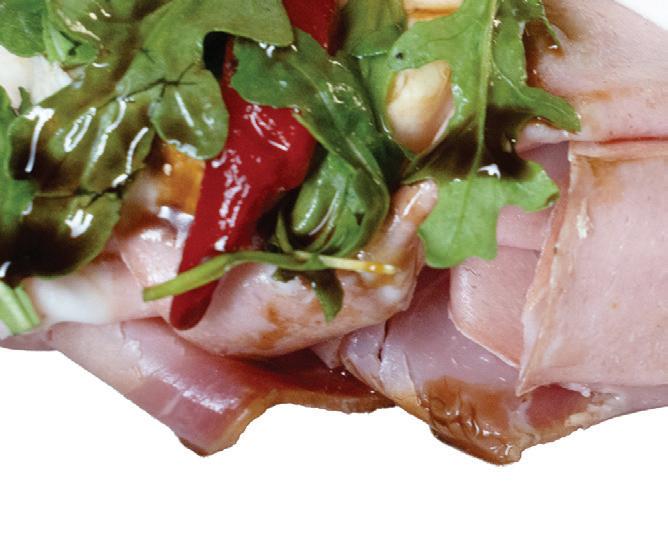
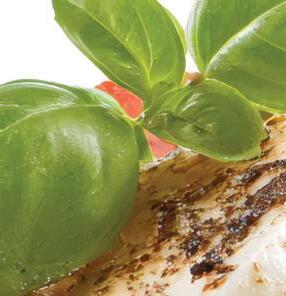
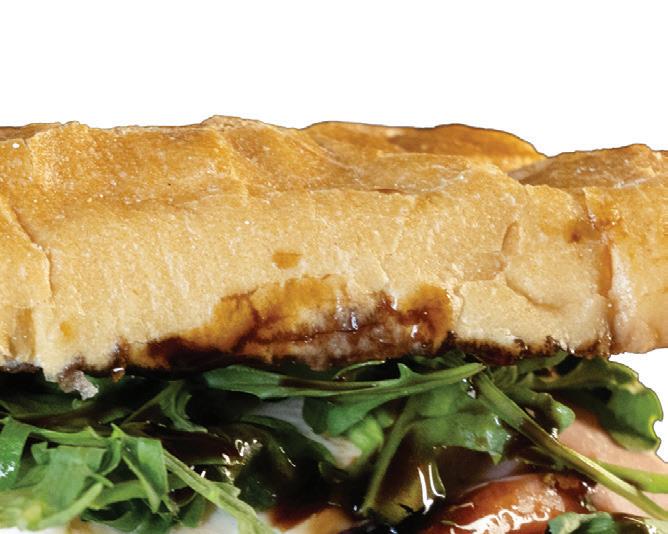
Mike is back in business doing what he knows best. Within the walls of this small strip mall operation, he wields his expert kitchen skills and guides a small crew to follow his lead. The results are mouthwatering—house-made mozzarella, cheesy lasagna, generously stuffed stromboli, focaccia pizzas, hearty sandwiches layered with Boar’s Head meats and a host of tempting salads and sweets.
“One of our bestsellers is the garlic knots. I can hardly make enough of them,” he says. “People really like the eggplant and chicken cutlets, too. Our vodka sauce is popular, and so is our godfather hero with salami, prosciutto, mozzarella and provolone.”
Of course, there are meatballs. Like many Italian cooks, Mike uses a lot of his mother’s recipes and largely considers them
proprietary information.
“I take a lot of pride in the way I make my food,” he says. “There are specific methods and ingredients I use. No shortcuts.”
The results are not accidental, nor are they dictated by cookbooks or years spent acquiring a formal culinary education. Mike’s kitchen finesse was decades in the making. It began when, at age 18, he left the cliffside village of Positano on the Amalfi Coast to live with his sister in New York City. He went to work in an Italian market and deli, learned the ropes and eventually operated two businesses of his own with his late brother, Cono.
“After my brother died, I couldn’t run it all by myself anymore,” Mike says. “So, it feels good to be doing what I love again.”
Filling a Niche
Though South Carolina’s Florence seems worlds apart from Tuscany’s Florence, folks from both share a passion for Italian food.
Local restaurants like Stefano’s, Cibo, Da Massimo and Il Buongustaio enjoy a solid, loyal fanbase. Having a dedicated Italian market and deli complements the lineup and gives home cooks better access to many of the ingredients they rely upon.
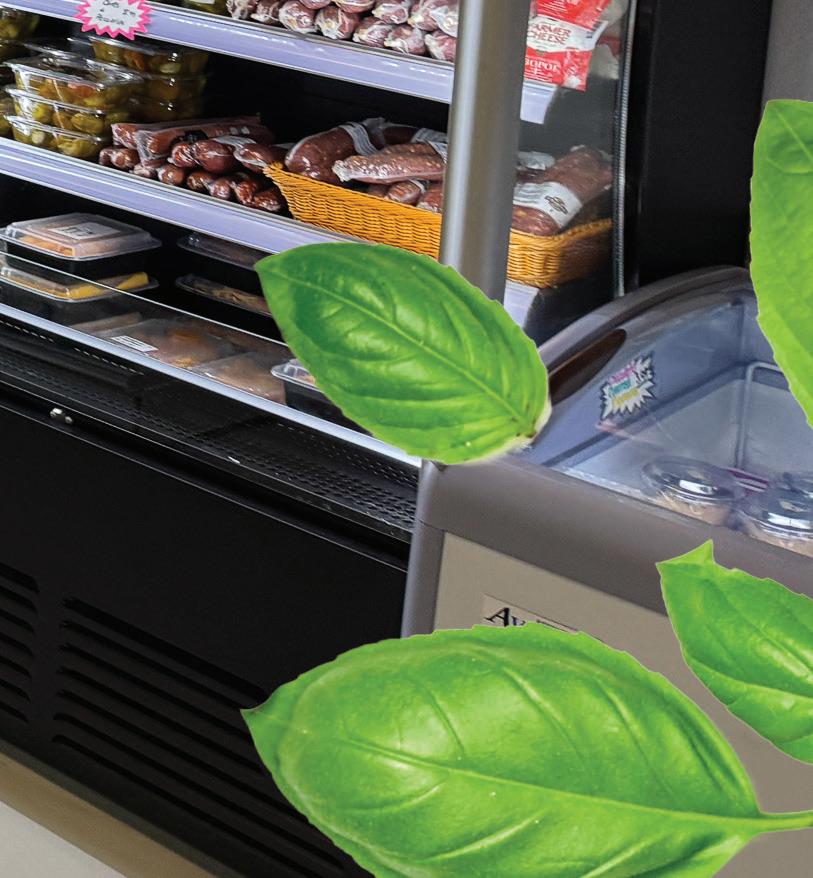
“We stock imported cheeses, pastas and canned Italian tomatoes you can’t really find in stores around here,” Mike says. “About 70% of our customers are from New Jersey and New York, and many like to cook their own Italian food. They get excited to see certain products on our shelves.”
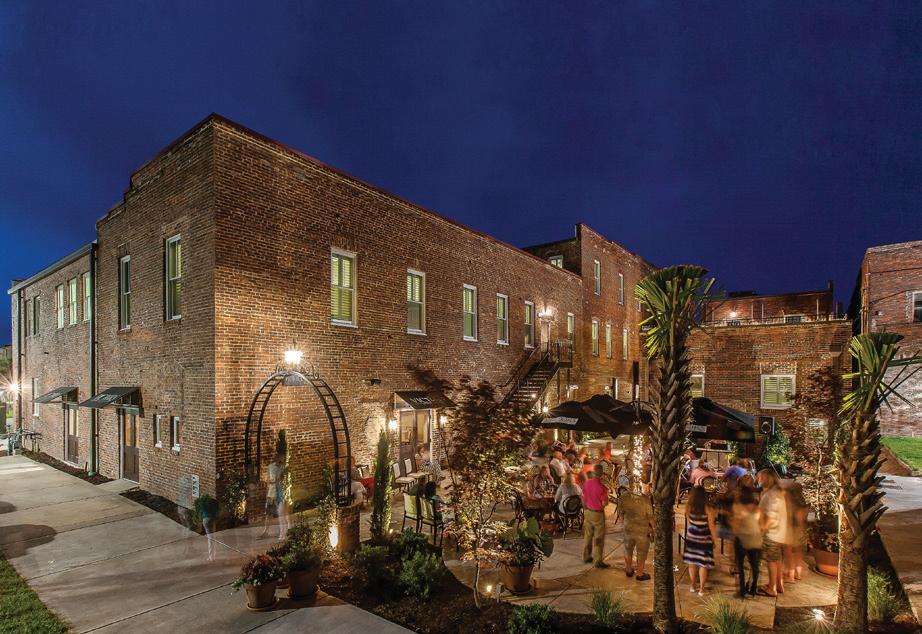
Indeed, the doors of Positano are getting a good workout. From the time the sign was first posted, foodies from across the Pee Dee were planning their pilgrimages to snag specialty groceries and get a taste of their Italian American favorites. The buildup to Positano’s September 2025 opening quickly climbed to a fever pitch on social media.
“Finally going to have a NY deli!”
Shop for convenient, thoughfully prepared meals and fresh ingredients at Positano’s New York-style Italian deli.
“Cannot wait till they open! So, so excited!”
“Maybe now I won’t have to bring good Italian food back from my visits to NY!”
Opening day arrived. Anticipation turned to accolades and expressions of appreciation as people swarmed in for groceries to stock their kitchens, housemade Italian entrees, fresh salads, subs, Italian cookies and pistachio cannoli.
Both Northern transplants and longtime Florentines were excited about the chance to shop a New York-style Italian market and deli. For locals like Karen Downer Herbert, the wait was worth it.
“I’ve only just begun to explore all the offerings,” she says. “The lasagna is rich and flavorful. The arancini is a complete meal in itself. Everything is fresh. You can see them cooking and preparing on-site.”
Bridging a Gap First-timers, take note: Do not go to
Positano expecting to sit down for a meal. This is a shopping experience, not a dining experience.
“We are not a restaurant,” Mike says. “You can place an order for pickup, order platters and catering for special occasions, or just show up to see what we have and carry it out. We are a small operation, so we sometimes run out of things. If there’s something you really want, call ahead.”
For a lot of Florentines, the convenience of picking up a thoughtfully prepared, ready-made Italian meal at day’s end is a big draw.
“I’ve got chicken parmesan, ziti and a few other things I picked up for dinner tonight,” former former Charlotte resident Judi Bex says as she arranges several carryout items in her car. “It’s my first time in, and everything smells so good.”
From wafting aromas to the colorful deli case, imported cheeses, shelves stocked with pastas, sauces, marinated vegetables and Italian sweets and the
sound of Mike’s Italian accent echoing from the kitchen, a trip to this deli and market is a feast for the senses.
Florence, South Carolina, might be an ocean away from Florence, Italy. But with the opening of Positano Deli, the distance between them now seems a little shorter.
Deli & Market
Open 10 a.m. to 6 p.m. Monday-Friday 10 a.m. to 5 p.m.
ADOBE
Home-cooked Italian meals are defined by love, simplicity and fresh ingredients. ADOBE STOCK PHOTO BY ANITTY
Where in the Community?
Every month, MPD Electric Cooperative features a new, recognizable spot from somewhere in the Pee Dee. Check out next month’s page for the answer.
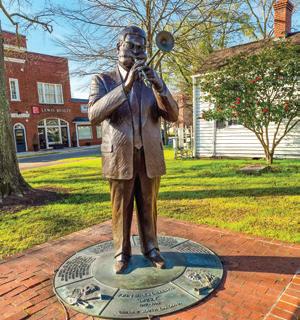
A 7-foot-tall bronze statue of hometown legend Dizzy Gillespie stands on the town green in Cheraw. John Birks “Dizzy” Gillespie is one of jazz’s iconic pioneers—a visionary trumpeter, singer, composer and band leader. He became a central figure in the bebop movement and was known for his joyous stage presence and signature upward-turned trumpet. He performed for multiple presidents and earned many prestigious awards, including the Grammy Lifetime Achievement Award and the National Medal of the Arts. Designed by sculptor Ed Dwight, the statue was commissioned by the town and unveiled in October 2002 on what would have been Dizzy’s 85th birthday. Each October, the town celebrates Dizzy’s legacy with the South Carolina Jazz Festival.
We’re Bringing Flexy Back
Justlike a good wristwatch movement, fashion is cyclical. And there’s a certain wristwatch trend that was huge in the 1960s and then again in the 1980s, and is ready for its third time in the spotlight. We’re talking, of course, about the flexible stretch watch band.
— Jeff from McKinney,
To purchase a vintage ‘60s or ‘80s classic flex watch would stretch anyone’s budget, but you can get ahead of the crowd and secure a brand new version for a much lower price.
We’re rolling back the years AND the numbers by pricing the Stauer Flex II like this, so you can put some bend in your band without making a dent in your wallet.
The Stauer Flex II combines 1960s vintage cool with 1980s boardroom style. The stainless steel flex band ensures minimal fuss, and the sleek midnight blue face keeps you on track with a date window at the 3 o’clock position.
Your satisfaction is 100% guaranteed. Experience the Stauer Flex II for 30 days. If you’re not convinced you got excellence for less, send it back for a refund of the item price. Your satisfaction is our top priority.
Time is running out. As our top-selling watch, we can’t guarantee the Flex II will be around for long. Don’t overpay to be underwhelmed.
TAKE 80% OFF INSTANTLY
when you use your OFFER CODE Flex your right to put a precision timepiece on your wrist for only $59. Call today!
Watch Speci cations:
• Precision movement
• Stainless steel crown, caseback and bracelet
• Date window at 3 o’clock
• Water resistant to 3 ATM
• Stretches to fit wrists up to 8 ½"
Stauer Men’s Flex II Watch
Move beyond the dip for whole-artichoke experiences Artichoke Adventures
Story and photos by Libby Wiersema
When Mama said, “Eat your greens,” chances are she was not talking about artichokes.
In the land of okra, collards and string beans, artichokes struggle to find a loyal following. Because they look so much like flowers, they can be a tough sell. Eating one is a downright mystery for many folks, too. If your only encounter with artichokes involves dip, have I got a culinary adventure for you.
But first, I want to make sure we are all on the same page here. In South Carolina, “artichoke” may refer to the Jerusalem artichoke, aka sunchoke, which is not an artichoke at all but the root of a plant from the sunflower family. These tubers are typically used for relishes or pickles.
The topic here is real artichokes with rounded bottoms and compact, green and/ or purplish leafy layers.
Understanding Artichokes
Neither a fruit nor a true vegetable, artichokes are the flower buds of a Mediterranean plant related to the thistle. For eating purposes, they are harvested before blossoming into lovely lilac-colored flowers. Artichokes are in season twice a year in the United States: March to June and September to October. Most of the nation’s supply comes from California, where the climate is favorable for growing.
To understand how to eat artichokes, it is helpful to understand something about their anatomy. The bud’s main parts consist of the following:
Leaves, inner and outer. The artichoke must be cooked to tenderize the pulp on the underside of the leaf. The pulp is then scraped off with the teeth, and the leaf discarded.
Stem. When peeled and cooked, the stem is tender and edible. Some people think it tastes better than the heart.
Choke. At the core of the artichoke is the choke. It has a prickly, feathery appearance and is not pleasant to eat.
Heart. This is the tenderest part of the artichoke and entirely edible once cooked.
Bottom. The cup-like section just above the stem is delicious and tender when cooked. The heart and bottom are often used for the dips found in restaurants.
Choosing Artichokes
Look for the following when selecting an artichoke:
• It should feel heavy for its size. If it feels light, it is likely dried out.
• Leaves should be compact and tight.
• A bit of leaf discoloration is common due to air contact, but it's not a problem.
• It is common for leaves to have a notch at the tip. They should not be split.
• Squeeze the artichoke. It should give a tiny little squeak and not feel spongy.
• It should have a closed center.
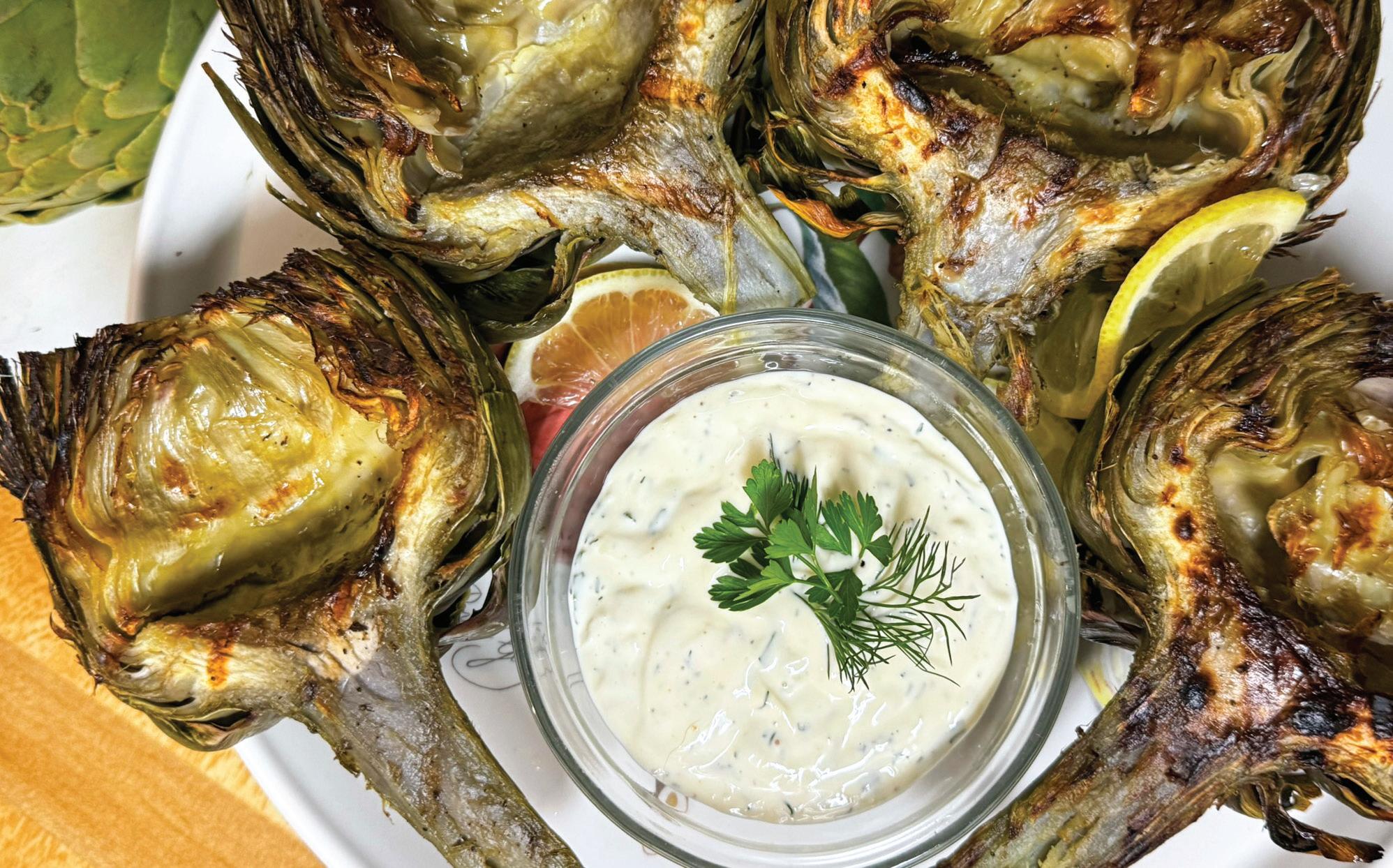
Whole artichokes hold numerous possibilities for divine eating.
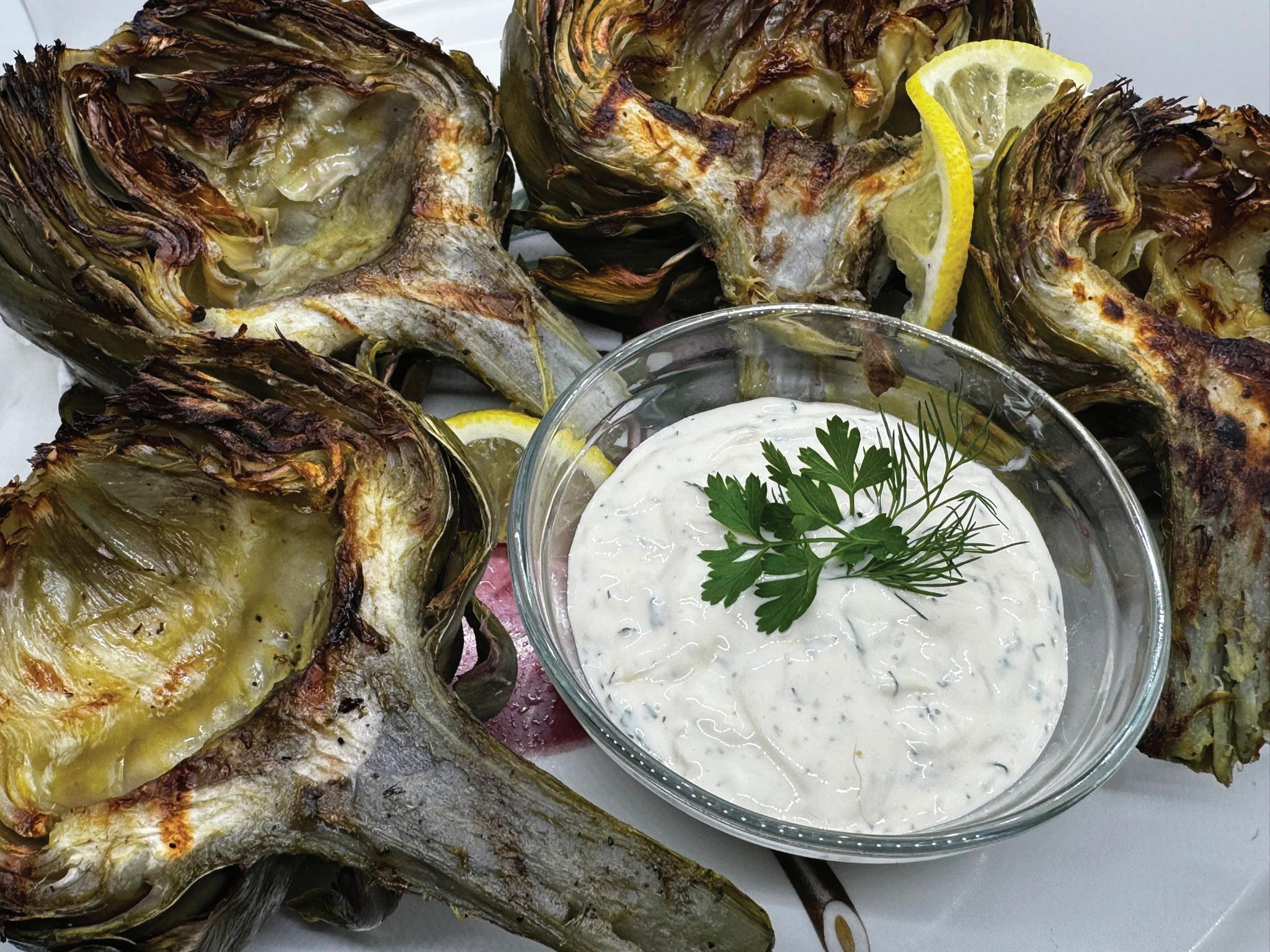
Grilled Artichokes
With Lemon-Garlic Aioli
4 fresh, whole artichokes
2 tablespoons olive oil
1 tablespoon butter
2 tablespoons fresh lemon juice
Red pepper flakes, optional
2 pinches of salt, divided For aioli
¾ cup mayonnaise
1 tablespoon fresh lemon juice
3 cloves of garlic, minced
1 tablespoon chopped fresh herbs— dill, parsley, basil or a mix
Prepare charcoal for grilling. If using propane, heat to medium high, around 350 F, about 10 minutes before grilling. Fill a pot large enough to hold artichokes with water, and add a pinch of salt. Bring to a boil. If artichokes are large, use two pots.
Rinse and dry artichokes. Trim ½ inch from the stem, and strip away outer layer with a peeler. With a sharp knife, slice up to 2 inches off the top of the artichoke. Use scissors to trim any pointy tips from the leaves. Add artichokes to boiling water, reduce heat to medium, and cover. Cook for 25 minutes. In a bowl, combine aioli ingredients and refrigerate. Using tongs, remove artichokes and place top side down on a rack or paper
Cooking Artichokes
Baking, grilling, boiling, steaming—all are appropriate ways to cook artichokes. Each method yields a different result.
But before cooking, the artichoke must be properly prepared. Begin by giving each one a thorough rinse and rub by hand under cold water. Dry the artichoke and trim ½ inch from the stem.
Using a peeler, strip away the outer layer of the stem. Take a sharp paring knife and trim away the tiniest leaves from around the very bottom. Lay the artichoke on a cutting board, and hold firmly with one hand as you use a large, serrated knife to
towels to drain. Cool for 5 minutes. Transfer to cutting board, and halve each vertically with a sharp knife. Using a grapefruit spoon or other serrated tool, gently scrape out the fuzzy choke, leaving the heart intact.
Combine olive oil, butter, lemon juice, red pepper flakes and a pinch of salt. Microwave until butter melts. Whisk, then brush on cut side of each artichoke half.
slice 1½ to 2 inches from the top. Then, trim any pointy tips from the leaves using kitchen scissors. Now you can proceed with your recipe.
Sicilian stuffed artichokes are a sentimental favorite. After prepping the artichoke, my mother would gently pull the leaves back then stuff them with a mixture of breadcrumbs, Pecorino cheese, basil, garlic and olive oil. She tied them with kitchen string to keep the leaves and stuffing intact, then either roasted them in a baking dish in the oven or arranged them in a Dutch oven with a little added water and cooked them on the stovetop.
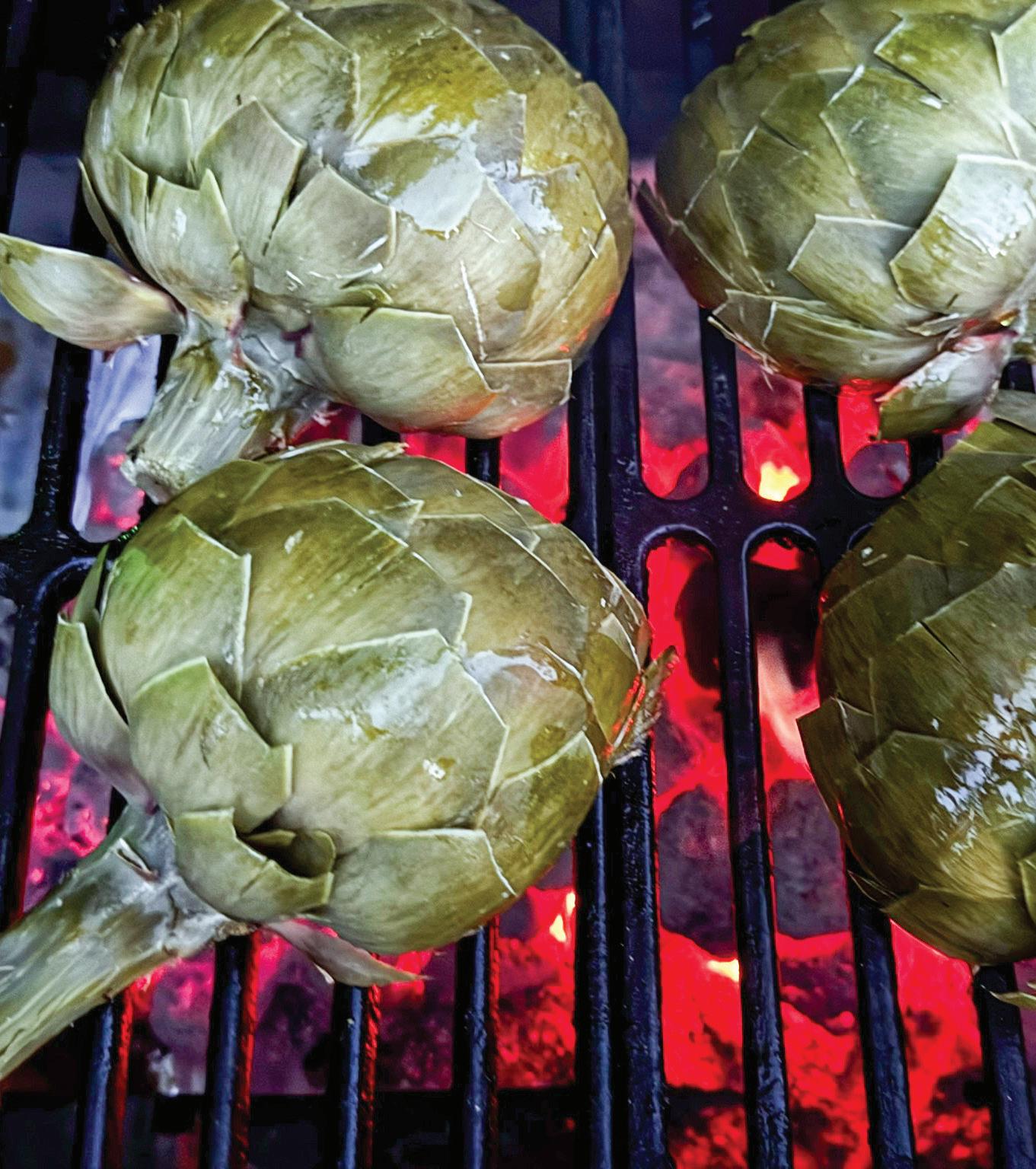
Spread hot coals, and adjust grill grate to middle position. Arrange artichoke halves, cut side down. Cover. Grill artichokes for about 10 minutes or until cut side is golden brown. Using a spatula, gently turn over the artichokes. Grill for another 5 minutes, then move them to a platter.
To serve, arrange two artichoke halves on each plate, divide aioli into bowls, and pass the napkins.
To eat, we pulled off the tender leaves, positioned the pulp-stuffing side against our bottom teeth and scraped off the good stuff. Delicioso!
This time of year, grilled artichokes are the perfect way to celebrate the season. The recipe above takes you step by step through the process. Ready for an artichoke adventure? Fire up the grill and get ready for compliments. n
Libby Wiersema writes about dining, food trends and the state’s culinary history for Discover South Carolina as well as other print and online media. Contact her at libbyscarolinaspoon@gmail.com.
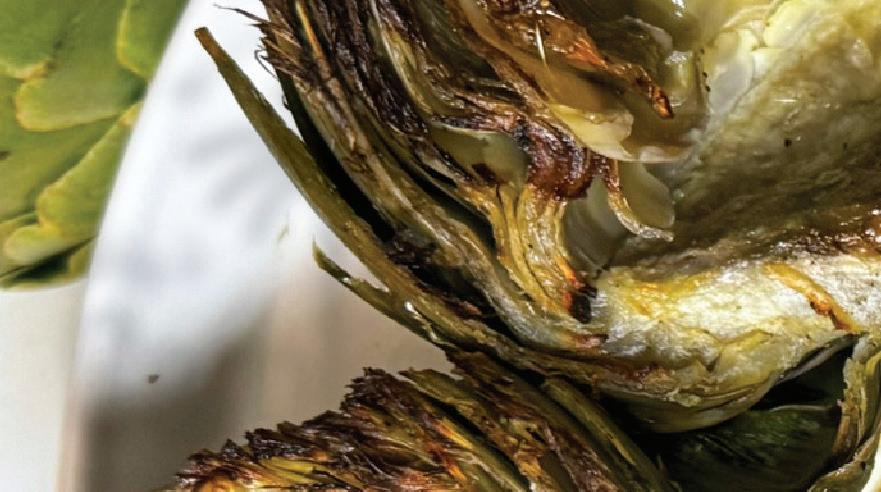
Grilling infuses artichokes with smoky flavor.
By Dave LaBelle
During the pandemic, I taught an eightweek online photo class. One of my students, Amy Gaskin, struggled to find a project she felt comfortable photographing since so many people were masked and afraid of interacting with others. I suggested Amy consider shooting a “dead person” story, the kind magazines like National Geographic do on famous people who are deceased—such as Van Gogh, Mark Twain, Ernest Hemingway or Abraham Lincoln. I asked her if there was
You can find Amy Gaskin’s story at amygaskin.com/marilyn/nationalgeographic.
Photographer, author and lecturer Dave LaBelle has captured special moments for more than half a century, sharing tips and life perspectives.
For more of his writings, visit davidlabelle.com and his blog, bridgesandangels.wordpress.com.
NIKON D810
58mm lens ISO 100 f/5.6 at 1/250
BY DAVE LABELLE
Marilyn Forever
anybody famous buried close by her home. She immediately thought of Marilyn Monroe.
That was more than four years ago. Amy is still tirelessly working on the Marilyn project, which has taken her as far away as Australia. Portions have been published in newspapers and magazines in the United States and abroad, including National Geographic online. She hopes to publish her book, “Marilyn Forever: A Symbol of Hope,” soon. June 1 would have been Marilyn’s 100th birthday.
While recently in Palm Springs,
Reader Challenge
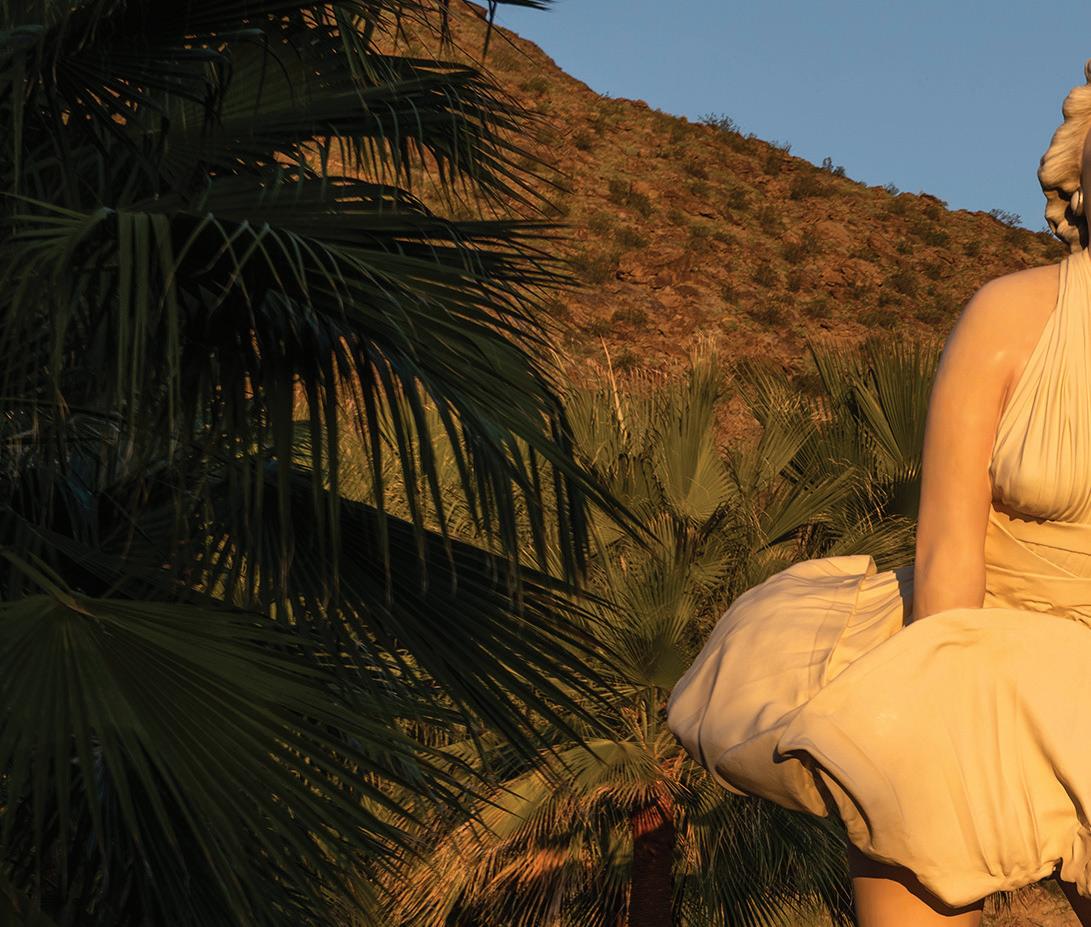
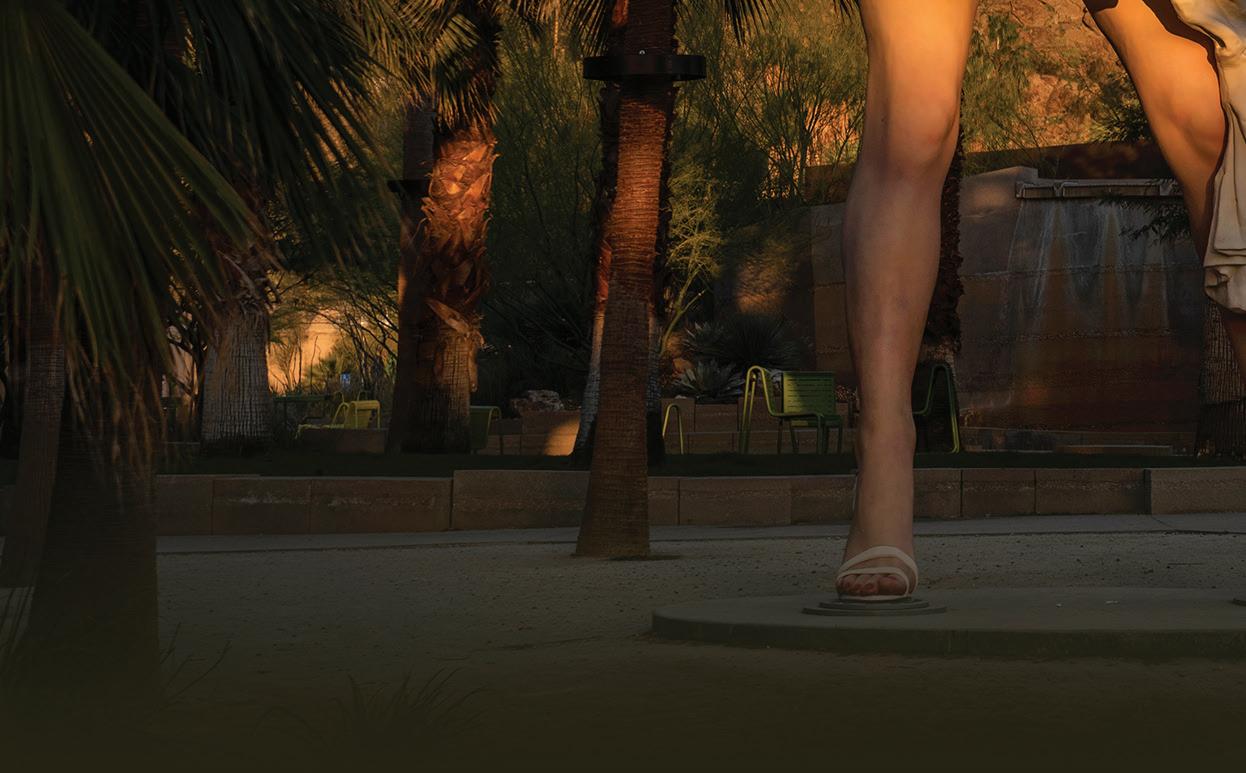
California, I photographed the controversial 26-foot-tall, 34,300-pound statue of Marilyn Monroe created by the late American artist Seward Johnson.
As always, I considered various angles and times of day. Things look different in different light, and colors change rapidly— often within a few minutes or even seconds—as do shadows in the mornings and evenings.
I settled on a morning shot as the rising sunlight moved across the figure with a man walking past to offer scale, rather than midday with crowds doing selfies.
What project would interest you enough to study, explore, photograph and/or write about? Who or what are you curious about? I’ve often said, as long as you have any camera you should never get bored. I would need a dozen lifetimes to explore all of the people and places I am curious about. This is your chance, your license, your challenge to start today. Who knows where your curiosity might lead you? Maybe a gallery showing, a newspaper or magazine article? Maybe even a book?
Email your best image—just one—with caption information, including an explanation of how it affects you, to gph@pioneer.coop. We may share submissions on our website and social media channels.
PHOTO
Our Bone-ified Best Blade
My friend Sergio is a mixed martial arts fighter. His shoulders are broad. His muscles have muscles. He’s not the kind of person you want to be on the wrong side of.
This manly man has a saying about being tough: You should either know how to fight or look like you do.
The message is simple enough. People spoiling for a fight usually don’t pick the biggest guy in the bar. If you look like someone who shouldn’t be messed with, you likely won’t be. With our Blue Bone Bowie Knife on your hip, that’s exactly the message you’ll send.
As beautiful as it is functional, this knife is 10" overall and features a high-quality 420 surgical stainless steel blade with a serrated spine. The handle is constructed of genuine natural bone with redwood spacers. On the handle you’ll find design work that’s carved by hand, a testament to its craftsmanship.
This knife is stick tang, meaning it won’t wimp out when you need it. This knife also features brass hand guards and brass spacers with file work, so you won’t lose your grip. For easy carrying, it comes with a genuine tooled leather sheath. CALL NOW! If you’re one of the rst 700 587 callers for this ad, we’ll throw in a pair of Stauer Pocket Binoculars — a $99 value
— ABSOLUTELY FREE!
“It’s a beautiful knife with a great blade and a sure grip”
— William B. Wilmington, NC
Walk around with the Blue Bone Bowie Knife and you’ll feel a lot safer. I know I do.
Knife Speci cations:
• 10" overall length
• 420 surgical stainless steel and stick tang construction
• Genuine natural bone and redwood hand-carved handle
• Genuine leather sheath included
Blue Bone Bowie Knife
$299 $79* + S & P
FREE Stauer Pocket Binoculars a $99 value with your purchase of the Blue Bone Bowie Knife Save $220
*Special price only for customers using the offer code.
Your Insider Offer Code: BBK177-02
of South Carolina Historic Gardens
By Robin Howard
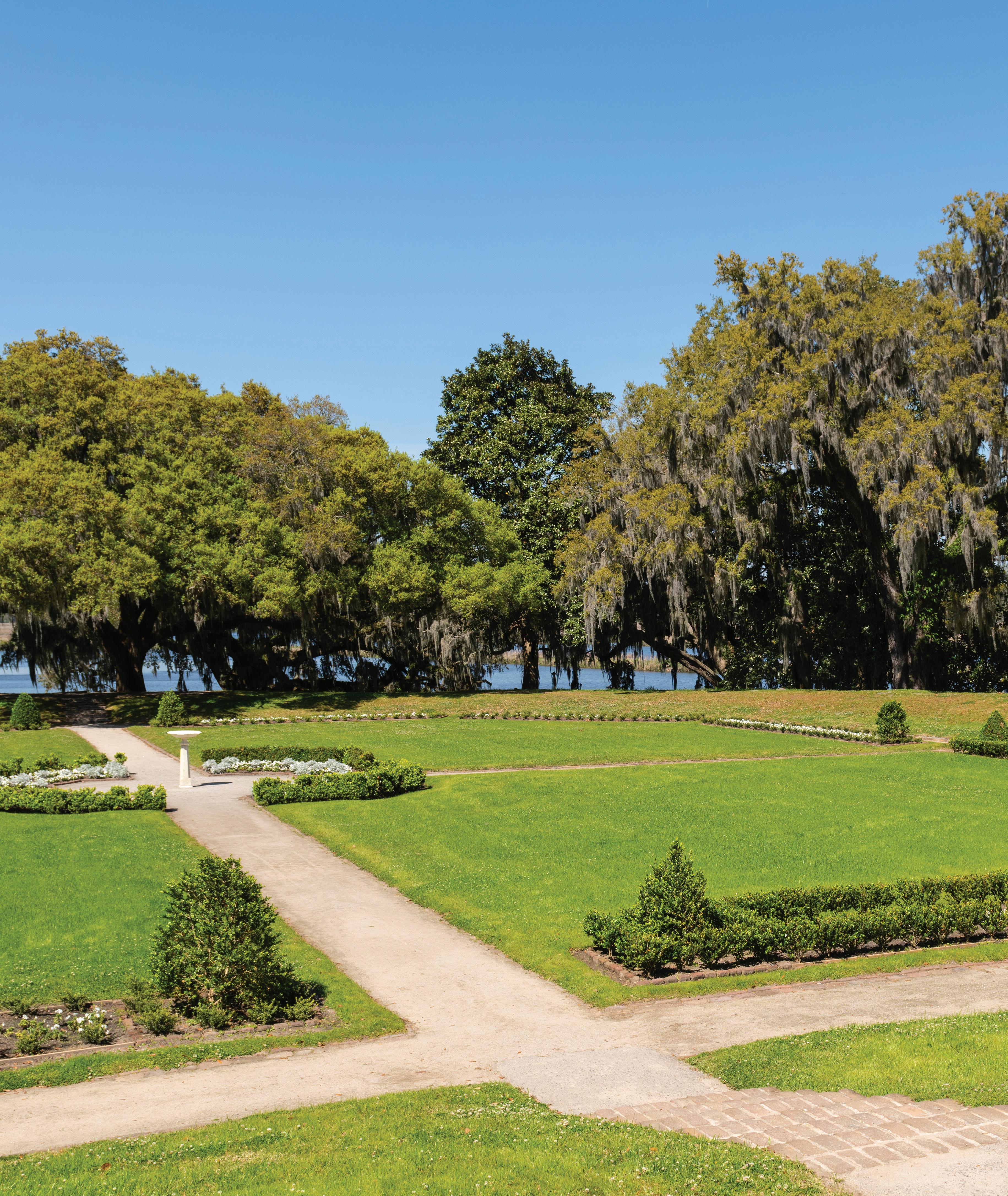
South Carolina’s historic gardens are legendary. The air carries the sweetness of tea olives, and Spanish moss drips from live oak branches so wide they seem to reach across time. Beneath your feet, a brick path worn smooth by generations leads you forward, and you get the feeling you’re stepping into a living record of an entire civilization.
The Palmetto State has one of the nation’s richest horticultural histories, and its gardens tell that story with a clarity no museum exhibit could fully replicate. From the formal terraces of the Lowcountry to the heirloom orchards of the Backcountry, these landscapes reflect centuries of ambition, artistry, labor and love.
Middleton Place
The Oldest Landscaped Gardens in America
No discussion of historic South Carolina gardens can begin anywhere other than Middleton Place, located along the Ashley River outside Charleston. Henry Middleton began laying out the gardens in 1741, following the grand classical principles championed by André Le Nôtre, the French landscape architect who designed the gardens at the Palace of Versailles. The result is a sweeping formal composition featuring terraced lawns descending to a pair of butterfly lakes, geometric allees, bowling greens and trimmed green walls that divide the landscape into outdoor rooms.
What Henry began, subsequent generations enriched. His son, Arthur Middleton, befriended the French botanist André Michaux, who is believed to have brought the first camellias to America. They were planted at Middleton Place, where one of the original plantings survives to this day.
Later, Williams Middleton introduced azaleas to the property. Today more than 100,000 of them bloom there each spring in a display that stops visitors mid-stride.
The gardens were largely destroyed near the end of the Civil War when Union soldiers burned much of the property in 1865, and an earthquake in 1886 compounded the devastation.
For decades, the landscape lay neglected. It wasn’t until the early 20th century that Heningham
Lyons Ellett Smith, wife of Middleton descendant
J.J. Pringle Smith, led a painstaking restoration over 15 years that brought the gardens back to something approaching their former grandeur.
By 1941, the Garden Club of America awarded Middleton Place its highest honor and declared the gardens the most important and interesting in the United States.
Magnolia Plantation
America’s Oldest Estate Garden
Just a few miles up the Ashley River, Magnolia Plantation, founded in 1676, is home to the oldest estate garden in the country. Thomas Drayton Jr., organized a formal French garden around the original manor as early as 1680. Over the following centuries, the gardens evolved: Rice fields were converted into ornamental lakes in the early 1800s, and the landscape was consistently refined and expanded by descendants of the Drayton family, which held the property continuously.
Magnolia Plantation was listed on the National Register of Historic Places in 1972 and remains in the hands of descendants of the Drayton family.
Brookgreen Gardens
Where Sculpture Meets Southern Landscape
On the Grand Strand, south of Murrells Inlet, sits one of the most distinctive garden experiences in the country. The Waccamaw people originally inhabited the land that comprises Brookgreen Gardens, and in the 1700s, it was developed into four rice plantations along the Waccamaw River.
In 1930, New York philanthropists and married duo Archer Milton Huntington and Anna Hyatt Huntington bought more than 9,000 acres of that land and set about creating something genuinely unprecedented.
Brookgreen’s 1931 charter established it as a Society for Southeastern Flora and Fauna. Anna, a sculptor, filled its paths and garden rooms with works of American figurative sculpture. Today, the site is considered the largest outdoor museum of American sculpture in the United States. It was designated a National Historic Landmark in 1992.
The surrounding landscape preserves old plantation rice fields, native woodland and wildlife habitats, giving the garden an ecological depth.
ADOBE STOCK PHOTO BY
The Gardens of Columbia History in the Heart of the Capital South Carolina’s capital city holds its own garden legacy. The Hampton-Preston Mansion on Blanding Street was home to one of Columbia’s most powerful antebellum families, and the 4-acre grounds were transformed by enslaved labor into acclaimed gardens featuring a collection of native plants and species gathered from around the world.
Historic Columbia has spent years recreating those gardens in the design of that era.
Nearby, the Caldwell-Boylston Gardens on the grounds of the governor’s mansion date to 1830. The gardens became the life’s work of Sarah Porter Smith Boylston, who bought the home in 1910 and spent more than 60 years cultivating a series of garden rooms for entertaining.
One Columbia historical author called her creation “one of the most important showplaces in the southeast.” A central pergola draped in Lady Banks roses remains one of its most beloved features. The gardens are listed on the National Register of Historic Places, one of only three gardens in South Carolina to hold that distinction.
The Stories These Gardens Hold What makes South Carolina’s gardens so affecting is not just their beauty, but the layered human history embedded in every hedge and pathway. These landscapes were created in large part through the labor of enslaved African Americans whose horticultural knowledge, drawn from agricultural traditions across West Africa, helped make the Lowcountry’s rice-based economy possible. The knowledge that transformed marshlands into productive fields also shaped the ornamental lakes and careful plantings admired today.
The wealthier colonists who financed these gardens drew inspiration from Europe, but as writer DuBose Heyward once observed, even the most formal English-planned gardens of Carolina grew into something unlike any others in the world. The live oaks, the Spanish moss, the jessamine and the magnolia blooms refused to be contained by European formality. The result was a garden tradition that belongs entirely to this place and nowhere else.
Walking these gardens, you carry all of that with you. The bloom of a camellia planted from a cutting descended from André Michaux’s original gift. The stone path has absorbed two centuries of footsteps. The butterfly lakes are catching the afternoon light just as Henry Middleton imagined they would. South Carolina’s gardens do not simply preserve history. They grow it.
Across
1 Asserted as true (7)
true (7)
5 Dismisses from employment (5)
8 Between nations (13)
from employment (5)
9 Total amount (3)
10 Senior manager (9)
nations (13)
amount (3)
manager (9)
12 Soft, white fiber plant (6)
13 Over a large area or extent (6)
15 More than necessary (9)
16 Small colony-forming insect (3)
18 Connections between people (13)
20 Words with matching end sounds (5)
fiber plant (6)
21 Complete absence of sound (7)
Down
large area or extent (6)
1 Fried potato snacks (5)
necessary (9)
2 Without conscious thought (13)
3 Extraordinarily wonderful (9)
colony-forming insect (3)
4 Sliding storage compartment in furniture (6)
Connections between people (13) matching end sounds (5)
5 Glide down snowy slopes (3)
6 Careful thought or regard (13)
7 Resembling the color of polished metal (7)
11 Applicable to all cases (9)
absence of sound (7)
12 More easy to understand (7)
14 Aircraft commanders (6)
17 Sense that detects flavors (5)
19 Necktie or draw in a contest (3)
potato snacks (5)
conscious thought (13) Extraordinarily wonderful (9)
storage compartment in furniture (6)
snowy slopes (3)
thought or regard (13)
the color of polished metal (7) to all cases (9) to understand (7) commanders (6)
detects flavors (5)
draw in a contest (3)
What is the
Farmer’s Almanac?
Somewhere in America, someone is standing in a hardware store, holding a small yellow book the size of a birthday card, deciding whether to plant tomatoes based on the position of the moon.
That book has been continually published since 1818. It has outlasted empires, world wars and roughly 14 different versions of the internet. And it started, like most great American institutions, with one very ambitious person and a little bit of mystery.
and a rotating selection of feature articles on topics ranging from gardening to folklore to which vegetables are having a moment.
The almanac has long claimed an 80% accuracy rate for its weather predictions 18 months in advance, while meteorologists with satellites, radar networks and supercomputers are accurate about 80% of the time for forecasts one week out.
“The Old Farmer’s Almanac” was founded in 1792 by Robert B. Thomas, a Massachusetts teacher and amateur astronomer, who decided that what the young nation needed most was a pocket-sized annual guide to weather forecasts, planting calendars, astronomical data and general life advice. He was not wrong. Farmers at the time genuinely depended on this kind of information, and getting it required one to own expensive books or know someone who did.
Thomas’ almanac was an immediate hit. He reportedly used a secret formula—a combination of solar science, weather patterns and something he kept literally locked in a black tin box in his office—to predict the weather a full year in advance. Nobody knew exactly what was in the box. That was probably the point.
The publication has run every single year since then without interruption. During World War II, a German spy was caught carrying a copy with coded messages hidden inside, which is a ringing endorsement of American distribution reach or a very bold choice of dead drop material.
The almanac is part weather forecast, part agricultural calendar and part general-interest magazine for people who enjoy reading about the best days to cut their hair according to lunar cycles. Each issue includes long-range weather predictions broken down by region, planting and harvesting dates tied to moon phases, tide charts, astronomical calendars, recipes, home remedies,
However, the almanac’s actual independently verified accuracy rate sits closer to 50%, which, in fairness, is the same as a coin flip, but delivered with considerably more charm and a recipe for apple butter.
To their credit, the publishers have never claimed to be perfect. Founder Robert Thomas apparently said he allowed a “pleasant degree of uncertainty” in his forecasts.
Why has it lasted? An internet search can tell you the hourly forecast for the next 10 days, updated by the minute, sourced from satellites orbiting the planet. The almanac tells you roughly what to expect sometime in February, based on a formula kept in a tin box by a man born in 1766. And millions of people buy it every year because their grandmother had one, as did her grandmother.
Some things earn their place not by being the most accurate option, but by being the most familiar one.
Ed Salley is MPD’s IT guy. Ed not only knows a lot about technology, he knows a lot about everything. Send your question to asked@mpd.coop, and it may be featured in next month’s Ask Ed column.
ADOBE STOCK IMAGE BY ATTASIT
Straight off the Cob ELEVATE CORN
BEYOND BUTTER AND
SALT
Mexican Street Corn
4 ears of corn, husked
4 tablespoons mayonnaise
2 tablespoons sour cream
½ teaspoon salt
4 ounces cotija cheese, crumbled
1 teaspoon chili powder, divided
1 lime
2 tablespoons fresh cilantro, chopped
Heat grill to medium-high. Grill corn, turning every 2 to 3 minutes until lightly charred all over.
Mix mayonnaise, sour cream, salt and ½ teaspoon chili powder in a small bowl. Brush each ear generously with the sauce. Sprinkle with cotija cheese, remaining chili powder and cilantro. Squeeze lime over the top. Serve immediately.
Recipes by Gertrude Treadaway
ADOBE STOCK PHOTO BY HARDVICORE
Sweet Corn Skillet Cornbread
Unsalted butter
1½ cups buttermilk
2 large eggs
¼ cup vegetable oil
1½ cups all-purpose flour
1½ cups cornmeal
1 cup sugar
Heat oven to 350 F.
1½ tablespoons baking powder
½ teaspoon kosher salt
1½ cups corn kernels, fresh or frozen
Honey, optional
Grease a 12-inch cast-iron skillet or a 9-by-13-inch casserole dish with butter.
In a large bowl, whisk together buttermilk, eggs and vegetable oil. Add flour, cornmeal, sugar, baking powder and salt. Mix just until combined, then stir in the corn kernels.
Mango Corn Salsa
2 ears corn
1 large ripe mango, diced
1 jalapeno, seeded and minced
½ red bell pepper, diced
¼ red onion, finely diced
3 tablespoons fresh cilantro, chopped
2 limes, juiced
1 teaspoon salt
Grill ears of corn until kernels have some color. Cut off kernels, and let cool.
Combine corn kernels, mango, jalapeno, red bell pepper, red onion and cilantro. Add lime juice and salt. Toss well. Let sit for at least 15 minutes for flavors to meld. Serve with tortilla chips, in tacos or over grilled fish or chicken.
Summer Corn and Tomato Salad
4 ears corn, kernels cut off
1 pint cherry tomatoes, halved
1 English cucumber, diced
½ red onion, finely diced
Fresh basil, torn
3 tablespoons olive oil
2 tablespoons red wine vinegar
1 teaspoon honey
1 teaspoon salt
½ teaspoon black pepper
Heat a skillet or grill pan over high heat. Add corn kernels. Cook dry, stirring occasionally, until lightly charred in spots, about 5 minutes. Let cool.
Pour the batter into the prepared dish. Bake for 35 minutes or until a toothpick inserted in the center comes out clean. Allow the cornbread to cool for at least 15 minutes before slicing. Serve topped with honey, if desired. Do
Whisk together olive oil, red wine vinegar, honey, salt and pepper in a large bowl. Add cooled corn, cherry tomatoes, cucumber, red onion and basil to the bowl. Toss to coat. Taste and adjust seasoning. Serve chilled or at room temperature.
Crispy Corn Fritters
3 ears corn, kernels cut off
2 large eggs
2 ounces all-purpose flour
2 ounces Parmesan, grated
2 green onions, thinly sliced
1 teaspoon salt
½ teaspoon black pepper
¼ teaspoons cayenne pepper
3 tablespoons vegetable oil, for frying
Sour cream, for serving
Hot sauce, for serving Lime, for serving
In a large bowl, combine corn, eggs, flour, Parmesan, green onions, salt, black pepper and cayenne pepper. Stir until a thick batter forms.
Heat 3 tablespoons oil in a large nonstick skillet over medium-high heat. Drop heaping spoonfuls of batter into the pan, flattening slightly. Cook in batches, being sure not to crowd.
Cook fritters for about 3 minutes per side until deep golden brown and cooked through. Drain on paper towels. Serve hot with sour cream, hot sauce or a squeeze of lime.
Fresh Sweet Corn Chowder
6 ears corn
3 tablespoons butter
1 medium onion, diced
3 garlic cloves, minced
2 medium potatoes, diced
3 cups chicken or vegetable broth
1 teaspoon salt
½ teaspoon paprika
1 cup heavy cream
4 strips bacon, cooked and crumbled
2 green onions, sliced
Cut kernels off ears of corn. Run the back of a knife down the cobs to extract milky liquid. Reserve kernels and liquid.
Melt butter in a large pot over medium heat. Saute onion until soft, about 5 minutes. Add garlic, and cook 1 more minute.
Add potatoes, broth, salt and paprika. Bring to boil. Simmer until potatoes are tender, about 12 minutes.
Add corn kernels and their liquid. Stir in heavy cream, and simmer 5 more minutes. For a creamier texture, blend 2 cups of soup, and stir back in.
Ladle soup into bowls. Top with bacon and green onions.
Lesser-Known Gems
Check out these tiny towns you didn’t know you need to visit
By Judy Garrison
From the coast to the mountains, South Carolina’s landscape offers ample amounts of fun and adventure regardless of your getaway itinerary. Larger cities like Columbia and Greenville grab the attention, but wind your way into the smaller towns. They are alive with opportunities but much less traffic, both the vehicle and pedestrian kind.
Consider these locations, travel at a slower pace and reap the rewards of these charming communities.
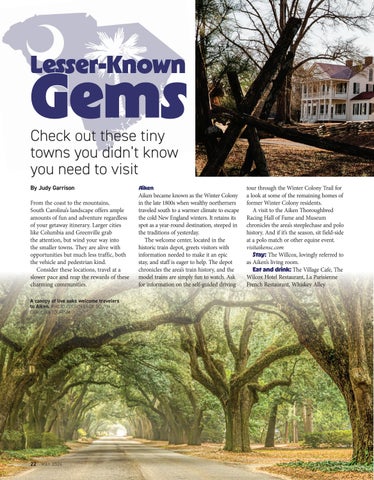
Aiken
Aiken became known as the Winter Colony in the late 1800s when wealthy northerners traveled south to a warmer climate to escape the cold New England winters. It retains its spot as a year-round destination, steeped in the traditions of yesterday.
The welcome center, located in the historic train depot, greets visitors with information needed to make it an epic stay, and staff is eager to help. The depot chronicles the area’s train history, and the model trains are simply fun to watch. Ask for information on the self-guided driving
tour through the Winter Colony Trail for a look at some of the remaining homes of former Winter Colony residents.
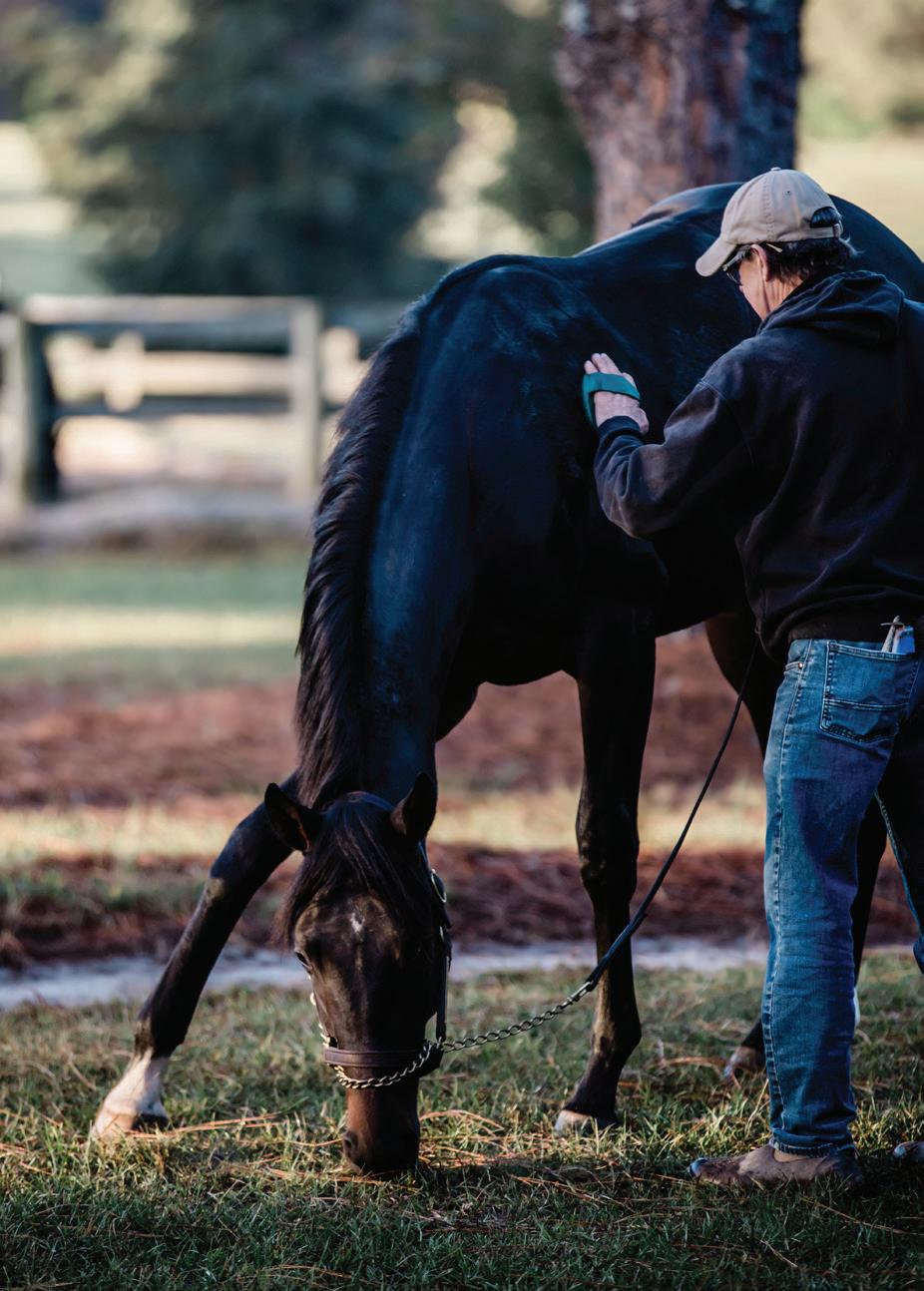
A visit to the Aiken Thoroughbred Racing Hall of Fame and Museum chronicles the area’s steeplechase and polo history. And if it’s the season, sit field-side at a polo match or other equine event. visitaikensc.com
Stay: The Willcox, lovingly referred to as Aiken’s living room.
Eat and drink: The Village Cafe, The Wilcox Hotel Restaurant, La Parisienne French Restaurant, Whiskey Alley
A canopy of live oaks welcome travelers to Aiken. PHOTO COURTESY OF SOUTH CAROLINA TOURISM
Blu ton
The eclectic village of Bluffton is a star of the Lowcountry. Located on the May River, Old Town—listed on the National Register of Historic Places—suggests antiquing, shopping and dining at a slower pace, without need for a vehicle.
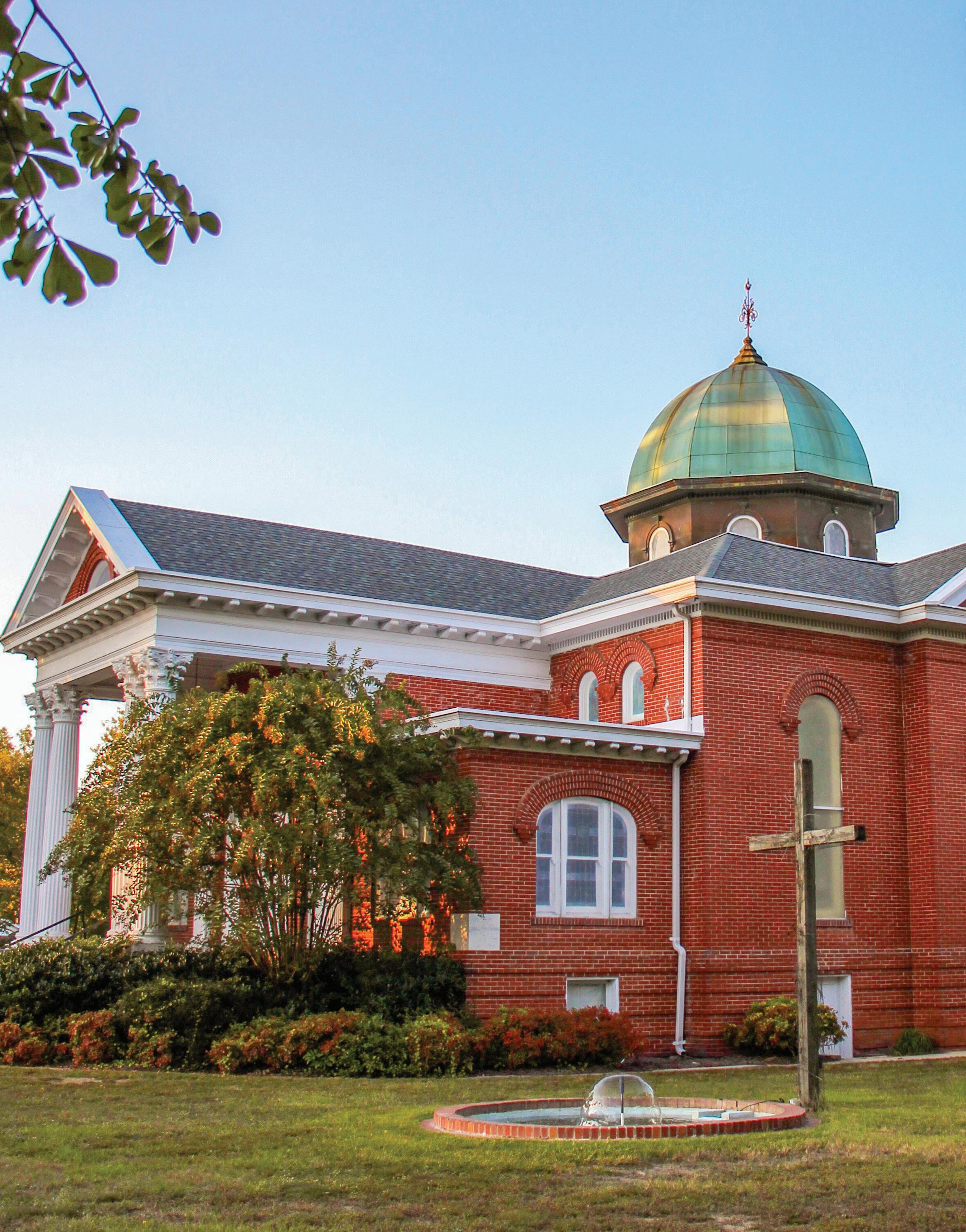
Walk to the Church of the Cross, which survived the burning of Bluffton during the Civil War. Linger on the benches underneath the live oaks. Other points of interest include the Heyward House Museum, which doubles as the welcome center, Rose Hill Plantation House and the Calhoun Streets Arts District, a wealth of small galleries featuring local artisans. visitbluffton.org
Stay: Old Town Bluffton Inn
Eat and drink: Corner Perk Brunch Cafe, Bluffton Oyster Company, Burnt Church Distillery, Farm Bluffton
Edisto Island
Coastal South Carolina blossoms on Edisto Island with its small footprint accentuating its natural state. Few coastal addresses are as relaxing as this barrier island.
Drive the 14-mile Edisto Island National Scenic Byway, featuring the beauty of the island’s live oaks, wildlife and marshes. Take to two wheels, rent a bike and explore on your own. The Edisto Beach Bike Path ushers cyclists through the back side of the town past shops and restaurants.
Schedule time for the sea turtle night walk at the Edisto Beach State Park Interpretive Center. Whether for a walk or sunbathing, the park features more than 1.5 miles of sandy beaches. Get out on the water with Botany Bay Ecotours for a chance to see dolphins. discoversouthcarolina.com
Stay: Edisto Beach State Park Cabins (There are no hotels on the island.)
Eat and drink: Flowers Seafood Co., The Waterfront Restaurant, McConkey’s Jungle Shack
Florence
With its pecan and sweet tea trails, Florence greets you with Southern treats and hospitality.
The historic downtown is filled with unique shops and galleries, including the Florence Museum of Art showcasing local work surrounded by rotating exhibitions. Don’t miss the Hewn Timber Cabins Tour at Francis Marion University for a glimpse into the early life of the Pee Dee Region. Bring a kayak to the Revolutionary Rivers Trail—a 66-mile National Water
Historic Brattonsville features many original buildings. PHOTO COURTESY OF SEEING SOUTHERN
Morning is a great time for a ride around the tracks in Camden. PHOTO COURTESY OF SEEING SOUTHERN
The calm of Edisto Island invites visitors. PHOTO COURTESY OF SOUTH CAROLINA TOURISM
Trail—and follow in the steps of Gen. Francis Marion. The Woods Bay State Park spotlights the cypress-tupelo swamp and other trails.
Famous for its festivals, Florence hosts the pecan festival in November, its food and wine festival and Artfields, both held in spring.
visitflo.com
Stay: Hotel Florence
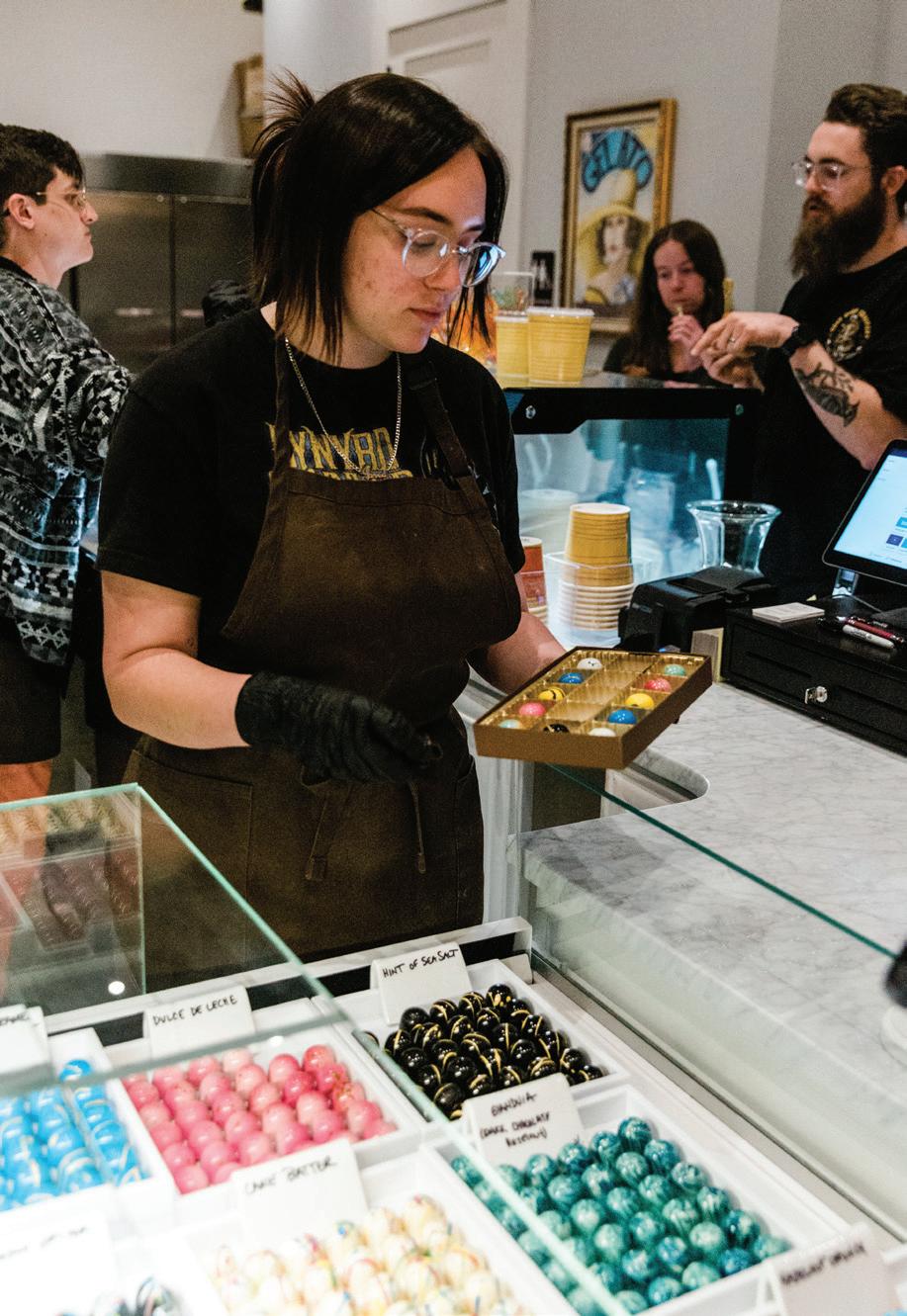
Eat and drink: Victors, Julia Belle’s, Chocobella, Cain’s Bar-B-Que, Piggyback’s BBQ & Catfish
Georgetown
Quaint and inviting, Georgetown is an unexpected and welcome discovery away from coastal crowds. As South Carolina’s third-oldest city, Georgetown provides glimpses into history, honoring its Revolutionary period heritage.
Eat and drink: Figaro, The Palms Grill and Bar, Enoree Reiver Winery, Grille on Main
Filled with endless opportunities for outdoor activities, these five communities feature multiple state parks and bodies of water to explore.
Lake Greenwood, in Greenwood, is one of the state’s most popular lakes, known for stellar bass fishing. Along the shoreline are campsites to pitch a tent. Prefer a cabin or lodge? Choose Hickory Knob in McCormick, the only resort state park.
Harborwalk—the pedestrian walkway along Winyah Bay, part of the Intracoastal Waterway—is home to museums, galleries, restaurants and small businesses that make every stroll enjoyable.
Rich in history, the city offers multiple tours, including guided walks as well as boating excursions that include a stunning sunset. Visit the Rice Museum and learn about the importance of the Carolinas’ rice crops. The Gullah and maritime museums showcase culture and artifacts. discovergeorgetownsc.com
Stay: The George Hotel
Eat and drink: River Room, Blue Bayou Bistro, Urban Brew Coffee House, Root
Newberry
Located in the Piedmont region, Newberry charms with small-town treasures. Its historic downtown is the community’s centerpiece.
If you’re an “American Pickers” fan, stop at C.T. Summer Hardware & Antiques and go on a treasure hunt.
Another star, the Newberry Opera House, built in 1881, brings the best in entertainment to this small community. Don’t skip the Wells Japanese Garden and Newberry Museum. discoversouthcarolina.com/newberry
Stay: Newberry Manor bed and breakfast
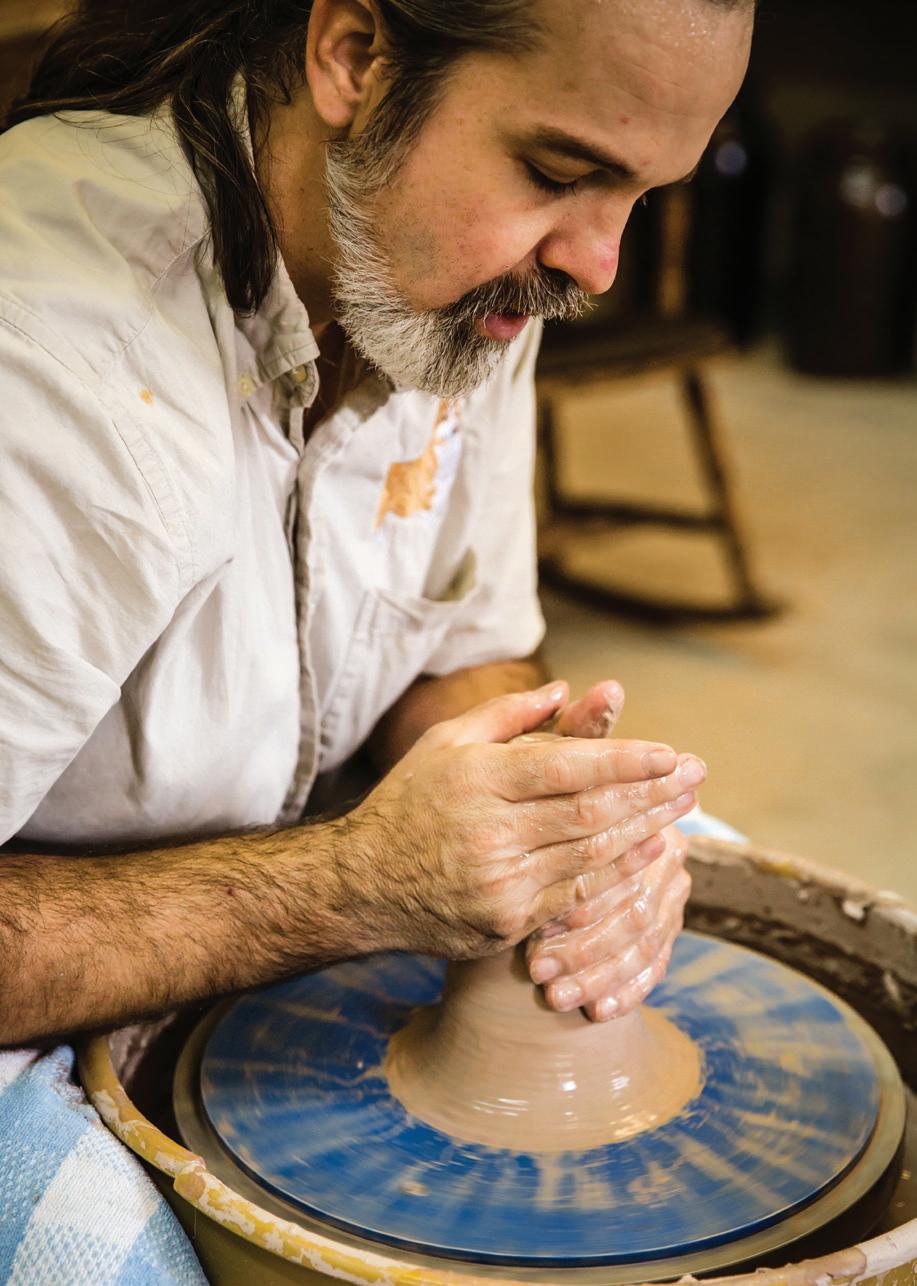
Edgefield’s Historic District, listed on the National Register of Historic Places, is tiny with its quintessential Southern courthouse square. Stop in at Old Edgefield Pottery where every creation is deeply rooted in history. From face jugs to coffee mugs, there’s a piece that you’ll want to take home. Shop in downtown Greenwood, known for its many consignment shops, markets and fine boutiques. Take time for yourself at The Spa on Maxwell for a variety of treatments.
History buffs are immersed within the American Revolution time period in the Old 96 District, a location that became pivotal in battles. Its fort and historic buildings make for an impressive national park.
visitold96sc.com
Stay: Inn on the Square
Eat and drink: Indigenous Underground, Daily Bread Bakery, Winston’s Smokehouse Bar and Grill
Olde
English District
Camden, Cheraw, Fort Mill, Rock Hill, Winnsboro, York
Rooted in history, the Olde English District shares its past with visitors while offering opportunities to experience its present. The region offers small-town charm with unique experiences.
Home to the Carolina Cup, Camden is the destination for year-round steeplechase training in the state. Visit the Springdale Training Center and plan to attend the cup in March.
A potter sits at a wheel in Old Edgefield Pottery.
PHOTO COURTESY OF SEEING SOUTHERN
Travelers Rest features many galleries and restaurants. PHOTO COURTESY OF SOUTH CAROLINA
Chocobella in Florence satifies chocolate cravings. PHOTO COURTESY OF SEEING SOUTHERN
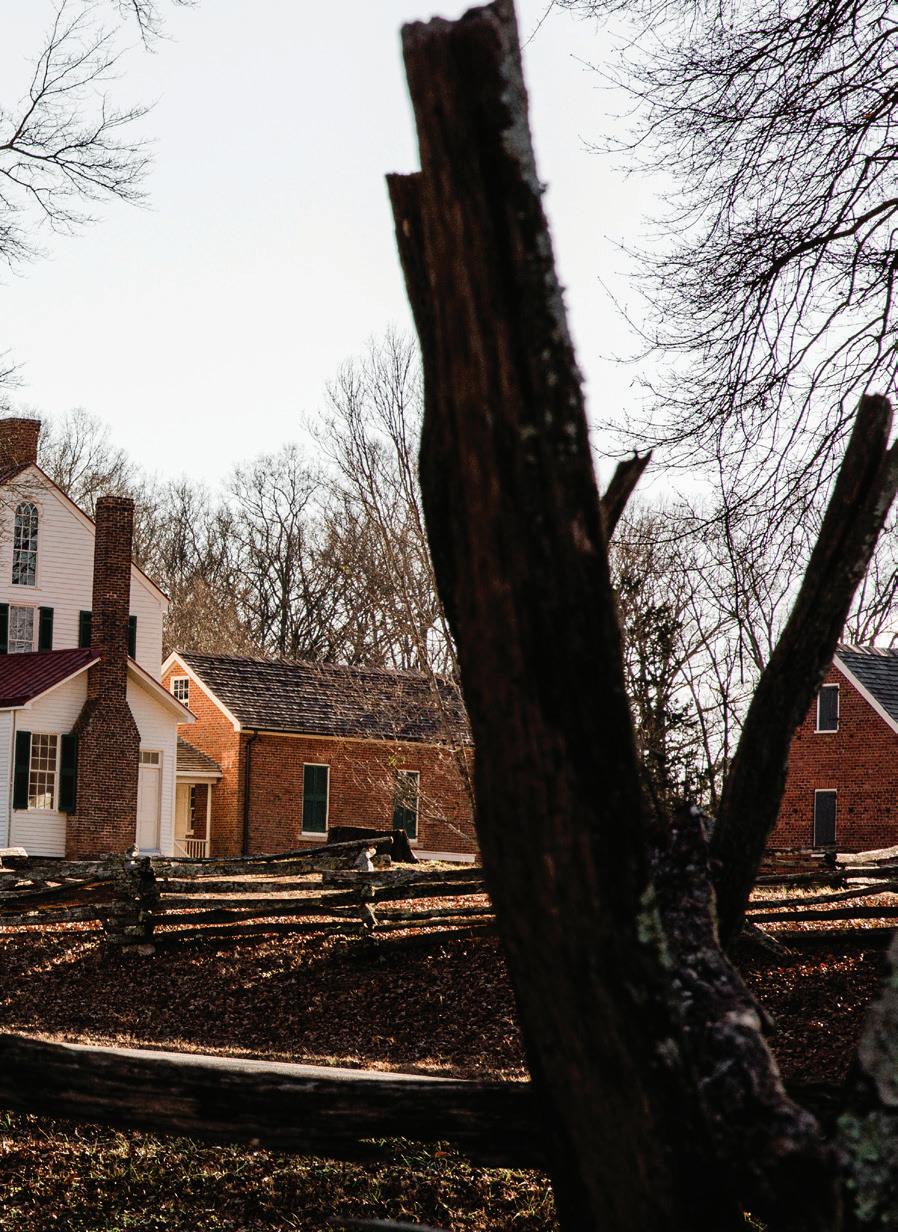
History buffs must visit Revolutionary War Visitor Center in Camden and Kings Mountain National Military Park in York. Each offers living history events throughout the year. Plus, Historic Brattonsville in McConnells is listed on the National Register of Historic Places. Explore the smokehouse, a double corn crib, a field workers’ house and the original Bratton family house built in 1766.
Consider Cheraw during the fall and enjoy the South Carolina Jazz Festival, paying tribute to its musical heritage. And at Old McCaskill Farm in Rembert, enjoy family farm day where you can get up close with animals and buy a cozy blanket, crafted from the wool of the farm’s sheep. oldeenglishdistrict.com
Stay: Old McCaskill Farm
Minutes from town are the stars of the South Carolina state parks, Caesars Head and Table Rock. At Caesars Head, hike to Raven Cliff Falls overlook or bridge. At Table Rock, there’s hiking, too, but you also will find the serenity of the lake.
Stroll downtown and visit White Rabbit Fine Art Gallery, Wild Hare Gallery and others which showcase a wide range of work by local artisans. If you’re in the area for an extended period of time, consider a class or workshop at Travelers Rest Artists Alliance.
travelersrestsc.com
Stay: Hotel Domestique
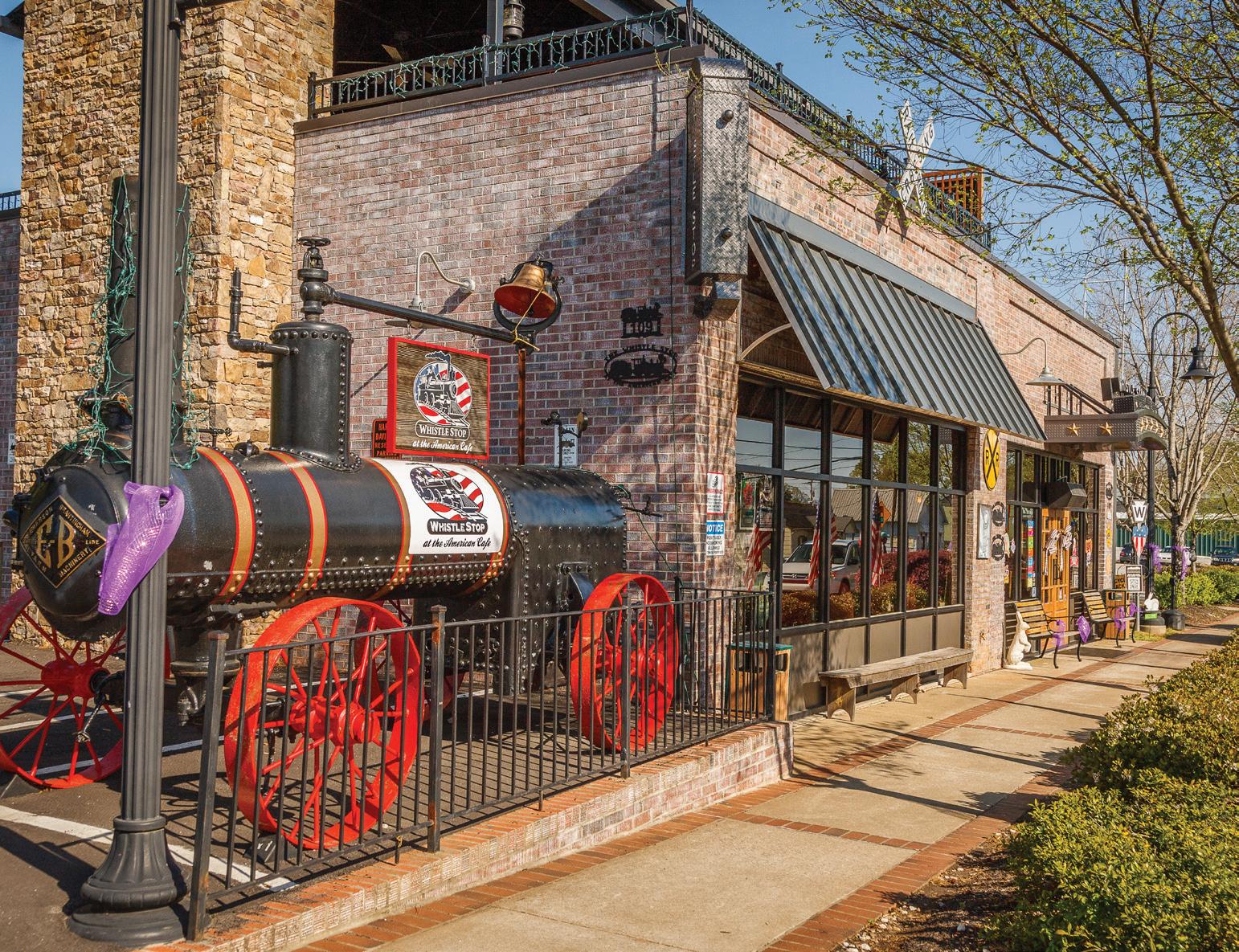
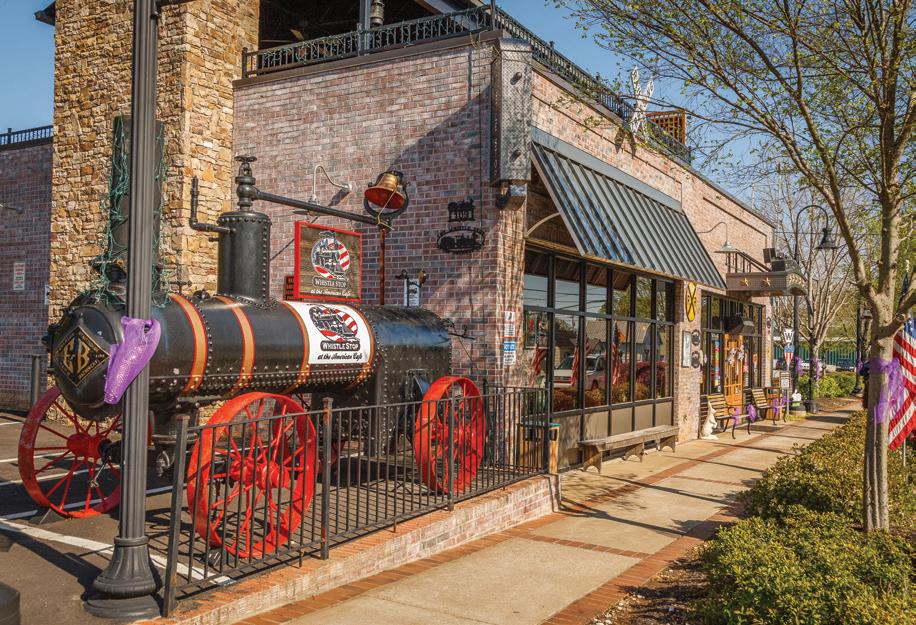
Eat and drink: The Whistle Stop at the American Cafe, Swamp Rabbit Brewery and Taproom, Monkey Wrench Smokehouse, Topsoil Kitchen & Market, Tree House Cafe & Studio
Eat and drink: Boykin Mill Store, Mill Pond Steakhouse, Cornwallis House Tea Co., Everyday Gourmet, Broad & Vine, Kounter
St. Helena Island
At the Atlantic’s edge is one of the most beautiful spots along the eastern coastline. St. Helena Island showcases the beauty of the rural low country, showering visitors with century-old live oaks and its rich cultural heritage.
Located a short drive from Beaufort, it is quiet and serene. Don’t miss the St. Helena Parish Chapel of Ease ruins. Spend the day at the Penn Center, a museum and cultural center, but the best part is walking the grounds and imagining those who walked there before. Martin Luther King Jr. stayed in Gantt Cottage where he began his “I Have a Dream” speech. beaufortsc.org
Stay: City Loft Hotel
Eat and drink: Gullah Grub Restaurant, Shrimp Shack
Travelers Rest
Just outside of Greenville—connected via the Swamp Rabbit Trail, a 22-mile multiuse pathway—Travelers Rest is one of those tiny towns you trip over on your way somewhere else. The quaint downtown is teeming with restaurants and boutiques, even a brewery.
Walhalla
Walhalla, which means the garden of the gods in Norse mythology, opens the door upstate to the Blue Ridge Mountains.
A visitor favorite is Stumphouse Tunnel. Walk into the chiseled archway and immediately feel the temperature drop. The late-1800s construction was part of the Blue Ridge Railroad which was abandoned and never completed. Visitors have one-way access inside the tunnel, with a quarter-mile round trip. A 15-minute walk from the Stumphouse Tunnel, Issaqueena Falls is named for the Cherokee young woman who, as legend repeats, leapt from the falls with her lover.
Noted as the main street to the mountains, Walhalla’s downtown is filled with small shops, as well as museums that share Oconee County and Cherokee history. Local galleries exhibit artisans at Farmhouse Gallery and End of the Road Studios.
If antiques are your quest, stop in at Middle of Main Antiques or Siegler Trading Post. discoversouthcarolina.com/walhalla
Stay: Postcard Cabins in Lake Hartwell or The Majestic Treehouse, adults only Eat and drink: Mountain Mocha, Walhalla Steak House, Soc’em Dog Brewing and Gastropub
Mornings begin with work at the stables. PHOTO COURTESY OF SEEING SOUTHERN
Downtown Florence shines in the evening. PHOTO COURTESY OF SOUTH CAROLINA TOURISM
Stop in Beaufort and learn about the history of the city. PHOTO COURTESY OF SEEING SOUTHERN
Fun Festivals&
MAY 8
Darlington Community Concert Series
The series runs through September, featuring the Josh Brannon Band in May.
6-9 p.m.
Darlington Public Square
MAY 16
Inaugural Beeville Festival
Rooted in Bennettsville’s agricultural heritage and embracing the Bee City USA designation, this festival is a celebration of creativity, culture and community pride. The event includes games, food and music.
10 a.m.-6 p.m.
106 E. Main St., Bennettsville
MAY 16
‘Lion King’ Movie
Join Timmonsville Public Library for the original 1994 G-rated animated movie. Snacks and juice are provided.
10:30 a.m.- noon
TIMMONSVILLE PUBLIC LIBRARY
298 W. Smith St., Timmonsville
MAY 16
Speed & Feed BBQ Festival
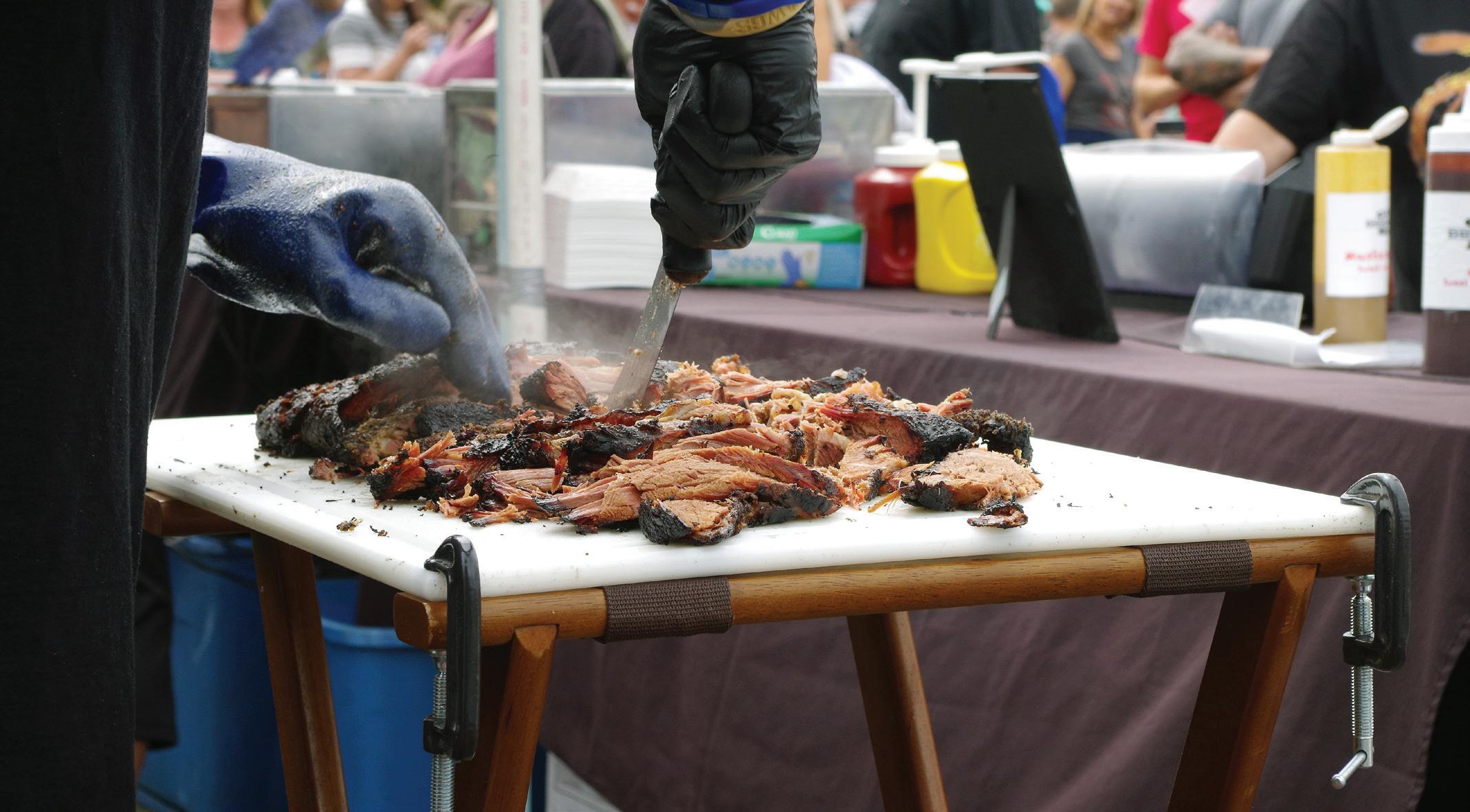
Come for mouthwatering barbecue from the region’s top pitmasters. Also included are a classic car show, a wide variety of craft vendors and familyfriendly activities.
11 a.m.-4 p.m.
DARLINGTON RACEWAY
1301 Harry Byrd Highway
MAY 28
Florence Flamingos
Opening night with postgame reworks. Tickets are available at the box o ce on the day of the event or at orence amingos.com.
The gates open at 6 p.m.
CAROLINA BANK FIELD
1200 Jennie O’Bryan Ave., Florence
MAY 29
Florence After Five Dust o those dancing shoes and take your friends out for a night with Julio and the Saltines.
5:30-8:30 p.m.
Downtown Florence
ADOBE STOCK IMAGE BY CLSHEBLEY
ADOBE STOCK IMAGE BY GARUN STUDIOS
Cut Flowers to Plant 8 in Your Garden This Summer
By Jodi Helmer
There is something special about walking through the garden with a pair of clippers and building a bouquet of fresh flowers. A cut flower garden makes it possible.
A successful cut flower garden features varieties that produce abundant, longlasting stems that provide a steady supply of blooms for casual arrangements, thoughtful gifts and small moments of joy all summer.
Not every flower holds up well in a vase. The best cut flowers have long, sturdy stems with reliable reblooms or high stem counts for continued harvests and boast good vase life. The best cut flower varieties also benefit from regular cutting to encourage continued flowering.
These eight varieties are the staples of a Southern cut flower garden.
Zinnia
Zinnia elegans
Bloom period is early summer to frost
Vase life is seven to 12 days
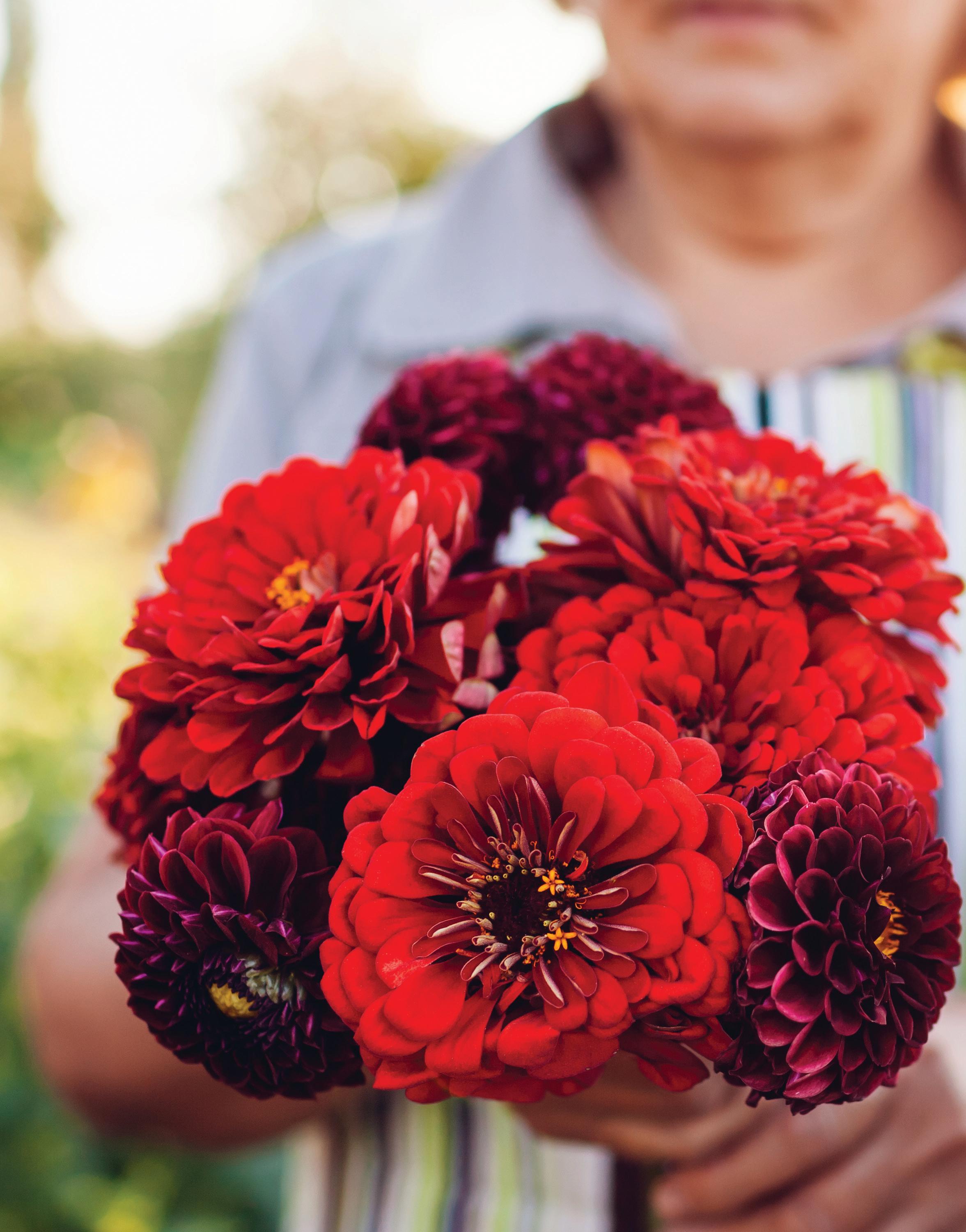
Zinnias are a staple in a cut flower garden. The fast-growing annuals produce bright blooms in colors ranging from red, orange and yellow to purple and pink. Some varieties are bicolor and tricolor on long stems. Cutting stems regularly encourages branching, resulting in more flowers.
For the longest vase life, harvest zinnias when blooms are fully open and firm. Zinnias thrive in full sun and well-drained soil and are especially valuable in hot, dry climates.
Snapdragons
Antirrhinum majus
Bloom period is spring and fall
Vase life is seven to 10 days
Snapdragons bring vertical interest and structure to arrangements. Available in hues ranging from soft pastels to saturated jewel tones, snapdragons are especially productive in spring and fall when many summer flowers aren’t in bloom.
Harvest snapdragons when one-third to one-half of the florets are open. Unopened buds will continue to bloom in the vase. In hot, humid climates, plant snapdragons in a garden spot with ample afternoon shade.
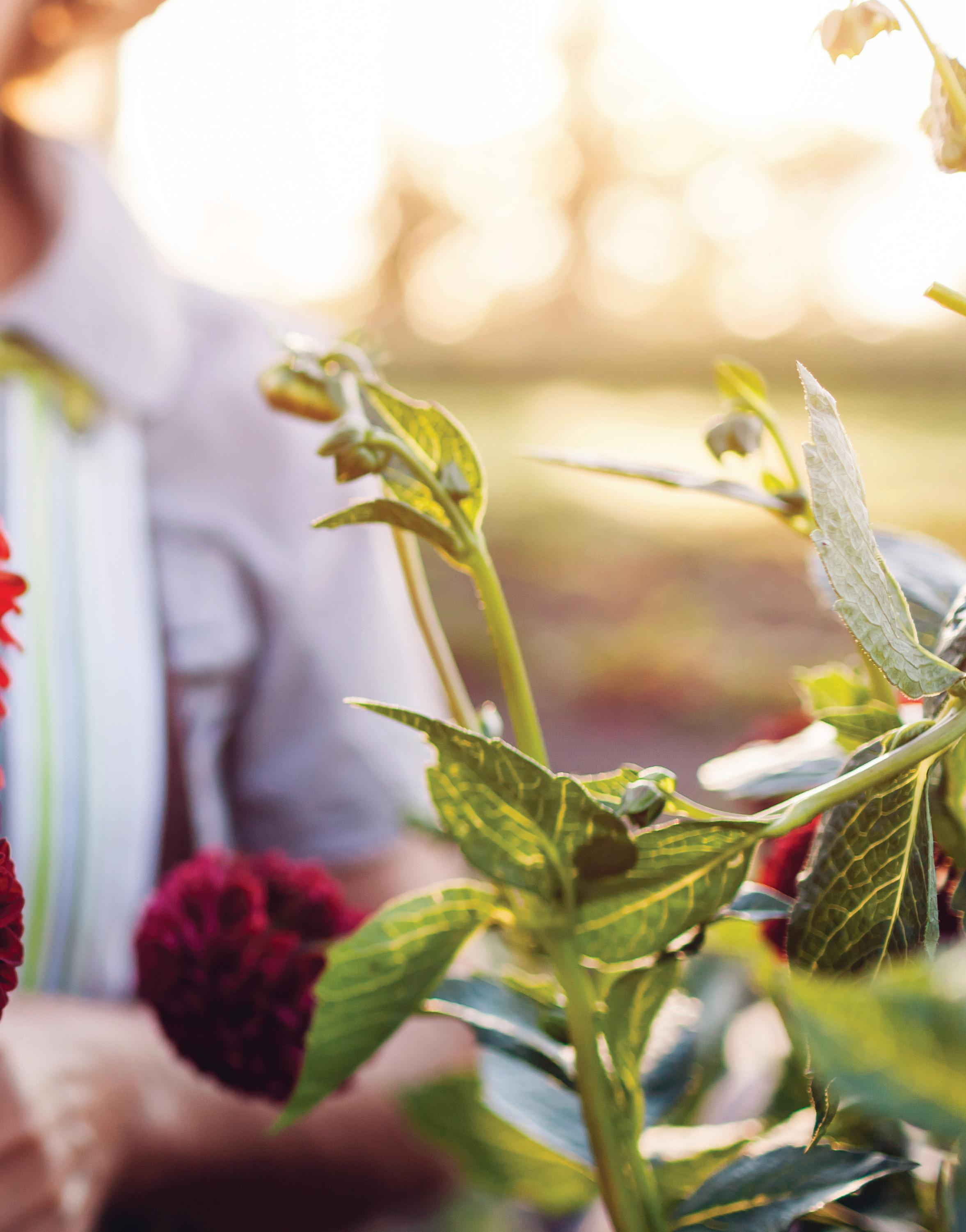
Dahlias
Dahlia hybrids
Bloom period is midsummer to first frost
Cosmos Cosmos bipinnatus
Bloom period is midsummer to frost
Vase life is five to seven days
The ornamental annuals are native to Mexico and add lightness and movement to bouquets with their airy foliage and simple flowers. Although individual blooms are short-lived, cosmos are incredibly productive, continuously sending up new stems. Thanks to their ability to tolerate poor soil and heat, cosmos are a lowmaintenance choice for a cut flower garden. Harvest these flowers when buds are just beginning to open for the longest vase life.
Vase life is four to seven days
Few flowers rival dahlias for sheer drama. An abundance of different dahlia varieties means the showy perennials come in a range of colors and styles from petite pompon dahlias to “dinnerplate” dahlias with giant blooms.
Dahlias grow from tubers that get bigger every year, providing even more flowers as they mature. While their vase life is shorter than some annuals, their impact more than makes up for it. Cut dahlias early in the morning once blooms are fully open and place stems in warm water to improve longevity. Regular cutting increases stem production.
Sweet Peas
Lathyrus odoratus
Bloom period is late spring to early summer
Vase life is four to six days
Sunflowers
Helianthus annuus
Bloom period is summer to early fall
Vase life is seven to 10 days
It’s not a cut flower garden without sunflowers. From yellow to plum blooms, sunflowers add a colorful focal point.
Branching sunflower varieties produce an abundance of blooms over a longer period while nonbranching varieties produce one flower per seed but grow on large, straight stems. Opt for pollen-less hybrids for less mess in a vase.
Sunflowers are easy to grow from seed and prefer a location with full sun. Harvest when petals are just beginning to lift away from the center. Remove leaves that sit below the water line to extend vase life.
Common Yarrow
A staple in cottage gardens, sweet peas produce dainty tendrils that wind around structures and burst into colorful blooms. The delicate flowers come in a huge variety of colors and produce a sweet scent that adds a light fragrance to a bouquet.
Sweet peas prefer cool temperatures and are often finished by early summer heat. Frequent harvesting is essential because flowers left on the vine will set seed and stop blooming. For the longest vase life, pick when buds are just colored but not fully open.
Achillea millefolium
Bloom period is late spring through summer
Vase life is 10-14 days
Yarrow is a perennial powerhouse with flat flower clusters that can be white, yellow, orange, pink, purple and red. It often grows wild in fields and along roadsides.
In a cut flower garden, yarrow grows up to 3 feet tall and can tolerate poor soil and drought. Once established, yarrow returns year after year with minimal care.
Cut stems when most florets are open but before they begin to fade. Yarrow can also be dried for longer lasting arrangements.
Tips for a Productive Cut Flower Garden
Plant densely: Denser plantings help ensure stems are long and straight, which is preferred for fresh bouquets.
Harvest often: Most cut flowers respond to cutting by producing more blooms and ensuring more abundant bouquets.
Sow in succession: Sowing annuals every few weeks leads to a steadier supply of cut flowers, not one overwhelming flush.
Extend vase life: Cutting flowers early in the day, using clean tools and immediately placing stems in cool water can help bouquets last twice as long.
Homesteaders Guide to Sexing Baby Chicks
There’s something so exciting about bringing home a box of new baby chicks or watching fluffy hatchlings wobble their way out of their shells at home. For homesteaders though, that excitement is often paired with curiosity and one practical question: Which ones are hens and which are roosters?
Determining that can feel like a guessing game at first, but with a little know-how and observation, you can begin spotting the differences early on.
Why Sexing Matters
Every bird has a purpose on a homestead. Most people know hens provide the eggs, while roosters can protect the flock and assist with breeding. However, too many roosters can lead to aggression and noisy crowing.
Local ordinances may limit the amount or prohibit roosters altogether. Knowing how to sex baby chicks can help you avoid surprises and set up your mini homestead for success.
Vent Sexing
Vent Sexing involves examining the chick’s cloaca, or vent, for tiny anatomical differences. This method is highly accurate, often up to 95%, when performed by professionals.
Handling the chick gently, hold it upside down and gently look at the vent area for a small pimple-like bump. Male chicks have a y-shaped vent with this protrusion. Females typically have an eyeshaped flatter vent without it.
Feather Sexing
Certain breeds are “feather sexable” at 1-3 days old. In these breeds, females typically grow feathers faster, showing longer, more defined wing feathers within the first few
days. Males tend to have shorter, more uniform feathers.
To try this method, gently spread the chick’s wings and compare the feather lengths. If you see two distinct layers— longer primary feathers and shorter coverts—it’s likely a female, a pullet. If the feathers appear even in length, you may have a male, a cockerel. Keep in mind this method works with specific breeds designed for feather sexing.
If you want to dive deeper into genetics or a fun science project, try this method for yourself. You will need to cross a fast-feathering breed rooster—such as a Leghorn, Maran, Ancona or Andalusian— with a slow-feathering breed hen—such as Rhode Island Red, Cochin, Wyandotte or Sussex.
Color Sexing
Some breeds are “auto-sexing,” meaning males and females hatch with different markings or colors to differentiate the two easier. Barred breeds, like Barred Plymouth Rocks or dominques, often show distinct head spots or shading differences between sexes.
Hatcheries usually label these breeds clearly, making them a great option for those homesteaders who want more certainty from day one.
Physical Development
As chicks grow, subtle physical differences begin to appear. For instance, males tend to develop larger, redder combs and wattles earlier than females. While this isn’t very helpful in the beginning, generally after the first month you will start to spot the differences, especially in fast-growing breeds.
You can also look at leg thickness and body shape, as cockerels generally
have thicker, longer legs and a more upright stance compared with pullets.
Behavior Clues
Young roosters may try to stand taller— to appear more assertive—or engage in early sparring matches with other chicks. Pullets tend to be a little more reserved, although personalities can vary.
In most backyard flocks, you will have a clearer picture of your hen-to-rooster ratio at 2 months, when physical and behavioral differences become more pronounced. However, if patience isn’t your thing and you want to be sure, it’s a good idea to purchase sexed chicks from a hatchery. Remember though, most hatcheries only guarantee about 90% accuracy, so a surprise rooster is still a possibility.
Brandi Faulk and her family are excited to share their homesteading journey with MPD Electric members. Their home, built in 1895, is a former railway hotel and farmhouse in Chesterfield County. Search “faulkfamilyfarmhouse” to see more photos of their experiences on Instagram.
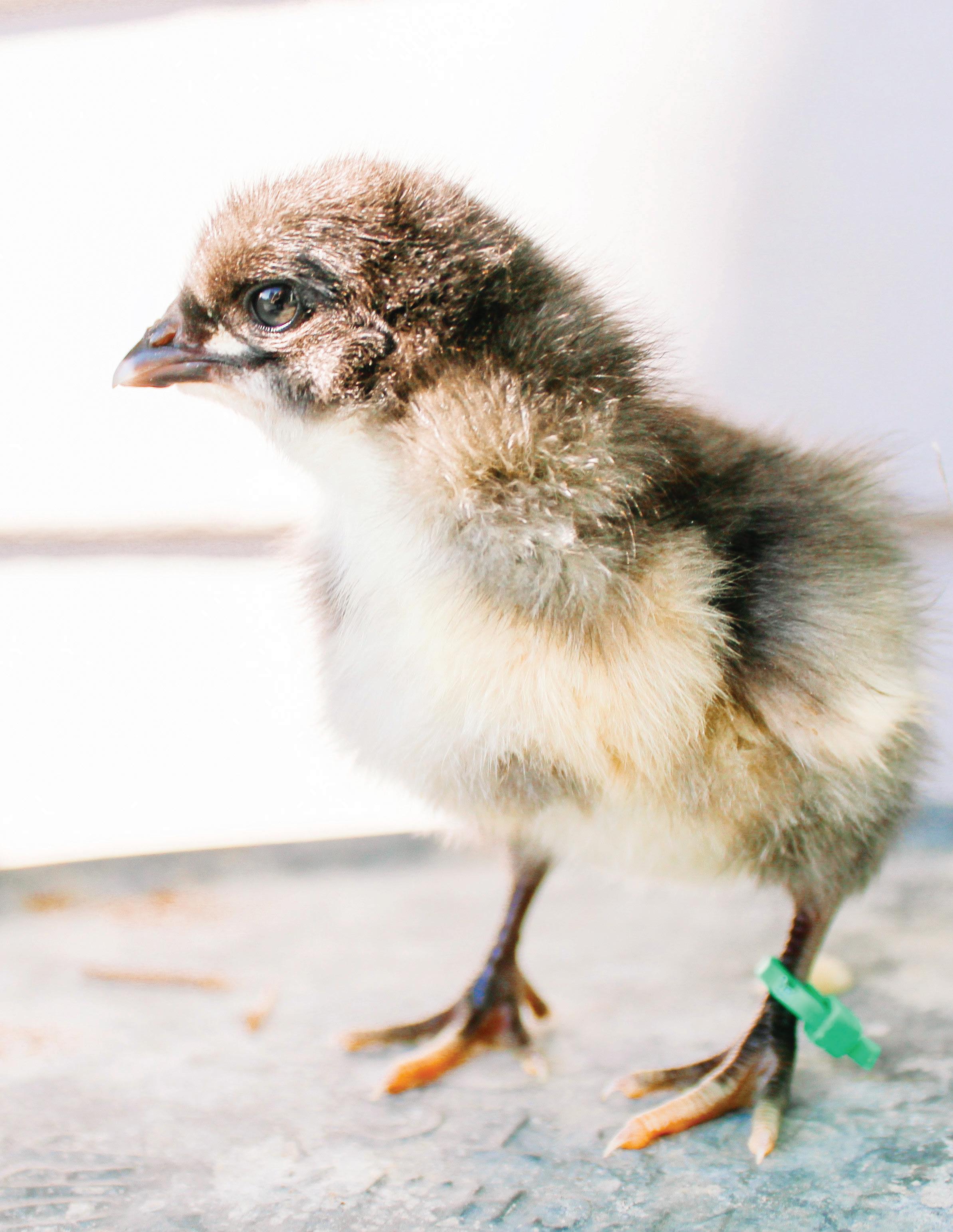
Determining which chicks are hens and which are roosters early can eliminate future headaches for homesteaders.
PHOTO BY BRANDI FAULK
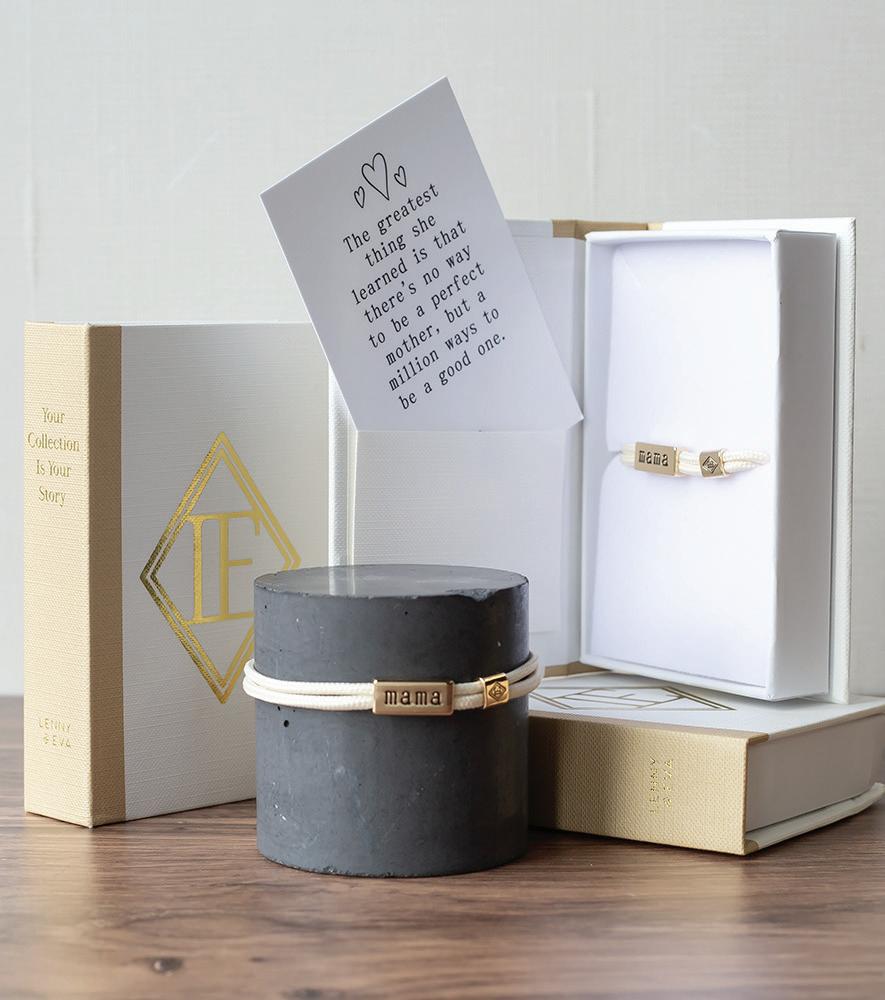
Sentiment Cord Bracelet, $34
Celebrate the beauty of motherhood with the Mama Sentiment Cord bracelet, a meaningful piece designed to be worn, loved and cherished.
Set on an adjustable ivory nylon cord, this tarnish-resistant bracelet offers a simple, comfortable fit, is durable enough for everyday wear. Displayed in a magnetic, book-inspired gift box, this bracelet includes a heartfelt quote as a reminder that, “There’s no way to be a perfect mother, but a million ways to be a good one.” It’s a keepsake designed to uplift and encourage mothers each day throughout life’s smallest, most meaningful moments.
This could be presented as a gift for Mother’s Day, a baby shower or as a thoughtful gesture to remind a mom she is appreciated.
Handcrafted in Baxter, Tennessee, by a woman-owned brand, each piece reflects Lenny and Eva’s belief that jewelry is more than an accessory—it tells a story.
Find your own unique look with the company’s mix-and-match style that focuses on positive messages, faith-based themes and intention-setting gemstones.
lennyandeva.com
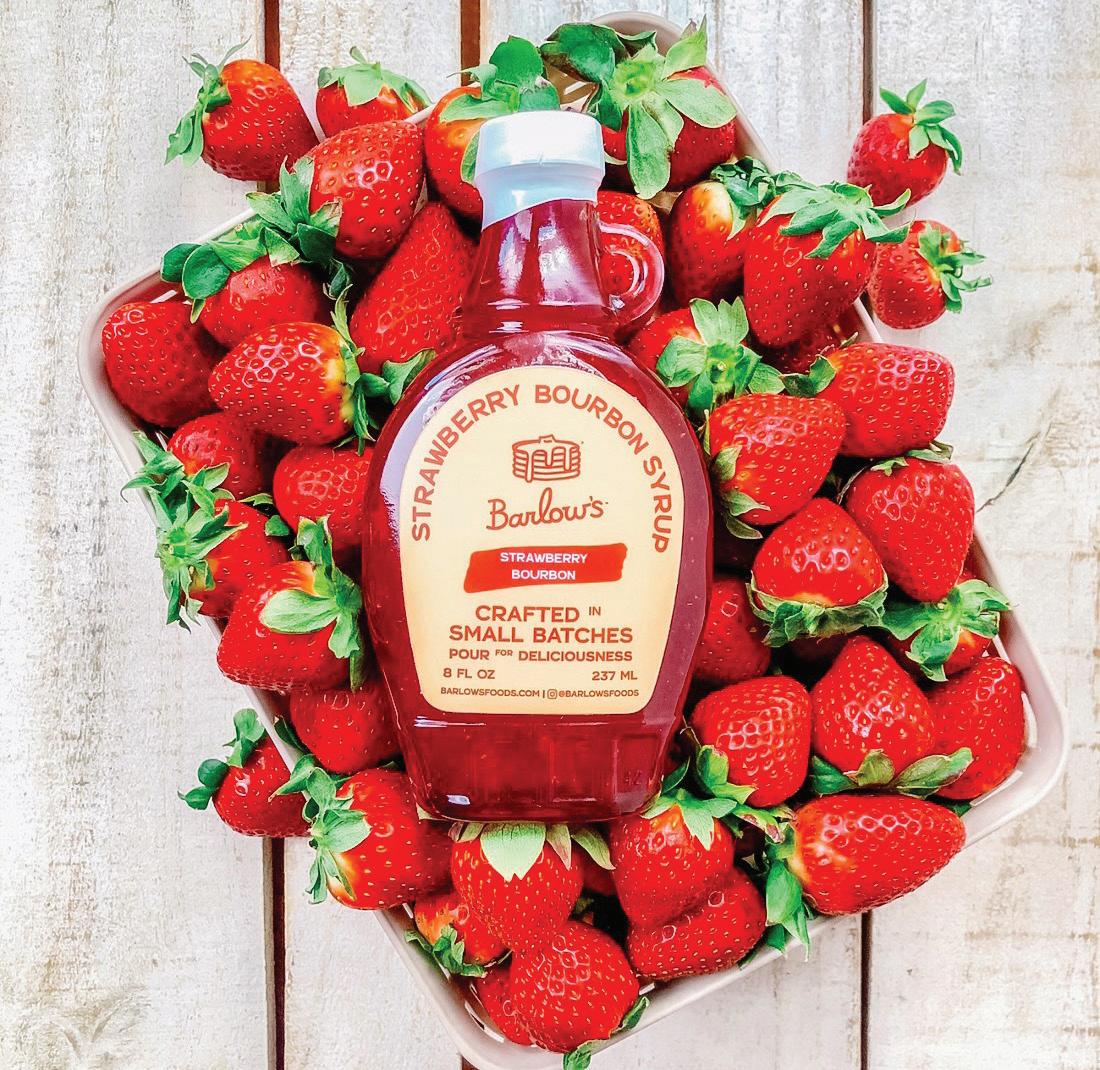
Strawberry Bourbon Syrup, $8.99
Bring a little Southern sweetness to your table with every berry-licious pour of Strawberry Bourbon Syrup from Barlow’s Foods. This small-batch favorite is handcrafted in Atlanta, Georgia, with a blend of ripe, juicy strawberries and a hint of bourbon-inspired richness.
Drizzle it over pancakes, waffles or warm biscuits, stir it into cocktails, spoon it over granola or yogurt, or use it as a glaze for vegetables and meats. However you choose to use it, this syrup offers a burst of fruity depth to every bite.
Explore even more Southern-inspired flavors from Barlow’s line of seasonal syrups, including peach cobbler, blueberry lemon and pure maple, and pair them with the 3-in-1 pancake, biscuit and waffle mix.
Founded by Tiffani Neal, the brand honors her grandfather, Arthur “Barlow” Harris, a farmer and veteran whose legacy inspired its name and mission. With each purchase, Barlow’s gives back by supporting the Feed the Vets organization.
The brand has been featured at The National Museum of African American History and Culture and has earned top recognition, winning the Flavor of Georgia grand-prize award in 2023.
For delicious, homestyle taste made with real ingredients, grab your favorite bottle or two and transform your breakfast into a heritage-rooted, Southern experience.
barlowsfoods.com
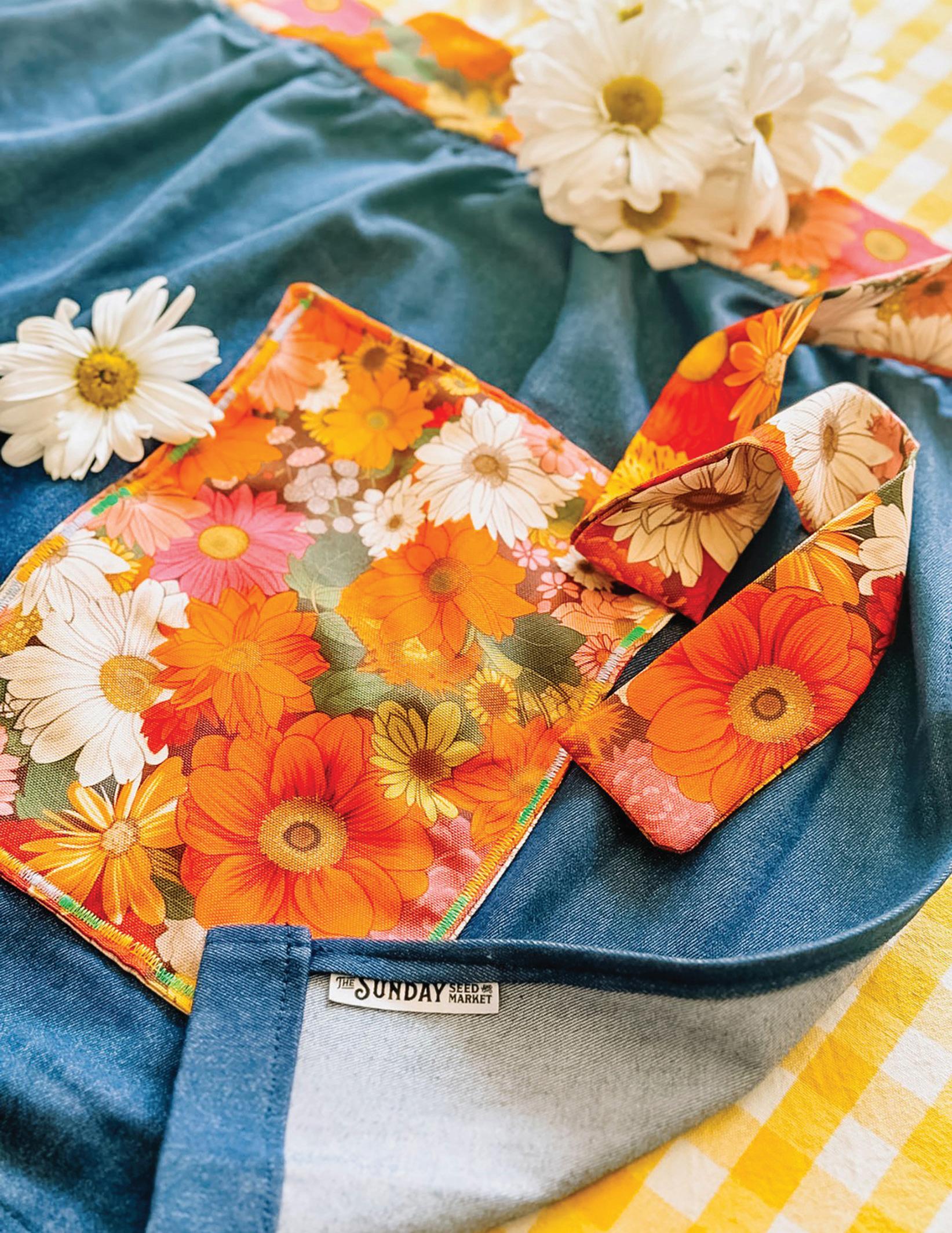
Millie Half Apron, $47
Keep your clothes clean and your go-to kitchen utensils close at hand when you wear this apron from The Sunday Seed and Market. The Millie half apron is a thoughtfully crafted piece that combines vintage-inspired style with durable functionality. Whether you are baking up a storm, gathering flowers and other goodies from the garden, or simply cleaning up around the house, this apron makes for the ultimate accessory while completing household tasks.
Two generously sized pockets provide the perfect spot to tuck in recipe cards, hand towels and other small essentials, while the adjustable waist ties ensure a secure, personalized fit for all-day comfort.
There is a variety of beautiful apron designs to choose from,
each featuring floral fabric accents like this timeless Millie design. Every apron is carefully made and stitched with love by women employed through The Sunday Seed and Market, a 501(c)(3) nonprofit organization located in Lascassas, Tennessee, providing trauma-informed employment and support for women healing from abuse and exploitation. Each purchase supports the organization’s ongoing work in the community.
Beyond aprons, The Sunday Seed and Market also offers a curated collection of handcrafted items, including other stitched goods, candles, fragrances, soaps and lotions, all made with the same mission-driven focus.
sundayseed.org
Celebrations rev up America’s iconic Route 66
By Jim McCarty
It’s midday at Missouri Hick Bar-B-Que along Route 66 near Cuba, Missouri. The lunch rush is almost over when the staff springs into action, moving tables together, preparing for a big gathering.
Soon, the restaurant walls vibrate with the two-cylinder thump of a dozen or so Harley-Davidson motorcycles. The door opens, and the happy sounds of a group that’s experiencing the time of their lives reverberate—in Swedish.
Scenes like this play out every day along what remains of the most famous highway in the world. It’s called the Mother Road, Main Street of America and the Highway That’s the Best. It once traversed eight states
along 2,448 miles, stretching from the shores of Lake Michigan in Chicago to a pier at the Pacific Ocean in Santa Monica, California.
Its official name is Route 66, and it’s about to get busier than it’s been since it was decommissioned in 1985.
This year, Route 66 fans from around the world will look for new kicks as the celebrated road turns 100. Springfield, Missouri, was in the spotlight in April as the site of the national kickoff of America’s Route 66 Centennial Celebration.
The Queen City of the Ozarks earned that honor through a competitive process, but also due to its status as the birthplace of Route 66. On April 30, 1926, John Woodruff, a Springfield businessman, sent a telegram to Washington, D.C., requesting the new road be named U.S. Route 66. The
idea for the road didn’t originate here, but its iconic name did.
“This recognition is a testament to Missouri’s deep roots in the history of America’s most iconic highway and the vibrant spirits of the communities that keep that legacy alive today,” Missouri Gov. Mike Kehoe says.
The governor’s farm sits along Route 66 in Jerome.
“We have some of the original roadway in Pulaski County that you can still drive on,” he says. “People come from all over the world to drive on that. This roadway is so historic, and it has made millions of memories for not just Americans but for people all over the world.”
Kickoff festivities included five satellite cities: Joliet, Illinois;
I think Route 66 is on a lot of visitors’ bucket lists. And I think whenever there’s a big milestone to be celebrated, people want to be a part of that and come experience Route 66 as it’s turning 100.
St. Louis, Missouri; Amarillo, Texas; Albuquerque, New Mexico; and Santa Monica, California.
In preparation for the yearlong celebration, communities all along the historic route are sprucing up their landmarks, planning events, relighting neon signs and prepping for a major influx of visitors who plan to motor west.
“I struggle to make a specific prediction, and part of that is because it’s really hard to track specific routes,” Oklahoma Route 66 Association President Rhys Martin says. “But I would be surprised if traffic didn’t double just because of the attention and the people planning their trips.”
Nikki Terlesky, Historic Route 66 Association of Arizona director of operations, agrees travelers are coming in a big way.
“I think Route 66 is on a lot of visitors’
bucket lists,” she says. “And I think whenever there’s a big milestone to be celebrated, people want to be a part of that and come experience Route 66 as it’s turning 100. I know a lot of Facebook groups I follow are just buzzing with people voicing their travel plans.”
While Missouri can claim the creation of the name, an Oklahoma man is known as the Father of Route 66. Cyrus Avery, a Tulsa real estate developer and owner of a coal company, saw the need for a roadway from the Midwest to the West Coast, connecting small towns and cities along the way.
Don’t Miss This!
Here’s the top attraction for each of the eight states. ILLINOISGEMINI GIANT (WILMINGTON)
If you only stop once before leaving Illinois, make it here. The 30-foot-tall Muffler Man is one of Route 66’s most iconic photo ops and a perfect start to the journey.
MISSOURIMERAMEC CAVERNS (STANTON)
A road-trip classic since the 1930s, billboards and barn roof signs for this cavern once lined the entire Mother Road, and the attraction still feels like pure Americana.
KANSASCARS ON THE ROUTE (GALENA)
Kansas has only 13 miles of Route 66, but this restored Kan-O-Tex gas station—home to the truck that inspired Mater in “Cars”—is its standout.
OKLAHOMABLUE WHALE (CATOOSA)
An absolutely essential stop is the giant, smiling blue whale beside a pond. It is one of Route 66’s most beloved and quirky landmarks.
TEXASCADILLAC RANCH (AMARILLO)
Ten Cadillacs sit nose-down in the desert. They’re covered in spray paint, and you’re encouraged to add your own. It’s irreplaceable Route 66 kitsch.
NEW MEXICOBLUE SWALLOW MOTEL (TUCUMCARI)
See the best neon on the entire route. It is a family-run motel with beautifully preserved rooms, and a true 1940s motor court experience. Even if you don’t stay, stop for photos.
ARIZONAPETRIFIED FOREST AND PAINTED DESERT (HOLBROOK)
This is the only national park the Mother Road drives straight through where classic roadside nostalgia meets staggering natural beauty.
CALIFORNIAROY’S MOTEL & CAFÉ (AMBOY)
A surreal desert time capsule features a legendary retro-futurist neon sign. Nothing captures the lonely, romantic end stretch of Route 66 like Roy’s.
Appointed in 1925 to the Joint Board of Interstate Highways, Cyrus managed to steer the route south from Illinois through Missouri, Kansas, Oklahoma, Texas, New Mexico, Arizona and California instead of a more northern route through Nevada.
Along with Missouri’s John Woodruff, Cyrus helped launch the U.S. Highway 66 Association in 1927 to encourage its use.
“One hundred and thirty-seven delegates from 32 cities of the Southwest, meeting here today, organized the National Highway No. 66 Association and elected
John T. Woodruff of Springfield, Mo., its first president,” read a Springfield Daily News story. “From Missouri, Kansas, Oklahoma, Texas and New Mexico, the delegates gathered in Tulsa today determined that Highway 66, which runs from Chicago via St. Louis to Los Angeles, shall in fact become the ‘Main Street of America.’”
At the beginning, the route joined various existing state roads, many of which were still gravel. Besides paving the highway, the association’s
leaders also marketed Route 66 over other transcontinental routes.
One of the first efforts to popularize the road was an epic foot race that followed Route 66 from its start in California to St. Louis, then on to New York City. The distance was 3,400 miles over just three months. It started with 275 runners, but 77 dropped out on the first day. Only 55 finished. The winner was 20-year-old Andy Payne of Claremore, Oklahoma.
Through publicity like this, the nation learned of the new route, and traffic grew exponentially. Truckers favored its flat terrain, with elevations measured in hundreds of feet compared to thousands crossing the Rocky Mountains.
OKLAHOMA TEXAS
KANSAS
resting place for Route 66 memorabilia.
Gary’s Gay Parita This rebuilt 1930s Sinclair station features great memorabilia.
Meramec Caverns Jesse James’ hideout is one of the most advertised a ractions on Route 66.
Here are the most iconic a ractions along historic U.S. Route 66 through several of the eight states it passes through. These highlights combine classic roadside Americana, natural wonders, must-see towns and famous photo stops.
Chain of Rocks Bridge Check out this historic mile-long Mississippi River footbridge with its famous bend.
Pontiac Route 66 Museum and Murals This stop includes an excellent museum and many Instagram-worthy murals.
Wilmington’s Gemini Giant A beloved Mu er Man statue looms over Launching Pad Drive-In.
Lou Mitchell’s This breakfastclassicspot is known as the rst stop on the Mother Road.
Route 66 Start Sign The o cial starting point is at Adams Street and Michigan Ave.
Cozy Dog Drive In Don’t miss the home of the original hot dog on a stick.
In the 1930s, Route 66 became a pathway for migrants fleeing the Dust Bowl and the Great Depression, heading west in search of opportunity.
When World War II gripped the nation, the route became strategic for moving troops and materials to support the war effort. This led to a major effort to rebuild the roadway for Fort Leonard Wood, an Army base in St. Robert, Missouri.
The Ultimate
(Ordered for the Drive) Playlist
DEPARTURE: CHICAGO (WINDOWS DOWN)
• Route 66 – Chuck Berry
• Sweet Home Chicago – The Blues Brothers
• Start Me Up – The Rolling Stones
• Good Times Roll – The Cars
• Real Gone – Sheryl Crow
• Life Is a Highway – Rascal Flatts
The highway was no match for the heavy trucks supplying the base. So, in 1941, construction began on a four-lane divided highway between it and Rolla. A deep cut bypassed a steep grade near Devil’s Elbow. Hooker Cut became the deepest highway excavation in the nation to date, and the four-lane, divided highway was the first of its kind. The improved roadway was fully open to traffic by September 1945—ironically, the same month the war ended.
• Take Me to the River – Talking Heads
• Running on Empty – Jackson Browne
• Take the Long Way Home – Supertramp
• Drive – The Cars
DUSK, MOTELS AND LONG THOUGHTS
• Fast Car – Tracy Chapman
• Angel From Montgomery – John Prine
• Born to Be Wild – Steppenwolf
• Into the Mystic – Van Morrison
Other improvements included rerouting to avoid a series of dangerous hairpin curves in Arizona, dubbed the Sidewinder.
This 8-mile roadway has 191 curves with no guardrails and 12% grades. Today, it is often visited by adventurous travelers. to travelers.
• Runnin’ Down a Dream – Tom Petty
• Drivin’ My Life Away – Eddie Rabbitt
• On the Road Again – Willie Nelson
HEARTLAND MILES:
MISSOURI → OKLAHOMA → KANSAS
• Missouri River Run – Chloe Hoecker
• If You Wanna Get to Heaven – Ozark Mountain Daredevils
• King of the Road – Roger Miller
• Boys From Oklahoma – Cross Canadian Ragweed
• Oklahoma Smokeshow – Zach Bryan
CALIFORNIA
• Carry On Wayward Son – Kansas
• Dust in the Wind – Kansas
• Ain’t Going Down (‘Til the Sun Comes Up) –Garth Brooks
• Ain’t No Love in Oklahoma – Luke Combs
• Cadillac Ranch – Chris LeDoux
OPEN COUNTRY AND FREEDOM
• Wide Open Spaces – Dixie Chicks
• Follow Your Arrow – Kacey Musgraves
• Wagon Wheel – Old Crow Medicine Show
• Copperhead Road – Steve Earle
• Midnight Rider – The Allman Brothers Band
• Ramblin’ Man – The Allman Brothers Band
• Blue Sky – The Allman Brothers Band
• Born to Run – Bruce Springsteen
DESERT STRETCH:
TEXAS → NEW MEXICO → ARIZONA
• Amarillo by Morning – George Strait
• I’ve Been Everywhere – Johnny Cash
• A Horse With No Name – America
• Ventura Highway – America
• Gypsy – Fleetwood Mac
• Landslide – Fleetwood Mac
• The Mother Road – Alan Rhody
• Here I Go Again – Whitesnake
• Peaceful Easy Feeling – Eagles
• Take It to the Limit – Eagles
CALIFORNIA ARRIVAL
• Bad Moon Rising – Creedence Clearwater Revival
• California Dreamin’ – The Mamas & the Papas
• Hotel California – Eagles
• Go Your Own Way – Fleetwood Mac
• California Girls – The Beach Boys
• Everyday Is a Winding Road – Sheryl Crow
• Beverly Hills – Weezer
SUNSHINE, CELEBRATION AND LETTING LOOSE
• Party in the USA – Miley Cyrus
• Hot to Go – Chappell Roan
• Paradise City – Guns N’ Roses
• Getaway Car – Taylor Swift
• Good Time - Owl City & Carly Rae Jepsen
• Born in the USA – Bruce Springsteen
THE MEANING OF THE JOURNEY (CLOSING STRETCH)
• This Land Is Your Land – Woody Guthrie
• Take Me Home, Country Roads –John Denver
• Kyrie – Mr. Mister
• The Long and Winding Road – The Beatles
• Travelin’ Thru – Dolly Parton
• Running on Empty – Jackson Browne
• What a Wonderful World – Louis Armstrong
• End of the Line – Traveling Wilburys
By the 1950s, Route 66 was the byway of a nation in love with the automobile. Cabins, motels, roadhouses and all manner of highway kitsch sprang up to lure motorists off the pavement. Among them was the first fast-food restaurant, believed to be Red’s Giant Hamburg in Springfield, Missouri.
Route 66 came to represent everything Americans hold near and dear: freedom,
adventure, nostalgia and small-town values. Those themes were shared in the1960s TV series “Route 66,” which helped fuel today’s nostalgia for the road.
Championed in songs such as Bobby Troup’s “(Get Your Kicks on) Route 66” and the Eagles’ “Take it Easy,” immortalized by John Steinbeck’s “Grapes of Wrath” and introduced to a new
generation through Pixar’s “Cars” movie, the Mother Road continues to fascinate those who prefer life in the slow lane.
The demise of Route 66 came with the rise of the new Interstate Highway System— including interstates 55, 44, 40, 15 and 10. Small towns where Route 66 was the main road were bypassed, and many businesses couldn’t survive as traffic moved away.
Route 66 was decommissioned in 1985. But the road never truly disappeared.
CALIFORNIA
Mother Nature and the wrecking ball have taken their toll, but if you know where to look, you can still find remnants of the old route. New businesses have sprung from the ashes of those longgone oases on the road.
So, as the song says, “get hip to this timely tip, when you make that California trip,” and make this the year to get your kicks—on Route 66.
Roy’s Motel & Café This desert landmark features a gorgeous neon sign. Wigwam Motel
The Ultimate
Q: WHO ORIGINALLY SANG “ROUTE 66”?
A: Nat King Cole, with the King Cole Trio, first recorded the song in 1946 at Radio Recorders in Los Angeles. Capitol Records released it as a single, which reached No. 11 on Billboard’s pop chart.
Q: WHO IS CONSIDERED THE FATHER OF ROUTE 66?
A: In the early 1900s, Cyrus Avery of Tulsa, Oklahoma, a real estate developer and owner of a coal company, began acquiring oil leases. With the need to reach the barren lands around him and the need for a roadway from the Midwest to the western lands connecting cities along the way, the road became a reality. With John Woodruff of Springfield, Missouri, Cyrus promoted the idea of a highway connecting the Midwest to the West Coast.
Q: WHAT TOWN IS CONSIDERED THE BIRTHPLACE OF ROUTE 66?
A: Springfield, Missouri, is widely recognized as the birthplace of Route 66. A passionate advocate for the “Good Roads” movement, Springfield businessman John Woodruff promoted highway development across Missouri. While the road itself did not begin in Springfield, the idea of the route was born here, making Springfield the home for the Main Street of America. John was elected the first president of the Route 66 Association.
Q: WHAT WRITER MADE ROUTE 66 FAMOUS?
A: John Steinbeck proclaimed Route 66 the Mother Road in his 1939 book, “The Grapes of Wrath.”
Q: WHERE DID THE ORIGINAL ROUTE BEGIN AND END?
A: Route 66 began in downtown Chicago, Illinois, and ended in Santa Monica, California, near the Pacific Ocean. The official start is at Adams Street and Michigan Avenue, with classic spots like Lou Mitchell’s diner nearby.
Q: HOW LONG WAS HISTORIC ROUTE 66?
A: It is generally accepted that, from beginning to end in 1926, Route 66 traversed 2,448 miles. However, as the route evolved over its 60 years of existence with new, improved alignments, the mileage varied over time.
Q: WHAT WAS THE ORIGINAL NAME FOR ROUTE 66?
A: John and Cyrus also played a key role in the naming the road. It had first been named Route 60, as all main east-to-west highways at the time ended in zero. However, the pair felt Route 66 would be easier to promote, especially with the flow of having two of the same number. Thus, on April 30, 1926, a telegram was sent to the Bureau of Public Roads asking for the name to be changed to Route 66.
Q: WHAT DISTINCTION DOES RED’S GIANT HAMBURG, A SPRINGFIELD, MISSOURI, ROUTE 66 RESTAURANT, HOLD?
A: It is considered the first drive-in fast-food restaurant. Red’s opened in 1947 and operated until 1984. In early 2019, Red’s Giant Hamburg made a comeback, 35 years after the original restaurant’s closure. The new restaurant, on Route 413, was a re-creation of the original Route 66 location. It opened in August 2019 and operated for almost six years, closing its doors in May 2025. In 2013, a fundraising campaign was established to re-create the Red’s Giant Hamburg sign. The sign, shaped like a cross, was installed in 2015.
Q: WAS U.S. ROUTE 66 PAVED?
A: When Route 66 officially opened in 1926, only 800 miles were paved, the rest being graded dirt, gravel, bricks or wood planks. It took 11 more years before the road would become the first national highway to be completely paved.
Quiz
Q: WHAT STATES DOES ROUTE 66 TRAVEL THROUGH?
A: Route 66 traverses eight states: Illinois, Missouri, Kansas, Oklahoma, Texas, New Mexico, Arizona and California.
Q: WHEN WAS ROUTE 66 DECOMMISSIONED?
A: With the advent of the Federal Interstate Highway System, U.S. Route 66 was gradually decommissioned, with the last segment, in Arizona, removed from the federal system June 27, 1985.
Q: WHAT STATE HAS THE MOST MILES OF ROUTE 66?
A: New Mexico has the most miles, and Kansas has the fewest—Illinois, 301; Missouri, 317; Kansas, 13; Oklahoma, 432; Texas, 186; New Mexico, 487; Arizona, 401; and California, 314, for a total of 2,448 miles.
Q: WHAT ANIMATED MOVIE IS BASED ON ROUTE 66?
A: The 2006 animated movie “Cars” tells the story of Route 66 through characters Lightning McQueen and Sally and their escapades at Radiator Springs, a fictionalized representation of all Route 66 towns. Sally liked to say, “Those were the days we traveled to have a great time, not to make great time.” In the movie, Ramone’s House of Body Art looks similar to the U-Drop Inn in Shamrock, Texas. Other real-life locations that inspired parts of the movie include Cadillac Ranch, Wigwam Motels and Wagon Wheel Motel.
ADOBE STOCK IMAGE BY ACENTO CREATIVO
After 20 years, we’re still making
phones easy to use and providing great service.
The Jitterbug® Flip2 has
buttons and one-touch speed dial, while the Jitterbug® Smart4 comes with voice typing, video chat and internet access.
Easy to get help.
Whether you want to learn more about your new Jitterbug, need a ride2 or have a health concern, our 100% U.S.-based team is here to help. Upgrade to Urgent Response service for peace of mind with 24/7 help, even in emergencies.†