4 minute read
Index

inclusive and affordable housing for all” (PMC, 2012); among others. In addition, Pune was chosen by the Indian government to participate in the “100 Smart Cities” initiative, receiving an annual investment of INR 100 crore (USD 15.3 million) for five years. This initiative aims to help cities develop smart core infrastructures, giving a decent quality of life to its citizens, focusing on sustainable and inclusive development (Ministry of Urban Development, 2015).
Raviwar Peth Together with three other peths, Raviwar Peth compounded Pune’s original town nucleus. Its original name was Malkapur, received after Malik Amber, a famous general and minister of Ahmednagar (d. 1626). During the Peshwa period, the seven first peths were renamed after the days of the week and Malkapur became Raviwar, which means Sunday. In 1740 it was considered stagnant and, thus, was redeveloped. The shops and lanes were organized according to what they were selling: the main street was Moti Chowk, for pearls; Saraf Ali for money changers; Bohri Ali for hardware; and Kapad Ganj was the cloth market. On the ground floor there were offices and shops, and above the shops there were residences. Important bankers, traders and well-known families had their
Advertisement
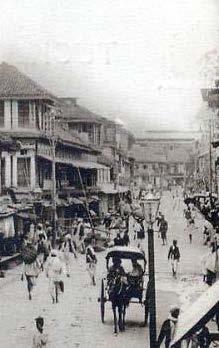
Figure 1 Old Raviwar Peth
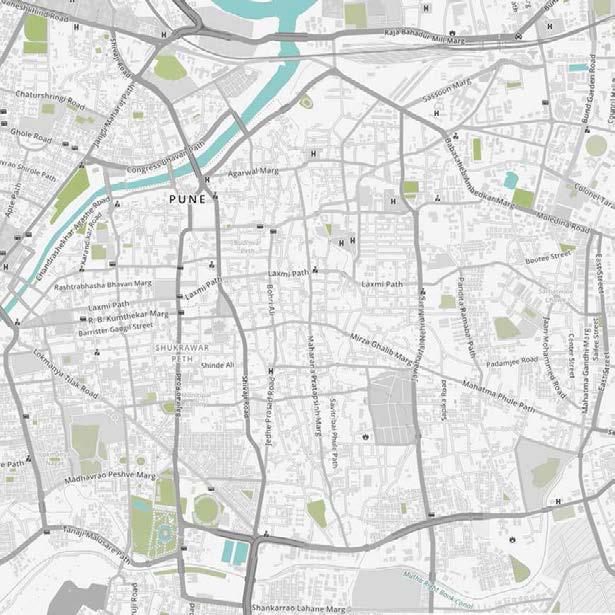
Map 3. The Location of the area
homes in Raviwar Peth. One example is the Bohri Ali merchants, who were specialized in hardware, iron and tin and are still in the area today. Raviwar Peth was always known to be a commercial peth and it was densely populated by different castes and communities. At its peak, in the 1790’s, there were about 1500 houses – a number that was reduced to only 666 in 1830, after the British colonization (Diddee & Gupta, 2000).
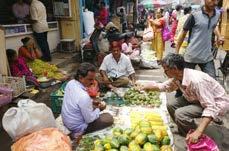
Present Day Raviwar Peth Modern day Raviwar Peth houses a diverse nature of culture and lifestyles. It is an affluent business center, influenced largely by its early trade activities and the nature of its past peculiar buildings. Most of the built structures are old, and all have about the same height, facing the streets, with narrow entrances and an open space within the buildings. Shops are on the ground floor and the subsequent floors are used for storage or residential purposes. The wholesale market is divided into many parts and boast of different trade at various lanes. There are, for example, the Marwaris in textiles; Sindhis in building construction; Bohris in hardware. The peth is also known for the quality of gold and silver jewels that are sold. At the end of each street with a specific trade activity, a Ganesh Temple marks the end of that trade and the beginning of another. Shops are mostly open from 9 am to 8 pm every day except for Sundays, when most shop owners take the day off – an irony, knowing that the meaning of Raviwar Peth is ‘‘Sunday market’’. The presence and activities of street vendors is evident, and functions as an organic market. Their activities differ in terms of location and the nature of goods traded. Some vendors are stationed at specific places, usually where the traffic is high, while others move around the streets with their products in baskets, pushcarts or tricycles. Those who sell fruits and vegetables work during the day and, in the evening, street food sellers are more active. The nature of goods traded also changes when festivals approach: specific decoration items for each festivity are sold in different times of the year. Street Vendors also play an indirect role in keeping an eye on the city and positively add to the livelihood of places, as they bring identity, safety, life and variety to the city.
As continuity of business must be ensured, most shops of deceased or elderly owners are operated by their sons or members of the family. The affluent shop owners want their children to continue their operation, which has resulted to most shops being generationally passed on. This situation is distinct from that of the street vendors, as most of them see their trade only as means of subsistence and therefore wish their children to engage in other occupations that can provide better earnings. Shop owners, street vendors and residents, together with customers, are the constant users of the peth, and the ones who are most affected by it or by any changes that might take place there. Because of its historical importance for the city of Pune, the Indian National Trust for Art and Cultural Heritage (INTACH) plays an important role in preserving the areas and buildings categorized as heritage. On a broader level, Raviwar Peth is subject to the plans made and implemented by PMC, who is also responsible for providing and managing facilities and amenities. The mediation of people and the PMC is done by the three ward Nagar Sevaks, who are elected every five years.
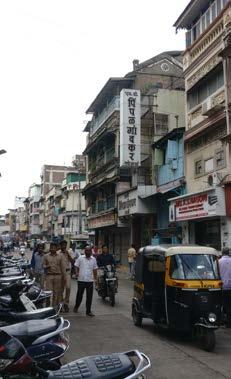
Figure 2. Raviwar Peth Present Situation Figure 3. Street vendors selling fruit in Mirza Galib Rd.