Spring 2024 £15 Good For You


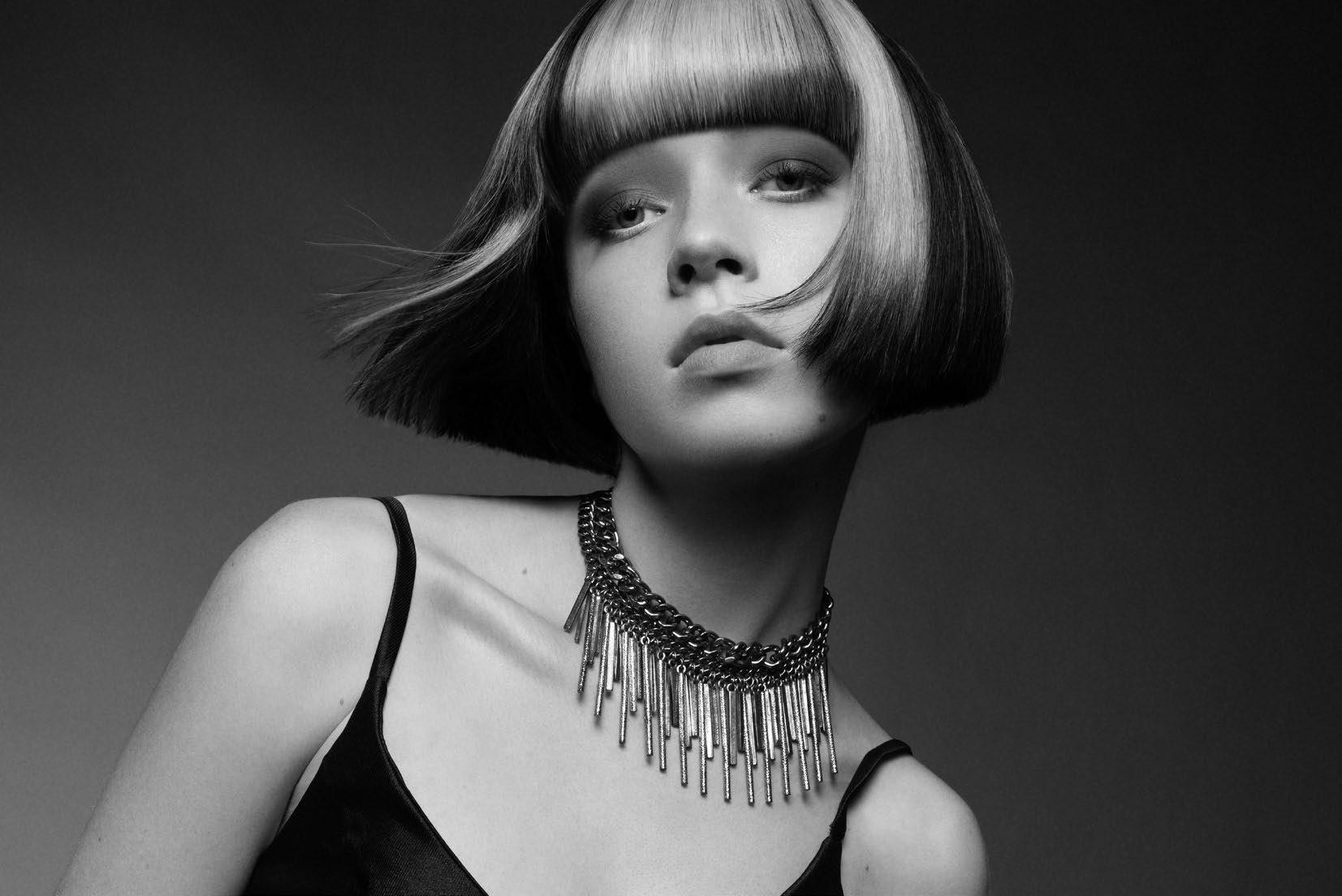
Colour: Nadina Ray
Make-up: Michelle Guandalini
Photographer: Tom Connell
Contributors: Lauren Stone, Annie-May Byrne-Noonan, Zuzu Valla, Tim Furssendonn, Jack Eames, Ellie Scott

CONTENTS
360°
Mothers and Daughters: a collection by Edeline Lee presented as photographs
• Proud to be hairdressers! • Metaverse collection: Should creatives embrace artificial intelligence?
• Debate: which is best - work with a single manufacturer, or a portfolio of brands?
• London Eye: Jack Eames view of the artistic landscape • New products and tools not to miss.
What the hell is B Corp?
You've heard about it, now is the time to really investigate what the accreditation to becoming a B Corp really entails and signifies. Find out who in hairdressing has already made the move and who is on the B Corp Train. This is a long feature to focus your mind on the benefits of B Corp.
Portfolio
We have picked the best current collections for you, the ones making the industry’s heart beat faster. Plenty to inspire and excite you over 40 pages
Design
We take you on a journey all over the world to discover the most beautiful salons. Here are the top premises in the Spring edition from London and Leeds
is published by IHAA Ltd.
Derby Rd, London SW14 7DP Tél. : + 44 (0)7957
info@ihaa.co.uk
TRIBU-TE
60a
160359 Email:
Global Publishing Director: Mike Vincent Deputy Editor: Bérénice Claude Global Art Editor: Sébastien Simon UK Publisher: Nicky Pope
UK Designer: Ilona WylieCover: Hair: Tom Connell
Micropress Printers Ltd, Fountain Way, Reydon Business Park,
6SZ Tribu-te is owned by Seven Publications SAS au capital de 130 000 euros. RCS: Paris B442 270 393. N° ISSN: 2109-4810.
Tribu-te
to
Hairdressers Charity and the AIPP, and Haircuts4Homeless
Translation: Parléclair. Printing:
Raydon, Suffolk IP18
-
is proud
support The
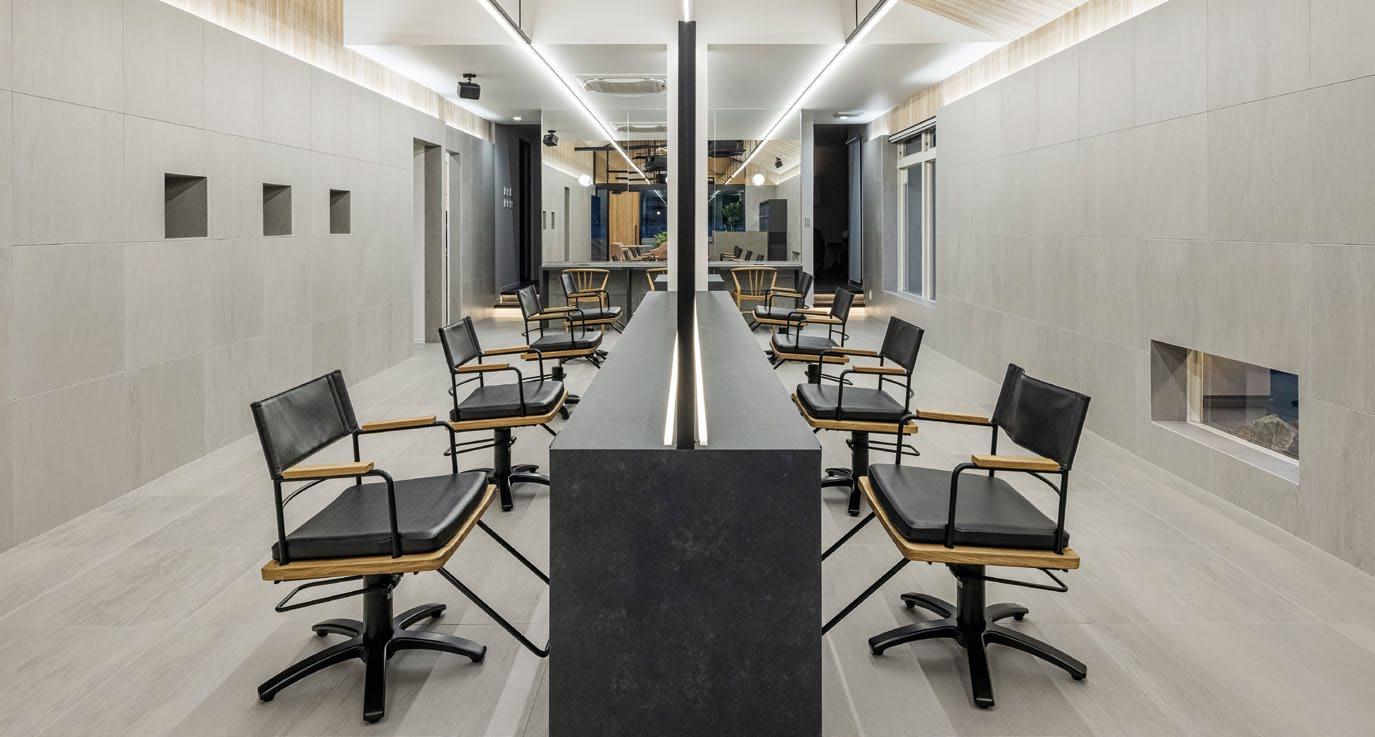
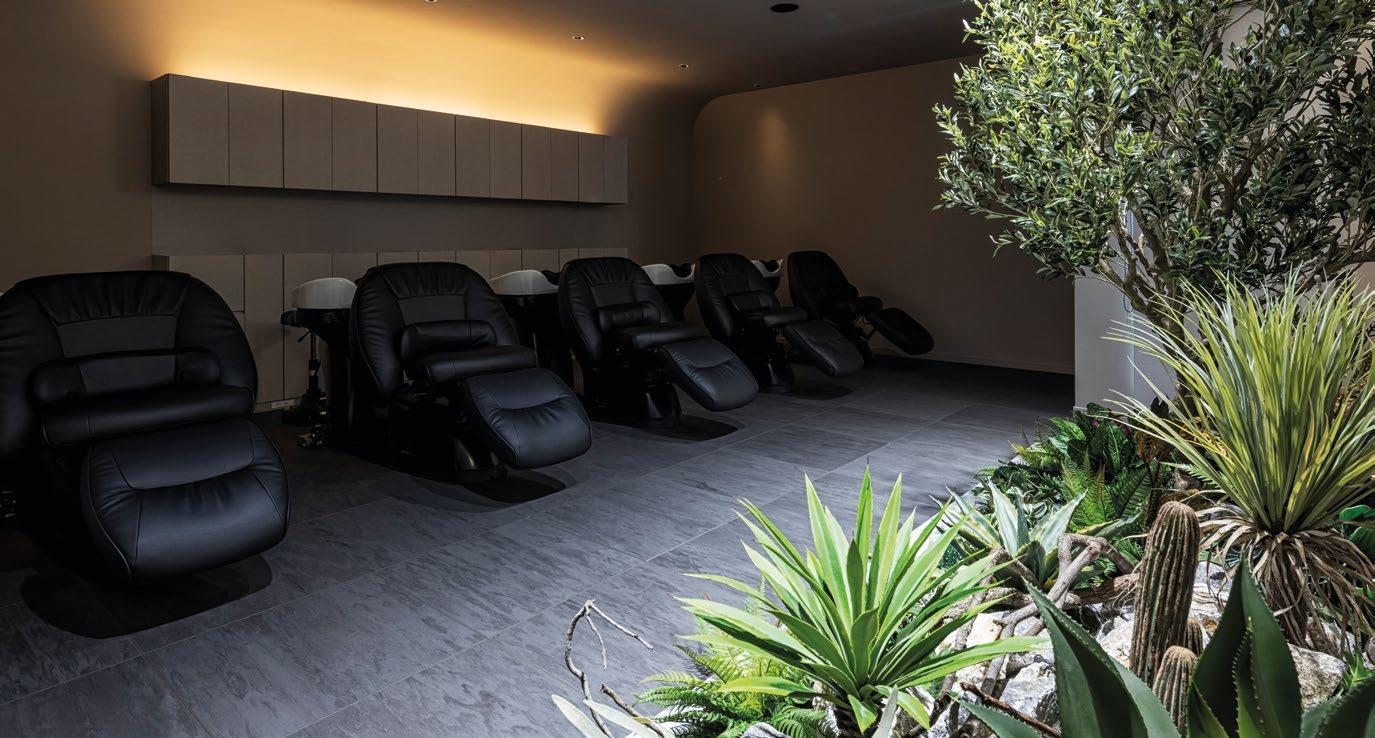
Looking to elevate your backwash area and expand your service menu?
Make a showroom appointment today to learn about the many benefits of our 0%, zero deposit finance scheme.
www.takarahairdressing.co.uk
.A.F 02 And Yume noble
R
Lamur
Lamur
tribute 265x200.indd 1 22/02/2024 16:16
 Nicky Pope, UK publisher
Editor
Having lost several days this past month to technical issues with everything from email to Facebook, I’m not always a fan of being online, digital and social! Big companies including Meta and Microsoft (others, too) are elusive. They don't answer the phone, but hide behind online chats which are usually impersonal and probably run by an Artificial Intelligence programme. Sooo frustrating. From being challenged by onerous and complex security systems to finding you're deceived by fake followers and accounts, there’s plenty to be wary of in the digital world. I do question the wisdom of committing ones workload and the ability for a business to function entirely to technology. But I can admit, when it works, it's joyful. How extraordinary that we have this global connectivity and limitless platform for sharing and inspiring.
Which brings me to this: You’re reading the first edition of a Tribu-te Magazine issued as an entirely digital production. It means we can reach more people, distribute more widely and be more accessible than ever before. Enjoy browsing, clicking and rereading your favourite features, saving and resposting your most-liked imagery and adding ideas to collection boards for future inspo. Click the links to instantly jump onto our partners sites and further explore the products, services and systems they share.
And let me know what you think? Don’t worry, we will be printing future editions as I know how much you love the actual tactile print issues, but I wanted to explore the potential for us making better online offerings, too. We'll be analysing your feedback. Thanks so much specifically to Oribe, Henkel, Diva Pro Styling and Takara Belmont for being as inquisitive as we are and helping me bring this project to fruition.
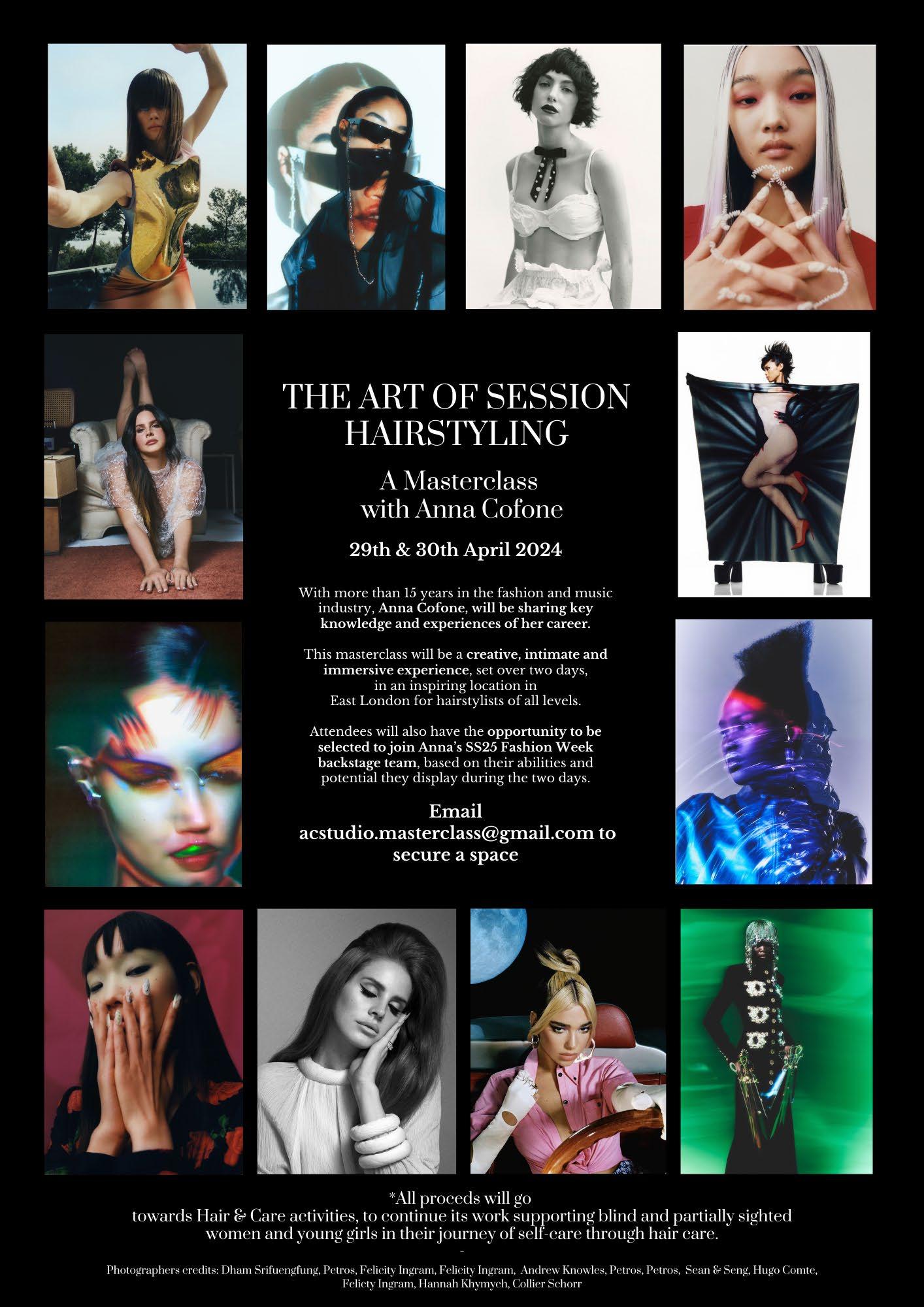
Looking forward, I highly recommend you pick up your tickets for the Colour World 2024 edition which takes place in London on May 19 & 20 May – always a hot date we believe. And enjoy browsing our features on all things hairdressing including a long look at the subject of B Corp accreditation and what it can do for your hairdressing business.
I'm keen to hear from all of you with your contributions, news and views – message me virtually anytime on nicky@ihaa.co.uk or @nickytribute but I hope to see you in real life soon, too.
Love
Nicky x
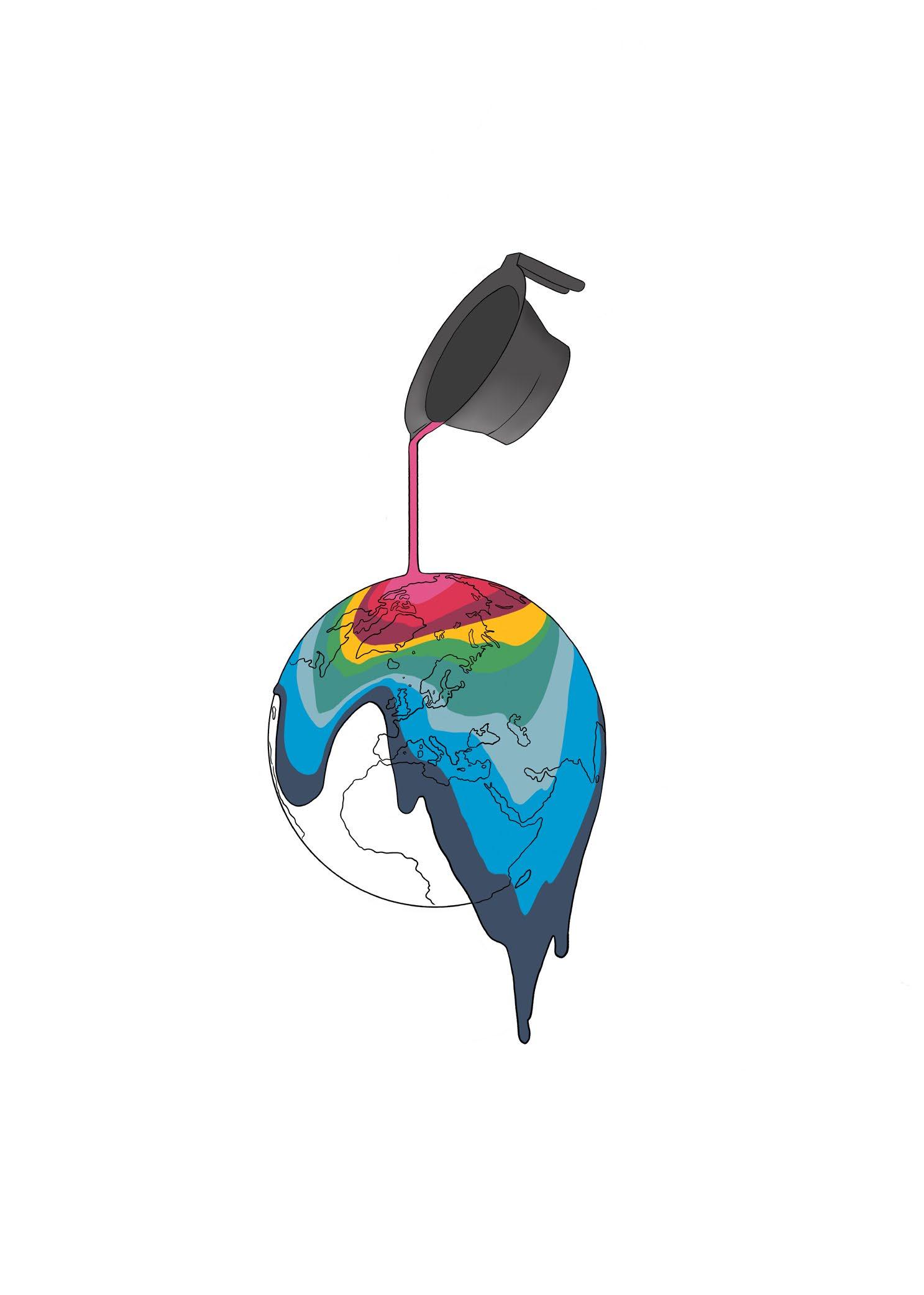

Click here to buy tickets
360°
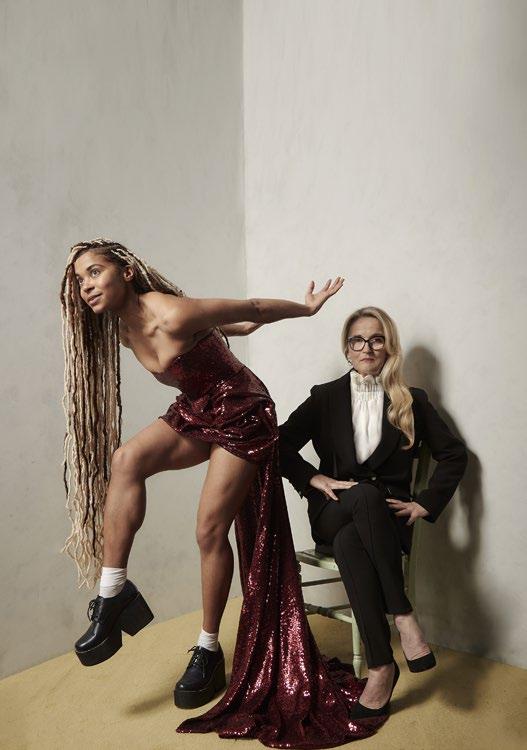
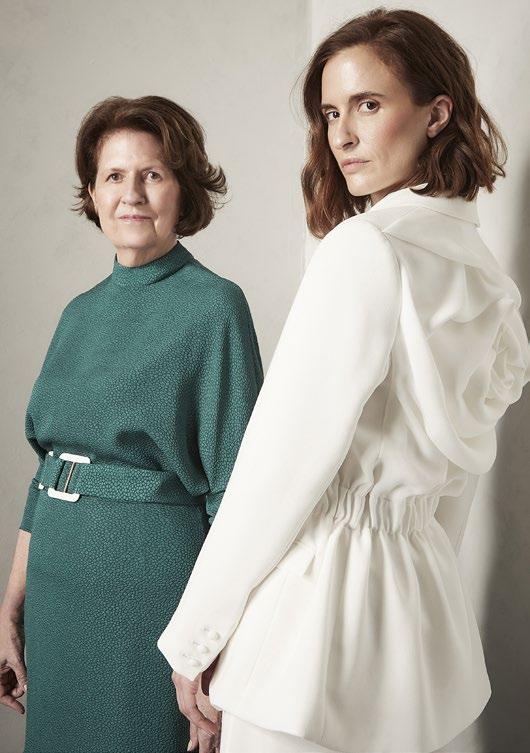
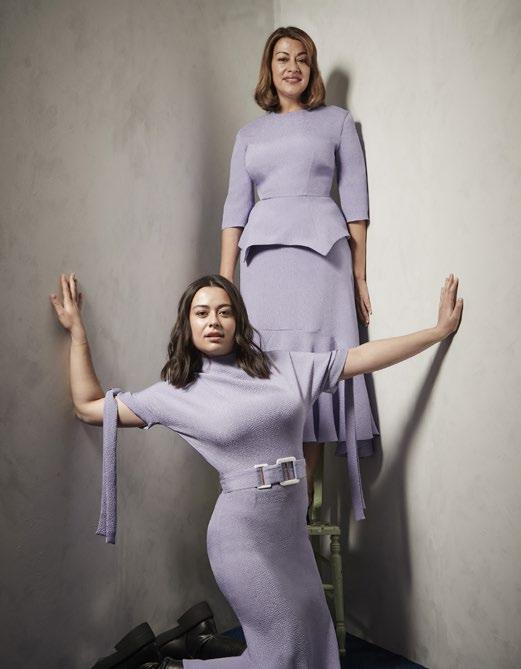
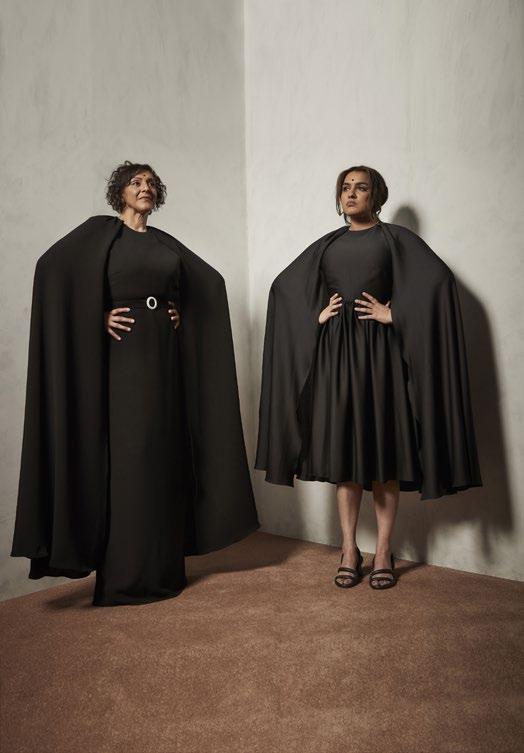
Mothers and Daughters: a collection by Edeline Lee presented as photographs
• Proud to be hairdressers!
• Metaverse collection: Should creatives embrace artificial intelligence?
• London Eye: Jack Eames view of the artistic landscape
• Debate: which is best - work with a single manufacturer, or a portfolio of brands?
• New products and tools not to miss.

See more…
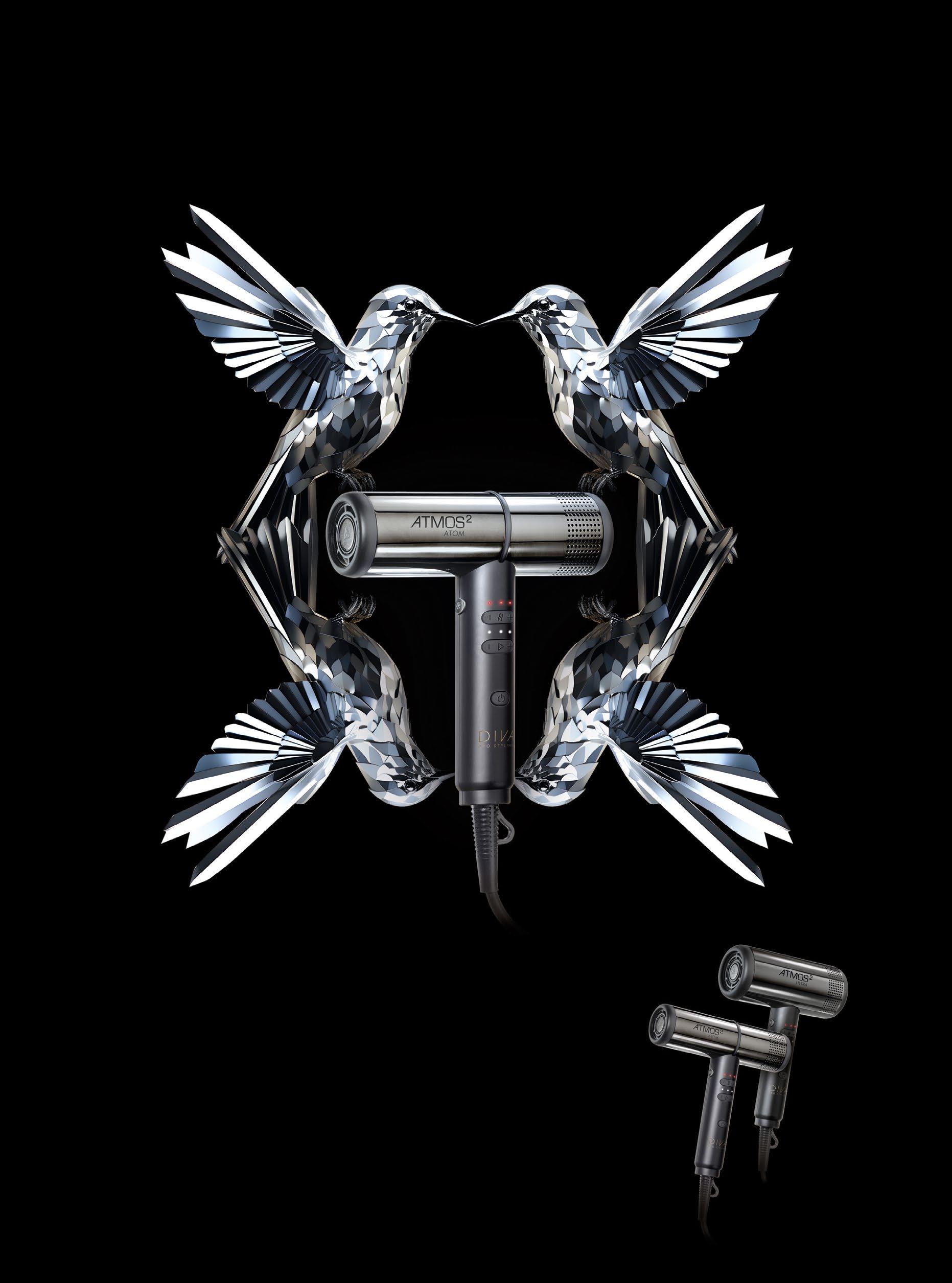
The next generation of speed is here.
Discover the new ATMOS2 digital motor
30% faster salon styling*
20% quieter*
divapro.co.uk
*New Atmos Ultra ATM005 vs. previous model ATM001
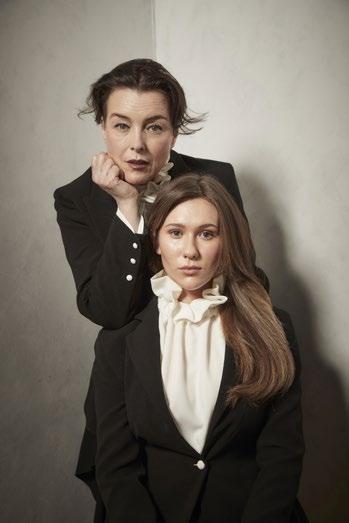
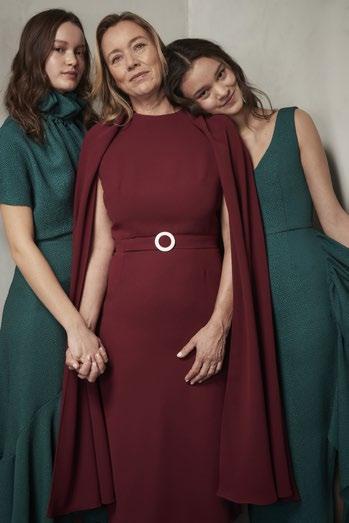
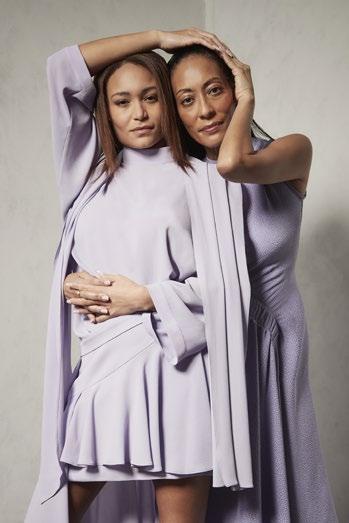
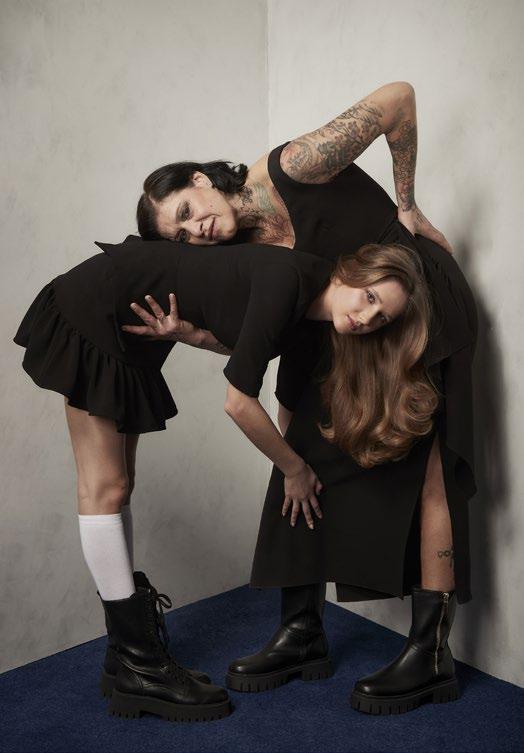
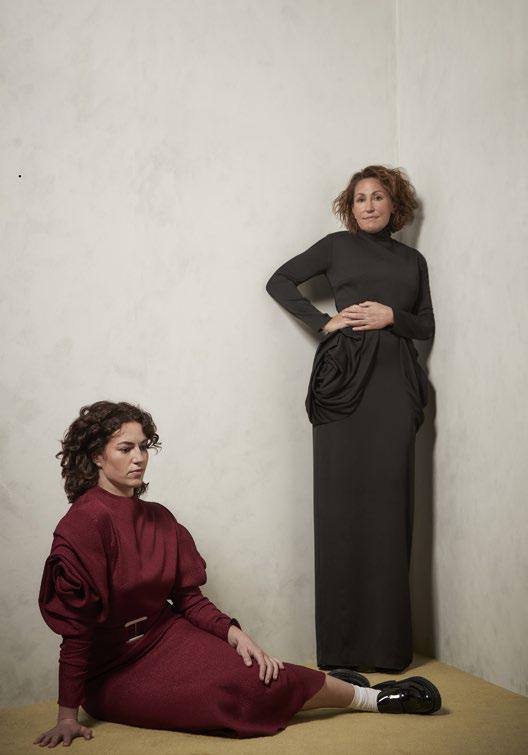
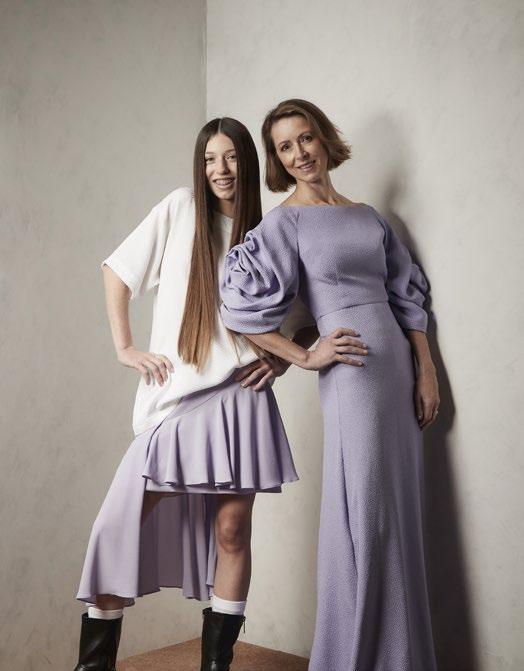
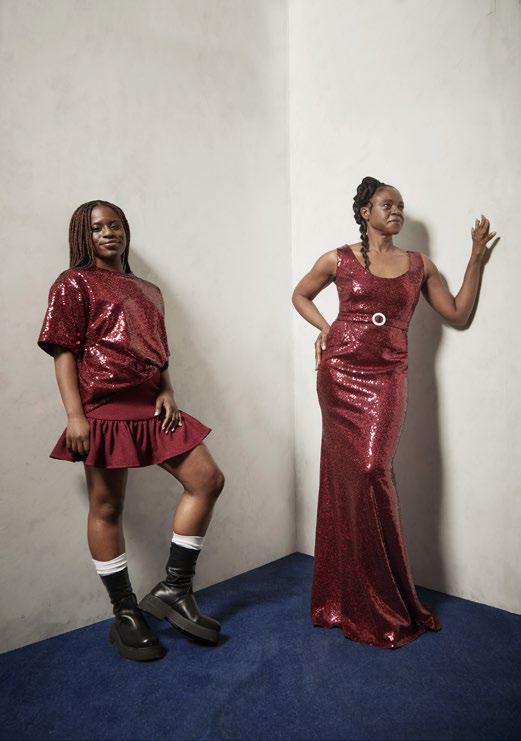
MOTHERS AND DAUGHTERS
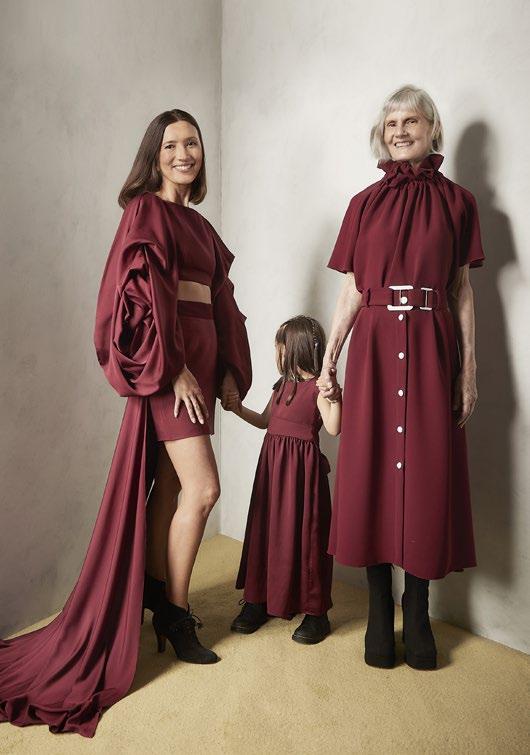
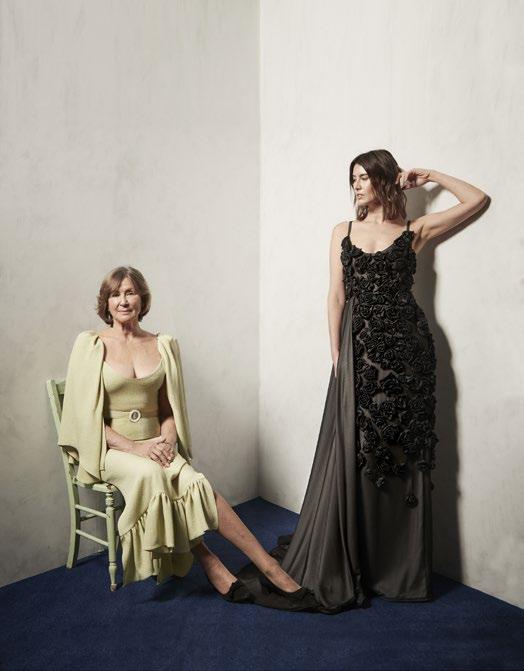
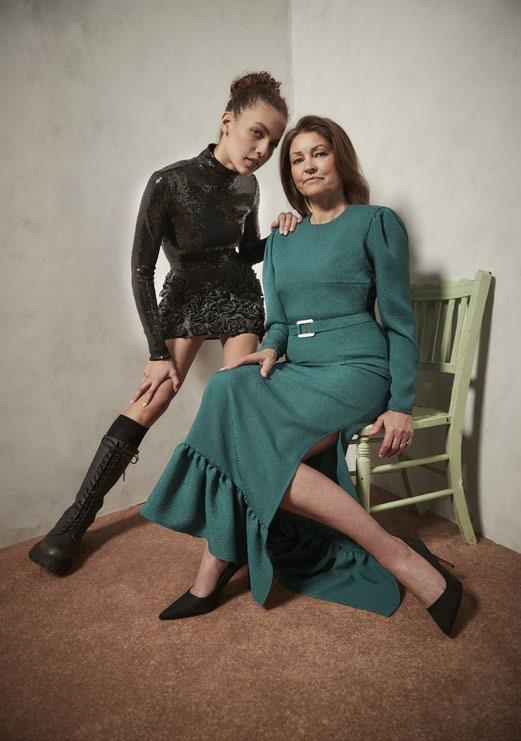
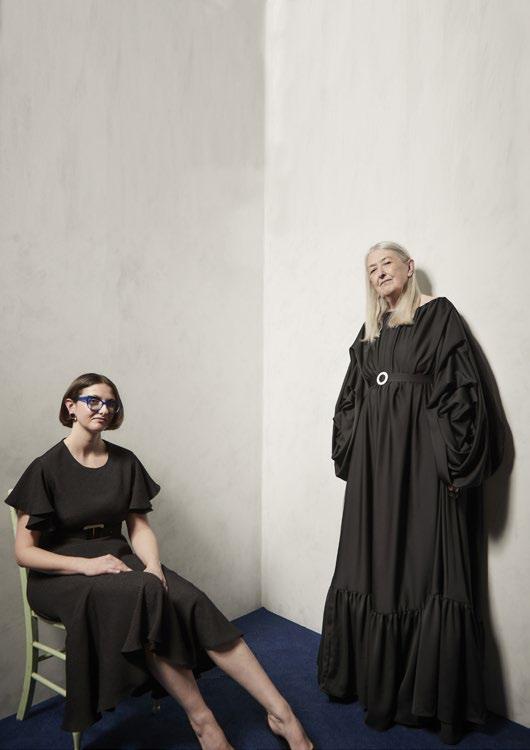
Rather than a traditional show at London Fashion Week, this Spring stylist Philipp Haug worked with one designer on a new presentation concept comprising 33 portraits
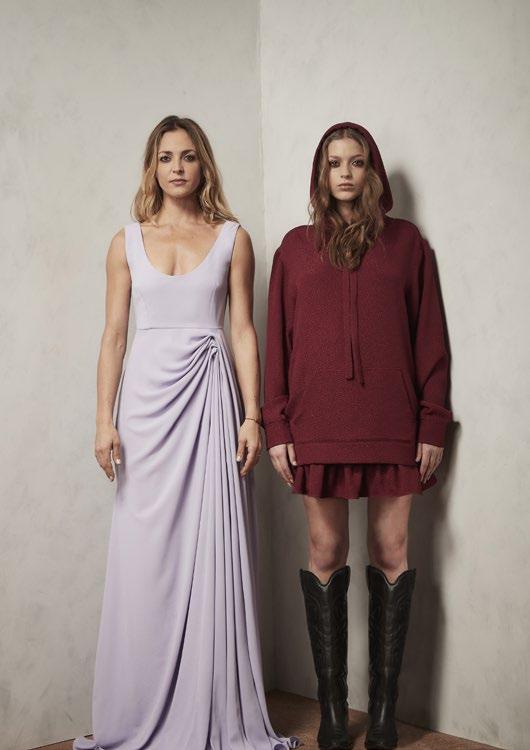
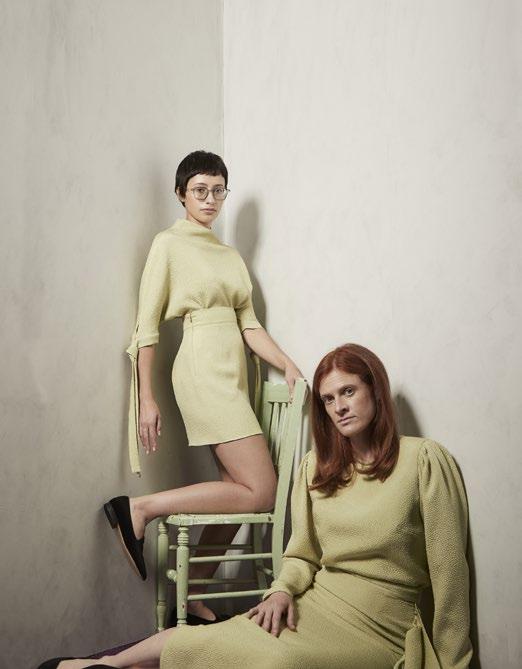
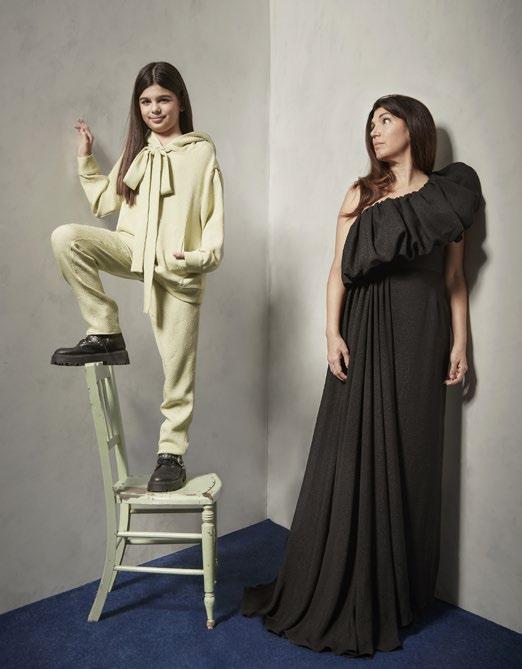
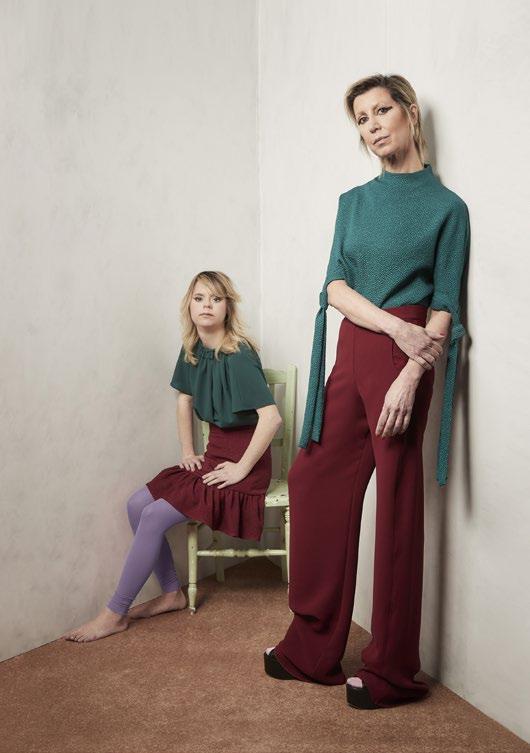
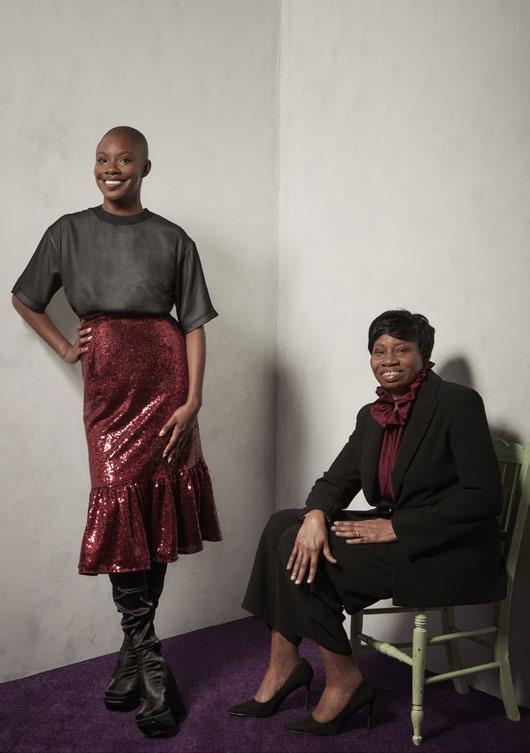
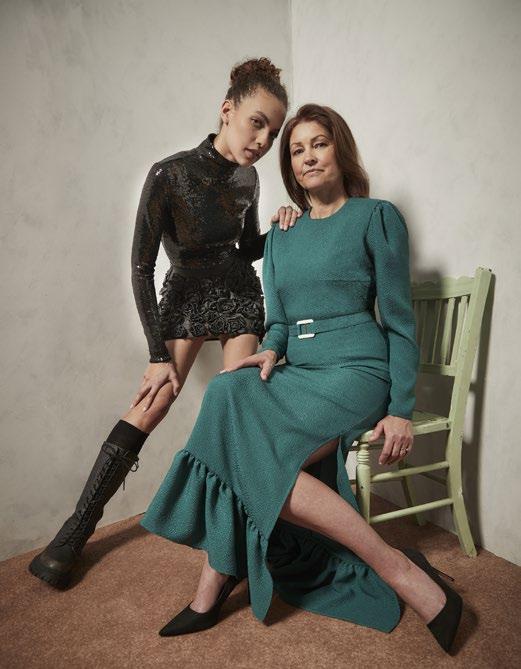
Edeline Lee moved the dial on fashion installations for her AW24 collection showing at London Fashion Week earlier this year. In an emotional expression of family, particularly the relationship between mother and daughter, Edeline presented photographic portraits to celebrate how a handmade garment can bridge generations. “I’ve seen so many women who wear my clothes sharing them with their daughters (and vice versa). It brings me so much joy,” she says. Creating fashion 'plates' to show off the clothing and express the mother/daughter relationship was a charming and compelling experience for the viewer and the participants.
The hair team on the collection shoot was led by Philipp Haug for Schwarzkopf Professional. Over two days the team worked with models from among Edelines friends and family, insuring the looks were truly authentic. He told Tribu-te about the experience:
“We have been working with Edeline Lee for a few seasons now, normally showcasing models in the traditional format at London Fashion Week. But this season Edeline had a different creative approach, which was amazing to be a part of. Pre-fashion week, we created a fashion story via multiple photoshoots, with the finished images presented on the Monday of London Fashion Week in a gallery-style setting. Instead of models, the project involved photographing very successful women in various fields and careers alongside their teenage daughters.
“The aim was to capture the beauty in timeless fashion pieces that can span generations, as well as the sentimental feeling around owning pieces that can be handed down for years to come. What Edeline showed amazingly, was how her clothes are beautiful and sophisticated on the older generations, but versatile enough for a younger audience too. When approaching the hair, we had to think differently as we were not working with professional models to create one style or look. Instead, because we wanted to ensure they felt their best selves being as comfortable as possible, and in their signature style, we tailored the hair looks.
“We worked with each subject on a one-to-one basis to understand them as individuals so we could enhance their natural textures and styles to ensure they felt confident and fabulous….The result… a stunning set of images where everyone felt the best version of themselves.”
Philipp Haug, Schwarzkopf Pro UK Ambassador
Shoot Credits: Stylist: Katie Felstead | Hair: Philipp Haug, Daniel Joy, Chantelle Jones, Antonio Palladino, Adrian Paoluccio for Schwarzkopf Professional | Makeup: Emma White Turle, Nicola Springall, Tricia Woolston, Cinta Miller, Paula Albequerque for ICONIC London | Photographer: Matthew Eades | Art Director: Kyung Roh Bannwart
11
12
13
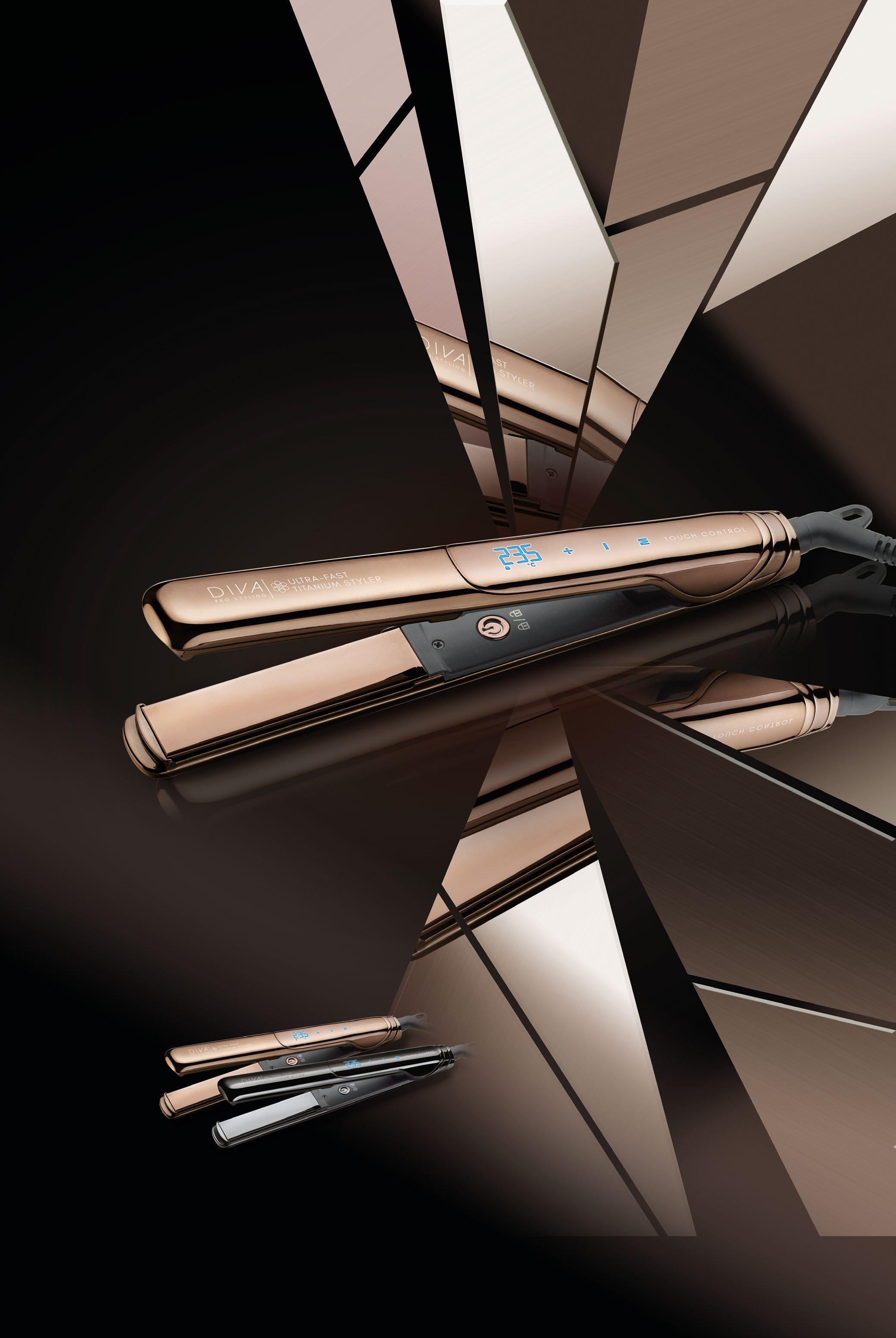
For frizz-free, mirror-like shine even at lower temperatures Perfect for use on challenging hair and with Keratin treatments Ultra-fast heat up for salon use
shine for unruly hair
divapro.co.uk
Ultimate
ULTRA-FAST TITANIUM
P roud
HAIRDRESSERS FROM AROUND THE WORLD SHARE A PRIDE IN THEIR PROFESSION. HERE WE INVITE SOME TO SHINE A LIGHT ON OUR RICH AND EXCITING INDUSTRY AND TO INSPIRE THE YOUNGER

ANDREW JOSE – Editorial Ambassador for Revlon Professional UK
"What makes me proud is, I have the ability to transform someone’s appearance, boosting their confidence and self-esteem. Whether it’s a drastic change or a subtle enhancement, my expertise makes a significant impact on how my clients feel about themselves. Being a hairdresser allows me to express my creativity. Each client presents a new opportunity to work on; whether it’s through cutting, styling, or colouring. My artistic skills come to life as I tailor each hairstyle to suit the individual’s personality, preferences, and lifestyle. I often build strong connections with my clients. I am a trusted confidante; someone they can rely on not only for their hair needs but also as a listening ear and a comforting presence. These relationships with clients can be fulfilling and exhausting but always rewarding. As a teacher, the hairdressing industry is my way of giving back. Being able to help young (and old) stylists grow, share, and help them along on their own journey can often change the course of a person’s life. Above all in our profession we help people look and feel their best, and that’s something to be truly proud of."
RICHARD SCORER – Creative Director at Haringtons group UK
"The hairdressing industry is such a positive environment and I’m really proud to be part of it. The training we provide helps kids that may struggle academically. Being Dyslexic myself, I didn’t get on very well with school but got into hairdressing. Having a positive, rewarding career keeps you emotionally, intellectually, and creatively stimulated and gives you a place in life.
"Hairdressing as an industry isn’t always as proud of itself as it should be. Every film or fashion show, every TV show and photo shoot, and every pop promo needs a hairdresser. We should be really proud of this! Last year I was invited to one of my client’s funerals. I had been able to give comfort to her through her last few years. That’s such a positive thing to have happened to me. I’ve been with a few of my clients through cancer and I’m so proud to be able to help them. I’m also proud of our LGBTQIA community and for creating an industry where everyone is welcome."
15
WITH A LITTLE HELP FROM OUR FRIENDS …
Haircuts4Homeless have built a community of skilled hairdressing volunteers who give their time free of charge to provide haircuts for homeless people. Today, we are a registered charity with 56 projects across the UK – from Brighton to Birmingham; Peterborough to Portsmouth, offering regular haircuts to the homeless.
Each of the Haircuts4Homeless centres have approximately five volunteers who operate once a month giving around 25-30 haircuts. This equates to approximately 1,680 free haircuts a month; 20,160 per year.

The impact of our work is uniquely measured in smiles. We literally witness their transformation before your eyes. Their demeanour, mood and confidence boosted with the service we give. We often get thanked by a guest who had an interview and got the job; or saw their child for the first time in a long time and felt proud of their appearance. Our return rate for guests is around 50% regulars but we love it when we see a guest for the last time because it means they have been allocated accommodation and are moving on in their life.
With a little help from our friends our work can continue to grow.
Let us be your charity.


“I love the fact I’m releasing the creativity and every hour I’m drawing a picture or creating a shape with a material I adore. I’m proud because I’m doing something I love. And because I’ve met some wonderful people from all walks of life thanks to my career. People who have educated me, folks I’ve educated, and of course an array of amazing clients some of whom have been my loyal supporters for over 30 years. Who would have thought that a friend of mine would have an MBE for services to hairdressing? I’m proud to be associated with amazing humans like Errol Douglas. I’ve been in buildings and establishments that you would normally only see on the TV. Above all, I’m proud of my achievements in the industry, considering initially I was told hairdressing wasn’t a good job or career choice for me. I would love to go back and ask that secondary school teacher whether he is still happy with his career choice. Has he travelled the world? Does he get hourly satisfaction every day? Is he still smiling? I hope so. Because I am."
 KEN PICTON – Ken Picton Salons, Wales
“It's not just a feeling, it's actually a passion and a love for the industry that makes me proud. Hairdressing is an industry that I’ve fallen in love with not only because of its incredible sense of inclusivity, but also it gives you a skill set that is like no other. I liken it to the current culture of social media likes that people strive for. Well, we get that positive reaction every day when we stand behind the chair. We have the power to make a client absolutely fall in love with their hair and feel fantastic about themselves. We’re like the old school social media, we’re the ones that invented that endorphin kick where somebody tells you by their face and reaction that they love what you've just created, and you've done it for them. That unbeatable reaction is probably the thing that most triggers my love and passion for this industry. I'm extremely proud to be part of an industry that actually has that impact on people."
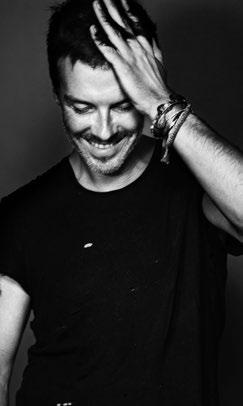
DARREN
“I take immense pride in being a hairdresser. For me, it's not just about cutting hair; it's about pushing creative boundaries and redefining the standards of hairdressing. D&J Ambrose is a brand of hairdressing that is both polished and adventurous, a fusion of fashion and art with hair. Every day I strive to bring innovation and excellence to my craft, constantly seeking new ways to express my creativity and elevate the salon experience for my clients. Whether it's experimenting with bold colours, intricate cuts, or session styles, I’m always eager to push the limits and challenge conventional norms. What makes me proud to be a hairdresser is the opportunity to transform not just hair, but also lives. I’m deeply passionate about empowering my clients, helping them feel confident and beautiful inside and out. Being a hairdresser isn't just a job for me; it's a calling, a lifelong commitment to artistry, innovation, and making a positive impact in the industry."
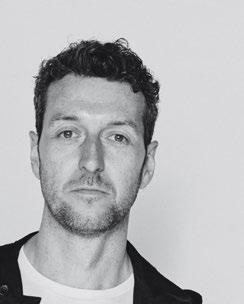 TOM CONNELL – Hair Art Director, Davines
“At 15 years old I saw a Trevor Sorbie show and knew I wanted to be a creative hairdresser working on stage. But it was my dad who first inspired me to become a hairdresser, watching him work and the passion for which he spoke about the industry. From a young age when most dads were telling their sons about famous footballers, my dad was telling me about Vidal Sassoon and Trevor Sorbie and Anthony Mascolo. This romanticised the industry very early to me. I feel proud of being a hairdresser because it's a heritage industry with a great legacy behind it and I feel proud that I'm carrying on in the line of other hairdressers that have gone before me. I feel proud when anyone mentions my name in the same breath as some of the people that I used to look up to. If other hairdressers can look at what I do and take some inspiration or ideas from it, that’s an amazing feeling. We can all take from the previous generation and pass down to the ones coming up. This way the industry will remain in a healthy place and that’s something we should all be proud of."
AMBROSE – D&J Ambrose, Pinner, London
17
PAUL FALLTRICK – Alfaparf Milano Professional Brand Ambassador UKI
Proud
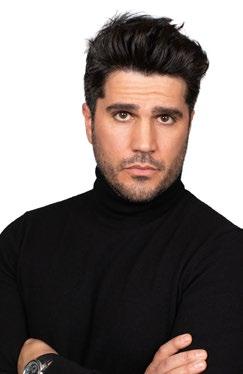
DANILO GIANGRECO – Salon owner, Danilo Hair Boutique, London
“Very often hairdressers are seen as school dropouts! Well let me tell you, we are the best school dropouts you could wish for. We self-learn and master a range of skills that no university in the world can teach you. We become creatives; we have to learn how to satisfy clients’ needs and work flexibly, adapting services to different clients, catering for their individual needs and hair type. Not only that, but we have to be accountants because we run businesses and are responsible for finances. The thing that makes me most proud is the fact that we touch more than just hair. Witnessing that client satisfaction at the end of a service is something no money can buy. Seeing a client’s mood change, building their confidence and generally having a positive impact on their day is something only hairdressers can do, and in such a short space of time."
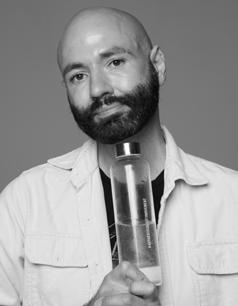
ADAM GARLAND – Session Stylist and Global Advocate for Authentic Beauty Concept
“Even with 26 years industry experience I'm still excited by each day. We all have a journey and for sure mine has been tumultuous. To have worked through and overcome addiction makes me proud. Why is this relevant to hair? It keeps me real and relatable. I accept that I’m a complex bag of emotions and I'm full of gratitude for the curve balls that helped me stand up and be present. Through a better understanding of myself, my career and social connections have flourished. This season for London Fashion Week, the team and I overcame many new challenges to make it our most successful and visually pleasing one yet. We created an army of identical looks for the Erdem AW24 show and as Anna Wintour walked up and down the line, the corners of her lips reached up as she gazed at the complete look, I felt proud. Living with a degenerative disease which is taking away my freedom has been a huge obstacle to come to terms with, especially working in our industry. I'm proud to talk about living with Muscular Dystrophy FSHD, it helps me take steps to overcome the darker days and connect with other hairdressers who live with disabilities. My hair team is taking their own steps to creating a career for themselves and to be able to support and guide them is very rewarding."
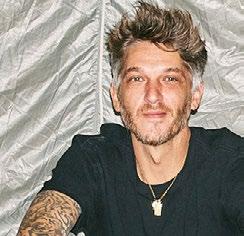
MARK HAMPTON – Session Stylist
“I’ve always found pride during fashion week. The diversity, the eclectic cultures and meeting people from all over the world who assemble for fashion, is a unique experience and something I’ve always been proud to tell people. Catwalk has always inspired me in regards to hair, seeing women empowered on the runway was always mesmerising as a young boy. I also find pride whenever my peers congratulate me on my work. It’s such a fabulous industry to be a part of!"
18
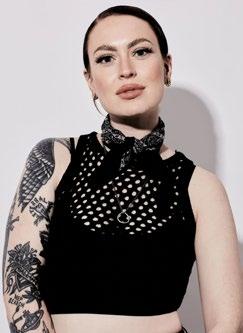
LYDIA
WOLFE – Co-Owner, Jack & The Wolfe and Colour Ambassador for yuv Beauty
“It blows my mind to think about what an incredible, multifaceted career our industry can offer. Without having an expensive university degree you can become so many things, from an entrepreneur, to a business person, an artist, or even a scientist. There are so many career opportunities that can come from hairdressing. The other thing that makes me really proud is what we do for our clients in the chair. I got a message from a client recently, who I haven't seen probably for about eight weeks, who wanted to let me know that everyday people are looking in the mirror and feeling amazing and thinking about me because of what I’d done for them and the way I’d made them feel. It made me cry. It's so amazing that that you have the power to give people confidence and give them a boost."
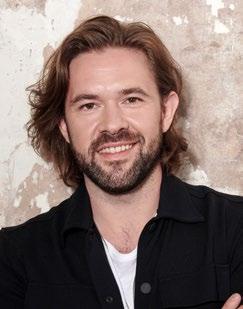
JONATHAN ANDREW – Fudge Professional Global Brand Ambassador
“Personally, I’m proud to be a hairdresser because I carry on a family tradition. There’s been so many hairdressers in my family that have all been super-passionate about what they do and I’m so glad to be a part of that. I’m also just proud that we have the opportunity to help make people look and feel their very. As hairdressers we can really impact their life and that’s a pretty incredible feeling. I’ve been fortunate in my career to have so many proud moments, from qualifying to be a hairdresser to becoming a brand ambassador for Fudge Professional and helping to develop products and have my ideas listened too. My most recent proud moment was when flicking through the TV channels on a Saturday night recently, I realised I had clients on four different channels. It really gave me a moment of pride to see how far I’ve come. That literally by cutting people’s hair, you get to work in some of the most exciting places possible and that’s something that I really, really love and cherish."
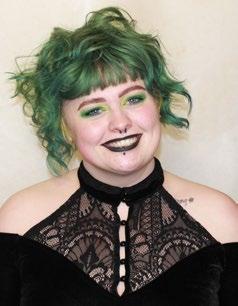
MEG PIPER – Solstice Hairdressing
“What fills me with pride as a hairdresser is the profound impact we can make on our clients' lives, championing their journey towards embracing their authentic selves. It’s a beautiful thing to be a part of... helping people feel themselves on the outside as well as inside. Our profession is all about creating confidence and self-expression, and I am most proud when I have helped someone feel beautiful or given them euphoria around their gender, or simply making someone smile. That’s what we’re all about, empowering people to be their authentic selves. I also feel very proud when I can stand up and represent this industry and be a voice for everyone, whether it be clients or fellow hairdressers, championing the collective spirit and talent that thrives within our community. I’m proud to share our knowledge in business and help others on their journey too."
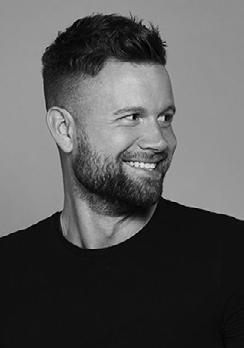 LUKE BENSON – Salon owner Luke Benson, Hertfordshire
“What makes me proud to be a hairdresser is the incredible diversity of the industry. I had no idea how many different avenues there would be when I first started out, and it has given me so many opportunities, not to mention helped me forge lasting friendships. I've had the privilege of being given amazing platforms by hairdressers I once idolised and now I call them my friends. I love this sense of community and now the opportunities I have to give back and inspire the next generation, sharing the lessons and experiences that have shaped my career. My journey started in a salon, branching out to working with celebrities and brands through session work, which has now come full circle with my own salon and working as Global Brand Ambassador for Keune."
19


Become a Charity Supporter for just £5 per month SUPPORT, FUNDRAISE, SPONSOR or DONATE HAIRANDBEAUTYCHARITY.ORG @HBCHARITYUK
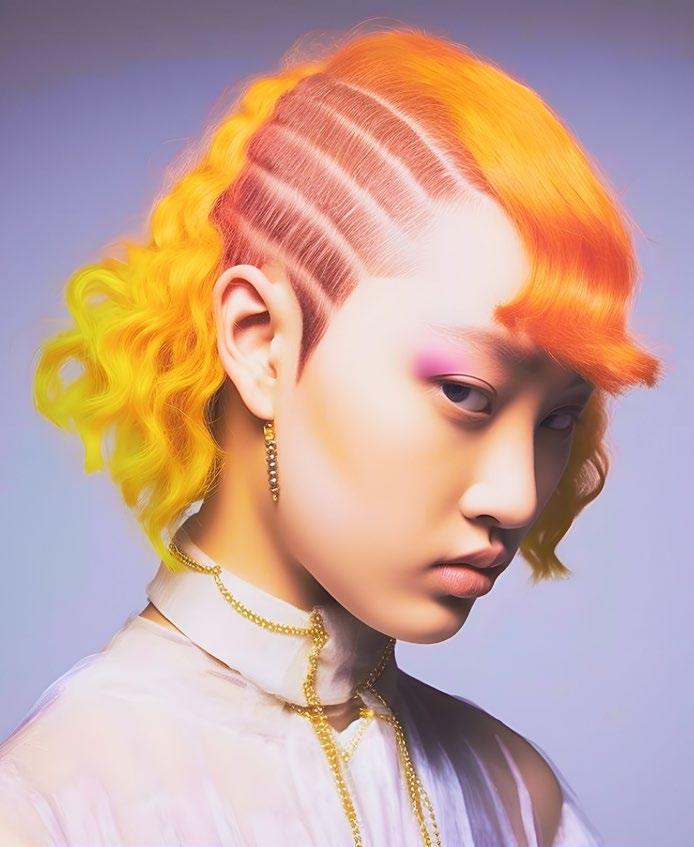
METAVERSE
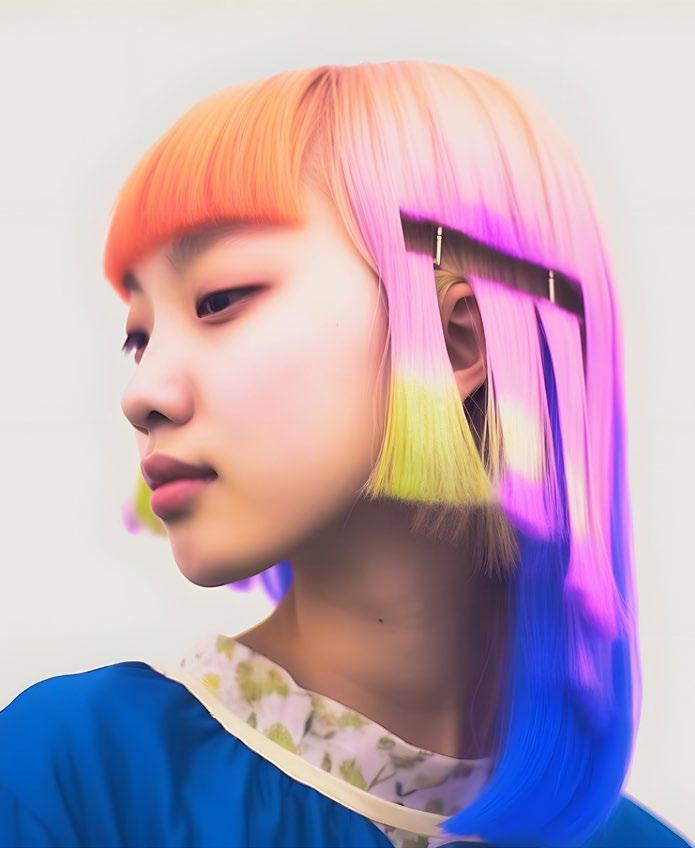
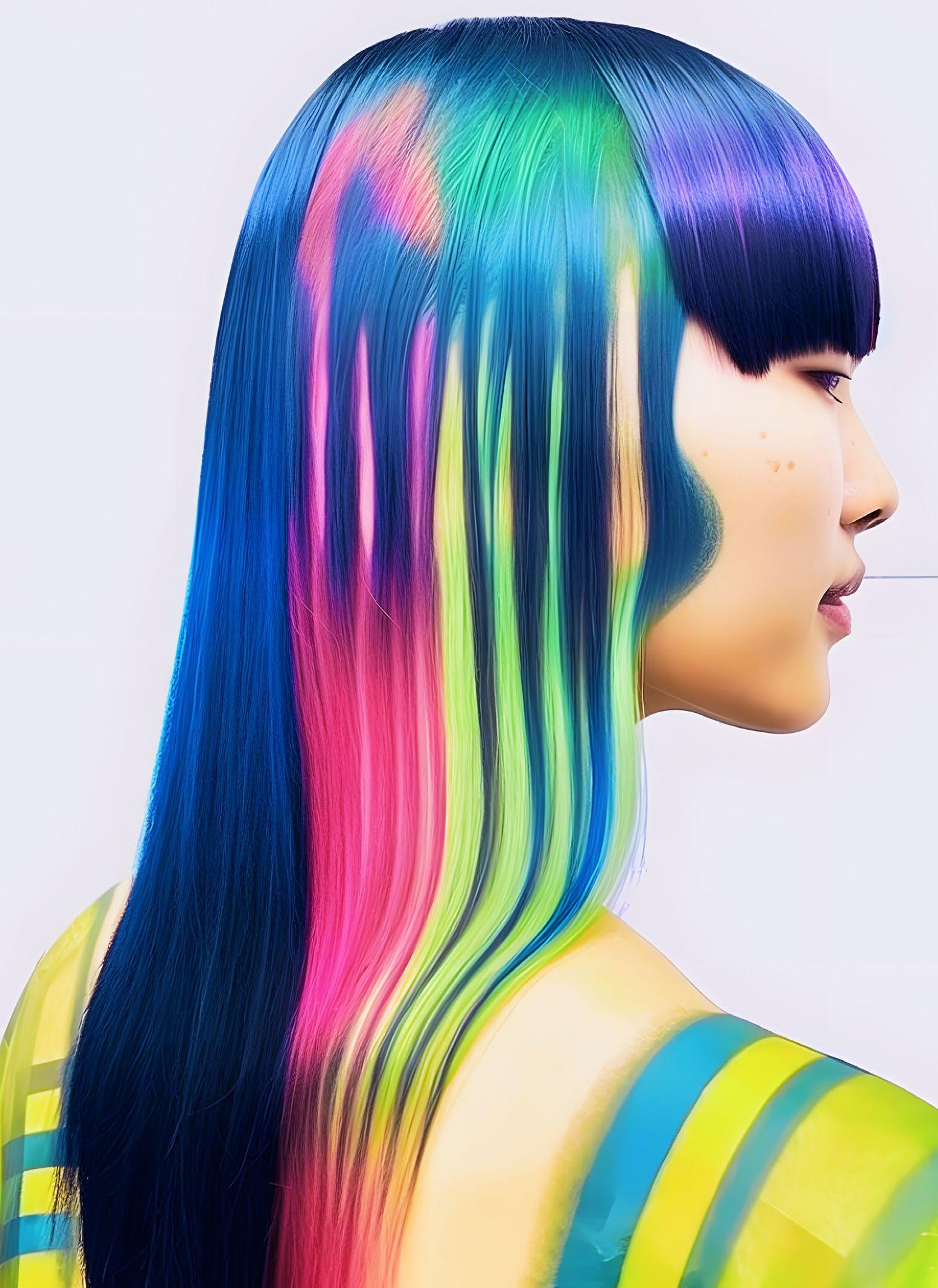
A new collection arriving at Tribu-te Magazine prompts the question: To what extent should the hairdressing industry embrace Artificial Intelligence? We see clever and attractive imagery as some photographers, hairdressers and art directors extend their skill in working with A.I. But can A.I. replace the human touch and could hairdressing really be in jeopardy? This project called ‘Metaverse’ prompted us to enquire more from the collaborators involved
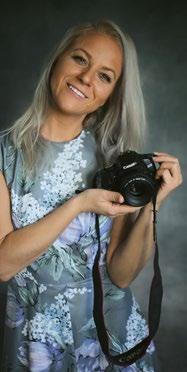
Zuzu Valla is a photographer originally from Slovakia and now based in Kent. Her portfolio of work includes many shoots for magazines worldwide, from Vogue to Hunger Tim Furssedonn is a former art director at Toni & Guy and now a leading session stylist of global renoun. When Zuzu wanted to explore A.I. to express her creativity, she turned to Tim for help in understanding how to make the hair work to best effect.
“A.I. is a new creative tool to experiment with or use as a mood board. And helps to undo creative blocks. It’s very natural for humans to be afraid of A.I. as the way it’s represented in movies
has scared us! But it’s not going to replace jobs – it will create new ones. For Metaverse I used the programme Midjourney to bring visions to life. You work with key words to come up with images. On this colleciton, I added words such as ‘outerworldly’, ‘colours’ and ‘avant-garde’. You can add emotions, too. I’m exploring the beauty in the unexplored. ” Zuzu Valla
“I think A.I. is very useful! I’m still the one telling the story. But it's a natural progression to include A.I. as a tool. We’ve been doing this in fashion for five or six years now. I always like to think I’m open and aware and observant to keep myself fresh. So, no pigeon-holing me. I don’t want to be contained. I’m a bit of a rebel and I can absorb new ideas and a new aesthetic.” Tim Furssedonn
LOVEWE
21
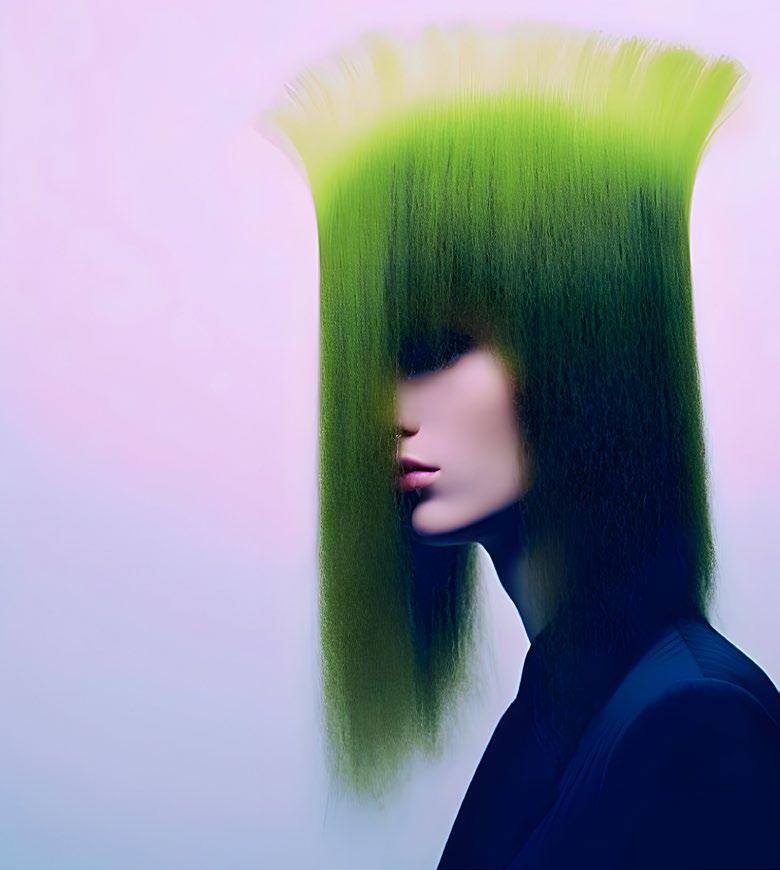
“When you do shoots and session work, you're in a small team and it's important that people are positive and you are a family. The best result comes out of a strong creative force.”
Tim Furssedonn
“A.I. will be useful, but it’s always going to be you who tells the story.”
Tim Furssedonn
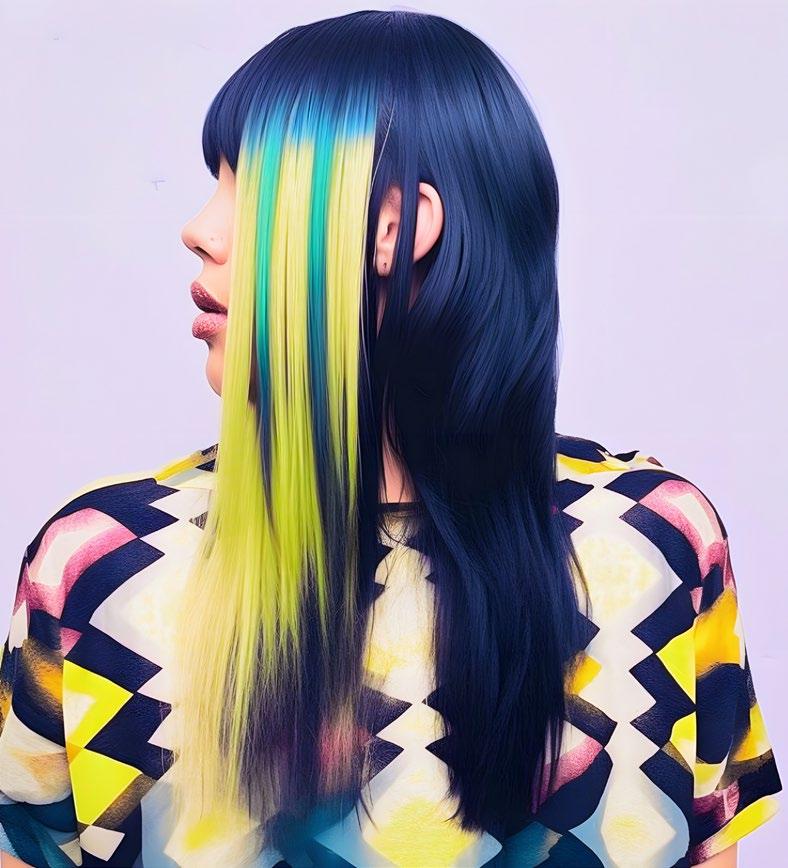
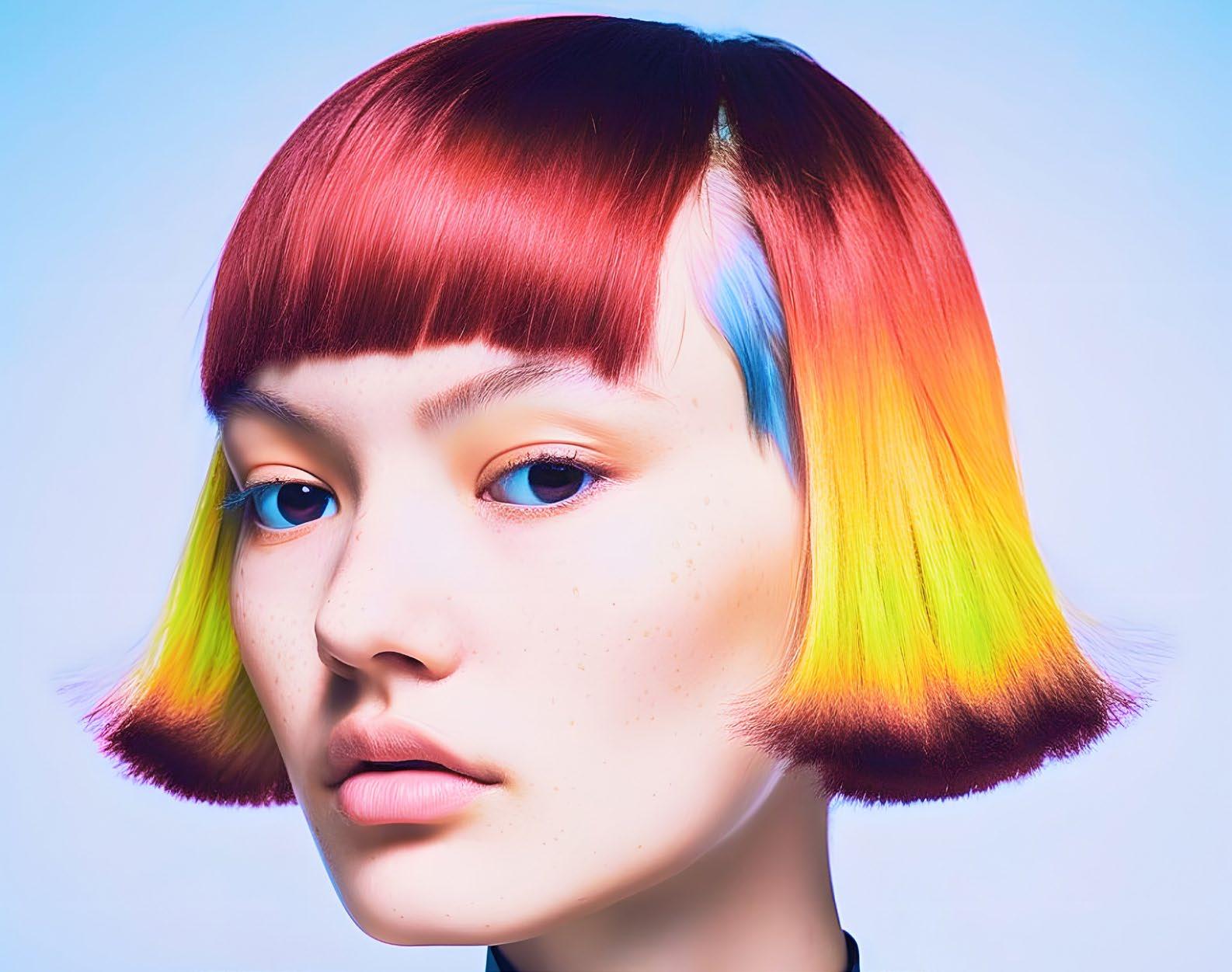
“In my lens, beauty and hair become more than a visual spectacle; they become a medium through which to challenge norms and redefine standards. Through the interplay of light, shadow, and vibrant hues, I craft narratives that resonate with the spirit of individuality and self-love.”
Zuzu Valla
22
“I get inspired by unusual haircuts, colours, and styles. In a world often dictated by trends, I find inspiration in the unexpected, celebrating the beauty of individuality and self-expression. Each image becomes a testament to the belief that hair is not just an accessory, but a powerful form of artistic expression.”
Zuzu Valla
23
“A.I. is not going to replace jobs – it will create new ones. You will always need a human brain to articulate what you want.”
Zuzu Valla
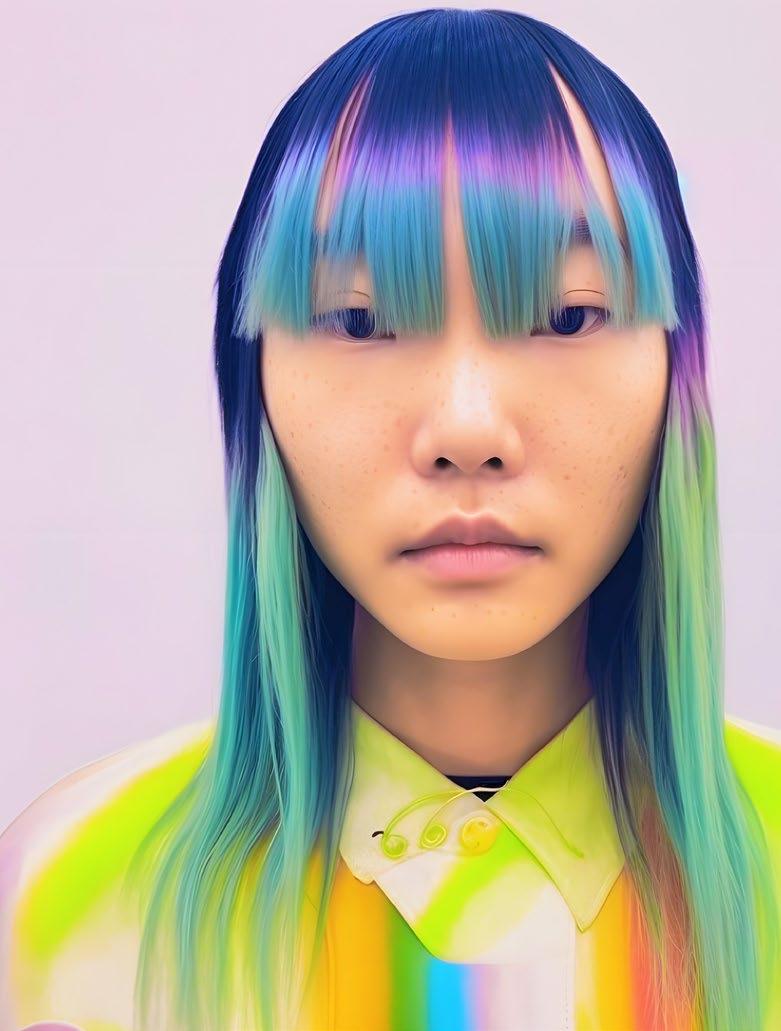
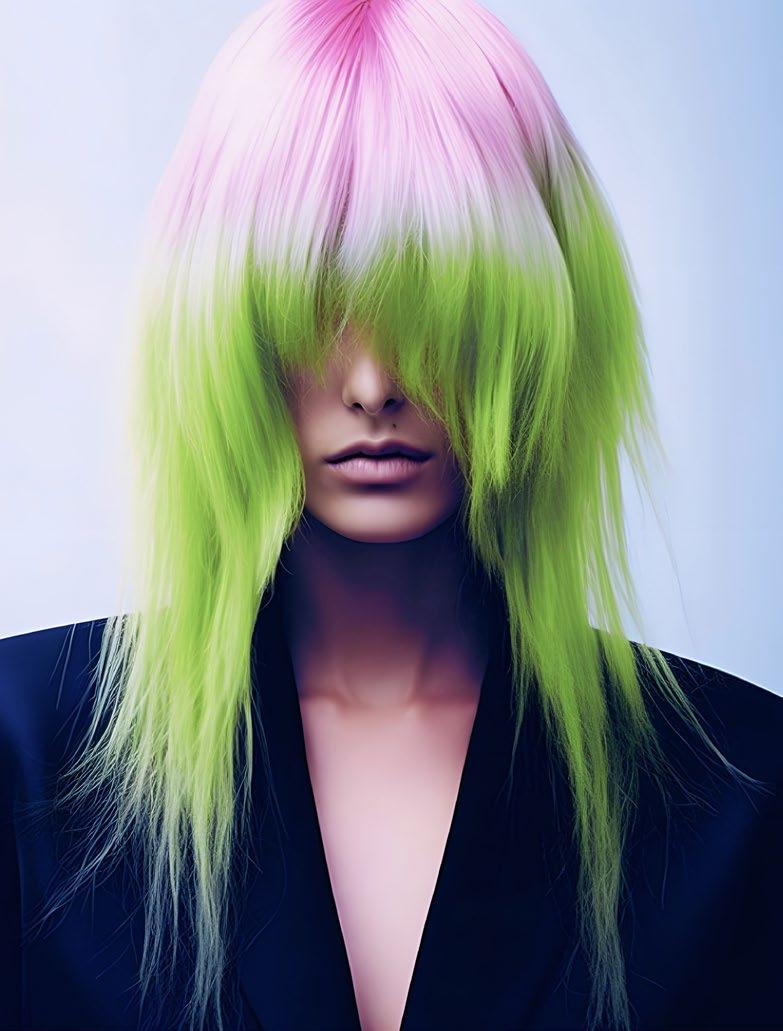
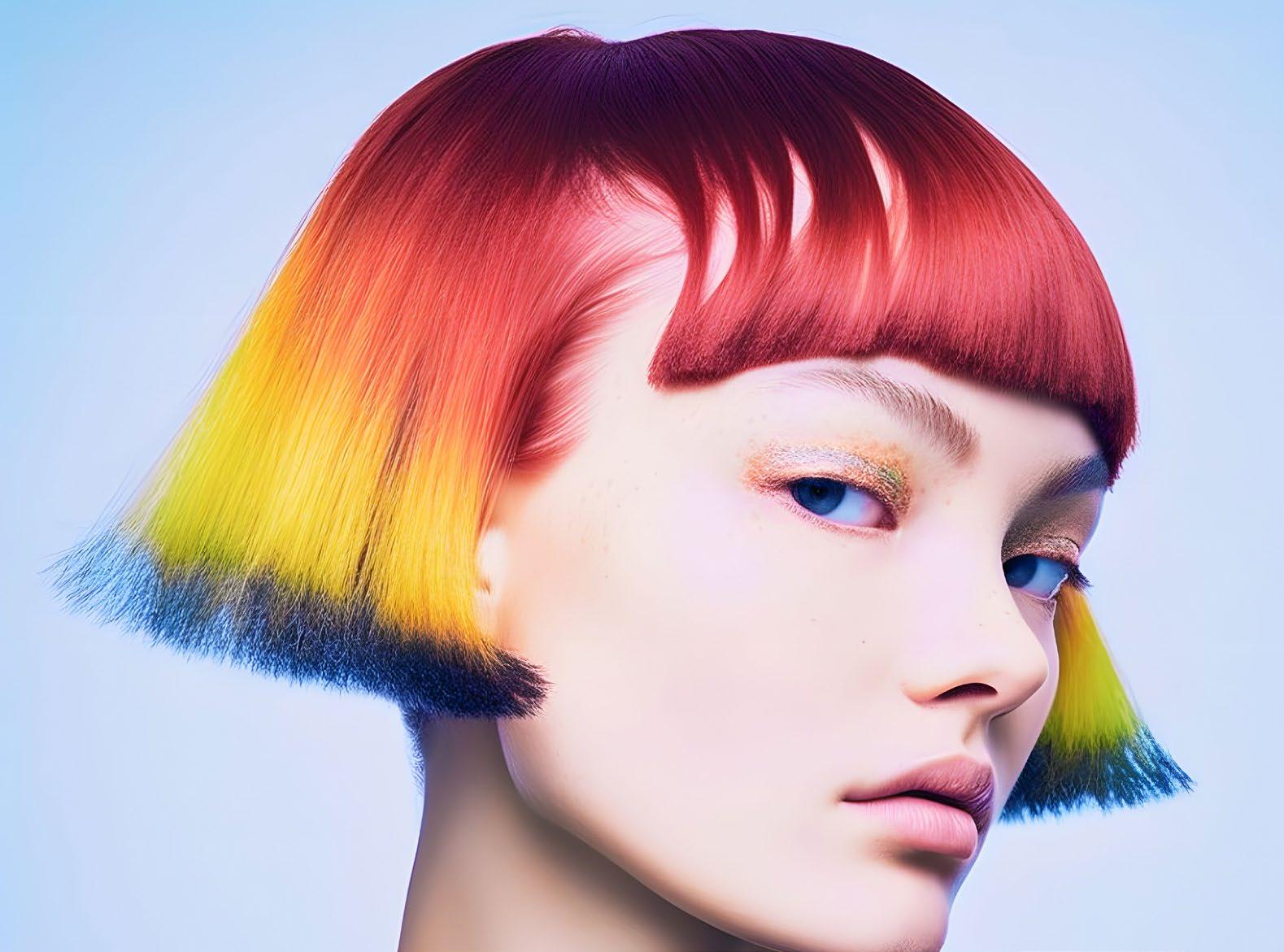
“I always wished to translate the images in my head to paper but struggled with traditional methods and software like Photoshop. Now, with A.I. I'm bringing those long-held visions to life.”
Zuzu Valla
25
DEBATE!
THE HOT QUESTION FOR CONSIDERATION THIS EDITON OF TRIBU-TE MAGAZINE IS THIS: IS IT BENEFICIAL TO CONTINUE WORKING WITH JUST ONE SINGLE MANUFACTURER, OR BETTER HAVING A PORTFOLIO OF CHOSEN BRANDS?
INANCH
“We work with and stock several brands in our salon, including Schwarzkopf Professional, Unite, Color Wow, Alterna, Philip Kingsley, CR Labs and our own extensions, Gold Class. I like working with many brands as it gives me more options for my clients. Any one brand that works for one client doesn’t always work on someone else. To keep costs low it would be better to work with fewer brands, but at the same time I like to offer a selection of good products to my clients. I choose different things for different people, depending on the
service I’m offering. I always choose high quality, topend products and because I do a lot of hair-loss clients, I spend a lot of time researching the best products out there. I tend to choose products that are more trichologybased for these clients, and add big names such as Color Wow and Unite as they bring in the clients. Rather than being exclusive and offering everything from a brand, we pick and choose what we want. Some we will use at the backbar, while others are better for styling. It gives us a choice to suit our team and our clients.”
"I work with several brands, but specifically Evo. Since I started working with them eight years ago, I’ve had the opportunity to work directly on the development of their pro colour line and lighteners, bringing these from round table meetings to full development and now launching them around the world to new markets. I’ve also worked with Olaplex since the very beginning and was part of the team that launched the range in the UK.
I was very aware during this time that I was part of a moment in hair history that would forever change the game. I was incredibly proud back then, and remain so today, for having the opportunity to be at the forefront of innovation in hair science
“I understand many brands offer ‘perks’ and incentives for remaining loyal to a single brand. Doing this is a business-based decision. Equally, working with multiple brands is often a creatively-driven decision. I don’t believe there is a right or wrong, and typically I find it’s a consideration of business sense and creativity that results in the best decision making.
"When choosing a brand to work with, I believe in working with brands that align with your morals. I set my hair service prices at the highest level, which I justify not just as a way to manage demand, but as a commitment to using the best products, science and technology that are available.”
26
TOM SMITH / BRAND AMBASSADOR AND HAIRDRESSER BASED AT BILLI CURRIE, LONDON
EMIR / INANCH, LONDON
SOPHIE-ROSE GOLDSWORTHY / GOLDWORTHYS, SWINDON
“For our hair services we work exclusively with L'Oréal Professionnel and use products and collaborate with L'Oréal Professional brands including Kérastase, Redken, and Pulp Riot.We are fortunate to have the best of both worlds here; whilst we are exclusive to L'Oréal Professionnel, the L'Oréal family stretches far and includes other amazing product companies.
“Working exclusively with a brand offers more discounts and retro payment options, and more company support in return for your loyalty to that brand. It shows your clients that you have full confidence in the product ranges and makes recommending services and products much easier. It also allows you to build a strong relationship with the
representatives and education team of the brand. “The most important things to us when choosing a brand is good communication and artist development. Where can this brand take our stylists and salon? What platform can they give us to showcase our work, complete further education, or get creative? Communication is important to us as there are times where you need support, product knowledge or queries answered and having a representative or team on hand that can help you elevate your craft and business is key to a successful system. Lastly, it would be naive to not mention the price! Your brand should work financially for you and what you are able to charge for your services.”
“I’d always say that it’s best to remain open. The upside of being exclusive, of course, is that you possibly get the best opportunities and that’s your reward for loyalty if you like.
But the trade-off with being exclusive is that it does limit your personal options and I think there's so much choice in the marketplace, why would you narrow it down?
“There's an argument to say that being exclusive gives you a bit more buying power and leverage, that perhaps
it allows you to strike better deals but that’s not my experience. Instead, I feel that when you're exclusive, the brand isn't always as hungry to keep you, especially when you're one of many. The aim as a salon is to be in the forefront and to know your worth and value. It’s no bad thing to keep brands on their toes, knowing they could lose you.”
27
PHIL SMITH / OWNER OF THE PHIL SMITH RANGE AND A SALON OWNER
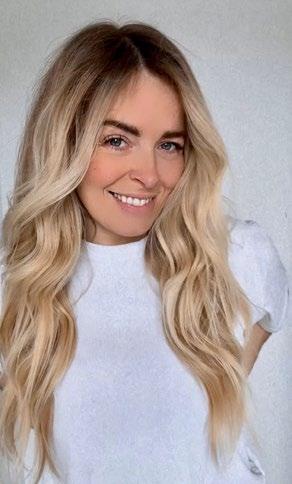
Hair by Tracy Hughes
“When it comes to whether it’s better to stick with one exclusive product brand or to stay open to others, there are benefits and drawbacks to consider. Working exclusively with a brand can offer fantastic opportunities. You receive in-depth training, stay updated on the latest products, and sometimes even get to be part of their development process. Plus, there are perks like travel opportunities and exposure to help build your reputation. However, the downside is that you might miss out on other great
“There’s no correct answer to this, but a great place to start is knowing what you and your business bring to the table. If a brand wants you to be exclusive, it's likely to be because they see a huge amount of value in you. This is where knowing your value is crucial. Being exclusive is asking for a commitment to one person, company, or brand. Anything exclusive comes at a cost because it means that you will have to say no to everyone else and the offers that they may bring forward. If you decide to stick exclusively with one brand, that brand needs to be offering close to what you could have made by being open to working with numerous brands. Having said that, the benefits of working with one brand exclusively are security and simplicity. You will hopefully build up a
“For myself and the team at Rush, we prefer to work exclusively with a brand. For us, this makes the relationship so much stronger and allows us to really build our working relationship and cement the two brands together. We are partnered with Goldwell and this is something we are extremely proud of. As a large-scale salon group, our clients’ trust in us is very important and it’s vital that they are aware of the working relationships we hold and that they trust us to use the best suppliers. We feel for our business, working with the Goldwell
products from different brands. Staying open to different brands allows you to explore a wider range of products and find what works best for you and your clients. As a colourist, using products from a variety of brands allows me to create more personal and customised results. Each brand offers unique qualities that can be combined to achieve the perfect colour for each client. Ultimately, there isn't a one-size-fits-all answer. It's about finding the balance that works best for you and your clientele.”
great and long-lasting relationship that will lead to other opportunities within that brand. You won't have to keep being answerable to many other brands and trying to keep numerous people happy all at once.
"Think of exclusivity as a marriage and think of working with many different brands as dating. One has variety, choice and fun but not a lot of security and stability. The other is far more calm, simple and secure but needs a big show of value to gain your complete exclusivity. If you are looking to become exclusive to a brand, it’s extremely important that you do feel aligned with them (as you would in a marriage). This I believe is the foundation of a long and happy business relationship.”
brand is incredibly positive for our clients. It’s a brand they know and the fact we use them exclusively shows we have their best interests at heart, with a goal of bringing their hair vision to life. I feel that working exclusively with any brand is much more professional and is better for us as a business. We carry both professional and retail ranges in our salons and this follows through from the salon to haircare rituals at home. Using one brand keeps hair in check and in the best condition possible at all times.”
28
ANDY HEASMAN / INTERNATIONAL CREATIVE DIRECTOR, RUSH HAIR
RUTH LUNDSTROM / FOUNDER OF THE FREELANCE SUITE
CARLEY BAYNE / OWNER CARLEY BAYNE HAIR SALON, EPSOM, SURREY

 SUZIE MCGILL / ARTISTIC DIRECTOR AT RAINBOW ROOM INTERNATIONAL, SCOTLAND
“When it comes to working with brands it’s incredibly important to work with a brand that you truly believe in. At Rainbow Room International, we work solely with Schwarzkopf Professional. As a Schwarzkopf Ambassador I work exclusively and very closely with them, creating collections, educating and being involved with shoots and seminars. For us at Rainbow Room International, and for me as a creative colourist, we wanted to work with a brand that would deliver incredible colour results and that’s what Schwarzkopf does. It allows us to provide our clients with the very best colour as the products are first
class, incredibly pigmented and also contain ingredients and technology to truly care for coloured hair. If you’re looking for a professional brand to work with, research ones that are in tune with what your salon stands for and that reflect your ethos – don’t just choose any brand that contacts you!
"Working with the right company could introduce you to a whole number of different opportunities. In addition, working with a brand that truly delivers will ensure you have happy, loyal clients that will visit you and your salon time and time again.”
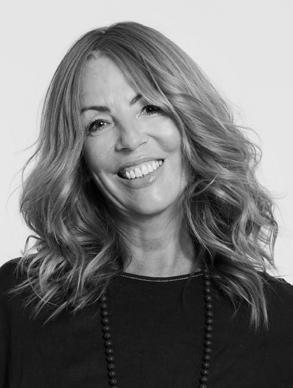
““From the first day we opened our Hunter Collective doors, one of the community’s core pillars was open and honest collaboration. Then and now, this has always made sense to us, although it was much more unusual seven years ago. Whether that be free and open collaboration between our community of fabulous freelance members or between Hunter Collective itself while working with other inspiring brands.
"Collaboration is the beating heart of our creativity and we believe gives something extra to the brand partnerships we choose. Brand neutrality enables our spaces to be new canvases each and every day for our
members’ product choices, event moments, popups and brand collaborations of all scales. We adore working with brands but equally adore the freedom to be curious, creative and open. The brands we align with both understand this and actively encourage it as it is the essence of what Hunter Collective is. Here we promote community in the truest form, embracing differences, learning from each other, and supporting the vibrancy of different brands and creatives together. For us, remaining open is designed to be innovative without boundaries, being exclusively inclusive of the brands and opportunities."
29
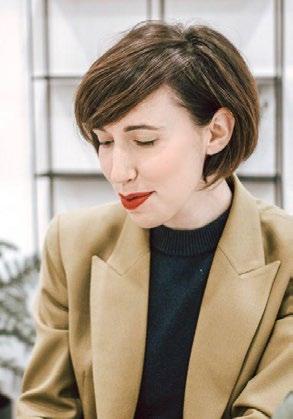
LACEY HUNTER-FELTON / CO-FOUNDER OF HUNTER COLLECTIVE
Hair by Jesus Oliver
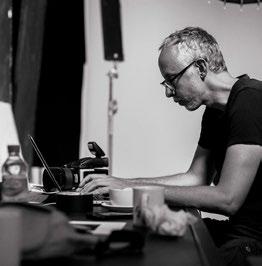
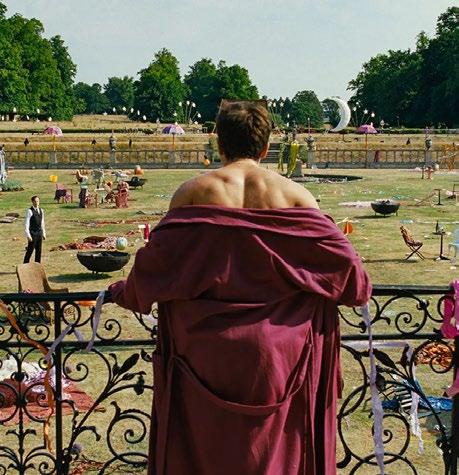
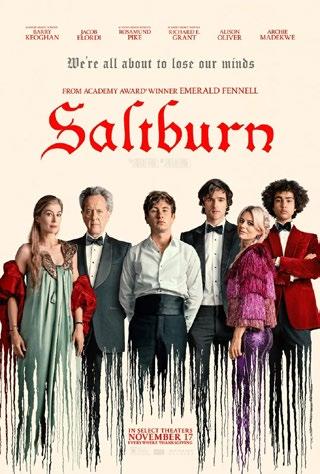
1/ Film: Saltburn
Jack Eames is a hair and beauty photographer in London with more than 16 years experience in the art of visual storytelling. We share what Jack sees of interest on the cultural landscape as Spring blossoms:
A movie that I know has been pretty divisive across the board! And I’ll be going against the naysayers when I say this: I loved it. A standout aspect of Saltburn is its mesmerizing cinematography, which beautifully captures the grandiosity of its setting. The film's narrative is equally captivating, weaving together elements of mystery, suspense, and drama to keep you on the edge of your seat. As the plot unfolds you are drawn deeper into the intricate web of deception and obsession. Kitsch, dark and at times ridiculous, Saltburn is a highly entertaining and aesthetically gratifying.
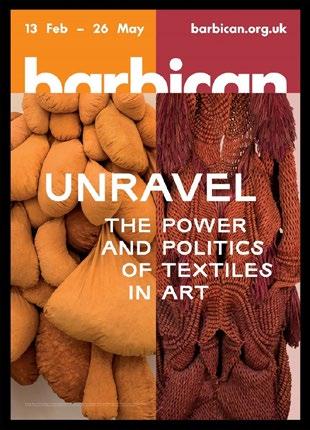
2/ Exhibition: Unravel
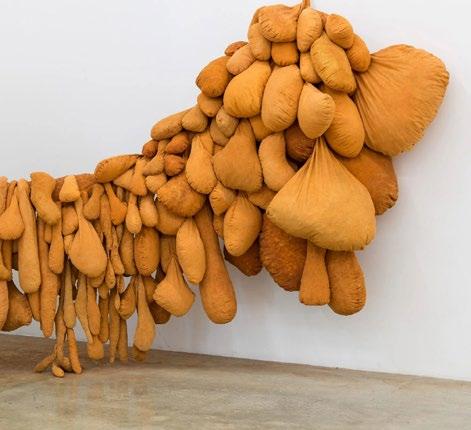
The Barbican, London
A wonderful exhibition this boasts work from 50 international artists including fellow Kent resident Tracey Emin. Far from the world of photography, I couldn’t wait to immerse myself in a world of embroidery, soft sculpture and textile installation, and it absolutely did not disappoint. From the moment you step into the gallery the curation tackles difficult and thought-provoking subjects, challenging viewers to confront their own preconceptions and biases. The exhibition challenges notions of textile art as a ‘craft’ or ‘medium for women’, showcasing highly politicised and conceptual pieces by artists of all genders.
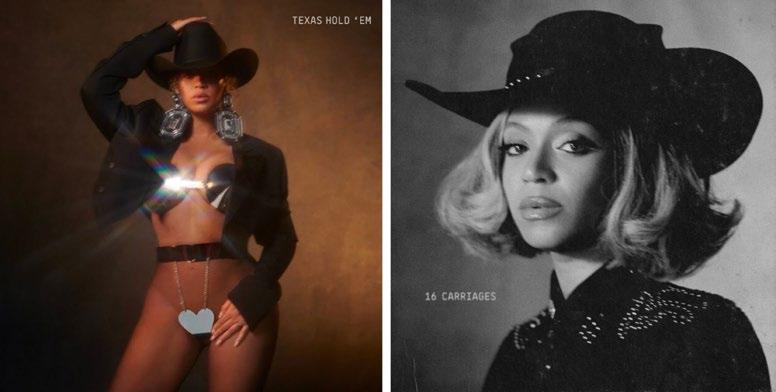
3/ Music: Beyoncé
What an absolute treat we were given earlier this year in the form of not one, but two new songs by the unparalleled Beyoncé. After some incredible Renaissance bangers which we’ve had on repeat in the studio, Texas Hold ‘Em and 16 Carriages have been gladly welcomed onto the playlist. These two new tracks feature on the country-inspired Cowboy Carter album... is there a genre that Beyoncé can’t pull off?!
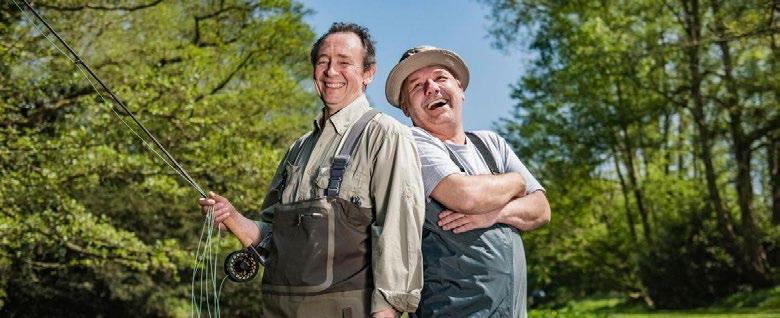
4/ TV Show: Mortimer and Whitehouse: Gone Fishing
If you’re looking for a heart-warming, funny and relaxing watch, then tune in. What sets this show apart is its authenticity. We follow the fishing adventures of comedians Bob Mortimer and Paul Whitehouse who explore the picturesque landscapes of the British countryside. Their friendship shines through every episode, making it feel like you're joining two old friends on their fishing trips. Their banter is witty, laughter infectious, and their shared love for fishing is palpable.
5/ Film: Iron Claw
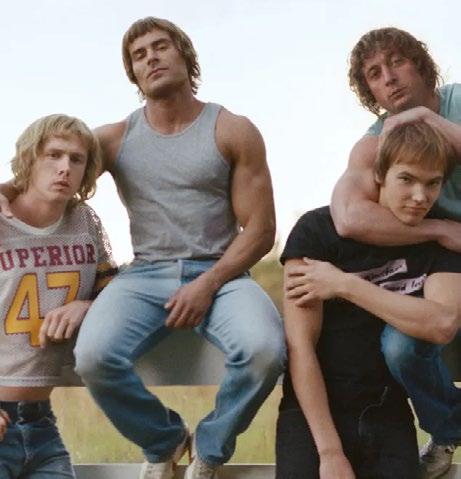
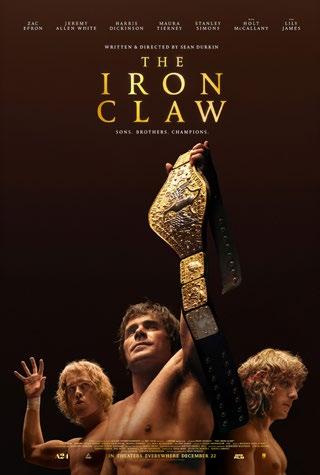
A big hitter for me this year is Iron Claw, which is based on the true story of the Von Erich wrestling family in 1980s Texas. With incredible performances from Zac Efron and Jeremy Allen White, the film portrays the theatrical and dramatic world of wrestling, as well as the true athleticism and dedication required by its competitors. Far from a rose-tinted depiction of show business and fame, Iron Claw dives into the troubles and tragedy that followed the Von Erich family which they believed to be a curse that stained their household. The film insightfully handles themes of toxic masculinity and violence, as well as the beauty and sincerity of brotherhood.
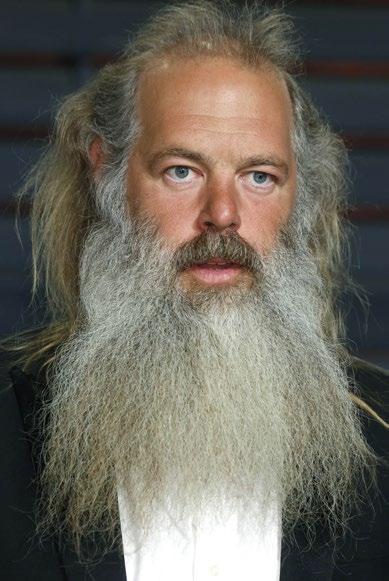
6/ Book: The Creative Act
- A Way of Being by Rick Ruben
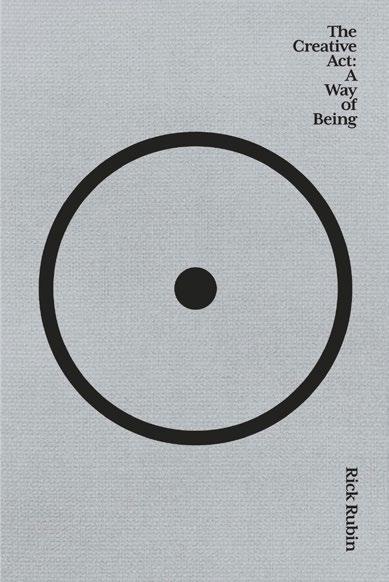
Written by Def Jam Records co-founder Rick Ruben, this is an encyclopaedia of creative experience and wisdom, based on the mantra that creativity belongs to everyone. It explores the process of creativity and encourages you to push the limits and boundaries of your creative practice, while supporting you with various techniques throughout. It’s an easy coverto-cover read, but that doesn’t mean you’ll then put it on your shelf never to revisit it.
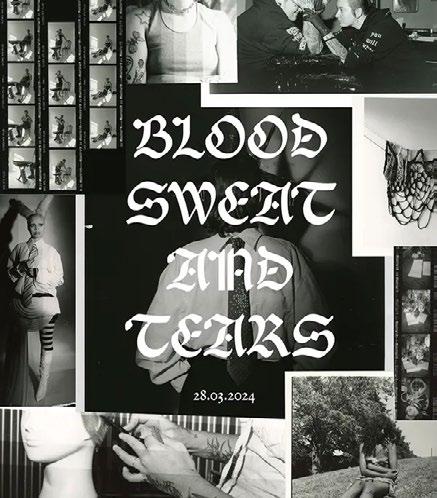
7/ Book and Exhibition: Blood Sweat and Tears by Jody Evans
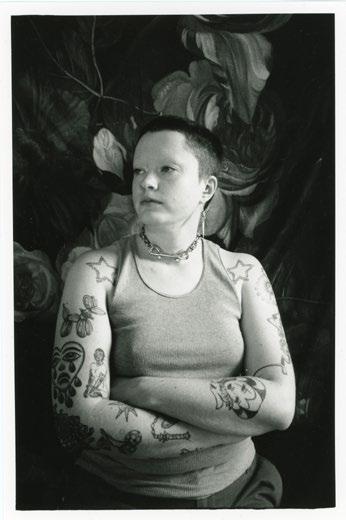
In this book Jody captures 20 queer people in their workplaces, homes, and studios where they make and create. Blood Sweat and Tears documents the gritty reality of the creative hustle, and how it exists beyond the mirage of social media. In Jody’s words, this is “an ode to grafters, and a love letter to the friends and family who never cease to inspire.”
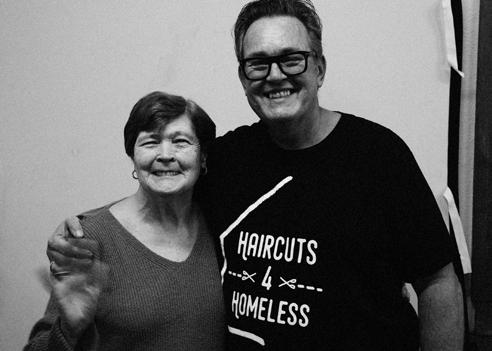
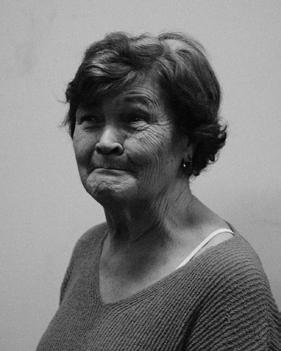
8/ Haircuts4Homeless
This year marks the 10th anniversary of Haircuts4Homeless –founded by the wonderful Stewart Roberts. Such an incredible landmark for a charity that is truly changing people’s lives for the better. To mark this milestone with the charity we’ve been joining Stewart at his sessions this year and capturing stills and video of the guests, and talking to them about how they feel about the work that Haircuts4Homeless does. We hope to help bring in new sponsorship for the charity. You can find out more about the charity, and what you can do to be part of their efforts, at www.haircuts4homeless.com
30
LONDON EYE
1 3 5 7 2 4 6 8 31
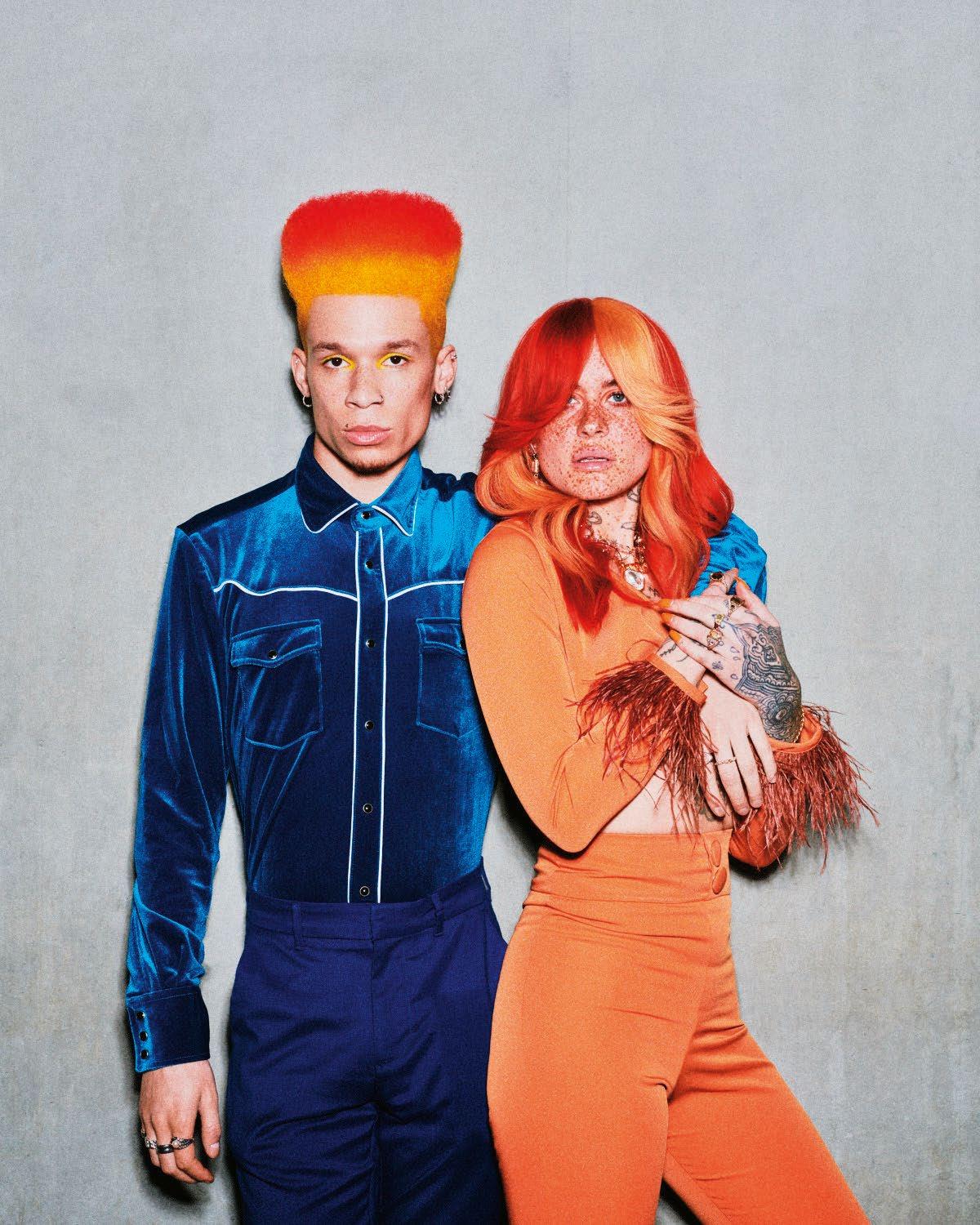
CREATIVITY TO DYE FOR
Explore 40 vibrant shades & colour optimis

here to find out more:
crazycolor co uk @crazyc
Scan
pro
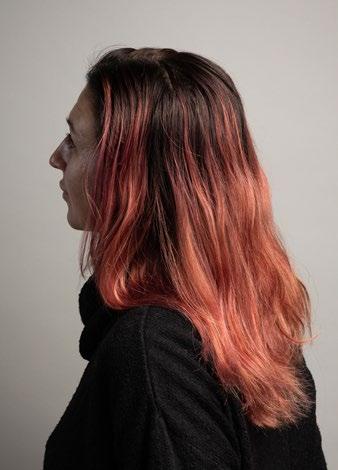
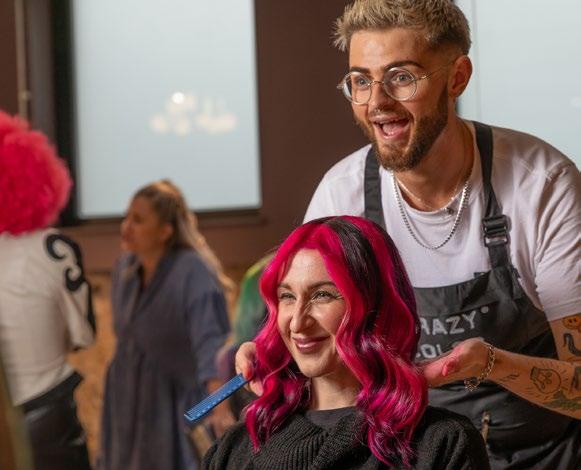
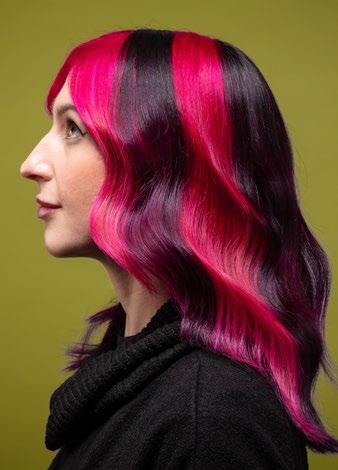
TALKING ABOUT VIVIDS
EMBARKING ON A VIVID HAIR TRANSFORMATION IS QUITE AN UNDERTAKING. CRAZY COLOR EXPLAINS HOW A COLOUR CONSULTATION IS REALLY THE KEY TO A SUCCESSFUL OUTCOME
Going on a colour journey with your client? The importance of this first client colour consultation cannot be overstated.
Great communication is your roadmap to ensuring that clients leave the salon not only with a new colour, but something unique to them, that truly reflects their personality and style. As a colourist very experienced in making those big colour transformations, Norman Boulton at Not Another Salon in London has great advice to share with you:
“A pre-vivid consultation is crucial because without managing expectations properly then you would be working on a client who doesn’t 100% fully understand the vision and process. It can lead to problems further down the line. I’d say, 9 out of 10 times a client complaint usually comes down to lack of communication during this consultation stage.
“When a client gives me free rein to work, that comes from great consultation. They’re giving me an opportunity to do my best work, and I can go as
wild (or as little) as I choose to create the colour and style that’s going to suit what a client wants, taking into account lifestyle and maintenance level, too. “It feels great when people are trusting enough to let me have fun and experiment with vivid colours. I always save hair Instagram content on my phone to share with my clients. It shows them what I find inspiring, gets them excited and we work on a fun colour plan together!
“It never gets old, this feeling of my clients building up that level of trust with me to say ‘do whatever you want’. Then the creativity can really begin. It allows me to see hair as art and have fun with paints, making everyone feel confident and beautiful, and helping them express themselves how they want to! It keeps me and my mind happy.
“Finding the right solution for a client may seem stressful if you are not very experienced or may be a little nervous of experimenting with hair. But I promise you this; with time and hands-on experience, the job gets so much more easier and enjoyable. You get in the flow and understand your craft more. Trust the process, you got this!”
Consultation is…
Understand your client’s personal style: Time to learn their preferences, lifestyle, and fashion sense
Assess skin tone: Discuss and recommend shades that complement and flatter the client's complexion, and suggest what to avoid Set realistic expectations: Vivid hair colour requires a level of commitment and maintenance that differs from more natural shades.
Customise shades for unique results: The beauty of Crazy Color’s 40 shades is that they are all intermixable. You can create a completely custom mix to suit perfectly your client, taking into account hair porosity, previous colour treatments and the desired intensity of the final colour.
Avoid any surprises: Work together to minimise the risk of unexpected results.
33
SPECIAL PROMOTION
Click here to visit www.CrazyColor.co.uk @crazycolorpro
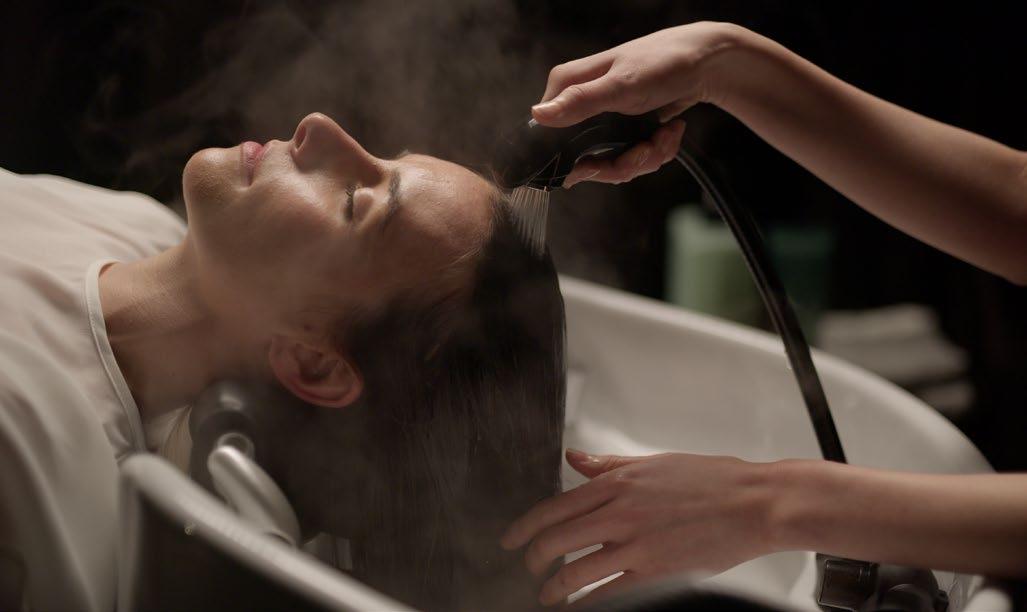
ENHANCE BACKWASH SENSATIONS
ALLEVIATE NECK AND BACK PAIN AT THE BACKWASH WITH TAKARA BELMONT’S YUME SERIES
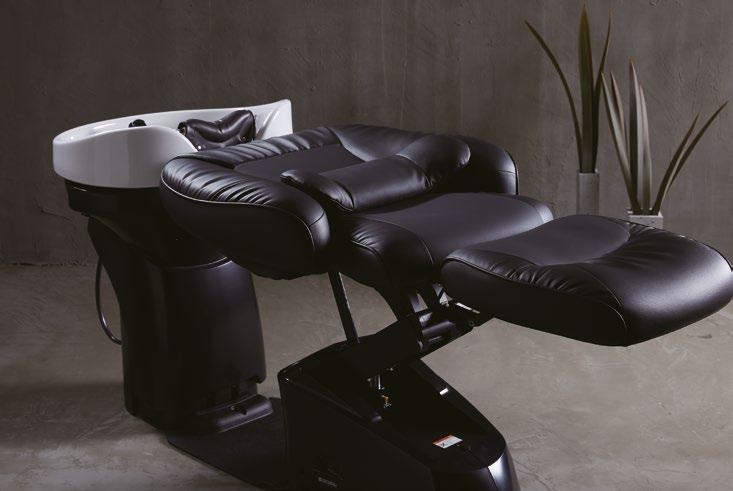
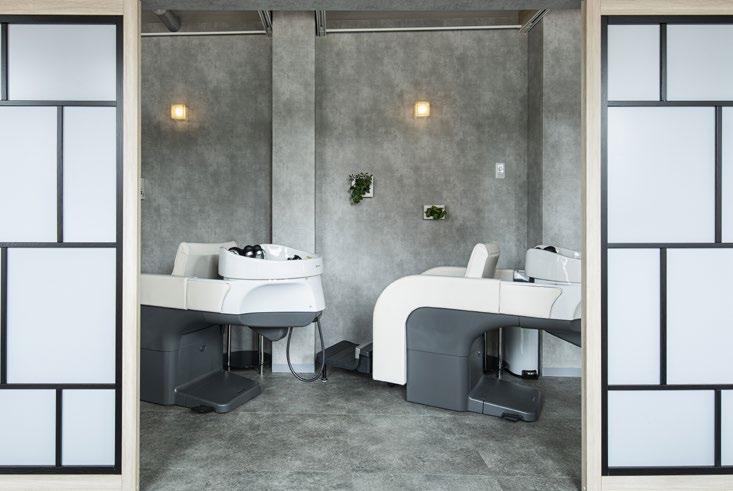
Every salon owner appreciates the value of client comfort, and when it comes to elevating backwash experiences to new levels of refinement,Takara Belmont’s fully motorised Yume Series offers next level luxury.
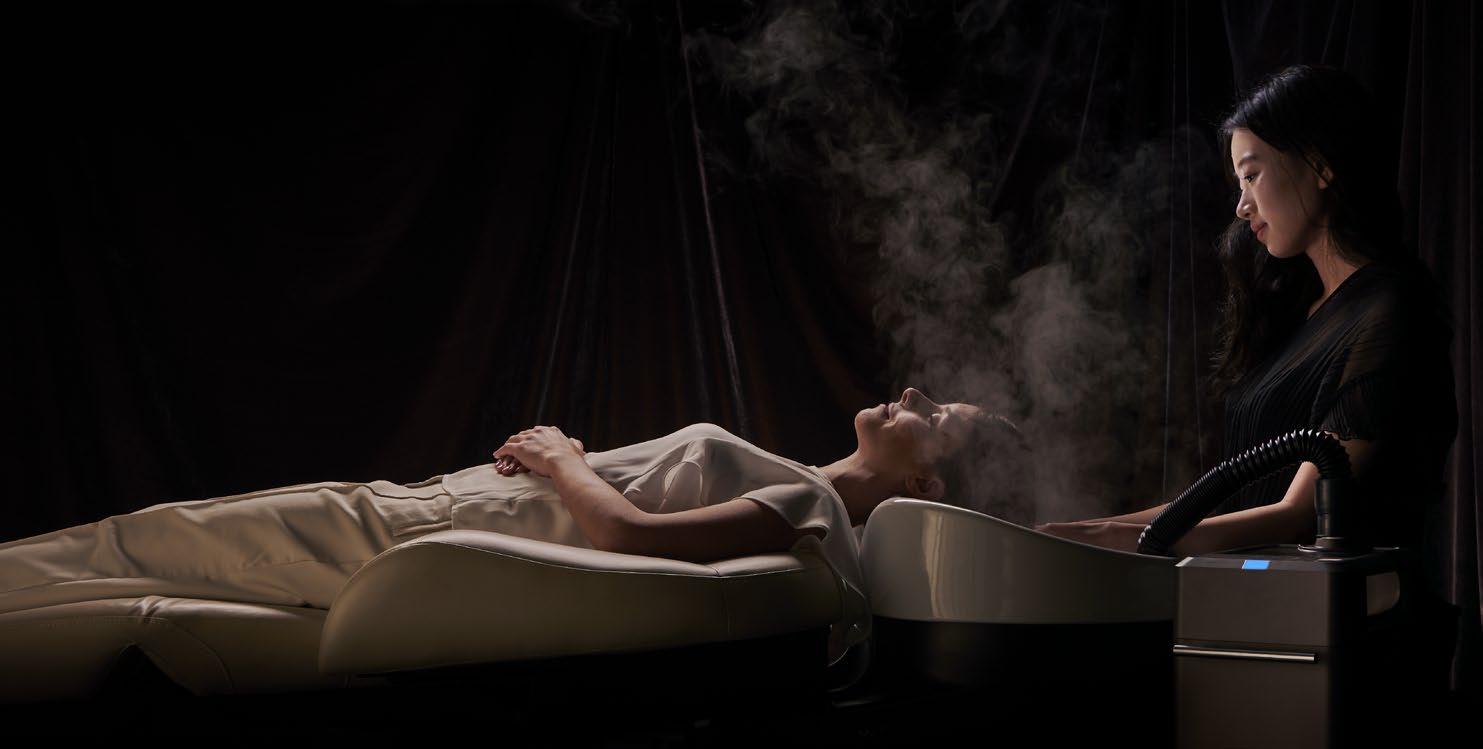
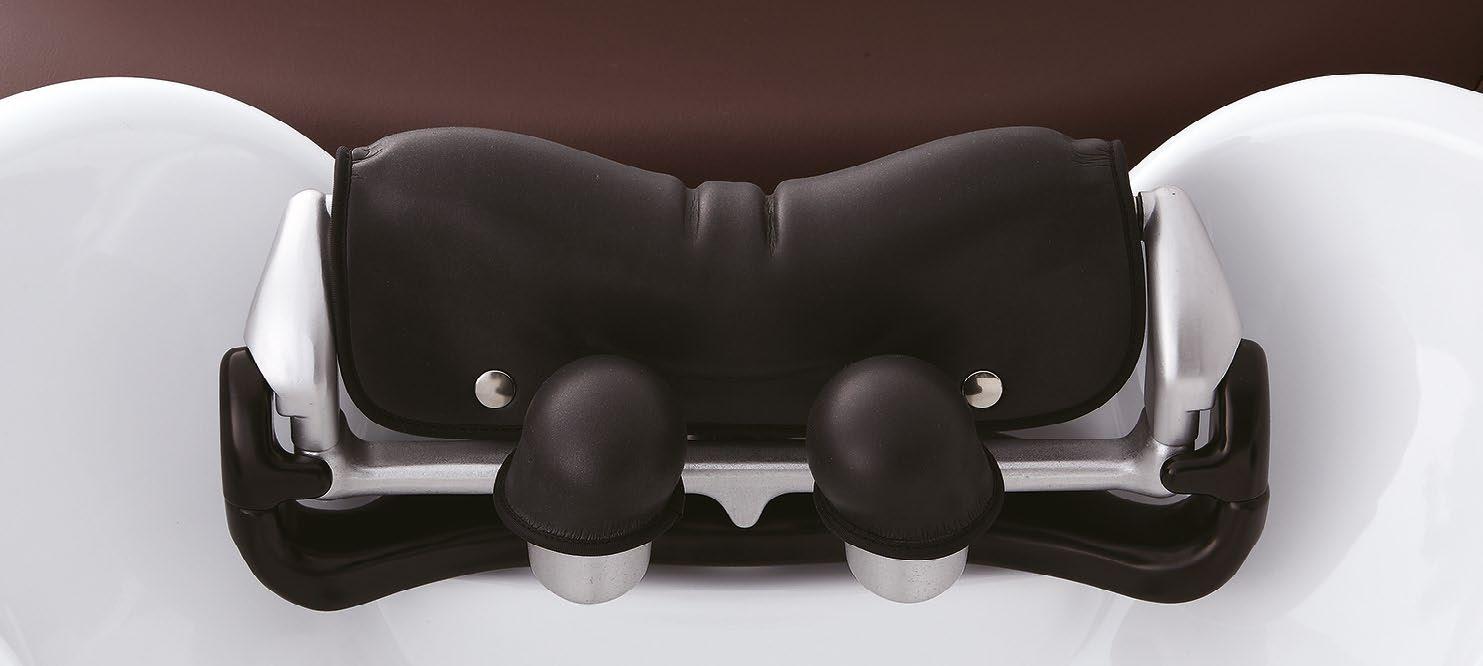
As the pinnacle of backwash innovation, Yume Series full-recline backwash units feature a double gel-filled neck cushion and two gel-filled head pillows that enhance comfort and support during every backwash service, while alleviating neck and back pain. This not only means that clients experience full support from head to toe, it also means that salons can offer longer treatments without compromising comfort and expand their service menu.
“This unique neck rest design is exclusive to all products in the Yume Series, including the Yume, Yume DX, Yume Noble, Yume iXi and Yume Espoir,”
says Takara Belmont’s National Sales Manager, Katie Fielder. “With contoured backwash units that accommodate all body shapes, sizes and weights, and upholstery selected from a wide variety of fabrics, the Yume Series achieves extraordinary levels of comfort and well-being that enhances treatment experiences and service outcomes.”
The Yume Series
– expand your business horizons
In addition to delivering the ultimate indulgence that keeps clients coming back, the Yume range allows for spa-style rituals to be incorporated into your menu, while coupling with Spa Mist II allows for scalp care, hand and nail conditioning treatments and colour services to be added and upgraded. And, with the newest addition of Yume Head Bath*, why not treat your clients to the ultimate head spa experience that promotes
relaxation and calm, as well as actively improving scalp health, and well-being?
Upgrade affordably and tax efficiently
At a time when salons are looking to expand their horizons while keeping a watchful eye on budgets,Takara Belmont’s exclusive 0% Finance Lease Scheme makes it possible to upgrade in the most affordable and tax efficient way.
Click here to discover Takara Belmont backwashes
Click here to discover Spa Mist II
Click here to discover our 0%, zero deposit Finance Lease Scheme and apply today.
* See the Yume Info brochure for details
34
SPECIAL PROMOTION
35
LUXE PROTECTION
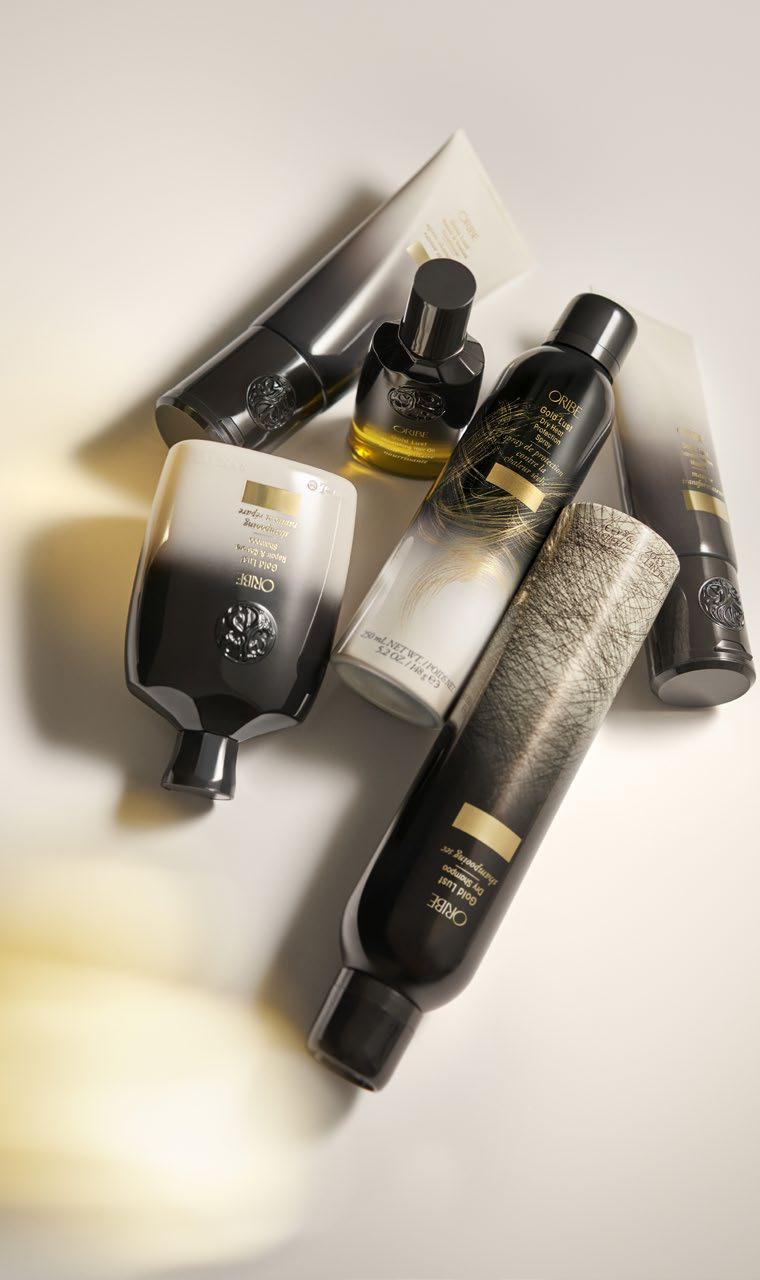
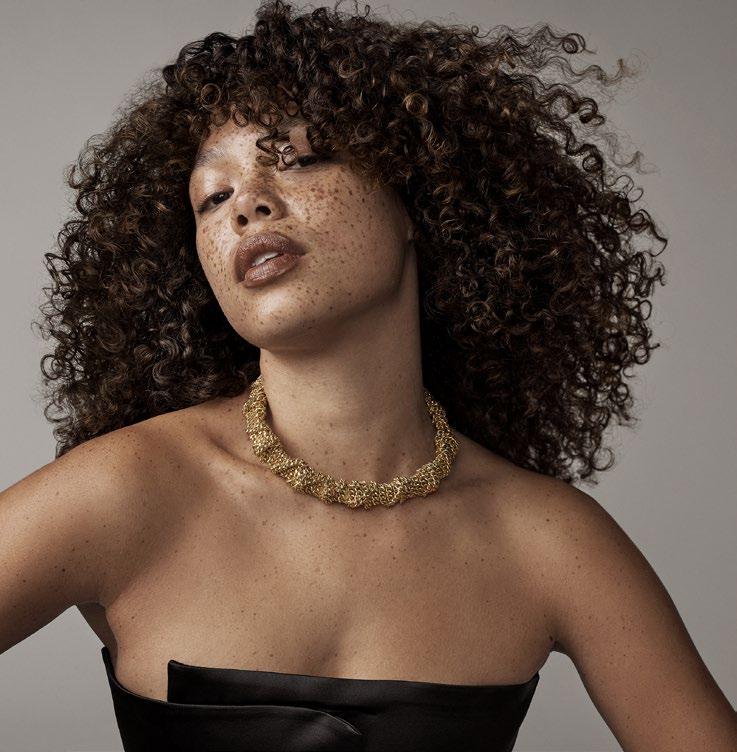
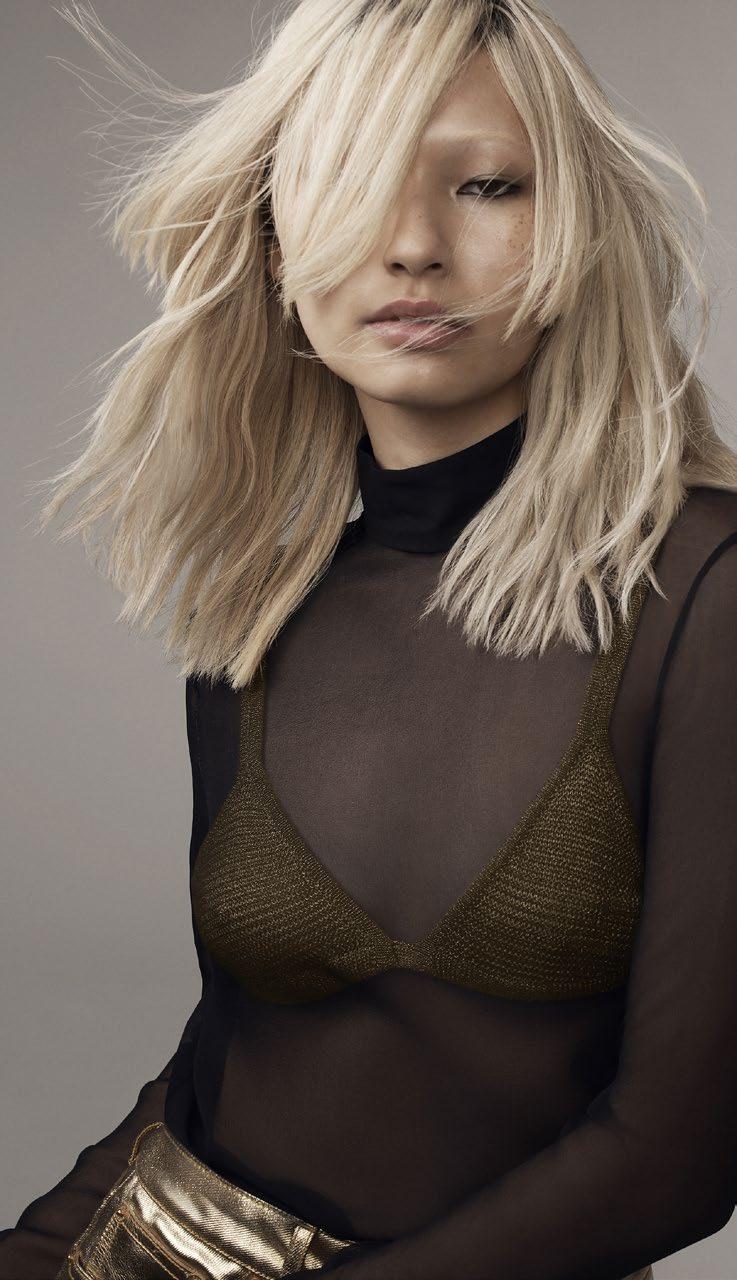
ORIBE’S NEW GOLD LUST DRY HEAT PROTECTION SPRAY IS THE GUARDIAN OF HAIR HEALTH, DELIVERING PROTECTION, INSTANT CONDITIONING AND A FRIZZ-FREE FINISH
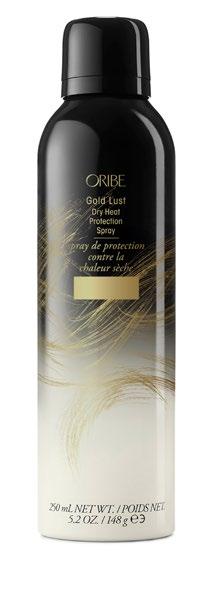
Introducing a first-of-itskind multitasker, Gold Lust Dry Heat Protection Spray is the latest addition to Oribe’s best-selling Gold Lust Collection
This is the most precious, luxe offering from the brand created especially for hairdressers by Oribe Canales Just like the man himself, the sophisticated presentation of the Gold Lust Collection, and its consistent premium performance make Oribe synonymous with luxury.
By introducing Gold Lust Dry Heat Protection Spray, you now have a superb care and styling product; a dry conditioning spray with instant
heat protection that cares for all hair types, restoring hair to its softest, healthiest prime. Sprayed onto dry hair before using hot tools, Gold Lust Dry Heat Protection Spray protects from temperatures up to 450°F / 232°C while instantly conditioning and restoring damaged and weakened strands, leaving behind a touchable, healthy-looking frizz-free finish.
It can also be used on finished styles as a dry conditioner and on second day hair to protect hair from heat and restore softness before restyling.
“Our new Gold Lust Dry Heat Protection Spray not only offers heat protection in a new format on dry hair, but also is a multitasker that adds softness,” says Michele Burgess, Executive Director, Product Development.“We’re so excited to add this product into one of our hero collections.”
Remember the benefits of going for Gold Lust Dry Heat Protection Spray:
• Provides 450°F / 232°C heat protection
• Repairs, conditions and nourishes damaged strands
• Intensely softens and adds silkiness to dry hair
• Smoothes flyaways and frizz for a polished finish
• Revitalizes hair to an ultra-healthy, youthful state.
Click here to find out more at uk.oribe.com
@oribepro #oribeobsessed
36
SPECIAL PROMOTION SPECIAL PROMOTION

37
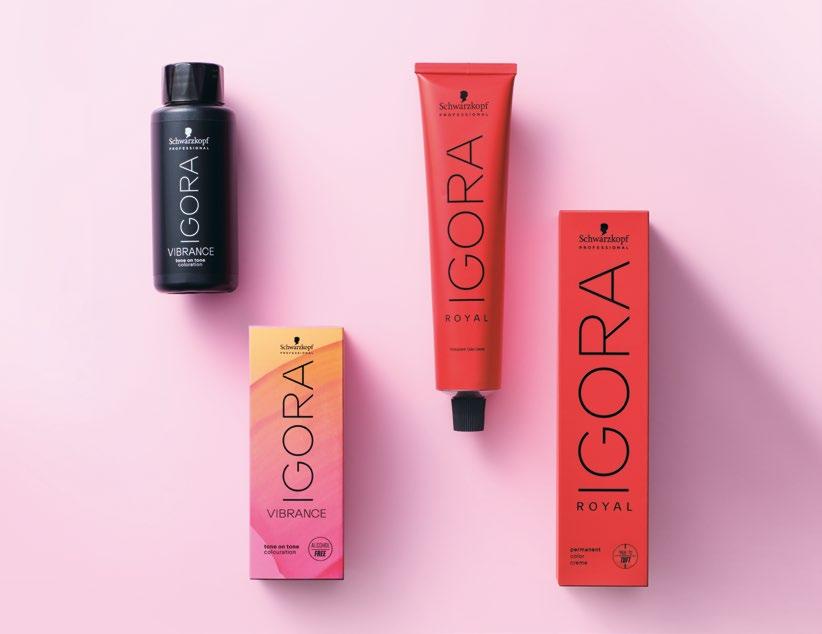
MORE VIBRANCE
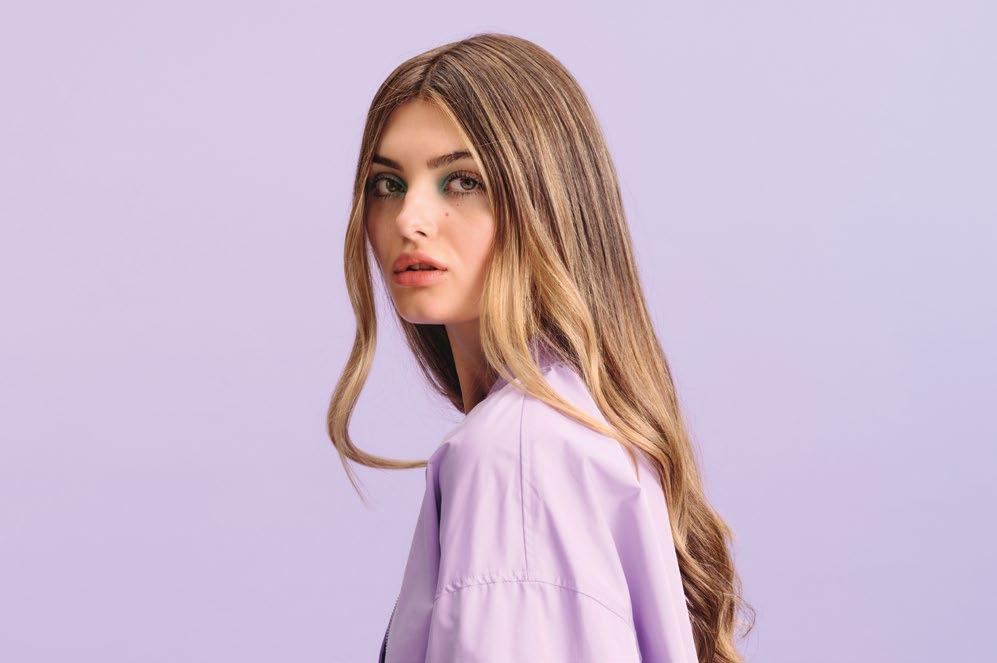
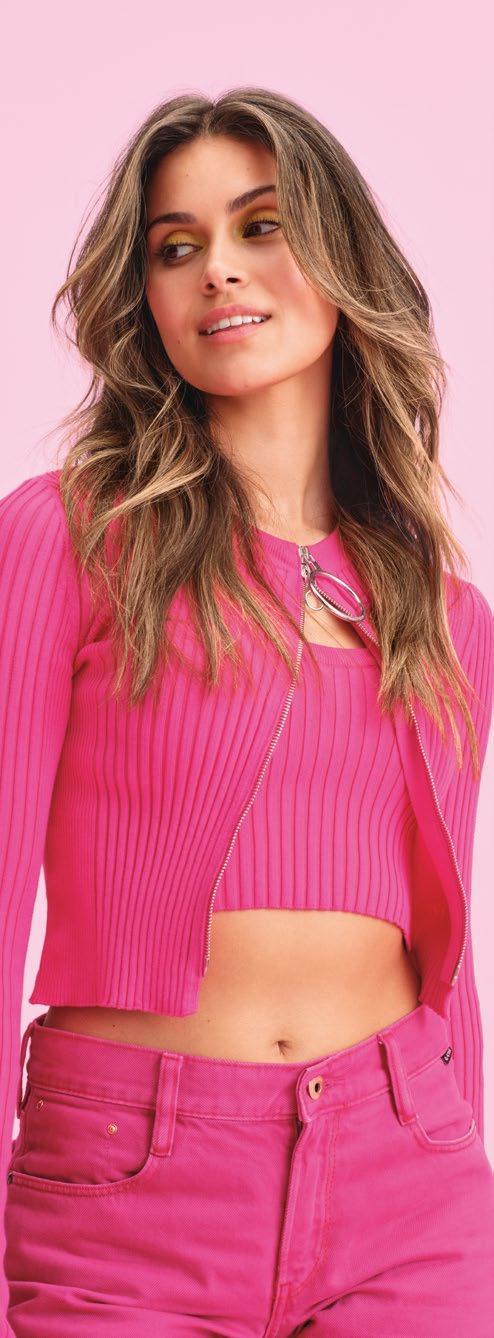
THE NEW IGORA VIBRANCE FROM SCHWARZKOPF PROFESSIONAL IS MORE OF WHAT YOU LOVE IN A DEMI-PERMANENT COLOUR LINE
Unbelievable but true! Now there is even more choice in the Igora Vibrance portfolio to ensure you are never limited in your creativity. An infinite colour palette with multiple service opportunities, flexible applications and everevolving techniques enables you to do you in any way you want.
Schwarzkopf Professional is dedicated to the needs of any modern hairdresser, providing the tools you need to meet and exceed the expectations of your client. Today’s love for vibrant colour but without the commitment of permanent colouration could be a challenge to meet unless you opt for Igora Vibrance. Here in one brand you have what you need to deliver an individual, dynamic result with the reassurance that the hair will be protected from damage.
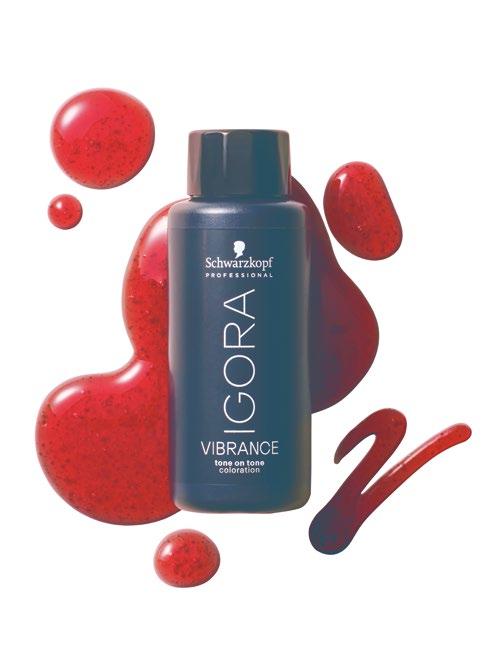
With its ammonia-free liquid formula – that can transform into a gel or cream – Igora Vibrance
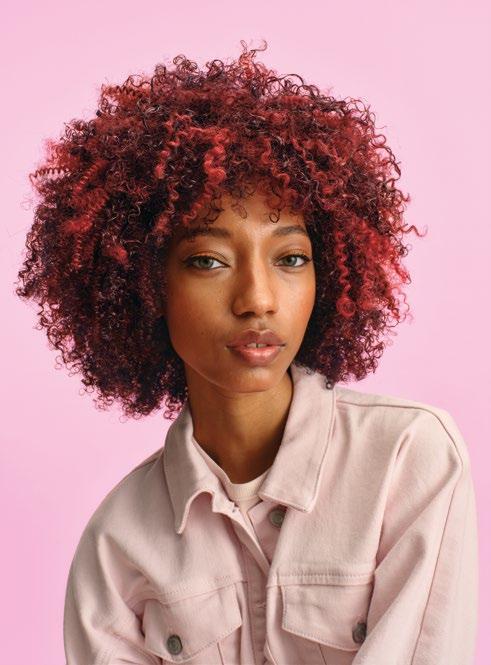
has always enabled you to do more for your clients. This is true no matter the client’s hair type, as the Igora Vibrance formula is also suitable for wavy, curly, and coily hair, preserving curl pattern and bounce while maintaining moisture balance and adding shine.
Now, the upgrade in Igora Vibrance’s portfolio builds on this versatility with :
• more shades with four new natural and seven new blonde pastel shades
• more care with new Fibrebond Technology added to all blonde toners
• more sustainability with recycled plastic and recycled paper packaging that is fully recyclable
But it’s the same trusted performance that you’ll love forever, with the iconic formula offering up to 100% more shine.
In addition to the existing Moisture Protecting
Complex with Aquaxyl, all Igora Vibrance blonde toners now contain Fibrebond Technology to reduce hair breakage by protecting hair from deep within. The combination of actives deeply penetrates the hair during the oxidative process and protects the hair bonds to maintain the hair’s strength and elasticity. Igora blondes have never looked healthier!
New Igora Vibrance gives you:
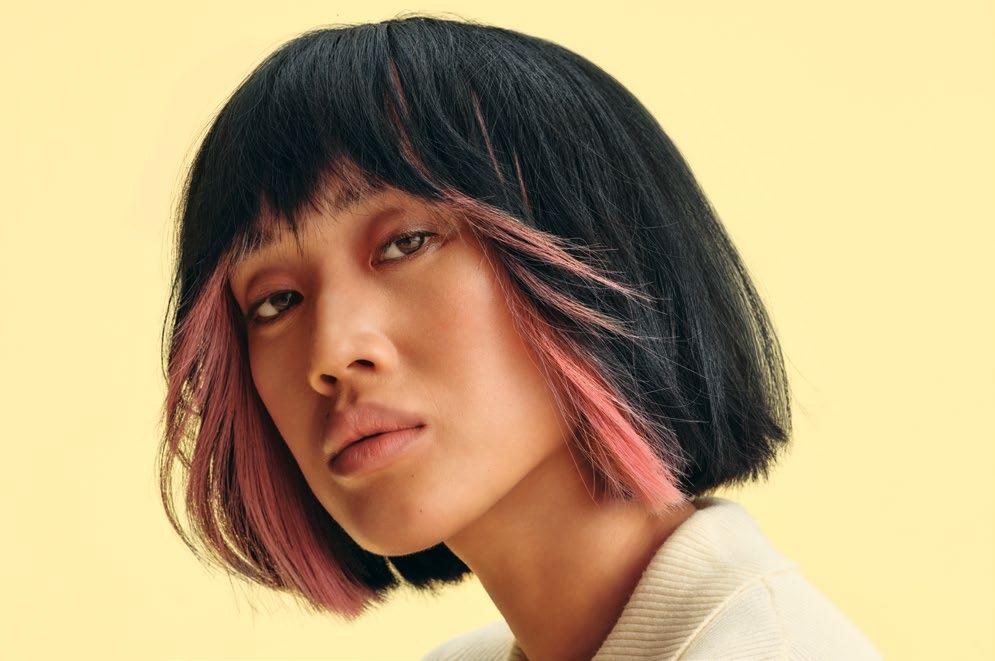
#MORETOCREATE three key salon services with high commercial appeal, creating perfect examples of how demi-permanent colouration can boost salon business. Enjoy Colour Melt, Glossing, and Lived-In Blonde.
38
SPECIAL PROMOTION Click here for more www.schwarzkopfpro.com/vibrance @schwarzkopfprouk media #morevibrance

39
Products
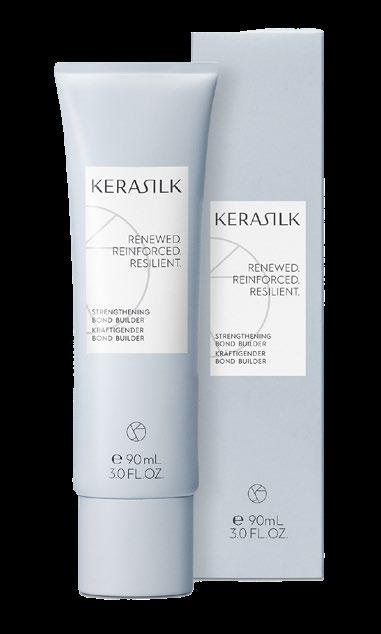
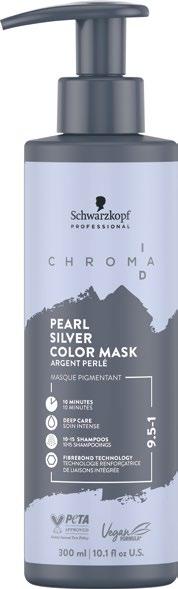
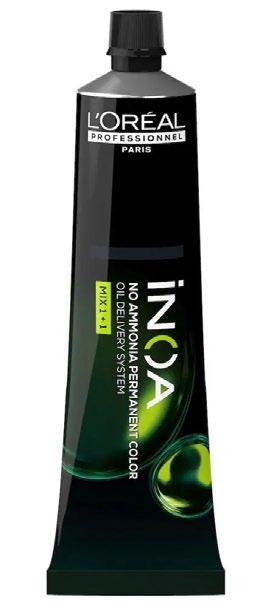
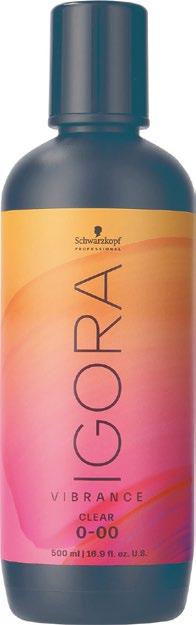
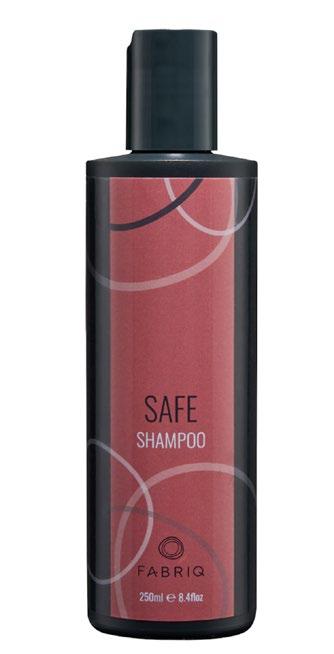
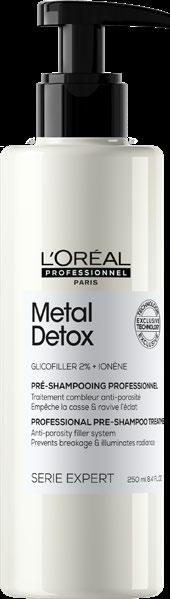
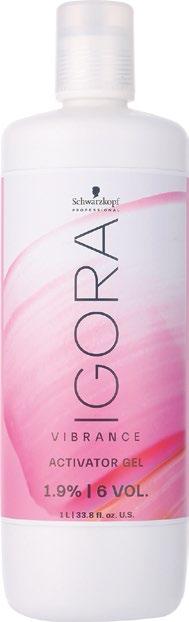
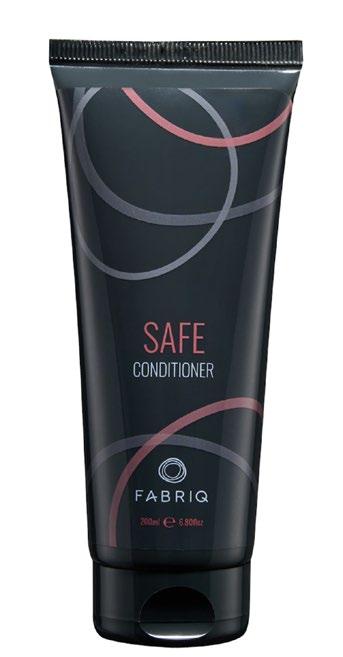
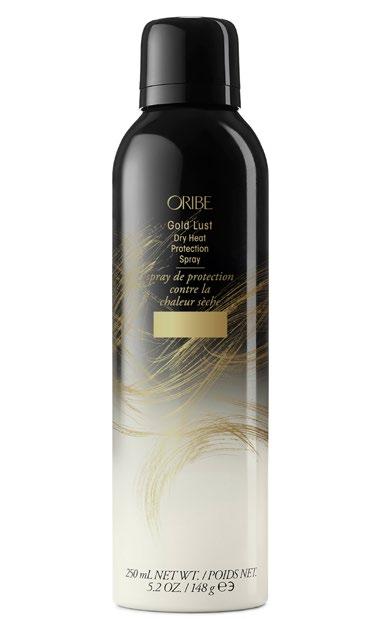
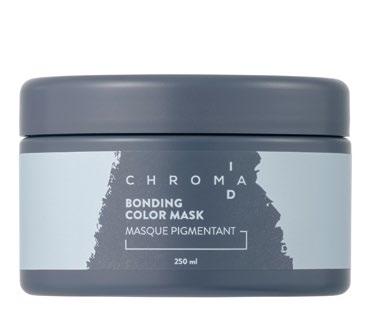
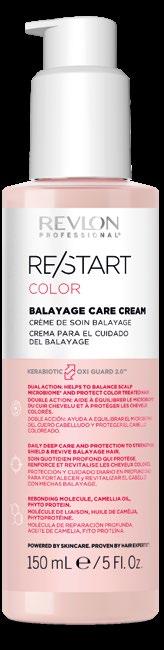
KERASILK Strengthening Bond Builder builds new bonds to restructure and fortify even highly-damaged hair right down to the cortex. Visit: www.kerasilk.com L’ORÉAL PROFESSIONNEL INOA Black Abyss brings a variety of vibrance levels into the sumptuous INOA palette with four colour categories. All the colours use hints of brown, red, green and purple with up to 100% grey coverage. Metal Detox Pre-Shampoo Treatment claims to refill one million hair micro-breaks in one use to prevent excess absorption of water and metal and should reduce breakage by up to 96%. Visit: www.lorealprofessionnel.com ORIBE Gold Lust Dry Heat Protection Spray protects hair from temperatures up to 450°F / 232°C while instantly conditioning and restoring damaged and weakened strands. Visit:www.oribe.com INDOLA Colour Mousse Color Style Mousse is a temporary direct dye range for a low-commitment hair transformation with styling benefits. Visit: www.indola.com SCHWARZKOPF Professional IGORA Vibrance is an ammonia-free liquid colour formula that can transform into a gel or cream, giving you endless possibilities. CHROMA ID Express Bonding Color Masks are now available in a selection of 14 shades, all of which can be 100% intermixable. Visit: www.schwarzkopf-professional. co.uk FABRIQ Safe range features a shampoo, conditioner and mask focused on helping your clients with colour longevity, prolonged vibrancy, strength and softness. Visit: www.fabriqhair.com REVLON PROFESSIONAL Re/Start Color Balayage Care Cream is a leave-in treatment scientifically designed to care for the specific needs of balayage hair, restoring natural elasticity and boosting smoothness. Visit: www.revlonprofessional.com
40

41
Products
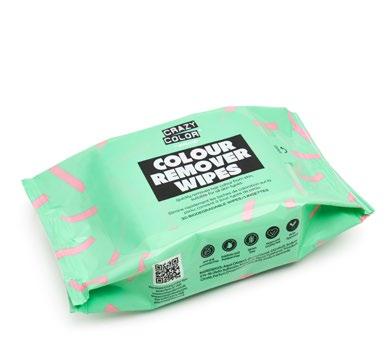
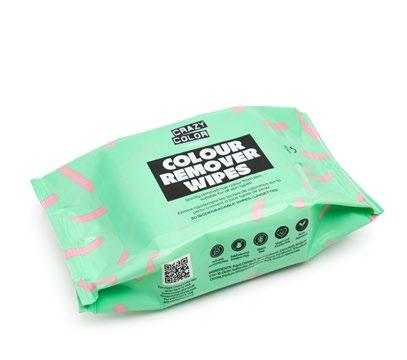
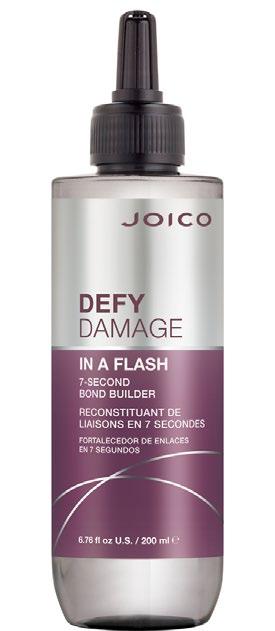
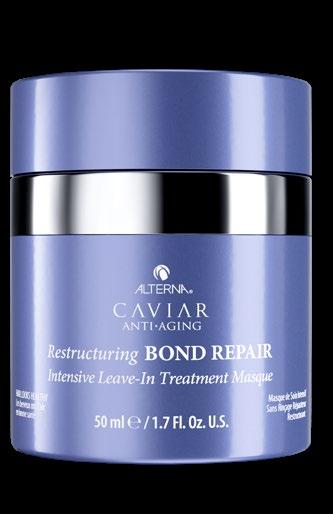
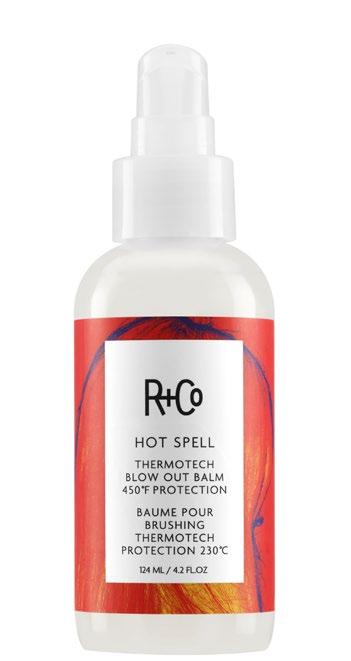
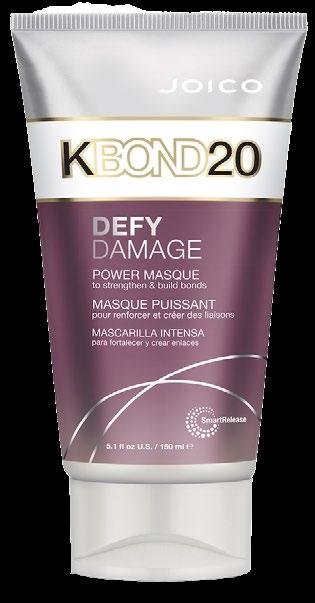
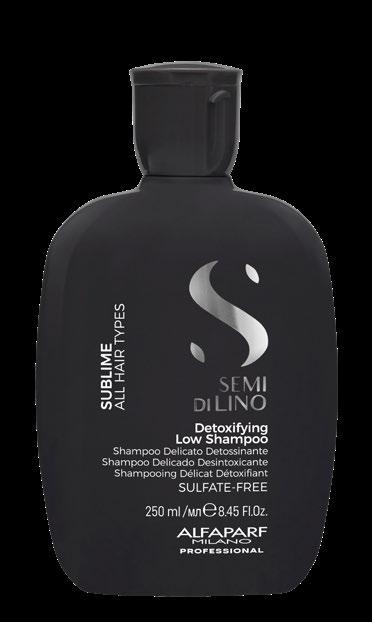
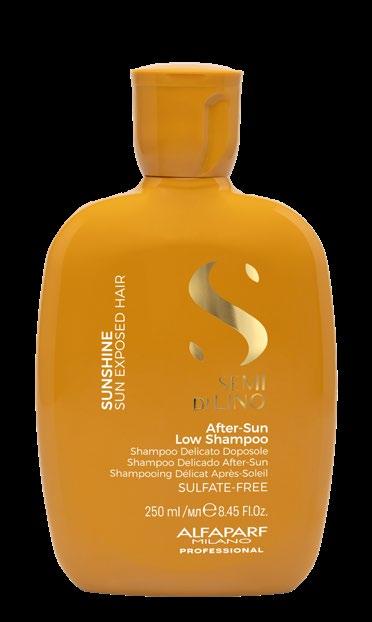
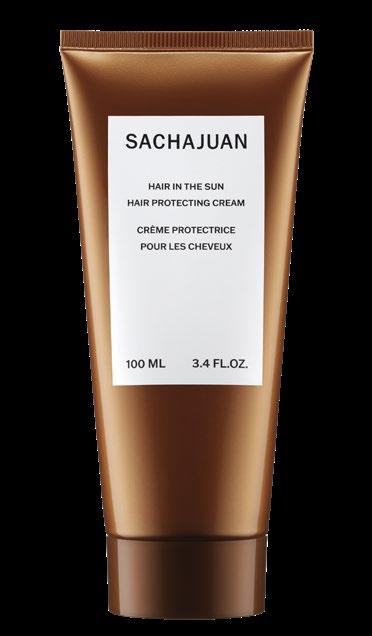
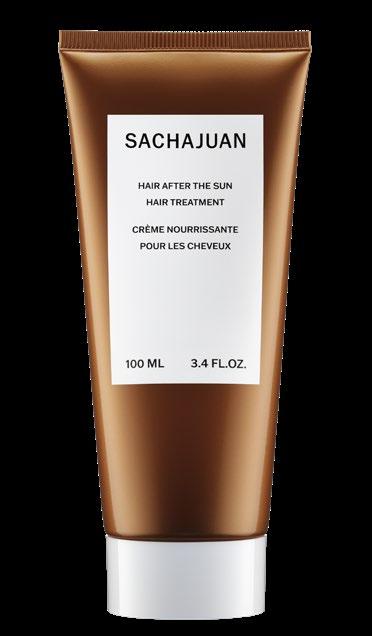
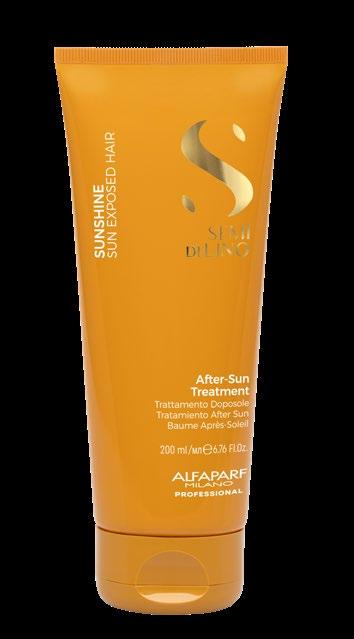
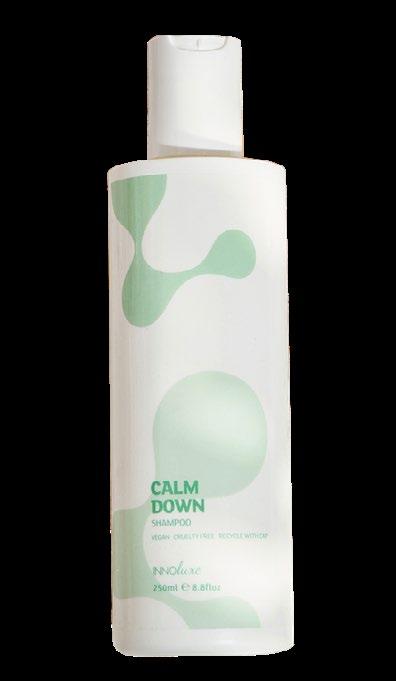
CRAZY COLOR Colour Remover Wipes gently remove all permanent and semi-permanent colours from skin. Visit: www.crazycolor.co.uk JOICO Defy Damage KBond20 is a super-charged masque and a brand-new, bond-building treatment that doubles down on technology for 5x stronger hair, says the brand. It offers rich hydratiosn and instantly detangles hair among many benefits. DEFY Damage In A Flash is a transformative rinse-out treatment designed to build bonds and fortify hair structure in just 7 seconds. A rapid treatment with a myriad of benefits. Visit www.joico.eu ALTERNA Restructuring Bond Repair Leave-In Treatment Masque contains a blend of bond enforcing technology, omegas, amino acids, and biomimetic lipids to strengthen hair, provide heat protection, and deliver glass-like shine. Visit: www.alternahaircare.com ALFAPARF Milano Professional Semi Di Lino Sublime Detox Shampoo offers intensive but gentle cleansing to rid hair of cosmetic product residue, hard water, minerals, chlorine, excess oil, impurities, and pollutants. Semi Di Lino Sunshine is a new range for sun-exposed hair which protects the hair fibre and colour from UV rays, counteracting dryness and frizz for shiny, silky hair. Visit: www.alfaparfmilanopro.com R+CO Hot Spell Thermotech Blowout Balm is infused with plant-based ingredients to tame unruly hair, stubborn curl patterns and help fight frizz. Visit: www.randco.com SACHAJUAN Hair in the Sun & After the Sun is a hair care duo offering the ultimate in sun protection and after sun haircare. In addition to providing a protective hair shield from UV rays, In the Sun also doubles up as a styling essential for sun-kissed hair. Visit: www.sweetsquared.com INNOLUXE Calm Down Shampoo, Conditioner, and Tonic work together to try and annihilate scalp frustrations whilst extending the benefits through the hair. Visit: www.innoluxe.com
42
43
Tools
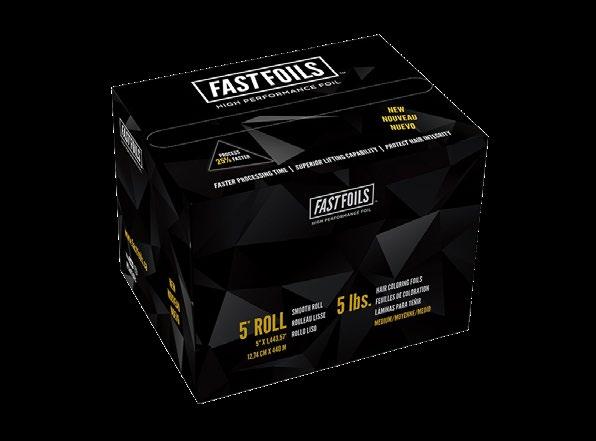
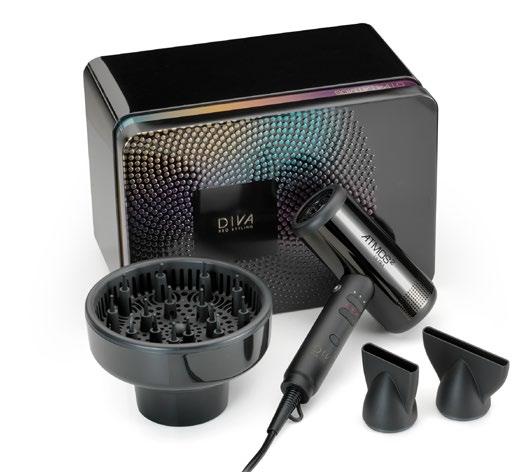
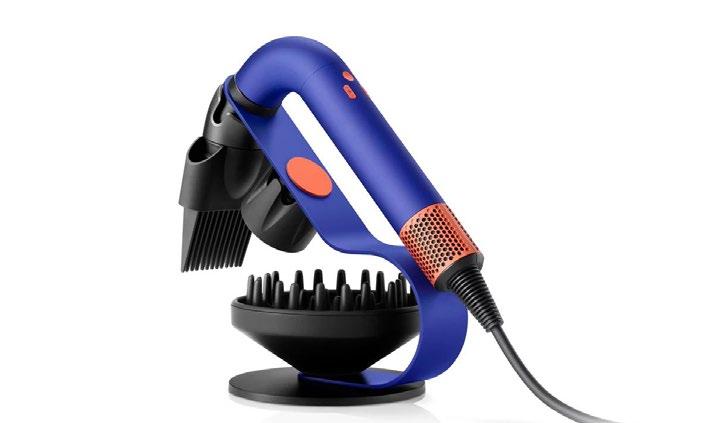
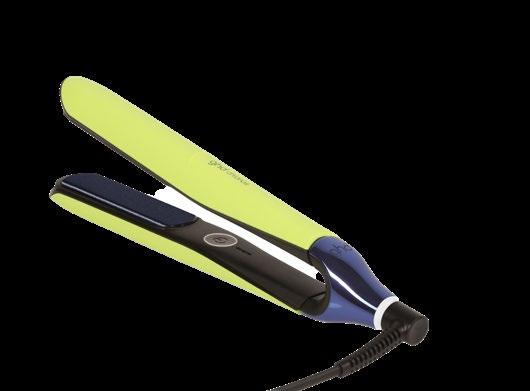
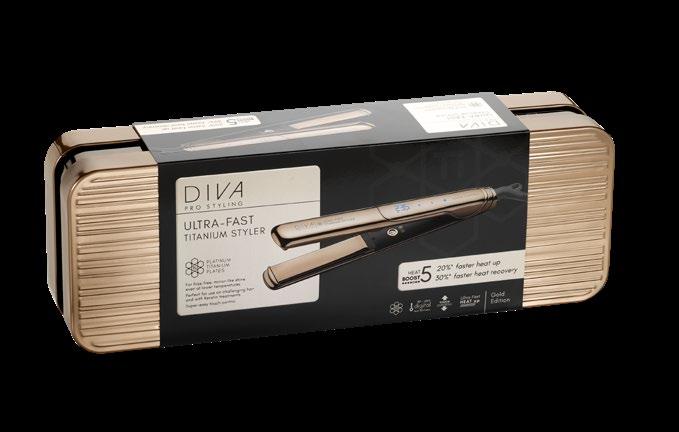
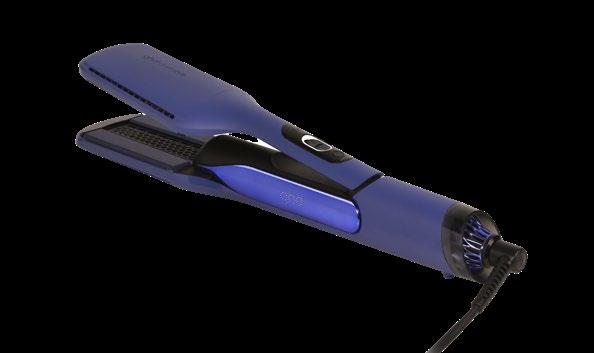
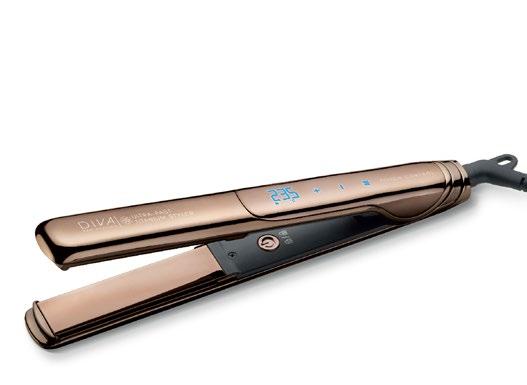
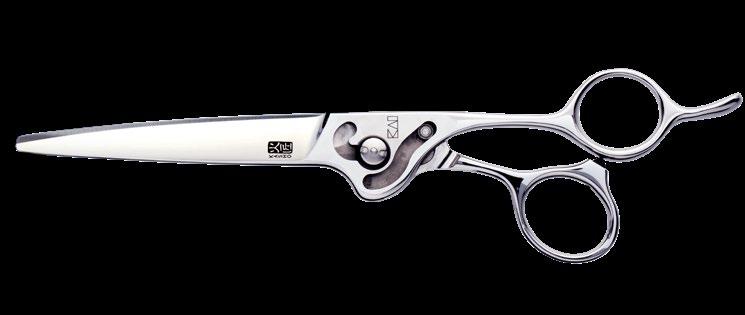
FASTFOILS has recently launched in the UK. The sleek black and silver foil seeks to protect hair health and speed up processing time by up to 25%. Visit:www.justbprofessional.com ghd Professional chronos contains HD motion-responsive TM technology to deliver 3x faster styling with just one stroke, with results that last 24 hours. The duet is a two-in-one hot air styler that transforms hair from wet to styled, with no heat damage. Both the chronos and duet are currently available in vibrant colours as part of the limited edition Colour Crush Collection. Visit www.ghdhair.com DIVA PRO Atmos2 Ultra is an upgraded and redesigned edition of the dryer with greater airflow for faster drying, plus increased air pressure for faster styling. New lower noise Atmos 2 gives a superior style and finish with a 100,000 RPM motor. Titanium Styler is ultra-fasat and perfect for use on challenging hair and with Keratin treatments. Available in Piano Black Edition PRO231 and Gold Edition POR 232. Visit: www.divapro.co.uk DYSON Supersonic Nural hairdryer features a scalp-protect mode that uses a network of Nural™ sensors to automatically reduce heat and airflow as it nears the head, helping to protect the scalp from damage. Visit: www.dyson.co.uk KASHO SlideCut scissors are guided by a micro ball bearing system allowing for an extremely sharp and precise cutting system. Visit: www.kashoscissors.co.uk
44
WHAT THE HELL IS B CORP
And is it good for you?
See more…
Aside from turning a profit, staff wellbeing and environmental impact are front-of-mind for established salon owners today. In a people-focused industry like hairdressing, a happy workforce makes for happier clients. Does B Corp help?
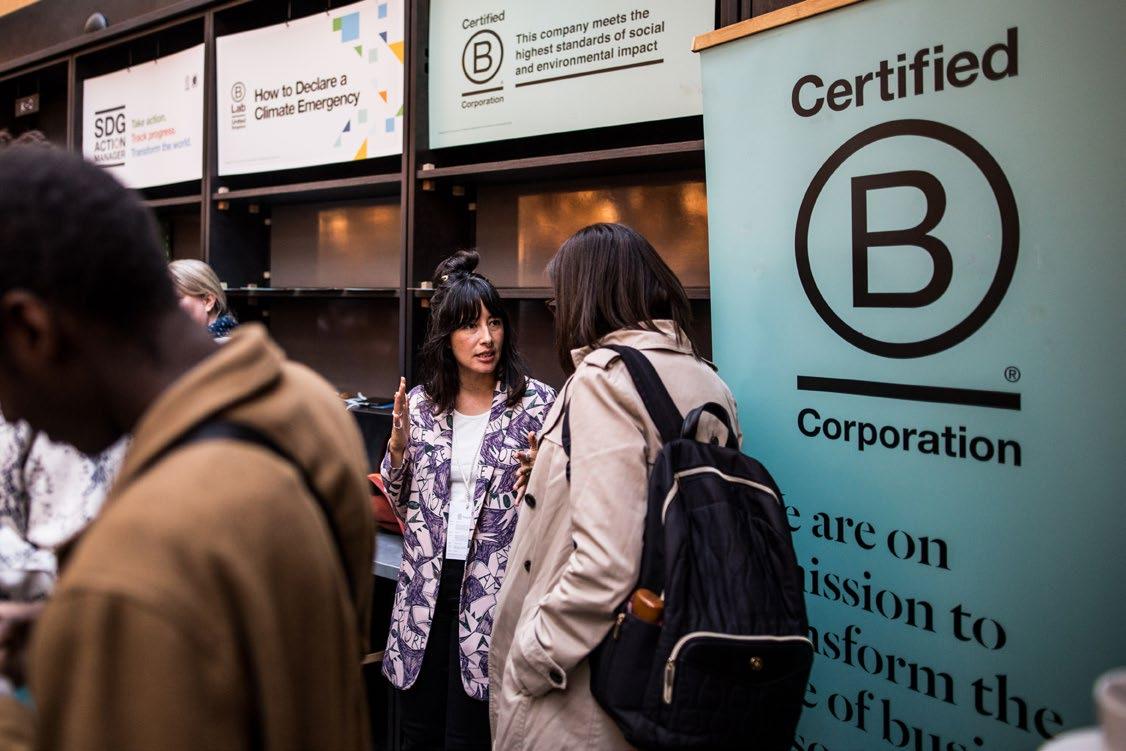
Achieving B Corp status is a way to smash your social and environmental goals while remaining accountable. It’s a label you’ll see increasingly on company and products, but do you know what it signifies? Let’s break down what it means to be ‘B Corp’, and how to evaluate whether to go for it, plus what achieving certification, means:
B Corp is a globally recognised standard. Any B Corp entity has established social and environmental principles that sit right at the heart of its business. Via its products, practices and profits, a B Corp aims to benefit all and do no harm. These values are embedded in a mission statement, and included in articles of association, underpinned by a promise to do social and environmental good. An ethical business that rewards all stakeholders, and not just shareholders, being B Corp goes beyond lip service.
Practical changes a business can make include limiting excess waste, employing ethical supply chain practices, and increasing worker benefits such as career development, financial security, and wellness. To get certified, you need to score well on a series of social and environmental metrics. You must score over 80 out of around 250 points, which is validated by a recognised authority wherever you are in the world. Here in the UK certification is conferred by B Lab, a charity launched to make business a force for good.
Part of the B Global Network, B Lab examines three areas for certification. First is social and environmental performance, which requires a B Impact Assessment score of 80 or above and passing B Lab’s risk review (an assessment of any potential negative impacts on people and planet from your business). The second is legal commitment, which means you must change your corporate governance structure to be accountable to all stakeholders. Third is transparency, where you must allow information about your performance measured against B Lab’s standards to be made
public on your B Corp profile on B Lab’s website. Assessment is rigorous; all aspects of your business, including practices, processes, teams and departments are evaluated. You will be expected to share your business model and be transparent about your operations and how you work with supply chains.
Gaining B Corp status can be a fantastic PR tool, showing you are a business that cares about its people and the planet. Use it to build trust with increasingly green-minded customers, retain your best talent with your people-focused policies, and attract more including Gen Zs who seek purpose-driven employers and greater employee benefits. Shout about it in your submissions for industry awards, and harness it to attract the interest of mission-focused investors.
As equality, wellbeing and the environment are huge topics, becoming a B Corp gives you the stamp of approval that you’re an ethical organisation with the receipts to prove it. For those keen to shift change beyond their organisation, gaining B Corp status (even if you’re a smaller business) can help you influence other, bigger companies in the B Corp community, helping to forge relationships with major brands.
However, getting certified costs money. There’s a one-off submission fee of £250 + VAT and fees are paid annually depending on your total revenue for the past 12 months. Certification is worth it if you are committed to sticking to your goals, but remember it’s not permanent. To retain your B Corp status, you must update your B Impact Assessment (BIA) and confirm your updated B Impact score every three years, or after a company ownership or IPO change. Gaining certification only to lose it later won’t look great.
So, pursue meaningful change over optics as becoming a B Corp is an ongoing journey, and no business is perfect.
B CORP 46
WORDS: ANNIE MAY BYRNE-NOONAN


47
WHO'S ON THE B CORP TRAIN?
There are 1,500 B Corps in the UK, according to figures from the UK B Corporation movement
While the number of B Corp-certified companies in the UK is relatively low, getting certified means you will join a still-exclusive list of businesses repping social and environmental good. But the process is slow and takes time and effort; many who have started will soon be gaining certification and the numbers will swell considerably in the near future. A number of major brands in hairdressing have B Corp status including; Great Lengths, Easydry, Aveda, Scrummi, Davines, Green Salon Collective and Keune. They will have done it by scoring highly on employee health, wellness and safety, using sustainable packaging for products, and more. Longterm goals for the brands might include introducing fully recyclable packaging by 2030. We invited a few to comment on what it’s done for their hairdressing business and how they see the B Corp certification impacting the future of our industry, for better or worse:
EASYDRY
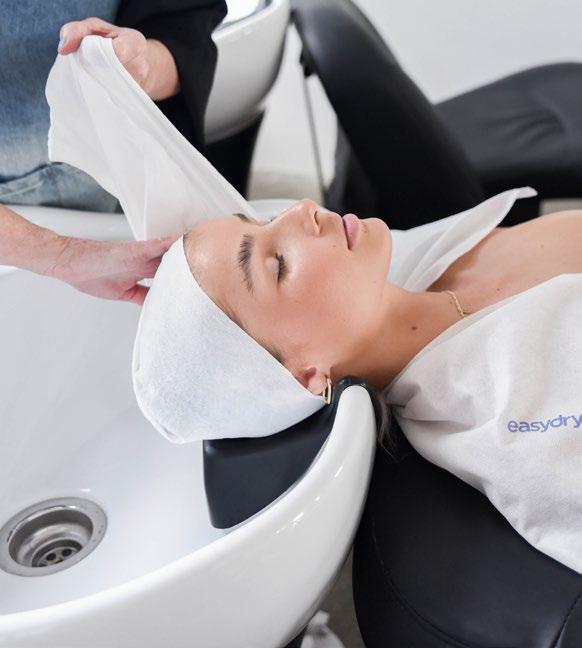
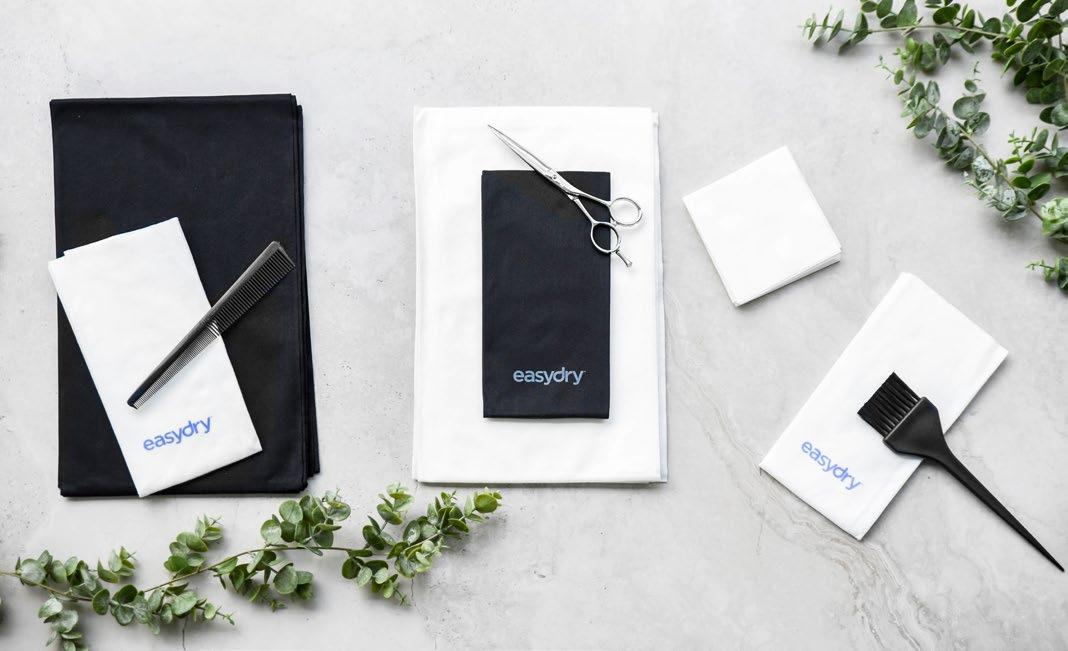
After years regularly winning awards for flighting climate change and ‘green technology’, founder and CEO at Easydry Anne Butterly applied for B Corp status. Innovative and eco-friendly textiles helping a range of industries include the Easydry disposable towel – a biodegradable/compostable towel that replaces outdated cotton and inefficient, traditional laundry. Easydry was the first disposable towel company in the world to become B Corp Certified.
Anne tells us: “I was driven to secure B Corp certification for Easydry due to my profound belief in sustainability from the outset of our journey. My goal was to establish a company that excelled not just commercially but also stood firm on ethical grounds, prioritizing environmental care and social responsibility. Attaining B Corp status acknowledged Easydry's enduring commitment to these ideals, highlighting our role as pioneers in both the disposable towel sector and the wider business community, celebrated for our environmental and social integrity, transparency, and accountability."
48
GREEN SALON COLLECTIVE
Green Salon Collective (GSC) cites its goal as being to recycle and reuse hairdressing salon waste, focusing on specialist items like hair and metal, so that your business can become a more sustainable salon. The hair is used in more than 10 different ways, including cleaning up oil spills, and GSC donates all its profits from recycling metals. They compost salon towels, and generate energy from chemical waste and PPE. To date GSC has diverted over 100 tons of hairdressing salon waste from landfill or incineration. We spoke to one of the founders, Fry Taylor: “Green Salon Collective chose to become a B Corp to gain an external perspective on our business practices and impact. Most people associate B
ANNE VECK LTD
Corp with 'environmental' or 'sustainability', but it actually encompasses much more. In fact, environmental considerations make up only onefifth of the overall B Corp assessment criteria. The certification process assesses a company's performance across five key areas: Governance, workers, community, environment, and customers. I think it's positive that B Corps cover all these points. However, I feel B Corp is often used to greenwash. Companies like Volvic, a plastic water bottle manufacturer, have successfully achieved B Corp status. My fear is the average consumer might have a bottle of Volvic in one hand and a can of soda in the other hand and think that the Volvic is environmentally better than its 'Certified B Corp'."
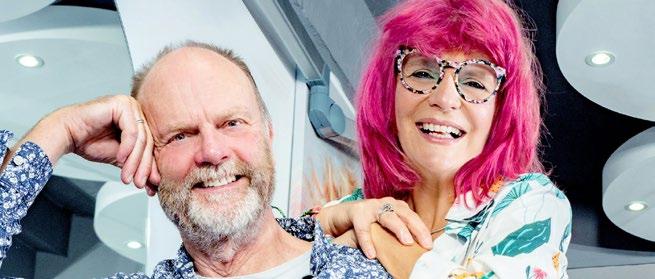
Educator and creator Anne Veck and her husband Keith Mellen started in the salon business, but now devote themselves to education and environmental issues with Anne Veck Limited. The company has started the process toward B Corp accreditation. It’s proving to be a fascinating journey, says Keith. An early step was to change the company’s Articles of Association to add to the objectivess of the company the following: “….through its business and operations, to have a material positive impact on a) society and b) the environment ". Whilst limited companies are free to do what they wish (subject to the law of course), says Keith, we think it is important to state your objectives publicly if you are a mission-driven business. “It’s a simple and speedy process, so what are you waiting for? The business of business is no longer business. The business of business is to save the planet.”
49 B CORP
SALON BUSINESSES GO B CORP
How does being B Corp help grow a salon business?
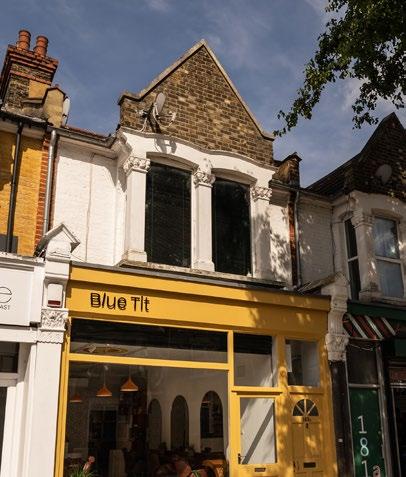
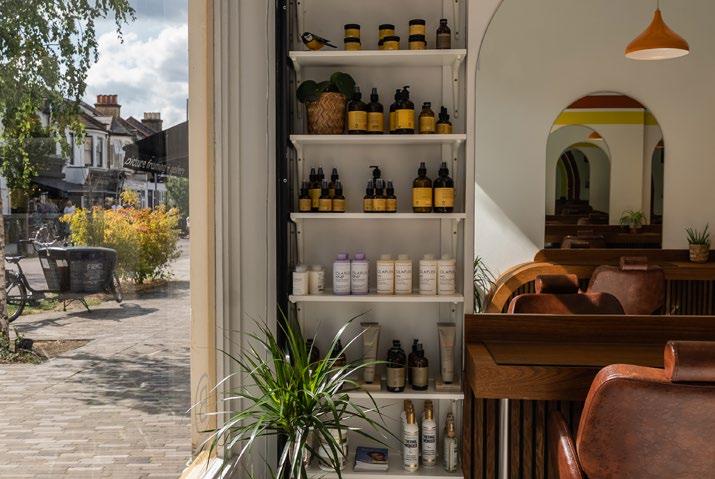
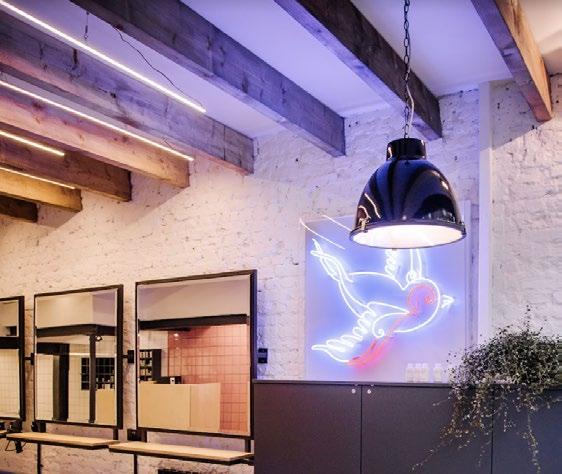
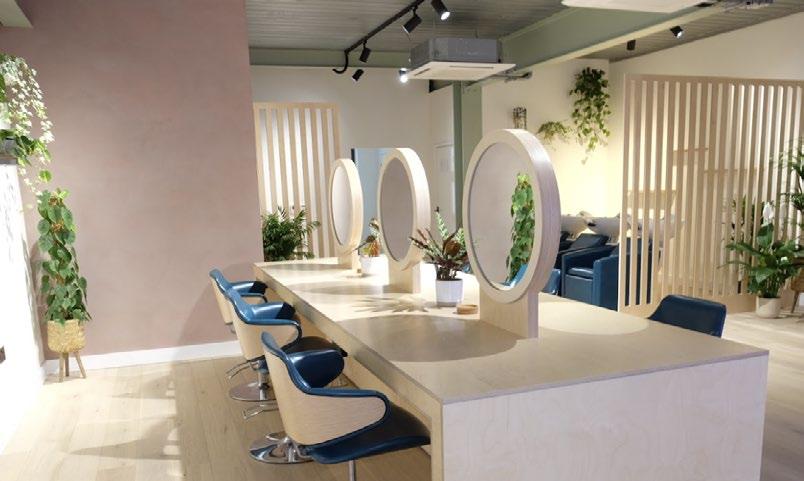
BLUE TIT, LONDON
A UK salon group with 12 premises in the London area, Blue Tit holds a 85.3 point score in its B Corp certification. As part of its social and environmental strategy, it offset 110% of its emissions and stopped 10,000 plastic bottles from entering landfill and the ocean, among other actions.
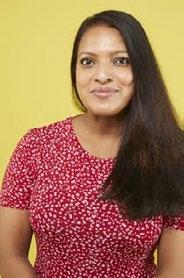
Smitha Islam, Head of People and EDI at Blue Tit, explains the motivation and impact of becoming B Corp.
“We became B Corp-certified to demonstrate our commitment to social and environmental responsibility, aligning our business practices with values of sustainability, transparency, and ethical conduct. This certification showcases our dedication to making a positive impact beyond profits, appealing to sociallyconscious colleagues and clients.
“Being B Corp-certified means that Blue Tit has been verified as meeting B Lab's high standards for social and environmental impact. That we are being accountable, transparent and committed to its requirements. Salons are high environmental-impact businesses, so we wanted to play our part and lead the way.
“People apply to work with us because of our commitment to saving the planet. Our certification also requires us to choose who we work with, such as fellow B Corps. We consciously choose to work with charities, green energy suppliers, social enterprises, small local businesses, and businesses led by underrepresented groups.
“We have offset 59.24 tonnes of CO2, our recycling rate is over 74%, and we work with a fellow B Corp for waste management and recycling. We use 100% renewable energy, resulting in zero emissions. On the salon floor, we use disposable and biodegradable towels, and Ecoheads shower heads to reduce energy and water usage by 65%. All our visitors are encouraged to refrain from bringing plastic or single-use plastic bottles into the salons, too.
"Clients are aware of the responsibility of businesses to take positive action to save the planet and are loyal supporters of our sustainability initiatives. Our products are organic (Oway is big for us) and have a biodynamic nature certificate, so clients can enjoy a guilt-free service and play their part insaving the planet. They actively use our refill stations and their rebooking, positive reviews and repeat custom is evidence that sustainability is an important aspect of the services they seek.”
50
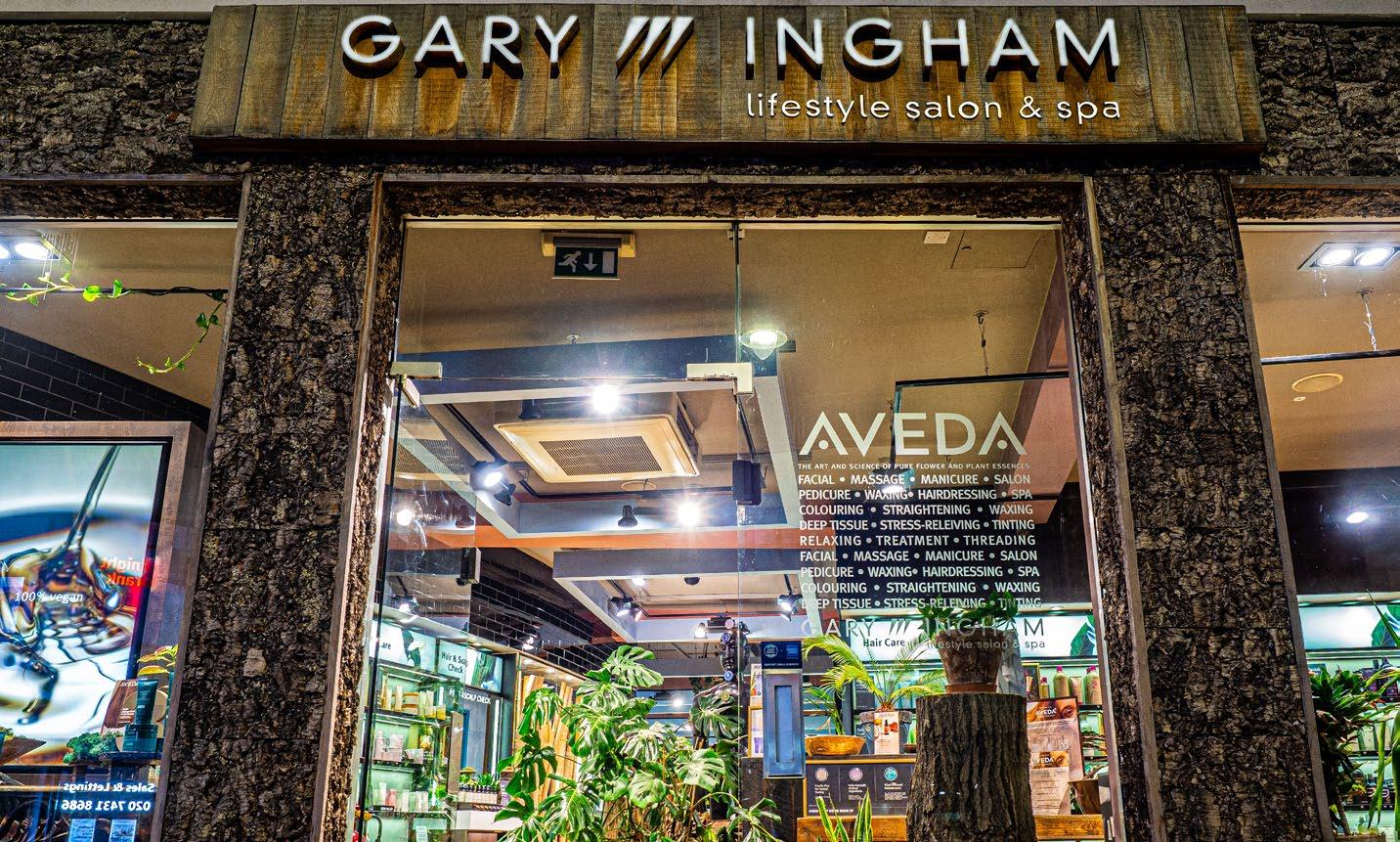
GARY INGHAM, LONDON
Salon owner Gary Ingham is in the process of applying for B Corp status for his two London premises. He cites Aveda – also B Corp – as a huge inspiration to be the very best eco-business we can be, and is proud to partner a brand which cares about the world we live in.
“The values, ethics and social responsibilities that B Corp espouse are very much aligned to our own, and these values impact every aspect of our business. From the paint we use to decorate, to the tea we serve, from the recycled/recyclable foil, to cleaning products, we try and be aligned in everything we do.
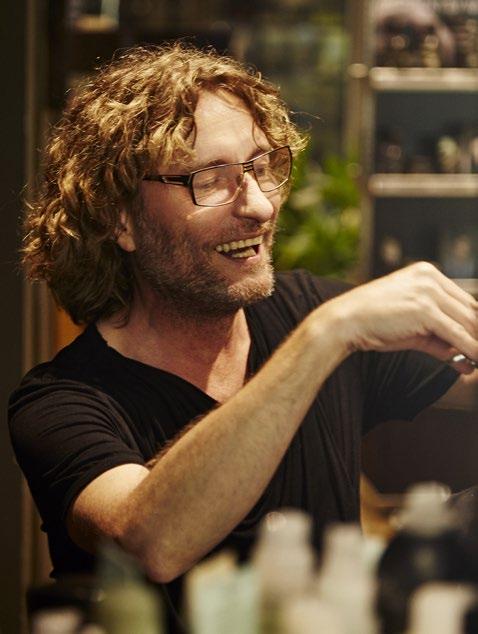
"There’s a real feel-good factor to knowing that our salons, our staff and our guests are all part of a movement towards a better way of doing business. Our guests are very aware, on the whole, what B Corp means. For the ones that aren’t, this is a great starting place for a conversation – and we love to talk about our eco-USPs! We recycle 100% of our waste with Green Salon Collective, we buy 100% windpower energy; it influences every decision we make, every item we purchase, every single aspect of our business. The B Corp certification is the icing on the cake – it’s a really simple understandable way to communicate our commitment to the environment and social responsibilities with our guests and the world beyond.”
51 B CORP
SUPPORT IN PARTNERSHIPS
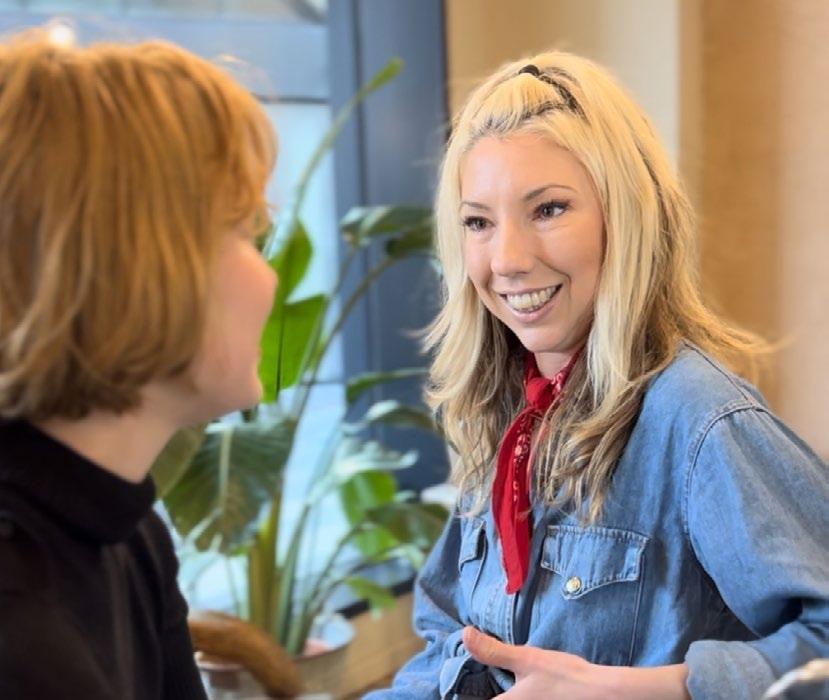
Great Lengths was the first hair extension brand to receive B Corp Certification back in 2022. The company had begun putting measures in place more than 10 years previously and saw the certification as acknowledgement of Great Lengths efforts to be more inclusive at all levels. This has not been unnoticed by the brand’s accounts. Butchers salon in London, Chester and Leicester were impressed. We spoke to Katie Knox, co-founder of the group to find out more:
“B Corp certification is a rigorous process that reflects a business's dedication to not just profit, but also to people and the planet. It aligns perfectly with our values, ensuring that we provide our clients with products that are not only of the highest quality but also ethically-sourced and produced.
"Collaborating with a company like Great Lengths, known for its commitment to these values, further motivates us to pursue and achieve B Corp certification. It’s a shared journey towards greater sustainability and social responsibility in the beauty industry.
"Our move towards B Corp certification, has significantly impacted our business operations and client interactions. Clients are increasingly aware of and concerned about the ethical implications of their choices, including the origin and sustainability of the hair extensions they use. They appreciate the transparency and ethical standards that come with B Corp-certified products and services. This partnership has also encouraged us to double-down on our sustainable and mindful practices, ensuring that every aspect of our business reflects the B Corp ethos. From reducing waste in our salon to choosing products with the least environmental impact, we’re constantly inspired to improve and innovate in ways that benefit our clients, our community, and the planet."
For smaller businesses, applying for B Corp status is an onerous process with a lot of the groundwork being hard to justify. But by working with B Corp partners, you can benefit from a their mindset and share the values.
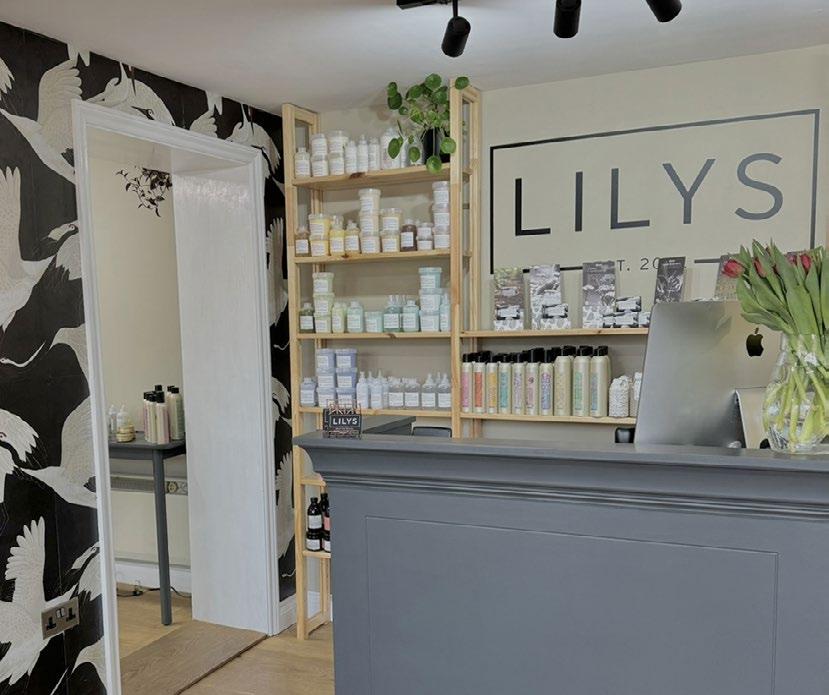
Alice Harvey at Lily’s salon in Diss, Suffolk, sees it as a benefit working with Davines. The Italian brand was an early adopter of B Corp certification.
“As a business in the current climate, we’re constantly aiming to balance profit with purpose. When making our choices with brands we work with, opting to work with a B Corp brand means we can continue to work towards a more sustainable future, think about the impact of the running of our business on our employees, and support other brands with the similar values. The transparency of the process for a brand to become a B Corp gives us confidence that our choices are contributing to something good.
“Davines has been great in showing us that while working more socially and environmentally-focused, we can still be profitable.”
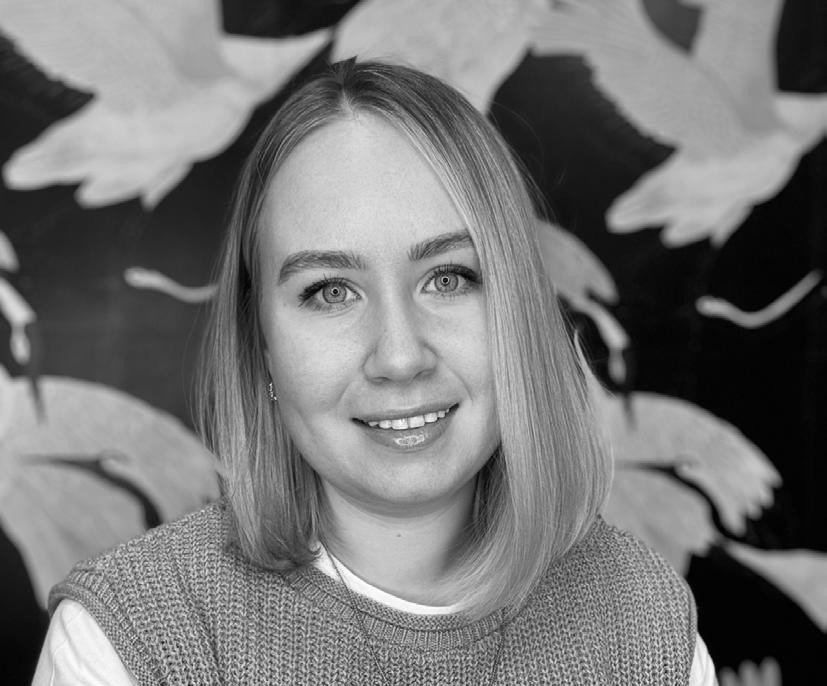
Susan Collins at Home of Hair, Co. Wicklow has gained B Corp status, and found a balance for her sustainability ethics and working with Great Lengths and Davines as well as Green Salon Collective
"As a B Corp-certified salon, we’re committed to achieving our own eco-goals and also being a positive force within our community. And we prioritise sourcing locally and from select suppliers who share our ethos.
“Working with other B Corp brands is incredibly important to us as we know achieving this status requires exceptionally high standards of practise; B Corp certification is confirmation that a company is fully transparent and has made ethical choices…. although being B Corp-certified isn’t mandatory for us, it makes it easier for us to know if they then automatically meet our standards and ethos.
“As a company we were practising a lot of things that were B Corp without even realising it. We were sustainable and the previous year we had put in place paid maternity leave, fully-paid sick leave (10 days a year) and bonus schemes. We already had a work-life, family-first balance, we had correct HR procedures and health and safety protocols. We also do charity work, and sponsor young female athletes.
“The business impact has been really good. I feel we definitely have attracted more business to the salon and in the time when the hair and beauty industry is struggling to get people to work, we’re lucky to have avoided that.”
52 B CORP
53
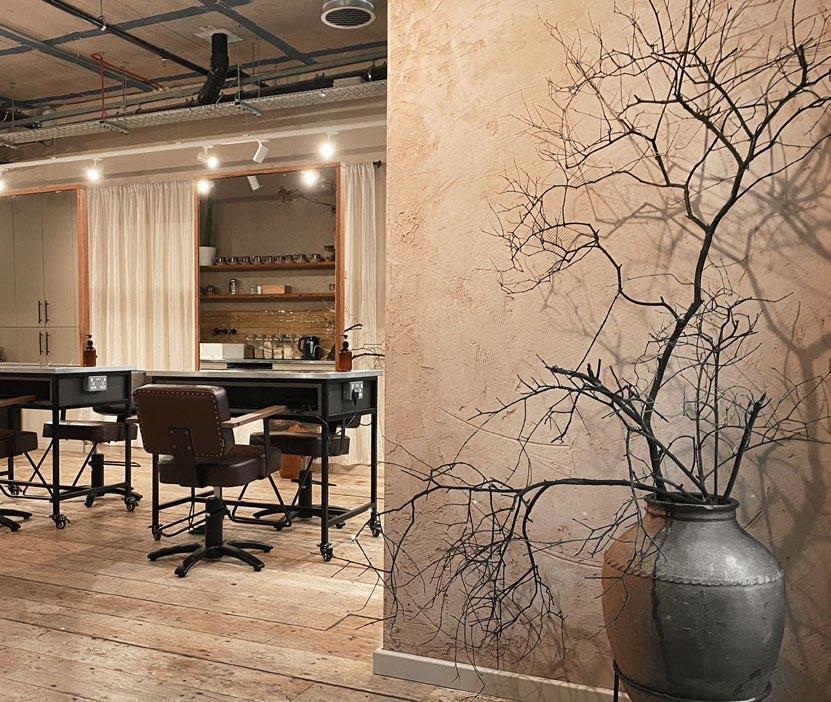
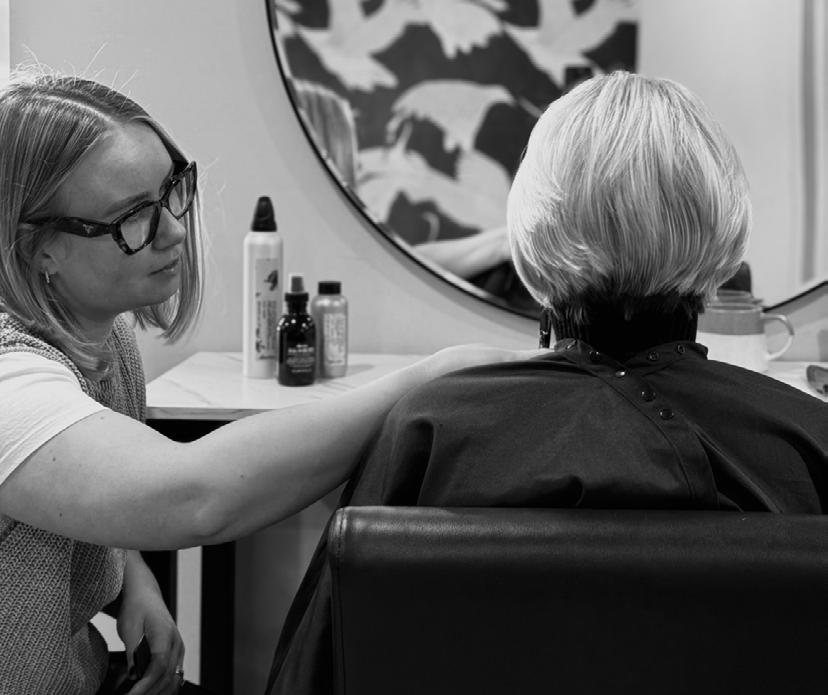
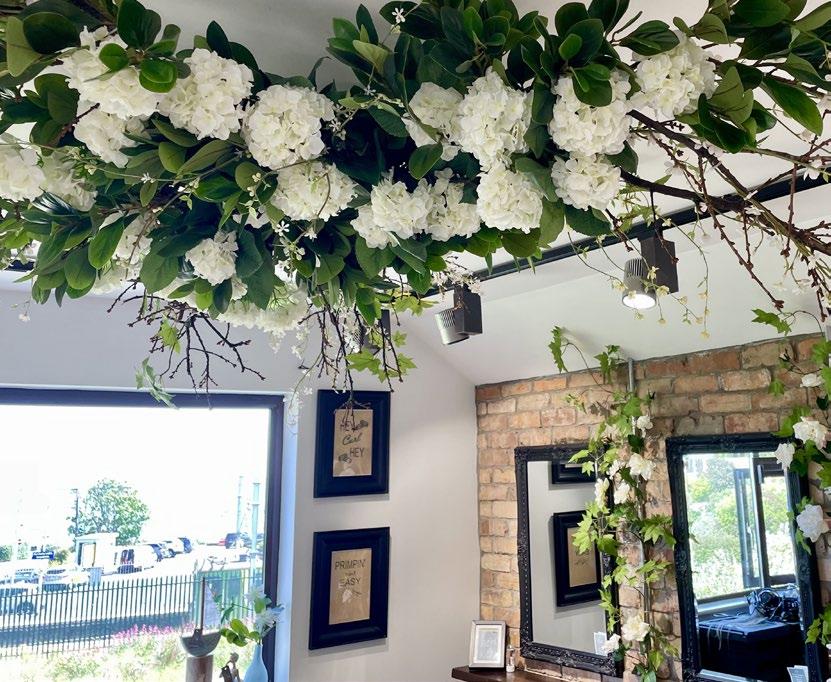
KATIE KNOX AT BUTCHERS
ALICE HARVEY AT LILY'S
SUSAN COLLINS AT HOME OF HAIR
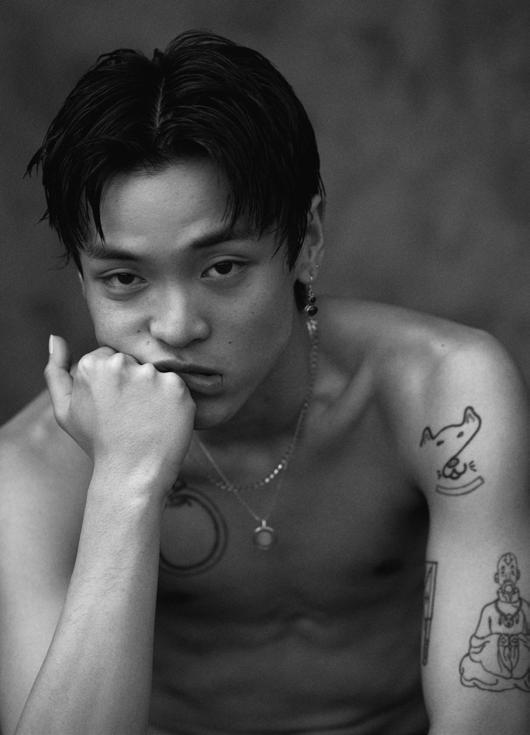
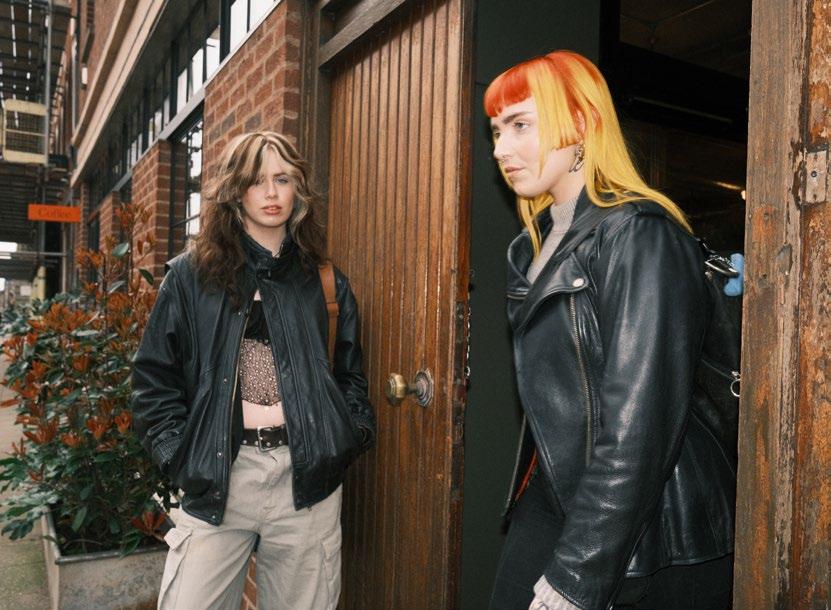
NASHWHITE
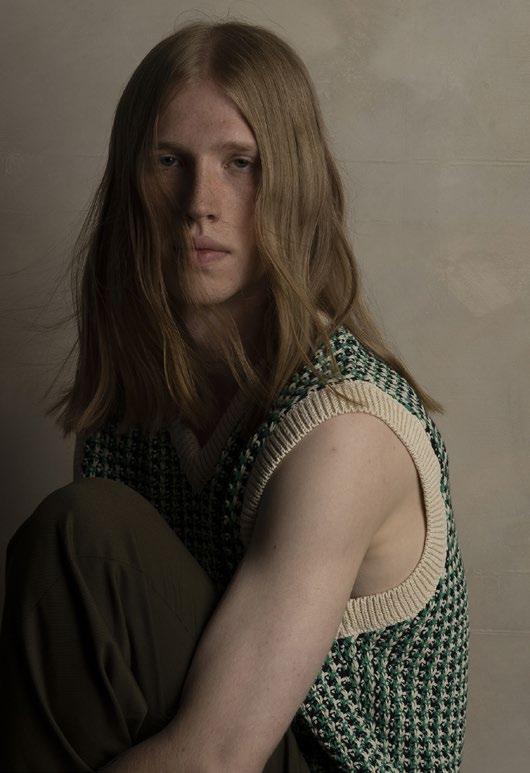
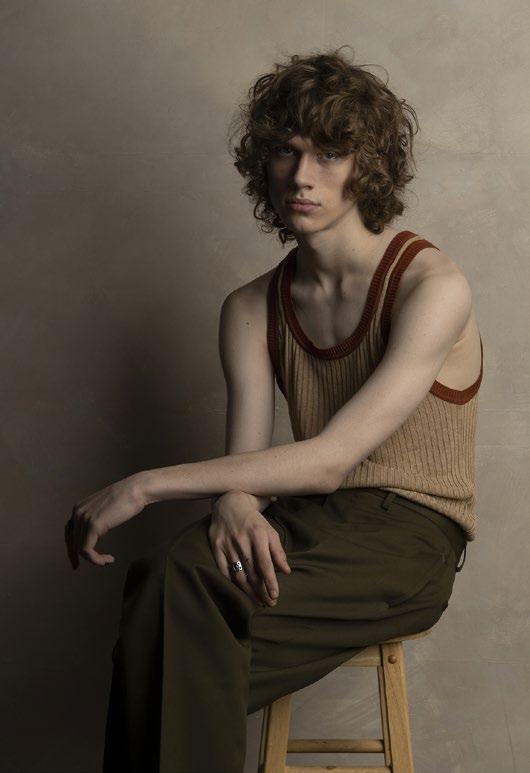
Nashwhite in Warwickshire has a salon in Warwick city and one in Stratford upon Avon. From hairdressing services to yoga sessions, owners Rob White and Lee Nash-Jone aspire to offering a holistic approach to wellbeing services. And the company’s mission is set out as: To exceed the expectations of our industry by creating an environment that considers the people within it and the world around it. Reducing our carbon emissions, recycling and upcycling, and supporting local businesses. This is as clear an intention of environmental accountability as we’ve seen in hairdresssing UK salons. The company works closely with Davines.
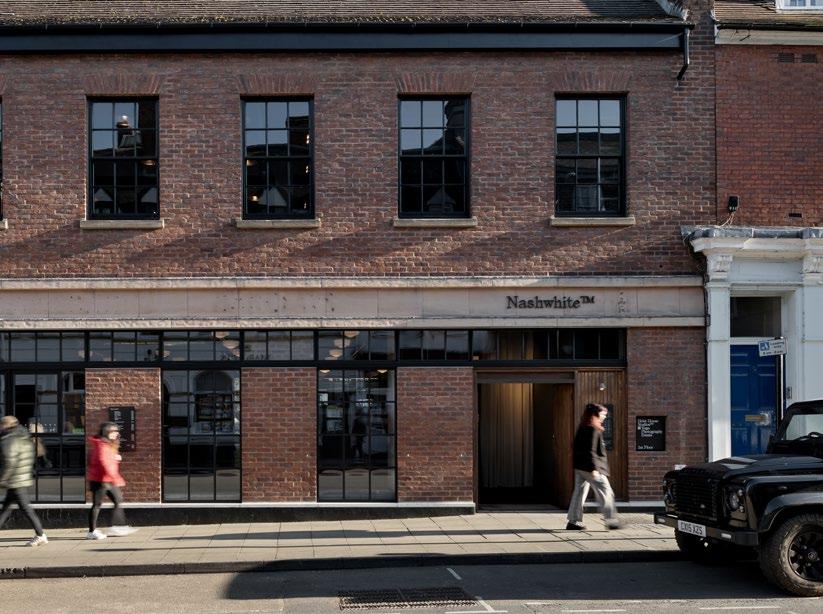
Rob and Lee tell us:
“Davines introduced us to the B Corp movement. They are absolutely leading the way as a B Corp and helping others to do the same. It is extremely important for us to work with B Corps – the fact they have undergone the rigorous assessment process and become certified shows they live by the same morals and standards as we do. We are currently going through the B Corp assessment process ourselves, and hope to be certified very soon. We have seen how many of our clients are engaging with B Corp brands, and how much that means to them. There was no better commitment to them, our team, the community around us, and the planet, than doing it ourselves."
B CORP 54
STAG BARBERS, EDINBURGH
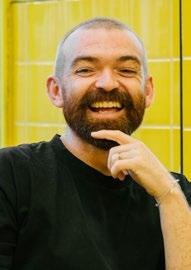
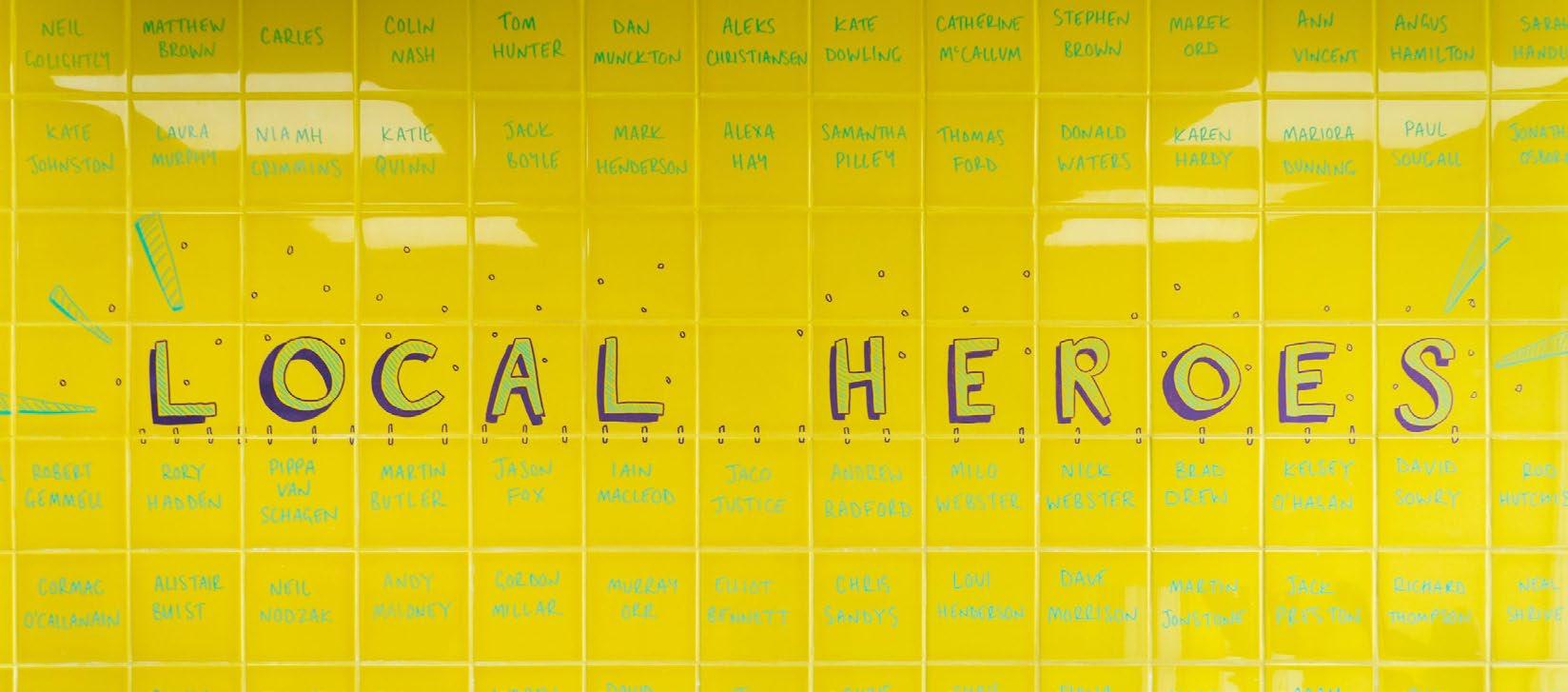
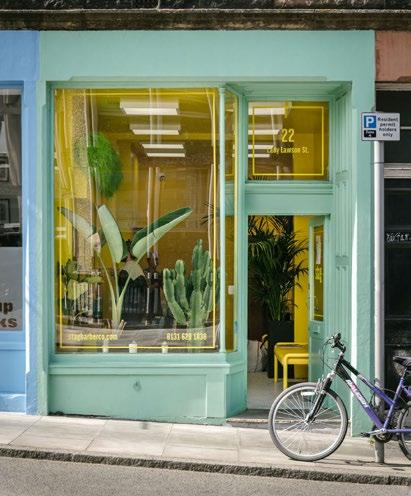
Stag Barbers in Edinburgh started out as a trendy barbershop, but has evolved to become what they call ‘a beautiful, inclusive yellow butterfly’ with prices based on hair length not gender. They claim to be the first salon in Scotland to become B Corp-certified and dedicate a space on the company website to explaining this to visitors. Founder Murray McRae shares with us his experience of the B Corp journey:
“As we saw other companies branding themselves 'eco-friendly' when they weren’t, we realised that going for B Corp accreditation could be a way to see if we were living up to our own values.
“We saw many companies we admire listed in the B Corp ranks, and we wanted to be aligned with businesses with similar values. Ultimately, we saw the process as a valuable tool to see where we were going right and what we had to improve on.
“Through the B Corp process, we learned that sustainability isn’t just about the environment but includes elements like how you treat your staff and the impact
you have on their lives. For example, if you’re great at recycling shampoo bottles but keep staff on zero-hour contracts, is that making a positive impact on the world around you?
“The accreditation process is incredibly rigorous. You need to provide evidence for all areas; from demonstrating that you shop local to detailing the amount of women in management positions. This helped us scrutinise many of our practices. For example, if we need things for the shop, we now try to buy on our street instead of jumping online.
“We have received press interest since obtaining the accreditation, which is a fantastic way for our industry peers to hear more about B Corps and the process of becoming one. Most people like to use the blanket word of 'sustainability' as a way to say they recycle, whereas, we have been able to explain to our clients how multifaceted the B Corp accreditation is, and the fact it means that sustainability runs through all parts of our business. The process validated us in many things we were already doing. We have always tried to lead Stag with our values at the heart of it and it was nice to see them recognised.”
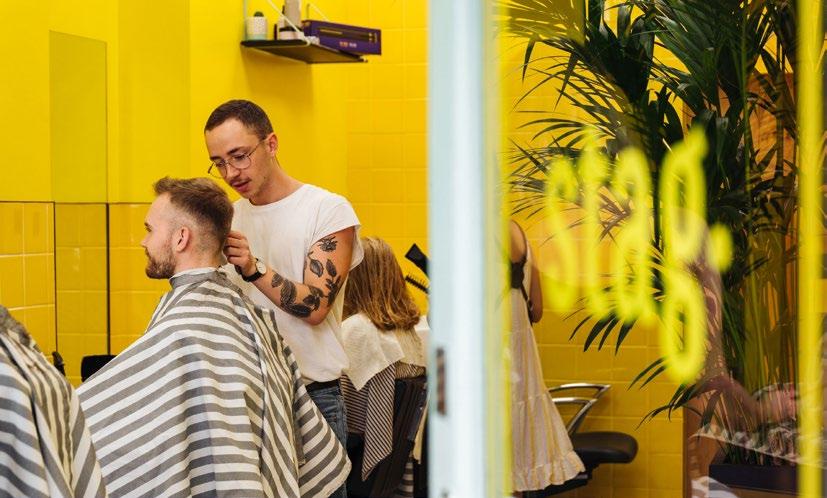
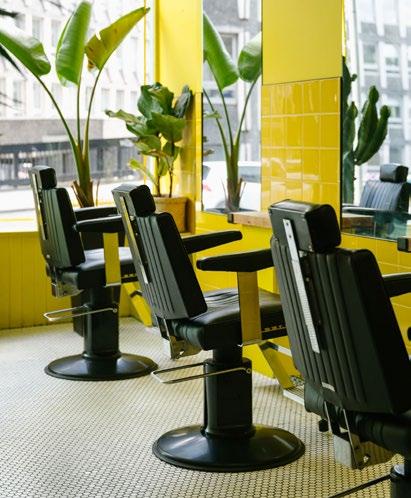
B CORP 55
RADIO SALONS
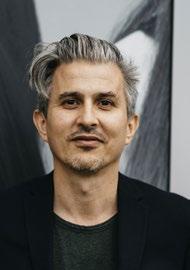
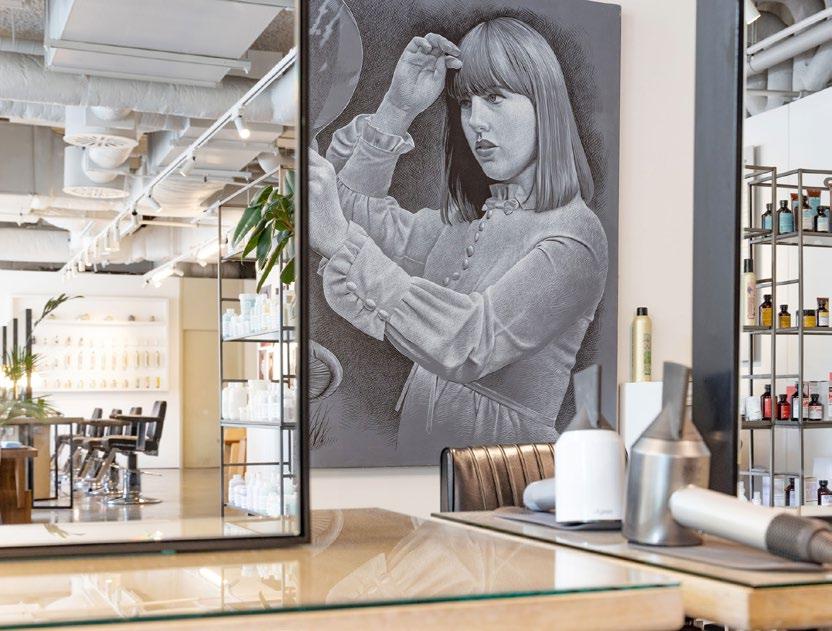
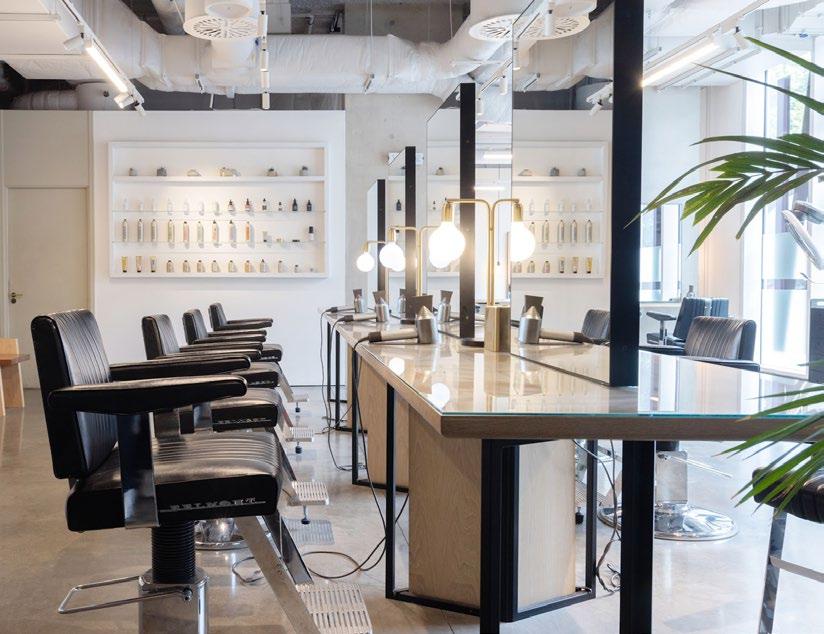
Radio salons in London (King’s Cross and Shoreditch) is owned by Corrado Tevere, a hairdresser with 25+ years experience in the industry. A cool brand entrepreneur – Radio salon is partnered by Manifesto mens salon – Corrado has chosen to work with B Corp Davines. He say that working with a B Corp is synonymous with progress. Clients will favour salons that work in a sustainable way.
“I had heard about B Corp but working with Davines has truly opened our eyes to the journey of sustainability. Visiting the Davines Village (in Parma, Italy)
and meeting the key players, seeing at first hand how the brand works, was a great experience. And learning about Davines journey towards becoming a B Corp company was both informative and inspirational. It definitely played a part in the decision to work with them.
“Engaging with B Corp has certainly had a major impact on our business, and our clients appreciate it. However, transitioning to sustainabilty can take a long time to fully implement in every aspect of your business. Davines had a very strong ethos that is reflected in everything they promote. So partnering with them is a great way to get support on your journey towards becoming a fully-sustainable business.”
B CORP 56
HARE & BONE
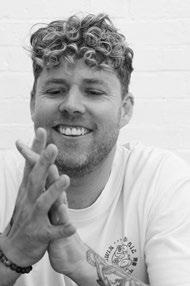
With a premises in the heart of London’s Fitzrovia district, and another in the small town of Esher in Surrey, Sam Burnett is establishing his Hare & Bone salon brand as being fashion-focused, and style and trend-conscious. He is committed to progress, and very mindful of the impact of running a hairdressing business on the environment. At the beginning of this year, he announced a new brand partnership. We asked him how he chooses who to work with? Sam explains:
“Since day one we have strived to create Hare & Bone salons as green and sustainable as possible, using green energy suppliers, eco taps, energy-saving lights, minimising waste, eliminating single-use plastics and recycling everything we can. We are moving our salon business to a B Corp so we can take things to the next level in the knowledge that our brand partner will be working in the background with a percentage of every pound we spend being used towards sustainable initiatives that genuinely improve the world and the lives of local people. The B Corp also
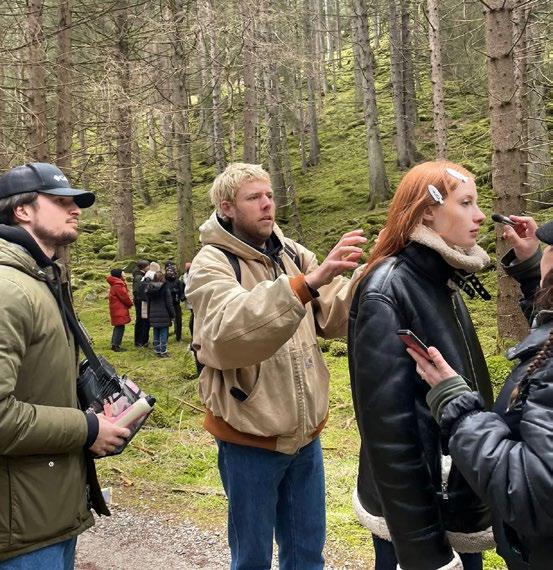
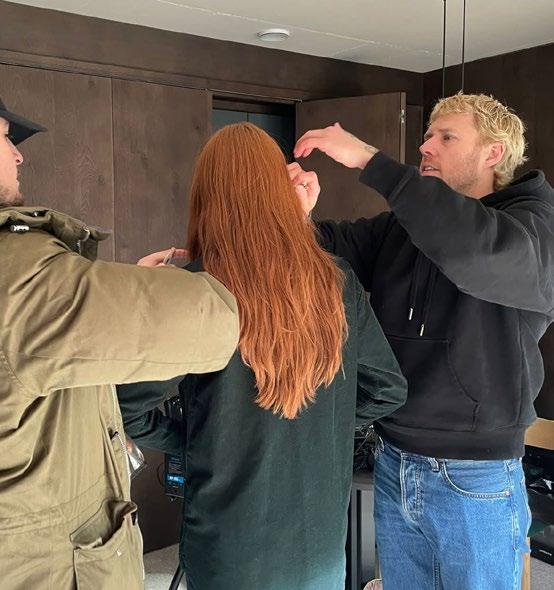
guarantees there is no greenwashing and that we are elevating our sustainability credentials. It’s also a great talking point and adds value to the client experience. I was aware of B Corp businesses before our partnership with Davines launched. For a while now I have actively sourced B Corp brands to use at home and in my personal life. Now it continues and aligns with my professional life.
“Davines encouraged us to work more sustainably from the beginning of our partnership by presenting their sustainable initiatives during our education with them. They also run a sustainability course for salon managers and ambassadors to teach us to be more sustainable. Doing more than the minimum, the B corp status of Davines was a big attraction for us.
Their transparency, authenticity and accountability inspire us as a business to look for the best practices and prioritise people over profit. And as sustainability is built into everything they do it makes us think differently every day. It has also had a positive impact on how our clients think and spend, enabling us to start conversations around sustainability. They really love the brand, and the ethos behind it.”
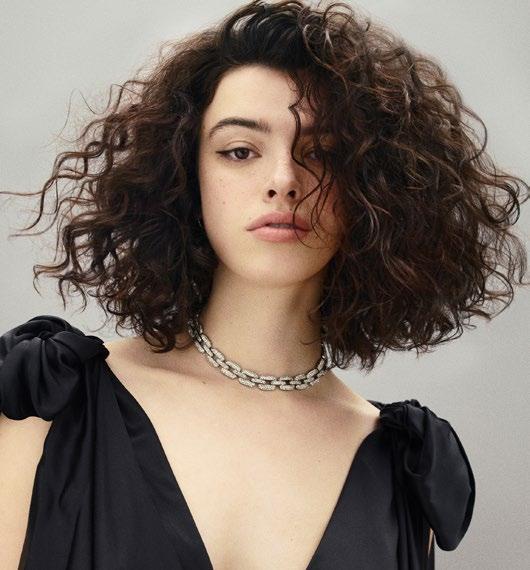
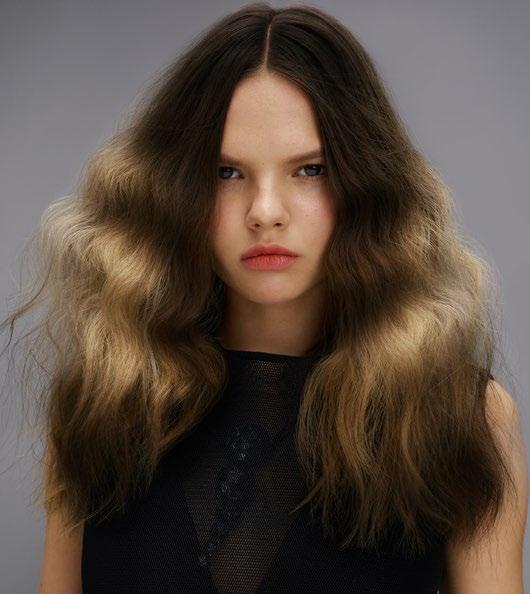
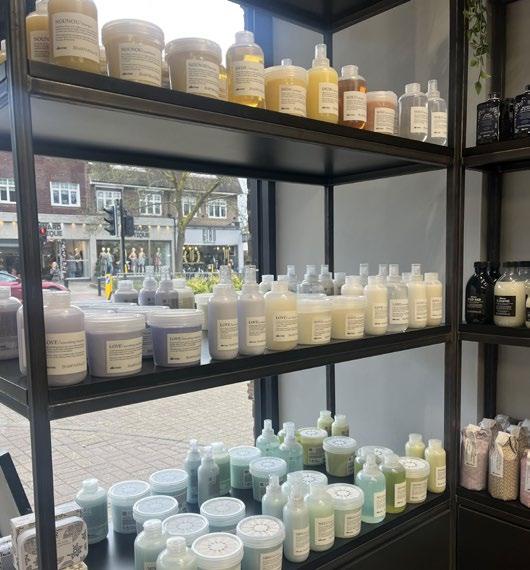
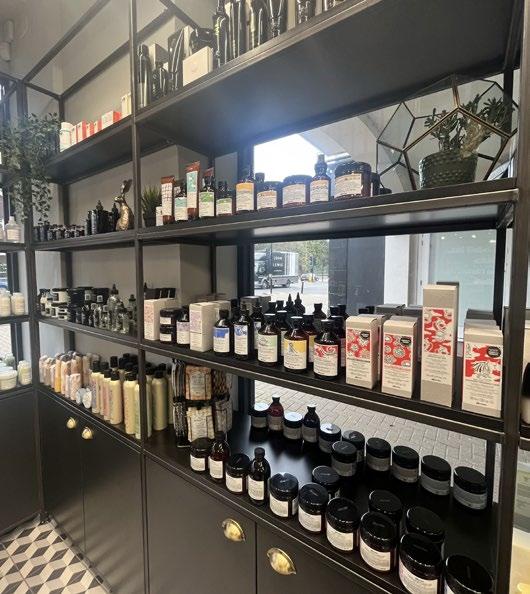
B CORP 57
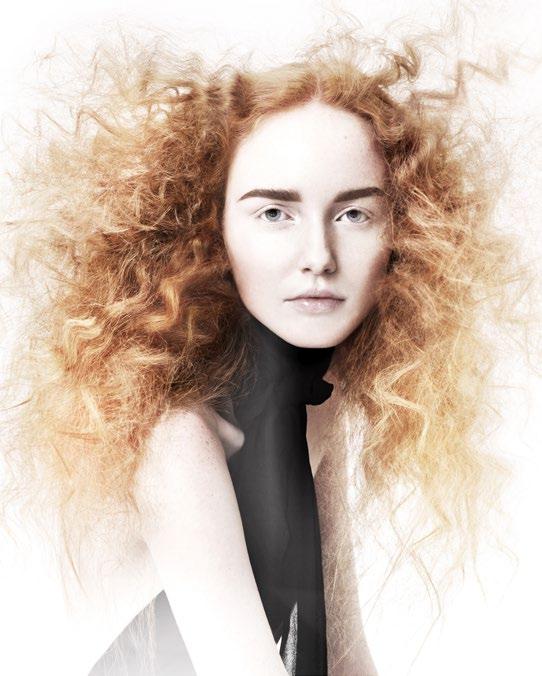
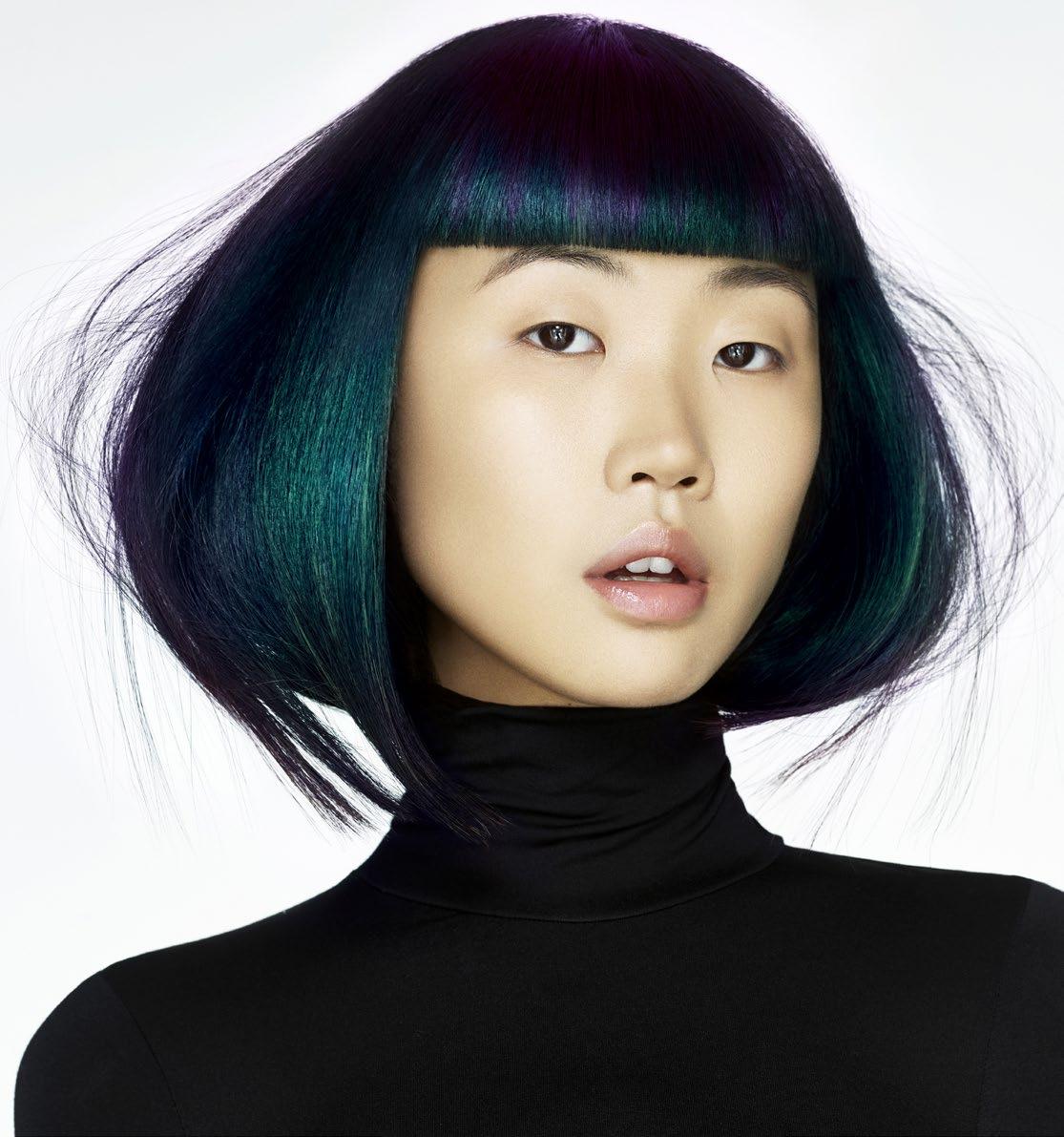
RUSSELL EATON SALONS
A family business of long-standing reputation locally and internationally, the northern-based salons (one in Barnsley, one in Leeds) under the name Russell Eaton are clients of Easydry. We asked Robert Eaton, creative director and award-winning stylist, what a B Corp status signifies to him and the team? Robert explains:
“Being sustainable is at the heart of our business, it’s something that is always at the forefront of our thinking, we’re constantly looking for ways that we can be more
Still unsure about applying for B Corp status?
sustainable. Having worked with Easydry for many years in our Barnsley salon, it was an obvious choice for us to have them in our new Leeds city centre salon. Having B Corp status was a big pull for us as it’s a gold star of sustainability and we really felt that our brand values aligned.
“Using Easydry has been great for us not only in terms of our sustainable ethos but, as a business, we’ve managed to reduce our electricity and laundry costs. The brand themselves, have been great to work with, they’re hugely supportive of everything that we do and we’re working with them closely to ensure we’re doing all that we can to be sustainable.”
There are set to be more challenging assessment standards coming in, so whether that makes it a feat too far when you’re already busy running your business, or inspires you to attain that stamp of approval, the B Corp ball is in your court…
B CORP 58
PORTFOLIO
36 pages of inspiration from the World's greatest hairdressers.
We invite you to browse at your leisure
See more…
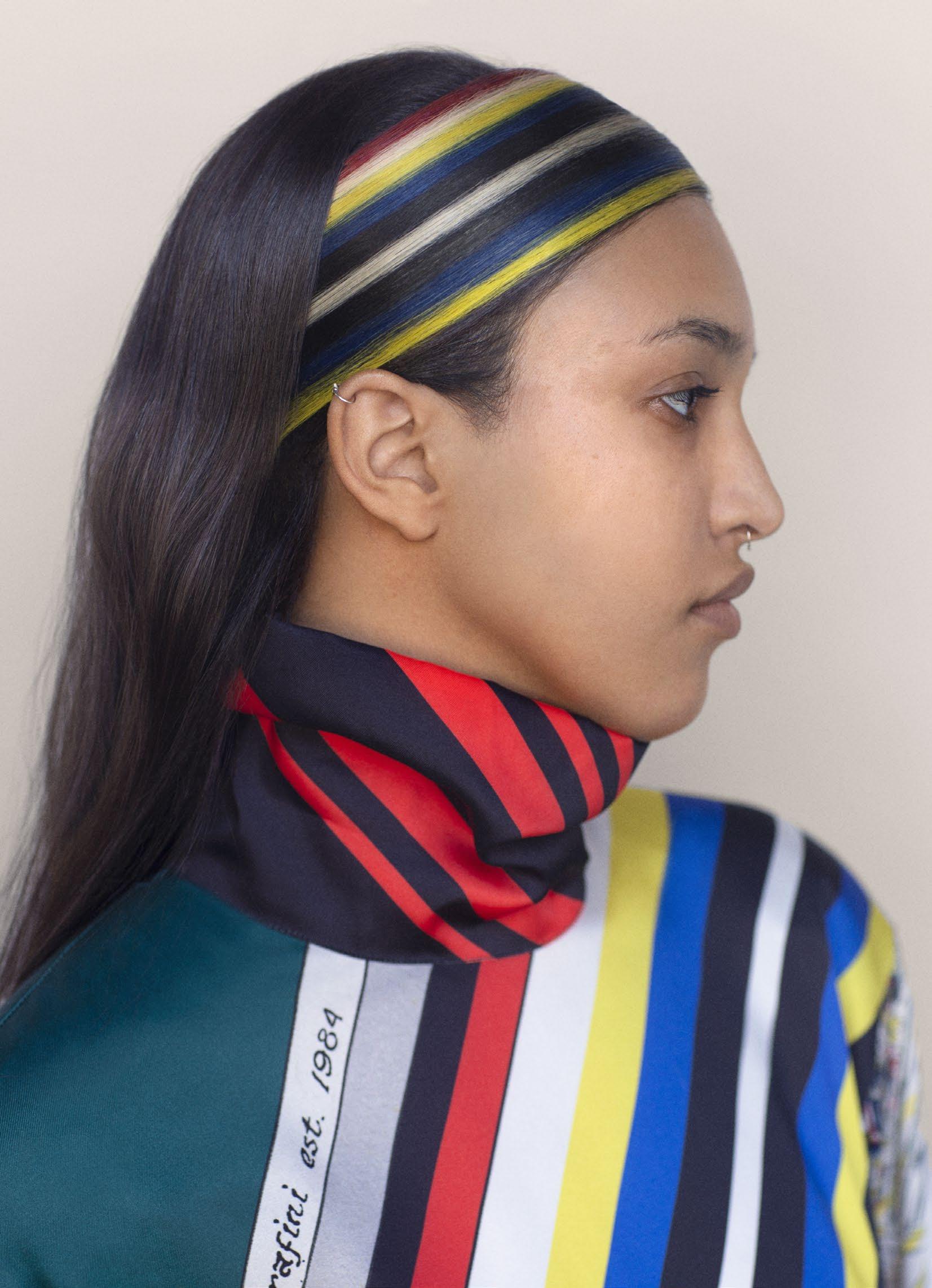
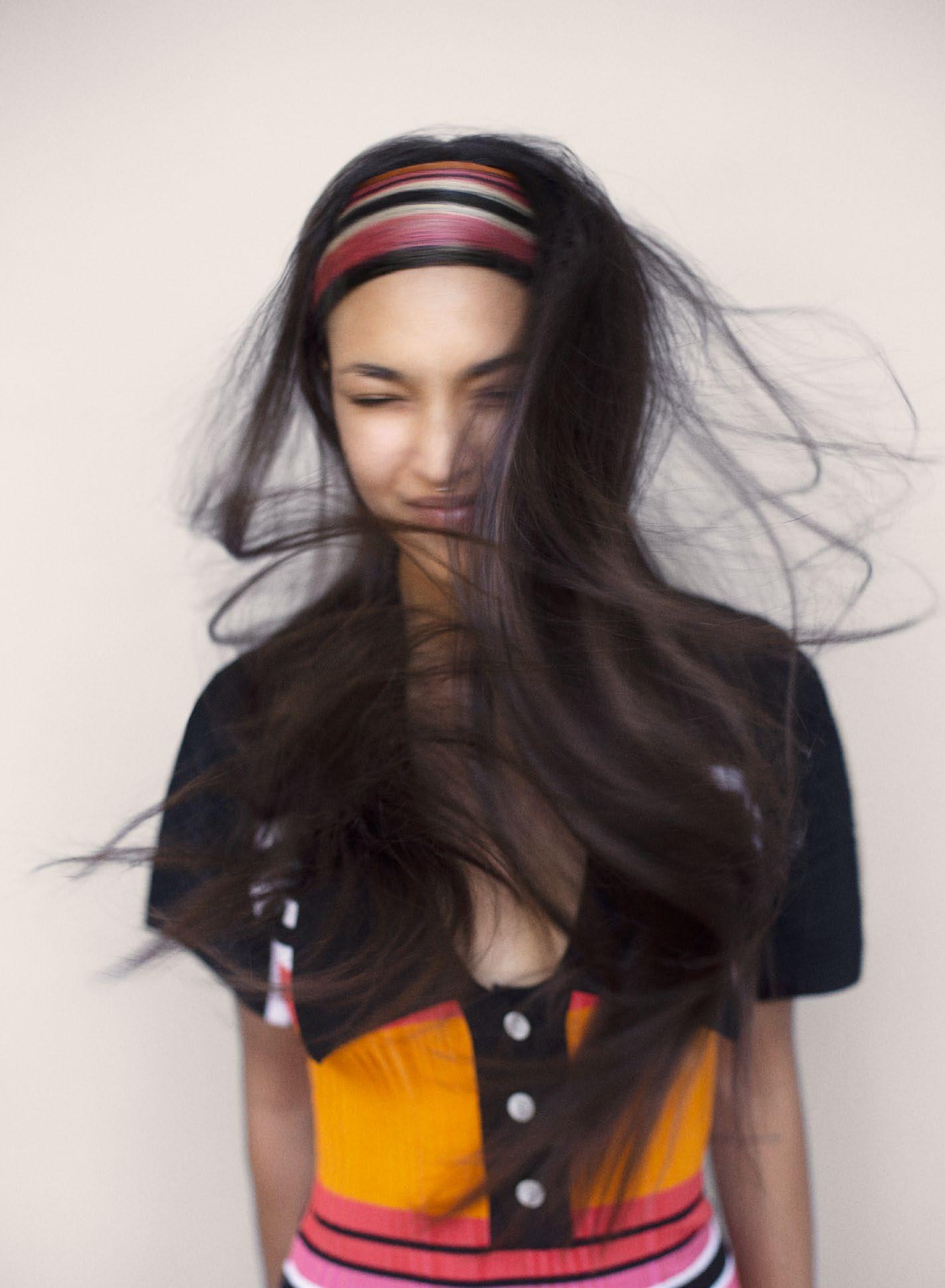 Hair: Tom Connell | Colour: Nadina Ray
Photographer: Tom Connell | Make-up: Michelle Guandalini | Assistant: Alessandro Tammaro
Hair: Tom Connell | Colour: Nadina Ray
Photographer: Tom Connell | Make-up: Michelle Guandalini | Assistant: Alessandro Tammaro
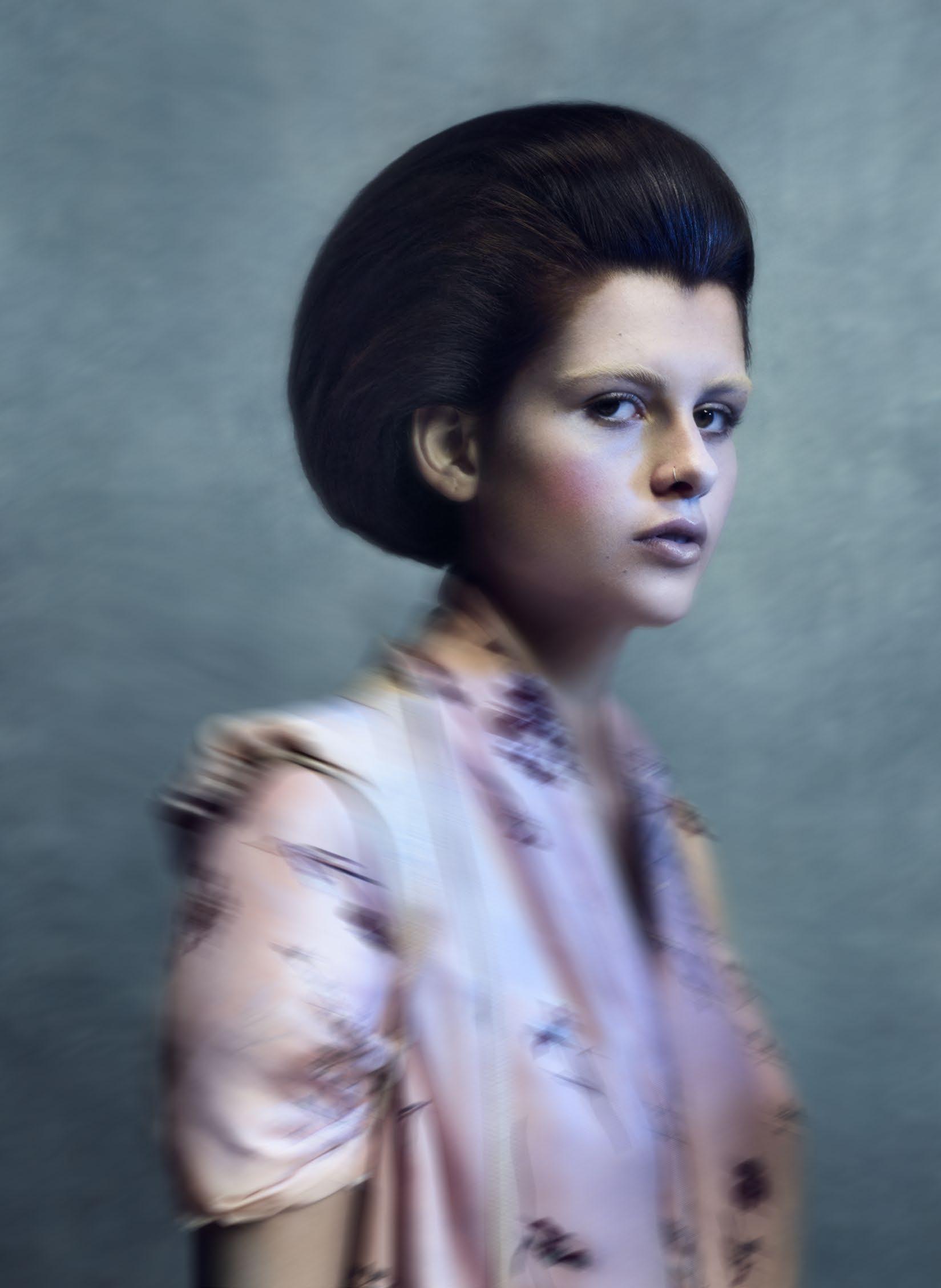
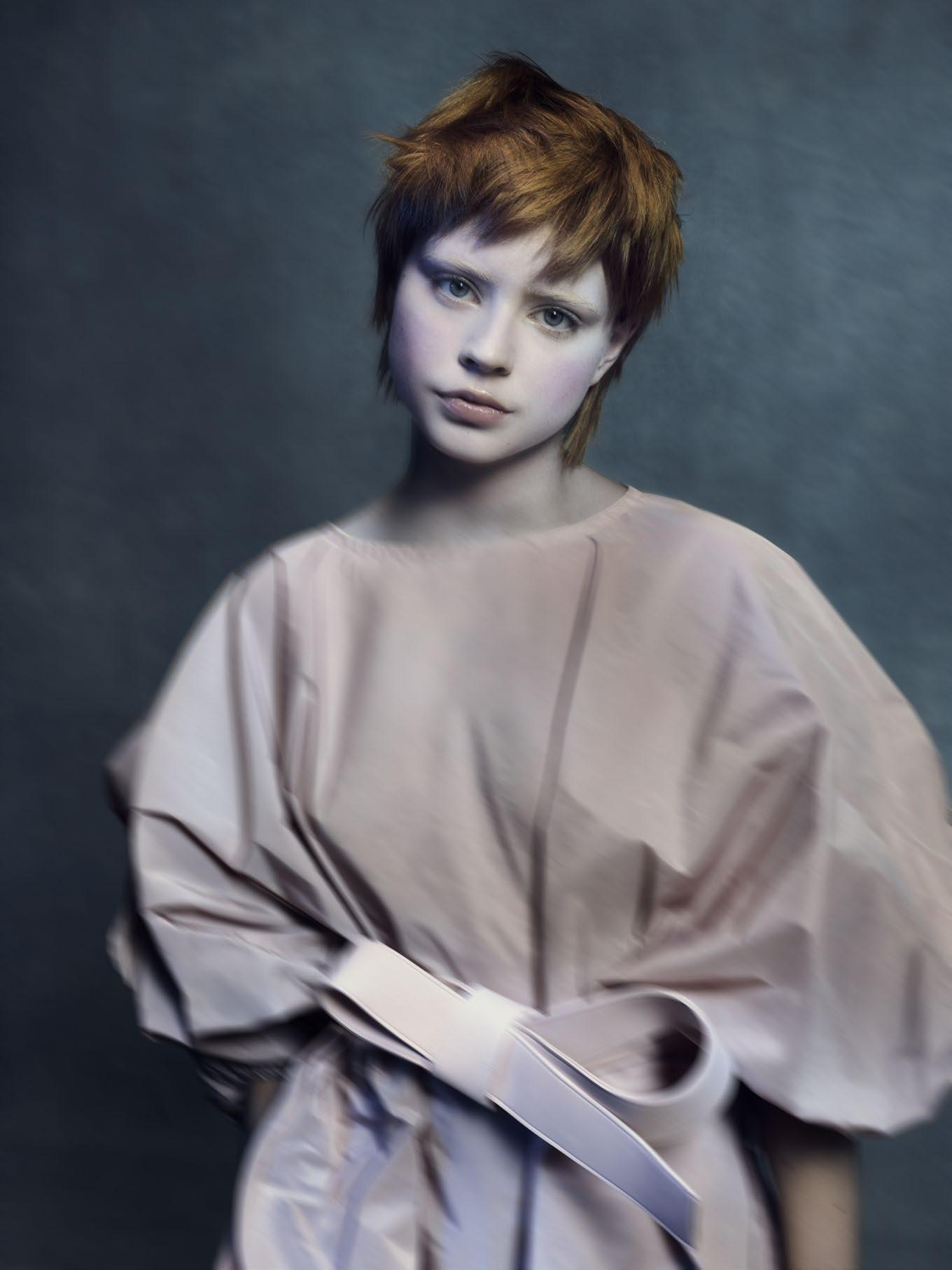 Hair: Richard Ashforth
Photographer: Jack Eames | Make-up: Marco Antonio | Styling: Tania Zekkout
Hair: Richard Ashforth
Photographer: Jack Eames | Make-up: Marco Antonio | Styling: Tania Zekkout
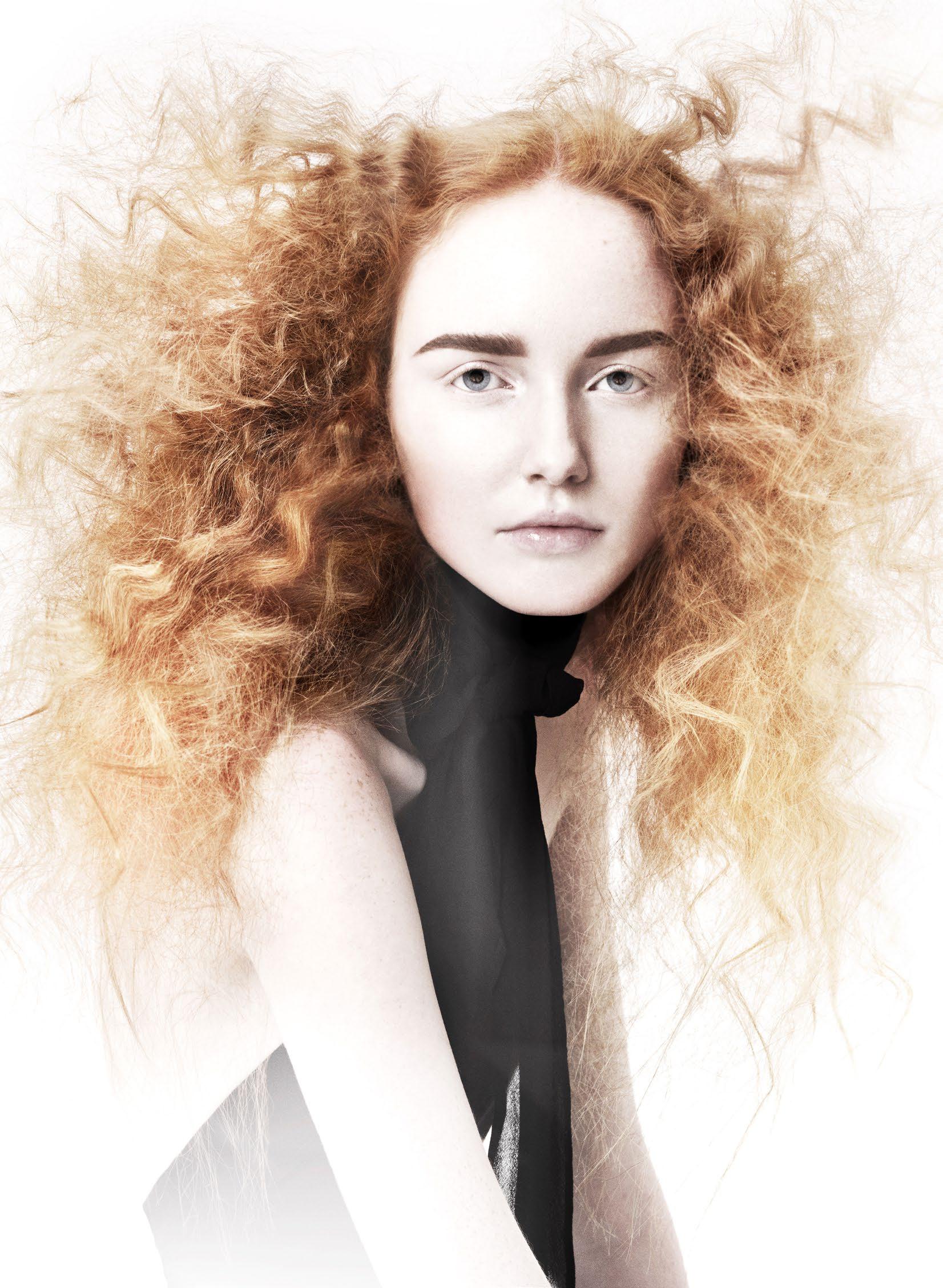
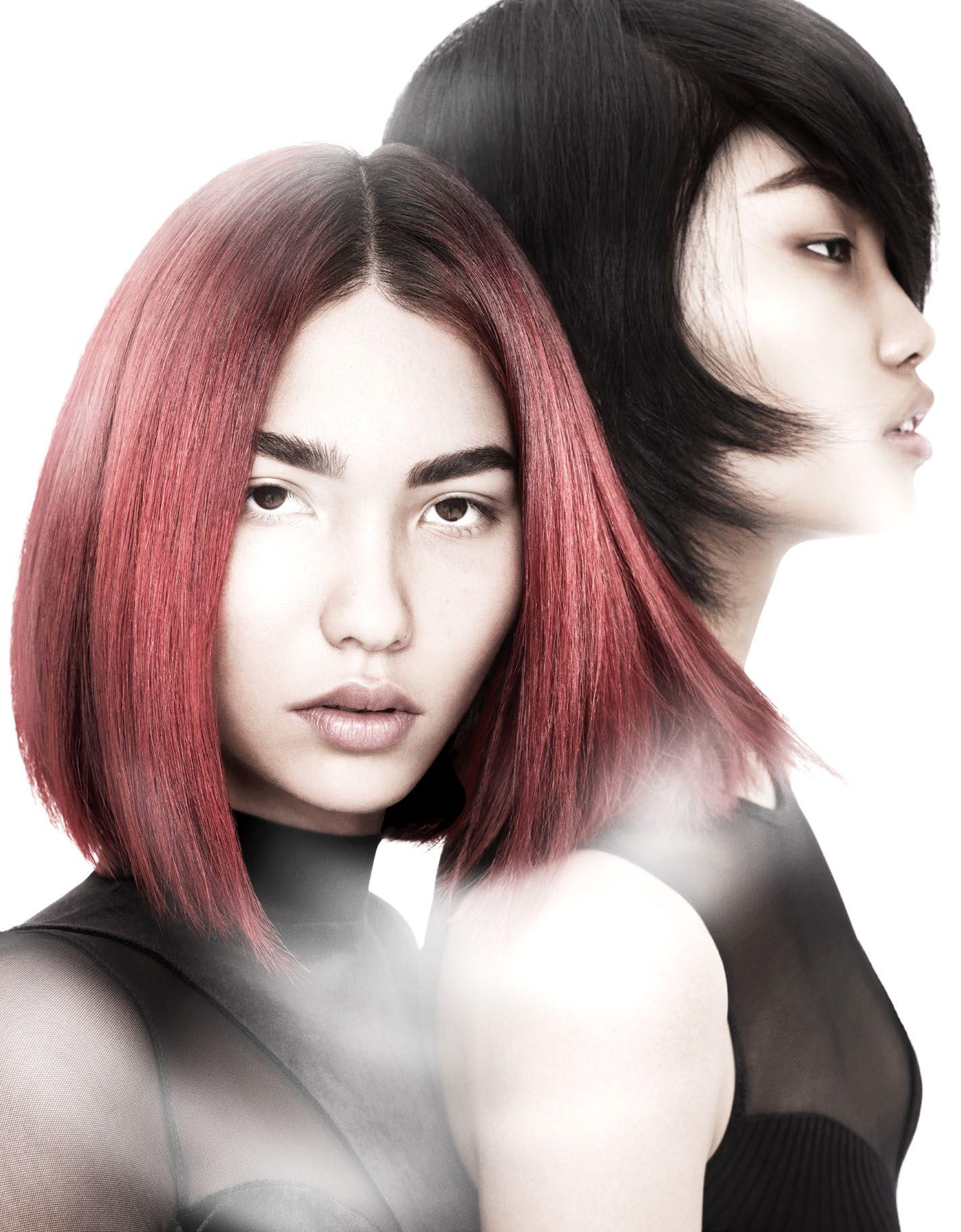 Hair: Rob Eaton
Photographer: Richard Miles | Make-up: Lucy Flower & Egle Bee | Styling: Clare Frith & Robert Morrison
Hair: Rob Eaton
Photographer: Richard Miles | Make-up: Lucy Flower & Egle Bee | Styling: Clare Frith & Robert Morrison
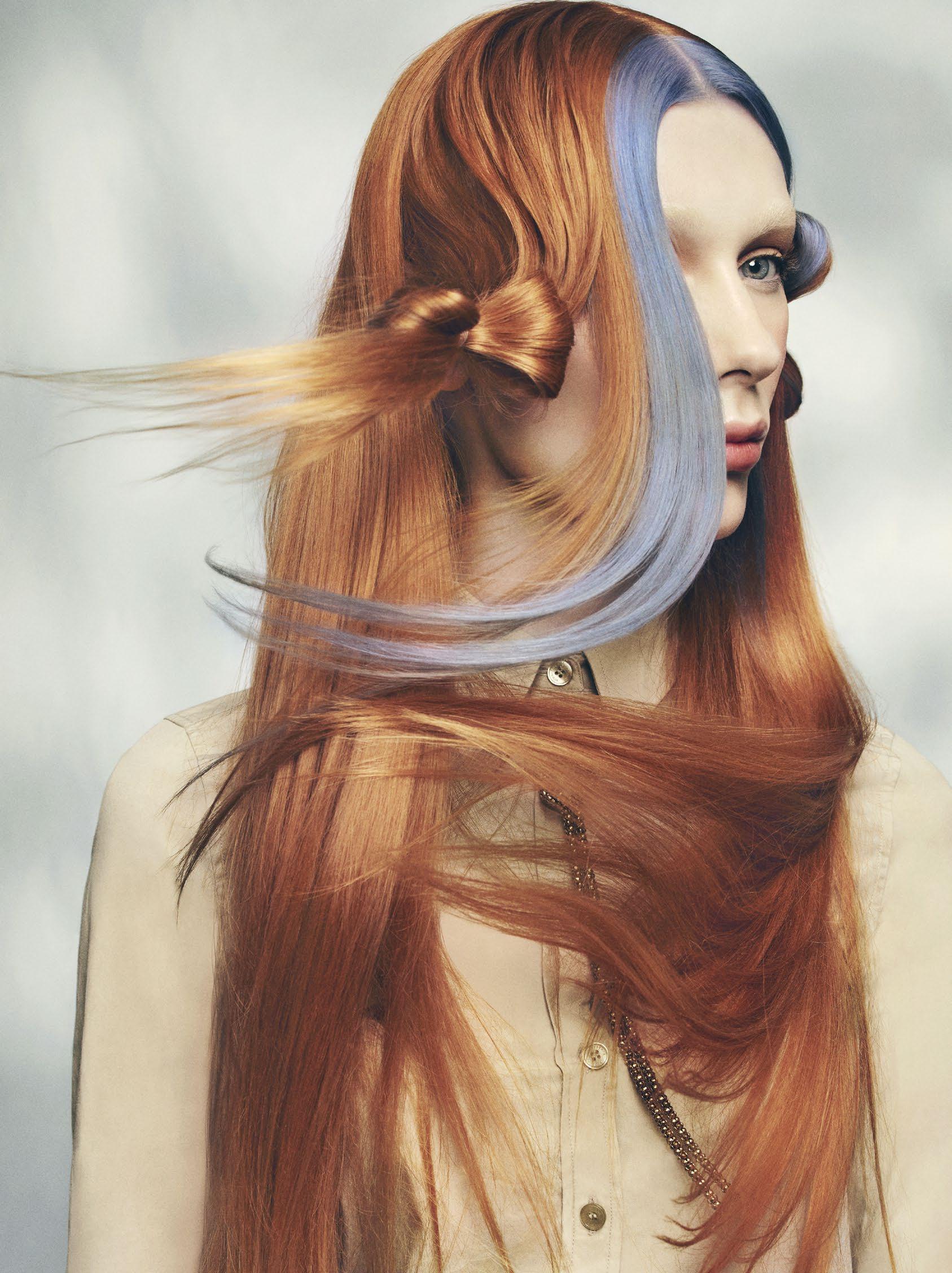
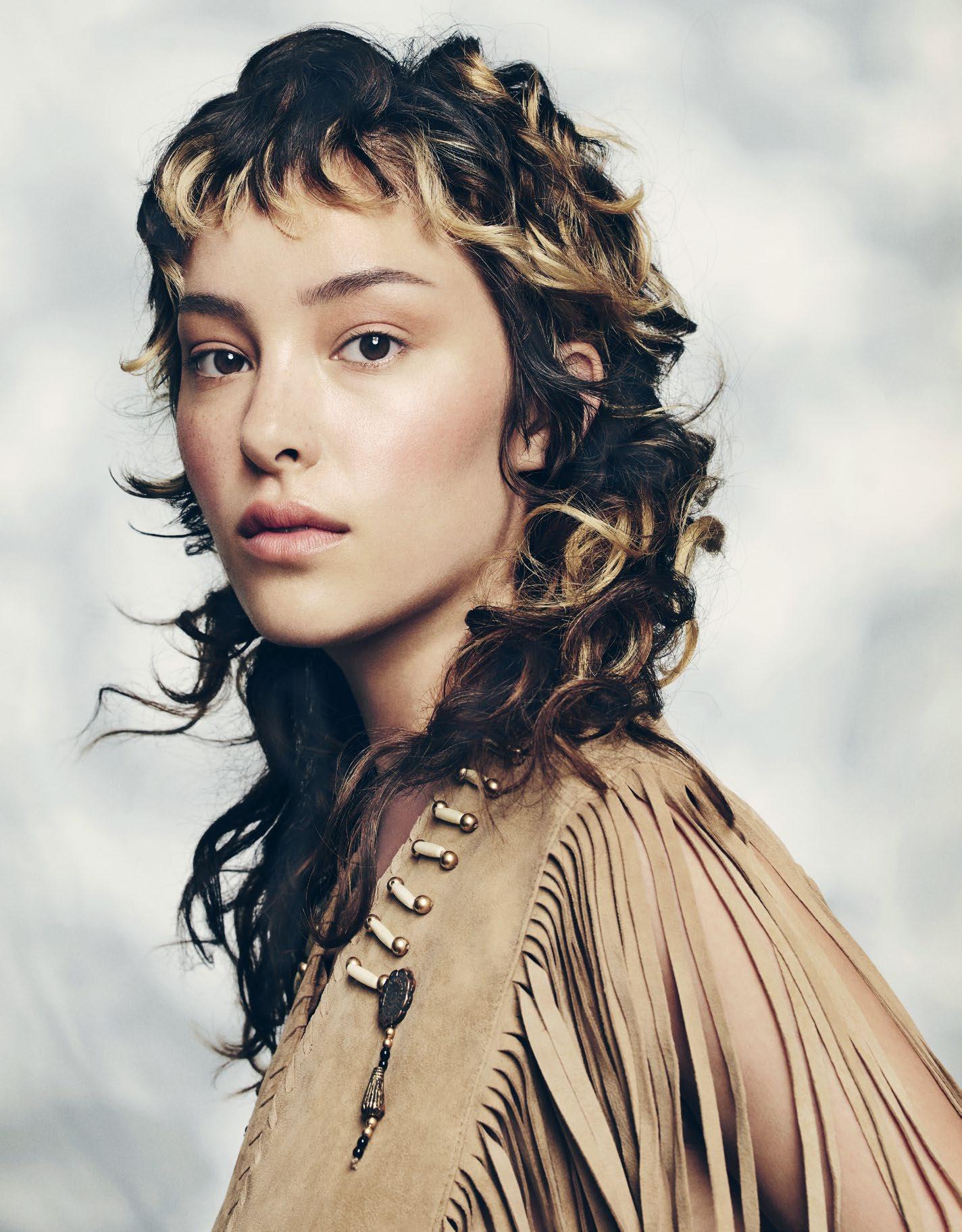 Hair: Jordanna Cobella
Photographer: Jack Eames | MUA: Meg Lindow | Styling: Magdalena Jacobs
Hair: Jordanna Cobella
Photographer: Jack Eames | MUA: Meg Lindow | Styling: Magdalena Jacobs
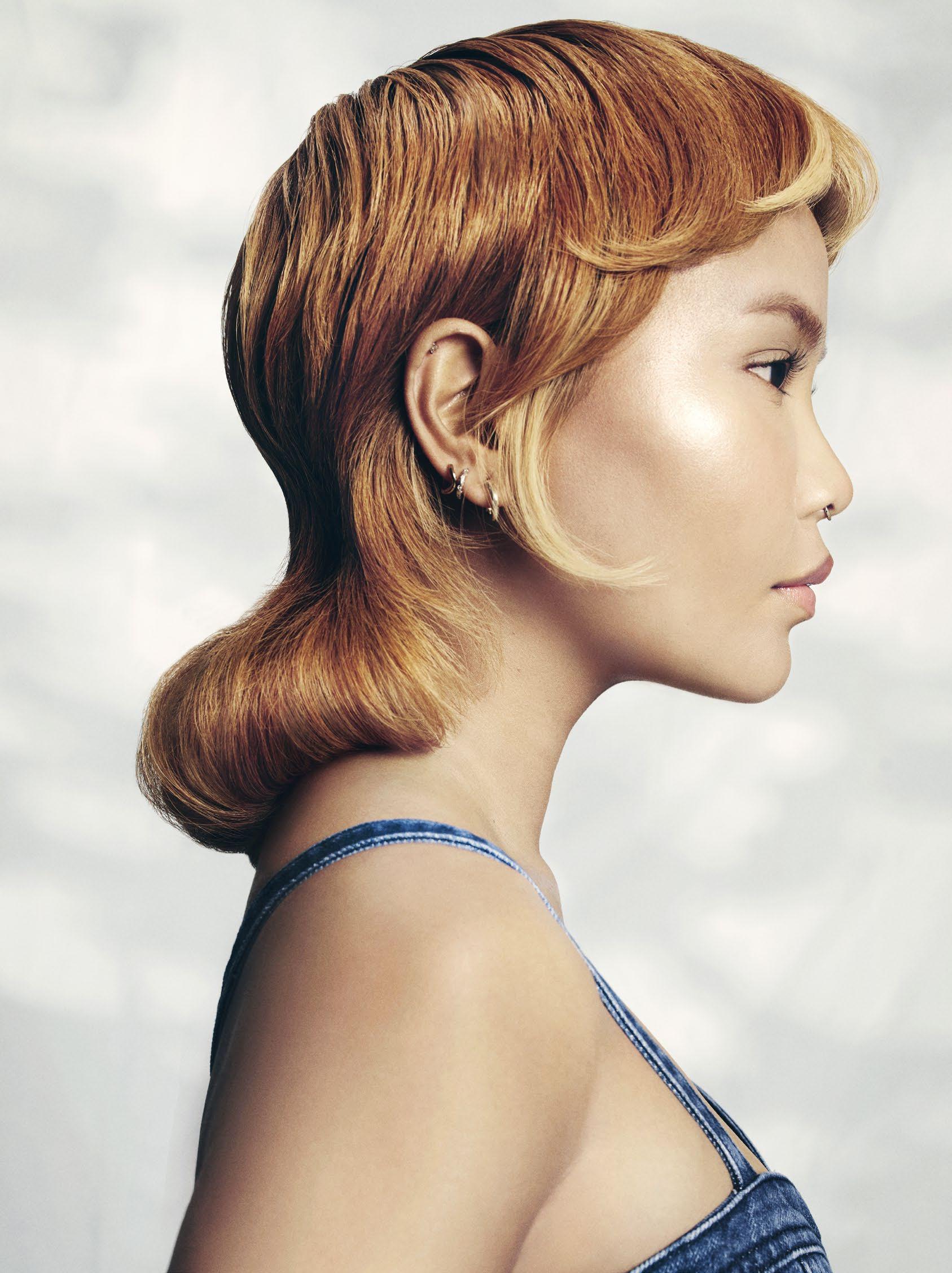
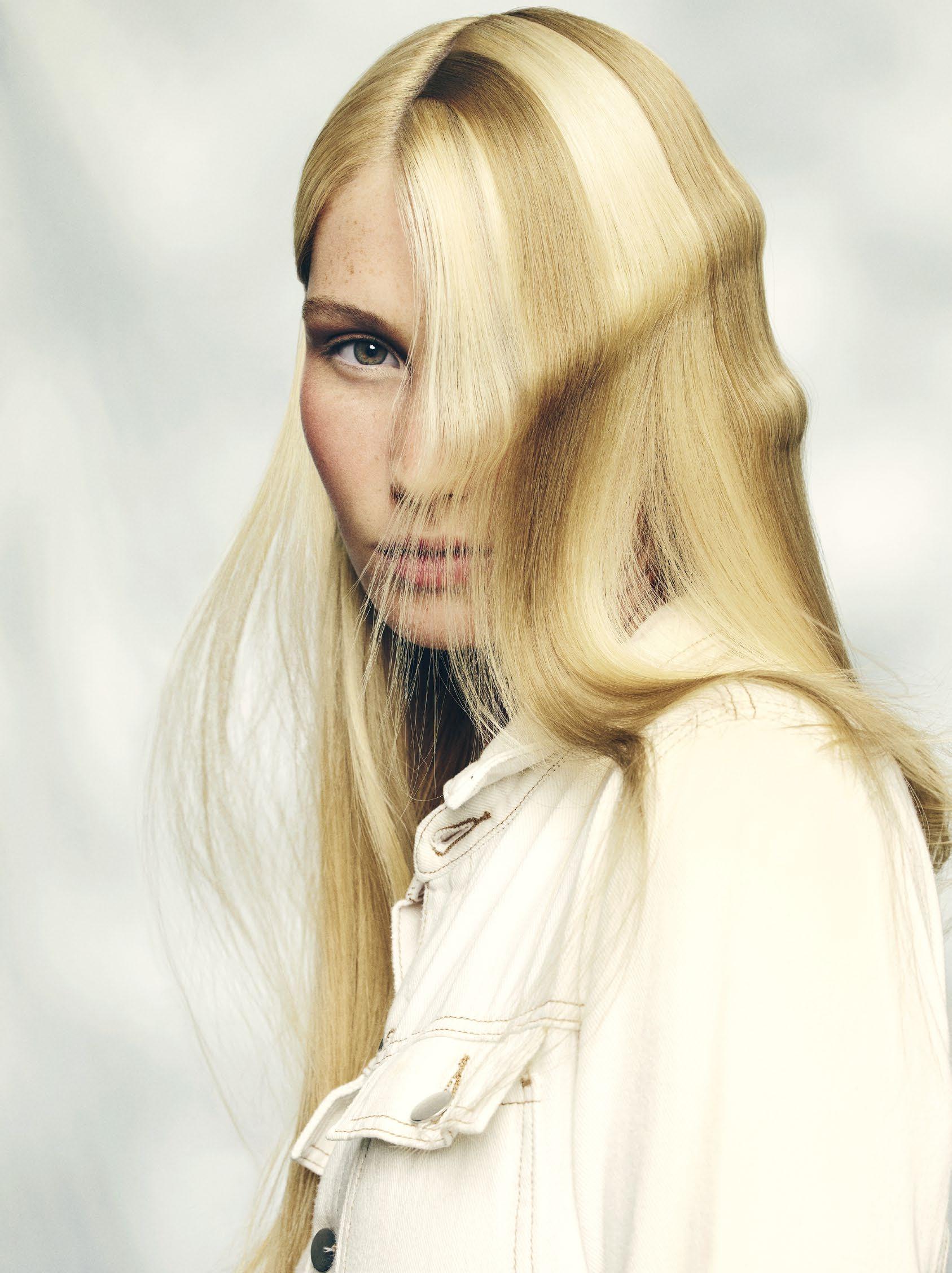
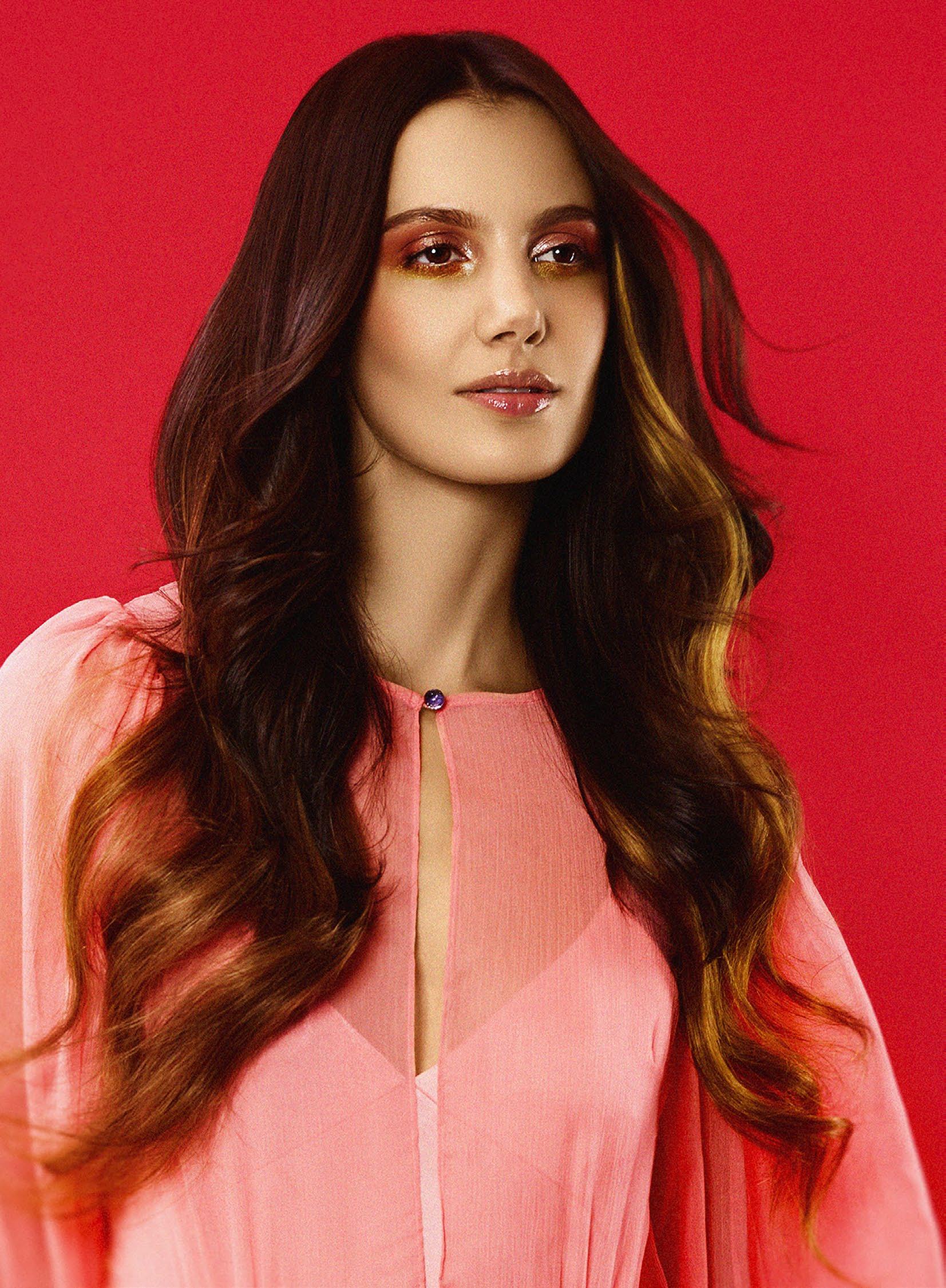
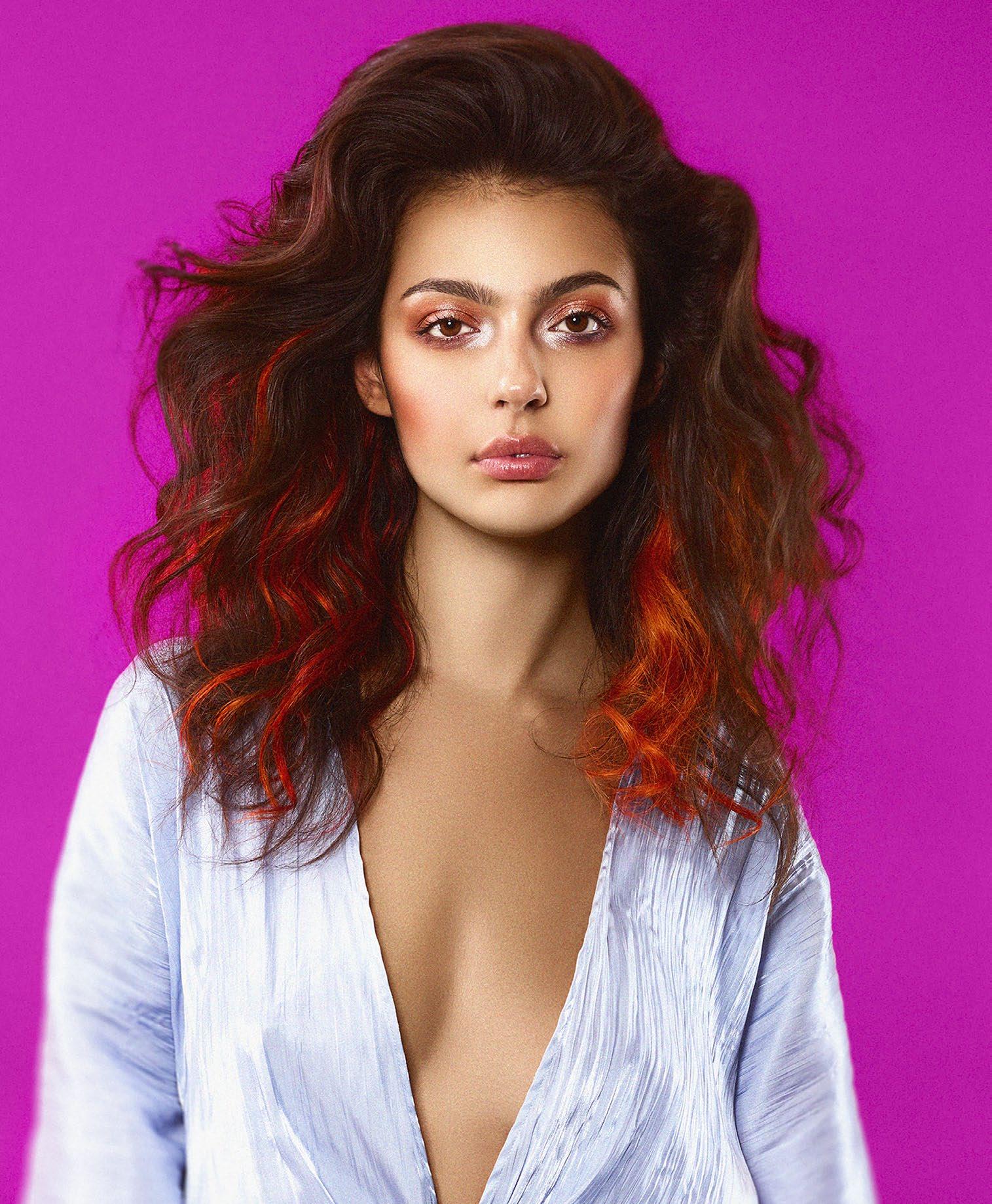 Hair: Lindsay Guzman
Photographer: John Rawson assisted by Paul Gill | Make-up: Ekaterina Ulyanoff | Styling: Florence o Durand
Hair: Lindsay Guzman
Photographer: John Rawson assisted by Paul Gill | Make-up: Ekaterina Ulyanoff | Styling: Florence o Durand
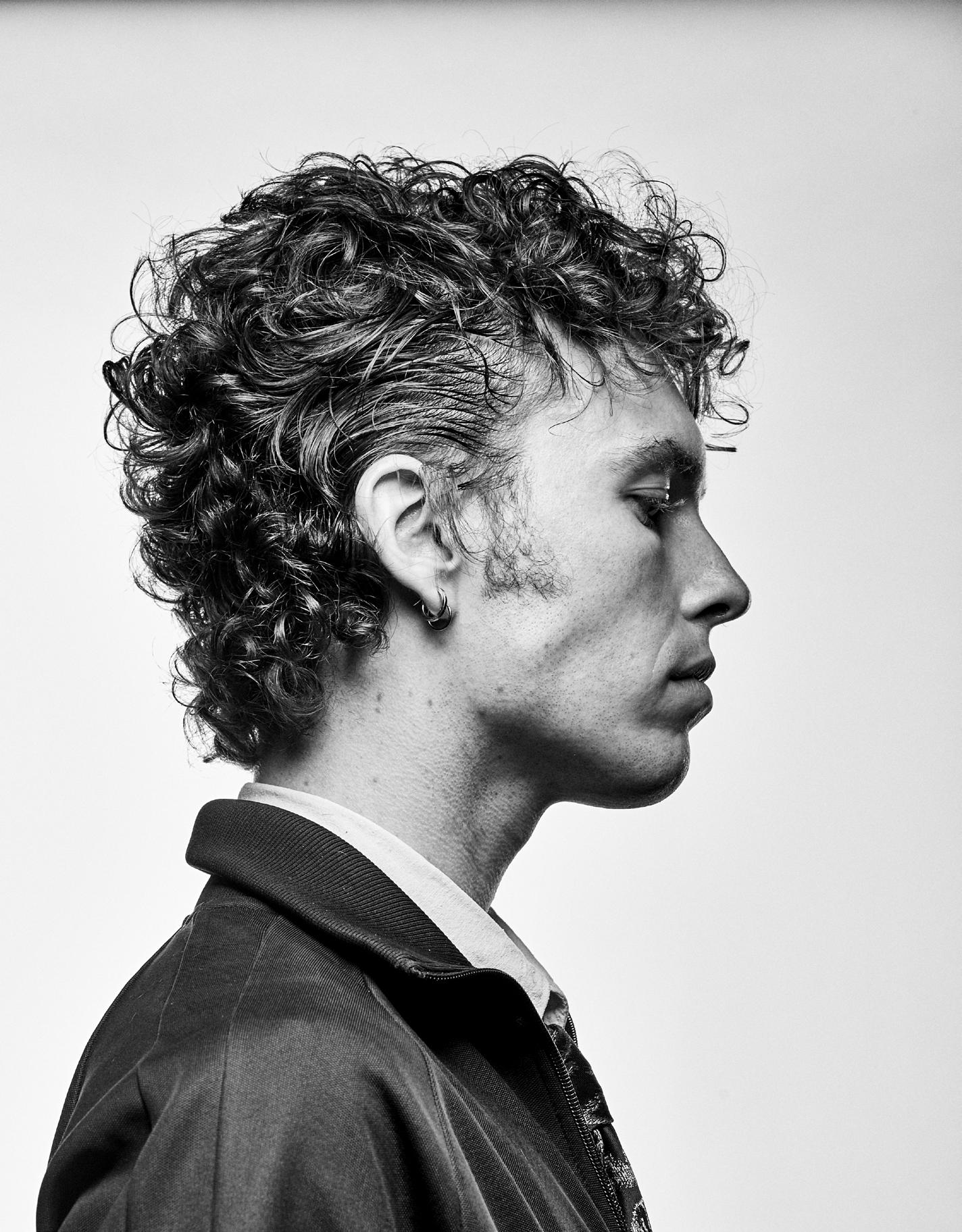 Hair: Manifesto Artistic Team
Photographer: Liam Oakes
Hair: Manifesto Artistic Team
Photographer: Liam Oakes
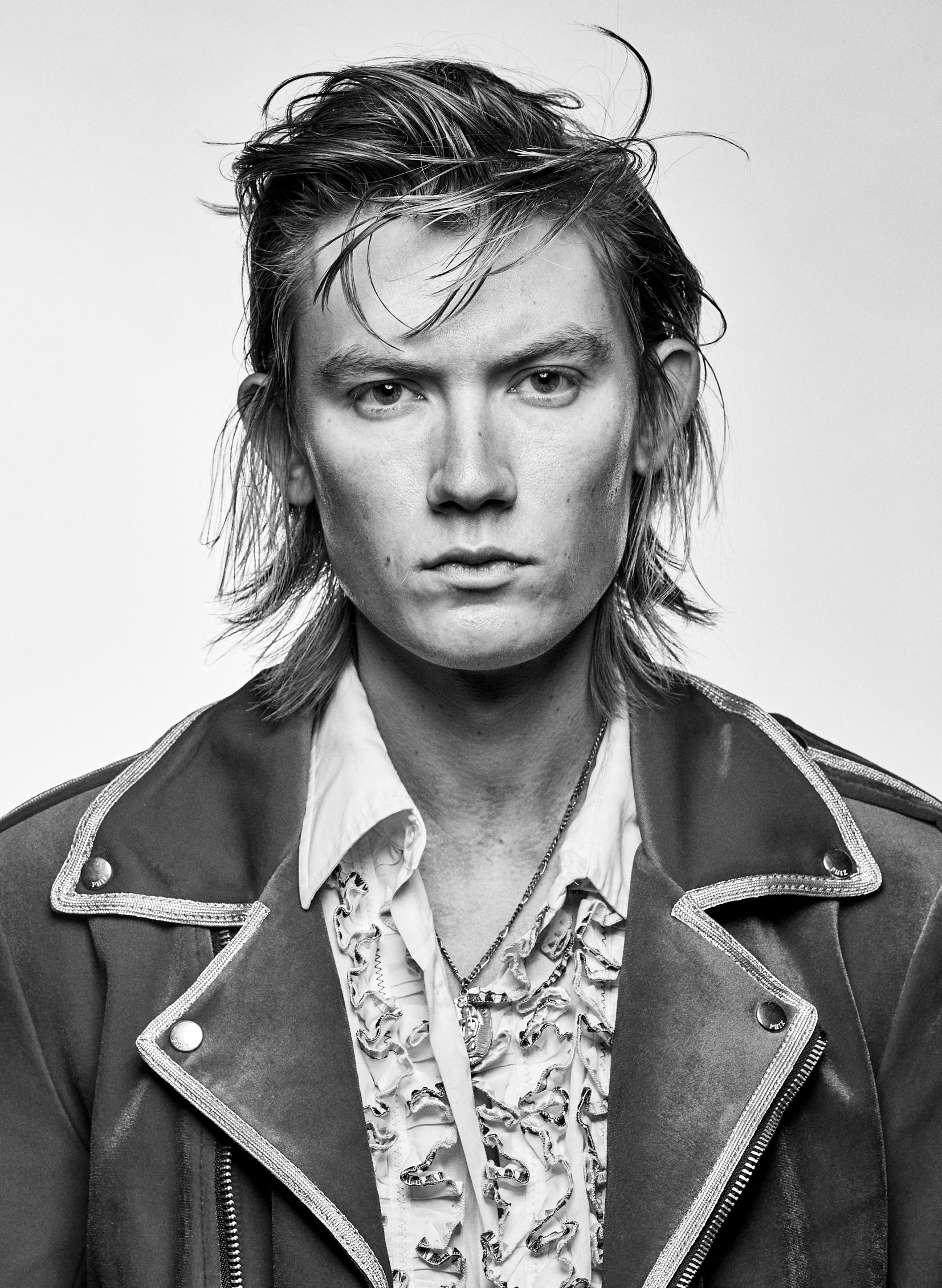
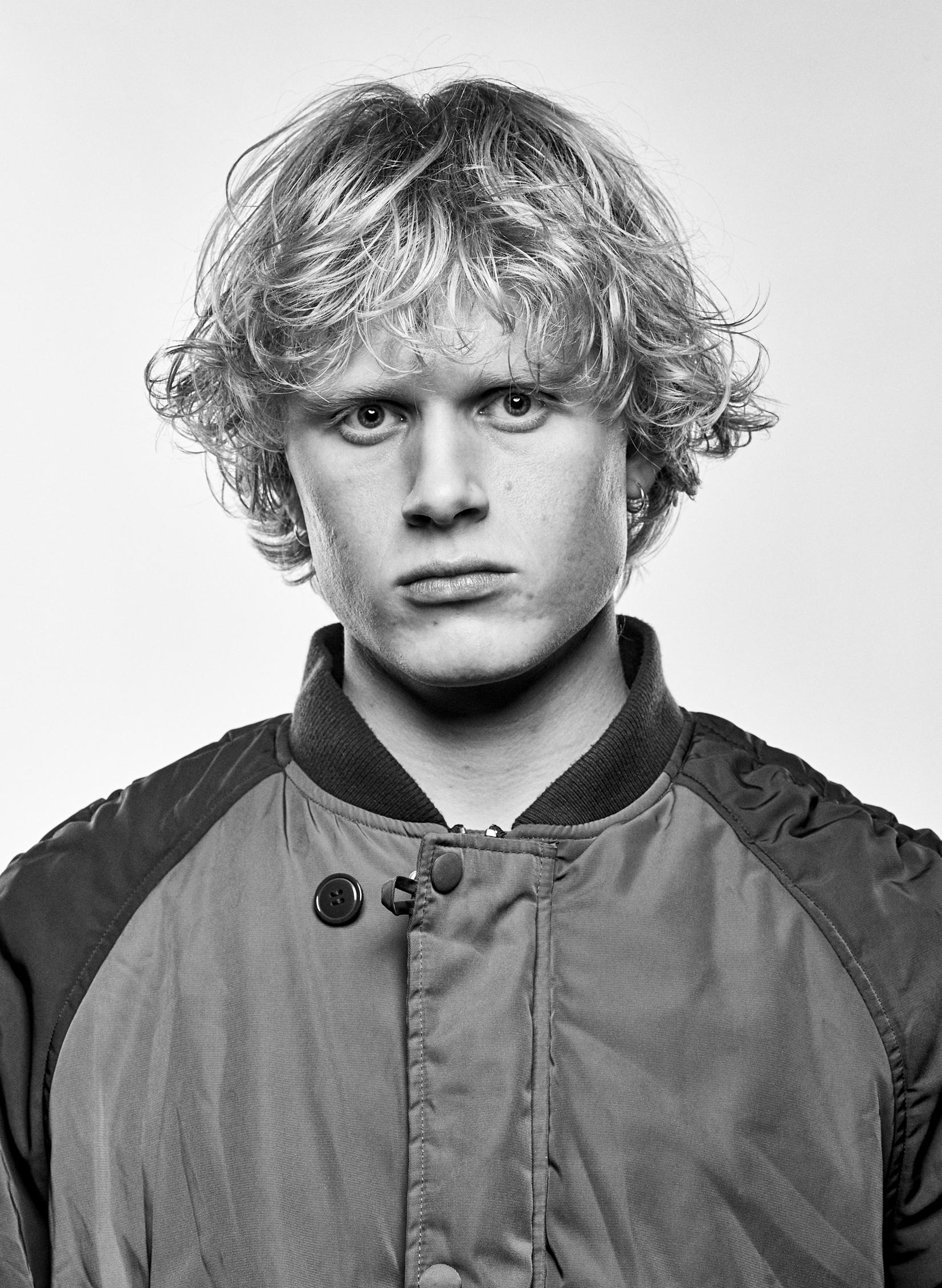
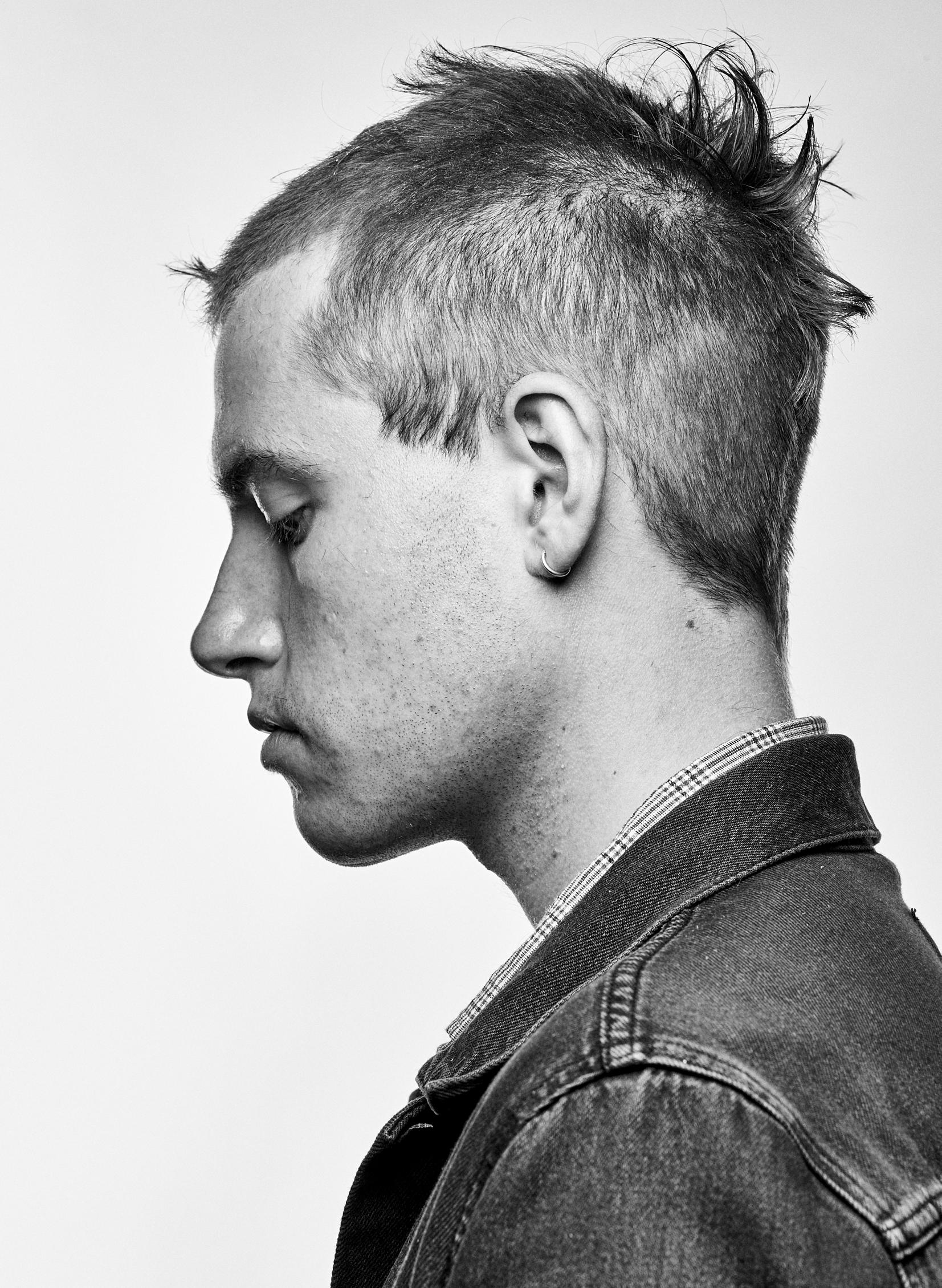
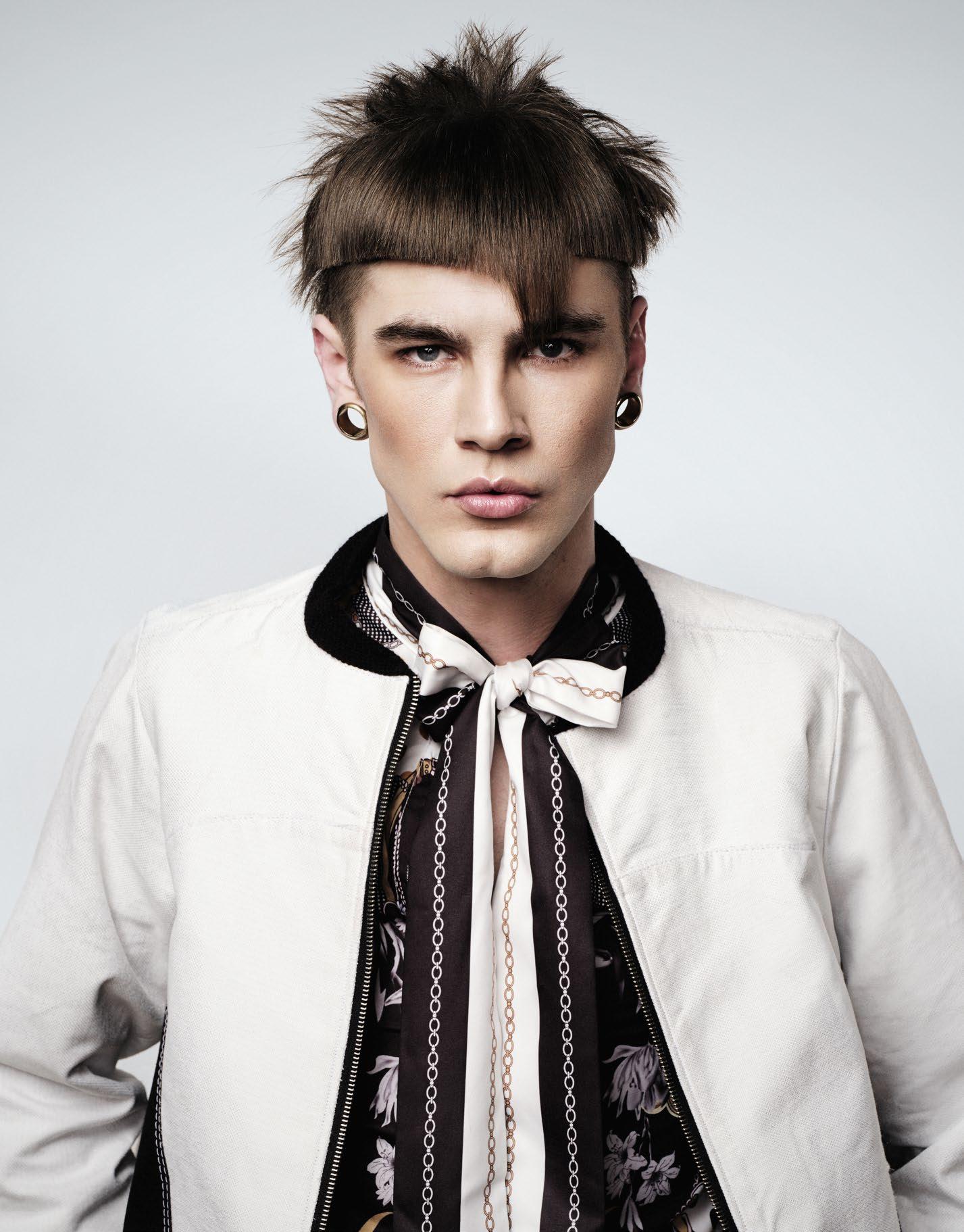
Hair: Ivonne Martins
Photographer: Ivo de Kok | Make-up: Anouk Emmerik | Styling: Annet Veerbeek | Products: Wella Professional
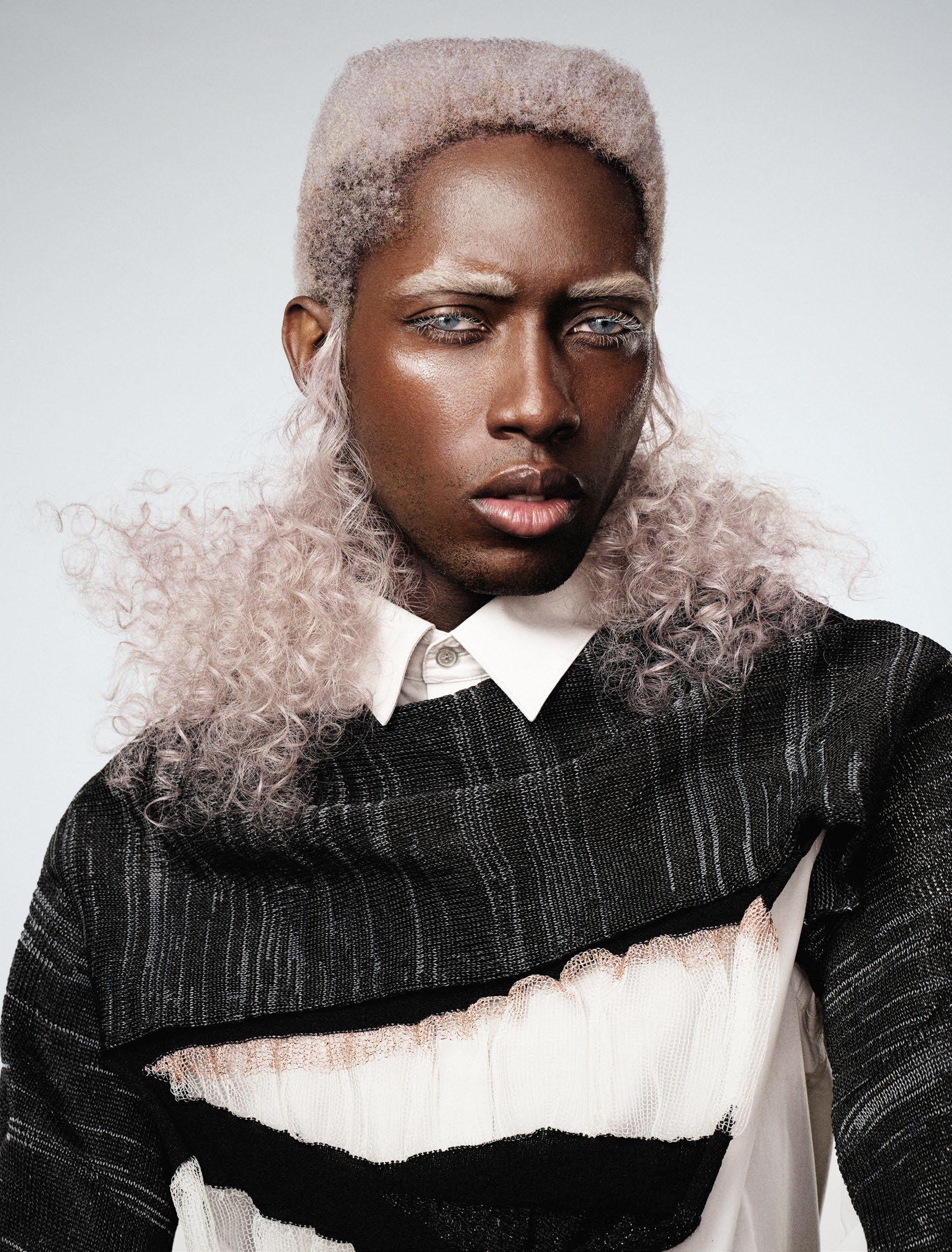
 Hair: HOB Academy Creative Team
Photographer: Darrell Chandler | Make-up: Shay Suban, Tia Clement | Styling Edmond Karasony
Hair: HOB Academy Creative Team
Photographer: Darrell Chandler | Make-up: Shay Suban, Tia Clement | Styling Edmond Karasony
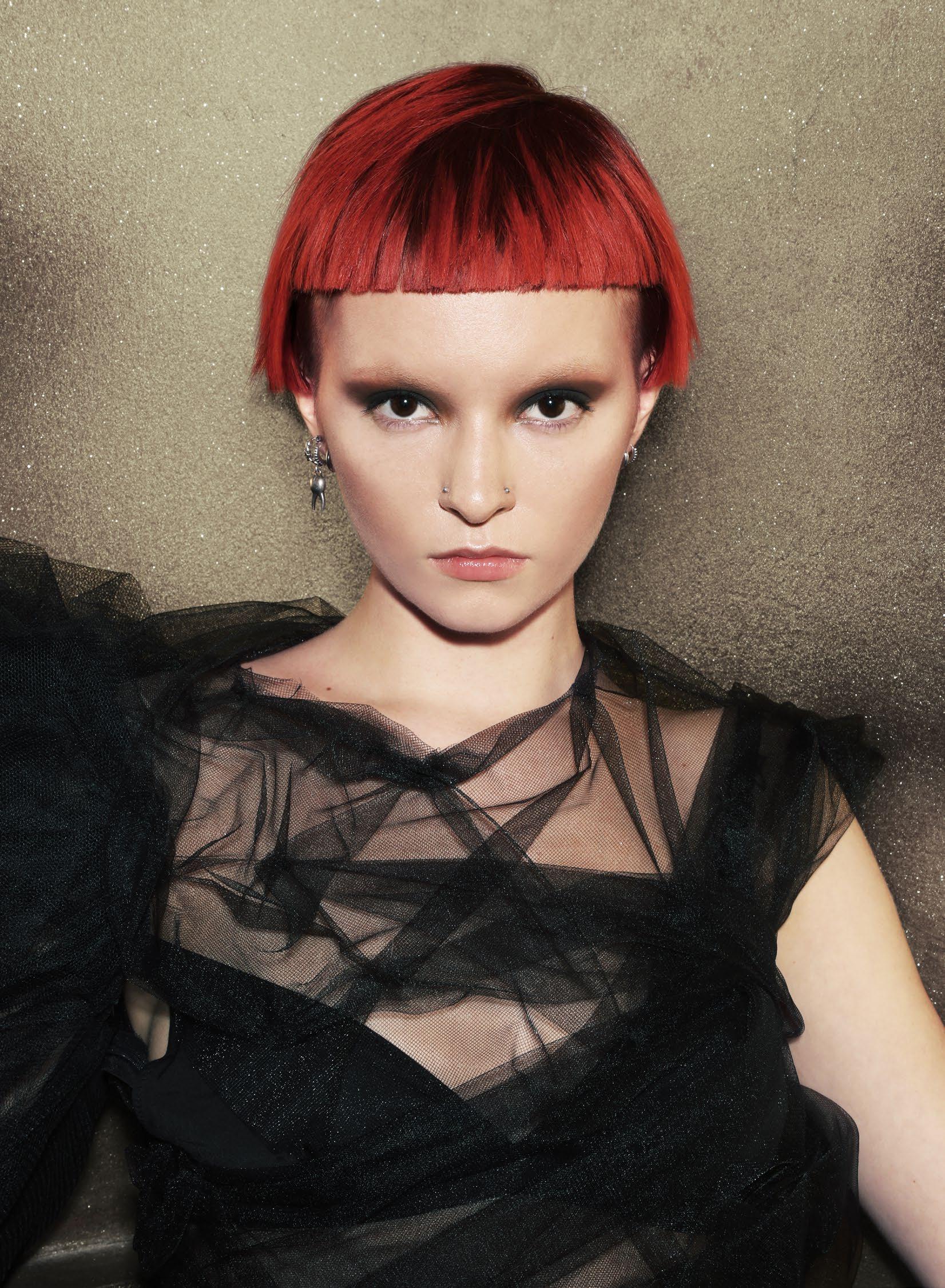
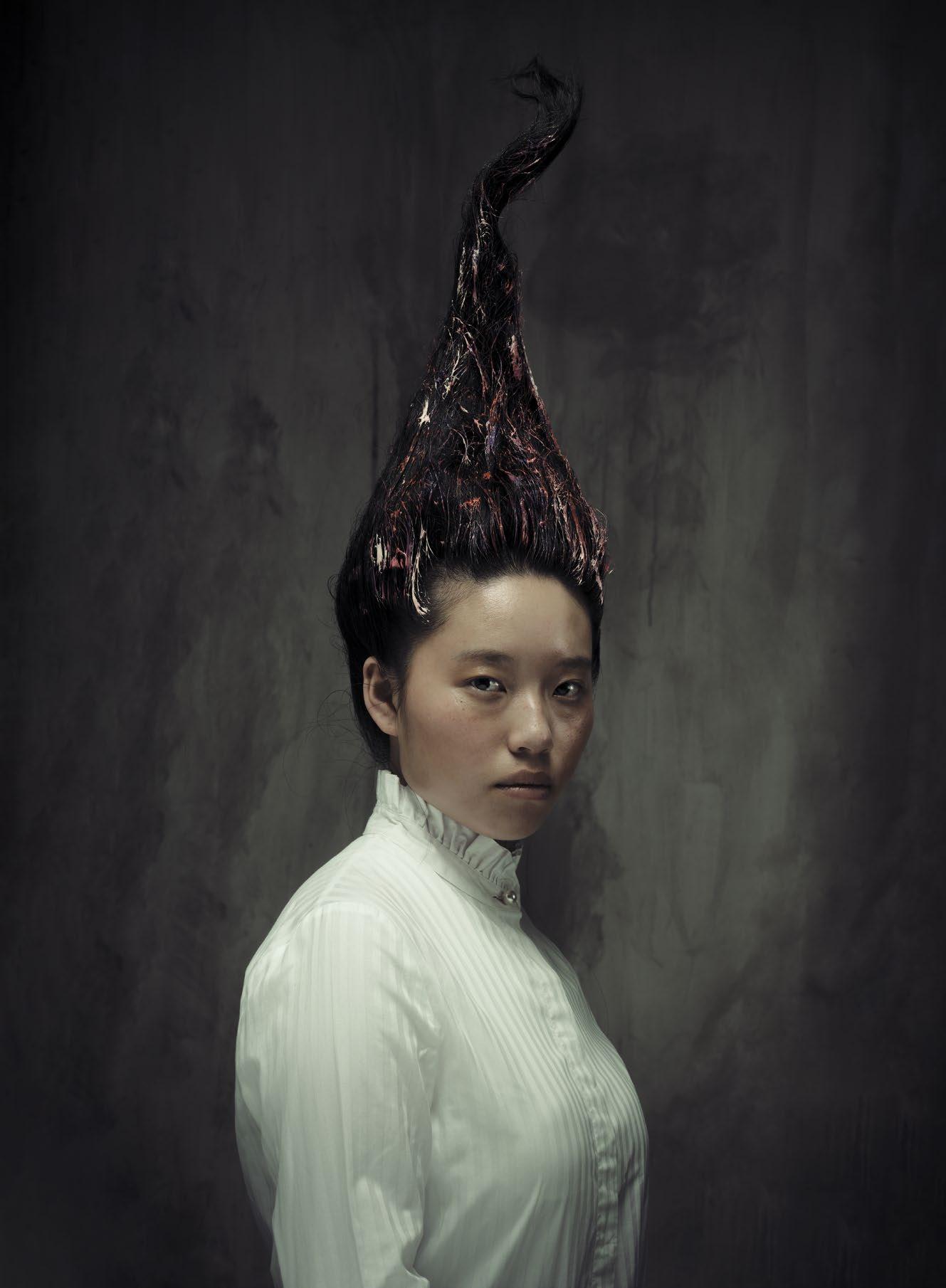 Hair: Jérôme Fendt assisted by Luna C
Photographer: Gael Lesure | Styling: ADN Frip
Hair: Jérôme Fendt assisted by Luna C
Photographer: Gael Lesure | Styling: ADN Frip
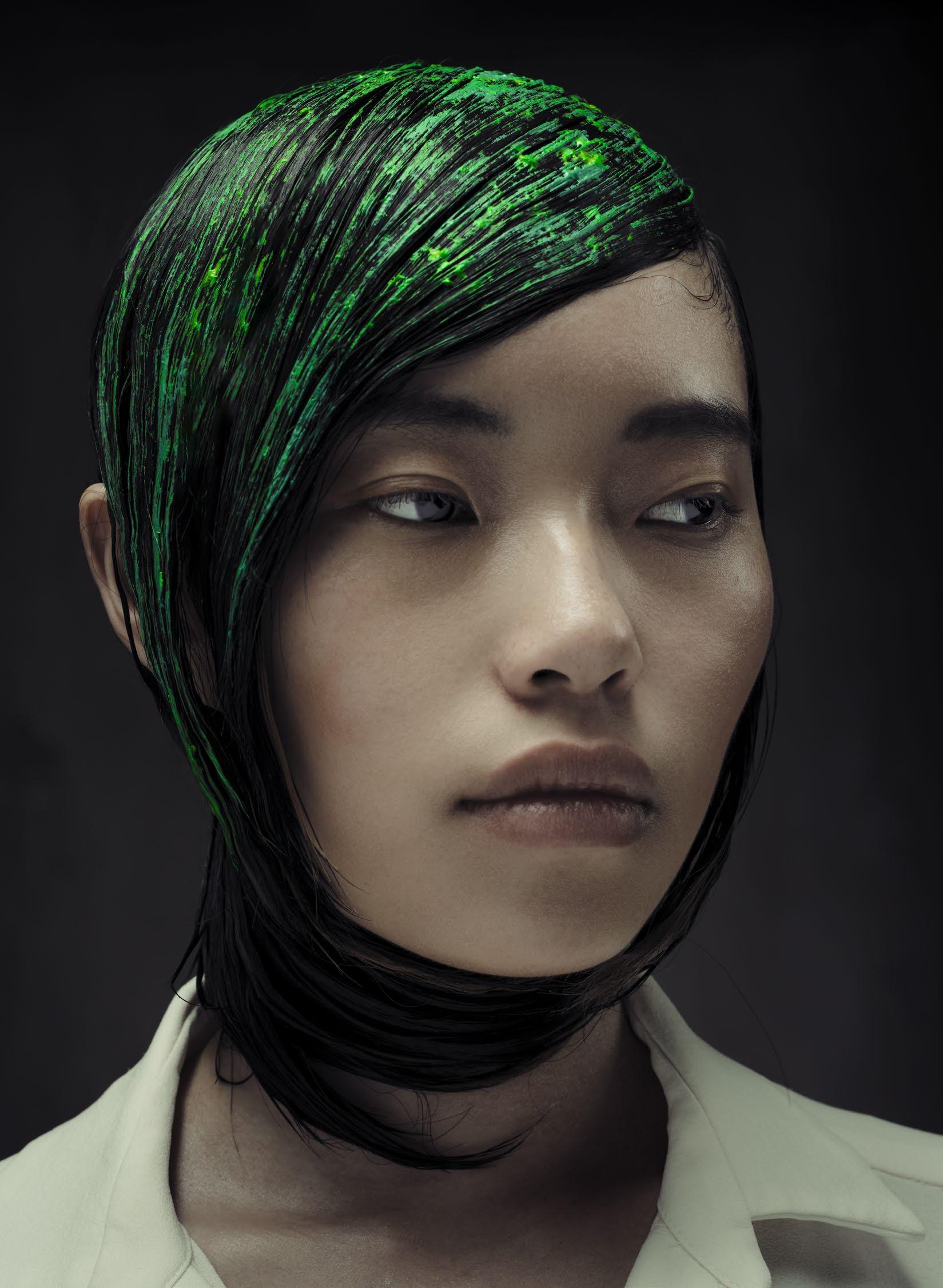
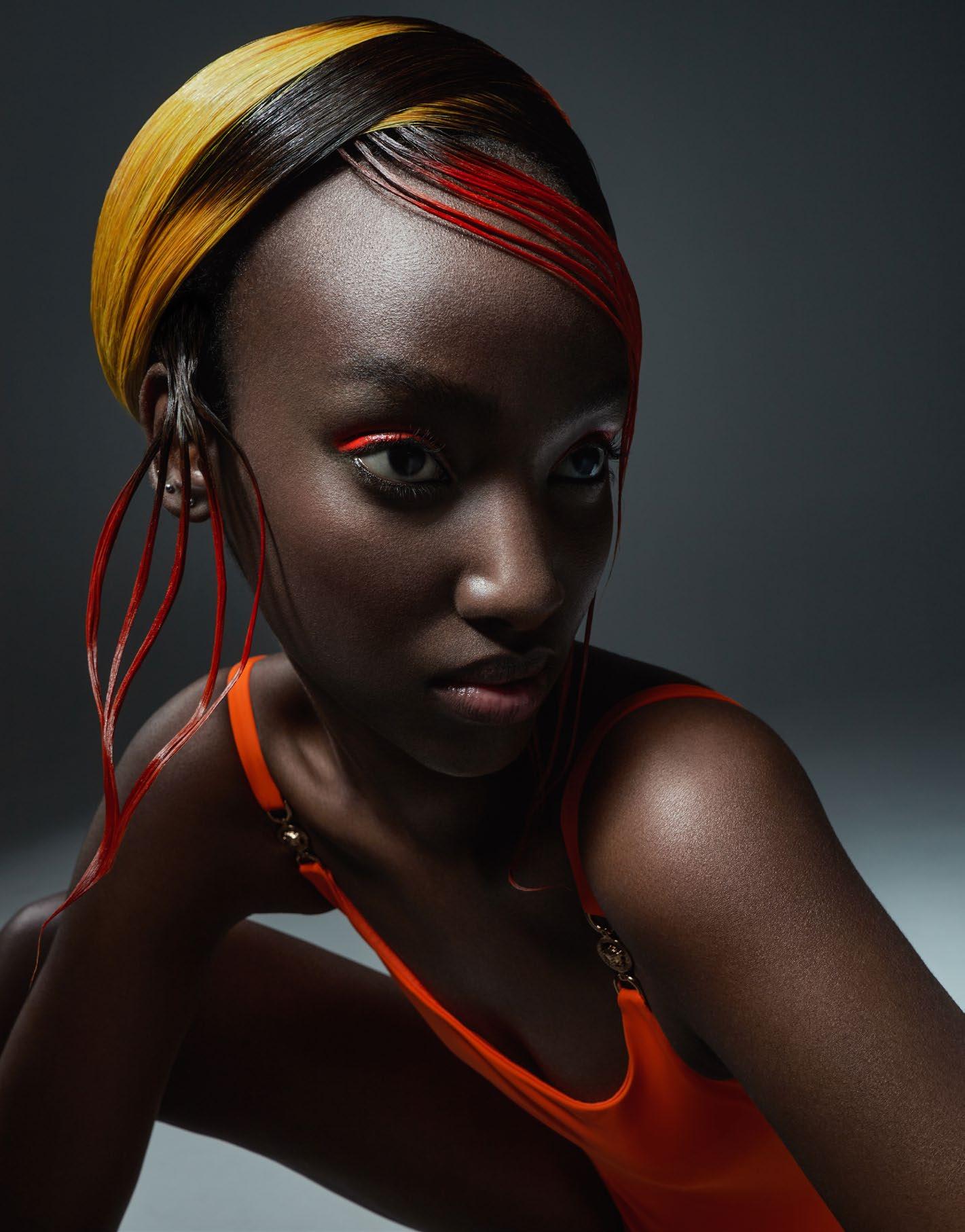
Hair: Christophe Gaillet
Photographer: Maros Belavy | MUA: Martyna Joanna Molenda | Styling: Kasia Jablonska
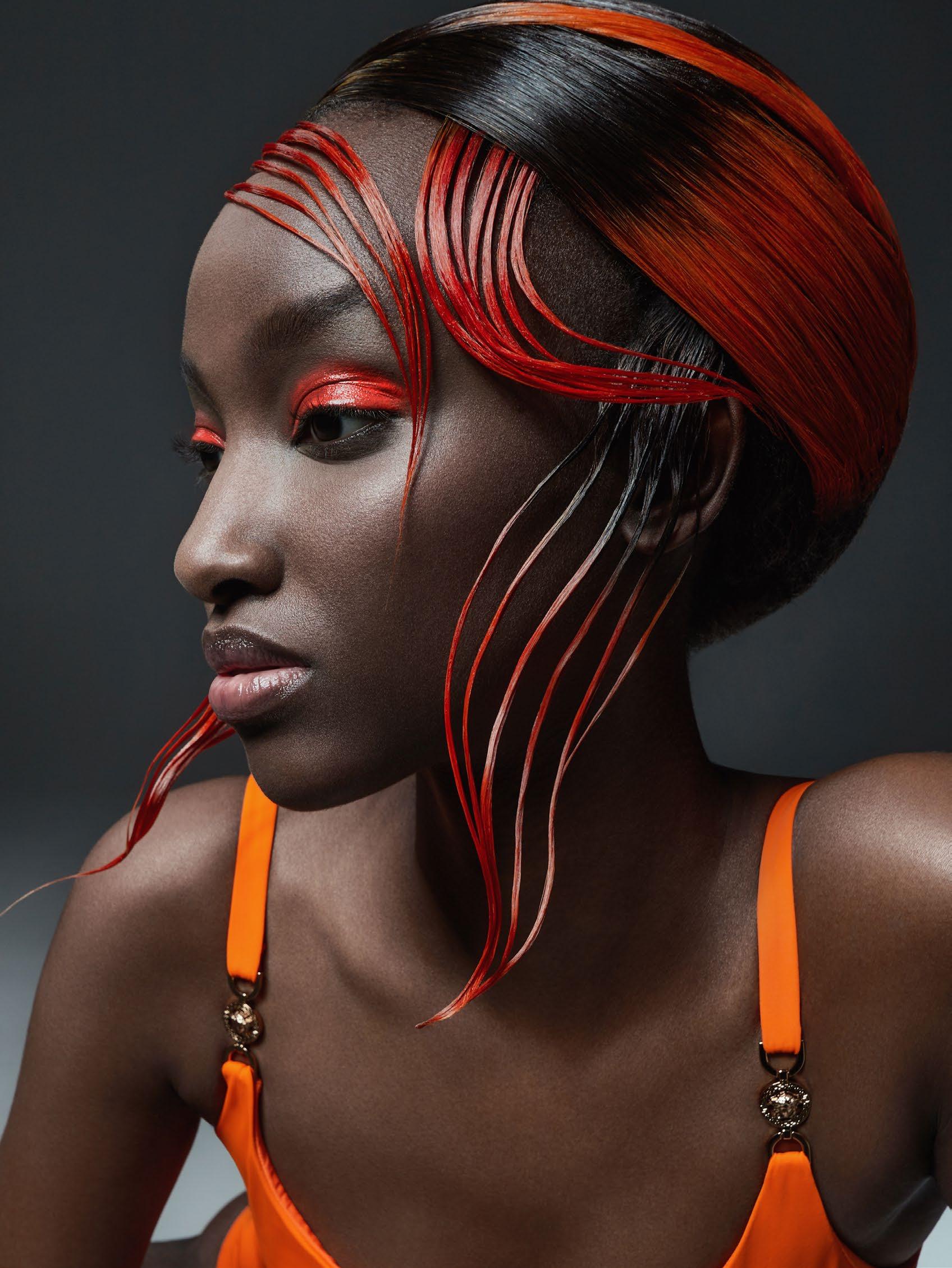
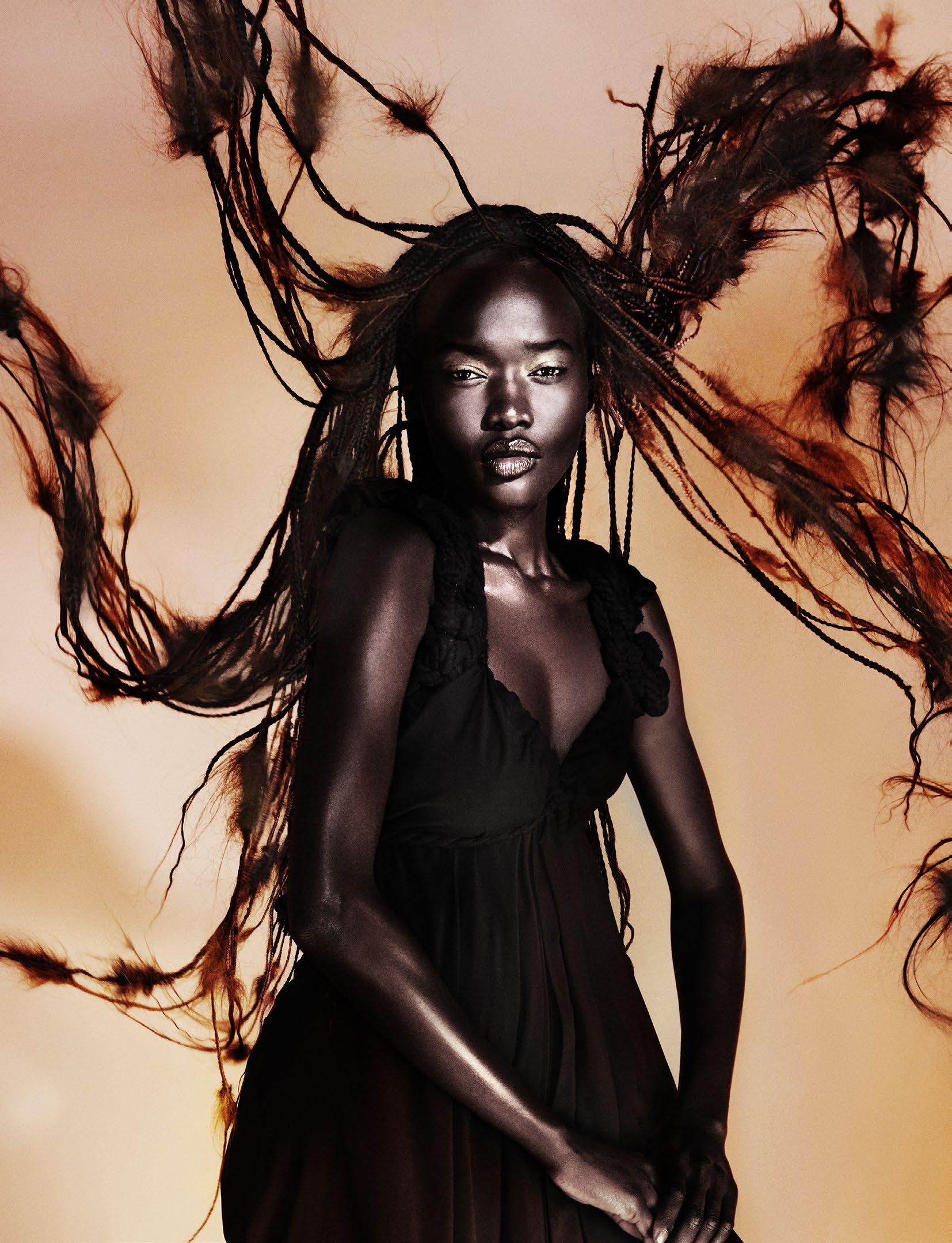
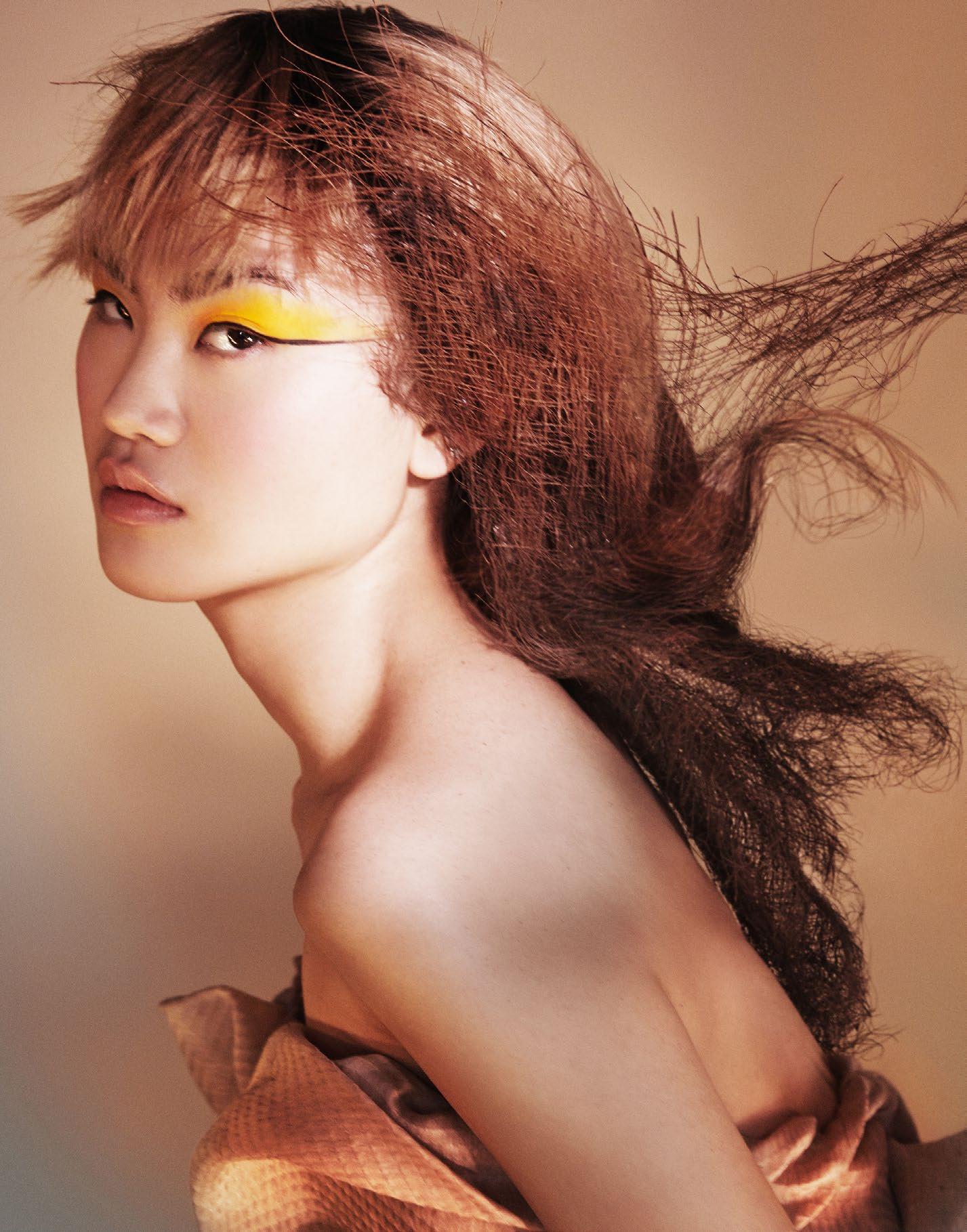 Hair: Danilo Giangreco assisted by Emy Roccabella
Photographer: Andrew O'toole | Make-up: Kylie O'toole | Styling: Anthony Capon
Hair: Danilo Giangreco assisted by Emy Roccabella
Photographer: Andrew O'toole | Make-up: Kylie O'toole | Styling: Anthony Capon
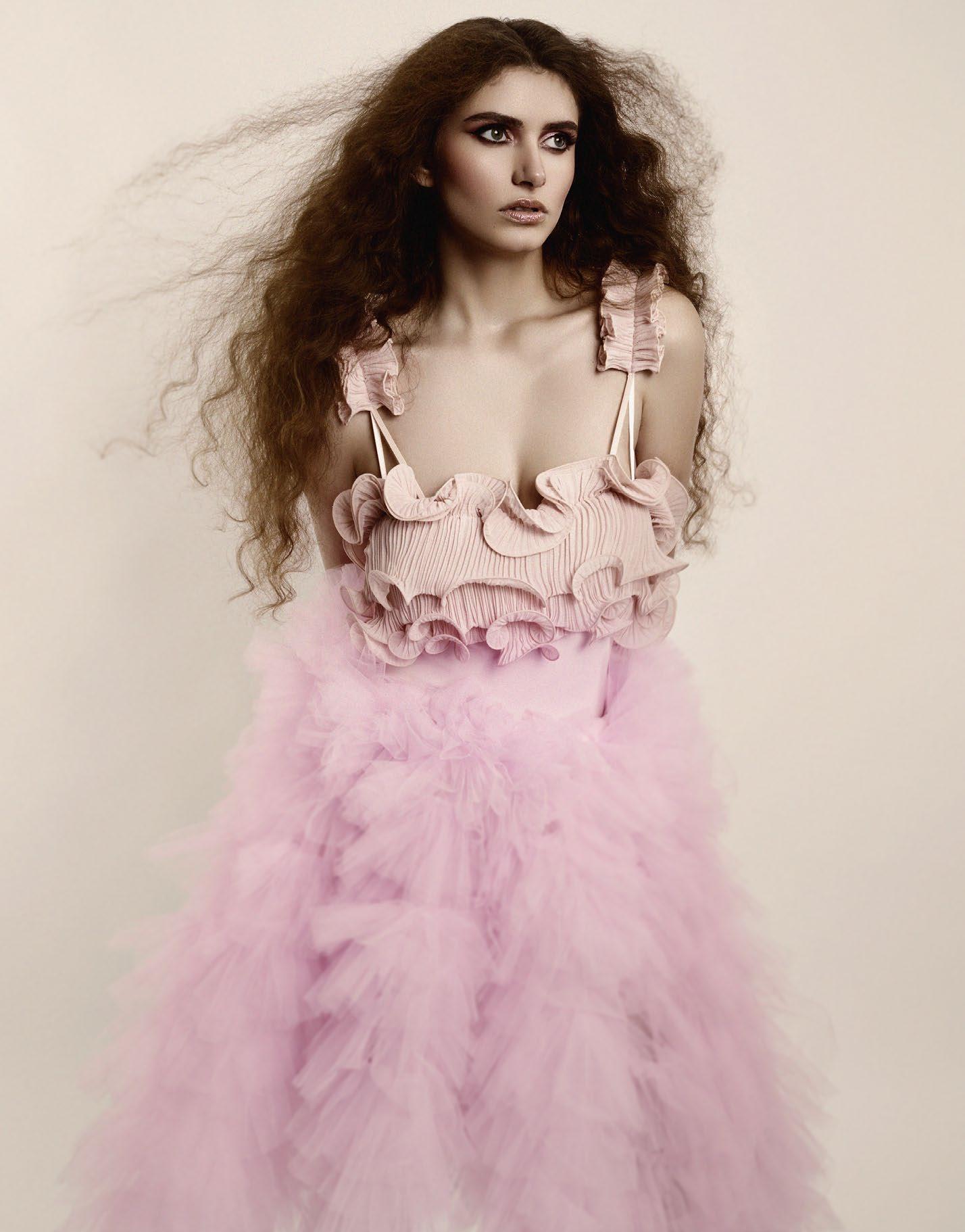 Hair: Lisa Vann
Photographer: John Rawson assisted by Paul Gill | Make-up: Orlando Leon Marin | Styling: Lisa Vann
Hair: Lisa Vann
Photographer: John Rawson assisted by Paul Gill | Make-up: Orlando Leon Marin | Styling: Lisa Vann
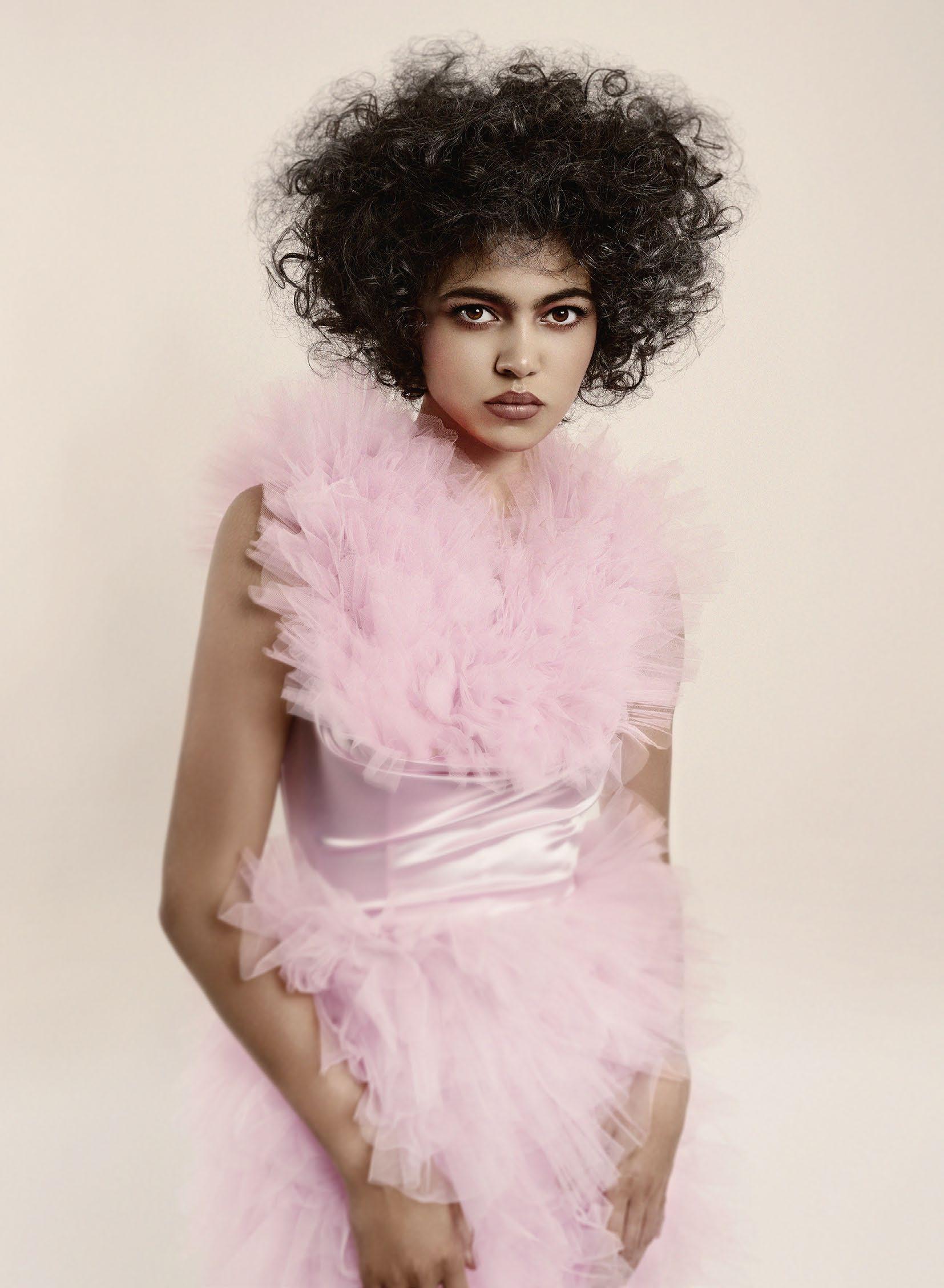
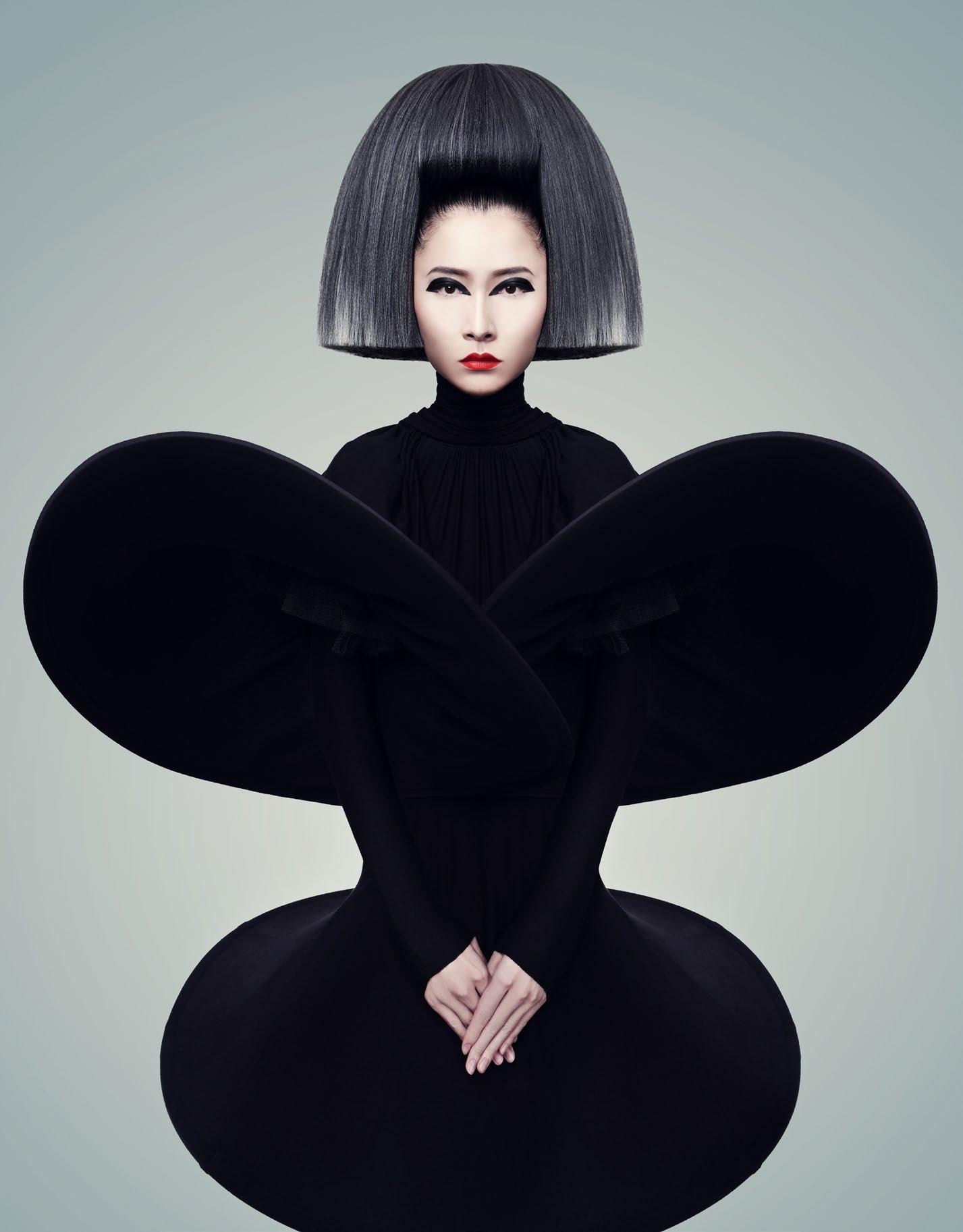 Hair: Richard Ashforth, Rafi Cheng, Casper Yeo
Photographer: Robbie Liu | Make-up: Ryu Miyazaki | Styling: Victor Goh
Hair: Richard Ashforth, Rafi Cheng, Casper Yeo
Photographer: Robbie Liu | Make-up: Ryu Miyazaki | Styling: Victor Goh
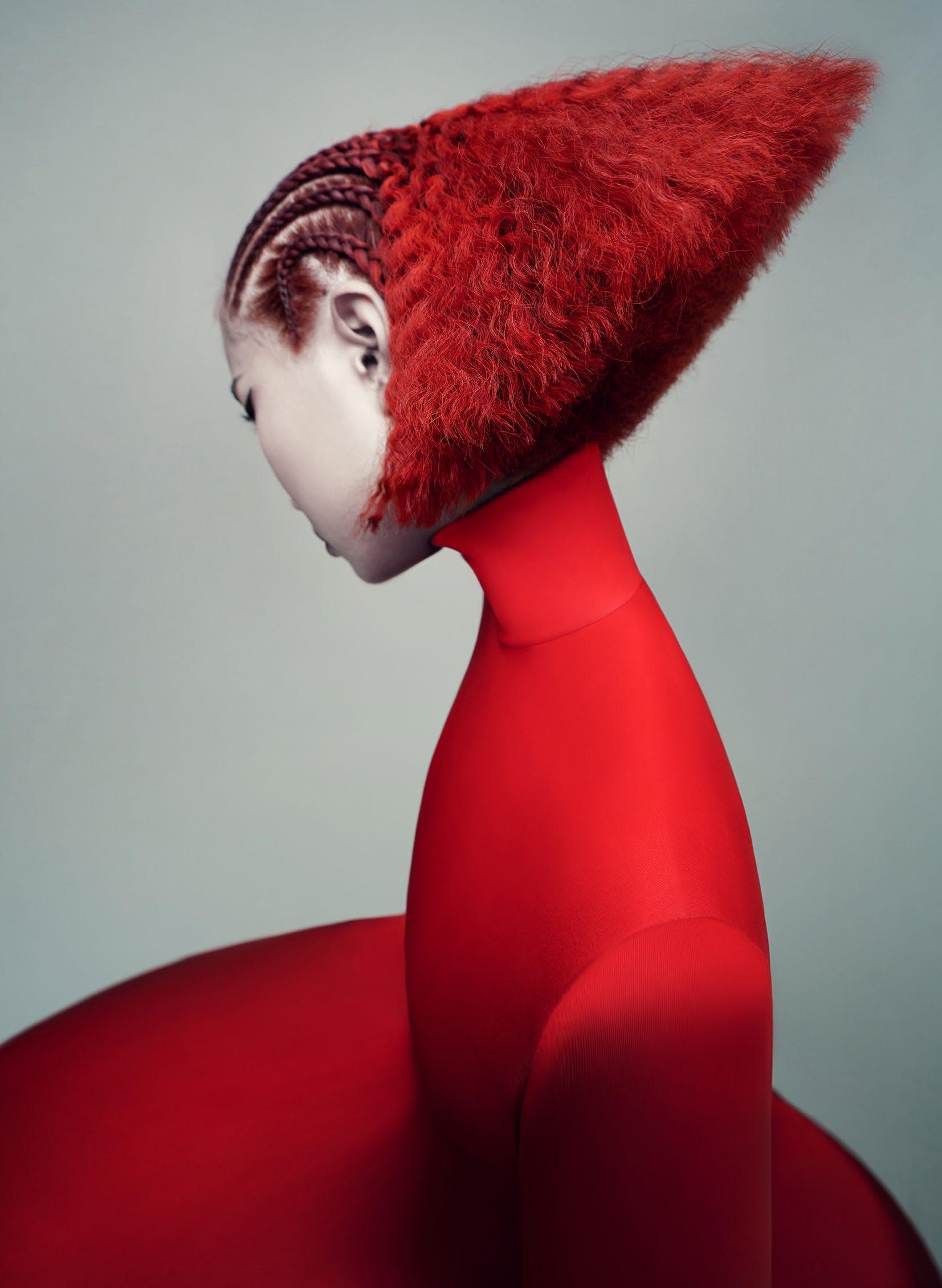
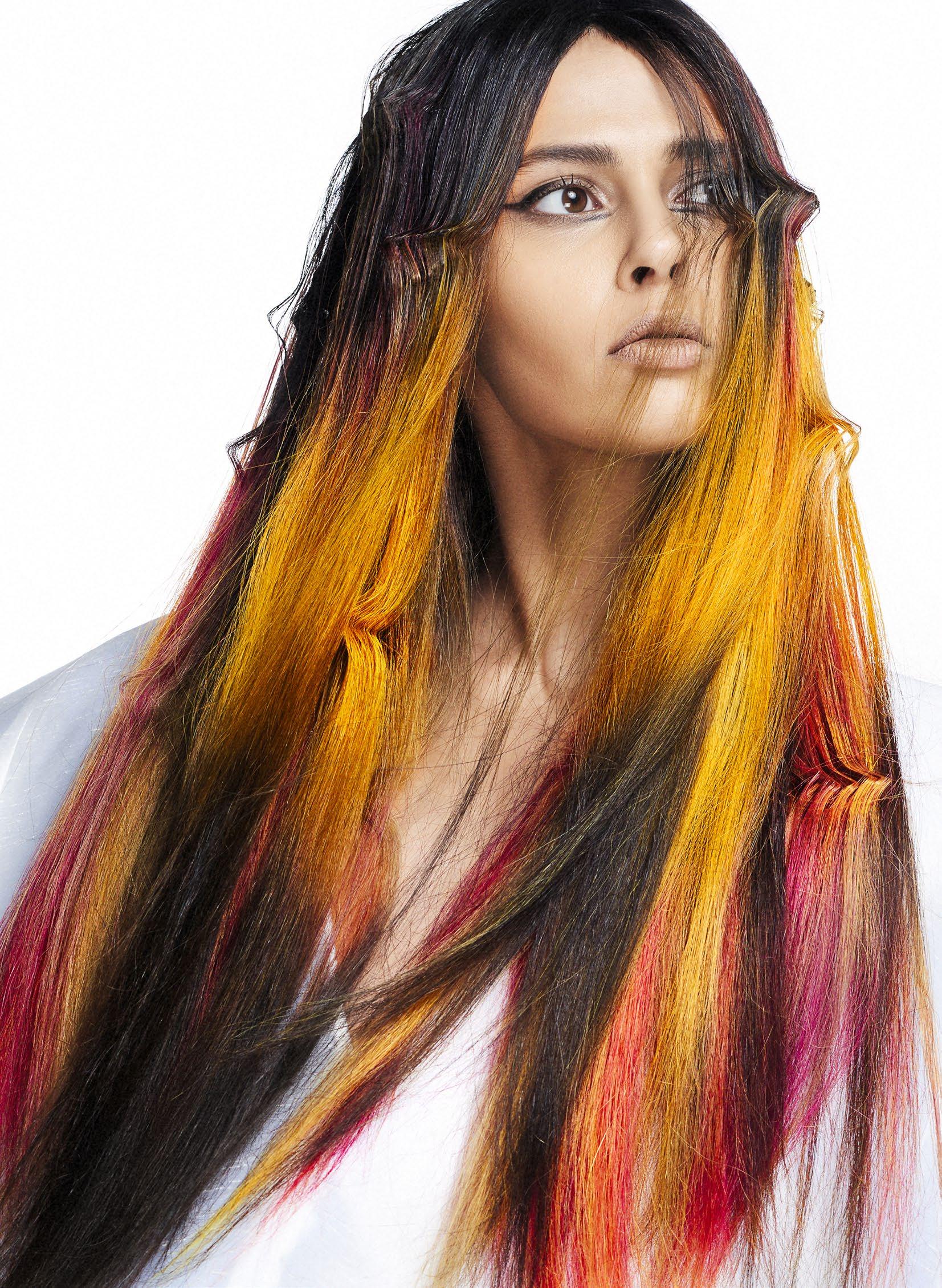
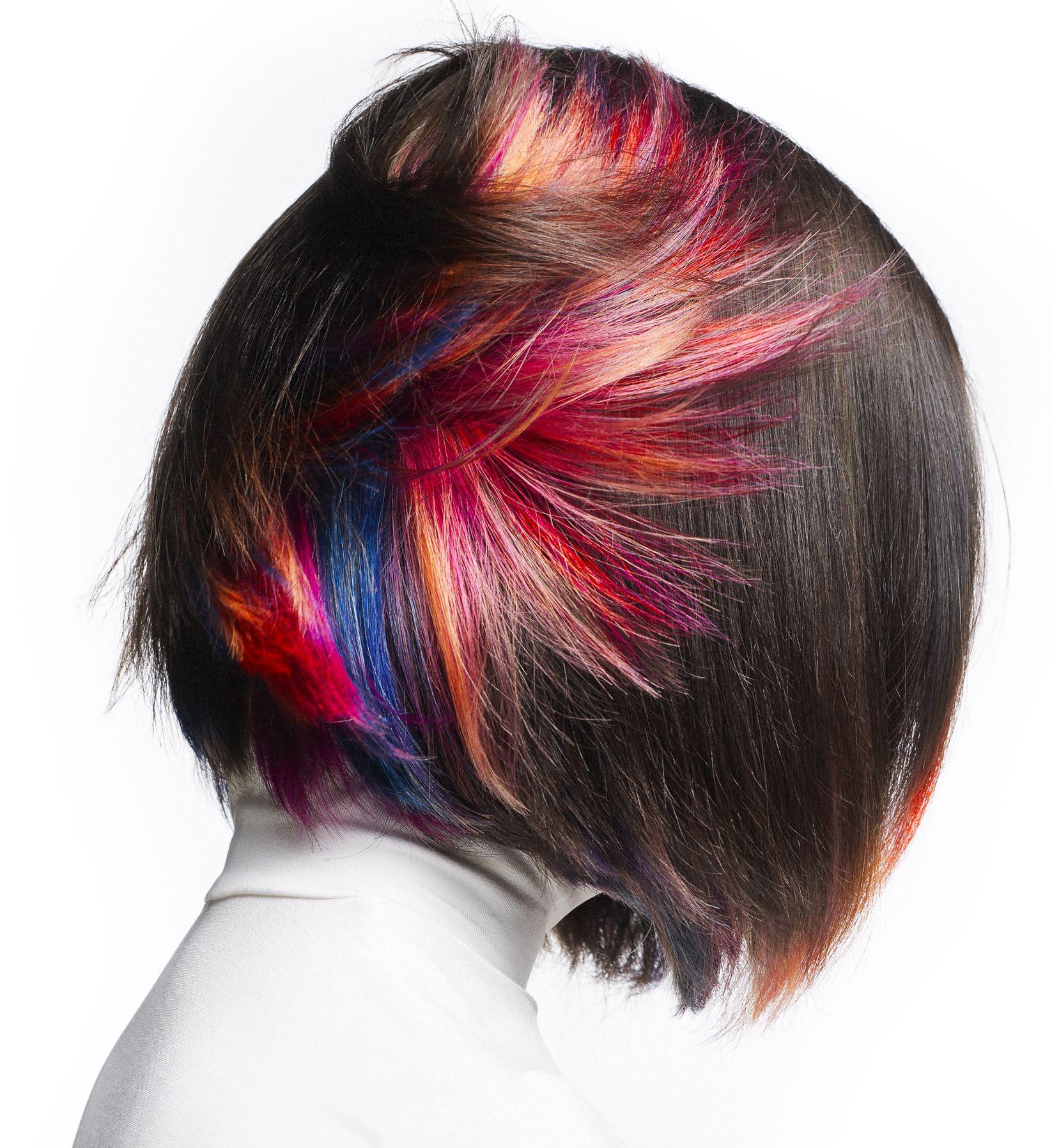
Hair: Mark van Westerop | Colour: Louise Vlaar
Photographer: Studio IvodeKok | Make-up: Angelique Stapelbroek | Styling: Ed Noijons
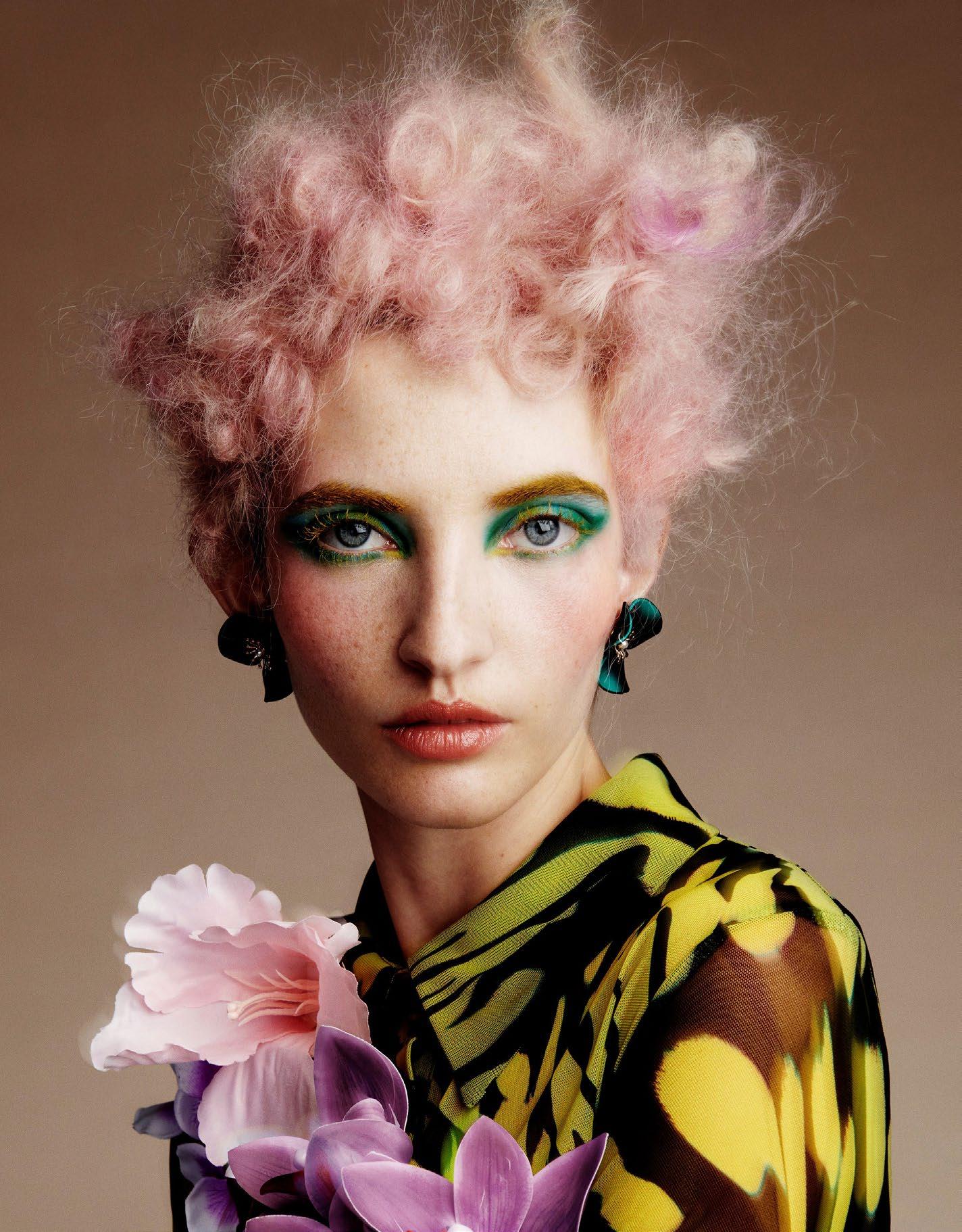 Hair: Pauline McCabe | Colour: Jasmin Kidd Montau’t
Photographer: Andrew O’Toole | Make-up: Kylie O’Toole | Stylist: Rochelle Renwick
Hair: Pauline McCabe | Colour: Jasmin Kidd Montau’t
Photographer: Andrew O’Toole | Make-up: Kylie O’Toole | Stylist: Rochelle Renwick
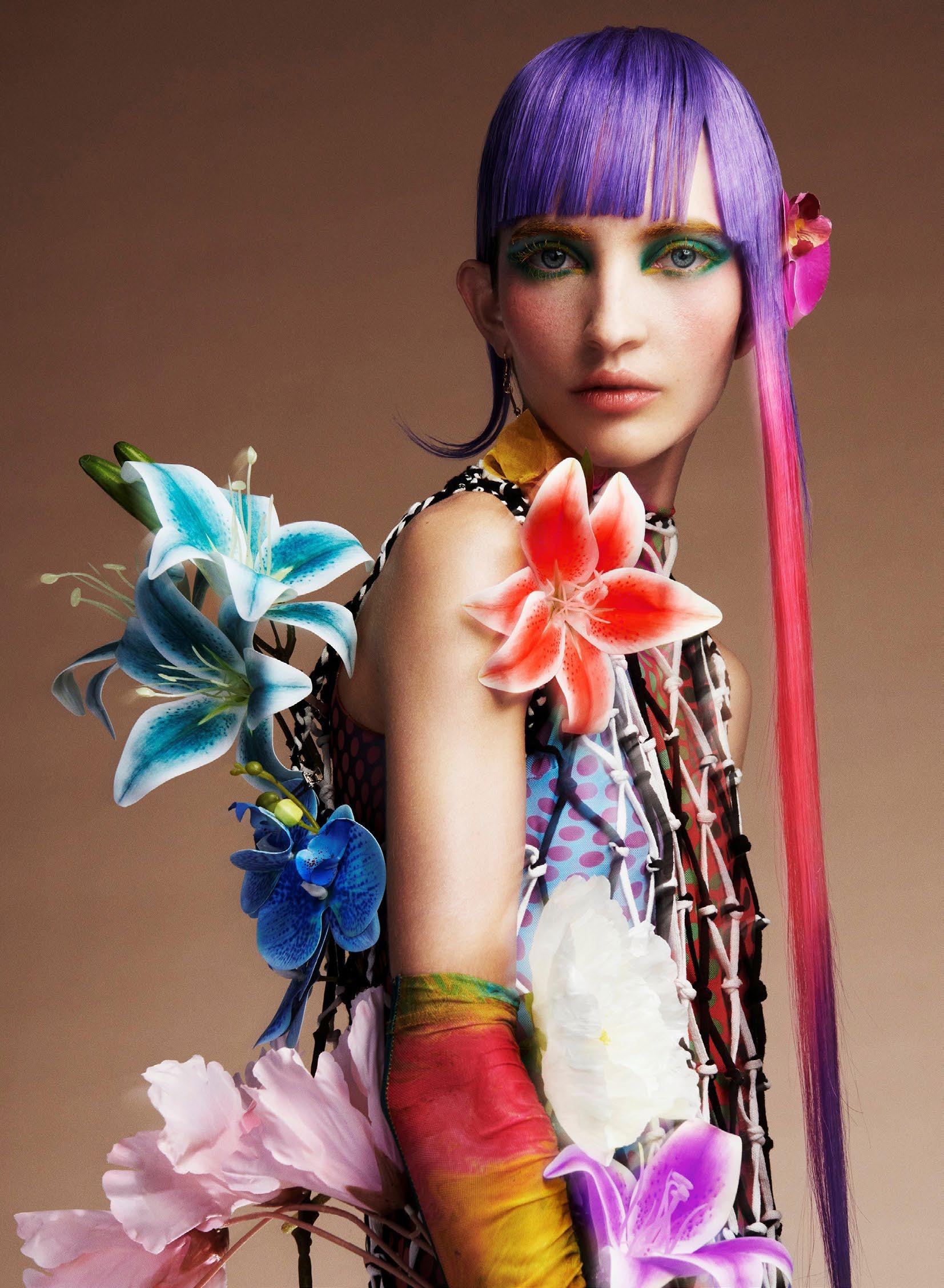
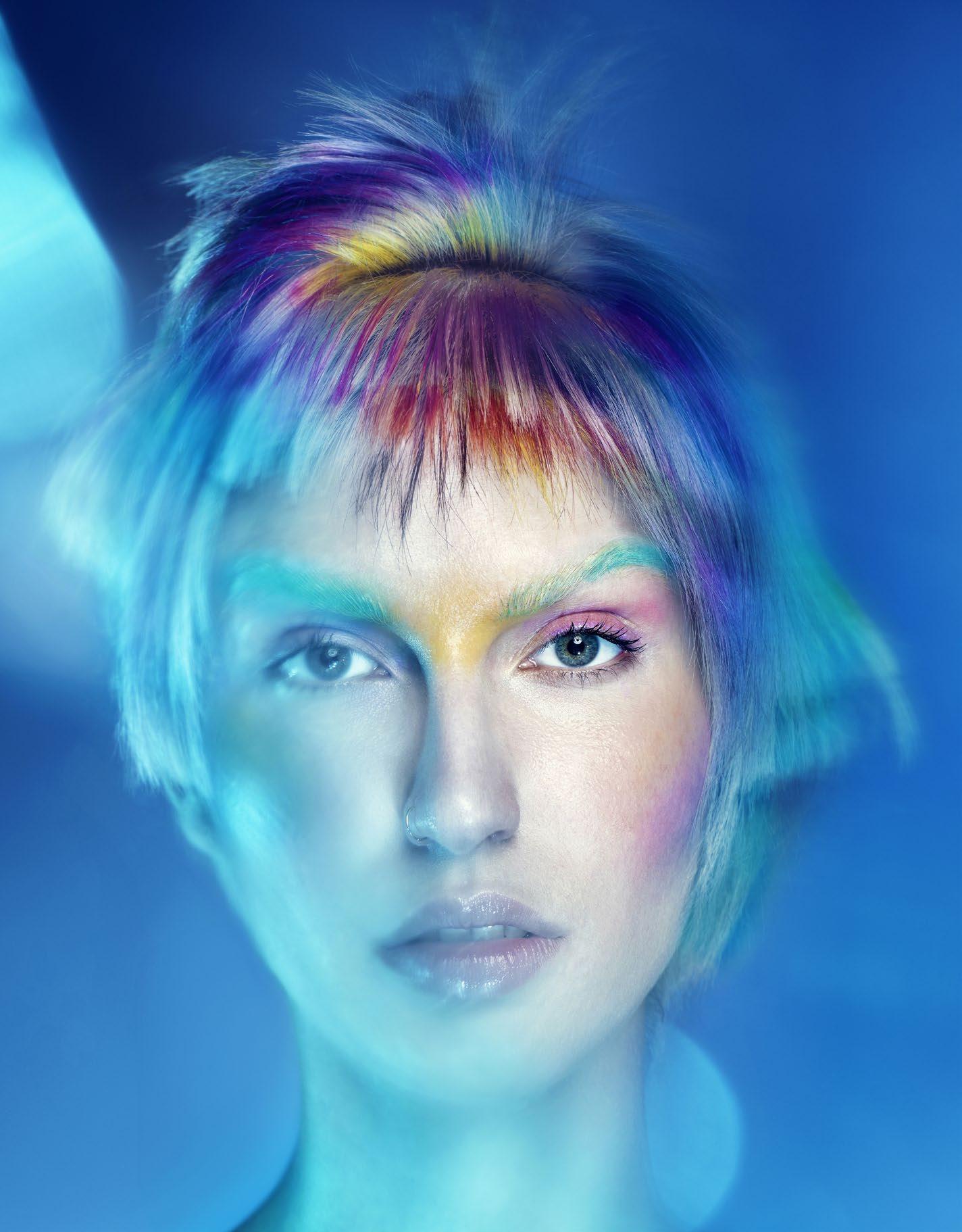 Hair: Louise Vlaar
Photographer: Studio IvodeKok| Make-up: Angelique Stapelbroek| Stylist: Ed Noijons
Hair: Louise Vlaar
Photographer: Studio IvodeKok| Make-up: Angelique Stapelbroek| Stylist: Ed Noijons
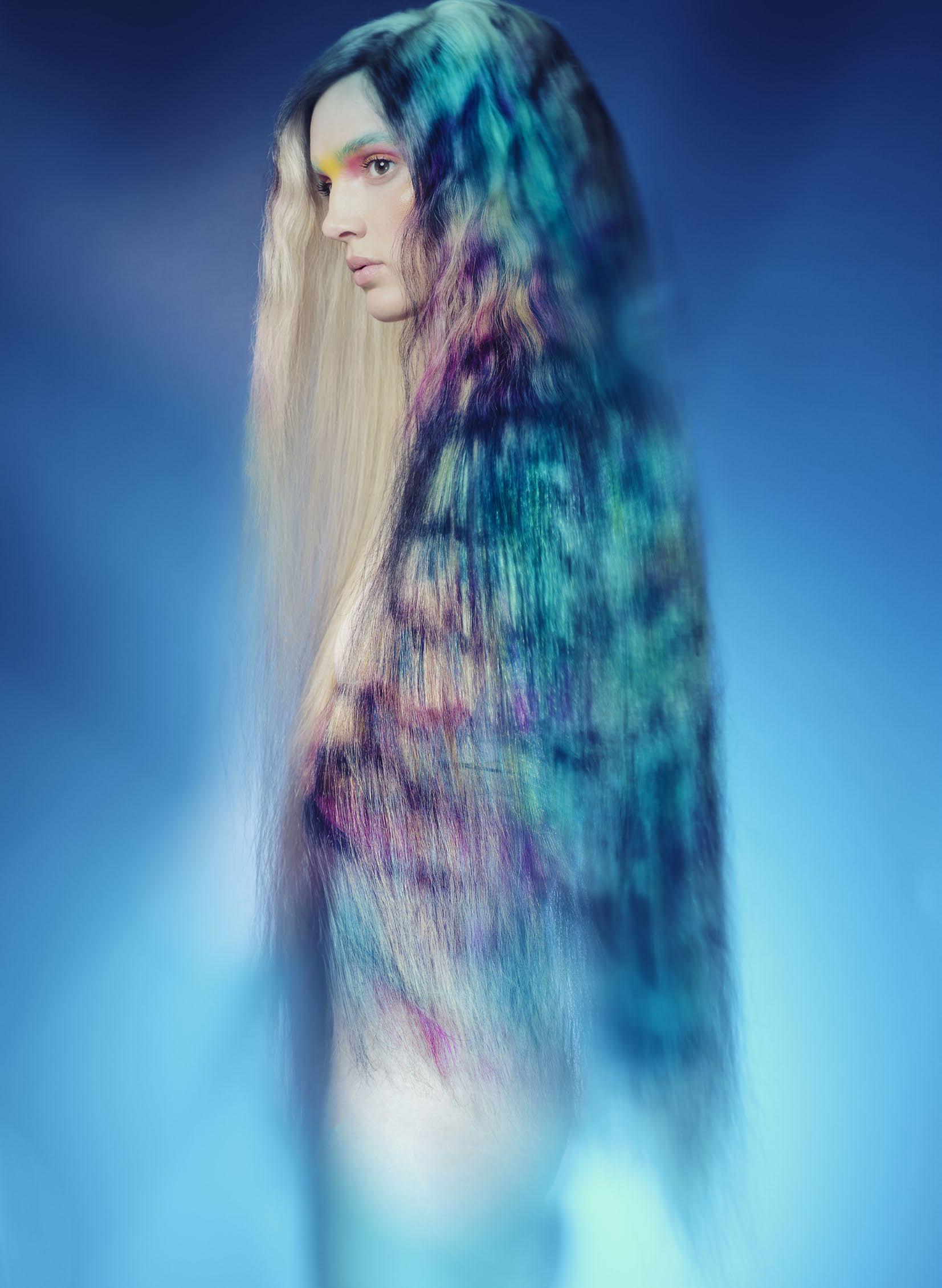
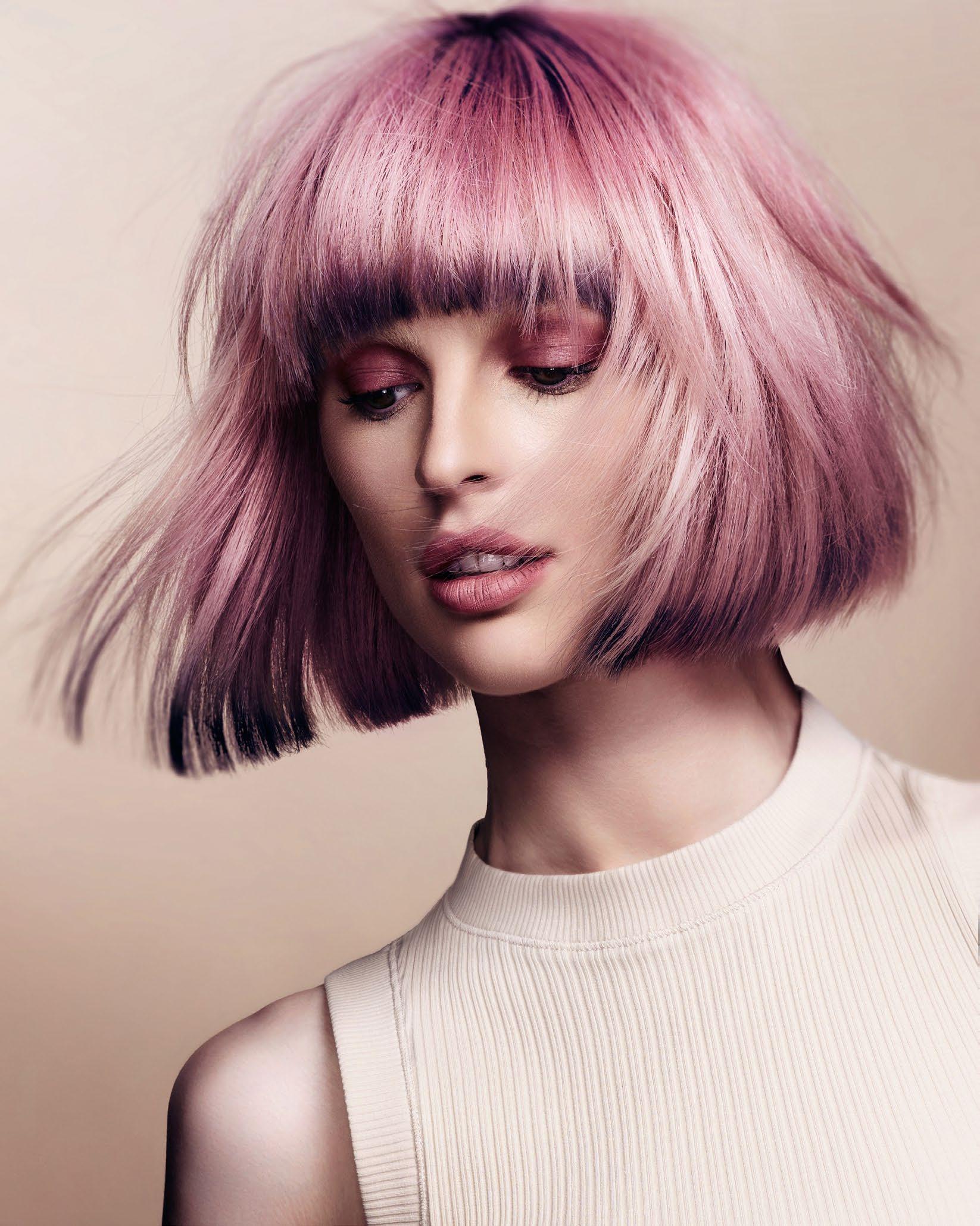 Hair: Jo Lomax
Photographer: Jamie Blanshard | Make-up: Debra Smart | Art director: Steven Smart
Hair: Jo Lomax
Photographer: Jamie Blanshard | Make-up: Debra Smart | Art director: Steven Smart
DESIGN
more…
Gorgeous salons from London and Leeds to put you in the mood for being surrounded by lovely furniture and decor at work!
See
DESIGN
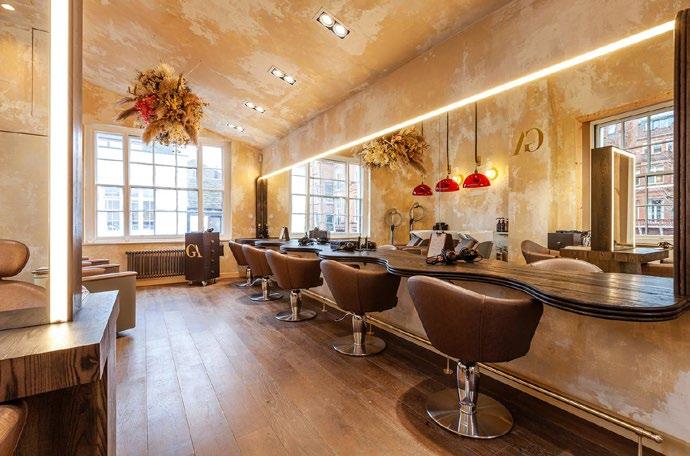
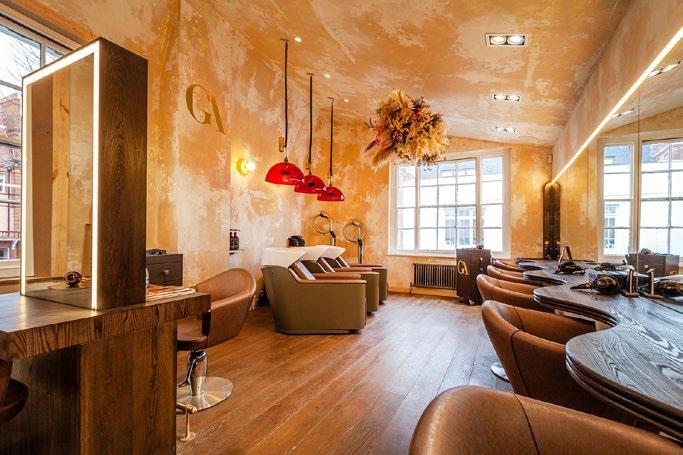

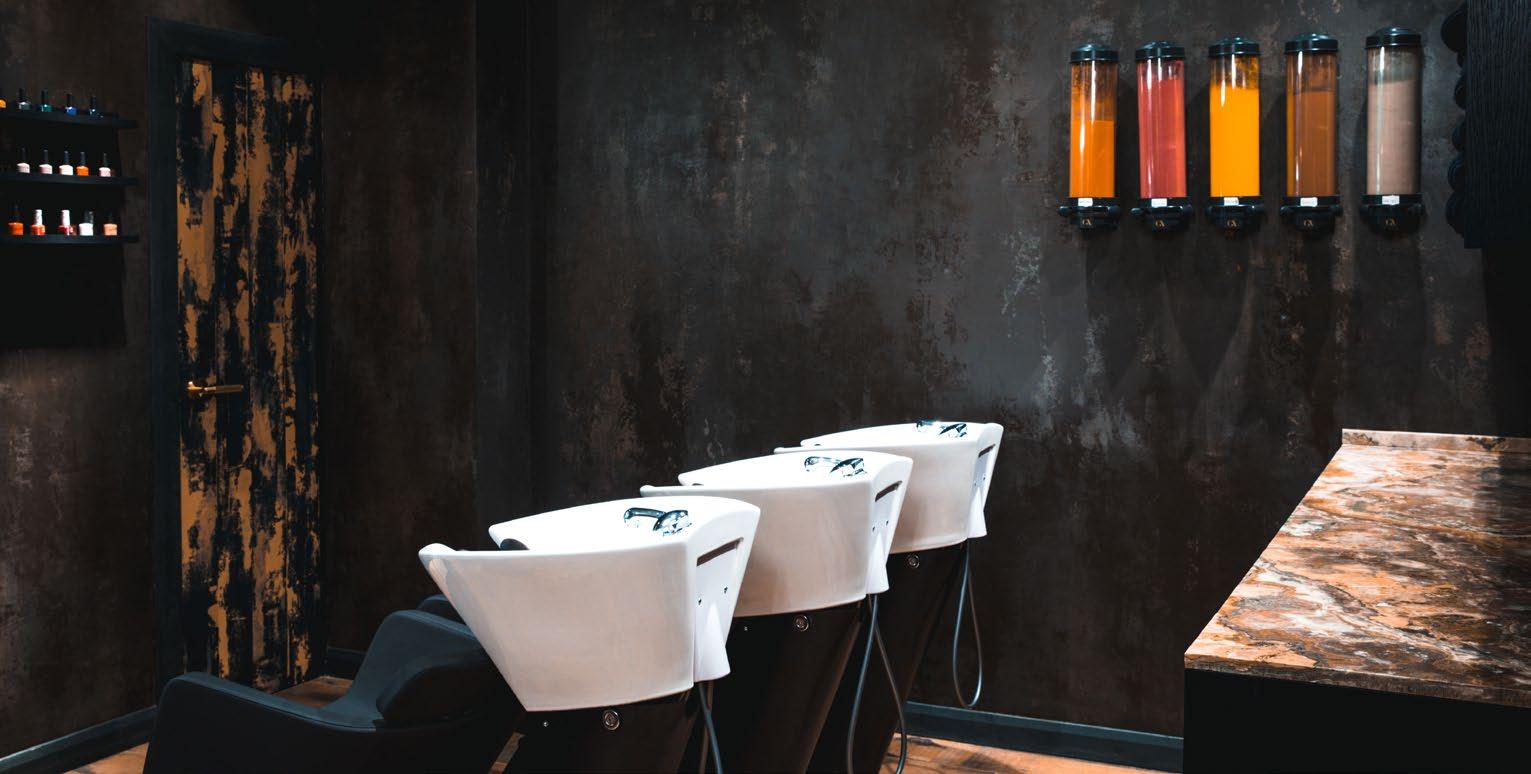
LONDON / GENNARO DELL’AQUILA HAIR & BEAUTY

98
DESIGN
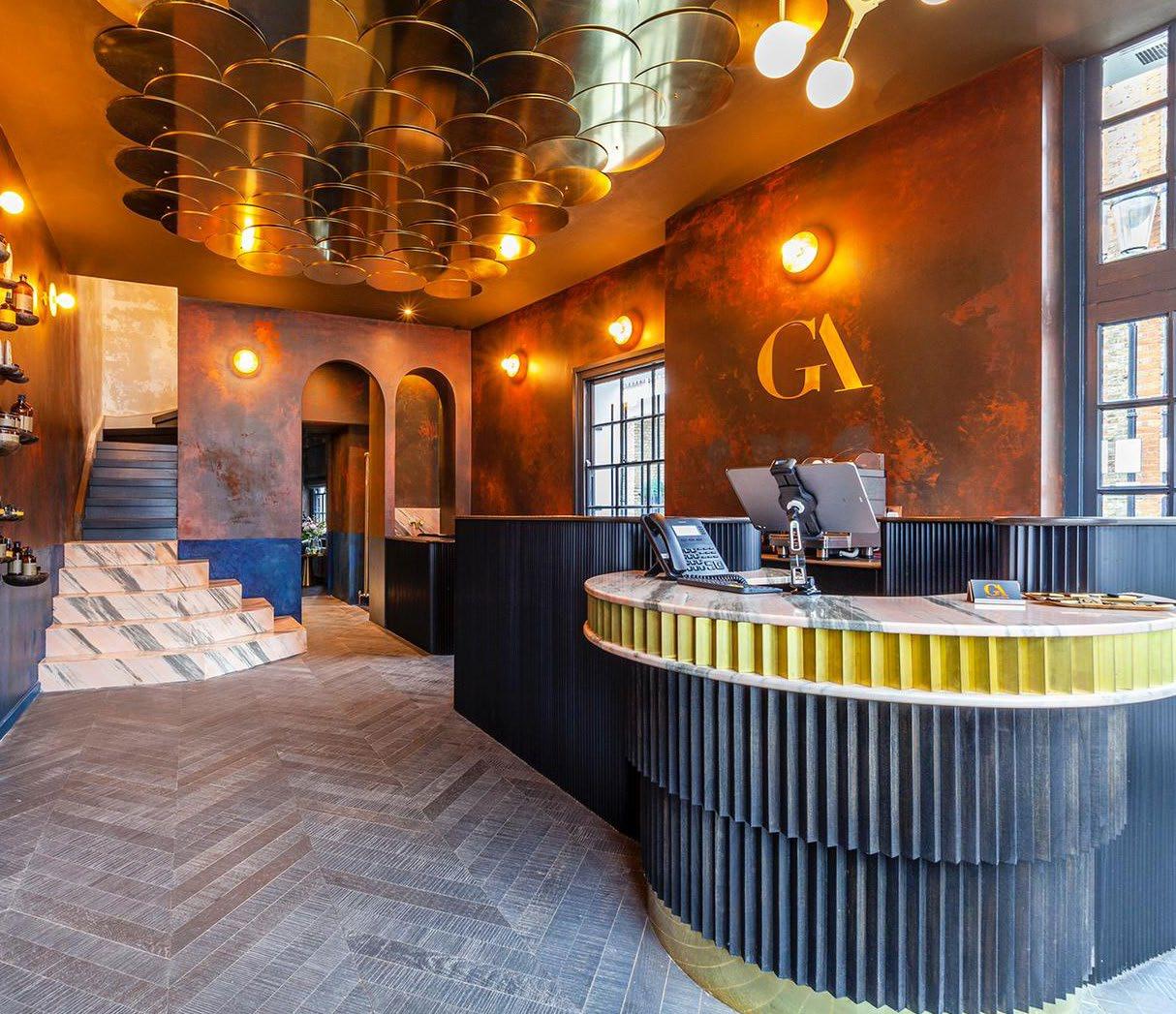
A salon group with Italian ambiance, there are four stunning London locations for Gennaro Dell’Aquila (GA salons). Each emulating a similar aesthetic which reflects Italian craftmanship with modern taste. The brand philosophy is based on the work of natural, curative products, and the environment equally embraces 100% natural, organic materials. Pictured here, the Chelsea salon has a touch of the gold Art Deco interior vibe. Curved feature arches and a luxe, disc-ceiling installation in reception work well with a neutral palette on walls and flooring. Occasional vibrant touches (pendulum light-shades over the backwashes) and Mediterraneam-blue for stairs, desk and walls bring a joyful mood. We love the way natural light floods each space. Personal, cool and glorious.
99
DESIGN

A move to new premises marking 21 years in business proves a real coming of age for Brooks & Brooks. Renovating a heritage Grade-2 listed building to retain features such as a staircase and fireplaces, yet make it contemporary, is a challenge indeed. The metal workstations are practical – sockets, drawers and hangers incorporated – meaning there are no trolleys used, and the sense of minimalism is safeguarded. Lighting is suspended from beautiful black metalwork creating a visual that is both practical and stunning. Paned-windows, with planters and pots, create light and bring personality. The calm, muted palette of white through grey to black in reception works with the natural woods and mustard-yellow. A conservatory to the rear of the building has a stunning feature-wall of slatted-wood, and a bespoke colour-bar with steel worktop is as utilitarian as it gets. A ‘drawing room’ on the first floor includes backwashes to be a contained hairdressing space. A studio on the top floor is a library and further workspace. Creative, energising and beautiful. The photographs tell the story.
100
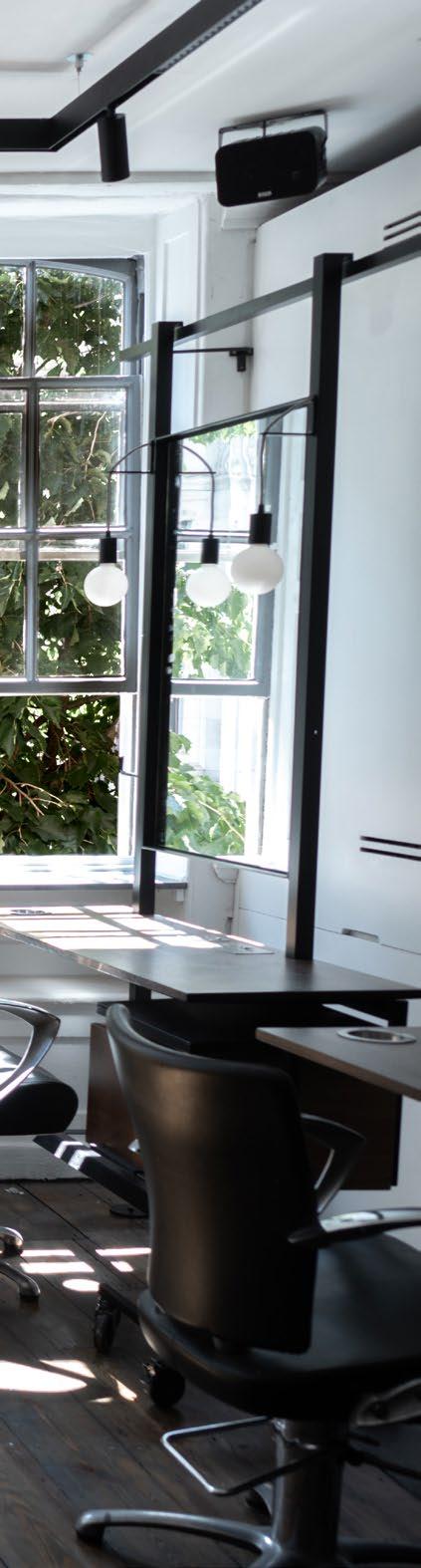
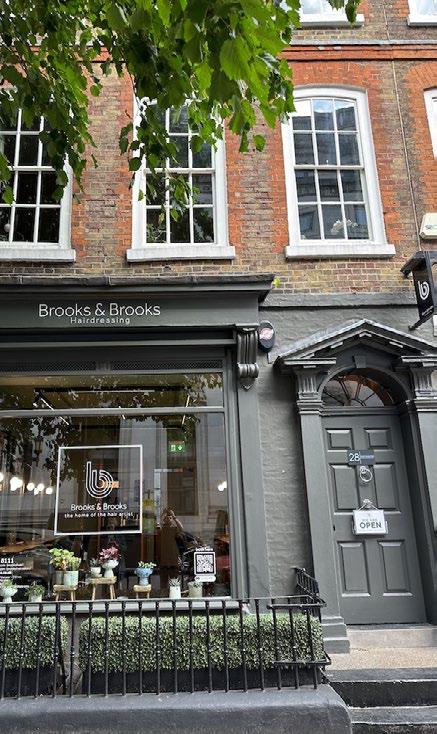
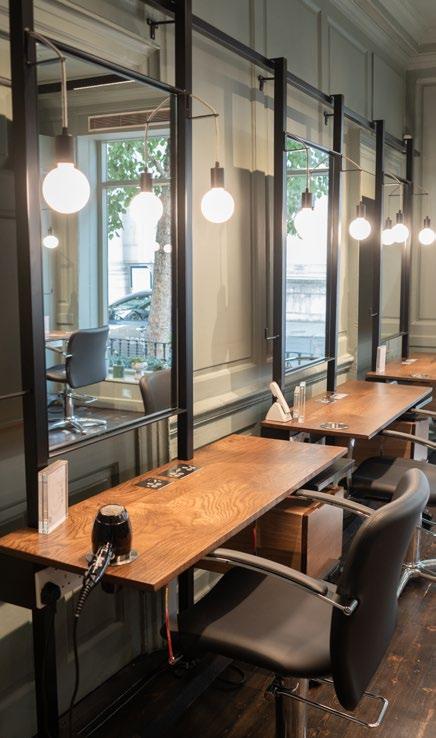
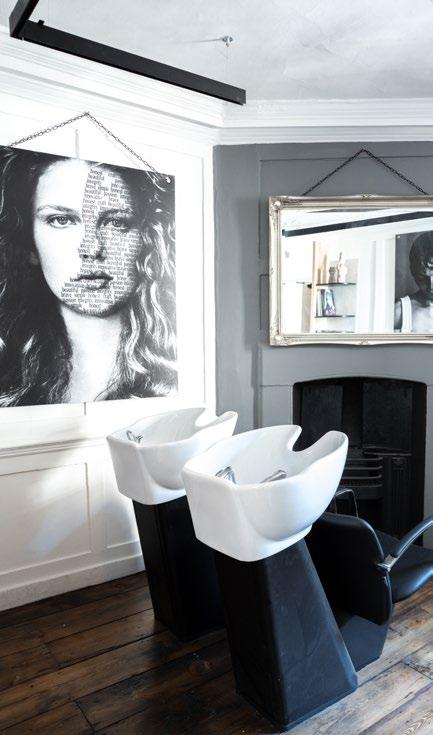
101
DESIGN
LONDON / BROOKS & BROOKS
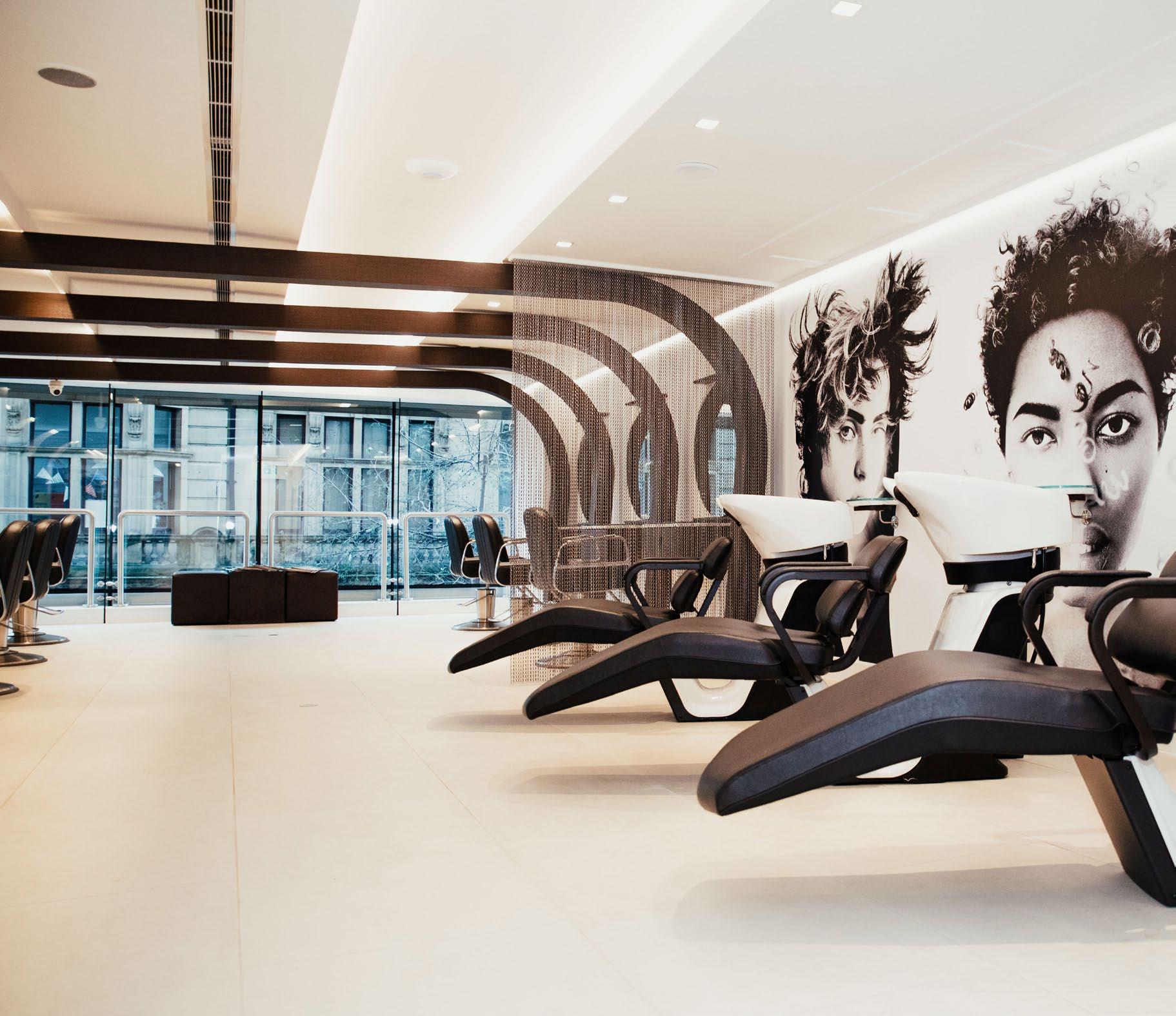
102 DESIGN
LEEDS / RUSSEL EATON
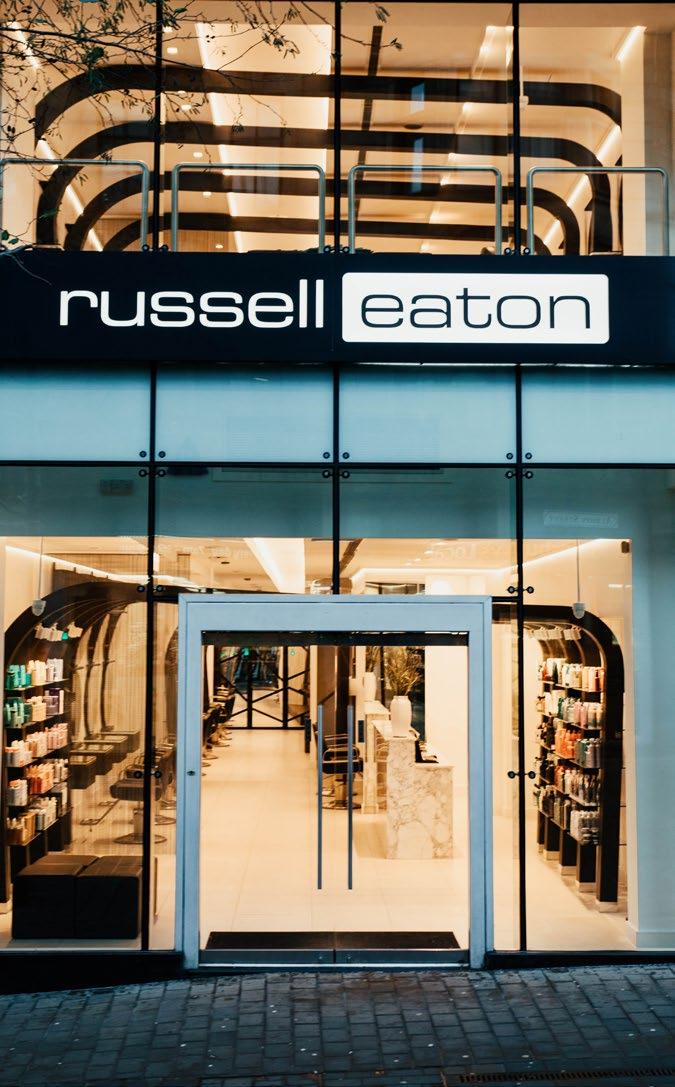
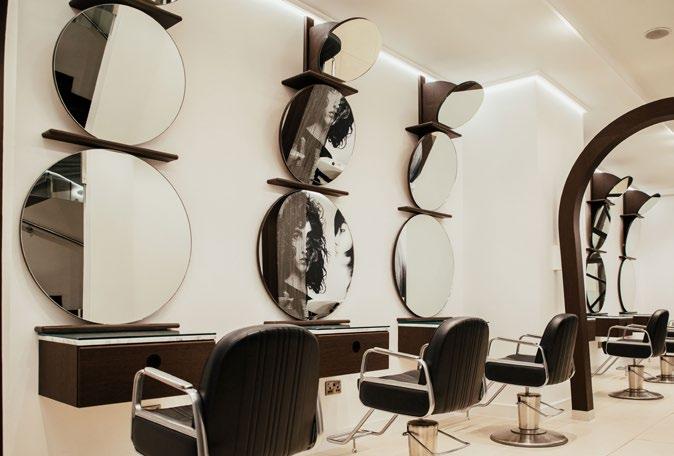
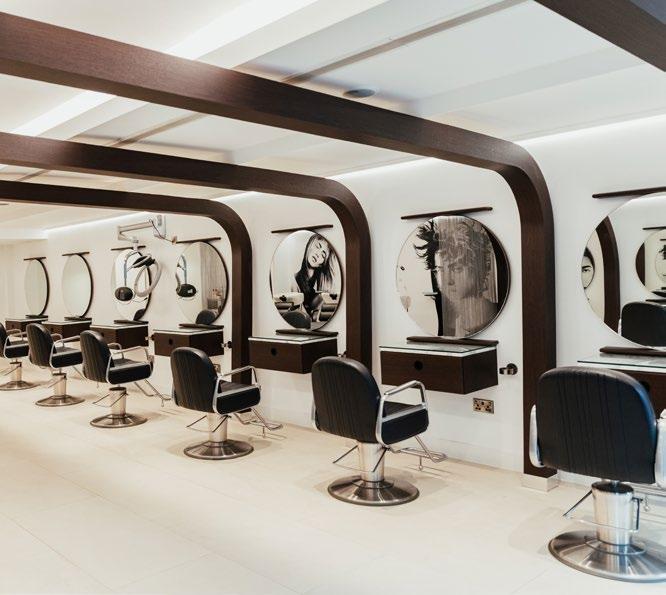
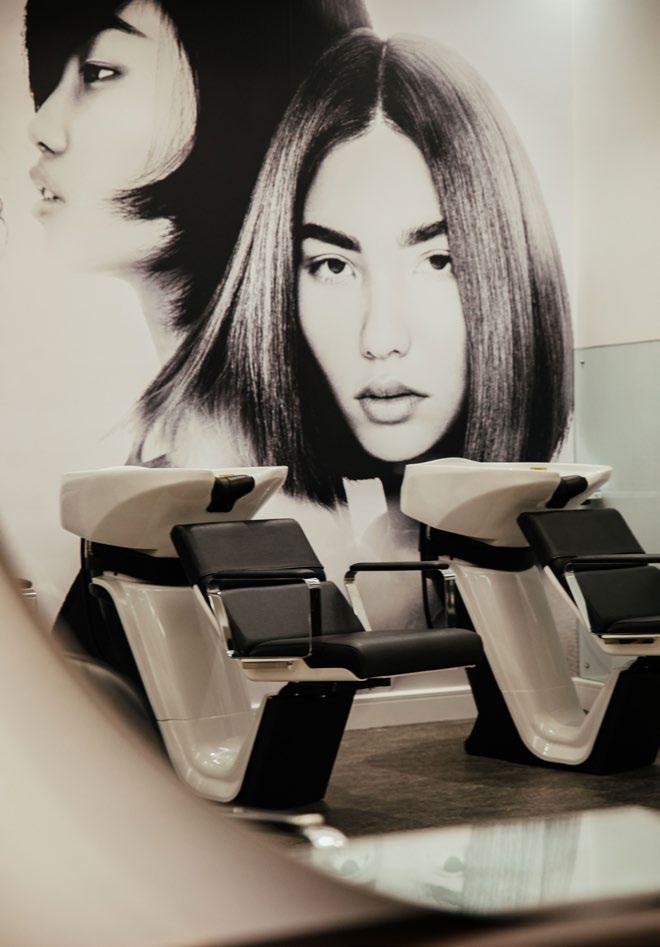
A move to new premises on Albion Street in Leeds gave this family hairdressing business the opportunity to unveil a stunning new Russell Eaton flagship salon. It is light and airy, and super-contemporary. From the outset you can be in no doubt as to the brand’s creative credentials thanks to striking wall murals of their fabulous photography. From luxe aromatherapy hair treatments to sumptuous chairs, the menu of comfort, the use of space and sophisticated, curved features (from mirrors to shelving) makes this feel modern yet welcoming. This space means business, but it’s the business of beauty and the drama of a neutral colour palette and polished chrome is both calming and efficient. Very striking!
103 DESIGN
Thank
You made this possible
Crazy Color
Schwarzkopf Professional
Henkel
Oribe Davines
Takara Belmont
Diva Pro
Hair & Care
Haircuts4Homeless
The Hair & Beauty Charity
Alternative Hair Show
Jack Eames
you