





















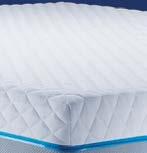
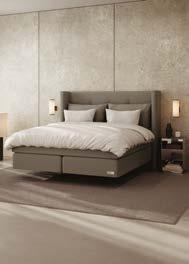
With 11 layers of our most advanced tech, our highest spring count ever & luxurious natural materials, this really is our dream mattress.







































01424 776101
paul.farley@lewisbusinessmedia.co.uk
@FurnitureNewsED
@Furniture News
www.furniturenews.net
“Staying calm under pressure is sound advice for any business
In 1939, the Government produced a motivational poster that urged Britons to ‘Keep Calm and Carry On’ as the beat of the war drums intensified.
Whatever substance there is to the notion of the British ‘stiff upper lip’, staying calm under pressure is sound advice for any business. For this year’s Best of British feature (p54), we’ve asked nine industry spokespeople why buying British continues to appeal to consumers despite the challenges facing the economy, and what makes each of them hopeful for the sector’s future.
Sealy UK’s new sales director David Johnstone echoes that historic call for composure. “Those of us that have been in the industry long term have seen tough trading before,” he says, “but we have also seen trading recover.”
Other key themes emerge from their collective responses. Quality. Reliability. Assurance. Flexibility. Innovation. All qualities which any supplier or retailer must look to impart when times are hard.
At the heart of all this is the product itself. On p74, Shelley Bou Chrouch from trend forecaster Scarlet Opus explains that consumers are (understandably) cautious about making big purchases right now, so a furniture retailer’s product portfolio needs to exude confidence.
“Trying to win on price is rarely the long-term answer for businesses with higher labour, compliance and quality standards,” she writes. “When customers are cautious, relevance matters more. Products must earn attention.”
Similarly, in her column on p78, Clare Bailey explains why furniture retailers need to get better at managing the ranges they stock, rather than being managed by them.
“One of retail’s most persistent myths is that customers want endless choice,” she says. “In reality, most customers want confidence.”
There’ll be another chance to evolve that offer as the Manchester Furniture Show, a summer sourcing highlight, returns from 5-6th July. You’ll find our preview from p40, and, on p81, reasons why the Women in Furniture Network session promises to be an unmissable feature. Register to attend both at bit.ly/4fixA1J.
In the meantime, there’s plenty of other chances to learn from the best. We’ve interviews with The Cotswold Company’s Ralph Tucker (p10), Bensons’ Carrie Westwell (p16) and Harvey Norman’s Lachlan Roach (p14), while Greg French brings Spain’s Kave Home to Redbrick (p20) and Staingard marks its 20th anniversary (p22).
Legal expert Natalia Samodina suggests how to build supply chain resilience in the face of foam shortages (p70) and Tim Hudson describes what it takes to really understand the product you’re selling (p76).
You’ll also find views from our regular contributors, some of the best in British commercial design from this year’s Design Guild Mark recipients (p62), and a summary of the trade’s biggest frustrations with online shopping (p82).
On the topic of reader feedback, next month we’ll reveal the winners of this year’s Readers’ Choice Awards – watch this space, and we hope to see you in Manchester in the meantime.
Until then, keep calm, carry on, and enjoy the read.
Paul Farley






Paul Farley 01424 776101 paul.farley@lewisbusinessmedia.co.uk SALES
SALES AND MARKETING DIRECTOR
Sam Horscroft 07764 650655
sam@lewisbusinessmedia.co.uk
COO
Emma Sharp emmas@lewisbusinessmedia.co.uk
PRODUCTION
COPY ADMINISTRATOR Steve Merrick steve@lewisbusinessmedia.co.uk
DIGITAL MANAGER Nyall McCurrach nyall@lewisbusinessmedia.co.uk
ART EDITOR Sarah Crowhurst sarah@lewisbusinessmedia.co.uk
DESIGNER Tony Godwin
PRODUCTION EDITOR Allan Norbury allan@lewisbusinessmedia.co.uk
SUBSCRIPTIONS
Kay O’Brien
kay@lewisbusinessmedia.co.uk
PUBLISHER AND CEO Simon Lewis
SUBSCRIPTIONS
(UK-£65, Europe-£85, RoW-£95)
REPRO, PRINT AND DISTRIBUTION Stephens & George
LEWIS BUSINESS MEDIA (ARTS) LTD
Suite A, Arun House, Office Village, River Way, Uckfield, East Sussex TN22 1SL, UK 01825 983105
info@lewisbusinessmedia.co.uk
WWW.FURNITURENEWS.NET




Sofa.com, one of the UK’s original digital-native furniture brands, says it is marking its 20th anniversary with a renewed growth plan and a “strategic reset” to accelerate retail revenue and expand its B2B presence across hospitality, entertainment and design partnerships.

The transformation is being led by newly appointed MD Sunayna Azam – a retail veteran with more than 15 years of senior experience across some of Britain’s best-known high street brands –together with creative director Nicky Emlick. Sofa.com has grown from a single Chelsea
showroom into an omnichannel business that attracts more than a million customers a year. It now plans to prioritise customer experience, enter new categories (including outdoor, bedroom and dining), accelerate B2B growth (building on the success of its partnership with Andrew Lloyd Webber-owned LW Theatres) and embrace collaborations with leading voices in British interiors.
Sunayna says: “Twenty years of consumer trust is not inherited – it is earned, protected and continually strengthened. Retail remains the engine of our business, and we are investing significantly to make the customer experience exceptional – both online and in our showrooms.
“The momentum, however, lies in what we are building alongside it. Two decades of expertise in comfort, materials and design have given us something rare in this market – the craft, the knowledge and the credibility to take our proposition far beyond the living room.”
Pictured are Sunayna and Nicky.
Furniture manufacturers are retaining a level of optimism for the coming months despite overall trade being worse than this time last year, according to the latest Trade and Price Trends Survey by the British Furniture Association (BFA), which revealed a balance of 25% fewer manufacturers and 10% fewer suppliers reporting worsening profit margins.
Manufacturer responses indicated a rise in labour costs and raw material inputs over the last six months of 88% each, with other overheads rising by 100%.
BFA MD Phil Spademan says: “Material and product price increases were a big issue for all
respondents, with 60% of respondents reporting rises. The output over the last six months was not as good as expected last October, with cashflow trends being negative for both manufacturers and suppliers.
“However, while the picture was fairly gloomy, 22% of manufacturers report feeling more confident about the next six months and 44% are expecting output and new orders to improve.”
Respondents also noted sizeable surcharges added to some products, construction delays impacting on order timelines, and difficulties posed by government policies and the war in Iran.
Two-thirds of workers choose their jobs because of the flexibility they offer, according to new polling, as the British Retail Consortium (BRC) warns that poorly designed Guaranteed Hours reforms could put those opportunities at risk, and that the Government must not regulate flexible jobs out of existence.
YouGov polling commissioned by the BRC found that 67% of part-time workers took their role because they needed flexibility around commitments such as study, childcare, caring responsibilities or other aspects of everyday life. Among part-time workers with children under 18, this rose to 80%. The findings come as the Government launches its consultation on Guaranteed Hours proposals under the Employment Rights Act – reforms that will shape how flexible and part-time work is offered across the economy.
The consultation covers key questions, such as
how ‘low-hours’ contracts are defined, how working hours are measured over time, and how shifts can be changed. These choices will determine the extent to which retailers continue to offer flexible hours that suit both businesses and workers, or whether they are forced to lock in hours that are only needed at peak times.
“For millions of people, flexible work is what makes employment possible in the first place,” says the BRC. “Retail jobs are shaped by customer demand, which can vary significantly from week to week and season to season. Businesses often offer additional hours during busy periods, such as Christmas or sales, and fewer hours when demand is lower. Proposals that risk turning temporary peaks into permanent contractual commitments could make it harder for employers to offer those extra hours in the first place, reducing opportunities for workers to earn more when they want or need it.”
Dreams has entered a three-year partnership with mental health charities Mind and SAMH (Scottish Action for Mental Health), “to help more people experience the positive impact of better sleep on their overall wellbeing”.
Mattress Online has announced the appointment of sleep and performance coach Chester Maglo.
Dusk has been chastised by the Advertising Standards Authority for running four statements on its website offering discounts ranging from 15-70% – claims the ASA concluded were not substantiated against the products’ usual selling prices.
Associated Independent Stores MD Sue Kemp will step down at the end of December.
The Furniture Makers’ Company has presented Dreams founder Mike Clare with a Lifetime Achievement Award in recognition of his contribution to the British bed and furniture industry.
Bedkingdom has expanded its warehouse operations with the acquisition of a new 55,756ft2 facility in Wakefield, West Yorkshire.
MEDITE SMARTPLY has announced a €75m investment programme to support the next phase of MDF manufacturing at its Clonmel facility, as the company marks 50 years of MEDITE.
Wayfair UK has become the official Home Furniture and Décor Partner of rugby union club Leicester Tigers from the 2026–27 season.
Artisan Furniture, a British furniture wholesaler and dropshipping specialist, has launched in Australia.
Dreams has opened a new 6,101ft2 store on Drakehouse Retail Park in Sheffield, welcoming Olympic trampoline gold medallist Bryony Page to mark the occasion.
Wren has announced a £35m investment in expanding its delivery fleet to meet customer demand and help achieve Net Zero by 2030.
Unilin plans to invest over €100m in modernising its particleboard panel manufacturing site in Oostrozebeke, Belgium.
The Vita Group reports that it has reduced its Scope 1 and 2 emissions by 55% compared to 2019.
JYSK brought together 475 participants from suppliers and international traders for an inaugural event in Shanghai in June, “to strengthen collaboration and embed compliance and sustainability efforts among its suppliers”.
The National Bed Federation is calling for entries for its 2026 Bed Industry Awards, with deadlines from 3rd August.
The Furniture Makers’ Company is inviting members, industry professionals and prospective members to its Summer Social on 2nd July at Furniture Makers’ Hall.
Loom Loft has been named in the FEBE Growth 100 list of the UK’s fastest-growing founderled businesses.

Jacqui Stefanov, Tempur UK’s MD from 1995-2015, died peacefully at home surrounded by her family on 13th June at the age of 58, the bedding brand reports.
Jacqui became Tempur UK’s MD in 1995 at just 26 years old, after joining the company as an accountant, says the business: “With her flair for innovative consumer marketing and incredible energy she established the Tempur brand in the UK through D2C sales.
“In 1999 she created a retail sales division and Tempur began partnerships with many of the UK and Ireland’s leading furniture and bedding retailers. During this period, she also worked closely with
the company founders, Dag Landvik and Michael Magnusson, helping the company become established around the world. The transformation of the company into a multichannel business was a UK industry first and saw Tempur UK grow significantly in the coming years.
“Since her retirement the company has continued to build on the foundations she set. In 2015 she returned to live close to the town of her birth, Hawick, in the Scottish Borders. She is survived by her loving husband, Andy Hills and family members.”
Tempur UK MD Tobin James comments: “This is an extremely sad moment for all of us in the Tempur family. Jacqui was a larger-than-life character, a true innovator and entrepreneur who made a huge impact in the industry and on me personally. Her incredible energy and work ethic, whilst being enormous fun, made her truly unique, and we are going to miss her terribly.”
Digital-first furniture and homewares brand
The Cotswold Company says it “significantly outperformed the broader home and furniture category, reflecting the strength of the brand and omnichannel model” in the 52 weeks to 28th February 2026.
The retailer reports record sales of £123m in FY26, up 23% YoY, with EBITDA up 42% to £13m, “driven by cost-effective marketing campaigns and supply chain enhancements”. On a three-year basis, EBITDA improved by 270%.
The retailer opened new showrooms in Harpenden, Knutsford and Chichester – all of which have performed ahead of expectations – as well as in Kingston and Redbrick following the end of the period. It plans to open two more this FY.
At a product level, The Cotswold Company enjoyed substantial growth in its core continuity ranges as demand rose for quality bedroom furniture, and grew its upholstery business by more than 60%.
The period saw the launch of new contemporary ranges to broaden customer appeal, driving a 19% increase in active customer numbers, while the deployment of the AI-powered Searchandising tool made it easier for customers to discover products, while improving online visibility.
The business invested in a new 80,000ft2 distribution centre in Lichfield, a London delivery hub in Stansted and a fleet of delivery vehicles, significantly improving the availability of its wholly managed furniture delivery options.
The Competition and Markets Authority (CMA) has secured a settlement with Emma Sleep after the latter admitted it broke consumer law by using misleading countdown timers, and false ‘high demand’ messages and ‘discount’ claims.
On 22nd May 2026, the High Court order confirmed that the German-owned bedding business had behaved illegally. Conducted under the CMA’s previous consumer powers, this part of the case against Emma Sleep has now been settled – with the company giving binding undertakings to stop these practices and make sure any future claims on its website are clear, accurate and do not create a false impression that people need to act quickly. It also stops Emma Sleep using ‘limited time’ sales or discounts where substantially similar deals continue after the deadline passes. Emma Sleep must also put robust compliance measures in place across its business.
Any failure to comply could result in contempt of court proceedings, potentially leading to significant penalties.
Hayley Fletcher, senior director of consumer protection at the CMA, says: “Businesses should be clear on what the law says – using fake countdown clocks or misleading ‘discounts’ to push people into spending is illegal.
“We’ve taken action to put a stop to Emma Sleep using these tactics – and with our strengthened powers, any company that seeks to take advantage of consumers could now face hefty fines and be ordered to repay their customers. Our message to businesses is simple – get your house in order or deal with the consequences.”
The remaining aspect of the CMA’s case against Emma Sleep – focused on reference pricing, more commonly known as ‘was/now’ pricing – will be determined subsequently.
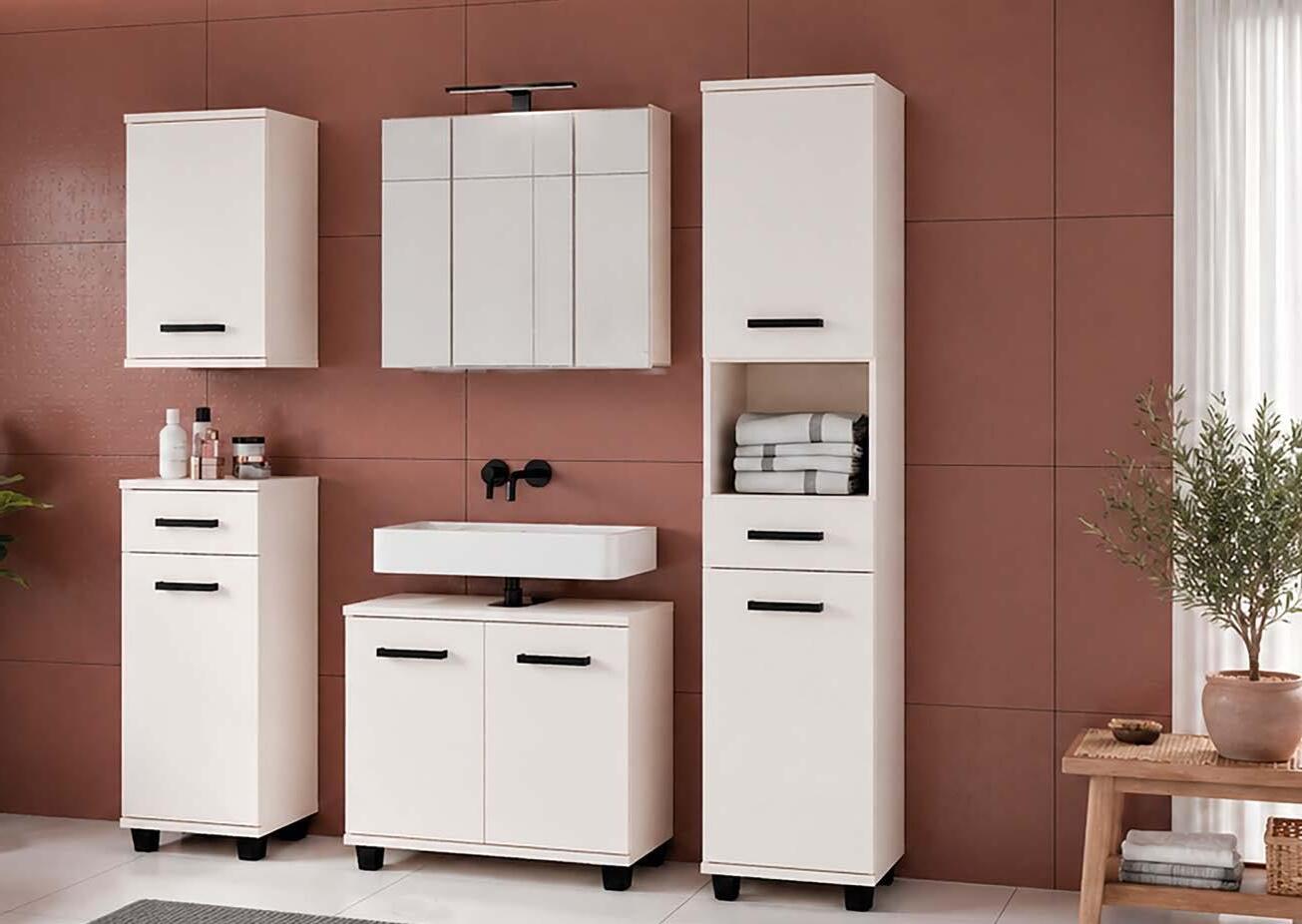
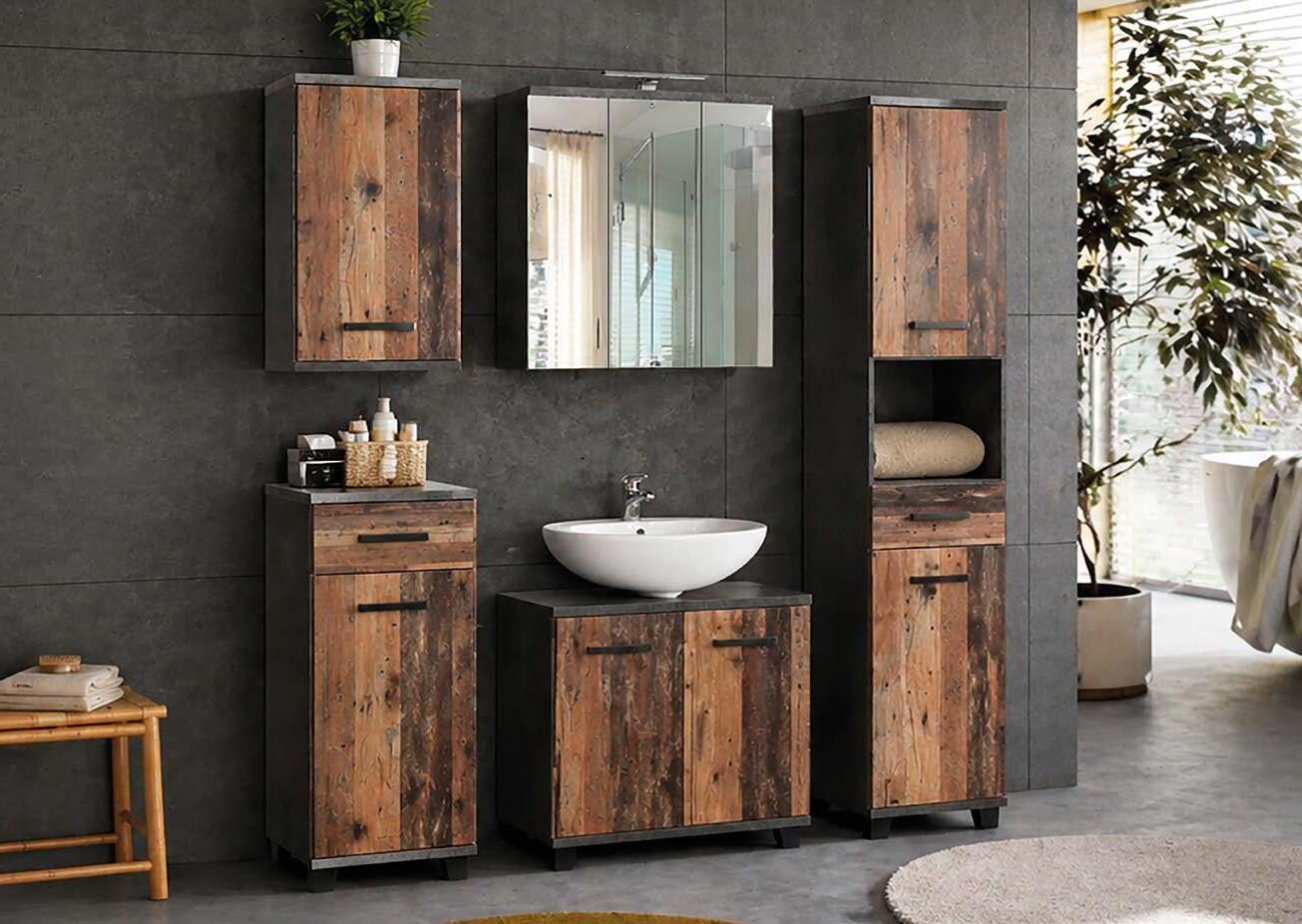
Launch a complete bathroom category with FTG. Choose from 7 distinctive bathroom ranges, available as individual units or complete packages.
Get online quickly with ready-to-use e-commerce content – and let us help grow your business.
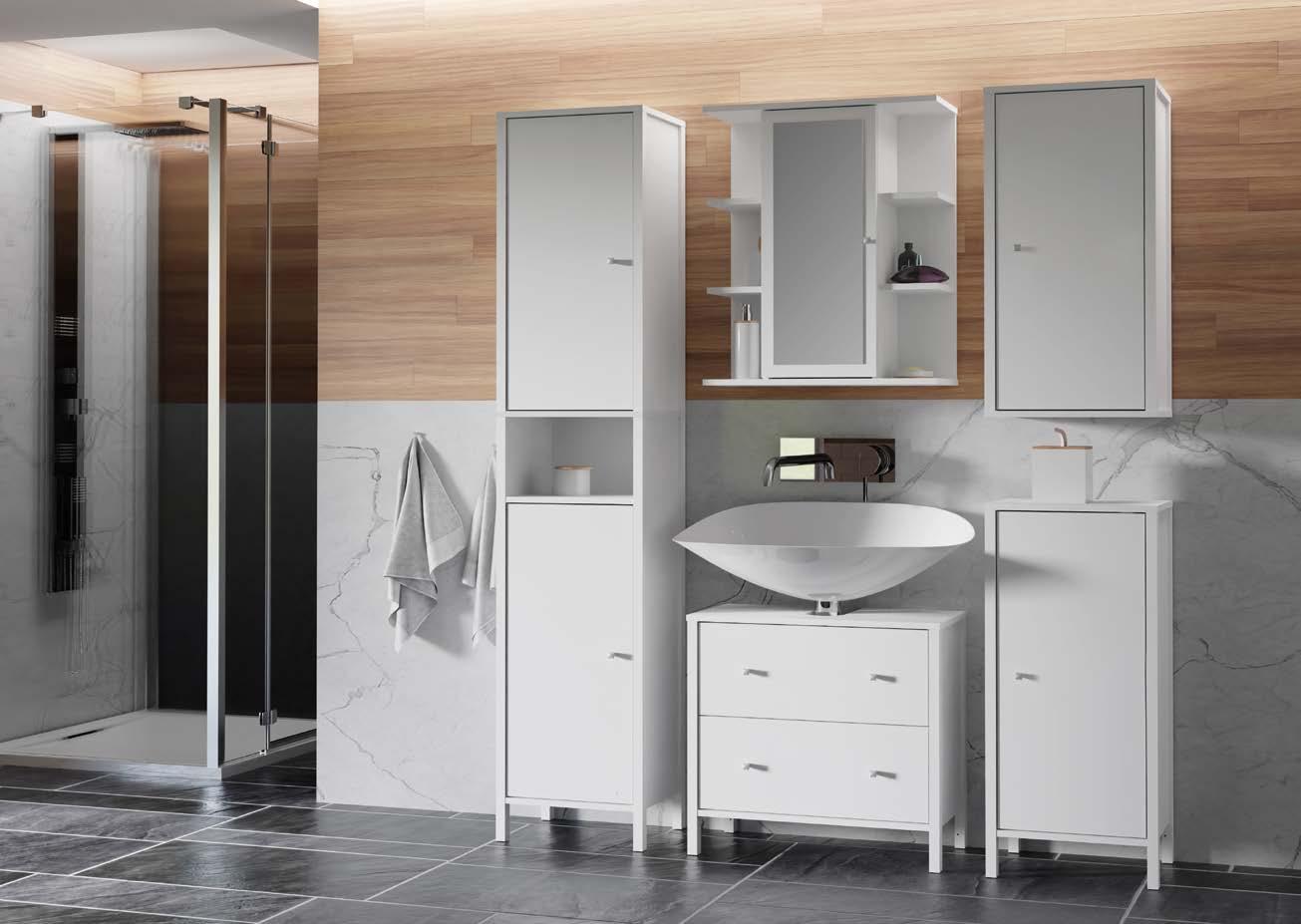
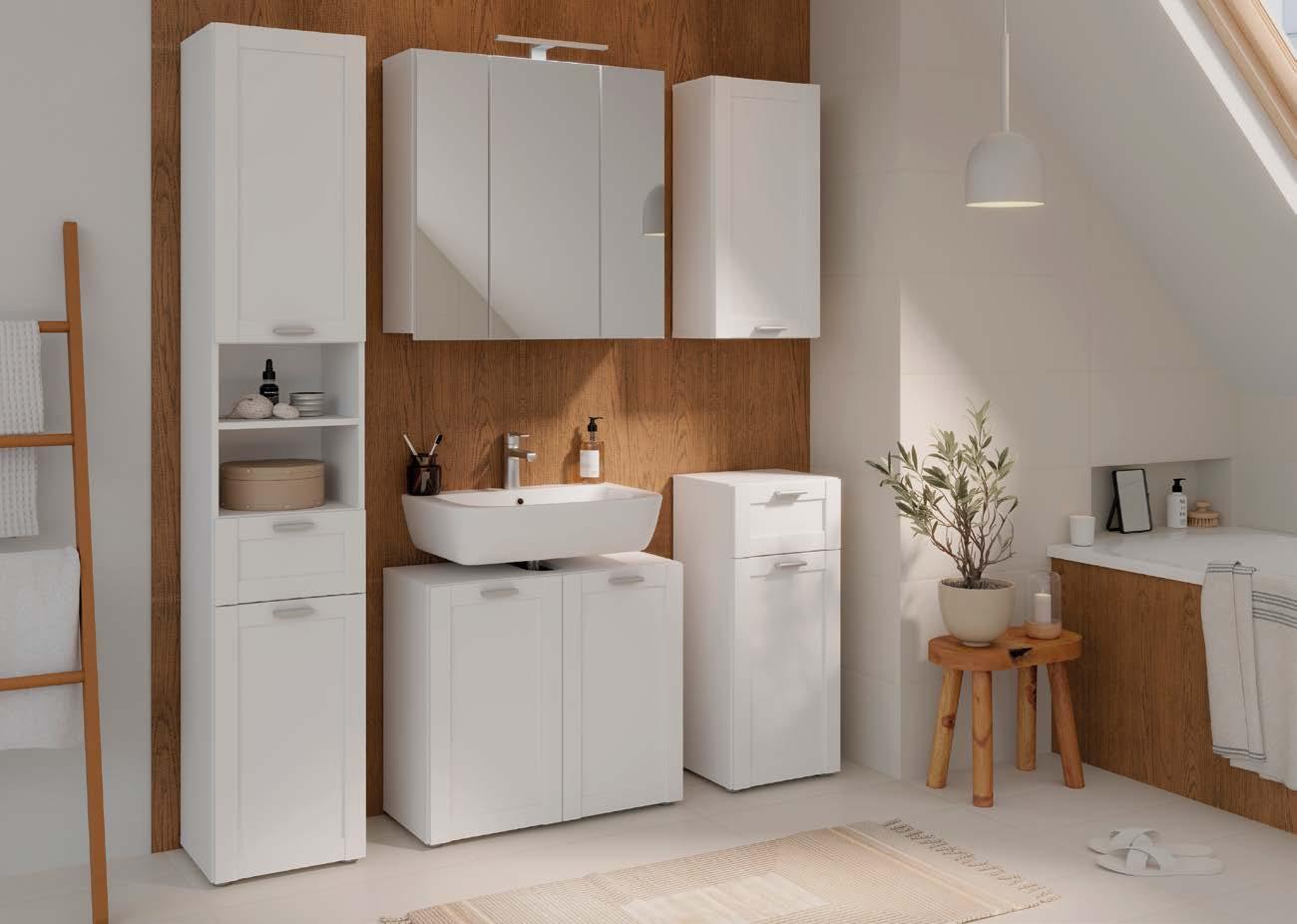
FTG is your one-stop shop, with high-quality, best-selling furniture pieces. All in stock for next-day dropship delivery. No MOQ.
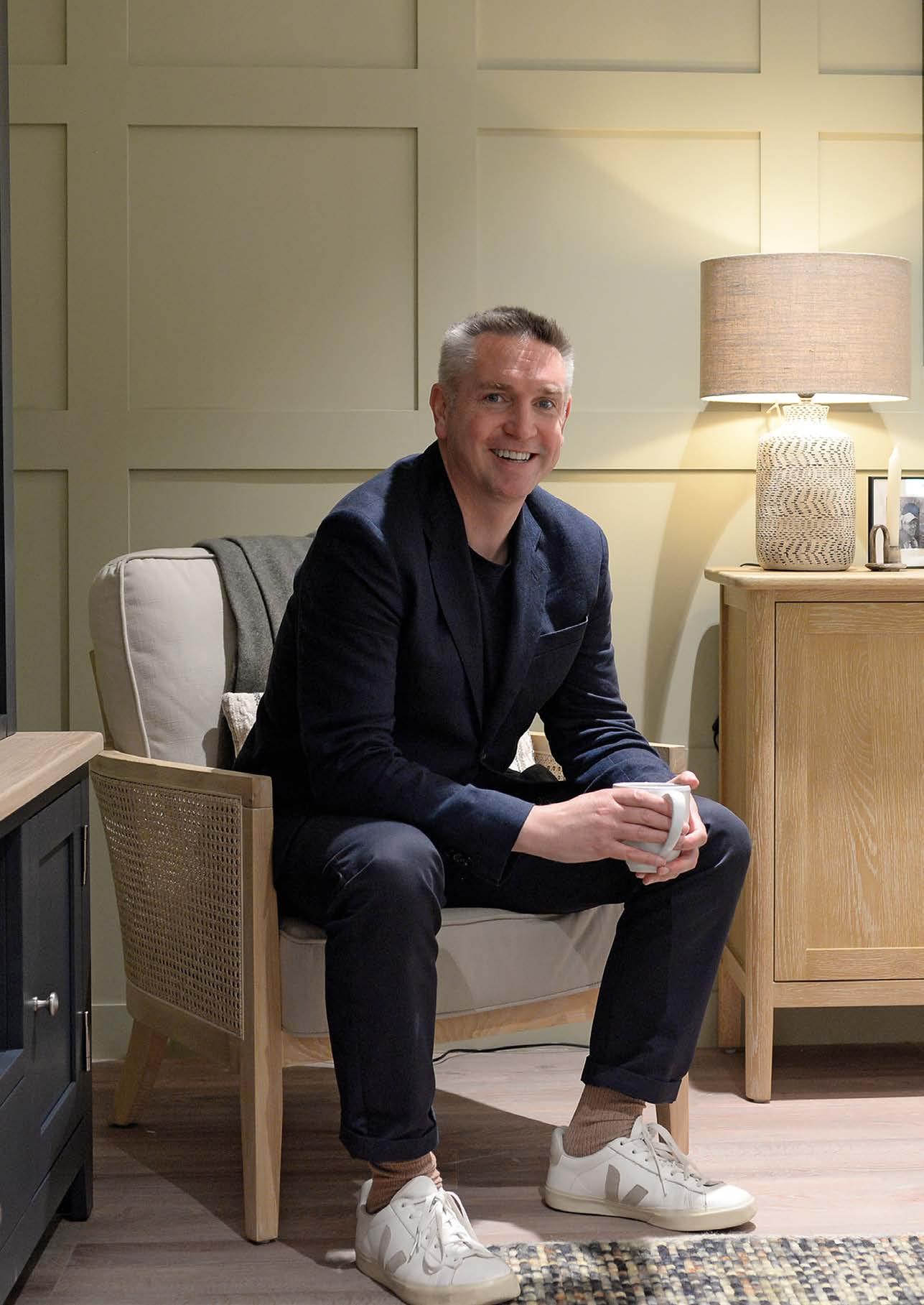
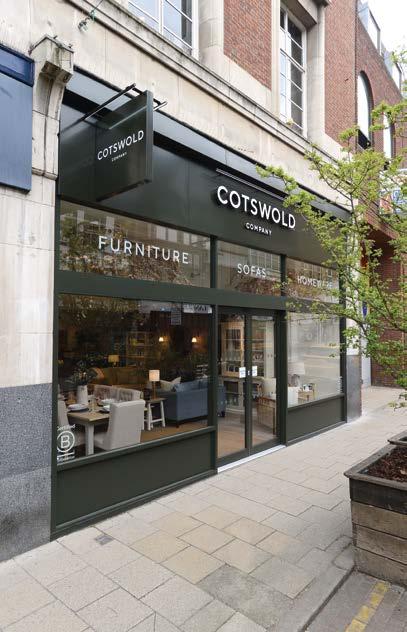
Founded in 1996 in Bourton-on-the-Water, The Cotswold Company is a digitally led furniture and homeware brand which operates 15 stores and four outlets alongside its ecommerce channel. With new openings coming thick and fast – in Kingston upon Thames, Redbrick, and a Telford outlet this year alone – Furniture News asked CEO Ralph Tucker for the lowdown …

Your store footprint is growing fast! What are your short- and long-term targets for the portfolio?
I would say we’re growing steadily and in line with our strategy, which is focused on delivering profitable growth. With each new opening, we take a datadriven approach to site selection, spend time carefully designing the interior, and then ensure it resonates with customers and is profitable. We have ambitious plans to continue our UK expansion and look at opportunities where we feel we can connect with more customers.
Does the current economic climate lend itself to expansion, or do you feel you’re going against the grain?
There’s no doubt the current climate is tough, but industry challenges aren’t new. I joined The Cotswold Company as CEO just before Covid, so the challenging trading environment for us actually feels relatively normal. But naturally, it has an effect on consumers. We recognise the pressures consumers are facing, which is why we remain focused on offering highquality, made-to-last furniture at a fair price. Ultimately, customers want value in any economy, and we believe that value comes through creating aspirational items that add character to the home and are designed to last.
How are you fuelling your growth?
We’re growing in a very controlled manner that aligns with our growth strategy, but much of the success is down to the team. We have an industry-leading team that really listen to our customers and work tirelessly to deliver a great product and a great service.
It is also about maintaining humility and being agile enough to admit when we don’t get it quite right, and resolve issues quickly.
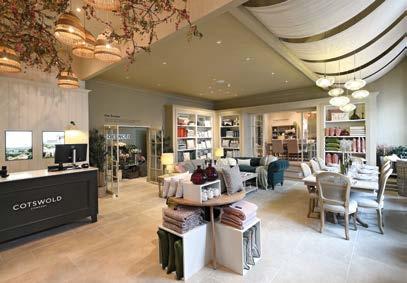
What’s special about your stores?
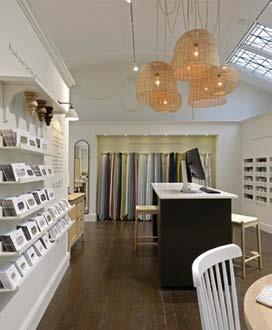
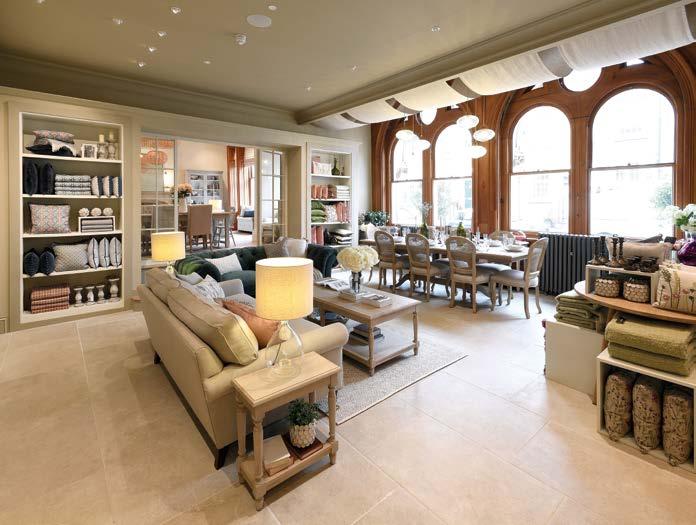
I believe our stores bring together great service with knowledgeable, courteous colleagues and an incredible space to view amazing products as they might look in your home. I think that is something really great retailers can offer, and we try to match that with a relaxed environment and a little retail theatre to excite and engage.
Do you have a favourite of those established so far?
That’s like asking me who’s my favourite child! What I love most is that each one has a unique story, or role to play. For instance, in Knutsford, we converted a derelict bank and helped reinvigorate a charming and characterful building into a destination that adds value to the local high street. Meanwhile, in Chichester, we opened our first retail park store, where we effectively built a house within a shed. It was a different task to Knutsford, but both resulted in really fantastic spaces … although I couldn’t pick a favourite overall!
How broad is your current product offer? Any new highlights?
We try to cater for the whole of your home. This year, we’ve added curtains and bathroom selections, which ››
“There’s no doubt the current climate is tough, but industry challenges aren’t new
“I don’t think there’s a big secret to driving profitable growth
have both got off to a flying start. This builds on our previous efforts to roll out and scale our upholstery offer, which creates more reasons for customers to shop with us. The same rule applies in each range –it’s about adding character to the home at great value.
Are there any gaps in your offer you’re looking to fill?
Always! We are constantly refining the proposition, but you’ll have to wait and see what’s coming. We’ve got some incredible new products touching down over the next 12 months that will make wonderful new additions to homes across the country. I couldn’t be prouder of our product team – they do a fantastic job and are constantly keeping us at the forefront of the industry.
What does a typical Cotswold Co customer look like?
There isn’t really one typical customer. If I had to distil it down, I would say that our customer is someone who values great, charming design, good service and exceptional quality, but wants that at a fair price.
What’s the balance of ecommerce versus bricks and mortar sales in the business, and how do you manage it?
We are a business that is ecommerce-led and supported by retail, phone and partnerships. However, each has a really important role to play, and we try to make it as easy as possible for customers to connect with us however they want to.
For instance, a customer may come into our stores for inspiration, measure up at home while checking dimensions online, before ordering over the phone. Others may simply browse and shop exclusively online. We want to make it as enriching, enjoyable and accessible for all as possible.
Can you share any recent financials you’re particularly proud of?
We had a strong Christmas, and we’ll be updating on our FY soon, but I’m most proud of how our Trustpilot and NPS scores continue to improve, along with our employee NPS. This reflects the strength of both our team and the overall experience that we are delivering for our customers, and is a really important point of difference for our brand.
What are the key factors behind the business’ success, especially during tougher times like these?
As I said, it’s always tough! I don’t think there’s a big secret to driving profitable growth – it’s really about having brilliant colleagues who are obsessively focused on delivering great products and a great service to our amazing customers.
What does achieving B Corp status mean for you and the business?
For me, it has had two key benefits. Firstly, it is a statement of intent that people and the planet are always considered in every decision we make, and a badge of honour that we take really seriously. We didn’t do it as a gimmick, but as a showcase of our commitment to doing right.
Secondly, the process helped to challenge us to be better and think differently. We learnt a lot about our business and what we could do to improve, which we have taken into account and implemented.
Can you share any tips for furniture retailers struggling to keep up with today’s market?
I’m not sure I could offer much advice, other than to keep going – home is an incredible category to be involved in, and British retail is one of the most adaptable, innovative and resilient sectors you can be a part of.
www.cotswoldco.com
Crafted from premium, hard-wearing materials and finished with meticulous attention to detail, our outdoor collection brings together style, comfort and longevity. Designed to withstand the demands of outdoor living while maintaining a sophisticated aesthetic, each piece offers a seamless balance of practicality and contemporary design.
View our full collection online at www.gallerydirect.co.uk
Scan the QR code for more
Key ranges featured: Menton 6 Seater Oval Dining Set Stone.



Operating more than 300 stores worldwide, Harvey Norman has long outgrown its native Australia. Having now established a regional hub model anchored in the West Midlands, the retailer is hoping UK customers embrace its holistic household goods offer, spanning home appliances, technology, furniture and beds. Lachlan Roach, MD of Harvey Norman UK, shares what’s in store …
What does your UK footprint comprise?
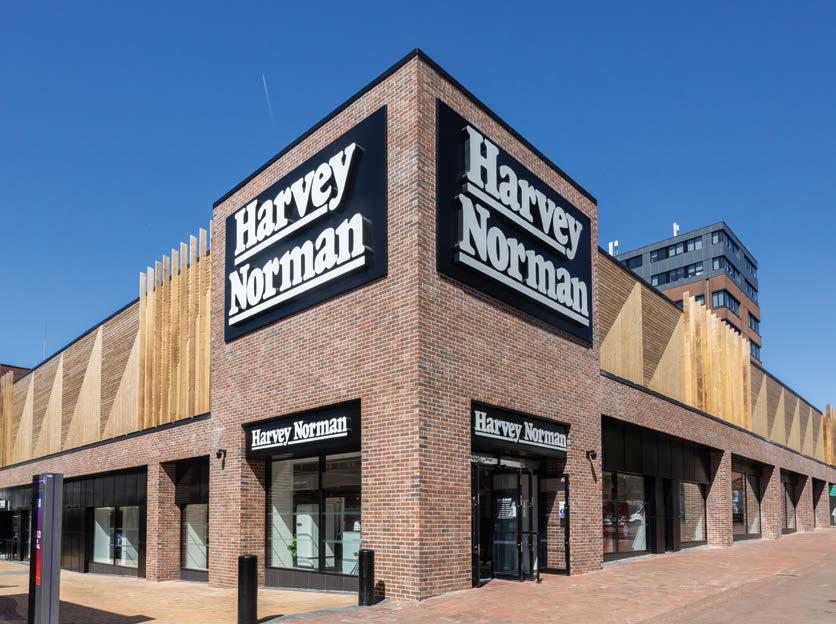
We now operate four UK stores, including our flagship location at Merry Hill in the West Midlands, two stores in Belfast, and our newest opening at Sutton Coldfield’s Gracechurch Centre, which also serves as our UK HQ.
We’ve been trading in Northern Ireland for more than 15 years, and while we’re still in the early stages of our UK mainland journey, we’ve now established a strong operational base here with a few more stores earmarked in the region, which we’re excited about.
What was the most significant point in that journey?
Opening our flagship Merry Hill store in 2024 was a major milestone for us because it represented Harvey Norman’s full-format retail proposition entering the mainland UK market. More recently, opening Sutton Coldfield as both a retail destination and our UK HQ has been another significant step in demonstrating our long-term commitment to investing in the market both locally and nationwide.
Is everything going to plan?
We’ve been very encouraged by customer response and by the momentum we’re seeing across the business. Our focus at this stage is on establishing strong foundations, building brand recognition and delivering a fantastic retail experience across furniture, home appliances and technology, and we’re pleased with the progress being made against those objectives. Sales, footfall, engagement and brand awareness have continued to build as more customers discover the Harvey Norman offer.

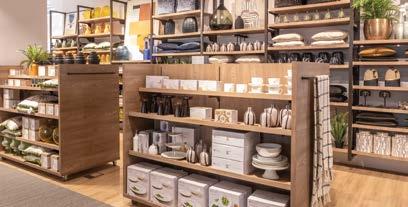
Why expand here, and why now?
The UK remains one of the world’s most important retail markets, particularly in the home, furniture and technology sectors. We believe there’s a strong opportunity for a multi-category retailer with a destination-style format that combines furniture, bedding, appliances and technology under one roof.
Tell us more about how you made the transition from Northern Ireland …
Our two Northern Ireland stores have been trading for over 15 years, so our experience there has allowed us to scale succinctly into the mainland UK market, and we’ve combined experienced Harvey Norman leadership with strong local expertise. Having people on the ground with deep understanding of UK retail, property, operations and consumer behaviour has been extremely important.
At the same time, we’ve been able to draw on decades of operational experience from across the wider Harvey Norman business internationally. I’ve been in the Harvey Norman business for more than 20 years now, initially in Australia before moving over to Ireland, and my furniture GM has been working in
furniture retail here in the UK for more than 25 years –this combination has put us in good stead.
Did your experiences in the Republic of Ireland inform your approach to either territory?
The market there definitely does share some similarities with the UK, but Harvey Norman globally takes a view of approaching every region with the same ethos – great customer service in a great retail environment, with the right range and prices for all regional consumer expectations.
What’s different about how you’re approaching the UK?
The UK market is highly competitive and sophisticated, so there’s a strong focus on localisation and brand building. We’re introducing the Harvey Norman model in a way that reflects UK consumer expectations while still retaining the strengths that have made the business successful internationally. It’s a long-term growth strategy rather than a shortterm rollout.
How do you utilise the business’ international strengths?
One of our biggest advantages is the scale and experience of the global Harvey Norman business. We benefit from long-standing international supplier relationships, strong buying capability, established systems and operational expertise developed across multiple markets. That allows us to bring recognised global brands, broad product categories and proven retail concepts into the UK market efficiently.
Conversely, which elements do you feel need to be more localised?
On a more general level we focus heavily on building relationships with local businesses and organisations around our stores, because we want each location to feel connected to its community rather than operating as a purely international retailer.
In terms of range, it’s also very important to us to deliver a regional connection, so we have local furniture partners for both our ‘Made in the Midlands’ and ‘Made in Ireland’ ranges. We feel this sets us apart from other national brands.
How would you describe your product offer?
Our offer is designed around the idea of creating a complete home destination. We bring together furniture, bedding, appliances, technology and home lifestyle categories in a single environment, giving customers the ability to shop across multiple categories with the support of knowledgeable instore teams.
Would you say you’re particularly strong in any area in particular?
Furniture and bedding are key strengths for the business globally, of course. However, what really differentiates Harvey Norman is the breadth of the
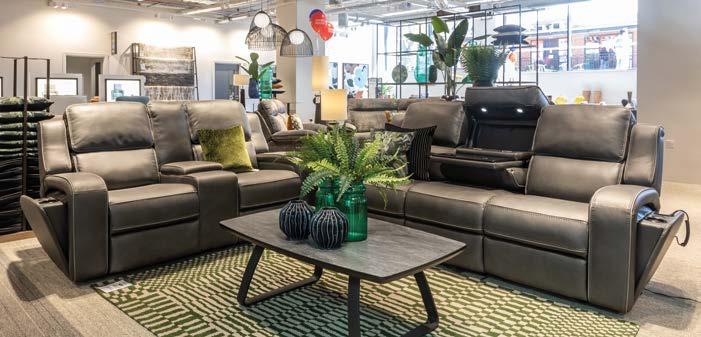
overall offer and the ability to combine furniture with complementary home and technology categories in one destination.
How do UK furniture tastes differ from what you see in other markets?
UK consumers tend to place a strong emphasis on design detail, fabric choice and space efficiency. There’s also a growing demand for products that balance style with practicality and longevity. Compared with some other markets, UK shoppers are highly research-driven and increasingly expect a seamless experience between online discovery and in-store purchasing.
How well does your more generalised home offer compete against the UK’s specialised furniture retailers and online pureplays?
Whilst we do operate a multi-category model, we position ourselves as specialists in each of these categories. Our store footprints are significantly sized, so the scale and depth of range is very much on a par with specialised furniture retailers.
Take Merry Hill, for example – it’s 57,000ft2, with furniture occupying nearly three quarters of that, so we’re larger than pretty much every other furniture retailer in the area.
What we’ve found is customers increasingly want convenience, inspiration and the ability to compare complementary products in one location. While specialist retailers and online businesses each have their advantages, our physical stores allow customers to experience products first-hand while also shopping across multiple home categories in a single visit. You might come for a sofa, but also leave with a new air fryer!
Our immediate focus is on continuing to strengthen our existing store network and brand presence. At the same time, we’re actively assessing additional opportunities in the Midlands, where we believe the Harvey Norman proposition can perform strongly. Long term, we see significant potential for growth in the UK, and remain committed to building a meaningful national presence over time. www.harveynorman.co.uk
“You might come for a sofa, but also leave with a new air fryer!

This year, Bensons for Beds catalysed employee engagement by deploying frontline operations platform WorkJam across the business – digitally connecting more than 1,800 members of staff across its 178-store estate, manufacturing facility, national distribution network and support centres. Furniture News asked chief people officer Carrie Westwell how the technology complements Bensons’ existing workforce management strategy …
What does your role comprise?
As chief people officer, I’m accountable for the full colleague experience at Bensons for Beds – from attraction, recruitment and onboarding through learning, development, engagement and performance, to wellbeing, reward and employee relations.
That spans a highly diverse workforce across stores, distribution, manufacturing and our support centre, so my role is very much about ensuring we have the right people strategy to support a multi-site vertically integrated retail business, while building a culture where colleagues feel connected, supported and able to do their best work.
How do you even begin to handle the HR functions of a business of that size?
You don’t do it alone. The starting point has been building a strong, commercially minded people team and empowering leaders across the business to take ownership of their people, providing them with the support and tools they need to do that well.
From there, it’s about clarity and prioritisation – being absolutely clear on what matters most, simplifying where possible, and using technology and data to scale consistently across hundreds of locations. In a retail environment, operational pace is relentless, so our team has to be practical, responsive and embedded in the business, not operating on the sidelines.
To your knowledge, is there anything unique about Bensons’ approach within the wider furniture or retail sector?
What stands out for me is how intentionally people, performance and customer experience are linked. We recognise that great customer outcomes don’t happen by accident – they’re created by engaged, well-trained colleagues who feel valued and supported.
There is also a genuinely down-to-earth, inclusive culture at Bensons. We’re very focused on listening to colleagues through our structured listening forums like our functional and national Sleep Council and Forty Thinks (an ideation forum), acting on feedback, and making change that improves everyday working lives, not just headline initiatives.
What are you most proud of achieving since joining the business?
I’m proud of how far we’ve come in strengthening engagement, capability and consistency across the business. We’ve put clearer frameworks in place for leadership, development and communication, while keeping a strong focus on wellbeing and inclusion during a period of significant change in retail.
Most importantly, I’m proud of the trust we’ve built – colleagues increasingly feel heard, and leaders see the people team as a genuine partner in delivering the business agenda.
We’ve also achieved Great Place To Work Certified status, which is a direct result of colleague feedback about how they feel about the business, as well as being highly commended in the People Team of the Year category in the British HR awards.
What mechanisms are in place to ensure staff are heard?
We use multiple channels, because one size simply doesn’t fit all. That includes regular engagement surveys, pulse feedback, colleague forums and structured listening groups, as well as strong day-today conversations between colleagues and managers.
We also have formal committees and working groups focused on wellbeing, inclusion and engagement, ensuring feedback is reviewed at senior level and translated into real action, not just discussion.
There have been so many actions taken from the Great Place to Work feedback we received, and we keep this live with regular review sessions and “You said, we did” boards around the business.
What are the financial benefits to having a more engaged workforce?
Higher engagement is consistently linked to stronger productivity, better retention, improved customer satisfaction and lower absence – all of which have a direct financial impact.
In retail, where margins are tight and competition is intense, investing in engagement isn’t a ‘nice to have’, it’s fundamental to sustainable performance. It’s even more important in an assisted-selling environment.
Why did you choose to employ WorkJam’s solution?
What did your setup look like beforehand?
Before WorkJam, communication was fragmented, difficult, and in some business areas almost impossible – colleagues often had to rely on multiple systems and informal channels to get the information they needed.
We chose WorkJam because it brings task,

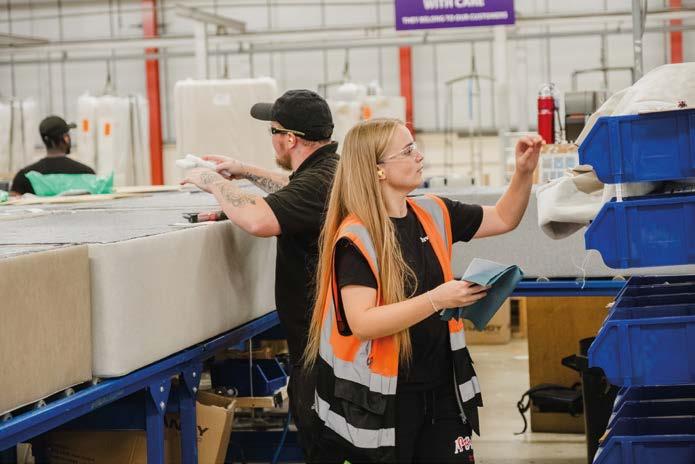
communication, information and engagement into one accessible platform, designed specifically for frontline workforces. It helps us reach colleagues where they are, in real time, and creates a more consistent, connected experience across the business.
It has also simplified the publishing process as all colleagues can access one simple system. Our previous methods often relied on having to author the same content several times to suit the different platforms.
WorkJam has also brough a much better and cohesive look and feel across the different disciplines within the platform (so comms, learning, knowledge and task management all look and behave very similarly).
Can you share some real-life examples of how WorkJam streamlines operations?
The speed at which we can author and publish is impressive, so it enables us to quickly react and respond to operational issues that may require rapid responses. The analytics and insights tools built into the system means we can monitor progress.
On a day-to-day level, colleagues can quickly jump into tasks, receive up-to-date information, receive important updates and access information and share fun moments without delay – which reduces frustration and improves wellbeing.
Longer term, the platform helps strengthen communication, engagement and trust. It supports faster change adoption, more consistent ways of working, and better insight into what colleagues are experiencing across the estate.
We have been really impressed so far at the speed with which the platform has been adopted – only three weeks into full launch, almost 80% of colleagues across the entire business had downloaded and accessed the tool.
How do you think it will benefit staff culture as a whole?
Culture is built through everyday moments. WorkJam supports a more open, transparent and inclusive culture by giving everyone access to the same
“Investing in engagement isn’t a ‘nice to have’
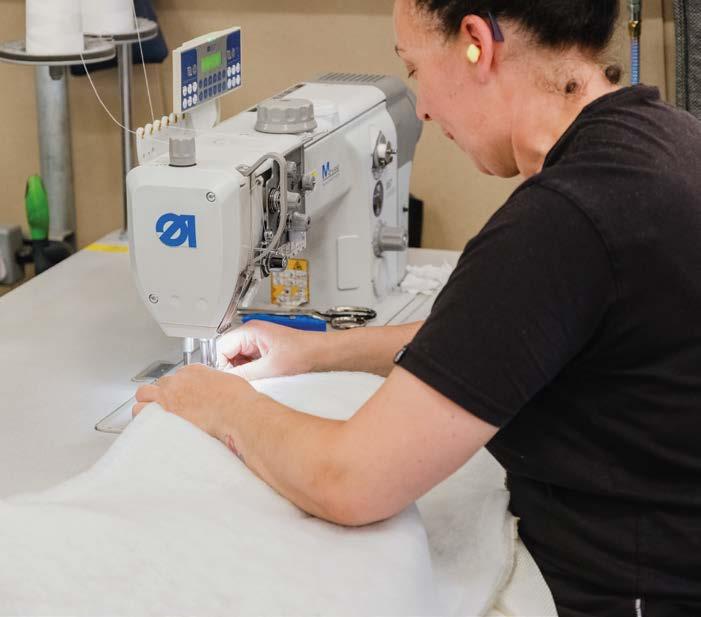
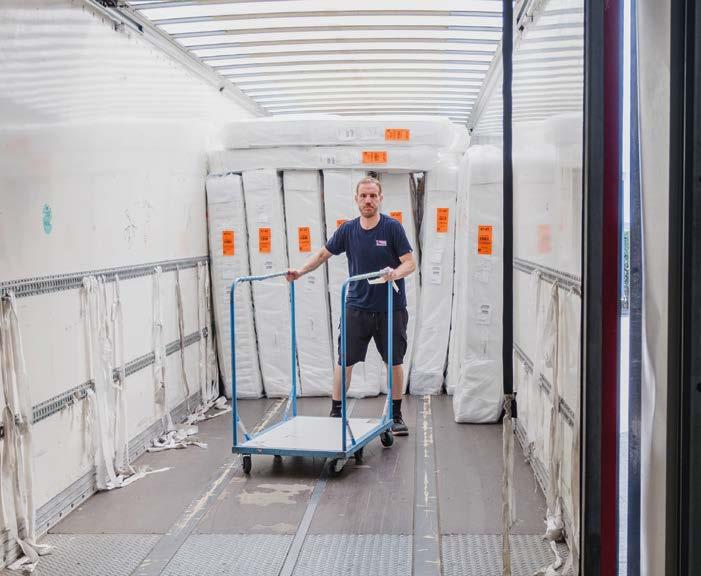
“Colleagues increasingly feel heard
information and a stronger voice. When colleagues feel informed, connected and listened to, it reinforces a sense of belonging – and that’s critical in a large, geographically dispersed business like ours.
Have you seen the recruitment process change in recent years?
Yes, significantly. Candidates are far more informed and values-driven, and speed and experience matter more than ever. Flexibility, wellbeing and development opportunities are now baseline expectations, not differentiators.
Across retail, there’s also greater emphasis on internal mobility, skills development and employer
brand authenticity – candidates want to know what it really feels like to work somewhere, not just what’s written in the job ad.
We introduced our new system Team Tailor back in 2025, which has allowed a more seamless and engaging candidate experience whilst also updating our careers site and content (get on there and have a look at our big travelling purple bed) – our colleagues tell our employer story far better than we can!
What are your thoughts on the changes the incoming Employment Rights Act might bring about?
Any legislative change requires careful planning and practical implementation, which we have been well on top of, but fundamentally it’s about ensuring fairness, clarity and protection in the workplace. We already focus on good people practices, compliance and strong manager capability so that we’re best placed to adapt.
Our focus is on staying informed, being proactive, and continuing to balance colleague wellbeing with commercial sustainability.
How much impact have the changes to National Minimum Wage and National Insurance already had?
They’ve had a material cost impact that I know has been challenging for all retailers. That reinforces the importance of productivity, engagement and smart workforce planning.
Rather than solely viewing cost pressures defensively, we focus on how we can design work better, upskill colleagues and create environments where people can perform at their best.
What is your biggest concern – and hope – for how Bensons’ workforce will evolve?
My biggest concern is ensuring we continue to attract and retain great people in a highly competitive labour market, while managing ongoing cost pressures.
My hope is that we keep building a workforce that feels proud to work at Bensons – skilled, adaptable, customer-focused and connected – and that we remain a business where people can build long, fulfilling careers.
Is there anything else in the pipeline?
We’re continuing to invest in our colleague expertise to enhance even further our customer experience and colleague engagement.
We are also continuing our journey to make Bensons an even greater place to work. Leadership capability, colleague wellbeing and DEI are also key to the next 12 months.
The further utilisation of WorkJam will be a key enabler to make work simpler and more connected. The direction of travel is very much about consistency, inclusivity, and enabling our people to deliver brilliant experiences for customers every day.
www.bensonsforbeds.co.uk
If legacy systems and spreadsheets are slowing reporting, visibility and collaboration, it may be time to modernise.

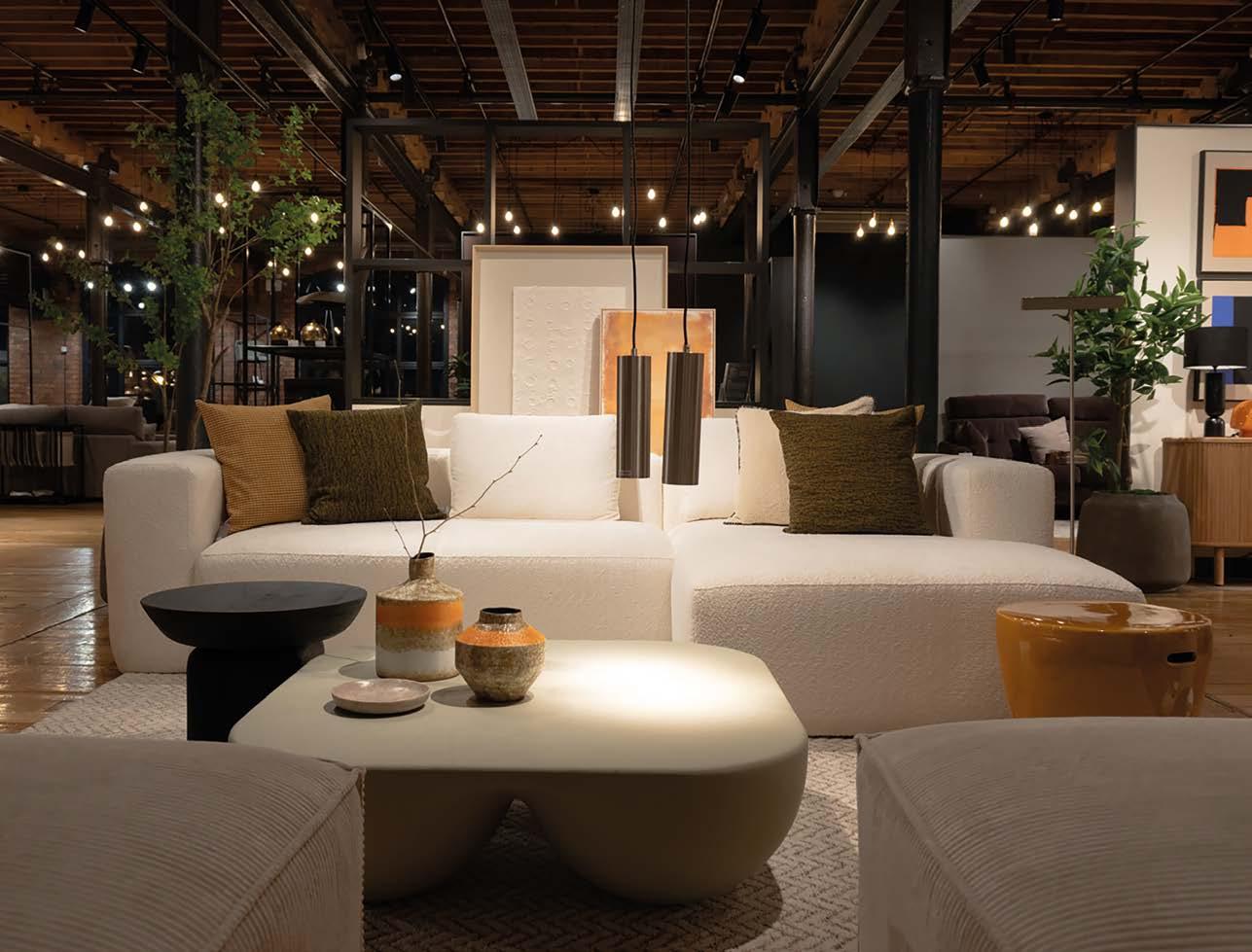
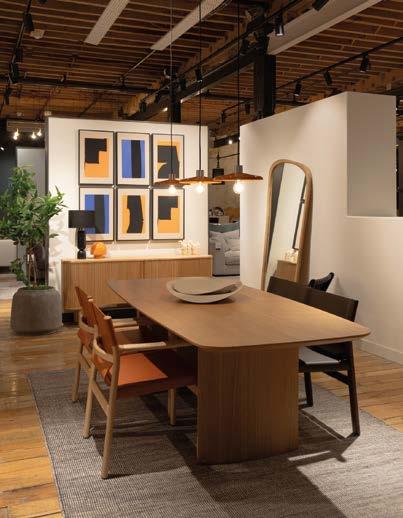
Spanish design-led furniture, sofas, lighting and home accessories brand Kave Home was founded over 40 years ago on the Catalan coast, and now has a presence in over 45 countries and 195 stores globally – including a new shop-in-shop space at Redbrick Mill. Furniture News asked local agent Greg French what a brand “shaped by Mediterranean confidence and creativity” might bring to the UK marketplace …
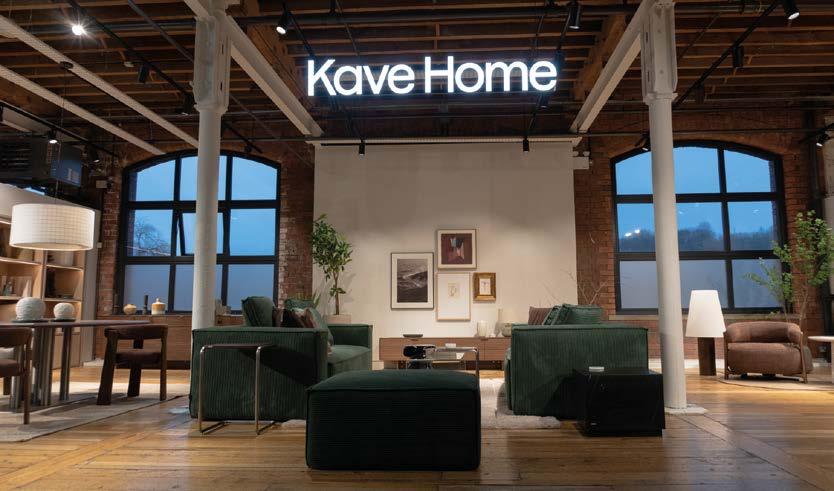
With the new concession bringing a contemporary Mediterranean aesthetic to one of the UK’s most established experiential interiors destinations, it’s been a busy summer for Westgarth Furniture’s director, who is acting as Kave Home’s agent in the UK and Ireland.
Greg, who works with brands from Europe and further afield including SITS, Innovation Living, Italia Living, Skovby and Taracea, first encountered Kave Home in Milan 12 years ago. Due to recent expansion, the Spanish vertical asked Westgarth Furniture to help it establish a foothold in the UK, and Redbrick has proved the perfect launchpad.
“Redbrick Mill is exactly the type of environment we look for – design-focused, experiential and built around strong brand storytelling,” says Greg. “It’s a natural fit for Kave Home and allows us to showcase the collection in a fully styled, inspirational setting.”
The Redbrick showroom offers a curated edit of furniture, lighting and accessories for living, dining and bedroom spaces, presented in lifestyle settings – and it is just the start. Greg continues: “Following this opening, we are actively looking for further opportunities with the right strategic retail partners to introduce additional shop-in-shop formats in the coming months.”
Furniture News asked for further details …

How did you come to work with Kave Home?
We met at the Milan furniture fair in 2014. They were operating solely as a B2B supplier, but their look and energy really attracted me.
What’s your impression of Kave as a manufacturing entity and brand?
They are unique in that they have expertise in design, sourcing and manufacturing that goes back a long way. The Kave brand has exploded over the past decade, and has become the focus as they started a B2C side project.
What does the brand bring to the UK market that’s different?
With a unique design and look rooted in Spain, they create a fresh, vibrant look at accessible price points, with quality attached.
What are the unique benefits of working with this Spanish partner?
They have a unique look and are in a fashionable part of the world, just outside of Barcelona.
What parts of Kave’s offer are typically Mediterranean?
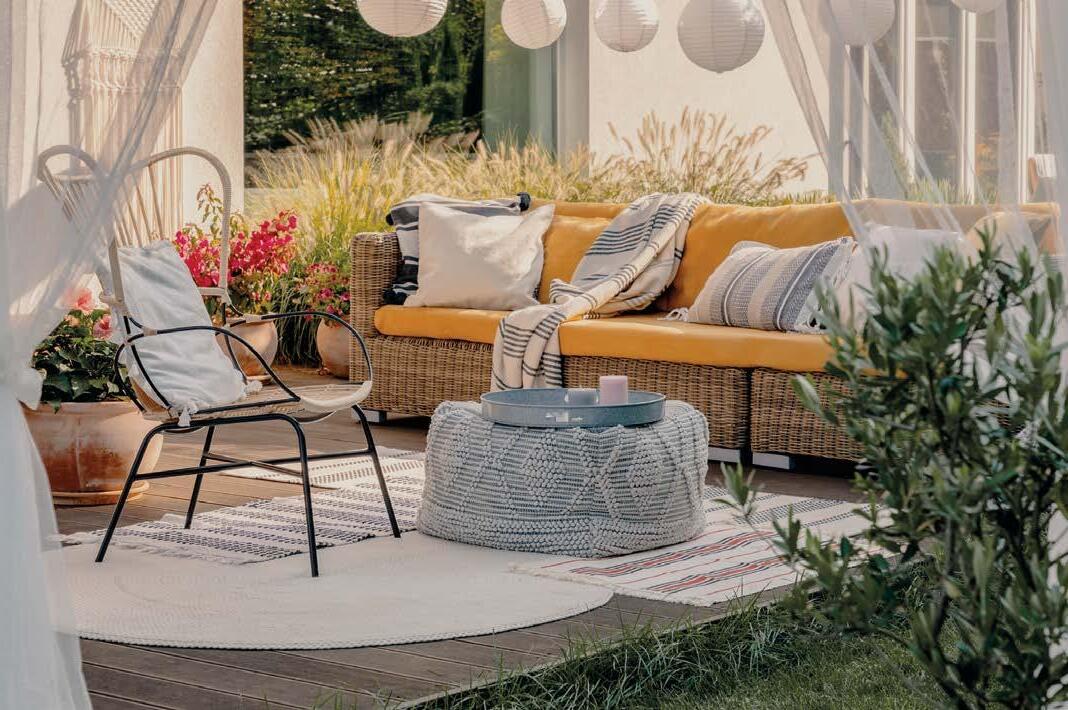
Outdoor is key to them – something we are expanding here – but it’s more eclectic than UK or Scandi brands, bringing different colours and textures together.
What does demand look like for this style at the moment?
As a concept, it is proven in Europe, and we have got off to a great start in the UK – the future is bright.
How is the showroom performing?
Everyone is very happy and optimistic about the future, so we will continue to introduce more FR products.
How do you decide on the UK product edit?
We don’t – consumers choose, they are the style leaders. UK consumers travel, and I think tastes are more aligned across Europe than they used to be, so there isn’t much difference.
What was the strategy behind the showroom’s merchandising and presentation?
It’s all designed and executed in-house, based on experience. We then worked with the showroom operator to make sure the look would work, and it’s an ongoing process – for example, we are just about to introduce bathroom furniture there.
How might this approach be applied to future shop-in-shops?
It’s a learning experience – the team in Spain is amazing. Data is analysed, so stores and displays are optimised for each location.
Aside from Kave, what are your favourite parts of Redbrick?
It’s the whole experience. It’s such a beautiful building with great brands in it. It’s developed over the years to be one of the premier furniture shopping destinations in the UK, and it’s an honour to open the first Kave store there.
What else is in the pipeline?
We are currently in discussions and looking for additional partners to help expand retail showrooms in the UK. We also took part in the Clerkenwell Design Week in May to expand on the contract business we have in the UK, and we were at the Milan store during I Saloni in April.
www.kavehome.com
www.westgarthfurniture.co.uk
“It’s more eclectic than UK or Scandi brands
At a time when retailers face relentless pressure from changing consumer expectations, rising competition and increased costs, Staingard – which is celebrating its 20th anniversary – believes aftercare has become far more than an optional extra, and is now a key component of customer experience, loyalty and long-term value …
“This year marks a significant milestone for us at Staingard, as we celebrate 20 years in the furniture aftercare sector,” says the service provider.
“We began with a simple but ambitious goal – to raise standards in furniture protection and aftercare. And what started as a family-run business focused on care plans and retailer support has grown into the industry’s most recognised specialist, built on strong partnerships, exceptional customer service and continuous innovation.”
When the business was founded 20 years ago, furniture aftercare was often viewed as a secondary consideration, says Staingard, but today’s consumers expect more: “They want reassurance, transparency and practical solutions that help protect their investment and extend the life of their furniture. As purchasing decisions become more considered, care plans and maintenance products have become increasingly important in delivering confidence and peace of mind.
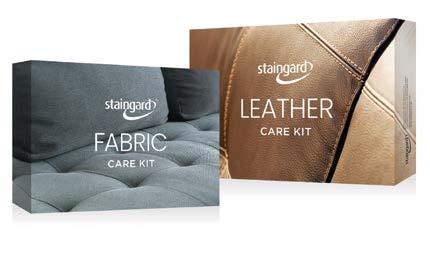
sustainable solutions. Innovations such as branded care kits, environmentally conscious products and expanded mattress protection offerings have enabled us to respond to emerging consumer needs while supporting retailers in differentiating themselves beyond price alone.
“Care plans are no longer simply transactional products
“Rather than treating aftercare as an add-on, we positioned care and protection as an essential extension of the customer journey. By helping retailers improve customer confidence, reduce concerns and strengthen loyalty, we established ourselves as a trusted partner in an evolving marketplace.
“While the furniture industry has undergone significant change, we have continued to invest in product development, retailer support and more
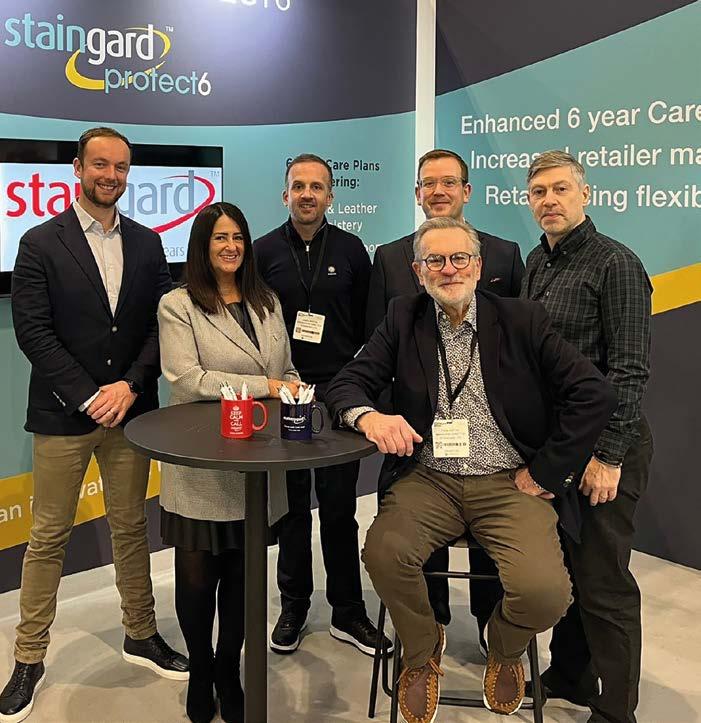
“Partnership has played a crucial role in our journey, as modern retailers increasingly seek aftercare providers that can offer more than products – including training, claims management, customer service and operational support. Our collaborative approach has helped strengthen long-term relationships across the sector and supported our expansion into complementary businesses, including automotive care through Gliptone and fulfilment services through WeFill.”
Among the supplier’s latest developments is Protect6, a furniture Care Plan designed to offer greater flexibility, transparency and value for both retailers and consumers.
“This initiative reflects a broader industry trend,” says Staingard. “Care plans are no longer simply transactional products, but strategic tools for customer engagement and retention.
“Yet, despite our growth, we remain rooted in the family-business values that shaped our foundation. We continue to place people at the heart of everything we do, recognising the contribution of our employees, retail partners, manufacturers and customers who have supported our journey over the past two decades.
“As the sector looks ahead, we believe the importance of aftercare will only continue to increase. Sustainability, product longevity and customer reassurance will remain key influences on purchasing decisions. For us, the challenge – and opportunity – is to balance innovation with the trusted, personal approach that has defined our business from the beginning.
“Twenty years on, our mission remains unchanged – helping retailers succeed, while enabling consumers to protect what matters most.”
Visit Staingard’s website or call 01244 888658 to learn more about how its comprehensive furniture care plans and products can enhance both customer experience and margins – or scan the QR code on the opposite page to see a brochure.
www.staingard.co.uk



Retail expert Clare has spent over 20 years helping retailers, from global brands to independents, to stay relevant, resilient and profitable. The self-styled Retail Champion says she specialises in “insight-led strategies and datadriven decisions that cut through confusion/noise and deliver real results”.
How might a child describe what you do? “Mum tells shops what to do better so they can make more money.”
What’s the biggest long-term challenge you face? Keeping pace with a retail sector that changes daily, and cutting through the noise for businesses that can’t afford to guess.
If you had 10x your working budget, what would you spend it on?
Real-time data tools for every independent retailer –and a touring series of practical training days up and down the UK that high street businesses could drop in to and pick up some top tips.
What would be the title of your autobiography?
From Flipping Burgers to Flipping Busy! In 2007 I actually did a talk with this title for the Make Your Mark in Retail campaign. It was aimed at 14+ kids to position retail as a career of choice – but I think it’s apt, as my first management job was with McDonald’s!
What does ‘work/life balance’ mean to you?
Having the ability to go out for a leisurely lunch, but making sure if an important call or email comes in I can address it. I have a very fluid work day – I start early as I have dogs who get up at 6am demanding a walk! I often take a chunk of time out in the middle of the day – I love to cook, so I might do some prep for dinner or go for a walk or pop out for a nice lunch ... then I go back to my desk later.
It is about doing what is necessary to keep promises to clients, keep the business going, but without forgetting that life is too short to work 60 hours a week, and to enjoy those gaps in the diary between calls.
Who’s been your most influential professional mentor?

A wonderful lady called Sue Blake, who sadly passed away in 2012 and never got to see my first book published, even though she was the one who pushed me to write it and helped me connect with my publisher.
It would have to be Sue, or my dad – one of the most successful businesspeople I’ve ever known.
I learned more about running a resilient business from helping out in the family fine furnishings factory as a child than any boardroom ever taught me. It

was all mail order, MTO – pre-internet, but ahead of its time with a vertically integrated supply chain. At the age of 14 I worked with him to document all the processes and procedures, to install systems and so on, which led to the business being the first of its kind to be awarded BS5750 for total quality management –a huge value-add for his exit a few years later!
What advice would you give your younger self? Charge what you’re worth, say “no” sooner, and trust your instincts – if it feels off, it probably is!
What’s the biggest myth about our industry? That footfall is dead. It’s not dead, it’s just picky. If you don’t give people a reason to show up, they won’t.
What should everyone in our industry either stop or start doing?
Stop chasing cheap supply for the sake of margin alone, and start building supply chains that actually deliver. Create moments of joy in the customer experience – it is the small things that get you talked about.
Where do you see the industry going in the next 5-10 years?
Closer sourcing, faster fulfilment, smarter stock management – or extinction. The middle ground is gone. The successful businesses will embrace technology such as AI and use it to their advantage without losing the critical human touch.
What question do you wish we’d asked? How would you have answered?
Q: What single mindset shift will save retail?
A: Stop treating change (and especially technology) like an inconvenience – treat it like your competitive edge. If you won’t, someone else will.
www.retailchampion.co.uk
“Create moments of joy in the customer experience – it is the small things that get you talked about

From the lows of the postreferendum consumer confidence shock to the highs of a postpandemic ‘Freedom Day’, Furniture News puts today’s issues in perspective, looking back at what happened in the industry five and 10 years ago today …
Five years ago (July 2021) In the news, BRC-KPMG reported UK retail’s best quarter on record, the economy having gradually unlocked to release pentup demand. Springboard predicted retail footfall growth of 19.7% following ‘Freedom Day’ (19th July), with face coverings and social distancing no longer mandatory in England.
businesses how they had overcome the challenges of Covid-19 and Brexit, profiled Mlily and Forte, and previewed (Harrogate’s) Manchester Furniture Show. We also looked at how the trade had approached marketing during the pandemic, and celebrated our 35th year in business with an overview of the magazine’s history and some views from the trade.
“While Brexit was not the cause of this slowdown, it could aggravate the existing issues that retailers are facing

Consumer confidence was up, GfK’s Major Purchase Index reflecting shoppers’ readiness to buy big-ticket items, and new research by Barclays pointed to a high street resurgence, with retailers eyeing 17,000 store openings in the coming 12 months as British shoppers adapted to a post-lockdown world by “looking local”. Conversely, online retail sales growth continued to fall to record-breaking lows, reported IMRG.
Expanding retailers included JYSK (in Stockport) and Feather & Black’s first physical presence (in Dreams’ Hedge End store). Dunelm delivered homewares sales growth ahead of the market and expectations, and Next repaid £29m in business rates relief as sales soared.
Conversely, IKEA pulled the plug on its proposed store in Lancing, West Sussex, due to the acceleration in online shopping seen during the pandemic.
The BFM predicted a recovery in global supply capacity, yet added that it expected challenges to meet rising demand “including supply disruption and labour shortages exacerbated by the ‘pingdemic’” to continue in the near-term.
Businesses taking greener directions included GNG Group, which introduced its first carbon-neutral mattress, and Sofology, which launched Loop, a sustainable upholstery rental service. A further sustainable development was the decision by the shareholders of Lebus Upholstery and Lebus Furniture to sell the business to their employees, creating an Employee Ownership Trust (EOT), ensuring “continuity and integrity”.
In the magazine, we asked various fulfilment


10 years ago (July 2016)
In the news, GfK reported that, following the previous month’s EU referendum, July saw the sharpest MoM drop in consumer confidence for more than 26 years, the CBI adding that retail sales fell at their fastest pace in over four years.
The Retail Think Tank acknowledged that the general trend in recent months was already downwards, “and therefore, while Brexit was not the cause of this slowdown, it could aggravate the existing issues that retailers are facing”. Indeed, June had seen retail footfall’s sharpest decline since February 2014, noted Springboard, and, on a threemonth basis to June, furniture recorded its lowest average sales growth since February 2015, said BRC-KPMG.
In national retail, with its purchase of Argos imminent, Sainsbury’s revealed plans to open a 185,000ft2 online fulfilment centre in Bromley-by-Bow, London, and John Lewis set a September opening date for its new 90,000ft2 shop in Chelmsford, while announcing its ambition to grow its own-brand Home business to £1b of annual revenue by 2020.
French vertical Gautier celebrated the opening of its new Chelsea store, Made.com opened a futuristic showroom in Paris, and rumours circulated that Sun European Partners planned to sell Dreams for £400m.
Further up the supply chain, Manchester-based furniture supplier Mountrose entered administration, PE firm NorthEdge Capital backed the management buyout of Belfield Furnishings (then owner of Westbridge Furniture Designs), and Airsprung Group sold Collins and Hayes Furniture to Wessex Bristol.
Steinhoff International – the owner of bed brands Slumberland, Dunlopillo, Myer’s and Staples, and retailers Bensons and Harveys – invested £2.2m in a new UK distribution fleet, announced plans to purchase a 50% equity share in Cofel (the French subsidiary of European bedding leader Grupo Pikolin), and acquired Poundland for £597m.
This month also saw the closure of training support body Proskills UK.
In the magazine, we offered a Manchester Furniture Show preview, interviews with principals at Corndell and Cookes Furniture, and a study of the positives and pitfalls of furniture photography.
In August’s issue, we’re singing the praises of the companies chosen by you as the champions in their field, as we celebrate the winners of our annual Readers’ Choice Awards!
But that’s not all …
Key Trend: Motion Upholstery INDX Furniture, Autumn Fair and IFHS show previews
Living, Dining, Bedroom and Trade Services Book now to get ahead of the game!
BOOK BY FRIDAY 10TH JULY



ADVERTISING – Most advertising does not work very well. If yours isn’t, stop wasting your money now. Don’t blame the media, blame your message. Re-design your advertising in a benefits-orientated-style. Call Greenwood for effective copywriting and marketing know-how.
PRODUCTS – Be ruthless with your precious floor space. If a product or collection isn’t performing after being given a fair trial, then clear it and replace it with a faster selling line. Test and measure the selling potential (or not) of your products in an accelerated Greenwood Sale.
SELLING SKILLS - Get good at selling. Most retailers don’t employ a proper retail sales process for big ticket goods. The most successful ones do. Invest time and money in quality sales know-how. Call Greenwood to arrange an effective sales training course for your team.
COMPETITION – Check your competition to find out what they are offering. Avoid all-out price wars. Outperform your competition on the most relevant beneficial points including choice, quality, value and service. Call Greenwood to mystery shop your competitors.
PROMOTION – Promote your business effectively. Every good retailer from Aldi to Harrod’s does. Consider using a Greenwood Sales Promotion to increase sales, turn stock into cash and win future market share, while protecting your profit at the same time. Call Greenwood!
Grow your business, build your order book and win future market share with a Greenwood Promotional Sale or, realise the enormous value of your goodwill using a Greenwood Business Closing / Retirement strategy. Either way you can generate record-breaking sales and profits.
Greenwood Sales work. To find out more, call me, Bernard Eaton now on 07771 700247, and I’ll explain the exciting options and possibilities for your Greenwood Sale without obligation.
CALL TODAY - 07771 700247

UK & Ireland’s Leading Experts in Retail Sales Promotion sales@greenwoodretail.com www.greenwoodretail.com




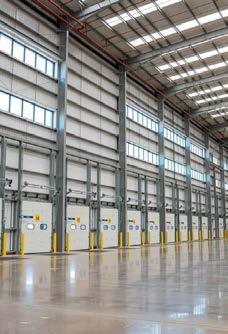
META SOFA is delighted to announce one of the most significant investments in the company’s history with the development of a new state-of-the-art warehouse and distribution facility in Leamington Spa.

Spanning more than 224,000 square feet and incorporating over 33,000 racking locations, the new facility marks a major milestone in the company’s ongoing growth strategy and reinforces its commitment to delivering exceptional service, product availability, and innovation to furniture retailers throughout the UK.
The investment reflects Meta Sofa’s ambition to strengthen its position as a trusted supplier within the furniture industry while building the infrastructure required to support future growth. As consumer demand continues to evolve and retailer expectations increase, the new facility has been designed to provide the scalability, efficiency, and stockholding capacity needed to meet the demands of a fast-moving market.
At the heart of the development is a comprehensive stock programme that will enable Meta Sofa to significantly increase inventory levels across its most popular collections. The additional capacity provided by 33,000 racking locations will allow the business to hold deeper stock positions, ensuring greater
product availability and improved responsiveness to customer demand.
For furniture retailers, the benefits of this investment are substantial. Enhanced stockholding capabilities will help reduce lead times, improve order fulfilment performance, and provide greater confidence when planning
“This investment represents a transformational step forward for Meta Sofa and demonstrates our long-term commitment to supporting our customers and retail partners.
sales promotions, seasonal campaigns, and customer orders. By maintaining increased inventory levels across key product lines, Meta Sofa will be able to offer more consistent stock availability, helping retail partners minimise delays and reduce the risk of lost sales opportunities.
In today’s competitive retail environment, consumers increasingly expect shorter delivery times and immediate product availability. Meta Sofa’s expanded warehousing and stock programme have been specifically developed to help retailers meet these expectations. Faster access to bestselling ranges, improved supply chain reliability, and greater stock consistency will enable retail partners to provide a superior customer experience while improving operational efficiency within their own businesses.
The new facility has also been designed to optimise logistics and distribution processes, creating a more streamlined and efficient operation capable of supporting continued growth. By investing in advanced warehousing infrastructure and increasing operational capacity, Meta Sofa is creating a stronger platform from which to serve both existing and future customers.
A standout feature of the development is the creation of a premium threefloor showroom that will offer visitors an immersive and engaging product

experience. Designed to showcase the very best of the Meta Sofa collection, the showroom will feature carefully curated room settings, lifestyle displays, and dedicated product zones that allow customers and retail partners to experience the quality, craftsmanship, comfort, and design of each collection first-hand.
The showroom has been conceived as more than simply a display space. It will serve as a central destination for retailer visits, product launches, training events, buying appointments, and industry gatherings. Retail partners will have the opportunity to explore the latest collections in a premium environment, gain insight into future product developments, and work closely with the Meta Sofa team to identify opportunities for growth within their own businesses.
By bringing together warehousing, distribution, customer support, and product presentation under one roof, Meta Sofa is creating a facility that reflects the company’s long-term vision and commitment to delivering excellence across every aspect of the customer journey.
Alongside this major expansion, Meta Sofa is proud to introduce the all-new Ventura Dual Power Slider, an innovative addition to its upholstery collection that combines contemporary styling with modern functionality.


Spanning more than 224,000 square feet and incorporating over 33,000 racking locations, the new facility marks a major milestone in the company’s ongoing growth strategy
Ventura Dual Power Slider, an innovative addition to META’s upholstery collection that combines contemporary styling with modern
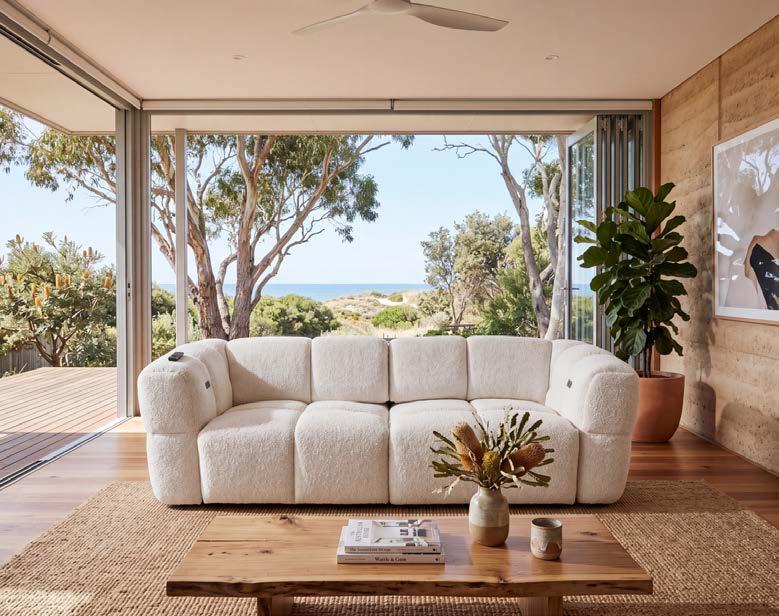
Available in sophisticated Grey, Beige, and Khaki colourways, the Ventura Dual Power Slider has been designed to complement a wide variety of interior styles while providing enhanced comfort and convenience for today’s consumers. Combining sleek aesthetics with intelligent technology, the model represents Meta Sofa’s continued focus on creating products that respond to changing lifestyles and customer expectations.
The Ventura Dual Power Slider features integrated USB and USB-C charging ports, allowing users to conveniently charge smartphones, tablets, laptops, and other devices directly from the comfort of their seat. As connected living continues to play an increasingly important role in modern homes, the addition of built-in charging functionality provides a practical solution for everyday use.
Further enhancing the user experience is the inclusion of remote-control functionality, allowing effortless adjustment at the touch of a button. Designed with both comfort and convenience in mind, the Ventura Dual Power Slider delivers a premium seating experience that combines innovative features with exceptional comfort and stylish design.
The launch of the Ventura Dual Power Slider demonstrates Meta Sofa’s commitment to ongoing product development and innovation. By integrating technology-driven features into attractive, consumer-focused designs, the company continues to deliver products that add value for both retailers and end customers.
Commenting on the announcement, a spokesperson for Meta Sofa said:

“This investment represents a transformational step forward for Meta Sofa and demonstrates our long-term commitment to supporting our customers and retail partners. Our new warehouse facility significantly strengthens our operational capabilities and enables us to provide enhanced stock availability, improved fulfilment performance, and faster delivery times. Combined with our premium three-floor showroom, we are creating a destination that will allow retailers to experience our products and brand in an entirely new way.
At the same time, the launch of the Ventura Dual Power Slider highlights our commitment to innovation and product development. We understand the importance of combining style, comfort, and functionality, and we believe the Ventura Dual Power Slider delivers exactly that. We are incredibly excited about the opportunities these developments create for our customers, partners, and the future growth of Meta Sofa.”
The new Leamington Spa facility is expected to play a central role in supporting Meta Sofa’s future expansion plans while further strengthening the company’s reputation for service, reliability, and innovation. Through continued investment in infrastructure, stockholding, product development, and customer experience, Meta Sofa remains focused on helping furniture retailers grow with confidence while delivering exceptional value to consumers across the UK.






META SOFA is delighted to announce one of the most significant investments in the company’s history with the development of a new state-of-the-art warehouse and distribution facility in Leamington Spa.
Spanning more than 224,000 square feet and incorporating over 33,000 racking locations, the new facility marks a major milestone in the company’s ongoing growth strategy and reinforces its commitment to delivering exceptional service, product availability, and innovation to furniture retailers throughout the UK.


The investment reflects Meta Sofa’s ambition to strengthen its position as a trusted supplier within the furniture industry while building the infrastructure required to support future growth. As consumer demand continues to evolve and retailer expectations increase, the new facility has been designed to provide the scalability, efficiency, and stockholding capacity needed to meet the demands of a fast-moving market.


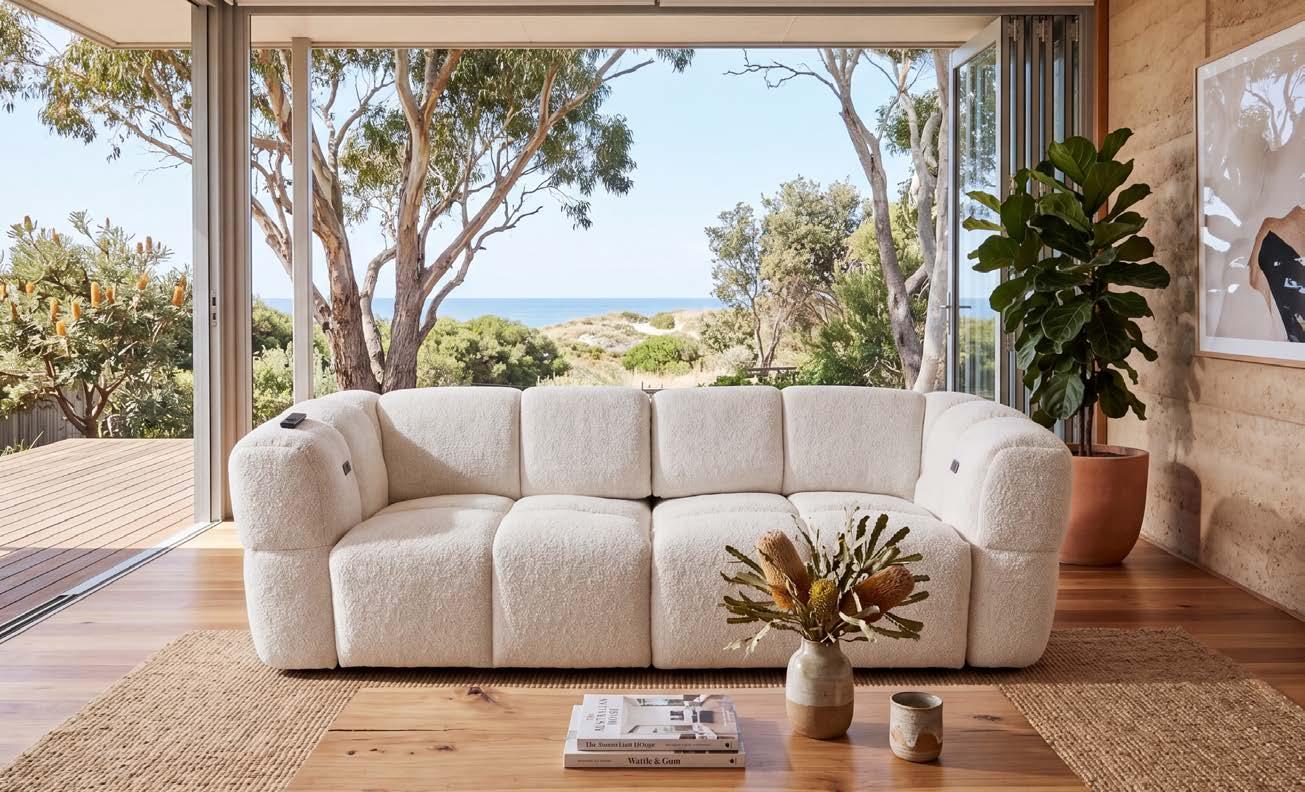
Introducing Ventura Dual Power Slider, an innovative addition to our upholstery collection that combines contemporary styling with modern functionality.
Available in sophisticated Grey, Beige, and Khaki colourways, the Ventura Power Slider has been designed to complement a wide variety of interior styles while providing enhanced comfort and convenience for today’s consumers. Combining sleek aesthetics with intelligent technology, the model represents Meta Sofa’s continued focus on creating products that respond to changing lifestyles and customer expectations.
The Ventura Power Slider features integrated USB and USB-C charging ports, allowing users to conveniently charge smartphones, tablets, laptops, and other devices directly from the comfort of their seat. As connected living continues to play an increasingly important role in modern homes, the addition of built-in charging functionality provides a practical solution for everyday use.

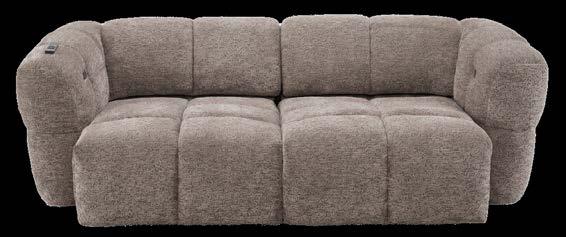
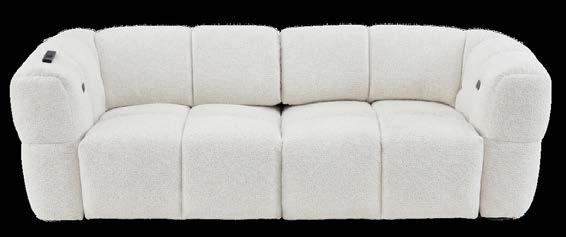
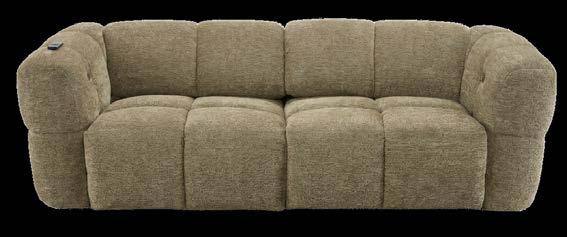

Following the success of VIFA ASEAN 2025, which featured 230 exhibitors and nearly 9,000 visitors – including over 2,000 international buyers and visitors from 67 countries and territories – the fourth VIFA ASEAN Fair will be held this September at SECC (Ho Chi Minh City), and promises to be “a vibrant trading hub with numerous engaging programmes” …
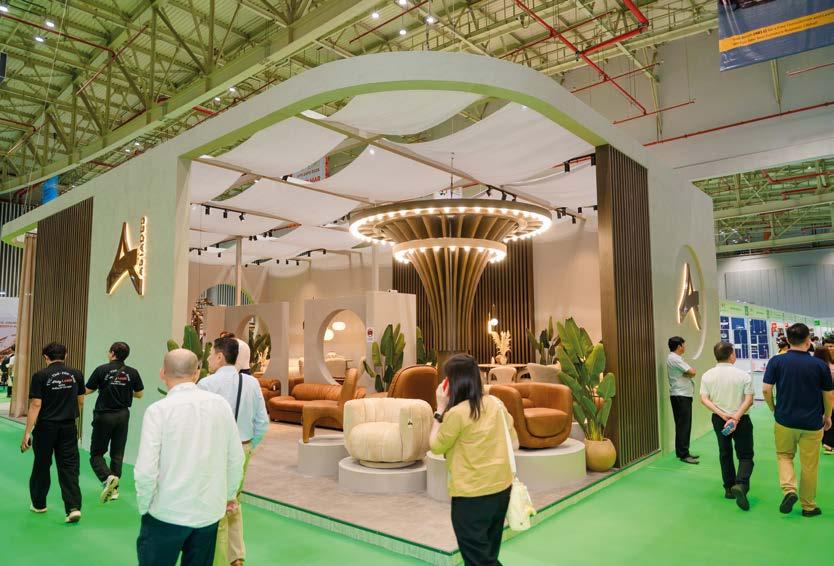
“In recent years, Vietnam’s furniture industry has firmly established its position on the global trade map, thanks to abundant human resources, flexible adaptability and continuous innovation,” begins Lien Minh VIFA Corp, the company behind the VIFA shows.
“Vietnam’s furniture industry has firmly established its position
“Not only contributing significantly to the national export turnover and creating millions of jobs, the Vietnamese furniture industry has also risen to become one of the world’s leading production and export hubs – and, building on that strong momentum, VIFA ASEAN 2026 emerges as a key trading platform, serving as a vital bridge to help exhibitors connect their supply chains, expand their international customer networks, and affirm their superior competitive capacity in the global market.”
The Vietnam ASEAN International Furniture
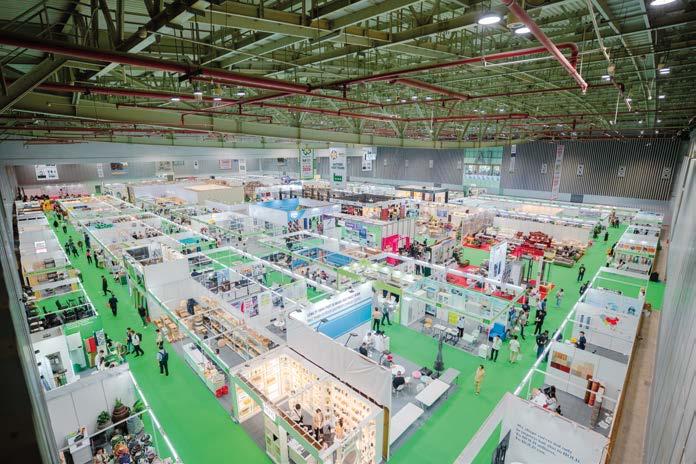
and Home Accessories Fair (VIFA ASEAN) 2026, taking place from 2nd–5th September at the Saigon Exhibition and Convention Center (SECC), Tan My Ward, Ho Chi Minh City, is a leading regional international fair for furniture, home decor and handicrafts, and a gathering place for a diverse community of businesses from Vietnam and across South East Asia.
Following on from VIFA’s spring edition, VIFA ASEAN 2026 acts as a “strategic link”, says Lien Minh, as it takes place immediately after KOFURN (27-30th August in South Korea), before the trade journey continues with these subsequent fairs: MFFM (3rd-5th September, Malaysia); Maison Shanghai (7-10th September, China); Furniture China (8-11th September); CIFF (China); WMF (China); and IFFINA (Indonesia), helping international buyers optimise their time and expand their sourcing opportunities.
Helping maintain Vietnam’s position as a global furniture manufacturing hub, VIFA ASEAN promises to again be a key export event, with an expected scale of over 600 booths and the presence of over 200 exhibitors from Vietnam, South East Asia and elsewhere in Asia.
The exhibition focuses on the supply chain across four key industry groups: Indoor and Outdoor Furniture (diverse styles and purposes); Home Décor and Handicrafts (elevating living spaces with unique and practical products); Design & Architecture Trends (updating construction solutions and sustainable trends); and Machinery, Materials, and Supporting Services (comprehensive solutions for modern production lines).
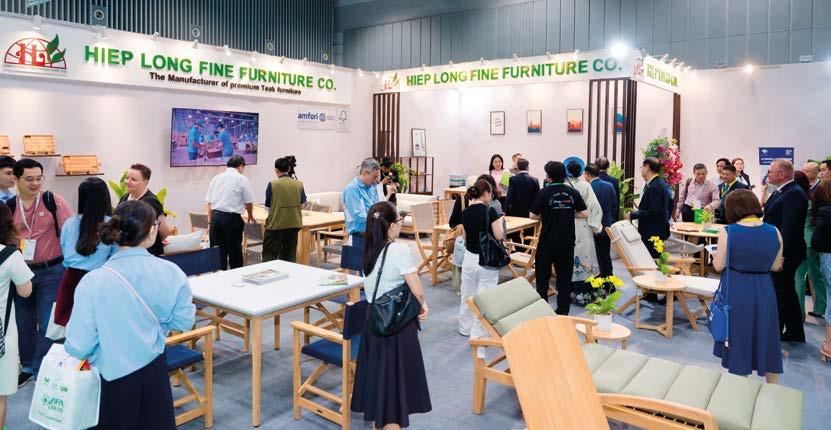
There are numerous reasons furniture businesses should participate in VIFA ASEAN 2026, Lien Minh explains: “Access, introduce and receive orders directly from thousands of multinational buyers with diverse needs in a short time, while affirming brand prestige in the international market.
“VIFA ASEAN serves as a sustainable platform for exhibitors to seek export orders on the spot, with opportunities to reach and close deals with thousands of reputable buyers, and helping exhibitors from South East Asia learn about and penetrate the rapidly developing Vietnamese market.
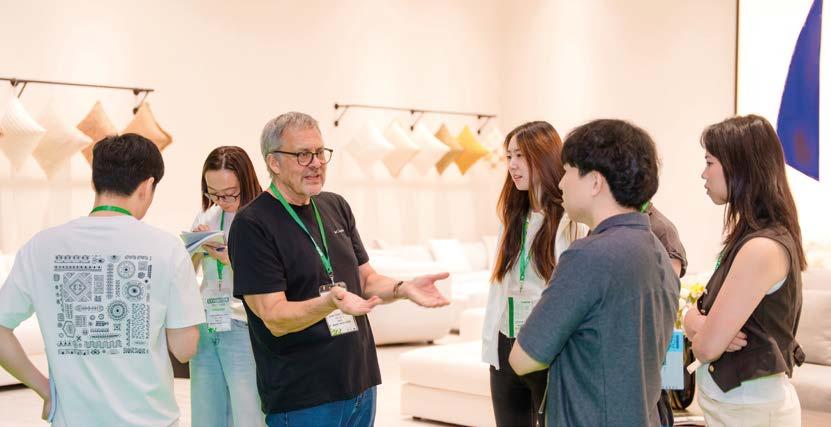
“We create a professional B2B connection space with networking sessions, making business connections easy, convenient and cost-effective for exhibitors, and participating exhibitors receive support packages to promote their brand image, helping them reach the right potential customers.”
Every effort is made to optimise participants’ experience and connections, the show organiser continues: “Exhibitors registering early, making timely payments or requiring large display areas will receive cost incentives and priority in selecting prime booth locations at SECC.
“All participating exhibitors are supported in brand promotion through the exhibition’s official media channels, helping to spread the business image to the VIFA community, and we design specialised B2B meetings, helping exhibitors connect directly with potential partners and distributors according to market demand.
“There’s also the VIP Buyer Program exclusively for major buyers, with privileges such as accommodation support, VIP reception packages and procedural support, plus more general provision of free shuttle bus services, airport support, accommodation support from official partner hotels, as well as factory tours and exclusive industry seminars.
“VIFA ASEAN is not just a trade fair, but a sustainable platform for exhibitors to secure on-site export orders, build a global network of strategic customers, optimise media costs, and affirm superior competitive capacity in an increasingly integrated international context,” Lien Minh concludes.
“For these reasons, VIFA ASEAN is the ideal destination for the South East Asian furniture and home decor community to connect with the global market.”
For exhibitor enquiries, go to bit.ly/4gnc8sI www.vifaasean.com
“Opportunities to reach and close deals with thousands of reputable buyers
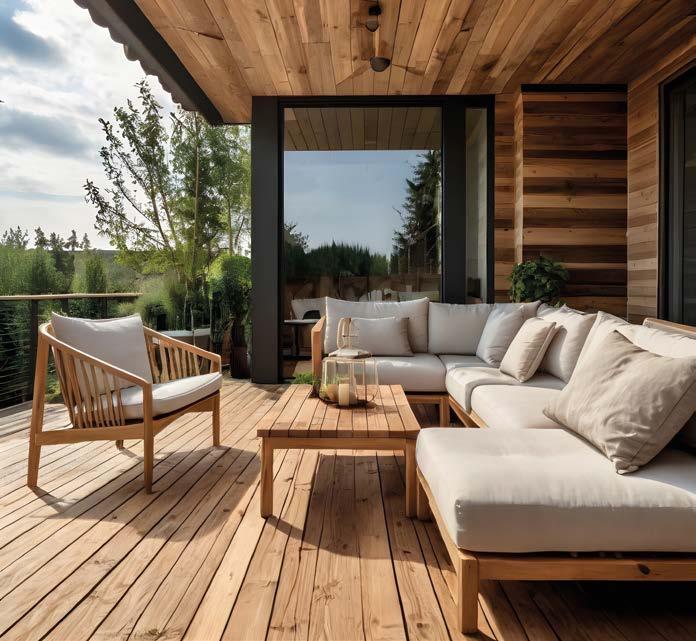
www.sfra.co.uk/northpoint-show
SOLEX – The Summer Outdoor Living Exhibition – is the UK’s leading three-day trade show dedicated to outdoor living. Taking place from Tuesday 7th to Thursday 9th July in Hall 5 at the NEC Birmingham, it is firmly established as a must-attend event in the outdoor leisure trade calendar.
Organised by LOFA, SOLEX brings together major manufacturers and suppliers of garden furniture, barbecues, firepits, outdoor heating, lighting, parasols, gazebos, spas and outdoor storage under one roof.
Visiting buyers can discover the latest product launches, explore emerging trends, and see firsthand the industry’s focus on design, sustainability and environmental manufacturing for both retail and contract markets.
This relaxed but professional trade-only event attracts decision-makers from leading garden centres, department stores, multiples, independents, online retailers and hospitality operators, making it “a powerful platform for networking and doing business”, says LOFA.
“With free entry for trade visitors and convenient NEC access, SOLEX 2026 is the essential date in the diary for anyone serious about summer outdoor living.”
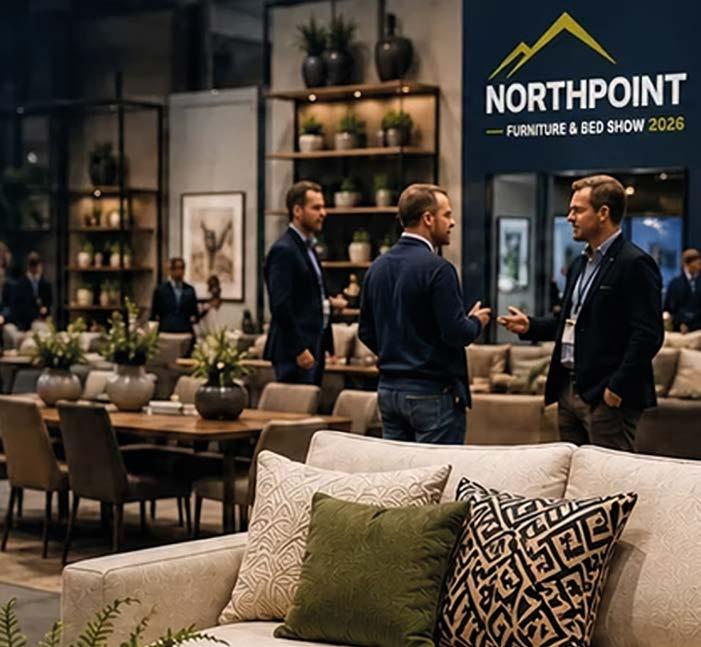
The Northpoint Furniture & Bed Show, Scotland’s trade fair for the region’s retailers, suppliers, manufacturers and agents, will return from 11-13th October this year.
Organised by the Scottish Furniture Representatives Association (SFRA), the professional association for furniture sales representatives in Scotland, the show has previously taken place in both January and early spring, but will occupy an autumn fixture this year – and will be located at Lowland Hall, the Royal Highland Centre, Edinburgh, one of Scotland’s most established exhibition and event venues.
“NorthPoint brings the industry together under one roof,” says the SFRA, “creating opportunities, driving business and supporting the future of independent retail.
“Explore new products, brands and innovations. Build relationships with suppliers and peers. Find opportunities to grow your business. Enjoy dedicated time to see, meet and do business, in a location that’s easy to reach, convenient and built for business.”
Confirmed exhibitors include Buoyant Upholstery, Sealy UK, VIDA Living, Highgrove Beds, Silentnight, Welcome Furniture, Sleepeezee, Sherborne, Purecare and Shire Beds. The Royal Highland Centre is located just minutes away from Edinburgh Airport, boasts accessible road and rail links from Scotland and the North of England, and offers free parking.



The recent Spring Furniture & Bed Show at the Telford International Centre once again demonstrated the resilience, commitment and strength of the furniture industry, successfully bringing together exhibitors and retailers from across the sector for two productive days of networking, product discovery and business development, says show organiser Minerva Furniture Group …
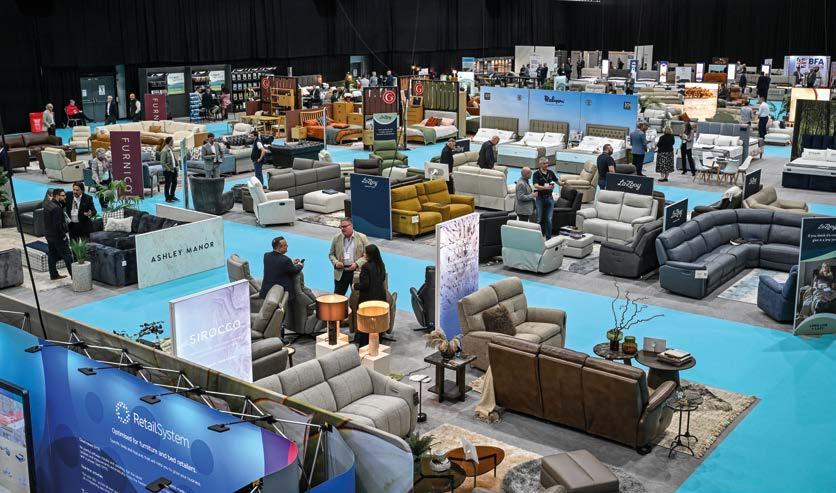
“First and foremost, we would like to extend our sincere thanks to every exhibitor and visitor who supported the event,” states the buying group.
“A vibrant and engaging atmosphere that was appreciated by all
“The loyalty and continued commitment shown year after year are what makes the Spring Furniture & Bed Show flourish, and we are immensely grateful for the confidence placed in the event. The investment, enthusiasm and professionalism displayed by all exhibitors, alongside the hard work of sales, set-up and breakdown teams, helped create a vibrant and engaging atmosphere that was appreciated by all who attended.
“Attendance on the opening day was particularly encouraging, with strong visitor numbers and an energetic buzz throughout the halls. While the second day saw a slightly quieter pace, it is important to recognise the exceptionally challenging trading conditions currently facing retailers. We are therefore especially grateful to all those who attended and continued to support both the show and its exhibitors.
“A significant number of exhibitors reported a
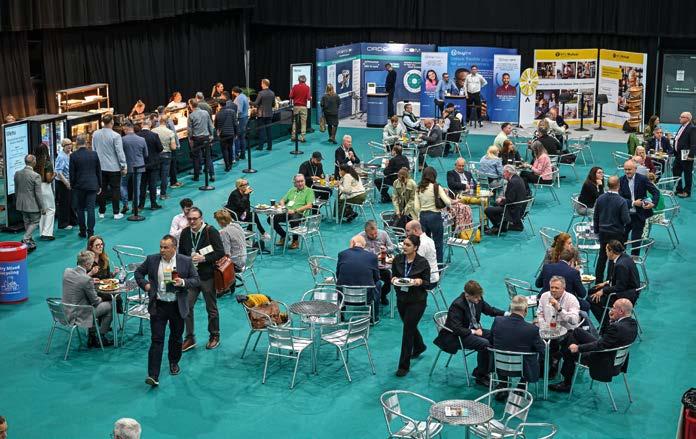
highly successful event, with many commenting that they had connected with all the buyers they had hoped and needed to meet. Most importantly, these conversations translated into genuine business, with orders placed and valuable new relationships established. Such feedback reinforces the importance of the Spring Furniture & Bed Show and highlights the ongoing value of bringing the industry together in person.”
Beyond the business achieved, the organiser says its team was delighted to receive numerous positive comments regarding the overall quality and professionalism of the event: “Both visitors and exhibitors praised the organisation, welcoming environment, and smooth delivery that have become synonymous with the Spring Furniture & Bed Show. These comments are particularly rewarding and reflect the dedication and hard work of everyone involved in making the event a success.”
The gala dinner once again proved a stand-out occasion, Minerva continues: “Completely sold out, the evening provided the perfect opportunity for industry colleagues, customers and friends to relax, celebrate, and enjoy each other’s company. The excellent attendance and overwhelmingly positive feedback confirmed it was another memorable and thoroughly enjoyable event.
“As we reflect on a successful Spring Furniture & Bed Show, we remain optimistic about the future, and fully committed to supporting the furniture industry through both challenging and prosperous times.
“We now look forward to welcoming exhibitors and visitors back to the Autumn Furniture Show at the Telford International Centre on 7-8th October, where Minerva will once again proudly host the event. We hope to see you there!”
www.springfurnitureshow.co.uk

More than 130 people in the design and furniture making industry came together in May at the Guildhall in Bath for the fifth annual Inspiring Makers event.

Hosted by Somerset-based luxury interiors studio Artichoke and The Furniture Makers’ Company, the event brought together leading voices and emerging talent with the aim of inspiring future generations of craftspeople.
With the decline of the UK’s master furnituremakers from 90,000 to 1,000 over past 150 years, the notfor-profit event offers a unique platform to promote hand skills and preserve the legacy of craft through the sharing of ideas, industry connection and the championing of making, state the organisers.
The line-up of talks and panel discussions engaged the audience on topics such as the importance of business-driven training and education, gender inclusion, sustainability and circularity, materiality and creative process.
Neil Fox, CEO of Artichoke, says: “As heritage makers for the world’s finest interiors, we are committed to nurturing talent and preserving traditional handcrafting techniques for the future. Artistry and technical skill at our level can take decades in the making, which is why it’s so important to encourage young people into the craft. Along with our other educational initiatives such as apprenticeships, Inspiring Makers helps to encourage, train and sustain the masters of the future. This year’s event was hugely inspiring and we are already looking forward to planning next year.”


Manchester Furniture Show (MFS), the furniture and interiors industry’s key mid-year sourcing event, is almost here – Furniture News teases some of the highlights …
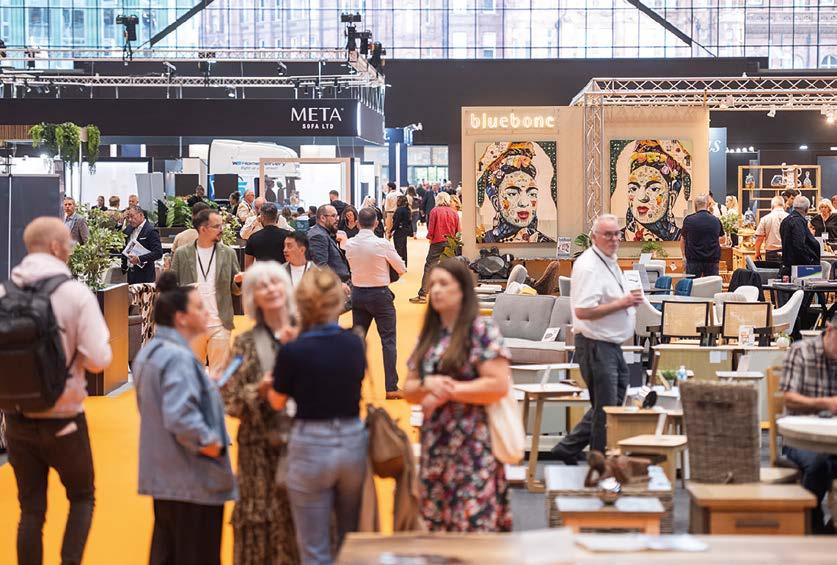
Returning to Manchester Central on 5-6th July, MFS continues its long-standing tradition of bringing together retailers, buyers, designers and suppliers at a crucial point in the buying calendar.
Positioned between the major January exhibitions and the important Q4 trading period, the show is an opportunity to discover new products, strengthen supplier relationships and gain valuable market insights ahead of H2.
A major attraction for visitors this year will be the breadth of new exhibitors on display – 50% of the exhibiting brands are new to the 2026 edition, ensuring fresh inspiration and new business opportunities across the show floor.
Among the brands making their MFS debut are Hill Interiors, Home of Wool, Kamjo and Sensowell, Sacred Nature Furniture and Avriio.
“The timing could not be better
This year’s event promises to be one of the most dynamic editions yet, with more than 150 brands set to showcase over 25,000 products across furniture, interiors and homewares. Organiser The Furniture Shows expects more than 4,000 retail buyers and industry professionals to attend over the two days, creating “an environment that combines serious business with the relaxed networking atmosphere for which MFS has become known”.
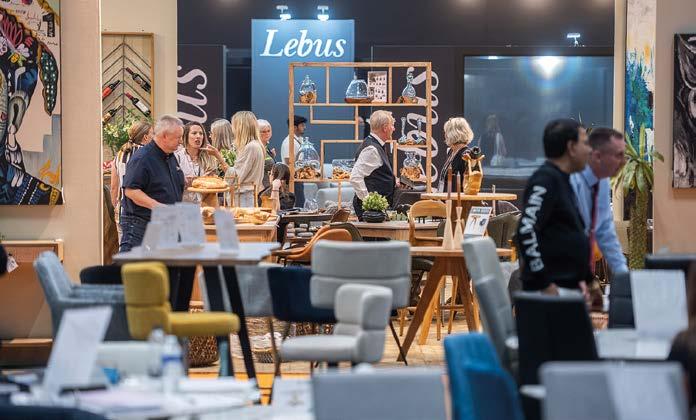
“Their presence reflects the show’s commitment to introducing buyers to new suppliers and exciting collections year after year, while established industry names continue to provide the trusted products and partnerships retailers rely on,” says The Furniture Shows.
Alongside the new additions, visitors can also expect to see the latest launches and bestselling collections from recognised brands including Lebus Upholstery, Whitemeadow, Baker Furniture, Buoyant Upholstery, Ashwood Designs, Scatter Box, La-Z-Boy UK, Image Furnishings and Alpha Designs.
“For retailers looking to refresh their ranges ahead of autumn and winter trading, the timing could not be better,” the show organiser explains. “The show’s position in early July allows buyers to review new product introductions, identify emerging trends and place orders with confidence before the busiest retail period of the year begins.”
New for 2026 is MFS Springboard, a dedicated platform designed to spotlight emerging brands and fresh industry talent. The initiative aims to provide visitors with an opportunity to discover up-andcoming businesses and products from artisan and sustainable makers, creating opportunities for retailers seeking differentiation and newness within their offer.
Beyond sourcing, the event also continues to
provide a valuable forum for industry conversation and professional development.
Following the success of last year’s event, the Women in Furniture Network (WIFN) panel returns with another programme of discussion and networking.
Taking place on Monday 6th July from 11:30am to 1pm, the ‘Pastries & Panel’ session, entitled ‘Shared Growth in Action’, will bring together leaders from across the furniture and interiors sector to share their experiences, leadership journeys and perspectives on the industry’s future. This year’s panel features Lisa Flannery (MD of Claremont), Gisela Lancaster (former head of buying at Sofology), Sophia Carbonell (head of ecommerce sales at Julian Bowen) and awardwinning creative and design director Kirsty Whyte.
The session promises to offer attendees the opportunity not only to hear from some of the sector’s most accomplished professionals, but also to engage directly with the panellists before and after the discussion through dedicated networking opportunities.
Reflecting on the value of the initiative, Deirdre Mc Gettrick, the founder and CEO of ufurnish.com, praised last year’s event for showcasing the stories and achievements of women leading organisations across the sector: “Listening to the inspiring female leaders at the WIFN event really made me reflect on my own journey and how fast the industry is evolving. There are so many talented women leading organisations in ways we don’t often see, so I love hearing those stories being brought to the front.”
Networking has long been one of the defining features of MFS, and this year’s social programme promises to build on that tradition. The Official Manchester Furniture Show Party will return on the evening of 5th July, taking place from 6pm at The Junction Bar. Inspired by the excitement of the FIFA World Cup, the event will provide a lively backdrop for buyers and exhibitors to continue conversations, strengthen relationships and celebrate the industry
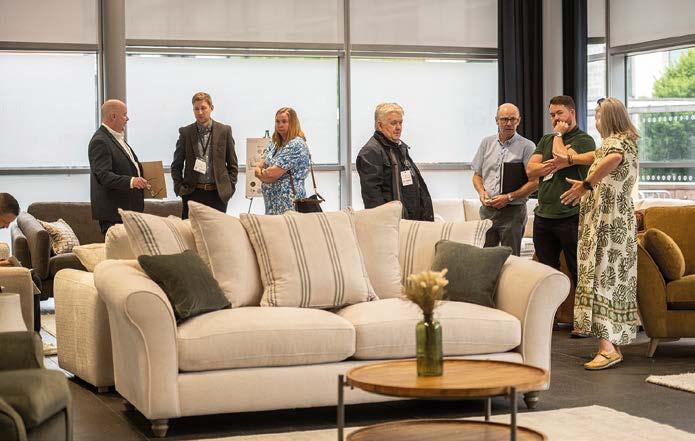
together in a relaxed setting.
The combination of business during the day and informal networking in the evening has become one of the defining features of MFS, helping to create the collaborative atmosphere that keeps visitors returning year after year, says The Furniture Shows: “As the countdown to opening day continues, MFS 2026 is shaping up to deliver exactly what the industry needs at this point in the year – fresh products, new suppliers, meaningful conversations and valuable connections.
“Whether attending to source new collections, meet existing partners, discover emerging talent or gain insight from industry leaders, visitors can expect two productive days at one of the furniture sector’s most established and respected trade events.
“For those looking to stay ahead of the market and prepare for the opportunities of the second half of 2026, MFS remains a date firmly worth keeping in the diary.”
Register to attend via bit.ly/4fixA1J, or to book a stand visit bit.ly/44gw1KJ www.thefurnitureshows.com

“Business during the day and informal networking in the evening
Following an “exceptionally” busy start to the year, Whitemeadow’s team is looking forward to reconnecting with retail partners face to face, sharing ideas and showcasing its latest product directions at the Manchester Furniture Show …
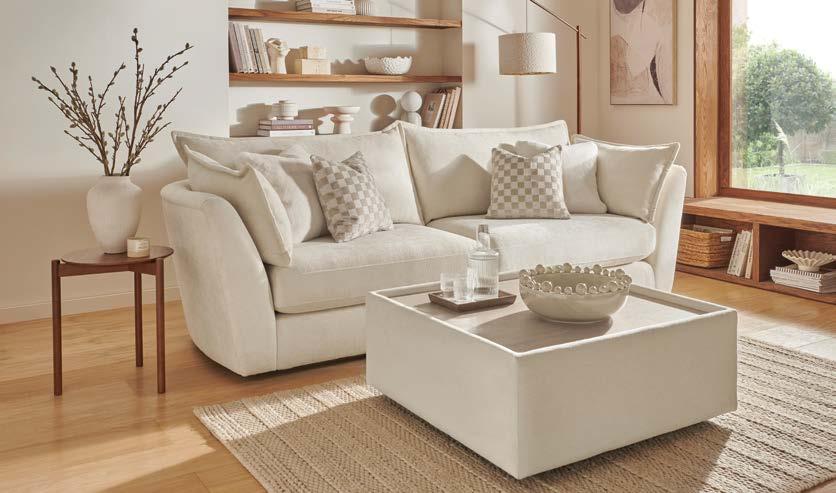
“On a marketplace that’s picking up the pace with trend expectations, maintaining momentum on the shop floor has never been more important,” says the sofamaker. “Retailers continue to look for products that feel fresh and design-led, while still offering the comfort, quality and practicality today’s consumers expect.”
“Desirable, commercial product that works hard on the shop floor
With this in mind, Whitemeadow says it remains focused on creating collections that strike the right balance between contemporary style and strong commercial appeal. The Nottinghamshire-based manufacturer continues to invest in developing both its product and fabric offering, ensuring its collections remain relevant, versatile and inspiring for modern retail environments.
“Every detail is considered carefully,” the manufacturer explains, “from shape and proportion through to fabric direction and finish, helping retailers create displays that encourage customer engagement
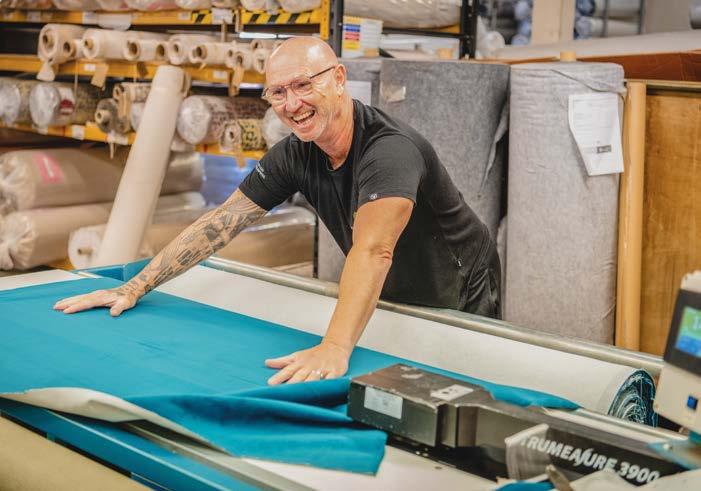
and drive footfall back into stores.
“Expect to see thoughtfully tailored collections designed to offer broad appeal and perform on the shop floor. From proven bestsellers to exciting new cover stories, discover trend-led fabric directions designed to keep the collection feeling fresh, relevant and in tune with today’s interiors landscape.
“With warm, cosy and tactile living continuing to influence consumer preferences, the focus remains on rich textures, inviting finishes and fabrics that bring both comfort and visual softness into the home. From layered neutrals and touchable weaves through to beautifully understated textures, head over to our stand (D30) to see what’s new.”
Whitemeadow says this season’s collection has been carefully curated to offer customers a balanced mix of comfort, style and commercial appeal across a range of shapes and scales: “The easy-to-love Bossanova delivers a cosy, inviting silhouette paired with a rich cover story, while Sloane introduces a fresh direction to the range, with its modern curved design, tactile appeal and distinctive wooden-top tables.
“Complementing these new additions, Metro returns with its proven commercial success, bringing warmth, versatility and everyday comfort in a shape that continues to resonate with customers looking to create welcoming living spaces.”
For over 30 years, Whitemeadow has supplied UK retailers with high-quality, reliable sofas, gaining valuable industry expertise along the way. With an eye for commercial design and a purposeful catalogue, the manufacturer remains committed to offering its partners dependable supply and consistent quality.
“We design upholstery for modern retail, creating desirable, commercial product that works hard on the shop floor,” Whitemeadow concludes.
www.whitemeadow.com

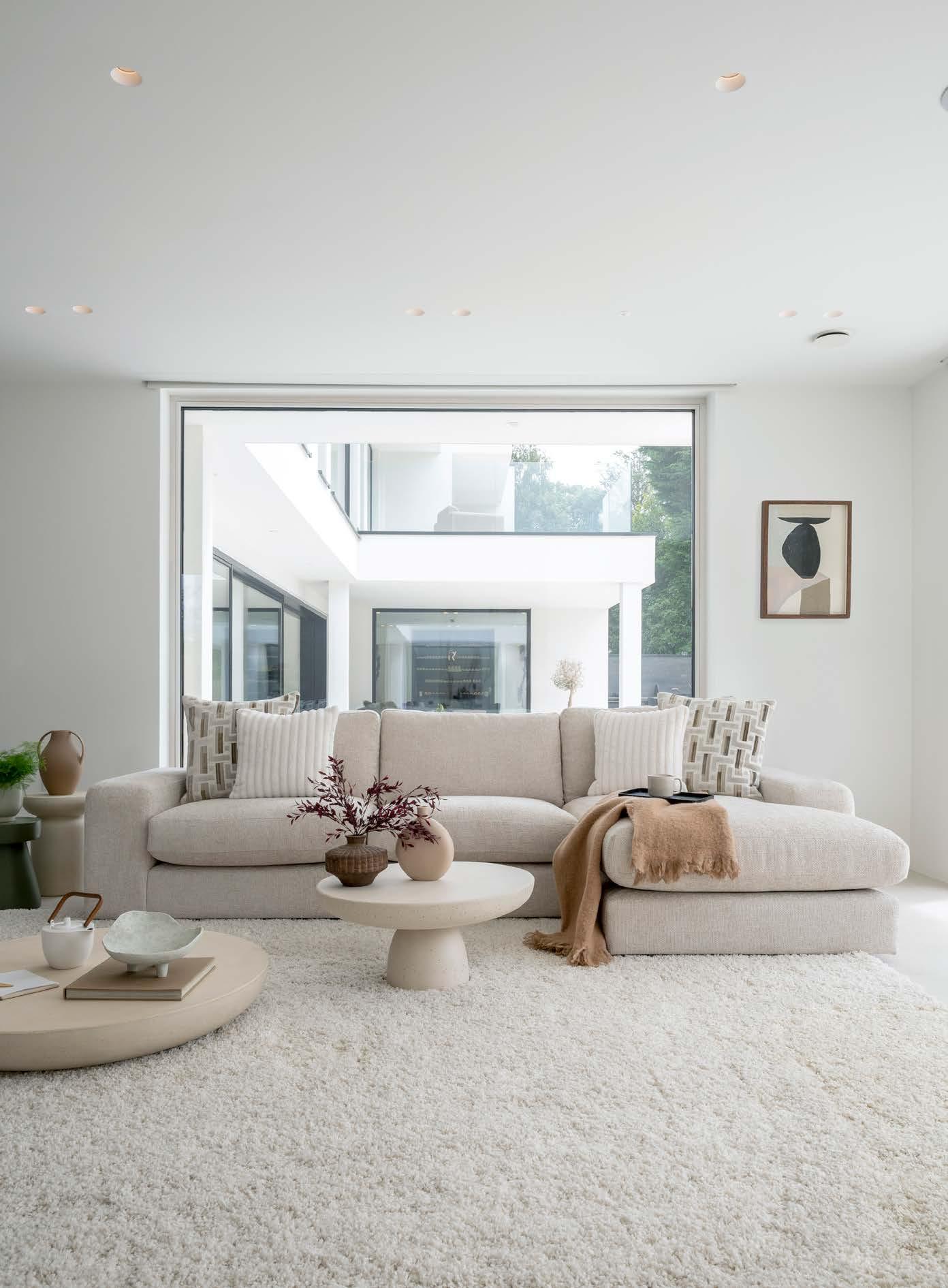
We’re heading to MFS 2026. Drop by our stand to discover the latest and greatest. We’d love to see you.
5 - 6 July | Stand D30




Buoyant Upholstery says it emerged from this year’s January Furniture Show on a high, reporting an exceptionally positive response to the newly released collections and reinforcing its growing momentum across both of its domestic and imported upholstery categories –and Manchester Furniture Show promises to be the perfect followup opportunity …
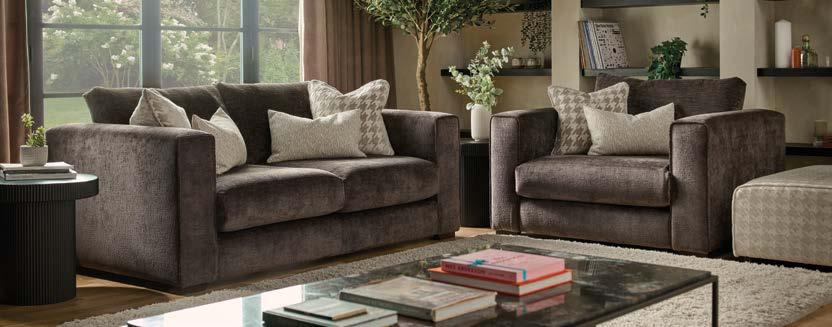
At the beginning of the year, Buoyant launched 13 imported leather and recliner models, developed under its Prestige Collections banner. The collection comprised five of Buoyant’s established bestselling designs reimagined in leather, alongside eight brandnew recliner models (available in both leather and fabric) co-developed specifically for the UK market.
According to the company, interest from both longstanding customers and new accounts exceeded expectations throughout the January show.
At this year’s Manchester Furniture Show, visitors can expect to see the successful leather and recliner offering, which marks a significant evolution in Buoyant’s product mix. The new models showcased will display the benefits of Buoyant’s Prestige line, combining contemporary styling, competitive price points and innovative feature-led design, which will all be supported by UK-held stock and established service levels.
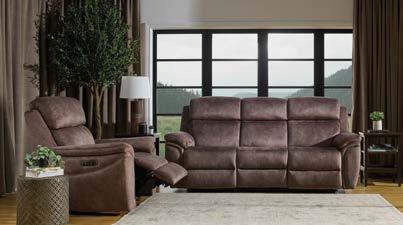
January Furniture Show reinforced its strategy of balancing UK manufacturing growth with carefully selected imported categories.
“Balancing UK manufacturing growth with carefully selected imported categories
“The reimagined Buoyant fabric bestsellers are sure to attract strong interest,” says the manufacturer.
“Many visitors will welcome the opportunity to offer familiar, proven silhouettes in leather. Meanwhile, the eight new recliners, designed to meet current UK consumer expectations around comfort, functionality and aesthetics, offer a breadth of choice and commercial appeal.”
Alongside the imported launches, Buoyant also highlighted new developments within its Ashley Manor range, which is set to play a key role in the company’s British-made upholstery portfolio. Buoyant says the positive reaction to these models at the
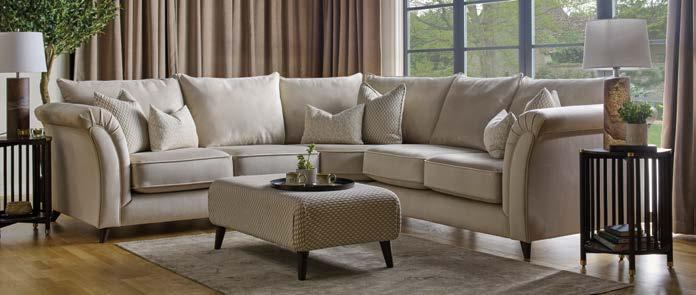
The Manchester show will also provide an opportunity for Buoyant to strengthen relationships and open new conversations. The manufacturer hopes to attract a steady flow of independent retailers and larger national accounts, some of whom may be engaging with the brand for the first time. According to Buoyant, the ability to offer leather and recliner collections without the need for full container commitments will resonate strongly with the independent sector.
“Our aim has always been to make doing business with Buoyant straightforward and rewarding,” adds MD Mike Aramayo. “The feedback we received at the NEC showed that customers appreciate the direction we’re taking, with more choice, faster development and a clear focus on value and service.”
On the importance of this year’s Manchester Furniture Show, head of design Jake Pinder adds: “MFS presents a great opportunity for us to reconnect and touch base with our customers at the mid-point of the year, as well as exhibit some new product ahead of the busy retail season later in the year. We will have fresh new fabrics to display, along with a new exciting model to launch.”
Buoyant says it is heading into the show well positioned for the second half of the year, and that the success of its new launches not only validates the Prestige and Ashley Manor collections, but also signals the manufacturer’s growing confidence and capability in the leather and motion market.
www.buoyant-upholstery.co.uk


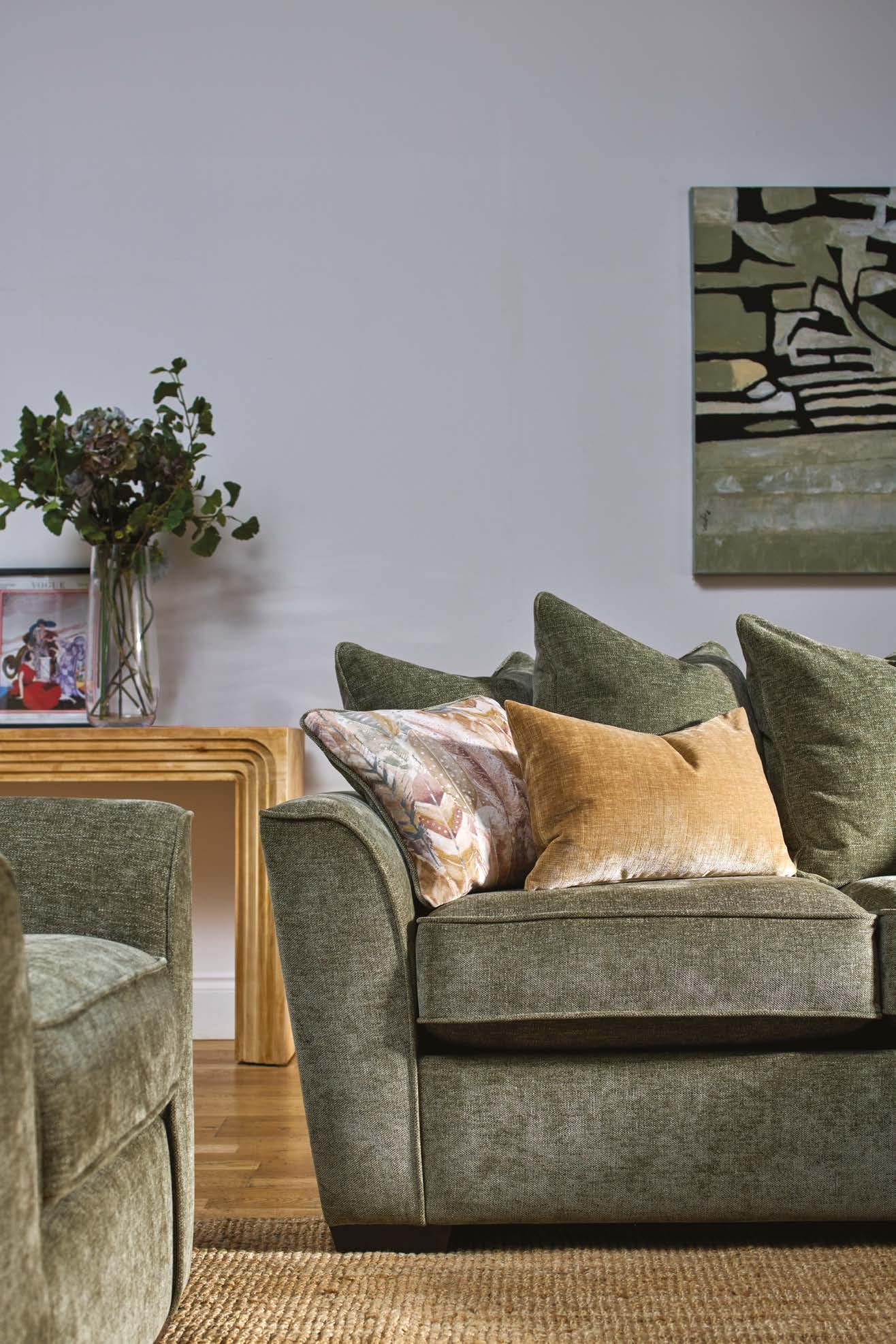



The Furniture Makers’ Company master’s installation ceremony
Monday 11th May / Long Parlour, Mansion House, London
PR doyenne and long-time National Bed Federation (NBF) lead Jessica Alexander (pictured right) was installed as the 64th master of The Furniture Makers’ Company in May, succeeding Debbie Johnson, at an installation ceremony held at the official residence of the Lord Mayor of London. Alistair Gough, CEO of Ocee International, and Donna Bellingham, CEO of Shackletons, were installed as the new senior and junior warden of the company, respectively.
The ceremony was followed by a celebratory dinner in the venue’s Egyptian Room. Around 150 guests were in attendance, including City dignitaries.
The installation of a new master is one of the oldest and most important traditions in the City of London livery movement. While each livery company has its own customs, the ceremony generally follows practices that evolved from the medieval trade guilds that began forming in London from the 12th century.
www.furnituremakers.org.uk









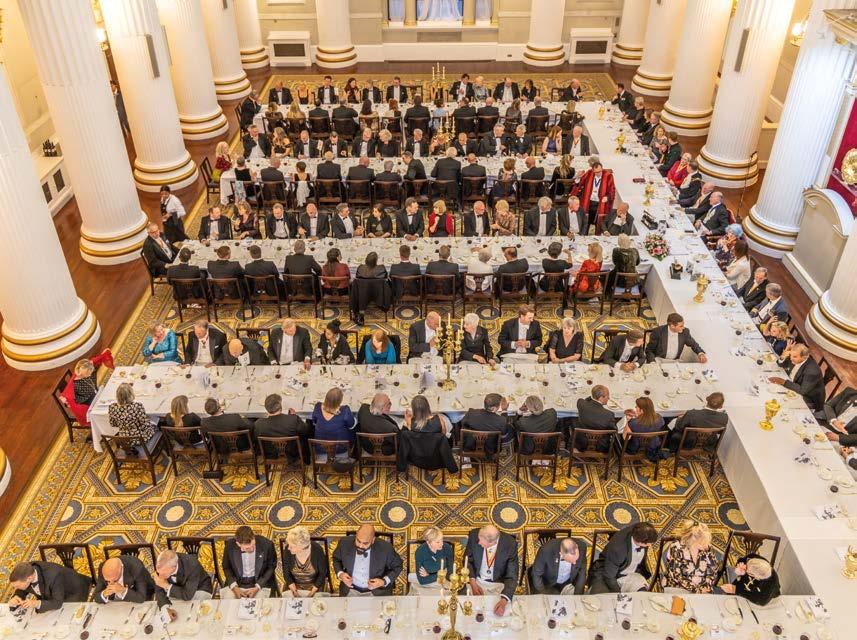









Rated Excellent
Fabric & Leather Upholstery
Cabinets & Wooden Furniture
Beds & Mattresses
Electric & Motion Furniture
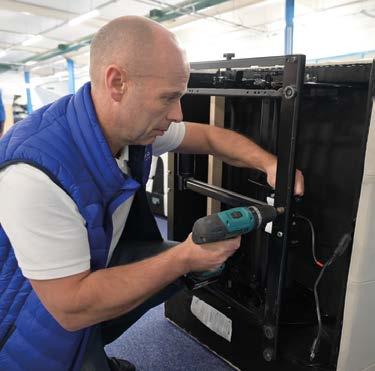

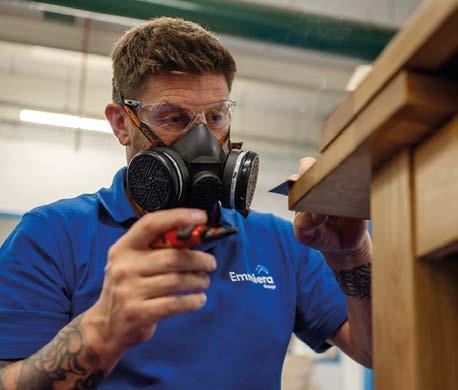
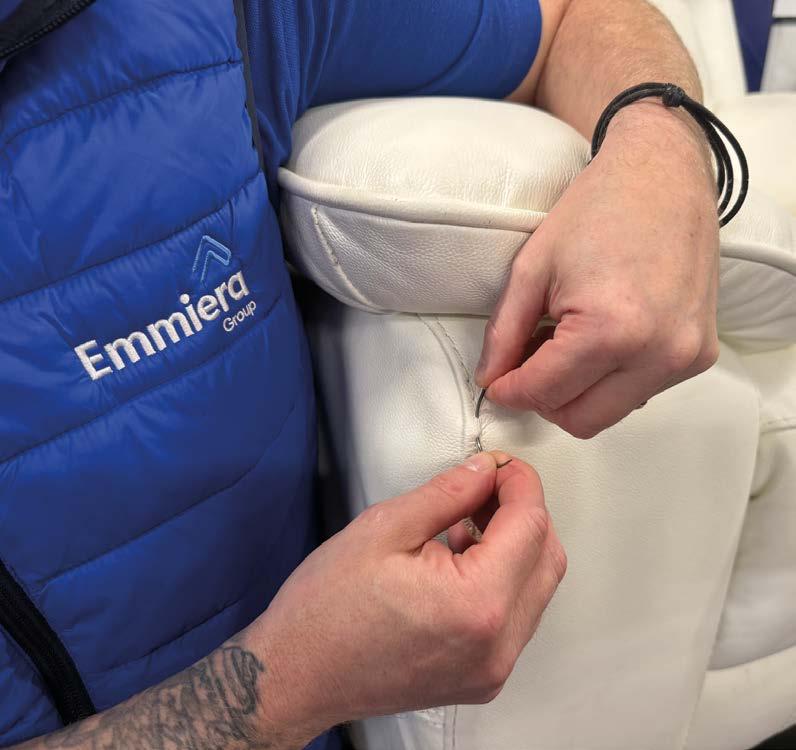















Buyers are looking for proven products that offer confidence in performance, while also seeking opportunities to create something unique for their customer base, and the opportunity increasingly comes from combining proven designs with tailored finishes, says Gallery Direct …
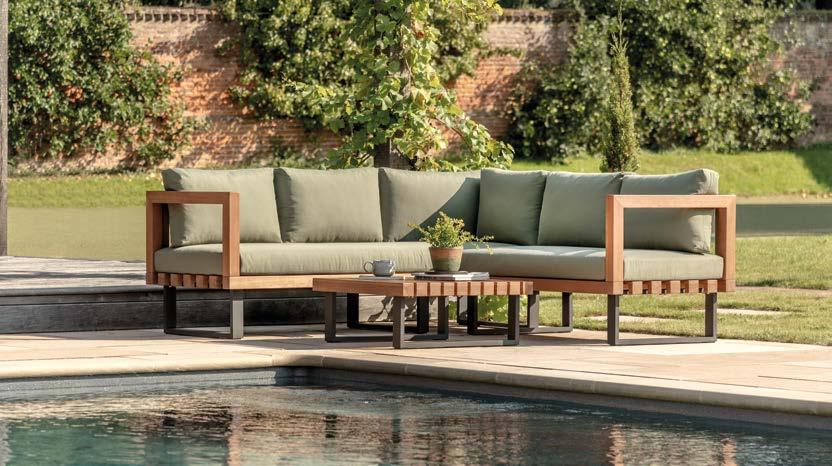
Rather than developing a completely bespoke range from scratch, Gallery’s customers can build upon designs that have already demonstrated their success – offering proven product performance combined with greater exclusivity, says the supplier.
Gallery offers a variety of customisation options, allowing customers to personalise the specification on ranges that already have a strong track record of success. From alternative weave colours and fabric selections through to ceramic, composite stone and other tabletop options, retailers can create collections that align with their own brand identity, customer demographic and even price point requirements.
These bespoke options are of course available subject to MOQs, yet these minimums are often more achievable than most might expect, says Gallery, particularly when planning seasonal stock commitments or container programmes.
By working closely with Gallery’s product development team, customers can create outdoor collections tailored to their own individual requirements while benefiting from the supplier’s established sourcing, quality control and supply chain expertise. For customers looking at larger-scale opportunities, many of these collections are also available on a DDP container basis.
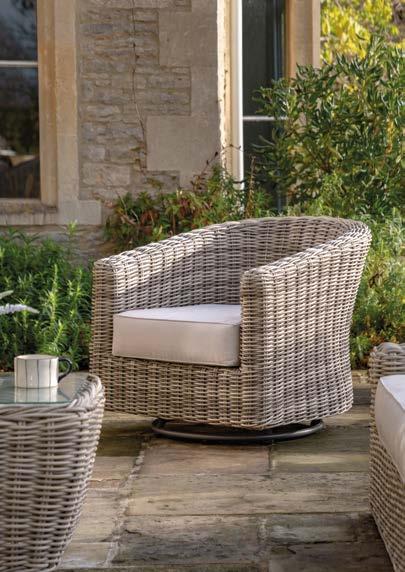
“We don’t always need to reinvent the wheel to create something distinctive
In addition, Gallery remains one of the leading complete furnishing solutions, designing and supplying products from cushions, throws and rugs through to lighting, lanterns, parasols, planters, accessories, pizza ovens and fire pits, enabling retailers to ‘complete the look’ with one single supplier.
“Whether you are buying for a compact feature area, a fully dressed lifestyle setting or a largescale seasonal installation, Gallery’s team can help maximise the potential of the available space while ensuring displays remain relevant, engaging and commercially effective throughout the season,” says the supplier.
Gallery’s commercial director James Hudson explains: “We don’t always need to reinvent the wheel to create something distinctive. By starting with collections that have already proven themselves in the market and tailoring the finishes, fabrics and specifications to suit your customers, you can create a more exclusive offer with significantly less risk. Combined with our container programmes, breadth of product offering and merchandising expertise, it’s a powerful way to build a complete outdoor proposition that delivers real results.”
To discuss any requirements for 2027 with Gallery, visit the supplier at SOLEX, taking place from 7-9th July at the NEC Birmingham.
www.gallerydirect.co.uk
www.wiemannuk.co.uk
Award-winning German bedroom manufacturer Wiemann enjoyed success at the recent trade shows, at which it showcased ranges with “something for everyone”.
It says the new-for-2026 premium slider Macao, which has been topping the order book since its launch, appeals to customers thanks to its “chic, luxurious vibe”. Available in a variety of colours and finishes including glass and mirror, with options such as vertical and horizontal lighting, it has been designed to blend well with contemporary living.
Next is Daytona, a design evolution of the successful Tampa hinged-door range. It offers retailers a commercial alternative to the VIP ranges in tougher economic times, says Wiemann, but with the same quality and service provision.
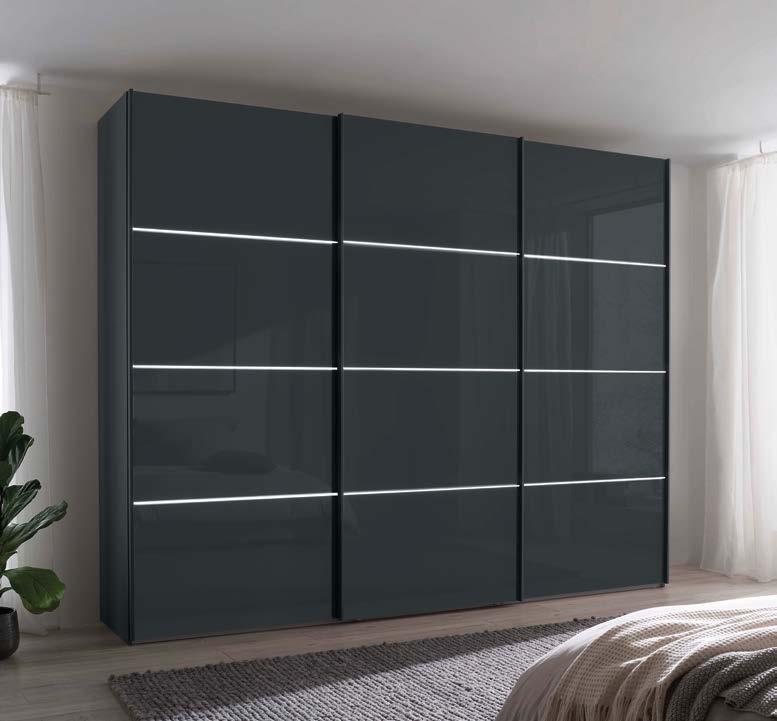
www.jjvaillant.co.uk
JJ Vaillant’s range of life-size animals and sculptures has now grown to over 400 models, 95% of which are currently in stock. Made from a mixture of polystone and fibreglass, boasting “great detail” and “meticulously hand painted”, they are suitable for both interior and exterior display.
“Unlike stone or concrete items, they are fairly easy to move without the need for specialist equipment, but are still of a reasonable weight,” says the supplier.
“Our Roman Stone range is slightly heavier, having a rough texture due to the use of crushed stone. Although some customers initially only purchase to dress their stores, they soon find there is good retail demand. The two mostrepeated items are our 114cm Silverback Gorilla and 122cm Green Alien. For garden centres and country stores, our life-size Merino sheep and Saddleback pig families are the winners.
JJ Vaillant’s June 2026 catalogue is now available, and showcases over 2400 items of giftware, decorative items, lighting and accessories.


As sleep wellness continues to influence the bedding industry, consumers are becoming increasingly aware that achieving better sleep is about far more than simply choosing a comfortable mattress, says natural mattress brand, PureLay …
“Pressure relief, temperature regulation, breathability and long-term support all contribute to the quality of sleep, placing greater emphasis on the materials that make up the sleep surface itself,” PureLay explains.
“Consumers are also becoming more conscious of the link between sleep and overall wellbeing. Better sleep is increasingly associated with improved recovery, mental wellbeing, physical performance and everyday health. This growing awareness is encouraging manufacturers to look beyond traditional comfort and focus on materials that actively contribute to a healthier sleep environment.”
For PureLay, this philosophy has shaped product development for many years. Rather than focusing on individual components, the company says it engineers complete sleep surfaces where every layer has a purpose, working together to deliver “a healthier, more comfortable and more restorative night’s sleep”.
One of the biggest themes emerging across the industry is temperature regulation. Research consistently identifies overheating as one of the most common causes of disrupted sleep, says PureLay, with consumers increasingly seeking products that help maintain a cooler and more consistent sleeping environment throughout the night.
As a result, mattress manufacturers are placing greater importance on selecting materials that naturally work together to improve airflow and moisture management.

naturally helps regulate temperature and moisture, cashmere provides exceptional softness and comfort, while Tencel fibres help move moisture away from the body to support a cooler, drier sleep surface.
“Rather than relying on one material alone, it is the combination of these carefully engineered layers that creates a sleep surface designed to regulate temperature, manage moisture, relieve pressure and provide consistent comfort throughout the night.”
Comfort, however, is only one part of the equation. Support and pressure relief remain fundamental to quality sleep. PureLay explains that latex responds immediately to body movement, gently cushioning pressure points while helping maintain natural spinal alignment: “Unlike slower-responding comfort materials, it allows sleepers to move more freely throughout the night while continuing to provide consistent support across a wide range of sleeping positions.”
“Each material has been chosen for the role it plays within the overall sleep environment
“This is where carefully engineered comfort layers and premium natural fillings make a real difference,” the bedding specialist explains. “Latex continues to play an important role within many of PureLay’s sleep surfaces. Its open cell structure promotes greater airflow than many conventional foam materials, helping to reduce heat build-up while providing responsive pressure relief and long-lasting resilience.”
Rather than relying on a single cooling technology, latex forms one part of a balanced sleep system.
Working alongside the latex comfort layer, PureLay incorporates premium sleep surfaces featuring Tencel-enriched fabrics together with carefully selected natural comfort fillings such as cotton, wool and cashmere.
“Each material has been chosen for the role it plays within the overall sleep environment,” PureLay explains. “Cotton promotes breathability, wool
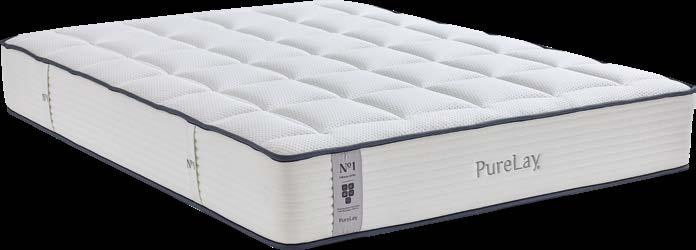
And, PureLay adds, durability is equally important: “Consumers increasingly view a mattress as a long-term investment and expect comfort levels to remain consistent year after year. Carefully engineered comfort layers help mattresses retain their performance over time, providing long-lasting resilience without compromising comfort.”
For many manufacturers, selecting the right combination of materials is becoming as important as the finished design itself. PureLay works closely with leading mattress manufacturers to develop bespoke comfort layer combinations that complement individual mattress designs and brand positioning. By combining advanced latex technologies with premium natural fillings, breathable Tencelenriched fabrics and precision-engineered comfort layers, PureLay says it helps manufacturers create “products that deliver measurable improvements in comfort, temperature regulation and overall sleep wellness, while differentiating their collections in an increasingly competitive market”.
As the bedding industry continues to evolve, the focus is increasingly moving beneath the mattress cover to the carefully selected layers that define long-term performance, the bedding specialist concludes: “Because better sleep is not created by one component alone – it comes from engineering wellness into every layer.” www.purelay.co.uk



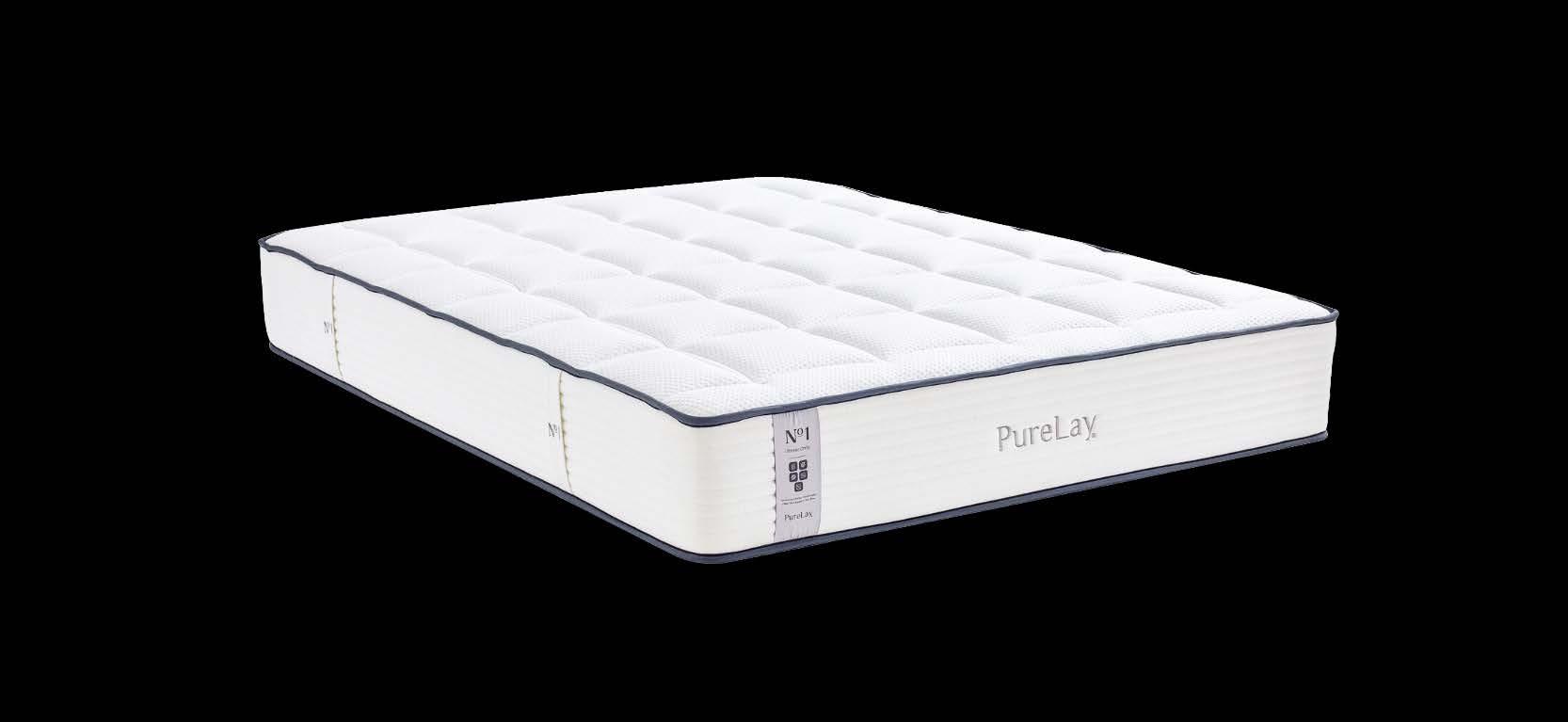




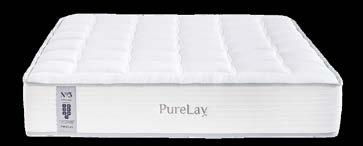

The best of British is back in the spotlight this month, as we ask some of the industry’s leading voices why locally manufactured product appeals, and what the sector’s future might look like …
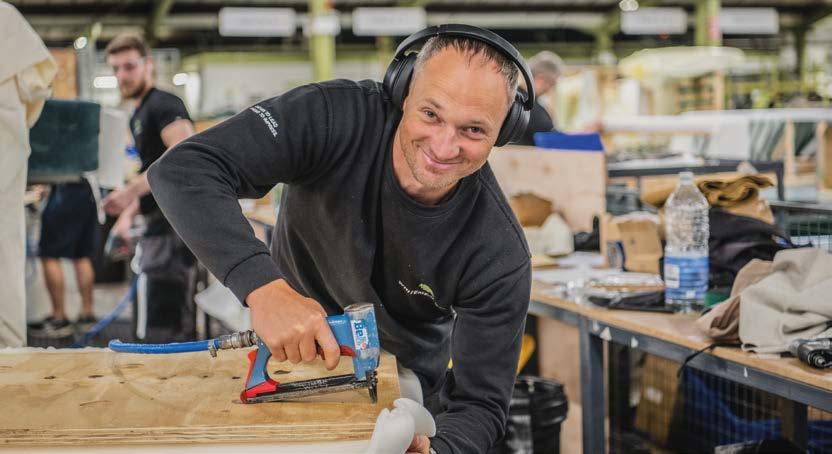
According to the Furniture Industry Research Association’s latest insight, in 2025 “UK furniture manufacturing remained a significant industrial base, comprising 6,705 enterprises, employing around 72,000 people, and generating £10.4b in turnover.”
Despite its scale, British furniture manufacture continues to face rising costs (labour, materials and overheads) and challenges from overseas – yet bastions of independence remain, particularly in bedmaking and upholstery.
Much of this is due to the skills, attitudes and designs unique to Britain on the global stage, in both specialised and volume production. ‘Buying local’ continues to appeal to many consumers, who often associate British-made product with integrity, sustainable processes and speed to market – and lend tacit support to local economies
and employment with every purchase. As the British Furniture Association puts it, there is a good deal of “quality, safety, comfort and professionalism associated with British-made goods”.
This month, Furniture News revisits the sector in our annual Best of British feature, in which we explore British-made furniture’s place in the market with help from a range of well-placed spokespeople: Wayne Hollis (MD, Celebrity Motion Furniture); Rowena Allen (head of sales and marketing, Tetrad); Nick Booth (MD, Harrison Spinks Beds); Amy Curtis (marketing director, Sleepeezee); Rob Livingstone (MD, Jay-Be); David Johnstone (sales director, Sealy UK); Paul James (director, One Call Furniture); David O’Mahoney (sales director, Relyon Beds); and Mike Crowshaw (MD, Peak Converters).
Given the challenges facing the market, why might buying British appeal?
Wayne Hollis: In challenging market conditions, buying British offers retailers and consumers reassurance. British manufacturing is associated with quality, reliability and strong customer support, while also allowing for shorter lead times and greater flexibility. Customers increasingly value knowing where products are made and having confidence in the craftsmanship behind them. Supporting British manufacturing also helps sustain skilled jobs and investment within our industry.
furniture built to last. Recent years have highlighted the vulnerabilities of global supply chains, creating uncertainty across the sector. British manufacturers are often able to provide greater consistency, shorter lead times and closer working relationships with retailers, helping businesses trade with more confidence.
‘Made in Britain’ continues to carry strong associations with authenticity, reliability, and pride in craftsmanship, particularly in premium upholstery.
“Quality, safety, comfort and professionalism
Rowena Allen: For Tetrad, British manufacturing has always meant traditional craftsmanship and handmade quality, values our customers have come to trust, and which continue to resonate with consumers who are increasingly seeking well-made
Nick Booth: Being one of the UK’s most vertically integrated bed manufacturers allows us to offer real transparency to our customers across every stage of production. As a fifth-generation business with a rich heritage dating back to 1840, Harrison Spinks proudly
designs and manufactures our beds and mattresses right here in Britain, from growing many of our own natural comfort fillings on our North Yorkshire farm, to producing our award-winning spring systems. We are also the only UK bedmaker to weave our own mattress fabric in-house, using natural fibres that are chemical treatment-free to create a breathable, naturally comfortable surface.
That level of control throughout the manufacturing process allows us to maintain exceptional quality standards, continue investing in innovation, and give our customers complete confidence that their mattress has been made in the most responsible way.
Amy Curtis: In today’s challenging economic environment, buying British offers consumers and retailers greater confidence in product quality, supply chain reliability, and customer service. Choosing British-made products can also reduce transportation distances, helping to lower environmental impact while providing faster lead times and greater flexibility. At a time when global supply chains remain vulnerable to disruption, many customers value the reassurance that comes from purchasing products made closer to home by businesses with a strong commitment to quality and accountability.
Rob Livingstone: British manufacturing is built on a foundation of skilled craftsmanship, established manufacturing standards and a strong culture of accountability which gives retailers and consumers confidence in who they are working with.
Trusted domestic brands offer clear communication, reliable lead times and responsive after-sales support, which is why buying British continues to hold strong appeal in a competitive market. There is a reassurance in knowing that products are made closer to market, with greater oversight and a direct link back to the manufacturer.
David Johnstone: In times of economic uncertainty consumers look towards trusted brands, and that often means manufacturers that are well known, and closer to home.
The fact that prices continue to rise across household spending also means that consumers are also looking for value. However, the concept of value has changed in recent years. Value no longer just means ‘the cheapest’ but includes consideration of quality and longevity of performance. The UK has a long and distinguished history of quality manufacturing and quality products to serve this need. International events have caused concerns over supply, and seen increasing costs of imports too. For retailers, shorter lead times mean that they don’t have to tie up money in stock but can rely on supplying product once they’ve made the sale.
Paul James: From my own conversations with consumers, I have found that when comparing two similar products that both meet their design preferences and budget requirements, knowledge of

a product’s UK origin can often become the deciding factor. When consumers understand that a product is made in the UK, they are frequently more inclined to choose it.
This preference is driven by several factors. Many consumers take pride in supporting the UK economy and local jobs, which gives them a positive sense that their purchase is making a meaningful contribution. Consumers commonly associate British manufacturing with quality, craftsmanship and reliability. There is also growing consideration of environmental impact, with UK-manufactured products often perceived as having a lower carbon footprint due to reduced transportation distances. In addition, the knowledge that after-sales service and support, if required, can be provided quickly and efficiently, offers further reassurance and confidence in consumers’ purchasing decisions.
David O’Mahoney: With rising costs and continued uncertainty across global supply chains, British-made mattresses offer consumers a level of reassurance that’s becoming increasingly important. Recent disruptions to international shipping and trade have highlighted the benefits of manufacturing closer to home, helping reduce lead times and improve supply chain resilience.
Beyond that, British-made products are often associated with high standards of craftsmanship, quality and accountability. For many consumers, choosing a mattress made in the UK isn’t just about supporting local jobs and manufacturing – it’s about investing in a product they can trust, with the added benefit of a lower environmental footprint through reduced transportation.
Mike Crowshaw: Recent global disruptions and geopolitical uncertainty have highlighted the benefit of buying British for guaranteed shorter lead times and more stable delivery pricing. Buying British also provides greater flexibility, whether that’s developing bespoke products, responding quickly to changing demand, or supporting customers with technical expertise. Also, businesses often look to reduce their environmental impact, and local sourcing can play an important role in lowering transport emissions and improving traceability.
“It’s about investing in a product they can trust
“The sector is underpinned by innovation, investment in technology, and a highly skilled workforce
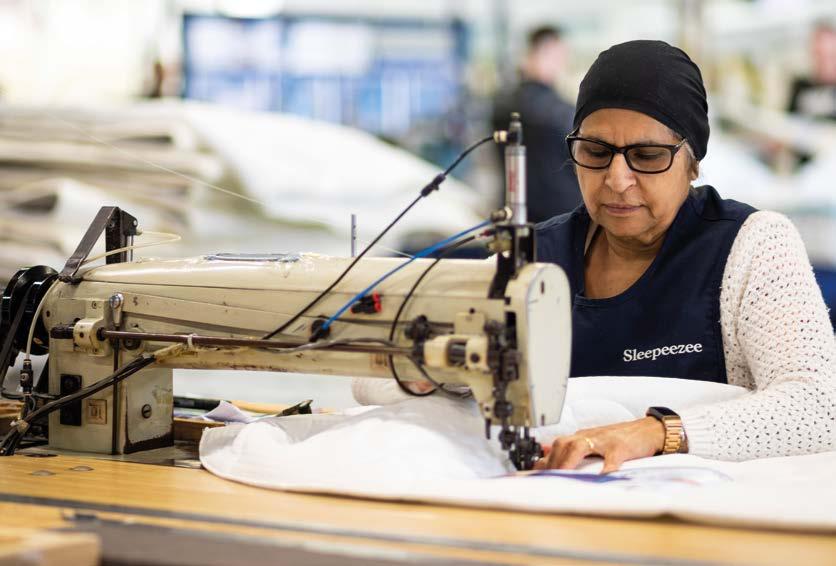
What makes you hopeful for our domestic industry’s future?
Wayne Hollis: I believe the British furniture industry continues to show resilience and adaptability despite the challenges it faces. There is still strong demand for well-made, comfortable furniture, and manufacturers are continuing to innovate through new technologies, product development and improved manufacturing processes. British-made furniture has a strong reputation, and I’m confident the industry will continue to evolve and remain an important part of the market for years to come.
Rowena Allen: In a challenging market, buying British offers reassurance, combining trusted craftsmanship, dependable supply and support for UK industry and jobs. We are confident in being able to deliver a strong order book, product development and exciting new initiatives as we continue to drive growth through this year and next.
Nick Booth: The domestic bedmaking industry is increasingly being shaped by sustainable innovation, particularly where manufacturers are investing in new techniques, processes and machinery, as we continue to do at our factory in Yorkshire. As the only bed manufacturer in the UK to own its own farm – and one of the UK’s largest growers of industrial hemp – we take a process-led approach to innovation, developing mattresses using natural fillings such as the finest homegrown hemp and flax, and British wool from traceable farms in partnership with British Wool, which are each foam-free, glue-free and free from FR chemical treatments.
Alongside this, we continue to invest in local
craftsmanship, with artisan bedmakers refining time-honoured skills in sewing, side-stitching and hand-tufting each mattress – skills rooted in British craftsmanship and developed over many years.
This combination of responsible innovation, skilled craftsmanship and high levels of integration across the manufacturing process gives us confidence in the future of British bedmaking, reinforcing our identity as the true bedmakers, delivering homegrown, handcrafted British luxury.
This is reflected through our award recognition, such as the Bed Manufacturer of the Year award, which we have won five times, alongside eight King’s Awards for Enterprise, underlining the strength and credibility of British manufacturing. Looking ahead, we are also seeing growing international demand for authentic British handcrafted luxury, reinforcing the export potential and global appeal of British-made, responsibly crafted mattresses.
Amy Curtis: Despite the ever-growing pressures facing manufacturers, there are many reasons to be optimistic about the future of the UK bed industry. Consumers are increasingly recognising the importance quality sleep has on their life and are investing in products that deliver comfort, durability and long-term value. British manufacturers continue to innovate, developing more sustainable materials, improving production processes and responding quickly to changing customer needs.
The bed sector in particular also benefits from a wealth of expertise, craftsmanship and a strong reputation for quality. By continuing to focus on
innovation, sustainability and customer service, the UK bed industry is well positioned to grow and remain competitive in the years ahead.
Rob Livingstone: The businesses succeeding in the UK are the ones investing in quality and service, and have built long-term reputations for beds and furniture that is properly made, responsibly produced, and backed by dependable service.
As the shortcomings of low-cost imports become more visible, trusted British manufacturers and brands are in a strong position to stand apart through consistency, transparency and genuine product quality.
David Johnstone: Those of us that have been in the industry long term have seen tough trading before –but we have also seen trading recover.
I believe this is due to the high quality of our homegrown product, and the wide choice available to the market. The ongoing commitment to innovation and development means UK manufacturers are driving the industry forward. They are offering the latest in products and technology, and this will always create market interest and consumer preference. Differentiation of product aesthetic and specifications gives the industry the opportunity to thrive and prosper.
The interest in sleep as a key ingredient in overall wellbeing is also growing in the consumer mindset, and we begin to see this coming to the forefront of purchasing consideration. The UK bedding industry is also committed to improved sustainability, another growing interest in the consumer mindset.
Paul James: Despite ongoing economic challenges and the lack of governmental energy support for our energy-intensive industry, the future of UK furniture manufacturing remains bright. The sector is underpinned by innovation, investment in technology, and a highly skilled workforce. With a well-established
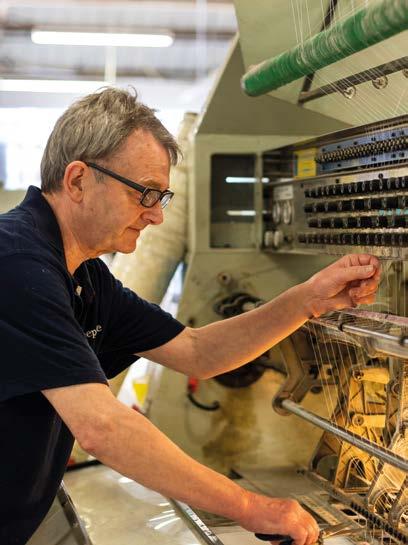
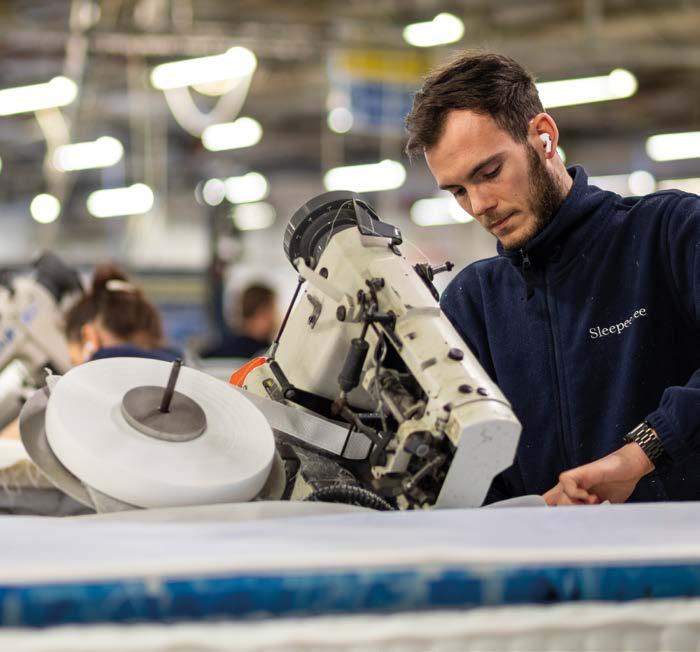
reputation for quality, craftsmanship and expertise, British manufacturers are well positioned to deliver outstanding products alongside competitive pricing and dependable lead times.
David O’Mahoney: I’m optimistic about the future of the UK mattress industry because it has a long history of producing high-quality products and continues to adapt to changing consumer expectations. British manufacturers have always been known for their craftsmanship, but they’re also investing in innovation – whether that’s through new materials, sustainability initiatives or improvements in manufacturing processes.
We’re also seeing more consumers take an interest in where products are made and how they’re made. Quality, durability and environmental considerations are becoming increasingly important purchasing factors, and those are all areas where British manufacturers have a genuine strength.
There’s no doubt the industry faces challenges, from rising costs to ongoing economic uncertainty, but UK manufacturers have shown remarkable resilience over the years. By continuing to focus on quality, innovation and delivering real value for consumers, I believe there is a strong opportunity not only to protect domestic manufacturing, but to help it grow in the years ahead.
Mike Crowshaw: Despite all the challenges British manufacturers face, we continue to invest in technology, automation and skills, proving we can compete against lower-cost overseas alternatives. I’m optimistic because manufacturers that continue to evolve and overcome the challenges are specialised, agile and customer focused – those strengths will continue to create opportunities in the future.
“There is still strong demand for well-made, comfortable furniture
British bed manufacturer Sleepeezee has revealed it has reduced absolute carbon emissions from its Rochester factory by 49.8% since 2018 –putting it years ahead of its own reduction targets.
“Sustainability and quality manufacturing can go hand in hand
Because turnover has grown by more than 60% over the same period – from £28m to over £46m – Sleepeezee carbon intensity (emissions per £m of turnover) has fallen even further, by 68.44%. Both measures sit comfortably ahead of its annual reduction target of 5%.
Sleepeezee says it has also sent zero waste to landfill since 2012, cut general waste by 7.51% last year through tighter segregation and reduced gas and electricity use (kWh per £m of turnover) by 9% and 4% respectively compared to last year.
Sustainability is also increasingly built into Sleepeezee’s products themselves. The springs in Sleepeezee mattresses contain, on average, 25%

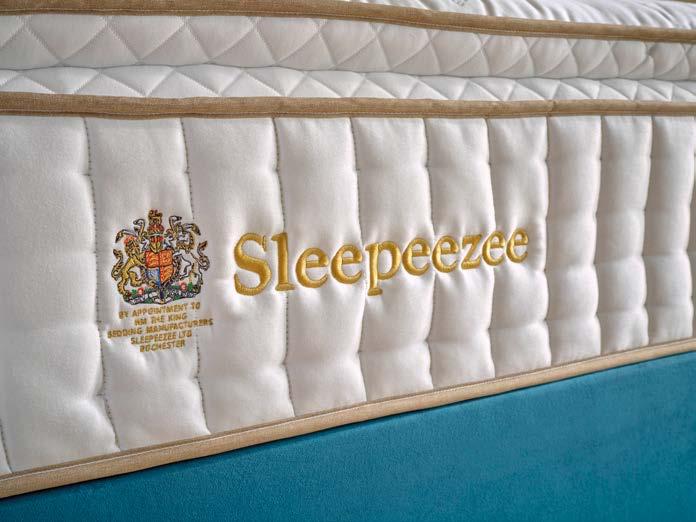
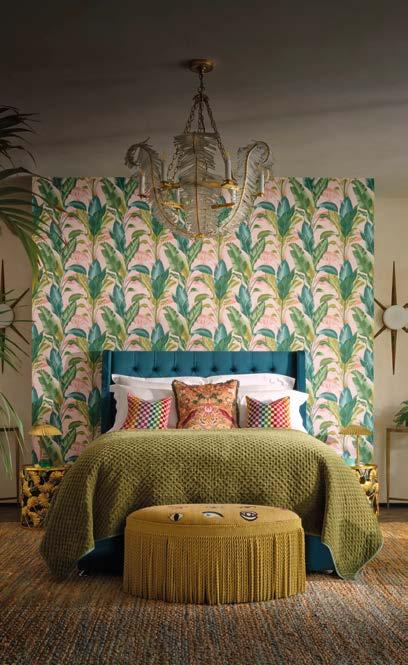
recycled material, and the comfort layers incorporate recycled plastic.
Through the company’s take-back scheme –established with specialist recycling partners and widely used across the hospitality sector – between 50% and 93% of every returned mattress is recycled, with the small remainder converted to energy rather than sent to landfill.
Andrew Reene, health and safety and sustainability manager at Sleepeezee, says: “Last month’s World Environment Day was a moment to be honest about progress, and we’re proud of how far the factory has come. Cutting our emissions by almost half while the business has grown shows that sustainability and quality manufacturing can go hand in hand.
“But this isn’t a finish line. We’re continuing to target YoY carbon reductions, designing more recycled content into our products, and making sure that when a mattress reaches the end of its life, as much of it as possible is given a second purpose.”
Beyond the factory floor, Sleepeezee has been developing biodiversity areas across its Rochester site. A small wildflower area has flourished and is being significantly expanded this year, alongside a bug hotel built from waste materials and other areas encouraging birds, bees and wildlife to the site.
Sleepeezee is also working towards Planet Mark certification for the eighth consecutive year, with the process now under way.
www.sleepeezee.com
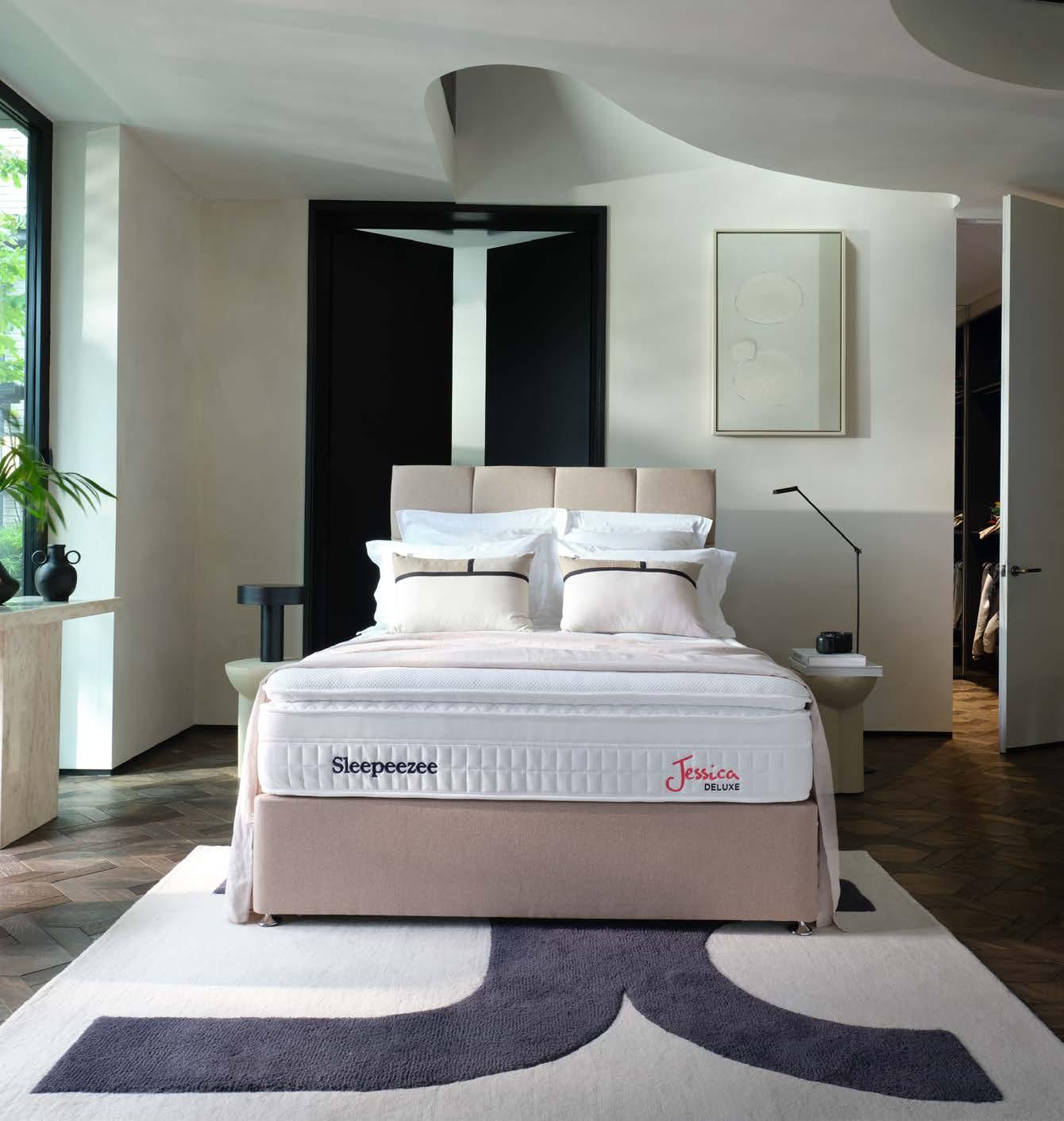

Relyon has manufactured beds and mattresses in Somerset for more than 165 years, building a reputation founded on “exceptional quality and British expertise”.
The bedmaker continues: “Today, that heritage remains at the heart of everything we do. Every bed we create reflects generations of knowledge, skill and attention to detail, brought to life by experienced artisans whose expertise ensures every product delivers the comfort, quality and lasting performance our customers expect.
“British manufacturing is more than a point of pride – it is a commitment. It means maintaining the highest standards, investing in skilled people and ensuring confidence in the products we bring to market. By
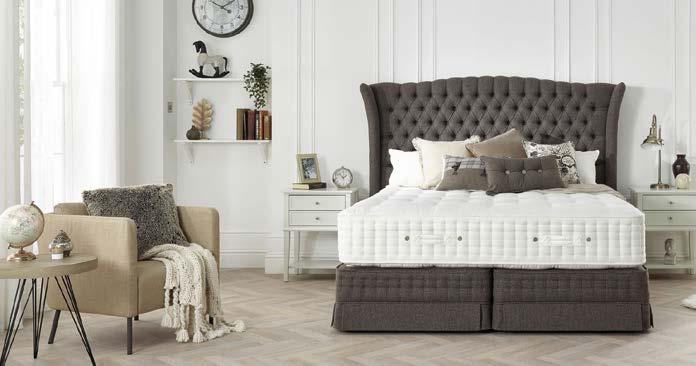



combining traditional hand-crafting techniques with modern innovation, we continue to create beds that deliver outstanding comfort, quality and performance for today’s consumers.
“As demand grows for products with authenticity, provenance and lasting value, British-made products continue to resonate with retailers and consumers alike. Relyon’s heritage offers more than a story – it provides reassurance, credibility and a commitment to quality that has stood the test of time.
“From our Somerset factory to bedrooms across the UK and beyond, we remain dedicated to championing the very best of British manufacturing – today, tomorrow and for generations to come,” Relyon concludes.
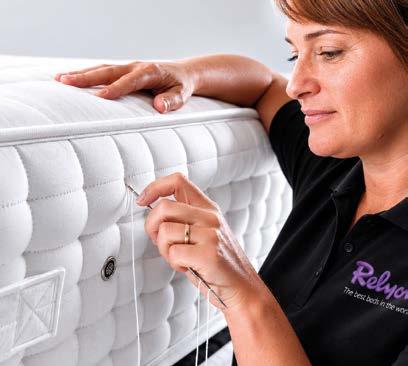
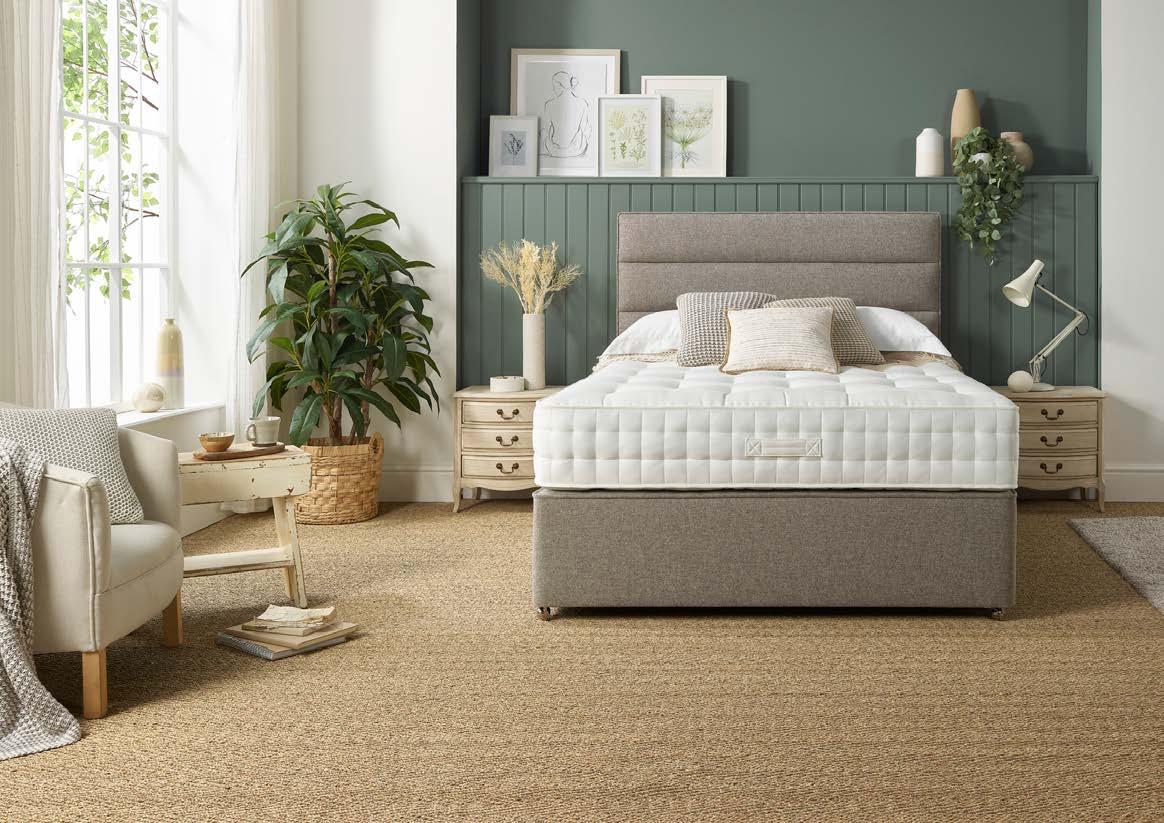
In January we launched the Modern Dakota range which features soft padded arms, cloud power recliner functionality and a contemporary design, making it a very popular addition to our selections.

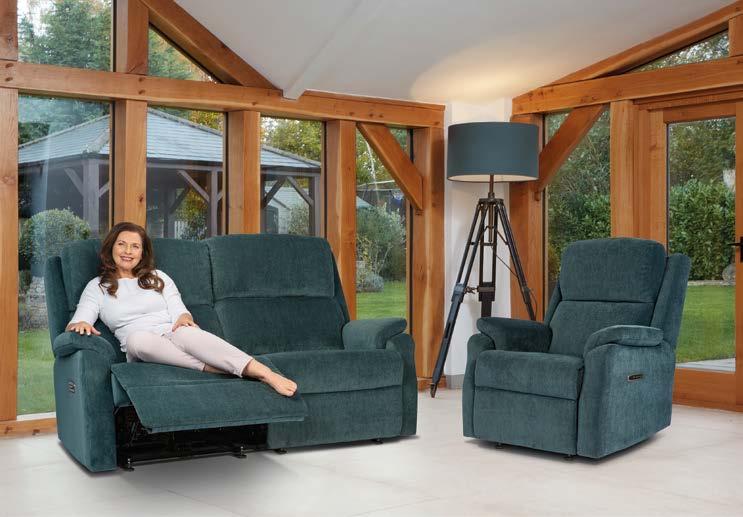
In January we launched the Modern Dakota range which features soft padded arms, cloud power recliner functionality and a contemporary design, making it a popular addition to our selections.
The Newbury Riser Recliner, offered in both Scroll and Knuckle styles across four different sizes, fits seamlessly into our comprehensive selection of riser chairs. These models are available in both Fabric and Leather; they also feature Lumbar and Head adjustment options.
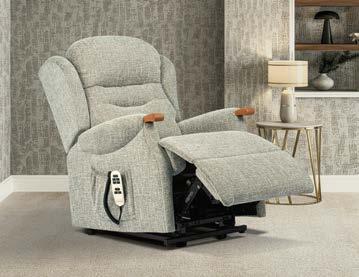
The most recently launched Riser Recliner models were showcased at the Minerva Spring Furniture Show and proved very popular. The Chester and Ryedale ranges are offered in Scroll and Knuckle styles and both are available in Fabric and Leather; they also feature options for Lumbar and Head adjustment. Along with our competitive pricing we know these ranges will be very popular with our customers.
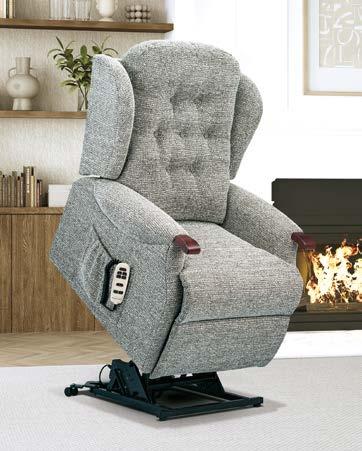
The most recently launched Riser Recliner models were proved very popular. The Chester and Ryedale ranges available in Fabric and Leather; they also feature options competitive pricing we know these ranges will be very
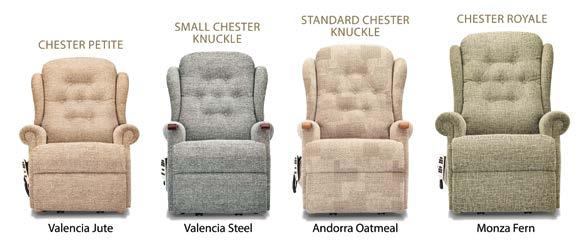
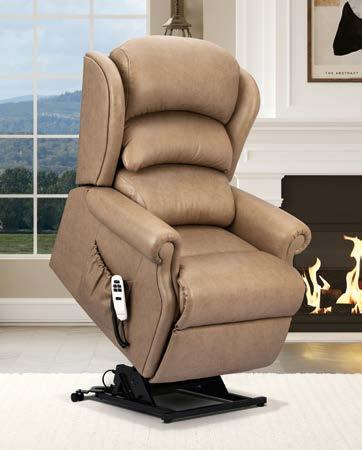
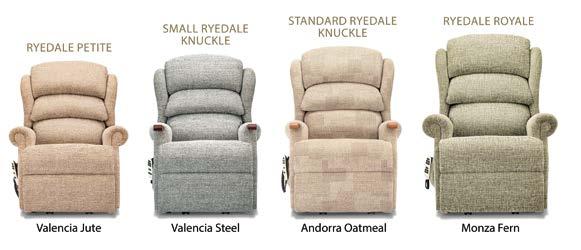
This year’s Design Guild Mark recipients were revealed at a ceremony in Arper UK’s showroom during Clerkenwell Design Week, bringing to light the latest designs and pioneering creatives shaping the industry across Furniture, Interior Design Elements and Lighting …
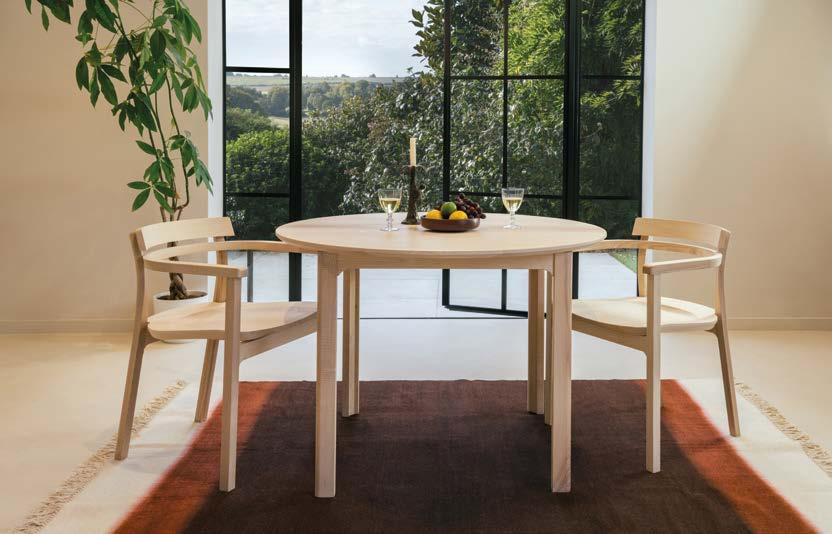
The Design Guild Mark is a non-profit awards programme established in 2008 by The Furniture Makers’ Company to champion British industrial design and recognise outstanding achievement within the sector. Originally focused solely on furniture, the programme has since expanded to include other categories.
“A shared commitment to excellence, innovation, and craftsmanship
The entries are evaluated by a diverse panel of judges against a series of key criteria including innovation, functionality, form, brand impact and environmental responsibility.
This year’s awards ceremony was hosted by Alexander Crofts, the CEO of Crofts & Assinder and chairman of the Design Guild Mark. He says: “While sustainability continues to be viewed as an essential standard within the industry, this year’s submissions demonstrated that environmental responsibility does not need to compromise innovation, aesthetics or creativity.
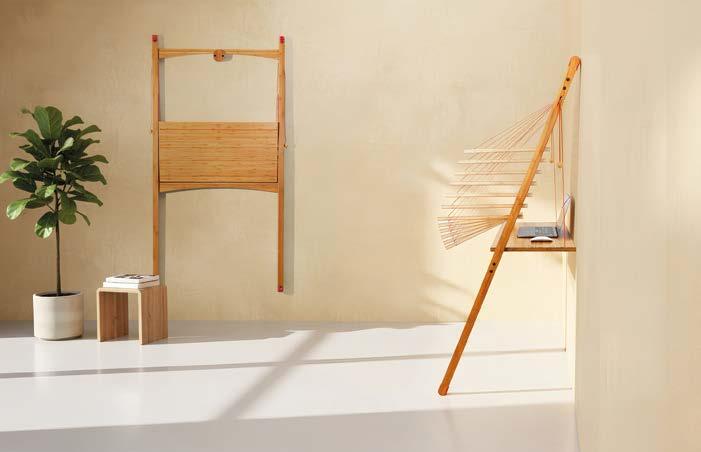
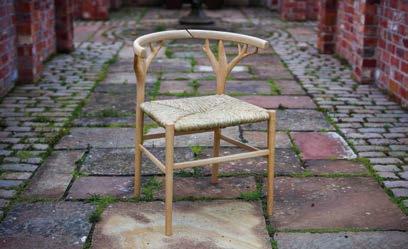
“What sets the Design Guild Mark apart is its hands-on judging process. Applicants are required to present their physical product in person, allowing for detailed discussion and direct engagement with the judging panel. Comprised of internationally respected industry leaders, the independent panel brings extensive expertise and insight to the evaluation of every submission.”
This year’s Furniture recipients were: FLW, Samuel Wilkinson for SCP; Work, Matthew Hilton for SCP; Archer, Marcus Long for SCP; Levity Collection, Gaze Burvill; Leandesk, Henry Swanzy for Leandesk; The Chanterelle Collection of low tables, Staffan Tollgård and Filippo Castellani for Giorgetti; Knit One, Paul Crofts of Paul Crofts Studio, for Isomi; The Ayton Collection, Michael Mcintosh for Treske; The Canopy Collection, Sam Cooper and Richard Platt for The Marchmont Workshop; Mollu, Sophie Concadoro, Nare Manuelyan and Ross Mclean for Pineapple Contracts; Sail, Studio Webb for Glimarka of Sweden; Alta, Jones + Partners for Workstories; Sylva, Jones + Partners for Stiwood; Panda System, Monica Förster for Modus; PLC Tube, Pearson Lloyd for Modus; Dowel Table, Ed Carpenter and André Klauser for VG&P; Genie Chair, Mentsen for VG&P; and Aarea, Pearson Lloyd for Teknion.
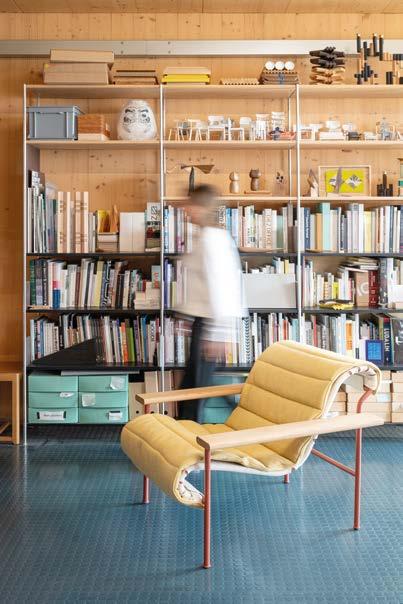
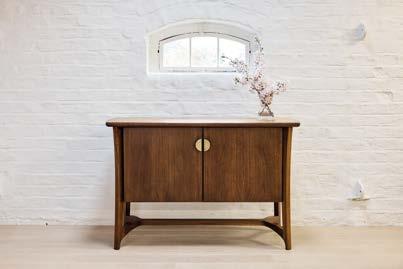
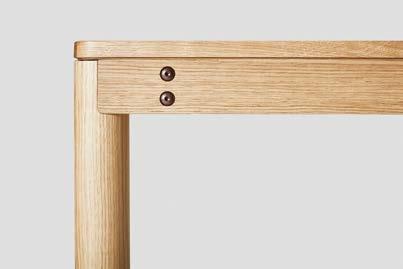
This year’s Interior Elements recipients were: The White Hart Collection, Emma Sims Hilditch and Marlborough Tiles for Marlborough Tiles; Fenchurch Handle Range, Zoran Matijevic for Crofts & Assinder; Skomer Handle Range, Zoran Matijevic for Crofts & Assinder; and Pattern Play, Heather Lloyd for Milliken Carpets. The Lighting recipient was The Modernist Collection, Joe Armitage.
At the awards ceremony, honorary guest Andrew Tanner, head of design at Habitat, further celebrated design excellence by presenting The Jonathan Hindle Prize, which recognises the most innovative and creative entries, to Knit One (Furniture), Pattern Play (Interior Design Elements) and the Modernist Collection (Lighting).
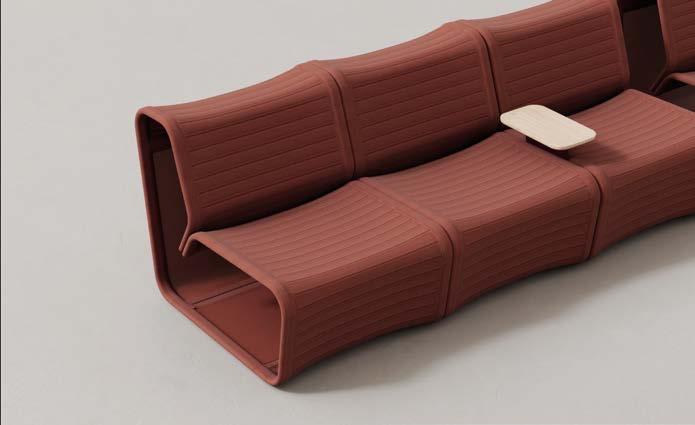
Alexander says: “One of the defining strengths of the Design Guild Mark Awards is the opportunity for British designers and their work to be recognised by such a distinguished and diverse judging panel. To be selected for the Jonathan Hindle Prize from among this year’s outstanding submissions is an exceptional achievement – a huge accolade that reflects the creativity, innovation and excellence at the heart of British design.
“This year marks the 20th anniversary of the Design Guild Mark awards programme – two decades dedicated to championing UK design as a leading global creative force. The calibre and diversity of this year’s entries once again demonstrate the strength of British design talent, bringing together designers at every stage of their careers through a shared commitment to excellence, innovation and craftsmanship.
“As we celebrate this milestone year, each Design Guild Mark recipient should take great pride in having their work recognised as part of the gold standard for British design.”
www.furnituremakers.org.uk
“What sets the Design Guild Mark apart is its hands-on judging process
Independent recognition is one of the strongest endorsements a product can receive, particularly when it reflects the changing priorities of today’s consumer. This year, Purecare’s OmniGuard Protection Range has once again received Good Housekeeping Approved recognition for Allergy Protection, reinforcing the growing importance of sleep wellness within the bedding industry …
“Protectors are becoming an important part of the wider sleep wellness conversation


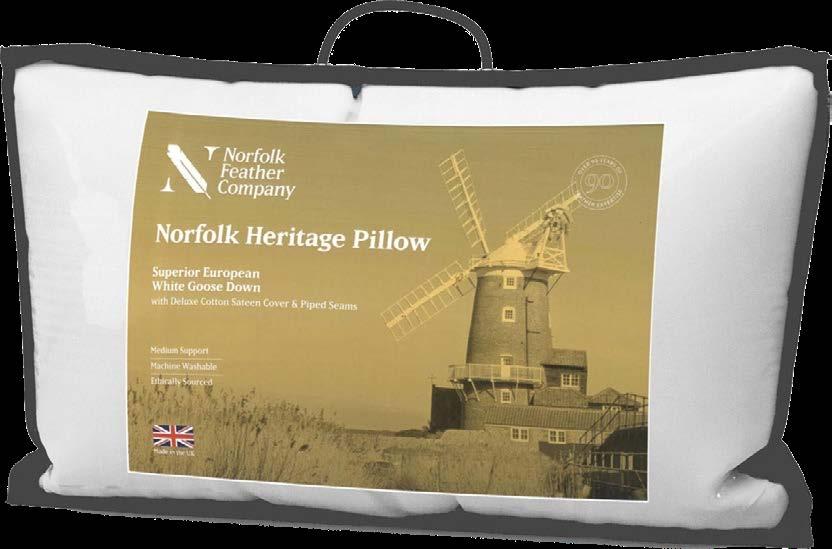
Purecare says the award reflects a wider trend that it has been tracking through its UK Sleep Study. Namely, that while 99.8% of consumers say sleep is important to their wellbeing, many continue to struggle with overheating, disrupted sleep and creating a clean, healthy sleep environment.
The research also revealed that 33.4% of people do not use a mattress protector at all and, when those using non-waterproof products are included, more than 81% may not be adequately protecting their mattress, says Purecare.
“For retailers, that represents a significant opportunity,” the mattress protection specialist continues. “Rather than viewing mattress protectors as an optional accessory, consumers are increasingly recognising the role they play in creating a cleaner, fresher and more hygienic sleep environment.
“Combined with benefits such as moisture protection, allergen reduction and temperature regulation, protectors are becoming an important part of the wider sleep wellness conversation.”
And, it adds, the same is now true of pillows. Following the acquisition of heritage bedding manufacturer Norfolk Feather, Purecare has expanded its pillow programme to become one of the most comprehensive available to UK retailers. Alongside specialist wellness pillows including the Wave, Nano and Groove ranges, the collection now incorporates traditional feather and down pillows, innovative Fusion Fibre technology, naturally temperature-regulating British Wool pillows and premium European feather collections.
Fusion Fibre introduces dual-core hollow-fibre technology that Purecare says “delivers deeper
comfort while lasting up to twice as long as conventional hollow-fibre pillows”. Integrated air chambers also help reduce heat build-up, directly addressing one of the biggest issues highlighted in the Sleep Study.
The expanded range enables retailers to offer solutions across multiple comfort preferences, sleep positions and price points, helping customers choose the pillow that best supports their individual sleep needs.
The importance of education
Crucially, Purecare believes that products alone do not drive sales, but that education must play a key role.
“As a global specialist in sleep wellness, the company has developed proven retailer training programmes that simplify conversations around sleep hygiene, temperature regulation, mattress protection and pillow selection,” explains Purecare. “These programmes have already helped retailers improve mattress protector attachment rates and are now being extended across the pillow category.
“With footfall remaining lower across many furniture and bed retailers during 2026, maximising every customer interaction has become increasingly important. By helping retailers sell complete sleep wellness solutions rather than individual products, Purecare continues to deliver stronger customer outcomes while increasing ATVs.”
This approach has also contributed to Purecare recently being recognised as Best Bedding Supplier 2026, reflecting a continued commitment to combining research, innovation, retailer education and award-winning products into one complete sleep wellness strategy.
www.purecarehome.co.uk

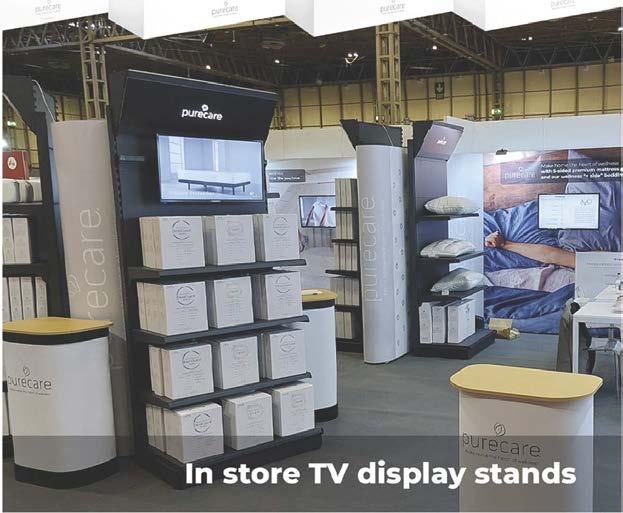

“As a provider of protection plans and care products, our role is to help retailers give their customers added confidence in their furniture purchase,” says Martin Napper, CEO of furniture care, insurance and commercial services specialist, Castelan Group …
By Martin Napper

Understanding risk is part of our expertise, but our focus is on delivering solutions that provide reassurance, support and long-term value for both retailers and consumers.
As a furniture retailer, your priority should be showcasing the quality, comfort and benefits of your products. A well-designed protection plan or care product complements that offering by providing customers with additional peace of mind, allowing them to enjoy their purchase with confidence.
invest in products they expect to enjoy for many years, and retailers work hard to build reputations based on quality and service.
“Providing customers with additional peace of mind, allowing them to enjoy their purchase with confidence

Equally important is having complete confidence in the provider standing behind those promises. You need the assurance that your partner has the expertise, operational capability and secure underwriting arrangements in place to support customers throughout the life of their policy.
We are incredibly proud of the strong relationships we have built with our insurance partners, who consistently recognise the quality of our operational management and customer outcomes. By combining experience, robust processes and financial security, we help retailers deliver on their commitments and strengthen the trust customers place in their brand.
We take the same approach with our care products. These products form an important part of the complete care solution you offer, helping customers maintain the appearance and longevity of their furniture from day one. Simple to use, effective and specifically formulated for different materials, they provide confidence that furniture will be cared for correctly, while helping to protect the quality and reputation of both the product and the retailer.
The furniture industry is built on trust. Customers
Protection plans and care products have an important role to play in supporting that relationship, but only when they are backed by expertise, robust processes and products that perform as promised. As customer expectations continue to evolve, the most successful partnerships will be those that focus on delivering confidence, consistency and long-term value for everyone involved.
Our mission is simple – to provide products and services that retailers can trust, build lasting partnerships based on reliability and transparency, and deliver exceptional experiences for customers. We work towards this every day, and we would welcome the opportunity to show you how our expertise, commitment and partnership approach can support your business for the long term.
www.castelangroup.com


“We’ve seen retailers penalised for things they didn’t know they were doing wrong


www.sci-net.co.uk

“Is your ERP holding back your growth? Events like the Manchester Furniture Show make it clear that the industry is evolving fast, with new collections and increasing pressure on margins. But behind the scenes, many furniture businesses are still relying on ERP systems that haven’t kept up with the pace,” states ERP, CRM and cloud infrastructure solutions specialist Sci-Net Business Solutions.
“If you’re struggling to get a clear view of stock across showrooms and warehouses, dealing with disconnected systems, or relying on manual processes to manage orders and reporting, you’re not alone. These challenges slow you down and make it harder to respond to customer demand and scale effectively.
“At Sci-Net, we work closely with furniture retailers and manufacturers to overcome these barriers. Our ERP>Retail solution, built on Microsoft Dynamics 365 Business Central, is designed specifically for the furniture industry, bringing together inventory, sales, purchasing and operations into a single, connected platform.
“As your business grows, your ERP should support real-time visibility and smarter decisions. Our latest guide helps you identify the warning signs, understand what modern ERP should deliver, and explore the path to transformation. Download the guide from https://bit.ly/4uUt6TI to see if your ERP is holding your furniture business back, and how Sci-Net can help you move forward.”
Flammability testing of upholstered furniture is governed by a complex framework of standards and regulations, all designed to ensure products placed on the market are safe for the shoppers that buy the furniture and anyone who uses it, says the Furniture Industry Research Association (FIRA) – yet, it adds, while outcomes are often reduced to a simple pass or
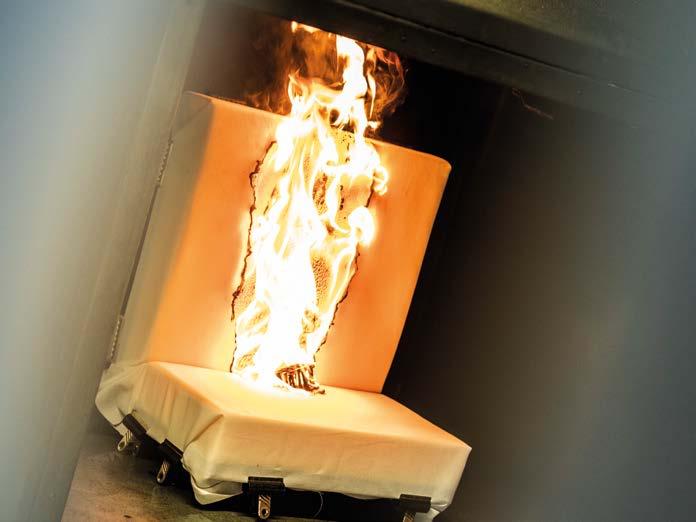
fail, the reality is far more detailed.
“In practice, flammability test reports contain valuable insights – ranging from performance data and behavioural observations to key indicators of compliance,” the testing specialist explains.
“Understanding this information is essential not only for demonstrating regulatory conformity, but also for managing product risk effectively.
“This is particularly important where products do not meet the required criteria. A failed test does not necessarily mean a product is unsafe – rather, it highlights the need to understand how materials performed during testing, identify root causes, and implement appropriate corrective actions.”
To support manufacturers, retailers, and importers, FIRA has developed a practical new guide, Understanding Your Flammability Test Report Designed to be clear and accessible, the publication aims to demystify flammability testing and help users interpret results within the context of real-world product performance.
Covering key areas such as ignition sources, test methods, failure criteria and report interpretation, the guide seeks to equip businesses with the knowledge they need to make informed decisions, support compliance, and confidently assess product suitability.
The new guide is free for FIRA members, and nonmembers can purchase a copy from the FIRA Bookshop.
www.edmondsonfreight.co.uk
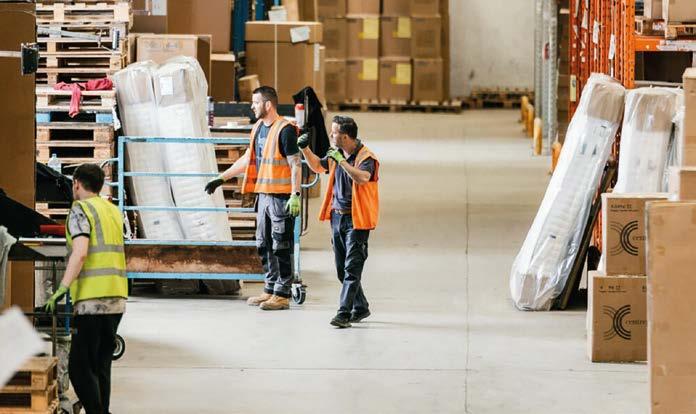

www.maximover.co.uk
“In today’s fast-paced furniture delivery sector, efficiency is everything,” says van manufacturer Maxi Mover. “Businesses are under constant pressure to deliver more products, reduce operating costs and maintain high levels of customer service.
“This is where high-payload furniture low-floor delivery vans from Maxi Mover stand out from the competition. Designed specifically for furniture and home delivery operations, MaxiMover low-loader vans

“Brexit, Covid, Ukraine, Trussonomics, inflation, Iran, economic slowdown … so what’s next, dare we ask?”
Regardless of these challenges, Edmondsons continues to deliver to the whole of the UK and Ireland every week.
Now a third-generation family business, F Edmondson continues to focus on providing a specialist furniture delivery service across the UK and Europe. Being based in Morecambe, Lancashire, the company is well placed to access Ireland via Heysham port, and just five minutes from the M6, and on to Hull to ship goods to Europe.
The adoption of traffic management system Journease has also helped give customers greater visibility of orders, their status and proof of delivery, “a critical requirement for all customers in the current financial climate”, says the furniture fulfilment specialist.
Yet, despite the advances of technology, F Edmondson still relies on the human touch, calling customers and keeping all parties engaged, which it calls “a critical element to any business”.
“The arrival of summer marks the holiday period, and factory shutdowns across Europe,” the company concludes. “Nevertheless, Edmondsons remains fully operational throughout to ensure furniture is delivered in a timely manner across the UK, Ireland and Europe.”
combine impressive payload capacity with large load volumes and low floor access. Their ultra-lightweight construction allows operators to carry more cargo on each journey, with some models offering unrivalled payloads of up to 1,600kg and load volumes reaching 38m³. This means fewer trips, lower fuel consumption and increased productivity for delivery teams.
“Another major benefit is the low floor design, which makes loading and unloading heavy furniture quicker, safer and less physically demanding. Drivers and delivery crews can move bulky items more efficiently, reducing the risk of workplace injuries and improving turnaround times.
“For businesses, the financial advantages are equally compelling. Increased payload capacity enables operators to maximise revenue per journey while keeping running costs under control. Combined with durable construction, fuel-efficient designs and customisation options tailored to specific delivery requirements, MaxiMover low-loader Luton vans provide a practical solution for companies seeking long-term operational savings.
“As delivery expectations continue to rise, investing in a high-payload MaxiMover is not simply a vehicle choice, it is a strategic business decision that can enhance efficiency, profitability and customer satisfaction,” the manufacturer concludes.
With the latest foam shortages prompting renewed industry disruption and significant price hikes across the industry, our regular legal contributor, The Interior Design Lawyer Natalia Samodina, explains how businesses must tailor their logistical and legal frameworks for a world in which such an occurrence has become the norm …
By Natalia Samodina

Foam shortages have become a recurring feature of the furniture industry. After the 2020-21 global pandemic crisis, the sector has continued to experience intermittent pressure and, in 2025–26 furniture businesses (Tempur Sealy and La-Z-Boy, for example), have publicly reported tightness in polyurethane (PU) foam inputs, while UK trade bodies including the British Furniture Manufacturers (BFM) and the National Bed Federation (NBF) have highlighted rising foam prices and extended lead times from converters.
The pattern is familiar, but the underlying causes are shifting in ways that deserve closer attention.
What looks like a simple ‘foam shortage’ is, in reality, the result of two deep upstream forces –geopolitical fragility in the petrochemical supply chain, and climate-driven disruption to the production of key chemical inputs.
These forces are reshaping the availability and cost of the polyols, TDI and MDI that underpin global foam production, on a structural basis. As a result, the sector now faces a third challenge – the growing need to build legally robust pathways for material substitution as one of the few practical tools businesses can use to navigate the shortages.
Foam shortages start long before the factory floor
The petrochemical inputs used in the foam production, namely polyols and isocyanates such as TDI and MDI, are only produced in a handful of global facilities. Because these materials originate in refineries and petrochemical hubs rather than furniture factories, any disruption upstream quickly ripples through to converters and bedding and mattress manufacturers.
Global production is highly concentrated – a small number of plants, operated by companies such as BASF, Covestro (Germany), Wanhua (China) and Huntsman (US) supply most of the world. When one of these facilities goes offline – whether for maintenance, accident, weather or supply chain disruptions – the impact is immediate and widely felt.
And today, that upstream fragility is being tested on multiple fronts.
Why the Gulf conflict directly
The GCC region is not only a major exporter of crude oil, it is also a major exporter of the aromatics needed to produce TDI and MDI. With the Strait of Hormuz closed due to the current conflict, the
flow of these petrochemical precursors has tightened significantly.
Even when alternative routes exist, shipping insurance, freight rates and allocation policies shift overnight. Chemical producers in Europe and Asia face feedstock shortages and foam converters receive reduced allocations. The result is a shortage that cascades down to furniture manufacturers weeks later.
Foam shortages, therefore, are not simply a logistics issue. They are a direct consequence of geopolitical tension in one of the world’s most strategically important energy and petrochemical corridors.
Many of the world’s largest polyol and isocyanate plants sit in climate-vulnerable regions, particularly the US Gulf Coast and parts of East Asia. Hurricanes, flooding, heatwaves and power grid failures routinely shut down production.
The trend is cumulative: insurers are withdrawing from high risk zones, maintenance and compliance costs are rising and some producers are exiting certain chemical lines entirely.
This means the global system that produces foam’s essential ingredients is not only fragile, but has been shrinking.
Historically, foam shortages were temporary. Today, they increasingly appear to be systemic, because: feedstock flows are disrupted by geopolitics, production capacity is disrupted by climate events, regulatory tightening raises costs and slows output, and global production is concentrated in too few plants, resulting in shortages that feel more frequent, more prolonged and more unpredictable.
When foam supply becomes unpredictable, businesses must be able to pivot to alternatives – not as a sustainability gesture, but as a commercial necessity. Most of the alternatives we consider sit outside the petrochemical supply chains currently affected by the Gulf conflict.
Recycled PET (polyethylene terephthalate), produced at scale across the UK and Europe, is now widely used in mattresses by brands such as Silentnight, whose Eco Comfort range is made from fibres derived from over 105 million plastic bottles.
Hybrid constructions combining springs and
“Historically, foam shortages were temporary. Today, they increasingly appear to be systemic

natural fibres are equally resilient, with manufacturers like Harrison Spinks and Hypnos already reducing foam content dramatically.
Latex from South East Asia and coconut coir from India and Sri Lanka travel along shipping routes that bypass the Strait of Hormuz entirely, underpinning ranges from Naturalmat and The Little Green Sheep, and appearing in latex models offered by Emma in selected markets.
Together, these materials offer manufacturers practical, commercially viable ways to reduce their exposure to petrochemical volatility.
But substitution is not simply a design choice. It is a legal and contractual challenge, and this is where many businesses find themselves exposed.
The legal architecture is underdeveloped
Most sectoral supply- and customer-facing contracts were drafted for a world where foam was abundant, predictable and cheap. They assume stability and continuity.
That assumption no longer holds. To build resilience, businesses need contracts or terms of use that allow for controlled, transparent and legally safe substitution when materials (including foam) become unavailable or commercially unviable.
Key elements include …
Material flexibility clauses: Contracts should allow suppliers to propose alternative materials, subject to performance equivalence, compliance with flammability and safety standards, transparent cost adjustments and prior written approval (not to be unreasonably withheld in certain circumstances).
The right to adjust a specification in customerfacing terms: Suppliers (including retailers) to endusers need the ability to adjust product descriptions,
lead times and materials without falling into misrepresentation or breach.
Price adjustment mechanisms: Given the volatility of TDI/MDI pricing, index-linked adjustments or defined ‘trigger events’ prevent disputes and protect margins.
Tailored force majeure clauses: Force majeure provisions should explicitly cover: closure of key shipping corridors; sanctions and other trade restrictions; and feedstock shortages and industrial shutdowns caused by acts of God and government action, such as usage rationing.
Documentation and traceability: Every substitution, delay or disruption should be documented. This supports insurance claims, regulatory compliance and customer communication.
Foam shortages are the visible symptom of structural shifts in geopolitics, climate risk and chemical industry capacity. The furniture sector cannot control these forces, but it can control how it adjusts.
A modern resilience strategy requires: understanding upstream vulnerabilities and mapping exposed suppliers, building substitution pathways and embedding flexibility as well as adequate protections into contracts.
The businesses that thrive will be those that treat material risk not as an occasional disruption, but as a permanent feature of the operating environment.
This article is for information purposes only and does not constitute legal advice. For legal advice concerning returns policy and practices, email natalia@interiordesignlawyer.co.uk. www.interiordesignlawyer.co.uk
“The furniture sector cannot control these forces, but it can control how it adjusts
No matter the state of the economy, pitching higher-priced furniture products makes sense all round, suggests our US correspondent Gordon Hecht, writing for trade magazine Your Source News …
By Gordon Hecht

Unless you live in Oregon, New Jersey, or Huntington, NY, you might never remember a time when gas stations were full service. That is, they hired people to operate the fuel pumps for you.
Pre-1980, you’d pull your car into the station and crank down the driver’s window. A uniformed employee gave you that ever-pleasant greeting, “Fill it up with premium.”
Back then we didn’t know it was an assumptive close. Customers were likely to reply, “Two dollars of regular, please.” The clerk would pump the gas and wash the windshield. Upon request, they would also check your oil along with the water in the radiator and the battery.
There were a couple of reasons why the pump jockey encouraged customers to fill up with premium gas. First, the customer would get greater performance in the short and long run for upgrading to the good stuff. On top of that, the station gained an extra dime in revenue for each gallon they sold.
Other than the fact that a lot of those guys were puffing on a Lucky Strike while filling your fuel tank, they were pretty smart. Greater customer satisfaction plus greater revenue is a winning combination for any business.
This year is a great time for resolving to fill up your showroom with premium products too. It’s easier to reach your sales goals with higher-priced models, be it mattresses, motion sofas or ranges. Want to sell a million this year (or month, or quarter)? It takes two thousand sales of $500 items to get to a million, or two hundred tickets at $5,000. Which do you think your sales and operations team prefers?
Margins run higher on high-value merchandise. In the mattress game, margins on $499 beds hover in the mid- to low-40s, averaging $220-230 in gross profit dollars. Check out that $4,999 mattress, and you’ll see that it delivers margins at 55-60% or more. You’ll collect around $2,800-3,000 in gross dollars with every sale.
Most retail stores see their greatest margin dollars from their second most expensive product. Top out at $10,000, and sales on the $7,999 item will rise. Top out at $3,000, and the $2499 product will be your top money maker.
Manufacturers in every arena know that this is the way to go. You’ll see more merchandise this year with the features, options, durability and appearance to justify luxury pricing. Premium bedding is driving the mattress market, with Q3 sales from last year showing

a 12% gain in average unit selling price. You’re probably thinking, “Sure, I want to sell higher prices, but the economy is so uncertain these days”. Certainly, the housing and employment markets are rocky. That makes it more important to increase your offering of premium goods. The low-price budget market is shrinking due to those typical shoppers delaying purchases. Additionally, you’ll never win trying to compete on skinny-margin beds, fridges and sofas. Here’s where the luxury market stands in other fields as of the last YoY comparison: in the automobile world, Lincoln, Corvette, and Lexus are reporting higher than average sales – all big margin vehicles; non-motorised RV sales are enjoying greater YoY sales – these are ‘want’, not ‘need’, purchases; fresh water fishing boat sales have increased – luxury yacht sales are about equal to 2024; and designer clothing and accessory brand sales are still rising. Prada can celebrate a 17% increase in sales. Louis Vuitton, arguably the brand with the greatest number of imitation knockoffs, has a slight decrease of 1%, but is up 10% since 2022, and almost double where it stood in 2020.
Displaying higher-revenue merchandise is the first step. Next is training and rehearsing your team on product benefits – those cool, unique features that put the goods in the premium class.
The final step is letting the world know that your shop is the place to fulfil their desires to get the best. Shout it from the rooftops on your website, social media, email and text blasts, any way you can get the message out.
In 2026, as in every year, there are two sure-fire ways to increase revenue in your shop. Convert more shoppers into customers. And sell each customer more. Premium products are your ticket to doing both.
This article was originally published by Your Source News. Gordon can be reached at gordon.hecht@aol.com.
“It’s easier to reach your sales goals with higher-priced models, be it mattresses, motion sofas or ranges
Many years of personal and professional experience have taught John D Moulton, author of The Instant Sales DirectorReady from Day One, that great salespeople don’t always make great sales directors, and a business’ success can pivot on that crucial hire …
By John D Moulton

The furniture trade once operated as a cottage industry – local craftsmen and family firms selling to local retailers.
As time passed, larger manufacturers began to advertise directly to their retail friends. Manufacturing outreach to the consumer was unheard of, and when the likes of Slumberland, Parker Knoll and G-Plan began to do just that, it was often frowned upon by the retail trade, who saw such activity as these companies going over their heads, forcing their hand to stock.
As the trade grew, many manufacturers took on the form of a Henry Ford production line, and volume requirements encouraged the growth of marketing and sales tactics in earnest.
In the 1980s, John Arnold, then sales director of Parker Knoll, said to me: “We’re really just enthusiastic amateurs doing what we can to stay ahead.”
That was modesty from a company whose growth pattern in those years was rock solid. They knew their market, targeted it relentlessly, stayed close to their customers and offered a product and service second to none.
Ironically though, John’s comment did reflect the attitude of many furniture trade manufacturers at that time. Most still kept a relatively low profile, employed a team of nice people to represent them and recruited the best among them as their sales manager (often labelled ‘director’).
All that worked just fine for a while, but as volume became a necessity and the competition for retail space grew, the simplicity of the structure began to show its flaws. Sadly, many were slow to realise the trade was quietly becoming more sophisticated. They didn’t quite understand that now, more was needed than a nice product and an equally nice team selling it.
Senior management heads began to roll, as did many other heads responsible for sales. The more astute embraced that new-found phenomenon, ‘marketing’, and realised that a much closer eye was needed to address quality, service and the consumers’ new design demands.
But still one unrecognised truth dogged many –your best salesperson is not always your best sales and marketing director. The disciplines do not always transfer. Being a great closer requires a different skill to being a strong marketeer. A strong relationship with key buyers does not equate to the ability to design strategy and systems. Getting along with the team is not the same as offering them meaningful direction.
As a result, performance often fell short of its potential.

Hence, the growth of specialist consultants in marketing techniques, sales training and the like –there to solve every problem (until they don’t).
I believe the strongest path to success to be a hiring issue. Finding the right sales leader is no longer about hiring the best salesperson. It’s about identifying attitude, structural thinking and leadership instinct over raw sales prowess. Strong sales skills may open doors, but building lasting success requires a different mindset.
Search for someone capable of mapping out a solid path to success and, most important, a ‘people’ person. Someone who understands the critical importance of getting colleagues and customers on board with their thinking, and working with them to a common goal.
Your hire may well come from within your own or some other company’s sales ranks. Someone with ambition, someone who has shown a deep interest in the mechanics of marketing (be aware, in your search, that someone else’s head of sales may come with a track record, but may also bring some uncomfortable baggage too).
Those who recognise this build businesses. Those who don’t, continue to wonder why results never quite match expectations.
www.theinstantsalesdirector.com
“Strong sales skills may open doors, but building lasting success requires a different mindset
Has
your buying strategy evolved?
When demand
is cautious,
furniture businesses need more than instinct, writes Shelley Bou Chrouch, brand strategist at trend forecasting agency Scarlet Opus …
By Shelley Bou Chrouch
The UK furniture sector is used to pressure. Material costs move. Retail confidence rises and falls. Lead times stretch. Imported product creates price tension. Consumer taste shifts. None of this is new.
What feels different now is the combination.
Manufacturers and retailers face cost pressure inside the business at the same time as more cautious decision-making outside it. Consumers are buying, but buying more selectively. Retailers are more careful about stock. Hospitality clients are under pressure to make refurbishment spend work harder. Manufacturers are having to make product, range and pricing decisions in a market where old assumptions are less reliable than they once were.
This matters because furniture is not a low-risk purchase. A sofa, bed, dining table or hotel bedroom scheme is visible, expensive, space-consuming and emotionally loaded. People live with the decision for years. When confidence is weaker, the bar rises. Products must work harder to feel worth it.
Recent industry commentary points to familiar but serious pressures – rising material and operating costs, fragile consumer confidence, skills shortages, regulatory change and the growing need for circular economy thinking. The British Furniture Confederation’s 2025 Plan for Growth highlights skills, trade, standards and environmental issues as central priorities for the sector, and Furniture News has reported continuing pressure from material inflation, interest rates and value-conscious consumer behaviour.
The question is not simply how the industry can cut cost. The more useful question is ‘How can furniture businesses make more informed decisions about what will be worth making, stocking, showing and selling next?’
That’s where future-facing consumer, design and brand intelligence becomes commercially useful.
Reducing the risk of backing the wrong ranges In tighter markets, the cost of the wrong product decision rises quickly. A range that misses the mood doesn’t just disappoint in sales terms. It ties up cash, space, production capacity, marketing attention and showroom energy.

For manufacturers, the temptation is often to stay close to what’s sold before. That feels safe. But historic sales data tells a business what customers chose in another context. It doesn’t explain what they’ll need next, why their priorities are changing, or which

aesthetic and emotional cues will carry more value. For retailers, the same problem appears in a different form. A showroom can look full and still fail to answer what the next customer is really looking for – reassurance, longevity, comfort, flexibility, easier decision-making, better use of space, lower perceived risk, a stronger emotional reason to buy now rather than later.
Future consumer foresight connects wider behavioural change to practical commercial decisions. Not vague trend language. Not ‘this colour is coming through.’ Clear answers to questions such as: which customer groups are becoming more influential? What will they value in the home, hotel room or shared living space? Which materials, finishes, details, will help products feel current, reassuring and worth the price? Which parts of our range have relevance, and which will quietly lose it?
That kind of foresight helps manufacturers and retailers narrow focus, supporting fewer ‘bets’ rather than more products launched in hope.
Turning sustainability from burden into buying
Sustainability is now a structural issue for the furniture sector, but remains commercially awkward. Business knows it must act, but which actions will customers understand, trust and pay for?
The British Furniture Confederation has identified
“A furniture brand needs to understand what it should stand for in a changing market, and which future customer priorities it can credibly own

the environment and circular economy as a major growth priority. But the industry faces the practical reality that recyclable materials, repairable construction, take-back schemes and lower-impact supply chains are not cost-free.
The danger is treating sustainability as compliance, or corporate responsibility. For customers, sustainability matters most when attached to something more immediate – durability, health, quality, repairability, local making, reduced waste, longevity, or a product that won’t feel dated quickly.
This is especially relevant in residential furniture, where the customer is not just buying an object. They’re buying ‘how they want to live’. In hospitality, the same principle applies commercially – furniture must support the brand experience, withstand use, justify investment and demonstrate responsible choices to guests and investors.
Future-informed product and brand development helps furniture businesses make sustainability easier to build-in and sell. Identifying which claims are becoming expected, which are differentiating, and which risk sounding hollow. It helps translate responsible design into language, imagery, retail display and sales conversations that customers join. The opportunity is not to shout ‘sustainable’ louder. It is to make sustainability feel relevant, desirable and credible.
UK manufacturers always face pressure from imported product. The British furniture sector continues to operate in a market shaped by import competition and pricing. Trying to win on price is rarely the long-term answer for businesses with
higher labour, compliance and quality standards. A better route? Sharper differentiation. This might mean British-made quality, better service, shorter supply chains, bespoke capability, hospitality-grade durability, stronger material knowledge, or a clearer design point of view. But differentiation only works if it connects with what customers and retailers will value next. It’s where brand strategy becomes more than a logo or tone of voice. A furniture brand needs to understand what it should stand for in a changing market, and which future customer priorities it can credibly own –meaning product, message, showroom, imagery and sales story working together.
That may mean warmth, comfort and emotional reassurance; maybe craft and provenance; or adaptability, longevity, modularity, repair, sensory richness and comfort.
Commercially, it’s simple – when customers are cautious, relevance matters more. Products must earn attention. Brands must give people a reason to choose. Showrooms must help customers feel confident. The furniture sector doesn’t lack creativity, skill or resilience. The future will reward those that combine these strengths with clarity of future demand. Not prediction for its own sake, nor trend for trend’s sake, but practical foresight: what people want next, when it will matter and what manufacturers and retailers should do about it.
In a cautious market, the safest decision is to understand what’s changing before it shows up in the sales figures.
www.scarletopus.com
“When confidence is weaker, the bar rises
Inspired by an encounter with Pasquale Natuzzi, Tim Hudson, UK representative for Italian furniture mechanism suppliers CIAR and Nisi Group, asks why more business leaders aren’t getting to grips with the products they sell …
By Tim Hudson

Some decisions don’t get made in boardrooms.
In June 2023, a prototype arrived at Natuzzi’s headquarters in Santeramo in Colle. A unique concept, a micro-movement mechanism built into an armchair, designed to do something most furniture simply can’t – move with the body, continuously, in ways that ease the physical cost of sitting still.
Pasquale Natuzzi Senior was in the meeting. Founder. Patriarch. A man who knows the difference between a product that works and a product that merely performs. He didn’t ask for a business case. He said: “Let me take it home for a couple of weeks.”
He did. When he came back, the project had his personal backing. What followed commercially was significant. What stays with me is the decision itself.
A body in a chair. Two weeks. Trust your own experience.
The market we’re in Airsprung – 150 years of history, iconic brands in beds and mattresses – is in administration. Seventy-one jobs gone on day one.
Leggett & Platt – the world’s largest furniture components supplier – reported Q1 2026 trade sales down 10%. When a business that sits upstream of almost every major furniture manufacturer reports falling demand, it’s a reading of the whole market’s direction of travel.
I was discussing the Airsprung news with a chief executive friend, who said: “There are a few historic manufacturers dying a slow, painful death. You have to keep moving … they didn’t.”
Blunt. Not without sadness. But the second part is worth dwelling on.
The businesses holding ground share something. Call it the owner-in-the-building management style, visible in many of Italy’s strongest furniture businesses, and in the better UK retailers too.
HSL have built their entire proposition around it –trained comfort consultants, product knowledge at the PoS, conviction embedded in the selling process. Poltronesofà run factory to showroom with short lead times. Someone at the top still has their hands on the decisions, and means them.
John Lewis is the counter-case. A furniture offer contracting for years, managed at increasing distance from the floor, from the factory, from the customer. Data in abundance. Conviction draining away.

‘Owner in the building’ matters. But Natuzzi went further.
There is a difference that is easy to overlook. Sitting in a chair at a showroom or factory is evaluation. Your critical mind is engaged. You are performing judgment. It will tell you some things.
Taking it home is experience. You forget you’re assessing. You sit in it at 10 o’clock at night, when you’re tired. Your body tells you things your critical mind would never catch.
Natuzzi didn’t evaluate the mechanism and nod approvingly. He lived with it. That is the distinction.
Right now, businesses across this industry have products sitting in boardrooms and showrooms –evaluated, but never experienced. The commercial decision has been formed under artificial buying conditions. Nobody has taken it home.
Data matters. Process matters. But the businesses that will define the next chapter are combining both with something harder to systematise – emotional intelligence, firsthand experience, and the honesty to let the product speak on its own terms. Peters and Waterman called it ‘management by walking around’. Natuzzi called it taking it home for a fortnight.
Monday
Take one product home this week. Not to evaluate it. To live with it.
Pasquale Natuzzi built one of the great furniture businesses of the last century. When something new landed on his desk, he didn’t send it to a committee. He took it home.
The businesses that define what comes next won’t be the ones that waited for conditions to improve. They’ll be the ones where someone at the top still trusts their own body over the spreadsheet.
www.furnituremechanisms.co.uk
“Data matters. Process matters. But the businesses that will define the next chapter are combining both with something harder to systematise
This month, Andrew Goodacre, CEO of the British Independent Retailers Association (Bira), explains why music licensing deserves a place on every furniture retailer’s checklist – and what many shop owners don’t realise they need to know …
By Andrew Goodacre

When we talk about cost pressures facing independent retailers, the conversation usually focuses on business rates, energy bills, wages and retail crime. These are the big, visible battles that keep us up at night. But there’s another cost that catches retailers out regularly, and many shop owners don’t even realise it exists until they get a letter demanding money they didn’t know they owed.
I’m talking about music licensing – a hidden cost that can blindside even the most careful business owner.
It sounds straightforward, doesn’t it? You want music in your showroom to create the right atmosphere and help customers relax as they browse, so you play the radio or stream something via Spotify. What could possibly be complicated about that? The answer, unfortunately, is quite a lot. If you’re playing music in a commercial space – and that includes every furniture showroom – you need a music licence from PRS and PPL. It doesn’t matter if it’s the radio, a CD, or a streaming service. If customers can hear it, you technically need a licence.
The licensing landscape is bewilderingly complex. There are around 60 different tariffs depending on the type of business you run, the size of your space, your equipment, and a dozen other variables. A small independent furniture store pays differently to a large department store, which pays differently to a leisure facility. Work it out yourself? Good luck. Most retailers can’t, and that’s by design – the system is deliberately opaque.
Then there’s enforcement. PRS and PPL have become increasingly aggressive in tracking down retailers without licences, and the consequences are severe. If you’re caught playing music without a licence, you face a 50% premium on top of whatever the standard costs would have been. Add in late payment fees, and the bill can spiral quickly. We’ve had retailers tell us stories of £700 demands for single shops, escalating into thousands of pounds, with aggressive letters and even staff being confronted in-store.
This is where things get really unfair. A new furniture retailer, setting up their showroom for the first time, might not even know a licence is required. They’re focused on stock, staffing, getting the doors open. Music licensing isn’t on their radar. Then one day a letter arrives, demanding payment for months they didn’t even know they were liable.
We’ve seen retailers penalised for things they
didn’t know they were doing wrong. But here’s the thing – there’s an alternative that many retailers don’t know about. Royalty-free music designed specifically for retail environments. It’s not cheap, but it’s significantly cheaper than traditional licensing – an average of 70% savings compared to standard PRS and PPL costs. And crucially, it removes the whole minefield of compliance. You’re covered. You’re not worrying about enforcement. You’re not getting threatening letters.
That’s precisely why we’ve just released an episode of our High Street Matters podcast dedicated entirely to this issue. We spoke with Grant Thompson from Background Sounds, who’s been supporting approaching 1,000 retailers across the UK with royalty-free music solutions. They offer 67,000 tracks across dozens of playlists, updated regularly, all accessible via a simple streaming platform. Retailers tell us their customers actually prefer it – it’s curated, it’s inoffensive, it creates the kind of sophisticated atmosphere that furniture shopping demands.
The cost saving is real, but there’s something else that matters just as much – peace of mind. You know you’re compliant. You’re not exposed to enforcement action. You’re not going to wake up to a threatening letter from PRS and PPL.
So here’s my advice. If you’re running a furniture business and you have music playing in your showroom, do yourself a favour – put music licensing on your checklist right now. Don’t wait until you get caught out. Understand your obligations, explore your options, and make an informed decision. If you go the traditional route with PRS and PPL, that’s fine – just know what you’re signing up to. If you go the royaltyfree route, you’ll probably save money and definitely save stress.
For Bira members, there’s an additional incentive. We’ve negotiated a special discount with Background Sounds, making the royalty-free option even more cost effective.
Independent retail faces enough cost pressures without adding unnecessary risk and expense on top. Music licensing is one area where you can actually take control, reduce costs and remove compliance headaches all at once. Do it now, before you get that letter.
www.bira.co.uk/resources/podcast
“We’ve seen retailers penalised for things they didn’t know they were doing wrong
Are you managing your range, or is it managing you? It’s good to offer your customer choice, but offer too much and your stock can quickly become a burden, writes retail expert Clare Bailey …
By Clare Bailey
Walk into most furniture retailers today and you will find no shortage of choice. Sofas in every imaginable configuration. Mattresses promising every conceivable sleep solution. Dining collections available in multiple finishes, sizes and styles.
On the surface, that abundance can feel reassuring. More choice should mean more opportunities to make a sale. Or should it?
One of the biggest assumptions in retail is that expanding a range automatically strengthens a business. More products create more reasons to buy. More choice attracts more customers. More stock creates more sales opportunities.
The reality is often rather different.
There comes a point in many retail businesses where the range starts taking on a life of its own.
A supplier introduces a new collection that looks promising. A bestselling line spawns several variations. A seasonal product does not quite clear but remains in stock because it may still sell. An older range stays in place because it has been there for ages and removing it feels risky.

None of these decisions are necessarily wrong in isolation. Most are made with perfectly sound commercial reasoning at the time. The challenge is what happens when years of those decisions accumulate. Before long, the business is carrying
more complexity than anyone intended.
This is something I have been exploring recently on the Retail Reckoning podcast through a series called The Stock Illusion. The central argument is simple but often uncomfortable. More stock does not automatically create more opportunity. More choice does not always lead to more sales. More range does not necessarily build a stronger retail business.
Furniture retailers understand better than most that every product carries a cost. Furniture is expensive to buy, expensive to display and expensive to store. Every decision about the range affects showroom space, warehousing, cashflow, merchandising and delivery operations.
Adding another sofa collection is not the same as adding a few extra accessories. It requires investment, training, space and ongoing management. That is why range discipline should never be viewed solely as a buying function. It is a commercial strategy that influences almost every aspect of the business.
When a range is working well, the benefits are felt throughout the organisation. Customers understand the offer more quickly. Sales teams can explain the differences between products with confidence. Buyers have a clear understanding of the role each line plays within the overall proposition. Margin becomes easier
“One of the biggest assumptions in retail is that expanding a range automatically strengthens a business … the reality is often rather different
to protect because every product has a purpose. When control starts slipping, the warning signs are often subtle.
The showroom still looks full. The website still offers plenty of choice. New products continue to arrive. From the outside, the business appears busy and active. Yet beneath the surface, complexity begins to build.
Sales teams are expected to remember increasingly small distinctions between similar products. Customers spend more time comparing options that may offer little meaningful difference. Slow-moving lines absorb working capital. Discounting becomes more frequent, not as part of a deliberate strategy, but as a mechanism for creating space and generating cash. Over time, that complexity creates drag on the business.
This is where many retailers misdiagnose the problem. They assume they have a sales issue and respond with more promotions. They assume they have a marketing issue and invest in driving more traffic. They assume they have a product issue and introduce even more new lines.
Sometimes those actions are justified. However, in many cases, the real problem is not a lack of customers, marketing or newness. The problem is a lack of clarity.
One of retail’s most persistent myths is that customers want endless choice. In reality, most customers want confidence. They want to understand
their options quickly, recognise the differences between products and feel comfortable making a decision. Too much similarity often creates hesitation rather than conversion. Too much choice can make the consumer buying process harder rather than easier. This is particularly important in furniture retail because these are considered purchases. Customers are making decisions about their homes and their comfort, and a significant financial commitment. The clearer the range structure, the easier it becomes for customers to understand value and justify spending. That is why stock discipline should never be dismissed as back-office housekeeping. It is a fundamental part of building a profitable retail business. Every retailer should periodically ask some difficult questions. What is this product actually here to do? Does it attract a specific customer, drive volume or protect margin? Does it add meaningful choice, or simply more noise? If it disappeared tomorrow, would anyone genuinely notice?
The greatest danger is not simply carrying too much stock, it is allowing the range itself to dictate the direction of the business. At that point, the retailer is no longer managing the range – the range is managing the retailer.
Subscribe to Clare’s Retail Reckoning podcast at https://bit.ly/3MEqSXR. www.retailchampion.co.uk
“Too much similarity often creates hesitation rather than conversion
In response to last month’s focus on flammability regulation reform, Wayne Aaron, MD of speciality chemical manufacturer Texchem UK (part of Flamaway Group), explains the nuances of flame retardants, and why the debate should be around finding the best solution rather than removing them altogether …
By Wayne Aaron

Flame retardants have become the subject of significant debate, but it is important to consider their role in fire safety alongside concerns about health and environmental impacts.
Flame-retardant substances are used in a wide range of applications, from electrical wiring and television casings to upholstered furniture.
In the home, upholstered furniture represents the largest fuel load during a fire. Most modern sofas contain petroleum-based materials, including synthetic fabrics and PU foam, which contribute to rapid fire growth once ignited. As a result, reducing ignition remains a key fire-safety objective. No ignition, no fire!
Some campaigners have called for furniture regulations in the UK to align with the rest of Europe. However, the rest of Europe has over 5,000 furniture fire deaths a year! The US had a near 40year downward trend in home fire deaths until they significantly reduced furniture fire safety in 2013.
Since then, the statistics show a clear upwards trend, and upholstered furniture now persists as the leading item in deadly residential fires (according to the National Fire Protection Association).
Modern synthetic fibres such as polyester, acrylic and polypropylene can ignite readily when exposed to an open flame even for seconds. To reduce this risk, manufacturers may use flame-retardant treatments, barrier fabrics, or other flame-retardant technologies designed to delay ignition and slow flame spread to meet current regulations.
Today’s modern flame retardants, which are already used by many fabric processors in the UK, are both safe for human health and the environment, and achieve the highest-possible Oekotex class 1 independent accreditation. Any debate should focus on selecting the safest and most effective fire-safety solutions rather than eliminating flame retardants altogether.
www.texchem.co.uk
“Reducing ignition remains a key fire-safety objective. No ignition, no fire!
The Furniture Makers’ Company the furnishing industry’s charit y
Struggling financially? We’re here to help!
As the charity for the furnishing industry, we have been supporting the welfare of people working in the trade since 1903. We help furnishing industry people by providing financial grants and practical, useful advice.
020 7256 5558 07366 568 458
welfareofficer@furnituremakers.org.uk www.furnituremakers.org.uk/welfare
EXPERT GUIDANCE FOR COMPLIANCE & BEST PRACTICE

Technical reports, guides, and templates written by industry experts to support regulatory compliance, product development and operational best practice.
Covering: Electrical • Ergonomics • Flammability • Manufacturing
P Free to FIRA members
P Available to purchase online
www.fira.co.uk/bookshop

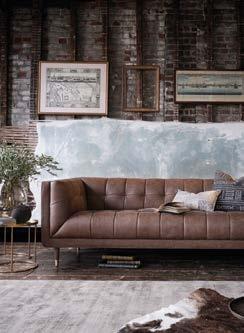















IAFP’s

www.iafp.info

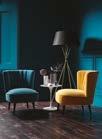


The Women in Furniture Network (WIFN) is back by popular demand at the Manchester Furniture Show this month. Ahead of this year’s session, entitled Shared Growth in Action, WIFN content and community manager
Simone Ward explores why supporting women across the industry is not just the right thing to do, but a strategic advantage for businesses looking to grow, innovate and stay relevant …
By Simone Ward
Walk into a WIFN brunch, and the energy hits you straight away. People aren’t making small talk, they’re swapping real stories, comparing notes and laughing in a way that feels more like long-lost colleagues than strangers from different corners of the industry. Buyers, designers, founders, merchandisers and marketers end up at the same table, talking honestly about how they’re building their careers in a sector with a traditional backbone that’s only now evolving.
What comes through most clearly is ambition –women who want to move forward, lead and shape what comes next together, not alone. That energy sits behind the WIFN and underpins our next session, entitled Shared Growth in Action.
This isn’t a feel-good extra. It’s a direct question to the industry – what happens when the people who understand customer behaviour and real living environments aren’t in the rooms where decisions are made? WIFN focuses on ensuring women across all career stages have access to the conversations and context that help them progress long before they hit a crisis point. And when that access is there, the impact is clear – women leading portfolios, shaping brands and driving more human-centred design. The task now is turning these individual successes into something more consistent across the sector.
Across WIFN conversations, familiar themes surface – the need for clearer routes forward, more visible role models and presence in commercial and product decisions. Women are often closest to the customer and product, yet furthest from the final call.
That gap isn’t just structural, it’s commercial. When lived insight isn’t represented in range sign-offs or strategy discussions, decisions are made with an incomplete picture, increasing risk and slowing responsiveness.





We’ve tested different ways of connecting women across the sector, from online spaces to mentoring pilots, and the response has been consistent – when women are given space to share knowledge and build relationships, progress accelerates quickly.
Even with limited capacity, the appetite for connection is obvious. Our presence at the major furniture shows proves it every time – the rooms fill, the conversations run deep and the demand for genuine connection is immediate. The challenge now is building on that momentum in a sustainable way.
Most industries now understand that diverse teams make better decisions. Furniture has its own added dimension – women drive most home-buying decisions, yet their insight is still under-represented in shaping product ranges, customer journeys and brand direction. The impact shows up in familiar ways – products that look good but don’t reflect daily life, journeys built around a single decisionmaker and limited understanding of different living arrangements. Externally, brands claim to know their customers – internally, they don’t always include the people who actually do. Missing perspectives lead to missed opportunities.
Shared growth happens when knowledge, access and opportunity stop sitting behind closed doors. Sometimes it’s context shared at the right moment. Sometimes it’s an introduction that changes a project, partnership or a career trajectory. These moments may seem small in isolation, but repeated across an industry, they reshape who gets seen, supported and promoted. For brands, manufacturers and retailers, the message is clear – this needs to become part of core strategy, not a side conversation. Over the next few years, relevance will depend on whether the right voices are helping shape products, teams and customer experiences.
Manchester brings together every corner of the industry, making it the ideal place to focus on shared growth at a moment when the sector is evolving quickly. This year’s panel brings together women working across product, customer and workplace strategy: Gisela Lancaster, formerly head of buying at Sofology; Sophia Carbonell, head of ecommerce sales at Julian Bowen; Kirsty Whyte, creative and design director; and Lisa Flannery, MD of Claremont.
Together, they represent different corners of the industry but share a common experience – building influence, leadership and visibility in spaces that haven’t always been designed with women in mind.
Shared growth is already happening across the industry. The challenge now is making it consistent. The brands that recognise that early will be the ones best positioned for what comes next.
The panel will take place at Manchester Central from 11:30am-1pm on Monday 6 July. Register to attend via bit.ly/4fixA1J
“This needs to become part of core strategy





Wayne Robbins, Iconography
It’s impossible speak to a human, particularly if things go wrong. It’s purposely designed this way. And it’s accepted … when in traditional shopping it wouldn’t be tolerated
Garry Preston, TR Hayes
Speed and non-existent navigation when faced with way too many options! Or too complex a journey to get to the one thing you’re looking for. I’m outta there …
Jan Duckworth, Cox & Cox
Shocking user experience/navigation, a lack of sensible within-site search/filters, and poor images/product information (so I don’t feel confident buying as returns are inevitably a hassle as well if the item doesn’t live up to expectations!)
Clare Bailey, The Retail Champion
In our mattress ecommerce sector, it’s price and margin erosion – when times get tough it’s tempting to sell on price for traffic generation. With online search and personalised shopping being so transparent, then it’s an easy (and desperate) race to the bottom
Steve Adams, Mattress Online
It’s not much of an experience buying online, it’s a transaction mostly decided by price. I’m enjoying watching disruptive brands ripping up the rulebook on social media
Paul Groves, sales agent
Whether or not it’s because I live in the South West, the inconsistency around delivery timescales is infuriating. If you make a big play of ‘next-day delivery’, make sure it is next day. Too often, we in the South West receive service worse than average
Peter Harding, Fairway Furniture
When I have to create an account, verify it via email, and solve three CAPTCHA puzzles just to browse
Steve Pickering, Sussex Beds
Bernard Eaton, Greenwood Retail
Lack of real human interaction. I generally steer clear of online shopping, but when I’ve no other option or I’m researching ahead of purchase, it seems every website these days has a chatbot which it tries to get you to engage with. I still can’t understand why consumers wouldn’t want to physically experience furniture or beds before making a purchase
Andy Stockwell, Kuhn Rikon UK
• Follow Furniture News on LinkedIn
• Join us on X @FurnitureNewsED
• For editorial enquiries, email paul.farley@lewisbusinessmedia.co.uk
• To advertise email sam@lewisbusinessmedia.co.uk
• For anything else, see p5