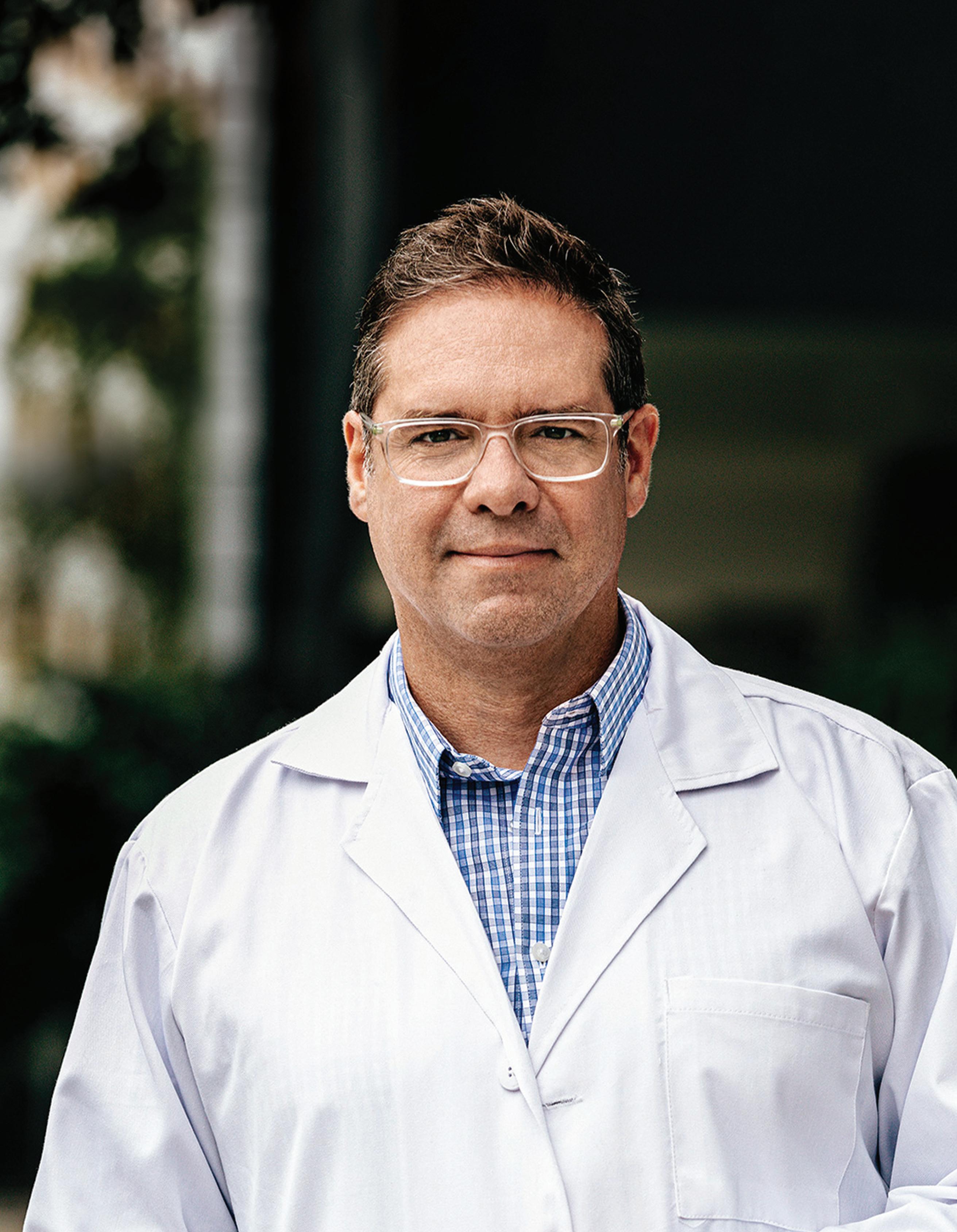
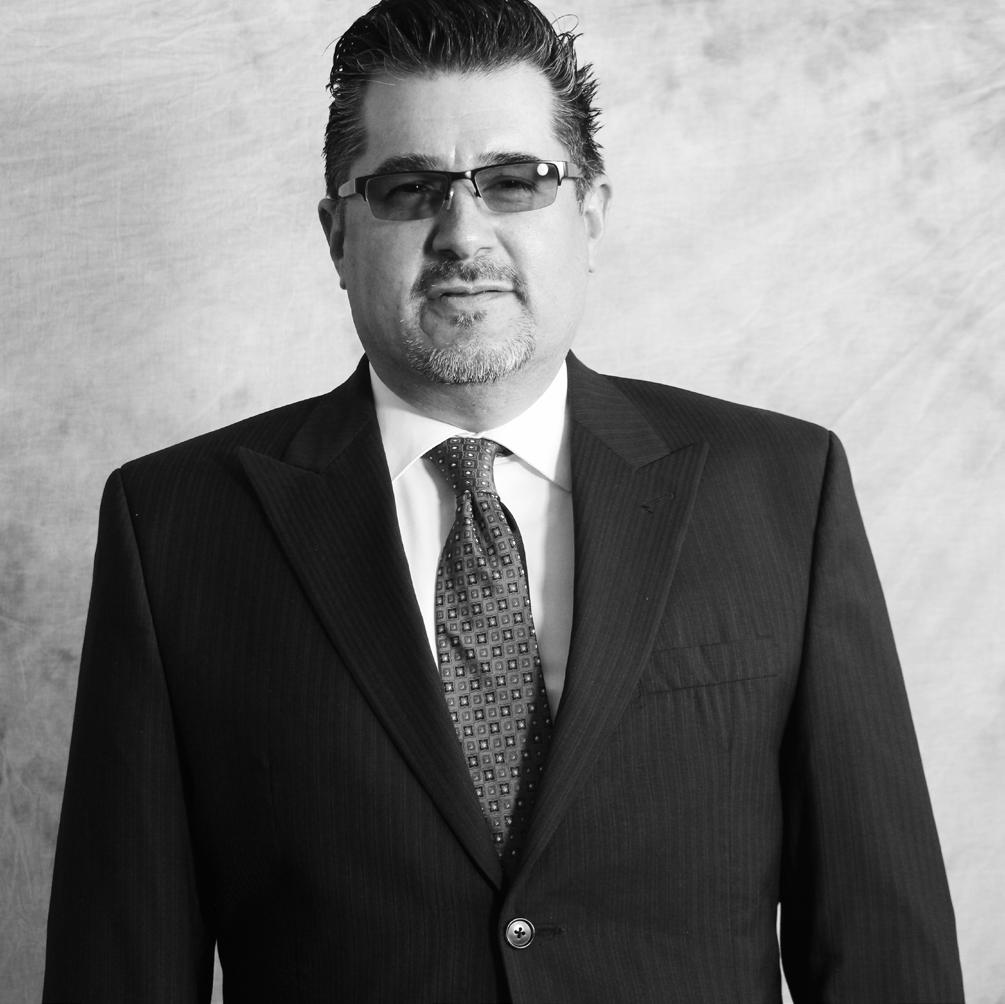
“Regenerative medicine is the fastest growing and most dynamic field to evolve out of the contemporary allopathic method of medicine.”
- DR. IAN WHITE
Suffer from acute or chronic wounds?
Healing shouldn’t be painful.
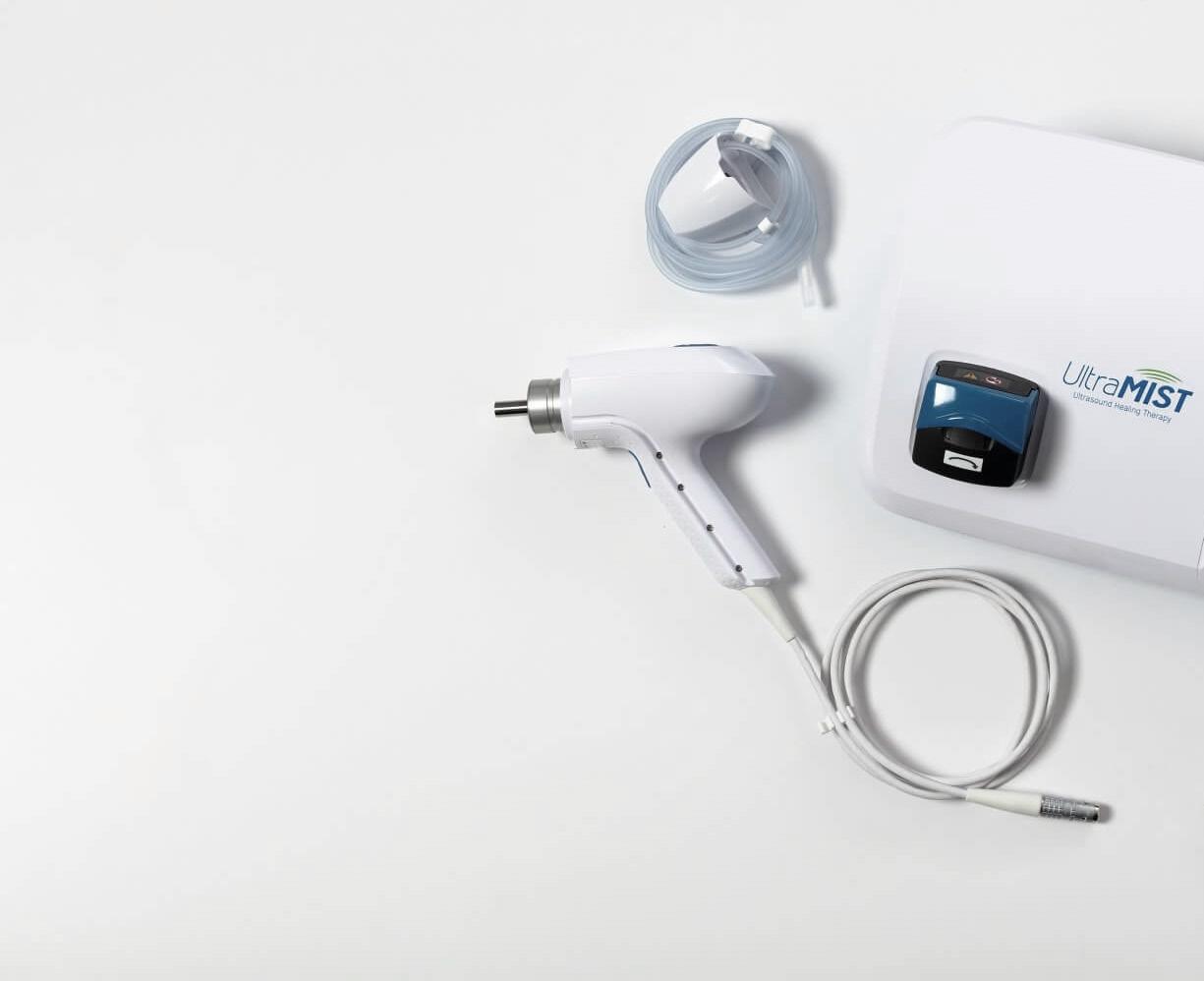
Experience pain-free treatment through a saline mist that reduces and removes bacteria while promoting healing.
UltraMIST is a non-contact, lowfrequency ultrasound that painlessly promotes healing when administered by any trained health care professional.
MICROVASCULAR TESTING SYSTEM
Listen to the latest in health and wellness on Spotify today!
• Early Detection of Chronic Disease in Asymptomatic Patients
• Diagnose Complex Symptoms
• Increase Patient Compliance with Treatments
TopDocDX presents a real-life picture to the patient, with all its positive and negative influences. Therefore, physicians will have an enhanced understanding of the patient’s overall health. This clinically powerful and non-invasive testing system for hidden diseases in asymptomatic patients provides the patient with an inside-out look on their health.
15-MINUTE NONINVASIVE ON-SITE DIAGNOSTIC TESTS
EDITOR IN CHIEF
Brianna Connors
CHIEF CREATIVE OFFICER
Aviana Roth
LEAD JOURNALIST
Riley George
PROJECT COORDINATOR
Lillian Myers
TEAM CONTRIBUTORS
PODCAST COORDINATOR
Justin Miller
CHIEF MARKETING OFFICER
Hannah Townes
MARKETING DIRECTOR
Derek Archer
SOCIAL MEDIA SPECIALIST
Lauren Rider
GRAPHIC DESIGNER
Adara Wright
Adreana Mendez, Ann Y., Drew B., Gaye Newton, Gentry Shannon, Ionuț Raicea, Louisa Emhof, Luke Argue, Mălina O. R., Nathan Pipkin, Peter C., Yuko Tabasa
A WORD
Leading a healthy, well-balanced life is a challenging undertaking for many of us. New advancements in lifestyle or nutrition come to life daily, and the busy rhythm of our lives often prevents us from keeping up with what’s fun and fresh.
Here at Top Doctor Magazine, we are on a mission to bring these advancements to your attention and become a source of inspiration for those who want to live their lives to the fullest. Our contributors will constantly keep you up to speed with fresh, entertaining, and reliable content, from nutrition and travel to lifestyle choices!
We hope that our handpicked ideas will guide you towards selfrealization, self-improvement, and willingness to help those around you better themselves.
MEDICAL NEWS
09
What Is Regenerative Medicine and What Does It Mean for the Future?
13 The Human Side of Plastic Surgery: Addressing the Vanity Stigma with Dr. Karan Dhir
19 Lipid Markers Can Predict Cardiovascular Events 20 Years before Time Can
23
Understanding R&D Tax Credits with Dentist-Attorney Benjamin Dyches
MEDICAL NEWS CONT.
The Emerging Field of Regenerative Medicine
Do You Know How Much Plastic You Are Eating and Breathing? LIFESTYLE
41 Serving a Prison Population: An Interview with Dr. John S. Hodges, MD
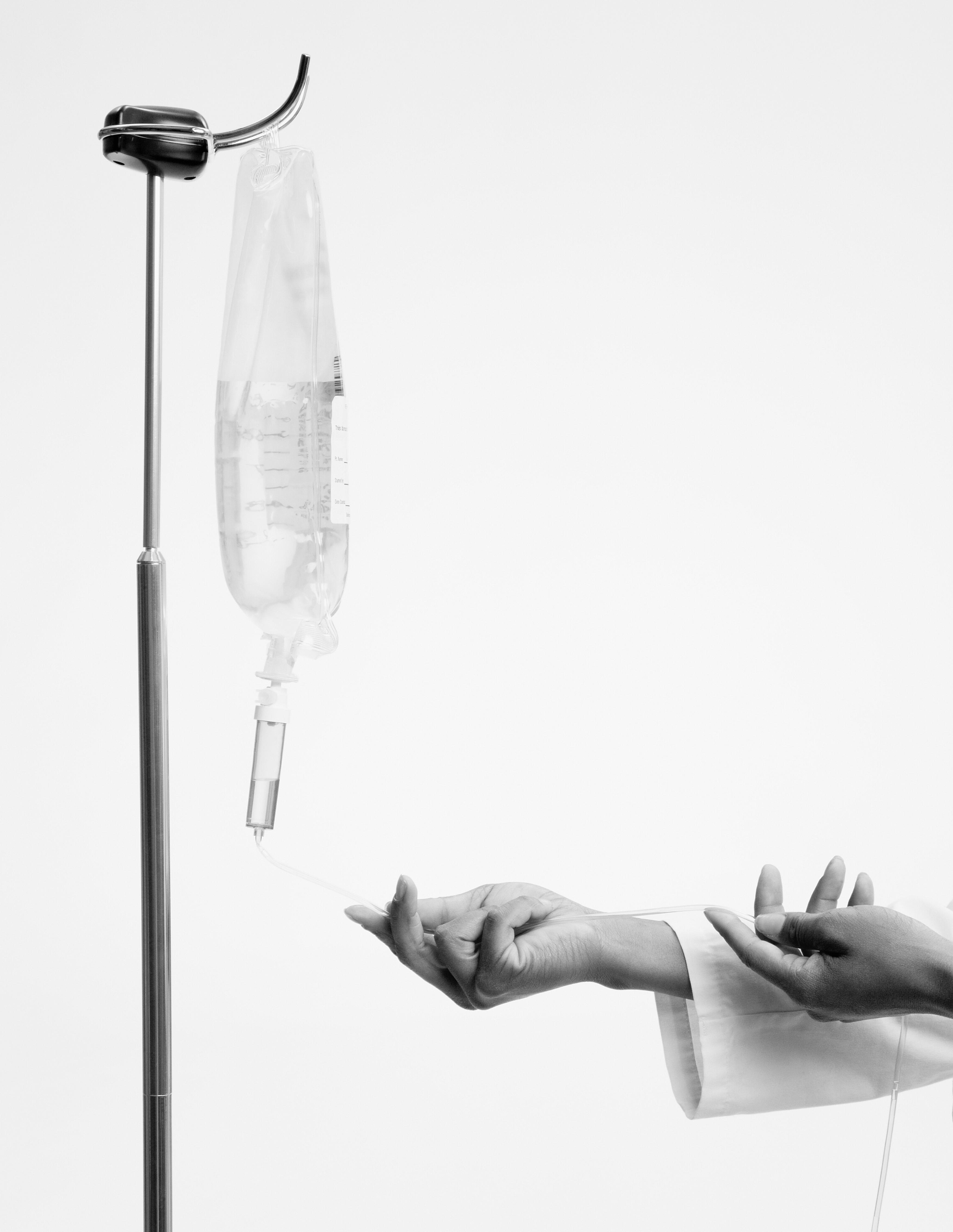
5 Possible Benefits of IV Therapy
Empowering Cancer Patients: Exploring Integrative Oncology with Dr. Heidi Rula, MD
what is
REGENERAT VE MEDICINE
AND WHAT DOES IT MEAN FOR THE FUTURE?
WORDS BY DREW B.
The human body is amazing. It’s not only designed to heal its immune system but also to repair any sustained damages. We see this every day: when you get bruised during a fall, a broken bone in a cast, the body will not just heal but also repair the sustained damage. But not all ailments can be healed by the body, such as diabetes, degenerative disc disease or cardiovascular issues. By introducing regenerative medicine, patients have a better chance to succeed in fighting these diseases.
WHAT IS REGENERATIVE MEDICINE?
Regenerative medicine is a process in which damaged cells are replaced with healthy cells to speed up the process of regeneration and restore normal function.
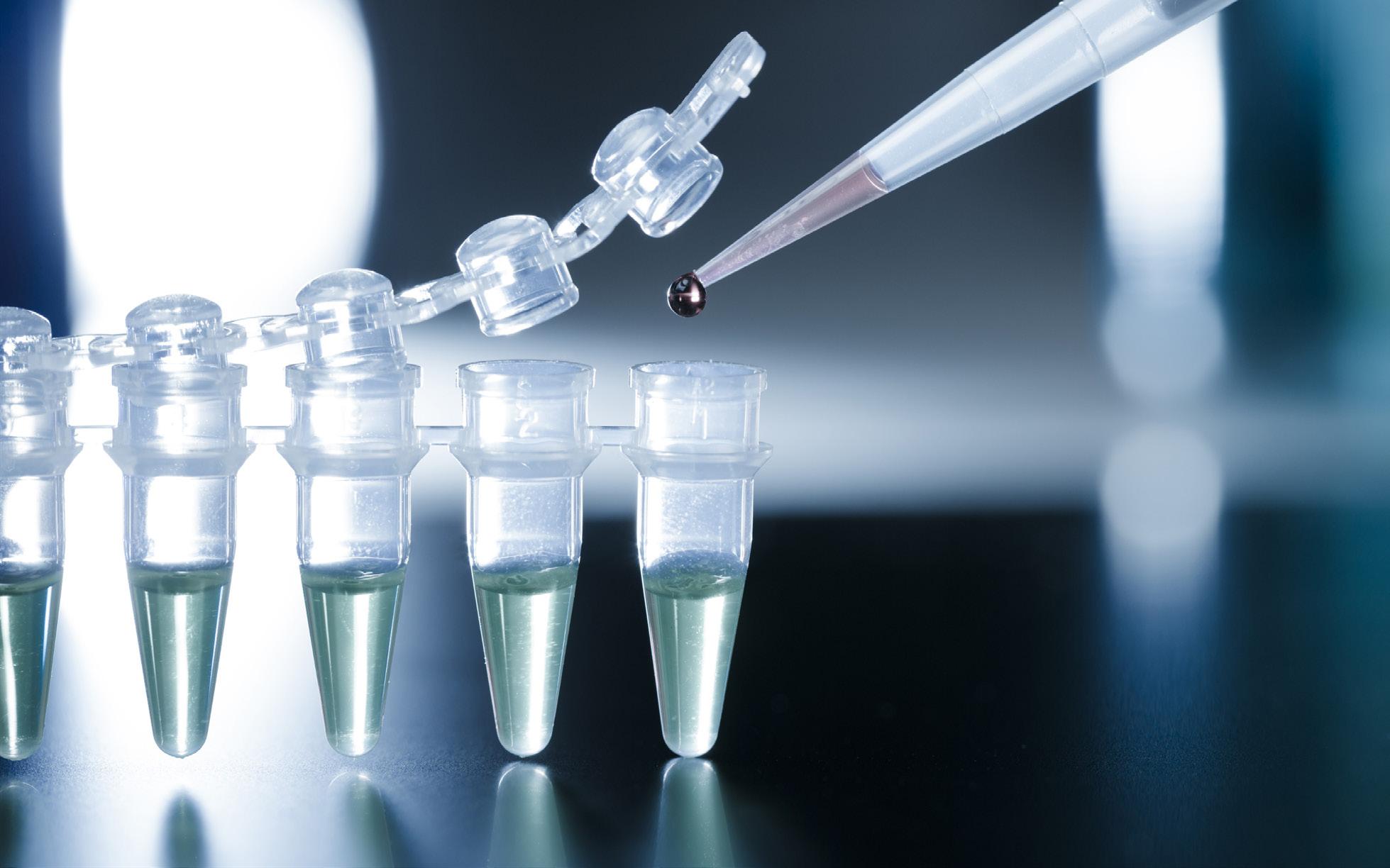
The benefits of regenerative medicine include that it is non-invasive, and there is no chance of rejection because the stem cells employed are your own. Compared to other treatments, the recovery period is also shorter, and the dangers are minimal. The cells are taken from the patient’s blood, bone marrow, fat, or other sources in order to grow new tissue in the lab before they are transplanted back into the body.
IS REGENERATIVE MEDICINE EFFECTIVE?
One of the oldest concepts in medicine is the use of the body to cure itself. Hippocrates, the founder of modern medicine, used a rudimentary type of acupuncture to heal a dislocated shoulder in a patient as early as 400 BC. The discovery of stem cells in the late 1970s, as well as other medical breakthroughs during the last few decades, has propelled this field of medicine into mainstream use.
Regenerative medicine has a track record of success that can be seen on millions of TV screens and in all of today’s headlines. What sports fan hasn’t heard about a star athlete who used PRP therapy to speed up his elbow or shoulder injury recovery? Notable athletes who went through regenerative medicine are Bartolo Colon, Jarvis Green, Kobe Bryant, Andrew Bynum and, some say, Tiger Woods.
WHAT CAN BE TREATED WITH REGENERATIVE MEDICINE?
The body cannot manage long-lasting, chronic conditions such as diabetes, osteoarthritis and heart disease on its own. Such conditions can be managed using very costly medication and medical equipment in the long run. Although regenerative medicine lends a helping hand in managing these conditions, there are still many challenges that need to be addressed before it can be used more broadly.
Some examples of the application of regenerative medicine are:
• Breast Reconstruction: Plastic surgeons have pioneered the use of regenerative medicine by helping breast cancer survivors in regenerating new tissue layers on implants.
• Burn Injury: The treatment is used to regenerate the innermost layer of the skin after burn injuries.
• Degenerative Disk Disease: Stem cells are injected into the damaged spinal disk to help develop healthy cells and repair the disk. It’s a far better solution than an invasive surgery where the patient is at risk and has a long recovery time.
• Cartilage Regeneration: Cartilage can’t heal on its own since it doesn’t have a constant blood supply. This is ideal for active people 55 and older.
CAN REGENERATIVE MEDICINE REPLACE SURGERY?
Nowadays, many conditions can only be corrected with surgical procedures, while others can only be managed with medication. Whether it’s a chronic condition or injury, these ailments can be addressed or cured with regenerative therapy. It also sheds a new hope, especially to those elderly patients who are not considered ideal candidates to undergo dangerous surgical treatments or even those who are just afraid to undergo surgery.
A PARTING REMINDER
Many challenges and studies lay in regenerative medicine’s way to reach a broader use. Although the potential results are promising, it is best to ask an expert if you are a suitable candidate for regenerative medicine treatment.
“THE BENEFITS OF REGENERATIVE MEDICINE INCLUDE THAT IT IS NON-INVASIVE, AND THERE IS NO CHANCE OF REJECTION BECAUSE THE STEM CELLS EMPLOYED ARE YOUR OWN.”
OF PLASTIC SURGERY
ADDRESSING THE VANITY STIGMA WITH DR. KARAN DHIR
BY MERALD AYSON
The plastic surgery industry is a multi-billion-dollar entity. From plastic surgeons to spa services that claim to be able to ‘tuck’ tummies, plastic surgery is an integral part of the medical world, not just for aesthetic purposes but also for health purposes. It can be easy to try and discredit plastic surgery as a vanity when celebrities are constantly posting Instagram selfies with their “blessed” noses or before/after shots of their tummy tucks. However, plastic surgeons have so much more on their plates than post-surgery selfies and glamour shots of their patients’ new looks.
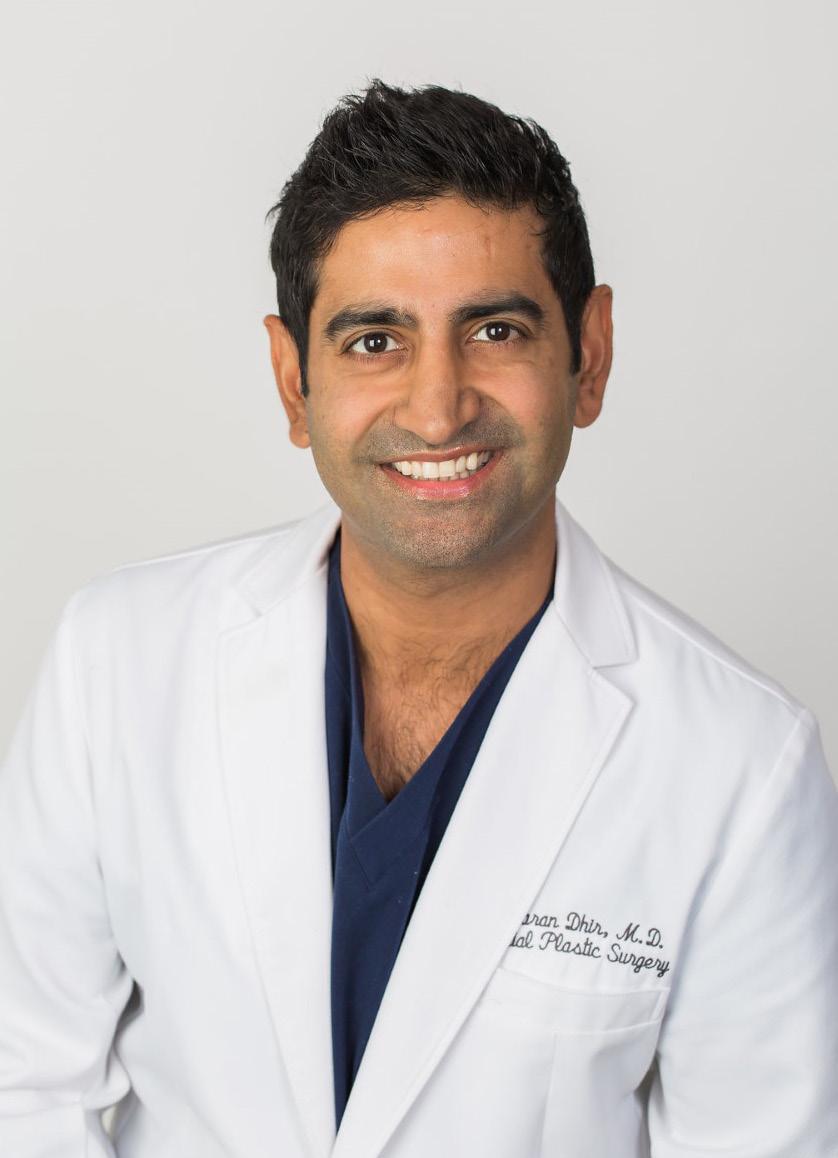
Plastic surgery is often viewed as a vanity procedure, one that is only pursued out of pure self-interest. But the reality is that plastic surgery has many benefits beyond simply improving appearance. In this article, award-winning, board-certified, facial plastic surgeon, Dr. Karan Dhir, will share his perspective on the human side of plastic surgery. Dr. Dhir is a facial plastic and reconstructive surgeon specializing in facial, nasal and neck surgery. He notes that plastic surgery should not be viewed as a vanity procedure but rather to address physical needs and health issues.
ABOUT DR. KARAN DHIR
Dr. Dhir is a double board-certified facial plastic and reconstructive surgeon trained at the prestigious Mt. Sinai Hospital in New York City. After completing a five-year surgical residency and board certification in Head and Neck Surgery, he spent two additional years with world-renowned surgeons refining the techniques of rhinoplasty, blepharoplasty, facelifting and facial augmentation/rejuvenation procedures. He currently practices in Beverly Hills and continues to teach the art of Facial Plastic Surgery as an Assistant Clinical Professor at UCLA – Harbor.
“Plastic surgery is not just about making someone look better; it’s about restoring function, improving quality of life and regaining self-esteem and confidence all at the same time.”
DOES THE PLASTIC SURGERY STIGMA STILL EXIST?
Plastic surgery has a long history of being stigmatized as a vanity procedure. Despite techniques having come a long way in the last few decades and the fact that plastic surgery has become more normalized, the stigma may still exist for some.
According to Dr. Dhir, plastic surgery can address physical needs or issues and improve mental health, which can improve self-image and confidence. Hence, it is necessary to educate people on facts and information about its overall benefits.
“I hope that the general public would understand that a lot of plastic surgeries are done for reconstruction due to many things: traumatic injuries caused by accidents, burns, skin tumors or congenital anomalies and birth defects.
Through plastic surgery, we give the patients the opportunity to get back into life with the best comfort and confidence. So, it’s not just all about the aesthetics. That same comfort and confidence that is regained may, often times, be desired by some by choice for aesthetic reasons,” Dr. Dhir said.
CHANGING LIVES THROUGH RECONSTRUCTION
Dr. Dhir cited an example where he had performed a rhinoplasty for a patient with breathing problems. The procedure involved reshaping the nose to restore nasal airflow and proper drainage.
“When she took her first breath, she just had tears in her eyes with a beautiful expression that tells us, ‘I can breathe’. It’s fulfilling and heartwarming to see it right in front of my eyes as her surgeon. And often the form and structure of the nose is changed in tandem which helps augment the experience when mutual goals are discussed,” Dr. Dhir said.
This emphasizes the concept that plastic surgery is not just about making someone look better; it’s about restoring function, improving quality of life and regaining self-esteem and confidence all at the same time.
Coming from a personal experience, Dr. Dhir had a rhinoplasty for himself at 18-years-old, so he understands the feeling of patients coming to him.
“I went through a rhinoplasty experience, and I realized that the world didn’t change. Nobody cared, people didn’t even notice, but I felt a lot more confident, and I felt good,” Dr. Dhir explained.
The idea of making someone’s life better through surgery stuck with him, which led him to pursue a career in plastic surgery, where he built his passion for rhinoplasty, facelifting and facial contouring.
MENTAL HEALTH AND WELL-BEING IN PLASTIC SURGERY
Dr. Dhir also mentioned how plastic surgery can even help people get through hardships in life, saying that it isn’t always about fixing physical deformities or improving self-esteem. It can also be about mental health and well-being.
“Somebody coming in for plastic surgery is not just doing it because they want to change the way they look. There are things going on in their lives that plastic surgery can help with such as taking control of an insecurity and making an active change for one’s self,” Dr. Dhir said.
Researchers from The American Society of Plastic Surgeons believe that plastic surgery has positive psychological effects, emphasizing the therapeutic dimension of cosmetics. Those suffering from major depressive disorder, generalized anxiety disorder or body dysmorphic disorder (BDD) may seek aesthetic surgery as a solution.
Another study from the Association for Psychological Science also reveals positive outcomes of receiving aesthetic surgery across areas, including social phobia, goal attainment, quality of life, life satisfaction, attractiveness, well-being and self-efficacy.
However, it is essential to note that surgeons must assess a patient’s mental health before treatment to avoid unsuccessful outcomes that could lead to oth-
er problems, such as secondary mental disorders, and entail repetitive aesthetic procedures.
PLASTIC SURGERY’S VANITY EFFECT
The second goal of plastic surgery is to enhance a person’s facial or body part to make it more aesthetically pleasing or remove something that gives them a little bit of discomfort (or embarrassment). Dr. Dhir’s goal is to listen to each patient’s story to find out who they are and what they want to improve; thus, ensuring they’re on the same page. He then carefully assesses the case and recommends the appropriate next steps. This part becomes critical because it will define the patient’s decision, which, if not handled very well, could lead to wanting more, leading the way to vanity.
“I think this is when the vanity comes. If someone gets ‘addicted’ to it or the surgeon doesn’t say no to every request or ‘improvement,’ they will start to look so considerably different that people can easily notice the changes,” Dr. Dhir explained.
THE BOTTOM LINE
It’s important to remember that plastic surgery should not have a stigma of all vanity. Although plastic surgeons perform many procedures for purely aesthetic reasons, plastic surgery also resolves physical needs and health issues; often leading to improved mental health/confidence when performed responsibly with common goals.
So, the next time you see an Instagram post of a celebrity bragging about their new nose, don’t forget that plastic surgery is so much more than just vanity – it’s about improving confidence and well-being as Dr. Dhir reminds us.
MARK ERS LIPID
CAN PREDICT CARDIOVASCULAR EVENTS
20 YEARS BEFORE THEY OCCUR
WORDS BY LUKE ARGUE
People don’t think about cardiovascular health until their 40s or 50s. Yet, most often, our decisions prior to this age can lead to cardiovascular illnesses. Unhealthy diets, smoking and other lifestyle habits that we make in our 20s and 30s, carrying into our 40s and 50s, all increase the risk of cardiovascular disease.
But what if there was a way to predict the risk of a cardiovascular event 20 years before it occurred? According to promising research, it turns out that lipid markers may help do just that.
WHAT ARE LIPID MARKERS?
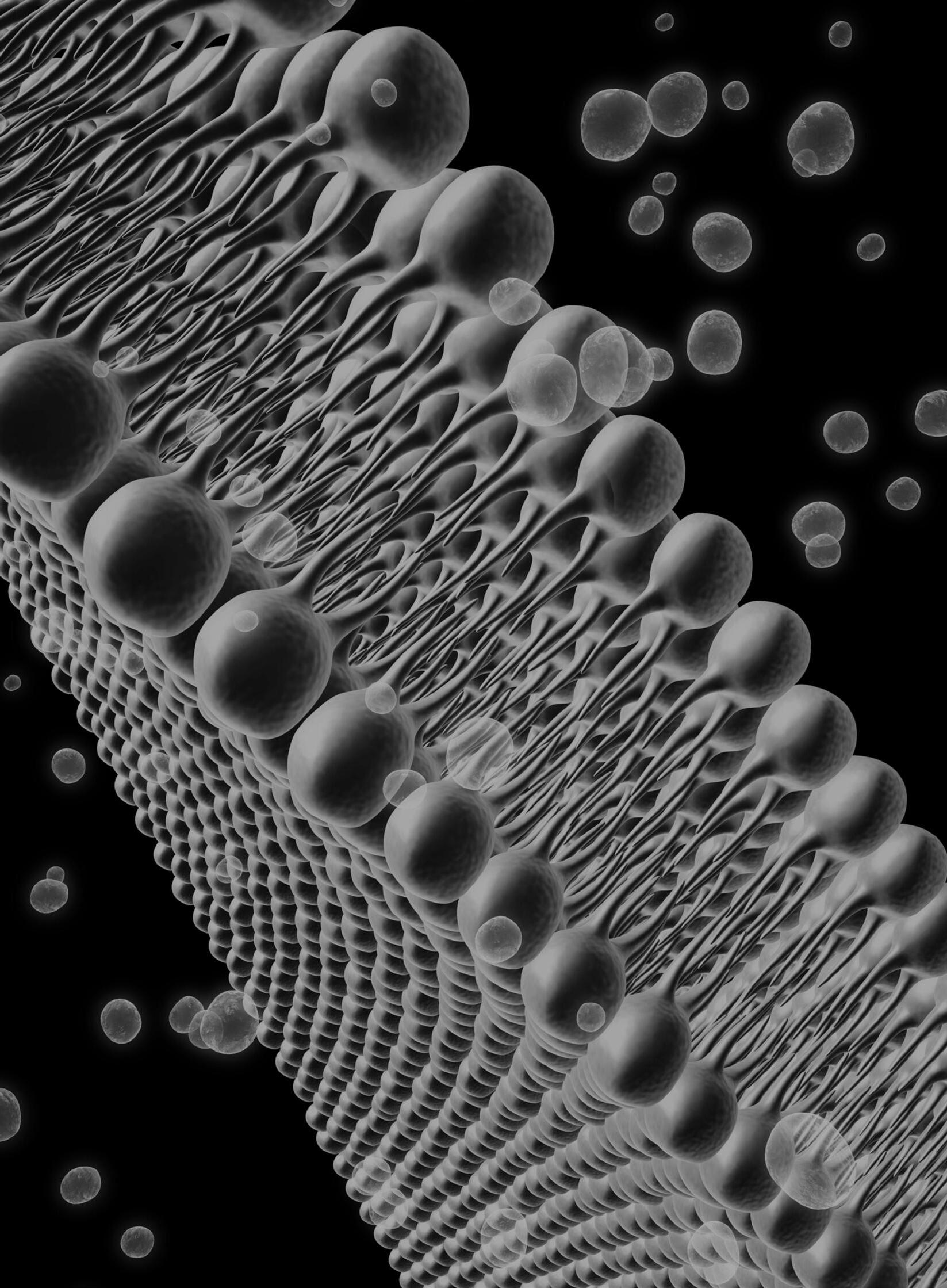
Lipid markers are variables, such as cholesterol and triglycerides, contained in the body’s lipids. They are composed of hydrocarbons and make up the body’s fats, oils and waxes. In fat cells, the lipid is called triglyceride, created through the body’s conversion of excess carbohydrates.
The primary function of lipids in the body is energy storage. However, an excessive build-up of cholesterol or triglycerides within the body’s lipids can endanger one’s cardiovascular system. As a result, lipids markers like cholesterol and triglycerides are commonly used to predict vascular diseases.
HOW LIPID MARKERS INDICATE RISKS FOR HEART ATTACKS
While these lipid markers have been known as predictors of vascular diseases, researchers have been studying their potential long-term predictive value for
cardiovascular events as well. Researchers have found that high numbers of cholesterol low-density lipoprotein cholesterol (LDL-C) indicate an increased risk of cardiovascular disease. This is likely what you’re familiar with if you’ve ever heard that high cholesterol can lead to a higher risk of a heart attack.
More interesting is the new body of research on the usage of lipid markers that carry this type of cholesterol in predicting cholesterol events. Researchers focused on apoB and apoA-1 coding genes, which transport LDL-C and high-density lipoprotein cholesterol (HDL-C), respectively. They found that patients with a higher ratio of apoB to apoA-1 were three times as likely to have a heart attack than an average person. Moreover, the ratio of these markers could predict cardiovascular events 20 years into the future.
The ApoB Coding Gene
The reason for this predictive value lies in apoB and apoA-1’s function in the body. ApoB is the body’s mechanism for transporting cholesterol to tissue. Thus, the higher the apoB value in a person’s body, the higher the cholesterol is in that person’s body. It indicates that the body is transporting the cholesterol faster to the tissue than usual. This helps predict the likelihood of a future cardiovascular event because as cholesterol builds up, the cardiovascular system eventually will become impaired by the high amounts of cholesterol in the body’s tissues.
The ApoA-1 Coding Gene
On the other hand, ApoA-1 is used to transport cholesterol away from the tissues. ApoA-1 is the body’s janitor, cleaning tissue by removing cholesterol. The levels of apoA-1 in the body help researchers understand how effectively the body is removing cholesterol from its tissues. What this means for cardiovascular events is that the lower the apoA-1 value, the less effective the body is at removing cholesterol, allowing it to continue to build up and increasing the risk for cardiovascular events.
Essentially, apoB puts more cholesterol into the body’s tissues while apoA-1 removes it. So if the apoB marker is much higher than the apoA-1 marker, the body will put more cholesterol into your body’s tissues than it removes. This naturally increases the risk of cardiovascular events. Researchers can use these values to predict how quickly cholesterol will build up in the body and can use that data to predict cardiovascular events in the future.
LIPID MARKERS CAN SUPPLEMENT CONVENTIONAL CHOLESTEROL MEASURING
Although promising, these lipid markers cannot replace conventional models for predicting cardiovascular events. Instead, lipid markers are best used to supplement the other methods for determining cardiovascular risk to create more accurate predictions. As researchers have noted, replacing total cholesterol screening with lipid marker tests does not improve predictions for cardiovascular disease; it may worsen them. The addition of lipid marker tests could improve the testing for certain forms of cardiovascular diseases.
A PARTING REMINDER
Lipid markers have shown to be a promising cardiovascular predictor. While the research on lipid markers is still in its infancy, they show a remarkable ability to improve cardiovascular event predictions. These markers may not be able to stand alone. Still, lipid markers could predict cardiovascular events far enough in advance for individuals to make the right lifestyle changes.
“LIPID MARKERS ARE BEST USED TO SUPPLEMENT THE OTHER METHODS FOR DETERMINING CARDIOVASCULAR RISK TO CREATE MORE ACCURATE PREDICTIONS.”
UNDERSTANDING R&D TAX CREDITS with Dentist-Attorney
Benjamin Dyches
BY MERALD AYSON
It can be hard to know what you should do when your healthcare company encounters legal troubles. For the most part, the intricacies of healthcare law are not something that most people have in-depth knowledge about, so it may seem easy to let a general practice lawyer handle everything. However, perhaps surprisingly for some, this is one area where lawyers with professional medical expertise and background can provide more value.
Dr. Benjamin Dyches, a dentist turned lawyer with a unique perspective on law, shared his expertise on research and development (R&D) tax credits.
FROM DENTIST TO ATTORNEY
Dr. Dyches earned his Doctor of Dental Surgery from the Case Western Reserve Dental School and went on to open a general dental practice in Colorado and later in Washington. He practiced dentistry for about 12 years and built up a group of practices he sold to a dental service organization.
“The relationship after the sale was not quite as easy or fluid as it was beforehand. We had a falling-out-from-abusiness perspective that led to a number of interesting legal questions. I had a good team of attorneys that were representing me. They did not, however, really know healthcare law, or how some of the questions that
were being asked might impact the healthcare professional’s ability to build another practice or growth,” Dr. Dyches said.
After these experiences, he realized that his heart was in the law part of the job rather than dentistry itself.
“I wanted to help other healthcare professionals have a much easier process in these legal aspects. I wanted to make sure that there is legal representation out there that understands what it’s like to be a clinician, what the legal options are and how these options might impact your practice,” he explained.
This change of direction guided him to law school, graduating from J. Reuben Clark Law School at Brigham Young University with a focus on business law, healthcare law and alternative dispute resolution.
“I learned a lot in law school, especially about how things should be going for doctors,” Dr. Dyches said.
Through his legal expertise, Dr. Dyches represented doctors at all levels, from the courtroom and state boards to just the flow of contract work regarding mergers and acquisitions of practices and specialized tax questions and consulting, especially for R&D tax credits.
WHAT IS THE R&D TAX CREDIT?
According to Dr. Dyches, the R&D tax credit is one of the most powerful tools for growth in healthcare companies. The federal R&D tax credit (also known as the Research and Experimentation [R&E] tax credit) was first introduced in 1981, and became a permanent part of the tax code in 2015 through the Protecting Americans from Tax Hikes Act of 2015 (the PATH Act). It was established and expanded to recognize innovation in US businesses.
“The tax credit is recognized when you bring in a new business technique or a new product, where you can receive an offset on the qualifying expenses against your taxes, reducing the amount of taxes that you owe,” Dr. Dyches explained.
WHAT ARE THE QUALIFICATIONS FOR R&D TAX CREDIT?
There are substantial precedents and several thresholds that the Internal Revenue Service (IRS) uses to identify what’s a qualifying activity and what’s not. Still, Dr. Dyches emphasized that one doesn’t have to establish a new piece of research or knowledge to qualify for the R&D tax credit.
For example, if you are an orthodontist, you don’t have to create something new to orthodontics to qualify. What you have to do is bring some innovative technology—something that’s new to your practice (at the practice level).
“There are a lot of doctors out there who go into Continuing Medical Education (CME) classes to learn a new technique, evaluate a new product, or invest
in innovation. But they’re also looking at this with questions: ‘How do I reduce my negative outcomes?’ ‘How do I improve my patient care?’ ‘Let me try and bring X into my practice.’ So, in essence, they’re setting up these internal clinical trials where they can discover what the real outcomes look like in practice. We help identify which of these activities qualify for the R&D tax credit,” Dr. Dyches said.
R&D TAX CREDIT CALCULATIONS: HOW MUCH CAN I GET?
Dr. Dyches’ team at Dr. Tax Credit helps put together the extensive paperwork and calculations to support the R&D tax credit. They have worked with all kinds of doctors and identified that one of the biggest qualifiers is the need to own a practice.
“We see credits that can be anywhere from $8,000 up to $80,000 or more depending on the practice and the size of the practice and exactly what they do,” Dr. Dyches added.
A few of Dr. Dyches’ clients call the R&D tax credit “free money,” but he says he doesn’t see it that way because this is money they’ve already earned.
“It’s not free. You’re just getting a credit that you’ve already earned,” Dr. Dyches explained.
R&D TAX CREDIT: A POWERFUL TOOL TO MAXIMIZE
Dr. Dyches suggests that if a healthcare company or doctor is interested in learning about and qualifying for the R&D tax credit, they should make sure their consultant understands what’s involved and help
them take advantage of this powerful tool. Identifying internal clinical trials, new business techniques, the qualifying activity, and consulting a qualified attorney can help make this process straightforward.
TAKING THE STEP TO INNOVATION
The journey from dentist to lawyer may not be an easy one, but Dr. Dyches has found his way in healthcare law and helping doctors and companies resolve legal troubles. His expertise in the R&D tax credit has helped many companies and doctors grow and thrive. He has seen firsthand the impact that innovation and new techniques can have on healthcare companies or doctors who want to take advantage of the R&D tax credit.
Dr. Dyches encourages us to think of the R&D tax credit as a tool that can help boost revenue and profits for any healthcare business or doctor looking to move forward, whether it’s taking on more patients, acquiring another practice or buying an additional office building.
“You ask any successful person about their secret for success, and they’ll tell you it was all the things they learned along the way that made them successful. And I think that’s what makes this credit so powerful—it rewards people who are willing to take risks and learn new things because through learning these new techniques, we’re moving our industry forward,” Dr. Dyches said.
“We see credits that can be anywhere from $8,000 up to $80,000 or more depending on the practice and the size of the practice and exactly what they do.”
- Dr. Benjamin Dyches
PLASTICS MICRO
DO YOU KNOW HOW MUCH PLASTIC YOU ARE EATING AND BREATHING?
WORDS BY DREW B.
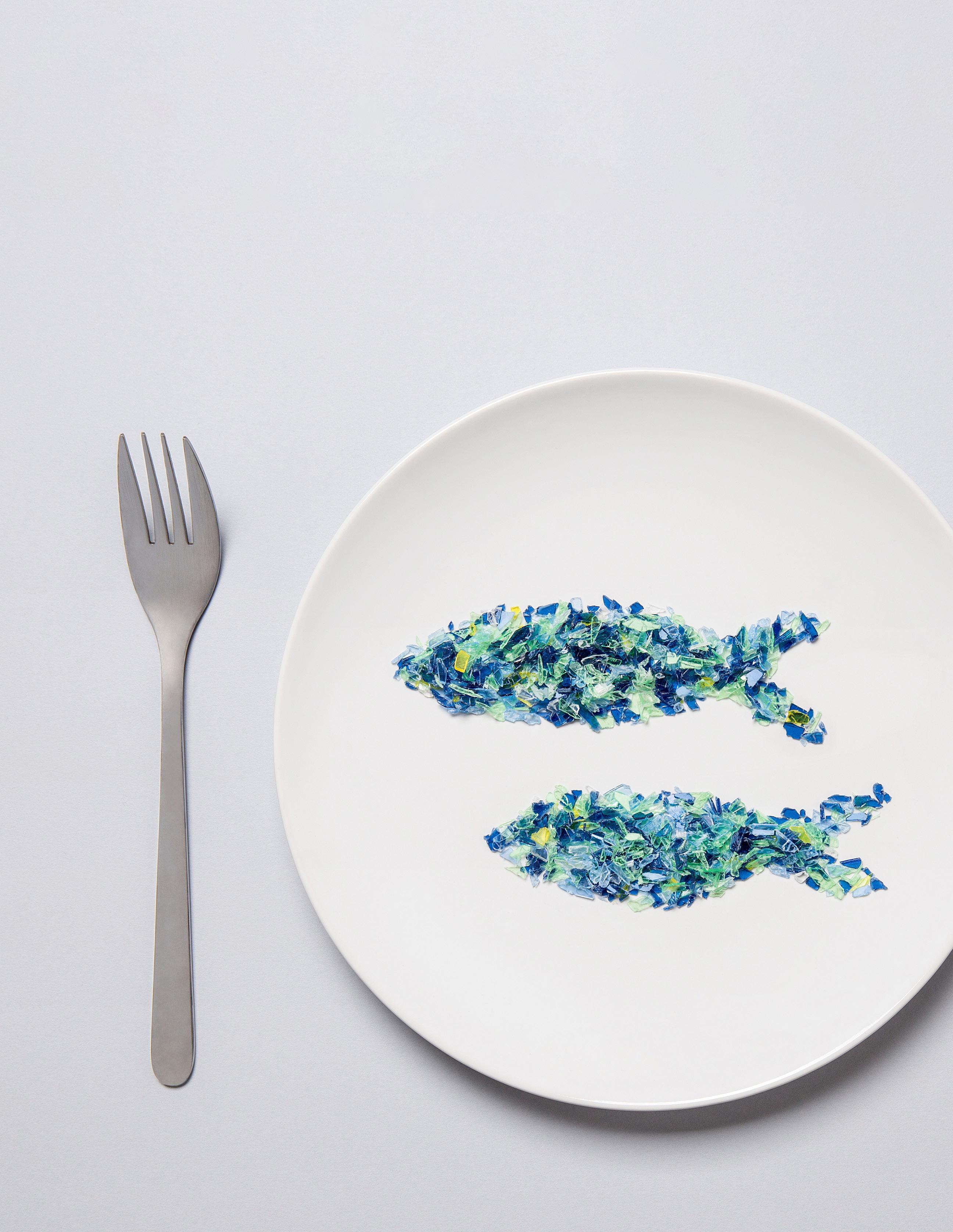
We are living in a world of plastic. Plastic, a uniquely versatile material, plays a massive part in our everyday lives, from the cups and toothbrushes we use to our clothes. But it is also the number one cause of pollution to marine life.
In recent studies, scientists found another problem with plastic that could cause harm not just to animals but also to humans. These are tiny particles that are not visible to the naked eye called microplastics.
WHAT IS MICROPLASTIC?
Microplastic is a type of debris that exhibits both microorganisms and plastic properties. It has been defined as any piece of material under 5 millimeters in size. Common durable microplastic particles that can be found are Polypropylene and Polyethylene. These microplastic particles are used in grocery bags, lunch boxes and bottle caps.
This micro debris has been discovered on every corner of the globe, both inside and outside homes, landfills and bodies of water. Various human factors help spread microparticles, such as production, disposal and unintentional fragmentation during various activities. Although microplastic is prevalent within our environment, scientists still do not know how it affects living organisms.
MICROPLASTICS IN THE ENVIRONMENT
Microplastic particles are linked to many adverse effects, including pollution, ingestion and possibly even death. They pollute waterways when washed off during bathing or when waste goes down drains and into water sources. This micro debris accumulates in lakes, rivers and oceans, damaging ecosystems. Microplastics neither support nor consume any living material.
Microbeads kill marine life when fish, birds and other water-dwelling creatures ingest them for food. Microplastic particles not only upset their digestive tracts but can also become lodged within them, causing death by starvation or choking. Microbeads have even been found in zooplanktons, one of the primary food sources for commercially viable fish species such as tuna and swordfish.
DANGERS OF MICROPLASTICS
These plastics can be found in oceans, rivers, the air we breathe, everywhere! There are 5 trillion pieces of plastic in our oceans, enough to circle the Earth over 400 times. These microplastics are being released into the environment from different plastic materials (tiny pieces of plastics used as exfoliants in beauty products) and fragmentation.
“There are 5 trillion pieces of plastic in our oceans, enough to circle the Earth over 400 times.”
“Microplastics are already in us, and we don’t know the full extent to which they will affect us in the future.”
Microplastics are already in us, and we don’t know the full extent to which they will affect us in the future. We can’t see microplastics with our naked eyes because of their size, but they can be found everywhere despite their microscopic status. A study done by Orb Media revealed an average of about 10 plastic particles per liter of tap water worldwide.
Microplastics do not only end up in the water we drink. Microfibers specifically can be found in our food, such as fish, shellfish and the most common ingredient found in all households, table salt.
DANGERS OF MICROPLASTICS IN HUMANS
Based on the available data, it is believed that microplastics are hazardous to the human body. They act as irritants the same way as asbestos fibers, which inflame the lungs and cause cancer, metabolic disturbance, neurotoxicity and carcinogenic effects. Microplastics can also interfere with normal hormone function, potentially causing weight gain.
A PARTING REMINDER
Microplastics are just a tiny portion of the global pollution problem. There are a lot of ways to help our planet and lessen pollution. For example, use a reusable produce bag. Instead of a plastic straw, you can bring your metal straw and a reusable water bottle. You can use natural essential oils rather than beauty products with micro scrubs.
At the end of the day, we are still responsible for cleaning up our mess and making the environment a better place to live in. It’s not too late to change our ways.
THE EMERGING FIELD OF REGENERATIVE MEDICINE
Regenerative medicine is the fastest growing and most dynamic field to evolve out of the contemporary allopathic method of medicine. The current trajectory of medical evolution is unprecedented in our history and regenerative medicine is the driving influence guiding our advancements. But what is regenerative medicine?
In this three-part editorial, a basic introduction for physicians interested in learning more about this field since many believe in representing the future of personalized, precision medicine in the United States. In part one, terminology and basic concepts will be introduced along with the basic concepts of regenerative medicine, with an introduction to stem cells and how the human body can be stimulated to repair itself after receiving regenerative therapies.
ON THE ORIGINS OF REGENERATIVE MEDICINE
The first thing to clarify is that regenerative medicine is NOT “stem cell” therapy or tissue engineering. Stem cells are studied in the laboratory but not used without prior differentiation in the clinic (excluding BM reconstitution). Tissue engineering uses stem cells to manufacture, grow or print tissues derived from differentiated, tissue-specific stem cell populations. Regenerative medicine is the practice of using various regenerative cells, EVs, matrices and growth factors to help repair damage by activating endogenous, tissue specific stem cells and other regenerative cells within the body of a patient.
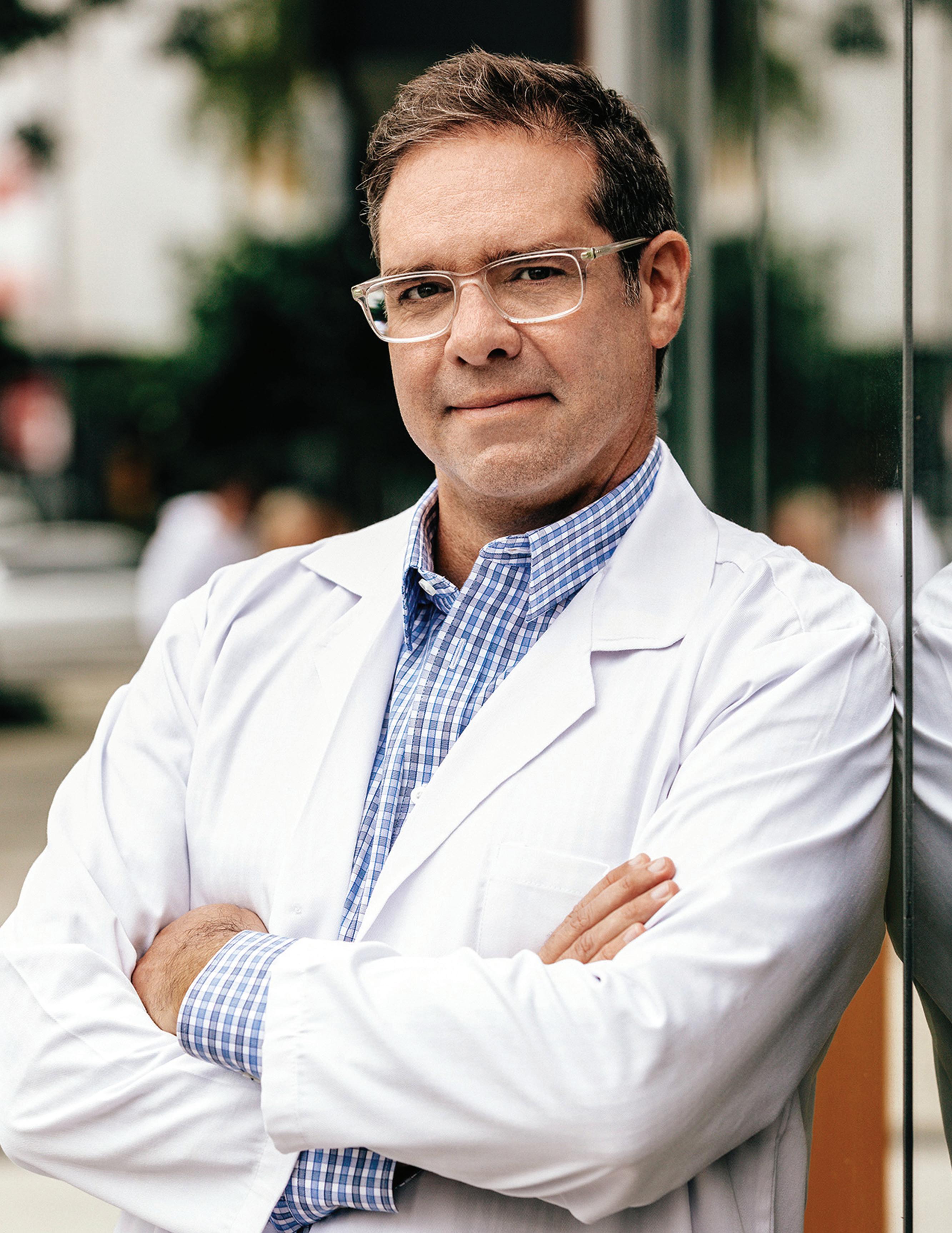
by Dr. Ian White
WHAT IS A STEM CELL?
A stem cell is a type of cell that can proliferate (divide) to make more copies of itself or can differentiate (mature) into other types of cells within the body. There are different stem cell hierarchies and functions within the body and these will be discussed below. An important note is that exogenous (transplanted) stem cells are not the cells responsible for the medicinal effects we see in the practice of regenerative medicine. Indeed, most of the products used successfully in regenerative medicine do not contain stem cells at all, but rather a heterogeneous population of mature cells with potent biological activities relevant to immunomodulation and tissue repair. These transplanted cells signal (communicate) with endogenous, tissue-specific stem cells and other regenerative cells within the patient’s body to orchestrate regenerative and reparative outcomes. We already know that the human body exhibits a robust capacity to replace aged cells within organs and tissues, daily (homeostasis) and in response to injury (repair). Collectively these activities are referred to as “regeneration”. Some dynamic tissues and organs (skin, intestine, blood etc) are more “regenerative” compared to others (brain, heart) with a capacity to replace hundreds of millions of cells every hour throughout an entire lifespan. The problem we face as a species is that over time, as we age, our endogenous ability to regenerate declines from a robust and sufficient level at birth to a depleted and insufficient level, which ultimately precipitates age-related disease and death.
in medical research and for the purposes of tissue engineering. In other words, ESCs, which if injected live into patients can form multi-cell-type tumors (teratomas) are used to understand stem cell biology in the lab or are differentiated into a terminal tissue for use in transplantation. These cells have a controversial history in science and medicine.
“Regenerative medicine is the practice of using various regenerative cells, EVs, matrices and growth factors to help repair damage by activating endogenous, tissue specific stem cells and other regenerative cells within the body of a patient.”
The stem cells we talk most about in regenerative medicine are adult stem cells, which are tissue-specific and reside within our organs and tissues. In the developing embryo, stem cells can differentiate into all types of specialized cells. In the adult, stem cells and their immediate progeny – progenitor cells, maintain adult tissues by repairing and replacing dead or damaged cells within their local neighborhood. Some parts of the body are limited by the extent they can regenerate, such as the brain and the heart. Conversely, other body parts (organs and tissues) require constant and consistent regeneration, such as the skin, blood, intestine, liver and even the epithelial layer that covers the cornea of the eye. In fact, if all stem cell activity stopped in our body, we’d have just a few hours to live. Stem cells are critical for our day-to-day survival, our response to injury and our ability to fight infection.
WHAT MAKES A STEM CELL A STEM CELL?
“Potency” refers to the differentiation potential (the potential to differentiate into different cell types) of the stem cell and is a fundamental trait of stem cells.
When an average person hears the words “stem cell” they typically think about one of the main types of stem cell in biology called embryonic stem cells (ESCs), which are isolated from the inner cell mass of a blastocyst (a multicellular product of the sperm and egg coming together). These cells are NOT used by physicians in clinical regenerative medicine (AKA cellular- or cytotherapy), rather they are a tool used
• Totipotent or omnipotent stem cells can differentiate into all embryonic and extraembryonic cell types. Such cells can make a whole new person from head-to-toe. These cells are the result of an egg and a sperm coming together. Cells produced by the first few divisions of the fertilized egg (within the blastocyst) are totipotent. In addition, science has provided
a novel source of totipotent stem cells. These cells are derived from adult keratinocytes (skin fibroblast cells) and directed back into an embryonic state using specific transcription (DNA activation) factors. These are referred to as induced Pluripotent Stem Cells (iPSCs), but are in fact totipotent just like ESCs (well, very similar).
• Pluripotent stem cells are the descendants of totipotent cells and can differentiate into many different cell types, but not all. They are limited to one of the three germ layers (mesoderm, ectoderm and endoderm).
• Multipotent stem cells (including HSCs - stem cells of the blood) can differentiate into a number of cell types, but only those of a closely related family of cells.
WHAT IS CELLULAR THERAPY?
When a part of the body that has limited regenerative ability becomes damaged or sick it is unable to sufficiently activate endogenous (native) stem cells to help with repair. Currently there are hundreds of clinical trials underway at clinics around the world using cellular therapies to address this issue for dozens of conditions broadly ranging from Alzheimer’s to Multiple Sclerosis to cardiovascular disease and many more. Hundreds of millions of dollars of federal and private money is being leveraged to test the efficacy of transplanting various
“types” of cells into patients to support compromised endogenous cells. For more information about these trials visit https://clinicaltrials.gov.
WHAT CELLS ARE BEING USED IN THERAPY?
Cellular or cytotherapy can be broadly split into two main approaches. The first relies on the body’s own regenerative cells and is known as “autologous” cell therapy. The second utilizes cells from an unrelated adult or neonatal donor, referred to as “allo” or “allogeneic” cell therapy. These cells are primarily obtained from umbilical tissue, which is typically discarded as medical waste following birth. This tissue can be collected by appropriate tissue banks with consent from the mother and transferred to a cGMPcompliant manufacturing laboratory for the isolation of the various regenerative components, including cells, EVs, extracellular matrix and growth factors (to be discussed in part 2).
There are currently three main sources of autologous cells for use in regenerative medicine -
1. Bone marrow, which requires extraction by drilling into bone, typically the iliac crest of the pelvis, and subsequently aspirating several milliliters of marrow.
“When a part of the body that has limited regenerative ability becomes damaged or sick it is unable to sufficiently activate endogenous (native) stem cells to help with repair. Currently there are hundreds of clinical trials underway at clinics around the world using cellular therapies to address this issue for dozens of conditions broadly ranging from Alzheimer’s to Multiple Sclerosis to cardiovascular disease and many more.”
This can be both painful and time consuming, but depending on the age of the patient, can yield a very large number of cells. The majority of the cells derived from bone marrow are hematopoietic (blood) stem cells (HSCs) and about 1 in 10,000 cells being MSCs. As patients age it becomes increasingly more difficult to harvest large number of regenerationcompetent cells, and those which are collected have relatively short telomeres (a part of the chromosome that allows cells to keep dividing - as we age they become shorter and shorter, until they reach a point where they are too short to allow further cell division and the cell dies). MSCs are very generalized cells that cling to the outside of blood vessels throughout the entire body (pericytes). They modulate immune reactions, mediate angiogenesis and facilitate tissue repair. These, together with endothelial cells, epithelial cells and leukocytes (blood cells) are the cells that primarily facilitate regeneration and repair throughout the body.
2. Adipose tissue (fat) and stromal vascular fraction (SVF). This product is harvested by liposuction. Because fat is heavily vascularized (has lots of small blood vessels and capillaries) and because MSCs adhere to the outside of blood vessels, lipo can yield a large number of MSCs. That said, adipose requires
rendering to extract the cells, which can damage the cells and also risks contamination from external bacterial, viral or fungal sources. This is one reason the FDA has issued warnings concerning the use of adipose-derived MSCs and SVF. Among those seeking cellular therapy, SVF is a popular treatment option mainly due to the large number of clinics that offer this minimally invasive service. Issues with patient age and decreasing telomere length and regenerative efficacy are an issue with adipose and SVF, just like bone marrow.
3. Peripheral blood. This is collected the same way a blood donation would be collected. The erythrocytes (red blood cells, RBCs) are then separated by density gradient and the remaining mononuclear cells (white blood cells) are infused back into the patient. This method is the least invasive but yields the fewest regeneration-competent cells as the majority of cells in the periphery of an adult are hematopoietic progenitor cells (HPCs) or mature cells, with a few circulating endothelial progenitor cells (EPCs) and MSCs. The primary value of this product are the concentrated platelets, which is referred to as platelet rich plasma (PRP) and generally functions as an irritant to re-engage the host immune system in repair. All autologous products suffer from the same age-related decline in efficacy.
WHAT ALTERNATIVE SOURCES OF CELLS EXIST FOR CYTOTHERAPY?
Harvesting tissue-specific stem cells comes with a multitude of challenges. For example, if a patient suffers from a compromised ocular (e.g. limbal) stem cell compartment it is not possible to harvest limbal stem cells from their conjunctiva and an alternative source of cells is required.
In many cases, cells obtained from umbilical cord blood (UCB) just after birth are a practical substitute. UCB-derived cells are primarily hematopoietic stem cells or progenitors with between 1-5% Mesenchymal Signaling Cells (MSCs). These cells are naive blood cells and have not matured to express HLA or MHC. As a result, they can typically be tolerated in a wide range of patients without immune rejection or adverse effects. By far the best source of MSCs is the Wharton’s Jelly, which is the connective tissue within the umbilical cord itself.
A typical cord can provide over 400,000 MSCs compared to 1 out of 10,000 bone marrow cells. These cells can be grown in culture to expand their numbers. However, the FDA does not currently allow the use of cultured MSCs in the US outside of an IND-approved clinical trial.
SUMMARY
It is important to reiterate that cells used in cryotherapy products do not “cure” disease. The mechanism of action is perhaps different for each indication, but the results come from the ability of transplanted cells to interact with, and stimulate, the patient’s own regenerative cells. Cytotherapy is used by physicians to help improve symptoms, modulate the immune system, induce angiogenesis
(formation of new blood vessel branching) and promote tissue regeneration.
Transplanted cells, received as part of a therapeutic intervention, do not engraft into the patient, but rather they communicate via paracrine (local) signaling to help drive the body’s own repair mechanisms. For this reason, older patients or those with comorbidities may respond to a lesser
“Cytotherapy is used by physicians to help improve symptoms, modulate the immune system, induce angiogenesis (formation of new blood vessel branching) and promote tissue regeneration.”
degree compared to a younger, relatively healthy patient. In the next part of this series, alternatives to using live cells in regenerative medicine will be discussed along with a focus on cutting out the middleman (cells) and working directly with the paracrine messages transported within extracellular vesicles and exosomes.
Dr. Ian White is an expert in the field of regenerative medicine with over 20 year’s experience in academia and industry. Dr. White is the founder, president and CSO of Neobiosis, a perinatal tissue manufacturing company, the scientific advisor to Top Doctor Magazine, and member of the Board of Directors for The American College of Regenerative Medicine.
SERVING A PRISON POPULATION
An
Interview with Dr. John S. Hodges, MD
WORDS
BY GAYE NEWTON
PProviding healthcare services in prison is challenging in ways most doctors never encounter. But the successes of doctors who pursue this practice are gratifying.
Dr. John S. Hodges, M.D., is a Chief Physician Surgeon at the Richard J. Donovan Correctional Facility (RJD) in San Diego, California. Of the nearly 100,000 inmates within the California Department of Corrections and Rehabilitation system (CDCR), about 3,300 reside in RJD as of Nov. 2021.
“I get to provide excellent care to the patients who reside at RJD, and along with that I try to interact with them in a way that will hopefully positively influence their lives. To accomplish mine and my patient’s shared goals I need to collaborate with other doctors, my nursing and custody
colleagues, and management,” he shared with Top Doctor Magazine.
Dr. Hodges developed an interest in correctional medicine while he treated patients who were frequently in and out of the prison system.
“I saw this marginalized group of people who were in and out of prison and I wanted to try and reach them more directly to see if I could provide some sort of light in their life. I started initially seeing patients in the clinic as a family physician and began to realize I could effect even more positive change in these patients’ lives in management so I pursued and was later promoted to Chief Physician Surgeon,” Dr. Hodges said.
AN UNDERSERVED POPULATION
The correctional population has the right to healthcare, but it isn’t that straightforward. Nationwide, correctional patients have high rates of chronic medical and mental illnesses as well as substance abuse.
“We are lucky to have our leadership at California Correctional Health Care Services (CCHCS) who really work day and night to ensure staff have the resources they need to provide excellent access to care and make sure we have the tools needed to accomplish our jobs,” Dr. Hodges said.
Dr. Hodges also mentioned that they are focusing on a program to allow medical students and residents to work onsite.
“To help young doctors, who may not otherwise think about correctional medicine see the opportunities, CCHCS has started an Educational Partnerships Program (EPP), which teams us up with medical students and residents who then come and work with us onsite. We can attribute one of our recent hires directly with this program,” Dr. Hodges said.
PRISON HEALTHCARE
A More Challenging Population
A rule of thumb says that long-term patients in correctional institutions are physiologically about 10 years older than their actual age. In addition, overall prison populations are aging. In one study, the percentage of inmates aged 55 or above increased by about 41% over five years.
Doctors face medical issues as well as the stress of prison life itself. But as Dr. Hodges points out, there’s no challenge that doctors cannot overcome.
“With inmate-patients, we are typically dealing with people that have never had regular healthcare throughout their lives.
You have to set clear expectations and oftentimes take more time to educate them than you would someone who is used to having healthcare and knows how to navigate the system. One example that comes to mind is a young patient with active tuberculosis. He refused treatment for some time and his condition continued to worsen but we eventually got him before a judge and with the assistance of our mental health colleagues we were able to prove that he did not have the mental capacity to make his own medical decisions. This led to a court order mandating the patient accept treatment and this extra effort really ended up saving his life,” Dr. Hodges shared.
Improving Prison Healthcare
“We are very lucky to have had extensive training in the area of substance abuse treatment and I received my X waiver about a year ago. It’s really one of the highlights of my career. Now just about every provider in CCHCS has their X waiver and we’re able to give so many patients with addiction problems their lives back by providing them with medical treatment. Not only that but we are preventing a lot of overdoses and deaths from overdoses by doing so. I have also received training in HIV and Hepatitis C treatment here in the prison system. There really are a lot of opportunities for growth and upward mobility. It’s amazing,” Dr. Hodges said.
The National Commission on Correctional Healthcare established standards for quality prison healthcare and now offers an accreditation program for institutions that adhere to those standards. Also, the California Correctional Health Care Services (CCHCS) produces care guides with suggested protocols for a wide array of symptoms and diseases. Other resourcesinclude formularies and lists for medications, medical supplies and patient orientation.
“
With the resources available, Dr. Hodges is able to provide the needed services and save a tremendous amount of costs by not needing to transport patients to off-site locations.
“We do have a number of measures that are better than what’s seen in Kaiser or MediCal patients, including diabetic control, blood pressure control and colorectal cancer screening,” Dr. Hodges explained when discussing the improvements made in the prison system.
Cost Concerns
Providing healthcare to a population of nearly 100,000 is expensive. Hospitalization costs include secure transportation, security while in the hospital and more expensive medical services. Any off-site visit to a specialist includes the costs for custody to transport them and guard them while out.
Therefore, having more on-site options helps manage costs. With the resources available, Dr. Hodges is able to provide the needed services and save a tremendous amount of costs by not needing to transport patients to off-site locations.
RJD recently became the fourth designated dialysis treatment institution in CDCR, joining San Quentin State Prison, California Health Care Facility and Wasco State Prison. The clinic is able to accomodate incarcerated patients in the Southern Region.
Additionally, they offer on-site services with specialists in Optometry, Ophthalmology,
Physical Therapy, Podiatry, HIV treatment, HCV treatment, Radiology/Imaging and ISUDT. They also have an excellent telemedicine department which allows them to work with all sorts of specialists, and they have recently implemented an e-consult service which provides them with quick access to many specialists online while also providing cost savings.
THE CHALLENGE OF COVID-19
A New Reality
Imagine a large population living close to one another in an enclosed space, having a higher percentage of chronic illnesses and an increasing overall average age. Now add COVID-19. This becomes a nightmare of a situation for medical staff.
“We’ve learned how vulnerable we are to this type of infection and how easy it is to transmit. Never once have we had an outbreak like this,” Dr. Hodges explained.
The CCHCS and CDCR issued protocols based on recommendations of the California Department of Public Health and the CDC. Dr. Hodges and his team can now address any medical needs that come up, such as monoclonal antibody treatment, quarantine and isolation procedures, and testing protocols.
IN THE FUTURE
“I think telemedicine will fill the gaps in medical access for rural and underserved communities,” he shared. Dr. Hodges envisions medical advancements that will benefit incarcerated populations, including the growth of telemedicine.
“You know in a lot of ways I think we’re more advanced than the primary care I’ve seen outside of these prison walls. Not only have we been using telemedicine for primary care and specialty visits for years before COVID changed our world, but we have very advanced dashboards and registries created by our Quality Management department that gives us real time data about our patients. We know what screenings and follow up they are due for
along with results, diabetes control, COVID status all in real time. These are the tools that help me to be the best doctor for these patients that I can,” he shared.
Dr. Hodges believes that prison healthcare has much to offer to the future of medicine.
CONCLUSION
Being a doctor in a prison environment can be difficult, but as Dr. Hodges showed us, there are plenty of rewards. He and his colleagues take full advantage of available resources, and they educate this population so that they are more likely to accept care.
Dedicated to his patients, Dr. Hodges is living a unique, fulfilling career journey.
5 possible wellness benefits of
therapy iv
WORDS BY YUKO TABASA
People are nowadays looking for the quickest way to make the most out of something, which is understandable, given our fast-paced lifestyle. One trend that has caught on in recent years is Intravenous Therapy or IV Therapy. If it sounds familiar to you, it may be because you’ve heard of celebrities like Madonna and Rihanna swearing by this form of therapy’s benefits.
What Is IV Therapy?
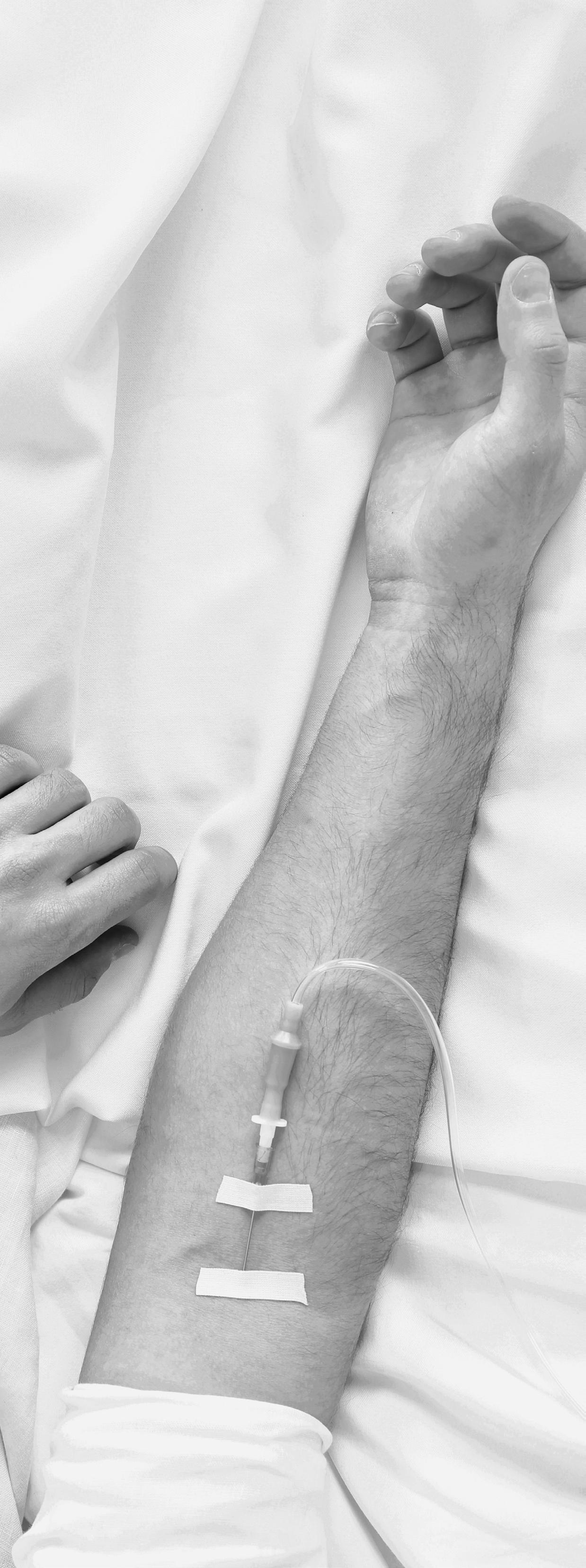
IV therapy directly administers fluids packed with specific nutrients and minerals to the body through blood vessels. Since it bypasses the digestive system, this express method of jamming our bloodstream with essential vitamins has recently become a popular alternative to taking oral supplements. IV therapy can either be given via injection or hydration drip.
IV Therapy Makes Up for Nutritional Deficits
One of IV therapy’s benefits is it allows one to be very specific in choosing which nutrients and minerals enter one’s body. You can choose whatever vitamins you desire when undertaking the therapy. However, it has to be noted that it is still a medical procedure at heart and must be performed by an expert in the medical field.
Since it allows for the flexibility of hand-picking the nutrients and minerals to be infused, IV therapy can treat nutritional deficiencies such as iron deficiency. Complex disorders and malabsorption issues can also be treated this way. In addition, diseases such as Crohn’s, Celiac disease and cystic fibrosis can be potentially treated with IV therapy as well.
“IV therapy should be used in a supplemental way rather than an outright replacement to regular exercise and diet.”
IV Therapy Can Help Manage Weight
Going for IV therapy to help in weight management can be very beneficial for someone trying to reduce those pesky numbers on the weighing scale. Sometimes we all need a little help in this department and having a nudge from modern medical technology is nothing to be ashamed of.
Choosing an infusion of key nutrients like carnitine, an essential amino acid that turns fat into energy, and alpha-lipoic acid, an antioxidant that helps boost metabolism, can assist people with weight management. However, it has to be noted that IV therapy should be used in a supplemental way rather than an outright replacement to regular exercise and diet. IV therapy helps in weight management, but patients who opt for it must still exercise consistently and eat properly.
IV Therapy Promotes Better Cardiovascular Health
A healthier heart makes our bodies healthier, too! As we get older, it’s only natural that our bodies begin to weaken. Therefore, we should be trying our best to improve our cardiovascular health. With IV therapy, keeping our hearts healthy should be more easily achieved.
Opting for IV therapy that improves cardiovascular health can include a mix of magnesium sulfate, calcium, tri amino and arginine, as these four compounds specifically assist in blood-related functions:
• Magnesium has been observed to play a role in blood pressure regulation.
• Calcium regulates how blood vessels dilate and contract.
• Tri-amino and arginine assist in blood pressure reduction.
IV Therapy Can Boost Energy Levels
Are you feeling a little sluggish? B-complex vitamins, such as vitamin B12 and B9, are a go-to source for our bodies’ energy. IV vitamin therapy focusing on the B family of vitamins can give one’s body a more ‘natural’ boost of energy compared to ingesting sodas, coffee and energy drinks that could otherwise be unhealthy for one’s body.
The B family of vitamins are much-needed nutrients for the body, and a boost in the system can help natural energy levels rise. They’re also a big help in curbing whatever cravings you have for unhealthy foods.
IV Therapy Can Enhance Immunity
Considering any nutrient or mineral can be used in an IV therapy drip, vitamin C and zinc can be utilized to provide an extra nudge in assisting with immune responses and overall health.
Vitamin C is well known for being an antioxidant that promotes the well-being and health of one’s immune system. On the other hand, zinc is a mineral observed to help strengthen the immune system via protection against infections.
A Parting Reminder
While IV therapy is certainly a valid option in obtaining all these effects and benefits, one can consume the appropriate foods to receive the same benefits, albeit orally! So whether you choose to go for IV therapy as a supplemental addition to your routine or go the usual way of eating your vegetables and exercising regularly, the important thing is these are all keys to achieving a healthier and better you!
MUCH MORE THAN SIMPLY TREATMENT
DEDICATED FAMILY MEDICINE IN LOS ANGELES, CA
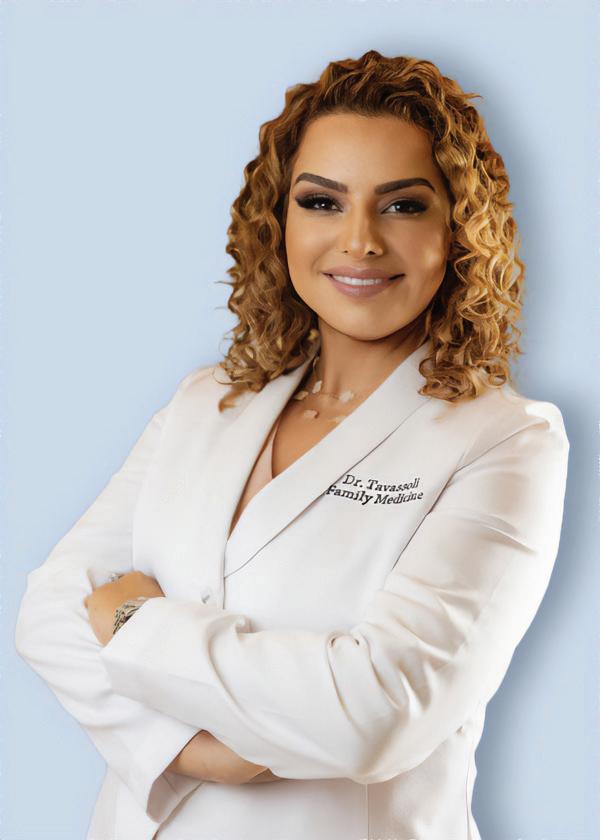
With every patient that walks into the Beverly Hills Medical Institute, Dr. Shaghayegh Tavassoli’s primary goal is to build a relationship that will last a lifetime. Her services are strategically centered around comprehensively treating the individual, not just the symptoms.
• PATIENTS LOVE THE GENTLE APPROACH AND ATTENTION TO DETAIL
• CONVENIENTLY LOCATED NEAR THE CEDARS-SINAI MEDICAL CENTER
• CURATED INDIVIDUAL TREATMENT PLANS JUST FOR YOU!
EMPOWERING cancer patients
Exploring Integrative Oncology with Dr. Heidi Rula, Md
WORDS BY GAYE NEWTON
When you have a serious illness such as cancer, you often feel emotionally drained and helpless, as things are being done to you and well-meaning people tell you what to do. But there are integrative oncologists—doctors who can show you how to be a significant player in your own care! They help you ease side effects, understand what is happening to you, learn what you can do to feel better and increase your chance of regaining a healthy life.
Dr. Heidi Rula, MD, is the Medical Director of Supportive Care Services at Ironwood Cancer & Research Centers in the Phoenix, Arizona metro area.
“I am an integrative oncology physician. I support cancer patients as they go through and recover from treatment, and I also provide survivorship programs,” she shared.
In over 20 years of practicing in the Phoenix area, Dr. Rula has been a local pioneer, playing a crucial role in introducing integrative medicine to the area and launching the center’s Integrative Oncology program.
She helped develop a way to combine primary care and complementary therapies.
Dr. Rula’s career path was inspired by her mother, who had terminal cancer about 20 years ago. She shared how,
“At that time, integrative oncology was just starting, and there were few supportive services for cancer patients. No whole-person experience of cancer care, just drug treatments. That motivated me to look at health and healing in a different way,” she said.
With Dr. Rula as our guide, let’s explore integrative oncology—what it is and how it benefits cancer patients.
WHAT IS INTEGRATIVE ONCOLOGY?
In the Journal of the National Cancer Institute, integrative oncology is defined as a patient-centered, evidence-informed field of cancer care that utilizes mind and body practices, natural products and/ or lifestyle modifications from different traditions alongside conventional cancer treatments. Integrative oncology treats mind, body, and spirit, giving physical and emotional support as patients experience chemotherapy, surgery and primary care medications.
“
Once they’ve completed treatment, I help them deal with the after effects and show them how to get back to living again.
- DR. HEIDI RULA
“I consult with patients, helping them with side effect management and recovery from cancer treatments. Integrative oncology is really about providing holistic support for patients during and beyond their cancer treatment—side effect management, overall wellness and lifestyle changes,” she said.
Dr. Rula explains that “the goal is to bring these two worlds together—traditional and integrative—in a team-based model with various professions.”
• Biologically based practices: diet, nutritional supplements, herbs, and exercise.
• Physical techniques: acupuncture, Reiki, and Tai chi.
Therapies also include support groups. Specific techniques used are based on what is safe and effective for each patient’s needs and conditions.
ALL PHASES OF CANCER CARE
Integrative treatment parallels the entire range of cancer care, from diagnosis through completed treatment and prevention of recurrence. In a recent presentation, Dr. Rula outlined the practice:
“We work with all phases of cancer care. We help decrease side effects, gear up for surgery, promote healing and address complications. We incorporate complementary therapies to help them better tolerate conventional treatment,” Dr. Rula said.
Another essential role involves survivorship, where patients learn to take an active role in reducing the chance of cancer recurrence.
“Once they’ve completed treatment, I help them deal with the after effects and show them how to get back to living again,” Dr. Rula explained.
LIFESTYLE
“Lifestyle choices are the foundation for your health. Studies in pharmaceutical journals have concluded that only five to 10 percent of cancers are related to genetics. All others have environmental and lifestyle factors. This is where you can take ownership for your own care,” she said.
“ It’s been incredibly rewarding to work with these patients. It’s exciting to be able to change the cancer care experience.
- DR. HEIDI RULA
Dr. Rula emphasizes the relevance of lifestyle factors in the development of cancer.
In 60- to 90-minute consultations, Dr. Rula discusses with each patient their personal goals and collaborates with them to develop a plan for ongoing health. During these discussions, they get into lifestyle, nutrition, support systems, physical activity, sleep, and medical history.
Dr. Rula outlined steps patients can take to prevent a recurrence, starting with a healthy diet. She pointed out that “35% of cancers have a diet component.”
Decreasing the harmful toxin intake, such as smoking and alcohol, increasing daily exercise, getting ample sleep and managing stress levels contribute to a healthy lifestyle. And fortunately, they are all viable choices.
EMPOWERMENT AND INVOLVEMENT
Dr. Rula explained that integrative oncology is “very patient-centered. We really try to work with each patient to identify their health goals and their preferred ways of addressing their health issues. We educate, empower, and inspire them to take that active role.”
As an example of how integrative oncology helps, she recalls one patient:
“This woman with breast cancer was really overwhelmed with her diagnosis and couldn’t imagine getting through it. She believed it was something she would never recover from, and she felt she was losing control of her life. So I worked with her, laying out all the different aspects and identifying how we could support her and help get her through it all. We talked about what we could do during her chemotherapy and recovery. It was great to see her start to feel like she would conquer this. She had a strong vision of her own good health in the end.”
THE FUTURE OF INTEGRATIVE ONCOLOGY
Dr. Rula sees a hopeful future for cancer care. Treatments will be less toxic and more manageable for patients. As for integrative oncology,
“That is going to be more of a standard of care. You’re seeing more and more centers around the country incorporating integrative oncology services. And so I think patients will expect these services to be available,” she said.
The integrative oncology field is growing and becoming more widely recognized. As a result, oncology providers are supportive of and refer patients to complementary therapies. In one study, 46% of patients used complementary therapies because it gave them hope and more control over their situation.
A PARTING REMINDER
The growing field of integrative oncology is about helping patients cope, giving them options, and showing them that they are not helpless. When you know you can play a role in your own care, things improve—your outlook, your relationships with your doctors and the overall quality of your care.
Dr. Rula is happy to stay in the field.
“It’s been incredibly rewarding to work with these patients. It’s exciting to be able to change the cancer care experience,” she said.
This evidence-based approach, added to primary care treatments, treats the whole person. You know you are not alone. You have options. And you are empowered.
Richard MacDonald has spent more than 50 years creating pieces that capture the beauty of the human spirit in motion. With inspiration brought to life using live models from celebrated brands such as the Royal Ballet, Olympic Games, US Open and Cirque du Soleil, Richard MacDonald is part of an enduring legacy that brings bronze sculpture into the 21st century.