
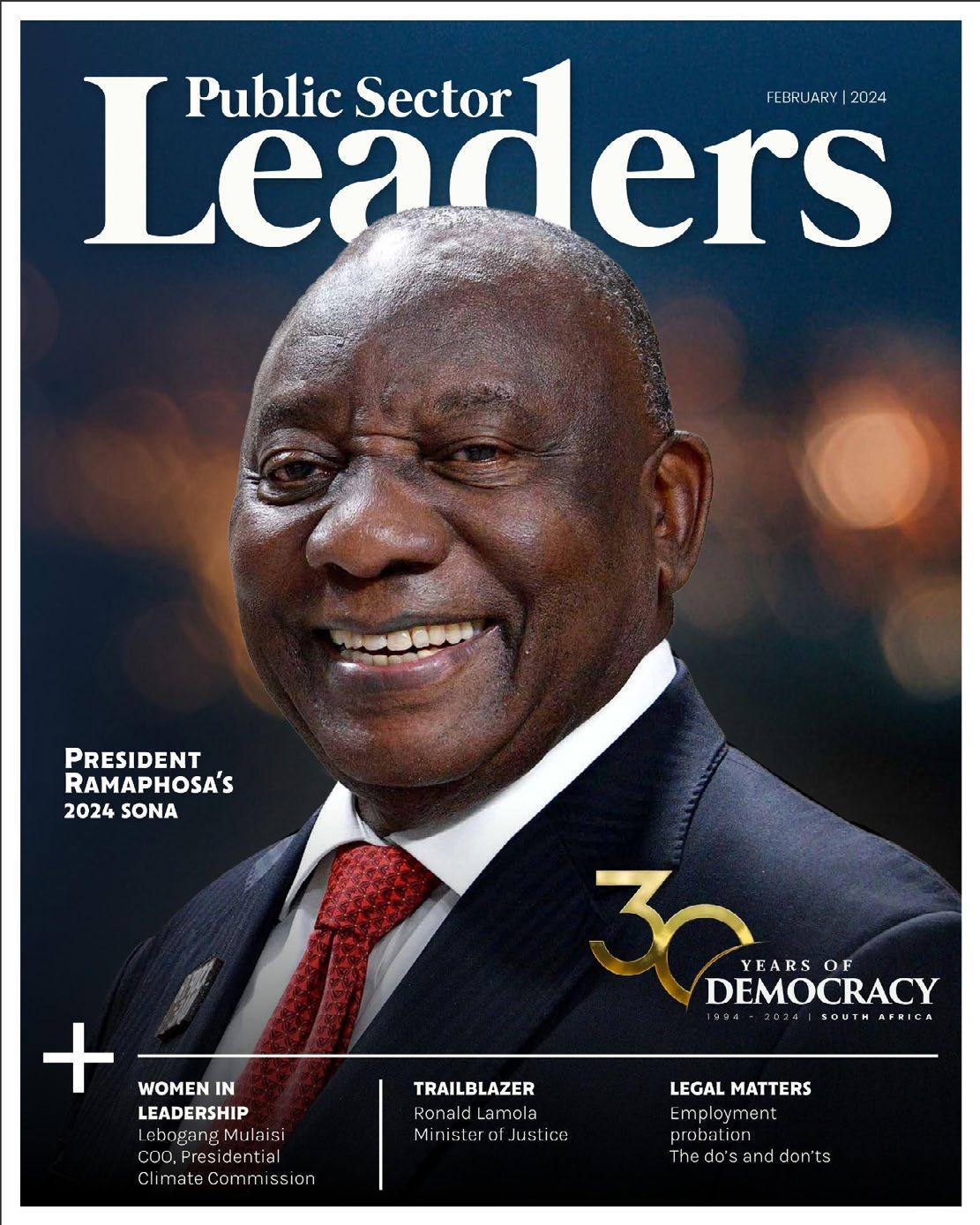
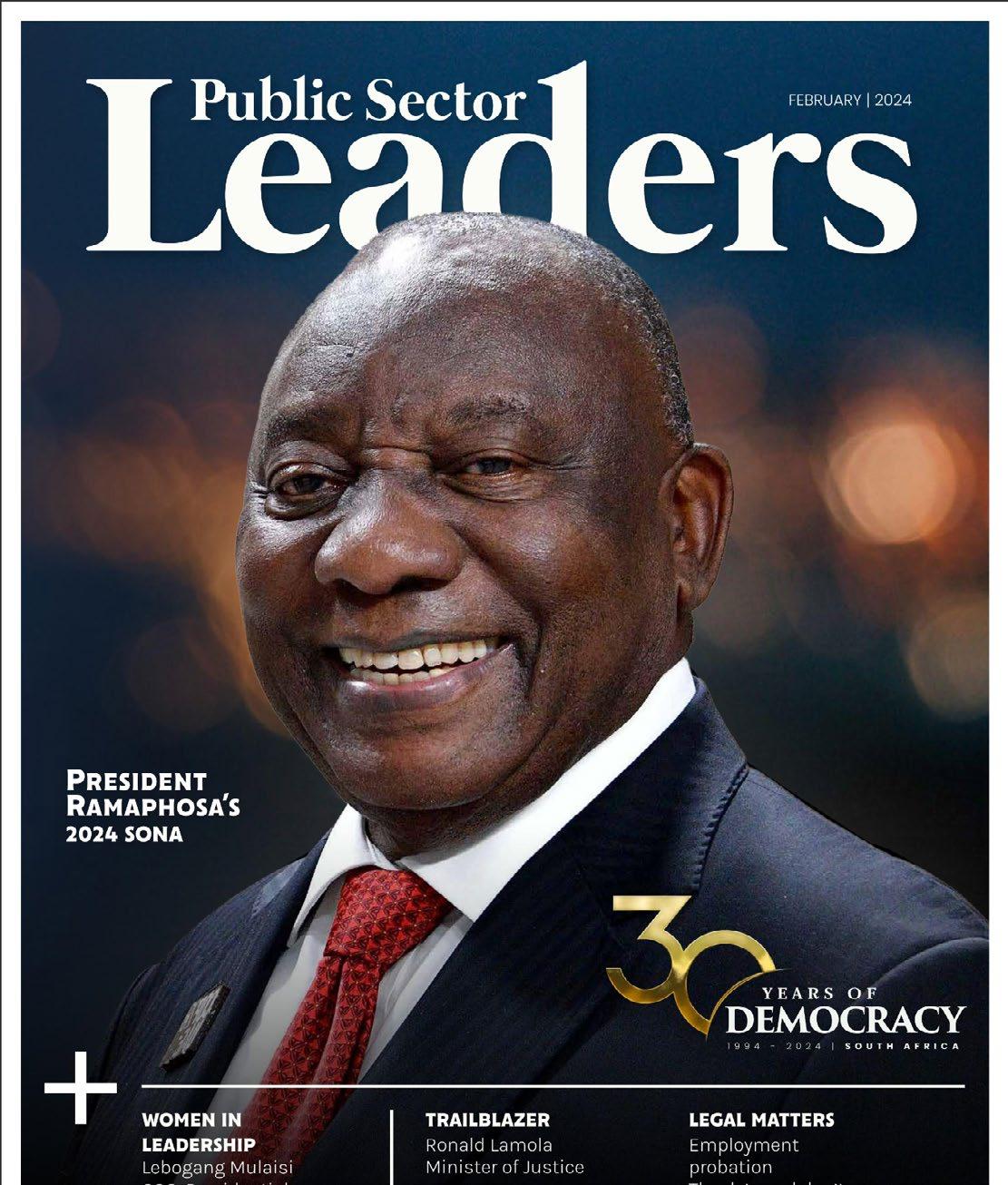

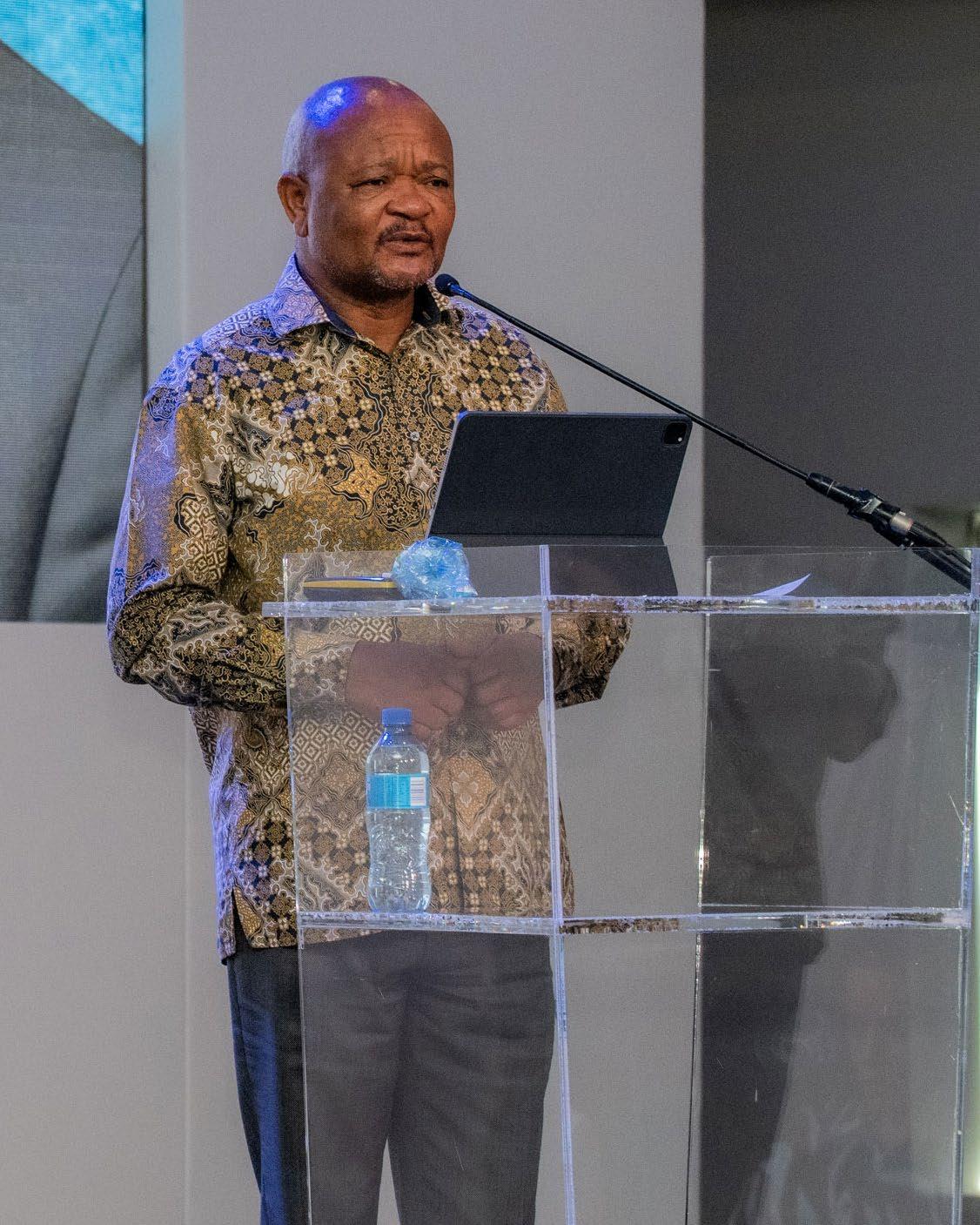

The Public Sector Leaders Summit is a highly respected and prestigious cross-government programme, recognising and celebrating the wealth of inspirational individuals and innovative projects within the Public Sector. In 2025 Topco Media launches this unique and empowering 2-Day Conference & Awards highlighting best practice right across government, sharing innovation, learning and leadership. 23-24 JUNE 2025 |


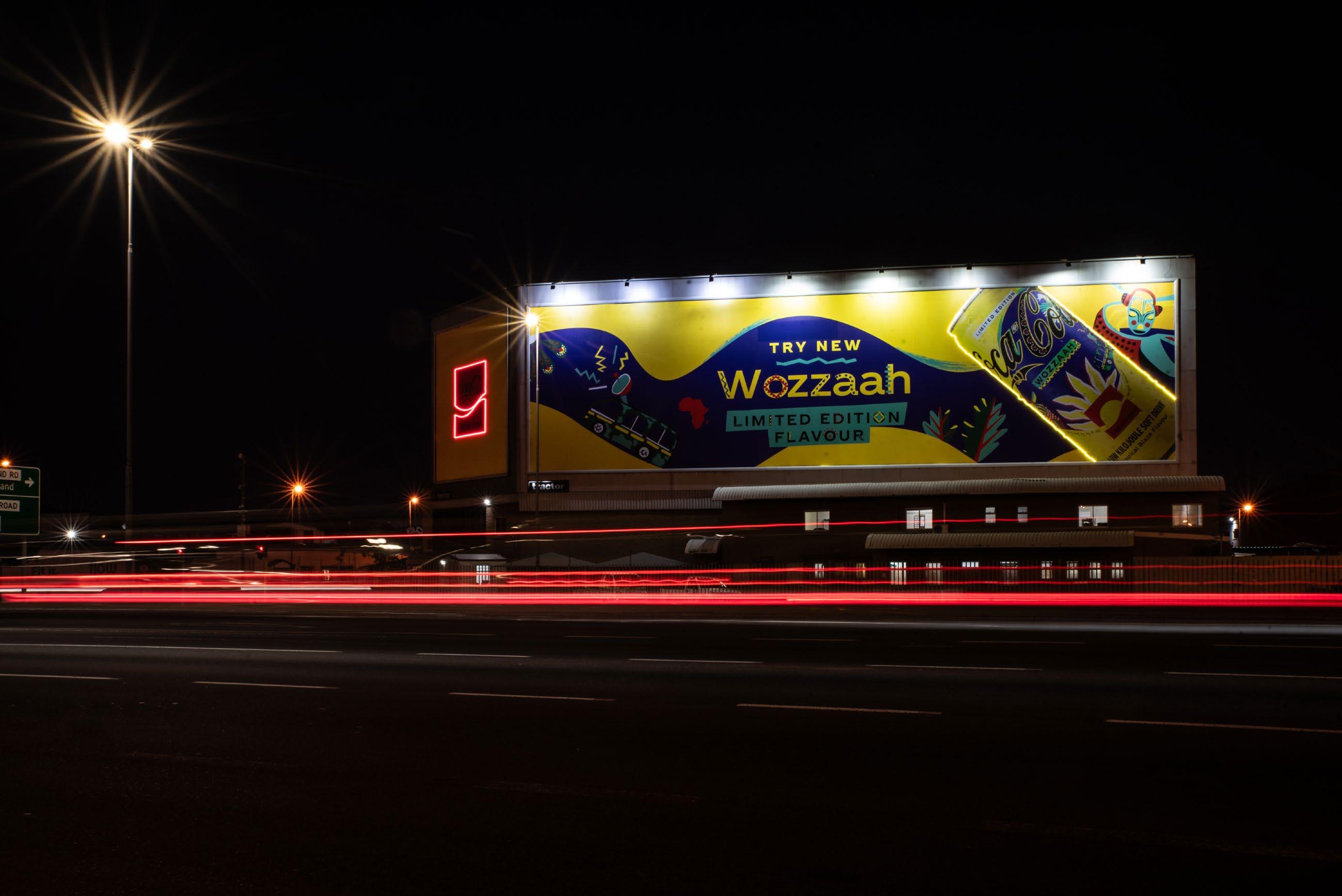
Tractor Outdoor is a leading national out-of-home (OOH) media company in South Africa, specialising in connecting brands with consumers through an extensive network of traditional and digital OOH platforms.
Tractor Outdoor is a leading national out-of-home (OOH) media company in South Africa, specialising in connecting brands with consumers through an extensive network of traditional and digital OOH platforms.
Tractor Outdoor is a leading national out-of-home (OOH) media company in South Africa, specialising in connecting brands with consumers through an extensive network of traditional and digital OOH platforms.
Tractor Outdoor is a leading national out-of-home (OOH) media company in South Africa, specialising in connecting brands with consumers through an extensive network of traditional and digital OOH platforms.
With one of the country's largest digital OOH networks, we help people, places, and businesses grow stronger. Committed to sustainability, we actively invest in community development, making a positive impact on the environment and localcommunities.
With one of the country's largest digital OOH networks, we help people, places, and businesses grow stronger. Committed to sustainability, we actively invest in community development, making a positive impact on the environment and localcommunities.
With one of the country's largest digital OOH networks, we help people, places, and businesses grow stronger. Committed to sustainability, we actively invest in community development, making a positive impact on the environment and localcommunities.
With one of the country's largest digital OOH networks, we help people, places, and businesses grow stronger. Committed to sustainability, we actively invest in community development, making a positive impact on the environment and localcommunities.



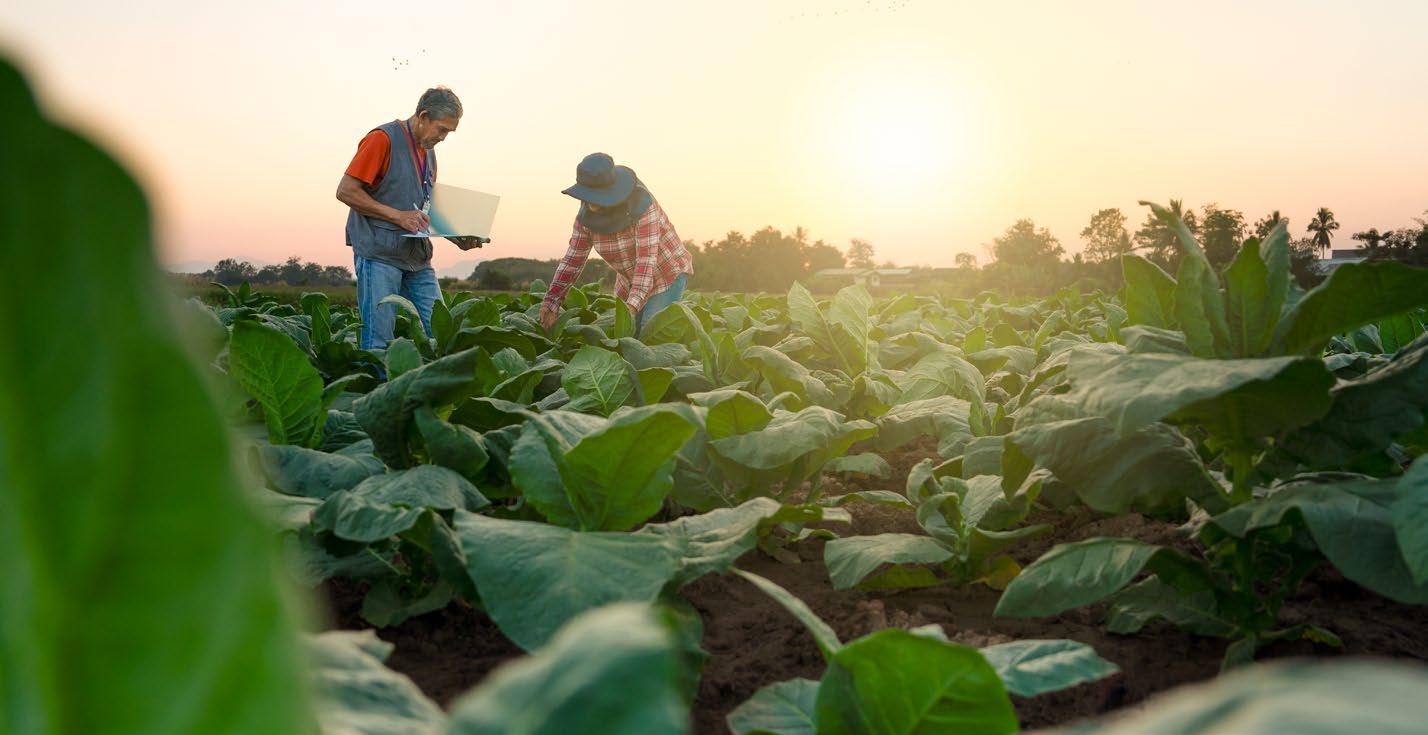
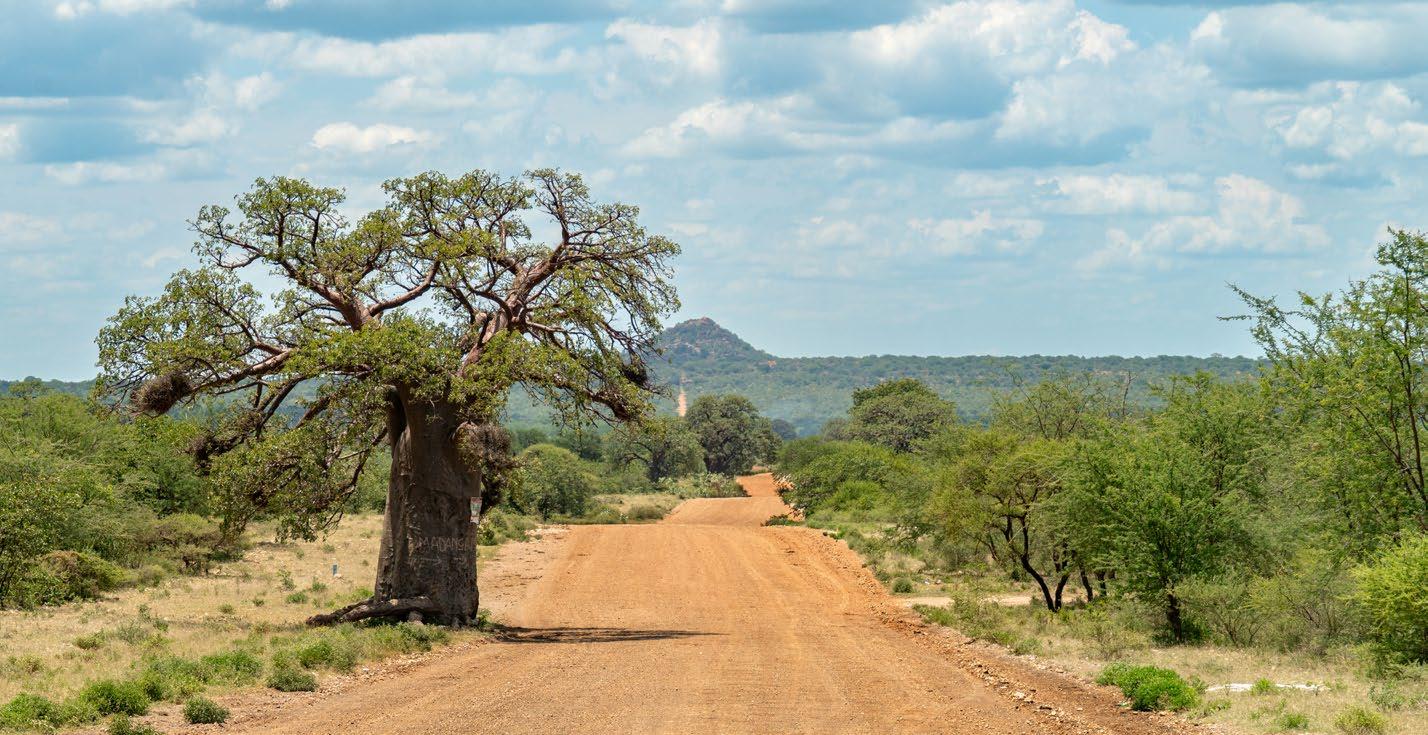
Limpopo: Driving economic
Bridging the gap: How AI is transforming financial planning in
The

PUBLIC SECTOR LEADERS
The Digimag For Leaders In The South African Public Sector Fully Accredited Member of ABC

Advertising Sales, Distribution and Subscriptions
Top Media & Communications (Pty) Ltd
Tel: 086 000 9590 info@topco.co.za | www.topco.co.za
CEO Ralf Fletcher
TOPCO STUDIO
Production Director
Van Fletcher van.fletcher@topco.co.za
Group Editor
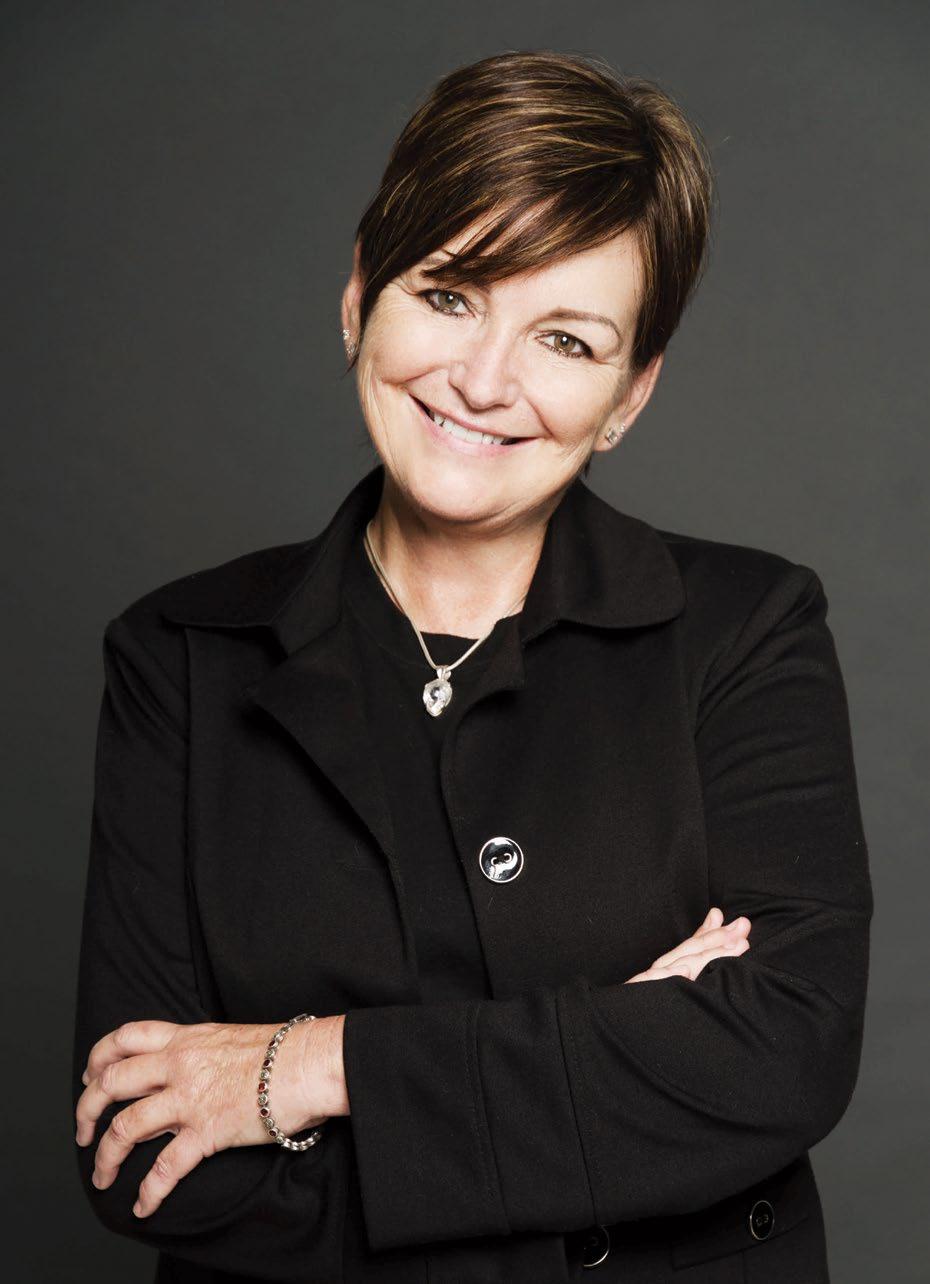
Fiona Wakelin fiona.wakelin@topco.co.za

Deputy Editor
Koketso Mamabolo koketso.mamabolo@topco.co.za
Assistant Editor
Shumirai Chimombe shumirai.chimombe@topco.co.za
Contributors
Jessie Taylor
Dr Mmaki Jantjies
Sue Ramauthar
Wandile Sihlobo
Mango Growers’ Association
Kerry Kilpin
Design
Tashwell Brown
Nasreen Emeran
Traffic Manager
Daniël Bouwer artwork@topco.co.za
SALES
National Project Manager
Emlyn Dunn
Tel: 072 1263962 emlyn.dunn@topco.co.za
Brand Coordinator
Sidney Phiri
sidney.phiri@topco.co.za
Printers LAW Print Images iStock / Unsplash / GCIS | Flickr | FREEP!K
Digital Publishing Platforms Issuu Magzter Media Carrier
Head Office
Top Media & Communications (Pty) Ltd T/A Topco Media Elkay House, 186 Loop St Cape Town
Tel: +27 86 000 9590
Fax: +27 21 423 7576
Email: info@topco.co.za

DISCLAIMER
All rights reserved. No part of this publication may be reproduced, stored in a retrieval system or transmitted, in any form or by any means, electronic, mechanical, photocopying, recording or otherwise, without the prior written consent of Top Media & Communications (Pty) Ltd T/A Topco Media. Reg. No. 2011/105655/07. While every care has been taken when compiling this publication, the publishers, editor and contributors accept no responsibility for any consequences arising from any errors or emissions.






















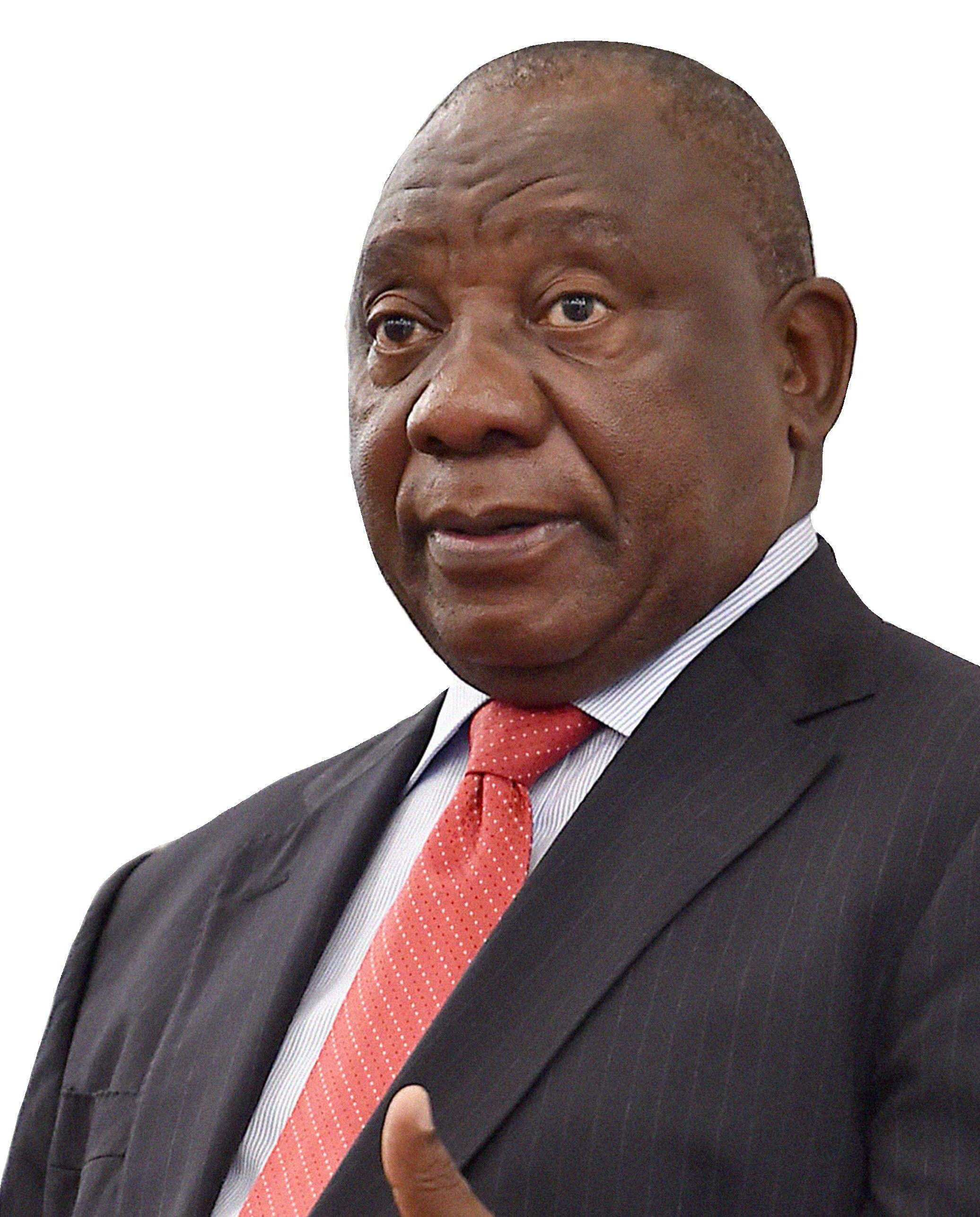
In his letter penned to the nation on 9 December, His Excellency Cyril Ramaphosa took the opportunity to review the successes and challenges of 2024.
“Our democracy has evolved and matured. We have a Government of National Unity comprised of 10 political parties from across the political spectrum. They have agreed on three strategic priorities for this administration. The first
strategic priority is to grow our economy and create jobs. The structural reforms initiated under the sixth administration are continuing to create conditions for our economy to grow and to create jobs,” – President Ramaphosa.
A term that gained traction during, and post, the pandemic was “hybrid” – and, in a way this is a hybrid edition, straddling 2 years –December 2024 and January 2025. Fittingly our front cover is a montage of Public Sector Leaders whom we featured throughout the year.
Inside, our Trailblazer is the indefatigable Justice Cameron, Chancellor of Stellenbosch University and our Woman in Leadership focus falls on Kaashifah Beukes - empowering women in South Africa’s economic zones. If you are travelling to Europe any time soon, our regular feature In Other News takes a look at the Schengen visa and why Africans face high rejection rates. Appropriately for this time of year, Legal Matters covers those important issues such as bonuses/ leave/overtime – and Financial Fitness brings you an interesting take on how AI is transforming financial planning in South Africa. Speaking of tech, Dr Mmaki Jantjies zooms in on the trends we can look forward to in 2025.
A name that has been on many people’s lips in the last few months, for a variety of reasons, is Donald Trump – and contributing author, Wandile Sihlobo gives us some insight as to what this means for
BY FIONA WAKELIN
SA’s agricultural sector. Speaking of elections, did you know that people went to the polls in no less than 15 countries on the African continent during 2024? We have a snapshot of these events and where they took place for you in this edition.
Welcome to the December/ January edition of Public Sector Leaders (PSL) EDITOR’S LETTER
In Sporting Action we take a look in the rearview at the excitement on our playing fields and waterways over the past year and Sue Ramathaur shares the importance of stretching in Health and Wellness. The 16 Days of Activism for No Violence Against Women and Children stretched from November into December and we dedicate space in PSL to this important reminder of the “second pandemic” in our country.
Looking towards the festive season we have some delicious recipes to whet your appetite; tips to keep you safe – and how to avoid Januworry.
From myself and our amazing team, thank you for your support during 2024, have a happy, safe festive season and we look forward to seeing you in 2025.
FIONA WAKELIN | GROUP EDITOR
BY FIONA WAKELIN
In his letter to the nation penned on 9 December, His Excellency Cyril Ramaphosa, used the opportunity to recap the triumphs and struggles of 2024. First and foremost, H.E. noted that this was the 30th year of our democracy and during it we held our seventh successful, free and fair general election with an unprecedented 70 political parties contesting.
“Our democracy has evolved and matured. We have a Government of National Unity comprised of 10 political parties from across the political spectrum. They have agreed on three strategic priorities for this administration. The first strategic priority is to grow our economy and create jobs. The structural reforms initiated under the sixth administration are continuing to create conditions for our economy to grow and to create jobs,” – President Ramaphosa.
The next victory H.E. noted was that the country has had over 250 days with no loadshedding - due to a combination of increased maintenance and generation recovery by Eskom, the addition of
more capacity to the grid including from renewables, and the large-scale uptake of solar and battery energy solutions by households and businesses.
President Ramaphosa then focused on our rail system and the fact that there has been a significant recovery of commuter rail since the theft and vandalism during the COVID pandemic which nearly destroyed the network. Stations have been refurbished, new state-of-the-art trains are on the tracks, and 31 out of 40 key passenger corridors are now operational. There were 40 million commuter rail passengers in the last financial year, up from 15 million passengers the previous year.
And “while unemployment levels remain extremely high, more South Africans are finding jobs. The second strategic priority of this administration is to reduce poverty and tackle the high cost of living. Consumer inflation is at a four-year low, making essential goods like fuel and most food staples more affordable. Over the past twelve months, fuel prices have come down.
“Around 60% of the national budget is dedicated towards the ‘social wage’.
These are the measures that reduce poverty and directly improve people’s lives. In addition to the provision of grants to vulnerable groups and unemployed people, this social wage includes subsidised housing, free basic services, no-fee schools and school nutrition. Government has been able to sustain these measures even as public finances are under severe pressure,” – His Excellency.
President Ramaphosa then went on to detail the struggles we encountered during 2024:
The devastating deaths of a number of children from eating contaminated foodstuffs.
The pace of economic growth is still too slow and not enough jobs are being created. Families still struggle with the high cost of living.
Crime and violence is still widespread in many communities.
Disruptions in the supply of electricity and clean water is a major problem in many municipalities. Many local councils are plagued by poor governance, limited capacity and severe financial constraints.
“These are the challenges we are grappling with. We have identified local government as a major focus in this administration. Through initiatives like the Presidential eThekwini Working Group, we are bringing all stakeholders together to solve local problems. The progress we have made this past year and during the course of the previous administration shows that we can overcome the difficulties our country faces.
As the host of the G20 next year, South Africa will play an important role in addressing the challenges that many countries across the world experience. We will seek common solutions that improve the lives of all our people. Overcoming poverty and underdevelopment, creating more jobs, and addressing societal ills like gender-based violence requires that we must all play our part, where we can.
On many fronts, this year has been better than the last. We will build on these achievements in 2025,” – President Ramaphosa.
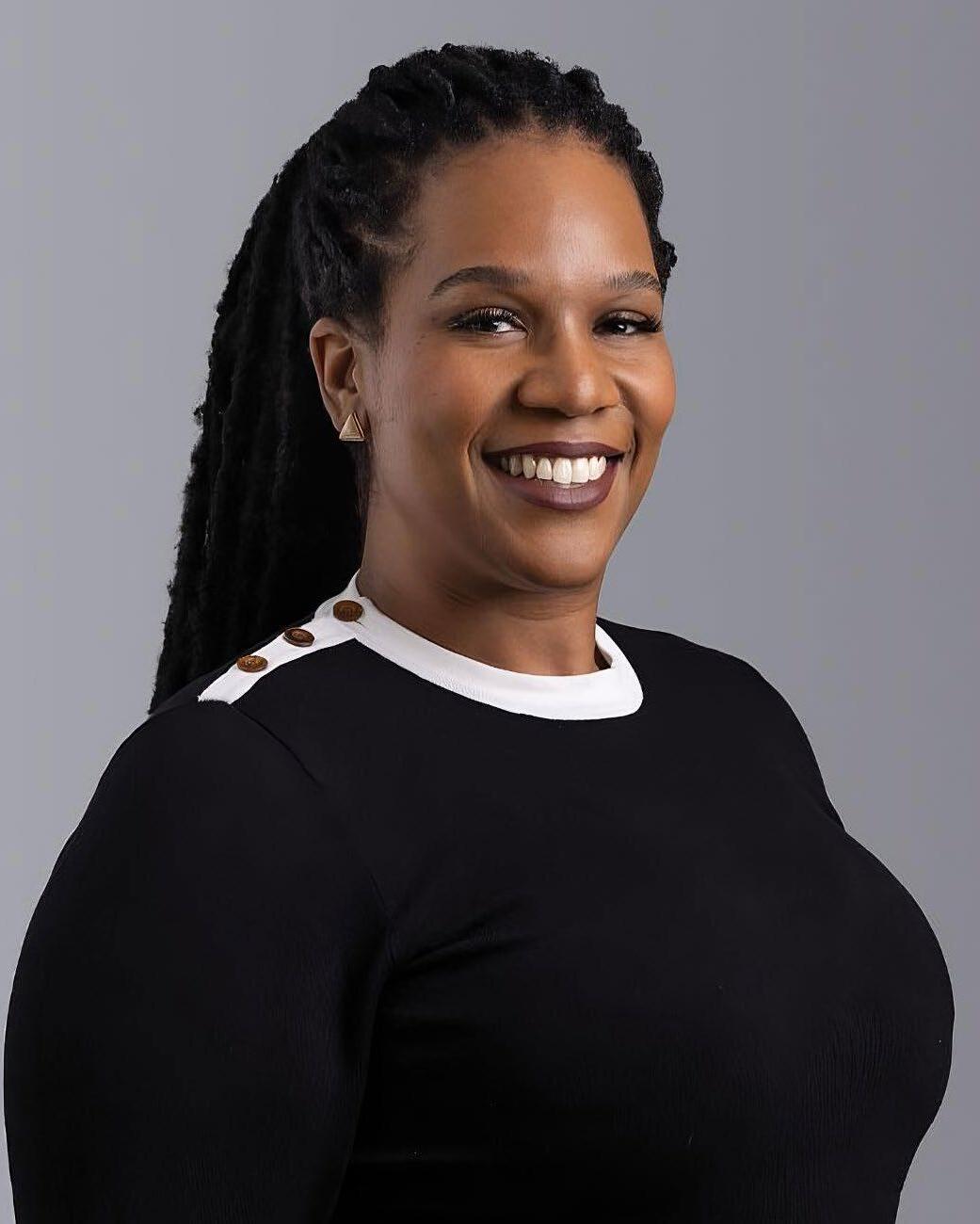
Cliffe Dekker Hofmeyr Inc (CDH) is a law firm committed to playing its part as a responsible corporate citizen and to making a contribution toward the positive transformation of our society. One of the ways CDH demonstrates this commitment is through its small but mighty Pro Bono and Human Rights Practice, made up of seasoned legal practitioners who are passionate about enforcing, protecting and, where necessary, developing a wide range of human rights. Two of these practitioners are Director, Brigitta Mangale and Senior Associate, Elgene Roos.
From as early as she can remember, Brigitta had the sense that her life ought to be dedicated to fighting for positive change, that she should lead with a spirit of generosity and compassion, and that her life should be spent in service, empowerment and upliftment. Brigitta is passionate about all she does, and has built a career as a formidable litigator – a career on which she is proud to reflect in this her tenth year in practice.
Brigitta was honoured to have started her legal career in 2014 – as a candidate attorney and then later an associate and thereafter senior associate – at a reputable law firm in South Africa in which she practiced commercial litigation. During her time in practice at this commercial
law firm, she was able to lay the foundation for her fierce and strategic approach to litigation and dispute resolution. While there is no doubt that her time practicing commercial law developed invaluable skills, her call to do good, to empower the vulnerable and to be of service, beckoned.
She was fortunate to be offered the opportunity to build CDH’s Pro Bono & Human Rights Practice in Cape Town effectively from the beginning of 2018. While CDH’s Johannesburgbased Practice had been well established since 2011 and was itself making significant contributions to a wide range of public interest issues and objectives, a dedicated Cape Town presence was in need. Since 2018, Brigitta has led the running of the Cape Town Pro Bono & Human Rights Practice, and has built a practice from the ground up that has run strategic and public interest litigation, community projects, legal education workshops, and that has partnered with some of our country’s most impactful public interest organisations. Brigitta is proud to have built a practice with a primary focus on women’s rights and issues, with a further focus on land rights and uplifting and empowering previously disadvantaged communities, and with a budding focus on children’s rights.
Elgene is a driving force for positive change. Her impressive career trajectory, marked by dedication, strategic thinking, and a deep commitment to social justice, reflects a blend of legal expertise
and humanitarian passion. Elgene’s journey exemplifies the impact of legal expertise combined with unwavering commitment.
From a strong foundation in economics and law established at the University of the Western Cape, Elgene has built a career focused on empowering vulnerable communities. This commitment is evident in her current role as a Senior Associate at CDH, where she tackles complex issues head-on, specialising in migrant rights, citizenship law, women’s and children’s rights, and constitutional and administrative litigation.
Elgene’s path to CDH is equally impressive. Previously at a law firm based in Johannesburg, she honed her skills in class-action litigation, focusing on critical Occupational Health and Safety and Mine Health and Safety cases within the South African coal mining sector. This experience provided valuable insights into largescale litigation, strategic planning, and managing complex projects.
Elgene started her career by serving her articles at a non-profit public interest law centre dedicated to upholding constitutional rights. She remained as an attorney at the centre after completing her articles, and was appointed Lead Attorney in the Forced Migration Focus Area in 2019. There, she spearheaded the strategic direction and implementation of projects focused on refugee and migrant protection. She successfully managed grants, drafted reports,
and collaborated with various stakeholders across national and international levels.
Elgene continues to build her expertise in documentation rights, a critical area impacting countless lives. At CDH, one of her focus areas centres on citizenship, birth registration, and refugee rights. Having represented clients in the High Court, Supreme Court of Appeal and Constitutional Court (during her tenure at the public interest law centre), Elgene has witnessed firsthand the transformative power of proper documentation and the devastating consequences of its absence. Her work transcends individual case representation; she actively tackles systemic issues hindering the effective implementation of citizenship rights. This dedication extends to collaborations with public interest organisations to create lasting change. Beyond advocacy, Elgene’s passion for education is evident in her development of resources for legal practitioners and community members. In 2023, Elgene developed a practical manual navigating the complexities of South Africa’s refugee system – a resource that has already facilitated numerous training sessions for legal practitioners and community members alike.
Together, Brigitta and Elgene are not merely advocating for change –they are working to create systemic change to advance women’s rights in South Africa, directly confronting state failures that offend our shining Constitution. They both drive matters and project work that actively support and seek the development of women’s rights, among others. In one of their joint cases, they represent the family of a woman brutally murdered by her ex-boyfriend, exposing the catastrophic consequences of civil and state inaction. The accused, a known violent offender with a history of drug-related and sexual violence
offenses, was repeatedly ignored by the South African Police Service (SAPS) despite clear warnings and multiple opportunities (and indeed obligation) for intervention. After a horrific night of kidnapping, rape, sexual assault, and brutal beatings, the deceased eventually managed to escape and run to the nearest SAPS station. Incredibly, SAPS failed to arrest the perpetrator despite having sufficient evidence and information to do so. This inaction allowed the accused to remain free, despite having sufficient evidence and information to do so, affording him the opportunity to hunt the deceased and brutally murder her.
This case is not just about a tragic loss; it’s about a flagrant disregard for constitutional duties. The SAPS failed in its obligation to prevent, combat, and investigate crime; maintain public order; and protect citizens. In the context of our genderbased violence statistics, this failure is unconscionable. Brigitta and Elgene are, among other things, pursuing constitutional damages, a progressive legal strategy to hold the Minister of Police and SAPS accountable for their negligence. While this legal avenue remains largely untested in GBV cases, they are determined to establish a precedent. Their unwavering commitment is driven by a simple yet profound goal: to prevent future tragedies by demanding accountability and ensuring the state fulfils its fundamental duty to protect women and children from violence. This case is a fight for justice, accountability, and the fundamental right to safety for all women in South Africa.
One of Brigitta’s longest running cases is one that goes to the heart of access to justice for survivors of sexual abuse. In this public interest matter, Brigitta – on behalf of her clients who are two sisters – puts forward a constitutional challenge to section 12(4) of the Prescription Act 68 of 1969.
The case seeks a declaration that section 12 (4) is unconstitutional on the basis that it requires a survivor of sexual abuse to prove that they were unable to institute proceedings earlier because of – as described in the section itself – mental or intellectual disability, disorder or incapacity, or because of any other factor that the court deems appropriate. The result of this construction of the section is the infringement of the survivor’s right to equality, right to human dignity, right to bodily and psychological integrity, right to be free from all forms of violence and yet further constitutionally enshrined human rights. In our country’s present reality, one marked by horrific gender-based violence statistics, such infringements of basic human rights must be met with urgent legislative reform.
The detrimental psychological and emotional effects of sexual abuse on the survivor have been extensively studied and reported on. The serious nature of the primary and secondary trauma sustained as a result of sexual abuse, and its disproportionate impact on women, are widely accepted by psychologists. With this, and our South African context in mind, it is the task of a responsible human rights lawyer to interrogate the laws that are intended to protect and support survivors of sexual violence, and ensure that these laws are developed to account for the lived realities of, predominantly, the women in our country. Brigitta continues to pursue this constitutional challenge to section 12(4) of the Prescription Act with dedication and vigour, and aims to achieve an amendment to the legislation that no longer offends a survivor of sexual abuse’s access to justice, accounts for the unique circumstances created by sexual violence, and that comprehensively embodies constitutional values.
With just as much dedication, Brigitta pursues a further matter in which the effects of our economy on vulnerable

Elgene Roos
Senior Associate, Cliffe Dekker Hofmeyr
groups, particularly women and young girls, is brought into sharp focus. In this case, a mother, father and their children find themselves struggling to make ends meet in our worsening economic climate, and become more and more reliant on a (now former) family friend who is a man of far greater financial means and who generously offers the family much needed support. However, this support came with a devastating price tag, and it is one of the young girls in the family who must pay the ultimate price for her family’s hardship: years of grooming, sexual abuse and rape.
This devastating dynamic silently creeps through countless communities across our country. Families, desperate to survive one month to the next, are at the mercy of those with comparatively endless means who can effectively name the price for their financial support, and all too often set their sights on the most innocent of all. It is an awareness of this far-reaching injustice that has led Brigitta to not only prepare civil proceedings against the man in question, but to also interrogate the Prosecuting Authority’s handling of the criminal charges laid against the man. She’s found that, notwithstanding its heightened obligations in the context of sexual abuse cases involving minors, that the Prosecuting Authority has not only failed to prosecute these charges, but worse so, has failed to properly interrogate the unique circumstances of the minor girl within the context of her family and communal dynamics, and the unique and devastating effects of sexual abuse, particularly on minors. Brigitta and her team are working hard to leave no stone unturned in fighting for the young girl’s criminal and civil justice, and to hold the various state role players to their constitutional obligations owed to her and others similarly placed.
Brigitta’s practice drives several further public interest litigious matters and projects in support of women’s rights, which rights include that of trans- and cis-gender women alike. She is fierce
in her approach to hold the state accountable for systemic and further failures to protect vulnerable groups within our society, and often partners with heavy-weight public interest organisations in doing so. Next year, she will continue to drive strategic litigation and projects that address, among other things, a plurality of reports on the forced sterilisation of HIV-positive mothers without their consent, the Department of Social Development’s improper handling of an adoption case, and the construction of a further case against the National Prosecuting Authority for its failures to properly prosecute cases involving the sexual abuse of minors, and more. As the year draws to a close, she is inspired to continue the projects and matters already underway, and to further contribute towards the protection, enforcement and development of women’s rights next year and beyond.
In their comprehensive approach to driving positive change in the human rights space, Brigitta and Elgene do not only concern themselves with the running of impact matters and projects. During Women’s month this year, a collaborative event between the South African Human Rights Commission and CDH celebrated the achievements of young women in law. Elgene was among the panel of accomplished female legal professionals who shared their diverse career journeys and offered invaluable advice to aspiring young lawyers. The event aimed to empower and inspire the next generation of female legal leaders, reflecting the spirit of resilience and courage in a male-dominated sector. To commemorate this year’s 16 Days of Activism Against Gender-Based Violence, Brigitta and Elgene hosted a round table discussion in partnership with the #NotFitForPurpose Campaign and further key stakeholders, to address critical gaps in the National Council on Gender-Based Violence and Femicide Act 9 of 2024 (the Act). The discussion was led by an impressive panel made up of legal experts, community leaders and advocates, and focused on practical approaches – including litigation, advocacy, and institutional reform – to ensure the Act translates
into tangible improvements for those it is intended to protect, and champions necessary law reform. The objective of the discussion was to identify collaborative partners and outline concrete steps towards fostering meaningful, sustainable change in combating gender-based violence, and to develop a strategic, multistakeholder response aimed at holding the government accountable and challenging the Act.
Brigitta and Elgene are committed to driving positive change, not just around periods of commemoration such as Human Rights Day, the 16 Days of Activism and Women’s Month, but yearround. They are privileged to do so at CDH where their lofty ideals are not only supported but encouraged. And they are equally inspired and committed to do so in collaboration with strategic partners, public interest organisations and socially conscious individuals alike, recognising the long journey we must all traverse together as we march toward a transformed, empowered and safe society for all. n
(CPT OFFICE) 11 Buitengracht Street, Cape Town, 8001, South Africa
PO Box 695, Cape Town, 8000
Tel: +27 (0)21 481 6300
cliffedekkerhofmeyr.com
Cliffe Dekker Hofmeyr Inc
@CDHLegal
@cdhlegal
Cliffe Dekker Hofmeyr
Stay informed about environmental, social, & governance trends, strategies & best practices. Feature in our publication to join us in shaping a better tomorrow.






BY JESSIE TAYLOR
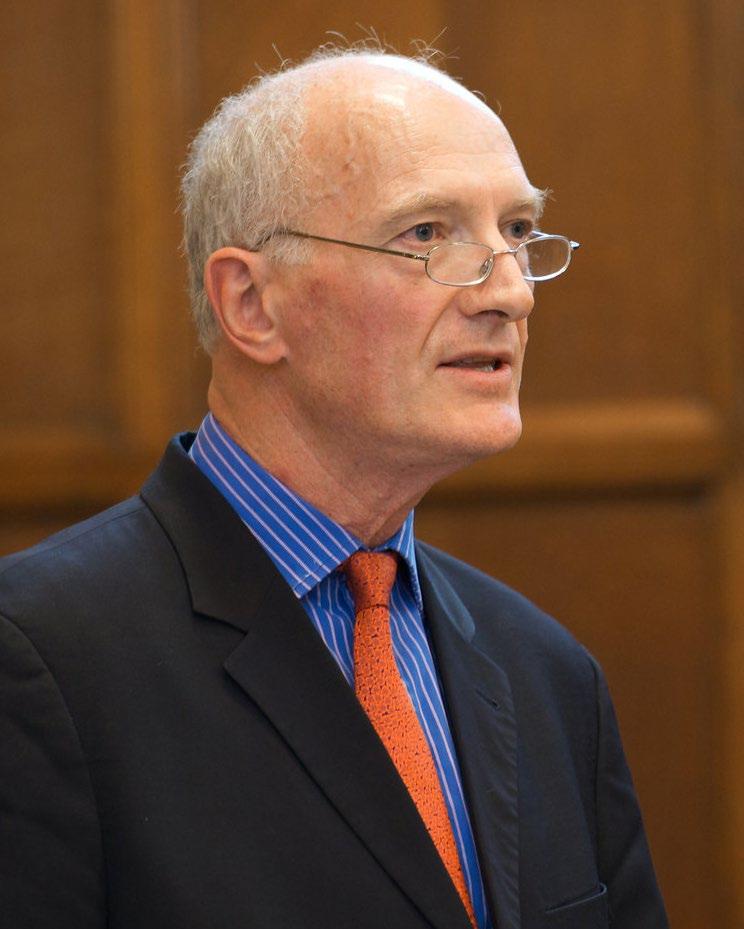
Edwin Cameron, Chancellor of Stellenbosch University
A champion for human rights
Justice Edwin Cameron is a towering figure in South Africa’s legal and human rights landscape. Renowned for his judicial acumen and ground-breaking advocacy, Cameron has dedicated his career to championing human dignity, equality, and the rights of the most vulnerable. His work as a jurist, activist, and public intellectual has left an indelible mark, particularly in the realms of HIV/AIDS awareness and human rights law.
Born in Pretoria in 1953, Edwin Cameron’s early life was shaped by financial hardship. Despite these challenges, he excelled academically, earning scholarships to prestigious institutions, including Stellenbosch University and the University of Oxford, where he became a Rhodes Scholar. His early exposure to injustice and inequality deeply influenced his life’s work, fueling his passion for social justice and the rule of law.
Justice Edwin Cameron’s contributions extend far beyond the legal profession. His courage in sharing his HIV-positive status and his advocacy for affordable treatment have saved countless lives and inspired millions. His work on the Constitutional Court has strengthened the foundations of South Africa’s democracy, ensuring that the law serves as a guardian of human rights.
Moreover, his legacy as an educator and thought leader continues to shape public discourse, challenging South Africans to confront inequality, stigma, and systemic injustice.
An advocate for all
Justice Cameron began his legal career in the 1980s, a time when South Africa was embroiled in apartheid. As a young lawyer, he worked with the University of the Witwatersrand’s Centre for Applied Legal Studies, focusing on human rights litigation. During this period, he provided legal representation
to anti-apartheid activists and victims of government oppression, cementing his commitment to justice and equality.
In 1997, Justice Cameron made history by publicly disclosing that he was living with HIV. At a time when stigma and misinformation about the disease were rampant, his announcement was groundbreaking. Justice Cameron became one of the first high-profile figures in South Africa to speak openly about being HIV-positive, challenging the pervasive stigma surrounding the disease.
Justice Cameron’s advocacy extended beyond raising awareness. He campaigned vigorously for affordable antiretroviral (ARV) treatment, highlighting the inequities in access to life-saving medication. His efforts came during a critical time when South Africa was grappling with one of the highest HIV prevalence rates globally. Justice Cameron argued that the denial of ARVs to those in need was a gross violation of the right to health and dignity, a stance that influenced public discourse and policy.
Justice Cameron’s appointment to South Africa’s Constitutional Court in 2009 marked the pinnacle of his judicial career. On the bench, he became a vocal advocate for human rights, championing the constitutional principles of equality, dignity, and non-discrimination. His judgments often reflected his unwavering commitment to protecting the rights of marginalized groups, including those affected by HIV/AIDS and LGBTQ+ individuals.
His personal experiences deeply influenced Justice Cameron’s judicial philosophy. He viewed the law as a tool for social transformation and worked to
ensure that it served the needs of the most vulnerable. His decisions in cases involving socio-economic rights, gender equality, and public health have been lauded for their compassion and clarity.
Beyond the courtroom, Justice Cameron has also played a pivotal role in shaping South Africa’s intellectual and academic landscape. In 2020, he was appointed Chancellor of Stellenbosch University, a position that enables him to influence the next generation of leaders. His tenure has been marked by efforts to promote inclusivity, diversity, and social justice within the academic community.
Justice Cameron has never shied away from critiquing South Africa’s leadership, including his own generation. In a candid interview in 2021, he lamented the failures of post-apartheid governance, particularly in addressing corruption, inequality, and the looting of public resources. He emphasized the importance of accountability, transparency, and ethical leadership in building a just society.
His reflections serve as a sobering reminder of the ongoing challenges facing South Africa. Yet, they also underscore his unwavering belief in the potential for progress and transformation through collective action and principled leadership.
Justice Edwin Cameron embodies the ideals of integrity, compassion, and courage. His life and work demonstrate the transformative power of the law and the importance of speaking out against injustice, even in the face of personal and societal challenges.
As South Africa continues its journey toward equality and dignity for all, Justice Edwin Cameron’s voice and vision remain as relevant as ever. n
Source:ConstitutionalCourt | UNAIDS | StellenboschUniversity | News24 | OurConstitution | SA
BY JESSIE TAYLOR
For decades, South African women have fought for equality in economic spaces. Despite notable strides, many industries remain male-dominated, perpetuating significant disparities like the gender pay gap and the ever-present glass ceiling.
Recognising these challenges, initiatives such as the Women of the SEZs aim to foster transformative change in Special Economic Zones (SEZs) and beyond, empowering women to lead and thrive.
One of the figures championing this cause is Kaashifah Beukes, a civil engineer turned trailblazing leader who has left an indelible mark on South Africa’s SEZ landscape.
Driving economic inclusion SEZs were conceptualised as transformation hubs, offering unique incentives to attract local and foreign investors. Beyond economic growth, these zones are designed to uplift surrounding communities through job creation, mentorship, and skills development.
The Women of the SEZs initiative, launched in September 2023, builds upon this ethos by ensuring women have equitable access to these opportunities. The initiative seeks to enable significant economic contributions from women and foster workplaces that embrace diversity and inclusivity.
South Africa ranks among the top 20 countries globally in closing the gender gap, according to the World
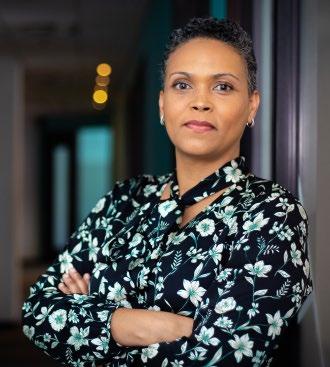
Kaashifah Beukes
Economic Forum’s 2023 Global Gender Gap Report. However, critical areas such as educational attainment (43rd globally) and economic participation (81st globally) highlight the need for continued effort.
Despite these challenges, progress has been uneven. Women entrepreneurs, for example, contributed $350 billion to Africa’s GDP in 2022, demonstrating their immense potential as drivers of economic growth. Yet, only 8% of CEOs in South Africa are women, and the gender pay gap in large-cap companies remains a staggering 32%.
SEZs provide a unique environment for women to thrive. They not only offer jobs but also foster entrepreneurship and leadership. For instance, women comprise 60 to 80% of the SEZ workforce globally, with some zones employing as many as 90% women.
In South Africa, SEZs like Freeport Saldanha, the OR Tambo SEZ, and the Maluti-A-Phofung SEZ are actively placing women in managerial roles. Leaders like Kaashifah Beukes exemplify this commitment to inclusivity and growth.
As the former CEO of Freeport Saldanha, Ms Beukes is a prominent advocate for women’s empowerment in SEZs. With over a decade of experience in civil engineering, including stints at Eskom and private consulting firms, Beukes embodies the transformative potential of women in leadership. Under her leadership, Freeport Saldanha became a pioneering SEZ focused on maritime services, logistics, and energy. Beukes’s tenure emphasised local community upliftment and opportunities for women, particularly in STEM fields.
A transformational leader
Ms Beukes underscores the critical role of education in bridging gender gaps, particularly in STEM subjects (science, technology, engineering, and mathematics). Her own journey - from a civil engineering degree to an MBA - highlights the importance of equipping young women with the skills needed to excel in industrial and manufacturing sectors.
“There must be an emphasis on STEM subjects – science, technology, engineering and mathematics – for girls in the schools, that will enable them to access the required tertiary qualifications required by the manufacturing and industrial sectors,” she says.
Ms Beukes believes much more can be done to promote these subjects and expose young female learners to the various opportunities offered within the SEZs and beyond. Over and above that, women must be supported on their work-life journey. “They must be provided with access to skills and, importantly, to capital.” She advocates for partnerships between SEZs and institutions like the Department of Science and Innovation to fund scholarships and create pathways for women in critical economic sectors.
While SEZs provide a fertile ground for women’s advancement, Ms Beukes acknowledges the challenges women face, particularly those
Source:
balancing caregiving roles with professional aspirations. She stresses the need for sustainable support systems, such as access to capital and skills training, to ensure women can fully participate in economic activities.
Ms Beukes’s leadership philosophy reflects this understanding. At Freeport Saldanha, she prioritised hiring women and fostering mentorship programs, creating a pipeline for future leaders.
Women bring unique perspectives and leadership styles that can significantly enhance organisational resilience and innovation. Research from the Harvard Business Review
supports this, showing women excel as leaders, particularly during crises.
Ms Beukes’s tenure at Freeport Saldanha reflects this leadership style. By fostering an inclusive culture and emphasising local economic development, she has set a benchmark for how SEZs can empower women while driving national economic growth.
Ms Beukes and the Women of the SEZs initiative exemplify the transformative potential of inclusive economic policies. By prioritising education, mentorship, and equitable opportunities, SEZs are not just hubs of economic activity but catalysts for societal change. n
BY WANDILE SIHLOBO
Geopolitical tensions and restrictive trade policies constitute a significant risk factor in global agriculture. There has been an escalation of trade tensions since 2018 when the US introduced import tariffs on Chinese products, and China retaliated with import tariffs on agricultural products. In the years after, trade disruptions intensified with Russia invading Ukraine.
The recent escalation of tensions in the Middle East have made for an even more geopolitically fragmented world. These events have created an environment where more and more countries are looking inward in terms of trade policies, and others prefer “friendshoring”, which relies more on countries they have geopolitical alliances with or in the same trade bloc.
With President Donald Trump’s return to office and his statement regarding import tariffs to a range of countries, and more specifically on China, we believe that trade fragmentation may be a big theme in the next few years.
Amid all the uncertainty, agriculture trade is at risk. In 2018, when President Donald Trump imposed tariffs on China, US soybean and maize farmers and pork producers were amongst the most negatively affected. China switched some orders to Brazil and Argentina, which became some of the significant soybean suppliers in China.
President Trump has indicated in his campaign trail that the US may impose up to 20% tariff on all imports and 60% on goods from China. We
don’t know how China would react to such tariffs. However, if China retaliates as it did the last time, the US soybean and maize farmers and pork producers would again be negatively affected.
We could see this through disruptions in global grains and oilseed prices. The US is a significant producer, and when its grain market activity is disrupted, the impact tends to be felt globally. Moreover, US farmers could also start exploring other export markets that they have not been as present in to hedge against China’s risks.
Still, avoiding China on any global agricultural product will be hard. China is a dominant player in the export and import of agricultural products. In 2023, China was a
leading agricultural importer, accounting for 11% of global agricultural imports. The US, Germany, Netherlands, the UK, France and Japan were trailing China.
According to Trade Map data, China spends just over US$200-billion a year on the imports of agricultural products. The US is the second largest agricultural supplier to China after Brazil. Other suppliers include Thailand, Australia, New Zealand, Indonesia, Canada, Vietnam, France, Russia, Argentina, Chile, Ukraine, the Netherlands, and Malaysia. Indeed, if one looks at China’s agricultural imports, the top products include oilseeds, meat, grains, fruits and nuts, cotton, beverages and spirits, sugar, wool, and vegetables. The US has significant exposure to oilseeds and meat.
Similarly, China is a major exporter of agricultural products, and it was the fifth-largest agricultural exporter in the world in 2023. The leading countries ahead of China were the US, Brazil, Netherlands, and Germany.
This means that global agricultural trade has one additional factor that increases uncertainty. South African farmers must closely follow the formal trade policy developments in the US beyond President Trump’s campaign promises. If he follows through with the promises of high import tariffs on China, and China retaliates, then there will be volatility in the global oilseeds and grain prices. US farmers will likely feel more pressure than other regions. The South American farmers stand to benefit as an alternative source for
China to procure soybeans. South Africa is a small player in global grains and has undoubtedly not been a participant in the US grains and oilseed markets. The only risk is when the US farmers divert their products to South Africa’s traditional markets in the Far East, further creating more competition and downward price pressures. This, too, is something we will have to monitor closely.
We remain convinced that there is a minimal direct impact on South Africa. Whether the US imposes any other import tariffs that could directly affect the South African farming community remains to be seen. At the moment, we are inclined to believe the risks may still be minimal. Beyond the US, the trade fragmentation further solidifies the view we have previously shared that South Africa must work to diversify its agricultural export markets. In a fragmented world like today, an export-oriented sector should spend more time and resources on broadening export markets and diversifying the risk.
South Africa’s agriculture growth hinges on the country’s success in creating as many export markets as possible. In addition to retaining the existing export markets, BRICS remain one such avenue. n
at the Agricultural Business Chamber of SA (Agbiz) and a senior fellow in Stellenbosch University’s Department of Agricultural Economics.

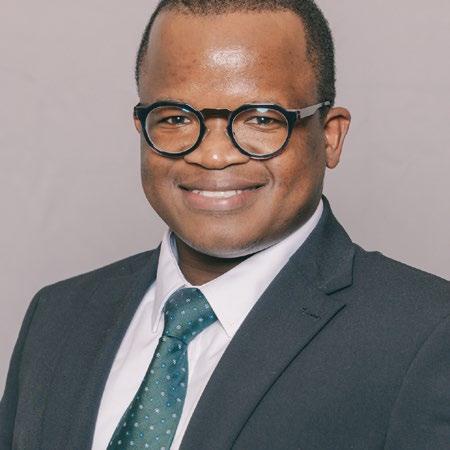

As we close off the year, let’s take a look at the key technology areas that will continue to dominate the tech sector in 2025. Anticipating these shifts is not only crucial for the companies seeking to remain competitive, but for the policymakers, educators and individuals aiming to adapt to the evolving demands of the future.
While multinational technology companies such as Apple, Meta and Microsoft continue to invest in R&D exploring various spatial technologies, we will continue to see an improvement in technologies seeking to combine the physical and virtual worlds. For example, Meta has extended its partnership with RayBan on fashionable smart glasses aiming to provide better ergonomic experience offerings and still offer users great style. The glasses are generally comfortable, allowing users to make calls, send texts, live-stream and listen to music using Meta AI alongside many other capabilities and features.
In 2025, the rising use of immersive technologies will be stimulated by the reduction in cost of their hardware and increased comfort of devices. Coupled with improving network speeds underlying the experience, more regular device use points toward more universal access to fast speeds from network infrastructure such as fiber and 5G which is required to power up and ensure improved AR and VR experiences without any network lag. Possible applications of these technologies vary from their use as training technologies - especially in areas which are considered dangerous such as mines, oil rigs etc. - to applications in healthcare where, for instance, they can be used
to support the rehabilitation process. They can also be used to overlay the user experience in entertainment and sports.
Over the past two years, AI has received increasing attention owing to the accelerated growth of investment in the field. Meanwhile, increased computing power and data availability have enabled algorithmic breakthroughs, allowing the field to attract more investment and talent. With the ability to create new human-like content spanning from images, text and code, generative AI promises to experience higher adoption as various organisations continue to deploy it in a variety of use cases. Next year will see a surge of organisations pushing for enhanced AI adoption, but this time companies will adopt a sharper focus on extracting value for business in 2025.
The key integration of generative AI will be to accelerate innovation and provide bespoke experiences, examples of which are customer service teams making increased use of far more intelligent AI-powered chatbots. These bots are available in multiple languages, including those indigenous to many countries. They seek to improve personalised experiences of customers, being able to handle routine inquiries in order to allow human call center agents to solve much more complex problems. In transport and logistics, for example, warehouse optimisation is being powered by AI-powered robots that navigate warehouses with precision, autonomously picking and packing orders, optimising storage space and dramatically accelerating fulfillment processes. Parallel to these innovations, 2025
will see the continuing sharpening of focus on AI governance and related platforms. Here, countries, organisations and society will need to get to grips with the demand for responsible use of both AI technology and data across multiple economic sectors. As we observed locally, South Africa also developed a national AI Policy Framework with private sector organisations developing similar strategies and policies to guide its use in business.
While generative AI technology continues to strengthen, AI systems will go beyond doing single tasks to resemble “a team of specialists” working together. Categorised as “agentic AI”, this new type of AI will essentially give bots the ability to act independently. Think of it like this: instead of just following your commands, agentic AI can figure things out on its own like a detective solving a case. Agentic AI can analyse information, make decisions and take action, all in the name of achieving a specific goal.
We could take another realworld example here, imagine a company that uses AI to manage its warehouse. With agentic AI the system would not only track inventory but also predict future demand for products, optimising storage space based on real-time needs, ordering new stock automatically when supplies run low and even controlling how robots move and organise goods within the warehouse. This application is just one example of how agentic AI can make business more efficient and intelligent across a range of industries.
With digital transformation remaining a key focus within the 4th industrial
revolution, cybersecurity will remain an important investment area in ensuring the security of technology systems and related data. There are various forms of cybersecurity threats which have continued to impact organisations within South Africa, both within the public and private sector. TransUnion is an example of one of the large organisations in South Africa which was impacted by a ransomware cyberattack in 2022 where the attackers demanded $15-million threatening to expose the customer data which it had access to. There were many similar such experiences in 2023 and 2024.
The cyber threat landscape has been further complicated by the rise of AI-powered attacks, cloud vulnerabilities, third-party exposures and insider threats. All of these potentially criminal interventions demand increased vigilance and proactive security measures, and as enterprises integrate AI into various processes so does the growth of AIpowered attacks. Cybercriminals are increasingly using AI to enhance their attacks, making them more difficult to detect and defend against.
AI models themselves may be vulnerable to attacks like data poisoning, model stealing and adversarial examples. Economic sectors such as finance and telcos are predicted to strengthen investments significantly in this area as they seek to counter the risk of cyber threats identified globally. Furthermore, we will see a rise of investment in technologies that address disinformation and deepfakes.
It was in the early 1980s when the tech world first glimpsed a few of the theoretical concepts representing the breakthrough of quantum computing. Now potential
applications of quantum computing are endless and span diverse fields. In drug discovery, quantum computing can simulate molecular interactions, speeding up the development of new treatments. In material science, quantum computing helps to design advanced materials with superior properties.
Finance also stands to benefit from improved modeling and simulations, while artificial intelligence may see faster training of machine learning models. Moreover, quantum computing could revolutionise cryptography both by breaking existing encryption systems and by enabling the creation of quantumresistant algorithms.
Alongside government initiatives, progress in quantum computing is being fueled by significant investments, much like AI is funded by industry leaders like IBM, Google, Microsoft and Intel. The continued investment in R&D teams focused on quantum computing continues to place it as one of the key dominating technologies of the year to come. Thanks to its unique ability to solve problems that are beyond the capabilities of traditional computers, quantum computing will remain at the forefront of technological innovation. To explain quantum computing in simple terms, imagine navigating a maze.
While a classical computer tests one path at a time, a quantum computer can evaluate every path simultaneously, drastically reducing the time it takes to find the solution. Unlike traditional “bits” of either 0 or 1, this advantage stems from the use of “qubits” which superpose both states simultaneously thanks to the principles of quantum mechanics.
With the advancement of technologies such as AI, we have also
seen a parallel increase in hardware and energy demands that power up these technologies. However, a number of nations have continued to endure significant climate change disasters in 2024, prompting the need for investment in green computing and sustainable computing.
Equally, we are seeing Net Zero goals being further adopted by organisations continuing to seek ways to attain them sustainably by promoting investments in green energy innovations as well as innovations that support the circular economy. Growing environmental concerns are causing companies to push for energy-efficient hardware, sustainable software development and responsible data management.
As growing concerns about climate change and resource scarcity drive investments in these areas, the focus will be upon optimising data centres, developing eco-friendly hardware and leveraging AI for environmental monitoring and resource management. The year 2025 thus promises a continued focus on how organisations and societies harness renewable sources of energy such as green hydrogen sources in order to support increasing demand for AI technology. n
Dr Mmaki Jantjies is an innovative leader who is passionate about harnessing the power of technology and R&D to drive change. She is also an Adjunct Associate Professor in Information Systems.

BY SHUMIRAI CHIMOMBE
Across Africa 15 countries took to the polls during 2024
2024 has been a record year for elections on the continent. Some have resulted in outcomes that were no real surprise, such as the landslide victory of Rwanda’s longstanding leader, President Paul Kagame entering his fourth decade at helm, and President Kais Saied’s decisive win in Tunisia.
But there were other outcomes that were surprising, as voters used their votes to bring change onto the political landscape. The ruling Botswana Democratic Party (BDP), which has continuously ruled the diamond-rich country since independence in the 1960s, was ousted in elections at the end of October. A new party called Podemos came second in Mozambique’s polls and displaced RENAMO, which has been the main opposition party since 1992. And in May, South Africa’s elections resulted in the formation of a coalition government for the first time since 1994.
Here is a look at what transpired in 2024 at the voting stations.
Algeria’s incumbent President Abdelmadjid Tebboune, 78, was re-elected to the position with an emphatic win, accounting for 94.65% of the votes on 7 September. According to Al Jazeera, he has promised to raise unemployment benefits, pensions and public housing programmes, all of which he increased during his first term as president.
Botswana
For the first time since gaining independence in 1966, the ruling Botswana Democratic Party
(BDP) was voted out of power in a surprising outcome of the election that took place on 30 October. The union-friendly and socialist orientated opposition alliance Umbrella for Democratic Change (UDC) won by a large margin enabling it to govern alone with the newly elected President Duma Boko. The peaceful transition of power has been hailed as a positive signal for the region.
Presidential elections were held in Chad on 6 May. The elections followed a constitutional referendum held on 17 December 2023, following the death of President Idriss Déby in 2021. Incumbent transitional president Mahamat Déby, the son of Idriss Déby, ran as the candidate of the Patriotic Salvation Movement, winning the election with 61% of the vote, and leading to another extension of 34 years of rule by the Déby family.
Comoros President Azali Assoumani was re-elected for a fourth term in a poll in which he secured 63% of the vote, according to the electoral body CENI. Assoumani is a former military officer who first came to power through a coup in 1999 and won his first election in 2002. He exited politics in 2006, before making a comeback with a presidential win in 2016.
The presidential election was held in Ethiopia on 7 October to elect its next president. Diplomat and outgoing minister of foreign affairs Taye Atske Selassie was
elected without contest to a six-year term.
Ghana’s electoral commission declared ex-president and main opposition leader John Dramani Mahama winner of the presidential election with 56.55% of the vote which took place on 7 December. Mahama’s main rival, vice president and rulingparty presidential candidate Mahamudu Bawumia, already conceded defeat in both presidential and legislative elections to ease tensions. Mahama (66), is making a comeback after serving as Ghana’s president from 2012 to 2016.
Madagascar’s ruling party fell short of retaining its parliamentary majority after a strong showing by independents in the legislative elections held on 29 May. President Andry Rajoelina’s Tanora Malagasy Vonona party only managed to win 80 seats out of 163, according to figures released by the Independent National Electoral Commission (CENI). Independent candidates won 52 seats, with 25 going to the opposition. The electoral commission put voter turnout at just over 48%.
Mauritanian President Mohamed Ould Ghazouani won the country’s presidential election, which took place on 29 May. Ghazouani was re-elected with over 56% of the vote. The 67-yearold former army chief of staff and defence minister, who was first
BY SHUMIRAI CHIMOMBE
elected in 2019, has pledged to boost investment to spur a commodities boom in the West African country of 5 million people, as it prepares to start producing natural gas by the end of the year.
Opposition leader Navin Ramgoolam has won a landslide victory in Mauritius’s parliamentary vote on 30 November. The Office of the Electoral Commissioner reported that Rangoolam and his Alliance of Change (ADC) coalition won 62.6 percent of the vote, securing the threetime former prime minister a fourth term.The ADC won 60 of 62 seats in the National Assembly, state broadcaster Mauritius Broadcasting Corporation reported. Ramgoolam served as prime minister from 1995 to 2000 and again from 2005 to 2014.
Mozambique
Mozambique’s ruling party Frelimo has retained power in national elections held on 9 October, extending its fivedecade rule in the Southern African state. Frelimo’s Daniel Chapo, 47, will succeed President Filipe Nyusi to become Mozambique’s fifth president since its independence from Portugal in 1975. Nyusi is stepping down after serving the maximum two terms. Chapo won over 70% of votes, the electoral
commission said. Venancio Mondlane, backed by the Podemos party, came second with 20% of votes, displacing former rebel movement Renamo, which had been the official opposition party but whose candidate came third this time around.
Netumbo Nandi-Ndaitwah of Namibia’s ruling SWAPO party has been elected president and will be the country’s first female leader, results released by the country’s electoral commission showed after the elections on 27 November. Nandi-Ndaitwah, 72, is the current vice president. Her victory will extend SWAPO’s 34 years in power since it led Namibia to independence from apartheid South Africa in 1990. She received roughly 57% of valid votes in the presidential race, according to a breakdown given by the Electoral Commission of Namibia.
With a 99.18% vote share in the 2024 presidential elections held on 15 July according to full provisional results published, Rwanda’s President Paul Kagame secured an even greater margin than in the last vote in 2017, which he swept with 98.79% of the vote. Kagame’s latest election victory sees Rwanda’s longstanding leader enter his fourth decade at the helm since he seized power as the head of a rebel group that ended the 1994 genocide.
Source:BBC | AlJazeera | Wikipedia | Reuters | Africanews | France24 | Statista
Almost 4.5 million Senegalese voters went to the ballot box in the presidential election on March 24. Ultimately, it was Bassirou Diomaye Faye who took victory, with over 2.4 million votes (a 54% share). In his campaign, Faye ran on a platform of creating jobs, tackling corruption, and bringing stronger financial security. Faye assumed office on 2 April.
General elections were held in South Africa on 29 May to elect a new National Assembly as well as the provincial legislature in each of the nine provinces. After all the ballots were counted, the ruling African National Congress (ANC) received only 40.18% votes - well short of a majority. For the first time since the end of apartheid in 1994, the party had to negotiate with the other parties to form a Government of National Unity (GNU).
Tunisia’s President Kais Saied won a second term with 90.7% of the vote on 7 October, announced the northern African country’s Independent High Authority for Elections. This was a day after exit polls showed him with an insurmountable lead in the country known as the birthplace of the Arab Spring more than a decade ago. n

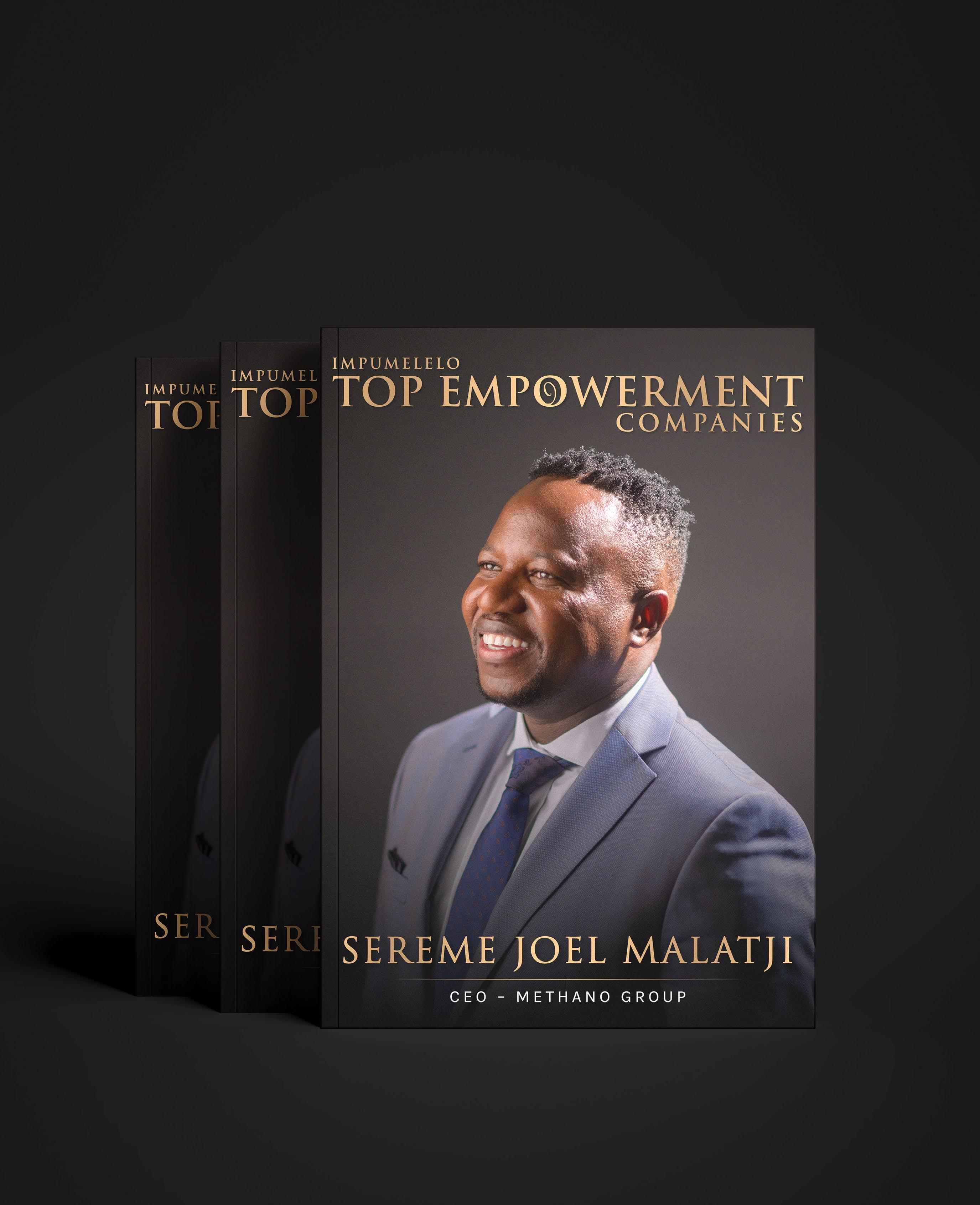
Discover the latest trends, success stories, and thought leadership in our 23rd edition of Impumelelo Top Empowerment

SPORTING ACTION
BY KOKETSO MAMABOLO

You’re only as good as your last game, goes the old saying, passed on from coaches to generation after generation of athletes. Once the final whistle blows at the end of December we can celebrate the new year knowing our last game, 2024, was a good one. We scored goals and tries, we swam, we ran, we threw, we raced, we won and we won in style. It’s a time to celebrate and while many of South Africa’s finest will continue to chase glory over this festive season surely even they will look back on the year that was and feel that results in 2025 are in their hands.
This year Tatjana Smith became South Africa’s greatest Olympian, swimming her way to a gold and silver at the Paris Olympics. Wheelchair tennis player Kgothatso Montjane won her third Grand Slam, Dricus du Plessis became a world champion and Akani Simbine finally received the reward he deserved. Paralympic sprinter Mpumelelo Mhlongo broke records again and Tasneem Solomons became the best women’s pool player in the world.
Banyana Banyana continued to capture the hearts of millions and Bafana Bafana brought back the glory days. The Springbok Men were immortalised and the Springbok Women began the opening chapters of what promises to be an interesting story in 2025.
The new year will kick off with the Proteas Men taking on Pakistan in the second test match a month before both teams, along with New Zealand, compete in the Tri-Nations Series. The Proteas were on a sixmatch winning streak at the time of writing and the side will hope to sustain that momentum into the last stretch of the 2024/2025 international season.
Newly appointed Mamelodi Sundowns coach Miguel Cardos has a tough job ahead of him, with the cracks in the dynasty beginning to show. All eyes will be on his side as the year starts off and fans will be treated to the Soweto Derby at the beginning of February with
Orlando Pirates likely going into the classic fixture as favourites.
In European football the January transfer window will have fans anxiously checking for updates on the movement of players as the continent’s top five leagues begin to reach the midpoint of their season. Manchester City manager Pep Guardiola will have to pull his team from the brink of collapse as their counterparts from across town begin another rebuilding phase which fans will hope won’t crumble like the last few.
South Africa’s club rugby sides have tough fixtures lined up against some of France’s finest teams that will give them a chance to silence critics of the South’s transition to the North. With plenty of golf lined up, there’s something for everyone in January and February. Until then, let’s celebrate a great year for South African sport.

Dricus reminding us they don’t know what we know
Flanked by Siya Kolisi and the most-capped Springbok of all-time, Eben Etzebeth, UFC fighter Dricus “Stillknocks” du Plessis defeated Israel Adesnaya to clinch the world title and have people all of the country saying, “Hulle weet nie wat ons weet nie!”
Tatjana Smith’s strong finish
With the hopes of a nation behind her, Tatjana Smith did what she does best and brought home gold and silver at the Paris 2024 Olympics, writing her name in the history books as the country’s greatest Olympian. With her days in the pool drawing to a close, young javelin thrower Jo-Ané van Dyk’s silver medal gives hope that South Africa has plenty more gold in its future.

Springboks became the greatest of all time
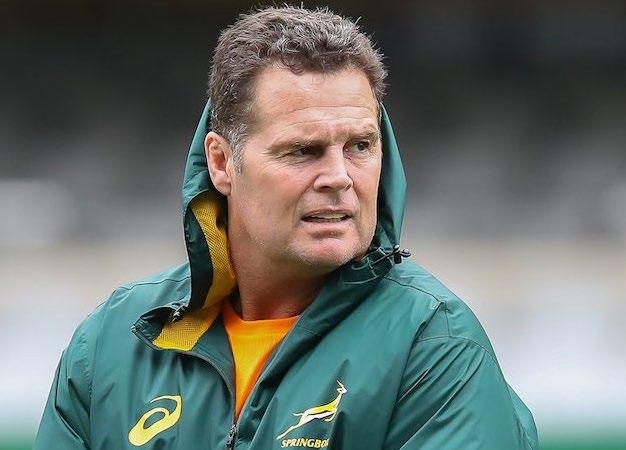
Rassie Erasmus’ Springboks leaped from under the shadow of the the Jake White/Peter de Villiers sides as many declared them the best Springbok side of all time - sparking debates of whether or not they’re even better than Graham Henry and Steve Hansen’s 2011 - 2015 All Blacks side which redefined dominance.
BY KOKETSO MAMABOLO

Proteas Men vs Pakistan 3 January
New Zealand vs Proteas Men 10 February
Pakistan vs Proteas Men 12 February
Liverpool vs Manchester United 5 January
Arsenal vs Tottenham Hotspur 15 January
Manchester City vs Chelsea 25 January
Orlando Pirates vs Kaizer Chiefs 1 February
Arsenal vs Manchester City 2 February

US PGA Tour: The Sentry 2 - 6 January
Sony Open in Hawaii 9 - 13 January
The American Express 16 - 20 January
Farmers Insurance Open 22 - 26 January
AT&T Pebble Beach Pro-Am 30 January - 3 February
DP World Tour: Team Cup 10 - 12 January
Hero Dubai Desert Classic 16 - 19 January
Ras Al Khaimah Championship 23 - 26 January
Sunshine Tour:
Betway Big Easy Tour 9 14 - 17 January
Mediclinic Invitational 16 - 20 January
Betway Big Easy Tour 10 21 - 24 January
SCDC Open 23 - 27 January
My Golf Life Open by Pecanwood Estate 30 January - 3 February

Champions Cup:
Stormers vs Sale Sharks 11 January
Sharks vs Stade Toulousain 11 January
Castres vs Bulls 11 January
Bulls vs Stade Francais 18 January
Union Bordeaux-Begles vs Sharks 19 January
EPCR: Montpellier vs Lions 11 January
Cheetahs vs Zebrea 12 January
Lions vs Dragons 18 January


BY KOKETSO MAMABOLO

by The South Afrivan Mango Growers Associations
‘The sun is shining, the weather is sweet…’ Bob Marley might have nailed the feeling of summer with his iconic song, but it’s succulently sweet mangoes that most accurately describe the flavour of everybody’s favourite season.
That’s right, if it’s summer, it means it’s officially mango season in South Africa. It’s also officially the holidays, which is great timing because mangoes are the ultimate holiday food.
But let’s be honest, when it comes to the festive feast, everyone might love the main course but secretly they’re all just waiting for dessert! This year add a touch of the tropics to your festive dessert table and take your sweet treats to the next level with exotic mangoes.
One way to beat the heat is with easyto-make, delicious-to-eat fridge tarts. Microwave Mango and Granadilla Cheesecake is our go-to this season. It takes just 25 minutes to whip up and maximises mangoes’ gorgeous orange colouring with large mango ‘petals’ set
in fragrant cheesecake. Mangoes’ vibrant sunset shades and delicate perfume make them quintessentially summer – perfect for a flamboyant festive spread.
Speaking of that brilliant colour, Mango Crème Brûlées burst with vividness and sweetness. Although they take a little while longer to prepare, the showstopping end result is totally worth it! Silky smooth, creamy with a honeyed flavour, they’re a taste of many a South African’s childhood (remember crème caramel in a cup?), with a mango twist.
Another old favourite being given a mango makeover is tannie’s malva pudding. Who said mangoes can’t be baked?
In this delectable Coconut and Mango Malva Pud, eggs are replaced with mango pulp and milk with coconut milk. The traditional butter sauce is also reinvented with a heavenly coconut milk and mango purée blend, and the whole lot is served with fresh mango slices and vanilla ice-cream. If that doesn’t add a little excitement to the dessert table,
nothing will! Mangoes are high in vitamins A and C, biotin and the mineral potassium, and a source of vitamins B1 and B6. They’re free from fat, sodium and cholesterol.
In South Africa, homegrown mangoes are available from December until the end of April. The medium to large sized Tommy Atkins mangoes arrive first, followed by the small, stringless Sensation mangoes, with the medium to large Kent and Keitt rounding off the season.
To judge how ripe your mango is, just give it a gentle squeeze. Ripe mangoes ‘give’ slightly under your fingers.
From tropical trifle to mango milk tart, mango meringue, mango hertzoggies and mango koe’sisters (our famous koeksisters’ sibling!), there’s no end to the deliciousness you can dish up with Mzansi mangoes these holidays.
So, get your hands on the first fruits of the season and get your mango motivation going!


25 minutes Serves 12 10 minutes + cooling
FILLING
• 200 g packet Tennis biscuits
• 80 g butter, melted
• 15 ml (1 tbsp) golden syrup (optional)
• 1 L tub (4 cups) double cream granadilla and mango yoghurt
• 385 g tin condensed milk
• 1 mango, peeled
• 2 granadillas, cut in half
20 minutes Serves 6 25 minutes + cooling
375 ml (1½ cups) very ripe mango, peeled and cubed 500 ml (2 cups) cream 5 egg yolks
• 7.5 ml (½ tbsp) vanilla essence
• 80 ml (⅓ cup) castor sugar + extra
Preheat the oven to 160°C. Blitz the mango until smooth. Heat the purée in a small saucepan over medium heat, stirring for about 8 minutes or until reduced by half
Stir the cream into the mango and heat to just before boiling point
Beat the yolks, vanilla and sugar together. Slowly pour the hot mango mixture into the egg mixture, while whisking constantly. Strain through a sieve. Divide the mixture evenly between 6 x 125 ml (½ cup) flat baking dishes
Place the dishes in a deep baking tray. Place in the oven and carefully fill the tray with boiling water until it comes halfway up the sides of the dishes
Bake for about 15 minutes or until the outsides are just set and the insides still wobbly when given a light shake. Take the dishes out of the tray and cool to room temperature before placing in the fridge to cool completely. They can be kept in the fridge for up to 5 days
When ready to serve, sprinkle a thin layer of extra sugar on top of each crème brûlée. Use a blowtorch to caramelise the sugar n



1. Blitz the biscuits until fine. Blitz in the butter and syrup, if using, until it comes together. Press into the base of a deep 25 cm microwave safe dish
2. Stir together the yoghurt and condensed milk. Pour over the biscuit base
3. Microwave for about 8 minutes or until almost set. Cool. Refrigerate for at least 2 hours
4. Cut the cheeks off the mango, close to the pip. Thinly slice each cheek through the width. Pack large slices from the outside followed by smaller slices towards the inside to create a large mango flower.
5. Spoon some of the granadilla over and serve with the rest. n
Scan the QR code to download this exclusive Public Sector Leaders Festive Recipe Feature.
• 250 ml (1 cup) sugar
• 60 g soft butter
• 60 ml (¼ cup) mango pulp
• 125 ml (½ cup) desiccated coconut
• 250 ml (1 cup) coconut milk
THE SAUCE
• 60 g butter
• 125 ml (½ cup) sugar
• 125 ml (½ cup) coconut milk
• 30 ml (2 tbsp) mango purée
TO SERVE
• 1 mango, peeled
• 1.8 L tub mango or vanilla ice cream
• 10 ml (2 tsp) white vinegar
• 5 ml (1 tsp) vanilla essence
• 250 ml (1 cup) cake flour
• 5 ml (1 tsp) bicarbonate of soda
• Pinch of salt
2.5 ml (½ tsp) vanilla or coconut essence
• Squeeze lemon juice, to taste
• 45 ml (3 tbsp) coconut shavings, toasted
• Mint leaves, to garnish (optional)
1. For the pudding, preheat the oven to 180°C. Grease a 1.8 L (7 cups) baking dish with cooking spray. Cream the sugar, butter and mango until pale. Beat in the desiccated coconut
2. Mix together the coconut milk, vinegar and vanilla. Sift together the flour, bicarb and salt. Stir the milk and flour mixtures alternating into the mango mixture. Pour into the prepared baking dish and bake for about 35 minutes or until a testing skewer comes out clean
3. For the sauce, just before the pudding is done baking, heat the butter, sugar and coconut milk on medium high, stirring for about 5 minutes until the sugar dissolves. Bring to a boil
4. Take off the heat and stir in the mango purée, essence and lemon juice. Pour the hot sauce over the pudding as soon as it comes out of the oven. Poke all over with a skewer for the sauce to soak in. Allow to stand for 20 minutes
5. To serve, use a vegetable peeler to cut the mango into ribbons. Garnish the pudding with this. Serve with ice cream, coconut shavings and mint, if you like
6. Note: This is an egg free malva pudding. Mango serves as an egg replacement in this recipe. n
Inspired by the culinary experiences she’s had in her travels, Steenberg Executive Chef Kerry Kilpin, who is at the helm of Constantia’s most iconic wine farms, describes her food as “contemporary classics with a twist”. Here she shares a mince pie recipe for you to enjoy this festive season.
• 1 x Jar fruit mince meat
• 100 ml Good quality brandy
• 125 ml Sultanas
• Zest 1 orange
• 375 g cake flour
• 260 g butter
• 120 g castor sugar
• 1 egg
• Castor sugar for dusting.
1. Combine the brandy, sultanas and orange zest in a bowl. Allow to macerate overnight. Mix in the jar of fruit mince.
2. Combine the flour, sugar and butter. Rub-in the butter with your fingers until crumb consistency
3. Add the egg and mix together until the pastry comes together, be careful not to over mix. Set aside in the fridge for 30 minutes
4. Roll out and cut 40 x 6cm circles. Place these in the



fridgewhile working to ensure they remain cool. You now have 20 bases and 20 lids
5. Line 20 foil pasty cases with a base of pastry and gently press along the sides. Fill the pastry case generously with fruit mince right to the top and level off. Top the pasty case with remaining 20 pasty lids. Prick a hole in the top and press the lid on with a fork
6. Bake in a preheated oven 170°C for 15 - 18 minutes
7. Once golden brown, remove from the oven and dust with icing sugar while still hot. Allow to cool and enjoy n
BY JESSIE TAYLOR

Research has shown that African nationals encounter disproportionately high rejection rates for Schengen visas, underscoring inequities in international mobility and access.
The Schengen visa, which allows entry to 29 European countries, is pivotal for African travellers seeking tourism, business, and education opportunities. However, Africans face systemic barriers, with rejection rates reaching 30% in 2022, compared to the global average of 17.5%.
In addition to having a financial implication, the high rejection rates undermine Europe’s efforts to foster strong diplomatic and economic ties with Africa. The European Union frequently emphasizes its commitment to building equitable
partnerships with African nations, particularly in trade, education, and cultural exchange. However, restrictive visa policies send conflicting signals, limiting collaboration and mutual growth opportunities.
The disproportionate burden on African applicants
In 2022, seven of the top ten countries with the highest visa rejection rates were in Africa. These included Algeria, Nigeria, Ghana, and Guinea-Bissau, with some nations facing rejection rates exceeding 50%. This contrasts sharply with countries like Japan and the United States, which enjoy rejection rates as low as 1%.
Income inequality, limited international travel access, and weak passport rankings are key
drivers of this disparity. African countries generally score poorly on the Henley Passport Index, which ranks passports based on the number of destinations their holders can access without a visa. This often results in heightened scrutiny of African visa applicants, with consular officers closely examining applicants’ socioeconomic stability and likelihood of returning home.
Visa denials for African applicants are often attributed to concerns about overstaying or violating visa conditions.
Key factors considered by consular officers include:
• Socioeconomic Stability: Applicants from countries with unstable economies or high unemployment rates face increased scrutiny.
• Employment and Financial Proof: Evidence of stable employment, sufficient income, or business operations is critical but often difficult for applicants in informal economies.
• Family and Community Ties: Strong familial or community ties can indicate an applicant’s intention to return, yet these are subjective and inconsistently assessed.
Additionally, bureaucratic hurdles such as incomplete documentation, errors in application forms, or delays in processing further disadvantage African applicants.
The implications of high rejection rates
African applicants collectively spent over $61 million on nonrefundable visa fees in 2023 alone, not including additional costs for documentation, travel to consulates, and administrative expenses. For individuals, these costs represent a significant financial burden, particularly in countries where average incomes are low.
For example, the standard Schengen visa fee is €80 (approximately $87), which may exceed a month’s income for many African applicants. This creates a vicious cycle: applicants from low-income backgrounds are less likely to meet stringent financial requirements, leading to higher rejection rates, which in turn deter future applications and deepen economic disparities.
Barriers to mobility have tangible economic costs. African professionals, entrepreneurs, and students seeking access to
European markets and institutions are often deterred by the complexity and uncertainty of the visa process. This also impacts Europe’s tourism sector, as African travellers contribute significantly to global tourism revenues but face challenges accessing popular destinations within the Schengen zone. In addition, the restrictive visa regime hinders the exchange of knowledge and skills between Africa and Europe. African students and researchers who could benefit from Europe’s advanced educational and research institutions, are often excluded. Conversely, European countries miss out on the diverse perspectives and talent that African professionals bring.
Redressing an unequal system
While the onus is on European authorities to address systemic biases, African governments can also take proactive steps to empower their citizens and reduce dependency on external systems.
Investments in infrastructure, education, and job creation can improve socioeconomic stability, making it easier for citizens to meet visa requirements. For instance, initiatives to boost formal employment and increase average incomes would address one of the key concerns cited in visa rejections.
African governments can also negotiate bilateral agreements to strengthen the global standing of their passports. Countries like Seychelles and Mauritius, which have visa-free access to numerous destinations, demonstrate that strategic diplomacy can significantly enhance mobility.
The European Union can address the systemic inequities inherent in its visa policies. Simplifying the visa process and adopting more transparent, objective criteria would reduce disparities and foster goodwill among African nations. Specific reforms could include:
• Streamlining Documentation Requirements: Simplified processes for proving financial stability and travel intentions would make the system more accessible.
• Increasing Consular Support: Expanding consular services in Africa and training staff to assess applications more equitably could reduce rejections.
• Expanding Legal Pathways for Migration: Programs that facilitate temporary work, study, or cultural exchange would provide alternatives to irregular migration and overstays.
Global mobility frameworks must evolve to reflect contemporary realities. Current visa policies, shaped by historical inequalities, fail to address the aspirations of a rapidly modernising Africa. By fostering fairer mobility systems, Europe can tap into Africa’s burgeoning pool of talent and strengthen its own economic and cultural fabric.
At the same time, African nations must prioritise regional integration and invest in their citizens’ futures. Enhanced intra-African mobility could serve as a model for equitable global partnerships, reducing dependence on external systems while unlocking the continent’s vast potential. n
Source:HenleyandPartner
BY JESSIE TAYLOR
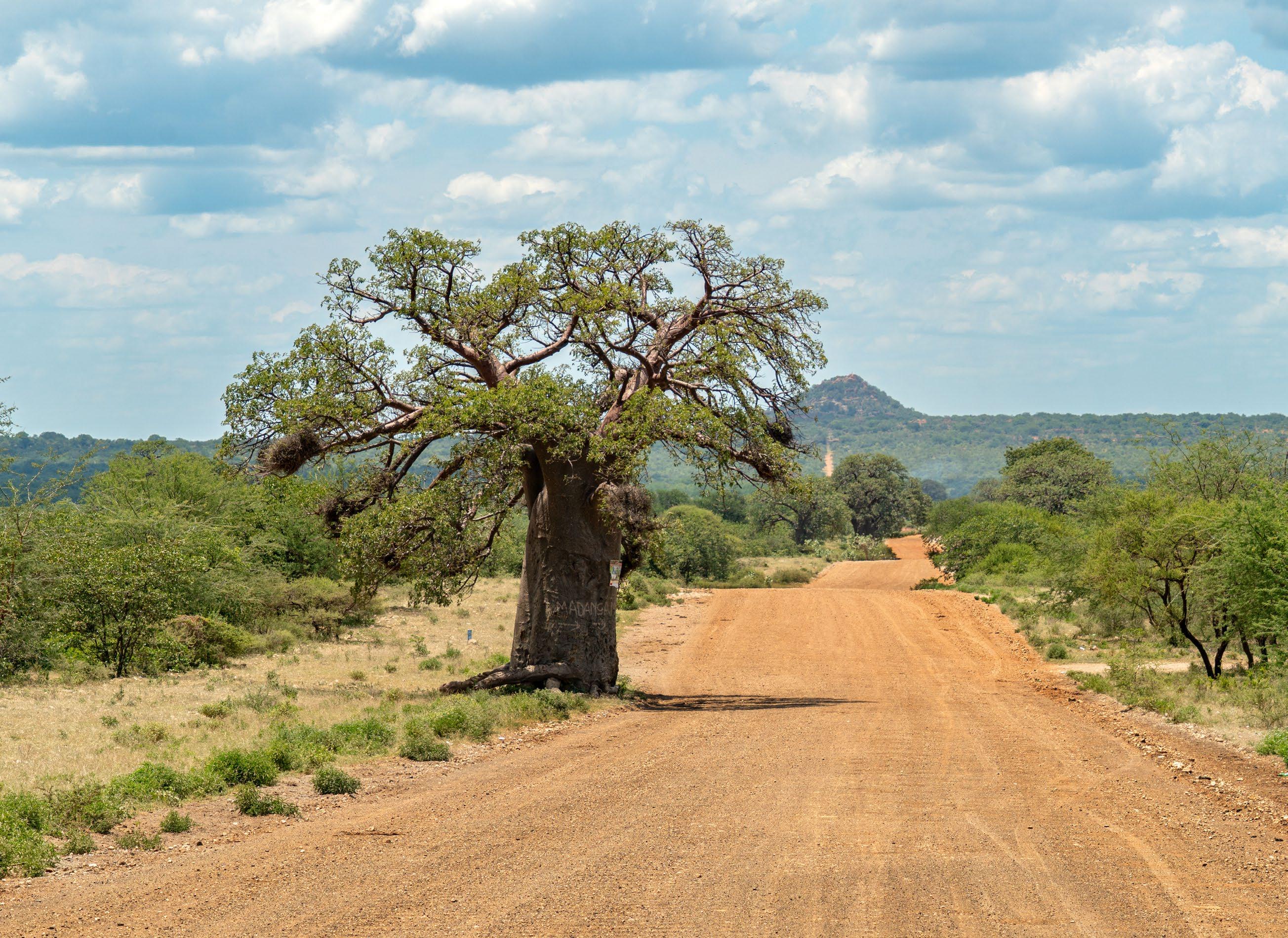
Limpopo is solidifying its position as an attractive destination for investment.
The Limpopo Investment Conference, held from 7 to 8 November in Polokwane, convened investors, industrialists, economists, and policymakers to discuss strategies for accelerating economic development, creating jobs, and unlocking the province’s untapped potential. This year’s Conference showcased Limpopo’s economic strengths while emphasising its alignment with national and continental development priorities.
A strategic vision for investment The Conference delivered remarkable outcomes, securing investment pledges of
R120-billion across diverse sectors, including agriculture, infrastructure, mining, green energy, and tourism.
Limpopo Premier Phophi Ramathuba highlighted the role of partnerships in driving inclusive growth. Her vision aligns with the Conference’s broader goals: to attract foreign investment, create jobs, and address service delivery challenges. The event also highlighted the need for sustainable development, strongly focusing on green energy initiatives and infrastructure projects that align with Limpopo’s development priorities. With the pledges, the province is well-positioned to implement projects that will boost its economy and contribute to
national development goals. From industrial parks and SEZs to green energy and agro-processing, Limpopo is leveraging its strengths to create a diversified and resilient economy. As implementation begins, the province faces the challenge of ensuring these projects deliver tangible benefits to local communities. Job creation, skills development, and infrastructure improvements will be critical in maximising the impact of these investments. Limpopo is on track to achieve its vision of sustainable growth and economic inclusion by fostering an environment of collaboration and innovation.
President Cyril Ramaphosa’s recent visit to Limpopo highlighted the province’s importance in South Africa’s economic future. He called
on the provincial government to actively engage the private sector, leveraging public-private partnerships to create an environment conducive to long-term investments.“We must unlock private sector money by creating an enabling environment,” President Ramaphosa said.
He emphasised the critical role of Limpopo’s mineral wealth in supporting national and regional economies, identifying platinum, coal, and iron ore as key contributors to growth.
The president also noted Limpopo’s strategic positioning within the African Continental Free Trade Area (AfCFTA), which connects
55 countries and over 1.3 billion people. This free trade agreement offers Limpopo a unique opportunity to serve as a gateway to African markets, fostering intracontinental trade and economic integration.
The province’s development strategy includes advancing two Special Economic Zones (SEZs): Musina-Makhado and FetakgomoTubatse. These SEZs are central to Limpopo’s industrialisation efforts, with the former focusing on energy and metallurgy and the latter on green energy and mineral beneficiation.
Limpopo’s economic strengths
Limpopo is a natural resource hub, rich in minerals, agricultural potential, and tourism opportunities. The province leads the country in the production various crops, positioning it as a key player in the agro-processing sector. Its vast landscapes also support cattle and game farming. The province’s mining sector remains a cornerstone of its economy, contributing significantly to national GDP. Additionally, Limpopo is expanding its focus to include beneficiation and renewable energy, aligning with global sustainability trends.
Tourism is another key pillar of Limpopo’s economy, offering diverse attractions from wildlife reserves to cultural heritage sites. The sector is poised for growth, supported by the province’s improved infrastructure and strategic connectivity through the Maputo Development Corridor and the Phalaborwa Spatial Development Initiative.
Limpopo’s connectivity is enhanced by a robust transport
network, including the Maputo Development Corridor - a critical trade route linking the province to the Port of Maputo. Rail and road infrastructure facilitate the movement of goods, making Limpopo an attractive destination for investors seeking access to local and international markets.
Central to Limpopo’s growth strategy are catalytic projects aimed at advancing industrialisation and green energy adoption. The Fetakgomo-Tubatse SEZ, once fully operational, is expected to attract significant investment in green energy and mineral processing. Similarly, the Musina-Makhado SEZ is positioning Limpopo as a leader in energy and metallurgical industries, leveraging its strategic location near major trade routes.
The provincial government is also focusing on industrial parks, such as the Fetakgomo-Tubatse Industrial Park, to drive economic activity and attract investors. These projects are designed to stimulate industrial growth, create jobs, and foster innovation, ensuring long-term economic resilience.
Limpopo’s growth is not just a possibility; it is an inevitability driven by strategic investments and collaborative efforts. The province’s abundant resources, coupled with its focus on industrialisation and sustainability, make it a key player in South Africa’s economic landscape. With a clear vision and strong partnerships, Limpopo is poised to unlock its full potential, delivering prosperity for its people and contributing to the broader goals of national and continental development. n
Source:SundayWorld | SANews | LimpopoGovernment | EngineeringNews | GlobalAfricaNetwork

BY JESSIE TAYLOR
As South Africa ends the annual 16 Days of Activism for No Violence Against Women and Children, President Cyril Ramaphosa has called on every citizen to take action against gender-based violence (GBV) and femicide. The President outlined the urgent need for societal change, emphasizing that everyone has the responsibility to combat GBV. “Violence against women and children in our country is pervasive,” he said. “Women and children are being beaten, assaulted, and killed in the streets, in the workplace, at places of learning, and in their homes.”
South Africa continues to grapple with high rates of GBV, particularly within domestic settings. According to a 2023 report by UN Women, 60% of femicide victims globally were killed by someone close to them, often in their own homes. Locally, the Human Sciences Research Council’s National Gender-Based Violence Study found that a fifth of men surveyed admitted to committing sexual or physical violence against their partners.
The study is a groundbreaking initiative that provides a comprehensive understanding of the prevalence and dynamics of GBV across the country. Conducted by the Human Sciences Research Council (HSRC) and supported by a range of partners, this baseline survey explores physical, sexual, emotional, and economic violence among South Africans aged 18
and older. The study reveals high levels of GBV in South Africa, with physical and sexual violence being particularly pervasive. Women with disabilities and those living in rural or informal areas face higher rates of violence. The data also highlight alarming levels of emotional abuse, economic coercion, and controlling behaviours, often perpetuated within intimate relationships.
Among the key findings were:
• Over a third (37%) of women aged 18 and older reported experiencing physical or sexual violence in their lifetime.
• Approximately 26% of everpartnered women disclosed lifetime IPV, while 15% reported IPV within the past 12 months.
• Around 21% of men admitted to perpetrating IPV, highlighting the levels of violence within intimate relationships.
• 18% of women experienced economic control or deprivation by their partners.
Men’s perpetration of violence was also scrutinized, showing significant links to societal norms and childhood experiences of abuse. Such insights underline the entrenched nature of GBV in cultural and structural frameworks, as well as the need for targeted interventions.
The report identifies a range of drivers behind GBV, including:
• Gender norms and patriarchal attitudes normalize male dominance and control.
• Socio-economic inequalities lead to increased vulnerability for women, especially in economically marginalized settings.
• Historical legacies of violence, rooted in South Africa’s apartheid-era systemic oppression.
Source:HRSC | PresidentialNewsletter
The pandemic exacerbated GBV, with lockdowns isolating victims and limiting access to support systems. A rise in violence during this period highlights the urgent need for resilient and accessible support frameworks.
A collective responsibility President Ramaphosa linked IPV to deeply ingrained sexism. He called for addressing the belief that women are the “property” of their partners, which perpetuates abuse. “Intimate partner violence remains the most prevalent form of genderbased violence in South Africa,” he said.
To end GBV, the President stressed the importance of prevention, particularly through reshaping how men and boys are socialized. Reflecting on his participation in a Young Men and Boys Indaba, he shared insights into how toxic masculinity often replaces an inherent sense of empathy.
“At some point in their lives, they were exposed to a form of toxic masculinity in which ill-treating women is seen as macho and manly,” he said. This mindset must be eradicated by teaching young men about equality, healthy relationships, and the importance of consent.
The President commended initiatives like the Pledge for South African Men to End Gender-Based Violence, where men publicly commit to rejecting violence and supporting women’s rights. He urged more men to join these efforts, saying, “By remaining silent when they know that their friends, classmates, or co-workers are abusers, they are complicit in the crime.” Creating environments where women feel safe to report
abuse is critical. “We need to create safe spaces – whether in schools, religious settings, workplaces, or police stations –where women can speak freely about experiences of abuse and where they can find care and support,” he said.
President Ramaphosa urged all sectors of society to unite to address GBV.
“Just as gender-based violence affects everyone, so too we must all work together to overcome it,” he said, calling on businesses, trade unions, and public servants to join the effort,” he said.
“None of us must look away. Gender-based violence and femicide have no place in our society.” n

BY JESSIE TAYLOR
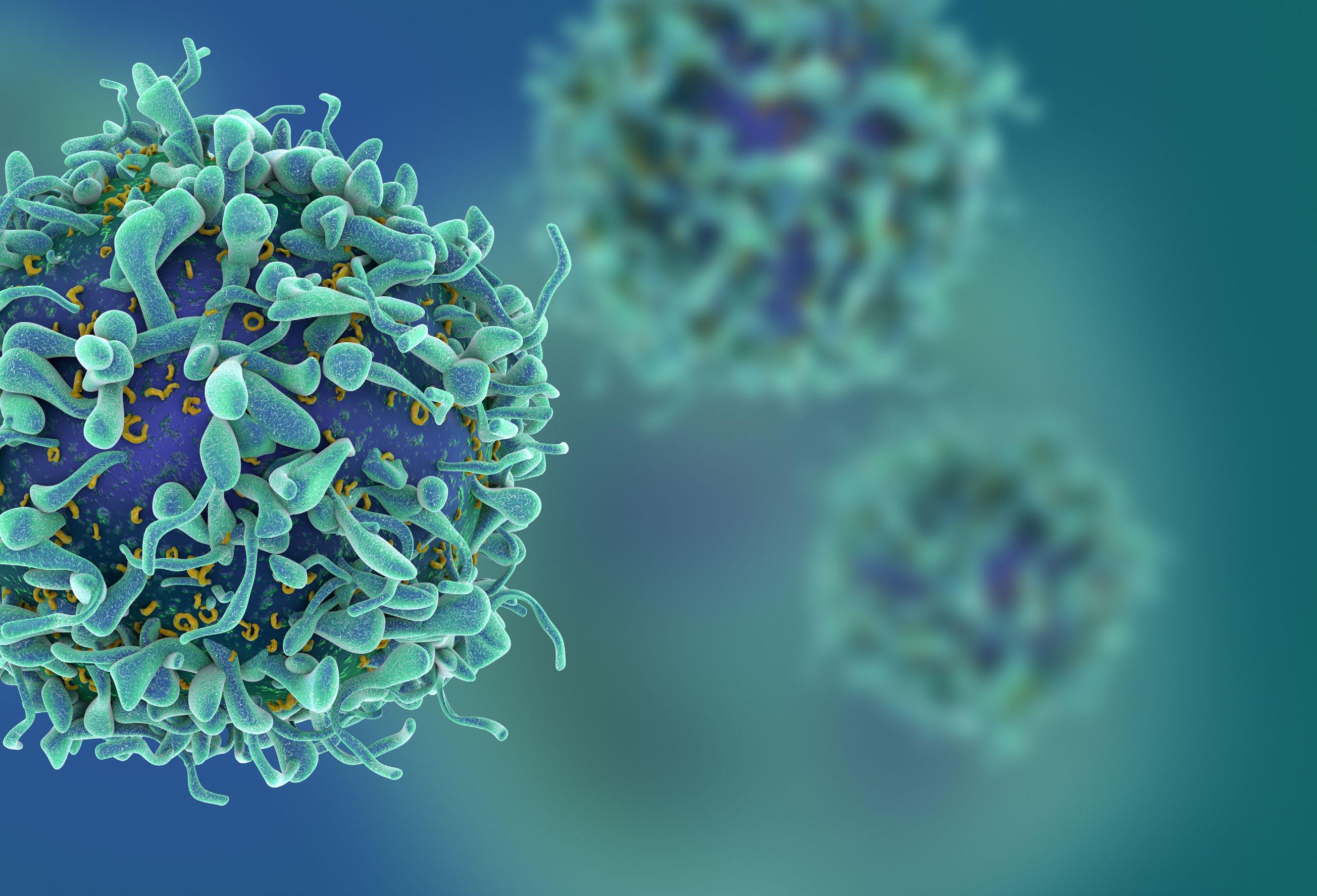
World AIDS Day, observed annually on 1 December, is a moment to reflect, unite, and recommit to the global fight against HIV/AIDS. This year’s theme, “Let Communities Lead,” underscores the importance of grassroots initiatives in tackling the epidemic, addressing stigma, and creating a more inclusive future.
South Africa’s fight against transmission
Over the past two decades, the country has made significant strides in understanding the virus, improving treatment, and reducing infection rates. The rollout of antiretroviral treatment has been a game-changer, with antiretroviral treatment coverage increasing from 63.7% in 2017 to 80.9% in 2022. This translates to over 5.7 million people
living with HIV receiving lifesaving medication. Yet, despite these advances, stigma and discrimination remain formidable barriers to achieving universal health equity.
Stigma often manifests as social exclusion, job loss, or denial of medical services, with devastating consequences for those affected. Former President Nelson Mandela once noted, “Many people suffering from AIDS are not killed by the disease itself but by the stigma surrounding it.”
The findings of the sixth South African HIV Prevalence, Incidence, and Behaviour Survey (SABSSM VI), released in 2024, offer both hope and caution. HIV prevalence in South Africa decreased from 14% in 2017 to 12.7% in 2022. The number of people living with HIV also
declined slightly, from 7.9 million to 7.8 million over the same period. These figures highlight the impact of sustained prevention and treatment efforts.
However, the survey also revealed stark gender disparities. Females continue to be disproportionately affected, with an HIV prevalence rate of 16.4%, compared to 8.8% for males. For women aged 35 to 39, the prevalence peaks at 34.2%, while for men aged 45 to 49, it is 27.1%. These statistics underline the need for targeted interventions addressing the unique vulnerabilities faced by women and young girls.
The data also shed light on the drivers of HIV among youth, including early sexual debut, agedisparate relationships, and low condom use. Alarmingly, only 73.1%
of young people aged 15 to 24 are aware of their HIV status, a gap that must be bridged to achieve UNAIDS’ 95-95-95 targets by 2025.
South Africa has made commendable progress toward meeting UNAIDS’ ambitious 9595-95 targets.
As of 2022, 89.6% of people living with HIV were aware of their status, 90.7% of those diagnosed were on treatment, and 93.9% of individuals on treatment had achieved viral suppression. These milestones reflect a robust health system and the resilience of affected communities. Yet, challenges remain, particularly in reaching youth and addressing the lingering stigma that discourages testing and treatment. The survey also
highlighted promising trends in HIV prevention. Awareness and uptake of pre-exposure prophylaxis (PrEP) are increasing, offering a vital tool for reducing new infections. Meanwhile, enhanced antiretroviral treatment coverage and viral load suppression rates demonstrate the effectiveness of South Africa’s treatment strategies.
As South Africa works toward the UNAIDS 2030 goals, the focus must remain on reducing new infections, particularly among adolescent girls and young women. Enhanced prevention efforts targeting disproportionately affected groups, such as young people and women, are critical. Addressing the social determinants of health—poverty, inequality, and gender-based violence—will also play a key role in mitigating the epidemic.
This year’s World AIDS Day theme, “Let Communities Lead,” emphasizes the power of local initiatives in driving change. The National Strategic Plan on HIV, STIs, and TB 2017-2022 has laid a solid foundation for these efforts. By focusing on prevention, treatment retention, and addressing social drivers of the epidemic, the plan aligns with global best practices while addressing South Africa’s unique challenges.
Every sexually active South African faces the risk of HIV infection, and every citizen bears the responsibility to combat stigma and discrimination. Treating those living with HIV with compassion, supporting those battling AIDS with care, and prioritizing respect for oneself and one’s partners are essential steps toward creating a more inclusive society.
The UNAIDS 95-95-95 targets are a set of ambitious global health goals designed to end the HIV epidemic as a public health threat by 2030. Launched in December 2020, these targets aim to ensure that by 2025:
• 95% of people living with HIV know their HIV status
• 95% of those diagnosed with HIV receive sustained antiretroviral therapy, and
• 95% of those on antiretroviral treatment achieve viral suppression.
These targets are rooted in the understanding that HIV can be controlled and eventually eradicated through a comprehensive approach to diagnosis, treatment, and prevention. By focusing on these interconnected goals, the 95-95-95 framework ensures that every step of the HIV care continuum is addressed, from diagnosis to successful management.
Achieving the 95-95-95 targets would not only save millions of lives but also reduce the stigma associated with HIV, improve overall health outcomes, and significantly reduce new infections. This framework aligns with the broader Sustainable Development Goals (SDGs), particularly SDG 3, which aims to ensure healthy lives and promote well-being for all.
The 95-95-95 targets symbolize hope and collective action, demonstrating that with political will, community engagement, and access to healthcare, an AIDS-free generation is within reach. n
Source:SANAC | SAGov | UNAID

The financial landscape in South Africa is undergoing a profound transformation driven by the integration of artificial intelligence (AI) into financial planning. From personalised recommendations to risk management, AI technologies are reshaping how individuals, businesses, and public institutions manage their finances. With applications ranging from generative AI-powered advisory to predictive analytics, the rise of AI signals a new era of efficiency, inclusivity, and innovation.
One of AI’s most significant contributions to financial planning is the ability to provide personalised advice at scale. Traditional
financial planning often relied on one-size-fits-all solutions, but AIpowered tools now offer tailored insights based on an individual’s unique financial profile. To craft customised plans, these tools analyse vast datasets, including spending habits, investment history, and income patterns.
For instance, generative AI can simulate various financial scenarios, offering suggestions for optimising returns while managing risks. This technology not only improves customer experiences but also deepens engagement by addressing specific financial goals. By understanding each user’s unique financial circumstances, AI helps ensure their plans are both realistic and achievable.
Financial decisions can be overwhelming, especially when considering complex investments or retirement planning. AI simplifies this process by providing actionable insights and recommendations. Algorithms can predict market trends, assess risk levels, and even suggest optimal times to make financial moves. Platforms like robo-advisors employ these capabilities to make investment management accessible and affordable for the average person.
Predictive analytics have become a cornerstone of financial planning. They allow individuals and organisations to anticipate future financial challenges and opportunities, making long-term planning more effective. AI fosters confidence in financial decision-

making by empowering users with accurate and timely data. AI has the potential to democratise financial planning, making services accessible to previously underserved communities. In South Africa, where economic disparities remain a challenge, AI tools are bridging the gap. Mobile apps and digital platforms powered by AI provide affordable and userfriendly financial advice, enabling more people to take control of their financial futures.
These tools are particularly beneficial in improving financial literacy. By delivering insights in simple, relatable terms, AI-powered platforms empower users to make informed decisions, regardless
of their financial expertise. This accessibility helps level the playing field, fostering economic inclusion across the country.
A new frontier of financial planning AI has revolutionised the customer experience in financial services. Chatbots and virtual assistants powered by natural language processing are commonplace, providing instant support and guidance. These tools enhance efficiency, allowing users to resolve queries or access information without long wait times.
Generative AI also enables dynamic interactions that feel more personalised and human-like. This technology reshapes how financial institutions engage with their clients, improving satisfaction and loyalty. For public sector leaders, adopting such tools can enhance service delivery and build stronger relationships with stakeholders.
Retirement planning is another area where AI is making a significant impact. Traditional methods of retirement saving often fail to account for dynamic factors such as changing market conditions, inflation, and life expectancy. AI-driven platforms address these gaps by continuously analysing data and adjusting recommendations.
In addition, AI also plays a critical role in identifying and mitigating risks. In financial planning, risk management is paramount, whether it involves securing assets or ensuring compliance with regulations. AI systems excel at analysing vast amounts of data to detect anomalies and flag potential risks or fraudulent activities in
Source:TechFinancials | FANews | Wonga | ForvisMazars
real time. AI is transforming financial planning in South Africa, offering unprecedented opportunities for efficiency, personalisation, and inclusion. Emerging technologies such as machine learning, block chain integration, and quantum computing promise to further enhance the capabilities of financial tools. As these innovations become mainstream, the financial planning process will become even more seamless, efficient, and personalised.
By leveraging AI-powered tools, individuals and institutions alike can optimise their financial strategies, mitigate risks, and achieve longterm goals. However, realising the full potential of AI requires a commitment to ethical practices, regulatory oversight, and ongoing innovation. As AI continues to evolve, its impact on financial planning will undoubtedly grow, shaping a more dynamic and inclusive financial ecosystem for all South Africans. n

BY JESSIE TAYLOR

Are you considering saving your annual leave for later? You might be risking losing it altogether. A recent judgment by the Labour Court underscores the importance of taking your leave within the prescribed timeframes. While employers are legally obligated to ensure you can take your leave, the stakes are even higher for employees: any leave not taken within six months of the end of the leave cycle will be forfeited. That means no carrying over, no payouts, and no exceptions. In South Africa, employees are entitled to various types of leave under the Basic Conditions of Employment Act (BCEA). These entitlements ensure that workers maintain a healthy work-life balance while addressing personal and family needs.
These are the types of leave South African employees can claim:
Employees are entitled to 21 consecutive days of paid annual leave for every 12 months worked. This equates to 15 working days based on a five-day workweek. Annual leave must be taken within six months of the leave cycle’s completion and cannot be exchanged for cash unless the employee leaves the company. Employers and employees may agree on the timing of leave, but leave cannot overlap with other types of leave like maternity or sick leave.
Sick leave operates on a three-year cycle. Employees are entitled to the equivalent of their normal working days over six weeks during this cycle. For example, a full-time employee working five days per week is entitled to 30 days of paid sick leave over three years. During the first six months of employment, employees accrue one day of paid sick leave for every 26 days worked. Beyond two consecutive days of absence, employees must provide a valid medical certificate.
Pregnant employees are entitled to four consecutive months of unpaid maternity leave. Unless a healthcare provider advises otherwise, maternity leave typically begins four weeks before the expected delivery date. Employees may claim benefits from the Unemployment Insurance Fund (UIF) during maternity leave. Employers cannot dismiss employees based on pregnancy or related reasons, and they must reinstate the employee upon return from leave.
All parents, regardless of gender, are entitled to 10 consecutive days of unpaid parental leave when their child is born or adopted. This provision ensures that both parents can support the child during its early days. Adoptive and commissioning parents are also entitled to adoption or surrogacy leave, with one parent taking the full leave or sharing it.
Employees with more than four months of service and who work at least four days per week are entitled to three days of paid family responsibility leave annually. This leave can be used for specific situations, such as the birth of a child, illness of a child, or the death of a close relative, including a spouse, parent, or sibling. Unused family responsibility leave does not roll over to the next year.
Employees may take unpaid leave if they have exhausted their paid leave entitlements. However, such arrangements must be agreed upon with the employer
While not explicitly covered under the BCEA, some employers offer study leave or allow time off for religious observances as part of their policies. These types of leave are subject to the employer’s discretion and may require prior approval.
If an employee is injured at work or contracts an occupational disease, the leave taken for recovery is covered under the Compensation for Occupational Injuries and Diseases Act (COIDA). This is not deducted from their sick leave entitlement.
Leave policies are often outlined in employment contracts and may offer benefits exceeding the BCEA’s minimum requirements. If you do not take your annual leave, it can lead to several complications for both employees and employers. In South Africa, the “use it or lose it” principle applies to annual leave. This means that if employees fail to take their accrued leave within a stipulated period, typically a year, they risk losing it unless specific provisions are outlined in their employment contract or company policy.
For employees, not taking leave can have serious implications for well-being and productivity. Prolonged work without adequate rest can lead to burnout, stress, and reduced effectiveness at work. Physically and mentally, employees may find themselves unable to cope, which could also result in higher absenteeism due to illness. Financially, forfeited leave means losing a valuable benefit that forms part of total compensation. Moreover, labor laws generally do not allow employees to “cash out” unused leave unless they leave the organisation, making planning and utilising this benefit imperative.
From an employer’s perspective, unclaimed leave can create legal and financial challenges. Employers must maintain records of accrued leave liabilities, which could become a financial burden if several employees fail to take their leave. Additionally, excessive leave accumulation could disrupt operations if multiple employees try to take their leave simultaneously in the future. To avoid complications, it’s crucial for both employees and employers to manage leave proactively. Encouraging a culture where taking time off is normalised and supported can lead to better productivity, healthier work environments, and stronger employee satisfaction. Legal and policy frameworks should be clearly communicated to employees, ensuring they understand their rights and obligations regarding annual leave. n
Source:LabourGuide | MailandGuardian | DepartmentofLabour
BY KOKETSO MAMABOLO AND SHUMIRAI CHIMOMBE

How you can plan ahead with a smart household budget
As the festive season approaches, many of us are planning to take that muchneeded holiday break, maybe take a trip, or just spend quality time with family and friends. And for those who are lucky enough to receive a bonus or 13th cheque, this brings that extra welcome boost.
However, it is important to keep in mind that January is not too far - and it’s a very long month which comes with its own financial responsibilities because the bills will still need to be paid.
But with some good financial planning, Januworry doesn’t have to hurt.
50/30/20 rule
The 50/30/20 rule is straightforward and one of the most popular household budgeting tools.
Half of your net income should go towards fulfilling your needs - the things that you genuinely could not live without:
• Housing
• Transport
• Groceries
• Utilities
• School fees
Housing could be your rent or mortgage payments - either way, you need a roof over your head and it’s important to allocate a significant amount of that 50% to ensure you have shelter. Transport covers car payments, petrol, ridesharing and public transport. You can bring your transport costs down by finding ways to save on petrol, or buying monthly bus passes, which can save you as much as 50% compared to buying a ticket every day.
The most difficult part of going through a budgeting process is coming to terms with how much of what you spend your money is unnecessary spending. You don’t need to stream series and music - you want to. You don’t have to order food to your doorstep - you want to. You don’t need to buy the latest smartphone, despite upgrading the year before - you want to. As difficult as it is to come to terms with, you need to spend less on the things that you want. Thirty percent is still a significant portion, allowing you to indulge here and there, but when the crunch hits, as it has in recent months, you will need to dip into your wants to fulfil your needs. In other words, you need to be one of those “there’s food at home” people when the kids ask for a takeout.
Pay off your unsecured debt
It is important to consider paying off expensive unsecured debt with your bonus as this is a great way of saving money in the long run.
In order to do this, you will need to make a list of all the money that you owe, the amount outstanding, and the interest accumulated over time to have a clear picture of how much of that debt you can pay off with your bonus.
Add to or start an emergency fund
Now is the ideal time to use a part of your bonus to start or add to your emergency fund through a savings account. The idea here is for you to save between one to three months’ worth of income in an emergency savings fund. Having an emergency fund will be of essential help in the future when you have unexpected expenses. It will help you in avoiding going into debt to pay for it.
Don’t forget to spoil yourself
You have worked hard all year and gratification can come from looking at things you would not normally purchase or even taking the family away for a holiday.
Be smart with how you manage your money
Having a framework in place is great but what are some of the steps you need to take along the way? Here are five things you can do to help you build a framework plus ways that will help you be smarter with your money:
1. Know how much you’re working with It’s important to know how much you have to spend. What’s your income after tax? What are your bank fees?
2. Track your spending for a month
By keeping track of what you spend in an average month, you’ll have an idea of where your money is going. What are you spending the most on? What are you spending too much on?
3. Find out what your spending on bank fees
Card purchases, withdrawals, debit orders, transfers etc. these all come with varying fees which can pile up. Some are unavoidable, but it’s worth it to consider withdrawing less cash (it’s safer too) and swiping/tapping more. If you need to withdraw, try to do it when you visit the supermarket for groceries.
4. Try rewards programmes
Rewards programmes at banks and supermarkets can save you money without you realising it. From discounts on
groceries, to points that you can use to buy goods, there’s something for everyone.
5. Get the family involved
Work with your partner on the budget. Teach your kids about the cost of living. Develop a savings culture. Having buy-in from the whole family will help you keep the spending in check.
At the end of the day, it makes sense to treat ourselves during the festive season and treat ourselves after a long year.
It’s also important to keep in mind that we will still have responsibilities in the new year and it is advisable to budget for the future. n
Source:https://bettermoneyhabits.bankofamerica.com/en/saving-budgeting/creating-a-budget
https://www.nerdwallet.com/article/finance/how-to-budget
https://www.iol.co.za/business/advice/five-ways-to-maximise-your-december-bonus-c7ae7881-0854-41c2-a511-244554d113ed
BY KOKETSO MAMABOLO & JESSIE TAYLOR

The decorations are being dusted off, schools are closing, gifts are being exchanged and businesses are having yearend celebrations. It’s the festive season and with that comes the movement of millions of people between provinces and cities on the country’s roads. The safety campaigns launched at the beginning of December by provincial and local government officials are gaining momentum as Christmas draws closer with law enforcement agencies and emergency services facing their busiest period of the year.
Road accident figures
R205-billion - The economic cost of crashes in 2023
1 285 - The number of road deaths in the 2023 festive season
13 133 035 - The number of registered vehicles in South Africa at the end of 2023
The Department of Transport’s theme for this year’s national road safety campaign is Every day without a Road Death – South Africa 2024. Speaking at the launch at the start of December, Transport Minister Barbara Creecy said, “This 2024 festive season - and heading into 2025 - we must not only say we are going to change our behaviour on the roads, we must act. Each one of us must do everything possible to save lives.”
The strategy developed by the Road Traffic Management Corporation (RTMC) is based on four pillars: Responsible driving; pedestrian safety; enforcement & education; and collaboration.
“The Department and RTMC have partnered with civil society groups and faith-based organisations who will be rolling out the education and awareness campaigns in their communities to ensure that all road users are aware of their roles and responsibilities,” said the Minister.
“We can only lower the number of deaths during this festive season and make our roads safer through targeted interventions that include all sectors of our society and employ all the tools available to us.”
The 2023/2024 festive season saw a drop in the number of fatal crashes, albeit by only 1.1%, and officials hope the downward trend will continue with municipalities deploying more personnel, including trainees, to keep people safe on and off the roads.
To ensure your safety, as well as that of fellow road users, follow these safety tips.
Obey the rules of the road and carry your driver’s license with you.
Plan the route to your holiday destination well in advance, and allow yourself enough time to reach the destination. Try to avoid driving after dark.
Make sure that your vehicle is in a roadworthy condition before departure. Check that all lights and indicators, windscreens, windscreen wipers, brakes, steering, shock absorbers, exhaust system and tyres are in good working condition.
Ensure you are well rested when you embark on your journey, and take regular breaks while travelling. It is recommended to take a break every two hours or 200km.
As the driver, always wear your seat belt and ensure that all passengers are also wearing theirs.
Drive defensively and try to recognise potentially dangerous drivers on the road, and keep well clear of them. Also, keep an eye open for pedestrians alongside the road.
Maintain at least a 2-second following distance - this distance should be increased at night, in foggy or rainy conditions and when the road is wet.
Always adhere to the speed limit, as driving too fast or too slowly can be a potential hazard. Only overtake when it is absolutely safe to do so.
Drive with your lights on. This will make you more visible to other drivers. Always be prepared for emergencies and keep an emergency kit in your vehicle.
Never drink and drive.
Avoid distractions while driving, such as using a cellphone.
Source:RTMC | DepartmentofTransport | ArriveAlive
BY SUE RAMAUTHAR

In today’s fast-paced world, muscle tension and pain are common complaints. Whether it’s a stiff neck from hours at a desk or tight hamstrings from sitting in traffic, our bodies often bear the brunt of our daily habits. One of the simplest yet most effective remedies is stretching—a practice that not only eases discomfort but also improves flexibility and overall wellbeing.
Why stretching is essential
Stretching plays a crucial role in maintaining healthy muscles. It helps to:
• Relieve muscle tightness: Stretching lengthens muscles that have become tight or contracted due to prolonged inactivity or repetitive movements
• Enhance blood flow: It increases circulation to muscles, aiding recovery and reducing soreness
• Prevent injuries: Flexible muscles are less prone to strains and other injuries during physical activity
• Improve posture: Regular stretching combats the effects of poor posture, such as rounded shoulders or a forward head position
When incorporated into your daily routine, stretching not only alleviates current discomfort but also helps prevent future issues.
How physiotherapy supports stretching
While stretching can be done independently, working with a physiotherapist can elevate its effectiveness, especially if you’re
dealing with chronic pain or mobility issues. Physiotherapists are trained to:
• Assess muscle imbalances: They can identify tight or weak areas that may be contributing to your discomfort
• Teach proper techniques: Incorrect stretching can lead to injury. A physiotherapist ensures your form and technique are safe and effective
• Create personalised stretching plans: Based on your needs, they can design a programme targeting specific muscles and improving overall flexibility
• Address underlying issues: Sometimes, muscle tension stems from deeper issues like joint dysfunction or poor biomechanics. Physiotherapists can treat these root causes while incorporating stretching into your recovery plan
• Enhance recovery: If you’ve sustained an injury, physiotherapy can use stretching alongside other treatments to help restore range of motion and reduce stiffness
Seeking guidance from a physiotherapist ensures your stretching routine is tailored, safe, and aligned with your body’s needs.
Tips for stretching effectively
Stretching is only beneficial if done correctly. Follow these tips to maximise its impact:
1. Start with warm muscles: Stretching cold muscles can lead to strain. Begin with light activity like a brisk walk or a warm shower to increase blood flow
2. Move slowly: Gradually ease into each stretch, avoiding quick or jerky
movements. Stretching can be uncomfortable but should never be painful—stop if you feel sharp discomfort
3. Hold the stretch: For maximum benefit, hold each stretch for around 30 seconds. This allows your muscles to lengthen and adapt
4. Focus on breathing: Deep, even breaths help you relax into the stretch and reduce tension
5. Target problem areas: Pay extra attention to muscles prone to tightness, such as your neck, shoulders, lower back, and hamstrings
6. Consistency is key: Aim to stretch a few times daily, even if it’s for just a 5 minutes. This ensures lasting flexibility and relief
Here are a few easy stretches to try:
• Neck stretch: Sit or stand tall. Gently tilt your head to one side, bringing your ear toward your shoulder. Hold, then switch sides
• Seated forward fold (Hamstrings): Sit with your legs extended. Reach toward your toes while keeping your back straight. Hold to feel the stretch in the back of your legs
• Cat-Cow stretch (Back): Start on all fours. Alternate between arching your back upward (cat) and dipping it downward (cow), moving fluidly with your breath
• Chest stretch: Stand in a doorway, placing your hands on the frame at shoulder height. Step forward slightly to open up your chest and shoulders
Stretching is more than a physical activity—it’s a chance to connect
Source:HRSC | PresidentialNewsletter
with your body. As you stretch, you may notice where tension resides and how your body responds. This mindfulness fosters relaxation and stress relief, further enhancing the benefits of stretching.
For those seeking extra guidance, consulting a physiotherapist can make a world of difference. Our expertise ensures that your stretching routine is not just effective but also tailored to your unique needs. Whether you’re recovering from an injury or aiming to prevent discomfort, a physiotherapist can help you achieve a pain-free, flexible body. Remember, this is the only body you have, so take care of it! n
and physiotherapist at SuedeWellness

DEC
World AIDS Day serves as a global reminder of the ongoing fight against HIV/AIDS. This day focuses on raising awareness about the impact of HIV on individuals, families, and communities worldwide. It provides an opportunity to honour those who have lost their lives to the virus and to support those living with HIV/ AIDS. Established in 1988 by the World Health Organization (WHO), the day also aims to reduce the stigma and discrimination faced by people living with HIV. As of today, despite significant medical advancements, HIV/AIDS continues to be a major health challenge, especially in subSaharan Africa, where the epidemic is most pronounced. Through World AIDS Day, governments, organizations, and communities are encouraged to reflect on their progress while also acknowledging the gaps in treatment, prevention, and education.

3 DEC
International Day of Persons with Disabilities highlights the importance of inclusion and equal opportunity for persons with disabilities. Proclaimed by the United Nations in 1992, the day promotes a better understanding of disability issues and seeks to mobilize support for the rights and well-being of people with disabilities. It also underscores the need to create accessible environments, from physical spaces to digital platforms, that enable everyone to fully participate in society. This day serves as a reminder that over a billion people, or about 15% of the world’s population, live with some form of disability. For many, these conditions can exacerbate issues like poverty and inequality, especially when access to education, healthcare, or employment is limited. The UN encourages governments, organizations, and individuals to adopt policies and practices that promote inclusivity, ensuring that people with disabilities have equal rights and opportunities.

5 DEC
World Soil Day emphasizes the critical role that healthy soils play in sustaining life on Earth. Soils are the foundation for food production, biodiversity, and the global carbon cycle. Yet, soil degradation—driven by deforestation, urbanization, and unsustainable farming practices— threatens the planet’s capacity to produce food and support ecosystems. This day highlights the importance of managing soils wisely and encourages actions to safeguard soil health for future generations. The UN’s focus on World Soil Day aligns with its broader efforts to meet Sustainable Development Goal (SDG) 15, which aims to protect, restore, and promote the sustainable use of terrestrial ecosystems. As part of this, soil preservation is critical for food security, poverty reduction, and climate change mitigation. World Soil Day promotes global action to raise awareness, improve soil management, and implement policies that can prevent further soil erosion and degradation.

7 DEC
International Civil Aviation Day
International Civil Aviation Day recognizes the crucial role of aviation in connecting the world. This day highlights the importance of civil aviation in facilitating global trade, tourism, and communication. Aviation is also central to disaster relief, international cooperation, and the movement of essential goods and services. The UN encourages governments, the aviation industry, and consumers to focus on the environmental and social impacts of aviation. International Civil Aviation Day is an opportunity to reflect on how air travel has transformed the world and how it can continue to evolve to meet the demands of a rapidly changing global landscape. With climate change a growing concern, discussions on making aviation more sustainable and inclusive are central to the observance of this day.
9 DEC
International AntiCorruption Day
International Anti-Corruption Day focuses on the fight against corruption and its negative impact on society. This day aims to raise awareness about the detrimental effects of corruption on governance, the economy, and society as a whole. Corruption erodes public trust, hampers development, and exacerbates inequality, preventing societies from realizing their full potential. The UN Convention Against Corruption, adopted in 2005, serves as a legal framework to promote international cooperation in combating corruption. International Anti-Corruption Day serves as a reminder that a collective commitment to integrity and justice is essential to building a more equitable and sustainable future.
10 DEC
Human Rights Day
Human Rights Day marks the adoption of the Universal Declaration of Human Rights by the United Nations General Assembly in 1948. This declaration laid the foundation for international human rights law, recognizing the inherent dignity and equal rights of all people. The day is dedicated to advocating for the protection and promotion of human rights worldwide, focusing on issues such as equality, justice, freedom, and dignity. Human Rights Day is a call to action, urging governments and individuals to uphold and defend the rights of marginalized populations. From combating systemic inequality and discrimination to addressing human rights violations in conflict zones, this observance reinforces the global commitment to creating a more just and peaceful world. It is also an opportunity to reflect on the progress made and the challenges that remain in achieving the full realization of human rights for all.