Restoration

Fall into Possibility


DREAM COLLECTOR CARS ANTIQUES WITH ATTITUDE DISTILLED DISCOVERIES






I am trying to revive my beloved green velvet couch. It holds all the good stuff: the great price I paid because of the flaw on the back corner, the pop of color it brings into my room, the naps it has inspired, the conversations it’s propped up, the babies who have touched its soft texture, the small children who have hidden behind its cushions, and the puppies that have snoozed on it.
When considering restoring versus replacing something, I first question, “Is it worth the effort?” both in quality and in memories. Then, I must consider what the restoration will bring to my life.
And although I am talking about a couch, the idea of restoration can be applied to much more important things. What needs restoring in your life? In your family? In your community?
In this issue, we meet some people who believe in the power of restoration.
Look at Bob Jennings, who restores cars that are both fantastic and impractical while inspiring people everywhere (p.8).
Or Gerry Masse, who preserves memories by lovingly applying art to furniture restoration (p.42).
Barb Brewster saw the decreasing population of Monarch butterflies and decided to do what she could to help restore the species (p.14).
Explore ways to restore your body through both wonderful technology (p.32) and ancient methods (p.28), or discover restoration in a town that has held onto history (p.36).
Whether it’s reviving your family sofa, or rebuilding strength, or planting a seed — or an idea — the possibilities are endless. — Anita Oldham
Today’s Transitions is published quarterly by: Barrett Jacoby Publishing, LLC 8002 New LaGrange Road, Louisville, KY 40222 TodaysTransitions.com
The opinions expressed herein are exclusively those of the writers and do not necessarily reflect the position of the publisher. Today’s Transitions magazine does not endorse or guarantee any advertiser’s product or service. Copyright 2025 by Barrett Jacoby Publishing, LLC, all rights reserved. Reproduction or use of editorial or graphic content in any manner is prohibited without permission from Barrett Jacoby Publishing, LLC.

Editor-In-Chief Anita Oldham anita@todaystransitions.com
Editor/Designer Jessica Alyea jessica@todaystransitions.com
Creative Design Director Jill Cobb jill@todaystransitions.com
Office Administrator MacKenzie Kuebler office@todaystransitions.com
Senior Media Consultant Teri Hickerson teri@todaystransitions.com
Cover Photo Corinna via Unsplash
Advertise: teri@todaystransitions.com
Reprints: office@todaystransitions.com
Subscribe: Send $10 to the above address for 4 quarterly issues.


Travel: AN ARTISTIC ALLEY WALK
The AlleyLoop Historic District Walk is just one stop on a visit to La Grange, Kentucky. See what else you can do here.
MAKE
Find ideas to boost your wellbeing, such as giving yourself something to look forward to — perhaps a weekend getaway?

Read this story and more at TodaysTransitions.com by scanning the QR code.
The Ride of Her Life For the past 25 years, Sarah Dutton and her husband have traveled throughout the country in their 1965 Airstream camper. Check out their story and open attitude toward life.

What’s Happening In Town
Every month you’ll find a roundup of events not to miss, from festivals and concerts to art shows and museum tours.
Scan the QR code to read more.
Stay Connected With Our Newsletters
Choose the news you want the most — Beautiful Living, Caregiving and Health, Local Happenings, Digital Edition, or all.
Sign up for our newsletters by scanning the QR code.

Caregiving: THE FUTURE OF CAREGIVING
New tools and services are helping aging adults stay connected, manage health, and live at home longer.
Comprehensive
Find a directory of options for retirement living on page 48. Care community and home caregiving directories start on page 60. Search our directories online for caregiving and living options in Kentucky, Indiana, and Ohio at TodaysTransitions.com.






On a summer night in the early 1970s, a teenage Bob Jennings was stopped on the side of Interstate 64 with friends when, in a moment of crystal clarity, he saw it: “There was this orange thing that looked like Halley’s Comet bearing down on me like a laser pointer in a fog sequence light show,” Bob recalls. “As my mouth gaped open, this winged beast flew by me, and I instantly knew what it was. A 1970 Plymouth Superbird, in the flesh, had just blown by our car.”
That was the first big life goal Bob remembers setting: that one day he
would be the owner of a Superbird. Now as he looks back, Bob says he’s a very lucky guy.
“I was lucky enough to marry an incredible woman 50 years ago, and I am lucky enough to own a bunch of Superbirds and Daytonas,” he says.
On his way to realizing his dream, Bob put himself through college by working and taking courses at night. He learned the automotive industry while employed at local auto dealer Walt Bales’ ChryslerPlymouth dealership in Jeffersonville. Bob later became a CPA and started a national education company for tax


professionals, Taxspeaker. He kept muscle cars in the back of his mind while raising his family.
Then, 20-something years ago, after Bob had to have open heart surgery, his wife urged him to accomplish his goal and buy his Superbird, ‘the weirdest Plymouth of all,’ as Bob describes. Built for Nascar racing under the reign of “The King,” Richard Petty, with a production run of only one year — 1970 — these cars were now rare, legendary, and ‘garishly ugly on the street,’ Bob says. “They were a handslap in the face of conventional car fans




and [served] my desire to flip off conventional thought and authority.”
When at last Bob bought his first Superbird, which had been locked away in a museum, he knew it was not going to sit in his garage. But first, it needed some work. “It looked good, but every mechanical thing was not good,” Bob says. Over the next several years, Bob, his son, and a friend got his lifelong dream into dependable driving condition.
“By late 2013, I drove that ’Bird everywhere in good weather and was greeted with throngs of people wanting a picture with the car or to talk about the car,” Bob says. “These cars are memories of a time gone past, a carefree look into

a different, maybe more friendly time, or a return to childhood memories like the Cars movies.”
That’s when the idea hit him — why not take it somewhere where no one had seen a Superbird?
Bob has now driven his white Superbird to Alaska twice and to Key West, Florida, once. And he’s added to the flock: He now owns eight Superbirds and two Daytona Chargers. Last fall he drove his black ’Bird even further — to the Arctic. All along the way, when he stopped at car shows, rest areas, or roadside stands, people would clamor to see the car.
Bob has realized his role with these beloved vehicles: “I am a deliveryman of dreams, not a collector of old cars,” he says.
Jennings with his 1970 Lemon Twist Superbird.
“Whenever I drive these cars, the car is the star,” he says. “Do you think people remember the old bald fat guy? No, they remember the car.” Also pictured is Bob’s 1970 Psychedelic Drag Superbird.
By Vanessa Hutchison

Too Old for This, by Samantha Downing, out August 12
Have you ever wondered what serial killers do in retirement? If so, you will love this book. Lottie Jones has long since retired from her murderous hobby. But when she receives an unexpected visit that threatens to expose her buried secrets, she must consider coming out of retirement for one last murder. Too Old for This is dark and twisted for sure, as you might expect if you read Downing’s 2019 novel My Lovely Wife, but it is not overly serious; Downing makes you laugh as much as she makes you squirm.

The Book of Lost Hours, by Hayley Gelfuso, out August 12
Imagine a library filled with the memories of those who lived through historical moments. This is the image conjured by this historical fantasy, which follows two young women from different decades who must save this mysterious library’s books from government agents trying to rewrite history. If you enjoyed Matt Haig’s 2020 release The Midnight Library, this book is sure to be among your favorites as well.

The Thursday Murder Club, Netflix, out August 28
The Thursday Murder Club is a highly anticipated Netflix movie based on the mystery novel series of the same name by British author Richard Osman. It stars Helen Mirren, Pierce Brosnan, Ben Kingsley, and Celia Imrie as a group of seniors living in a retirement community who work together to solve mysteries as a fun hobby. Everything becomes a lot more real when a murder happens in their community.
Only Murders in the Building, Season 5, Hulu, out September 9
If you’re really into watching people solve murders with their closest friends, you’re probably also excited for the release of season 5 of Only Murders in the Building. The dark comedy starring Steve Martin, Martin Short, and Selena Gomez ended its fourth season on a cliffhanger with the death of Lester, setting up a new mystery for the quirky podcast trio to solve.
Sarah McLachlan: Better Broken, out September 19
’90s nostalgia has been on deck lately, and there are few artists that ooze those vibes like Sarah McLachlan. Better Broken, this album’s title track and recently released single, might bring you all the way back to Lilith Fair if you let it. It blends McLachlan’s signature piano melodies with some funkier elements and her silky vocals, creating a unique but familiar experience. This album is sure to evoke beauty, grief, and longing in the way only Sarah McLachlan can.

The Black Keys: No Rain, No Flowers, out August 8
The Black Keys have had some difficulties in the last year after canceling a tour and firing their manager and PR team. But the band is hopeful that their latest release, No Rain, No Flowers, can represent a fresh start for the group that once released charttopping hits like 2011’s Howlin’ for You. So far, reviews are mixed. The poppy, upbeat single The Night Before is fun and catchy, but many are saying it doesn’t represent the more chill sound of the album as a whole. Mixed reception or not, it should be a fun listen.

Barb Brewster remembers catching butterflies during her childhood growing up in Jeffersonville. Her mother maintained a colorful landscape that included rows of stunning irises lining their driveway on Utica Pike. “We would see [butterflies] everywhere — in the air and landing on our flowers,” Barb says. But as the years passed, the sightings became rare. “They just weren’t around anymore; I never saw them.”
Monarch butterflies were put on the Endangered Species List in 2021, and Barb and her sister were among the many who noticed and wanted to protect and restore the species. “We started small, but in total we raised and released between 1,600 to 1,800 monarchs,” Barb says.
The process was quite time-consuming and tedious, but the rewards have been great.
Monarchs have a very specific diet; they feed on milkweed. Barb and her sister planted a great deal of the flowering plant. They would go out and search the milkweed leaves for the eggs, which were smaller than the head of a pin. “Once we got used to it, it was easy to see the tiny, oval-shaped eggs, and we collected them in plastic salad dressing containers with lids,” Barb explains. “The hatched caterpillars were no longer than a grain of rice.”

There are four stages in the developmental process for a Monarch. Once the egg becomes a caterpillar, it will shed its skin and enter a clear chrysalis for about two weeks. When they are ready to eclose (the technical word, in this case, for the process of “hatching”), the chrysalis begins to shake and wriggle until the Monarch reveals itself. “I remember an evening when three of them were working to eclose at the same time,” Barb says.

“On the radio was that song with the lyrics ‘twisting the night away’ — it was just perfect! I found myself saying out loud, ‘Push, push,’ like I was their birth coach.”
Barb kept the Monarchs in cages on her porch so that they got sunlight and were protected from predators. She made sure that they had plenty of milkweed to eat. (Why do Monarch butterflies only eat milkweed? It makes them poisonous to their predators, such as tachinid flies.) Feeding them and cleaning their cages took four hours a day for Barb, but it was a labor of love.
As Barb continued to research, she discovered that not all milkweed is created equal. That is, the tropical milkweed she was feeding the butterflies was not as good for them as a local species would be. Eating the tropical milkweed that is not native to our region did not send the biological “message” to the butterflies for when it was time to fly south in the fall on their migratory journey to Mexico. The tropical plant taught them that it would stay warmer here longer than it actually would. Fascinating!
Barb and her sister made a change — one which others are embracing. Creating pollinator gardens makes a vital difference in the lives of butterflies, insects, flowers, trees, and even humans. The number of Monarch butterflies is on the increase! Barb encourages anyone interested to join her. “Creating a pollinator garden and planting common milkweed is a simple way to help restore our butterfly population,” Barb says. “You can create a beautiful space to enjoy for years to come — full of colorful flowering plants, birds, and butterflies galore.”

Dana Huber:
We can look to nature to discover its rhythm of restoration. Each season supports reset and growth in a pattern that transforms. The cycle of renewal is all around us, and Dana Huber, vice president of marketing and public relations at Huber’s Orchard, Winery, and Vineyards, says, “It’s all about balance.”
Dana is a hometown girl. Raised just a mile away from Huber’s Orchard in Starlight, Indiana, she stays connected to her roots. “I’ve always been content to live here,” she says. Staying within a two-hour drive from home for her college years, Dana attended Indiana University in Bloomington, Indiana, where she received a bachelor’s degree in business. She worked for notable corporations such as Humana and Kindred Healthcare before answering the pull to work at the family business in 2007. Which family business, you ask? Dana is married to sixth-generation Huber family member, Ted, and they have two sons.
For those who don’t know, Huber’s Orchard and Winery is a Kentuckiana staple. As familiar as bluegrass and racehorses, Huber’s has been family-owned since 1843. Known for its seasonal u-pick fruits and vegetables (and of course their pumpkin patch that Peanuts characters would find ‘most sincere’), the farmstead has grown over the years to include wines and spirits, homemade ice cream, and a kids’ fun park.
Huber’s dedication to enhancing connections and building family memories comes from carefully considered plans by Dana and her team. “We’re putting the right people in the seats to take our company to the next level,” Dana says. While there will always be challenges, Dana says she’s more able to lean into restorative moments since her organization is growing in such positive ways.
One way she finds such restoration is through serving her community. Dana serves on Our Southern Indiana Regional Development Authority, which aims to develop
“FINDING THAT SPACE FOR RESTORATION SHOULD BE A [PRIORITY OF A] 10... IT HELPS TO BRING YOUR BEST SELF TO WHATEVER YOU’RE DOING.”
By Tonilyn

plans and recommendations to draw investment and quality-of-life improvement to Southern Indiana. “Serving in that capacity brings me that energy and restoration,” she says.
Not stopping there, Dana is also the vice chair for Wine America and recently joined the Regional Board of Advisors for Indiana University Southeast. “I wanted to contribute to educational institutions,” Dana says. She and her family are working with local education, hoping to inspire graduating high school students in finding their career calling, she continues. “All of this work is therapeutic.”
With Dana’s full schedule, finding blocks of restorative downtime can be challenging, but trusted mentors told her early in her career about the importance of work/life balance. She has learned to stop and ask herself if things are working in harmony. “Am I bringing my best self to work? And how

do I do that?” Dana says. “When I think about restoration, I think about balance… Finding that space for restoration should be a [priority of a] 10, and this might fluctuate any given week, but it helps to bring your best self to whatever you’re doing.”
If you’re ready to make a change when it comes to resetting, Dana suggests working on becoming present in the moment. “I didn’t do this early enough, and my suggestion would be to work on quality time versus the quantity of time,” Dana says. “Over the years, I’ve learned a lot, and I make sure to listen from those lessons.”


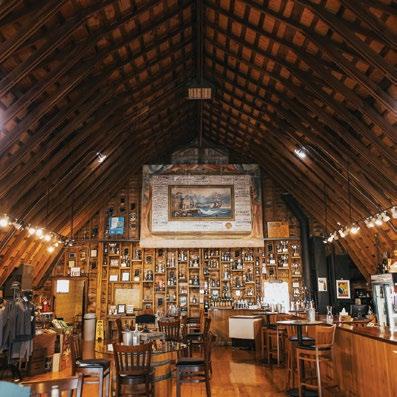
The tasting loft at Huber Winery (right) is where you can sample the wines and spirits created at the 700-acre farm. Wine making has been part of this family for seven generations, and Dana talks about maintaining the integrity of the business by making sure the right people are in the right positions. Her two sons are in leadership positions at Huber’s, allowing it to keep moving forward into the future. Winery photos courtesy of Huber’s
Tonight, in the United States, 47 million people, including 14 million children, will go to bed hungry. Food insecurity, or a lack of reliable and consistent access to affordable, nutritious food, causes an increased risk of health problems.
HighPoint Charitable Services food pantry located in LaGrange is helping to alleviate some of the stress and health concerns of food insecurity.
“HighPoint provides far more than food to hundreds of clients in need in our midst,” says volunteer Scott Floore. “Every week I learn of additional ways this ministry helps, such as providing clothing and home goods, operating shut-in outreach and youth services, and offering housing and job placement assistance.
“They literally identify needs and do all they can to fill them. It’s an amazing place with amazing people and I’m proud to be a small part of it.”
After a 36-year career at Louisville’s GE Appliances, Scott retired in the spring of 2024 and moved to Crestwood. He began volunteering just months later after longtime friends encouraged him to get involved.
“HighPoint gives me an opportunity to support our community, meet wonderfully dedicated people, and interact with clients of HighPoint. It also gives my week meaningful structure,” Scott says. “I never volunteered on a regular basis when I was working beyond activities with my family, church, and school. I saw this as a way to help out in our new community in Oldham County now that I have an abundance of time.”
HighPoint helps residents in Oldham, Trimble, Henry, Carroll,

and Shelby counties by providing nutritious food to individuals, families, children, seniors, and veterans.
Scott’s role at HighPoint includes picking up food donations from Costco, picking up clothing and home goods donations from Target, and assisting with food distribution to families and individuals on Tuesday mornings.
Scott is a graduate of Central High School and University of Kentucky. He encourages others to get involved in the community and donate their time and talents where they’re needed most.
“There are needs in our community that you probably don’t always recognize, and there are wonderful people willing to fill those needs in the name of Jesus Christ,” Scott says.
“EVERY WEEK I LEARN OF ADDITIONAL WAYS THIS MINISTRY HELPS... IT’S AN AMAZING PLACE WITH AMAZING PEOPLE.”




At Arch L. Heady & Son Funeral Home and Cremation Services, our dedicated and knowledgeable team is honored to serve the Louisville community with compassion, respect, and care. We understand that losing a loved one is one of life’s most difficult moments, and it is our mission to provide families with the support they need every step of the way.
As part of the Dignity Memorial® network, we have 12 locations that serve the Louisville and Elizabethtown communities. From assisting with immediate needs to offering ongoing guidance, we are here to help navigate the complexities of the grieving process with empathy and understanding.
We also pride ourselves on our preplanning offerings. We understand that planning ahead can provide peace of mind, and we work closely with individuals and families to make thoughtful decisions that align with their wishes.
“As a funeral director, I’ve seen the profound difference pre-planning can make,” said Faith Russell, pre-planning advisor. “Without it, families often face not only heartbreak, but also unexpected financial stress during one of the most vulnerable times of their lives. But when arrangements are thoughtfully made in advance, it lifts a tremendous burden –giving families the space to grieve, reflect and truly honor their loved one’s memory.”
We’re not just here for families in their time of need, we are deeply committed to being a trusted, supportive part of this community, both in times of sorrow and throughout life’s important milestones.
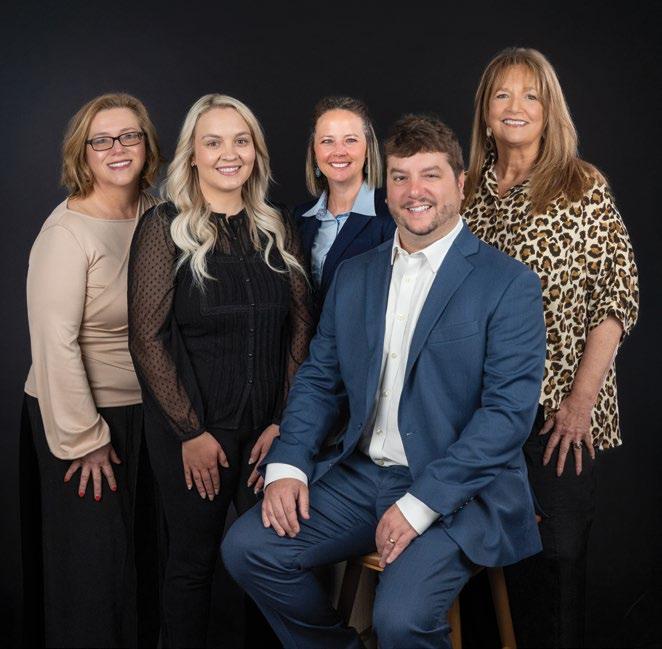
When a family walks through our doors after experiencing a devastating loss, they’re not just greeted as clients— they’re embraced like family.
— Charlene Jennings, family service counselor at Heady-Radcliffe Funeral Home & Cremation Services

We searched for simple recipes with low time commitment and high health value. The ones we found are full of fall flavor and might convince you to spend a few minutes in your kitchen.
Often we shake out a few leaves of green salad from a bag onto a plate and pour on some dressing in an attempt to get in our greens. Is there a better way? The right salad in the perfect bowl can become a health-filled base for an added protein (chicken, hamburger, fish) to make a satisfying, crunchy meal.
START
Use a big meal-sized bowl for each person. Ours is the West Elm Organic Porcelain Meal Bowl.
ADD
Leaves: organic baby spinach, arugula, lettuce, sprouts
Seeds: Hemp, pumpkin, basil, sunflower
Nuts: Any, but recommend chililime-flavored pistachios
Extras: Cilantro, green onions, snap peas, parsley flakes

Protein: Baked chicken, fish, a cut-up hamburger, etc.
MIX
Add in a pinch or two of salt and combine. Pour on dressing of your choice.
TIP : Keeping your salad extras all in one place like a drawer or basket makes it easier to prepare. You don’t have to hunt down ingredients.


Popping a frozen entree into the microwave is one way to eat, but sometimes we forget how easy it is to make some basics in one dish that can be eaten over a few days — and that don’t contain the unwanted additives of the microwave meal.
• Bone-in, skin-on chicken thighs
• 2 apples
• Baby potatoes
• 3 shallots
• Brussels sprouts
We started with high-quality, organic chicken thighs that we covered with olive oil and kosher salt, pepper, and garlic. We cut the baby potatoes and tossed them with olive oil and salt, then placed them in a Smithy brand cast iron skillet to roast for 25 minutes at 350 degrees.

Remove the potatoes from the oven and spread the sliced Brussels sprouts, shallot slices, and apple wedges around the potatoes. Place the thighs skin side up. Return the pan to the oven and roast until the chicken is cooked (165°F), about 30 minutes.

We searched for a dessert that would make for a sweet, light ending. This simple recipe is so much tastier than a little pudding cup from the grocery shelf.
• Heavy whipping cream
• Dulce de leche (13.4 ounce can)
Whip the cream with an electric mixer until soft peaks form. Add the caramel and whip again until it has stiff peaks. It’s done! We put it in some pretty glass dishes and sprinkled salt on top for a salted caramel finish.
By

While snoring is common, and perhaps more so among those individuals with allergies (which might be everyone living in the Ohio River Valley), it isn’t always funny or just annoying. Snoring can be a warning sign of a serious condition: sleep apnea.
There are three types of sleep apnea, but the most common is obstructive sleep apnea. Kathryn Strait, doctor of nursing practice at Norton Healthcare Pulmonary Specialists, says this form of sleep apnea occurs when the muscles in your airway relax too much and block the flow of oxygen. While sleep apnea can affect anyone, it becomes more common among older adults. “The prevalence of sleep apnea often increases with age due to reduced muscle tone, decreased respiratory function, and increased body weight,” Dr. Strait says.
Since many people snore, how do you know whether your snoring is something you should have checked out? Dr. Strait advises that if after seven or more hours of sleep at night you find yourself nodding off frequently during the day, having headaches upon waking, or having difficulty concentrating, it would be smart to tell your health care provider about your symptoms.
Another symptom of sleep apnea is waking up during the night with a sense of choking or gasping. Sometimes this may be obvious to the sleeper, but not always, so this symptom will often be reported by their bedmate.
There can be anxiety around the idea of a sleep study in a medical setting. While this is understandable, the repercussions of untreated sleep apnea can be even more panic-producing since it increases a person’s risk of heart attack and heart failure, stroke, and Type 2 diabetes.
For some situations, Dr. Strait says sleep studies can be performed at home, with some home tests being as simple as wearing a watch or a ring for one night.
Another concern may be how a person will adjust to a continuous positive airway pressure (CPAP) device, which sends a constant flow of pressure to keep your airway from collapsing while you breathe, Dr. Strait explains. Technological advances have made these devices much smaller and quieter than older versions. There are also options for face masks. Dr. Strait recommends sleep apnea patients have a formal mask-fitting appointment with a respiratory therapist to find the mask that works best for them.
There may be some individuals who cannot sleep with a CPAP machine and mask. “If you have an intolerance to CPAP treatment, you can work with your sleep medicine practitioner to determine if you are a good candidate for other options, such as oral appliances, surgical intervention, or positional therapy,” Dr. Strait says.
When it comes to oral devices, however, it is important to work with a sleep practitioner rather than just buying something off the Internet. Dr. Strait says many devices that can be purchased cheaply online are just for treating snoring and do not address sleep apnea. True oral mandibular advancement devices work to treat sleep apnea by pulling the lower jaw forward, she says. “If patients want to seek out this option, we generally refer them to sleep medicine dentistry to minimize the risk of bite changes.”

For centuries, salt has been used to promote health and healing. In ancient Greece and China, people meditated in salt caves and used saltwater steam to ease respiratory complaints. Since the mid-20th century, people in Eastern European countries have visited salt caves to help treat asthma and allergy symptoms.
Today, halotherapy (salt therapy) offers a natural way to address health issues such as breathing problems, allergies, joint and muscle aches, and skin conditions.
Spas and wellness centers such as Bodhi Salt Center in St. Matthews are simulating the restorative climate of salt caves and providing natural relief in a modern setting. Bodhi Salt Center offers Eastern European-style salt rooms designed to boost mental and physical well-being. Two salt rooms — one for adults where they can read, relax, or meditate, and one for children where they can play freely — encourage health and healing.
“We want people to be healthier and happier and live longer — to be able to live life to the fullest because they’re healthier,” says Bodhi Salt Center co-owner and co-founder Anna Shulgina.
It was Anna’s own health issue that sparked the idea for Bodhi Salt. Her first spring in Kentucky led to an extreme ragweed allergy and health problems for her and her young son. New to the area, she initially mistook their symptoms for the flu. When she couldn’t find quality alternative wellness services, she and co-founder Dasha Grankina decided to start their own center focused on salt therapy and its natural healing powers.



Breathe easier: According to Dasha, inhaling micro salt particles in a salt room helps to clear the sinuses from harmful toxins and allergens, making it a valuable treatment option for respiratory conditions such as asthma, bronchitis, and allergies.
“The small salt particles absorb and remove all the mucus, phlegm, allergens, and toxins, cleansing the lungs and sinuses, and with no side effects like you might experience with medications,” Dasha says.
Feel better: Combining salt therapy with red-light therapy (RLT) can be an especially effective treatment to reduce inflammation and chronic pain. RLT is a noninvasive treatment that uses red and near-infrared light to enhance cellular function and stimulate healing. This dual therapy can be particularly beneficial for those with muscle and joint pain, arthritis, sciatica, and fibromyalgia.
The combination of salt and RLT also stimulates collagen production and improves skin conditions such as acne, eczema, and psoriasis.
Support mental health: Depression, anxiety, insomnia, ADD/ADHD, and neurological disorders such as migraines, TBI, and Alzheimer’s may be improved with salt therapy.
“Salt treatments reduce stress and promote relaxation and quality sleep by calming the sympathetic nervous system, which provides mental calmness and helps you regain focus,” Dasha says.
A typical red-light session is 15 minutes, and a salt room session is 45 minutes. Dasha recommends visiting every other day or three days in a row during the acute stage of your condition. As symptoms abate, you can cut back to twice a week, then once a week for maintenance.
“You cannot overdose on salt therapy,” Dasha says. “It’s a natural treatment, and it’s effective for many conditions. Salt therapy should be part of your routine.”

all at Home of the Innocents. For those who need help with mobility, the pool offers different ways to enter the water.
Much like salt rooms, saltwater pools provide a variety of health benefits and aid in the treatment of many of the same respiratory, skin, and musculoskeletal problems.
Specialized saltwater therapy pools like the one at Home of the Innocents Aquatic Therapy Center in Louisville are heated to 92 degrees for maximum therapeutic benefit. The saltwater provides buoyancy and support, making it ideal for physical therapy and rehabilitation exercises. The water offers gentle resistance while you exercise and swim, allowing you to build strength and flexibility with less pain. In addition, trace minerals found in saltwater such as magnesium can soothe sore muscles and promote faster healing.
Swimming in saltwater pools is also gentler on the skin, hair, and eyes, and the salt acts as a natural exfoliant and moisturizer.
The indoor therapy pool at Home of the Innocents is equipped with an aquatic wheelchair, a stretcher lift, a zero-depth entry ramp, and an exercise bench, making it fully accessible for individuals with disabilities. The pool is open to the public on a limited basis at a cost of $12.50 an hour, and reservations are required. Find out more on their website.
Being addicted to work is a temptation. That addiction goes well beyond our job and our computers at home to include our commitment to incessant busyness in all of our lives. Even our play is not immune. It is as if we have no right to be if we are not constantly doing something, producing something, making something.
Yet most of us have the common sense to know such extremes produce skewed human beings. Despite our actions to the contrary, life is not work and work is not life. We know this to be true, and yet we need the reminder. At least I do.
Years ago my wife Kathy and I spent several weeks in Spain and Portugal. We stayed in paradors and posadas, which are inns for travelers that were formerly monasteries and historic buildings. We explored ancient towns by looking at architecture, shops, and art. We read on the beach, slept, ate, and talked. Our expectations were nothing in particular. We had no schedule. Yet our days became filled with simple pleasures, and the outcome was refreshment and renewal.
Each evening, we would walk to the town squares and sit outside at small restaurants next to the remnants of old churches. Kathy and I would reflect on the day, watching the sky go black. Then we would eat a wonderful meal while gazing at the colorful illuminations of the ancient buildings. It was nothing special, I guess, but for us, it seemed priceless.
Speak to anyone who fly-fishes, and he will describe the experience with near reverence. The movie A River Runs Through It helps those of us who do not

If you first think of raking over noticing the beautiful red color of these leaves, perhaps you are trying to manage life versus enjoy life’s gifts.
fish to understand its lure. Standing in the middle of the stream casting and reeling and casting again, the rhythm allows the fisherman to lose themselves in the majesty of the world around them.
Distance runners talk of the same sensation. So do those who practice centering prayer and meditation. Some even speak of “catching the universe.” We all need those occasions of transcendence, of solitary immersion, to give life its context and meaning.
We have created our own mini-empires that demand time and attention — our large homes, our boats, our cars, our trips, our book groups, and our season tickets. Such externals, while good in themselves, pirate our lives when added together. Our busy schedules and material expectations consume our energy, focus our imagination, and dry our spirits.
“LIFE IS NOT WORK, AND WORK IS NOT LIFE.”
It is not until I go on an extended vacation that I realize how trapped I become by the life I create for myself. Removed from my normal, everyday obligations, I can enjoy my spouse, explore the town I’m in, walk along the beach, read fiction, savor the sunrises and the sunsets. Life has a richness far beyond what any of us can produce. It is more a gift to be enjoyed than a task to be managed.
Bob Mueller is a bishop of the United Catholic Church. You can reach him at bobmueller.org.


“Joint replacements have evolved significantly over the past two decades,” says Dr. Arthur Malkani, chief of adult reconstruction at UofL Health and a professor of orthopedics at University of Louisville School of Medicine.
Advances in surgical procedures, anesthesia, materials used to make the implants, and patient surgery prep have all culminated in a better experience for patients and doctors.
Technological advances allow doctors to perform joint replacements using robotic assistance and more precision. A pre-surgery CT scan provides patient-specific data to the surgeon during the surgery, ensuring that the patient’s individual anatomy is accounted for in the procedure.
“Every patient has a unique anatomy, a unique structure, and it’s not just the bone, it’s also the tension in the ligaments that needs to be addressed,” Dr. Malkani says. “Through the use of intraoperative data, I get information on how to line up the implant specific to the patient’s bony anatomy. This technology has made a huge difference in our ability to do a better job for patients because I am getting data I have never had before. This has markedly increased patient satisfaction from under 80% to over 95% now.” PAGE 34 >>
“THIS HAS MADE A HUGE DIFFERENCE BECAUSE I AM GETTING DATA I’VE NEVER HAD BEFORE.”
–DR. ARTHUR MALKANI




Implants are now made with materials that contribute to better healing: ”Over the past decade, due to advances in technology and the introduction of 3D-printed materials, the implants are made with porous titanium, which allows the bone to heal into the pores of the metal,” Dr. Malkani says.
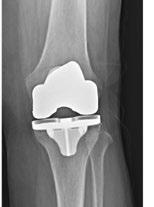

Technological advances are also enhancing how hip and knee implants are built. Previously, there were off-theshelf options, but now doctors have access to technology that can design custom implants.
Linda Rosenberger has had both of her knees replaced, and her doctor used this customized approach. “About six weeks before my first surgery, I had a CT scan,” she says. “The doctors used the results of that scan to build my new knee. The technology was ConforMIS implants. It ensured that the new knee would fit my bone structure. This was still an emerging technology when I had my first knee replaced, and I did it again when I had my second knee replacement a few years later.”
Advances in materials such as plastics, metals, and surface coatings have also created better implants. One advance in materials promotes inbone growth to the implant during the healing process. “So, when you break your arm, the edges of the bone heal through a biological process,” Dr. Malkani explains. “The same thing is happening now with the bone healing into the metal.” This improves stability and durability and can reduce the need for revision surgery in the future.
The type of anesthesia used during joint replacement has also contributed to better outcomes in surgery. In the past, patients would undergo general anesthesia. This prolonged the initial recovery from the surgery, delayed a patient’s ability to start post-surgery rehab, and had the potential to cause other complications for the patient. Today, surgeons are using regional blocks on patients. This allows the patient to immediately begin in-hospital rehabilitation and sooner achieve the necessary milestones to be released.
In addition to technological advances during surgery, doctors are focused on ensuring that patients are in the best possible physical condition prior to surgery. This process can begin a few months before the procedure to allow patients time to lose weight, stop smoking, or address any other underlying health conditions.
“EVERY PATIENT HAS A UNIQUE ANATOMY, A UNIQUE STRUCTURE.”
Another development is smart implants. Once a smart implant is placed in the patient, it can transmit real-time data to the provider about movement, flexibility, and post-surgery progress. This allows a provider to evaluate individual progress and adjust rehabilitation plans.
The use of smart implants is still in infancy. “We don’t really have that much data yet to show it’s making a meaningful difference, or making something better for the patient, but I think the future of these censors looks promising,” Dr. Malkani says.
Part of this ‘prehabilitation’ is to also to develop strength in the area the replacement will take place. “I had a very structured exercise plan to follow before my knee surgery,” Linda says. “I diligently did these exercises because it helped to strengthen the muscles in my leg, which helped with my recovery.” Early release from the hospital is achieved through a combination of factors. “It’s a culmination of anesthesia, prehab, and patient education,” Dr. Malkani says. Linda was released the same day as her second knee replacement, in contrast with an overnight stay for her first surgery. “The first day when I went home after my second surgery was tough, but by the second day, I was doing much better,” she says. “The key is to have a good care team at home. I could not have been at home the first day without their help.”

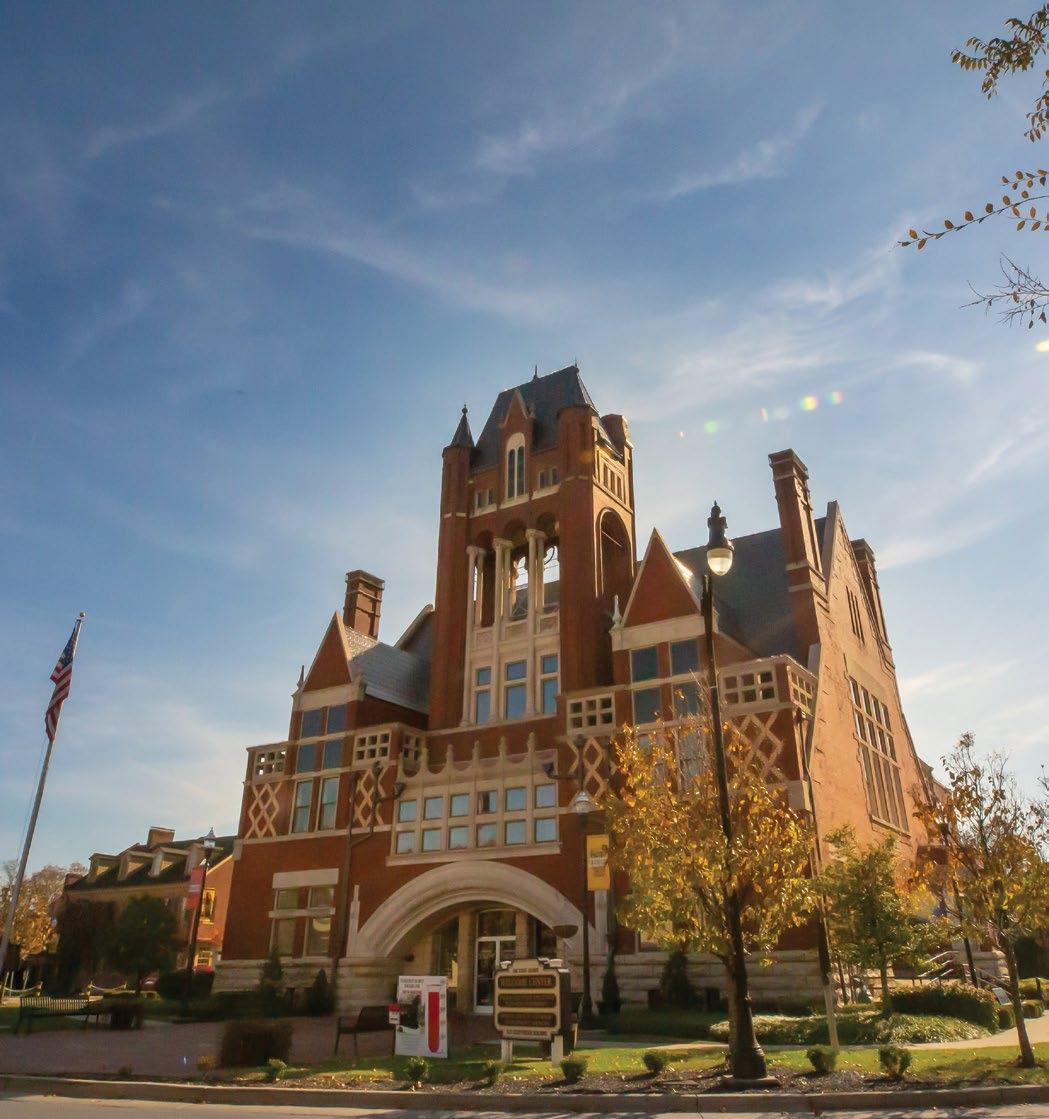

It is said that bourbon may be the heart of Bardstown, Kentucky, but the town’s nearly two-and-a-half centuries of history is its very soul. Less than an hour south of Louisville, this is the perfect destination for a day trip. I asked my husband and our friends David and Kim to join me as we explored this history-rich town.
Bardstown, formally established in 1788, is among the oldest cities in Kentucky. It was named America’s Most Beautiful Small Town by Rand McNalley/USA Today and is known worldwide as the Bourbon Capital of the World. Its downtown includes buildings from the late 1700s that have been beautifully restored and maintained and are in use today in this vibrant, pedestrianfriendly area full of shops, restaurants, and inns.

A thirdgeneration familyowned business, Hadorn’s Bakery is a local favorite. We arrived along with a steady (and efficiently served) flow of hungry patrons eager for its famous “yum yums!”
Scout and Scholar Brewing Co., located next door to Hadorn’s Bakery, is an eatery and taproom with live music and trivia nights. We enjoyed the outdoor courtyard. It is named after the two brothers who founded Bardstown, William Bard (the “Scout”) and David Bard (the “Scholar”).
William was the surveyor who laid out the city of Bardstown in 1780, while David helped build a sense of community.
Take a ride for lunch or dinner on the My Old Kentucky Home Dinner Train. Consider a special event such as the Bourbon Excursion or the Murder Mystery Dinner Train.

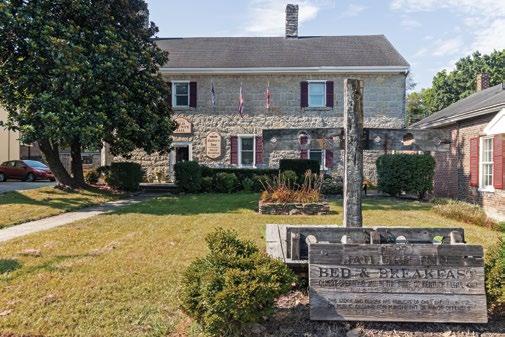
The nearby Jailer’s Inn Bed & Breakfast was built in 1797 and housed prisoners for 200 years. The inn has nine guest rooms, including one that actually resembles a jail cell with two original bunk beds.

Nestled in the heart of historic Bardstown, you will find the famous Heaven Hill Distillery. The Five Brothers Bar and Kitchen offers fastcasual dining, cocktails, and bourbon tastings in both the bar and the outdoor patio overlooking the rickhouses.
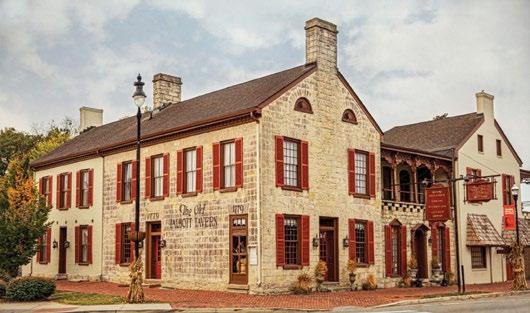
Talbott Tavern, a restaurant and inn, has been in operation since the late 1700s. In fact, it is the oldest coaching inn west of the Alleghenies, and the taproom is known as the oldest bourbon bar in the world. The inn features six guest rooms, each named after a historical figure who visited there (Abraham Lincoln, Washington Irving, Daniel Boone, and more), and still has original murals painted on the upstairs walls by the French king Louis Philippe during his stay. Outlaw Jesse James was also known to frequent Talbott Tavern when he wanted to “lay low.” His pistol is on exhibit, and if you look closely at the upstairs north wall, you will still see bullet holes.

The aroma of country ham and sausages beckoned us to Olde Delaney’s Country Ham Store, located on the north side of Bardstown. When the store was founded in 1938, it served farmers and rural neighbors in Nelson County. We picked up ready-made country ham and biscuits to go.
The heart of Bardstown is its Downtown District, a 26-block area listed on the National Register of Historic Places with over 279 historic structures now housing boutique shopping, quaint restaurants and inns, art galleries, and of course, bourbon tastings. Anchored in a central roundabout by the beautiful County Courthouse (p.36), the historic district has been artfully restored and maintained.
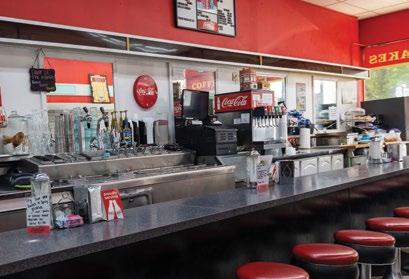
Be sure to stop at Hurst Discount Drugs, which has served Bardstown for over 100 years. The modern pharmacy pays homage to its history by maintaining an old-fashioned soda fountain counter that serves breakfast, lunch, soft drinks, and ice cream treats.

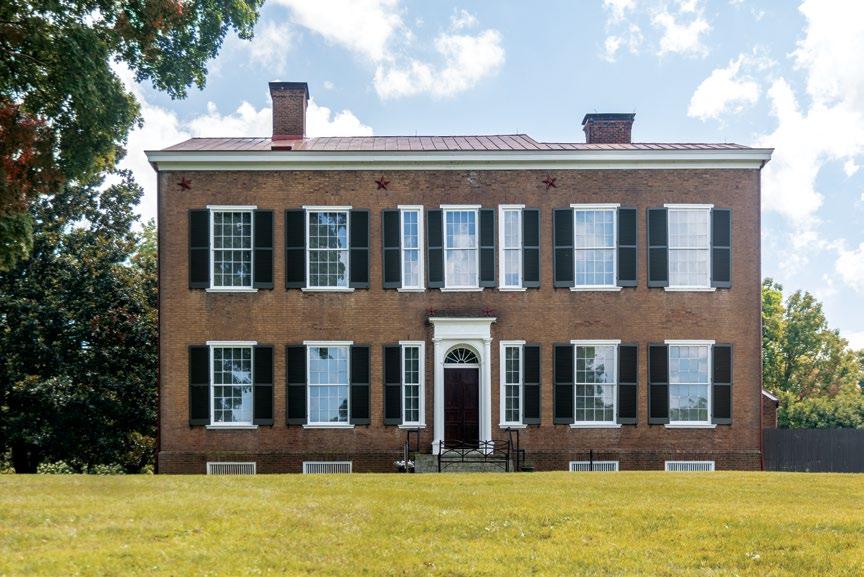
The mansion on the property of My Old Kentucky Home State Park is one of the most iconic 19th-century homes in America. Commissioned by politician John Rowan, the federal style three-story home was completed in 1818 and originally called Federal Hill. After a rich history in the Rowan family, the home and property were transferred in 1923 to the Commonwealth of Kentucky and named My Old Kentucky Home, honoring frequent visitor Stephen Foster’s ballad and Kentucky’s state song. Daily tours start every hour and offer a live rendition of the state song by a guide in period dress.
Fall brings special events such as October’s Weep No More: the Bizarre Victorian Mourning and Funerary Customs; a family night of Not So Scary Ghost Tours on October 19; and Shadows of Federal Hill on October 24-25.
The Bardstown Bourbon Company opened in 2016 as the first Napa Valley-style destination to combine distilling, culinary, and beverage expertise to a bourbon experience. We made this our midday lunch stop and enjoyed the chef’s lunch special: a sandwich of mortadella, brie, and other delicious flavors. I was even treated to a behind-the-scenes visit to the kitchen of executive chef Stuart Plush.
By Tonilyn Hornung


Raised in Bardstown in the ’50s and ’60s, Amos Martin says there wasn’t much to do — except play sports. Growing up, you’d find Amos competing on a court, running on a field, sprinting down a track, or swimming in the water. “It kept us out of trouble,” he says.
Not moving too far away from his hometown, Amos played football at the University of Louisville, but then was drafted to colder climates: He eventually played with the Minnesota Vikings and in three Super Bowls. But he’s stayed humble through it all. Later founding a construction company and finding work as a public speaker, Amos recalls what a great experience it was to work with Hall of Fame coaches and build camaraderie and connection with teammates. “It was a great blessing,” he says. And there’s been no shortage of blessings throughout Amos’s life.
One fun fact about my football career…
After playing with the Minnesota Vikings for five years, I was traded to Seattle for one year before a knee injury
ended my career. But when I was with the Vikings, we went to three Super Bowls. The interesting fact is that the Vikings have never been back to the Super Bowl since I left!
One thing I’ve learned over the years that remains true is….
My faith in God. My life was transformed in my second year playing football by my relationship with Jesus Christ. And that’s been my whole life since that point. I’ve really enjoyed growing in my faith and researching God’s Word and teaching it.
What I love to read…
Working closely with my church, I have quite a few recommendations for people who are searching for their faith, like author C.S. Lewis. As far as recreational reading, I love David Baldacci and his mysteries. I’ve read a bunch of his books.
One thing I love about mentoring others and public speaking is… Sharing. I’m blessed to be able to share some of the trials I’ve experienced with others who might be
going through something comparable. I enjoy mentoring other people and being part of a person’s life. This brings me back to the coaching — the really good coaches were motivators for me. They taught me not only to enjoy the game, but to enjoy life.
My hobby is…
Golf. I’ve had some challenges physically, which slowed things down, but I’m trying to get back to it.
One thing I can’t quite get the knack of is…
Golf, again. It’s a frustrating game, but I love to practice. It’s almost like you could compare my golf game to my life — it’s been up and down and back and forth.
One thing I wish people knew about restoration and its benefits…
These days I realize how important rest is — and good sleep. For example, I make it a point to work out three to four days a week, and then rest. It’s good to let your mind rest, be totally still, and pause to listen to God.

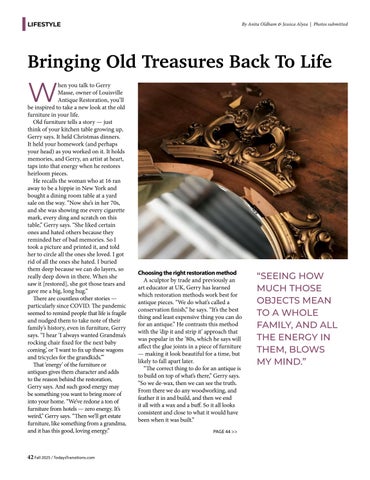
When you talk to Gerry Masse, owner of Louisville Antique Restoration, you’ll be inspired to take a new look at the old furniture in your life.
Old furniture tells a story — just think of your kitchen table growing up, Gerry says. It held Christmas dinners. It held your homework (and perhaps your head) as you worked on it. It holds memories, and Gerry, an artist at heart, taps into that energy when he restores heirloom pieces.
He recalls the woman who at 16 ran away to be a hippie in New York and bought a dining room table at a yard sale on the way. “Now she’s in her 70s, and she was showing me every cigarette mark, every ding and scratch on this table,” Gerry says. “She liked certain ones and hated others because they reminded her of bad memories. So I took a picture and printed it, and told her to circle all the ones she loved. I got rid of all the ones she hated. I buried them deep because we can do layers, so really deep down in there. When she saw it [restored], she got those tears and gave me a big, long hug.”
There are countless other stories — particularly since COVID. The pandemic seemed to remind people that life is fragile and nudged them to take note of their family’s history, even in furniture, Gerry says. “I hear ‘I always wanted Grandma’s rocking chair fixed for the next baby coming,’ or ‘I want to fix up these wagons and tricycles for the grandkids.’”
That ‘energy’ of the furniture or antiques gives them character and adds to the reason behind the restoration, Gerry says. And such good energy may be something you want to bring more of into your home. “We’ve redone a ton of furniture from hotels — zero energy. It’s weird,” Gerry says. “Then we’ll get estate furniture, like something from a grandma, and it has this good, loving energy.”

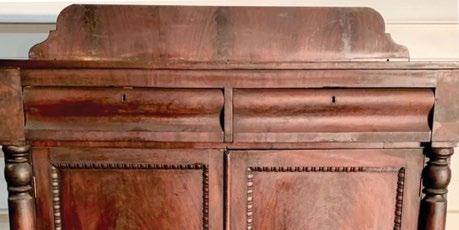
A sculptor by trade and previously an art educator at UK, Gerry has learned which restoration methods work best for antique pieces. “We do what’s called a conservation finish,” he says. “It’s the best thing and least expensive thing you can do for an antique.” He contrasts this method with the ‘dip it and strip it’ approach that was popular in the ’80s, which he says will affect the glue joints in a piece of furniture — making it look beautiful for a time, but likely to fall apart later.
“The correct thing to do for an antique is to build on top of what’s there,” Gerry says. “So we de-wax, then we can see the truth. From there we do any woodworking, and feather it in and build, and then we end it all with a wax and a buff. So it all looks consistent and close to what it would have been when it was built.”
“SEEING HOW MUCH THOSE OBJECTS MEAN TO A WHOLE FAMILY, AND ALL THE ENERGY IN THEM, BLOWS MY MIND.”

Making changes to pieces
Gerry also says that if you are considering making changes to older pieces, there are a few things to keep in mind.
“When it comes to family heirlooms, it’s best to keep them to what people remember them being — that’s the reason you’re doing it,” he advises.
When considering restoring a favorite piece, should you worry about hurting the value? “Well, is it George Washington’s couch that we’re doing, or Aunt Lulu’s couch from 1960? It’s not that valuable,” Gerry says matter-of-factly. “You want it in Wildcat blue? Just do it.”
Finding pieces you love
Buying a piece at a flea market or estate sale and having it restored is a great way to add interest to your home decor, Gerry says. He’s seeing a lot of customers spend less on the purchase, and then put their money into the restoration.
Another trend is people sending their furniture in for a refresh when they are moving to a new house. “We’ll go over and pick up their objects, then restore them and deliver them to the new house,” Gerry says.
The restoration projects don’t just come in locally. Gerry and his team of artist-restorers get requests from all over the country. “People will buy things from Ebay or somewhere similar and ship it right to us, and we restore it and ship it to them,” he says, recounting one memorable project when a customer bought an old ray gun from a 1960s sci-fi show online, then had it restored by Gerry’s team and sent to a friend for his birthday.
“Those [special items] are the best pieces that we love,” Gerry says. “That’s the core of the business. Being a sculptor myself and making objects, and looking at these family heirlooms and seeing how much those objects mean to a whole family, and all the energy in them, blows my mind.”
Gerry started Lexington Antique Restoration in 2007 and expanded to Louisville in 2017, working with a team of artists and craftsmen. Their services include furniture restoration, car interior restoration, metalwork, and more.
Gerry is also the director and cofounder of Sculpture Trails Outdoor Museum located in Solsberry, Indiana, near Bloomington. This nonprofit and park brings outdoor sculpture and art education to the community through its programs and more than 180 large-scale sculptures by artists from around the world. Gerry also teaches artists to cast iron for sculptures in the Sculpture Trails iron foundry.
“WHEN THEY’RE DONE, THE PIECES STAND UP TALLER AND SAY, ‘THANKS, I NEEDED THAT.’”





Because not all of us live on multi-acre manicured estates, we often have a view that is less than desirable. Sometimes we focus on what others see — our curb appeal — rather than what we see.
Let’s take a moment to dream about some structures or plantings that add interest and focus in your private viewing spaces. These can be especially important in the winter months when trees have lost their leaves and reveal extra views of your neighbor’s property.
Courtyards are not typical in suburban areas, but they are possible. A courtyard space can be like a private outdoor room for your home. You can look for inspiration from urban courtyards that use a small yard and alley.


A beautiful outdoor building can give you both privacy in your yard and space for work or hobbies. Or, you can build something simpler that draws the eye but is not exactly useful. It can be a couple of chairs or anything that suggests there is something exciting to move toward or focus on (besides your neighbor’s garage).
Kayla Oldham Hammitt is a landscape architect, the owner of Firefly Exteriors, and a landscaping instructor at Prosser Career Education Center.



Life doesn’t stay the same, and you don’t have to keep living in a situation that is not bringing you joy. These living options allow you to stay active and independent without the regular maintenance of a house.
Some communities offer gyms, artistic rooms, and food options. Others might be located in an area that allows for accessibility to the local community. Whether you are actively looking for your next home or making plans for the future, our Living Options directory lists local apartments, condos, independent living communities, and other specific living situations available.
See more on pages 50 and 51. Also, search online at TodayTransitions.com by scanning the QR code.
Looking for a new place to call home? This directory of low-maintenance housing options includes condos, garden apartments, and retirement/independent living communities. Find more at TodaysTransitions.com/searchliving. All costs are per month.

The Altenheim has apartment suites for independent living. Apartments have an efficiency kitchenette, full bath with shower. All apartments have emergency call cords and offer emergency pendants. Linen service, housekeeping, personal laundry service and meals are provided at no additional charge. Recreational, educational, social, and religious services are also available.
Cost: $2354
Owner: The Altenheim
936 Barret Ave, Louisville, KY 40204 (502) 584-7417 • thealtenheim.org

2024 Senior Advisor Award Winner. Our active seniors live very independently in lovely garden home and spacious apartments. Take advantage of all a senior living community has to offer, including maintenance-free homes, wellness programs, spiritual care and security. Our serene setting is close to shopping and dining, yet offers a private parklike feel in a close-knit community with plenty of delicious food and fun, engaging activities. Assisted Living suites available.
Cost: Prices vary depending on floor plan • Min. Age: 62
Owner: Christian Care Communities, Inc. (since 1884)
11530 Herrick Ln, Louisville, KY 40243 (502) 254-1799 • Middletown.ChristianCareCommunities.org

Steps away from our full-continuum of care, villa patio homes offer housekeeping; lawn maintenance; fitness center and clubhouse; medical alert pendant, a full calendar of activities and excursions; Villa Lifestyle Director; pet-friendly.
Min. Age: 55
Owner: Trilogy Health Services, LLC
4120 Wooded Acre Ln, Louisville, KY 40245 (502) 694-7092 • forestspringshc.com

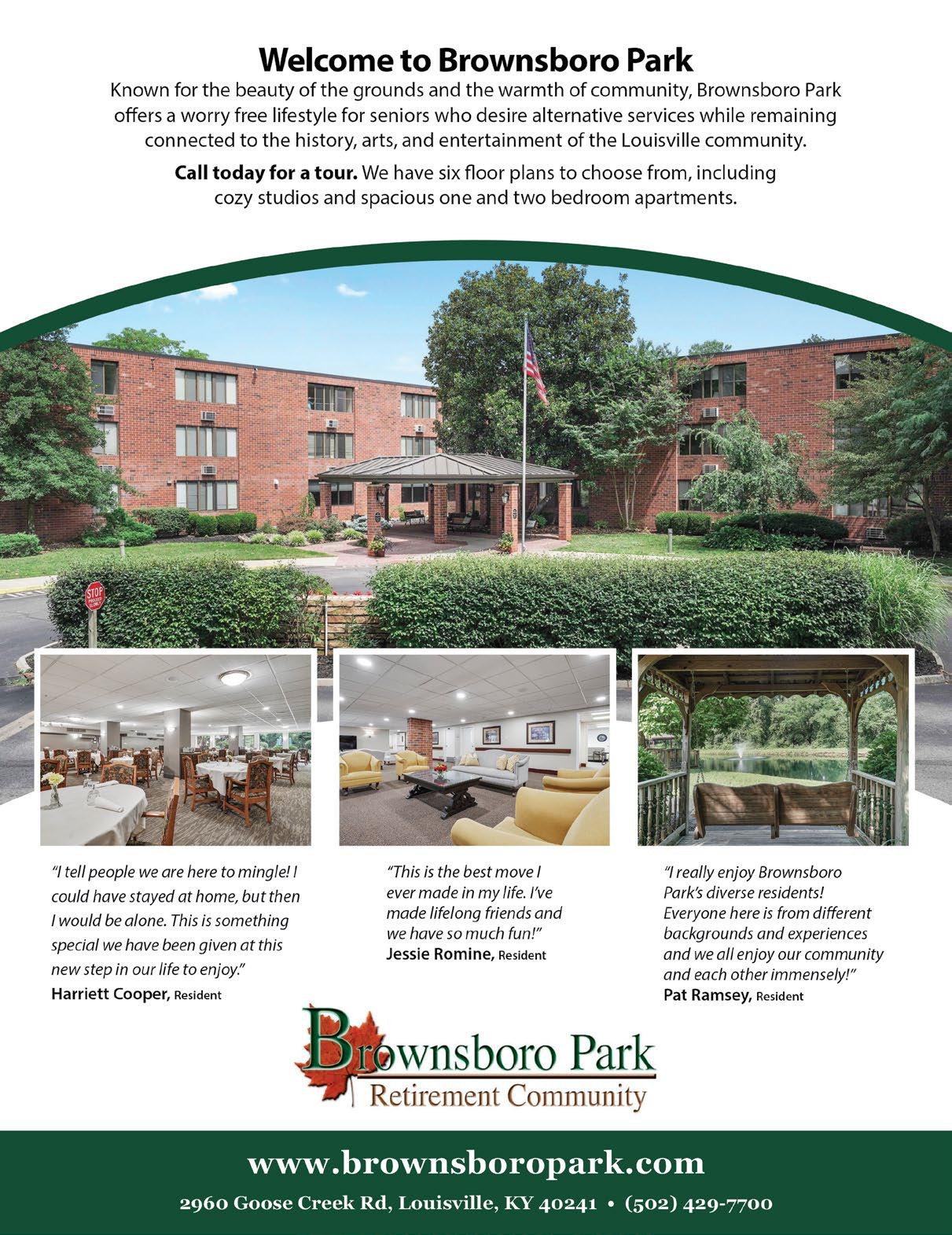
Family owned & operated since 1986, several spacious floor plans, located on 14 beautiful acres with a park, walking trail and fishing pond. Warm, friendly residents, spacious apartments with great closets, activities to keep your mind entertained and your body in shape, housekeeping, extensive shuttle program that runs 7 days a week and excellent chef-prepared meals. All-inclusive pricing (includes all utilities, phone, cable, internet & personal alert pendant).
Cost: $2500-$3800 • Min. Age: 62
Owner: Bunker Hill Assoc. III, LLC
2960 Goose Creek, Louisville, KY 40241 (502) 429-7700 • brownsboropark.com

Independent living means freedom, convenience, and peace of mind in a beautiful, friendly community for adults 62+. Enjoy the privacy of your own patio home, surrounded by landscaped grounds and welcoming neighbors. Every home includes an emergency call system with on-campus medical services. Outpatient care can be arranged in your home or at the Clubhouse fitness center. On-campus restaurant with delivery to your door. All faiths welcome. Experience the difference and schedule your no-cost tour today!
Owner: Episcopal Retirement Services
7504 Westport Rd, Louisville, KY 40222 (502) 736-7800 • episcopalchurchhome.org

Everything you love and need — a beautiful forty acre gated senior living community! People walk into our community feeling a sense of warmth and welcome. A place that feels like home. The Forum at Brookside is about hospitality, and a carefree lifestyle. Amenities include chef prepared meals, room service, housekeeping, social activities,indoor heated pool, pet friendly, transportation, security, an experienced management staff,and support with medical care as needed.
Cost: $2900-$5700 • Min. age: 55 Five Star Senior Living, Inc.
200 Brookside Dr, Louisville, KY 40243 (502) 245-3048 • theforumatbrookside.com

Resort style living, luxurious apartments, spacious closets, extra storage available, garage & golf cart garage rental, utilities & appliances included, patios/balconies, weekly housekeeping, 24-hour concierge, pet spa, salon & barber shop, fitness center, indoor heated pool, sun deck, putting green, club house, recreational activities, theater, cocktail lounge, terrace, shuttle service, continental breakfast, chef prepared gourmet meals, easy access to dining, shopping, entertainment, & health care, Signature Passion Program.
Cost: Starting at $4010+ • Min. Age: 55
Owner: Management, Civitas Senior Living
9300 Civic Way, Prospect, KY 40059 (502) 289-8370 • thegrand-sl.com
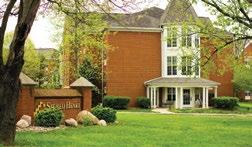
Secured 540 sq. ft. 1 BR efficiency units located in both the Clifton & Cane Run Road areas. Dining room, meeting rooms, library and sitting areas and on-site laundry, appliances, walk-in shower, individually controlled heat and A/C, pets accepted with restrictions. Handicapped accessible units if available. Water & electric included. Income limitations apply. Call for details.
Cost: income based • Min. Age: 62
Owner: Mercy Housing
2110 Payne St, Louisville, KY 40206 (502) 895-6409 • facebook.com/SacredHeartVillage

Discover a community that encourages connection, comfort, and independence! We’re committed to making the most of your golden years with all-inclusive services, indulgent dining, and vibrant social living all wrapped up in one monthly payment. With everything taken care of by our expert team, you can focus on celebrating the moments that matter.
Schedule a tour and join us for lunch. You’ll see why Village Crossing is the ideal choice for independent senior living in Louisville.
Min. Age: 55
Owner: Resort Lifestyle Communities
2400 Arnold Palmer Blvd, Louisville, KY 40245 (502) 208-1527 • VillageCrossingRetirement.com

Located at our Clifton Campus, Nazareth Home offers newly renovated independent living apartments in a welcoming, service-rich community that fosters comfort, connection, and convenience. Each one-bedroom apartment provides ample living space and a full bath, with utilities included. Our amenities include three daily meals, housekeeping and laundry services, use of common area, on-site parking, on-site chapel and services, outdoor green space with courtyards, nearby shopping and restaurants on Frankfort Ave.
Cost: $2400 • Min. Age: 55
Owner: Nazareth Home, Inc. 2120 Payne St, Louisville, KY 40206 (502) 895-9425 • nazhome.org

Retirement is a time to enjoy life to the fullest. For many people, that means setting aside all the duties and responsibilities that come with maintaining a home, and spending time simply enjoying all life has to offer. Choose from 14 different one-, two-or three-bedroom plans, all available with wall-to-wall flooring options, window treatments and completely equipped kitchens. Our comfortable apartments allow residents to find the perfect balance between vibrant community life and a high degree of privacy.
Cost: $3820-$7600 • Min. Age: 62
Owner: Third & Oak Corporation
211 West Oak St, Louisville, KY 40203 (502) 589-3211 • treytonoaktowers.com

Nestled on 35 acres, The Village at Wesley Manor blends traditional living with the harmony of nature and 21st century conveniences. Our community provides two and a half miles of walking trails weaving through mature trees, lawns and natural meadows. Tucked into this picturesque setting, The Village at Wesley Manor offers three floor plans to satisfy your retirement needs and dreams — all with a new, relaxed, carefree independent living lifestyle.
Cost: Approx. $600 monthly maintenance charge upon entrance fee payment • Min. Age: 65
Owner: Methodist Retirement Homes of Kentucky, Inc.
5012 E Manslick Rd, Louisville, KY 40219 (502) 964-7498 • wesman.org

By Carrie Vittitoe

It isn’t at all uncommon for older adults and their caregivers to feel like all they do is leave the house for doctor visits and medical appointments. Not only can this be emotionally draining, it is also physically demanding for both parties. Fortunately, more businesses are recognizing the benefits of providing wellness care to people within their homes.
If one’s mobility is limited or an individual is in pain due to an injury, having to get out of the house, across town, and into a physical therapy office seems like a PT workout unto itself. Multiply this gauntlet by the several times a week that PT must be done to work most effectively, and it can feel overwhelming. People may not stick with the routine because it is cumbersome.
Jana Killifer, owner of Kentuckiana Mobile Therapy, has decades of PT experience in various settings and was cognizant of the challenges PT patients and their caregivers often experience just making it to their appointments. By creating a company that brings physical therapists to clients’ homes, she saw the possibility for other improvements to the PT experience.
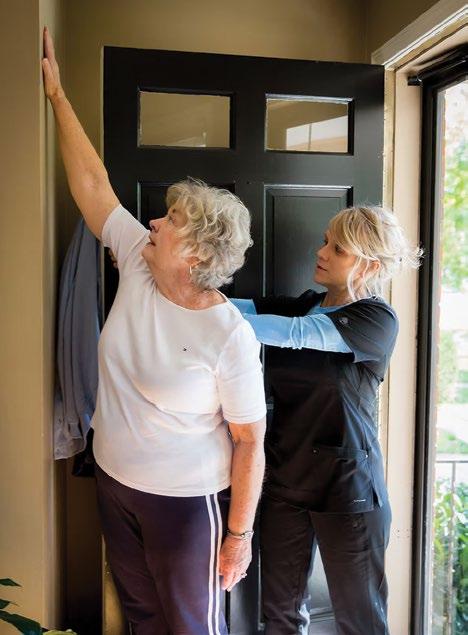
One of the improvements her company offers is one-on-one care for a solid hour from the same therapist each visit. “Usually what a lot of people complain about related to home health is that they have different people coming each time,” she says. Because the same therapist visits a client’s home, the relationship that develops actually helps the PT process. Clients often work harder and longer because of the relationship. “They want me to be proud of them,” Jana says, and this is less likely to happen when different therapists come from week to week.
Plus, due to insurance and its associated paperwork, clients often feel like their care is secondary to filling out forms and ticking boxes on a computer. Kentuckiana Mobile Therapy, because it is cash-based, allows therapists to focus the entire 60 minutes on that one client’s movement and range of motion, unlike an office setting in which therapists have to rotate among several clients at the same time.
There is also a certain level of comfort and relaxation that clients feel in their own homes and, perhaps, a willingness to do things they would feel uncomfortable doing in public. Jana says she always has clients do exercises on the floor for the essential practice of getting up and down. It isn’t always pretty, so a PT patient might feel embarrassed to do this in a public office setting or worry about dirtying their clothing.

“[IN-HOME SERVICES ARE A] DEVOTED TIME FOCUSED ON THEM THAT ISN’T A DOCTOR VISIT.”

In-home fitness training may be worth the extra expense for its benefits in comfort and ease.
Bruce Miller, owner of Body & Soul Highlands, says in-home fitness training is more expensive than if someone comes to the studio, but many people are willing to pay this cost because of the comfort and ease in training. “They aren’t worried about anyone looking at them,” he says. We often think of money as the only cost, but time is valuable, too, and something to be considered when determining the overall costs of bringing a mobile service to the home. If an 80+ individual struggles with mobility or a 60-something client is working full-time and travels a lot, the time savings of an in-home trainer once a week may balance everything out.
A perfect complement to physical therapy and/or exercise is massage, and this too can be brought to one’s home. Carrie Graef, owner of River City Therapeutic Massage, like Bruce, acknowledges that in-home massage is more expensive than a client coming to the studio, but it offers a level of versatility that the studio may not provide. For example, an older adult might struggle to get themselves on a massage table in a studio, but a massage therapist could give the client a massage in the comfort of their own chair at home, especially if it can recline.
The after-effects of in-home massage last longer, too. If you’ve ever had a massage in a studio, it feels wonderful, but you then have to leave, get back
While the Internet can be a source of confusion, there are some trusted sources that can provide older adults and their caregivers with free wellness tips and tricks inside the home.
The National Institute on Aging YouTube channel has loads of information relevant to older adults and their caregivers. A quick search for “physical therapy” will bring up all kinds of short videos in which older adults demonstrate various exercises that can improve balance and flexibility, such as a heel-to-toe walk and an inner-thigh stretch.
The University of Kentucky Integrative Health & Medicine Program offers a virtual chair yoga class that can be accessed easily at their website.
in your vehicle, and feel the stress of traffic. Carrie says an in-home massage means a client is already in their comfortable space and can really luxuriate in post-massage calm.
Massage works on soft tissue, and Carrie says people don’t realize how much of their physical limitations are impacted by the stiffening of soft tissue: “Massage can help mobilize stuck and scarred tissue to get people back to functionality faster,” she says.
Perhaps the biggest benefit of inhome massage is the act of touch in itself. “Touch is so important to our mental health, and many older adults are touch-deprived, especially those who are homebound,” she says. In-home services for these individuals give them something to look forward to. “It is devoted time focused on them that isn’t a doctor visit,” she adds.

In the 1980s, The Jetsons cast a vision of a future where you could press a button and have anything you needed appear right before your eyes. Now, we are living in that future, and 3D printing makes it possible to do exactly that. Everything from shoes and keychains to NASA technology has been created with 3D printing.
For those wanting to maintain independence later in life, this innovation isn’t just a novelty; it offers viable solutions to everyday challenges, one layer at a time.
For many of us, the small, daily tasks we once took for granted can become sources of frustration as we age. A stubborn jar lid, a tiny pill, or a slippery fork handle can feel like insurmountable obstacles. This is where 3D printing truly shines by providing simple, personalized aids that make a world of difference.
Print an assistive writing device
For those who struggle to hold a pen or pencil, whether due to arthritis or conditions such as Parkinson’s, an assistive writing device can be a game changer. Enter DRAG, a device that enables users to write by simply resting the hand on its ergonomic mouse-shaped body and pressing into the paper. This eliminates the need to form a tight finger grip. PrintLab, the organization behind DRAG’s unique design, has released the files as an open-source concept, which means that anyone can use their free template to print a DRAG device.
Arthritis, tremors, or a general loss of grip strength can make mealtimes a challenge. Standard silverware can be difficult and painful to hold. 3D printing makes it easy to create an ergonomic handle for silverware or other utensils to make mealtimes a little easier.
If you’re not interested in printing items yourself, many ETSY sellers offer 3D-printed items that can make your life a little easier as well. One such company, Tab Buddies, has created a device that makes it easier for those with decreased hand strength to open a soda can. Tab Buddies are reasonably priced between $8-$12 and come in a wide variety of cute designs that can be shipped directly to your door.


While mobility aids such as walkers are useful, they aren’t always perfectly designed. It can be difficult, for instance, to carry items while using a walker. That’s why many designers have created holders for cups and accessories that can easily be 3D printed to fit on a walker. The possibilities are endless with prints designed to hold shopping bags, a cell phone, and more.
Reading all this, you might be thinking, “This sounds wonderful, but I can’t afford a 3D printer, let alone learn how to use it!” The great news is, you don’t have to. The spirit of 3D printing is all about community and sharing.

Many local libraries now have 3D printers available for public use, often for free or for a small fee to cover the cost of materials. Library staff are usually on hand to help you find a design online and get started. Websites such as Thingiverse and Printables are home to millions of free designs uploaded by creators around the world. If your library isn’t equipped yet, look for local community makerspaces or online 3D printing services. With these services, you can simply email them a link to the design you want, and they’ll print it and mail it to you for a reasonable price.
With this technology, we can stop waiting for a company to create a solution and instead create our own. It’s about turning a specific, personal need into a tangible object that helps preserve dignity, safety, and, most importantly, independence. So next time a small, everyday task feels like a big hurdle, remember: there just might be a 3D-printed solution waiting for you.

If you or your loved one has become overwhelmed with managing finances, paying bills, or keeping track of financial documents, it might be time to get some help. What kind of assistance is available?
Sign up for online bill pay
If paying bills on time or correctly is a problem, setting up the bills to be paid automatically through the bank can keep the main utilities up to date.
Sometimes things need to be checked — like whether the credit card bill really contains legitimate charges, or whether your loved one signed up to send in donations that are not in their budget. Someone doing a monthly check might take care of this concern. In addition, apps such as Quicken or Money Monarch can help with budgeting and sending out payments for multiple scenarios.
If things are more complicated or you don’t have anyone to help, it may be time to enlist a certified daily money manager (DMM) — someone who has been specially trained to manage finances.
A money manager can help an older adult retain their independence while alleviating the stress of financial management. They can also lighten the burden for caregivers who may be trying to manage a loved one’s finances from out of town.

Money managers can provide things like:
• Paying monthly bills and balancing an account
• Getting rid of unused subscription services
• Preparing and delivering bank deposits
• Acting as a liaison between you and insurance brokers, attorneys, and healthcare providers
• Deciphering medical bills and tracking insurance claims
• Maintaining financial records and organizing documents
“I provide peace of mind for the [older adult] and their family, knowing that their financial tasks are being taken care of in a timely fashion,” says Jim Gravitt, a CPA and certified senior advisor who owns Grace Financial Care PLLC in Louisville.
It is perfectly normal to feel nervous or apprehensive about turning your finances over to someone else, Jim adds. It’s important to note that you will maintain complete control, including signature authority over all your banking and financial accounts. Jim also recommends selecting a professional DMM who is a member of the American Association of Daily Money Managers. Members of this organization are subject to a background check and must adhere to professional standards and ethics. In addition, you should check professional and client references. “An in-person meeting goes a long way to ensure a good fit for both parties,” Jim says.


When you need help caring for someone you love, trust is important — you are trusting the caregiver with someone you hold dear. Whether your loved one needs skilled nursing care or simply companionship, caregivers who have been vetted, trained, and who are backed by a reliable company help bring peace of mind.
Search more directories online at TodaysTransitions.com.

406 Blankenbaker Pkwy, Ste G Louisville, KY 40243 (502) 893-4700
louisvillehomecare.org





CareBuilders at Home
2210 Goldsmith Ln, Ste 209 Louisville, KY 40218 (502) 458-2273 carebuildersathomelouisville.com
1169 Eastern Pky, Ste 1134, Louisville, KY 40217 (502) 208-9424
caringexcellenceathome.com
10503 Timberwood Cir, Ste 101 Louisville, KY 40223 (502) 244-8446 eldercare4families.org/
9300 Stonestreet Rd, Ste 700, Louisville, KY 40272 (502) 935-3300 heartsong-mc.com
2301 Hurstbourne Village Dr #100 Louisville, KY 40299 (502) 426-9783 home-companions.com
Search more home caregiving services online by scanning the QR code.
Joint Commission Accredited. High quality skilled & non-skilled in home care for people of all ages. All care is overseen by a Registered Nurse and is available 1-24 hrs/ day with Guaranteed Caregiver Compatibility. Compassionate care, excellent service.
Services: personal care, homemaker, transportation, errands, Alzheimer’s/dementia care, Parkinson’s, ALS, respite, med reminders, meal prep, end of life care, RN/geriatric case management, skilled nursing.
Price per hour: $32-$36 | Min. time required: 4 hrs
Type: Non-medical, skilled nursing | Owner: Christian & Leslie McCutcheon
Compassionate, customized, coordinated care; State Certified Personal Service Agency, Help at home for independence, post-rehab recovery, Alzheimer’s/Dementia Care, Parkinson’s, respite, sitter service any location; 1-to-1 for med appointments, companion
Services: personal care, homemaker, transportation, errands
Price per hour: $30-$34 | Min. time required: 3 hrs
Type: Non-medical | Owner: Laura Curry and Michael Coffey
Locally owned, Consistent Caregivers, Caregiver Matching and RN Case Management. Senior Care, Parkinson’s Care, Dementia Care, After-Hospital Care, and End-of-Life Care. Services are provided in your own home, Independent or Assisted Living, Personal or Memory Care, Skilled Care, Rehab or Hospital. All care directed by Registered Nurse and Master Level Social Worker.
Services: All personal and hygiene care, all mobility needs, meal prep, homemaking, medication reminders, exercise assistance, errands, transportation, companionship
Price per hour: $28.75+ No long-term contract. | Min. time required: Flexible up to 24/7 Type: Non-medical | Owner: Kayla Cook, RN, Elisabeth Knight, MSSW
ElderCare 4 Families has provided compassionate and professional home care in Louisville and Southern Indiana for over 40 years. We are experienced with LTC Insurance, VA Benefits, and private pay. No hour or shift minimums. Our staff completes annual certified Alzheimer’s and dementia training. Call for a complimentary assessment. Services: personal care, 24-hour service, respite relief, concierge services, homemaking, meal prep, laundry, Dementia Care, Parkinson’s support, transportation, errands, companionship, transition nurturance, end-of-life aid and comfort, and appointments.
Price per hour: EC4F services begin at $35/hr and we offer a special rate for Couple Care.
Type: Non-medical | Owner: Nova Leap Health
Proven excellence providing care at our place or yours by experienced, trained staff with the goal of keeping your loved one at home in the community.
Services: Adult day health care center; in-home personal care, light housekeeping, meal prep, med reminders, and some errands & transportation
Price: ADHC $88/day or Medicaid; In-home Care Medicaid HCB waiver
Type: Medical ADHC; Non-medical In-home Care
Owner: Heartsong Memory Care, LLC
Personalized loving care available in home, assisted living, nursing home or hospital; scheduling up to 24 hours 7 days a week; trained and experience caregivers; free assessments; serving Kentucky and Southern Indiana since 1996.
Services: personal care, home making, transportation, errands, respite, med reminders
Price per hour: $30+ | Min. time required: Flexible
Type: Non-medical | Owner: Terry Graham, RN; Dawn Smithwick, BSW




Home Instead
4101 Taylorsville Rd, Ste 200, Louisville, KY 40220 (502) 515-9515 louisvillehomecare.com
2001 Stanley Gault Pkwy, Ste C Louisville, KY 40223 (502) 244-1212 hwcg.com/Louisville
Hosparus Health
6200 Dutchmans Lane Louisville, KY 40205 (502) 456-6200 HosparusHealth.org
Kentuckiana Home Care
126 S. Sherrin Ave Louisville 40207 (502) 897-6547 kentuckianahomecare.com
We have proudly provided Home Care Services to the Louisville Community for 25+ years. We are committed to providing personalized care in the comfort of the home you love! Call today for a complimentary consultation.
Services: Available 24/7; personal care, post-rehab support, companionship, transportation, Alzheimer’s/dementia care, and end of life support provided. EVERY client will be assigned a Client Care Manager. Trusted & Credentialed Partner with the VA.
Price per hour: $33+/hr and we offer special rate for Couples Care
Min. time required: flexible up to 24/7
Type: Non-medical Home Care Services | Owner: Ben Karakunnel
Fully trained and experienced CNA’s/Caregivers, on-staff Certified Dementia Practitioners, complimentary evaluations, customized care plan, company with 30 years of home care experience, Alzheimer’s/Dementia expertise, Five Star reviews
Services: personal care, homemaker, transportation, errands
Price per hour: $27-$32 | Min. time required: 4 consecutive hours
Type: non-medical | Owner: Steve and Trish Kochersperger
For over 45 years Hosparus Health has been helping patients and families dealing with a serious illness to live life to the fullest. Our patient-centered care means a better quality of life.
Services: hospice and palliative services, pain and symptom mgmt, social workers, spiritual care, CNA’s, grief counseling services, and volunteer program
Price: Medicare accepted rate | Min. time required: N/A
Type: Medical | Owner: Hosparus Inc.
Customized Care by reliable and experienced caregivers. Total scheduling flexibility and a tailored care plan, including integral client communication. Free assessment!
Services: Bathing & Dressing Assistance, Light Housekeeping, Companionship, Meal Prep, Laundry, Errands & Transportation, Alzheimer’s care, Fall Prevention, Med Reminders, Respite Care for Families, Transitional & Rehab Care, Overnight Care, End-ofLife and Specialized Care
Price per hour: $23-$30 | Min. time required: Flexible
Type: Non-medical | Owner: Andy Block, locally owned & operated
Nazareth At Home
2000 Newburg Rd Louisville, KY 40205 502-459-9681 nazarethathome.org
Nazareth At Home Elite Concierge
2000 Newburg Rd Louisville, KY 40205
502-459-9681 nazaretheliteconcierge.org

Senior HelpersLouisville/Southern Indiana
1902 Campus Place, Suite 9
Louisville, KY 40299 (502) 690-2648 seniorhelpers.com
Nazareth at Home empowers seniors to live independently in the place they love. We provide personalized, compassionate in-home services that cater to each individual’s unique needs, ensuring they age gracefully while maintaining their quality of life. Committed to excellence and the power of meaningful moments, we strive to make every day fulfilling and enriching for the seniors we serve.
Services: In-Home personalized care and support.
Price per hour: Negotiated | Min. time required: Flexible
Type: non-medical | Owner: Nazareth Home
Nazareth at Home Elite Concierge offers personalized concierge services designed specifically for seniors. From coordinating appointments and arranging transportation to handling errands and providing lifestyle assistance, we ensure that every need is met with efficiency and care. Our goal is to enhance the quality of life for seniors, allowing them to focus on enjoying a comfortable and fulfilling lifestyle.
Services: Personalized concierge services.
Price per hour: Negotiated | Min. time required: Flexible
Type: non-medical | Owner: Nazareth Home
Locally Owned, licensed and insured with excellent service and compassionate caregivers trained how to keep SENIORS SAFE AT HOME! Call today for a FREE Life Profile consultation — the first step in reducing risks and hospital admissions!
Services: Flexible schedules helping with personal care, companionship, transportation, errands, med reminders, meal prep, housekeeping, Dementia care, end of life support. Accepting private pay, LTC ins., VA, ABI and HCB Medicaid Waivers.
Price per hour: $25-$30 | Min. time required: Flexible
Type: Non-medical Home Care Services | Owner: Nancy Galloway
Today’s Transitions seeks to help you find the right care you need for a loved one whenever you need it. The Care Communities Directory contains both short- and long-term carerelated resources. More details can be found at TodaysTransitions.com.
For Home Caregiving Directory, see page 60. For retirement Living Options Directory, see page 48.

TYPES OF CARE COMMUNITIES: Adult Day Care programs provide care and companionship to those who need supervision or assistance. Aging-In-Place Communities offer several levels of care on one campus.
Assisted Living is residential living for those who need help with daily activities and health services. Hospice provides pain relief for those with a terminal illness and a life expectancy of six months or less. Memory Care residential living is for those with dementia at different care levels. Palliative Care is specialized medical care for people living with a serious illness. Personal Care residential living offers mobile residents minimal assistance for daily activities. Rehabilitation Services is physical treatment in an inpatient or outpatient clinic. Skilled Nursing Care is 24-hour nursing services for residents in a care community Respite Care provides short-term care in order to provide relief for primary caregivers.
Search our care community directory online by scanning the QR code.
Search the Location Chart (on the right page) for specific types of care by location. The Map (right) coordinates with the Zone column. More details for all care communities listed in the chart can be found in the full directory listing starting on page 64.
If you are interested in a listing, email teri@todaystransitions.com.
*Published rates are given by company.
Payment Options: These definitions can help you navigate the payment options in each directory:
Private – consumer pays out-of-pocket.
Private Ins. – could include Medicare supplements or HMOs/health insurance.
LTCi – long-term care insurance; helps cover the cost of services for people who have an extended physical illness, extended disability, or cognitive impairment.
VA – Veterans Administration; provides financial assistance to retired veterans needing medical, surgical, and rehabilitative care.
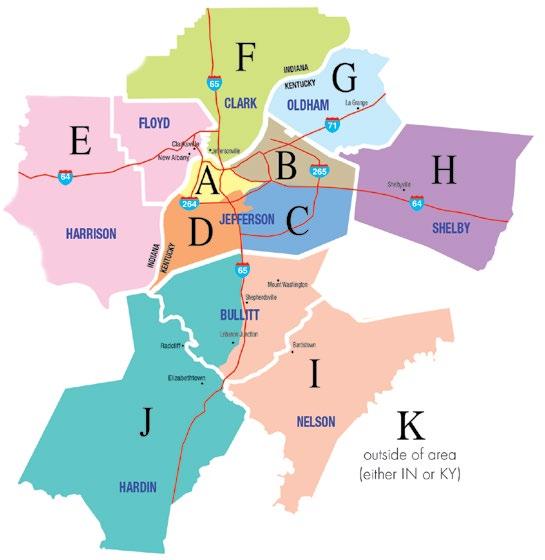
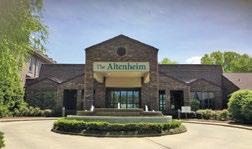
The Altenheim
936 Barret Ave, Louisville, KY 40204
(502) 584-7417
thealtenheim.org
Price Per Day: $100-$411
Number of Beds: 32 (N/R), 30 (PC)
Enjoy our beautiful Highlands park-like setting with updated furnishings no matter your living arrangements – independent, assisted, personal care, nursing/rehab or short-term stay. We offer a secure, lockdown building for resident safety. Our selective menus offer a variety of options. Staffing levels are above expectations and truthfully make us what we are today! Our Aging-in-Place community offers an above average staff-to-resident ratio, allowing time for visits with residents as well as necessary care. Hosparus care supports our staff when requested. We specialize in activity programs for residents offered by trained staff and volunteers. Our Personal Care option provides the independence of living at home.
Owner: The Altenheim
Payment: Private, LTCi
Features and Services: 24-Hour Care, Physical Therapy, Occupational Therapy, Speech Therapy, Tours/Trips, Medication Given, Pets
Considered, Chef on Staff, Laundry

The Ashton on Dorsey
1105 Dorsey Ln, Louisville, KY 40223 (502) 653-8111 theashtonondorsey.com
Price Per Month: $4399+
Number of Beds: 98
In our Assisted Living residents enjoy the perfect balance of independence and support in beautifully appointed private apartments. With 24-hour personal care and clinical oversight, we provide the stability and safety that bring peace of mind to residents and their families. Our dedicated, licensed caregivers are always available to assist with daily activities, offering personalized care that respects each individual’s needs and preferences.
Our specialized Memory Care offers a secure and nurturing environment tailored to those living with Alzheimer’s or other forms of dementia. Residents benefit from structured routines and the support of compassionate, specially trained staff.
Owner: Sonida Senior Living
Payment: Private, LTCi, VA, Hospice
Features and Services: Transportation, Showers, House Cleaning, Bathing & Dressing Assistance, Laundry, Meal Prep, Errands, 24-Hr Care, Physical/Occupational/Speech Therapy, Dining Room, Exercise Facility, Game Night, Happy Hour, Tours/Trips, Emergency Assistance, Medication Given, Open Kitchen, Outdoor Spaces, Garden, Pets Allowed, Movie Room, Chef on Staff
Barton House
6830 Overlook Dr, Louisville, KY 40241 (502) 423-7177 • bartonlouisville.com
Price Per Month: $7100 all-inclusive
Designed for Alzheimer’s & memory impairments. Dignified & individualized care, from meals to the activities they participate in, and how their room is decorated. Pets to love & care for, frequent meals promoting socialization, tree-filled backyard with a patio and walking path. Staff trained in dementia. Medical care by our nurses, therapists, psychiatrist & doctor.
Owner: Goodworks
Payment: Private, LTCi
Features and Services: Showers, House Cleaning, Bathing & Dressing Assistance, Eating Help, Laundry, Meal Prep, 24-Hr Care, Physical/ Occupational/Speech Therapy, Dining Room, Emergency Assistance, Medication Given, Outdoor Spaces, Chef on Staff
12336 US Hwy 42, Goshen, KY 40026 (502) 292-3200 • beehivehomes.com/goshen
Price Per Month: $4500
24/7 care, low resident-to-staff ratio, home atmosphere, no care increases
Owner: Eric and Catherine Sherrard
Payment: Private, LTCi, VA
Belmont Village St. Matthews
4600 Bowling Blvd, Louisville, KY 40207 (502) 721-7500
belmontvillage.com
Price Per Day: $140-$340
Belmont Village St. Matthews is home to the perfect blend of comfort, personalized care and active living. Our community offers personal care and memory care in Louisville. Nestled in the heart of the St. Matthews area, our beautifully landscaped senior living community is surrounded by premier dining, shopping and entertainment along with numerous places of worship. Here, you’re surrounded by a dedicated team who provides a wide spectrum of care, including our award-winning Circle of Friends program for Mild Cognitive Impairment (MCI). Every Belmont Village community is licensed to the highest standard—this means couples with different care needs can stay together. Like always. And as your needs change, we can change with you, offering the right level of care for where you are. Our experienced management team and specially trained staff are here to provide just the right balance of care and support to suit any lifestyle.
Owner: Belmont Village, L.P.
Payment: Private, LTCi, Private Ins.
Features and Services: Chef prepared meals, Transportation, Housekeeping, Laundry, on-site Therapy services, Entertainment and Happy hour, Medication management, Bathing, dressing, toileting assistance, Activities and outings, Pet friendly.

Chestnut Ridge Health & Rehabilitation
1015 West Magazine St, Louisville, KY 40203 (502) 815-6460 • chestnutridgehr.com
Price Per Day: Varies depending on levels of care and community Committed to delivering exceptional rehab and skilled nursing care. Inpatient hemodialysis offered.
Owner: Lyon Healthcare
Payment: Private, Medicare, Medicaid, commercial policies

11530 Herrick Ln, Louisville, KY 40243 (502) 254-1799
Middletown.ChristianCareCommunities.org
Price Per Month: $3900+ All-inclusive. No added fees for care needs.
2024 Senior Advisor Award Winner. Imagine maintaining your independence while enjoying a little extra help when needed - exactly how assisted living should be. We tailor our services to meet unique needs, balancing active independence with trusted, personalized support. The monthly investment includes housekeeping, meals, laundry, utilities, plus help with bathing, dressing, medication reminders, toileting, etc. Our pet-friendly, VA-certified community features a thoughtfully designed, ground-floor layout that’s mobileand memory-friendly.
Our experienced, long-tenured caregivers are dedicated to helping residents live their best lives. With a 24/7 support team, freedom and flexibility come naturally. We offer private suites for personalized comfort, daily social activities, shared living areas designed for fellowship, and weekly worship and Bible studies. Residents have access to an abundance of outdoor greenspace, onsite beauty salon, whirlpool spa, library, and chapel.
Owner: Christian Care Communities, Inc.
Payment: Private, VA, LTCi
Features and Services: Housecleaning, Bathing and Dressing Assistance, Eating Help, Laundry, 24-Hour Care, Dining Room, Outdoor Spaces, Garden, Pets Allowed
Cooper Trail Senior Living
325 Lincoln Way, Bardstown, KY 40004 (502) 572-4329 • coopertrailsl.com
Price Per Month: Visit our website or call for current pricing.
Compassionate staff, activities, respite & outpatient services on-site.
Operated by: Trilogy Health Services, LLC
Payment: Private, LTCi
Eastway Health & Rehabilitation
1155 Eastern Pkwy, Louisville, KY 40217 (502) 636-5241 • eastwayhr.com
Price Per Day: Varies depending on levels of care and community Committed to delivering exceptional rehab and skilled nursing care.
Owner: Lyon Healthcare
Payment: Private, Medicare, Medicaid, commercial policies

The Enclave of East Louisville
100 Shelby Station Dr, Louisville, KY 40245
(502) 632-5500
theenclaveofeastlouisville.com
Price Per Day: Pricing varies according to level of care
As a two-time U.S. News & World Report award-winning community, The Enclave of East Louisville helps create rewarding lifestyles for all our residents. Expect a warm and welcoming senior living community where residents enjoy support provided by a professional, caring staff. From delightful and nutritious chef-prepared meals to engaging curated activities and meaningful new friendships, each day brings chances for fun, fitness and real connection. You’ll find everything you need within our stunning grounds and inspired interiors so you can feel confident stepping into your next stage of life. With Personal Care, Memory Care, and Respite Care options, along with round-the-clock expert health services and support, life at The Enclave will always include a sense of serenity, safety, and satisfaction.
Owner: Bridge Senior Living
Payment: Private, LTCi, Private Insurance
Features and Services: Transportation, Showers, House Cleaning, Bathing & Dressing Assistance, Laundry, Meal Prep, Errands, 24-Hr Care, Physical/Occupational/Speech Therapy, Dining Room, Exercise Facility, Game Night, Happy Hour, Tours/Trips, Emergency Assistance, Medication Given, Outdoor Spaces, Pets Allowed, Movie Room, Chef on Staff

Episcopal Church Home 7504 Westport Rd, Louisville, KY 40222 (502) 736-7800 episcopalchurchhome.org
Price Per Day: Varies by Level of Care
Discover award-winning assisted living and memory care designed for your comfort, security, and peace of mind. Tour luxurious private suites, savor fine dining, and enjoy enriching activities, private courtyards, fitness programs, and a full-service salon. See why so many families trust Episcopal Church Home.
Here, you or your loved one (age 62+) can thrive, no matter the level of assistance needed. Our dedicated team provides compassionate, onsite nursing care with a high staff-to- resident ratio—offering security and support when it matters most.
All faiths are welcome. Experience the difference and schedule your no-cost tour today!
Owner: Episcopal Retirement Services
Payment: Private, Medicaid, Medicare, LTCi, Hospice, Private Ins.
Features and Services: Transportation, Showers, Separate Units, House Cleaning, Bathing & Dressing Assistance, Eating Help, Meal Prep, 24-Hr Care, Physical/Occupational/Speech Therapy, Dining Room, Restaurant, Chef on Staff, Happy Hour, Tours/Trips, Emergency Assistance, Medication Management, Open Kitchen, Outdoor Spaces, Garden, Pets Allowed, Chef on Staff
Forest Springs Health Campus
4120 Wooded Acre Ln, Louisville, KY 40245 (502) 243-1643 • forestspringshc.com
Price Per Month: Visit our website or call for current pricing.
Full continuum of care, short-term care, on-site therapy & dialysis unit.
Owner: Trilogy Health Services, LLC
Payment: Private, Medicare, Medicaid, LTCi
Franciscan Health Care Center
3625 Fern Valley Rd, Louisville, KY 40219 (502) 964-3381 • franciscanhc.com
Price Per Month: Visit our website or call for current pricing.
Full continuum of care, short-term care, therapy services on-site.
Owner: Trilogy Health Services, LLC
Payment: Private, Medicare, Medicaid, LCTi
Glen Ridge Health Campus
6415 Calm River Way, Louisville, KY 40299 (502) 297-8590 • glenridgehc.com
Price Per Month: Visit our website or call for current pricing.
Full continuum of care, short-term care, therapy services on-site.
Owner: Trilogy Health Services, LLC
Payment: Private, Medicare, Medicaid, LCTi

The Grand Senior Living
9300 Civic Way, Prospect, KY 40059 (502) 289-8370
thegrand-sl.com
Price Per Month: $4810+
In house Medical Director, Licensed nurse 7 days a week, 24-7 professional care services, dedicated staff trained in dementia care. Signature Passion Program with family care services and support group.
Restaurant dining with 3 chef prepared meals a day, assistance with all activities of daily living, 24-7 care staff, medication management, emergency pendant system, in-house therapy program with physical therapy, occupational therapy and speech therapy, house cleaning and laundry services, transportation, pet friendly, full service salon, indoor heated pool, movie theater, putting green, bocce ball, and walking trails.
Owner: Management, Civitas Senior Living Payment: Private, LTCi, VA
Features and Services: Transportation, Showers, House Cleaning, Bathing and Dressing Assistance, Laundry, Meal Prep, 24-Hour Care, Physical/Occupational/Speech Therapy, Water/Aquatic Exercise, Dining Room, Exercise Facility, Game Night, Happy Hour, Tours/Trips, Emergency Assistance, Medication Given, Outdoor Spaces, Garden, Pets Allowed, Movie Room, Chef on Staff
12523 Taylorsville Rd, Louisville, KY 40299 (502) 694-4673 • HarmonySeniorServices.com
Price Per Month: $3350+
Our senior living community offers a range of options to provide as much or as little assistance as you may need. Choose from Independent Living, Personal Care and Memory Care to get the right level of support from our caring, expert team. We are committed to serving our residents in a way that provides comfort and enrichment in your life. Harmony stands out among senior living communities for our uniquely engaging calendar of events, enriching activities, and world-class care services.
Owner: Harmony Senior Services
Features and Services: Transportation, Showers, Separate Units, House Cleaning, Laundry, Errands, 24-Hr Care, Physical Therapy, Dining Room, Exercise Facility, Game Night, Happy Hour, Tours/Trips, Emergency Assistance, Medication Given, Open Kitchen, Outdoor Spaces, Garden, Pets Allowed, Movie Room, Chef on Staff
9300 Stonestreet Rd, Ste 700, Louisville, KY 40272 (502) 935-3300 • heartsong-mc.com
Price Per Day: $80/day, baths $20 | Type: medical
Activities to promote cognitive, physical, social, and spiritual well-being.
Owner: Heartsong Memory Care, LLC
Payment: Private, Medicaid, LTCi
13700 English Villa Dr, Louisville, KY 40245 (502) 254-2361 • legacyatenglishstation.com
Price Per Month: Visit our website or call for current pricing.
Memory care honoring unique life stories, highly trained caregivers.
Owner: Trilogy Health Services, LLC
Payment: Private, LTCi
Search our care community directory online by scanning the QR code.
Search for care options by locations, keywords, and categories. TodaysTransitions.com offers comprehensive directories of care communities and resources complete with features, photos, and reviews.

Lyon Healthcare
13 Kentucky campuses to serve you lyonhc.com
Price Per Day: Varies depending on levels of care and community
Lyon Healthcare is committed to delivering exceptional rehabilitation and skilled nursing care. Our dedicated caregivers work together to provide around-the-clock care and an environment where you and your loved ones feel valued, respected and empowered.
Each of our three local communities blend advanced healing technology. Learn more about each within these directory pages:
Chestnut Ridge Health & Rehabilitation
Eastway Health & Rehabilitation
Parkwood Health & Rehabilitation
Your journey is our top priority.
Owner: Lyon Healthcare
Payment: Private, Medicare, Medicaid, commercial policies
Features and Services: Transportation Available, Showers Available, Bathing Assistance, Dressing Assistance, Eating Help, Laundry, 24Hour Care, Dining Room, Emergency Assistance, Medication Given, Feeding Assistance if needed, Dietary Department, Wound Care, Respiratory Care
Nazareth Home – Clifton Campus
2120 Payne St, Louisville, KY 40206 (502) 895-9425 nazhome.org
Price Per Day: $185-$525
Number of Licensed Beds on This Campus: 113
Nazareth Home was established in 1976 as a healthcare ministry sponsored by the Sisters of Charity of Nazareth. Today, Nazareth Home is an award-winning, 5-star rated long-term care and rehabilitation organization that provides person-centered health and wellness services for adults and families. With two campuses in Louisville, Ky., Nazareth Home enriches the lives of its patients through personal care, memory care, recovery to home, and long-term care programs.
Owner: Nazareth Home, Inc.
Payment: Private, LTCi, Medicare, Medicaid
Features and Services: Showers Available, Separate Units, House Cleaning, Bathing Assistance, Dressing Assistance, Eating Help, Laundry, Meal Prep, 24-Hour Care, Physical Therapy, Occupational Therapy, Speech Therapy, Dining Room, Game Night, Happy Hour, Tours/Trips, Emergency Assistance, Medication Given, Open Kitchen, Outdoor Spaces, Garden, Chef on Staff
Nazareth Home — Highlands Campus
2000 Newburg Rd, Louisville, KY 40205 (502) 459-9681
nazhome.org
Price Per Day: $215-$595
Number of Licensed Beds on This Campus: 168
Nazareth Home was established in 1976 as a healthcare ministry sponsored by the Sisters of Charity of Nazareth. Today, Nazareth Home is an award-winning, 5-star rated long-term care and rehabilitation organization that provides person-centered health and wellness services for adults and families. With two campuses in Louisville, Ky., Nazareth Home enriches the lives of its patients through personal care, memory care, recovery to home, and long-term care programs.
Owner: Nazareth Home, Inc.
Payment: Private, LTCi, Medicare, Medicaid
Features and Services: Showers Available, Separate Units, House Cleaning, Bathing Assistance, Dressing Assistance, Eating Help, Laundry, Meal Prep, 24-Hr Care, Physical Therapy, Occupational Therapy, Speech Therapy, Dining Room, Game Night, Happy Hour, Tours/Trips, Emergency Assistance, Medication Given, Open Kitchen, Outdoor Spaces, Garden, Chef on Staff
Park Terrace Health Campus
9700 Stonestreet Rd, Louisville, KY 40272 (502) 995-6600 • parkterracehc.com
Price Per Day: Visit our website or call for current pricing. On-site skilled nursing, memory care services, dialysis unit.
Owner: Trilogy Health Services, LLC
Payment: Medicare, Medicaid, Private, LTCi
Parkwood Health & Rehabilitation
900 Gagel Ave, Louisville, KY 40216 (502) 368-5827 • parkwoodhr.com
Price Per Day: Varies depending on levels of care and community
Committed to delivering exceptional rehab and skilled nursing care.
Owner: Lyon Healthcare
Payment: Private, Medicare, Medicaid, commercial policies

Riverbend Assisted Living & Memory Care Community
2715 Charlestown Pike, Jeffersonville, IN 47130 (812) 280-0965
sonidaseniorliving.com/community/riverbend
Price Per Month: $3950+
Live life stress-free at Riverbend, where amenities and convenient services make everyday living comfortable and exciting for older adults. In assisted living, you will find spacious studios and onebedroom apartments with patio options that lead to our beautiful courtyards. In Magnolia Trails, our specialized memory care, we offer a safe and secure environment tailored to the unique needs of seniors with dementia.
You will also find our calendar is always full of fun and engaging activities to try. From live entertainment, fitness and painting classes, Bridge and Euchre club to educational seminars, we provide meaningful ways for you to develop new skills and interests and expand your social circles.
Owner: Sonida Senior Living
Payment: Private, Medicaid, VA, LTCi, Hospice
Features and Services: Transportation, Showers, House Cleaning, Bathing & Dressing Assistance, Laundry, Meal Prep, 24-Hr Care, Physical/Occupational/Speech Therapy, Dining Room, Game Night, Happy Hour, Tours/Trips, Emergency Assistance, Medication Given, Outdoor Spaces, Garden, Pets Allowed, Chef On Staff
Sanders Ridge Health Campus
119 E Sanders Lane, Mt. Washington, KY 40047 (502) 251-3821 • sandersridgehc.com
Price Per Month: Visit our website or call for current pricing.
Full continuum of care, short-term care, therapy services on-site.
Owner: Trilogy Health Services, LLC
Payment: Private, Medicare, Medicaid, LCTi
Shelby Farms Senior Living
100 Williamsburg Dr, Shelbyville, KY 40065 (502) 257-9485 • shelbyfarmssl.com
Compassionate staff, activities, respite & outpatient services on-site.
Operated by: Trilogy Health Services, LLC
Payment: Private, LTCi
Spring House at Louisville
1760 Plantside Dr, Louisville, KY 40299 (502) 452-2664
springhouseliving.com/spring-house-at-louisville
Price Per Month: $3945-$5395
A remarkable senior community in the Hurstbourne area offering: Independent Living: We offer a wide range of floor plans.
Adult Day Health Care: A great way to ensure your loved one receives support and social interaction — while giving you a well-deserved break.
Assisted Living: Services include medication assistance and reminders, assistance with ambulation, transfers, and escorts to and from daily routine activities and social events, assistance with dining, bathing, grooming and personal hygiene, dress, toileting and incontinence management.
Memory Care: A special memory care neighborhood is dedicated to caring for residents with memory impairment. Our Township program is designed with varying stages in mind, and features unique “Neighborhoods” tailored to meet the needs of each resident.
Owner: Canopy Senior Living
Payment: Private, Private Ins., LTCi
Features and Services: Transportation, Showers, Separate Units, House Cleaning, Bathing & Dressing Assistance, Eating Help, Laundry, Meal Prep, 24-Hr Care, Physical/Occupational/Speech Therapy, Dining Room, Exercise Facility, Game Night, Happy Hour, Tours/Trips, Emergency Assistance, Medication Given, Outdoor Spaces, Movie Room
The Springs at Oldham Reserve
2000 East Peak Rd, LaGrange, KY 40031 (502) 516-3176 • springsatoldhamreserve.com
Price Per Month: Visit our website or call for current pricing.
Full continuum of care, short-term care, therapy services on-site.
Owner: Trilogy Health Services, LLC
Payment: Private, Medicare, Medicaid, LTCi
The Springs at Stony Brook 2200 Stony Brook Dr, Louisville, KY 40220 (502) 491-4692 • springsatstonybrook.com
Price Per Month: Visit our website or call for current pricing.
Full continuum of care, short-term care, therapy services on-site.
Owner: Trilogy Health Services, LLC
Payment: Private, Medicare, Medicaid, LTCi

Treyton Oak Towers
211 West Oak St, Louisville, KY 40203 (502) 589-3211
treytonoaktowers.com
Price Per Day: $130-$450
We provide the highest quality of individualized service with dignity and respect while honoring our faith-based tradition.
Everyone’s needs change as the years go by. Treyton Oak Towers is designed specifically to meet those changing needs, so you can continue to live in the same warm, caring environment, regardless of how your circumstances may change.
We provide what is known as a continuum of care — additional levels of care available should the need arise in the future. Our caring staff will make certain you are receiving the appropriate level of care.
Our mission is to plan so that you don’t have to. Dignity, Respect, Faith
Owner: Third & Oak Corporation
Payment: Private, Medicaid, Medicare, VA, LTCi, Hospice, Private Ins. Features and Services: Transportation, Showers, Separate Units, House Cleaning, Bathing & Dressing Assistance, Eating Help, Laundry, Meal Prep, Errands, 24-Hr Care, Physical/Occupational/Speech Therapy, Water/Aquatic Exercise, Dining Room, Exercise Facility, Game Night, Happy Hour, Tours/Trips, Emergency Assistance, Medication Given, Outdoor Spaces, Garden, Pets Allowed, Movie Room, Chef on Staff

Trilogy Health Services
303 N Hurstbourne Pkwy, Ste 200, Louisville, KY 40222 12 local campuses to serve you (502) 785-9188
trilogyhs.com
Price Per Month: Varies depending on levels of care
Trilogy Health Services offers a full range of senior living options, and with over 12 locations in the Louisville area, you’re sure to find a location near you that meets your needs.
Cooper Trail Senior Living • Forest Springs Health Campus • Franciscan Health Center • Glen Ridge Health Campus • The Legacy at English Station • Park Terrace Health Campus • Sanders Ridge Health Campus • Shelby Farms Senior Living • The Springs at Oldham Reserve • The Springs at Stony Brook • Westport Place Health Campus • The Willows at Springhurst — Learn more about each campus in these directory pages.
Trilogy senior living communities offer luxury Independent Living patio homes and apartments, compassionate Assisted Living services, a full range of Rehabilitation, Skilled Nursing, and even Memory Care services for those living with Alzheimer’s or another form of dementia.
Every level of care we provide, from basic assistance to round-theclock clinical care, is delivered by people who will take the time to learn your story, and who will act in your best interests, always.
That’s The Trilogy Difference.
Owner: Trilogy Health Services, LLC
UofL Health — Frazier Rehab Institute
200 Abraham Flexner Way, Louisville, KY 40202 (502) 582-7400 • UofLHealth.com
Price Per Day: $1000
Inpatient/stroke/brain injury/spinal cord injury/cancer rehab; PT/OT/ST.
Owner: UofL Health
Payment: Medicare, Medicaid, Private ins., LTCi, VA
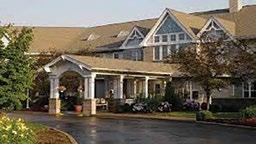
Vitality Living Springdale 4501 Springdale Rd , Louisville, KY 40241 (502) 412-0222
vitalityseniorliving.com/senior-living-locations/ kentucky/springdale/
Price Per Month: $3775-$6800
VITALITY LIVING SPRINGDALE IS REDESIGNING SENIOR LIVING IN KENTUCKY WITH YOU IN MIND.
Vitality is your premier choice for senior living in Kentucky. We are committed to ensuring that every service and amenity helps create the enriched, active life you or your loved one deserves.
Vitality Living Springdale specializes in assisted living and memory care that allow adults to experience a lifestyle with vitality at any age.
Owner: Vitality Senior Living
Payment: Private, VA, LTCi
Features and Services: Transportation, Showers, Separate Units, House Cleaning, Bathing Assistance, Laundry, Meal Prep, 24-Hr Care, Physical Therapy, Occupational Therapy, Speech Therapy, Dining Room, Exercise Facility, Game Night, Happy Hour, Tours/Trips, Emergency Assistance, Medication Given, Outdoor Spaces, Garden, Pets Allowed, Movie Room, Chef on Staff

Vitality Living St. Matthews
120 S Hubbards Ln, Louisville, KY 40207
(502) 896-1759
vitalityseniorliving.com/senior-living-locations/ kentucky/st-matthews/
Price Per Month: $3000-$3600
As the premier independent living and assisted living community in the St. Matthews area, we are conveniently located in the unique St. Matthews neighborhood, with easy access to shopping, dining, festivals and the arts, Vitality Living St. Matthews offers independent living and assisted living in the heart of Louisville, KY. This vibrant senior living community offers all the comforts of home with none of the day-to-day obligations of owning one.
After a morning meditation workshop, enjoy good conversation over breakfast. Take a stroll through the tree-lined streets nearby or meet neighbors for an afternoon shopping spree. At Vitality Living, the choice is always yours.
Whether you are ready now or are just beginning to think about senior living, we invite you to stop by or call to schedule a tour at your convenience. We are here to serve you 24 hours a day, 7 days a week.
Owner: Vitality Senior Living
Payment: Private,LTCi, VA
Features and Services: Transportation, Showers, House Cleaning, Laundry, Errands, 24-Hr Care, Dining Room, Exercise Facility, Outdoor Spaces, Movie Room, Chef on Staff

Vitality Living Stony Brook
3451 S Hurstbourne Pkwy, Louisville, KY 40299 (502) 383-1574
vitalityseniorliving.com/senior-living-locations/ kentucky/stony-brook/
Price Per Month: $2650-$5000
Vitality Living is your premier choice for senior living in Louisville, whether you need assisted living or memory care.
Vitality Living Stony Brook offers independent living, assisted living, and memory care. We support our residents’ needs as well as their interests with a calendar filled with a variety of activities to keep our residents as engaged, social, and independent as possible. Families will find peace of mind by knowing that their family members are well taken care of and enjoying life.
You’ll find plenty of comfortable common spaces to spend time with friends and family, whether it’s in the spacious family room, furnished sitting areas, front/back porches, or the large dining room. Large windows throughout our community give it an open and airy feel.
Owner: Vitality Senior Living
Payment: Private, LTCi, VA Aid & Attendance Benefits
Features and Services: Transportation, Showers, House Cleaning, Bathing & Dressing Assistance, Eating Help, Laundry, Meal Prep, Errands, 24-Hr Care, Physical/Occupational/Speech Therapy, Dining Room, Exercise Facility, Game Night, Tours/Trips, Emergency Assistance, Medication Given, Outdoor Spaces, Movie Room, Chef on Staff

Wesley Manor Retirement Community
5012 E Manslick Rd, Louisville, KY 40219
(502) 969-3277
wesman.org
Price Per Month: Varies depending on level of care.
Wesley Manor offers a Life Plan retirement community (full continuum of care services), including all levels of senior living on one campus: independent living, assisted living, personal care/memory support, skilled nursing and rehabilitation services. This gives seniors the advantages of living in one location, even as their health care needs change over time. This is especially helpful for couples who may have varying levels of needs, yet wish to live on the same campus. For all individuals, it means you only need to move once!
You’ll find a wonderful sense of community felt throughout the 35-acre campus. Located near the Gene Snyder Freeway in Louisville — a city convenience with a country feel. Both residents and family members often speak as being part of an extended family — the Wesley Manor family. Living here feels like home. Wesley Manor is a faith-based, non-profit; independently owned and operated since 1963.
Owner: Methodist Retirement Homes of Kentucky, Inc.
Payment: Private, Medicaid, Medicare, LTCi, Hospice, Private Ins. Features and Services: Transportation, Showers, Separate Units, House Cleaning, Bathing & Dressing Assistance, Eating Help, Laundry, 24-Hr Care, Physical/Occupational/Speech Therapy, Dining Room, Game Night, Tours/Trips, Medication Given, Pets Allowed
4247 Westport Rd, Louisville, KY 40207 (502) 893-3033 • westportplacehc.com
Price Per Month: Visit our website or call for current pricing.
Full continuum of care, short-term care, therapy services on-site.
Owner: Trilogy Health Services, LLC
Payment: Private, Medicare, Medicaid, LTCi
3101 N Hurstbourne Pkwy, Louisville, KY 40241 (502) 412-3775 • willowsatspringhurst.com
Price Per Month: Visit our website or call for current pricing.
Full continuum of care, short-term care, therapy services on-site.
Owner: Trilogy Health Services, LLC
Payment: Private, Medicare, Medicaid, LTCi
By Carrie Vittitoe
As sweater weather looms, these events, eats, and escapes will help you make the most of the season.
We’re dreaming of heartier meals for fall, and a luxuriously decorated steakhouse sounds like the perfect place to enjoy one. You can find one at Hotel Bourré Bonne on Market Street, which offers breakfast, lunch, and dinner. Be sure to arrive early and have a drink at their rooftop bar, or plan to make it an overnight getaway.
If you love street art, the place for you to be on the weekend of October 18-19 is Waterfront Park for the Via Colori Street Painting Festival. Over 150 artists use the sidewalks to make large-scale art masterpieces, and you get to watch and see their creativity come to life! There are also vendors, a food court, and family-friendly activities.


Whitehall Mansion on Lexington Road is beautiful year-round, but when it is decked out in its Christmas finery, look out! The home, which was built around 1855, began in the Italianate style but was later fashioned into a Greek Revival home with a Southern flair. Visitors can tour the home on weekdays at 11am and 1pm during December.
If you love Halloween, make the under-two-hour drive and visit the town of Cynthiana, Kentucky, which makes a big deal out of the spooky season each year and is one of the top US destinations during fall. Enjoy ghost tours and pumpkin contests during weekends in October, and check out the downtown decorated with skeletons all month long. The city kicks off the fun on September 27 with Witches Day Out.