


Mallika Chopra’s new children’s book offers the beauty of diversity and perspective A Storyteller Who Heals Cover Worthy Home 8210 RAYFORD DRIVE 6 Bed | 4 Bath | 3,026 SF $2,795,000310.499.2020 | stephanieyounger.com DRE 01365696

CONTACT US (310) 574-7655 Letters, News, Tips & Event Listings: kkirk@timespublications.com
EDITORIAL
Executive Editor: Christina Fuoco-Karasinski christina@timespublications.com
Editor: Kamala Kirk (310) 574-7654 kkirk@timespublications.com
Contributing Writers: Haley Beyer, Marin Heinritz, Jeff Croff, Paul Wozniak
Interns: Oliver Grynberg, Stella Karron








ART Graphic Designer: Arman Olivares
Staff Photographer: Chris Mortenson
Display Advertising: Rebecca Bermudez (310) 574-7655 Peter Lymbertos (818) 624-6254


Classified Advertising: Ann Turrieta (626) 584-8747 aturrietta@timespublications.com



Associate Publisher: Rebecca Bermudez (310) 574-7655 rbermudez@timespublications.com

NEWS & SALES OFFICE PO Box 1349 South Pasadena, CA 91031
The Argonaut is distributed every Thursday in Del Rey, Marina del Rey, Mar Vista, Playa del Rey, Playa Vista, Santa Monica, Venice, and Westchester. The Argonaut is available free of charge, limited to one per reader. The Argonaut may be distributed only by authorized distributors. No person may, without prior written per mission of The Argonaut, take more than one copy of any issue. The Argonaut is copyrighted 2022 by Times Media Group, Inc. All rights reserved. No part of this publication may be reproduced in whole or in part in any form or by any means without prior express written permission by the publisher. An adjudicated Newspaper of General Circulation with a distribution of 30,000.

 Local News & Culture
VICE PRESIDENT: Michael Hiatt PRESIDENT: Steve Strickbine
ON THE COVER: Westside resident Mallika Chopra’s latest children’s book, “Buddha and the Rose,” offers the beauty of diversity and perspective through mindfulness. Photo credit: Chris Mortenson. Design by Arman Olivares.
Local News & Culture
VICE PRESIDENT: Michael Hiatt PRESIDENT: Steve Strickbine
ON THE COVER: Westside resident Mallika Chopra’s latest children’s book, “Buddha and the Rose,” offers the beauty of diversity and perspective through mindfulness. Photo credit: Chris Mortenson. Design by Arman Olivares.
Editor:
Consider the chaotic encampment along Jefferson Boulevard where it passes the Ballona freshwater marsh. A beautiful nature preserve with nowhere to park for those who would enjoy it. A two-lane highway, one lane of which is danger ously obstructed. Rich animal and plant life threatened by senseless proximity to a human population unsupported by adequate infrastructure.
What was once a dream of idealists, now a nightmare. A society so disordered it cannot provide parks for the recreation of its inhabitants, cannot provide stew ardship for other species under its care.
What are we, then, if we do not resolve this problem? What are we, then, if we resolve this problem without due consideration for the needs of the genuinely homeless? If not now, when?

Factors such as the pandemic and a want of housing have inhibited our response. This paralysis must cease. For starters, we need to enforce overnight parking regulations. Those living in functioning vehicles can drive those vehicles else where without altering their domicile status. And those living in non-function ing vehicles and tents must be offered indoor living facilities. Then: we paint red curbs for car-size spaces only.
All our leaders should be interested in solving such problems. If they don’t, they
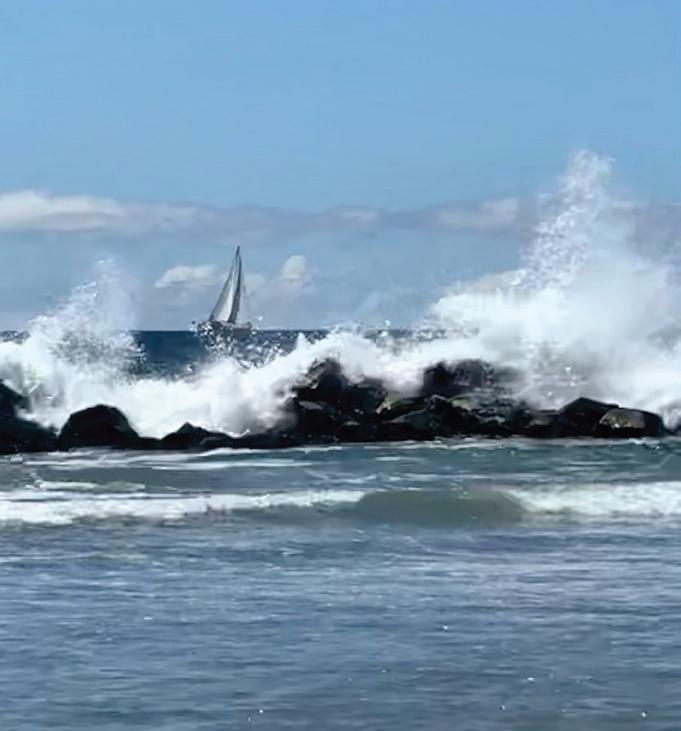
Venice breakwater.
will be swept out of office by popular outrage to be replaced, perhaps, by an unfeeling sort who will dispose of such problems, brutally.
Lastly, as we are not brutes, we must not evict the truly homeless without offering them a roof.
Glenn Kane Playa Vista
Being in print is a lot more meaningful than grouching on Facebook. Send compliments, complaints and insights about local issues to kkirk@timespublications.com

The year is 2030. Most humans have been replaced by machines in U.S. warehouses and factories.
Millions of Americans are out of work and struggling to find jobs as robots pack, sort, ship, and carry out the myriad duties that just 10 years ago were the purview of living, breathing workers. There are little job prospects in sight for these workers as automation has completely taken over numer ous industries.
As fictitious as this sounds, it is not a scene out of a sciencefiction novel, but instead a scenario that could occur in the very near future. Take, for example, Amazon’s recent launch of Proteus—the com pany’s first fully autonomous mobile robot. This should signal that much of the com pany’s workforce faces extinc tion by automation in the coming years.
Despite the inevitability that all industries will adopt some


type of automation to improve productivity and profitability, it is important that lawmakers take steps now to protect the human workforce before big tech behemoths like Amazon begin to phase them out. Ama zon certainly has plenty of incentive to replace its human workforce with automated machines.
For instance, there are rumors
that Amazon is worried it could run out of workers to hire for its U.S. warehouses by 2024— putting the tech giant’s service quality and growth plans at risk, creating additional motivation to embrace the capabilities of robots. Labor shortages would be a thing of the past.
The tech giant, which has a history of taking advantage of
egregious tax loopholes, may even be using robots to game the system. For example, re search and development ex penses, a category that invest ment in automation could fall under, are deductible and eligible for capital expenditure tax credits. Meanwhile, only certain types of human capital investments are tax deductible.


With its concern solely on the company’s bottom line, Amazon has plenty of other motives to transition to complete automation; robots can't unionize, they don’t get injured and require workers’ compensation, and they never go to managers and demand better working conditions.
While nobody but Amazon’s corporate executives know the full reason for the company’s speedy shift toward robotics, a good argument can be made that recent efforts by workers to unionize have played a significant role. The company has threatened to withhold benefits and wages from
employees who support union efforts, terminated pro-union workers, and is attempting to overturn the Staten Island warehouse union victory.
Amazon is also notorious for its high injury rates among employees. In 2021 alone, 34,000 serious injuries were reported on the job at Ama zon—resulting in plenty of negative press. The company has made it difficult for injured workers to be compensated or receive time off, deprived disabled and pregnant employ ees of reasonable accommoda tions, and has even fired workers who voiced their concerns about inadequate protections.

It would be easy to dismiss this shift toward robotics as only an issue for one com pany—despite Amazon employing one out of every 153 Americans—but experts believe that automation could destroy up to 73 million jobs in the U.S. as soon as 2030.
With the threat of millions of
Americans being forced out of work due to automation, lawmakers in Washington need to act immediately to protect their constituents’ livelihoods and the future of the American worker.
One step elected officials could take is to pass a so-called “robot tax,” which would force companies to pay a fee every time they replace a human worker with an automated machine.
Such a tax would not only make firms think twice about replacing their human work force, but the revenues from the levy could also fund programs to upskill or re-skill workers.
Lawmakers could also learn from how the government handles environmental protec tions and require companies bidding on contracts to submit an impact assessment that outline the jobs robotics might eliminate, the types and number of jobs that might be created by the proposed project, and a plan to retrain workers who are directly affected by the use of robots. Amazon and other businesses
should not be blamed for wanting to make the transition to a robotic workforce, as all companies are tempted to cut expenses and improve their earnings.
But it is important to recog nize the potential threat these technologies pose for the U.S. labor market and, in particular, for the 1.1 million Amazon employees in the U.S. We must implement policies that disincentivize tech companies from making an abrupt switch to automation that could eliminate the livelihoods of millions.

The complete adoption of a robotic workforce is no longer confined to the realm of science-fiction and if we want to prevent the rise of the machines from completely taking over industries, we need to confront this reality before it is too late.
Jason Boyce is the author of “The Amazon Jungle” and founder of Amazon managed services agency, Avenue7Me dia. Previously, Boyce was an 18-year Top-200 Amazon seller.
committed to growth
digital content, regular contemplative practices, and both individual

direction (we call it “executive coaching for the soul”).
code (left) to RSVP or
to brunch and start a 6-week series called “Finding
harmony and wholeness
world.
monthly in the Marina, and weekly online. For more info,

code (left), check out our website www.ReimagineChurch.
david@reimaginechurch.church.

 By Haley Beyer
AVenice resident for more than 30 years, Anthony Panzica moved to Los Angeles after college in 1987 to pursue a career in acting. Over the past 16 years he has worked as a James Dean impersonator and run several businesses includ ing an aquarium service, event transportation, and a free drunk driving program called “Scoot er Patrol.”

But out of all his endeavors, starting Venice Bike Tours in 2015 has brought Panzica the most happiness. The tours take people on a three-hour explora tion that spans eight miles across Venice Beach, the Santa Monica Pier and Marina del Rey. Each participant receives a beach cruiser, basket, helmet, lock and a bottle of cold water. The tours are led by one of 16 trained local guides with extensive knowledge of the area.
18+ audiences only
18+ audiences only
Reservations are available in the morning from 10:30 a.m. to 1:30 p.m., as well as in the afternoon from 2 to 5 p.m. Public tours cost $125 per person and private tours cost $175 per person. There is a maximum of 25 people per tour, and tours are also avail able for larger groups and company events.


The tours highlight popular landmarks and attractions including Muscle Beach, Ocean Front Walk, Santa Moni ca Pier, the Venice Canals and Abbot Kinney Boulevard, among others. Panzica, who has performed as a trick ball handler in 10 national basket ball commercials for Nike, Pizza Hut, Reebok, and LA Gear, enjoys showing people around the local basketball courts.
“I grew up on those courts and made dear friends during my time spent there,” Panzica said. “Before I started the bike tours,


Excerpts from this novel--The Pollinator In His Own Words--read by the author, exemplify the intimate relationship between two art forms: painting and writing. The protagonist of this tale, through the mystic art surfing, slowly develops the ability to fly. the story evolves, he discovers that he can,

Excerpts from this novel--The Pollinator In His Own Wordsread by the author, exemplify the intimate relationship between two art forms: painting and writing. The protagonist of this tale, through the mystic art of surfing, slowly develops the ability to fly. As the story evolves, he discovers that he can, during flight, by way of olfactory engendered clairvoyance, accumulate and store inter nally essential love; eventually he is able to bestow this love. The following excerpts, inspired by the paintings of Edward Hopper, occur in the story when the protagonist is beginning to collect such essences of primal bliss.
Excerpts from this novel--The Pollinator In His Own Words--read by the author, exemplify the intimate relationship between two art forms: painting and writing. The protagonist of this tale, through the mystic art of surfing, slowly develops the ability to fly. As the story evolves, he discovers that he can, during flight, by way of olfactory engendered clairvoyance, accumulate and store internally essential love; eventually he is able to bestow this love. The following excerpts, inspired by
Fictional Memoir
Excerpts from this novel--The Pollinator In His Own Words--read by the author, exemplify the intimate relationship between two art forms: painting and writing. The protagonist of this tale, through the mystic art of surfing, slowly develops the ability to fly. As the story evolves, he discovers that he can, during flight, by way of olfactory engendered clairvoyance, accumulate and store internally essential love; eventually he is able to bestow this love. The following excerpts, inspired by the paintings of Edward Hopper, occur in the story when the protagonist is beginning to collect such essences of primal bliss.

 Edward Hopper,
FIND
GENRE: Magical Realism
Fictional Memoir
GENRE: Magical Realism
Fictional Memoir
PHOTOS COURTESY OF VENICE BIKE TOURS
Venice Bike Tours was founded by longtime Venice resident Anthony Panzica and takes participants on a three-hour adventure across the Westside that includes stops at popular landmarks and attractions.
Edward Hopper,
FIND
GENRE: Magical Realism
Fictional Memoir
GENRE: Magical Realism
Fictional Memoir
PHOTOS COURTESY OF VENICE BIKE TOURS
Venice Bike Tours was founded by longtime Venice resident Anthony Panzica and takes participants on a three-hour adventure across the Westside that includes stops at popular landmarks and attractions.
I loved showing my friends and family around when they’d visit. I like giving people a local’s perspective, so I made touring into a job although it’s not a job for me because I love it.”
There are many tourist attractions up and down the coast, but the Westside is an especially unique place.

“Venice is a good place for bike tours because of the community that the people have built and the unique history of the area, I love telling the story,” Panzica said. “My favorite part of this job is keeping the story alive.”
Panzica hopes to one day offer participants the opportunity to embark on an all-day tour that fits in more stops. For now, he’s happy to be back doing tours after being shut down during the pandemic.
One of his favorite things about living in Venice are the relationships that he has built.
“I moved here in the begin ning because I visited Venice Beach off and on and always loved it,” Panzica said. “I’ve stayed for so long because it’s my home and where I’m
comfortable. I have built important relationships here.”
Some of these relationships include sponsors of Venice Bike Tours. Goodr Sunglasses on Abbot Kinney has been a big supporter and is one of the stops on the tour. Killer Shrimp, owned by one of Panzica’s friends, is a restau rant on the Marina that doesn’t typically take reservations, but if people want to eat there after a tour, a reservation can be made specially for them. Sidewalk Cafe is another sponsor and those who stop in while on a tour will receive 10% off their food or drink order.

For more information and to book a tour, visit the website.



Venice Bike Tours
venicebiketours.com
Instagram: @venicebiketours Twitter: @biketourvenice herbieburger.com
During tours participants learn about the area’s rich and colorful history, pedal through charming neighborhoods, and discover the best places to eat, drink and shop.


 By Kamala Kirk
United by their mutual love for dogs and to celebrate OUAI’s new “Live Life Your OUAI” campaign, OUAI has teamed up with California plant-based burger joint, Monty’s Good Burger, to create a customiz able limited-edition meal.
OUAI is a popular lifestyle and haircare brand that was founded by celebrity hairstylist Jen Atkin. Monty’s Good Burger is a chain of plant-based burger joints with multiple locations across Los Angeles including Culver City and Santa Monica.
The Get-It-Your-OUAI meal will gives fans the opportunity to build their own meal, which includes their choice of a vegan burger or vegan tenders, French fries or tater tots, a mini OUAI S’more Fun Shake, a mini chocolate chip cookie, and a stylish OUAI hair clip. A limited-edition OUAI x Monty’s crewneck top is also available for purchase while supplies last.
The S’more Fun Shake is inspired by OUAI’s neutrally chic color palette and features s’mores syrup, chocolate drizzle, graham crackers, mini chocolate chips and whipped cream. Additionally, with the brands’ like-minded passion for pets and food in mind, $1 from every shake purchased will be donated to LA Animal Services.

The limited-edition meal is available through Oct. 4 or until supplies last. For more informa tion, visit OUAI and Monty’s Good Burger’s websites.
Monty’s Good Burger 3849 Main Street, Culver City 123 Broadway, Santa Monica montysgoodburger.com OUAI theouai.com
By KATIE HALE Lifestyle with Monty’s Good Burger to limited-edition through Postmates. By Kamala Kirk
Now that autumn is officially here, Jeni’s Splendid Ice Creams is getting everyone into the spirit of the season with the “How is it fall already?” collection, which features five classic flavors including Green Mint Chip, Boston Cream Pie, and Cookies in Cream.
Pumpkin Cake Roll is the ultimate fall flavor infused with the same nutty and creamy character of the classic dessert, bursting with brown sugar and warm spices like cinnamon, fennel, star anise, white pepper and ginger.
New to the fall lineup this year is the highly-requested High Five Candy Bar, a mix of ultra-creamy peanut butter ice cream with caramel, chocolate covered pretzels, chocolate flecks and a touch of honey that makes the flavor really pop.
“We lovingly refer to our fall collection as our ‘care package
flavors,’” said Ami Desai Mathur, chief commercial officer at Jeni’s Splendid Ice Creams. “There’s so much feel-good, nostalgic comfort in every bite. These are ice creams and flavor combinations that feel familiar, but made only like Jeni can—completely from scratch and with the best ingredients we can find.”
Cone Coins are also back in Jeni’s scoop shops starting on Sept. 29, which are kid-size gift cards dressed up with spooky backers—making them the perfect trick-or-treat handout. Every coin (available in bundles of 20 for $35) is redeemable for one kids cone at a Jeni’s scoop shop.
Jeni’s Free Market at RUNWAY 12751 Millennium Drive, #PU-4, Playa Vista 213-814-0590 jenis.com
Just in time for autumn, Jeni’s Splendid Ice Creams’ fall collection features five classic flavors including Pumpkin Cake Roll, High Five Candy Bar, Green Mint Chip, Boston Cream Pie, and Cookies in Cream.

 By Kamala Kirk
Santa Monica College student Ethan Swope, a film major and contributor for SMC’s student-run media outlet The Corsair, was named the 2022 White House News Photographers Association (WHNPA) ‘Eyes of History’ Student Still Photographer of the Year winner. Swope received the award at a gala in Washington, D.C. on Sept. 10.

The judges for the WHNPA 2022 ‘Eyes of History’ Student still photography competition were Jabin Botsford of The Washington Post; Elizabeth Frantz (independent); and Stefani Reynolds of Agence France-Presse.
“Swope had a great consistent style that shined through the range of stories,” Botsford said.
Swope’s photojournalism professor Gerard Burkhart also came to Washington, D.C. to witness his student share the stage with visual journalism luminaries like four-time Pulitzer Price-winner Carol Guzy.
“Ethan represents how far a student can go when they are self motivated,” Burkhart said. “Most of his award-winning work was from during the pandemic, when a vast majority of students were learning remotely. Ethan thrived covering major local and world events, and is an inspiration to an already inspired group of Corsair editors, photographers and writers.”
Sharyn Obsatz, one of the SMC journalism professors advising the newsroom, added, “Ethan’s photojournalism expertise adds to the deep pool of talented SMC journalism students on staff. Pro fessors serve as coaches, but the students truly learn so much from each other, and Ethan has a wealth of experience to share.”
Swope began practicing photojournalism in his Marin County high school and is currently pursuing a major at SMC’s award-winning film program. While his work and camera have taken him all over the world, documenting places and communities he would not have been able to others, Swope said that being in Ukraine was particularly moving, but it was his work covering California wildfires that hit home.
“Being a California native and seeing the impacts of climate change, and documenting it, is moving because the situation is only going to get more extreme,” Swope said. “This award means so much to me and I am honored that my work was recognized by the White House News Photog rapher’s Association,” Swope said. “I am excited to continue pursuing journalism here at SMC under the guidance of Corsair photo adviser/photojour nalism professor Gerard Bur khart, and beyond. I could not have accomplished this honor without the trust the photo subjects who are in my photos gave me.”
The WHNPA photo show featuring Swope’s work is expected to be on display in SMC’s library on its main campus after Thanksgiving. More details are forthcoming and full results from both contests are available on the WHNPA website.
Ethan Swope ethanswope.com White House News Photographers Association whnpa.org/the-eyes-of-history
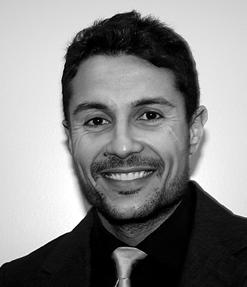
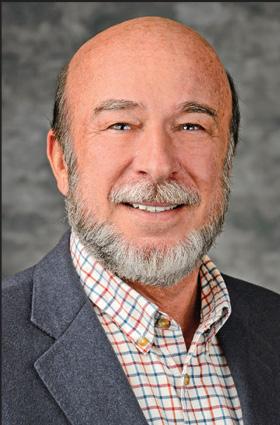
Santa Monica College student Ethan Swope with his grandfather Hans Diessel at the White House News Photographers Association ‘Eyes of History’ Awards Gala in Washington, D.C., where Swope was named WNHPA Student Still Photographer of the Year. PHOTO CREDITS: GERARD BURKHART Swope gives a speech onstage at the White House News Photographers Association ‘Eyes of History' Awards Gala.

 By Kamala Kirk
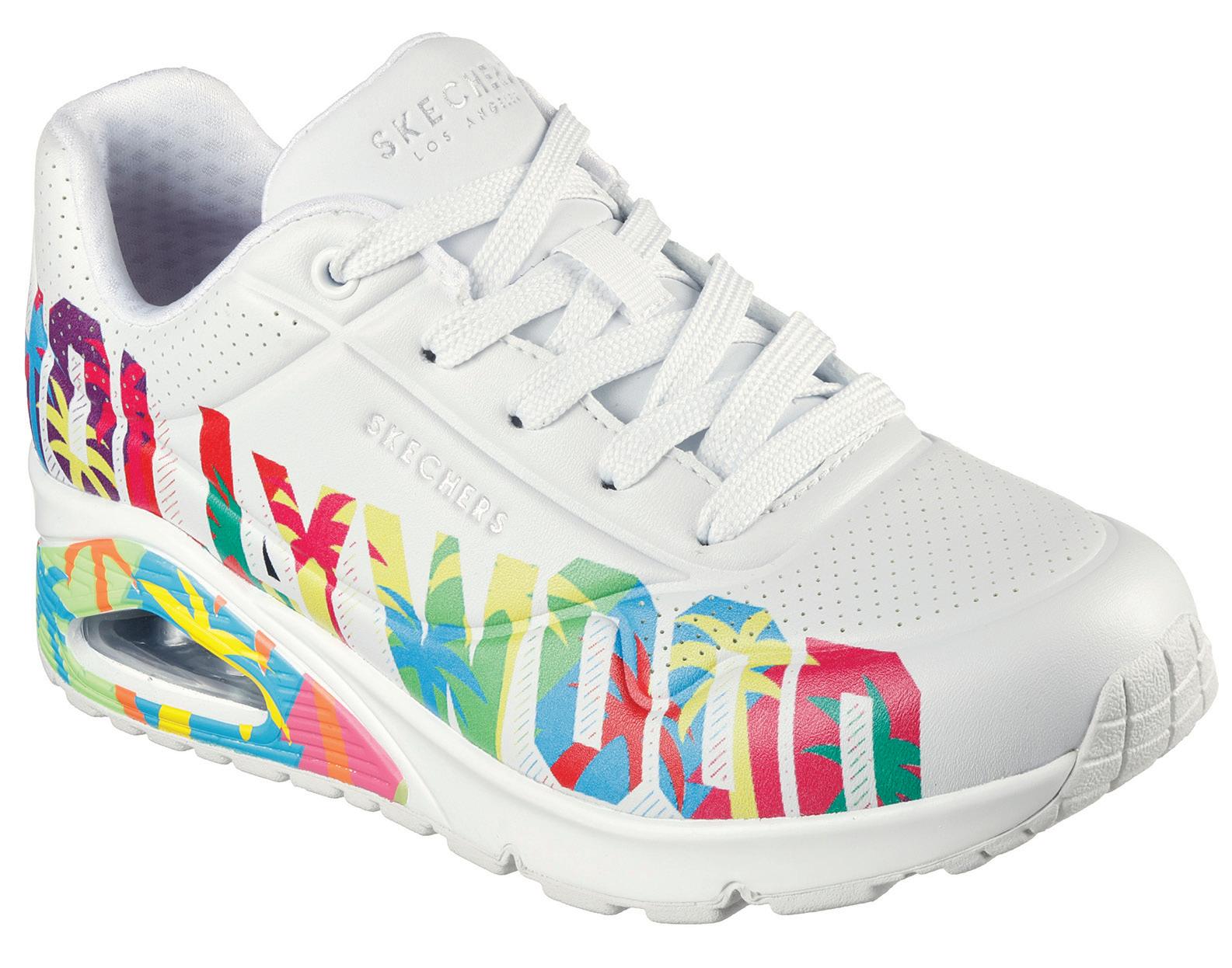
The iconic Hollywood sign turns 100 next year and to celebrate its upcoming centennial anniversary, Skechers has released a limited-edition “Hollywood” capsule collection. The Los Angeles-centric designs are made with the brand’s Air-Cooled Memory Foam cushioned comfort insole and flexible rubber traction outsole.
Styles include Uno—One for the Stars! which retails for $95 and is a lace-up that features a perforated and synthetic durabuck upper with a multi color “Hollywood” side graphic.
The Poppy—Pop of Fame and Palm Tree Pop slip-ons retail for $65 each and are laceless designs featuring a Hollywoodthemed palm tree print canvas upper with a Skechers Memory Foam insole and a lavenderscented midsole.


The Skechers Hollywood collection is available for purchase at skechers.com as well as at select Skechers retail stores. Skechers has retail stores and warehouse outlets across the Westside and South Bay including Manhattan Beach, Torrance, Santa Monica, Culver City and Marina del Rey. To find a retailer near you, visit skechers.com.
Skechers has released a limited-edition capsule “Hollywood” collection ahead of the iconic Hollywood sign’s 100-year anniversary next year.
 By Marin Heinritz
“B uddha and the Rose,” Mallika Chopra’s latest book begins—as well as ends—with an image of Buddha sitting still with a rose in his hand. But what happens in between the approximately 30 illustrated pages and less than 500-word book is a powerful journey about mindfulness, the beauty of the natural world, and how a little girl comes to understand herself as a part of something larger.
Based on one of her dad’s favorite stories plucked out of many, Chopra says the tale “in a very subtle and innocent way shows a connection to the universe.” Chopra grew up with wonderful stories from both her parents who “come from a country and tradition with rich storytelling.”
Her father is Deepak Chopra, the Indian-American physician, author and world-renowned speaker on mind-body healing and alternative medicine.
Chopra sees herself as carrying on the tradition in her own way from a family of healers, much of which is rooted in storytell ing.
“From the times of my grandparents and parents, my houses were full of storytell ing, religious or mythological stories across all traditions: Greek, Roman, Egyptian, Native American,” she said. “In general all of these stories have been adapted over centuries.”
Chopra therefore easily took the liberty of adapting “Buddha and the Rose” as a children’s book with an eye toward inclusive representation.
“It’s really quite simple, but I think we need more stories for children that show a diverse world view and characters,” she said. “I made this decision to make the narrator Sujata, an Indian girl—from her perspec tive—historically the young woman who gave Buddha the
milk to break his fast."
According to Chopra, in so many of the ancient tales, including Buddhist ones, “There aren’t many women in any of these traditions and I wanted to make sure young girls felt included.”
Chopra also made a deliberate decision to work with an illustrator who is a woman from
Southeast Asia. It was her first time working with Neha Rawat, and so much of the success of the story is in Rawat’s beautiful illustrations.
“The artist is the one who brought it to life,” Chopra said. “Just for someone to be able to look at these images creates a whole different experience.”
“Buddha and the Rose” is
Chopra’s fifth children’s book and eighth book overall, and though there’s a similarity in appearance to her previous children’s books, this one is something of a departure from the others. Her “Just Be” trilogy, which consists of “Just Breathe," "Just Feel,” and “Just Be You,” as well as “My Body Is a Rainbow,” aim to deliber
ately teach techniques about breathing, meditation and mindfulness.
“For this one it’s just a really beautiful story,” Chopra said.
“My goal with this one is we’ve been living in such heavy times. I do think my other books are great at giving techniques, I just wanted to give space for joy and wonder.
PHOTOS BY CHRIS MORTENSON Westside resident Mallika Chopra recently published her fifth children’s book, “Buddha and the Rose,” which is a powerful journey about mindfulness, the beauty of the natural world, and how a little girl comes to understand herself as a part of something largerThis story is about wonder, that ‘aha’ moment.”
While her other children’s books teach techniques, “The Buddha and the Rose” offers the reader an insight into the experience of meditation.
Telling stories and sharing personal experiences is at the heart of Chopra’s work in the world.

In addition to her children’s books, she has written three books rooted in her experiences as a mother including, “Living with Intent: My Somewhat Messy Journey to Purpose, Peace, and Joy,” through which she shares how she discovered balance despite the overwhelm of too many responsibilities as a wife, mother and entrepre neur.
“If I share my stories and share my struggles, I find that helps one give permission to other people to recognize it’s a challenge to find balance and purpose and your own path to healing,” Chopra said. “I feel really lucky to share things that have had impact for me and hopefully they will affect others.
A tool that has helped her and others is living by the follow ing guiding questions: Who am I? What do I want? How can I serve? What am I grateful for?
Chopra openly acknowledges the privileges she’s enjoyed on her journey, and that she has much to be grateful for, not the least of which is living and raising a family in Santa Monica.
“We truly live in this bubble on the Westside and we very much recognize that the children have grown up in a very safe a sweet little bubble and we feel grateful for that,” she said. “Everyone in our fam ily is well-read and well-trav eled, and we really try to understand different perspec tives.”
And sharing those different perspectives through storytell ing is a significant part of Chopra’s purpose.
“We come from a family of doctors and we’re trained in terms of being healers in some form or fashion,” Chopra said. “Storytelling is 100% healing.”
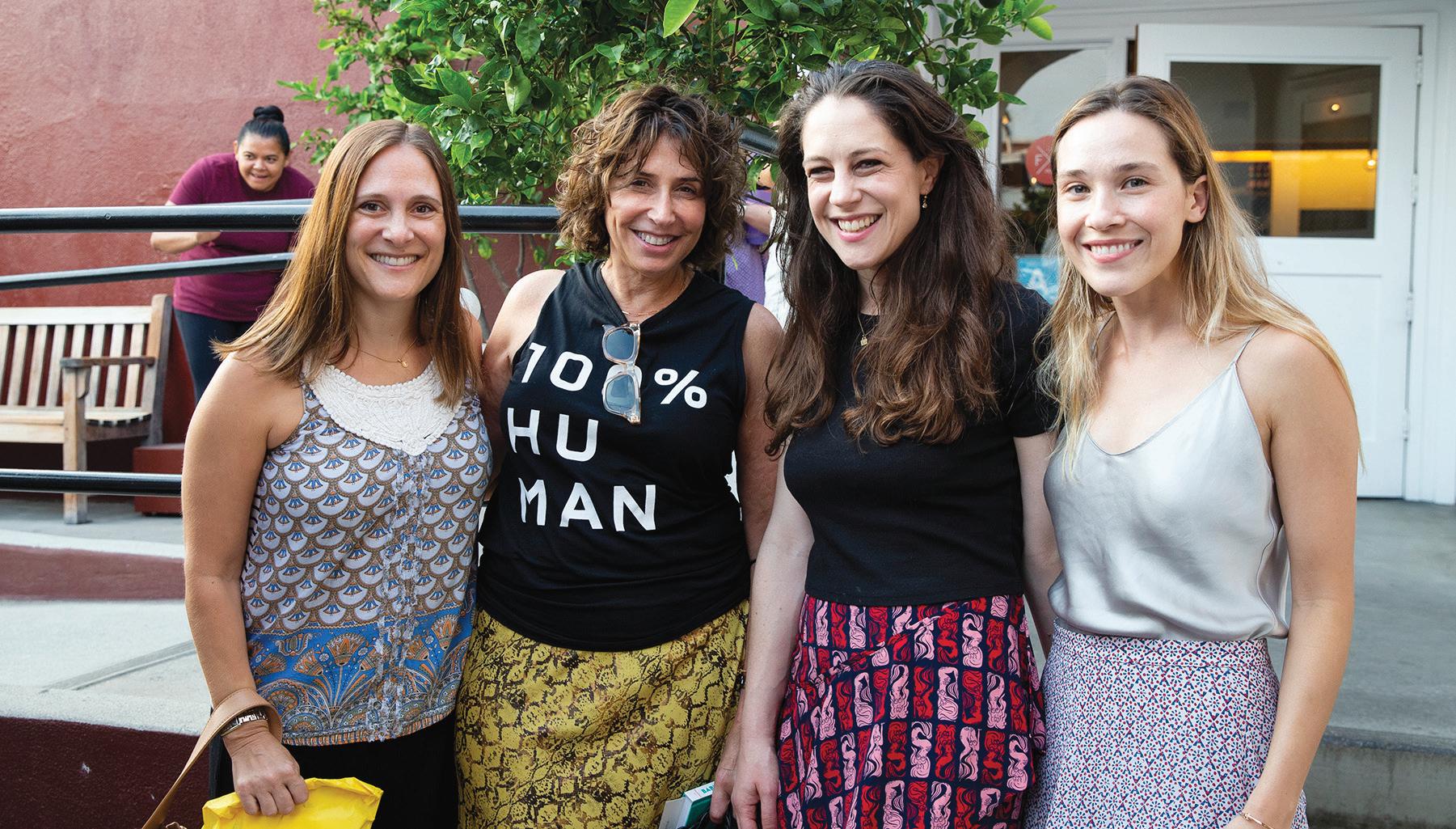
Mallika Chopra mallikachopra.com Instagram: @mallikachopra The 30-page book is based on one of Chopra’s father’s favorite stories and features stunning illustrations by Southeast Asian artist Neha Rawat.Best-selling author and Westside resident Amy Ephron, along with her daughters and fellow coauthors, Maia Wapnick and Anna Ephron Harari, celebrated the release of “The Amazing Baby Name Book: A (Possibly) Helpful and Slightly Amusing Guide from A-Z” with a book signing and discussion at DIESEL, A Bookstore on Sept. 6 in Santa Monica. Featuring the whimsical illustrations of Jennifer Bricking, the colorful and compact book aims to bring levity, humor, and grace to the messy realities of parenthood.

“It started from a family dinner table game where, in light of the recent spate of unique namings, we tried to think of words that would make great names like Banister, Lucite, Sequin, Abacus and Castanet,” Ephron said. “And then in the process of writing, it evolved into more of a proper name book as we realized
there were people whose lives and achievements we wanted to honor and celebrate.”
Mia Wigmore, one of the shop manag ers who worked at Village Books years ago, was also at the event. She and Katie O’Laughlin, with the help of a few other indie bookstores, turned Ephron’s novel “A Cup of Tea” into a bestseller.
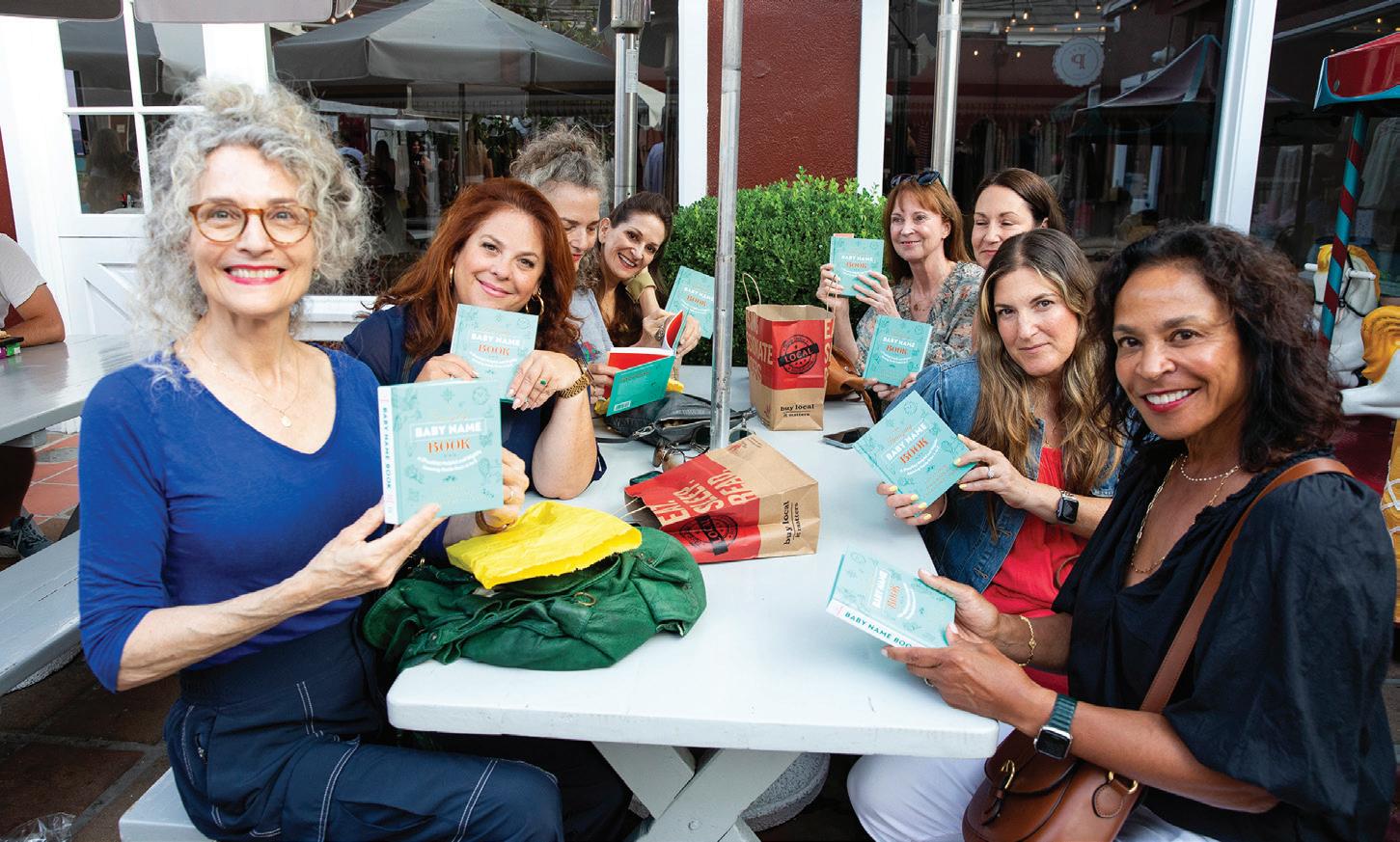
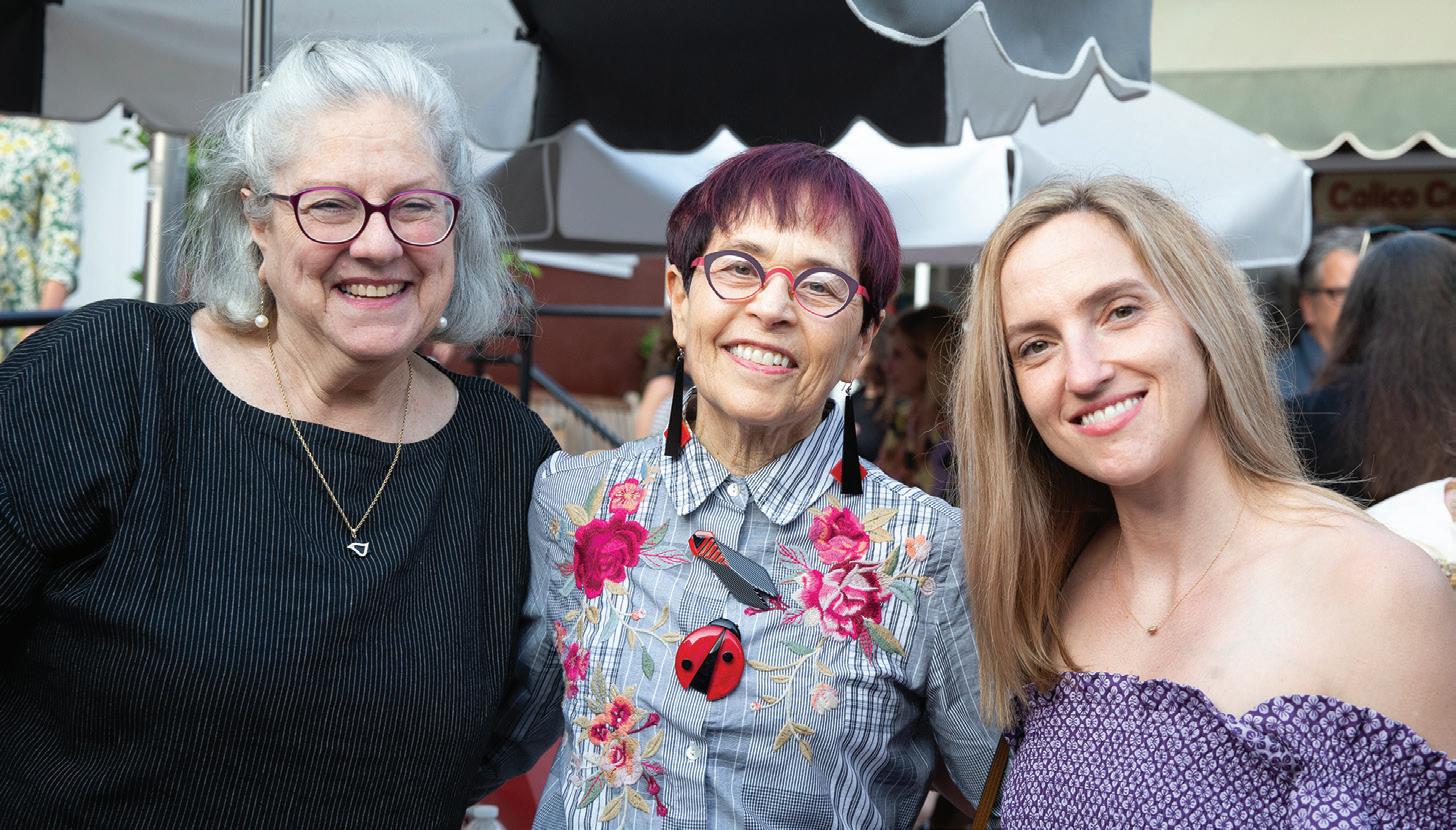
“Maia, Anna and their brother Ethan spent many hours on the floor in the back of that sadly shuttered bookstore, but now DIESEL feels like home,” Ephron said. “The book signing event also took place on Maia’s birthday, and the party itself truly felt like a festive love-filled birthday as many friends, family members, fans and their kids showed up and stayed. It was a sold-out event, and partly thanks to Argonaut editor Kamala Kirk (whose name is in the book), ‘The Amazing Baby Name Book’ hit the LA Times non-fiction best-seller list.”
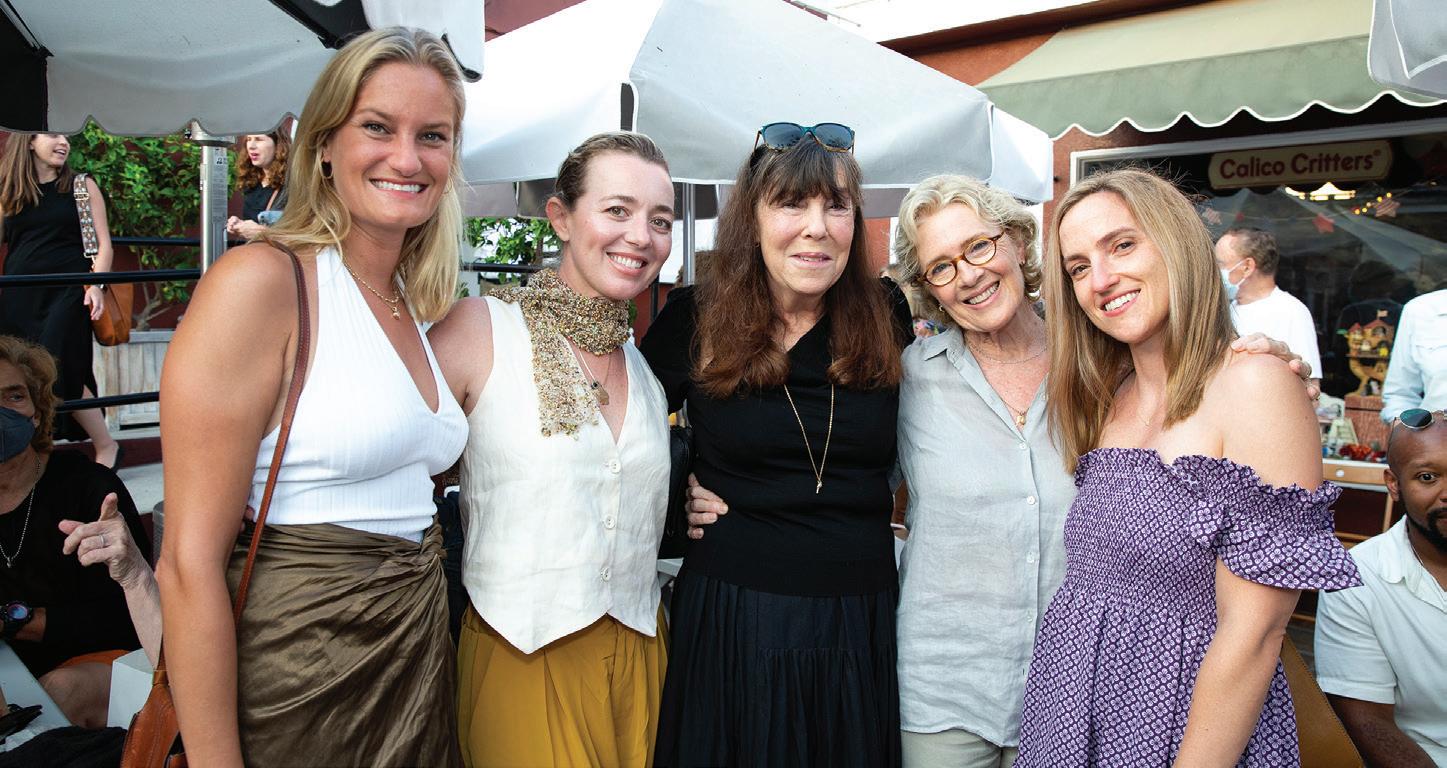
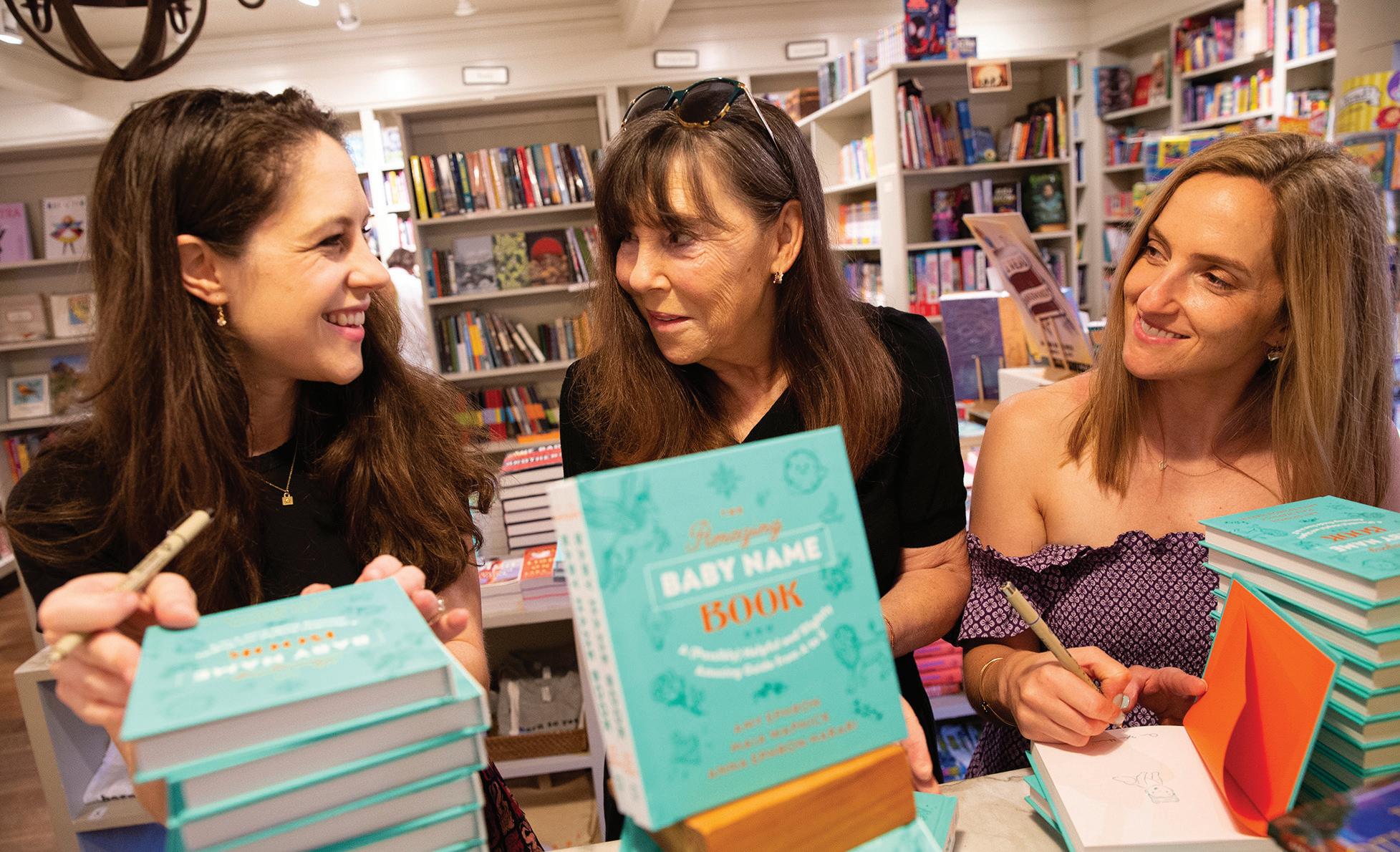 Authors Amy Ephron, Maia Wapnick and Anna Ephron Harari celebrate their new release
Alexandria Jackson, Sophie Kipner, Ephron, Lizzie Kipner and Harari.
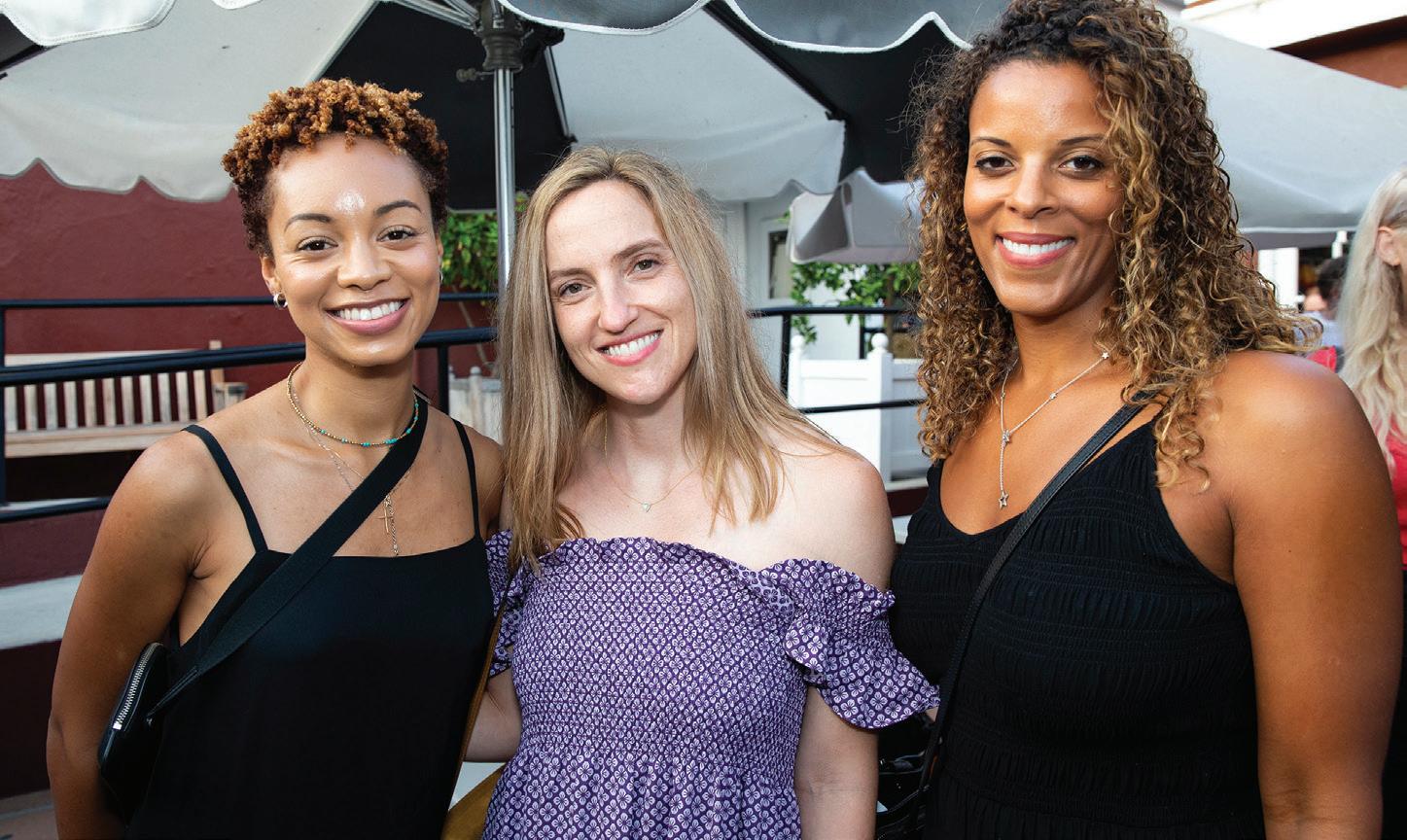
Jessica Tornek, Sarah Stone, Wapnick and Adrienne Alvarado.
The book signing and discussion took place recently at DIESEL, A Bookstore.
Amy Ephron (center) with her daughters and co-authors, Maia Wapnick and Anna Ephron Harari.
Lynn Weisman, Ronda Gomez Quinones and Harari.
Friends, family and fans attended the book signing and discussion.
PHOTOS BY CHRIS MORTENSON
Authors Amy Ephron, Maia Wapnick and Anna Ephron Harari celebrate their new release
Alexandria Jackson, Sophie Kipner, Ephron, Lizzie Kipner and Harari.
Jessica Tornek, Sarah Stone, Wapnick and Adrienne Alvarado.
The book signing and discussion took place recently at DIESEL, A Bookstore.
Amy Ephron (center) with her daughters and co-authors, Maia Wapnick and Anna Ephron Harari.
Lynn Weisman, Ronda Gomez Quinones and Harari.
Friends, family and fans attended the book signing and discussion.
PHOTOS BY CHRIS MORTENSON

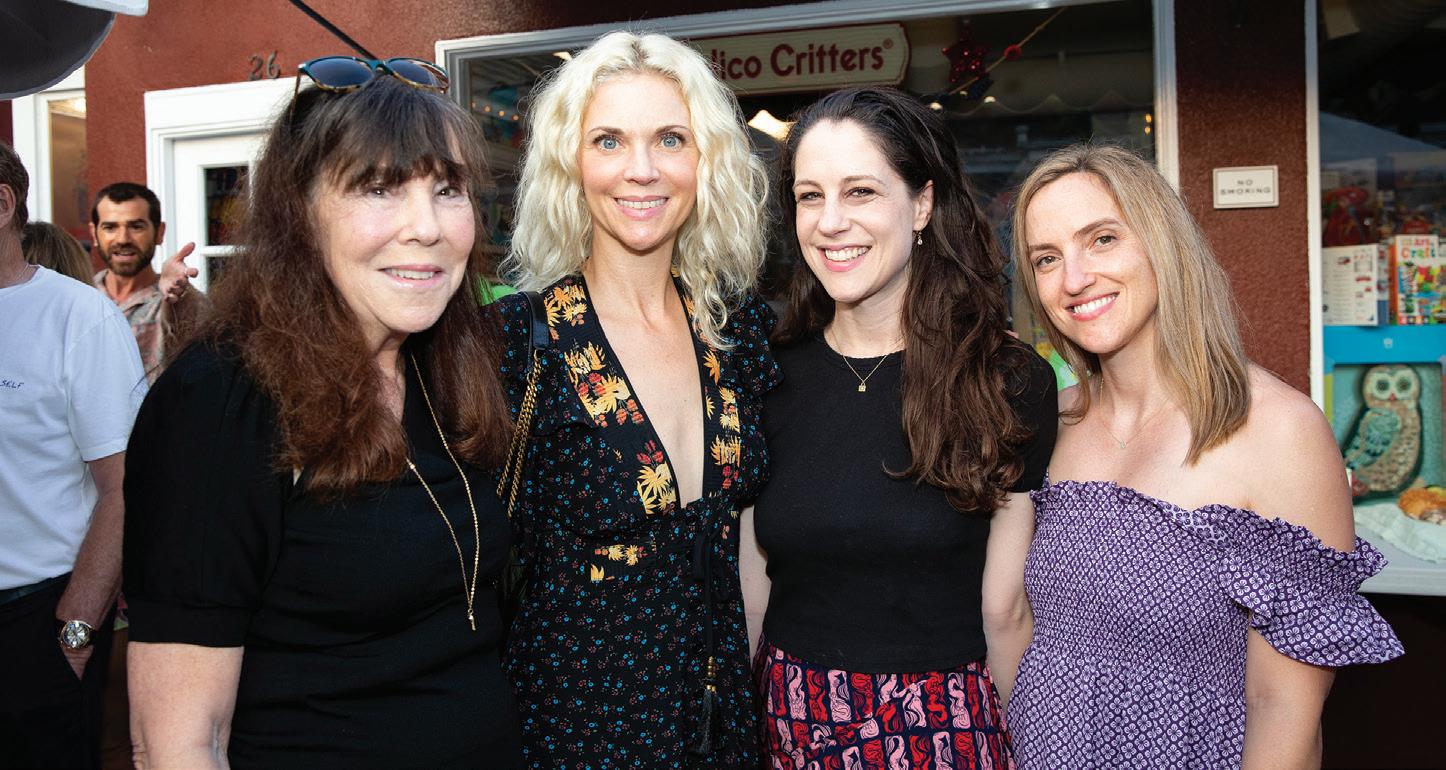
 Ephron, Jordyn Blum, Wapnick and Harari.
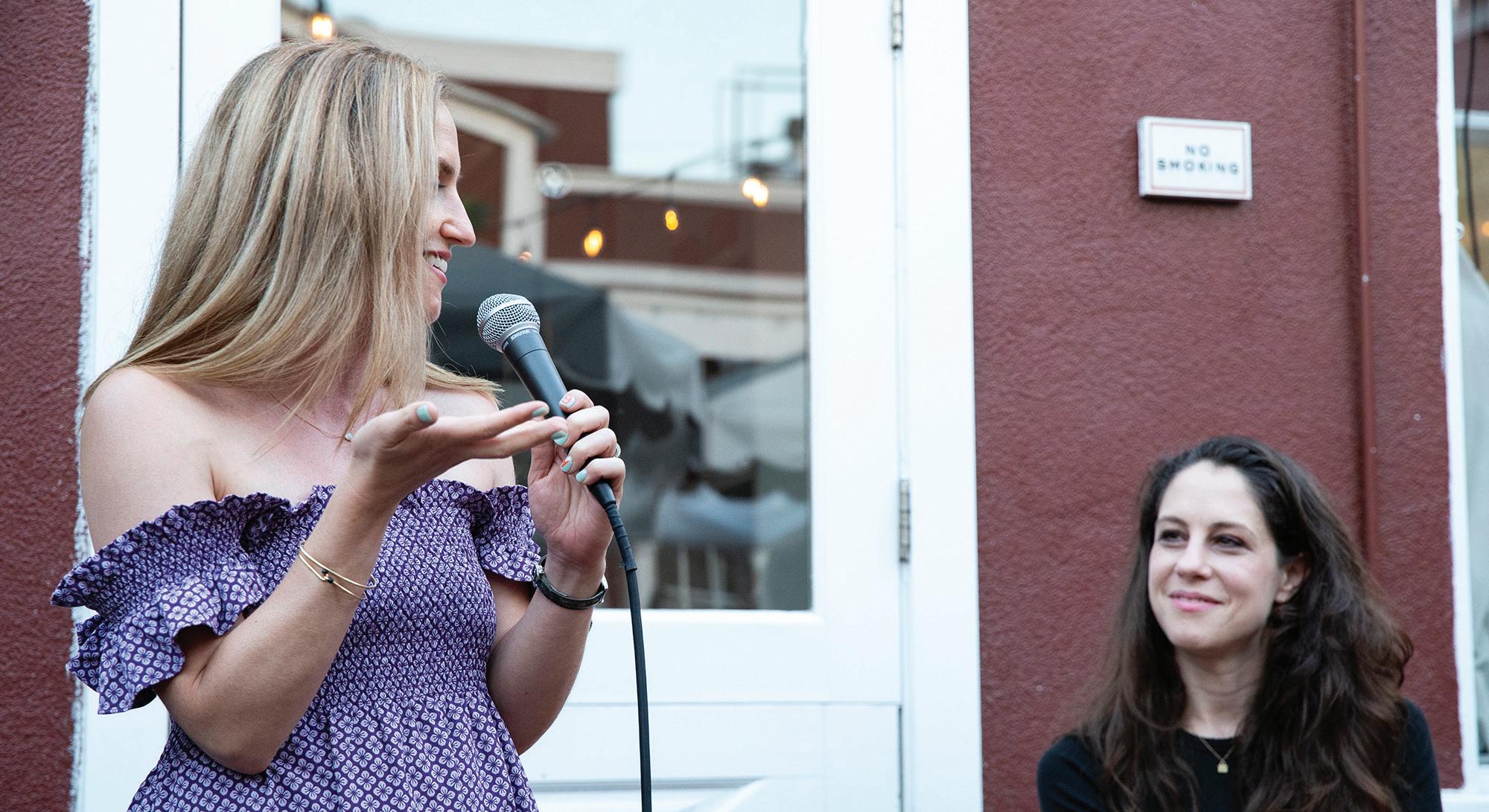
Harari shares some of her favorite memories from writing the book with her sister and mother.
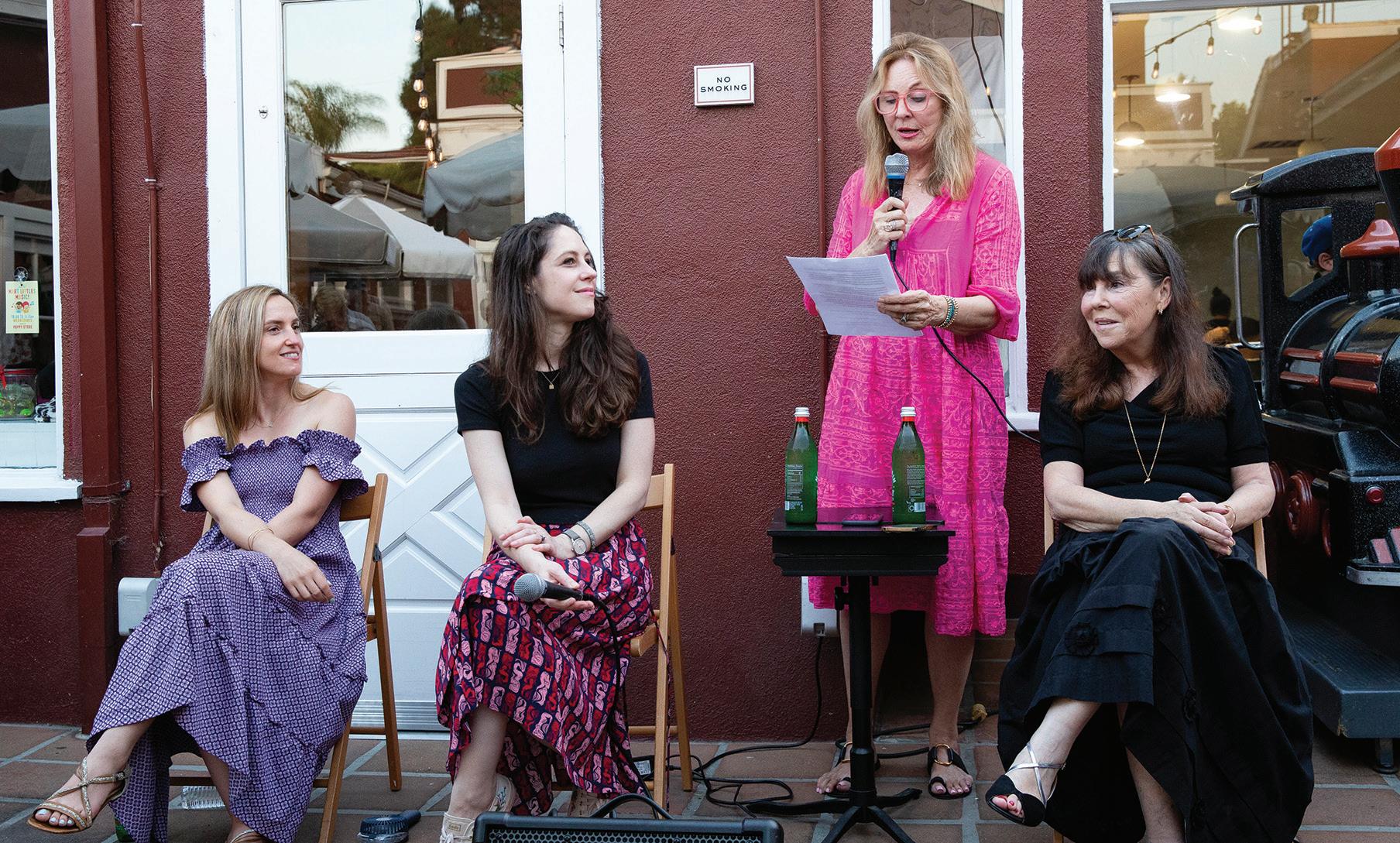
Longtime family friend and actress Holly Palance spoke at the event.
Nayomi Van Brunt, Harari and Allysun Lundy.
Ephron, Jordyn Blum, Wapnick and Harari.
Harari shares some of her favorite memories from writing the book with her sister and mother.
Longtime family friend and actress Holly Palance spoke at the event.
Nayomi Van Brunt, Harari and Allysun Lundy.
“Odas a Futbolistas” is a new book written by Abel Fogar and HINCHAS Press owner Yago S. Cura for the World Cup 2022 in Qatar.
By Jeff CroffIn 1930, the first soccer World Cup was held. Since then, every four years the world has watched as hundreds of teams have competed and captured attention. Teams, players and coaches have become famous or infamous for their unique mark on the game. That impact has led fans to celebrate or vilify the partici pants throughout the competi tion’s history
In anticipation of the 2022 World Cup, which will be held in Qatar in November, two writers have assembled their respective teams of athletes and coaches that left indelible marks on their appreciation of the game. Though instead of heated debates about strikers and their prowess, these authors have penned poetic tributes to the figures that fueled their passion for the sport.
“Odas a Futbolistas” by HINCHAS Press owner Yago S.
Cura and Abel Fogar offers odes to players and coaches from throughout the history of the World Cup. The two authors have each assembled a squad of athletes (futbolistas) and coaches (técnicos) that stand out for prowess, tenacity and impact on the World Cup since 1930.
“They do represent a collection of iconic players that have stood out for a myriad of reasons,” Fogar said. “Obviously, their skill on the pitch made them famous, but for many of the poems I wrote, it was the personal histories, the environ ments they grew up in and what they’ve grown to represent that made me want to pay homage in my odes.”
“You could definitely say that the players we’ve written odes to are a dream team, but we’ve left a lot of things out because the futbol world is so vast,”
Cura added.
Cura selected his team for their impact and their foibles.
“For me, the underlying trait that all the futbolers have is that they are human and prone to hubris, but they are also selfless, courageous and disciplined. Their human side is what attracts me to them. For example, I write about Luis Suarez: ‘We love you because you will do whatever to win, even if that means demeaning yourself from means,’ because one of the most interesting things about him to me is not that he’s a cutthroat, accurate striker, but that he still hasn’t realized the camera sees it all so biting people is probably not going to be as effective when there are millions of eyes on you.”
Each tribute has been paired with portraits by Autumn Anglin.
“When people see the 46 sketches and the designs and color she infused into the book, people want the book,” Cura said.

The poets are keen to acknowl edge that the tributes aren’t all encompassing.
"We only wrote odes to two técnicos and that alone is an area we can easily do a full book on women too,” Fogar said. “The struggles on this continent for women athletes are mind-numbingly astound ing, the stories alone on how these professionals balance life and work in order to pursue this passion are incredible.”
Cura added, “There are some serious holes in our squads. For example, a Mexican friend of mine wondered why there weren’t any Mexicans featured. It wasn’t something that I had done on purpose, but my focus was definitely not on Mexican players. It was on the heroes that I grew up watching.”
While the authors are excited to see the upcoming competi tion, they were circumspect when asked to predict the winner.
“You know, every four years we wonder about that, and we’re often wrong,” Fogar noted. “I’ve been religiously watching the Cup since '86, and for this year–momentarily displacing ourselves from the problematic facts that have made Qatar the host nation–I can only hope we have great matches to enjoy.”
Cura offered a fan (and writer) position: “There’s going to be a lot of games and very little sleep this winter, but all the games will be great, and the lack of sleep will be worth it. That has been the case in the 40-odd years that I’ve been a rabid fan of the sport. Who knows, we might even translate that energy into the next book of odes.”
HINCHAS Press hinchaspress.com/ odas-a-futbolistas
PHOTO COURTESY OF PRESS



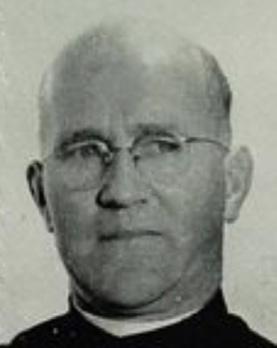
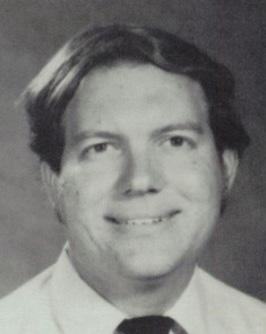



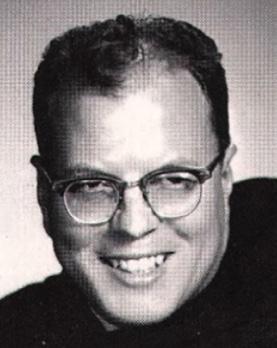

Lawsuits were filed in California involving these alleged perpetrators. The vast majority of claims against these individuals have not been fully evaluated in a civil or criminal court. The allegations should not be considered proved or substantiated in a court of law. All individuals should be considered innocent until proven guilty.
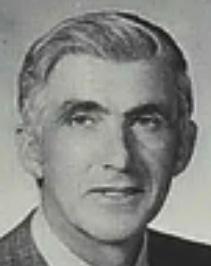

 Fr. Donald Duplessis Fr. George S. Endal
Br. Kevin Dunne
Msgr. Thomas Patrick English Br. Mark Epperson Fr. Mark Falvey
Fr. Arthur A. Falvey Fr. Donald G. Farmer Fr. John V. Farris
Br./Msgr. Charles Fatooh Fr. Theodore Feely Fr. Arthur N. Fernando Fr. Gerald B. Fessard Fr. Walter Fernando
Msgr. Peter Garcia Msgr. Cristobal Garcia Fr. Ramon Garcia Msgr. Phillip Grill Fr. David F. Granadino
Stuart B. Campbell
Juan Cano
Carey
Raul Carvajal Hernandez
John Joseph Casey
PICTURED
These individuals have been accused of child sexual abuse in California.
Fr. James J. Fitzpatrick Fr. Thomas Q. Fitzpatrick Fr. George Foley Fr. James M. Ford
Fr. Roderic M. Guerrini Fr. George Gunst
Fr. Donald Duplessis Fr. George S. Endal
Br. Kevin Dunne
Msgr. Thomas Patrick English Br. Mark Epperson Fr. Mark Falvey
Fr. Arthur A. Falvey Fr. Donald G. Farmer Fr. John V. Farris
Br./Msgr. Charles Fatooh Fr. Theodore Feely Fr. Arthur N. Fernando Fr. Gerald B. Fessard Fr. Walter Fernando
Msgr. Peter Garcia Msgr. Cristobal Garcia Fr. Ramon Garcia Msgr. Phillip Grill Fr. David F. Granadino
Stuart B. Campbell
Juan Cano
Carey
Raul Carvajal Hernandez
John Joseph Casey
PICTURED
These individuals have been accused of child sexual abuse in California.
Fr. James J. Fitzpatrick Fr. Thomas Q. Fitzpatrick Fr. George Foley Fr. James M. Ford
Fr. Roderic M. Guerrini Fr. George Gunst
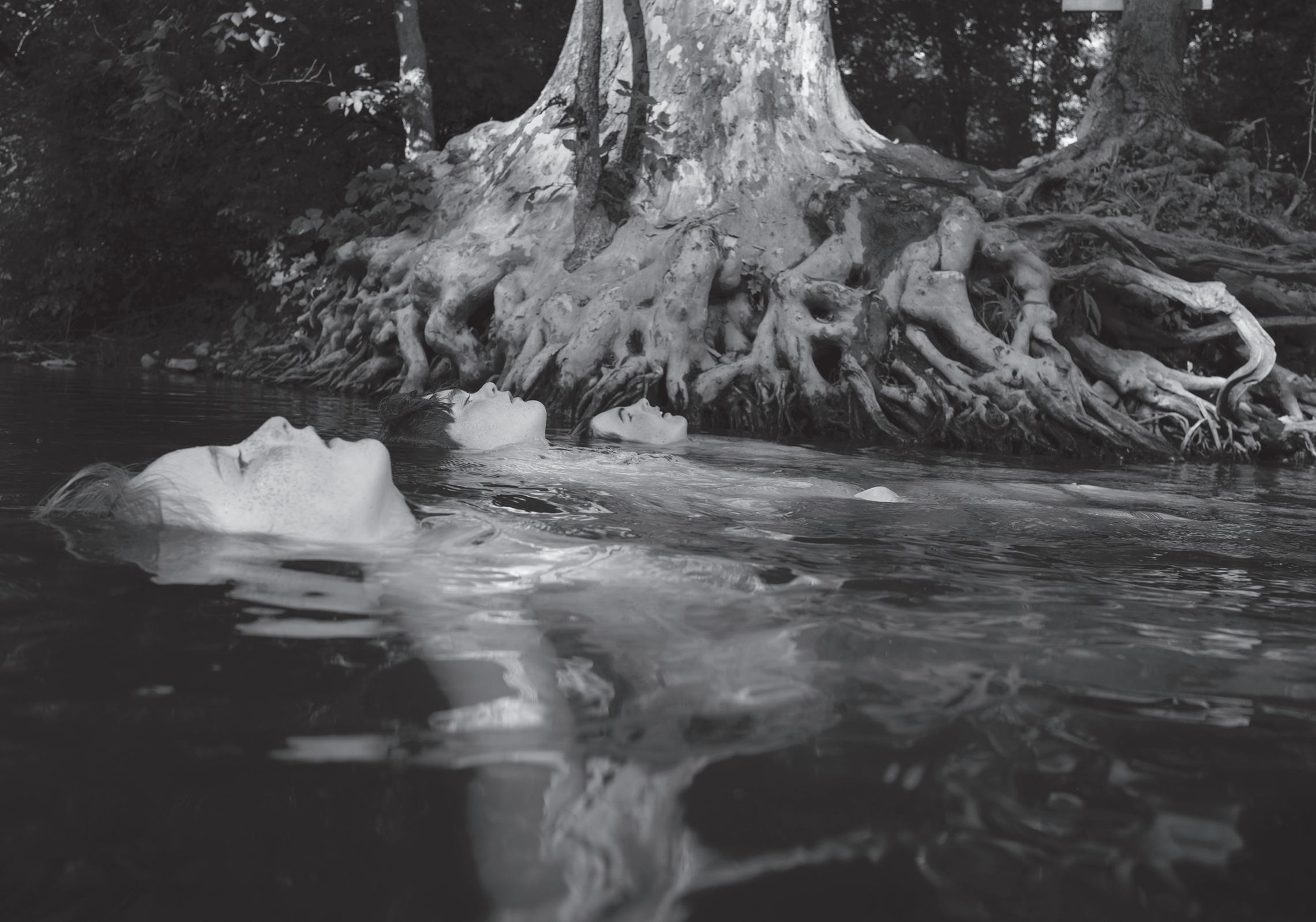
Caleb Stein didn’t set out to create an ‘ode’ to Poughkeepsie, New York. The 28-year-old didn’t even plan on being a photogra pher. But his latest exhibit, “Down by the Hudson,” depicting intimate, black-andwhite portraits of Poughkeepsie residents set in Wappinger Creek, is currently on display at ROSEGALLERY in Santa Monica and speaks to how inspiration can come when we’re not even looking for it.

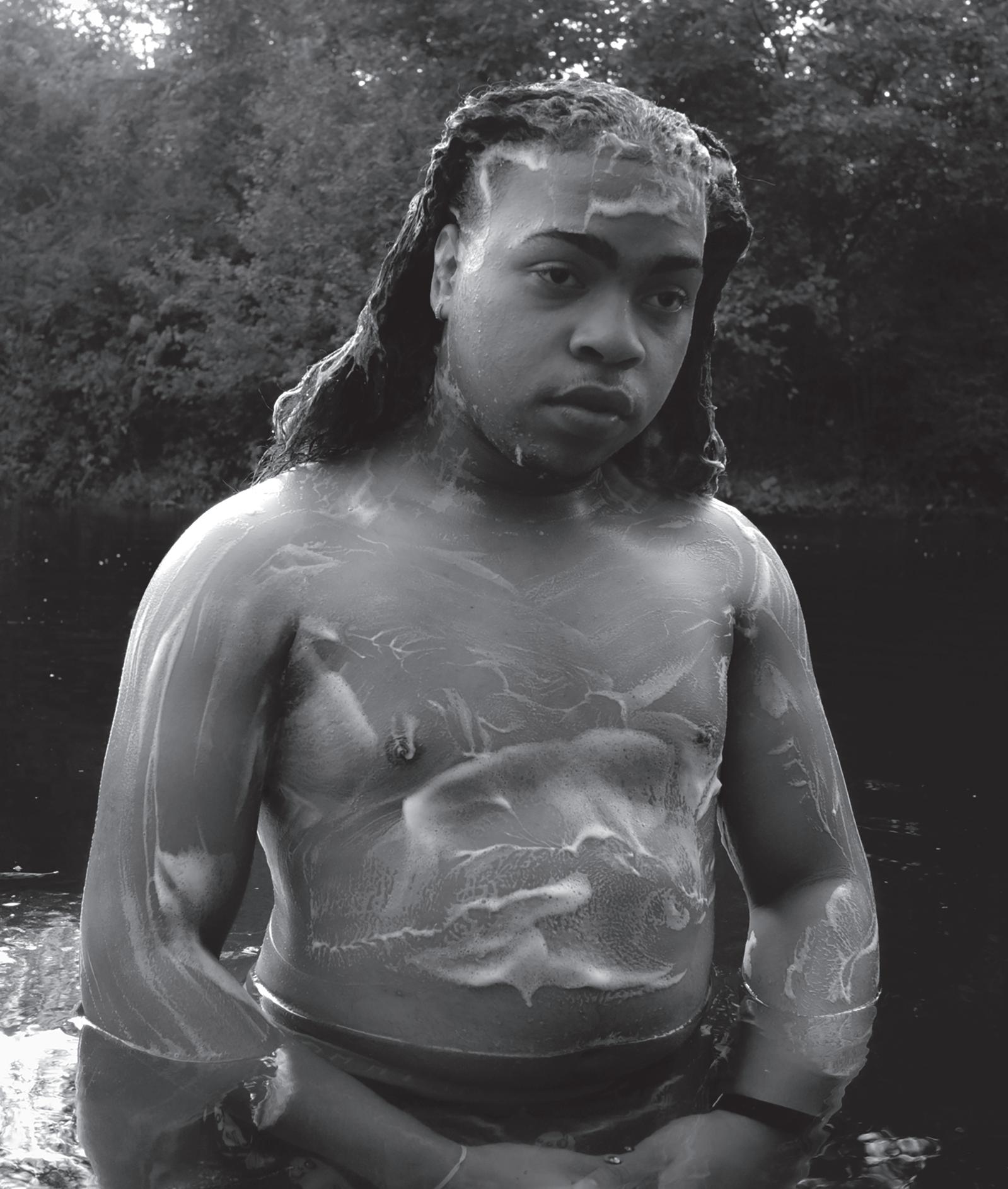
Stein, a British transplant who grew up in metropolitan London, found his way to Dutchess County, New York as an art history major at Vassar College seeking a sense of place in his newfound community. His only frame of reference of small town Americana was via Grant Wood portraiture and Norman Rockwell-illustrated vignettes.
“I wanted to understand how that inherited mythology matched up with what I was seeing as I was walking around,” Stein said. “In so many ways, Poughkeepsie is like countless other small American towns.”
Unlike Rockwell’s paintings, Poughkeepsie—with a popula tion of around 30,000 per the 2020 Census—has experienced hard times.
“I really was struck by the toughness of the town,” Stein said. “It's a post-industrial town, IBM used to have its headquar ters there, and they downsized in the ‘90s. It's like so many other towns in the sense that the opioid crisis has been really tough on Poughkeepsie in a lot of ways. Business got drained from the Main Street when major highways came through, cut neighborhoods in half, and sucked all of the business away from the mom-and-pop stores out towards the malls and the corporate stores along the highway. So it was at first really a focus, a diaristic attempt at understanding this city that I was living in, this small town.”
What started as an attempt to understand the town he was living in became a portrait project of Poughkeepsie residents at the locally known watering hole. Stein was first introduced to Poughkeepsie’s
secret/not-so-secret swimming spot by his artistic collaborator, Andrea Orejarena. At first, the swimming hole was a place of recreation for Stein as he used to be a long-distance swimmer, but as time went on and with encouragement from Orejarena, Stein knew he must visually capture the place as a rite of his personal passage.
“What had been just a young guy trying to figure out his place in a country that I sort of belong to, but sort of don't belong to in a town that I go to college in, but it's also a bubble,” Stein said. “All of a sudden, all of that became more personal, because this is a place that I'd grown up in a lot. And it's a place that I changed in a lot too.”
The watering hole is surround ed by the typical “Do Not Enter” warning signs. However, as Stein shared, the local authori ties and generations of residents have never heeded the warnings.
“There's the natural architec ture, which wouldn’t accommo date it [swimming hole] anywhere else,” Stein said. “And so it's incredibly special and very specific…the foliage and the trees, they brush right up against the water's edge. So there's no way for people to hang out and maybe there are like 12 different signs, and it's sort of like a Looney Tunes thing, where it's like, ‘Don't come here, no, really, I'm serious this time.’ It’s like 12 signs layered on top of each other. But people have been coming here for generations and even the cops that come sometimes and say, ‘OK, break it up,’ they confess that they used to come here when they were in high school.”
And yet, like the teenager in high school, the community abides by a collective adolescent rebellion.
“And I think that very specific natural design has a way of putting people at ease, because it's something sort of casually illicit, we're all breaking the rules here,” Stein said. “Also, you really feel secluded here. I do really feel that water has healing properties, and [the water] has a way of lowering people's guard. Plus, people just enjoy it on a very basic level. It's enjoyable to feel weightless.”
“Down by the Hudson” is an exhibition of photographs at ROSEGALLERY in Santa Monica that exhibits a selection of works by Caleb Stein that are an ongoing ‘ode’ to the small town of Poughkeepsie, New York. PHOTOS BY CALEB STEINAs a cross section between reality and a dream, Stein only shot in black and white. He quotes Canadian philosopher, Marshall McLuhan, “The medium is the message” as a source for his creative muse.
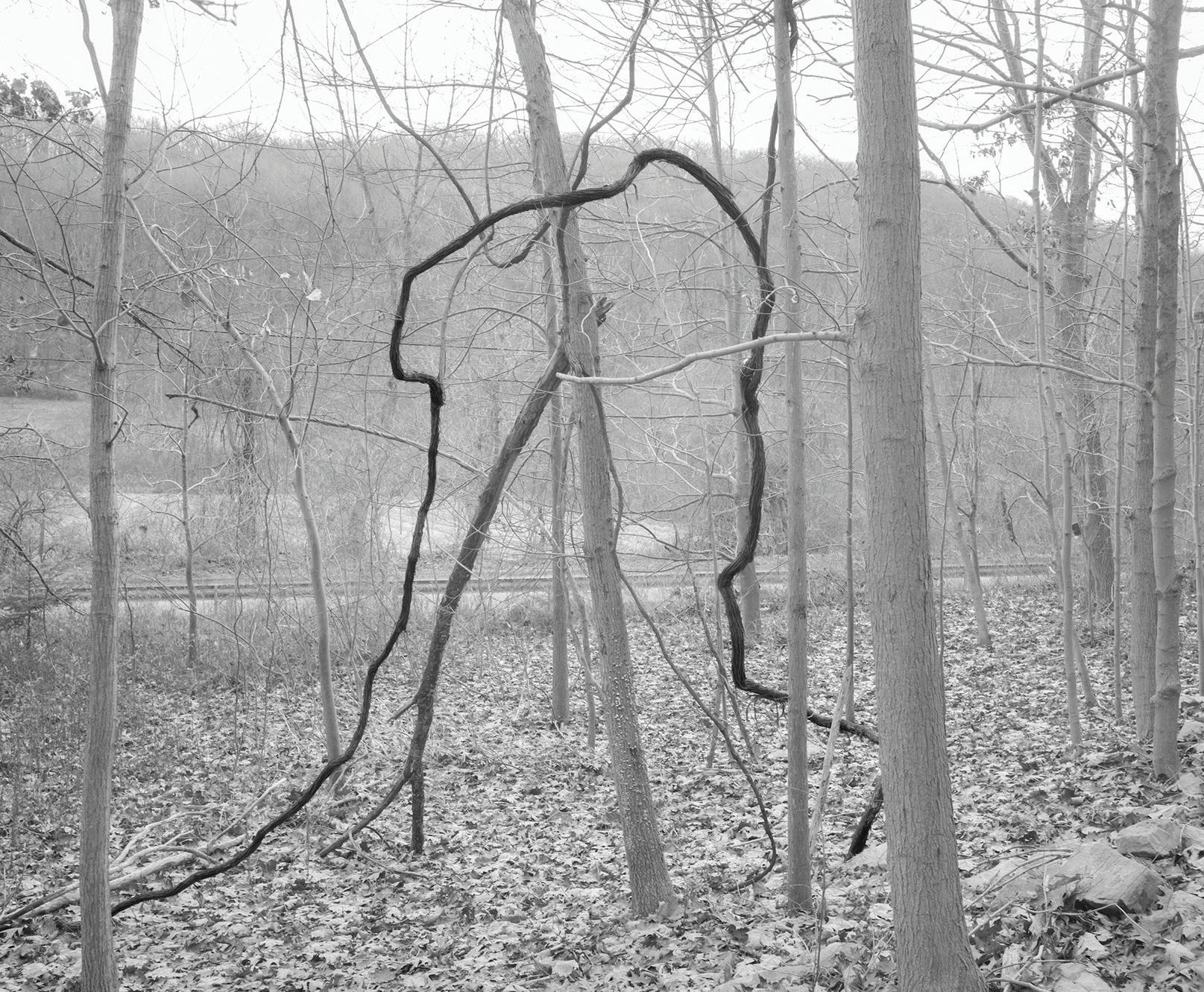
“Just realizing that life is moving by and things do change,” Stein said. “And I think about that. What are the causes of photography, time and memory? And this slip between assumptions we make about fact and fiction, when we look at photographs, for me those are some of the core notions to engage with through photogra phy. And that's the reason that the work is in black and white. It's because black and white has become this really effective shorthand for talking about memory.”
Ultimately, the photographs created a timestamp, an indelible print of the people Stein met over time. Subjects became friends, children became teenagers, and acquaintances began to make associations between Stein and others they knew.
“I met this person in 2017
named Kaleb with a K, so whenever we would see each other, we'd be like Kaleb with a K, Caleb with a C,” Stein said. “I remember teaching him how to swim and I became friendly with the family that summer, then I didn't see him for years. Then at the beginning of one summer, I was photographing a group of teenagers and all of a sudden one of the young women asked if I was Caleb with a C and when I asked how she knew that and if she knew a Kaleb with a K, it turns out he was her brother. So she called him, he came down and I photographed him.”
While the photography trade was not in the plan, Stein comes by the art from an honest lens.
“My family was involved in some sort of creative field one way or another,” Stein said. “My grandfather was born in the Bronx and joined the Navy during the war. Then he got the GI Bill, which was this extraor dinary thing that meant that he was able to go to the University of Oklahoma and get a degree in fine arts. Then he came back to New York, got a job as an art director and became like ‘Mad Men,’ then he moved to the U.K. My father is an architect and my mother’s life has revolved around art in one way or another. I grew up with it. I don't have much of a formal photog raphy education, a lot was self taught. And that's possible when you have the privilege of internet access and the time to just soak it all in.”
Did photographing Poughkeep sie change Stein or vice versa? As a counterpoint to the toughness of the town in a moment of so much tension and conflict, hope was a place that grounded Stein.
“I'm only interested in work that comes from a place of love, I'm not interested in sarcastic work, or work, that's like a one-line joke,” Stein said.
“There's this wonderful Marti nique philosopher Édouard Glissant who said, ‘I can change through exchange.’ And that's been one of the guiding prin ciples of how I work.”
“Down by the Hudson”
WHEN: Through Oct. 29 WHERE: ROSEGALLERY, 2525 Michigan Avenue, B-7, Santa Monica INFO: rosegallery.net
Stein's exhibit is on display through Oct. 29 and speaks to how inspiration can come when we're not even looking for it. Rendered in black and white, Stein’s photographs provide an intimate glimpse into the lives of the town’s residents amidst the current backdrop of de-industrialization and political tension in the U.S., where the watering hole serves as a neutral zone that provides a place of recreation and refuge.Villa San Michelle renovated town home in one of the best interior

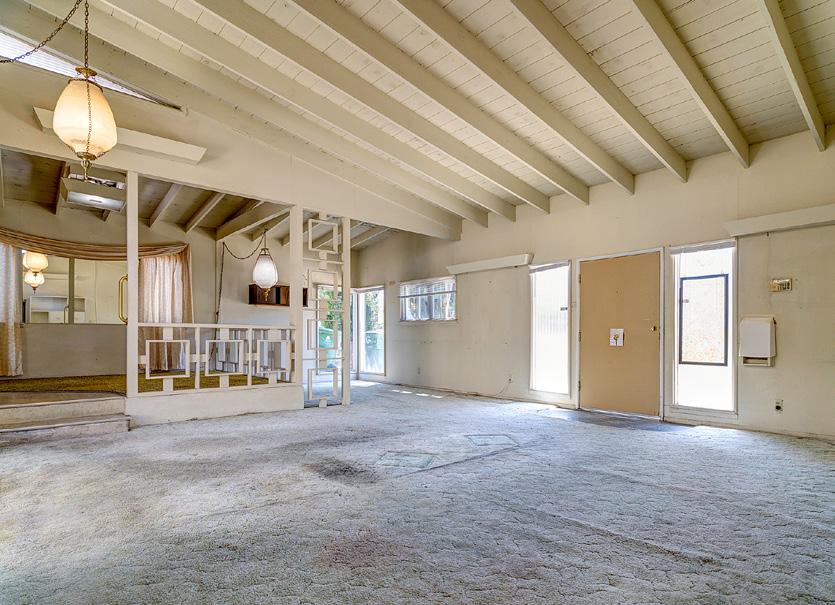
With 360 views from the crow's nest to a spa-like swimming pool in a lush and private backyard, enjoy this 5 bedroom, 3 bathroom entertainer's oasis. On floor 1, you'll find a large living room with sweeping views and wet bar flowing to a guest bed or office, and an owner's suite with a large patio connecting to the pool. Upstairs, discover more incredible views + a kitchen with a new Bosch oven, a full bath, and 3 spacious bedrooms, 2 with private patios. Gorgeous pool and you'll enjoy extra storage space and off-street parking in an attached garage. Newly painted with meticulous landscaping, the exterior of the home is in pristine condition. First time on the market in 40 years, this truly special home has been lovingly maintained and is ready for new memories.
Offered at $2,599,000
Jesse Weinberg Jesse Weinberg and Associates 800-804-9132
Extensively upgraded in the heart of Silicon Beach, this customized beauty epitomizes SoCal living with outdoor entertaining spaces on every level. Enter on the main level to the open concept floor plan with soaring ceilings and wide-plank wood flooring. The gourmet chef's kitchen features Wolf and Sub-Zero appliances, designer tile backsplash, center island, and a butler's pantry. Just off the kitchen is a finished patio and serenely landscaped private yard with plaza lights. Outfitted with California Closets custom built-ins, it includes a central island with additional storage, and a triple dressing mirror. Head up to the third floor equipped with a home theater system. HOA dues include access to The Resort, a state-of-the-art fitness center with sparkling pool, cable and internet, and a convenient beach shuttle. This designer offering truly is the best of Silicon Beach living.
Offered at $3,495,000
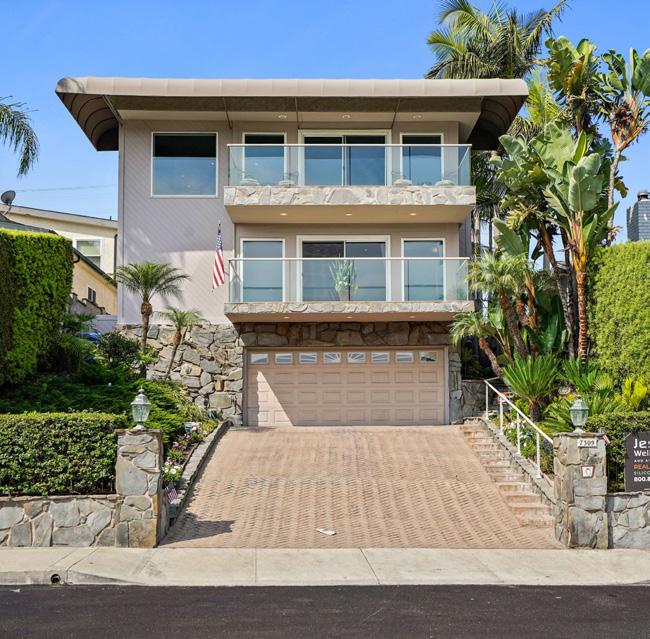
Stephanie Younger COMPASS 310-499-2020

True story: Our four-year-old refrigerator died an ugly death late last year. After being diagnosed and fixed—more than once—by the same repair company, our warranty company finally authorized the purchase of a brand-new fridge.
We were, frankly, pleasantly surprised by how easy the process was and also chalked it up to financial karma for having paid $60+ every month for the last six years just to have the peace of mind of a warranty, plus $75 for each service call.
Those calls were few and far between, save for an annual air-conditioning issue and the occasional other appliance/plumbing concern.
To our very unpleasant surprise, the company canceled our existing deal when our contract ended. Apparently, we had made “too many service calls.” This was, of course, code for “We had to replace your refrigerator and we need our $2,000 back.”
We were invited to reinstate our coverage—for 2 ½ times what we had been paying per month.
Welcome to the world of home warranties.
The truth is, we had minimal problems in the six years leading up to our refrigerator replacement. The tradespeople were generally fine, the service was as expected, and the
fixes were typically timely. Being dumped by our company and having to scramble for new coverage wasn’t fun, but it definitely wasn’t the worst that can happen with home warranties. If you’ve bought a new home and are considering whether you should renew your warranty after your initial period is over, or are buying/ have bought an older home and are mulling a warranty, here are a few things to think about.
For many people, the fact that they can pay a small amount every month that protects them against a potentially huge expense like an air conditioning issue, provides peace of mind. But ask yourself this: Are you better off putting that $60 or so in an interest-bearing account and saving for a what-if?
Also, just because you have coverage doesn’t mean everything will be taken care of by the company. “Some problems won’t be covered by the warranty, whether because the homeowner didn’t purchase coverage for that item or because the warranty company doesn’t offer coverage for that item,” said Investopedia. “Also, home warranties usually don’t cover components that haven’t been properly maintained. Furthermore, if the warranty company denies a claim, the homeowner will still have to pay the service fee and will also be responsible for repair costs. In addition,
warranties have numerous exclusions, as well as dollar limits per repair and per year.’
Many companies have tiered offerings and the lowest tier is just basic coverage. “The cost of a home warranty ranges from $350 to $600 a year—more if you want enhanced coverage for such things as washers and dryers, pools and septic systems,” said Bankrate. “In addition to the annual premium, expect to pay a fee for service calls—anywhere from $50 to $125, depending on the type of contract you purchase.
Your barely running, 25-year-old air water heater may have been on its last legs for more than a decade, but if it can be fixed, a warranty company isn’t going to go out of its way to replace it. Same goes for other high-priced items.
“Most major home warranty providers include air conditioning as one of their covered systems. In most cases, a home warranty company is going to do everything it can to repair an AC system before replacing it,” said Consumer Affairs. “Be sure to check your contract for fine print on what AC components may or may not be covered. Also check for the maximum coverage limit listed in your contract for AC units. Remember, you will be responsible for paying for any cost above this
dollar amount if your AC needs to be replaced. If you know your home is at risk of needing repairs or replacement of costly items like an AC unit, it’s worth it to look for a provider that has a generous per item coverage limit.”
Ask a friend, or give it a Google search and you’ll find lots of tales about frustrated and irritated homeowners ranging to horror stories about their home warranties. Ultimately, the choice is yours when it comes to opting for one—or not.
There are some other options you might want to explore before locking yourself into a contract.
“Before buying a home warranty, learn what coverage you may already have,” said Money Talk News. “For example, if you’re buying a newly built home, know that: The home appliances and systems typically have one-year warranties. Most states require builders to warranty the home’s structural elements for up to 10 years. Also, when you buy new furnishings and appliances, use a credit card that extends the product’s warranty. That can add as much as an extra year of protection.”
THIS WEEK’S CONTRIBUTION CAME FROM: JAYMI NACIRI
REALTY TIMES realtytimes.com










R
KYMN, for Change of Name TO ALL INTERESTED PER S O N S :
: M
P
GUERITE JIHEE KYMN filed a petition with this court for a d e c
MARGUERITE
p e r s o n s i n t e r e s t e d i n t h i s m a t t e r a p p e a r b e f o r e t h i s c o u r t a t t h e h e a r i n g i n d i c ated below to show cause, f a n y , w h y t h e p e t i t i o n f o r c h a n g e o f n a m e s h o u l d n o t b e g r a n te d An y p e r s o n o b jecting to the name changes described above must file a w r i t t e n o b j e c t i o n t h a t i n c l u d e s t h e r e a s o n s f o r t h e o b j e c t i o n a t l e a s t t w o c o u r t d a y s b e f o r e t h e m a t t e r i s s c h e d u l e d t o b e h e a r d a n d must appear at the hearing to show cause why the petition should not be granted If no w r i t t e n o b j e c t i o n i s t i m e l y filed, the court may grant the p e t i t i o n w t h o u t a h e a r i n g N O T I C E O F H E A R I N G :
Date: 12/23/2022 Time: 8:30
AM Dept : K The address of the court is 1725 Main Street Santa Monica, CA 90401 A c o p y o f t h i s O r d e r t o S h o w Cause shall be published at least once each week for four successive weeks prior to the d
petition
c
c
l l
t
h
r s o n s i n t e r e s t e d i n t h i s m a t t e r a p p e a r b e f o r e t h i s c o u r t a t t h e h e a r i n g i n d i c ated below to show cause if a n y , w h y t h e p e t i t
e s h
l d n
t b e
An
p
s o n o b jecting to the name changes described above must file a w r i t t e n o b j e c t i o n t h a t i n c l u d e s t h e r e a s o n s f o r t h e o b j e c t i o n a t l e a s t t w o c o u r t d a y s b e f o r e t h e m a t t e r i s s c h e d u l e d t o b e h e a r d a n d must appear at the hearing to show cause why the petition should not be granted If no w r i t t e n o b j e c t i o n i s t i m e l y filed, the court may grant the p e t i t i o n w i t h o u t a h e a r i n g N O T I C E O F H E A R I
Date: 12/23/2022 Time: 8:30 AM Dept : K The address of the court is 1725 Main Street Santa Monica, CA 90401
Cause shall be published at least once each
successive
petition
paper
Old Milwaukee brewer
Word in a very
forecast
Bank founded in 1865
Actor Rhames
Impressive display
Sukiyaki mushroom
Soap Box Derby state
51
Perfect some boxing techniques?
Put off repeating some old sayings?
hour
Provides lodging for

Actress Falco
Role for Sally Struthers on “Gilmore Girls”
Glossy fabric
Underground org.?
Particularly revealing 42 Whirl 43 Exchanges 46 Broadcast episodes of a Stacy Keach detective series? 49 Duffer’s goal 50 “__ there yet?” 51 “Washington Journal” channel 52 Michelle of “Crouching Tiger, Hidden Dragon”
Will Ferrell holiday film 54 Glacial epochs 56 Avid reader 59 Anger 60 Advice from PC pros 63 Song of praise 66 Currently handling the matter 67 Clock the
Kentucky Colonel? 71 Sheet of paper 72 Discussion group 74 Cuts down to size 75 Landmass divided by the Urals 77 Less alert 80 Pesto ingredient 81 Hailed car 83 Fly like an eagle 84 Board 87 Hearing-related 89 Female bear, in Spanish 90 Sample Rice Krispies treats? 93 Devotion 94 “Wheel of Fortune” category 96 Unpleasantry 99 “Get it?” 100 __ question 101 Product lines? 103 Poetic contraction 106 Dating profile category 108 Problem drivers 112 Rehearse some comedy routines? 115 Establish no-fly zones? 118 Auxiliary 119 __ dixit 120 Wonderland cake words 121 Peruvian of old 122 Tie up to a pier 123 Airplane assignment 124 Roofs on some Corvettes 125 Round at the tavern DOWN 1 Window section 2 Asian lake depleted by irrigation projects 3 “Captain Marvel” star Larson 4 Balm 5 Used a keyboard
6 Protégé 7 Yardstick division 8 Dramatic form similar to Kabuki 9 Hawaiian strings, for short 10 “__-boom-bah!”
11 Top seller 12 Biblical “will” 13 Barbara Kingsolver’s “The Poisonwood __” 14 Pitcher Gerrit who was the 2019 MLB leader in strikeouts 15 Poughkeepsie campus
16 Nest egg initials 17 Mint 18 Fuel for some furnaces 24 Textbook chapter 26 Virtual crafts store
28 Grammy-winning banjoist Fleck 30 Insignificant disruption 31 Razor brand 32 German road 34 Record portions of some musical compositions? 35 Underscore alternative: Abbr. 36 Soft ball 37 Actress Thurman 38 __ Trench: Pacific chasm 39 Humming completely out of tune? 41 Young lady 42 Develop 44 Stereo component 45 Clothes line 47 Nearsighted person 48 Startled cry 51 Formally surrender 55 Chitchat 56 Nota 57 Sharon who won the 2013 Pulitzer in Poetry
58 Easter Island 59 Messy locks 60 “How hard can __?”
61 Bygone autocrat 62 Contains 64 Perturb 65 Cultural org. 68 Dens 69 Bridle part 70 Phoenix NBAer 73 One beyond hope 76 Gather
78 “An Inconvenient Truth” narrator Al 79 The “G” of LGBTQ+ 80 False front 81 Duplicate 82 Stadium in Queens 84 Big party 85 Sportscaster Andrews 86 Addition column 88 Lutefisk-making chemical 91 __ hut 92 Fleece-lined slippers 95 Deer horn 97 Adds fuel to 98 Cashless deal 101 Take potshots (at) 102 Tons o’ 104 Wing it 105 2020 Cy Young pitcher Bieber 107 Grand slam quartet, briefly 108 Ottawa-based law gp. 109 Start of many fairy tales 110 Equipment 111 Digits with dashes

112 Three Gorges structure 113 Ipanema’s city
A vow avowal 115 Get in a pool 116 Delt neighbor 117 Nebraska native
R O R D E R S t h a t a l lHave an event for the calendar? Send it to kamala@timespublica tions.com
Fridays, Through Sept. 30
Join Dance MDR for a night of dancing in Burton Chace Park. Pick up new dance moves with beginner lessons from LA’s best dance teachers and then groove to the DJ, with a difference dance style every Friday night in September. Everyone is wel come. Each night will feature a different theme, from disco to Bollywood. For more informa tion, visit the website, call 424-526-7777 or email: events@ bh.lacounty.gov.
13650 Mindanao Way, Marina del Rey, 7 to 10 p.m., marinadelrey.lacounty.gov
Marina Drum Circle
Sundays, through Oct. 16
Discover the joy of interactive group drumming in Burton Chace Park! Join Marina Drum Circle on a journey of creating beats and sounds collectively, led by Christopher Ramirez of Freedom Drum Circles. Drums provided by Remo Drums. While in the Marina, enjoy lunch from local waterside restaurants.
Offered in 60-minute sessions at two different times. For more information, visit the website, call 424-526-7777 or email: events@bh.lacounty.gov.
13650 Mindanao Way, Marina del Rey, 11:30 a.m. to 12:30 p.m., 1:30 p.m. to 2:30 p.m., marinadelrey.lacounty.gov
Friday, Sept. 30
The Mar Vista Seniors Club meets every Friday in Mar Vista Park. All the children of seniors over 50 years old are invited to bring their mothers and grand
mothers to a “friendly club for friendly people.” This Friday, the club is hosting a special event with Quick-Change artist Tatana, whose singing and dancing have been enjoyed all over the world. RSVP for this performance by calling Carmen at 310-559-5251. Limited parking, LANOW bus comes right to the park. 11430 Woodbine Street, Mar Vista, 10 a.m.
Saturday, Oct. 1
Join in for this monthly restoration event at the LAX Dunes. Since 2015, The Bay Foundation, Friends of the LAX Dunes, and Los Angeles World Airports, along with thousands of volunteers have worked to restore, enhance and protect this unique habitat. Capping at 50 participants.
LAX Dunes (Waterview gate across from park), Playa del Rey, 9:30 to 11:30 a.m., santamonicabay.org/events
A Mezze Affair—Small Plates
Saturday, Oct. 1
Emerson Avenue Community Garden is hosting a fundraiser in Westchester to support the garden. The event, entitled “A Mezze Affair—Small Plates,” features delicious treats, a wine bar, DJ, 50/50 raffle, silent auction, and more. Tickets are $30 and can be purchased online.
Location (private residence) will be given upon receipt of reserva tion. For more information, send an email to: eacgcinfo@gmail. com.
Location provided upon receipt of reservation, 4 to 7 p.m., eacgc.org
626 Night Market Mini Oct. 1 & 2
On Oct. 2 at 11 a.m., join a virtual conversation with Danielle Levsky, an educator and Jewish clown who will share the secret story of clowning as part of the acclaimed Sunday Morning with The Braid series.
Downtown Santa Monica, Inc. and 626 Night Market are bringing the iconic Southern California open-air food festival to the city on a smaller scale through October 2022. The market brings together food lovers with some of the most unique eats Southern California has to offer, featuring approxi mately three dozen food, merch and craft vendors. An alcohol garden will also be available for attendees 21 years and older. The market is open to all ages and free to attend with advanced ticket reservations. The market is free to attend, but advance tickets are required for entry. To reserve, visit the website.
1324 5th Street, Santa Monica 1 to 10 p.m., 626nightmarket.com/mini
On Oct. 1, volunteer your time to join the Restoration at LAX Dunes event and remove non-native and invasive vegetation while learning about the historic site.
Jewish Clowns: A Hidden History

Sunday, Oct. 2
The word “clown” may conjure up images of children’s birthday parties or circus attractions, but clowning actually is a long and ancient tradition—one with a surprisingly Jewish history. Educator, journalist and a Jewish clown herself, Danielle Levsky is eager to share the secret story of clowning as part of the acclaimed Sunday Morning with The Braid series. The conversation will take place live on Zoom and is free to attend. Register online. Virtual, 11 a.m., the-braid.org/ sunday
“U.S. 99” Band Sunday, Oct. 2
“U.S. 99” Band is playing retro-vintage rock ‘n’ roll, blues and more at Hinano Café.
15 Washington Boulevard, Venice, 4 to 10 p.m., facebook.com/u.s.99band
Candidates Forum: Santa Monica City Council Sunday, Oct. 2
This Zoom forum is presented by the Committee for Racial Justice and the Santa Monica League of Women Voters Educational Fund. Each candidate participating in the evening’s forum will have the opportunity to answer various questions related to the overarching theme of Equity, Anti-Racism and Trans formative Change for the Black Community. Moderate by Dr. Karen Gunn. This forum is designed to raise and address issues that our communities may not hear in other forums. Call Joanne for more information at the number below.
Register for Zoom meeting at bit.ly/3r5iZMz, 6:30 to 8:30 p.m., 310-422-5431
Restoration Event
Tuesday, Oct. 4
The Ballona Wetlands Commu nity Restoration Project focuses on removing invasive iceplant and other non-native vegetation that can impact native California plants such as pickleweed, salt grass, and alkali weed. Partici pants will help to remove non-native plants by hand. 303 Culver Boulevard, Playa del Rey, 9:30 to 11:30 a.m., santamonicabay.org/events

Tito’s Fiesta Mexicana Tuesday, Oct. 4
Tito’s Tacos and Tito’s Hand made Vodka are teaming up for the fifth year in a row to host Tito’s Fiesta Mexicana, an annual event that celebrates national Taco Day and National Vodka Day while raising funds for the Culver City Arts Foundation. As part of the event, attendees will also be able to enjoy delicious awardwinning tacos and Tito’s Hand made Vodka specialty cocktails, along with seven hours of nonstop Mexican entertainment by traditional mariachi artists including Grammy Award-nomi nated Mariachi Sol De Mexico De Jose Hernandez, a all-female favorites Mariachi Reyna De Los Angeles, and Trip Chapala; folklorico dancers DanzArts/ Sabor a Mexico Dance Company, and a special appearance by standup comic Jesus Trejo. The entire day of jam-packed activities will be smoothly orchestrated by Master of Ceremonies comedian Eric Schwartz aka “Smooth-E.” Additionally, Tito’s Tacos and Tito’s Handmade Vodka will donate 100% of the proceeds from the event to the Culver City Arts Foundation. Admission cost is $30 for responsible partygoers and $15 for non-alcohol partygo
ers.
11222 Washington Place, Culver City, 2 to 9 p.m., titosfiestamexicana.com
In celebration of National Taco Day on Taco Tuesday, Trejo’s Tacos Santa Monica and Down town Santa Monica will host a Taco Crawl with local Santa Monica restaurants. Starting at 4 p.m., taco enthusiasts can head to Trejo’s Tacos to meet Danny Trejo greeting guests to kick off the crawl until 5 p.m., grab a Taco Crawl punch card, and enjoy free tacos (with purchase) at seven Santa Monica restaurants. Participating restaurants include Trejo’s Tacos Santa Monica, Tocaya Modern Mexican Santa Monica, Lanea, Socalo, Cabo Cantina Santa Monica, Jameson’s Pub, and Blue Plate Taco. Guests’ punch cards will grant a free item with purchase at each participat ing Santa Monica restaurant. For those who finish the entire crawl, the completed punch card can be used at one of the participating locations to receive the same promotion once more between Oct. 5 to 12.
316 Santa Monica Boulevard, Santa Monica, 4 p.m., trejosta cos.com
The Westchester Mental Health Guild’s October fashion fund raiser will take place in the Westchester backyard of stylist Bobbie Caslino-Lewis. Tickets will cost $35 and will include refreshments. Sign up at the website. Spaces at the outdoor event are limited, and the address will be provided only to ticket purchasers. Casalino-Lewis is a motivational speaker who focuses on style, confidence and spiritual ity. A prolific columnist, she is the author of a soon-to-be released book, “So That’s What 70 Looks Like the Essence of Aging Gracefully.”
Location to be announced upon purchase, 5 p.m., stylehacks.eventbrite.com