


SUNDAY, MAY 28, 2023 HURRICANE PREPAREDNESS GUIDE2023 tampabay.com STORM KITS: Checklists for all kinds of emergency supplies. Don’t wait until a hurricane is headed this way to start. 16 HURRICANE IAN: We revisit one of the most destructive hurricanes in American history. What if it hit Tampa Bay? 4 SECTION HH
Follow the Tampa Bay Times for storm updates on all your devices
BY MEAGHAN HABUDA Times Staff Writer

AS YOU GET YOUR HOME AND FAMILY READY for the 2023 hurricane season, take steps to make sure you’re receiving the latest information from the Tampa Bay Times on all your mobile and desktop devices.
We plan to keep you up to date on tropical weather through our many digital platforms and products.











In the event a named storm is on the way, we’ll post news stories, photographs, video, evacuationupdatesandmoreonsocialmedia.
Beyond social media, we have an entire section on our website dedicated to hurricane preparation, tracking the latest storms, local emergency orders and evacuations and covering the aftermath at tampabay.com/hurricane.

If you want to get the latest hurricane updates without searching for them, sign up for desktop notifications about the most important stories we’re publishing You can
turn on these alerts from a pop-up window on tampabay.com. Click “allow” when you see the box in your browser asking if you’d like to receive notifications, and you’re all set.
We’ll also keep you informed through our news app, which sends mobile notifications to your phone. Download it through your favorite app store, or visit tampabay.com/times-apps. Be sure to turn on alerts from our app in your phone’s notification settings.
Our free email newsletters are also a great way to stay in the know throughout hurricane season.






Sign up for DayStarter to get the latest developments and information every morning, or subscribe to News Alerts, a newsletter bringing the biggest storm updates to your inbox as soon as they happen.

Contact Meaghan Habuda at mhabuda@tampabay.com. Follow @meghabuda.


Follow us here


FACEBOOK: facebook.com/tampabaycom




TWITTER: twitter.com/TB_Times
INSTAGRAM: instagram.com/ tampabaytimes
TIKTOK: tiktok.com/@tampabaytimes


YOUTUBE: youtube.com/user/ wwwtampabaycom

2HH | Sunday, May 28, 2023 | Tampa Bay Times
CONTEN TS 16 26 29 Shutterstock HURRICANE PREPAREDNESS GUIDE 2023 4 HURRICANE IAN Oneofthemost destructivehurricanesin Americanhistory. YOUR STORM KITS Checklistsforbuildingall kindsofstormkits. PROTECT YOUR PETS Helptokeepyourselfand yourpetssafe. LESSONS LEARNED 7thingswelearnedfrom HurricaneIan. ON THE COVER: NASA via Associated Press Satellite image shows Hurricane Ian gaining strength and heading toward Florida.


Tampa Bay Times | Sunday, May 28, 2023 | 3HH
What if Hurricane Ian had not missed Tampa Bay?
BY ZACHARY T. SAMPSON AND LANGSTON TAYLOR Times Staff Writers


Editor’s note: This story originally published on Dec. 18. The Tampa Bay Times is republishing it in this year’s Hurricane Guide to highlight the important lessons of Hurricane Ian for our region. The National Hurricane Center has since released a report estimating that Ian was the third-costliest hurricane in United States history, causing $112.9 billion in damage. At least 156 people died, according to the report. Storm surge killed 41 Read more on Tampa Bay’s extreme vulnerability to hurricanes at tampabay.com/risingthreat.
When Tampa Bay went to sleep on the last Monday of September, the forecast looked perilous.

Hurricane Ian charged toward Florida’s most fragile coastline. Emergency officials had ordered hundreds of thousands of people to evacuate, warning of a nightmarish, 15-foot flood.
Then the storm shifted. Ian went from a worst-case scenario to another near-miss for a region whose extreme flood risk might
only be matched by its unbelievable luck.

Days after landfall while firefighters pulled bodies from the rubble of Fort Myers Beach residents of Tampa Bay again filled bars around Central Avenue and Ybor City. They raked fallen palm fronds and flipped on college football games. They dug their toes in the sand and put another close call behind them.
But Ian is not a storm to forget Had it continued on a different track and hit 100 miles north, one of the most destructive hurricanes in American history almost certainly would have been even worse.
Ian decimated a region remarkably similar to Tampa Bay, but thousands more people, homes and businesses are in harm’s way here. Already, Ian has been tied to more than 140 deaths, making it one of the deadliest storms in recent Florida history. Risk modelers predict it will rival only


Katrina, Harvey and Sandy in losses it causes to the National Flood Insurance Program.
Ian’s ground zero is only two hours away by car. If the storm had kicked off Cuba slightly to the west, it could have slammed Tampa Bay.
Instead, residents of Southwest Florida not St. Pete Beach, Treasure Island and Clearwater feared for their lives as the water rose around them. Dozens drowned And another slice of the Gulf Coast transformed into something locals describedasunrecognizable.
Like somebody took an atom bomb and dropped it.


A war zone.
Barely anything left.
Yet another hurricane season just ended here, again without catastrophe.
To better understand how close Ian came to devastating our region, Times reporters analyzed flood maps, census data and property records. They compared
a 25-mile radius around Cape Coral, a swath where Ian’s surge was fiercest, to an equivalent area around St. Petersburg.
The newsroom’s analysis shows about 25% more properties in Tampa Bay could flood from surge in strong Category 4 storms, like Ian, than in the same size area around Fort Myers, based on
National Hurricane Center data. The vulnerable spots include 258,000 homes and apartment or condo buildings around Tampa Bay, compared to 199,000 surrounding Fort Myers. Another 94 nursing homes and assisted living facilities sit in places that could flood, along with at least 15,000
See IAN, 6HH
4HH | Sunday, May 28, 2023 | Tampa Bay Times
DOUGLAS R. CLIFFORD | Times (2022) Pat Ton, holding his dog Ginger, takes in the damage to homes and businesses along Third Street on Fort Myers Beach.
One of the most destructive hurricanes in American history could have caused even more damage just 100 miles north.
HURRICANE PREPAREDNESS GUIDE 2023















Tampa Bay Times | Sunday, May 28, 2023 | 5HH
IAN continued from 4HH
mobile home lots where thousands of the most vulnerable residents may struggle to evacuate.
Those numbers represent all places that could flood in Category 4 hurricanes, according to scientific models. No single storm would flood them all.
Buildings here are generally older than those around Fort Myers, in part because of Tampa Bay’s centurylong streak of dodging major hurricanes. No disaster has forced our region to broadly rebuild to meet sturdier construction codes, like Miami after Hurricane Andrew or PuntaGordaafterCharley.

Together, the structures at risk of surge flooding from Category 4 storms here account for $129 billion in property value $45 billion more than around Fort Myers.

The Tampa Bay region is more vulnerable to storm surge than

just about anywhere else in the country. Even communities that seem safely situated inland never are too far from the namesake bay.
“We have so much coastline,” said Daniel Noah, a meteorologist with the National Weather Service in Ruskin. “That water’s going to hit everywhere.”
In early 2022, the Times detailed the extreme threat with an analysis showing tens of thousands of properties could flood here from even Category 1 hurricanes. That risk is growing as climate change causes seas to rise.
But there’s little evidence to suggest the people of Tampa Bay were better prepared to face Ian than their neighbors to the south. Each near-miss lulls some deeper into a false sense of security, instead of emphasizing the inevitable danger
Far fewer Tampa Bay residents evacuated to shelters than expected, leaving emergency managers worried that too many are
betting their lives the region will continue to avoid disaster.
Even for those who evacuate or survive, the stakes are high: A direct hit could wipe out many
financially Relatively few homeowners carry flood insurance, in part because flawed government flood zones leave them feeling safer than they are.
As many as 60% of properties here that could flood in Category 4 hurricanes are located in places where federal rules don’t require owners to carry flood insurance.
The area around Fort Myers is the only place in Florida that comes close to matching Tampa Bay’s cocktail of natural risk and intense development.
The parallels are obvious on the ground, where pastel souvenir shops sit next to beachside ice cream parlors. Piers hover above the placid, turquoise Gulf of Mexico. Condo towers cast shadows over cottages along streets that dead-end at the water’s edge.
Ian left this vision of paradise in tatters in Fort Myers Beach. Squint at the rubble, and it’s easy to instead imagine Pass-a-Grille, Clearwater Beach, Madeira Beach or Treasure Island.
One risk expert, Steve Bowen, chief science officer for the reinsurance firm Gallagher Re, surveyed the destruction in Southwest Florida and couldn’t help but think of Tampa Bay.

Bowen grew up around Palm Harbor and spent two years working at a local TV station. He recalls a


sentiment that colored Tampa Bay’s collectiveresponsetohurricanes.


“There’s a lot of feeling of invincibility,” Bowen said.
Such confidence, however, is misplaced just look 100 miles south.
Lives at risk
Fort Myers and Tampa share a common geographic weakness when it comes to hurricanes.
The shallow continental shelf, which extends many miles into the gulf, allows storm surge to build before it crashes onto land. The water piles higher than it would along Florida’s Atlantic coast, where steeperdrop-offsactasabarrier.
On the islands in both Pinellas and Lee counties, every property is at risk of extreme flooding. But the 30-mile stretch between Cayo Costa, where Ian made landfall, and Fort Myers Beach, where it delivered its most violent surge, includes barrier islands with much less development than similar places in Tampa Bay.
Some of Ian’s most punishing floodwaters pummeled marshes and mangroves but would have instead torn through neighborhoods here. Roughly two-thirds of Sanibel is conservation land, the city says a percentage that is unfathomable in Tampa Bay.
6HH | Sunday, May 28, 2023 | Tampa Bay Times
LUIS SANTANA | Times (2022)
HURRICANE
GUIDE 2023
Mobile homes are piled together after being swept off their lots by Hurricane Ian in Fort Myers Beach. See IAN, 8HH
PREPAREDNESS































































Tampa Bay Times | Sunday, May 28, 2023 | 7HH
IAN continued from 6HH
About 20,000 more people live on Pinellas’ barrier islands from Clearwater to Fort De Soto than in Sanibel, Pine Island, Matlacha and Fort Myers Beach combined. Some communities here are 10 times as densely populated.
Meteorologists say one of the biggest challenges before a hurricane is getting residents to understand the brutal strength of water, which can batter islands and homes with the same force as an Amtrak train car.
It doesn’t take much to become deadly.
Just 2 feet of fast-moving storm surge is enough to sweep away an SUV, the National Weather Service says In Tampa Bay, 289,000 properties are at risk of that level of flooding from Category 4 hurricanes, compared to 232,000 in the Fort Myers
area, the Times analysis shows.
The surge in Fort Myers Beach rose at least a story high. Just 3.5 miles off Sanibel, a buoy recorded a 23-foot wave as Ian hurled the angry gulf toward land.
National Hurricane Center



maps show Florida’s West Coast is far more prone to large surges even from weaker storms than much of the state’s East Coast.
“You’re talking about water that can move houses off their




foundations,” said Cody Fritz, who leads the National Hurricane Center’s storm surge unit. “If that isn’t an example of how powerful the water can be, I’m not really sure how to explain it.”
Pictures and videos of flooding in Fort Myers Beach, he said, are a window for residents of Tampa Bay to see what could happen here without having to experience the horror themselves. In Lee County, the epicenter for Ian’s surge, medical examiner records show more than 30 people drowned.
Among them: a 61-year-old man found draped over a bench; an 85-year-old woman found stuck in a tree; and an 87-year-old man found underwater in a car.

One of Ian’s hardest-hit areas was San Carlos Island, just before the bridge to the outer edge of Fort Myers Beach. It’s similar to the islands that visitors pass on their way to St. Pete Beach and Treasure Island.
The flood was so strong, it tossed hulking shrimp boats onto land. It threw cars across the street and tore up manufactured homes.
Like here, some residents had decided to ride out Ian at home. They’d stayed on the island for so many simple reasons, not realizing until too late what was to come.
Karen DeHays filmed as waves pounded through her French doors and filled her kitchen with saltwater The 69-year-old photographer clung to a bean bag chair, she said, while her husband grabbed a paddleboard that had floated to their door from outside.
They waited for hours, at times in waist-deep water, until the surge receded.
Bob Heather couldn’t open his swollen doors through the flood that filled his studio apartment. The 74-year-old tried and failed to bash out his only window with a beer tap handle.
He considered diving underwater to grab his .44 Magnum to shoot out the glass, but people upstairs rushed down with a sledgehammer after hearing his screams.
Salahuddin Khan, a Chevron
gas station clerk, stayed behind at the convenience store where he often slept in an upstairs room. The 51-year-old said the water rose and rose, until it swept him out a side door
Khan survived, clinging so hard to the lip of the roof that his fingertips bruised.
Not just the beach

Flooding wouldn’t have stopped at the barrier islands had Ian hit just north of the mouth of Tampa Bay.
Instead, the storm would have pushed surge into the horseshoe of the region’s signature body of water, channeling a torrent toward places without gulf views, like Oldsmar and Town ‘N Country. The exact track is key: A hurricane hitting above the bay is perfectly positioned to whip up water in a way storms landing to the south might not.
Around Fort Myers, the surge traveled up the Caloosahatchee River, which is narrower than Tampa Bay and lined with less development.
Pinellas and Hillsborough have rivers, too, including the Hillsborough, Anclote and Alafia, which can serve as pathways for surge. Unrelenting hurricane rains also cause rivers to overflow. Inland areas, such as Arcadia, were underwater days after Ian passed.
South of downtown Fort Myers, parts of the Iona-McGregor community were swallowed by the surge, even blocks from the river and a nearby bay.
James Evans, CEO of the Sanibel-Captiva Conservation Foundation, watched the flood there rise almost to his neighbor’s roof.
About 20 years ago, Evans built a “hurricane safe room” mainly for wind in his home on Coral Drive. It sits above flood levels set by the Federal Emergency Management Agency, he said, and is encased with concrete and rebar. Most of his house is even higher, perched atop pilings that surround the safe room.


The room is usually a home office, but as Ian landed, Evans
See IAN, 10HH
8HH | Sunday, May 28, 2023 | Tampa Bay Times
DOUGLAS R. CLIFFORD | Times (2022)
Scott Wilson, left, and Steven Maxey walk through the wreckage of shrimping trawlers at Erickson and Jensen Seafood Packers.
HURRICANE PREPAREDNESS GUIDE 2023

Tampa Bay Times | Sunday, May 28, 2023 | 9HH
IAN continued from 8HH
and his family took shelter inside it. He tracked data from water gauges, which showed the surge push up the bay and toward the Caloosahatchee, a mile from his home.
Sewage backed up through a drain in the floor The Evanses fled the safe room for the upstairs. Alarms bleated outside as the flood destroyed their cars.
Even with the pilings, and no gulf view, he worried that if the water kept rising, the whole house could topple.
“I certainly didn’t anticipate a 12-foot surge,” Evans said.

“When you have storms like Hurricane Ian, nobody’s really safe.”
His home is one of about 12,000 in the low-lying neighborhoods between the mouth of the Caloosahatchee and downtown Fort Myers. Twenty thousand more are on the other bank, between Cape Coral and North Fort Myers.
Within Tampa Bay, nearly 280,000 properties that aren’t on the barrier islands could flood in Category 4 hurricanes, compared to 220,000 in and around Fort Myers. There are nearly 80,000 in Tampa, 40,000 in St. Petersburg and another 40,000 in Bradenton.
The danger extends all across the region from Pinellas Park to Palmetto, Clearwater to Seminole, Palm Harbor to Ruskin.
Paradise lost
Just like in Tampa Bay, the economy in the Fort Myers area revolves around a vision of endless summer: suntans, beach loungers and pina coladas downed at shoreline watering holes.
Tourism employs thousands of residents and generates tens of millions of dollars in tax revenues that help keep local governments running
Paradise, though, is fragile. Storm surge may not touch every part of a county, but its effects ripple, erasing needed jobs and revenues.
Property records give a sense of the outsize effect hurricanes like Ian can have on the tourism industry. The region hit hardest has more than 200 hotels and 400 restaurants that could flood from Category 4 hurricanes.
Tampa Bay is no different. It has 500 hotels and 700 restaurants at risk.
In Fort Myers, flooding from Ian ruined charter captains’ fishing boats. It gutted hotels, diners and pizzerias.
Florida received more than 13,000 claims for disaster unemploymentassistancefromLee,Charlotte and Collier counties between a few days after landfall and late 2022, accordingtotheDepartmentofEconomicOpportunity.
Rebuilding will take years. One major hotel in Mexico Beach, the tiny Panhandle city walloped by Hurricane Michael, reopened only last spring almost four years after the Category 5 storm.
Ian razed Scott Safford and his wife’s four-room boutique hotel and gift shop on Fort Myers Beach.

“There’s not much left,” he said. “A couple of koozies, a couple of signs.”
He thought his vacation rental business would fare better, based on numbers alone. But of the 125 rentals he manages mostly on the islands Safford said 90 are destroyed. The other 35 are condos, he said, most of which he fears will be unavailable for at least six months.
celed close to 1,000 reservations and refunded partial payments.
Ten employees are out of work cleaners and clerks searching for odd jobs. A couple of them, he said, have shared horrific stories of surviving the flood by floating on a couch and a refrigerator. Some have moved in with family in Ohio and Indiana.
The storm also ruined rooms at Sanibel’s famed Island Inn, a quiet paradise for shell collectors since 1895, said general manager Chris Davison. But a dozen suites, built in 2017, survived.
Up to 10 feet of water rushed through the property, Davison said. The surge wrecked not just buildings but the island’s landscape, ripping away trees and chunks of earth.
“I don’t think any area could be ready for something of this magnitude,” he said.
The worst impacts on Tampa Bay would depend on a storm’s exact landfall, said Joe Borries, operations manager for Pinellas County Emergency Management.
If Ian had hit Tarpon Springs, severe damage might have upended Clearwater Beach, where tourists stroll along Pier 60 down the road from the city’s world-famous aquarium.
Had the eye come ashore around Madeira Beach, it would be St. Pete Beach home to resorts like the TradeWinds and Sirata leveled.
“Regionally,” Borries said, “it would have been awful for us.”
Even though some of the condos are physically fine, they are stuck in buildings where the surge washed out fire and electrical systems on lower floors. Water pressure lags because of broken pipes.
Nothing feels like vacation anymore.
“There’s blocks and blocks where everything’s just gone,” Safford said.
After the storm, he said, he can-
Among the most vulnerable spots is Pass-a-Grille, the community below the iconic, pink Don CeSar Hotel in St. Pete Beach. It’s almost completely surrounded by water. The last time a major storm hit Tampa Bay, in 1921, the St. Petersburg Times ran the headline: “Rumor Pass-a-Grille Wiped Out.”
The neighborhood wasn’t totally erased, but it was heavily damaged.
Bruno Falkenstein, one of the family owners of the Hurricane Seafood Restaurant in Pass-a-Grille, said a storm
See IAN, 11HH
10HH | Sunday, May 28, 2023 | Tampa Bay Times
Photos by DOUGLAS R. CLIFFORD | Times (2022)
Building materials litter what remains of Times Square near the Fort Myers Fishing Pier after Hurricane Ian made landfall, destroying the area.
A truck navigates through high water at the Palmetto Palms Mobile Home Park off Summerlin Road in Fort Myers on Sept. 29, 2022.
HURRICANE PREPAREDNESS GUIDE 2023
IAN continued from 10HH

chaser visited his dining room as Ian bore down. The man asked whether the employees were ready.



Falkenstein’s staff planned to move kitchen equipment, such as steam kettles, up to the second floor.
But Falkenstein knew there was only so much he could do to prepare. He remembers Hurricane Elena chewing up the Gulf Coast in 1985. He saw firsthand the devastation Hurricane Andrew left in Homestead in 1992 just from wind.

“Mentally, you have to say to yourself, one day, you’re going to come to work,” he said, “and there’s not going to be work.”

Never the same
Without question, Ian would have forever changed Tampa Bay.
Storms upend communities. It’s not merely the physical appearance of a place that changes. The spirit shifts, too.
Hurricanes take favorite servers and drinking buddies, schools and churches, breakfast and burger joints, the scenic spots where friends and families gather for portraits and people drop to one knee under blushing sunsets to propose in the sand.
Some can afford to rebuild. Others can’t and move away
A number of Florida’s most lavish ZIP codes sit beside the water. But not everyone on the coast here or around Fort Myers is rich. Some residents inherited bungalows that are decades old. Seniors may live on fixed incomes.
Rebuilding is expensive, and insurance isn’t always enough. Even for those with policies, the National Flood Insurance Program offers $250,000 at most to pay for damage to a home, and
DOUGLAS R. CLIFFORD | Times (2022)




$100,000 for the possessions inside. Building back to new flood standards can cost much more, especially after materials and con-
struction crews become scarce after a storm. Hurricanes attract investors looking to gobble up vacant lots
from residents, who don’t know whether they can endure the slog or the expense of rebuilding. Buyers
A rescue dog searches a damaged area off of Estero Boulevard in Fort Myers Beach, which was mostly destroyed after Hurricane Ian made landfall, on Oct. 4, 2022. See IAN, 12HH

Tampa Bay Times | Sunday, May 28, 2023 | 11HH
HURRICANE PREPAREDNESS GUIDE 2023
IAN
continued from 11HH
figure waterfront living will never go out of style, and they build more expensive, lifted homes in place of old cottages.
In Florida, hurricanes have a slash-and-burn effect, giving city officials and contractors another shot at protecting or hardening their shores for the inevitable.
“Fort Myers is going to look a little bit different when it’s rebuilt,” said Whit Remer, Tampa’s sustainability and resilience officer. “It might lose a bit of its charm. But unfortunately this is what climate adaptation looks like sometimes.”
Madeira Beach Mayor John Hendricks got a taste for his community’s tenuous position when Tropical Storm Eta, relatively weak and far offshore, swamped coastal neighborhoods with flooding in 2020.


If a hurricane like Ian were to cut through Tampa Bay, the mayor knows the damage could be life-altering.
“I don’t know if I could afford to rebuild,” he said.
Visits to Southwest Florida to drop off donated supplies since Ian only reinforced his worry.
The mayor saw air conditioning units flung off condo buildings around Estero Boulevard in Fort Myers Beach. He stared at
lots where houses were reduced to pilings. He wondered whether people died in the empty spaces. Images of Gulf Boulevard flashed in his mind.

“Basically everything reminded me of Madeira Beach,” Hendricks said.
Farther south on the Pinellas barrier islands, Treasure Island Fire Rescue Chief Trip Barrs remembers the tense days before the storm, when Ian seemed destined to hit Tampa Bay. He walked around the fire station one last

time before evacuating. He said goodbye.
The building decades-old and about 6 feet above ground would have been gutted by a big flood, Barrs said, along with the antique fire truck inside.
Ian reminded Barrs also Treasure Island’s emergency manager of Charley in 2004, when he was working in Dunedin. His fire chief there had entered a break room almost in tears, convinced the storm would be The One.
Like Charley, Ian spared Tampa Bay. Treasure Island was fine. Immediately after the storm, Barrs said, residents were focused on the destruction and wanted to send help.
“We got to see what happened just to our south and know that would have happened here,” he said.
But memories grow dim “How long it’s going to stay front of mind, or top of mind, for them,” Barrs said, “I don’t know.”



outside the coastal city’s firehouse on 108th Avenue. Barrs figured if Hurricane Ian came through Tampa Bay, his station would have been flooded out.
Hopefully long enough. For emergency managers like him, Ian wasn’t just a near-miss.
It was a forecast of its own.



Contact Zachary T. Sampson at zsampson@tampabay.com.


Follow @zacksampson

Contact Langston Taylor at ltaylor@tampabay.com.






Follow @langstonitaylor

12HH | Sunday, May 28, 2023 | Tampa Bay Times
Treasure Island Fire Chief Trip Barrs stands
Photos by DOUGLAS R. CLIFFORD | Times (2022)
HURRICANE PREPAREDNESS GUIDE 2023
Traffic streams along Gulf Boulevard on Nov. 18, 2022, in Treasure Island. Ian spared Tampa Bay.
Use your phone to protect data, documents
Times Staff

The key to saving your most important possessions from a major storm fits in your pocket.
Smartphones have changed the hurricane prep game. You can use them to take photos of your possessions for your insurer; scan and store copies of your important financial and medical records; save your most prized photos; and, afterward, take notes and photos of any damage.

All that information can be saved via an online cloud storage service, so even a lost or damaged phone won’t prevent you from filing insurance claims and starting your recovery.
You’ll still want to take some physical possessions with you during an evacuation, but phones can lighten that load.
One thing your phone may not
be able to do after a storm is pay for anything Power and communications could be down. Don’t count on credit cards, mobile payment apps like Apple Pay and Venmo or banks being open. Keep enough cash on hand (and hidden) to get by for at least seven days after a storm.
Here’s a quick guide to preserving your stuff.
Create a checklist
• Create a list of documents business, financial, personal, property and medical that you need to preserve and protect.









• Don’t forget your kids’ records, and any older relatives’ who need help.

• The same goes for your business records. Scan and save digital copies of everything.









• Do the same for your photos.

While our phones have become our cameras in recent years, you probably have old family photos, VHS tapes, etc., that need to be digitized. Do it now Even if you have to use your phone to photograph an older photo, it’s better than nothing.

• Figure out which records should be stored digitally and which you need to take with you. The safest bet is to scan and save everything in the cloud, even the records and photo albums you’ll take with you.


• Make a checklist in advance of your most important physical possessions paper records, photo albums, framed photos, home movies, etc. so you know what to grab when it’s time to evacuate. Don’t leave it to memory.
See DATA, 14HH

Tampa Bay Times | Sunday, May 28, 2023 | 13HH HURRICANE PREPAREDNESS GUIDE 2023
CHESNES | Times Hurricanes threaten to blow away or waterlog personal effects and
MAX
documents, so you have to take steps to protect them.
HURRICANE PREPAREDNESS GUIDE 2023
DATA
continued from 13HH
Protect your possessions
• Photograph your home and businesses and everything inside furniture, computers, TVs, etc. before a storm, so that you can document everything in case you have tofileaclaim.


• Store physical copies of documents, photos and digital storage devices in sturdy, waterproof containers or bags. Think hard plastic containers with locking lids. There are also waterproof and fireproof bags. Garbage and sandwich bags willfail.
•Don’t trytodragthatheavy,waterproof, fireproof safe into a shelter Scan the documents inside and leave it hidden at home but not on the floor, in case it floods. That’s also why you shouldn’t leave photo albums, a bottom drawer of files,

books,etc.onthefloor
• Make sure everyone in your household has a waterproof pouch to keep their smartphone safe and dry. They’ll need extra charging cables and chargers, especially if you evacuate.
• Your phone is also your best tool after a storm. Use it to photograph and document damage to your home, business, vehicles and everythingelseafterthestorm.
How to go digital
• Cloud storage is like an external hard drive, but on the internet. If you lose your home computer or phone, your data is still preserved somewhereawayfromthestorm.
• Having a smartphone means you already have access to such services. Apple iPhones are backed up via iCloud and Android phones use Google.
• Cloud storage can also be accessed from a laptop, desktop or tablet. Along with iCloud and Google Drive, there’s also Amazon Cloud
Drive, DropBox and Microsoft’s OneDrive. They all offer free storage, but you can pay for more space ifneeded.
• You can use an all-in-one printer to scan every document and save it as a PDF. There are also iOS and Android apps that can take a photo of documents and turn them into PDFs.
• Make sure your phone is automatically backing up the photos you take in the cloud (ask a knowledgeable person to double-check your phonesettingsorGoogleit.)
• Think about using two or more cloud services to back up your data, recordsandphotos,justincase.


• You could still back up your data the old-fashioned way by storing more copies on external hard drives and thumb drives. You could take them with you; leave extra backups at home (unplugged) in a safe, dry place; put them in a safety deposit box or mail them to a relative or friend. Those devices can be password-protected.
Preservation checklist
Aguidetotherecordsyoushouldtrytosave.
Personalrecords
•Anyhard-to-replacedocuments
•Birthcertificates,marriage licenses
•Citizenshippaperwork,green cards
•COVID-19vaccinationcards
•Disabilitydocuments
•Driver’slicenses,passports,militaryID,anyformsofidentification
•Healthinsurancecards
•Immunizationrecords
•Medicalrecords
•Prescriptions(papercopies,too, justincase)
•Printedcontactinformation(family,friends,neighbors,coworkers, insuranceproviders,medicalprovidersandsubcontractors)

•SocialSecuritycards.
Financialand propertyrecords
•Bankaccountnumbers,checks, accountstatements
•Creditcardnumbers,credit statements,customerservice numbers
•Deeds,leasesorrentalagreements

•Healthcaresurrogatedocument, signedandwitnessed
•Investment,retirementaccount records
•Power-of-attorneydocument, notarized



•Propertyinsurancepolicies


•Taxrecords
•Vehicleregistrations,titles,proof ofinsurance
•Wills.
14HH | Sunday, May 28, 2023 | Tampa Bay Times
How to protect your home and business
Times Staff


There are two important steps you should take to protect your property before a storm makes landfall.

First, call your insurance agent and review your coverage.
Make sure your policies cover recent improvements and any increase in value in this real estate market. You’ll also need a separate flood policy because home policies don’t cover that or storm-related water damage.
Second, fix what needs to be fixed. Hurricanes will exploit any damage, especially the roof. If that fails, it’ll allow wind and water to enter and severely damage your home or business. Here’s a checklist of what else you can do to protect your property
Secure and repair your home
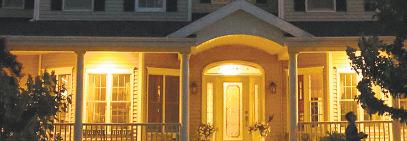
• Roof tiles or shingles that are worn out or missing should be replaced.
• If the roof leaks, fix it.
• Inspect each window and door, and repair or replace them if needed.

• Remember to lock windows and doors before a storm. Install a heavy-duty bolt to doors to keep them secure.

• The garage door is another way for storm winds and rains to invade a structure. Consider bracing or reinforcing the garage door with a kit from a home improvement store. If the garage door needs to be replaced, don’t wait until the last second.

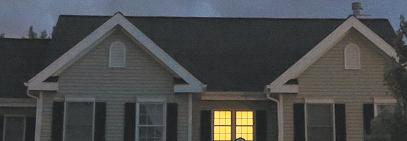
Clean the yard
• Trim trees and foliage to reduce the potential missiles a storm could hurtle at your home or business, or someone else’s



• Trimming trees around power lines is dangerous to do yourself. Hire professionals.
• Prune damaged or weakened limbs.

• Dying trees, trees with multiple trunks and newly planted trees are all potential problems. They may not be able to withstand a tropical system. If they are close to your house, check them for cracks, decay or weak roots. They may have to be removed.
• Don’t wait until the storm shows up to trim and clean up your yard or property If garbage day is canceled by the storm, those branches will become a pile of trouble sitting at the curb when tropical storm-force winds show up.
Eliminate flying objects


• Check around your home or business and secure anything the wind could pick up: outdoor furniture, flower pots, signs, etc.
• Store outdoor furniture inside, or sink them into the pool.
• Taping windows doesn’t protect them. What will is covering them with plywood that’s at least ⅝ of an inch thick. Google how to properly hang plywood. Or consider installing shutters.




• Keep tarps and plastic garbage bags on hand to cover up storm damage, such as a damaged roof or busted window.

Sandbags
• Pile sandbags in front of doorways and garages to keep out minor flooding. If a careless driver plows through a flooded street, sandbags can help prevent waves from ripplingintoahomeorbusiness.
• There are more effective variants, such as water-activated flood bags. They come in a variety of sizes some as long as a twocar garage and can be stacked together. They’re also reusable.
• Prepare the inside of the home or business for flooding. Get anything the water could destroy off the floor
Tampa Bay Times | Sunday, May 28, 2023 | 15HH
GUIDE 2023 HURRICANE PREPAREDNESS
BUI LD A BAG WITH EVERY THI NG you’ll need in a backpack or two if you have to evacuate.
• Air horns or whistles, to call for help
• Assorted batteries, including for hearing aids
• Backpacks, sturdy and waterproof
• Can opener (manual, never electric)
• Cash (no power or cell service means no credit cards or mobile payments)
• COVID-19 test kits
• Disinfecting wipes
• Extra clothing and socks, including something warm in case it gets cold
• First-aid kit
• Hand sanitizer
• Hand-held lanterns
• Headlamp and batteries
• Identification, insurance cards, etc.
• Insect repellent
• NOAA Weather Radio, battery or hand-crank
• Nonprescription medication (anti-diarrheal, pain relievers, etc.)
• Pandemic masks
• Pens and paper (don’t run down your phone battery by writing stuff down)
• Personal wipes (antibacterial)
• Phone charging cables, wall chargers
• Portable power banks for smartphones and tablets
• Rain jacket and pants/ poncho
• Rubber boots
• Safety work gloves
• Spare contacts and eyeglasses (also eyedrops)
• Spare keys to homes, businesses and vehicles
• Sturdy boots or shoes (and a backup pair)

• Sunscreen, lip balm
• Sleeping bags
• Toothbrushes, toothpaste, floss
• Water purification tablets
• Waterproof folders, for documents and photos
• Waterproof matches, lighter
Building
BY CHRIS TISCH Times Staff Writer
Ther e are some items in a hurricane kit that may ke ep you alive af ter a st orm: medications, food and water. There are other items that will just make your life a little easier or more comfortable after a hurricane hits: a headlamp, for instance, or a battery-operated fan.
A good hurricane kit will have a combination of both the essentials and the handy And you don’t want to wait until a storm is headed this way to get your kit together. Start working on it now.
You don’t have to do it all in a day. For instance, I don’t go out and buy 100 cans of soup and a dozen boxes of granola bars on the same day. I start in the spring and build it up over time, grabbing nonperishable food and bottles of water that are on sale every
time I go to the grocery store. It also means I build up a variety Another thing about hurricane kits: They vary from one person or family to another. If you have kids, pets or older adults living with you, your kit will need to be adjusted.
As much as you want to focus on the essentials like food and water, plan to also stow items that will make life easier or more comfortable. If your power is out and you don’t have a generator, it will be pitch black at night. Sure, a flashlight will do for finding your way around. But if you want to be able to do complex tasks after dark, having a headlamp will give you two free hands instead of one having to hold the flashlight.
And a battery-powered fan will give you just a little bit of comfort as Florida’s humid summer weather scorches all of us suddenl y wi tho ut air con diti oning Also, be sure you have a lot of backup batteries to keep that
thing going.
But let’s get back to the basics for a bit.
Emergency officials say people should have seven days’ worth of nonperishable food and water per family member, including pets. That’s the length of time it could take for supplies to reach you after a bad hurricane. The standard rule is that each person will need at least 1 gallon of water per day. You also should keep at least 30 days’ worth of prescription medication on hand.

Beyond that, here are some checklists to help you prepare, no matter the situation.
Th e Flori da Div ision of Em er ge nc y Ma nag em ent (floridadi sas ter .org), the Department of Homeland Security (dhs.gov), the Federal Emerge nc y Ma nag ement Ag enc y (ready.gov/kit) and the Centers for Disease Control and Prevention (tinyurl.com/CDClists) also offer checklists.
A good hurricane
16HH | Sunday, May 28 , 2023 | Tampa Bay Time s
PER SONA L HUR RICANE KIT
YOURstormkits Don’twaituntilahurricane isheadedthiswaytostart.
HURRICANE PREPAREDNESS GUIDE 2023
IF YOU LOSE POWER AFTE R A STORM, if your home or neighborhood gets hit hard or if help is unable to reach you for a while, this gear will make your wait at home more tolerable.
• Bleach (to clean up mold)
• Carbon monoxide detector, battery-powered (for gas-powered generators)
• Can opener (manual, never electric)
• COVID-19 test kits
• Disinfecting wipes
• Duct tape
• Extra water (fill bathtubs for flushing)
• Hand soap
• Fan, battery-operated
• Fire extinguisher
• First-aid kit
• Garbage bags, plastic sheeting (for garbage and covering broken windows)
• Insect repellent
• Long-handle squeegees for scraping mud out of a flooded home
• Laser pointer, to attract help in the dark (aiming one at an aircraft is a crime)
• Laundry detergent, bucket for washing clothes
• NOAA Weather Radio, battery or hand-crank
• Pandemic masks
• Paper cups, plates, plastic utensils
• Paper towels (better than
sponges if there’s no water)
• Personal wipes (antibacterial)
• Portable air conditioner that can run off a generator
• Portable camping stove
• Portable generator (never operate one indoors or near a door or window; beware of carbon monoxide poisoning)
• Portable power banks for smartphones and tablets
• Powerful flashlight
• Rags, sponges and mops for cleanup
• Safety work gloves
• Spray paint (to paint address, insurance carrier on house)
• Surge protectors or power strips
• Tarps (for damaged roofs, walls and windows)
• Termite bait and ant poison
• Toilet paper
• Tool kit
• Toothbrushing pads (when water is in short supply)
• Wrench or pliers, to turn utilities on and off
IN AN EMERGENCY, your vehicle may be the safest place you can stay after a storm.
• Car shovel/pick
• Cash (tow trucks and repair shops may not take electronic payment)

• Disinfecting wipes
• Duct tape
• Emergency blankets
• Fire extinguisher
• First-aid kit
• Fuse kit
• Garbage bags, plastic sheeting (for garbage and covering broken windows)
• Jumper cables
• Maps, map books, gazetteer (hard copies; must be up to date)
• Multitool
• Personal wipes (antibacterial)
• Phone cables
• Pocket knife
• Portable air compressor
• Portable jump starter
• Power inverter, for charging devices
• Safety work gloves
• Spare tire (that actually works)
• Tire jack
• Tire sealant, puncture repair kit
• Vehicle registration, proof of insurance
• Water repellent
• Wipes
See STORM KITS, 18HH
Tampa Bay Time s | Sunday, May 28 , 2023 | 17HH HOM E HURRI CANE KI T AU TO HUR RICA NE KIT
MARTHA ASENCIO-RHINE | Times (2022)
hurricane kit will have a combination of both the essentials and the handy.
HURRICANE PREPAREDNESS GUIDE 2023


STORM KITS continued from 17HH
CHILDREN NEED A HURRICANE KIT,too.Ifyou’re breastfeeding,expertssaytokeepaweek’sworthof powderedformulaonhand,justincase.
•Babyfood
•Babywipes
•Blankets,pillows
•Books,games,playing cards,puzzles(donot relyonelectronicdevicestoentertainchildren)







•Child’sinsuranceID


•Cleanbottles
•Diapers
•Drawingpaper,crayons,markers,pens
•Dry,extraclothingand underwear
•Formula
•Kid-friendlycanned goods
•Medicalalertbracelet (ifneeded)
•Nonprescriptionmedication(anti-diarrheal, painrelievers,etc.)


•Personalwipes(antibacterial)
•Sturdyshoes,rubber boots
•Toothbrushes,toothpaste,floss
•Toys(thatcanbedamagedorlost)
GETTING YOUR PET MICROCHIPPED willhelpensure you’llbereunitedwithFidoorKittyifyou’reseparated. Keepyourmicrochipcontactinformationuptodate. Makesureyourpetalsoiswearingatagwithyourcurrentcontactinformation.Somesheltersacceptpets, butyou’llstillneedtopacktheirgear.TheCDChasa petemergencykitchecklistattinyurl.com/CDCpetlist.
•Blanket
•Catlitter,newspaper, evenpapertowels
•Crateorsturdycarrier
•Disposablelittertrays forcats
•Disposablebagsforpet cleanup
•Extracollarwithupdatedpettag,contactinformation
•Extraleashes


•Medications(30-day supply)
•Medicalrecords
•Muzzle
•Petfirst-aidkit


•Petfood(seven-day supply)
•Petmicrochip(keep updated)
•Pettoys
•Petwipes
•Portablefoodandwater bowls
•Puppypads
•Recentphotosofpets
•Serviceanimalsupplies
•Treats
YOU CAN BUY A FIRST-AID kitorbuildoneyourself.
•Allergymedication
•Aloe


•Antacid
•Anti-diarrhealmedication
•Antihistaminecream
•Antisepticagent
•Antisepticwipes


•Aspirin,pain-relievers
•Burnreliefspray
•Cottonballs/swabs
•Eyewash
•First-aidmanual
•Handsanitizer
•Hypoallergenicadhesivetape



•Instantcoldcompress
•Latexgloves
•Laxative
•Moistenedtowelettes
•Mosquitorepellent


•Petroleumjelly
•Safetypins
•Sewingneedle
•Scissors
•Soap
•Splint
•Sterileadhesivebandages(allsizes)
•Sterilegauzepads
•Sunscreen
•Triangularbandages
•Thermometer
•Tweezers

18HH | Sunday, May 28, 2023 | Tampa Bay Times
CHI LDREN’ S HUR RICA NE KIT PET ’S HURR ICANE KIT FIR ST -A ID KIT
Your resources for hurricane assistance
Hernando County
Hernando County
Emergency Management: hernandocounty.us/em
Phone: 352-754-4083
Hernando County Disaster Planning Guide: bit.ly/3M4ftel

Find your evacuation zone: tbtim.es/hernandoevac
Sign up for Alert Hernando: AlertHernando.org
Facebook: facebook.com/HernandoCoGov
Twitter: @HernandoCoGov
Hashtag:#HernandoPrepares
Hillsborough County
Hillsborough County
Emergency Information: HCFLGov.net/StaySafe
Phone: 813-272-5900
Hillsborough Storm Hotline: 833-HC-Storm(833-427-8676)
Sign up for Hillsborough County


Emergency Alerts: HCFLGov.net/HCFLAlert
Find your evacuation zone and shelter: bit.ly/3N1c1kA
Register for a special needs shelter:bit.ly/3wrhhr5
City ofTampa hurricane information:tampa.gov/Hurricane
Sign up for AlertTampa: tampa.gov/AlertTampa
Hillsborough County Flood Zone viewer: bit.ly/3skY6Oi
Facebook: facebook.com/HillsboroughFL, facebook.com/CityofTampa
Twitter: @HillsboroughFL, @CityofTampa
Hashtag:#StaySafe
Pasco County
Pasco County Emergency Management, including evacuation zones: tinyurl.com/Pasco2023
Phone: 727-847-2411
Live Chat: MyPasco.net

Disaster guide: mypas.co/2023DisasterGuide
Alert Pasco : mypas.co/AlertPasco
If the county orders an evacuation, find shelters at: MyPasco.net
Facebook: facebook.com/PascoCounty
Twitter:@PascoCountyPIO, @Pasco_FL_OEM
Hashtags:#PascoCounty, #StaySafePasco
Instagram:pascocountygov
Nextdoor: PascoCountyGovernment
Pinellas County
Pinellas County Emergency Information, includinglookupyour evacuationzone,signupforAlert Pinellas,downloadtheReadyPinellasapp,lookupshelteroptionsand understandstormsurge: disaster.pinellas.gov.Orcall 727-453-3150(landlinesonly)
Register for Special Needs Evacuation Program: pinellas.gov/specialneeds.Orcall 727-464-3800toupdateorrequest aform.

Prepare pets:pinellas.gov/petprep
Look up your flood risk: floodrisk.pinellas.gov
Pinellas County Emergency Management:727-464-3800

Pinellas County Information Line: 727-464-3000, V/TDD727-464-4062
See RESOURCES, 20HH

Tampa Bay Times | Sunday, May 28, 2023 | 19HH
2023 HURRICANE PREPAREDNESS
GUIDE
RESOURCES
continued from 19HH
Pinellas County Live chat: bit.ly/PinellasChat
County Information Center (during emergencies only): 727-464-4333
Facebook for Pinellas County Government:facebook.com/PinellasGov
Twitter for Pinellas County
Government: @PinellasGov
Twitter for Pinellas County Emergency Management: @PinellasEM
Twitter for roadway conditions: @pinellastraffic
YouTube for Pinellas County
Government: @PinellasGov
Hashtags:#GetReadyPinellas.#Hurricane(name)PCor#TS(name)PC
Other resources
Power outage maps
Duke Energy map: outagemap.duke-energy.com
Tampa Electric map: tampaelectric.com/poweroutages
Withlacoochee River Electric
Cooperative map: tinyurl.com/WRECMaps
Get ready for the storm
Federal Alliance for Safe Homes: flash.org
Federal Emergency Management Agency:fema.gov
FEMA Hazard Mitigation Assistance Grants: fema.gov/grants/mitigation
Florida Division of Emergency Management: floridadisaster.org
Florida Special Needs Registry: bit.ly/3N8DHnY

Insurance Institute for Business & Home Safety: disastersafety.org
MySafeFlorida.org: mysafeflorida.org
National Flood Insurance Program: floodsmart.gov

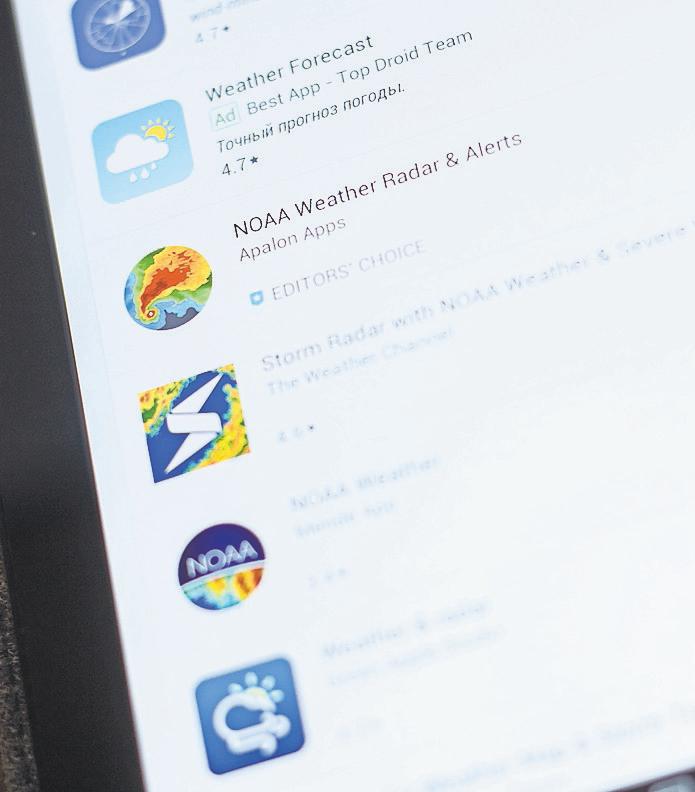
National Hurricane Center storm tracker: nhc.noaa.gov
Tampa Bay Regional Planning Council: tampabayprepares.org
Flood links
Federal Emergency Management Agency flood maps: bit.ly/3w2TYVN
First Street Foundation’s Flood Factor:floodfactor.com
Florida Division of Emergency Management: floridadisaster.org/knowyourzone
Pinellas County homebuyer special flood hazard areas information: bit.ly/3EZxZBU
National Flood Insurance Program: bit.ly/3l3RMGU
20HH | Sunday, May 28, 2023 | Tampa Bay Times
HURRICANE
GUIDE 2023
PREPAREDNESS
Shutterstock
Forecast tracks: What you need to remember
BY MAX CHESNES AND MICHAELA MULLIGAN Times Staff Writers
It happens every year: A new hurricane season begins, and the forecast graphics start trickling in. Online, your friends and family share maps with multicolored blobs. On TV, the strands of spaghetti models twist and turn through the tropics. Forecast information is everywhere. You think you know what it all means but do you really?
Accurately interpreting hurricane forecasts is a crucial skill in evaluating the risks you face from a looming storm. As with Hurricane Ian in September, information can change quickly and reshape your risk level. Your home could be placed under a hurricane watch, or a storm surge warning, from one hour to the next.
With hurricane season upon us, let’s review how to interpret forecast graphics.
Tropical weather outlooks have been extended
When the hurricane season kicks into high gear, the National Hurricane Center’s tropical outlooks can look something like a chaotic game of tic-tac-toe. On a map of the Atlantic Ocean to the Gulf of Mexico, colored X’s and O’s often dot the graphic. These symbols represent
areas of disturbed weather the hurricanecenter is watching.
These outlooks, which the hurricane center releases four times a day (at 2 a.m., 8 a.m., 2 p.m. and 8 p.m. during daylight saving time), show the genesis of storms. They are helpful in understanding when and where a storm could form.
Forecasters do not use them for tracking storms. Instead, these outlooks show the likelihood a disturbance will become a tropical cyclone which can be as lowgrade as a tropical depression with maximum sustained winds of no more than 38 mph.
In years past, these outlooks gave the likelihood of a system becoming a tropical cyclone within two days and five days. But this year, the outlooks will be for two days and seven days out, said John Cangialosi, a senior hurricane specialist at the hurricane center.

The hurricane center began experimenting in-house with a seven-day outlook in 2018. Now, forecasters are confident in their ability to deliver these probabilities to the public.
“We’ve done this for a while and also felt that our skill was very good,” Cangialosi said. “So that’s the reason we’re going forward with it this year.”
The hope is that it will provide forecasters, emergency managers and citizens extra time to prepare ahead of storms.
This year, the outlooks will look the same, except the five-day outlook will be replaced with the seven-day outlook.
When a disturbance pops up in the forecast area, a colored X will mark the location of the system.
The color of the X corresponds to
the chance the disturbance will turn into a tropical cyclone. A yellow X means there is less than a 40% chance, an orange X is a 40% to 60% chance and a red X is greater than a 60% chance.

The two-day outlooks number the disturbances and give the probability of formation in 48 hours on the map.
If a disturbance becomes a tropical depression (with sustained winds that are no more than 38 mph), it will turn into a red circle.
A tropical storm, which has maximum sustained winds of 39 to 73 mph, forms after a tropical depression. Once a storm reaches maximum sustained winds of at least 74 mph, it becomes a hurricane. Each tropical cyclone’s location can be found on the map.
To learn more information about the disturbances, you can hover over or click on its corresponding symbol.
The longer outlook will
See FORECASTS, 22HH
Tampa Bay Times | Sunday, May 28, 2023 | 21HH HURRICANE PREPAREDNESS GUIDE 2023
Graphics by NOAA
A five-day outlook shows two tropical disturbances, plus Hurricane Danielle, on Sept. 2.
A two-day outlook shows the likelihood of two areas of disturbed weather forming in 48 hours on Sept. 2.
Accurately evaluating hurricane forecasts could save your life. Here’s what to know.
FORECASTS

continued from 21HH

probably be most useful for areas farther east, like portions of the Caribbean, Cangialosi said Tropical systems have an affinity for forming in the Caribbean Sea, where waters are balmy.

Understanding the “cone of uncertainty”


You’ve got the X’s and O’s out of the way. Now let’s talk about the cone.
Once a storm officially reaches tropical depression strength that’s maximum sustained winds of no more than 38 mph forecasters start including the infamous “cone of uncertainty” on their graphics.

Every hurricane season, there’s a push from meteorologists to drive home what the cone means, and what it doesn’t mean. There’s good reason for that: Many people get it wrong.
In a study published in October 2022, a team of University of Miami researchers surveyed Florida residents about whether they




know how to accurately interpret the cone graphic. Of those surveyed, 44% incorrectly thought they could determine the forecast size of the storm, and 40% answered incorrectly that they could identify areas where damage will occur.
Here’s what the cone does tell you, based on historical data: There is a two-thirds chance the storm will stay inside the cone. But there also is a one-third chance it will not. In other words, based on past forecasts, the entire track of the storm is within the cone roughly 60 to 70% of the time.

“It’s a visual depiction of where we think the center of the storm is going to go,” Cangialosi said.
What the cone doesn’t tell you, according to the National Weather Service: The size of the storm, and the impacts both within the cone and outside the cone.
“The cone doesn’t tell you where those impacts are going to be because sometimes storms are really lopsided and they get so much weather on the right side,” Cangialosi said. “You could be way outside the cone and still get a lot of conditions.”
See FORECASTS, 23HH
22HH | Sunday, May 28, 2023 | Tampa Bay Times
GUIDE 2023 HURRICANE PREPAREDNESS
DOUGLAS R. CLIFFORD | Times (2022)
The beach remains saturated after surge inundated Fort Myers Beach on Sept. 29, 2022, after Hurricane Ian made landfall.
FORECASTS


continued from 22HH
Know the difference: A watch vs. a warning
Without looking it up, do you know the difference between a hurricane watch and a hurricane warning? How about with storm surge? What’sastormsurgewarning?
Meteorologists consider watches and warnings a crucial piece of information that can help you better pin down your risk level as storms approach.
A hurricane watch occurs when hurricane conditions, with winds of up to 74 mph or higher, are possible within a specific area. Key word: possible. A hurricane watch arrives two days, or 48 hours, before meteorologists expect tropical stormforce winds will arrive in your area, according to the National Weather Service.

“A hurricane watch means you really need to get your prepara-


tions completed,” said Paul Close, a meteorologist with the National Weather Service in Tampa Bay. “Preparedness activities become much more difficult once winds become tropical-storm force winds.”

A hurricane warning means hurricane conditions (winds 74 mph or higher) are expected within a specific area. The key word now is “expected.” Meteorologists issue a hurricane warning 36 hours ahead of the anticipated arrival of tropical storm-force winds to make sure there’s enough heads-up for storm prep.
So a watch comes before a warning Here’s one way to remember it: Think of a sailor on top of a ship’s crows nest, looking out over the ocean with a long telescope. The sailor is watching for threats. Once a threat is found, then comes the warning to the crew below. A watch, thenawarning



On the forecast graphics released by the National Hurricane Center,
NOAA
In these two Hurricane Ian forecast advisories from Sept. 26, the Tampa Bay region goes from a “hurricane watch,” shaded in pink, to a “hurricane warning,” shaded in red, over a three-hour period.
hurricane watches are denoted in pink, while hurricane warnings are in red. A lot of focus is on the hurri-
cane cones, but watches and warnings are an important detail to track when a storm is looming, according
to Cangialosi. “It’s always best to rely on where your watches and warnings are, and where the impacts are set to be,” Cangialosi said. “Because the cone is just a general depiction of where that center (of the storm) is goingtogo.”
Take a look at the side-by-side comparison in the image at the left Forecasters issued these two advisories three hours apart on Sept. 26 as Hurricane Ian was barreling toward Cuba.NoticetheTampaBayarea:At 2 p.m., the region is shaded in pink. That means we were under a hurricane watch, where hurricane conditionswerepossible.
But by 5 p.m., forecasters elevated the risk for the region by placing Tampa Bay under a hurricane warning The graphic on the right now shows Tampa Bay shaded in red. Hurricane conditions went from being possible to being expected. That one change to the forecast can help better inform your preparation efforts.
See FORECASTS, 24HH

Tampa Bay Times | Sunday, May 28, 2023 | 23HH HURRICANE PREPAREDNESS GUIDE 2023
FORECASTS
continued from 23HH
Now let’s talk about storm surge
Traditional forecast graphics
the ones you normally see being passed around online by Floridians in the days before a storm don’t highlight one particular threat that has accounted for roughly half the deaths from landfalling cyclones over the past five decades: storm surge.
To address that, the National Hurricane Center in 2017 started issuing a storm surge watch and warning graphic “intended to separate” the advisories from the previously existing wind watches and warnings, “and serve as a call to action.”
Similar to a hurricane watch, a storm surge watch is the possibility (there’s that word again) of life-threatening inundation from rising water moving toward land within a specific area and generally within 48 hours of a tropical cyclone. Forecasters can also issue a watch earlier if conditions could limit the time needed to make surge preparations.
A storm surge warning means there’s a danger (more certain now) of life-threatening surge inundation generallywithin36hours.
Forecasters release their storm surge graphic roughly 30 minutes after each hurricane advisory goes live. It’s subject to change every six hours, according to the National Hurricane Center. A storm surge watch is denoted in magenta, while a storm surge warning is in lavender.

Right now, the graphic takes into account myriad variables, including surge flooding, tides, land elevation, trackuncertainties and floodingasa resultofleveefailures.
But it’s also noteworthy what the graphic doesn’t take into account: freshwater flooding from rainfall and wave action during a high stormsurge.
On 11 a.m. Sept. 27, the day before Ian made landfall in Southwest Florida, a storm surge warning
in mind when looking at those dizzying spaghetti plots, like where these models come from and what they’re used for
Meteorologists use models in everyday weather forecasting Some of these models forecast the mundane from afternoon storms to a burgeoning cold front. Supercomputers run these models, calculating complex formulas to understand what is happening in our atmosphere.
But in the hurricane season, they are just as useful to forecasters in telling them where a monster storm could end up.
The hurricane center uses what it considers to be the top models for forecasting hurricanes, which come from the United States and globally.
stretched along the majority of Florida’s Gulf Coast. The graphic published by the National Hurricane Center depicted the areas under watchesandwarnings.
“Life-threatening storm surge from Ian is increasingly likely along the Florida west coast where a storm surge warning is in effect, with the highest risk from Fort Myers to the Tampa Bay region,” the hurricane center warned.
Less than 24 hours later, the Gulf of Mexico began swelling toward Southwest Florida. On Fort Myers Beach, scientists would ultimately log up to 15 feet of storm surge. In Lee County alone, the surge killed 36people.
What to know about models used for forecasting
There are enough forecast models to make your head spin. Yet, when the hurricane season starts, we look to our favorites, scrutinizing thin, colorful lines and their predicted paths.

In reality, there is no one Holy Grail model.
There are a few things to keep
There is an ongoing debate over which is the best weather model. It generally comes down to two: the GFS (the Global Forecast System) or the European model (the European Center for Medium-Range Weather Forecasts).
However, the quarrel over the best model isn’t particularly helpful. Forecasters rely on multiple models, not just one The hurricane center’s forecast track generally takes the average of five or six of the world’s most accurate weather models to create its forecast.
For forecasters, there’s an advantage to having multiple models because it helps them better understand the uncertainty of a storm.
“If you look at the top six models, pretty much any of those things could come true,” Jeff Masters, a meteorologist for Yale Climate Connections, previously told the Tampa Bay Times. “Don’t put your trust in any particular one. The average of them is usually going to be the best forecast.”
24HH | Sunday, May 28, 2023 | Tampa Bay Times
Contact Max Chesnes at mchesnes@tampabay.com. Follow @MaxChesnes Contact Michaela Mulligan at mmulligan@tampabay.com. Follow @Michaela_Mull
HURRICANE
GUIDE 2023
PREPAREDNESS
NOAA / National Hurricane Center
A National Hurricane Center graphic published at 11 a.m. Sept. 27 shows the parts of Florida under a storm surge watch and warning.
Bay News 9
Weather models show Hurricane Ian’s possible paths on Sept. 25, three days before the storm would make landfall on Cayo Costa in Southwest Florida.








Tampa Bay Times | Sunday, May 28, 2023 | 25HH
How to protect your pets
BY HANNAH CRITCHFIELD Times Staff Writer
Richard Church didn’t want to leave his pets behind.
As Hurricane Ian barreled toward Florida, the 64-year-old hunkered down in his mobile home.
Boh-Nak Mobile Home Park in Tampa was located in a high-risk flood area, making its residents vulnerable to storm surge, power outages and other dangerous conditions that accompany a hurricane.
With two beloved cats and no pet carriers, Church was prepared to ride out the storm at home.
At the time, Hurricane Ian was expected to be the first hurricane to directly hit the Tampa Bay area in more than 100 years.
“It got kind of scary,” he told the Tampa Bay Times shortly after the storm, which ultimately pivoted south to the Fort Myers area before making landfall. “But when I got to the point where the storm was headed this way, all the motels were booked up.”
Pets are often a reason people don’t evacuate ahead of a hurricane. But they shouldn’t have to be, local officials say.
Here’s our guide to how you can keep your pets and yourself safe during a tropical storm.
Where can we go?
Hillsborough, Pinellas, Pasco and Hernando counties all have pet-friendly shelters.

For a list of specific shelters that accept pets, visit each county’s website. Pinellas and Pasco allow pets on their free evacuation transportation. Hillsborough County offers pet-friendly transportation in a limited number of cases, primarily for families with special medical needs. Similarly, Hernando County only provides transportation for pets that are
and yourself
headed to special needs shelters.
To learn more about each county’s hurricane transportation assistance, visit their county websites or dial county numbers.
What kinds of pets?
Generally, most pet-friendly shelters accept small, domesticated pets, such as cats, dogs and birds.
Check each county’s breakout box for specifics.
What about crates?
Tampa Bay shelters usually require pet owners to bring their own crates or cages to county shelters.
Hillsborough, Hernando and Manatee shelters have a small number of crates available on-site, but ask that residents provide their own if they have them due to the limited supply. A limited number of pet crates may be available for transportation to shelters in these counties as well.
What else should I bring?
You should bring enough pet food, medication and other essential supplies your furry loved one needs for at least a week’s time, most county officials say. Also bring a toy to help ease their stress.
To help, SPCA of Tampa Bay offers free cat and dog food to residents facing financial hardship from their Pebble’s Food Bank from 2 to 4 p.m. every Tuesday Call ahead to make an appointment at 727-586-3591, ext. 121.
Where will they stay at the shelter?
Your pet will stay in a separate area from you, but most shelters will allow you to stop by and check on your furry (or feathery) friend,
as well as administer medication they need.
Pets will generally be housed near other animals of their species, and will be kept in crates to ensure they’re safe. The risk of fleas or potential harm from other animals is very low, county officials say and it’s important to remember that the biggest priority is keeping your pet secure during the storm.
SHELTERS BY COUNTY Hernando County
WHICH SHELTERS ARE PETFRIENDLY? The county determines which shelters will be petfriendly ahead of a storm based on the anticipated needs of the community. Typically, one or more public schools, and at times the Enrichment Center in Brooksville, are converted into shelters that welcome pets. Keep an eye out for county announcements ahead of a storm for specifics.
WHAT KIND OF PETS? Domestic animals that would stay within a home including dogs, cats and ferrets. Arrangements can be made for other reptiles and birds as needed. Native wild animals are not accepted.
IS EVACUATION TRANSPORTATION PET-FRIENDLY? Transportation must be provided by the owner, excluding animals of people transported to a special needs shelter. They are transported by Animal Enforcement to Hernando County Animal Services for care.
ARE PET CRATES ON-SITE?
Hernando County encourages all citizens to pre-arrange having their own crates for transport and housing at the shelter The county does have a limited number of dog and cat crates, but not enough for large-scale events.
Specialty crates or housing, such as bird cages and snake
enclosures, will need to be provided by the citizens.
WHERE WILL MY PET STAY AT THE SHELTER? People and pets will be housed in separate areas of the shelter. Owners will have access to their pets and are still responsible for their care while in the shelter
The county tries to establish times for feeding, walking and cleaning Because it is stressful on the animals, county officials said they try to have some quiet time for them to decompress.
TIPS? “Crates, crates, crates,” said county spokesperson Dominique Holmes. “When a storm is on the way, stores will be sold out. Citizens should buy crates in advance. They should bring the animals food, medicine, a favorite toy and bedding the animal is familiar with. The more the animal feels at home, the better.”
If you know your dog has animal or people aggression, county officials ask that you obtain the appropriate muzzle for your pet and acclimate them to wearing it prior to arrival.
MORE IN FO RMA TION : tbtim.es/hernandopets
Hillsborough County
WHICH SHELTERS ARE PETFRIENDLY? The county has up to 18 pet-accommodating shelters. The list of shelters that open
during a storm will vary according to a storm’s size, intensity and other factors, like flooding or surge potential.
WHAT KIND OF PETS? Primarily dogs and cats, but county shelters will accept other types of small animals as well just be sure to bring adequate housing and food for your animal.
IS EVACUATION TRANSPORTATION PET-FRIENDLY? Only in a limited number of cases, primarily for families with special medical needs.
ARE PET CRATES ON-SITE?
Maybe. The county requires people to bring crates and carriers for their pets. If someone does not have one, however, the county usually has a small number of crates available for shelters (but not enough to store all incoming pets).
A very limited number of crates may be made available for transportation through the county’s Pet Resource Center.
WHERE WILL MY PET STAY AT THE SHELTER? Usually pets are kept in locker rooms and the people in the gymnasium.
TIPS? Don’t forget to bring your pet’s medication and at least one toy for them. There is no medical help at pet-accommodating shelters staff will not be able to give medicine or provide any medical care. The county cautions that the
See PETS, 28HH
26HH | Sunday, May 28, 2023 | Tampa Bay Times HURRICANE PREPAREDNESS GUIDE 2023
—
IVY CEBALLO | Times (2022)
Pet owners prepare for Hurricane Ian at Durant High in Plant City last year. All Tampa Bay area counties have pet-friendly shelters.

















Tampa Bay Times | Sunday, May 28, 2023 | 27HH
best plan is to leave the storm zone if possible, rather than rely on a shelter.


MO RE INF ORMA TIO N: tbtim.es/hillsboroughpets
Pasco County
WHICH SHELTERS ARE PETFRIENDLY? All shelters.

WHAT KIND OF PETS? All domesticated animals.


IS EVACUATION TRANSPORTATION PET-FRIENDLY? Yes. Residents can bring their pets onto a GoPasco bus if the bus is en route to an evacuation shelter
ARE THERE PET CRATES ON-SITE? No.
WHERE WILL MY PET STAY AT THE SHELTER? The county has a separate area for pets. “We try and separate (cats with cats, dogs with dogs) and isolate (as much space between kennels/crates) as much as possible,” noted Pasco County spokesperson Ryan P. Hughes in an email. “However, during a disaster, it is important to ensure life safety (personal and pets) over the concern of fleas and potential harm from other animals (if all animals are in a crate, this chance is very low).”
TIPS? “Don’t leave your pet and don’t use your pet as an excuse not to evacuate,” Hughes said. “You are putting yourself, your family and your pet at risk. If you are ordered to evacuate, take your pet and your pet supplies with you. Seek shelter with friends or relatives or at a hotel. Many shelters/evacuation centers will not turn away pets.”

He added that the county has pet evacuation video guide here: tbtim.es/pascopetvideo.
MOR E IN FO RMA TION : tbtim.es/pascopets
Pinellas County



WHICH SHELTERS ARE PETFRIENDLY? Available shelters will be posted as the evacuation orders are announced, according to county officials, including pet-
friendly shelters. Residents will be able to see which shelters are open at disaster.pinellas.gov
WHAT KIND OF PETS? Cats and dogs only IS EVACUATION TRANSPORTATION PET-FRIENDLY? During a hurricane evacuation, Pinellas Suncoast Transit Authority (PSTA) runs most regular routes. Rides are free to shelters and pets are allowed cats and small dogs must be in a crate; large dogs must be in a muzzle, on a leash.

ARE PET CRATES ON-SITE? No Residents must bring their own appropriately sized crate or carrier for the pets to live in comfortably for several days.



WHERE WILL MY PET STAY AT THE SHELTER? Pets are housed in a separate area from owners in crates or carriers.
“The pets are in individual crates with a small distance between each crate,” said Kelsey Grentzer, a Pinellas County spokesperson, in an email. “The animals should not be able to make physical contact with each other. Aggressive animals that cannot be safely contained would not be allowed to shelter at the pet-friendly shelter. The owner should make other arrangements ahead of time.”
TIPS? “Residents are responsible for feeding, medicating and cleaning their pets while at the pet-friendly (shelter),” Grentzer said. “If a pet requires special food, the owner will need to bring that with them. If a pet has a severe chronic condition or medications that need refrigeration, the owner should make other arrangements for sheltering.”
MORE INF ORMA TIO N : pinellas.gov/topic/animals-pets
Hannah Critchfield covers aging/ seniors for the Tampa Bay Times as a Report for America corps member. Contact her at hcritchfield@ tampabay.com Follow @HannaCritch. To support Hannah’s work, you can donate to the Tampa Bay Times Journalism Fund at bit.ly/timesjournalismfund, and mark it “Report for America.”
28HH | Sunday, May 28, 2023 | Tampa Bay Times
continued from 26HH GUIDE 2023 HURRICANE PREPAREDNESS
PETS
7 things we learned from Hurricane Ian
BY MICHAELA MULLIGAN Times Staff Writer
The 2023 hurricane season is upon us. In Southwest Florida, however, scores of people are still struggling to overcome the devastation wrought by Hurricane Ian.
Ian made landfall in Cayo Costa as a monster Category 4 storm in September. The hurricane scarred the Southwest Florida coastline and flattened homes and businesses along the shores of Fort Myers Beach in Lee County. Ian is the costliest storm in Florida’s history, with more than $109 billion in damage, and it killed at least 156 people a staggering number of fatalities for a hurricane in the United States.
There are lessons to be gleaned from the rubble left behind, from the water marks that are as high as 15 feet branding Fort Myers buildings to the roads washed away as far as 50 miles inland in Arcadia because of river flooding
Forecasters say the 2023 hurricane season may be milder than last year’s because of a strengthening El Niño. But as Ian showed, it only takes one storm to wreck a community.
Here are some lessons learned from Hurricane Ian, and how we can be prepared for the next one.
Storm surge is enemy No. 1
As much as any hurricane, Ian taught us that storm surge is a tropical system’s biggest threat.
The National Weather Service said Ian’s peak storm surge was 10 to 15 feet above ground level.
During Hurricane Ian’s assault,
41 people drowned in the storm surge 36 of whom were in Lee County, according to a report from the National Hurricane Center
For days leading up to Ian’s landfall, it appeared Ian would barrel straight into Tampa Bay. What if it had?
A Tampa Bay Times report found that about 20,000 more people live on Pinellas’ barrier islands compared to the Lee County barrier islands. Additionally, nearly 280,000 properties that aren’t on the barrier islands could flood in a Category 4 hurricane, compared to 220,000 in and around Fort Myers. In Tampa, there are nearly 80,000 properties the could flood, 40,000 in St. Petersburg and another 40,000 in Bradenton.
“You’re talking about water that can move houses off their foundations,” Cody Fritz, who leads the National Hurricane Center’s storm surge unit, told the Times. “If that isn’t an example of how powerful the water can be, I’m not really sure how to explain it.”
The main lesson: You should evacuate if your home is projected to be hit by storm surge as a hurricane approaches.
Rivers flooded across the state
While storm surge puts those on or near the coast at the most risk, Ian showed that the danger doesn’t end there. Ian crawled slowly across the state, dumping up to 20 inches ofraininsomeareasfarinland.
Some of the state’s most beloved rivers, and the communities surrounding them, were flooded, including the Peace River in Arcadia, the St. Johns River on the east coast and the Kissim-
mee River, which feeds into Lake Okeechobee. Residents who lived miles from the coastline lost their homes to flooding.

The Peace River broke a century-old record on Oct. 1 when it reached nearly 24 feet more than 3 feet higher than the record set in 1912, according to the Southwest FloridaWaterManagementDistrict. River levels can fluctuate drastically throughout the year In major floods like Ian, the district said, water can spread to neighborhoods thatarenormallydry.
People who live on or near rivers in the Tampa Bay area also have experienced flooding after tropical storms. A storm like Ian could cause severefloodinginthoseareasagain.
The middle of the state can flood, too
Even in one of the most landlocked areas of the state, Ian caused flooding. Images of Orlando and other areas of Central Florida showed streets under water. Union Park, an area just outside Orlando, had 17.24 inches of rain, according to the weather service.
Every topical storm is different, said Melissa Watson, a meteorologist with the weather service’s Melbourne office. A storm’s strength alone doesn’t determine
how much rain it will produce. A slow-moving storm like Ian, for instance, likely will dump far more rain than a fast-moving one.
“Don’t take past experiences and say that ‘Oh, I’ve lived in this house for 30 years and I’ve never flooded,’” Watson said. “So even though in past events you didn’t sustain damage or didn’t have flooding, that doesn’t mean that a future system cannot produce such conditions.”
If you’re in the cone, be ready to evacuate
Tampa Bay was in the middle of the hurricane center’s forecast cone three days ahead of Ian’s landfall, and it appeared our streak of 101 years without a direct hit from a hurricane was about to end.
But a shift spared Tampa Bay from the worst. Instead, Lee County took the brunt of it.
Though Lee County was on the edge of the forecast cone while Tampa Bay was in the middle, Ian’s eventual landfall was within each of the hurricane center’s forecast tracks And forecasters say people who are anywhere within that cone should be equally ready to evacuate.
Evacuations in Tampa Bay began two days ahead of Ian’s landfall
Mandatory evacuations in Lee County were issued 13 hours after Pinellas County’s first order, and 17 hours after Hillsborough began evacuations.
Thousands of people had just a day to get out. Gov. Ron DeSantis and Kevin Guthrie, the Florida director of emergency management, defended Lee County’s evacuation choices after the storm.
Lee County officials immediately issued evacuation orders after the weather service alerted them of the storm surge potential, Guthrie said.
It would have taken the county two days to evacuate everyone, Guthrie said. But two days prior to landfall, the center of the storm appeared headed north of Tampa Bay. The day before landfall, Ian’s forecast track shifted south, toward Lee County.
But even in the Tampa Bay area, officials were concerned by how few people showed up to shelters.
In Pinellas, nearly 400,000 people were ordered to evacuate. Emergency management expected about 35,000 people to arrive at shelters, but fewer than 6,000 did.
In Hillsborough, about 8,000 people arrived at shelters, fewer than half of the anticipated number. There are a number of reasons
See LESSONS, 30HH
Tampa Bay Times | Sunday, May 28, 2023 | 29HH HURRICANE PREPAREDNESS GUIDE 2023
LUIS SANTANA | Times (2022) The Peace River broke a century-old record on Oct. 1 when it reached nearly 24 feet — more than 3 feet higher than the record set in 1912, according to the Southwest Florida Water Management District.
for this: Physical disabilities can make evacuating difficult, and financial restraints can burden poorer communities. Others are lulled into a false sense of security from years without a major storm in Tampa Bay.
“Our homes are considered our safe place, and we’d be much more comfortable if we could stay there,” said Cathie Perkins, the director of Pinellas County Emergency Management. “From a county emergency management perspective we have to constantly weigh the risk of every storm against the ability for people to stay in place.”


With many storms, the hazards are greater than just the cone or a spaghetti model, Perkins said. How much rain will the storm bring? How far will winds extend? What will storm surge be like?
“We have to take all of these factors into consideration, and when we issue an evacuation order it’s because we feel that the community is at risk,” Perkins said.
Ian rapidly intensified. That’s becoming more common.
As Ian was barreling toward the west coast of Florida, it was passing over warm water that fed the storm’s ballooning strength.
In just 24 hours, Ian muscled from a Category 3 to a behemoth Category 5 storm.
Ian is an example of a what forecasters call rapid intensification, when a storm’s maximum sustained wind speeds increase by a least 35 mph in a day. It’s a growing problem, said Bob Henson, a meteorologist and writer for Yale Climate Connections. Water temperatures have been consistently warming. Oceanic heat serves as fuel for the storms, he said.
Rapid intensification is difficult to predict, Henson added. Hurricane Ian’s intensity forecasts were worse than the average of the last five years, according to the hurricane center. Researchers said this was largely because Ian’s rapid strengthening made intensity forecasting more difficult.
Tampa Bay’s location is a problem

Hurricanes are especially precarious for residents in the Tampa Bay area, where the smallest shift in the track can be the area’s salvation or ruin. Storms that move along a coast pose a particular challenge for forecasters.
It’s one reason Hurricane Ian’s track was difficult to pin down.
“In general, storms that parallel a coastline tend to be more challenging to predict because a small change in heading can cause large differences in the landfall location,” the hurricane center said in its final report on Ian. “Ian was an example of this particular challenge.”
Days after the storm, Philip Klotzbach, a meteorologist at Colorado State University, likened Ian to a pebble in a stream a number of factors, like a low pressure system and Ian’s burgeoning strength, influenced the storm’s eventual landfall. And when it comes to areas of Florida’s highly populated west coast, the smallest change in track means a major change in human impact.
In this instance, Tampa Bay was spared at the expense of Lee County.
Officials aren’t trying to scare you for no reason
In a sobering moment on Sept. 26, Jamie Rhome, the acting hurricane center director at the time, finished a forecast with a warning:
“I want to end on this, unless you’re behind me in this building, you’re not a hurricane expert. If emergency managers order you to leave, then you need to do so, without question and without delay,” Rhome said.
The same day, a meteorologist told the Times that Ian had the potential to be a “historic catastrophe.”
DeSantis had declared a state of emergency for Florida the weekend prior.
Leaders in Tampa Bay were serious in their warnings. Tampa Mayor Jane Castor said Ian was “going to be a storm like we have not seen in the past.” In St. Petersburg, Mayor Ken Welch said he had
not felt as uneasy about a storm since Hurricane Charley in 2004.
The message was clear: Be prepared and evacuate if necessary.
“People look at the last hurricane, or the last couple of hurricanes and they think ‘Well, you know, I’ve been in this situation before, they called an evacuation and we didn’t have surge,’” Perkins said
It’s part of a larger message Perkins is pushing for people to understand this hurricane season Once Tampa Bay is in a forecast cone, the area could start seeing tropical conditions within three to five days it’s like a giant countdown, she said.
“That’s when we need to make sure that everybody is making sure that they’re ready,” Perkins said. “That they have their plan set, and that they know that when those winds start to impact us, they’re ready to protect themselves in the best place possible.”
Just because a number of storms missed us in the past doesn’t mean the next one won’t be a direct hit. And if that’s the case and people disregard evacuation orders until it’s too late, the results will be tragic.
30HH | Sunday, May 28, 2023 | Tampa Bay Times
LESSONS continued from 29HH








Tampa Bay Times | Sunday, May 28, 2023 | 31HH










32HH | Sunday, May 28, 2023 | Tampa Bay Times
