


•
•

•
•



•
•
•
•
DOGS ALLOWED: LOCAL EATERIES WELCOME CANINES
56 GATOR COUNTRY ANIMAL PARK
SEED CENTER NAMED IN HONOR OF HENNING FAMILY














“Do you want to grab brunch?”
It’s a phrase which wins the hearts of many. And you don’t have to be a foodie to enjoy the benefits of this special weekend occasion because brunch is for the cool kids. Waking up late on the weekend, not having to cook and indulging in multiple mimosas after a long workweek is the perfect way to unwind and have quality time with your inner circle. Thrive’s brunch guide takes you back in time to the origins of the meal and introduces you to some of SWLA’s favorite spreads. And if you’d prefer a cup of coffee and a pastry for brunch instead, featured are some of the best cafés around.



Cocktail Royale: Rum Revival Edition
March 7th - April 5th
City Wide Cocktail Competition
Bubbles on the Beach
Friday, April 4th from 6:30-9pm
Golden Nugget Beach
Grand Tasting Event
Saturday, April 5th from 5-9pm
Golden Nugget Outdoor Event Space


If a night out for dinner is considered romantic, brunch can be described as alluring.
by Kerri Cooke
The meal combining breakfast and lunch is a decadent weekend celebration you can indulge in after a long week. It represents lingering in bed a little longer in the morning, dining in at a picturesque location, and ordering some delightfully Instagrammable food. Since brunch menus vary from daily menus, they usually have special dishes offered exclusively for the weekend crowd. But brunch is more than a meal. It’s prime time to socialize with family and friends after Sunday services. Bonding over food is a tale as old as time itself.
So when did the concept of brunch become part of popular culture? The word “brunch” first appeared in a story in Hunter’s Weekly by Guy Beringer in Great Britain in 1895. Beringer’s idea of brunch was a social occasion in which the food was not as heavy as an after-church meal. Its goal was to “[sweep] away the worries and cobwebs of the week.” Another potential origin of brunch is rooted in a different British tradition—the morning hunt so popular with the upper class. Refreshed from sport, the group would gather around the table to share a special meal.
The idea of brunch crossed the Atlantic, and while there are indications it was indulged in on a small scale in the 1920s, it became a social phenomenon in the 1930s with upper crust socialites. Famous luxury hotels began offering brunch to lure in customers, especially as many restaurants were closed on Sundays. The Plaza and The Waldorf-Astoria in New York were two hotels known for their extravagant spreads.
A mid-morning meal was also perfect for actors and those traveling cross-country by railway. After arriving at their destination, they could easily find a restaurant or hotel to offer them light refreshments in a relaxed environment. In addition to being trendy, brunch was functional.
Brunch wasn’t just reserved for hotels and restaurants, though. Housewives began concocting their own menus consisting of foods such as bacon, eggs, donuts and a variety of baked goods, along with cups of orange juice, coffee, and tea. It was an economical way to provide a good meal as the United States was still emerging from The Great Depression.
Today, people have access to any type of brunch they desire. Offerings vary greatly by restaurant, but most serve the bottomless mimosas so synonymous with modern brunch. The weekend is the perfect time to relax, take a break from cooking, catch up with loved ones and indulge in curated cuisine from local eateries.
by Matt Dye
As Louisiana spring rolls in, it’s the perfect time to rediscover the amazing brunch options we have here in SWLA. Following are some of the most popular brunches in SWLA, but they are just a small sampling of the awesome food and fun you can find every weekend.
Luna Bar & Grill’s Sunday Jazz Brunch has been a staple in Lake Charles for over a decade. Featuring live music from the Street Side Jazz Band, Luna changes up their traditional menu for Sunday morning, offering such items as Eggs Cochon, which is two eggs, fried pork loin, fresh boudin, bacon and Cajun hollandaise, or the Galactic Crab Crepes. You can also stick traditional with their French toast. Doors open at 10 a.m. and music starts at 11 a.m.
Another fantastic Sunday brunch venue is the Villa Harlequin. If you like sweetness for your Sunday pick-meup, they’ve got you covered. A musttry is their Waffle Flight, consisting of waffles with a variety of flavors such as Chantilly cream, blackberry, blueberry, strawberry or maple syrup. Looking for something savory? Their Wild Boar Sandwich, with two eggs, green onion, avocado, pepperjack cheese and a chipotle mayo easily tackles any level of hunger.
MacFarlane’s Celtic Pub offers an Irish version of Sunday brunch, with such items as the Celtic Breakfast, featuring Irish bacon, banger, black pudding, white pudding, three eggs, tomatoes, potatoes, beans and toast. Or you can try Southern items like the Crabby Tomatoes, which is fried green tomatoes and crab meat over mixed potatoes. They also have one of the more decadent Bloody Marys out there, leaving you with many options to choose from.
The Bekery might be known for their pastries and coffee, but they put on a brunch that packs a punch on Sundays, with Lobster Tail Mac ‘n Cheese, which is just as decadent as it sounds, with a half-pound steamed
lobster tail served with fontina and Parmesan macaroni and cheese, onions, parsley and a hint of orange. Another new menu item is their Crawfish Grilled Cheese, with crawfish tails, sauteed scallions and garlic, sharp cheddar and mayo on crispy ciabatta, served with a tomato soup dipper.
One of Lake Charles’ hidden gems is Biscuits & Jamz on North Simmons Road, with intriguing brunch options such as the Loretta, which is a Parmesan garlic waffle covered with garlic Parmesan shrimp and a spicy garlic syrup, or the Katlyn, which is a red velvet waffle topped with bacon, shrimp, cream cheese, strawberries and strawberry jam. And if you haven’t tried their biscuits, it’s in the name. The F-Biscuit, dipped in French toast batter and then topped with an egg, sausage link and boudin onion bacon jam could be your next favorite breakfast sandwich.
Lux Plates & Pours, growing out of Bisou Lounge on Ryan Street, is the place to go if you’re looking for a Saturday brunch in a modern setting with a menu of diverse options offered from 11 a.m. to 3 p.m. Try their savory Brunch Wrap, a wheat or flour tortilla stuffed with scrambled eggs, potatoes, shredded cheese and your choice of bacon or sausage. Or go for a sweet option, with their Brown Sugar Cinnamon French Toast Sticks, topped with syrup, whipped cream, powdered sugar, strawberries and sweet cream cheese sauce.
Crying Eagle Brewing Company presents its Brew-zy Brunch every Sunday for those who want brunch with a side of liquor. While mimosas are offered, there are brews to choose from that you probably won’t find at

many other local brunches, including French 75 and Benton’s Old Fashioned. There’s also a Bloody Mary Bar. Pair your favorite pours with Hangover Hash, which is roasted russet potatoes with caramelized onions, bell peppers, mushrooms, bacon, tomatoes, pepper jack cheese and poached eggs. Another unique menu item is the Smoked Salmon Bagel with chive
onion and capers.
With the weather warming up, there are few things better than grabbing a mimosa or Bloody Mary with friends. And with all these brunch options, you can easily visit a different place every week and still not try everything.

by Katelynn Mouton

Some days you don’t want a full meal. You just need a rejuvenating cup of coffee paired with a sweet or savory treat and great conversation. Several locally owned Southwest Louisiana staples are answering the call with unique brews and tasty bites to go along with them.
While Great Harvest is offering some great springtime specials, like their Cadbury Egg Latte, it’s their staple Bees’ Knees Latte that is capturing attention. Available year-round, it is flavored with local lavender and real honey. Just in time for Easter, grab a spiced, spongy slice of Carrot Cake Oh! made with real carrots and filled with light cream cheese.
A downtown Lake Charles destination, Stellar Beans has long been a place for an eclectic crowd to gather. Brewed fresh and in-house, Stellar Beans sources Fair Trade/ organic beans to make the perfect cup of coffee. Pair it with a freshly made sandwich on a buttery, melt-
in-your mouth croissant, and if you’re lucky, you may be treated to the soft strum of an acoustic guitar while you wait.
A relatively new kid on the block, The Buzz Coffee and More in Lake Charles recently launched their spring menu. Imagine sipping a whipped cream or cold foam topped cup of coffee and finishing it off with a colorful edible flower. Grab a croissant or macaron to enjoy while you sip.
With two locations in Lake Charles, Coffee:30 Express offers the same great cups of coffee as Coffee:30, but with quick bites. Whether a latte, frappe or tea, Coffee:30 offers a variety of flavors to choose from.
Add in a masterfully baked muffin, a savory biscuit stacked with bacon, eggs and Gouda, or order up a few New Orleans-style beignets.
Since 2018, The Village Coffeehouse in Sulphur has been making waves with their coffee, treats and overall cool vibes. Using coffee beans that are sourced globally, but roasted locally, you’ll find a wide variety of selections, including signatures like The Jitterbug or the White Lavender Latte. Visit the new grab-n-go case for a fruit-n-yogurt parfait, California Club Wrap or Italian Pasta Salad.
The Coffee Connection is a go-to stop in DeRidder, with spring menu
items on deck! Coffee lovers can look forward to a Whipped Tiramisu sweetened with honey and brown sugar, a treat finished off with a flaming technique from the shop’s mixologists. Pair it with a blueberry or French toast bagel to round out your visit.
In Jennings, the crew at Java Joltz is interested in more than just selling a cup of coffee. Their house blend, Java Joltz, is created just for them by Lafayette’s Reve Coffee Company. Their brewing technique is what sets them apart, using V60, French Press and slow cold brewing. Their pastries are made from scratch, and if you’re watching your diet, paleo, keto and vegetarian options are available.

by Kerri Cooke
There can never be too many spaces in SWLA in which you can cozy up with a comforting drink and an engaging read. Two independent bookstores opened recently, and Lake Charles has a variety of locally owned coffee shops. All offer spaces for a little bit of quiet “me time.” Crying Eagle Brewing Company has joined in on the bookish fun with their new Reading Roost, a dedicated space for relaxation and good reads on the first floor of the business. Thrive spoke with Fran Avery, vice president of Crying Eagle Brewing Company, and Amber Jay, general manager, about spearheading the project.
Where did the idea for the Reading Roost originate?
Fran Avery: We were rearranging our merchandise area, and with all the open shelves, the idea came to me. I wanted to create a space where people could feel comfortable, whether alone or in a group, and be able to sit, relax and work for hours on end.
Is there a story behind the name Reading Roost?
Amber Jay: We tossed around a few names, but ‘Reading Roost’ just felt

right—it gives a sense of warmth and coziness, like a little nest where you can settle in with a good book.
How did the people in SWLA help make the Reading Roost a reality?
Avery: Many of the books were donated by staff, friends, family and local community members. We have everything from cookbooks to classics, and even a children’s section. It was heartwarming to see people come together.
Jay: People donated books they loved, which adds a special touch. They’re not just a collection of random titles, but books that have meant something to someone. It’s inspiring to see how excited people are to contribute and be part of something that encourages reading and connection.
How did you come up with aesthetic for the space?
Jay: The aesthetic is all Fran. When it comes to décor, we always put our trust in her, and she always kills it.
How do you hope people feel when they visit?
Avery: I want the space to feel warm and inviting, a spot where you want to linger. Whether you’re grabbing a drink and flipping through a book or just unwinding after a long day, the goal is for it to feel like a cozy retreat.
Jay: The space is designed to be inviting and comfortable—a place where you can lose yourself in a book or just enjoy the atmosphere.
Do any book clubs currently meet in the Reading Roost?
Jay: We host a Silent Book Club once a month where people gather, read and enjoy the space together. We’d love to see more book clubs take advantage of the Reading Roost as well!
You can visit the Reading Roost at Crying Eagle Brewing Company at 1165 E. McNeese St.





Stress
Whether it be financial stress, stress from the workplace or stress due to personal circumstances, you’re not alone in feeling overwhelmed at times. But it’s important to put healthy habits in place to help counteract the negative effects. Don’t be afraid to consult with professional healthcare and mental health workers if you feel stress is taking too heavy of a toll on daily life.
Luckily, there are plenty of ways to practice self-care to help prevent stress from sucking the joy out of you, including mediation, Pilates, and any extracurricular activity that helps you decompress. Make it a priority during Stress Awareness Month to take a breather and indulge in some “me time.”




by Kristy Como Armand
It affects us in many ways through many avenues. “Stress is part of being human; it’s the way our body reacts to being under pressure,” explains Keri Forbess-McCorquodale, MS, CEAP, LPC-S, LMFT, president of Solutions Counseling & EAP. “While some stress can be a good motivator, too much can become debilitating.”
She says one potential source of stress in modern life comes from our job, which is known as “occupational stress.” It’s the stress that comes from the responsibilities, conditions, environments or other pressures of the workplace.
There are multiple sources of occupational stress, according to Forbess-McCorquodale. She offers several examples:
Personal self-growth in a job is important. If an employee feels as though they are in a position where there’s no more growth to be had, this can lead to an increase in occupational stress.
Conflict among colleagues, combined with
a feeling of a lack of support from managers or leaders, can increase the stress felt by employees due to feeling isolated.
• An employee who experiences regular concerns about termination, loss of wages, and/ or cuts to benefits will have issues with their sense of job security, leading to increased stress.
“One of the most common signs of job stress is the lack of motivation to complete the basic tasks of the work day,” says ForbessMcCorquodale. “Some other symptoms include constantly missing deadlines, frequent displays of stress or confusion, anxiety, changes in diet, changes in sleep patterns, irritability and an inability to perform in a productive manner.”
If you are experiencing these types of symptoms, Forbess-McCorquodale offers some advice for reducing your occupational stress:
Control your working deadlines. Maintain a diligent, reasonable work pace so you can prevent procrastination and consistently finish the tasks you begin. This will help eliminate the feeling of being overloaded, overworked, or overwhelmed.
Take a break. Everyone needs time to relax and taking breaks is a great way to de-stress and return to work with a fresh mindset. Getting outside for 10 minutes to get some fresh air is a great way to use your time on break.
Track stressors. Be alert during your workday to identify the situations that create the most stress for you. This can give you a better understanding of how you may react to certain situations and bring to light patterns you may have been unaware of. Once you know this, you can take steps to break those patterns.
Ask for support. Accepting help from someone you trust can improve your ability to manage stress better. You can reach out to friends, family, or other co-workers who you trust. If you continue to feel overwhelmed by work stress, seek help from a therapist.
“Effectively managing work stress is key to maintaining productivity, well-being, and overall job satisfaction,” adds ForbessMcCorquodale. “Recognizing and taking control of the factors are important first steps.”
If you need help managing the stress in your life, call Solutions Counseling & EAP at (337) 310-2822 to schedule an appointment.





Your thoughts calm. Your heart rate slows a bit. Dimmed lights and music create a safe space where you can leave your worries and stress in the parking lot and focus on your physical and mental health. Owner Kellee Shaheen Powell teaches Reformer Pilates and encourages clients to put their phones aside and simply take an hour for themselves to improve their wellbeing.
Any form of movement or physical activity is beneficial to both your mind and body
and can help relieve tension, but Pilates takes stress management to a higher level in several ways:
Intentional breathing. Pilates incorporates deep, controlled breathing techniques. This helps calm the nervous system, lowers blood pressure, and promotes relaxation. Powell adds that a focus on breathing forces you to slow down and be aware of every part of your body. “Engaging your core can be tricky for some people. Paying attention to your breathing can help you pull everything in and engage your core like no other exercise.”
Mindful movement and body awareness. Pilates helps you focus


on your body's movements and posture, encouraging you to become more in tune to your physical sensations. This approach reduces mental chatter and promotes a sense of peace and in-the-moment awareness. “Afterwards, you feel restored and rejuvenated,” Powell says.
Emotional wellbeing. Like other forms of exercise, Pilates releases endorphins—the feelgood, mood-boosting hormones.
Regulation of the stress-inducing hormone cortisol. More intense forms of exercise, such as running and spin classes, can release high levels of cortisol. Powell says Pilates puts your body in a more controlled state. “To build muscle, time under tension is important. It’s a slower movement with lower impact, controlling resistance with your muscles.”
Powell incorporates hand weights into her routines to combine strength training with Reformer Pilates in what she calls contemporary Pilates. “It’s the perfect mix for women of all ages to gain strength and flexibility and restore their pelvic floor. As we age and our hormones shift, it becomes much harder to hold onto muscle. Combining weights and Pilates improves balance and makes you less prone to injury and falls.”
Powell recommends clients do Pilates two to three times a week, depending on a client’s goals. She and her trained staff offer group sessions or one-on-one training. Powell says she strives to not only instruct Pilates classes, but also to promote a community of women. Working out in a group lends a sense of accountability and belonging, all while becoming stronger and more confident. “You’re not alone,” she adds.
Kellee Shaheen Powell and her twin sister, Emmalee Shaheen LeBlanc are co-owners of both Epic Pilates and Epic Health. They have two locations at 2503 Ryan St., Lake Charles, and 271 N. Hwy. 171 in Moss Bluff. For more information, see their website, discoverepichealth.com.



by Kristy Como Armand

that long-term exposure to stress can increase the risk of heart disease, high blood pressure, and stroke. Understanding how stress affects the heart and learning ways to manage it help reduce these risks and promote long-term cardiovascular health.
“Chronic stress leads to persistent low-grade inflammation, which increases the risk of heart disease,” explains Christopher Thompson, MD, FACC, FSCAI, board certified cardiologist. Dr. Thompson is on the medical staff of West Calcasieu Cameron Hospital and practices with Imperial Health’s Cardiovascular Specialists out of their Sulphur office.
Dr. Thompson says when the body experiences stress, it triggers the release of hormones like cortisol and adrenaline. These hormones prepare the body for a “fight or flight” response, increasing heart rate and blood pressure. “While this response is useful in dangerous situations, prolonged exposure to stress hormones can lead to chronic high blood pressure, inflammation, and damage to arteries over time,” he says. “Chronic stress puts the heart under constant strain. It can also lead to unhealthy coping mechanisms like overeating, smoking, or excessive alcohol use, all of which contribute to heart disease.”
Another factor to consider is that stress does not affect everyone the same way. “People react differently to stressful situations,” says Dr. Thompson. “Some people handle stress with ease, and even seem to thrive on it, while others are easily frustrated and may react in ways that that make stressful situations worse, responding with

• High blood pressure – Chronic stress can contribute to elevated blood pressure, increasing your risk for heart disease.
• Chest pain or discomfort – Stress-induced tension or anxiety can trigger chest tightness, which should never be ignored.
• Irregular heartbeat (palpitations) – Feeling your heart race or skip beats can be a sign of stressrelated cardiovascular strain.
• Shortness of breath – Stress can cause rapid breathing or difficulty catching your breath, which may indicate a heart problem.
• Fatigue or trouble sleeping – Poor sleep and chronic fatigue may be linked to stress-related strain on the heart.
• Emotional changes – Anxiety, depression, and irritability can all be linked to stress, which can elevate heart disease risk.
“If you notice symptoms like these, it’s important to address both the stress and potential heart health issues,” says Dr. Thompson. “Breaking the connection between chronic stress and heart disease requires learning to deal with stress and managing unhealthy habits. And while eliminating stress completely isn’t possible, there are effective ways to manage it and reduce its impact on heart health.”
Dr. Thompson’s recommendations:
Exercise regularly. Physical activity helps lower stress hormones and strengthens the heart. The
regulate stress hormones and supports cardiovascular health.
Get enough sleep. Aim for seven to nine hours of quality sleep each night.
Practice mindfulness. Meditation, deep breathing, and yoga lower stress levels and improve heart rate variability, a key marker of heart health.
Seek support. If you are having trouble managing stress, talk to a therapist, join a support group, such as a church group or small group, and consider prayer.
Unplug. Take an electronic break away from emails, texts and news—even if it's for just 10 or 15 minutes—to escape from the world.
Find ways to destress. Reading, getting a massage, listening to music, or spending time on a favorite hobby can give you a much-needed break from the stressors in your life.
See your doctor. Regular health exams and discussing your stress levels with your doctor can help identify potential health impacts before they become more serious.
“Managing stress is as important to your heart health as managing cholesterol, blood pressure and other cardiac risk factors,” says Dr. Thompson. “Small daily habits can make a big difference in long-term heart health.”
Appointments can be scheduled with Dr. Thompson in Sulphur by calling 337-312-8907.

by Tori Whittaker
One of the greatest stressors in life is the anticipation of having surgery. It’s normal to feel nervous, but in rare cases, a patient’s fear can prevent them from having a necessary procedure. Managing stress before and after surgery can impact on your overall experience and your body’s ability to heal.
A few of the most common fears about surgery include death, pain, medical equipment and facing financial strain. These feelings are expected during a traumatic event like surgery, but communicating with your care team can help alleviate some of your concerns. There is power in being informed. When visiting your doctor, ask
questions about your surgery and the expected recovery time. Many of your questions may be answered in your pre-surgery instructions.
Open dialogue will not only put your mind at ease, but also help you build trust with the people providing your medical care.
Waiting for surgery allows your mind to consider worst case scenarios, but you can calm these thoughts by staying focused on things that are in your control. If you can, keep practicing your daily routine, and if you don’t already, get regular exercise. Find an activity you enjoy to calm your mind. When you are preoccupied, you will experience relief from constant

worry about your surgery.
On the day of your surgery, bringing items from home can reduce stress while in the hospital. If you have a pet, make time to sit with them before heading out. On the way to your procedure, listen to your favorite songs or an episode of a podcast you enjoy. While waiting to be admitted or in a hospital room, read a book by your favorite author or engage in another activity you enjoy.
Going into surgery with a calm mind allows for an improved overall
experience and can lead to better outcomes. Studies show that stress can extend recovery time by 25% or more because of the strain it puts on the immune system. Practicing a self-care routine before your procedure is just what the doctor orders to help you feel your best after surgery is complete.
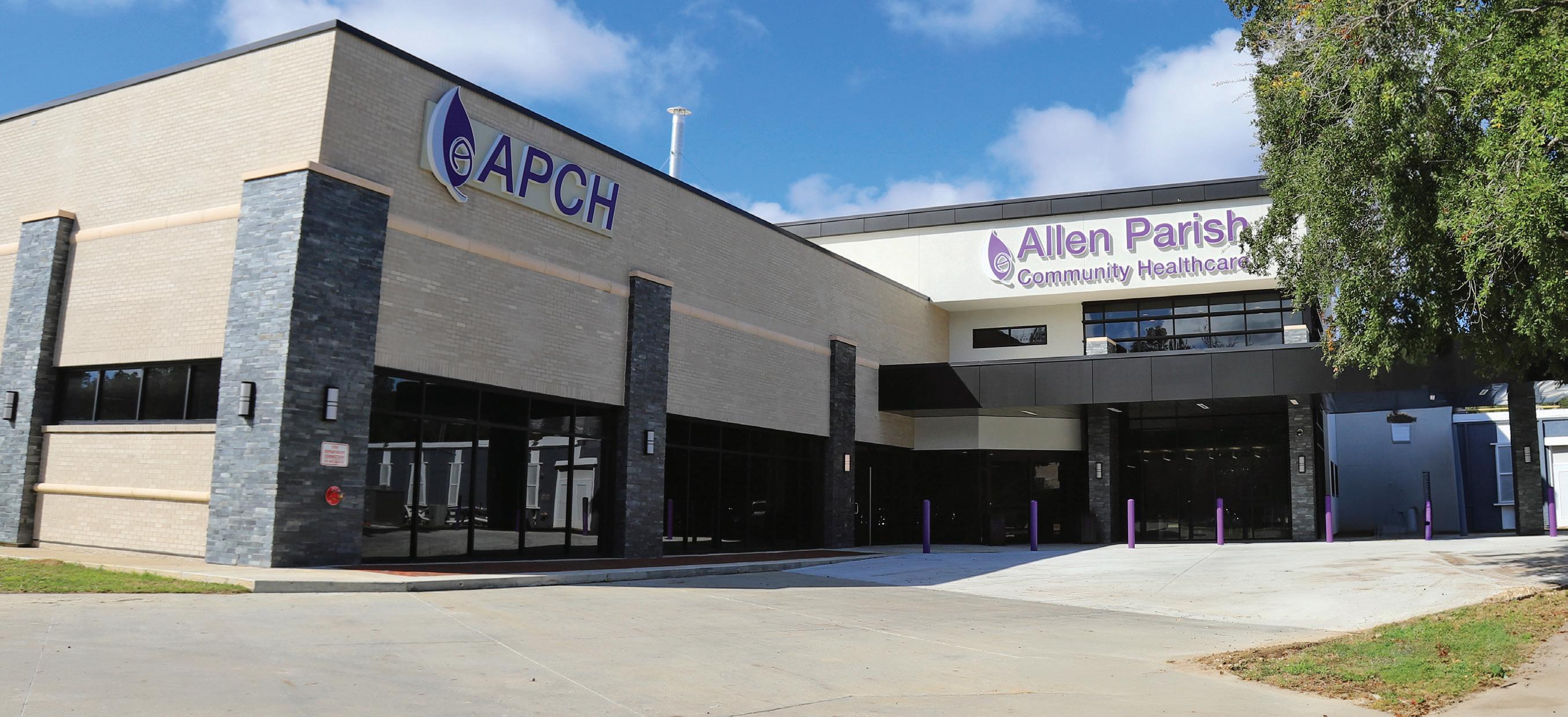
A better surgical outcome begins with us. For more information about surgical services at Allen Parish Community Healthcare, call 337-738-9494.
by Tori Whittaker



For many, the arrival of spring signals the beginning of sneezing, sniffling, itchy eyes and more. It’s peak allergy season.
“In the spring in this region, tree pollens are very high and trigger allergies in many people,” says Victoria McDaniel, DNP, FNP, with Imperial Health Urgent Care. “Right now, grasses are just starting to release their pollens and will peak in the summer. Mold spores, animal dander, dust mites and cockroach allergens are present all year round, so while some individuals may suffer more in the spring, allergy season really can be a year-round experience in Southwest Louisiana.”
She says many patients mark the changing of the season by when their allergy symptoms appear. These can include:
• Sneezing and runny nose
• Nasal congestion
• Itchy, watery eyes
• Scratchy throat or postnasal drip
• Sinus pressure and headaches
• Fatigue due to disrupted sleep from congestion
“Usually, over-the-counter medication is enough to relieve allergy symptoms, but some cases may require medical attention,” says McDaniel. “We see many patients at our urgent care centers whose allergies have progressed into respiratory conditions. They often have concerns about whether their symptoms are from allergies, a cold, sinus infections, flu, pneumonia or COVID. And that’s why we’re here—to identify the cause of their symptoms and provide the right medication or referral for further treatment, if needed.”
McDaniel recommends seeking a medical evaluation if your allergyrelated symptoms persist and interfere with your daily life, and/or if you begin to experience:
• Severe congestion or sinus pain that doesn’t improve
• Difficulty breathing or wheezing
• Symptoms interfering with sleep or daily activities
• Signs of a secondary infection, such as fever or thick nasal discharge
In addition to seeking medical care, McDaniel says you can minimize allergy flare-ups by:
• Checking daily pollen counts and staying indoors during peak levels
• Keeping windows closed and using air purifiers
• Showering and changing clothes after spending time outdoors
• Washing bedding regularly to remove allergens
“Spring allergies don’t have to make the season miserable,” says McDaniel. “If your symptoms become too much to handle,
Imperial Health Urgent Care can provide quick and effective relief so you can get back to enjoying life.”
Imperial Health Urgent Care has locations in Lake Charles and Moss Bluff. The offices are open early, late and on weekends. No appointment is required. Visit imperialhealth.com to learn more.
Candyland
Face Painting
Coloring & Crafts
Activity Bouncers
Acadian
Lollie
Educational Materials
Carnival Games & Prizes
Kid ID Kits by Ward 3 Marshal Firetruck Seeds 4 Trees
Acadian
by Kristy Como Armand

How often do you think about taking care of your feet?
We count on them every day to get us where we need to go, but feet tend to be one of the most neglected parts of the body when it comes to health and preventive care. April is National Foot Health Awareness Month, a time to highlight the importance of proper foot care and prevention of
common foot-related issues.
Dr. Tyson Green, foot and ankle specialist with the Center for Orthopaedics and director of the CHRISTUS St. Patrick Podiatric Medicine and Surgical Residency Program, encourages people to use this awareness month to show a little love to your feet. "Did you know that about 20% of Americans face at least one foot issue every year?” he asks. “And
it’s not uncommon for a patient to come in for a concern about their foot—pain or a change they’ve noticed—and find out it is actually a symptom of a different health problem. Your feet can serve as an early warning system for more serious underlying health concerns, including diabetes, cardiovascular disease, autoimmune disorders, thyroid problems and more, if you pay attention.”
Dr. Green recommends the following foot care tips:
Inspect Your Feet Regularly: Check for cuts, blisters, swelling or changes in skin color that could indicate underlying issues.
Wear Proper Footwear: Choose supportive, well-fitting shoes that provide adequate cushioning and arch support.
Practice Good Hygiene: Wash your
feet daily, dry them thoroughly and keep toenails trimmed to prevent fungal infections.
Stay Active: Regular exercise promotes circulation and helps prevent conditions like plantar fasciitis.
Manage Chronic Conditions:
People with diabetes or circulatory issues should pay extra attention to foot care and schedule regular check-ups with a foot specialist.
Taking a proactive approach to foot health is good for your feet and can also prevent pain, infections,

and long-term complications that can impact your overall health, according to Dr. Green.
He says symptoms to be alert for include pain, numbness, clubbing of the toes, toenail changes, persistently cold feet, skin changes or a sore that doesn’t heal. “If you experience these or any concerning changes in your feet, don’t ignore them," Dr. Green adds. "See a doctor to have your symptoms evaluated. Not only will your feet benefit, but you could also be preventing more serious health problems from developing.”
To schedule an appointment for a foot problem, visit www.centerforortho.com or call the Center for Orthopaedics at (337) 721-7236.


Whether

What does it mean to be successful? You will get a different definition from every person you ask. What looks like success for one person doesn’t necessarily translate to the same thing for another. But one thing is for certain: there are stellar people in the local community who are excelling in their careers and being significant catalysts for change and improvement in SWLA, whether that’s through new community initiatives, festival planning or volunteering at nonprofits. Keeping with yearly tradition, Thrive honors 13 men and women in their 30s for their unique skillsets and leadership qualities in the community. Over 120 nominations were submitted, and without further ado, here are 2025’s 13 Thriving 30-Somethings.






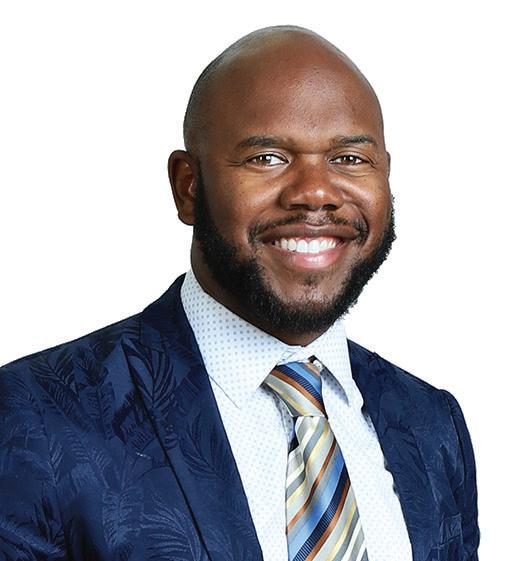


















Ormise Scott’s passion “lies in mentorship, youth development, and leadership training,” something he brings to the table at his current job as a sales consultant at Bolton Ford. Originally from Addis, Louisiana, Scott earned a degree in management from the University of Louisiana at Lafayette before beginning his career with Target in Houston, Texas. “By age 28, I was managing my own store, leading 100+ employees and overseeing $30+ million in revenue. This experience shaped my leadership philosophy, teaching me how to manage teams, drive success and inspire others.”
At Bolton Ford, Scott is a sales aficionado, winning Top Salesman of the Year in 2024. He also focuses on mentorship, leadership development and community impact, and leads the Bolton Ford bible study, which he says, “fosters spiritual growth and accountability.”
Scott is involved with Fusion Five, Christian Youth Theatre (CYT), Boys Village, and Champions of Hope with the American Cancer Society. Additionally, he takes part in “career days, leadership sessions and mentorship programs to connect with audiences in faith-based, corporate, and educational settings.”
Scott believes “success isn’t just about personal achievement—it’s about helping others rise” and credits a visit to Martin Luther King Jr.’s gravesite with “solidifying” his purpose. He stood there and thought, “I want to make an impact so strong I don’t need a tombstone—because my legacy will be written in the lives of the people I’ve touched.”
In addition to his day job and volunteerism, Scott has published two books, Redeeming the Times and The Next Level, which “focus on faith, leadership and successful principles to help individuals grow in life, business and purpose.”
In addition to Scott receiving the Salesman of the Year recognition in 2024, his wife, Danielle, a teacher at Combre Fondel, was name Teacher of the Year and his daughter, Lauyrn, was named Student of the Year at Combre Fondel Elementary School the same year. His son, Ormise Scott III, is active with his chess club and was recently crowned Mardi Gras King for reading achievements. “My wife and my children are my greatest blessings. They are the reason I work hard, serve faithfully and dream big,” Scott says. “Everything I do is ultimately about building a legacy of faith, integrity and impact for them and for future generations.”
If you could design a special edition Monopoly set, what would the theme be?
If I could design a special edition Monopoly set, it would be called Kingdom Builders—a game where the goal isn’t just wealth accumulation but legacy-building, mentorship, and generational impact. Instead of simply buying properties, players would invest in businesses, schools and leadership programs that uplift communities. Success would be measured not just by money, but by how many lives you’ve impacted along the way.

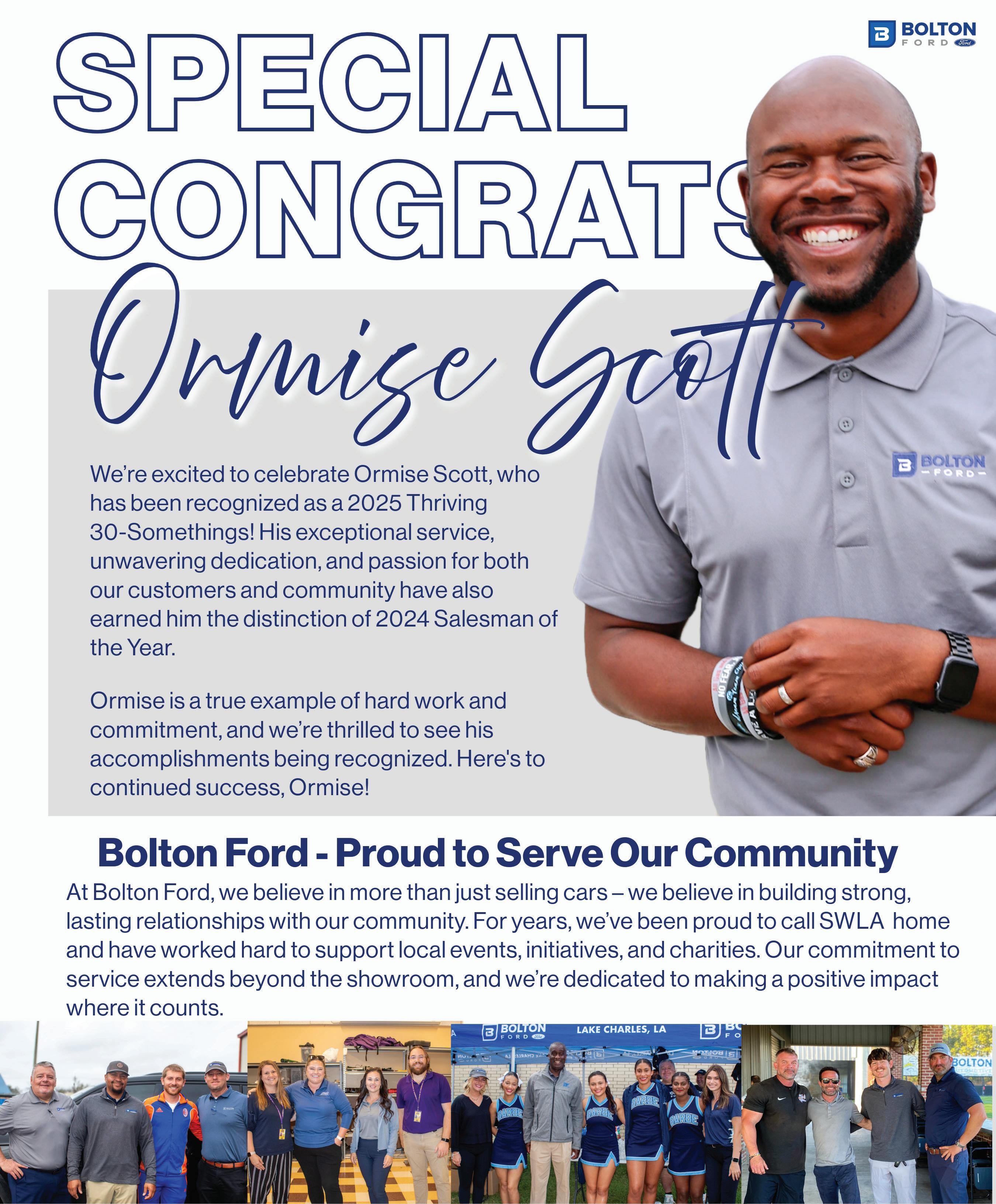
Paige Elliott Vidrine credits her family with instilling in her the qualities she needs for success. “My mother and father raised me with high values for excellence, success, ingenuity and courage. From a young age, I’ve worked in one of the hardest industries, being trained for difficult situations. My family has always led with compassion, and it’s been the cornerstone of my value system as I’ve matured.”
Vidrine was born and raised in Lake Charles, Louisiana, and received the training she would need for her future professional endeavors by working her way through the ranks of Steamboat Bills, her family’s restaurant, before attending college at Baylor University. Upon returning home, Vidrine managed Steamboat Bills under the tutelage of her mother. “She taught me the value of hard work and excellence in all of my endeavors.”
After serving in that capacity for a few years, Vidrine channeled her energy into several different business ventures. She became a real estate agent, a daycare owner, a life coach and then a restaurateur, taking ownership of Buffi’s Peaux Boys, a New Orleans inspired restaurant, in 2014.

Art is also a large part of Vidrine’s life. She published a children’s book called Hannah From Louisiana: Adventures of Steamboat Bills, which teaches kids about work ethic. She’s also recently completed her first novel. Vidrine branched out from writing in her late 20s when she become interested in abstract art. She now has paintings hanging in pride of place at Restaurant Calla.
As far as her coaching work, Vidrine labels herself as a spiritual coach and meditation teacher. “My work is built on my personal code of excellence I stand on. I’m not just a restaurant owner; I’m a community leader. My goal is to set a strong example for resilience, unity and higher levels of belief. Watching people find their greatness is a priceless gift.”
Vidrine saw the needs of local community after Hurricane Laura and decided to be a leader for change. “I created the largest restaurant centered food drive and and used sweepstakes funds to put a majority of the murals downtown under the Art To Inspire Mural Project.” Vidrine then established the Art To Inspire Mural Festival and the SWLA Yoga Fest.
Quick to give credit where it’s due, Vidrine says she couldn’t have aspired to the position she is in today without her support system. She thanks her team at Buffi’s and their “commitment to excellent service” and dedicates her title as a Thriving 30-Something to an extended list of people, including her late brother, Christopher Nicholas Vidrine; her parents, Kathi and Bill; her sister, Buffi; her friends and staff; and Christ Jesus.
By the time I’m 55, I aspire to be a bestselling author and highly sought after public speaker who inspires women of all shapes, sizes, colors and ethnicities to harness their power of resilience, courage and excellence to build their lives into something more beautiful than they could imagine.
I see myself being a major player in the expansion of Buffi’s and Steamboat Bills, using portions of the profits to enhance the cities where my restaurants are located. My teams will be inspired and the systems I create will be based on the idea that my employees deserve a great quality of life.
I’ll be leading meditations for massive crowds, making the art of meditation simple and easy for the masses. All in all, I want to be used as a vessel for Christ’s energy and to live by the calling placed in my heart.
Paige Manuel believes being a true Thriving 30-Something means “being someone who continuously seeks ways to uplift others, stepping beyond their own comfort zone to make a lasting difference.” For Manuel, success is measured not by personal milestones but by the positive influence she can have on those around her. “Leadership is about service,” she explains. “The real reward in excelling at what I do comes from empowering others—helping them build confidence, recognize their potential, and grow into the best versions of themselves.”
Born and raised in Lake Charles, Louisiana., Paige earned a bachelor’s degree in accounting while completing an internship with McElroy, Quirk & Burch. Today, she serves as Financial Controller at Citadel Completions, based at Chennault International Airport.
Beyond her career, Paige is dedicated to strengthening her community. She serves on the board of Family and Youth Counseling Center, actively volunteers with Second Harvest Food Bank, is involved with the Community Foundation, and is a member of both the Louisiana Society of CPAs and Fusion Five. “I’ve experienced firsthand how one person’s kindness can be life-changing,” she says. “That’s why I strive to be that person for others—whether it’s mentoring young professionals, supporting organizations that uplift children and families, or simply offering encouragement when someone needs it most. Even small acts of service create ripples of change. Our communities face challenges and I believe it’s up to all of us to step up and make a difference.”
Paige credits her mentor, Noel Christen, and her mother for instilling in her the values of kindness and generosity and draws inspiration from Simon Sinek’s Leaders Eat Last, which reinforced her belief that true leadership is rooted in service. “When we focus on helping others, we see the world through a different lens—one of compassion and responsibility. Whether through direct action or supporting those who serve, we all have the power to create change. My hope is to inspire others to give back, step into their full potential, and be a force for good.”
If you could design a special edition Monopoly set, what would the theme be?
Philanthropy Monopoly—where players invest in charities and social causes, earning Goodwill Points instead of money, and Community Chest cards represent real-life donation opportunities. The goal wouldn’t be accumulating wealth, but making the biggest impact on the world.


Dr. Richard Roe IV lives by the motto, “Always leave things better than you find them.” Born and raised in Jennings, Louisiana, Roe says, “This principle guides everything I do, from my professional career to my community service.”
Roe finished his high school education after his family moved to Lake Charles, graduating from Barbe High School before attending Louisiana Tech to pursue an undergraduate degree in biology with a minor in chemistry. After graduating, he attended medical school at LSU Health Sciences Center in Shreveport and was granted an anesthesiology residency at Ochsner Clinic Foundation in New Orleans. He is currently the medical director of the anesthesia department at West Calcasieu Cameron Hospital (WCCH) and president of the medical staff.

Previously a part of the Lake Charles Memorial Hospital Foundation Board, Roe was involved with the Inaugural Cancer Gala. “This cause is close to my heart, as my father lost his battle with colon cancer at just 52 years old. As a dedicated nurse at LCMH, his legacy now lives on through the Infusion Center, which my family named in his honor.” Roe now sits on the WCCH Foundation Board, which helps organize the Ethel Precht Breast Cancer Walk, the Mac Burns Golf Tournament, and the Wine Down event, which benefits WCCH’s Community Health Center. He also serves on the SOWELA Foundation Board. “This institution is transforming lives in Southwest Louisiana by equipping individuals with the skills necessary for a strong workforce. Contributing to this mission has been incredibly fulfilling as I believe investing in education strengthens the future of our community.”
Roe credits his mentor, family friend and physician, Dr. Louis Shirley Jr. with inspiring him to be the best physician and person he can be. “He never turned away a patient, practicing medicine not for recognition of financial gain but out of a deep love for humanity.” He also thanks his mother, Jackie Roe, “whose unwavering support and encouragement helped me pursue my dreams," and his partner, Michael Paul, “who continuously pushes me to excel in all aspects of life.”
If you could design a special edition Monopoly set, what would the theme be?
It would be called Operation Monopoly. Inspired by my childhood memories with both Monopoly and Operation, this version would blend elements of both games. The game pieces would represent extracted parts from Cavity Sam, while the board spaces would feature different hospital departments, making it both fun and educational.


Hillary Robertson is no stranger to owning and operating a business. In fact, she opened a dance school while a senior at McNeese State University pursuing an undergraduate degree in General Studies. “It was a crash course in Business 101 that taught me invaluable lessons. From there, I moved into clinical management, working for an urgent care and then an aesthetic medicine clinic, which prompted me to pursue a master’s in healthcare administration from Louisiana State University in Shreveport. Meanwhile, my husband and I were establishing our own businesses.”
Robertson was born and raised in SWLA and has two children with her husband Trent. Together they own and operate Planet Nutrition in both Lake Charles and Moss Bluff, and co-own Coffee:30 and Louisiana Coffee Company alongside Joshua and Taylor Smith. In addition to juggling her daily duties as a part of several thriving businesses, Robertson is also the director of accounting for the Graywood Golf & Racquet Club.
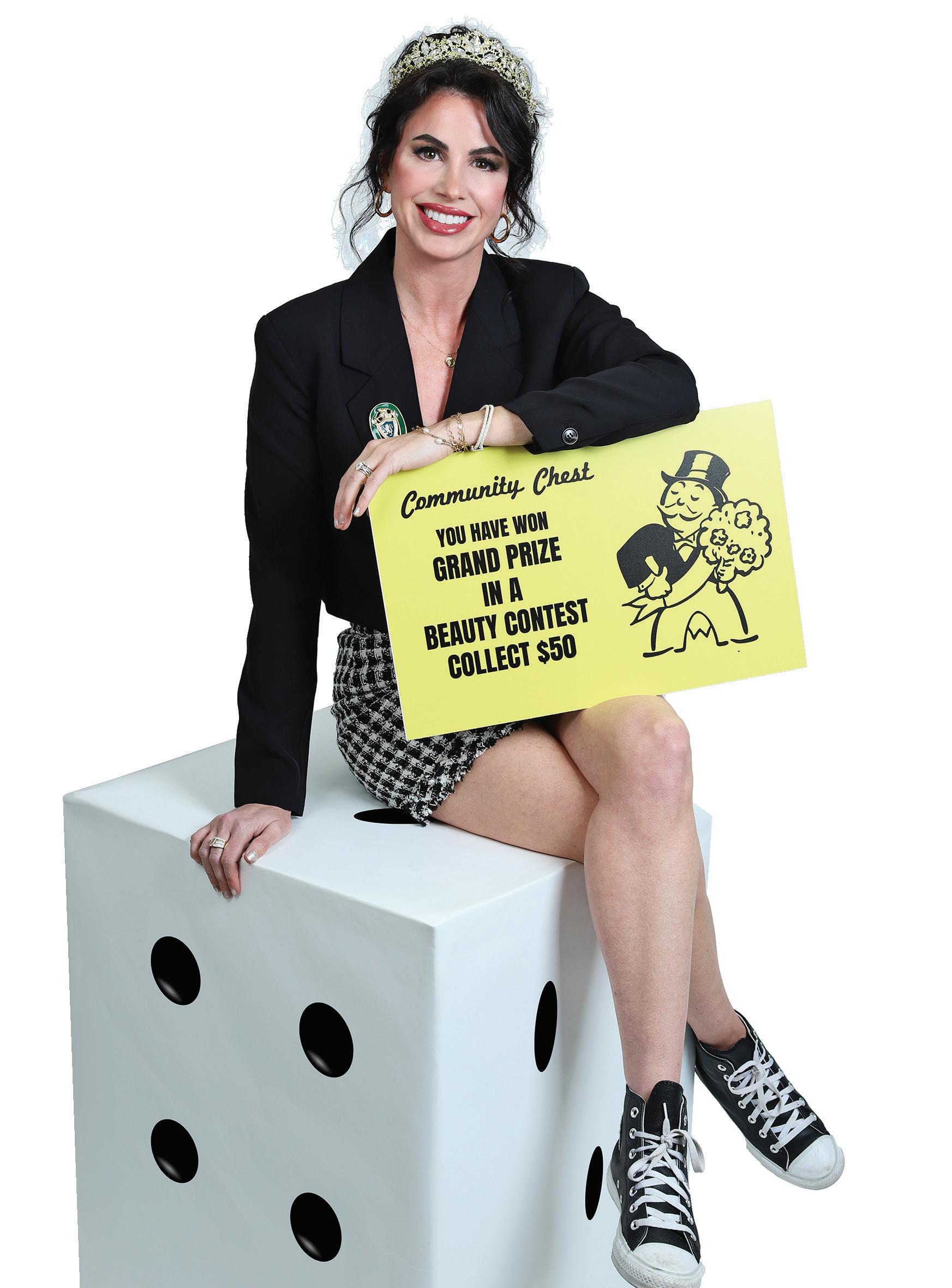
Robertson is currently pursuing a master’s degree in forensic accounting through Stevenson University. “My goal is to become a Certified Fraud Examiner and lend my time as a resource for both small business owners and local law enforcement in the fight against fraud and embezzlement. Small businesses are the backbone of our community, and they deserve every possible opportunity to thrive and be protected.”
To encourage art engagement in the local community, Robertson serves as a board member for the Lake Charles Symphony. “I’m a firm believer that music and arts should be accessible to everyone and that engaging younger generations and keeping the arts in schools is vital. If by volunteering I can help the arts impact even one child the way the arts impacted me, the effort is worth it.”
Robertson had a strong support system as a child that inspires her to this day. “My drive, focus and work ethic come from the foundation instilled in me by my parents and, in particular, through ballet with the late Lady Leah Lafargue,” Robertson says. “Lady Leah was an entrepreneur, a fierce champion for the arts, a supporter of higher education and deeply devoted to our community. She made you believe that with dedication, hard work, integrity and giving back, anything was possible.”
When considering the title bestowed on her as a Thriving 30-Something, Robertson says there’s a certain amount of dissonance that comes with the honor. “I always feel like I’m still on my way somewhere, with work still to do to get there!”
If you could design a special edition Monopoly set, what would the theme be?
Coffee Shop Edition! Swap houses and hotels for pop-up carts and franchise chains. Chance cards include: “Customer wants oat milk but you are out - pay $50 refund” and “Pumpkin spice season starts early - collect $500!”
West Calcasieu Cameron Hospital proudly celebrates Richard Roe IV, MD, for being recognized as a 2025 Thriving 30-Something. Dr. Roe is the Medical Director of our Anesthesia Services, the President of the WCCH Medical Staff, serves on the WCCH Foundation Board and was recognized as a Physician of Excellence in 2024. His leadership and dedication to our patients make a lasting impact on our community.
This honor is well-deserved and we thank Dr. Roe for his commitment to caring!







Dalton Hinton was born and raised in Lake Charles, Louisiana, and graduated from Sam Houston High School. He went on to earn a bachelor's degree in general studies from McNeese State University, followed by a master's degree in business administration from Louisiana State University Shreveport in 2018. As a first-generation college graduate, Hinton's academic journey was a significant milestone for him and his family. After completing his education, he began his career as the special events and promotions coordinator at Golden Nugget Lake Charles. He later moved on to become the marketing manager at Broussard Knoll Law Firm, and in 2018, he joined Lamar Advertising, where he currently serves as an account executive. When reflecting on what it means to thrive, Hinton shares, “Through my work at Lamar, I’ve had the privilege of meeting and collaborating with many talented nonprofit leaders and entrepreneurs in our area. Seeing small businesses grow and strengthen their brands is incredibly rewarding. Ultimately, watching others thrive motivates and inspires me to push forward each day. However, excelling in your profession is just the beginning.”
Hinton describes himself as someone with a larger-than-life personality who strives to maintain a positive attitude, even in the face of life's challenges. He adds, “I’m someone who can easily empathize with others, and I believe my life experiences have shaped this skill. I had to mature quickly after losing my parents at a young age. Despite the hardships, I’ve learned invaluable lessons, including how to overcome obstacles along the way.”
Volunteering holds a deep significance for Hinton, as his family and community came together to support him and his twin brother, Dylan. Over the years, he has dedicated his time to various community organizations such as Big Brothers Big Sisters, the Salvation Army, Abraham’s Tent, United Way of Southwest Louisiana, Families for Inclusion, Second Harvest Food Bank, and Families Helping Families, among others. Hinton also serves as the president of the Lake Charles Rotary Club. “I’ve always felt a strong calling to give back because I’ve greatly benefited from the kindness and generosity of others in my childhood,” he explains. “I wouldn’t be where I am today without the support of my community and their charitable contributions.”
I hope to still be thriving in my career 20 years from now, working to elevate local brands and small businesses across Southwest Louisiana through Lamar's billboard network,” he says. “Also, in 20 years, I hope to be managing a team of young, talented individuals who share the same goals and values. I’m excited to continue giving back to

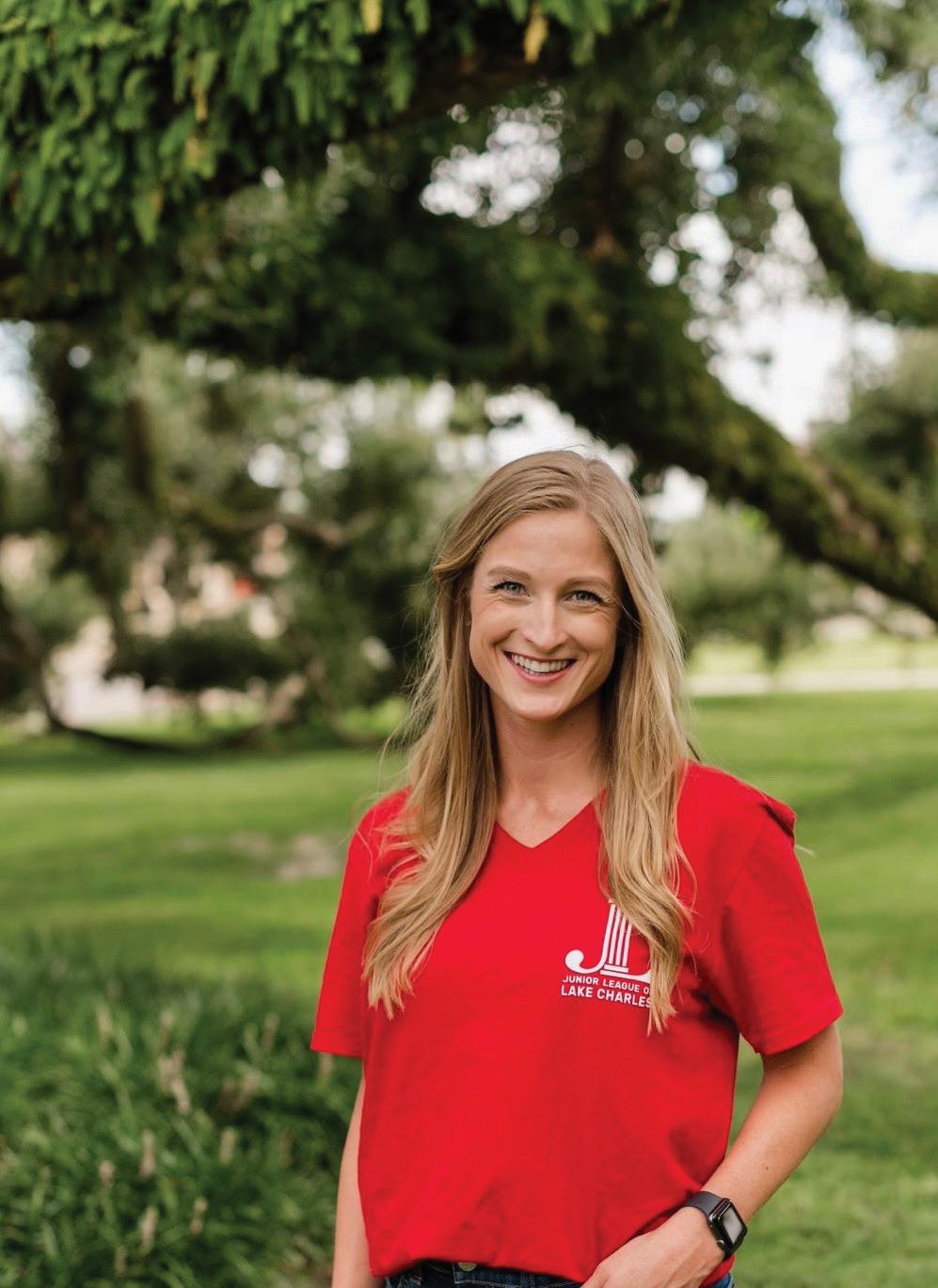
The Junior League of Lake Charles has been serving, strengthening, and sustaining our community for over 90 years. Lauren joins an impressive legacy of Junior League women who have previously earned this distinguished honor.

Hillary Green
Rachel Garner
Beth Melancon
Aryca Bussell
Eloise Pruitt
Erika Garrison
Marcell Gary
Hope Buford
Krickett Racca
Sierra Higgins
Kaitlyn LaBove
Jessica Stewart
Tabitha Nichols
Terra Jones
Makeitta Citizen
Ann Barrilleaux
Haleigh Lyons
Stephanie Karpovs
Emily Parker
Ashley Williams
Kellery Barton
Carrie LaFargue
Julie Darbone
Brittany Chavis
Whitney Moss


Lauren Olsen is proof that women can excel in STEM! As the continuous improvement manager for the Operational Excellence Team at Sasol, she oversees international chemicals at Sasol.
Originally from Mandeville, Louisiana, Olsen says she became a “traitor” when she attended college at The University of Alabama. While majoring in chemical engineering, she was introduced to SWLA while working a summer internship at Axiall, now Westlake Chemical. “After ‘summering’ in SWLA for two years, I accepted a full-time position at Westlake Chemical upon graduation.” She spent six years at the facility before transferring to Sasol.
Olsen worked as an engineer for nine years, assisting with day-to-day troubleshooting in process units and planning and implementation of short- and long-term projects.” She was recently promoted to continuous improvement manager where she is focused on implementing strategies to enhance organizational growth and efficiency.
It took a while for Olsen to settle into her new home. “After Hurricane Laura, my perspective on SWLA shifted. I stopped seeing myself as an outsider and became deeply invested in this community. As an engineer who values well-thought-out plans, I was inspired by the strategic vision of the Just Imagine projects and saw the potential SWLA could have if more people stepped up to drive the needed progress. That moment led me to take on leadership roles.”
Olsen has been a member of the Junior League of Lake Charles for eight years, serving in various leadership positions. She’s also a member of the Community Foundation of Southwest Louisiana and president of the Lake Charles Alumnae Chapter of Pi Beta Phi Sorority. Through Sasol, she volunteers at community events with the Sasol for Good initiative. She’s also on the board for the This Is Home Fest and has been president for two years. “After attending This Is Home Fest in 2021 and seeing firsthand how much Lake Charles needed an event like this, I knew I had to be part of it. My volunteerism gives me a sense of fulfillment that my career alone cannot provide. My passion for service is rooted in the belief that a thriving community starts with engaged individuals.”
Olsen’s husband E.J. is also an engineer in the chemical industry. “I am thankful for his support in all of my commitments,” Olsen says. To destress, the couple likes to travel, relax poolside and exercise their Dalmatian, Domino.
If you could design a special edition Monopoly set, what would the theme be?
It would be called “Oh, The Places You Will Go”—a travel themed Monopoly


Candy Rodriguez’s cheerful face is one many locals are familiar with. SWLA was first introduced to her during her tenure as a journalist at KPLC-TV and now as the director of communications at Visit Lake Charles.
Originally from Reedley, California, Rodriguez’s family moved to Anahuac, Texas, which is ironically the Alligator Capital of Texas. After graduating with a bachelor’s degree in political science with a minor in communications from Lamar University in Beaumont, Texas, Rodriguez began her journalism career right here in SWLA. She describes the area as “a place I fell in love with and that has embraced me in return.”
After two and a half years in SWLA, Rodriguez took a job at KXAN-TV in Austin, Texas, but returned because “my heart remained in Lake Charles.” A large part of that decision was the fact that her boyfriend lives here. Once she returned to the city, “it truly felt like a homecoming.”
During her decade covering breaking news, Rodriguez “covered everything from historic weather events to human interest stories. I even had the once-in-a-lifetime opportunity to report from Japan on the 2020 Olympic Games in Tokyo in the midst of the COVID-19 pandemic.” Today, as part of the bustling Visit Lake Charles team, she says, “I’m grateful to work for a community I love and to have the privilege of sharing its story with the world. I enjoy connecting with and hearing people’s stories, understanding different perspectives and learning from those around me.”
A people person at heart, Rodriguez loves volunteering. “Whether it’s spending a Saturday morning pumping up a crowd by emceeing an event, judging a local competition like the Nursing Home Association’s Senior Olympics or ringing the Salvation Army bell at Christmas to raise funds for our community, I do my best to lend a helping hand when I can.”
Reflecting upon being named a Thriving 30-Something, Rodriguez says credit is due to her parents. “Everything I do, I do for them. My parents immigrated from Mexico when they were young, building a new life that made mine possible. Their sacrifices paved the way for the opportunities I have today. I carry their strength and perseverance with me, honoring them by working hard and being a good human. They instilled in me a strong work ethic, empathy and respect for others–values that continue to guide me in both my life and career. I’m proud to be their daughter.”
Retired and traveling the world–because in 2033, I will hit the record-breaking U.S. lottery jackpot of $319 billion! I’d use that money to support my family, friends, co-workers, neighbors and our community by helping fight food insecurity through organizations like Abraham’s Tent and Second Harvest Food Bank.


Congratulations to Kayla Vincent, CPSO Public Information Officer, on being named a 2025 Thriving 30-Something!
Her commitment to keeping our community safe and informed is a vital part of our organization.

CONGRATULATIONS! CANDY RODRIGUEZ Director of Communications 2025 THRIVING 30-SOMETHING from all of us at

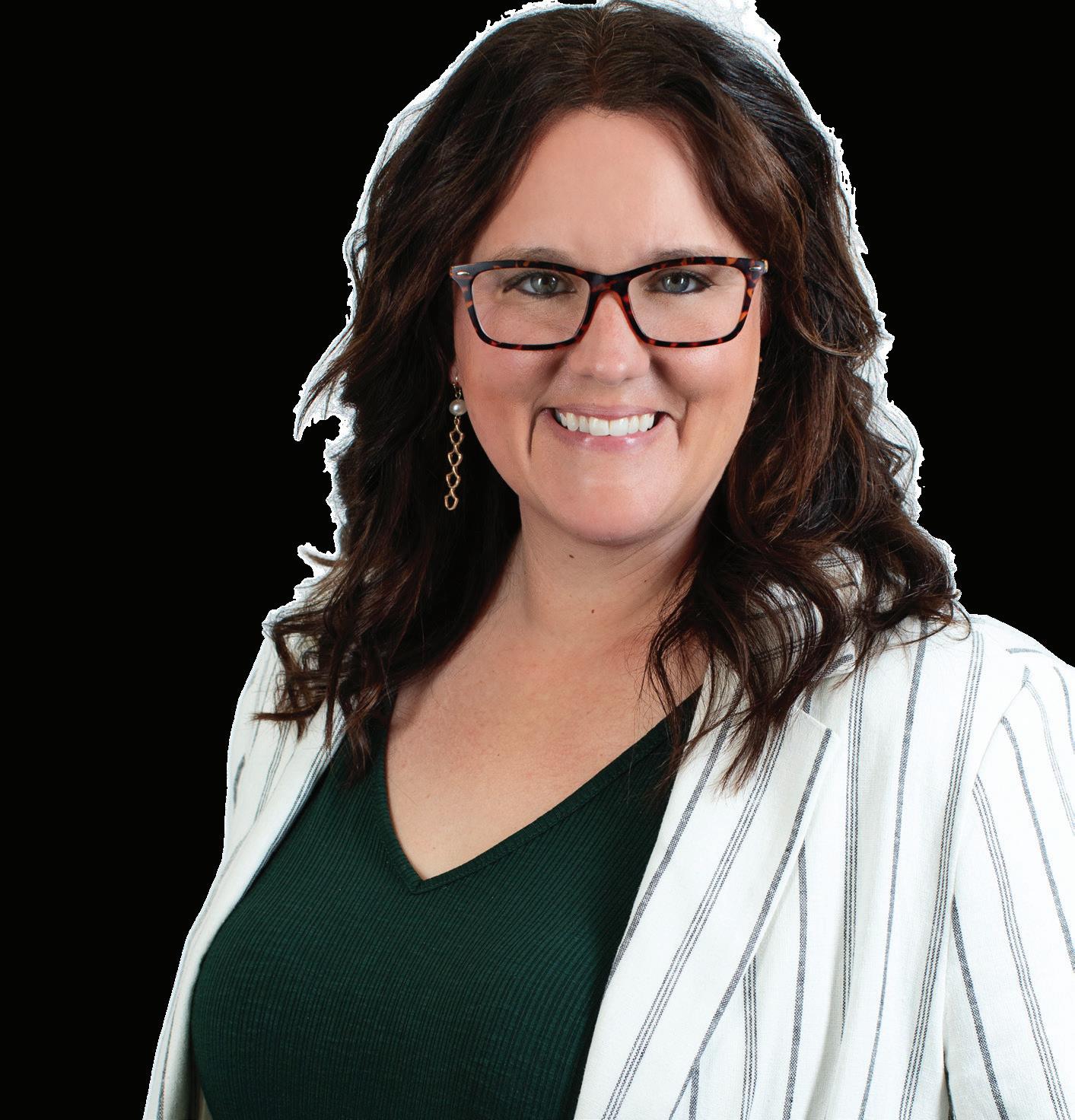
Public Information Officer, Community & Media Relations

Life did not go as planned for Kayla Vincent when she gave birth to a son at a young age. “I quickly realized the path I thought I would take in life was likely not my reality. I became a single mom and attempted to finish college. If anyone finds themselves in a similar situation—having a child at a young age and feeling like the cards are stacked against you— remember, you can accomplish anything you set your mind to. Times might be hard for a while, but if you work diligently, set goals and stay focused, you can build a life you are proud of. I’m living proof!” Vincent is now part of a blended family, including a 16- and 6-year-old son, her fiancé and his
Vincent was born and raised in Lake Charles, Louisiana, and graduated from Barbe High School. She grew up in a tight-knit family who helped her become who she is today. While she was attending McNeese State University and trying to make ends meet as a single mom, her mother, who worked at the Calcasieu Parish Sheriff’s Office, encouraged her to apply at the agency for a part-time job. “I would come in on evenings and weekends to manually enter patrol reports and citations into the system. I quickly realized school wasn’t for me, so I applied for a full-time job at CPSO and was hired in the ID/Records Division.” Vincent moved on to the Enforcement Division as a timekeeper for patrol before becoming administrative assistant to Assistant Chief Deputy Bubba Mayeaux. Next, she worked as administrative assistant to the public information officer, Kim Myers. Vincent was appointed public information officer for Sheriff Tony Mancuso, and this year was named public information officer and overseer of community and media relations by Sheriff Stitch Guillory.
“In my job, being able to communicate with the public during major incidents, security concerns or emergencies—giving them the information they need to stay safe—makes me feel like I have accomplished something. Even if one person benefits from the work I do, it is worth it,” Vincent says. “I also believe it is our responsibility, as parents, to do everything we can to make the world a better
In 20 years, I should be retired – hopefully! I picture myself traveling, enjoying a laidback lifestyle and soaking up life without a packed schedule. More than anything, I hope to be following my sons in whatever endeavors they choose to pursue, cheering them on every step of the way. So, in 20 years, I see myself enjoying life with my fiancé and being present for the people who matter the most.
This ideology is evident in her volunteer work, which has included being the law enforcement torch run coordinator for the Southwest region for Special Olympics Louisiana and the polar plunge coordinator for the Southwest region (an initiative that raised money for the local Special Olympics). Currently, she serves on the Communications Committee for the Alliance to Fight Human Trafficking in SWLA. On being involved with the Alliance to Fight Human Trafficking in SWLA, Vincent says, “Human trafficking is a real issue in our community and being a part of an organization that is actively working to combat it is something I am passionate
Erin Abrams says, “I never really knew I wanted to be an attorney until I closed my eyes and picked the profession. I’m lucky my career clicks with my brain.”
Abrams attended San Diego State University, graduating with a bachelor’s degree in political science. She’s held jobs as a camp counselor, swim coach, nanny and in the wedding and service industry before becoming a partner and attorney at The Johnson Firm.
Born and raised in Orange County, California, Abrams moved to Lake Charles in 2013. “It was a big change moving here at the time, and I’ve left occasionally, but have always made my way back to Lake Charles. The community here is like nothing I’ve ever experienced.”
After moving to Lake Charles, Abrams spent time in Montenegro when where she decided to apply to law school. She attended Law School in North Carolina before transferring to LSU to attend the Paul M. Hebert Law Center, where she finished her education. “After graduating, I took the bar exam, worked in different areas, and then joined The Johnson Firm in 2019, where I am currently a partner and trial lawyer. We do a considerable amount of pro bono work, and a large part of my practice in family law involves protective orders and emergency cases.”
Through her law profession, Abrams gives back through several related associations. She is the secretary for the Family Law Section of the State of Louisiana Bar Association, president of the SWLA Bar Association Family Law Section and a board member for the executive council for the SWLA Bar Association. She also helps coach the Barbe Mock Trial Team but insists most of the credit goes to students' hard work and teacher Bruce Sweatt. The Johnson Firm itself also hosts community events and fundraisers with which the staff assists.
Finding satisfaction in being involved with her new home, Abrams says, “I want to continue finding ways to serve SWLA, both in and out of the legal field. I watched my parents serve our community growing up and am inspired by them and others that I witness being dedicated to a cause. Being able to live in the community we serve is an added bonus.”
If you could design a special edition Monopoly set, what would the theme be?
It would be called Monopoly – Objection Edition. Every turn would come with a 20-page contract and waiver of liability. Free Parking? Sorry, that’s now a heavily litigated zoning dispute. Collect $200 Passing Go? Not without reviewing the community property implications first. By the time we’re done arguing over the rulebook, nobody’s having fun and the game ends when everyone settles out of court and agrees never to play again.



Jacqueline Clark is not only on staff at McNeese State University, she is also an entrepreneur. This work load requires many hours a week and Clark says her parents, Faye and Troy Clark, “have been my biggest supporters, instilling in me the value of hard work, generosity and perseverance.” She’s also thankful for her mentor Dr. Kedrick Nicholas “who showed me that leadership is not just about personal success but about uplifting others.”
Clark was born and raised in Lake Charles, Louisiana, but sets her sights on distant lands, traveling whenever she can. She earned her bachelor's degree in general studies from McNeese and began working at the university upon graduating. She began her career as a recruiter and admissions counselor while pursuing her master’s degree in higher education at Northwestern State University. After five years, she was made coordinator of the College of Nursing and Health Professions. Three years ago, she became the director of student organizations before being promoted to director of student engagement and leadership. She currently holds the position of director of first-year experience programs.
In addition to her work with higher education, Clark owns and operates Jacqueline’s Artsy Creations, creating backdrops for birthday parties and local events, which she has done for the last decade. She even has her own venue on Kirkman Street. This side hustle allows her a good deal of creative expression. “Painting is my relaxation time. I like to go into my shop and paint for hours to clear my head.”
Clark emphasizes, “Even with a busy schedule, I prioritize service because giving back is not just something I do—it’s part of who I am. My career at McNeese State University has allowed me to guide and mentor thousands of students, helping them find their place, develop their leadership skills and create unforgettable college experiences. For the past four years, I have donated my time and materials to decorate for the Junior League of Lake Charles’ annual Mistletoe and Moss event.” Clark has also volunteered to decorate for the Acton Children’s Business Fair and led philanthropic endeavors with the Greek students at university.
Familial bonds are key to Clark’s accomplishments. “My family is the foundation of my success, providing unwavering support in countless ways. As a single woman with no kids, managing everything on my own can be challenging, but I never feel alone because my family is always there where I need them. My parents have shown me the true meaning of love and support, while my sister, Lindsey, brother-in-law, Tyler, niece, Lena, my Mawmaw Shirly, and Aunt Becky have been by my side every step of the way.”
Where do you envision yourself in 20 years?
I would love to work on my business full time. I do love McNeese and would still want to be a part of the university in some way, but to create full time is the dream. I also want to have a team to run Jacqueline’s Artsy Creations so I can still be involved but also enjoy life and travel.
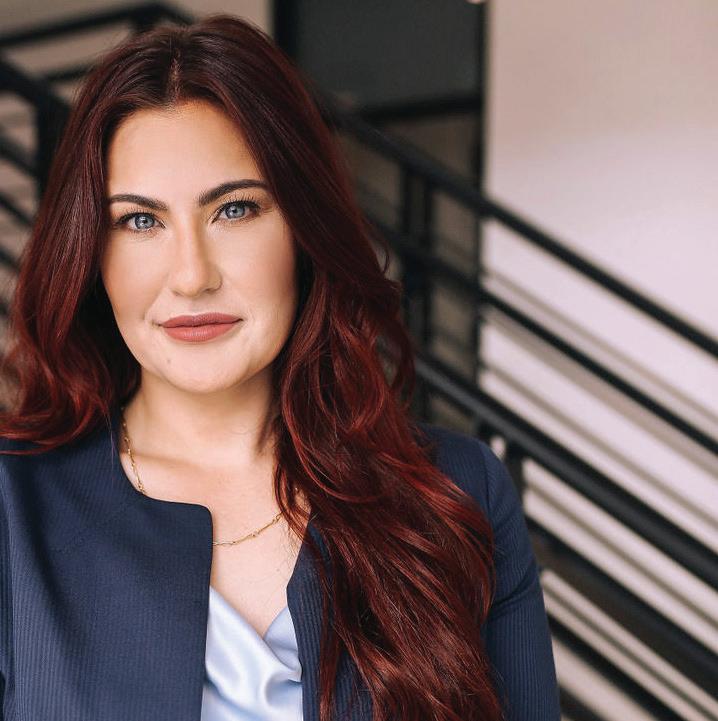










Amelia Hebert didn’t always dream of a career in the clouds. She originally had hopes of being a funeral home director. Once she realized how many science classes she needed to take to make that happen, she pursued a marketing degree at McNeese State University instead and became an intern at Lake Charles Regional Airport. After graduating, she spent time in casino marketing and at a car rental agency before returning to the airport. “My boss always told me once the aviation bug bites you, you will stay and never look back.”
While born in Lafayette, Louisiana, Hebert was raised in Lake Charles. She credits her parents with instilling a healthy work ethic in her. “Both of my parents worked hard during my childhood and into my adulthood to make sure my brother and I were going to Catholic school to get the best education we could and have faith in the center of our lives. They then supported me through college and I graduated debt-free.”
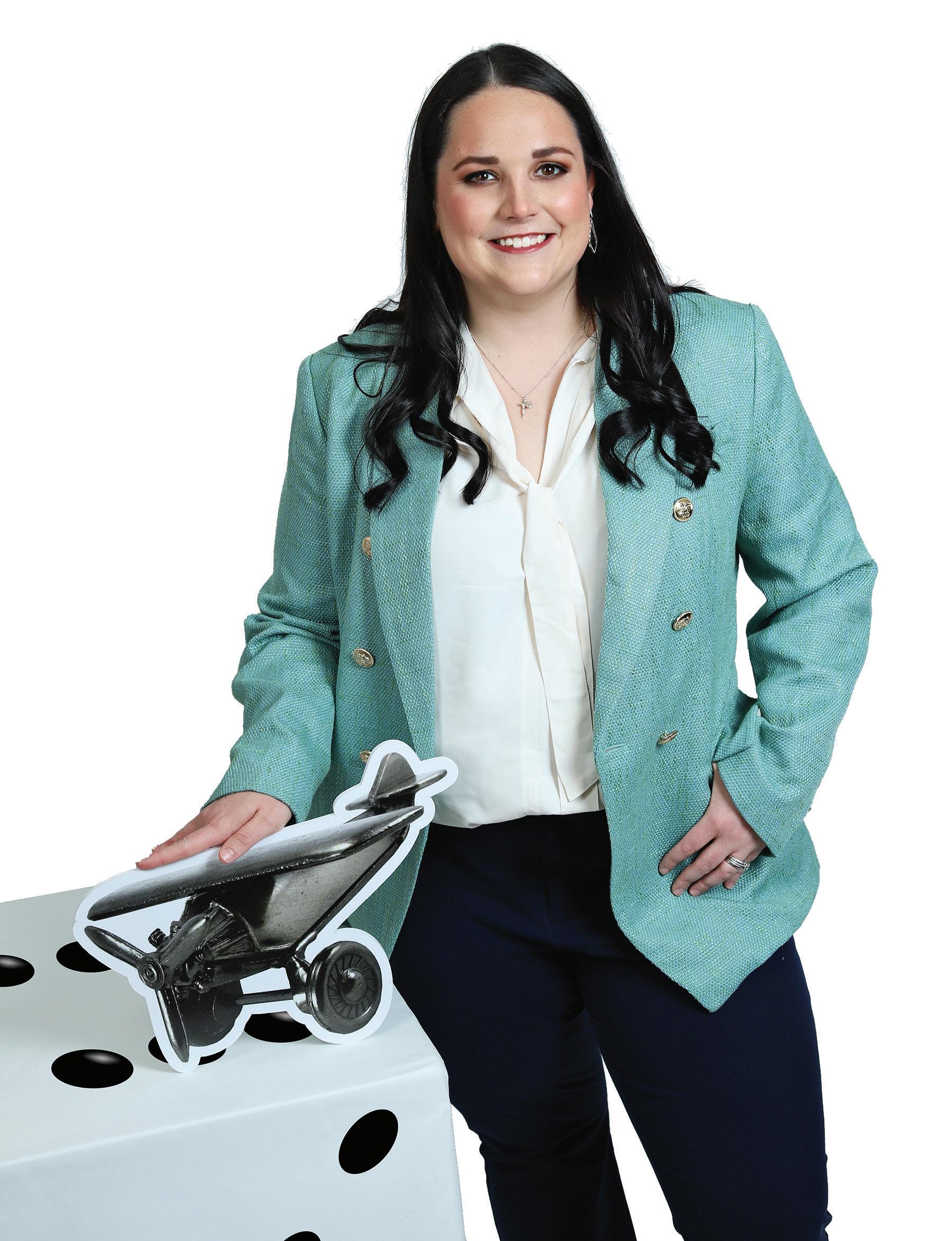
Now in her eighth year of working at the airport, Hebert says, “What drives me in my career is to see how our airport is thriving and having record months. We are the first and last thing people see when visiting, so we try to make the best first impression we can. The SWLA economy takes flight here.”
Hebert was matched with a mentor, Julio Galan, president and CEO of Family and Youth Counseling Agency, in 2024 through the Fusion Five Mentor Program. “He was my first mentor, and I never truly understood the benefit of having one until going through the program. Julio inspired me to break down my personal barriers and see my worth in my personal and work life.”
In addition to being the secretary for the Louisiana Airport Managers Association, Hebert is the marketing chair for Families for Inclusion, secretary for ABC Pregnancy Center Board and involved with other local organizations, including Fusion Five, SWLA Leadership Council, Louisiana Attorney Disciplinary Board, Greater Lake Charles Rotary Club, SWLA Pros, and the Children’s Advocacy Center. She’s also involved in a working mom’s group as she is mother to a son named Beau with her husband, Jake. “Being a full-time working mom, I have to juggle to make sure everything is taken care of. It’s a struggle at times but being a working mom is my best accomplishment.
In the next 20 years, I hope to be the first female airport director here at LCH. Before that happens, I wish to keep excelling in my current career and gaining all the knowledge I can.




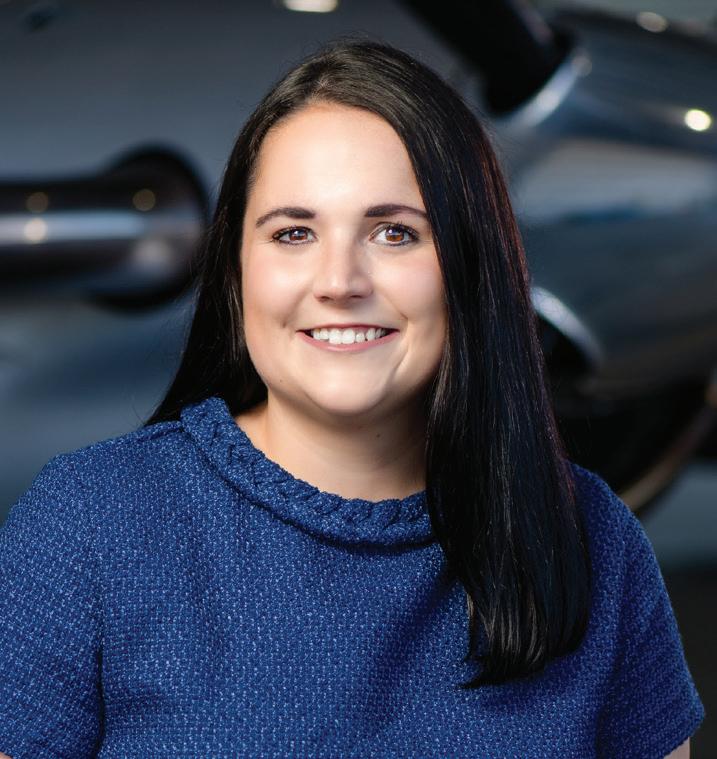
“Every new year I set a single resolution: Be better this year than I was the year before. Personally, professionally, it doesn’t matter. I just want to always do a little better, be a little kinder, help a little more than I did the year before,” Athena Gieger says.
Gieger grew up in Lebleu Settlement, a community on the edge of Iowa, Louisiana, where she now resides with her husband Zack, and Deets and Apollo, their two cats. She graduated from Iowa High School and attended McNeese State University to pursue a bachelor's degree in mass communications with a concentration in journalism. “While I’ve always loved to write and tell stories, it didn’t take me long to realize after graduation that a career in media was not for me. Luckily, I had started working at a local non-profit right before graduating.”
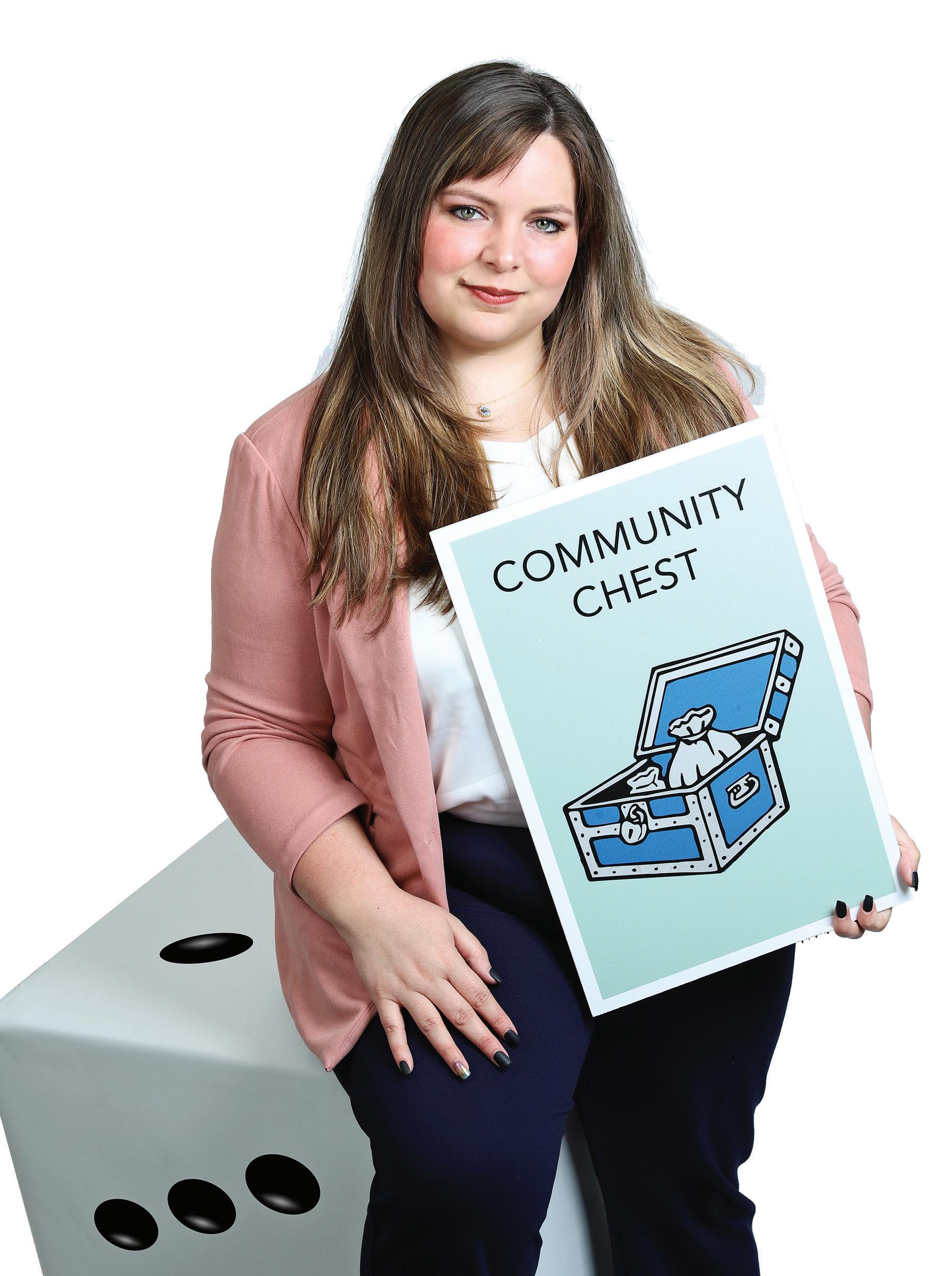
That non-profit happened to be Family and Youth Counseling Agency where Gieger has worked for the last 11 years, holding various positions before arriving at her current role, director of grants. “In my role, I handle the entirety of the grant process from start to finish for several applications annually. I love that I get to work for an organization that does so much good in our community and that I can put my talent and passion for writing to use in a way that helps and supports so many individuals and children in our community.”
Gieger has been an active member of Fusion Five since 2016, serving as liaison for Family & Youth before joining the board in 2023. She is now secretary of the board. Upon joining the board, she spearheaded the implementation of Fusion Five’s Mentorship Program which began in 2023. “This program gives our members the opportunity to connect with and learn from our community leaders. In its first two years, this program provided 28 members with mentorship opportunities. We’re looking forward to what year three holds.” Gieger is also a member of the Lake Charles Rotary Club, Bayou Writers’ Group and the Grant Professionals Association. Gieger’s passion for community service comes with the realization that “anyone can be one decision, one bad day, one missed paycheck away from needing support themselves. On the flip side, I know we’re also just one helping hand away from a completely different life. It’s that reality that drives me to help others. Every little ‘leg up’ can change someone’s future.”
envision
Professionally, I want to keep growing in my knowledge and grant skills. It’s my plan to sit for my Grant Professionals Certification in the next year or so. I’d love to become an expert in federal grants. There are so many needs in our community and being able to secure that level of funding would be life-changing for so many people. On a personal level, I hope in 20 years I’m a published author. I’ve been writing fiction since I was a teenager and, after quite a long hiatus, I’ve come back to my first passion. I’m currently drafting what I hope will be the first of many novels to come.



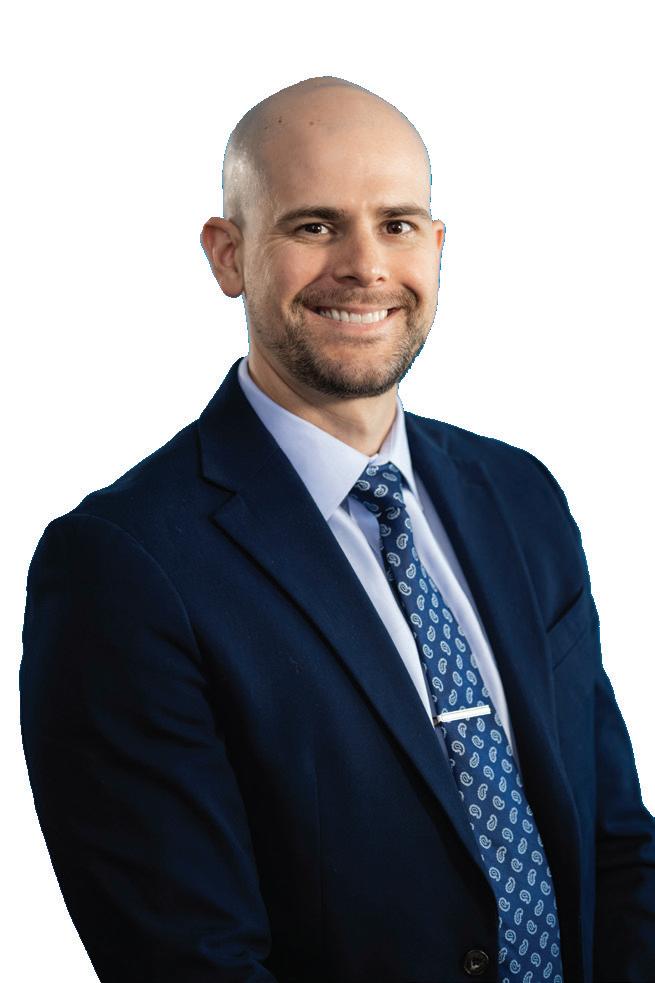
With over 44 years of experience in the financial industry, Dorene brings a wealth of experience to her new position with Lakeside Bank. Originally from Merryville, Louisiana, Dorene has held a variety of senior management positions in banking, most recently as an executive vice president for seven years with a local financial institution. She has an extensive background in consumer, residential and commercial lending. Dorene has completed numerous leadership training and compliance courses through the Louisiana Bankers Association and the American Institute of Banking. She is also a certified notary public. Let Dorene put her experience to work for you at Lakeside. Call her at (337) 502-4235
by Kristy Como Armand

Your 30s are a pivotal time for financial growth. By now, you are likely established and advancing in your career, earning a larger salary and making significant life decisions, such as buying a home, starting a family, or investing for the future.
“If you haven’t already, your 30s are the time when you need to make sure you’ve established smart financial habits that will provide a foundation for long-term success,” says Dorene Gothreaux, senior vice president with Lakeside Bank. “Set firm goals for your money so you can get where you want to be over the next few decades. That may include raising a family and planning for retirement.”
To help navigate this important stage of adulthood, Gothreaux shares some key money moves to make in your 30s to help you
achieve your future goals:
Build a solid emergency fund. If you haven’t already started an emergency fund, now is the time. Even if you can only save a small amount each month, consistency is key. Unexpected expenses—like medical bills, car repairs, or job loss—can derail financial stability if you’re not prepared. “Aim to have at least three to six months’ worth of expenses in an easily accessible savings account,” recommends Gothreaux. “This ensures you have a financial cushion to cover emergencies without resorting to
high-interest debt.”
Set financial goals and a budget. Your 30s are a great time to establish financial goals. “Whether it’s saving for a home, traveling, or starting a business, setting clear financial objectives help keep spending in check,” says Gothreaux. She suggests using the 50/30/20 rule (50% needs, 30% wants, 20% savings) to help manage expenses while still allowing room for fun.
Improve your credit score. A good credit score is crucial for securing low-interest rates on loans and credit cards. “If your credit
score is not where you need it to be, paying bills on time, keeping credit utilization low, and avoiding unnecessary credit inquiries can significantly improve your credit score,” advises Gothreaux.
Pay off high-interest debt. Carrying high-interest debt, such as credit card balances, can significantly hinder financial growth. “The interest on credit cards often outweighs the returns on any investments you make,” Gothreaux warns. “Prioritize paying off these debts as quickly as possible.”
Make smart home and car purchases. Buying a home, or a bigger home, can be a good investment, but it’s essential to purchase within your means. “Make sure your mortgage payment fits comfortably within your budget, typically no more than 28% of your monthly income,” advises Gothreaux, “and be sure to consider other related costs, including insurance, taxes and maintenance. The same goes for cars. Buying a reliable, affordable vehicle instead of overspending on a new, luxury model can help you achieve your overall financial goals more quickly.”
Invest for retirement. Retirement might seem far away, but your 30s are the ideal time to take advantage of compound interest. “The earlier you start investing, the more time your money has to grow. Even small contributions can make a big difference over time,” says Gothreaux. “If your employer has a 401k plan, this is a great way to invest for the future. Talk with a trusted advisor about other
investment options to grow your wealth that fit your budget and goals.”
Continue financial education. Financial literacy is a lifelong journey. “Stay informed by reading personal finance books, listening to podcasts, or meeting with a trusted banker or financial advisor,” suggests Gothreaux. “The more you know, the better decisions you’ll make.”
Gothreaux says it’s all about being proactive. “The choices you make today will shape your financial future. Make the right money moves so your future self will thank you!”
Learn more at mylksb.bank.







One of the best questions to ask upon first meeting someone is, “Do you have a pet?” It breaks the ice immediately. People go into raptures about how special their pet is and even pull their phones out to show you pictures of their cat, dog, guinea pig, etc. It’s a universal bonding topic.
In Thrive’s Animal Lover’s Guide, discover ways to enhance your pet’s life. There are pet-friendly restaurants across Lake Charles and dog day care options for your pooch. Meet local couple Bill and Jill Bolen who welcome families to their ranch. And since April is Prevention of Cruelty to Animals Month, discover the work of Gator Country, which takes in and cares for nuisance alligators and exotic pets that were surrender by their owners.


For dog lovers there is nothing worse than leaving your pooch home alone to go grab a bite to eat after leaving them alone during the workday. Consult this quick guide, and you can easily find a restaurant to accommodate both your pup and your appetite.
Looking for a place to go with your dog early in the morning? Coffee:30 on College Street boasts some of the best brewed cups of joe as well as outdoor seating in which to enjoy it. With covered tables to keep the sun out of your eyes and a spot of shade for your dog, the accommodations give you time and comfort to try one of their amazing breakfast items as well.
If you’re looking for that post-work libation to enjoy with your pup, there are few places that
can compete with MacFarlane’s Celtic Pub weekly happy hour, with half-priced drinks to wet your whistle. In addition, MacFarlane’s is located across the street from the Bark du Lac Dog Park. The proximity provides the perfect opportunity to walk your dog downtown, get them some exercise at the park, and enjoy a post-tennis ball session on the MacFarlane’s porch.
For an evening meal, head over to Rikenjaks Brewing Company. Their large outdoor seating area allows your canine to enjoy a good time while you and your friends you play along with Wednesday night trivia or enjoy live music. Just make sure man’s best friend doesn’t start howling along with the tunes.
Crying Eagle Brewing Company is another great place to enjoy some fantastic, locally brewed beer and handcrafted food while chilling with your pup on their back porch. And Crying Eagle’s outdoor area is extensive. You can easily circle the
area and allow your canine to take in a variety of new smells.
A great weekend eatery (and an aromatic treat) for your pooch is Paul’s Rib Shack. With an expansive outdoor seating area, you can easily find a place to enjoy some excellent barbeque while spending time with friends, both on two legs and four. Just make sure that your dog can handle the smell of smoked meats. If you’re lucky, Paul’s might have a few cuts to toss your dog’s way.
Perhaps an unexpected, but never underrated, place to take your dog would be Nawal’s Kebab House on Prien Lake Road. Enjoy some of the best Mediterranean food in town on their front porch, and they’ll shower your dog with as many pats as you allow.
For every dog-friendly restaurant, the requests are that your dog be well-behaved and on a leash. And don’t forget to clean up after your pooch!

Taking children to daycare is common, but did you know the trend in South Louisiana is to take your canine to dog daycare?
Our schedules get busier, and our pets get lonelier. Dogs, from puppies to seniors, thrive with human and dog interaction. A professional dog daycare provides the care, socialization, and mental stimulation they need to stay happy and healthy.
“Dog daycare offers socialization, exercise, and mental enrichment, improving their behavior and overall well-being,” says Shawn Nunez, owner of The Dog Stop – Lake Charles. The facility features live-streamed Pup Cams, so you can watch your pup play in real time. They also offer individualized programs for dogs needing one-on-one attention or a fun break from home. Interacting with other dogs & their caring staff keeps them engaged and active all day. For dogs with separation anxiety, daycare can
be a game-changer. Instead of tearing up toilet paper rolls, chewing on furniture, or crying while you’re gone, they stay occupied and stress-free. The play yards and daycare activities are separated by dog size, temperament, and behavior. This allows dogs prone to separation anxiety and extra energy (think of the zoomies!) to have a tailored experience to fit their play styles. For those who prefer to be with humans instead of dogs, The Dog Stop offers a VIP program to cater to their individual needs while still getting physical exercise and attention. Another factor to consider—especially in South Louisiana—is the heat. With summer approaching, The Dog Stop offers over 10,000 square feet of air-conditioned indoor play space and covered outdoor yards to ensure pups stay comfortable while they play. For pet parents looking for added value, discounted play passes and a weekly activity calendar are available. Keeping your dog clean is as important as staying active, so The Dog Stop offers complete
grooming services as an added benefit. Their Grooming Manager, Sylvia Sonnier, is a wellknown staple in the Lake Charles community, leading a fear-free salon that provides everything from haircuts and baths to nail trims and deshedding treatments. Best of all, these services can be booked online or in person!
For many of us, dogs aren’t just pets—they’re family. As more people prioritize their pets’ well-being, daycare and grooming services are becoming essential. With trends of going back to offices for work, increased vacation time for summer and empty nesters looking for additional help, dog day care is a great option to help with these changes. Spending on services and products that enhance the quality of life for our pets is a becoming a necessity. It only takes a phone call to check and see if your dog would benefit from a local daycare facility, especially if you feel parental guilt over leaving them home alone.














As the temperatures rise and flowers begin to bloom, pets and their owners are likely enjoying more time outside in pleasant spring weather. And while spring brings more opportunities for outdoor adventures, Dr. Adam McMahan, veterinarian and owner of Bayou South Animal Hospital reminds pet owners that the new season presents unique challenges that can affect your pet’s well-being.
“A comprehensive veterinary check-up is the first step in preventive care for your pet in spring if they have not had one recently,” he advises. “Schedule a visit to assess your pet’s overall health, update vaccinations and discuss any concerns or changes in behavior. Regular checkups enable early detection of health issues and allow your veterinarian to tailor preventive care recommendations to your pet’s specific needs.”
From pests and pesticides to allergies and cleaning hazards, Dr. McMahan shares some additional seasonal precautions to keep your pet thriving through spring and into summer:
Springtime allergies can affect pets, causing symptoms such as itching, sneezing, and skin irritation. Common allergens include pollen, mold and grass, just to name a few. “Keep an eye out for
by Kristy Como Armand
signs of allergies in your pet,” says Dr. McMahan, “such as excessive scratching or licking. If you notice signs of an allergic reaction, consult your veterinarian for appropriate treatment.”
With warmer temperatures come increased activity of mosquitoes, fleas and ticks, which pose a significant threat to your pet’s health. Regularly check your pet's fur for ticks after outdoor activities and use vet-approved flea and tick preventatives. Keep in mind that many over-thecounter flea and tick products sold at in stores are no longer effective as fleas and ticks have become resistant to them. Veterinary-prescribed products such as Bravecto kill fleas and ticks within hours. Dr. McMahan says it’s also very important to make sure your pet is on year-round heartworm preventive medication. “My preferred product for heartworm prevention is called ProHeart, an injection your veterinarian gives that lasts up to 12 months. This is your best bet if you have trouble remembering to give your pet a pill every month.”
Spring cleaning is a time-honored tradition in many households but be sure to keep all cleaners and chemicals out of your pets’ reach, reminds
Dr. McMahan. “Almost all cleaning products, even all natural ones, contain chemicals that may be harmful to pets. Be sure to read and follow label directions for proper use and storage.”
Fertilizers, pesticides, and mulch used in spring gardening can be hazardous to pets. “Always store these chemicals securely and opt for pet-friendly products when possible,” says Dr. McMahan. “If your pet comes into contact with any lawn treatments, rinse their paws and coat to prevent ingestion.” He adds that many plants that bloom in spring, such as lilies, tulips, and azaleas, can also be toxic to pets if ingested. “Keep your garden pet-friendly by choosing non-toxic plants and ensure your pet does not have access to any potentially harmful foliage."
“One of the most important things you can do to protect your pet is to ensure they have proper identification, including a collar with tags and a microchip with up-to-date contact information,”
Dr. McMahan says. “This is true all the time, but even more critical when they are spending more time outside and may be more likely to run off.”
For more information, visit www.bayousouthanimalhospital.com.
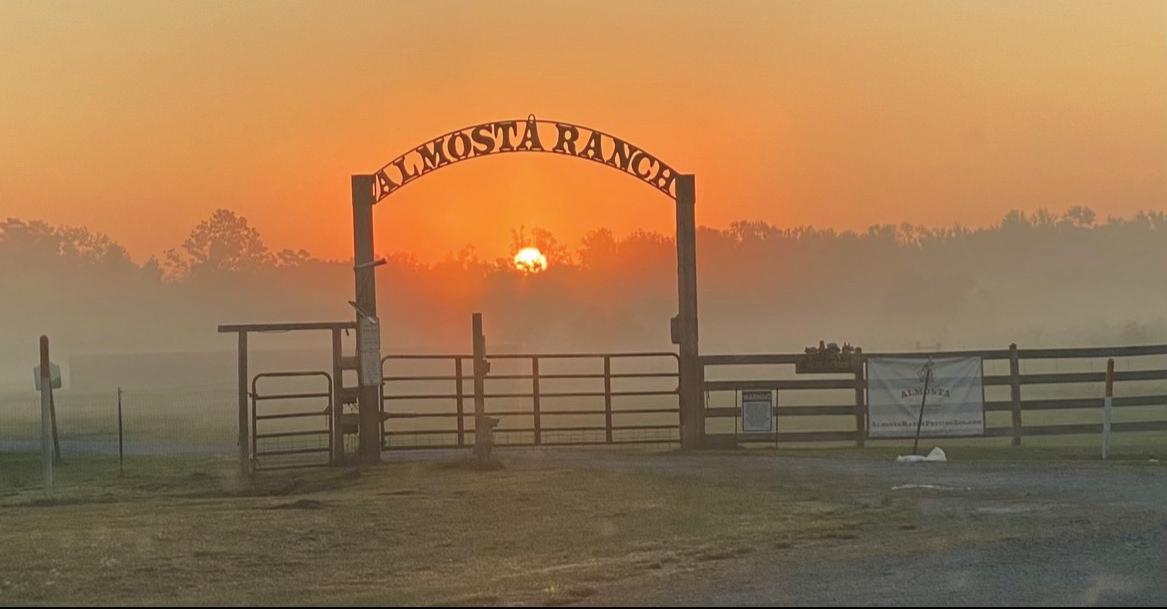
by Madelaine Brauner Landry
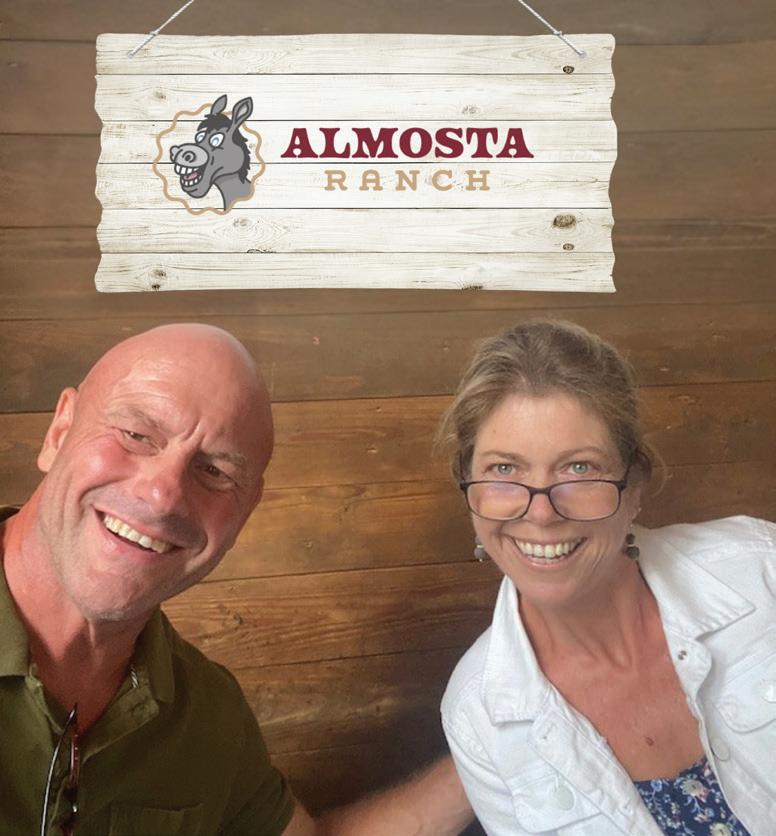
For Jill and Bill Bolen, Almosta Ranch, as it exists today, was never really part of a big master plan.
They originally purchased the 39-acre property to grow their own food. However, just as fruits and veggies grow organically, so can businesses. Their five adult children were always happy to visit, but each had their own career, so they did not want “in” on their parents’ new adventure. Almosta Ranch started as a way for two empty nesters to find something to do in retirement.
“We started off selling eggs,” recalls Jill. “And, I had an honesty stand for about a year, where I’d sell my produce. When we gave a farm birthday party for a grandbaby, those in attendance encouraged us to think about doing more on-site parties and offer them to the community. Back then, we also started offering donationbased tours of the farm. Then the staff compensation grew to be more than the donations could cover. We began thinking about ways to break even on this idea; it was never intended to be a money-maker. Soon, we realized we could offer school field trips, trail rides, and mobile petting zoos to cover staff costs.”
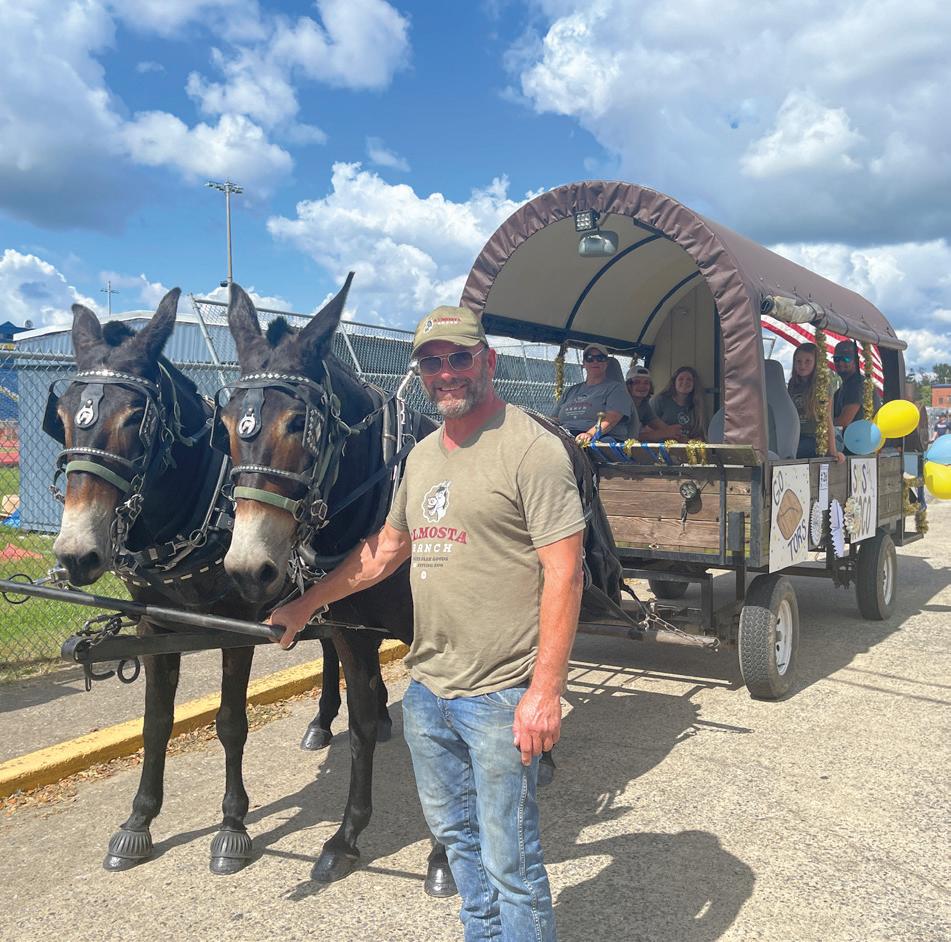
As they put “one foot in front of the other,” Jill says she and Bill soon recognized what Almosta Ranch meant to their community. They grew to love being part of that mission, giving families something to do with their
children outdoors, away from electronic devices and television.
“Oddly enough, our staff grew to include many older adults with no previous farm experience,” says Jill. “They’re like family now. We had to train them; caring for animals is a full-time commitment. Now many of them are some of our best employees. We love seeing their lives enriched by working with us and the animals.”
A visit to the Bolen's website gives some insight into how this husband-and-wife team started. The Bolens admit that they’re always learning, always building, which is why the ranch is “almosta” complete, but never quite done. Their primary undertaking has evolved to offer an educational and recreational outlet for the community to visit, learn about the animals, and be empowered to enrich their own livelihood.
"We were blessed to buy this property and are grateful to be able to share it with our community through employment opportunities, education and love towards our animals,” Jill says. We currently raise chickens, ducks, rabbits, tortoises, peafowl, turkeys, cows, mini donkeys, horses, mules and goats. We’re involved in some bigger events like the recent Calcasieu Parish Carnival for Special Needs Children. We also offer horse riding lessons, horse camps, and several party options, including birthday parties with a petting zoo, pond access, or horse-riding. It’s just amazing to see the faces of families when they’re out here.”
For more information, visit almostaranchpettingzoo.com.
by Sadie Atha

From an abandoned farm to a thriving sanctuary, Gator Country Adventure Park is rewriting the story of alligators in captivity. Gary Saurage started Gator Country in 2006 with the hopes of educating the public on the treatment of alligators both in the wild and captivity while providing a haven for surrendered exotic animals. Now, the park is one of the biggest visitor attractions in Beaumont, Texas.
Gator Country is home to over 500 alligators, including the oldest and largest alligators in captivity, Big Al and Big Tex, respectively. Big Al is 93 years old and has resided at the park since the 1980s. Big Tex spans 14 feet long and holds the record for the largest nuisance alligator caught in the world.
“Alligators are extremely misunderstood animals. Alligators see humans as bigger than themselves,” Eddie Hanhart, park manager and Big Al’s handler, says. “We need to continuously educate the public on how to coexist with the animals since we are in their territories. At the end of the day, that’s why we get so many nuisance calls. The wild gators become too reliant on humans for food or they see us as too big of a threat.”
For visitors, it’s easy to see why the staff cares so much about the animals. Each snake, gator and animal on their property has a distinctive

personality, including an alligator named Mr. Cuddles with only three legs, and a photogenic alligator named Toothless.
“That’s my favorite thing to share—that these alligators all have personalities,” Hanhart says. “They are all so unique and it makes caring for them a little easier, even when they want to bite.”
Along with the park's unique gator experiences, like wading and holding baby gators, feeding the gators, and watching gator shows, it also has snakes, lizards, turtles, a South American Coatimundi raccoon named Padme and a petting zoo. Many of these animals have been surrendered to the park.
“Most people don’t understand the commitment it takes to care for reptiles like snakes,” expresses Hanhart. “These reptiles take constant care and supervision. Most can outlive or outgrow their owners, so most times, they end up here in our facility because the owners can’t commit due to the constant care or financial obligations.”
The Gator Country staff also provides valuable resources for pet owners and assists with nuisance alligators found in yards. They emphasize the importance of not feeding wild alligators, as this leads to dependence on humans and the development of aggressive behaviors. Many of the park's residents are rescued nuisance alligators, now coexisting in a (mostly) harmonious community.

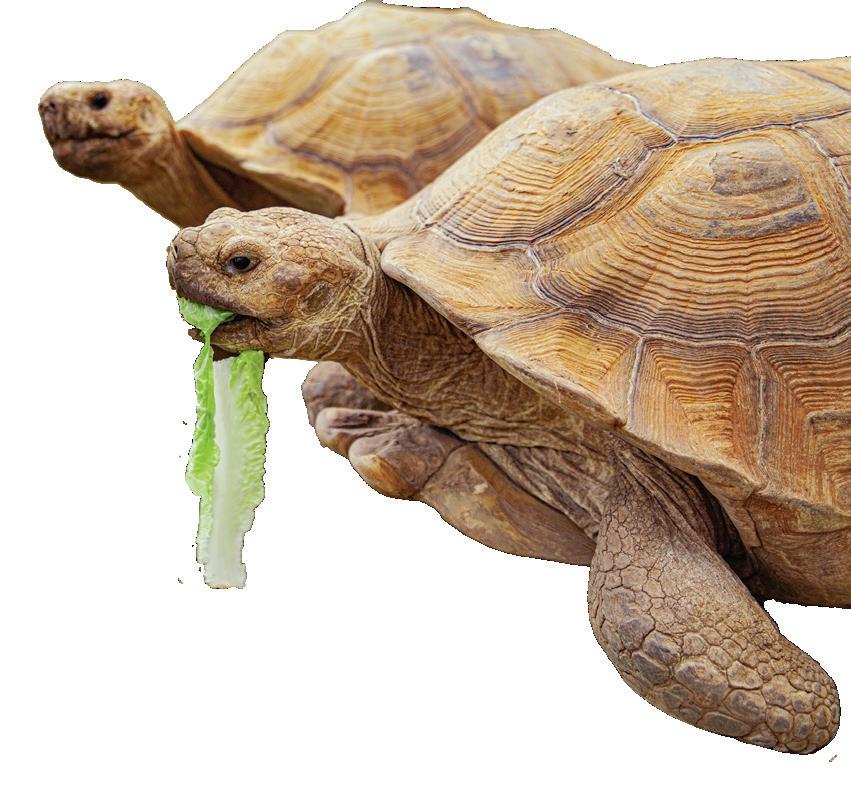
“The No. 1 reason we get calls is that these gators have started relying on humans for food, so the one thing I want people to take away is how to coexist with alligators in nature,” Hanhart says. “There are two rules that can help: don’t feed them and don’t let small pets and children near them.” People who make the trip to Gator Country not only get to experience the passionate staff but get to have interesting interactions with these animals and learn about their history and biology. In addition, Gator Country also offers Swamp Tours on Taylor Bayou.
“The people who come here are truly why I love being here: getting to see the kids’ faces light up is the best part of the experience, too,” Callie Bailey, the park’s operations manager, says. “Gators have been a part of my whole life, and it’s an amazing experience getting to share that with people who come in.”
Gator Country Adventure Park is located at 21159 FM 365, Beaumont, TX 77705, and is open 10 a.m.-5 p.m. every day, except for major holidays. The Beaumont Convention and Visitors Bureau can help you plan your wild adventures with restaurant itineraries and other outdoor adventures at VisitBeaumontTx.com.


The opening of Woodring Apartments marks a transformative moment for downtown Lake Charles.
This innovative mixed-income and resilient housing development features 110 units designed to meet community needs while setting a new standard for sustainability and disaster resilience. A true testament to collaboration, the project brings together developers, local organizations, and artists to create high-quality housing that enriches the city’s cultural landscape.
Located at 401 Division St. in downtown Lake Charles, the 3.2-acre development is bordered by Bilbo, Mill, Hodges, and Division streets. Woodring Apartments offers residents top-tier amenities, including off-street parking, two community rooms—one for large gatherings and another for resident services—a fitness center, a grill area with picnic tables, and a pocket park at the corner of Division and Hodges streets. Adding to the property’s character, more than 20 pieces of artwork by Danielle Nester Faulk showcase the local art scene.
The success of Woodring Apartments is the result of a strong collaboration between the Louisiana Housing Corporation, the City of Lake Charles, the Calcasieu Parish Police Jury, and Capital One, among others. Architectural and engineering contributions came from HCl Architecture, Fox-Nesbit Engineering, and Lagniappe Consulting Group.
For more details, visit woodringapartments.com.



Renowned city planner Jeff Speck is coming to Lake Charles on April 30, to share his expertise on creating a more walkable, vibrant, and connected downtown. As a leading voice in urban design, Speck has helped transform cities nationwide through his work at Speck Dempsey and his bestselling book Walkable City. He will lead a downtown walking tour and presentation, offering insights on how to enhance accessibility and sustainability in our community. Don’t miss this

opportunity to learn from one of the top advocates for people-friendly cities. Follow Just Imagine SWLA on social media @imagineswla for event details.
Both the opening of Woodring Apartments and Jeff Speck’s upcoming visit reflect the goals of Just Imagine SWLA’s Strong Downtowns catalytic project. The project aims to create vibrant, walkable spaces that bring people
together, support local businesses, and strengthen infrastructure resilience. Walkable streets, inviting public spaces, and smart urban design help downtowns thrive, fostering economic growth and community connection. By investing in housing, infrastructure, and placemaking, these efforts lay the foundation for a more dynamic and resilient downtown Lake Charles.
To learn more about all 11 Just Imagine SWLA catalytic projects, visit justimagineswla.org.
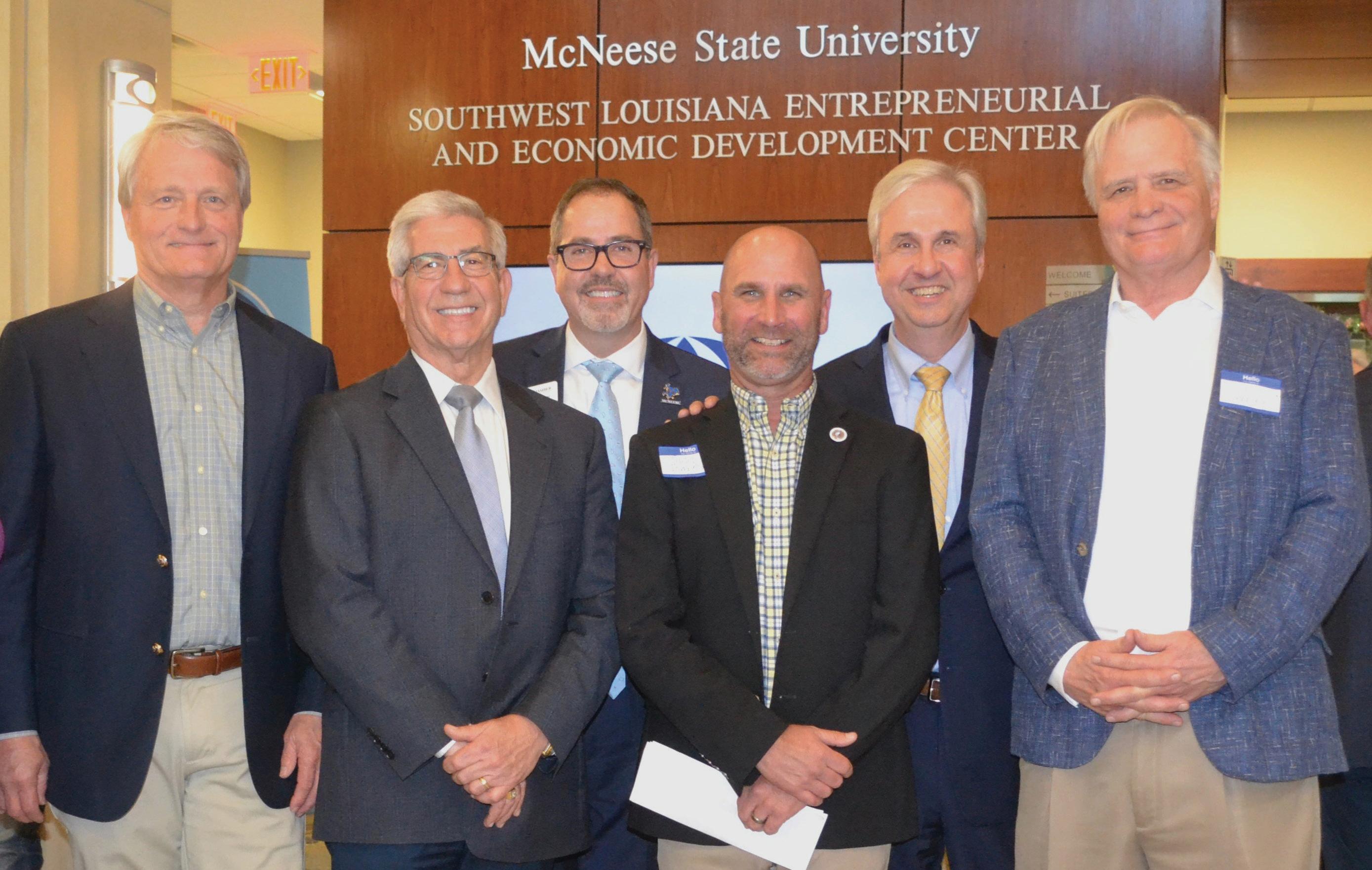
The McNeese Foundation has announced the honorary naming of the Southwest Louisiana Entrepreneurial and Economic Development (SEED) Center in recognition of a $1 million endowment from the Henning family.
The Henning donation will be used to create a perpetual endowment, with the annual interest dedicated to support the Louisiana Small Business Development Center (SBDC) at McNeese State University, located in the SEED Center. Since 1983, the LSBDC at McNeese has been assisting new and existing business owners in Southwest Louisiana from idea conception to profitable business ventures.
“This addition of the Henning name to the SEED Center is an appropriate honor for this
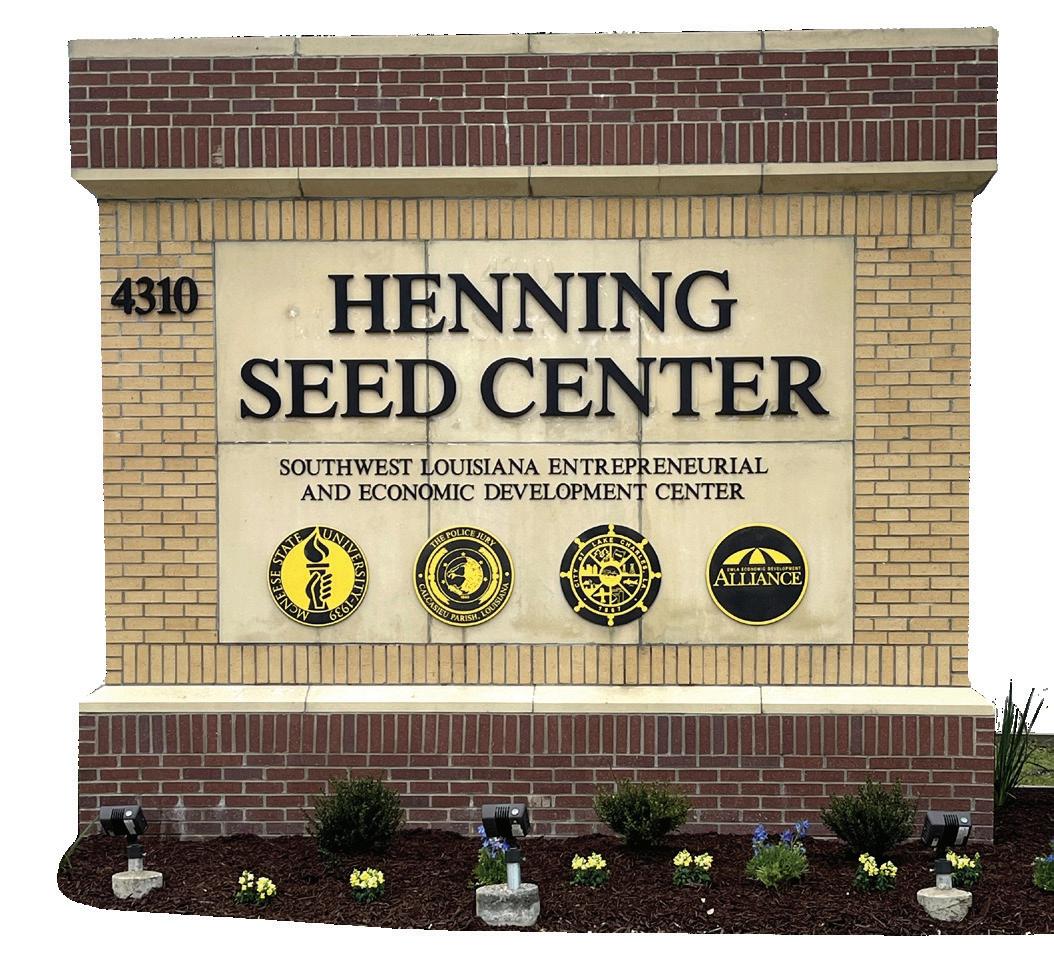
family who has played a prominent role in the Southwest Louisiana business community since the 1920s,” said Dr. Wade Rousse, president of McNeese State University. “The Henning SEED Center will continue to provide services that help small businesses in SWLA grow and thrive now and for generations to come.”
The Henning family has a long history of entrepreneurship across Southwest Louisiana, and it’s in recognition of this legacy, specifically the entrepreneurial spirit of their grandfather W.T. Henning, that brothers William “Dub” Henning Jr., John Henning and Tom Henning, made the decision to fund create this endowment.
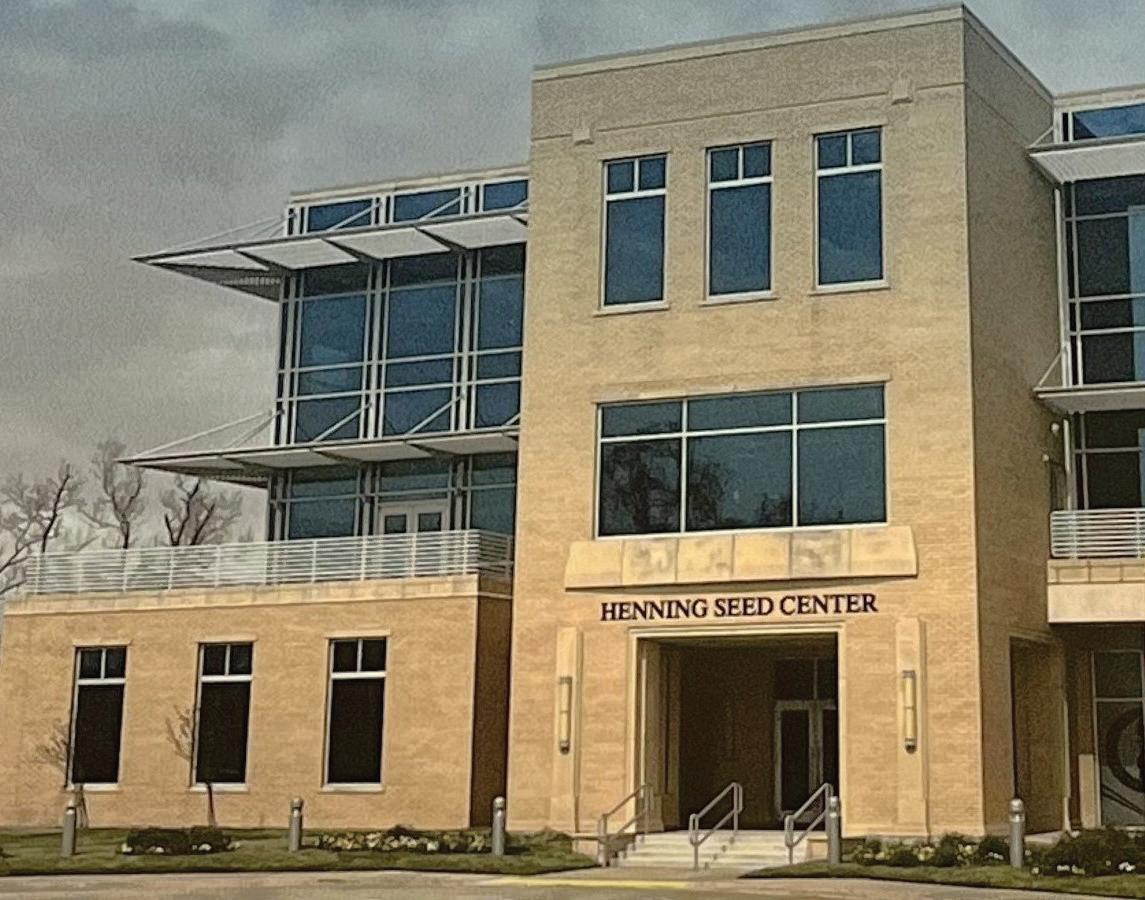
“The challenges of starting a business are part of our family history,” says Dub. “When our grandfather ran a telephone line from the Hackberry oil fields to Sulphur in 1928, he started out like most entrepreneurs—with an idea and the willingness to work hard, even though he had to fight through the marshes of Cameron to make it happen. That’s how Cameron Telephone Company was founded. Our father continued what our grandfather started and expanded into other areas. All three of us have continued their tradition of entrepreneurship and experienced the challenges that go along with starting a business, even with our family background. We recognize that not everyone starting out has that kind of support, which is why we are partnering with the McNeese Foundation for this endowment. We’ve seen the work done by the LSBDC at McNeese to help local small businesses succeed and we are excited to provide new funding to enable even more businesses to benefit from their resources.”
The SEED Center first opened its doors in 2013, marking a significant milestone in the region’s growth by consolidating multiple economic development entities under one roof. It was established through a joint venture by McNeese State University, the Calcasieu Parish Police Jury, the City of Lake Charles, and the Southwest Louisiana Economic Development Alliance.
Today, the Henning SEED Center serves as a hub for fostering entrepreneurship and economic development in the five-parish region, housing regional organizations such as the SWLA Alliance, the IMCAL Regional Planning Commission, Lake Area Industry Alliance, the Business Incubator of Southwest Louisiana and the Louisiana Small Business Development Center. The executive offices of McNeese State University are also now located in the SEED Center, signifying the university’s deeper integration into the region’s economic development framework.
“We are proud to add our family’s name to the SEED Center in support of its mission of driving economic development and supporting entrepreneurial endeavors in Southwest Louisiana,” adds Dub. “It’s a uniquely fitting tribute to our grandfather and the seeds of entrepreneurship he planted in both our family and our community.”

To request a business consultation or register for training at the LSBDC at McNeese, call 337-475-5529 or visit www. louisianasbdc.org/lsbdc-atmcneese-state-university.
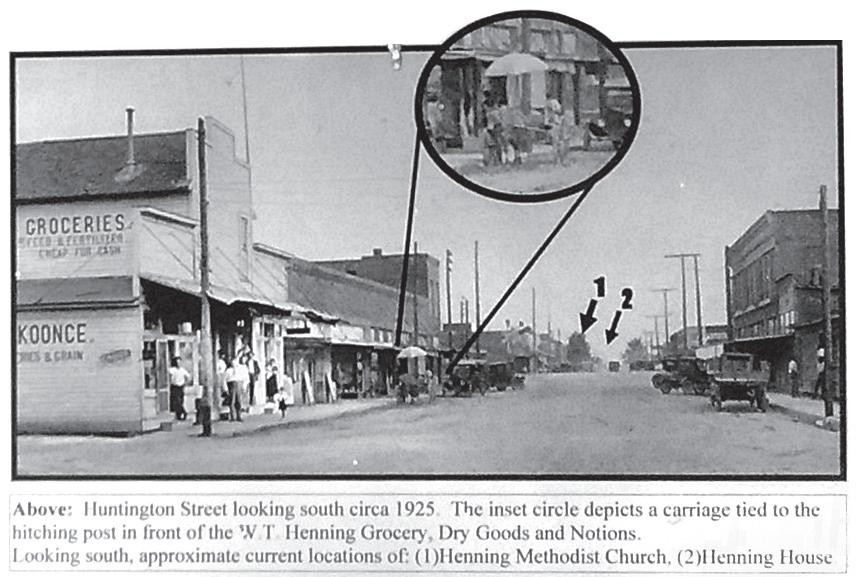
The Henning family has played a pivotal role in the development and business landscape of Southwest Louisiana, with a history spanning multiple generations.
The family's roots in the region trace back to Rev. John Henning, who moved to the area from Alabama after the Civil War, in approximately 1875, with his family, including his son, John T. Henning. Rev. Henning organized the Methodist Society at Rose Bluff, located six miles south of Sulphur, and served as a circuit pastor in Westlake, Sulphur, and at the Sulphur Mines. In 1903, Rev. Henning purchased part of an 80-acre rice and cattle farm where he built the home he resided in until 1923.
This residence, now known as the Henning Cultural Center, showcases local art and history, reflecting the family's lasting impact on the community.
John T. Henning played a pivotal role in Sulphur’s early development, operating a boarding house and a company that transported sulfur from the mines to the railroad.
He also served as the town's postmaster. He owned Sulphur's largest mercantile store and was instrumental in constructing three Methodist churches in the late 1800s and early 1900s, culminating in the establishment of the Henning Memorial Methodist Church that still exists today.
Continuing the family's entrepreneurial spirit, W.T. Henning, Rev. Henning's
grandson, was a prominent figure in Sulphur, known for significant contributions to the local business landscape and community development. He owned and operated a general mercantile store, served his community and contributed to the local economy. He was also actively involved in local governance, serving on Sulphur's first city council and as president of the school board, demonstrating his commitment to civic duty and education.
W.T. made substantial upgrades to the region's infrastructure. In 1928, he founded the Cameron Telephone Company to serve areas like Hackberry, Carlyss, Grand Lake and Moss Bluff.
Under the leadership of his sons, John T. and William (Bill) Henning, the company evolved into an extremely successful communications group, introducing innovative services to the offshore oil and gas industry and pioneering cellular wire service in Southwest Louisiana.
The next generation of Hennings, William (Dub) Henning, John Henning and Tom Henning, have continued the family’s
entrepreneurial story. Some of the businesses founded by the Henning family over the years include:
• Cameron Telephone Company
• Mercury Long Distance
• US Unwired, IPO
• User Friendly Phone Book
• Xspedius
• Unibill
• Command Connect
• TriStar
• Oak Crossing
• Stables at LaBocage
• Henning Guide Services
• Lovejoy Capital Private Equity
The Henning family has provided community and business leadership to Southwest Louisiana for 150 years, leaving a permanent impact that will continue to expand through the Henning SEED Center at McNeese State University.
Big Brothers Big Sisters of SWLA is committed to igniting the power and promise of youth through one-to-one mentoring relationships. By matching community members with the leaders of tomorrow, the organization believes youth can achieve their full potential, reach higher aspirations, develop greater confidence, build better relationships, avoid risk behaviors and accomplish educational success.
Big Brothers Big Sisters currently has over 75 littles, like these three, ready to be matched with a Big.
Carter is an 11-year-old who loves sports, digital artwork, and English Language Arts. He plays flag football and baseball and enjoys getting outside to play basketball, football, and even tag! Carter dreams of becoming a police officer or an engineer when he grows up and is looking for a Big Brother who is nice, enjoys sports, and wants to spend time together. He’s hoping for a mentor who will watch his games, support him, help him improve in baseball, and teach him more about digital art. Could YOU be the one to make a difference in Carter’s life?
Ja’Kelan is a 15-year-old with a great sense of humor and a love for basketball. He enjoys going outside, playing with friends, and watching movies. Although he can be a bit shy at first, he has the potential to be an amazing leader if given the right encouragement and support. Ja’Kelan does well in school, with math being his favorite subject, and dreams of becoming a pro basketball player someday. He’s looking for an active Big Brother who can teach him how to be a good leader, open up to him, and simply be there to talk. Could YOU be the one to inspire Ja’Kelan and help him reach his full potential?
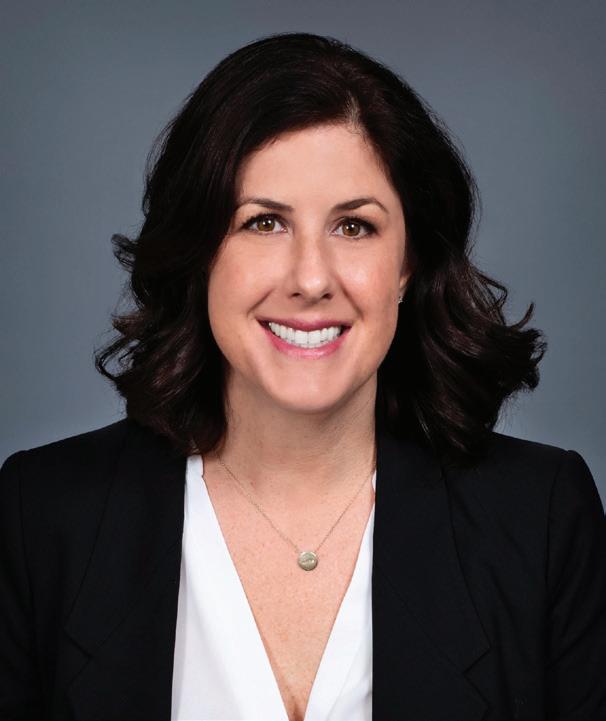
Jeremiah is a 15-year-old who loves to joke around and have fun! He’s full of energy and enjoys playing basketball and computer games. He’s great at math and dreams of becoming a boxer when he grows up. His favorite subject is PE, and he’s looking for a Big Brother to talk to, do fun activities with, and share in his energetic lifestyle. Could YOU be the one to make a positive impact in Jeremiah’s life?



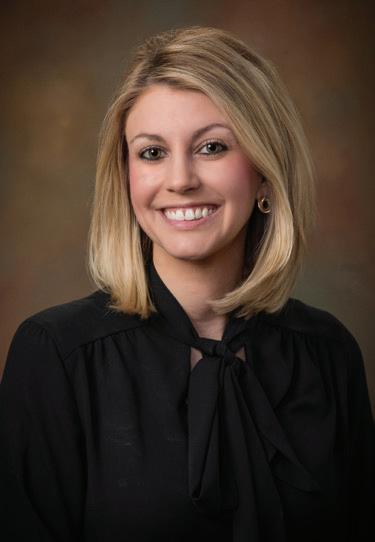
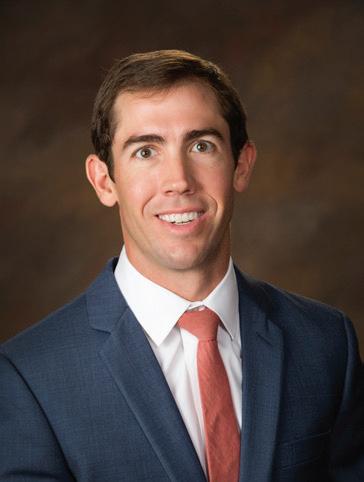



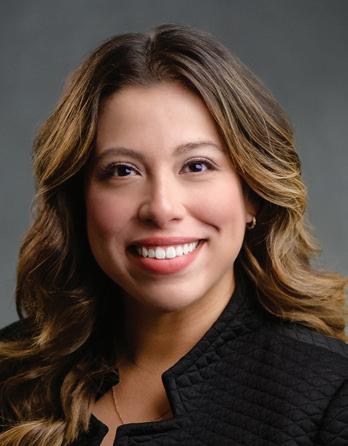
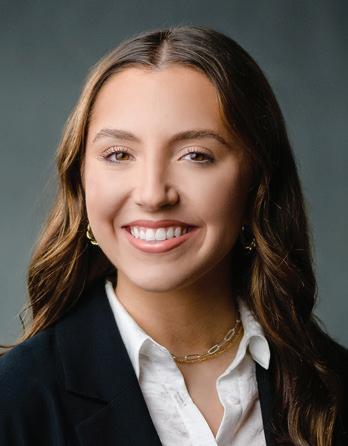
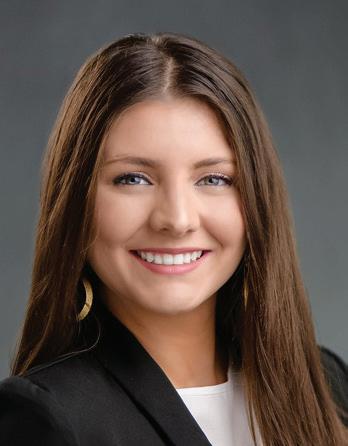
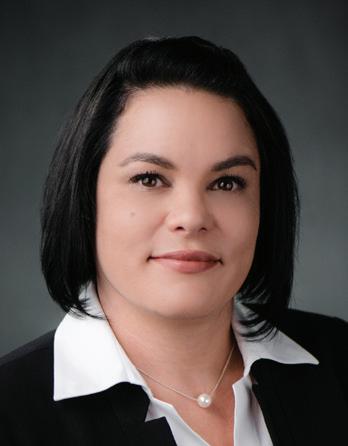
Visit Lake Charles Director of Communications Candy Rodriguez has been recognized as a 2025 eTourism Emerging Tourism Star, a national honor awarded to professionals shaping the future of travel and tourism.
Rodriguez leads Visit Lake Charles’ communications efforts through local media relations, partner and stakeholder engagement, and storytelling across printed and digital platforms. She also manages social media strategies and communications for Just Imagine SWLA, shaping messaging, content and engagement initiatives to inform the community about the region’s long-term resilience projects.
“Candy’s storytelling expertise and ability to connect with audiences have been instrumental in promoting Southwest Louisiana,” said Kyle Edmiston, president and CEO of Visit Lake Charles. “I am so proud of Candy and what she has accomplished in a very short period of time. Her creativity and dedication to the industry make her truly deserving of this recognition.”
“I am incredibly honored to be recognized,” Rodriguez said. “Being able to blend my background in broadcast journalism with my passion for sharing Southwest Louisiana’s rich culture is truly rewarding.”
Aubrey Caldwell, sports event and volunteer coordinator, and Madison Yates, destination services specialist, have graduated from the Louisiana Tourism Leadership Academy (LTLA). Kristen Shiver, visitor experience manager, earned her Certified Travel Specialist (CTS) certification.
The recognitions were announced during the Louisiana Travel Association’s annual meeting in Monroe, where Caldwell and Yates were honored as LTLA graduates. The LTLA program is designed to cultivate the next generation of tourism professionals through leadership development and industry training.
Shiver’s CTS certification further strengthens her expertise in visitor engagement. The CTS program provided in-depth training on customer service excellence, industry best practices and the skills to create meaningful connections between visitors and the community.
“Aubrey, Madison, and Kristen furthering their industry education will continue to drive Visit Lake Charles’ success,” said Kyle Edmiston, president and CEO of Visit Lake Charles. “Their participation in the LTLA and CTS programs highlights their commitment to professional growth, and we are excited to see how they apply their new knowledge to the work we do at Visit Lake Charles.”
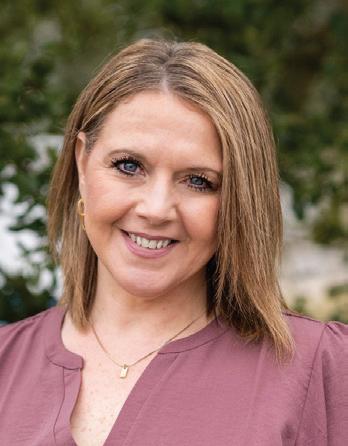
Brandi Smith has been promoted from adventure guide at Adventure Point to sales manager – meetings & motorcoach. In her new role, Smith will oversee domestic tour sales and work with corporate, social, military, education, religious, and fraternal (SMERF) groups, furthering Visit Lake Charles’ mission to drive group travel to the region.
With an extensive background in the travel industry, including 25 years of experience as a travel agent specializing in generating tourism to various global destinations, Smith brings a wealth of knowledge and a passion for showcasing Southwest Louisiana.
“Brandi’s dedication and industry expertise make her a valuable asset to our sales team,” said Taylor Beard Stanley, the vice president of sales at Visit Lake Charles. “She has a deep understanding of what makes Southwest Louisiana an attractive destination, and her ability to connect with groups and tour operators will help us continue to grow our market share in meetings and motorcoach tourism.”
"I am truly honored and excited to join the sales team,” Smith said. “This role allows me to share my passion for travel while proudly showcasing my hometown as a premier destination for visitors to explore and enjoy.”
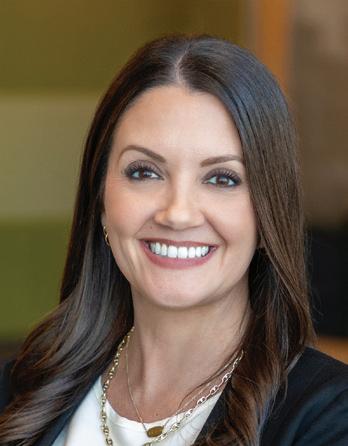
Pelican announces the promotion of Melissa Ott to president of Pelican State Credit Union. This change in leadership marks the beginning of the next chapter of the strategic succession plan as current long-standing President & CEO Jeffrey K. Conrad transitions to the chief executive officer role.
Ott started her journey at Pelican in 2000 while studying accounting at Louisiana State University. After earning her degree, she provided leadership to various departments, including Marketing, Financial Outreach, and Electronic Services.
In 2016, she was appointed chief financial officer overseeing Accounting, Human Resources, Facilities, and Compliance.
As CFO, she spearheaded numerous initiatives that improved the credit union's operations and enhanced member experience. She was also instrumental in completing the $12M build of Pelican's corporate headquarters and defining its core values.
In 2022, she was named executive vice president, overseeing all departments, refining her lending and collections experience while reducing silos and poor performance. Her promotion to president is the culmination of years of exemplary leadership across all business functions.
Conrad, who has served Pelican for 38 years, including twenty-nine as president & CEO, will transition authority of administration and operations to Ott in her new role as president while he focuses his last four years on sustainable strategic growth of the credit union as chief executive officer.
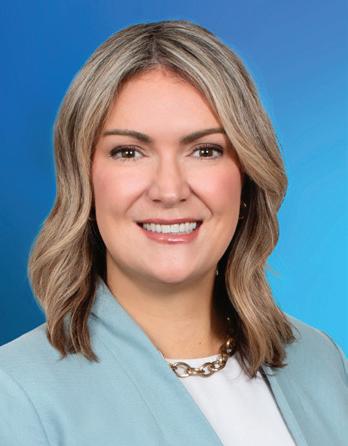
First Federal Bank of Louisiana announces the promotion of Senior Vice President & Director of Human Resources Mallie Bowers to the Executive Management Team. With nearly two decades of experience in the banking industry, Mallie has been instrumental in shaping the bank’s human resources strategies, talent development programs, and leadership initiatives.
Since joining First Federal Bank in 2008, Mallie has played a pivotal role in developing innovative HR programs, including the Circle of Excellence employee recognition program and the LEAD 360° leadership development initiative. Her passion for fostering a strong workplace culture and mentoring the next generation of banking professionals has made a lasting impact on the organization.
“Mallie’s dedication to our employees and her commitment to cultivating a workplace that values growth, leadership, and service have been truly remarkable,” said Sam Wilkinson, president & CEO of First Federal Bank of Louisiana. “Her leadership has helped shape the culture of our organization, and we are thrilled to welcome her to the Executive Management Team. I have no doubt that she will continue to drive our people-first mission forward.”

Lake Charles Memorial Health System welcomes Muhammad Atif Jadoon, MD, a board-certified internal medicine physician, to its medical staff. With a career in patient care, research and medical education, Dr. Jadoon brings a wealth of expertise in managing complex medical conditions and a strong commitment to improving patient outcomes.
After earning his medical degree from Aga Khan University Medical College in Karachi, Pakistan, he completed his internal medicine residency at Louisiana State University Health Sciences Center in Shreveport, Louisiana. His early career included research roles at Columbia Presbyterian Medical Center in New York, contributing to advancements in nephrology and cardiovascular medicine. Dr. Jadoon has been practicing in Lake Charles since 2010.
To schedule an appointment with Dr. Jadoon please call 337-494-6800.

Lake Charles Memorial Health System is welcomes Dr. Jacob Leger, MD, a board-certified family medicine physician. Dr. Leger provides comprehensive, patientcentered care to individuals and families across southwest Louisiana.
Dr. Leger began his medical career with Memorial during his residency at LSUHSC Family Medicine Residency at Lake Charles Memorial Health System, where he gained expertise in chronic disease management, acute care and preventive medicine. Before joining Memorial, he most recently practiced as a primary care physician in DeQuincy, La.
Before earning his Doctor of Medicine from Louisiana State University School of Medicine in New Orleans, Dr. Leger completed a Bachelor of Science in Nursing at Northwestern State University. His early experience as a registered nurse in ICU, telemetry and psychiatric care settings gave him a strong foundation in multidisciplinary collaboration and patient advocacy. Born and raised in SWLA, he is deeply committed to caring for the people in the place he calls home.
To schedule an appointment with Dr. Leger please call 337.480.8900.
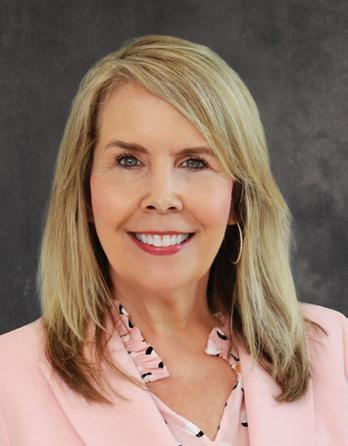
Allen Parish Community Healthcare announces Mary Bishop, human resources director, has received certification as a Rural Hospital Human Resource Leader through the National Rural Health Association (NRHA). This certification highlights Bishop’s dedication to addressing the unique challenges of rural healthcare and her commitment to excellence.
The eight-month certification program offers a comprehensive curriculum designed to prepare HR professionals for the diverse responsibilities of managing human resources in a rural hospital. Bishop’s accomplishment reflects her commitment to helping create a culture of connection, support and excellence at APCH.

Mackenzie Wright, senior registered client associate at Woods Brignac Wealth Management of Raymond James, has been authorized by the Certified Financial Planner Board of Standards to use the CERTIFIED FINANCIAL PLANNER® and CFP® certification marks. The CFP® certification is the recognized standard of excellence for competent and ethical personal financial planning. Just a few dozen financial professionals in Lake Charles hold the credential.
“Financial services is not just a job for me, it’s an opportunity to help people and make a difference in their lives,” Wright said. “This team put people first long before the law required them to do so, and their example inspired me. Earning a CFP® certification exemplifies my commitment to serving Southwest Louisiana with a deep knowledge of this business and with the integrity our community deserves.”
Wright has more than a decade of experience in the financial services industry. A graduate of Sulphur High School and McNeese State University, she was named the Distinguished Senior in Finance among McNeese’s Class of 2016. She completed the Certified Financial Planner Certification Program through LSU’s E.J. Ourso College of Business in 2024. Mackenzie and her husband, Ty, live in Sulphur with their sons Jude and Oliver, where they strive to lead lives of service as members of Victory Worship Center and volunteers at Life Christian Academy.

Last Fall, Families for Inclusion proudly launched the B&G Hope Grant, an initiative designed to bring specialized pediatric care to Southwest Louisiana (SWLA). This program provides local physical and occupational therapists with funding to obtain certification in Dynamic Movement Intervention (DMI) Therapy—a therapy for children with developmental and mobility challenges. Historically, SWLA families seeking DMI Therapy were forced to travel to Houston or Baton Rouge, as no certified providers were available locally. The B&G Hope Grant is changing this by equipping local therapists with the expertise to deliver this vital service close to home.
Megan Gallien, a pediatric physical therapist for West Calcasieu Cameron Hospital’s (WCCH) Outpatient Physical Therapy Department was one of four SWLA therapists to receive funding for DMI certification. This advancement not only meets the needs of local families but is also anticipated to attract families from other regions, establishing SWLA as a leader in pediatric healthcare.
“I’m passionate about helping children reach new levels of independence and functional movement,” Gallien shared. “With the support of the B&G Hope Grant, I’m advancing my skills in dynamic movement intervention to provide more effective therapies for children facing motor challenges. This training ensures that SWLA families can achieve milestones right here at home. I’m honored to contribute to a brighter, more inclusive future for our community.”

The harsh winter wind wreaks havoc on the skin. Now that it’s officially spring and temperatures are milder, it’s time to take into account what beauty products you have in your toolbox. Maybe you’re running low on essentials or need a complete product overhaul. Thrive offers some easy and practical ways to address skin needs and conditions at-home or, for more intensive care, with the assistance of professionals.
Get ready for a self-care spring!


Spring isn’t just a season— it’s the perfect time to refresh and renew your skin.
At The Sculptry, expert care meets local expertise, ensuring that every treatment is tailored to the unique needs of SWLA residents’ skin. Founded by Hannah Grogan, FNP, this homegrown medical spa was created by locals for locals—because no one understands Louisiana’s climate and its effects on the skin better than those living here. This Spring Beauty Toolbox features three powerhouse treatments designed to brighten, smooth, and hydrate, addressing everything from sun damage to post-winter dullness. Hand-selected for Louisiana’s climate, these treatments will have your skin looking and feeling its best for the season ahead.
1. BBL HERO™ — Correct and Brighten
What it is: A powerful light treatment that targets dark spots, redness, and uneven skin tone.
Why you’ll love it:
• Fades sun damage and brown spots
• Evens out redness (great for rosacea)
• Boosts collagen for a healthy glow
• Quick treatment with little to no downtime
Grogan’s Take:
"Springtime means more time outdoors, so why not step out with clear, glowing skin? BBL HERO™ helps undo sun damage from past seasons while brightening your complexion — it’s the perfect refresh."



What it is: A 3-step treatment that exfoliates, extracts, and infuses your skin with hydrating serums customized just for you.
Why you’ll love it:
• Removes dry, dull winter skin
• Deeply hydrates and nourishes
• Leaves skin instantly smoother and glowing
• Works for all skin types
"After a long winter, your skin needs some TLC. Hydrafacial is the fastest way to bring back that dewy, fresh-faced glow — and it works for everyone."
What it is: A gentle laser treatment that improves skin texture, tone, and clarity. It is perfect for preventing and reversing early signs of aging.
Why you’ll love it:
• Smooths uneven texture and rough patches
• Brightens dull skin and refines tones
Grogan’s Take:
"Moxi is one of my favorite treatments for spring because it gives your skin a fresh start without a lot of downtime. It’s gentle but powerful, and perfect for anyone wanting to refresh their skin before summer."


by Kerri Cooke

If you desire your skin to be always at its best, it is imperative to adjust your skincare routine according to season. You don’t necessarily need to buy expensive products to see results or engage in invasive procedures if a low maintenance but effective routine is your goal. Here are some steps you can take at your beauty table to look and feel your best.
Cleansers are a staple all year-round, and don’t really need to be switched out according to season. But depending on your skin concerns and products used, you might want to consider whether to use a water-based cleaner, an oilbased cleanser, or a combination of both.
Contrary to popular belief, an oil cleanser (the best ones are usually from K-beauty brands, such as AprilSkin) does not make your face oilier. In
fact, in addition to easily removing make-up residue and facial sunscreen, it rids the face of excess oil which can clog the pores and create blemishes.
A water-based cleanser often comes in gel or foaming varieties. They work great for eradicating sweat and dirt. Some foaming cleansers such as Blithe’s Anti-Polluaging Foam claim to help minimize the effects of modern-day pollution on the skin. It’s an idea that continues to gain steam and is making its way into new formulations of skincare products.
Using an oil cleanser followed by a water-based cleanser can ensure you’re removing all particles from your skin. If you prefer using a water-based cleanser alone, you can add a cleansing toner for follow-up. If struggling with dryness, add a
hydrating toner with calming ingredients and pat into the face. Follow with a high-quality serum.
There are so many serums on the market, it’s hard to know what’s best for your skin. If your primary goal is radiance, a product with Vitamin C is the holy grail. Vitamin C is also shown to help prevent sun damage. Another ingredient to look for is niacinamide, which also helps brighten the complexion and has anti-inflammatory properties. The ingredient with the biggest hype is hyaluronic acid, which boosts hydration. You can double up on serums if you desire, but always apply the thinner formula first, allowing it to fully sink in before going in with a thicker serum.
Opt for a thinner formula when moisturizing your face in the humid, Louisiana weather. A

thick moisturizer can block pores, causing sweat build up. Ceramides and peptides are the buzzwords in the moisturizers as they prevent your skin from losing essential moisture and stimulate collagen production respectively.
During the warmer months, you can exfoliate more often. Up to three times a week as your skin tolerates it if you so choose. Alternating between a chemical peel, an abrasive scrub and a Dead Sea mud mask, such as Ahava’s version, can keep your routine fresh and reduce irritation by avoiding the use of the same type of products too close together.
At-home tools provide ease of access for skin concerns. They are easily purchased at retailers, and they’re a fun method of selfcare!
Used in ancient Chinese medicine, a Gua Sha tool is a small, angled piece of stone that is used for facial massage. By gliding it across your face with an oil or serum, the tool stimulates collagen production, drains lymph nodes, lifts the skin, increases blood flow and decreases swelling.
Wanting to double down on collagen production and reduce hyperpigmentation? Some
people swear by derma rollers. A tool equipped with tiny needles, the small punctures created in your skin cue your body to stimulate the healing process. This can cause an uptick in collagen production, allow your skincare products to penetrate deeper into the skin, and possibly reduce the appearance of wrinkles.
LED masks are the new frontier of at-home skin treatments. Different types of light can address different skin concerns. With distinct wavelengths, they target different layers of the skin. Red light increases
collagen production and reduces inflammation, while blue light can be used for those prone to acne as it destroys bad bacteria. If you struggle with dry skin no matter the time of year, try adding a facial humidifier like Hey Dewy to your routine. Humidifiers release a cool stream of water vapor into the air to keep skin supple. And Hew Dewy is small enough to keep on your nightstand for use while you’re getting your beauty sleep.




The Women and Children's Fund, through The Foundation, supports initiatives and programs for NICU families and pediatric patients at Lake Charles Memorial Health System.

• NICview (Livestream) cameras for out of town parents or parents who have other children and cannot stay with their babies in the NICU
• “Baby Goes Home” Package (includes a car seat, pack & play, and a one month supply of diapers)
• Nutrition assistance
• Gas cards and Lyft rides for transportation needs
• Lodging assistance
• Simulation lab for nursing training
Impact of the Women and Children's Fund: MAY 2, 2025 7:00PM ‐ 11:00PM

on sale now!
Support The Foundation’s Women and Children’s Fund and join us at the 2025 Margarita Mixoff!

by Kerri Cooke



Spring is a season of renewal— mentally, emotionally and physically—especially after a winter where you might have skipped self-care rituals more often than not. Prepare to glow by using the change of season to focus on your body as a whole by indulging in facials.
“As summer approaches, smooth, healthy skin is a must—especially in areas prone to ingrown hairs, irritation and dryness. At BARE Body Waxing Studio, we believe skincare extends beyond the face. We combine expert waxing with corrective skincare to ensure every inch of your skin looks and feel its best,” says Jacquelyn Kraemer, founder and CEO.
Let’s focus on the face first. Beyond changing up your skincare routine and products for warmer weather, give your complexion a hydrated and dewy refresh with a facial. “We exclusively use

only Korean skincare and have adapted an eastern take on how we approach facials and treating the skin. Our areas of focus are antiaging, acne, facial massage, and pigmentation corrections,” Kraemer says. Results are not just achieved through skincare products and chemical peels, but also tools such as those using red light, radio frequency, micro currents, dermal stamping, ultrasound and others. BARE will be rolling out new options for facials in the coming weeks.
Spring comes early in Louisiana, with temperatures warm enough to venture into a pool or visit a beach. Make sure you’re swimsuit
ready, not only by scheduling regular waxing appointments but investing in skincare that targets problem areas. One popular treatment from BARE is their Bikini Facial, which “targets ingrown hairs, discoloration, irritation and uneven skin texture. We have one for just the bikini line and one for the full pubic area,” Kraemer says, but notes “not all of our bikini facials can be paired with a wax” due to the waxing process being exfoliating itself. If wanting a service other than the Original Bikini Facial, other treatments can be done five to seven days after a wax. Bikini services also include high frequency skin therapy.
There’s another facial you may not be aware of—the Booty Facial. Kraemer says, “The buttocks can experience ingrown hairs, breakouts and dryness due to friction from clothing, workouts and sweat. The Booty Facial is designed to deeply cleanse, exfoliate and hydrate for silky-smooth, blemish-free skin so you feel confident in shorts, swimsuits or nothing at all!”
Your skin is your largest organ, so give it a little TLC. Whether you’ve recently incorporated skincare into your daily ritual or are looking to upgrade your routine, there are plenty of options available to improve skin quality for a more confident you.


Leaves are unfurling on trees and azalea bushes have bloomed. Nature has woken up from her slumber! If you haven’t already started on spring landscaping, hop to it.
There are many factors to consider when planting greenery around your home, especially the needs of each individual plant. Landscaping experts can help point you in the right direction so your garden can have the best chance of flourishing. And don’t forget to protect your house from pesky pests that can damage not only your house, but your personal items as well, especially with termite season coming.



Landscaping your home is about so much more than just enhancing curb appeal—it's a way to create an outdoor space that is both functional and beautiful. The Grounds Guys owner Nathaniel Allured says, “At the core of every successful project are four fundamental pillars to achieving a thriving landscape—thoughtful planning, informed plant selection, effective irrigation, and consistent maintenance. By focusing on these guiding principles, property owners can create outdoor spaces that are beautiful, enduring, and functional.”
Every great landscape begins with a solid plan. The design phase lays the foundation for functionality, flow, and longevity. Allured says, “One critical consideration is ensuring the design includes a drainage strategy appropriate for the site. Proper drainage prevents issues like water
pooling and foundation damage, taking into account the building's elevation in relation to the surrounding terrain.” Beyond practicality, the design should harmonize with the architecture of your home or commercial building, creating a cohesive aesthetic that complements the features of the structure. Thoughtful integration of pathways, focal points, and hardscape features ensure the landscape is visually appealing while also being functional.
In Southwest Louisiana’s unique sub-tropical climate, plant selection plays a pivotal role in creating a landscape that thrives year-round. Choosing plants should go beyond aesthetics. It’s essential to consider your personal ability to care for them. For instance, tropical plants are a popular choice thanks to our long Louisiana summers, but many varieties cannot withstand
the colder months. Homeowners must prepare these plants for winter or be ready to replace them. If low-maintenance landscaping is a priority, opting for plants that require less care could be a smarter choice. Sun exposure is another often-overlooked factor. Each plant has its own sunlight needs and placing it appropriately ensures it remains healthy. It’s also important to create layers of visual interest by mixing textures, colors, and heights so the landscape remains vibrant throughout the seasons.
Irrigation is one of the best forms of insurance for protecting your landscaping investment. Without a proper watering system, plants can struggle to thrive, especially during hotter months. A wellplanned and professionally installed irrigation system ensures proper operation, coverage, and water delivery, fostering healthy growth

and vibrant foliage. By investing in a thoughtful irrigation plan, homeowners can safeguard their landscape and enjoy the peace of mind that comes with consistent and effective watering.
All landscapes require ongoing care to retain their beauty. Regular tasks like pruning, weeding, fertilizing, and pest control are essential for a healthy and vibrant outdoor space. Allured says, “When it comes to weeds, there is no silver bullet.” He adds, “Battling weeds is an ongoing effort that goes against nature’s tendencies, requiring a consistent mix of mechanical removal and chemical abatement.” Additional tasks like seasonal cleanups, replenishing mulch, and
monitoring plant health ensure the landscape evolves gracefully over time. Consistent maintenance protects your investment and keeps your outdoor space pristine year-round.
Whether you're starting a new project or enhancing an existing one, keeping these four pillars of landscaping in mind will ensure lasting success when creating outdoor spaces that are beautiful, enduring, and functional.
The Grounds Guys is a full-service residential and commercial landscaping company located in Lake Charles. Contact them at 337-888-4020, groundsguys.com/lake-charles, or @groundsguysoflakecharles on Instagram and Facebook.


There’s nothing more appealing when you drive up to a home than a well-landscaped yard.
As much as you may desire this look, you may feel it’s out of reach because you don’t have the time to spend hours working in the yard to achieve these results.
Fortunately, a well-maintained, inviting outdoor space doesn’t have to mean long hours or a huge investment, according to Chad Everage with Landscape Management. “A low-maintenance landscape allows you to enjoy a beautiful yard without breaking your back. With a little guidance, the right design and smart plant choices, you can create a beautiful landscape that thrives with minimal effort, whether you have a green thumb or not.”
He offers some guidelines for achieving a lush, but low maintenance, landscape:
One of the biggest keys to success in low maintenance landscaping is selecting plants that require little care. Everage says native plants are an excellent choice since they are already adapted to the local climate and soil conditions. He suggests these easy-to-care-for varieties in specific categories:
• Trees: Dwarf magnolias (Teddy Bears and Little Gems), standard and full-to-the-ground Hollies (Eagleston, Oakleaf and Liberty), Crepe Myrtle, Bottle Brush, Vitex and Oaks

• Shrubs
–Dark Evergreens: Dwarf Japanese Yew (Pringles), Dwarf Burford Holly, Compacta Holly and Distylium (Cinnamon Girl)
–Flowering Evergreens: Azaleas, several colors and multi-bloom, including Fashion, Conversation Piece, GG Gerbing, George Tabor, and Perfecto Mundo; Sasanquas Camellia varieties, shrub roses, Peggy Martins
• Perennials: Hydrangeas, Salvia, Hibiscus, Hosta Daylilies, Butterfly Bush and Blue Daze
• Flowering Annuals: Zinnias, Petunias, Impatiens, Vinca, Salvia, Angelonia
Annual flowers may be vibrant, but they require replanting every year. Perennials, on the other hand, return season after season, providing longterm beauty with little effort. These add color and texture with minimal upkeep year after year.
MULCH
Everage says mulch is a simple and effective way to cut down on weeds while keeping plants healthy. Organic mulches, such as wood chips or bark, help retain moisture, regulate soil temperature and reduce the need for frequent watering. A thick layer of mulch around plants also helps prevent weeds from taking over your landscaped beds.
Lawns require frequent mowing, watering, and fertilizing, making them one of the highestmaintenance elements of landscaping. To cut down on upkeep, Everage says consider reducing your lawn size and replacing it with lowmaintenance alternatives such as gravel, mulch, or decorative stone. Artificial turf is another option for those who want a green space without the hassle of mowing and watering. Adding hardscape elements, such as stone pathways, patios or retaining walls, can significantly reduce maintenance while enhancing the aesthetic appeal of your yard. Paved areas eliminate the need for grass upkeep and create functional outdoor spaces for entertaining or relaxing.
A well-planned irrigation system can save time and water, according to Everage. Drip irrigation systems deliver water directly to plant roots, reducing evaporation and the need for frequent watering. Smart irrigation systems with timers ensure plants receive the right amount of moisture without overwatering.
“By implementing low-maintenance landscaping strategies, you can enjoy a beautiful yard without the constant upkeep,” says Everage. “Smart
Our retail nursery is stocked and our team is ready to help you create a beautiful landscape. From trees, shrubs and bedding plants to mulch, gravel, stone and more, we have everything you need to get your yard ready for spring. We’ll even deliver!
RETAIL NURSERY: 5005 Cobra Road, Lake Charles
landscaping choices allow you to spend more time enjoying your outdoor space rather than working on it. Stop by our retail nursery for advice and supplies any time—we’re here to help.”
Learn more at landscapemanagement.org or call (337) 478-3836.








Like clockwork, termite season is arriving, and they’re looking for a place to occupy. Homeowners can expect Formosan termite swarms beginning in April and into May, typically just in time for Mother’s Day. Termites are responsible for more than 1 billion dollars of property damage per year in our state. Louisiana is always ripe for termites thanks to already heavily landscaped swamp areas and the nature of the wet atmosphere. Now is the time to make sure your property is protected and that your pest control plan is in place.
“Most people in south Louisiana know that our climate contributes to a variety of pest control challenges, and termite services are critical for local property protection,” says Robert Lewis John III, chief operating officer of J&J Exterminating.
Upcoming hot and humid summer months of June through September are particularly ripe for mosquitoes. J&J Exterminating offers
one-time event sprays for outdoor parties and receptions, as well as ongoing maintenancecontrol programs for people who enjoy their outdoor space. Along with termites and mosquitoes, pest control battles a variety of additional creepy crawlies, including bed bugs, fleas, flies, beetles, moths and rodents.
For those looking for a more permanent pest solution, you can save money on energy costs and insulate your home against unwanted outside noises. J&J offers “T.A.P.”
Total Acoustical Pest control insulation is a progressive, E.P.A.- approved, spray insulation for new construction or existing homes or businesses.
J&J Exterminating is the largest, state-wide exterminating company. Request a free estimate from an experienced, professional technician and learn more at jjext.com or by calling 1-800-737-2847.
Termites are responsible for more than 1 billion dollars of property damage per year in our state.







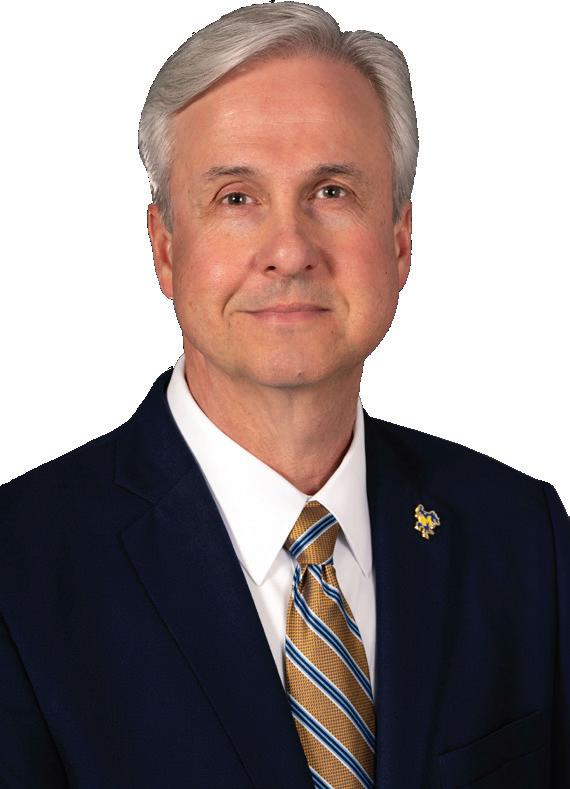
Last month McNeese State University hosted the Southland Conference men’s and women’s basketball tournament in the Legacy Center. The tournament brought thousands of visitors to Lake Charles from Louisiana, Texas and beyond. The McNeese men’s basketball team won both the regular season and the tournament championship. For the first time in school history, we received a bid for the NCAA tournament two years in a row! We are so proud of our Cowboys!
We had the honor of adding the Henning family’s name to the Southwest Louisiana Entrepreneurial and Economic Development (SEED) Center in appreciation of their generous gift. This endowment will benefit the Small Business Development Center and help aspiring entrepreneurs take that first, often scary, step toward starting a business of their
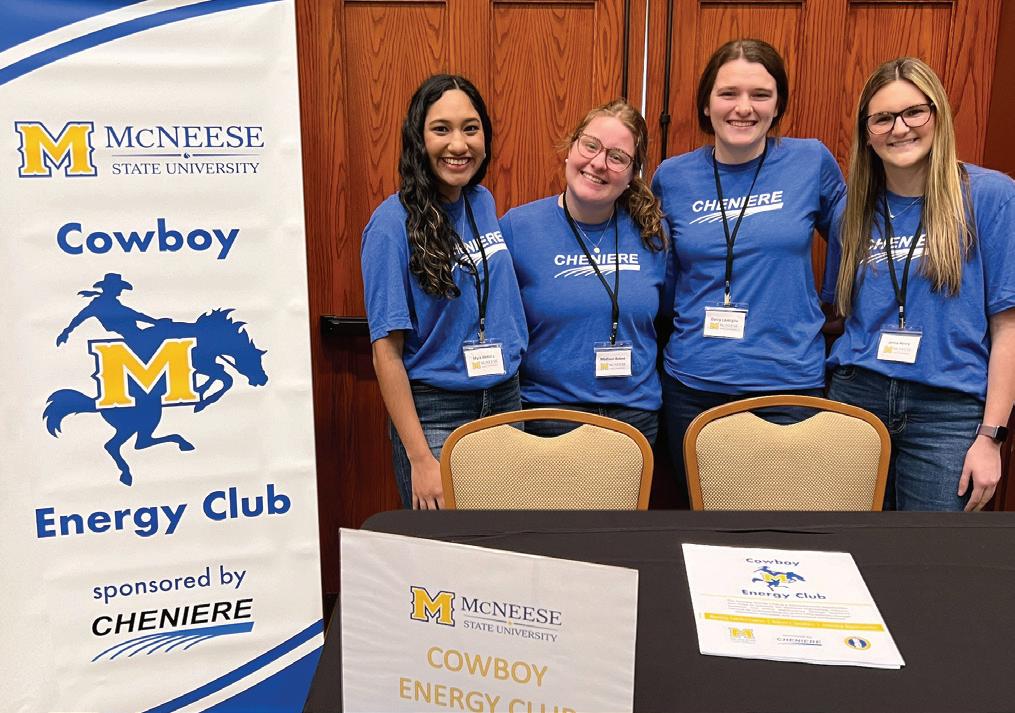


own. The Small Business Development Center has helped thousands of clients, added millions to our local economy and has been instrumental in starting hundreds of businesses. We are incredibly fortunate to live in such a philanthropic community.
The most important goal for McNeese is to increase enrollment. We have visited schools throughout the five-parish area, most recently Allen Parish, and met with high school administrators and counselors. It is always a pleasure to meet our alums during these visits. We want all high school students to know that McNeese is a home where they can build their futures.


The McNeese farm hosted the McNeese FFA Invitational and the Area III FFA event with more than 1,000 high school FFA students from Louisiana and Texas. The students put their skills to the test in poultry evaluation, horse evaluation,
livestock evaluation, milk quality, nursey plants, floriculture and veterinary science. McNeese’s Harold and Pearl Dripps School offers several degrees in programs related to agriculture, animal sciences, and food and nutrition.



The McNeese State University’s College of Nursing and Health Professions accepted an automated external defibrillator (AED) from the Junior League of Lake Charles.
“The Junior League of Lake Charles has been actively working to place AEDs in educational institutions throughout our community,” explained Jennifer Pugh, Junior League of Lake Charles executive vice president. “These devices are designed to be user-friendly, allowing even those without medical training to potentially save a life while waiting for emergency
responders to arrive.”
According to the American Red Cross, sudden cardiac arrest is among the leading causes of death in the United States. Around 350,000 people will suffer from cardiac arrest this year, and the only way to restore a regular heart rhythm is to use an AED.
“The community needs to know that anyone can operate an AED because there are instructions included with it,” said Reagan Pankey, a senior nursing major from Lake Charles.
McNeese nursing students spend time in the community finding AEDs during their senior semester. Once they find an AED, they ensure it’s listed in the PulsePointAED app. This app helps those responding to an emergency find the closest AED.
“Having immediate access to an AED can increase the chances of survival if used in the first few minutes after a sudden cardiac arrest,” said Lauren Dugas, a senior nursing major from Abbeville.
There are 10 AEDs on the McNeese campus.
McNeese’s on-campus Master of Arts in Psychology with a concentration in Applied Behavior Analysis (ABA) earned full reaccreditation for a three-year cycle from the Association for Behavior Analysis International Accreditation Board (ABAI). The program has
been accredited by ABAI since 2013 and is currently the only program in the state of Louisiana to hold this distinction.
“Earning reaccreditation was a team effort from the students, staff, clinical behavior analysts and core-ABA faculty in our program,” said Dr.
Joanna B. Thompson, director of the Applied Behavior Analysis program. “The graduates of the program are immediately eligible to apply for their credentialing examination as Board Certified Behavior Analysts.”

CITGO
Lake Charles Employees
$1,080,000 Raised in 2024 $20.8 million Since 1975
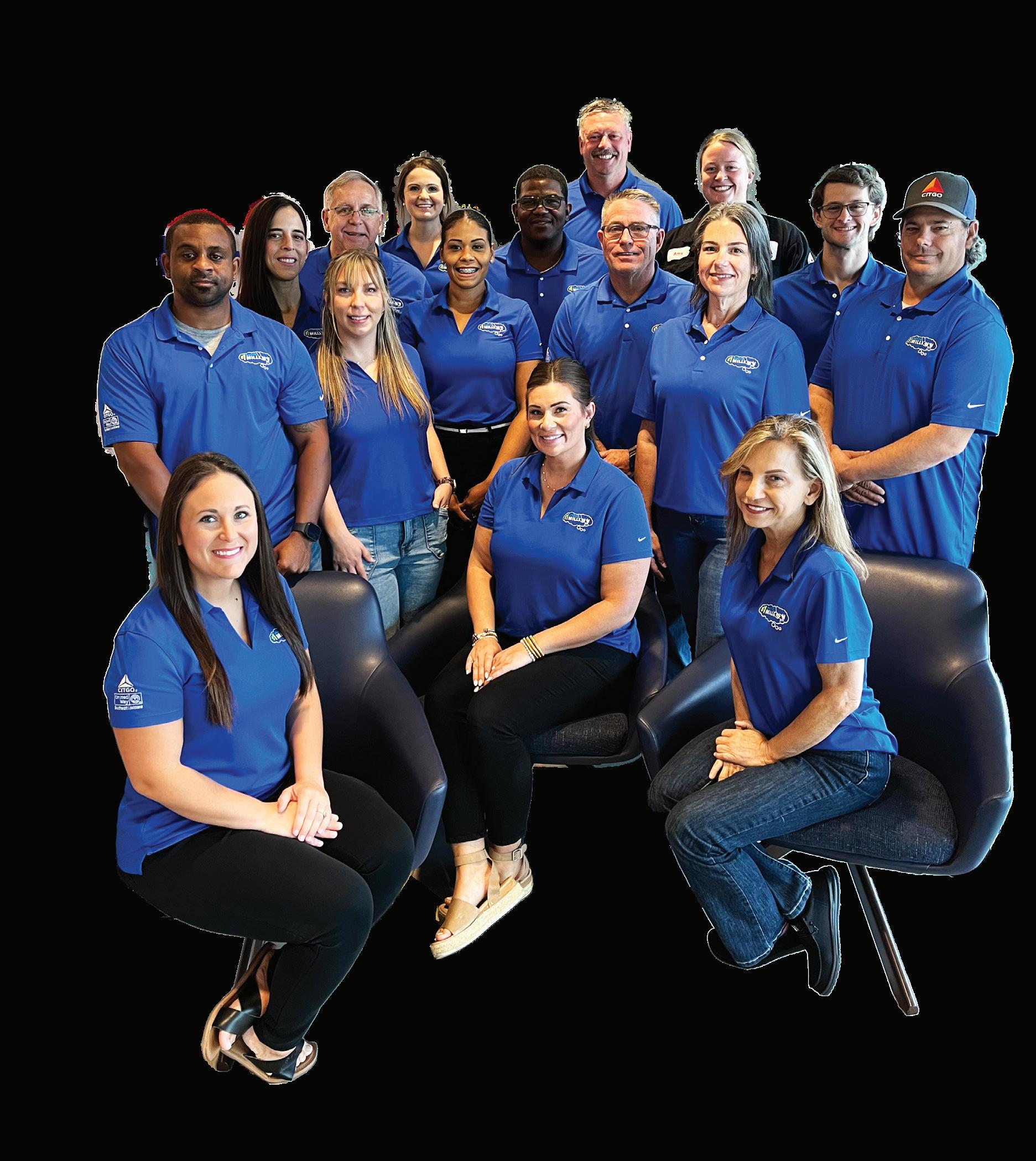
CITGO Lake Charles employees were the largest employee giving campaign for United Way SWLA in 2024. Our salaried and hourly employees, supported by three bargaining units, were crucial in meeting the needs of United Way of SWLA.

Thank You to:
• Lake Charles Metal Trades Council, Local 407
• International Association of Machinists and Aerospace Workers, Local Lodge 1317
• Office and Professional Employees International Union, Local 129