
PITCH PERFECT Checking In with Soccer Star Shannon Boxx & Family – page 24 MULTNOMAH ATHLETIC CLUB FEBRUARY 2023 WINGED M

Multnomah Athletic Club’s mission: Enrich lives, foster friendships, and build upon traditions of excellence in athletic, wellness, and social programs.
FEATURED 24 Outstanding in Her Fields
After retiring from professional soccer, Shannon Boxx keeps finding new ways to make a positive impact on the next generation of athletes.

52 Cardiac Wellness Program
Heart health and friendship flourish among members who have joined this program after a major health event.
Shannon Boxx and husband Aaron Spearman with their children, Jaden and Zoe, on the Stadium Terrace. Cover design by Kari Kohrmann. Cover photo by Brandon Davis.

The Winged M (USPS 483-210) is published monthly by Multnomah Athletic Club at 1849 SW Salmon Street, Portland, Oregon 97205. Advertising from members and nonmembers is accepted by The Winged M. Advertisers in The Winged M are not endorsed by Multnomah Athletic Club unless otherwise noted. For questions concerning mailings and subscriptions, call 503-517-7280 or email membership@themac.com. Periodicals postage is paid at Portland, Oregon. POSTMASTER: Send change of address to Multnomah Athletic Club Member Services, 1849 SW Salmon Street, Portland, Oregon 97205. ©2023 Multnomah Athletic Club.
Submit magazine content ideas to wingedm@themac.com. View current and past issues of The Winged M online at thewingedm.com.

FEBRUARY 2023 | The Wınged M | 3
ON THE COVER
Contents 44 COMMUNICATIONS TEAM Stephanie Cameron Director Molly Brown Project Manager Brandon Davis Photographer Kari Kohrmann Graphic Designer Laura Lawrence Digital Content Specialist Adam Linnman Communications Manager Carina Mears Connery Communications Coordinator Julia Omelchuck Graphic Designer/ Ad Services Coordinator Deanna Pogorelc Content Manager Jake Ten Pas Senior Copywriter FEBRUARY 2023 | VOL. 112 No. 2 A PLATINUM CLUB
Lindsay was the female winner of the Jingle Bell 5K. Turn to the Club Scrapbook for more event photos. CLUB NEWS 5 President’s Column 7 Manager’s Column 9 Athletics Column 11 Faces of MAC 13 MAC Strategy 2023 14 DEI Update 18 20s/30s Committee 21 MAF Scholarships 23 In Memorium CULINARY 28 Valentine’s Day 31 Super Bowl Recipes 33 W ine Dinners 35 Cooking Class EVENTS 36 February Event Listings 38 March Event Listings 44 Club Scrapbook FITNESS & WELLNESS 54 Naturopath Column 56 Personal Trainer Spotlight 56 F itness & Wellness Corner 57 Instructor Spotlight 57 Build Program ATHLETICS 58 Celebration of Champions 62 Golf 64 Squash 66 Tennis 68 Basketball 70 Walk Across America 50 Tell Your Story 72 Advertiser Index 72 MAC Marketplace 74 From the Archives
Rosalind
BRANDON DAVIS


Committee Chairs
STANDING
Audit Kyle Goulard
Athletic Jim Laird
Budget and Finance Kyle Goulard
Communications Amanda Harvey
Diversity Admissions Maryam Bolouri
Diversity, Equity & Inclusion
Debbie Bensching
House Emily Yensen
Member Events Mary DiOrio
Membership Allison Lee
Property Marc Monaghan
BOARD
Food & Beverage Rich Director
Human Resources Mike Mathews
Land Use Kia Selley
Technology Eric Miller
SPECIALIZED
Arts Susan Kerr
Community Involvement Sheri Anderson
Investments Doug Post
SPORT
Artistic Swimming Marni Davis
Basketball Jon MacDonald
Climbing Reniera Eddy
Cycling Bryan Leslie
Dance Ulrike Devoto
Early Birds Bill Zander
Fitness & Decathlon Steve Brown
Golf Larry Vanlaningham
Group Exercise Jacqueline Depasse
Gymnastics Sara Vanderhoff
Handball Conor Casey
Karate Mark Twietmeyer
Outdoor Activities Program
Laura Johnson-Graham

Pickleball Mark Jansa
Pilates Lisanne Butterfield
Racquetball Sanjay Bedi
Ski Ken Park
Squash Byron Gaddis
Swim Brad Fennell
Tennis Martin Bleeck
Triathlon & Running Dave Hanna
Volleyball Darcy Henderson
Walking & Hiking Ann Blume
Water Fitness Linda Hering
Water Volleyball Steve Watson
Yoga Miki Chown
EVENT
20s/30s Tori Buck
Balladeers Jon Lee
Culture and Style Kelly Director
Family Events Lindsey Hern
Holiday Decorating Bridget Connolly
MelloMacs Natalie Willes
Social Activities Shaunmarie Gutbezahl
PRESIDENT’S COLUMN
Where does the time go?
As I write my final column as the Board of Trustees president, it is impossible not to reflect on the past year. It has been an absolute honor to serve our community as president, which is something I will cherish for the rest of my life. MAC is so rich with tradition, and to be a part of our storied history is truly special.
Milestones
It was an eventful year, to say the least, that began with our community still wearing masks at the club. As restrictions loosened and we, along with everyone else, slowly climbed out of the pandemic, in-person events returned to MAC for the first time in two years. This return to MAC’s “traditional operations” is a true testament to the commitment our staff has to the club and the leadership of General Manager Charles Leverton and his team. I have been honored to work with such a strong group.
We also just wrapped up the second year of our strategic plan. During the first year of our plan, we were focused on stabilizing MAC, rehiring staff, and recreating the member experience. This past year, we continued to focus on member experience and made great strides in improving our club through a strong Campus Master Plan process and focusing on improving our infrastructure. Your club is also in good financial health thanks to smart decisions made during the pandemic and through the actions we have taken this past year.
Looking Back & Ahead
My time as president included many memorable moments, but a few stand out. The 2022 50-Year Member Celebration, which was the first time many of our senior members came back to the club since its closure, was a special event. It was thrilling to share in the excitement of some of our most honored members, and it was a night that signified that the pre-pandemic MAC was slowly but surely returning. This winter, we returned inside for the Holiday Open House
and Tree Lighting Ceremony. This always is one of my favorite events, and to be able to experience it with my loved ones, including my grandson Henry, was truly magical.
Of course, being president also comes with some not-so-great moments, and there are certain aspects that I will not miss. First, the meetings! I’m sure this is something we can all relate to, and I am very much looking forward to spending more time at the club exercising and recreating instead of attending meetings. Also, interrupted workouts. I fully accept that the position of president comes with certain expectations, such as 24/7 availability to our community, and I happily made time for all during my tenure. But to use the Fitness Room as a regular member free from interruptions has me giddy with excitement.
New BOT Officers & Trustees
I want to recognize the board’s new officers and first-year trustees. The new officers have been working during January preparing to officially take on their new roles this month, and with President Nathan Ayotte taking the reins, I am confident that MAC is in good hands. Joining Nathan are Vice President Richard Maxwell, Treasurer Alison Rosenblum, and Secretary Katherine VanZanten. I have spent countless hours working closely with this group and they will no doubt keep MAC headed in the right direction.
New to the board are incoming first-year trustees Susan Bladholm, Victor Perry, Dana Rasmussen, and Alex Young. They combine for an impressive 101 years of MAC membership, and each brings expertise and knowledge that will enhance club leadership for the next three years.
Thank You
Finally, I want to thank each of you for allowing me to be your president. It was certainly a role that I never envisioned myself in when I first joined MAC, but I am forever grateful that I did, and I am honored to have served the club that means so much to all of us. Also, thank you to my family, especially my husband, Randy. Their patience and support allowed me to serve to the best of my ability. Please remember to continue to treat each other with respect and kindness, and I will see you around the club!
FEBRUARY 2023 | The Wınged M | 5
CLUB NEWS
Mary Turina PRESIDENT





1634 SW MYRTLE ST | HISTORIC SIGNIFICANCE IN THE GRID PORTLAND HEIGHTS | 7 BR 6.5 BA 8,413 SF + 1,277 SF ADU | CALL FOR PRICE Brian Pienovi, Principal Broker (503) 577-5858 | bpienovi@pienoviproperties.com Andrew Pienovi, Principal Broker (503) 913-1200 | apienovi@pienoviproperties.com OUR FEATURED LENDER: Greg Mirecki, Mortgage Banker NMLS 5208 (503) 789-1435 | greg.mirecki@pmrmtg.com Co NMLS 1169 | Equal Opportunity Lender 3204 NE ALAMEDA TER
ALAMEDA RIDGE
BIG VIEWS ALAMEDA RIDGE | 4 BR 3.5 BA 4,415 SF | $1,649,000 4515 SW 59TH AVE | LUXURY MODERN FARMHOUSE RALEIGH HILLS | 4 BR 3.5 BA 2,694 SF | $1,695,000
|
WITH
Board of Trustees
President Mary Turina
Vice President Marilyn Whitaker
Secretary Mike Mathews
Treasurer Kyle Goulard
Trustees
Nathan Ayotte
Ryan Chiotti
Jenny Kim
Richard Maxwell
Andrew Randles
Alison Rosenblum
Jennifer Strait
Katherine O. VanZanten
General Manager
Charles Leverton
Executive Leadership Team
Strategy & Portfolio Director
Matt Abraham

Culinary & Events Director
Erik Anderson
Finance & Accounting Director
Mary Averette
Chief of Staff
Laura Boley
Communications Director
Stephanie Cameron
Interim Athletic Director
Chad Failla
HR Director
Amy Mattson
Engagement Director
Derek Pratt
Club Operations Senior Director
John Sterbis
Senior Leadership Team
Portfolio Manager
Patrick Martin
Fitness & Wellness Manager
Maddy Sweeney
Strategy & Special Projects Manager
Nathan Loomis
Technology Director
Mark Marcelline
Facilities Director
Daniel Newell
Member Experience & Services Director
Kevin Pollack
Membership Manager
Kelly Robb
MANAGER’S COLUMN
As I prepare to attend my first in-person MAC Annual Meeting as general manager, it’s hard to believe that I am entering my third year in this role. What a whirlwind it has been. Three years ago, my dear friend and mentor, 2020 President Holly Lekas, calmed my nerves as I first took the stage during the Annual Meeting as incoming GM to speak to my first MAC audience. I had not yet had my first full day in office. At the podium, addressing what appeared to be an endless sea of committed longtime members, I spoke of admiring MAC’s strong traditions and promising future, an opinion that has never wavered nor faltered. In fact, I would argue the past three years have deepened those beliefs.
A Return to Full Operations
As with all struggles, we must now recover and heal, growing stronger and more resilient in the process. Our member-led committee system and our dedicated staff, stronger and more resilient than ever, are continuing the work of restoring our community’s vital traditions and practices. It is impressive to see both sides of our club work in tandem as they carefully consider what matters most to MAC — not only to those of you enjoying the club today but to those who will follow in our paths. I believe we are all part of an unbreakable chain of community.
Staff are excited and deeply honored to be a part of that journey. We recently sent a message empowering them to own this era of MAC stewardship — to serve as stewards not only to the more than 2,000 members who use the club daily, but also those generations that are awaiting their turn to grow up at MAC and to place their mark on our storied tradition.
We will continue to surprise and delight you with amazing experiences as we return many of our club traditions. Staff will also increase our reminders of club policies and etiquette to ensure everyone can enjoy our community equally. Please support staff in this work with the kindness and respect they deserve. They are acting in the best interest of our many members who all share our wonderful facilities.
A New Board Leader
Our partnership between staff and members is stronger than ever. We are working in close concert, leading with a co-created strategy and improved governance tools, to help us become more agile and responsive to your needs.
I am excited to partner with our incoming President Nathan Ayotte, who brings a patient and steady hand to MAC’s most revered position. He is accompanied by a very strong officer class of truly selfless individuals who I have had the pleasure of getting to know these past two years. Bolstered by the impressive talents of our first- and secondyear trustee classes, I can personally assure you that MAC is in strong member leadership hands.
A great thanks to our outgoing officer class. They have led with passion and courage, bringing us “back to MAC.” The countless hours and commitment our volunteers at every level contribute can never be truly measured. I would strongly encourage you to take the opportunity to thank them for their impeccable service to MAC.
Finally, a personal thank you to our outgoing President Mary Turina. Through the many Sounding Boards, events, board meetings, texts, e-mails, and meetings, you led our community with grace and courage. You never faltered and remained unwaveringly committed to prepare MAC for a brilliant future. I am grateful for your counsel and partnership. You have made a difference and earned your place on “the wall” of presidents. On behalf of myself and a grateful staff, thank you for your service and leadership.
FEBRUARY 2023 | The Wınged M | 7
CLUB NEWS
Charles Leverton GENERAL MANAGER

IN THE PEARL DISTRICT AND LAKE OSWEGO YOUR DOCTOR MAKES A DIFFERENCE. TOWER OCULOFACIAL PLASTIC SURGERY, PC Yale-trained, and current Associate Clinical Professor of Plastic Surgery at OHSU, Robert Tower, MD offers a personal physician level of care, performing all lasers, injectables and surgery. Come experience the difference a board certified, fellowship trained oculofacial plastic surgeon can offer. WWW.TOWERPLASTICSMD.COM | 503.227.5075
Ways to Reach At Your Service
atyourservice@themac.com
Text or call 503-517-7235 themac.com/group/pages/contact-us
Additional Points of Contact
Accounting
503-517-7200
Athletics & Wellness
503-517-7525
Events & Catering
503-517-6600
Child Care
503-517-7215
Facilities
503-517-6656
Food & Beverage
503-517-6600
Lost & Found
503-517-7235
MAF
503-517-2350
Maintenance
503-517-6665
Membership 503-517-7280
Mporium
503-517-7290
ATHLETICS COLUMN

February is American Heart Month, a time when the nation spotlights heart disease, the No. 1 cause of death among men and women in the United States, and everyone is encouraged to focus on their cardiovascular health. According to recent research by the American Heart Association, the national event takes on even more importance due to COVID-19’s impact on the nation’s health, which includes potential harmful effects on the heart and vascular system. During the pandemic, many delayed or avoided going to hospitals for heart attacks and strokes. This, as you can imagine, produced negative outcomes. Also, during the pandemic’s lockdown, many of us engaged in unhealthy lifestyles, such as limited physical activity, poor eating habits, and increased alcohol consumption.
In most cases, heart disease is preventable. Eat healthier, exercise regularly, don’t smoke, monitor your blood pressure, get your cholesterol checked, limit your alcohol intake, take your medications, and work with your health care team.
MAC is here to help support members who have experienced certain heart events, interventions, or risk factors with our Cardiac Wellness Program. Here are some facts about the program:
• In 2022, the Cardiac Wellness Program served members through 99 sessions.
• The program runs twice weekly on Mondays and Wednesdays.
• MAC partners with Legacy Health to help members who have experienced a heart attack, heart surgery, cardiac interventions such as angioplasty or stent placements, a history of chest pain, or risk factors for coronary artery diseases such as diabetes, hypertension, or obesity.
• Under the direction of an exercise physiologist and cardiac nurse, members are guided through a supervised conditioning and maintenance program that offers exercises to build strength, endurance, and confidence.
• Vitals and heart rhythm are taken and recorded during every class, and exercises are tailored to the individual needs and abilities of each participant.
• Exercises include endurance training, strength and resistance training using free weights and resistance bands, and balance exercises.
You can learn more about this special program on page 52 or by contacting our Wellness department.
Celebrating MAC Champions
February also is when MAC celebrates our champions at the annual Celebration of Champions on Thursday, Feb. 23. This is MAC’s premier athletic celebration hosted by Jeff Gianola to honor nominees and winners of the Joe Loprinzi Inspirational Award and the Mel Fox Amateur Athlete of the Year Award. MAC National Champions also are recognized. This event promises to leave members proud and inspired.
The annual Joe Loprinzi Award was established in 1988 and is given to a MAC member who has followed in Joe’s footsteps to inspire others to achieve their goals. This award is special to me as I was lucky enough to know Joe as a member of our club after his impressive 60-year tenure. Joe was someone who you would hope to run into during your daily MAC journey. There were times that many, including myself, would drop what we were doing when we knew Joe was in the building to go say “hi” and absorb some of his addictive energy. He made a point to take time to encourage you through his words and self-confidence.
Evidence of Joe’s inspiration and amazing influence also can be found at the Multnomah Athletic Foundation. A scholarship in his name provides over $50,000 in scholarships each year for high school seniors looking to further their education. The scholarship program is open for applications and closes Wednesday, March 1. This scholarship and yearly award are two ways that Joe’s spirit lives on in our evolving club.
February is a busy month in Athletics, which can be seen in every area in both our recreational and competitive programs. I make it a point to visit all areas of the club during these peak times and look forward to seeing all members of all ages enjoying our programs and facilities.
FEBRUARY 2023 | The Wınged M | 9
CLUB NEWS
Chad Failla INTERIM ATHLETIC DIRECTOR

FACES OF MAC
many years ago, and in the latter where he had an epiphany about his place in the world.
In the holy city of Pushkar, the Marshalls were sitting on the steps of a temple when they were approached by a man living there. He asked for food and a sip of their Coca-Cola, which they gladly obliged, but remembering an admonition not to give out money to the homeless, they balked when he asked for “baksheesh.” Nevertheless, when they returned to the steps the next day, he again approached them, but not to ask for anything. Instead, he gave them a handmade bracelet with a bead and crystal attached, in gratitude for their generosity.
Counting Contest Winner
Hadley Greene doesn’t think of herself as much of a math expert, but she expertly guessed the number of stars in the 2022 Holiday Counting Contest, winning the honors of getting to flip the switch at this year’s holiday Tree Lighting Ceremony.

“It doesn’t matter where you travel – People eat,” says Ian Marshall, whose official job title is 1891 kitchen line cook. But that’s reductive, and not like boiling or simmering a sauce until it reaches the right consistency. It’s inadequate in that it doesn’t say what Marshall truly is known for, which is being a soup sorcerer of great power and wisdom. Members might not know it, but MAC employees tune in each day to a Microsoft Teams channel called Soup du Jour, where sometimes Marshall’s latest potions are listed in straightforward fashion, and others described to comic effect by fellow line cook Michael Cheaney.

“Swine cooked in a bovine product with tuber and a mollusk,” anyone? Friday wouldn’t be nearly as delicious without it.
“Sopa de Lima. Or chicken tortilla for us that aren’t multilingual,” went another recent post, and Marshall seems qualified to speak to what might be on the menu in Peru’s capital. The man loves to travel, and has taken extended vacations in places ranging from Costa Rica to India. It was while riding the Green Tortoise in the former that he met his wife, Patricia,
“That kind of experience makes you realize there’s more to life,” Marshall says. These days, he tends to look for such inspiration a bit closer to home. “Now, I keep my feet on the ground and spend my vacation time in the Pacific Northwest, camping with my wife in our 1977 VW Bus.”
Marshall grew up in Edinburgh, Scotland, before moving to London to run a wine shop called Odd Bins in the 1980s. In the ’90s, he sensed that it was time for a change lest he overindulge in his professional expertise and decided to go to culinary school. Marshall gained experience working in a government canteen before moving to the United States in 2003. His wife connected him with the Beaverton Foursquare Church, where he ran the kitchen before getting hired by Chef Philippe Boulot’s predecessor, Paul Beppler, and bringing his road-tested experience to MAC.

Wherever Marshall worked, soup was on the menu, and eventually he was tapped to take the ladle and lead club spoons and bowls to higher levels of excellence. When comedian Dave Chappelle recently came to Portland, he visited MAC on multiple occasions, the last of which was allegedly only for another helping of Chef Ian’s Thai Chicken Noodle, a perennial club favorite. What is it about such a basic dish that keeps members, employees, and visiting celebrities coming back for more?
Marshall humbly shrugs. “It’s simple and nourishing. It’s just got that feel-good quality,” he says in his distinctive brogue.
The contest, which was set up in the Main Lobby during the holiday season, welcomed child members to guess how many stars were contained in a series of glass jars. Greene’s guess of 5,132 was only 200 off from the correct amount. When asked about her winning approach to the contest, Greene replies: “I go with my gut!”
And while she considers math OK as far as school subjects go, the Alameda Elementary School fifth grader notes that science and social studies are the subjects that truly excite her. “Science is really fun, and learning about people and history is really interesting,” she explains. It’s fitting, then, that she’s also an avid reader who names historical fiction as her genre of choice.
When she’s not at school or diving into a good book, Greene loves playing video games like Genshin Impact and Untitled Goose Game. She’s also an animal lover who’s particularly fond of cats — and dogs, too.
Her family joined MAC in June 2021 after relocating from Cary, North Carolina, in 2019. Since then, Greene has enjoyed getting involved in the Aquatics community at the club. “I moved up to the Bronze level of the MAC Swim Team this year, and it has been a lot of fun. I’ve been able to make a great friend through the swim team, and I’m also still getting to know my new teammates,” she says.
FEBRUARY 2023 | The Wınged M | 11 Submit information for
of
to
Faces
MAC
wingedm@themac.com.
CLUB NEWS
Soup du Jour

Portfolio Management Is the Key to Delivering on Strategic Plan
By Jenny Kim, Board of Trustees, and Matt Abraham, Strategy and Portfolio Director
In November 2022, MAC members were introduced to the annual strategic planning process and the steps the club follows to ensure the club’s operations and projects are aligned with the strategic priorities. The final step in this annual planning process is budgeting and developing a portfolio of projects for the upcoming fiscal year. The Portfolio Management Office (PMO) is a relatively new capability for the club and one that contributes greatly to MAC’s ability to execute projects successfully. Recognizing members are still not fully aware of the PMO function or what it does, it’s most simply described as the thoughtful implementation of our strategic plan.
To understand the process of landing at the approved project portfolio, it might be helpful to think of this office as the air traffic control tower guiding MAC toward growth and innovation. On the team are two board members, a representative from the Property Committee, and one from the Budget & Finance Committee. The office is rounded out by a staff team of strategy, project, and portfolio experts who drive communication among stakeholders and ensure smooth operations of its day-to-day activities.
There were 112 proposals submitted to PMO for consideration in the 2023 portfolio, many of which were submitted by members through the committee system. These ranged from large strategic efforts sponsored by the board to staff-run operational needs as minor as replacing a carpet. After the board reviewed and prioritized all proposals, PMO — with oversight from Property and Budget & Finance Committees — designed the most efficient and impactful path forward by assessing and scheduling projects considering constraints such as funding, staff resourcing, member impact, and alignment with strategic objectives. Effectively incorporating smaller projects to optimize resource utilization is a challenging but valuable aspect of this process as well. It’s worth noting that the project portfolio is reevaluated throughout the year. This allows the portfolio to adapt to unplanned critical projects and shifts in funding that may arise from supply and labor constraints.
The 2023 project portfolio is aligned with this year’s top three strategic objectives, which are: Improve our Foundations, Build a Thriving Team, and Connect and Support Members. Ultimately, 77 projects
MAC 2023 STRATEGIC OBJECTIVES
were funded for 2023. Projects that “Improve Our Foundations” will establish a solid operational framework for the future of MAC and will include optimization of our technology systems and processes to better serve members and understand their affinities and trends. “Build a Thriving Team” will include projects that support staff excellence and continue to advance our service-oriented culture. Finally, to create a more inclusive, accessible, and connected club both culturally and technologically, “Connect and Support Members” will include the roll-out of a new, easier-to-navigate mobile app for members, improvements to the online registration system, upgrades to the studio sound system and Sun Deck Pool as well as projects that support the club’s growing DEI efforts.
Under the guidance of PMO, 2023 is positioned to be a year of results that underline MAC’s status as one of the nation’s top premier athletic clubs. To keep members informed, PMO will soon launch a digital hub on themac.com where members can view the project portfolio and progress updates. In the meantime, members can submit feedback through Sounding Boards or become part of the planning process by getting involved with the committee system.
Roll-out of a new member mobile app
Upgrades to the studio sound system
Improvements to the Sun Deck Pool
Diversity, equity, and inclusion training and policies
FEBRUARY 2023 | The Wınged M | 13 CLUB NEWS Build a Thriving Team A staff that feels empowered and supported in doing their best work Development and implementation of service-oriented culture program Optimization of technology systems and analytics to better serve and understand members
Connect and Support Members
club that is more accessible,
and
enhancements to the online registration system and processes
A
inclusive,
connected Continued
PROJECT EXAMPLES Improve Our Foundations
solid operational foundation to build the future of MAC upon
A
Upcoming Focus Groups, All-Member Survey Advance Club’s DEI Work

Last month I provided an overview of the steps the Diversity, Equity, and Inclusion Committee is taking with a consultant, TsaiComms LLC, to conduct a DEI organizational assessment of MAC. This month, I want to provide some details about the work with the TsaiComms team, an update on the status of the process, and milestones that have been achieved so far.
The DEI organizational assessment allows the club to gather information about its current state and progress toward DEI-related goals and initiatives that are substantive and not performative or transactional. The goal is to provide a deep, data-driven understanding of the current member experience and culture at MAC as it relates to DEI. This will help identify, define, and develop the path to future DEI initiatives and strategy goals.
Beginning the Assessment
Those familiar with organizational assessments and gap analysis know that, although there are some fundamental components that are the same, there isn’t a one-size-fits-all template. Because MAC is unique in many ways, it is important to tailor this process to fit the specific environment and needs of the club. The DEI Steering Committee spent time onboarding and educating the
TsaiComms team about the club and its culture by:
• Holding several meetings with a subcommittee of the DEI Steering Committee
• Hosting a dinner meeting with the full steering committee
• Providing background materials about the club’s structure and history, and the development and work of the DEI Committee
completed by the end of the first quarter. The Communications Committee also created a DEI Communications Subcommittee, which along with the DEI Committee, will offer input and support on the project.
Gathering Member Input
A major component of the club DEI organizational assessment is member input. Upcoming focus groups and an all-member survey will gather information directly from members.
Once the initial onboarding was completed, the TsaiComms team conducted preliminary interviews with five staff and six members who have been involved with previous DEI efforts and club governance to help guide the development of the focus groups and an all-member survey. Currently, a review of key club policies and bylaws with an equity lens has started and is on track to be
Hopefully you filled out an interest form and already read about the focus groups being conducted to broaden understanding of how members experience MAC. An initial pilot focus group made up of seven members and two staff was held on Jan. 4 to gather feedback and fine-tune the process prior to starting the full slate of focus groups. Additional focus groups comprising members with a predominant interest in one of seven areas of club life started at the end of January and will continue through March.
The focus groups are being led by the consultant team to provide a confidential setting for member feedback through group discussion. Information gathered during the focus groups will assist the committee in
14 | The Wınged M | FEBRUARY 2023 CLUB NEWS
The focus groups are being led by the consultant team to provide a confidential setting for member feedback through group discussion.
drilling down into some key areas where the club requires added focus. In addition to the focus groups, a survey of all members will be conducted, and follow-up interviews will help clarify and deepen understanding in key areas.

The club is also conducting an all-member survey to give members an opportunity to share their insights and experiences in the club. It is important to gather feedback from as many members as possible to identify an updated understanding on the status and desired state of MAC. The survey will include quantitative questions, which help identify trends and patterns, as well as qualitative questions, which allow for more descriptive answers. It is important to have both kinds of information to fully understand the range of experiences of club members.
The goal is to launch the all-member survey in mid-March, prior to the end of the committee year. The survey is to ensure all members have an opportunity to provide feedback on their experience, so please do take time to respond once it is available in March. The results will allow the club to identify and learn more about key areas of consensus that exist with members and what actions will have the greatest support and impact on creating a member experience that makes everyone feel welcome. The TsaiComms team will provide an assessment report of their findings and make recommendations for the club to use in creating strategic initiatives. The more data members provide, the better the club can prioritize next steps in creating robust and meaningful DEI strategic initiatives.
Please remember, the goal is to provide members with an inclusive, congenial, and friendly environment for social and athletic activities that represents all members. Inclusion is at the heart of the club’s mission to “enrich lives, foster friendships, and build upon traditions of excellence in athletic, wellness, and social programs.” To fulfill the mission, it is essential that the club community continues to look under the hood as we work to create a more representative, fair, and welcoming MAC for all members.
— Debbie Bensching, DEI Committee Chair

There’s a difference between understanding your vision and making your vision happen. At Key Private Bank, our wealth management team works with you to help you get where you want to go. Whether you’re across the table or across town, we act as an extension of you, navigating the road ahead, so you can focus on what’s important. We see your potential. We know how to help you achieve it. And we’re here for you every step of the way.


FEBRUARY 2023 | The Wınged M | 15 CLUB NEWS
Your Central Oregon Resort Experts ARENDSREALTYGROUP.COM PHIL: 541.420.9997 THOMAS: 541.285.1535 Each office is independently owned and operated. All brokers listed are licensed in the state of Oregon.
Put your plan into action. Contact Your Key Private Bank Team at 503-790-7622 or visit key.com/kpb today. Key.com is a federally registered service mark of KeyCorp. ©2020 KeyCorp. KeyBank is Member FDIC. 200304-754982-1185611687 NOT FDIC INSURED • NOT BANK GUARANTEED • MAY LOSE VALUE • NOT A DEPOSIT • NOT INSURED BY ANY FEDERAL OR STATE GOVERNMENT AGENCY Key Private Bank is part of KeyBank National Association. Bank and trust products from KeyBank National Association. Investment products are: We’re Here to Help You Get There
SHOP ’TIL YOU DROP
SEMI-ANNUAL SALE
Have you been eyeing apparel or special gifts in Mporium? Now's your chance to grab them at super prices!
Monday, Feb. 6-Wednesday, Feb. 8 10 a.m.-6 p.m.

To MAC Members, From A Grateful Staff

Thank you to members who generously contributed to the MAC Employee Holiday Fund this year. Employees received their Holiday Fund bonus in December during the annual staff holiday party, and the outpouring of appreciation for members was overwhelming. MAC staff takes great pride in serving America’s preeminent social and athletic community with excellence and looks forward to another great year.
Prioritizing Member Experience with MAC’s New Business Unit – Engagement
In General Manager Charles Leverton’s first year with the club, one of his top priorities — aside from dealing with the onset of the pandemic — was building an organizational structure that would support the club’s current business and operational needs while enabling the club to secure a bright future. The new organizational structure included a business unit focused on member experience and member engagement.
Now, Derek Pratt, the club’s new engagement director, is on board. As he brings this new capability to life, he’s sharing his vision and definition for his position and the departments that report to him.
The Winged M: What exactly does “engagement” mean?
Derek Pratt: Definitions range from a formal agreement to marry to a battle between armed forces. That said, in business terms, engagement is when customers go beyond a transactional, purchase-based relationship with a company or entity and instead build a connected experience that cultivates an ongoing relationship. The Engagement business unit at MAC, including the Membership Department, Member Services Department, and Experience Department, is responsible for that connected experience interwoven across all of MAC and is accountable for the overall use and satisfaction of club members that engage with MAC.
WM: What does the Engagement department do?
DP: Many members will be familiar with two of three Engagement departments: Member Services and Membership. The Member Services Department is led by Kevin Pollack and includes the Front Desk Member Services and Reservations Team. Front Desk Member Services Manager Jordan Hutchisson is responsible for our entrance desks, At Your Service desk, and Manager on Duty team. These teams facilitate the day-to-day at the club, ensuring checkins, answering member questions, and making rounds of the facility enforcing club policy. The Reservation Team, led by Leslie Hendrix, handles the back-end and oversight of all programs, events, and spaces being entered
into Northstar. The Membership department is led by Membership Manager Kelly Robb with John Hesla in the membership supervisor role. This team oversees the membership pipeline, member management through transitions, and overall member retention that is responsible for the majority of MAC’s revenue.
New to MAC is the Experience Department. Experience capabilities will allow the club to better listen to the voice of the member and better understand how members use the club. It will strengthen systems to gather member feedback, including secret shoppers, surveys, and focus groups, with Kevin Pollack leading the development of these qualitative tools. The Experience team will also be responsible for developing processes to gather participation data on a regular basis and create dashboards for that data to be visualized and used by committees, staff, and the board. There will be a formalized and transparent approach to using this numerical and experience-based feedback loop to prioritize experience enhancement opportunities across the club.
WM: Why is engagement such a focus at MAC?
DP: At MAC, where members often commit for life, engagement is deep and foundational to the way our club runs. The club relies on member-owners to go above and beyond a normal business relationship by serving on committees, fostering our community by proposing new members, and providing critical feedback that helps create the future of MAC. The Engagement business is responsible for strengthening member commitment to MAC and enhancing the experience of all members by being the club’s eyes and ears. Synthesizing and providing that feedback to MAC’s governing system, empowering committees to set their strategic priorities with data and insights directly from members, is the best way to ensure that longterm engagement at MAC is enabling the community to set its own direction.
FEBRUARY 2023 | The Wınged M | 17 CLUB NEWS
GETTY IMAGES
20s/30s Community Thrives at MAC

Have you ever heard of MAC’s Winter Ball? It’s elegant, lively, and something you’ve got to see for yourself. And, the 20s/30s Committee puts it on. What about Thirsty Thursdays happy hour in the Reading Lounge? Well, the committee does that too, and it’s every month.

When you’re part of the 20s/30s community at MAC, you’re going to connect with amazing people and, yes, they’re all in your similar age group. As busy as our lives can get with responsibilities and obligations, it’s important to foster social aspects in life as well; the 20s/30s community pairs these two aspects of life with finesse.
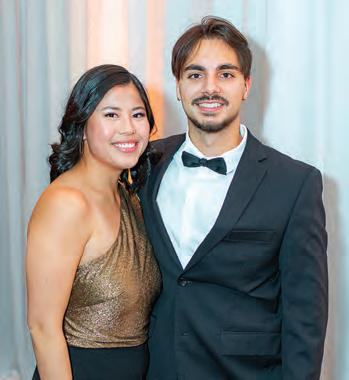

Every age is a call for introspection: Where am I? Where do I want to go? How do I get there? What kinds of relationships will I have along the way? If you ask people who have dived into the MAC community — whether its athletics, committee involvement, business networking, or greater outreach — many will mutter something along the lines of, “There’s no place like MAC.” Chances are, no one will be tapping their little red slippers together, but you will run into them again and again. Why? Because this is an incredible community. Those people you see in the hallway may just walk by when you’re wondering who you can talk to about switching careers, or ask for a recommendation for a new broker, or get a babysitter so you and your partner can swing into 1891 for date night. Sometimes, it’s just the thing you need.
As someone in their 20s or 30s, you may be sitting in the Reading Lounge wondering about a new avenue for professional development, and Scott will walk by — just the perfect person for reaching out to about your thoughts. You’ll be at the Timbers game, thinking it’s time to size up the residence for those little ones along the way, and Tori happens to be coming out of the Sports Pub. You’ll be wondering how you can get a date night in with all the other things you need to keep an eye on. Then Milton walks by, an old racquetball friend who has a daughter who would be a perfect babysitter. Or maybe she is just the person to keep an eye on the new puppy that you just adopted. You never know when that person you’ve been promising a pickleball game to finally drags you onto the court and shows you all the hype you’ve been missing out on. It turns out to be exactly what you needed that day.
This is the MAC community. You pass them multiple times a week in the hallways
and many of them become just a call or text away. There is a place for every age and an outlet for everything in between. There is no place like MAC, and if you reach out, there will be plenty of people willing to show you exactly what you’ve been missing out on. If you’re in your 20s or 30s, come join our community; we will show you what it’s all about.
P.S. Heather’s MaxForce class is back in action at 6 p.m. on Thursdays. You may run into a couple of us there!
— Alex Moreland and Ashley Vachal, 20s/30s Committee
18 | The Wınged M | FEBRUARY 2023 CLUB NEWS
Hannah Cleve, Elizabeth Hartman, guest, and Josephine Appleyard
Tori Buck and Ashley Vachal
Amelia Vetto and Deyan Aydarski
Preston White and McKinnon Niedermeyer
PHOTOS BY BRANDON DAVIS
House Committee
Monthly Report
It’s a new year and a good time for the House Committee to refresh awareness of club rules. Watch this space in the future for reminders and updates.

The committee also reminds members that if they believe someone is breaking a club rule, they should submit an incident report with a staff member or the manager on duty. Sounding Boards also are a resource for members to provide feedback. Below is a reminder of the difference between the two and when to use which.
Incident Reports vs. Sounding Boards
Incident Reports:
Incident reports are used by staff to report incidents on behalf of members. If a member or staff witnesses something that does not adhere to club rules, members can report the incident to a staff member, and they will submit the incident report. Members are encouraged to report to staff when they witness or experience members exhibiting poor behavior or etiquette.

Sounding Boards:


Sounding Boards are used by members to submit positive and negative feedback regarding club operations to staff. Sounding Boards are reviewed by management and the Board of Trustees to improve the member experience at MAC. The Sounding Board link can be found on the website, and staff should respond to submissions that request a follow up within three to five business days.

FEBRUARY 2023 | The Wınged M | 19 CLUB NEWS Follow us on Facebook + Instagram multnomahathleticclub PRINCIPAL BROKERS WINDERMERE REALTY TRUST MACEYANDMJ.COM | 503 730 4576
3000 SW MONTGOMERY DRIVE
1825 SW ELM STREET #7
3621 SW HILLSIDE DRIVE
3900 SW HILLSDALE AVENUE
2 23 MAF WEEK
Sunday, March 12 to Saturday, March 18, 2023
Community Powers Possibilities
MAF Week, with the 10th annual Spin-A-Thon, is a fundraiser for the foundation that fuels access for youth to participate in athletics and education. Join us as we come together for community, movement, and a shared purpose. Everyone is welcome: MAC members, friends, family, community, colleagues, teammates, and even businesses!
Join us for one event or everything!
Spin-A-Thon: March 12


A cycling experience with three one-hour spin sessions.

Move: March 12 - 18
Activities in the club throughout the week.

Bid: March 12 - 18
An online auction with amazing experiences.
Party: March 18
An evening gathering to celebrate community. Learn more and register by following the QR Code!


Registration is also available online through
MultnomahAthleticFoundation.com for full event details.
Eventbrite. Visit
Volunteer to Help Make Kids’ College Dreams Come True
Each spring, the Multnomah Athletic Foundation has open applications for higher education scholarships. Once applications are submitted, the foundation brings together a group of dedicated volunteers to review, deliberate, and ultimately award the scholarships. These volunteers are the crux of making scholarship funding move from funder to student.
Julie Solomon, a MAC member and returning foundation scholarship volunteer, shares why she returns to read and score applications each spring:
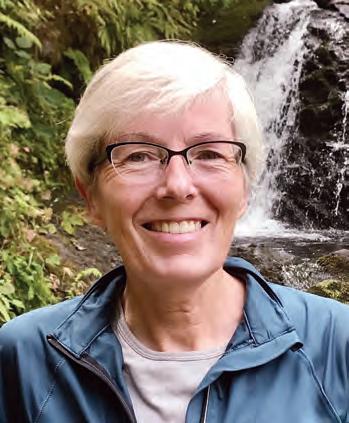
“I’ve read scholarship applications for a few years, and each time is a pleasure and a privilege. Scholarship applicants are strong students and committed athletes — and so much more. Many are engaged in their schools and communities as leaders and volunteers. It’s inspiring to read about their experiences, their passions, and their aspirations. Also, as a donor, I’m motivated to invest in a program that supports such outstanding students.”
Each volunteer is paired with a team of other volunteers for discussion and deliberation sessions to determine the finalists or final awards, depending on the program.
“In addition to learning about impressive students, one of the things I enjoy about reading scholarships is the opportunity to collaborate with others on my selection team. Each of us brings unique perspectives and priorities to the recommendation discussion. I appreciate everyone’s enthusiasm and their insights — and I think I keep learning, too.”
The foundation is currently seeking volunteers to join the 2023 review teams for their scholarship opportunities. Volunteers can participate in one review team or multiple if schedules allow.
What does volunteering entail?
Volunteer Training – Sessions in late February to early March and April.
Loprinzi Scholarship – Review and reading in late March, group deliberation in mid-April, finalist review in late April to early May, decision announced early June.
Sasser MAC Employee Scholarship –Review and reading in late March, group deliberation in mid-April, interviews in late April to early May, decision announced early June.
MAC Scholar Athlete Program – Review and reading in early May, group deliberation in mid-to-late May, decision announced early June.
Interested volunteers can visit MultnomahAthleticFoundation.com and fill out an interest form on the Engage page.
MAF Tributes
Honor someone special or memorialize someone who has passed away by making a tribute gift to the Multnomah Athletic Foundation. Tributes are typically noted as memorial, anniversary, get well, birthday, or recognition.
February tributes are listed below, with the honored individuals’ names in bold.
Bill Baer (memorial)
Lisa Bendt
Ann Blume
Darcy Henderson & Mike Urness
Tony & Janice Marquis
Bill Dugan (memorial)
John Balfe
Dick and Louise Godfrey (memorial)
Martha Godfrey Dixon
Brian Rice (memorial)
Tony and Janice Marquis
Multnomah Athletic Foundation provides community grants and post-secondary scholarships focused on increasing access in sports and education in the Portland metropolitan area. Contributions made to the foundation are tax-deductible. A written acknowledgment and tax receipt will be mailed following the contribution.
For more information, contact MAF Executive Director Lisa Bendt 503-517-2350
Lisa@MultnomahAthleticFoundation.com
FEBRUARY 2023 | The Wınged M | 21 MULTNOMAH ATHLETIC FOUNDATION
Julie Solomon







22 | The Wınged M | FEBRUARY 2023 The Junior Lounge is a space for children ages 7-14 to hang out solo or with friends. Activities include board games, Nintendo Switch, art supplies, books, an air hockey table, and a ping pong table. The following special events are planned for February: Recess Games 3:30-4:30 p.m. Fridays, Feb. 3-24 in the Main Gym Valentine's Day Celebration 2:30-6:30 p.m. Tuesday, Feb. 14 Join us for themed crafts, music, and more! Mario Kart Tournament 2:45-4 p.m. Wednesday, Feb. 22 JUNIOR LOUNGE HOURS: 2:30-6:30 p.m. Monday-Friday & 9 a.m.-2 p.m. Saturday If you have any questions, please email youthprograms@themac.com. ONGOING EVENT Chess & Checkers Open Play 2:30-6:30 p.m. Every Thursday in the Fitness Room Gallery junior Lounge FEBRuaRy EvEnts JMI Insurance JMI Insurance The Best Coverage For The Best Price 503.671.9966 503.671.9966 The Best Coverage For The Best Price www.jmiinsurance.com www.jmiinsurance.com All the Best Insurance Carriers Under One Roof! All the Best Insurance Carriers Under One Roof! AUTO | HOME | BUSINESS AUTO | HOME | BUSINESS
IN MEMORIAM
William Bruce Baer, MD Sept. 30, 1938-Dec. 21, 2022
Bill Baer passed away Dec. 21, 2022, at the age of 84. Bill was a proud member of MAC for almost 50 years, appreciating all the club had to offer. His favorite night of the year was MAC’s Father Daughter Banquet, attending almost 40 consecutive years with his Princess Allison!
Bill was born and raised in Louisville, Kentucky, to Louis and Miriam Baer. A younger sister, Betty, survives him.

Bill was a kind, compassionate, curious, fun, funny, and brilliant human being with an incredible fountain of knowledge at his fingertips. He was a fabulous storyteller and a voracious reader of mostly history and biography. He was a cruciverbalist, finishing The New York Times puzzle every day in pen.
Bill loved toys! He had 17 cars, five boats, three airplanes, a motorcycle, a Vespa, and lots of fancy bicycles over his lifetime. He also collected fountain pens, books, and woodworking tools. Bill’s favorite cars were Corvettes. His favorite boat was the Princess, a replica of a 1950s Chris Craft, which he built by hand, cutting every board. It took about 2,000 hours over two years, and it ran like a charm the first time he launched it! His favorite plane was his Mooney. He could build and fix anything — plumbing, electrical, computers, he did it all. Filling his black doctor bag with tools, he made house calls for friends.
At 17, Bill headed to MIT to study engineering, but upon completion decided that wasn’t really what he wanted. He headed home to enter medical school, following in his father’s footsteps. After his internship, Bill joined the Air Force, serving as a flight surgeon. It was there he designed a blood transfusion device that was patented and used in emergency evacuations.
Bill moved to Portland in 1969 for his ophthalmology residency at OHSU. He would live here the remainder of his life.
Soon he met Dr. Milton Singer, who invited him to join his medical practice. He practiced with Singer and then solo until closing his private practice at age 70. Bill did forensic ophthalmology for the next 11 years. During his almost 50 years of practice, he also taught at OHSU medical school and the Devers Eye Institute, was active on the staff at Good Samaritan Hospital, and served on the boards of multiple medical associations and within the Jewish community.
Bill met Sydney Anker on a blind date in 1976; they were married in December 1976. Allison was born in 1980, and you would have thought he invented fatherhood. Louis, named for Bill’s father, was born in 1982. Bill learned to love baseball, Louis’s favorite sport, and rarely missed one of his games! He was also a gymnastics and ballet dad for Allison. He loved being a physician, but being a dad was the frosting on the cake! Bill also loved being Zayde to his two grandchildren, Lyle and Faryn, and father-in-law to Louis’s wife, Geryl.
Bill often said he was so grateful for his extraordinary life and many blessings. Contributions in his memory can be made to Legacy Devers Eye Institute, Parkinson’s Research, MAF, or your favorite charity.
Sally Drinker Broughton

July 27, 1938-Dec. 5, 2022
Sally Marie Drinker Broughton, loving wife, mother, and grandmother, passed away on Dec. 5, 2022, surrounded by her adoring family and caring nurses. After 84 years of loving, her heart was finally worn out. Sally lived a long and full life and cherished her family and friends. She loved unconditionally, gave generously and selflessly, and was a matriarch until the end. She had
many friends and was a well-loved member of the Portland community.
Sally was born on July 27, 1938, in Portland to Franz B. Drinker and Dorothy Smith Drinker. She grew up in the Northeast Alameda neighborhood and walked to Beaumont Grade School. She attended Grant High School, where she played tennis on the varsity team, and her family hosted a Belgian exchange student, Denise, who became a lifelong friend. She studied political science at Stanford University and graduated in the class of 1960.
Sally met Hal Fraley Broughton at a singles party in Portland, and they got married on May 23, 1964. They had three children, Harold, Elizabeth, and Sarah. Sally loved being a wife, mother, grandmother, and mother-in-law.
Sally’s active involvement in the community spanned wide and far. She was a lifelong member and leader of First Presbyterian Church, where she and Hal were married. Sally volunteered with the Junior League of Portland and served as president and zone director for the Portland Garden Club. She was a 50-year member of the Multnomah Athletic Club and participated on the Walking & Hiking Committee. She was a director for the Rose Festival Association and treasurer of the Colonial Dames.
Sally was an avid gardener and reader. She loved devouring books, volunteering her time, and being with family. She also loved watching sports and exercising in her cardiac class at MAC.
Sally’s mind was as sharp as a tack — nothing got past her up until her last breath. She was insatiably curious and interested in everything. She was an enthusiastic learner of all things in life.
Sally was predeceased by her sister, Jane Stetson (Dick Stetson), and parents Franz and Dorothy Drinker. She is survived by her husband of 58 years, son Harold Broughton, daughters Elizabeth Marsamane and Sarah Broughton (John Rowland), and grandson Henry Marsamane.
In lieu of flowers, please consider making donations in Sally’s name to First Presbyterian Church.
FEBRUARY 2023 | The Wınged M | 23 CLUB NEWS Please send obituaries for current and former MAC members to obituaries@themac.com. Submissions should be 500 words or less and may be edited for MAC style, grammar, and clarity.
DON’T BOXX HER IN
Former Soccer Standout Continues to Think Outside Herself
By Jake Ten Pas
Photos by Brandon Davis
Across the country, February is Black History Month. Here at MAC, it’s also time for the Celebration of Champions.
Shannon Boxx is both. She’s an African American woman with her own perspective on race and a proven champion who won an NCAA Division 1 Women’s Soccer Championship with Notre Dame in 1995. She went on to become an Olympian who claimed gold medals with the United States national women’s soccer team at the 2004 Athens Olympics, 2008 Beijing Olympics, and 2012 London Olympics. Boxx even won the World Cup in 2015.
She also is a mother, wife, philanthropist, and advocate, most recently stepping up on behalf of those diagnosed with lupus, a disease that disproportionately affects women and those of African American, Hispanic, and Asian descent. As a professional athlete, Boxx faced an additional challenge in worrying that news of her diagnosis in 2007 might negatively impact her career or the perception of her abilities. Ultimately, she went public with her condition in 2012, shortly before her victory at the London Olympics.
In honor of her many achievements, and also in recognition of the living history of which she is still very much a part, The Winged M interviewed Boxx about life beyond soccer, challenges she’s faced and overcome, and what she’s still doing to try to level the playing field for younger generations of athletes.
Jake Ten Pas: What’s new in your world?
Shannon Boxx: A lot. I have a tendency of saying yes to a lot of things, so I dabble in a lot of different areas. I have two kids, an 8-yearold girl and a 6-year-old boy. I just co-founded my own company that helps athletes transition out of sports. It’s called Ethos Mentality Group, and the program is called Athletes Redefined. We just launched in July, and we really are in that mode of trying to connect with athletes to let them know we’re doing this. We’re looking for businesses that are willing to support the athletes and pay for them to go through the workshop. So, we’re still very much at the startup, working-a-lot phase.

24 | The Wınged M | FEBRUARY 2023
I also helped start an all-girls soccer academy here in Portland called Bridge City Soccer Academy. I used to coach there, along with other duties. I’ve been working in the community impact program. They have three pillars – development of players, leadership, and community involvement – and it’s about trying to help girls enjoy being in the game, but also teaching them more about what life is outside of the sport. So, off the field and on the field.
JTP: Are these resources that you wish that you had had when you were young?
SB: One hundred percent. Don’t get me wrong — I love the club that I grew up in. It’s very different now. The pay-to-play program is very intense. I have my daughter playing in Bridge City, and I’m so happy that she’s in that environment. I’m the most competitive person you’ll ever meet, but I also think it’s really important for girls, especially, just to enjoy playing the game, learn a lot of life lessons, learn the skills you learn from sports, but also not be so intense that coaches are demanding so much from you that you fall out of love with the sport. So, we've created this organization that's more based on the joy of the game, learning, and playing.
JTP: It seems like a lot of people grew up playing multiple sports and being able to easily manage that. Now, there’s a lot more pressure to pick a sport early on and go with it. MAC is about creating a well-rounded athlete and this idea of the lifelong athlete. Those two go together because being well-rounded theoretically makes you capable of taking on any sport, and being a lifelong athlete probably involves enjoying what you’re doing.
SB: Exactly. My daughter’s on the competitive gymnastics team at MAC, and my son’s starting to get involved, and I could see them both playing basketball here. They grew up taking all the classes. I love the idea that the MAC has been a one-stop shop for us as far as all of the sports and activities for the kids. I mean, that is one of the reasons why we joined MAC.
When I went to the Gymnastics coach and said, "I want my kid to be able to play multiple sports,” she was like, "Yes, we believe in that." They have been great; they have understood. I was a multi-sport athlete, and I feel like I’m a lifelong athlete. I still go, I train at the MAC, and I do the classes. I want to stay healthy and fit, and I think it’s because I just enjoyed playing so many sports, and I didn’t ever get so bogged down in one that I now hate it. That’s really important for the kids, and I think that MAC is doing a really good job of creating availability.
At some point, they’re going to need to decide. But I want them to know that they’re 8 and 6 years old, that we shouldn’t even be having this discussion yet. You should be trying to play as many sports as possible. Try everything because you don’t know what you’re going to fall in love with. I don’t think I really committed to only soccer until I went to college.
That was amazing for me. I played four sports in high school, and I knew soccer was probably the lead one, but I still made sure that I played all these other sports as well. I played volleyball, basketball, soccer, and softball. The cross-training was great.
JTP: You’ve got a lot going on between your kids, Ethos Mentality Group, and Bridge City Soccer Academy.
SB: I also run my own lupus fundraiser here in Portland, and I’m part of the U.S. Soccer Task Force right now that is dealing with sexual harassment and all of the things that are happening in the professional world with women’s sports. It’s blown up here because of the Thorns. The U.S. Soccer Task Force is helping change a lot of those problems. I’m not really dealing with the professional side. I’m dealing with more
of the full soccer spectrum, the ecosystem that’s all over the nation. I’m excited about that because it’s going to be more on the youth side, and that’s where my daughter is. I feel like this is going to be really important for even Bridge City to say “What are we doing to protect our players?”
JTP: You’re fighting the good fight. When people retire from their first major career, it’s great when they find a way to either address some of the issues that they saw during that career, or just look for a way to make the world a better place.
SB: I was very lost when I went into my transition. I thought I knew what I wanted to do. I wanted to coach at the youth level, but I found out that it just didn’t work with my lifestyle. I had two kids late — one near the end of my career and then one right after. My husband [Aaron Spearman, Senior Director, Shotlink Productions for the PGA Tour] travels over half the year for his job, and so working at night was not really working for me.

I realized as I went through transition that there’s the same theme that keeps coming up to the things I say yes to. It’s always, how do I empower people to reach their full potential?
Continued on page 26
FEBRUARY 2023 | The Wınged M | 25
Boxx, Spearman, and their children Jaden and Zoe have been MAC members since 2016
DON’T BOXX HER IN
Continued from page 25
JTP: What was it about soccer that ended up making that the sport you chose?
SB: I like to compete. I think being a competitor has always been there for me. I have an older sister, so we always were competing against each other. I loved being aggressive, and I loved what the game presented. It’s not like it’s “plays.” It’s very free flowing. You had to make decisions out on the field in real time, and I always loved that.
As I matured, I realized, “OK, I’m picking soccer over these other sports.” One, I was just better at it, so I’m like, “I’m going to go for what I’m really good at.” Two, I loved running, I loved tackling. I loved the competitiveness of what soccer brought, and I thought it was a really beautiful game.
To be honest, I just love being part of a team sport. I think the amazing piece is the camaraderie that you have with others. I grew
up in a great club. I played for the same team for eight years. I’m still friends with those players who were my teammates.
And that’s the part that I missed when I left the game, was my teammates, the teamwork that we had, and the fact that we were all from different backgrounds. We were very diverse, and we had different political views even as adults. We still found something in common that we were all really reaching for. That’s just such a cool thing to be a part of.
JTP: Given just some of the gender double standards that exist — where aggression often is seen as a good thing in little boys but not so much in little girls — did it allow you to express aspects of your personality at a young age that might not have found an outlet elsewhere in your life? Or did your parents just encourage you to go hard no matter what you were doing?
SB: I think my mom encouraged me to go hard no matter what I was doing. I was a tomboy: short hair, looked like a boy, hung out with all the boys. I had to be aggressive;
It came naturally to me, and it was accepted because I was hanging out with the boys. I feel very lucky that I was in an environment conducive to, and that my mom was very open to, just letting me be who I was.
But you do see it, and it is a double standard, even as an adult, as a leader. I go into the business world, and if I’m direct, or driven, there is a double standard.
Things need to change from the youth level all the way up. It was freeing to be able to be aggressive on the field, and it’s funny because I think that a lot of people thought that’s who I was off the field. Then they meet me and they’re like, “You’re so nice and so humble.” That’s called “on the field, off the field.”
JTP: If somebody asked you to describe yourself using three descriptors, what would they be?
SB: Resilient, competitive, loyal. I’m also proud to identify as an African American woman with a Black father and a white mother, but I’m much more than that.

That was a hard thing when I transitioned. I was an athlete and identified as an athlete. But really that was just what I did, not who I was. I was all these other things. If I had to identify myself, those would be the three attributes. I see I’m a resilient person. I see it every single day. I’m loyal to the people that surround me, and I surround them, and I’m competitive. I love that piece of me.
If we talked about race a little bit, I struggled as a younger person because most people identified me as white because they saw my mom. My father wasn’t in the picture; he passed when I was young. Most people just said, “You have a great tan.” That bothered me because it wasn’t who I identified as. I am Black. People didn’t recognize me as who I thought I was, but then I realized it really doesn’t matter what other people think. It matters what I think.
JTP: Can you talk about your journey from the early years of feeling like, “I’m Black,” and being frustrated with people not seeing you, to learning more about that side of your heritage that you didn’t previously know, and how your consciousness evolved.
SB: My mom was like, "Ask me any question you want, but there are things I can’t answer because I'm white." She was very open about that and was like, “This is something
26 | The Wınged M | FEBRUARY 2023
you’re going to have to find yourself and ask questions.” I love that.
When I went to Notre Dame, it was more diverse, yet there were very much groups. You were grouped. But it was the first time that I went somewhere and was seen as how I felt, and that was really amazing for me. I came home from Christmas break freshman year, and I was a different person. My mom was like, “You just seem so happy.”
I started taking African American studies classes just because I wanted to take more classes, and I ended up majoring in it. It was all things that I really was interested in and wanted to learn more about. I think that was the major thing for me, was just that my identity was more solidified.
JTP: When you were growing up, who were some of your heroes, on or off the field?
SB: Early on, there weren’t too many professional women athletes, so I loved Michael Jordan, but then I realized I couldn’t be him. Honestly, my sister was a great motivator for me and somebody I looked up to. My mom was, too, for different reasons. She was so independent, and I know we’ve gained a lot of independence from her. I learned very early on that we can do everything we want to do. Doesn’t matter if it was labeled as, “This is what men do, and this is what women do.” We knew we could do whatever we put our mind to.
As I got older, in high school and college, I started seeing the women’s national team. Briana Scurry was a huge hero, one of the first African Americans to play on the national team and to be so charismatic. She was shy off the field, but man, when she was on the field, she showed every emotion.
When I got onto the national team, it was important for me to be a role model. We signed autographs, and we understood that we have a greater role than just winning games as a women’s team. I felt like I had even more of a role to find kids of color in the stands, and make sure I went to them and signed autographs for them because they need to see me. I always say this. You need to see to believe sometimes. When you see someone else who looks like you doing really cool and great things, you believe you can do them, too.
JTP: What made you want to join MAC? Did you have any concerns around perceived lack of diversity?
SB: When we moved here, we had a group of friends, a lot of them were from Portland,
and they said, “You’ve got to join MAC. It’s a great place to network. It’s a great place for your kids.” I was pregnant with Zoe, and we saw the potential. I love to work out. I love that the classes are there for me and the kids.
Then as we joined, we realized, “OK, there’s not much diversity at the moment here. That’s always in the back of our minds, making sure that our own kids are around people that look like them, too.
That was a concern, but it’s changing. There’s an effort to make sure that there’s a change. Can we continue? Can we start putting people up on the wall and in positions of influence that look like us? For sure, but the fact that it's moving forward in the right direction gives me hope.
JTP: Earlier you mentioned that you run your own lupus fundraiser. What’s your experience been like with lupus, what should people know about the condition, and how did you get involved with raising money for it?
SB: It’s an autoimmune disease, which means that it’s your own body attacking itself. Lupus can cause inflammation in any part of your body, internally or externally. It’s a disease of flares. I can look, feel, and seem completely normal. Then, when a flare hits, all my symptoms come out. Some people can be very, very sick in the hospital, and some people obviously have died. So, 1.5 million people in the U.S. have lupus, and a lot of people have no idea what it is.
It's a very frustrating disease because most doctors still don't know that much about it. The fundraiser is great because it raises so much awareness and brings to light how this disease affects individuals differently. I share my story, but I also have other people with lupus come and tell their stories, which illustrates the full range of how this disease is experienced. I'm part of the Pacific Northwest Regional Council of the Lupus Foundation of America.
The frustrating piece is that before you actually know you have lupus, it can take six to seven years to be diagnosed. That was the part for me that was the hardest. I knew something was wrong with my body. I had doctors telling me, “You’re overthinking. You’re just feeling bad. You’re just tired. You’re just lazy.” I’m like, “I play a professional sport. I’m not lazy.” It’s not just a blood test. Some of it is your symptoms, some of it is your history, some of it is blood work. A lot of it, though, is the knowledge of a doctor who has
seen it before and can actually diagnose you with it.
The next step of frustration is, if you do go on medication, which I am, it could take a long time to figure out what drugs will actually help you because a lot of them are borrowed. Research has increased in the last couple years, and now there are two or three drugs that are specific to lupus. Before that, there weren’t. The medication I’m still on is a borrowed drug from another disease. To find the right combination of treatment for what you’re going through, sometimes the side effects are worse than the symptoms of lupus. It’s very isolating, and it feels very lonely. That’s the one thing that I have noticed more and more as I’ve become an advocate for lupus. It’s just getting people to be aware of what this is and, for those who have it, helping them feel like they’re not alone. I’ve met so many people that have spoken at my event, and now we are really good friends. We can call each other when we’re having a really bad day, and you don’t feel so alone in the process. For years, I kept my condition a secret while I was playing because I was fearful for my job. My family knew, but I was around my teammates for 200-something days a year, and I couldn’t tell them. It was a very lonely period to be in hotel rooms, and not feel good, and have to lie, and deal with it myself.
Once I opened up and told everybody, I was able to actually play for a couple more years longer than I thought just because I felt so much more free, and I had the support around me.
JTP: You’ve now talked about liberating yourself and continuing to create opportunities for others. For you, is Black History Month as much about taking steps to ensure that the present and future continue to change and get better, as it is about knowing the past?
SB: We have to learn from our past and continue to move forward, but we all have a role to play regardless of race. This month is about celebrating the achievements of those who’ve come before us and created opportunities for African Americans. I love who I am. I love that I have a Black father and a white mother. I want to make sure our kids love who they are, too.
FEBRUARY 2023 | The Wınged M | 27
The Delicious Art of Wooing the Heart
MAC Cooks Up Romance for Club Couples
 By Jake Ten Pas
There are two definitions of cardiac wellness. The first is physical or medical in nature, and the second more metaphorical. MAC does all that it can to see that both definitions are addressed, with the second finding its outlet most directly around Valentine’s Day.
This year, club events dedicated to sweethearts include 1891’s Valentine’s Dinner, featuring three courses of food and beverage aphrodisiacs designed by Executive Chef Philip Oswalt and Bar Manager Roni Pervizi. This romantic feast runs Tuesday, Feb. 14, through Saturday, Feb. 18. There’s also a Valentine’s Jazz Dinner & Dance from 6-9 p.m. on Feb. 17, and a Lovebug Dance to celebrate familial bonds 5-8 p.m. Saturday, Feb. 11.
Oswalt and Pervizi also merge their talents for the annual Valentine’s Cooking Class, set for 6 p.m. Monday, Feb. 13. The Ballroom is the setting for a Cupid’s flight of instructional demonstrations, including appetizers, lobster pasta, and chocolate-caramel tart. After showing how it’s done, Oswalt gives attendees a box of all the ingredients used so that they can take them home and prepare the lovely meal in their own kitchens.
Two of Pervizi’s famous love cocktails also are included in the demonstration and box. A cheese and charcuterie platter is served as a snack during the in-club portion of the event, and servers take drink orders to ensure a relaxed and creative atmosphere. MAC’s AV department films and broadcasts the preparations onto a big screen, so those who need a better look at the finer points of this culinary love letter aren’t left with strained eyes.
28 | The Wınged M | FEBRUARY 2023 CULINARY
In anticipation of this ardent education in the courting of member palates, The Winged M asked club chefs to share some of their most romantic recollections of meals prepared and shared.
Winged M: What’s the most romantic meal you’ve ever eaten? Where was it, who was there, what did you eat, and what made it so lovely?
Damian LaBeaux, Executive Sous Chef: The Inn at Little Washington is located Virginia, and it is known for the cuisine, beautiful rooms, a Dalmatian mascot, and of course chef and sole proprietor Patrick O’Connell. The dinner was amazing, with tableside-shaved truffles and a cheese carte that was mind-blowing. It was even shaped like a cow and, as I remember, it made a mooing sound as it rolled near your table!
Philip Oswalt, Executive Chef: Octopus salad and rosé. It was made in a Roma caravan in a hillside orange grove in the south of France. It was romantic because we were on our honeymoon.
James Ray, Sous Chef: The most romantic meal I’ve eaten was a cheese and charcuterie board while sitting in a park near Molalla River State Park. I was with a girlfriend and one of her friends. The board consisted of sliced charcuterie and cheeses, dried fruit, crackers, and an assortment of jams. This was a lovely lunch because my girlfriend took the time to make a cheese board for us to enjoy while we were relaxing by the river. We had a friendly game of cornhole and floated down the river until the cold got to us.
Matt Wells, Sous Chef: I met my lady while working at a very small farm-to-table restaurant. She was a server, and I was the chef. I would order whole pigs and lambs, break them down, and use the parts of the animal in our rotating menu. Our little restaurant lasted about four years until we had to close the doors. During our final week of business, I was trying to use up as much product as I could, so we did not have any excess food. One of the things I had was a pig’s head, which I was unable to sell to a table, so I threw it in the oven. It slowly roasted in our basement prep kitchen for about eight hours. At the end of the night, after everyone had left, I pulled out a beautifully roasted pig’s head. My lady and I helped ourselves to a few cocktails, sat on a prep table and proceeded
to pull apart our delicious slow-roasted meat while we reminisced about how we met and the good times we had in our restaurant. This may not be your typical “romantic” meal, but in the service industry sometimes you have to take what you can get, and I would have to say this is our most memorable meal together.
WM: What do you consider to be the most romantic food?
DL: Depends on the season and the circumstances. Every food can be romantic. Ever have an ice cream cone walking down the street in a blizzard at dusk? I’m just saying, y’all can’t get closer. Well, you can, but that’s later. The most romantic dish is any dish you put your heart and soul into for your loved one.
JR: In my opinion, the most romantic food is something that doesn’t stop the conversation. I particularly like cheese boards and charcuterie plates. They are easy to prepare, and you can really wow a date with the attention to detail of the accoutrement. I like it because the conversation never stops, you slowly work your way through the board, and there is minimal cleanup to do before your date arrives.
MW: I think that any food that is shared is the most romantic, but especially something that keeps both partners interacting with food. I once did a love bird platter as a special for Valentine’s Day, full of pickled vegetables, pâté, crostini, cheeses, and in the center was a small bowl of confit peacock. I felt that not only was this platter interactive, but it was a little something different to keep the conversation going. Of course, for dessert, we served a chocolate fondu and an assortment of fruit.
WM: If you were to cook a dish for someone on a first date, what would it be and why?
DL: The first thing I cooked for my wife while we were dating was when she had fallen ill. I made my grandmother’s chicken soup recipe. But my wife says any steak I cook for her is the best way to romance her.
PO: Rack of lamb. Used to make this for my wife when we were first dating, and clearly it worked out!
1891 Valentine’s Dinner Specials
Treat Your Tastebuds to a Romance-Packed à la Carte Menu
Tuesday, Feb. 14, through Saturday, Feb. 18
Appetizers
Oysters with pomegranate chile granita
Bacon-Wrapped Figs with crushed rosemary marconas and fourme d’ambert blue cheese
Spicy Peruvian Ceviche with halibut, tiger prawns Black Truffle Artichoke Risotto Filet Mignon Tartare
Entrees
Diver Scallop with exotic citrus and beluga lentil salad
Chateaubriand of Filet Mignon with Lobster Béarnaise and butter-whipped potatoes and asparagus
Black Truffle Roasted Chicken with crème spinach and crushed potatoes
Desserts
Woodblock Chocolate
Lava Cake
Woodblock Chocolate
Crème Brûlée
Items are in addition to the full regular menu.
FEBRUARY 2023 | The Wınged M | 29 CULINARY

Call (503) 692-2877 for a free in-home design consultation and estimate or visit us online at closetfactory.com Showroom: 19824 SW Teton Ave. Tualatin, OR 97062 ©2021 Closet Factory. All right reserved. CCB#208821 the art of organization CLOSETS • GARAGE • HOME OFFICE • ENTERTAINMENT • WALL UNITS • WALL BEDS • PANTRY • CRAFT • LAUNDRY • MUD ROOM • WINE ROOM HOME OFFICE TAILORED TO YOUR Taste
SUPER BOWL IS BETTER AT MAC
Come for the Football, and Stay for Wings, Trivia, and Tailgate Games
By Jake Ten Pas
Still exhausted from the holidays and ready to sit back and let MAC tackle the Super Bowl festivities? Feeling re-energized and drawing up a diagram of a homemade snack assortment? Either way, member coverage is the club’s winning recipe. Those who come to the club on Super Bowl Sunday can expect a tailgate experience second to none, from games taken straight out of a stadium parking lot to food and drink specials and a wings competition set to ring bells. In and outside of the Sports Pub, the big game unfolds across big screens, and football trivia gives members their own chance to go for the glory and win prizes in the process. The party is hosted by the 20s/30s and Social Activities Committees and is first come, first served. But those who decide to stay home needn’t suffer from fear of missing out. Some of the MAC chefs taking part in the wings competition have generously listed their recipes below. Make them at home to impress even the most discerning of gridiron guests. Lastly, for any members who’d rather view their displays of athleticism in person, get here early — the action starts at 8 a.m. — for MAC Handball’s 31st annual Super Bowl Shootout. Eight teams of calloused competitors vie for prizes before enjoying beer and lunch. Whatever way you play it, this Super Bowl Sunday is going to be one for your own personal record books. Here are the recipes to kick off member anticipation:
 Chef Damian LaBeaux’s
Smoked Brown Sugar & Hawaiian Chili Pepper
Wings

“Always full of flavor, but never fried.”
Makes: Enough for 4 (if you are lucky)
Ingredients
4 pounds chicken wings
2 tablespoons blended sesame oil/ canola
½ teaspoon ground cumin
1 teaspoon kosher salt
¼ teaspoon ground white pepper
1 teaspoon white sesame seeds (not toasted)
1 teaspoon ground fennel seed
1 tablespoon honey
3 tablespoons dark brown sugar
2 teaspoons granulated onions
2 teaspoons granulated garlic
1-8 fresh Hawaiian or Thai chilis,* chopped
¼ cup chopped fresh cilantro Sansyo Japanese Pepper
Instructions
1. Pat wings dry with a towel and place them in gallon zip-lock bag.

2. In a separate bowl, combine all ingredients except wings, oil, chilis, and cilantro. Use a whisk to combine.
3. Pour rub into zip-lock bag and add all the oil. Shake and rub all the wings until they are coated with the dry rub. Set aside in the refrigerator for at least an hour.
4. After the hour has passed and you are ready to start smoking (more importantly, your smoker is ready), add in the chopped cilantro and do the shake and rub again. Have your smoker ready to go at about 230 degrees. Wings take about 2 or more hours to smoke. Once you feel there is enough smoke on your wings, move them to direct heat (over the coals or over to your barbecue) to help finish cooking (to 165 degrees).
5. To crisp up that skin, keep turning the wings over the heat. Remove from direct heat and let rest for a few minutes on your smoker or barbecue while you go get another beer (if you want). Enjoy your wings right off the smoker/barbecue!
6. For added fun, sprinkle a very small amount of Sansyo just prior to enjoying your wing. Sansyo is ground leaf of the prickly ash tree that grows Szechuan pepper. Enjoy with all your favorite wings sauces for dipping!
* You may substitute chopped chilis with cayenne pepper, start with 1/8 tsp., combine dry brine mix, taste for heat, and add more if desired.
Continued on page 35
CULINARY
GETTY IMAGES
The Ultimate VIP Experience.
VIP Service from Start to Finish.


Nobody understands luxury craftsmanship better than your friends at Mercedes-Benz of Portland. We offer the largest selection of specially priced new and pre-owned Mercedes-Benz vehicles including a complimentary loaner vehicle when you bring your car for service. Whether you’re shopping the latest models or visiting our first-class service department, you’ll receive the VIP treatment you deserve from the people that know you best.


Why Go Anywhere Else?

 Rich Fox, Dealer Operator
Naito Parkway Mercedes-Benz of Portland
SW
CULINARY CALENDAR
Wine Dinners
Experience a five-course dinner crafted by Executive Chef Philip Oswalt with wine samples from select vinters. In honor of Women’s History Month in March, MAC celebrates two women in the wine industry. These events are for members ages 21 and older only. Seating is first come, first served. The cost is $115. Register at themac.com.

Jordan Winery
6-9 p.m. Thursday, Feb. 23
Napa Valley’s Jordan Winery exclusively produces European-style Cabernet and Chardonnay, which pair well with a range of foods. Emphasizing fruit and acidity rather than alcohol and tannin, Jordan wines are approachable, elegant, and balanced. WINE0223

Women Vintners
Day Wines
6-9 p.m. Thursday, March 9
Registration opens Feb. 9
Brianne Day is a winemaker and owner of Day Wines in Dundee, Oregon. By working with growers in various regions across the state who use biodynamic and organic growing practices, Day creates elegant yet approachable wines that showcase the depth of Oregon terroir. WMN309

Chosen Family Wines
6-9 p.m. Thursday, March 23
Registration opens Feb. 23
Newberg, Oregon’s Chosen Family Wines was founded by NBA champion Channing Frye. Chosen partners with young winemakers to produce Pinot Noir, Chardonnay, Rose, and Syrah that showcase the synergy between terroir, technique, and unique barrel selection. WINE323

Women Vintners

Remy Wines
6-9 p.m. Thursday, March 30
Registration opens Feb. 28 Remy Drabkin is a winemaker and founder of Remy Wines in Dayton, Oregon. In addition to starting the winery, which specializes in Old Worldstyle Italian wines, Drabkin is an advocate for the LGBTQ community and was recently elected mayor of McMinnville. WMN330
WE ARE THE PEOPLE IN YOUR NEIGHBORHOOD
After 35 years of installing replacement windows, we’ve worked with a lot of neighbors, including yours. So if you see one of our trucks and team members in your neighborhood, don’t be a stranger—say Hi! Let’s make every day a beautiful day in your home. Want to talk about replacement windows for your classic home? Call us today: 503.342.0367


FEBRUARY 2023 | The Wınged M | 33 CULINARY CLASSICSASH.COM
your classic home.
Transform
Oregon: CCB# 54268 • Washington: CLASSSD819RD

Since 2001 3032 NW Roosevelt Portland 503 295 0151 Mon - Fri 9:00 - 5:00 MAISONINC.COM INTERIOR DESIGN
WINGS RECIPES
Continued from page 31
Chef Colton Flinn’s Hot & Sticky Wing Sauce

Makes: 36 wings
Ingredients
36 chicken wings
1 cup butter
½ cup brown sugar
2 cups Frank’s Red Hot
2 tablespoons apple cider vinegar
½ cup Sriracha
3 tablespoons chili flake
1 teaspoon salt
½ cup fried sliced garlic
Instructions
1. In a sauce pot, melt butter on low heat. When butter is just melted, stir in brown sugar and simmer for 3-5 minutes. When sugar and butter come together, it’ll start to thicken, then add honey and stir. Add all other ingredients except fried garlic and simmer for at least 7 minutes or until desired thickness. Pull off heat and add fried sliced garlic.
2. Thinly slice garlic cloves. Fry in vegetable oil until golden brown. Strain out and place on dry paper towel.
3. Season wings with salt, pepper, and paprika, and bake at 400 degrees until internal temperature reaches 160 degrees. Once cooked, toss heavily in hot and sticky sauce.
Chef Matt Wells’ Habanero-Pineapple Wings
Makes: Enough for 10-12 people
Ingredients
10 pounds chicken wings
1¼ cups olive oil
5 tablespoons paprika
5 tablespoons onion powder
2½ tablespoons salt
5 teaspoons black pepper
6¼ cups diced pineapple
1 yellow bell pepper
5 habanero peppers
10 garlic cloves
2½ cups brown sugar
1¾ cups white vinegar
2½ teaspoons salt
10 tablespoons butter
Instructions
1. Preheat the oven 350 degrees. In a large bowl, coat the chicken wings with olive oil. Then, add the paprika, onion powder, salt, and pepper. Mix until wings are evenly coated with seasonings.
2. Cook the wings in the oven for 25 to 30 minutes at 350 degrees.
3. Add all the pineapple and habanero sauce ingredients except the butter into a blender. Blend until reaching a nice, smooth consistency. Add to a saucepan over medium heat with two tablespoons of butter. Simmer for 10 minutes. When the wings are fully cooked to 165 degrees, toss them in the sauce. Make sure that they are generously coated. Enjoy!
Valentine’s Day
Cooking Class
6 p.m. Monday, Feb. 13 West Ballroom
Kick back and relax with a glass of wine and light bites as Chef Philip Oswalt shows step-by-step how to prepare a romantic Valentine’s Day dinner at home.

On the Menu:
Artisanal Cheese and Charcuterie with Castelvetrano olives, strawberries, marcona almonds, and Armagnac stewed fruit relish
Maine Lobster Tagliatelle with confit leek cream sauce, tomato concassé, fine herbs, and truffle
Pecorino
Woodblock Chocolate and Tahini
Caramel Tart with sesame, fleur de sel tuile
Sbagliato Malfy and Love Potion #9 cocktails
The evening includes the cooking demonstration, snacks of imported cheese and charcuterie, and one glass of complimentary wine, plus a take-home meal kit with the recipes and ingredients to make the meal at home. The cost is $75 per person, and attendees must be 21 or over. Visit themac.com to sign up.
RESTAURANT HOURS
•
11 a.m.-9 p.m. & Sunday 10 a.m.-7 p.m. Reservations are recommended, but not required, for 1891. Visit the Dining page at themac.com to make a reservation and for the most up-to-date hours.
FEBRUARY 2023 | The Wınged M | 35 CULINARY
1891 & MACtinis: Tuesday-Saturday 4-9 p.m. • Joe’s: Monday-Friday
p.m.; Saturday
Sports Pub: Monday-Friday 6
Saturday
7 a.m-7
8 a.m.-4 p.m. •
a.m.-9 p.m.;
Local band Bridgetown Get Down, which includes MAC’s Lead Manager on Duty Teddy Martin, performs soul music from the ’60s and ’70s at the DEI Committee’s Black History Month celebration. The event also highlights local vendors, including ROCO Winery and its assistant winemaker, Jarod Sleet.


February
Friday, Feb. 3
Family Fridays – Soccer
6-8 p.m.
Bring the whole family for a night of free fun and games around the club. From bounce houses to themed activities, there’s a little something for everyone. All events take place in the Main Gym, and food and concessions are available for purchase. Registration is required for this members-only event. There is no cost to attend. FAM203
Monday, Feb. 6 Big Picture Book Group
7-8 p.m.
The Big Picture Book Group reads nonfiction, covering a wide range of subjects. In honor of Black History Month, this month’s book is
So You Want to Talk
About Race by Ijeoma Oluo. All members are invited to join in the discussion in Pettygrove. Email Virginia Terhaar with any questions at tvirginia@gmail.com.

Tuesday, Feb. 7
MAC Annual Meeting
5:30 p.m.
See page 39 for more information.
Wednesday, Feb. 8
MAC Professional Business Networking Group
7:30-9 a.m.
Members meet monthly to discuss challenges, successes, and hurdles facing professionals and their enterprises. The group is moderated by Dave Hanna, an organizational development professional and MAC member. The cost to attend is $5. NET002
Thursday, Feb. 9
MAC Golf GHIN Night
5:30-7:30 p.m.
The evening gives golfers an overview of ways to get involved while meeting other members of the golf community. During the event, members can sign up for a Golf Handicap Information Network (GHIN) membership, find out more about its benefits, and be entered into a raffle for MAC golf swag. Participants already holding a GHIN receive a small gift pack in addition to being entered into a drawing for a free round of golf for four at Pumpkin Ridge. GOLF0209
Drag Queen Bingo
7:30-9:30 p.m.
Test your luck at Drag Queen Bingo! Poison Waters hosts the evening with plenty of quick wit and entertaining performances between calls. This event is 21 and older. Dessert, one glass of champagne, and the chance to win bingo prizes are included in the ticket price. Seating is first come, first served. DRAG001waitlist only
Saturday, Feb. 11
Lovebug Dance
5-8 p.m.
The Family Events Committee invites members and their guests to celebrate Valentine’s Day at the first annual Lovebug Dance. Enjoy a lively evening of music, dancing, and a buffet dinner. The theme is ‘50s sock hop, so come with your best Sandy and Danny costumes ready to rock the dance floor. Dressing up is encouraged but not required. It’s free for children under 3, $30 for child members, $35 for child guests, $40 for adult members, and $45 for adult guests. Children must be accompanied by an adult, and caregivers are invited to bring a loved one. LBD23
36 | The Wınged M | FEBRUARY 2023
EVENTS
Celebrate Valentine’s Day at the Lovebug Dance

Sunday, Feb. 12
Handball Super Bowl Shoot Out
8 a.m.-1 p.m.
Kick off Super Bowl Sunday with some friendly yet lively handball competition. The format consists of eight doubles teams playing rounds to 11 points. To keep it creative, prizes are awarded to the teams that place first, third, and fifth. Beer and lunch are provided after play concludes. SBS212
Super Bowl Party
The 20s/30s and Social Activities Committees invite you to experience Super Bowl LVII in the Sports Pub with fellow club members. Enjoy big-screen action, delicious grub, and lively tailgate-style games. Plus, win prizes, laugh at funny commercials, and watch as the 2023 NFL champion team is crowned. No reservations are required, but seating is first come, first served.
Wednesday, Feb. 15
Cardio Kick Back Social
12:30-2:30 p.m.
In honor of all of your hard work and dedication, the Group Exercise Committee invites you to a complimentary coffee and nibbles event to celebrate the MAC community’s commitment to heart fitness. Mix and mingle with fellow group exercise enthusiasts. Come and join the fun in the Reading Lounge. GX0215
Thursday, Feb. 16
Couples X-Golf
5:30-8:30 p.m.
MAC couples are invited to spend an evening virtually teeing off at one of the country’s most coveted courses. The scramble format consists of two-person teams playing 18 holes at Pebble Beach Golf Links. Arrive at 4:45 p.m. to mix and mingle and then tee off at 5:30. Enjoy a barbecue dinner and no-host bar. GOLF0216
Friday, Feb. 17
Valentine’s Jazz Dinner and Dance
6-9 p.m.
Bring your Valentine to a jazz event hosted by the Social Activities Committee and local nonprofit UKANDU. The evening features a live jazz band, After Six, plus a cocktail hour with dance instruction and a plated dinner. This is the perfect opportunity to spend a fun night with your special someone while learning about a local nonprofit. Attendees must be 21 or older. JAZZ0214
Monday, Feb. 20
Walking/Hiking – Learn About the Dolomites
7-8 p.m.
Join the Walking & Hiking Committee and learn more about hiking the Dolomites. The night will include a presentation and photos of the Dolomite mountain range in Italy. WHP220 - waitlist only
History Book Club
6:30-8 p.m.
This month’s book is Victoria the Queen by Julia Baird. Named one of the best books of the year by The New York Times in 2017, this page-turning biography reveals the real woman behind the myth: a bold, glamorous, unbreakable queen.
Thursday, Feb. 23
Celebration of Champions
6:30-8 p.m.
Join in the premiere MAC athletic celebration. See page 58 for details. COC2023
Continued on page 38
Select February and March events and classes are presented here. Additional experiences are listed on the Events and MAC@Home pages at themac.com.
Celebrating Culture and Community: Black History Month
MAC welcomes local artists and businesses
Come celebrate culture and community during Black History Month. The Diversity, Equity, and Inclusion Committee, in partnership with the Food & Beverage department, is excited to offer a vibrant event to showcase Black stories, voices, and contributions. Experience an evening of food, drink, and conversation. Entertainment is provided by some of MAC’s own: Fitness Operations Supervisor Jordan Blue shares spoken word, and Lead Manager on Duty Teddy Martin and the Bridgetown Get Down band perform hits featuring Black artists from the ’60s and ’70s.
Friday, Feb. 24
6-8 p.m.
Grand Ballroom
Cost: $20
CCC002 – register by Feb. 16
FEBRUARY 2023 | The Wınged M | 37 EVENTS
GETTY IMAGES
THE LIFELONG ATHLETE SERIES
MAC Fitness & Wellness builds and empowers communities of lifelong athletes through holistic, quality programming and inclusive event experiences. All members are invited to this monthly event series.
TUESDAY, FEB. 21
Listen & Learn
How to Be a Lifelong Athlete
6:30-8 p.m. in Ainsworth/Lownsdale
Learn about the four pillars of lifelong athletes: practicing mindfulness, fueling up, moving often, and recovering daily. Appetizers and sparkling water are provided. CAE221
WEDNESDAY, MARCH 8
Healthy Cooking Class with Executive Chef Philip Oswalt
6:30-8 p.m. in the Ballroom
Learn how to incorporate healthy recipes into your everyday meals to fuel up for longevity. Enjoy cooking demonstrations plus appetizers, an entrée, dessert, and mocktails. CAE0308
SATURDAY, APRIL 1
MAC Fitness Party –Celebration of Movement
Join fellow members in a celebration of movement with back-to-back 30-minute group exercise classes! Instructor Ace Cauthen starts the party with his popular HIIT class, followed by Andrea Sexton’s iconic MClubbin’ format. Both classes are great for all ages.

MAY: DATE TBD
Listen & Learn – Recovery
More details coming soon.
Continued from page 37
Friday, Feb. 24
Family Fridays – The Floor is Lava
6-8 p.m.
Bring the whole family for a night of free fun and games around the club. From bounce houses to themed activities, there’s a little something for everyone. All events take place in the Main Gym, and food and concessions are available for purchase. Registration is required for this members-only event. There is no cost to attend. FAM204
Saturday, Feb. 25
Timbers vs. Sporting Kansas City
7:30 p.m.
Visit themac.com/group/pages/timbersthorns for tickets. All matches are subject to change by MLS. PTFC042
Monday, Feb. 27
TriRun Annual Kickoff Gathering
5:30-7:30 p.m.
Learn more about the Triathlon & Running Committee, as well as the events, training opportunities, and competitions they host, facilitate, and support. Enjoy refreshments, meet new people, and hear stories of athletic glory. There are also giveaways to be had!
TRN227
Tuesday, Feb. 28
Evening Literary Group
7-8 p.m.
Join the Evening Literary Group for a lively discussion on The Paris Apartment by Lucy Foley. Members and their guests are always welcome. Please email Martha Dixon at jollyology@aol.com with any questions.
March
Wednesday, March 1
Name That Tune Bingo
6:30-8:30 p.m.
Get your high-octave voices ready and join the Social Activities Committee for a lively game of sound clips and matching song titles on your bingo card. This evening is for all ages, and prizes are awarded to the winners.
TUNE301
Continued on page 40
38 | The Wınged M | FEBRUARY 2023 EVENTS
GETTY IMAGES
5:30 p.m. Tuesday, Feb. 7

West Gym

Agenda: Report of Officers, Election of Trustees, and Complimentary Prime Rib Dinner
Attendance is limited to resident, life, and honorary members. No guests allowed. No reservations required.
For more information, visit themac.com/group/pages/annual-meeting or scan this code.

Continued from page 38
Business Networking
Mix & Mingle
5-8 p.m.
MAC Professional Business Networking Group invites you to mix and mingle with other MAC professionals. Stop by the Reading Lounge to enjoy happy hour pricing and expand your network. No registration needed.
Thursday, March 2
Spring Winestock
5-8 p.m.
Taste wines from more than 20 wineries and order bottles and cases at a discounted price. Plus, learn about upcoming European wine cruises for members. This event is for members age 21 and older. SWS23
Friday, March 3
Family Fridays – Handball
6-8 p.m.
Bring the whole family for a night of free fun and games around the club. From bounce houses to themed activities, there’s a little something for everyone. All events take place in the Main Gym, and food and concessions are available for purchase. Registration is required for this members-only event. There is no cost to attend. FAM205
Saturday, March 4 20s/30s Winterhawks Game
6 p.m.
MAC members ages 21-45 are invited to attend a Winterhawks game at the Memorial Coliseum. Tickets include loge seats, access to the VIP Club Lounge, free drink tickets, and complimentary concessions. Meet new friends and make connections. HAWK2023
Sunday, March 5
Yoga for Rock Climbers

9:30-11 a.m.
Mobility is one of the most important skills for climbing, and at this workshop, athletes learn ways to move and stretch to help with range of motion. It includes a combination of passive/active stretches for the hips, shoulders, ankles, wrists, and spine. YOGA305
Monday, March 6
Big Picture Book Group
7-8 p.m.
The Big Picture Book Group reads nonfiction, covering a wide range of subjects. This month’s book is Sapiens: A Brief History of Humankind by Yuval Noah Harari. Please email Virginia Terhaar at tvirginia@gmail. com with any questions.
Monday, March 6-Tuesday, March 7
2023 Racquetball Club
Doubles Championship
4:30-10 p.m.
Pick a partner and sign up for the division appropriate for your level of play! Tournament participants can enjoy free food and beverages. It all happens on Racquetball Courts
3-10. Advanced: Levels 1-2. Intermediate: Levels 3-6. Novice: Levels 7-10. RQCD306
Wednesday, March 8
MAC Professional Business Networking Group
7:30-9 a.m.
Members meet monthly to discuss challenges, successes, and hurdles facing professionals and their enterprises. The group is moderated by Dave Hanna, an organizational development professional and MAC member. The cost to attend is $5. NET003
Friday, March 10
Family Fridays – Science Rules!
6-8 p.m.
Bring the whole family for a night of free fun and games around the club. From bounce houses to themed activities, there’s a little something for everyone. All events take place in the Main Gym, and food and concessions are available for purchase. Registration is required for this members-only event. There is no cost to attend. FAM206
Sunday, March 12
MAF Week – Spin-A-Thon
8, 9:30, and 11 a.m.
The Spin-A-Thon, as a part of 2023 MAF Week, offers three one-hour sessions of spin classes as a fundraiser to enable access for youth participation in athletics. The cost is $100, and guests are welcome. Registration is required at MultnomahAthleticFoundation. com.
St.
Paddy’s
2:30 p.m.
Coin Hunt
Dress the family in green and bring the kids to search for leprechaun’s gold. The first hunt begins at 2:30 p.m. for kids ages 2 and younger. Older age groups follow with differing start times. Light snacks are provided, and parents can enjoy for-purchase beverages including green beer! COIN2023
Continued on page 42
40 | The Wınged M | FEBRUARY 2023 EVENTS
Learn ways to move and stretch to improve mobility for rock climbing at a special workshop on March 5.
GETTY IMAGES


www.jmilimousine.com www.jmilimousine.com 503-671-9966 JMI Limousine JMI Limousine 503-671-9966
Continued from page 40
Tuesday, March 14
Pickleball Open House & Pro Exhibition

5:30-8:30 p.m.
Pickleball players and interested members can come learn more about the sport, watch a pro exhibition match, and meet other players. Hors d’oeuvres are included, and a no-host bar is available. PBOPH314
Friday, March 17
St. Patrick’s Day Celebration
6:30-9:30 p.m.
The Social Activities Committee invites members and guests 21 and over to celebrate with a live band, Irish dance performances, festive food, games, and prizes. PAT2023
Saturday, March 18
MAF Week – Party
5-7 p.m.
The Party, as a part of 2023 MAF Week, celebrates of a week of experiences and activities. Join for free and place a bid in the online auction. Guests are welcome, and registration is required at MultnomahAthleticFoundation.com.
Monday, March 20 History Book Club
6:30-8 p.m.
This month’s book is Byzantium: The Surprising Life of a Medieval Empire by Judith Herrin. A history of the Byzantine Empire from 350 AD to 1453 AD, it focuses on numerous aspects of society, including the church, the people, and the military. Kevin McClure is the questioner.
Interested in trying pickleball? Attend an open house on March 14.
Friday, March 24
Trivia Night with Untapped Trivia
7-8:30 p.m.
The Social Activities Committee welcomes members ages 21 and older to an evening of fresh factoids and friendly competition. Build your team of six or come as a single player to be paired with others. Prizes are given to the first, second, and third place teams. TRIV324
Tuesday, March 28
Evening Literary Group
7-8 p.m.
Join the Evening Literary Group for a lively discussion on The Kindly Ones by Jonathan Littell. Members and their guests are always welcome. Please email Martha Dixon at jollyology@aol.com with any questions.
Save the Date
Sunday, March 12 Balladeers Concert –United, Sing On
More details coming soon.

42 | The Wınged M | FEBRUARY 2023 EVENTS
The Balladeers perform.
CHAMPIONSHIPIMAGES.COM
BRANDON DAVIS


FEBRUARY 2023 | The Wınged M | 43 Discover Your Perfect Condo Erika’s Featured Listings Principal Broker | Pearl Resident 503.312.9770 | erika.wrenn@where-inc.com www.pdxurbanproperties.com Erika Wrenn Views High Up At The Civic 1926 W Burnside Unit 1502 - $610,000 Serene Bridgeport One Bedroom With Balcony 1130 NW 12th Ave Unit 410 - $339,000 Luxury Penthouse At The Henry 1025 NW Couch St Unit 1411 - $975,000 SOLD SOLD
Jingle Bell 5K
Triathlon & Running Committee hosted a festive 5K run through Northwest Portland on Dec. 17.


1. Sophie Yang, Grace Hahn, Pattie and Matt Sandholm 2. Heidi Cronn, Kirsty Lindaas, and Sara Crate 3. Finn Lee (first place finisher) and William Lee 4. Karl and Lori Zabel
5. Pips Original Doughnuts was on-hand with treats for runners and walkers 6. Maggie and Kirsten Forsberg, and Steve, Anna, and Louis Tachouet 7. Rosalind Lindsay (female winner) 8. Andy and Lauren Furrow and Amy Davidson 9. Sam Hayden, Amy Arnett, and Ben Arnett-Hayden


CLUB SCRAPBOOK
44 | The Wınged M | FEBRUARY 2023 1 2 3 4 5 6 9 8 7
PHOTOS BY BRANDON DAVIS

Club Scrapbook
2022 Roger Illingworth Squash Holiday Party
On Dec. 10, 60 members participated in the Squash program’s annual holiday tournament.


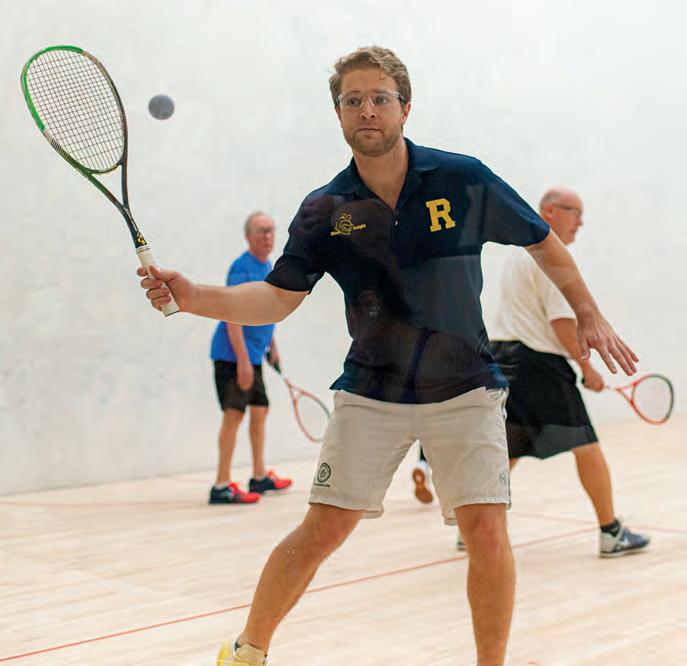

46 | The Wınged M | FEBRUARY 2023 11 13 10 12 14
16
15
PHOTOS BY BRANDON DAVIS
10. Adam Perkiomaki
11. Josh Hilton 12. Cristin O’Brien and Nishad Shevde 13. Steve and Natasha Brown 14. Jukka Perkiomaki 15. Dulce Ramirez 16. Siddharth Muralidaran

WWW. STANDARDTV AND APPLIANCE .COM BEST SERVICE. BEST SELECTION. BEST PEOPLE. BEND 541.388.0088 HOLLYWOOD 503.542.5120 BEAVERTON 503.619.0500 PORTLAND 503.777.3377 A PROVEN
KITCHEN
FEATURING
PROFESSIONAL
PEDIGREE.
Club Scrapbook
MAC Masters Water Polo
The MAC masters water polo team took on the Seattle Otters in the West Pool on Oct. 29.


NYE Midnight at the Disco


The Social Activities Committee threw a fabulous, ’70s-inspired party with live music, late-night snacks, a disco ball, dancing, and more.


48 | The Wınged M | FEBRUARY 2023 18 17 19 21
PHOTOS BY ROBERTO MARTINEZ
20 24 26 22 23 25
17. Kai Geringer 18. Andrew Reynolds 19. Paul Mann and Ward Mann 20. Austin Beckwith and Spencer Raymond 21. Horst Niehuass
PHOTOS BY CHAMPIONSHIPIMAGES.COM
22. Kalli and Daniel Silvey 23. Anne and Conrad Marquard 24. Jeff Miller and Muffie Scanlon
25. Hong Mautz, Leslie Ross, Mary Erzen Toyoshima, and Debbie McClish
26. Sarah Blair and Riley Scherr

olsonandjones.com | 503.244.7467 Honesty. Caring. Community. Home. InspireD. ORCCB#54065 WACCB#OLSONJC889OR Remodels l Kitchens l Baths l Additions l Historic Preservation l Custom Homes
©
Blackstone Edge Studios
TELL YOUR STORY
Heart in a Village
By Sheri Anderson
It was supposed to be simple. Show up at 7 a.m., quick zaps to the heart, out by lunch. It wasn’t.
The simple procedure I underwent that early September Tuesday resulted in two cardiac arrests, pneumonia, multiple treatments and complications, and a long recovery.
Glad I don’t remember it all.
My role was to go in for a cardioversion, a statistically highly successful procedure that uses quick, low-energy electrical shocks to restore regular heart rhythm. “Medicine or Edison,” my cardiologist had said. The medicine regimen hadn’t performed as well as we had hoped, so after discussing the pros and cons, we decided Edison it was to be.

Looking back, I don’t remember going to the hospital. Nor do I remember anything over the next five days during which I was an outlier at nearly every point. My heart stopped twice, causing a Code Blue (an opportunity TV shows often use for the drama of near-certain death and/or to have doctor-actors run hither and yon). I needed external pumping, CPR, transfusions, and, finally, a pacemaker.
Late in the morning that first day, my son in Bend and my daughter in Dallas, Texas, both received calls from my cardiologist summoning them to Portland. My doctor, a rock star in his profession who knows hearts inside and out, told them that given the circumstances, he “couldn’t guarantee a successful outcome.” The statement still makes me shiver.
“She’s the sickest patient here,” they were told after arriving that evening and seeing me on all the life support bells and whistles. But “procedures” were being done. At least that meant the show was not over. Every half hour
apparently made a difference. One doctor said I would “reveal” in the next 72 hours. It was a mystery. My new role was to survive.
A maze of beeping, blinking, and whirring monitors nearly encircled my bed around which my doctor and his team hovered. After a few days, I started beating and breathing on my own. Indeed, I started to reveal the intent to stay alive. In several more days, the breathing and feeding tubes were taken out. But pneumonia returned and back in went the tubes.
At one point, my son got in on the action. Not having slept for a considerable time and seeing me connected to tubes and leads and covered in cloths and bandages, he momentarily passed out, and was taken on a stretcher to the ER. There they did an EKG and pronounced that, indeed, he had passed out. Bowing to the obvious, he returned to the ICU waiting room with a bit more resilience.
Via texts, emails, and phone calls, my daughter and son relayed my news and connected my disparate groups of friends and colleagues. My high school and college friends met my tennis friends who met my golfing friends who met my neighbors who
met my friends from out of town who met my book group members who met work colleagues who met members of committees I was on who met my children’s friends and supporters. Daily, the “village” virtually gathered and grew.
On the fifth day, I awoke. Hands — my daughter’s and son’s — were holding mine. At someone’s request, I blinked, I moved my toes, all ever so slowly but definite enough to prove I could comprehend and respond. My time was not up.
Once I could talk, the first questions I had to answer were “What year is it?” and “Who is president?” (Soon, my mumbled greeting to anyone who came in was “2022, Joe Biden.”) They told me nearly a week had passed since I had first come in (for what I could not remember). “A week! Has anyone combed my hair? I must look horrible!” Vain until almost the end.
The people, the doctors and nurses who seemed to be there constantly, were fascinating. Watching them was my entertainment. They were incredibly knowledgeable, talented, and caring. They were also young. And
Sheri Anderson has been a MAC member for more than 30 years. She has served on club committees, including Pilates, Culture & Style, Communications, Member Events, and Community Involvement, which she currently chairs. Her professional background is in communications and public relations. She has written the memoir books of MAC members Bud Lewis (A Strong Grip), and Howard Hermanson (By Design), and the video documenting the Balladeers’ 80 years at MAC.
50 | The Wınged M | FEBRUARY 2023
tattooed. Everyone, it seemed was tatted up one arm and down the other. Turns out all the artwork had meaning. The stories, when I could decipher them, were intriguing.
And then I started thinking about what I had been doing before all this happened. I had been writing. But what about? I had been on several committees and chair of one. Were they meeting without me? Had anyone watered my plants? Had the dog been fed and walked? Had she even been out of the house? And, how much would this whole thing cost? All the thinking caused my blood pressure to rise, brought in nurses with more drugs, and put me to sleep until the next pills- and vitalstaking time.
After nearly two weeks, I was relieved of most tubes and lines and moved into a regular hospital room and needed less attention. Questions of year and president came less often. My daughter combed my hair. My son set up a chess board for us to play (he won, as usual). Friends visited. Cards, flowers, and chocolates came in.
After another week and a half, I graduated to a convalescent center where I practiced traversing the halls with a walker and then a cane. My tennis, golf, and Pilates days would return, the physical therapists kept assuring me. Right, I thought skeptically, as I found myself needing to rest after the briefest of walks.

That’s behind me now. I am recovering. The whole experience, as relayed by friends and family, still seems to be a story of someone else’s life. But the versions are too similar and my doctors’ MyChart entries too specific.

Yet, if indeed it all really happened, have I had a grand new awakening? I am still trying to define that. I do know I have learned to deeply appreciate my family, friends, and my medical team who have gone through a great deal with me. If they all could invest so much time and talent bringing me back from where I, statistically speaking, should have fallen, then I should prove their efforts worthwhile.
And I have learned the importance of the “village.” Join one. At some point, you might need it. The MAC is a good place to start.
FEBRUARY 2023 | The Wınged M | 51 Chinese • Spanish • Japanese International Baccalaureate Preschool – 5th grade intlschool.org Embrace the World. The International School of Portland inspires cultural intelligence, curiosity, and kindness. Since 1990. NOW ACCEPTING APPLICATIONS FOR FALL 2023 Our team is ready to help you navigate complex financial situations and advise you every step of the way. U.S. Bank and its representatives do not provide tax or legal advice. Your tax and financial situation is unique. You should consult your tax and/or legal advisor for advice and information concerning your particular situation. ©2021 U.S. Bank 522807 (4/21) Ted Austin Market Leader 503.464.4881 ted.austin@usbank.com usbank.com/privatewealth Mac Ad Size: 4.75”h x 4.625” w Insight founded on experience
Cardiac Wellness Classmates Live Longer & Better

Heart Health and Friendship Continue to Flourish Under New Nurse
 By Jake Ten Pas
When longtime Cardiac Wellness Program participant Rodney Page describes the ongoing class as a “Godsend,” he knows of what he speaks — or is at least as qualified to make that assessment as any human. Page has served as campus minister at Portland State University, executive director of Ecumenical Ministries of Oregon, and deputy general secretary of the National Council of Churches and the head of Church World Service.
“I’ve been a minister without a church, and I’ve always been interested in how faith can serve people, enrich people’s lives, and bring them together rather than divide them,” he says. He’s also worked with Habitat for Humanity to rebuild Black churches, and mosques in the Middle East, destroyed in fires and other terrorist attacks, so he’s familiar with the concept of community building and how sharing common goals can help take one’s mind off their own challenges.
“Banging that nail into a piece of wood and having another person hold it for you, that brings greater intimacy and understanding of the other person’s position. If you can work together building anything in life, I think that promotes understanding.”
The same can be said for the bonds constructed by members of MAC’s Cardiac Wellness Program, which brings members together who’ve experienced a major health event related to their heart. “For me, it was atrial fibrillation, but a lot of people had heart attacks, strokes, all kinds of things,” he says. “One thing I found here in this class, as well as my travels all over the world, whether in North Korea or Afghanistan,
is that people working on a common issue or problem together gain understanding of one another. I think you get a greater appreciation of yourself as well as the other person. I would probably be having a much more debilitative life if it hadn’t been for this class, the nurses in it, and my fellow classmates.”
In January, Mayra Gomez, a registered nurse at Legacy Good Samaritan, took over from longtime leader of the program Penny Sartre, bringing with her a new exercise physiologist, Steve Damassa, to replace Alecia Pollard. If this sounds like a big change, Gomez says she hopes to keep it as undisruptive as possible to the members who’ve come to count on this class for regular heart checks, light exercise, and camaraderie.
“There are a lot of stressors in the lives of the people we care for,” she explains. These can range from abrupt changes in financial or living situations to recently losing a life partner. “When an unfortunate life event happens, I know that they are there for one another. Socialization is a big part of it, and many studies have been done about the importance of keeping up relationships, especially as we age, and how that becomes more difficult to maintain. The program is excellent for that because we get together twice a week for an hour and 15 minutes of monitored exercise.
52 | The Wınged M | FEBRUARY 2023
FITNESS & WELLNESS
Pat Deane (far left) and Rodney Page (far right) take part in the Cardiac Wellness Program. Leader of Cardiac Wellness Program, Registered Nurse Mayra Gomez.
BRANDON DAVIS
“They have the benefit of being able to ask a nurse and an exercise physiologist general, easy questions about anything that comes up throughout the week — they felt something, a change, a twinge in their shoulder, their medication isn’t working as well. This is where I’m kind of that bridge of communication. They can do a quick ask with me rather than having to wait three months before they can get in to see their doctor.”
In order for members to enroll in the program, their first step is to reach out to Wellness Coordinator Hannah Miller or someone else on the MAC Fitness & Wellness team, who then pass their names along to Gomez. She faxes a referral to the member’s doctor, who makes the determination as to whether or not their patient is healthy enough to exercise.
When a participant shows up to class, they can expect to have their blood pressure and heart rate taken to ensure that there aren’t any warning signs that a change in their health has occurred that would preclude them from joining in that day. If it has, Gomez can reach out to their doctor to find out how best to proceed.
Assuming all is well, “It continues to be gentle exercise with the availability of an experienced cardiac nurse on standby in case something happens. The patient is still reliant upon themselves to direct their own exercise, and then there is a cool-down period with our exercise physiologist, Steve. That’s the fun part where everyone jokes around and half listen to teacher, half don’t,” Gomez says with a knowing smile.
While still in her early 40s, Gomez asserts that she might be better qualified to relate to some of her patients, who are generally in their 60s, 70s, or 80s, than they might suspect. She worked for 15 years as a trauma nurse in the ICU, and making the switch to facilitating the Cardiac Wellness Program represents change, albeit of a positive variety, for her, too.
“Physically and psychologically, it was difficult, and I personally began to deal with some of my own health issues. I just felt a connection to the patients that I felt that I could relate to them in a way that I think maybe a lot of other nurses in my age group would not be able to.”
Gomez adds that, in the runup to her making the career move, she was dealing with a lot of COVID-related cases that directly affected cardiac health. “What we were seeing with COVID was micro clots that were being disseminated throughout the vasculature of

patients. In particular, it was really affecting their hearts. I’m able to bring in my own background knowledge in many formats that can help.”
MAC’s Cardiac Wellness Program is specifically for patients in phase three of recovery following a cardiac event, meaning they’ve gone through surgery and are ready to start rehabilitating themselves with a view toward living the longest, happiest life possible. Still, Gomez points out that her experience with patients in phase one, immediately following something like a heart attack, gives her added perspective.
“Early and regular exercise is just such a miraculous thing. To see patients when they first come into the exam room, when they’re very weak and almost don’t recognize themselves, is powerful. They are just like, ‘I can’t believe I can’t do this. How is it that I can’t get from here to the bathroom without being breathless?’ I get it, but if you do this program, if you stick with it, before you know it, sooner than you think, you will be doing so much better.”
Another patient who has benefitted from the program is member Pat Deane, and her health issues are only indirectly related to her heart. “My husband and I were in Hawaii, and I was a strong swimmer, but when I got into the pool, my heart started beating so fast that it scared me,” she recounts. “I went and saw a doctor, and my heart is fine, except my lungs are lousy. I guess I’m the only person in the class now that’s there because of pulmonary hypertension, which makes my blood pressure go up when exercising.”
An avid traveler, Deane says she and her husband Gary like to walk nearly everywhere they go when visiting a new city. “We don’t take a taxi or bus unless it’s an extremely far distance. Our last time in Rome, we had a hotel at the top of the Spanish steps. We walked to the Colosseum and around the city.”
When members like Deane enroll in the Cardiac Wellness Program, they’re not just doing it for longevity, but to ensure that they’re able to maintain the highest quality of life they can. “I want to be able to do what I want when I want and not have my health hinder that,” she emphasizes. “You don’t have to be a senior to benefit. There are some younger people that have the problems that we have. I think it would actually be a good class for anyone if they felt their health was hindering them from doing what they wanted to do.

Deane and Page both describe a varied assortment of activities in class, from using exercise bands or light weights, to balance work that can help any participant breathe easier and avoid growing stiff. Deane’s goal is to someday be able to swim again, but she understands that comes after she is able to work up to a jog on a treadmill. “I’m training so that I can walk faster, do more, and hopefully eventually get back in the water.”
“You know what I like about this class, too? They talk about nutrition. They give us recipes to make healthy dishes,” Page says, although he adds that few of those were present when class members gathered for an offsite Christmas potluck. “I threatened to bring Colonel Sanders’ chicken, but they did put the nix on that!”
Even though friendships often mean gathering away from MAC in addition to their twice-weekly sessions, Page adds that he’s quite happy the club hosts the program. “I think it’s great having it here rather than going to the hospital. The facilities and atmosphere are just much better.”
Ultimately, Page believes that being part of this class allowed him to quit taking one of the drugs he was prescribed after his condition was diagnosed — with his doctor’s approval, of course. “I haven’t taken it in a long time because I think my atrial fibrillation is well-regulated now between the work I do in the program and the other medicines I take,” he explains.
“I think anybody who’s had any cardiac problems cannot ask for a better resource and help in their recovery than this class. MAC is so rich to have this. It’s a star in the club’s crown to have it available to any member should they need it, and I would surely encourage them to come and try it out.”
FEBRUARY 2023 | The Wınged M | 53 FITNESS & WELLNESS
Rodney Page and exercise physiologist Steve Damassa. Pat Deane (below).
BRANDON DAVIS
Sauna Boosts the Benefits of Exercise and Improves Cardiovascular Health

Along with all the wonderful opportunities that MAC has to offer for exercise and fitness, members also have access to a sauna.
A new study has found that routine sauna use after exercise is superior to exercise alone when it comes to major cardiovascular risk factors. The study (published in the 2022 American Journal of Physiology) involved adults who were relatively sedentary and had at least one cardiovascular risk factor such as high blood pressure or cholesterol. Participants were randomized into three groups:
1. No intervention (the control group)

2. Exercise-only (50 minutes three times a week, consisting of 20 minutes of resistance training followed by 30 minutes of cardio)
3. Exercise plus sauna (15 minutes of sauna after each exercise session)

After eight weeks, exercise improved cardiorespiratory fitness and body composition in participants (no big surprise there). But the addition of sauna after exercise led to greater improvements in cardiorespiratory fitness, systolic blood pressure, and total cholesterol levels.
The study was conducted in Finland and followed a traditional Finnish style of sauna bathing, which goes like this: The temperature of the sauna started at 65°C (150°F) and was increased by 5°C every two weeks. The humidity of the sauna was between 10% and 20%.
Sauna has long been used to promote sweating, circulation, and detoxification. It’s simple to add into your routine — especially if you already go to a gym that has a sauna available! If you are looking for other tips

and tricks for improving your cardiovascular fitness, feel free to reach out with questions to drlindseysnelson@gmail.com.
 —
—
Lindsey Nelson, ND
with exercise on cardiovascular function: a multi-arm, randomized controlled trial. Am J Physiol Regul Integr Comp Physiol. 2022.
Reference: Lee E, Kolunsarka I, Kostensalo J et al. Effects of regular sauna bathing in conjunction

54 | The Wınged M | FEBRUARY 2023 FITNESS & WELLNESS 503-984-1723 team@portlandcityproperties.com portlandcityproperties.com 2121 SW 16th Avenue | Portland OR 97201 Christy MacColl & Carrie Gross REAL ESTATE BROKERS LICENSED IN OREGON AVAILABLE 4 Beds | 4.5 Baths | 5,856 Sq Ft | MLS 22159675 In PDX Heights


MOST AWAITED COURSES IN THE U.S. 2017 TOP 10 RESORTS 2019 15 BEST GOLF RESORTS IN THE U.S. 2022 BEST NEW U.S. COURSES Hankins #4 2018 BEST RESORT COURSES IN THE U.S. Hankins #31 2022 BEST RESORT COURSES IN THE U.S. Craddock #42 2022 Ranch Raised CuisineWorld Famous Goat Caddies Lakeside Log CabinIncredible Conference Center Rocking Heart Spa Bike Riding Award Winning Golf Razor Ranch Tour Call Now: 1-800-SILVIES www.Silvies.us Book Now! Schedule your group golf outing, family reunion, vacation, board meeting or retreat at the ranch. Visit Silvies.us/MAC No resort fee, no tipping, no sales tax, free wifi and free parking
Craddock #15 & Hankins #3
Personal Trainer Spotlight
MAC personal trainer Jessica Dickson recently had a major accomplishment of her own as she placed first overall in the Monument Valley Veterans Marathon in Arizona. Put on by the Navajo Race Series in November, the race is capped at 100 runners. The route includes several miles in the backcountry of the valley through some dramatic and rarely seen landscapes.

It’s a challenging marathon, mostly on dirt roads with a significant amount of sand. The sand proved to be the biggest challenge, as most of Dickson’s training was done in Forest Park. It was her strength and stabilization work in the gym that helped to sustain her through the unfamiliar sandy terrain, and as a result, she was able to secure the win. One of the hardest parts of the race was that she was in first from the beginning. “It’s easier to chase than be chased!” she says.
FITNESS & WELLNESS CORNER
PRO SERIES Program Updates
The PRO program went through massive changes during 2022. Here’s what happened and where things are in 2023:
The PRO Series went from having four different ongoing classes — MAC Fit PRO, Boxing PRO, TRX PRO, and Pilates PRO — to two ongoing classes.
Normatec Usage Expanded
MAC first introduced recovery equipment to its complimentary offerings in December 2021 with five different devices available for members to check out. Since then, that has expanded to 10 unique devices to help members recover faster.
The Normatec compression leg sleeves are used, on average, 45 times a week. Hypervolt massage guns are the most-used recovery device, averaging 50 uses a week.

Members’ patience is appreciated as staff routinely perform maintenance testing and cleaning. Staff is in contact with company representatives to ensure the best possible experience using the equipment.
How to Choose a Massage Type
MAC has a full staff of licensed massage therapists available when soreness, tightness, or stress leads members to the massage table. But what’s the best way to know what kind of massage is needed?

MAC’s Massage team suggests that, when booking a massage or inquiring about appointments, members keep in mind the problem they would like worked on. Leaving notes when making a reservation, having open conversation with the therapist, and following their lead may make the next massage the best one yet!
Pilates PRO continued as it was and stays the same in 2023.
MAC Fit PRO combined with MAC Fit for a greater group exercise experience. Now in 2023, MAC Fit offers 26 classes a week!
Boxing & TRX PRO classes transformed into a series format. Watch out for new series offerings for 2023.
The entire PRO program now includes ongoing Pilates PRO classes, while series include Boxing, TRX, Olympic Lifting, Weight Management, and specialized Pilates PRO Series (i.e. for winter athletes and golf).
56 | The Wınged M | FEBRUARY 2023 FITNESS & WELLNESS
GETTY IMAGES NORMATEC
MAC personal trainer Jessica Dickson
Instructor Spotlight
MAC’s Fitness & Wellness staff works to keep members healthy and thriving


Brittany Rhoden joined the MAC team at the beginning of the year and teaches Yoga X-Train.
Winged M: What’s your background/ training?
Brittany Rhoden: I have been teaching yoga since 2015. I have completed my 500-hour teacher training as well as a trauma-informed training and prenatal yoga training. I have co-led several teacher training programs in 2017, 2018, 2019, and most recently, 2022.

WM: Can you describe your teaching approach/philosophy?
BR: I draw from my weightlifting and climbing experience when creating sequences for my classes. I love creative movement and try to offer students fun and different ways to move. My hope is to help you build a relationship of trust with your body through movement. My love of yoga is infused in my classes, and I offer time and space for you to connect with your body and breath.
WM: What are some things you like to do outside of work?
BR: Outside of work, I love to move! I practice weightlifting and am an avid rock climber. You can find me at the climbing gym or local crag with my husband or friends. I also love backpacking and visiting different national parks.
FEBRUARY 2023 | The Wınged M | 57 FITNESS & WELLNESS
MAC Instructor Brittany Rhoden
MAC’s Premier Athletic Celebration
Jeff Gianola hosts an evening to honor the nominees and winners of the Joe Loprinzi and Mel Fox Awards 6:30-8 p.m. Thursday, Feb. 23. MAC national champions also are recognized. The evening includes hors d’oeuvres. There is no cost to attend, but reservations are required.
COC2023
Mel Fox Amateur Athlete of the Year Nominees
The Mel Fox award is given to the individual or team who has demonstrated athletic excellence, sportsmanship, and leadership during the course of an athletic year. Here are the nominees.
Marni Davis
Imagine committing to do a duet at the 2022 Pan American Masters Championships in Medellin, Colombia, with a former Olympian. Now imagine having only a few months to prepare — and without a duet partner! That’s what Marni Davis did with aplomb.

Davis joined the MAC Synchro Masters team after swimming in the junior program for five years. It was too late in the year to join the 30s team, but she gamely jumped in with the 50s team and enthusiastically shared her skills and knowledge with this older group of artistic swimmers. COVID intervened, and she only swam with the team in exhibition. She was eager to compete, so agreed to a big challenge — swimming a duet with MAC Synchro head coach Lucie Svrcinova.
Mornings Davis was in the pool. Before regular team practice, she was there working on the routine. Given the juniors’ schedule, Svrcinova was out of town coaching much of the time. But Davis? She just kept practicing! Weekends found her back in the West Pool at 6 a.m. The routine was difficult, but Davis pushed. She was dogged. Athleticism and determination paid off as the duet earned a silver medal at the Masters Championships. Excellence as an amateur athlete!
58 | The Wınged M | FEBRUARY 2023
ATHLETICS
MAC Climbing Team
MAC Climbing made club history at the 2022 USA Climbing Youth National Championships. Twenty-three athletes qualified for this event, which provided athletes the opportunity to compete in multiple climbing disciplines. During the 2021-2022 season, all 23 of the athletes qualified for the speed discipline. They competed together and brought MAC a historic fourth overall placement at Youth Nationals.

Eight MAC athletes made it to semi-finals, and four of those eight advanced into finals. All final athletes finished in the top eight and found medals around their necks. It was truly a historic finish for the club. MAC Climbing now holds a top-four finish as a team and maintains itself as one of the best climbing teams in the country.
Sydney Wilson
In the fall of 2013, Sydney Wilson joined the MAC Swim Team. She has always been a hard worker and has had success from it, holding short- and longcourse team records since she was 8 years old. Wilson currently holds the Oregon Swimming record in the 400 individual medley race for 15-16 Girls.

Last year, she was the fastest female swimmer in Oregon in several events and one of the fastest in the Pacific Northwest. At NW Sectional Championships last summer, Wilson won the 800-meter freestyle, which was the first time MAC has had a sectional champion in a very long time, and she was the thirdhighest scoring female athlete at the meet. In her final meet of the season at Junior Nationals, Wilson placed 12th in the 1500 and 14th in the 800 freestyle and qualified for the U.S. Open in the 200 backstroke.
Wilson’s consistency, commitment, attention to detail, and patience have enabled her to have continued success and reach her goals. She leads by example, has the respect of her competitors and teammates, and is an inspiration to her younger teammates. Head Swim Coach Tim Larkin says she is the hardest-working athlete that he has ever had the pleasure of coaching.
Platinum Basketball Team
Who makes up the MAC Platinum competitive basketball team? Is it a group of mature, hardwood maestros playing a game they’ve loved and excelled at for years? Or crazy 60-plus-year-old guys smiling at their good fortune to still be playing while complaining about their aches and pains? The answer may be in the eyes of the beholder; however, the Platinums were National Athletic Club Athletic Directors (NACAD) national champions in 2022.

The Platinum classification was established by NACAD in 2012 to provide a regional and national competitive venue for active boomer athletic club members. These seasoned athletes still have the skills to compete and the desire to test them by challenging peers. Over the years, MAC has hoisted the championship plaque several times in all age groups.
The NACAD tournament was cancelled in 2020 and 2021. Prior to the pandemic closures, MAC Platinum had won the regional Pacific Coast Athletic Club (PCAC) Championship held in Spokane, Washington. As with many athletic clubs, MAC membership was impacted by closures and the Platinum team was, too. The team had to replace four key players. Wonder how hard it is to find 60-plusyear-old ball players after three years of only going on walks for exercise? Extremely difficult!
Continued on page 61
BRANDON DAVIS
FEBRUARY 2023 | The Wınged M | 59
Joe Loprinzi Inspirational Award Nominees
This annual award is presented to an individual who inspires others to achieve their goals. This year’s nominees are below.
Michele Bennett embodies inspiration. What she has experienced and pushed through with grace and humility is beyond amazing. Even before her life-challenging year, Bennett was the beating heart of the MAC Synchro program. Always positive, encouraging others, and ready for hard work — and fun. As a teammate, she was always the one with the encouraging words, technical advice, and infinite patience.
All those attributes and more have come to the fore as Bennett has faced cancer. Being the courageous woman she is, Bennett opted for a bilateral mastectomy, given her genetic risks for cancer. Friends and fellow members experienced the process through her as she was open about her difficult decision. Then came news that was devastating. Cancer was found in the removed breast tissue! Bennett would have to experience the very disease she was hoping to prevent — chemo, radiation, the loss of hair, and all else that accompanies cancer treatment.
Bennett continued to swim. She pushed through the pain, exhaustion, and reality of her health status. She just kept coming to practice heading to nationals. This incredible woman traveled to Maine with her duet partner and team, taking home silver and bronze medals from nationals. Bennett embodies the word inspiration and is a most deserving recipient of award.

Golden Masters Basketball Team
It was never close. Like many opponents who have come up against the Golden Masters Basketball Team before, it wasn’t even a contest, from the opening tip until the final buzzer. The team capped off a wonderful year by capturing the 2022 NACAD Basketball Tournament title at the Olympic Club in San Francisco. The team shot lights out from the three-point line, played outstanding defense, out-rebounded their opponent by a three-to-one margin, and moved the ball around, which created easy shots for everyone.
The Golden Masters Basketball Team is made up of Mike Aas, Glen Coblens, Peter Coffey, Brian Currier, Mark Hesse, Doug Kitzinger, Rodd Miller, Robert “Doc” Phillips, Rick Raivio, Kurt Weiss, and Coach Randy Krichevsky. The team is proud to still play basketball and be competitive at age 55 and older, which is something that is very special. Staying in basketball shape and injury-free takes a lot of hard work and discipline. So many people at that age wish they could still be playing, but injuries have made it difficult to compete.

This mix of players exhibits what a championship team should be made of. They have an excellent basketball IQ, are great communicators on the court, care about each other, and are awesome teammates. Being a member of the MAC Golden Masters is very special, and the camaraderie amongst these guys is truly a special gift.
As Coach Krichevsky says, “I am privileged to coach and be a part of this team.”
60 | The Wınged M | FEBRUARY 2023 ATHLETICS
Michele Bennett
Dina is a “forever” gymnast in the MAC Gymnastics community. Her love of the sport led her back to the gym when she returned to Portland after graduating from college in the San Francisco Bay Area. At that time, she was the youngest of MAC’s masters gymnasts. Years later, she continues to find joy through the sport and is now the oldest member of the group.
Most people think of gymnastics as a sport for young people. For many, it is. But Guppy defies that stereotype. Her presence in the gym is an inspiration for all the young gymnasts who aspire to be great, who love the sport as she does, and who see a role model for their future selves in the gym once their competitive gymnastics tenure ends. When asked, Guppy tells those gymnasts (and their parents), “It’s never too late to come back to the gym.” Her presence there is proof that gymnastics can be enjoyed for a lifetime, especially if you stay with it as she has for 30-plus years.
Guppy is an inspiration to anyone that visits the Gymnastics Arena when she is tumbling on the floor, vaulting through the air, or balancing on the beam. Her infectious smile welcomes newcomers to the masters open gym sessions and encourages former gymnasts to return to the sport by assuring them, “Yes, you can still do it!” Those familiar with the strength and flexibility demands of the sport wonder, “How does she [still] do it?” But she does and does it well. Guppy has represented the MAC Gymnastics program at the masters level of the State Games of Oregon, taking home honors in the allaround category where gymnasts perform on the beam, bars, vault, and floor. Her collection of State Games gymnastics medals spans from 1989 to 2019. It would be hard, if not impossible, to find anyone else who can match that accomplishment.

Professor Mike Steele is renowned in the handball world for his contributions at MAC, at the collegiate level and as the president of the United States Handball Association (USHA).
At MAC, you can find Steele on the courts, confusing his opponents with his patented three-wall fist shot. Steele’s sons, Matt and Sean, both represented MAC as athletic members. The club has proudly hosted four National Collegiate Championships through his efforts. Whenever a tournament is held at MAC, Steele can be found participating as a player and an organizer.
This year, Steele was inducted into the United States Handball Association Hall of Fame for his lifetime achievements. As a professor at Pacific University, he founded the Boxer Handball Team and served as head coach for 38 years. Steele contributed to the national leadership as the president of the United States Handball Association for 10 years and as the national collegiate handball commissioner for 14 years. Over the years, Steele has recruited scores of college athletes from various sports to the Boxer Handball Team, which has collected multiple national titles. His prior students, now well into adulthood, still address him affectionately and simply as ‘Coach.’

Continued from page 59
Fortunately, MAC has a group of “younger,” age-eligible players who were willing to step up and play in two classifications (potentially twice the games and minutes played). Peter Coffey, Robert “Doc” Phillips, and Kurt Weiss embraced the challenge and fit in seamlessly with the other Platinums — Mike Brohoski, Al Jochim, Michael Holton, Chuck Katter, Randy Krichevsky, Bill Patton, and Wes Okamoto.
In the 2022 NACAD tournament held in San Francisco, MAC Platinum’s swept through the preliminary rounds undefeated. Rarely trailing, MAC received contributions from each team member. MAC’s defense, shooting, rebounding, and IQ preserved victories.
MAC’s opponent in the championship game was the Los Angeles Athletic Club. LAAC came into the game looking to revenge a prior loss, took the lead early, and was up by 18 midway through the first half. A MAC timeout and a stern speech by an unnamed team member started a methodical comeback. Down by double-digits at half, MAC remained focused and confident. LAAC held their lead through most of the second half; however, with tireless and unselfish team play, MAC steadily cut into the LAAC lead. Trailing by one with little time remaining on the clock, MAC came out of a timeout and scored on a perfectly orchestrated pass from Holton to a cutting Phillips for a layup. MAC led for the first time in the game! The five-point win was secured by making pressure free throws during the remaining seconds.
So, who are the Platinums? They are a group of true gentlemen, playing with excellence and bonded by camaraderie forged over years. Hopefully, they inspire MAC’s younger basketball community to continue to represent with class, sportsmanship, and success!
Dina Guppy
Mike Steele
FEBRUARY 2023 | The Wınged M | 61
Platinum Basketball Team
Portugal & Southern Spain Golf and Sightseeing with MAC
Oct. 16-25
Join fellow MAC golfers on a 9-night/10-day golf and sightseeing adventure in Portugal and Southern Spain. This trip blends world-class golf with unique cultural experiences. The trip includes four rounds of golf at some of the most famous golf courses along the Algarve coast of Portugal and the Sotogrande area of Spain, along with visits to the most important sites of these areas and off-the-beaten-path treasures. Nongolfers will enjoy this fun and comprehensive itinerary as well.

Additional trip highlights:
• Enjoy breathtaking views of the wild and rugged coast of Portugal and picturesque rolling hills of Southern Spain


• Savor the best of regional cuisines with curated tasting menus and visits to local producers
• Experience the vibrant atmospheres of Lisbon and Cadiz with their amazing food, wine, music, and history

• Explore the hidden gem villages of Southern Spain such as Frigiliana and Conil de la Frontera
What’s Included:
• Private transfers upon arrival and departure
• Nine nights’ accommodations in centrally located hotels and charming country resorts
• Group transportation in deluxe air-conditioned private coach
• Breakfast every day and five meals with tasting menu and wine pairing
• Four rounds of golf (option to add a second round of golf per day instead of afternoon sightseeing)
• Entrances and tastings per the itinerary
• Professional tour leader and local expert guides throughout the trip
Cost:
• $5,255 per person (double occupancy, 12 minimum)
• $1,185 single supplement
• $1,300 discount for non-golf-playing travelers
Contact Customized Journeys to secure your spot.
• Email: info@customizedjourneys.com
• Phone: 503-914-6452
• V isit customizedjourneys.com for the full trip itinerary
INFORMATION SESSIONS:
5:30-6:30 p.m. Wednesday, Feb. 8
Kamm GOLF0208
5:30-9:30 p.m. Thursday, Feb. 9
Ainsworth/Lownsdale
Visit Customized Journeys’ information table at the GHIN Happy Hour. Enter a raffle for a chance to win a trip-inspired food, golf, and wine basket. GOLF0209
62 | The Wınged M | FEBRUARY 2023 ATHLETICS
GOLF
PHOTOS BY CUSTOMIZED JOURNEYS
Check out all the camps and classes happening this spring at MAC in the Spring Course Guide, coming to themac.com on Tuesday, Feb. 28.
REGISTRATION DATES
Noon Tuesday, March 7: Tennis registration opens
Noon Wednesday, March 8: Aquatics registration opens
Noon Thursday, March 9: Registration opens for all other classes
Register online at
themac.com

SPRING 2023
Multnomah Athletic Club COURSE GUIDE
SQUASH
MAC Women’s Squash Makes a Strong Showing at Howe Cup
The annual celebration of women’s squash was in full force the first weekend of November at the newly completed, worldrenowned Arlen Specter Squash Center in Philadelphia. The Howe Cup, started in 1928, is the United States’ largest and oldest women’s-only squash tournament. The 2022 Howe Cup marked the tournament’s 87th edition, and 250 women competed from around the country — the largest turnout in its history. The tournament featured 46 teams of five players competing across four divisions (A-D), as well as the MPB Doubles Championships with 66 players in four divisions (A-D).
MAC was well represented in this year’s Howe Cup C Division in both singles and doubles. The singles team had the unique combination of not just one but two sets of mothers and daughters with Kara Oringdulph-Hale and Hollis Hale, Aimee and Annie Chang, and Cristin O’Brien as captain. In doubles, MAC was represented by the MAC club championship-winning team of Oringdulph-Hale and Marcia Wood, with Oringdulph-Hale competing in both singles and doubles.
With a first-round bye, the singles team began competition Saturday morning against the hometown Philly Unsquashables team. The MAC team showed up ready to compete and won all five matches in a clean sweep, with each player winning 3-0. In the semi-finals, the singles team faced the Boston Champs. Once again, the team won — this time 4-1 — advancing into the finals on Sunday morning where they faced the Chaotic Tornados from New York. The final matches were each very close, but the New York team was able to defeat the MAC team 3-2. It was the first time in recent years that MAC has made it to the finals at Howe Cup since they won the B division nearly 20 years ago. Competing in the Howe Cup is an annual tradition for MAC players, and the squash community is proud of their results since their last Howe Cup in 2019.
On the doubles side, Kara Oringdulph-Hale and Marcia Wood had an outstanding performance in the women’s C division of the 2022 MPB Double Championship. OringdulphHale and Wood won their first two matches, making it to the semifinals in the main draw. In an exceptionally close match, with very close games, they lost 3-2 in the semifinals to the team that went on to win the division.

The Howe Cup in Philadelphia was a wonderful weekend celebrating women’s squash, making lifelong connections, and highlighting women who are working to make the sport more inclusive. The team is already looking forward to next year’s Howe Cup and welcomes all to join so that MAC can have more teams represented across all levels and divisions.

64 | The Wınged M | FEBRUARY 2023 ATHLETICS
Aimee Chang, Annie Chang, Cristin O’Brien, Kara OringdulphHale and Hollis Hale
Marcia Wood and Kara Oringdulph-Hale


MAC juniors
Elliot Watkins-Hung, Daphne Cofield, Josie Malloy, and Spencer Dedelow
Coach Maureen Harwood, Coach
Marco Pineda, Mariniah Prendergast, and Coach Paul Reber
(bottom left)
Mariniah Prendergast
(bottom right)
Coach Maureen Harwood
A MAC Holiday Tradition Continues
A holiday tradition in the MAC Tennis community, the 2022 Holiday Smash in December had some members participating in the on-court entertainment for the first time in a while.


The night was broken into three parts, starting off with MAC juniors Daphne Cofield, Josie Malloy, Spencer Dedelow, and Elliot Watkins-Hung playing and showcasing the talent of youth tennis at the club. The mixed doubles match between Coach Maureen and Coach Marco versus Mariniah Prendergast and Coach Paul followed. Coach Maureen lived up to her nickname of “The Slice Queen,” chipping and dipping the ball all over. Prendergast did her best to hold up Coach Paul, but in the end the weight was too much, and Maureen and Marco prevailed.
The night ended with a humorous and spirited game of triples with Coaches Maureen, Marco, and Paul facing off against members Nancy Yen Shipley, Natalie Mesnier, and Tammy Cofield. The catch in the match was that the coaches played with their nondominant hands! So as not to keep all in suspense … the coaches came out on top!
A huge thank you to all members who helped by playing. It is not the easiest to step on the court with over 150 people watching you. MAC Tennis staff appreciates your courage and efforts.
December 2022 Issue Correction
December issue incorrectly identified
for 2022. She went through
66 | The Wınged M | FEBRUARY 2023 ATHLETICS
TENNIS
PHOTOS BY BRANDON DAVIS
The
the MAC U16 club tennis champion. Sabrina Larson is the Girls U16 MAC champion
the tournament with a perfect 3-0 record. Congratulations, Sabrina!


1716 SE 24th Avenue $699,000 6140 SE 32nd Ave $820,000 Aimee Virnig (503) 803-7678 PORTLAND 2336 SW Osage St #800 $3,275,000 90260 Par Road $605,000 Karen Meili (503) 440-5806 1764 View Point Terr $1,875,000 547 NE Royal Court $820,000 86 Kingsgate Road $295,000 9407 N Fairhaven Avenue $409,000 Aimee Virnig (503) 803-7678 Aimee Virnig (503) 803-7678 Sasha Welford Susan Suzuki (503) 319-2225 609 S Redwood Street $559,000 Linda Skeele (503) 504-5811 1517 SW 66th Ave $500,000 Krystin Bassist (503) 810-3655 Sylvia Stuck (503) 440-2209 Suzanne Goddyn (503) 830-8516 PORTLAND CANNON BEACH PORTLAND PORTLAND WARRENTON PORTLAND PORTLAND PORTLAND LAKE OSWEGO PORTLAND Rick Cravens (503) 804-2441 windermere.com Aimee Virnig (503) 803-7678 3150 SE Crystal Springs Blvd $1,750,000 765 10th Street $1,225,000 LAKE OSWEGO Sheila Johnson 503-880-0301 SOLD SOLD
BASKETBALL
Exciting Season Ahead for Elite Basketball


As the winter season winds down, the MAC competitive basketball program is excited about its Elite tryouts scheduled for 2-3:30 p.m. Saturday, March 11 and 7-8:30 p.m. Sunday, March 12.

Another thing that has the program excited is the potential to increase the number of teams that will represent MAC at the national level. Last year, during its first year of elite travel basketball, the program had only one team representing MAC. This year, because of increased participation, three teams are expecting to participate at the elite level. The grades that have the most skilled and experienced talent are 7th, 8th, and last year’s team, which is now high school-aged kids, so they’re poised to represent MAC this summer for elite travel basketball.
With the local talent and resources that the MAC program can provide, we’re looking forward to showcasing the club’s young talent. Besides the local and regional tournaments, other places they will get to shine will be California, Washington, and Nevada.
— Earl Martin, Head Basketball Coach
68 | The Wınged M | FEBRUARY 2023 ATHLETICS Follow us on Facebook + Instagram multnomahathleticclub
BRANDON DAVIS


SCHEDULE YOUR FREE CONSULTATION TODAY SKINBYLOVELY.COM | 877-568-3594 FACE THE WORLD WITH CONFIDENCE Put your best you forward As Oregon’s #1 Botox ® Clinic since 2016, we ignite self-love through medical aesthetic & skin rejuvenation treatments. LAKE OSWEGO CAMAS PORTLAND LOCALLY & EMPLOYEE-OWNED NOW OPEN IN CAMAS
The Wrenn/Ferguson Group
Member Numbers: Walk Across America Mileage
Walk Across America is a national program that allows members to create annual mileage goals, with end-of-year rewards. The idea is to set a mileage goal that is reasonable, attainable, challenging, and motivating. MAC members may join at any time.
For more information or to submit mileage, please contact Claire Galton at galtoncc@gmail.com.
Ann Blume 6,152
Hal Broughton 25,759

Ann Durfee 48,147
Claire Galton 44,583
Norm Frink 14,713
Vuong Vu 2,083
Shannon Leonetti 84,596
Harriet Maizels 27,252
Tom Neilsen 6,306
Linda Opray 22,123
John Popplewell 3,496
Dee Poujade 13,868
Nancy Sergeant 29,462
Carrie Stucky 29,207
Barbara Wetzel 28,940
Ellen Wax 2,705
Dave Huffman 2,046
70 | The Wınged M | FEBRUARY 2023
The Wrenn/Ferguson Group, helping individuals and families with financial planning and professional investment management for over 30 years. You can reach us by emailing wrennferguson@ubs.com, or by calling 503-248-1309. www.ubs.com/team/wrennfergusongroup Wrenn/Ferguson Group, UBS Financial Services, Inc. Member SIPC 5285 SW Meadows Rd., Suite 495, Lake Oswego, OR 97035 Joseph M. Ferguson Senior Portfolio Manager Senior Vice President – Wealth Management John D. Wrenn Senior Vice President – Wealth Management James A Wrenn, CIMA, CRPS Senior Vice President – Wealth Management Ted Ferguson, CFP® Senior Portfolio Manager Senior Vice President – Wealth Management PORTLAND FACE DOCTOR From Botox Cosmetic and Lasers to Facelifts, and Everything in Between… LET US HELP YOU BE MORE YOU. Mention you’re a MAC member when calling and receive a free consultation ($100 Value) www.PortlandFaceDoctor.com 503-297-6511
ENHANCING YOUR
Board
ATHLETICS
PROVIDENCE ST. VINCENT’S MEDICAL CENTER, 9427 SW BARNES RD., #394
NATURAL BEAUTY DR. DAVID MAGILKE
Certified Facial Plastic Surgeon


Jim McCartan 503.314.2100 jim.mccartan@cascadesir.com Kayla McCormick 503.523.6942 kayla.mccormick@cascadesir.com The McCartan Group ALL BROKERS ARE LICENSED IN THE STATE OF OREGON. EQUAL HOUSING OPPOORTUNITY. $1,495,000 | 5 BD | 3.5 BA | 4,100 SF 313 N HOLMAN STREET - PORTLAND, OR 97217 $859,000 | 6 BD | 3 BA | 2,999 SF 5313 NE CLEVELAND AVENUE - PORTLAND OR, 97211
EQUAL HOUSING OPPORTUNITY
All Winged M real estate advertising is subject to the 1988 Federal Fair Housing Amendments Act, which makes it illegal to advertise “any preference, limitation or discrimination based on race, color, religion, sex, national origin, handicap or family status, or an intention to make any such preference, limitation or discrimination.”
Announcements
BALLROOM DANCE, Would you enjoy an evening out in your formal wear? Social hour, Formal dinner, Live music, Large dance floor. Portland Heights Dance Club Est. 1900. Find us at www. Portlandheightsdc.com
Retired Episcopal priest & wife (my lovely parents) are looking for a longterm rental condo or small home to rent for 12-24 months in the Portland/Lake Oswego area. Very attentive renters. Please contact Lucy Reynolds at 503-781-4003 or lucyreynoldspdx@gmail.com
Classifieds
For Sale
$329K | The Legends | #707 | 1/1662 sq. ft. Cozy unit w/ fireplace, balcony & views. Updated floors, HVAC/Thermostat, interior paint, lights, blinds and shades. Also includes in-unit washer/ dryer, 2 secure tandem parking spots available. Building features Concierge, Gym, Movie Theater & Hot Tub. MLS#:22639473 | Contact: Michael Kafoury – 503-490-0344 – Urban Next Realty
Central Oregon
www.BlackButte182.com
Visit website to appreciate. 4 BR/2.5 BA on Big Meadow Golf #16. Sleeps up to 12. Gourmet kitchen, big screen TV, oversized hot tub, spacious deck, bikes. 503-246-2601 or Byron@AdvancedMedSystems.net
SUNRIVER – Fremont Crossing, 2,200+, 3 BR, 3.5 BA, 2 masters, slps 8, all amenities, access to The Cove, Sage Springs. Hot tub, p-pong, bikes, no smkg/pets. 503-706-8886
SUNRIVER – Quelah 3 BR (K, Q, 2 sets of bunks), 2 BA, private pool, spa & tennis courts. 503-329-1653. DCCA #762
Coastal
GEARHART – Beautiful and spacious 4 BR, 3 BA, sleeps 8+. Near beach, park, golf, tennis. Gourmet kitchen, TV room, Wi-Fi, great deck/yard. jim@whittgroup.com 503-804-5606, www.gearharthouse.com
Hawaii
FOR SALE – Kings’ Land Waikaloa Hilton timeshare Elite Status. Text 503-801-6084
International
PARIS APARTMENT: At Notre Dame. Elegant 2 BR, 2 BA, with lift.
PROVENCE: 4 BR, 4 BA Amazing views. Owned by MAC member. 202-285-1201
Out of State
PALM SPRINGS 1 level, fully furnished Twin Palms home. 4 bed/2.5 baths sleeps 8 private pool/spa. Short term rental preferred Jan-April. 503-449-4964
3D tour:www.theanzapalmsprings.com
2023 CLASSIFIED ADVERTISING RATES
Member rate $10.75 per line
Member business rate $19.50 per line
Non-member rate $19.50 per line
To advertise, call 503-517-7220 or email classifieds@themac.com.
CONDITIONS FOR ADVERTISING
It is the responsibility of the advertiser to review their ad for accuracy.
Please see all terms and conditions for advertising in The Winged M at themac.com/web/pages/wingedm.
ADVERTISER INDEX
SUNRIVER – 3 Bedroom Condo Sleeps 8. Tennis courts, pool, spa, and kiddie pool on the property. Close to SHARC, Nature Ctr, Marina, Stables, and Village. 503-984-7200 (W)HERE REAL ESTATE 2, 4
REAL ESTATE (ERICA WRENN).................43
72 | The Wınged M | FEBRUARY 2023 MAC MARKETPLACE
ANN
CASCADE SOTHEBY’S
(PHIL & THOMAS
CASCADE SOTHEBY’S INTERNATIONAL
(MCCARTAN GROUP BROKERS) 71 CLASSIC SASH & DOOR 33 CLOSET FACTORY 30 INTERNATIONAL SCHOOL OF PORTLAND 51 JAGUAR LAND ROVER PORTLAND 76 JAMES DIXON ARCHITECT 10 JMI INSURANCE ................................................................... 22 JMI LIMOUSINE 41 KELLEY DULCICH PHOTOGRAPHY 57 KEYBANK 15 LARRY & CO ...........................................................................12 MAISON INC 32 MERCEDES-BENZ OF PORTLAND 34
(W)HERE
MCCULLOCH SHOP & STUDIO 68
INTERNATIONAL REALTY
ARENDS) 15
REALTY
MJ STEEN TEAM (MJ STEEN & MACEY LAURICK) 19 MPORIUM 16 MURURATION ....................................................................... 43 NIFELLE DESIGN-FINE INTERIORS 45 OLSON & JONES CONSTRUCTION 49 PIENOVI PROPERTIES 6 PORTLAND CITY PROPERTIES 54 PORTLAND FACE DOCTOR 70 PROVIDENCE REGIONAL FOUNDATION 75 RESTOREPDX ........................................................................ 65 SILVIES VALLEY RANCH 55 SKIN BY LOVELY....................................................................69 STANDARD TV & APPLIANCE 47 TOWER OCULOFACIAL PLASTICS 8 U.S. BANK PRIVATE WEALTH MANAGEMENT 51 UBS FINANCIAL SERVICES 70 WINDERMERE REALTY TRUST (MEREDITH KANE) 67
MAC Professionals
Guide to MAC Businesses and Service Professionals
Insurance Solutions

Serving Northwest businesses and families for over 40 years!
James J. Hisatomi, CIC President


503-292-1580
www.abipdx.com 4800 SW Griffith Dr., Suite 300, Beaverton
Commercial Residential Real Estate

Brent Barker, PC, CRS Principal Broker International President’s Circle – Top 7% Worldwide MAC Member – Seamless Transactions – Project Driven Direct +1 (602) 697-7769


BrentBarker@outlook.com

Licensed in OR | WA | AZ
Physical Therapy
Jay Jensen PT, ATC
office hours:
Mon.-Thurs. 7 a.m.-7 p.m. Friday 10 a.m.-6 p.m.
appointments: 503-272-8785
ptatthemac.com

Health Insurance
Kristi A. Stokes, Sales | Owner


Medicare Advantage Plans
Individual and Employer Group Plans
503-643-8507 | kristi@sawagency.com
AGENCY
www.yourhealthplanfinder.com
Residential Real Estate
Madeleine Rose OR Principal Real Estate Broker Cell: 503-781-4667


Madeleine@MadeleineRose.com
www.MadeleineRose.com
Premiere Property Group, LLC 5000 Meadows Road, Suite 150 Lake Oswego, OR 97035 Office: 503-670-9000



FEBRUARY 2023 | The Wınged M | 73 MAC MARKETPLACE Residential Real Estate Cindy Banzer Principal Broker | PMAR Master’s Circle 503-709-7277 cell www.cindybanzer.com cbanzer@eastpdxproperties.com Proud 37 year MAC member LICENSED IN OREGON & WASHINGTON Residential Real Estate 503-780-1890 lynnmarshall@windermere.com lynnmarshall.withwre.com Lynn Marshall, Real Estate Broker PMAR MASTERS CIRCLE 5TH GENERATION MAC MEMBER Ted Ferguson, CFP®, CDFA™ Senior Portfolio Manager CERTIFIED FINANCIAL PLANNER Professional (503) 248-1309 edward.s.ferguson@ubs.com Wrenn/Ferguson/Heath Group UBS Financial Services, Inc. 5285 SW Meadows Rd, Lake Oswego UBS Financial Services is a subsidiary of UBS AG. Financial Planning & Investments Chris McGehee/Owner Conveniently located in Raleigh Hills, providing our special residents with quality care and services 24 hours a day. 4815 SW Dogwood Lane 503.297.3200 • susan@rhliving.com Assisted Living & Enhanced Memory Care Unit Assisted Living & Memory Care Jim Pittman Objective Insurance Advice Since 1970 (503) 542-4085 www.icspdx.com Insurance ABI Insurance Complete Insurance Solutions Commercial | Condos | Benefits | Home, Auto, Life
warshauer AGENCY warshauer
P T A T T H E M A C
The Annual Meeting has evolved over time along with the club. It was a men’s-only event (shown above left, in 1951) until 1978, after a group of women petitioned to equalize member status and gain the opportunity to vote (shown above right, in the late 1970s).


Margaret Lambie, one of the leaders of the women’s drive for equal membership, addresses the board at the 1977 Annual Meeting.
Chef Billy Arnold stands next to the buffet table display he created for the 1964 Annual Meeting.

The Annual Meeting has been a tradition since the formation of MAC. The founding of the club could be considered the very first such event. When debate between members of the Portland Football and Cricket Club over initiation requirements turned contentious, a faction — MAC’s founders — immediately held their own separate meeting in the same facility, elected a board, and formed a new organization.
— Luke Sprunger, Club Archivist
74 | The Wınged M | FEBRUARY 2023
FROM THE ARCHIVES
Denise Molendyk
Advocate
Cancer Survivor
Past Board Member, Providence Portland Medical Foundation
Not much keeps Denise Molendyk down. But a breast cancer diagnosis in 2021 took her breath away.
“I was driving at the time and had to pull over. I thought, ‘This can’t be happening.’”
After losing her first husband to cancer and tirelessly fundraising for cancer research, Denise would fight an even more personal battle with cancer.
Cardio-Oncology: protecting the heart during cancer treatment
While Denise completed radiation and chemotherapy, she was referred to the Jack Loacker Center for Cardio-Oncology at Providence. This revolutionary new program aims to protect vulnerable heart tissue from the risks that accompany lifesaving cancer care.

Denise received wrap-around care from Providence’s unique team of cardiologists, oncologists, hematologists, radiation oncologists and patient navigators.
Today Denise’s heart is strong, and her cancer is gone.
Innovation fueled by philanthropy
The Jack Loacker Center for Cardio-Oncology is made possible by the generosity of local philanthropists, including Denise.
Learn more and donate at ProvidenceFoundations.org/cardio-oncology

