February
March
April
May
JANUARY
SPECIAL ACC EVENTS
Issue No. 22.1 January 2025
BOOKS BY LOCALS
Wendy Elliott
ADVERTISING
DELIVERIES:
Ads are available in colour or black & white, in sizes ranging from a single block to a full page.
See our ad rate card at: grapevinepublishing.ca/rates or contact sales@ grapevinepublishing.ca for more info.
ADVERTISING: sales@grapevinepublishing.ca
INQUIRIES: info@grapevinepublishing.ca CONTENT SUBMISSIONS: info@grapevinepublishing.ca
sales@grapevinepublishing.ca
SNAIL MAIL: Grapevine Publishing, PO Box 2262 Wolfville, NS, B4P 1A0 ALSO AVAILABLE ONLINE: grapevinepublishing.ca and issuu.com/thevalleygrapevine
WHERE TO FIND US
WINDSOR: Gerrish & Gray, Lisa’s Cafe, Mosaic Market, Spitfire, Post Office, Library, Makers Studio
HANTSPORT: Post Office, Library
GRAND-PRÉ: Domaine de Grand Pré, Just Us! Café
GASPEREAU: Reid’s Meats & KwikWay, XTR Kwik-Way
WOLFVILLE: Carl’s Your Independent Grocer, Eos Natural Foods, Just Us! Café, T.A.N. Coffee, Library, Wolfville Farmers’ Market
GREENWICH: Avery’s Farm Market, Elderkin’s Farm Market, Hennigar’s Farm Market, Noggins Corner Farm Market, Stirling’s
PORT WILLIAMS: Library, Post Office, The Noodle Guy
CANNING: ArtCan Gallery, Degraaf’s Kwik-Way, ValuFoods
KENTVILLE: Half Acre Café, Jason’s Your Independent Grocer, Library, Maritime Express, Post Office, T.A.N. Coffee, Valley Regional Hospital
COLDBROOK: Access Nova Scotia, T.A.N. Coffee, Callister’s Country Kitchen, Foodland
BERWICK: North Mountain Coffeehouse, Rising Sun Natural Foods, Union Street Café, Wilsons Pharmasave
KINGSTON: Green Elephant Café, Library, Roof Hound Brewing Co
GREENWOOD: Post Office, Family Natural Foods, Country Store
MIDDLETON: Library, Post Office, Angie’s Restaurant
WILMOT: Gouchers Farm Market, Spurr Brothers Farm Market
LAWRENCETOWN: Ebb & Tide Café, Library, Bee’s Knees General Store & Bakery
BRIDGETOWN: Nob’s CJ Farm Market, Library
ANNAPOLIS: Library, King’s Theatre, Sissiboo Coffee, Mad Hatter
Wine Bar, The Garrison House Inn, Annapolis Brewing Co., The Red Onion Market, MareGold Bookstore
HIDDEN GEMS
Margot
Bishop
Wow! A brand new year filled with potential, hopes, joys, plans, and ideas for everyone. January offers interesting ways to celebrate, including recognizing National Safety Month, Blood Donor Month, Braille Literacy Month, and Hobby, Hot Tea, Oatmeal, and Soup Month.
January is named for Janus, the Roman god of beginnings and endings. Often depicted with two faces—one looking forward and the other back—he is the guardian of gates and doorways, as well as the past and future. In the Chinese calendar, 2025 is the Year of the Snake, a symbol of transformation, adaptability, wisdom, charm, and elegance.
Here are some notable dates and ways to enjoy January:
- 1st: New Year’s Day. Did you know the Rose Bowl game was first played in 1902 to help offset the cost of the parade that began in
Riddle Roundup
I speak without a mouth and hear without ears. I have no body, but I come alive with the wind. What am I?
Leeson’s Prequel Delivers More Tales of Adventure and Humour
One Damn Thing After Another is the prequel to Garry Leeson’s award-winning The Dome Chronicles. In this latest work, Leeson reflects on his life and misadventures as a mounted policeman in Toronto.
From training horses and capturing crooks to helping sex workers, engaging in a gun battle with a raccoon, and even sleeping with the Beatles, Leeson’s narrative is packed with humour and intrigue.
Now a writer, Leeson has worn many hats over the years, including auctioneer and farmer, while living in the Annapolis Valley. His new book revisits his Toronto days, adding another layer to his engaging storytelling.
Leeson is known for his novels, creative nonfiction, and memoirs. His work has been featured on CBC Radio, and in 2014, he received Arts Nova Scotia funding to develop a collection of stories about small farming in rural Nova Scotia. He was long-listed for the CBC Creative Nonfiction Prize in 2012.
Leeson lives in Harmony with his wife, Andrea, and a variety of animals. His first memoir, The Dome Chronicles, published in 2019, won the 2021 Margaret and John Savage First Book (Non-fiction) Atlantic Book Award.
Broadcaster Paul Kellogg praises Leeson’s newest release, writing:“They say to write a successful story (novel, memoir), it’s got to have sex, drugs, and rock ’n’ roll. That sounds formulaic, but it’s exactly what Garry Leeson delivers in his truth-telling comedic book One Damn Thing After Another.”
Kellogg adds, “It’s common to say a book was ‘hard to put down.’ This was too, as I’d finish one insightful chapter about his work with the Toronto Police and immediately pick up another to uncover a new facet.”
Leeson’s novels, The Secret of the Spring (2021) and Dan Johnson’s Ashes (2023), along with One Damn Thing After Another, are published by Moose House Press of Annapolis Royal. ❧ Photos contributed by Wendy Elliott
1890?
- 4th Trivia Day.
- 5th: Feast of the Epiphany (or the arrival of the Magi—some believe there was a fourth wise man).
- 6th Try making black bean curd as a filling for dim sum in preparation for Chinese New Year on Jan. 29.
- 7th: Old Rock Day. Galileo discovered four of Jupiter’s 95 moons on this day.
- 9th: Wheel of Fortune premiered in 1975.
- 10th: In 1863, London’s first underground railway system opened.
- 12th: Take inventory of your tea collection—what’s your favourite flavour?
-13th: Skeptics Day.
- 14th & 15th: Anniversaries of TV shows The Simpsons and Happy Days
- 18th: A.A. Milne’s birthday. The original Winnie-the-Pooh was a bear at the London Zoo.
- 19th: National Popcorn Day. What’s your
go-to flavour—plain, cheese, or caramel?
- 21st: In 1799, Edward Jenner introduced the smallpox vaccine, saving millions of lives.
- 23rd: Measure your feet—they change over time!
- 24th: Compliment someone.
- 25th: Opposite Day.
- 31st: Backward Day.
Look forward to the fun and interesting things you can enjoy with friends and family. Reflect on the past with clarity to make a positive difference in the future. Be mindful of the joys and benefits you receive and share them whenever possible.
Stay safe, and have a joyous and blessed New Year! ❧
CONTRIBUTORS: Wendy Elliott, Margot Bishop, Carolyn Green, Kathleen Purdy, Kimberly Smith, Jenn Manuel, Wendy G. Robicheau, Chris O’Neill, Mike Butler
Fred Phillips/Sarah Roberts, Conrad Schofield, Karen & Earle Illsley, Angie Govier, Sue Clarke, Katie Forman
© 2024 Rob Brezsny • freewillastrology.com • Horoscopes for January
ARIES (March 21-April 19): There are experiences, people, and places that can either be good for you or bad for you. Which way they tilt at any particular time may depend on your mood or their mood or forces beyond your immediate control. An example for me is social media. Sometimes it’s a mediocre drug that dulls my sensibilities and aggravates my fears. On other occasions, it brings rich new connections and teaches me lessons I’m thrilled to learn. What about you, Aries? In my astrological view, 2025 will be a time when you will be wise to re-evaluate and redefine your relationships with these paradoxical resources. If there are some whose influence is far more likely to be bad than good, consider ending your bond. For those that are equally bad and good, do what you can do to enhance the goodness.
TAURUS (April 20-May 20): Taurus supermodel Linda Evangelista has supreme levels of selfesteem. At the height of her career, she bragged that she got out of bed each morning with the intention of earning no less than $10,000 in the coming day. I’m not advocating that you be equally audacious in your expectations during 2025, dear Taurus. But it’s reasonable for you to adopt at least a measure of Evangelista’s financial confidence. According to my analysis of your destiny, cosmic rhythms will be conspiring to open up economic opportunities for you.
GEMINI (May 21-June 20): In 2025, dear Gemini, I invite you to make ample use of at least five of the following 11 tactics: 1. Shatter the molds. 2. Defy the conventions. 3. Challenge the norms. 4. Redefine the boundaries. 5. Disrupt the status quo. 6. Defy old rules and create new ones. 7. Go against the flow and against the grain. 8. Bushwhack through frontiers. 9. Dance to unfamiliar rhythms. 10. Search for curious treasures. 11. Change the way you change.
CANCER (June 21-July 22): Good advice for the first half of 2025: 1. Lose your respect for tangled complications that have begun to rot. 2. Keep some of your necessary protective defenses, yes, but shed those that no longer serve you and are weighing you down. 3. Bury a broken-down dream to make room in your heart for a sweet new dream. 4. Scour away as much resentment as you can. 5. Sneak away from people and situations that are far too demanding. 6. Discard as much as you can of what’s inessential, unhelpful, and defunct. 7. Don’t make a radical break for freedom yet, but begin plotting to do so by your birthday.
LEO (July 23-Aug. 22): The coming months will be an excellent time to dream up bigger, better, more original sins and seek out wilder, wetter, more interesting problems. You should experiment with being naughty and even sweetly wicked as you uplift your spirit and deepen your love for life. You are being invited by your future self to experiment with daring departures from tradition that bring you exciting challenges. Dear Leo, my wish for you in 2025 is that you will be cheerfully courageous (not belligerently courageous) as you become both smarter and wiser than you have ever been before.
VIRGO (Aug. 23-Sept. 22): Aztecs were originally known as the *Mēxihcah* people. Before they forged an empire, they were semi-nomadic tribes. But even then, early on, they were guided by a prophecy that they would eventually settle permanently in a place where they found an eagle roosting on a cactus holding a snake in its talons. In 1325, wanderers spied this precise scenario on a small island in Lake Texcoco. Soon they began to construct the city of Tenochtitlan, the capital of their future kingdom. I bring this true myth to your attention, Virgo, because I want to invite you to formulate a similar prophecy in 2025—and then fulfill it. Your personal empire is primed for expansion and consolidation.
LIBRA (Sept. 23-Oct. 22): As 2025 unfolds, your burdens will grow lighter, and your duties will become more interesting. Joyless missions and trivial hopes will be increasingly irrelevant and easy to relinquish, opening up opportunities for fresh assignments that motivate you to play more and to work smarter rather than harder. During the coming months, dear Libra, I predict you will be basking in extra good karma and tapping into more fertile mojo than you have in a long time. Would you like more freedom than ever before? It’s yours for the plucking.
SCORPIO (Oct. 23-Nov. 21): Painter P. K. Mahanandia is well-known because of his fine art. He is even more famous for an amazing adventure he had in the name of love. It’s a long story, but his wife was living in her native Sweden while he was stuck in his native India. Mahanandia was still at an early stage of his career and couldn’t afford to fly by plane. Instead, he bought a used bicycle and headed west, covering about 27 miles per day. He pedaled through Afghanistan, Iran, and Turkey until he arrived in Europe 127 days later. He had raised money by drawing portraits of people he met along the way, so he had enough to travel by train the rest of the way to Sweden. I’m thinking you may have an epic romantic adventure yourself in 2025, Scorpio. Maybe not quite as extreme, but very interesting.
SAGITTARIUS (Nov. 22-Dec. 21): To symbolize your destiny in 2025, I drew a Tarot card. It was the 9 of Cups. Here’s my four-part interpretation: 1. Sometime soon, you should identify your top desires and ruminate about how to express them in the most beautiful and fulfilling ways possible. 2. Take a vow that you will shed half-hearted, insecure approaches for bringing them to fruition. 3. Be uninhibited about seeking not just a partial but a complete version of each fulfillment. 4. Figure out which allies you will need in your life to manifest the happiest and most meaningful outcomes.
CAPRICORN (Dec. 22-Jan. 19): You’re the most pragmatic sign of the zodiac and are most highly skilled at getting constructive things done. It’s also true that you thrive on organizing the chaotic details of our messy world into smooth-functioning systems. But I periodically need to remind you that these superpowers of yours require you to nurture a vigorous and rigorous imagination. All of what you ultimately accomplish originates in the fantasy realm. This will be especially crucial for you to keep in mind during 2025.
AQUARIUS (Jan. 20-Feb. 18): The *Mona Lisa* is a world-famous painting by Leonardo da Vinci. Beneath its visible surface is evidence that the artist reworked it extensively. There are at least three earlier versions with different facial features. In one, the figure has eyebrows and is wearing hairpins and a headdress. These details were scrubbed out of the image that now hangs in the Louvre Museum in Paris. I bring this to your attention, Aquarius, because I suspect you have been engaged in a comparable process as you have worked on your labor of love. In my reckoning, you’re finished with your false starts, practice runs, and dress rehearsals. In the coming months, you can make excellent progress toward ripening and culminating your creation.
PISCES (Feb. 19-March 20): Ancient Greek literature references a drug called nepenthe. Anyone who ingested it would forget memories that stirred pain and sorrow. Many of us modern people might consider taking such medicine if it were available. But let’s imagine a very different potion: one that arouses vivid memories of all the wonderful experiences we have been blessed with. If there were such a thing, I would recommend that you sample it frequently in the months to come. That’s because your relationship with the good parts of your past will be especially useful and inspirational. In fact, drawing on their power will be instrumental in helping you create your best possible future.
AGATHA CHRISTIE’S THE MOUSETRAP OPENS
CENTRESTAGE THEATRE’S 2025 SEASON
Mike Butler
Welcome to 2025 and a new season at CentreStage Theatre in Kentville. After a successful 40th anniversary year in 2024, CentreStage is gearing up for an exciting lineup of productions. This year’s season opener is the only repeat production in the lineup; all other shows are new to the stage. To kick off the year, CentreStage is proud to present the classic Agatha Christie thriller, “The Mousetrap.”
Originally a radio play, “The Mousetrap” was adapted for the stage in the early 1950s. It premiered on London’s West End and became the longest-running play in history, with more than 27,000 performances before the pandemic forced a temporary closure in 2020. The show resumed in 2021 and continues to delight audiences. Now in its 70th year, “The Mousetrap” remains a timeless whodunit filled with suspense and surprises.
This year also marks the 15th anniversary of “The Mousetrap”’s first production at CentreStage, staged in winter 2010. Leigh Gibson, who portrayed Mrs. Boyle in that production, returns as director for this season’s rendition, bringing her deep connection to the play to the forefront.
The story unfolds as a murder in London leads to seven strangers being snowed in at a
remote countryside guesthouse. When a police sergeant arrives, it becomes clear there’s a murderer among them. As secrets are revealed and tensions rise, the audience is drawn into the mystery—who is the killer?
Director Leigh Gibson has assembled a stellar cast for this production, including David Wimsett, Geof Turner, Brenda Fox, Marc Charrier, Alexa Landsburg, Carole Ball, Alex Cunningham and Marie Pacenka.
There are a few changes to CentreStage’s schedule this year. Evening performances will now begin at 7 p.m., and there will be occasional Saturday matinees in addition to Sunday showings. To reserve your seats, call 902-678-8040 in advance.
Showtimes for “The Mousetrap”
Evening performances: Jan. 10, 11, 17, 18, 24 and 25 at 7 p.m. Matinees: Jan. 12, 18, 19 and 26 at 2 p.m.
Visit www.centrestagetheatre.ca for updates on upcoming shows, youth camps, volunteer opportunities and more. Thank you for supporting live, local community theatre! ❧
What’s my purpose?
How can I have hope?
Is there more to life than this?
Unpack the Christian Faith Together !
Meet new people and explore the Christian faith together. Alpha is for anyone who’s curious. No judgement, no pressure. Each session unpacks a big question of life, faith, and purpose, and is designed to spark conversation in a safe and inclusive space.
Each Alpha session includes a short video and time to connect and share your thoughts.
Come along, see what you think!
Wednesdays: January 8 - February 26 & Saturday February 22 (retreat day)
6:30 - 8:30 p.m.
Meal is provided
Location: L'Arche Homefires 341 Main St, Wolfville
For additional information & registration: wolfvillealpha@gmail.com
NEW HISTORICAL FICTION DRAWS HEAVILY ON ARCHIVAL SOURCES
Wendy G. Robicheau
Timed for the 104th anniversary of the destruction of Acadia University’s second College Hall on Dec. 2, Acadia archivist Wendy Robicheau has released her debut novella, “Hidden in Plane Sight: The Burning of College Hall.” Drawing extensively on archival sources, Robicheau brings readers into the moment of the 1920 tragedy.
“The article in the Acadia Athenaeum describes the event so vividly,” says Robicheau. Published in January 1921, the piece by Carey Kierstead Ganong recounts how students and staff tried to salvage items from the building. “Eventually, they gave up and sang to College Hall while it burned. It was a funeral for a dear friend.”
Photographs, available through the Acadia Archives website, capture the progression of the fire. “The book’s cover features an image by A.W. Boulter of the crowd watching from the north lawn,” Robicheau notes. “I can imagine
them singing at that moment.”
To craft the story, Robicheau examined newspapers, class photos, and student lists, weaving historical research with fictional elements. The novella delves into the cause of the 1920 fire, offering a suspenseful narrative with evidence-based yet fictionalized twists that hint at arson.
Laura Churchill Duke, author of “Two Crows Sorrow,” “Rooted in Deception,” and “Footprints in the Snow,” praised the novella: “Robicheau’s work takes readers back to Acadia’s history, exploring an alternate explanation of what might have happened during the fire. Leave it to a group of female students— they might just uncover the truth, hidden in plain sight.”
“Hidden in Plane Sight: The Burning of College Hall” is now available on Amazon.ca. ❧
BEST OF THE BUNCH VOTING BEGINS!
Grapevine Publishing
It’s time to celebrate the best of our community! Best of the Bunch Voting is officially live, and we’re calling on you to nominate and vote for your favourites—from the top coffee shop to your favourite local artist.
Show some love to the people and businesses that make our community shine.
Email your classified to: sales@grapevinepublishing.ca and, if there's room, we'll get you in. Or, to reserve a placement, pay $5 per issue (3-issue minimum commitment). Please keep listings to 35 words or less.
CLASSES & WORKSHOPS:
Community Meditation Group: Learn to explore your experiences. Sitting and walking meditation, readings, and discussion (tea, cookies). All are welcome. Bishop Hall, Greenwich. Every Sunday 10:30 AM – 12 PM. INFO: 902-542-7993
Tapestry Cancer Support Group: Meets every second Thursday of the month at 1 PM. INFO: 902-538-1365
The Little Town Choir: A recreational choir for adults, beginner-intermediate. Fun, instructional. Sign up for our new session in January! INFO: 902-300-1001 | susanlisadworkin@gmail.com
Vision Board Workshop: 2025 Year of the Snake. Create the Life You Desire with Feng Shui. January 11-12, 3-4 pm. Register now! Virtual event on Facebook Live. INFO: fengshuibysuzanne@gmail.com
Voice and Piano Lessons: With professional music educator, Susan Dworkin. Studio in Wolfville. INFO: 902-300-1001 | susanlisadworkin@gmail.com
PRODUCTS & SERVICES:
Dr. Caleb Cheng: Offering family and workplace mediation services to the Annapolis community.
Be peacemakers in a conflicted world. INFO: Caleb@peacemakers.today
Get It Published!: Professional editing and design of books, covers, reports, posters, brochures, logos and more. E-books too! Reasonable rates and ultra-reliable service. INFO: david@textanddesign.com | textanddesign.com
Got Mice?: Do you have a MOUSE problem? Or do you have a HOUSE problem? Got Mice Humane Wildlife Services addresses common and uncommon entry points permanently with guaranteed results. Call for a consultation. INFO: 902-365-MICE (6423) | GOTMICE.CA
Interior Painting and Cabinets: Women in Rollers is the Valley’s full-service decorating company. We do accurate quotes, show up on time, and perform to perfection. We even leave your home neat! We have great references! Complimentary design and colour consultations. Call today for your free estimate. INFO: (902) 697-2926
Silver Squirrel Painting Company: Local, trusted, and professional. We deliver clean, high-quality results for homes and businesses. On time, on budget, and word-of-mouth approved! INFO: 902-691-3226
Cast your votes today by scanning the QR code below, visiting the links on our social media accounts or directly on our website. Don’t forget to stay tuned for the big reveal of this year’s winners in our March issue. Let’s celebrate the Best of the Bunch together!
Suduko found on page 4
* Shaded events take place weekly or more than once, as noted
WEDNESDAY, 1
New Year’s Day Levee — Royal Canadian Legion, Kentville 11am–1pm • Join us at our New Year’s Day Levee! Light refreshments served. All (19+) are welcome. TIX: Free INFO: 902-678-8935
New Years Day Levee — Royal Canadian Legion, Wolfville 11am–2pm • The Wolfville Legion will host their annual New Years Day Levee featuring moose milk, sandwiches and chowder for $5 TIX: $5 per person INFO: 902-542-5869
New Years Day Levee — Royal Canadian Legion, Middleton 1–5pm • Everyone Welcome !!! Music Food & Refreshments TIX: Free INFO: 902-825-4751
New Year’s Day Dance with Route 12 — Royal Canadian Legion, Kentville 2–5pm • Join us at our New Year’s Day Dance with Route 12. Cash Bar. All Welcome (19+). TIX: NYE Dance Ticket Stub: Free All Others: $5 INFO: 902-678-8935
New Years Levee with the Barkhouse Boyz — West Side Charlies, New Minas 2–6pm • The best day of the year! TIX: Free INFO: 681-9378
THURSDAY, 2
Holiday Skating — Credit Union Centre, Kingston 1:30–3pm • Come out and enjoy a Holiday Family Skate courtesy of the Kingston Lions Club. Hot Chocolate and coffee provided. TIX: Free INFO: 902-765-2128 Kentville Book League — Kentville Library, Kentville 6:30–7:30pm • Join this open-minded group on the first Thursday of each month to discuss the month’s book selection. Ages 18+. TIX: Free INFO: 902-679-2544
Trivia Night — Millstone Harvest Brewhouse, Sheffield Mills 6:30–8:30pm • Trivia Night - max team 6 people. Reservations required. TIX: Free INFO: 902-582-2337 45’s — Royal Canadian Legion, Canning 7–9:30pm • Open to everyone no partner required. 50/50 draw. Come along and have a few laughs and play some cards. TIX: $2 INFO: 902-582-3157
FRIDAY, 3
Tides First Friday Gallery Opening — Tides Contemporary Art Gallery, Kentville 5–7pm • We have a new artist joining the collective, Stephan HeimlichMartin, and our featured artist will be sculptor Dayna Schaly. TIX: Free INFO: 902-365-3322
Augusto Enriquez — Bent Ridge Winery, Windsor 6–8pm • Bent Ridge Winery Free Music Fridays with special guest Augusto Enriquez TIX: Free INFO: 902-472-2212
Friday Night Dancing — Royal Canadian Legion, Kentville 7–9:30pm • Friday Night Dancing hosted by Happy Dancers DJs Peter & Nancy. Dance tunes from the 60s - 90s. All Welcome! TIX: $5/person INFO: 902-678-8935
Justin Wood Duo - Feel Good Friday — Millstone Harvest Brewhouse, Sheffield Mills 7–9pm • Feel Good Friday with the Justin Wood Duo. TIX: Free INFO: 902-582-2337
Karaoke — West Side Charlies, New Minas 9pm–1am TIX: Free INFO: 681-9378
SATURDAY, 4
Breakfast — Belmont Community Hall, Newport
7:30–10am • BREAKFAST - bring a friend or two for freshly cooked breakfast. Eggs, sausage, bacon, toast, hashbrowns, beans, and laughs. TIX: $10 Pool tournament — Royal Canadian Legion, Kentville 1pm • Pool Tournament open to all Legion Members (scores not used for Pool League). Cash prizes. Register prior to 1pm. TIX: $5 per person INFO: 902-678-8935 Dance with Darren Tardif — Royal Canadian Legion, Kentville 9pm–12am • Saturday Night Dance with Darren Tardif All Welcome (19+) Doors 8pm & Cash Bar 8:30pm Kitchen, 50/50, Door Prize TIX: $10 INFO: 902-678-8935
SUNDAY, 5
Community Meditation Group — Bishop Hall, Greenwich 10:30am–12pm • Explore your experiences. Sitting & walking meditation, readings, and discussion (tea, cookies). Every Sunday. All welcome. TIX: Voluntary donations of any amount are gratefully acceptedevery bit helps pay for the rental of the hall. INFO: 902-542-7993
Acoustic Jam Session — Wayfarers’ Ale Brewery, Port Williams 2–5pm • Jam session, inviting everyone of all skill levels to come join and share songs, upstairs at Wayfarer’s Ale Brewery. TIX: Free INFO: 902-698-1660 Hupman Brothers — Horton Ridge Malt & Grain Company, Hortonville 2–4pm TIX: Free INFO: 902-697-3535
Conclave — Al Whittle Theatre, Wolfville 4pm • The pope is dead. The throne is vacant. TIX: Regular $13 Students $11 Tickets also available at the door. Cash/Debit/Credit. INFO: 902-542-3344
Conclave — Al Whittle Theatre, Wolfville 7pm • The pope is dead. The throne is vacant. TIX: Regular $13 Students $11 Tickets also available at the door. Cash/Debit/Credit. INFO: 902-542-3344
MONDAY, 6
Wilmot & Area Neighbourhood Watch Meeting — Wilmot Community Centre, Wilmot 6–7pm TIX: Donation
TUESDAY, 7
The Valley Men’s Shed — Men’s Shed, Berwick 9am–2pm • The Valley Shed is a great place to meet other guys. We enjoy building wood projects for ourselves and our neighbours. TIX: Donation INFO: 647-381-8765
Fitness Fun for Seniors & Others — Community Hall, White Rock 9:30–10:30am • Fitness Fun for Seniors & Others, led by a trained senior fitness instructor. No signup required. $3 drop in fee. TIX: $3 per class INFO: 902-542-7234
Toddler Gym Time — War Memorial Community Centre, Windsor 10am–4pm TIX: Free
Together in Movement & Exercise™ — Community Hall, White Rock 11am–12pm • T.I.M.E™ (Together in Movement & Exercise™) is a fitness program for people with balance & mobility challenges. TIX: $6/class INFO: 902-297-7389
45’s Card Parties — Community Hall, White Rock
1:30–4pm • Card Parties every Tuesday *afternoon* at 1:30. We play 45’s. Everyone welcome - just drop in. $4 fee. TIX: $4
Mindfulness Meditation — Anglican Parish Hall, Berwick 3–4:30pm • Mindfulness meditation in the tradition of Thich Nhat Hanh. Great for stress relief and so much more. Everyone welcome. TIX: Donation Chess Club — Kentville Library, Kentville 4–5:30pm • Open to all ages and skill levels. Learn or rediscover the game, hone your skills, analyze games, and prep for tournaments. TIX: Free
Municipal Council — Municipality of the County of Kings, Coldbrook 6pm TIX: Free INFO: 888-337-2999
Song Circle Open Mic — VCLA Community Hub, Kentville 6:30–8:30pm • Come on out to our weekly Song Circle Open Mic, bring your instrument, voice, story or jokes! TIX: Free
The Little Town Choir — Lions Club, Wolfville 6:45–8:15pm • The Little Town Choir now accepting new members! Join now! $180 for January 7-April 8th session. TIX: Membership is $180. INFO: 902-300-1001
Crib — Windermere Community Hall, Berwick 7–9pm • Doors open at 6 pm, crib games start at 7 pm. TIX: $6 (includes admission and high hand) and there is a 50/50 draw INFO: 902-538-7820
Dukes of Kent Harmony Chorus — Bethany Memorial Baptist Church, Kentville 7–9pm • The Dukes of Kent rehearse Tuesday at Bethany Mem. Bapt Church, 6:30 - 9 PM. Come and sing with us! TIX: Free INFO: 902-679-9912
WEDNESDAY, 8
Winter Wonderkids — Hennigar’s Farm Market, Greenwich 9:30am–1:30pm • Discover the magic of nature this winter! Winter Wonderkids offers outdoor adventures and fun for kids aged 6–10. TIX: From $190 Fun With Fibre — 7 Arts, Greenwood 6:30–8:30pm • Drop-in fibre crafting group (knitting, crochet, cross stitch, felting, etc). TIX: Donation
Recreational Crokinole Tournament — The Church Brewing Company, Wolfville 6:30–9:30pm • Casual Crokinole Tournament, 6:30-9:30pm, $15 each, $10 for members, cash prizes! Registration req’d. Free play from 6-630pm! TIX: $15 registration, $10 for club members
New Horizons Band Rehearsals — NHB rehearsals are held at Horton High or Wolfville School on Wednesdays, from 7-9 pm • Come out for one or two free trial sessions starting on January 15. All instruments, all ages, and all levels of experience are welcome! INFO: Contact Janice at 902.670.1839
The Return — Al Whittle Theatre, Wolfville 7pm • To win back his family and all he has lost, Odysseus must rediscover his strength. TIX: Regular $13 Students $11 Tickets also available at the door. Cash/Debit/Credit. INFO: 902-542-3344
THURSDAY, 9
Farmer’s Market — Greenwood Mall, Greenwood
11am–4pm TIX: Free
Irish Set Dancing — Bishop Hall, Greenwich 1–3pm • Irish set dancing (similar to country square dancing)no experience needed … just a fun couple of hours of dancing! TIX: $6 per person INFO: 902-679-9267
Senior Drum Circle — 7 Arts, Greenwood 1–2pm • The HealthRHYTHMS drum circle helps you feel calm and connected. We explore creativity through rhythms and wellness exercises TIX: Free
Open Gym Time — War Memorial Community Centre, Windsor 7–8pm TIX: Free Wolfville and Area Newcomers Club — Royal Canadian Legion, Wolfville 7–9pm • Former newcomer and author, Yvette MacDonald, will be talking about her journey from a creative writing club to author. TIX: Free INFO: 226-972-5197
FRIDAY, 10
Chair Exercise — Community Hall, White Rock
11am–12pm • Chair Exercise (not yoga) for aerobics & strength while seated. $3 drop in fee; no signup required. TIX: $3 per class, drop in
Science on ‘The Curse of Oak Island’, by Ian Spooner — K.C. Irving Environmental Science Centre, Wolfville 2–3pm • Science on ‘The Curse of Oak Island’, a talk by Ian Spooner TIX: Free INFO: 902-679-8604
Rheo Rochon Duo — Bent Ridge Winery, Windsor 6–8pm • Bent Ridge Winery hosts live with the Rhéo Rochon Duo. TIX: Free INFO: 902-472-2212
Carrie Matheson Feel Good Friday — Millstone Harvest Brewhouse, Sheffield Mills 7–9pm • Feel Good Friday with Carrie Matheson TIX: Free INFO: 902-582-2337
SATURDAY,
11
Breakfast — Royal Canadian Legion, Wolfville 8–10am
• The Wolfville legion are hosting their monthly community big breakfast fundraise Saturday 11 January -all welcomed TIX: Adults $12, Children 12 and under $6 while children under three are free INFO: 902-542-5869
Breakfast — Lions Club, Kingston 8–10am • Scrambled eggs, Pancakes, Ham, Sausages, Hashbrowns, toast, Coffee, Tea and Juice! Ask about paying it forward!! TIX: Adults $12, Youth $6, Children 5 yrs and under FREE!! INFO: 902-765-2128
Makers Space — 7 Arts, Greenwood 12:30–3:30pm
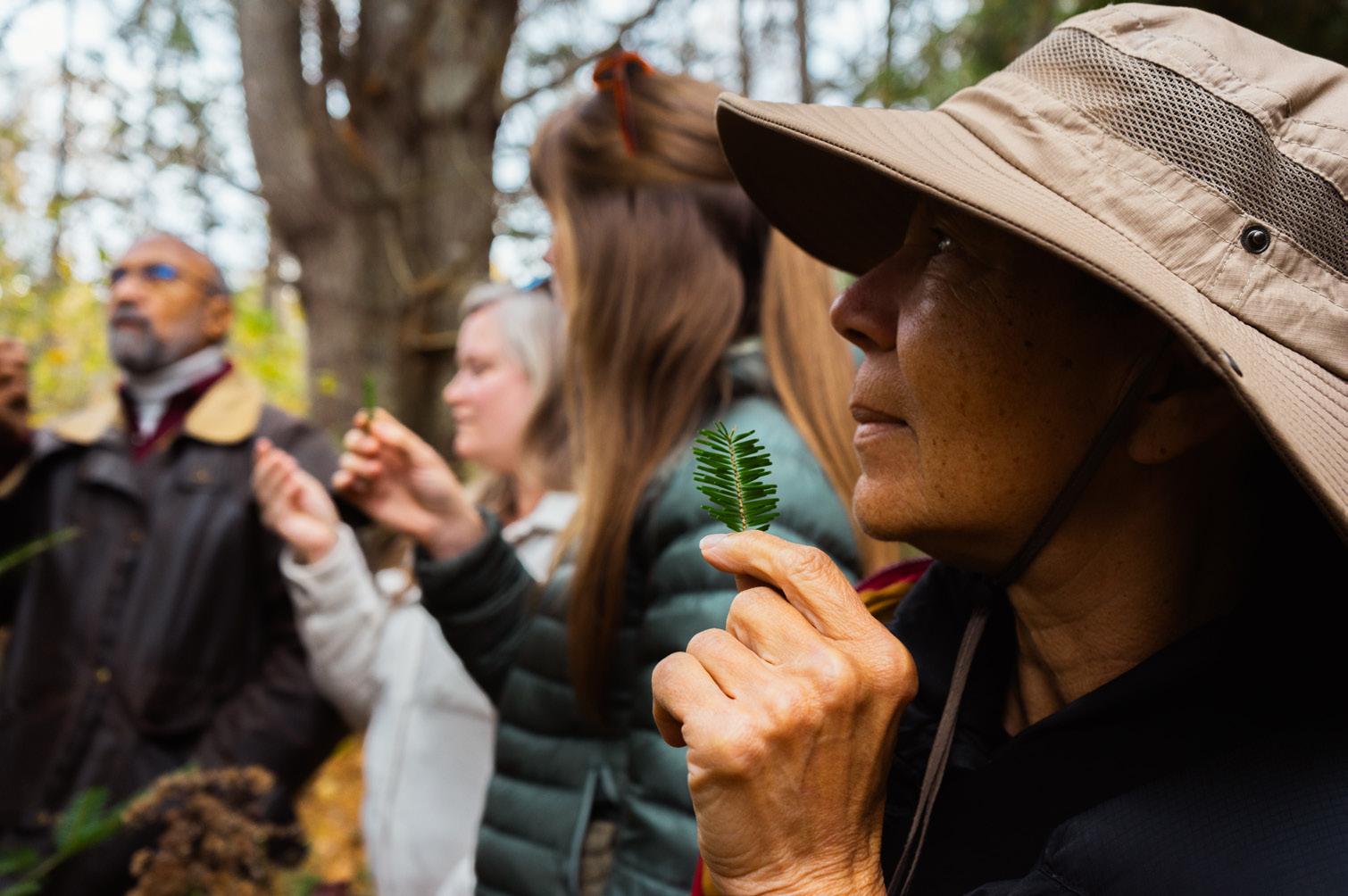
• Creative, fun event with seasonal crafting. All ages welcome. Bring family and friends along to make a craft together. TIX: $10 per project. Take and Make kits starting at $5 45s Card Tournament — Belmont Community Hall, Newport 1–4pm TIX: $5 per person, door prize, 50/50 Nature Immersion in the Acadian Forest — McMaster Mill Historic Park, Kingston 1–4pm • Guided meditation, forest bathing, and mindfulness practices with Wil, your Nature and Forest Therapy Guide! TIX: $80 per adult (14+) + HST + booking fee, $50 per child (7-14) + HST + booking fee. Children under 7 are free. INFO: 902-385-8080
Lohri Celebration — Ross Creek Centre for the Arts, Canning 6–10pm • Celebrate Lohri with us - come fly kites and dance by the bonfire! All are welcome. TIX:
Donation INFO: 902-582-3842
Teen Open Gym — War Memorial Community Centre, Windsor 6–8pm TIX: Free
Pop Up Dinner: Stéphane Levac — Horton Ridge Malt & Grain Company, Hortonville 6–8pm TIX: $65/ticket
INFO: 902-697-3535
Cha Cha Dance Workshop — YogaLife, Wolfville 7–8:30pm • Cha Cha Dance Workshop. Beginner and experienced dancers welcome. TIX: Price is $20 per person in advance or at the door.
New Old Time — Ross Creek Annex, Canning 7:30pm
• A triple-bill of banjos, yodellers and harmonies ft. Art Bouman, Zakary Miller and Steam Mill Band. TIX: $15 advance / $20 at the door
Wicked The Drag Show — Kings Arms Commons, Wolfville 8pm • Something Wicked this way comes! You won’t want to miss this Wolfville. Are you ready for a full Wicked Drag Extravaganza. TIX: $15
Dance with Hear on Earth — Royal Canadian Legion, Kentville 9pm–12am • Saturday Night Dance with live music (Hear on Earth). All welcome (19+). Cash bar 8:30. Kitchen, 50/50, Door Prize TIX: $10 at the door INFO: 902-678-8935
SUNDAY, 12
Ballroom Dance Lessons — Fire Hall, Kingston 12–1pm
• Ballroom Dance Lessons. Learn Foxtrot & Waltz in a 6-week program. Sundays starting Jan 11. TIX: $120 Annapolis Valley Forest Bathing — McMaster Mill Historic Park, Kingston 1–5pm • An invitation of selfdiscovery and intimate relationship with nature through guided meditation, forest bathing, and more. TIX: $140 per adult (14+) + HST + booking fee, $100 per child (7-14) + HST + booking fee. Children under 7 are free. INFO: 902-385-8080
Local Coyote Population Info Session — Sheffield Mills Community Hall, 3 - 5pm • An information session related to our local coyote population. One of our local residents, Jason Young produced a film for the National Film Board in 2013 on the subject of the coyote. We will show this film and follow up with recent developments and issues which might have surfaced since that time.
Mr. Shawn Blackbird from Natural Resources will be present to shed some light on the subject and answer questions from the floor. Fresh coffee will be available, admission is voluntary to help offset our winter heating costs. INFO: Contact Jim Taylor at 902-582-7214. Luke Levy — Horton Ridge Malt & Grain Company, Hortonville 2–4pm TIX: Free INFO: 902-697-3535
Men’s Mental Health Hike — Anima Mundi Trails, Gaspereau Mountain 2pm • This is a casual, peer-led easy walk where men will gather for camaraderie, time in nature and informal support. TIX: Free INFO: 902-691-2464
Blitz — Al Whittle Theatre, Wolfville 4pm • The stories of a group of Londoners during the German bombing campaign of the British capital during World War II. TIX: Regular $13 Students $11 Tickets also available at the door. Cash/Debit/Credit. INFO: 902-542-3344
Adult Art Lessons — 7 Arts, Greenwood 4–5pm • A fun adult series where you get to try anything and everything art related! TIX: $35 per class or $100 for all 3 January classes
Full Moon Snowshow Stomp and Camp Fire — Irishman’s Road Trail, Newport Station 6–6pm TIX: Free
Blitz — Al Whittle Theatre, Wolfville 7pm • The stories of a group of Londoners during the German bombing campaign of the British capital during World War II. TIX: Regular $13 Students $11 Tickets also available at the door. Cash/Debit/Credit. INFO: 902-542-3344
MONDAY, 13
Community Supper — Ross Creek Annex, Canning 3–6pm • Join us for supper! Art activities from 3-5pm, supper from 5-6pm and take away meals available at 6pm. All are welcome! TIX: Donation INFO: 902-582-3842
Soups and Sides — Wolfville Farmers’ Market, Wolfville 5–6:30pm TIX: Donation
TUESDAY, 14
Financial Literacy & Trusteeship 101 — Kings County Family Resource Centre, Kentville 9:30–11:30am • January and February are financial literacy season at the Kings County Family Resource Centre! We welcome you to join us! TIX: Free INFO: 902-678-5760
Youth Artful Afternoons — 7 Arts, Greenwood 2–5pm • Get creative with a variety of art media and tools. All supplies are included, just bring your imagination! For ages 6-12. TIX: $15 per child per class
WEDNESDAY, 15
Makers Meet — Community Hall, White Rock 10am–2pm • Makers Meet - Open to any makers/crafters/ artisans who want space & community to create. TIX: $3/drop in fee
Take Out Luncheon — United Baptist Church, Port Williams 11:30am–12:15pm • Take-Out Luncheon TIX: $10 INFO: 902-542-3681
Ballroom Dance Lessons — Royal Canadian Legion, Wolfville 6–7pm • Ballroom Dance Lessons. Learn Foxtrot and Waltz in a 6-week program. TIX: $120
Paint Night — Millstone Harvest Brewhouse, Sheffield Mills 6:30–9:30pm TIX: $30 INFO: 902-582-2337
Black Box Diaries — Al Whittle Theatre, Wolfville 7pm • Journalist Shiori Ito investigates her own sexual assault, seeking to prosecute the high-profile offender. TIX: Regular $13 Students $11 Tickets also available at the door. Cash/Debit/Credit. INFO: 902-542-3344
Latin Dance Lessons — Royal Canadian Legion, Wolfville 7–8pm • WOLFVILLE - Latin Dance lessons (Salsa & Bachata) TIX: $120
THURSDAY, 16
Science Club — Isaiah W. Wilson Memorial Library, Digby 3–4pm TIX: Free INFO: 902-245-2163
FRIDAY, 17
Challenges for Nova Scotia Fruit Growers, by Emily Lutz — K.C. Irving Environmental Science Centre, Wolfville 2–3pm • Challenges for Nova Scotia Fruit Growers by Emily Lutz TIX: Free INFO: 902-679-8604
Crafter Noons — Isaiah W. Wilson Memorial Library, Digby 2–4pm • Join other crafters to chat and share ideas. Bring your own supplies to work on your project while enjoying good company. TIX: Free INFO: 902-245-2163
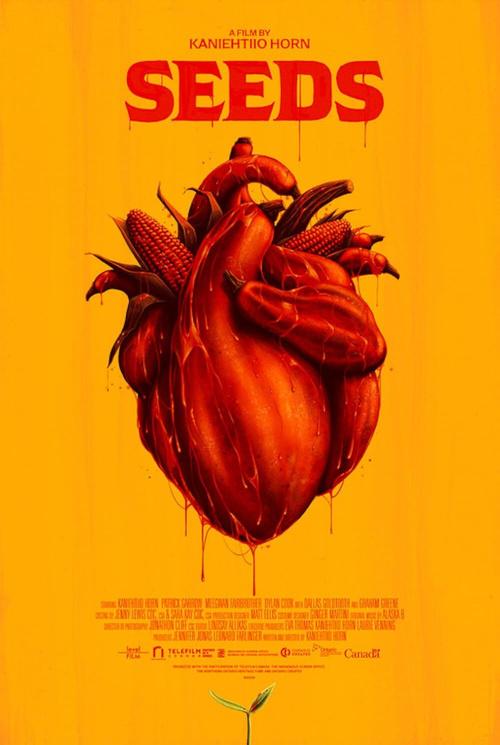
Ben Robertson Trio — Bent Ridge Winery, Windsor 6–8pm • Bent Ridge presents Ben, a seasoned vocalist and guitarist, has performed with the Big Valley Swing Orchestra for over 25 yr. TIX: Free INFO: 902-472-2212 Seeds — Al Whittle Theatre, Wolfville 7pm • Ziggy gets hired as an influencer for Nature’s Oath. She is called back to her rez, in a fight to preserve their heritage. TIX: Regular $13 Students $11 Tickets also available at the door. Cash/Debit/Credit. INFO: 902-542-3344
Hannah Chapplain - Feel Good Friday — Millstone Harvest Brewhouse, Sheffield Mills 7–9pm TIX: Free INFO: 902-582-2337
Freya Milliken Band — Ross Creek Annex, Canning 7pm
• All-ages show with local rising stars Freya Milliken and Alaina Therese. TIX: $15 adults / $10 students
SATURDAY, 18
BIG Breakfast — Lions Club, Wolfville 8–10am TIX: $10 for adults, $5 children under 10. INFO: 902-542-4508 Pancake Breakfast — United Church, Aylesford 8–10:30am • Everyone is welcome! Come and bring a friend! TIX: Donation
Artemis Wild Winter — Wolfville Farmers’ Market, Wolfville 11am–3pm • Channel your inner Artemis with a 5-week program for girls ages 12-15, featuring winter skills, exploration, and wild fun! TIX: From $185 Lunch — Black River and District Community Hall, Black River 11am–1pm • Soup, Sandwich & Roll Lunch with brownie and ice cream with tea and coffee included TIX: $12 INFO: 902-542-5173
ArtBeat Lounge for Teens — 7 Arts, Greenwood 4–6pm
• ArtBeat Lounge is your ultimate playground for artistic expression! For ages 13-17. TIX: Free
Casual Crokinole Social — Horton Ridge Malt & Grain Company, Hortonville 6–9pm • Social crokinole event, free & all welcome, no registration required; worldstandard boards for play; new players welcome! TIX: Free
Dance with The Crossover Band — Royal Canadian Legion, Kentville 9pm–12am • Saturday Night Dance with live music (The Crossover Band). All welcome (19+). Cash bar 8:30. Kitchen, 50/50, Door Prize TIX: $10 at the door INFO: 902-678-8935
SUNDAY, 19
Creative Music Workshop and Jam — Royal Canadian Legion, Wolfville 12:30–4pm • Come explore the musical craft of improvisation and then try your new skills out on a live audience of all ages and abilities TIX:
Donation INFO: 902-698-9611
Cribbage Tournament — Royal Canadian Legion, Wolfville 1–4pm • The Wolfville legion are hosting their 3rd Sunday of the month crib tournament,everyone welcome TIX: $20 per team plus high hand and 50/50 draw INFO: 902-542-5869
Lunar New Year Community Arts Day — Ross Creek Centre for the Arts, Canning 1–4pm • Join us for our Annual Lunar New Year Celebration and the opening reception for artist Andrew Maize’s show in our Gallery! TIX: Donation INFO: 902-582-3842
The Steam Mill Band — Horton Ridge Malt & Grain Company, Hortonville 2–4pm TIX: Free INFO: 902-697-3535
Emilia Perez — Al Whittle Theatre, Wolfville 4pm • Cartel leader Emilia enlists Rita, an unappreciated lawyer, to help fake her death so that she can finally live authentically TIX: Regular $13 Students $11 Tickets also available at the door. Cash/Debit/Credit. INFO: 902-542-3344
Adult Art Lessons — 7 Arts, Greenwood 4–5pm • A fun adult series where you get to try anything and everything art related! TIX: $35 per class
Emilia Perez — Al Whittle Theatre, Wolfville 7pm • Cartel leader Emilia enlists Rita, an unappreciated lawyer, to help fake her death so that she can finally live authentically TIX: Regular $13 Students $11 Tickets also available at the door. Cash/Debit/Credit. INFO: 902-542-3344
WEDNESDAY, 22
Makers Meet — Community Hall, White Rock 10am–2pm • Makers Meet - Open to any makers/crafters/ artisans who want space & community to create. TIX: $3/day
Canadian Federation of University Women — Wu Welcome Centre, Wolfville 7–9pm • CFUW Wolfville meeting at The Wu centre. Brief business meeting followed by a panel on “Homelessness”. Social TIX: Free
THURSDAY, 23
Bygone Bottlers of Patent Medicine — Main Street Station, Kentville 7–8:30pm • Kentville Historical Society’s speaker Kim Troop on Kentville’s purveyors and bottlers of patent medicine. All welcome. TIX: Donation INFO: 902-678-8202
Kaia Kater — Ross Creek Annex, Canning 7:30pm • Kaia Kater “writes and performs with the skill of a folk-circuit veteran…” – Rolling Stone TIX: $25 advance / $30 at the door $15 students advance / $20 at the door
FRIDAY, 24
Publishing and Distributing ‘The Grapevine’ — K.C. Irving Environmental Science Centre, Wolfville 2–3pm • Publishing and Distributing ‘The Grapevine’ TIX: Free INFO: 902-679-8604
Family Literacy Day — Isaiah W. Wilson Memorial Library, Digby 3–4pm TIX: Free INFO: 902-245-2163
Victor Fraser — Bent Ridge Winery, Windsor 6–8pm • Join Us at Bent Ridge for Halifax-based guitarist Victor Fraser, a founding member of Celtic Rant and Con Spirito Duo. TIX: Free INFO: 902-472-2212
Peter Fillman - Feel Good Friday — Millstone Harvest Brewhouse, Sheffield Mills 7–9pm • Feel Good Friday with Peter Hillman TIX: Free INFO: 902-582-2337
SATURDAY, 25
For the Love of Literacy Event #5 — Louis Millett Community Complex, New Minas 9:30–11:30am • For the Love of Literacy Event #5 with special guests: Knee High to a Grasshopper Storytelling & Matt the Music Man. TIX: Free INFO: 902-678-5760
Crib Tournament — Royal Canadian Legion, Kentville 1pm • Kentville Legion Monthly Crib Tournament. Bring a partner. Kitchen, 50/50. All welcome (14+). TIX: $20 per team of 2. Optional $2 for high hand. INFO: 902-678-8935
Auction 45’s Tournament — Community Hall, Avondale, NS 1–4pm • Bring your partner. Prize money for First & Second Place 50/50 Draw TIX: $10/couple
Robbie Burns Night — Horton Ridge Malt & Grain Company, Hortonville 6–8pm TIX: $65/ticket (no tax) INFO: 902-697-3535
Swing Dance Workshop — YogaLife, Wolfville 7–8:30pm • Swing Dance Workshop. Beginner and experienced dancers welcome. TIX: Price is $20 per person in advance or at the door.
Actual Wizard - Magic Show — Al Whittle Theatre, Wolfville 7:30–9pm • Award-winning Actual Wizard & Halifax magician Vincenzo Ravina’s weird magic show contains: Potions! Ghosts! Cards! Murder! TIX: $25
Tom Regan Memorial Concert — Festival Theatre, Wolfville 7:30pm • The annual showcase of performances from Acadia University School of Music’s students, faculty, alumni and friends! TIX: $30 (regular) $25 (Students) Acadia Box Office INFO: 902-542-5500
Dance — Royal Canadian Legion, Kingston 8pm–1am • Dance to the Band Route 12. Open to the Public TIX: $10 per person INFO: 902-765-4920
Dance: Tracy Lynn & The Silver Flame — Royal Canadian Legion, Kentville 9pm–12am • Kentville Legion Saturday Night Dance: Tracy Lyn and The Silver Flame. All welcome (19+). Doors 8pm & cash bar 8:30pm TIX: $10 INFO: 902-678-8935
SUNDAY, 26
Caleb Vallelly — Horton Ridge Malt & Grain Company, Hortonville 2–4pm TIX: Free INFO: 902-697-3535
A Real Pain — Al Whittle Theatre, Wolfville 4pm • Mismatched cousins reunite for a tour through Poland to honor their beloved grandmother. The pair’s old tensions resurface. TIX: Regular $13 Students $11 Tickets also available at the door. Cash/Debit/Credit. INFO: 902-542-3344
A Real Pain — Al Whittle Theatre, Wolfville 7pm • Mismatched cousins reunite for a tour through Poland to honor their beloved grandmother. The pair’s old tensions resurface. TIX: Regular $13 Students $11 Tickets also available at the door. Cash/Debit/Credit. INFO: 902-542-3344
REDISCOVERING ARTS AND CULTURE AT ROSS CREEK
Chris O’Neill
The light is returning. Each day, we welcome a little more daylight and turn our faces to the sun. At Ross Creek, we took a few days off to spend with family and friends and to reflect on how we approach the coming year.
We’ve been thinking a lot about community, as some of you know if you subscribe to our e-news. There, I’ve shared thoughts about our role in our community and our connection to the world, even from our little corner on the North Mountain.
I’ve also been reflecting on how we move forward in challenging times—not just in response to political changes in the U.S., but also in tackling existential questions about the future, from the climate crisis to AI, and what role Ross Creek can play.
What keeps coming to mind—and what connects all these issues—is the need to focus more deeply on our collective humanity. This isn’t about centring humanity as an act of hubris. Instead, it’s about prioritizing
community over algorithms and wealth generation, and emphasizing human creativity, ingenuity and connection. At Ross Creek, our mission is to bring people together and give them opportunities to express themselves through the arts, whether they’re children, adults, youth or professional artists.
I recently read an article in The Guardian about the impact of the arts on health. A collaborative study by the World Health Organization and the UK’s Department for Culture, Media and Sport looked at the effects of participating in the arts—even occasionally, whether attending a theatre performance, a concert, or taking a class.
While those of us in arts and culture often share stories about the social, creative and economic benefits of the arts, this was the first study I’d seen to highlight its specific financial benefits to the health-care system.
The study found that cultural participation contributed more than £8 billion to the UK
WEDNESDAY, 29
Food Insecurity in our Communities — Isaiah W. Wilson Memorial Library, Digby 2–3pm • Join Public Health Nutritionists Jane Cunningham and Heather Baillie to learn about the root causes of food insecurity. TIX: Free INFO: 902-245-2163
Book Club — Isaiah W. Wilson Memorial Library, Digby 6:30–8pm • Join Colleen Humbert for a lively and in-depth discussion of recent Irish novels. This month’s choice is Nora Webster. TIX: Free INFO: 902-245-2163 Will & Harper — Al Whittle Theatre, Wolfville 7pm • In this intimate portrayal of friendship and transition, Harper and Will go on a road trip, exploring their relationship. TIX: Regular $13 Students $11 Tickets also available at the door. Cash/Debit/Credit. INFO: 902-542-3344
FRIDAY, 31
The Wolfville and Area Foodbank, talk by Gordon Joice — K.C. Irving Environmental Science Centre, Wolfville 2–3pm • Wolfville and Area Food Bank by Gordon Joice TIX: Free INFO: 902-679-8604 Take Out Supper — Lions Club, Wolfville 4:30–6pm TIX: $20 per person, $10 under 10 years INFO: 902-542-4508
Guy Paul Thibault - Feel Good Friday — Millstone Harvest Brewhouse, Sheffield Mills 7–9pm • Feel Good Friday with Guy Paul Thibault at the brewery. TIX: Free INFO: 902-582-2337
Terry Jagger Music — The Spitfire Arms Alehouse, Windsor 7:30–10:30pm • Terry Jagger will be playing your favorite classic rock and some Celtic tunes. TIX: Free INFO: 902-790-3091Dance: Spectrum Band — Royal Canadian Legion, Kentville 9pm–12am
• Saturday Night Dance with Spectrum Band. Door 8pm Cash Bar 8:30pm. Kitchen, 50/50, door prize. All welcome (19+). TIX: $10 INFO: 902-678-8935
DJ Premium — West Side Charlies, New Minas 10–8pm TIX: $15 prepurchase $20 at the door. INFO: 681-9378
economy, with £7 billion attributed to reduced demand on the health-care system and £1 billion to increased productivity. Benefits included reducing cognitive decline, physical pain and stress, and improving mental health.
I’ve also been following the trend of social prescribing around the world. Doctors are prescribing arts engagement—gallery visits, theatre and concert attendance, and classes— because of the positive effects on patients’ mental health and loneliness. Doctors also reported their own happiness in prescribing beauty.
We’re facing crises in mental health, social anxiety and loneliness, as well as challenges in the health-care system. Polarized politics and the habit of staying home and living online have also taken a toll. But there’s a solution to all of this: the arts.
Let’s make 2025 the year of arts and culture. Even in the depths of winter, take the time to visit galleries, attend concerts and try
classes—both activities you already enjoy and new ones outside your comfort zone. You might not like every piece of art or performance, but you’ll have experiences to share and opportunities for connection.
Spend time with people in real life, in collective experiences. The artists might be your neighbours, or they could be long gone from around the world. Art helps us see each other and understand our world in profound ways. Plus, it should be fun.
I often hear from colleagues and friends who used to attend cultural events regularly but lost the habit after 2020. Habits can be rebuilt. If you’re setting health goals or resolutions for the new year, make arts and culture part of your promise to yourself. For your physical and mental health, you won’t regret it.
Upcoming at Ross Creek:
Our winter programs are in full swing, including adult arts retreats, community arts days, and workshops like jewellery-making with I’thandi Munro. Join us for our community suppers, arts events and more.
This summer, we’re thrilled to present Quixote!, a large-scale puppet production inspired by the timeless novel, and The Haunting of Sleepy Hollow, a fireside musical based on Washington Irving’s The Legend of Sleepy Hollow. Tickets are on sale now.
We’re hiring summer staff and looking for volunteers for programs like gallery docents, community garden helpers, box office support and event programming. If you’re passionate about arts and culture and want to make a difference, join us!
Let’s make 2025 a year to remember. For more information, email chris@artscentre.ca or visit artscentre.ca/whats-on/.
❧
Photo contributed by Chris O'Neill