THE ALMA HYBRID EXPERIENCE MAXIMUM EFFECT WITH MINIMAL DOWNTIME SCARS BE GONE! THE TREATMENTS THAT WORK CHRISTMAS Gifts YOUR TEAM WILL LOVE aesthetics • medi • wellness Volume 91 2022

For the forward-thinking individual who values unrivalled precision, safety and clinical efficacy, science proves the superiority of 532 nm combined with 1064 nm – excel V+ makes this a reality.


machine

“The
has been a godsend, it’s my workhorse machine. I do everything


TH e N e W WR iNK le-sMOOTH iNG sK iNCARe R i TUA l
Wrinkle smoothing cream Resurfacing sleeping cream 10-day express radiance and wrinkle treatment


Plumping booster serum
Protects skin against daily aggressors and blue light(2) improves skin texture(4)
CliNi CA llY T es T eD
(1)
Gives an immediate and lasting plumping effect(1) Regenerates the skin during the night(3) The skin is plumped The skin looks visibly younger The skin is rested The skin tone is evened out
(2)
COMB i N e TH is ROUT i N e TR e ATM eNT W i TH OUR GYM B e AUTÉ PAYOT® A combination of smoothing and stimulating movements to erase wrinkles, relax the features and restore radiance to the face.
(3) 87% (4) (1) Use test carried out on 21 volunteers. Application twice a day for 4 weeks. % of volunteers who perceived the effect. (2) Use test carried out on 23 volunteers. Application twice a day for 4 weeks. % of volunteers who perceived the effect. (3) Use test carried out on 20 volunteers. Application once a day for 4 weeks. % of volunteers who perceived the effect. (4) Use test carried out on 23 volunteers. Application as a cure twice a day for 10 days. % of volunteers who perceived the effect.
www.waterlilyskinbodyspa.com.au

published by
BHA MEDIA Pty Ltd
A division of The Intermedia Group 41 Bridge Rd, Glebe NSW 2037 www.bhamedia.com.au ph: 02 9660 2113 fax: 02 9660 4419
executive chairman Simon Grover
managing director
Craig Hawtin-Butcher craig@intermedia.com.au
managing editor
Nadine Dilong ndilong@intermedia.com.au

advertising enquiries
Kym Cowper ph: +61 2 9660 2113 mob: 0410 570 467 kcowper@intermedia.com.au
graphic designer
Leanne Hogbin subscription enquiries subscriptions@intermedia.com.au
To subscribe by credit card call 1800 651 422 or visit www.intermedia.com.au
To subscribe by cheque or money order, make cheque/money order payable to: The Intermedia Group Pty Ltd. P.O. Box 55, Glebe, NSW Australia 2037
AUSTRALIA
1 yr (4 issues) $AUD 79.00 inc GST 2yrs (8 issues) $AUD 126.40 inc GST – SAVE 20% 3yrs (12 issues) $AUD 165.90 inc GST – SAVE 30%
NEW ZEALAND
1 yr (4 issues) $AUD 100.00
ASIA/PACIFIC
1 yr (4 issues) $AUD 110.00
REST OF WORLD
1 yr (4 issues) $AUD 127.00
Payable in Australian dollars includes air postage
Disclaimer: This publication is published by BHA MEDIA Pty Ltd (the “Publisher”). Materials in this publication have been created by a variety of different entities and, to the extent permitted by law, the Publisher accepts no liability for materials created by others. All mate rials should be considered protected by Australian and international intellectual property laws. Unless you are authorised by law or the copyright owner to do so, you may not copy any of the materials. The mention of a product or service, person or company in this publication does not indicate the Publisher’s endorsement. The views expressed in this publication do not necessarily represent the opinion of the Publisher, its agents, company officers or employees. Any use of the information contained in this publication is at the sole risk of the person using that information. The user should make independent enquiries as to the accuracy of the information before relying on that information.All express or implied terms, conditions, warranties, state ments, assurances and representations in relation to the Publisher, its publications and its services are expressly excluded save for those conditions and warranties which must be implied under the laws of any State of Australia or the provisions of Division 2 of Part V of the Trade Practices Act 1974 and any statutory modification or re-enact ment thereof. To the extent permitted by law, the Publisher will not be liable for any damages including special, exemplary, punitive or consequential damages (including but not limited to economic loss or loss of profit or revenue or loss of opportunity) or indirect loss or damage of any kind arising in contract, tort or otherwise, even if advised of the possibility of such loss of profits or damages. While we use our best endeavours to ensure accuracy of the materials we create, to the extent permitted by law, the Publisher excludes all lia bility for loss resulting from any inaccuracies or false or misleading statements that may appear in this publication. Copyright © 2022 BHA Media Pty Ltd. Environmental Statement: The Intermedia Group takes its Corporate and Social Responsibilities seriously and is committed to reducing its impact on the environment. We continuously strive to improve our environmental performance and to initiate additional CSR based pro jects and activities. As part of our company policy we ensure that the products and services used in the manufacture of this magazine are sourced from environmentally responsible suppliers. This magazine has been printed on paper produced from sustainably sourced wood and pulp fibre and is accredited under PEFC chain of custody. PEFC certified wood and paper products come from environmentally appro priate, socially beneficial and economically viable management of forests. The wrapping used in the delivery process of this magazine is 100% recyclable.
It’s that time of the year again, when every conversation starts with “I can’t believe Christmas is around the corner! Where has this year gone?!” It’s quite telling of the communal ‘state of busy’ we’re all in, an endless attempt to find some sort of work/ life balance and failing miserably most of the time to prioritise selfcare, but at least, we seem to be getting better at it.
Slowly but steadily, the glorification of ‘hustling’ is making way for the luxury of time and health, a trend that is supported by the rapidly growing wellness tourism industry. In October, I got to attend the inaugural Wellness Tourism Summit, and one of the key learnings of the day was that we, as wellness industry professionals, need to walk the talk and invest time in our own wellbeing instead of just providing it to others. I guess this can be our communal New Year’s resolution.
Of course, you’ll find our big Christmas Gift Guide in this issue with tons of inspiration for gifts for your team or VIP clients, so you can get your Christmas shopping done asap before things get a little crazy, as they tend to towards the end of December. We also get some insight from clinical psychologist, Dr Toni Pikoos, on how to identify patient red flags, i.e. those that show symptoms of body dysmorphic disorder, and how to navigate a consultation with them – a skill that is becoming increasingly crucial to have as a practitioner.
Our very special cover stars not only one of Australia’s most renowned Dermatologists, Dr Natasha Cook, but also one of her patients. Both of them share why they love Alma Laser’s new Hybrid device, which delivers visible results with minimal discomfort and downtime – what’s not to love? Lastly, I’d like to thank you for another year of continued support, and I hope you’ll get through those last few weeks of the year with a calm mind and focused energy. Make sure you celebrate your team’s efforts so you can start the new year with renewed motivation.
Happy holidays, Nadine Dilong Managing Editor ndilong@intermedia.com.au
www.facebook.com/spaclinicmagazine twitter.com/spaandclinic www.instagram.com/spaandclinic www.linkedin.com/company/spaclinic

The 3-step approach combines an innovative, patentpending formulation applied in-clinic, with a home care protocol to deliver immediate and progressive results with minimal downtime.

All ages | All areas | All skin types | All year-round Before After 3 sessions

COVER STORIES 46 The Alma Hybrid Experience 66 Scars Be Gone! 84 Christmas Gift Guide
INTERIOR 12 BODHI Yallingup
Take a look at this stunning new spa in WA
EVENTS 20 BEAUTY & SPA Insiders
The sold-out event brings industry together 25 Celebrating Australia As No1 Wellness Destination
What went down at Australia’s inaugural Wellness Tourism Summit 26 Dr Stephen Mulholland Inspires at InMode Event
The Canadian Plastic Surgeon shared his insights with Sydneysiders 27 5 Things We Learned From Prof Al-Niaimi Our learnings from the Candela event
BUSINESS 30 Putting Members First Here’s what was discussed at the ABIC Inaugural Members Meeting 34 Come In…
The latest clinic and spa openings to know now 38 Finding The One The One Clinic Agency helps you find the right staff 42 Selling The Dermal Diary What is it like selling a clinic? 44 Grow Your Business
With the help of the Aesthetic Collective SPA HOTSPOT 48 Château Élan Hunter Valley, NSW WELLNESS
50 A sneak-peek at Sofitel Darling Harbour Spa We chat to the Spa Director, Cecilia Ferreyra
52 Unplug at Gaia …with your team, or by yourself 54 Unwind On A Great Ocean Road Retreat Take your team building to the next level
AESTHETICS 56 Our Mission: Beautiful Skin For Life Medik8 explains its values


58 The 4 ‘R’s of Referral Psychologist Dr Toni Pikoos explains how to care for patients with BDD
64 Offering a 360 Degree Approach To Rejuvenation Dr Cosima shares why she loves working with Beauty Technology
TECHNOLOGY


72 That Hollywood Glow Dermal Therapist Verity Morhall chats to us about the Hollywood Spectra 74 Two-In-One Meet Jovena: A new, multifunctional device for total skin regeneration
MEDI
76 Upskilling Nurse Injectors Introducing, Bespoke Cosmetic Injectables Course
78 The Rise of Filler Induced Alopecia (FIA) AMET explains why FIA needs to be part of your informed consent
80 Why Weight Matters in Pre-Op Care Dr Edward Chamata explains how he gets his patients ready for surgery
82 A Nurse Gives Back Why charity work matters to Cosmetic Nurse Bianca Saldes
Alma Lasers is a global innovator of laser, light-based, radio-frequency and ultrasound solutions for the aesthetic and surgical markets. From our early days, we have been at the forefront of medical and aesthetics technologies, carrying the torch of revolution in various arenas around the world, determined to become a market leader. Today, we are a worldleading provider of energy-based solutions for the surgical, medical aesthetics and beauty markets, delivering cuttingedge technologies to our partners and customers. We are firm believers in the power of science, redefining the industry through an endless desire to innovate and drive the global industry forward. We are focused on delivering breakthrough products considered the gold standard in markets around the world, for the benefit of all. alma-lasers.com.au


The latest and greatest in the aesthetics industry, tested by the SPA+CLINIC team.


Dilong, Managing Editor tried: SkinPen Precision Collagen Induction Therapy – it’s hard to find a practitioner that doesn’t love it, and it’s easy to see why. Skin needling, when done right (I would never try derma rolling at home, let’s leave it to the professionals), is a relatively simple and quick treatment with little downtime and big results. I experienced the treatment at All Saint Clinic in Double Bay, who use the Skin Pen Precision, which is distributed by Advanced Skin Technology in Australia. Numbing cream is applied generously 30 minutes before we start the needling, which makes the treatment virtually painless. All I could feel as my practitioner glided over my face was a slight vibration. Skin Pen Precision uses adjustable length, disposable straight needles to penetrate at a 90-degree angle, at a customisable depth of 0.25 to 2 millimeters. I pointed out a few acne scars on my face, on which my practitioner went a little deeper to really target collagen remodelling in this area. A hyaluronic acid gel is used to reduce friction and encourage hydration during the needling process. After about 10 minutes, we are done, and I am red as a tomato, as expected. A thick balm is applied, and about two hours later, my redness has reduced. On day three and four, the shedding begins, but I am pleased to say that it was very even and light shedding, which could only be noticed up close. On day five, my skin looked fresh and more even than before, and I can even see my acne scars look slightly smaller. ADVANCEDSKIN.COM.AU


Cowper, Advertising Manager tried: mesoestetic AGE Element
AGE Element is the first of its kind from mesoestetic, a treatment with a 100% customised protocol. I was excited to trial the latest generation in antiageing treatment; AGE Element is a system created with the most advanced medical-cosmetic technology, formulated with epigenetic active ingredients. To experience this innovative treatment we were invited to Cronulla Skin Sanctuary. Owner Wafaa Karim has created a hidden gem, a gorgeous little medispa tucked away in Sydney’s beautiful Cronulla. Wafaa was celebrating her 17th year when I booked in for the treatment, and I can see why she has been so successful – her menu complements her long-time clients who purchase annual skincare memberships, ensuring her clients keep their glowing skin. First up, Wafaa cleansed my skin with the most divine oil based mesoestetic cleanser, she assessed my skin concerns and we both agreed the ampoules needed would be targeting pigmentation, dehydration and fine lines. This luxurious facial used a combination of goodies - shikimic acid, maslinic acid and isoquercetin to combat ageing from the source by making skin cells act younger. The effective but relaxing one hour session includes a cleanse, exfoliant, massage, LED light and a divine firming alginate mask for the ultimate anti-ageing experience. When my treatment was complete, I was simply glowing.
ADVANCEDCOSMECEUTICALS.COM.AU
It is not often that a non-invasive facial treatment surprises me, but OxyLight, which is big overseas, did it. I experienced the rejuvenating multi-modality treatment at Amirova Cosmetic Clinic, and walked away with glowing skin. It starts with a diamond tip microdermabrasion, which even includes an applicator for the eyelids (and results in better eyeshadow application, I am told). Then, Negative Pressure Therapy is used to stimulate lymph flow and remove toxins from the body. Afterwards, 95% pure oxygen is sprayed onto the face into the deepest layer of the skin, which activates cells, stimulates blood circulation, and increases hydration. This is followed by an ultrasound facial to deeply infuse hydration and vitamins, while the tip also emits LED light according to your skin concern. Then, a micro current tones and tightens facial muscles (without any discomfort) before the big finale, 25 minutes of the IonixLight, which releases a gentle Negative Ion mist (pure, Negatively Ionized Oxygen) from one center based nozzle while utilising full spectrum LED. The ion mist feels very cold at first, but after a couple of minutes and as I enjoyed a shoulder and hand massage, I felt amazing and was sad when it was all over. This treatment uses clinical, results-based technology but in a very pampering, almost wellness like setting – I can see why celebrities like Jennifer Aniston love it!
The brand new BODHI Yallingup is luxurious but understated, and deeply connected to its surroundings.
 District district.com.au
Granite Lane granitelane.com.au
MCM House mcmhouse.com
District district.com.au
Granite Lane granitelane.com.au
MCM House mcmhouse.com
BODHI Spa has well and truly cemented itself as the must-visit spa destination in Western Australia. Founders Danny and Tania Taylor opened their first spa in 2007, creating a place to take a pause; an oasis of calm to escape, retreat and revitalise – naturally. 15 years later and the couple have just opened their sixth BODHI spa in the beach town of Yallingup.
Name: BODHI SPA YALLINGUP
Owners: TANIA & DANNY TAYLOR
Location: YALLINGUP, WA
Size: 520m2 + 4000m2 lakeside block
Number of treatment rooms: 6
Number of staff: 13, currently recruiting more
Interior Inspiration: LUXURIOUS, NATURAL, UNDERSTATED

“With custom interior design by Pattern Studio, BODHI Yallingup is our most considered wellness offering yet. With a $2 million fit-out, every single detail has been thought of,” explains Tania. “Nature has been integral to the layout and palette of BODHI Yallingup. Floor to ceiling windows and a water-fronting yoga studio, relax lounge and terrace, allow a palpable connection to the natural surroundings. Skylights bring natural light into a curved central corridor, and the neutral, warm palette is inspired by the pristine coastal Margaret River region, providing a beautiful sense of place.”
Lily Goodwin and Josh Cain were the creative minds and Principals at Pattern
Studio, and worked closely with the BODHI team. “Elegant treatment rooms, understated yet luxurious bath houses, and a sumptuous relaxation lounge have been conceptualised with timeless, rather than trend-driven, design in mind,” says Lily, “The spaces feature some exquisite furnishings and fittings; think contemporary European furnishings, Australian artwork, and handmade ceramic light fittings.
“It’s hard to pick one favourite room or corner of the spa,” says Tania, “although the outlook over Lake Gunyulgup from the luxury relax lounge and terrace is especially tranquil. This spring fed lake was a traditional camping
spot and area of significance for the Wardandi Noongar Moort families, moving along inland and coastal trails. Fittingly for a spa, the word Gunyulgup means ‘place of rest’.”
But it’s not just the look of the spa that was important to the team; sustainability played an integral role. “BODHI has a tread lightly approach. It has a passive solar design, and solar panels on the roof meet the bulk of the spa’s energy needs, and a 220 thousand litre rainwater tank provides the spa’s water,” explains Tania, but as with most builds, it didn’t come without its challenges.
“It was a race against the clock! After five beautiful years at Injidup Spa Retreat, the move to our own stand-alone spa BODHI Yallingup needed to adhere to a tight timeline, in order to service ongoing BODHI guest bookings. Faced with severe labour and building material shortages in Western Australia, we were very fortunate to work with a team of builders, trades people and suppliers that pulled out all the stops to achieve our Monday 26th September opening, working all hours, seven days a week and even on public holidays. We were blown away by the commitment of the team working on the project to bring it all together on time.”
This being their sixth spa opening, the duo behind BODHI have learned a thing or two throughout the past few years. “You need the right partners on site for the build – especially given the current labour and material shortages in Australia. And it will always cost more than you think!


And whilst we know spa, engaging interior design specialists has enabled BODHI to evolve our aesthetic and the flow of the guest journey to the next level, comparable to the most luxurious wellness experiences,” says Danny. And luxurious, it definitely is.




An inspirational B2B event filled with networking, business growth strategies and the latest trends from like-minded industry experts.
With a jam-packed day of panels and presentations, the BEAUTY&SPA Insiders event provided insightful advice from leading industry business owners, educational experts, medical professionals and therapists at Hinchcliff House in Sydney on Sep 12, 2022.

150 industry salon, spa and clinic professionals joined together for the unmissable event, with Vida Glow supplying their signature ingestible beauty refreshments for attendees upon arrival. SPA+CLINIC Managing Editor Nadine Dilong, who hosted the midday panel discussion “Aesthetic Devices I Can’t Live Without” welcomed attendees and handed over the morning kick-off to keynote speaker Dr Yumiko Kadota, who shared her powerful insight into impactful topics within the predominately male-led industry of the public health system, and how she overcame sexism and burnout within the industry. “Sometimes due to the beauty industry, people can treat you like a shop, rather than a medical professional. We must recognise this and aim to change this,” she said.
A large topic of discussion amongst business owners and industry professionals in the morning sessions was the importance of a strong consultation, and during the panel “Perfecting Your Consultations To Gain A Returning Client“, Michelle Reeve (Waterlily Australasia), Melissa Young (Melissa Young Beauty) and Vita Catanzariti (Dolce Vita Skin) all provided their amassed years of knowledge to educate on how perfecting your consultation skills and adding a point of difference can amplify your client retention.
MC Sarah Hudson (Skin By Sarah Hudson) also shared her insight, with superior experience gained from her own journey in business that she shared with the audience. Key takeaways from the panel discussion were the client experience, the role of ambience and language, and also the importance gaining trust of clients before providing the services recommended.
There was then a transition from the treatment room to operations of business, with key discussions from Suzie Hoitink from HTNK Consulting on how to effectively structure your business plan, and ways to “Work Smarter, Not Harder”. Following on from this, leading salon software company Timely hosted Gry Tømte (HÜD and The Purpose + Profit Concept) to discuss the true definition of leadership, and how to “Lead With Purpose”.
Following a mingling and networking morning tea, attendees were spoilt with advice on choosing the best device for their business, with the main panel of “Aesthetic Devices I Can’t Live Without” hosting Dr Liz Golez (Lift Aesthetics Sydney), Sanja Maria (Face By SM), Dr Natasha Cook (Cosmetic & Laser Dermatologist), Dee Diaz (Body WRL), and Sarah Hughes (Mediclinic Training Manager, International Dermal Institute), moderated by SPA+CLINIC Managing Editor, Nadine Dilong.
What turned out to be an audience favourite at BEAUTY&SPA Insiders, was the final panel of the morning sessions with the focus on “Oral Microbiome and the Relation To Skin Health” hosted by Dr Martina Lavery (Martina Dental and Aesthetics) and Lauren Dewsbury (Senior Research Scientist, Vida Glow).
The afternoon sessions saw Professional Beauty host a range of salon experts, including makeup artists, skincare formulators, and software brands, such as Podium, who opened attendees’ eyes to the power of text marketing. The remainder of the day consisted of food, refreshments, treatment and product demonstrations, and networking opportunities, including end-of-event drinks to socialise and celebrate the day that was.
We thank our sponsors, attendees, industry guests and hosts on making this event possible. Interested in joining next year? Make sure you’re subscribed to our newsletter and visit our event website for updates. beautyandspainsiders.com.au


Back in August, one of the most anticipated conferences of the year, Aesthetics 2022, took place in Sydney and impressed with three days of ‘edutainment’, as founder Dr Steven Liew likes to call it.


Dr Liew likes to do things a bit differently, keeping the program for this year’s conference under wraps for starters. This brought a certain element of curiosity and surprise to the event, which at times also resembled a scene of a night club with loud party music blasting through the exhibitor space whenever it was time for everyone to head back inside the theatre. Presentations were kept to seven minutes each, with lots of live injecting taking place behind the stage, filmed and projected onto gigantic screens for everyone to see.

Short presentations meant the list of speakers was long and included impressive names, such as Stefania Roberts, Tapan Patel, Phillip Bekhor, Simone Doreian, Dalvi Humzah,
Patrick Treacy, and more. Topics covered mainly surrounded injecting techniques, but also branched out to other aesthetic treatments, such as Tixl, BTL EmSculpt, WiQo ONE, Morpehus8, and more.
Another difference to a lot of other conferences was the ‘Let’s go shopping’ section, where brands and their KOLs were put on the spot by Dr Liew and other panellists and asked somewhat controversial questions around a device’s efficacy and ROI. It was refreshing to find genuine debate and differing opinions.
The social event on Saturday night resembled a fun-filled party with flying food and a DJ rather than a sit-down Gala dinner, and the fact that over 600 delegates showed up to Aesthetics 2022 makes us think Dr Liew will need a bigger event space next year. We can’t wait to see what he comes up with for Aesthetics 2023.

The conference for cosmetic nurses, which was dubbed ‘festival’ by the organisers, lived up to expectations of an event with a twist. Hotel conference rooms were swapped with an entire indoor/outdoor precinct at Brisbane’s Howard Smith Wharves with beautiful dome tents and light-filled exhibitor areas.


Over 250 cosmetic ‘nursepreneurs’ gathered at The Fresh Life for three days of presentations, hands-on workshops, and connection. The program was jam-packed with two streams running simultaneously including nurse superstars, such as Kelly George and Alex Pike, as well as international speakers, such as Dr Raj Kanodia (who treats the Kardashians and other celebrities) and Dr Christoph Martschin.
Injectable workshops by all leading companies, such as Galderma, Allergan, Teoxane, EnVogue, Croma etc could be booked into, and were running all day, as well as live demos of device companies such as Venus Concept, Device Consulting, BTL, Hydrafacial, InMode and more. Thursday night, the Wharves were turned into Studio 54 with a glitzy Gala Dinner, glitter makeup stations and a fantastic live band who


But what really made this conference different was the attention to detail for everything in between the ‘big items’ – the food that was served was fresh and healthy (no meat pie in sight!), the outdoor seating areas with view on Brisbane’s Story Bridge, the live music during lunch, the picnic blankets spread out on the lawn, and the optional morning Yoga sessions – all of this made the conference feel more like a retreat.

Fresh Clinics Founders Dr John Holbrook and Dr John Delaney set out to create community and encourage cosmetic nurses to collaborate, which they achieved with The Fresh Life. Alongside Director of Brand and Community, Nicole Dabeau, the team was seemingly touched to see it all come together.
“Last but especially not least is the overall sense of community. It was spectacular to see everyone coming together for one common purpose. To support, learn, grow and have fun together. It’s truly been an experience like no other,” their post-event statement reads. We certainly can’t wait to see what 2023 will bring as we will definitely be back at The Fresh Life!
There have been a lot of conferences this year, but The Fresh Life, put on by Fresh Clinics, stood out.

On October 14, the inaugural Wellness Tourism Summit (WTS) took place in The Tweed in Northern NSW, bringing together over 150 wellness professionals including retreat, spa, and wellness experiences operators. Joining WTS Founder and Chair of the Global Wellness Institute’s Wellness Tourism Initiative, Katherine Droga, at the Mantra Hotel in Kingscliff, delegates enjoyed a full-day program of presentations and panels discussing the rapid growth of wellness tourism and the resulting opportunities for the wellness industry in Australia.
The day prior, the Global Wellness Institute announced that Australia had been ranked as the most desirable wellness tourism destination in the world by Industry tourism leaders globally, surpassing Thailand, who came second, and Indonesia, who came third. Australia ticks all of the boxes when it comes to what’s important for travellers selecting a wellness tourism destination, offering sought after fresh, healthy and locally grown produce, pristine nature and wildlife, refreshing spas and springs, refined sustainability practices, award winning accommodation and venues and local cultural connection.
“The value consumers now place on personal wellbeing and mindfulness has boomed since the global pandemic with Wellness Tourism expecting a whopping 20.9% in visitor spend growth year on year through to 2025,” Droga said.


Waking the talk, the summit started with a ‘Wake Up To Wellness’ offering, during which delegates started the day with a wellness activity of their choice, including breath work with Damian Chaparro from Aro-Ha Retreat, a mindfulness beach walk, or Qigong, serving the perfect start to a day of learning and connection.
Delegates learned about consumer trends, which included the need to slow down and detach
from our busy everyday life, mental health retreats, and transformative travel. It wasn’t just about what we as an industry need to offer, but also how we offer this in a sustainable, or even regenerative way. The effort to conserve our planet and reconnect with nature was a recurring theme throughout the day, with examples of spas and retreats who use renewable energy as well as local produce only inspiring attendees to ‘do better’.
After a healthy lunch and a meditation break, SPA+CLINIC Editor Nadine Dilong took the stage with Waterlily Founder Michelle Reeve and Spa Vision Director Neil Owen as they discussed the evolution of the spa experience. The panel agreed that spa guests expect a holistic approach that doesn’t just look at a short-term ‘pamper session’, but something that allows the spa guest a memorable experience with long-term results, both mentally and physically. The aspect of social connection that a spa can offer through bathing and sauna offerings was discussed as well as equipment that can complement hands-on therapies.
Reflecting on the day towards the end of the program, Katherine Droga urged attendees to practice what we preach, and make sure wellness operators prioritise their own wellness. The day concluded with a literal ‘happy dance’ as delegates got up off their seats and turned the conference room into a dance floor to celebrate a successful day.
Editor
Nadine got a taste of the incredible wellness offering we have at our own doorstep in Australia, by experiencing the best The Tweed has to offer for wellness tourists. From farm to table cafes and restaurants, such as Mavis’ Kitchen in the Tweed Hinterland, to luxury boat cruises on the Tweed River catered by Blue Ginger Picnics, with a bounty of 100% local produce foodie delights - the abundance and importance of local, healthy food was the cherry on top the more traditional wellness experiences: a massage at Halcyon House spa in Cabarita, and an immersion in nature at ‘Mindfulness in the Mangroves’, a stand-up paddle board session inclusive of a special kind of meditation on the boards nestled between the stunning Mangroves. The combination of nourishment, mindfulness, hands-on treatment, and grounding in nature was the perfect ‘wellness cocktail’, and showed perfectly why Australia is the #1 wellness destination worldwide.
A day of education and mindfulness at the Wellness Tourism Summit.

Renowned Plastic Surgeon, Dr Stephen Mulholland, came to Sydney in October for the ‘Inspire with InMode’ event, attracting over 100 practitioners, with some travelling interstate to learn from the aesthetic expert. Filling the Events Center at The Star, the event started with InMode ANZ MD, Dennis Cronje, welcoming guests and briefly explaining InMode’s rapid rise in Australia, with the company’s growth YOY being invested back into research and development, ensuring InMode’s cutting-edge technology.


Then, Dr Mulholland took to the stage and impressively spent the following eight hours captivating the audience – with no written notes in sight. It was clear that this wasn’t Dr Mulholland’s first rodeo; the natural presenter effortlessly explained InMode’s entire range of aesthetic devices, while also sharing his own settings and protocol tips with the eager audience – while also keeping everyone entertained with his cheeky sense of humour.
The educational event started with a session on the minimally invasive face and body remodelling treatment, Facetite, Bodytite, and Accutite. Melbourne practitioner, Dr Scott Ellis performed a live demonstration of the procedure on stage, showing how part of the applicator gets inserted under the skin while the other part ‘floats’ directly above it, creating a directional thermal field, which provides fat coagulation and tissue remodelling.
This was followed by one of the mostsearched treatments online, the Morpheus8, which utilises RF Microneedling to gently heat the targeted area underneath the epidermis for optimal results and less downtime, and which is the only technology to treat subdermal tissue at three levels in a single pulse (up to 7mm + 1mm heat profile). The Morpheus8 can also be used on the body, which was demonstrated on stage through a treatment of the stomach.
Afterwards, the hands-free EvolveX and Evoke were discussed, followed by lunch, during which Dr Mulholland chatted with excited practitioners and took happy snaps with delegates at the photo booth.
The afternoon was dedicated to photo facials (InMode Lumecca) and the newly released EmpowerRF, which is InMode’s Women’s Health device offering vaginal treatments. Lastly, Dr Mulholland shared his marketing tips with the room, all the way from starting a business to growing your client base, as well as patient management. It was refreshing to see how candid and transparent Dr Mulholland was, even sharing his personal view on the kind of patient he doesn’t treat at his clinics.
Attendees seemed more than happy to spend their Sunday with InMode and Dr Mulholland, and went home with not only a goodie bag, but so many learnings ready to be implemented.
In October, renowned dermatologist, Prof Firas Al-Niaimi came to Australia for a roadshow of Candela workshops, talking all things skin rejuvenation and scar treatment.
Professor Firas Al-Niaimi, MD is a highly experienced and respected consultant dermatologist with nearly 20 years of medical experience. He trained in some of the UK’s top hospitals, including the largest dermatology department in Europe (Manchester) and the worldrenowned St. John’s Institute of Dermatology at St. Thomas’ hospital in London where he completed a prestigious laser and Mohs surgical fellowship and continued to work as an honorary consultant for several years.

SWT IPL (selective waveband technology), in contrast to other IPL technology, uses narrower wavelength bands, per condition, which enables treatment of photodamaged skin using less than half the fluence and no active cooling, and requiring fewer treatments.
Needless to say, he is a wealth of knowledge and we couldn’t wait to learn from him at Candela’s Sydney event where Prof Al-Niaimi demonstrated the use of multiple modalities to achieve optimal results. He focused on three Candela devices: PicoWay®, NordlysTM , and Vbeam®

Here are five things we learned from Prof Al-Niaimi:
We love that Prof Al-Niami prefaced his presentation by stating that the following information was simply his way of doing things, and he is happy to share what he has learned throughout his career, but at the same time he acknowledged that every practitioner has their own way of doing things, and that he himself is still learning. What a great attitude to have!
For practitioners thinking about investing in their first device, Candela’s Nordlys is the perfect choice as it can treat a variety of skin conditions. The Nordlys system quartet of technologies includes SWT IPL, Frax1550, Frax1940, and Nd:Yag 1064nm, with 21 indications for use.
Prof Al-Niaimi uses Candela’s VBeam to treat vascular conditions, and this is his thought process when deciding on settings: Choose appropriate wavelength, choose appropriate spot size, determine the pulse width, select the appropriate fluence, do not forget the cooling!
Prof Al-Niaimi explained how every practitioner continues to learn from every patient and showed an example of a scar treatment he did, where the patient experienced a post-burn itchy scar (Pruritus), and in order to relieve the itch, Prof Al-Niaimi treated the scar with the VBeam. To his surprise, not only did the itch subside, but the scar flattened, too!
Prof Al-Niaimi explained that his approach is not an ‘either or’ one in terms of devices Vs topicals, but he sees the best result when combining both. In particular, he mentioned the use of skin boosters or bioremodelling injectables before a Frax treatment, to boost the skin’s hydration levels, which in turn optimises the results he achieves with Frax. He also uses Frax to enhance the penetration of topicals to achieve healthy, radiant skin.


In July, we attended Sciton’s first Australian conference in years: The Sciton Live Experience, Unleash The Power of Beautiful Skin. The 2-day event was put on by conference organiser veteran, The Production House Events, and as always with TPHE events, it did not disappoint.


Over 100 delegates came together at Sydney’s InterContinental Double Bay Hotel for two days of learning and mingling. Sciton brought their flagship system, the JOULE, and showed demos of their powerhouse treatments, such as the Hybrid Fractional Laser, HALO; the BBL Hero; as well as some of their devices such as the ClearV and ClearSilk. Specific demo rooms were set up, meaning that every delegate could come up and close as the treatments were performed and ask the trainers any questions they wanted answered.

Presentations by industry experts were engaging and educating, with one being received particularly well: Dr Antonio Campo Voegeli from Spain presented how he uses his Sciton devices in his practice and how he combines different modalities. His passion and dedication to his work could be felt by everyone in the room.
Sciton didn’t just offer information on their own brand, though; they had invited BTL Aesthetics as well as clinical skincare brand Synergie to present and exhibit at the conference, showing that collaboration is becoming increasingly popular in our industry – we love to see it!
On Saturday night, delegates and speakers mingled over drinks and canapés, and a fantastic live band. We really enjoyed Sciton’s comeback to in-person events and can’t wait for the next one.


Here’s what was discussed at the ABIC Inaugural Members Meeting.
The Aesthetic Beauty Industry Council (ABIC) held their first Annual Members Meeting on the 17th October 2022 and the excitement from both Council and ABIC Members emanated through our zoom screens.

Established in 2021 to enhance the professional standards, working practices and unity of the salon, clinic, and spa industry in Australia, ABIC’s unwavering passion, and commitment combined with an industry-wide voice provides a diverse industry with the trusted, authentic and united representation it deserves.
The focus of the entire Annual Members Meeting was on the past and future support of ABIC members and the industry at large.
Reika Roberts, ABIC Chair shared, “The core support you get through ABIC membership is vast. From HR, legal and business advice, including practical items such as advice on insurance, permits and treatment adverse events, in addition to tonnes of resources curated by ABIC’s industry insiders and experts, making the value of membership with the organisation indisputable and truly unique.”
But the jewel in the crown for the beauty and aesthetic field at large is ABIC’s industry initiatives. Even the brief rundown throughout the meeting sent heads spinning regarding the progress made in just one year and four months since ABIC’s launch. Let’s recap!
If unity is strength, then the industry has been fortified over the past year with meaningful industry relationships and partnerships being established with ABIC daily. Aligned organisations are being introduced into the ABIC partner fold to enhance their offering to members, and altruistic alliances created with suppliers and companies desiring to give back and support industry professionals and the wider clinic, salon and spa community. Developing these relationships takes time, persistence and planning. The dedicated council and employees have made headway in expanding the network of support over the past year, now with an impressive 58 industry partnerships, in addition to growing alliances with related industry bodies.
The countless hours that ABIC spends working to educate and inform government bodies about the beauty and aesthetic industry and its needs is beginning to pay off in spades. ABIC Managing Director, Stefanie Milla says, “Our consistent feedback, attendance at forums, email and letter writing and copious introductory meetings with government departments and officials have seen our industry being heard and respected like never before.”
This work in just a short period of time has seen Beauty Therapists and Managers added to the Skills Priority List, invitations to appear in senate on behalf of small business changes in legislation, and ABIC advocating for our industry in invite-only feedback committees. Important relationships are being developed that will enable self-regulation to be supported by government in the coming year.
Future – Other mentionable achievements have been partnering with organisations to educate and steward secondary students interested in the beauty industry, guiding the next generation into employment pathways in our industry.

Standards – ABIC Certification, which has just passed beta testing and is ready for Stage One rollout in November. A true game changer for the respect, recognition and elevation of standards in our industry.
Recognition – ABIC Certification Awareness Program (ACAP) to be launched to the wider industry and consumers in February 2023 is designed to publicly recognise and elevate salons, clinics and professionals in our industry that achieve best practice standards, and guide consumers to ABIC Certified safe and quality operators.
Skills – Now with the industry’s place secured on the Skills Priority List, ABIC will continue to make progress in the case for Skills Migration. They are working towards creating a strategic plan to enable smooth migration of beauty and aesthetic professionals into Australia. Inroads and conversations have begun and resulted in relationships blooming with overseas connections in education, such as with CIDESCO, to explore assistance in funnelling qualified talent from abroad into Australia.
Self-Regulation – Self Regulation Committees will officially begin in February 2023, with connections to the right government departments being made in the lead-up.
Education Reform – ABIC has registered as the peak industry consultative body for the newly forming Skills Clusters. The development of the clusters is still taking place, and when rollout occurs, ABIC is positioned to take an active part in reforming and advancing VET education in our industry.
But there is so much more to come from ABIC. In just over one year and four months, the targets of ABIC have been exceeded with industry support leading to over 1,100 members in this short amount of time, truly establishing ABIC as the largest and most influential peak body in our industry.
Looking forward, ABIC is excited about what can be done in the next 10 years, Matt Williams, ABIC Director says, “While ABIC is a Not-For-Profit peak industry body, ABIC is not a ‘for loss’ organisation. Rather, it is financially prudent, powering all of its profits back into the industry to achieve its aims that are focused solely for its member’s benefit.”
Beyond expectation for ABIC’s first Annual Members Meeting. Theabic.org.au SPA+CLINIC is a proud official Foundation Member of ABIC
From makeup artists to laser technicians, the beauty industry covers many different occupations that both give advice and interact with clients. If people come to your spa and beauty business for advice and you deal with the risk of customers entering your spa, you may want to consider a Combined Liability policy.


This product includes two essential types of cover: Professional Indemnity (PI) insurance and Public Liability (PL) insurance.
Since many practitioners provide a service, there are a whole host of reasons why PI insurance is important. Professional Indemnity cover is designed to protect against financial loss for claims arising from acts of negligence, errors or omissions which involve a breach of your professional service.
Whether you are waxing someone’s face, giving manicures, or advising clients on beauty
products, your salon is exposed to the risk of a claim every time you provide a service.
Every day you work closely with your clients and members of the public, making PL insurance a vital type of cover for spas. It provides cover for legal costs and compensation for claims made against you for third party injury and property damage.
A claim could arise from forgetting to clean a spill on the floor, causing someone to slip and injure themselves or accidentally breaking your client’s property.
Clearly, both PI insurance and PL insurance are each important to the protection of beauty businesses, but for different reasons. But unlike traditional professions such as accountants, where a negligent act results in financial loss, for many beauticians, the professional service they provide comes with a risk of injury.
For instance, a client had issues with her eyes because of the glue remover the salon used to remove her fake lashes. This example features an injury to a third party (PL) resulting from negligent service (PI).
In these situations, the root cause is hard to identify. If you had PI and PL cover through separate insurers there may be a dispute over which one will pay you out.
Luckily, insurers through BizCover have combined the PL and PI policies for professionals like you. These tailored products prevent such gaps in cover and often have cost benefits when purchasing a combined policy.
In the case above, the insurer paid out $50,000 under a Combined Liability policy. Visit bizcover.com.au to compare Combined Liability quotes or give us a call today - no dramas!


*This information is general only and does not take into account your objectives, financial situation or needs. It should not be relied upon as advice. As with any insurance, cover will be subject to the terms, conditions and exclusions contained in the policy wording.
The provision of the claims examples are for illustrative purposes only and should not be seen as an indication as to how any potential claim will be assessed or accepted. Coverage for claims on the policy will be determined by the insurer, not BizCover. © 2022 BizCover Pty Limited, all rights reserved. ABN 68 127 707 975; AFSL 501769
As a small business owner, you have a legal responsibility to take reasonable steps for the safety of your customers, suppliers, community and their property. Public Liability Insurance is designed to provide protection for you and your business in the event a customer, supplier or a member of the public are injured or sustain property damage as a result of your negligent business activities.


Professional Indemnity insurance protects professionals against claims of negligence or breach of duty made by a client as a result of receiving professional advice or services from your business. If someone alleges that you’ve made a mistake, overlooked a critical piece of information, misstated a fact or they have misinterpreted you in the course of your work, and this results in a financial loss for your client, then they may take legal action against you to recover these losses. Whether or not the allegation is true, Professional Indemnity Insurance seeks to protect your assets, your reputation, and the contents of your back pocket should this occur.
Hair & Skin Science has launched their 14th clinic at Australia’s Sunshine Coast in Queensland.

In 2016 Royce Newton, Co-Director of Hair Skin Science saw a gap in the market for affordable hair loss, laser and skin services. What started as a family business in Ashwood Victoria, can now be found in NSW, WA, QLD and VIC. Jenna Chan, Director says: “Our mission from the beginning has been to provide affordable hair loss and skin treatments performed by registered nurses and supported by Australian medical doctors.”
Hair & Skin Science clinics offer a range of affordable must-try treatments which can produce rapid results, providing professional, affordable treatments such as micro needling, PRP, laser, anti wrinkle injections, fillers and thread lifts. What makes Hair & Skin Science unique is that 97% of their skin treatments are performed by highly qualified registered nurses, when typically skin treatments are performed by beauty therapists. Hair & Skin Science personalised treatments can be tailored to suit all skin types and specific skin needs. PRP has quickly become one of the most popular treatments to have instead of injectables, fillers and surgery. Hair & Skin Science Clinics are known as the place to go for the famous ‘Vampire Facials’ and other advanced skin treatments. hairandskinscience.com.au

As one of Australia’s leading Plastic Surgeons, Dr Steven Liew is driven by his passion for the art of beauty. He leads a globally recognised centre, Shape Clinic in Darlinghurst, that provides both surgical and non-surgical options. As he and his team had outgrown the premises, Dr Liew recently opened a bigger space. “Over the last 5 years we have experienced enormous growth and we simply outgrew our space. We pride ourselves on the fact that no matter how busy we are, the client will never ever feel this but rather that they are the most important person in the world and our only client for the day,” he says.
All rooms are named after semi-precious gemstones – opal, topaz, ruby, sapphire etc, with the clinic expanding over two levels. There is a seperate and discreet entrance for VIPs, and a dedicated in-house education space where the team can conduct workshops. A sophisticated technical setup even enables them to live stream this worldwide. A generous rooftop terrace for patients to relax preand post-treatment is the cherry on top in this beautiful new clinic. Shapeclinic.com.au


Award-winning skin expert and creator of The Intrinsic Facial™ Isabella Loneragan has just opened her new private clinic, Isabella Loneragan Skin in Bowral, offering the bespoke intuitive treatments she’s become so well regarded for. Isabella, who founded the highly successful The Dermal Diary, relocated to the Southern Highlands and has opened this clinic to return to what she loves most, working one-on-one with her clients. With a limited client intake, it offers an intimate and relaxed setting where Isabella will work to transform her clients’ skin with bespoke solutions and holistic skin methodology.
Isabella Loneragan is one of the only experts in Australasia trained in IntraOral facial sculpting massage, the treatment favoured by the like of Meghan Markle and Margot Robbie as an alternative to Botox, and she will be offering The Intrinsic Facial™ at her new clinic, so clients can experience this bespoke treatment for themselves. Isabella will be offering a full suite of innovative treatments that offer a holistic and intuitive experience. All first in-clinic visits will require Advanced Skin Analysis as a starting point. This allows Isabella to successfully attain all the information required to plan, treat, and achieve her clients’ skin goals. It’s the starting point on a successful skincare journey. ilskin.com.au/

The latest clinic and spa openings to know now.
Rimba Sweat are thrilled to announce their expansion, with a second studio, now open for business in the heart of Neutral Bay. This is the second studio from owner-operator Lauren Wright, who recently celebrated the second anniversary of Rimba Sweat’s Manly studio.


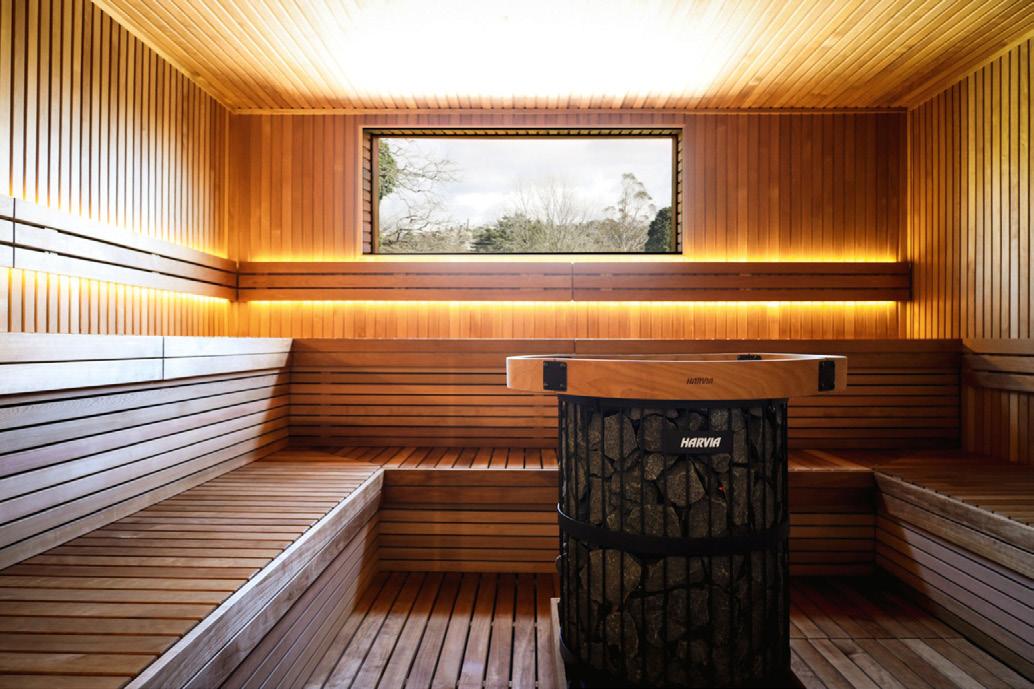
Rimba Sweat’s most luxurious space yet, the studio brings to life the notion of relaxed sophistication. The studio houses five private infrared sauna suites, as well as a large communal contrast therapy room (The Remedy Room) complete with a custom made Finnish traditional sauna, two ice baths and pail shower. Each ‘The Remedy Room’ session includes up to one hour of recovery, and can be booked individually or for a group of four.

A visually stunning experience from the moment you walk in the doors, Rimba Sweat’s signature Mediterranean aesthetic of soft whites and raw textures is on show, elevated by black accents and oversized marble features. Neutral Bay Rimba Sweat is a representation of Wright’s deep passion for sharing the restorative practice of infrared sauna therapy, says Wright. “It’s our most luxurious space yet - we’re so thrilled with the way the space has come to life; it was our vision that the contrasting design elements in the interior were a nod to the contrasting nature of the therapy itself, and it’s turned out beautifully. It exudes a sense of slow, and we look forward to welcoming the Neutral Bay community and beyond into the space, to find stillness.” Rimba Sweat are also preparing to set up a studio in Cronulla, slated for opening late 2022. rimbasweat.com.au


Alba Thermal Springs & Spa is located on Victoria’s Mornington Peninsula, a one-hour drive from central Melbourne. Located on a beautifully landscaped 15-hectare property, Alba is a digital free venue offering an array of spa services created to renew, repair, and recalibrate in 21 serene and spacious treatment rooms. Having opened in mid-October, guests can find 31 diverse and contemporary bathing experiences including thermal pools and springs, varying in sizes that are both indoor, open-air, and outdoor.
In-house restaurant, Thyme, has a sustainability focus and naturally, in keeping with Alba’s wellbeing ethos, the dishes are fresh, healthy and flavour driven. The menu has been created by well-known Melbourne chef, restaurateur, cookbook author and television presenter, Karen Martini, with head chef Mario Di Natale at the helm. Alba is proudly a climate positive brand which will be reflected in all processes, and from the very first day of operation will be offsetting emissions using Trace. albathermalsprings.com.au
The team at Byron Bay’s new Social Remedy are set to launch a wellness revolution. The most important part of self-care is human connection, so they created a place that enhances your health and social life through self-care and human connection. The Social Remedy facilities include a fully equipped gym with strength & conditioning classes as well as Yoga & Pilates spaces. Recharge in the newly built Recovery Space with a Finnish sauna (90°C), Steam Room, several different temperatured Ice Baths, Cryo & Hyperbaric Chambers, Infrared Saunas, IV Injectable nutrients suite, saturated Oxygen & Compression Therapy as well as acupuncture and massage. All of the spaces are designed to put your body in the optimal state to do what it does best... heal itself. Some experiences are solitary (massage, hyperbaric chamber), but many can be done with friends. For example, enjoy contrast therapy (combined ice bath and sauna) while recovering from your training session. Or, relax and recline in the IV suite to get your body operating at its optimum level. A club designed to enhance health and social life at the same time. socialremedy.com.au
September marked the return of Allergan Aesthetics’ Australasian Medical Aesthetics Conference (AMAC), and attendees were thrilled to see this flagship medical aesthetics event slotted into their calendars. AMAC brings to life Allergan Aesthetics’ commitment to continuously raising the bar in the industry, particularly when it comes to delivering world-leading education and aesthetics’ training and practice.
Sydney’s Hilton Hotel played host to 450 healthcare professionals from all over Australia and New Zealand. Two days of programming were dedicated to advanced clinical training and evidencebased education, with a timely focus on diversity and inclusion.

Live injecting demonstrations featured patients from a wide range of ethnicities, ages, and backgrounds, with equally diverse aesthetic needs. International and Australian aesthetic experts shared views on evolving consultation and treatment approaches while panel discussions with live audience Q&A discussed the ways that diverse patients and inclusivity is increasingly informing everyday practice. The education program was steeped in content and demonstrations that aimed to enhance clinical skills and exemplify best practice techniques and standards to ultimately improve patient outcomes.
“Allergan Aesthetics’ investment and commitment to delivering world-leading education does not waiver. AMAC is another
important opportunity for us to raise the bar when it comes to setting and pursuing the highest of standards in aesthetics’ training and practice which ultimately supports safe use of products and patient satisfaction,” Nathalie McNeil, Associate Vice President and General Manager, Allergan Aesthetics ANZ, shared with attendees on the day.
This year, AMAC was all about elevating the importance of diversity in aesthetics, peeling back the outer layers of beauty to challenge traditional perceptions and limiting ideals.


“As social conversations call for increasing awareness of alternative standards in beauty, this is shaping a more inclusive and diverse aesthetics industry in the future,” Nathalie said. “We have a deep responsibility in ensuring that we adapt to fast-changing consumer attitudes, shifting cultural norms and lead the way when it comes to representing positive self-image, diversity and inclusivity,” she added.
Impressive speaker line-up Local and international experts made up an impressive list of presenters, with Dr Steven Liew, Prof Greg Goodman, Dr Cara McDonald, Dr Stefania Roberts, Dr Pegah Dehdari and Dr Vandana Chatrath all contributing their time and insights.
“It was inspiring to delve into the big social trends shaping the future of aesthetics, such as emerging digital technologies, the elevation of inclusivity, and the growth of the ‘holistic’ clinic experience, alongside ever evolving developments in combating ageing and product development. Aesthetics has always been a dynamic industry and platforms like AMAC allow us with a key opportunity to learn from one another,” said Dr Stefania Roberts.

Day 1 at AMAC 2022 was all about challenging perceptions of beauty. It featured live injecting sessions with people of Caucasian, Asian and Mediterranean backgrounds across a range of ages, to show how aesthetic treatments can help reflect ethnic and cultural components of identity in an individual’s beauty.

“I was thrilled to be a part of AMAC in Sydney and to have the opportunity to share my clinical experience treating patients in the Middle East and Europe; it was fascinating to compare this with the consumer motivations and practice developments in Australia and New Zealand,” commented Dr Pegah Dehdari.
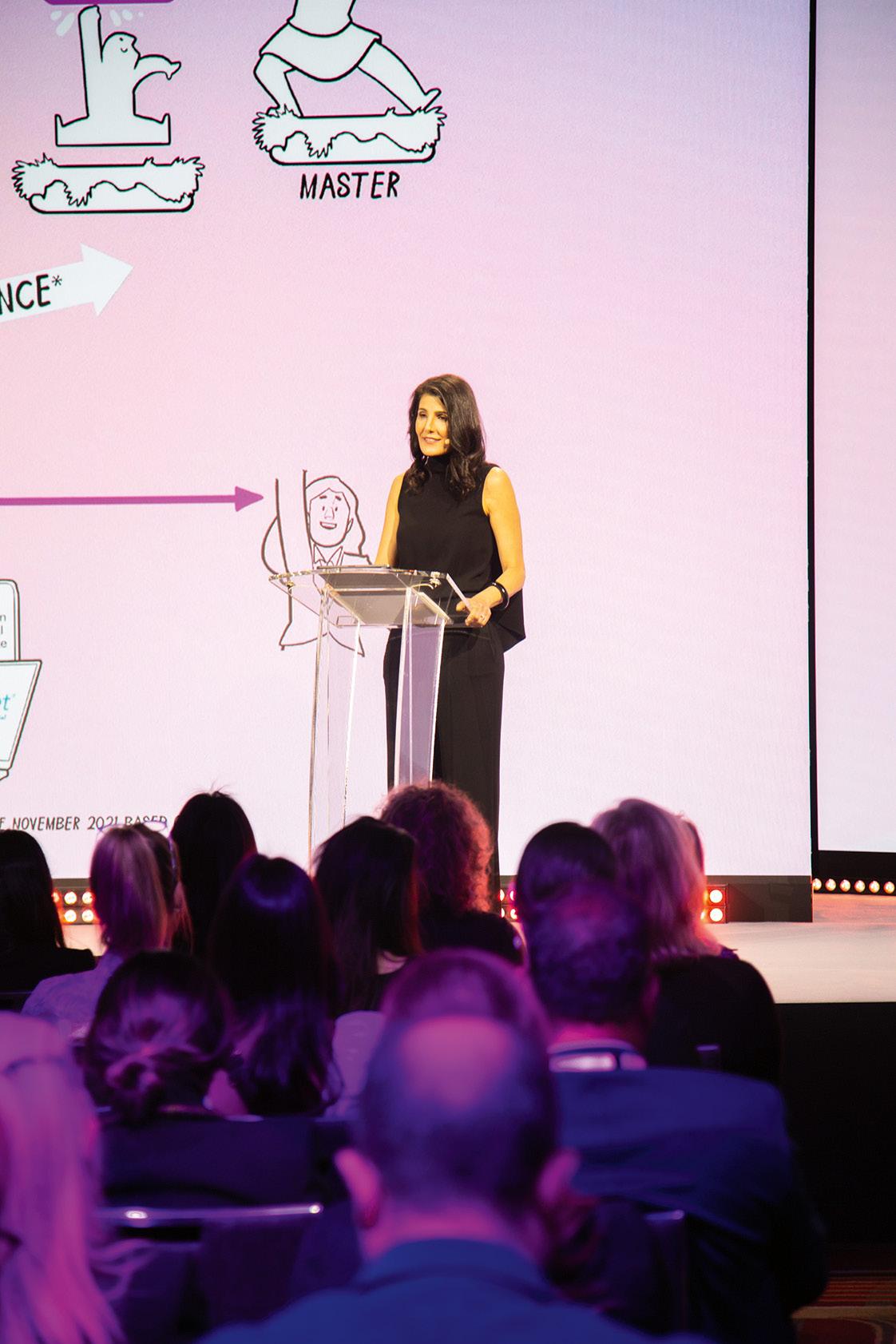
Day 2 turned to the ways in which aesthetics can support people through a transformation, with responding to evolving attitudes toward expressions of gender as one example. Increased understanding and awareness of goals for gender-diverse patients ensures that minimally invasive aesthetic procedures help align appearance with internal identity. Trauma too, can be addressed when patients are supported in recovering from injuries, medical procedures or other significant life events through appropriate aesthetic treatments.
“People seek aesthetics for so many reasons, it probably goes beyond the physical remit and interacts with their emotional journey and self image. And as an industry, we have to be attuned to this to ensure we deliver a good experience overall,” Professor Greg Goodman AM explained.
The faces of AMAC Powerful, heartfelt and impactful videos of patients sharing their story were shown before some of the injecting sessions. AMAC 2022 wrapped up with a lively panel discussion on the power of aesthetics to transform and where the future of aesthetics lies.
AMAC is one pillar of Allergan Aesthetics’ exceptional education and training commitment provided to Australian practitioners, along with the Allergan Medical Institute (AMI) and affiliated Centre of Excellence, and the company’s digital platforms, AMI Digital World and CoolNet. For more information reach out to your Allergan Aesthetics representative.
Allergan Australia Pty Ltd (Allergan Aesthetics, an AbbVie Company), Level 20, 177 Pacific Highway, North Sydney NSW 2060. ABN 85 000 612 831. Allergan New Zealand Limited (Allergan Aesthetics, an Abbvie Company), Auckland. NZBN 9429032120141.
© 2022 AbbVie. All rights reserved. Date of preparation: October 2022. AU-AGNA-220429 V1.
Growing your team can be quite the challenge when you just can’t seem to find the right person. Here to help you with all your recruitment woes is The One Clinic Agency.
Please tell me about your backgrounds and what made you decide to found The One Clinic Agency.
The One Clinic Agency team comprises of Amelia and Jem. Amelia is an extensively experienced Dermal Clinician and trainer with over 12 years in the dermatology and cosmetic arenas, with degrees in both Business (Human Resource Management & Events) and Health Science Dermal Therapies. Amelia’s background provides the excellent knowledge as to how clinics operate. With management and recruitment experience, Amelia is well suited to assist your recruitment needs.
Jem is passionate about people and adding value to her candidate’s careers and her client’s employees. Jem comes with over 10 years experience in product management, sales and recruitment, working with major overseas brands and small businesses, with considerable experience across all levels of business as well as office support.


Over the last few years Amelia has been advising and treating Jem for her skin. After many a conversation, a friendship grew with endless discussions about the gap in the market with clinics not being able to find the right staff, or talent looking for the right employment and not knowing where to go. From there, The One Clinic Agency was formed.
Why do you think it is that most aesthetic professionals struggle to find competent staff? Recruitment normally comes from a place where clinic owners are desperate to fill a position. Clinic owners not having the time to perform a thorough recruitment process or seek the most appropriate candidates to match both the values and demand of the clinic seems to be one of the main issues.
This either delays the process leading to giving up on recruitment or placing a candidate that isn’t the most appropriate long-term, which risks the longevity of the employee remaining in the role
Yes, they still have a place. It’s the easiest way to get the word out there about a new job opportunity. The One Clinic Agency would like to move
away from relying on traditional job ads and focus more on having a unique database of candidates. This would allow to save time in the recruitment process while not having to wait for candidates to apply and The One Clinic Agency can directly approach candidates that would be most suitable.
What exactly do you offer/how does your service work?
Our face-to-face approach is a key component of our care and dedicated service. Our team will always take the time to understand our partners and their work environment in detail to deliver the best outcomes for all. Through our personable and consultative approach, we provide solutions and support at every stage of the employee lifecycle and career journey.
We can assist in clinical and non-clinical roles, including but not limited to; clinic managers, cosmetic nurses and doctors, cosmetic surgeons, cosmetic dentistry, dermal clinicians, therapists, sales and operations managers, and administration professionals.
We provide a broad range of services and solutions to help organisations facilitate change, achieve their vision, and optimise performance and productivity.
This ensures we save clinic owners time and money. Finding niche, specialised talent all while future proofing the clinic owner’s business.
Do you have any tips for what makes a solid job interview (what are some questions you should definitely ask)?
We believe it’s most appropriate to get an understanding of the values of a potential candidate to ensure their values align with the business. Within our interview process, we tend to ask candidates about what they are seeking within their next workplace. As well as scenariobased questions that are directly linked to how the candidate conducts themselves e.g. what are the biggest challenges faced in their current role, experience of a situation when dealing with a patient if they are unhappy with their results etc. This gives the employer a good idea of the candidate’s suitability for the role.
For more information, visit theoneclinicagency.com.au

The newly expanded Galderma office and GAIN Academy has officially opened its doors in Hamilton, Queensland. To celebrate the momentous event and to open the new Brisbane office and GAIN Academy, Galderma hosted an opening night on Wednesday, 5 October, filled with a range of activities that included the opportunity for attendees to explore the all new features of the newly built space.
The Brisbane office and GAIN Academy was built with Galderma’s bold ambition in mind to be the leading dermatology company in the world with its 40-year heritage and cutting-edge innovation when it comes to relevant markets and trusted dermatology products, partnerships and Healthcare Professionals.
Guests were treated to canapés and refreshments at an intimate event hosted by Galderma in their brand new Brisbane office. Attendees also enjoyed an interactive photo booth, where guests were able to snap memorable photos and gifs of the evening.
“The opening of our Galderma GAIN Academies is strengthening our commitment to education and support for our Healthcare Professionals, who are trusted by consumers. Galderma takes pride in providing an extensive range of training opportunities both locally and globally, and across multiple channels. It’s just one more way we express our commitment to you, your clinic, and your patients,” says Galderma Australia and New Zealand Managing Director, Ercument Ates.
Since 1981, Galderma has strengthened its leading position in the Australian and New Zealand Aesthetics and skincare market and has grown its presence in over 100 countries across the globe. GAIN stands for ‘Galderma Aesthetic Injector Network’ and works to
support Healthcare Professionals across Australia and New Zealand.
GAIN is an important commitment that offers a range of training options and resources for Healthcare Professionals to access and suit their individual needs. With webinar events, led by world renowned speakers, and face-to-face training sessions, which will now be available across Australia, Galderma has now expanded its brick and mortar presence to Brisbane.
Galderma is committed to a continued relationship and partnerships with Healthcare Professionals while continuing to expand its education and offices across Australia and gaining a wealth of connections in the national aesthetic industry.
It is in Galderma’s continued interest to deliver innovative training and education through its global network of the best minds in the industry. GAIN hosts training, workshops and events to further the knowledge of dermatological treatments for an array of conditions and enhance overall clinical expertise across the industry. iGAIN is Galderma’s online training and resource platform offering training modules, webinars, and a vast array of resources that explore injection techniques, patient care, facial anatomy, and more. iGAIN allows Healthcare Professionals to access training anytime, from anywhere, at their convenience. Galderma will be expanding their face-to-face training opportunities and will continue to deliver exciting online training, such as webinars, on iGAIN which can be accessed online via igain.galderma.com.au Follow Galderma on Instagram to stay updated on upcoming events and webinars, as well as other face-to-face and online learning opportunities. Follow to stay up to date!


Are you considering selling your spa or clinic?

Isabella Loneragan shares what the experience was like for her.
If you had asked me when I opened the doors of The Dermal Diary seven years ago, if I’d ever sell it, the answer would have been a hard no. From the very first moment I created the brand, it felt like home. The Dermal Diary was my creative outlet, my passion, income, and in many ways, my identity. The frequent 14-hour days, blood, sweat and tears only begin to describe the work and commitment it took to build the clinic into all that it was and I took great pride in carving out a path of success for myself and the amazing team I had the pleasure of growing along the way.
But above all personal and professional success The Dermal Diary provided me, the greatest accomplishment was hosting clients and facilitating their skin transformations. Seeing the impact that healthy and glowing skin had on their personal confidence and the way they showed up in the world was a feeling of fulfilment that made everything worth it.
It’s fascinating how life changes. While at one point in my life TDD was the centre of my world, along came the
birth
My journey had changed course. I had grown TDD to the pinnacle of my capability and was ready for a new challenge. While lockdown posed a very real problem to all those in our industry, it also gave me the time to reflect on my own growth journey and what was next. I realised I had outgrown my business and was craving something different. After a few hard but honest conversations, I made the decision to sell.
a new
The process of selling a business
Selling a business is an interesting process. By nature, I am not one to shy away from a challenge but if you think buying a house is hard and complex, selling a business is probably double the challenge. The parties involved at a minimum are you, the buyer, your lawyer, the buyer’s lawyer, the landlord (if you lease a space) the landlord’s lawyer, the landlord’s
leasing agent, the council (where your business exists), your accountant, the buyer’s accountant, the business insurance underwriters, and don’t forget the broker (we chose to employ a broker).
The process took about seven months, 90% of that was working with one buyer, and getting all the red tape/ bureaucratic paperwork completed. I’ve been told that was fast! Usually, it takes a lot longer. It can be an extremely stressful process, which it was for us a lot of the time. The buyers were decent, intelligent and reasonable people so that helped the process greatly. In the end, it was a fabulous outcome for all parties, I was happy, the buyers were happy and the staff were happy with their new employment contracts.
• Plan for a sale: get the business into an attractive state, we had a business manual called “The Bible” which I worked on for about a year on and off, it was mostly to help the staff run the business correctly whilst I was on maternity leave, but when it came to sell, the buyers were very excited and relieved to see it existed. It’s literally every single process that exists in the business, from where and how we order our retail products, to who to call if the toilet doesn’t work!
• Plan staff progression plans and involve staff to ensure retainment – and again, buyers find this attractive
• Keep the sale confidential until you can no longer, it’s best that way as everyone has an opinion and opinions can upset the process
• Grow your relationship with your landlord, having a healthy and positive relationship with your landlord is extremely important in the sale of a business, as your landlord can refuse the sale, which can cause all sorts of issues including having the sale fall through at the last minute
• If you have the luxury to, choose a buyer that will complement your business, as it’s your legacy
• be prepared to spend a lot of money, selling a business is more expensive than you might realise (see the list of people involved that all need to be paid above)
• You will need to unlink the relationship between money (sale price) and how you emotionally feel about the business. It’s extremely difficult to achieve but once you do, things become a lot easier.
• Research and consider a broker: My advice would be to research brokers thoroughly, and get recommendations from others that have used the broker you are considering. If you feel you can achieve the sale without the use of a broker but simply need a buyer, consider creating “a fee for a buyer” arrangement instead of using a broker for the entire sale. In hindsight we would do it that way if we did it again.
It’s never easy to turn the page on something you have built from the ground up, but so far I have no doubt it was the right decision and I have been able to use all the years of experience (both good and bad!) to formulate a new career with the creation of Isabella Loneragan Skin, my boutique skin clinic in Bowral that has just launched..

Isabella Loneragan is the Founder of The Dermal Diary and Isabella Loneragan Skin. ilskin.com.au

“It’s never easy to turn the page on something you have built from the ground up, but so far I have no doubt it was the right decision”Isabella Loneragan at her former Skin Clinic, The Dermal Diary

Taneesa Williamson catches up with The Aesthetic Collective’s Founder & Director, Chloe McGrath
What sparked the idea to create The Aesthetic Collective?
It was more of an answer to the call from the industry looking for a trusted partner to hand over marketing responsibility, than the spark of an idea. More than 10 years ago I was working in this industry through my mum’s marketing consultancy, I had heard from many business owners who wanted to outsource their marketing to a trusted partner, but there was no obvious solution available. That led to the creation of The Aesthetic Collective almost five years ago: a boutique, consumer-facing, accessible marketing solution.
It is not uncommon for me to receive calls from business owners within this industry who are in tears after investing thousands in other companies, ending up with nothing more than warning letters from the TGA.
What are some common misconceptions / fears that business owners have when it comes to social media?
A lot of the fears we hear about relate to the time customers think they will need to invest. We aim to make it as easy as possible for business owners; some like to be deeply immersed in the process, some have no time and don’t want to know anything about it and we are happy to work with either! We’ve heard stories from business owners having to create content and write captions with other companies. If that’s the case, why wouldn’t you just manage your own social?
After operating Aesthetic Collective for five years, one of my favourite experiences is hearing the sigh of relief from potential clients during our discovery calls, when I tell them that they don’t need to oversee what we do. This reminds me that what we do makes a difference, every day.
Another common concern is around pricing. We have set standard pricing, but because most marketing companies don’t usually list their package pricing publicly, there’s usually an assumption that the investment will be thousands. At The Aesthetic Collective, we have a wide range of packages with varying pricing to ensure we have a solution to suit everyone’s budgets. Plus, if none of them work, we are always happy to create a custom package so there’s a solution for any budget.
Social media has provided businesses with a more intimate and authentic way of presenting their brand. In the past, radio, TV and print ads needed to be clean, crisp and professional - social media is moving into a more authentic, less curated space. We encourage our clients to post their bloopers and outtakes, get on board with funny trends that will show their softer, more personal side which is not something we would have ever considered doing before!
The cost-friendly nature of using social media as a marketing tool also allows businesses
to get up and running with less overhead costs, lowering the barrier to entry. You no longer need to invest in costly and long lead-time campaigns in print or TV to allow potential customers to discover your business. Now, we can help you grow your customer base with little more than our experience, a phone and wifi.
Explain the process of what a client can expect when they begin their social media marketing journey with you and your team?
Between your enquiry and our first discovery call, we do our research into who you are and how you are currently presented on social media, your competitor set and target audience - this allows us to develop a shortlist of where we would need to start and potential gaps that may need to be filled by our social media strategy.
During your discovery call, we will work with you to develop a preliminary strategy of what features of your business will be focused on; what your USPs (Unique Selling Propositions) are, what makes you the preferred solution for consumers and how we can best represent your brand.
By the time we have our ducks in a row, you will have a month of activity scheduled, a link you can view all the content on and give feedback, and going forward, we anticipate maybe a couple of hours a month to generate and share any content we need to get you moving forward.
Because we have deep industry experience, our customers don’t spend time checking our info on technology, treatments and products. As we have worked for so many industry suppliers, it’s uncommon that we haven’t worked with your technology or products before. Having that intimate knowledge is a real time-saver and clients get the most out of our time with them.
To find out more information, visit aestheticsocialmarketing.com.au


Alma’s Hybrid Laser is unique in many ways. Patient Amy shares why it’s her go-to laser and her treatment experience.


“Finally, there is a treatment with visible results and minimal discomfort and downtime.”
– Amy Kaslar
What do patients want these days? Results, with minimal discomfort and minimal downtime. Skin resurfacing has been one of the most effective treatments for visible rejuvenation of the face, but usually goes hand-in-hand with prolonged redness and flaking of the skin, while non-ablative lasers are more gentle. In a revolutionary move, Alma Lasers has combined the two technologies in its Alma Hybrid, making it possible to treat patients with a fractional CO2 laser and a non-ablative 1570nm laser at the same time, giving patients the best of both worlds.


Amy Kaslar has been a patient of Dr Natasha Cook for eight years, trusting the dermatologist with keeping her skin looking its best. She tells us about her experience with the Alma Hybrid:


With both laser wavelengths having their own optimal effect on the skin, side by side, treatments are highly effective, suitable even for darker skin types and with a low ablation density that minimises downtime. With customisable ratios between ablative and non-ablative laser, every single treatment can be personalised delivering the best outcomes for patients’ wants and needs.

“I trust Doctor Natasha Cook, so her advice was really important to me, and I had done several treatments in the past to combat fine lines and dullness, but the downtime of some of the laser treatments was quite bad. I have sensitive skin, and with some treatments I experienced up to two weeks of downtime.
So when Dr Cook suggested the Hybrid Laser for an overall skin rejuvenation treatment this time, I couldn’t believe how little downtime there was – I was back to work the next day! Besides a little bit of redness, there was nothing – I was anticipating a swollen, puffy face, but that didn’t occur, it was a really great experience. What I am most impressed with, are the results. I felt my skin was tighter and that those fine lines had kind of disappeared. Overall, the dullness had gone. I do suffer from a bit of dryness, but after the treatment, I just felt a bit plumper overall. I’ve already recommended it to friends and family. I think it’s great.”
“The Alma Hybrid has a long list of tremendous benefits compared with other lasers in its category,” says laser dermatologist Dr Natasha Cook. “It’s highly effective and offers superior results whilst less painful and with less downtime than comparative devices. Each treatment can be designed based on skin type and amount of downtime.
On top of this, it has a unique ultrasonic handpiece for laser- assisted drug delivery that is pioneering. We now use this for melasma, keloid and surgical scars to enhance topical drug absorption. Patients have been extremely impressed and delighted with the results –they feel it is less painful and are amazed at the degree of improvement in a single session to treat acne scars, surgical scars and skin rejuvenation. Alma Hybrid has become my go-to for skin rejuvenation, acne scars and surgical scars.”
“The Alma Hybrid is the next generation laser/game changer & comfortable to use” – Dr Natasha Cook
Just a 2-hour drive from Sydney, the Hunter Valley really is a hidden gem that can sometimes be overlooked by tourists and Sydneysiders alike, but whenever we do make our way there, we’re reminded of its beauty. Nestled among rolling vineyards and overlooking manicured fairways, the award-winning Château Élan at The Vintage is one of Australia’s finest integrated golf, spa and conference resorts located in the heart of the famed Hunter Valley.
The perfectly manicured golf course is the first thing you notice when you drive up the grand entrance to Château Élan, which sits in between some of the best vineyards the country has to offer, making it perfect as your winetour-weekend-away accommodation. While the building reminds me of a European luxury resort,
the Kangaroos and Wallabies hopping around the lawns make it obvious we’re in Australia.
The Spa at Château Élan Hunter Valley has won numerous awards and is one of Australia’s largest spas with a whopping 17 treatments rooms, and a comprehensive menu of services using brands, such as Pure Fiji, Synergie Skin,

and Thalgo. Upon my arrival, I am guided to the spa’s Hydrolounge, which is a terrace with two mineral spa pools overlooking the beautiful countryside. Guests can order food and drinks directly to the pools, and as I am served a local cheese and fruit platter while soaking in mineral-rich water, another family

of kangaroos jumps across the lawn in front of me – what a special experience!


The Hydrolounge also offers an infrared sauna and ergonomic lounges in front of a fireplace – I’d be happy to just stay here, but my therapist Alannah is ready for my treatment: The Milk and Honey Ritual. This 2-hour treatment is designed to hydrate, nourish, tighten and strengthen skin, starting with a coconut lime blossom sugar rub (all products

used in this treatment are by Pure Fiji) that is applied all over my body. It is worth mentioning the extremely comfortable massage table, which has an armrest below the head piece so you can have your arms down instead of by your side.
After the scrub, a warm coconut milk and honey mask is applied to my body before I am wrapped in a cocoon of heated blankets. As the mask is infusing into my skin, Alannah pours exotic oil onto my head and treats me to a relaxing scalp massage – bliss! Then, I am unwrapped and guided to the shower to rinse off the body mask, before I get to spend 30 minutes in a bath tub filled with a Milk and Honey bath oil. As if this wasn’t indulgent enough, Alannah has prepared another platter of fruits and nuts as well as a cup of tea for me to sip on while I relax in the tub. And yes, you can also choose to have a glass of bubbles instead of tea.
The perfect ending to my very luxurious treatment is a 30-minute full body massage, with focus on whatever body part you nominate at the beginning. I can feel the muscle tension release as my therapist uses her hands, elbows, and forearms to really knead through any knots. 2 hours in, I am guided back to the Hydrolounge where I get to enjoy the serenity and stunning view of Château Élan once more.
There really is something for everyone at the Spa at Château Élan; it’s not just about relaxing treatments, but the spa has recently introduced ‘The Skin Clinic’, offering treatments such as peels, microdermabrasion, and LED therapy. Of course, there are plenty of couple’s treatments to choose from as well as bride and mother-to-be packages. I can’t imagine a better way to spend a day away from the hustle and bustle of Sydney.

“The Spa at Château Élan Hunter Valley has won numerous awards and is one of Australia’s largest spas”
Opening in January 2023, the luxurious urban retreat will deliver a holistic and totally indulgent revitalisation experience targeting the body, mind and soul.
Sofitel Spa will be set over two levels overlooking Darling Harbour, and will offer a multi-layered wellness experience that embraces the values of care, rest, nourishment and movement with all of its treatments aligning with the seasons.
Boasting seven spacious treatment rooms including two suites beautifully designed by award-winning design firm, Pike Withers, guests can expect a serene and soulful space with a calming palette of soft timbers, sandstone and marble finishes, and Australian made furnishings. An infrared sauna, relaxation deck and meditation zone will also form part of the Sofitel Spa journey.
According to Cecilia Ferreyra , launch Director of Sofitel Spa, it will embrace the global shift in what it means to take care of oneself. SPA+CLINC caught up with Cecilia for a closer insight of the luxurious spa including what challenges were faced.


What is your role in the creation and launch of the Sofitel Spa Darling Harbour?
My role is to execute a Wellness strategy that involves a comprehensive approach to enhance a person’s sense of wellbeing. This means offering experiences based on the pillars of Movement, Nutrition, Treatments and Rest, for those guests that are able to take half-day to immerse themselves in Sofitel Spa’s Wellness Journeys. We will also offer classic treatments such as massages and facials for those guests that are time sensitive.
My vision for Sofitel Spa is to create an oasis where guests can recharge their minds and bodies, delight their senses with the opulent botanical textures and scents, and forget all about the world.
Were there any specific challenges? If so, how did you overcome them?
Coordinating the multiple sub projects that an opening entails has been a little challenging, but nothing that cannot be overcome with good organisation!
Can you elaborate on the half-day wellness journey you will offer and how this offers a unique concept?
Guests will be taken on a personal journey to address their wellness goals, which will be discussed with the Spa Concierge at the time of booking the experience. The session commences with an element of Movement, which can be anything from a session in our Peloton bikes in Sofitel Fitness, overlooking Darling Harbour, to a private yoga class by the pool at sunrise. Guests can opt then to have a session in the infrared sauna to expel toxins after their workout, followed by a replenishing seasonal juice.
From there guests are escorted to their treatment suite to enjoy an
indulgent three-hour spa treatment that pampers skin, soothes muscles, leave facial skin glowing. These treatments are exclusive to our Spa and change quarterly, as the elements used are inspired by the seasons.
To conclude their experience, guests are led into the relaxation lounge to enjoy a delicacy by our Chef Sam Moore, to relax and unwind by listening to a guided meditation, and to reflect on their own wellness choices to lead a more wholesome lifestyle.
The clientele we will be attracting will not only be hotel guests and traveller to our beautiful harbour city, but those that want to invest time in their day to having a complete sensory experience. Our Wellness Journeys will be available to those guests seeking half a day of quality time to recharge and rejuvenate. Guests with an interest in regular activities of self-care will certainly be attracted to these experiences, just as a group of girlfriends celebrating an occasion will be. With the aim of redefining wellbeing, Sofitel Spa will offer customised treatments and experiences that balance French indulgence with Australian authenticity and the Spa’s carefully chosen products are a reflection of this.
Luxury French beauty brand Biologique Recherche has been chosen to provide guests with a clinical approach to personalised cosmetic treatment using pure, concentrated almost raw products, which is the foundation of Biologique Recherche’s methodology. Therapists will be specially trained in using the active-ingredient products, while iconic Australian brand, Waterlily will provide the Sofitel Spa guests with a more sensory journey through aromatherapy and ritual.
We also spoke with Michelle Reeve , founder of Waterlily Spaceuticals on her partnership with Sofitel. “Waterlily is so excited to partner with Sofitel Spa,” Michelle says, “It has been inspirational to collaborate with the beautiful Cecilia and her team translating her vision of spa wellness into exclusively formulated signature spa rituals. Wellness at Sofitel transcends the spa experience to take a seasonal approach. Our brand pillars of slow skincare, eating beauty and clean and green botanicals have culminated in a thoughtfully curated menu of luxury spa journeys which transforms with the seasons, while honouring physical, mental and spiritual wellbeing.”
While traditional treatments such as massages, facials, body wraps and exfoliations will be available, the Spa’s signature will be half-day wellness journeys that combine the elements of Movement (exercise), Nourishment (healthy cuisine), Care (treatments) and Rest (introspection) to provide a tailored holistic sojourn. We can’t wait to experience this wellness oasis.
You started out in Law, what made you change careers? I graduated with a double degree in Bachelor of Law and Bachelor of Commerce but from my first day of uni I had a gut feeling it wasn’t right for me. I hate giving up and ploughed through, did all the summer and winter units I could and overloaded my semesters so I could get out of uni hoping the reality of a law career would be different. Again, I felt so unfulfilled in an office environment and I was constantly watching the clock. I came across a pop up yoga studio and I was just waiting it out for every lunch break so I could practice (yoga, and not law)! I then found myself practicing 10x a week and knew I needed to shift my focus completely. So after one year of deliberations, I quit my full time job and did my Yoga Teacher Training, immersing myself in a whole new world of wellness.
Explain what Bodyscape is all about. Yoga is the core of what we do at Bodyscape but with yoga comes everything else as a way of life. It’s a welcoming place and we want you to step into balance, with a little bit of added luxury.
The location and building seem quite special, can you elaborate on this?
It was no mistake landing Bodyscape in its exact location now. I searched long and hard for the space and as other business owners would know, Nedlands is a really sought after location but unfortunately there isn’t a lot available. I wanted to stay in the Western Suburbs, but not in the inner parts like Claremont where there was already a lot of wellness. I also wanted to be more accessible to those who didn’t necessarily live around the area so Nedlands was ideal. What’s more, Bodyscape is made even more special being in a State Heritage listed building. There was quite a lot of renovations made to the original Nedlands Post Office but as everyone who steps into the space feels, it’s really perfect for what we do.
The concept of a yoga studio with a spa is quite unique, why did you want to offer more than Yoga? Perth is pretty small and we’re on the other side of the country away from the bigger cities. There wasn’t much in terms of a wellness space

Pregnancy massages using Bodyscape’s own oils are popular

that offered more than just one thing. I wanted to share with the community what it feels like to step into a physical studio, shaped on reflection and relaxation, where you had the option to practice yoga, be treated with an intuitive massage and have some downtime in the infrared saunas. Now we have expanded to have an in-house Doctor of Oriental Medicine – there is so much space for everyone to find a little more balance with us.
Do you have clients who come just for the spa treatments or is everyone a Yoga client first?
Yes we have a lot of regular clients who just use the spa and others who just come to practice yoga. Ultimately though, people seem to merge modalities and find that they need both to maintain a balanced lifestyle.
Why is a holistic approach important?
Good question! Often you don’t know why balance is important until you find things constantly not working out, or your body is falling apart and it’s the only way out! Then when you’re there, there’s no turning back. Everything starts to make more sense, you’re happier, you appreciate life, you understand people better, you’re kinder. All the good things come your way, and you start sharing that goodness out. I always remind myself, when you give away wisdom, love and kindness, you really get more back. I really live by this.

KYM COWPER discovers the ultimate digital detox, reset and team building location spot right in our own backyard.
Gaia Retreat & Spa has become one of Australia’s most awarded and renowned wellness retreats – I tried to count how many awards they have won upon my arrival and quickly ran out of time. Since 2005 and nestled in the magnificent hinterland of the Byron hills, on the same street as one of Byron’s most famous resident (AKA Chris Hemsworth), Gaia retreat has welcomed thousands of Aussies and international guests throughout the years.
When I arrive at Ballina airport, my friendly chauffeur Tony greets me (included in your Gaia retreat package) – thankfully I found him easily as he was holding a Gaia sign matched with a jolly big smile on his face.
We head off on our trip to Gaia, only a short 20 minutes from Ballina, the scenic journey is complemented by Tony sharing his local knowledge and a cheeky commented on how I’ve
definitely not visited Gaia before as my suitcase is too big and heavy. Rumour has it, he says, that guests rarely change out of their cozy, fluffy robes supplied by Gaia.
The Gaia experience is highly customised; they offer bespoke 2-7-day all inclusive packages, including meals and a spa experience. I was able to sneak in a 2-night package in between the mayhem of conferences, deadlines and the craziness that 2022 has been. Honestly it’s truly felt like we’ve crammed three years into one (anyone else agree?).
Keeping in mind how busy and stressed most of us are, I believe Gaia would be the ultimate team building reset and connect experience to reward your team members for a big year. It magically provides time to relax, breathe and provides a clear vision to prepare for the new year ahead.
I’m welcomed by Josh, who has only recently joined the Gaia family as Manager. He’s excited to bring some changes and upgrades to Gaia as it approaches its 3rd decade, the retreat has long been known for its founder and passionate wellness pioneer Olivia Newton-John, who sadly passed while I visited this stunning sanctuary.

My welcome package included a little show and tell resort map so I don’t get lost, (there are over 20 acres of land), a Gaia timetable, but Josh explains, I can opt into yoga, dance, spa, sauna, bush or labyrinth walks at my leisure.
Gaia’s food philisophy is to provide their guests the world’s best wellness cuisine providing their paddock to plate practice mantra, bringing life to the most delicious local and seasonal organic produce from their very own garden. I have to say the food was outstanding, some of the best I’ve ever had. It is worth mentioning, they provide a fine organic choice of wines to accompany your dinner and of course I snuck a cheeky Savignon Blanc from Orange to compliment the mouth watering prawn sambal served up on my first night.
You can tell I loved the food as I haven’t even mentioned the luxurious hilltop villa with plunge pool, lush view of the surrounding hills that I got to stay at. Relaxing at my Komala Villa, I can’t wait to jump in the free standing bath on the second level of my home for two nights, it’s north facing with a private deck and a treat filled welcome basket with some pink organic bubbles to celebrate this magical place – I never want to leave.
On Day Two, a compulsory visit to Gaia’s famous Spa which uses Retreatment Botanics skin and body care in their treatments is scheduled. I learn they offer day spa visits combining lunch from paddock to table at the restaurant if you can’t quite manage a two day package, which would be another beautiful treat for any spa or clinic teams that might be a bit more time-poor.
Gaia’s Spa menu is very comprehensive offering an incredible variety of healing modalities. I choose a 2-hour lymphatic body massage and a traditional Retreatment Botanics facial. My therapist adapts the treatment to a ‘Kym special’ and I leave feeling restored, energised and the stress of 2022 literally falling away. I think Olivia Newton-John was right there in a way as there is something very special and almost spiritual about this land. I can’t wait to go back.

Gaia Retreat offers bespoke packages, ideal for team and corporate retreats.

 gaiaretreat.com.au
“I think Olivia Newton-John was right there in a way as there is something very special and almost spiritual about this land. I can’t wait to go back.”
Take your team building to the next level at this Australian retreat offering corporate wellbeing.
Awell-earned escape from your busy day-today schedule to pause, relax and reset… a retreat at Great Ocean Road Resort can provide exactly that. Located on Victoria’s spectacular Surf Coast in the heart of Anglesea, Great Ocean Road Resort offers customised corporate, spa and wellness retreats. The 4.5-star property has 35 accommodation rooms, styled in a calming natural palette and surrounded by lush tropical landscaping. Onsite facilities include a luxurious day spa, fine dining restaurant, indoor heated pool, gym and yoga space.
It can be tough as a business owner or manager to keep up, and there is a lot to manage on a daily basis, taking a toll on our wellbeing as well as our dedicated staff. Working in this industry, we take every care to ensure we’re supporting our clients’ needs, that we often overlook our own needs and leave out self-care. A retreat can help you find balance in your personal and professional life, foster or strengthen team culture and clear your mind for fresh ideas. Take care of your team’s well-being and you’ll reap the benefits for your business too!

Great Ocean Road Resort provides the perfect coastal location to help you connect with nature. Retreat guests can experience indulgent spa treatments, chef-prepared meals and customised sessions with local facilitators. Facilitated sessions can cover a range of topics including growth mindset, building resilience and leadership skills, managing stress and combatting burnout, nutritional health and the lifestyle load to achieve work-life balance.
Corporate retreats provide a unique way to recharge and reset, reducing the risk of burnout. Designed by the Resort’s wellness director, Michelle Moloney, their corporate retreats focus on specific outcomes to help you return to work with a clearer mind and an improved sense of well-being. Every retreat is tailored for the individual needs of the guests, so they can align with your business or wellness goals.
In addition to customised corporate retreats, the Resort’s wellness retreats provide the opportunity to meet like-minded individuals in a small group guided experience. One of their nine pre-designed wellness retreats is the “Women in Leadership” Business Retreat. Perhaps you are at a career crossroads? Or you want to develop your leadership skills? This retreat caters for business women at any stage in their career. Seek the guidance you need in your professional life with tailored sessions from experienced leadership coach Janet Walter.
While on retreat, guests have the opportunity to de-stress and unwind at the beautiful Lux Spa & Wellness. Designed to meet your every need, allow their experienced therapists to take you on the complete wellness journey. The spa menu features high performance facials, relaxation and ayurvedic massage, body treatments, Shirodhara, vichy shower and infrared sauna. Spa, wellness and corporate retreat guests can also enjoy yoga, nature walks, guided meditation, cooking demonstrations and sound healing.


A dedicated corporate retreat coordinator will help you design a single or multi-night wellness experience. Everything from nature-based activities, local produce meals, spa treatments and facilitated workshops, is taken care of by their team. These retreats are all-inclusive!
For more information about retreats at Great Ocean Road Resort, visit their website greatoceanroadresort.com.au

Medik8 is passionate about demystifying anti-ageing skincare and offering a science-based skincare range that is easy to use and sustainable. We chat to the Director of Research, Daniel Isaacs


When was Medik8 founded and what ‘gap in the market’ did it set out to fill?
Medik8 was founded in 2009 by my brother and skincare visionary, Elliot Isaacs. Elliot’s goal was to break the industry mould by creating a skincare brand that combined science-backed results with user experience and sustainability – and that’s exactly what he did! Today, Medik8 is a globally-recognised brand, renowned for its commitment to demystifying anti-ageing skincare, maintaining clinically-proven results alongside exceptional user experience, as well as upholding sustainable and ethical practices of the highest standards.
How has it evolved since then and how does it continue to stand out in a very saturated market? Medik8 was born out of a passion to deliver the benefits of serious
skincare science without needing to compromise on the demand for ethics, transparency, sustainability and beautiful textures and fragrances found in natural brands. Elliot’s mission was, and still is, to demystify the anti-ageing sector with his trademark CSA Philosophy: vitamin C plus sunscreen by day, and vitamin A by night. This simplicity, plus bringing an end to having to choose between results or experience, is the secret to Medik8’s meteoric rise and continued success.
At Medik8, before we dive into lab work, the first step for any product is comprehensive market research. We scour the marketplace and determine what exactly the customer is looking for. Sounds obvious but you’d be amazed how often this stage is ignored.
We develop every single product from scratch. We don’t buy off the shelf stock formulations. Even in rare cases where we work with a specialist partner to produce the final article, we always do
the development and check every single detail ourselves. We scour the Earth to find the right ingredients and the most innovative technologies and stability systems to place our products heads and shoulders above the rest.
We like to think we are leading the way for science-based, accessible and innovative skincare coming out of the UK, and our goal is to become a global leader in the industry. We are constantly striving to improve our global offering, and recently launched directly into the US market.
Certainly one standout of our many bestselling products is Crystal Retinal. This next-generation formula is at the very forefront of innovation within vitamin A skincare, which is, in itself, the ultimate gold standard in anti-ageing skin care.
Crystal Retinal contains retinaldehyde, a unique form of vitamin A which is encapsulated with Medik8’s patented stabilisation system to deliver clinically-proven age-defying results up to 11x faster than retinOL.*
*[1] G. Siegenthaler et al., Retinol and retinal metabolism, Biochemical Journal, 1990, 268, pp 371-378
Tell us more about the CSA approach.
At Medik8 our ultimate mission is to help everyone achieve ‘Beautiful Skin for Life’. Our approach, to demystify anti-ageing skincare, is encapsulated by our simple CSA philosophy. We believe the secret to looking younger for longer is as easy as vitamin C plus sunscreen by day, vitamin A by night. At Medik8 we have a variety of choices for each category.

When used in the day, vitamin C helps to shield the skin from free radical damage caused by pollution and sun exposure to prevent photo-ageing, fine lines and pigmentation. At the same time, it helps to plump the complexion – improving skin texture with a brightening action. To further enhance the skin’s defence against premature ageing at the hands of external factors, we also recommend daytime use of a high-quality sunscreen.
When it comes to evening, we champion the use of vitamin A. Hailed as the gold standard of anti-ageing, it accelerates cell turnover with a plumping effect to smooth out the appearance of fine lines and wrinkles, enhance skin texture and help minimise pigmentation. There are other well-proven skincare ingredients out there, but CSA is the simplest, most effective routine for beautiful, youthful-looking skin.
What kind of skin clinic is Medik8 best suited for?
As a professional-led skincare brand, we are sold predominantly by trained professionals through dermatologists, medical and premium spas, skin clinics and salons, and specialist websites. But, the ever increasing global demand means that we have now bridged the gap between professional-led skincare and popular, accessible skincare and are readily available through both professional outlets as well as selected online beauty retailers.
Our Advanced Range is like no other. With technologies to help shield against premature ageing, blue light and pollution as well as minimise the appearance of visible skin damage, it’s the perfect choice to complement your vitamin C and vitamin A products. The line includes Advanced Day Ultimate Protect, Advanced Day Total Protect, Advanced Day Eye Protect, Advanced Night Restore and Advanced Night Eye.
Sustainability is a huge focus for us at Medik8 and something that is very close to our hearts. We want to be a business that leads the way in transparency and accountability for the entire lifecycle of our products. We are currently in the process of redoubling our efforts to improve our sustainability impact even more with a very ambitious plan across four pillars: climate action, waste reduction, ethical behaviour and social investment. This is all powered by Elliot’s longheld ambition for Medik8 to become the world’s most sustainable, clinical skincare brand.
Medik8 is distributed by Advanced Cosmeceuticals in Australia. advancedcosmeceuticals.com.au
BDD is on the rise; here’s how to safely refer a patient that’s unfit for treatment to a psychologist, says Dr Toni Pikoos
Have you ever come across a patient in your practice, who continues to feel dissatisfied or unhappy with the treatment outcomes, even when you thought that the treatment was a success? Every injector will face this scenario at some point in their career.
One possible reason for this dissatisfaction could be body dysmorphic disorder (BDD), a psychiatric condition where individuals hold a distorted perception of their physical appearance, becoming preoccupied with flaws that appear minor or non-existent to others.1 BDD is a condition that’s on the rise, and disproportionately affects people seeking both surgical and non-surgical cosmetic procedures. While only 2.9% of the general population have BDD, this number skyrockets to between 15-20% of patients seeking cosmetic treatment. 2
While most people seeking cosmetic procedures experience positive results, such as improvements in body image, self-esteem and confidence, individuals with BDD are at greater risk of dissatisfaction or adverse events. In up to 91% of cases, people with BDD don’t experience any change in their symptoms, and in 16% of cases, their symptoms actually worsen following cosmetic treatment.3 Patients with BDD are not only more likely to be dissatisfied, but may also make complaints, leave negative reviews or take legal action against the practitioner.4

Beyond BDD, other mental health issues can also increase the risk of poor outcomes from cosmetic treatment, including personality

disorders, severe anxiety or depression, obsessive-compulsive disorder and eating disorders. 5 For this reason, the Medical Board Guidelines (2016) and the Australian Health Practitioner Regulation Agency (AHPRA) recommend routine mental health screening prior to undertaking both surgical and non-surgical cosmetic procedures. By completing a mental health screen during your consultation, it can help you identify who is most likely to benefit from cosmetic treatment, and who may be at risk of dissatisfaction.
Using my clinical and research experience, I started ReadyMind, an organisation which develops screening tools to help cosmetic practitioners assess the psychological needs of their patients (visit www.readymind.com.au to access these tools). We recommend implementing these questionnaires prior to or during your consultation to protect yourself, your practice and your patients.
But one of the biggest challenges comes after the initial screening stage – you’ve identified that your patient may have BDD or another mental health concern, now what? The research suggests that in these cases, referral to a mental health professional is the most appropriate next step, before proceeding with cosmetic treatment. The mental health professional would further assess the patient’s emotional wellbeing, goals and expectations for cosmetic treatment and facilitate a discussion of whether the procedure is likely to resolve their concerns or if alternative options such as psychological treatment may help. This can support
the patient to make an informed choice about whether or not to proceed with cosmetic treatment at that time.
Referring your patients to a psychologist can be a tricky conversation to start – but it just takes a bit of practice to find the right language and build your confidence. Here’s an easy to remember framework to guide your referral called The 4 ‘R’s – Relate, Reassure, Refuse, Refer.
Lead with compassion, and connect with your patient on a human level. They probably came in feeling hopeful of getting a treatment that day, and will likely be disappointed if this doesn’t go to plan. Start by expressing your concern and empathy for the distress, anxiety or life circumstances that your patient is currently experiencing. Reflect back to them using their own language, to show that you have truly listened to their concerns. You may also refer back to specific answers that they provided on the mental health screen which elicited your concern.
“Earlier, you told me about how hard it’s been to go to work because you’ve been feeling anxious about your skin. I’m so sorry to hear about how much it has been affecting you – it sounds like it’s been really difficult.”
Reassure your patient that you have their best interests at heart, and this includes their aesthetic, physical and emotional needs. You might even remind your patient that your salary comes from providing cosmetic treatment, so by recommending against it that day, it shows that you are considering your duty of care and putting their needs before profit.
“I want to make sure that you get the best outcomes for both your physical and emotional wellbeing.”
Refuse to provide treatment on that day. It can be tempting to offer alternative treatments to the patient, or “something small” to keep them satisfied, however, this can send the message that with enough coaxing you will be willing to provide the treatment they are seeking. For patients with BDD in particular, it is unlikely that they will be satisfied with the treatment that you offer, and therefore it is best to refer on first. You could draw upon the research and your past clinical experience to justify why you are suggesting a referral.
“The research tells us that when individuals are experiencing a lot of stress or anxiety, they may not get the outcomes they are hoping for from cosmetic treatment, so I don’t think we should do any treatments today.”
Explain to your patient that you recommend a referral to a mental health professional to discuss their treatment goals and current life circumstances. Let them know
that this is a supportive space where they can explore their motivations and expectations openly, and have a discussion about whether cosmetic treatment is the best option for them, or if other treatment options might help them achieve their goals. In the case of BDD, a course of psychological treatment is effective in significantly reducing symptoms for up to 84% of people. 6 Normalise this referral process by reminding your patients that you regularly work alongside psychologists to help your patients get the best outcomes, for both their physical and emotional wellbeing.
“Instead, I’d like to refer you for further discussion with a mental health professional before we proceed. The goal of this will be to discuss your current situation, goals and motivations and discuss whether this treatment will help you to meet those goals right now.”
And a bonus fifth step… reflect! When you refer a patient to a mental health professional rather than providing cosmetic treatment, they may express a whole gamut of emotions. There might be tears, anger, disappointment, relief… and much more. This can be difficult to sit with, especially when you want your patients to walk out your clinic smiling! Reflect on what the process of referral felt like for you and debrief with your colleagues if you need to. Remind yourself that by making the referral, you are practicing ethically and acting in line with the long-term best interests of your patients, rather than providing a quick fix. Mental health assessment and counselling before, alongside or after cosmetic treatment can increase the chances of your patients achieving long-term improvements in their confidence, self-esteem and body image. Happier patients lead to happier practitioners!
Dr Toni Pikoos is a clinical psychologist and postdoctoral researcher in Melbourne, Australia. She conducts psychosocial assessments for clients considering cosmetic surgery or non-surgical procedures. Dr Pikoos is also the Co-Founder of ReadyMind, an organisation which develops assessment tools and consultation for cosmetic practitioners who want to assess the psychological needs of their patients.
Readymind.com.au
1. American Psychiatric Association. Diagnostic and statistical manual of mental disorders - Fifth Edition (DSM-V). 2013;
2. Pikoos TD, Rossell SL, Tzimas N, Buzwell S. Is the needle as risky as the knife? The prevalence and risks of body dysmorphic disorder in women undertaking minor cosmetic procedures. Australian & New Zealand Journal of Psychiatry. 2021/12/01 2021;55(12):1191-1201. doi:10.1177/0004867421998753
3. Crerand CE, Menard W, Phillips KA. Surgical and minimally invasive cosmetic procedures among persons with body dysmorphic disorder. Annals of plastic surgery. 2010;65(1):11.
4. Bowyer L, Krebs G, Mataix-Cols D, Veale D, Monzani B. A critical review of cosmetic treatment outcomes in body dysmorphic disorder. Body Image. 2016;19:1-8.
5. von Soest T, Kvalem IL, Skolleborg KC, Roald HE. Psychosocial changes after cosmetic surgery: a 5-year follow-up study. Plastic and Reconstructive Surgery. 2011;128(3):765-772.
6. Wilhelm S, Phillips KA, Greenberg JL, et al. Efficacy and posttreatment effects of therapist-delivered cognitive behavioral therapy vs supportive psychotherapy for adults with body dysmorphic disorder: a randomized clinical trial. JAMA psychiatry. 2019;76(4):363-373.
“While most people seeking cosmetic procedures experience positive results, such as improvements in body image, selfesteem and confidence, individuals with BDD are at greater risk of dissatisfaction or adverse events”

Founded in 1997 by dermatology professor Dr Sheldon Pinnell, SkinCeuticals is a brand backed by true academic science and biomedical research. Dr Pinnell was the first to establish specific formulation parameters to stabilise vitamin C (in the bioactive form of l-ascorbic acid) for skin penetration, and importantly, demonstrated the ability of vitamin C to protect the skin from free radical damage and premature ageing. SkinCeuticals has continued to invest in antioxidant research and innovation, with environmental protection as a key focus, whilst collaborating with global physicians and scientific experts.
A further focus of SkinCeuticals is to provide education and training for our partnering doctors, nurses, and aestheticians. With the fast-paced nature of biomedical research, it can be difficult to keep up to date with the latest findings and data in the fields of skincare science and integrated skincare; therefore, we aim to deliver this information to our partners regularly throughout each year. Topics covered throughout our education program are not limited to those relating to skincare; we also deliver education on business management, business development and interpersonal skills, with the goal of enabling our partnering clinics to excel in the business world.
In October this year, SkinCeuticals launched the first ever Master Physician Elite conference at Duke University, Durham, North Carolina. Duke University is the birthplace of SkinCeuticals, where Dr Sheldon Pinnell established his first research laboratory decades ago. Although the current SkinCeuticals research and innovation labs are now located elsewhere, the rich history within Duke University made it the prefect place

to welcome physicians from around the world. Master Physician Elite consisted of a one-of-a-kind program for SkinCeuticals partners that inspired through innovative topics about the future of medical skincare. The program was designed with business development and antioxidant science at the core, to provide competitive brand partnership in the current medical climate for our physicians.
One of the most fascinating keynote presentations was by awardwinning advertiser and marketer (and former head of digital strategy for Beyonce) Dr Marcus Collins. Dr Collins spoke about how a brand is a symbol of trust and how as human beings, we consume and align ourselves with brands that speak to our personal sense of culture. We learnt that a brand is more than the products that it sells, it is about the formation of a community of like-minded individuals, and that the best brands use this to their advantage by creating meaningful connections between products and real people. Along a similar vein, Professor Robert Shultz (Babson College, Massachusetts College of Pharmacy and New York University) spoke about the importance of developing patient trust, and how rapport building with patients is essential in the whole patient/consumer experience when you are a healthcare professional.
It was also a privilege to hear from Dr Evan Rieder (one of only three American physicians who is dual board-certified in dermatology and psychiatry) and Dr Jennifer Greenberg (Assistant Professor of Psychology at Harvard Medical School). Dr Rieder and Dr Greenberg spoke about Body Dysmorphic Disorder (BDD), a psychiatric condition affecting up to 3% of the population, which is unfortunately only recognised by healthcare practitioners 5% of the time. Individuals with BDD are constantly preoccupied with areas of cosmetic concern and will continually seek out treatments although these will never make them feel satisfied with their physical appearance. Of note, many studies report an increase in BDD within younger populations, with a significant correlation with social media use (the proportion of BDD in students aged up to 21 is reported to be as high as 13%).
On the scientific front, Dr Julie Woodward, Oculofacial surgeon and cosmetic physician, spoke about the history of antioxidant science, and why antioxidants in combination with SPF and retinoids are the best defence against photo ageing (a topic of significant relevance in Australia given our atmospheric conditions). Dr Giuseppe Valacchi, a Professor of Physiology and skincare scientist, educated us on the
effects of environmental pollution on the skin, and how free radical damage impairs the skin barrier and damages collagen and elastin fibres within the skin’s dermis. Dermatologist Dr Valerie Harvey, an expert in hyperpigmentation disorders and melanoma, spoke about the considerations required when treating skin of colour, and finally Dr Sheila Barbarino and Dr Valeria Campos presented data on the integration of SkinCeuticals skincare with various in-clinic procedures, and the importance of setting patients up with the appropriate home care to enable the best results post procedure.
Using social media in the medial aesthetic space was also a hot topic of discussion. Ms Cara Tucker, marketing specialist and current ‘Beauty Space Lead’ at TikTok, provided insight and presented data on the importance of having a social media presence as a medical or aesthetic practitioner, and how social media can very quickly help grow a business or brand into a worldwide sensation.
Australian practitioners share their learnings Dermatologist Dr Cara McDonald was one of the Australian medical representatives to attend Master Physician Elite; “It was fantastic to learn more about the brand heritage of SkinCeuticals; how the brand was developed and the origins of the science that is imperative to the production and efficacy of SkinCeuticals products.” These sentiments were echoed by laser dermatologist Dr Shobhan Manoharan; “Meeting physicians from around the world was a priceless experience. It was very educational to hear how other physicians integrate skincare with procedures within their own practices.” Both Dr McDonald and Dr Manoharan agreed that this was an “excellent opportunity to hear from various experts and thought leaders on aspects of high-level skin care and research, and also on the business of dermatology/aesthetic practice.” Importantly, one of the most positive outcomes of the meeting for Dr Manoharan was the opportunity to “liaise and network with other international dermatologists, plastics surgeons, cosmetic physicians and business owners, and to gain valuable insights into their experiences and practices.”

SkinCeuticals Master Physician Elite will run every second year, and we plan to attend with more aesthetic practitioners in 2024 to represent the Australian market in a larger way. As always, SkinCeuticals want to continually provide up to date and relevant business and scientific knowledge to our practitioners, to support their personal and business growth.
Skinceuticals.com.au
The Aest het i c & Beaut y I ndust r y Counci l i s commi t t ed t o pr ovi di ng aut hent i c, et hi cal , and accessi bl e suppor t f or t he bet t er ment of t he pr of essi onal spa, beaut y and aest het i cs i ndust r y We r epr esent you, as your t r ust ed voi ce and i nf l uent i al r epr esent at i ve body As an ABI C member , you ' l l r ecei ve excl usi ve access t o a r ange of benef i t s i ncl udi ng:
An ext ensi ve l i br ar y of exper t cr eat ed busi ness r esour ces Ed ucat i on sessi ons wi t h sought af t er i ndust r y speci al i st s Dai l y access t o advi ce f r om ABI C f aci l i t at or s The l at est r el evant i ndust r y news and updat es Gover nment r epr esent at i on t o ensur e your voi ce i s hear d
Your member shi p not onl y benef i t s you as an i ndi vi dual or busi ness, but dr i ves t he success and t he heal t h of our col l ect i ve i ndust r y Toget her , acr oss Aust r al i a, wi t h your suppor t we can make a di f f er ence




My journey with Beauty Technology devices started when I was looking for a non ablative skin rejuvenation device that provided results as close as possible to a more ablative treatment. Through all of my research I found that in the Byonik Pulse Triggered Laser. It ticked all my boxes which is rare as I have very high expectations and at the same time am very risk averse. I find that Europeans focus significantly on regular self maintenance and the Byonik Pulse Triggered Laser being both designed an manufactured in Germany bridges the gap between a ‘beauty treatment’ and an ‘ablative treatment’ with long lasting results. The Byonik Pulse Triggered Laser System has become our number one rejuvenation and skin maintenance treatment in our clinic and I can’t stop raving about how amazing it is!
Below are just some of the reasons I love this game changing device:
• No risk of burns or pain and safe on all skin types from Fitz I-VI
• Safe to use during summer as it does not cause sun sensitivity and in fact suppresses pigmentation and melasma
• Does not generate heat or redness in the skin and my patients walk out glowing
• Treatments are designed to improve skin health and normal skin barrier function as well as reducing inflammation for compromised skin for example in acne or rosacea
• Can be used purely for skin rejuvenation and maintenance like lifting/tightening and wrinkle reduction
• Often used post-procedure to reduce swelling, inflammation, bruising or redness caused by other invasive treatments
My second device from Beauty Technology was the Slimyonik Air Bodystyler – again, because I have a passion for health and wellness rather than quick fixes, this device is designed to improve lymphatic drainage in the body. In Australia there is a growing focus on the lymphatic system and its importance in removing toxins from the system as well as increasing metabolism, improving energy and post liposuction a course of 10 treatments even the slimmest of my clients have noticed a
reduction in centimeters from their “stubborn areas” that just wouldn’t budge such as love handles as well as cellulite and overall skin tightening and muscle definition. I don’t have any other body treatment devices but I always thought that if I did, this would work wonderfully to help eliminate the broken down fatty tissue post cryo and other fat reduction modalities in a much quicker timeframe.
Fast forward to 2022 and Beauty Technology brings out another game changer: the MyCollagenLift. So many of my clients have asked me over the last few years which collagen supplement they should start taking and I haven’t been able to recommend anything I’m convinced about until I researched MyCollagenLift. As much as I love Collagen, this is more than just a collagen supplement.

In my clinic we have seen such amazing results with the antioxidant ingredients that our clients describe it more like an “anti-inflammatory” supplement, working particularly well on reducing inflammatory redness and pigment in the skin. The changes are so significant that we can objectively track the improvements with our MoreMe skin analyser (also by Beauty Technology) to help our clients objectively visualise the benefits over time. Most of our clients also tell us that their friends have commented on their skin improvements and even that their hairdressers are amazed at the thickening of their hair!

MyCollagenLift has now become part of our standard in-clinic plan for anyone who requires internal supplementation to reduce their skin sensitivity and improve the skin quality. This was the missing link to our holistic skin treatment approach, now we work with cosmeceutical and compounded skincare, multi-modality in clinic treatments and this next level nutricosmeceutical supplement!
I look forward to finding out which Beauty Technology product will be launched next to add to my health and wellness portfolio!
Dr Cosima has found a range of devices that deliver natural-looking and visible results for her patients. Here, she tells us why she loves working with Beauty Technology.
Byonik begins the healing process of the skin from the very first step to improve the skin’s overall health without causing any form of trauma (no heat) and can therefore be used on all skin types (Fitzpatrick I-VI) even during summer. Byonik is the world’s first and only system that uses laser light to pulse potent antioxidants directly into the skin cell through the cell membrane for cellular detoxification and rejuvenation, whilst at the same time detoxifying elastic fibres in the dermis.

Specially grown short chain, low-molecular weight Hyaluronic Acids gel formula are stabilised with Wakame Algae (also a natural tyrosinase inhibitor) to prevent breakdown by the skin’s own hyaluronidase for a minimum of 2-4 weeks. The HA penetrates to the deepest layer of the epidermis where it activates cell receptors to improve the skin’s immunity. Optimal results are achieved with the pulse trigger analysing the cells’ metabolic cycle to individualise the laser pulsations for each client, according to their heartbeat.
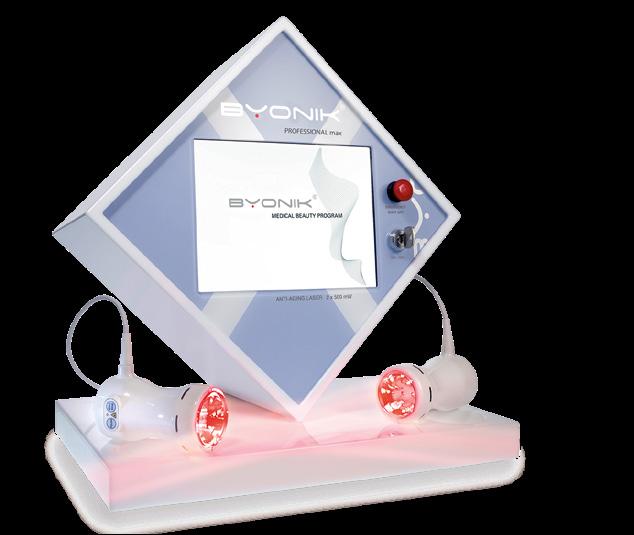
The MoreMe is a diagnostic imaging device that allows visual inspection of the underlying layers, structures, and patterns of the skin for a superior consultation. It uses 10 observation modes to enable precise facial skin diagnosis for effective treatment planning. The different modes include: Daylight Mode, Cross Polarised Light, Parallel Polarised Mode, UV Light Mode, Wood’s Light Mode, Biological Aging, Sensitivity Mode, Brown Colour, Grid Mode, and Blemish Forecast.
Using the MoreMe enables you to easily track your client’s progress with greater clinical accuracy and results you can show your client. You get access to a cloud-enabled database of skin images with unlimited storage.

The Slimyonik® Air Bodystyler suit is an individualised hands-free pressure massage treatment based in science. Created in Germany, the Slimyonik® Air Bodystyler suit works on the simple premise that oxygen is very good for our bodies, and the more we have of it, the better we feel and the better our metabolism will perform to effectively transform fat into water and what we exhale, carbon dioxide.

The Slimyonik ® Air Bodystyler suit kick starts the metabolism through an individualised massage, enriching the body with oxygen to unlock a detoxifying and rapid regenerative effect. Slimyonik ® feels like a relaxing massage while utilising cutting-edge technology and circulating oxygen to perform circumferential lymphatic drainage. This process burns up to 400 calories in 24 hours without the need for exercise. Requiring only a 30-40 minutes treatment window, the Slimyonik® Air Bodystyler suit is perfect for those with a busy lifestyle.

MyCollagenLift is composed of bioavailable Marine Collagen Peptides, hyaluronic acid, organic silicon, ceramides, Grape extract, acerola fruit extract, Vitamin C, Vitamin E, Zinc, and melon juice (antioxidant). The marine collagen peptides act as message vectors in the heart of our cells, and can reactivate the natural processes that will stimulate rejuvenation. They are essential for the beauty of the skin, nails and hair.

The formula developed for this food supplement is innovative and unique. The active ingredients in MyCollagenLift have been specifically combined to maximise their effectiveness through a synergistic action, in order to offer a truly effective and natural product. Thus, MyCollagenLift offers from within all the elements your skin needs to regenerate and regain homogeneity, hydration and firmness. MyCollagenLift can help particularly in terms of energy, weight control, and for beautiful hair and nails. It also acts on the uniformity of the complexion by ensuring that cells produce less melanin, which is the cause of blemishes and hyperpigmentation. According to a clinical study conducted on 60 women aged between 35 and 70 years old for 8 weeks, MyCollagenLift reduced the appearance of wrinkles, increases skin hydration and firmness and refines skin texture.
For more information, visit beautytechnology.com.au
Scars can be signs of survival or reminders of the past, but most people want them gone. We take a deep dive into the world of scar treatments.

The Discovery PICO Series, distributed in Australia by Aussie Medi Tech, includes up to 3 wavelengths: FD Nd:YAG 532 nm, Nd:YAG 1064 nm, and Ruby 694 nm, and up to four emission modes to perform a wide range of treatments. The Discovery PICO fractional beam profile is able to perform a double skin stimulation allowing the creation of LIOBs in upper dermis for collagen remodeling and gentle “cold” ablation of damaged skin. Multiple overpasses of fractional handpiece are ideal for a full skin stimulation. The fluences used in this procedure make it possible to perform very effective treatments with increased safety, tunability and fast recovery with limited downtime for the patient.

Dr Celina Chuang, Dermatologist:

“The most amazing thing about the Discovery Pico is that it does not cause any postinflammatory hyperpigmentation (PIH) when I use the fractional handpiece to treat acne scars. Despite the high energy I use (0.7 to 1.0 J/cm2) and the bleeding and crusting observed after the procedure, there is almost never PIH. Furthermore, the Discovery Pico’s plasma effect operates at a sub-ablative level. All of the other picosecond lasers on the market are non-ablative. However, with acne scar treatments, some ablation is needed in order to see great results.”

Morpheus8 is unique in targeting and strengthening the Fibro-Septal Network (FSN) skin-fat matrix, resulting in improved skin appearance and reduced irregularities on the face and body. It offers the deepest fractional treatment penetrating up to 7mm into the skin with an additional 1mm thermal profile. Four fractional tips with different microneedle configurations (Prime 12 pin, Resurfacing 24 pin, Morpheus8 24 pin and Body 40 pin) deliver clinically proven RF energy to multiple treatment depths (0.5mm – 7mm). Equipped with Burst mode RF technology, Morpheus8 Body automatically deploys bipolar RF energy to multi-level treatment depths in a single cycle. The ability to target tissue sequentially at three levels, in millisecond intervals, allows for a significant reduction in treatment times, minimises skin injury, increases treatment uniformity, and enables customised full body fractional procedures.
“At Pavilion Cosmetic Medicine, we have multiple modalities for scar management and reduction including Morpheus8 radio-frequency microneedling. Atrophic acne scarring responds most optimally to Morpheus8 in our experience. Morpheus8 radio-frequency (or RF) technology is clinically proven to remodel skin tissue and regenerate new collagen; resulting in a healthier looking and more ‘even’ skin texture. We also use Morpheus8 on hypertrophic scarring and have achieved noticeable results, especially for post-surgical scars.

On atrophic acne scarring, the Morpheus8 treatment delivers bipolar RF energy via the insulated microneedles to a controlled depth of the skin tissue targeted based on the skin type and other individualised factors. This unique tailoring of of the modality creates a powerful treatment that can be delivered at high energy levels to effectively remodel the sub-dermal and dermal layers of the skin. For hypertrophic and keloidal scarring, the abnormal scar tissue is broken down; and new, healthier and more-organised collagen and elastin fibres are produced in place of the old tissue. Depending on the type of scar being treated, the depth, the holistic treatment plan, and individual patient’s skin type – we typically recommend anywhere between 3-6 Morpheus8 treatments, spaced 4-8 weeks apart.”

The Frax 1550 nm laser of the Candela Nordlys rejuvenates skin by delivering very small, very controlled bursts of heat energy only to the area being treated. This unique technology allows the pulse time and energy to be set independently to deliver controlled heat at the appropriate width and depth to meet individual needs. The heat stimulates the production of collagen, which will resurface the skin over time. And because the laser is rolled across the skin, the treatment takes a short time, the surface of the skin is left intact, and healing and recovery are quick.
Professor Firas Al-Niaimi, Laser Dermatologist, UK: “The commonest treatment for scars is laser therapy and over the last decade this has gained considerable attention and has seen a lot of advances. Laser treatment for scars is often combined with other modalities depending on the type of scar and this may also include steroid injection for a thick scar for example. The Candela Nordlys has a specific handpiece called the FRAX1550, which is a non-ablative fractional laser, meaning it can create columns of controlled injury that slowly remodels the scar. Traumatic, surgical and acne scars are all types of scars that can be treated with the Nordlys device. In principle most scars still respond to laser treatment but there is a lot of scientific data now that earlier treatment gives better results.”

Using the Platinum Focus Lens, the PicoSure Pro treats (acne) scars. Low intensity and high intensity energy create an elegant injury in the epidermis called intraepidermal Laser Induced Optical Breakdowns or LIOBs. As the LIOB is formed, it creates a pressure wave that expands into the dermis. The pressure wave activates the body’s natural healing response to increase collagen and elastin production without the thermal side effects or downtime of other lasers.


FRAXIS is a fractional CO2 laser that radiates micro laser beams through a scanner handpiece. This superior system induces resurfacing of the epidermis and regeneration of the dermis as optimal thermal effects.
The uniform and stable beam quality made possible by a 30-watt RF tube provides accuracy and safety in treatment. The optimum beam size minimises downtime and the risk for PIH while at the same time maximises the ablative thermal effect. This combination ensures client satisfaction for resurfacing treatments including scar minimisation.
Dr Pete Ryan, Cosmetic Physician:
“What makes a scar visible? Colour, textures, shadows and movement. So a combination of treatments is required and the site of the scar is very important. In my experience, scars on the face are far more satisfying to treat than any other areas of the body. It’s much more forgiving to trauma and therapeutic injury.
When treating, I’ll look for shadows, consider movement, if necessary use neurotoxins, subcision, maybe a dermal filler or collagen stimulators. I look at blood vessels, use redness laser if required, and I also look for brown pigment and asses the risk of post inflammatory hyperpigmentation. I’d also consider fractionated CO2. I have used a FRAXIS CO2 for this purpose for over 10 years. The aim is to create inflammation, allowing proliferation and remodelling. I do emphasis with all the modalities, I can improve scars, but I can’t get rid of them.”
CLINIC ONLY
Widely sought-after, nutri-cosmeceuticals have become a “must-have” to preserve and strengthen the beauty and health of your patients.
The + of anti-ageing nutri-cosmeceuticals: Act at the heart of the cells, from the inside out Address the signs of ageing by providing nutriments
Easily fit into a daily health and beauty routine Are a perfect ally to prepare the skin and maintain the results of aesthetic medicine treatments.


Fraxel Dual uses patented fractionated laser technology (1550/1927) to target damaged skin with microscopic laser columns that penetrate deep into the skin. The laser treats only a fraction of tissue at a time, leaving the surrounding tissue untouched, which promotes rapid healing. This stimulates your body’s own natural healing process, replacing the old and damaged cells with fresh, glowing, healthy skin.


Dr Shobhan Manoharan, Dermatologist: “Scar treatments are often multi-modal, and may combine surgical revision, procedures such as chemical peels or TCA CROSS, and energy based devices, such as nonablative lasers like the Fraxel dual, ablative lasers, and radiofrequency microneedling.

We use the Fraxel Dual extensively, especially for mild to moderate acne scarring, treatment of early and mature surgical scars, and scarring associated with post-inflammatory hyperpigmentation. It is a very versatile non-ablative laser, with the Thulium 1927nm wavelength ideal to improve very superficial scarring and associated pigment, while the deeper Erbium:Glass 1550nm wavelength provides improvements to scarring and textural abnormalities at a deeper level. The Fraxel Dual is also a very delegatable device with a high safety profile, and in my clinic is extensively utilised by Nurses and Dermal Therapists, as well as Doctors.”


Venus Viva MD is a highly customisable skin resurfacing device, now with two tip options and higher energy output per pin, that delivers exceptional results with low downtime and is safe for all skin types. Using NanoFractional Radio Frequency (RF) with SmartScan™ technology, Venus Viva™ MD is a fractional resurfacing system that allows operator control of ablation and coagulation for enhanced efficacy in resolving mild to severe skin damage. Venus Viva™ MD allows for more possibilities and can replace all other skin resurfacing devices with one lightweight, tabletop device. The NanoFractional RF™ technology with adjustable ablation and coagulation parameters delivers radio frequency energy into the skin, creating micro-channels surrounded by intact tissue, which can visibly reduce the appearance of scars.
PICO Genesis FX is a fast, in-office laser treatment that utilises ultra-short pulses of fractional energy to effectively remodel and renew skin. PICO Genesis FX is an ideal procedure to even skin tone and texture, including scars, in fewer treatment sessions with minimal to no downtime. The device delivers ultra-short fractionated laser energy to create small, gentle micro-wounds in the upper layers of the skin to induce collagen stimulation and remodelling. With fractionated energy, the majority of the skin remains unharmed, resulting in faster healing time.
Dr Sean Arendse, Cosmetic Physician: “Cutera’s Enlighten really is one our workhorses in the clinic when it comes to treating scars. Any scar that has a brown component to it is effortlessly treated with the Enlighten PICO Genesis , which selectively shatters pigment and induces dermal disruption and remodelling producing lightening of skin pigmentation and skin revitalisation. PICO Genesis FX combines the 1064 nm wavelength with enlighten’s microlens array attachment to specifically address scarring in a true 3D format. It delivers high-energy picosecond pulses to induce non-thermal breakdown within the dermis, promoting collagen and elastin production that resurfaces the skin’s texture for a smoother appearance and produces amazing results with ease. With most scars we would recommend between 4-6 treatment sessions depending on the size, shape and colour of the individual scar.”
DQRF technology is designed to focus energy emissions precisely on three different tissue layers, using gentle heat to stimulate subdermal collagen production and tissue remodelling. The technology is dynamic because the emitters turn into receivers and vice-versa by changing their charge at specific time spots
UPR™ - is the most innovative technology which, during the treatment, by using high energy micro-pulses, makes it possible to increase cell membrane permeability as well as opening aqueous channels, thus conveying any active substances you would like to use to the deepest layers of the skin.
VRF technology automatically adjusts a range of pre-set frequencies to treat deep dermal layers, for face and body contouring, and depending on the target areas, without causing damage to outer tissue layers.

RSS™ is the safety system that makes 4Plus treatments safe for both the patient and the operator through a movement sensor to avoid stationary emissions, a temeperature sensor to make sure the treated area reaches the effective treatment temperature and a bio-feedback button, to allow the patient to control the treatment.

A laser that improves overall skin quality with little to no downtime?
Medaesthetics’ Dermal Therapist Verity Morhall chats to us about the Hollywood Spectra.

What is the most common skin concern that patients come to you with and how does the Hollywood Spectra address this?
Here at Medaesthetics we see a wide range of skin concerns, the most common ones are pigmentation (melasma in particular), ageing and sun-damaged skin, acne, scarring and enlarged pores. Most patients these days can not have several days of downtime after any cosmetic treatments due to busy lifestyle and hence there is a huge demand for skin treatments which have minimal or nodowntime. People also want to look instantly fresh and rejuvenated before a special event or occasion .
Hollywood Spectra’s Carbon Laser Facial is a perfect fit as this treatment has no downtime, minimal discomfort and gives the skin an instant radiant glow. A series of treatments will help to improve pigmentation, skin texture, enlarged pores, acne and mild acne scarring all while stimulating collagen production.
Firstly, patented Nano-Particle Carbon Lotion is applied to the skin which seeps deep into the pores and binds to any dead skin cells, sebum, and debris. The laser works by using Spectra Mode 1064nm to heat the carbon to the skin; this effect is like a chemical peel that causes a mild epidermal turnover; we then utilise the Q-switched Mode 1064nm to vaporise the carbon off the skin which helps to remove the dead layer of skin, oil, dirt, sebum, and impurities. We then heat the skin again with the Spectra mode, which causes high pressure tissue effects that produce intense vibrations within the dermis that leads to collagen stimulation. We can tailor this treatment to each client to treat their specific skin concerns.
The Hollywood Laser facial is recommended monthly, 6-8 treatments are generally recommended for maintaining
skin health and to see a great improvement in overall skin texture, breakouts, reduce the appearance of pigmentation, pore size, acne scarring and leaves your skin with an instant glow with ongoing anti-ageing benefits.
We do often combine The Hollywood Spectra with other modalities and treatments tailored specifically to our patient’s concern for extra added benefits, which can include treatments such as Venus Legacy, Venus Viva, and HydraFacial.
Yes, like all our other advanced laser treatments we offer here at Medaesthetics, we have strict pre- and post-care instructions that we advise our patients of to understand to ensure the client’s health and safety.
Before commencing the Hollywood Spectra treatment, the patient must know some of the key pre-and postprotocols of the treatment:
Pre-treatment:
• First an in-depth consultation with one of our clinicians before treatment takes place to make sure they are a suitable candidate; we also explain what the treatment will feel like step by step to make our patients as comfortable as possible.
• Make sure our patients have had no sun exposure or self-tanning products four weeks prior to procedure and for three months after procedure.
• A medical skin cancer check is recommended by your GP prior to all laser treatments.
• Laser treatments cannot be performed if you are pregnant or if you have active (new or healing) cold sores as this may spread the infection.
• Make sure your therapist is aware of any medical related concerns or conditions you may have including medications. Although one treatment is beneficial, a series of treatments is usually recommended for optimal clinical outcome, your therapist will create a personalised treatment plan for you.
Post Treatment:
• One of the great benefits about the Hollywood Spectra Carbon Laser Peel is that it has no downtime, although we understand that everyone’s skin is different and can be more sensitive than others.
• A red, flushed appearance is normal post treatment and will reduce over the next several hours.
• Avoid the gym/ exercise or anything that will increase body temperature.
• Do not shave or wax the treated area for 48hours post.
• There may be slight darkening or bronzing of the skin for 3-10 days post treatment.
• A mild warmth or heat sensation can last about an hour post treatment.
• Use a gentle cleanser and SPF moisturiser, no active products for up to five days post treatment.
• A potential histamine reaction is possible in a small percentage of clients who may feel itching, heat, redness, and swelling. Small bumps may appear on the skin. Sometimes this occurs as soon as the evening or may be a delayed reaction after a few days. Clients can be advised to take an antihistamine to reduce this.
The Hollywood Spectra machine is very user friendly for our Clinicians once undergoing the professional training.

Here at Medaethetics we believe in offering treatments using medical grade, gold standard equipment that ensure clinical results with the latest and greatest technology. We try our best to utilise advanced equipment that’s inclusive of all skin types, which the Hollywood Spectra does, it is suitable for all skin types which makes it an essential for our clinic. For more information, visit lutronic.com.au
“Hollywood Spectra’s Carbon Laser Facial is a perfect fit as this treatment has no downtime, minimal discomfort and gives the skin an instant radiant glow”
What do you get when you successfully integrate two reliably effective energies in skin regeneration? Don’t even begin to think about it because Brera Medical technologies, distributed by Advanced Cosmeceuticals in Australia, already has your answer.
It comes in the form of the Italian manufacturer’s newest product, Jovena, a system combining RF Diatermocontraction and Fractional Plasma technology to create a singularly powerful machine offering versatile treatment options. From soft tissue coagulation to décolletage revitalisation, this breakthrough apparatus can address multiple skin concerns in the superficial dermis and epidermis.

It’s 2022 and the appeal of a ‘one-size-fits-all’ solution is most definitely a thing of the past. In the age of customisation and personalisation, consumers are seeking treatments that have been optimised to meet their specific aesthetic needs. This is part of what gives Jovena its edge, as it cleverly packs these solutions into one device.
Impressive results are achieved via the use of four different hand pieces. Not only that, but two of these boast further alternatives for their application, depending on the desired outcome of the client.
Allow us to go into detail about these distinct, yet complementary modalities (all patented, might we add):
bQUAD

bQUAD utilises the RF Diathermic Pulse, which thanks to its own biorecognised characteristics, provokes significant fiber recruitment. The muscular contractions generated by four electrodes can be paired with the thermic action produced by the RF Diathermy to promote skin tightening, firming and toning.
plasmaROLL for EPIDERMAL RESURFACING plasmaROLL targets the top layers of the skin, promoting microretraction. Made for treatments on large areas of the body, face, neck and décolletage, it is made of a disposable roller with a dense matrix of micro-holes to assure a fixed distance from the skin, diminishing the risk of undesirable side effects, while promoting cell renewal.
plasmaTIP for DEEP DERMAL REMODELLING plasmaTIP precisely delivers Fractional Plasma to treat common ageing skin issues such as fine lines, wrinkles, scars and striae. It has an encapsulated disposable needle tip for maximum control of the shot. Its glass acts as a spacer to maintain a fixed distance from the skin, and as an air booster to ensure constant ionisation. The operator may opt for the spot or linear mode, which allows automatic shooting.
plasmaPRO for MINIMALLY INVASIVE MICROSURGERY plasmaPRO is a selective applicator for controlled damage of the skin, with the choice of super thin, medium or medium-wide spots with deep action and an innovative spray program to target medium size areas with high sublimation. It is ideal for treating the periorbital area (blefaroplasma) and benign lesions.
As if this wasn’t enough, there is a final plus worth mentioning; the team at Brera have strived to reduce those ‘necessary evils’ normally associated with semi-invasive techniques. Each Jovena hand piece has been meticulously designed to cause little to no discomfort during treatment, and as little downtime possible once a session is complete. Something both providers and customers can appreciate in a new addition to their clinic.
For more information, visit advancedcosmeceuticals.com.au




Jovena ® takes on a unique approach to skin regeneration by combining two patented modalities in a single device. Fractional Plasma ® for minimally invasive microsurgery and RF Diathermocontraction ® to reach deeper dermal layers and muscles. Greater ROI with one Aesthetic expandable platform.


With over 10 years of experience in cosmetic injecting, Zena Dammous and Dr Jesse Li have launched an industry based training program for new and intermediate cosmetic injectors. We chat to both about Bespoke Cosmetic Injectables Course.

Jesse: I realised that there were many injectable courses out in the market, but few would tailor the structure of the program to the level of training of the individual nurse candidates. We wanted to take a bespoke approach where we tailor the teaching to the individual unique needs of the nurse.
Zena: I found that there were a high number of courses available either at entry level, or at an accredited level but nothing in between that I would want to send my nurses to. We believe we can support both businesses and individuals with our courses which is what makes us unique (and bespoke!).
We saw a gap in the market for nurses who have 6-12 months experience or employers of those nurses who want to upskill and take their knowledge to the next level. As an employer I wished I could find a course I could send my nurses to that catered exactly to what I needed them to know.
I need my injectors to know everything there is to know about ageing, skin, cosmeceutical ingredients, devices and injectables so they can be outstanding cosmetic nurses. And because I couldn’t find it, I decided to create it!
Zena: To add to that at Bespoke, we have specifically included literature outlining the causes of complications as well as the protocol required to manage such events. We use models to simulate real life scenarios such as patients fainting, suspected vascular occlusion and managing sub-optimal outcomes such as a ptosis or nodules. Our students report having an increased understanding of how to identify complications, increased understanding of what informed consent looks like and feeling more prepared to identify and manage emergency events.
Why is it important to you to not be aligned with injectable brands?
Jesse: At Bespoke, we believe that in an ever-changing cosmetic industry, knowledge of a variety of products and brands is required to stay relevant, as well as to tailor best to what the client wants. We don’t want to influence new injectors with certain brands but rather we will always be guided by best available evidence and the science behind new products.
Jesse: The minimum qualification is at least one year of hospital work post obtaining RN. We do prefer those who have had at least 6-12 months’ aesthetic experience or have completed at least an introductory course prior to attending our course.
Is it suitable for RNs that have never injected (cosmetically) before?
Jesse: Although we welcome nurses who don’t have cosmetic experience, a minimum 12 months of hospital based nursing will ensure the fundamental skills are there to build on. They must have a good understanding of anatomy, including vessels, nerves and fat pads of the face. They must be passionate and have a good attitude towards learning. It is a steep learning curve!
Zena: Our course is suitable for RN’s of all experience levels, however I agree with Jesse the understanding of anatomy is fundamental to getting the most out of our course. I also feel that a minimum 6-12 months’ experience in aesthetics means they know their way around a clinic setting, understand the consultation process and can lean on us as mentors to advance their knowledge in cosmetic injectables as well as treated skin conditions, creating 12-month treatment plans and addressing ageing holistically. This is where my value lies as I’ve owned and run cosmetic clinics for almost two decades, after starting out in my mother’s business at the age of 14.
Jesse: Our top three priorities are minimising risk, safe practice within our relevant scope and preparedness for every eventuality! We go through with our students the relevant anatomy, danger zones and high risk areas. We also discuss how to manage a variety of complications that may present, from the very common to that dreaded vascular occlusion!
Zena: At the start of my career, I trained on one brand so it was easy to get comfortable and not venture outside my comfort zone. Looking back I wished I had had someone explain the various brands to me to help me understand the differences without financial motivations. As a business owner I want to employ cosmetic injectors who can adapt to real life scenarios and apply the principles of both rheology and dilution of various brands to patients. Our students will have the foundation to be able to achieve an excellent result with the resources they have on hand.
What happens after the course? Are you available for follow-up training?
Jesse: On the final day of the course, we will share with our students some valuable industry insights they can take on their cosmetic journey. There is so much more to learn. We follow up with each individual candidate after a few weeks to see if we can be of any further support. At this point, we can provide follow up one-on-one training or mentoring. We are currently also preparing to deliver a course just for advanced injectors for those nurses that want to continue to upskill.
Zena: We are available to be contacted via phone or email by our students. If they are looking for employment, I will give them guidance on how best to apply for roles and if they are looking for mentoring we also have the infrastructure to offer that within my clinics at Medical Aesthetic.

How did the collaboration with AMET come about?
The collaboration with AMET came about through our mutual passion for safety, education and supporting independent cosmetic injectors. When selecting businesses to partner with, we look for shared values and principles, as well as a clear purpose to make this industry better. AMET’s passionate founders, like us, want to support cosmetic injectors from a grass roots level and lift the standards of a highly unregulated industry. The industry is moving faster than the regulators can keep up with, and so it’s even more imperative that we teach self regulation and the highest safety practices.
To learn more about Bespoke Cosmetic Injectors, visit medicalaesthetic.com.au/bespoke-cosmeticinjectables-course/
What was missing in the industry that made you start your own injectables training courses?
What qualifications does one need in order to complete your course?

Temporary and permanent alopecia is an underreported (and often unknown) aesthetic adverse event that has been documented following multiple cosmetic injectable procedures including soft tissue fillers, deoxycholic acid, mesotherapy and even botulinum toxin. Filler Induced Alopecia (FIA) is becoming increasingly recognised, particularly with the rise of temple and forehead treatment. Currenting the cause is said to be related to vascular compromise, leading to tissue inflammation, hypoxia and in some cases necrosis and scarring. This in turn leads to a premature termination of the anagen phase. Onset time for FIA is documented to occur at
around two weeks following filler, and whilst many patients experience temporary hair loss (often taking months to achieve resolution), it is important to note that patients experiencing necrosis and scarring are unlikely to achieve full resolution.
Why is FIA only now being recognised? In aesthetic medicine, our knowledge of facial ageing and anatomy is continuously growing, and as such we change or adapt our techniques. So, whilst FIA has been reported in the literature (and likely occurring in higher numbers) for the last decade, it was considered rare as it was most commonly seen following forehead filler treatments; an
It may not be as common as other adverse events, but FIA needs to be part of your informed consent. AMET Founders Elena Currie and Bronwyn Granata explain.
area considered high-risk and usually performed by a smaller group of highly experienced practitioners.
However, recent literature has emerged with respect to temporal hollowing and how ageing of this region affects the mid and lower face. In addition, articles have discussed the individual temporal layers, and how filler placement within specific planes impacts patient’s aesthetic results. Clearly this research is beneficial in helping practitioners understand the strengths and limitations of filler treatments by showcasing a direct correlation to the anatomical layers, as well as ensuring practitioners do not continue to overfill the mid and lower face to achieve greater “lift”. It also advocates using lower, more targeted volumes to achieve more impactful results, thereby ensuring more natural and anatomically oriented aesthetic results.
With this advancement in research, we have seen a rapid trend towards using a larger gauge cannula (22g – 25g) in the superficial temporal layers to achieve a lift of the mid and lower face. Whilst the superficial temple technique has been around for many years, its uptake was not so popular given its close proximity to temporal vessels; in particular the superficial temporal artery. However, now that recent literature has highlighted the aesthetic benefits of the superficial technique, it seems practitioners are now far more comfortable treating in the plane they once felt was far too risky.
In the last eight months, AMET has had five cases of vascular compromise of the superficial temporal artery (and/or branches of STA) following superficial temple filler with large gauge cannulas. In all of the cases, the patients experienced symptoms including pain, discolouration, blisters and signs of impending necrosis extending from the temple into the scalp. Only one case presented with immediate blanching during the procedure, with all other cases having delayed clinical presentation, even up to four days later.
These cases have highlighted to us an urgent need to promote more awareness of this complication, as well as the need to ensure practitioners include filler induced alopecia as part of their informed consent. In addition, there has been a 2021 case report by Schelke and colleagues (https://doi.org/10.1111/jocd.14453) discussing a patient that experienced diffuse alopecia following a lateral zygoma filler treatment. Needless to say, filler induced alopecia should become a standard risk discussed during patient consultation for any filler treatment.

We ALL want to do right by the patient and we are all in this to help our patients feel better. However we ALL need to understand that we are NEVER safe. Yes, studies have shown larger gauge cannulas require more force to enter vessels, however this is directly
impacted by the anatomical location and fixation of the vessel itself. Anatomically there is very little “wiggle room” in the upper face, which means vessels are less likely to be pushed aside, even with a 22g cannula. On top of this, injection force is a subjective interpretation by the practitioner, with recent literature highlighting anatomical variances in the temple that directly anastomose with the ophthalmic circulation.
If we want to accurately assess treatment risk in aesthetics we must first think outside the box. We must question everything we have been taught and everything we have read. As a united industry we need to work towards standardising our risk assessment procedures to match that of other health care settings. Without this unified approach, we will always run the risk of letting our desire to achieve the “best” aesthetic result cloud our ability to assess treatment risk. Ultimately, we all need to presume we are never safe (needle or cannula), believe we are intravascular when injecting, accept that our anatomy knowledge is still limited, and when a complication occurs, we must be well prepared to manage and support our patients. AMET members, for more detailed information on temple vascular event cases please log into the members area and visit the Aesthetic Safety Channel. For information on how to become an AMET member, please email clinical@aestheticmet.com or visit aestheticmet.com


Plastic Surgeon, Dr Edward Chamata explains how he gets his patients ready for surgery – and why he won’t operate on them if they don’t comply.
word that they will adhere to the lifestyle changes we recommend for them, and we want to believe that they’re able to reach their weight loss goals in time for surgery, but the reality is that this is often not the case. In my opinion, the way to hold patients accountable for this is to give them something to work towards, which is the ability to book and lock in their surgery date. Although a small number of patients may not be happy with this game plan, most patients with the right insight will understand the reasoning behind this. As physicians, the patient’s overall well-being should be our number one priority.
I truly believe this is the best way any practitioner can ensure that their patients will adhere to their surgeon’s recommendations. We all want to trust our patients’
What not to do Ultimately, the responsibility of ensuring your patients adhere to their pre-surgery recommendations falls on the physician. We must provide our patients with the best advice and discuss them in detail during initial consultation. Now, to simply tell your patients to lose
“The patient’s preoperative starting figure massively influences their final result”
weight or modify their lifestyle without giving them the proper tools or guidelines on how to best do this, is also a disservice to them. Not only will they feel a sense of rejection and abandonment from their surgeon, but they will also feel a sense of failure if they cannot meet their target goals. They’ll eventually find some fad diet on the internet or some dangerous over-the-counter weight loss pill that promises results, and although they may see shortterm results, they’ll likely have trouble maintaining these results long-term because these methods are often not sustainable. This is a surefire way to ruin the progress you and your patients have built. As their surgeon, you’ve put in the time and effort to optimise your patients for surgery, you’ve executed a successful surgery, and you’ve achieved a great result, unfortunately now your patient has gained the weight back post-operatively and they’re unhappy with their appearance again.
So my suggestion is simple: Set your patients up for success. How do I personally do it? I give them several options that can help them get to their pre-surgery goals. The first option I offer them is a visit with a Registered Dietitian that I work closely with. A Registered Dietitian can be useful for many reasons including providing the patient with a meal plan and tracking their calorie intake & expenditures. This keeps the patient on track and provides some accountability. As this option may not be available for some physicians or may be costly for some patients, I provide them with an alternative option that has worked well for many of my patients.
This alternative option is a pre-operative instruction sheet containing simple dietary guidelines that I have created for any patient to use in order to achieve sustainable weight loss and healthy living. I created these recommendations because of my personal interest in nutritional science, while also utilising advice from Registered Dietitians and other medical professionals. These guidelines are ones that I also implement daily in my personal life for health maintenance and ones that many of my patients have found helpful during the peri-operative period.
My 5 simple dietary guidelines are:
1. No processed foods (Eat whole foods only)
2. No refined sugars (Recommended sugar/carb sources: fruit & honey)
3. No vegetable oils or seed oils
4. No gluten products
5.
This list is the simplified version, and I provide further explanation/alternatives for each of these guidelines in the pre-operative packet given to them. Although these recommendations may seem intuitive to many of us, it’s important to realise that many patients don’t have a medical background and many don’t understand how food can contribute to obesity and chronic disease. My best advice to any practitioner seeking to provide their patients with preoperative guidelines: Keep it simple.
The Allurion Balloon is the world’s first and only weight loss device that requires no surgery, endoscopy, or anaesthesia. It is a swallowable capsule that expands in the stomach to around the size of a grapefruit and allows patients to lose an average of 10 - 15% after approximately 16 weeks. The Allurion Program combines its high-tech balloon solution with a full package of support to help its patients develop good lifestyle habits that can remain long after their balloon has gone. Patients benefit from six months of dietary support from a nutritionist to ensure lasting lifestyle changes alongside an Allurion Connected Scale and Allurion Health Tracker both connected to the Allurion App.
To coincide with Allurion’s expansion into Australia, the team has unveiled a revolutionary new AI technology to predict if patients are likely to reach their weight loss goals following their Allurion Program journey. The Success Predictor is used to determine whether an Allurion Program patient is likely to achieve their weight-loss goals – and by how much – using a leading edge machine-learning algorithm that predicts outcomes as early as 20 days into the Allurion Program.
Shantanu Gaur, co-founder and CEO Allurion, comments: “No weight loss program is a magic bullet, an effective program is based on good healthcare and good science. With this in mind, Allurion is a proven program that takes a holistic approach to losing weight. In addition to the revolutionary soft balloon, patients benefit from six months of dietary support from a nutritionist to ensure lasting lifestyle changes.”
For patients that need to lose a substantial amount of weight before they can undergo surgery, the Allurion might be an option to consider.

work is of utmost importance to Cosmetic Nurse and Clinic Owner, Bianca
Lorena SaldesBianca is originally from the UK but has been a Melbournian since 2015. Her nursing background started at the Acquired Brain injury unit, where she had a big interest in working in a fast-paced and challenging environment while helping people to rehabilitate and guide families and patients through their journeys.

Living and working in the USA, Nepal, China and Australia, Bianca has experiences from all cultures and views that she has carried with her throughout her career. In Australia, Bianca developed an interest in aesthetic nursing and loved learning about the anatomy of the face and how achievable and affordable non-invasive treatments could be for patients. She was mentored by Dr Shams Shamid, which she credits a lot of her confidence and techniques to she uses today. She is also lucky enough to call him a close friend and still works alongside him today. Bianca is a firm believer that beauty starts within.
Bianca has a passion for helping those less fortunate and raises money for charity every year. While living in Nepal she volunteered her
nursing skills to women’s health and the sexual reproductive healthcare team and eduction.
This year saw her clinic’s annual party attract over 90 guests (while Bianca was 8 months pregnant!) and together they raised money for the Royal Children’s Foundation, which was enough to sponsor a bed in one of the wards. They reached $3600 and Bianca also kindly donated her salary to help achieve the goal.
Bianca has two clinics in Melbourne where she practices with her husband Nico, who is the social media manager. She also provides training to nurses and medical professionals like doctors and dentists as a clinical educator in Victoria for Fresh Clinics and EnVogue. Later in the year, she will be launching her skin and hair line BLC Skin and BLC Hair. She is also a business mentor and mentors many nurses and doctors, and has written a course for cosmetic practitioners. Bianca feels very passionate about helping others less fortunate and continues every year to support charities. We talked to her to find out more about her charity work.
WORDS BY ISOBEL LARKINGiving back is so important to me because not everyone is as fortune as most of us. Something we do to help, no matter how big or small, can really impact the lives and futures of others less fortunate.
Giving back and any charity work I can do is especially important as I grew up in a working class city and area witnessing many others less fortunate. When I came to Australia almost eight years ago, I was very broke and worked as a waitress and would have never had the chance to support others in the same context I do now. Forward eight years and I own two clinics, which means I am in a much better position to help raise funds and give back to others. Another reason why giving back is so important for me is to raise awareness of the charities and what they do and the causes they support, which creates awareness and can help that charity evolve.
How can practitioners give back, even if they might not have a big business yet?
Practitioners can give back no matter how big or small their business is. For example, even when mine was very small years ago I would still try and donate a small amount, even 20 dollars, for a charity that I would see needed help. Buying a ticket for a certain event or buying some products that donate the proceeds to charity or part of sales is also another great way to help!
Obviously this one is a difficult one as there are so many. I choose which ones I have a connection with and that usually need more support than a huge charity. For example, years ago I worked with a charity that supports brain injury patients as I had been working in that field in the hospital and saw the amazing work they did so felt a connection there.
Recently, since having a daughter, I decided I wanted my big event in January 2021 to support the Royal Children’s Foundation at the Children’s Hospital as it was close to me and I had many friends who had children that had been

Left to right: Kate from the Royal Children’s charity, Bianca’s husband Nico, and Bianca with baby daughter Chloé Sophia


Usually people will find that something that reaches a personal level/ connection will help them to choose a charity. Charity work is great and if anyone can do anything at all to help anyone or any charity out there, it is really fulfilling, not only for you but for the people you can help.
Bianca Lorena Saldes is a Cosmetic Nurse Specialist, the Owner of BLC Aesthetics and a Clinical Trainer for Fresh Clinics. blcaesthetics.com


RRP $20.00 VELADAYS.COM
Gentle Habits Glass Vessel Incense Holder, RRP $30.00 THISISINCENSE.COM.AU


MoVida by Robert Gordon Mini Pourer, RRP $29.95 MOVIDA.COM.AU


Zafino Lara Bracelet - water resistant, RRP $29.95 ZAFINO.COM.AU
Collective Hub Start Up To Scale Up Business Plan Journal, RRP $49.99 COLLECTIVEHUB.COM
Keeko

Beysis Personalised Water Bottle, RRP $37.90 BEYSIS.COM

Epzen Dream Bubble, RRP $15.00

EPZEN.COM.AU

Ashley&Co Power House Room Mist, RRP $50.00

ASHLEYANDCO.CO/AU
Angel WingsTM Certified Organic Lip Balm ‘DUO PACK’, RRP $39.99
ANGELWINGSCOSMETICS.COM.AU
Glasshouse


Anastasia


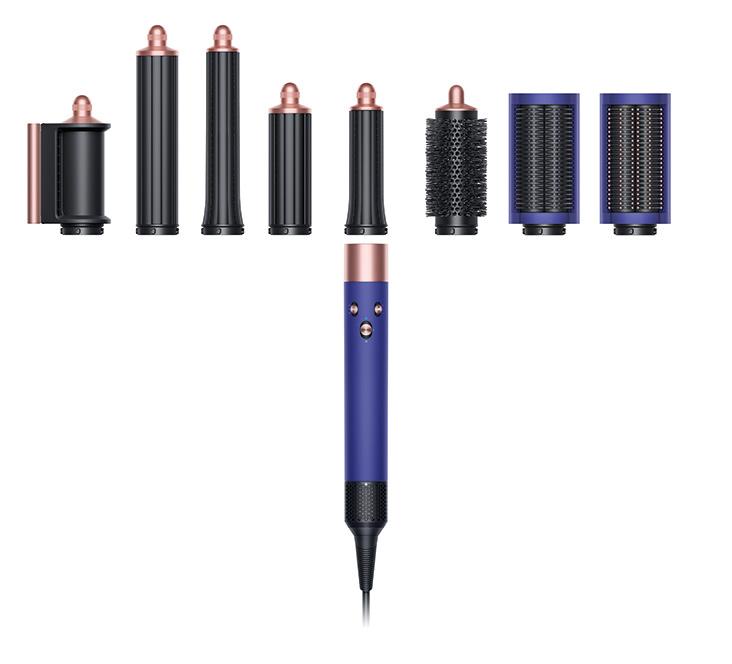

Amazon


World