® DELIVERING SUSTAINABLE HYGIENE INFORMATION www.incleanmag.com.au May / June 2023


sales@centralcleaning.com.au www.centralcleaning.com.au
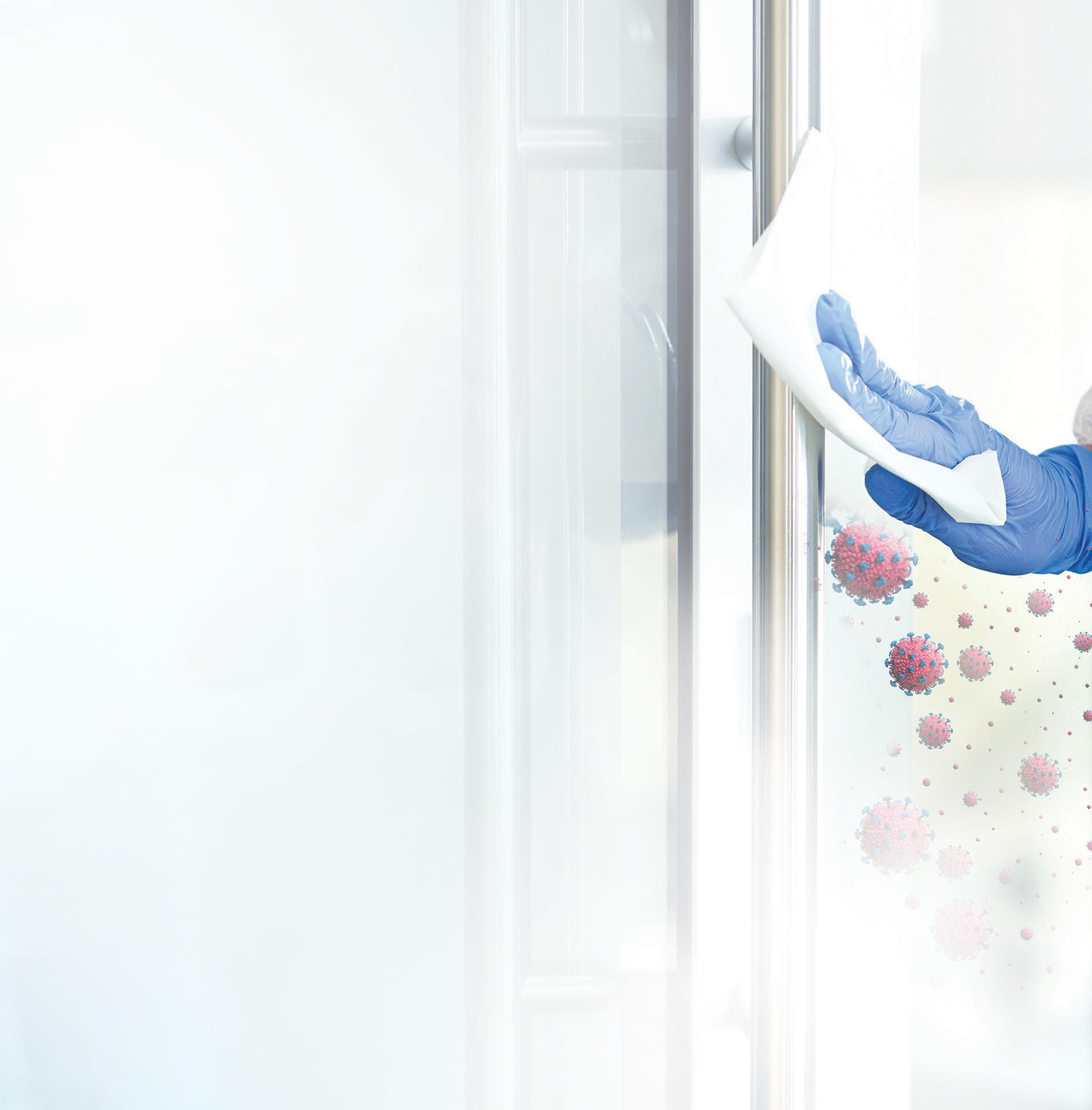
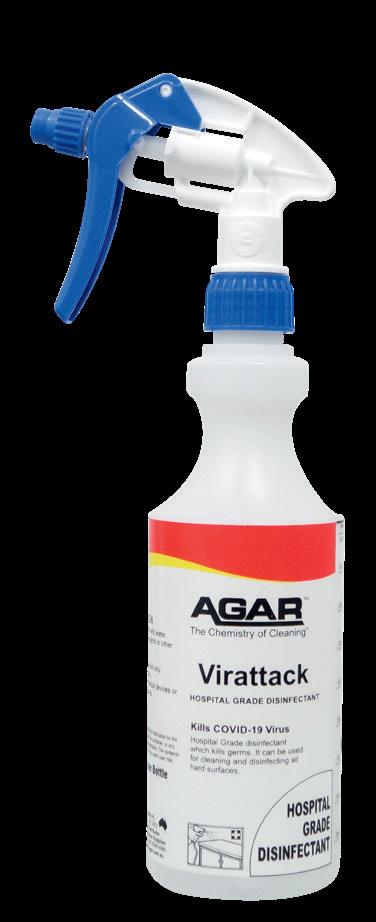
VIRATTACK cleans and disinfects hard surfaces, kills germs, and fights viruses like COVID-19 virus, herpes simplex, and canine parvovirus.
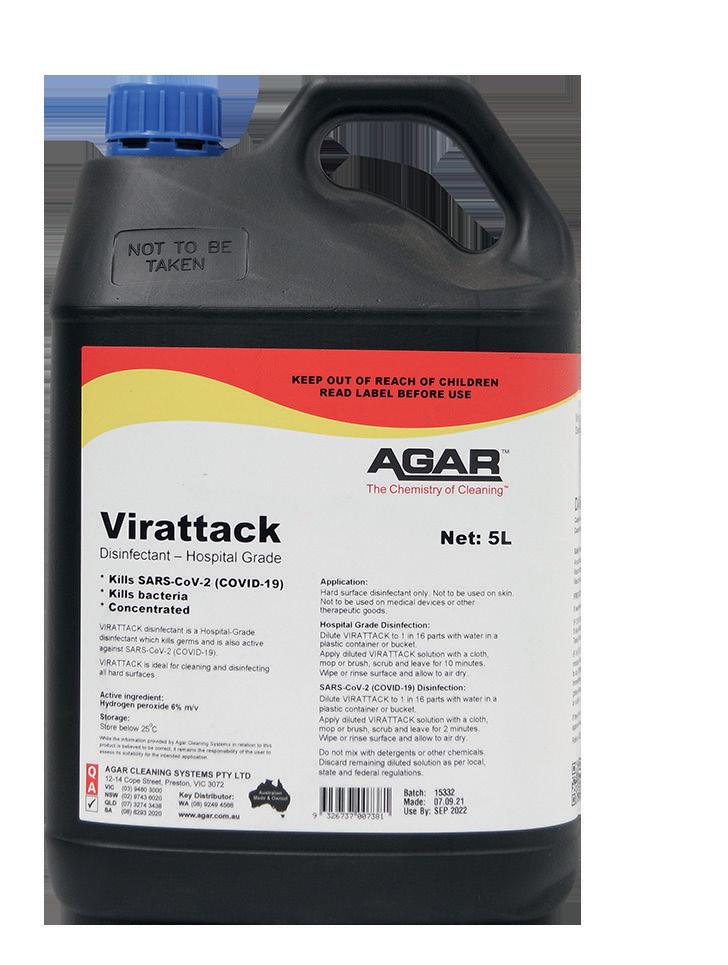
It’s perfect for healthcare settings such as hospitals, nursing homes, veterinary clinics and animal facilities, and more. Just dilute to 1:16 with water and use.

General Virucidal Disinfectant

Kills coronaviruses, herpes simplex, canine parvovirus and other viruses
Cleans & Disinfects Quickly
Once applied, leave wet for a few minutes then wipe or rinse surface
Active Ingredient Breakdown
Hydrogen peroxide breaks down into oxygen and water
Clear Odourless Liquid
No fragrances or perfumes added for sensitive individuals
INCLEAN is published by The Intermedia Group Pty Ltd on behalf of ISSA – The Worldwide Cleaning Industry Association.
41 Bridge Road, Glebe NSW 2037 Australia
MANAGING DIRECTOR:
Simon Grover
PUBLISHER:
Simon Cooper
MANAGING EDITOR
Claire Hibbit
Email: chibbit@incleanmag.com.au
Phone: 02 8586 6140
NATIONAL ADVERTISING MANAGER:
Samantha Ewart
Email: sewart@incleanmag.com.au Phone: 02 8586 6106
PRODUCTION MANAGER:
Jacqui Cooper
PRODUCTION ASSISTANT:
Natasha Jara
ART DIRECTOR:
Chris Papaspiros
Print Post Approved Publication No. PP: 255003/09765
AUSTRALIAN SUBSCRIPTION RATE 12 months (6 issues) - $66 (inc. GST) To subscribe call 1800 651 422 subscriptions@intermedia.com.au
In the aftermath of COVID-19, there is now a growing push for healthy buildings which support the physical and mental health of occupants, including through a focus on improved indoor air quality (IAQ) and filtration.
There are a range of factors that can contribute to poor IAQ, including inadequate ventilation, chemical pollutants from building materials and cleaning products, and biological contaminants such as mould and bacteria.
The hope is that these healthy buildings, on the back of superior ventilation and better control of airborne diseases, will help contain the spread of COVID-19, pathogens, and illnesses in the workplace and contribute to better productivity levels and wellbeing for workers.
In our feature story this issue, we speak to leaders in the IAQ space on the growing movement towards more sustainable building materials, the impact of hazardous building materials on IAQ, as well as the role the cleaning and restoration industries can play in helping prevent any harmful effects.
Also in this edition, infection prevention experts weigh in on current cleaning practices and discuss why a back-to-basics infection control approach is needed when it comes to cleaning healthcare settings, and GBAC’s Dr Gavin Macgregor-Skinner examines if it’s possible for cleaning professionals to carry germs on their work clothes to places outside the work environment.
INCLEAN is owned by ISSA
ABN: 44 617 407 020
P: +61 2 9890 4951
A: Suite 1, Level 1, 52 O’Connell Street, Parramatta, NSW, 2150 W: www.issa.com
DISCLAIMER: This publication is published by The Intermedia Group Pty Ltd (the Publisher). Materials in this publication have been created by a variety of different entities and, to the extent permitted by law, the Publisher accepts no liability for materials created by others. All materials should be considered protected by Australian and international intellectual property laws. Unless you are authorised by law or the copyright owner to do so, you may not copy any of the materials. The mention of a product or service, person or company in this publication does not indicate the Publisherís endorsement. The views expressed in this publication do not necessarily represent the opinion of the Publisher, its agents, company officers or employees. Any use of the information contained in this publication is at the sole risk of the person using that information. The user should make independent enquiries as to the accuracy of the information before relying on that information. All express or implied terms, conditions, warranties, statements, assurances and representations in relation to the Publisher, its publications and its services are expressly excluded save for those conditions and warranties which must be implied under the laws of any State of Australia or the provisions of Division 2 of Part V of the Trade Practices Act 1974 and any statutory modification or re-enactment thereof. To the extent permitted by law, the Publisher will not be liable for any damages including special, exemplary, punitive or consequential damages (including but not limited to economic loss or loss of profit or revenue or loss of opportunity) or indirect loss or damage of any kind arising in contract, tort or otherwise, even if advised of the possibility of such loss of profits or damages. While we use our best endeavours to ensure accuracy of the materials we create, to the extent permitted by law, the Publisher excludes all liability for loss resulting from any inaccuracies or false or misleading statements that may appear in this publication.
Copyright © 2023 - The Intermedia Group Pty Ltd.
Finally, ISSA’s Jeff Cross asks a number of restoration suppliers, experts, and consultants to share their thoughts on what a forward-thinking disaster restoration company should consider having in their ‘tech toolbox’ so they can succeed in a competitive marketplace.
Happy reading,
Claire Hibbit Managing Editor
The Intermedia Group takes its corporate and social responsibilities seriously and is committed to reducing its impact on the environment. We continuously strive to improve our environmental performance and to initiate additional CSR based projects and activities.
As part of our company policy we ensure that the products and services used in the manufacture of this magazine are sourced from environmentally responsible suppliers.
This magazine has been printed on paper produced from sustainably sourced wood and pulp fibre and is accredited under PEFC chain of custody.
PEFC certified wood and paper products come from environmentally appropriate, socially beneficial and economically viable management of forests.
training course
24 May 2023
Half-day virtual course examines how to estimate workload and costs of cleaning services
www.issa.com/oceania
RIA Conference and Tradeshow
31 May – 2 June 2023
Australasia’s restoration industry will gather in Melbourne
www.restorationindustry.org.au
ISSA Show Canada
14-15 June 2023
Canada’s leading trade show and conference www.issa.com
CMS Berlin
19-22 September 2023
International conference and exhibition to take place in Berlin
www.cms-berlin.de
ISSA Cleaning & Hygiene Expo
1-2 November 2023
Australia’s premier trade event for the cleaning and hygiene industry will be held at the Melbourne Convention and Exhibition Centre (MCEC)
www.issacleaninghygieneexpo.com
13-16 November 2023
Vegas will play host to the industry’s largest event of the year
www.issa.com
2024
Interclean Amsterdam
14- 17 May 2024
The world’s leading trade show for cleaning and hygiene professionals
www.intercleanshow.com/amsterdam
www.incleanmag.com.au
BIC Services signs new supply agreement with Abco Products following procurement and supply chain review.
partner
ARA Indigenous Services named Airservices Australia’s new national cleaning services partner.
New partnership aims to reduce waste and environmental impact of popular Gold Coast festivals.
Sodexo Australia wins $170m contracts in resources sector
Sodexo Australia expands energy and resources portfolio, with new contracts collectively valued at $170 million.
ACCC’s internet sweep finds more than half of businesses reviewed made suspicious claims.

Essity becomes first company in the cleaning industry to manufacture tissue in a carbon dioxide (CO2) emission-free production process.
Cleanstar/XPOWER has declared 2023 as the year of the tiger, with its ‘Seeing is Believing’ marketing campaign. Read more about the campaign and the company’s latest products on page 16.
The Collective Australasia (TCA) is a new collective of Australia’s strongest independent cleaning, packaging, and hygiene distributors. Working together with national reach, TCA provides supply partners and end users with a unique opportunity to work with an elite group of companies, providing end-toend product solutions, backed by genuine local service and support.
Launched in July 2022, TCA currently has 10 members, with a collective turnover of $77 million and the organisation is showing no signs of slowing. In fact, over the past four years, TCA members have acquired 11 other similar businesses across the country.
“We are 100 per cent Australian-owned and operated and provide a genuine alternative to multi-national companies who treat suppliers
and customers as ‘just a number’,” says TCA Chairman, John Beach, of the organisation’s ethos.
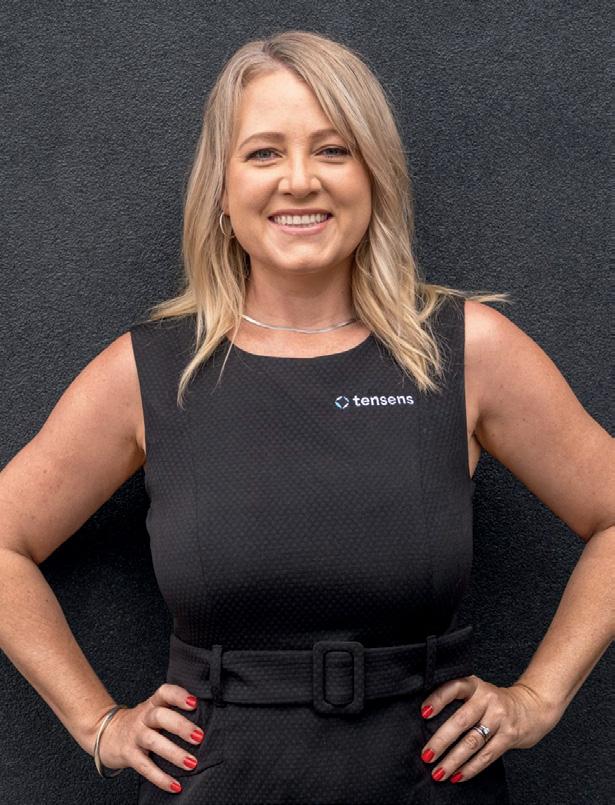
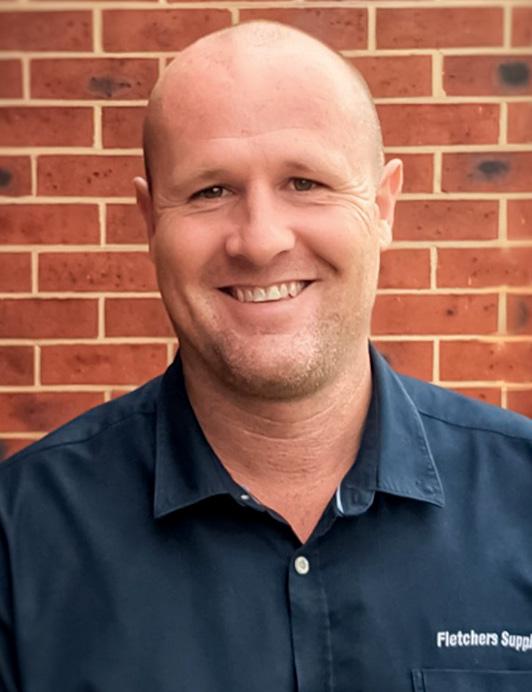
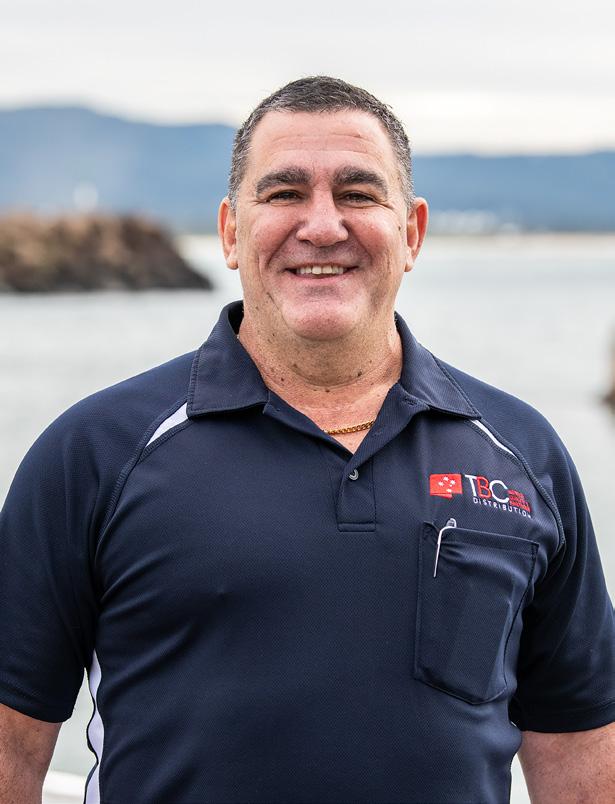
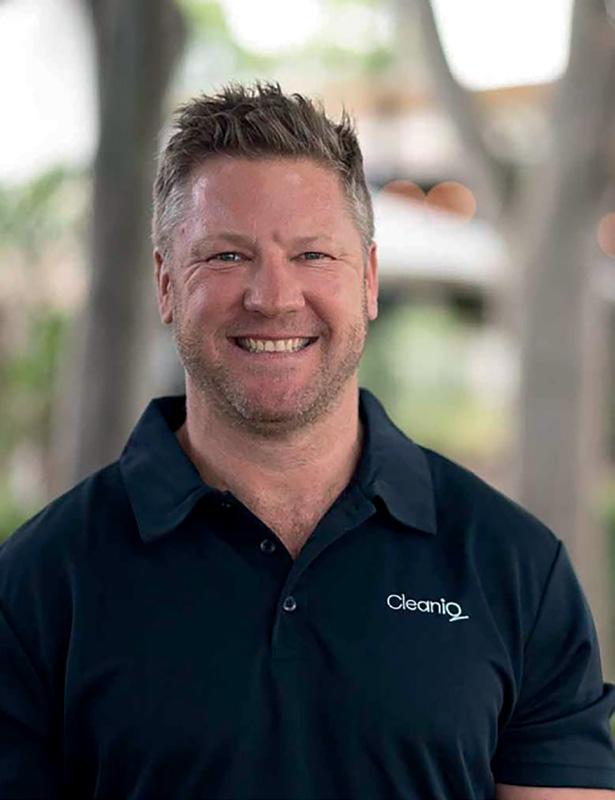
TCA’s members are made up of some of the industry’s leading, independent distributors including Salute, TBC Distribution, Harcher, Fletchers Supplies, CleaniQ, and Tensens, as well as most recent members Hannafords, Northwest Chemicals, PacPlus, and Coffs Cleaner World.
“We are a group who are passionate about growth and working together to drive better outcomes for our members and suppliers – we also might give our industry a small shake up along the way.”
TCA was founded in early 2021 when Beach brought together the organisation’s founding members including Josh Sherlock, Executive Director, Harcher; Marcia Rodgers, Founder, Tensen; Ryan
Macdougall, Managing Director, CleaniQ; Bronte Hough, Managing Director, Salute; Shane Leigh, Managing Director, TBC Distribution; and Shaun Fletcher, General Manager, Fletchers Supplies, to create TCA’s vision and strategy.
As Marcia Rodgers explains: “Having been part of a tightly knit community of cleaning suppliers many who we have known for more than 20 years, it was a natural progression to establish our group, made up of independent companies with aligned values and go to market strategies.
“As independent suppliers, we recognised the benefits of consolidating our purchasing power to maximise our collective expenditures. Our aim was to endorse the primary suppliers who have assisted us and compete with established industry leaders while simultaneously expanding our reach nationwide.”
TCA’s goal is to attract the strongest independent distributors across the country.
“We believe in real partnerships that mean something,” says Beach.
“Our goal is to create genuine value for end users who want to enjoy all the benefits of dealing with Australian-owned, service orientated businesses, and who also want a national ordering and delivery platform.
“Our mantra is ‘supplier first’ and we mean it. Sure, we want to ensure the best deal for our members and a level playing field in the market, but we also know that our partners have to make money and enjoy the relationship – this might be considered ‘old school’ in 2023 but it’s what we believe in.”
This year, the organisation is aiming to double its membership base to between 20 and 25 members in total, and circa $150 million in group turnover. TCA is also
“
We are a group who are passionate about growth and working together to drive better outcomes for our members and suppliers – we also might give our industry a small shake up along the way.
seeking suppliers, however, it’s a case of quality over quantity when it comes to TCA’s partnerships.
“Our members and supply partners are chosen very carefully,” explains Beach.
“National reach and vertical coverage is critical to our future, but we only have the supply partners we need in each category. We only want two or three supply partners in each category to ensure we deliver the kind of support and commitment our partners are looking for in a group. As a partner, you won’t find yourself one of five or six suppliers in your field!
“We also promise our supply partners 80 per cent purchasing compliance across the category for all members, which we believe is a first for the Australasian market.”
Current supply partners include True Blue, ESG Asia Pacific, Stella Products, Verla, BioPak, GoJo, Freundenberg, Huhtamaki, Pacific National Industries, Bastion and Nilfisk.
“We want only quality suppliers with quality products – and that’s a key difference about us in the industry,” says Josh Sherlock, Executive Director of Harcher.
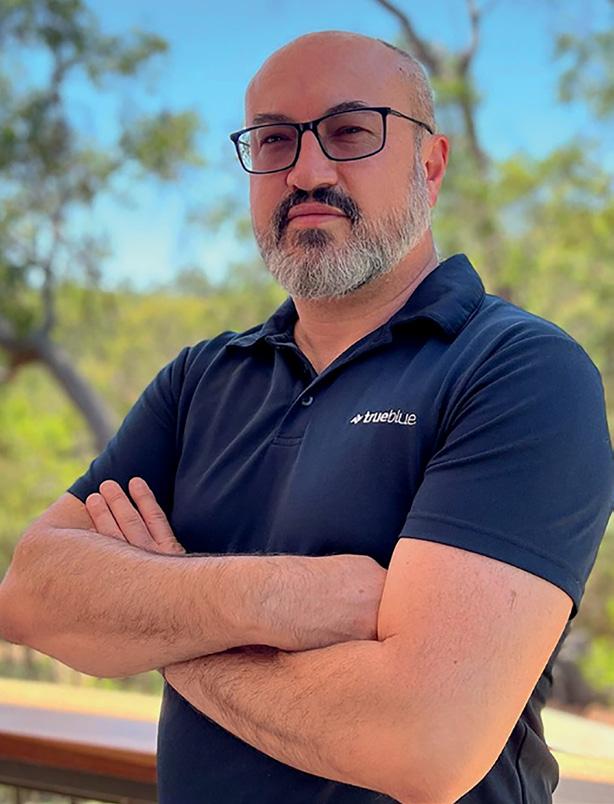

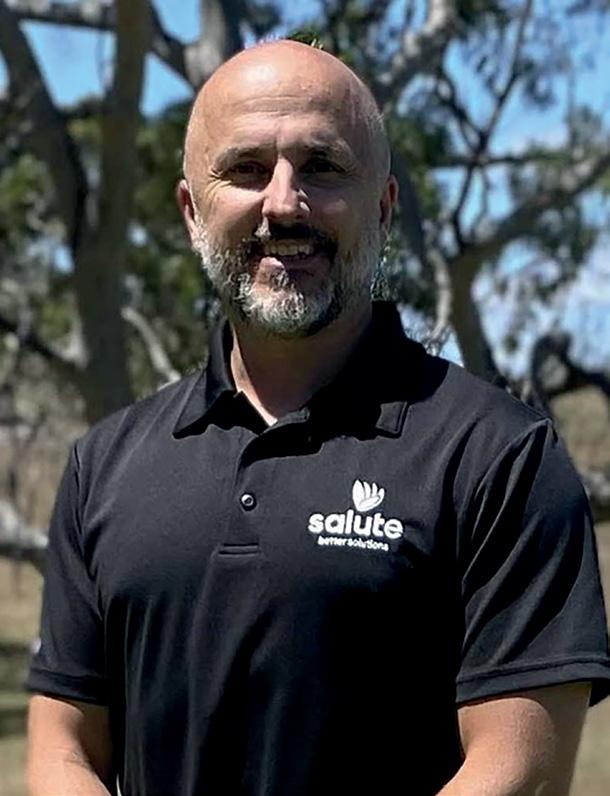
TCA’s corporate and national accounts include Victoria Police, SA Health, Mars Petcare, Adelaide Oval, Hurley Hotel Group, Pirate Life, Australian Green Clean, Simplot, 1834 Hotels, Feros Group, and more.
The group’s industry coverage currently includes hospitality, aged care, healthcare,
education, childcare, government, industrial, facilities management, and accommodation. However, the group is open to expand as more members join and share their experience.
Shane Leigh, Managing Director of TBC Distribution, believes TCA’s value is unmatched in the industry.
“TCA is a national supply group which can offer way more than kicking a box around and taking an order. Our combined turnover now makes us one of the big boys who can bring way more to the table than just another supplier.
“The values and business etiquette we expect from our members and suppliers is unparalleled. Our products, service, and prices will be the benchmark in our industry, and we know our competition cannot compete at this level.”
Rodgers agrees: “At TCA, we take pride in our status as an independent business. However, we are also pleased to offer industry-leading prices and exceptional support from our suppliers, which is crucial to our success.”
Bronte Hough, Managing Director of South Australia-based Salute, says TCA aims grow its member base with likeminded, progressive, and ethical companies from across the country.
“We not only pride ourselves on our level of personalised service, but our focus on compliance. As a member you get a seat at the table in decision making and will join a group of like-minded people who are looking to build their own businesses as well help support the wider cleaning and hygiene industry.”
Idea sharing is also a key pillar of the organisation.
“Our board is made up of a very high calibre of members discussing and sharing in ideas, which is really helpful,” notes Sherlock. “There’s respect amongst members and suppliers, which is a breath of fresh air for the industry.”
For Ryan Macdougall, Managing Director, CleaniQ, one of TCA’s key benefits is the group’s collaborative approach to decision making.
“All our members have a strong representation in the cleaning and hygiene space and are very aligned in their thinking. The fact that we’re selective and we’re not just about getting members at mass enables us to work more closely together and towards creating a national business that supports local suppliers.
“Our board structure also ensures that it’s not just one person making the decisions. It’s a collaborative approach and a two-way relationship with our suppliers.”
From a personal standpoint, Rodgers says the implementation of TCA guarantees the long-term sustainability of Tensens.
“Being in the company of individuals who share similar values, aspirations, and maintain a grounded personality and attitude, all striving towards achieving success, is an indescribable sensation.”
Looking ahead, phase two of TCA’s expansion strategy will see it aim to grow its national footprint and then become largest cleaning and hygiene group in Australasia (by turnover), which it is planning to achieve by the end of July this year.
“Our aim is to continue to be ourselves, execute our plans with integrity, and attract the very best supply partners to our group, both global brands and the leading Australian manufacturers across all our categories,” says Beach. ■


To find out more about TCA contact hello@ thecollectiveaustralasia.com.au or visit: www.thecollectiveaustralasia.com
The ISSA Cleaning & Hygiene Expo has announced sponsors of the 2023 event taking place in Melbourne, with Makita Australia returning for the second consecutive year as the platinum sponsor.
The ISSA Cleaning & Hygiene Expo, which has established itself as the leading event for showcasing the latest innovations in the cleaning and hygiene industry, will be held on 1-2 November at the Melbourne Convention and Exhibition Centre (MCEC).
“Makita have been a supporter of the ISSA Cleaning & Hygiene Expo and exhibitor since its launch to market,” Lauren Micallef, ISSA Oceania manager said.
“We are excited to announce that they will be returning as platinum sponsor and an exhibitor for the 2023 show in Melbourne. We appreciate their continual support and commitment to the industry.”
Adam Baker, national marketing manager, Makita Australia, said Makita is very proud to support the ISSA Cleaning & Hygiene Expo, and the industry as a whole again for 2023.
“The show provides a unique opportunity for the entire market to connect, foster relationships and uncover the latest innovations and insights,” said Baker.
“As a returning platinum sponsor, we have seen the great value and importance that comes from showcasing our brand and products at this important industry event, and we look forward to the continuing the relationship in the years to come.”
ACCO Brands and Oates (Freudenberg) have returned as silver sponsors, while new silver sponsors include EcoPower, Gurru, and Krystalshield.
Shivani Mali, product manager, ACCO Brands, said: “This is our second time sponsoring the ISSA Cleaning & Hygiene Expo. We were highly impressed with last year’s event – from the number of attendees who visited our stand to the unique opportunity to further educate and provide solutions to the cleaning industry. For us, there was no doubt that we had to return to the event again.”
Lorenzo Tadeo, marketing director – professional division, Freudenberg
Home and Cleaning Solutions, said the show provides an invaluable platform for showcasing its latest innovations and connecting with a diverse mix of customers and end-users.
“We are excited to meet and talk with industry professionals, understand their business needs and demonstrate our solutions.”
Dwayne Coote, managing director, EcoPower, said: “We are extremely excited to be using an industry leading show like ISSA to launch our new brand and electric utility vehicles and light trucks to the market. We encourage everyone to come along and see these vehicles firsthand.”
Chad Holland, director of Gurru, said the company is thrilled to be a part of the ISSA Cleaning & Hygiene Expo for the first time.
“As a leading provider of tech and software solutions, the show presents the perfect opportunity for us to showcase our brand and connect with like-minded professionals in the industry. We see the expo as an invaluable platform for us to learn, share and expand our network.”
Robert Diaz, managing director of Krystalshield, said the event is an exciting opportunity for Krystalshield to showcase its brand and products with the industry.
“Our innovative cleaning and hygiene products are designed to meet the evolving needs of businesses, and we look forward to sharing our solutions with the attendees at the event.
“This is an exciting opportunity for us to share our brand and products with the industry. We are excited
to meet with existing customers and build relationships with new potential partners.”
This year the event has secured a larger space at the Melbourne Convention and Exhibition Centre, to accommodate the growing number of participants.
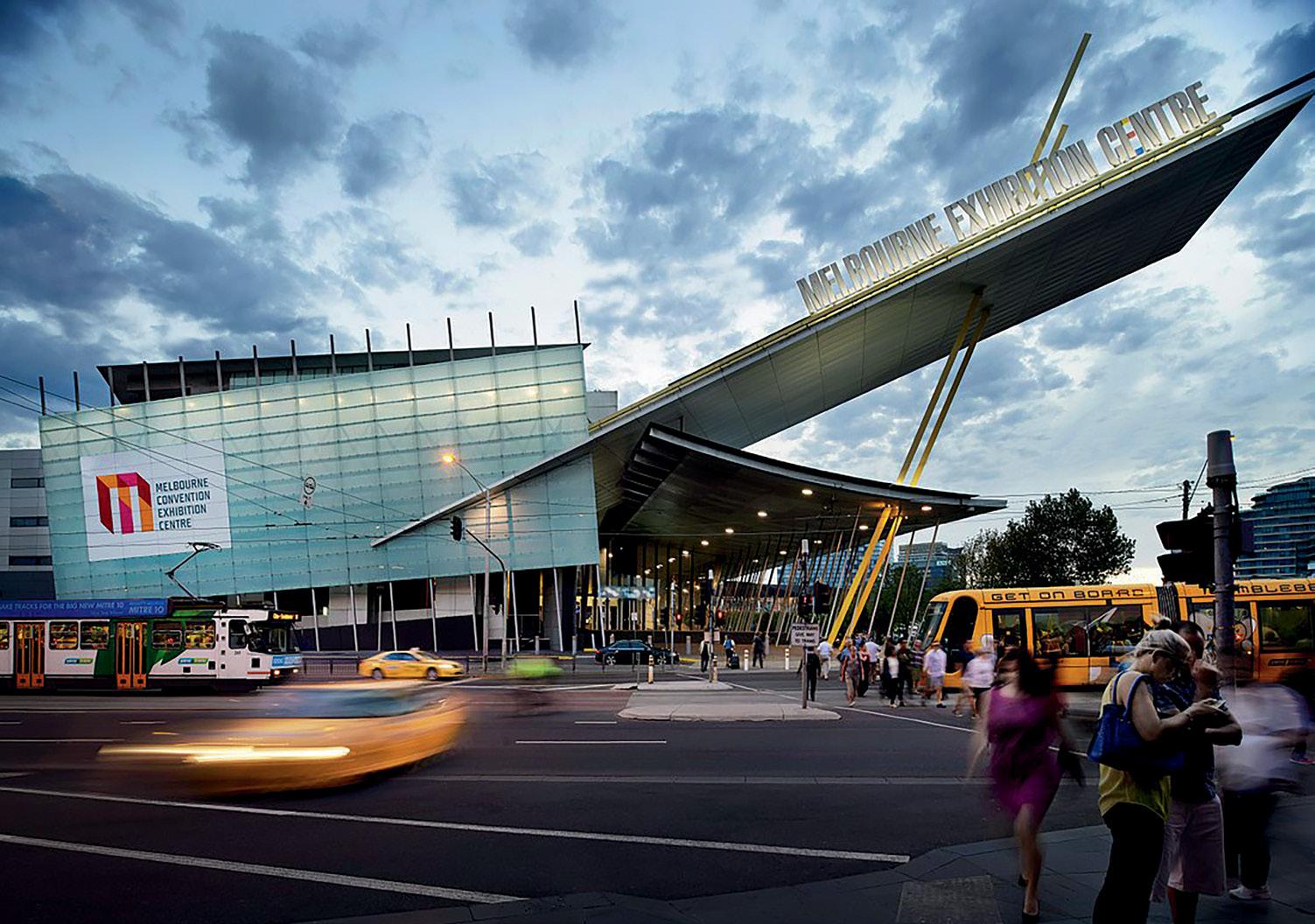
The 33 per cent increase in hall space will provide even more exhibitors with the opportunity to showcase their products and services on a larger scale, allowing them to reach a wider audience and engage with more potential customers.
Visitors will also benefit from the increased space, as they will be able to explore a wider range of products and services and engage with even more industry experts and professionals.
In addition to the expanded space, the expo will also feature a range of interactive activities and educational sessions, allowing visitors to learn about the latest industry trends and technologies.
Last year’s event featured more than 3000 attendees, 80 exhibitors, and more than 40 speakers.
“We encourage companies interested in being part of the show to act quickly and secure their spot as we anticipate the new space will be sold out quickly,” said Micallef. Registrations for the 2023 Expo are now open, to register for the 2023 ISSA Cleaning & Hygiene Expo, visit www. issacleaninghygieneexpo.com.
To book exhibitor space contact Samantha Ewart sewart@incleanmag.com.au.
The ACCC will investigate a number of businesses for potential ‘greenwashing’, following an internet sweep which found more than half of the businesses reviewed made concerning claims about their environmental or sustainability practices.

Of the 247 businesses reviewed during the sweep, 57 per cent were identified as having made concerning claims about their environmental credentials.
“Our sweep indicates a significant proportion of businesses are making vague or unclear environmental claims. This warrants further scrutiny,” ACCC deputy chair Catriona Lowe said.
“Consumers are now, more than ever, making purchasing decisions on environmental grounds. Unfortunately, it appears that rather than making legitimate changes to their practices and procedures, some businesses are relying on false or misleading claims. This conduct harms not only consumers, but also
those businesses taking genuine steps to implement more sustainable practices.”

“Businesses using broad claims like ‘environmentally friendly’, ‘green’, or ‘sustainable’ are obliged to back up these claims through reliable scientific reports, transparent supply chain information, reputable third-party certification or other forms of evidence.”
“Where we have concerns, we will be asking businesses to substantiate their claims,” Lowe said.

“Already, we have several active investigations underway across the packaging, consumer goods, food manufacturing and medical devices sectors for alleged misleading environmental claims and these may grow, as we continue to conduct more targeted assessments into businesses and claims identified through the sweep. We will take enforcement action where it is appropriate to do so as it is critical that consumer trust in green claims is not undermined.”
The ACCC will also conduct a range of education activities with businesses, including updating economy-wide guidance material, in addition to targeted guidance for specific sectors.
“We want to see businesses taking steps to ensure that environmental claims are accurate as well as meaningful for consumers. Our sweep has shown that claims are most useful where they are relevant, clear, reliable and transparent.”

“We will engage directly with businesses and industry associations to improve compliance with the Australian Consumer Law.”
“Importantly, we encourage businesses to come forward if they become aware they have made false or misleading marketing claims. Businesses who cooperate and advise of any issues with their operations, will be considered more favourably than those who wait for the ACCC to unearth these problems,” Lowe said.
The ACCC encourages consumers and businesses to contact the ACCC to report any potentially misleading environmental or sustainability claims.
ACCC greenwashing sweep unearths ‘widespread’ concerning claims
Dettol Pro Solutions, the B2B arm of household cleaning brand Dettol, has unveiled its value proposition for 2023 – to help businesses create spaces with efficient outcomes.
Dettol Pro Solutions is re-asserting its commitment to helping businesses across all sectors improve efficiency and productivity by protecting their spaces, staff, and customers from the spread of germs when outside of the home.
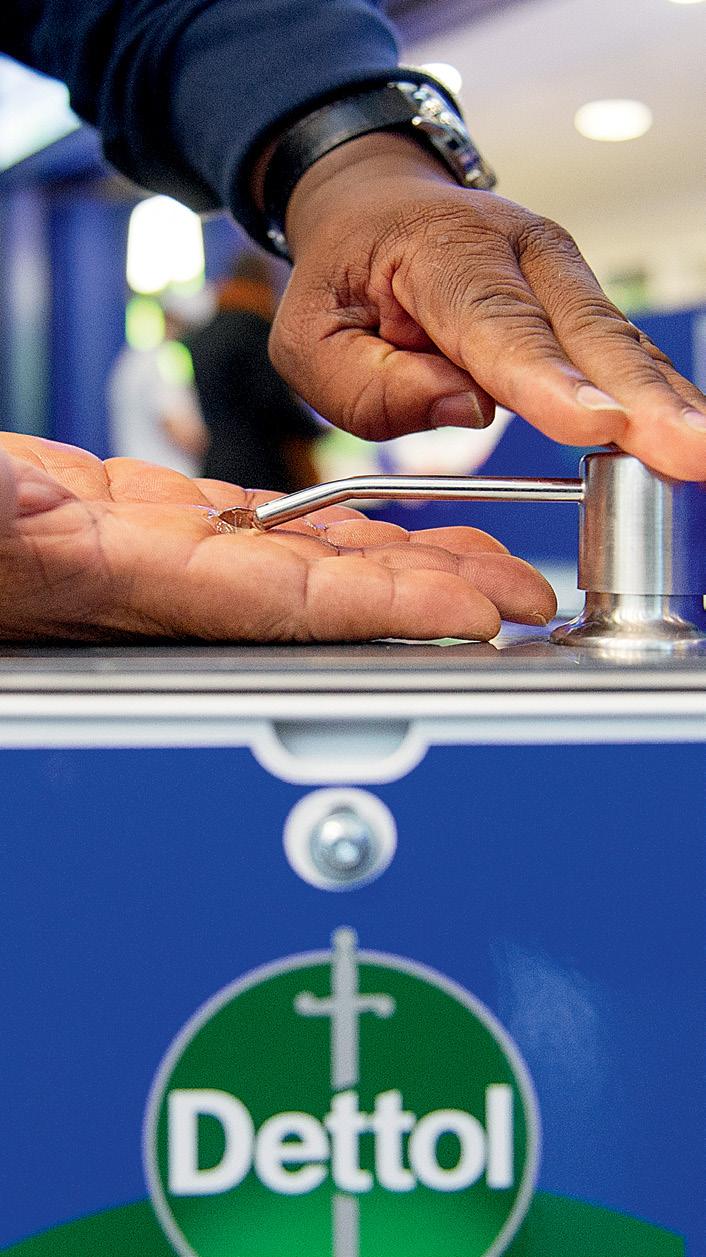
Harnessing the power of Reckitt’s effective and trusted product ranges, its innovative solutions are purpose-made for enterprise deployment, ranging from hygiene protocols that help protect and enhance efficiency, to programs that elevate the customer experience.
“In today’s challenging operating environment, businesses must be laserfocused on efficiency to help them gain and maintain a competitive edge,” said Jonathan Weiss, commercial director of Global Business Solutions at Reckitt.
“We’re dedicated to working alongside businesses to achieve their desired outcomes, while benefiting from reduced costs, to create a productive workforce along with developing great customer loyalty.”
Over the years, the goals and vision of companies have evolved. While profitability used to be the top priority in the 90s, today’s business landscape demands a more holistic approach that considers the well-being of people and the planet.
In fact, the UN launched in 2016 the so well-known Sustainable Development Goals that encourages all big corporations to balance between Prosperity, People, and Planet when defining their objectives.
“At Sabco Professional, we believe that profitability and sustainability are not mutually exclusive,” says Herman Verhofstadt, CEO.
“We understand the importance of pursuing financial success never subduing our team nor the environment, and that’s why we’ve implemented a comprehensive sustainable development program.
“As a responsible corporate citizen, we are committed to reducing our carbon footprint and minimising the environmental impact of our operations,” says operations director Kathy Fitzgerald.
By analysing its top-selling products, Sabco Professional has reduced the size of its shipping boxes thus reducing cardboard usage and freight.
In addition, the company has chosen different materials for packaging. These two approaches have already yielded some impressive results.
• Sabco Professional has reduced cardboard usage saving 2,250 square meters of cardboard annually.
• Sabco Professional has optimised its shipping box sizes to reduce them as much as possible. As a result, Sabco’s CO2 emissions have been already cut by 17.6 tons annually as smaller boxes mean better freight utilisation.

• The company has also removed polystyrene in most of its shipping packages and are in final stages of developing new bags that eliminate the need for single-use non recycled plastics.
“By incorporating these environmentally friendly practices into our operations, we are not only doing our part to protect the planet but also creating value for our customers and stakeholders,” says Gerard Searl, commercial director.
“As the go-to partner for leading Australian distributors and professional cleaning companies, we are committed to delivering superior products and services that make a positive impact. Join us in our mission to be the leading force in sustainable cleaning solutions and be How Australia Cleans!”
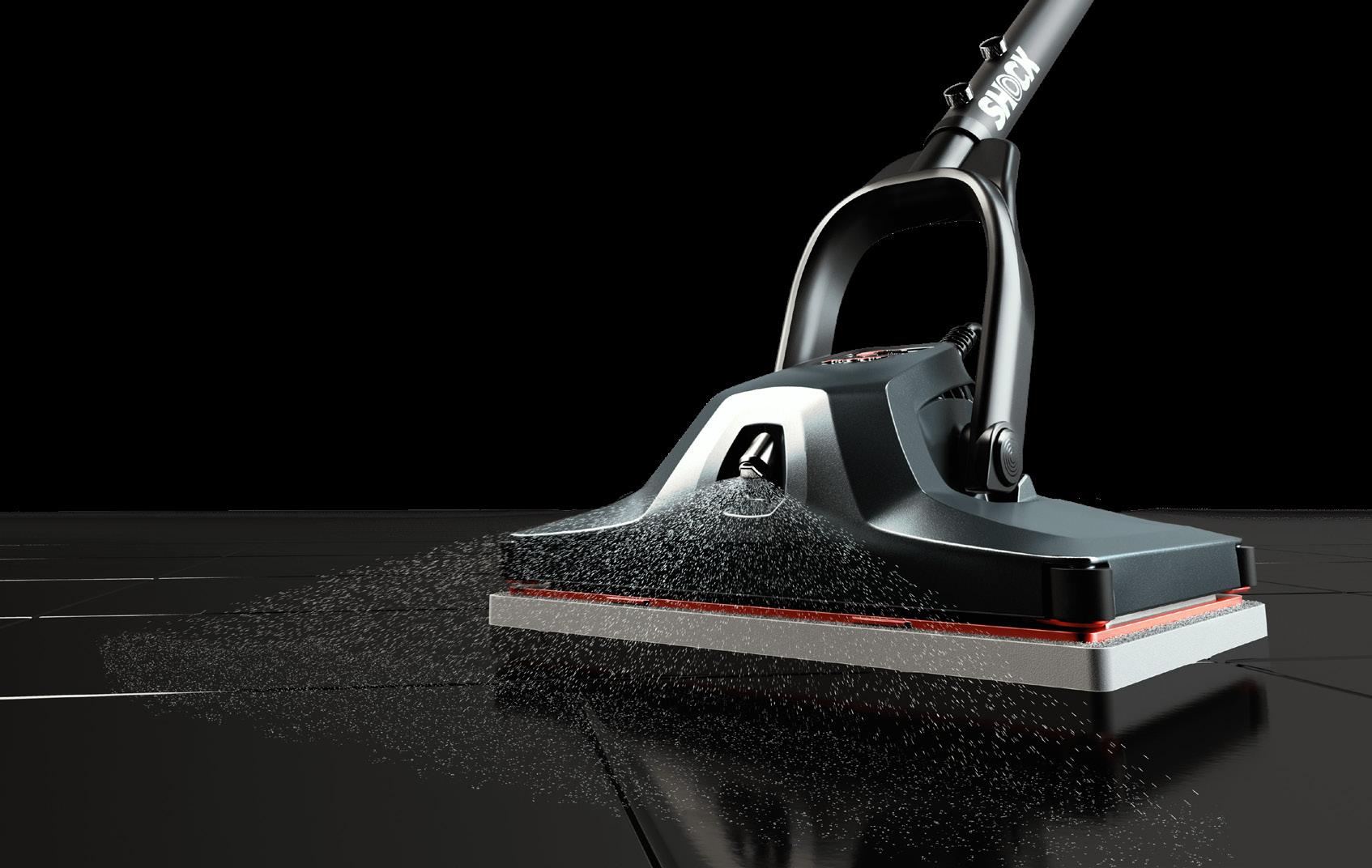
SHOCK, the world’s lowest profile cleaning machine, launched at The Cleaning Show in London, will be available across Australia from August.
Designed to tackle the cleaning challenges presented by small spaces, such as washrooms, its low-profile design allows users to quickly and effectively clean around toilets, pedestals, under cubicles, and along walls.
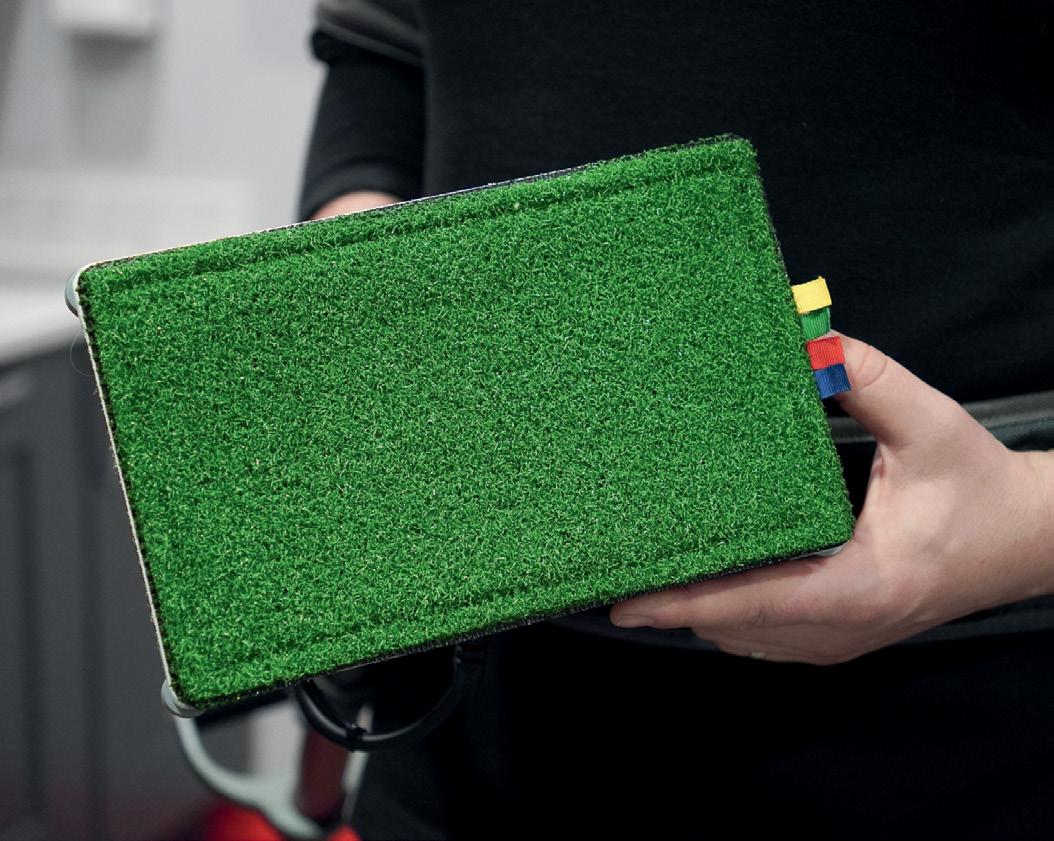
MotorScrubber is also launching the SHOCK Pad, the latest in cleaning pad innovation. Made up of thousands of microblades, each fibre is angled to agitate and gently scrape dirt from textured floors.
Imre Killi, MotorScrubber CEO and the product’s inventor, said the SHOCK Pad has been developed to maximise SHOCK’s oscillating technology.
“When we began testing SHOCK, we found that some existing pad materials didn’t respond well to the oscillating mechanism. Many round fibres absorb the oscillating movement rather than transferring it to the floor, resulting in poor cleaning performance.
“We experimented with angled fibres at varying lengths, and in different cleaning situations. Our aim was to find a reusable and washable fibre which would disrupt and then lift dirt, magnifying
SHOCK’s oscillating mechanism. The final result was the SHOCK Pad. This non-scratch material cleans all smooth and textured hard floor surfaces, delivering exceptional cleaning results with water alone.
“We didn’t want release a revolutionary cleaning machine which used the same pad as everyone else – so we developed our own to clean better and faster.”
SHOCK Pads will be available in August and will be supplied as standard with all SHOCK floor cleaning machines.
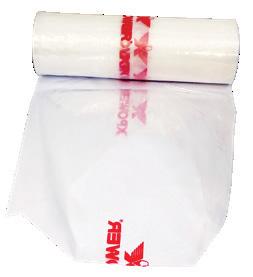
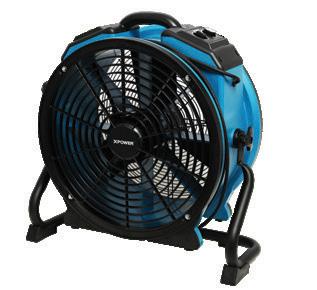
CLEANSTAR XPOWER has declared 2023 as the year of the Tiger, with its ‘Seeing is Believing’ marketing campaign.

CLEANSTAR continues to be a market leader in the cleaning industry, whilst XPOWER has grown to become a leading brand in the remediation and restoration space, with an extensive portfolio of products.
“At CLEANSTAR XPOWER we pride ourselves on our creative flair,” said Lisa Michalson, Director of Cleanstar.
“Each year we tap into a different theme to express and convey our message
through a marketing campaign specific for that year. 2023 is the year we release our inner Tiger.”
“The Tiger symbolises our strength as a business, our commitment to our customers and shows we are a force to be reckoned with. It is also a commemoration to our beloved Con Terpos, a fanatical Richmond Tigers AFL supporter, who sadly passed away last year and is forever in our hearts here.”
“This year, we are excited to be showcasing our extensive range of XPOWER equipment at the RIA Restoration Conference and Trade Show in Melbourne.”
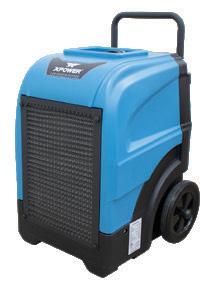
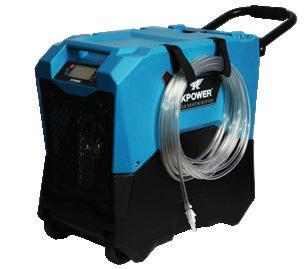
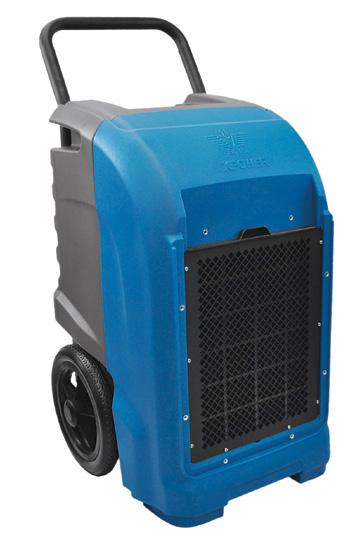
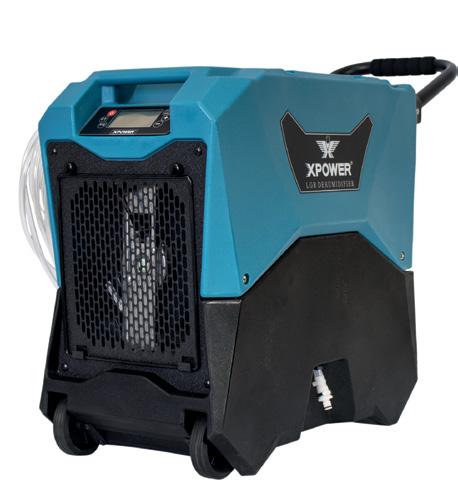
Developed to excel in even the toughest water damage restoration environments, the XPOWER range of professional grade dehumidifiers extract more moisture than much larger commercial models. The popular 85 litre Low-Grain Refrigerant (LGR) Dehumidifier features dual intake technology, which boosts efficiency and performance in a wide range of operating conditions.
Designed to maximise storage space, these compact units stack up to three-high and features two moulded handle grip points on the front and back. For added mobility, this model also comes with wheels and handle for easy transport. A user-friendly digital control panel monitors your job site’s current humidity and records operating time. Also features an auto-purge pump with drainage hose that automatically purges when full, eliminating the task of monitoring collection tank levels.
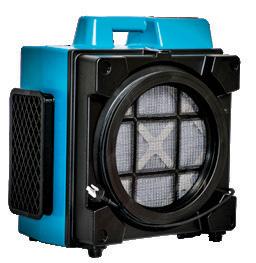
The XPOWER AP-2000 Portable HEPA Air Filtration System (three levels of filtration) provides high volume air exchanges required in abatement, dust control, and air scrubbing on large job sites contaminated by airborne pollutants. While drawing only 8.5 Amps, this lightweight portable HEPA Air Scrubber produces an incredible 2000 CFM of air movement to efficiently remediate large spaces such as hospitals, schools, arenas, gyms, conference halls, hotels, and any other largely occupied areas.
Moving the AP-2000 around is made easy as it includes a four-castor wheel system. The two stationary and two swivelling castors allow for easy horizontal manoeuvrability through any standard doorway. The durable polyethylene rotomoulded housing features four integrated carrying handles, a strap tie down point, with nested stacking that secures the castors during the transport of multiple stacked units.
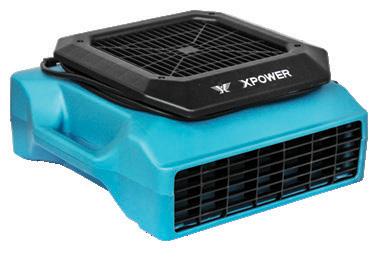
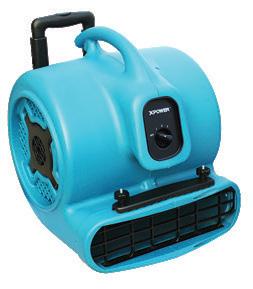
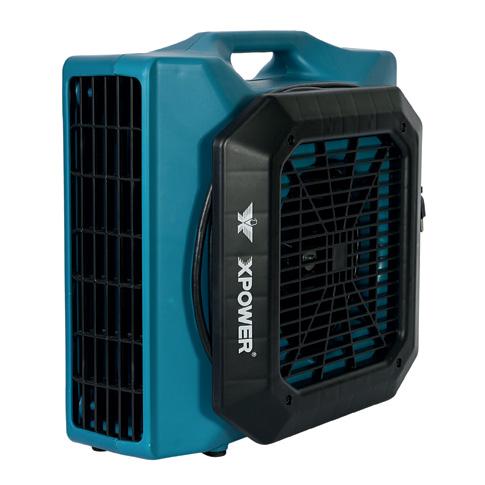
The XPOWER range of air movers feature powerful ventilation that does not compromise on power. Along with the traditional ‘snail type’ air movers, the practical low-profile version is able to be operated and stored vertically or horizontally. These high velocity low profile fans are ergonomically designed with an easy to carry moulded handle and made from durable and rugged polypropylene housing. Other features include wrap-around cord design, non-slip rubber feet, quiet performance and stackability up to six units high, making it ideal for loading in a truck or on a hand cart. It also comes with a built-in power outlet for daisy chaining which will allow an additional six (6) of the same units to run on one circuit at the same time.
–
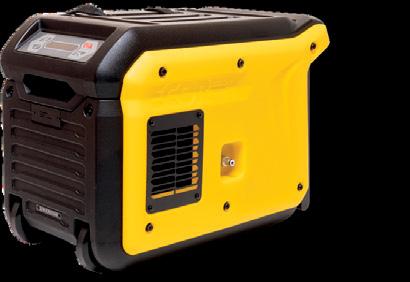
Reduce humidity levels at a variety of job sites with the XPOWER XD-125 Dehumidifier. Ideal for moisture/humidity control in shops, water damage restoration sites and other industrial applications. Capable of removing 125 pints a day at 90 per cent relative humidity, the XD-125’s advanced electronic control panel is programmable for a relative humidity level between 90 per cent and 26 per cent. An electronic display monitors your job site’s current humidity and a record of working time. The unit’s auto-purge pump with drainage hose automatically purges when full –eliminating the task of monitoring collection tank levels. The control panel offers a manual purge button as well. Easily transported, the XD-125 is compact and features two shock absorbing semi-pneumatic wheels. Durable rugged housing and integrated design ensure years of service.
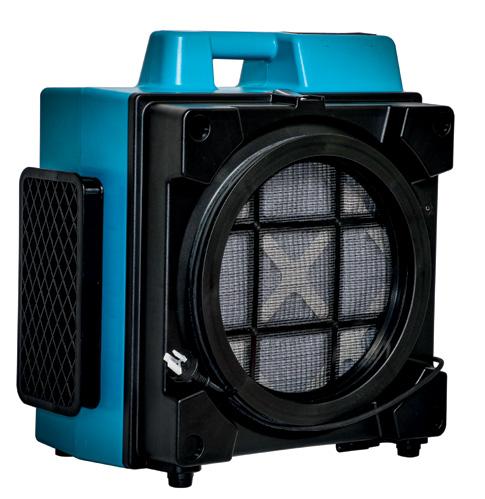
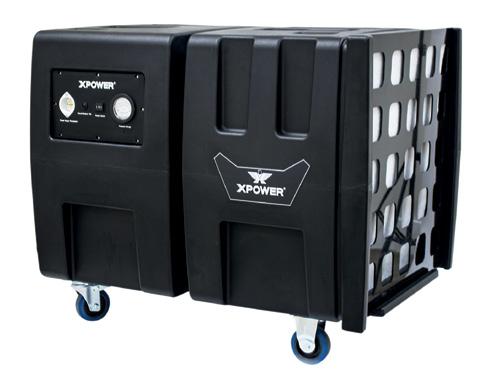
The XPOWER X-3400 Air Scrubber/ Purifier is a commercial grade portable HEPA filtration system that draws air in from the surrounding environment and passes it through a series of filters to remove airborne contaminants. The three-stage filtration system with true 99.975 per cent HEPA efficiency captures a wide range of compounds and prevents organism migration from location to location. These compounds include gases, chemicals, allergens, pollens, bacteria, mould, fumes and dust. The extralarge air outlet offers high air volume processing for thorough purification. The importance of indoor air quality as a health issue is of utmost importance during these modern times, especially given recent world events. In addition to masks and vaccinations, epidemiologists and health officials worldwide are stressing the importance of the use of HEPA filtered air purification systems during this time as indoor air is more contaminated than outdoor. The X-3400 is used in environments such as classrooms, offices, healthcare settings, hotels, quarantine, and other commercial areas where there is a high density of people in enclosed spaces that may not be able to socially distance. ■
The tiger symbolises our strength as a business and our commitment to our customers
Andrea Grassini has been appointed General Manager Professional at Freudenberg Home and Cleaning Solutions Australia and New Zealand.
In this role, Grassini will consolidate the business development of the professional division in Australia and New Zealand, focusing on increasing partnerships with all the key stakeholders.
Grassini will also be responsible for the Melbourne-based company’s Australia and New Zealand Professional business, including the Vileda Professional and Australian Oates brands.
Grassini will report to Isabel Merkel, Global President Professional at Freudenberg Home and Cleaning Solutions.
“With Andrea, we have found a passionate leader with an extensive experience in managing complexity,” said Merkel.
“I am confident that together, we will further develop our business in Australia and New Zealand,” said Grassini.
“Our main goal will be to identify and serve the needs of our individual customer groups more clearly, focusing on innovative solutions and sustainability. The future success of our customers will be our future success.
Grassini has previously held various management roles, including within the Freudenberg Group since 2016.
At Freudenberg, Grassini served in various sales level management positions at the FHCS Italy consumer division, and his most recent position has been as sales director.
Australian Cleaning and Restoration Academy (ACRA) provides industryspecific training, courses, and assessments for the cleaning, hygiene, and restoration industries.
“Our purpose is to educate the cleaning and restoration technicians on how to improve their knowledge and wealth in their business to create success,” says Garry Carroll, managing director of ACRA.
“We believe in teaching hands on training techniques that can be used in your everyday business; giving you on-the-job confidence and the knowledge you need to accelerate your business and earnings potential.”
ACRA’s training courses are for both team members and management and are offered in a variety of formats include private training, classroom courses, and online training. ACRA’s training solutions include learning how to use equipment correctly; understanding the fundamentals required to complete jobs successfully; workplace health and safety policies; scoping, reporting, and quotation pricing.
ACRA also provides a range of business, management, and leadership topics such as how to ensure margins are profitable,
how to obtain and secure business opportunities, how to deliver service solutions, and how to become an expert in your field. Training solutions are also offered with online competence assessments.
“You can provide in-house training and upskilling for yourself and your employees anywhere, anytime with our online video training series,” said Lorelle McCulloch, owner of ACRA.
ACRA training and assessments include Carpet & Upholstery Cleaning with a Certificate of Competence as a Carpet & Upholstery Cleaning Technician; Water Damage Restoration, Structural Drying & Mould Remediation with a Certificate of Competence as a Water Damage Restoration & Mould Remediation Technician; and PPE, Chemical Risk Assessments, Workplace Health & Safety, and Asbestos Awareness with a Completion Certificate.
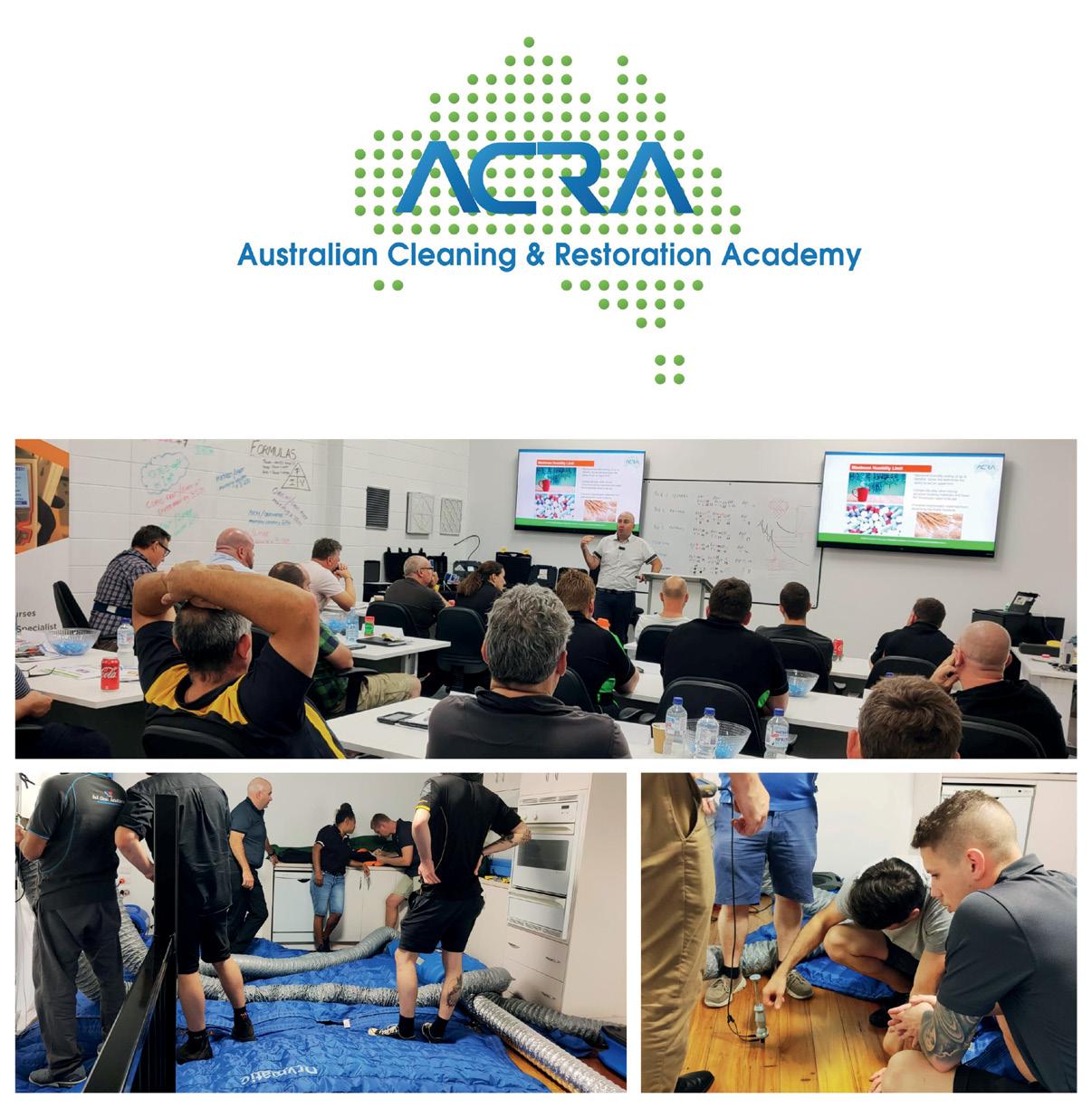
“Become a master water damage restoration, structural drying, and mould remediation technician at our advanced flood house training course,” said McCulloch.
There are also additional option to complete assessments following ACRA’s in-person training courses.
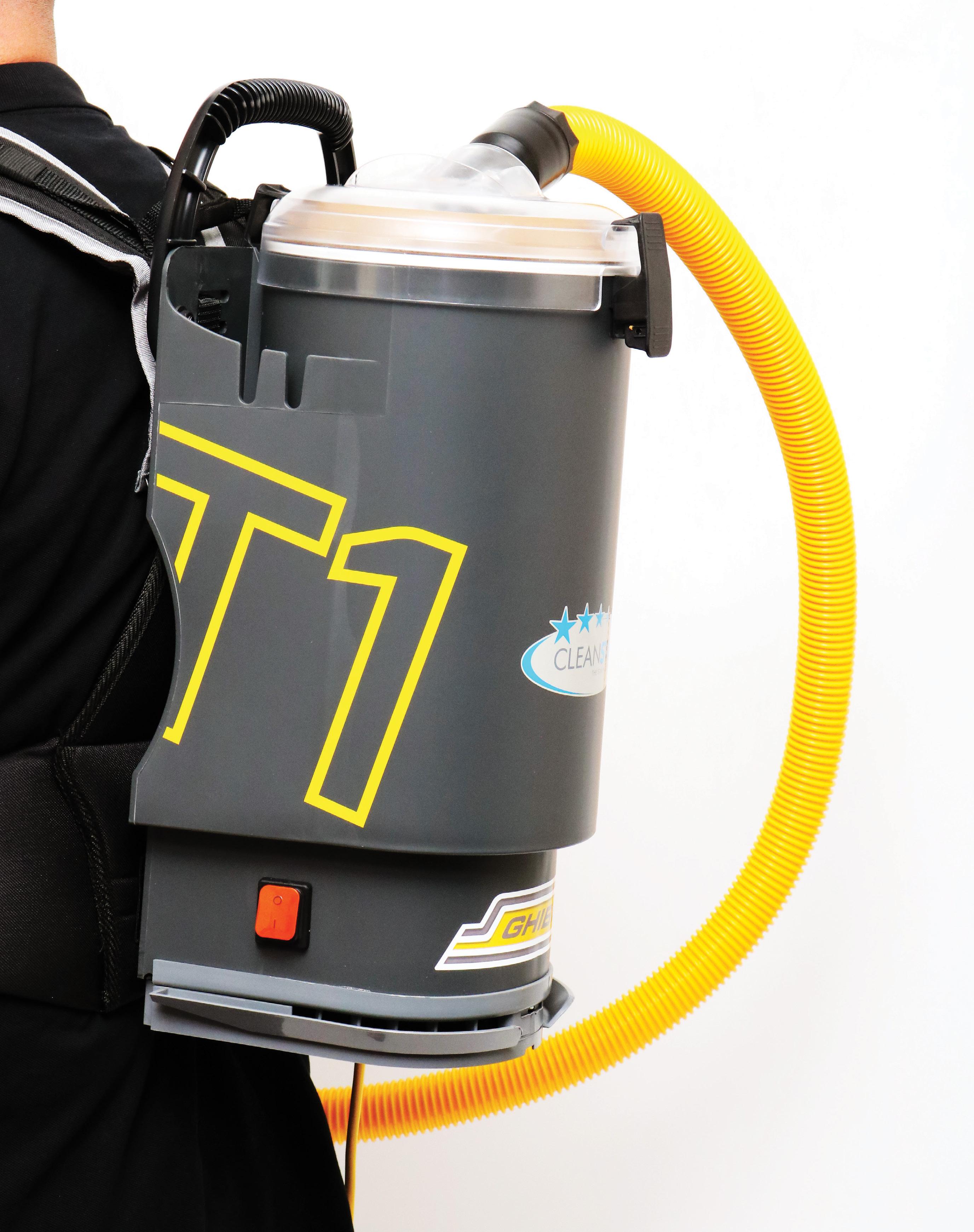

Central Cleaning Supplies continues to strengthen its range of environmentally friendly products as part of its ongoing commitment to provide customers with more sustainable cleaning solutions.
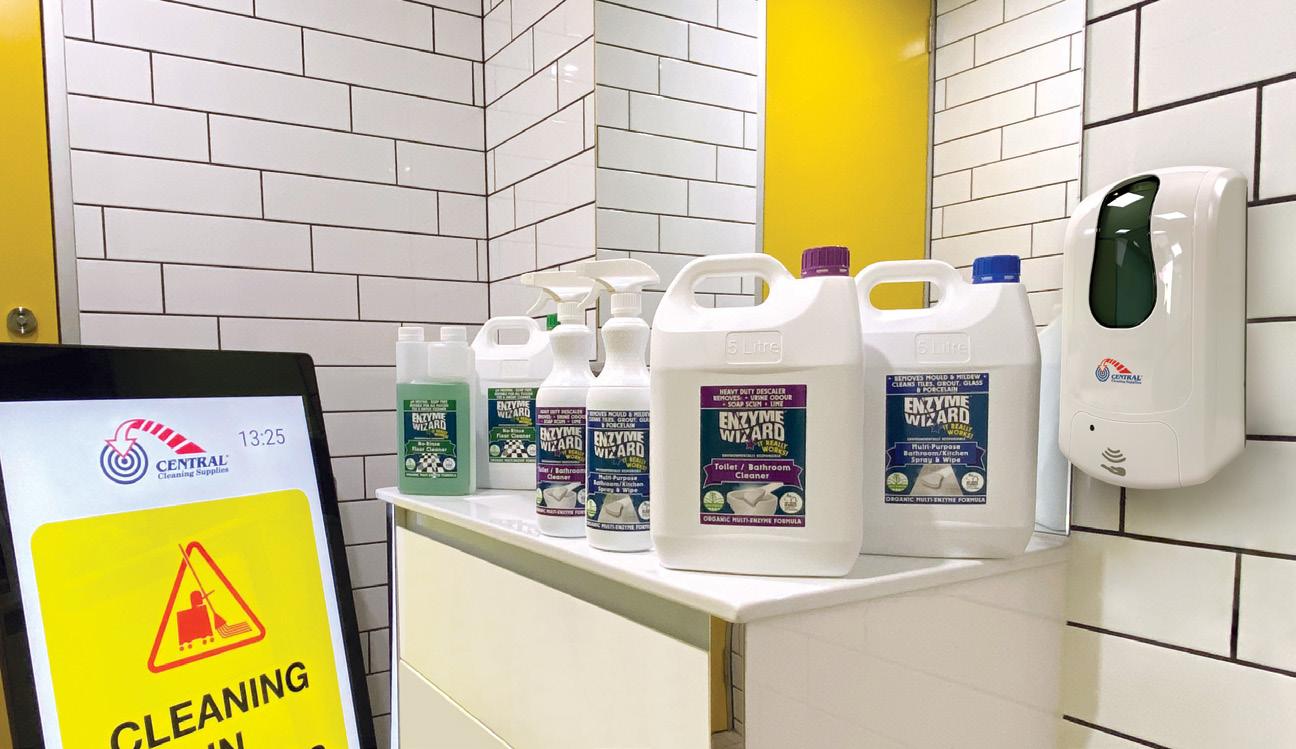
Central Cleaning Supplies, one of the largest distributors of cleaning materials, chemicals, and equipment, and provides an extensive range of products and services for the professional, commercial, industrial, and domestic cleaning industries.
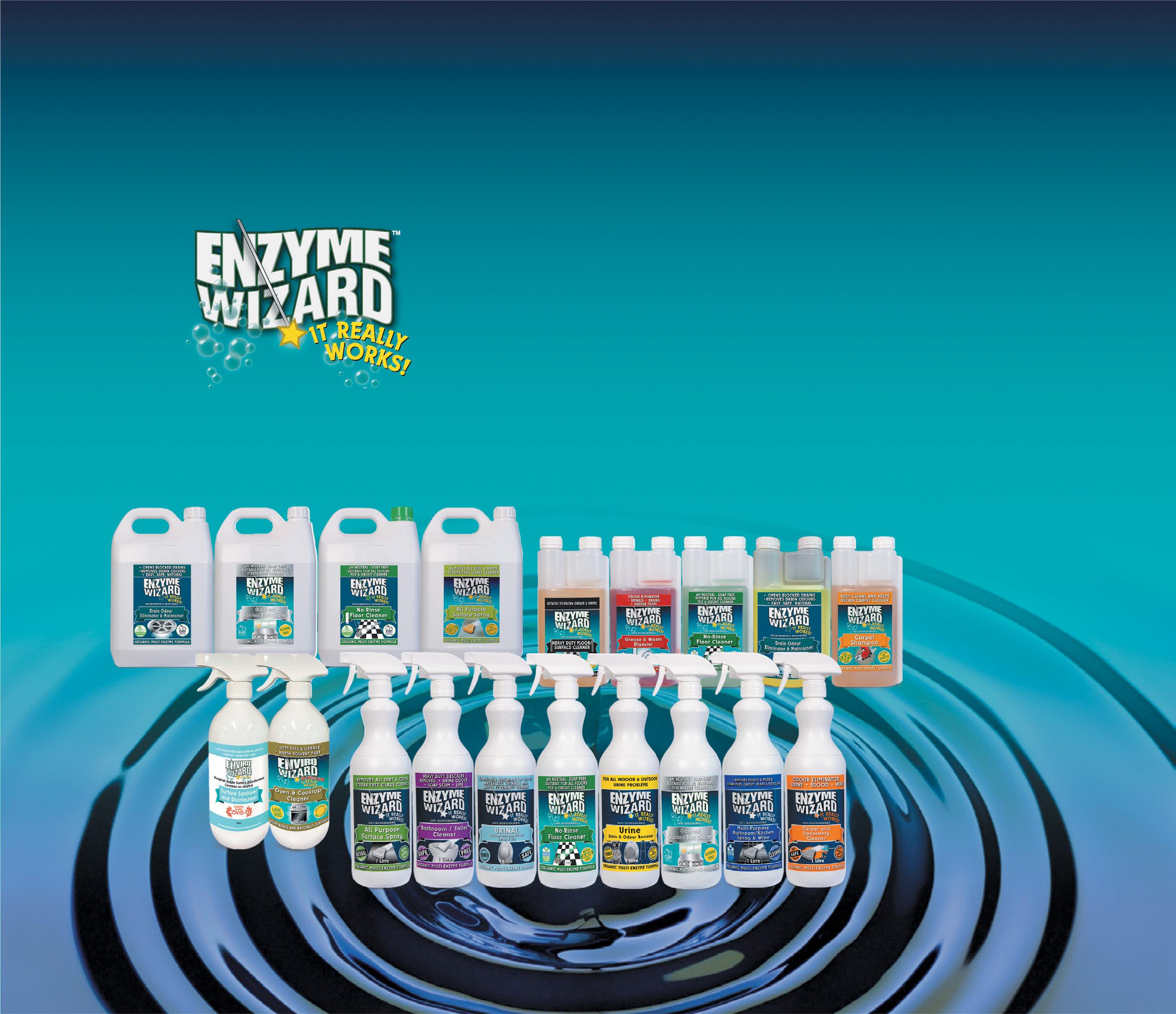
As part of its commitment to sustainability, Central Cleaning Supplies offers an extensive range of environmentally friendly products, including Enzyme Wizard, which recently received Global Green Tag Platinum certification.
Enzyme Wizard is a range of natural plant-based enzyme cleaning products for the home, commercial, and hospitality markets. Enzyme Wizard’s products are specifically designed to clean safely and effectively, without caustic chemicals.
“At Central Cleaning Supplies we are taking effective measures to ensure environmental responsibility remains at the core of our business approach,” said Joe Camilleri, managing director of Central Cleaning Supplies.
“Global GreenTag is one of the world’s most robust, trusted, and widely recognised eco-labels and we’re proud at Central Cleaning to align ourselves with brands such as Enzyme Wizard that are recognised for their sustainability efforts on a global scale.”
“In 2023, we plan to introduce more green products and have a greater focus on recycling to further expand our efforts on environmental sustainability,” said Camilleri.
Jamie Flinkier, director of Enzyme Wizard, said Enzyme Wizard is committed to providing customers with safe effective products that are environmentally responsible.
“For Enzyme Wizard, it’s important for us to join a growing list of leading manufacturers dedicated to the business of creating healthy and sustainable products and who submit our product claims to undergo robust, third-party product certification with Global GreenTag. Having this thirdparty verification backs up our claims that we have Australia’s number one safest and most environmentally friendly cleaning products that work,” said Flinkier.
“We are proud to be associated with Central Cleaning Supplies, who has a strong vision to embrace environmentally friendly solutions into their product offering.”
In Australia, Global GreenTag HealthRATE is recognised, under the Green Building Council of Australia (GBCA) Green Star Tools, while globally (including Australia) the GreenTag PHD & HealthRATE together are formally recognised by the International WELL Building Institute. The WELL Building Standard is concerned with the impact health, internal air quality, and wellbeing of buildings and therefore required products to be certified healthy. WELL Projects are in 112 countries.
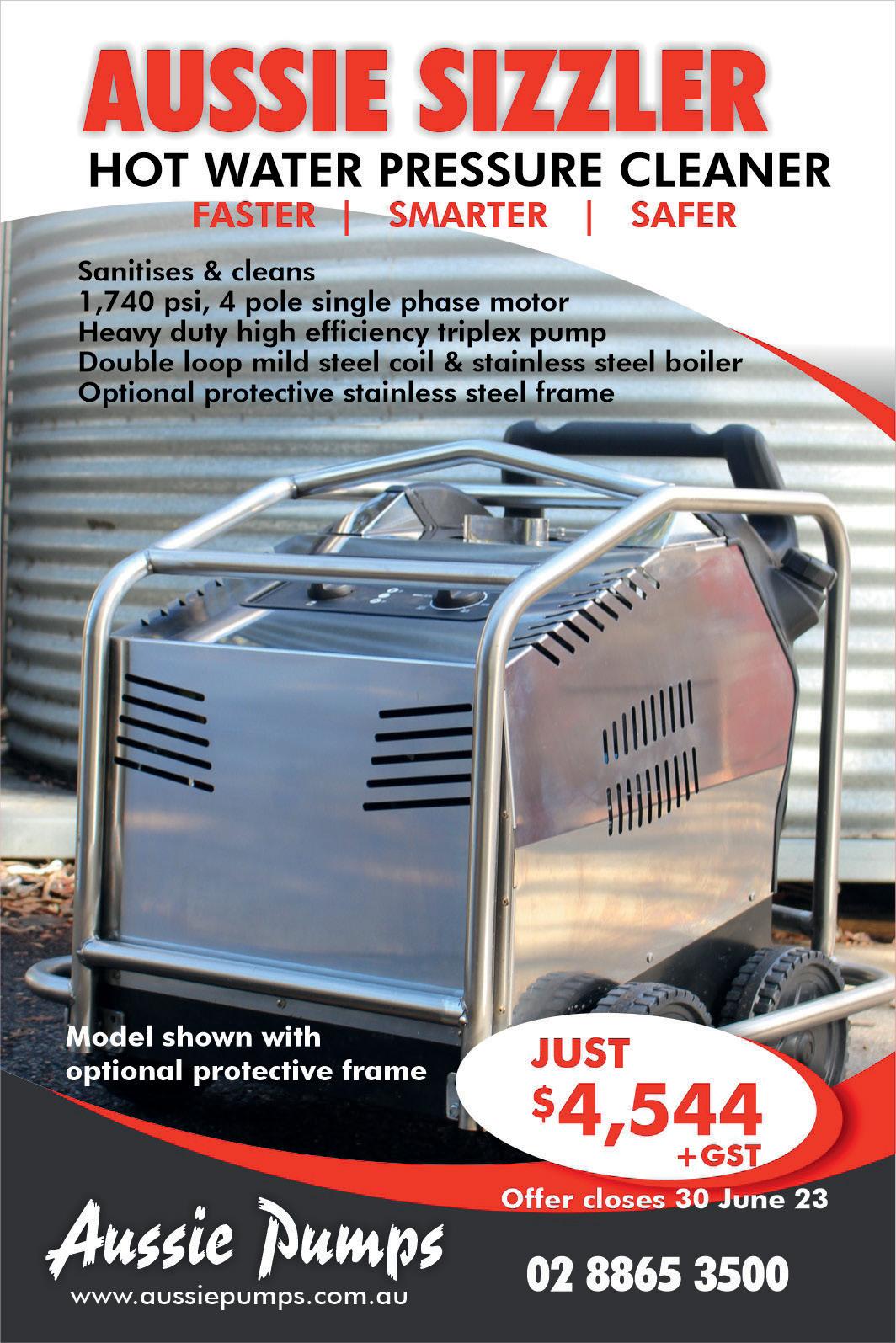
When Australian Pump Industries was registered 30 years ago, it was in a double garage at the back of a property in Arcadia on the outskirts of Sydney.
Since then, the company has flourished to become a major force in the Australian cleaning equipment industry.
Founded on the simple principle of putting users first, the company has developed a product line of high-pressure washers and steam cleaners that are leaders in the market for reliability and design.
“It’s been a really exciting journey and reflecting back on the progress we’ve made makes you proud to be part of such a success story,” said Hamish Lorenz, Aussie Pumps operations manager and one of the founding members.
Before the introduction of the Scud design, pressure cleaners were simply a square tubular frame, sometimes bolted together, with a pump and engine inside, and wheels so they were mobile.
Aussie’s chief engineer, John Hales came up with a Scud design that was balanced, compact and incorporate all of the advances made over the years. Literally ‘lifting the bar’ of the aesthetics of the machine, as well as the practicality.
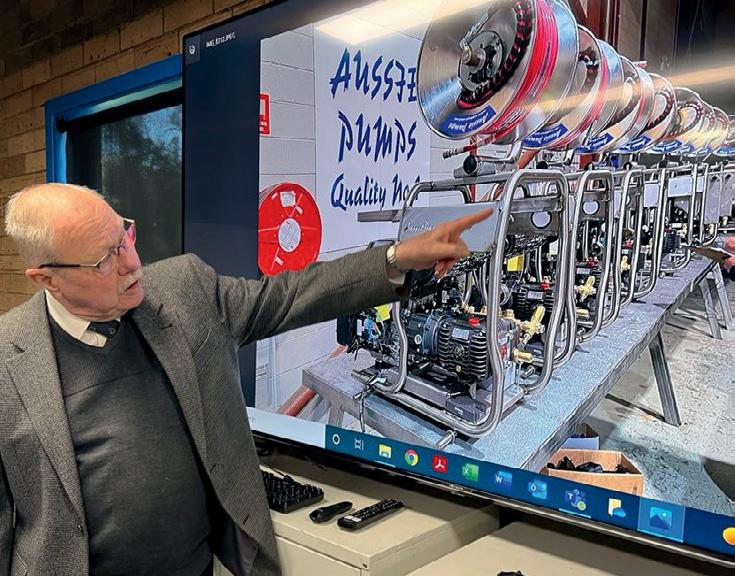
“When we designed the Scud range, we set out to do something completely different. They feature top quality Bertolini triplex pumps paired with a Honda GX engines for performance and longevity. Their stylish, strong and practical stainless-steel frames are superbly balanced for easy of mobility. We then added accessories that make cleaning efficient and safe like stainless steel hose reels with up to 50 metres of hose and turbo guns that slash cleaning times,” said Lorenz.
Working in conjunction with Bertolini, Aussie found the pumps were so good, that Bertolini increased the warranty for Australian customers to four years from the date of supply.
“We’ve come a long way in 30 years to the credit of the cleaning industry. You taught us what we needed to know and even today we are still learning from your feedback,” said Lorenz.
SekureDose
Safe, secure chemical storage and dispensing
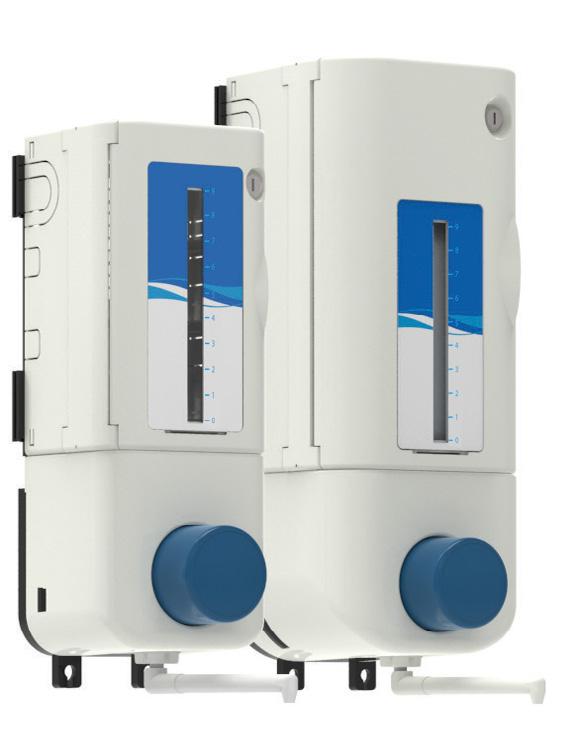
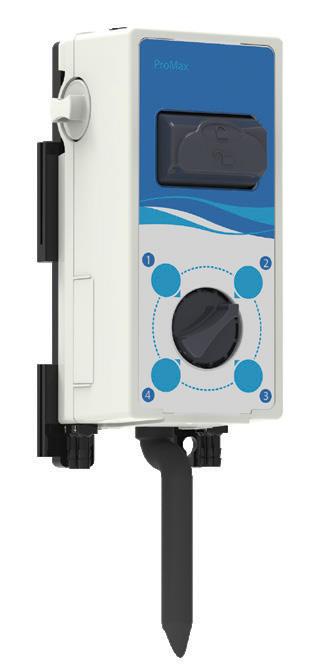
ProMax
Perfect proportioning at the push of a button
ProTwin
Professional spray and foam cleaning
• Precise dilution for consistent results
• Robust impact-resistant housings

• Reduce chemical consumption
• No more inaccurate, unsafe manual dosing
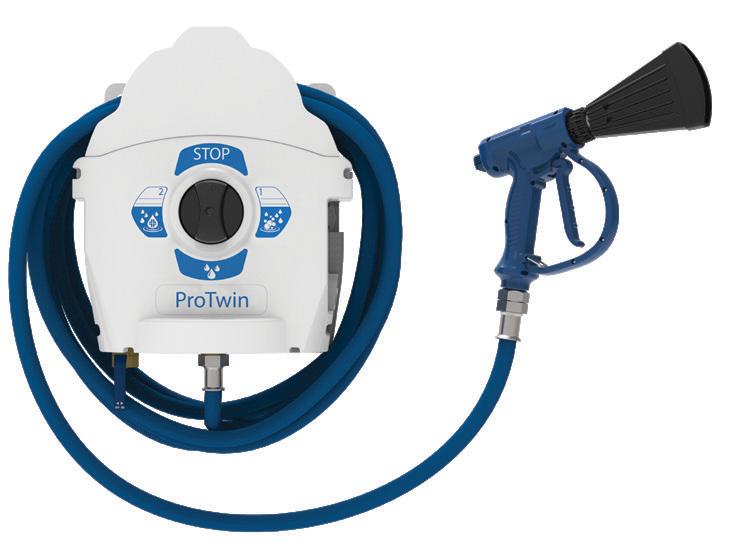
• Customisable systems
seko.com
Using
For all the impressive technology that can be used to improve the indoor environment in buildings, Ivi Sims knows there is a crucial first step that must be completed before deploying such devices – monitoring and measuring IAQ using sensor technology.
Sims is co-founder of BULCS Holdings, an Australian business that distributes IAQ, ventilation and building restoration solutions across Australia and the AsiaPacific region.
She is also a board member for the Indoor Air Quality Association (IAQA) and recently attended the annual meeting and expo in the United States, and reports that IAQ measurement was one of the dominant points of discussion.
“Without having some sort of measurement of indoor air quality, you won’t really be able to identify if there is an issue,” Sims says.
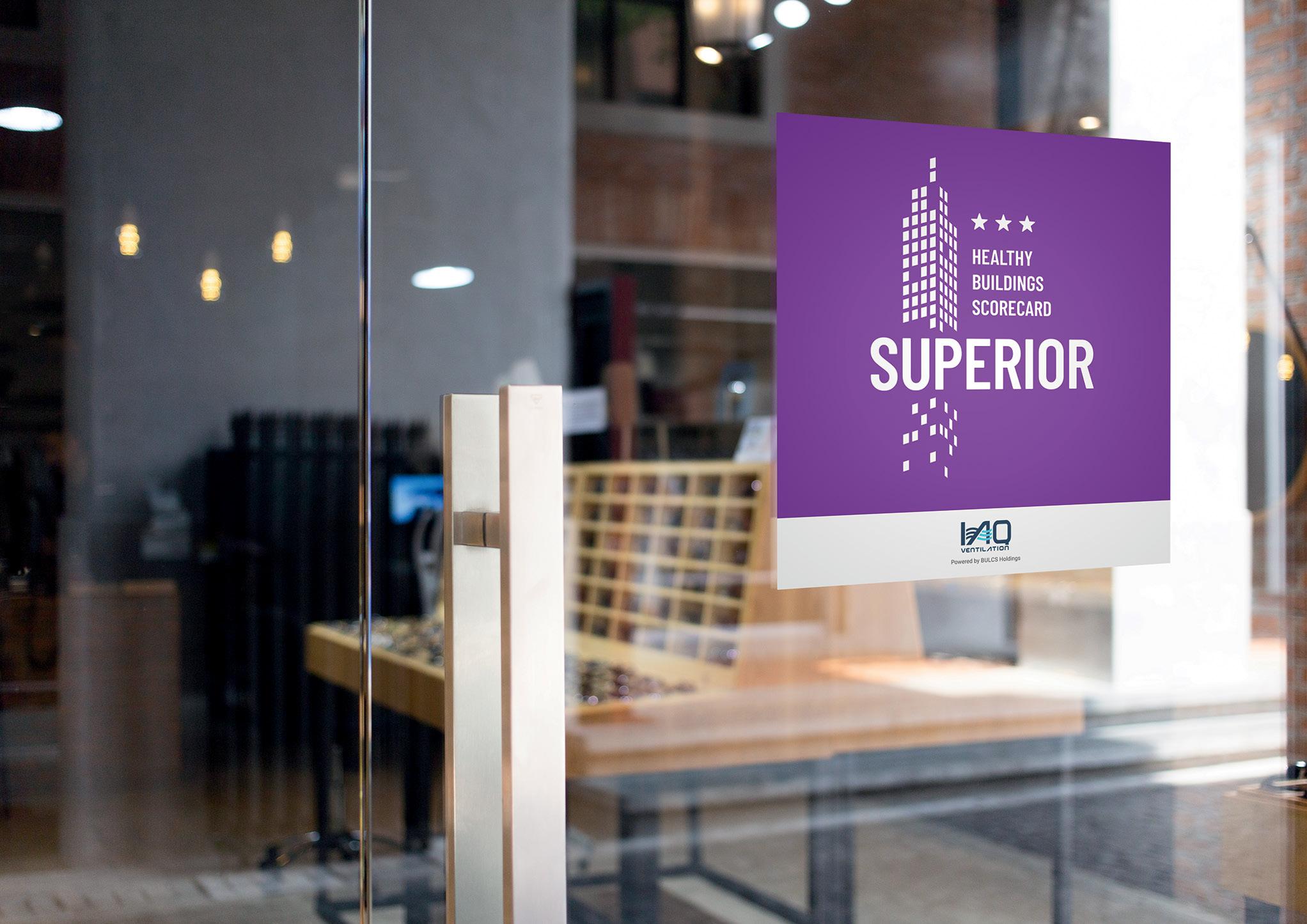
That reality is one of the reasons that BULCS Holdings and subsidiary IAQ Ventilation have developed the Healthy
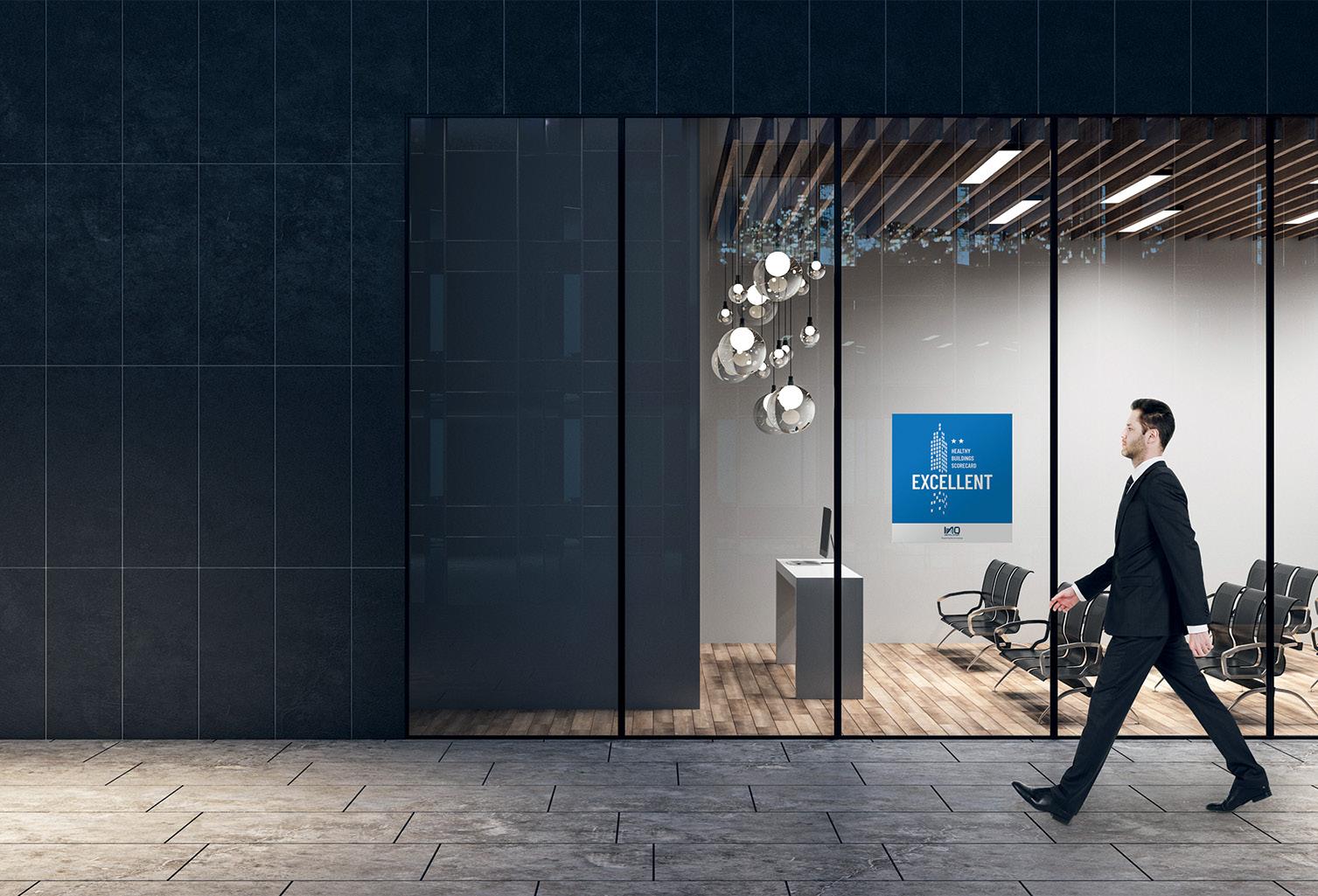
Buildings Scorecard to promote best practice with IAQ across residential, commercial and industrial buildings. It is a free, evidence-based framework for measuring, monitoring and identifying the elements within a building that affect IAQ.
Sims says the benchmark rating tool is designed for everyone from facility managers, consulting engineers, heating ventilation and air conditioning (HVAC) contractors, service providers and sustainability managers.
The goal is to make it easy for people to understand IAQ and improve the health of buildings. “The Healthy Buildings Scorecard helps people communicate in a way that they can say, ‘These are the strategies that we need to put in place to achieve clean air’,” Sims says.
A self-described indoor air quality fanatic, Sims has more than 20 years’ practical experience in the restoration industry. As such, she understands the challenges that buildings face due to poor IAQ, ventilation and humidity control.
She set up BULCS Holdings in 2012 with Dr Melissa Marot and together they partner with global suppliers to distribute leading products and solutions covering restoration, ventilation and IAQ. As a result of devastating fires and floods during the past decade, as well as the pandemic, demand for BULCS Holdings expertise and products has been steadily growing over the years.
“We’ve created a real niche in the market,” Sims says.
Underpinned by a strong focus on evidencebased research, consulting and training, BULCS Holdings is on a mission to create healthier buildings.
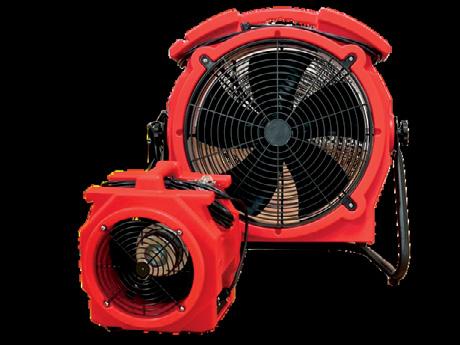
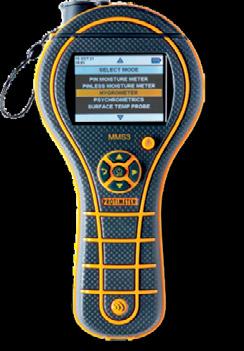
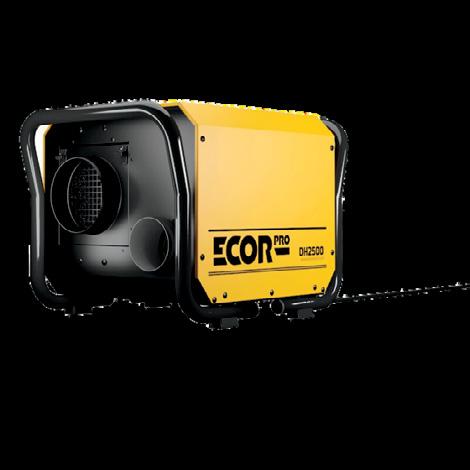
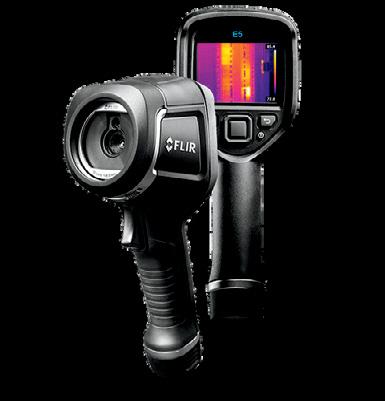
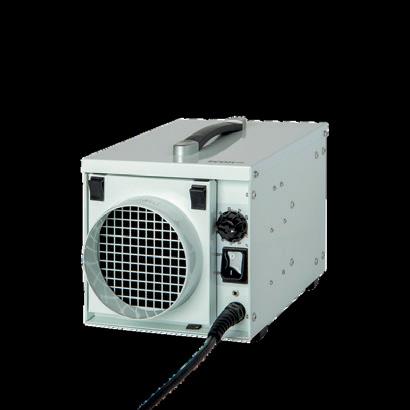
Their product range includes IAQ sensors, dehumidifiers, moisture meters, thermal imaging cameras, ventilation systems and air purifiers, air cleaners and scrubbers.
BULCS Holdings’ suite of equipment and tools gives facility managers a chance to improve the indoor air quality and ventilation of their buildings.
“The whole idea of the business is that we can put our passion into providing information and tools for building owners, facility managers and small businesses to use,” Sims says.
Among the products BULCS Holdings sells, demand is especially on the rise for:
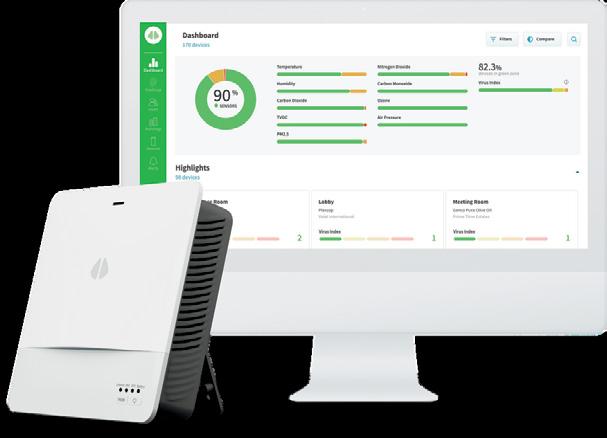
• The uHoo Aura Indoor Air Sensor – this is designed to keep track of IAQ and integrate with smart building management systems. Data is relayed to smart screens to show employees and building occupants the quality of air in numeric and graphical formats. Sims says this device can monitor 13+ different indoor environmental parameters – temperature, relative humidity, carbon dioxide, various particle sizes (PM10, PM4, PM2.5, PM1), carbon monoxide, formaldehyde, volatile organic compounds (VOCs), air pressure, light, and
“
Underpinned by a strong focus on evidencebased research, consulting and training, BULCS Holdings is on a mission to create healthier buildings.
“The BULCS Holdings product range includes IAQ sensors, dehumidifiers, moisture meters, thermal imaging cameras, ventilation systems and air purifiers, air cleaners and scrubbers.
sound – allowing users to customise and track indoor environmental quality factors according their needs. “You can use the system to show your customers or your tenants how well the plan is going. And if it’s not going well, you can see the things that are not working and respond accordingly.”
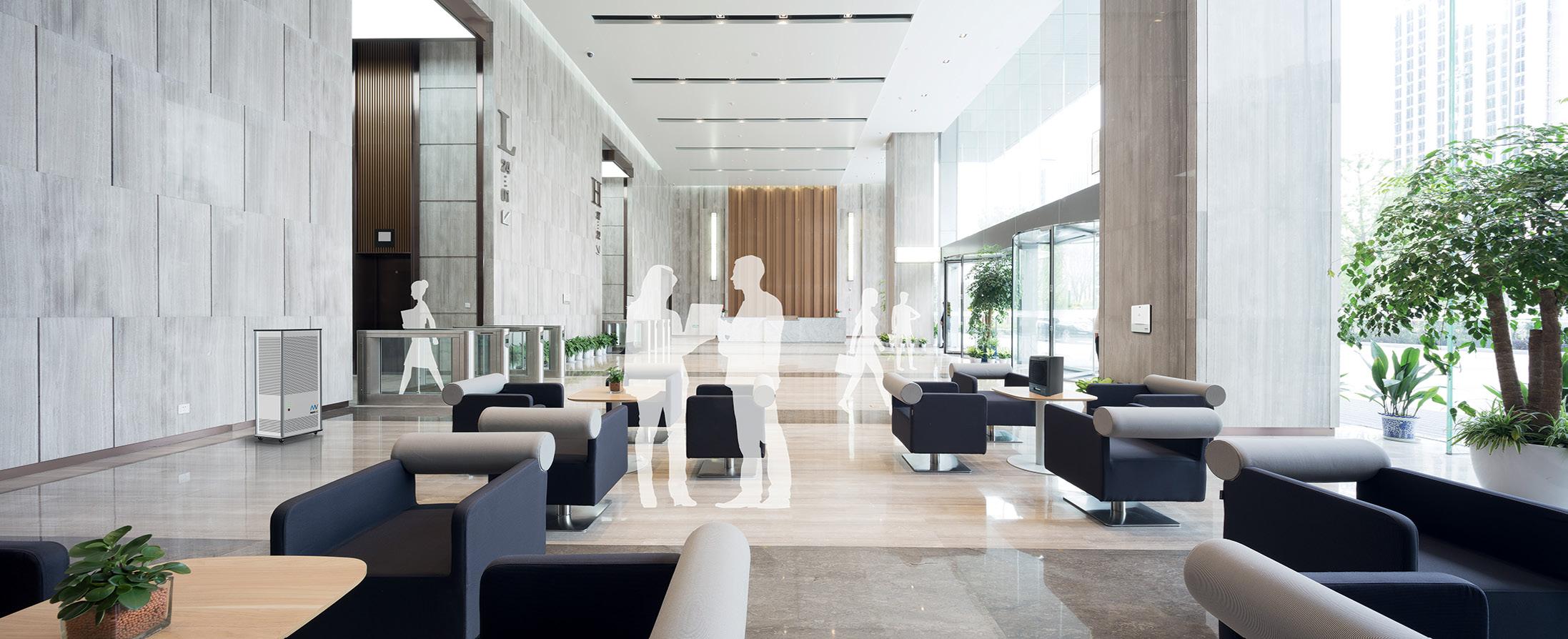
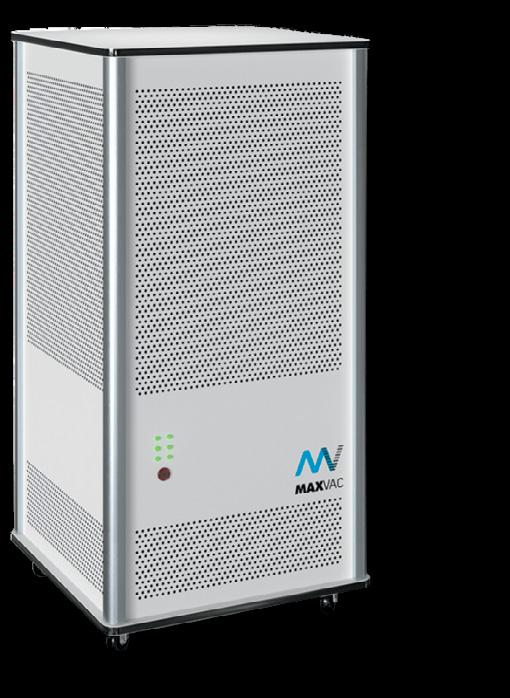
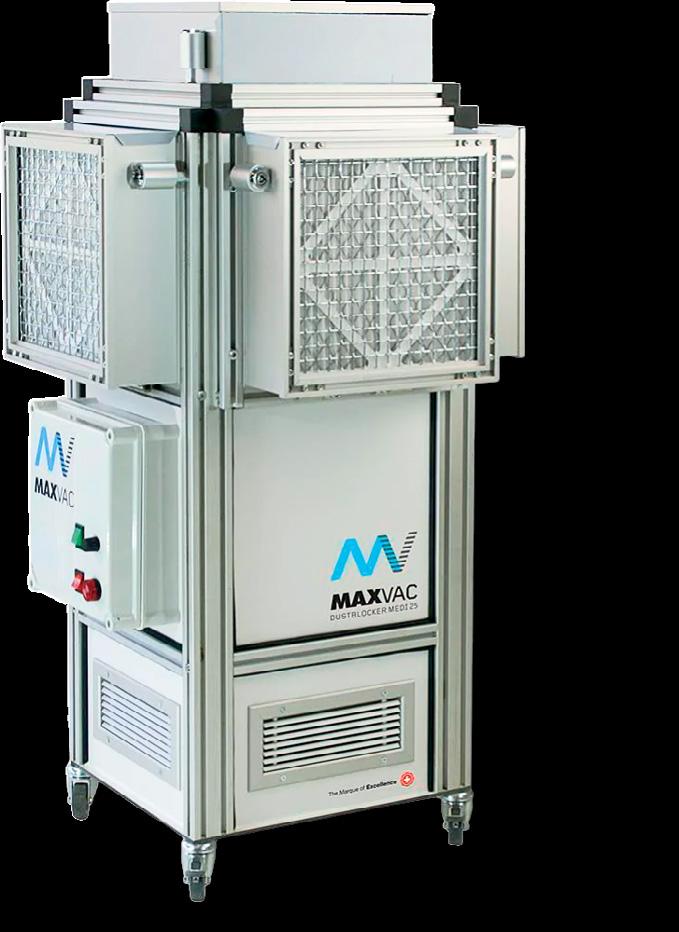
• The MAXVAC MEDI 10 range of well proven high-performance air cleaners use advanced HEPA filtration to remove 99.995 per cent of airborne dust/ debris and particulates. The MAXVAC Air Purifiers has been proven in independent studies conducted by the renowned research hospital of Addenbrookes, Cambridge, to effectively remove Covid-19 and other microbial bioaerosols from the environment, preventing the spread of infectious diseases and viruses. The combination HEPA and UV-C technology and the success of this study confirm the MAXVAC Air Purifiers range to be a quick and easy, trusted solution for offices, hospitals, healthcare, medical centres and aged care facilities. These units are fully portable and safe for use in occupied areas as all UV-C rays are completely concealed.
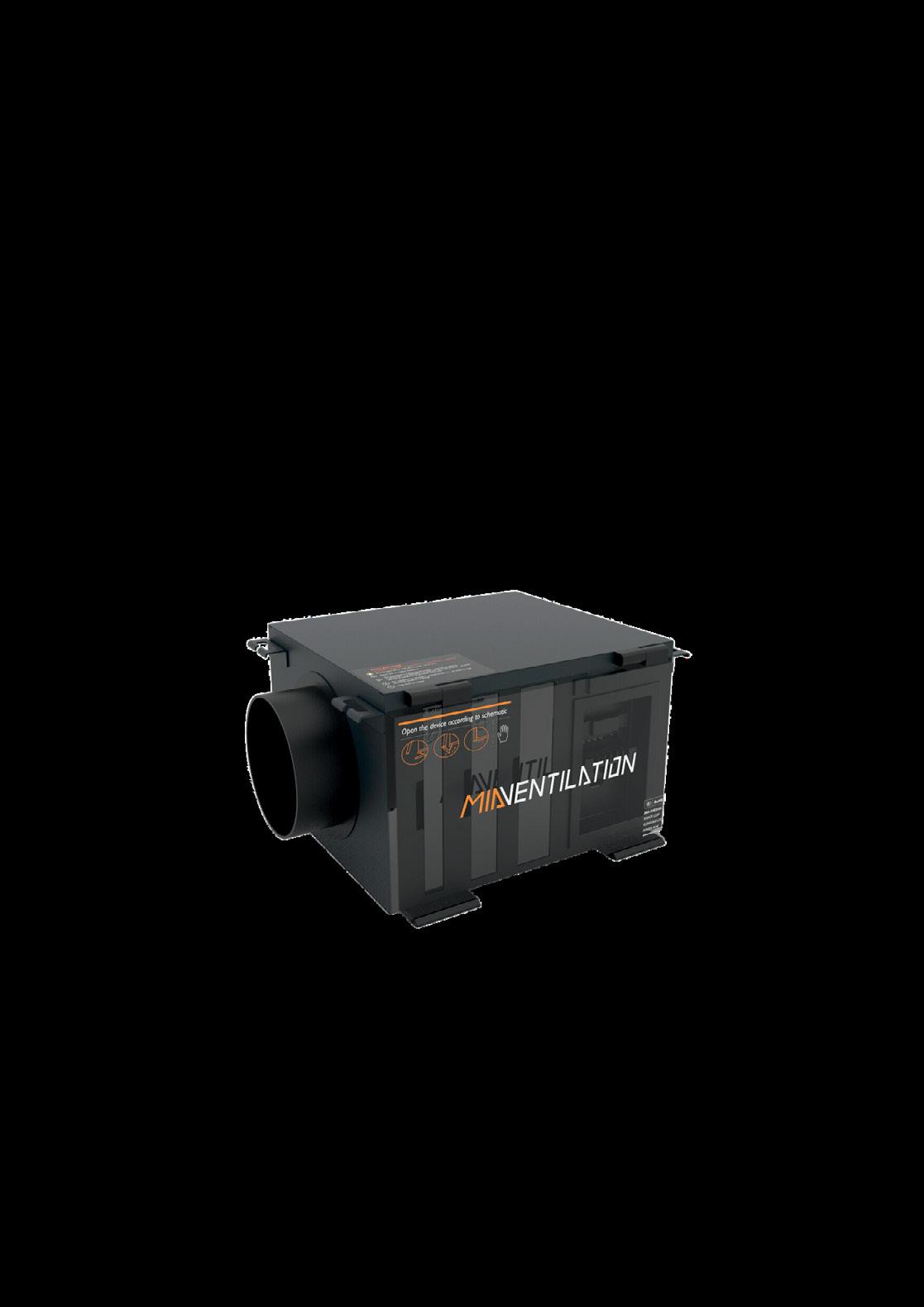
One of BULCS Holdings’ other sales drivers is ventilation systems for commercial buildings. Improving ventilation can have a positive impact of the health of building occupants.
Sims notes, “What we’re doing is retrofitting ventilation systems in buildings and helping the HVAC systems cope without replacing the whole system.”
BULCS Holdings is also targeting stagnant air in buildings with higher humidity. A common misconception is that improving ventilation is costly.
“So, for less than a couple of thousand dollars, you can add small standalone ventilation systems and start to create that airflow within the building. Another benefit is that is may also reduce the energy consumption of your air conditioner too.”
For all the importance of technology, Sims says it is crucial to complement smart machines with human expertise and scientific knowledge from the likes of occupational hygienists and scientific researchers. That allows users to analyse data and come up with the right IAQ and ventilation decisions.
As she reflects on the past few years, Sims believes it is crucial to protect people from the dangers of pandemics and other health threats.
“My fear is that we go back to our old ways – that people don’t put away a couple of thousand dollars to look after their staff and occupants.”
Practising what she preaches, Sims adds that BULCS Holdings has installed sensors and air purifiers in its offices to ensure that her employees are as safe as possible in a new world where COVID-19 is still prevalent.
“I look after my staff, so they don’t get sick working in our office,” Sims says.
“It’s very important that, apart from selling products, that we are out there training our staff and to make sure that people don’t forget another pandemic could be just around the corner. We can’t afford to be complacent.” ■
BULCS Holdings is a leading distributor of world class indoor air quality, ventilation and building restoration systems and solutions across Australia and the Asia Pacific. To learn more, visit bulcsholdings.com.au or call 1300 654 684.
POWERFUL AIRFLOW
Large airflow volumes delivers higher air changes per-hour.
REAL AIR PURIFICATION
Removes allergens, fungi, odour, dust, and neutralises virus/bacteria.
BEST PRICE-PERFORMANCE
High quality HEPA filters and UV-C technologies with integrated sensor.
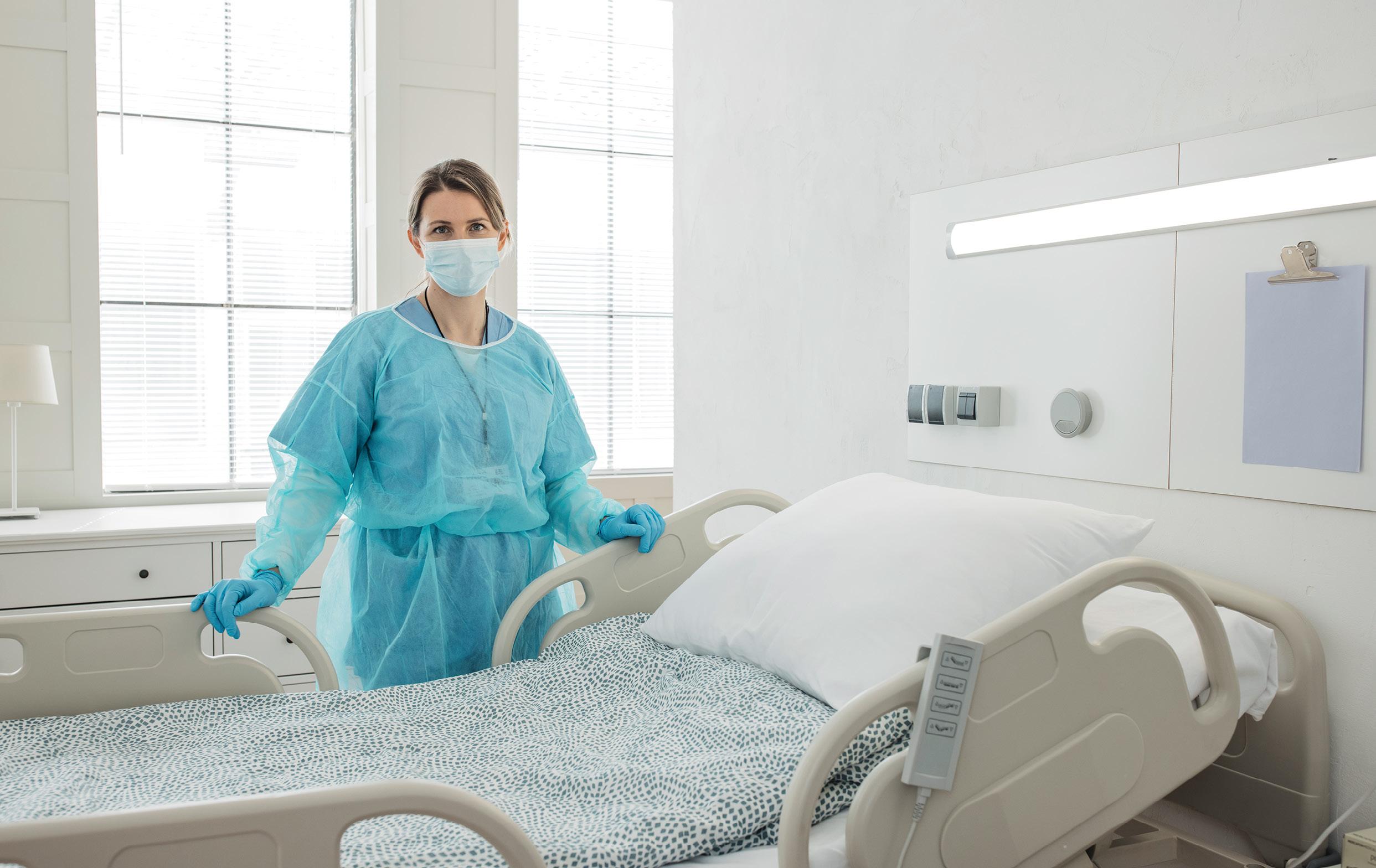
For healthcare operators seeking some sort of silver bullet for infection control, global infection prevention expert Peter Teska has some sage advice.
The key is not some new magical product, but rather it is about going back to the basics and following proper practices for all relevant cleaning and infection control practices.
“As a starting point, clean hands and clean surfaces go hand in hand,” says Teska, who
provides technical support for healthcare offerings at Diversey, a provider of cleaning and hygiene products for multiple sectors, including healthcare, in the United States.
“So, it’s important when surfaces are being cleaned that they’re cleaned and cleaned properly. A typical bedrail or a light switch in a patient’s room might only get cleaned once a day. And if the cleaner isn’t diligent, you might find that the surface goes uncleaned for several days, which increases the risk of transmission of
In the quest to stop healthcare-acquired infections, cleaning and hygiene industry leaders are calling for more training of cleaning professionals, more resources and a stronger culture of cleanliness
Words Cameron Cooper
pathogens, which could ultimately result in patient infections somewhere else.”
Adding to the conundrum, the turnover of cleaners during the COVID-19 pandemic has risen dramatically, while existing staff have had to take on more reporting and compliance duties.
“This means facilities are having a harder time training people and they are struggling to follow the standard practices of infection control. When you take away a little bit of that oversight from infection prevention and you add in the layering of more frequent staff turnovers, you see that there are more opportunities for gaps in consistent performance of the infection prevention practices.”
That can manifest in inferior hand and surface cleaning, as well as flawed use of personal protective equipment (PPE).
Dr Greg Whiteley knows very well that implementing cleaning and disinfecting strategies in a hectic healthcare workplace is complicated. The executive director of Whiteley, a manufacturer of sterilants, disinfectants, and professional cleaning technologies, urges healthcare operators and cleaning contractors to stay vigilant with infection control.
“COVID-19 is clearly not over,” he says.
“There are more people dying now than there were in the first year of the pandemic, Plus, we’re in the flu season and there’s already been 15,000 reports in Australia since January.”
Dr Whiteley agrees that a consistent approach to infection control is crucial to combat viruses and bacteria that are transmitted from an infected patient to a surface and then to a hand.
“And the hand moves from place to place, person to person, so you’ve got to keep the surfaces clean and you’ve got to keep your hands clean. For example, we still see a lot of people using gloves as though they’re some sort of invisible force shield, but you should also be changing your gloves regularly.”
He acknowledges healthcare workers can overlook the risks of poor practices.
“They’re already under the pump, they’re short staffed, they don’t have time and they don’t have spare resources. It’s easy to skip a hand-hygiene moment or surface cleaning, or to get caught up and forget.”
As the healthcare industry contemplates the best way to manage infection control, Dr Gavin Macgregor-Skinner, senior director of the Global Biorisk Advisory Council (GBAC) in the US, champions the idea of building a stronger culture of measuring cleanliness.
“Then everyone would be able to work to a standard, and if they work to that standard they’d say, ‘It’s clean, it’s heathy, it’s safe because we measured it, we validated it.’ But we don’t do that.”
Observing the hotel sector, for example, Dr Macgregor-Skinner says he mostly sees “tidying up”, not proper cleaning. In hospitals, staff are so burntout that they may turn a blind eye to dust, dirt and unhygienic surfaces, or claim that it is not their job to address such issues.
“It’s everyone’s responsibility when it comes to safety and health in hospital environments, but they’re just exhausted.”
As a starting point, clean hands and clean surfaces go hand in hand.
What Dr Macgregor-Skinner would like to see is a system of hygiene and cleanliness measurement whereby hospital and staff are rewarded for getting it right.
“It’s got to based on a positive reward system; it’s got to be incentivised. That may put some more strain initially on a fragile system, but you can’t walk into a hospital now and look at a monitor and see the cleanliness score of that facility.”
A shortage of healthcare workers in the wake of the pandemic has further complicated an already difficult infection control environment.
“The healthcare system has not recovered,” Dr Whiteley says.
“It’s chronically understaffed. Elective surgery lists are quite ridiculous. So, there’s a whole issue about even the timing of training if you don’t have enough staff to run wards.”
Teska says the difficulty in recruiting and retaining cleaners to work in hospitals and healthcare facilities is clearly complicating efforts to meet infection-control standards.
“They tend to be some of the lowest-paid people in a hospital or health system. As a consequence, they have lots of other opportunities for employment on roughly the same wage where most of the day is spent answering customers’ questions or managing relatively simple tasks. Whereas, it’s a hard physical job to do cleaning for the environmental services team and a healthcare
facility, and not everybody wants to sign up for it. And as wages in other areas have gone up because of inflation in the last two years, we haven’t necessarily seen wages for environmental services workers keeping pace. That reduces the available pool of workers.”
Teska says the “obvious answer” to solve the problem in countries such as the US or Australia is to increase immigration rates and provide a pathway for those people to enter healthcare and environmental services roles.
Lorenzo Tadeo, marketing director – professional division of Freudenberg, which owns the Oates and Vileda Professional brands, says proper training and the ability of product providers to clearly manage and advise clients on the best cleaning and infection-prevention processes is crucial to mitigate cross-contamination risks in vulnerable settings.
Tadeo is proud that members of his team – which represent the Oates and Vileda Professional brands – go through training from ISSA, the worldwide cleaning industry association. This helps give them the knowledge and credentials to advise healthcare clients properly.
“It’s about making sure that all the different pieces of the puzzle are linked together and give the best results,” he says. “Because I can give you the best
A shortage of healthcare workers in the wake of the pandemic has further complicated an already difficult infection control environment.
mops in the world, or you can use the best chemicals in the world, but if the mop is not washed properly or the system is not used correctly then it’s basically useless.”
Tadeo says such consultation covers the gamut of workers in hospitals and healthcare settings.
“Our reps have been all trained to work as advisors for the hospital in not just in the cleaning process. We talk with the laundry, we talk with the facility manager,
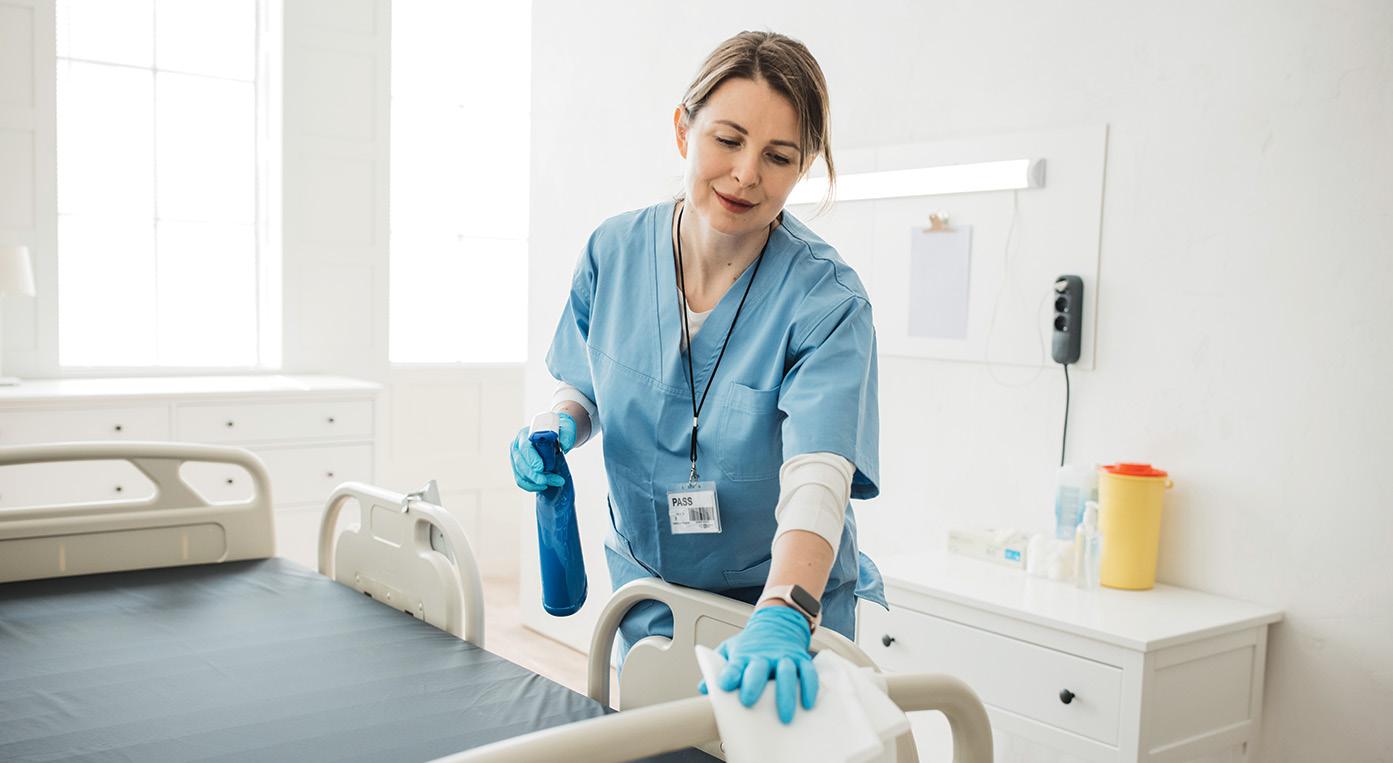
we talk with the cleaners, we talk with the nurses, we talk with the infection controllers to make sure that we don’t miss anything and that we really help them achieve the best result.”
To minimise cross-contamination risks and reduce outbreaks in healthcare facilities, Tadeo says the “king of hygiene” is still hand washing.
He says the starting point for infection control is to avoid shifting dirt from one
space to another through a “pre-prepare” cleaning methodology whereby mops and gloves used for cleaning floors and surfaces are pre-saturated with cleaning solutions and then used in a specific area.
“Therefore, when you have cleaned one area, you replace the product with another one. You always use clean products.”
This minimises as much as possible the risk of cross-contamination from one area to another.

The importance of floors when it comes to hygiene in healthcare and other settings cannot be underestimated.
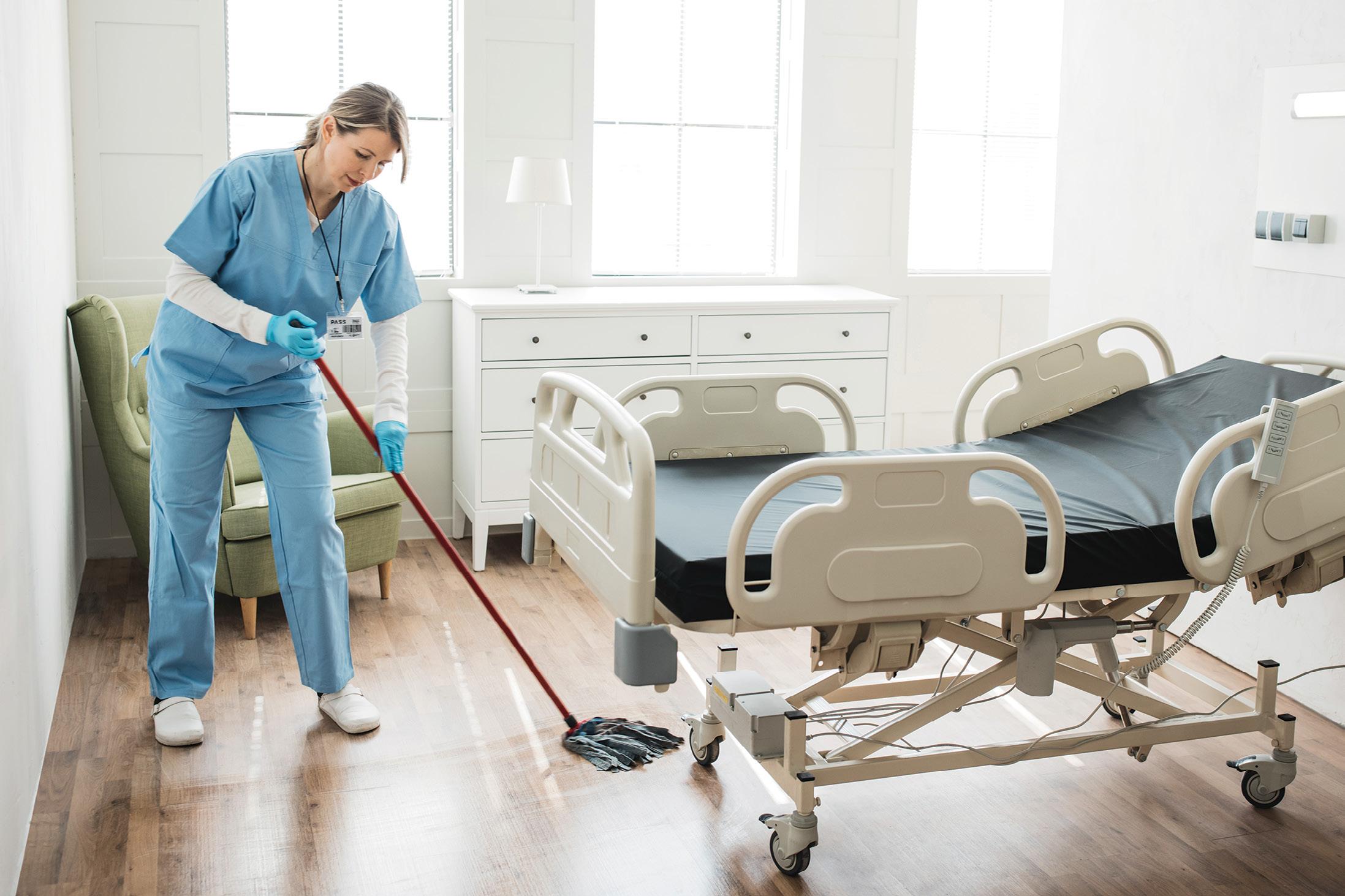
Diversey’s global infection prevention expert Peter Teska has contributed to two recent peer-reviewed articles – one in the American Journal of Infection Control on automated floor cleaning disinfection, and another evaluating the hygiene outcomes of manual floor mopping methods. The studies are designed to examine how proper hygiene and disinfection practices can stop pathogens such as Staphylococcus aureus transferring from contaminated floors to other high-contact areas, resulting in healthcareassociated infections.
In the former study, the researchers tested and compared efficacies of five US Environmental Protection Agency-registered disinfectants and one neutral cleaner using an automated floor cleaner. They found that hydrogen peroxide and quaternary ammonium compounds were more efficacious against S. aureus than the neutral cleaner.
In the latter study, a 2m2 vinyl floor contaminated with S. aureus was used to test the efficacies of five floor hygiene products using three different mops. The researchers found that there were significant differences among product types used, with a neutral cleaner having the most average log densities recovered compared with hydrogen peroxide or quaternary ammonium compounds-based disinfectant products. They added that “more crosscontamination was observed when cotton mops were used, while the area cleaned or disinfected had no significant differences among average log densities recovered”.
Teska says floors and their impact on health represents a fascinating area of study.
“Typically, the floor will have about 10 times as many bacteria on it as a corresponding high-touch surface,” he says.
“The floor is the largest surface in any facility that gets cleaned regularly. So, there’s more square metres of floor than there are of high-touch surfaces. And studies that have been done on floors continue to show this potential pathway for organisms that have started out on the floor ending up on hightouch surfaces.”
Over time, Teska believes the notion that “you can just clean a floor” is not likely to be adequate and that the use of a biocide to destroy harmful organisms will become accepted practice.
“Even when the contact time isn’t met, it still generally produces a more hygienic result than the use of a neutral cleaner or something that doesn’t have a biocide in it. As other people pick up on this work I suspect we’ll see more focus on this issues and people cleaning floors will say ‘we might as well address the bacteria by killing them through the use of a biocide, as long as we can do so safely without a lot of additional cost’.
He adds that discussions with the hospital or healthcare facility about the expected level of cleaning are also crucial. There will be different levels for the main entrance of a facility compared with a ward or emergency department.
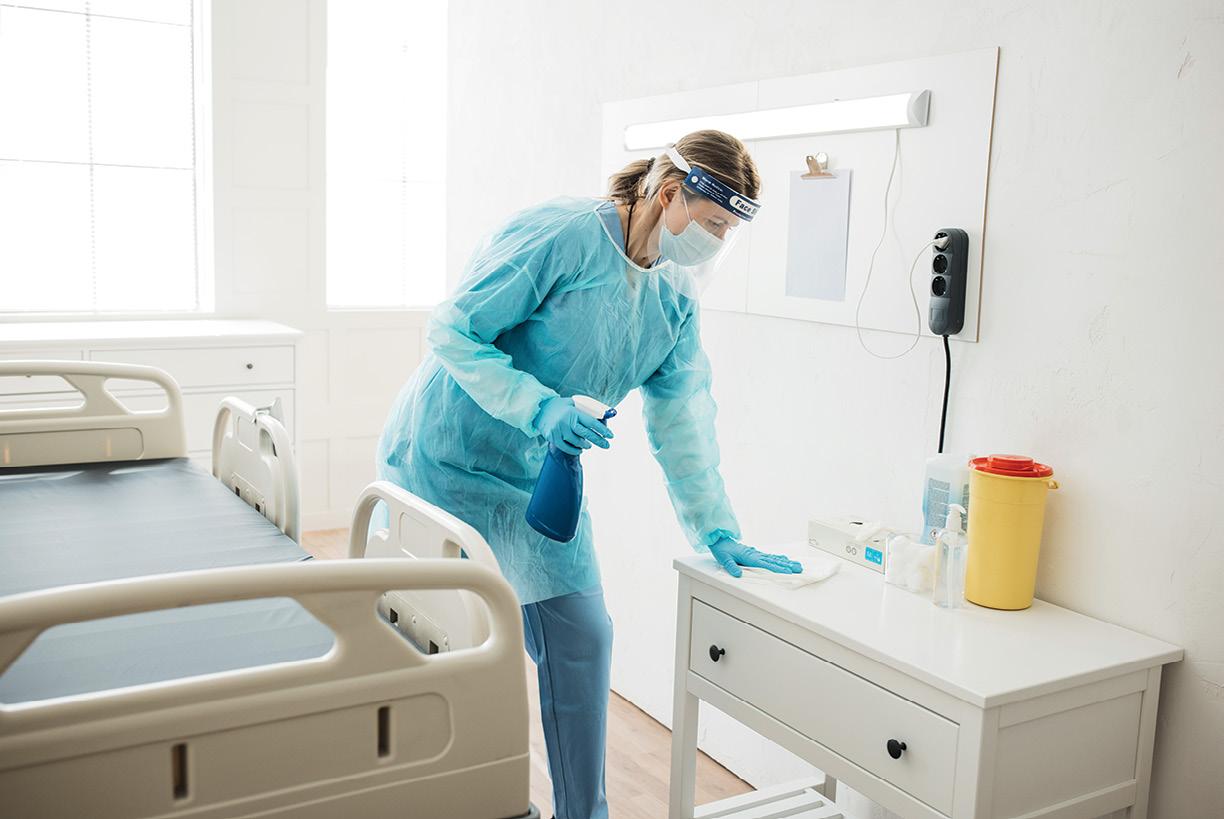
“In intensive care or an operating theatre, for example, you might prefer to use single-use microfibre products.”
As part of an ongoing commitment to their patients and customers, Dr Whiteley says it is in the interests of all healthcare operators to up the ante on the basics of cleaning and infection control such as hand hygiene.
Doing so will deliver better health outcomes – and it could also benefit their bottom line by minimising their dependence on companies such as Whiteley that are producing infection-control technology. “The status quo is keeping us all in business,” he says.
“I mean, hospitals want to spend less on our products and maybe if they did more of their frontline hand hygiene and cleaning, they’d spend less overall because they’d have cleaner hospitals.”
For Teska, the pandemic is something he never expected to experience in his lifetime. Previously, he had just inherently believed that such a crisis would see people “follow the science” on infection control and illness prevention.
“But what we’ve actually seen is a struggle getting people to understand fundamentally the value of things such as vaccination and washing hands and the wearing of a face mask.”
He still focuses on all three actions, especially while travelling and despite being double vaccinated and double boosted.
“If you follow that approach, you see that layered interventions are typically far better than a single intervention relied on to solve the problem,” Teska says.
“If you get exposed to SARS-CoV-2 or some other respiratory virus, maybe you won’t become infected. But adding some of these additional precautions is helpful and protects other people as well. And that is essentially an extension of why we do these infection prevention practices in healthcare.” ■
A consistent approach to infection control is crucial to combat viruses and bacteria that are transmitted from an infected patient to a surface and then to a hand.
Power. Comfort. Convenience.
Cleaning has never been easier with the Commander PV900 backpack vacuum from Pullman. This powerful backpack is designed and engineered to provide comfortable and convenient cleaning, without sacrificing performance.
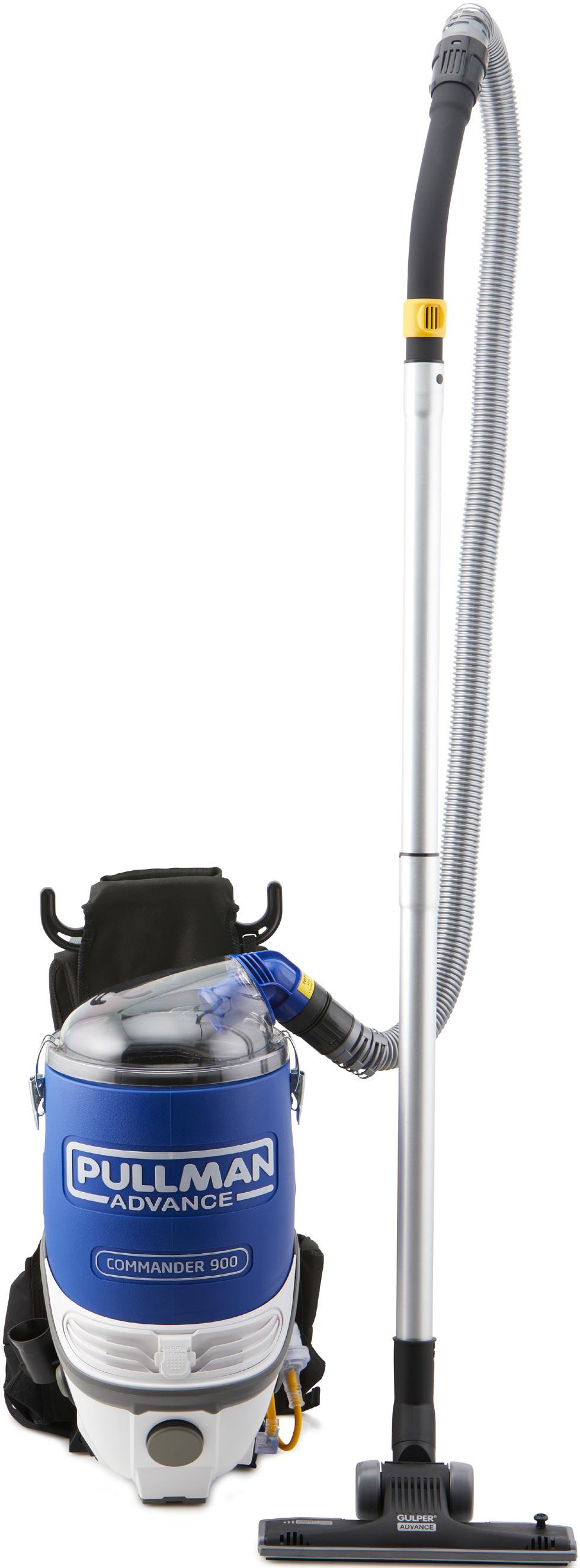
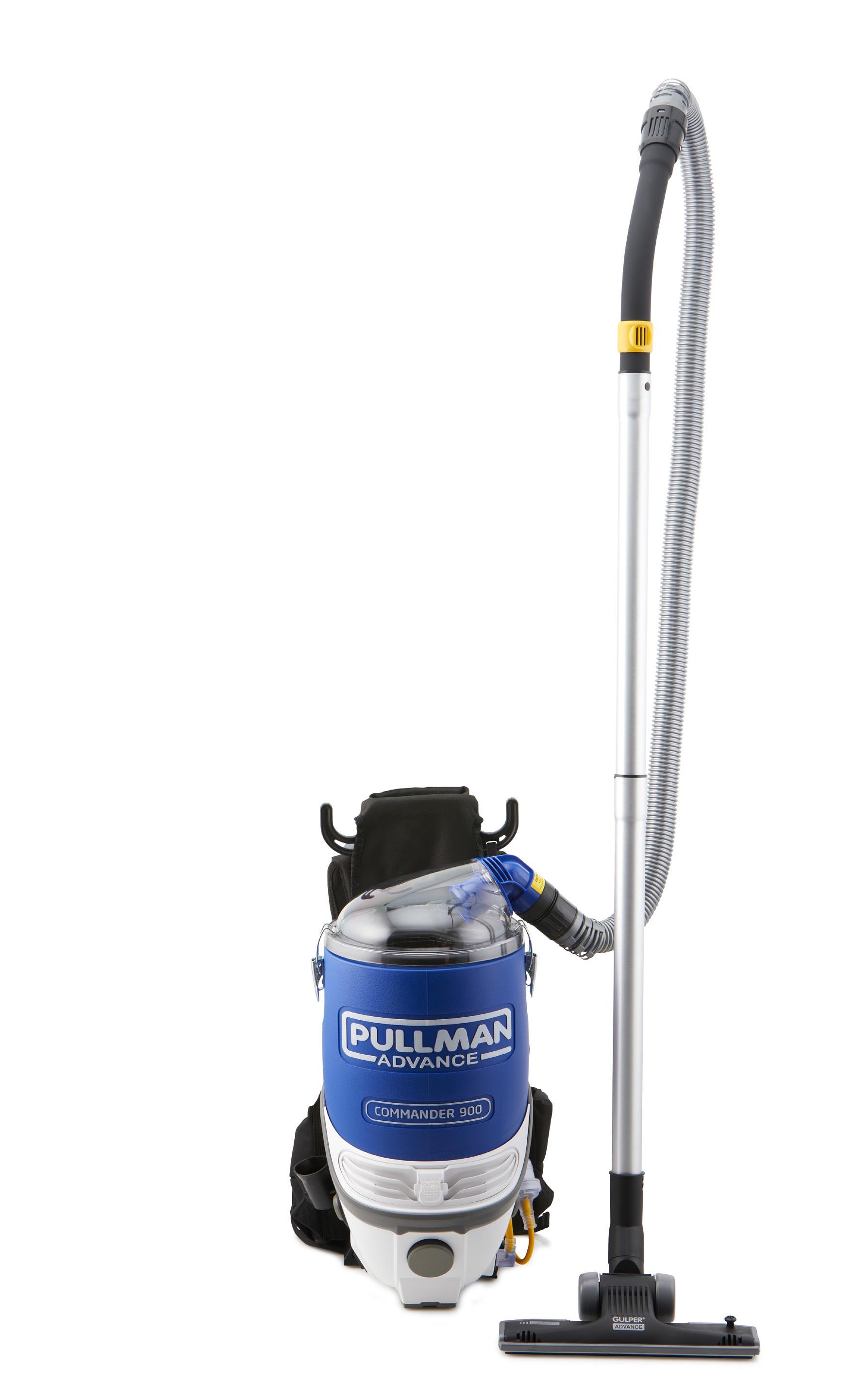
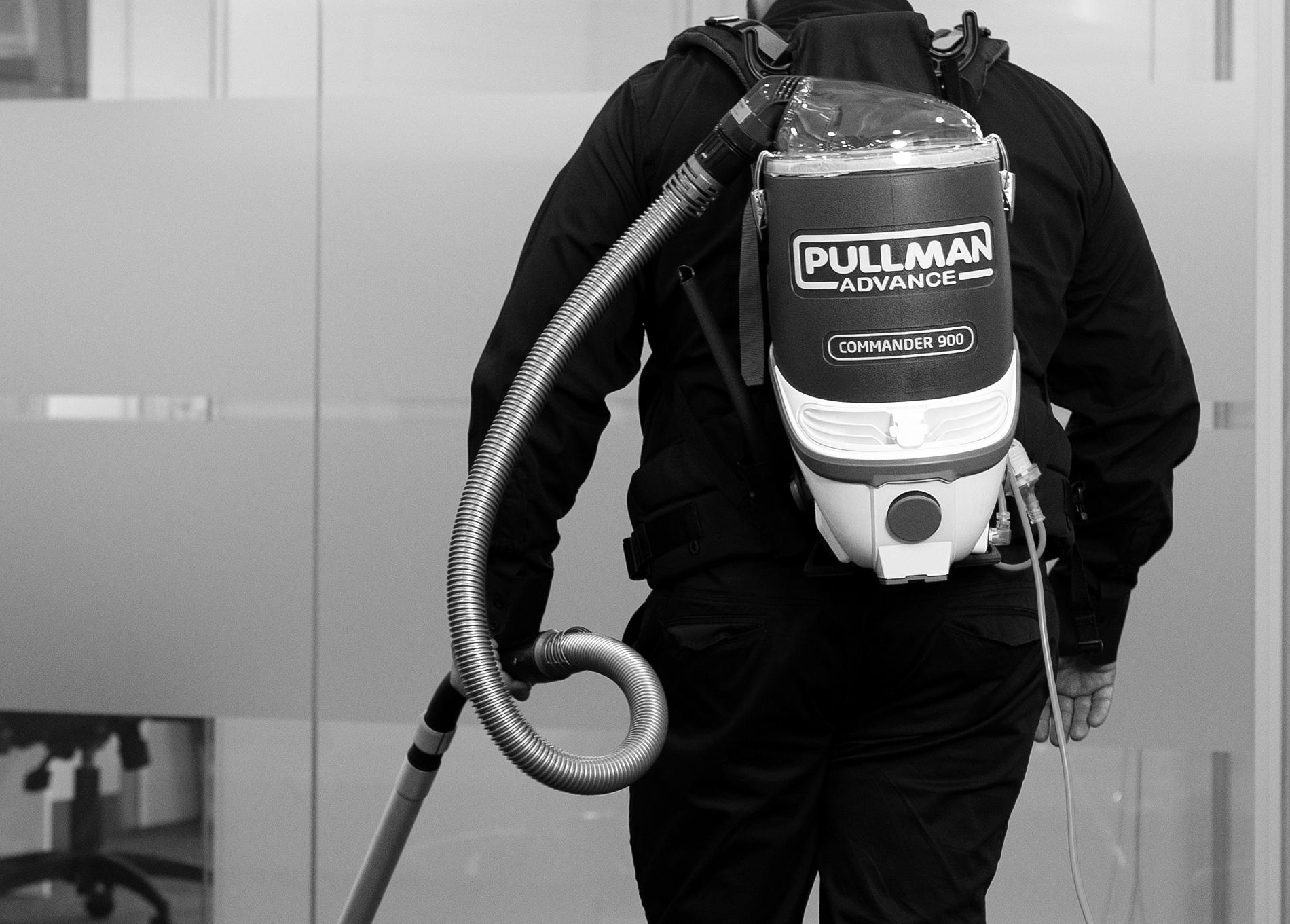
PL950 Lithium Cordless also available
1800 314 580
godfreyscommercial.com.au
After the past three years, when we look at businesses across a variety of industries in Australia, they continue to face several challenges –ranging from inflation,1 all the way through to staff shortages in states such as Victoria2. With many being required to do more with less, the importance of productivity and efficiency has never been higher.
Based on 2022 research from Australia and overseas, it’s anticipated that influenza could very well peak earlier than the usual winter season3. Furthermore, the Australian treasury estimated that 31,000 people missed work each day in the month of June 2022 alone, due to ongoing health issues associated to contracting COVID-194.
While not the sole factor, robust cleaning and disinfection protocols can play an important part when it comes to building the foundation of a holistically healthy business.

With seasonal influenza activity expected to continue this year, following a resurgence particularly after the reopening of international borders in 2022,5 how it pans out may very well have an impact on overall business productivity.
During the height of summer in January 2021, around 90,000-100,000 people in Australia were away from work due to illness in one week alone.
The following year, that number jumped to 450,0006. For businesses experiencing staff absenteeism, the most common reason reported in 2022 was for selfisolation or quarantine requirements (82 per cent), and staff having COVID-19 symptoms or illness (73 per cent)7. With businesses taking responsibility for maintaining high cleaning and disinfection practices in their workplace, it’s hoped these numbers will drop this year.
In a study conducted in the United States in 2016, assessing the link between a comprehensive workplace hand hygiene program, workplace absenteeism and employee perceptions and practices, concluded that providing hand hygiene solutions throughout a building improved
both employee health outcomes, and job satisfaction8.
Considering the impact, the presence of efficacious and trusted hygiene products can have on a workforce, making them readily available to employees in plain sight can be a wise move.
At Dettol Pro Solutions, as the number one manufacturer in disinfection in 20229, and Australia’s most trusted brand10, we pride ourselves on reputation.
Undertaken in 2020, our most recent research indicates that 68 per cent of Australians are more likely to be confident in the level of hygiene of a business if they use Dettol, which
increases to 81 per cent amongst those who are ‘hygiene driven’ when making decisions to visit a business11.
This helps us to not only understand how important consumer trust is, but also the impact effective and efficient cleaning and disinfection solutions can offer businesses.
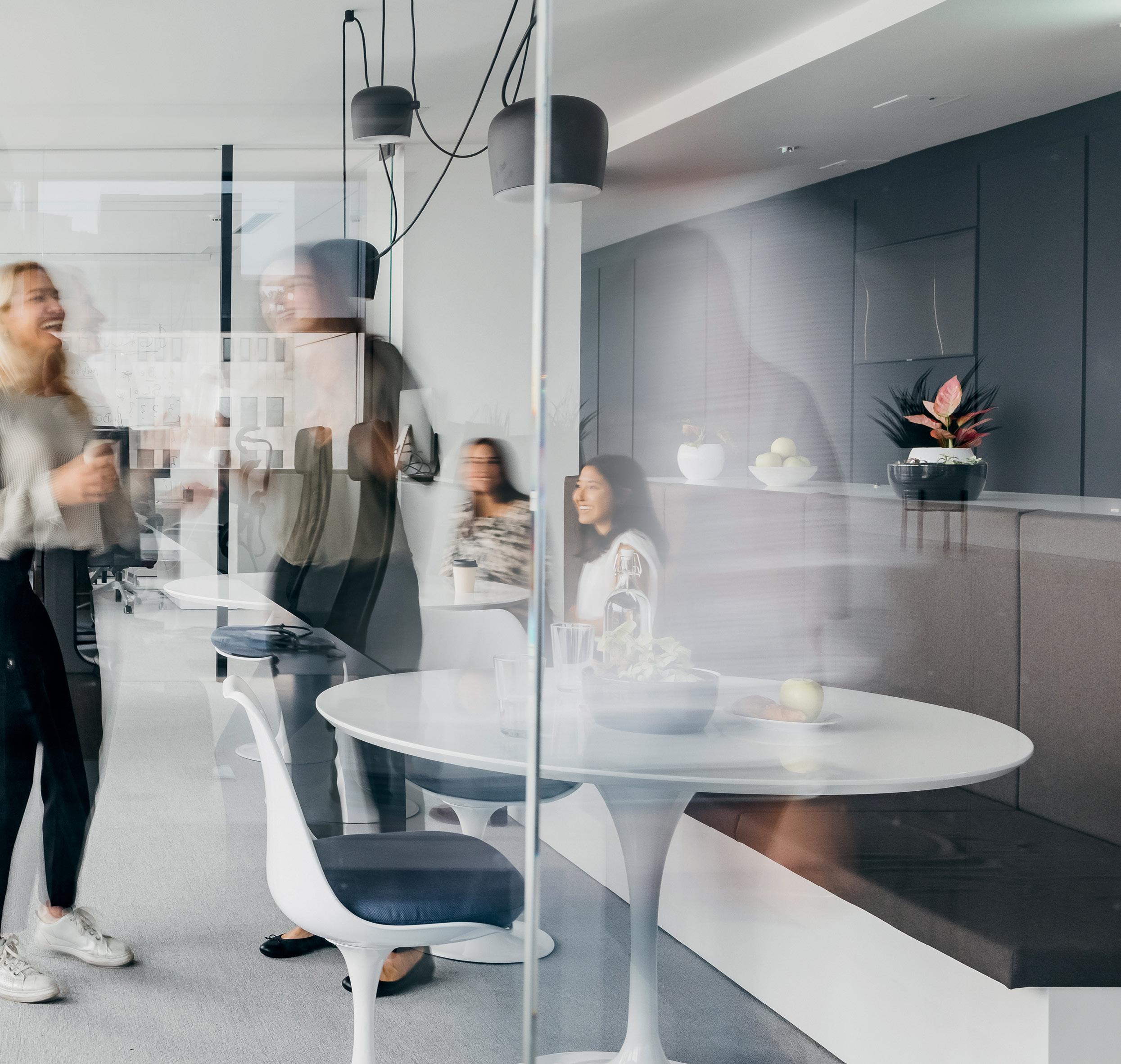
An office environment where many people are sharing a space, can be a source of germ transmission. For that reason, they need a robust cleaning and disinfection regimen that is both backed by comprehensive, science-backed protocols, while engaging employees to participate in the hygiene experience.
What’s more, understanding where and when to direct cleaning and disinfection measures is critical.
A key method to minimise time, product, and the spread of germs on surfaces, is to look towards cleaning and disinfection techniques where hygiene surface and hand hygiene interventions are prioritised when and where they are most needed1213. By focusing on what needs the most attention, businesses can be more efficient, simply by encouraging cleaning and disinfection to take place at key moments, rather than just ‘frequently’.
Research has shown that high-touch points such as door handles14 and hand dryers can become contaminated by dirty hands, which can be transferred to the
hands of the next people who touch them.15 When it comes to the use of protective measures such as hand sanitiser, if a dispenser needs refilling less frequently, it might mean that it needs to be placed somewhere more accessible and visible, or perhaps the messaging encouraging its use needs revisiting.
Creating a workplace where the health and wellbeing of all workers is protected is not just the right thing to do, it’s good for business. If establishing a healthy workplace isn’t prioritised, the costs

associated with sick leave, and needing to replace those workers can lead to a potential productivity issue impacting the business overall16
At Dettol Pro Solutions, we understand that running a holistically successful business involves many factors but maintaining a rigorous hygiene and cleaning program should be high up the priority list. ■
Jonathan Weiss is Global Business Solutions Commercial Director EUANZ at Reckitt If you’d like to find out more and become a partner, visit www.reckittpro.com.au.
An office environment where many people are sharing a space, can be a source of germ transmission. For that reason, they need a robust cleaning and disinfection regimen that is both backed by comprehensive, sciencebacked protocols, while engaging employees to participate in the hygiene experience.
”
1ABS, 2023, Price indexes and inflation, https://www.abs.gov.au/statistics/economy/price-indexes-and-inflation#:~:text=In%20December%20quarter%202022%20the,the%20 public%20sector%20rose%200.7%25.
2 Victorian Government, Workforce challenges are likely to persist, https://www.vic.gov.au/victorian-skills-plan-state-victorian-labour-market/workforce-challenges-are-likely-persist 3RacGP, Chance of early flu season in 2023 , https://www1.racgp.org.au/newsgp/clinical/chance-of-early-flu-season-in-2023
4Productivity Commission Australian Government. 5-year Productivity Inquiry: A more productive labour market, https://www.pc.gov.au/inquiries/completed/productivity#report
5NSW Health, 2023 seasonal influenza vaccination information for immunisation providers, https://www.health.nsw.gov.au/immunisation/Pages/flu.aspx
6ABS, Hours worked fall with more people sick or on leave, https://www.abs.gov.au/media-centre/media-releases/hours-worked-fall-more-people-sick-or-leave
7ABS, Staff absent in 22% of businesses due to COVID-19, https://www.abs.gov.au/media-centre/media-releases/staff-absent-22-businesses-due-covid-19
8Impact of a Comprehensive Workplace Hand Hygiene Program on Employer Health Care Insurance Claims and Costs, Absenteeism, and Employee Perceptions and Practices, https://www.ncbi.nlm.nih.gov/pmc/articles/PMC4883643/#R48
9According to Nielsen MAT value share to 26/12/20
10Winner Most Trusted Brand 2022. Voted by Australians and New Zealanders, Reader’s Digest, Overall Most Trusted Brand, Household Cleaning and First Aid 11Kantar, September 2020. A study prepared for Dettol at Reckitt to understand the Australian consumer mindset and role of Dettol during COVID-19, n=1007 12The Case for Targeted Hygiene, 2019, Accessed 7 July 2022 at: https://journals.sagepub.com/doi/10.1177/1757913919864070#:~:text=Targeted%20Hygiene%20is%20an%20 approach,in%20Figures%201%20and%202).
13Bloomfield SF, Rook GA, Scott EA, Shanahan F, Stanwell-Smith R, Turner P. 2016. Time to abandon the hygiene hypothesis: new perspectives on allergic disease, the human microbiome, infectious disease prevention and the role of targeted hygiene. Perspectives in Public Health. 2016;136(4):213-224. doi:10.1177/1757913916650225
14Rheinbaben FV, Schünemann, S Groß, T, Wolff, MH, 2000. Transmission of viruses via contact in a household setting: experiments using bacteriophage φX174 as a model virus, Journal of Hospital Infection, Volume 46, Issue 1, Pages 61-66, ISSN 0195-6701, https://doi.org/10.1053/jhin.2000.0794.
15Safe Work Australia, Hygiene - Retail, supermarkets and shopping centres, https://covid19.swa.gov.au/covid-19-information-workplaces/industry-information/retailsupermarkets-and-shopping-centres-2
16Safe Work Australia, Healthy workers & workplaces , https://www.safework.sa.gov.au/workers/health-and-wellbeing/healthy-workers-and-workplaces
A move towards embracing more sustainable building materials and a focus on monitoring and measuring indoor air quality (IAQ) are at the heart of efforts to protect people and properties
Words Cameron CooperAsubtle, but significant, shift is increasingly likely to occur around the construction of our best commercial buildings which for many years have been judged on qualities such as their location, aesthetics and energy efficiency.

In the aftermath of COVID-19, there is a growing push for healthy buildings which support the physical and mental health of
occupants, including through a focus on improved indoor air quality and filtration.
The hope is that these buildings, on the back of superior ventilation and better control of airborne diseases, will help contain the spread of COVID-19, pathogens and illnesses in the workplace and contribute to better productivity levels and wellbeing for workers.
Jason Green is principal consultant of occupational hygiene at Greencap, a consultancy
that specialises in the management of health and safety, property risk and environmental risk. He believes there is growing awareness about the impact of hazardous building materials on IAQ.
“It’s absolutely something which needs to be looked at in further detail,” he says.
Green says the building industry is going through a “transition phase” as questions are raised about the use of some materials that most manufacturers and suppliers maintain are safe.
“But these materials may have semi-toxic or irritable-style chemicals which are within those building materials which can extract themselves if they’re newly installed into the buildings.”
He cites the case of formaldehyde, a strong-smelling and flammable chemical that is used in materials such as particleboard, plywood and other pressed-wood products, while some other products may give off gasses if they are not installed into the building fabric correctly.
“They can inadvertently cause potentially significant indoor air quality issues,” Green says.
“There needs to be more clarity in this area.”
The hope is that new buildings, through “product stewardship” and smart design by architects and building developers, will be more environmentally and human friendly. By contrast, those developers who opt for the cheapest materials and products will potentially contribute to poor IAQ and associated health issues.
“They’ll have these products which could cause potentially negative indoor air quality issues for the building occupants now and down the track if these building products start to break down or get damaged,” Green says.
Patty Olinger, executive director for the Global Biorisk Advisory Council (GBAC), a division of ISSA, in the United States, agrees with such analysis.
“There’s no doubt that we’re starting to look at building construction, and what goes into that construction,” she says.
Other factors that are on the minds of IAQ experts include inferior work practices among cleaning and hygiene workers, and inadequate training of employees.
“We should be really paying attention to the tools that they use, from microfibre towels to different spray systems and the mop systems and the floor scrubbers,” Olinger says.
With historical research from the US Environmental Protection Agency revealing that Americans spend about 90 per cent of their time indoors, there is a compelling case for focusing on better IAQ.
Daniel Massaioli is a chemistry expert who has been developing pharmaceutical and cleaning agent formulations for decades and has developed the product SAN-AIR, an air-purifying reactive gel that is inserted into airconditioning units to prevent mould and bacteria infestations. The business also produces a surface mould remover and surface sanitiser.
In the aftermath of COVID-19, there is a growing push for healthy buildings which support the physical and mental health of occupants, including through a focus on improved indoor air quality and filtration.
Massaioli is concerned with the perception that the worst of COVID-19 is over, leading to some facility managers scaling back their commitment to IAQ. For example, one of his client’s customers reported that fogging for SARS-CoV-2 and COVID-19 dropped virtually overnight by 98 per cent.
“It was like people went from being desperate to do something to doing nothing,” Massaioli says.
He is encouraging building owners and facility managers to stay the course.
“Indoor air quality is an important aspect of everyday life and we are living in a world that produces more and more particulate matter that brings pathogens into our air space. So, we need to stay vigilant and produce IAQ protections that are adequate for the environment
that one lives in – and what’s adequate in Australia may not be adequate for someone in Europe or Africa, where a different approach may be required.”
Olinger says whether it is in our homes, or in office buildings, IAQ really has a “huge impact” on our health.
“Research also shows that bad indoor air quality, as opposed to better indoor air quality, can affect our performance and our children’s performance at school. So, a lot of data is coming forward on the medical outcomes of having good indoor air and why it’s important.”
There are a range of factors that can contribute to poor IAQ, including inadequate ventilation, chemical pollutants from building materials and cleaning products, and biological contaminants such as mould and bacteria.
Improving IAQ is crucial to creating a healthy building environment for occupants. Here are some of the actions that can be taken to improve air quality:

1. Increase the amount of ventilation and fresh air that circulates in a building, including through opening windows and doors, installing proper ventilation systems and keeping air purifiers on while people are in the building.
2. Insist on regular cleaning of dust and dirt, which will reduce the contaminants on surfaces and in the air.
3. Control humidity to help stop the growth of mould and mildew, which in turn can reduce the incidence of respiratory ailments.
4. Install HVAC systems and air purifiers that filter out any pollutants and remember that proper maintenance of these systems is crucial.
And some common mistakes to avoid:
• Poor cleaning – building owners may take shortcuts with cleaning a site, which can cause a build-up of dust, mould and other allergens that can trigger respiratory problems. The fix: Ensure that a building is cleaned regularly, including floors, walls and ventilation systems.
• Using toxic cleaning products – harsh chemicals can pollute the indoor air and cause ailments.
The fix: Switch to non-toxic cleaning products or green cleaning products that are free of harmful chemicals.
• Ignoring water damage – this can also lead to mould growth, which can release spores into the air and cause respiratory illnesses.
The fix: Address any water damage immediately and fix any leaks or water intrusion.
• Using poor quality building materials – low-quality carpets, furniture and paint can release pollutants into the air and cause health issues.
The fix: Use building materials that are low in volatile organic compounds (VOCs) and which meet green building standards.
There are a range of factors that can contribute to poor IAQ, including inadequate ventilation, chemical pollutants from building materials and cleaning products, and biological contaminants such as mould and bacteria.
These contaminants can accumulate over time and cause a build-up of toxins in the air, which can be harmful to building occupants.

Olinger thinks indoor air quality monitoring will increasingly be a focal point for building owners and managers now and into the future “because once we start to monitor and measure, then we can at least put a game plan together”.

She adds indoor air pollutants can cause serious health problems and need to be better understood and controlled. “And monitoring systems can actually help us with that,” she says.
“We have a lot of work to do in this space, including examining our HVAC systems in general, and looking at our air turnover rates and what kind of filtration we should have in these occupied spaces where we spend most of our time.”
Green is also an advocate of monitoring and assessing real-time data related to IAQ.
“This is something which is really coming to the fore – looking at new technologies and appropriate monitoring devices that collate information. We’ve heard talk of carbon dioxide monitors, for example, and getting useful point-intime information and useful data from
buildings. This will become more and more important.”
Lisa Michalson, director of Cleanstar XPOWER Australia, notes that there
are various technologies and equipment available to improve IAQ. They include the following:
Air purifiers – they have become more popular in recent years as they can remove harmful particles, allergens and pollutants from the air. The latest air purifiers use advanced filtration technology, such as HEPA filters, activated carbon, and UV-C light to capture and eliminate airborne contaminants.
HVAC systems – these systems are vital for maintaining IAQ. Modern HVAC systems use high-efficiency filters that can capture a wide range of contaminants, including bacteria, viruses and particulate matter. “Some systems also use ultraviolet light to kill airborne pathogens,” Michalson says. Smart IAQ sensors – there is a new generation of air-quality monitors that use advanced sensors to detect harmful pollutants such as carbon dioxide, volatile organic compounds (VOCs), and particulate matter. They provide real-time information about IAQ.
Electrostatic air filters – they use an electrostatic charge to capture airborne particles, including dust, pollen and mould spores. These filters can be washed and reused, making them more environmentally friendly than disposable filters.
In this Q&A, Kristine Collins, Product Manager at floorcare product supplier SEBO Australia, discusses the importance of carpet care when it comes to indoor air quality.

How can facility managers and cleaners play their part in promoting good air quality?
“Carpet maintenance has a direct effect on indoor air quality and should be a top priority for a facility manager. Sometimes there is an over-emphasis on cleaning productivity and speed in the cleaning industry and this can come at a cost of asset deterioration and poor indoor air quality. This might mean that certain cleaning methods or equipment that prioritise productivity over quality may actually cause more harm to the property and the occupants. Using the correct equipment specific to the floor type and application is crucial to improving carpet hygiene and indoor air quality.”
What are some of the common mistakes that building owners or facility managers make regarding air quality?
“Unfortunately, the most common mistake we find is the assumption that if the floor looks clean on the surface, then it must be clean. But what nasties are lurking beneath? Using the wrong type of vacuum cleaner, either due to budget constraints or a lack of knowledge, and not having the correct carpet-maintenance plan in place are other errors. Having the right knowledge on proper carpet care and using the correct equipment for the floor type is important. Staff training that is specific for the task at hand is vital for a successful carpetmaintenance program.”
What is your message for industry leaders?
“It is important for anyone in charge of a facility to formulate a maintenance plan and review it on a regular basis. There should not be a one-size-fitsall policy and each facility should be treated individually. Ensure staff are correctly trained and using the correct equipment for the task at hand.”
The hope is that new buildings, through ‘product stewardship’ and smart design by architects and building developers, will be more environmentally and human friendly. By contrast, those developers who opt for the cheapest materials and products will potentially contribute to poor IAQ and associated health issues.
Air duct cleaning – over time, air ducts can become clogged with dust, debris and other contaminants, reducing the effectiveness of HVAC systems and potentially harming indoor air quality.
“Professional air-duct cleaning services can remove these contaminants, improving the efficiency of HVAC systems and the quality of indoor air,” Michalson says.
Ivi Sims, co-founder of BULCS Holdings, which distributes IAQ, ventilation, and building restoration solutions, says it is crucial for facility managers to consider their response options and develop a robust indoor action plan.
To that end, her team has created a Healthy Buildings Scorecard that serves as a free, evidence-based framework for measuring, monitoring and certifying the elements within a building that affect IAQ.
Such a tool can help inform an action plan, according to Sims, who adds that it will be crucial for the industry more broadly to develop an overarching strategy to handle IAQ risks and opportunities.
“We don’t have a strategy in Australia, and we don’t have a strategy in a lot of places around the world,” she says. The result is that there are multiple people and stakeholders – everyone from health experts, facility managers and HVAC specialists to tradespeople and cleaners – that are operating in a complex and sometimes uncertain IAQ space.
That puts the onus on individual operators to foster a strong IAQ response. “So, developing a good strategy is crucial for providing customers with better indoor air quality plans that they know will be workable and cost-effective,” Sims says.


Another imperative, given the inevitability of more fires and floods, will be ramping up industry training for the use of products that can help mitigate IAQ risks.
“Of course, our business sells products, but one of our main goals is to provide training and help the people who buy our products to have the confidence to go to their customers with a solution.”
Olinger says the COVID-19 pandemic has been a wakeup call regarding IAQ. She urges industry leaders to remain vigilant and keep embracing new technologies and ideas to prevent any harmful effects.
“There will be another pandemic or novel organism sometime in the future,” she says.

“Hopefully it’s a long time in the future. But it could be tomorrow. And I think the questions we have to ask ourselves include, ‘Are we ready?’ and ‘What have we learned?’ ”
She endorses the United Nations Sustainable Development Goals that, in part, call for a holistic approach to health and wellness and healthy work environments.
“We really need to pay attention to that. For me, I take the concept from biosecurity of ‘One Health’ – healthy buildings, healthy people, healthy planet. Being able to embrace that in the long run, we’ll all be much happier and healthier going forward.” ■
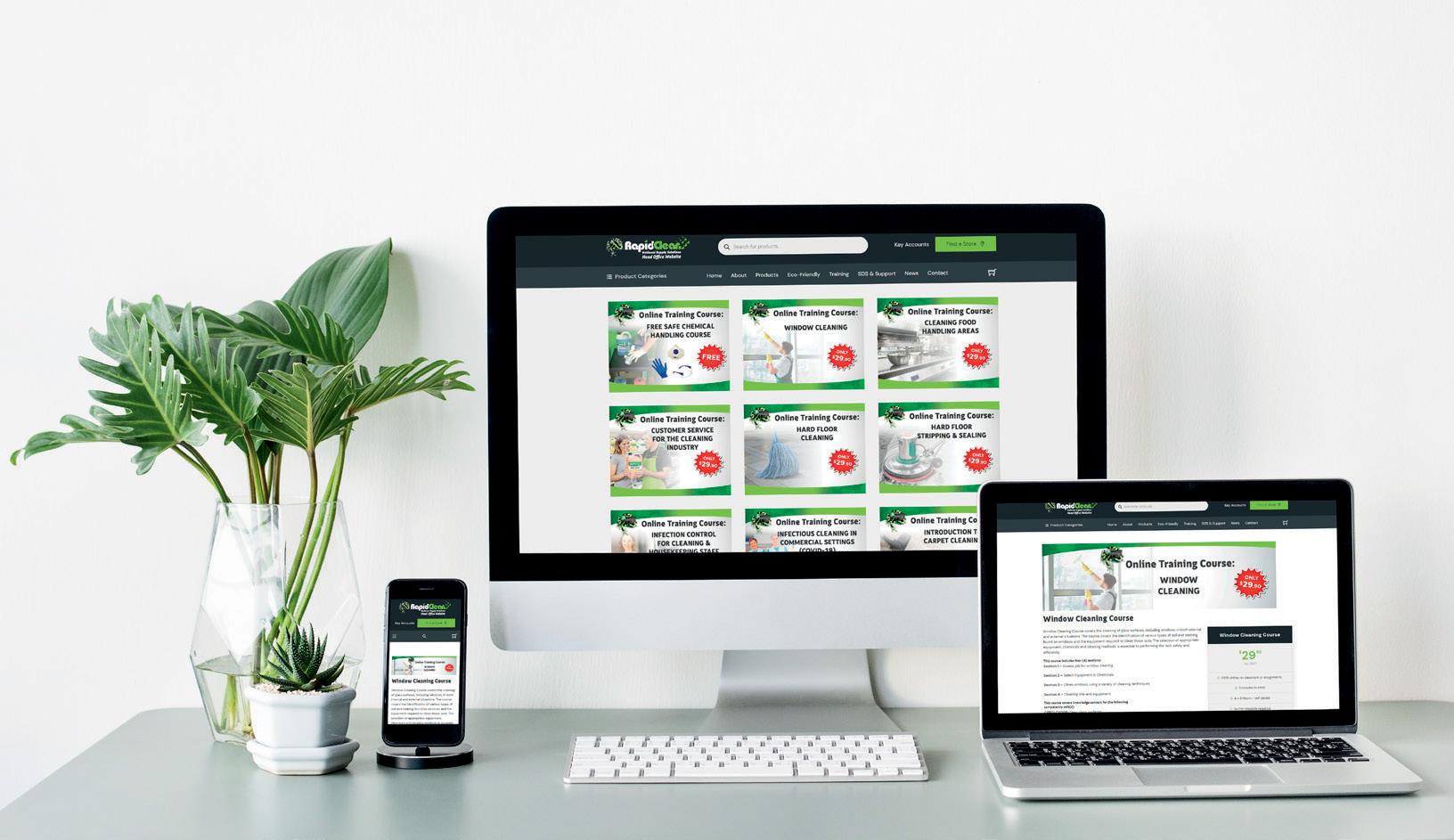
RapidClean in conjunction with Registered Training Organisation Daniels Associates, offer a comprehensive range of affordable Online Cleaning Training Courses packed with valuable information. There are currently 15 courses available covering all the basic aspects of cleaning operations and knowledge requirements for Certificates II and III in Cleaning Operations.
15 Courses Available


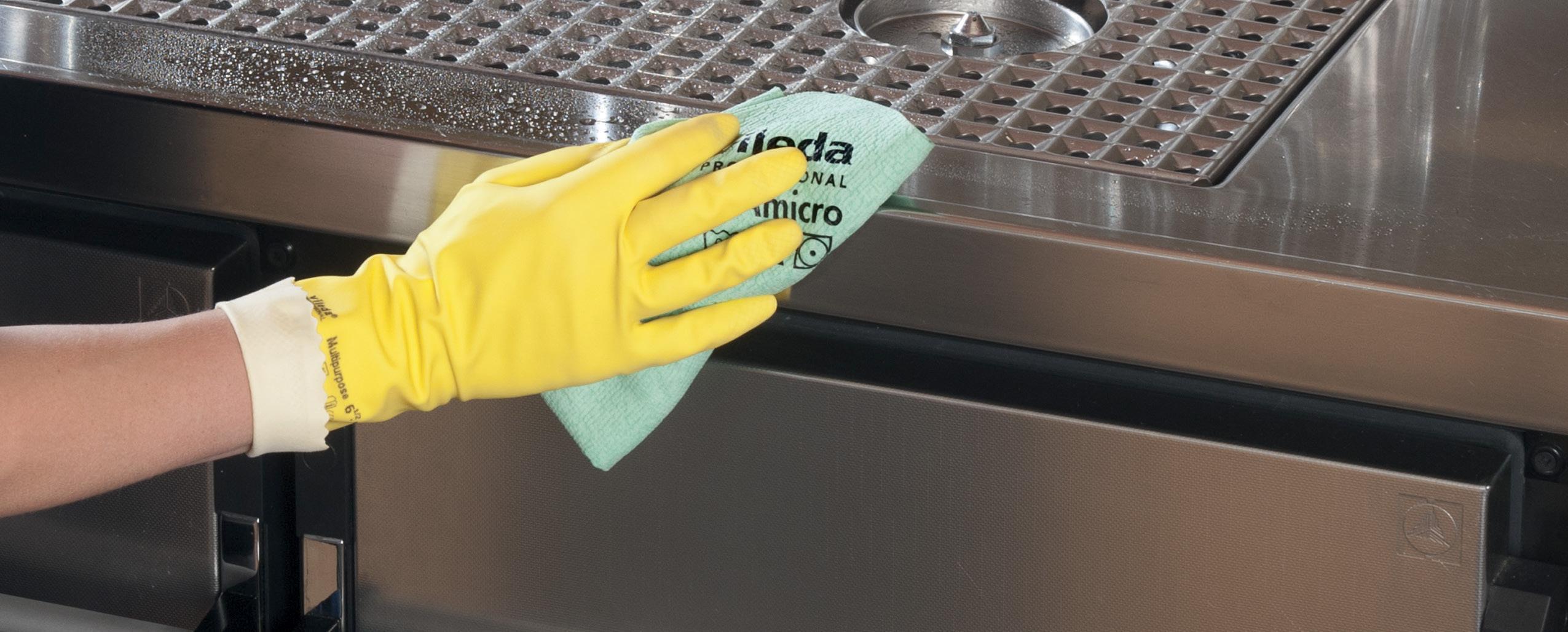
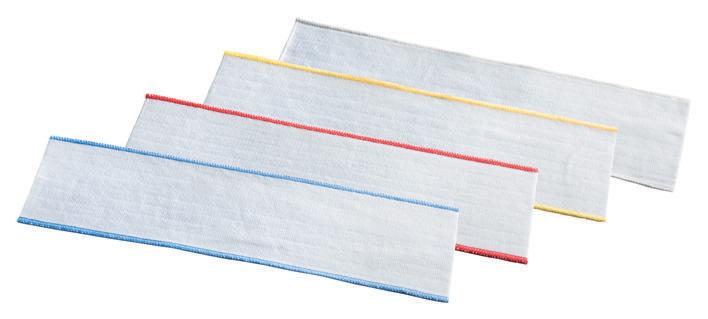
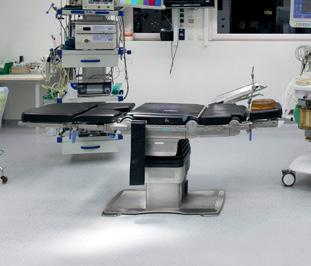
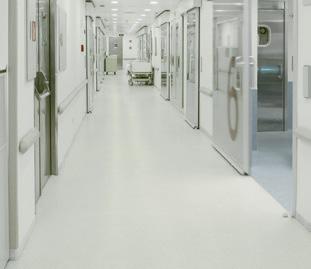
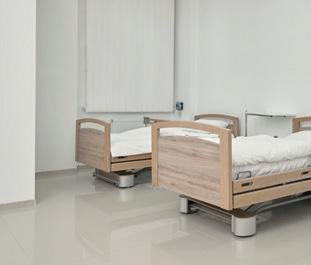
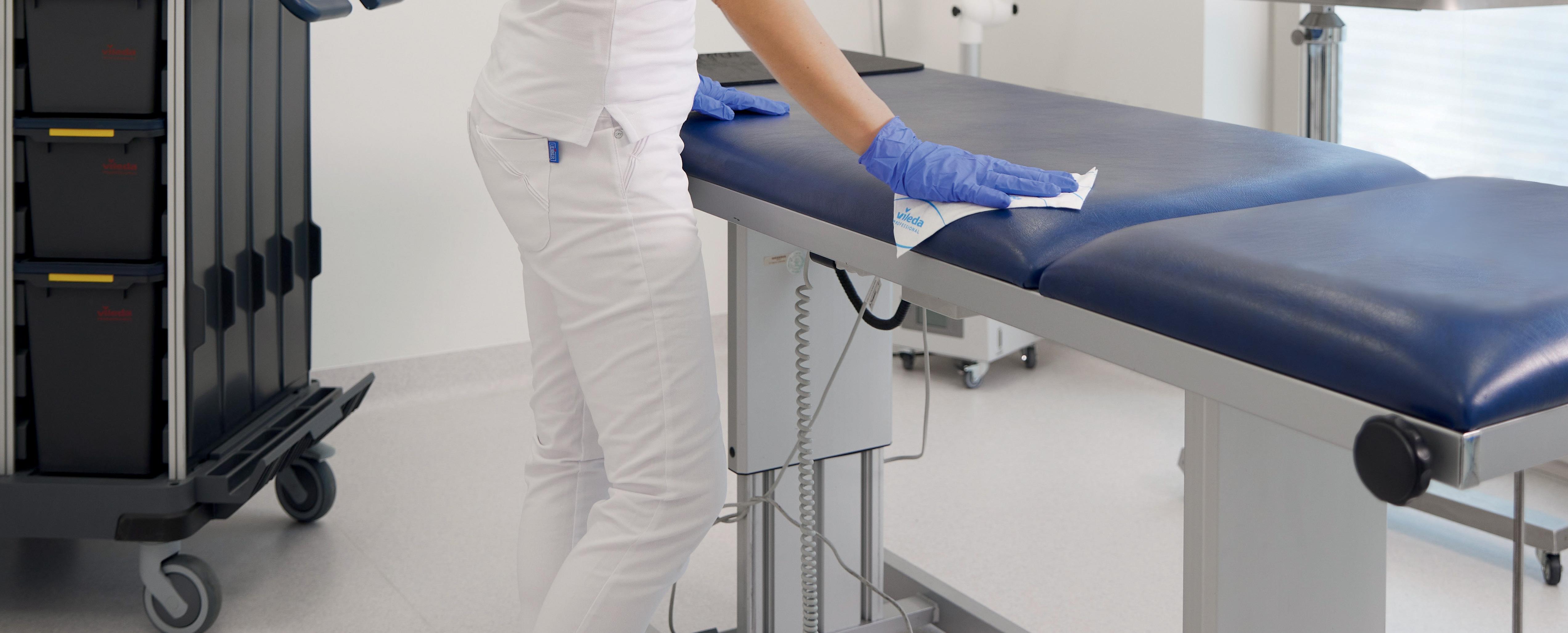
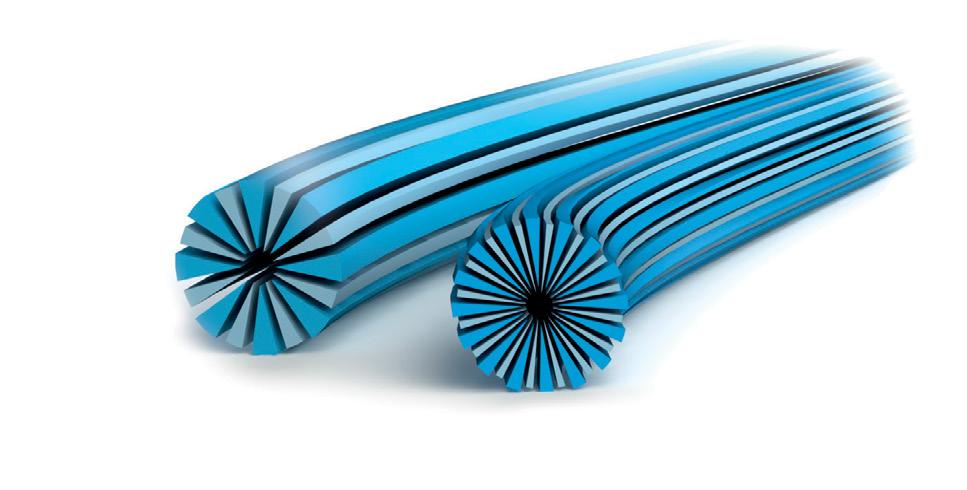
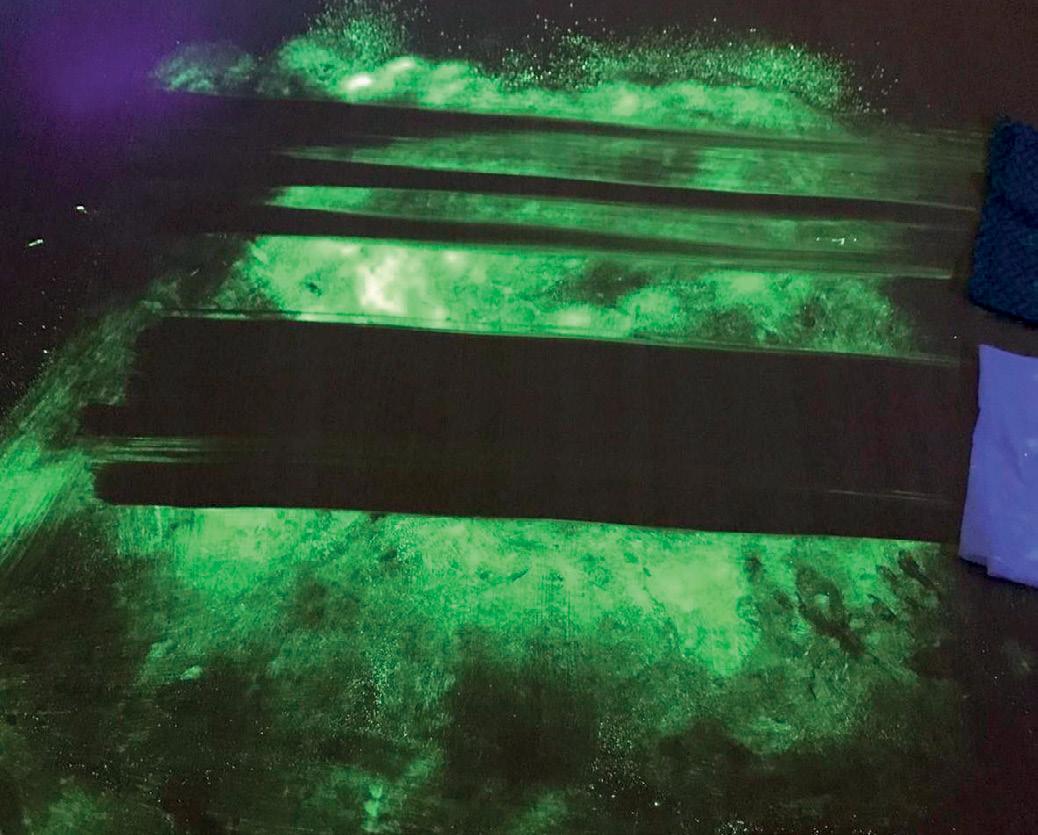
As a respected occupational health scientist who has worked around the world, Dr Brad Prezant has watched with interest at how a combination of flooding, high ambient humidity and poor indoor moisture management have in recent years caused significant mould problems in buildings.
Dr Prezant, managing director of consultancy Prezant Environmental, says as part of the debate about creating more resilient buildings, there must also be greater awareness of “vulnerable” construction materials that can contribute to a higher risk of moisture and mould damage in buildings. In addition, there may be a need to fine-tune the restoration process following events such as floods.
“The way you build the building can have a big impact on its vulnerability, the fungal growth,” says Dr Prezant, co-author of the book Recognition and Evaluation and Control of Indoor Mould.

For example, the widespread use of cheaper, composite wood products in construction, rather than the solid hardwood joists and bearers of the past, can leave a building exposed to mould and water damage.
“People can’t afford to build with solid Australian hardwood anymore, so they build with composite wood products. They’re good products and dimensionally stable,” Dr Prezant says.
“But if they get wet, it’s a big problem. We’re not going to change the way buildings are built. The evolution from solid wood to plywood to
On the back of growing awareness of the health risks associated with mould exposure, building owners and facility managers should be taking a more proactive approach to mould remediation to ensure the well-being of employees and building occupants
Cameron Cooper
chip-wood products is a permanent thing because trees are a limited resource. But what we have to realise is that, when we use those materials that have that vulnerability, we need to design buildings with that in mind to help prevent those products from getting wet, as well as handle the maintenance appropriately.”
If flooding does occur with such products, Dr Prezant says it is crucial for restoration and clean-up teams to “get in there rapidly and manage the situation and dry them”.
Likewise, cleaners and restorers must be cautious about using some products that are billed as sustainable or natural.
“For instance, if people use certain essential oils as part of the remediation process and saturate the essential oils into the paper and gypsum of the wall lining, then a person who has a sensitivity to those substances comes into the space and they can’t remain in the space and occupy it.”
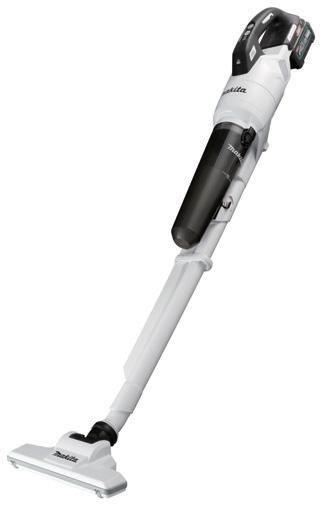
There is no doubt that global warming, higher rainfall levels, and increased flooding have put issues such as mould on the agenda in recent years. In minor cases, mould can cause irritation of the eyes and skin, while for asthmatics the inhalation of mould spores can trigger an attack. Very rarely, people can develop a severe mould infection, usually in the lungs.
Lisa Michalson, director of Cleanstar XPOWER Australia, which distributes a range of cleaning machines, says the potential health impacts of mould are well understood.
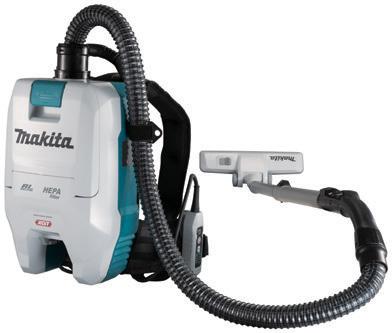
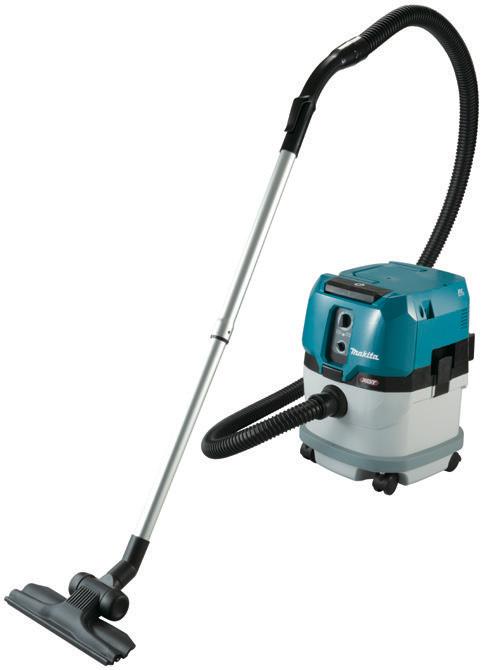
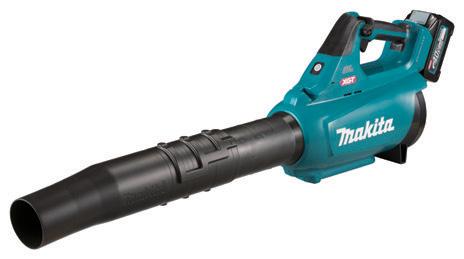
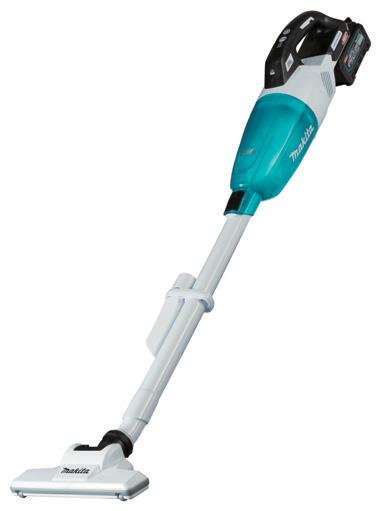
She adds, however, that it can also have significant financial repercussions.

“Those financial impacts can include property damage, decreased property value, increased insurance costs and legal liabilities,” Michalson says. For that reason, she says facility managers must be on top of issues such as water leaks, inadequate

“
There is no doubt that global warming, higher rainfall levels, and increased flooding have put issues such as mould on the agenda in recent years.
ventilation and poor maintenance practices whereby leaks and spills are not quickly addressed.
In terms of mould remediation, Michalson says it is crucial to follow industry remediation standards and to hire a professional mould-remediation company that uses high-quality equipment such as air movers, dehumidifiers and air scrubbers.
Such actions are all part of a day’s work for Danielle Hage-Downs, a restoration manager at AAT Restoration in Adelaide who says the business has seen a rise in demand in recent years for projects related to insurance losses, decontamination work and sanitisation.
She is clear when asked what is the most common error that facilities make when trying to target mould: “Failing to have a remediation plan!”
If an indoor environmental professional (IEP) has not yet been engaged, she recommends taking the following steps:
1. Determine the degree of contamination – always thoroughly assess the project before starting any work.
2. Assess the need for professional help – consider whether an IEP needs to be engaged for scoping, or perhaps only at an interim or post-remediation verification (PRV) stage.
3. Set up and validate containments –ensure that cross-contamination does not occur as it could unnecessarily lead to another mould-remediation project having to be undertaken. This can include checking negative air pressure and ensuring there are no leaks between containment zones.
4. Remove unsalvageable materials – this could include gyprock, insulation and other porous items with visible mould. Non-porous materials can be remediated using a dual approach of mechanical and chemical-based remediation.
While tomes have been written to discuss mould and what causes it, Hage-Downs says the factors for mould growth are simple – the presence of mould growth, nutrient sources such as organic substrate, any water source, the temperature and relative humidity, and oxygen. Add the impact of time and it is the perfect recipe for mould growth.
“Any water is the single most important factor for mould growth,” HageDowns says.
“That means mould growth can occur with any category of water. So, the best way to prevent mould is to keep materials dry or, if they get wet, to dry them quickly.”
She says AAT Restoration’s focus is on adhering to industry best practice, adding that the Institute of Inspection, Cleaning and Restoration Certification (IICRC) S520 for mould remediation promotes source removal, rather than the traditional reliance on chemicals, paints and coatings as a replacement.
“In my experience, chemicals, paints and coatings should be used as a complementary measure to source removal and encapsulants being used as a last resort following discussions and review with an indoor environmental professional,” Hage-Downs says.
Dr Prezant believes there needs to be a greater understanding within some sections of the restoration sector about which materials can be dried and salvaged after rain or flood events, and which materials are “too far gone” and need to be removed.
“But, definitely, a single response to just rip out all the plaster board or wall lining is not going to be appropriate for every job. That will be an overkill.”
For cleaners, restoration companies and building managers who are facing the curse of mould, Dr Prezant says the key is to determine what is causing the growth. Are building materials mouldy because they got physically wet, or is the problem the result of the products absorbing moisture from their surroundings to such an extent that the threshold for fungal growth is surpassed (which is normally a water activity level of 0.65 or greater)?
“Then you can choose the appropriate solution,” he says.
“If the fungal growth is just superficial because of high ambient humidity, then maybe just a superficial cleaning and a
change in the humidity status will address it because the fungal growth is not deep into the material, it’s just on the surface,” he says.
“On the other hand, if the plaster board is soaked up in liquid, that’s never going to suffice because now it’s being held by the gypsum plaster and no amount of superficial cleaning will work.”
Dr Prezant says while initiatives such as NABERS, the National Australian Built Environment Rating System, can contribute to better environmental performance, indoor air quality and mould mitigation in buildings, he acknowledges that such sustainability measures require a significant financial commitment from building owners and facility managers.
Furthermore, the impact of the pandemic – whereby more employees are
In recent years, the following trends have dominated discussions about mould remediation in buildings.
1. Prevention – the focus has switched to stopping mould growth in the first place, rather than just removing it. This involves identifying and fixing the underlying causes of mould growth, including poor ventilation and the failure to fix water leaks or cleaning up spills.
2. Non-destructive solutions –traditional mould remediation methods, especially after floods, has involved ripping out compromised building materials, which can be costly and time-consuming. By contrast, non-destructive methods – including dry ice blasting or the use of chemicals such as hydrogen peroxide – are gaining popularity as they can be less invasive.
3. Better testing – newer and more accurate methods of testing for mould are emerging, such as DNA-based testing and microbial volatile organic compound (MVOC) testing. These approaches can provide more precise information on the extent and type of any mould that is present, informing remediation efforts.
4. Eco-friendly options – the use of nontoxic mould remediation solutions is increasing as facility managers try to limit their environmental impact and safeguard the health of occupants.
For cleaners, restoration companies and building managers who are facing the curse of mould, the key is to determine what is causing the growth.
working from home and companies have cut their office footprint – has had a massive impact on the financial viability of the office real estate market.
“It’s in the toilet, basically,” he says.
That, in turn, means budgets are tight. “Therefore, when office space is competitive and people are making money hand over fist, they’re excited to spend money on greening or sustainability types of things. But right now, they’re just struggling to keep their heads above water.”
The upshot is that factors such as mould mediation may be put on hold.
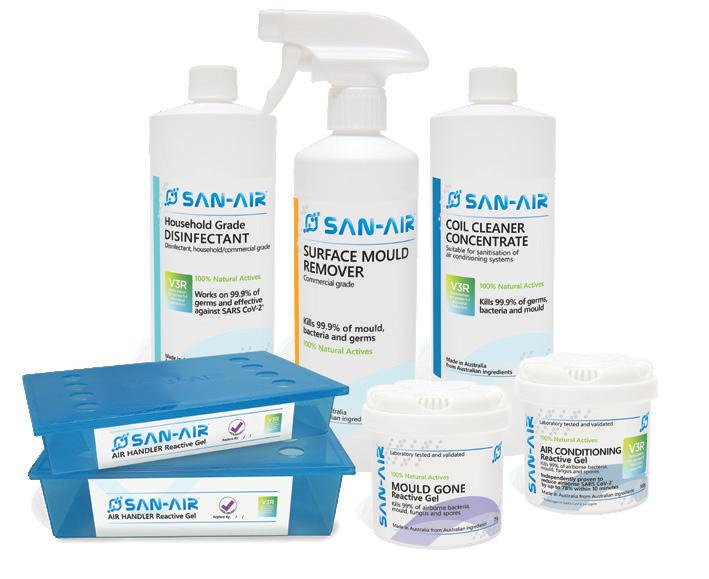
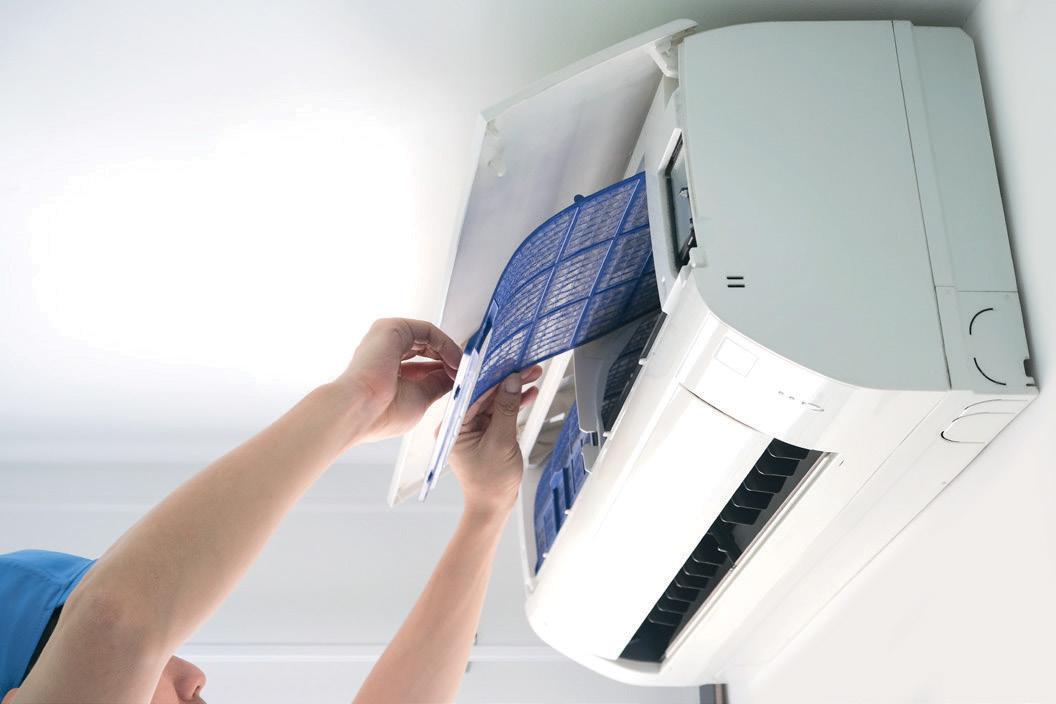
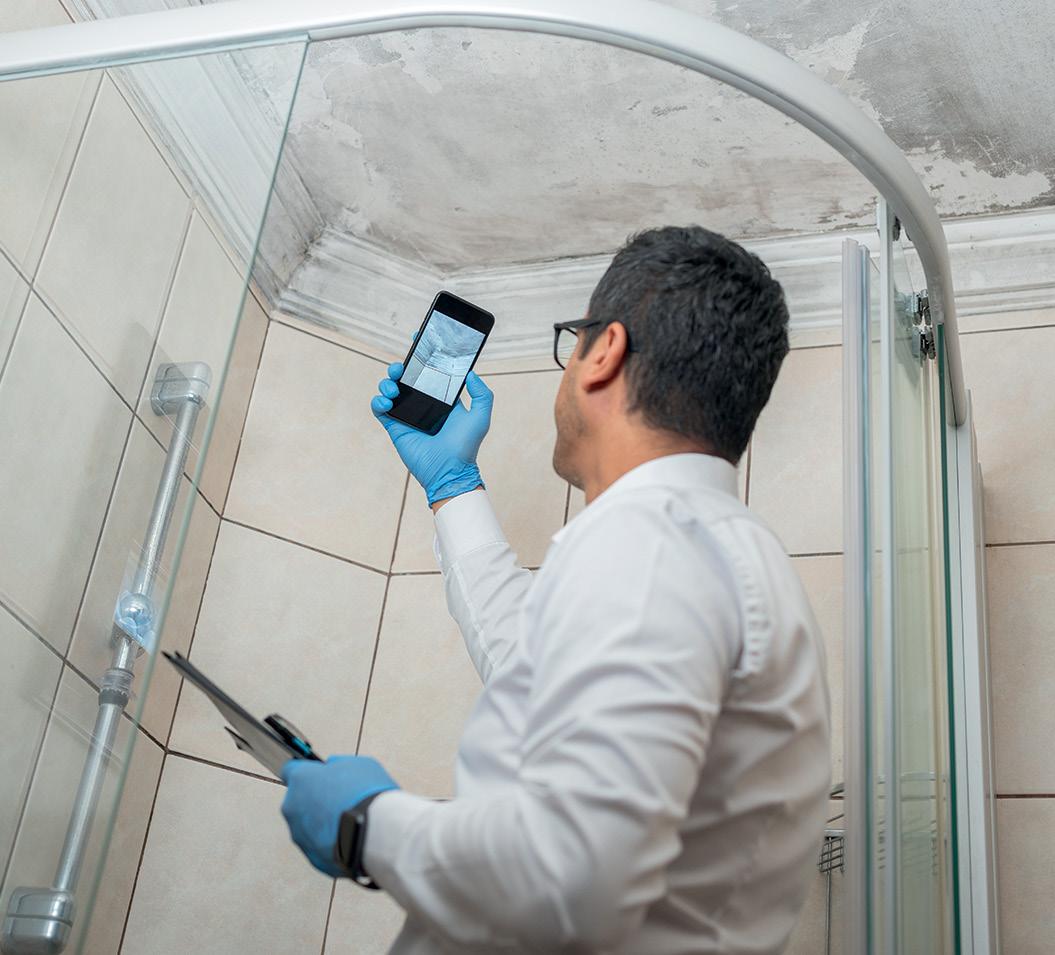
In considering the indoor environment, Dr Prezant hopes there will be a shift towards more sustainable measures such as ventilation of buildings, rather than relying on energyhungry air-conditioners to cool rooms and reduce humidity.
While he believes there are few examples of poor moisture management from internally generated moisture in commercial environments, it is

a different story in many residential settings, where fans may not be functioning properly in bathrooms and kitchens, and appliances such as ricecookers could add to moisture build-up.
“And what we saw happening in NSW and Queensland this past year when the ambient humidity was really high was that all of that additional humidity in people’s homes often pushed it over the edge to the point where they were getting condensation on the inside of the building and fungal growth.”
Dr Prezant thinks more can be done through government, national building codes and Standards organisations to ensure that building design addresses issues such as ventilation and mould mitigation.
He sits on the ASHRAE Standard SPC241 committee that in coming months will develop a national standard for infection control and ventilation. Such standards could be useful in so much as they are adopted into building codes.
“For example, when it comes to mould, there could be a standard that says you can’t vent your clothes dryer into the occupied space of a building – you have
to exhaust it to the exterior. We are also looking now at doing that for bathrooms and for kitchens so that it has to exhaust to the exterior as opposed to the roof cavity.”
As cleaning contractors and restorers tackle mould remediation in an era of increasing natural disasters and flooding, they should be getting the appropriate training and education to adopt industry best-practice processes.
Michalson also believes that relatively new technologies such as specialised fogging machines – which distributes a fungicidal solution that penetrates surfaces and eliminates mould growth – can make a difference.
Likewise, UVC light radiation technology that kills mould spores and stops them from spreading is increasingly on the radar.

The other factor is for facility managers to hire suitably qualified remediation service providers. Michalson says it is crucial to do your homework before engaging a restoration or remediation contractor. She advises researching
The following are some ways you can take advantage of ventilation to prevent and control mould in commercial buildings:
• Install exhaust fans – in crucial sites such as bathrooms and kitchens, exhaust fans that are vented to the outside of the building – not into the ceiling space – can be effective in reducing moisture and humidity.
• Boost air circulation – improve air circulation in a building by using fans, or through natural ventilation such as opening windows and doors.
• Control indoor humidity – use a dehumidifier, especially in areas where moisture tends to accumulate, such as basements and storage rooms.
• Be rigorous with maintenance –regularly inspect and clean HVAC systems to ensure they are working and not adding to moisture build-up. Also check for leaks or blockages in ductwork and make sure filters are clean and in good condition.
potential companies, ensuring that a company has the requisite licensing and insurance to perform mould remediation services; getting multiple quotes; asking the company to provide a detailed explanation of their remediation process and the expected outcomes; and insisting on providers that have the relevant certifications.
“And make sure that all details of the remediation process are outlined in a written contract, including the scope of work, timeline and pricing,” Michalson says.
Hage-Downs agrees that it is important to check the credentials of providers and to engage a suitably qualified company that has contemporary knowledge of industry best practice.
“Remember that mould is potentially hazardous and many facility managers are unaware of the significant dangers or the correct processes involved in removing mould from facilities safely and adequately,” she says.
“Therefore, it is important to do your research and identify the right provider for you. Reputation is everything and you should not shy away from asking for project examples and references.” ■
As cleaning contractors and restorers tackle mould remediation in an era of increasing natural disasters and flooding, they should be getting the appropriate training and education to adopt industry best-practice processes.



Capitalising on both of its international and local resources, ISSA, the worldwide cleaning industry association, will be putting together a two day industry event. The industry’s leading manufacturers, distributors and wholesalers will come together for information sharing, education, relationship building, cutting edge technology and product innovation.


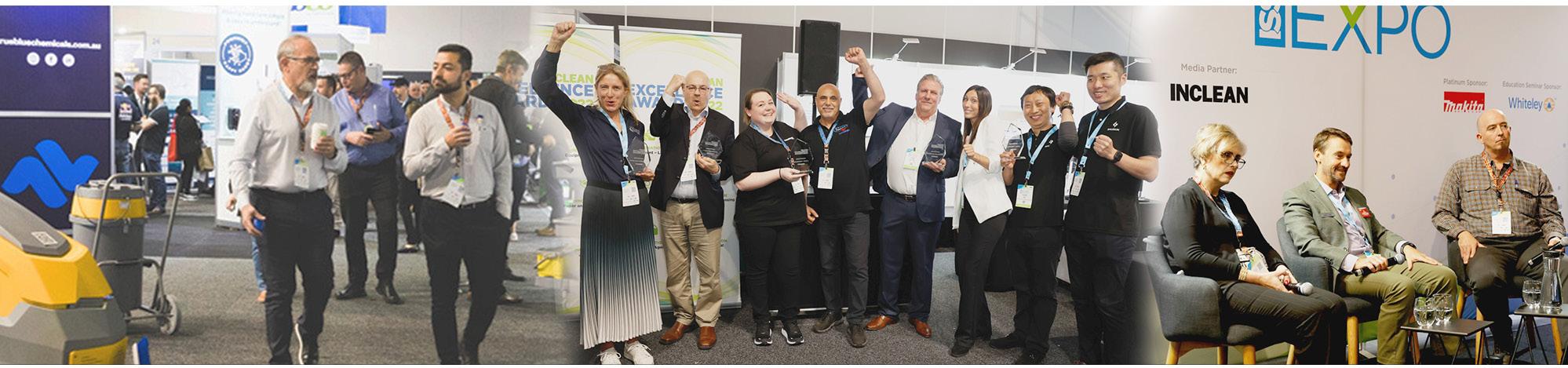
Get in touch!

Call 1300 789 845 info@interpoint.com.au issacleaninghygieneexpo.com


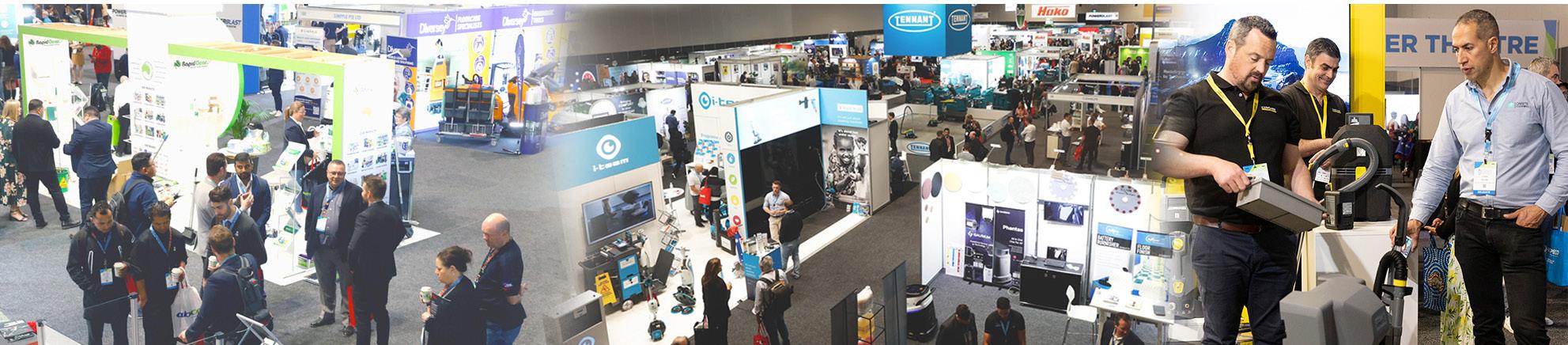 SILVER SPONSORS
Garry Carroll has been working in the restoration and carpet care industry for decades and has witnessed many changes – except for one area.
While the costs of running a carpet care business have risen dramatically in recent years, he observes that contractor pricing has not increased proportionately.
“The price for carpet cleaning today is less than it was 10 years ago,” says Carroll, managing
director of Restore Solutions and the Australian Cleaning & Restoration Academy (ACRA) in Queensland.
“Fuel costs have gone up, wages have gone up, everything’s gone up, yet it’s not coinciding with the pricing.”
He believes many people entering the sector now are “coming in with a pricing orientation, rather than a quality orientation”.
Such a trend has another potentially negative effect on carpet care, according to Carroll, who
At a time when hygiene standards and service need to be higher than ever, some industry insiders believe the carpet care sector is struggling to get fair pricing and engage in appropriate training
Words Cameron Cooper
Why the price is not right with
believes ultimately that fewer contractors will want to work in an area that is producing diminishing financial returns.
In turn, they may also not have the resources to pay for critical training.
“As result, the risk is that we get people who may not be as polished as they should be to do the carpet care work, and they just do it with speed rather than service.”
Now focusing on training for the restoration industry, Carroll is doing his bit to up the ante
with training through the release of a new online video training package that will assist cleaning and hygiene contractors, among others, as they go about their work in the aftermath of floods and other events. It will include advice on carpet care.
The Global Carpets and Rugs Market was valued at US$172.47 million in 2021 and is expected to hit US$116.73 million by 2029, according to research released by Data Bridge Market Research
In the wake of the pandemic, the importance of carpet care cannot be understated in commercial, aged care and healthcare settings, in particular, because carpet acts as the biggest filter inside most buildings.
Lisa Michalson, director of Cleanstar XPOWER, which distributes cleaning and restoration equipment and accessories, welcomes an increasing focus on disinfection of carpets as part of the cleaning industry’s role in keeping people safe from bacteria and airborne diseases.
“With the heightened focus on cleanliness and hygiene, disinfection of carpets has become more important than ever,” she says.
“There’s no doubt that facility managers are seeking carpet cleaning solutions that are effective in killing viruses and bacteria.”
In response to this demand, Michalson says electrostatic sprayers are becoming one of the go-to options for treating carpets.
“These sprayers use an electric charge to distribute disinfectant evenly across carpets, ensuring complete coverage,” she says.
Michalson adds that switched-on facility managers are implementing more frequent cleaning schedules for carpets, especially in high-traffic areas.
As part of an investment in new processes and equipment following COVID-19, they are also shifting towards low-moisture carpet cleaning methods which use less water and reduce the risk of mould growth.
As facility managers seek to embrace best-practice processes, Michalson calls on them to prioritise sustainability and green cleaning by choosing ecofriendly cleaning products and equipment that consume less energy and water.
“This will really help to reduce the environmental impact of carpet care programs.”
At Proquip – the supplier of a wide range of commercial and industrial carpet cleaners and
“
In the wake of the pandemic, the importance of carpet care cannot be understated in commercial, aged care and healthcare settings, in particular, because carpet acts as the biggest filter inside most buildings.
chemicals – carpet care has been one of the fastest-growing areas of business in the past few years.
Sales and marketing manager Kerry Boon advises cleaning contractors and facility managers seeking to get the best possible carpet hygiene results to avoid taking shortcuts.

“If I could say anything it would be to follow the process,” he says.
“That will be cheaper and more effective in the long run.”
The Proquip team concentrates on selling carpet care kits to clients, rather than one-off machines, to ensure they get all the cleaning elements they require.
“It’s all about cherry-picking the best out of the market from around the world and pulling it together in a kit and providing it for customers.”
Boon attributes recent market growth for Proquip to an insistence on educating customers about the most effective cleaning products and cleaning techniques, rather than leaving them to their own devices.
“It’s about explaining how the process works in words they can understand. So, bring it back to simple terms,” Boon says.
“We’ve done a lot of marketing around that, and it’s been very successful.”
Proquip and Carroll agree that following a defined set of steps for carpet cleaning is crucial to ensure that standards are maintained. The following are the key elements to cover.
1. Carpet audit – a proper inspection of the carpet is required to identify the type of fibre, which will determine how the carpet is cleaned. A spot or stain survey and an evaluation of any other problems should also be conducted at this stage.
2. Pre-clean – vacuum the carpet with a commercial upright vacuum with a HEPA filter to remove all debris such as dirt and fluff and to get rid of dry soil.
3. Furniture removal – carefully move beds, lounges, tables and other furniture to properly clear the way for cleaning.
4. Pre-condition and pre-spot carpet and stains – apply this hot to start breaking down soiling.
5. Rotary agitation – use either a soft rotary brush or agitation pad to break up all the soiling.
6. Rotary steam cleaning – use quality highheat machines with more extraction power and rinsing ability to result in cleaner and dryer carpets.
7. Deodorise and neutralise – this leaves the carpet smelling nice and with no sticky residue.
8. Rotary dry padding – this leaves the carpet dry to walk on.
9. Replacement of furniture – use foam blocks and plastic tabs to elevate the carpet for drying.
10. Drying and grooming of the carpet – this is best done by opening windows and using carpet blowers to create strong airflow for water to evaporate. ■
“
With the heightened focus on cleanliness and hygiene, disinfection of carpets has become more important than ever. There’s no doubt that facility managers are seeking carpet cleaning solutions that are effective in killing viruses and bacteria. ”
FOUNDATION
FOR YOUR
Get featured in the online listing of all members which attracts over 15,000 clicks per month and provides access to all company profiles.




TRENDS
Gain

Starting up and growing a disaster restoration company is not for the faint of heart. It takes drive, determination, and an aggressive entrepreneurial spirit to make it all work.
And it takes knowledge of the tools of the trade and technical processes to succeed. The disaster restoration industry is innovative.
When you visit an industry trade show, you can see it. It’s evident. The products, tools, and equipment that the modern restorer uses is always evolving and improving.
ISSA’s Jeff Cross asked a select number of industry suppliers, experts, and consultants to share their thoughts on what a forward-thinking disaster restoration company should consider so they can succeed in a competitive marketplace.
ADVANCEMENTS
Technology in the industry is really starting to come together, according to Brandon Burton, the Standards Chair at the Institute of Inspection, Cleaning, and Restoration Certification (IICRC), and the senior principal of industry relations at CoreLogic.
“We are finally seeing ‘connected’ equipment in our industry on a path towards critical mass. This is the barrier that, once broken, will forever change the way restoration, specifically, drying, is performed,” he says.
“The technology has, for a long time, been available. However, once most equipment is capable, the barriers to adopting and leveraging the value of connected data will begin to fall.”

Brendan Kimmel, an IICRC-approved instructor, and a technical training instructor with Legend Brands, values the advancements in technology and, like Burton, sees connected equipment and data as a critical component of successful restoration.
“Sensor-driven LGR dehumidifier technology has significantly improved drying job efficiency in two ways,” he notes.
“The first is through increased water removal, especially when dehumidifiers use sensors to optimise performance across the full range of conditions, and second, by allowing automated access to drying progress and job conditions both on screen and remotely.”
At the same time, Kimmel values input from those in homes and buildings who must deal with restoration equipment during the drying process.
Equipment makes noise, there’s no doubt about it. Not every family leaves their home when they have water damage, and not every commercial building is occupant-free during restoration.
“Quieter operations is something restoration contractors have long requested, so that occupants won’t be tempted to turn off equipment and slow the drying progress,” he says.
“Some newer dehumidifiers, air scrubbers, and air movers produce sound frequencies that are much less annoying to occupants, while performing at the same or better levels than noisier models.”
Mark Cornelius is the president of a restoration and cleaning firm, an IICRC-approved instructor, and president of the Emergency Mitigation Technician Academy (EMTA). He values technology but feels more should be considered.
In addition, Cornelius sees thermal imaging as a huge advancement over the years and part of the tech tool kit restorers use to improve accuracy and speed of inspection.
However, “most people receive little to no training on how to use and interpret that information.”
He feels technology has its place but so does proper training.
Chuck Boutall is an international trainer for the disaster restoration industry, and the director of education with the Restoration Technical Institute (RTI). He sees software as an integral part of emerging technology.
“There is a plethora of new software systems to choose from,” he says, “and these can bring great efficacy to a business. But they must be properly implemented and used by everyone in the company.”
He sees instruments and tracking systems, from inexpensive thermal imaging cameras to remote monitoring software, as another critical component of successful restoration.
“There has been a massive improvement in moisture data tracking systems from our inspection instrument and equipment manufacturers.”
Burton is excited about how the industry is progressing and knows that technology will continue to drive the industry.
“Dehumidification, air movement, air filtration, and heating systems have continued to develop over time,” he explains.
“However, their development has not seen a transformational shift for some time. The real significant paradigm-changing technological leap is happening right before our eyes as connected devices become the norm in our space.”
Bill Weigand is an IICRC-approved instructor and a technical training instructor with Legend Brands. He likes what he’s seen with software development over the years, yet with a caveat.
“Estimating software’s evolution has produced more uniformity in pricing, so insurance carriers and insureds have a more consistent cost for services,” he explains.
“But on the negative side, there’s now less of an incentive for restorers to be creative and advance new methods of restoration. Also, different restoration companies often have very different overhead costs that aren’t reflected in a uniform pricing system.” Kimmel sees software as a viable solution but not as something you simply purchase and think it will run itself.
“Business owners should adopt job management software that requires limited setup and administrative management, while being robust enough to integrate project setup and reporting, billing, inventory and maintenance management,” he says.
“Finding the right balance between simplicity and full features isn’t easy — but well worth time invested in researching software options.”
Lisa Lavender is the COO of the Restoration Technical Institute (RTI) and has appreciated advancements in software and technology as well.
“The software and application available to our industry is vast. Integrations and collaborations in the industry are becoming a way for companies to build unique systems that support their business model and approach,” she says.
“Some standard big picture things that are important in evaluating your options are: Ease of use, training and support, and meaningful reporting systems that give information and tools to efficiently support your operation. You should select the tools that help your team and business meet your company objectives and support growth.”
She lists these items as some of the many features and systems available in the market today:
• Comprehensive restoration software systems
• Digital surveying and online review management
• Job file management
• Customer communications
• Sketching
• Estimating
• Monitoring: Bluetooth and remote
• Accounting
“
We are finally seeing ‘connected’ equipment in our industry on a path towards critical mass. This is the barrier that, once broken, will forever change the way restoration, specifically, drying, is performed.
There are many more features and functions available in the industry. Lavender encourages restorers to make their own list to evaluate and build the ecosystem that works for them. Burton sees the most important system is one that properly integrates the various data. “The full cycle should be connected,” he explains. “Schedules, clients, field data, subcontracts, estimates…straight through to invoicing and business analytics.”
He says that if the system omits any of these, it is incomplete and requires double the work to maintain.
“If it’s difficult and requires double work, then omissions and errors will yield unusable or inaccurate results.”
Burton is an advocate for remote monitoring and sees this type of technology as critical.
“Remote sensing has always presented the barrier of being a ‘removed’ or ‘secondary’ technology,” he explains.
“The technological barriers that came with a lack of full integration with the equipment and systems in a drying project made it expensive and cumbersome. Over the last few years, manufacturers
are embracing the future of the ‘connected’ world.”

As he says, this is beginning to allow restorers to leverage the benefits of remote sensing at a dramatically lower cost, while eliminating much of the technological barriers. Kimmel feels the same way, that the industry has advanced in recent years and remote monitoring is a technology worth considering.
“Using built-in wifi, our industry has truly leaped ahead to full remote monitoring and control of dehumidifiers and air scrubbers, including viewing and transmitting important drying data, and even allowing remote monitoring of air mover status and moisture detection,” he says.
And with rising labour costs, remote monitoring can enable project managers to better prioritise and even skip some in-person job site visits while maintaining proper job management and company profits, Kimmel added.
On the flip side, Cornelius adds some cautions.
“Remote monitoring has come a long way. However, it still has negatives such as connectivity and wifi issues,” he explains.
“People also do not understand that it is a wonderful tool to increase accuracy and expedite monitoring of a project. Many
people who come through my class think that they do not have to do daily site visits, and this also includes adjustors. Most people don’t understand that technology, for the most part, does not replace the site visit but makes it more productive.”
This doesn’t mean Cornelius isn’t a believer in remote monitoring technology. He explains that, instead of going to the project, collecting the data, interpreting the data, and then creating a course of action, with the proper use of remote technology, a tech can have an action plan in mind in advance.
“That plan can then be confirmed at the arrival to the job site. Much like a fire fighter starts developing a plan of action from information given by dispatch prior to arrival on scene.” He concludes: “
However awesome remote monitoring is, and it is awesome, it is important as an aide to the job. It is another tool that can improve the accuracy of and quality of our jobs. It can provide real-time data which ultimately speeds up drying and should reduce cost and provide quicker drying results.”
One big advancement in technology the restoration industry is embracing is 3D imaging.
“
Business owners should adopt job management software that requires limited setup and administrative management, while being robust enough to integrate project setup and reporting, billing, inventory and maintenance management.
Cornelius sees this as a gamechanger. “This is literally an OMG moment,” he says.
“I wish that we would have had this 30 years ago. For the most part, this has been the best thing since the invention of air,” he jokes.
As Cornelius explains, the ability to do one inspection and then be able to do repeat site visits, as many as needed, from the comfort of your office is “a massive profit changer.”
The ability to be able to see everything again that the camera saw in 360-degree 3D imaging basically “eliminates the ‘oh crap’ moment when you realise that you forgot to ‘get that angle.’”
Weigand values the impact of 3D imaging as well.
“3D imaging is a huge time saver for companies, as it allows them to prepare a more accurate damage appraisal,” he explains.
“3D imaging automates the photo documentation process of structural dimensions, contents’ original condition and placement, and any pre-existing damage to structure or contents. It also improves transparency among the client, the insurance carrier, and the restoration contractor.”
Boutall is impressed with the advancement of 3D technology as well.
“It’s handy for water losses, but fantastic for fire and mould, especially in commercial,” he explains.
“The technology is awesome; I have used it over the years to map a complex loss due to its accuracy and detail. Now that the price is low per project, I highly recommend looking into these systems.”
He notes some 3D software companies are working on integration with remote monitoring systems, another game changer.
David Hart is the founder and CEO of RamAir International and feels the restoration industry should also focus on the air we breathe, and the equipment affected during a loss.
He explains: “The process of disaster and forensic restoration deals with structure, contents, and indoor air quality. Formerly often overlooked, the HVAC system falls under the categories of both structure and contents and has arguably the biggest influence on the quality and condition of the building’s indoor air.”
He notes replacing HVAC systems has been a typical part of the restoration process, but with modern technology and HVAC and duct cleaning systems, restoration of those components should be considered.
“A forced air HVAC system consists of return ducting, air handler(s), and supply ducting, which collectively, are both intricate and expensive to install and even more expensive to replace. With the design and evolution of more efficient cleaning equipment and the introduction of an effective decontamination system for HVAC, replacement is beginning to take a back seat to remediation,”
Hart says. The solution? Look to add an HVAC decontamination system that can be used not just for routine cleaning, but for restoration as well.
Those who contributed to this article had final thoughts to share, looking at technology now and in the future. All are excited about the next chapter in restoration.
Burton: The future in one word? Data. As the world becomes more connected, data will drive advancements in the restoration space. This will include not only the efficacy of contractor work in the field, but also how manufacturers dial in and further specify the unique tools and technologies of the trade. The most critical element to today’s restoration firm is a solid paperless system. Hardware and physical tools are important to improve the work that you can perform but, honestly, I could mitigate and restore a structure even with tools that are a decade old. What I couldn’t do effectively while maintaining healthy business margins is manage training, compliance, documentation, reporting, collections, scheduling, resource coordination, and client relations. Th e technical and business demands of today’s market require a solid set of business systems.
Cornelius: For those who learn how to use technology and to use it correctly, it is limitless. In the end, our job is to provide a safe and healthy environment for our clients to go back to post-loss. My prediction is that some cleaning and restoration companies will understand this and provide a quicker and better result for the client. However, I watch most companies utilise the advances as purely crowbars to try and pry more money out of the system. In the end, the improvements
and impacts depend on how we actually use the advances.
Lavender: We are often comfortable with our tools and proficient. Change is hard, and much of what we do in our work is habit. Habits are great until we want to change them. In general, most of the innovative technology that I have seen is easy to learn when there is a baseline of skill, knowledge, and experience. The hard part is implementing the new technology organizationally.
Weigand: The cost and availability of labour will drive the adoption of technology, to levels that are difficult to imagine. Robotic extraction may become a reality, just as robotic cleaning machines have made some facilities’ cleaning processes more efficient. Also, at some point, we’re likely to be able to use lasers to remove fi re residue from many surfaces.
Hart: The development of capable, affordable equipment has made possible the remediation of HVAC systems in situations that formerly required costly and time-consuming removal and replacement. Th e result is a substantial savings to the building owner, as well as a notable profit increase to the restoration company, especially if they opt to perform the service themselves rather than subcontract it out. Fire, mould, meth/ fentanyl, crime scene, unattended death, and bioterrorism remediation of HVAC has become so in-demand, globally recognized organisations such as the have recently made it a part of their disaster restoration and bioremediation training programs.
Kimmel: Virtual reality (VR) headset technology will impact best practice training for new technicians and project managers. It could also be used for virtual remote help and decision-making consultations to guide less experienced restoration contractors through setting up and managing jobs.
Boutall: The perfection of the remote monitoring systems and software integrations will continue to make more powerful platforms, resulting in more efficient operations, reducing the overhead in operations while delivering information to decision-makers faster, resulting in increased customer satisfaction. ■
Jeff Cross is the media director of ISSA, which includes Cleanfax magazine. He can be reached at jeffcross@issa.com. This article was first published in Cleanfax and has been republished with permission
GBAC’s Dr Gavin Macgregor-Skinner takes a closer look at the research
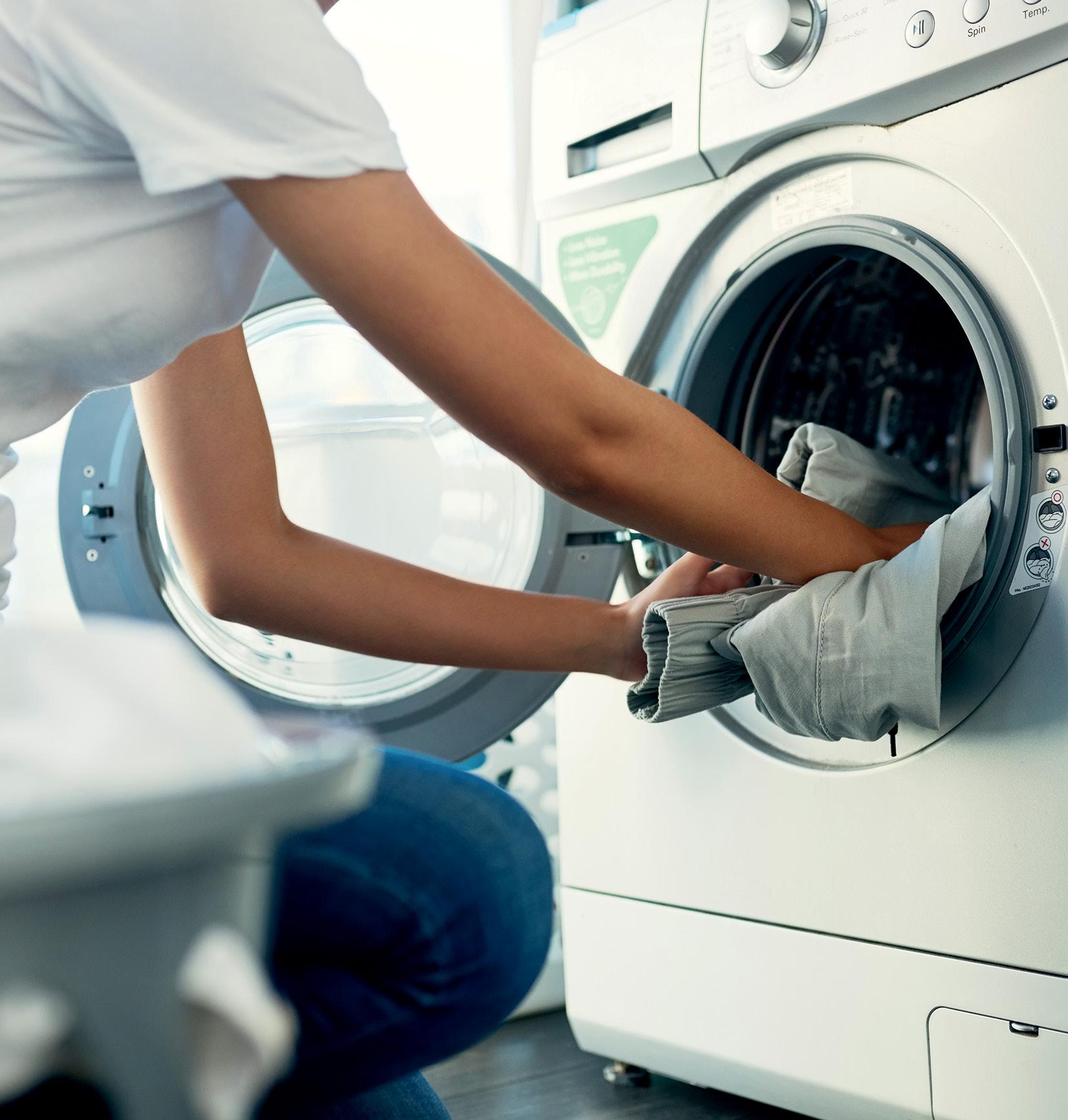
Essential cleaning professionals frequently ask whether they can carry germs home on their work clothes and pass them on to family members or even infect themselves later in the day. So, let’s examine what the research shows.
Work clothes can transport germs. Germs can accumulate on your work clothes in high numbers. They can spread through contact with soft, porous materials and can be resuspended into the air. Yet, to my knowledge, this has not been studied in work environments and the work clothes of professionals in the cleaning industry.
However, it is well-established that germs can accumulate on hospital uniforms, as reviewed by Haun et al. (2016).1
Another study showed the accumulation of bacteria on sterilised uniforms worn by nurses and that 70 per cent were positive for antibioticresistant Staphylococcus aureus (Sanon and Watkins, 2012).2
Also, high concentrations of germs were found on the work clothes of waste collection workers after they had finished their shifts (Park et al., 2011).3 But none of these studies investigated the movement of germs on work clothes to other environments. Nevertheless, these types of studies do highlight the importance of infection control, hygiene, and laundry in relation to work clothes.
‘Take-home’ exposure, by bringing home contaminated work clothes, has been reported for chemicals such as lead, pesticides, asbestos, and polychlorinated biphenyls (PCBs).
Exposure to biological particles that cause allergies from clothes has been studied for cat allergens, dog allergens, and dust mites, where these allergens were shown to be transported on clothes between homes, schools, and workplaces. Pollen has been shown to accumulate and be transported on clothes.
One study showed that fungi and fungal spores in farmers’ homes can be up to 1000 times higher when compared to apartments where non-farming families live, indicating fungi transport on clothes to the home (Pasanen et al., 1989).4
Cleaning professionals work to clean dirty environments and can be exposed to a wide range of germs, pollutants, and contaminants.
Several studies have been conducted on exposure to biological risks and how workers could transport fungi and bacteria to vehicles and other non-workplaces through contaminated work clothes, skin, or hair (Møller and Madsen et al., 2022).5
They identified 275 fungal species and 54 different species of bacteria on the work clothes of
waste collection workers. A series of studies found that workers who work with waste:
• Are exposed to a wide range of fungal and bacterial species, including those that can cause hypersensitivity, pneumonitis, and gastrointestinal infections.
• Waste collection has been associated with health symptoms related to exposure to elevated concentrations of germs.
• Workers that handle and sort waste cardboard have high at-work exposure to germs.
• Work clothes can be contaminated by germs from surface-to-surface contact.
• Shoes can spread germs.
• Germs can be aerosolised from the floor.
• Emptying trash and waste containers can spill germs on the ground or aerosolize them onto clothes.
• Germs generally exhibit lower survival on porous surfaces than on non-porous surfaces. However, they can survive on textiles for days to weeks.
• Staphylococcus aureus, Escherichia coli, and Escherichia faecium survive on cotton for 21 days.
• Staphylococcus aureus and Escherichia faecium survive on polyester for up to seven days.
• Fecal coliforms can survive for 120 days on cotton and blended textiles.
• Clostridium difficile spores have been reported to persist on dry surfaces for five months.
• Candida spp., Aspergillus spp., Fusarium sp., Mucor sp., and Paecilomyces sp. survived from one to more than 30 days on cotton, terry, blended textile, polyester, and spandex.
• SARS-CoV-2, the virus that causes COVID-19, persisted on cloth (unspecified material type) for two days, compared to four days on glass and banknotes, and up to seven days on surgical masks, stainless steel, and plastic.
• Poliovirus survives at room temperature for 84–140 days on wool and 42–84 days on cotton.
Work clothes can transport germs to places outside the work environment, such as your home.
The current assumption that there is a low risk of infection from soft, porous materials and textiles like work clothes, is due to a lack of studies and direct epidemiological evidence. Therefore, there is less emphasis on worker safety and the risk of infection from work clothes, textiles, and soft surfaces.
Germs do survive on textiles for hours, days, and weeks and can transfer onto skin and other surfaces. It is biologically plausible that infectious diseases can be transmitted directly through contact with contaminated textiles. There are a number of case studies that link infection with inadequate laundering of bed linen, towels, and work clothes in hospitals and hotels.
Germs can accumulate on your work clothes in high numbers.
Work clothes can transport germs to places outside the work environment, such as your home.
I am very concerned due to the lack of control and monitoring of decontamination for those cleaning professionals that are required to wash and dry their work clothes at home.
Germs, just like allergens, pollutants, and contaminants, can accumulate on work clothes, including shoes, throughout a workday and can lead to exposure. These germs can lead to infections and make people sick.
For the cleaning industry, understanding that germs can be transported and resuspended from work clothes is important for everyone,
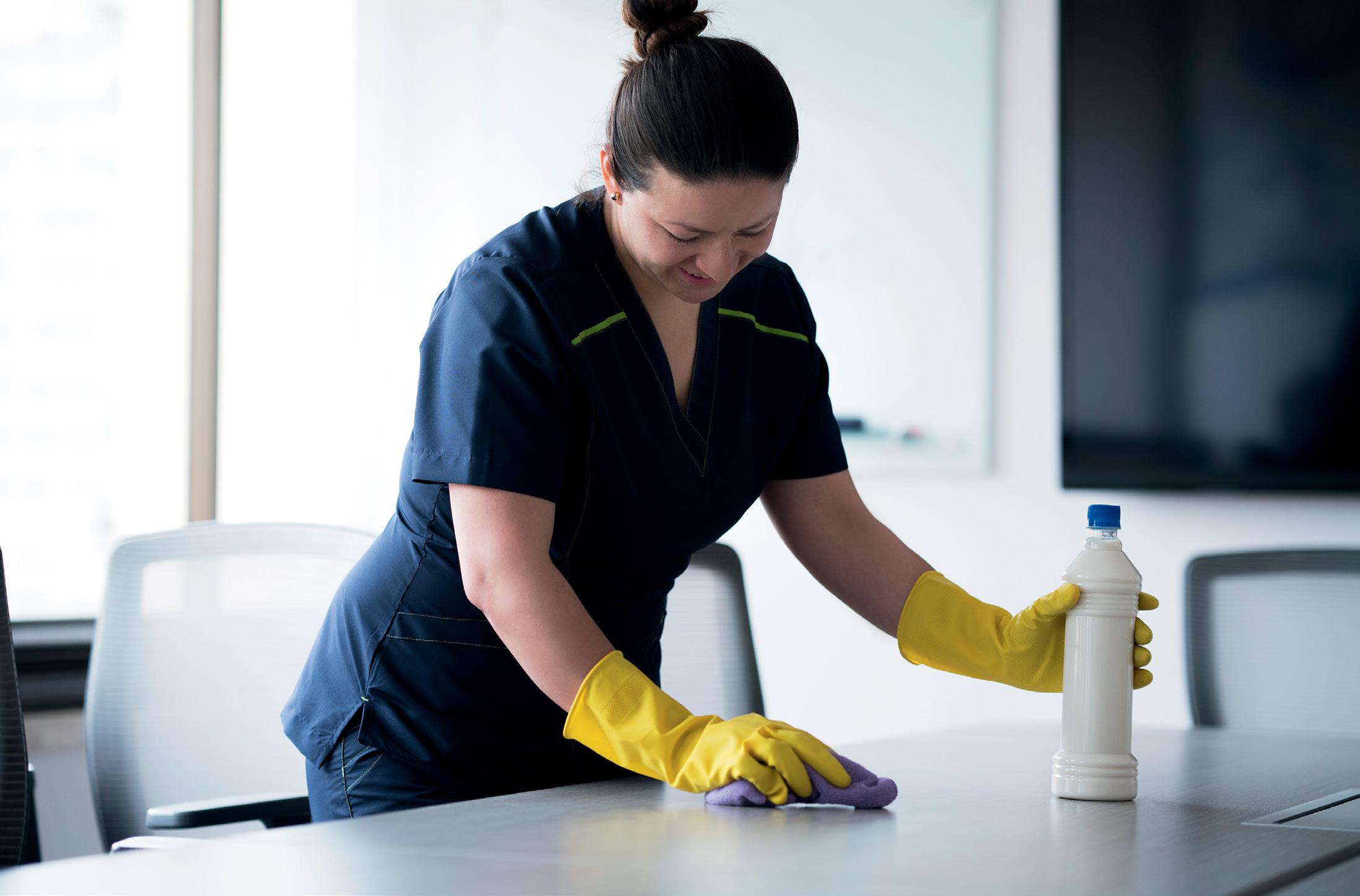
not just those that are immunocompromised, have allergies, or have open wounds and cuts. This knowledge should change workers’ behavior and actions for washing hands with soap and water, donning and doffing and wearing appropriate personal protection equipment, changing out of work clothes at the end of their workday, taking a shower after work, and handling of laundry of work clothes. Again, I am unaware of studies specifically related to cleaning professionals, but I highly recommend that the cleaning industry not ignore but learn from studies conducted for other professions. ■
Dr. Gavin Macgregor-Skinner is a senior director of the Global Biorisk Advisory Council (GBAC), a division of ISSA. As an infection prevention expert and epidemiologist, he works to develop protocols and education for the global cleaning industry, helping facilities, businesses, organizations, and cleaning professionals to create safe environments.
1Haun, N., Hooper-Lane, C., Safdar, N. 2016. Healthcare personnel attire and devices as fomites: a systematic review. Infection Control Hospital Epidemiology, 37 (11), 1367-1373
2Sanon, M.A., Watkins, S. 2012. Nurses’ uniforms: How many bacteria do they carry after one shift? Journal of Public Health Epidemiology, 4, 311-315
3Park, D.U., Ryu, S.H., Kim, S.B., Yoon, C.S., 2011. An assessment of dust, endotoxin, and microorganism exposure during waste collection and sorting. Journal of Air Waste Management Association. 61 (4), 461-468
4Pasanen, A.L., Kalliokoski, P., Pasanen, P., Salmi, T., Tossavainen, A., 1989. Fungi carried from farmer’s work into farm homes. American Industrial Hygiene Association Journal, Volume 50, Issue 12, 631-633
5Møller, S.A, Rasmussen, P.U., Frederiksen, M.W., Madsen, A.M., 2022. Work clothes as a vector for microorganisms: Accumulation, transport, and resuspension of microorganisms as demonstrated for waste collection workers, Environment International, Volume 161, 107112.

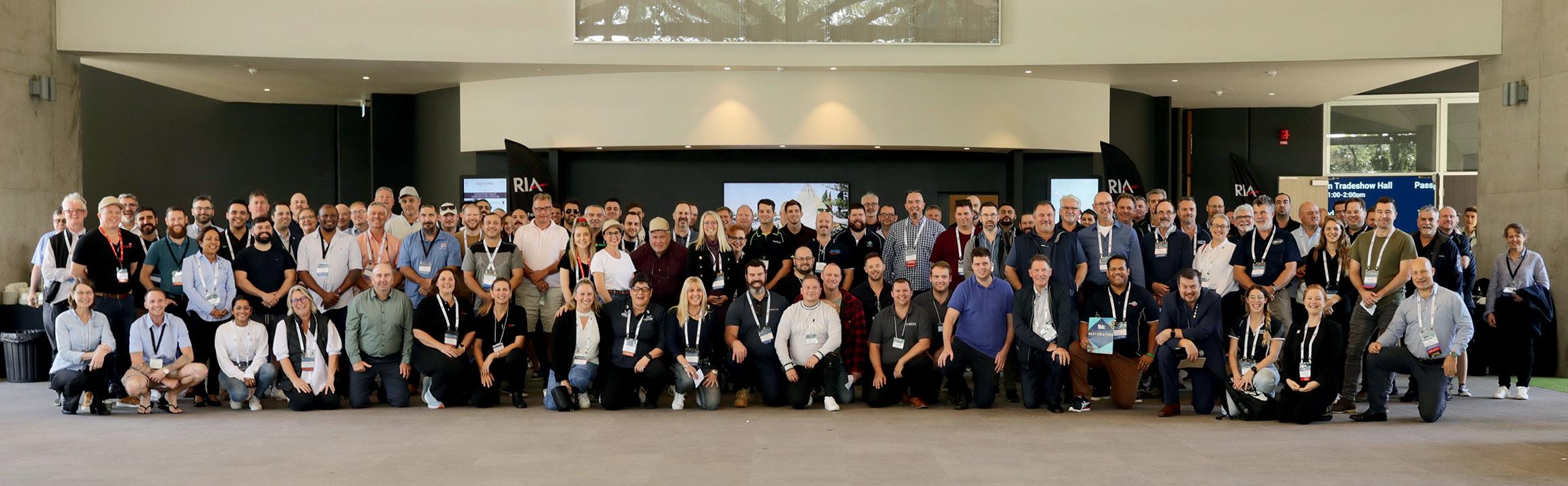
With the restoration and insurance repair industries returning to full swing in a big way in 22/23 the theme for this year’s restoration conference is ‘Unmasking the Industry’.
Located in Melbourne at the freshly renovated Pullman on the Park (opposite the MCG), we will be right on the city fringe with excellent access to shopping, transport, restaurants, and sporting facilities.
The conference begins on Wednesday, 31 May with our Indoor Air Quality Day held in conjunction with our industry partners the Indoor Air Quality Association of Australia (IAQAA).
This day features a fantastic line up of speakers that will discuss microbial and indoor air quality issues. With many developing global trends and research this day promises some fantastic learnings and an eye into the work that is being carried out around the world in this sphere.
The 2023 RIA Australasian Restoration conference and Tradeshow will be held on Thursday, 1 June and Friday, 2 June 2023.
The event will offer attendees a wideranging educational program featuring experts on all things restoration – from fire to methamphetamine and clandestine lab remediation, through to water damage to large loss.
This year we will also have representation from both the Insurance Council and several of the major insurers being in attendance, along with government bodies talking about many of the regulatory and insurance changes that will likely provide
significant opportunities for the restoration industry moving forward.
RIA will also introduce our members to our restoration advocate who we were able to employ this year following a number of fundraising opportunities undertaken by the membership over several years to help the industry better represent itself in the broader industry sector.
Following the education sessions each day, we will open our trade show exhibition, with our industry suppliers set to showcase the latest in learning, technology, and equipment.
This year we have also seen the advent of the RIA Restoration Industry Awards. Awards for the Restoration Project of the Year are up for grabs, with an award for Residential Restoration Project of the Year and Commercial Restoration Project of the Year
Submissions for these projects are now open and these awards are open to any RIA Inc member or non-member business that provides restoration and remediation services to the insurance industry.
Submissions are due Friday, 5 May. Winners will be announced at the conference.
Prior to the conference RIA is also hosting a one-day workshop on how to build a truly customer centric business and brand on Tuesday, 30 May with Paul McCarthy.
This will be a fantastic opportunity for any business owner or staff member seeking to improve their customer service offerings.
The main conference highlight is as always, the Gala Dinner on the Friday evening. An event not to be missed with fantastic entertainment, drinks, dancing and a general great time to be had. Certainly, a great opportunity to give your staff and partners the chance at a time to dress up and have a wonderful evening together.
For those staying in Melbourne on Saturday, 3 June, tours of both Elements Restoration and Steamatic Melbourne facilities will also be hosted.
The RIA Australasian Restoration Conference and Tradeshow gives attendees the chance to meet and network with many senior figures of the Australian restoration industry.
It is also an opportunity to grow both your industry contacts and support network that can assist you in growing your business. Combined with the new and emerging technologies to be seen at our restoration focussed tradeshow – the RIA Restoration Conference is an event not to be missed. ■
For more information about the event visit: www.restorationindustry.org.au/events
“
The RIA Australasian Restoration Conference and Tradeshow gives attendees the chance to meet and network with many senior figures of the Australian restoration industry.
Five steps to help you and your business thrive in a global recession
If you’re worried about a possible recession, you’re not alone. Instead of letting fear and uncertainty paralyse you, take control with five simple actions.
A third of the world will go into recession this year, according to the International Monetary Fund (IMF). Whether it happens, or not, it’s crucial for businesses like yours to be prepared.
During a recession, some businesses will struggle to survive. When a business closes down, money owed to other businesses goes unpaid, and people lose their jobs.
As fear grows, people change their spending habits, usually from large investments (e.g. new car) to smaller services (e.g. local restaurants).
Understanding these broader economic trends and how they impact you and your customers is crucial to making good decisions.
However, it’s not all doom and gloom. Recessions also bring new opportunities, new deals, less competition, and more staff availability. Commercial cleaning services, as an essential service, may has a high level of resilience to recession which creates opportunities.
We need to be prepared to make difficult decisions and adapt our strategies to protect our businesses in a downturn, but also to take advantage of any opportunities that may arise.
Here are five practical steps that you can take to help you and your business thrive in a global recession:
Your business’ success is rooted in your core values and capabilities. Now is the time to review your business strategy and confirm it aligns with your values and mission. Knowing who you serve,
what you do best, and how you win in the market will help you make right decisions to innovate and pivot when necessary.
2. Protect your cashflow:

Cashflow always important but is even more critical during a recession. More than 90 per cent of businesses fail due to cashflow issues. Take a close look at your expected cashflow receipts and payments calculate how many days/weeks/months cash you have in reserve. Create a few simple “what-if” scenarios e.g., what if sales fall by 30 per cent? What about your customers’ ability to pay you? Look at ways to boost your cash flow – remember method has pros and cons.
3. Switch to a value-based pricing model
People don’t buy based on price; they buy on value. They consider price, speed, quality, and service. Give customers’ options that enhance the customer value by more than your cost. Creating bundle and package deals are very effective for cleaning services. If things get tough for a customer customise your services rather than lose the customer.
4. Listen to your staff
Your staff are at the forefront of your business. They interact with customers, handle day-to-day operations, and know your business inside and out. They will spot challenges and opportunities on a daily basis. Implement short feedback loops to uncover their knowledge and ideas. Use these to innovate and pivot during a recession.
5. Prioritise your wellbeing
Humans have a fight or flight response to stress that can lead to poor decisions.
Emergency services train by simulating stressful situations to override this response. You can train by running through “what-if” scenarios and simulating the decisions you will make. As a leader it’s important to make time for self-care activities like exercise, meditation, or spending time with loved ones. The responsibility you carry can take a toll on your mental health, especially in times of economic uncertainty. By prioritising your own selfcare, you’ll be better equipped to support your team and navigate difficult times. Taking care of yourself is not a luxury, but a necessity for effective leadership. By taking these five actions, you can position yourself and your business to not only survive but prosper through a recession. Don’t let the possibility of a global recession paralyse you, instead act and rise to the challenge. Let’s stay strong and support each other as we navigate the ups and downs of running our businesses. ■
Brad Horan is founder of Lucrature. He can be reached at bhoran@lucrature.com or visit www.lucrature.com
“
By taking these five actions, you can position yourself and your business to not only survive but prosper through a recession.
”
A great addition to any site, the digital signage monitors from Central Cleaning Supplies will help to transform how you communicate with your customers. These displays are easily customisable by yourself to display any messages that you want to convey. They are battery powered and portable, which means you can take it anywhere to display notifications such as “cleaning in progress” or move them to reception to use as branding or information screens. The possibilities are massive.
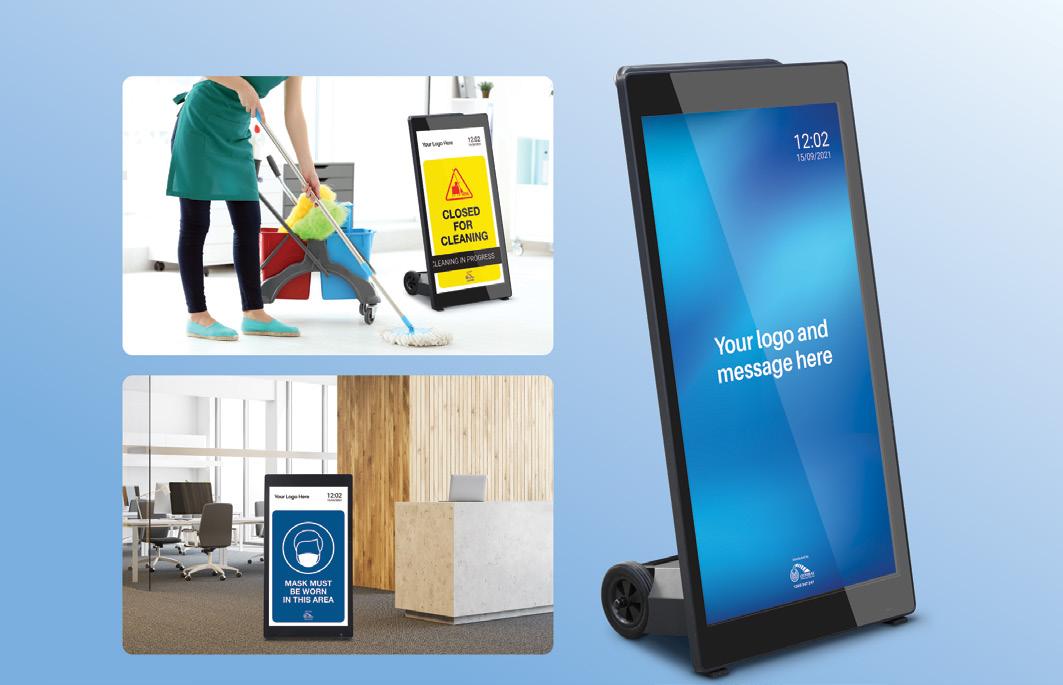
• 43-inch digital signage
• HD Display – 1920 x 1080 pixels
• Portable – wheels and handles for easy moving
• Corded or eight-hour battery time
• Multimedia capability
• Free demonstration available
Central Cleaning Supplies
1300 347 347
sales@centralcleaning.com.au
www.centralcleaning.com.au
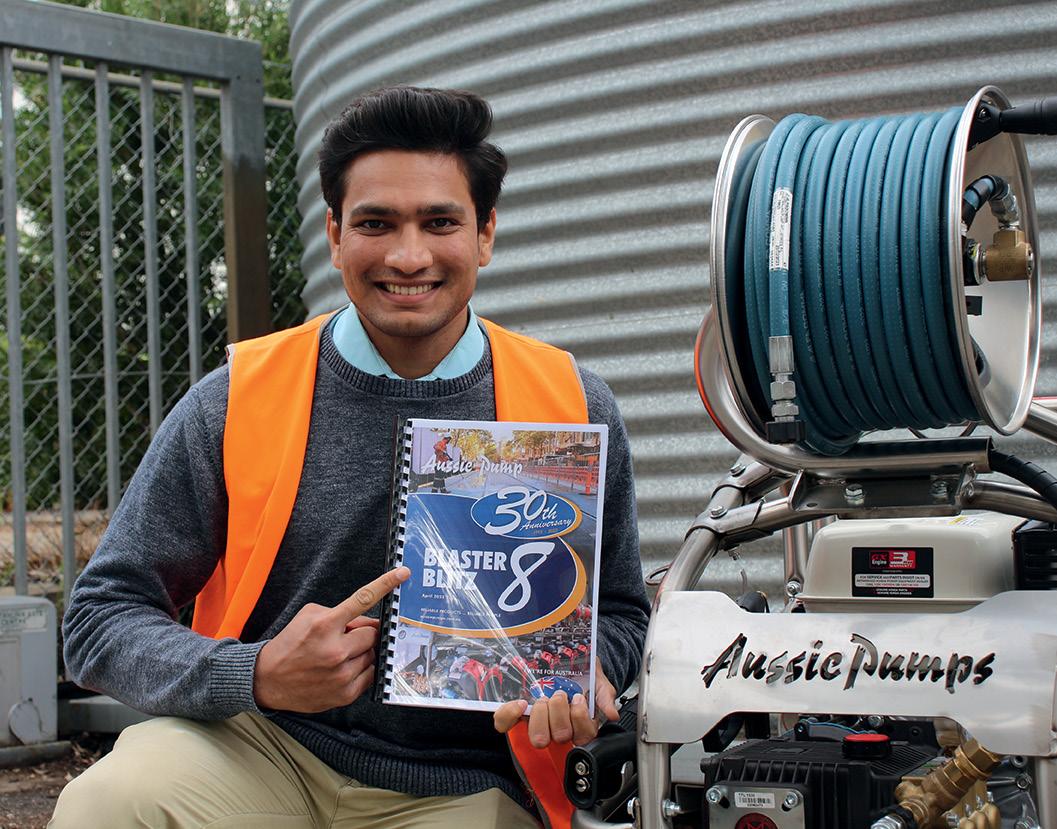
An update of Aussie Pumps’ oracle of high-pressure cleaning equipment, Blaster Blitz 8, has been released this month. It covers everything cleaning companies need to know about selection, safe operation, and maintenance of high-pressure washers and steam cleaners. The guide arms operators with the latest industry information on safety and efficiency. High pressure water blasters, steam cleaners and jetting equipment perform a vital role in keeping our environment clean, hygienic, and safe. The catalogue has a strong emphasis on safety, reflecting the Australian Standard for operating high pressure water blasters. The Blaster Blitz catalogue is found online and hard copies are available from Australian Pump distributors around the country and Southeast Asia.
Australian Pump Industries
02 8865 3500
www.aussiepumps.com.au
Microwash is a unique laundry detergent for microfibre that provides fast and effective deep cleaning. Microwash’s built-in enzyme blend rejuvenates microfibre fabric as there is no re-deposition of dirt back into the fibre. Microwash has been formulated for use in commercial and on-premise laundries. It is suitable all coloured cotton and polycotton fabrics and can be used as a main wash detergent.
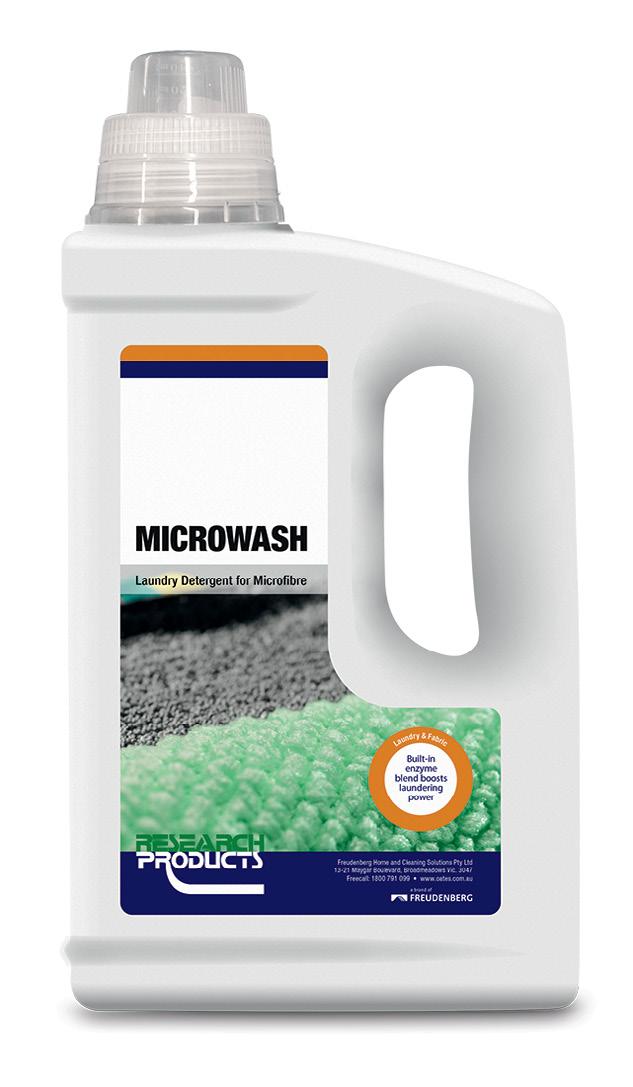
Oates Professional
1300 669 686
csvic@fhp-ww.com
professional.oates.com.au
Coming soon to the XPOWER range is the XD-125-litre commercial dehumidifier with auto purge pump and drainage hose. To find out more, see the XPOWER team at the RIA Restoration Conference and Trade Show at Stand 6 and 7 at Pullman on the Park, Melbourne, on Wednesday, 31 May to Friday, 2 June 2023.
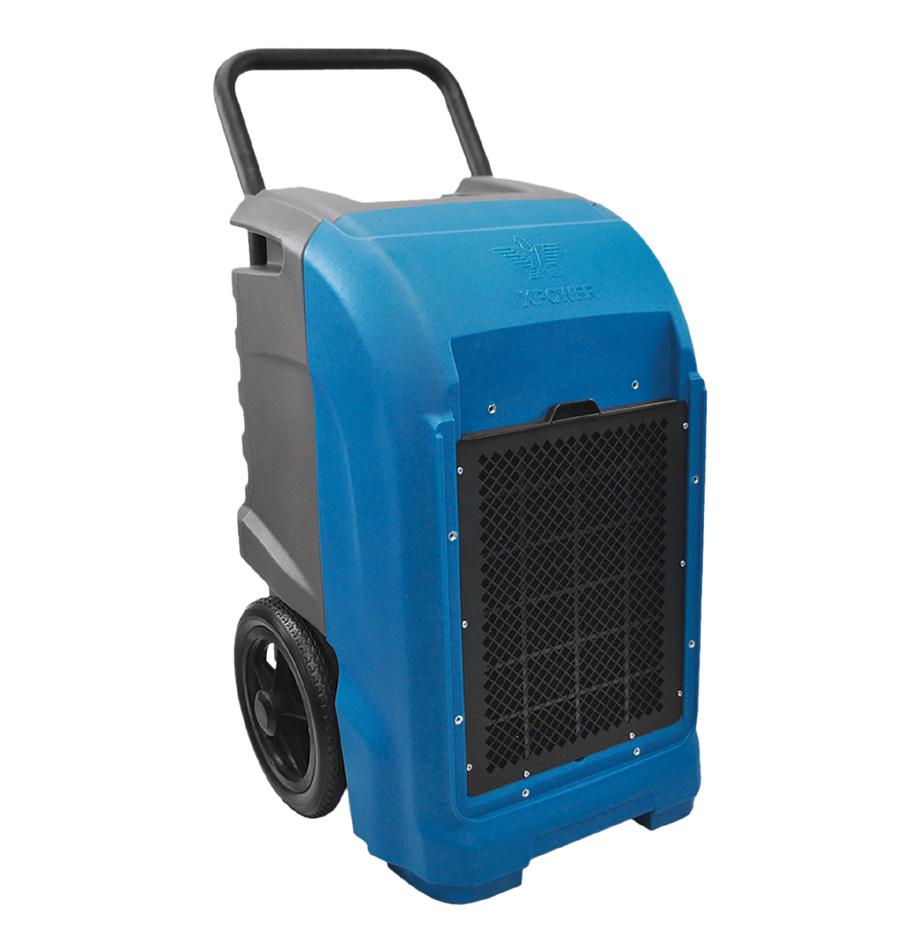
XPOWER AUSTRALIA
03 9460 5655
sales@xpoweraustralia.com.au
www.xpoweraustralia.com.au
Viraclean hospital-grade disinfectant is proven to kill a wide range of bacteria and viruses such as SARS-CoV-2 (COVID-19), influenza virus, hepatitis B group virus, VRE, MRSA and more. Viraclean can be used on floors, desks and high-touch areas, such as door handles, railings, workstations and telephones. Viraclean is user-friendly- and has a pleasant lemon fragrance. It’s available in ready-to-use squeeze-on and spray-on formats and has great materials compatibility.
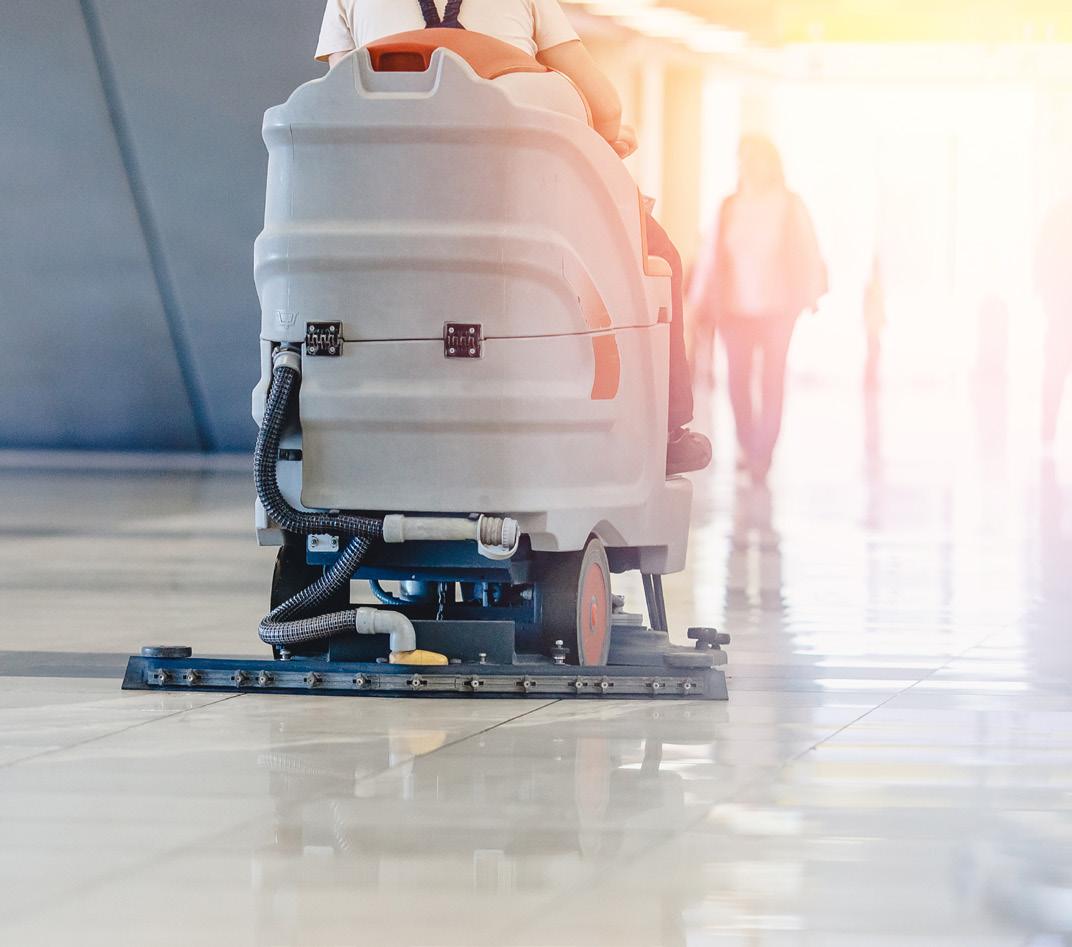
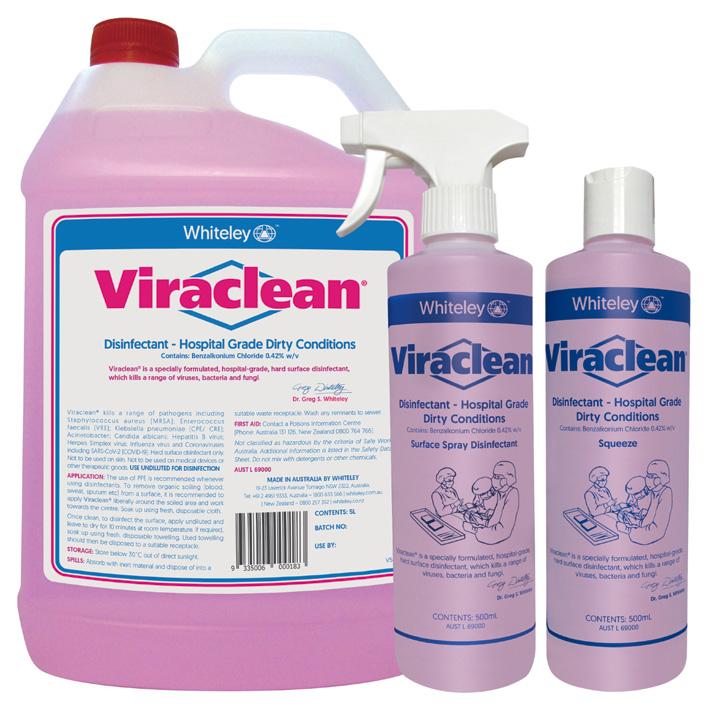
Proven to kill SARS-Cov-2 (COVID-19) in 60 seconds
Excellent materials compatibility
Preferred hospital-grade disinfectant in Australia and New Zealand Whiteley Corporation
1800 833 566
marketing@whiteley.com.au
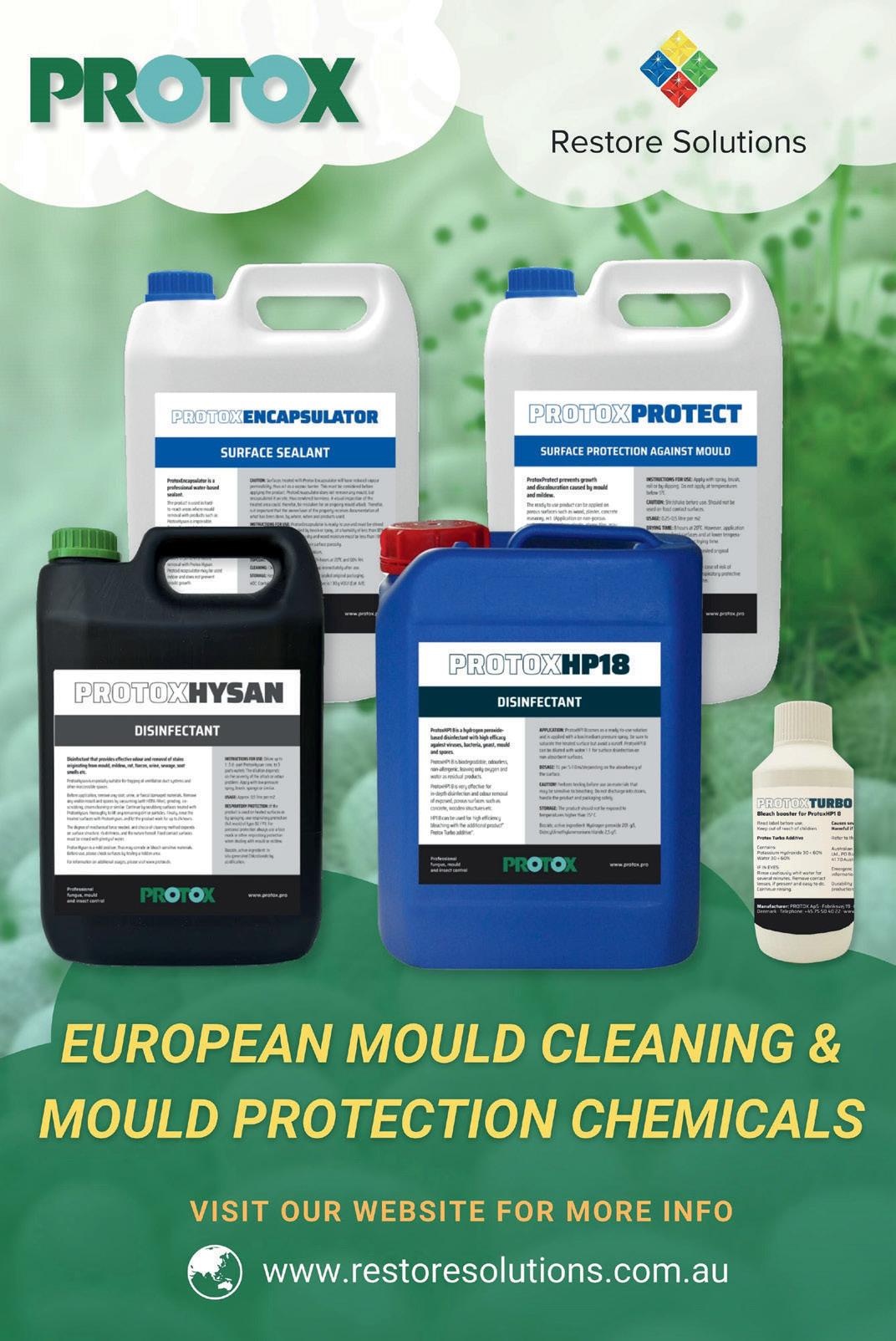
Central Cleaning Supplies has expanded their selection of mop buckets to give cleaners even more choices. The new range of heavy-duty buckets has a 16-litre capacity and comes with plastic wringers. They are durable and rust resistant. Available in blue, red, green, and yellow.
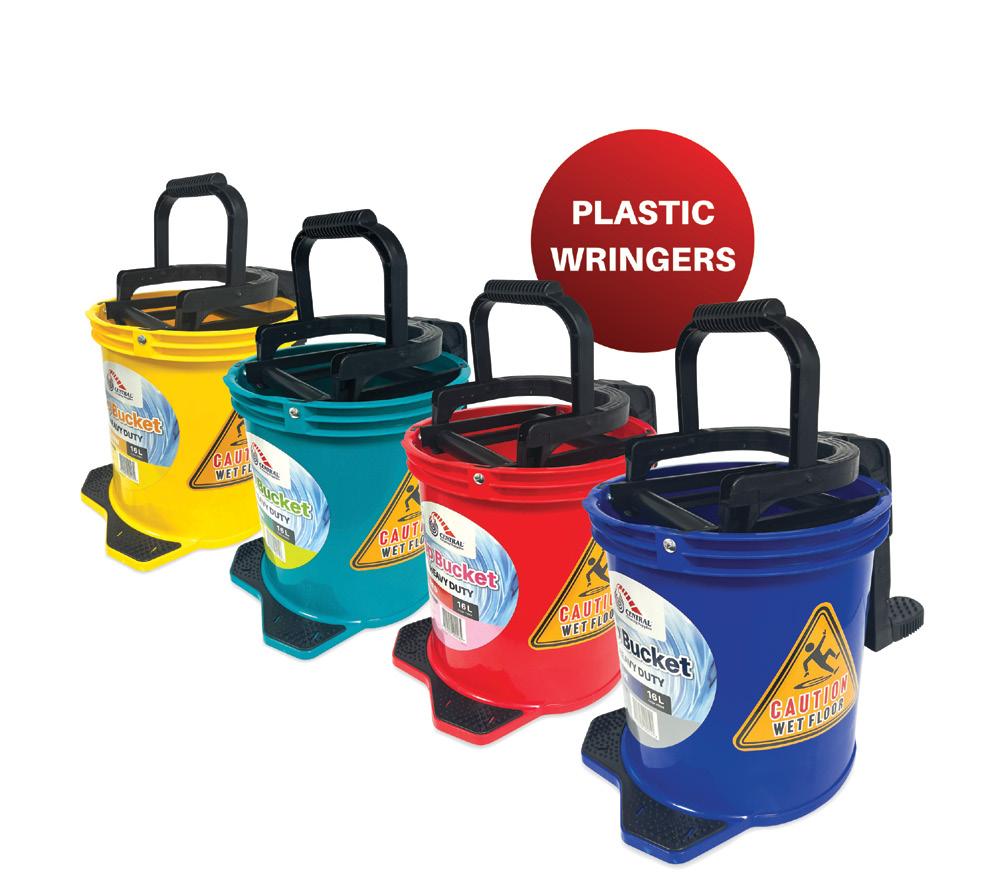
Central Cleaning Supplies
1300 347 347 sales@centralcleaning.com.au www.centralcleaning.com.au
• Double Separator Construction
•
•
•
Thanks to the compact vertical scrubber-dryer Willmop 35, incredibly fast, professional cleaning in small and narrow spaces is attainable. Willmop 35 is designed to get the job done in a heartbeat.
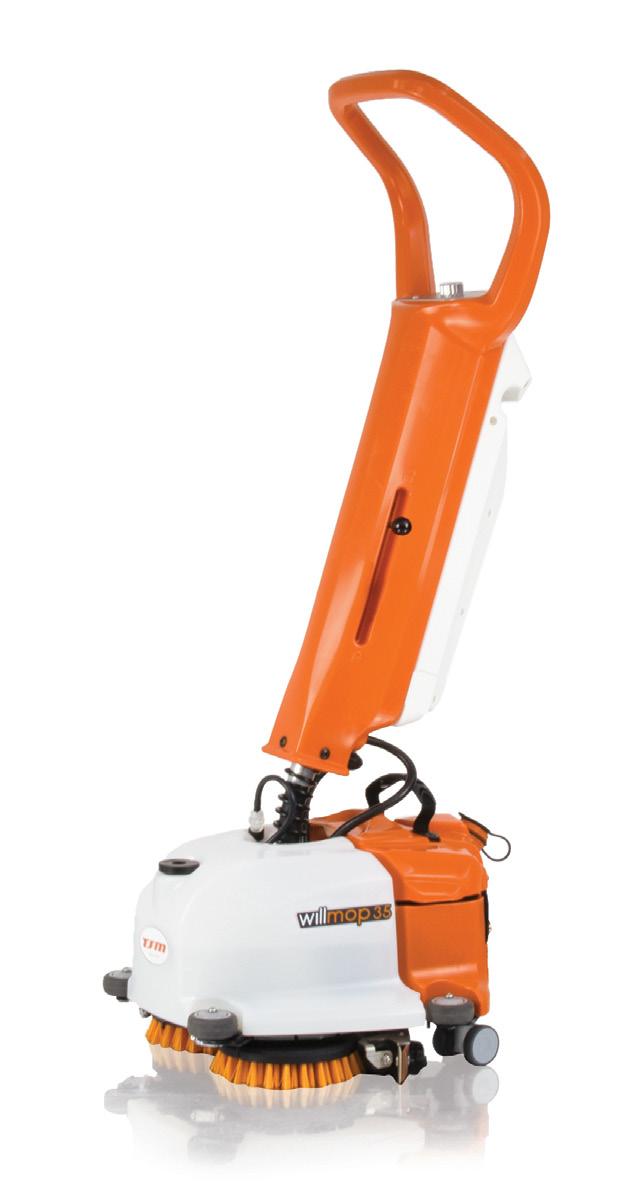
• 37cm scrubbing paths
• 1400m²/hr coverage and up to 70 mins working time
• Swappable lithium battery
• Fully 360° rotatable steering guarantees revolutionary manoeuvrability
• Free demonstration available
Central Cleaning Supplies
1300 347 347
sales@centralcleaning.com.au
www.centralcleaning.com.au
The RapidClean RC1 Scrubber has a 360-degree swivel point for exceptional manoeuvrability and control fitted with a heavy-duty by-pass vacuum motor providing effortless cleaning in all applications. RC1’s smart mounted dashboard clearly displays power and battery usage and allows you to independently control water, vacuum, and speed settings. Compact folding design for transport and storage, the RC1 offers up to 80-minutes full speed run time, with four-hour or twohour fast charger available.
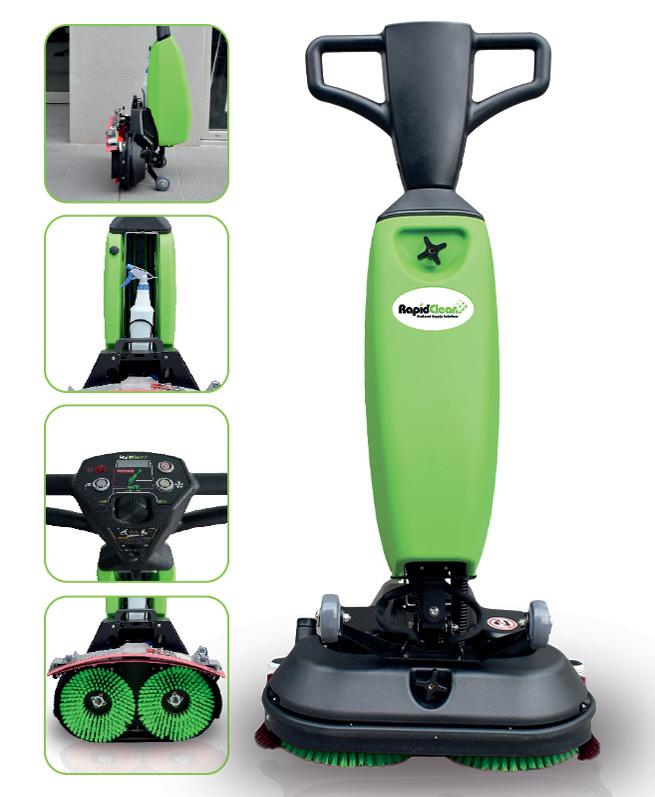
Other key features:
• 500mm operating width
• Clean up to 1200m2
• Lithium-Ion battery technology
• 150w By-pass vacuum motor
• 2x 250w 330RPM drive motors
• 28kg brush pressure
• 3-litre clean water/ 3.5-litre recovery
RapidClean
www.rapidclean.com.au
Introducing the Australian designed and built, Predator MK2. Designed to deliver powerful performance and provide portability for large- or small-scale carpet cleaning, the Predator packs more punch than units twice its size. The heart of the Predator is a powerful 2000 psi max rated HYPRO pump, driven by 0.56kw (0.75 HP) Marathon motor.
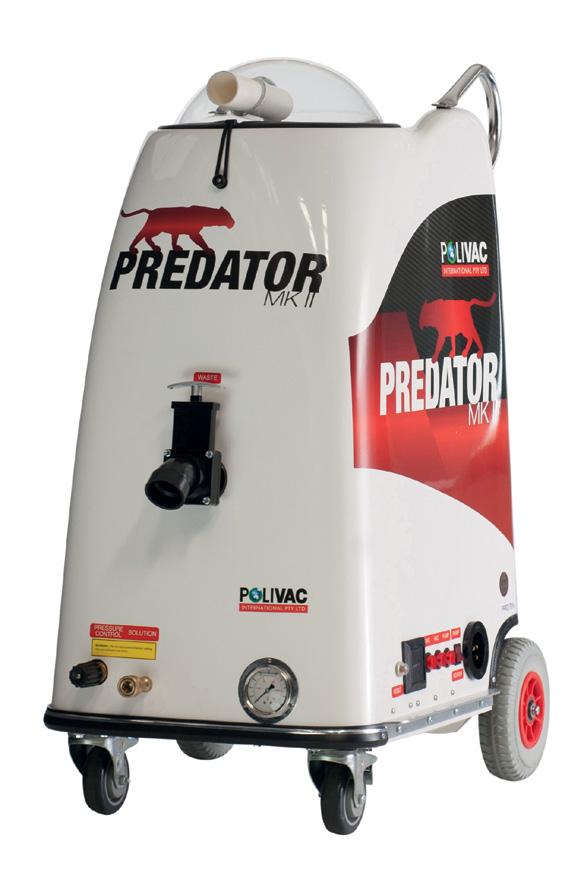
• This high performing machine is spring-mounted on rubber seals vacuum motors deliver vibration-free, low-noise extraction power in a minimum profile body (two vacuum motors: three stage 1100W each)
• Euro-style fiberglass body (with 50-litre solution and 42-litre recovery tank) and aluminium frame creates an ultra-strong and light weight machine
• Versatile carpet extractor with adjustable pressure with thermostatically controlled heater element is designed to maintain water temperature up to 70 degree Celsius), optional booster box to increase vacuum power (2 x vacuum motors: 3 stage 1100W each)
Polivac International
Contact nearest distributor
www.polivac.com.au
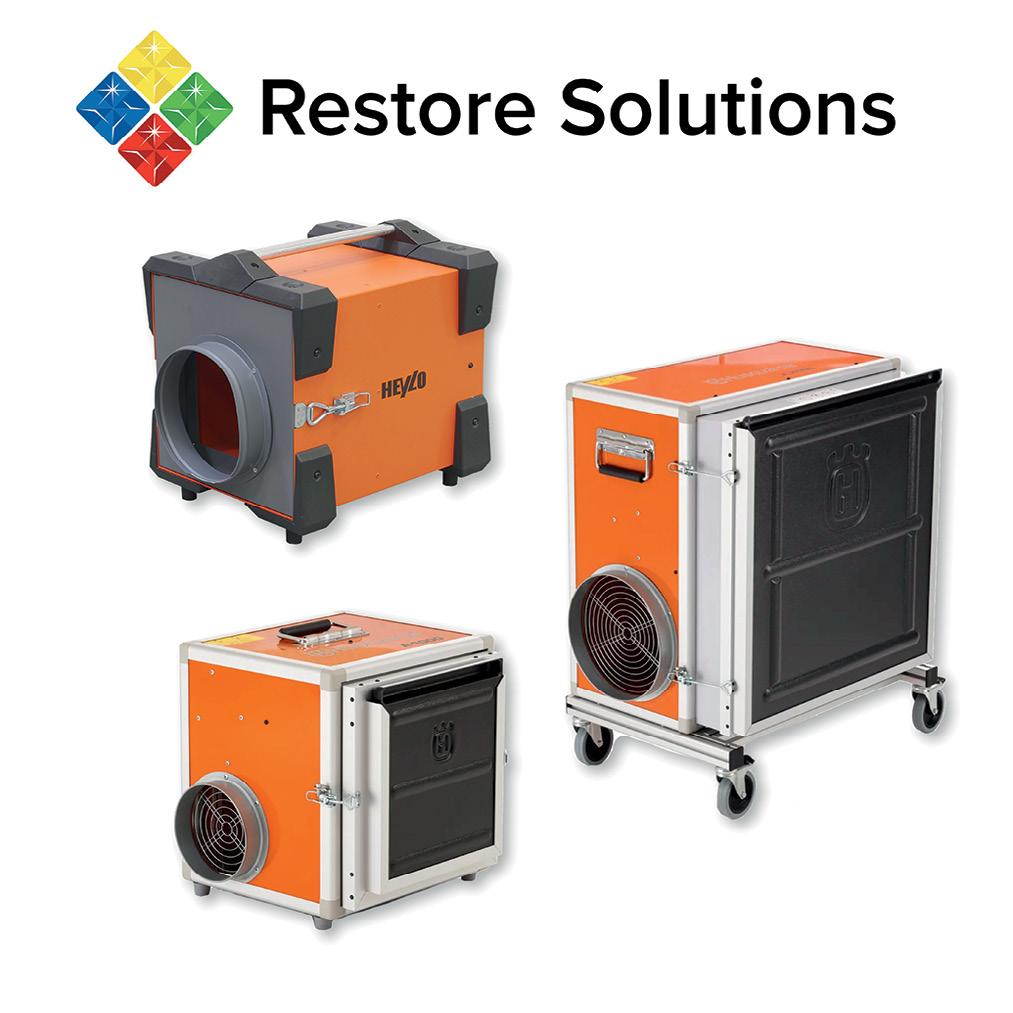
With the rapidly changing air management laws, only true air cleaners should be used on your job sites to ensure any particulates generated from the cleaning and restoration of properties are being managed, and the only air you are creating is clean. Restore Solutions proudly offers a range of proven air cleaners from its industry-leading European suppliers including Husqvarna and Heylo (the Dantherm Group). Available from Husqvarna is the A1000 Air Cleaner and A2000 Air Cleaner. Available from Heylo is the Heylo PowerFilter PF1000 Air Cleaner. The A1000 Air Cleaner and PF1000 PowerFilter PF1000 Air Cleaner are both compact, quiet, have ducting capabilities, are stackable, and have H13 & H14 HEPA filtration but most importantly are air cleaners that create clean air.
Restore Solutions
0411 501 931
www.restoresolutions.com.au
lorelle@restoresolutions.com.au



Containment film from XPOWER is for remediation and restoration use. Rolls of containment film are available in 50-metre lengths, 3 metres wide and 100 microns. Also available from XPOWER is Lay Flat Ducting Film to be used with dehumidifiers and air scrubbers. Rolls of Lay Flat Ducting Film are available in 110-metre length, 560mm width and 90 microns.
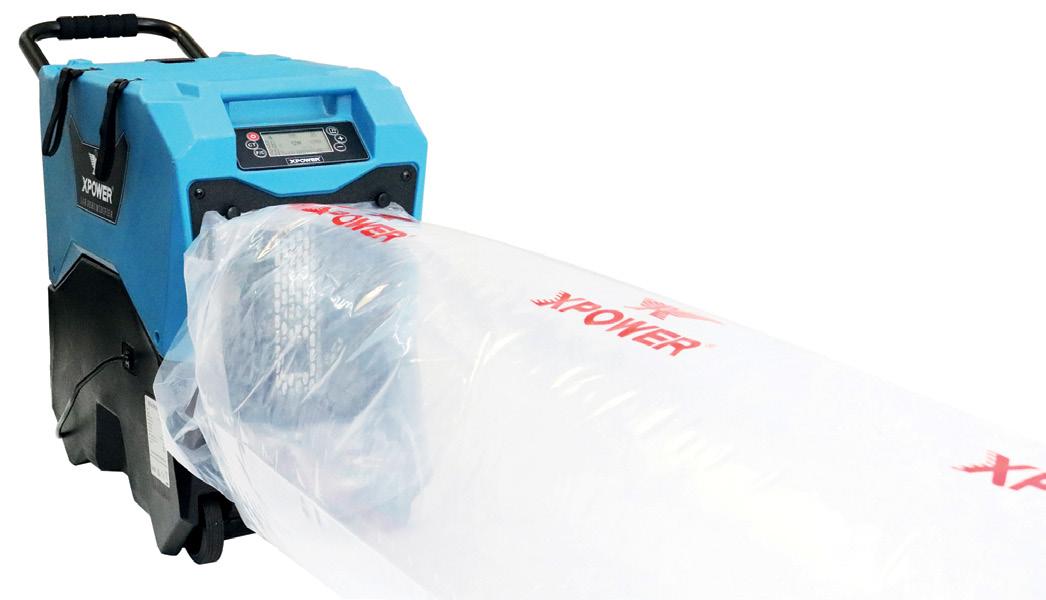
To find out more, see the XPOWER team at the RIA Restoration Conference and Trade Show at Stand 6 and 7 at Pullman on the Park, Melbourne, on Wednesday, 31 May to Friday, 2 June 2023.
XPOWER AUSTRALIA
03 9460 5655





sales@xpoweraustralia.com.au www.xpoweraustralia.com.au
R&J Batteries supply a range of 6-volt batteries to meet the unique needs of Australia’s industrial market. These sizes are part of the vast Predator range; a brand owned by R&J Batteries. The Predator ED63400 and ED63900 are true deep cycle absorbent glass mat (AGM) batteries. The grids and active material are manufactured using 99.99 per cent virgin lead to ensure maximum performance and durability. Their unique double separator configuration delivers high energy density and excellent vibration resistance. The valve regulated, non-spillable design delivers outstanding cycle life and a low selfdischarge rate for longer shelf life. This battery is designed for any industrial and heavy-duty applications where a 6-volt battery is required.
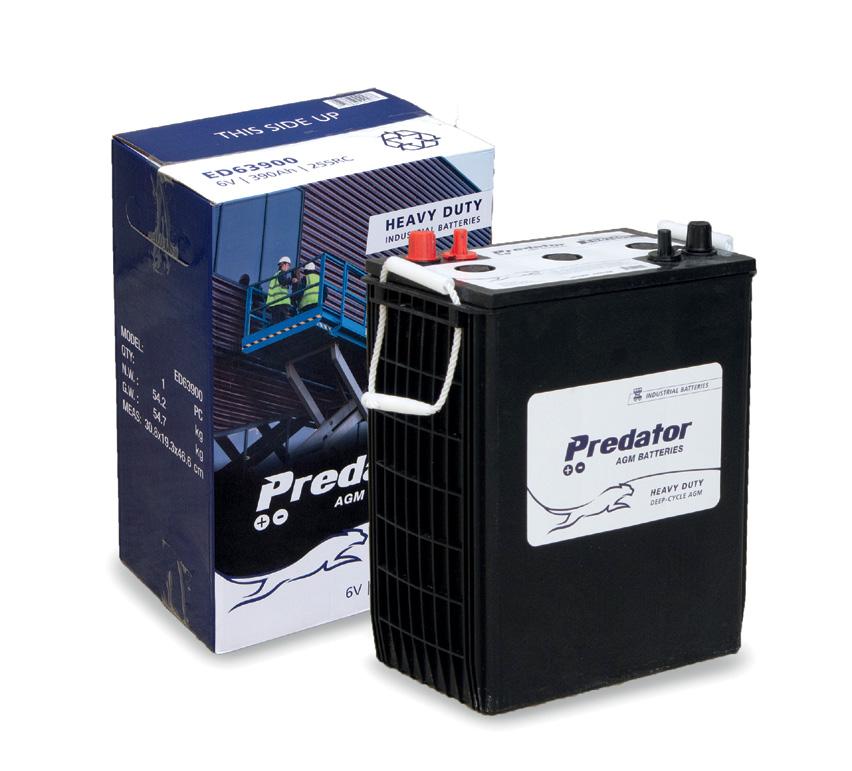
R&J Batteries


1300 769 282





industrialsales@rjbatt.com.au rjbatt.com.au














Built on Italian engineering and production, this range of Floorwash Scrubber Dryers from Central Cleaning Supplies is perfect for professional cleaning, of most floor types and across numerous environments.
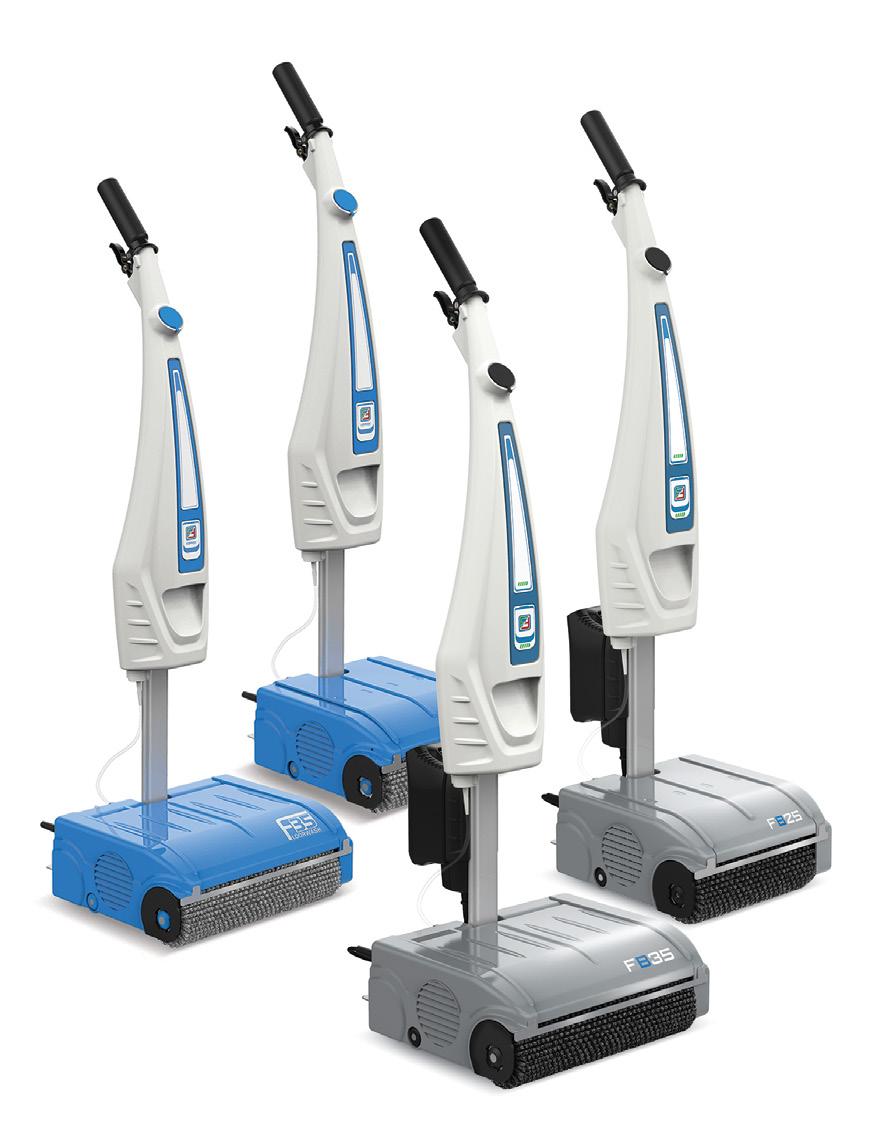
• Cylindrical brushes
• Battery and electric models
• Interchangeable brushes
• Two counter-rotating brushes
• Effective cleaning flush with the wall
• Free demonstration available
Central Cleaning Supplies
1300 347 347
sales@centralcleaning.com.au www.centralcleaning.com.au
The first and only wet umbrella dryer to be manufactured in Australia. Locally manufactured, Wet Umbrella can offer a truly sustainable product with closed loop recycling available for the body of the machine. Unique features include:
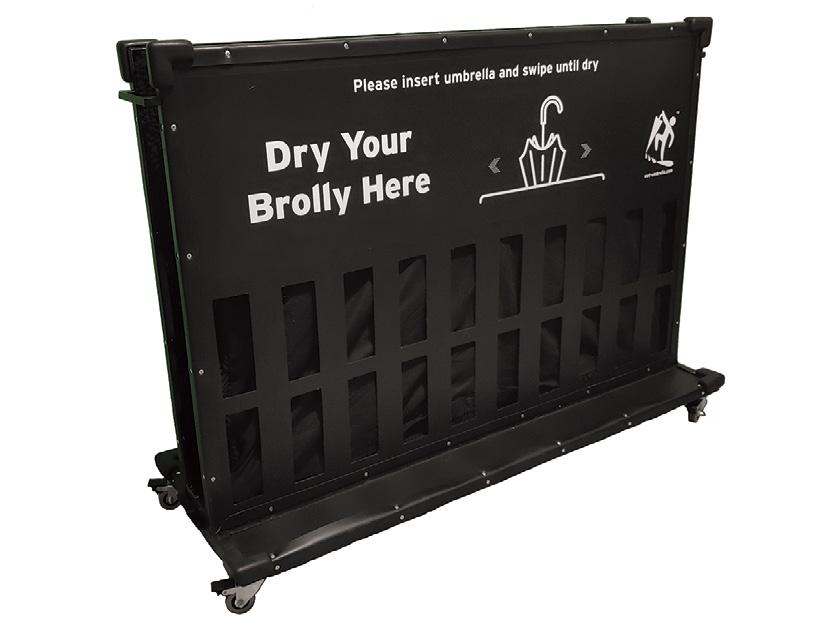
• All panels are made from recyclable HDPE
• Side panels and pads are fully ventilated to assist in the drying process
• Flat packed, can be sent with standard courier services Australia wide
• Handles for lifting or moving also used as reinforcement to panels
• Splash panels on the ends, no mat necessary under machine
• Five-year warranty
• Washable microfiber pads
Wet Umbrella 0466 278 782
info@wet-umbrella.com www.wet-umbrella.com
The MAXVAC Dustblocker range of airborne dust extractors is designed for most buildings, construction sites and manufacturing plants to provide high levels of air filtration to decrease airborne dust particles.
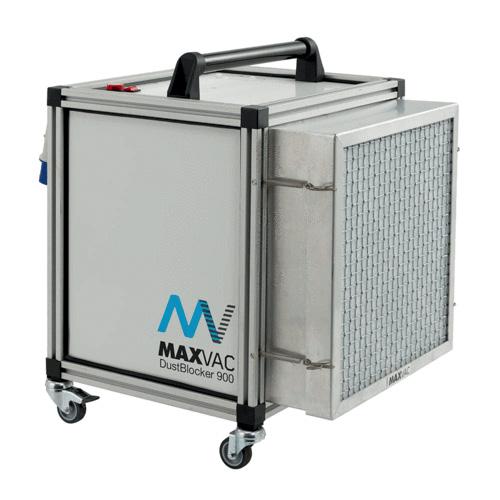
• Suitable for many high dust applications, including renovation areas, bakeries, machine rooms, repair workshops and any other areas where silica dust from concrete, brick, grout, or mortar may be present.
• Quiet operation
• Plug-and-play portable systems can be easily moved to any area in your building. In Australia, the MAXVAC range is distributed by Bulcs Holdings, home to AeroAir and IAQ Ventilation.
Bulcs Holdings
1300 654 684 bulcsholdings.com.au
Virattack is a peroxide-based, hospital-grade disinfectant that quickly kills germs, bacteria, and viruses. It helps keep people and animals safe by effectively destroying SARS-CoV-2 (COVID-19 virus) and canine parvovirus within two to five minutes of contact. It uses premium surfactants that instantly attacks and disperses soilage matter, and the active ingredient breaks down into environmentally friendly components: water and oxygen. It is completely odourless and can be used to clean and disinfect most hard surfaces. Virattack provides unbeatable protection in healthcare settings like hospitals, nursing homes and veterinary clinics.
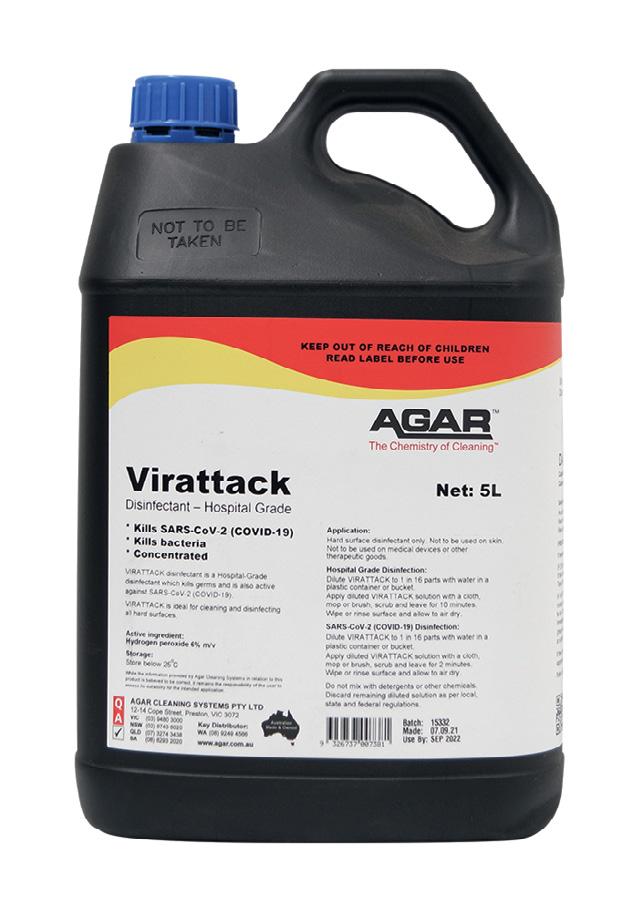
• Hydrogen peroxide breaks down into water and oxygen
• Dilutes to 1:16 for hospital grade disinfection
• Odourless for sensitive individuals and preparation areas
Agar Cleaning Systems
1800 301 302
sales@agar.com.au agar.com.au

Speedy Clean Wipes are excellent ready-to-use hospital-grade, anionic neutral detergent wipes. Ideal for cleaning surfaces and equipment in healthrelated environments. The single-use application improves infection control by avoiding crosscontamination. Speedy Clean Wipes are pleasantly perfumed and fast drying, leaving surfaces streak free after cleaning. Speedy Clean Wipes are designed for use in healthcare facilities including hospitals, general practices, aged care, and dental facilities.
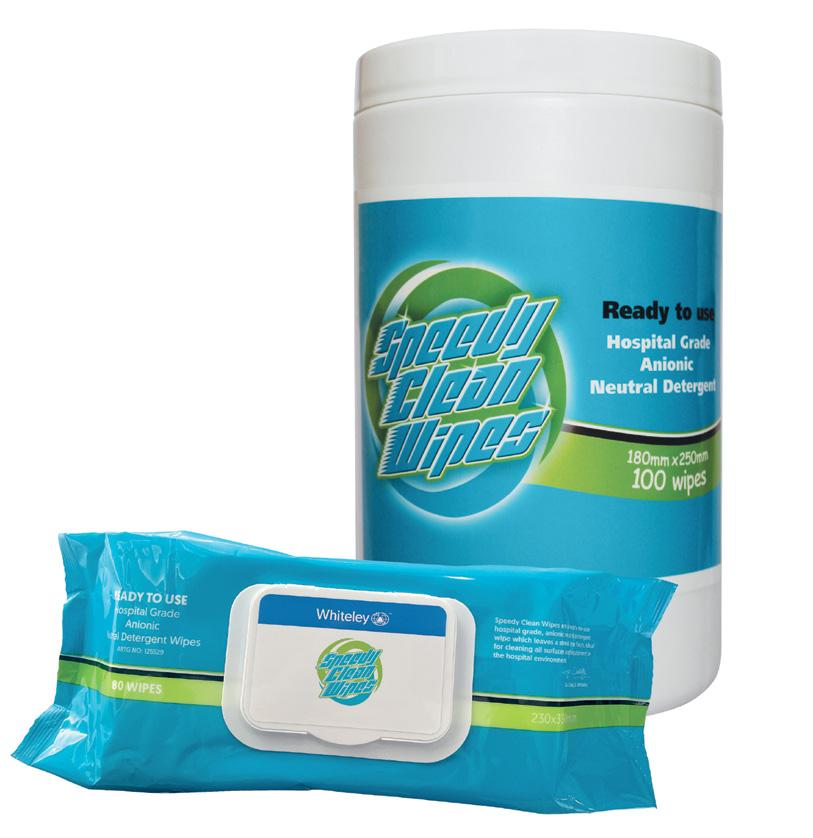
Whiteley Corporation
1800 833 566
marketing@whiteley.com.au
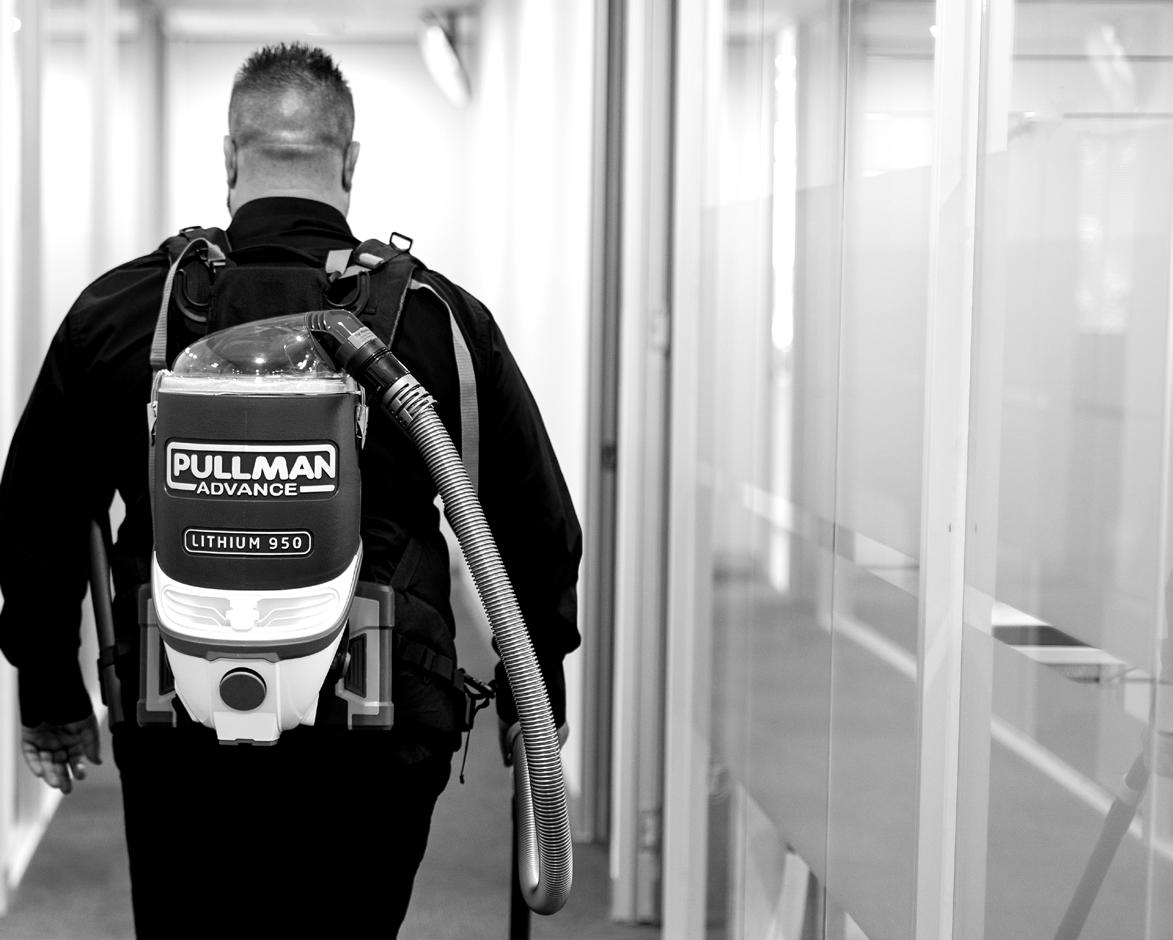
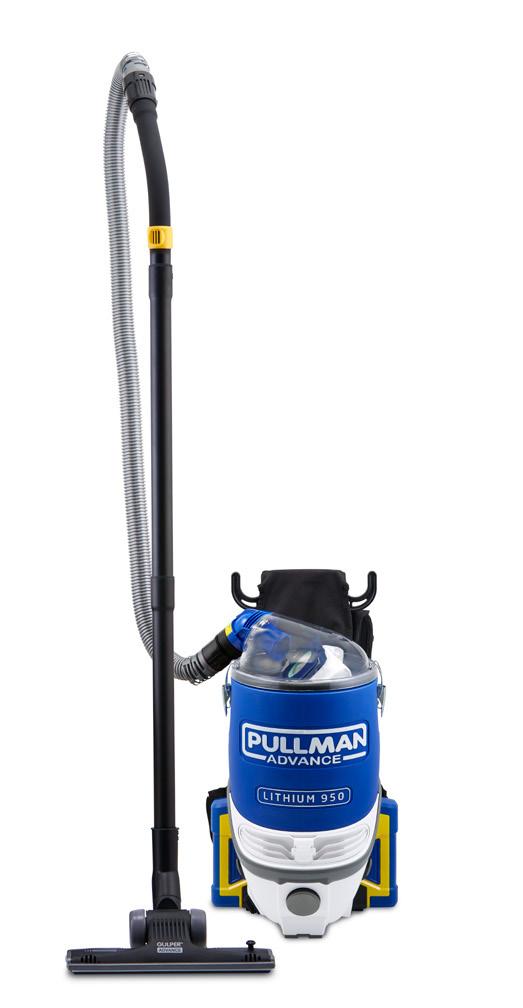

Z Water is a purified pH12.5 ionised alkaline water made with advance Japanese technology that is chemical free and requires no rinsing after use. It cleans, deodorises, and sanitises at the same time. Using electrolysis, the Z Water generator produces 20 litres of Z water per hour. Z Water has no colour compounds, no odours, non-sticky and no foam up during use. Z Water is the perfect cleaning agent on areas that are sensitive to conventional cleaning chemicals, such as childcare centres, hospitals, F&B outlets, and theatre seats. Professional cleaners love Z Water as it cleans many surfaces. It’s safer and leaves no residue after cleaning. Surfaces cleaned with Z Water, being free of chemical residue, stay cleaner longer. Free demonstration available.
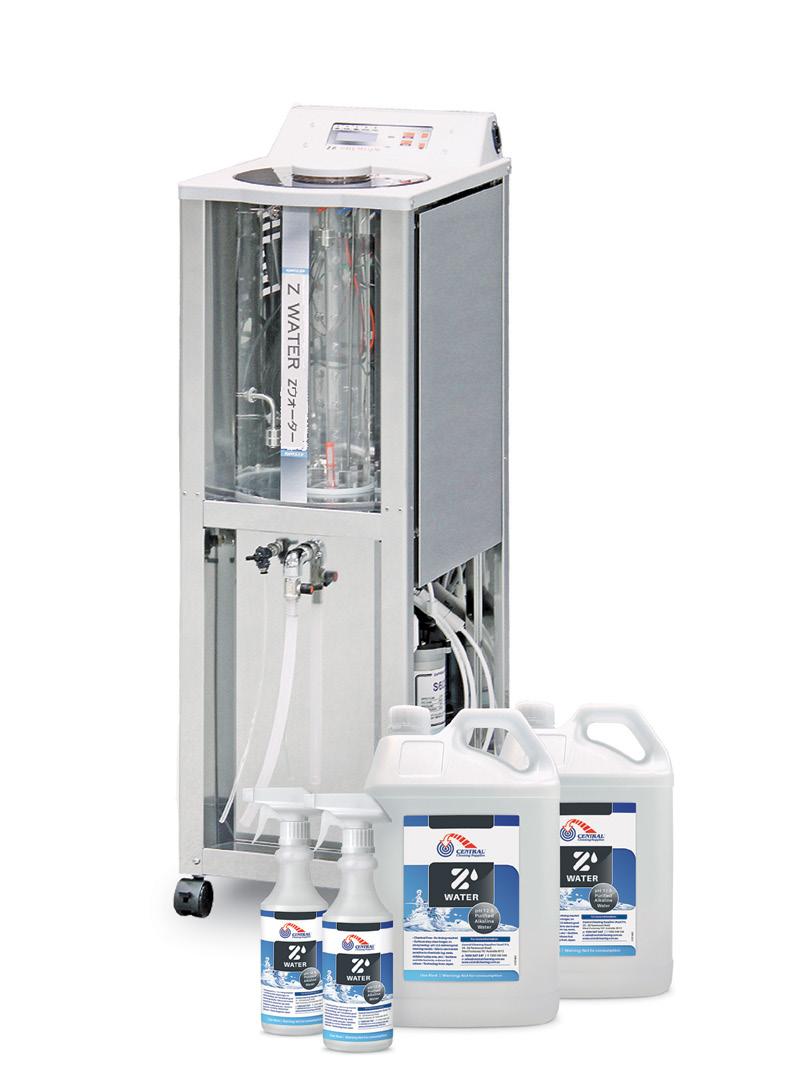
Willmop 50 is a light and extremely manageable vertical scrubber-dryer, combining the high performance of a professional machine with the flexibility of a traditional mop. Perfect for crowded spaces.
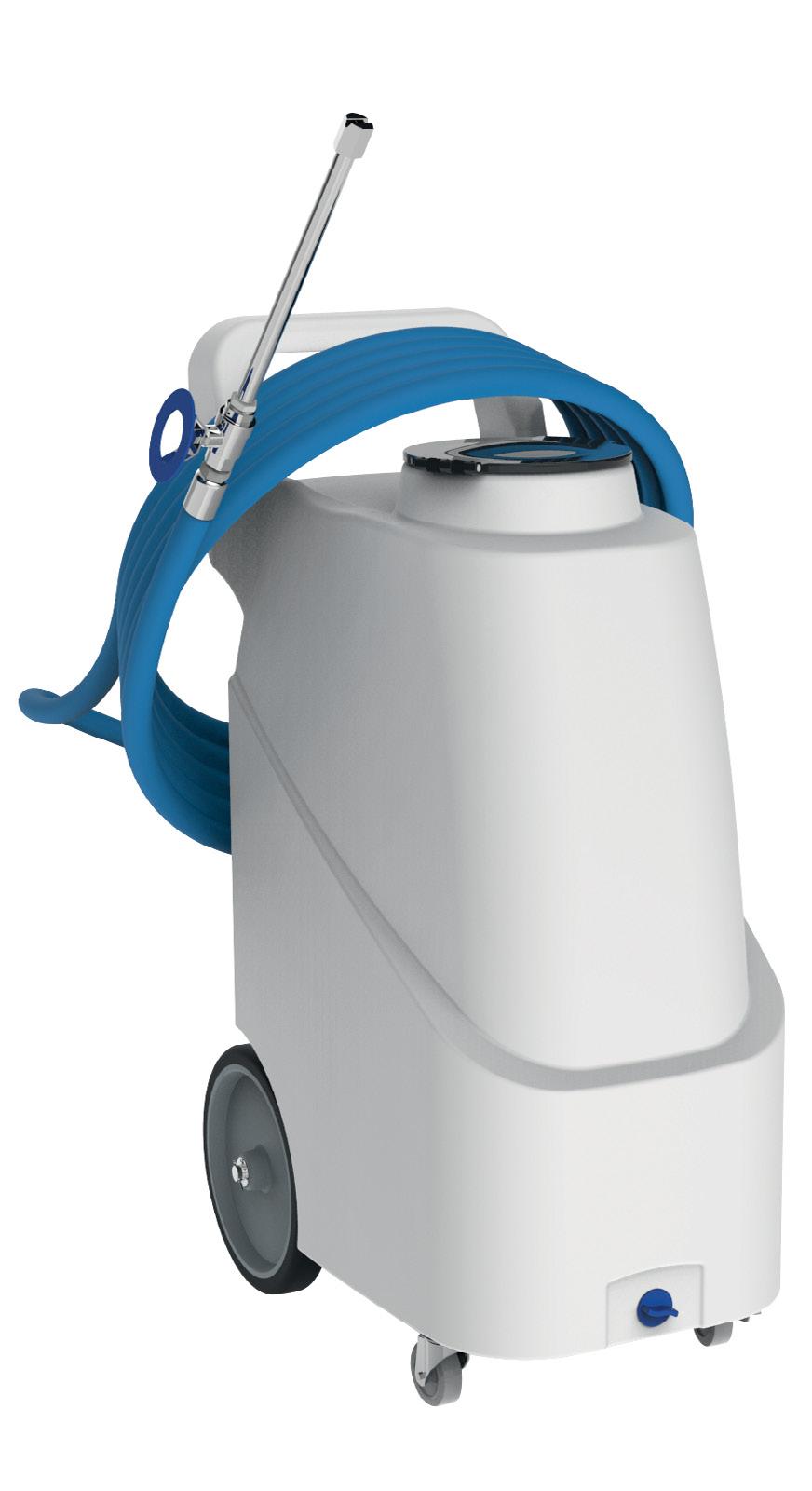
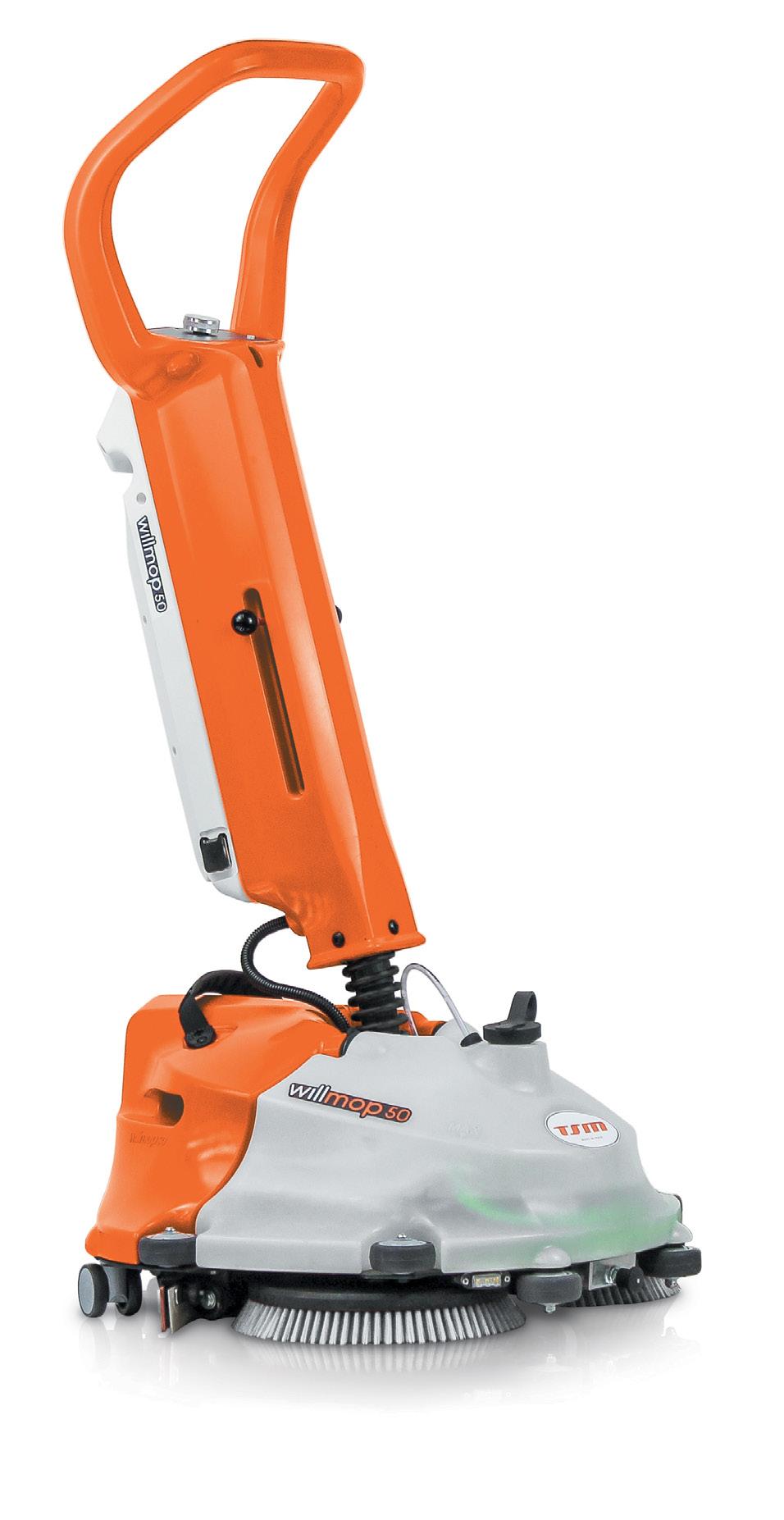
• Fully 360o rotatable steering guarantees revolutionary manoeuvrability
• When hands are removed, the machine will remain upright and automatically enters the stand-by mode
• Swappable lithium battery
• 50cm scrubbing paths, 2100m 2 /hr coverage and ~1h 15 mins working time
• Free demonstration available
Central Cleaning Supplies
1300 347 347
sales@centralcleaning.com.au
www.centralcleaning.com.au
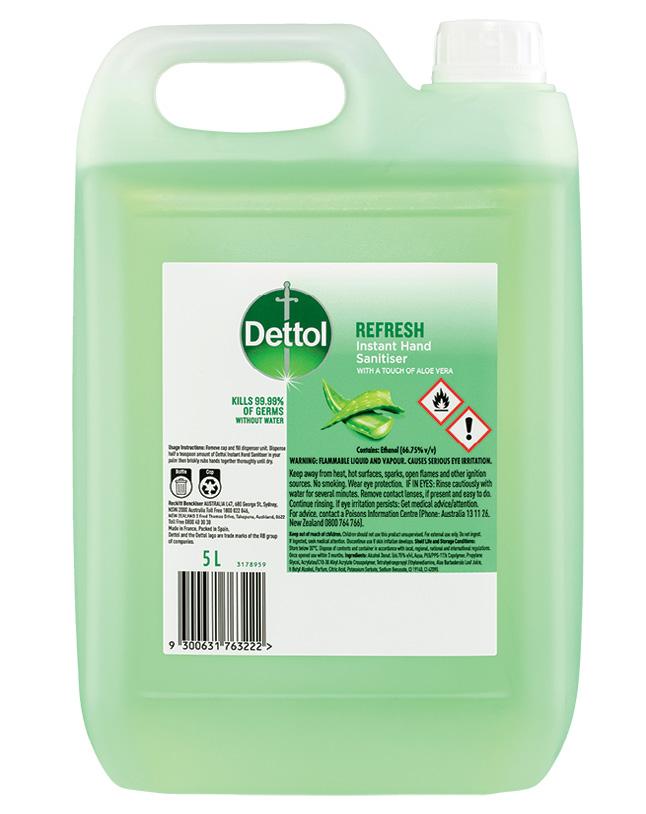
The Dettol Refresh Instant Hand Sanitiser 5-litre is formulated to kill 99.99 per cent of germs whilst also leaving hands feeling refreshed. Rinse-free, hand sanitiser is ideal for those on the go. Available via Winc or to Dettol Pro Solutions program members, the 5-litre size is designed for refilling hand sanitiser dispensers stationed throughout offices, public spaces and hospitality venues.
Dettol Pro Solutions
www.reckittpro.com.au
prosolutions@reckitt.com
SEKO brings portability, simplicity, and reliability to high-duty cleaning with its new ProKart mobile foam system. Available in 38 and 95-litre models, ProKart is a trolley-mounted system that is designed to provide high performance in the cleaning of vertical and non-flat surfaces. ProKart operates at up to 5.5 bar air pressure with a flow rate of 19 litres per minute and features a needle valve that allows air/solution ratio to be finely adjusted, allowing users to achieve foam consistency. By delivering a rich, thick foam, ProKart allows operators to achieve extended chemical contact time for a deeper clean. The system is ideal for hygiene-critical applications such as food and beverage processing and pharmaceutical production, as well as automotive care, manufacturing, and retail. ProKart includes a stainless-steel lance and heavy-duty 9-metre delivery hose, needing no electrical connection courtesy of its air-driven pump that generates foam from a premixed non-pressurised solution.
SEKO
02 4774 0700
info@totalds.com.au
www.seko.com
Sanitol Jade is a uniquely formulated antibacterial hand sanitiser designed to prevent the spread of harmful germs. Sanitol Jade has a rapidly acting formula that kills 99.99 per cent of germs – protecting you against a range of potentially unsafe microorganisms. Sanitol Jade is an effective component of a personal hygiene program and its scientifically advanced formula is gentle on all skin types.
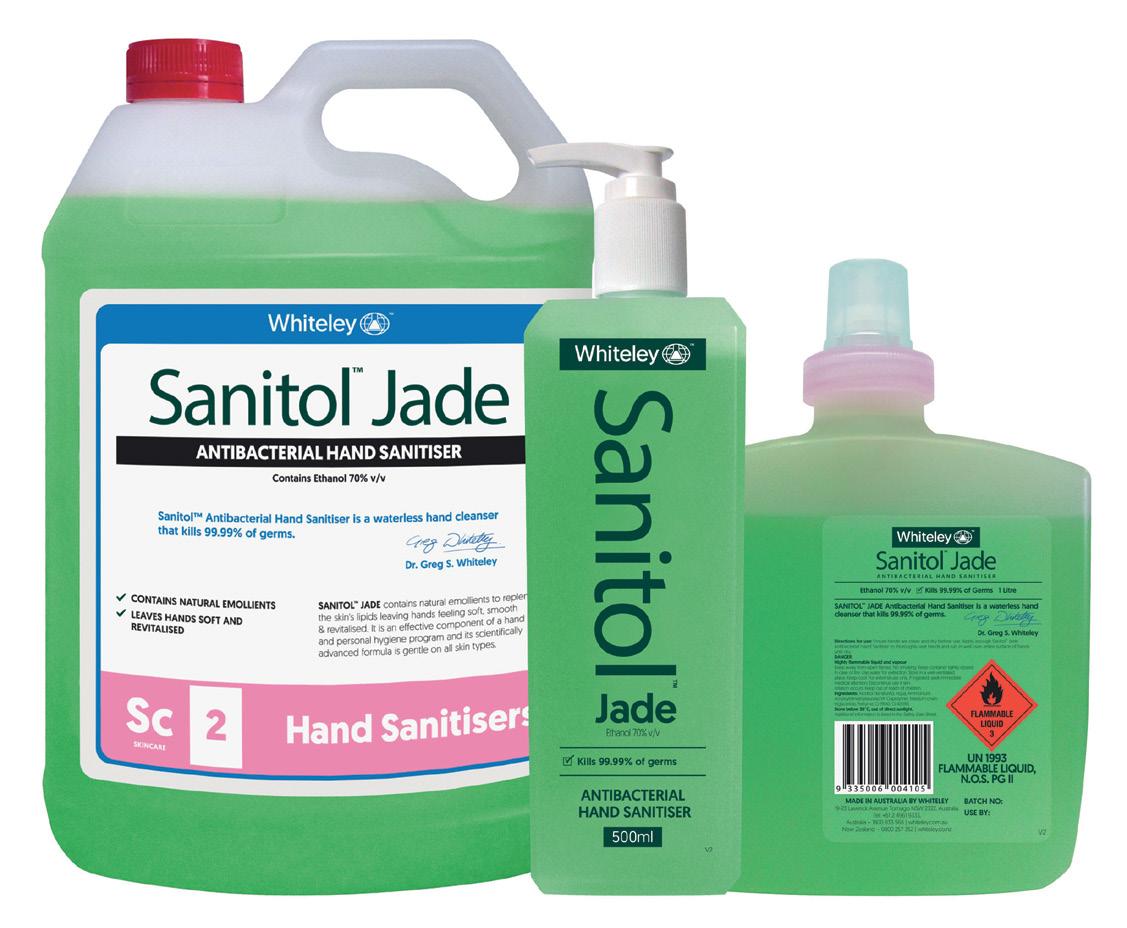
• Contains natural emollients to replenish the skin’s lipids –leaves hands feeling soft, smooth, and revitalised
• Natural skin conditioners and light pleasant fragrance – ideal for all ages to use
• A refreshing gel that kills germs without the need for water
Whiteley Corporation
1800 833 566
marketing@whiteley.com.au
Coming soon to the XPOWER range is the AP-2000 Portable HEPA Air Filtration System. Efficiently remediate large spaces such as hospitals, schools, arenas, gyms, conference halls, hotels and any other largely occupied areas. The AP-2000 features low 8.5 Amp draw for jobsite optimisation and a two-speed switch for operating performance at 1000 or 2000 CFM. Other key features include:
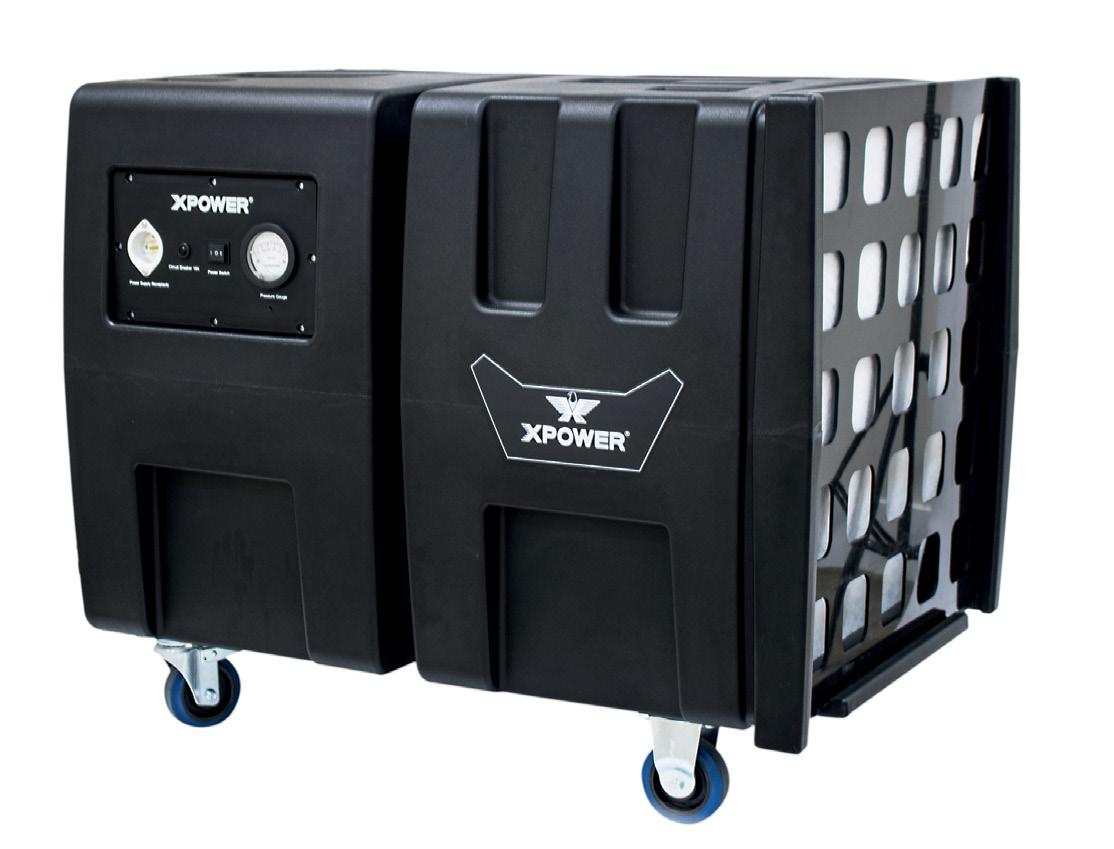
• Three-stage filtration
• NF-24 – Stage 1 pre-filter
• NF-24RP – Stage 2 pre-filter with frame
• HEPA-300-WB – Thick HEPA filter
To find out more, see the XPOWER team at the RIA Restoration Conference and Trade Show at Stand 6 and 7 at Pullman on the Park, Melbourne, on Wednesday, 31 May to Friday, 2 June 2023.
XPOWER AUSTRALIA
03 9460 5655
sales@xpoweraustralia.com.au
www.xpoweraustralia.com.au
Bellevue is an eco-friendly, hypoallergenic glass cleaner that rapidly penetrates and removes soil from windows and mirrors without leaving streaks behind. It has a highly effective cleaning power and low VOCs to promote good indoor air quality. Its GECA-certified formula makes it a safer way to clean for people, property, and the planet.
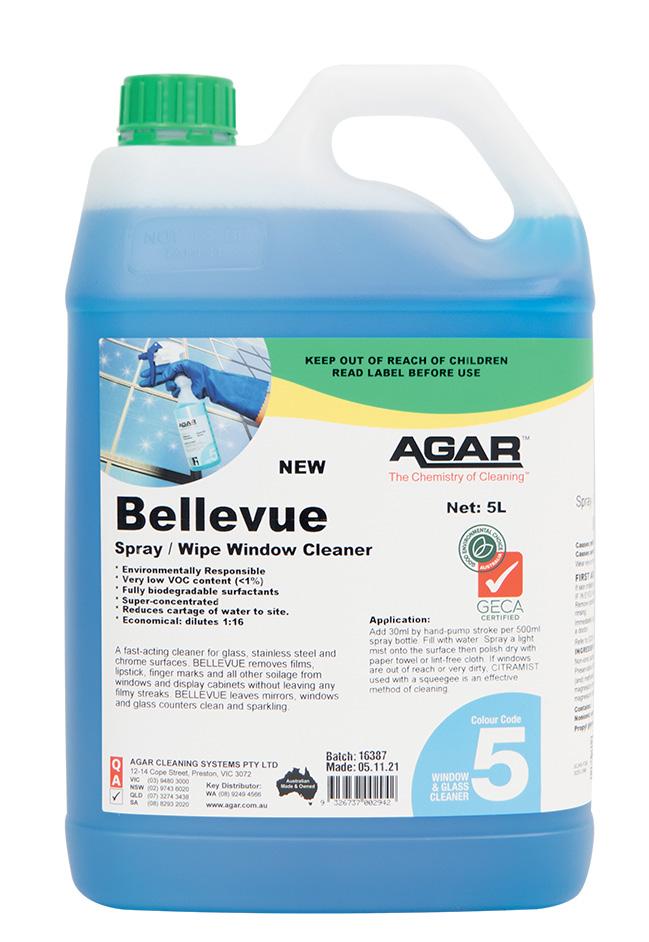
• Evaporates quickly and streak-free
• Breaks up dirt fast with minimal wiping needed
• Non-dangerous goods, making it safer to use, transport, and store
Agar Cleaning Systems
1800 301 302
sales@agar.com.au agar.com.au
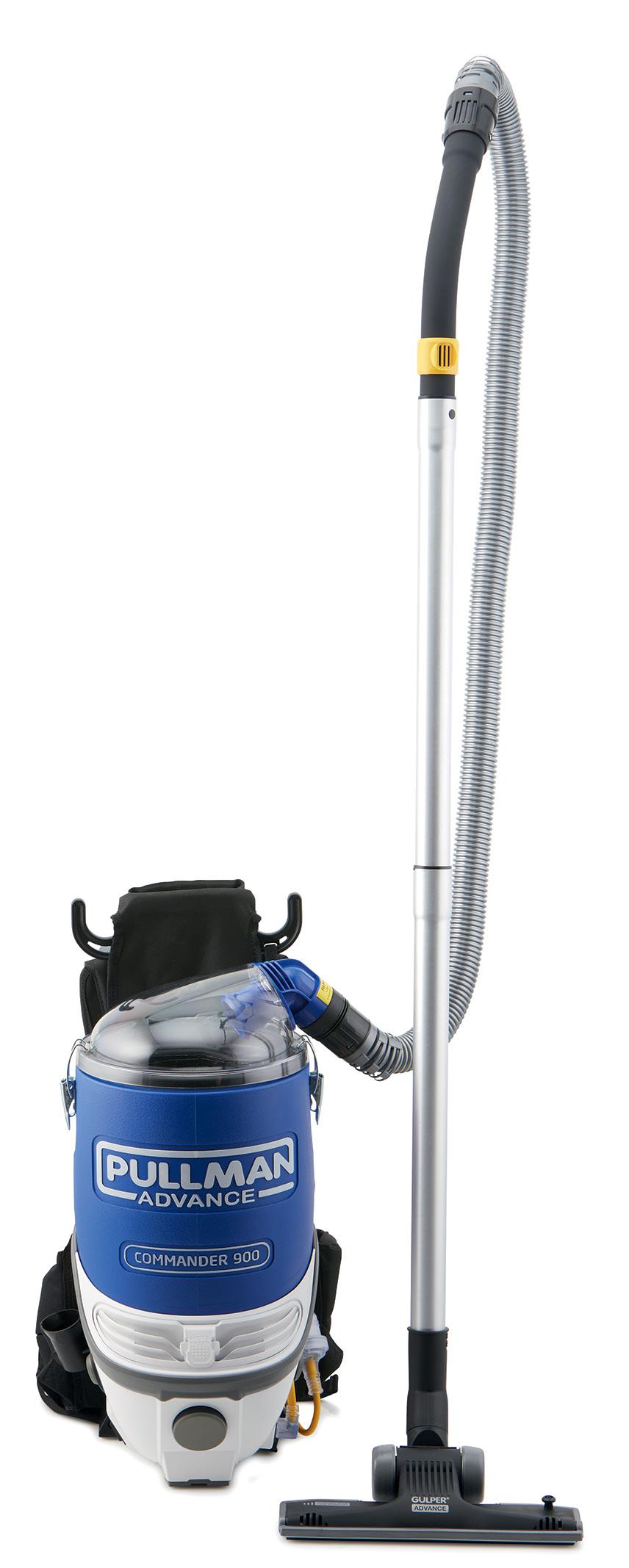
This high-powered backpack vacuum is designed for maximum operator comfort in all commercial settings. With a hiking-quality harness that features three unique height settings, anti-vibration absorption technology and professional grade HEPA13 filtration, it prioritises the operator and their wellbeing. The Pullman Commander PV900 Backpack Vacuum Cleaner easily transforms into a powerful blower for areas where vacuuming isn’t possible and has eco and turbo modes for tailored suction strength. The 18m detachable extension cord makes this vacuum ideal for commercial use, in a variety of locations and settings.
Godfreys Commercial 1800 314 580
www.godfreyscommercial.com.au
Sabco Ultraclean Microfiber disposable cloths offer multiple benefits for cleaning surfaces. They have the following benefits:
These disposable cloths are suitable for all surface and are currently used in leading hospitals and other facilities.
• High absorbent cloth lint and streak free
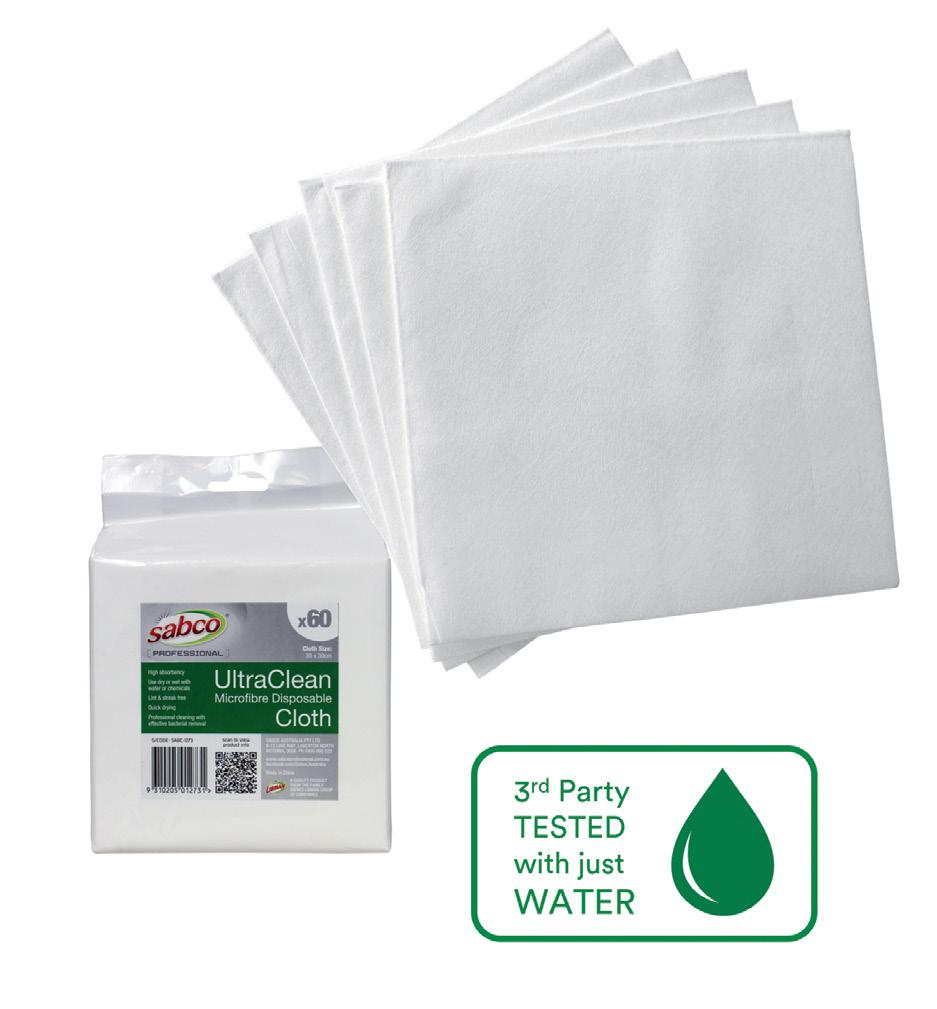
• Usable dry, wet with water or chemicals
• Professional cleaning with effective bacterial removal (third party tested with water)
• Staphylococcus.aureus Pseudomonas – MRSA Superbug Pseudomonas
• Greater than 99.9 per cent
• Pseudomonas aeruginosa & E.coli - Escherichia coli
• Greater than 99.999 per cent
• Enterococcus hirae, VRE and TGA approved Covid-19 surrogate
• Greater than 99.99 per cent
• Cloth size: 30 x 30cm
Request a free sample at Sabco.commercial@sabco.com.au
Sabco Professional
www.sabcoprofessional.com.au
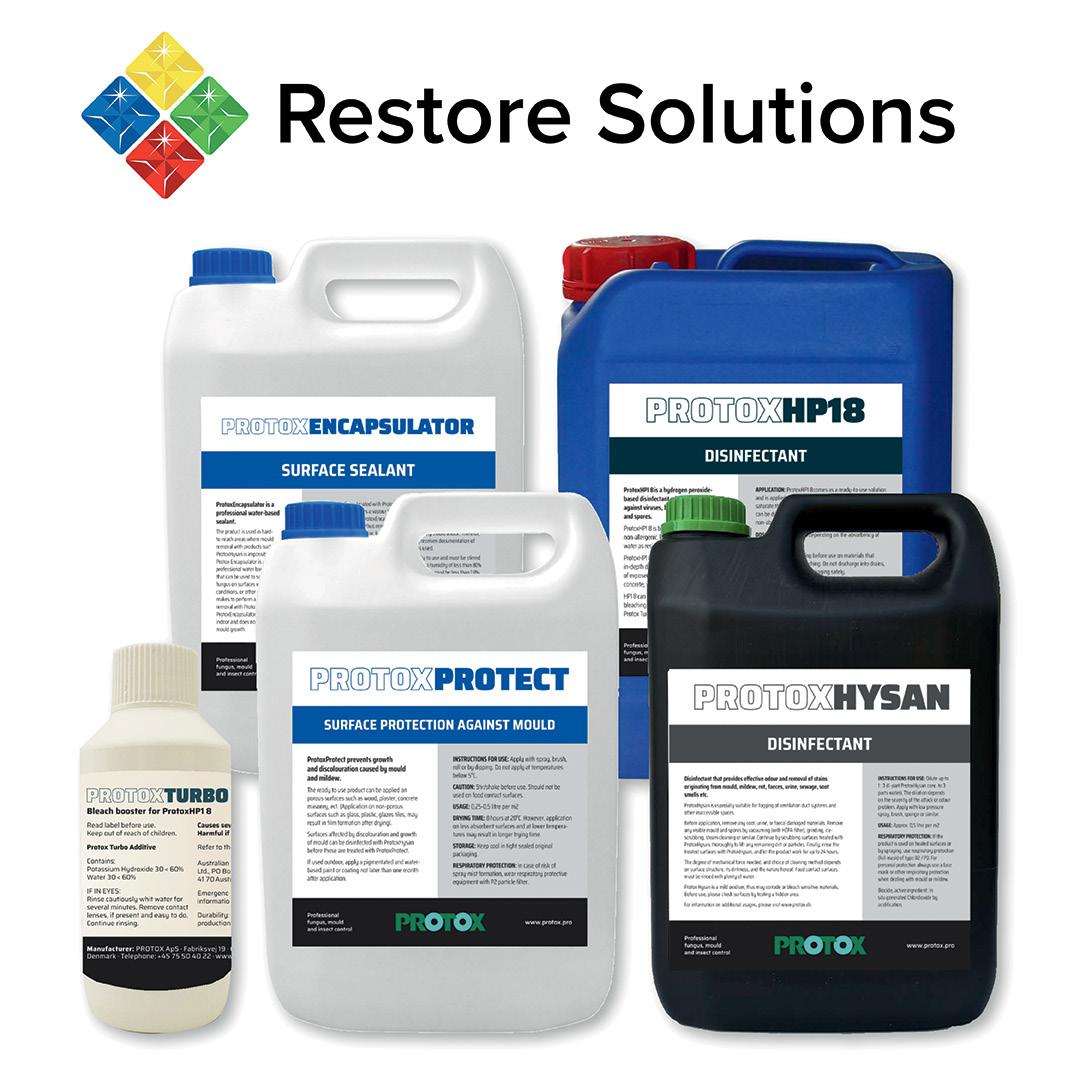
Available from Restore Solutions, Protox Mould Cleaning & Remediation system is developed and manufactured in Denmark. Protox are specialist in moulds, fungi, and odour products. Proudly developing solutions for professional use to prevent and combat living organisms that threaten our buildings and indoor environments, Protox offers complete mould cleaning and remediation solution from mould cleaning, cleaning and disinfection of live and dead mould, stain removal, encapsulation, and protection products. Protox products provide the highest success rate of 100 per cent removal the first time with the lowest labour time for mould remediation.
Restore Solutions
0411 501 931
www.restoresolutions.com.au
lorelle@restoresolutions.com.au