

Published by:
Positive Impact Media Pty Ltd
ABN 51 063 279 630
41 Bridge Road, Glebe NSW 2037 Australia
Ph: 02 9660 2113 Fax: 02 9660 4419 www.intermedia.com.au
Managing Director & Group Publisher: Simon Grover
Editor: Natasha Egan
Journalist: Katarina Lloyd Jones
Freelance Journalist: Jodie Wolf
Advertising & Marketing Manager: Mark Ryu
Graphic Designer: Leanne Hogbin
Production Manager: Jacqui Cooper
Subscriptions: subscriptions@intermedia.com.au ph 1800 651 422
Average Net Distribution per issue 4,188
AMAA/CAB Yearly Audit Period ending 30 September 2020
Copyright: All material in this publication is copyright to the publisher and/or its contributors. No material may be reproduced without the express permission of the publishers.
Disclaimer: This publication is published by Positive Impact Media Pty Ltd (the “Publisher”). Materials in this publication have been created by a variety of different entities and, to the extent permitted by law, the Publisher accepts no liability for materials created by others. All materials should be considered protected by Australian and international intellectual property laws. Unless you are authorised by law or the copyright owner to do so, you may not copy any of the materials. The mention of a product or service, person or company in this publication does not indicate the Publisher’s endorsement. The views expressed in this publication do not necessarily represent the opinion of the Publisher, its agents, company officers or employees. Any use of the information contained in this publication is at the sole risk of the person using that information. The user should make independent enquiries as to the accuracy of the information before relying on that information. All express or implied terms, conditions, warranties, statements, assurances and representations in relation to the Publisher, its publications and its services are expressly excluded save for those conditions and warranties which must be implied under the laws of any State of Australia or the provisions of Division 2 of Part V of the Trade Practices Act 1974 and any statutory modification or re-enactment thereof. To the extent permitted by law, the Publisher will not be liable for any damages including special, exemplary, punitive or consequential damages (including but not limited to economic loss or loss of profit or revenue or loss of opportunity) or indirect loss or damage of any kind arising in contract, tort or otherwise, even if advised of the possibility of such loss of profits or damages. While we use our best endeavours to ensure accuracy of the materials we create, to the extent permitted by law, the Publisher excludes all liability for loss resulting from any inaccuracies or false or misleading statements that may appear in this publication. Copyright © 2026 – The Intermedia Group Pty Ltd.
Environmental statement: The Intermedia Group takes its Corporate and Social Responsibilities seriously and is committed to reducing its impact on the environment. We continuously strive to improve our environmental performance and to initiate additional CSR based projects and activities. As part of our company policy we ensure that the products and services used in the manufacture of this magazine are sourced from environmentally responsible suppliers. This magazine has been printed on paper produced from sustainably sourced

Welcome to the Winter 2026 edition of Australian Ageing Agenda, which has a special focus on allied health throughout.
We’ve put together a recap of the second annual allied health-driven Positive Ageing Summit, which took place in Adelaide on 20–21 May. And we share an update on the dementia and reablement-themed site tours that took place following the main program (page 38).
This issue also looks at allied health workforce pressures as the sector transitions to reablementfocused services (page 34) and a new alliance targeting better oral health in aged care (page 18).
There is an in-depth interview with Vision Australia CEO David Williamson, whose drive for better vision support in aged care draws on his background as a rehabilitation specialist and aged care provider executive (page 20).
Plus, we bring together several of the voices from our Leadership Talk 2026 series involving senior aged care leaders about the challenges and initiatives they are focusing on (page 24).
We also have articles from leaders on a range of topics and issues including housing assumptions in aged care policy (page 14), clinical governance at the board level (page 22), audited care minute statements (page 35) and the link between workplace culture and staff retention (page 36).
Don’t miss our regular pages for a snapshot of reader feedback, sector news, aged care around the world, new research, the latest industry movements, and stakeholder views.
We hope you enjoy these and the many more stories inside. Until next time,
Natasha Egan
Australian Ageing Agenda Editor Tel: 02 8586 6132 Email: negan@intermedia.com.au






Comments

They said it
A home of one’s own or a
Aged care providers are not short of
Allied health is central to healthy ageing reform
18 Filling the dental gaps
20 One on one with David Williamson
22 How to avoid surprises
Leadership Talk 2026
26 Stay connected: Business iQ delivers engagement, communication and connection
AI revolution has its eye on aged care

Frontline under pressure 35 Are you ready for care minute audits? 36 Retention starts with culture
38 Learn, connect, enjoy 42 Reablement in action Frontline
46 Connecting creatively
48 Dementia: Rehabilitation’s role in positive ageing 49 Dementia: Stronger collaboration essential
50 Observation: Being heard matters
1 Housing researcher DR LAURA JAMES outlines why homeownership policy assumptions in Australia mean most retirees are well off, while some are very badly off (page 14).
2 Consultant JC YAP discusses the assurance gap and how boards can ensure the information they receive about clinical practice matches the reality (page 22).
3 Aged care executive ZOE LEWIS shares workforce survey findings from Medical & Aged Care Group and insights on why their staff stay (page 36).
4 Founder HEATH PIPER shares what conversations with older Australians have taught him about the importance of being heard (page 50).



Developed in collaboration with service providers, Keep Able is designed for assessors, coordinators, allied health, and support staff.
Explore free resources, including:
A Practical resources such as guides, tip sheets, and templates to help you embed wellness and reablement in your practice.
A e-Learning modules for flexible, self-paced learning.
A Bitesized professional development sessions and presentations to build specific skills.
A Webinars and conferences with expert insights and discussions.

“The aged care system is broken with a flawed financial model. It’s hurtling towards the cliff as baby boomers flood this space.” John F comments on LinkedIn on news of the 2026-27 budget
“Quality aged care costs big bucks, both at home and in residential aged care. It would be great for this to be brought to light for the public at large. I’m not sure how this happens but would either have to be driven by the government or Ageing Australia. The drumbeat is increasing in terms of consumer costs without recognition that the majority of expenses are government funded ... and the industry is not on a fully sustainable footing.” Kevin McCreton comments on of IHACPA’s residential aged care cost collection findings
Hobson-Powell stepping down. I wonder what led to this change in the allied health field?”
Mike Bonverkasino comments on AAA on news of Anita Hobson-Powell resigning

“I wonder if the parents or grandparents of the politicians who have created this substandard system have to wait a year to get support as well.” Erika R comments on LinkedIn on news of growing wait times

“Today’s news about Andrea Kelly stepping down as Interim First Nations Aged Care Commissioner is deeply saddening. Andrea’s leadership, integrity and unwavering commitment to our Elders has been felt across the country. Her voice has been one of strength, cultural grounding and accountability in a system that has too often failed our people.” Bronwyn Leon comments on LinkedIn on news of Andrea Kelly resigning

“Sounds like a real mess with that home care system. What do you think could fix the confusion?” Sofia Ekasinoceske comments on AAA on reports the home care system is inefficient
“The current wait time for a Support at Home package for older people who have been assessed and who have standard priority is around 300 to 330 days. That is a long time to wait for provision of a basic requirement which may, in the long term, prevent or defer a requirement for higher level care needs.” Elizabeth Kirkham comments on AAA on news of the department defending the IAT

2

Butler announces extra $3b for aged care
1
3
Senate recommends CHSP remain separate


“How did they take so long to get it so wrong?”
Roland Naufal, Invox director
“A system that supports independence rather than dependency, intervenes early rather than late and invests in connection rather than crisis will ultimately serve more people with shorter wait times, fewer emergency escalations.”
Natalie Siegel-Brown, Inspector-General of Aged Care
“We know that about half of older people have significant symptoms of depression and anxiety. And unfortunately, we do a really poor job of getting the right help to those people.” Dr Tanya Davison, Silverchain director of research discovery
“They’re already down to one meal a day and deciding whether they put the power on to stay warm and costcutting as much as possible, and now we’re adding co-contributions to that.” Sharon Ruddleston, Freewave Aged Care general manager
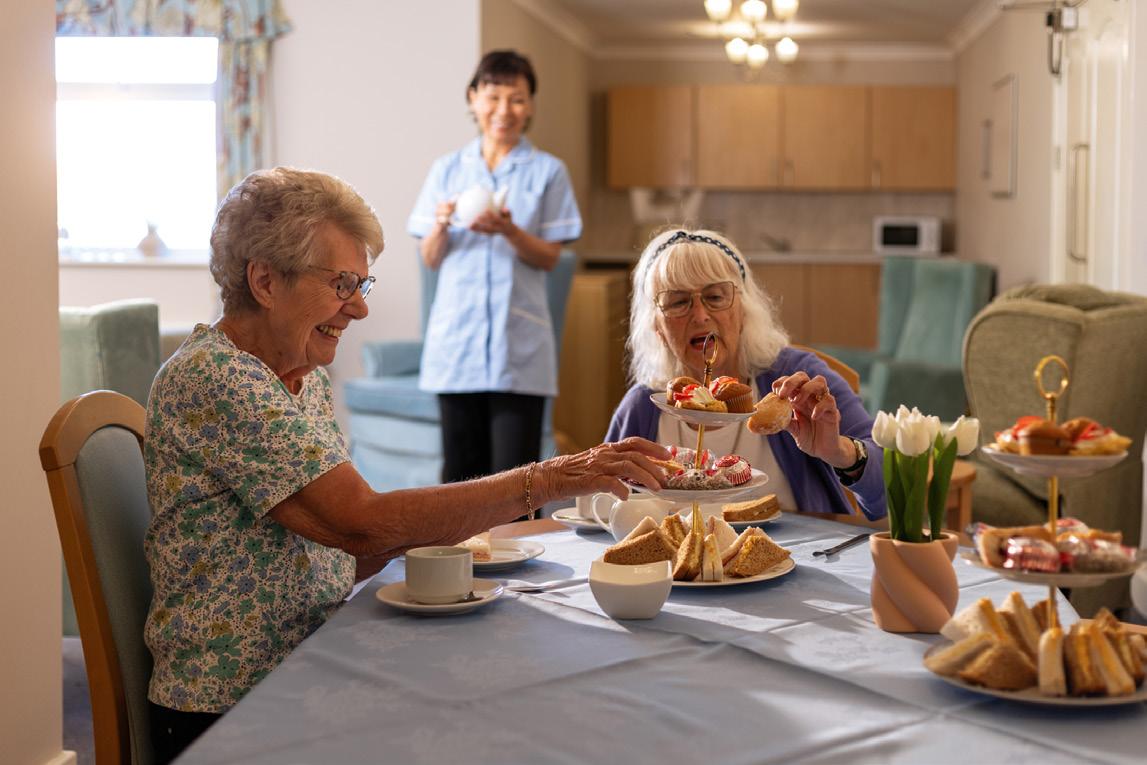
The next issue of Australian Ageing Agenda (Spring 2026) includes a special focus on hospitality throughout the magazine.
Topics may include:
• food, dining and nutrition
• cleaning and laundry
• transport and outings
• leisure and lifestyle programs
• Higher Everyday Living Fee services. Get in touch if you have something to share: editorial@australianageingagenda.com.au
A partner across every focus area of your organisation Delivered on a flexible, month-to-month basis. Examples below, not an exhaustive list.
1 Board & Executive Advisory support, key risk and compliance review, reform updates and quarterly Board reports.
2 Provider Registration Guidance through registration for new entrants, from obligations to governance foundations.
3 Clinical Governance Governance and SIRS review, documentation audits, and complex participant case reviews.
4 Financial Sustainability Utilisation analysis, claiming review, sustainability reviews and dashboard reporting.
5 Care Partner Capability Care plan and goal review, coaching and mentoring, and monthly education sessions.
6 Associated Providers Compliance monitoring, strategy support, and performance reviews.
7 Audit & Renewal Readiness Internal audits, evidence review against the Standards, and accreditation readiness checks.
8 Workforce & Leadership Leadership coaching, manager mentoring, workforce planning and change support.
9 AI & Innovation AI opportunity assessment, workflow automation, risk advice and innovation workshops.
A sound investment in provider assurance
Without ongoing support
Reactive crisis spending
One-off fixes Budget uncertainty Revenue lost to under-claiming
With LPA ongoing support
Predictable
1 October 2026
Personal care services become fully funded under Support at Home 31 October
Providers must transition residents to new Higher Everyday Living Fee agreements
BY KATARINA LLOYD JONES
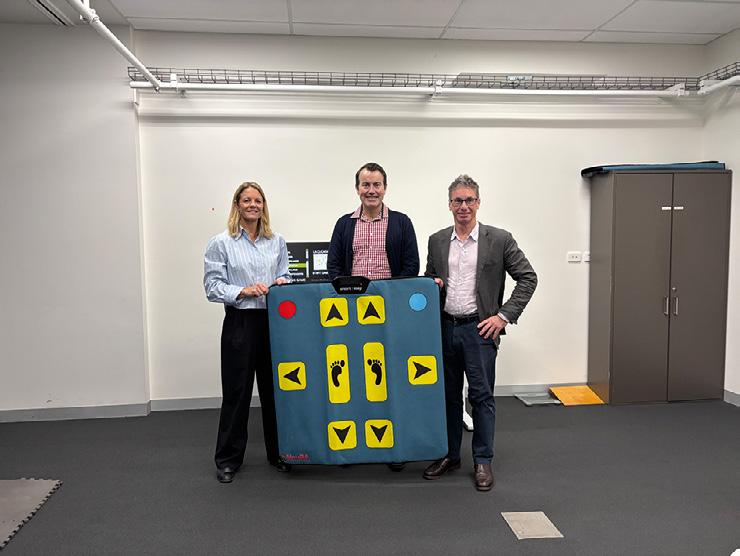
Wellness Partners Foundation founder Michael Bonner has signed an agreement with Neuroscience Research Australia to bring gamified balance monitoring program BalanceBuddy from research to care environments.
The initiative will focus on introducing the falls prevention technology into aged care homes with embedded onsite pharmacists.
The tool evolved out of decadeslong NeuRA research into falls prevention for seniors that found people who can’t choose an accurate and appropriate step – or have poor choice-step reaction time – have a much greater risk of falling.
BalanceBuddy operates via a mat on the floor with touch-sensitive pads that connect to a television or computer via Bluetooth.
It features eight games that resemble familiar video games like Tetris, Space Invaders and Snake.
The AAA team visited NeuRA to see BalanceBuddy in action, trying the La Cucaracha game, which requires the user to step on cockroaches but avoid cacti and tumbleweeds. It is hoped BalanceBuddy will also encourage social engagement among residents.
Bonner says data from the scores can also show falls risk and potentially the impacts of medication changes.
BY KATARINA LLOYD JONES
Treasurer Dr Jim Chalmers delivered the 2026-27 federal budget in May, with aged care receiving a further $3.7 billion.
Much of the aged care budget is focused on delivering more aged care beds, including $606 million over four years from 2026-27 to introduce new capital subsidies for aged care providers who build or expand residential accommodation and deliver up to 20 additional specialist dementia care units.
The measure also funds the expansion of the Hospital to Aged Care Dementia Support program from 11 to 20 locations.
The government has also provisioned $1.1 billion for future spending to increase and restructure the accommodation supplement and introduce an additional payment for homes with more than 60 per cent low-means residents.
UnitingCare Australia national director Tamara Thomas says while an increase to the accommodation supplement is a “welcome step,” the increase “doesn’t cover the true cost of delivering the safe, highquality care older Australians deserve, or what we expect for our ageing loved ones.”
Another $1 billion funds the reclassification of personal care, such as showering, dressing and continence

support, as clinical care – also announced in April – while $390 million goes towards accelerating the release of Support at Home packages and making the program fairer and more affordable. Part of this will also go to expanding the end-of-life pathway.
An additional $565 million over four years from 2026-27 will be used to improve sector quality, safety and viability. The bulk of which – $260 million – will help sustain aged care information and communication technology systems, while an additional $120 million will go to the Aged Care Quality and Safety Commission to continue delivering its regulatory functions.
Ageing Australia CEO Tom Symondson says Australia is “fast approaching a national emergency” and that the funding “clearly won’t meet increased demand over the next 12 months, let alone clear the backlog.”
BY KATARINA LLOYD JONES
The Department of Health, Disability and Ageing has defended the timing of the Aged Care Act 2024 Wait Times Report: Residential care and Support at Home, saying it was not intentionally released on budget day when the press gallery was in lock-up.
During the June Senate Estimates hearing, Senator David Pocock asked department representatives directly whether there was ministerial direction or indication given to any of the department officers that the report be published on budget day, to which they responded no.
Under the new Aged Care Act, the department must publish the report as soon as practicable after delivering it to the Minister for Aged Care and Seniors.
It was provided to the minister on 28 April and published late in the day on 12 May.
Department representatives confirmed the minister requested minor stylistic changes to improve readability, which the system governor accepted.
Pocock then asked department
representatives where in the law it outlines the need for minister approval before publication. Department assistant secretary Jasmine Snow says they were satisfying their legislative obligation of providing it to the minister, rather than asking for approval.
They were also taking the time to make sure the report was accessible, says Snow.
On why the report was published in the afternoon rather than in the morning, department first assistant secretary Greg Pugh says the law outlines a need to publish it “as soon as practicable” and that “there was no conspiracy attached to it being during budget lock-up.”
BY KATARINA LLOYD JONES
The government has deferred price caps for the Support at Home program until more evidence is gathered and it has greater confidence in the stability of the market.
BY KATARINA LLOYD JONES AND NATASHA EGAN
The Aged Care Quality and Safety Commission received 2,553 complaints across the six provider registration categories in the first two months of the new Aged Care Act – an average of 1,277 complaints per month across November and December 2025.
The preceding four months saw an average of 1,053 complaints per month, and a total 4,212 complaints.
The number of complaints received across November and December is close to a quarter of the total 10,658 complaints received in 2024-25 (24 per cent), which equates to an average of 888 complaints per month.
Under the new Aged Care Act, which commenced on 1 November 2025, providers are registered into one or more of the following six categories:
1. Home and community services
2. Assistive technology and home modifications
3. Advisory and support services
4. Personal and care support in the home or community
5. Nursing and transition care
6. Residential care.
Of the 2,553 complaints in November to December 2025, there were 1,511 residential care complaints and 1,002 related to non-residential aged care. Many complaints related to care provision and planning, including 715 in residential care and 569 in nonresidential services.
There were 566 complaints related to fees, charges and agreement concerns across all services. There were also 272 complaints related to provider and workforce concerns – including 158 in residential care and 114 in nonresidential services.
The data for November to December 2025 was provided to aged care and dementia advocate Stef Todorov, who made the figures public via LinkedIn.
Originally due to come into effect on 1 July 2026, the price caps would have set price limits for each service type, including: nursing care personal care domestic assistance
• meal support.
The government says the decision was made in response to feedback from the community, providers and advocates.
The announcement was part of a package to strengthen consumer protections for Support at Home program recipients, including measures empowering the Aged Care Quality and Safety Commission to:
• order refunds for services where providers were found to be overcharging
• take regulatory action against providers that are not issuing monthly statements
• publicly report on investigations and enforcement action.

RSL LifeCare has elevated Drew Pearce from interim chief to CEO. He was the NSW and ACT provider’s chief financial officer for six years prior to that. “The board was impressed by his focus on partnership, his care for veterans and seniors, and his ability to lead with clarity through a period of change,” says chair Sangeeta Venkatesan. Pearce replaces Janet Muir, who stepped down in January after more than three years in the role.

Johnson joins MACG
Medical & Aged Care Group has appointed experienced aged care leader Barry Johnson as the general manager of risk and governance. Johnson has three decades of aged care experience including executive leadership roles at For Purpose Aged Care Australia, Signature Care, BlueCross and Sapphire Care. He says he is delighted to join the family-owned provider and work with a team that is connected to the people they care for.

ACH Group appoints new exec South Australian aged care provider Group has appointed public health sector leader and former aged care quality assessor Jai Kaur to the new role of executive manager of care and residential services. Her responsibilities include overseeing clinical care for residents and customers across the provider’s six homes in metropolitan Adelaide. “I’m looking forward to supporting our teams to deliver high-quality care that meets the evolving expectations of residents, families and the new regulatory environment,” Kaur says.

Kinkade to head Regis
Andrew Kinkade has been named managing director and CEO of Regis Healthcare to commence on 20 July. Kinkade, former managing director of Bupa Villages & Aged Care and director of Bupa Hong Kong, brings more than 20 years of experience in aged care, healthcare, private equity and investment banking to the role. Kinkade says he is “thrilled” to be joining Regis at “such an exciting time for the company and the sector.” He replaces Linda Mellors, who held the position for six years.
Siegel-Brown resigns from IG role
Natalie Siegel-Brown has announced her last Inspector-General of Aged Care will be 31 July. She commenced in the role in January 2025, and says it has been a profound privilege to serve. Siegel-Brown has concurrently worked at a United Nations agency and accepted an expanded role. “While this was not a decision I made lightly, my international obligations have fundamentally changed, and retaining both roles would not be consistent with the level of dedication the Inspector-General role demands,” she says.

Hobson-Powell resigns as allied health chief
After nearly two years as Australia’s Chief Allied Health Officer, Anita Hobson-Powell has resigned. Sharing the news in a LinkedIn post, she says it has been a privilege to serve and work alongside committed colleagues within the department and the many allied health stakeholders. On 1 June, Hobson-Powell commenced as CEO of the Medical Deans Australia and New Zealand, where she says she is looking forward to continuing to contribute to Australia’s health workforce and education agenda.
Hatherly to lead PCA

Experienced research, policy, health and ageing leader Dr Chris Hatherly has been appointed CEO of Palliative Care Australia Most recently CEO of the Academy of the Social Sciences in Australia, Hatherly has expertise in advocacy, evidence-informed policy development and coalition-building across government, academia, industry and consumer groups. He replaces Camilla Rowland, who left in February 2026 after five years with the organisation.
Grant replaces Nancarrow at ECH has named experienced finance, governance and transformation leader Jonathon Grant as its chief financial officer. Grant brings two decades of senior experience across disability, community services and not-for-profit sectors. He was previously CFO at disability service providers SACARE and Novita Services. He replaces Merrin Nancarrow, who moved internally to head of home and community in January.
CCH welcomes new execs


Chartered accountant Luke Kerins has been appointed CFO of Clayton Church Homes. He was most recently group manager of finance at renewable energy company LMS Energy. Other recent appointments include Leah Watkins as executive manager of ageing well services, Caroline Edmonds as executive manager of retirement living and property and Georgia Struwig as executive manager of Support at Home. Also, Brittney Bakaj has been appointed executive manager of people and culture and Daniel Desteno as head of commercial services.
Andrea Kelly has resigned as Interim First Nations Aged Care Commissioner two-anda-half years after her appointment. Kelly is a Warumungu and Larrakia woman with strong ties to the Northern Territory. She travelled more than 70,000 kilometres across Australia to meet with older Aboriginal and Torres Strait Islander people, their families, and other stakeholders to inform the November 2024 report Transforming Aged Care for Aboriginal and Torres Strait Islander People. The government is yet to respond to the report or its findings. Announcing her resignation, Minister for Aged Care Sam Rae says the government is “actively progressing” a response.
BY KATARINA LLOYD JONES
A new study conducted by Flinders University and the University of Canberra has found that as people age, the body adopts a safety-first walking style that prioritises stability at the cost of speed and energy efficiency.
The study – which analysed movement data from 107 healthy adults aged between 26 and 86 – found subtle but important changes in how the ankle and surrounding muscles control steps.
Older people increasingly activate opposing muscles around the ankle simultaneously, which stiffens the joint and improves balance. This means the muscles are working harder but are not generating more forward movement, says lead author Dr Cody Lindsay.
Co-author Associate Professor Maarten Immink says that to compensate for age-related changes, the nervous system adopts a safety-first approach –favouring stability over performance.
“These changes can also increase fatigue and make walking longer distances more challenging, while reducing the ability to recover from trips or slips – a key factor in falls among older adults,” says Immink.
“Even gradual changes can affect confidence and independence, and people may notice they tire more quickly or feel less steady, especially on uneven ground.”
To maintain mobility with age, Lindsay says regular physical activity, balance exercises, lowerleg strengthening and activities that challenge coordination are simple actions that can make a difference.
BY KATARINA LLOYD JONES
New research led by Flinders University, in collaboration with UNSW and Macquarie University, has found that tau – a protein widely associated with memory loss in dementia – is essential for organising and stabilising memories.
The findings, published in Nature Communications, could open new directions for dementia treatments.

The study focused on remote memory in mice – memories recalled days or weeks after an experience – and found tau is not required for initial learning or shortterm recall. But it is critical for ensuring memories remain strong over the long term.
While the findings do not directly translate to human brain function or dementia, they still offer important insights that can help guide the development of future treatments.
Associate Professor Arne Ittner from Flinders’ College of Medicine and Public Health says the study helps to explain why memory loss in dementia can develop despite initial learning appearing intact.
“Why some memories last while others
fade has long puzzled scientists and our study shows that tau plays a key role in how the brain forms long-lasting memories. Without it, memories can still form in the moment, but they are weaker,” says Ittner.
Specialised groups of brain cells known as engram cells are central to the process of forming memories. They form the physical trace of a memory, but only a small subset of the cells is recruited to store an experience.
The study also found that when disease-associated forms of tau were present in engram cells during learning, they interfered with the formation of new memories and when present later, disrupted the brain’s ability to access existing memories.
These disruptions were then linked to abnormal brain activity that suggests the memory problems in dementia arise not just from lost memories but from impaired organisation and retrieval.
“Knowing how tau supports the formation and recall of memory could help us better understand what goes wrong in memory loss,” says Ittner.
BY KATARINA LLOYD JONES
Victorian not-for-profit aged care provider mecwacare is piloting Lenexa Medical’s LenexaCARE proactive pressure care technology at its aged care home in Prahran known as Trescowthick Centre.
LenexaCARE uses integrated fabricbased sensor technology to convert a standard mattress into a non-intrusive monitoring system that can provide continuous, real-time pressure insights.
Carers and clinicians can then access a remote dashboard to identify high-risk positioning earlier and respond with timely interventions.
General manager IT transformation at mecwacare, Kendall Killbride, says the pilot aligns with their focus on using digital tools to support informed and responsive care.
“We’re continuing to explore how data and digital solutions can support more proactive, person-centred care. Better visibility helps our teams respond earlier and make more informed decisions for residents,” Killbride says.
The trial also forms part of mecwacare’s broader exploration of technological

solutions that can support more proactive, person-centred care and improved resident outcomes.
Lenexa Medical chief executive officer Ajit Ravindran says the pilot represents an important opportunity to support proactive approaches for aged care environments.
“We are proud to support mecwacare’s commitment to innovation and resident wellbeing. This pilot reflects the growing role of real-time data in enabling earlier intervention and improved care outcomes,” Ravindran says.
Following the trial of the pressure injury monitoring system, mecwacare will evaluate the outcomes and consider its implementation across its residential aged care homes.


A home of one’s own or a home that you own?
Homeownership policy assumptions in Australia mean most retirees are well off, while some are very badly off, writes DR LAURA JAMES.
Australia’s aged care system, including the federal government’s Support at Home program, is predicated on the assumption that people have a home, and that as their primary residence, their home is safe, secure, suitable and – most importantly – that they own their home –preferably outright – in later life and retirement.
For those who live in a stable, secure home that they own, housing costs are limited – no mortgage, no rent – and they have the autonomy to make changes and modifications to their property. Sadly, this is not the case for increasing numbers of older Australians.
Dr Laura James
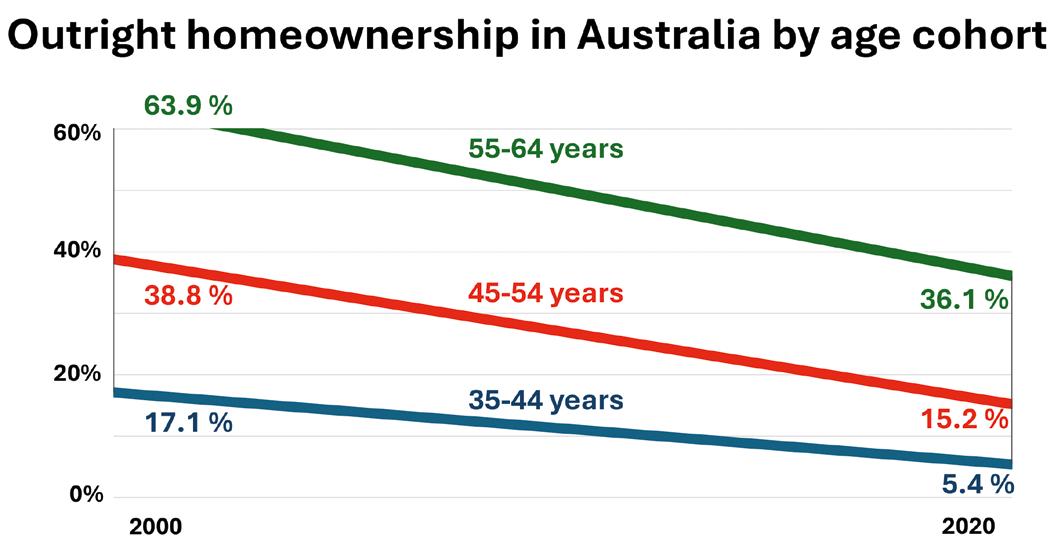
per cent to 45 per cent. In 1986, 98 per cent of retiree households and 94 per cent of households with one person in the older age bracket had paid off their mortgage. Today, close to 17 per cent of Australians enter retirement with a mortgage.
Research reveals it is not the case for approximately 43 per cent of Australians aged 50–64 years, with increasing proportions of people living in private rentals or with mortgage debt in retirement and later life.
Australian retirees have never been wealthier, healthier or had better living standards than they do now. But rather than being eliminated, poverty and disadvantage in retirement is bound with homeownership, with pockets of renting or indebted retirees among those with low housing costs.
Our most recent Census shows more than 50 per cent of Australian pre-retirees (aged 55–64) are still paying off their mortgage (see graph).
“Most retirees have enough, but those with high housing costs – rent or debt – live poorly.”
From the late 1980s to the early 1990s, retiring with a mortgage was uncommon. For example, between 1996 and 2013 the proportion still paying off their mortgage climbed from under 20
Homeownership in Australia is nonetheless quite high. According to national retirement data – such as the landmark HILDA Survey Retirement Special –roughly two-thirds of recent Australian retirees own their primary residence outright with zero mortgage debt. Across other tenures, approximately 12 per cent of retirees are renters, and about 10 per cent to 11 per cent of retirees live with family or in other arrangements, such as residential care.
Most retirees have enough, but those with high housing costs – rent or debt – live poorly.
The pillars of the retirement income system in Australia are:
• Age Pension
• compulsory superannuation
• voluntary savings, including housing.
This means most are as well off in retirement as they were while working. And most are more financially satisfied and less financially stressed than Australians of working age.
But not all. The huge exception is older Australians and retirees who do not own their own homes.
Whereas very few retired homeowners live in poverty, most
retired renters do not dwell well, and therefore they do not live well. The 2025 figures show roughly two-thirds of retirees who rent privately are in financial stress.
Homeownership assumptions that underpin Australia’s aged care policies and programs have created a system where most have enough or more than enough to live well throughout retirement and later life, while others have nothing like enough.

Homeownership policy assumptions mean three key groups of older Australians stand out as most at risk of missing out on the benefits of our aged care system:
• single women who rent
• non-homeowners
• and homeowners who are asset-rich and income-poor.
Those most disadvantaged are older people who have had working lives characterised by low-paid and often insecure employment, and women for whom the gender pay gap and traditional roles in society like family responsibilities have led to lower-paid and more precarious work.
These groups are at greatest risk of homelessness and inappropriate housing for the first time in their later life.
Non-homeowners are set to increase. Although homeownership rates remain high for people over the age of 65, a growing number of Australians are not entering the housing market. Over the next 15 years, the number of Australians over 65 who do not own their home outright is expected to double.
Homeowners are often asset-rich and income-poor, with their wealth stored in the home residence, which is an asset that doesn’t pay income. Many Australians retire with a family home worth one to many millions, but liquid savings are limited.
Under Support at Home, asset-rich and income-poor Australians have limited funds to finance daily living and care. While recent reclassifications improve access for more people, relief doesn’t kick in until October 2026. Even then, individuals still have to contribute 5 per cent to 50 per cent of Support at Home costs – depending on their means – for independence and daily living assistance.


More broadly, homeownership assumptions of the Australian aged care system frame people’s individually-owned housing as the base – or location – for their participation in the Support at Home program and therefore, the ability to age in place at home.
Ageing in place at home is also undermined for people whose housing is insecure (not lifelong), inappropriate (not modifiable) or outside of urban markets (not located near essential services).
Ageing-related policy and governance debates should therefore regard the place of housing in ageing – just as they should more greatly consider supporting equity in ageing – through developing programs for sustainable, low-cost social housing that improve access to secure housing for more older Australians. ● Dr Laura James is an Australian social scientist and inequality researcher with expertise on housing as a social issue and in cycles of advantage and disadvantage
Have providers got any new concerns since the budget?
You’ve got the residential accommodation review, where the issue with that is it’s definitely recognised that something needs to be done, but it hasn’t recognised the scale of the problem.
It’s great to see additional funding for our supported residents. We’ve been saying this for years, and pointedly in the last 12 months, that the gap between a private paying resident and a government-funded supported resident is so big.
The gap between what we receive and what it costs us, according to StewartBrown, at the end of 2025 was $13.30 a day.
We’re grateful for $5 a day [accommodation supplement
for supported residents] but it doesn’t fix the problem.
Have budget measures had any noticeable improvement on the appetite to build beds?
The $30 that you get for new beds, and that was backdated to the first of November last year, has helped, and I’ve spoken to a number of providers who have said that has helped them get a business case across the line.
We know that there are maybe a few thousand beds across the country that have been almost able to be built based on their business case and how the financials stack up. This will definitely tip those into the viable column.

There are also a lot of providers saying they think it will
Tom Symondson, chief executive officer of Ageing Australia
where land prices are very cheap; although construction costs will generally be much higher there. But it’s going to make it more difficult if you’re in MM1 areas where the land itself is now much more expensive than it was five or 10 years ago.
It’s a nuanced view, and until people start to do the real numbers on a specific site, it’s quite difficult to know, but we definitely think there will be beds built as a result of the $30.
on local property and land prices, so it won’t be as much of a challenge in an MM5 area
We are still concerned at just how many homes are in the red. Ultimately, even if you can make your business case for a new home line up on its own, if 50 per cent of your other homes are losing money, you’re still not going to build. ●
As told to Natasha Egan on 18 June 2026
Over decades, the sector has built substantial evidence for what strong, person-centred care looks like. Yet providers continue to face a more practical challenge: delivering and sustaining change in a sector already under significant pressure.
The sector’s difficulty is not in identifying solutions to problems, but in implementing them consistently. The gap between knowing and doing remains one of the most persistent issues in aged care, particularly as organisations navigate concurrent reforms, rising expectations and the requirements of day-to-day service delivery.
This challenge is compounded by workforce fatigue. Continuous reform and policy change, compliance requirements and service pressures have created conditions where teams are being asked to adapt at pace, often while managing high workloads, staff shortages and constrained resources.
In this context, even well-
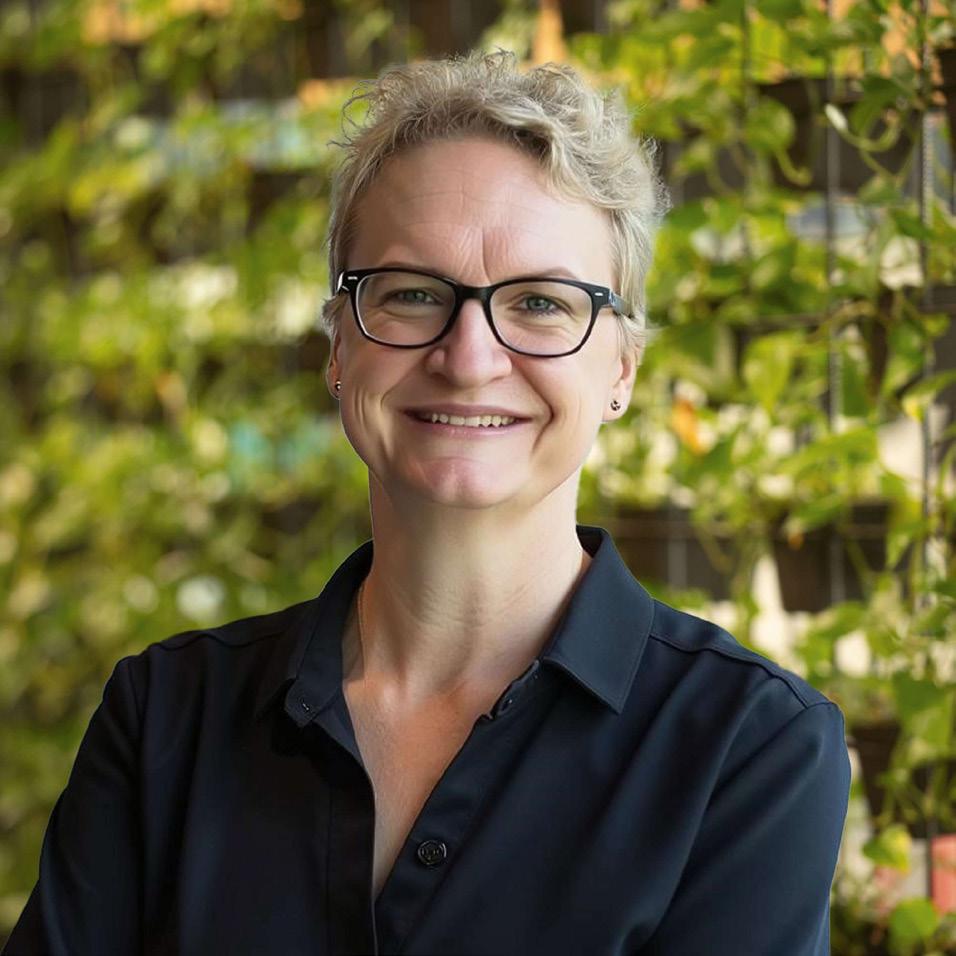
Dr Rebecca Bilton, program and research director of Aged care Research and Industry Innovation Australia
they lack merit, but because the conditions for implementation are not fully in place. And if initiatives fail, it is seen as a failure of the idea, not the execution of it.
Evidence consistently shows that implementation success depends less on the innovation and more on how change is introduced and supported. Common barriers are familiar across the sector: competing
priorities, limited dedicated resourcing, unclear translation of concepts into practice, and change processes that do not cut across roles and systems.
Addressing these challenges requires a stronger focus on implementation capability. This includes aligning initiatives to organisational priorities, sequencing or slicing change into manageable components, and ensuring there is clear leadership and ownership from the outset.
Co-design approaches can support relevance and uptake, while practical tools and ongoing monitoring help maintain momentum. Importantly, sustainability –making it stick – needs to be planned from the outset.
Workforce capability –particularly leadership capability – is a critical lever. Leaders play a central role not only in planning change, but in interpreting it in real time, adapting it to context, and supporting teams through uncertainty.
In high-change environments, the ability to
communicate clearly, involve staff in shaping solutions, and sustain engagement over time is essential.
Equally important is creating a safe space for change to be tested. This involves balancing operational demands with opportunities to test, reflect and refine new approaches –recognising that implementation is rarely linear, and that even small changes can have systemwide impacts.
For providers, the opportunity is to move beyond a focus on new initiatives alone and invest in the systems, skills and conditions that enable change to take hold. As reform continues, progress will depend on how well organisations support their workforce to translate best-practice evidence and innovation into consistent practice.
Ultimately, outcomes for older Australians will be shaped not by the strength of ideas, but by the sector’s collective ability to implement and sustain them in practice. ●
Once again, the government has delayed the introduction of Support at Home price caps. COTA Australia understands the decision to take time to get pricing right before formal caps arrive in a year.
However, older Australians urgently need certainty that strong consumer protections will be in place. Older people report feeling largely unsupported in navigating a changing price regime, particularly where they believe they are being charged unfairly, and that there is a lack of clear and strong protections.
Many providers may be able to justify their Support at Home prices as “reasonable,” but an older person who received a Home Care Package prior to 1 November and has experienced an average 39 per cent price hike sees things very differently.
One in four older Australians live in poverty, and we hear daily
household costs who simply cannot absorb continuing increases in care costs.
Government and the commission defining what constitutes a reasonable price is crucial to keeping care affordable. The delay must be used productively: one-off costs such as system implementation and temporary petrol price
spikes should not be factored into prices on an ongoing basis.
Empowering older people to self-manage and access services directly from multiple providers would also begin to address some of the most damaging pricing practices.
Nowhere is this clearer than in assistive technology. Currently, older people are tied to sourcing equipment through their funds-holding provider, adding at least 10 per cent to the cost. We have heard of many cases where the markup was significantly higher.
This could be avoided if people could purchase assessed and approved equipment directly from reputable suppliers.
Similarly, older people report being unable to access ongoing services, such as allied health providers, domestic assistance and gardening,
directly from alternative providers, even when those providers offer better value. Greater flexibility here would stretch care funding further for those who need it most.
Any provider supporting government-funded aged care participants must of course meet provider registration, quality and regulatory requirements. And while not every older person will want to self-manage their package, all of them deserve maximum value from available funds, including their own co-contributions.
While price caps were never a perfect solution, they remain a necessary protection against excessive charges, and in telling older people the aged care system will protect them.
There is much work still to do to ensure older Australians have the safeguards they have a right to expect and deserve.●
Many in the ageing and aged care sectors, including members of the Australian Association of Gerontology, recognise the importance of a multidisciplinary, cross-sector, co-designed approach to enabling people to live well as they age.
Our members have long been engaged in a range of research, policy and practice initiatives designed to improve individuals’ health and wellbeing, as well as their living environments and communities.
As we enter the latter half of the UN Decade of Healthy Ageing, it is timely to reflect on the role of allied health in optimising the options available to older people to live well.
A recent AAG Research Trust Research to Practice webinar highlighted the different ways allied health can be delivered and the evidence underpinning new models of care and delivery.
Focusing on social prescribing and physical activity, the webinar
detailed the importance of allied health professionals in enabling older people to move more, connect socially and maintain function across both community and acute care settings.
Presentations by research physiotherapists Dr Aruska D’Souza and Dr Chiara Naseri, alongside lived-experience insights from retired Professor Jane Mears, reinforced that meaningful activity and social connection are not optional extras but core components of healthy ageing in residential aged care and the community.
An evaluation of residential aged care conducted in Sydney by researchers Mo, Scrivener, Pashley and others, confirms that allied health-led, reablement-focused models of care, delivered consistently and embedded in daily routines, can maintain or improve physical function and quality of life, even with relatively modest time investment.
supportive environments over high-intensity exercise alone.
At the community level, social prescribing models are increasingly recognised as an effective mechanism for addressing inactivity, loneliness and declining wellbeing among
older Australians. Recent 2025 evaluations of Primary Health supported programs by Wentworth Healthcare and the Australian Health Policy Collaboration show improvements in participation, confidence and social connection, alongside reduced pressure on clinical services, particularly for people with chronic and complex needs. Current reform settings must move beyond episodic, focused approaches and more explicitly integrate allied health across acute, residential and community
Benefits arise at the individual level with improved health outcomes and quality of life, and at the system level by reducing the risk of premature need for more intensive and costly health and care services. ●


Workforce education and policy reform are key priorities for a new alliance targeting better oral health in aged care, writes JODIE WOLF.
Oral health in aged care has sat patiently on the sidelines of policy debate for years. It is acknowledged as important yet often overshadowed by broader concerns around workforce shortages, funding pressures and clinical care priorities.
A newly formed coalition of advocates, clinicians and sector leaders is on a mission to change this.
Established in late 2025, the New South Wales Seniors Oral Health Alliance has emerged from growing recognition that oral health is inseparable from healthy ageing and that improving outcomes for older Australians requires coordinated action.
Meeting bimonthly, the alliance brings together representatives from public and private dentistry, aged care organisations, academia, advocacy groups and health bodies. Its aim is simple: to keep oral health on the aged care agenda while pushing for practical reform.

The alliance grew organically out of work led by the Ministerial Advisory Council on Ageing, says Dr Jodie Olivier – Australian Dental Association NSW director and Filling the Gap chair.
Earlier in 2025, stakeholders from across the oral health and aged care sectors came together through a New South Wales Government advisory project examining oral health outcomes for older people. It included a “good old discussion” about all things related to seniors’ oral health, says Olivier.
What began as a formal consultation process quickly evolved into something more enduring, with stakeholders deciding to continue as an alliance.
“I got back in touch with everybody and we reassembled,” Olivier tells Australian Ageing Agenda.
After spending the early months establishing structure, direction and terms of reference, she says the group has started to understand each other more and find a rhythm.
Dr Sarah Raphael – director of policy and education at the Australian Dental Industry Association – says the continuity is essential for meaningful change.
“When the committee completed its work and dissolved, there was a sense that the conversation couldn’t just end there,” Raphael tells AAA. “[Olivier] had the foresight to say, ‘perhaps we should all stay connected as an alliance and continue the work.’”
The alliance has already demonstrated the value of sustained collaboration across sectors, says Raphael.
“When you bring together people from different parts of the system who all care deeply about the issue, you create momentum,” she says. “That’s where meaningful change starts to happen.”

and oral disease
Of the challenges in aged care, Olivier points to the complex relationship between ageing and oral disease.
“There are strong links between ageing and general health and that’s something that has been overlooked in aged care settings,” she says.
She recalls a recent patient in his 80s whose oral health deteriorated rapidly after beginning several medications, including drugs that caused dry mouth and increased the risk of tooth decay.
“Over time, his teeth deteriorated to the point where they couldn’t be maintained and had to be removed,” says Olivier.
The patient was also taking osteoporosis medication, complicating treatment because of impaired bone healing. The consequences can extend beyond dental care, require specialist treatment, and involve escalating costs and an increased risk of complications, says Olivier.
“You can get rapid tooth decay, infections that spread, and in some cases these can become serious enough to require hospitalisation,” she says.
“There needs to be a more universal focus and guidelines about what the basic standards of oral hygiene care in aged care facilities should be.”
Oral health appears in the strengthened Aged Care Quality Standards under outcome 5.5.7 and requires providers to implement processes to maintain oral health and prevent decline. Aged care homes should facilitate access to a dentist or other oral health practitioner as required, monitor and respond to any deterioration and assist with daily oral hygiene needs.
However, one of the alliance’s strongest concerns is the lack of consistent oral health standards in residential aged care. Recommendations to better embed oral health into aged care have yet to gain meaningful traction, Olivier says.
“That means there’s no consistency with the way oral health is being maintained in aged care facilities.”
She says the absence of clear incentives or mandated practices leaves providers with varying approaches to oral hygiene support and preventative care.
“There needs to be a more universal focus and guidelines about what the basic standards of oral hygiene care in aged care facilities should be,” says Olivier.
Raphael says that dentistry misses out completely by not being part of Medicare. She notes that the groups most vulnerable to poor oral health outcomes are often the same groups already experiencing broader health and social disadvantage.
“Kids, people with disabilities, aged care residents, people in rural and remote communities and Aboriginal and Torres Strait Islander peoples are also the groups carrying the burden of chronic disease,” she says. “It all runs in patterns of disadvantage.”
As the alliance matures, attention is shifting towards policy reform and practical solutions. Workforce education is among their key priorities.
A “policy-type initiative” to improve education would be “fantastic,” says Olivier.
“This includes education for aged care workers, personal carers and nurses embedded within university courses or delivered through continuing professional development.”
Improving baseline knowledge across the workforce could have far-reaching impact, says Olivier.
“If you can get that foundation right, then everything else can improve from there.”
The alliance is also advocating for increased public dental funding and expanded access to outreach services for older people with limited mobility.
However, Olivier says while people may qualify for public dental care, they may be unable to access it.
“My understanding is that a lot of people are eligible for the public dental system in NSW. But the public dental system only has the capacity to treat about 20 per cent of that eligible cohort,” she says.
“One problem, particularly for people in aged care facilities and older people, is that as they age and reduce their mobility, it can be hard to get to a dentist,” Olivier says.
“Improved funding for outreach into aged care facilities, or improved funding for mobile dental providers, would be very helpful.”
The alliance is beginning to focus advocacy efforts on the 2027 NSW state election, seeking stronger commitments around oral health funding and aged care reform.
Its membership also includes researchers and innovators working to improve access to preventative oral healthcare.
Among them is Adjunct Associate Professor Leonie Short from
the Centre for Rural Dentistry and Oral Health at Charles Sturt University.
Short joined the alliance after contributing to the NSW MACA Oral Health Project earlier this year.
“Even though I live in Queensland, I was keen to help improve oral healthcare for seniors in NSW,” she says.
For more than a decade, Short has worked in residential and home aged care settings screening older people for dental disease, training care staff and advising providers on oral health practices.
Since 2021, she has collaborated with Dr Padma Gadiyar on Brisbane-based AI screening platform Smilo.ai, which supports early detection of dental disease.
Olivier says that improving foundation knowledge and awareness around oral health is the first step in making change.
“Everything else starts to improve from there,” she says.
Short is equally passionate about the issue.
“Poor oral health means dirty, smelly mouths that can cause infection and pain. If untreated, chronic dental infections can result in seniors being prescribed antibiotics and painkillers, being admitted to hospital, and being at risk of death,” Short tells AAA.
“We have to keep trying to make ourselves heard about the plight of seniors, who are not receiving twice-daily oral health care, are not using person-centred dental products and aids, and cannot access affordable dental treatment.”
Raphael hopes the alliance will help secure increased funding for oral health services for aged care residents.
“Oral health services are funded by the states and territories. That’s why this is a NSW-based committee, and the pressure will be on the NSW government to provide better funding,” she says.
“We see all these big driving improvements in aged care generally that are happening, but oral health is getting left behind once again.”
For the 2027 state election campaign, Olivier says the alliance is aiming to develop a consensus position and advocate collectively for improvements to senior oral health.
Another project underway involves preparing materials that outline lesser-known models of care and highlight successful approaches already operating across the sector.
“Having these projects to work towards with everyone together is the thing that I’m proudest of at the moment. Once people start to talk to each other, momentum continues to build.” ●
• Australian Dental Association NSW
• Australian Dental Industry Association
• Australian Dental Prosthetists Association
• Oral Health Association of Australia
• Centre for Education and Research on Ageing
• Council on the Ageing NSW
• Combined Pensioners and Superannuants Association
• NSW Council of Social Service
• The University of Newcastle
• Seniors Dental Care Australia
• Dental Assistants Professional Association
• Australasian Council of Dental Schools
• Mobile Dental Providers Australia
• Country Women’s Association of NSW
Vision services should be embedded into aged care funding, workforce training and system design to ensure older people can stay independent for longer, DAVID WILLIAMSON tells JODIE WOLF.
Some of the greatest challenges facing older Australians are often the ones that cannot immediately be seen.
Despite decades of advocacy and growing awareness of the importance of healthy ageing, David Williamson says vision loss remains one of the most overlooked issues in Australia’s aged care system.
It is a challenge the former rehabilitation specialist and aged care provider executive approaches from both a professional and personal perspective. Williamson is chief executive officer of Vision Australia, a not-for-profit organisation that supports people nationally who are blind or have low vision.
Throughout his career across the aged care, disability, health and insurance sectors, Williamson has focused on helping people maintain independence, dignity and quality of life. Today, that commitment sits at the centre of his leadership at Vision Australia, where approximately threequarters of clients are aged over 65.
For Williamson, supporting older Australians has always been about creating opportunities for people to continue living meaningful lives, rather than simply delivering services.
“That belief has guided me throughout my career,” he tells Australian Ageing Agenda. “Everyone deserves the opportunity to live with dignity, independence and purpose, regardless of age or circumstance.”
Prior to taking the helm at Vision Australia in October 2025, Williamson spent more than a decade in senior roles in the aged care and disability sector.
As chief operations officer at Villa Maria Catholic Homes, he led a team of 3,000 and oversaw service delivery for more than 11,000 older people, children and adults with a disability, their families and carers across Victoria and New South Wales.
Those years provided valuable insights into both the opportunities and challenges confronting older Australians, he says. They also reinforced his understanding that effective aged care extends well beyond clinical care and support.
“It has always been a privilege to support older Australians in ways that helped them maintain their independence, dignity and quality of life,” he says.
“Supporting people to achieve meaningful life outcomes is incredibly rewarding.”
Williamson believes the human experience of ageing should remain at the centre of every conversation. “I was particularly inspired by seeing how programs, activities and community engagement helped reduce isolation and create meaningful social connection,” he says.
“That is something that is vital at every stage of life, especially for older Australians.”
Williamson lives with a rare optic atrophy condition that causes low vision, giving him firsthand understanding of the challenges clients may experience every day.
“I was drawn to the organisation because of both a professional connection and a deeply personal one,” he tells AAA. “Vision Australia is an extraordinary organisation with a clear purpose: enabling people who are blind or have low vision to live life without limits.”
His lived experience has strengthened his appreciation of the barriers that vision loss can create, particularly as people age. Since joining the organisation, Williamson says he has developed a deeper understanding of many age-related eye conditions including glaucoma, diabetic retinopathy, cataracts and macular degeneration.
These conditions affect growing numbers of older Australians, who often require more comprehensive support than a prescription update or new pair of glasses. Despite their prevalence, vision-related issues often remain under-recognised. Williamson believes this reflects a broader challenge in how ageing is understood.
As an occupational therapist by training, Williamson says he has always focused on helping individuals maximise function and independence. However, he has become increasingly aware that assumptions about ageing can create barriers.
“People’s needs and aspirations do not change simply because they are older,” he says. “Older Australians still want to maintain their health, stay connected with family and community, continue their interests, and live with dignity and choice.”
It is a sentiment he returns to often. Too frequently, he says, society underestimates older people’s desire to remain active, engaged and involved in everyday life.
“I’ve seen that the assumption that older people don’t want to do much is simply untrue,” Williamson says. “Older Australians value autonomy, participation and the ability to continue living life on their own terms.”
The consequences of failing to recognise vision loss can be significant. One of the most pressing challenges Williamson sees within residential aged care is the misidentification of symptoms associated with deteriorating vision.
Changes in behaviour, reduced participation, difficulties managing medications, increased falls or social withdrawal may sometimes be attributed solely to cognitive decline or dementia when vision loss could be playing a substantial role, he says.
“Staff often assume that confusion or withdrawal from residents is due to cognitive decline rather than sensory loss,” he says.
Without proper assessment and intervention, the impacts can quickly compound. Residents may lose confidence. They may stop participating in activities they once enjoyed. Social isolation can increase, mobility may decline and mental wellbeing can suffer, says Williamson.
Education is one of the most effective ways to address the problem, he says. Vision Australia works closely with aged care providers to help staff recognise signs of blindness and low vision, understand how vision impairment affects daily living and identify when specialist intervention may be required.
Sometimes the most meaningful changes are also the simplest. Williamson points to practical communication strategies, such as staff introducing themselves when approaching residents with vision loss. For many people, particularly those unable to distinguish facial features clearly, these small adjustments aim to reduce anxiety, improve communication and create more positive interactions.
“Aged care staff should play an important role in early detection given their daily interaction with aged care residents on a regular basis,” says Williamson.
While workforce education is essential, lasting change requires broader systemic reform, he says.
In his view, one of the biggest barriers facing older Australians with vision loss is the lack of recognition of specialist vision services within aged care funding structures.
“Vision loss is extremely common in residential aged care,” he says. “Yet despite this, the current funding model does not recognise specialist vision services as essential components of care.”
As a result, services such as orientation and mobility training, orthoptic support and assistive technology training can be difficult to access. Many older Australians miss opportunities to receive interventions that could help maintain independence, safety and quality of life for longer.
Williamson is particularly concerned about the exclusion of specialised vision services from prescribed funded supports under the Support at Home program.
Although temporary measures have been implemented to maintain continuity through other funding arrangements, he says the current situation remains challenging for both providers and clients.
The result is often lengthy delays for assessments, approvals and access to needed services, increasing the risk of declining confidence, reduced independence and social isolation.
“It is essential that people who are blind or have low vision have timely access to vision services as an early intervention mechanism to prevent loss of confidence, isolation and functional decline,” Williamson says.
Despite the challenges, Williamson is optimistic about the future. He believes practical, scalable solutions already exist.
• started his career as an occupational therapist 35 years ago
• won an achievement award from Victoria’s Transport Accident Commission in 2004 for initiating, developing and implementing the Assistance Dogs Program
• holds a Bachelor of Applied Science (Occupational Therapy) from La Trobe University and a Master of Business (Personal Injury) from Deakin University
• undertook executive management programs at Melbourne Business School and Australian Catholic University.
Policy reform, workforce training, specialist service investment and improved access pathways all have an important role to play. Most importantly, vision care must become a routine part of aged care rather than an afterthought, he says.
“We need aged care funding settings, both in Support at Home and residential care, to explicitly support specialist vision services.”
Improved lighting, assistive devices, environmental design and adaptive technologies can significantly enhance communication, safety and everyday functioning for people living with vision loss, says Williamson. However, he is quick to emphasise that technology is only part of the answer – because specialist expertise remains critical, particularly when helping individuals understand and adapt to changing vision.
“Assistive technology specialists should be professionally recognised and funded appropriately as their support makes a significant impact on older Australians’ overall independence,” he says.
Reducing administrative complexity is another priority. Williamson argues that specialist organisations should be able to access aged care settings more efficiently, allowing services to be delivered faster and more effectively.
“Streamlining provider arrangements and making it easier for specialist organisations to deliver services into aged care settings would improve timeliness and reach,” he says. “If we are serious about building an inclusive aged care system, then specialised vision care must be built into the system by design, not left to chance.”
Williamson envisages a future where blindness and low vision are recognised as core ageing issues. It’s a future where specialist vision services are embedded into funding models, workforce education and service delivery, and older Australians are given every opportunity to remain connected, independent and engaged in the lives they choose to lead.
For Williamson, bringing vision care into focus is about ensuring older Australians can continue to live life on their own terms. His motivation remains simple: to help people.
“Over time, my career has evolved into leadership and management roles across a range of organisations, but that core motivation has never changed,” he says.
Reflecting on what success means, he talks about individuals whose lives have been improved through access to support, services and opportunity rather than organisational milestones or professional achievements.
“When I look back on my career, it won’t be physical achievements that matter most,” says Williamson. “It will hopefully be the lives I’ve helped improve along the way. Today, supporting the blind and low vision community across Australia gives me an even stronger sense of purpose,” he tells AAA
“Supporting people to achieve meaningful life outcomes is incredibly rewarding, and I can’t think of a more purposeful career.” ●
Boards must be sure the information they receive about clinical practice matches the reality, writes JC YAP.
Aged care boards have never had greater access to information about the quality and safety of the services they provide.
Clinical governance reports, quality indicators, complaints data, serious incident reports, consumer feedback, workforce metrics and audit findings are routinely presented to governing bodies. Yet significant clinical failures, adverse regulatory outcomes and quality concerns can still emerge with little warning.

This raises an important question: if boards are receiving so much information, why are they still being surprised? The answer often lies in the difference between what a governing body believes is occurring and what is actually happening, known as the assurance gap.

JC Yap
The existence of information does not automatically provide assurance. Many board reports focus on activity and compliance. Directors are informed of the number of audits completed, incidents reported, staff trained or policies reviewed. While these measures are important, they do not necessarily provide confidence that systems are functioning effectively at the point of care.
A dashboard full of green indicators can create a false sense of assurance. Most serious failures do not occur because a policy is absent. They occur because systems that appear effective on paper are not operating as intended in practice.
This distinction has become increasingly important under the new Aged Care Act and strengthened regulatory framework. Governance is no longer viewed as a largely administrative function concerned with reviewing reports and monitoring compliance. Governing bodies are now expected to demonstrate active oversight of quality, safety and organisational performance.
Importantly, the Aged Care Quality and Safety Commission is now engaging directly with governing bodies as part of provider registration and re-registration processes. These processes explore how boards establish strategic priorities, oversee quality and safety, monitor organisational performance, foster a culture of continuous improvement and integrate clinical governance into broader governance systems.
These discussions signal a clear expectation that directors understand not only what is being reported, but whether those reports provide meaningful assurance regarding the quality and safety of care.
For boards, this requires a shift in thinking. The key governance question is no longer, “what information are we receiving?” but
“One of the most common governance challenges is an over-reliance on internal sources of assurance.”
rather, “how do we know this information accurately reflects what is occurring in practice?”
Obtaining that confidence requires multiple sources of assurance.
The Three Lines Model provides a useful framework.
The first line consists of operational management and frontline teams responsible for delivering care and managing day-to-day risks.
The second line includes governance, risk, quality and compliance functions that monitor performance and support oversight activities. However, both lines operate from within the organisation.
Independent assurance provides a different perspective. Whether through external quality reviews, clinical audits, governance assessments or regulatory readiness reviews, third-line assurance allows boards to test whether reported performance aligns with frontline reality.
Its purpose is not to replace management oversight or internal quality systems, but to provide an objective assessment of whether organisational controls are functioning as intended.
One of the most common governance challenges is an overreliance on internal sources of assurance. Management reports may indicate that systems are operating effectively, while consumer feedback, staff interviews or independent reviews reveal a different picture. When boards rely too heavily on a single source of information, blind spots can emerge.
Strong governing bodies seek assurance from multiple perspectives, including strengthening their third-line assurance mechanisms. They look for consistency across these sources and investigate where gaps or contradictions exist.
Ultimately, the role of a governing body is not only to manage quality and safety, but also to obtain sufficient assurance that quality and safety are being effectively managed throughout the organisation.
As regulatory expectations continue to evolve, closing the assurance gap may become one of the most important responsibilities of aged care boards. ●
JC Yap is a board director at Menarock LIFE and principal consultant of SquareOne Solutions



When they put their trust in you, it’s vital to have information you can trust. Stay up to date with the 2026 AMH Aged Care Companion

PRACTICAL REFERENCE FOR AGED CARE
Covers over 70 conditions to assist healthcare professionals in delivering effective care.

DESIGNED FOR OLDER PEOPLE’S UNIQUE NEEDS
Provides information on treatment options to minimise harm caused by inappropriate use of medications.

SUPPORTIVE TOOL FOR MEDICATION REVIEW
Features evidence-based insights to optimise disease management, including deprescribing and frailty.



OPTIMISE HEALTH OUTCOMES
Maximise the benefits of medication to improve and assist overall quality of life.
























































KATARINA LLOYD JONES has been talking to senior aged care leaders about the challenges and initiatives they are focusing on. You can read a snapshot of some of those interviews below and the full articles on our website.

While the aged care sector is not problem-free, Scalabrini Communities chief executive officer Richard de Haast rejects any framing it is plagued with challenges.
This thinking only contributes to a “siege mentality in the sector” where everything is considered hard, laborious, difficult and complex, when
“it’s no more complex than it was two years ago,” he says.
“I think everybody frames it as challenges and I’m not sure that that’s an accurate framing.”
The sector has undergone a lot of change, and people don’t like change, de Haast acknowledges, but it is also a time of opportunity to make a great difference in the lives of older adults.
This is particularly important for the residential aged care sector, which has been under a cloud of misconception for some time, he says.
“In the industry, there’s a lot of investment in the status quo because if you’re being paid to do something and deliver something it’s hard to then pivot and change. My mindset is, of course we can. We can fly the plane and build it at the same time.”
De Haast also talks about workforce, Scalabrini’s student placement program, and international partnerships.

Longevity comes from recognising the frontline workers on the ground who are interacting with residents daily, says Castalia Group chief executive officer Andrew Meek.
That’s why the management, investment, and strategic advisory firm decided to name the new wing at Seabrae Manor Aged Care in Moreton Bay, Queensland, after long-serving


like family members.
“Janet was instrumental in helping us achieve that goal, and she lives those values,” he says. “She’s been with us for over 10 years, and we thought it a great way of recognising her legacy, as a tribute to her work, and as a sign to our current team members of what our values and aspirations are.”
Meek also discusses the link between worker recognition and team longevity, new builds, overcoming regulatory challenges and long-term strategy.

Not-for-profit aged care provider
Juniper has recently acquired a business in regional Western Australia that chief executive officer Russell Bricknell is “really excited” about.
Esperance Aged Care Facility has 104 aged care beds and 16 independent living units.
While excited, Bricknell, who has been CEO for three and a half years, also finds the trend of smaller, standalone providers needing to be
The accountability demands for these services under the new Aged Care Act have become “really hard,” says Bricknell.
“There’s now a plethora more reporting than we’ve ever had before, and then the requirements to have well-established quality systems that stand up to scrutiny from the regulator,” he says.
“There’s a whole lot of investment that has to happen in a number of these services, which adds to the financial position and the difficulties for people who are generally volunteers in these roles to take on.”
Bricknell also discusses bed shortages, the need to stimulate construction, access to capital, and his responses to workforce challenges.
System needs to be more dynamic
Among those welcoming the additional $3 billion for aged care in the May Federal Budget is Sharon Ruddleston, executive director and general manager of Freewave Aged Care.
The small for-profit provider operates in parts of Sydney and the Illawarra and Shoalhaven region.
While the funding boost is “a really positive move,” it does not address ongoing system delivery problems, says Ruddleston.
“All the funding and the dollars aren’t going to get care to people in real-time when they’re at risk, when it’s needed,” Ruddleston says.
The system needs to be more dynamic, and it needs to be able to respond faster, she says.
Ruddleston also discusses the impact of co-contributions, the balance between values and commercial reality, and the sector’s need to focus on being a true person-centred industry.

With the world in “such turmoil,” people increasingly look to leaders for “some sense of self” and insight into “how to navigate through very turbulent times,” says Adjunct Professor Dale Fisher.
Fisher is the chief executive officer of Silverchain. She says being a missionbased organisation brings a “wonderful competitive advantage” because their goal is to uplift ambition and create better care systems for all Australians.
“That is a bit of magic because it draws people to us and the work that we do every day progresses to that aim. And it is done through leadership, through what we also call a values-based compass,” she says.
“Values is not a brand. It’s actually a decision-making tool … there is no dissonance between what we espouse and what we practice in achieving that goal of a better care system. Our knowledge and expertise and our training is shared with the sector to uplift, again, the whole system.”
Fisher also talks about upskilling staff for mental health care, technological innovation, investments in digital infrastructure to transform care delivery, and home care’s role in the aged care bed shortage.

Point in time data shows there were 251 older people who were clinically fit for discharge waiting across 64 public health services in Victoria by the start of November 2025.
“Some of this problem could be addressed through Support at Home funding rather than building beds, because beds just take a long time and that’s not where older Australians want to go,” she says.
Magrath also discusses how Hazel Home Care is responding to reassessment issues, the integrated assessment tool and the Assistive Technology and Home Modification scheme.
Like all providers, Care Connect has been navigating a complex reform environment, but chief executive officer Lynda Chalmers says she is proud of how they are responding.
“Our teams have just been extraordinary and the way that we’ve been able to support our clients through the transition – which for us has been our number one priority – is making sure that all of their supports have remained in place,” says Chalmers.
There has been a lot more questioning from new clients around the services they want to access, and older people are taking more time to engage and go through the process of accepting their packages, she says.
Chalmers is excited about the new restorative care and end-oflife pathways, both of which they have enrolled clients.
Chalmers also talks about the Commonwealth Home Support Program merging with Support at Home and plans for 2026 and beyond.
OneCare chief executive officer Peter Williams reports a lot of confusion with the transition to the new system.
“We’re finding that people are asking a lot more questions, or their loved ones are going, ‘hey, hang on a minute, can you explain this to us?’ Because it is complex. It is confusing,” he says.
The solution is “practical policy leadership, where there’s a real focus on government to reduce the wait times, to provide cleaner or clearer explanations [and] invoicing, so people understand what’s happening,” he says.
“At the same time, we need to have this change of flexibility and assessment so that clinicians or clinical judgment can override the algorithms that are often attributed to decision-making.”
To improve connection, OneCare has constructed a “precinct service model” where retirement living, residential care and home care services are geographically colocated, says Williams.
“We recognise the need for people to remain in their community, the areas that they know, the areas that they’ve grown up in or have connections with.”
This data comes from a Freedom of Information request from Kylie Magrath, chief executive officer of Hazel Home Care.
She says a lot of people stuck in hospital could be cared for at home with proper funding.
While welcoming the government’s March announcement for $115 million in capital grants for existing projects to expand beds in identified hotspots, Magrath says building beds can’t be the only solution.
Williams also talks about building barriers, and OneCare’s focus areas for 2026 including reablement, frailty, community integration, digital maturity and workforce. ●

The evolution of TV in aged care continues, with Foxtel Business iQ now including third-party apps to deliver an even more powerful tool for engagement, communication and connection.
Television has been common in Australian homes since the 1960s, making it a familiar and trusted technology in aged care today. It has likely been residents’ source of news and entertainment for most of their lives.
In 2026, TV can have a much more meaningful impact on quality of life and operational efficiency, says Tom Enright, Foxtel’s group sector manager of health.


“In-room technology should do more than entertain. It should actively support resident wellbeing, reduce social isolation and help staff deliver better daily experiences,” Enright tells Australian Ageing Agenda
This is what Foxtel Business iQ is doing, says Enright, by transforming the humble TV into a tool for engagement, communication and connection.
“We’ve evolved beyond traditional TV viewing to become a communication tool where staff can share information directly with residents through the TV via one-on-one and group messaging.”
As part of the latest product update, Business iQ includes the ability for residents to log into approved third-party applications directly on their TV.
Initially, residents will be able to log into the family connection app TeaTime and wellbeing and engagement platform The SeniorsChannel.

“It means residents can stay in close contact with families who might be unable to visit them as frequently as they might like and actively participate in programs they enjoy, boosting their wellbeing and reducing isolation,” says Enright.
As the evolution
continues, these features residents and staff know and love remain:
• Entertainment: live TV, sport, news, movies and on-demand content that caters to a broad demographic
• Information via the digital compendium: on-screen access to weekly dining menus, activities, announcements and wellbeing programs, which help drive participation and keep residents informed in a familiar format
• Communication through on-screen messaging: direct messages to individuals or groups via the TV, which helps reduce confusion and supports more efficient communication for staff
• Operational efficiency: features like scheduled channel changes that reduce manual work and free up staff time.
“We know the important role TV plays in residents’ daily routines. In addition to watching their favourite shows, they can easily see important information and messages on their screens,” says Enright.
“Staff can save time by sending a message to TVs instead of
• Premium entertainment residents already value
• Meaningful information about their home and daily life
• Simple, direct communication from staff
• New ways to strengthen connection, both with family and through purposeful content
running around and knocking on every door to remind residents an activity starts in half an hour.”
The next evolution of Business iQ builds on these features to further support both residents and staff.
“Our intention is not for residents to just sit in their room and watch TV all day,” says Enright. “Partnering with thirdparty applications like TeaTime and The SeniorsChannel enables us to extend the role of TV from an entertainment and information device to a connection and wellbeing platform.”

Supporting family connection
With the addition of TeaTime to Business iQ, families can share photos, videos and messages directly to a resident’s TV.
TeaTime is a social platform for the aged care sector focused on family, community, connection and emotional wellbeing, says Jimmy Leishman – the tech company’s co-founder and chief executive officer.
“Seeing someone you know, love or are familiar with makes you feel comfortable and at home,” Leishman tells AAA. “Aged care can be absent of that at times and TeaTime is a powerful bridge to family and social connection in aged care.”
Everyone at TeaTime is passionate about ensuring “nobody gets left behind” and maximising the reach of their “loneliness-busting technology,” he says. Being available on Business iQ is supporting this goal.
“We always wanted to land on TV,” says Leishman. “The one thing we know is the TV is still a very trusted source of engagement for those who are ageing.”
Currently, families in over nine countries use TeaTime’s mobile app to send photos, videos, messages and memories to aged care facilities across Australia that have adopted the platform.
“Care workers are spending a good amount of time with those residents, sharing those moments on tablets,” he says. “But we always had this vision that if we could be directly on the TV, Mum and Dad could have that autonomy to check their own messages, self-serve, and feel empowered to stay connected to their loved ones.”
Equally as excited about partnering with Foxtel is Julie HogarthWilliams, founder of The SeniorsChannel. The psychosocial reablement tool brings engaging activity-based content directly to the TV.
The app is designed to reduce social isolation and encourage active participation through programs like trivia, music, gentle movement and reminiscence.
The SeniorsChannel supports cognitive and emotional wellbeing while giving lifestyle teams a simple, ready-to-use activity solution, says Hogarth-Williams.
“The SeniorsChannel programs are purpose-built to be meaningful and purposeful,” she tells AAA. “Our programs include elements of engagement, interaction, participation prompts, conversation starters and reminiscence prompts, which are all good for cognitive and physical health.”
The content is governed by clinical and gerontological expertise and supports providers to meet the strengthened Aged Care Quality Standards.
“We can help providers meet the standards in relation to meaningful engagement, community building, dignity, choice and psychosocial wellbeing,” says Hogarth-Williams.
Being available on Business iQ is an exciting part of The SeniorsChannel evolution because it increases resident and staff access to meaningful support, says Hogarth-Williams.
“For many years, television has been a constant presence in aged care. Being approved for the Business iQ platform allows us to build on that familiarity and introduce a new layer of active engagement and connection in a way that feels natural and accessible.”
Just like on a smart TV, residents and staff will be able to access the content on TeaTime and The SeniorsChannel via a subscription.
These two apps are just the beginning for Business iQ, says Enright, who confirms discussions are underway with other potential partners.
The next update also includes scheduling features in the central management portal so staff members can support residents’ choices without going into rooms in real-time.
“If you know Betty wants to watch the six o’clock news every night, you can set a recurring preference so that it automatically changes the channel,” says Enright.
These enhancements aim to support aged care homes with the solutions they need, he says.
“We can customise this product to the sector and make it relevant to them. We’re constantly evolving it and bringing in things that we hear are needed.” ●







Medical AI scribe Heidi Health is among tech companies looking to the aged care sector for opportunities as it rolls out a remote clinical note-taking device. KATARINA LLOYD JONES reports.
In this story:
• Heidi Health rolls out remote tool
• The Lookout Way launches agents
• AlayaCare targets compliance burden
• Care Equation Prime uses aged care-specific vocabulary.
Used in healthcare environments across 50 countries, Medical AI scribe Heidi Health is emerging as one of the fastest growing technology companies in Australia.
Heidi Health is an AI-powered medical transcription software that runs on Amazon Web Services cloud infrastructure. It is designed to speed up the documentation process for clinicians to allow more time with patients.
But as use of the scribe has grown, co-founder and chief technology officer Yu Liu says they realised it wasn’t possible to use it in care environments where clinicians are mobile, in rooms without a Wi-Fi connection, or unable to access a microphone or their phone.
Speaking to Australian Ageing Agenda at the AWS Summit Sydney in May 2026, Liu says the health technology company has since developed an encrypted, wearable device so clinical notes can be made regardless of the setting.
Heidi Remote has 12 to 14 hours of battery life, and transcriptions are saved temporarily on the device in case the battery runs out mid-conversation.
A click starts the recording, and a long hold stops it. The simplicity makes it easy to use when attending to multiple people, Liu says.
Recorded conversations are analysed to attribute names to the different speakers.
“All the intelligence will still happen behind the scenes, and they can just talk to the patients, focus on them,” Liu says.
Heidi Health targets aged care
Heidi Health is particularly interested in the application of Heidi Remote across residential and in-home aged care to help make clinical note-taking more efficient.
Australia is facing a projected shortfall of around 110,000 directcare workers within the next decade and the increasing compliance burden requires the already strained aged care workforce to spend more time on documentation.
Heidi Health is hoping to ease some of this burden through Heidi Remote, which generates structured draft notes by transcribing conversations between aged care workers and the older people they are caring for while moving around the facility.
“There is a very interesting scenario that we haven’t covered previously,” Liu tells AAA. “We heard a scenario that a doctor or a nurse, they need to check with their patient five times a day to check the vitals and all the stats, but in the end they only want one note,” he says.
“Currently, they have to hold a phone, click a button, resume and do all of this. It’s very, very clunky and because they have to use the phone the whole day, the battery drains very, very fast. Whereas now they can just carry Heidi Remote.”
The worker then reviews the generated notes and approves it, ensuring nothing goes into a record without human sign-off.
Aged care providers are also able to add existing documentation
templates to the platform, including progress notes, care plans, serious incident reports, family correspondence, handover summaries, medication reviews and clinical assessments.
Heidi Health is being used by home care service provider Five Good Friends, and aged care providers Uniting AgeWell and St Louis Care. It is also engaged in a large-scale pilot with home care provider Silverchain.
Liu tells AAA they have also been doing work with Swiftio, which recently purchased 50 Heidi Remotes for their doctors.
Swiftio is clinician-led, online care coordination network that partners Australian aged care providers with general practitioners who can respond and conduct consultations when an older person’s regular GP is unavailable.
With doctors regularly moving between sites, the wearable technology allows transcription of the clinical notes to happen on the go.
AI for admin, more time for care
Also looking to leverage AI to improve care environments in Australia is home care digital platform The Lookout Way. It recently launched AI-powered agents to reduce the administrative load that support workers, clinicians, care managers, rostering teams, finance teams and even families and clients face.
Called Lookout Assist, the agents have been developed over eight years for the Australian aged care sector.
The agents are task focused and do specific jobs and leave a full audit trail behind each action. They are built on six points of control:
• a human is always present to direct and intervene
• inputs are validated
• prompts are tested and locked
• tools are limited to a sanctioned set
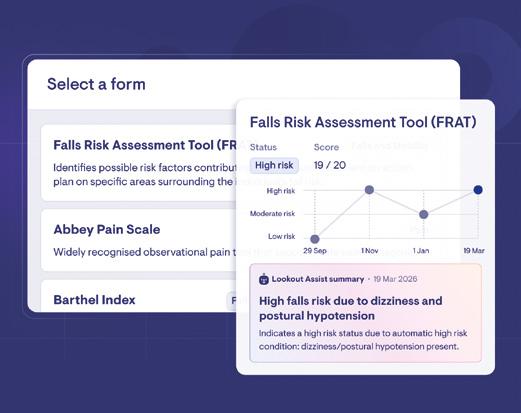
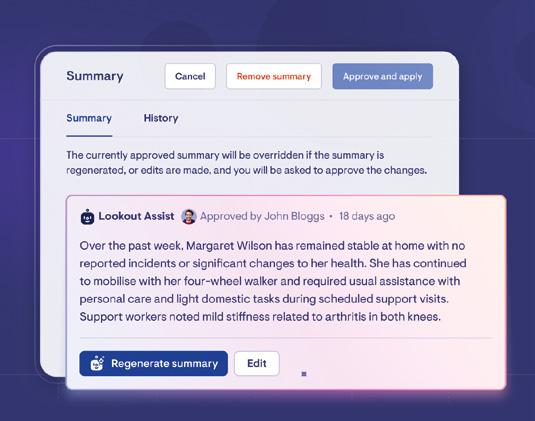
• outputs are reviewed
• every action is logged for compliance and continuous improvement.
The agents can be turned on for a range of care workflows, including clinical pathways, connected care, vision rostering and role-based access control, all of which are part of The Lookout Way’s new platform.
The Lookout Way believes the combination of clinical documentation tools like Heidi Health with Lookout Assist could potentially save thousands of hours of manual work per month on care planning alone.
Tate Johnson, chief technology officer at The Lookout Way, says the sector is under increasing viability pressures while delivering more personalised and higher-acuity care. Concurrent workforce shortages and growing compliance requirements mean frontline staff spend a lot of time on administrative work, he says.
“AI has the potential to remove so much of that repetitive effort, giving care teams more time to focus on people rather than paperwork,” Johnson tells AAA
“When designed responsibly, it can elevate care quality as well as assist with documentation, surface insights, support decision-

making and improve consistency, while keeping staff and care managers in control. Rather than replacing human expertise, the opportunity in aged care is for AI to assist and amplify it.”
Aged care and community care software provider AlayaCare – whose software is also built on AWS – has also been developing AI-powered documentation tools to ease compliance burden.
Its new AI Note Assistant is one of seven new innovations within AlayaCare Residential as part of a broader goal to modernise the platform and make it more intuitive and useful for aged care teams. Others include a native mobile app and redesigned user experience.
Once the AI Note Assistant has been rolled out, AlayaCare Residential plans to open early access to AI Form Assistant, which is designed to help users complete forms more efficiently and improve the accuracy of captured data.
Together, AI Note Assistant and AI Form Assistant aim to create a comprehensive AI dictation solution.

It is a sector where the “need is urgent and the opportunity is clear,” but it is also a sector where relatively targeted improvements can have a meaningful impact, he says.
“If AI can give staff time back, improve handovers, identify risks earlier and help providers stay more audit-ready, the value is immediate and tangible. In a sector under so much pressure, those kinds of gains matter,” says Mohamed.
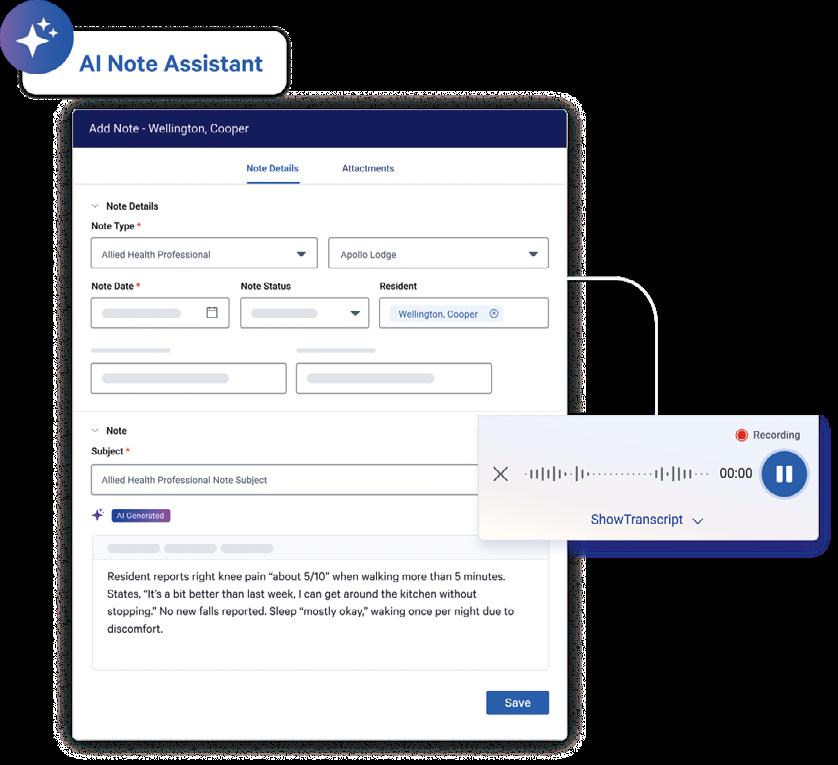
Following these two, a third tool – AI Resident Insights – will have the ability to consolidate key resident information into concise, digestible insights while flagging important changes across different care plans and forms. It is designed to help staff understand a resident’s status, history and needs faster, support better-informed decision-making, and improve handovers and continuity of care.
AlayaCare Residential vice president Arif Mohamed says AI is already improving efficiency in aged care and its role will continue to expand.
“We are starting to see AI summarise care notes, surface key changes faster and help identify risks earlier. Over time, I think its biggest impact will be helping providers move from retrospective review to more proactive care, where teams can respond earlier and with better information,” Mohamed tells AAA.
If AI helps teams capture better information, generate clearer handovers and share more meaningful updates with residents and families it can strengthen care quality and trust, says Mohamed, but the key is how it is implemented.
“In aged care, AI has to support human decisionmaking, not replace it. Used well, it will become foundational to reducing admin burden, improving proactive care and lifting quality, transparency and confidence across the sector,” he tells AAA.
The aged care sector has “high stakes, workforce pressure, rising complexity and a huge amount of information being captured every day,” Mohamed tells AAA and that is precisely why it has become such a focus for AI development.
“Timing matters too. Aged care has historically lagged [behind] other parts of healthcare in digital innovation, so there is now a degree of catch-up happening at the same time as reform – tighter operating conditions and rising expectations from residents, families and regulators. That is pushing providers to look more seriously at technology that can improve both efficiency and quality.”
Beyond the compliance burden
AI in aged care is not just being used to address growing compliance burden. The new decision support tool Prime is part of the enterprise level of the Care Equation platform by The Ageing Equation. It uses a combination of machine learning predictions and generative AI to provide executive and strategy teams with forward-looking metrics alongside current benchmarking.
Safdar Ali, founder of The Ageing Equation, says unlike general AI assistants, Prime retrieves information from current aged care data, including facility benchmarks, AN-ACC funding classifications and home care pricing. It then draws on The Ageing Equation predictive models to provide forward-looking metrics.
Retrieving information from current aged care data means Prime also understands aged care-specific vocabulary.

“The underlying predictive methodology is proprietary, and we have patent applications filed in Australia and the United States. We’ve been developing machinelearning models for aged care since 2021, well before the recent surge of interest in AI, so Prime reflects several years of focused work in the sector rather than a quick response to current hype. The goal is grounded answers with a human making the final call,” Ali tells AAA
Aged care sits at the intersection of three pressures:
rapidly growing demand
major funding and regulatory reform
an enormous volume of complex data.

This makes AI “well-suited” to the sector, says Ali.
“Operators make high-stakes financial and care decisions on thin margins, often without strong analytical tools. AI is well-suited to that. It can surface patterns, benchmark performance, and make complex funding and pricing data understandable quickly,” he says.
“The opportunity isn’t to replace clinical or financial judgement; it’s to give the sector better tools to make sense of its own information at a time of significant change.” ●
Contact: www.throne.com.au or 02 6280 6851
Fold-Down




The functions of the ‘Standard’, ‘Splayed’ and ‘Fold Down’ rails have been incorporated into the ‘3-in-1’, making it the most convenient toilet support system on the market.
The benefits of the Throne Accessories ‘3-in-1’ Rail System include:
This rail replaces the previous three models
Simplified ordering... etc
The new Throne Accessories ‘3-in-1’ Rail System will be of great advantage for:
Equipment loan departments in hospitals, schools, respite care and hospice facilities
Nursing homes and retirement villages
Hotels, motels, hostels, residential and other accommodation outlets
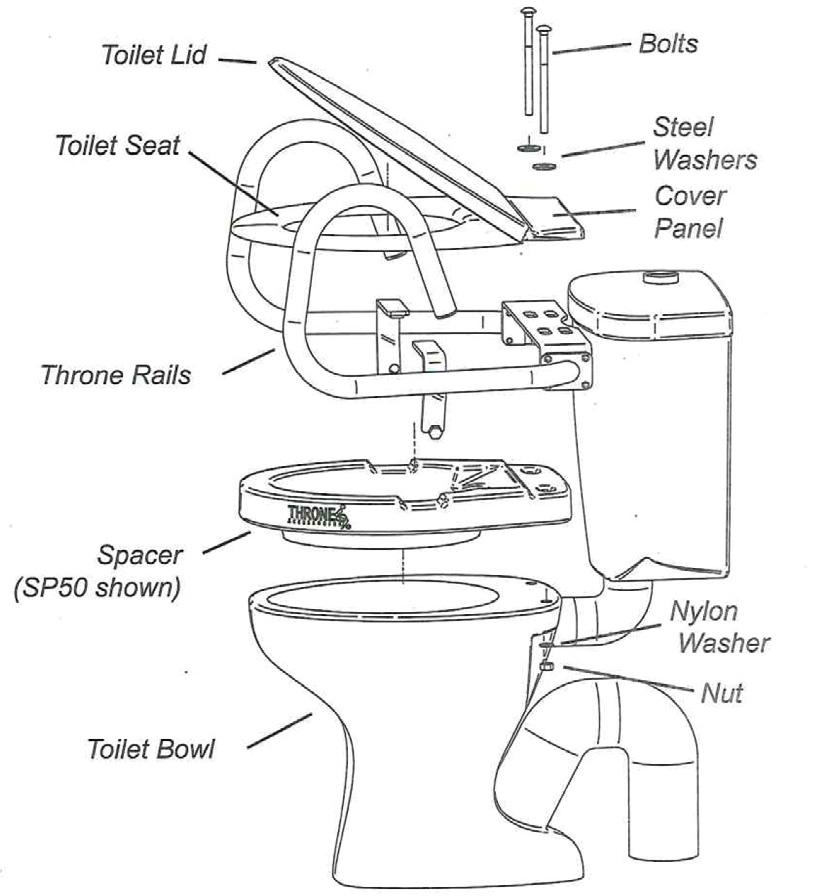
THE ULTIMATE AND MOST VERSATILE TOILET SEAT RAISER
The Throne Spacer has been developed to add height without changing the appearance of a standard toilet and toilet seat, and offers comfort and safety.
Two sizes! 50mm & 80mm heights
The best option OT’s could hope for!

Use with or without Throne Rails
The Throne Spacer fits under the toilet seat
Unobtrusively integrates with the bathroom decor
Raises the height of toilet seats and electronic bidets Easily installed and conveniently transportable
Spacers and rails are available from reputable healthcare suppliers
This particular Bariatric Rail model meets the needs of the larger built person. The handgrips are supported by adjustable legs that are firmly positioned to the side of the toilet by rubber-capped feet to prevent tripping. The Bariatric model comes in polished stainless steel.

The allied health workforce is staring down shortages as reablement takes hold, reports DANIELLE KUTCHEL.
Reablement has become a critical focus in aged care but there are concerns over whether the allied health workforce can keep up with demand.
The new Aged Care Act and Support at Home program introduced in 2025 encourage both residential and home aged care providers to adopt a “reablement-first approach”. Allied health workers are integral to meeting this sector-wide requirement.
Reablement focuses on an individual’s goals and strengths to help them overcome barriers to living independently. The approach also helps prevent deteriorating health.
But some allied health workforces are stretched thin, with peak bodies saying shortages and burnout are taking their toll on workers.
A key challenge lies in tracking how many allied health practitioners there are in Australia and where they are working.
Speech Pathology Australia national president Kathryn McKinley says while there is no database that records the supply and distribution of Australia’s speech pathologists, demand for speech pathology is growing, especially in regional and remote parts of the country.
Oliver says the peak body is seeing burnout in the aged care sector, with red tape and funding models reducing access to OTs and some government reforms limiting opportunities for OTs to support the ageing community.
“We’ve seen a lot of changes in legislation that limit, prevent or reduce opportunities for people to access occupational therapists as they age, whether it be in-home supports and services or services provided through aged care facilities. And that’s something that’s been incredibly challenging for our profession to navigate,” Oliver tells AAA.
“Building speech pathology workforce capacity is essential … for aged care, education, public health and the National Disability Insurance Scheme. That means engaging the full profession working in private practice, small businesses, non-government organisations, community health, and public services,” McKinley tells Australian Ageing Agenda
SPA is advocating for mandatory registration of speech pathologists under the National Registration and Accreditation Scheme, McKinley says.
“It would align speech pathology with other comparable health professions and give us the workforce picture we need to support better workforce planning.”
Michelle Oliver, chief occupational therapist at Occupational Therapy Australia, says there is a workforce shortage across many of the settings that occupational therapists work in.
OTs are crucial for helping older people live at home for longer, she says.
“OTs are critical in supporting people to adapt their home environments or introduce assistive technology or equipment to support people as they age to remain independent for as long as they can.”
The federal government is working with the states and territories on a National Allied Health Workforce Strategy to help address issues and create a coordinated approach to understanding and supporting the workforce. It was expected for release in 2025.

OTA is working to address broader workforce issues, creating pathways and programs to train up more OTs and finding ways to encourage the wider community to better value the role that OTs play in supporting ageing individuals, she says.
The organisation is focusing on providing opportunities for students to see occupational therapy as an achievable career path, especially in regional and remote areas, where it’s hoped local students will stay to work after graduation.
Another focus has been understanding the core areas of practice for occupational therapists and what pathways they need to progress – including in aged care, says Oliver. Capability frameworks for the sector and new learning and development opportunities aim to build capacity and skills.
This is partly in response to recruitment, retention and burnout issues in some settings.
Then chief allied health officer Anita HobsonPowell told the Positive Ageing Summit in May that work was progressing with hopes of publishing the strategy later in 2026.
Aged care providers raised burnout and workforce fatigue at Ageing Australia’s recent state conference in Western Australia.
Ageing Australia chief executive officer Tom Symondson says many providers report that reablement is putting pressure on the sector, requiring training, different ways of working and more time.
“This comes at a time when the sector is already managing workforce shortages, increasingly complex care needs and significant reform,” Symondson tells AAA
A reablement-focus is not the problem, but the workforce needs to have the capacity and support to implement the policy, he says.
“To successfully embed reablement, workforce and service reform must go hand in hand.”
For this reason, Ageing Australia says further training is needed for workers on the frontline of reablement.
“Our key priorities include further investment in training so our workers have the confidence to deliver reablement, better use of allied health to support workers, realistic timeframes to implement reforms, reducing red tape so workers can spend more time supporting older people, and finding ways to fix workforce shortages,” Symondson says.
“Reablement has the potential to improve outcomes for older people and create more rewarding roles for workers. Achieving these benefits requires investment in workforce capacity and a practical approach to implementation.” ●

Aged care homes should deliberately capture evidence of the work as it happens, writes SRINIVAS CHAVAN.
Every residential aged care provider now has to lodge an externally audited Care Minutes Performance Statement with its annual financial report. This starts with the Aged Care Financial Report 2025–26 due by 31 October this year.
I’m starting to see people take this as the quarterly number with an audit attached. It isn’t. It’s quite different to that.
It’s worth understanding this distinction now, in June, rather than in October, because the implications are all about the way the minutes are recorded. A small change in how you operationalise it now will save a lot of effort, and a fair bit of headache, and heartache, later.
With the October change, the focus moves to the minutes of care actually provided to each resident. The department has spelt out what the audit involves, and it isn’t light.

“An auditor follows the trail, not the conclusion.”
Under the relevant Australian Standard on Assurance Engagements, ASAE 3000, at reasonable assurance, the auditor has to trace that number back to the time the care was actually delivered to a specific resident.
The question shifts from “what did you deliver” to “can you show it from the records, traced back to the resident.”
I’ve heard people say the roster system should handle this. It doesn’t. The roster tells me a staff member worked a shift. It doesn’t tell me what share of that shift was delivered to any one resident.
So it isn’t about the effort. It’s about the evidence trail. The staff member signs off against the shift, not the resident. The care happened, but the auditor can’t trace it back to the individual.
A home meets its care-minute target across the week, but the daily breakdown isn’t captured. Any single day below target just disappears into the weekly average, which isn’t the right picture for the auditor or for management.
A correction to a missed-minute entry gets captured in handover but never gets linked back to the roster or the system. Tracing the trail back is where it falls, because an auditor follows the trail, not the conclusion.
On their own, these are small reconciliation gaps. Once this regime is in play, together they can become the difference between a statement that stands up and one that generates a query.
The trap is timing. It feels like an October problem, but the evidence it needs is produced every day between now and then, by people under time pressure who aren’t thinking about an auditor. A minutes-to-individual trail for care delivered in June can’t be built in October. It either exists or it doesn’t.
So the question I’d put to a quality lead is: if an auditor pulled six residents and six days at random, could you produce the trail without a scramble?
If the answer is yes, you’re fine. If it’s no, then it’s a workflow problem, not a reporting problem.
A report can only pull data that exists, and you can’t insert the past after the fact.
The data has to be captured as part of the daily work, by the people on the ground actually doing it.
If I picture the hero who can produce that trail the moment the auditor asks, it’s the provider whose daily operations already capture it. All they do is run a report and pull an extract of what they already hold.
None of this calls for new software or a system replacement. It calls for a decision: that capturing this evidence happens deliberately, as a by-product of the work as it happens, and that the daily routines are wired so it does.
This is much easier to resolve now than in October. ● Srinivas Chavan is an independent process and workflow practitioner who writes on the operational side of the strengthened standards
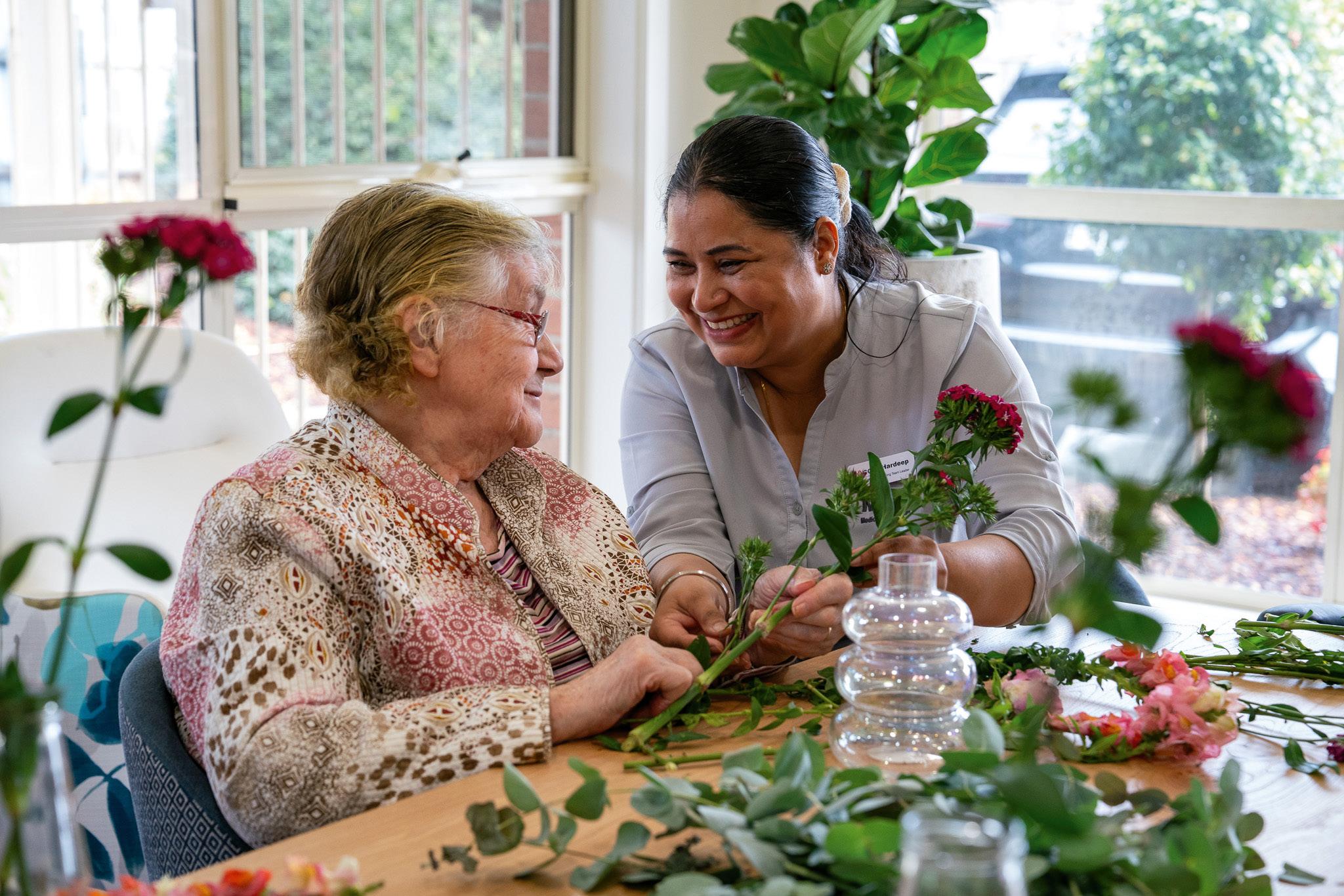
Survey findings show that workers stay because of teams, relationships, leadership and purpose, writes ZOE LEWIS.
The aged care sector has been talking about workforce challenges for years. Recruitment pipelines. Visa pathways. Wage reform. These conversations matter. But there is one part of the puzzle that still does not get enough serious attention: What happens after someone joins? Why do people leave? And what makes them stay?
Caring for others is a demanding job. There are days when teams are short-staffed and still expected to deliver the same standard of care.
People may be managing their own challenges, yet they show up, often with a smile, to make someone else’s day brighter. It is a high-pressure role and that is not always acknowledged.
What makes the difference on those harder days is culture. That is often what keeps people showing up, supporting one another, and continuing to deliver compassionate care.
This has been the consistent thread across every role I have held over the past 12 years working across aged care in the United Kingdom and Australia. When the culture is right, people stay. When it is not, no amount of recruitment fixes it.
The Fair Work Commission’s recent decision to raise award wages by 4.75 per cent from July is a welcome step and pay absolutely matters. Workers in this sector have been undervalued for too long. But our own data tells us that pay is not what keeps
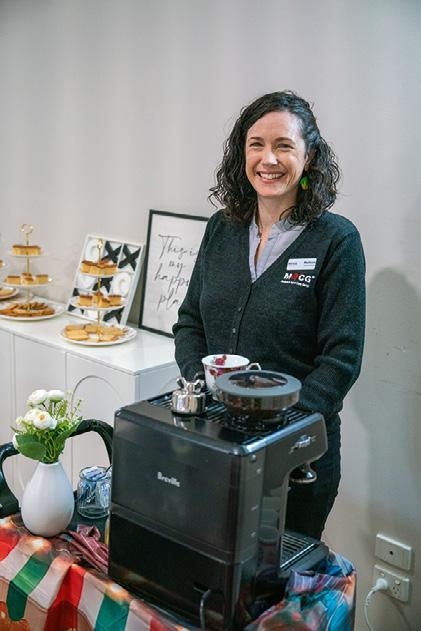
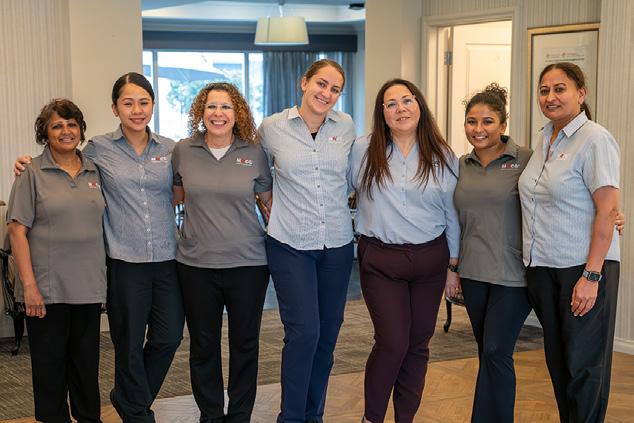
people. When we ask our employees why they stay, the answers are about teams, relationships, leadership and purpose. Culture does the work that a pay rise alone cannot.
Our most recent employee engagement survey at Medical and Aged Care Group shows what can happen when culture is treated as a strategic priority rather than a nice-to-have.
With a 78 per cent participation rate, the data carries weight. Among them, 72 per cent of our employees are positively engaged, well above the aged care sector benchmark of around 55 per cent. Our retention rate is 77 per cent against a sector benchmark of 63 per cent. And 85 per cent of our people describe MACG as a truly great place to work, compared to an industry benchmark of 74 per cent.
But the figure that stays with me most is 96 per cent – the share of our employees who say their work is meaningful and purposeful.
Having come into this role relatively recently, seeing that result confirmed what I had already felt when I started: this place has been built with care.
The survey comments bring all of this to life in a way the numbers alone cannot. One person wrote that they enjoy making a positive difference in residents’ lives and being part of a supportive, caring team. Those words speak to a deep connection, not just to
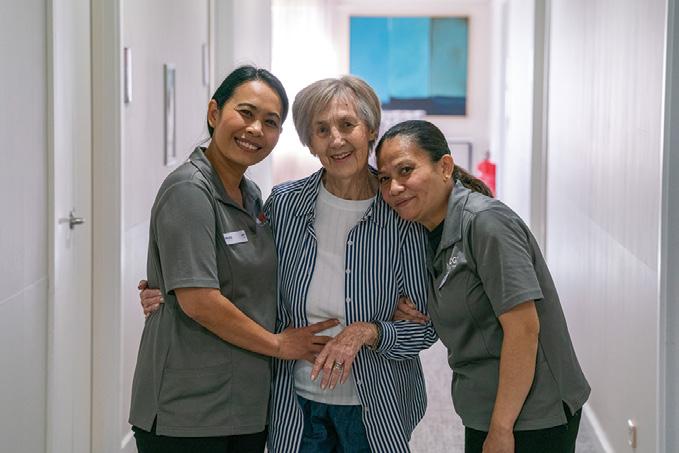
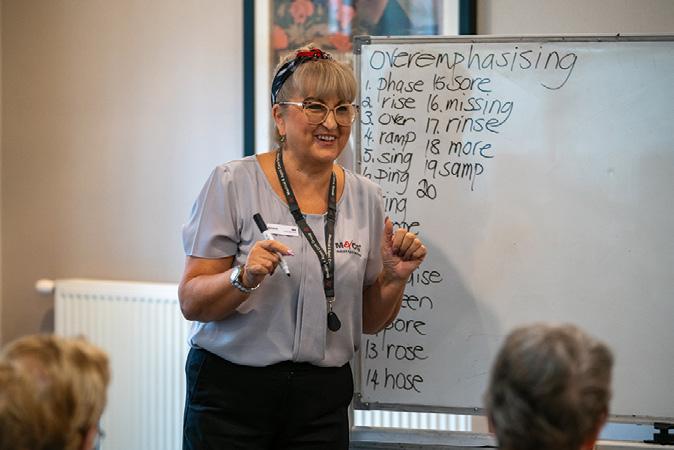
the work, but to each other and to the people they care for. That sense of belonging does not happen by accident.
Support to grow
Annabelle Murfet’s story captures what this looks like in practice. Starting as a team leader in our dementia support area over 10 years ago, she has grown into executive management as the general manager of clinical systems.
Murfet says she had a lot of support and opportunities for professional development, education and personal growth.
Our CEO Cameron McPherson championed her development, pushing her beyond her comfort zone and backing her potential.
Today she stays because of the company’s values and the fact that even in an executive role she can still walk through a home and feel close to the residents and care she loves. Her story is not an outlier. It is what culture-building looks like over time.
This matters particularly in aged care, where our teams are among the most diverse in the country. That diversity is an asset, but only when the environment supports it properly.
People need to feel respected, included and valued regardless of where they come from or what role they hold.
Our survey shows 87 per cent of employees feel valued, 88 per cent feel treated with respect, and 87 per cent feel included.
These are not numbers that appear overnight. They are the result of consistent leadership, investment in career pathways, meaningful recognition, and feedback channels that drive change.
This year, we established an employee engagement and wellbeing manager role. This is my role. My focus is to listen closely, understand what matters most to our people, and translate those insights into action. Even with strong results, we know there is always more to do. That is the point of the role.
Support to connect
Looking ahead, we are focused on closing the feedback loop more visibly so employees can see how their voice is shaping the organisation. We are expanding our wellbeing work with a specific focus on psychosocial safety. And we are continuing to build career development and progression opportunities across the organisation.
When our people feel supported and want to be there, they are more present, more attentive and more willing to go above and beyond. That might be taking extra time to sit with a resident or supporting a family member through a difficult moment. Residents and families benefit from seeing familiar faces and building trust over time. That continuity creates comfort and stability, which matters enormously in an aged care setting.
Wage reform matters. Recruitment matters. But the providers who build a workforce that holds together will be the ones who understand that culture is the foundation everything else rests on.
When you invest in it seriously, it shows up in every number that matters: engagement, retention and the quality of care residents receive every day. Because when people want to stay, everyone benefits. ●
Zoe Lewis is the employee engagement and wellbeing manager at Medical & Aged Care Group
Hundreds of passionate aged care professionals and leaders have returned to Hilton Adelaide for the second annual Positive Ageing Summit. NATASHA EGAN reports.
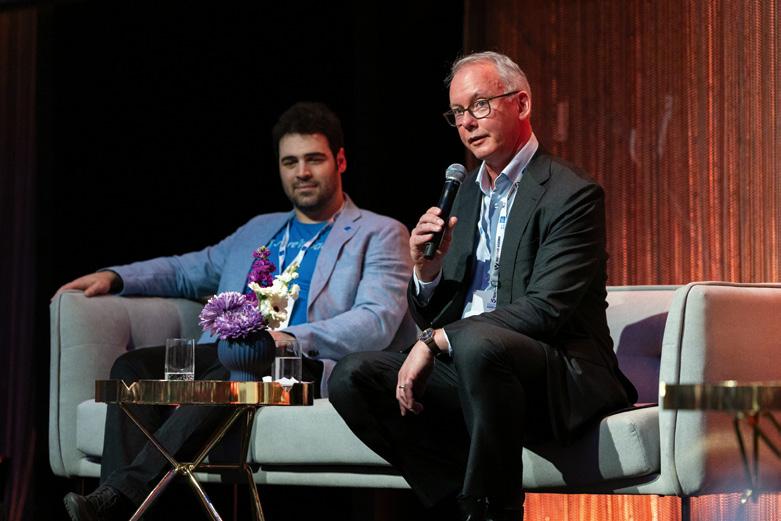
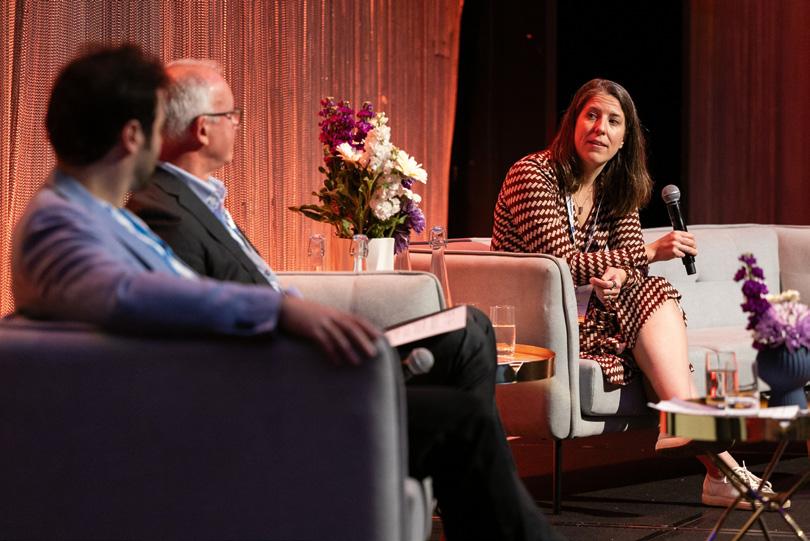
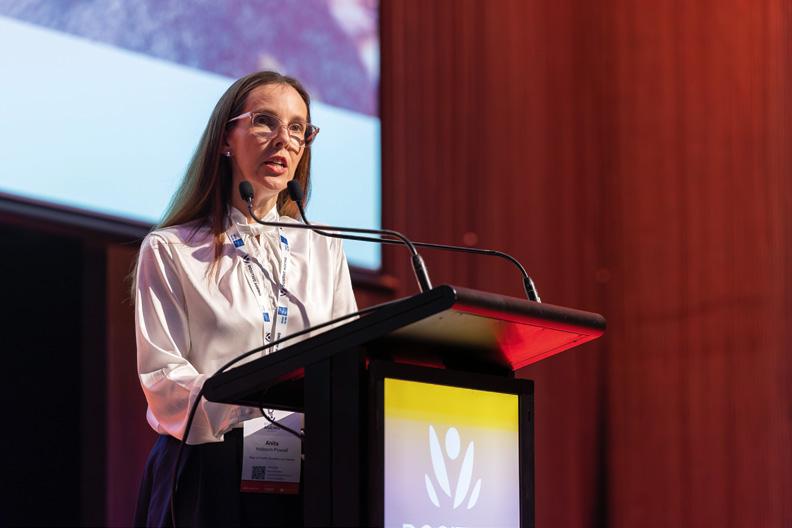
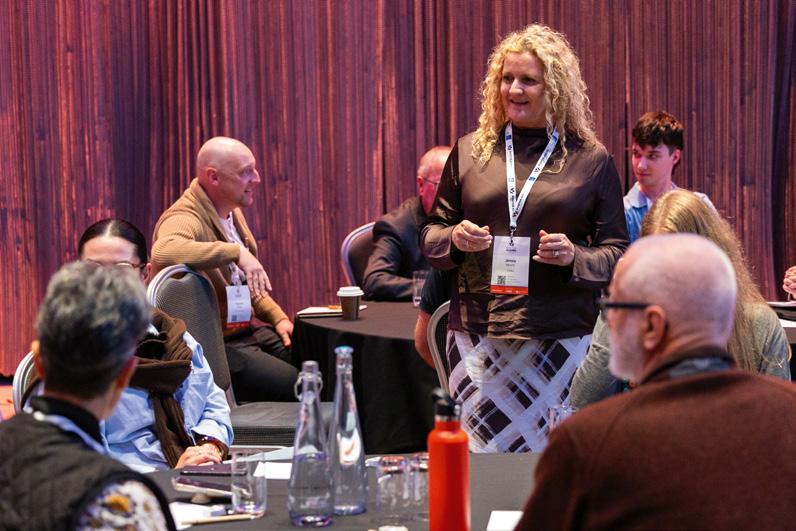
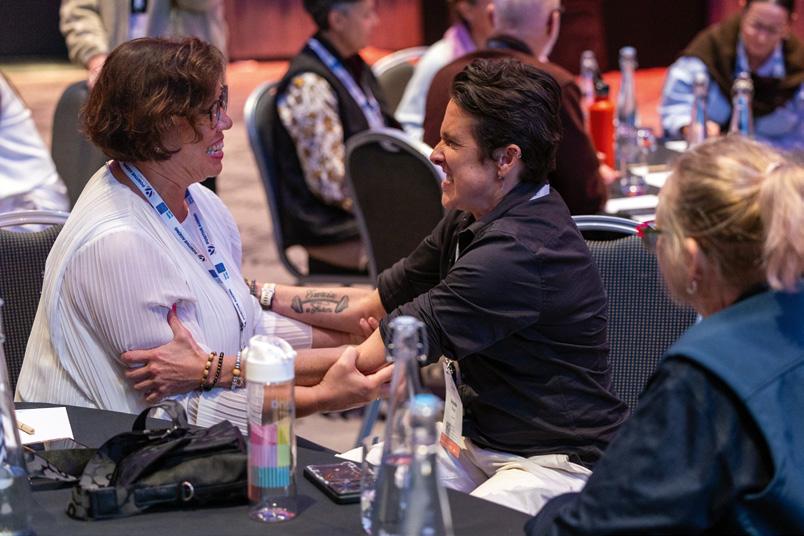
This year’s Positive Ageing Summit featured a mix of fresh talent and familiar faces from the inaugural event 12 months previously, including presenter Jessica Adamson returning in 2026 as master of ceremonies.
Similarly, there were plenty of new and old faces among delegates and exhibitors. All with a common aim.
This goal was summed up well mid-event by Harbison chief executive David Cochran – who appeared on a panel on the first day of the summit.
“If you’re looking for fresh ideas for aged care, the summit is the place to be. I’m feeling positive about ageing,” he writes on LinkedIn.
The event began with a Welcome to Country from cultural speaker Petiola Wilson with a little help from his smiling and talkative infant son.
“Thank you to the Positive Ageing Summit for having Jnr and I deliver the Welcome to Country for your summit. While many see a Welcome to Country as a protocol, for me it is much more than that.
“Standing beside my son and hearing him quietly whisper the words along with me was a powerful reminder that culture lives through our people and through the generations that follow us.
“This is how we uphold our cultural responsibilities. By creating opportunities for our children to walk alongside us, to listen, learn, participate and eventually lead,” Wilson writes on LinkedIn. “A very proud Dad moment and a reminder that the future of our culture is already walking beside us.”
Anita Hobson-Powell was also back, with the summit coinciding with her final week as Australia’s chief allied health officer. She gave a national allied health update, which included her five-point plan to support the success of the forthcoming National Allied Health Workforce Strategy.
New to this year’s event was a concurrent reablement-themed masterclass delivered by Whiddon’s Dr Jenni Hewitt and Bond University’s Associate Professor Justin Keogh. It involved an interactive session showing delegates how to deliver beneficial strength and balance programs.
The day concluded with the announcement of the Paul Johnson Positive Ageing Award. The $1,500 prize is sponsored by BallyCara, where the award’s namesake, the late Paul Johnson, spent over a decade championing healthy and active ageing.
Presented by BallyCara executive chairman Marcus Riley, this year’s winner is Adjunct Professor Tanya Davison for her work building a mental health care model for people living at home supported by home care provider Silverchain, where she is director of research and discovery.
“It’s so important, isn’t it, for us to have a forum like this, where we can really discuss and have deep conversations about what it means to age well,” Davison tells delegates in her acceptance speech.
Afterwards, delegates moved across the hall to the welcome cocktail reception, which involved the expected delicious drinks and canapes plus an extra dose of fun.
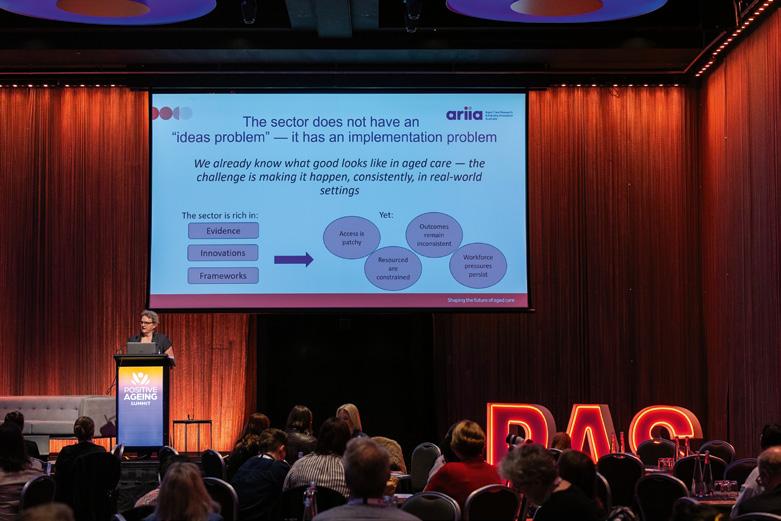
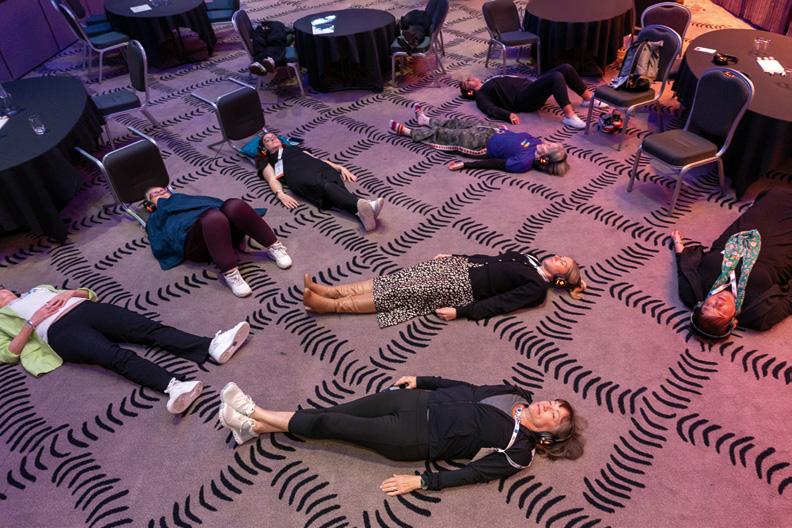
“Our sector does not have an ideas problem. It has an implementation problem,” ARIIA’s Dr Rebecca Bilton tells delegates (read more about her message on page 16) Resparke hosted a meditation session and silent disco during the summit
Allison Harrington and the rest of the team at wellbeing engagement platform Resparke ran a silent disco during the reception, which was praised by all who donned the headphones.
The following day, Resparke hosted an immersive meditation session involving many people eager to try the relaxation technique.
Elsewhere on day two, the outgoing Inspector-General of Aged Care Natalie Siegel-Brown delivered a powerful and well-received presentation and called positive ageing the “smartest economic strategy we have”.
Delegate Alisha Radocaj from InHome Care SA says she had “an incredible time” at the 2026 Positive Ageing Summit.
“Two incredible days of conversations, stories and achievements in this area. It was so great to see a community of people who [strive] to achieve the same common goal. Ageing positively,” she writes on LinkedIn.
“I was very fortunate to participate in the reablement masterclass and attend the site tour on behalf of InHome Care SA. Even got the chance to work on my gait training and balance game at Adelaide Exercise Physiology,” she says.
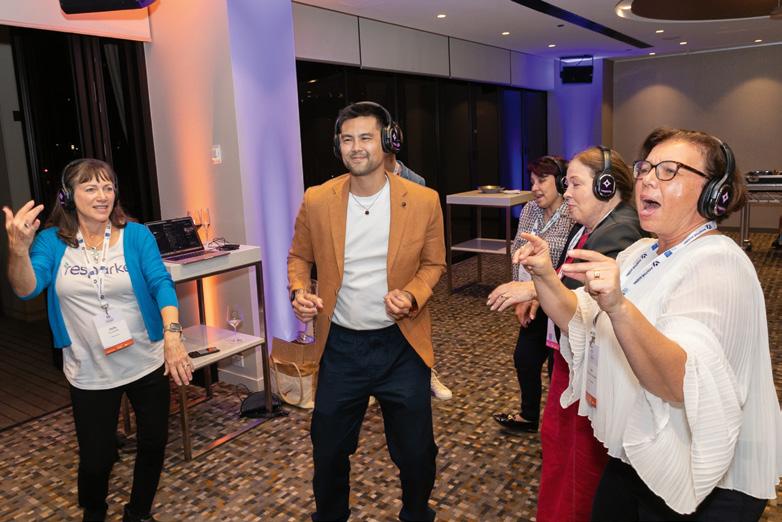
“A lot of information absorbed and connections made. And always a great chance to catch up [with] old colleagues and friends. Cannot wait for next year.”
While the main program concluded after two days, site tours also returned in 2026 with two options this year. Radocaj joined the Reablement in Action tour, which you can read about on page 42.
The Wine, Wisdom and Walking in Their Shoes tour involved a dementia immersion experience in McLaren Vale hosted by Wendy Hall, managing director of Dementia Doulas International, and Tamara Henwood, founder of Tamara Henwood Consulting.
It included wine tasting at d’Arenberg Winery and Mollydooker Winery and lunch at Swell Brewery, plus interactive activities designed to be both enjoyable and educational.
“Participants took part in a dementia knowledge Q&A, explored common myths and facts about dementia, and engaged in reminiscence activities such as ‘finish the song lyric’ challenges. These activities encouraged participation, sparked conversation, and
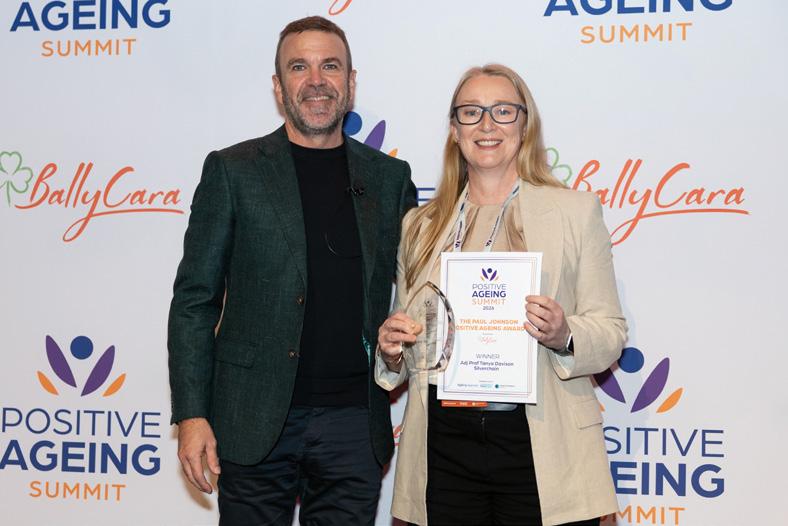
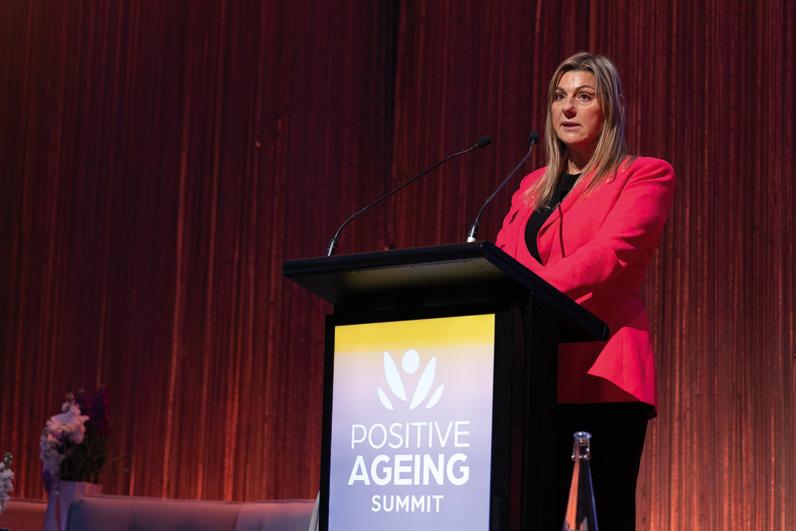
“Positive
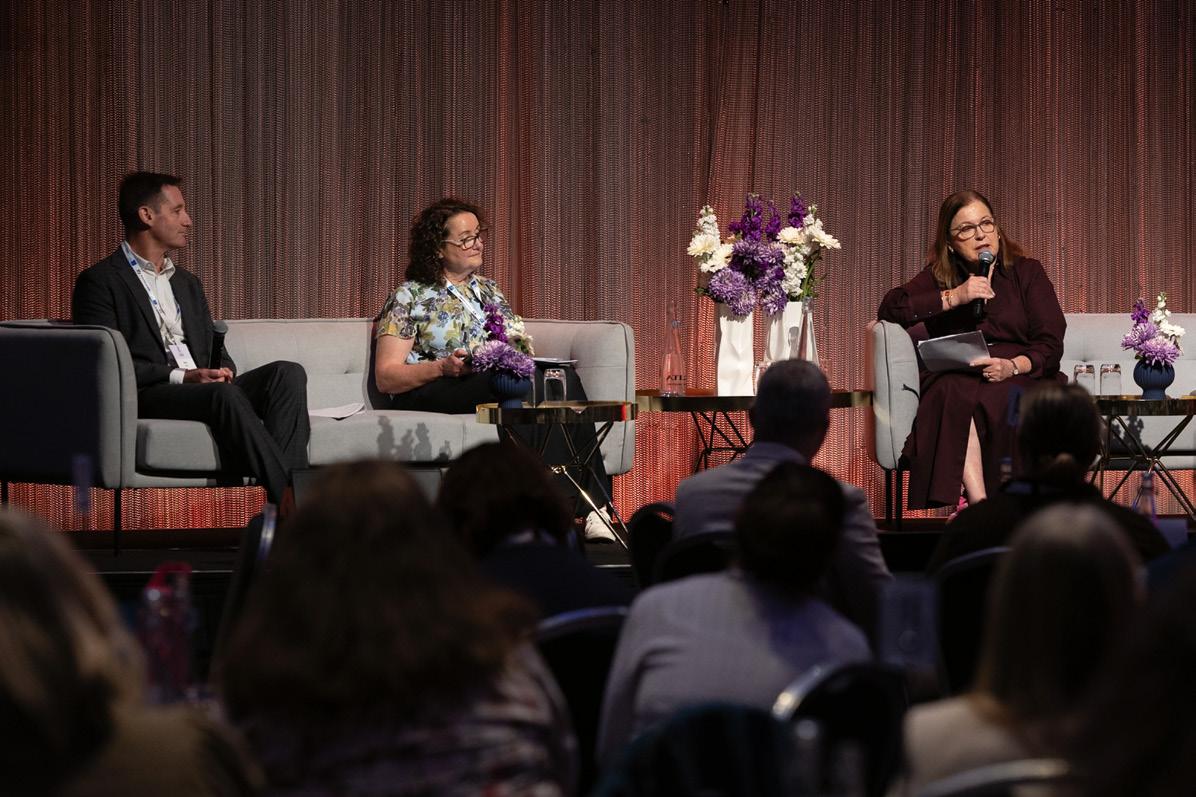
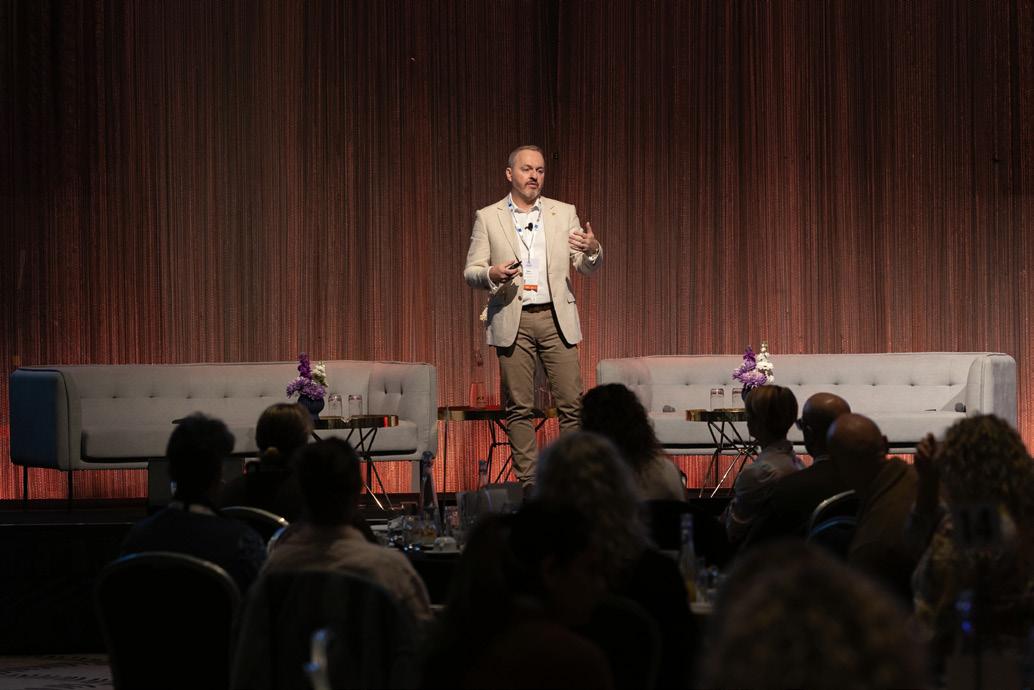
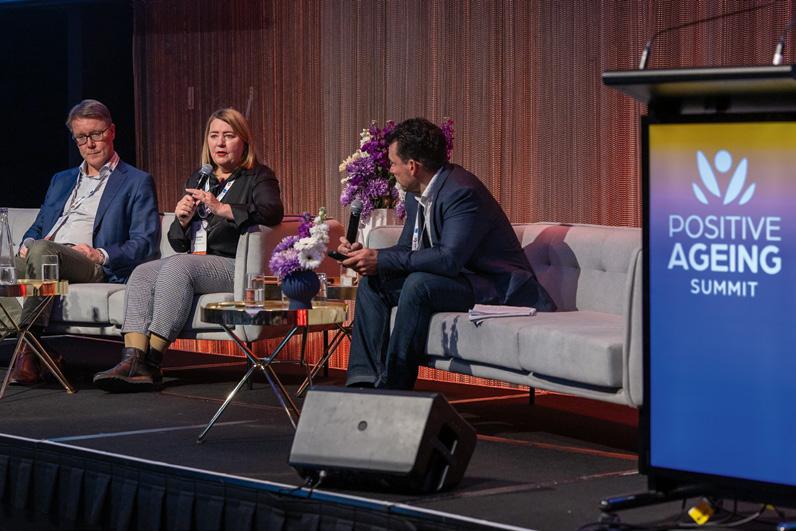
demonstrated how meaningful connection can be created through simple, inclusive approaches,” Hall tells Australian Ageing Agenda
“We hoped participants would leave with not only greater knowledge but also a different perspective on what it means to live with dementia and support someone who is navigating the condition,” she says.
“The discussions also encouraged people to consider, often for the first time, what it might be like to navigate everyday environments and interactions while living with dementia. These conversations fostered greater empathy, understanding and awareness.”
The day involved exercises delivered creatively, adds Henwood. One involved the group exploring tensions that arise when delivering person-led care in a system that is compliance-driven. An example would be dignity of risk and duty of care.
“The other explored the labels that are often associated with or given to people living with dementia. Through an experiential exercise, the group was prompted to reflect on their experience on the day in their roles and how they may change practice as a result.” Henwood tells AAA.
“We had a fun day and the overall atmosphere was one of connection and engagement,” says Hall.
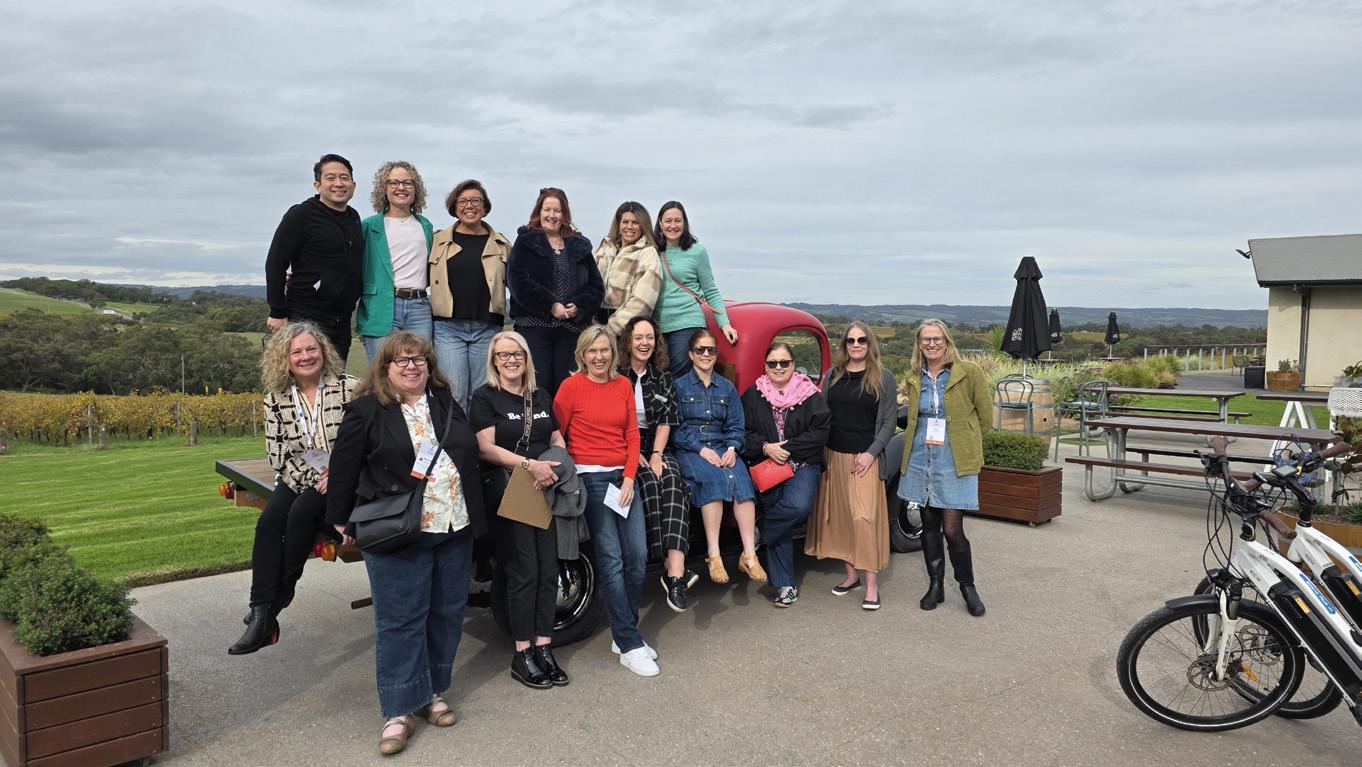
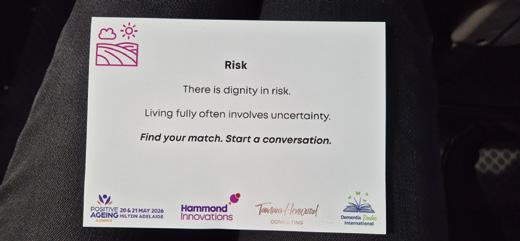


Participants agree. When AAA posted photos on LinkedIn, many from the tour added their praises for the activities –and the wine.
“A truly fun day of learning, touring and networking. I am thinking about ‘being’ and ‘doing’, lived experience with different emotions and the 150 different types of dementia,” says Michelle Courts.
“Such a great tour with meaningful discussions and great connections,” adds Dr Tuire Karaharju-Huisman.
“Love every moment of this day from the thought-provoking exercises facilitated by Wendy Hall and Tamara Henwood to the wine tasting. Most importantly, the day was about connecting with old friends and new friends. The Positive Ageing Summit is a gift that just keeps giving,” says Julie Hogarth-Williams.
The tour was a “perfect way to wrap up a fabulous Positive Ageing Summit 2026,” says Sharon Apold Davies. “The conversations certainly flowed freely and after a very information rich few days it felt as though everyone took a deep breath and felt a little relaxed,” she says.
“I have to say – isn’t it amazing how a label can make us feel. Even in a game, handing me an envelope labelled ‘withdrawn’ made me feel sad – just in the reading. Empathy is a strong reminder.”
Similarly, Libby Hema Lewis called it a fabulous day of conversations and insights.
“This was a wonderful experience and very grateful to be a part of it,” she says. “I’m already looking forward to next year’s Positive Ageing Summit.”
So is the AAA team. Stay tuned for more information. In the meantime, scan the QR code to read our coverage of Positive Ageing Summit 2026. ●
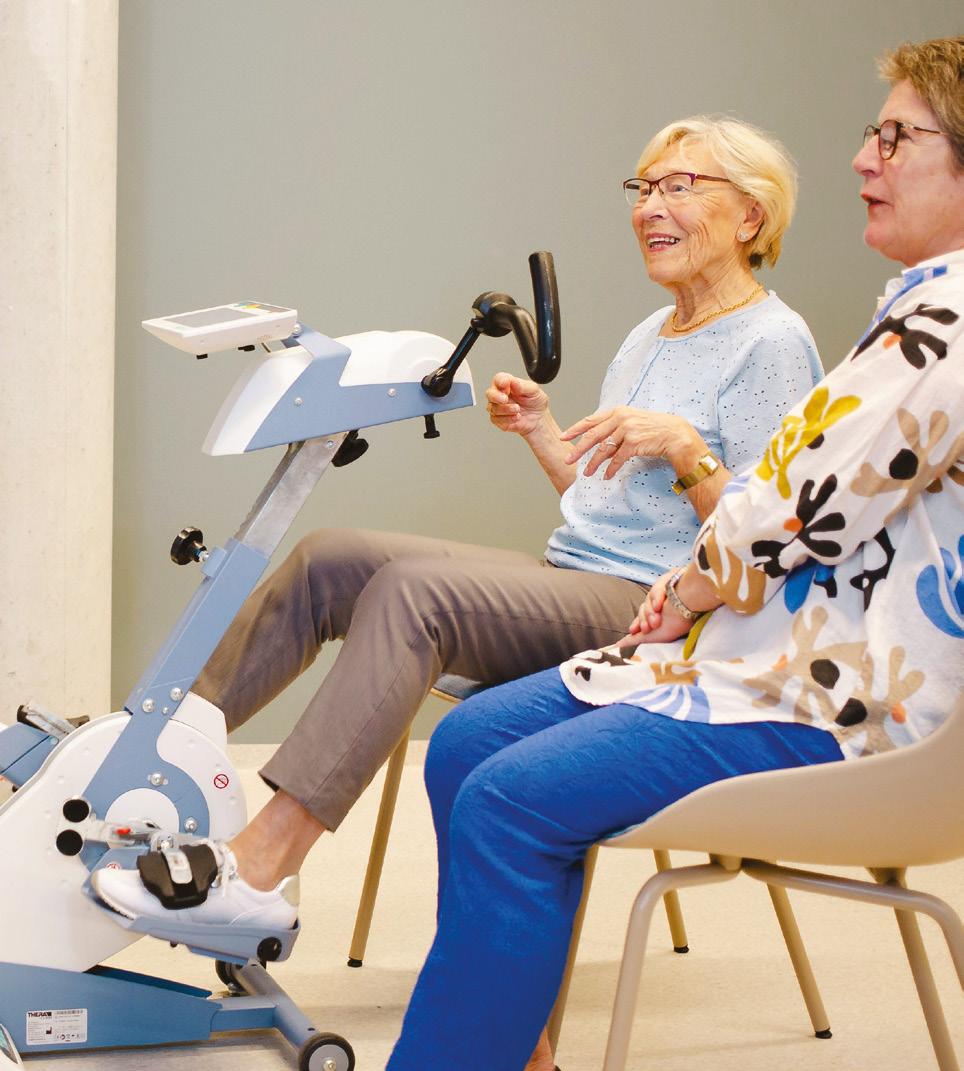
Physical
Cognitive
Social
Mental

A site tour of three Adelaide health spaces has seen older people engaging in targeted exercise programs that build strength and social connections.
LLOYD JONES reports.
Physical movement is essential to ageing well, with a proven ability to reduce falls risk, improve cognitive function and maintain independence.
On a site tour following the 2026 Positive Ageing Summit, the Australian Ageing Agenda team joined delegates on visits to three sites where encouraging older people to age well is at the heart of everything they do.
The Reablement in Action tour included guided visits at ACH Glenelg, Kieser Glenelg and Adelaide Exercise Physiology Woodville Park.
ACH Glenelg runs an average of 12 classes a day Monday to Friday, helping around 100 older people engage in exercise each day.
The classes are also an opportunity for social interaction, important among rising rates of loneliness and depression among older adults.
While they market themselves as an over-50s gym, ACH exercise physiologist Luke Maloney says most of their customers sit in the over-65 bracket, accessing the gyms through Support at Home or the Commonwealth Home Support Program.
At ACH Glenelg:
• personal trainers run the Strong and Steady program for balance prescription
• physiotherapists run a short-term balance program for those at
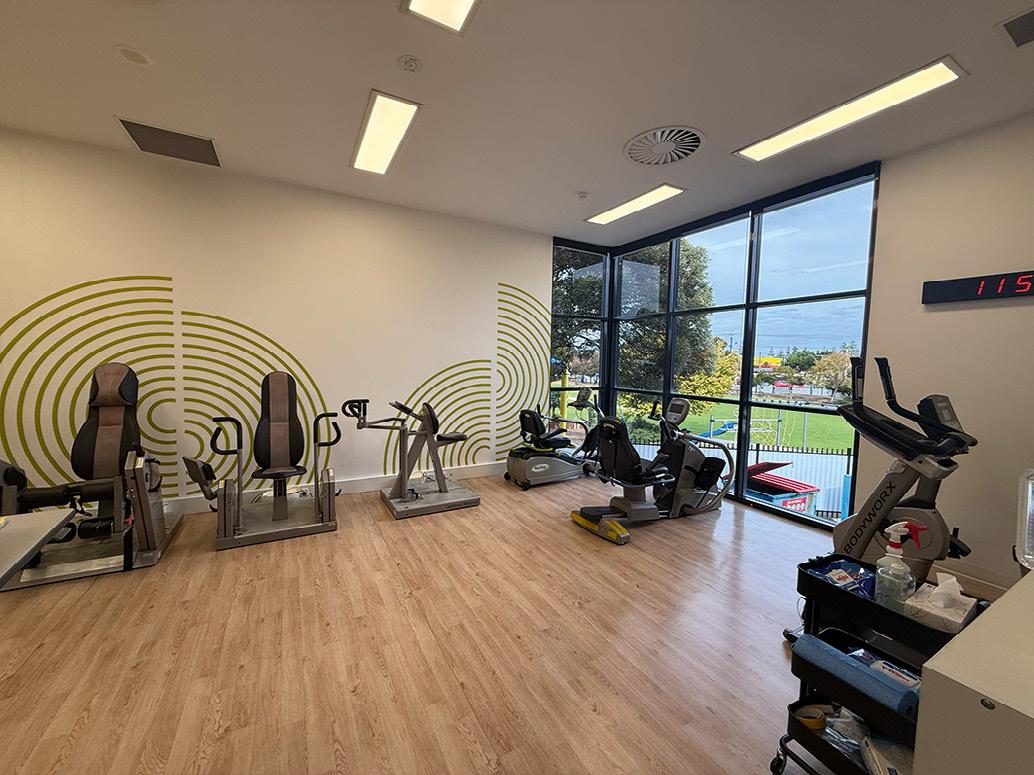
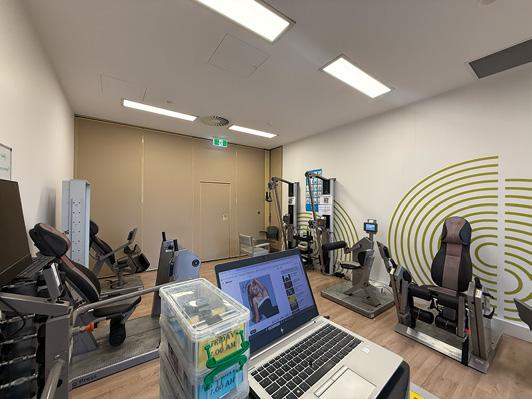

• exercise physiologists run the Amplify program, a class focused on amplitude and balance exercises specifically for people with Parkinson’s disease.
Older people can also participate in yoga classes, including chair yoga. There are back care and core classes for back strength and core stability. Members can also access the gym, where exercise physiologists, personal trainers and physiotherapists are on site to help navigate the machines.
“We’re always looking to expand the offerings of classes that we provide our customers,” Maloney says, adding that when they roll out a new class, they try to make it available at all three health studios.
ACH also has health studios in Christie Downs and Rostrevor, while similar gym environments exist in all the ACH aged care homes.
All ACH aged care residents can access classes and regular gym equipment under the guidance of personal trainers and physiotherapists; it is not part of a Higher Everyday Living Fee offering, Maloney says.
The Rostrevor health studio is ACH’s first purpose-built studio and is located on land owned by the provider. It is in front of one of ACH’s aged care homes and near ACH retirement living settings too.
“The bigger vision for ACH is to have what we call connected communities, where we’ve got our residential aged care, our community health studios and also our retirement living all within a very close vicinity to each other,” Maloney says.
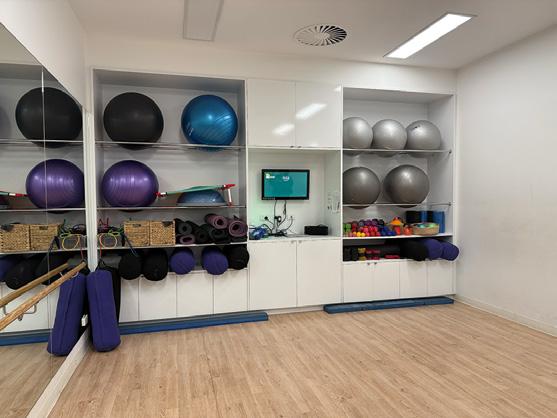
Less than two kilometres away from ACH Glenelg is the Kieser Glenelg gym, and the second stop for PAS delegates attending the reablement site tour.
Purposefully built in Bauhaus style, Kieser specialises in strength training and all facilities – two in South Australia and 35 nationally – are aesthetically industrial and functional.
Kieser has a range of speciality equipment; some strengthen all muscle groups while others target specific muscle groups, such as the lumbar extensor machine for lower back pain, the pelvic restraint machine and a rotator cuff machine.
An important one, says Kieser’s regional leader for South Australia and Tasmania, Josh Miller, is the quadricep strengthening machine. Tour delegate Associate Professor Justin Keogh stepped up to test this one.
Miller says the leg extension strength test is one of the most common to understand all-cause mortality.
“In an aged population, it’s one of the better predictors of quality of life,” Miller says.
Data used to boost motivation
Data is central to the Kieser methodology, with all machines connected to tablets that monitor a person’s progress. This enables physiotherapists and exercise physiologists to compare a person’s progress against a trained population – people who have been training for 12 months – with the same height, age, gender and weight.
Kieser Glenelg clinical lead Cameron Geimer ran delegates through an example of a man who had been training at the gym.
“This individual was below average for both percentiles for his quadriceps, and now he’s still below average on his left and his right, but he has improved,” Geimer says.
“This is great to use as well because we can celebrate his improvements, but say, look, strength training takes a long time – you need to keep doing this for longer so we can see you in the higher percentiles for your demographic.”
Kieser is open to any age group, but members are 60 years on average. The oldest person training at Kieser Glenelg is 92.
“We treat people however they want to be treated. We have an incredible product and service out here in the strength training, where people can be members. We can train them on the equipment, but we’re not limited in any way as clinicians to deliver the right care for the person, that person-centred approach, where
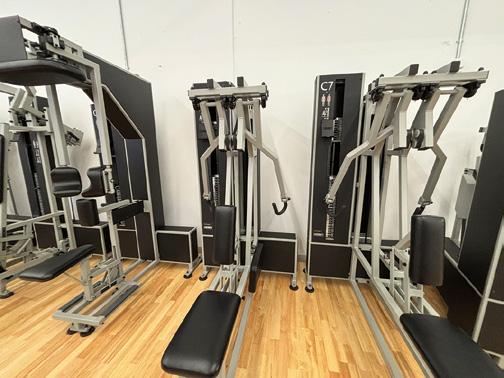
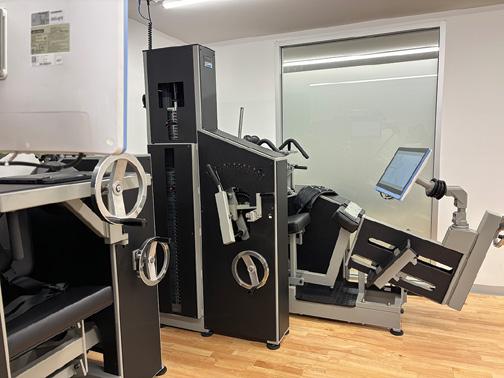
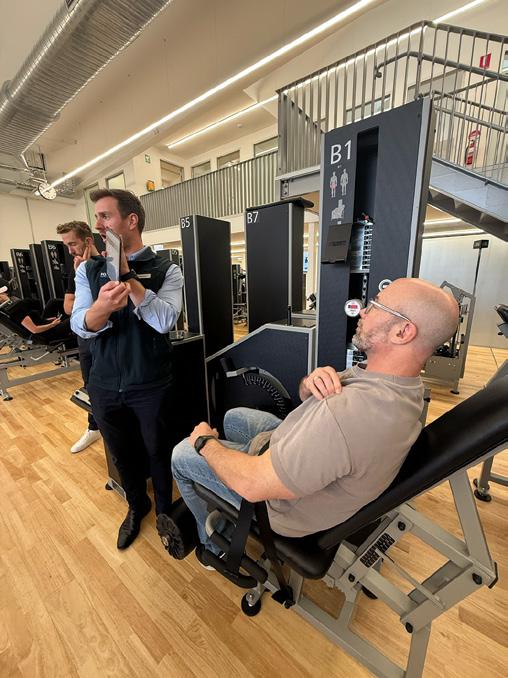
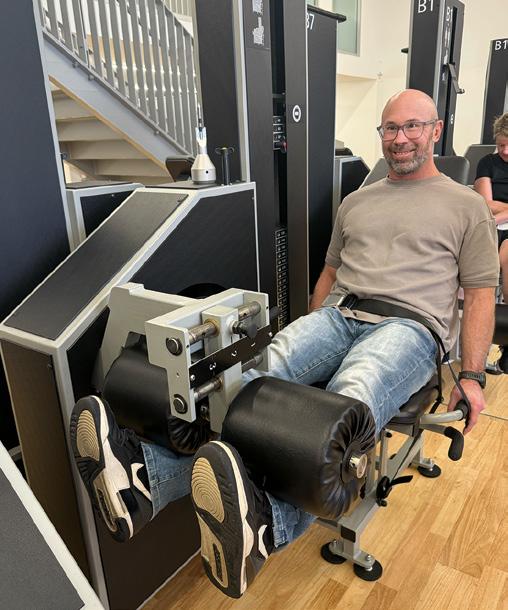
if we need some balance work, we’ve got balance classes or a space to do balance,” says Miller.
“We’re going to train people and have their home programs for them to go and achieve those other aspects. We’ve got some of the world’s best strength training equipment down here, but strength training is one aspect to our fitness now – we still address everything else, as any other physiotherapist or exercise physiologist would do.”

Introducing idem - smart reminder clock
Supporting independence, routine and connection, while also reducing carer stress.

Manage everything from your phone, anywhere in the world
Receive Carer Notifications On Your Phone
Know when follow-up may be required
Only displays information as it's required/scheduled. Minimises cognitive load & reduces stress.
Stay connected with loved ones.
*Video calling requires monthly subscription



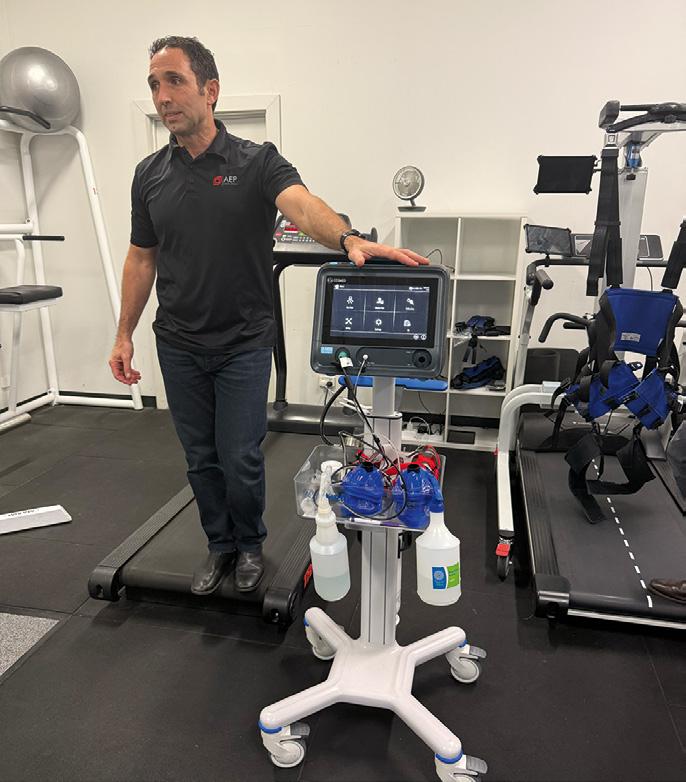
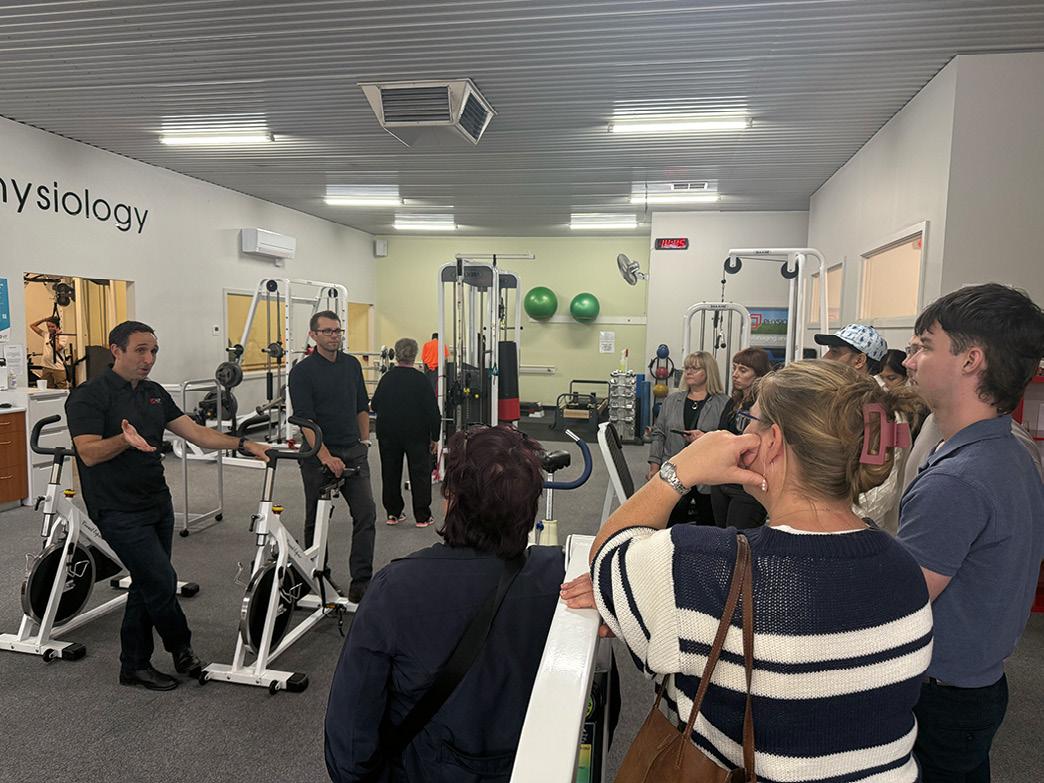
One-stop shop for assessment, exercise, social engagement
Adelaide Exercise Physiologists Health Group, the third site visit on the reablement tour, is also open to a broad range of ages, but it has become a popular place for older Australians.
What stands out with AEP is its in-house assessment capabilities. Everything is tailored, co-director Chris Ftinogiannis tells tour delegates.
“Everyone gets their consultation, assessments, progressions, reviews constantly throughout the day. And now with Support at Home, we are doing the 12-month service agreements and assessments,” says Ftinogiannis.
AEP is also doing sarcopenia assessments for general practitioners with their new VIVA Body Composition scanner, which is only out by 2–3 per cent from the DEXA scan – widely considered the most accurate bone strength test.
“We’ve got one for each clinic, and that gives us segmented muscle mass without radiation, without having to go somewhere else,” says Ftinogiannis. “We’re incorporating that with some strength measures and then determining what level we’re testing for, so older and frail, we’ll have a series of assessments tailored for that.”
With the array of testing that AEP Health Group can conduct in-house, everything can be combined into a single report with recommendations.
This multi-dimensional approach means when a new client comes in for frailty, for example, AEP staff look at all the factors that need attention before engaging in strength training, says exercise physiologist Thomas Pretlove.
“When a patient comes for frailty, you want to do strength, but there might be more than one dimension, one factor that’s affecting that. So we have a look at the muscle mass, [and ask] do we need to see a dietitian to maximise the diet? So that when we implement a resistance-based training program, we have a chance to potentially capture or improve strength gains, rather than contributing further to frailty if you don’t identify these things,” says Pretlove.
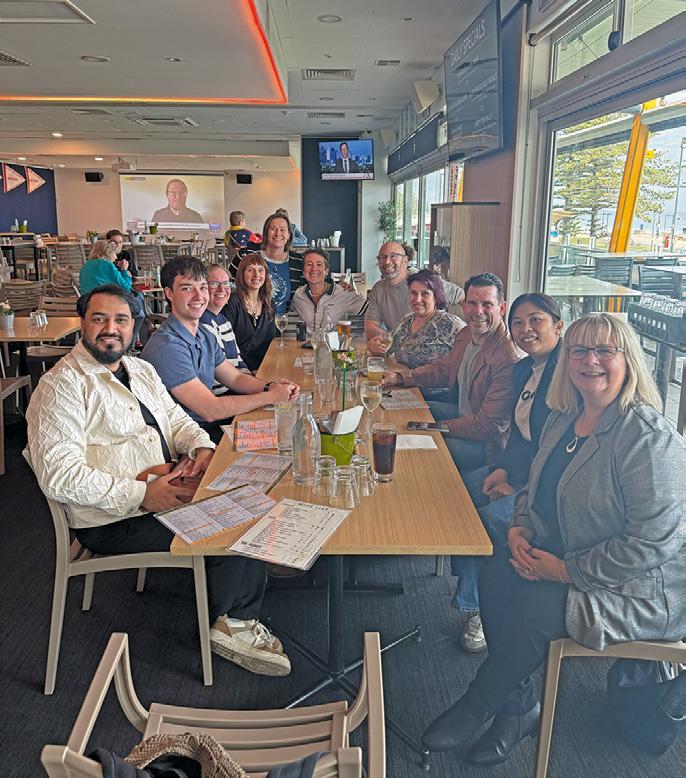
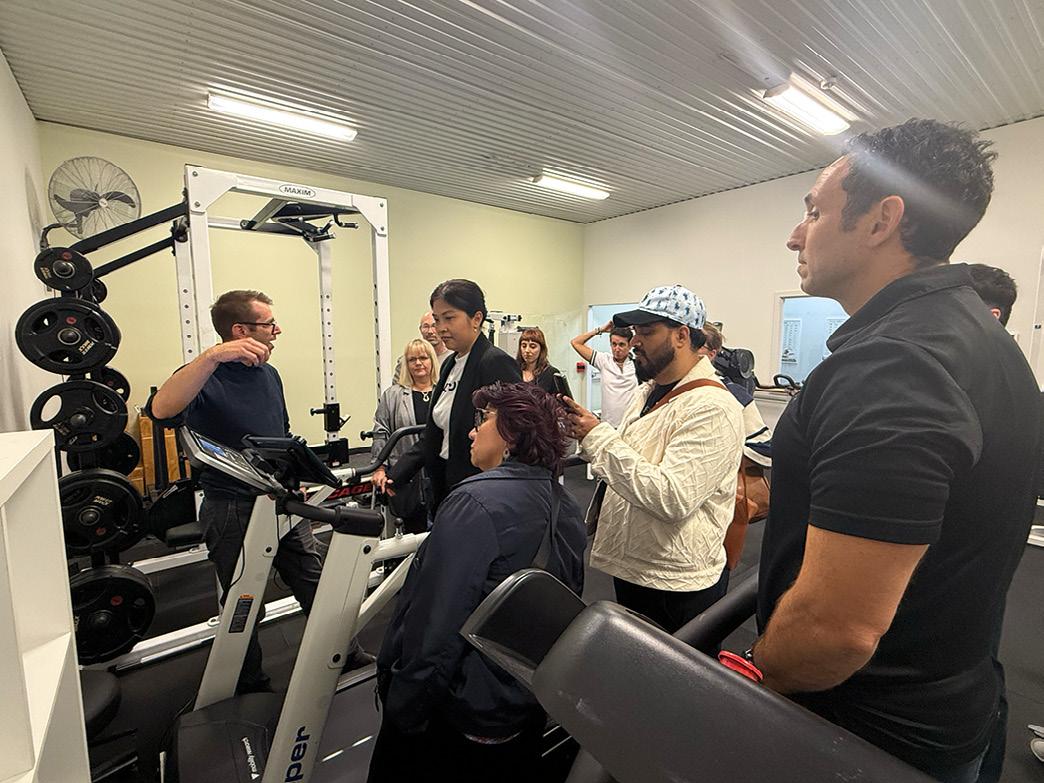
“Having that in-house process and cross-referral pathway works really, really well.”
Building community through exercise AEP has become a place where older people can engage in meaningful social opportunity too.
Ftinogiannis says a “classic example” of this was a few weeks earlier when an older man came early and waited an hour for his supervised session to start. But when he learned his friend wasn’t attending that day he said he was going home.
“The only reason he was there and wanted to participate was to see his mate Graeme, and to chat to Graeme while they exercise,” Ftinogiannis says. “We convinced him to stay and do the sessions with us, but they’re powerful, those friendships and that social interaction.”
The social aspect of the exercises also makes re-introducing physical movement less daunting.
“When they see the same type of people exercising, doing things on frames, in wheelchairs, they go ‘well, they can do it, I’ll give it a crack too’ and friendships form,” says Ftinogiannis.
“It’s generally the same exercise physiologist who supervises that session week after week, so they get the cohesion in the group, they help link other people up with the same interests, and it’s a good social element.”
Pretlove says the language of exercise prescription from doctors can sometimes make people apprehensive about going to the gym, but when they walk in the AEP door and see the group of clients, there is an “openness to engage.”
They also get the opportunity to share in other people’s success, he says.
“They might be struggling with something and have watched other patients and their journey. I’ve got a patient that came to us in a wheelchair, and not too long ago we had him walk out the front door unassisted.
“Other patients were so happy for him, coming up to me after saying, ‘wow, he’s done such a good job, we’ve watched his journey.’ So everybody gets to feed into that shared process, which is humbling and fun at the same time.” ●









Care Immediate workforce. Delivering in minutes, not days.
Altaira delivers staffing solutions across Healthcare and Nursing, Allied Health, Hospitality, and Cleaning Services for both short-term and permanent placements.
Working in close partnership with aged care providers, we help secure economical charge rates that align with budget requirements while consistently maintaining high standards of quality, safety, and care.
Nurses & Carers
• Registered Nurses
• Enrolled Nurses
• Personal Care Workers
• Clinical Specialists
• ACFI / AN-ACC Specialists
Management
• Quality Managers
• Care Managers
• Site Managers
Allied Health
• Physiotherapists
• Dietitians
• Podiatrists
• Exercise Physiologists
• Occupational Therapists
Hospitality & Domestics
• Kitchen Hands, Cooks & Chefs
• Food & Beverage Attendants
• Domestic & Cleaning Staff
• Administration Staff
“Altaira’s support in providing highly skilled and compassionate agency staff across our Aged Care business has been instrumental in maintaining the quality of care our residents deserve. Their responsiveness, professionalism, and understanding of the sector ensure we can meet workforce demands without compromising on standards. The key benefits of this partnership include improved workforce flexibility, continuity of care, and the confidence that comes from partnering with a team that truly understands the importance of dignity and respect in aged care. Together, we’re not just filling shifts – we’re creating meaningful change that enhances lives”
Dominic Gagliardi, EGM, Social Enterprise, AnglicareSA
“ My connection with Altaira has been long and joyful, and it is grounded in shared values: a genuine love of people, a deep respect for nurses, and a strong belief in education, training, and capabilitybuilding. Altaira supports its nurses to be confident, skilled, and valued - because when nurses feel supported, everyone benefits.”
Jo Boylan, Founding Director of Healthy Ageing in Action (Former CEO Aged Care Provider)
15+ years sector expertise
Australian-owned aged care specialists since 2008.
High clinical governance
Rigorous standards underpinning every placement.
Innovative platform
Custom system for faster, compliant results.
The right person, right shift, every time.
Comprehensive training
In-person & online education for all staff.
Economical charge rates
Meeting your budget without cutting corners.
bookings@altaira.com.au
It is an honour to link older people to the creative arts, Charlotte Salusinszky tells JODIE WOLF.
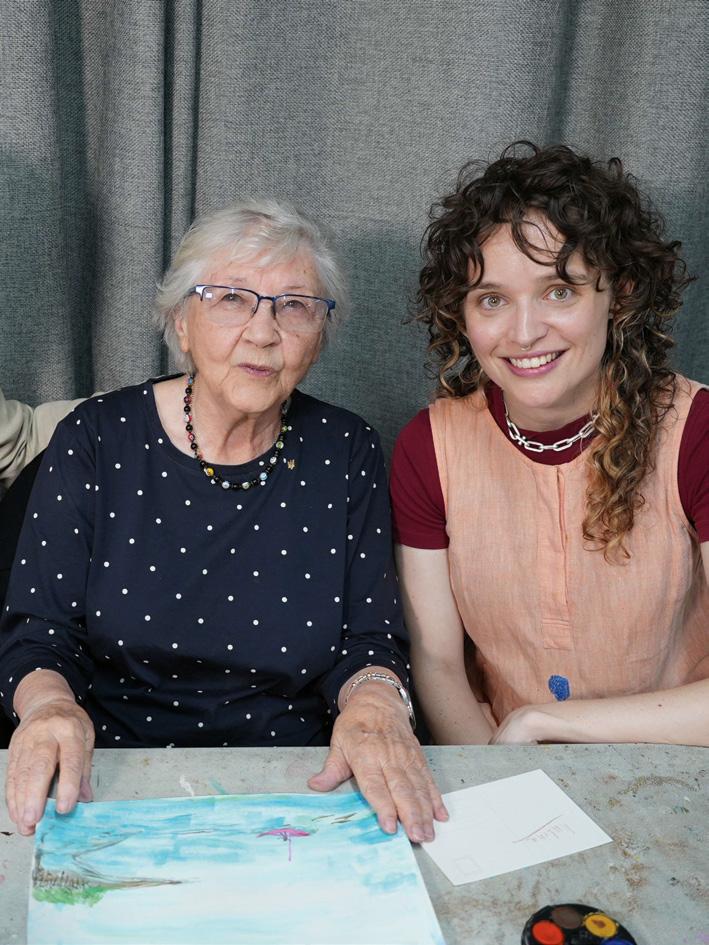

For over 18 months, lead artist practitioner Charlotte Salusinszky, 32, has coordinated the Arts on Prescription program at HammondCare in Sydney.
Without hesitation, she declares it’s a position she finds both meaningful and fascinating.
“You get to witness these magic moments of people. Their memories being evoked. People singing when they haven’t spoken in ages. It’s very special,” Salusinszky tells Australian Ageing Agenda. Leading the program, Salusinszky organises nine artists, who run art, music, movement and performance-based programs. She also works with the broader allied health team to integrate the arts into health and aged care settings.
“I love working in an interdisciplinary health team,” she says.
The Arts on Prescription team runs an onsite visual arts group program for clients to attend with others. Many of their clients are living in the community.
Activities include acrylic and watercolour painting, drawing, sculpture and printing. There are also “stories in action,” which involves drama, storytelling and reminiscing activities, and a singalong social group. They plan to start a life writing group too.
Team members also go to clients’ homes for one-on-one visits. This is funded through a person’s Support at Home package, either ongoing or under the short-term restorative care pathway.
“We’ve just finished three years of research in HammondCare’s hospitals. Artists would go in there and spend a day with people in rehab, palliative care and older people’s mental health to look at the impact on people’s mental wellbeing in hospital settings,” says Salusinszky.
“We also have an artist at Darlinghurst residential, which is a HammondCare site, specifically for older people who’ve had a lived experience of homelessness or trauma. There’s real variety.”
The team already delivers services across Sydney and the Central Coast and is in the process of developing new programs in Newcastle and the Hunter Region.
Salusinszky began her career as a performer and writer, studying
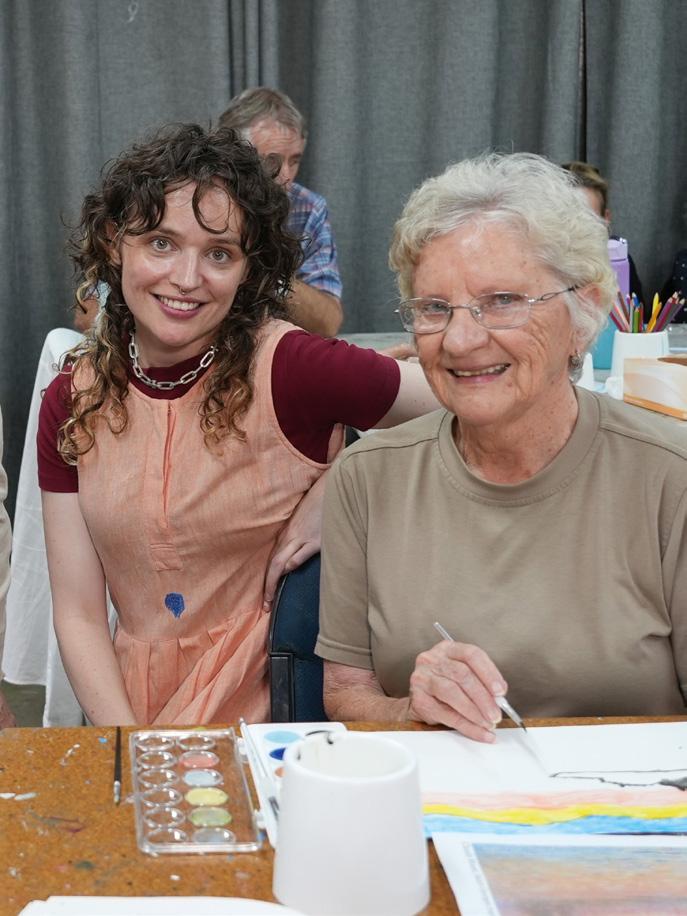
at the University of Melbourne and Victorian College of the Arts.
After gaining experience in support work, creative facilitation, and art programs for people with disabilities, in September 2023 she transitioned into aged care and joined HammondCare to grow and develop new skills.
“It’s really special seeing people re-engage with their creative side,” says Salusinszky.
“Particularly for people living with dementia. For me, the drama room has always been a place where social conventions don’t apply and big emotions are allowed. You laugh, you cry, you feel it all. I love being able to offer that space to people with dementia. Creativity offers many different forms of communication.”
She adds: “It gives people ways and time to speak. I love being able to strategise and create opportunities for that to happen on a broader scale.”
Salusinszky tells AAA the most confronting part of the job is watching people go through a period of decline or moving into permanent care.
“Supporting my artists through loss is hard too,” she says.
On her wish list for improvements within her work, Salusinszky says trying to make the arts fit into aged care policy and navigating big government changes “can be tricky” and she would like to see more recognition of the health benefits of the arts.
“An acknowledgement of the arts as a non-medical intervention and supporting other medical interventions to contribute to people’s overall wellbeing would be nice,” Salusinszky says.
“That, and more funding. We’re quite dependent on short bursts of research funding or philanthropy.”
Despite the hurdles, Salusinszky recommends working creatively in aged care.
“Creativity brings out many different sides of people. It’s beautiful to see,” she says cheerily.
“I’d encourage people who are already working in aged care to think about creative ways to connect with their clients. It’s a different way to get to know someone.” ●

A rehabilitation-informed approach shifts the focus from decline to function, participation and what can still be strengthened, writes PROFESSOR CHRIS POULOS.
If positive ageing is to mean anything in practice, it must include people living with dementia. Too often, dementia is framed only in terms of decline and loss. A better question is: what can still be supported so a person can live with confidence and purpose?
That is where rehabilitation matters. It focuses on maintaining function, which requires us to preserve and even build intrinsic capacity – or doing power – and use the environment, or outside help, so we can keep doing the things that matter.
What often gets in the way for a person living with dementia is a deficit mindset. Clinicians are trained to identify problems and risks. That’s important, but if it becomes the only lens, the person is easily reduced to a diagnosis and to monitoring declining function.
In practice, there are proven ways to support brain health, maintain function and help people stay engaged in everyday life for longer. The task for healthcare providers is to look beyond the diagnosis and recognise that support and targeted interventions, especially those involving allied health and good management of comorbid health conditions, can still make a meaningful difference.
What rehabilitation offers
Rehabilitation and reablement are highly relevant in dementia care. The aim is not perfection. It is to help people do the things they value for as long as possible. Rehabilitation doesn’t need to be reserved until after a specific health event. It can, in a sense, be an always-on approach, helping people living with dementia to continually optimise their functional ability, with a focus on doing the things meaningful to them.
At its core, rehabilitation is about enabling participation through practical, person-centred steps. This reframing of positive ageing –taking positive steps along the journey – means building intrinsic capacity where possible and putting the right environmental supports around a person where needed to maintain function. The equation is simple: intrinsic capacity + environment = functional ability. When care is built on those principles, the focus shifts from what a person has lost to what can still be achieved.
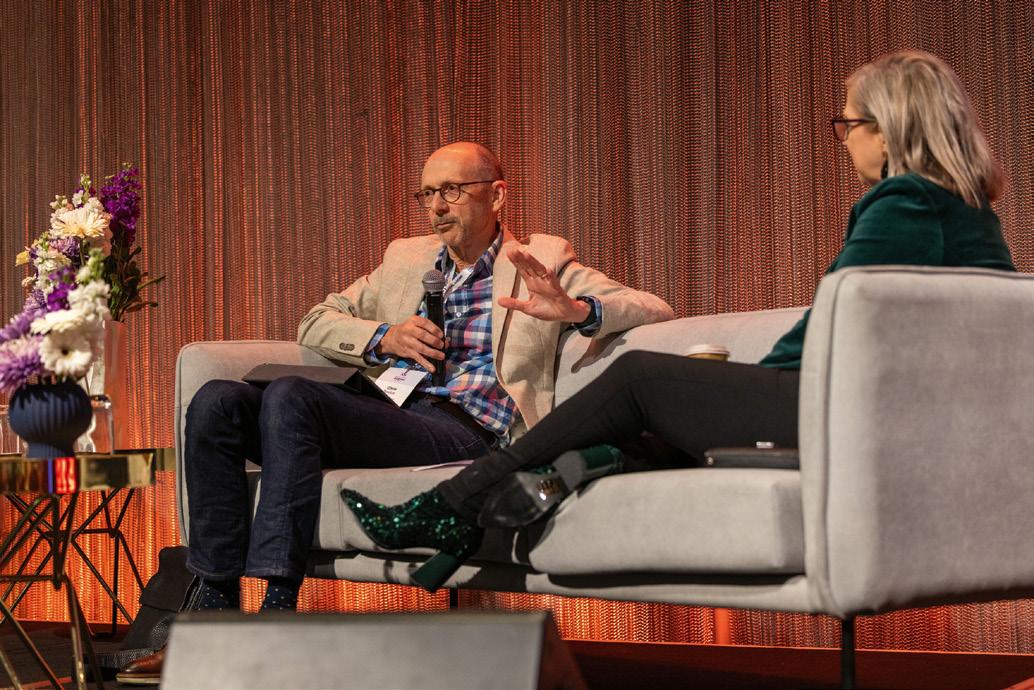
Supporting function in practice
For people living with dementia, this means practical measures such as exercise, good nutrition, social connection and timely access to treatment and support. These are central to maintaining mobility, routines, confidence and participation in everyday life.
We also know a great deal about prevention and risk reduction. The evidence on modifiable risk factors for cognitive decline is well established. Even after diagnosis, the principle remains: there is value in doing what we can to support brain and overall health.
None of these approaches is a cure-all, but together they can help preserve function and reinforce a sense of agency.
These principles apply across settings. Whether someone is living at home, receiving support in the community or in residential care, the question is the same: how do we help this person keep doing what is meaningful to them?
The conversation about support also needs to move beyond specialist dementia tools. Familiar technologies such as smartphones and tablets can help with routine, support memory and communication, and connections with others. Technology can also render environments safer.
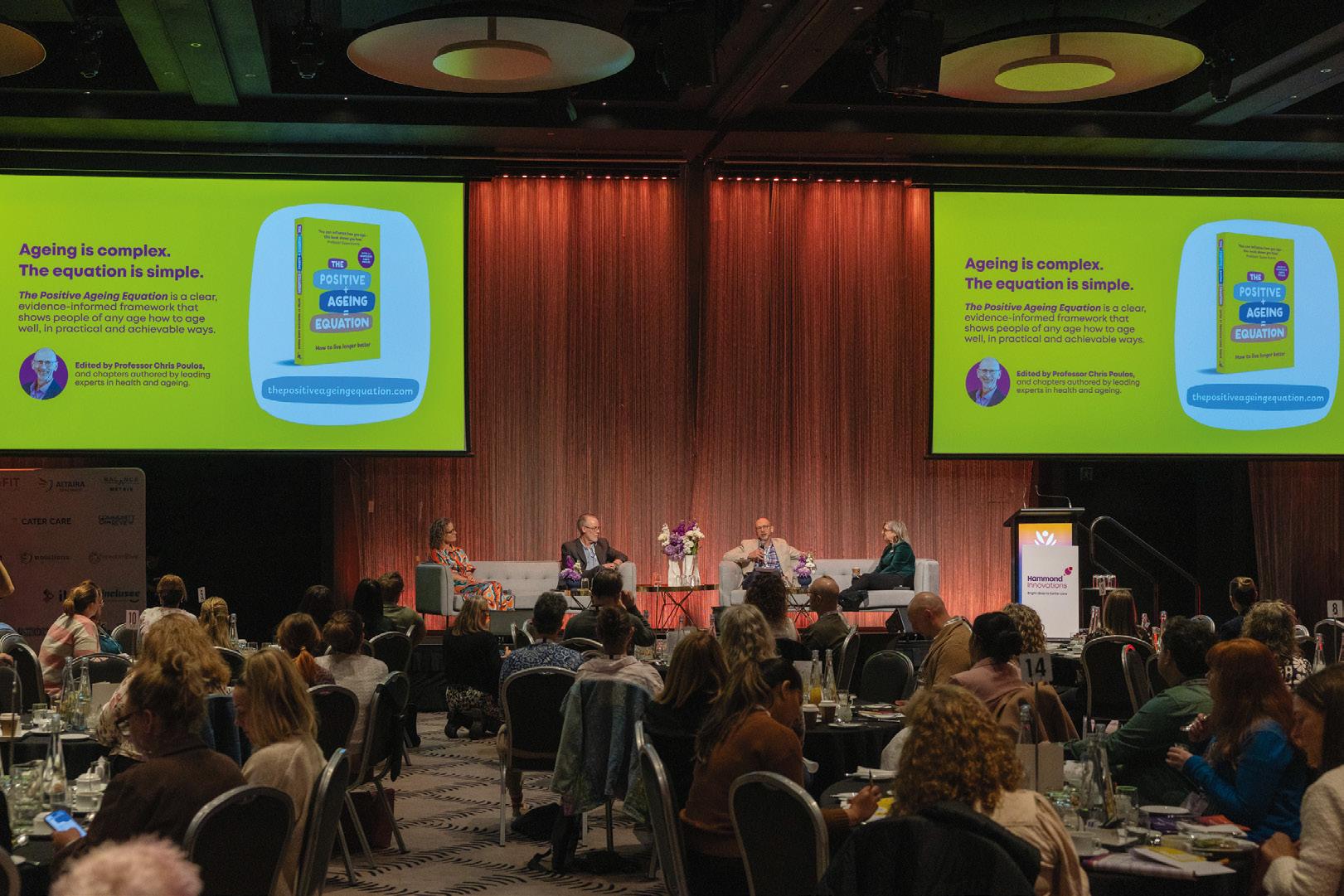
The goal is not to substitute technology for human contact, but to use it well where it enhances independence and reduces social isolation.
The same applies to other supports. Arts programs can foster connection and creativity, while mobility aids and home modifications can help people maintain independence. All have a place if they reduce barriers and help a person do what matters to them. The test is not whether something is high-tech or low-tech, but whether it is usable, appropriate and matched to the person’s goals.
Good dementia care is rarely about a single intervention. More often, it is about combining the right supports around the person and adjusting them as circumstances change.
For the aged care sector, that is the real promise of positive ageing in dementia: not denying complexity but refusing to let diagnosis define the whole person.
The Positive Ageing Equation: How to live longer better, a new book I edited and co-authored, outlines practical, person-centred approaches to ageing well through a functional lens, grounded in rehabilitation principles. ●
Professor Chris Poulos is a rehabilitation specialist and director of the Centre for Positive Ageing at HammondCare
Dementia care and emergency services need to work better together, writes MARIE ALFORD.
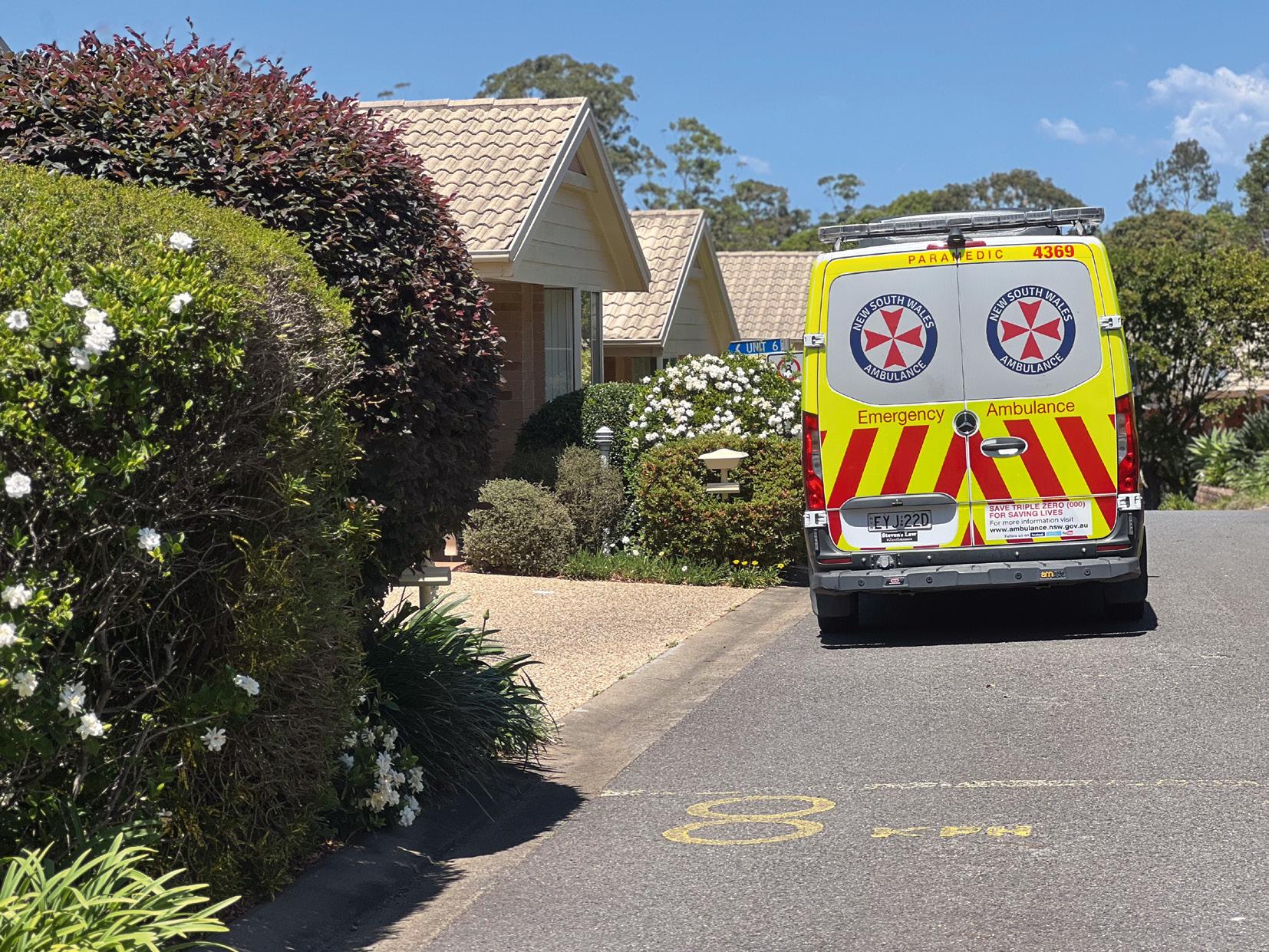
As the number of people living with dementia continues to grow, one of the most important partnerships in our health and care systems remains largely overlooked: the relationship between dementia care providers and emergency services.

Police, ambulance, fire and rescue services are increasingly encountering people living with dementia in their daily work. Whether responding to a fall, a medical emergency, a missing person incident, a fire risk, behavioural distress or a welfare concern, first responders are often supporting people at some of the most vulnerable moments of their lives.
Yet many emergency interactions occur in systems that have not been designed with dementia in mind.
For all of us, emergency situations can be frightening, disorientating and overwhelming. Imagine you are living with dementia. Sirens, uniforms, unfamiliar environments, multiple questions and rapid decision-making can escalate confusion and distress. Behaviours that may appear uncooperative, aggressive or irrational can often be expressions of fear, unmet needs or cognitive impairment.
At the same time, emergency service personnel are operating under immense pressure. Their primary role is to ensure safety, assess risk and respond quickly. Without an understanding of dementia, it can be difficult to distinguish between a medical emergency, cognitive impairment, delirium, communication difficulties or trauma. This is why stronger collaboration between dementia care providers and emergency services is becoming an essential component of contemporary community care.
When dementia care services and first responders work together, outcomes improve for everyone. For people living with dementia, better collaboration can lead to safer, less traumatic emergency responses. Emergency personnel who understand dementia communication techniques are more likely to build trust, reduce anxiety and gain cooperation. Small changes in approach can significantly improve an individual’s experience and reduce the risk of escalation.
For families and carers, stronger partnerships provide reassurance that emergency services understand the unique needs of the person they support. During times of crisis, families often become advocates, interpreters and navigators.
Better system integration can reduce this burden and ensure information is shared more effectively. One way this has been occurring is between Dementia Support Australia and some police jurisdictions. A call to this service supports better-informed responses that can only lead to better outcomes for everyone.
interventions and repeated callouts.
But the opportunity extends beyond education and awareness. True partnership requires integrated models of care. More tailored programs between dementia care providers and emergency services, improved shared protocols for responding to missing person incidents, dementia-friendly communication resources, improved information sharing pathways and specialist consultation support when complex situations arise.
Technology may also play a role. If emergency responders could have access to dementia-specific information that helps them understand an individual’s communication preferences, risks, support networks and care needs before arriving on scene, it could help in ensuring more appropriate interventions.
But perhaps most importantly, people living with dementia and their care partners must be involved in designing these solutions. Their lived experience provides critical insight into what works, what causes distress and what creates a sense of safety and dignity.
The goal is not simply to improve emergency responses. It is to create communities where people living with dementia can continue to participate, contribute and live with confidence, knowing that the systems around them understand and support their needs.
Dementia is not solely a health issue. It is a community issue. As such, responsibility for supporting people living with dementia extends beyond aged care providers, hospitals and clinicians. Emergency services are vital partners in creating dementiainclusive communities.
By working together more intentionally, dementia care providers and first responders have an opportunity to build a more connected, compassionate and responsive system, one that protects safety while preserving dignity, autonomy and personhood.
For people living with dementia, that partnership could mean the difference between experiencing an emergency as a moment of fear and confusion, or as a moment where they feel understood, respected and supported. ●
Marie Alford is general manager of growth and innovation national programs at HammondCare
Australian Ageing Agenda’s regular dementia section is guest edited by Hammond Innovations, HammondCare. For further information contact innovations@hammond.com.au
HEATH PIPER shares what conversations with older Australians have taught him.
Over the past four years I’ve travelled Australia recording the life stories and audio memoirs of more than 200 Australians.
I’ve sat with former teachers, farmers, business owners, nurses, veterans, migrants, parents and grandparents.
Some were in their fifties and their children wanted to capture their story while they were still young enough to tell it themselves. People who had lived full, adventurous lives and reached a milestone birthday that felt like the right moment to stop and reflect.
Some were in their sixties and happily married, building businesses, planning holidays, booking cruises and looking forward to a retirement they had worked hard to earn.
I’ve met many people in their sixties and seventies who have lived alone their entire lives in small country towns, content with a life that looked very different from the one they imagined when they were young.
Others were expecting a long retirement with their husband or wife. Peter was one of them. At 76, he and his wife had spent decades working, raising a family and looking forward to the years ahead. They had plans. Trips they wanted to take. Time they wanted to spend together. Then she died.
When I met Peter, he found himself alone in the family home they had built together, surrounded by a lifetime of memories but without the person he had expected to share retirement with.
As he reflected on his life, it wasn’t the career achievements or financial milestones he spoke about most. It was her. The ordinary moments. The companionship. The shared history. The life they had built together.
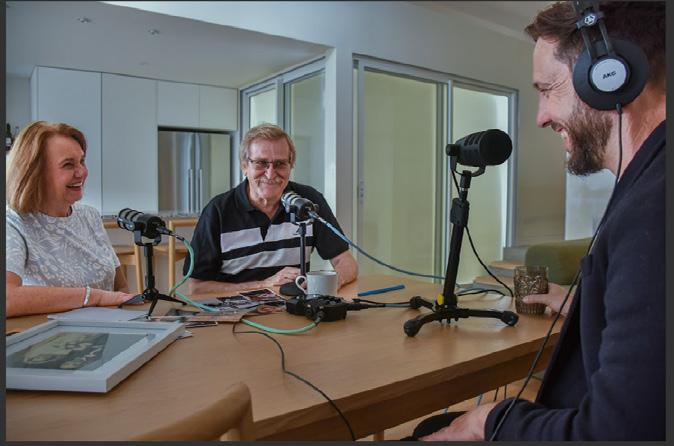
“Live for the moment.”

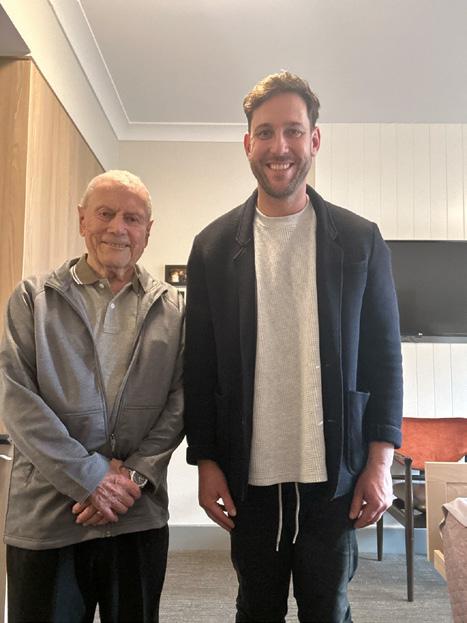
Four words. Ninety years of experience behind them.
Another gentleman, Neville (pictured), reflected on longevity with a line that has stayed with me ever since.
“I’m 96 and wondering if living so long is a good idea.” Honest. Vulnerable. Human.
A widower named Brian shared a different kind of wisdom after losing the love of his life.
“I wish I had her voice.” Not another photograph. Not another possession. Her voice. The sound of the person he loved.
Then there was Steve, who spoke openly about living with dementia and the feeling that he was slowly “disappearing.” What struck me wasn’t the diagnosis. It was the courage required to say those words out loud.
“They talk about relationships.”
Recently I sat with Karlis, a 102-year-old Latvian who arrived in Australia after fleeing war-torn Europe. When I asked him the secret to a long life, he smiled.
“Be happy. Go swimming.”
Simple advice from a man who had lived through a century of change.
What continually surprises me isn’t the stories themselves. It’s how rarely people are asked to tell them.
For many of the people I interview, it is the first time somebody has sat with them for a few uninterrupted hours and simply listened. Not to gather information. Not to complete an assessment. Not to solve a problem. Just to hear the story of a life.
The assumption we often make is that the value lies in the finished recording. The audio memoir. The family keepsake. The preservation of memories for future generations.
Those things matter. But after more than 200 interviews, I’ve come to believe the most valuable thing isn’t the recording at all. It’s the opportunity to be heard.
One woman in her nineties, Beryl, gave me perhaps the simplest lesson of all.
Again and again, I hear versions of the same lesson. People rarely talk about money. They rarely talk about status. They rarely talk about possessions. They talk about relationships. They talk about loss. They talk about resilience. They talk about moments.
I have watched people come alive while telling their story. People sit taller. Their eyes brighten. Names and places return. Stories emerge that families have never heard before. Adult children discover things they never knew about their parents. Grandchildren hear family history in the voice of the person who lived it.
Most importantly, people are reminded that their life mattered. For a few hours they are not a resident. Not a patient. Not a collection of care needs. They are the central character in their own story. And somebody is listening.
As Australia continues to rethink ageing, retirement living and aged care, perhaps we should place greater value on creating opportunities for older Australians to tell their stories.
Not because they are leaving us. Because they are still here. Because their wisdom matters. Because their experiences matter. Because being heard matters.
That may be the most important lesson they have taught me. ● Heath Piper is the founder of Playback Interviews



As of April 2026, the care minutes supplement has replaced a portion of the Base Care Tariff for metropolitan MM1 homes. If your facility is meeting its care minutes targets, nothing changes. If it isn’t - funding is already being withheld, on a sliding scale, right now. This isn’t a future problem to prepare for. It’s a present one to solve.
The funding model has shifted in one important way - care minutes performance is now directly tied to what you get paid.
The risk
If you’re under your care minutes target, you’re now receiving less funding than you were. Every day you’re under is a day of lost revenue - and it compounds.
The opportunity If you’re over your target, you may be spending more on workforce than you need to - and that spend isn’t returning extra funding. It’s just cost.
Both are problems. And both are fixable - if you know where you actually stand.
Target Required per Resident vs Care Delivered per Resident
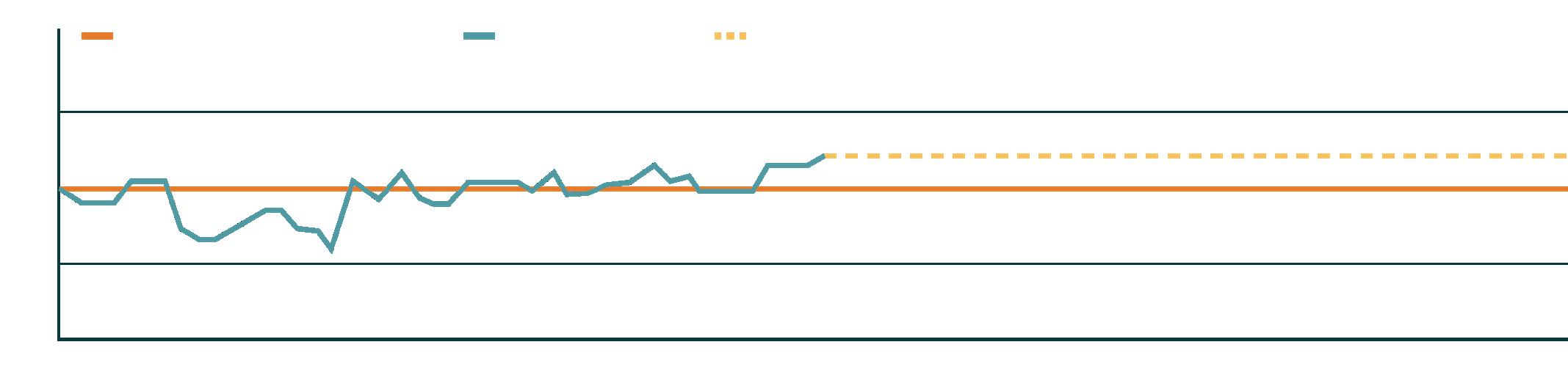
Before you change anything - understand your position. The Care Performance Nervous System starts with exactly that. We map your current position across all three levers - funding, workforce and compliance - so you can see:
Whether you’re over or under your care minutes target - and by how much I What that means for your supplement entitlement under the new model I Where AN-ACC funding opportunity is being missed I Whether your workforce is truly sufficient - not just on paper I What to fix first - in the right sequence, without destabilising the rest
The supplement is live. Find out exactly where you stand.