• Meals on Wheels event to raise funds to feed shut-in neighbors 14A
• Friends remember reading advocate, program founder 15A
• Feeling lonely? How to find friends and have some fun 17A
• Local young female wrestlers excel in area competition 19A

• Outside launches Shark Tooth Island trip 20A
‘Excellent’ defines the technical career opportunities at ACE
By Gwyneth J. Saunders CONTRIBUTOR
Vanesa Ruiz is one of the first people whom students, staff and visitors meet when they come in the front doors of the Beaufort-Jasper Academy for Excellence in Ridgeland.
Now an administrative assistant at the front desk, Ruiz is more than an employee. She is a 2009 graduate of the school’s cosmetology program, one of 35 Career and Technical Education (CTE) programs taught at ACE and Beaufort County high schools.
“Our school brought us here to tour, they introduced us to all of the programs that were available, and cosmetology just grabbed my attention,” she said. It was a two-year program at the time, but is now only two semesters and a half, starting in the junior year and finishing as a senior.

After graduating, Ruiz worked from home where she could make her own hours and raise her oldest child. It was an ideal situation for her, and she said it would also be a good Plan B.
“It’s a great backup for students to have such skills if they go to college,” she said.
“Coming back here as an administrative assistant was actually great timing because my daughter is in high school now, and my twins have started school.”
For Ruiz, her career path gave her independent options. Ethan Ascencion’s plans are on a larger scale. He and his classmate Luis Sanchez, both Hilton Head High School juniors, were finishing up a fun, endof-term bonus project of making pencils on the building construction workshop lathes.
“I just like to learn new stuff. I’m trying to take over the family construction business,” said Ascencion.
This semester, his class worked on cabinetmaking, made seats for the picnic table frames made by the welding class, and learned how to make basic stair layouts.
Many of the students are taking courses such as construction because it sparks an interest. Kyana Brey, also a junior from Hilton Head, is interested in building things.
“My plan is hopefully to go to architecture school so one day I can make my own building or my own house,” she said.
Deacon Qualls, a Bluffton High School junior, won the 2023 SkillsUSA state championship in cabinetmaking after his first

semester in the program.
“I’ve been doing carpentry for a while, and I took this so I can learn, formalize it,” he said. “I just like making stuff.”
According to its website, SkillsUSA is a nonprofit national education association,
Please see ACE on page 8A
June 21, 2023 • Volume 26, Issue 12 • Complimentary • BlufftonSun.com INSIDE
Open: Tues-Fri: 10am-5pm Sat: 10am-4pm 310 Okatie Highway (843) 645-7774 Learn more at PortRoyalSoundFoundation.org
ACE instructor Sheronda Coleman trims a student’s hair before turning him over to another student for braiding. Hair cutting had not yet been taught to this particular class.
PHOTOS BY GWYNETH J. SAUNDERS
ADVANCED CANCER CARE CLOSE TO HOME

Beaufort Memorial, together with MUSC Health, is your connection to state-of-the-art cancer care.

At our Keyserling Cancer Center in Beaufort and New River Cancer Center in Okatie, our oncology team combines compassion and support with leading edge radiation oncology, chemotherapy and immunology services, targeted and hormone therapies, as well as surgical consultations—all delivered under one roof and close to the ones you love.
In addition, our Cancer Centers offer:

• A team of dedicated oncology nurse navigators who guide you through the journey—diagnosis through survivorship
• Core and ancillary services, like lab, imaging, and breast health, all in the same building
• Consultations with MUSC subspecialists experienced in treating rare or complex cancers


• Genetic counseling and high risk assessments
• Access to promising clinical trials
• A team approach to developing survivorship care plans
Page 2A The Bluffton Sun June 21, 2023
With You Always BEAUFORTMEMORIAL.ORG/CANCER
Back in the good ol’ days, summer fun was whatever we made it
By Lynne Cope Hummell EDITOR

Our Sun on the Street feature in this issue (page 6A) asks the question, “What was the best thing about summer when you were a kid?”
We got some good answers, and I wasn’t surprised to see that three of them were simply “swimming.”
Growing up in the middle of South Carolina, my siblings and I did a fair amount of swimming too. For starters, we had the 50,000-acre Lake Murray 30 minutes away.
For many years, our mother’s annual Poe family reunions were held there, on Dreher Island, a huge park on the lake that was owned by SCE&G. My uncle worked for the electric company and he had access.
I have dozens upon dozens of pictures of those reunions, especially of Mom and her seven siblings standing in front of the picnic
shelter for their yearly photograph.
The picnics featured lots of the same dishes every year and they were always delicious. The men pitched horseshoes while the women talked. The kids just wanted to be in the water.
Most years, someone would bring a boat for leisurely rides and waterskiing, and someone else was always willing to teach us kids how to ski. That’s where I learned.
Sometimes we went to Silver Lake, a much smaller lake in another part of town. It had a fake beach, a dock out to the high diving board, and a couple of platforms the teenagers would swim out to in order to get away from the adults.
The lakes weren’t our only option for swimming, though.
When I was a teenager, our next-door neighbors had an inground pool built with brick sides. The dad worked at the local brick company, so I suppose he got a good
deal. I was a regular babysitter of their two little boys, so of course I was invited frequently – along with my younger siblings.


An aunt and uncle lived in Charleston, and it was fun to visit them in the summer because they would always take us to Folly Beach. Dad and Mom took us younger siblings to Myrtle Beach a few times over our teen years.
But summer was so much more for me than swimming.
Once I started school, I longed for the first day of May – Barefoot Day, as sanctioned by the school district, when we didn’t have to wear shoes. (Girls still had to wear dresses, however.)
The days of summer seemed to last extra hours. My siblings and I – and the occasional cousin or church friend – would spend the entire day outside, making up games, playing a million versions of “chase,” riding bikes, climbing trees, and stopping only for
some fresh-squeezed lemonade. Some afternoons, Dad would come home from work early and bring a watermelon. I didn’t mind eating them warm, but they had to have plenty of salt sprinkled on each slice. Summer evenings were for tomato sandwich dinners and the whole family heading out to our big front porch to enjoy the last light of the day.
Mom and Dad sat on the porch swing and watched as we kids ran around the yard catching lightnin’ bugs. Occasionally, Mom would allow us to use her ice pick to punch holes in the top of one of her empty Duke’s Mayonnaise jar lids so we could “keep” our bugs.

I’m sure Dad let them go as soon as we were ushered inside for bed. I still get excited and squeal when I see lightnin’ bugs. And I get excited for summer vacations. It might not be exactly like the “olden days,” but summer fun is still what we make it to be.

coconut launch party BLUFFTON + HISTORIC PORT ROYAL + HILTON HEAD ISLAND + CORNERPERK.COM COCONUT MOCHA IS BACK! ...ALONG WITH A BRAND NEW COCONUT COLD FOAM! $2 A COCONUT MOCHA OR A COCONUT COLD FOAM ON YOUR NEXT VISIT! EXPIRES JUNE 30, 2023. OFF June 21, 2023 The Bluffton Sun Page 3A SUNNY SIDE UP
Current Circulation Via USPS is 24,720
Finalist: Small Business of the Year, HHI-Bluffton Chamber. Winner of the SAPA General Excellence Award; 1st place, Front Page Design; 2nd place, Most Improved Publication; and 3rd place, Self-Promotion Advertising.
IFPA-SAPA 3rd Place, Business Coverage
PUBLISHER
Kevin Aylmer, kevina@blufftonsun.com
EDITOR
Lynne Hummell, editor@blufftonsun.com
GRAPHIC DESIGNERS
Melanie Dodson
Wendy Price
OFFICE MANAGER
Melissa McCullough
CONTRIBUTORS
Jon Black
Amy Coyne Bredeson
Mark Deloach
Chris Dewey
Collins Doughtie
Jada Gaines
Jean Harris
Join us for some community fun for all ages
By Lisa Sulka CONTRIBUTOR
It’s what Blufftonians do best: We build community by coming together to celebrate our town, our parks and each other. After a successful inaugural year, the Town is pleased to host its second annual movie series, summer children’s events and Independence Day Celebration.
Angie Henderson
Joy Ross
Gwyneth J. Saunders
Larry Stoller
Lisa Sulka
Mark F. Winn
Jennifer C. Wolfe
ADVERTISING
B.J. Frazier, Sales Director, 843-422-2321
Claudia Chapman 814-434-3665
Mike Garza 804-928-2151
Mary Pat Gifford 912-414-7122

VISIT: BlufftonSun.com
For more information, contact: Kevin Aylmer
PO Box 2056, Bluffton, SC 29910
843-757-9507, 843-757-9506 (fax)
Physical address: 14D Johnston Way Bluffton, SC 29910
All contents are copyrighted by Lowcountry Local Media Inc. All rights reserved. Nothing may be reprinted in whole or in part without written permission from the publisher. All submissions must include name, address and phone number. The Editor reserves the right to edit or reject any material, including advertisements. The Bluffton Sun does not verify for licenses, endorse nor warrant any advertised businesses or services. The opinions and views expressed in the editorials are not necessarily those of the Editor and Publisher. Hilton Head Island-Bluffton Chamber of Commerce, Greater Bluffton Chamber of Commerce, Old Town Bluffton Merchants Society.
The Town will host its Independence Day Celebration, Saturday, July 1. The celebration begins at 5 p.m. and continue through the fireworks display after dark.
The festivities begin at Martin Family and DuBois Parks with live music by the Parris Island Brass Band Marine Ensemble. Bluffton is honored to have this special band from Parris Island join us for this patriotic holiday.
Along the perimeter of Martin Family Park, children can play interactive games, with each game offering an opportunity to win patriotic-themed prizes at each game station. Come a little hungry, because local food trucks will also be available.
There will be plenty of activities to work off the festive food. Children can play on the rock wall and bungee jump in the parking lot between the two parks. The fireworks will begin at 9 p.m. They will be launched from

a barge in the May River, so you will also be able to view them from Wright Family Park, Oyster Factory Park or by boat.
The Town is also hosting its children movie series from April through December rotating among the Town parks. Three movies have already been shown. “Lyle, Lyle Crocodile” will be shown July 14 from 6 to 8 p.m. at Oscar Frazier Park; and “Paws of Fury: The Legend of Hank” will be shown Sept. 8, from 6 to 8 p.m. at Martin Family Park.
While you are jotting events down on
Letter to the Editor
To the Editor:
For the fourth consecutive year, the State of South Carolina has refused to pass a Hate Crime Bill, currently named for the Rev. Clementa Pinckney, who died in a horrific hate crime in 2015.
Republican majority leader Sen. Shane Massey continued to stand in the way of a vote on this critical legislation (H-3014). The
bill passed the S.C. House 84 to 31, showing bipartisan support for this bill that reflects the vast majority of the House’s many constituents.
Still, Sen. Massey refused the pleadings of many Senate supporters, including our own Sen. Tom Davis, to issue a Special Order which would have allowed a vote in the recent session. The reasons Massey objects
your calendar, don’t miss out on the final children’s event this summer. Slide Out of July will be held July 22 from 10 a.m. to 1 p.m. on the large lawn at Buckwalter Place Park. It will feature water slides, concession stands, video games played on a Jumbotron television, lawn games, a DJ playing music, and fun prizes for participants.
We hope to see you, your family, and neighbors at all these Town events!
Lisa Sulka is the mayor of the Town of Bluffton. lsulka@townofbluffton.com
are ludicrous, saying that it would not have any impact on hate in our state.
Only South Carolina and Wyoming do not have any hate crime laws. It is way past time to pass this bill early next session. Shame on you, Shane!
George Kanuck Bluffton
Page 4A The Bluffton Sun June 21, 2023
THE BLUFFTON SUN Issue 12, June 21 2023 is published twice monthly by Lowcountry Local Media, Inc., 14D Johnston Way, Bluffton, SC 29910. Periodicals Postage Paid at Bluffton, SC and at additional mailing offices. POSTMASTER: Send address changes to THE BLUFFTON SUN, PO Box 2056, Bluffton, SC 29910-2056.
EDITORIAL
Lisa Sulka

June 21, 2023 The Bluffton Sun Page 5A
Looking forward – and backward – to a summer of fun





With this feature, we seek to capture a glimpse of what you and your neighbors have to say about a variety of topics, issues, events –
and just plain fun questions. You might see us anywhere around town, with notepad and camera, randomly seeking out folks

who are willing to participate. If we find you, we hope you will want to respond.
At and around the public dock
at the end of Calhoun Street, we asked, “What was the best thing about summer when you were a kid?”
Specializing in custom Hilton Head Harley-Davidson® t-shirts, Motorclothes®, gifts and souvenirs. $20 OFF APPAREL ON YOUR FIRST PURCHASE OF $100 11-7 Monday - Saturday, 12-6 Sunday | 843-802-0052 32 Palmetto Bay Rd., Hilton Head Island Q www.savannahhd.com E Spec Hilton Head Motorclothe I T’ S OFFICIA Must present this ad upon purchase to receive discount. Terms & Conditions apply. Offer expires 7/21/23. * Page 6A The Bluffton Sun June 21, 2023 SUN ON THE STREET
Bridget Cargin, Westerville, Ohio: “Going to the pool.” Gary Reavis, Bluffton: “Swimming.”
Peter Brown, Burton: “Swimming.”
Kendra Natter, Bluffton: “The weather ... and what it looked like after the rain – rainbows, the green of the grass, the colors of the flowers were all brighter and fresh.”
Elizabeth Nash, Damariscotta, Maine: “Swimming.”
Escape








June 21, 2023 The Bluffton Sun Page 7A Obtain the Property Report required by Federal law and read it before signing anything. No Federal agency has judged the merits or value, if any, of this property. WARNING: THE CALIFORNIA BUREAU OF REAL ESTATE HAS NOT INSPECTED, EXAMINED, OR QUALIFIED THE OFFERINGS. Latitude Margaritaville Kentucky Registration Number R-201. For NY Residents: THE COMPLETE OFFERING TERMS FOR THE SALE OF LOTS IN LATITUDE MARGARITAVILLE AT HILTON HEAD ARE IN THE CPS-12 APPLICATION AVAILABLE FROM SPONSOR, MINTO LATITUDE HH, LLC. FILE NO. CP18-0021. Pennsylvania Registration Number OL001170. Latitude Margaritaville at Hilton Head is registered with the Massachusetts Board of Registration of Real Estate Brokers and Salesmen, 1000 Washington Street, Suite 710, Boston, MA 02118 and with the Consumer Financial Protection Bureau, 1700 G Street, NW, Washington, D.C. 20552. This material shall not constitute a valid offer in any state where prior registration is required and has not been completed. Photographs are for illustrative purposes only and are merely representative of current development plans. Development plans, amenities, facilities, dimensions, specifications, prices and features depicted by artists renderings or otherwise described herein are approximate and subject to change without notice. ©Minto Communities, LLC 2023. All rights reserved. Content may not be reproduced, copied, altered, distributed, stored, or transferred in any form or by any means without express written permission. Latitude Margaritaville and the Latitude Margaritaville logo are trademarks of Margaritaville Enterprises, LLC and are used under license. Minto and the Minto logo are trademarks of Minto Communities, LLC and/or its affiliates. CGC 1519880/CGC 120919. 2023 Visit online for more information LatitudeMargaritaville.com Your key to paradise New homes from the $300s Sunshine and cool breezes. Palm trees and margaritas. Welcome to Latitude Margaritaville, a 55-and-better community inspired by the legendary music and lifestyle of Jimmy Buffett, built on food, fun, music and escapism.
to the place where fun and relaxation meet.
to island-inspired living as you grow older, but not up. Escape to Latitude Margaritaville. Latitude Town Center – amenities now open! • Paradise Pool with Beach Entry and Tiki Huts • Latitude Town Square with Live Music Bandshell • Last Mango Theater • Latitude Bar & Chill Restaurant • Changes in Attitude Bar • Workin’ N’ Playin’ Center • Fins Up! Fitness Center with Indoor Pool • Tennis, Pickleball and Bocce Ball Courts • Barkaritaville Dog Park • Walking Trails and Multi-Use Sport Court • Best of all, No CDD Fees! Hilton Head, SC (843) 310-5672 1 3 Model Homes Open Daily 356 Latitude Blvd., Hardeeville, SC 29927 Mon. - Sat. 9:00am - 5:00pm | Sun. 11:00am - 5:00pm Call To Schedule Your Appointment With A New Home Sales Professional Today!
Escape
and a partnership of students, teachers and industry working together to ensure America has a skilled workforce. The organization serves middle school, high school and college/postsecondary students preparing for careers in trade, technical and skilled service occupations.
Considering the number of banners in the entryway of ACE, the school has routinely brought home SkillsUSA state championships in such diverse areas as marine technology, cosmetology, medical terminology, first aid/CPR, television (video) production and entrepreneurship. Regional winners go to state competitions, and the top two or three places in state advance to nationals.
In addition to that recognition, students who excel are also inducted into the National Technical Honor Society, similar to the National Honor Society.
“We have to show those same grades in their technical programs. You not only have to maintain high academic achievement in your general education, but then also in your CTE program,” said ACE Director Michael Lovecchio. “I think we had 30 kids that we just put in this past semester. We probably have a 196 on campus, and when we look at things like GPA, we have a pretty high achieving group of kids.”

Major industry manufacturers and businesses are partnered with ACE programs, such as Yamaha, and the American Boating and Yachting Council, which provides training for the instructors and equipment for the marine technology course; and Howell-Chase provides the equipment for the electrical course on which students train to work in heating, cooling and electrical installation.

Five of the courses require state licensing, so once the students have reached the end of the classroom work, they prepare to take both written and practical tests.


So far this year, six students have been licensed for barbering, and there are three new emergency medical technicians. Nail technician, cosmetology and certified nursing assistant also require a state license. As soon as they receive their licenses, graduates are eligible for employment.
Each program has its own location on the ACE campus, a series of buildings and classrooms that range from an academic atmosphere for the CNAs to an automotive garage, complete with equipment that most will find in the workplace.
In the barbering classroom, instructor
Page 8A The Bluffton Sun June 21, 2023 Appointments are preferred but walk-ins are welcome! 843-836-5566 Decades of Trust Since 1979! Before you buy or sell anything of value, come see me! 17 Sherington Drive, Suite G., Bluffton, SC 29910 (In Sheridan Park, next to Island Bagel) 843-836-5566 www.acgoldandsilver.com Craig Burgess of IMMEDIATE PAYMENT! WANTED 4 Gold and silver coins 4 Coin collections 4 Foreign coins 4 Paper money The areas largest buyer of all numismatic items.
1A
ACE from page
Please see ACE on page 10A
Building construction students Ethan Ascencion, left, and Luis Sanchez, from Hilton Head Island High School, work on a final fun project of making pencils as the academic year winds down at the Beaufort-Jasper Academy for Career Excellence.
WHAT YOU CAN EXPECT TO LEARN:
Decluttering – how and why to get rid of years of accumulated stuff
Staging and paint color tips to attract today’s buyers
Pre-inspection – whether or not it makes sense for you, which repairs, if any to address upfront, and when to sell “as-is”
Marketing – How to ATTRACT the right buyers to your home and help them envision living there


Pricing and Timing strategy to get maximum interest and top dollar
Bulletproofing the transaction so that you are in the driver’s seat throughout the contract-to-close period
Detailed analysis of our local market data broken out by price range to give you context to make informed decisions
June 21, 2023 The Bluffton Sun Page 9A Canterfield of Bluffton 567 N. Okatie Highway Ridgeland, SC 29936 843-645-4000 www.canterfieldofbluffton.com Call to schedule a tour of our community 843.645.4000 Canterfield of Bluffton presents a COMPLIMENTARY DOWNSIZING WORKSHOP Wednesday, June 28 | 2:00PM – 4:30PM
To reserve your space in this workshop, please RSVP by Friday, June 23 to (843) 645-4000.
Hosted by Chip Collins. Owner, broker-in-charge, Collins Group Realty
Sheronda Coleman was working on one student while others were completing individual projects.

“I’m just doing a trim right now, and then she’s going to be braiding it,” said Brown, indicating another student. “They haven’t learned hair cutting, so I’ve got to help them out a little bit.”
At another hair station, Kylise Green braided fellow student Donovan Loving-Howard’s hair.
“I love hair,” said the Battery Creek student. “I love it because I can make people smile.”
Loving-Howard, who attends Bluffton High School, wanted to learn how to cut hair. Both have completed their first semester, will return to the program as seniors in the fall, and plan to open their own professional shops.
Instructors also come from their respective industries – some exchanging their fulltime career for that of the classroom.
Registered Nurse Deandrea Brown left hospital wards to teach future certified nursing assistants at ACE to allow students to understand how to get into the profession and what it can offer.
“The more information that they can obtain at the high school level is good. A lot of the information does not change, so it gives them a head start in health professions, not
just nursing,” said Brown. “A lot of people say, ‘Hey, I want to go to a career like technical school for nursing.’ Our curriculum covers many pathways through healthcare, but the basics – the foundational anatomy and physiology communication that is going to be covered – the body doesn’t change. And the way that you communicate with patients and the expectations in health care does not change.”
The whole point, Brown added, is to give students that foundation, and allow them to get through some of those stigmas of what they think healthcare or just nursing is.
“Programs like this give not only a good foundation, but a foot in the door. When my students leave here, they have ‘Stop the Bleed’ training, CNA certifications, and CPR certifications,” she said. “I have one student who’s dual certified EMT and CNA, and she’s not even graduated yet from high school.”
Chef Eric Sayer left a career of years as an executive chef to teach culinary arts to ACE students. The program is actually a Technical College of the Lowcountry course, and students earned nine credits this past semester.
“If they want to go on to TCL, they can skip that first sanitation course and the cu-


Page 10A The Bluffton Sun June 21, 2023 4.88 9 Month CD *APY- Annual Percentage Yield Rates accurate as of 04/04/2023 Minimum balance to open and obtain APY is $1,000 A penalty will be imposed for early withdrawal, which will reduce the earnings on the account. coastalstatesbank.com/cd-special Certificate of Deposit Special Open online or stop by your LOCAL. branch today. Main Street 98 Main St. Hilton Head T / (843) 689-7800 Bow Circle 5 Bow Cir. Hilton Head T / (843) 341-9958 Bluffton 7 Thurmond Rd. Bluffton T / (843) 837-0100 Sun City 30 William Pope Dr Bluffton T / (843) 705-1200 % APY* ACE from page 8A
Please see ACE on page 12A
Students at the Beaufort-Jasper Academy for Career Excellence work on preparing a vehicle for repainting in the automotive collision course.
ACCESSIBLE, STATE-OF-THE-ART TREATMENT AND TECHNOLOGY.
The nationally recognized Nancy N. and J.C. Lewis Cancer & Research Pavilion at St. Joseph’s/Candler is proud to offer innovative advances in radiation therapy with TrueBeam® technology and a dedicated PET-CT onsite at our Bluffton Campus. With this non-invasive procedure, patients can expect pinpoint radiation treatment for their cancer, with most sessions lasting 10 minutes or less. Our exceptionally skilled, dedicated radiation oncologists and technicians provide you with comfort and confidence during each session.
Learn more about TrueBeam® and other innovative technologies that are ready to attack and kill cancer; right here at St. Joseph’s/Candler.

June 21, 2023 The Bluffton Sun Page 11A
100 BUCKWALTER PLACE BLVD BLUFFTON, SC 29910 25 HOSPITAL CENTER BLVD HILTON HEAD, SC 29926 800-622-6877 CANCERPAVILION.COM
ACE from page 10A
linary 101 course, and they could earn their associates by the time they’re 19 or 20,” said Sayer, who is a graduate of the Culinary Institute of America in Hyde Park, New York.



“It’s amazing to see the students – from the first day that they start in here, when they don’t even know how to hold the knife – to the time when we come and produce some of the caterings we do for the district,” he said. “It’s awesome to see.”
Students at ACE and at the other hospitality schools have to get their ServSafe certification before working in the food-handling industry. It’s a sure way to find employment in restaurants. Their career path is also not limited to the kitchen.
“With photography, all the food blogs, they have so many different avenues. When I was going to school, I knew my track was to be an executive chef. Now they can go and they can use all this knowledge for any different areas in the hospitality industry,” said Sayer. “All my chef buddies are like, ‘Got anybody? Send them my way’.”
And ACE does indeed send students to numerous industries.

“These kids here, and some of the students in the other high schools that take these courses, our placement rate has been 95% or above,” said Karen Gilbert, the Beaufort County School District Career and Technical Education director.
Six months later after graduating, the Beaufort County School District is required to follow up with those who have taken several courses within the state-approved pathways to see what they’re doing, what they’re working with, or what they are doing in the military.
“Kids who take these classes tend to stick with it as a career, and it might not be exactly what they studied,” Gilbert said. “For example, we have a young man who was in the welding program at May River High School. He did an internship with Beaufort-Jasper Water and Sewer Authority. They loved him because he had that hands-on knack of what he learned in the welding program. They hired him, and now he’s in field operations. He’s working on laying pipe, and they’ve even got him doing blueprint reading.”
Competition is keen to get into an ACE

program at the Ridgeland campus or in the high schools.

“This year we had 300 applications, and it’s a good problem to have, but it’s also the kids who want to take these programs, and they can’t get in because so many are full, like barbering,” said Lovecchio. “You’ve got to look at the indicators. Do they have 100 absences, or three suspensions? We do a lottery, but what we do is we take the average of each kid, their GPA or whatever applies, and then I’m very liberal, and I move it down quite a bit. I feel that some of the kids that perform here might not perform in their feeder schools. And sometimes if there are openings, we find them spots and give them a choice. Some kids will jump in, and others might say ‘no’ anyway because they really only want to do one thing.”
Both Gilbert and Lovecchio admit that the traditional educational pathway is college-driven, but in the past five to 10 years a career piece has been added to school counseling.
“You’re changing this culture that’s been in place in schools and parents of ‘My kid
needs to go to school.’ You’re kind of a counterculture, but it’s becoming more and more relevant, especially after COVID and everything shut down,” said Lovecchio. “People realize these are recession-proof jobs. Our popularity has almost reflected that, so we go into each school, I talk about some of our success stories to the students. And I give them the fact that this isn’t necessarily a career path, but this might be your backup plan or your side hustle while you’re in college.”
While they aren’t earning money yet as a professional, many students will give manicures, pedicures and haircuts to more than their fellow students. School staff and outsiders in-the-know have also benefited from being practice subjects by appointment. When the doors are open, both students and the community benefit.
For more information on the Beaufort-Jasper Academy for Excellence, its courses and opportunities to volunteer, visit bjace.org.
Gwyneth J. Saunders is a veteran journalist and freelance writer living in Bluffton.
Page 12A The Bluffton Sun June 21, 2023 W e’ r e Sell i ng Dir ectly Off Ou r Sho wr oom F loo r . N e w Fur n i t ur e A r ri v ing W eekl y . In-Stoc k F ur ni tu re A v ail a ble F o r Deli v e r y 843.837.4000 Mon - Sat 10 - 6 • Sun 1 - 5 1569 For @ Locally Owned & Operated!

June 21, 2023 The Bluffton Sun Page 13A
Meals on Wheels hosts community drive to help feed neighbors
A new program to help the Bluffton-Hilton Head Meals on Wheels feed neighbors in need has kicked off and will last through August.

Meals On Us is a three-month-long fundraiser that features a raffle for restaurant gift cards in various denominations.

How would you like to win $2,000 worth of restaurant gift cards? Or maybe $1,000 worth or $500? Those are the prizes for the summer fundraiser. The gift cards were all donated by local restaurants in Bluffton and on Hilton Head Island.

“Meals on Wheels, Bluffton-Hilton Head provides meals to homebound neighbors at no cost, and we rely on grants and donations to pay for the meals,” said Lili Coleman, executive director. “The proceeds of this raffle will help pay the costs of providing the meals to people on Hilton Head Island, Bluffton, and Sun City. In addition, our volunteers provide wellness checks and help fight social isolation for those living in their homes.”
The tickets sell for $20 each or six for $100
and will be sold through the months of June, July, and August. The drawing will be at 10 a.m. Sept. 6, the Wednesday after Labor Day.
The certificate values range from $400 to $25 with some of the restaurants contributing a gift card for each package. Some of the prizes are a foody experience.

Restaurants participating include Agave,

Bluffton Barbecue, Bluffton Room, Burnt Church Distillery, Catch 22, Chez George Coastal, Crab, Corner Perk, Hudson’s Local Pie, Lowcountry Fresh Market, Lucky Rooster, Mixx on Main, Outback, OKKO, Plantation Café, Pomodoro, San Miquel, Scott’s Fish Market, SERG, Sea Shack, Smoke House, Southern Barrel Brew, Street
Meat, The Cottage, Top Dawg, Up the Creek, and Woody’s. They are still accepting restaurant gift certificates donations from area eateries.
“We hope to raise $30,000 this year,” said Joe Scalzo, chair. “This will be an event we hope to grow bigger each year.”
The raffle is open to residents, tourists and families visiting the Lowcountry. The certificates are good through next summer or later.
Tickets are available on by visiting mowbhh.betterworld.org/giveaways/meals-us.
Meals on Wheels, Bluffton-Hilton Head relies solely on individual donations and local grants to fund the meal and social connection programs.

The organization is also launching a pet program to help their clients keep their furry friends in their households. No federal or state funding supports this local program. For more information, contact the agency by calling 843-802-0919. They are a United Way agency and an affiliate of Meals on Wheels, America.

Page 14A The Bluffton Sun June 21, 2023 • Lifetime Planning • Wills • Trusts • Probate • Blended Families • Special Needs Planning • Guardianships • Veterans Benefits • Medicaid Planning • Asset Protection Our services include: Point & Scan QR Code to make reservations or to view our website 843.757.5294 FREE CONSULTATION by attending our in-person or virtual workshops! CALL OR TEXTUS! 10 Pinckney Colony Road . Suite 400 . Bluffton, SC 29910 Jada L. Gaines, Esq. Associate Attorney Brian T. Treacy, Esq. Owner/Attorney Plan For Tomorrow, Today! ldEr law & EstatE Planning CEntEr FREE JUNE VIRTUAL WORKSHOP! REGISTER NOW FOR VIRTUAL LINK H H JUNE 21ST . Wednesday . 5:30-7pm “Fundamentals of Estate Planning” 4.8 Google review rating with 148 + reviews! H H H H H VISIT US: HILTONHEADELDERLAW.COM
Friends remember childhood reading advocate, program founder
By Amy Coyne Bredeson CONTRIBUTOR

Admired by many, Charlie Cookson of Callawassie Island has been described as a kind, brilliant, eternally optimistic man who excelled at the game of bridge, enjoyed playing dominoes every night with his wife, Patricia Cookson. And he was a big fan of the Clemson Tigers.
Charlie was known for striking up conversations with neighbors on his daily walks with his dog, Juno, and in recent years for his dedication to an early childhood literacy program that he brought to Bluffton, Hilton Head Island and Beaufort.
A loving husband, father of three and grandfather of four, Charlie died May 19. He was 86.
“I met him at my mailbox,” said retired teacher Kay Roller of Callawassie Island. “He would go all over the island every day with Juno. And everywhere he went, he’d stop and talk to people about this program.”
Charlie started My First Books SC Palmetto Project Reading Discovery four years ago, after learning about a similar program called Reading Power,
which provides one-on-one literacy tutoring to young children.

Spring Island resident Mary Jane Hender co-founded Reading Power in Chicago and brought it to Joseph S. Shanklin Elementary School in Beaufort. Roller said Charlie wanted to expand that program to other schools in Beaufort County. She said Hender declined the offer but encouraged Charlie to start his own program for local schools.
Charlie began recruiting tutors through the Nextdoor app and on his long walks with Juno. His program, commonly referred to as Reading Discovery, is now offered at five local schools and one childcare center.
Volunteer tutors read and discuss books with students at Shanklin Elementary, Broad River Elementary School, Robert Smalls International Academy, Michael C. Riley Early Childhood Center, Hilton Head Island Early Childhood Center and the Children’s Center on Hilton Head.
“Charlie wanted every pre-K child in Beaufort County to have the benefit of

June 21, 2023 The Bluffton Sun Page 15A FAMILY OWNED AND OPERATED LOCALLY FOR THE PAST 22 YEARS RETAIL SHOWROOM • GRANITE • MARBLE • TILE • CABINETS BATHS • KITCHEN • DESIGN • FABRICATE • INSTALL Visit Our Showroom: 232 Brown’s Cove Rd., Riverwalk Open Mon-Fri www.prestigestoneinc.com 843.815.5558
Please see READING on page 16A
PHOTOS COURTESY KAY ROLLER Charlie Cookson and Kay Roller read with a student.
READING from page 15A
this program … to know how to read and to love reading,” Roller said.
Shannon Stokes of Bluffton volunteers as the site coordinator for Reading Discovery at Michael C. Riley Early Childhood Center.
Stokes, who taught school in Beaufort County for about 30 years before retiring, said there’s a dire need for literacy tutoring at local schools. She had so much respect for Charlie for taking on the challenge.
“He had a lot of determination and dedication,” Stokes said. “He found out about some of the difficulties of some of the students and wanted to do something about it. Setting up tutoring to give kids this early support in their reading was his way to do that.”
Like many others who knew Charlie, Stokes was shocked to hear last month that he was in hospice care.

“All the time that we knew him, he had just been such a dynamo,” she said.
Charlie’s wife of 36 years, Patricia, has received stacks of cards from people who loved her husband.
She said Reading Discovery became the center of Charlie’s life.
“I had never seen him so enthusiastic about anything else he’d done than he was with this reading program,” Patricia said. “I loved to watch him working on it because he was so involved in it, and it did mean that much to him, even though at times it was really frustrating. But he persevered even when he was really discouraged. … It was an incredible effort on his part, and it really kept him going.”
Patricia said Charlie was incredibly smart. He graduated from Princeton University in 1957 and lived in Brazil for almost 30 years, where he ran a successful business. He went back to school for his master’s degree in public policy at William & Mary when he was in his 50s, then ran an economic consulting business.
Patricia said Charlie decided to take the graduate school entrance exam one day ahead of time and didn’t even study for it, but he still managed to earn the highest score that William & Mary had
ever seen.
“I really wish that he had known that he was recognized for all the work that he did,” Patricia said. “He never cared about that. He didn’t care about what people thought about him. He didn’t care anything about recognition for it, but I think it would’ve been nice if he had known how people thought he was important and how much it meant to the community. I’m sorry he missed that.”
Roller echoed Patricia’s sentiments about Charlie.
“Everybody loved him,” she said. “He was a class act. He was so important to so many people.”
A memorial service is planned for 1:30 p.m. Sept. 21 at St. Helena’s Anglican Church in Beaufort, and Charlie will be buried in Pendleton. After the services, the family will honor their patriarch by attending a Clemson football game.

To support Charlie’s efforts with early childhood literacy, donations can be mailed to Palmetto Project, Attention: Charles Cookson Memorial, 6296 Rivers Avenue, Suite 100, North Charleston, SC 29406.
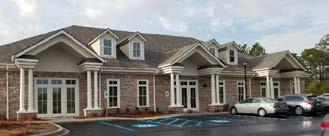
Page 16A The Bluffton Sun June 21, 2023 YOUR VISION. OUR FOCUS. gaeyeinstitute.com CHRISTOPHER HINSON, O.D. Primary Eye Care ACCEPTING NEW PATIENTS eye care exceptional in BLUFFTON 109 Persimmon Street BLUFFTON 843.757.4400
Amy Coyne Bredeson of Bluffton is a freelance writer, a mother of two and a volunteer with the Tuberous Sclerosis Alliance.
Patricia and Charlie Cookson at home in Callawassie with their pets several years ago. Juno, on the leash, was Charlie’s companion on long walks.
Feeling lonely? Find some friends and have some fun
By Angie Henderson CONTRIBUTOR




The Okinawans have a beautiful tradition called “moai.” This practice is credited with helping them live extraordinarily healthy and long lives.

A moai is a group of about five people who were matched together as children by the elders in the community. They made a commitment to love, support and protect each other their entire lives. This second family, as they call it, meets a few times a week to laugh, cry, celebrate, or just chat. Many moais have lasted 90 years!
Sadly, modern life has found most of us becoming more physically isolated, even while technologically more connected. The pandemic shined a light on an increasing problem – isolation and loneliness.
According to an article from the National Council on Aging, loneliness hurts us not just emotionally, but phys-

ically as well. Stunningly, loneliness and social isolation can be as detrimental to health as obesity, not exercising, and drinking too much alcohol. It puts older adults at risk of high blood pressure, heart disease, anxiety, depression and even dementia.
“Socialization is a key factor in brain health from the ages of infancy to 99,” said Joy Nelson, director of marketing and communications for Memory Matters, a local nonprofit organization whose mission is to provide memory care to Lowcountry families. “Socialization fosters lifelong learning. They go hand in hand. When you socialize you are stimulating neurons. When this is happening, your brain is function at 100%. Unfortunately, as we age, we spend more time alone or just sitting in front of the TV. As soon as you isolate your neurons can die off. Socialization is very important for ev-
June 21, 2023 The Bluffton Sun Page 17A YOUR GUIDE TO THRIFT AND CONSIGNMENT SHOPPING TIRED OF WAITING FOR YOUR FURNITURE? Look No Further FURNITURE & ACCESSORIES 122 Arrow Road • Hilton Head• 843-842-4041 Preowned High-End Furniture Ready for Delivery. At Classic Consignments It’s Always New To You! Christmas In July at Tulips Thrift Shop for the month of July 57 Sheridan Park Circle, Suite A & B Bluffton, SC 843-949-3029 • MON-SAT 10-5 IT’S NEVER TOO EARLY TO SHOP FOR THE HOLIDAYS Shop For Summer at Sunrise Thrift! Jewelry, Fashion & Accessories Apparel for Women, Men & Children Home Décor, Furniture & More Please see FRIENDS on page 18A
Members of Hilton Head Senior Center enjoy all kinds of activities from nature excursions to crafts, field trips to seasonal parties, classes to games, exercise to art lessons, and others.
COURTESY HILTON HEAD SENIOR CENTER
Now offering assisted weight loss with TIRZEPATIDE. Achieve up to 20% greater results than with Semaglutide (Ozempic )!


GAIN CONFIDENCE

The weight is over...
Join us for a special weight loss event covering our assisted weight loss program featuring the super med Tirzepatide. We will review the program basics, typical results, and cover frequently asked questions.

Wednesday June 28th
Open House from 4pm - 6pm
Presentation at 5:30pm

Text or Call 843.815.6699 to RSVP
The Lowcountry's only Weight Loss Program offering the super med, Tirzepatide.
FRIENDS from page 17A
eryone whether you’ve been diagnosed with dementia or not.”
Memory Matters programs offer a variety of activities, including art therapy and pet therapy. But it’s the connections and the conversations during these activities that are so meaningful.
This is what Peggy Sue Misset, 64, found missing from her life. She moved to Bluffton from Maryland two years ago to be closer to her brother, after a broken ankle and other health issues made it difficult for her to be alone. Even this very outgoing woman was a little trepidatious about moving to a new state, but she had family and her “never met a stranger” attitude.
Misset busied herself by trying new restaurants, visiting museums and other hot spots. This came to a screeching halt when she developed Covid. Loneliness came knocking and didn’t want to leave.
Without her outings to keep her busy, Misset said she had time to reflect. She realized what she was missing in her life was her “moai,” her tribe. So, she got on Facebook and looked for groups.
There, Misset found the Friends of Bluffton page. Through that group she found a canasta club. This was her ace in the hole. So much more than a card club, Misset found a “phenomenal group of women. The love and support I receive from these women are amazing,” she said.
“If you are sick, they show up with chicken soup. If you miss a game, they’re calling to find out why,” Misset said. “I tell everyone I feel so young at 64! I’m more active than I’ve been in years. I’m living my best life and it’s all because of my friends!”
Eddie Bruner, Savannah, couldn’t agree more. A few years ago, Bruner found himself alone, without any family, and longing for companionship. He heard about Riverstreet Poker from a friend and joined the group. Bruner had no idea how his weekly poker night would become a lifesaver.
Recently, Bruner lost part of his leg due to diabetic complications, which
resulted in a four-week hospital stay. “The nurses would comment on my good attitude,” he said. “I never really got depressed. In the beginning I was worried about missing my poker friends.”
But Bruner didn’t have to worry. Several poker members spent time with him in the hospital, sharing their love and support, and – of course – poker updates. The support didn’t end there; his friends helped support him financially by passing the hat at their games. “Those guys helped me pay my bills,” Bruner said. “I really hit the jackpot.”
After Bruner returned home, his poker buddies continued to pick him up and drive him to the games. “I’m not sure if it’s me or my money they wanted to see,” Bruner said with a laugh. “But all joking aside, I love and appreciate my friends so much. I don’t know where I’d be without them.”
While strengthening your social circle is extremely valuable to good health, it’s not always easy. Here are a few ways to find new friends:
• Download the Meetup: Social Events app and search for clubs that you are interested in. Some local ones are Lowcountry Adventures and Moore to Life Outdoors. These groups meet regularly to explore the Lowcountry.
• On Facebook, look for the groups Friends of Bluffton and Born in the 50s, 60s, 70s group. Choose which one appeals to you.
• The Hilton Head Senior Center offers numerous ways to expand your social circle while learning a new skill. They offer line dancing classes, painting lessons, card, and book clubs. The website is hiltonheadseniorcenter.org and the phone number is 843-7856444.
• The Bluffton Library has several book clubs, crafting groups and various other activities that offer opportunities to socialize and make friends. Call 843255-6497 for more information.
Angie Henderson is a freelance writer with a special interest in seniors across the Lowcountry.
Page 18A The Bluffton Sun June 21, 2023 7 M A L L E T T W A Y | B L U F F T O N , S C | C A L L O R T E X T 8 4 3 . 8 1 5 . 6 6 9 9
L O S E W E I G H T
Local female wrestlers excel at regional competition
Local youth wrestlers recently competed at the Southeast Regionals Tournament hosted by USA Wrestling in Cherokee, N.C. The five female athletes were competitive in each of their classes finishing in the top 5.
The competition was a qualifying tournament for the 2023 U.S. Marine Corps Junior & 16U Nationals, a national Freestyle and Greco tournament held every year in Fargo, N.D. The Southeast Regionals this year had competitors from more than 20 states in attendance representing their local club teams. There were at least 10 women representing the Beaufort County area at this tournament.
Vivian Patricia Urriola, a rising freshman at May River High School, competed in the 16U, 117-pound class. She is the only female at Reverence Wrestling Club (RWC) who competed in both Freestyle and Greco Roman wrestling.
Urriola took first place in Freestyle wrestling and third place in Greco wrestling.
“This was an exciting competition for me,” Urriola said. “I am thankful to Reverence for the training and my teammates for all our efforts.”
The other athletes from RWC who competed in Freestyle wrestling across different ages and weights included: Sophia Perez who is a student at McCracken Middle School (14U, 110 pounds) placed first; Aleysha Mendez, a student at Red Cedar Elementa-
ry (8U, 52 pounds) placed second; Amaia Mendez, a student at Red Cedar Elementary (10U, 76 pounds) placed third; and Angely Mendez, a student at Bluffton Middle School (14U, 119 pounds) placed fourth.

These girls attend wrestling practices at RWC up to four days a week, multiple hours per day, throughout the year. RWC offers a dedicated women’s class that the girls attend, as well as regular practices, strength training, and agility work. Their year-round commitment to the sport of wrestling was evident as they faced tough competition from many states at the Southeast Regional Tournament.
“We are so proud of their efforts and expect many great things from them in the future!” says Emily Maffei, operations director at RWC.
Reverence Wrestling Club (RWC) was founded in 2020 by Blake and Emily Maffei with a purpose-driven approach toward growing Beaufort County’s overall youth and high school wrestling culture and fostering widespread wrestling superiority from athletes in the Lowcountry.
The wrestling club operates year-round, promoting and practicing Folkstyle, Freestyle, and Greco-Roman styles with an emphasis on athletics, acrobatics, and academics. For more information, visit reverencewrestling.com.
FINISH LINE SPONSOR



Richard MacDonald & Associates 3T MRI at Belfair

tates Bank First Dental of Bluffton, LLC
Kinghorn Insurance Agency , LLC


Loretta C. Novince, Ph.D
Loretta C. Novince, Ph.D
LUX Medical Spa
LUX Medical Spa

Morgan Stanley
Morgan Stanley
Ocean
Tobin Bone & Joint Surgery
Tobin Bone & Joint Surgery


Law Offices of James F. Berl P.C Quiroz Remodeling, LLC. FRIENDS

City
Tech- River Ridge Academy

June 21, 2023 The Bluffton Sun Page 19A TITLE SPONSOR
& Sons Plumbing Lynn Geiger, Ph.D.
Tech-River Ridge Academy SPECIAL THANK YOU TO ALL OF OUR SPONSORS FOR CONTRIBUTING TO THE SUCCESS OF OUR RACE! WE LOOK FORWARD TO MAY DAY 5K 2024!
OF LCAHY
LINE SPONSOR GOLD SPONSOR TITLE SPONSOR SILV NSORS
THANK YOU TO OUR SPONSORS Kelly
Tangerine
FRIENDS
FINISH
Ocean Woods Landscaping
Coast Bank First Dental of Bluffton, LLC Kinghorn Insurance Agency , LLC
OF LCAHY
Campanella,
Kelly & Sons Plumbing Salon City Tangerine Tech- River Ridge Academy Low Country Alliance For Healthy Youth May Day 5K
LINE SPONSOR GOLD SPONSORS TITLE SPONSOR SPONSORS
Law Offices of James F. Berl P.C Quiroz Remodeling, LLC. FRIENDS
Brian
AIA
FINISH
Woods Landscaping
OF LCAHY
Salon
Brian Campanella, AIA Kelly & Sons Plumbing
Tangerine
Low Country Alliance For Healthy Youth May Da
Four of the five female athletes from Bluffton’s Reverence Wrestling Club who competed in the Southeast Regional Competition and placed in the top 5.
Outside Brands launches Shark Tooth Island experience

Outside Brands has introduced a Shark Tooth Island cruise for this summer, departing from their Savannah and Palmetto Bluff locations. These half-day excursions incorporate a scenic boat ride of the Savannah River with a location-hopping, shark tooth-hunting adventure.
These family friendly tours depart from either The Westin Savannah Harbor Golf Resort & Spa located at 1 Resort Drive in Savannah, or the Outside Palmetto Bluff outpost at 41 Boat House St. in Bluffton.
Guests will be taken to unique, isolated shores that are accessible only by boat to search for the fascinating artifacts that have been left behind by the tides.
Two million years ago, our coastal region was underwater and Megalodon sharks, like huge aquatic dinosaurs, swam in these waters, leaving their teeth to be fossilized and washed up on the shores of these islands.
In addition to shark teeth, other items to be discovered include pottery fragments, shells, whale bones and petrified wood. Guests will be able to enjoy the private adventure guided by one of Outside Brands’ USGC licensed and knowledgeable captains.
“Outside Brands is always looking

for exciting new experiences to add to our selection of excursions,” said Mike Overton, founder and CEO of Outside Brands. “The Shark Tooth Island Cruise offers an exclusive way to take in the sights of coastal Georgia and walk away with not only one-of-a-kind pieces of natural history, but unforgettable memories.”
For ticket sales and more information, visit outsidesav.com, outsidepb.com oroutsidehiltonhead.com or call 843686-6996.
The award-winning adventure team of Outside Brands offers uniquely crafted guided experiences on Hilton Head Island, Palmetto Bluff, Savannah and beyond.
From humble beginnings as a windsurfing school in 1979, Outside Brands has grown into a dynamic four-division business with operations in South Carolina and Georgia. Driven by a mission to enrich lives by connecting people to exceptional places, products and experiences, Outside offers fully customized group travel services, team building programs, activities and specialty retail. For more information, visit outsidebrands.com and follow the organization on social media.
Page 20A The Bluffton Sun June 21, 2023
HOME OFFICE SOFAS SLEEPERS RECLINERS Est. 1996 WE HAVE IT ALL! Sofas Custom Orders Bedroom Sets TV Consoles Accents Coffee Tables Chairs Sectionals Recliners Dining Sets Sleeper - Sofas Mattresses 12 SHERIDAN PARK, BLUFFTON 843-815-5080 FURNITUREOUTLETOFBLUFFTON.COM
Noteworthy

• The Bluffton Pool will be closed to the public from noon to 4 p.m. Fridays this summer.
From 4 to 7 p.m. Fridays (through Aug. 11), the inflatable obstacle course will be in the water. It will remain there throughout Saturday for the public to enjoy during regular Saturday hours 10:30 a.m. to 4:30 p.m.
The Bluffton Pool is tentatively scheduled to return to normal Friday operating hours beginning Aug. 18.
Updates and more information can be found at bcscrec.com.

• The Bluffton Library continues to offer many opportunities for Summer Reading learning and fun.
From 10 a.m. to noon June 24, retired African-American Studies Professor Meldon Hollis Jr. will present “African Presence in Colonial Lowcountry,” a collaboration with Beaufort District Collection and the Bluffton Library Program.

Visitors are invited to celebrate World Chocolate Day July 7 with a presentation by local chocolatier Mary Kull from 10 to 11 a.m. Register at 843-255-6503.
The Bluffton Library is located at 120 Palmetto Way in Bluffton Village. For more information, visit beaufortcountylibrary.org.
• Music enthusiasts and supporters of affordable housing can come together June 28 for an evening of music, community and philanthropy at the much-anticipated concert, Harmony for Homes, headlined by Mac Powell, former front-man and lead singer of the legendary, four-time Grammy Award-winning band Third Day.
The event will be held from 7 to 9 p.m. at First Presbyterian Church of Hilton Head Island, 40 William Hilton Parkway. Harmony 4 Homes tickets, $30, can be purchased at habitathhi.org/harmonyforhomes.

• The Lowcountry Chapter of the American Guild of Organists will offer summer concerts during the Thursday Farmers Market at 1 p.m. at Bluffton United Methodist Church, 101 Calhoun St. in
Old Town.
The July 6 concert will consist of patriotic and Americana compositions. On Aug. 3, a program of “The Classics” will be performed.
Patrons are invited to stroll through the market, then enjoy an hour of great music in an air-conditioned space. Donations will be gratefully accepted.
• The monthly Palm Trees & Pistons car show will be held from 9 to 11 a.m. July 8 at Sea Turtle Marketplace on Hilton Head Island, in the parking lot of the former SteinMart store.
The show will feature vintage, antique, exotic, muscle and unique cars owned by area locals.
Any car owner who would like to display their vehicle(s) are welcome to bring them for show and tell, and to meet others of like mind. Not a car owner? Come by and see some cool cars. It’s all free.
The show is held the second Saturday of each month, depending on weather, and is free and open to the public.
• The new Children’s Art Museum (CAM) at Jepson Center, part of Telfair Museums, will host a public Grand Opening celebration from 10 a.m. to 5 p.m. July 8 at the museum, 207 W. York St. in Savannah.
The new museum will provide engaging, inspiring exhibits and hands-on, interactive spaces for toddler ages and up. Age-appropriate experiences will include modern technologies, immersive environments, and low-tech and hands-on activities.
CAM will be open during all Telfair Museum operating hours. For more information, call 912-7909-8865 or visit telfair.org.
SUBMIT YOUR EVENT NEWS
The Bluffton Sun welcomes news of community, club, church, school and organization events. If the event is open to the public, email info to editor@blufftonsun.com.


MATHEW EPPS MD PLASTIC SURGERY A ESTHETICS MEDICAL SPA FACE BY APPOINTMENT (843) 707-7060 MATHEWEPPSMD.COM MATHEW EPPS MD PLASTIC SURGERY ME PLASTIC SURGERY TAKE TIME FOR YOU TRIPLE FELLOWSHIP TRAINED PLASTIC SURGEON SPECIALIZING IN 29 PLANTATION PARK DR SUITE 302 BLUFFTON, SC 29910 EYELID SURGERY FACELIFT BREAST ENHANCEMENT MATHEW EPPS MD, MS, DABS BOTOX XEOMIN DERMAL FILLERS ERBIUM SKIN RESURFACING IPL RF MICRONEEDLING MEDICAL GRADE SKINCARE LASER HAIR REMOVAL PRP CHEMICAL SKIN PEELS HYDRAFACIAL & MORE Radiofrequency or SkinPen Microneedling Packages & Restylane Kysse Lip Filler On Special Now June 21, 2023 The Bluffton Sun Page 21A
Guardian ad Litem program to host volunteer training


The Cass Elias McCarter Guardian ad Litem program, a division of the South Carolina Department of Children’s Advocacy, is offering free virtual training beginning Tuesday, July 25, to those interested in becoming a volunteer guardian ad litem (GAL) in Beaufort and Jasper counties.
GALs advocate on behalf of abused and neglected children who are involved in family court legal proceedings through the Department of Social Services (DSS). Volunteers should be at least 21 years old, have a clean criminal record, no previous DSS case history, have time available,and the desire to help a child in their community.
Currently the Beaufort/Jasper County GAL program is serving 136 children, but there are only 17 volunteer GALs to assist. While GAL staff fill in
Leading the Way.
We’re always on the lookout for better. That’s why we’re the pioneers in ultra-comfortable, exceptionally accurate laser cataract surgery. We were the first in the region to offer the technology a decade ago and have engaged with industry leaders to further perfect the technique ever since. In fact, we facilitated FDA approval of the latest CATALYS laser software and were the first in the country to implement it. We continually look over the horizon for what’s next so you can see the horizon more clearly.
Let’s talk about your eyes.
the gaps, the need for more volunteers is urgent.
“The need is greater than ever in our state for volunteer advocates,” said LaDara Depugh, director of the South Carolina GAL program. “Our goal is to ensure that every child in the family court system has a voice and finds a safe permanent home as quickly as possible. We are always looking for caring and dedicated individuals to advocate on behalf of our state’s most vulnerable children.”
Visit gal.sc.gov for more information and to download an application. Contact David McAlhaney, regional recruiter and trainer at 843-277-5849 or David.McAlhaney@chlidadvocate. sc.gov to learn more about this volunteer and training opportunity.
Page 22A The Bluffton Sun June 21, 2023 Hilton Head • New River/Sun City • Bluffton • 843-689-3937 • BishopEye.com
Head • • • The Leading Center for Cataract Surgery
Last month, Coastal Carolina Hospital completed its 3,000 da Vinci robotic-assisted surgery since the program was implemented in 2015. The da Vinci robot is generally used for urology, gynecology and general surgery. “It is a privilege to be a part of the rapid growth of technology at Coastal Carolina Hospital, and I look forward to the future of our urologic robotics program,” said Dr. Eric Gwynn, urologist and robotic surgeon with New River Urology. Pictured from left are: Barbara Graves, Operating Room Director at Coastal Carolina, and Ryan Lee, CEO of Coastal Carolina Hospital, along with operating room staff.

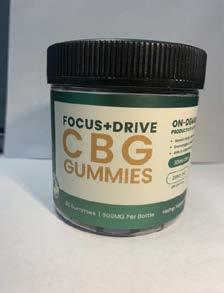






June 21, 2023 The Bluffton Sun Page 23A PROVIDING EXCEPTIONAL PALLIATIVE, HOSPICE AND GRIEF FOR OUR COMMUNITY SINCE 1977 CARE
104 Buckwalter Pkwy • Suite #1-DD Berkeley Place Right Behind One Hot Mama’s by the Movie Theatre (843)757-3339 • CBDstoreBluffton.com Monday thru Sunday 10am till 6pm • All Major Credit Cards Accepted NO MEDICAL CARD REQUIRED! BLUFFTON’S ONLY FULL SERVICE EDUCATIONAL CBD/HEMP SHOP ARE YOU DEALING WITH... ...SLEEP ISSUES? ANXIETY? MUSCLE-JOINT PAIN? 10% DISCOUNT ON THESE FEATURED PRODUCTS Expires June 30, 2023
HILTON HEAD REGIONAL HEALTHCARE
Alzheimer’s Disease: Recognizing early symptoms, taking action
By Jada Gaines CONTRIBUTOR
It’s estimated that approximately 6 million people in the United States will develop and suffer from Alzheimer’s Disease. In fact, Alzheimer’s is one of the top 10 leading causes of deaths among people in the United States.
Alzheimer’s Disease is a brain disorder that slowly destroys and impacts memory and thinking skills. The Alzheimer’s Association further defines the disease as being a type of dementia that affects memory, thinking and behavior and symptoms eventually may become so severe that it interferes with a person’s ability to do or complete daily tasks.
Alzheimer’s accounts for 60% to 80% of diagnosed dementia cases. Contrary to some assertions, Alzheimer’s is not considered a normal part of aging. Yes, the greatest
known risk factor associated with the disease is increasing age and majority of people suffering from the disease are 65 and older. However, there are many cases involving people younger than 65 who have been diagnosed with early-onset Alzheimer’s, which then worsens as the disease progresses.
Recognizing a few of these most common early symptoms of Alzheimer’s can be pertinent in receiving an early diagnosis:
• Memory loss that disrupts your normal daily life
• Confusion with time, place or location
• Difficulty communicating
• Misplacing items

• Withdrawal from social events, work, or hobbies
• Mood or personality changes
It’s no doubt that receiving an Alzheimer’s diagnosis can be an overwhelming amount of information to begin to process. You’ll
have many questions surrounding thoughts on how you should begin to plan for the future, where to start, and what the future may look like for you and your family, etc.

All the questions you will have are valid concerns and no one should make you feel otherwise. In an effort to help you maneuver through your web of questions and transitions that you will begin to make, consulting with an elder law attorney should be one of your top priorities.
When it comes to estate planning after you have received a diagnosis, at minimum, you should get reliable powers of attorney (both durable power of attorney and healthcare power of attorney) in place. A durable power of attorney is a document in which you name an agent to act on your behalf when you’re unavailable or in the event of incapacity and/or incompetency to manage your business and financial affairs etc.
A healthcare power of attorney is a docu-

ment in which you name an agent to act on your behalf in the event of incapacity and/or incompetency to make all general medical decisions for you when you’re unable to communicate your own medical needs. This document should be comprehensive and include more than just your end-of-life decisions.
Both powers of attorney are important to have in place because without the documents, your loved ones might have to seek guardianship or conservatorship over you – which is a costly financial burden and time-consuming.
Even if you haven’t received a dementia diagnosis, there is no harm in planning ahead and getting your estate plan affairs in order. Speak with an elder law attorney today.
Jada L. Gaines is an associate attorney with Elder Law & Estate Planning Center in Bluffton. hiltonheadelderlaw.com
PRIMARY CARE FOR AGES 50+
HALO Primary Care is a new primary care office in Bluffton, SC. Here at HALO, we believe you should be in charge of your health. We understand that each patient is different; therefore, we strive to work with you to develop a plan of care that is obtainable and reasonable.
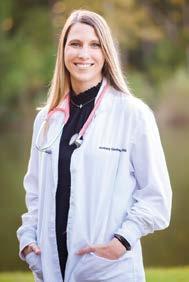
• House calls are offered to homebound patients living in the 29909 and 29910 zip codes.
• Telehealth visits are also offered for established patients.

Page 24A The Bluffton Sun June 21, 2023 LEGAL
your
to our Second Hand
Incredible
Estill,
Tuesday-Friday
Saturday
“HEALING AND FREEDOM FROM HUMAN
FOR
Navigate
way
Store!
discounts and amazing daily specials! Come see us at 680 MLK Blvd.
SC HOURS:
10 AM – 6 PM
10 AM – 4 PM 806.625.2372 store@freshstarthealingheart.org Proceeds benefit the survivors of human trafficking & community education
TRAFFICKING
ALL”
40 Okatie
215 Bluffton, SC 29909 (843) 603-4800 • www.halo-primarycare.com NOW ACCEPTING NEW PATIENT APPOINTMENTS. BETHANY GAULTNEY, AGNP-C, GS-C HWY 278 HWY 278 HWY 1 70 SUN CITY • NOW Accepting Medicare, Aetna and United Healthcare SPECIALIZED IN GERIATRICS Now in-network for most BC/BS plans
Center Blvd., Suite
It’s best to think twice before disinheriting a loved one
By Mark F. Winn CONTRIBUTOR
Please think twice before disinheriting a loved one. It’s a mistake to disinherit a child only because (1) you cannot stand their spouse (your in-law); (2) they are having financial difficulty; (3) they are incapable of managing finances; or (4) they are being supported by a governmental program.
For instance, let us assume Francine, a widow, has five children – Lucy, Grace, Janice, Marvin and Bob.
Lucy is married to Frank. Francine has never liked or trusted him. Should Francine disinherit Lucy only because she does not
like Frank? Not if that is the only reason.
Francine could leave Lucy’s share in a trust to be used for her benefit. If that trust were drawn properly, Francine could make sure that Frank will not directly benefit and that Lucy would not easily squander the money.
Francine could also make sure that if Frank and Lucy got divorced, Frank would get none of Francine’s money. In addition, Francine could direct that when Lucy passes, what funds remain in Lucy’s trust shall be given to her son, in trust, for his education. Result: It never really benefits Frank.
Grace is about to file for bankruptcy and she owes $250,000 to creditors. Should Francine disinherit Grace because she has creditors?
She could, or she could leave her share in a trust for Grace’s benefit. Could Grace’s creditors take the money? Not if the trust were drawn properly.
Janice can’t handle money. She is a spendthrift. Should Francine disinherit Janice because she spends unwisely?

She could, or she could direct her share to be held in a trust for Janice’s benefit. Francine could create incentives so if Janice was gainfully employed, Francine could direct funds be disbursed to match her income.
Better yet, Francine could direct that if Janice was gainfully employed and was maximizing her retirement contributions, then the trust would disburse funds equal to Janice’s pay. There are many possibilities that can help Janice, and they should be explored with guidance from a professional with training and experience.
Marvin and Bob have disabilities and are currently benefitting from government programs. Should Francine disinherit Marvin and Bob in order to make sure they will not lose their government benefits?
She could, or she could leave their share in
a supplemental needs trust. If the trust were drawn properly, it could provide funds for Marvin and Bob to supplement the benefits they are receiving.
In other words, if assets are left “in trust” (a special needs trust or supplemental needs trust) this can prevent your loved one from becoming ineligible for the benefits they get from the government.
It is difficult enough to think about these things, but we all know they are important. In all events, you should seek professional guidance in matters relative to your family property. Using trusts to shape and define beneficial interests and control use of funds and create remainder interests can provide tremendous benefits for your family.


Mark F. Winn, J.D., Master of Laws (LL.M.) in estate planning, is a local asset protection, estate and elder law planning attorney. mwinnesq.com

June 21, 2023 The Bluffton Sun Page 25A LEGAL
LOOKING FOR THE BEST PRICES & THE BEST INVENTORY? FAMILY OWNED SINCE 1991 Best Prices, Best Selection, Best Customer Service VISIT 1 OF OUR 3 LOCATIONS KITTIES CROSSING PLAZA 1008 FORDING ISLAND RD, BLUFFTON 843-815-5077 LADY’S ISLAND 132 SEA ISLAND PKWY, BEAUFORT 843-522-3700 MAY RIVER CROSSING SHOPPING PLAZA 2700 MAY RIVER CROSSING, BLUFFTON 843-815-2361 Shop Bill’s Liquor & Fine Wines For Low Prices & Best Selection. Our knowledgeable staff is ready to help you.
Mark F. Winn
Care specialists join Beaufort Memorial New River Cancer Center

Beaufort Memorial has added three experienced cancer care specialists – a medical oncology social worker, an oncology research nurse and an oncology nurse navigator – to its team at Beaufort Memorial New River Cancer Center in Okatie.

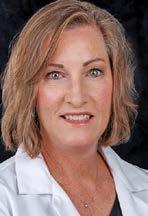
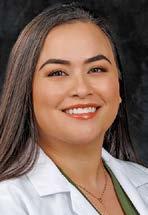
Samantha Bruns, BSW, a medical oncology social worker, assists with connection to counseling and support groups that can help guide patients and their families, as well as assistance in finding resources for transportation needs; navigating the medical leave- and disability-related application processes; and financial resources and community services.
Bruns, who earned a Bachelor of Social Work from Huntington University in Huntington, Ind., most recently was a breast oncology patient navigator at Parkview Cancer Institute in Fort Wayne, where she provided support and guidance to patients throughout
diagnosis and treatment.
Crystal Conran, BSN, RN, joined the cancer care team as an oncology research nurse. In her role at both New River Cancer Center in Okatie and the Keyserling Cancer Center in Beaufort, Conran serves as a resource for patients and their families, providing them with ongoing education on the latest cancer treatment options and clinical trials as well as assisting them with trial eligibility assessment, enrollment and progress monitoring.
Formerly a nurse at Beaufort Memo-


rial, Conran holds a Bachelor of Science in Nursing from the University of South Carolina Beaufort.
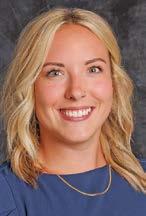


Catherine Healy, BSN, RN, an oncology nurse navigator, manages all aspects of care for patients, connecting them with resources and services; assisting with coordination of their multidisciplinary care teams; providing detailed information about what to expect at every stage of their passage from diagnosis to treatment to survivorship; and offering emotional support to them and their families.
Before coming to Beaufort Memorial, she worked for several Centura Health Physicians Group clinics across Colorado. Healy received a Bachelor of Science in Nursing from Florida State Universi-
ty in Tallahassee.
In affiliation with MUSC Health, Beaufort Memorial New River Cancer Center brings the hospital’s cancer services closer to home for patients who live south of the Broad River. Equipped with the state-of-the-art Varian Halcyon Linear Accelerator radiotherapy system, the center offers access to surgical, medical and radiation oncology as well as genetic testing, lab, imaging, chemotherapy/infusion, breast health services and a wide range of support services.
Through this collaboration with MUSC, patients have access to subspecialists experienced in treating rare or complex cancers and are able to participate in clinical trials of promising new cancer drugs and treatments.
The New River Cancer Center is located at the Beaufort Memorial Okatie Medical Pavilion, 122 Okatie Center Blvd., North and can be reached by calling 843-522-5619.
Page 26A The Bluffton Sun June 21, 2023 Visit PalmettoAnimalLeague.org for details and to view adoptable cats and kittens. ADOPT A SHELTER CAT MONTH ADOPTION FEES WAIVED for Adult Cats (7+ Months) HALF OFF ADOPTION FEES for Kittens (8 Weeks – 6 Months) June 19 – 24 Palmetto Animal League | 56 Riverwalk Blvd, Okatie WE CLEAN • SCREEN ROOMS • SUN ROOMS • CONCRETE SURFACES Free Estimates • (843) 522-3331 • CHSCLEAN.COM LOCALLY OWNED & OPERATED SINCE 2005
Samantha Bruns Crystal Conran
Catherine Healy
Remarkable benefits of halotherapy, healing power of salt
By Jennifer C. Wolfe CONTRIBUTOR
In recent years, alternative therapies have gained popularity for their natural and holistic approach to health and wellness. Among these, halotherapy, also known as salt therapy, has emerged as a powerful method for improving respiratory and skin conditions.
This centuries-old practice has stood the test of time and continues to provide numerous benefits to those seeking a non-invasive and drug-free solution.
One of the primary benefits of halotherapy lies in its positive impact on respiratory conditions. When you enter a halotherapy session, you are exposed to finely ground, pharmaceu-
tical-grade salt particles, which are dispersed into the air. As you breathe in this salt-infused air, it helps to cleanse your respiratory system, reducing inflammation and clearing mucus and allergens.
People suffering from asthma, bronchitis, allergies and sinusitis often find relief and experience improved breathing after regular halotherapy sessions.
Halotherapy has also proven to be highly effective in treating various skin conditions. The salt particles have natural antimicrobial and anti-inflammatory properties, making them beneficial for individuals with eczema, psoriasis, acne and other dermatological conditions.
The salt particles help to exfoliate the skin, promote healthy cell turnover, and restore its natural balance. Regular halotherapy sessions can leave your skin feeling rejuvenated, smoother, and more radiant.
In our fast-paced and stressful lives, finding
THE TRUSTED CHOICE
ways to relax and unwind is essential. Halotherapy provides a calming and tranquil environment, allowing individuals to escape the daily grind. As you breathe in the salt-infused air, it stimulates the production of serotonin, a neurotransmitter known for its moodenhancing and stress-reducing properties.
The serene atmosphere of a halotherapy session can help alleviate anxiety, promote relaxation, and improve overall well-being.
The salt particles used in halotherapy possess natural antibacterial and antiviral properties. By inhaling these particles, the immune system is stimulated, enhancing its ability to fight off pathogens and reduce the frequency of respiratory infections.
Athletes and fitness enthusiasts can also benefit greatly from halotherapy. The improved respiratory function and increased lung capacity resulting from halotherapy sessions can enhance endurance, stamina, and overall athletic performance. Furthermore,
the anti-inflammatory properties of salt can aid in the recovery process after intense workouts, reducing muscle soreness and promoting faster healing.
Halotherapy has emerged as a natural and effective therapy with a range of remarkable benefits. Whether you are seeking relief from respiratory issues, looking to improve your skin’s appearance, or simply want to relax and unwind, halotherapy offers a holistic approach to wellness.
It is important to note that while halotherapy can provide significant benefits, it should not replace medical treatments or prescribed medications. Consult with a healthcare professional to determine if halotherapy is suitable for your specific needs.
Jennifer C. Wolfe is the co-owner of Whisper Creek Day Spa in Bluffton, which she opened with her husband last year. jen.wolfe@whispercreekspa.com or whispercreekspa.com

TRUSTED CHOICE
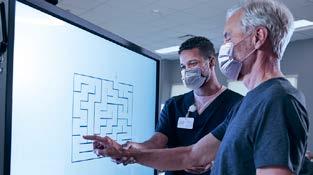
Getting over a major medical crisis isn’t easy, but a trusted provider can help ease the burden. At our hospital, we create rehabilitation programs that are specifically designed for each patient’s needs, using advanced technology and innovative treatments to maximize recovery. It’s why so many people and their caregivers choose us. And why we are the trusted choice of a growing number of medical professionals.
a major medical crisis isn’t easy, but a trusted help ease the burden. At our hospital, we create rehabilitation programs that are specifically designed for each needs, using advanced technology and innovative to maximize recovery. It’s why so many people caregivers choose us. And why we are the trusted growing number of medical professionals.



THE TRUSTED CHOICE
Getting over a major medical crisis isn’t easy, but a trusted provider can help ease the burden. At our hospital, we create rehabilitation programs that are specifically designed for each patient’s needs, using advanced technology and innovative treatments to maximize recovery. It’s why so many people and their caregivers choose us. And why we are the trusted choice of a growing number of medical professionals.
CHOICE
encompasshealth.com/blufftonrehab ©2023:Encompass

Celebrating 5 years of serving patients in the
encompasshealth.com/blufftonrehab
encompasshealth.com/blufftonrehab
create each trusted
Celebrating 5 years of serving patients in the South Carolina Lowcountry.
June 21, 2023 The Bluffton Sun Page 27A
Health Corporation:MyTurn
South Carolina Lowcountry.
©2023:Encompass Health Corporation:MyTurn Celebrating 5 years of serving patients in the South Carolina Lowcountry. WALK-IN EVENT No Appointment Needed! Wednesday, June 28 • 8am-4pm No physician referral required • Screening mammograms only. Beaufort Memorial Breast Health Center – Okatie 1 22 Okatie Center Blvd. North, Suite 150 Need an appointment for another day? Call 843-522-5015, visit BeaufortMemorial.org/ MammoAppointments or scan ONE DAY ONLY Help a Friend Squeeze in a Screening Mammogram WELLNESS
Jennifer C. Wolfe
After relocating, newcomers should check Medicare plans
By Chris Dewey CONTRIBUTOR
Over the course of the past four months, I’ve helped a dozen or so couples who moved to South Carolina from places like California, Ohio, New Jersey, Vermont, and my home state of New York. Medicare Part A and Part B travel with you regardless of what state you move to, but for Medicare Advantage (Part C) and Part D (drug plan), there are geographical boundaries we need to consider.

If you move to a new state, chances are good that you will now be out of network with your current plan and you will lose your Medicare Advantage plan or Part D drug plan.
You will have a Special Enrollment Period (SEP) that allows you to enroll in a either a new Medicare Advantage plan or original Medicare and get a Part D drug plan and a Medicare supplement with no underwriting or health questions.
If you notify your Medicare Advantage

Plan or Part D plan of a permanent move in advance, you have an SEP to switch to another Medicare Advantage or Part D plan beginning as early as the month before your move and lasting up to two months after the move.

If you notify your Medicare Advantage or Part D plan of a permanent move after you move, you have an SEP to switch to another
private health or drug plan, beginning the month you tell your plan, plus two more full months thereafter.
Six of the 20 or so folks I transitioned had a chronic condition (cancer, COPD and congestive heart disease) and had a local HMO, so I enrolled these folks in a Medicare supplement Plan G with no health questions asked. They were ecstatic they
could get a Plan G even though they were sick.
Plan N does not allow these sick folks to enroll, but the Plan G must accept these folks with no health questions asked.
If you were over 65 on Jan. 1, 2020, you can enroll in the Plan F with no health questions asked.
Two couples from New York and Vermont had the Plan G supplement. Two of these folks were 68 years old and had the Plan G in Saratoga Springs, N.Y. They were paying $245 per month per person with AARP, but rates are very high in New York. Since they now live in South Carolina, I was able to put them on the exact same Plan G supplement but with a rate of $104 per month for the husband and $92 for the wife.
So if you anticipate moving here or perhaps moving elsewhere be sure to educate yourself on your Special Enrollment Period and guaranteed issue rights. It could save you thousands in health care costs.
Chris Dewey is the founder of May River Medicare Insurance in Bluffton.
Page 28A The Bluffton Sun June 21, 2023 www.clubcarhhi.com 1484 Fording Island Road, Bluffton, SC • 843-837-2066 • Mon-Fri. 8:00-5:00, Sat. 9:30-1:00 Cheers LIQUORS New River Crossing Shopping Center 386D Mark Cummings Rd. Suite #108A 843-784-2320 Open Monday - Saturday 10:00 am - 7:00 pm Staff Selected Barrel Pick $4799
weather need not wreck your day
By Joy Ross CONTRIBUTOR





It’s hard to believe it’s the icky, sticky time of year already! All of a sudden, all my clients are complaining about their hair either being flat, no matter how much they use mousse and blow dry, or that no matter what they do their hair just gets bigger and fuzzier.
Welcome to Southern humidity. Honestly, the only type of hair that behaves in this climate is naturally curly hair – or maybe permed hair. The less you do the better it looks.
For the other 95% of us, here are some tips and tricks to make your style last longer without having to stay in the air conditioning all day. (That’s the only foolproof solution, unfortunately. Just remember you are not alone.)
The No. 1 reason your hair will get flatter
or bigger, depending on the hair type, is that it isn’t completely dry. I would say a good majority of the female population begin styling their hair too soon after washing, thinking that it will stay better, and quit styling when it feels dry. This is the primary reason I hear people say, “I spend so much time on my hair and 15 minutes after I’m done it looks like I didn’t do anything.”
Styling your hair when it’s wet will NOT make it stay better. The hair holds moisture you can’t feel, and our salty air adds to this swelling of the cuticle of the hair. The last bit of moisture that you don’t feel will make all your styling efforts useless.
If you want volume, put mousse on your roots only. Especially on the top and sides parallel to your cheeks/eyes. This is where you want fullness. Then blow and blow your hair in all directions, opposite the way it wants to go. This will set your roots up and away, giving you more fullness and volume.
Keep doing this until it feels dry (this is key). At this point is when you take your brush, and again blow/style your hair. This last step will set the style and get the hidden moisture out of the hair.
Now remember, it will stay longer and better but nothing is going to stay if you’re golfing or on the beach.

The final step should be an oil or laminate-based product, used very sparingly to put a barrier on the hair to prevent the salty, moist air from penetrating the strands and



wreaking havoc on the style.
If your hair is naturally wavy, curly or just gets that halo of frizz, the theory above applies. You need smoothing cream of any sort on the length of your hair while damp. This will help the strands stay smooth. Then blow and blow, mostly down, to coax the hair to stay closer to your head.


It still needs to feel dry before taking your flat brush to smooth style it.
I am never opposed to hot tools. If you have the dexterity to use a flat iron, hot rollers, curling iron, etc. do so for added security and stability of your hairstyle. If you use the tools properly and use good products to keep your hair healthy, rather than stripping it, all these tools are very helpful. I hope these tips make you happier with your hair even in this yuck.
June 21, 2023 The Bluffton Sun Page 29A SPECIAL SUMMER SAVINGS! 1060 Fording Island Road, Ste B • (between Starbucks & Honey Baked Ham) • Bluffton, SC 29910 843-836-2337 • Open Daily 10-6 Sun. 12-5 YOU’LL JUMP FOR JOY WHEN YOU EXPERIENCE OUR... • Free Local Delivery Service. • Low Price Guarantee. • Queen sets starting at $399. • Personalized No-Pressure Service. WE NOW TAKE BLUE CROSS BLUE SHIELD New Patients Welcome! WE OFFER 11 Arley Way Suite 202 Bluffton • 843-757-2273 Email: info@wellbeing-healthcare.com Website: wellbeing-healthcare.com WE OFFER Primary Family & Urgent Health Care Pre-Employment, and Sports Screenings Now accepting Medicare, Aetna, Cigna, Humana Health Care & United Health Care Women’s Health Care Botox & B-12 Injections Lipotropic B12 Shots for Weight Loss OUR GOAL IS YOUR Well Being Tamitha Moore APRN, FNP-BC Tiffany Daley APRN, FNP-C BEAUTY
or your hairstyle
Sticky
Joy Ross is owner of Style It Salon in Old Town Bluffton. styleitsalon.com
Acts of kindness, like spices, can change flavor of life
By Jon R. Black CONTRIBUTOR





My Aunt Mae was a great cook. She never wrote her recipes down and she rarely shared them. I have no proof, but there was a rumor that on those rare occasions when she did share a recipe, she would leave out one or two ingredients.
Those omitted items became secrets she took to her grave. Several relatives attempted to duplicate Aunt Mae’s dishes. Without the missing ingredients, they all failed.
My Aunt Mae’s secret ingredients point to an under-recognized truth: The little things in life matter. They have great
impact. Can you imagine baking a cake without using baking power? Preparing eggs without a pinch of salt? Salsa without jalapeno peppers? The little things in life really matter.
My wonderful wife, Donna, is also an excellent cook. She has a rack full of herbs and spices. Often, she adds a pinch of some herb or a dash of some spice to a dish. The power of these very small ingredients is amazing. Frequently, Donna’s spices transform leftovers into gourmet meals.
In research for this article, I looked up the measurement of a “pinch.” A pinch is the smallest amount that can be held between the index finger and the thumb. Yet, a pinch of oregano, cumin or nutmeg can make or break a meal.
Just as herbs and spices radically impact the outcome of a meal, a little human kindness has great impact on the lives of
others. Can you imagine a world without smiles, hugs, kind words, gentle embraces, or kisses on the cheek? These small ingredients are the spices of life.
In many places, scripture encourages us to offer random acts of kindness to our neighbors. For example, the Bible instructs us to cry with those who cry and rejoice with those who rejoice (Romans 12:15). Just being with people and being truly in the moment as they experience the highs and lows of life adds seasoning to our lives.

While these simple acts are sufficient to adding flavor to our neighbor’s life, the Bible pushes us to using these acts for our personal benefit. The Bible takes for granted that most of us will act kindly toward our family members, friends, neighbors, those of our socio-economic group or political party. To really experience the benefit of these acts, we must
perform them for people quite different from ourselves.
Luke 6:33-35 reads: “And if you do good to those who are good to you, what credit is that to you? Even sinners do that. And if you lend to those from whom you expect repayment, what credit is that to you? Even sinners lend to sinners, expecting to be repaid in full. But love your enemies, do good to them, and lend to them without expecting to get anything back. Then your reward will be great.”
There is a great benefit in offering acts of kindness that stretch our character. When our acts of kindness take us out of our comfort zone, they bring with them the potential to transform our world for the better.
171
Hilton Head Island, SC 29928
June 21, 2023 The Bluffton Sun Page 31A 1425 Okatie Hwy. (170) Hwy 170 between River’s End & Oldfield. 843-379-1888 • www.palmsumc.org youbelong@palmsumc.org A Stephen Ministry Congregation CHURCH OF THE PALMS is excited to WELCOME REV. SHANNON BULLION as our next SENIOR PASTOR Rev. Bullion arrives JUNE 28 and will first lead worship on Saturday, July 1, 5:30 p.m. at “The Gathering”and Sunday, July 2 at 8:30a.m. and 11:00a.m JOIN US ON SUNDAY 8:30am Outdoor Worship 10:30am Traditional Worship in Sanctuary Both Services live-streamed at ProvidenceHHI.org 843-842-5673 PPC@ProvidenceHHI.org Located on the south end of the Island on Cordillo Parkway (halfway between Pope Avenue and the Sea Pines Ocean Gate)
Cordillo
FAITH
Parkway
The Rev. Dr. Jon R. Black is senior pastor at Campbell Chapel A.M.E. Church in Bluffton.
Jon R. Black





Page 32A The Bluffton Sun June 21, 2023 Local, Fresh & Now Open in Bluffton Shop Fresh Seafood, Local Produce, Spices & Herbs 843-987-0656 E Great Prices & Great Selection 22 Plantation Park Drive, Suite 101 MARKET FAMILY-OWNED BUSINESS Brandy Diehl, Proprietor COMPLETE RESTORATION FULL SOLES • HEELS LEATHER INSOLES RECOLOR • ZIPPERS ELASTICS • PORTFOLIOS SUITCASES • BAGS AND MUCH MORE! Enzos Shoe Repair NOW OPEN AT MOSS CREEK VILLAGE Moss Creek Village 1533 Fording Island Rd. Suite 320, Bluffton, SC 843.683.7770 ENZO’S SHOE REPAIR Demanding Action Volunteers with Beaufort County Moms Demand Action for Gun Sense in America wave signs protesting gun violence June 10 in front of Sea Turtle Marketplace on Hilton Head Island. June is Gun Violence Awareness Month. To get involved in the local group, email Lowcountrymomsdemand@ gmail.com. AMY COYNE BREDESON TAKE CARE TO PREPARE It’s never too early or too late to start planning for your future WILLS BUSINESS TRUSTS REAL ESTATE ELDER LAW CALL 843-868-8210 to schedule a meeting located in Old Town Blu ton learn more DillsLawFirm.com DILLS LAW FIRM
Taking kids offshore fishing for the first time is amazing
By Collins Doughtie CONTRIBUTOR
As you might have guessed by now, fishing is my greatest passion. It doesn’t matter how many fish I catch because I have my share of days when I am totally blanked – but even then, not one second being on the water do I regard as being wasted. The things I experience, the things I see on these mundane days is worth all the tea in China.
Right up there with fishing has to be the satisfaction I get when trying to open people’s eyes to some of the incredible acts of nature that I have been privy to in my thousands of hours scouring our waters.
I want to tell you about a day such of this with an old friend and his grandchildren who came down from Tennessee.
I guess it was about five years ago when I first met Steve Moore when another friend of mine, Al Stokes, suggested that Steve call me with questions on how to fish our waters.
As I talked to Steve that first time, he told me that he and two friends had trailered a boat here from Tennessee. Having never fished here before, he asked if I would consider tagging along with them so they could better navigate our tricky waters and maybe, just maybe, catch a fish or two.
I accepted and we caught fish. Simply put, I had a blast with these hill folks. Every year since then, the three of them would come down for a guys-only week of fishing, scheduled on my recommendation of when
the tides were best and also when they might expect a red-hot bite. There are no guarantees when it comes to catching, so some years were better than others. But Steve and I developed a nice relationship regardless of how these trips panned out.
When Steve called me this year, he said that instead of his two buddies he was bringing his four grandchildren, and could I possibly take them fishing offshore. This request was not new, because almost every year he would go on and on about wanting to get them offshore, but his boat was too small to make the 30- to 45-mile run. Maybe it was the fact that I too have grandchildren and I love introducing them to the abundant wonders on the water that got my wheels turning about his request. I asked my fishing buddy Dan Cornell if he

would mind me taking Steve and his grands on his outstanding 53-foot vessel.

Dan and I have fished together for over a decade and without hesitation he said yes, as long as Steve covered the fuel. Talk about excited – Steve was like a kid at Christmas when I told him I would fulfill his wish, weather and wind permitting.
With only a week to pull off the trip, every day I would check the offshore forecast and, as it has been all this spring, the wind kept us landlocked. With only a couple of days left on their vacation, the forecast changed for the better and the trip was on.
Meeting up with Dan, Steve, his four grandchildren that ranged from 12 to 19 years old, and his oldest granddaughter’s fiancée, we headed out at the crack of dawn. It was then that I learned that not one of them had ever experienced the deep blue.
Freshwater fishing yes, but bottom fishing way offshore was alien to each of them. On the run out, I gave them each a primer on the do’s and don’t’s on this type of fishing.
On our first stop, a lot of fish were missed but each time our guests dropped a bait down they started to get the hang of it and up came some fine vermillion snapper. Having never caught a fish bigger than probably a largemouth bass, they responded with squeals of delight and took lots of photos.

Knowing that there were bigger fish to fry, we moved on and that is where the rods bent double with huge amberjacks and red snapper. It was hilarious watching them huff and puff bringing these fish up.
For the rest of the trip, the biting was on fire as we caught a variety of species including snapper, grouper, triggerfish and porgies. I could see each one of these kids’ eyes light up as they also watched flying fish skittering over the waves and loggerhead turtles surfacing next to the boat. For me, that made my day!
I guarantee each of these kids will never ever forget this introduction to my world. Without exception, every kid I have ever mentored became hardcore fisherman. Kids are the best. As for Steve, he ain’t all bad either.
June 21, 2023 The Bluffton Sun Page 33A
NATURE’S WAY
This Column Brought to You By:
Collins Doughtie, a 60-year resident of the Lowcountry, is a sportsman, graphic artist, and lover of nature. collinsdoughtie@icloud. com
My friend Steve Moore with nice gag grouper.
Steve’s granddaughter Stephanie with a double header – red snapper and triggerfish.
PHOTOS BY COLLINS DOUGHTIE
Hours: Wed-Fri 10-4



Saturday, Sunday, Monday & Tuesday
Kiwanis Scholars
In Memorial
as told to Charles Wright by his Cherokee friend G.B Chiltoskie


One evening an old Cherokee told his grandson about a battle that goes on inside people. He said, “My son, the battle is between two wolves that live inside us all.”
“One wolf is greed, arrogance, self-pity, guilt, resentment, inferiority, lies, false pride, superiority and ego. The other wolf is good, joy peace, love hope, serenity, humility, kindness, benevolence, empathy, generosity, truth, compassion and faith.”
The grandson thought about it for a minute and then asked his Grandfather, “Which wolf wins?”
The old Cherokee simply replied, “The one you feed.”
Be transformed by the renewing of your mind. Romans 12:2
During its annual meeting May 17 at Seaquins Ballroom, the Kiwanis Club of Bluffton awarded three $2,500 Sondra Ammeen Memorial Scholarships to Bluffton High School senior Faith Paxton, and May River High School seniors and Key Club members Naomi Edmondson and Estefany Mondragon. These scholarships reward seniors for community and public service, and academic performance. Pictured from left are Russell Williamson, Kiwanis Division 21 Lt. Governor, Carolinas District; Faith Paxton; Estafany Mondragon; Naomi Edmondson; Helen Rickett, Kiwanis Club of Bluffton Foundation; and Robyn Kiser, Kiwanis Club of Bluffton president. Sondra Ammeen, the late wife of Kiwanis member Paul Ammeen, was a retired school principal and a driving force and advisor behind several of the Club’s best fundraisers. The Kiwanis Club of Bluffton, chartered in the Spring of 2016, sponsored, and chartered the May River Key Club in February 2017.

Page 34A The Bluffton Sun June 21, 2023
WALKING TOURS
call to schedule and for reservations HOUSE MUSEUM TOURS GIFT SHOP VENUE RENTAL For special events HEYWARD HOUSE | 70 BOUNDARY STREET | BLUFFTON, SC 29910 (843) 757-6293 | www.heywardhouse.org | info@historicbluffton.org MAILING ADDRESS | P.O. BOX 742 | BLUFFTON, SC 29910 ~Memberships Available~ THE OFFICIAL WELCOME CENTER FOR THE TOWN OF BLUFFTON LAMP REPAIR STARTING AT $19.95!
LAMP SHADE SELECTION IN BEAUFORT COUNTY
Corners 2 Merchants Ln., Ste.
Beaufort,
(843)
SUMMER HOURS!
Please
LARGEST
Newpoint
113
SC 29907
605-6657 NEW
7/1/23 – 9/11/23
Closed:
Don’t blame the ball for potential changes in golf rules
By Jean Harris CONTRIBUTOR
Bifurcation, when it comes to the game of golf, means that a piece of equipment –the ball – to be used by golf professionals competing in USGA events will be different from the ball used by recreational players.
Michael Whan of the USGA has said that the distance the players are hitting the ball is making some of the classic golf courses too short. “Not doing something is borderline irresponsible,” he said.
If passed, this new USGA rule would take effect in January 2026.
Those who are in favor of bifurcation include Jack Nicklaus and Gary Player. Nicklaus has said that the professional game is geared toward power. Nicklaus believes that “professional golf is going to run out of land. ... I think what the USGA is trying to do is get the game more in balance between power and skill.”

Player also thinks that the elite pro game is leaning too much toward power. “They have got to cut the ball back for pros and leave it for the amateurs as it is,” he said.
Rickie Fowler, current PGA Touring pro, is against the rolled-back ball. “Concerning bifurcation, I don’t like pros and amateurs having different rules. Manufacturers are going to have to create new products and that’s going to be a lot of money in research and development,” he said. “It will cost the ball companies millions of dollars to change the ball and ultimately that’s going to go to the consumers. It’s going to ultimately hurt the game.”

Acushnet Company, who makes Titleist Golf Balls, spoke out against the proposal: “Bifurcation of the rules would cause a divide between the elite player and the recreational players and cause confusion. Also, recreational players want to play the same equipment as the pros.”
Lowcountry resident Pete Mandich is a re-

tired Class A PGA teaching professional. He later moved to the business side of the game and founded his own golf ball manufacturing company in the 1980s. When asked for his thoughts on bifurcation, Mandich said, “The only changes golf ball manufacturers have seen are in the overall quality of the materials used in the ball’s construction. The ball has lower spin rates which can allow off-center hits at higher clubhead speeds. The golf ball is a ‘ballistic item.’ And the driver head and its ‘engine,’ the shaft, have
both improved immensely, inspiring greater speed and force on the golf ball. Thus, the ball is traveling farther due to the applied mass it is receiving. Also, the professional golfers are in better physical condition. Bryson DeChambeau has shown how this helps the players develop more club head speed. In conclusion, the component parts of the golf club, the shafts and clubhead faces have improved. Thus, golfers are hitting the ball farther because the equipment is better.” Is it worth the money that the seven major ball manufacturers will have to spend to change the ball? The testing will be a very long process and the USGA and R&A will also have to do their testing.
To learn more about golf balls and testing, visit Mandich’s website at pmgolfenterprises. com.

Dr. Jean Harris is an LPGA Master Professional and teaches at local golf courses. jean. golfdoctor.harris@gmail.com; golfdoctorjean. com

June 21, 2023 The Bluffton Sun Page 35A Keeping Doors Opening & Secure for The Low Country $349 $69 REPLACEMENT SPRINGS INSTALLATION INCLUDED SPRINGTIME TUNE UP & PREVENTATIVE MAINTENANCE INSPECTION $329 GARAGE DOOR OPENERS INSTALLATION INCLUDED STARTING AT 843-422-8584 www.coastlineoverheaddoor.com Locally Owned by Jamie Tonkin SPRINGSALE REFRESH NOW SERVICING BEAUFORT COUNTY Licensed, Bonded & Insured. SPORTS
Pete Mandich
Late frost affected lawns, resulting in shorter growing season
By Mark Deloach CONTRIBUTOR

After a slow transition of seasons, it appears we are finally starting to get some consistency in our warm weather. Along with that warm weather comes some positive and some negative changes in our outdoor environment.
This year has been a bit of a challenge for all turf types, and this challenge can be attributed to our unique weather patterns. We began warming up quickly in February and March, bringing color and growth back after dormancy.
In March, we had three frost events that set us back, followed by many cool nights in April. Even up until the second week of May,
Built Right, Right Here

we experienced many nights where temperatures dropped into the 40s. As a result of this, our soil temperatures struggled to make it into the 60s and grass growth has been stagnant.
We are finally beginning to see some growth in our turfgrasses, which allows for recovery from damage that occurred through winter and spring. Its important to use this time to our advantage, being that we have a shortened growing season.
If fertilizer was applied too early in the season, it would be beneficial to apply an additional application over the next month or so. If the areas impacted by unusual weather have become large sections, we recommend applying organic compost or top dressing at a half-inch deep, or even some pieces of sod depending on the size of the area.

Along with the positive changes, we are also dealing with a few pests. It is important to be aware of your turf type and the specific
issues it may face so proper precautions are put in place.

We see a large variety of weeds, diseases, and insects throughout the summer season. It can be very difficult to determine specific causes with the mix of inaccurate information found online, so we recommend calling in a lawn expert if unknown issues arise.
Lastly, we would like to address watering as we work our way into summer. It is important to keep the lawn hydrated without oversaturating. If a lawn constantly remains wet, it is bound to develop fungal issues and a shallow root system. For this reason, we like to encourage less frequent watering and deeper saturation. Unless it is newly established turf, a lawn should only need to be watered one to three times per week if it is getting good saturation.
Page 36A The Bluffton Sun June 21, 2023 25 Sherington Drive, Unit F • Bluffton (843) 212-4195 ezgohhi.com
GARDEN
Mark Deloach is the owner of Lawn Doctor of Beaufort County.
It is best not to bark or meow when trying to sell a home
By Larry Stoller CONTRIBUTOR

We all love our pets, and most everyone loves pets, but the buyers for a home might not. Having potential buyers look at houses when pets are present is a usually a big nono.
If you want to get the highest price for your home, don’t let your dog or cat bother your home-buyer prospects. As loveable and well-behaved as your pets are to you, they can be very inhospitable to strangers. The best thing that you can do is to remove your pets while the house is being shown. Let them stay with a friend or relative or take them to pet day care. If this is not an option, take your dog or cat for a walk or a drive when the house is being shown.

It is also important to minimize all negativity that buyers may associate with your



Beautiful Canterbury Model/Duplex/Condominium that is located on a large private corner home site. Features 2BRs, 2 full BAs ,Off/Den, Great Room w/gas fireplace, Sun Room, attractive vaulted ceilings, lots of natural light, fresh paint, maintenance-free living & more!

pets when viewing your home, even if they don’t see them.
If you have pet stains on the carpet or floors, get rid of them. If you can’t get the stains out, consider replacing the floor covering. Cat litter boxes, dog’s potty, cat trees and pet toys should be well-organized or kept out of sight. Pet odors and smells must be non-existent. Don’t trust your
own nose – have a friend do a whiff test. It makes good sense to remove or mitigate all or most signs of your pet.

Remove pet photos, doggie doors, food and water bowls, dog or cat hair (vacuum very frequently), cages, carriers, etc. First impressions are so very important, so don’t risk turning off an interested buyer.
I have sold a number of homes with pets, and in some cases, the homes were kept so nice, well-organized and clean that some of my remarks above did not really need to be followed.
On a personal note, my wife and I have a very loveable 52-pound standard poodle named Cherie. If we ever decided to sell our home, all three of us would probably go on a nice vacation – together!
Larry Stoller is a broker and Realtor with Real Estate Five of the Lowcountry. Larry@ RealEstateFive.com, RealEstateFive.com
June 21, 2023 The Bluffton Sun Page 37A JUST LISTED IN THE ABBEY GLEN COMMUNITY CALL VALERIE OR LARRY FOR A PERSONAL TOUR OF THIS VERY SPECIAL HOME 23 Plantation Park Dr, Ste #202, Bluffton, SC 29910 VALERIE & LARRY LIST & SELL HOMES IN SUN CITY OUR HOME SELLERS ENJOY FULL SERVICE & VARIABLE RATE COMMISSIONS AS LOW AS 3% 83 HAMPTON CIRCLE - REDUCED TO $534,000 Visit www.RealEstateFive.com to see all we do for our Home Sellers. Valerie Shreckengost, Agent-Partner-REALTOR® 843-540-3829 valerie@realestatefive.com Beautiful Jackson Model situated behind an “eyebrow” for privacy and wooded rear view that backs to the golf course. Features 3BRs, 2 full BAs, Office, Den, & Carolina Room w/ built-ins and FP. Expansive Kitchen w/ double ovens and breakfast bar. Fantastic 460 sq ft enclosed porch w/ heat & air. A very special home to enjoy all year round! Ask us about our FREE Home Warranty option that adds value to your home and makes your home more appealing to perspective home buyers Larry Stoller, Broker-Owner-REALTOR® 843-290-5101 larry@realestatefive.com Visit www.1444AbbeyGlenWay.com for more photos and property details. 23 Plantation Park Dr, Ste #202, Bluffton, SC 29910 VALERIE & LARRY LIST & SELL HOMES IN SUN CITY OUR HOME SELLERS ENJOY FULL SERVICE & VARIABLE RATE COMMISSIONS AS LOW AS 3% 83 HAMPTON CIRCLE - REDUCED TO $534,000 Visit www.RealEstateFive.com to see all we do for our Home Sellers. Valerie Shreckengost, Agent-Partner-REALTOR® 843-540-3829 valerie@realestatefive.com Beautiful Jackson Model situated behind an “eyebrow” for privacy and wooded rear view that backs to the golf course. Features 3BRs, 2 full BAs, Office, Den, & Carolina Room w/ built-ins and FP. Expansive Kitchen w/ double ovens and breakfast bar. Fantastic 460 sq ft enclosed porch w/ heat & air. A very special home to enjoy all year round! Ask us about our FREE Home Warranty option that adds value to your home and makes your home more appealing to perspective home buyers Larry Stoller, Broker-Owner-REALTOR® 843-290-5101 larry@realestatefive.com 23 Plantation Park Dr, Ste #202, Bluffton, SC 29910 VALERIE & LARRY LIST & SELL HOMES IN SUN CITY OUR HOME SELLERS ENJOY FULL SERVICE & VARIABLE RATE COMMISSIONS AS LOW AS 3% 83 HAMPTON CIRCLE - REDUCED TO $534,000 Visit www.RealEstateFive.com to see all we do for our Home Sellers. Valerie Shreckengost, Agent-Partner-REALTOR® 843-540-3829 valerie@realestatefive.com Beautiful Jackson Model situated behind an “eyebrow” for privacy and wooded rear view that backs to the golf course. Features 3BRs, 2 full BAs, Office, Den, & Carolina Room w/ built-ins and FP. Expansive Kitchen w/ double ovens and breakfast bar. Fantastic 460 sq ft enclosed porch w/ heat & air. A very special home to enjoy all year round! Ask us about our FREE Home Warranty option that adds value to your home and makes your home more appealing to perspective home buyers Larry Stoller, Broker-Owner-REALTOR® 843-290-5101 larry@realestatefive.com 23 Plantation Park Dr, Ste #202, Bluffton, SC 29910 VALERIE & LARRY LIST & SELL HOMES IN SUN CITY OUR HOME SELLERS ENJOY FULL SERVICE & VARIABLE RATE COMMISSIONS AS LOW AS 3% 83 HAMPTON CIRCLE - REDUCED TO $534,000 Visit www.RealEstateFive.com to see all we do for our Home Sellers. Valerie Shreckengost, Agent-Partner-REALTOR® 843-540-3829 valerie@realestatefive.com Beautiful Jackson Model situated behind an “eyebrow” for privacy and wooded rear view that backs to the golf course. Features 3BRs, 2 full BAs, Office, Den, & Carolina Room w/ built-ins and FP. Expansive Kitchen w/ double ovens and breakfast bar. Fantastic 460 sq ft enclosed porch w/ heat & air. A very special home to enjoy all year round! Ask us about our FREE Home Warranty option that adds value to your home and makes your home more appealing to perspective home buyers Larry Stoller, Broker-Owner-REALTOR® 843-290-5101 larry@realestatefive.com
REAL ESTATE
1444 Abbey Glen Way - $449,000










Page 38A The Bluffton Sun June 21, 2023 917-545-5920 Mspad222@yahoo.com FREE 30 minute consultation ( * ORGANIZING SOLUTIONS MICHELLE SPADAFORAA BLUFFTON & HILTON HEAD Simplify Your Life HOME ORGANIZATION & CONCIERGE SERVICE • Organizing Closets, Kitchens, Garages, Attics, Offices • Packing & Unpacking • Interior & Exterior Tasks • Pick Up & Drop Off for Appointments CLASSIFIEDS Spring Clean-Up Detail Specials, Call Us Now! WE BUY – SELL – TRADE – LOCATE Professionals You Can Trust YOUR LOWCOUNTRY EPOXY FLOORING AND GARAGE SOLUTIONS EXPERTS • Durability • Stain and oil resistant • UV Stable • Anti-microbial • Endures Temperature variations (843) 605-9200 $250 OFF with mention of this ad E
1936 WERNER PLAYER PIANO, excellent condition. Pump action. $500. Many rolls included, plus bench. Schwinn Drifter Cruiser bike, ladies 26” pink/white. Excellent condition, $50. Call 440-667-5399.
CLASSIFIED ADS WORK! CALL 843-757-9507.


YOUR AD HERE CAN REACH 25,000 households and businesses from Moss Creek to Sun City to Callawassie Island. Promote services, sell goods, announce a yard sale, buy a house, sell a house, find a job, find employees, ask for help, offer help! Ads starting at $28 for 40 words. 843-757-9507.


CLASSIFIED ADS WORK! CALL 843-757-9507
CLASSIFIED ADS WORK! CALL 843-757-9507
CLASSIFIED ADS WORK! CALL 843-757-9507
CLASSIFIED ADS WORK! CALL 843-757-9507
CLASSIFIED ADS WORK! CALL 843-757-9507
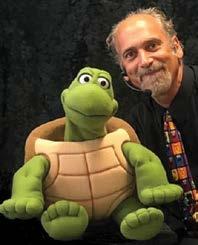

Go-Go Batteries & Cart Tires & Wheels




We provide weekly or biweekly visual inspection of your home or property looking for obvious issues in your absence. Fully Licensed and Insured


The largest and most reliable local, family-owned, independent home inspection company in South Carolina LowCountry. Our friendly inspectors provide thorough inspections and detailed explanations along with a same-day report. We also provide lifetime technical advice as long as you own the property.


June 21, 2023 The Bluffton Sun Page 39A Sabrina Scheduling Coordinator 912.355.1349
Protecting the Lowcountry since
Prismhomewatch.com Prisminspections.com
2001
FAMOUS MAKER & AMERICAN MADE! WE PUT THE GO IN GO LF CARTS! FREE BATTERY TESTING! www.gogobatteries.com 631-327-4013 LICENSED & INSURED BEST PRICES IN TOWN! LOCALLY OWNED AND OPERATED Tires & Wheels $199 Installed In Your Driveway No Down Time! While Supplies Last BATTERIES AND TIRES INSTALLED IN YOUR OWN DRIVEWAY! CALL TODAY FOR YOUR BATTERY AND TIRE NEEDS! (4) 8” Standard Golf Cart LET OUR MOBILE TIRE SHOWROOM COME TO YOU! Spring Spruce Up Special New Custom Wheels $25 Starting as Low as with the purchase of 4 tires. In stock items only ea. Sale!
CLASSIFIEDS
Webwerx Design, We Build Great WordPress Websites 843-707-1217 See webwerxdesign.com for examples
work and pricing. Mention this ad and save 20% on any of our design packages. Web Design • Graphic Design Web Development • SEO Strategy Web Hosting • Digital Marketing ENTERTAINMENT FOR YOUR EVENT SHOWS FOR ALL AGES: • BIRTHDAY PARTIES • FAMILY EVENTS MR. PUPPET Comedy Ventriloquist Text or Call 614.329.5399 | www.mrpuppet.org Facebook: Mr. Puppet Fan Page
of our

Page 40A The Bluffton Sun June 21, 2023 Newark EWR Charlotte CLT Philadelphia PHL Wilmington ILG* Dallas DFW / DAL New Orleans MSY* Denver DEN Atlanta ATL Fort Lauderdale FLL Tampa TPA Grand Rapids GRR* New York LGA / JFK New Haven HVN* Hartford BDL* Westchester HPN* Boston BOS Minneapolis MSP* Appleton ATW* Baltimore BWI Columbus LCK Akron/ Canton CAK Detroit DTW Pittsburgh PIT Chicago ORD / MDW Indianapolis IND* Cincinnati CVG Houston IAH / HOU St. Louis BLV* Miami MIA Washington D.C. DCA / IAD Washington D.C. DCA / IAD Nashville BNA Louisville SDF* 32 Nonstop Destinations *Seasonal Service From August 2022 Travel + Leisure®, published by TI Inc. Affluent Media Group, a Dotdash Meredith company. Travel + Leisure® is a registered trademark of Travel + Leisure Holdco, LLC, a subsidiary of Wyndham Destinations, Inc., and is used under limited license. Start Your Journey Here 11 AIRLI NE S • 32 NON S TO P D E S T IN AT ION S
by Murray


June 21, 2023 • SECTION B Volume 26, Issue 12 SectionPullout
‘Rusty Basket’
Sease, La Petite Gallerie
Through June 30
Broadway Bound Summer Camp, with Beaufort Children’s Theatre, at USCB Center for the Arts, 801 Carteret St., Beaufort. For ages 7-11, 9 a.m.-2:30 p.m. Monday-Friday. All aspects of musical theatre, building self-confidence, learning acting skills. USCBCenterForTheArts.com

June 22-July 2
The Wedding Singer,” Main Stage Community Theatre at Hilton Head Prep’s Main Street Theatre, 3000 Main St., Hilton Head Island. Tickets, performances at mainstagecommunitytheatre.org.
June 22-25
“Boeing Boeing,” by Sun City Community Theatre at Magnolia Hall. Performances at 7 p.m. June 22-24, and 2:30 p.m. June 25. Tickets $26 general, $23 for SCCT members. Box office, 843-645-2700 or suncitytheatre.org.
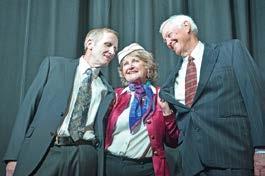
June 27
Jazz in the Park, free concert presented by Hilton Head Symphony Orchestra, 7:30 p.m. at Lowcountry Celebration Park, Pope Avenue on Hilton Head Island. Bring chairs.

June 28-Aug. 20
“Jersey Boys,” Tony Award-winning story of Frankie Valli and The Four Seasons, at Arts Center of Coastal Carolina, 14 Shelter Cove Lane, Hilton Head Island. Tickets on sale now at artshhi.org or 843-842-2787.
June 30-July 9
“Rent,” Tony Award and Pulitzer Prize-winning, ground-breaking musical set in East Village of NYC, May River Theatre, in Ulmer Auditorium inside Bluffton Town Hall, 20 Bridge St. Tickets $25, available now at mayrivertheatre.com.

Through July 2

“Colors of the World,” photography exhibit by Savannah Kemper, featured at Society of Bluffton Artists (SOBA), 6 Church St., Bluffton. Opening reception 5-7 p.m. June 7 at the gallery. Free and open to the public. sobagallery.com or 843-757-6586
July 3-30
“From My Imagination to Yours,” featured exhibit by Virginia Cassidy, Society of Bluffton Artists (SOBA), 6 Church St., Bluffton. Opening reception 5-7 p.m. July 6 at the gallery. sobagallery.com or 843-757-6586

July 8
Grand Opening celebration, of new Children’s Art Museum at Jepson Center, part of Telfair Museums, 207 W. York St. in Savannah. Hours 10 a.m. to 5 p.m. Engaging, inspiring exhibits and hands-on, interactive spaces for toddler ages and up.
Through July 9
“Binya: Faces ob de Gullah Geechee,” at Coastal Discovery Museum, 70 Honey Horn Drive, Hilton Head Island. Features more than 50 portraits and related objects from the 1920s, telling stories of individuals across the Gullah Geechee corridor. Open during operating hours, 9 a.m.-4:30 p.m. Monday-Saturday, 11 a.m.-3 p.m. Sunday. 843-689-6767 or coastaldiscovery.org

Through July 22
“Come to the Table: A Celebration of Food and Drink,” exhibit of artworks by Denise Liotta DeMarzo at Art League of Hilton Head gallery, 14 Shelter Cove Lane, Hilton Head Island. Opening reception 5-7 p.m. June 21. Gallery hours 10 a.m.-4 p.m. Monday-Saturday, noon-4 p.m. Sunday, 90 minutes before all Arts Center performances.
July 24-28
Broadway Dance Camp, program of Main Stage Community Theatre at Hilton Head Ballroom Dance Studio, 1300 Fording Island Road, Bluffton. Daily 11 a.m. to 1 p.m., taught by Sandro Virag, five-time national dance champion and Broadway dancer. For ages 12 to 28, all levels of experience. Space limited; more information at info@msctheatre.org.
Aug. 6-20
Savannah Voice Festival, various venues, including Hilton Head Island, in partnership with Hilton Head Symphony Orchestra. Recitals, concerts, opera, movie nights and more. info@savannahvoicefestival.org.
Page 2B June 21, 2023
Cassidy offers imaginative art in SOBA featured exhibit
ARTS CENTER’S SUMMER SENSATION ...

JUNE 28 – AUGUST 20



THEY HAD A LOOK, AN ATTITUDE, AND A SOUND LIKE NO OTHER.
Jersey Boys is the Tony Award-winning musical sensation about the Four Seasons – the rise, the struggles, and personal clashes, and the ultimate triumph of a group of friends whose music became symbolic of a generation ... and beloved by generations to follow!


It’s the incredible journey of four guys bound by one dream – to make it to the top. Experience electrifying performances that led them to the Rock and Roll Hall of Fame: “Sherry,” “Big Girls Don’t Cry,” “Can’t Take My Eyes off You,” “My Eyes Adored You” and more.
Virginia Cassidy wants to capture the imagination of her audience just as the canvas has captured her imagination.
An exhibit of her work, “From My Imagination to Yours,” will be featured July 3-30 at the Society of Bluffton Artists (SOBA), 6 Church St. in Old Town Bluffton.
An opening reception to meet the artist will be held from 5 to 7 p.m. July 6 at the gallery. These events are free and open to the public.
“Everything I do comes from what I see in my head – colors, shapes, imaginary scenes. No reference photos,” Cassidy said. “I let my intuition guide me, often taking me in directions that I don’t expect. Every blank canvas holds the promise of a new adventure.”
Cassidy works primarily from her Bluffton-based home studio. She began painting in earnest when she retired from her career as a business consultant in 2019. Her primary medium is acrylic, occasionally incorporating other items into her art to
create mixed media pieces. While Cassidy is partial to trees, flowers and landscapes, her work also includes non-representational abstract paintings that focus on the use of color, shape and texture.

“I love to experiment and combine different styles, techniques and tools,” she said.
“As you view my art, I encourage you to use your own imagination to interpret what you see. Transport yourself into my idealized world of color, beauty and wonder.”
Cassidy is an exhibiting member of The Society of Bluffton Artists and the Art League of Hilton Head. For more information, visit facebook.com/ZenDenArtistry.
In addition to the gallery, SOBA offers regular art classes, featured artist shows, exhibitions, scholarships, outreach programs and more. The gallery is open from 10 a.m. to 5 p.m. Monday through Saturday, and 11 a.m. to 3 p.m. on Sundays. For more information, visit sobagallery.com or call 843-757-6586.
NEW THINGS TOUR
JULY 17
4 & 7:30PM
LIVE FROM HILTON HEAD, IT’S MELISSA VILLASE Ñ OR!
Melissa Villaseñor broke barriers by becoming the first-ever Latina cast member of Saturday Night Live. A comedic impressions expert, she got her start as a semifinalist on America’s Got Talent. Some of Melissa’s most memorable impressions include Owen Wilson, Lady Gaga, and Dolly Parton.

June 21, 2023 Page 3B
Untitled work by Virginia Cassidy
Winn’s multimedia works featured at La Petite Gallerie

La Petite Gallerie, the intimate Old Town Bluffton shop featuring local art, continues to introduce its gallery artists to newcomers to the area while reintroducing the artists to longtime friends.

This month the gallery is featuring the multi-talented Bill Winn. Winn’s watercolors, oils and acrylic paintings depict vignettes of the land, sea, cities and people that he captures as a moment in time.
His work often portrays images of the landscape and structures that surround us, sometimes focusing on those which are often overlooked in the hectic pace of today’s world.
One of Winn’s current favorites is “Through the Dunes,” a 26 x 34 oil painting recently completed and on display at the gallery.

“The painting incorporates a favorite theme of mine called ‘people without people.’ There are obvious hints that people have used the cut for beach access, but no people are in the painting,” Winn said.
“The footprints serve to guide the viewer through the cut to the beach and distant sea.”
Winn is a practicing medical illustrator at the top of his field, which has an impact on his talents as a fine artist, giving him an outlet for real creativity and spontaneity that are a delight to the viewer.
“The world as I see it, both as a medical illustrator and fine artist, has always been a delight in viewing and capturing the world in detail,” Winn said. “This passion has been and remains the underlying source that drives my work. I look for and strive to convey the beauty of the world that surrounds us.”
Winn is on hand to welcome you on Tuesdays at La Petite Gallerie. He also shows at the SOBA Gallery in Bluffton and welcomes inquiries for commissions.
La Petite Gallerie is located at 56 Calhoun St. in Old Town, next to The Store. For more information, visit lapetitegallerie. com.
Page 4B June 21, 2023 Reservations Strongly Recommended 17 Harbourside Lane • Hilton Head 843-785-5517 • www.bistro17hiltonhead.com Early Diners Save on Your Entrée with a Complimentary Glass of House Wine! Dine In Between 5 – 5:30 PM Monday – Saturday and Save 10% off Your Entrée & Enjoy Wine on Us* Waterfront Dining at it’s Best! *Dine in only. Must be seated and ordered by 5:30pm. Offer expires 7/6/23. Cannot combine with any other offers. Live Piano Music with the Fabulous CherylChristinestarting at 5:45 (callforspecific datesandtimes) Invite Us To Your Next Party or Event! We Would Love To Come The Lunch Lady Food Truck is Now Available for Neighborhood Block Parties, Corporate Events and Local Festivals 843-263-8022 | Lunchlady.foodtruck.loco@gmail.com We Now Bring Our Great Food and Customer Service to You! Visit us at www.thelunchladysc.com for availability
“Through the Dunes” by Bill Winn
Want to learn to dance? Just walk through the door
By Sandro Virag
There are lots of different reasons why people want to learn to dance. Some come to learn social dancing, some for physical exercise, some to learn their wedding dance, some are working towards a competition, and some want to be in a dance show production.

From an instructor’s perspective, everyone has the ability to learn to dance. Many say they don’t have rhythm or they can’t count or they have two left feet. But in reality, it is just a matter of an instructor being able to pull out what’s inside someone and use it to the fullest.
I believe most people secretly would like to know how to dance, but what’s keeping them from walking through the door of a dance studio? I decided to ask some of my own students.
Natasha Bayard had driven past the dance studio several times, always wondering what was offered, but she never made the move
to stop in. Then a friend invited her to one of the Halloween parties and she ended up signing up for several classes. Natasha has been dancing for a little over two years now.
Rick Collins said he was worried about learning everything that was expected
from a male dancer – learning all the steps, leading the lady, and maintaining the timing of the music, which meant he really had to learn a lot and thought it would be difficult. Since his wife wanted dance lessons for Christmas, he made the push to go through
the door. He has been dancing more than 17 years now.
Cinda Seamon was interested but still hesitant. When she was approached to do a “Dancing with the Local Stars” fundraiser in 2010, she had no choice but to walk through the door and has been dancing ever since.

Judi Kestenbaum did not want to go alone but when she got a coupon for a free halfhour lesson, she decided not to waste it. That coupon pushed her through the door. Judi not only still dances (more than 10 years now), but competes as well.
Toni Wald always had an interest but kept putting it off. Finally, she decided to start fulfilling her bucket list and walked through the door. She has been dancing for more than 15 years.


What’s holding you back? All you really have to do is walk through the door!
Sandro Virag is a partner and instructor at Hilton Head Ballroom Dance Studio of Hilton Head, located in Bluffton at Seaquins Ballroom. hiltonheadballroom.com
June 21, 2023 Page 5B
If you have an interest in learning how to dance, or how to become a better dancer, all you have to do is walk through the door.
Book signing hosted at Heyward House


The Historic Bluffton Foundation will host Joseph McGill Jr. and Herb Frazier, authors of “Sleeping with the Ancestors: How I Followed the Footprints of Slavery,” for a public book signing from 10 a.m. to 1 p.m. July 8 at the Heyward House, 70 Boundary St. in Historic Downtown Bluffton.
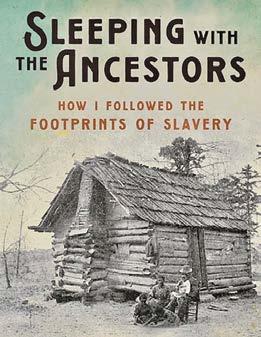
Copies of the book will be available for purchase in the Heyward House gift shop prior to, during and after the event.

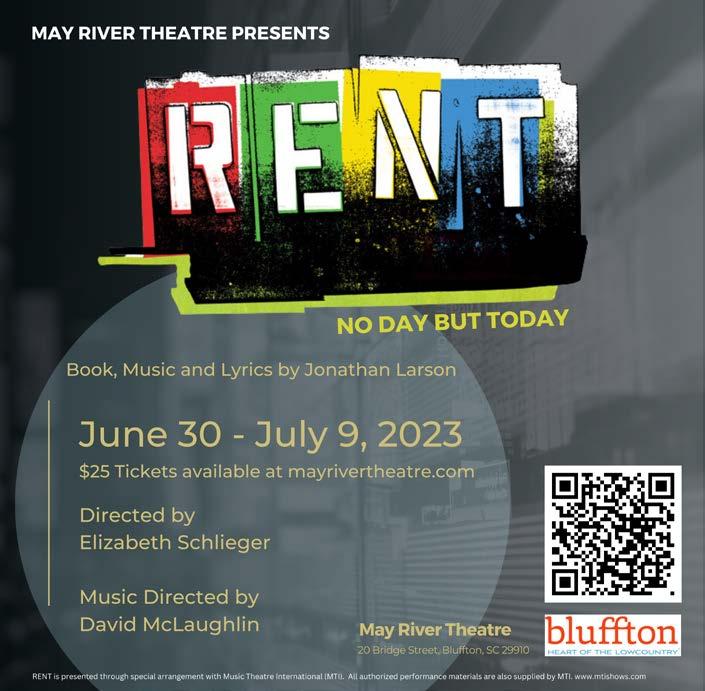
McGill, a historic preservationist and Civil War reenactor, founded the Slave Dwelling Project in 2010 based on an idea that was sparked and first developed in 1999. Since founding the project, McGill has been touring the country, spending the night in former slave dwellings throughout the South, but also the North and the West, where people are
often surprised to learn that such structures exist.


The slave cabin at the back of the Heyward House is featured in the book.
Events and gatherings are arranged around McGill’s overnight stays, and they provide a unique way to understand the often obscured and distorted history of slavery.


The project has inspired difficult conversations about race in communities across the United States. Together, McGill and coauthor Herb Frazier, a journalist and author of three other books, give readers an important unexpected immersion into the history of slavery, and especially the obscured and ignored aspects of that history. For more information, visit historicbluffton.org.

Page 6B June 21, 2023 13 Harbourside Lane #2-H Hilton Head Island 843-785-6424 • Nashgallery.com Shop Nash Gallery Today! Jewelry, Glass, Metal, Ceramics & So Much More All done by North American Artists 14 Folly Field Road - Hilton Head Island, SC LuckyBeachHHI.com 27 APRIL 2022 LBB+K DINING VIEW FROM ALCOVE NOW OPEN! A one-of-a-kind restaurant, bar & entertainment destination. A Taste of the Old Country is at A Taste of Europe on Hilton Head Island Authentic Eastern European Cuisine A Taste of Europe Northridge Plaza (Near the Cinema) 435 William Hilton Pkwy Ste O, Hilton Head Island (843) 715-2691 • Tasteofeuropehhi.com Closed Mon & Sun Lunch and Dinner Tue, Thu & Fri • Dinner Wed, Sat









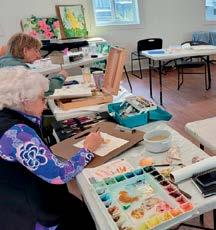
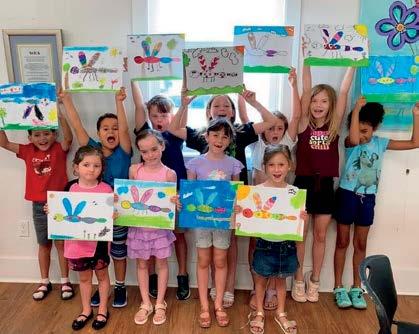

June 21, 2023 Page 7B • Dine! • Shop! • Fun! • Art! • Gifts! And More! Closedfor6/19Vacation – 6/26 Abstract Painting Your Way (for adults) with Missy Gentile – July 1, 8, 15 & 22 Kids Rock Painting (ages 6-12) with Mary Burrell 1-3pm, July 5 Open Studio for Kids (ages 6-12) with Mary Burrell 1-3pm, July 7 6 CHURCH STREET SOBAGALLERY.COM Art School ART CLASSES FOR ALL ABILITIES






Page 8B June 21, 2023 •Food! •Gifts •Art! •Dine! •Shop! •Fun! •Galleries and More! Open Tues. thru Sat., 4:45 Until... Call for Reservations 843-757-5755 1263 May River Road • Old Town Bluffton Tues., Weds., Thurs., Fri. BUY ONE ENTREE GET 2ND 1/2 PRICE! You Must Be Seated Between 4:45 to 5:15 Dine In Only. Must present coupon. One coupon per couple. Can not be combined with other offers. Automatic 20% gratuity will be added to original price. Valid only Tues., Weds., Thurs., Fri. Effective June 20, 21, 22 & 23 and June 27, 28, 29 & 30 FISH FRY TUESDAY Join Us For Our Fresh Lake Perch Fish Fry Served with French Fries and Vegetables! Only $28 Tuesdays through the month of June. *No other coupons, discounts, or substitutions can be applied to the Fish Dinner* Must present coupon for offer. Tue - Fri 9am - 3pm and Sat 9am -2pm Closed on Sunday and Monday
