


Monthly news for EIC members www.the-eic.com May 2023 Spotlight on technology The HARTING Han-Modular® connector with domino modules Members’ services AIMS helps clients optimise their processes reduce costs and improve efficiency Photos © 2003-2023 Shutterstock, Inc ENERGY CEXPORTSONFERENCEBOOKING NOW Guest editorials With Atmos International and Vysus Group EIC Inside 80 2023 INTERNATIONAL TRADE T HE KING’SAWARDS FORENTERPRIS E 2023 WINNER
Sector analysis
A report from the Guianas: current opportunities in E&P and beyond
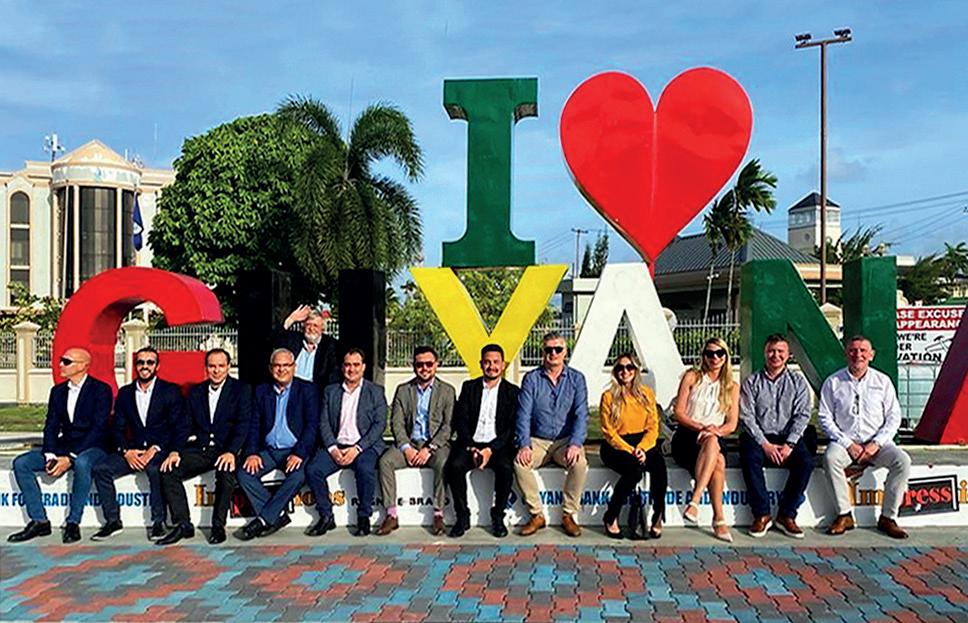
I’m writing this article from Paramaribo – the Surinamese capital – after spending a week in Guyana with the EIC trade delegation. Guyana and Suriname, two small countries in northern South America, have become hotspots for oil and gas activity following oil discoveries by ExxonMobil at the Stabroek block in Guyana and Apache Corporation at Block 58 (currently operated by TotalEnergies) in neighbouring Suriname. The Guyana trade mission excelled at many levels: meetings with ExxonMobil, SBM Offshore, Saipem and other key players and industry contacts allowed delegates not only to identify business opportunities but also enhance existing partnerships and understand the key challenges for doing business in the country.
The Stabroek block

Located approximately 160km off the coast, the Stabroek block is ExxonMobil’s – and Guyana’s – most coveted success story. Back in 2015, the oil major announced an oil discovery at the Liza-1 well – the first of more than 30 major discoveries at the block announced so far.
ExxonMobil fast-tracked its first field development project, achieving first oil in December 2019. Today, two FPSOs are operating at the block – Liza Destiny and Liza Unity –and a third unit has recently arrived in Guyanese waters. SBM Offshore has been chosen as the FPSO supplier for the first four development phases, while MODEC is in line for the fifth phase – the Uaru project. TechnipFMC and Saipem have been selected for the subsea production systems (SPS) and SURF scopes, respectively, for Phases 3 (Payara) and 4 (Yellowtail). Current production from the two operational FPSOs stands at 360,000 barrels per day, and output is expected to increase to 600,000b/d in 2024. Stabroek is estimated to contain more than 1bn barrels of oil equivalent in recoverable reserves, according to Hess Corporation.
Gas to energy
Energy projects in Guyana are not limited to exploration and production. The Liza field also contains natural gas, which is currently reinjected into the reservoir. An ambitious project was put forward in 2020, which entails the construction of a gas pipeline linking the Liza Destiny and Liza Unity FPSOs to the shore via a pipeline exceeding 225km in length. In Wales, an area located on the west bank of the Demerara River just outside Georgetown, a gas processing plant and a gas-fired plant will be built, enabling Guyana to reduce dependence on fuel imports and oil-fired power generation. A consortium formed by Subsea7 and Van Oord will build the trunk line section of the pipeline, whereas TechnipFMC will be in charge of the deeper section of the project. A tender is ongoing for the onshore section. A consortium formed by CH4 Group and Lindsayca has recently been awarded the EPC for both the gas processing and power plants.
Challenges
In the words of a Brazilian diplomat I met recently, Guyana’s economy is “moving from a primary sector built on agriculture and mining straight to high-tech oil and gas technology.” Such a transition brings challenges, especially for a country without a skilled workforce and sufficient infrastructure. Setting up a business is relatively straightforward, requiring up to 15 days. A key challenge for the majority of EIC members, however, is the local content requirements introduced in December 2021. The legislation sets out 40 areas in which the Guyanese economy is able to contribute with local content, ranging from ground transportation to dredging services. Local guidance from legal and tax experts is advised on the specifics of each area included in the legislation.
Suriname
After the EIC delegation I boarded a Cessna Caravan to Paramaribo to understand the opportunities in Suriname. In January 2020, Apache Corporation announced the discovery of 123 metres of net pay of high-quality oil at the Maka Central well. Currently operated by TotalEnergies, the block is likely to feature an FPSO with a capacity of 120,000b/d. A final investment decision is expected in 2024.
Looking ahead
ExxonMobil has already signalled plans for a sixth and seventh development phase at the Stabroek block (targeting the Whiptail and Fangtooth fields). Hess Corporation has said the Stabroek block can support up to 10 FPSOs. With so much going on in Guyana and the potential opportunities in Suriname, this is only the beginning for the oil and gas supply chain active in South America. Suppliers must stay tuned to the upcoming revisions to local content requirements and FIDs by ExxonMobil and TotalEnergies in Guyana and Suriname.
Pietro Ferreira, Senior Regional Analyst, Americas pietro.ferreira@the-eic.com

Designed and published by Energy Industries Council 89 Albert Embankment, London SE1 7TP Tel +44 (0)20 7091 8600 Fax +44 (0)20 7091 8601 Email info@the-eic.com Web www.the-eic.com @TheEICEnergy EIC (Energy Industries Council) 2
I’m delighted to share the news that the EIC has been awarded the UK’s most prestigious official recognition for business excellence, The King’s Award for Enterprise: International Trade.
Since its establishment in 1965, it has been awarded to companies that exhibit exceptional accomplishments in areas such as innovation and sustainable development.
We’re very happy to receive this award in the International Trade category as it is a testament to the hard work and dedication of our members and staff in promoting the UK’s energy industry abroad.
One of the 148 businesses to reach this significant milestone, the EIC will receive the award during a ceremony later in the year. Of course, this award would not be possible without the constant presence of our members and partners, and the EIC would like to thank you all for being part of our 80-year long journey.
Regarding our 80th anniversary celebrations, we have another batch of one-toone interviews with long-time members as well as new ones. They are A&M, Atlas Copco, Bureau Veritas, Cellnex, Destec Engineering, LRQA, Pepperl+Fuchs, Petrofac and SGS. Once again, thank you for joining us.
Some of the other highlights in this month’s issue of Inside Energy include a glimpse of oil and gas developments, as well as its challenges and opportunities, in Guyana and Suriname. This sector analysis article has been produced by Pietro Ferreira, our senior analyst for the Americas, during his visit to both countries, which included a successful EIC-led trade mission to Guyana.
In members’ services, we present AIMS’ range of services for companies willing to optimise their processes and operations, as well as reduce costs and improve efficiency. In spotlight on technology, we include HARTING’s Han-Modular connector with domino modules.
As an EIC guest editorial, we welcome Harry Smith, sales and senior research engineer at Atmos International. He explores pipeline theft worldwide and how this problem can be solved with the help of advanced hardware and software.
Another EIC guest editorial comes from Kees van Wingerden, VP industrial risk at Vysus Group. He writes about the role of hydrogen technologies in the energy transition process, and how it can be viewed through a holistic lens.
As always, thanks to regional comments from our directors in Europe, the MENA region, Asia Pacific and the Americas. As well as member news, readers can also keep up with the latest industry updates from around the world.
Léliam de Castro Head of Marketing and Communications leliam.castro@the-eic.com


Sign up for the EICOnline newsletter Visit www.the-eic.com/Forms/NewsletterSignup @TheEICEnergy EIC (Energy Industries Council) 3 Inside
Get in touch Share your news and views... Please contact leliam.castro@the-eic.com Leliam
Contents Sector analysis 2 Inside this issue... 3 ONE-TO-ONE 4 EIC databases 14 Members’ services 16 Spotlight on technology 17 New EIC members 18 Member news 20 Social media round up 27 Events calendar 28 Guest editorial 30 International trade 32 UK and Europe news 33 Guest editorial 35 Middle East news 36 Asia Pacific news 37 North America news 38 South America news 39
this issue...
de Castro

CELEBRATING OUR 80 TH ANNIVERSARY MAY 2023 MEMBER NEWS ONE-TO-ONES 80 80 GUEST EDITORIALS EIC INSIDE ENERGY 4 INSIDE ENERGY 2023 INTERNATIONAL TRADE T HE KING’SAWARDS FORENTERPRIS E
Filipe Bonaldo, Managing Director for Infrastructure and Capital Projects, Alvarez & Marsal

ONE-TO-ONE
Why did you become an EIC member? How has your experience been so far?
The EIC is one of the main integration channels for anyone interested in the energy sector, from developers and suppliers to service providers, which stimulated by the EIC, can work together for the progress of this important industry that moves global economic and social development. We’re now at the beginning of this integrated journey, learning with the many collaboration forums the EIC provides.
What are the synergies between Alvarez & Marsal and the EIC?
Alvarez & Marsal, like the EIC, is an enthusiast of the energy segment and supports its clients with intelligence through our global network of professionals. We can support the EIC in the share of knowledge and continued analysis of trends that assist investors to keep projects with the desired security and profitability.
Where would you like to see Alvarez & Marsal and the EIC in the next 80 years?
This journey will take us to places that are hard to predict in the long term in a sector as dynamic as ours, but I would certainly like to see A&M each day more closely connected to the EIC, helping our segment in its constant growth and matrix transformation.
About Alvarez & Marsal
Alvarez & Marsal has over 7,000 global professionals with expertise in engineering, finances and regulation. The company supports clients in the energy segment in all of their major challenges, from the decision on how and where to invest, through the installation cycle to the continued search for efficiency and sustainability throughout assets’ lifecycle, enabling the desired return to stakeholders.
80
MAY 2023 5
ONE-TO-ONE
How has the EIC helped you through the years?
The EIC has been a helpful partner for Atlas Copco for more than 20 years, providing a platform for networking, business intelligence and market insight, yet I can only speak for the 20 years I have been involved with EIC. Through the EIC, Atlas Copco has gained access to a wider range of global contacts and resources, enabling us to expand our reach in a segment that is not always easy to navigate. The EIC has also supported Atlas Copco in staying up to date with industry trends, as well as providing assistance in navigating what can sometimes be a complex project procurement processes. Overall, the EIC has played a positive role in facilitating Atlas Copco’s growth and success in serving the energy and petrochemical industry.
Any interesting stories to tell?
Without naming our customer specifically, years ago, the EIC helped Atlas Copco establish a partnership with a major oil and gas company in the Middle East. With the EIC’s support, Atlas Copco was able to participate in a local exhibition, where we showcased our expertise and products. This led to a successful collaboration that has lasted for several years and allowed Atlas Copco to provide its equipment and service solutions to this customer’s oil and gas operations in the region. What are the synergies between Atlas Copco and the EIC?
Atlas Copco and the EIC share a strong history in experience. Atlas Copco has just celebrated its 150th anniversary while the EIC is celebrating its 80th Together, we are able to provide comprehensive solutions for the oil and gas industry, from well to downstream. We are also aligned in our approach to customer service, with both Atlas Copco and the EIC placing a high value on providing exceptional support and assistance to our customers.
We have established a good working relationship, sharing a commitment to innovation and sustainability. Both organisations work closely with customers, whether it is operators or engineering companies, in the energy sector, providing reliable solutions to ensure sustainable productivity. The EIC’s global network of contacts and expertise in the energy sector help Atlas Copco’s direct global sales engineers, in almost every country in the world, to continuously expand their reach and shed new light on new project opportunities.
Where would you like to see Atlas Copco and the EIC in the next 80 years?
Looking ahead to the next 80 years, we see both Atlas Copco and the EIC playing an important role in the global energy transition. As a company with a long history of innovation and a heavy investment in R&D, Atlas Copco is well positioned to develop new technologies and solutions that will help customers achieve greater energy efficiency and reduce their carbon footprint. We believe that working together with the EIC and other industry leaders, we can drive innovation and create sustainable solutions for the future. We envision a world where clean energy is the norm, and Atlas Copco will continue to lead the way in providing the tools, equipment and solutions needed to make this vision a reality. Through our commitment to sustainability, reliability and customer service, we aim to be the trusted partner for the energy sector, helping our customers to achieve their goals in a changing world.
About Atlas Copco
Atlas Copco is committed to being a reliable and sustainable partner for all of its customers, whether it is in the energy industry or all the other sectors it serves. Its extensive experience and expertise in the field, coupled with its continuous investment in R&D and innovation, enables Atlas Copco to provide cutting-edge solutions that meet the evolving needs of the energy sector.
80
Juris Terauds, Global Business Development Manager Engineered Products & Solutions, Atlas Copco
EIC INSIDE ENERGY 6
ONE-TO-ONE
How has the EIC helped you through the years? Any interesting stories to tell?
Bureau Veritas is an EIC member because EIC delivers high-value market intelligence to its members through the EICDataStream project database. Our network of leaders and sales teams utilise EICDataStream as a core part of their business development, project research and client engagement. This tool is an excellent platform that supports our sales strategies and is integral to daily operations at this level.
Having EIC’s global network of staff who work in-thefield provides us with regional insight and this has been highly beneficial to Bureau Veritas especially in the UK, across Europe and Brazil. The high quality events that EIC provides are an excellent opportunity to network at a senior level across industry and the global appeal and insight is extremely useful for a business of our scale in order for us to attract and engage BV market leaders across geographies to engage in the topics and events showcased by EIC.
What are the synergies between Bureau Veritas and the EIC?

• One of the largest in our fields of expertise –EIC one of the worlds largest energy trade associations and BV is the largest TIC organisation that is also a classification society.
• We both serve the energy supply chain across all energy sectors.
• We have both been serving our respective customers for a significant amount of time in relation to the age of our respective industries –BV since 1828 and EIC since 1943.
• Both organisations are truly global in scale, representation and markets.
Where would you like to see Bureau Veritas and the EIC in the next 80 years?
Supporting the net zero energy industry in continuing to solve tomorrows challenges today.
About Bureau Veritas
Bureau Veritas is a global leader in testing, inspection and certification (TIC) services and was founded in 1828 as a classification society. The company is known for being responsive and building strong and long relationships with its clients; for being flexible without compromise. It has a truly global outlook, bringing a broader understanding of the global supply chain and blue economy.
Now industry confronts its greatest challenge: reducing emissions to reach net zero while moving into a new digital era. In this context the mission of class societies has never been more important than it is today in order to protect the oceans.
80
Dawn Robertson MBA, Global Strategic Sales Director – Marine & Offshore, Bureau Veritas
MAY 2023 7
Martin Green, Head of Business Development, Cellnex UK

ONE-TO-ONE
How has the EIC helped you through the years?
Membership of the EIC has given Cellnex access to a very active network of contacts in the energy industry, together with a great source of live information on projects via EICDataStream. Connectivity is an essential component enabling digital transformation across the energy industry. We are seeing an increasing number of customers interested in private networks as components towards digitalisation. Any interesting stories to tell?
It was also great to be recognised at last year’s awards dinner, where Cellnex won the Scale Up award – a reflection of the rapid growth of our private networks business.
What are the synergies between Cellnex and the EIC?
Cellnex recognises the importance of reliable networks and communications, which is something, in many ways, that the EIC provides; a vital network for businesses and individuals to exchange ideas and move the industry forward towards a safer, lower carbon future. Where would you like to see Cellnex and the EIC in the next 80 years?

This is a very difficult question, but it’s clear that we’re on a trajectory towards a more integrated, immersive virtual environment with Web3 as the foundation. Networking, events and business in general will be hosted on digital platforms where organisations such as the EIC will play an important role.
Industry will also benefit from these platforms, becoming safer and more efficient. I would like to see both the EIC and Cellnex still at the top of their game in 80 years!
About Cellnex
Telecom Cellnex Telecom is one of Europe’s and the UK’s largest and fastest-growing independent owners and operators of wireless telecoms infrastructure, integral to the successful roll-out of 5G. The company is a business built on commercial and technical innovation, ambition and sustainable growth.
Cellnex UK works with organisations to understand, share and resolve some of their biggest challenges (netzero, efficiencies, supply chain disruption and security) from an end-to-end perspective.
Its expertise lies in the delivery of 5G private mobile networks, small cell solutions and in-building coverage solutions with a core focus on providing seamless wireless connectivity together with its unique commercial offer.
The company’s networks and solutions are built to be fit for the needs of today and the possibilities of tomorrow. Supporting the efficient deployment of next-generation connectivity essential to drive technological innovation, improve productivity and accelerate inclusive economic growth for everyone.
80 EIC INSIDE ENERGY 8
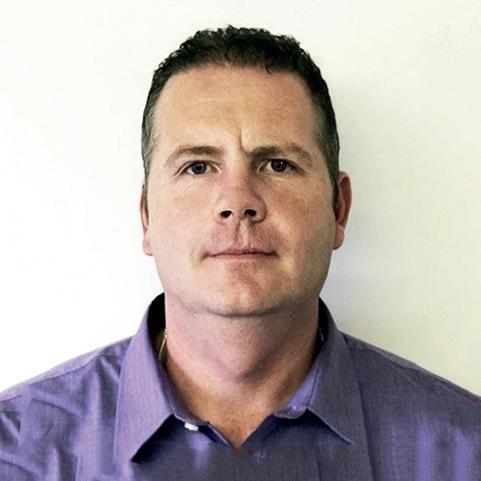
Ben Vincent, Sales & Marketing Manager, Destec Engineering Ltd
ONE-TO-ONE
How has the EIC helped you through the years?
Any interesting stories to tell?
Destec Engineering and the EIC have a fairly recent history. Destec became members just over three years ago. Representatives from our organisation did attend in-person events from time to time as non-members, prior to joining, but did not access the full range of services until enrolling as global members in February 2020. This was just prior to lockdown. As it turned out this was a good time to join. Working in business development and being unable to leave your office (or home) for a significant period, having been used to travelling for events and meeting clients, I found the membership support valuable at that time.
Webinars, market reports, one-to-one meetings with operators/service providers and the online networking was a useful way to keep in touch with people, stay up to date and help sanity during a difficult time for all.
What are the synergies between Destec Engineering and the EIC?
Destec and the EIC both operate in the same sector, our products and services have been supplied into the energy sector for well over 50 years. The EIC is well established, it has grown over the years and continues to increase its membership base and personnel to support its service users. As a company Destec supplies its products all over the world, the EIC helps support us in overseas markets and can help facilitate new introductions when required. Trade events such as EIC Connect and trade missions are an excellent way to present your company and meet new clients in international markets.
Expanding its membership to overseas companies in 2017 was a shrewd move.
Where would you like to see Destec Engineering and the EIC in the next 80 years?
I can’t think as far ahead as 80 years but over the next 10 years I would expect us to grow (much like the EIC) in a sustainable manner. The biggest challenge for Destec in the future, much like the energy industry as a whole, is moving away from traditional hydrocarbons. Destec has served the oil, gas, power and petrochemical industry for over half a century, transitioning products away from these core markets to the renewable sector is not easy. The O&G sector will keep us busy for the near future, beyond that natural gas as a transition fuel along with the distribution of hydrogen and carbon capture seem to be the logical step.
The EIC recognises the challenges that lie ahead for UK suppliers during the energy transition and especially the difficulties for SME’s to decarbonise their activities to remain on company AVL’s.
About Destec Engineering
Incorporated in 1969 Destec is a British original equipment manufacturer which specialises in high pressure containment. It supplies a range of clamp connectors, flanges and seals and has served the oil, gas, petrochemical, power, food and pharmaceutical, and renewable energy sectors for well over 50 years. Destec components can be widely found on refineries, offshore platforms, FPSO’s and in subsea applications such as christmas trees, manifolds, risers and flowlines and GSB single bolt connectors can be found in a variety of different customer applications, operating successfully, in very harsh environments.
Some of the first Destec connectors situated in the North Sea and the Gulf of Mexico are still in operation today.
80
MAY 2023 9
ONE-TO-ONE
How has the EIC helped you through the years?
Any interesting stories to tell?
My first encounter with the EIC dates back over 25 years ago in London, where I participated in meetings focussed on oil and gas exploration and pipeline development. Since then, LRQA has maintained a strong relationship with the EIC, consistently benefiting from its events and resources. The EIC has provided us with invaluable contacts and opportunities, allowing us to stay engaged and in sync with the energy industry. In recent years, our partnership with the EIC has enhanced our efforts to support the energy transition, decarbonisation of supply chains, and adoption of greener fuels. As a company dedicated to fostering sustainable energy practices through expert assurance services, LRQA’s objectives closely align with the EIC’s mission to drive progress in the energy industry while minimising its environmental impact.
What are the synergies between LRQA and the EIC?
As a leading global assurance partner, LRQA shares a strong synergy with the EIC based on our collective dedication to the energy industry. Both organisations are strongly committed to providing top-tier industry insights, have a global presence, and support businesses throughout the energy sector. LRQA actively participates in targeted EIC events, publications and initiatives, allowing us to engage with new businesses across different markets. Our shared understanding of the unique challenges and opportunities presented by different regions enables us to stay at the forefront of change as the industry transitions towards cleaner energy. This collaboration helps us to provide valuable support to our clients in navigating the transition. Notably, our aligned vision for sustainability and a cleaner energy future further strengthens our synergies, providing a platform to highlight the challenges that confront the energy sector and the important role of expert assurance services.
Where would you like to see LRQA and the EIC in the next 80 years?
LRQA and the EIC share a longstanding relationship, and we look forward to further developing this partnership in the coming years. We aim to increase collaboration to support companies worldwide with the latest insights and expertise, helping them to drive innovation and achieve carbon neutrality.
Looking towards the future, we hope that our combined efforts will continue to facilitate the industry’s transition to cleaner energy and support organisations in navigating the unique challenges and opportunities that lie ahead.
In the next 80 years, we envision a world in which the energy sector operates in harmony with the environment, with innovation and sustainability at the forefront. LRQA and the EIC will continue to work closely to support our clients and members, helping them to achieve their sustainability goals and contributing to a better future for all.
About LRQA
LRQA aims to become the leading global assurance partner. Its comprehensive range of assurance services help clients throughout the lifecycle of their assets and facilities. The company helps to mitigate risks and ensure that equipment, activities and suppliers adhere to legal requirements, global standards and industry best practices.
LRQA’s global team of over 1,000 inspection experts supports some of the world’s leading energy producers and brands with tailored assurance programmes. These programmes are designed to mitigate risks associated with energy transition projects, providing the technical expertise and insights an organisation requires to move forward with confidence.
80 EIC INSIDE ENERGY 10
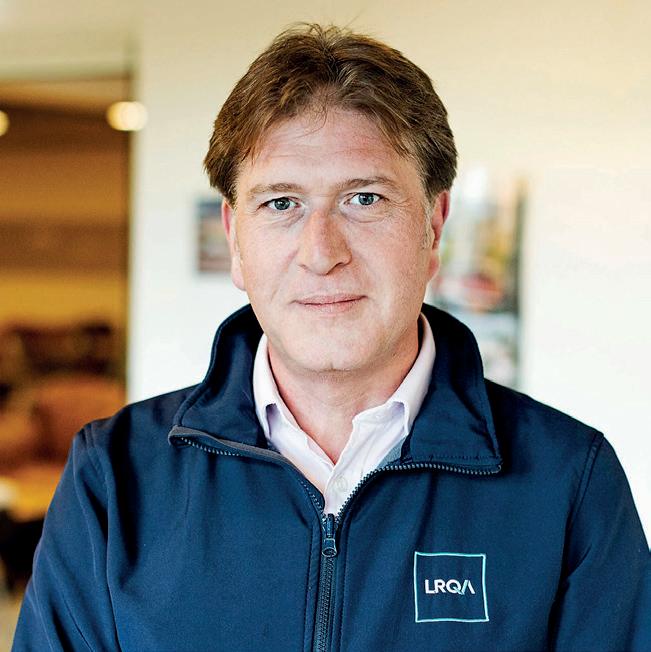
Simon Emeny, Specialist Markets Director – Inspection Services, LRQA
ONE-TO-ONE
How has the EIC helped you through the years? Any interesting stories to tell?
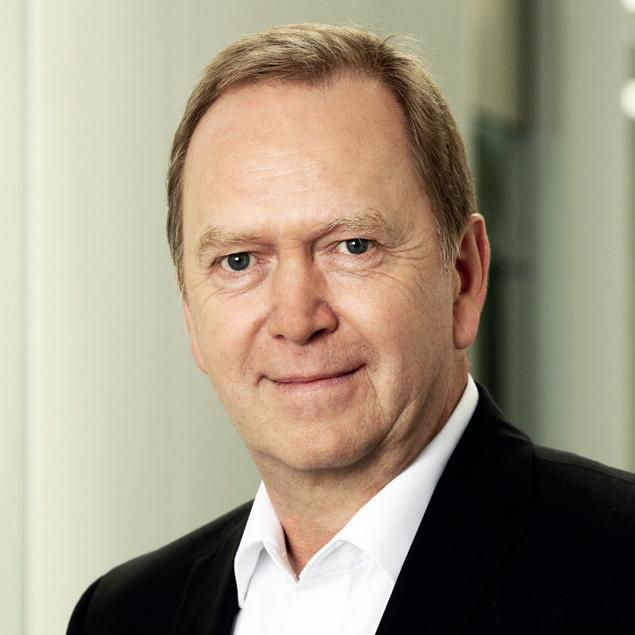
Lutz Liebers, COO, Process Automation said: large energy projects involve multiple end users, EPC contractors, package vendors and sub-contractors around the globe. These projects are highly complex in their nature and require detailed focused co-ordination across our whole organisation. The EIC database provides up to date project intelligence to Pepperl+Fuchs’ dedicated Global Project Pursuit (GPP) team, which allows the team to create sales and support strategies to cover the key decision makers to maximise our success on each project. Each project is summarised within our customer relations management process, and provides our executive team with a complete overview of key global projects underway.
What are the synergies between Pepperl+Fuchs and the EIC?
Shane Parr, Executive Vice President Asia, Process Automation said: the EICDataStream classification between upstream, midstream and downstream enables Pepperl+Fuchs to engage the key stakeholders on specific projects geographically located around the world.
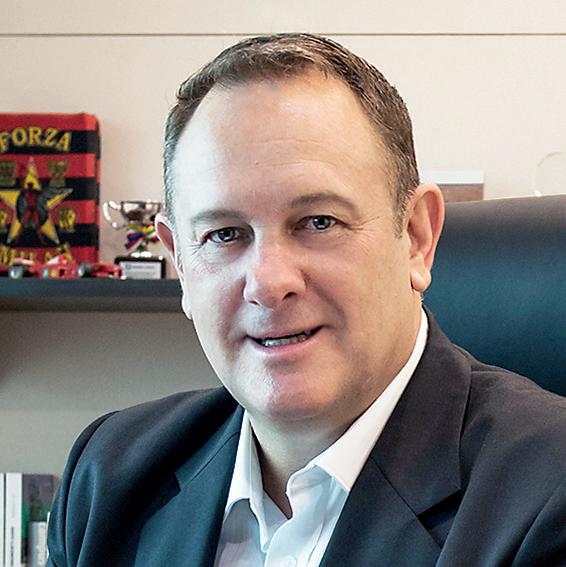
Project information is important in the early FEED stage, which provides insight and advanced project funnels, which allows our company to focus our resources. Furthermore, the EIC database gathers intelligence from emerging new markets like hydrogen production and the carbon capture utilisation and storage (CCUS) market segments, assisting Pepperl+Fuchs to pursue these new market opportunities.
Where would you like to see your company and the EIC in the next 80 years?
We hope to see the EIC continue to provide its bespoke energy market intelligence which aligns to Pepperl+Fuchs project pursuit strategies.
About Pepperl+Fuchs
As one of the leading companies in the automation industry, Pepperl+Fuchs is known as a global pioneer in its markets due to its development of groundbreaking technologies. For conventional and future applications, the Mannheim-based company offers a comprehensive portfolio for factory automation and the process industry. At the same time, Pepperl+Fuchs continues to drive forward-looking technologies, thus paving the way for its customers to meet the upcoming challenges of Industry 4.0.
80
Shane Parr, Executive Vice President Asia, Process Automation, Pepperl+Fuchs Asia Pte. Ltd.
MAY 2023 11
Lutz Liebers, Chief Operating Officer, Process Automation, Pepperl+Fuchs SE
Martin Layfield, Consultancy and Global Growth Director, Petrofac
ONE-TO-ONE
How has the EIC helped you through the years?
Any interesting stories to tell?
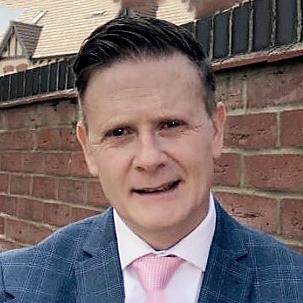
We have gained value from several EIC-facilitated events that have been tailored to our needs. One in particular stands out, where we collaborated with the EIC on an event focused on our digital programme and which we hosted in our Aberdeen office in 2019. At the time, Petrofac was in the process of maturing its digital tools and initiatives and engaging several proof-of-concept technologies. The tie-up with the EIC helped us to reach a wide range of invitees, ensuring that we had valuable audience participation.
What are the synergies between Petrofac and the EIC?
We share a passion for energy! Both organisations have embraced the evolution of the energy value chain to ensure that we are relevant to multiple sectors. From our mutual beginnings in the oil and gas sector, we are now positioned to support clients in their energy transition projects globally and have strong propositions across the renewables sectors. Our purpose is to enable our clients to meet the world’s evolving energy needs and we strive to be relevant and differentiated by listening to customers/ members and adapting to their changing needs.
Where would you like to see Petrofac and the EIC in the next 80 years?
The energy industries are moving fast, with common themes that are driving change.
These range from energy security and price volatility, to responding to the demand for fast-track projects and integrated services from companies like Petrofac. And of course the major driver for decarbonisation, steering a pathway for new technologies and wide ranging renewables projects. So in short, I see both organisations being agile to these changing dynamics in the years ahead and continuing to evolve so that we provide the same strong customer centricity that has served us well in our histories to date.
About Petrofac
Petrofac is a leading international service provider to the energy industry, with a diverse client portfolio, including many of the world’s leading energy companies. Petrofac designs, builds, manages and maintains oil, gas, refining, petrochemicals and renewable energy infrastructure. Its purpose is to enable clients to meet the world’s evolving energy needs. Petrofac’s core markets are in the Middle East and North Africa (MENA) region and the UK, where it has built a long and successful record of safe, reliable and innovative execution, underpinned by a costeffective and local delivery model with a strong focus on in-country value. Petrofac operates in several other significant markets, including India, Southeast Asia and the United States. It has 8,000 employees based across 31 offices globally.
80 EIC INSIDE ENERGY 12
ONE-TO-ONE
How has the EIC helped you through the years?
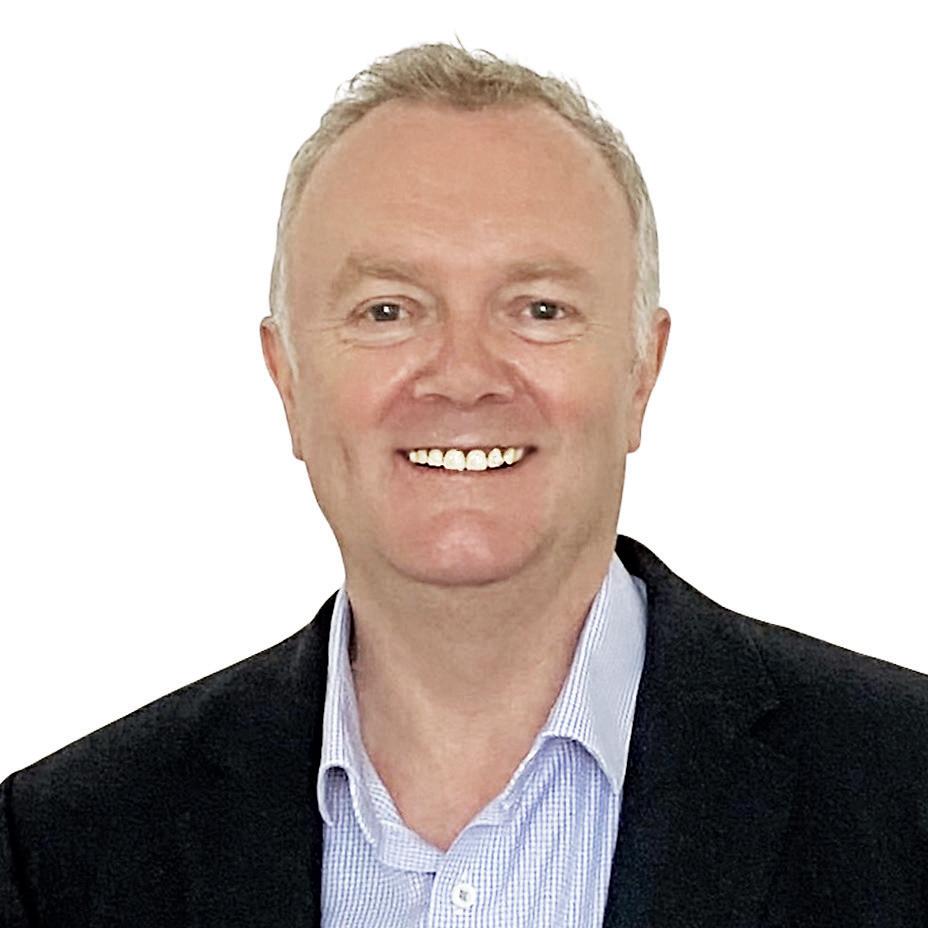
John Young, CEO of Strategic Growth Services, has been working collaboratively with the EIC since 2011 when he was leading SNC Lavalin’s upstream business. Throughout this time, John (and subsequently Strategic Growth Services) have worked in partnership with the EIC to develop a strong and mutually beneficial relationship. Launching Strategic Growth Services during the pandemic in 2020 was challenging, but as a valued strategic partner of the EIC, we were delighted to provide EIC members with our bespoke and individual business strategy analysis.
Using the expertise and local knowledge from our 20-person strong global network, Strategic Growth Services also supports businesses by accessing and utilising the extensive market information including utilising the project data contained within EICDataStream and using it to build sustainable business growth strategies. This file of over 12,500 projects worldwide is a key part of our strategic analytical toolkit to provide bespoke, best-fit project portfolios for customers. John has also acted as an independent adviser to the EIC providing expertise and insights regarding operator membership and technical advice as well as taking part in a number of EIC panel events. Most recently, he has supported the EIC with advising the government on the Supply Chain Taskforce.
What are the synergies between SGS and the EIC?

The EIC and Strategic Growth Services are part of the same founding multi-organisational network of industry experts, Financing Technology to Net Zero UK, who have come together with one guiding mission: to help address the urgent need of financing net zero. We have the same principles – to make a difference in the energy industry. Where would you like to see Strategic Growth Services and the EIC in the next 80 years?
We would like to see the EIC operating as THE global membership service for the supply chain industry. Operating as one global platform we hope it can continue as a worldwide force for good, with Strategic Growth Services as its global partner of choice providing expertise and support to drive positive change and growth in the industry.
About Strategic Growth Services
Strategic Growth Services is a global network of experienced strategy and business development executives providing a bespoke and independent service to enable businesses to increase project revenue and develop credible business growth strategies to keep them ahead of the competition in today’s demanding global marketplace. It aims to accelerate the growth, diversification and exporting ambitions of energy players globally.
John Young, CEO and Founder, Strategic Growth Services
80
MAY 2023 13
INDONESIA
Indonesia Wave Power Project
Operator: Waves4Power
Value: US$200m
Waves4Power plans to construct at least 150MW of WaveEL wave power plants in Indonesia during the next five years. Early proposals include a 3MW wave power pilot installation aimed at establishing the site’s wave climate’s feasibility, followed by a 23MW commercial WaveEL plant.
Global opportunities

MOZAMBIQUE Rovuma LNG Liquefaction Plant
Operator: ExxonMobil
Value: US$22.4bn
ExxonMobil has released an expression of interests (EOI) for FEED and potential EPC work for an LNG plant. The plant would consist of a number of 1.5 mtpa liquefaction modules with a total capacity of approximately 18 mtpa.
TRINIDAD & TOBAGO Manatee Gas Field
Operator: Shell
Value: US$1.8bn
McDermott has been awarded a frontend engineering design (FEED) contract by Shell as part of a competitive FEED process for the Manatee gas field development. The FEED encompasses a wellhead platform, export pipeline, shore approach and an onshore control room.
UAE
ADNOC Blue Ammonia Production Facility –Ruwais
Operator: ADNOC
Value: US$2bn
KBR has been awarded a contract to supply the project with the technology licence, basic engineering design, proprietary equipment and catalyst. The project will have a capacity of 1m tonnes per annum.
UK
Floating Offshore Wind Farm Cenos
Operator: Floatation Energy
Value: US$4.5bn
Flotation Energy and Vårgrønn have been offered 50-year seabed exclusivity rights totalling 1.9GW for the 560MW Green Volt (option fee £54,893,102) and 1,350MW Cenos (option fee £40,987,979) projects – under the targeted oil and gas arm of Crown Estate Scotland’s INTOG (Innovation and Targeted Oil & Gas) process.
US Galveston Bay Green Fuels Project
Operator: Texas Green Fuels
Value: US$1bn
Technip Energies has commenced the pre-FEED process for the Galveston Bay Green Fuels complex. Sources point to Technip extending the partnership for the EPC contract as well once the FEED process has been completed. An FID for the project is expected in 2025 with commercial operations to begin in 2028.
Get in touch Email newsdesk@the-eic.com Phone +44 (0)20 7091 8600 14
i DataStream
For more information on these and the 12,500 other current and future projects we are tracking please visit EICDataStream
AssetMap
#JoinUs
The EIC has now added coverage of a further 45 countries across the Americas to our OPEX database EICAssetMap. Globally the database now maps over 40,000 operational assets across the energy sectors.
SupplyMap
EICSupplyMap maps the capabilities of supply chain companies that operate in the wider energy industry. These industries cover renewables, upstream, midstream, downstream, power, nuclear, energy storage and the potential and proven capabilities in carbon capture and hydrogen. After successfully mapping the UK market, EICSupplyMap now covers the United Arab Emirates, Malaysia, Texas/US and Brazil.
• Identify the supply chain local to your region, giving you the opportunity to engage with potential new clients.
• Find the supply chain capability in five regions, now covering the UK, UAE, Malaysia, Texas/US and Brazil.

• An in-depth look at profiles of more than 6,000 energy sector supply chain companies.
• Make smarter decisions by targeting your offering to international developers/operators and contractors matching your capability with international energy projects.
80
To learn more about EICSupplyMap visit www.the-eic.com/MarketIntelligence/EICSupplyMap BOOK A DEMO
RIO DE JANEIRO
HOUSTON
LONDON
DUBAI
KUALA LUMPUR
Members’ services
AIMS is a leading provider of analytical and process solutions for a wide range of industries. The company specialises in designing, engineering and integrating custom-made sampling systems and process analyser solutions to meet its customers’ unique needs. AIMS’ team of experts has extensive experience in delivering top-quality products and services, ensuring that its customers receive the most accurate and reliable data to optimise their processes and operations.
AIMS’ analytical division offers a comprehensive range of services, including sampling system design, engineering and integration, analyser system design and fabrication, sample conditioning, system commissioning, calibration, and ongoing maintenance and support. It works with its clients to understand their unique challenges and tailors its solutions to meet their specific requirements. The company’s state-of-the-art laboratories are equipped with the latest analytical equipment, enabling it to deliver precise and accurate results across a wide range of applications.
AIMS’ process division provides a wide range of products and services, including catalysts and support beds, amine solvents, water and oil-based chemicals, separation technologies and filtration products, and more. It also offers a range of services, including startup and shutdown of SRUs, catalyst handling, performance testing, online amine reclamation, engineering studies, and more. AIMS’ team of experts is dedicated to delivering the highest quality products and services, ensuring that its clients’ processes run efficiently and cost-effectively.
In addition to the above divisions, one of the key areas of expertise for AIMS is the design and manufacture of HVAC systems. AIMS works closely with its subsidiary company, Stolway, to deliver high-quality HVAC solutions to clients in the Middle East.
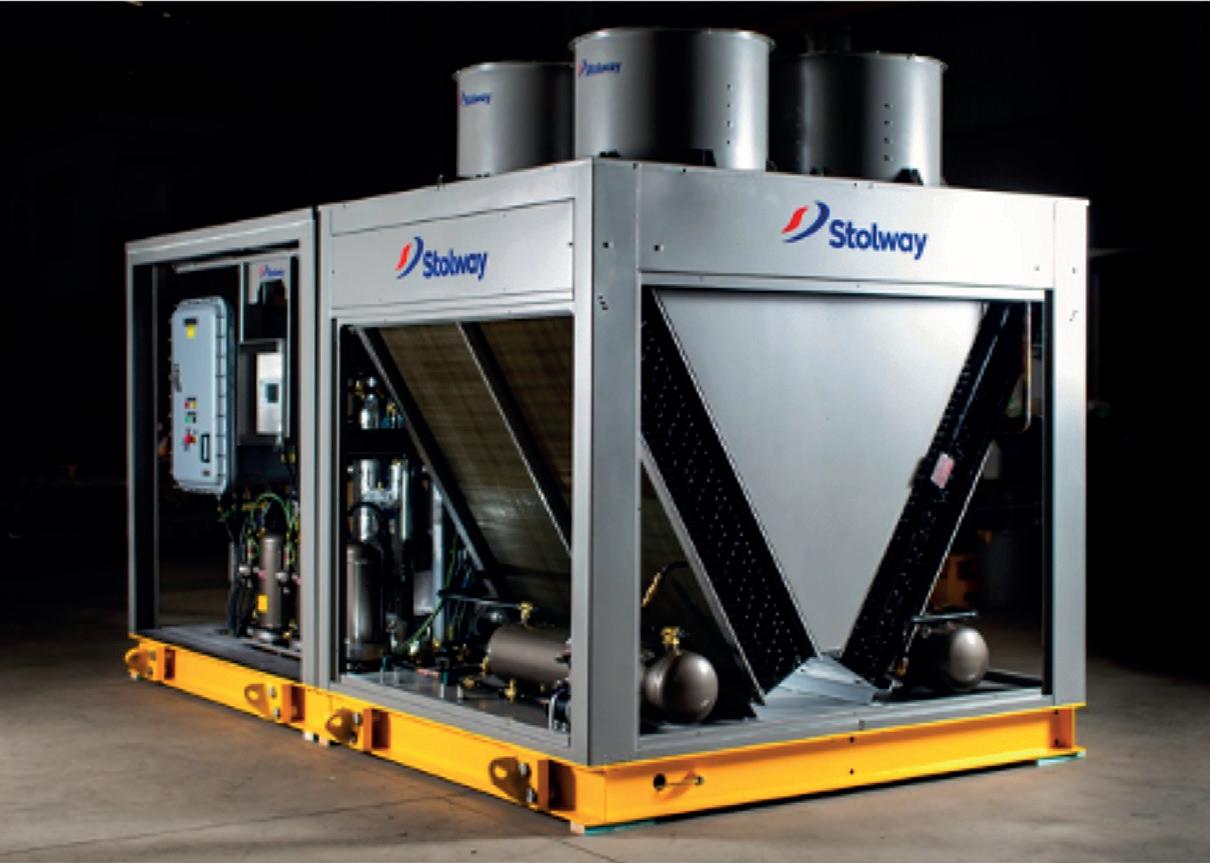
Stolway is a leading manufacturer of HVAC systems, with a state-of-the-art facility in the UAE that is equipped with the latest technology and machinery. The facility is staffed by highly skilled engineers and technicians who work tirelessly to ensure that each system is manufactured to the highest standards of quality and reliability.
At AIMS the company is committed to delivering the best possible products and services to its clients. AIMS’ team of experts has the knowledge and expertise to design, engineer and integrate custom-made solutions that meet its clients’ unique needs. Whether it’s in the analytical or process division, AIMS’ goal is to help clients optimise their processes and operations, reduce costs and improve overall efficiency.
For more information visit https://aimsgt.com

Get in touch Share your news and views... Email newsdesk@the-eic.com Phone +44 (0)20 7091 8600 16 Get in touch Any EIC members who wish to be profiled in this section please contact Léliam de Castro... Email leliam.castro@the-eic.com
AIMS’ goal is to help clients optimise their processes and operations, reduce costs, and improve overall efficiency
© AIMS 2023
AIMS works with its subsidiary company, Stolway, to deliver high-quality HVAC solutions
HARTING is a leading manufacturer of electrical and electronic connector technology, including data, signal, power transmission and networking. It uses this expertise to manufacture solutions for a range of energy markets, including the nuclear industry.

On Wednesday 10 May, HARTING will be demonstrating its industry expertise and solutions at the Birchwood Nuclear Hub event in Warrington, UK.
The company’s plug and play connectors are an ideal solution for the energy sector, having many advantages over the traditional hardwired approach. They are robust and reliable, even in demanding environments, and can be connected and disconnected with ease.
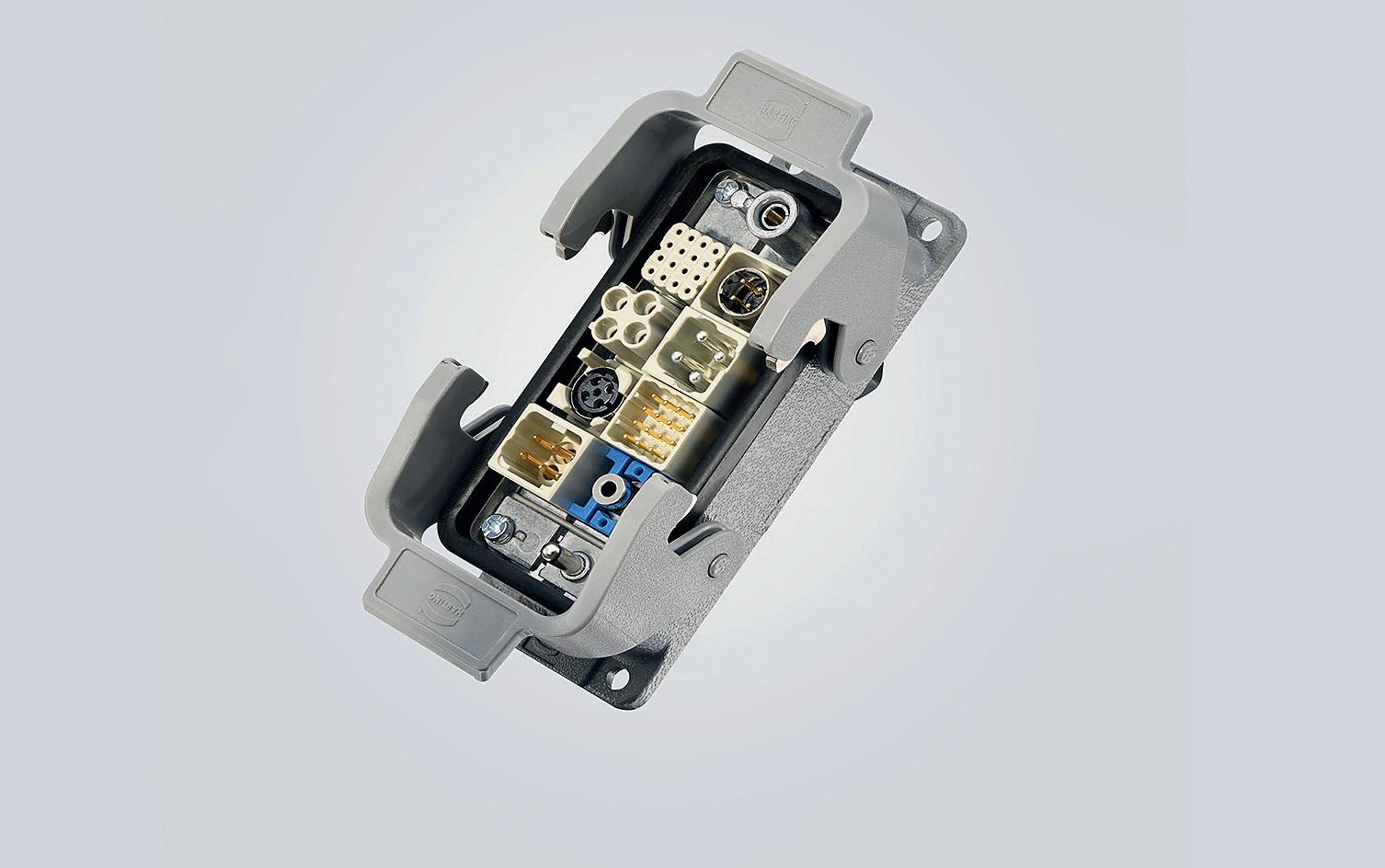
The Han-Modular® series allows you to create a flexible and versatile solution by combining individual inserts for different transmission media into standard-sized industrial connector housings, enabling a wide range of customisable combination options.
For substantial weight savings, Han-Eco® is manufactured from high-performance polyamide plastic, which complies with standards IEC 61948 and EN 45545-2.
The hoods and housings are suitable for both indoor and outdoor applications and are entirely compatible with standard metal Han® housings.
Alongside connectors, HARTING also designs and builds custom cable assemblies, with standard or custom cable lengths and a range of plastic or metal housings. All customised products are built at the company’s manufacturing facility in Northampton and are based on market-leading connectors from the extensive HARTING range, including the Han-Eco® and Han-Modular®
Services include installing components, efficiently routing cable harnesses and fabrication. To further assist you, an in-house design team can create a 3D CAD visualisation of your build beforehand to ensure absolute accuracy before manufacturing begins.
The HARTING manufacturing facility holds ISO 9001 certification for Quality Management, the ISO 14001 Environmental Standard and UL certification for Wiring Harnesses ZPFW2 / ZPFW8.
To learn more, please visit www.harting.com/UK/en-gb or email salesuk@harting.com
Get in touch Any EIC members who wish to be profiled in this section please contact Léliam de Castro... Email leliam.castro@the-eic.com 17
©
the
HARTING Spotlight on technology www.harting.com/UK/en-gb
HARTING Technology Group
THE HARTING HAN-MODULAR® CONNECTOR WITH DOMINO MODULES
New EIC members
NEW GLOBAL MEMBER ASCO Filtri SpA
Viale delle Scienze 8
20082
Binasco
Italy
Contact Matteo Garlaschelli, Head of Inside Sales and Procurement of Packaged Equipment
Telephone +39 02 897031
Email mgarlaschelli@mottcorp.com
Web www.ascofiltri.com/en/
ASCO Filtri is a filtration company specialising in process filtration and able to design and manufacture process filtration solutions for a broad range of markets: from oil and gas to petrochemical, from water treatment to fine chemical, from food to beverage, from cosmetics to pharmaceutical; the company’s innovative and property process filters can be found in a multitude of filtration applications.
Thanks to its cutting-edge technologies and the contribution of a team with more than 40 years’ experience in the field, in addition to ASCO Filtri’s standard filtration products range, its engineering division provides complete filtration packages to engineering companies and end users alike, designed and manufactured according to all main construction codes and standards. To satisfy the oil and gas and petrochemical sectors, ASCO Filtri can also provide pressure vessels and systems with U-Stamp 1&2 or CE stamp.
ASCO Filtri has established an international network of sales offices, distributors and agents strategically located to ensure its customers have the highest support level and quick response to their filtration needs, whether technical, commercial or logistical.

NEW PRIMARY MEMBER CORE Solutions for Petroleum Products LLC
PO Box 2291
7821 King Abdulaziz Road
Dammam KSA
Contact Robbie Pond, General Manager
Telephone +966 13 857 2595
Email rpond@zahid.com
Web www.zahid.com
CORE, headquartered in the eastern region of KSA provides focused and professional services to enhance local manufacturing and aftermarket capabilities, creating job opportunities, developing national talents and providing locally assembled equipment serving the oil and gas sector, thus contributing to supporting the 2030 vision of the Kingdom of Saudi Arabia.
CORE is part of the Zahid Group. Headquartered in Jeddah, Saudi Arabia, the Zahid Group has successfully evolved over the course of the last century from its origins as a modest trading concern to become a multi-national organisation encompassing a diverse portfolio of companies operating across 11 sectors.

NEW GLOBAL MEMBER Maersk (A.P. Moller - Maersk)

Esplanaden 50 DK-1098 Copenhagen K Denmark
Contact Tim Killen, Global Head of Growth
Telephone +44 (0)740 7832 571
Email tim.killen@maersk.com
Web www.maersk.com
A.P. Moller - Maersk is an integrated logistics company working to connect and simplify its customers’ supply chains and project logistics requirements.
As a global logistics leader, Maersk operates in more than 130 countries and employs over 100,000 people world-wide, planning, designing and delivering solutions for clients and projects in the key industrial verticals including renewable energy, power generation, T&D, energy storage and thermal energy.
The values of Maersk are built on the pillars of quality, HSSE, compliance, digitalisation and sustainability. Maersk is targeting to reach net zero emissions by 2040 across the entire global business through investment and development of new technologies, new vessels and green fuels.
TUESDAY 6 JUNE
WEDNESDAY 7 JUNE
Get in touch Share your news and views... Email newsdesk@the-eic.com Phone +44 (0)20 7091 8600 18 ENERGY EXPORTS C ONFERENCE 2023 P& J LIVE ABERDEEN
NEW GLOBAL MEMBER Mintmesh Corporation

400 Renaissance Center Suite 2600
Detroit 48243 US
Contact
Akheleash Raghuram, Global Marketing Lead
Telephone +1 888 874 3644

Email akheleash.raghuram@mintmesh.com
Web
www.mintmesh.ai
Mintmesh is a team of technologists bringing together decades of experience and expertise in strategising and implementing IT solutions across industries such as oil and gas, manufacturing and construction among many others. Leveraging artificial intelligence and machine learning capabilities, Mintmesh has spent months developing a comprehensive digital platform, RUDY.
RUDY, an artificial intelligence based digital platform, has the capacity to read, extract and examine statistics and data from technical bid files using engineering language processing, allowing execution and control of the technical bid tabulation process as a single system of records. It standardises processes, reduces project overruns, reduces compliance risk and improves cycle time from material requisition to bid evaluation.
NEW PRIMARY MEMBER Sodexo Energy & Resources
4th Floor, Exchange Tower 1 62 Market Street
Aberdeen AB11 5PJ
Contact Ed Morrow, Managing Director
Telephone +44 (0)1224 324 388
Email ed.morrow@sodexo.com
Web www.sodexo.com
Sodexo Energy & Resources is part of the Sodexo Group, which is one of the largest facilities management companies in the world.
Sodexo Energy & Resources is based in Aberdeen and provides food and facilities management services to the energy industry including offshore.
Services include catering, cleaning, reception, security (including COMAH sites) as well as integrated technical maintenance.
NEW PRIMARY MEMBER Wedge Group Galvanizing Ltd
Stafford Street Willenhall West Midlands WV13 1RZ
Contact Andrew Harrison, Sales & Marketing Director
Telephone +44 (0)1902 601 944
Email andy.harrison@wggltd.co.uk
Web
www.wedge-galv.co.uk
With more than 150 years of history, Wedge Group Galvanizing is one of the UK’s largest hot dip galvanising organisations. It has 14 plants strategically placed around the UK, enabling it to offer a truly national service for all galvanising requirements.
The company can process anything from a 1.5mm thick plain washer to a 29 metre beam. Continuing investment in new technology and plant, together with its commitment to customer care, ensures it offers first-class quality and service.
Wedge Group Galvanizing’s plants are designed and equipped to set industry-leading standards for sustainability and low environmental impact.
Wedge Group Galvanizing has supplier approval for a number of key sectors including rail, power and oil and gas. It has been through stringent processes covering H&S, environmental and quality procedures, so customers can be assured of high-quality galvanising backed by excellent customerfocused service.
Sign up for the EICOnline newsletter Visit www.the-eic.com/Forms/NewsletterSignup 19 @TheEICEnergy EIC (Energy Industries Council)
New EIC members
Energy Brazil 6 July 2023 • Rio de Janeiro CONNECT
Altrad Babcock appointed main contractor for green hydrogen project
Altrad Babcock has been selected as the main works contractor for the world-first green hydrogen gas network project in Fife, Scotland.
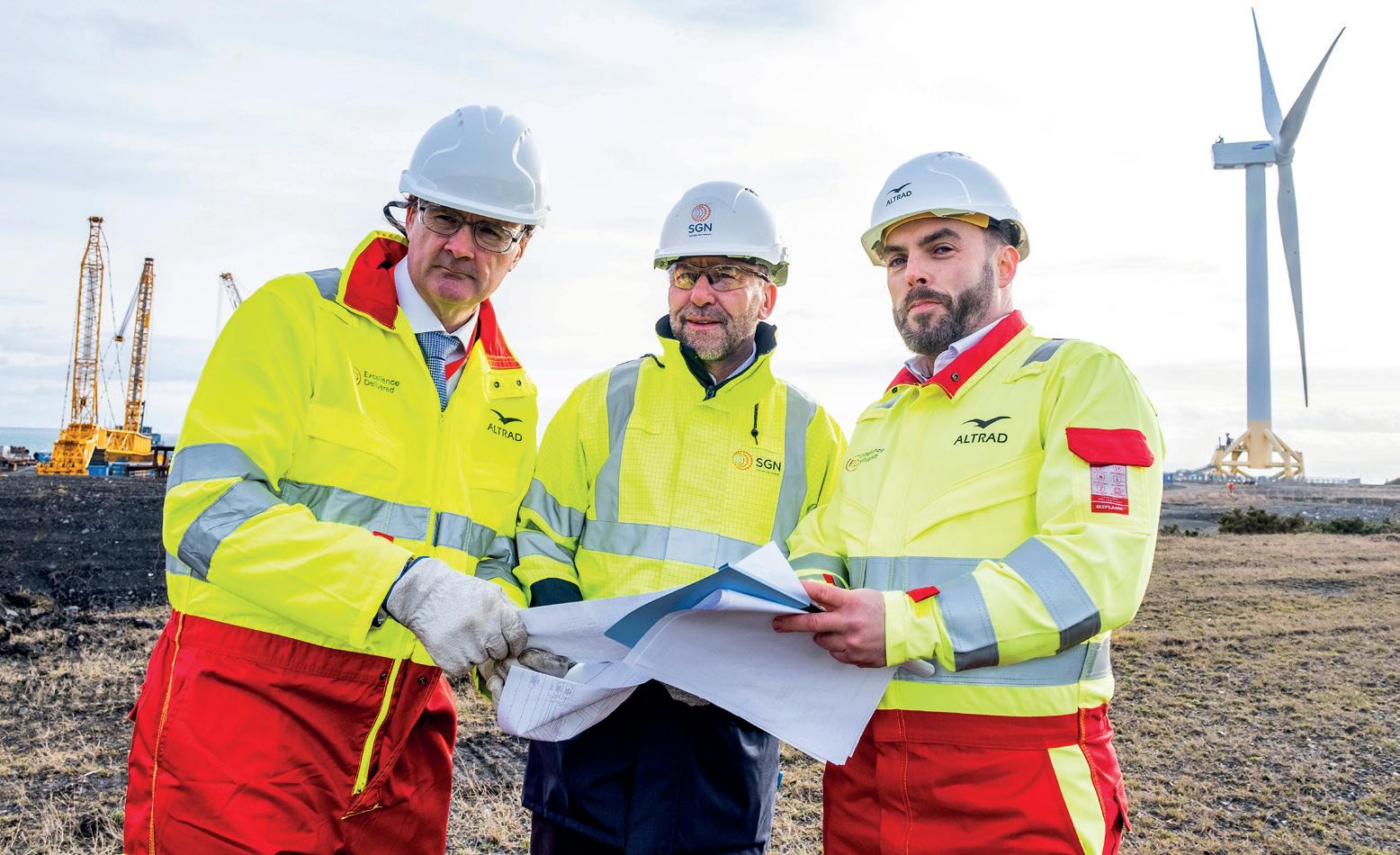
The project will require Altrad Babcock leveraging its extensive experience of delivering complex construction and engineering projects, including building the hydrogen production and storage site, on behalf of gas distribution company SGN.
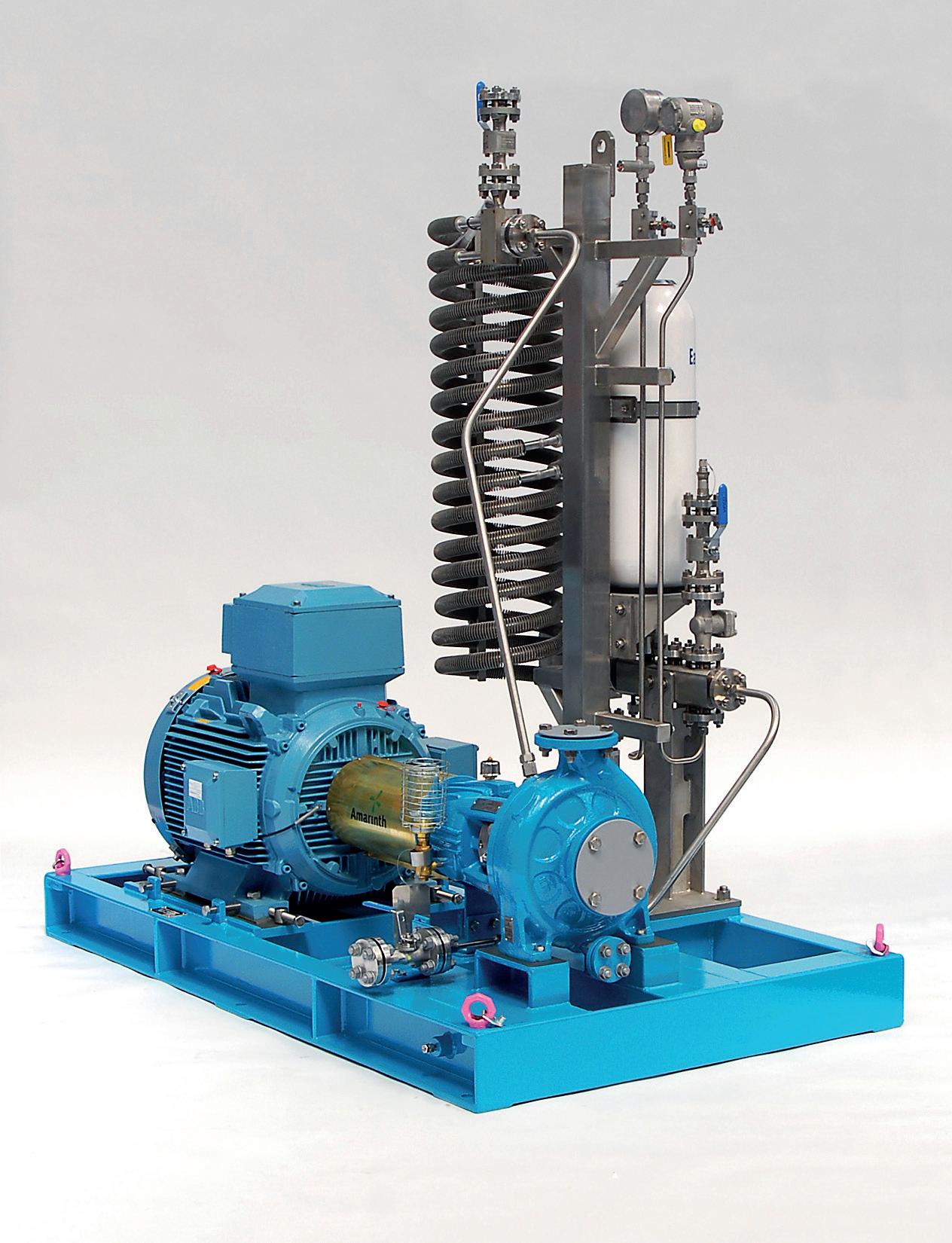
Amarinth secures order for API 610 OH1 pumps for Majnoon oil field, Iraq
Amarinth, a world-leading, net-zero designer and manufacturer of low lifecycle cost centrifugal pumps and associated equipment, primarily for the offshore and onshore oil and gas industries; nuclear and renewable energy generation; defence; desalination; process and industrial markets, has secured an order from Azku Global Services for US$200,000 of API 610 OH1 pumps destined for the Iraqi Ministry of Oil operated Majnoon oil field.

The project scope will encompass the construction and integration of all the key elements of the project including: civil, buildings, mechanical work and the electrical control and instrumentation (EC&I).
H100 Fife is a ground-breaking project in Levenmouth on the east coast. Up to 300 homes can choose to opt-in to have their homes supplied with hydrogen through a new distribution network in 2024, providing zero-carbon fuel. It will be the first 100% green hydrogen-tohomes zero carbon network anywhere in the world, demonstrating the potential for the entire British gas network to deliver hydrogen gas.
For more information:
https://altradbabcock.com/
This is Amarinth’s first order from Azku Global Services and comes off the back of numerous projects that Amarinth has successfully delivered into Iraq. The order is for two API 610 12th edition OH1 pumps which are destined for the Majnoon oil field operated by the Iraqi Ministry of Oil. The Majnoon oil field is a super-giant oil field located 60km from Basra in southern Iraq and is one of the richest oil fields in the world. The field is 52km long, 15km wide, includes 13 different oil and gas reservoirs, and has an estimated 38bn barrels of oil in place.
The API 610 12th edition OH1 pumps are for condensate transfer duties and include the latest API 682 4th edition Plan 53B seal support systems along with Amarinth mobile top-up units. Specified for ATEX Zone 1 use, the pumps are required on an aggressive 30-week delivery. On completion, they will be inspected and witness tested by Bureau Veritas, and supplied with a full legalised Iraq documentation package.
Get in touch Share your news and views... Email newsdesk@the-eic.com Phone +44 (0)20 7091 8600 20
i
Member news
This first of a kind project will demonstrate the practicality of bringing green hydrogen gas to domestic customers for the first time, supporting evidence for future low carbon policy decisions.
David Cornforth, Vice President – Major Projects, Altrad Babcock
Altrad Babcock is a specialist, full life-cycle engineering services provider offering engineering, aftermarket and upgrade services to the nuclear, thermal, oil and gas, petrochemical and process sectors
i
For more information: www.amarinth.com
© Altrad 2023
Amarinth API 610 OH1 pump with API 682 Plan 53B Seal Support System
© Copyright Amarinth Ltd 2003-2023
AsstrA green logistics strategy for 2030
AsstrA Associated Traffic AG is an international provider of comprehensive, end-to-end logistics solutions. The company has a long-standing tradition of innovation in the logistics industry and is committed to sustainability and green logistics practices.


To achieve our goals, we are reducing empty vehicle mileage wherever possible and choosing routes that minimise CO2 emissions.
Atlas Copco inaugurates production line for electric portable air compressor
The first of its kind in the company’s facilities in Antwerp, the new allelectric production line has cut lead times for deliveries of plug-in portable compressors by 50%, accelerating the wider sustainable transformation.
Leading the shift to a more sustainable society, Atlas Copco is investing in the future by inaugurating its first production line dedicated to the assembly of low carbon electric compressors. Based in Antwerp, Belgium, the new assembly line has cut lead times for the E-Air VSD units by half.
Responding to the unprecedented growth of consumer interest in clean energy tech, Atlas Copco has invested in the extra capacity to optimise its output of the E-Air mobile compressors.
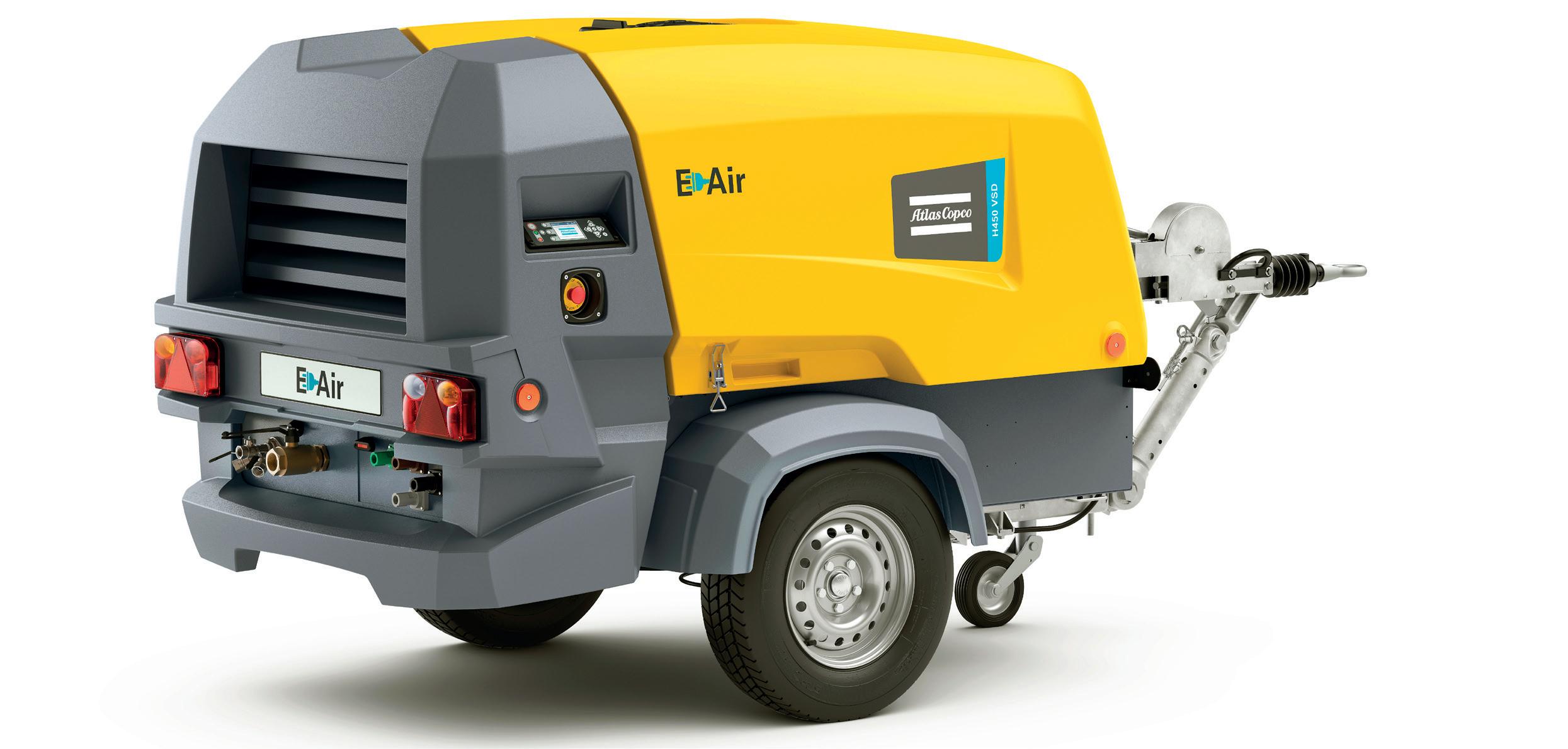
The new production line – which is itself powered by green electricity, including extensive solar panels on site – has more than doubled daily production capacity of the E-Air at the facility.
During a research project in 2021, Atlas Copco quantified and confirmed that the majority of emissions derive not at the time of manufacture, but from the lifetime use of its products. As a consequence, the company decided to tackle this inuse carbon footprint by increasing the accessibility of electric portable compressed air solutions.
AsstrA’s sustainability strategy for 2030 has four pillars: reducing emissions, improving efficiency of business, social development and corporate responsibility.
For more information: https://asstra.com/
Atlas Copco’s electric mobile compressor range has gained considerable momentum since its release in 2019. Designed to deliver a cost-effective and low carbon compressed air solution in even the toughest applications, the E-Air is in demand across the construction, oil and gas and mining sectors.
The extended production of the electric units will positively impact machine availability and time-to-market, thereby accelerating the transition to a more sustainable future.
For more information: www.atlascopco.com
21
i
Member news
Dmitri Krõlov, Manager for Sustainable Development, AsstrA
i
© 2023 Atlas Copco Ltd
DNV’s power failure investigation provides important learning points
DNV, the global independent energy expert and assurance provider, was commissioned by TenneT, the Dutch national electricity transmission system operator, to conduct a fully independent and extensive power failure investigation (PFI) of the incident that occurred at the new 150kV substation Dronten Olsterpad in Flevoland on 2 September 2022. This event, caused by a prolonged short circuit, led to arcing, and over-heating and smoking of the feeding overhead lines.
As an independent expert, DNV deployed experienced PFI specialists to examine the technical, human and procedural aspects that played a role in the power failure and identify its root causes and influencing factors.
DNV’s team of experts observed that actions were independently performed in the Dronten Olsterpad and Lelystad substations that resulted in the short-circuit, which was finally cleared by the protection scheme after 4:22 minutes. A combination of human aspects and technical deviations in the protection scheme and its back-up prevented the system to switch it off instantly as expected.
DNV concluded that TenneT acted quickly to mitigate the disruption. Overall, the incident will be considered an extraordinary situation. DNV’s investigation led to important learning points, which resulted in clear recommendations that will help reinforce safety procedures and their application; the full summary of DNV’s report is now publicly available on TenneT’s website www.tennet.eu
The incident did not cause personal injuries, but had wide-ranging consequences – including a power outage in the region. This event resulted in the involvement of the Dutch regulator.
Fulkrum announces substantial growth in the Middle East
Fulkrum, a leading provider of inspection, expediting, auditing and technical staffing to the energy industry, has announced exponential growth across its offices in the Middle East following a series of key appointments, new contract wins and the incorporation of its newest entity in Qatar.
Fulkrum’s four offices in the Middle East saw rapid growth last year in response to the region’s growing demand for energy and continued contract awards to local engineering contractors. Its newest entity in Qatar is strategically positioned to support its Middle East clients, enabling them to benefit from Fulkrum’s expansive network of local expertise and industry knowledge.
To support the sustained growth, during the fourth quarter of 2022 Fulkrum promoted Usman Arshad to country manager for the Kingdom of Saudi Arabia (KSA), bringing with him more than 12 years of quality control and business development experience across the energy, construction and shipping industries. As the country manager for KSA, Usman manages all ongoing and upcoming projects within the region and will be a key player in Fulkrum’s continued success across the Middle East. The KSA team expanded further through the strategic hiring of Aramco approved inspectors, co-ordinators and the secondment of multiple technical specialists to long term project assignments supporting their clients in-country. With major contracts on the horizon, Fulkrum anticipates even more rapid development of the KSA office in the coming years.
With an impeccable track record working for industry giants across the world, and a series of major projects to be awarded this year, 2023 is set to be another record year with exponential growth for Fulkrum in the Middle East, and globally.
For more information: https://fulkrum.com/
Howden selected as compressor supplier for hydrogen facility in Spain
pHYnix, an independent renewable hydrogen producer, has selected Howden, a leading global provider of mission critical air and gas handling products, technologies and services, to supply two hydrogen diaphragm compressors for the Vitale plant. This facility is the first commercialscale 10MW renewable hydrogen production plant in Spain, and is one of the largest electrolysis projects under construction in Europe.
Enabled with Howden Uptime, the diaphragm compressors consist of a booster and a high-pressure compressor that will compress the hydrogen from the electrolyser into the gas infrastructure (from 30 bar to 60 bar) and into tube trailers (from 60 bar to 380 bar). In addition to the diaphragm technology, the maintenance service is decisive for the selection of Howden compressors. In particular, Howden Uptime’s continuous monitoring ensures the security and safety required by the plant.
Vitale is under construction and will produce 1,450 tonnes of renewable hydrogen per year from 2024. Thanks to this, pHYnix will meet its objectives of distributing green hydrogen in Spain and contributing to the decarbonisation of the most critical sectors: industry and transport.
Get in touch Share your news and views... Email newsdesk@the-eic.com Phone +44 (0)20 7091 8600 22 Member news
i For more information: www.dnv.com
i For more information:
www.howdenprocesscompressors.com
With our efficient hydrogen compression technology along with a clear focus and understanding of the full lifecycle, we are able to minimise the total cost of ownership of operations.
Salah Mahdy, Global Director of Renewable Hydrogen, Howden Compressors
i
JBPRM launches Discovery Day to support businesses
JBPRM Ltd has released a new Discovery Day service aimed at supporting both electrical and mechanical product manufacturers and service contractors who are interested in entering or developing the UK’s power and energy sectors. Under the scheme, companies get a free onsite visit by one of JBPRM’s marketing managers, to explain about how the company engages clients and for JBPRM to understand first-hand about the products or services offered.
We decided it was time to get out again and meet potential clients. Teams and Zoom work okay but you simply can’t beat having one-to-one real-life meetings. They just enable a much more fluid conversation.
Jonathan Brindley, Lead Consultant, JBPRM
Jonathan suggests that current customers realised quickly that they were dealing with a specialist technical agency. Whereas previously it would have taken considerable effort to get simple promotional tasks done (because of product/service complexity and the requirement for wider contextual inclusions), customers benefit from swifter turnarounds due to JBPRM’s sector specific knowledge. This results in a significant efficiency gain and saves clients both time and money. When you also consider that JBPRM delivers a combined marketing and business development solution for its clients, the value proposition becomes even more tangible.
JBPRM has the experience and expertise to build and develop sales streams for start-ups and small to medium sized businesses wanting to enter or develop the energy markets.

Norco Group’s N-Pulse DC industrial battery chargers approved by ADNOC
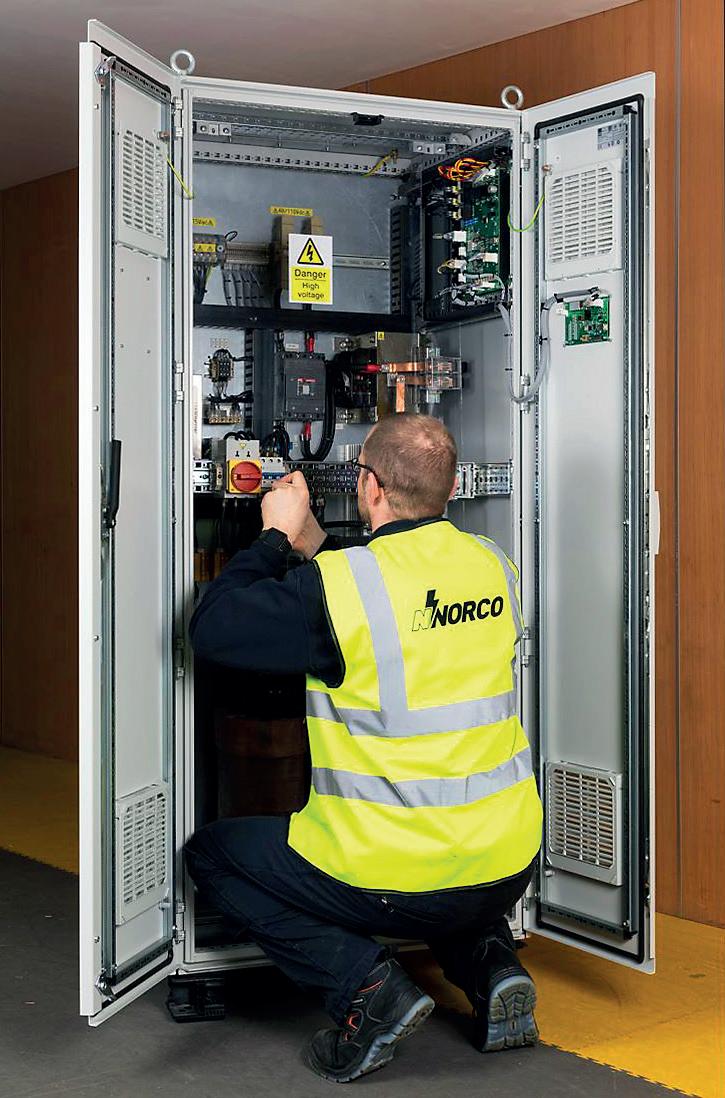
Norco Group Ltd, a leading provider of industrial equipment solutions for power continuity, has announced that its N-Pulse DC industrial battery chargers have been approved by ADNOC in the UAE after a long prequalification process.
Norco Group Ltd would like to extend its gratitude to ADNOC for the thorough evaluation process and for recognising the quality and reliability of its products. The company also thanks its partner in the UAE, Al Yaseah OGISS, for its invaluable support throughout the evaluation process.
With this approval, Norco Group Ltd is committed to delivering world-class products and services to its clients in the UAE and beyond.
https://jonathanbrindley.co.uk/
Designed to meet the challenging demands of the oil and gas industry, the N-Pulse DC industrial battery chargers are renowned for their high reliability, efficiency and flexibility. This approval from ADNOC is a testament to the quality and reliability of Norco Group Ltd’s products, as well as the dedication of its team and the support of its partner in the UAE, Al Yaseah OGISS.
Norco Group Ltd is a leading provider of industrial equipment solutions. With a focus on quality, reliability and innovation, Norco Group Ltd offers a range of products and services designed to meet the demanding needs of the energy industry. i

For more information:
www.norcoenergy.com
Sign up for the EICOnline newsletter Visit www.the-eic.com/Forms/NewsletterSignup 23 @TheEICEnergy EIC (Energy Industries Council)
i For more
information:
©
Norco Group Ltd
NRL earns Inclusive+ Recruiter certification
Recruitment colleagues across NRL’s technical engineering recruitment business have helped it earn the Inclusive+ Recruiter status.
Awarded by the Association of Professional Staffing Companies (APSCo), the certification is for recruitment organisations who have invested in equity, diversity and inclusion training for their colleagues, with recruiters successfully completing APSCo’s dedicated Inclusive+ Recruiter training course.
Throughout the course colleagues discovered how changes to the recruitment process can help to engage under represented talent, how job adverts can be written more inclusively to attract a broader candidate pool and the role unconscious bias plays in candidate shortlisting. As well as how to initiate conversations with clients to understand their equity, diversity and inclusion objectives, providing all the necessary tools and insight to drive forward diversity.
The certification continues NRL’s desire to play its part and advance representation across the engineering sectors in which it operates. With NRL having previously secured APSCo’s Member Committed to Diversity Status in 2019.
A complex topic, with a great deal of work still needed across the engineering industry to level the playing field, NRL’s sustained focus also includes initiatives such as the Armed Forces Covenant, Social Mobility Pledge and educational outreach activities delivered by its team of experienced recruiters and branch directors.
NRL’s network of regional recruitment branches are now looking to formalise their support for clients wanting to make positive changes to their recruitment strategy – to reach different candidates and more diverse communities.
Proserv and Intelligent Plant pen new agreement to underpin alliance
Global controls technology company Proserv has signed a fresh agreement with Intelligent Plant, the Aberdeen based software engineering firm and data analytics expert. The new arrangement extends a previous alliance announced in late 2020.
For
That tie-up first brought the two parties together to innovate impactful digital technology service offerings and models, based around open data access, real-time condition monitoring and the provision of subject matter expertise.
This new deal reinforces Proserv’s position as a worldwide distributor and supplier for Intelligent Plant’s various products and applications. It also enables the two parties to collaborate even more closely to develop further disruptive software as a service (SaaS) solution, leveraging Proserv’s wide domain knowledge, its control system integration capabilities and its OEM agnostic technology philosophy, alongside Intelligent Plant’s accessible, flexible data capture and award-winning analytics expertise.
The decision to forge this updated agreement follows a positive response from the energy market to their present SaaS offerings and combined skill sets, whereby the two parties can deliver live intelligence on the operational performance and condition of critical infrastructure, supporting future maintenance scheduling, process optimisation and ultimately life extension.
The elevation of Proserv’s CEO Davis Larssen to Intelligent Plant’s Board as a non-executive director represents a further key step forward in the alliance between the companies. It is anticipated Larssen’s input and industry positioning will help accelerate Intelligent Plant’s global footprint, while allowing both businesses to build their presence in the digital technology arena via continued mutual support and co-operation.
Last September, Larssen similarly joined the Board of another Scottish enterprise Synaptec, a Strathclyde University spin-out and power system monitoring expert, following Proserv’s acquisition of a minority stake in the company.
Both Synaptec and Intelligent Plant are among a number of technology partners with whom Proserv is collaborating to drive its on-going pivot into renewables and a current focus on offshore wind. i
Get in touch Share your news and views... Email newsdesk@the-eic.com Phone +44 (0)20 7091 8600 24
i For more information: www.nrl.co.uk Member news
information:
For more
www.proserv.com
Proserv, this is the latest in a series of alliances as we seek to push our R&D and innovation into exciting new areas.
© 2023 Proserv UK Ltd
Davis Larssen, CEO, Proserv
Servomex provides solutions to help achieve customers’ sustainability goals

With more than 70 years of expertise, research and innovation, Servomex provides industry-changing gas analysis measurements for process control, quality, safety, emissions and combustion applications.
Through its Hummingbird sensor division, Servomex creates groundbreaking sensor technology that ensures bestfit sensing solutions for essential gas measurements. These sensors power Servomex’s own reliable and accurate analysers, as well as many OEM devices, and advanced analysis solutions.
Servomex also builds gas analysers into complete, scalable integrated systems, enabling customers across a wide range of industries to achieve their goals safely and efficiently.
Founded in the UK in 1952, Servomex has grown to become a truly global organisation, with business and service centres around the world.
Servomex’s global reach and array of channel partners allows it to bring its expertise to customers wherever they are located, with an experienced service team and range of maintenance products dedicated to maximising customer process uptime.

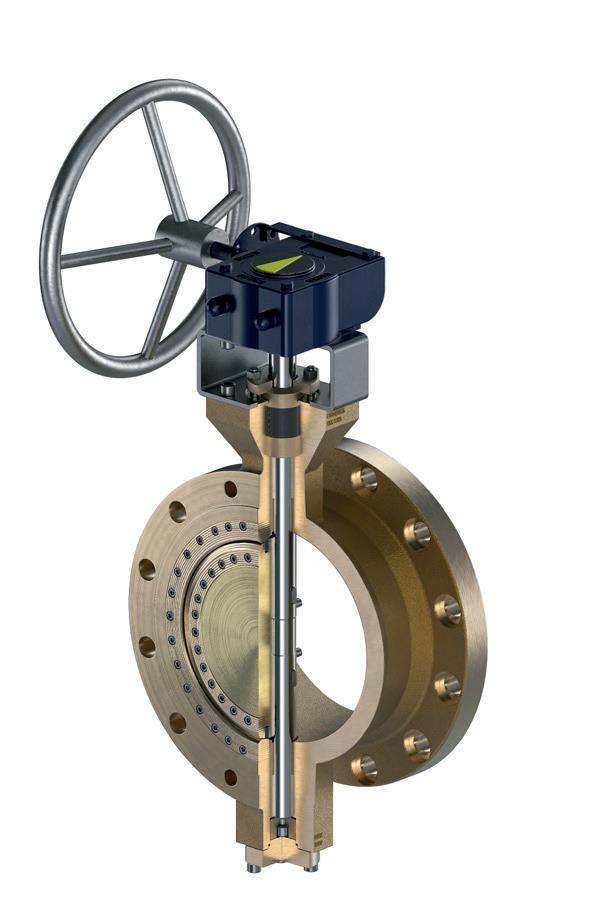
Shipham Valves’ triple-offset butterfly valves deliver highperformance and effective through-life valve solution
To coincide with celebrations of Shipham Valves reaching its 225th year of operation, the business is delighted to expand its range of highperformance butterfly valves, with the launch of a new innovative range of triple-offset butterfly valves.
As well as providing weight and spacesaving benefits, the anti-rotational laminated seat design ensures no movement in service to maintain consistent sealing performance, when compared to a clamped design.
This new range has undergone a comprehensive product design, development verification and validation process to deliver a high-performing, effective and robust triple-offset butterfly valve solution.

Nick Gray, Head of Engineering and Quality, Shipham Valves
Shipham Valves’ triple-offset design delivers fast opening and closing quarter turn operations and employs a uniform profile around the conical sealing face to ensure effective sealing is achieved.
Three different body types available include: BU04 – wafer-type; BU05 –lug-type and BU06 – double-flanged.
Shipham Valves’ triple-offset butterfly valves are available in different sizes and pressure classes, depending on specific needs and are ideal for applications with high temperature, severe service and critical isolation requirements.

This new triple-offset range delivers benefits such as: high performance –across a diverse range of applications; valve service longevity – triple-offset design removing seat wear; laminated metal seat arrangements provide zeroleakage bi-directional sealing; peace of mind – multiple anti-blowout devices integrated into the product to ensure stem retention under all possible failure conditions; zero leakage sealing performance – in accordance with API 598; certified firesafe design; compact design – when compared to other metal seated isolation valves; standard mounting interfaces enable easy actuation.
This range can be manufactured in sizes from 3” – 24” in a wide range of specialist materials, including 6Mo, bronze, duplex, Hastelloy® B, Hastelloy® C, Inconel® 625, Inconel® 825, Monel®, nickel aluminium bronze, super duplex, titanium, with the option of manufacturing additional sizes.
Sign up for the EICOnline newsletter Visit www.the-eic.com/Forms/NewsletterSignup 25 @TheEICEnergy EIC (Energy Industries Council)
i For more information: www.servomex.com
Member news
© Shipham Valves 2023
i For more information: www.shiphamvalves.com
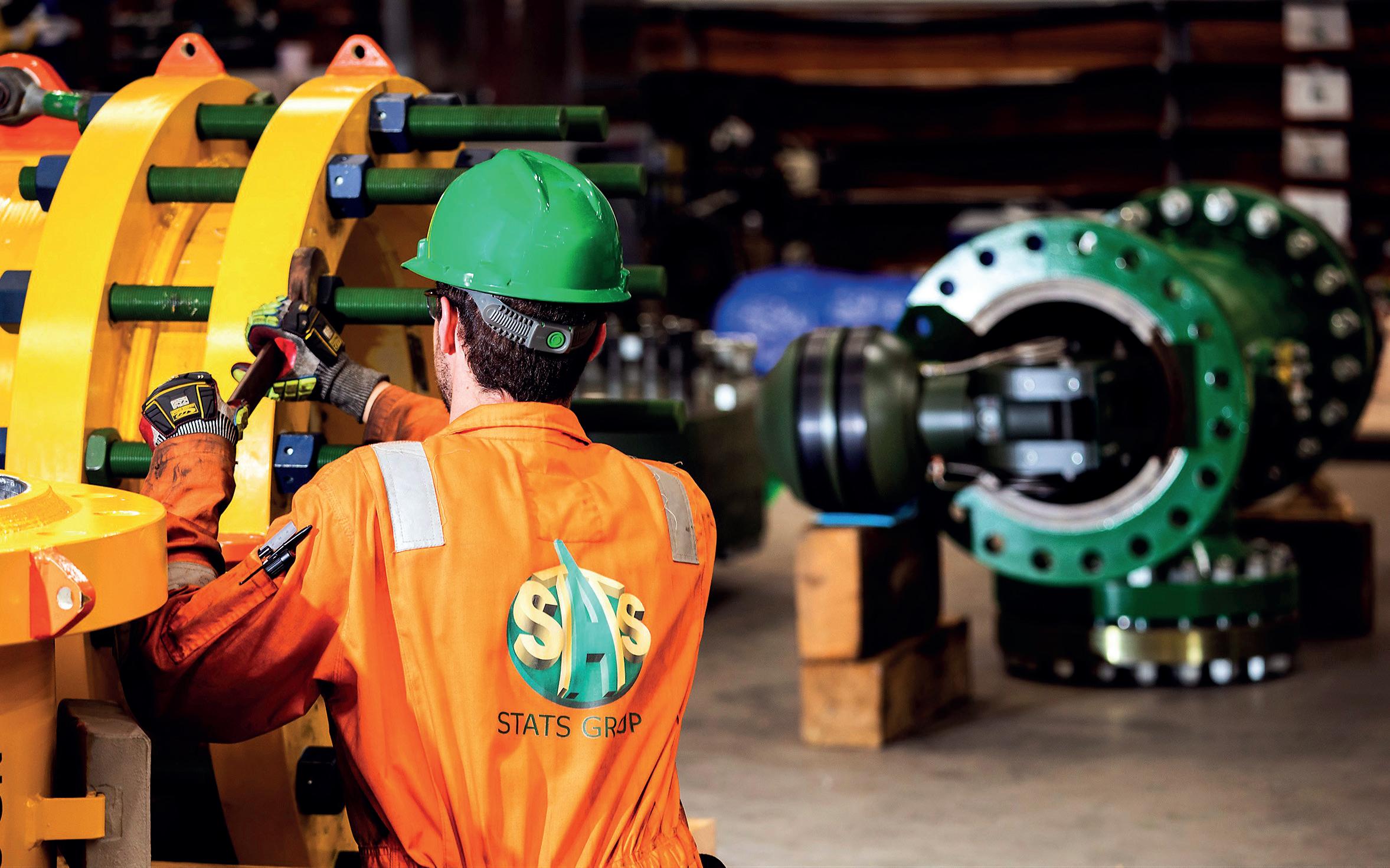
STATS Group marks 25th anniversary with 20% revenue growth forecast

Pipeline engineering specialist, STATS Group (STATS), is celebrating 25 years in business with an expected 20% rise in revenue and an increase in its headcount to 400 staff.
Established in February 1998, STATS is now a leading global supplier of pipeline intervention solutions to the energy industry, with its headquarters near Aberdeen, Scotland, and operations in Canada, USA, Qatar, the UAE, Oman, Saudi Arabia, Malaysia and Australia.
Its core business remains in the operational maintenance of oil and gas pipeline and piping infrastructure, but STATS is also attracting new clients engaged in energy transition because of its emission-reducing technologies and associated ESG benefits.
In 2021 STATS posted annual revenues of just under £50m and expects to improve on that performance when reporting its 2022 figures, laying the foundation for further growth in its 25th anniversary year and beyond.
Steel Hawk bags system maintenance contracts from Petronas Carigali
LEAP Market-listed Steel Hawk Bhd has secured two contracts from Petronas Carigali Sdn Bhd to provide pig trap system maintenance for a tenure of one year, with an additional one-year extension option.
Steel Hawk said its wholly owned subsidiary Steel Hawk Engineering Sdn Bhd obtained the contracts from Petronas Carigali, the wholly owned exploration arm of Petroliam Nasional Bhd (Petronas).
For FY2022, Steel Hawk posted a 179.33% jump in net profit to RM5.81m (US$1.32m). Revenue rose 166.96% to RM66.33m (US$15m) from RM24.85m on the back of higher revenue from its engineering, procurement, construction and commissioning (EPCC) segment mainly due to new work orders.
Steel Hawk provides installation, maintenance and supply services of oilfield equipment, as well as EPCC services for chemical injection skids and improvement and maintenance of topside oil and gas facilities.
TEXO Engineering & Fabrication chosen as preferred fabricator by Mocean Energy
Wave energy specialists Mocean Energy and TEXO Engineering & Fabrication (TEXO E&F) have signed a MoU for TEXO E&F to become Mocean’s preferred fabrication, assembly and load-out contractor for its Blue Star and Blue Horizon wave energy converters.
Aberdeen headquartered TEXO E&F was chosen by Mocean Energy after a competitive tendering process and is already providing technical support to design Mocean Energy’s products for manufacture. The intention is that a formal fabrication and assembly contract will be agreed, following design completion.
Get in touch Share your news and views... Email newsdesk@the-eic.com Phone +44 (0)20 7091 8600 26
i For more information: www.statsgroup.com
i For more information: www.steelhawk.com.my
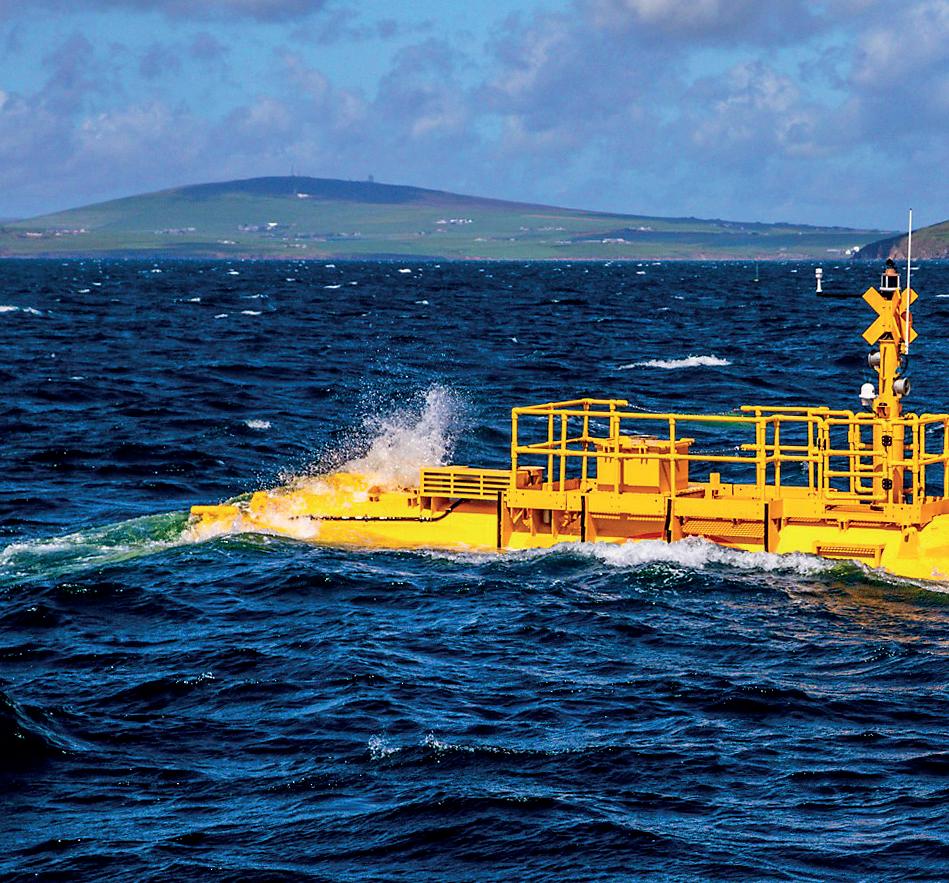
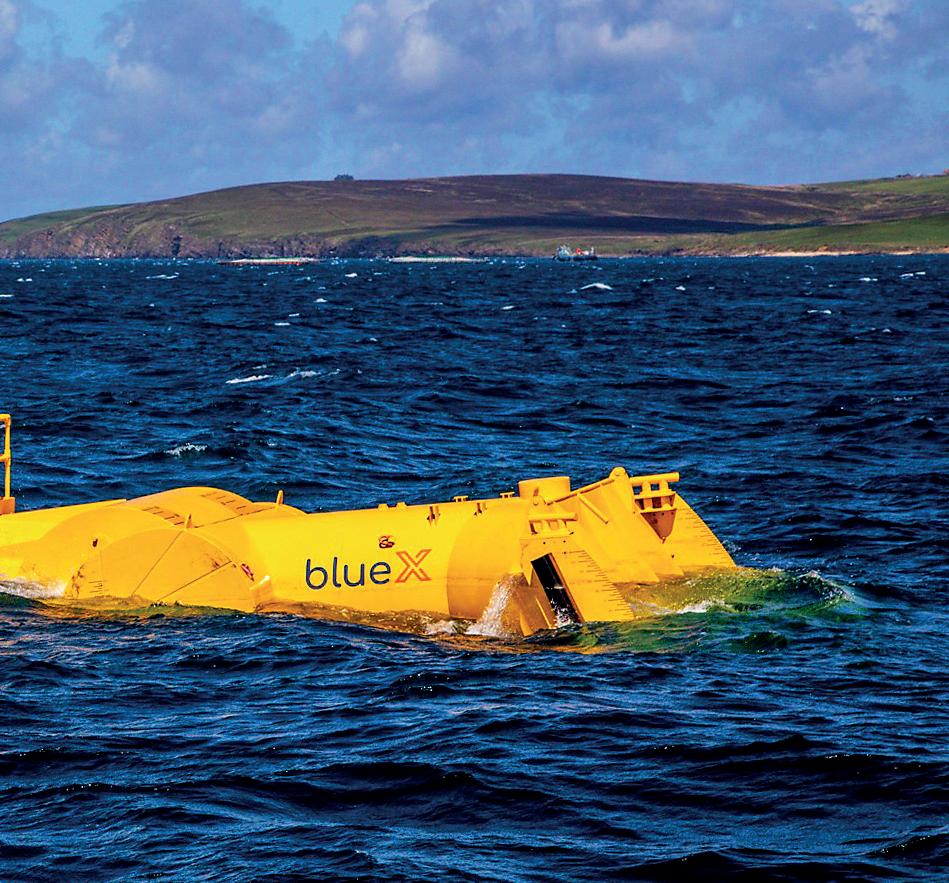
Blue X in operation at the EMEC Scapa Flow wave energy test site
Photo © Colin Keldie
Copyright © 2023 STATS Group
Mocean Energy is developing two wave energy technologies: Blue Star, a device that will power a range of subsea equipment, including autonomous vehicles and control systems; and Blue Horizon, a much larger machine designed to generate grid-scale electricity in off-coast wave farms.
Harnessing wave power is an exciting way to generate renewable energy, and both our companies are ideally placed to work together to make this technology a successful commercial reality.
Donny Marshall, Divisional Director, TEXO E&F
Following the successful first deployment of their Blue X prototype demonstrator in Orkney in 2021, Mocean has deployed Blue X in the seas off Orkney and connected with a Halo underwater battery developed by Aberdeen intelligent energy management specialists Verlume.
The £2m demonstrator project, called Renewables for Subsea Power (RSP), brings together consortium partners including Verlume, Baker Hughes, Serica Energy, Harbour Energy, Transmark Subsea and Net Zero Technology Centre (NZTC).
For more information: https://texo.co.uk/
Social media round up
We want to use every opportunity to connect with our members, so please follow us on Twitter (@TheEICEnergy) and connect with us on LinkedIn –EIC (Energy Industries Council)
Below you’ll find a selection of some of the exciting EIC activities and useful industry information we’ve shared through our social media channels.

The EIC @TheEICEnergy
EIC has launched EIC Training to bring a selection of industry training courses to EIC members and our extended network. Learn more at bit.ly/3UsasRO


EIC (Energy Industries Council)

After successfully mapping the UK market, EICSupplyMap now covers the UAE, Malaysia, Texas/US and Brazil. Updated daily by EIC analysts. Visit bit.ly/3zOmaNb

Sign up for the EICOnline newsletter Visit www.the-eic.com/Forms/NewsletterSignup 27 @TheEICEnergy EIC (Energy Industries Council) Member news New EIC members
Social media round up
i
The EIC @TheEICEnergy EICDataStream and EICAssetMap online training is free for EIC members. For more information on EIC membership and how to apply, follow the link bit.ly/3zoqNf0 80 80 SupplyMap
16 May EIC CONNECT
EIC CONNECT UAE

Radisson Blu Hotel, Abu Dhabi
16-17 May EIC CONNECT
North Sea Decarbonisation Conference
Marriott Hotel, Grosvenor Square, London
17 May Business Presentation
Meet the Energy Players in Thailand
Future Energy Asia 2023, Bangkok
17 May Management Course
EICDataStream/AssetMap training Online
17 May Business Presentation
North America EICDataStream
18 May Business Presentation Opportunities in Canada Houston

22 May Overseas Exhibition
CLEANPOWER 2023
Ernest N Morial Convention Center, New Orleans
23-25 May Overseas Exhibition
OMC Med Energy Conference 2023
Pala de André, Ravenna, Italy
24
24 May Training
Get in touch Share your news and views... Email newsdesk@the-eic.com Phone +44 (0)20 7091 8600 28 For more information and to book visit www.the-eic.com May 2023
LIVE
May Overseas Exhibition Offshore Technology Conference NRG Center, Houston
May Management Course
training Online
May LIVE e-vents
Members – Speedy Networking Webinar 8 May Overseas Exhibition World Utilities Congress 2023 Abu Dhabi National Exhibition Centre 9 May Overseas Exhibition World Hydrogen Summit 2023 Rotterdam, Netherlands 10 May Overseas Exhibition All-Energy 2023 Scottish Event Campus Ltd, SEC, Glasgow 10 May Business Presentation North America EICDataStream Online 11 May Business Presentation Business Breakfast: Energy Security Village Hotel, Glasgow 11 May LIVE e-vents Decarbonising the Energy Sector GotoWebinar 16 May Business Presentation Breakfast in Rio with Braskem Rio de Janeiro
Events calendar
events 1
3
EICDataStream/AssetMap
4
EIC
Online
May Training Introduction to Energy Transition Aberdeen
Business Development in Energy Transition Aberdeen
1 June LIVE e-vents
EIC Members – Speedy Networking Webinar


6-7 June National Exhibition

Energy Exports Conference 2023
P&J Live, Aberdeen
7 June Business Presentation
North America EICDataStream Online

8 June Business Presentation
Meet the Energy Players in Sabah
Sabah International Convention Centre, Malaysia
13 June LIVE e-vents
Africa Market & Project Update Webinar
Sign up for the EICOnline newsletter Visit www.the-eic.com/Forms/NewsletterSignup @TheEICEnergy EIC (Energy Industries Council) Forthcoming events 29 May –June 2023 UAE
16 May 2023 Radisson Blu Hotel Abu Dhabi CONNECT Baku
30 May 2023 CONNECT Holiday Inn Baku 24 May Business Presentation South America EICDataStream Online 25 May Corporate Entertainment 80th Cocktails with Petrobras and Shell Cais do Oriente, Rio de Janeiro 30 May EIC CONNECT EIC CONNECT Baku Holiday Inn, Keykab Khanim, Baku 31 May Management Course EICDataStream/AssetMap training Online 31 May Business Presentation North America EICDataStream Online
Tuesday
Tuesday
EIC guest editorial
by Harry Smith Sales and Senior Research Engineer, Atmos International

Atmos Theft Net: the human element of pipeline theft detection
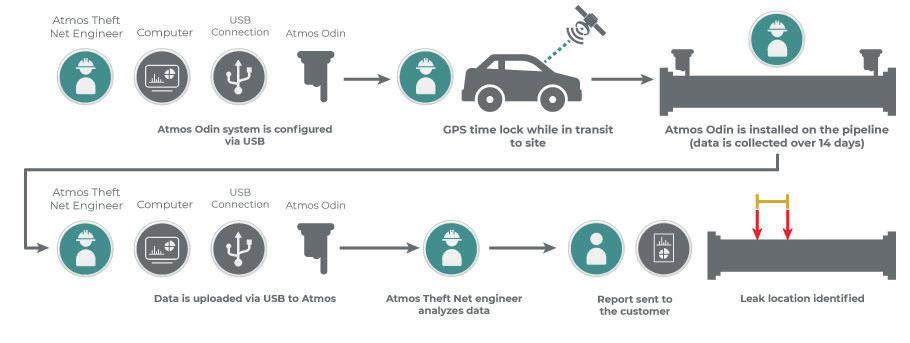
A loss of fuel, life and order: the current state of global pipeline theft
Whether it’s Latin American drug cartels making nearly US$90,000 every few minutes from pipeline theft, the thousands of lives lost annually from oil theft in Africa or the three million litres of fuel smuggled daily from Malaysia to Thailand, pipeline theft remains a global problem.1
With impacts that vary depending on region, it’s important to have a multimethod approach to theft detection, one which firstly considers the importance of advanced hardware and software.
The hardware and software behind a leading theft detection system
Hardware instrumentation is now capable of being retrofitted to liquid pipelines without the need to create a new tapping point and can support in the detection of multiple theft events. For example, Atmos Eclipse recently helped identify over 12 theft events on a European customer’s 100km pipeline.2
For areas with power and communication limitations, Atmos Eclipse can function as a standalone solution because it’s electrically isolated from the pipeline and can rely instead on solar and wind energy (90250 Volts AC line or 24 Volts DC).3
Additionally, the small size of data acquisition units like Atmos Odin means that they can provide theft detection to areas with limited power and communications while remaining inconspicuous during active thefts at the scene.4 The data collected by hardware instrumentation like Atmos Odin and Atmos Eclipse can then be analysed by software off site.

The volume balance and negative pressure wave methods used in Atmos Wave Flow’s software means it can detect leaks fast and with an accurate leak location by utilising intelligent learning that factors meter errors and data variations into its readings.3
What happens when the human element takes centre stage?
The human factor has long been a part of curbing pipeline thefts. From physical line walks to helicopter searches, humans have the potential to provide superior accuracy without the distraction of false alarms in a theft detection system.5
Some Latin American companies have saved billions of dollars in potentially lost fuel after introducing the human element to their theft detection 6 and Atmos Theft Net is a service which benefits from the humans behind it.
Atmos Theft Net is an offline data analysis service which combines fixed and portable hardware solutions with advanced software and human engineers who analyse the pipeline data. Only experienced engineers who are trained in the latest theft detection technology interpret the data provided and are able to locate leaks and thefts within 5-10 metres of an actual tapping point. This skilled engineer analysis works in tandem with hardware and software solutions to provide higher sensitivity than a standard online system and with a lower false alarm rate.
SCADA systems miss most theft events
As pipeline theft continuously evolves and becomes a more sophisticated operation, one of the main fuel theft techniques we’re seeing is the ‘try and remain hidden’ approach. This is characterised by the slow opening and closing of valves for small pressure changes, stealing small amounts of fuel over longer periods and often leaving tapping points untouched for long periods (sometimes years).
Standard sensors on most pipelines can at best detect leaks as small as 0.5% of the nominal flow rate, meaning they will miss most theft events because they occur at less than 0.3% of the nominal flow rate. By comparison, the engineers analysing Atmos Theft Net data can detect and locate a theft to within five metres for product losses as small as 0.1% of the nominal flow rate, both in static and running conditions.

Get in touch Share your news and views... Email newsdesk@the-eic.com Phone +44 (0)20 7091 8600 30 Get touch Any EIC members who wish to be profiled in this section contact... Email leliam.castro@the-eic.com
Figure 1: An example of the human element involved in Atmos Odin’s deployment and an Atmos Theft Net analysis
The human element is vital to the success of theft detection solutions like Atmos Theft Net. Engineers interpreting the data can find critical changes which are invisible to the SCADA system and report the times and locations of any illicit tapping points.

How the human element has been overcoming global pipeline thefts Europe
One of the largest refineries in Western Europe overcame its leak and theft challenges with a multimethod solution which included Atmos Theft Net and multiple illegal tapping points have since been detected, one which was located 20 metres away from the actual tapping point’s location.7
A UK crude oil refinery was also facing theft problems on its pipelines. However, since implementing Atmos Wave and Atmos Theft Net, the customer was able to locate leaks between 5-10 metres away from the actual tapping points.8
Latin America
With the support of Atmos Theft Net and Atmos Wave, three tapping points were recently detected and located for a customer in Costa Rica. A substantial amount of fuel had leaked due to the thieves wrapping the tapping point with a sock after finishing extracting the product.9
In Mexico, multiple thefts have also been confirmed offline by Atmos Theft Net engineers and their tapping points located, some with ¾ inch hoses still attached.10
Africa
An oil logistics expert in the Democratic Republic of Congo that plays a vital role in the supply of oil products throughout the country recently overcame its challenge of experiencing thefts in areas with limited power and communications by implementing a theft detection solution with Atmos International, which included Atmos Theft Net.
The customer required a theft detection solution that is accurate, reliable and spans a considerable length of the pipeline network. During a six-week trial of the theft detection system which involved three blind leak tests, Atmos was able to detect not only these events with good location accuracy, but the engineers behind Atmos Theft Net used proprietary data analysis techniques to detect a genuine theft which led to a tapping point being discovered on the pipeline.11
The Theft Net service now continues to be used by the customer as a deterrent against pipeline thieves.
The continuous improvement of theft detection will always need the human element
Atmos International applies years of experience and extensive understanding of the challenges in leak and theft detection to continuously develop more effective solutions and continually upgrade the Theft Net service and hardware to detect new theft techniques, and the human element will consistently remain a vital part of the process.
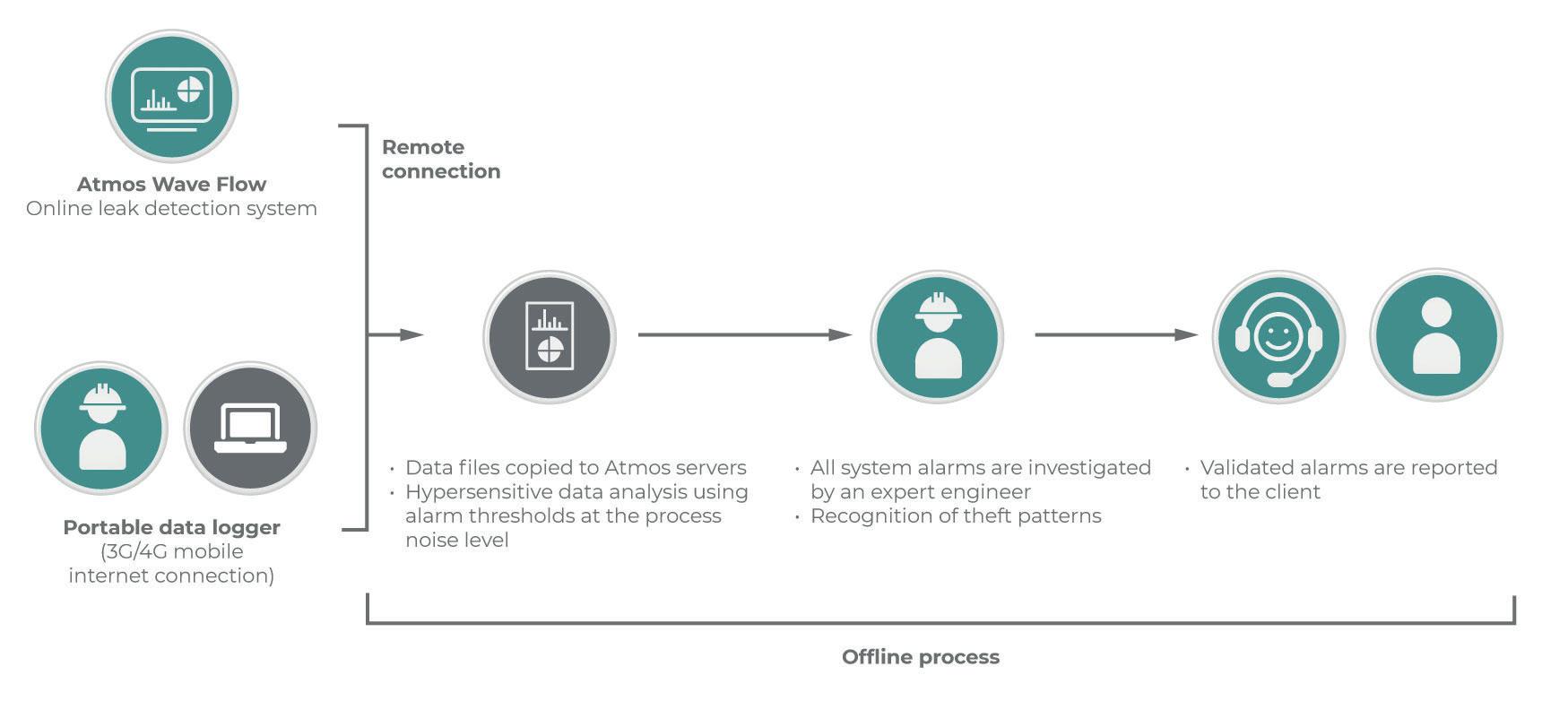
References
1 https://www.atmosi.com/en/resources/ ebooks/global-pipeline-theft-detectionebook/
2 https://www.atmosi.com/en/resources/ case-studies/totalenergies-marketingbelgium-use-atmos-eclipse-to-successfullydetect-multiple-theft-events/
3 https://www.atmosi.com/en/newsevents/in-the-media/inside-energy-eic-themultiple-applications-of-atmos-eclipse/
4 https://www.atmosi.com/en/newsevents/blogs/top-three-considerations-ofa-pipeline-theft-detection-system/
5 https://www.atmosi.com/en/newsevents/blogs/a-multilayered-approach-topipeline-theft-social-economic-law-orderand-technology/
6 https://mexiconewsdaily.com/news/fueltheft-on-rise-again/
7 https://www.atmosi.com/en/resources/ case-studies/valero/
8 https://www.atmosi.com/en/resources/ case-studies/total/
9 https://www.atmosi.com/en/news-events/ news/upgrading-leak-detection-systemswith-hardware-and-rupture-detected-onmulti-product-pipeline/
10 https://www.atmosi.com/en/newsevents/news/pipeline-theft-activity-andrupture-detected-and-confirmed-withhelp-from-atmos-hardware-and-software/
11 https://www.atmosi.com/en/resources/ case-studies/sep-congo-opt-for-atmostheft-net-as-an-effective-theft-detectionsolution-for-its-legacy-pipelines/
Sign up for the EICOnline newsletter Visit www.the-eic.com/Forms/NewsletterSignup 31 @TheEICEnergy EIC (Energy Industries Council) Learn more about Atmos International’s theft detection solutions here https://www.atmosi.com/en/solutions/theft-detection/?utm_source=PR&utm_medium=EIC+May+2023&utm campaign=The+human+element+of+pipeline+theft+detection&utm_content=Editorial Guest editorial www.atmosi.com/en
Figure 2: Summary of Atmos Theft Net
Energy Exports Conference 2023








Attend
Attend
the #1 event to identify global energy opportunities and meet key decision makers







































identify global energy
and meet key decision makers

We know how important it is for business owners to find new routes to growth and resilience in these continuing difficult market conditions. There are vast and exciting energy project opportunities around the world, EEC provides companies access to hundreds of contacts and to learn about multiple new export opportunities. Listen, engage and connect with international operators, developers, contractors, government and export advisors, ambassadors and trade experts from across
We know how important it is for business owners to find new routes to growth and resilience in these continuing difficult market conditions. There are vast and exciting energy project opportunities around the world, EEC provides companies access to hundreds of contacts and to learn about multiple new export opportunities. Listen, engage and connect with international operators, developers, contractors, government and export advisors, ambassadors and trade experts from across the globe.
Show highlights
Show highlights
globe.
2023 Exhibitors, Speakers and Sponsors
2023 Exhibitors, Speakers and Sponsors


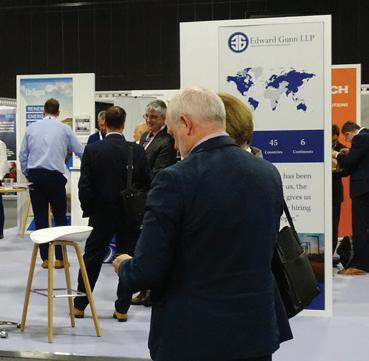
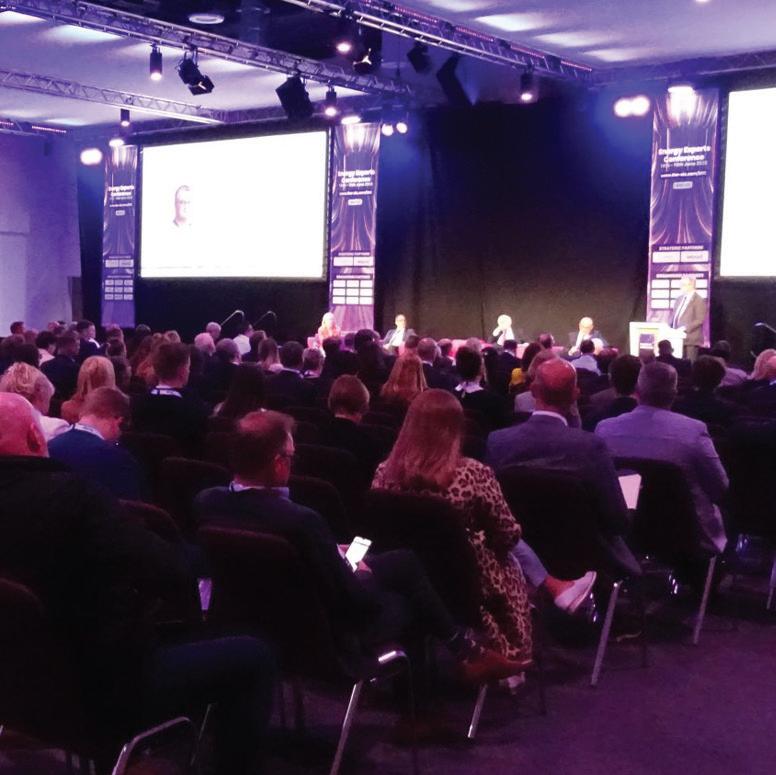
Free to attend 2 day exhibition & conference Access to all conference sessions Access to the networking reception Unlimited networking opportunities Access to EEC app and lead retrieval Contact us – for more information or if you are interested in one of our exhibition or sponsorship packages, get in touch with a member of the team… email EEC@the-eic.com
Partners
Energy Exports Conference 2023, the #1
to
event
opportunities
P&J Live, Aberdeen | 6th - 7th June 2023
Free to attend 2 day exhibition & conference Access to all conference sessions Access to the networking reception Unlimited networking opportunities Access to EEC app and lead retrieval Contact us – for more information or if you are interested in one of our exhibition or sponsorship packages, get in touch with a member of the team… email EEC@the-eic.com
BRANDINGAVAILABLEOPPORTUNITIES Partners
Energy Exports Conference
2023,
the
Register to attend Join us!
UK and Europe news
UK events update
April was an exciting month for the UK and Europe events team as we celebrated turning 80 in style with a Jubilee drinks reception at the Dorchester Hotel in London. The 1940s-themed birthday bash for our EIC members, stakeholders and invited guests, involved vintage cocktails, endless canapés and entertainment while celebrating the last eighty years of EIC’s success and growth.
Looking ahead to this month, we are delighted to be bringing you our third annual North Sea Decarbonisation Conference in London. Over the two days, 16 and 17 May, we will see over 50 speakers, welcome 300 delegates and have endless networking opportunities, all while discovering the various supply chain opportunities available in the North Sea and surrounding areas.
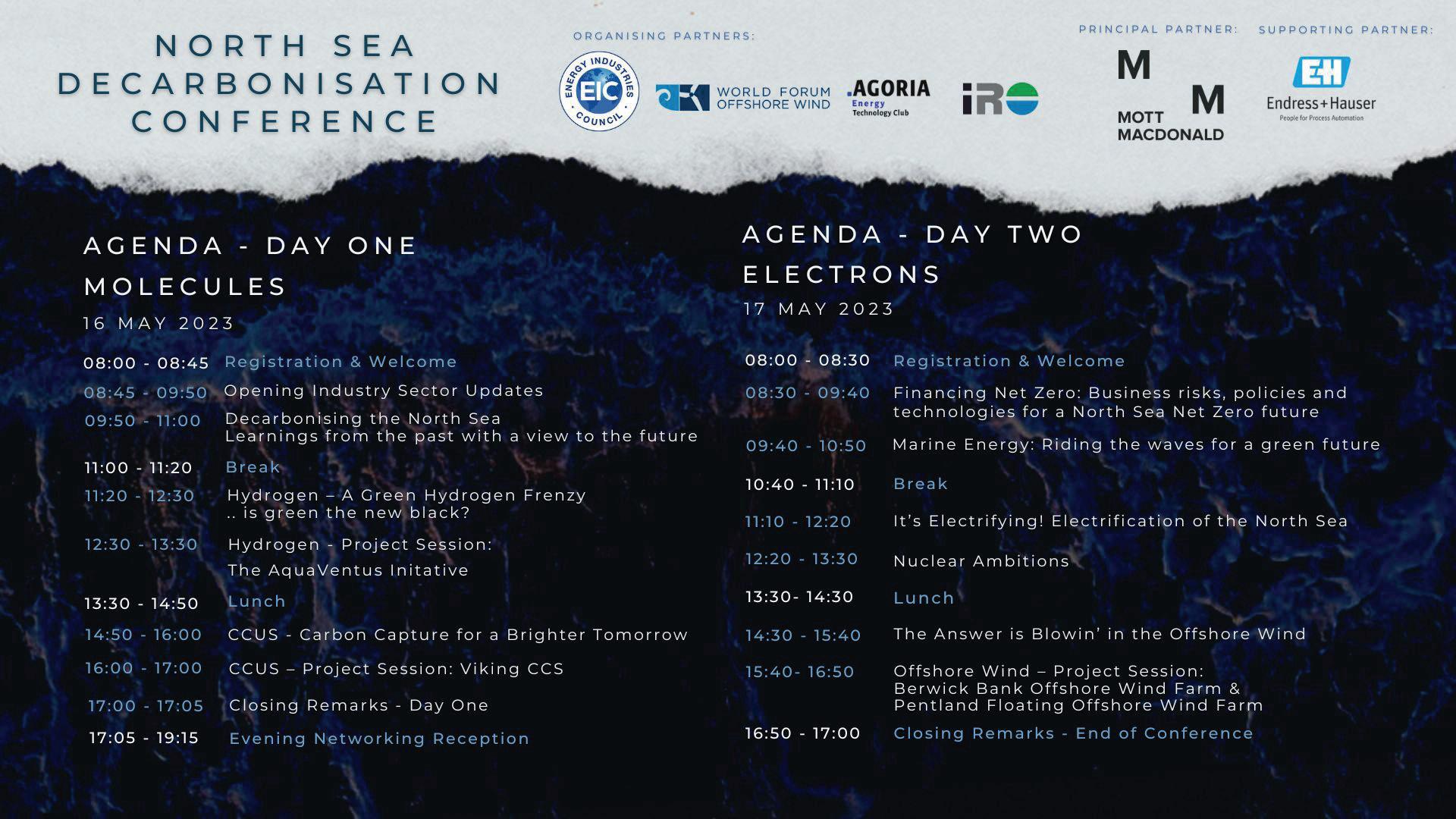
To book visit www.the-eic.com/Events/ TheNorthSeaDecarbonisationConference
We are also delighted to have launched our National Awards Ceremony and Dinner 2023.
Jo Campbell
Widely regarded as the Oscars of the energy sector, this fabulous evening taking place on Thursday 19 October will provide the opportunity to mingle with industry professionals, catch up with old friends and celebrate the amazing achievements of our EIC members. Keep your eyes peeled for the big reveal of this year’s celebrity host, who promises to be absolutely fabulous! Don’t miss out on the early bird offer currently available on the EIC website for your table of 10. We look forward to seeing you all at EIC events up and down the country soon.
 Jo Campbell, Regional Director, UK & Europe jo.campbell@the-eic.com
For further information or to find out about any of our forthcoming events please email eventsuk@the-eic.com
Sign up for the EICOnline newsletter Visit www.the-eic.com/Forms/NewsletterSignup @TheEICEnergy EIC (Energy Industries Council) 33
33
Get in touch For more information contact... Email eventsuk@the-eic.com • Phone +44 (0)20 7091 8600
OUT NOW! Visit www.the-eic.com/MediaCentre/Publications/EnergyFocus
EIC guest editorial
with Kees van Wingerden, VP Industrial Risk, Vysus Group
Thinking holistically about hydrogen’s place in the energy transition As energy operators across the world come to terms with the continuously changing nature of the energy transition, the need for a wide-lens view of the situation is clear. This includes knowing the capabilities and pitfalls of renewable energy sources at our fingertips, hydrogen being one that is especially prevalent. Kees van Wingerden, an expert with more than 45 years’ experience in industrial safety and infrastructure development, makes the case for holistic thinking and planning for the ‘new’ energy landscape.

Everyone has an opinion on the energy transition and believes theirs is the ‘right’ one. Each is valid, but without actually pausing and assessing the situation objectively, we as an international community cannot progress. Nor can we ascertain how that progress can be fulfilled safely.
In my experience of the hydrogen sector – which is widely accepted as being a valuable aspect of future energy usage – planning is everything. From the early stages of a facility’s development, through to generation, storage and distribution, ‘feasibility’ is a term that is constantly on everyone’s mind. It’s not one that we can pass over.

‘Feasibility’ and ‘holistically’ is a perfect combination. As an example, understanding the relationship between a hydrogen fuelling station and what potential hazards may be posed to the immediate surrounding environment, ensures the necessary protocols can be perfected and followed before an incident occurs. That also extends to gas leaks and how these will need to be contained. Such lessons need a holistic view and thought process.
Within that same process, particularly as we are looking at ways to accelerate the transition to renewables, the consequences of increased and decreased demand will need careful consideration. How much of the former can be achieved without putting too much pressure on the existing infrastructure’s capabilities? And where are the likely ‘weak spots’ as electric grids adapt to accommodate the alternative energy forms?
Questions like these last two are, too often, being missed in the planning and the implementation stages of renewable energy networks. The speed at which renewable energy centres can be rolled out should not come at the cost of safety. Prevention is a much more effective defence than the cure.
Hydrogen is gaining popularity because of it being a real clean fuel, generating only water upon combustion. It is versatile and suitable for various uses. Storage is, however, a characteristic that hydrogen has in its disfavour because of its low density. Hence hydrogen is stored at very high pressures or as a liquid, both potentially introducing risks. Again, the risks and rewards all need to be weighed carefully with the consequences of a change in demand, whether further feasibility studies are required, and how efficiently these can be completed. Efficient processes must also form part of that holistic mindset referred to previously. Knowing that we need more renewable energy resources is one thing – actually producing the necessary facilities such as hydrogen fuelling stations for transport and at marine ports for instance, is still lagging despite all the noise being made in all corners of the industry. This is the result of technology being developed faster than the doors can open; even before the UkraineRussia situation, such a complex matrix of various inputs from all manner of sources has placed untold strain on power grids already being stretched to capacity.
In conjunction, the speed at which facilities are developed and ‘opened’ is holding back the transition further. Even for a ‘small scale’ facility, it can take a number of years for it to become fully operational. Granted, we all want (and arguably, need) renewables to be accelerated, but not at the cost of safety, as alluded to earlier. Looking at the entire lifespan of a renewable facility ensures that planning for all eventualities and unexpected delays are kept to a minimum, but also increases the likelihood of faults being identified before they become wider problems. COP26 and 27 have presented opportunities to identify the socalled ‘elephants in the room’. These, however, now need to be followed up with procedural, legislative and holistic adaptations for them to be effective. The time for talking about the issue has long passed – we, as suppliers to and stakeholders of the global energy sector, each have several responsibilities to address. This collaborative approach is one that still isn’t being embraced for one reason or another.

Yet there is evidence that we can work in this holistic manner. Feasibility studies is one such example. Understanding the effect an increased demand of, say 10%, on the local supply network is a standard conversation at the very beginning of a facility’s lifespan – why can we not do the same for other points?
Only by asking these same (or at least similar) questions throughout all eventualities can we make the future energy landscape one that is sustainable in terms of the environment and the infrastructure in which it is situated.
Sign up for the EICOnline newsletter Visit www.the-eic.com/Forms/NewsletterSignup @TheEICEnergy EIC (Energy Industries Council) 35
For more information visit www.vysusgroup.com
Middle East news
Regional update
We are delighted to announce the appointment of Yousef Albayyat as our first KSA membership manager. Yousef has a mechanical engineering degree from Prince Mohammed Bin Fahd University and will be based in Al Khobar. This is a significant milestone for the EIC within the region and will help to enhance our offering to members who are either based in the Kingdom or looking to expand their business offerings therein. Please join me in welcoming Yousef to the team.
EICConnect UAE returns to Abu Dhabi on 16 May where once again we are delighted to have ADNOC on the programme alongside Bee’ah, Kent, Petrofac and many others. The event will showcase project opportunities, contractor briefings and the ever popular one-to-one meetings with key companies in the country.
Our inaugural EICConnect Baku taking place on 30 May is shaping up to be another great event with several key speakers now confirmed alongside the added benefit of an evening reception at the ambassadors residence the night before, kindly supported by the UK Department for Business & Trade. Baku Energy Week will also take place later that week making this a must attend for those looking at Azerbaijan as an export destination.
Our annual Survive & Thrive interviews have certainly been keeping me busy of late where I cannot wait to read the full report when published in June 2023, it has really opened my eyes to how diverse and innovative our members are with one thing shining through amongst all of the interviews: a ‘can do’ attitude and willingness to embrace new ways of thinking. I can already foresee that the judges for the EIC Regional Awards taking place in September 2023 have a difficult job on their hands.
The UK Pavilion for ADIPEC 2023, taking place on 2-5 October 2023 is now sold out. We look forward to what has become the most illustrious event in the energy calendar.
On a final note, with just over a month to go, the Energy Exports Conference returns to Aberdeen from 6-7 June. This event provides companies access to hundreds of contacts and enables businesses to learn about multiple new export opportunities. Please check out the full programme on our website and if any of my contacts are in Aberdeen at that time I would be more than happy to catch up.
Ryan McPherson
Regional Director, Middle East, Africa, Russia & CIS ryan.mcpherson@the-eic.com
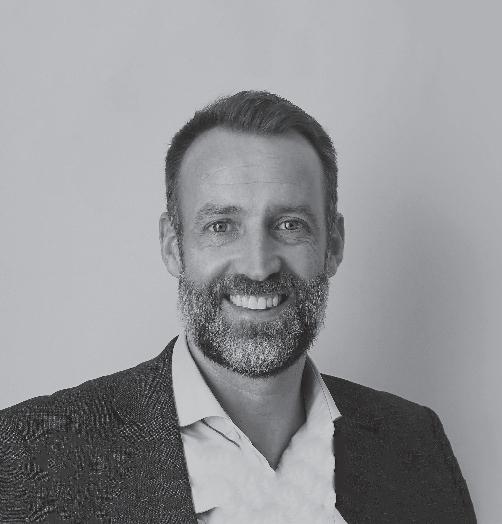
Regional news
Masdar signs agreement with Ivory Coast to explore development of solar power
Abu Dhabi’s clean energy company Masdar has signed an agreement with the Ivory Coast to explore the development of a solar power plant.
Masdar and the Ivory Coast’s energy and mining ministry will look at jointly developing solar photovoltaic plants in the West African country, starting with a project with a capacity that is between 50MW and 70MW.
The West African country aims to produce 45% of electricity from clean energy sources by 2030.
Africa could be a key green hydrogen supplier to Europe amid energy crisis
Africa could be a key supplier of green hydrogen to Europe, which is currently looking to diversify its energy mix following the reduction of Russian natural gas supplies.
More than 52 green hydrogen projects have been announced in Africa, with production set to reach 7.2m tonnes by the end of 2035, according to Rystad Energy. Most of the planned projects will be producing ammonia as an end-product for export to Europe.
Hydrogen is set to play a key role in the transition to a net-zero energy system and will help to decarbonise sectors that are difficult to electrify such as heavy industry and long-haul transport. Globally, the size of the hydrogen industry is expected to hit US$183bn this year, up from US$129bn in 2017, according to Fitch Solutions.
Forthcoming events
Please go to page 28 to see upcoming events around the world
Get in touch Share your news and views... Email newsdesk@the-eic.com Phone +44 (0)20 7091 8600 36
Ryan McPherson
Asia Pacific news
Regional update
EIC APAC hosted our annual Iftar networking event on 30 March. This brought together close to 100 industry leaders from various energy sectors in Malaysia to connect, share ideas and make valuable connections over a delicious Iftar meal. The event was supported and sponsored by TNF Energy.
Azman Nasir
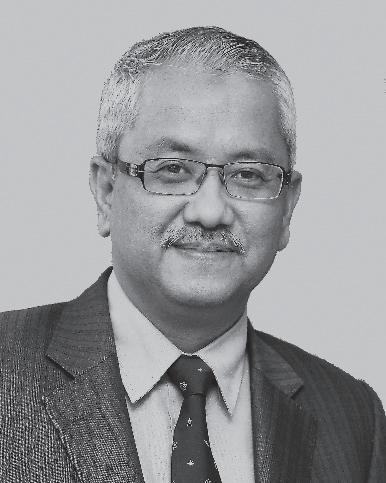
We organised a webinar, Solar Sector Overview, in April and will be organising another webinar on the Opportunities in the Decarbonisation of the Energy Sectors in May. EIC APAC will be continuing our webinar series with over 10 planned webinars during the year.
EIC APAC will also be hosting a Meet The Energy Players session in Thailand, in conjunction with the Future Energy Asia Conference and Exhibition, 17-19 May in Bangkok. EIC APAC is hosting an EIC APAC business lounge at the event showcasing our exhibiting EIC members in a strategic spot for networking.
In June, EIC APAC will be hosting the EIC APAC business lounge at the Energy Exports Conference (EEC) in Aberdeen. PETRONAS and Sarawak Energy Berhad will be some of the key operators in the region who will be participating at the event. EEC is a platform for supply chain companies from the APAC region to showcase their offerings to UK companies.

EIC APAC will also be hosting the APAC business lounge at Sabah Oil & Gas Conference & Exhibition (SOGCE), on 8-9 June 2023 in Sabah, Malaysia. This conference and exhibition will bring together key players from Sabah’s energy industry to share insights, network and discuss future trends and opportunities. The two-day event will feature a range of presentations, panel discussions and networking opportunities. You will have the chance to hear from industry experts and learn about the latest technologies and innovations in Sabah’s energy industry. Additionally, you will be able to connect with exhibitors from all over the region and explore the latest products and services on offer. EIC members are eligible for preferential rates at this exhibition.
Azman Nasir Head of Asia Pacific azman.nasir@the-eic.com
Launch of the 2023 Malaysia Bid Round
The Malaysia Bid Round (MBR) 2023 was launched in late February, the same day that new acreage was officially awarded from MBR 2022. Nine out of 14 exploration blocks were successfully awarded, as well as three discovered resources opportunities (DROs). The results marked the highest number of PSCs awarded in Malaysia within a single year since 2010. Industry analysts agreed it was a strong outcome in a world increasingly focused on transitioning away from exploration for new oil and gas.
Over 50% of RE from Asia
Asia dominated the new renewables capacity globally, accounting for about 60% of the newly installed capacity adding 174.9GW in 2022. In a report, the International Renewable Energy Agency (IRENA) said the new additions bring Asia’s total renewable energy to 1.63TW or 48% of the global capacity. China accounted for the huge increase in the region after deploying 141GW of renewable capacity last year. The region is followed by Europe which saw 57.3GW of new capacity or an 8.8% growth, and North America with 29.1GW of new installations or a 6.3% increase.
Sign up for the EICOnline newsletter Visit www.the-eic.com/Forms/NewsletterSignup @TheEICEnergy EIC (Energy Industries Council) 37
37
w Regional news
EIC Newsbriefs membership@the-eic.com Keeping you up to date with energy news from around the world
Photo © 2003-2023 Shutterstock, Inc
North and Central America
Regional update
The EIC North and Central America region would like to remind our community of members and non-members to visit our regional events calendar www.the-eic.
com/Events/Calendar for updates around global and regional events. In 2022, our region had the pleasure of holding multiple in-person events and looks forward to continuing for the remainder of this year.
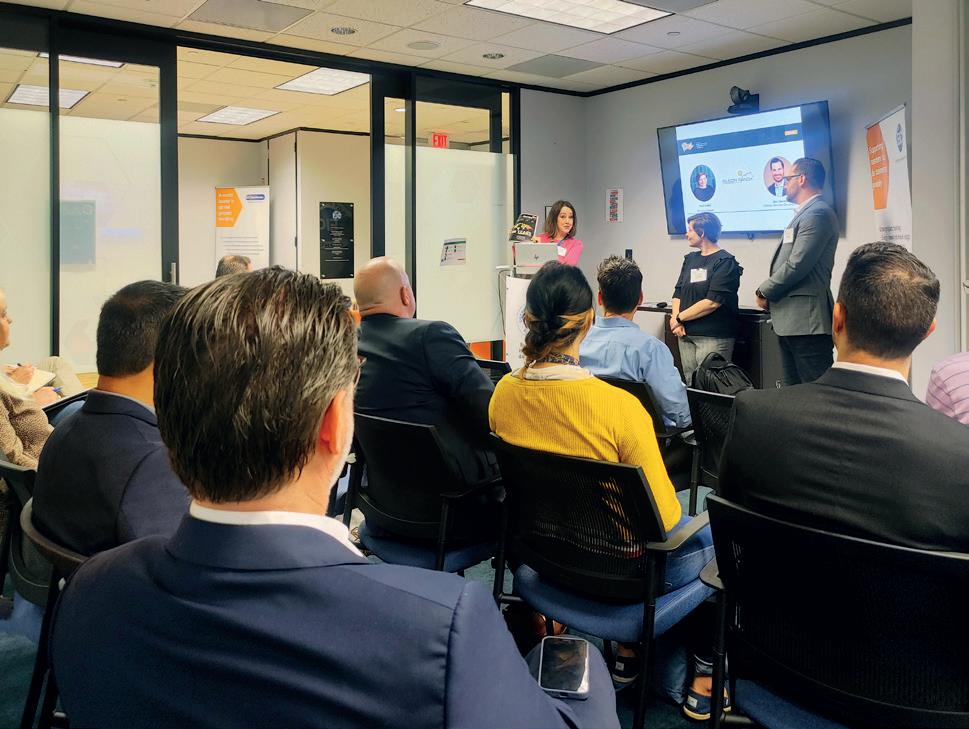
Save the dates
Membership Open Day
Tuesday 20 June 2023
Membership Open Day
Tuesday 29 August 2023
Membership Open Day
Wednesday 6 December 2023
Regional news
US raises US$263.8m in Gulf of Mexico auction bids
On Tuesday 28 February we had the pleasure of welcoming Silicon Ranch, a leading provider of climate solutions and one of the largest independent power producers in the US for the third event in the North and Central America business briefing series. During the event we welcomed both EIC members and non-members for a presentation from Silicon Ranch, coffee and networking. A special thank you to Anell Wright, Sourcing Manager II and Ben Oberman, Director of Business Development for visiting us from Nashville, pictured above.
To highlight an upcoming event taking place this month, the EIC North and Central America region in partnership with the Consulate General of Canada in Houston will be hosting an in-person, four-hour event: Regional Showcase: Opportunities in Canada. Beyond being joined by the Consulate of Canada team, the EIC will also have the pleasure of welcoming confirmed speakers from Baker Hughes and Worley. This event will be held at our Houston offices and has limited seating. To be sure to reserve your spot today, please visit www.the-eic.com/EventDetail?dateid=3784 or email adriana.romo@the-eic.com
Amanda Duhon VP & Regional Director, North & Central America amanda.duhon@the-eic.com

The Biden administration recently held an auction for oil and gas drilling rights on the US Outer Continental Shelf (OCS) in the Gulf of Mexico. The auction received a total of US$263.8m in bids: the biggest since a sale in Central Gulf in 2017. The Bureau of Ocean Energy Management (BOEM) offered 73.4m acres, from which ExxonMobil bought more than 60 shallow water blocks. Chevron was the biggest investor in the sale, with multiple million-dollar bids in deepwater areas. Shell, Equinor, BP and Hess also featured on the winners list. The terms for the oil leases are five or ten years, depending on water depth.
DoE awards funding for FLOW supply chain development
Nine groups were selected by the Department of Energy (DoE) as recipients of government funding for the development of the US floating wind supply chain. The groups are formed by Aikido Technologies, Aker SolutionsPrinciple Power, Beridi Triwind, OCG-Full Wind Cycle, PelaStar, Technip Energies, Tetra Triple-One, VolturnUS+ and Wheel US. The companies will receive US$100,000 in cash in addition to US$75,000 in laboratory support under the first phase of the Floating Offshore Wind Readiness (FLOWIN) prize organised by the DoE’s Wind Energy Technologies office.
Forthcoming events
Please go to page 28
to see upcoming events around the world
Get in touch Share your news and views... Email newsdesk@the-eic.com Phone +44 (0)20 7091 8600 38
news
Amanda Duhon
South America news
Regional update
May begins with OTC in Houston and if South America is your target there are several initiatives taking place. Gabriella Fernandes, Membership Manager and Clarisse Rocha, Regional Director – Americas will be there in person and can introduce you to key stakeholders from the Brazilian industry.
In Rio, join Breakfast in Rio: Downstream Opportunities with Braskem on 16 May. The largest producer of thermoplastic resins in the Americas, Braskem offers a wide range of downstream services. The company holds 29 industrial plants in Brazil alone and eleven worldwide, exporting to more than 70 countries, with a yearly production of 15.4m tons. Contact rio@the-eic.com
On 25 May the EIC South America team will celebrate the EIC’s 80th anniversary with a high profile event having Shell and Petrobras as speakers followed by a cocktail reception in Rio. If you’re interested in boosting your company’s presence at this event, our events team has crafted special sponsorship packages that will surely suit your demands. Contact rio@the-eic.com
Regional news
2023 T&D auctions to attract up to US$6.8bn in Brazil
Brazil’s power watchdog ANEEL is taking action to make way for growing renewable generation capacity by promoting the expansion of the national energy grid. First, the entity will carry out 2023’s first energy transmission auction on 30 June, promising to draw in investments of about US$3bn (R$16bn) for 6,100km in new transmission lines across seven Brazilian states. On a date yet to be disclosed, ANEEL will carry out 2023’s second energy transmission auction, to feature an unprecedented combined investment of US$3.8bn (R$19.7bn), the largest in Brazil’s history, covering a total of 4,470km of new transmission lines and 9.8GW of new capacity conversion at substations.
The EIC successfully organised another Breakfast in Rio: Offshore Services: OPEX and ABEX Opportunities with Ocyan, a major Brazilian player, and representatives of the National Agency for Petroleum, Natural Gas and Biofuels (ANP). The event took place on 23 March and attracted nearly 100 people, pictured above.
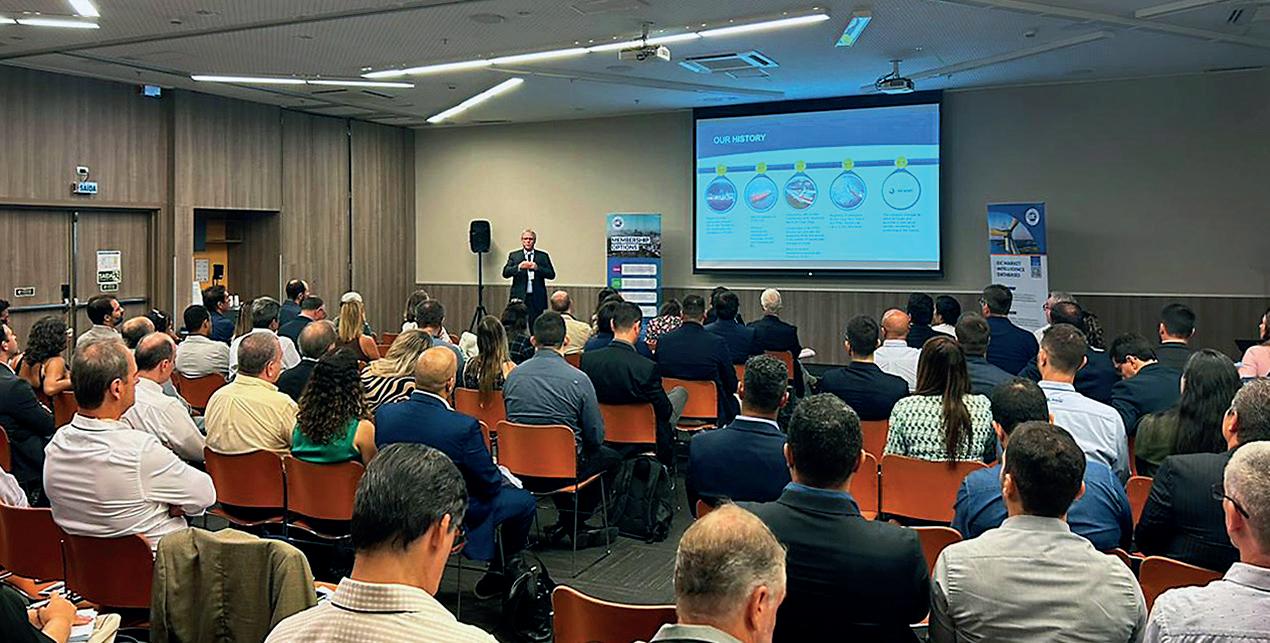
Thiago Jacques, ANP Environmental and Safety Advisor, shared with the audience that investments of R$51.5bn (US$9.6bn) are foreseen between 2022 and 2026 for decommissioning projects in Brazil.
Ocyan’s Vice President, Jorge Luiz Mitidieri sees great opportunities for decommissioning subsea equipment. The speaker also announced that Ocyan will soon launch a new subsidiary specialising in drilling activities.
Clarisse Rocha Director – Americas clarisse.rocha@the-eic.com

Colombia approves up to 7GW in renewable projects
The Colombian National Mining and Energy Planning Unit (UPME) held an auction for renewable and clean energy with over 800 projects evaluated with a combined capacity of 56GW. According to UPME, 5.7GW of the selected requests came from 147 solar projects, the leading technology in the country’s energy transition. Followed by 1.2GW of wind power. The remaining energy will come from seven hydropower projects with a combined capacity of 169MW and also one biomass plant.
Sign up for the EICOnline newsletter Visit www.the-eic.com/Forms/NewsletterSignup @TheEICEnergy EIC (Energy Industries Council) 39
39
EIC Newsbriefs membership@the-eic.com Keeping you up to date with energy news from around the world
Clarisse Rocha

EIC Europe and Head Office 89 Albert Embankment London SE1 7TP UK Tel +44 (0)20 7091 8600 Fax +44 (0)20 7091 8601 Email info@the-eic.com EIC Middle East PO Box 54455 Office No 5WA 228 West Wing Building 5A Dubai Airport Free Zone Dubai UAE Tel +9714 299 3945 Email dubai@the-eic.com EIC Asia Pacific Lot 17-01 Level 17 Menara HLA No 3 Jalan Kia Peng 50450 Kuala Lumpur Malaysia Tel +603 2725 3600 Email kualalumpur@the-eic.com EIC North and Central America Suite 925 11490 Westheimer Houston Texas 77077 USA Tel +1 713 783 1200 Email houston@the-eic.com EIC South America Ed. Manhattan Tower 26th Floor Avenida Rio Branco 89 20040-004 Rio de Janeiro - RJ Brasil Tel +55 21 3265 7400 Email rio@the-eic.com @TheEICEnergy EIC (Energy Industries Council) www.the-eic.com HOUSTON LONDON DUBAI KUALA LUMPUR RIO DE JANEIRO Contact us
