360 ° SERIES
VIEWFINDER: FACTS AND PERSPECTIVES ON THE PLAY, PLAYWRIGHT, AND PRODUCTION

WWW.TFANA.ORG
VIEWFINDER: FACTS AND PERSPECTIVES ON THE PLAY, PLAYWRIGHT, AND PRODUCTION
3 Remarks from the Director by Erica Schmidt
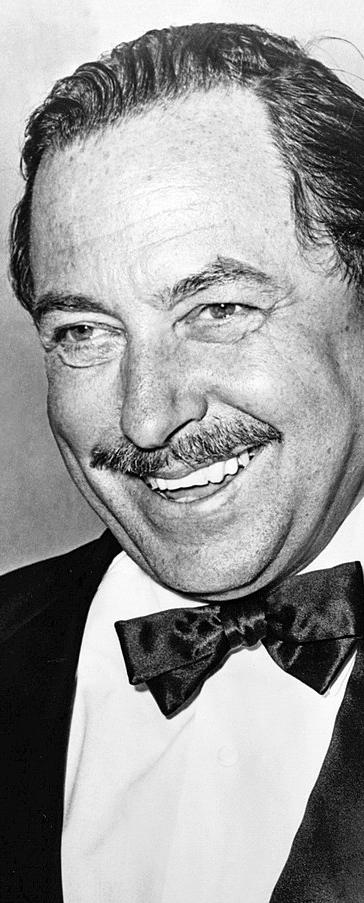
5 Biography: Tennessee Williams

6 "Thunder of Disintegration" by
John Lahr12 Interview: Between Desire and Despair Benjamin Gillespie, in coversation with Erica Schmidt, Maggie Siff, Pico Alexander, and Ana Reeder
20 Unanswered Questions that Haunt Our Hearts: Tennessee Williams' Interrogation of Southern Whiteness by Annette J. Saddik
24 The Blues-Jazz Epic and Tennessee Williams' Orpheus Descending by R. A. Lawson
28 Tennessee Ascending by Bess Rowen
33 The Production: Cast and Creative Team
Our 2022-23 Season is dedicated to Celebrating the Memory of Peter Brook. From 20082019, TFANA was honored to present seven New York Premieres of works by Shakespeare, Dostoyevsky, Beckett and new plays by Peter Brook and Marie-Hélène Estienne directed by Peter or co-directed by Peter and Marie-Hélène.
Notes
Front Cover: Art by Paul Dav is.
This Viewfinder will be periodically updated with additional information. Last updated July 26, 2023.
Credits
Orpheus Descending 360° | Edited by Nadiya L. Atkinson
Resident Dramaturg: Jonathan Kalb | Council of Scholars Chair: Tanya Pollard | Designed by: Milton Glaser, Inc.
Publisher: Theatre for a New Audience, Jeffrey Horowitz, Founder and Artistic Director

Orpheus Descneding 360° Copyright 2023 by Theatre for a New Audience. All rights reserve d.
With the exception of classroom use by teachers and individual personal use, no part of this Viewfinder may be reproduced in any form or by any means, electr onic or mechanical, including photocopying or recording, or by any information or retrieval system, without permission in writing from the publishers. Some materials herein are written especially for our guide. Others are reprinted with permission of their authors or publishers.
360°
R emarks to the company of Orpheus Descending on the first day of rehearsal, Tuesday June 6, 2023, by director Erica Schmidt.
ORPHEUS DESCENDING is about what America does to the outsider. It’s about trying to survive and create beauty, the Herculean effort towards transcendence, in a culture of racism, intolerance and sanctioned violence.
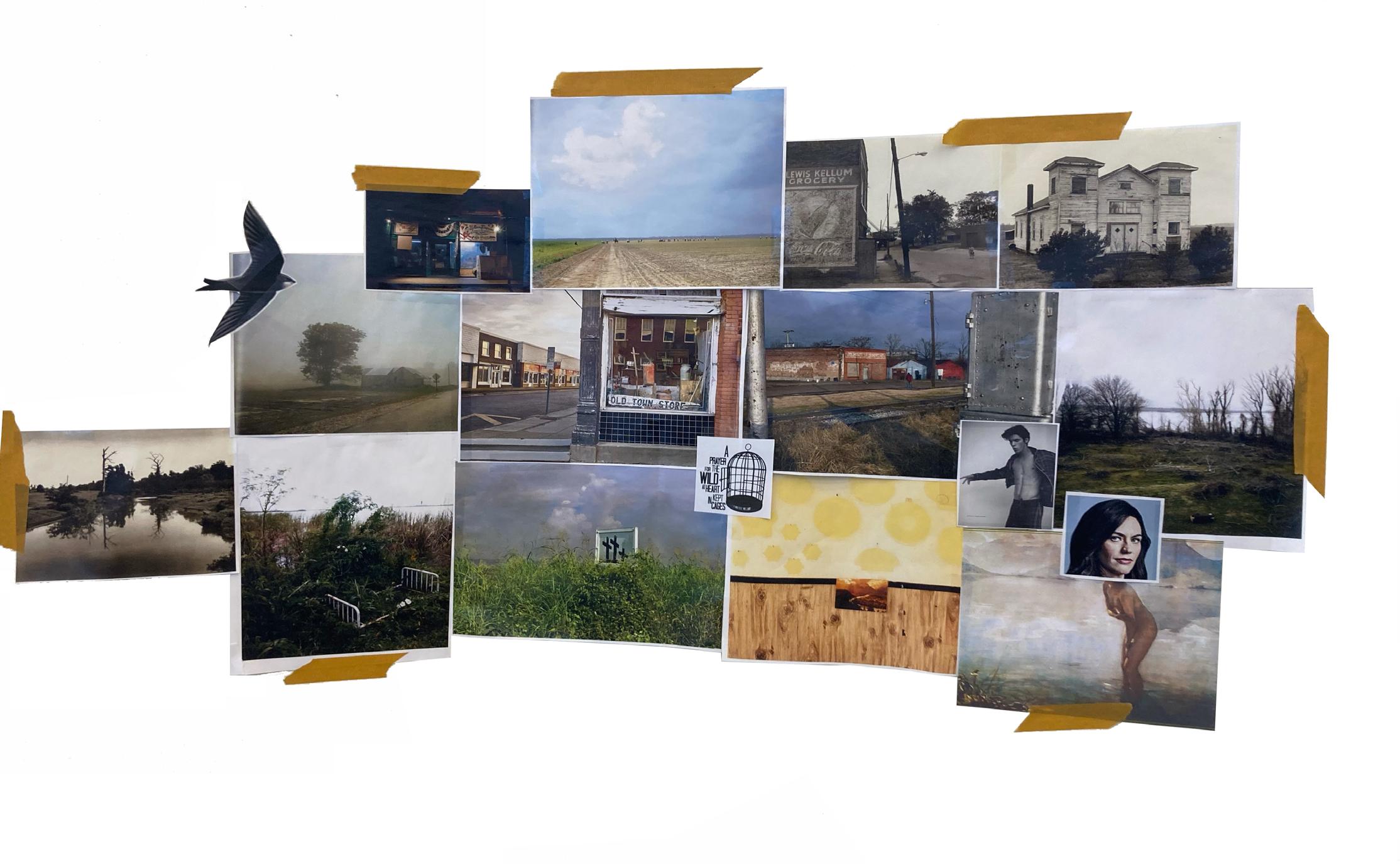
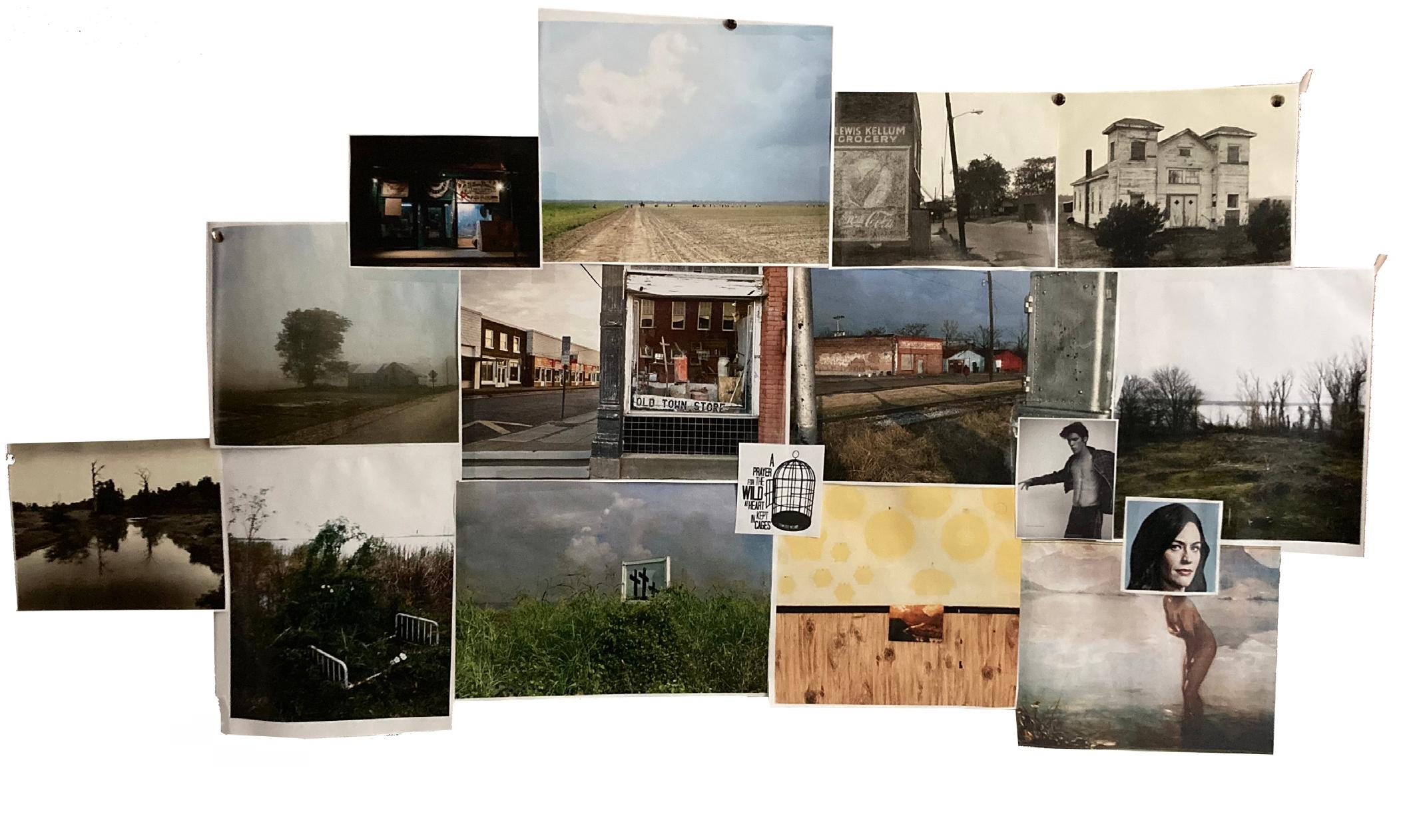
The s etting is a mercantile or dry goods store. This is capitalism buying and selling not only of goods but of people. This is about Williams’ hatred of oppression. The crimes of the slave trade, the Choctaw Indians driven from Mississippi, the women sold into marriages the slippery small ways we all sell ourselves.
This is about the fact of human aloneness, solitary confinement, being trapped in our own skins. Who doesn’t wonder if their interior life is a dry goods store?
The setting is a cage. Williams said he wrote the play as a prayer for the wild at heart kept in cages. This is hell. Two Rivers Mississippi, in the 1950’s. This is America where we are in bed with the men who wear white hoods in the night. This is about our history, the blood on the ground in the South from the Choctaw to the Black people to the Italian immigrants to the artists—anyone trying to transcend—is a misfit, a fugitive, a vagrant—condemned.
This is a political play. The central action is Lady’s desire to open the confectionery which for her is reopening her father’s wine garden. Her father was lynched because he sold alcohol to Black people. Her father’s wine garden was where Lady was young, where she was loved by David Cutrere, where her future was in front of her and anything was possible. She must bring that back in order not to be defeated, in order to survive.
Val is Orpheus who descends into hell (the town, Lady’s marriage to Jabe) to bring her back to life. He’s also Valentine Xavier. The Savior he’s Christ. The play takes place during Holy Week during the resurrection. Val’s song is his art and it’s the blues. There is a lot of symbolism, lyricism, ideas but the acting is not expressionistic it’s naturalism. It’s real.
Val and Lady (and Vee and Carol) try to outlive their fate, they try to make art, they try to hold on to passion with both hands but ultimately, they are destroyed; there is no salvation the only possible transcendence is death and then, finally what remains when you are gone the song, the play, the painting, the snakeskin jacket.
This play is about passion. It’s about awakening what you thought might be dead inside yourself. It’s about holdi ng on to whatever comes near you with both your hands until your fingers are broken—trying to make art (paintings, music, a confectionery, theater) despite impossible odds and knowing you will probably be destroyed for the effort. DESIRE is the lightening rod of the play—wanting sex and wanting to be pleased and touched and loved. As Blanche says in Streetcar “the opposite of desire is death.” Williams said that “the message of absolute dread, that sense of the awful, is the desperate black root of all significant art” and here he gives us an attempt to portray something indefinable—not only the horror of life but also the passionate, grasping, stumbling, desperate attempt we make at ecstasy before we fall.
TENNESSEE WILLIAMS was born in 1911 in Columbus, Mississippi, where his grandfather was the Episcopal clergyman. When his father, a traveling salesman, moved with his family to St. Louis some years later, both he and his sister found it impossible to settle down to city life.
He entered college during the Depression and left after a couple of years to take a clerical job in a shoe company. He stayed there for two years, spending the evenings writing. He entered the University of Iowa in 1938 and completed his course, at the same time holding a large number of part-time jobs of great diversity.
He received a Rockefeller Fellowship in 1940 for his play Battle of Angels , and he won the Pulitzer Prize in 1948 for A Streetcar Named Desire and in 1955 for Cat on a Hot Tin Roof
Other plays include Summer and Smoke, The Rose Tattoo, Camino Real, Baby Doll, The Glass Menagerie, Orpheus Descending, Suddenly Last Summer, The Night of the Iguan, Sweet Bird of Youth and The Two-Character Play .

Tennessee Williams died in 1983.
John Lahr is the production dramaturg on Theatre for a New Audience's production of Orpheus Descending . The following is excerpted (with the kind permission of the author) from his National Book Critics Circle Awardwinning biography Tennessee Williams: Mad Pilgrimage of the Flesh , published by W.W. Norton in 2014, and available for purchase at TFANA's book kiosk, Amazon , or wherever fine books are sold.
In1939, Williams had described his play Battle of Angels as a tale about "a boy who hungered for something beyond reality and got death and torture at the hands of a mob." But in the intervening decade and a half, the valence of his life had dramatically shifted. Inevitably, so had his surrogate in the play. In Battle of Angels, Val was a hunted, primitive saint; in Orpheus Descending, he was a vagrant, jaded sensualist, "fighting his own descent into a hell of his own making," Williams explained to the Miami Herald in 1956. During the gestation of Battle of Angels, Williams himself had been a pilgrim soul, a newcomer to the "trapeze of the flesh," living from hand to mouth, with a literary reputation to gain and nothing to lose. By the time the play reached its final form in 1957, Williams was struggling with a sense that his heart had atrophied: "we persist, like the cactus," he wrote in his notebook. He had not so much transcended his wounded self as been trapped by his attempts to escape it. His life depended on his writing; his writing fed off his life, and his life had become attenuated by his wayward habit of being. "Unfortunately in 1940 I was a younger and stronger and curiously! more confident writer than I am in the Fall of 1953," he wrote to [his longtime editor Audrey] Wood after sending her the first draft of Orpheus Descending, which failed to impress. "Now I am a maturer and more knowledgeable craftsman of the theatre, my experience inside and outside the profession is vastly wider, but still the exchange appears to be to my loss."

In January 1957—two months before the Broadway opening of Orpheus Descending—Williams found himself in a hell from which even the big magic of writing could not seem to save him. "For the first time I think I may stay away from rehearsals," he wrote to Maria St. Just. "I am too destroyed at this time to be of any assistance." He continued, "Of course I have been through periods
somewhat like this before, when the sky cracked and fell and brained me, but this time I seem less able to struggle out of the debris. I'm at a loss to explain it. I suppose it's partly Mother's nervous breakdown" Edwina, suffering from paranoid delusions of being poisoned by her maid and murdered by her chauffeur, was briefly hospitalized in September 1956 "and the shock of Rose's sudden deterioration when I put her in the 'Institute for Living,' which I had hoped would do her so much good. But the unaccountable collapse of my power to work, since work has always been my escape and comfort, is more likely to be the root of trouble."
Williams longed, as he wrote to [director Elia] Kazan in March, to "recapture some of my earlier warmth and openness in relation to people, which began to go when I began to be famous." The guitar-toting Val of Orpheus Descending incarnated Williams's moral exhaustion.
"He is still trapped in his corruption and engaged in his struggle to maintain his integrity and purity... a duality not reconciled," Williams said, speaking as much for himself as for Val. He spelled out his self-loathing most succinctly not in the play but in the opening minutes of his screenplay adaptation, The Fugitive Kind (1959). "I felt like my whole life was somethin' sick in my stomach and I just had to throw it up. So I threw it up," Val tells a judge who releases him from jail in the movie.
When the curtain rises on Battle of Angels, the dry-goods store is a reflective, even picturesque museum of the tragedy that the play recounts in flashback; in Orpheus Descending, we encounter an altogether more dynamic, foreboding, and oppressive landscape. Williams's stage directions suggest a crepuscular, deadly world: walls "streaked with moisture and cobwebbed," the "black skeleton" of a dressmaker's dummy, a "sinister-looking artificial palm," a "disturbing emptiness" outside the windows. Even the confectionery that is part of the store is "shadowy and poetic as some inner dimension
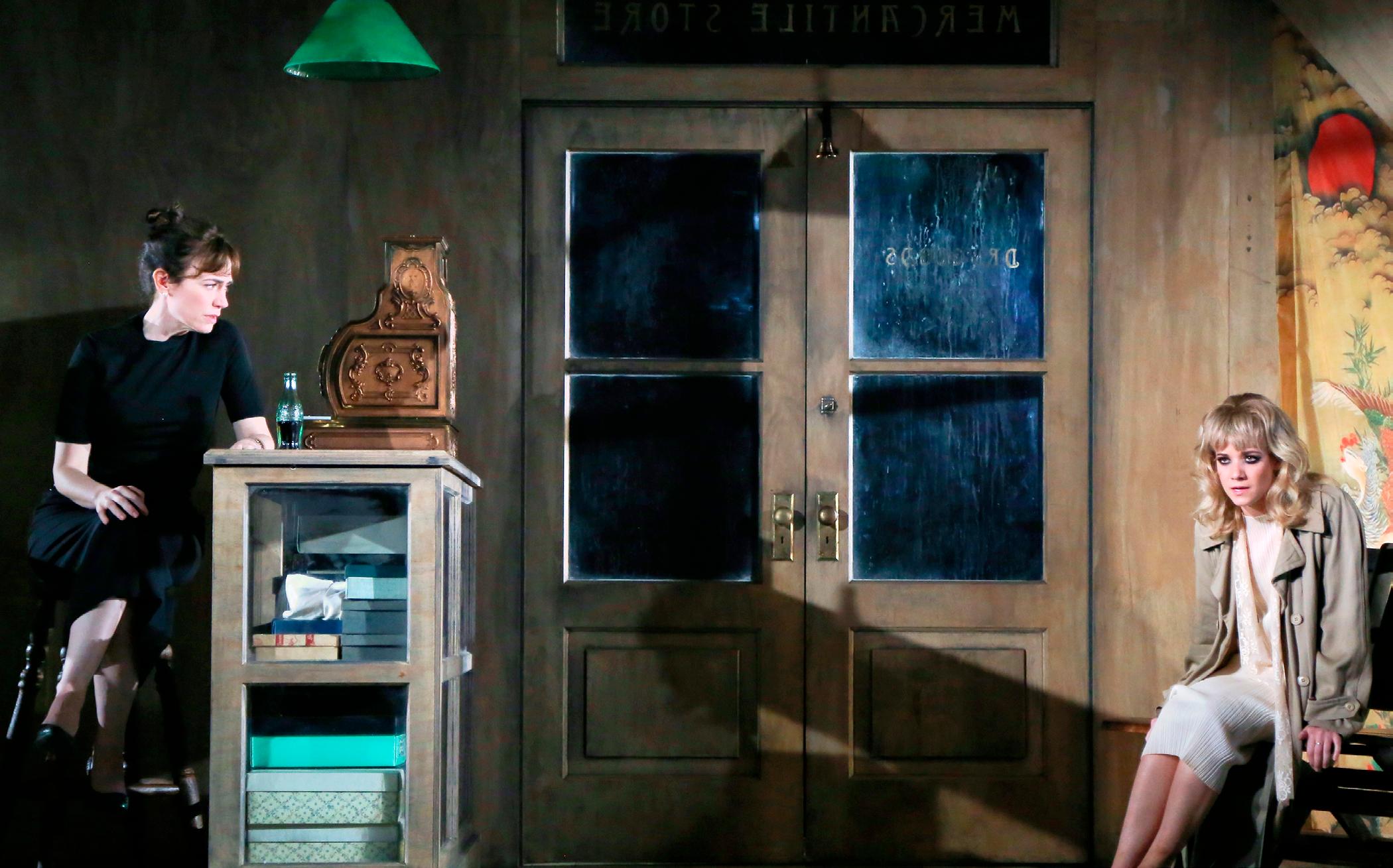
of the play." The heart's calcification is central to the reconceptualization of Orpheus; it is the presenting symptom of both of the main characters when they first meet. When Val wanders into town, the sharptongued and volatile Lady Torrance, who runs the drygoods store, pulls a gun on Val; "she's not a Dago for nothin'!" one character says. Lady has been "coarsened, even brutalized, by her 'marriage with death,'" Williams explained. Val also has been "brutalized by the places and circumstances of his wanderings."
Where the Val of Battle of Angels was full of rebellious romantic gas, the Val of Orpheus Descending, who wears a stolen Rolex from his hustling days, is full of moral atrophy. "Corruption rots men's hearts and rot is slow," he tells Vee, a mystic and painter who is married to the local sheriff and has seen lynchings, beatings, and convicts torn to pieces by dogs. Val understands Vee's paintings as an attempt to redeem the ugliness they've both witnessed, "from seats down front at the show," he says. He has paid a physical price for his life of
indulgence. "Heavy drinking and smoking the weed and shacking with strangers is okay for kids in their twenties but this is my thirtieth birthday and I'm all through with that route," he says to the wild child Carol Cutrere, who recognizes him from her debauched past. Echoing his creator's frequent complaint, Val adds, 'I'm not young any more... You're not young at thirty if you've been on a Goddam party since you were fifteen."
In Williams's rewriting of the Orpheus myth, there are two hells into which Val descends: one is the degradation of his own desires, and the other is Lady's hell, a sort of trifecta of tragedy imposed on her by the brutish rural world in which she is trapped. Orphaned as a teenager, when her Italian immigrant father, "a Wop bootlegger," died fighting a blaze in his wine garden which was set by racists because he sold wine to Blacks she was forced to have an abortion after her aristocratic lover, David Cutrere, jilted her for a society marriage. Of her sadistic and domineering husband, Jabe, one of the gossiping town biddies says, "He bought her, when she was a girl of eighteen! He bought her and bought her cheap because she'd been thrown over and her heart was broken by that." Lady's
subservience is signaled by her bedridden husband's constant pounding with his cane on the floor above, which makes him a ghostly, terrifying, annihilating presence. ("He is death's self," one stage direction reads.) In his only appearance in act 1, Jabe, returning to his bed after a trip to the hospital, stops to notice a change Lady has made in the store. "How come the shoe department's back here now?" he asks. "Tomorrow I'll get me some n*ggers to help me move the shoe department back front." Jabe's voice is the voice of Williams's father, CC, the contemptuous, bullying Voice of No, canceling out Lady's imagination and innovation. "You do whatever you want to, it's your store," Lady says.
Dressed in black and always at Jabe's call, Lady is an embodiment of the living death of resignation. "I wanted death after that, but death don't come when you want it, it comes when you don't want it!" she confesses to David Cutrere, when they finally see each other again at the store. "I wanted death, then, but I took the next best thing. You sold yourself. I sold my self. You was bought. I was bought. You made whores of us both!" Loveless and full of loathing for her compromised life, Lady feels as

corrupted in her own way as Val does. When she flirts with him as he applies for a job—"What else can you do? Tell me some more about your self-control!"—he swaggers, "Well, they say that a woman can burn a man down. But I can burn down a woman... any two-footed woman." Lady is disarmed; she throws her head back "in sudden friendly laughter as he grins at her." Burning is, of course, a symbol of both desire and purification, which is part of Val's powerful unconscious appeal to her.
Williams's spiritual problem was the same as Val's and Lady's: how to negotiate a path from corruption back to purity. While writing was his imagined redemption, guitar-playing was Val's. "I'm through with the life I've been leading," Val tells Lady. "I lived in corruption but I'm not cor rupted. Here is why. ( Picks up his guitar. ) My life's companion! It washes me clean like water when anything unclean has touched me." When Val finally plays the guitar—which is autographed with the names of Lead Belly, Bessie Smith, and Blind Lemon Jefferson—he sings about a "heavenly itch," a will to believe in transcendence, which Williams, too, even in his darkest times, never surrendered:
My feet took a walk in heavenly grass. All day while the sky shone clear as glass
My feet took a walk in heavenly grass, All night while the lonesome stars rolled past. Then my feet come down to walk on earth, And my mother cried when she give me birth. Now my feet walk far and my feet walk fast, But they still got an itch for heavenly grass.
A self-proclaimed outsider, Val confesses to Lady that he's "disgusted", with the world he's known, a world composed, he says, of just two kinds of people: "the ones that are bought and the buyers." Val classifies himself in a third category—"bum"—a dreamer who tries not to be touched by life's craven hurly-burly. "You rise above it?" Lady asks. "I try to," Val says, at which point "off-stage guitar music fades in." Music specifically the joyous and defiant music of the blues messengers who have signed his guitar is the agent of Val's transcendence. The magic of creative freedom is the essence of the story that Val spins for Lady in the play's most famous passage-about a bird that sleeps on the wind, never touching earth, except to die:
VAL: You know they's a kind of bird that don't have legs so it can't light on nothing but has to stay all its life on its wings in the sky? That's true. I seen one once, it had died and fallen to earth and it was light-

blue colored and its body was tiny as your little finger, that's the truth, it had a body as tiny as your little finger and so light on the palm of your hand it didn't weigh more than a feather, but its wings spread out this wide but they was transparent, the color of the sky, and you could see through them. That's what they call protection coloring. Camouflage, they call it. You can't tell those birds from the sky and that's why the hawks don't catch them, don't see them up there in the high blue sky near the sun!... So'd I like to be one of those birds; they's lots of people would like to be one of those birds and never be—corrupted!
LADY: ...I don't think nothing living has ever been that free, not even nearly... I sure would give this mercantile store and every bit of stock in it to be that tiny bird the color of the sky... for one night to sleep on the wind and—float!—around under th'—stars... (Jabe knocks on floor. Lady's eyes return to Val.) Because I live with a son of a bitch who bought me at a fire sale, and not in fifteen years have I had a single good dream.
Val, of course, becomes Lady's good dream; desire is her escape route from corruption. "Ask me how it

felt to be coupled with death up there, and I can tell you," Lady says; adding, "I endured it. I guess my heart knew that somebody must be coming to take me out of this hell. You did. You came. Now look at me! I'm alive, once more!" Having found him, Lady is desperate to keep him. She latches onto Val like Ishmael to his coffin. In her frenzy, she is ruthless. She threatens to frame Val; she holds his guitar as ransom; she tries to bribe him by offering him the store ("Everything Death's scraped together down here!— but Death has got to die before we can go").
This paradoxical spectacle of passion is played out around the opening of a confectionery, which Lady is determined to reconstruct as a wine garden and late-night club. The wine garden is a memorial to Lady's father, a way of avenging his death that is a central part of Lady's story and her psychology. "Electric moon, cut-out silver-paper stars and artificial vines? Why, it's her father's wine garden on Moon Lake she's turned this room into," a character explains, just in case the audience missed the visual clues. Lady's wine garden is a piece of theater, a production in every sense of the word. Her strategy, like Williams's, is to restage her oppressive history in order
to defiantly triumph over it. "To—be not defeated!" she swaggers, adding, "You get me? Just to be not defeated. Ah, oh, I won't be defeated, not again, in my life!"
On the day of the confectionery's gala opening, in act 3, Jabe shuf es downstairs to inspect the room; he immediately understands what's going on, and he matches Lady's aggression with his own. "Didn't I marry a live one," he says, "with a muted ferocity" to his nurse. "Her daddy 'The Wop' was just as much of a live one till he burned up. He had a wine garden on the north shore of Moon Lake. The new confec tionery sort of reminds me of it." Jabe adds, "But he made a mistake, he made a bad mistake, one time, selling liquor to n*ggers. We burned him out."
In Battle of Angels, Myra expresses her murderous feelings toward Jabe from the outset. Lady, however, doesn't see her own rage until the news of Jabe's complicity in her grievous loss calls it out into the open. In act 3, pregnant with Val's baby and filled with triumphalist hysteria "Lady, you been a lunatic since this morning!" Val says she feels absolved of responsibility for anything that happens. "I was made to commit a murder by him up there! I want that man to see the wine garden come open again when he's dying!" Lady says. She continues, "It's necessary, no power on earth can stop it. Hell, I don't even want it, it's just necessary, it's just something's got to be done to square things away."
Val knows that Jabe is dying upstairs; he also knows that Jabe sleeps with a gun under his pillow. The event is too provocative. "You can't open a night-place here this night," Val tells her, balking at changing into his white waiter's jacket.
LADY: You bet your sweet life I'm going to!
VAL: Not me , not my sweet life!
LADY: I'm betting my life on it! Sweet or not sweet, I'm
VAL: Yours is yours, mine is mine...
Although Val confesses in one breath that he feels "a true love" for Lady, in the next breath he's telling her he'll wait for her somewhere out of the county. Lady cuts him off. "Oh, don't talk about love, not to
me. Because I know what you are," she says. When Val learns, in the play's penultimate beat, that she is pregnant, Lady finally releases him: "You've given me life, you can go!" These are selfish, not star-crossed, lovers; Val is caught in the slipstream of Lady's euphoric sense of liberation, which ends with her "in a sort of delirium" running to the upstairs landing, and "crying out," ''I've won, Mr. Death, I'm going to bear!"
Lady's reckless words betray not only herself but also Val. She literally calls destruction down on both of them. "Oh, God, what did I do?" she says, almost instantly registering her mistake and retreating down the stairs as Jabe's clumping footsteps are heard. Jabe appears at the landing and fires all the bullets of his revolver into Lady, then tells the gathering crowd that Val has done it. Val bolts for the door only to be intercepted by locals, who pull him outside.
In the offstage commotion the sound of voices, racing motors, baying chain-gang dogs Val appears to break away from his captors, only to be cornered and torn apart. The revenge is not Lady's but Jabe's. In the end, Lady and Val don't evade their own corruption; they are claimed by it. Their new lives are defeated by the lethal forces of their old ones. With her dying breath, Lady repeats a line her father used to say: "The show is over. The Monkey is dead." It's a reference to a tale she has told Val about her father buying an organ grinder's monkey, who died in the middle of their busking act. But the strained, strange image resonates with other meanings. Williams himself was the performing monkey whose act was killing him. The garden of his own imagination was in danger of being overrun by destructive forces that he could name but not control..
JOHN LAHR has been a contributor to The New Yorker since 1991, where for 21 years he was its senior drama critic, the longest run in that position in the magazine’s history. He is the author of 18 books including Tennessee Williams: Mad Pilgrimage of the Flesh, which won the National Book Critics Circle Award for Biography, the American Academy of Arts and Letters Harold D. Vursell Award for Quality of Prose, and was a finalist for the National Book Award. He is the first critic to win a Tony Award for co-authoring Elaine Stritch at Liberty
On June 30th, 2023, Benjamin Gillespie sat down with director Erica Schmidt and actors Maggie Siff, Pico Alexander, and Ana Reeder to discuss the rehearsal process, Tennessee Williams' poetry, and the necessity of bringing Orpheus Descending to the stage today.

BENJAMIN GILLESPIE Of Tennessee Williams’s fulllength plays, Orpheus Descending is rarely produced. A compulsive creative spirit until his death, Williams often revised his own work throughout his lifetime. This play was actually adapted from an earlier play he wrote called Battle of Angels (1940). The original Broadway production of Orpheus Descending opened in 1957 but closed after just 68 performances—a critical failure in comparison to the massive success of Cat on a Hot Tin Roof . And the film version, retitled The Fugitive Kind (1960) starring Marlon Brando and Anna Magnani, was also a box office flop. While it is a beautiful play, it is also a bit unwieldy in comparison to Williams’s most well-known plays from this period.
Why return to Orpheus Descending now? How do you think the play will speak to audiences today?
ERICA SCHMIDT I love the play. I think Williams started out writing much more political plays than he is known for. After the failure of Battle of Angels, he moved into more personal stories like The Glass Menagerie and Streetcar. I think part of the perceived failure of the piece is that it feels ahead of its time in many ways. Williams was trying to tackle what he saw as societal crimes. I think the play is about what America does to the outsider. I think it’s political in its treatment of the crimes against the Black community, first with the slave trade, then with the Jim Crow South in 1950s Mississippi. Also, he's talking about the Trail of Tears and the Choctaw Indians driven out of Mississippi. That is sort of the bedrock on which the play sits. If it’s the Orpheus myth, this is hell—this place, this community— racist, misogynistic, narrow. Val is Orpheus descending into the hell to rescue Lady
who is Eurydice. Unfortunately, the play feels incredibly relevant and timely even still. For me, it points a very strong finger at being complacent or complicit in our willful ignoring of the crimes of our American past. The play is about being American. It’s also about desire. It’s about love. It’s about whether people can ever really know each other and if we are destined to die alone or if we can make any true connection. And how to live, whether we can hold onto everything that comes near us until our fingers break. It’s about how we can make art in the face of an oppressive culture. It’s about what lasts after we’re gone. Is it the song, the painting, the theater? What endures?
BENJAMIN GILLESPIE The violent nature of oppression is a major theme throughout the play, as you just touched upon. Vee has seen the brutal violence of lynchings and prisoners being torn apart by dogs. Lady’s father was burned in a fire fueled by racial hatred. How do you deal with the violence in the play? How does
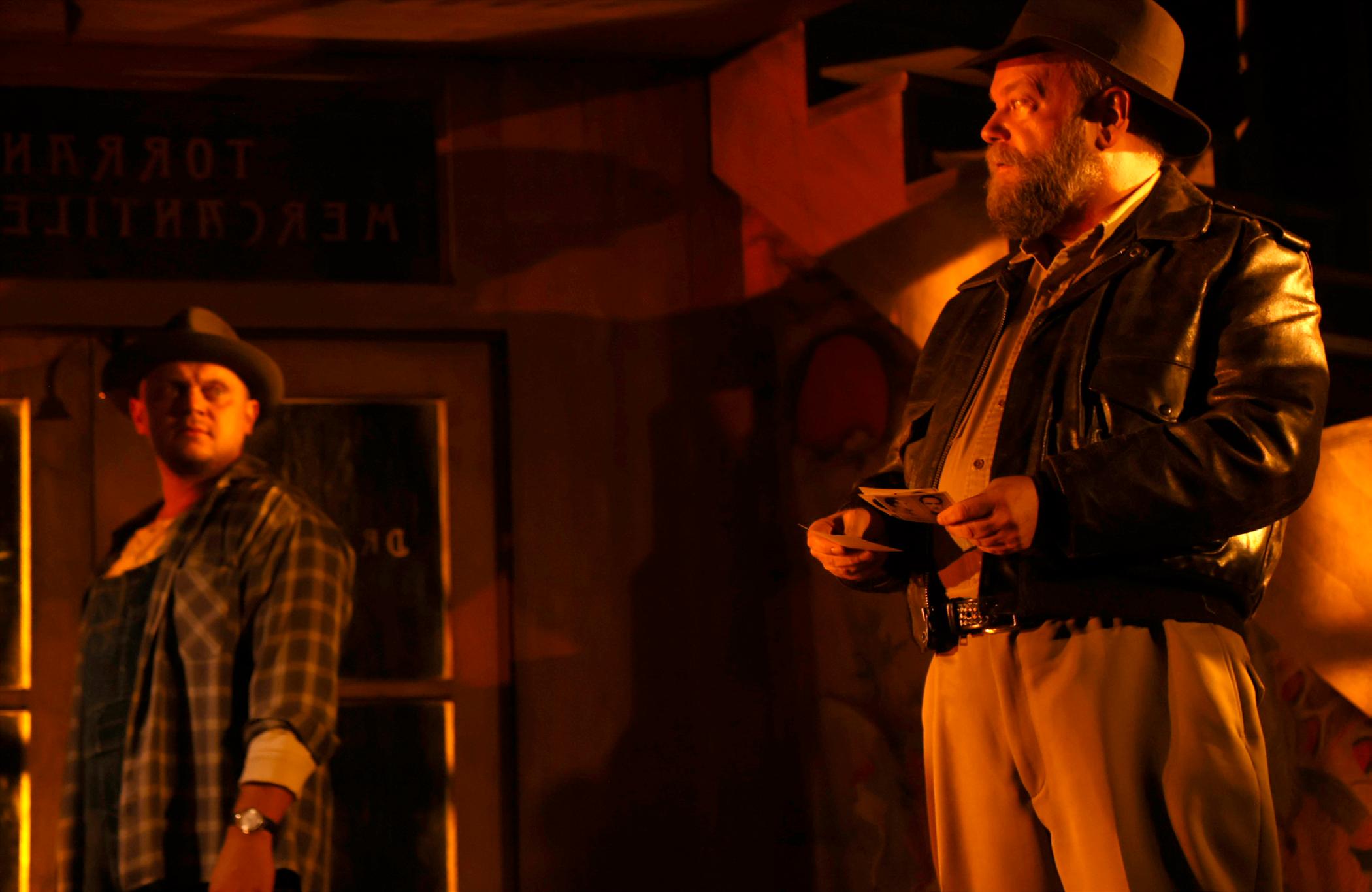
violence create tension between the characters? How do you deal with the offensive language?
ERICA SCHMIDT Williams hated violence and oppression and worshipped sex. I think the play is the nexus of those two things. They are linked somehow in his work thematically. The people in the play are racist. So they say racist things. To soft pedal or to edit that is to let bigoted, offensive people off the hook, in my opinion. The horror and the crime of the language is part of the point of the play. It is an indictment of those people and those people alone. We’re talking about the Klu Klux Klan. This is where Emmet Till was killed. That’s what’s happening. Lady’s father was lynched for selling alcohol to Black people. It’s horrible. However, there is so much effort at transcendence and so much beauty within the play. It’s like a pressure cooker. What rises up is this fierce, savage desire to transcend, to live, to love, to fuck, to do something to save yourself.
MAGGIE SIFF I think what’s fascinating about the play is that it takes a myth then transposes it onto a political landscape that is brutal. The narrative of those two things is fascinating. If the myth is the transcendent part of our nature, then we’re trying to hold on to that. We’re trying to hold on to Orpheus and Eurydice in this version of hell. We need to believe that they exist. We need to believe that we can become them or be them or find our own way out of this hell. I think that’s what Tennessee needed. I have to assume that that’s what his poetry is really about—bridging heaven and hell somehow.
That tension in the play—working on it, sometimes it cuts so deep, gets so vitriolic, so painful, and so beautiful. I think as an actor, it’s the most awesome to try to work on, and the biggest challenge.

When we were starting to work on the play, I thought a lot about the fact that it’s so much about oppression. A lot of it is about what and who we don’t see in the play. Communities of people, and of places, that we don’t see walk into this room. We live within that poison.
PICO ALEXANDER It shows how if you repress, you eventually oppress.
BENJAMIN GILLESPIE Absolutely.
ERICA SCHMIDT Ana says that she feels like the play is like sitting at the deathbed of a loved one, the experience of going through the play.
ANA REEDER Yeah, just how heightened it is and how much of it is already on the other side.
ERICA SCHMIDT How awake you have to be.
ANA REEDER Yeah. I think a lot about the brutality and the violence and how we all live with various degrees of these unthinkable things. And that people have these things inside. It’s awful and it’s complicated. If only it were a little more simple. But I think the play turns facets of experience around. It’s sad as hell.
ERICA SCHMIDT Like the idea that you forget because you have to. You can’t actually hold all those things and keep going. This play sort of asks you to.
ANA REEDER Yeah. And also a terrible person could do something nice one day. It’s just confusing.
PICO ALEXANDER It’s like, it’s hard to live in the world because you know that people are capable of such horrible things. So, you feel like you’re looking over your shoulder. You’re tense and scared. I think being scared and tense like that makes you want to connect with somebody else, but you don’t know how to let your guard down. But then you slow down and start getting to know each other, which happens a bunch in the play. It always gets abruptly interrupted. We’re talking about something and then there’s a knock from upstairs. We’re getting close to something, but somebody comes in. Every time they start getting close, somebody comes through the door or through the ceiling or violently interrupts a slowing down and an unraveling. We were talking about unspooling that in rehearsal yesterday.
BENJAMIN GILLESPIE Williams is known for writing very sensitive souls in his plays— figures that are often caught between hope and despair. This is especially true of Orpheus . All the characters are driven by passionate desires, for something better and, particularly for Val, something purer. They are all trying to endure and survive. What do you think the characters are searching for?
ANA REEDER I think some central questions Williams is asking at the heart of this play are “What can we give each other?” “What can we actually give each other that sustains?” “Can we touch each other?” “Can we help each other?”
BENJAMIN GILLESPIE At one point, Val says, “Nobody knows nobody.” So there’s a kind of disconnect between characters, even while there is also passionate desire between them. Can they ever know each other? What are they searching for to save themselves? The search for redemption is a big part of the play, too.
PICO ALEXANDER I think it oscillates. Sometimes, as Val, I feel like you can know somebody else, and then other times I feel like you can’t. The play does not ascribe to a morality unto itself. So, there’s an openness to the play. Val needs to be loved. That’s really what he wants—to be loved by another person. Sometimes it feels like they find that love, Val and Lady, and then other times it feels like they don’t. I’m still not certain
if he doesn’t believe in it... Recently I’ve been thinking, is this just the same thing he does to everyone? What if he says this to every person that he leaves, that he feels a kind of love for them? It’s very ambiguous. There’s no real commitment to anyone.
BENJAMIN GILLESPIE I like that you said oscillate, because the play is about a certain kind of oscillation between hope and despair that is never really resolved. Of course, tragedy comes. But they try to resolve feelings of despair through love, sex, and art. Vee has her painting. Val has his guitar. Lady has her confectionery dream. There are these escapes from despair, but they never really feel comfortable in themselves. That’s the thing about Williams’s characters: they’re always uncomfortable in their own skin.
ERICA SCHMIDT I think part of it, too, is the thing that you want or the thing that will save you is also the thing that destroys you. Val worships or idolizes or holds up sex. But sex is also the thing that he feels is corrupting. And love, we have this idea we want love, but then Val thinks that love is also a lie and ultimately it will just deceive and betray you. You want to be connected to another person, but ultimately you can never know another person. You want the transcendence of God, but ultimately that will also betray you, that is a lie. The thing that you want is going to be the thing that consumes you. That’s what happens in the play—they get what they want. Lady gets a baby, she gets a connection with this man, and it kills her. I think that’s part of the oscillation you are referring to, or the push-pull. There’s a lot of fire in the play. Your desire harms you, essentially.
MAGGIE SIFF I keep thinking about that line that Lady says towards the end, “I won’t wither in the dark.” The deep desire to come alive, to be alive, to live. That somehow even the battle, the battle for the connection, the battle to understand each other—the awfulness and the messiness and the conflagration of that, and the way that that actually might kill you— that is coming alive. Somehow coming alive is also destructive, or can be, or tips over into it so quickly and so easily.
ERICA SCHMIDT Yes, because you get the things that you want and then you get drunk, as we see with Carol’s situation.
MAGGIE SIFF Or you bring down death. You rise up in triumph and you bring down death. It’s all completely married.
PICO ALEXANDER It is like there is a tragedy in wishing to transcend life. Death is the only transcendence of life.
I also like what you said about the characters being uncomfortable. Because Val appears excruciatingly comfortable at times, which is hard to play. But at the end of the scene, he confesses that he can’t sleep through the night because he’s waking up, and he’s anxious. He realizes, “I don’t feel comfortable. I don’t feel safe.” It’s that contradictory space of somebody pretending to be cool and that everything’s fine. But really when he’s alone at night, he’s shaking awake in bed.
ANA REEDER I feel like within the play, at the tender heart of it, it’s like looking into a light that flickers. Is it light? Is it dark? It flickers. There’s hope. And there’s all this tremendous beauty. But the failure, the hatred, and the poison of society make everything impossible. Hope and life just sink.
ERICA SCHMIDT It’s in a dry goods store, too. It’s about consumerism and capitalism and commercialization and neon. These aren’t even things that sustain you.
BENJAMIN GILLESPIE We’ve been talking about the poison of the play, but so much of it is also about showing kindness to strangers. Like the famous line from Blanche in A Streetcar Named Desire , “I’ve always depended on the kindness of strangers.” Of course, Vee and Lady show kindness to this vagrant itinerant who shows up. So, I think there’s hope in that too.
ERICA SCHMIDT If he looked different, it might not go the same way.
MAGGIE SIFF I think Vee’s trying. I think she’s doggy paddling. She’s trying to be what she wants to be. She wants to be moral.
BENJAMIN GILLESPIE All the main characters are social outcasts. Or have been exiled from the world they knew or that they knew.
ERICA SCHMIDT Williams said that all artists are exhibitionists. That’s what Lady, Vee, Carol, and Val are, in their own way.
BENJAMIN GILLESPIE Erica, as you mentioned before, the play is very much about capitalism, perhaps a critique of capitalism. Of course, they’re in a store. They’re in a space where things are bought and sold. Lady, after being abandoned by her lover, was bought in a “fire sale.” Many of the characters have had to sell their souls—or their bodies—to survive. At one point Val says, “There’s just two kinds of people, the ones who are bought and the buyers.” But then of course, he doesn’t want to be branded as either. Does this objectification of the characters inform the way that you see them functioning in this world?
ERICA SCHMIDT I think that the idea of human beings being for sale, I think Williams means it actually. Val has worked as a prostitute. Lady was bought by Jabe. She had nowhere else to go, she had no other options. I think that’s pretty common with marriages at this time in the South. But I think also he’s talking about the slippery way that we all compromise our better selves or our values in certain moments. It’s this complicity that I was talking about, the idea that pretty much everyone in town takes part in the lynching of Val. And then everybody goes back to work the next day. They plant flowers and take their children to school.
The setting of the store is incredibly purposeful because these aren’t necessities. It’s not set in a grocery store. These are things that we don’t necessarily need and yet we consume them. It’s about America: the kind of parallel between selling shoes and selling humans is deliberate.
BENJAMIN GILLESPIE Lady is trapped in this world, too. Her world is like a cage. How did that inform your character choices, Maggie? And does that also play out in the way you decided to stage the world of the play physically, Erica?
MAGGIE SIFF The way the set has been designed, the playing space is pretty small. And then there’s this netherworld of sorts around the stage. I was thinking today about how very infrequently I venture into the netherworld. There is a way that my space is very
constricted. Also, the thing that I feel in the play a lot is this tether to the knocking upstairs that I answer to all the time. I am on a leash tethered to this dying beast upstairs. Having been bought by Jabe in her youth in the wake of this incredible tragedy where she did what she had to do to survive, Lady experiences the store as a very tense holding space in which she can stay alive, but only temporarily. She made the choice to survive, but it’s killing her.
BENJAMIN GILLESPIE How does Val exist in this space?
MAGGIE SIFF He has to put on the uniform to survive the cage.
PICO ALEXANDER It’s such a wash of ideas and things for me. Val has this watch that he ostensibly stole. This watch represents a whole lot of things. The guitar represents the opposite. Now I’m just trying to figure out a way to personalize it and make it my own.
MAGGIE SIFF I love to think of the Tennessee Williams world as an alternate reality.
BENJAMIN GILLESPIE You’ve got me thinking about the language in the play. There are often long

monologues mid-scene. I’m thinking of the famous bird monologue Val recites, for example, where the bird never lands except to die, living as it can in the wind—like Val (or Orpheus) himself.
ERICA SCHMIDT The language of the play is poetry.
BENJAMIN GILLESPIE Rereading it, I was thinking about the physicality of the language. The obsession with hands is remarkable. It could make one obsessed thinking about what the character should be doing with their hands, whether they’re letting go, holding on, or breaking. Of course, Carol has that famous line, “What on earth can you do but catch whatever comes near you with both hands until your fingers are broken.” There’s also a long exchange between Val and Lady about their hands–
PICO ALEXANDER Right, I never know what to do with my hands. [Laughs] I didn’t even realize how much Williams talks about it until now.
ANA REEDER I think you just have to step into the scale of the soul of the playwright. It’s an honor to do that. All the language, there’s a living heart and it’s
reaching. It’s reaching toward something, and you can feel it. It is a part of the action. It’s not something weird that happens that just lulls. It’s the very fabric of the...
ERICA SCHMIDT Longing.
ANA REEDER Yeah. Tennessee Williams feeling his soul reach towards something. It doesn’t know what, and reflects on these various things that shift and change. It’s not really a question of what to do with the language once you step into the world.
MAGGIE SIFF I've always said to Erica my biggest fear about this play and the part is how histrionic it is. There’s always a way into the language’s authenticity. You just sometimes have to breath a little bit more or dig a little bit deeper. And then the words don’t feel histrionic at all. They feel just necessary. That’s the privilege of that writing. It is so grand, but in every sense of that word.
PICO ALEXANDER There’s a stage direction before Val says, “Violence ain’t always quick. Sometimes it’s slow. Some tornadoes are slow,” where Williams says, “Maybe this speech is too articulate. Counteract this by
stuttering or groping through it.” I’m like, is that right? Just this part is too articulate, Tennessee? [Laughs]
MAGGIE SIFF There are parts of the play that are pushed in a histrionic and a funny place. It’s not like the whole thing happens there. But there are places where it is intentional.
ERICA SCHMIDT It’s a drama. I love it. I love his world, the language and the size and the emotions and how people talk about them.
BENJAMIN GILLESPIE You mentioned the stage directions. Of course, he’s known for lengthy, sometimes impossible stage directions. Do you look at those?
PICO ALEXANDER At one point during rehearsals, Ana and I were doing a scene and the stage direction for Ana was, “It’s dismay, terror, shock, exaltation all in one expression.” I don’t know how you got it into perfect proportions of all those things into that one piece, Ana.
MAGGIE SIFF I tried to ignore the stage directions for a while, but then I ended up just going towards them. There’s a lot of information in them. It’s like a score. By reading his stage directions and the adjectives
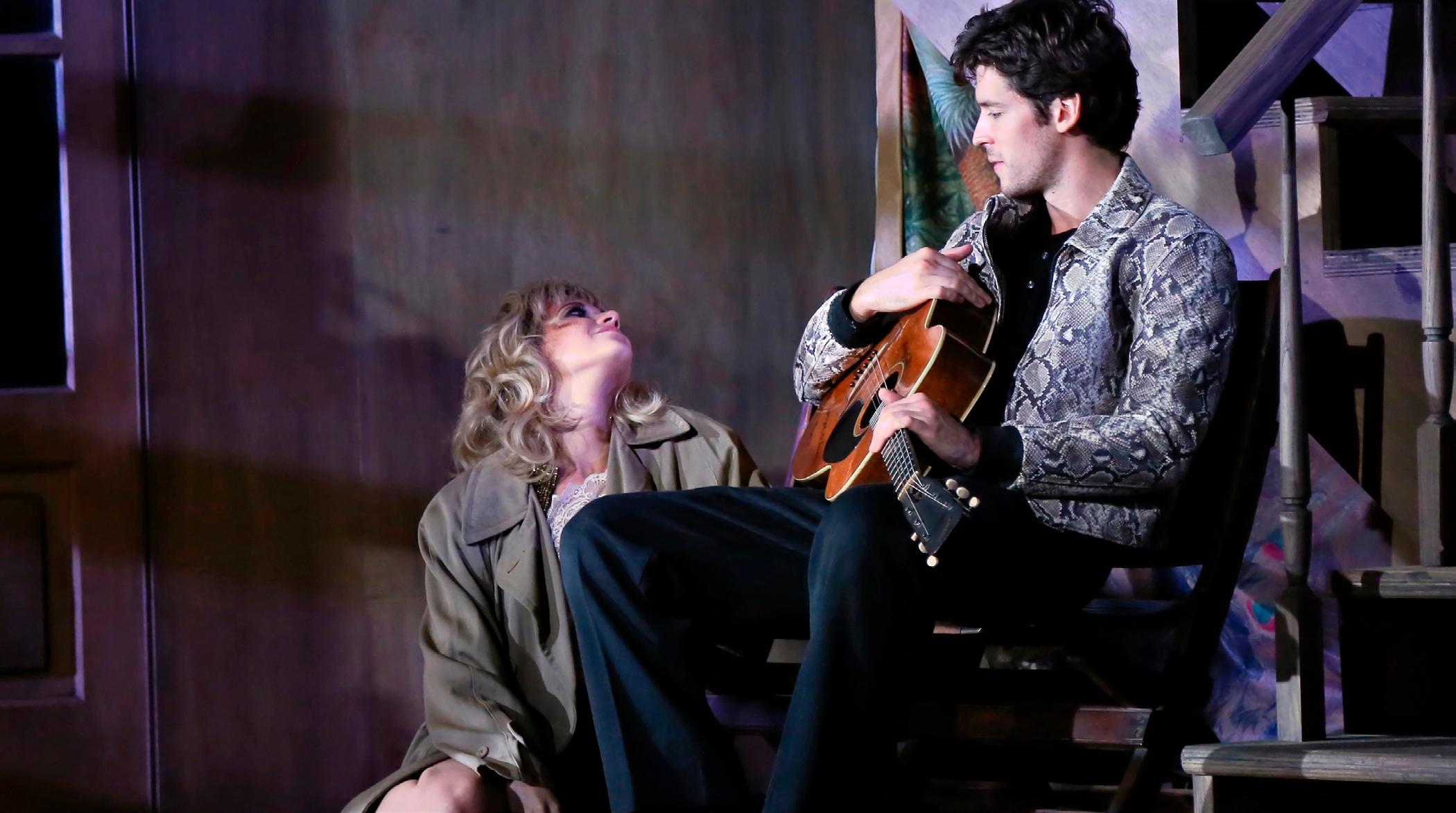
he uses, you understand how high he hears the note, how strong he hears the note, how delicate. That’s useful information and not to be ignored, even if they are—and they really are, some of them—completely impossible to achieve. You hear what it is in his imagination when you read the stage directions.
BENJAMIN GILLESPIE You mentioned the score. Of course, a big part of the play is set to music. Is that a big part of this production?
ERICA SCHMIDT Justin Ellington is our composer and sound designer. We are following the score as outlined in the script. It’s the blues. I take very seriously all the names on Val’s guitar—jazz musicians and blues musicians. We’re looking to that world for the inspiration for the music that Justin is composing.
And Justin says when you play the blues on the piano, you have a right hand and a left hand. The left hand is what you wish the world was, what it should be, and the right hand is the reality of what the world is... for some. I think that’s what Williams is doing in many ways with the play. There is the scene of what’s happening, and then there’s what your higher being is saying, the transcendence or the hope, the love.
PICO ALEXANDER Left hand, major chords, and then right hand is like the dissonant disharmonies.
BENJAMIN GILLESPIE It’s not just the words, it’s like creating an overall mood that he wants the actors performing to feel and also the audience. One of the ways that he describes that is, of course, the space of the confectionery. In the beginning of the play, he describes the space as “non-realistic.” There’s always a tension in Williams of being both realistic and nonrealistic simultaneously, moving into the symbolic or the expressionistic.
ERICA SCHMIDT Yeah, I took that quite seriously too, and took a very realistic set—with a realistic phone, a realistic cash box, a realistic counter, realistic chairs, period appropriate ceiling, doors, floor—and then put it in an empty theater space. We’re not filling the shelves of the store with objects. We’re not having a bunch of props that are not the props specifically mentioned and handled by the actors. I’m hoping that we can be
simultaneously naturalistic with the acting on a realistic set with real objects, and then also work within this kind of expressionistic container, which we’re calling the “netherworld” as Maggie mentioned before. The two things do exist at the same time in the play. My hope is we’ll be able to see that clearly in this space, but we’ve never done it before. You’ll have to tell us.
BENJAMIN GILLESPIE How does that balance play out for the actors? If you have the world of the play, the real world, and this “netherworld.”
ERICA SCHMIDT Some people step into it. Carol is scripted to have direct address to the audience twice. We use it there. Then the confectionery is part of it. Lady is re-making the wine garden of her father, she’s building it. This is actually a theater itself. It’s an imaginative space. She’s creating a space from her past. She’s staging it. I just thought, “What if the confectionery was the whole space? What if it wasn’t confined to a piece of a set.” Traditionally when it’s staged, there’s an archway and then you put up masking or you hide it and then you reveal that it’s got all the things that are described, which are vines and cut out moons and hearts and lanterns.
I thought, what if her wine garden, her confectionery, are actually the theater. That is really the poetic moment that I’m striving for. Maybe, for Williams, there is a responsibility to create some beauty at the same time that you’re looking at this hell. Maybe that’s part of the life of the play.
BENJAMIN GILLESPIE I think you’re right about that. For Williams, poetry and theater were one and the same. .
BENJAMIN GILLESPIE (PhD) is Faculty Lecturer in Communication and Gender Studies at Baruch College, City University of New York. His articles and reviews have been published in Theatre Journal, Modern Drama, Theatre Survey, Theatre Topics, Performance Research, PAJ, Canadian Theatre Review, Theatre Research in Canada, and a number of scholarly anthologies including 50 Key Figures in Queer U.S. Theatre and Analysing Gender and Performance.
“ I think the closest I came to writing directly was in Orpheus Descending about my feelings about what goes on in certain parts of the country.”
—Tennessee Williams, 1966 1
In a 1966 interview, Tennessee Williams discussed his “strong feelings” about the civil-rights movement in the South, but explained that he always preferred to write “obliquely” about social issues, as he didn’t “want to be one of these people who hit the nail on the head all the time.” 2 Noted primarily for plays that wrestle with the complexities of desire and highlight characters who are sensitive or “different,” Williams does in fact regularly engage with social and political issues in his work, yet often arrives there through an exploration of personal struggles in a world that lacks understanding or acceptance.
In plays as varied as A Streetcar Named Desire (1947), The Rose Tattoo (1950), Orpheus Descending (1957), and Green Eyes (1970), for example, desire is always at the core of the conflict that merges the personal with the political, as Williams interrogates how the values surrounding Southern Whiteness and its institutions permeate the nuances of human relationships. Racial difference becomes a collapsed category that doesn’t quite equate disparate cultural identities, but that does make clear who remains an outsider, doomed to otherness alongside what Williams has called “the fugitive kind,” those who seek escape from oppressive social norms and institutions.
In Streetcar , a controversial play for 1947, Williams explains that New Orleans is “a cosmopolitan city where there is a relatively warm and easy intermingling of races in the old part of town,” 3 but racial difference extends beyond Black and White here. When Stella explains that Stanley doesn’t meet Blanche’s standards of decency because he’s Polish, she wonders if that’s “something like Irish.” 4 She
1 Tennessee Williams, Conversations with Tennessee Williams, ed. Albert J. Devlin (Jackson, MS: University Press of Mississippi, 1986), 128.
2 Tennessee Williams, Conversations, 128-29.
3 Tennessee Williams, A Streetcar Named Desire, in The Theatre of Tennessee Williams, Vol. I (New York: New Directions, 1971), 243.
4 Ibid., 256.
refers to him as a “Polack,” leading him to finally reject her casual ethnic slurs and announce that “People from Poland are Poles, not Polacks. But what I am is a one-hundred-per-cent American, born and raised in the greatest country on earth and proud as hell of it, so don’t ever call me a Polack.” 5 Blanche sees Stanley as “bestial,” “an animal,” “apelike,” and “sub-human.” 6 Yet while both Stella and Stanley admit that he is “common,” he reminds Stella that after he “pulled her down off them columns” of her plantation, she “loved it” and they were “happy together.” 7 Stella was able to reconcile her social sensibilities with her desire, which proved stronger than her learned values and allowed her to “adjust” to being in love with someone of a “different species.” 8
Stanley therefore sees Blanche’s intrusion of the Old South as a threat, not only to his place in a world that is beginning to change with the effects of post-World War Two industrial capitalism, but to his domestic dominance, and he fights to ensure that he remains “the king around here.” 9 While there are several facets to his ultimately violent actions, racial identity and social class certainly factor into the complexities of the ending. Even though the play is only peppered with minor, unnamed characters that reference the diversity of New Orleans—the “Mexican Woman” or the “Negro Woman,” for example 10—its deeper engagement with race extends to the broader and more subtle exclusions set forth by Southern Whiteness.
By 1950, Williams shifted his focus on the excluded other to Italian Americans with The Rose Tattoo , where Sicilian immigrants in a Southern Gulf Coast town are tolerated, yet constantly reminded of their precarious position. Serafina—a dress maker struggling with the death of her adored husband, complicated by the news that he had betrayed both their love and their community by having an affair with a blackjack
5 Ibid., 374.
6 Ibid., 322-23.
7 Ibid., 377.
8 Ibid., 258.
9 Ibid., 371.
10 Ibid., 387, 247.
dealer named Estelle Hohengarten—is mocked by the customers who bring her this news, and threatened with police action when she reacts. Her eventual lover, Mangiacavallo—a truck driver with three dependents—is fired from his job after standing up to a traveling salesman who runs him off the road and taunts him with racial slurs. Both are provoked by more socially established characters, and face retaliation from the prejudiced institutions that do not represent them when they dare to defend themselves.
Even as late in his career as 1970, Williams engaged current socio-political issues with Green Eyes , referencing the Vietnam War, which he called “incomprehensibly evil” 1 in an interview. He continued, however, to write somewhat “obliquely,” using the personal to get to the political, using “Waakow” as slang for Vietnam, likely derived from “whacked out” or “whacko.” 2 A White couple—a young soldier on leave and his wife honeymooning in New Orleans—negotiate issues surrounding war,
1 Williams, Conversations, 128.
masculinity, marriage, money, sexual desire, and race. While the Girl may or may not have cheated on her husband with a mysterious green-eyed man, he is convinced that people with green eyes are racially mixed, leading to a violent eruption that further complicates the boundaries of desire and race in this already ambiguous and complicated play.
It was with Orpheus Descending , however, that Williams not only offered a portrait of the racial struggles of Italian immigrants in a small Southern town, but dealt directly with their victimization under the Klan, as well as with the civil rights movement in the South. Orpheus Descending premiered on Broadway in March 1957, starring Maureen Stapleton and Cliff Robertson, and ran for only 68 performances to mixed reviews. It was a revised version of Williams’ first full-length play to be given a professional production, Battle of Angels , staged by the Theatre Guild at Boston’s Wilbur Theatre in December 1940. That play’s opening night performance was a disaster, as the smoke pots of a simulated on-stage fire in the last scene had erupted clouds of smoke all over both the stage and the auditorium at the curtain call. Aside from this

debacle, the play was attacked for its "dirtiness" by subscribers, city council members, and even the police commissioner, who demanded changes in the dialogue, which was thought to be "improper and indecent."1 Williams resisted these accusations, insisting that the play had merit and was actually "clean" and "idealistic."2 Yet he agreed that it required revision, which he began after the close of the two-week Boston run. Williams was known for extensive revision of his plays, which typically exist in several drafts, some composed long after they had been produced and had already won awards. Battle of Angels was no exception, and Williams would revise the play over a period of 17 years, until he believed that he finally had managed to say what he wanted to say.3

Orpheus begins with the revelation that Lady Torrance, the daughter of a Sicilian immigrant known pejoratively only as “the Wop,” is unwittingly married
2
to the man who violently murdered her father in a racist act years ago. 4 Lady’s father was burned to death in his wine garden, after he was caught by the Klan selling liquor to Black people, and her husband Jabe was the leader of the Mystic Crew that night. After being rejected by her lover, who unknowingly left her pregnant at eighteen to marry an acceptable society girl, an abortion and marriage to the much older Jabe had been her only means of survival. Now the proprietor of a mercantile store where the play takes place, Lady nurses her ill husband and leads a life of dread, until Val Xavier, a handsome musician looking for honest work, arrives and ignites the passions of the county’s women, including Lady. They form a bond and begin an affair, embracing life and recovering the hope for renewal that they both crave. Lady eventually learns that it was Jabe who killed her father, and begins to flaunt her affair, becoming pregnant and celebrating the life in her body. Unlike Serafina in Rose Tattoo , however, who similarly proclaims that she has life in her body and ends the play on a note of hope, Lady’s triumph of light over darkness is short4 Tennessee Williams,
lived, as Jabe kills her and frames Val. The men of the county chase him with blowtorches and he is ripped apart by dogs—a fate similar to Chance Wayne in Sweet Bird of Youth (1959), who is punished with castration for his sexual transgressions.
With parallels to Elvis Presley, Val not only represents a sexual threat to the county’s patriarchy, but a racial one, recalling Elvis’ association with Black music and culture. Val is “wild”—Williams’ defiant fugitive kind 1 —along with Carol Cutrere, who is socially ostracized for her embrace of civil rights and protests the Mississippi execution of Willie McGee, a Black man who had relations with a White woman. At the end, it is the “Negro” character on the margins of the action—the Conjure Man—who moves to the center and ends the play, looking up with a “secret smile” as Carol defies the orders of the Sheriff to “Stop!” and walks away.
In "The Past, the Present, and the Perhaps," published in the New York Times in 1957 as the 1 Ibid., 341.
pre-opening piece for Orpheus , Williams writes that, beneath its surface, the play is "about unanswered questions that haunt the hearts of people, and the difference between continuing to ask them... and the acceptance of prescribed answers that are not answers at all, but expedient adaptations or surrender to a state of quandary.” In 2023, this play continues to struggle with the difficult questions that haunt us, not necessarily offering any answers, but refusing to quietly surrender. .
ANNETTE J. SADDIK, Ph.D., is Distinguished Professor of Theatre and Literature at the City University of New York (CUNY). She specializes in 20th- and 21st-century drama and performance, particularly the work of Tennessee Williams, and has published four books, as well as numerous essays. Her books include an edited collection of Williams' previously unpublished late plays, The Traveling Companion and Other Plays, as well as the monographs The Politics of Reputation: The Critical Reception of Tennessee Williams ’Later Plays; Contemporary American Drama; and Tennessee Williams and the Theatre of Excess: The Strange, The Crazed, The Queer.

 BY R.A. LAWSON
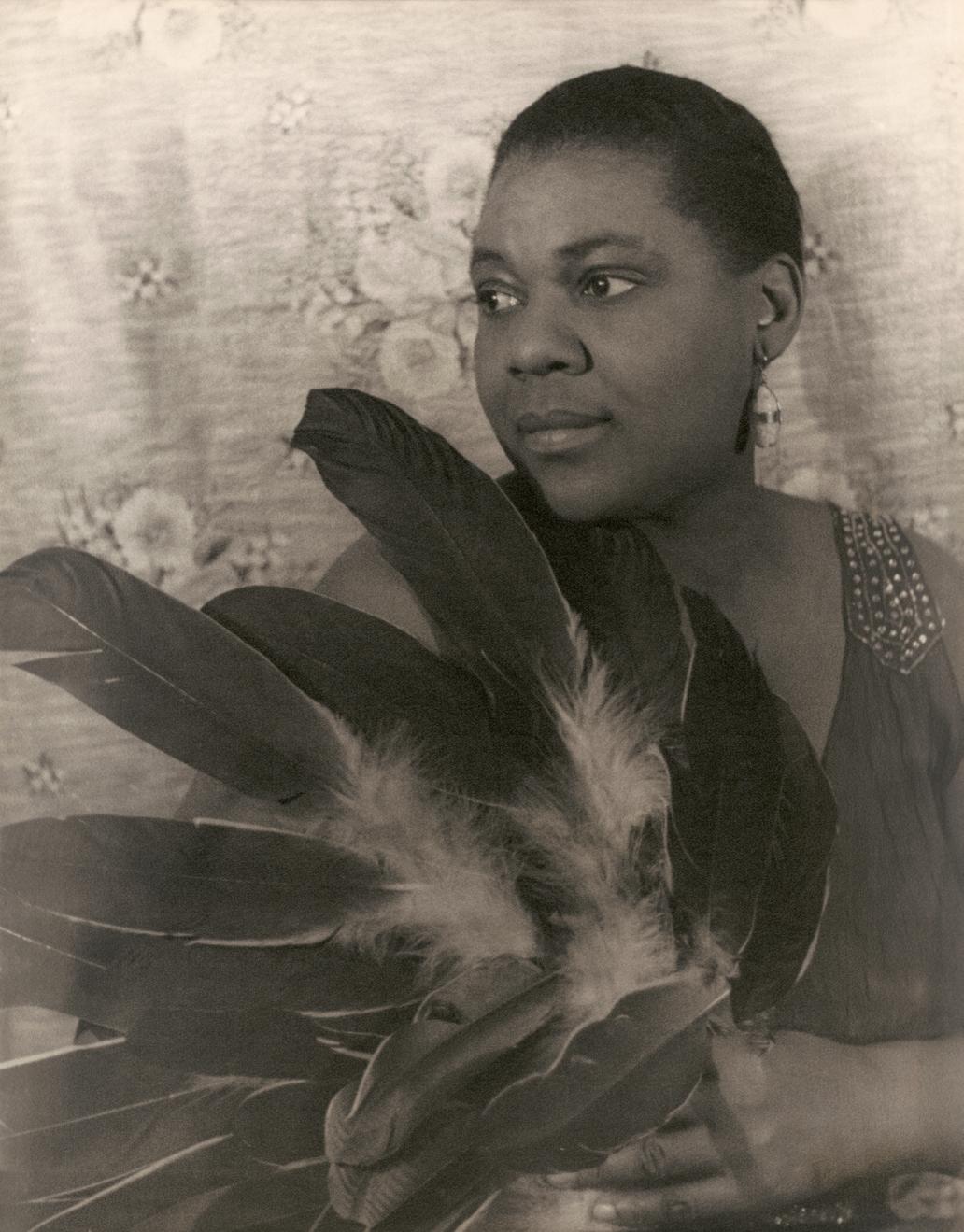
Theatre for a New Audience describes their current offering, Orpheus Descending , as a “toxic brew of racist violence, bigotry, misogyny, sexual passion and longing for liberation.” These themes— and more—are embodied in the life histories of four blues and jazz greats whose autographs grace the guitar of Val Xavier, the itinerant musician at the center of this Tennessee Williams play. This links Val with those forebearer musicians—Leadbelly, Blind Lemon Jefferson, King Oliver, and Bessie Smith—so that, as scholar John Sykes points out, Val “sees the instrument both as the means of his own artistic expression and as a repository of the art of others.” 1 This combination of personal expression with shared traditions spotlights the intersection of the individual and the communal that defined much of the cultural expression of African Americans in the age of Jim Crow, and that context creates the foundation on which Val—and the four ghosts of the blues and jazz embodied in his guitar—stands. So, in choosing to have Val’s guitar autographed by Leadbelly, Jefferson, Oliver, and Smith, Williams created a special kind of pantheon and evoked the epistemologies and aesthetics of the American bluesjazz epic.
Perhaps th e most important thing to know about these four musicians was that they lived after Reconstruction and witnessed the institution of the Jim Crow society, yet in the face of that oppression, became hugely influential cultural actors and live on today as widely recognized giants on the American musical landscape. The fact that they achieved such fame—even short-lived riches in Smith’s case—not only speaks to their individual strength, but also reveals important ironies of the racially-charged Jim Crow society. For example, blues and jazz, while created by the descendants of those who had been enslaved and the free people of color who lived alongside slavery, were not themselves phenomena of the slavery society. Blues and jazz were distinctly Jim Crow era cultural products. These musicians
struggled alongside their peers in a nation that had already proclaimed a “new birth of freedom” (Lincoln’s words in the address at Gettysburg) and witnessed the Day of Jubilee (Emancipation), though they found themselves between a rock and an ironic hard place as segregationists split the populace into “white” and “colored” camps and disfranchised voters who would oppose this regime, enforcing the system with violent acts against both individuals and communities. The blues and jazz were powerful responses—and only possible in this segregated context—with August Wilson calling that era’s Black culture “brutal and beautiful, and at crucial odds with the larger world that contained it and preyed and pressed it from every conceivable angle.” 2
“Cra dle to grave” segregation shaped these artists’ lives in important ways. Though not quite the oldest of Val’s figurative ancestors, Huddie Ledbetter (Leadbelly) more than the others lived in the society that most fully attempted to recreate slavery in all but name. Born in rural northwest Louisiana and raised on land his parents owned, Ledbetter had a taste for the barrel-housing city life in Shreveport and Dallas. Master of the 12-string guitar, Leadbelly’s penchant for sex and revelry earned him many rivals and led him to violent outbursts. He was jailed several times, including stints on the infamous prison farms in Sugarland, Texas, and Angola, Louisiana. During these years he, too, may have longed for the “heavenly grass” to walk on as sung by Val in Orpheus Descending . But all was not lost for Leadbelly; accommodating at times to minstrelsy stereotypes, this musicianer (as he was called) curried favor among whites in power and was twice released early from prison, in one instance having performed plaintively for the governor of Texas. These acts afforded him freedom to move north to New York City and rebel against racism, as he did with important depression-era and wartime songs
that chastised segregationists (“Bourgeois Blues”) and celebrated American pluralism against racial dogmas (“Mr. Hitler”). Like so many musical peers, Leadbelly played a double game of both accommodation and resistance, and through this savvy left a legacy of violence as well as liberation.
Leadbelly’s sometimes musical partner, Blind L emon Jefferson, also came from the Texas-Louisiana cotton country. Dallas’ Deep Ellum neighborhood was a haunt for these men. While both were capable of sensual and palpable blues lyricism (Leadbelly’s farm songs like “Whoa, Back, Buck” evoke the sights, smells, and sounds of country living), Jefferson— blind from birth—used his high-pitched singing voice to spine-tingling effect. Later admirers of the folkblues movement relished Jefferson’s classic recordings which could straddle the sinful to the sacred. “Black Snake Moan” and “See That My Grave Is Kept Clean” demonstrate the duality of secular pleasure with aspiring piety: the blues’ come-alive space on Saturday night before Sunday morning. Living on the edge between night and day—also between the Devil

and God, between the self and society—like the line between white and Black in segregation, meant often that Jefferson’s voice and guitar work were perched between pleasure and pain.

C oming youthfully into a city attempting to navigate this strange, new color line, a young King Oliver watched the arrival of segregation in New Orleans, home to the infamous Plessy v. Ferguson case. Segregation created the context for the birth of jazz as people of many gradations of color and ancestry were defined as “black” and thrust together into Jim Crow neighborhoods. Descendants of rural slaves jostled alongside urban Creoles, thus pairing the syncopated rhythms and cultural sensibilities of agricultural workers with the instruments and tastes of the city dwellers, resulting in the new jazz form. Cornet in hand and having learned from jazz progenitors such as Buddy Bolden, Oliver
made (rather than rode) the wave of jazz from New Orleans to Chicago and beyond, bringing up and along one of the greatest musical giants of the twentieth century: Louis Armstrong. Their jazz, like its sibling the blues, was ribald and risqué, though its rhythms got “hotter” and could be dressed up for the fancy stages in New York and other metropolises. Unlike rural blues at the time, jazz attracted large audiences from both sides of the color line and, in the era of the Cold War, came to symbolize American freedom of expression against communist censorship. Innovating and improvising along the way (Oliver established the wah-wah mute technique for brass horns), he felt the power that jazz had given him. He held his head high by demanding fair wages though his dignity fell victim to greed as he was swindled by managers and fell out of favor with club owners. Suffering from oral illness brought on by a seeming addiction to sugar and unable to play the horn,
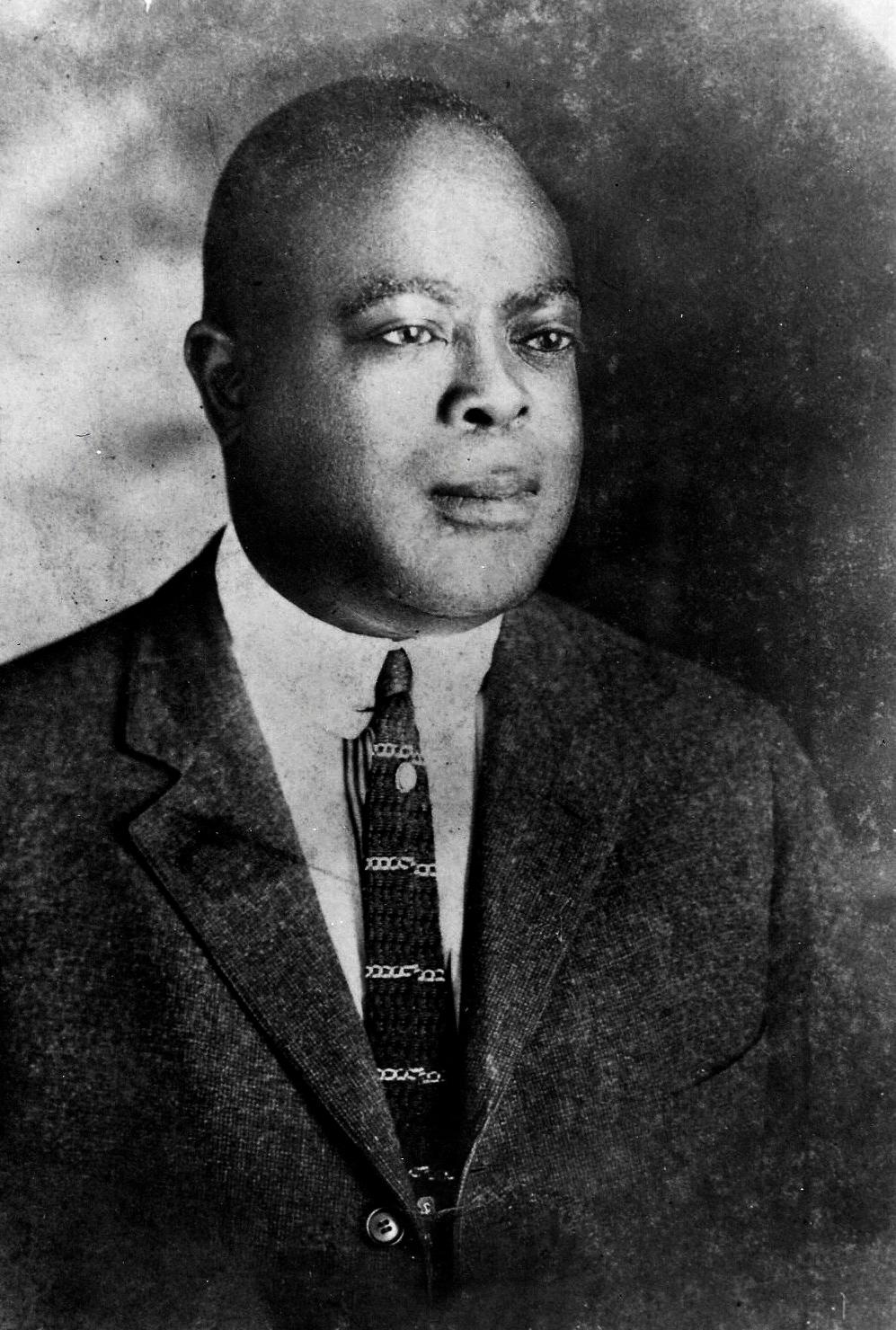
Oliver died penniless despite bringing so much joy and entertainment to Americans of many colors.
In Orpheus Descending , the characters’ stars flame out just as they begin to shine the brightest, and such was the life, too, of Bessie Smith. Another native Southerner, Smith was raised in Tennessee but used her blues to travel widely. Catching that wave of the blues-jazz craze in the 1920s, Smith became the voice of ground-breaking blues composer W. C. Handy’s most famous tune, “St. Louis Blues,” wherein if she’s “feelin’ tomorrow like I feel today, I’ll pack my grip, and make my getaway.” And African Americans were getting away—from the South, that is. The Great Migration saw over four million African Americans quit the South for northern cities, and as they increasingly earned expendable leisure income, American music companies responded with the “race record” phenomenon by putting out thousands of tracks by Black artists for Black audiences. Smith became the highest earning Black entertainer in the land, living a lavish lifestyle barnstorming the country and starring in the 1929 filmed version of “St. Louis Blues.” Her success afforded her a sexually-liberated lifestyle, and activist/author Angela Davis has placed Smith—along with Ma Rainey and Billie Holiday—as an important working-class Black feminist voice in an era when people in this demographic had few avenues for free expression. 1 But as with so many musicians of all stripes, Smith struggled in the Depression to maintain her audience as the record industry dried up. She died in a segregated hospital in Mississippi having suffered devastating wounds in a car accident on the famed blues route, Highway 61. 2
Tragic love and tragic death; the search for freedom of movement and the feeling of being held dow n; double consciousness and veiled acts of acceptance and resistance; wild success and deep poverty— the lives of blues and jazz musicians such as those idolized by and inspiring to Val Xavier formed an epic saga of American life in the Jim Crow era. Their
1 Please see Angela Davis, Blues Legacies and Black Feminism (1998).
2 Popular memory places Smith’s death outdoors, having been refused entry to a whites-only hospital, however this was not the case. She did receive treatment in hospital, but her wounds were fatal.
music captured it all. An imagined Ma Rainey, in the hands of playwright August Wilson said, blues is “life's way of talking. You don't sing to feel better. You sing 'cause that's a way of understanding life.” 3
Th eatre, too, is a way of understanding life. When a master of the written word, like Williams, invokes the blues and jazz as a way of helping his characters bring the musical ways of knowing life to the stage, there is powerful magic in the works. .
R. A. LAWSON is a cultural historian who has written on musical, visual, and theatrical arts and now works in documentary filmmaking. His signature work, Jim Crow’s Counterculture: The Blues and Black Southerners, 1890-1945 (LSU Press), won the Thomason Prize for book of the year in 2011. He is the managing editor of the New England Journal of History and is Professor of History and Director of the Honors Program at Dean College in Franklin, Mass.
In myth, the musician Orpheus journeys to the underworld to rescue his wife, Eurydice, who has died of a snake bite on their wedding day. Orpheus plays a song for Hades, the god of the underworld, and Hades is moved enough to let Eurydice accompany him back to the world of the living. But there is one condition: Hades tells Orpheus that Eurydice will be right behind him on his journey out of hell, but that he cannot turn around to check or Eurydice will immediately vanish back to the underworld. With the end of the journey in sight, Orpheus turns, and Eurydice is lost.
There have been many film and theatre adaptations of this myth—in the last decade alone, two landmark versions in Céline Sciamma’s film Portrait of a Lady on Fire (2019) and Anaïs Mitchell’s musical Hadestown (2016). Portrait explores the idea that
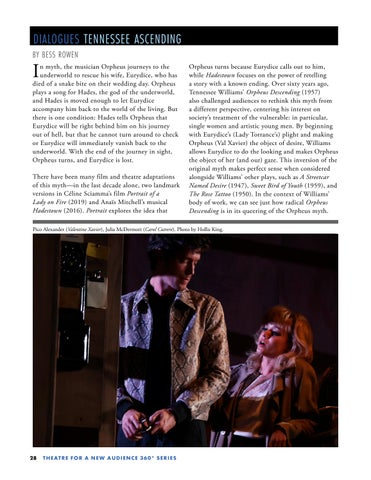
Orpheus turns because Eurydice calls out to him, while Hadestown focuses on the power of retelling a story with a known ending. Over sixty years ago, Tennessee Williams’ Orpheus Descending (1957) also challenged audiences to rethink this myth from a different perspective, centering his interest on society’s treatment of the vulnerable: in particular, single women and artistic young men. By beginning with Eurydice’s (Lady Torrance’s) plight and making Orpheus (Val Xavier) the object of desire, Williams allows Eurydice to do the looking and makes Orpheus the object of her (and our) gaze. This inversion of the original myth makes perfect sense when considered alongside Williams’ other plays, such as A Streetcar Named Desire (1947), Sweet Bird of Youth (1959), and The Rose Tattoo (1950). In the context of Williams’ body of work, we can see just how radical Orpheus Descending is in its queering of the Orpheus myth.

My first copy of A Streetcar Named Desire featured a shirtless Marlon Brando, looking broodingly out from the cover, muscles rippling. Although Blanche DuBois sets Streetcar’ s plot in motion, almost every iconic image from this play focuses on the sex appeal of Brando’s Stanley Kowalski. In Streetcar , Williams explored a power dynamic—stuck, slightly older woman and younger, sexually attractive, more free man—that would recur throughout his body of work, including Orpheus . Notably, though, while Orpheus ’ Val is the one to arrive on Lady’s doorstep, in Streetcar it’s Blanche who is an intruder to Stanley’s domain, arriving at her sister and brother-in-law’s home in New Orleans. She experiences culture shock as she sees them living in a small apartment within a racially integrated society, exemplified by her sister’s Polish (read: not white enough) husband. Blanche and Stanley clash as he attempts to get her and her judgements out of his life by whatever means necessary. We are meant to be aware of Stanley’s sexual power, but also afraid of his strength and temper; by contrast, Blanche is an English teacher, someone who quotes poetry and
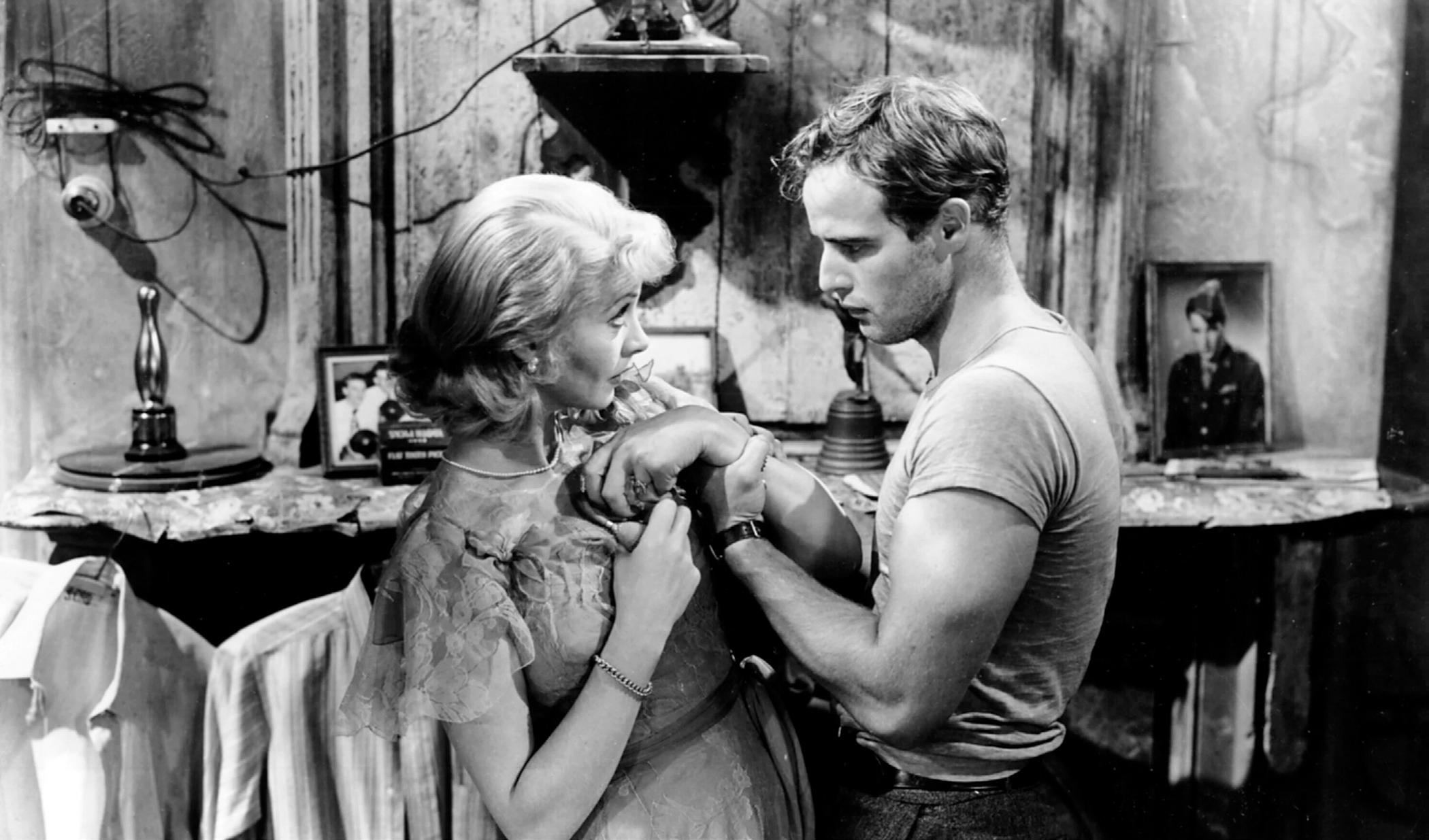
embraces wishful thinking over reality. She is both a single woman of a certain age and a person with an artistic sensibility, and Williams sets up Streetcar so that we can both see the inevitability of Blanche’s destruction and believe that she might escape it. In the end, though, reality and brute force win over dreamers like Blanche, ultimately foreshadowing Orpheus ’ even more violent conclusion.
Another example of this archetypal Williams dyad can be found in Sweet Bird of Youth , a much lesser known, and less frequently performed, tale of a prodigal son returned. The play follows Chance Wayne, who has returned to his hometown as the younger male escort of movie star Alexandra del Lago. Chance hopes that staying close to Alexandra will give him the break he’s been looking for, since his movie-star good looks have yet to bring him roles in Hollywood. Chance is also eager to check in on Heavenly, his former girlfriend. He soon learns that he had gotten Heavenly pregnant on his prior visit, and that a botched abortion has left her injured and despondent. Heavenly’s father and
brothers vow to castrate Chance, which he accepts as punishment at the play’s conclusion. Alexandra del Lago is a single older woman with more power than Blanche or Lady, even on what seems to be the downhill part of a successful career. She is a visitor to the town, though, while Chance is both a local and a stranger. His knowledge of the place, with its gaps (such as Heavenly’s condition), ultimately offers him no safety. And when Alexandra gets a phone call about a role, she drops Chance and prepares to return to the movies. Here we once again see the older woman who appears to be stuck, and the younger, sexually attractive man who has fewer ties. But while Chance is punished for his freedom in Sweet Bird , Alexandra thrives.
The final Williams play I want to draw attention to is The Rose Tattoo , which I see as a sort of comedic companion piece to Orpheus Descending . The 1955 film version stars Anna Magnani as Serafina Delle Rose, five years before she would star in The Fugitive Kind (1960), the film adaptation of
Orpheus , opposite Marlon Brando’s Val. Both plays feature an Italian widow struggling with a business in the wake of a male relative’s death. The Rose Tattoo ’s Serafina has a sewing business, but she no longer goes outside after her husband has died in a truck accident. Serafina is very clear about how much she loved and desired her husband, and learning that he had been unfaithful unravels her even more than her grief. One day Serafina meets Alvaro Mangiacavallo, a trucker who needs to use her phone after an accident. He reminds her of her husband, and the two begin a romance. Alvaro is age-appropriate, but Serafina continually comments on how he looks like someone has put a clown face on her husband’s body. Serafina triumphs, overcoming her grief with the assistance of Alvaro, whom she allows to remain with her. As with Orpheus Descending , the physical location of the play is both home and business to the woman at its center: a foreigner who begins the play bereft and vulnerable. But unlike Lady, Serafina controls her space and ends up finding happiness within it.
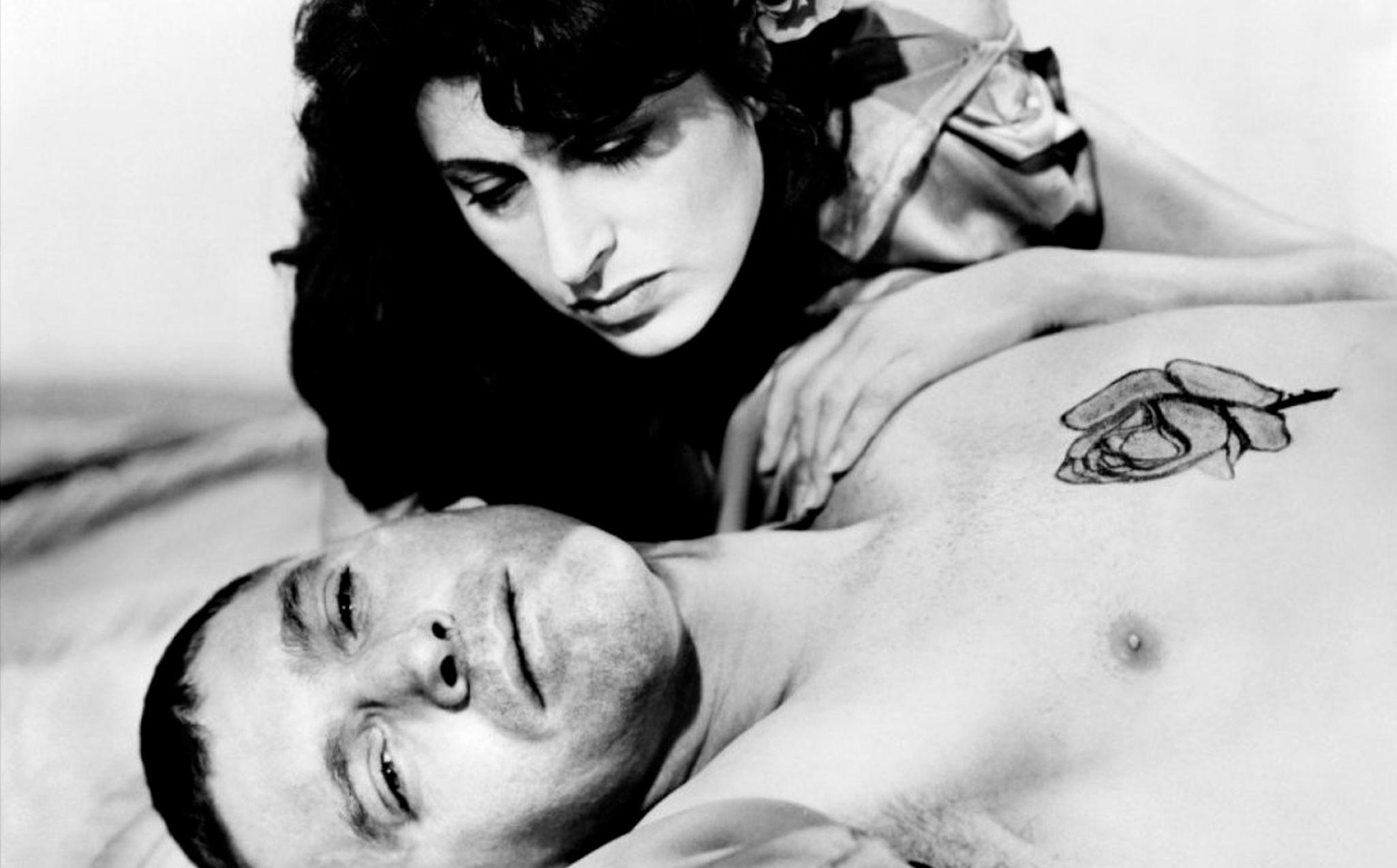
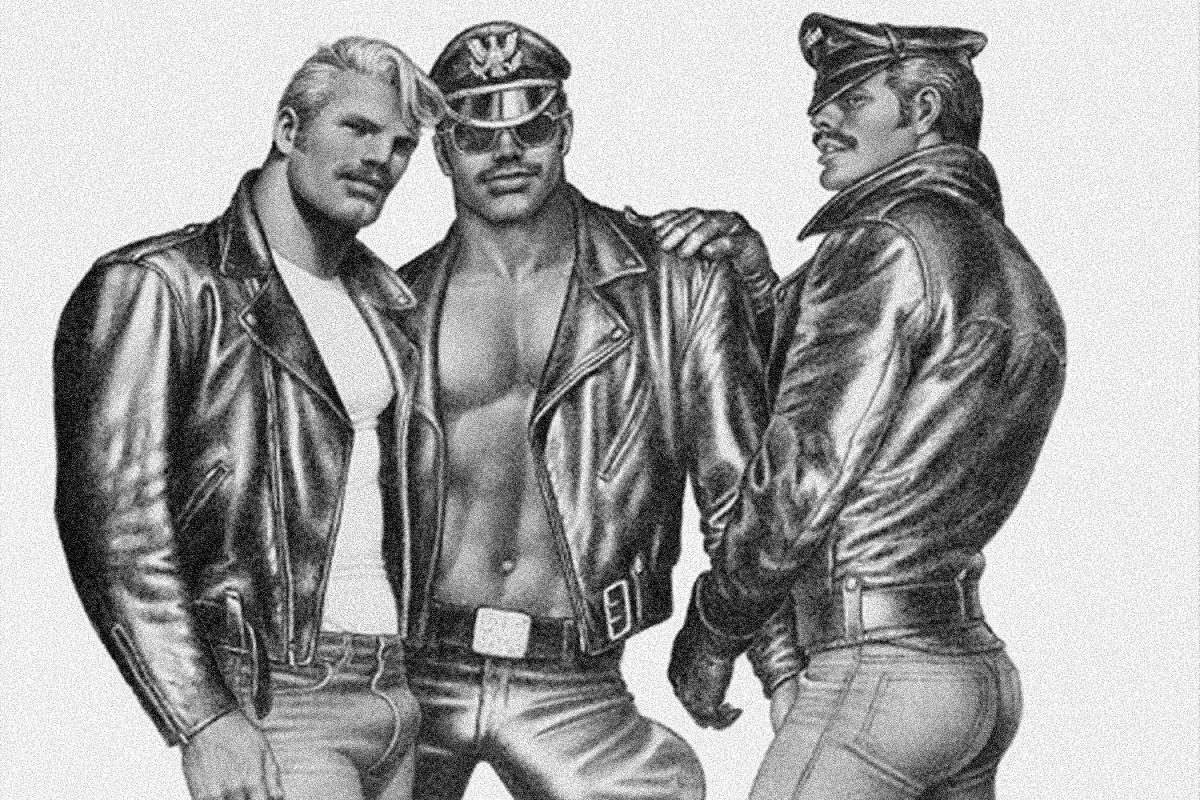
The relative success of the relationship in The Rose Tattoo —the characters do not ride off into the sunset, but there is definite hope at the play’s conclusion—draws attention not just to the parallels between Lady and Serafina, but to the differences between Val and Alvaro. Val is obviously meant to be a far sexier character, and it is impossible to ignore that the increase in age and haplessness with Alvaro results in a decrease in danger. I suspect that fabric is significant here too. When Alvaro rips his work jacket, Serafina mends it for him, and he ends up wearing a beautiful fabric shirt that she has made. There is a focus in the play on how Alvaro looks in these beautiful, flowing fabrics. Contrast this with Val, whose snakeskin jacket is such a feature of his character that it also serves as his nickname. It is an eye-catching and unusual garment, evocative of another animal-skin product: leather. Despite his romance with Lady, I cannot help but detect queer-coding—a nod to
mid-twentieth century gay leather imagery—in Val’s snakeskin. By the 1950s, Tom of Finland (Touko Laaksonen) was popularizing images of muscular men in uniforms and leather in a celebration of gay culture. Although Tom of Finland’s first published drawing appeared in 1957, the silhouettes that he was drawing were reflections of what was already considered attractive in gay male circles—hence his focus, for example, on stylized WWII uniforms. Both plays feature a character whose appearance evokes a gay erotic archetype—in The Rose Tattoo , a fully uniformed sailor with an earring is the young man Serafina’s daughter is dating—but in Orpheus the striking young man is interested in the older woman, Lady, not the younger one, Carol.
There is one more play that is helpful for putting Val in context: William Inge’s Come Back, Little Sheba (1950). Inge was another gay playwright of the mid-twentieth century, although his plays focused even more on nuclear families than
Williams’. Come Back, Little Sheba tells the story of Doc Delany and his wife Lola, a middle-aged couple whose comfortable orbit shifts when they take in a college-student boarder named Marie. Marie is studying art and enjoying some attention from a college athlete named Turk. During one scene, Marie paints a portrait of Turk in the middle of the living room as he poses shirtless with his javelin. This is an overt way of staging an attractive young man as the object of everyone’s gaze, but it is carefully done, in a way that makes Marie’s observation of Turk rather tame and clinical; after all, she is trying to paint him, and her dialogue is about perspective, not physique. But here Inge creates a theatrical excuse for appreciating male beauty and justifies its presence by having an age- appropriate witness in the character of Marie. Viewed in this light, Lady being a notably ageinappropriate “audience” for Val can be seen as one more way Williams queers their relationship as much as he could in the 1950s.
Although Williams’ changes to the Orpheus and Eurydice myth in Orpheus Descending are

fascinating, examining Val and Lady in the context of some of Williams’ other central couples shows the importance he placed on certain details of character in unfolding his story. How power pertains to differences in gender, age, and relationship to place helps us see the nuances that Williams was interested in exploring through the older woman, younger man dyad at this moment in his career. Orpheus might be descending, but the play reveals the ways that Williams was always trying to ascend, looking ahead of him the whole way. .
BESS ROWEN, Ph.D. is an Assistant Professor of Theatre at Villanova University, and affiliate faculty in Gender & Women's Studies. She is a theatre theorist, historian, and practitioner. She is also the author of The Lines Between the Lines: How Stage Directions Affect Embodiment (University of Michigan Press, 2021) and the editor of the Methuen Drama Student Edition of A Streetcar Named Desire (2023). She is the conference co-planner of the Tennessee Williams Scholars Conference, and a frequent contributor to Tennessee Williams Annual Review. She is also a proud member of the Actors' Equity Association and currently works as an Intimacy Choreographer.
PICO ALEXANDER ( Valentine Xavier ). Off-Broadway: The Portuguese Kid (MTC), What I Did Last Summer (Signature Theatre) and Punk Rock (MCC). Select film: The Sky Is Everywhere (dir. Josephine Decker, Apple), Home Again (dir. Hallie Meyers- Shyer, Open Road Films), War Machine (dir. David Michod, Netflix), Indignation (dir. James Schamus, Focus Features), A Most Violent Year (dir. JC Chandor, A24). Select TV: “Saint X” (Hulu), “Dickinson” (Apple), Hulu), “Orange Is the New Black” (Netflix).
MOLLY KATE BABOS (she/her) ( Dolly Hamma ) is an actress and playwright. TFANA debut! NYC Theatre: Jessica’s Tenth Birthday Bash (The Tank). Education: British American Drama Academy, The New School (BFA). Much love to Mom, Dad, Connor, and Maria. To Jack, eternal thanks. Instagram: @molly.babos
MICHAEL CULLEN (Jabe Torrance). NY stage: King Liz (Second Stage); Finks (EST); Bug (Barrow St.); Cobb (Lucille Lortel); One Shot, One Kill (Primary Stages); Bus Stop (Circle in the Square); The Subject Was Roses (Penguin Rep). Film: The Place Beyond the Pines, Dead Man Walking, Clockers, Malcolm X, The Ballad of Buster Scruggs. TV: “Law & Order” (all three), “The Blacklist,” “Claws,” “New Amsterdam,” “FBI: Most Wanted,” “Blue Bloods.”
MATT DeANGELIS ( Dog Hamma/Clown/Second Man ). Broadway: Waitress (Earl), Hair (Woof). West End: Hair (Woof). Tour: Waitress (Earl), Once (Svec), Hair (Woof), American Idiot . Off-Broadway: The Secret Life of Bees at Atlantic Theater Company. TV: “Person of Interest,” “Madam Secretary,” “Daredevil,” “Evil,” “For Life,” “Chicago P.D.” and “FBI.” Love to my wife (and favorite actor) Christine Dwyer and dog Chowdah the Bostonian. This and ALL the others are for Janice DeAngelis RIP. @mattdeangelis22 WAMFAM

GENE GILLETTE ( Pee Wee Binnings/Mr. Dubinsky/First Man ). Broadway: To Kill a Mockingbird , ensemble. National tours: Ed Boone in The Curious Incident of the Dog in the Night-Time , Ted Narracot in War Horse both for The National. Previously with Erica Schmidt: Honey Brown Eyes at The Working Theatre. Regional: Macbeth at Berkeley Rep, the title role in Hamlet at the Denver Civic. Television: “The Punisher,” “Elementary,” “The Good Wife,” “Law & Order: SVU.” MFA: Shakespeare Theatre’s Academy for Classical Acting.
LAURA HEISLER ( Beulah Binnings ). Broadway: Coram Boy . Theatre: Kin (Lortel and Drama League noms), Patron Saint of Sea Monsters, Doris to Darlene, People Be Heard (dir. Erica Schmidt) all at Playwrights Horizons; The Mistakes Madeline Made (Naked Angels); Everything Will Be Different (Soho Rep); Top Girls, Bus Stop (Williamstown); Build, Miss Julie (Geffen); Stunning (Woolly Mammoth); many others. TV/ film: “Evil,” “Law & Order: Organized Crime,” “Chicago Med,” “The Americans,” “Elementary,” “Madam Secretary,” “Grey’s Anatomy,” “The Middle,” “Bones,” “Numb3rs,” “Ugly Betty,” “The Defenders,” The Harbinger, Cold Souls, We Go On, YellowBrickRoad, Coach
PRUDENCE WRIGHT HOLMES ( Sister Temple ) has appeared in the films Sister Act 1 and 2 with Whoopi Goldberg, Kingpin, In Dreams, My Own Love Song, God’s Pocket, First Reformed and The Ballad of Buster Scruggs (Coen Brothers). On Broadway, she appeared in Happy End with Meryl Streep, Lettice and Lovage, Inherit the Wind and The Light in the Piazza . She wrote and performed her solo show Bexley, OH! at New York Theatre Workshop.
BRIAN KEANE ( Sheriff Talbott ). National tour: War Horse . Theatre: London Assurance (Irish Rep), Timon of Athens (NYSF), Happy Now? (Primary Stages), Misanthrope (CSC), All My Sons (Roundabout), 1776 , (Muny), A Streetcar Named Desire (Guthrie), Macbeth (The Old Globe), Frost/Nixon (Bay Street), Book of Days (Arena Stage). Television: “The Gilded Age,” “FBI: International,” “Dopesick,” “Billions,” “Evil,” “Kevin Can F Himself,” “Love, Death + Robots,” “Chicago P.D.,” “House of Cards,” “Blue Bloods,” “Gypsy,” “The Blacklist,” “Elementary,” “Gotham,” “The Good Wife,” “Person of Interest,” “Law & Order.” Film: Bear City trilogy.
SAMMY LANDAU they/them ( Assistant Stage Manager ). Credits include Des Moines (Theatre for a New Audience); Crumbs From the Table of Joy (Keen Company); Sleep No More (PunchdrunkNYC); Seven Deadly Sins (Tectonic Theater Project); The World Goes ‘Round (Manhattan School of Music); Kiss (ArtsEmerson); Bootycandy (Speakeasy Stage Co.); Moby Dick, Girlfriend, Cock, Unexpected Joy, Alabama Story (Wellfleet Harbor Actor’s Theater).
JULIA McDERMOTT ( Carol Cutrere ) is delighted and deeply honored to make her TFANA debut. OffBroadway: Heroes of the Fourth Turning by Will Arbery (Playwrights Horizons, Pulitzer Prize finalist, Obie and Lucille Lortel winner for Best Ensemble and Outstanding Play). International theatre: Epiphany by Brian Watkins (Druid Theater, Galway International Arts Festival). TV: “Women of the Movement” (ABC/Hulu), “Up Here” (Hulu), “Elsbeth” (CBS). Graduate of The Juilliard School of Drama, BFA 2019. For Ann and Warren, love and miss you.
ANA REEDER ( Vee Talbott ). Broadway: The Big Knife, Hedda Gabler, Top Girls, Sight Unseen . New York: Queens (LCT3); In the Blood (Signature); When It’s You (Keen); Happy Hour (Atlantic); The Maids (Red Bull); Radiance (LAByrinth); Hedda Gabler (NYTW); Living Room in Africa (Edge); The Wooden Breeks (MCC); Small Tragedy (Playwrights Horizons, Obie); Humble Boy, An Experiment With an Air Pump (MTC); The Time of the Cuckoo (Lincoln Center). London: The Distance From Here (Almeida). Regional: A Doll’s House (Long Wharf); A Streetcar Named Desire (Williamstown). MFA: NYU.
SHANE SCHNETZLER he/him ( Stage Manager ). TFANA: Soho Rep’s Fairview, Des Moines, The Merchant of Venice, Timon of Athens, Why?, Julius Caesar, The Emperor, Heart/Box, The Two Gentlemen of Verona, Tamburlaine , Fiasco’s Cymbeline . Off-Broadway: Crumbs From the Table of Joy (Keen); Seven Deadly Sins (Tectonic); Noura, This Flat Earth, The Profane, Rancho Viejo, Familiar (Playwrights); Napoli, Brooklyn, Look Back in Anger (Roundabout); The Taming of the Shrew, King Lear, The Comedy of Errors (NYSF).
MAGGIE SIFF ( Lady Torrance ). Theatre (select): Much Ado About Nothing and The Taming of the Shrew (TFANA), Curse of the Starving Class (Signature Theatre), A Lie of the Mind (The New Group). Television (select): Wendy in “Billions” (Showtime), Tara in “Sons of Anarchy” (FX), Rachel Menken in “Mad Men” (AMC). Film (select): The Short History of the Long Road, A Woman/A Part, The Sweet Life, The Fifth Wave, One Percent More Humid, Concussion . MFA: NYU Tisch.
KATE SKINNER ( Eva Temple ). Broadway: Who’s Afraid of Virginia Woolf?, The Graduate, Uncle Vanya. National tour: The Graduate, Lend Me a Tenor . Off-Broadway: Tennessee Williams 1982, Honey Brown Eyes, The Mapmaker’s Sorrow, Ashes to Ashes. Select regional: King Charles III, All My Sons, Henry IV: Parts I and II, Other Desert Cities, Boeing Boeing . Film: Heartworm, Down the Shore, The Rage: Carrie II . Television: “The Watcher” (Netflix), “The Affair,” “Unforgettable,” “Blue Bloods,” all versions of “Law & Order” numerous times.
FIANA TÓIBÍN ( Nurse Porter/The Woman ). Broadway: Long Day’s Journey Into Night, The Weir, Shining City . Off-Broadway: Da, Juno and the Paycock, Sive, Yeats Project (Irish Rep); Katie Roche, Temporal Powers (Mint); Mrs. Packard (McCarter); Cyrano (Shakespeare D.C.); Crestfall (Origin); A Lady Is Waiting (Rafter’s Road/ Origin First Irish); A Streetcar Named Desire . TV/film: “The South Westerlies,” “Boardwalk Empire,” “The Sopranos,” “Law & Order: CI,” Twelve. Writer/director: Dinner With Lenny
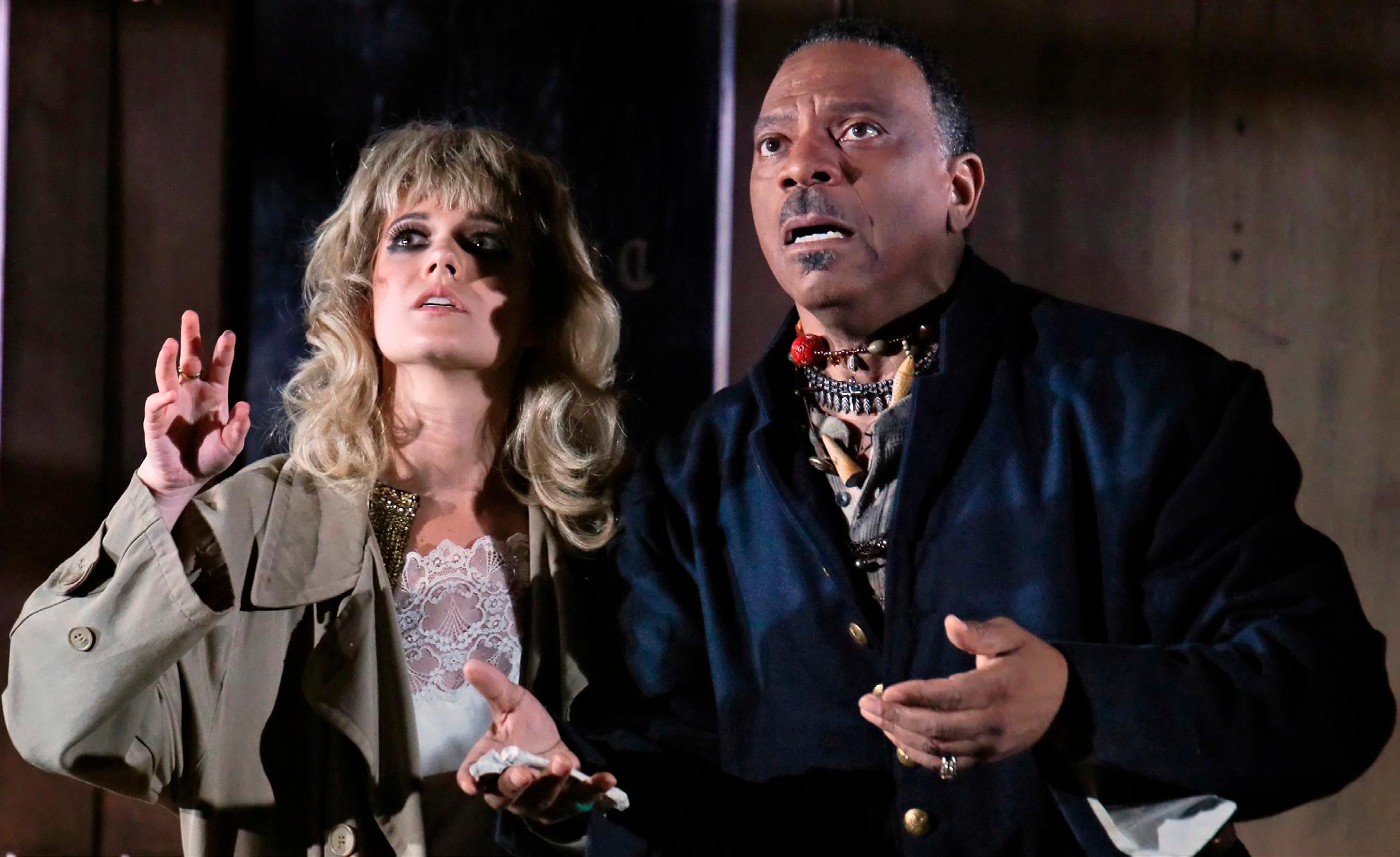
JAMES WATERSTON ( David Cutrere ). Broadway: Enemy of the People (MTC). Off-Broadway: Love and Information (NYTW), Buffalo Gal (Primary Stages), The Importance of Being Earnest (BAM), As You Like It (The Public), Parents’ Evening (Flea). Regional: Private Lives (STC), Chinglish (Goodman), Othello (CSC), 12th Night (The Old Globe), seven seasons at Williamstown. Film: Human Capital, Certainty, Dead Poets Society . TV: “Inventing Anna,” “Halston,” “Modern Love,” “The Deuce,” “Red Oaks,” “Six Feet Under.”
Upcoming: La Cocina with Rooney Mara and Brutus in Julius Caesar touring France (fall 2024).
DATHAN B. WILLIAMS ( Uncle Pleasant ), making his TFANA debut, is the former AAD of The Harlem Shakespeare Festival. As an actor on Broadway: Show Boat . Off-Broadway: Christmas in Hell (NY premiere), plus eight others. Regional: The Railway Children plus 43 others. National tour: Show Boat plus three others. International: two seasons at the Stratford Festival (’91 Guthrie Award). Directing credits include OffBroadway: Me and Steppin’ (The New Federal Theater).
ERICA SCHMIDT ( Director ). Writer/director: Lucy (Audible, Minetta Lane); All the Fine Boys (The New Group). Adapted/directed: Cyrano with The National (The Goodspeed, The New Group); MacBeth (Seattle Rep, Lucille Lortel, HTP; Drama Desk nominations for Outstanding Direction, Revival and Lortel nomination for Outstanding Revival); Debbie Does Dallas (Araca Group). Director: Richard II (The Old Globe); A Month in the Country (Classic Stage Company); Humor Abuse (co-writer/director; MTC, Taper; Lucille Lortel award); Rent (Tokyo); Trust (The Play Company; Callaway Award nomination); As You Like It (The Public Theater); Princess Grace Award 2001. As screenwriter: BAFTA nomination for Cyrano (Working Title/MGM).
AMY RUBIN ( Set Designer ) is a designer of environments for theatre, opera and dance. Recent designs: Omar (LA Opera/Spoleto), Lucy (Audible Theater), Most Happy (Williamstown Festival), Octet (Signature Theatre), Cyrano (The New Group), Thom Pain (based on nothing) (Signature Theatre), Snowy Day (Houston Grand Opera), Gloria: A Life (Daryl Roth Theatre), Miles for Mary (Playwrights Horizons), Acquanetta (Prototype Festival), Aging Magician (New Victory Theatre). Amy’s work has been featured at American Repertory Theater, McCarter Theatre, La Jolla Playhouse, Walker Arts Center, MassMoCA, Z Space, The Kimmel Center and numerous TED Talks.
JENNIFER MOELLER ( Costume Designer ). Broadway: Camelot (Tony nomination), Pictures From Home, Clyde’s (Tony nomination, Drama Desk Award), Sweat . Off-Broadway: Comeuppance (Signature); The Wrong Man (MCC); Mlima’s Tale (Lucille Lortel nomination), Tiny Beautiful Things (The Public); Aubergine (Playwrights Horizons); Love’s Labor’s Lost (Shakespeare in the Park). Regional: Guthrie, Goodman, the Kennedy Center, Shakespeare Theatre Company, Arena Stage, The Old Globe, Williamstown Theatre Festival, McCarter, Oregon Shakespeare Festival. TV: “Dickinson” (Apple TV+).
DAVID WEINER ( Lighting Designer ) is pleased to be working with TFANA again where he previously designed The Merchant of Venice and Jew of Malta with F. Murray Abraham, Julius Caesar and Saved . Over 100-plus productions on Broadway, Off-Broadway and in regional theatres across the country over 30 years. Architecture: numerous projects including award-winning restaurants Tatiana, Al Coro, Saga, Crown Shy, Cote (NY, Miami, Singapore) and Naminori. DavidWeinerDesign.com
JUSTIN ELLINGTON ( Original Music and Sound Design ) is a multi award-winning, Tony-nominated sound designer and composer. Theatre For a New Audience credits include He Brought Her Heart Back in a Box, The Winter’s Tale, Merchant of Venice . Broadway: Ohio State Murders, Topdog/Underdog, Pass Over, Clyde’s, for colored girls…, Other Desert Cities . Additional theatres include Lincoln Center, Playwrights Horizons, New York Theatre Workshop, Goodman, Guthrie, Royal Shakespeare Company and The Old Vic.
COOKIE JORDAN ( Hair and Wig Designer ). Broadway: Into the Woods, The Piano Lesson, POTUS, Skin of Our Teeth, Skeleton Crew, Clyde’s, Trouble in Mind, For Colored Girls…, A Strange Loop, Slave Play, Once on This Island, Sunday in the Park With George, In Transit, Eclipsed, Side Show . TV: Emmy nominated for makeup design for NBC’s “The Wiz Live.” Recipient of 2019, 2020 Obie Award, Ruth Morley Design Award.
ANDREW WADE ( Voice Director ). The Royal Shakespeare Company: 1987–2003 (voice assistant), 1990–2003 (head of voice). Since 2003: The Acting Company, Guthrie Theater, Stella Adler Studio (master teacher of voice and Shakespeare). Currently: TFANA (resident voice and text director), The Public Theater (director of voice), Juilliard (adjunct faculty drama division). Broadway: Harry Potter and the Cursed Child Parts One and Two (U.S. head of voice and dialect), King Lear with Glenda Jackson (voice coach), Matilda (director of voice and national tour), A Christmas Carol and tour, A Bronx Tale the Musical . Film: Shakespeare in Love Workshops and lectures worldwide. Fellow of Rose Bruford College.

XAVIER CLARK ( Dialect Coach ) is a bilingual voice and speech practitioner who studied voice under Alithea Phillips, Ursula Meyer and apprenticed with Dawn-Elin Fraser. He served as the voice and speech coach for The Acting Company’s national tour of Romeo and Juliet and The Three Musketeers , and their upcoming national tour of The Odyssey . He is on faculty with the Stella Adler Studio of Acting and Powerhouse Theatre at Vassar College. Training: RADA, NYU Tisch (BFA) and UC San Diego (MFA).
JOHN LAHR ( Production Dramaturg ) has been a contributor to The New Yorker since 1991, where for 21 years he was its senior drama critic, the longest run in that position in the magazine’s history. He is the author of 18 books including Tennessee Williams: Mad Pilgrimage of the Flesh , which won the National Book Critics Circle Award for Biography, the American Academy of Arts and Letters Harold D. Vursell Award for Quality of Prose, and was a finalist for the National Book Award. He is the first critic to win a Tony Award for coauthoring Elaine Stritch at Liberty .
LORENZO PISONI ( Physical Movement Coordinator ). Broadway: Parade, MJ, Almost Famous, Gary, Beetlejuice, Frozen, Noises Off Off-Broadway: Lucy, Mac Beth, All the Fine Boys, Harlequin Studies . West End: Frozen, Mary Poppins, Beauty and the Beast . As a performer, Lorenzo has worked in circuses and in theatre where his work on and off Broadway has been recognized with Drama Desk, Lucille Lortel, Obie and Outer Critics Circle awards.
JUSTIN COX ( Props Supervisor ) is a Texasborn, New York-based art director and production designer, specializing in television, film and live performances. Coming from a lineage of artists and artisans, Justin learned the value of hands-on creation. His unique aesthetic and appreciation for the functionality of objects and environments have served Lady Gaga, Broadway and the greater storytelling community.
JONATHAN KALB ( Resident Dramaturg ) is professor of theatre at Hunter College, CUNY, and is TFANA’s resident dramaturg. The author of five books on theatre, he has worked for more than three decades as a theatre scholar, critic, journalist and dramaturg. He has twice won the George Jean Nathan Award for Dramatic Criticism and has also won the George Freedley Award for an outstanding theatre book from the Theatre Library Association. He often writes about theatre on his TheaterMatters blog at jonathankalb.com .
BLAKE ZIDELL & ASSOCIATES ( Press Representative ) is a Brooklyn-based public relations firm representing arts organizations and cultural institutions. Clients include St. Ann’s Warehouse, Playwrights Horizons, Signature Theatre, Soho Rep, National Sawdust, The Kitchen, Performance Space New York, PEN America, StoryCorps, Symphony Space, the Fisher Center at Bard, Peak Performances, Irish Arts Center, the Merce Cunningham Trust, the Onassis Foundation, Taylor Mac, Page 73, The Playwrights Realm, PlayCo and more.
THEATRE FOR A NEW AUDIENCE . Founded in 1979 by Jeffrey Horowitz, this is Theatre for a New Audience’s (TFANA) 43rd season. Through its productions of Shakespeare and other new plays, humanities initiatives and programs in NYC public schools, TFANA creates adventurous dialogues with diverse audiences. TFANA has produced 33 of Shakespeare’s 38 plays alongside an international mix of classical and contemporary drama; promotes ongoing artistic development through its Merle Debuskey Studio Fund; and in 2001, growing from a collaboration with Cicely Berry, the Royal Shakespeare Company’s director of voice, TFANA became the first American theatre company invited to bring a production of Shakespeare to the RSC.
ACTORS' EQUITY ASSOCIATION (“Equity”), founded in 1913, is the U.S. labor union that represents more than 50,000 actors and stage managers. Equity seeks to foster the art of live theatre as an essential component of society and advances the careers of its mem bers by negotiating wages and working conditions and providing a wide range of benefits including health and pension plans. Actors’ Equity is a member of the AFL-CIO and is affiliated with FIA, an international organization of performing arts unions. #EquityWorks
Technical Director........................................... Joe Galan
Assistant Director.................................... Will Detlefsen
Assistant Scenic Designers.. Evan Adamson, Jimmy Rotondo
Associate Costume Designer................. Miriam Kelleher
Associate Lighting Designer...................... David Sexton
Assistant Sound Designer................... German Martínez
Associate Hair and Wig Designer............. Colin Gallaher
Makeup Consultant................................... Kyle Krueger
Wardrobe Supervisor.................................... Kim Kaiser
Dresser...................................................... Khari Walser
Costume Coordinator.......................... Emily O’Connor
Dialect Coach............................................. Xavier Clark
Production Assistant.............................. Hailey Delaney
Props/Deck Carpenter.................... Tristan Viner-Brown
Light Board Programmer and Operator. Paul T. Kennedy
Sound Board Operator.................................. Nata Price
Production Electrician............................. Michael Cahill
Production Audio..................................... Jeffrey Rowell
Electricians........... Blaize Adler-Ivanbrook, Darcy Burke, Rhylke Caputo, Jeffrey D’Ambrosio, Adam Gabel, Tony Mulanix, Hailey O’Leary, Melissa Ore, Sydnee Peterson
Lead Carpenter................................................ Leon Axt Carpenters...................... Cory Asinofsky, Steven Cepeda, Daniel Cohen, Jules Conlon, Helen Hylton, Frann McCrann, Thomas Moore, Tobias Segal, Henry Witherow-Culpepper Riggers............ Cory Asinofsky, Leon Axt, Helen Hylton, Tobias Segal
Truck Drivers............ Jeorge Conders, Shaheem Jackson, Eduardo Tobon, Zachary Saunders, Noah Stape, Archer Swietek, Sam Weiser
Scenery built by Daedalus Design and Production. Lighting equipment provided by Hayden Production Services and Barbizon Lighting Company.
Sound equipment provided by Five OHM Productions. Costumes provided by Bethany Joy Costumes, Helen Uffner Vintage, Right to the Moon Alice, Western Costume Company, Shakespeare Theatre Company.

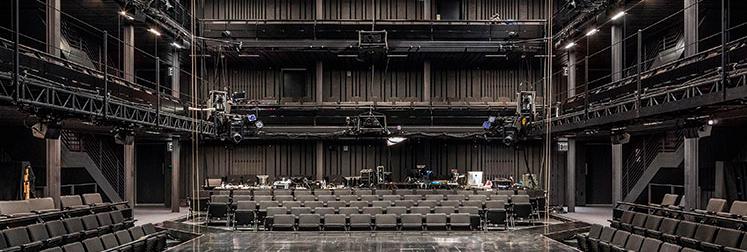
JEFFREY HOROWITZ (Founding Artistic Director) began his career in theatre as an actor and appeared on Broadway, Off-Broadway and in regional theatre. In 1979, he founded Theatre for a New Audience. Horowitz has served on the panel of the New York State Council on the Arts, on the board of directors of Theatre Communications Group, the advisory board of the Shakespeare Society and the artistic directorate of London’s Globe Theatre. Awards: 2003 John Houseman Award from The Acting Company, 2004 Gaudium Award from Breukelein Institute, 2019 Obie Lifetime Achievement and TFANA’s 2020 Samuel H. Scripps.
DOROTHY RYAN (Managing Director) joined Theatre for a New Audience in 2003 after a ten-year fundraising career with the 92nd Street Y and Brooklyn Museum. Ryan began her career in classical music artist management and also served as company manager and managing leader for several regional opera companies. She is a Brooklyn Women of Distinction honoree and serves as treasurer of the Downtown Brooklyn Arts Alliance.
JEREMY BLUNT (General Manager). Prior to joining TFANA in 2023, Jeremy was the managing director of the Sierra Repertory Theatre in Sonora, California. Before that, he was on the general management team at Broadway Asia where he worked on DreamWorks’ Kung Fu Panda Spectacular Live and served as the contract affairs coordinator at the Stage Directors and Choreographers Society. MFA: performing arts management, Brooklyn College. MBA, bachelor of science in business administration, California Baptist University. He proudly served in the U.S. Army and Air National Guard, retiring in 2021 after holding multiple leadership positions.
BOARD OF DIRECTORS
Board Chair
STAFF
Founding Artistic Director
Jeffrey Horowitz
Managing Director Dorothy Ryan
General Manager Jeremy Blunt
Director of Institutional Advancement
James J. Lynes
Finance Director Mary Sormeley
Education Director Lindsay Tanner
Capital Campaign Director
George Brennan
Director of Marketing & Communications
Eddie Carlson
Facilities Director Rashawn Caldwell
Production Manager Brett Anders
Company Manager Molly Burdick
Theatre Manager Lawrence Dial
Box Office Manager Allison Byrum
Marketing Manager Angela Renzi
Associate Director of Development
Sara Billeaux
Artistic Associate Peter J. Cook
Education Coordinator Emma Griffone
Coordinator, Administration & Humanities|Studio Programming
Nadiya Atkinson
Finance Associate Harmony Fiori
Associate to the Founding Artistic Director
Allison Benko
Grants Associate Emmy Ritchey
Development Associate Olivia Laskin
Development Associate Gavin McKenzie
Facilities Associate Rafael Hurtado
New Deal Program Coordinator Zhe Pan
TFANA Teaching Artists
Albert Iturregui-Elias, Elizabeth
London, Erin McCready, Kea Trevett, Matthew Dunivan
House Managers
Regina Pearsall, Adjani Reed, Nancy Gill Sanchez
Bloomberg Arts Interns
Emily Chen, Cassandra Rivera
Press Representative
Blake Zidell & Associates
Resident Director Arin Arbus
Resident Casting Director Jack Doulin
Resident Dramaturg Jonathan Kalb
Resident Distinguished Artist
John Douglas Thompson
Resident Voice and Text Director
Andrew Wade
TFANA COUNCIL OF SCHOLARS
Tanya Pollard, Chair
Jonathan Kalb, Alisa Solomon, Ayanna Thompson
Founded in 1979 by Jeffrey Horowitz, the mission of Theatre for a New Audience is to be home for Shakespeare and other contemporary authors. The Theatre is dedicated to the ongoing search for a living, human theatre and forging an immediate exchange with an audience that is always new and different from the last one. With Shakespeare as its guide, the Theatre builds a dialogue that spans centuries between the language and ideas of Shakespeare and diverse authors, past and present. An internationally respected producer, the Theatre develops and mounts productions that examine and illuminate the contemporary significance of classic plays and modern dramatic masterworks. In addition to its world-class productions, the Theatre engages its community through free Humanities programs for general audiences, extensive creative development opportunities for artists, and the largest indepth arts in education programs to introduce Shakespeare and classic drama to New York City Public School students.
Theatre for a New Audience Education Programs
Theatre for a New Audience is an award-winning company recognized for artistic excellence. Our education programs introduce students to Shakespeare and other classics with the same artistic integrity that we apply to our productions. Through our unique and exciting methodology, students engage in hands-on learning that involves all aspects of literacy set in the context of theatre education. Our residencies are structured to address City and State Learning Standards both in English Language Arts and the Arts, the New York City DOE’s Curriculum Blueprint for Teaching and Learning in Theater, and the New York State Common Core Learning Standards for English Language Arts. Begun in 1984, our programs have served more than 135,000 students, ages 9 through 18, in New York City Public Schools city-wide.
A Home in Brooklyn: Polonsky Shakespeare Center
Theatre for a New Audience’s home, Polonsky Shakespeare Center, is a centerpiece of the Brooklyn Cultural District.
Designed by celebrated architect Hugh Hardy, Polonsky Shakespeare Center is the first theatre in New York designed and built expressly for classic drama since Lincoln Center’s Vivian Beaumont in the 1960s. The 27,500 square-foot facility is a unique performance space in New York. The 299-seat Samuel H. Scripps Mainstage, inspired by the Cottesloe at London’s National Theatre, combines an Elizabethan courtyard theatre with modern theatre technology that allows the stage and seating to be arranged in seven configurations. The facility also includes the Theodore C. Rogers Studio (a 50-seat rehearsal/performance studio), and theatrical support spaces. The City of New York-developed Arts Plaza, designed by landscape architect Ken Smith, creates a natural gathering place around the building. In addition, Polonsky Shakespeare Center is also one of the few sustainable (green) theatre in the country, with LEED-NC Silver rating from the United States Green Building Council. Now with a home of its own, Theatre for a New Audience is contributing to the continued renaissance of Downtown Brooklyn. In addition to its season of plays, the Theatre has expanded its Humanities offerings to include lectures, seminars, workshops, and other activities for artists, scholars, and the general public. When not in use by the Theatre, its new facility is available for rental, bringing much needed affordable performing and rehearsal space to the community.
Robert E. Buckholz
Vice Chair
Kathleen C. Walsh
President Jeffrey Horowitz
FoundingArtisticDirector
Vice President and Secretary
Dorothy Ryan
Managing Director
Executive Committee
Alan Beller
Robert E. Buckholz
Constance Christensen
Jeffrey Horowitz
Seymour H. Lesser
Larry M. Loeb, Esq.
Philip R. Rotner
Kathleen C. Walsh
Josh Weisberg
Members
F. Murray Abraham*
Arin Arbus*
John Berendt*
Bianca Vivion Brooks*
Ben Campbell
Robert Caro*
Sharon Dunn*
Matthew E. Fishbein
Riccardo Hernandez*
Kathryn Hunter*
Dana Ivey*
Tom Kirdahy*
Harry J. Lennix*
Catherine Maciariello*
Audrey Heffernan Meyer*
Alan Polonsky
Dorothy Ryan
Joseph Samulski*
Daryl D. Smith
Doug Steiner
Susan Stockel
Michael Stranahan
John Douglas Thompson*
John Turturro*
Frederick Wiseman*
*Artistic Council
Emeritus
Francine Ballan
Sally Brody
William H. Burgess III
Caroline Niemczyk
Janet C. Olshansky
Theodore C. Rogers
Mark Rylance*
Monica G.S. Wambold
Jane Wells
Even with capacity audiences, ticket sales account for a small portion of our operating costs. The Theatre expresses its deepest thanks to the following Foundations, Corporations, Government Agencies and Individuals for their generous support of the Theatre’s Humanities, Education, and Outreach programs.
The 360° Series: Viewfinders has been made possible in part by a major grant from the National Endowment for the Humanities: Exploring the Human Endeavor. Any views, findings, conclusions, or recommendations expressed in this Viewfinder, do not necessarily represent those of the National Endowment for the Humanities.
A Challenge Grant from the NEH established a Humanities endowment fund at Theatre for a New Audience to support these programs in perpetuity. Leading matching gifts to the NEH grant were provided by Joan and Robert Arnow, Norman and Elaine Brodsky, The Durst Organization, Perry and Marty Granoff, Stephanie and Tim Ingrassia, John J. Kerr & Nora Wren Kerr, Litowitz Foundation, Inc., Robert and Wendy MacDonald, Sandy and Stephen Perlbinder, The Prospect Hill Foundation, Inc., Theodore C. Rogers, and from purchasers in the Theatre’s Seat for Shakespeare Campaign, 2013 – 2015.

Theatre for a New Audience’s Humanities, Education, and Outreach programs are supported, in part, by The Elayne P. Bernstein Education Fund. For more information on naming a seat or making a gift to the Humanities endowment, please contact James Lynes, Director of Institutional Advancement, at 212-229-2819 x29, or by email at jlynes@tfana.org
Deloitte and Bloomberg Philanthropies are the 2022-2023 Season Sponsors.
Theatre for a New Audience’s productions and education programs are made possible, in part, with public funds from the National Endowment for the Humanities, the National Endowment for the Arts; Shakespeare in American Communities, a program of the National Endowment for the Arts in partnership with Arts Midwest; the New York State Council on the Arts with the support of the Office of the Governor and the New York State Legislature; and the New York City Department of Cultural Affairs in partnership with the City Council.
Additional funding is provided by the generosity of the following Foundations and Corporations through either general operating support or direct support of the Theatre’s arts in education programs:

PRINCIPAL BENEFACTORS
($100,000 and up)
Bloomberg Philanthropies

Jerome L. Greene Foundation Fund in the New York Community Trust

The SHS Foundation
The Shubert Foundation, Inc.
The Thompson Family Foundation, Inc.
U.S. Small Business Administration
LEADING BENEFACTORS
($50,000 and up)
Deloitte & Touche LLP
The Howard Gilman Foundation, Inc.
The Stockel Family Foundation
The Whiting Foundation
MAJOR BENEFACTORS
($20,000 and up)
The Arnow Family Fund
The Cornelia T. Bailey Foundation
The Fan Fox and Leslie R. Samuels Foundation
The Great Island Foundation
The Hearst Corporation
The DuBose and Dorothy Heyward Memorial Fund
Kramer Levin Naftalis & Frankel LLP
Latham & Watkins LLP
The Polonsky Foundation
The Seth Sprague Educational and Charitable Foundation
The Stairway Fund
The Starry Night Fund
SUSTAINING BENEFACTORS
($10,000 and up)
Akin Gump Strauss Hauer & Feld, LLP
The Howard Bayne Fund
Consolidated Edison Company of New York, Inc.



The Ettinger Foundation
The Gladys Krieble Delmas Foundation
Sidney E. Frank Foundation
Gibson, Dunn & Crutcher LLP
Hughes, Hubbard & Reed LLP
The J.M. Kaplan Fund
King & Spalding LLP
McDermott Will & Emery
Morgan, Lewis & Bockius LLP
Orrick, Herrington & Sutcliffe LLP
Paul, Weiss, Rifkind, Wharton & Garrison
The Ponce De Leon Foundation
May and Samuel Rudin Foundation Inc.
Sarah I. Schieffelin Residuary Trust
Select Equity Group, Inc.

Sidley Austin LLP
Michael Tuch Foundation, Inc.
PRODUCERS CIRCLE— ARTISTIC DIRECTOR’S SOCIETY
($5,000 and up)
Axe-Houghton Foundation
The Bay and Paul Foundations
The Bulova Stetson Fund
The Claire Friedlander Family Foundation
Litowitz Foundation, Inc.
Richenthal Foundation
The Venable Foundation
PRODUCERS CIRCLE—EXECUTIVE
($2,500 and up)
Foley Hoag LLP
Irving Harris Foundation
Lucille Lortel Foundation
Marta Heflin Foundation
Proskauer Rose LLP
Shakespeare Center of Los Angeles
PRODUCERS CIRCLE—ASSOCIATE
($1,000 and up)
Actors’ Equity Association
The Grace R. and Alan D. Marcus Foundation
Asha and D.V. Nayak Fund
The Bernard and Anne Spitzer Charitable Trust