
2024 Sustainability Report


INTRODUCTION
A Message from Our CEO

As we publish our 17th annual Sustainability Report, we reflect on the progress we have made and the path ahead. SWCA has long been guided by a clear purpose: to preserve natural and cultural resources for tomorrow while enabling projects that benefit people today. This purpose is not just a statement—it’s a commitment that shapes every project we undertake, every partnership we form, and every step we take toward a more sustainable future.
In 2024, we continued to expand the impact of our work beyond our own operations, helping our clients and communities navigate their own sustainability challenges. By integrating science-driven solutions, innovative partnerships, and environmental stewardship, we are strengthening our role as a leader in sustainability. From advancing biodiversity conservation and habitat restoration to supporting climate resilience and responsible development, our teams are finding new ways to turn sustainability commitments into action.
This year, we made significant strides in our sustainability efforts:
• Deepened our science leadership by sharing knowledge across industries and actively participating in organizations, such as the World Business Council for Sustainable Development, Water Resource Coalition, and the United Nations Global Compact.
• Embedded sustainability into our business strategy by using insights from our Materiality Assessment to refine our focus areas and drive more targeted impact.
• Reaffirmed our commitment to water resilience by signing the CEO Water Mandate and Water Resilience Pledge, ensuring that we contribute to global water sustainability efforts.
• Expanded employee-driven initiatives, including the Spreading the Science program, which saw a 41% increase in volunteer events, reinforcing our commitment to education and community engagement.
• Broadened employee ownership, with a 25% increase in the number of employee owners in 2024 compared to 2023. This growth was driven by the shift from semi-annual to quarterly employee stock ownership plan entry dates, giving more employees the opportunity to participate in SWCA’s ownership culture.
LOOKING AHEAD
As we look toward the future, we remain focused on continuous progress. Our priorities for 2025 include:
• Reducing waste in our offices and enhancing sustainability practices in the field.
• Further integrating sustainability into our client projects, enabling positive environmental and social impact.
• Strengthening our industry leadership by sharing knowledge, driving innovation, and fostering collaborative solutions that address pressing global challenges.
TO ACHIEVEMENT
Materiality Assessment: Communicate the results of our Materiality Assessment and address the identified material items. The results of the Materiality Assessment were communicated to the SWCA Board in 2024. As is detailed in this report, the material items are being addressed.
Code of Ethics Training: Implement mandatory Code of Ethics training for all employees. Mandatory Code of Ethics Training was implemented in 2024. It was assigned to all employees and is now part of every new employee orientation.
Paperless Projects: Fully transition to paperless projects when allowed by our clients.
A full transition did not happen in 2024; however, parts of projects are electronic, such as proposals, invoices, and reports, and much of the field data collection is done on tablets. In 2025, we will continue our transition to fully paperless projects when allowed by our clients.
This report reflects not only our achievements but also our ongoing responsibility to push the boundaries of sustainable solutions. I am incredibly proud of the dedication and expertise of our employees who bring our purpose to life every day. As we continue this journey, we remain committed to making a meaningful and lasting impact— together with our clients, our partners, and the communities we serve.
Joseph J. Fluder, III GOAL STATUS KEY NOT ACHIEVED IN PROGRESS ACHIEVED
INTRODUCTION
NUMBER OF EMPLOYEES 1,660


SWCA is the best workplace and global leader addressing sustainability, environmental, and
INTRODUCTION
Our Sustainability Journey
2008
Published First Sustainability Report
Began tracking and reporting Scope 1, 2, and 3 emissions.
2014
Expanded to Corporate Social Responsibility Report
Broadened the Sustainability Report to incorporate our people and community giving programs.
Developed SWCA’s North Star A guiding vision emphasizing a commitment to sustainability leadership.
Added Sustainability Structure
Established the Sustainability Framework Steering Committee, the Environmental Sustainability Committee, and strengthened the Green Team Network.
Began Purchasing Renewable Energy Certificates (RECs) Offsetting 100% of the electricity SWCA uses annually.
NORTH STAR
SWCA is the best workplace and global leader addressing sustainability, environmental, and social challenges.


2021
Created SWCA’s Sustainability Framework
Planet, People, and Partnerships pillars, the framework aligns with the United Nations Sustainable Development Goals.
2022
Appointed a Sustainability Director and a Dedicated Team
To lead the company’s efforts in becoming an industry leader in sustainability.
Ended the Purchase of Single Use Plastics
All offices discontinued purchasing disposable water bottles, plastic cups, plates, and utensils.
Implemented an Environmental Sustainability Badge Program
Created a system to track and celebrate office environmental sustainability achievements.


2023
Joined the United Nations Global Compact
Formally aligned with the ten UNGC principles and Sustainable Development Goals.
Created Daring to Be Greener Award
Annual award recognizing the office that best embodies the SWCA environmental sustainability mindset.
Conducted a Materiality Assessment
Identified and prioritized sustainability topics most relevant to the company and stakeholders.
Began Reporting SWCA’s Positive Impacts
SWCA helps improve the environment through our client project work.
Expanded Sustainability Services
Acquired a global sustainability consulting firm, enhancing SWCA’s capabilities to assist clients.
2024
Mandatory Ethics Training
Assigned the training to existing employees and integrated it into new employee orientation.
Formalized Social Responsibility Policies
Our Human Rights and Supplier Code of Conduct policies strengthen our commitment to social responsibility.
Joined Global Sustainability Initiatives
The World Business Council for Sustainable Development (WBCSD) and the Water Resilience Coalition.

Reaffirmed Water Resilience Commitment

Signed the CEO Water Mandate and Water Resilience Pledge.
(GW) WORKED ON 970 CLEAN ENERGY PROJECTS 2024 ENR RANKINGS
PARTNERSHIPS
TOP 500 DESIGN FIRMS (UP FROM #120 IN 2023)
TOP 200 ENVIRONMENTAL FIRMS
TOP 200 DESIGN FIRMS
WORLD BUSINESS COUNCIL FOR SUSTAINABLE DEVELOPMENT PARTNERSHIP
86 CLIENT NET PROMOTER SCORE 2,057 CLIENTS IN 2024 2024 SALES Grew 20% OVER 2023 38% SALES GROWTH IN RENEWABLE GENERATION WORK GIVES BACK $235,102 TOTAL IMPACT 4,143 VOLUNTEER HOURS 169 EVENTS 182 ORGANIZATIONS SUPPORTED OVER 35 CONFERENCE PRESENTATIONS 32 CLIENT TRAINING CLASSES MEMBERS OF OVER 120 INDUSTRY ASSOCIATIONS AND
COMPARED TO 2023 (OVER 2023)
LOOK FOR THIS SYMBOL THROUGHOUT THE REPORT It indicates topics material to SWCA
INTRODUCTION
Materiality Assessment
In 2023, SWCA conducted our first Materiality Assessment—a pivotal initiative to align our sustainability strategy with the expectations of our stakeholders and the evolving demands of our business environment. The results were communicated to our Board of Directors in 2024. This assessment serves as a foundation for embedding sustainability into our strategic decision-making processes and operational practices, ensuring we address the most pressing issues.
APPROACH AND METHODOLOGY
Our Materiality Assessment used the following structured approach to ensure comprehensive and credible outcomes:
Benchmarking
We conducted an in-depth benchmarking exercise against industry peers and leaders to understand prevailing sustainability practices and disclosure standards. This helped us identify 15 key sustainability topics relevant to SWCA’s operations and industry.
Stakeholder Engagement
Engaging with 50 key stakeholders—38 internal and 12 external—allowed us to capture diverse perspectives on the sustainability issues most significant to SWCA. This engagement provided critical insights into both risks and opportunities, helping shape our sustainability priorities.
Analysis and Prioritization
Insights from stakeholder engagement were systematically analyzed and mapped in our Materiality Matrix, which assessed both the potential business impact and the importance to stakeholders. This matrix serves as a strategic tool to focus our efforts on high-priority areas.
KEY FINDINGS
The assessment identified the following top three priority areas, which will drive our sustainability strategy moving forward:
Talent Attraction, Development, and Retention
Recognized as a cornerstone for our continued growth and success, this area focuses on maintaining high retention rates, fostering professional development, and cultivating a peoplecentric culture.
Risk Management
Essential for safeguarding our operational resilience, employee safety, reputation, and client trust. Effective risk management ensures proactive identification and mitigation of potential legal, financial, and operational risks.
Client Impact
Reflecting our commitment to enabling our clients’ sustainability journeys, this focus area underscores SWCA’s role in driving positive outcomes through our consulting services.
The Materiality Assessment not only identifies our most critical sustainability priorities but also reinforces our commitment to continuous improvement and stakeholder engagement. As we integrate these insights into our broader sustainability strategy, SWCA remains dedicated to creating long-term value for our clients, employees, and the communities we serve.
INTRODUCTION
River Design Group Acquisition
In 2024, SWCA acquired River Design Group (RDG), a leading ecosystem and river restoration design firm serving the northwestern United States. With a team of over 30 experts, RDG is known for its experience in designing and executing high-quality ecological projects that restore rivers and watersheds, enhance fish passage, and improve ecosystem resilience. This acquisition strengthens SWCA’s ability to deliver innovative solutions that balance environmental restoration with community and regulatory needs.
INCREASING HABITAT CONNECTIVITY FOR THE WARNER SUCKER
The keys to RDG’s success have been the quality of our work, our holistic approach to river restoration, and our river restoration ethic.”
Matt Daniels Principal Engineer, RDG (before acquisition)
Established in 2003, RDG built a reputation as a leader in dam removal and river restoration, participating in removal projects that have reconnected aquatic habitats, restored natural river processes, and improved water quality. These projects often do not reach completion for years, which demonstrates RDG’s commitment to their work. Over the years, dam removal has been increasingly used for its benefits, such as restoration of natural river processes and removal of fish passage barriers. But this isn’t the only service RDG offers. They also have deep technical expertise in hydraulic modeling, watershed and geomorphic assessments, remote sensing, and land surveying.
600 Projects
RDG brought over 400 years of combined experience in river restoration, having successfully completed more than 600 projects across the Intermountain West and Pacific Northwest
RDG’s success is built on a collaborative approach that integrates science, engineering, and stakeholder engagement. River restoration, dam removal, and fish passage projects are complex processes, requiring thoughtful ecological considerations, regulatory coordination, and partnerships with diverse stakeholders, including state and federal agencies, Tribes, private landowners, watershed councils, and conservation organizations. Understanding and managing a variety of perspectives and viewpoints can be difficult, but this is an area where RDG excels. Through strong relationships and technical excellence, RDG has established itself as a trusted leader in progressive river restoration efforts.
25 Dam Removal Projects
Participated in over 25 dam removal projects
RDG, now a part of SWCA, is assisting a diverse stakeholder group, which includes the Lake County Umbrella Watershed Council, U.S. Fish and Wildlife Service, Bureau of Land Management (BLM), Oregon Department of Fish and Wildlife, two water user groups, and local landowners, with a fish passage planning effort in the Warner Basin, Oregon. The project aims to improve watershed connectivity for the Warner Sucker (Catostomus warnerensis), a federally threatened fish species endemic to the Warner Basin in central Oregon.

As part of these ongoing efforts, RDG previously assisted in the installation of a flat plate fish screen and a fish ladder in the Twentymile Creek watershed. These features were designed to support natural fish migration and improve connectivity. The innovative fish ladder was specifically engineered to mimic a natural riverbed while allowing for future modifications based on evolving research. To date, RDG has completed five fish passage projects, incorporating technical and nature-like fishways, culvert replacements, and irrigation canal fish screens. These efforts reflect RDG’s commitment to improving habitat connectivity and supporting the recovery of threatened fish species.
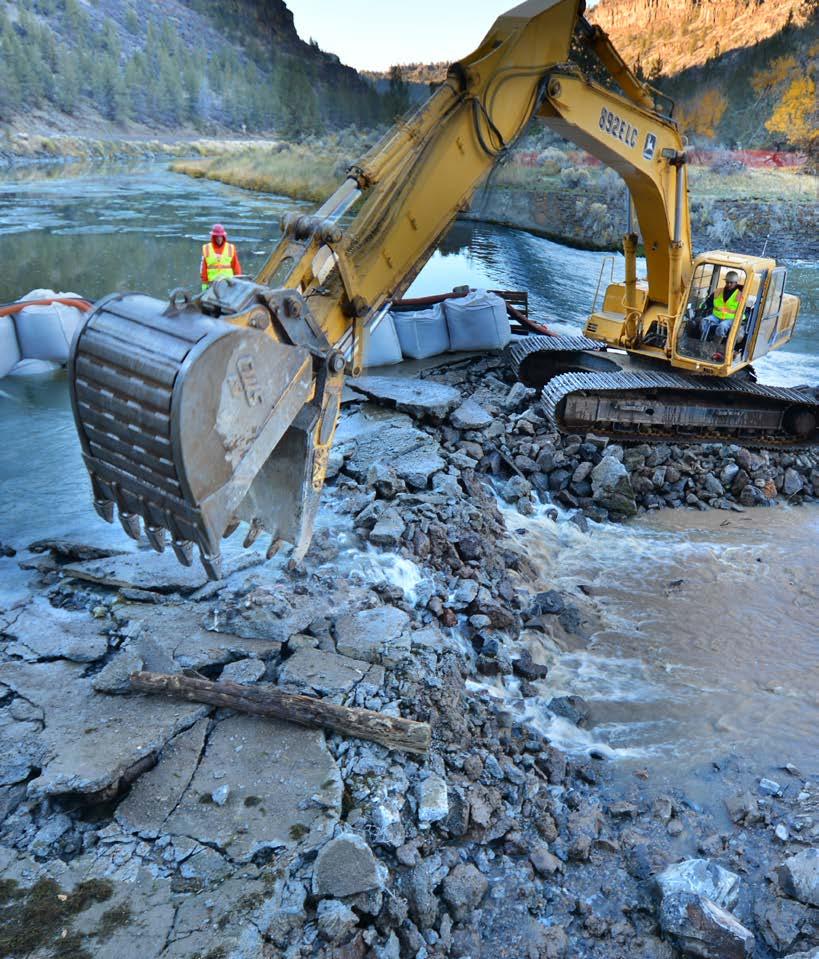
DESCHUTES BASIN DAM REMOVALS
As a leader in dam removal and river restoration, RDG provided project management, design, permitting, and construction oversight for multiple dam removal projects in the Deschutes River Basin.
Partnering with the Crooked River Watershed Council, RDG successfully removed a BLM-owned dam on the Crooked River, facilitating extensive coordination with stakeholders and regulatory agencies. RDG developed a comprehensive plan for dam removal, sediment stabilization, and long-term water management, which ensures minimal downstream impacts for irrigators. The project included hydraulic modeling, engineering design, and a sediment management strategy for over 10,000 cubic yards of stored sediment, enhancing fish migration pathways and strengthening ecosystem stability.
People

SWCA’s Culture
At SWCA, we recognize that a strong, positive workplace culture is the foundation of an engaged and motivated workforce. Working in an environment where people feel valued and inspired to contribute their best drives high retention, employee satisfaction, and professional excellence.
Our employee engagement survey is one of the ways we gain insight into our employees’ experiences at SWCA.
One key component of fostering this culture is our employee engagement survey, conducted every 18 months, which allows us to gain better insight into our employees’ experiences. We analyze the results, share them transparently, and implement meaningful improvements. Past surveys have led to enhancements in benefits, compensation plans, and the employee stock ownership program (ESOP). In 2024, we transitioned to a new survey provider, which introduced changes to some questions, making year-over-year comparisons more complex. Despite a 2-point decline in overall satisfaction and a 5-point decline in engagement, our scores remain well above industry benchmarks, reflecting our commitment to continuous improvement.
our culture through a shared purpose, core values, and our North Star. Additionally, our flexible work model has contributed to reducing carbon emissions by decreasing commuting, and, as leases renew in the coming years, we anticipate a reduction in office footprints, further reducing our impact.
Field employees play a critical role in SWCA’s success, and, in 2024, we introduced My Field Experience (MyFX)—a program designed to ensure their voices are heard and their experiences continually improve. Through realtime feedback and shared insights, MyFX enables us to address field employees’ needs while recognizing best practices that can be scaled across different locations. The program’s overall results are now visible companywide on an employee dashboard, reinforcing our commitment to data-driven improvements.









SWCA fosters a culture of appreciation through internal recognition programs, celebrating employees and offices that excel in project management, sustainability, community impact, safety, and scientific leadership. In 2024, we introduced the North Arrow Award, which honors individuals who exemplify our core values and lead through mentorship, teamwork, safety, and data integrity. These awards reinforce our belief that our people are the driving force behind SWCA’s success.
Externally, our efforts have been widely recognized. Comparably, a leading workplace culture platform, awarded SWCA multiple honors in 2024, including:
Recognizing the evolving nature of work, SWCA has embraced a flexible work model, with 44% of our workforce classified as distributed, allowing them to work remotely or in the office. Maintaining engagement in this dynamic environment requires intentional efforts. We strengthen
2025 GOAL
25 years as an ESOP Celebration: Celebrate 25 years of being an ESOP with employee engagement and education events throughout 2025.




DARING TO BE GREENER
CHAMPION OF CHAMPIONS
CHRIS GARRETT AWARD
NORTH ARROW AWARD
HAVE A HEART AWARD
STEVEN W. CAROTHERS AWARD
DARING TO BE GREENER AWARD WINNER
SWCA’S CULTURE
Spotlight
For an upcoming staff meeting, Sarah Lupis was asked to share what employee ownership means to her. Instead of looking up the exact meaning of ESOP (employee stock ownership plan), she reflected on what it truly represents:
Employee Share of Profits
Knowing that her contributions directly impact her future and retirement.
Employee Stability of Position
Understanding that SWCA’s ESOP model incentivizes long-term commitment, which builds institutional knowledge and continuity.
Employee Sense of Purpose
Feeling connected to her colleagues and the company’s success, knowing that everyone shares in SWCA’s collective achievements.
Although she might not always recall what ESOP officially stands for, Sarah knows it represents stability, purpose, and shared success— attributes that make SWCA a truly great place to work.




PEOPLE IN ACTION
PEOPLE Retirement Benefits
SWCA celebrated 24 years as a 100% employee-owned company in 2024, reinforcing our commitment to shared success, long-term financial security, and employee engagement. Our ESOP is a defining aspect of our culture, providing regular status employees based in the United States with a direct stake in the company’s growth. In 2024, participation in the ESOP increased by 25%, which was driven by changes made in 2023, including a shift from semi-annual to quarterly plan entry dates, allowing employees to enter the plan sooner and benefit from ownership earlier in their careers.
SWCA offers a comprehensive suite of retirement benefits, including our ESOP, 401(k), and Roth 401(k) plans. Unlike traditional retirement savings models, the ESOP provides employees with company stock at no cost to them, enabling them to build wealth through ownership. Over the past 5 years, SWCA’s share price has grown by an average of 25% annually, reflecting the dedication and contributions of our employee owners. Their commitment to excellence, client service, and the OneSWCA culture has helped drive the company’s continued success.
In 2024, SWCA reaffirmed its commitment to employee ownership by completing an ESOP sustainability study in collaboration with an external firm. The study concluded that SWCA’s ESOP, paired with our business model, is well-positioned for continued success. Additionally,
Over the past 5 years, SWCA’s share price has grown by an average of 25% annually.
SWCA took a significant step to ensure the long-term sustainability of the ESOP by transitioning to an external ESOP trustee. This decision, made after a comprehensive evaluation by SWCA’s Nominating Committee, was guided by input from ESOP industry experts and approved by the Board of Directors. The move enhances fiduciary oversight, mitigates future risks, and supports the continued growth of the ESOP, ensuring its long-term success for all participants.
Communication Plan: Develop a communication plan to increase leadership’s understanding of how employee ownership impacts employee satisfaction and productivity.

A plan was not created; however, a leadership conference session was held, which was dedicated to helping leaders better communicate the benefits of employee ownership.
Onboarding Program: Develop and implement a new onboarding program to educate new employees on the benefits of employee ownership. An onboarding program was not implemented in 2024.
2025 GOALS
Recruiting and Retaining Talent MT
RECRUITMENT
SWCA’s success is built on attracting and retaining top talent who are passionate about our mission and purpose. We find individuals to serve our clients and meet our growth objectives through a multipronged approach. This includes encouraging employee referrals, effective partnerships between recruiters and hiring managers, and treating all applicants like they are potential employee-owners. Several factors contributed to our continued recruitment success, including:
• Diversification in geographies, markets and service areas, which create new opportunities.
• Flexible work environments, which allow employees to choose hybrid or distributed work arrangements that align with their needs.
• Compensation transparency and equity, which ensure salary ranges are included in job postings to provide candidates with clear expectations.
Additionally, SWCA is committed to creating an inclusive and equitable hiring process that attracts diverse talent. We continually refine our hiring process by actively eliminating bias; using structured, competency-based interview questions; and ensuring selection criteria focus on skills essential to the role rather than educational or experiential requirements.

RETENTION
Although our retention rates declined slightly across all demographics, our retention rates are still in line with our industry average. SWCA remains dedicated to enhancing our employee experience and fostering long-term career satisfaction. In 2025, we will continue to focus on targeted initiatives, including:
• Expanded Leadership Training: Further invest in LEAP Level Up (supervisor training) and Project Management Ecosystem (project manager training) to equip leaders with enhanced management skills.
plans, as informed by 2024’s record high employee engagement scores where we saw an 89% companywide participation rate.
• Wellness and Work-Life Balance: Promote individual wellness through flexible wellness days, allowing employees time to recharge or care for loved ones.
• Competitive Compensation: Ensure pay remains equitable and aligns with market standards through proactive salary adjustments.
Fostering a hiring environment based on fairness, transparency, and consistency allows us to identify the best candidate for the role, ensuring that both their talents and values align with SWCA’s needs and mission.
• Increased Internal Promotions: Continue promoting internal staff and strengthening career advancement pathways to maintain motivation and retain top talent.
• Employee Engagement Initiatives: Emphasize the importance of office- and team-based engagement
2025 GOAL
Decrease Hiring
• Enhanced Field Staff Experience: Gather and act on field staff feedback to improve work quality, safety, and engagement.
• Improved HR Support Structure: Assign HR professionals to operating regions, proactively supporting leaders with employee relations challenges.
PEOPLE Employee Development
Career growth and development are essential to maintaining a skilled and engaged workforce. As we celebrate the fifth anniversary of our Career Development program, we reflect on the strides we have made in equipping our employees with the skills, knowledge, and opportunities needed to thrive.
Key Highlights of Our Career Development Program:
• Clear Career Pathways: Employees have access to well-defined career paths that communicate the breadth of opportunities available across SWCA.
• Competency-Based Growth: Our bedrock competency model highlights observable behaviors that define success for SWCA staff at every level.
• Robust Learning Resources: Employees benefit from a wealth of developmental tools, including articles, on-demand online training, and live instructor-led courses.
Leaders at SWCA play a critical role in fostering career development by holding regular check-ins with employees, providing constructive feedback, and supporting individualized growth plans. We also remain committed to ensuring that all supervisory employees participate in Level Up—a multi-day in-person workshop designed to help leaders cultivate engaged, high-performing teams. Our investment in employee development has strengthened our leadership pipeline— over the last 5 years, we have significantly increased internal promotions, filling two-thirds of senior leadership and project management roles with existing talent.
Nearly half of SWCA employees have engaged in advanced training on interpersonal communication, collaboration styles, and the importance of diverse perspectives in the workplace. Additionally, all employees complete implicit bias training as part of onboarding, reinforcing our culture of diversity, equity, and inclusion.
As we look ahead, SWCA is expanding our learning and development offerings to further support project managers, supervisors, and emerging leaders. We are actively designing new training modules and career development resources that will empower employees to excel in their roles and advance within the organization.

TO ACHIEVEMENT
LEAP Level Up: Deliver 10 LEAP Level Up leadership trainings. Completed this goal. Over 150 supervisors participated in LEAP Level Up training.
Project Manager Support: Design and deliver learning and development to support SWCA’s project managers.
Our Project Management (PM) Ecosystem was developed in 2024 and will be rolled out in 2025. This PM Ecosystem includes developmental resources, a PM support community, and improved PM tools and processes.
45+ HOURS of training per year per employee
Increased an average of 2 hours per employee from 2023
95% of employees receiving regular performance and career development reviews
72% of surveyed employees say SWCA provides the development opportunities that enable them to expand their skills and capabilities
2025 GOALS
LEAP Level Up: Deliver four LEAP Level Up trainings. We are reducing the number of trainings, since the majority of our supervisors have been trained in the last 2.5 years.
Project Manager Workshop: Pilot a multi-day, in-person workshop to accelerate SWCA project manager skills, knowledge, and abilities.
Project Manager Resources: Roll out enhanced resources to communicate project manager best practices.
A Culture of Belonging
At SWCA, we remain dedicated to creating an environment where every employee feels a strong sense of belonging and opportunity. In 2024, we shifted from a focus on Inclusion and Diversity to a more comprehensive approach: Diversity, Equity, and Inclusion (DE&I). By elevating “Equity,” we aim to create a more dynamic and balanced work environment that reflects our values of fairness, respect, and belonging.
We strengthened our DE&I efforts by expanding our Employee Resource Groups (ERGs), launching new initiatives and fostering a culture of inclusivity through training, education, and companywide engagement.
ADDITIONAL ACCOMPLISHMENTS IN 2024
The Working Parents and Caregivers ERG collaborated with Talent Development to produce an animated video titled, Balancing Acts: The Working Caregiver’s Journey. In this video, we explore how supporting caregivers in the workplace is essential for creating an inclusive environment while acknowledging the unique challenges that come with caregiving.
Created comprehensive guidelines for ERG Executive Sponsors, outlining their roles, responsibilities, and available resources to support and enhance their contributions.
Developed an ERG Lead Guide that defines their role more clearly, streamlines practices, and outlines support mechanisms to enhance the efficiency and effectiveness of our ERGs. It also offers additional resources to help new ERG leads transition smoothly and succeed in their roles.
As part of this ongoing commitment, SWCA introduced two new ERGs—the Neurodivergent ERG and the Nature-Based Spirituality ERG—which has expanded our network to include 16 ERGs. These groups serve as spaces where employees can connect, share experiences, and advocate for meaningful change within the organization. To further elevate ERG impact, SWCA hosted its second ERG Open House—an event designed to increase awareness and encourage participation from non-members. Additionally, the Environmental Justice and Native American/Indigenous ERGs led a highly anticipated session featuring Dr. Robin Wall Kimmerer, an Indigenous ecologist and acclaimed author, which drew strong engagement from employees across the company.
In alignment with our Gives Back efforts, SWCA matched employee donations to causes that reflect our culture of belonging. In 2024, we raised a total of $25,838, including a record-breaking Pride Month fundraiser supporting The Trevor Project, a nonprofit dedicated to providing crisis intervention and suicide prevention services to LGBTQ+ youth.
To provide additional support for employees during challenging times, SWCA hosted multiple SupportLinc webinars in 2024, covering topics such as emotional well-being, intergenerational challenges, and embracing differences.
The launch of our Self-ID Campaign encouraged employees to voluntarily update their disability and veteran statuses, reinforcing our commitment to fostering an inclusive workplace.
Training and development played a key role in further developing our culture of belonging. In 2024, our Talent Acquisition team participated in advanced training, and corporate leaders piloted Franklin Covey’s Inclusive Leadership course, receiving overwhelmingly positive feedback. These efforts were recognized in 2024, when SWCA received the Comparably Award for Best Company Culture, ranking 36th out of 100, a significant rise from 80th in 2022. This marks the third year in a row that SWCA received the Comparably Award for Best Company Culture.

SWCA EARNS AEC ADVISORS AWARDS
SWCA was honored with two prestigious DE&I awards from Architecture, Engineering, and Construction (AEC) Advisors in their 2024 State of the Industry Report. We secured top positions in both the Total Combined Index and the Gender Index, highlighting our commitment to fostering a diverse and inclusive workplace.
AEC Advisors, a leading consulting firm for the AEC industry, benchmarked over 340 firms representing $184 billion in gross revenue to assess DE&I leadership across the industry. The Total Combined Index award recognizes
firms that have excelled in multiple DE&I metrics, and the Gender Index award honors organizations that have made significant progress in promoting gender diversity in leadership and across the workforce.
This recognition reflects SWCA’s ongoing efforts to create a culture of belonging, including recruitment, leadership development, hiring and talent development, employee engagement, and community outreach. As we celebrate this milestone, we remain committed to building on this momentum. EMPLOYEE BREAKDOWN BY MINORITY/VULNERABLE GROUP
Gives Back Campaign - Reach Underprivileged Youth: Implement a companywide Gives Back campaign benefiting underprivileged youth.
Standardize Job Descriptions: Prepare descriptions for all jobs at the organization.
Competitive Pay: Use external market data to enhance our salary structure.
Talent Acquisition Training: Provide DE&I training to SWCA’s Talent team.
Implemented a Gives Back campaign that benefitted The Boys and Girls Club of America. See Giving Back to Communities Section for more information.
In 2024, we completed draft job descriptions for 4% of our total unique jobs, representing 39% of current employees.
In 2024, we completed preliminary job pricing using at least three external market data sources for each job. We preliminarily matched 60% of jobs.
The Talent Acquisition team received additional DE&I training in 2024.
2025 GOALS
Standardize Job Descriptions: Prepare descriptions for the remaining 86% of jobs and disseminate the job descriptions to the organization.
Competitive Pay:
Continue job matching with external market data sources and refine our salary structure as appropriate.
Supervisor Training:
Train supervisors and managers at the Lead Level and above on bias and risk reduction.
Create an Atmosphere for Women to Succeed
SWCA endorses the United Nation’s Women’s Empowerment Principles. We are committed to empowering women to have an equal voice at all levels of the organization. We provide resources to ensure women feel safe in all areas of the workplace and have pay equity. Setting women up for success starts early in life. Through our Spreading the Science program, SWCA partners with programs to engage the next generation of women in STEM.
SWCA continues to prioritize the recruitment, development, retention, and promotion of women through targeted initiatives that promote pay equity, leadership development, and work-life balance. In 2024:
55%
of all new hires were women 63% of interns in our internship program were women
The retention rate for women at SWCA was 84%
Women accounted for 59% of all promotions 55% of leadership positions are held by women
SWCA fosters a strong community where women can connect, mentor, and advocate for one another.
Two ERGs play a crucial role in supporting and advancing women within the company:
• Women of SWCA offers networking opportunities, career development resources, and leadership-building initiatives.
• Women of Color in the Sciences provides mentorship, support, and professional growth opportunities for women of color in STEM fields.
Beyond our internal efforts, SWCA partners with organizations that promote gender diversity in environmental and energy sectors, including Women in Mining, Women of Wind Energy, and the Women’s Energy Network. These partnerships help increase representation, expand professional development opportunities, and support the advancement of women across our industry.
COMPARABLY AWARD
SWCA received a Comparably Award for Work-Life Balance, reflecting our continued dedication to flexible work arrangements, family-friendly policies, and holistic employee well-being.
RECOGNIZED BY WOMEN IMPACT TECH


In 2024, SWCA was named a Women Impact Tech Top 100 Company, an honor recognizing our commitment to fostering an equitable and inclusive workplace. This distinction highlights our efforts to create an environment where women in technology and science thrive, reinforcing our leadership in workplace culture, benefits, and employee well-being. Our efforts not only empower women in technology to thrive but also serve as an inspiration for others within the industry.
The Women Impact Tech 100 selection process is a rigorous evaluation that takes into account extensive research and considers various factors. Public data—including employee feedback on workplace culture for women and other underrepresented groups—company benefits and perks, and our organization-wide DE&I efforts played a crucial role in securing our place among the prestigious winners. The selection committee also recognized the depth and intentionality with which our company approaches these vital initiatives.
SCHOOL SUPPLY DRIVE FOR GIRLSTART
As part of our Spreading the Science program, SWCA partners with organizations dedicated to inspiring young women in STEM fields. In 2024, employees in our Austin office participated in Girlstart’s annual Back to School STEM Extravaganza, donating supplies, gift cards, and financial contributions. Girlstart, one of the longest-running programs
FORGING A PATH TO PROVIDE NATURE-BASED SOLUTIONS
focused on empowering girls in STEM, provides hands-on learning experiences through after-school programs, summer camps, and community events. Their comprehensive programs are designed to engage, increase confidence, and introduce STEM careers to girls who have been historically marginalized.
Senior Restoration Ecologist Linnea Spears-Lebrun took part in a transformative experience, joining over 100 women and non-binary leaders on the Island Sky Voyage to Antarctica, an expedition focused on climate change and environmental stewardship. Witnessing the effects of global warming firsthand reinforced Linnea’s dedication to ecological restoration and nature-based solutions. Since returning, Linnea has further advanced SWCA’s efforts in restoring degraded landscapes to enhance biodiversity and climate resilience. Her work includes innovative projects, such as successfully relocating a bog in Utah—a project that demonstrates how restoration can provide multiple benefits, including carbon sequestration, water retention, and habitat conservation. Linnea’s contributions exemplify SWCA’s leadership in integrating sustainability with restoration science, ensuring that both clients and communities benefit from thriving ecosystems.

PEOPLE Health Benefits
We prioritize the physical, mental, and emotional well-being of our employees at SWCA by continuously evolving our benefits offerings to meet their needs. As our company grows, we remain committed to providing comprehensive, competitive, and inclusive health benefits that support employees at every stage of their lives. In response to our international expansion in 2023, we introduced our Global Benefits Package in 2024. This package includes an International Employee Assistance Program, as well as expanded medical and life insurance coverage for employees in Mexico, ensuring that all SWCA employees receive the support they need, regardless of location. We also made key enhancements to our U.S. benefits offerings in 2024 to improve access, affordability, and overall well-being:
• Expanded virtual care options, including virtual preventive care, dermatology, and behavioral health services.
• Increased mental health coverage, ensuring that out-of-network visits are now covered at the same level as innetwork visits.
• Reduced costs for part-time and half-time employees by consolidating employee contribution structures.
• Enhanced life and disability insurance by switching providers, removing pre-existing condition limitations, and lowering employee costs.
• Implemented an Absence Management System to streamline leave requests, improve compliance, and provide a more seamless experience for employees on leave.
Our commitment to employee well-being extends beyond traditional medical benefits.
2025 GOALS
Aetna Integration: Successfully integrate the new medical plan carrier for the majority of U.S. employees.
Competitive Benefits Packages: Assess annual benchmark data and adjust U.S. and global benefit plan designs to offer more competitive benefits packages.
SWCA provides a benefits package that is competitive within our industry, ensuring that employees have access to valuable resources that promote financial, physical, and mental health. Key highlights include: 85% of employees participate in company-sponsored health benefits We cover 83% of total costs across all medical plans We are among only 39% of companies offering paid family leave We are one of 59% of companies that cover fertility services 7% of comparable companies offer a Health Reimbursement Account (HRA), and we are among them We contribute 40% more to Health Savings Accounts (HSAs) than the industry average.
We are among 49% of companies providing wellness benefits We are one of the 28% of employers offering financial planning benefits
Wellness
At SWCA, we recognize that employee well-being is foundational to both personal and professional success. Our holistic wellness program, Thrive, is designed to support employees across five key dimensions of health: emotional, environmental, financial, physical, and social.
By offering a range of thoughtfully designed programs, we support employees making choices that enhance their well-being in meaningful ways.
Keeping wellness top of mind, our 2024 program highlights include the following:
Burnalong Wellness Platform
In 2024, we launched Burnalong, an online wellness platform that gives employees the opportunity to participate in monthly wellness themes with virtual events, curated wellness playlists, and localized fitness resources. This initiative strengthened employee engagement and enhanced connectivity through our five pillars of wellness.
SWCA’s Annual Movement Challenge
The 2024 Movement Challenge, hosted on Burnalong, expanded beyond traditional physical activity to include wellness-focused activities, such as yoga, meditation, financial wellness programs, and healthy cooking courses. Employees of all abilities were encouraged to participate, and, with 50 teams of up to 10 employees, this was one of SWCA’s largest wellness challenges to date.
Expanded Behavioral Health Coverage
Recognizing the importance of mental wellbeing, SWCA expanded behavioral health benefits to cover in-network treatment for office visits. Additionally, we introduced Mindstream through our Employee Assistance Program (EAP), providing resources to help employees improve stress management, sleep quality, and resilience. For the first time, we also implemented a global EAP program, ensuring that employees outside the United States have access to mental health resources.
Cigna’s MotivateMe Program
In 2024, SWCA employees continued to use the Cigna MotivateMe program, redeeming $51,270 in wellness incentives for completing preventive care activities, such as annual physicals, biometric screenings, cancer screenings, and behavioral health coaching.
2025 GOALS
Emotional Support Events:
Offer monthly promotional events that focus on emotional support.
Preventive Care Utilization:
Increase preventive care utilization from 56% to 60%.
Burnalong Participation:
Increase Burnalong program participation from 40% to 45%.
Aetna Integration:
Implement the Aetna Health Your Way program, a new incentivebased wellness program available to all employees.
Preventive Care Utilization: Increase preventive care utilization by 5%.
Burnalong Wellness Platform: Implement Burnalong wellness platform and achieve 30% participation by the end of 2024.
2-5 YEAR GOALS
Preventive care utilization:
Achieve 65% preventive care utilization with a focus on employee education.
Burnalong participation:
Achieve 50% participation in the Burnalong wellness platform.
No progress was made toward this in 2024, but we will work to achieve this in 2025.
40% of all SWCA employees participated in Burnalong program offerings in 2024.

Environmental Sustainability
Environmental responsibility is woven into the fabric of SWCA’s operations, from our office practices to fieldwork and client projects. Our commitment to conserve resources and reduce waste continues to drive meaningful impact across the company. In 2024, we made significant strides in our sustainability efforts by expanding waste reduction programs, researching the procurement of electricity from clean energy sources, developing sustainable fieldwork practices, and increasing engagement through employee-led initiatives.
82%
of employees believe that SWCA is a socially and environmentally responsible organization, according to our employee engagement survey
OFFICE EFFORTS
Since its launch, SWCA’s Sustainability Badge program has encouraged offices to incorporate sustainability into daily operations through a structured, voluntary program. In 2024, the program continued to expand, with 20 offices earning at least one badge and three new badges introduced: Biodegradable Flagging Tape, Bike Storage, and Alternative Transportation. Since its inception, 80% of SWCA’s offices have participated in the program, showcasing continued engagement.
To focus on high-impact initiatives, three badges were designated as “priority” badges: Office Recycling, Composting, and Sustainable Coffee Stations. These “priority” badges were communicated to Green Team Representatives at the start of 2024, providing them with a clearer understanding of sustainability issues most important to the company. These efforts reinforced waste reduction practices across SWCA’s offices, driving long-term behavioral change and increasing adoption rates of the associated practices.
Looking ahead to 2025, SWCA plans to transition select voluntary sustainability badges into companywide practices, such as battery and print toner cartridge recycling. By institutionalizing these practices, we aim to ensure that sustainability will become a standard part of office operations.


2025 GOALS
Sustainability Badge Program
Participation:
Increase office participation to 85% in the Environmental Sustainability Badge program.
Environmental Stewardship Events: Hold at least 40 environmental stewardship events.

Supporting Local Farmers
Daring to be Greener Award
Established in 2023, SWCA’s Daring to Be Greener Award honors an office that exemplifies a strong sustainability mindset. Most notably, this includes implementing companywide sustainability goals, earning sustainability badges, and holding local environmental stewardship events. In 2024, the San Antonio office received this award, earning eight sustainability badges, with an impressive total difficulty rating of 79 points from these badges. This is in addition to the 14 badges the office earned in 2023. These outstanding statistics showcase the San Antonio office’s commitment to sustainability and never settling year after year.
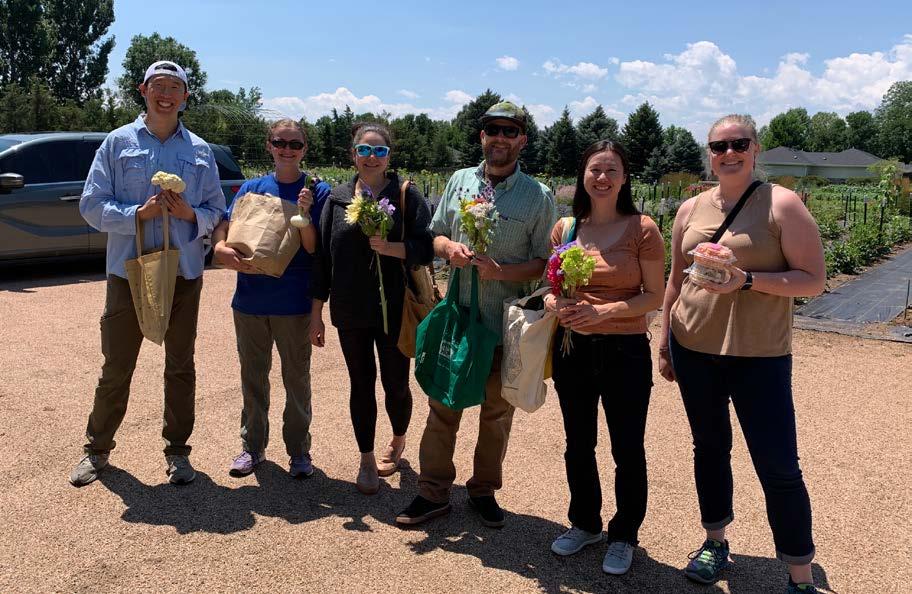
Green Team Representatives are encouraged to develop localized sustainability initiatives, and, in Fort Collins, Joseph Zhang and office leadership saw an opportunity to support the local food system. Noticing a family-owned farm near his office, Joseph took the initiative to speak with the owners. Partnering with the farm, he established a season-long produce purchasing program for SWCA employees. By paying upfront for the summer season, employees could collect fresh, local produce weekly at no cost to them. The feedback on this initiative has been exceptional, and it has helped strengthen community connections, promote sustainable food systems, and enhance employee well-being.
2024 GOALS
Priority Badges: Ensure that 100% of offices obtain “priority” badges.
TO ACHIEVEMENT
Not all offices obtained priority badges; however, there was an increase in the number of offices that earned these badges in 2024.
Sustainable Practices: Encourage sustainable practices for distributed employees. Created
ENVIRONMENTAL SUSTAINABILITY
Waste Reduction
Through employee-driven programs and structured sustainability goals, we continue to enhance our waste reduction efforts by expanding initiatives that minimize waste generation and encourage employees to be mindful of the sources and impacts of waste.
In 2024, 100% of offices that can recycle are now doing so, and 42% of locations with more than two employees implemented composting programs.
Our electronic waste (e-waste) at SWCA comes from outdated or broken technology equipment. We continue to partner with Human I-T and PCs for People—two recycling nonprofits—to ensure responsible repurposing of this equipment. When possible, these organizations donate equipment to schools, low-income individuals, and vulnerable communities. SWCA’s Technology team also works closely with Lenovo by sending in used equipment, which is then repurposed, refurbished, or recycled. Our offices have the option to support their communities and donate e-waste locally. Moving forward, we will track e-waste recycling at the local level, improving data accuracy and sustainability reporting.
In 2024, we recycled 9,462 LBS of equipment, equivalent to the weight of about 38 refrigerators.
Our sustainability theme in 2025 will be waste reduction, and we plan to address waste generation at SWCA by identifying our waste streams, and, where possible, implementing Sustainable Standard Operating Procedures (SSOPs). These SSOPs will provide offices with procedures for recycling printer toner cartridges, cardboard, and more, making them easier to adopt companywide.






SWAG SWAP PROGRAM
The launch of the Swag Swap Initiative in 2024 provided an innovative solution to reduce textile waste. This internal initiative allows employees to exchange SWCA-branded gear, such as jackets, hats, and field apparel, with others in the company, extending product lifecycles and minimizing unnecessary purchases.
2025 GOALS
Composting: 50% of offices have a composting program in place by the end of 2025.
SSOPs:
Implement SSOPs for printer toner cartridge recycling and cardboard recycling.
Tracking E-Waste Recycling: Implement a system to track electronic equipment recycled at the local level.

2024 GOALS PROGRESS TO ACHIEVEMENT
Recycling Practices: 100% of the offices have a recycling program in place by the end of 2024. We completed this goal in 2024. 100% of offices that can recycle are doing so.
Composting: 50% of offices have a composting program in place by the end of 2025. At the end of 2024, 42% of offices had a composting program in place. We are on track to complete this goal by the end of 2025.
ENVIRONMENTAL SUSTAINABILITY
ENVIRONMENTAL SUSTAINABILITY
Water
Water conservation tracking is a challenge for us since most of SWCA’s offices do not have separate meters. This makes water consumption data difficult to obtain. To help lessen our impact, in 2025, we will embark on an educational campaign focused on water conservation in our offices. We plan to create informational signage that will serve as reminders to employees, raising awareness about water conservation.
GAS EMISSIONS
2025 GOALS
Water Consumption: Calculate annual water consumption at our offices using estimates per person.
Water Education Program: Implement an educational program to raise water conservation awareness.
Water Tracking: Track water consumption in offices with water meters.
Rain Gardens: Engage in Gives Back efforts to install rain gardens to offset our water use.
Working with offices, we discovered that very few have separate water meters, making it impossible to track actual water consumption.
This goal proved more difficult than anticipated to accomplish. We were unable to install rain gardens through Gives Back efforts.
ENVIRONMENTAL SUSTAINABILITY
Energy
Reducing SWCA’s energy footprint remains a priority, and we have identified three avenues to do so. In 2024, we determined that 35% of our electricity comes from clean sources based on an analysis of our utility providers’ energy portfolios. As these providers add more clean options to their energy portfolios, we directly benefit. Since this mix changes from year to year, we will repeat this research annually.
To further this effort, we also encouraged office participation in green power programs. Approximately 25% of our offices have the option to participate in these programs, with one office making the transition in 2024 and additional sites assessing feasibility for 2025. Green power programs, known by a variety of names, are optional for customers. Customers can choose to purchase green power products, which consist of both electricity and RECs that the utility company retires on behalf of the customer. Making this switch not only helps reduce reliance on fossil fuels but also increases consumer demand for electricity from clean sources.
Additionally, SWCA purchases RECs to offset electricity consumption and has been doing so for the last 4 years, reinforcing our commitment to procuring electricity from clean sources.
ENVIRONMENTAL SUSTAINABILITY
Sustainable Procurement
Our sustainability efforts also extend to procurement. Although a significant amount of our cleaning products, clothing, and gear is sourced sustainably, we recognize that there is room for improvement in this area.
Assessing the sustainability of items, like office supplies or furniture, and the vendors who supply them is an important next step. To align procurement with sustainability objectives, we will review our top 10 vendors to assess their sustainability commitments. This evaluation will guide future purchasing decisions, ensuring SWCA partners with organizations that share our environmental values.
Vendor Analysis: Review the sustainability programs of SWCA’s top 10 vendors.
ENVIRONMENTAL SUSTAINABILITY
Field Efforts
Our clients expect us to perform fieldwork in a manner that has the least impact on the environment. In 2024, SWCA developed a Sustainable Field Practices Guide, which will be implemented in 2025. This guide outlines best practices for eco-friendly excavation techniques, digital data collection, invasive species spread prevention, and fuel-efficient carpooling.
ELECTRONIC VEHICLE INSPECTION LOGS
All vehicles are assigned a vehicle inspection log (VIL) to record any maintenance needs. In 2024, SWCA developed an electronic application, which allows employees to fill out VILs virtually. This transition will streamline vehicle maintenance processes and reduce paper waste.
Sustainable Field Practices: Implement sustainable field practices to lessen environmental impacts during fieldwork.

Greenhouse Gas Emissions
SWCA follows the Greenhouse Gas (GHG) Protocol Corporate Standard to calculate and report emissions across Scope 1, Scope 2, and Scope 3 categories. Our methodology ensures consistency, accuracy, and transparency, drawing from companywide fuel usage data, electricity consumption records, and business travel metrics. These calculations allow us to track our carbon footprint and identify opportunities for reduction.
SCOPE 1 EMISSIONS
Scope 1 emissions originate from direct fuel consumption across SWCA’s fleet of company-owned vehicles, allterrain vehicles (ATVs), and boats. Fuel usage data is tracked through detailed accounting records, which are reviewed annually to ensure accuracy and alignment with industry reporting standards.
The process used to pull fuel reports for ATVs and boats was improved in 2024. Improvements included more accurate filtering of the charges in these reports, ensuring that charges unrelated to fuel purchases, such as maintenance or inspections, were fully excluded. This resulted in a 2% decrease in our Scope 1 emissions in 2024.
SCOPE 2 EMISSIONS
Scope 2 emissions consist of indirect emissions from purchased electricity for our office locations. SWCA operates 43 offices, with 23 locations situated in multi-tenant buildings that do not have individual electricity meters. In these cases, we estimate energy consumption using regional average electricity use per square foot. Employees working remotely are excluded from Scope 2 calculations, in line with GHG Protocol boundary-setting guidance.
In 2024, SWCA’s Scope 2 emissions decreased by 65 metric tons of CO2e. This decrease was primarily due to a numerical error made in 2023 that resulted in an overreporting of our total electricity use. We remain committed to transparency in our reporting and to continually improve the accuracy of the data we collect.
SCOPE 3 EMISSIONS
Scope 3 emissions, which include business travel and employee commuting, are tracked using multiple data sources:
• Business travel emissions are calculated using:
• Fuel use reports for rental vehicles.
• Expense reports for employee-owned vehicles.
• Expense reports detailing total air miles traveled.
• Employee commuting emissions are derived from an internal survey, capturing travel modes, distances, and commuting frequency.
SWCA’s Scope 3 emissions increased by 4% from 2023 to 2024, primarily due to a rise in total air miles traveled during the year.
SWCA’s Areas of Positive Impact
In 2023, SWCA’s Sustainability Framework Steering Committee identified five United Nations Sustainable Development Goals (SDGs) that align closely with our purpose, services, markets, and people. We refer to these as our Areas of Positive Impact, because we believe we can—and do—make a meaningful difference in these five focus areas.
We began tracking our progress toward these SDGs in 2023 and continued to build on that momentum in 2024. The following sections highlight examples of our work and demonstrate how it contributes to positive outcomes for four of the SDGs. Our positive impacts on SDG 5 are highlighted in the People section.
Conserve
Habitat


SWCA helps our clients conserve and enhance habitat and ecosystem functions in forests, grasslands, deserts, mountains, wetlands, rivers, and urban areas. Through our project work, we minimize and mitigate impacts, manage outcomes, restore degraded areas, and protect and preserve natural resources where possible. SWCA is committed to working with our clients to encourage the application of best practices as an integral part of their projects.
At SWCA, we bring a balanced approach to our work. In 2024, SWCA prepared 13 Habitat Conservation Plans (HCPs) to balance the needs of development and conservation. These plans—critical tools under the Endangered Species Act (ESA)—enable projects to move forward while safeguarding threatened and endangered species and their habitats. SWCA’s interdisciplinary teams collaborate closely with clients, regulatory agencies, and stakeholders to design HCPs that are both scientifically robust and practical to implement. Our expertise includes conducting biological surveys, assessing habitat impacts, developing mitigation strategies, and navigating complex regulatory processes. Across industries such as energy, transportation, and urban development, SWCA has successfully supported HCPs that help clients achieve compliance while advancing long-term conservation goals.
Through decades of project work, SWCA has developed deep expertise in conserving habitat for key species. We have worked with the three species highlighted in this section for 15, 35, and 25 years, respectively. Our teams understand the unique habitat requirements for these species to thrive and work collaboratively with clients, Tribes, and state, local, and federal agencies to implement effective conservation strategies.
Ecological impact is recognized as a Tier 2 material topic in SWCA’s Materiality Assessment, further demonstrating our dedication to reducing ecological impacts while enabling critical projects to proceed responsibly.

For over 15 years, SWCA has led sage-grouse conservation and habitat restoration, navigating the complex intersection of land use, regulatory frameworks, and ecological sustainability. The greater sage-grouse (Centrocercus urophasianus; hereafter, sagegrouse) is not currently listed under the ESA but remains one of the most politically significant species in the western United States due to its dependence on sagebrush ecosystems, which overlaps with interests in energy development, including mining, oil and gas, electric transmission, and renewable energy.
SWCA’s sage-grouse conservation efforts span 11 states, where we collaborate with state and federal agencies, industry partners, and conservation organizations to balance development with habitat preservation. Our work includes large-scale monitoring programs, habitat enhancement and restoration initiatives, impact assessments, and mitigation and adaptive management strategies to support sage-grouse populations while enabling environmentally responsible land use.
One of SWCA’s most significant contributions has been our long-term involvement with the Chokecherry and Sierra Madre Wind Energy Project (CCSM Project), where we have monitored sage-grouse populations for over 15 years using GPS tracking technology. This
GREATER SAGE-GROUSE HABITAT RESTORATION
ENVIRONMENTAL SUSTAINABILITY
GAS EMISSIONS
research has provided critical insights into how sage-grouse use the landscape, select seasonal habitat, and respond to land use changes and habitat disturbances, helping refine siting decisions, mitigation strategies, and restoration efforts to minimize impacts.
Sagebrush ecosystems, which sustain sage-grouse throughout more than 75% of their life cycle, are increasingly fragmented by land development, invasive species, and climate pressures. Once disturbed, sagebrush habitat is exceptionally difficult to restore, making proactive conservation strategies essential. SWCA works with clients and agencies to implement science-driven mitigation, including offsite conservation efforts, habitat reclamation and enhancement, and restoration projects that offset unavoidable impacts.
In 2024, SWCA continued its work on a 2,400-acre habitat improvement initiative designed to enhance sage-grouse habitat suitability adjacent to the CCSM Project area. This effort builds on nearly a decade of successful reclamation efforts on the CCSM Project, which have been recognized at the state and federal levels for their effectiveness in improving habitat conditions and minimizing long-term impacts on wildlife and habitat, including sage-grouse.
SWCA’s approach to sage-grouse conservation is rooted in adaptive management and real-time monitoring, ensuring that restoration strategies evolve based on scientific data and observed species behavior. Our work has contributed to the largest and longest-running sage-grouse monitoring program in the United States, helping industry partners and regulators develop policies that balance energy development with ecological preservation.
As pressures on sagebrush landscapes continue, SWCA remains committed to advancing research, improving conservation outcomes, and collaborating with stakeholders to drive solutions that support both sage-grouse populations and responsible development.
GOLDEN-CHEEKED WARBLER CONSERVATION
A striking songbird, the golden-cheeked warbler (Setophaga chrysoparia) is aptly named for its vivid yellow cheeks contrasted against sleek black plumage. This is the only bird species that nests exclusively in Texas. Each spring, the golden-cheeked warbler returns from its wintering grounds in the mountainous forests of southern Mexico and Central America to breed in the juniper-oak woodlands unique to the Texas Hill Country. Its nesting range faces habitat loss and fragmentation due to
urbanization, range management practices, tree disease, drought and storms, and wildfire.
SWCA biologists and ESA experts have advised on the golden-cheeked warbler ever since the U.S. Fish and Wildlife Service (USFWS) listed it as endangered in 1990. With over 30 years of experience, dozens of permitted specialists, and contributions to hundreds of projects, SWCA has a deep understanding of the ecology and conservation of the golden-cheeked
warbler. Our team has helped public and private clients identify habitats, assess potential project impacts, and recommend practical ways to avoid or minimize harm for over tens of thousands of acres of golden-cheeked warbler habitat in the last decade. Equipped with this knowledge, our scientists have played a key role in dozens of conservation plans and consultations addressing the golden-cheeked warbler and contributed to the establishment of a dedicated golden-cheeked warbler conservation bank.

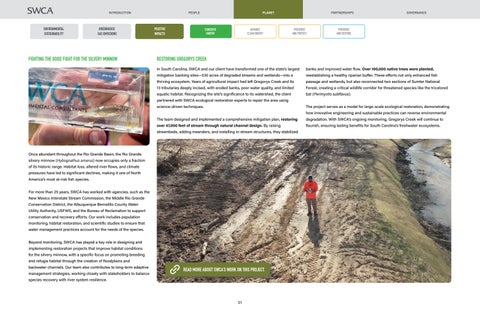
FIGHTING THE GOOD FIGHT FOR THE SILVERY MINNOW

Once abundant throughout the Rio Grande Basin, the Rio Grande silvery minnow (Hybognathus amarus) now occupies only a fraction of its historic range. Habitat loss, altered river flows, and climate pressures have led to significant declines, making it one of North America’s most at-risk fish species.
For more than 25 years, SWCA has worked with agencies, such as the New Mexico Interstate Stream Commission, the Middle Rio Grande Conservation District, the Albuquerque Bernalillo County Water Utility Authority, USFWS, and the Bureau of Reclamation to support conservation and recovery efforts. Our work includes population monitoring, habitat restoration, and scientific studies to ensure that water management practices account for the needs of the species.
Beyond monitoring, SWCA has played a key role in designing and implementing restoration projects that improve habitat conditions for the silvery minnow, with a specific focus on promoting breeding and refugia habitat through the creation of floodplains and backwater channels. Our team also contributes to long-term adaptive management strategies, working closely with stakeholders to balance species recovery with river system resilience.
RESTORING GREGORYS CREEK
In South Carolina, SWCA and our client have transformed one of the state’s largest mitigation banking sites—530 acres of degraded streams and wetlands—into a thriving ecosystem. Years of agricultural impact had left Gregorys Creek and its 13 tributaries deeply incised, with eroded banks, poor water quality, and limited aquatic habitat. Recognizing the site’s significance to its watershed, the client partnered with SWCA ecological restoration experts to repair the area using science-driven techniques.
The team designed and implemented a comprehensive mitigation plan, restoring over 47,000 feet of stream through natural channel design. By raising streambeds, adding meanders, and installing in-stream structures, they stabilized
banks and improved water flow. Over 100,000 native trees were planted, reestablishing a healthy riparian buffer. These efforts not only enhanced fish passage and wetlands, but also reconnected two sections of Sumter National Forest, creating a critical wildlife corridor for threatened species like the tricolored bat (Perimyotis subflavus).
The project serves as a model for large-scale ecological restoration, demonstrating how innovative engineering and sustainable practices can reverse environmental degradation. With SWCA’s ongoing monitoring, Gregorys Creek will continue to flourish, ensuring lasting benefits for South Carolina’s freshwater ecosystems.

AREAS OF POSITIVE IMPACT
Advance Clean Energy through Responsible Development


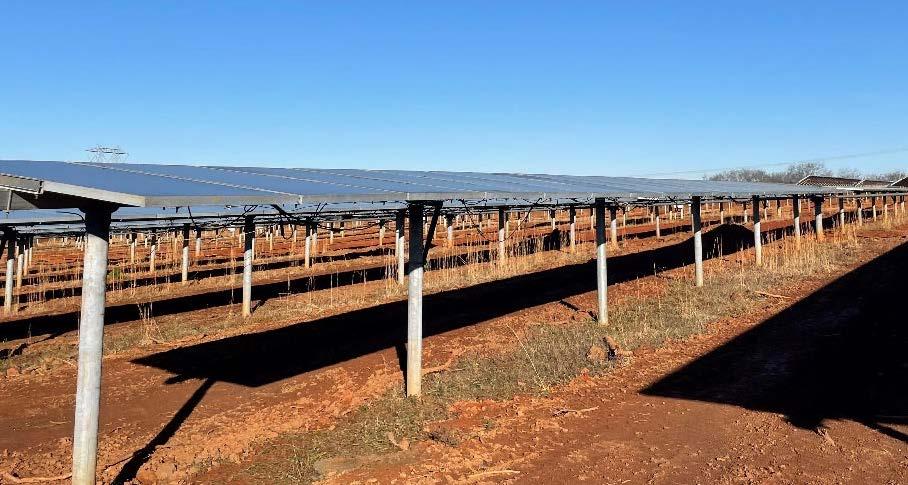
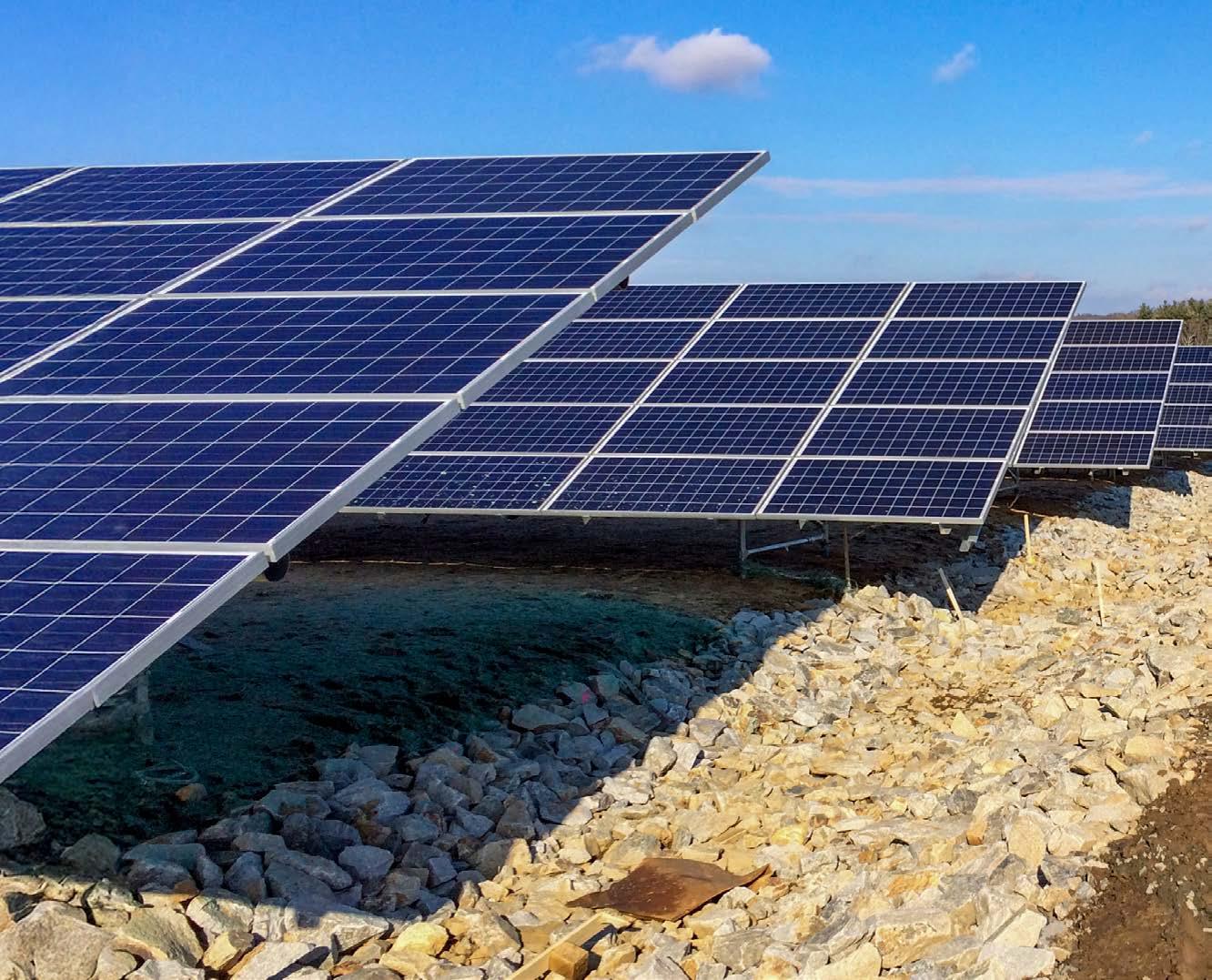
SWCA works with clean energy providers, transmission companies, regulators, and landowners to responsibly identify, design, and permit projects that protect, restore, and conserve the surrounding habitat. We engage stakeholders and use our knowledge of the local environment to develop net positive impacts on clean energy projects. We are committed not only to mitigating impacts but also to improving habitat and promoting biodiversity.
SWCA has extensive experience supporting clean energy generation projects, including wind, solar, geothermal, and hydropower developments. Our teams provide comprehensive environmental planning, permitting, and compliance services to help clients navigate complex regulatory landscapes and bring clean energy projects to fruition. From conducting biological and cultural resources surveys to preparing environmental impact assessments and mitigation strategies, SWCA ensures that projects align with federal, state, and local regulations while minimizing environmental impacts.
2024 marked another year of growth for clean energy generation projects at SWCA. Over the past year, we worked on more than 970 clean energy projects and over 50 battery storage projects. Remarkably, 23% of our total revenue in 2024 was attributed to the clean energy generation market. When combined with the transmission line work associated with these projects, the total revenue contribution rose to 53%, a significant increase from 45% in 2023 This growth underscores SWCA’s strong position in supporting the clean energy transition and reflects our commitment to advancing sustainable energy solutions.
AVIAN AND BAT SCIENCE IN HAWAI’I
Establishing a Honolulu office in 2003, SWCA has been specializing in natural resources management throughout the Hawaiian Islands for more than 20 years (and cultural resources management for the past 7 years). As Hawaiʻi advances its clean energy future, SWCA is playing a key role in ensuring responsible development through environmental planning, permitting, and monitoring.
A crucial focus of these projects is protecting vulnerable avian and bat species, including the Hawaiian petrel (Pterodroma sandwichensis), Newell’s shearwater (Puffinus newelli), band-rumped stormpetrel (Oceanodroma castro), and the Hawaiian hoary bat (Lasiurus semotus). Leading with our scientific expertise and data-driven approach, SWCA assesses the potential impacts of new and existing energy developments on endangered species, incorporating HCPs when needed. To avoid or mitigate impacts, SWCA partners with clients and organizations to employ new technologies or approaches, such as installing acoustic deterrents for bats, reforesting old macadamia nut farms to enhance habitat, protecting areas with native species, implementing avian diverters, and contributing to federal and state conservation efforts. By integrating science-based strategies with clean energy initiatives, SWCA helps Hawaiʻi provide reliable service to its residents while preserving its endangered species.

SUPPORTING PACIFICORP’S HYDROELECTRIC PROJECTS
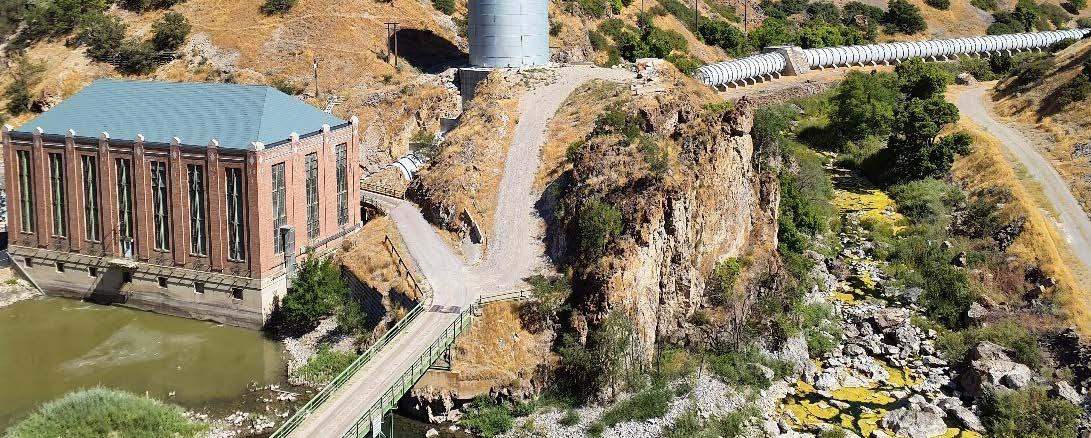
For many years, the Salt Lake City Federal Energy Regulatory Commission (FERC) hydropower team has worked closely with small- and large-scale utilities to support the advancement of clean, renewable, hydroelectric power at facilities across the country. One such utility, PacifiCorp, was a founding member of the Energy Imbalance Market, which, since 2014, has used technology to balance energy demand with the lowest cost energy available across the combined grid thereby helping to integrate variable renewable generation resources, such as wind and solar, with energy demand in different geographic areas.
SWCA has provided regulatory and technical support for many of PacifiCorp’s projects in Utah, including the relicensing of the Cutler Hydroelectric Project, FERC Project No. 2420 near Logan, Utah. The Cutler Project provides approximately 75,052 megawatt hours of electric energy annually, serving residential and commercial customers. As part of relicensing, SWCA supported the development of protection, mitigation, and enhancement (PME) measures designed to protect and enhance wildlife habitat, upgrade accessibility at project recreation sites, and improve water quality. SWCA is currently supporting the development of management plans to implement these PME measures. The Cutler Project, along with the rest of PacifiCorp’s hydroelectric fleet, provides baseline electrical generation, balances supply and demand in conjunction with other energy sources, and plays a vital role in the transition to clean energy.
BRINGING TRIBAL COMMUNITIES INTO THE CONVERSATION
Carolyn Stewart is an energy industry veteran with decades of renewable energy and consulting experience. For more than 20 years, she has worked for and with hundreds of Native American communities on energy development and cultural resources preservation. Throughout her career, she facilitated countless direct conversations between Tribal communities and energy companies, where she witnessed firsthand the mutual benefits each group could provide to one another. More specifically, energy companies could develop their projects while simultaneously providing Tribal communities with the opportunity to protect sensitive resources. In the role of Principal Tribal Liaison at SWCA, Carolyn works with clients and Tribal representatives to ensure energy projects are built respectfully and responsibly. This includes facilitating conversations between Tribal communities, federal agencies, and energy companies. Her skillset allows her to effectively navigate complex situations through meaningful conversation, enabling companies to learn what Tribal communities care about. Carolyn’s work is critical in the transition toward a clean energy future, ensuring that it is equitable and no voice goes unheard.
COLLABORATING FOR A WIN, WIN, WIN
Since 2018, SWCA’s Flagstaff office, supported by staff from multiple offices, has been assisting AES with the Chevelon Butte Wind Farm. The project involved early planning, wildlife surveys, assessments, cultural resources surveys, stakeholder outreach, agency coordination following state and federal wind energy guidelines, Clean Water Act compliance, and Phase 1 Environmental Site Assessments. SWCA and AES worked closely with various stakeholders to design an environmentally compatible project, avoiding and minimizing impacts on cultural and natural resources. One example of this was the demonstration of migrating raptor behavior at varying distances from a canyon, which resulted in a favorable compliance outcome. Postconstruction, we continue to support wildlife agency coordination to ensure ongoing compliance. Chevelon Butte highlights SWCA’s commitment to collaboration, innovation, and responsiveness. Showcasing our ability to navigate complex requirements while enabling environmentally compatible projects through relationship building, quality work, and creative solutions. It also shows how we provide value throughout all phases of wind energy projects—from development and planning to construction and operations—while meeting local, state, and federal requirements.

AREAS OF POSITIVE IMPACT
Preserve the Past and Protect the Future

PRE-, DURING, AND POST-WILDFIRE MANAGEMENT STRATEGIES
SWCA is dedicated to preserving and protecting communities. From cultural and historical sites to buildings and homes and to greenspace and the natural environment, we work with clients to build more resilient communities to withstand future disasters and the impacts of climate change. When natural disasters strike, we work on recovery projects to help the community, and their residents rebuild their lives with an eye toward a more resilient future.
SWCA’s purpose is brought to life every day through our project work. “Preserving cultural and natural resources for tomorrow while enabling projects that will benefit people today” embodies our dedication to using technical expertise to help communities honor their past while planning for a sustainable future. SWCA plays a vital role in disaster recovery efforts, providing essential environmental and cultural resources expertise to help communities rebuild and recover responsibly. Whether addressing the impacts of hurricanes, wildfires, floods, or other natural disasters, our services include debris management planning, ecological restoration, cultural resources evaluations, and hazard mitigation.
Recovering and rebuilding after a disaster requires more than physical reconstruction, it involves preserving the heart and culture of the community. SWCA is committed to safeguarding cultural heritage while supporting sustainable development, ensuring that communities can recover with resilience and thrive for generations to come.
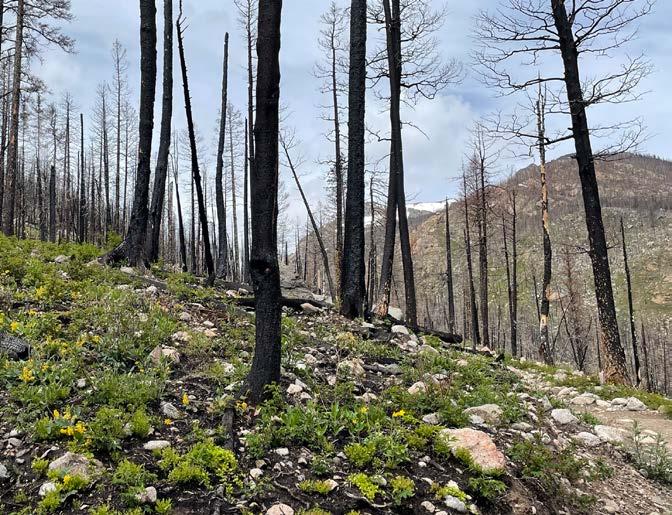
As wildfires increase in intensity and frequency, SWCA assists communities not only with pre-fire preparedness, but also with challenges faced during and after fires take place. To assist with pre-fire preparation, SWCA has helped create and lead multiple Community Wildfire Councils. These councils promote community engagement, as well as resource sharing around wildfire prevention and preparedness. In addition, SWCA conducts Hazard Mitigation Methodology (HMM) assessments for community members, looking closely at structural ignitability,
vegetative fuels, and home hardening aspects. These HMM assessments help the community understand structural vulnerabilities, better preparing them for future fires. However, the work doesn’t stop there. When the 130,000-acre Wapiti fire swept through Idaho in 2024, SWCA was there to support the community. During this fire, SWCA coordinated with agencies and local emergency personnel to provide daily newsletters, social media posts, and website updates. These platforms were used to combine various messages about the fire in one central location. This

made it easier to keep community members informed, providing them with timely information on the status of the fire, smoke outlook, and how to prepare for evacuation. After wildfires occur, SWCA partners with communities to critically reflect on lessons learned, improvements that could be made, and what community members should expect moving forward. This intentional analysis helps enhance local wildfire management strategies and keep preparedness top of mind, increasing community resilience.

ENVIRONMENTAL SUSTAINABILITY
GAS EMISSIONS
RESOURCE MANAGEMENT PLANNING FOR BEARS EARS NATIONAL MONUMENT
Bears Ears National Monument (BENM), located in remote and rugged southeastern Utah, is the ancestral homeland of many Tribal Nations and is used by many groups, including Indigenous peoples, for recreation, scientific research, historic discovery, and traditional uses. When Presidential Proclamation 10285 restored and retained BENM’s boundaries, the BLM, U.S. Forest Service (USFS), and Bears Ears Coalition (BEC) reached out to SWCA to help create and refine a Resource Management Plan that ensured the future protection and restoration of BENM. Using best available scientific information combined with traditional Indigenous knowledge, over 140 SWCA team members assembled to gain insight into current conditions in BENM and describe how management goals could be reached. Despite the complexity and highly controversial nature of the project, SWCA staff went the extra mile to provide the agencies and the BEC with all the information they needed to support a defensible and sustainable decision. SWCA’s commitment to sound science and creative solutions were critical to helping the agencies and the BEC protect the great historic, scientific, and spiritual significance of BENM for years to come.

COLLABORATING TO SAFEGUARD DEER TRAIL MINE AREA

The Deer Trail Mine, a site within the Fishlake National Forest in Utah, was initially discovered in 1878 and is a testament to the region’s rich mining heritage. In 2019, MAG Silver Corporation (MAG Silver), operating under the banner of Deer Trail Mine, reached out to forge a new partnership with SWCA. Initially seeking cultural resources support, MAG Silver’s goal was to uncover the hidden silver, gold, lead, zinc, and copper mineralization within the property’s depths. However, the partnership soon expanded to encompass a comprehensive array of endeavors.
To initiate MAG Silver’s exploration operations on USFS land, SWCA worked to create a Plan of Operations that detailed proposed mitigation to minimize impacts, as well as a stand-alone reclamation plan. SWCA also helped set up meetings between MAG Silver and the USFS for this process to aid coordination between all parties and helped work through environmental assessments
and categorical exclusions with no concerned public or Tribal comments. By encouraging open communication, SWCA promoted collaboration, ensuring that decisions were sustainable and aligned with community values. Throughout the entire process, MAG Silver and SWCA worked in tandem to prioritize sustainable practices, such as minimal water usage, small area disturbance, and the protection of scenic vistas and cultural resources significant to the region, with the partnership embodying a harmonious blend of progress and conservation. Most recently, SWCA conducted additional cultural surveys, which unearthed historical artifacts and structures. Through meticulous review and assessment, as well as a shared commitment to sustainability, SWCA and MAG Silver successfully laid the groundwork for responsible mining practices while safeguarding the natural and cultural heritage of the area.
PRESERVING THE BISON JUMP SITE IN TEXAS
In the rugged landscape of Caprock Canyons State Park, east of Lubbock, Texas, a remarkable discovery is reshaping our understanding of Indigenous history. The Nighthawk site, found in 2021 by two local schoolteachers, is believed to be only the second known bison jump site in Texas—where Native American hunters strategically drove bison over a natural landform for efficient processing.
Since its discovery, SWCA has played a key role in investigating and preserving the site. Our archaeologists initially assisted through volunteer-led geoarchaeological sampling and reconnaissance, contributing expertise to the early stages of exploration. In 2024, SWCA was invited back—this time with funding—to expand excavation efforts. Seven of our employees dedicated up to 2 weeks of fieldwork, some in a volunteer capacity, to assist the lead archaeologist in uncovering and analyzing the bone beds beneath the jump. These excavations provide critical insights into prehistoric hunting practices and Indigenous resource use.

Our commitment extends beyond fieldwork. SWCA has designated a Gives Back grant to the Comanchero Canyons Museum in Quitaque, Texas, supporting its mission to educate the public on the region’s cultural heritage. As excavation continues through 2024, we remain dedicated to advancing archaeological research, honoring Indigenous history, and ensuring sites like Nighthawk are preserved for future generations.
READ MORE ABOUT OUR WORK WITH MAG SILVER.
AREAS OF POSITIVE IMPACT
Protect and Restore Water-Related Ecosystems


SWCA is committed to helping our clients integrate water resources management and identify creative solutions to mitigate the impacts of drought and erosion and protect water quality in streams, rivers, lakes, aquifers, and wetlands. Our goal is to maintain a healthy habitat for water species while supporting critical water needs for communities.
Since our inception, SWCA has been addressing complex water resource challenges and providing innovative solutions that balance environmental stewardship with project goals. SWCA continues to protect and restore water-related ecosystems by assisting clients, regulatory agencies, and stakeholders with
• integrating sustainable water resources management,
• conducting comprehensive water risk assessments,
• developing and implementing innovative, nature-positive solutions to mitigate the impacts of drought and erosion, and
• safeguarding water quality in streams, rivers, lakes, aquifers, and wetlands.
In 2024 alone, our restoration team designed over 40 mitigation, restoration, and stabilization projects for streams and wetlands, leading to the restoration of nearly 95,000 linear feet of stream and over 650 acres of wetlands. Beyond restoration design, SWCA also restored or reclaimed more than 375 project sites in 2024. These efforts reflect our dedication to ensuring adequate water quality and quantity for aquatic ecosystems and future generations. Our commitment is further demonstrated by our CEO’s signing of the UN Global Compact Water Resilience Pledge, reaffirming SWCA’s promise to deliver a net positive water impact.
WATER STEWARDSHIP THROUGH SOURCE VULNERABILITY ASSESSMENTS
According to the World Resources Institute, global water demand has more than doubled since 1960, and 25% of the global population lives in countries facing extremely high water stress. There is much competition for this limited resource. Among SWCA’s clients are global food and beverage companies whose operations have water as one of the key raw materials. Hence, it is critical to examine how vulnerable the source of that water may be.
A Source Vulnerability Assessment (SVA) tells the water story. It explores risks related to reliability, quality, and distribution of source water. It analyzes the stakeholders within the region that could become potential partners in water stewardship and delves into
WATER CONSERVATION TOOLBOX FOR THE GREAT SALT LAKE
the legislation that governs the use and discharge of water. SVA maps and graphs provide snapshots of the aquifer, geology and hydrogeology, ecologically sensitive areas, climate, and other data. An SVA not only presents vulnerabilities, but also provides mitigation strategies and water replenishment opportunities.
SWCA’s consultants have conducted over 400 SVAs in the past 20 years. Through an SVA, we give our clients the knowledge they need to make well-informed decisions about water use that will reduce risks, improve their water management, and benefit the communities around them.
Utah is one of the nation’s driest and fastest-growing states and is currently facing significant challenges with a drying Great Salt Lake (GSL)—a vital ecological and economic resource. As human development and water use continue to impact the watershed, declining lake levels threaten precipitation patterns, wildlife habitats, and the state’s economy. Widespread water conservation is necessary to protect the lake and support population growth within the existing water supply. Efforts to conserve water and safeguard the GSL have gained significant public support since the lake reached its historic low lake level in 2022, resulting in legislation to incentivize water conservation and develop strategies to deliver more water to the lake.
The Water Conservation Toolbox, developed by the GSL Advisory Council in collaboration with SWCA, provides municipalities and local governments with tools to optimize municipal water conservation efforts. This comprehensive toolbox offers guidance on developing conservationminded water rate structures, including price elasticity and stakeholder engagement, along with customizable ordinances to reduce outdoor water use and improve indoor efficiency. It also features landscape incentive programs to encourage a reduction in outdoor water use.
Although each community in Utah has its own unique characteristics and challenges, the common thread binding them is the necessity to protect the GSL. This is not just for the sake of the lake itself but also to support Utah’s agriculture, wildlife, industries, and well-being of its people.

JOINING THE WATER RESILIENCE COALITION
In 2024, SWCA joined 37 member organizations in supporting the Water Resilience Coalition’s ambitious goal to achieve positive water impact in over 100 waterstressed basins, which would benefit 3 billion people by 2030. This initiative reflects SWCA’s ongoing commitment to advancing positive impact areas aligned with the UN SDGs.
The Water Resilience Coalition, established in 2020, is an industry-driven, CEO-led initiative under the UN Global
Compact’s CEO Water Mandate. The coalition aims to elevate global water stress as a top corporate priority and preserve freshwater resources through collective action in water-stressed basins, as supported by ambitious and measurable commitments.
SWCA has also played a key role in shaping the Net Water Positive Impact Guidance, participating in its development as a reviewer and working with clients
seeking implementation as a third-party reviewer. SWCA’s assistance in adopting and implementing this guidance effectively drives impactful changes in the private sector, contributing to sustainable water management and enhancing resilience in water-stressed basins. SWCA’s team works globally to deliver best-inclass water solutions. The water basin map displays our work in basins around the world.
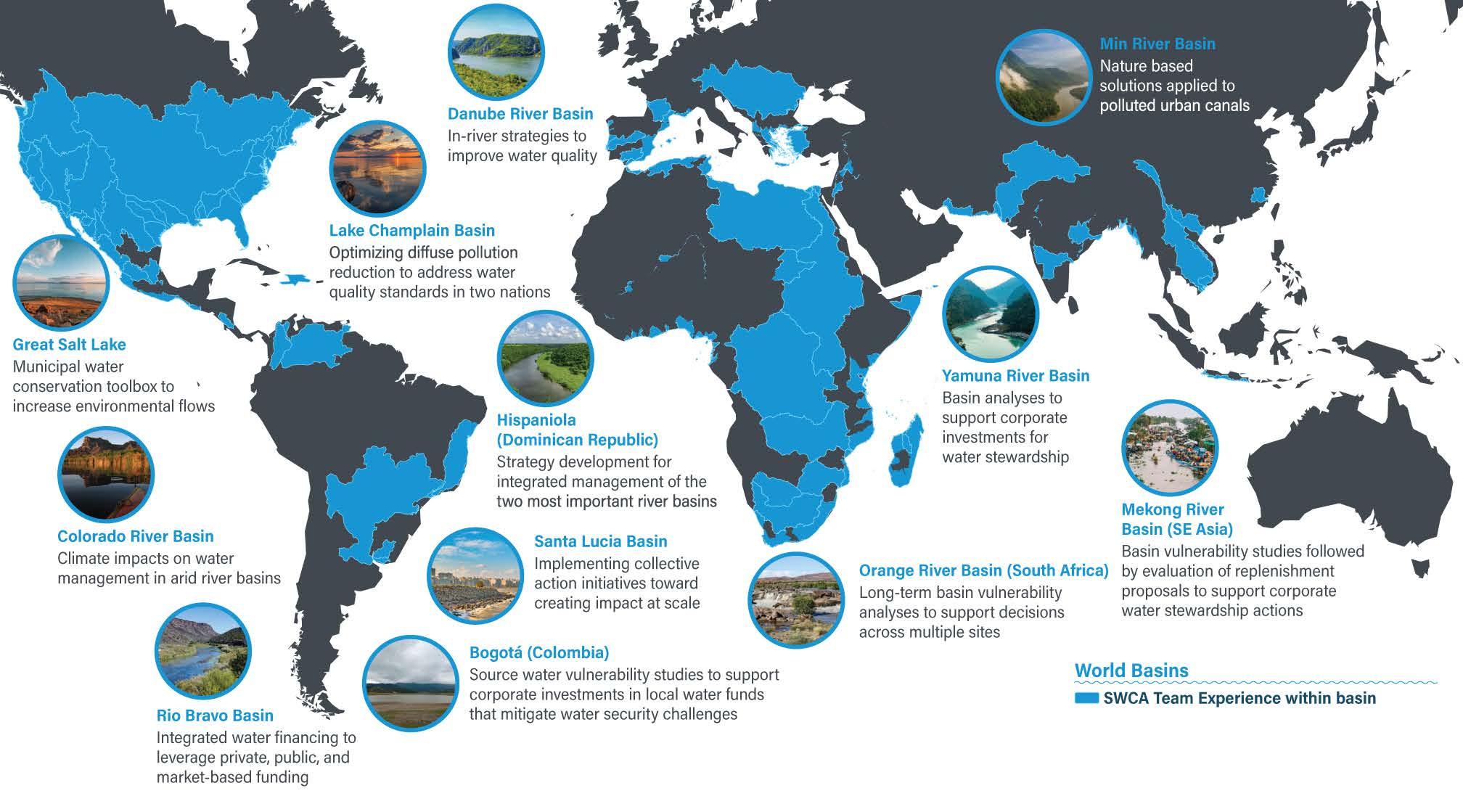
REVITALIZING A SALT MARSH IN NEW BEDFORD HARBOR

Following the removal of soil contaminants, SWCA successfully restored 32 acres of degraded salt marsh, wetlands, and upland buffer areas to support the site’s ecological recovery and long-term resilience. Over the course of the project, SWCA’s ecological restoration team coordinated with site contractors and environmental oversight agencies to implement a science-driven approach. The team procured and installed approximately 992,000 salt marsh plugs. Planting was strategically timed with low tide events, and the plugs were protected with goose deterrent fencing. In addition, they planted 10,000 trees and shrubs, applied wetland and upland seed mixes, and provided invasive plant management for 7 years to support the establishment of desirable native vegetation.
Beyond ecological recovery, the project also included a community restoration and beautification effort by linking the site to a public park. The project met all USACE and U.S. Environmental Protection Agency specifications. The success of this project highlights SWCA’s ability to restore vital ecosystems while enhancing environmental sustainability and community connections.
Partnerships

Partnering with Our Clients
Building lasting client relationships is at the heart of what we do at SWCA. These relationships drive innovation, collaboration, and long-term impact in the environmental consulting sector. In 2024, we worked alongside our clients to integrate cutting-edge technologies and creative problem-solving into their projects. From using satellite imagery and computer vision to help fire-prone communities reduce wildfire risks to deploying drones and AI models for a mining client to monitor native plant recovery, SWCA applied science and technology in practical ways, helping clients achieve tangible outcomes and long-term success.
By combining science-driven solutions with a deep understanding of industry challenges, we have built a track record of strong client retention. In 2024, our repeat business rate reached 92%, with 75% of our projects awarded through direct contracts. Of our 2024 sales, 63% came from clients that have partnered with us for 5 or more years, which is a testament to the trust and reliability we bring to each engagement.
In addition to maintaining long-term client relationships, SWCA continues to set the standard for client satisfaction and industry leadership. In 2024, we achieved a client satisfaction

SWCA’s collaboration with Captura Sage, a forward-thinking solar developer in Pennsylvania, is a testament to how trust and expertise drive meaningful results. Led by two industry veterans with a bold vision for renewable energy, Captura Sage is developing one of the largest distributed solar portfolios in Pennsylvania—and SWCA is helping make that vision a reality.
Our partnership began with land services support, helping Captura Sage identify 80 to 100 potential sites for solar development, each ranging from 50 to 100 acres with a projected output of 2 to 8 megawatts per site. As the relationship strengthened, so did our role. SWCA now provides natural
and cultural resources assessments and civil engineering and permitting services, including wetland permits, conditional use approvals, and land use ordinance compliance.
With over 35 projects currently in development, these fast-moving solar initiatives require the expertise of multiple SWCA teams across various offices. As a trusted advisor, we guide Captura Sage at every stage, ensuring regulatory compliance, site feasibility, and environmental stewardship. Once complete, the solar output from this portfolio will be larger than any other solar development in Pennsylvania.
THE CAPTURA SAGE PROGRAM
PARTNERING WITH OUR CLIENTS
PARTNERSHIPS
Science Leadership
For SWCA, Sound Science Creative Solutions is more than just a tagline—it’s the foundation of how we approach our work. By prioritizing scientific research and data-driven insights, we enhance our understanding of species behaviors, habitat restoration, wildfire planning, cultural resources management, historic preservation, and ecosystem resilience. Sharing our expertise both internally and externally is a key part of our culture. In fact, SWCA actively encourages scientific contributions by offering publication bonuses to employees who write papers, articles, and books. In 2024, our employees demonstrated this commitment by presenting at over 35 conferences, publishing 11 papers, offering 32 training classes to clients, and distributing 21 regulatory alerts and expert insights to keep stakeholders informed of critical environmental and regulatory developments.
SWCA actively participates in over 50 industry associations (most listed below) and maintains memberships in at least 70 more. Our core value of Always Learning is reflected in our engagement with these organizations, where we not only gain new insights but also contribute knowledge that shapes best practices across industries. By taking on leadership roles in these associations, SWCA reinforces its position as a thought leader in environmental consulting, sustainability, and cultural resources management.
PARTNERING WITH OUR CLIENTS
LEADERSHIP
BRIDGING KNOWLEDGE FOR WILDFIRE RESILIENCE
Wildfires are an escalating threat across the globe, challenging both developed and developing wildfire management systems. Although the United States has decades of experience in wildfire preparedness and mitigation, the United Kingdom is still building a national framework to address increasing wildfire risks. Recognizing an opportunity for knowledgesharing, SWCA has been instrumental in facilitating collaboration between U.S. and UK fire professionals, policymakers, and legal managers.
SWCA’s wildfire resilience expert, Victoria Amato, took the lead in connecting international stakeholders, sharing insights on Community Wildfire Protection Plans and risk-based land management approaches widely implemented in the United States. Her work began at the UK Wildfire Conference in Belfast, where she introduced strategies that have proven effective within the United States, particularly in building community-level resilience.
Through working groups, expert discussions, and the development of a knowledge transfer paper, SWCA contributed to shaping a stronger wildfire response framework for the UK.
One of the key takeaways from this initiative was the need for a coordinated national wildfire strategy. Unlike the United States, where agencies operate under a structured wildfire management system, the United Kingdom lacks a centralized approach. The paper highlighted best practices that emphasize the importance of cross-agency coordination, public education, and stronger risk assessment tools to improve resilience.
To make these strategies more accessible, SWCA supported the creation of an informational booklet, which summarized key wildfire mitigation measures. Designed for policymakers and land use planners, the booklet highlights practical steps communities can take to minimize wildfire risks, including integrating defensible space guidelines, updating building codes, and enhancing early warning systems.
The impact of this effort has been meaningful, with UK wildfire practitioners and decision-makers showing strong interest in adopting key strategies. This collaboration not only highlights SWCA’s leadership in science-based wildfire management but also reinforces the company’s broader commitment to sharing knowledge and advancing resilience on a global scale.

DR. NICOLE SMOLENSKY IS THE 2024 STEVEN W. CAROTHERS SCIENTIFIC MERIT AWARD RECIPIENT
The annual Steven W. Carothers Scientific Merit Award honors a scientist who follows in the footsteps of our founder by applying sound science and creative solutions to maintain our professional credibility, develop our business strategy, and successfully evaluate and pursue new lines of business.
In 2024, Dr. Nicole Smolensky was honored with this prestigious award for her outstanding contributions to ecology, evolution, and conservation biology. Since joining SWCA, Nicole has played a pivotal role in advancing scientific research, building interdisciplinary partnerships, and shaping conservation strategies. Her expertise extends across multiple service lines and 10 states, where she has worked on diverse projects that involve biodiversity conservation, species management, and environmental impact assessments.
Nicole’s influence is reflected in her extensive contributions to scientific literature and industry knowledge-sharing. She has participated in over 23 scientific meetings and authored multiple peer-reviewed publications. Through her dedication to scientific integrity, technical excellence, and mentorship, Nicole embodies SWCA’s Never Settle core value. Her leadership continues to enhance scientific research, regulatory understanding, and environmental stewardship.

Few of us get the opportunity to apply our degrees to our work, I feel like one of the lucky ones. I have been able to collaborate with academic partners, clients, and several SWCA teams (e.g., mining, water, air, data acquisition, modelers, data scientists, and statisticians).”
Dr. Nicole Smolensky Lead Biologist
PARTNERING WITH OUR CLIENTS
SCOTT PHILLIPS RECEIVES A 2024 AMERICAN CULTURAL RESOURCES ASSOCIATION PRESIDENT’S AWARD
Senior Cultural Resources Technical Director Scott Phillips was recognized with the 2024 American Cultural Resources Association (ACRA) President’s Award for his outstanding contributions to the cultural resource management (CRM) industry. As SWCA’s ACRA representative since 2020, Scott has played a key role in strengthening partnerships with professional organizations, including the National Association of Environmental Professionals.
In 2023, Scott was elected to the ACRA Board of Directors, where he continues to advocate for collaboration and
knowledge-sharing among environmental and cultural resources professionals. His leadership within ACRA has helped shape industry discussions on policy, regulatory compliance, and the future of CRM practices.
Scott’s dedication to professional engagement reflects SWCA’s commitment to advancing industry standards through active participation and leadership. His work ensures that best practices in CRM remain adaptive to evolving regulatory landscapes, reinforcing SWCA’s emphasis on scientific integrity, compliance, and ethical resource management.
I believe that when we participate in professional organizations we need to be involved, not simply attend conferences or events and give presentations,” said Phillips. “I appreciate the recognition of my commitment to the Partnership Committee and on growing ACRA relationships with sister organizations where it proves beneficial to everyone.”
Scott Phillips Senior Technical Director


The World Business Council for Sustainable Development (WBCSD) is a global network of over 225 of the world’s leading businesses, united in driving systemic transformation toward a sustainable future where 9+ billion people can thrive within planetary boundaries by mid-century. WBCSD works to transform critical systems to address the climate crisis, restore nature, and tackle inequality. By accelerating value chain transformation across key sectors and reshaping the financial system to reward sustainable leadership with lower capital costs, WBCSD drives meaningful progress. The organization achieves this through the exchange of best practices, performance improvement, education, partnerships, and shaping policy agendas, all while sharpening accountability for business performance.
As a WBCSD member, SWCA gains access to new opportunities to influence global strategies and address complex technical challenges. This membership strengthens SWCA’s position as a partner to the world’s leading companies, helping them tackle critical business sustainability issues, such as reducing emissions, restoring ecosystems, improving water security, enabling circularity, exploring new incentives for transformative sustainability solutions metrics and the role of AI in this transformation, and advancing DE&I.
WORLD BUSINESS COUNCIL FOR SUSTAINABLE DEVELOPMENT PARTNERSHIP
PARTNERING WITH OUR CLIENTS
PARTNERSHIPS
Giving Back to Our Communities
At SWCA, our commitment to the communities where we live, work, and play is a cornerstone of our identity. Through the SWCA Gives Back program, we empower employees to engage in meaningful volunteer work and charitable giving. In 2024, we achieved a record-breaking year, showcasing our growing dedication to community impact.
In 2024, SWCA’s commitment to community giving reached new heights. With a recordbreaking total impact of $235,102, we exceeded $200,000 for the first time in the program’s history. This achievement was made possible through the collective efforts of our employees, who participated in 169 events across 38 offices, directly benefiting 182 organizations. Our employees devoted 4,143 hours to volunteering, reinforcing our dedication to making a difference in the communities we serve. The
Spreading the Science initiative continued to thrive, with 24 events focused on environmental education and outreach, helping to inspire the next generation of environmental stewards. Additionally, 30 events were designed to include distributed employees, ensuring that every team member from all locations had the opportunity to engage and contribute.
The true impact of SWCA’s Gives Back program goes beyond the numbers—it is reflected in the dedication, teamwork, and shared sense of purpose our employees bring to each event. Whether volunteering side by side on projects or donating to causes close to their hearts, our team embodies the values that make community giving a core part of our culture.
The photographs from these events capture powerful moments of teamwork, compassion, and a shared commitment to serving our communities.
The camaraderie, passion, and dedication of SWCA employees continue to drive the success of Gives Back, underscoring our unwavering commitment to making a positive difference.
169
BIDDING FOR A BRIGHTER FUTURE
Each year, the Gives Back Committee organizes a companywide campaign to rally support for a specific cause. In 2024, the chosen cause was disadvantaged youth, and employees enthusiastically participated in a silent auction—aptly named Bidding for a Brighter Future. Employees donated a range of items, from homemade goods to vacation home stays, with all proceeds benefiting nonprofits supporting disadvantaged youth.
The generosity of our employees resulted in $7,712 in direct employee donations, which SWCA matched for a total impact of $15,424. These funds were distributed among local organizations and Boys & Girls Clubs of America, making a tangible difference in the lives of underserved youth.

PARTNERING WITH OUR CLIENTS
AUSTIN OFFICE EARNS THE HAVE A HEART AWARD
Since 2014, SWCA has been honoring an office that exemplifies the spirit of giving back with the annual Have a Heart Award. In 2024, the Austin office earned this recognition for their outstanding commitment to our core value, Gives Back.
Throughout the year, Austin employees participated in 12 Gives Back events and 7 Spreading the Science initiatives. Their efforts included creating pinch pot kits for research, conducting geoarchaeological sampling at Caprock State Park, refreshing habitats for wildlife, and participating in the annual It’s My Park Day beautification event. These activities collectively amounted to an impressive 488 volunteer hours.
Beyond volunteering, the Austin office raised funds to support community programs, food banks, schools, and homeless shelters, achieving a total impact of $13,896. Their dedication to making a difference is a true reflection of SWCA’s values and commitment to giving back.

THE 2024 EILEEN FAGAN CHAMPION OF CHAMPIONS AWARD
At the heart of our office Gives Back programs lies the unwavering dedication of our Local Office Champions (LOCs). The success and impact of our Gives Back initiatives come from the passion, hard work, and commitment of these individuals. Recognizing their pivotal role, the Gives Back Committee recognizes LOCs each year who have gone above and beyond in their efforts for the Gives Back program.
In 2024, Las Vegas Champions Tara Renaud and Carolina Wright were the recipients of the Champion of Champions Award. Together they organized an impressive 11 events for their office in 2024. Camaraderie is one of the award’s key criteria, and Tara and Carolina exemplify it in every way. They actively shared their ideas with other LOCs, collaborated with nearby offices, and planned activities that distributed employees could easily join. They organized events based on employee requests and interests, ensuring everyone felt included and engaged.
Thanks to Tara and Carolina’s leadership, the Las Vegas office contributed an incredible 233 volunteer hours and donated a total of $9,518 to local causes in 2024.

Gives Back Events
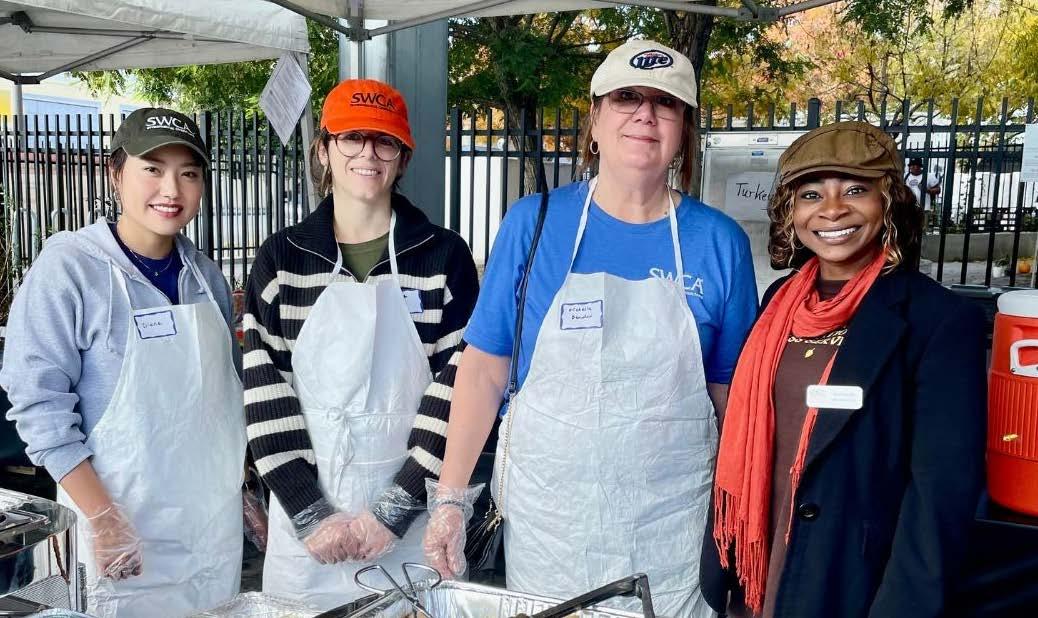


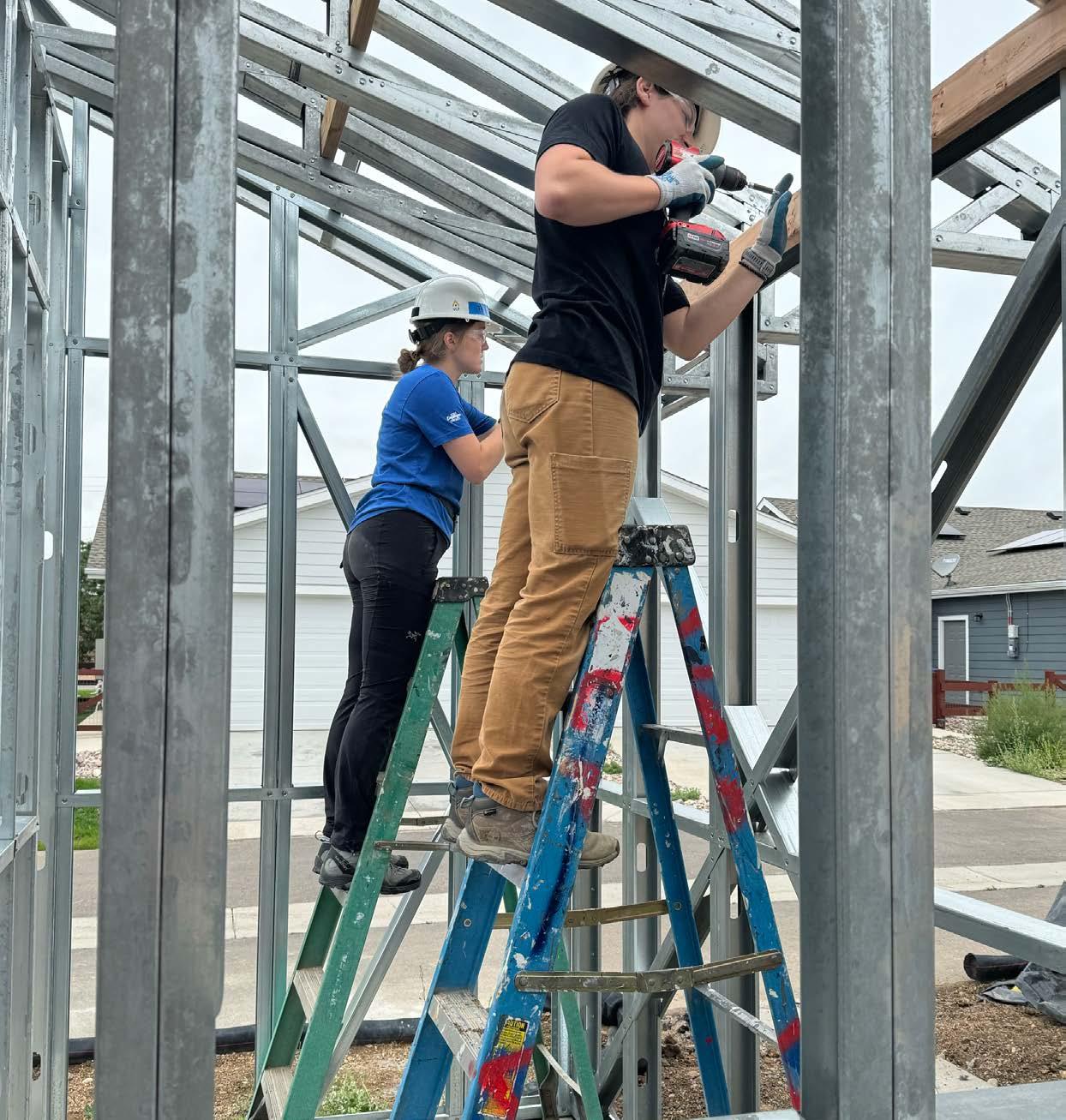
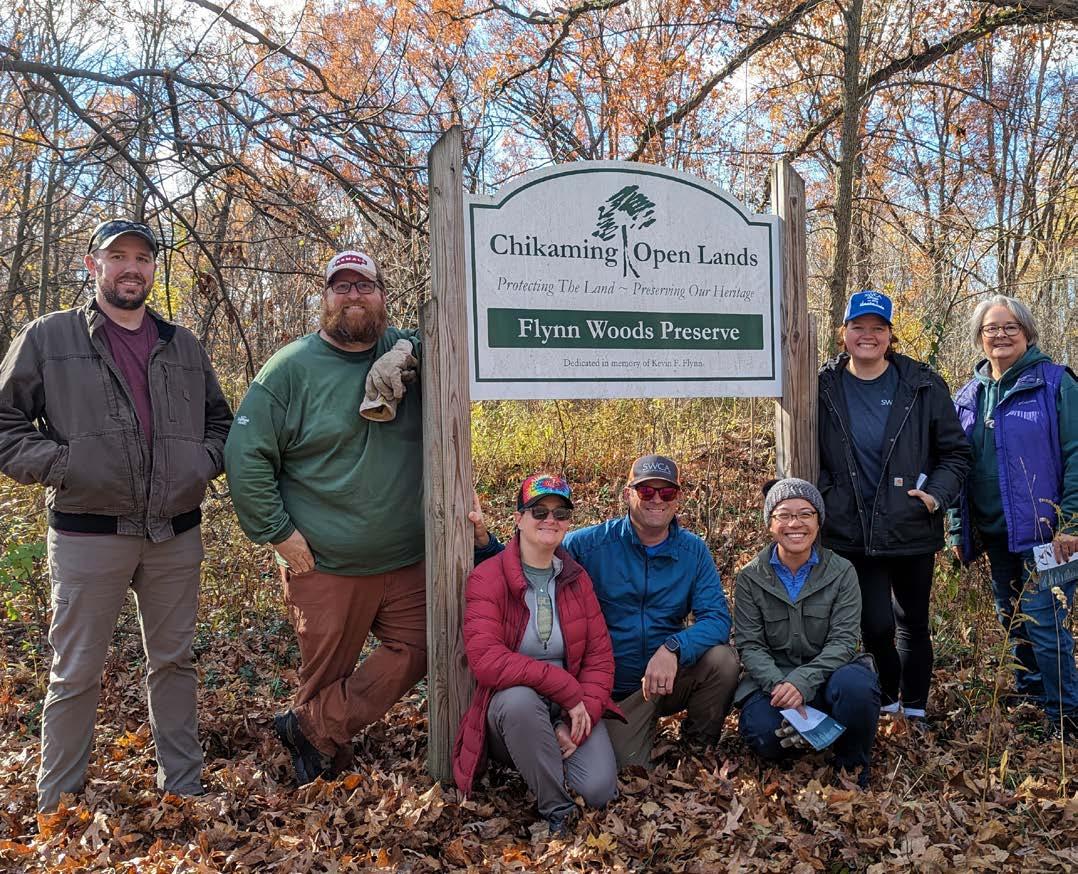


PARTNERING WITH OUR CLIENTS SCIENCE LEADERSHIP
PARTNERSHIPS
Spreading the Science
We believe that sharing scientific knowledge is key to fostering environmental stewardship and community engagement. Our employees volunteer their time and expertise throughout the year to educate, inspire, and build awareness about natural and cultural sciences. Below are highlights from our Spreading the Science efforts in 2024.
Through hands-on learning experiences, partnerships with clients and nonprofits, and outreach events, we make science accessible to our communities.
SURVEYING ENDANGERED TEXAS PRAIRIE DAWN FLOWER
SWCA’s Houston office teamed up with the USFWS to survey the endangered Texas prairie dawn flower ( Hymenoxys texana ) in Katy Prairie. This tiny yet vital plant is an indicator species for the Gulf Coastal tallgrass prairie ecosystem.
Over 3 days, SWCA employees, along with conservation partners and local agencies, surveyed approximately 30 patches of Texas prairie dawn flowers, counting tens of thousands of plants. This effort contributed valuable data to conservation initiatives aimed at preserving one of Texas’s most threatened habitats. As part of SWCA’s Gives Back matching grant program, the team’s volunteer hours resulted in a donation to the Coastal Prairie Conservancy supporting ongoing habitat protection efforts.

OWL
PROWL TOUR AT THE JACKSONVILLE ARBORETUM AND GARDENS


TRANSFORMING STUDENTS TO STEWARDS THROUGH CITIZEN SCIENCE
Felicia Herron, from our Half Moon Bay office, led a 3-day youth education program with the San Gregorio Environmental Resource Center, engaging fifth-grade students from two local elementary schools. The program combined classroom learning with field experiences, introducing students to watershed health, water quality monitoring, and ecosystem conservation.
Students learned about local watersheds, indicators of healthy streams, and the life cycle of salmon, using interactive classroom activities and digital watershed maps. In the field, they visited La Honda Creek and Pescadero Marsh, where they conducted water sampling and data collection, earning the title of citizen scientists. The experience gave students a firsthand look at the importance of environmental monitoring and conservation.


SWCA experts Jennifer Brinkworth and Janet Herrick, from our Jacksonville office, led an Owl Prowl Tour at the Jacksonville Arboretum and Botanical Gardens. As part of the Discovering Nature Nearby program, the event introduced participants to the barred owl and other nocturnal species.
Visitors joined a lantern-lit walk along Jones Creek Trail, where SWCA experts shared insights about owl behaviors, habitats, and conservation needs. The tour provided an immersive experience, helping attendees understand the importance of preserving urban and suburban wildlife habitats.
PARTNERING WITH OUR CLIENTS SCIENCE LEADERSHIP GIVING BACK TO COMMUNITIES SPREADING THE SCIENCE
AVIAN CONSERVATION ON 10,000 BIRDS
Peter Penning, a SWCA Netherlands employee, actively contributes to bird conservation and public awareness through biweekly articles for 10,000 Birds one of the world’s leading birding websites, which reaches 15,000 readers per month. His articles highlight rare and overlooked bird species, promoting biodiversity conservation. Peter also volunteers with BirdLife Netherlands and BirdLife South Africa and serves as Treasurer of the Sociedade Portuguesa para o Estudo das Aves in Portugal. His efforts reflect SWCA’s commitment to lifelong learning and conservation advocacy on a global scale.

SURVEYING WOOD TURTLES

SWCA partnered with the Turtle Survival Alliance – North American Freshwater Turtle Research Group to support the Wood Turtle Population Project in Pennsylvania. Through research permits from the Pennsylvania Fish and Boat Commission, SWCA volunteers helped capture, mark, measure, and release wood turtles along stream corridors.
By tracking growth rates, health indicators, and movement patterns, this project contributes to long-term conservation efforts aimed at protecting one of North America’s most threatened freshwater turtle species.
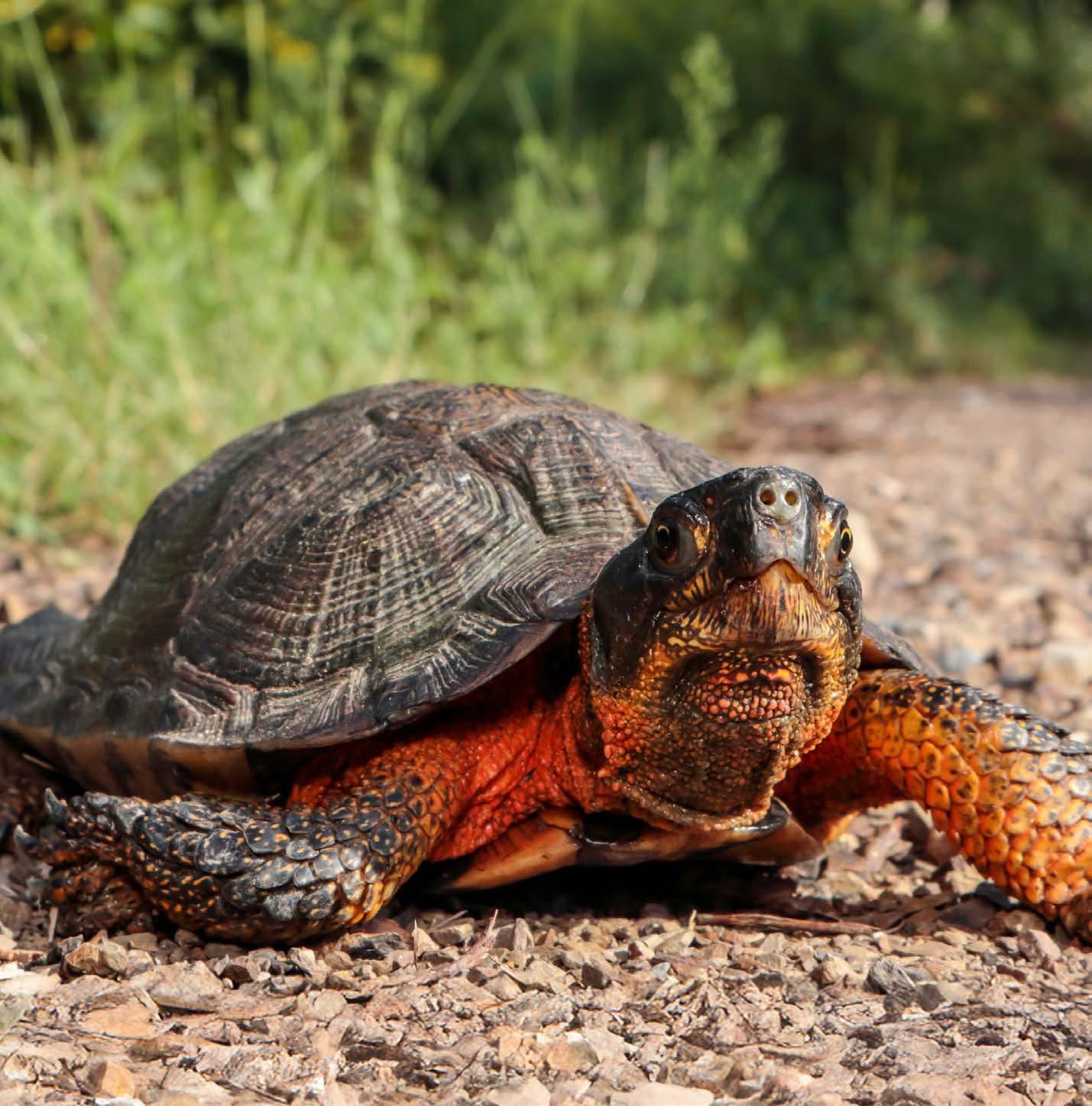

SWCA’s San Antonio office participated in NatureFest at Mission County Park, an event focused on environmental education for families. Our team hosted an interactive exhibit featuring archaeological artifacts, pollinator education, and a hands-on pictograph activity using sidewalk chalk.
SWCA also sponsored the event in support of Green Spaces Alliance, a nonprofit dedicated to land conservation, urban gardening, and youth nature education. Their initiatives include over 40 community gardens and environmental programs that reach underserved schools, reinforcing SWCA’s commitment to empowering the next generation of conservationists.
GREEN SPACES ALLIANCE NATUREFEST
Governance

GOVERNANCE
Corporate Governance
At SWCA, our governance structure ensures that we operate ethically, transparently, and responsibly, balancing both short-term and long-term priorities to drive success. As an employee-owned company, we have the flexibility to focus on long-term investment strategies without the pressure of short-term financial performance. This approach has proven effective, with SWCA achieving consistent annual growth through both organic expansion and acquisitions. Over the past 5 years, our stock price has increased by an average of 25% annually.
Since its inception 24 years ago, SWCA’s ESOP has supported the company’s substantial growth. The company and the ESOP matured to the point where a transition from internal ESOP trustees to an external trustee model was needed. This decision offers several benefits, including access to specialized ESOP expertise, the elimination of potential conflicts of interest, and reduced fiduciary risk. This change reflects strong governance practices, ensuring decisions are made in the best interests of both employees and the company as a whole.
One key responsibility of the ESOP trustee is approving the slate for SWCA’s Board of Directors. Our Board is composed of four internal and four external directors, maintaining a balanced governance model for an employee-owned company. In 2024, seven directors returned, and one new director joined. Gayle Roberts, an external director, was re-elected as Chair of the Board, with CEO Joseph Fluder elected as Vice Chair. Internal directors include Dr. Steve Carothers, Norma Crumbley, and Denis Henry, and external directors Rick Adam and Bob Wilson were re-elected. Barbara Nick joined as a new external director, replacing Dr. Laura Huenneke, who served on the Board for nearly 7 years.
The Board and its committees meet quarterly, with additional meetings as needed. Board members also participate in educational sessions to deepen their understanding of SWCA’s industry, projects, services, and key topics, such as technology, artificial intelligence, cybersecurity, and risk management. In early 2024, the results of the Materiality Assessment were presented to the Board, along with next steps. The Board confirmed that SWCA is already addressing all Tier 1 and 2 material topics, as well as the majority of Tier 3 topics.
FOUR BOARD COMMITTEES
NOMINATING AND GOVERNANCE COMMITTEE
Denis Henry, Committee Chair
This committee is responsible for nominating new members, Board succession planning, internal and external Board member assessment, and Board diversity.
COMPENSATION AND ORGANIZATIONAL DEVELOPMENT COMMITTEE
Gayle Roberts, Committee Chair
This committee works with the CEO to establish yearly goals for the company and the CEO; evaluates CEO performance and compensation; reviews succession planning, talent retention, and total rewards strategy; and sets bonus compensation for the organization.
BOARD MEMBERS
GAYLE ROBERTS
Board Chair, Compensation/Organizational Design Committee Chair, External Director
ROBERT WILSON External Director
BARBARA NICK External Director
RICK ADAM
Audit And Compliance Committee Chair, External Director
SWCA’S INTERNAL SUSTAINABILITY STRUCTURE
Sustainability Framework Steering Committee
Works with the Board of Directors to develop SWCA’s overall sustainability strategy.
AUDIT AND COMPLIANCE COMMITTEE
Rick Adam, Committee Chair
This committee is responsible for the company’s financial audit, risk management, insurance coverage, and technology and information security.
CORPORATE TRANSACTIONS AND MERGERS AND ACQUISITIONS
Joseph Fluder, Committee Chair
This committee is responsible for SWCA’s growth and acquisition strategy.
DR. STEVE CAROTHERS
Founder, Internal Director
JOSEPH J FLUDER III
Vice Chair, Mergers And Acquisitions Committee Chair, Internal Director
DENIS HENRY Nominating And Governance Committee Chair, Internal Director
NORMA CRUMBLEY Internal Director
Environmental Sustainability Committee
Takes direction from the Sustainability Framework Steering Committee to set companywide sustainability goals across fleet management, waste, water use, education, procurement, and energy. Green
Office-level employees implement local sustainability initiatives and companywide goals.
Team Network
GOVERNANCE
Risk Management
At SWCA, proactively managing risk is critical to safeguarding our operational resilience, finances, reputation, and client trust. As highlighted in our Materiality Assessment, risk management remains a top priority for ensuring long-term stability and business continuity. Our Vice President of Risk, alongside risk area leaders and key stakeholders, continuously monitors potential risks; closely follows trends in regulatory policies, market dynamics, and technological advancements; and implements strategies to mitigate them. Risk is a standing agenda item at every quarterly board meeting, with an in-depth annual presentation to the Board of Directors that covers SWCA’s risk landscape, management approaches, and the financial impact of these potential risks. We continually assess and refine our approach to our sustainability program, goals, and performance indicators through our robust risk management strategy, which helps promote SWCA’s sustainable growth.
As climate-related risks continue to escalate, SWCA leadership is actively assessing the impacts of hurricanes, floods, tsunamis, wildfires, and extreme temperatures on our employees, operations, and client services. These events pose significant threats to physical assets, project delivery, employee safety and wellbeing, and corporate reputation. Developing a comprehensive climate disaster response plan is a key component of our evolving risk strategy that ensures preparedness and resilience. This includes establishing an internal data collection system to track relevant metrics, alongside our financial data, which will assist us in quantifying and reporting on the financial implications of climate change in alignment with global standards.
We recognize the importance of proactively addressing risks and the consequences of inaction. Our Materiality Assessment further reinforced this, highlighting areas that are most critical to business success.
AREAS OF MANAGED RISK
Employee Well-Being and Workplace Integrity
• Code of Conduct and Workplace Integrity
• Safety Program
• Physical and Mental Health Support
• Leadership Development
• Recruiting and Retention
• Claims Management
Clients and Project Risk Mitigation
• Conflicts of Interest
• Contracting and Confidentiality
• Social Media and Public Communication
• Delivery
• Quality Assurance/Quality Control
• Project Management Plans
• Project Controls Program
• Subcontractor Oversight
• Code of Conduct
• Environmental Sustainability
• Cybersecurity Legal
• Employment/Human Resource Matters
• Reputation and Brand Protection
• Third-Party Claims Management
Crisis Management
• Emergency Response Plans
• Business Continuity Strategies
• Crisis Communication Protocols Technology
• Information Security and Information Technology (IT) Risk Management
• Physical Security Standards and Protections Climate
• Managing Temperature Extremes and Natural Disasters Financial
• Client Credit Risk and Default Management
• Compliance with Financial Reporting and Accounting Standards
• Internal and External Fraud Prevention
• Sufficient Internal Controls
• Regulatory Audits and Legal Obligations
• Potential Fines, Audits, or Legal Consequences from Regulatory Bodies
• Taxation and Liquidity Risk
• ESOP Valuation Accuracy

2025 GOALS
Risk Management Training: Implement enhanced risk management awareness training at various organization levels.
Natural Disaster Planning:
Develop a comprehensive plan to prepare for and respond to natural disasters affecting the offices.
2-5 YEAR GOALS
Risk Management Training:
Conduct a comprehensive risk assessment across our value chain and continue monitoring the AEC industry landscape and evolving regulatory and client requirements.
GOVERNANCE
Ethics
At SWCA, upholding the highest standards of ethics and integrity is fundamental to our business. In 2024, we further strengthened our commitment to ethical business conduct by introducing a Human Rights Policy, mandatory Code of Ethics training, and a Supplier Code of Conduct.
These initiatives reinforce our dedication to responsible business practices, transparency, and accountability.
SWCA’s Human Rights Policy, approved by our CEO, is based on internationally recognized frameworks, including the International Bill of Rights and the International Labor Organization’s Declaration of Fundamental Principles and Rights at Work. This policy is now an integral part of our employee handbook, which all employees are required to review and acknowledge within their first week of employment. To ensure full awareness, our CEO also communicated the policy directly to all employees.
This policy extends to all employees, suppliers, subcontractors, and stakeholders, outlining expectations in key areas, such as harassment and discrimination, diversity and equal employment opportunities, workplace safety, human trafficking prevention, labor rights, and fair working conditions.
Although ethics training has long been available at SWCA, 2024 marked the first year it became a mandatory requirement for all employees. The rollout began with leadership to ensure they could address any employee questions before the broader implementation. This training is now a core part of new employee onboarding and includes essential topics, such as confidentiality, ethical decision-making, responsible use of company resources, intellectual property, and information security.
Employees are encouraged to report any ethics violations or concerns through our anonymous ethics hotline or via a confidential Human Resources email. These channels provide employees with options to safely raise concerns, ensuring that SWCA fosters a culture of accountability and ethical responsibility.
To extend our ethical standards beyond internal operations, SWCA introduced a Supplier Code of Conduct in 2024, which is now incorporated into all subcontractor contracts. This code ensures that our partners uphold ethical business practices and comply with labor and environmental standards.
As part of our commitment to sustainability, we also enhanced our subcontractor prequalification process by adding two key questions to assess their sustainability practices:
1. Are you tracking and reporting on your greenhouse gas emissions?
2. Do you ensure compliance with environmental laws and regulations in your country?
100%
Percentage of employees who were informed of SWCA’s Human Rights Policy.

2025 GOAL
Track Sustainability Answers: Better understand subcontractor sustainability practices by tracking answers to two sustainability questions.
Code of Ethics Training: Implement mandatory Code of Ethics training for all employees.
Sustainability Requirements: Include environmental sustainability requirements in subcontractor contracts.
Sustainability Questions: Include sustainability questions in the subcontractor prequalification.
Mandatory Code of Ethics training was assigned to all employees and was added to new employee orientation.
Environmental sustainability requirements were added to the Supplier Code of Conduct.
Two questions were added to the subcontractor prequalification to assess sustainability practices.
GOVERNANCE
Employee Safety
At SWCA, safety is more than a priority—it defines how we operate. In 2024, we took significant steps to strengthen our safety culture and enhance protections for our employees in the field and beyond. These efforts culminated in the Safety Scale Up initiative, which introduced a new safety role, expanded training programs, and created platforms for ongoing collaboration. The Safety Scale Up was a top companywide initiative, underscoring SWCA’s unwavering commitment to the health and safety of our employees, clients, and communities.
A major milestone was the creation of the Field Safety Representative (FSR) role, designed to extend the reach of safety communications. This dual-hatted position ensures that safety communication flows seamlessly between employees and the Safety team, allowing field staff to receive guidance while also voicing concerns, suggestions, and on-the-ground insights. FSRs serve as both mentors and safety liaisons, reinforcing best practices in real time.
To further institutionalize safety at every level, we launched the Safety Advisory Council, bringing together a cross-section of employees from various disciplines and leadership levels. Meeting quarterly, this council advises on critical safety policies, identifies operational risks, and ensures that companywide safety concerns are addressed collaboratively. Their insights and feedback drive continuous improvements, helping safety initiatives remain relevant, practical, and effective.
Recognizing the importance of accessible engaging training, SWCA´s Safety team partnered with the Learning team to streamline SWCA Core Safety training modules in 2024. Refreshing these modules ensures that content is clear, relevant, and digestible for all employees. Additionally, we introduced short, impactful 5-minute instructional videos, which focused on key field tasks and hazards that staff may encounter day-to-day during project work. These on-demand resources support real-time learning, reinforcing a proactive safety mindset across teams.
The following groups and resources play an integral role in protecting our staff:
ACCREDITATIONS
Dive Safety Board
SWCA’s Dive Safety Board ensures all dive-related projects are performed in compliance with Scripps Scientific Diving Rules.

Wildfire Safety Advisory Group
SWCA has a dedicated Wildfire Assistance Helpline, staffed by experienced wildfire team members. Field staff can call in urgent situations and receive real-time guidance.
Wildfire Smoke Protocol
Wildfire smoke, like all smoke, can cause health risks for those exposed. Therefore, SWCA’s wildfire smoke protocol is intended to ensure our crews/ staff are working safely around wildfires and understand what they can do to protect themselves from the hazards of breathing in smoke.
Safety Incident Reporting Emergency Notification (SiREN) App
SWCA’s emergency notification system, SiREN, continues to improve each year. In 2024, we updated the SiREN app’s landing page to provide employees with emergency phone numbers and other resources to aid in emergent situations.
SWCA subscribes to many of the top safety compliance providers, including Ariba, Avetta, Common Ground Alliance, Coupa, Damage Prevention Institute, EQT, Fleetio, ISNetworld, National Safety Council, and Veriforce. 0.83
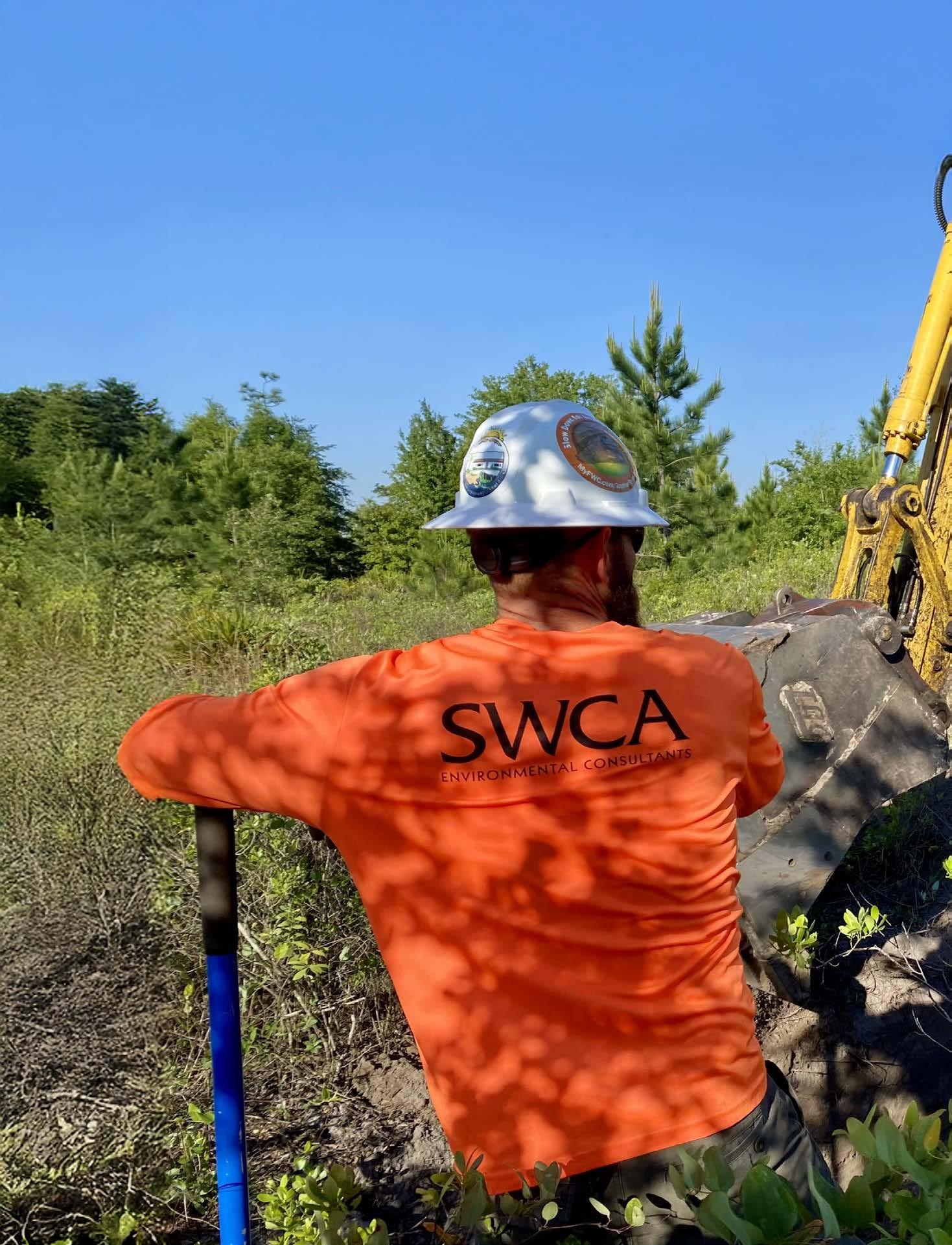
0.13 decrease from 2023
Experience Modification Rate (EMR) 0.36
0.09 decrease from 2023 0.01 decrease from 2023
Total Recordable Incident Rate (TRIR) 0.22 Days Away, Restricted, or Transferred (DART) 0.00 # of serious, life-threatening, or fatal injuries
SAFETY STORY FROM THE FIELD
While conducting a survey in southwest Texas, a new field technician sustained an injury after navigating dense brush and falling onto rugged terrain. Demonstrating leadership and teamwork, fellow field teammates, Cody Delgado and Katie Atwood responded swiftly and effectively. Cody immediately called for assistance, while Katie, leveraging her wilderness training, provided first aid using materials from her personal medical kit. Together, they safely transported their injured crew member to a medical facility. Their quick thinking and commitment to safety exemplify the core values of SWCA’s safety culture and earned them a Safety Star Award.
2025 GOALS
Expand FSR Roles:
Double the number of FSR roles and expand in-person training opportunities.
Electronic VIL Project Completion:
Full electronic implementation of our VIL by the end of 2025.
Electronic Job Hazard Assessments (JHA) Project Completion:
Full electronic implementation of our JHA forms by the end of 2025.
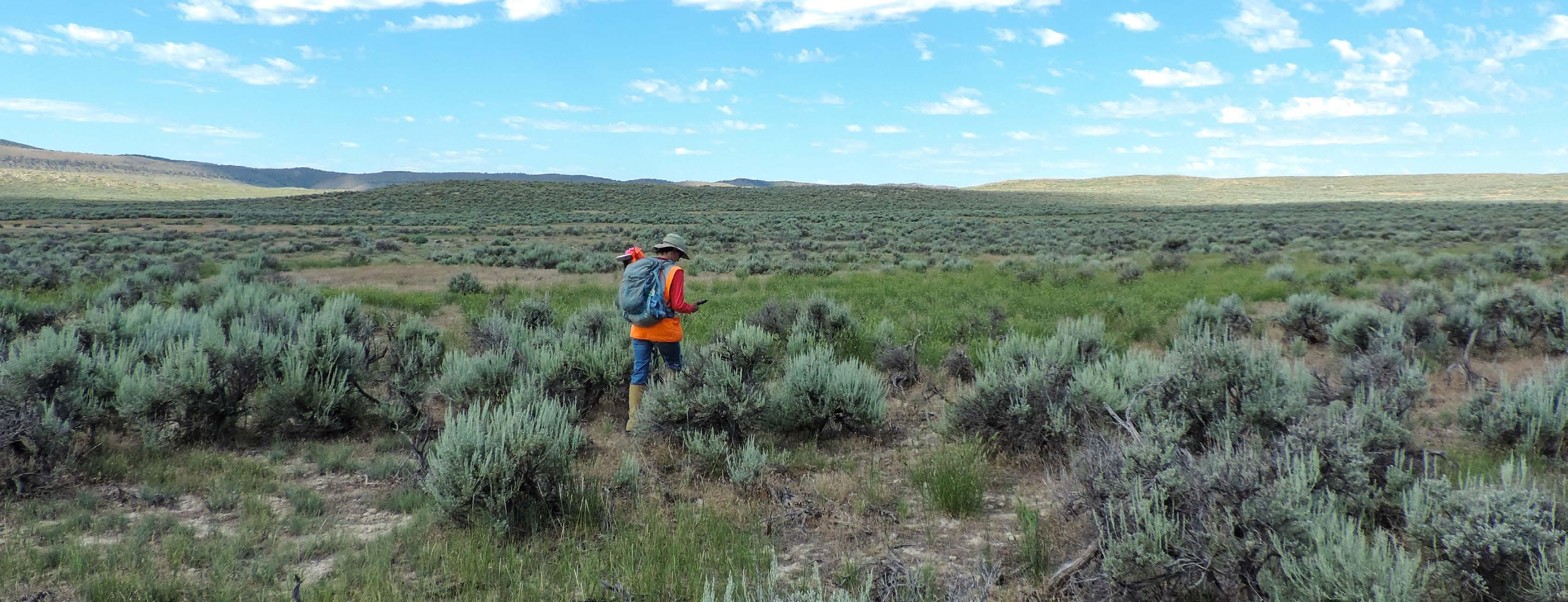
2-5 YEAR GOALS
Electronic VIL Project Completion:
Discontinued use of paper VIL forms by the end of 2026.
Electronic JHA Project Completion:
Discontinued use of manual Microsoft Excel JHA forms by end of 2026.
Training Rate: 80% overall training completion rate. 89% completion rate.
Electronic JHAs: Implementation of electronic JHAs companywide.
Electronic VILs: Implementation of electronic VILs companywide.
The electronic JHA project was pushed back to Quarter 3 of 2025.
This was fully developed in 2024 and will be rolled out in 2025.
GOVERNANCE
Cybersecurity
At SWCA, safeguarding our data and our clients’ information is a fundamental responsibility. To protect the security, privacy, and integrity of this data, we have developed a robust information security management system grounded in industry-leading standards, including the International Organization for Standardization (ISO) 27001 and the National Institute of Standards and Technology.
As of 2024, SWCA maintains 100% compliance with the updated 2022 ISO 27001 certification requirements, ensuring our security controls remain aligned with global best practices.
Understanding the growing need for data privacy and regulatory compliance, SWCA has aligned its data protection measures with the California Health Insurance Portability and Accountability Act of 1996 (HIPAA), the California Consumer Privacy Act, and the General Data Protection Regulation. In 2024, we also introduced a new physical security standard, which was deployed across pilot offices to enhance the safety of both our employees and our business operations. A comprehensive description of SWCA’s privacy practices can be found in our Privacy Policy.
As part of our Never Settle mindset, SWCA continues to evolve its cybersecurity strategies. In 2024, we enhanced remote and office network security, streamlined cloud storage migrations, and improved lifecycle management for IT equipment. These initiatives, along with refinements to our internal audit capabilities established in 2023, strengthened our ability to proactively identify and mitigate risks.
Employee awareness and education remain critical in fortifying SWCA’s cybersecurity resilience. All employees undergo mandatory cybersecurity training during onboarding and receive ongoing monthly education to stay informed on emerging threats. Cybersecurity principles are also integrated into our annual Code of Conduct and Ethics training, reinforcing our collective responsibility to safeguard data.
Embracing innovation while prioritizing security, SWCA launched SpotBot, an internal chatbot developed exclusively for SWCA staff in 2024. SpotBot supports ideation, document review, research, and workplace collaboration while adhering to strict privacy and security standards.
ASSOCIATION MEMBERSHIPS

International Information
Security Certification Consortium (ISC2)


Being prepared to quickly address security incidents is vital in ensuring the long-term success of our business.
15 MINUTES
Security incident response time
ZERO
Number of substantiated complaints received concerning breaches of customer privacy in 2024
GOAL
Cybersecurity as a Shared Responsibility:
Encourage a security-minded culture among SWCA’s workforce through partnerships and increased accountability.
Infragard



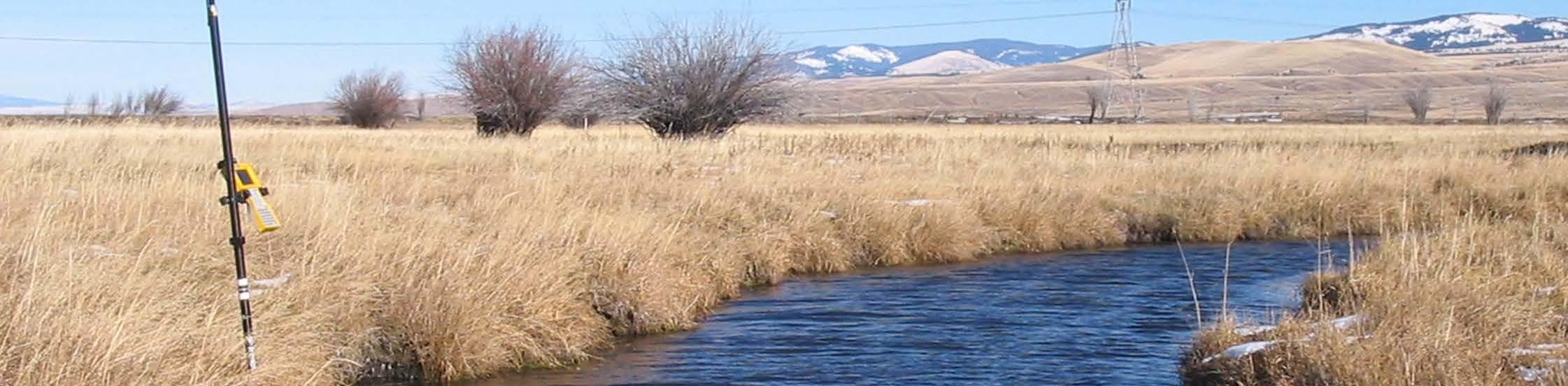

sustainability@swca.com www.swca.com