UNITING MATERIALS, TECHNOLOGY AND DESIGN
• Machine Line Showstoppers
• Surfaces That Speak
• Wood Innovations
• Trends to Watch & Products to See

UNITING MATERIALS, TECHNOLOGY AND DESIGN
• Machine Line Showstoppers
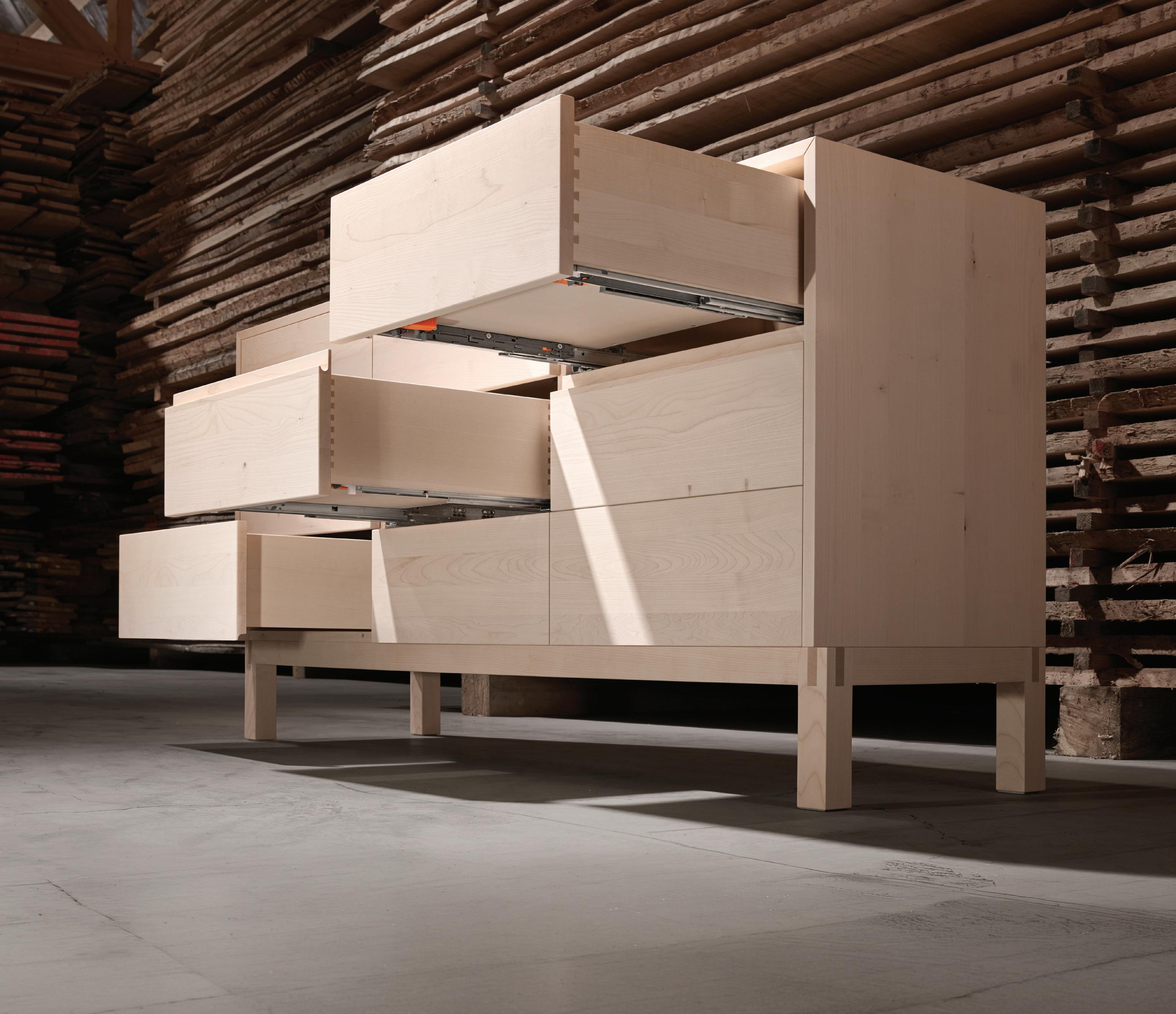
• Surfaces That Speak
• Wood Innovations
• Trends to Watch & Products to See
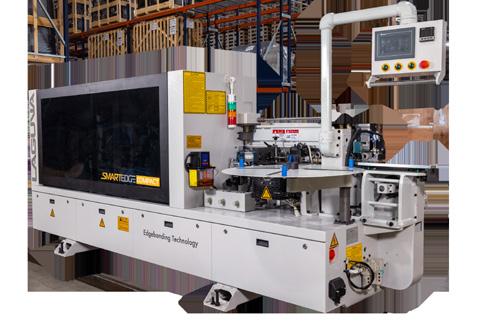
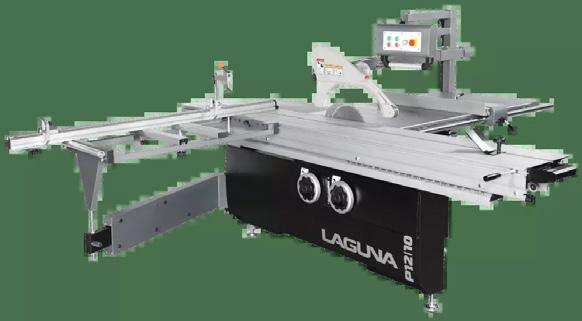
See Laguna’s production lineup run live at IWF 2026 including CNC routing, edgebanding, and panel sizing solutions built for modern shops. Call during the show to access exclusive IWF deals, limited-time equipment o ers, and some of our strongest pricing of the year on select production-ready machines.
ALSO LIVE ON THE FLOOR
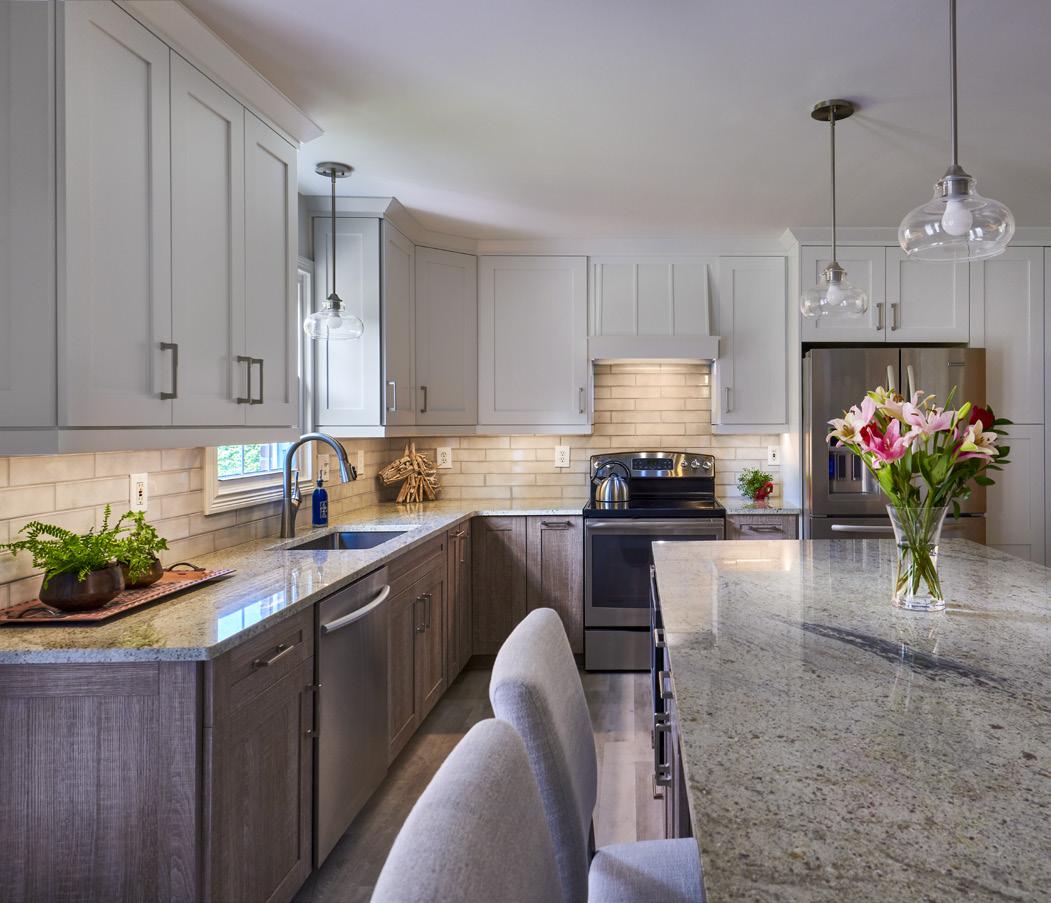
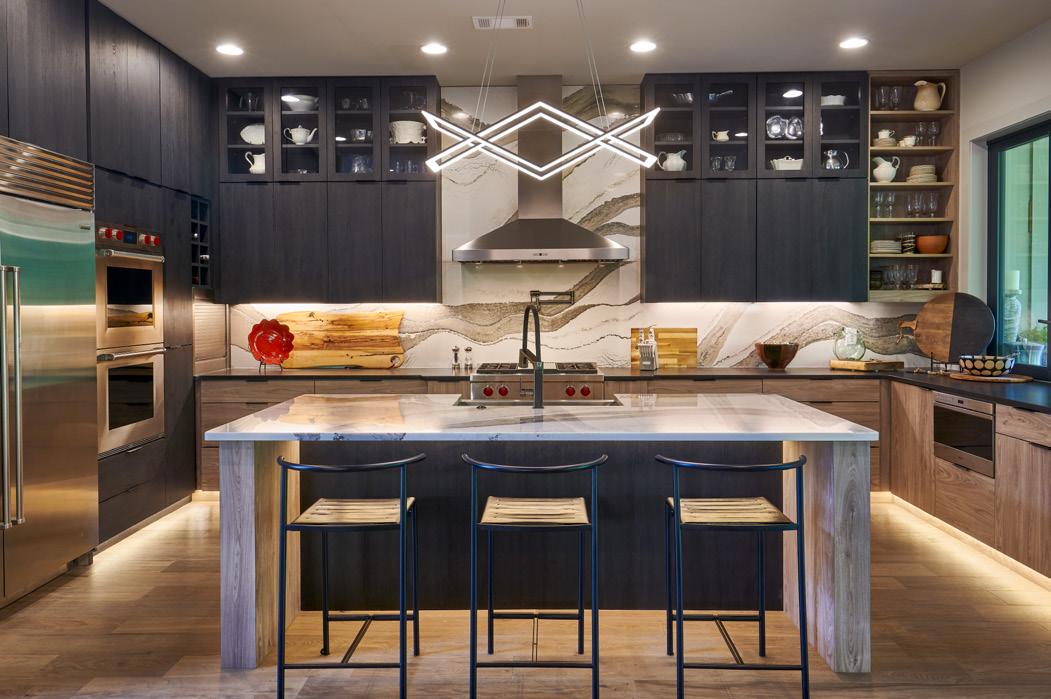
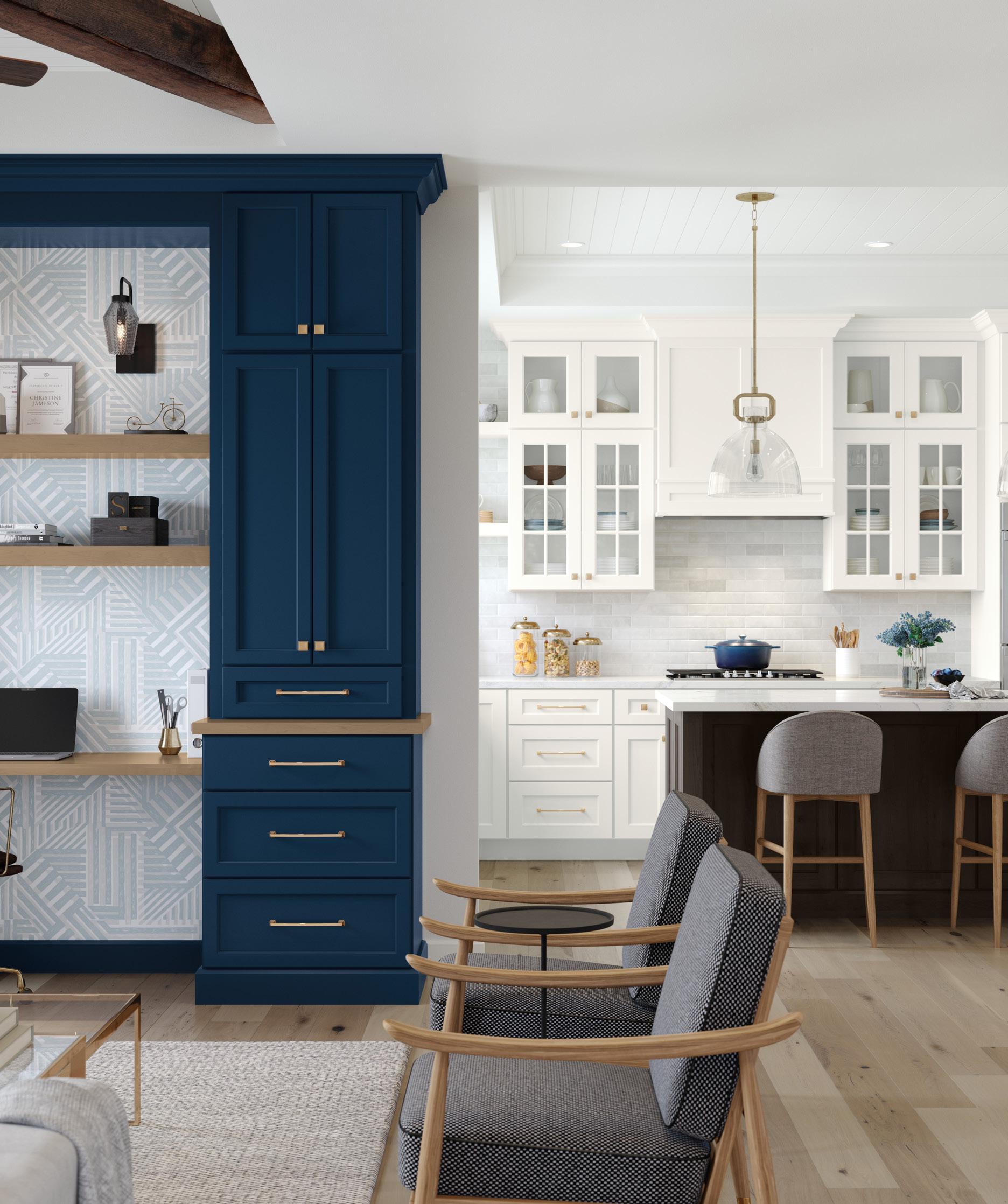
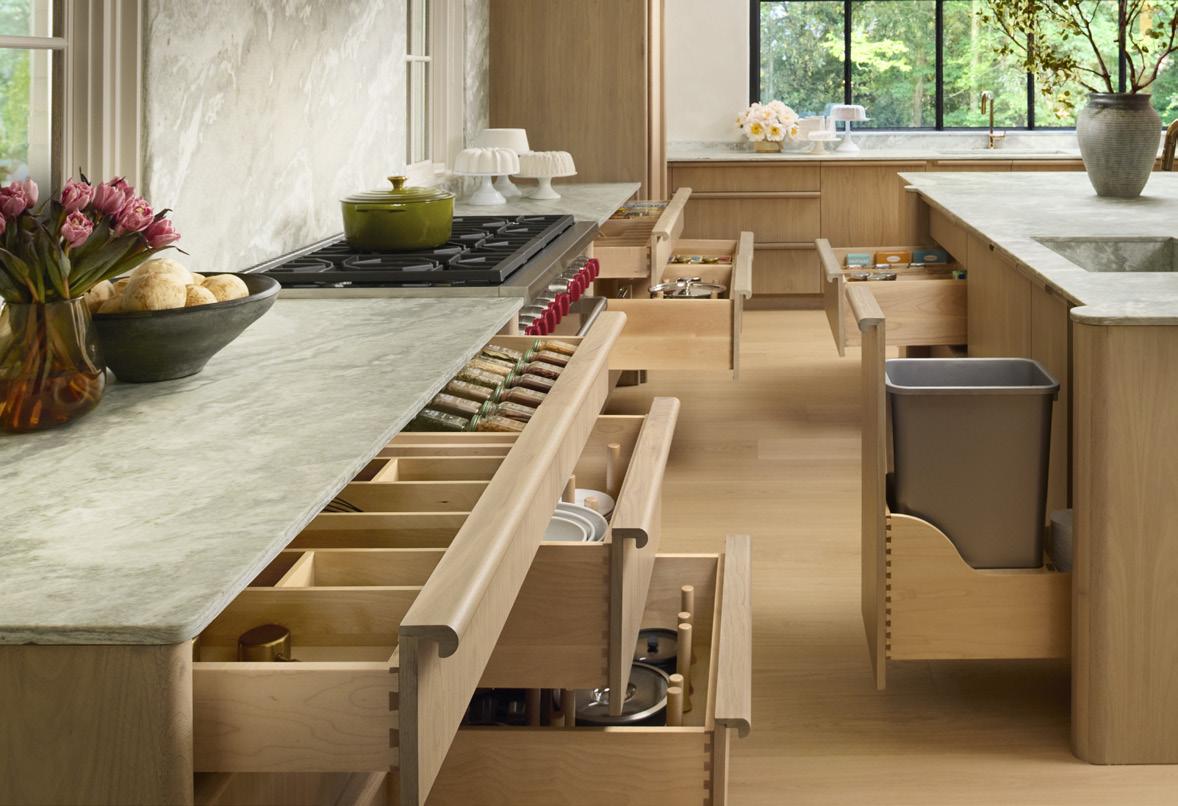
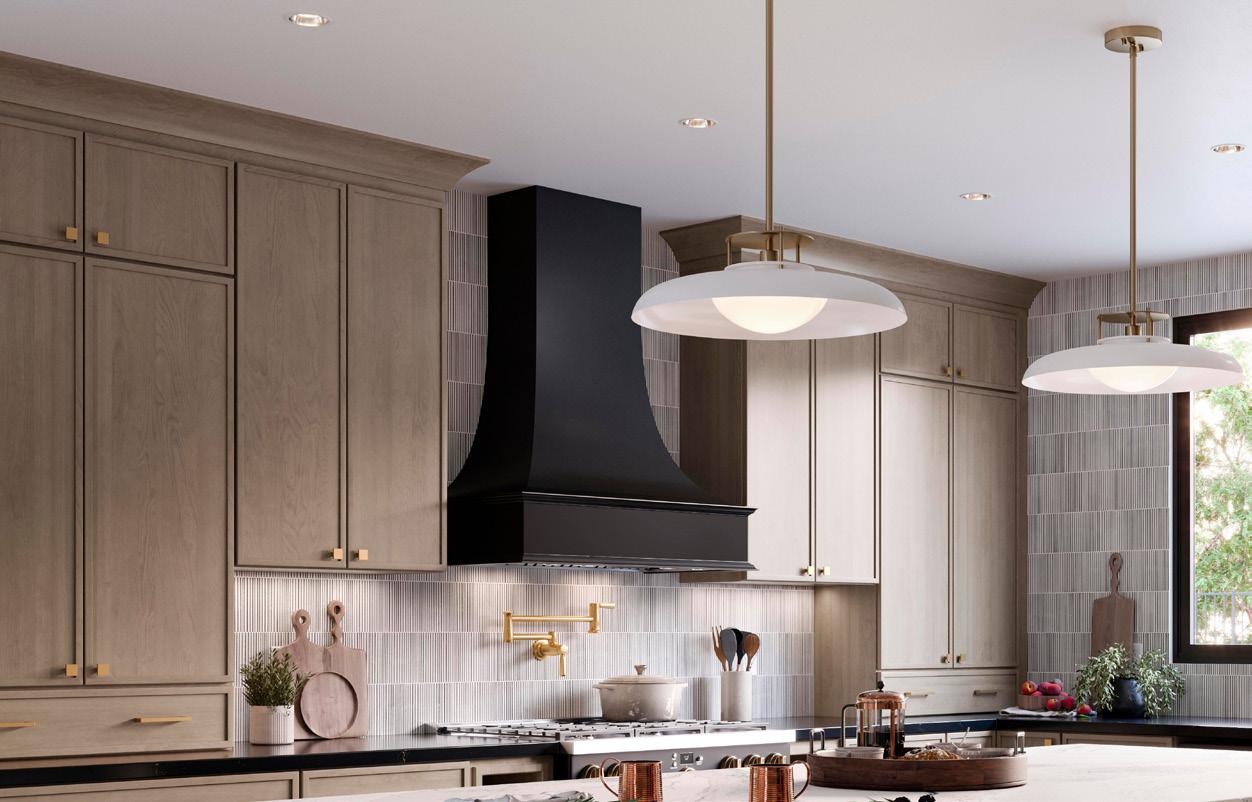
From smart storage to finely engineered accessories, Rev-A-Shelf® creates solutions that make every space smarter, sleeker, and effortlessly functional. With breakthrough ideas, premium craftsmanship, and a portfolio that spans lighting, pullouts, brackets, wood hoods and more, if it belongs in a cabinet, closet or kitchen, we make it!
Step into one booth where true kitchen innovation comes together. Rev-A-Shelf® unifies organization, integrated lighting and premium wood products into a single elevated experience, all under one booth! Intuitive pullouts, crafted hoods and subtle illumination all working together to inspire.

PRESIDENT/PUBLISHER
Patrick Adams
PH: 714-486-2735 padams@526mediagroup.com
VICE PRESIDENT
Shelly Adams
EDITORIAL
Jennifer Williams, EDITOR
PH: 714-486-2735 jwilliams@526mediagroup.com
David Koenig, DIRECTOR OF EDITORIAL
Sara Graves, SENIOR EDITOR
GUEST COLUMNISTS & CONTRIBUTORS
Keith Christman
Doug Hague
Eric Marshall
James Olsen
Nicholas Ritchie
Michael Wilbur
Michael Wilkerson
SALES
Nick Kosan
PH: 714-486-2735 nkosan@526mediagroup.com
Chuck Casey PH: 714-486-2735 ccasey@526mediagroup.com
John Haugh
PH: 714-486-2735 jhaugh@526mediagroup.com
GRAPHIC DESIGN
Greg Lane
DIGITAL SUPPORT
Katherine Williams kwilliams@526mediagroup.com
CIRCULATION/SUPPORT
PH: 714-486-2735 info@526mediagroup.com

PH: 714-486-2735






aim to enhance your business and the health of the planet. As North America's leading distributor and importer of hardwood lumber, specialty softwoods, and panel products, we are proud to partner with you to build unique solutions for the market.
FEATURES
12 Surfaces That Speak
Trending textures, colors & materials to note at IWF 2026
20 From Forest to Factory
How USDA Forest Service research is helping unlock the next generation of wood products
26 Beyond the Surface
What are industry leaders most excited to see or experience at IWF?
28 Machine Line Showstoppers
At IWF 2026, the biggest innovations aren’t individual machines — they’re entire production ecosystems.
36 The Digital Twin is Real
Software drives precision from spec to shop floor
44 Distribution Matters
"Peak 65" should be top of mind
50 Choosing the Right Hardwood Plywood for Your Project
The choices are staggering
56 IWF Product Spotlight
Products to watch at IWF 2026
74 @TheShow
Every trade show offers a snapshot of where the industry stands…but viewed together reveals where the industry is headed
82 S&P By Design
Domenic Marcolongo once again captured the industry’s highest honor at the Top Shelf Design Awards with After Dark
DEPARTMENTS
8 From the President
What is real anymore?
10 From the Editor
The best part of the show
46 Human Resources
Using the F.R.I.E.N.D. framework for critical conversations
54 Sales & Marketing Workaholics amongst us
80 Ad Index

I’ve found myself asking that question a lot lately. Not in some dramatic, end-of-the-world kind of way, but in a very practical sense. What is real anymore? What can we actually trust? What should we believe when so much around us feels disconnected from what we once accepted as common sense?
Recently, I watched artificial intelligence create things in seconds that would have seemed impossible just a few years ago. Entire presentations, videos, voices, images, even conversations that are nearly indistinguishable from reality. Some of it is genuinely exciting. Some of it is incredibly useful. And some of it, if I’m being honest, is a little unsettling.
At the same time, we watch markets continue to climb while many families and businesses still feel financial pressure every single day. We see political leaders and institutions make decisions that, not long ago, would have been considered completely unacceptable by almost everyone regardless of ideology. We are flooded constantly with headlines, opinions, outrage, predictions and “facts” that often seem to contradict each other within hours. It can feel like the world is moving so fast that nobody has enough time to stop and ask whether any of it still makes sense.
And yet, in the middle of all that uncertainty, I’ve noticed something interesting. The things that are most real today are often the same things that have always been real. A handshake still matters. Your word still matters. Showing up still matters. Character still matters.
I was thinking about this recently while walking through a lumberyard speaking with a longtime industry leader. No cameras. No social media clips. No polished branding strategy. Just two people talking honestly about business, family, challenges, and the future. It struck me how refreshing that felt in a world increasingly filled with manufactured versions of reality.
Our industry has always had a unique way of cutting through noise. At the end of the day, the work we do is tangible. You either delivered. Or you didn’t. The house got built or it didn’t. The truck showed up or it didn’t. The customer trusts you or they don’t. There’s something grounding about working in an industry where reality still has a way of revealing itself.
That doesn’t mean we reject innovation. Far from it. I believe AI and many emerging technologies will transform industries, improve efficiency, and create opportunities we cannot yet fully imagine. Every generation experiences advancements that reshape the world around them. Progress itself is not the problem. The challenge

is making sure we don’t lose ourselves while chasing it.
Technology can accelerate communication, but it cannot replace wisdom. Algorithms can provide information, but they cannot create values. Artificial intelligence may eventually replicate conversation, strategy, or even creativity — but it cannot replicate genuine human character, integrity, empathy or faith. At least I hope not.
Maybe that’s why I’ve come to appreciate simple things more as I get older. Time with family. Honest conversations. People who do what they say they’re going to do. Leaders willing to stand on principles instead of constantly adjusting themselves to whatever is popular in the moment.
In many ways, I think the future will belong to people who remain grounded while everything around them becomes increasingly artificial. The companies that endure will likely be the ones that continue building real relationships. The leaders who earn trust will be those who remain authentic and steady when others are chasing attention. And the people who navigate this changing world best may simply be those who refuse to compromise the values that made them successful in the first place.
Maybe that’s what is real today. Not the noise. Not the headlines. Not the endless performance of modern life. Maybe what’s real is still found in the same places it always has been — in faith, family, purpose, integrity, hard work, and the relationships we build along the way.
I know this industry is filled with people who still believe in those things. People who build tangible products, lead real teams, solve real problems, and care deeply about the legacy they leave behind.
And honestly, in today’s world, that feels more valuable than ever. Now the only question to ask yourself is: did I write this, or did AI?
As always, it is a privilege to serve you and this great industry.
Patrick Adams, Publisher,
Surface & Panel, 526 Media Group
Every time I prepare for IWF, I make the same mistake. I spend weeks studying exhibitor lists, mapping out appointments, researching new products and building what seems like the perfect schedule. I arrive with pages of notes and a carefully planned agenda.
And every year, some of the most memorable moments happen completely by accident.
A conversation that starts while waiting for coffee. A chance introduction in a booth. Running into someone I haven’t seen in years and learning about a challenge they’ve overcome, a business they’ve grown or an idea they’re excited to pursue. Often, those unexpected interactions end up being far more valuable than anything I had highlighted on my schedule.
That’s part of what makes IWF special.
Of course, we’re all coming to Atlanta to see what’s new. The machinery is faster. The software is smarter. The automation is more sophisticated. New materials, hardware, decorative surfaces and manufacturing technologies continue to push the industry forward at an incredible pace.
This issue highlights many of those innovations, and the show floor will be packed with even more.
But after covering this industry for years, I’ve come to believe that the greatest value of a trade show isn’t found in a machine demonstration or product launch.
It’s found in the people.
Our industry has always been built by problem-solvers. The people who figure out how to make something better, faster, stronger or more beautiful. The people willing to share an idea, answer a question or offer advice to someone facing a challenge they’ve already solved.
That’s difficult to capture in a catalog or on a website.
There’s something powerful about standing next to a piece of equipment while the person who designed it explains why it exists. About hearing firsthand how another manufacturer is

navigating workforce challenges, adopting new technology or preparing for the future. About seeing not just what a company makes, but who they are.
As technology continues to reshape the way we communicate and conduct business, gatherings like IWF become even more important. They remind us that behind every innovation is a person with a story, an idea and a passion for moving this industry forward.
So while you’re walking the aisles this year, I hope you’ll certainly take time to see the latest products and technologies. But I also hope you’ll leave room for the unplanned moments.
Talk to someone you’ve never met. Reconnect with an old colleague. Ask a question that isn’t on your list.
Those conversations may end up being the most valuable thing you bring home from Atlanta.
I look forward to seeing many of you there.



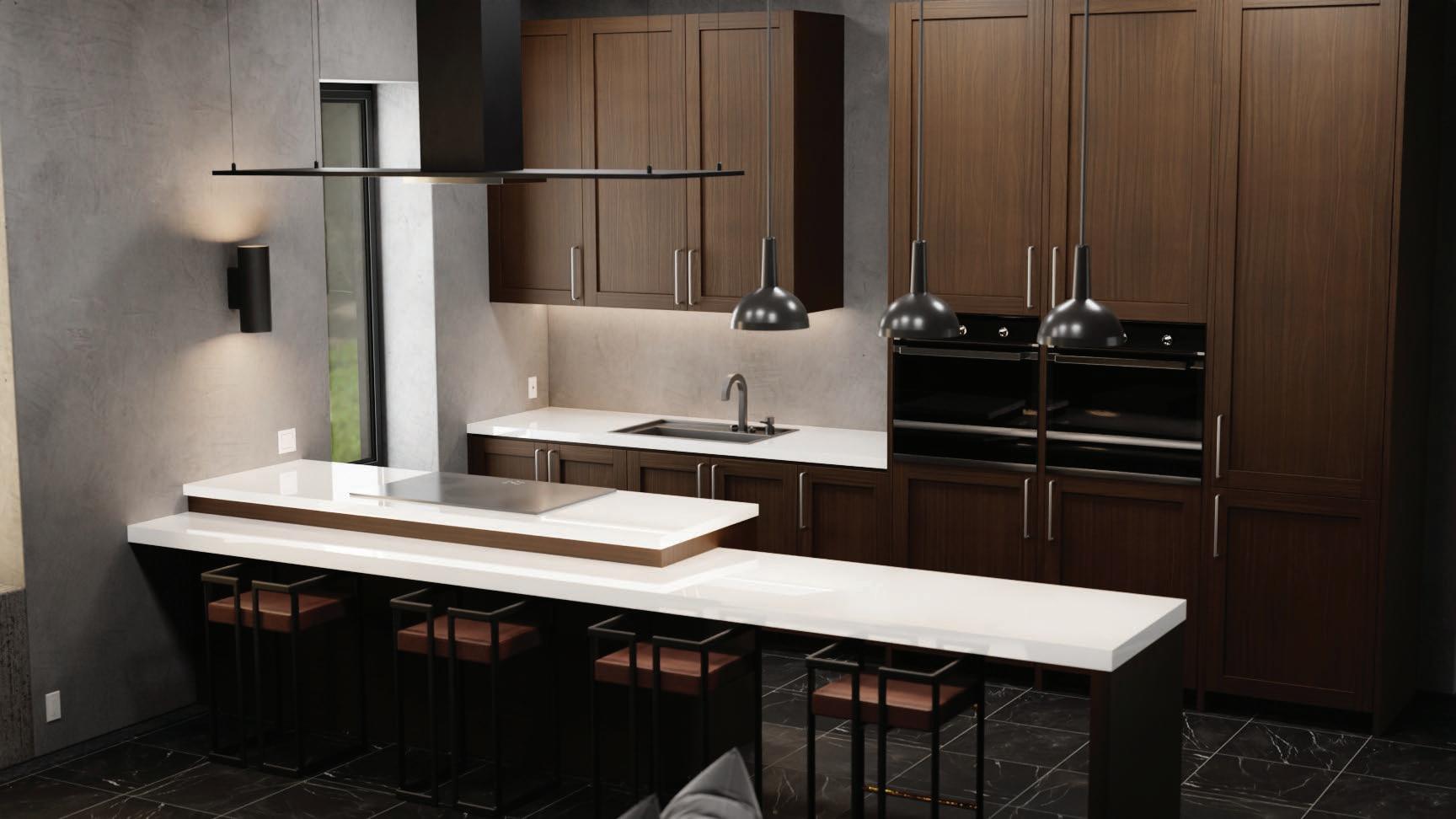
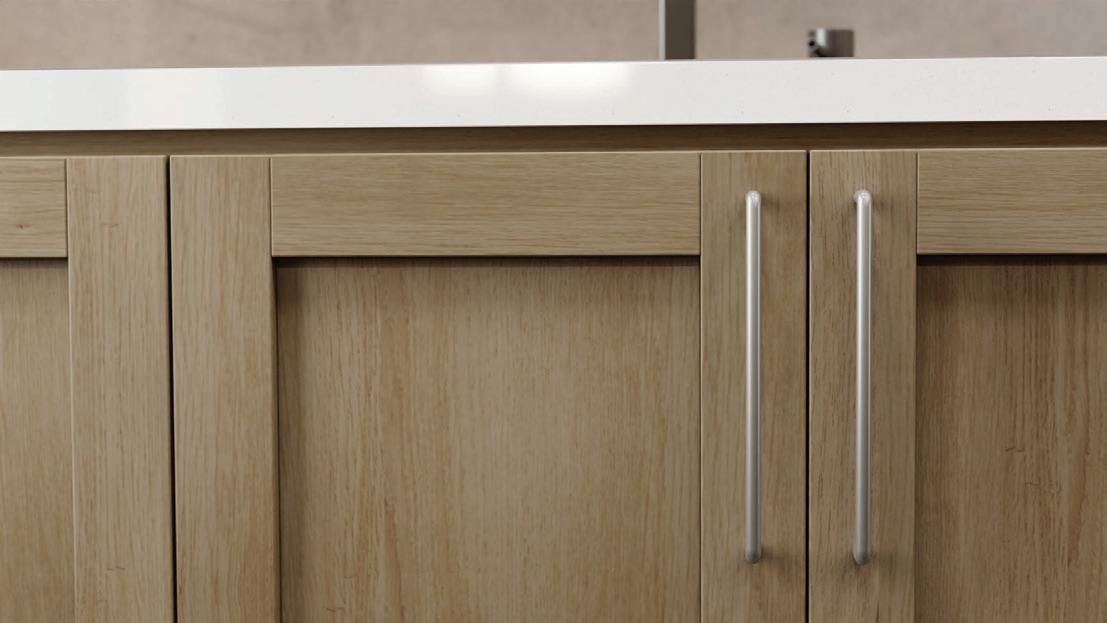
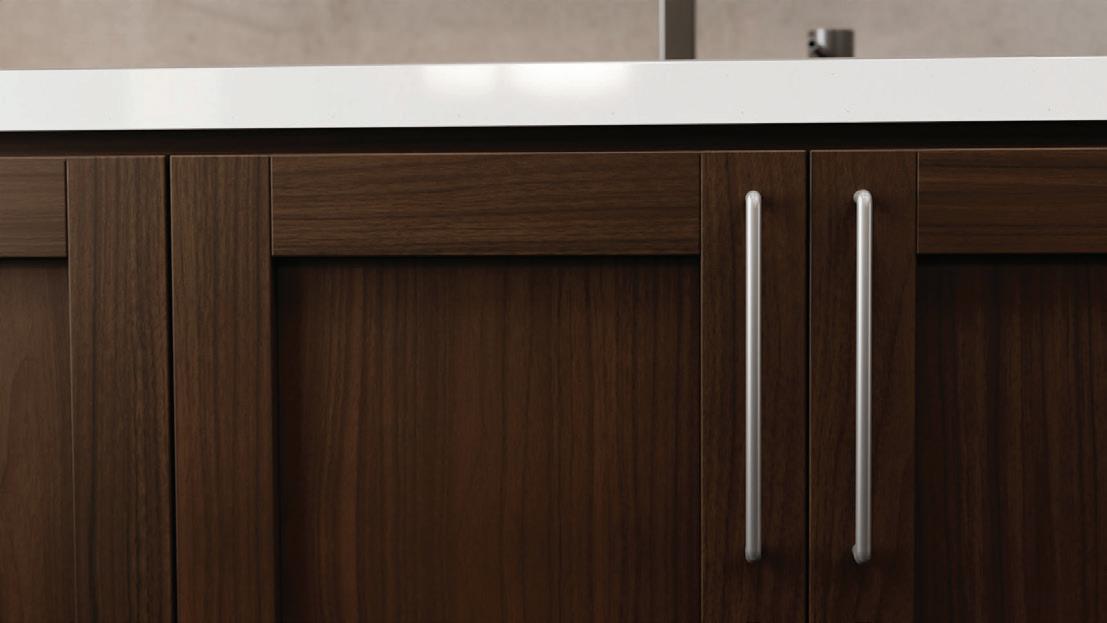

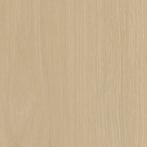
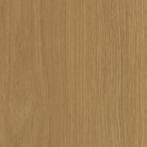
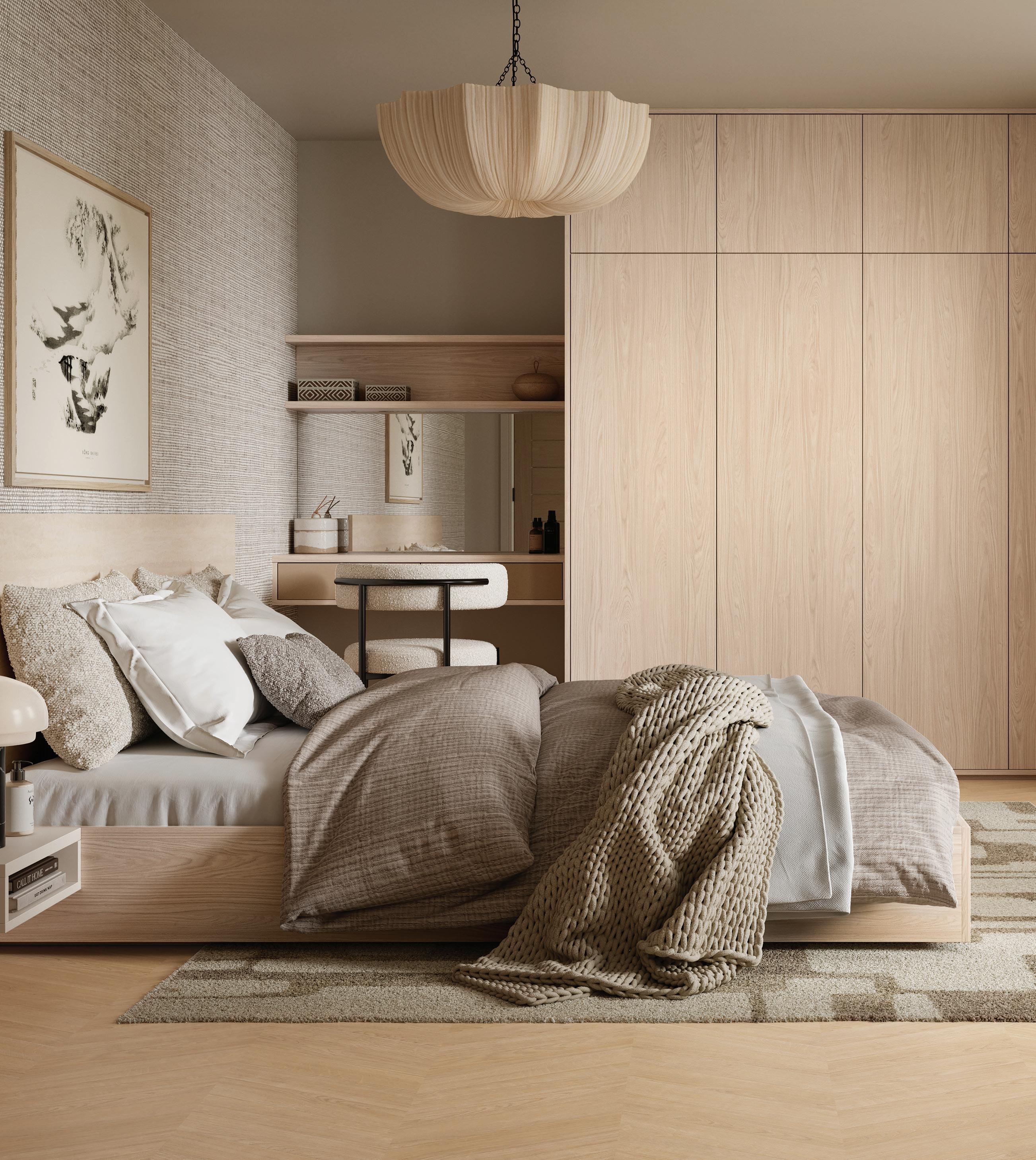
La Pacifica , from our wood grain collection, brings the essence of natural oak into a refined, modern space. With its soft, linear grain and balanced warmth, this finish exudes an organic sophistication that pairs effortlessly with both contemporary and classic designs. The subtle texture enhances its natural depth, offering a tactile experience that complements its visual appeal.
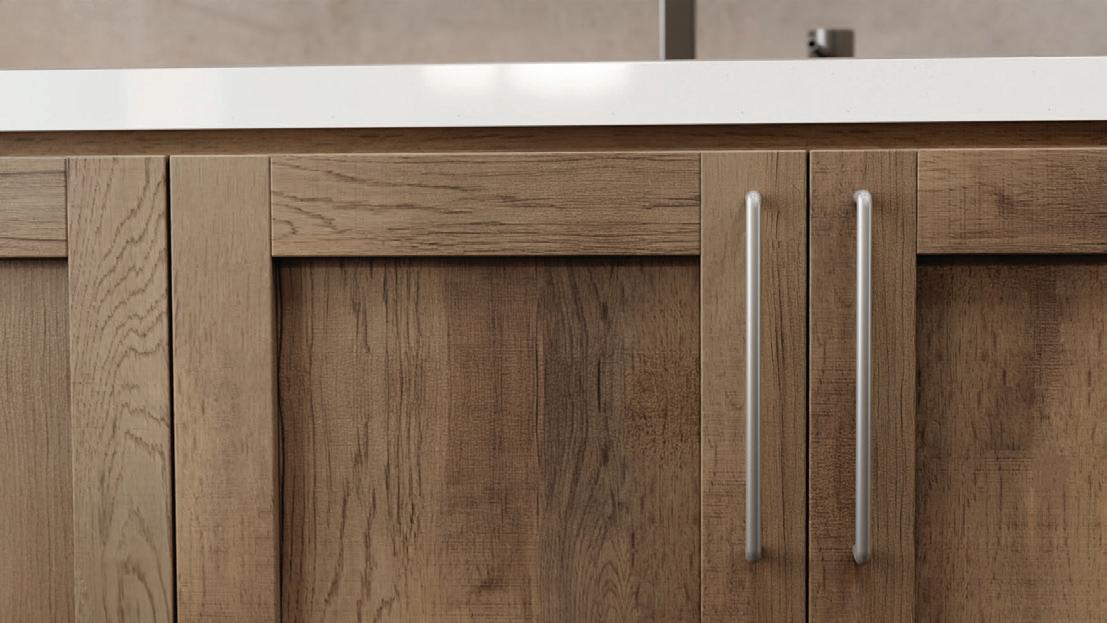
Timberline captures the raw beauty of natural wood with an elevated, modern sensibility. Its bold grain patterns and textured surface add dimension and authenticity, creating a finish that feels both grounded and sophisticated. The interplay of linear and organic grain details brings a dynamic yet balanced aesthetic, making it a versatile choice for spaces that embrace warmth and character.
WALNUT - WOOD GRAIN
Mid-Century Walnut brings the perfect balance of warmth and refinement, offering a smooth wood grain with an understated elegance. Its clean, linear pattern enhances the depth of the finish, creating a sophisticated look that seamlessly integrates into both modern and timeless interiors. With a nod to mid-century design, this finish pairs beautifully with sleek hardware, minimalist forms, and bold contrasts.
BY JENNIFER G. WILLIAMS
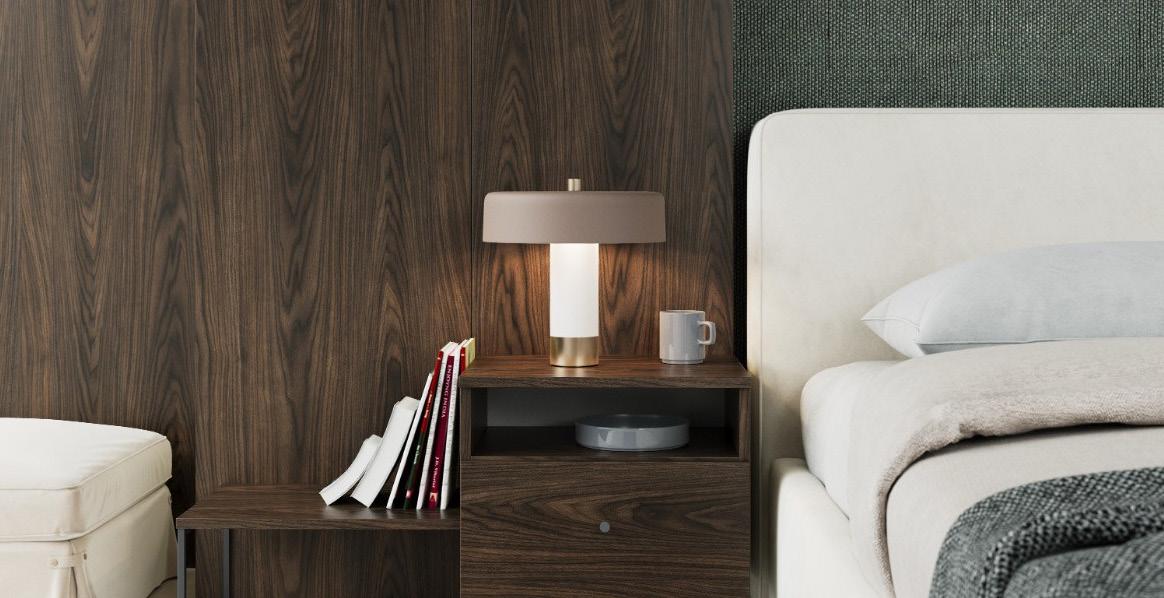
Decorative surfaces have never carried more influence. At IWF 2026, attendees will find the latest colors, textures and finishes driving cabinetry, furniture, closets and architectural millwork toward a warmer, more tactile and performance-focused future.
Throughout the show, manufacturers will showcase surfaces designed not only to capture the look of natural materials, but also to deliver the durability, sustainability and sensory experience today’s customers increasingly expect.
The shift reflects a broader evolution in how decorative surfaces are viewed throughout the industry. Once considered the finishing touch, surfaces have become central to the design process, helping define the mood, identity and functionality of a space while meeting growing demands for durability, low maintenance and manufacturing efficiency. As designers continue to blur the lines between residential comfort and commercial performance, the innovations on display at IWF will offer a preview of where cabinetry, furniture and interior panel design is headed next.
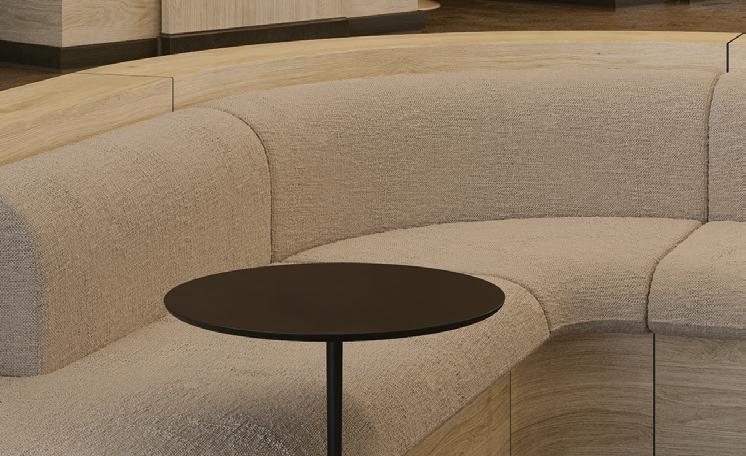
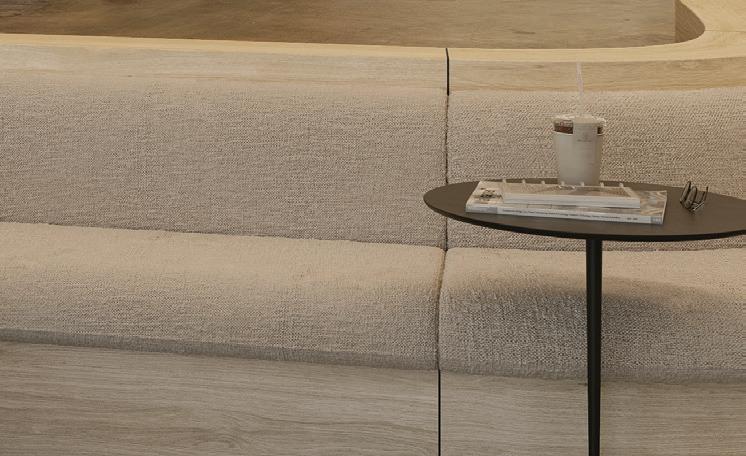
Perhaps the most unified message emerging ahead of IWF 2026 is that the era of cool minimalism is giving way to interiors that feel warmer, softer and more personal.
Across the woodworking and decorative surfaces industries, manufacturers are seeing growing demand for palettes inspired by nature — earthy neutrals, authentic woodgrains, muted greens and blues, and finishes that create a sense of comfort rather than
contrast. The trend reaches far beyond color alone. It reflects a broader desire to create environments that feel lived in, emotionally engaging and connected to the natural world.
“Across the market, we’re seeing a very clear move toward warmer, more livable surfaces,” says Michael O’Brien, Vice President of OEM Sales at MJB Wood. “Soft beiges, taupes and sand tones are replacing stark whites, while muted greens and deeper accent colors are starting to show up more consistently across applications.”

Woodgrains are evolving alongside those palettes. Rather than highly distressed visuals or cool gray finishes, designers are gravitating toward walnut, natural oak and chestnut, emphasizing cleaner, more authentic expressions of wood. At the same time, tone-on-tone layering is replacing dramatic contrast, allowing cabinetry, furniture and millwork to feel cohesive without becoming monotonous.
Kate Grossman, Vice President of Marketing and Design at Wilsonart, says those choices are closely tied to the growing influence of wellness-inspired design.
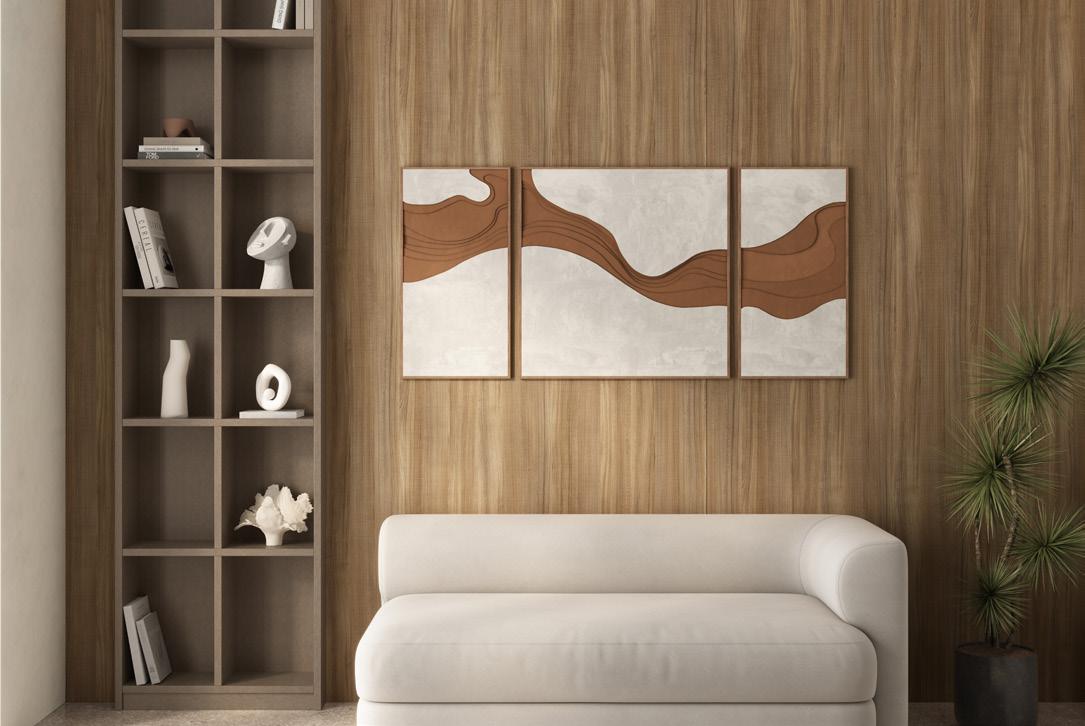
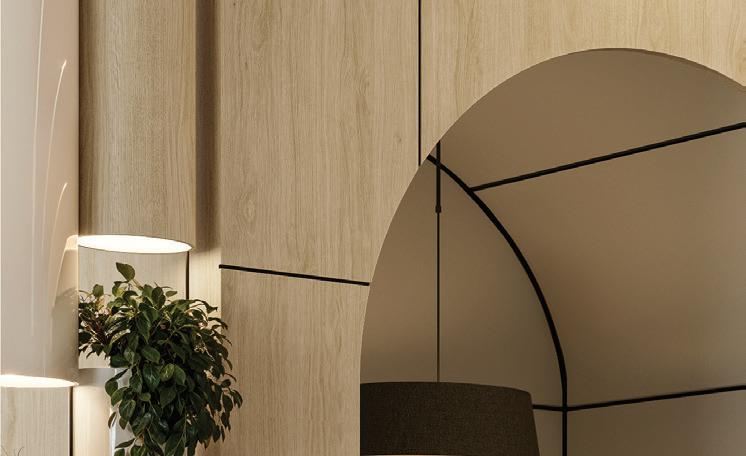
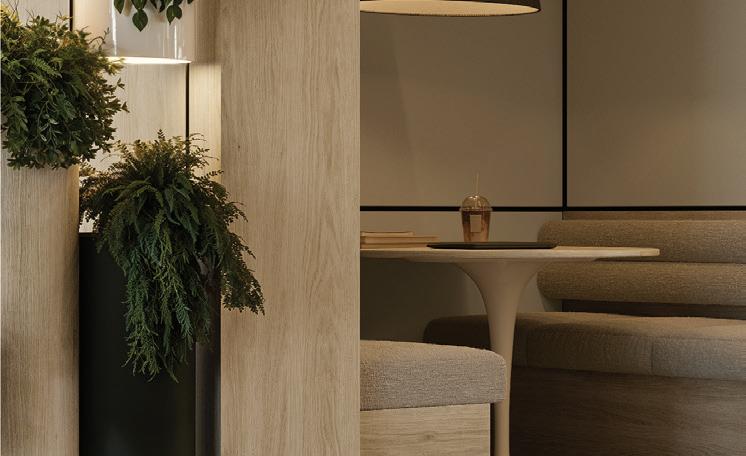
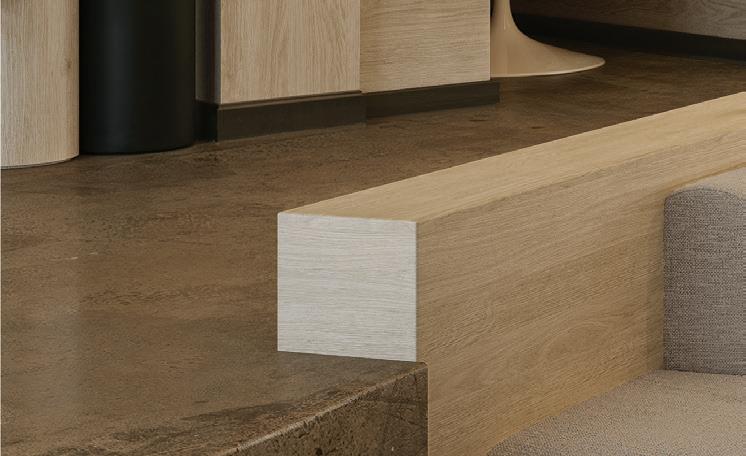
“We expect continued momentum around warm, nature-inspired palettes and authentic surface visuals,” she says. “Warm oak, walnut, ash, mushroom tones, clay neutrals, muted greens and deep charcoals continue to resonate because they create comfort, sophistication and versatility across residential and commercial spaces.”
She also points to the rise of what many designers now describe as “quiet luxury” — spaces that communicate quality through restraint rather than ornamentation. Layered neutrals, low-sheen finishes and authentic material expression create interiors that feel elevated without appearing overly formal.
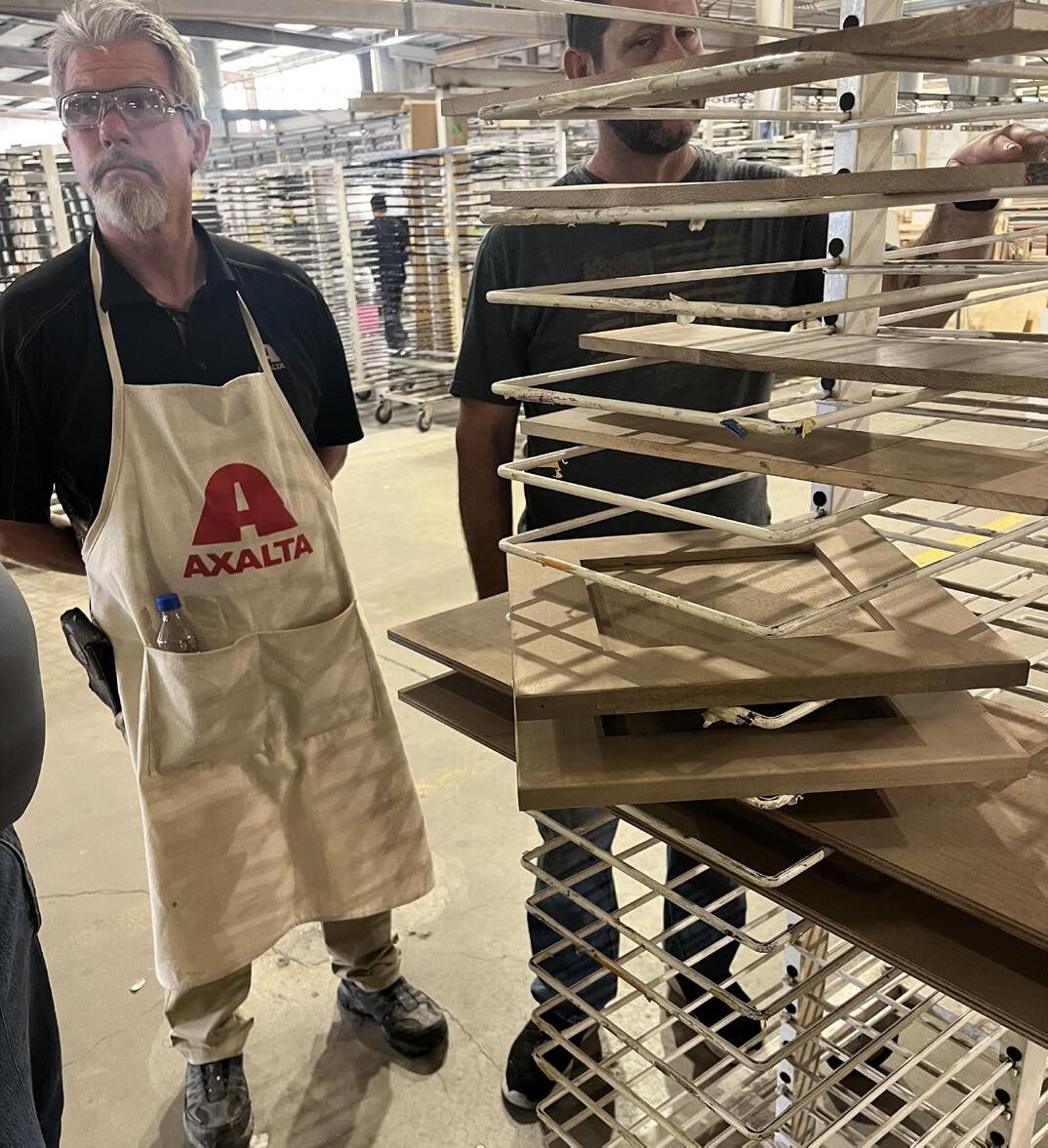
Chris Bundy, Sales Manager for Kitchen Cabinets at Axalta, sees many of the same influences shaping today’s cabinetry market.
“There is strong momentum behind natural wood-inspired stains, muted earth tones, complex darker-tone warm whites, clay neutrals and desaturated greens and blues that create a calming, residential feel,” he says.

Just as significant is the growing willingness to mix materials within a single environment. Painted cabinetry is no longer viewed independently from stained wood. Stone visuals, metallic accents and textured surfaces are increasingly being coordinated together to create spaces that feel collected rather than perfectly matched.
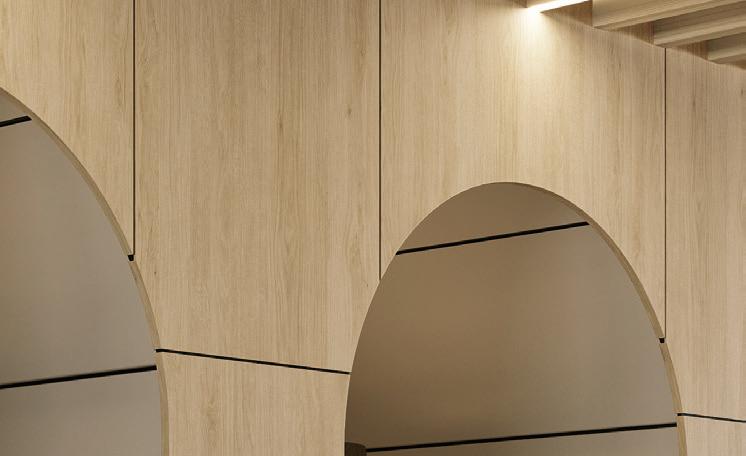
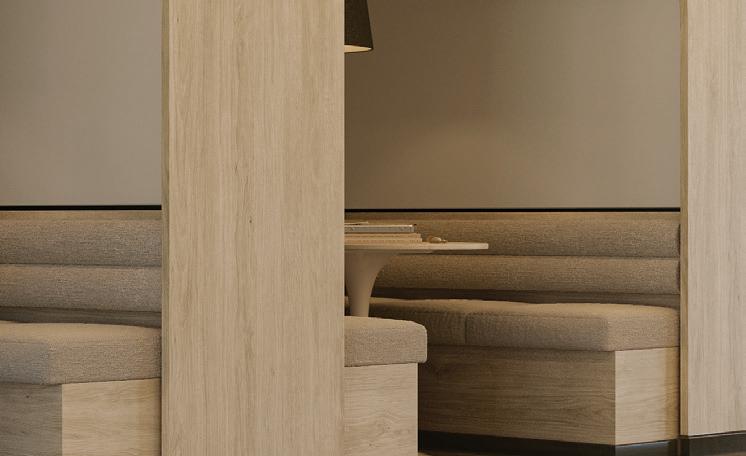






Bundy believes that layered approach will continue gaining momentum.
“We expect more interest in hybrid looks — combining wood visuals, stone-inspired patterns, painted surfaces and metallic accents in a way that creates depth, contrast and personalization.”
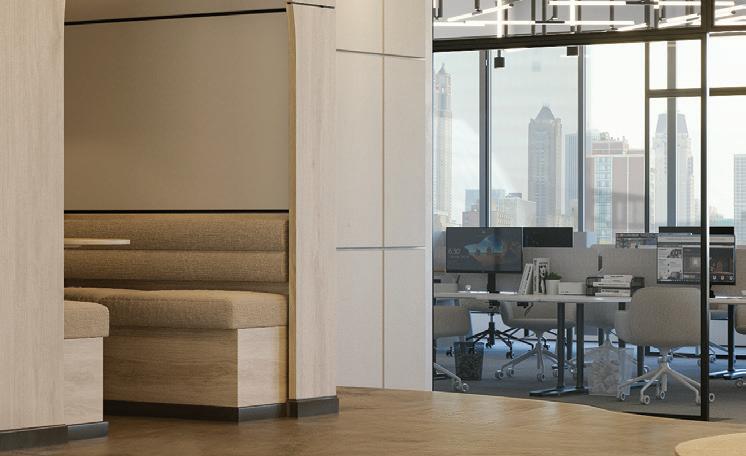
That movement toward personalization extends well beyond kitchens. Home organization and closet systems — once dominated by bright white melamine — are becoming showcases for decorative surfaces. Warm neutrals, textured woodgrains and boutique-inspired displays are redefining storage spaces as natural extensions of the home.
O’Brien says the closet category illustrates the industry’s changing priorities particularly well.
“Closets are no longer treated as purely functional spaces — they’re becoming extensions of the living environment,” he explains. “We’re seeing a move away from white interiors toward warm neutrals and woodgrain finishes.”
Two-tone combinations that pair matte solids with authentic wood textures are becoming increasingly common, while integrated lighting and carefully layered materials create spaces that feel more like luxury retail environments than utility rooms.
Leah Peat, Marketing Director of Genesis Products, sees the same desire for emotional connection influencing decorative surface development across multiple market segments.
“There are two major questions we ask ourselves when we’re developing materials,” she says. “How does this material look and feel? And how does it make people feel when they’re surrounded
by it? When both of those questions are answered in ways that enhance a space, the results are undeniable.”
That emphasis on emotion may be one of the defining characteristics of decorative surfaces entering the second half of the decade. Rather than chasing trends for their own sake, designers are selecting materials that encourage comfort, calm and a stronger connection to nature.
If color establishes the mood of a space, texture increasingly defines its character.
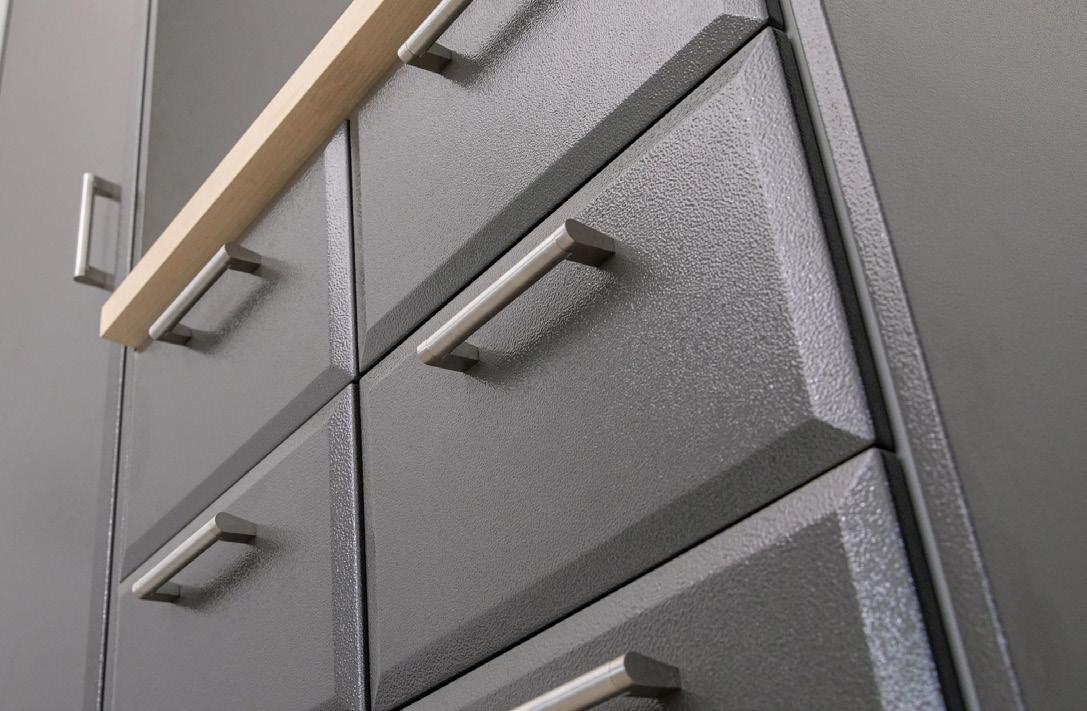
Nearly every industry leader we spoke with identified tactile surfaces as one of the most important trends attendees will encounter at IWF 2026. Decorative surfaces are no longer judged solely by how closely they replicate natural materials visually — they are evaluated by how convincingly they recreate the physical experience of those materials as well.
“Texture has become a primary driver of design, not just an added feature,” says O’Brien. “There’s growing demand for deeper embossing, synchronized grain patterns and soft-touch matte finishes. Surfaces are expected to be both seen and felt.”
Synchronized textures that align embossing with printed woodgrain patterns continue narrowing the gap between engineered panels and natural veneer. Ultra-matte finishes soften light reflections, while soft-touch coatings create warmer, more inviting interactions with cabinetry and furniture. The result is an environment that engages multiple senses instead of relying on visual appeal alone.
Bundy believes texture has become one of the industry’s most powerful tools for creating authenticity.
“Consumers increasingly want cabinetry and furniture surfaces that feel crafted, layered and authentic rather than overly polished or synthetic,” he says.
Texture also contributes to function. Low-sheen finishes and subtle embossing help disguise fingerprints, minor wear and everyday handling marks, allowing products to maintain
their appearance in high-use environments without sacrificing aesthetics.
Wilsonart sees tactile realism becoming one of the primary differentiators among decorative surfaces. “Designers increasingly evaluate materials not just visually, but physically — how they feel, absorb light and create an atmosphere within a space,” Grossman says.
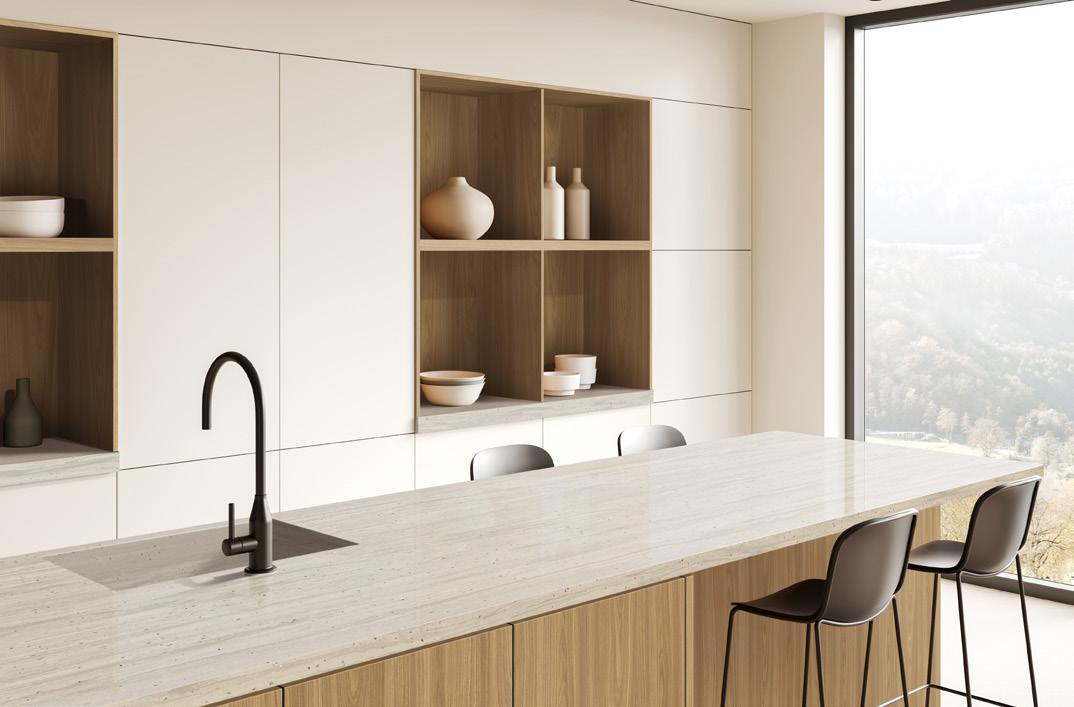
That shift is encouraging manufacturers to rethink how texture is incorporated across an entire project rather than isolated to a single product category. Coordinated finishes spanning cabinetry, shelving, wall panels and furniture allow designers to create environments with greater continuity while preserving material variety.
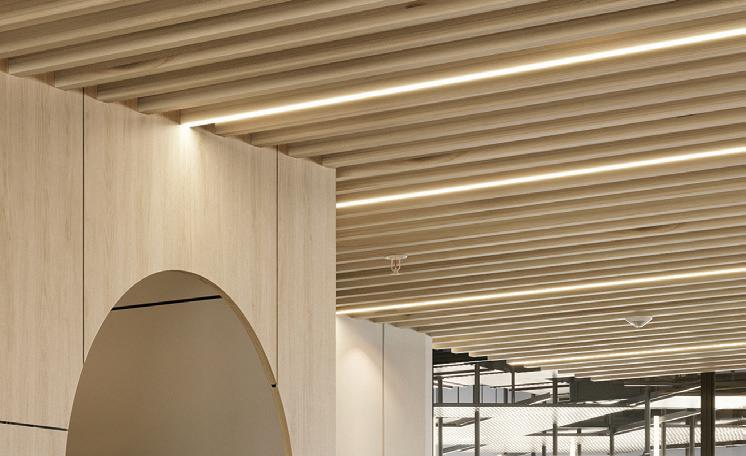
Texture itself is also becoming more diverse. Instead of relying exclusively on woodgrains, designers are incorporating reeded surfaces, tambour profiles, woven materials, decorative mesh, dimensional panels and sculptural detailing to introduce movement and visual rhythm.
Jenny Rhead, Marketing Director at Designs of Distinction, believes those elements are redefining how personality is expressed within modern interiors.
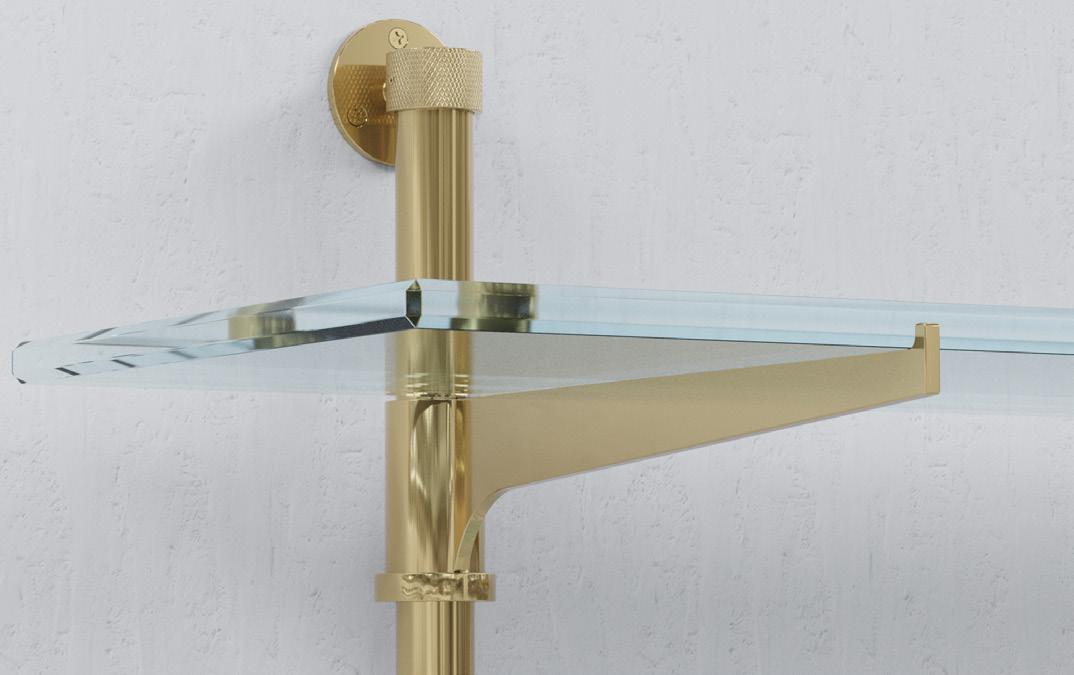

“Texture has become one of the most important ways to add personality, movement and dimension to cabinetry and interiors, especially as design trends continue to favor cleaner lines and simpler forms,” she says. “Reeded, fluted, woven, knurled and radiused details help prevent spaces from feeling flat while allowing designers to create contrast without relying only on color.”
Those decorative components are also making sophisticated detailing more accessible to fabricators.
“Tactile detail must be easier to specify, easier to build with, and sophisticated enough for elevated residential and commercial applications,” Rhead adds.
Nature continues to serve as one of the industry’s richest sources of inspiration — not only in color but also in texture itself.
“We’re expecting to see a lot of focus on tactile experiences, including soft-touch, durable surfaces or woodgrain textures that feel natural and authentic,” says Peat, who adds that biophilic design is evolving beyond simple mimicking stone and wood. “We’re excited to see how this gets brought to life at IWF,” she says.
The industry’s growing fascination with texture ultimately reflects a larger shift in priorities. As forms become cleaner and color palettes more restrained, surfaces themselves are taking on greater responsibility for creating warmth, depth and emotional connection. Increasingly, luxury isn’t defined by ornamentation — it’s defined by authenticity, craftsmanship and the desire to create materials people instinctively want to reach out and touch.
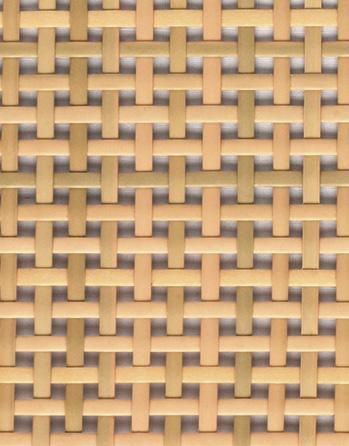
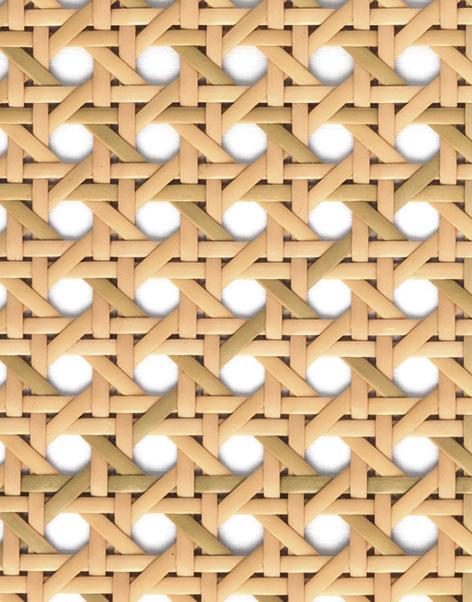
As decorative surfaces become more sophisticated aesthetically, expectations for their performance continue to rise just as quickly. Designers and consumers are no longer willing to compromise between appearance and practicality — they expect surfaces that deliver both.
Whether in residential kitchens, commercial interiors, hospitality environments or home organization systems, durability has become an essential part of good design. Fingerprint resistance, scratch and mar resistance, stain protection and ease of maintenance have evolved from premium selling points into baseline expectations.
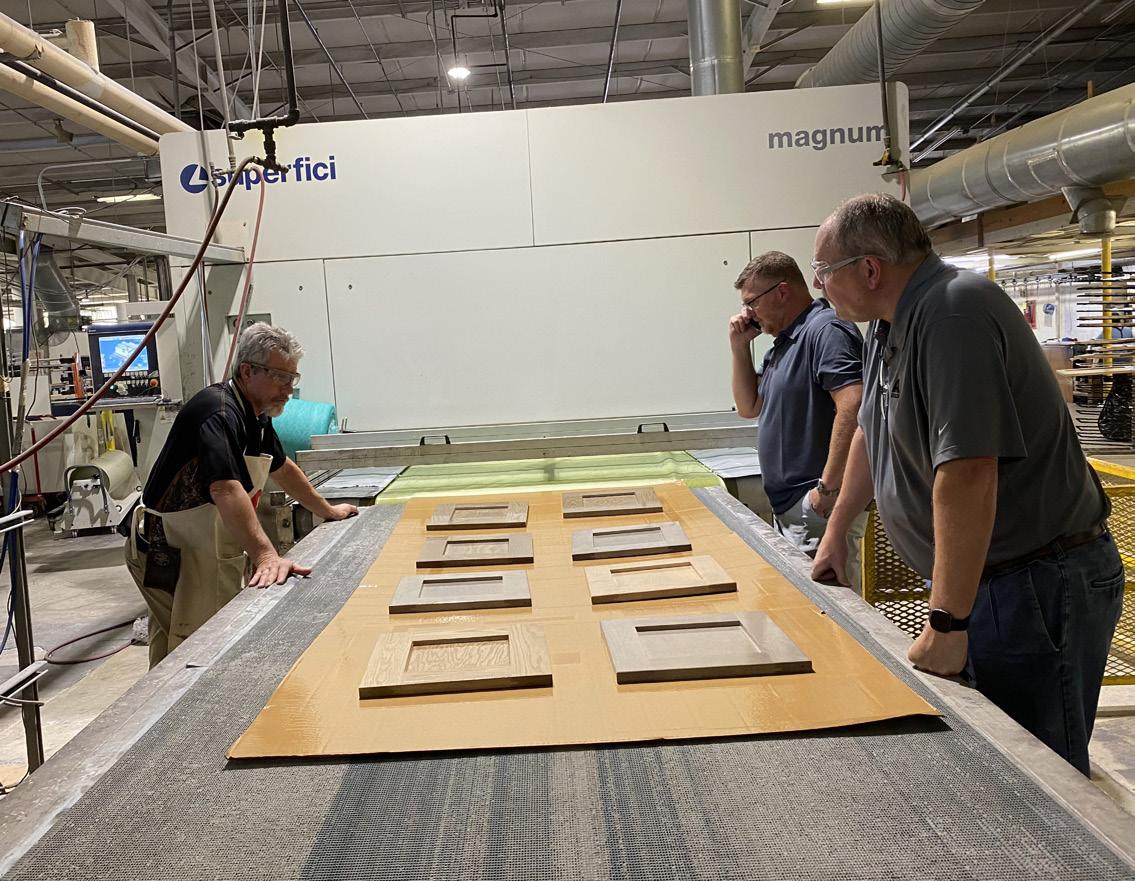
“Performance expectations are driving innovation just as much as aesthetics today,” says Bundy. “End users expect beautiful surfaces, but they also expect those surfaces to withstand daily use with minimal maintenance.”
That expectation is influencing nearly every stage of product development, from coating technologies and decorative overlays to engineered substrates and manufacturing processes.
O’Brien believes the industry has reached a point where appearance and performance are inseparable. “Features like fingerprint resistance, scratch durability and ease of maintenance are no longer optional — especially in high-use environments,” he says. “What we’re really seeing is a convergence: customers expect surfaces to look premium, perform over time and require minimal upkeep.”
The shift reflects changing lifestyles as much as changing technology. Homes are expected to work harder than ever before, with kitchens serving as gathering spaces, closets becoming personalized dressing rooms and commercial interiors increasingly designed to feel like residential environments. As those distinctions continue to blur, decorative surfaces must maintain their appearance despite constant use.
And Grossman sees those expectations extending across virtually every market segment. “Customers now expect premium aesthetics to come with durability, cleanability and low maintenance,” she says. “Fingerprint, scratch and stain resistance, along with ease of disinfection, have become baseline expectations across kitchens, commercial interiors, healthcare, hospitality and other high-touch environments.”
The result is that engineering is becoming nearly invisible. Rather than asking customers to choose between beauty and functionality, manufacturers are working to ensure the highestperforming materials also offer the most compelling aesthetics.
At the same time, sustainability has become a more nuanced conversation than simply identifying environmentally friendly materials. Increasingly, manufacturers are evaluating sustainability through the lens of product longevity, efficient production and responsible resource use.
Bundy notes that many manufacturers are looking inward as well as outward, searching for ways to simplify production while reducing waste.
“Reducing coating layers, minimizing waste, simplifying processes and improving first-pass yield all contribute to more sustainable operations while helping lower overall production costs,” he says.
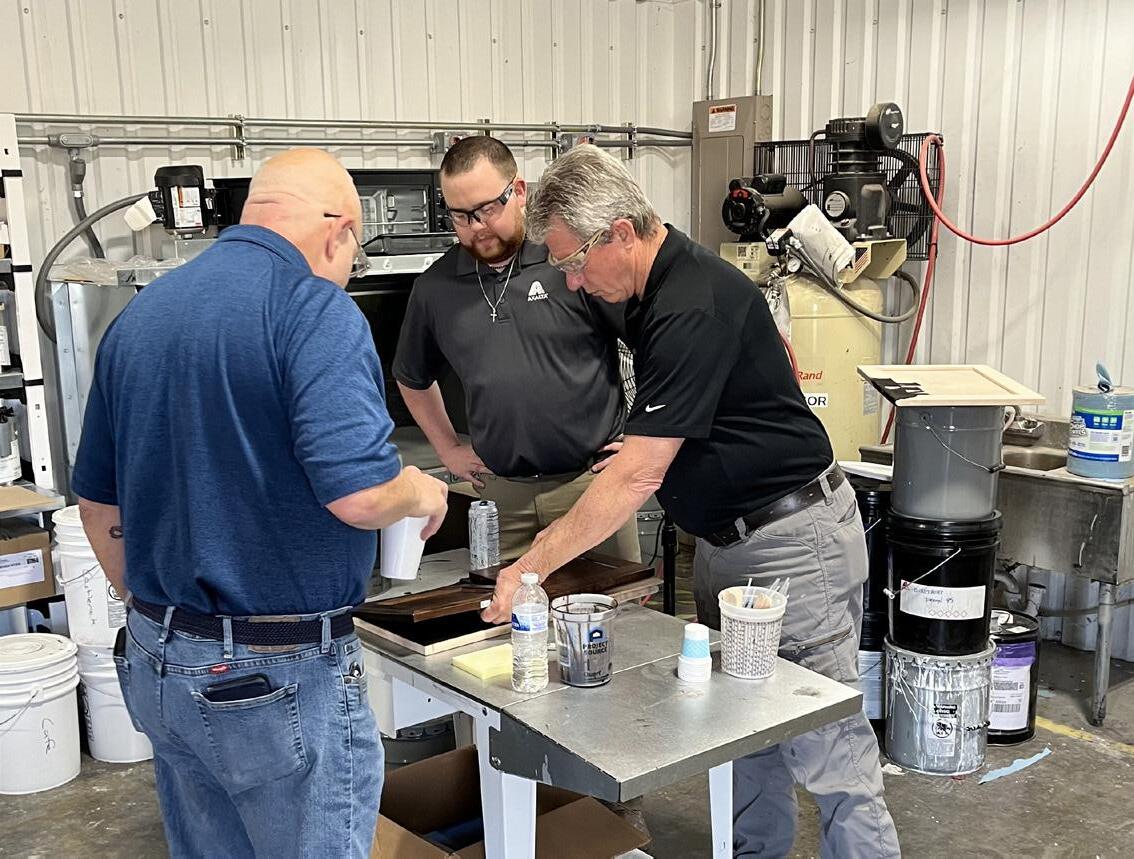
Those efficiencies benefit both manufacturers and customers, creating products that are easier to produce while consuming fewer resources throughout the manufacturing process.
For Peat, sustainability cannot be separated from innovation itself.
“As manufacturers, designers and even just human beings, we have a responsibility to the environment to make a positive impact; a responsibility to our customers to provide materials that meet their design and durability requirements; and a responsibility to the industry to keep innovating and driving things forward,” she says. “All of the above greatly influence surface innovation for us. And if they aren’t influencing the industry as a whole — they should be.”
That philosophy is driving interest in lightweight engineered materials, alternative cores and other material innovations that reduce weight while maintaining structural integrity. Likewise, advances in finishing technologies continue to improve durability while streamlining manufacturing processes.
Rhead believes long-term value is becoming one of the indus -
try’s defining priorities. “Customers may be drawn to a material for its look, but they also want to understand how it performs over time, how it is maintained and whether it supports the realities of daily use,” she says. “The next wave of surface innovation will need to balance beauty, performance and smarter use of materials.”
Today’s decorative surfaces are expected to do far more than decorate: they must protect, endure, simplify maintenance and support more sustainable manufacturing — all while remaining visually compelling.
If there is one idea that connects every decorative surface trend emerging ahead of IWF 2026, it is authenticity.
Not authenticity in the sense of perfectly replicating natural materials, but authenticity in how a surface feels, performs and contributes to an environment.
Manufacturers increasingly recognize that designers are specifying complete experiences rather than individual products. Cabinetry must coordinate with shelving. Wall panels must complement furniture. Decorative accents should reinforce — not compete with — the overall design language of a space.
That broader perspective is encouraging manufacturers to think less about individual product categories and more about complete surface ecosystems.
Alphacam is a leading CAM solution for wood, stone, and composites and metal components from 2-axis through 5-axis NC programming applications.
Cabinet Vision is the most widely used design-for-manufacturing software capable of custom cabinet and room design, photo realistic renderings, material optimization, bidding and costing, cutlists and bill of materials.

Grossman expects coordinated material programs to become increasingly important as projects continue integrating multiple applications within a single environment.
Customers, she says, are looking for “greater coordination across interior applications,” allowing designers to carry consistent aesthetics from cabinetry and shelving to furniture, wall panels and architectural elements.
At the same time, material combinations are becoming increasingly sophisticated. Rather than relying on a single dominant finish, designers are layering woodgrains with painted surfaces, stone visuals, textiles and metallic accents to create spaces with greater richness and individuality.
Bundy believes this movement toward layered materiality will continue defining the industry’s future.
“Manufacturers and designers are increasingly approaching stains and paints as complementary elements that work together rather than as separate selections,” he says. “That layered, collected look—where painted finishes, wood stains and textures are intentionally coordinated within the same space—is becoming a major influence in cabinetry and interior design.”
Rhead sees similar opportunities emerging through dimensional materials that add visual interest while remaining practical for fabrication.

Many of those materials—from decorative mesh and tambour to synthetic woven products and reeded panels—allow designers to introduce texture, transparency and movement without dramatically increasing manufacturing complexity.
Peat believes nature itself will remain one of the industry’s greatest sources of inspiration, though perhaps in increasingly unexpected ways.
“We’re seeing biophilia upleveled in ways that are unexpected,” she says. “Our industry is doing incredible things, creating surfaces from organisms found in nature, like crushed flower petals as a wall surface or the underside of a mushroom being used to influence a paper pattern.”
Rather than simply imitating wood or stone, tomorrow’s decorative surfaces may increasingly borrow patterns, textures and structures directly from the natural world.
O’Brien also anticipates continued innovation in decorative panels through increasingly realistic synchronized textures, ultra-matte finishes and greater customization made possible by advances in digital printing and manufacturing technologies.
Collectively, these developments point toward a future where decorative surfaces become more adaptable, more personalized and more integrated across entire interior environments.
For manufacturers attending IWF, the opportunity extends well beyond identifying the next popular color or finish. The show will offer a glimpse into how decorative surfaces are evolving to support changing lifestyles, new manufacturing capabilities and shifting consumer expectations.
The conversations taking place throughout the show floor won’t simply revolve around whether a surface is matte or textured, light or dark, wood-inspired or stone-inspired. Instead, they’ll center on how decorative materials create emotional connections, improve everyday performance and help manufacturers differentiate their products in an increasingly competitive marketplace.
That’s perhaps the most significant transformation taking place across the industry.
Decorative surfaces are no longer applied at the end of the design process — they are helping define it from the very beginning.
As attendees explore IWF 2026, they’ll undoubtedly encounter warmer palettes, richer textures and increasingly sophisticated finishes. But beneath those visible trends lies an even more meaningful evolution: a recognition that the surfaces surrounding us shape not only how interiors look, but also how they function, how they endure and, perhaps most importantly, how they make people feel.
“Materials will continue moving beyond flat panels toward dimensional, tactile and mixed-material applications that create a more customized experience,” she says.
In that sense, the next generation of decorative surfaces isn’t simply speaking through color or texture. It’s telling a much larger story about where design, manufacturing and material innovation are headed together. S P
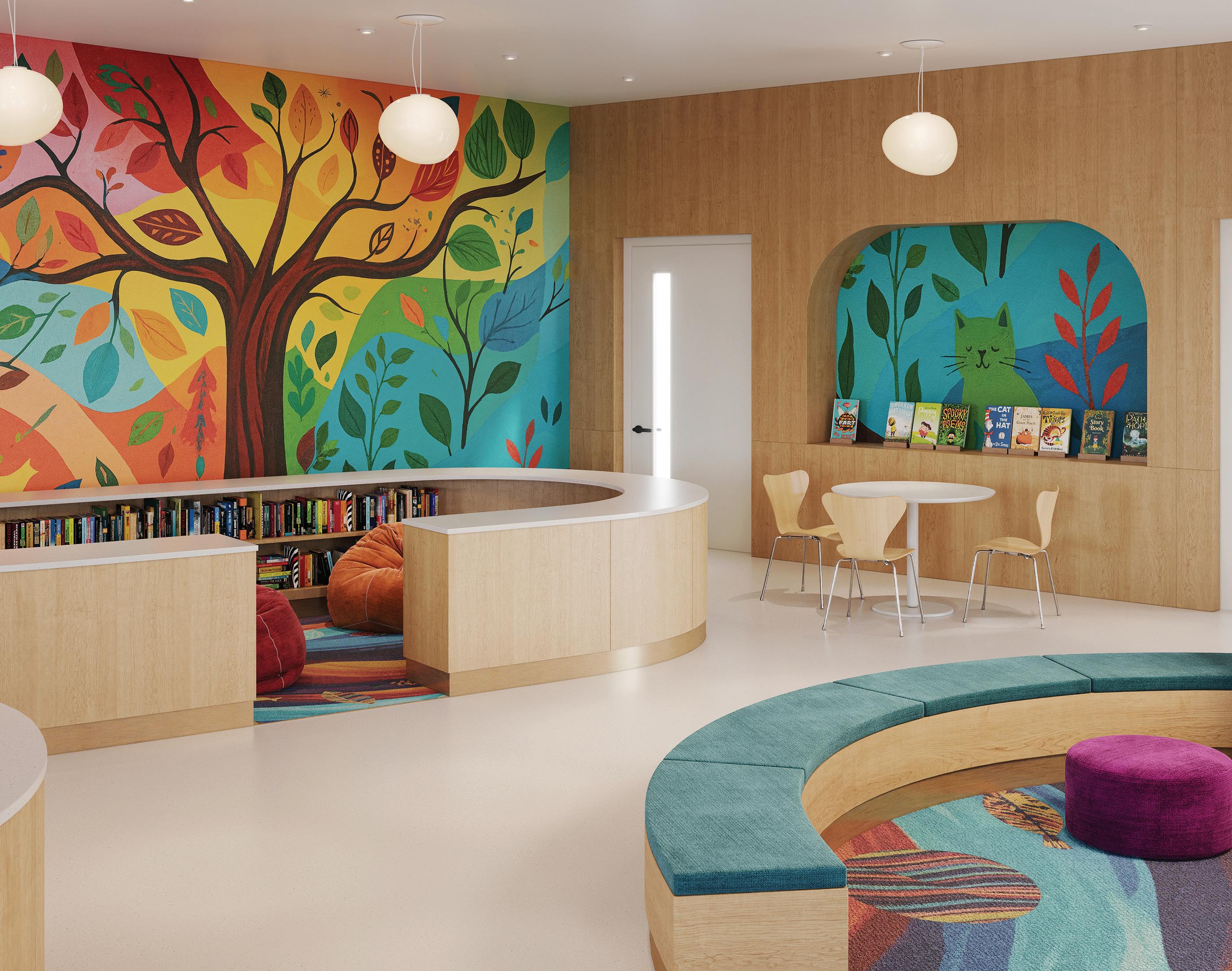
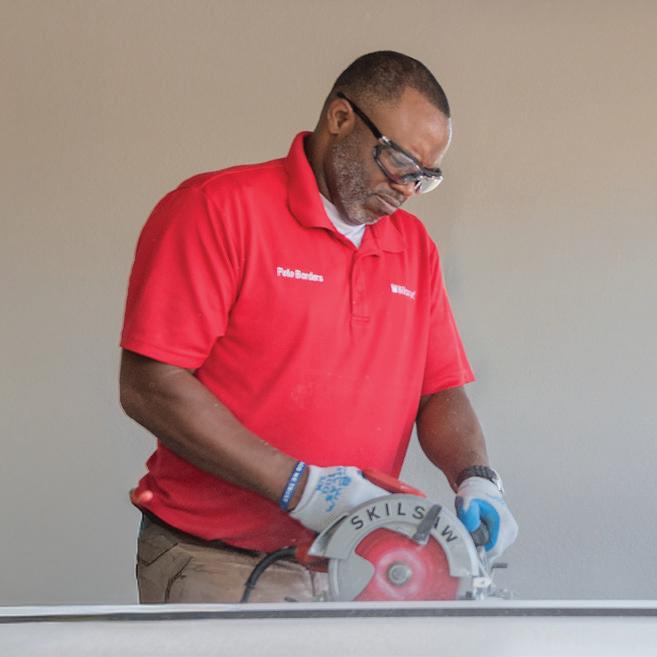
True performance shows up long before the final touch. A surface has to hold up through fabrication, delivery, and installation. That’s why Wilsonart materials are engineered for every step, so your work stays strong, exactly as intended.
BY JENNIFER G. WILLIAMS
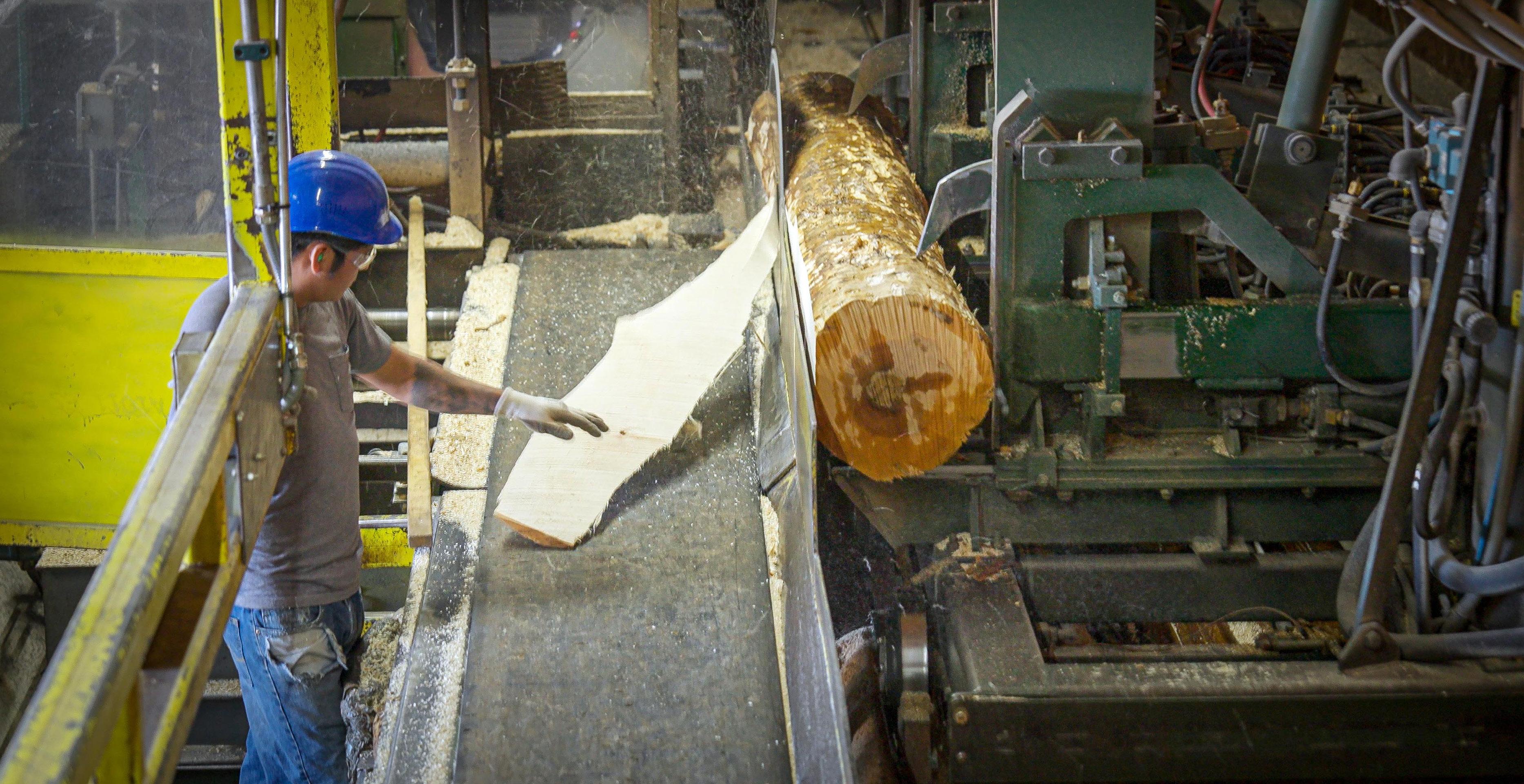
For generations, innovation in the wood products industry has been measured by how efficiently manufacturers could convert logs into lumber, panels and finished products. Today, however, that definition has expanded considerably.
Across the USDA Forest Service Research and Development organization, scientists are exploring new ways to maximize the value of forest resources — not only by improving traditional wood products, but by developing entirely new materials, expanding markets for underutilized species and creating technologies that strengthen every stage of the wood products supply chain.
The work spans multiple Forest Service research units, including the Forest Products Laboratory, and is often conducted in collaboration with universities, industry and other public-sector partners.
The result is a growing body of research that extends well beyond forestry. From mass timber and engineered hardwood products to nanocellulose, lignin-based materials and advanced supply-chain technologies, Forest Service research is helping demonstrate how wood can compete in applications once dominated by steel, concrete, plastics and petroleum-based materials.
For manufacturers, fabricators and product developers preparing for IWF, these innovations offer more than a glimpse into the future. They point toward new markets, new manufacturing opportunities and new ways of creating value from every part of the forest resource.
Few developments have captured the attention of the building products industry in recent years like mass timber.
According to Forest Service research, one of the greatest opportunities lies in making better use of forest material that has historically
Through its Wood Innovations grants, the Forest Service is assisting in developing new markets that can utilize timber that would traditionally go to the pulp and papermills. For instance, the Forest Service has invested heavily in supporting combined heat and power wood energy systems, such as the system at Kretz Lumber in northern Wisconsin. These combined heat and power systems enable the use of low grade wood fiber, and along with other efforts, will help loggers to find outlets for their nonmerchantable timber.
held little commercial value. Forest restoration and wildfire mitigation projects often generate small-diameter trees and woody biomass that do not meet traditional sawtimber specifications. Rather than treating these materials as waste, scientists across Forest Service Research and Development are investigating how they can be converted into engineered structural products capable of competing with steel and concrete.
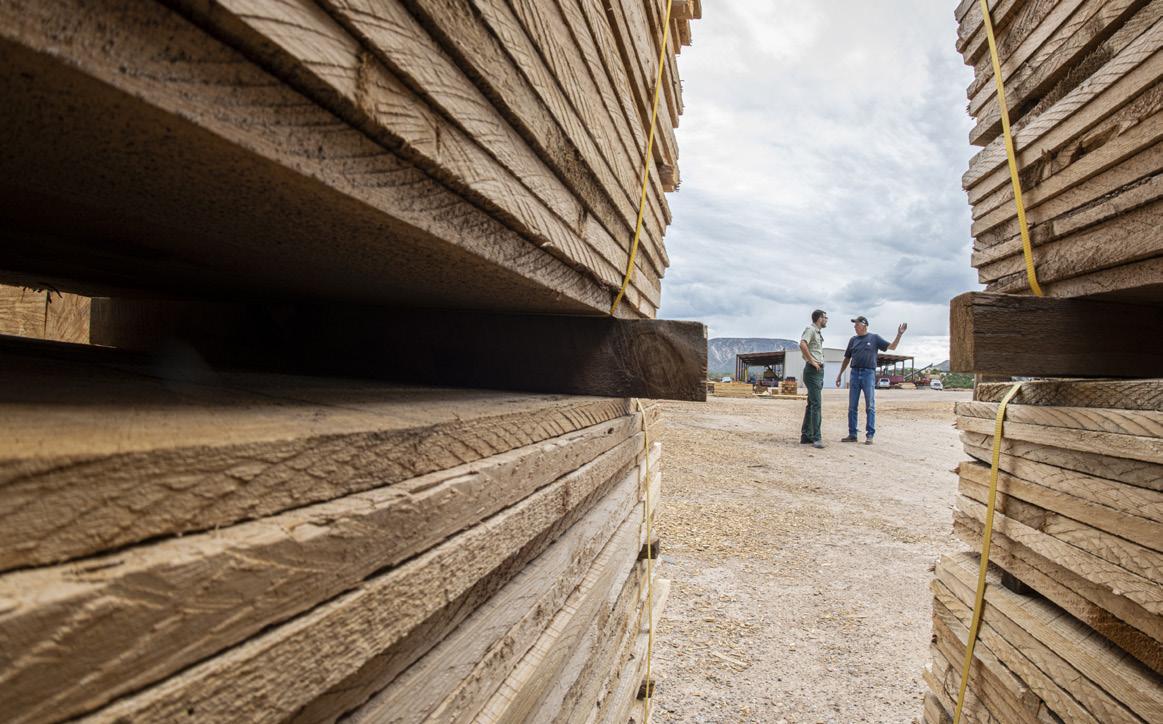
allows the WTI mill to process and sell the harvested
WTI produces wood pellets, poles for utilities, Ponderosa Pine, Douglas Fir, White Fir and Spruce beams and vigas for conventional and traditional home building, ties for railroads, posts for fences, milled lumber, mulch and firewood.
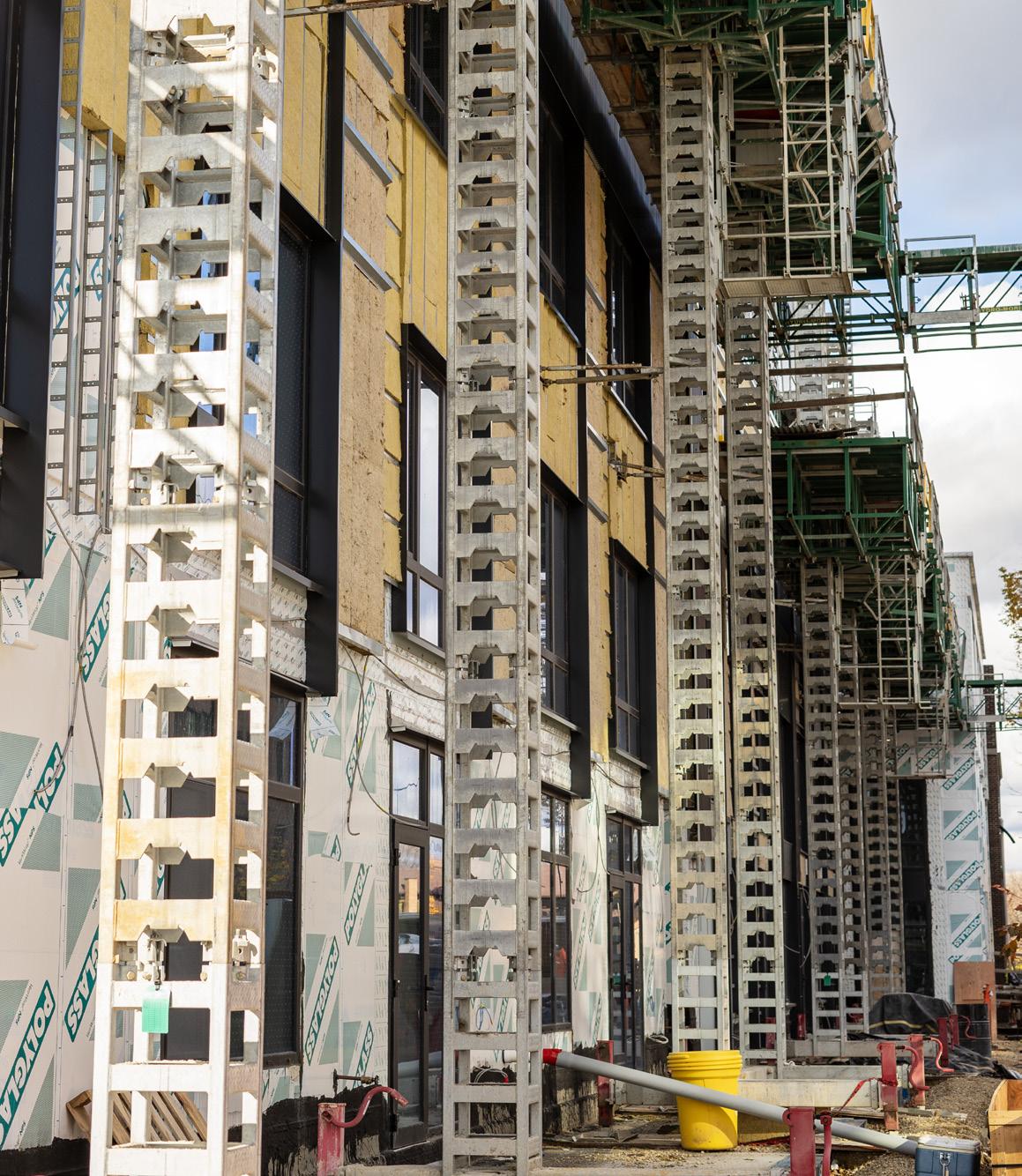
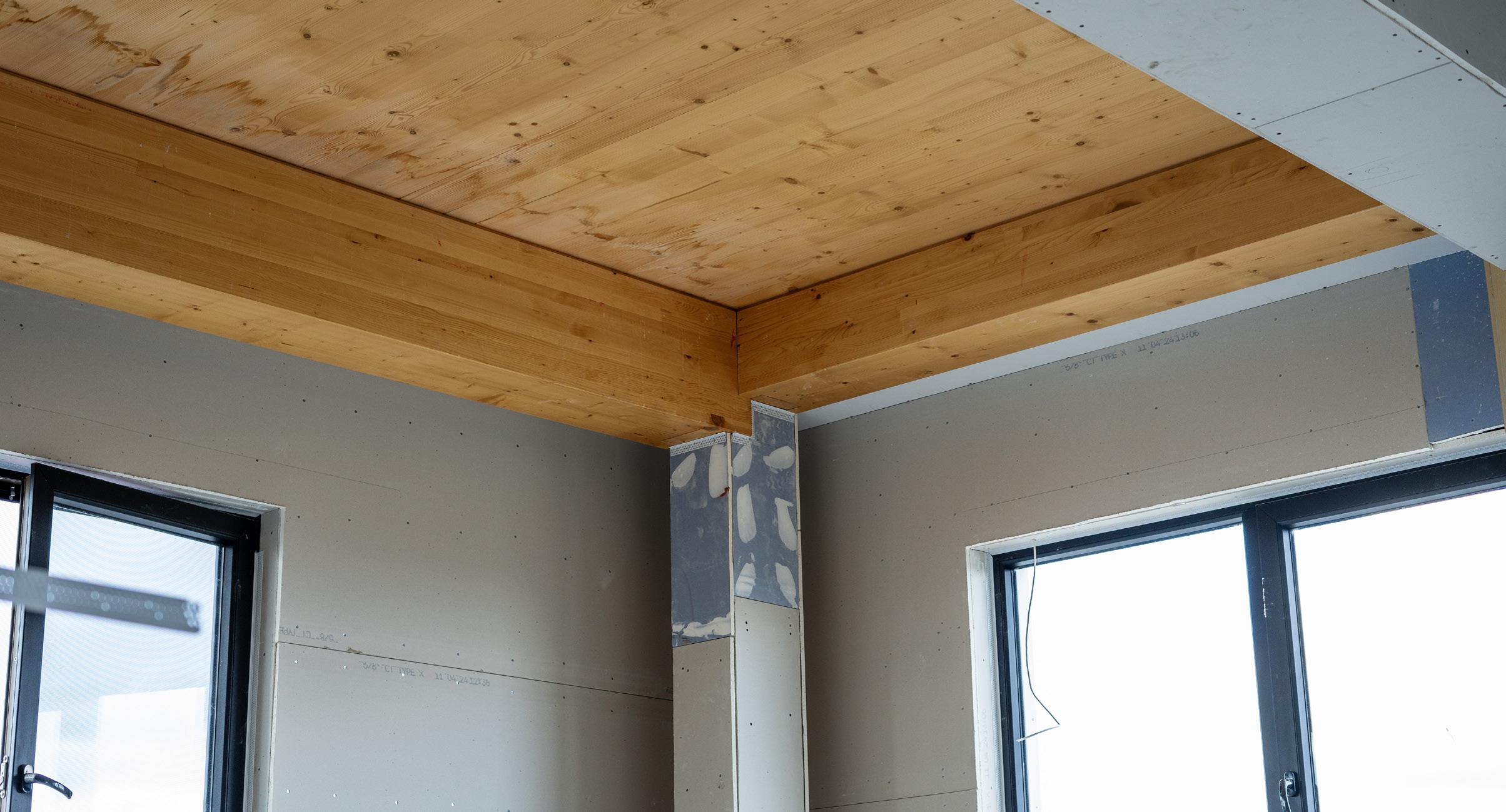
Mass timber systems accomplish this by bonding multiple wood components into large structural panels and beams that combine impressive strength with relatively light weight. Their ability to be prefabricated can shorten construction schedules, reduce labor requirements and lower transportation costs compared with many conventional structural materials.
Forest Service researchers continue to address the technical questions that will determine how broadly mass timber can be used. Ongoing studies are examining how these systems perform during fires, earthquakes and high-wind events, generating data that supports building code development and provides architects, engineers and manufacturers with greater confidence in the technology.
Durability remains another important area of investigation. Research led by the USDA Forest Service has shown that mass timber treated with borate preservatives experienced significantly less termite damage and fungal decay than untreated materials during long-term field testing, offering insights into improving performance in demanding environments.
Scientists across Forest Service Research and Development are also evaluating opportunities to expand engineered wood products beyond traditional softwood species. Early findings indicate hardwood-based mass timber can provide both structural performance and attractive aesthetics while creating potential new markets for underutilized domestic hardwoods.
Although additional research is needed to address economic and manufacturing considerations, expanding the range of usable species could provide manufacturers with greater flexibility while strengthening markets for hardwood producers.
Beyond research, other Forest Service programs are helping accelerate commercialization. Through the agency’s Wood Innovations Program, Forest Servicesupported projects are demonstrating how emerging mass timber technologies can be applied to modular housing and other realworld construction challenges, helping bridge the gap between research, manufacturing and market adoption.
Some of the most promising wood innovations begin with materials that were once considered waste.
Forest Service researchers are investigating how forest thinning material, sawmill residuals and other low-value fiber can become feedstocks for advanced manufac
turing applications that generate significantly greater economic value.
Among the most promising developments is nanocellulose, an advanced material produced from wood fiber that offers exceptional strength while remaining remarkably lightweight.
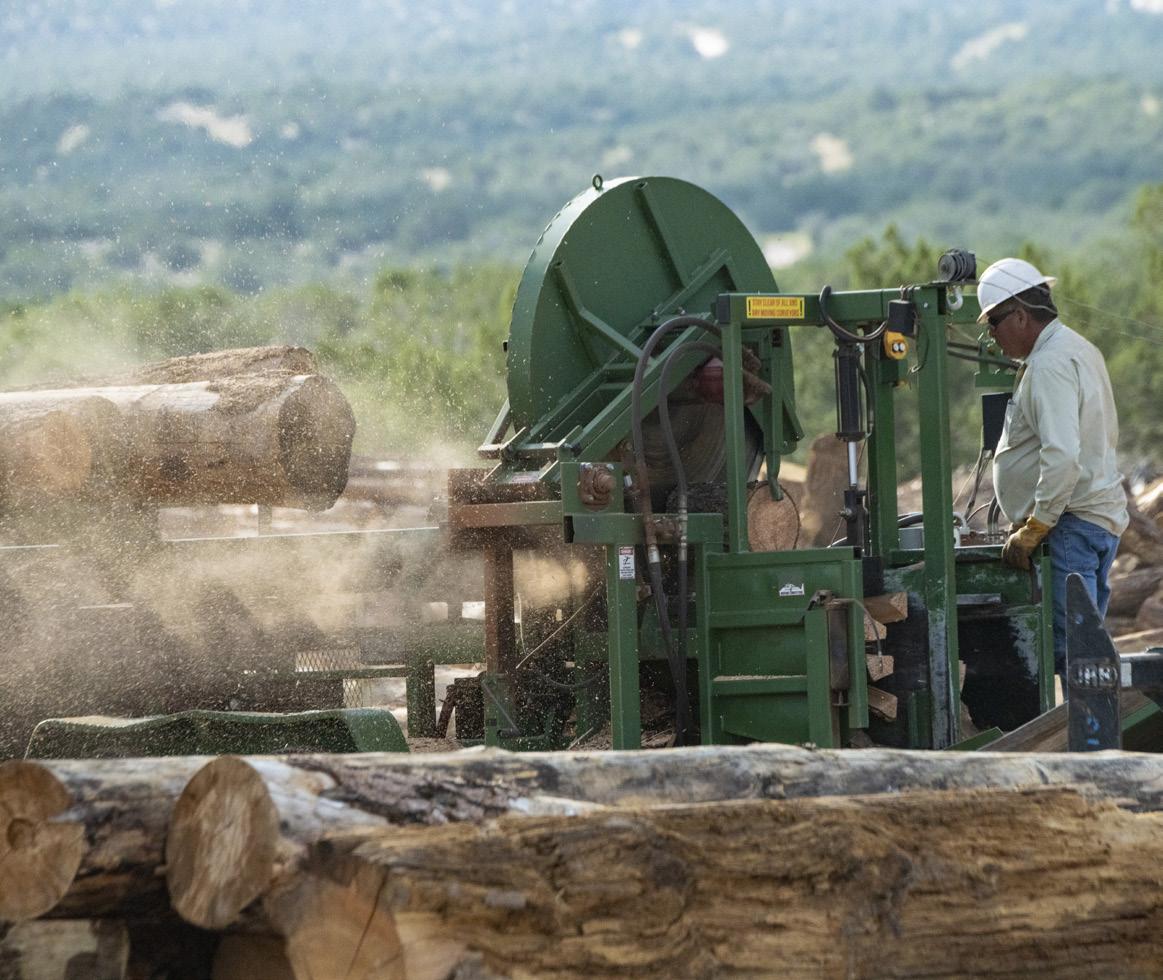
Innovation extends well beyond the products themselves.
Forest Service Research and Development is also investigating ways to improve the efficiency, transparency and sustainability of the wood products supply chain.
Scientists are developing supply chain models that help identify where new or expanded wood-processing facilities could strengthen regional forest economies while supporting active forest management. Other research is examining biomass and bioproduct markets that could create profitable uses for woody material generated during restoration projects.
Working with industry organizations such as the American Wood Council, Forest Service researchers are also conducting life-cycle assessments that evaluate the environmental impacts of wood products from harvest through manufacturing, use and eventual disposal. These publicly available data provide manufacturers with valuable information for comparing the environmental performance of wood products with competing materials.
At the manufacturing level, Forest Service scientists are pioneering nondestructive evaluation technologies that use lasers, x-rays and acoustic sensing to examine wood without damaging it. These meth -
Through the public-private P3Nano partnership, Forest Service scientists and their collaborators are exploring applications ranging from specialty coatings and composites to packaging and other high-performance materials.
Because nanocellulose can be produced from materials that traditionally generated little economic return, its commercial development has the potential to create additional revenue streams while supporting forest restoration efforts and strengthening rural manufacturing economies.
Researchers with the Forest Service are studying lignin — the naturally occurring polymer that gives wood much of its rigidity — as a renewable alternative to petroleum-derived materials. Experimental lignin-based resins are being evaluated for additive manufacturing, where they may partially replace conventional petroleum-based feedstocks used in 3D printing while reducing environmental impacts.
Additional Forest Service research suggests lignin’s natural ability to absorb ultraviolet radiation may make it suitable for coatings, packaging and even sunscreen formulations. Unlike many conventional UV-blocking compounds, lignin is renewable, biodegradable and may actually become more effective after exposure to sunlight.
Scientists are also exploring wood-derived fibers for sustainable food packaging. Early studies indicate these fibers could reduce plastic use while extending the shelf life of certain products, highlighting another example of how renewable forest resources may contribute to more sustainable consumer products.
Together, these projects illustrate a significant shift in thinking. Increasingly, the value of wood is measured not only by the lumber it produces, but also by the advanced materials and renewable chemistry it contains.

ods could improve grading accuracy, quality control and manufacturing efficiency while helping forest managers better understand the quality of available timber resources.
Transparency throughout the supply chain is receiving similar attention. Forest Service researchers have developed DNA-based identification methods capable of tracing timber to its geographic origin — sometimes to individual forest stands. Combined with traditional wood anatomy and forensic science, these technologies help combat illegal logging while providing manufacturers and consumers with greater confidence in legal and sustainable wood sourcing.
Researchers are also applying these tools to investigate fraud within global charcoal markets, helping identify mislabeled products and supporting more transparent international supply chains.
The Forest Service is also helping expand markets for species and materials that have historically seen limited commercial demand.
Researchers are evaluating water-resistant coatings that could allow domestically harvested hardwoods to replace tropical hardwoods in demanding outdoor applications, including trailer decking. If successful, the work could create new markets for U.S. hardwoods while reducing reliance on imported tropical species.
Other Forest Service studies are examining public perceptions of reclaimed lumber recovered from urban buildings and other sources, supporting efforts to increase acceptance of reclaimed wood in furniture and architectural products.
Even long-established products continue to benefit from research.
Working with university partners and Major League Baseball, Forest Service scientists evaluated alternative wood species for baseball bats after invasive pests threatened supplies of white ash. Their research identified yellow birch as a promising alternative capable of meeting the durability, flexibility and performance required for professional play.
Viewed individually, these research efforts span a remarkably diverse range of disciplines — from structural engineering and advanced chemistry to genetics, manufacturing technology and supply-chain science.
Collectively, they reflect a broader goal shared across Forest Service Research and Development: creating greater value from America’s forest resources while supporting healthy forests, resilient rural economies and a stronger domestic wood products industry.
For manufacturers attending IWF, these innovations represent more than scientific research. They point toward future opportunities in engineered wood products, renewable materials, advanced composites, sustainable packaging, digital manufacturing and resource optimization.
As these technologies continue moving from research laboratories into commercial applications through partnerships among the Forest Service, universities and private industry, they have the potential to reshape how manufacturers think about wood itself.
The next generation of wood innovation may not come from harvesting different trees. Instead, it may come from discovering new ways to use every fiber, every species and every part of the forest resource— unlocking greater value from forest to factory. S P

Beyond
the Surface asks a question to industry leaders, who then share their thoughts with us.
What are you most excited to see or experience at IWF 2026?
“I’m excited to see which design trends from our travels in Europe and Asia have made their way to IWF. We’ve been seeing bold, deeptextured surfaces with rich, moody colors across kitchens, baths and wardrobes, along with more curved forms, arched doors and refined timber details coming out of Europe. In Asia, it’s all about clean, sharp lines and innovative materials like aluminum cabinetry. I’m looking forward to seeing how those global influences are being interpreted for the North American market.”
— Eric Marshall
Co-founder and co-owner of the Closet Training Institute, Global Connect Advisor for the National Kitchen and Bath Association (NKBA) and Past President of the Association of Closet and Storage Professionals (ACSP)

“I’m excited to see the conversations as much as the products. There’s so much uncertainty right now — from global supply chains and tariffs to consolidation across our industry — that I think people are looking for real dialogue about where we’re headed over the next one, three and five years. IWF is one of the few places where those conversations can happen. One of the things I’ve always loved about this industry is that people genuinely care about each other — even competitors. I’d love to see us come together, collaborate and ask, ‘How do we grow from here?’ Because that’s where new ideas come from.
I’m also looking forward to hearing how companies are putting tech -
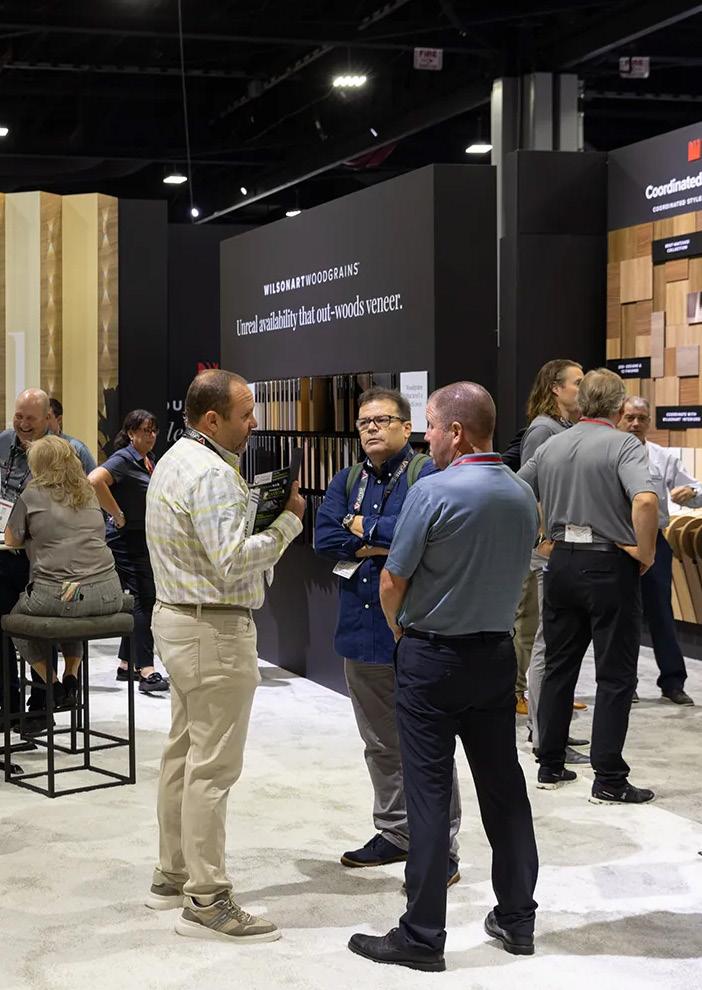
nology and AI to work. We’re using AI throughout our business — from lead generation and customer communication to inventory planning and ERP integration — and it’s allowing us to eliminate repetitive tasks while helping employees move into higher-value roles. I’m curious to learn how others are approaching it, what they’re seeing succeed and where they think it’s headed. For
me, IWF has always been about sharing ideas, learning from one another and finding ways to move the industry forward together.”
— Michael Wilkerson
Vice President & General Manager at Comtrad Strategic Sourcing Inc. and Founder and CEO of Provenance Atelier Group, a multi-brand residential platform

“The wood nerd in me always gets excited to see the latest technology transforming the manufacturing process. Whether it’s machinery, software or automation, someone is always pushing the industry forward and making all of us better. People outside the industry often assume woodworking is low-tech and straightforward, but IWF proves the exact opposite — it showcases our industry at its most innovative. I’m also honored to be part of the AWI/ IWF Design Summit, where we’ll guide architects and designers through the show floor to connect design with the manufacturing processes and supplier innovations that bring great ideas to life. Personally, IWF was the moment I realized just how large and dynamic the wood industry really is, and I hope this year’s show has that same impact on a new generation of attendees.”
— Doug Hague Chief Executive Officer with
the Architectural Woodwork Institute (AWI)

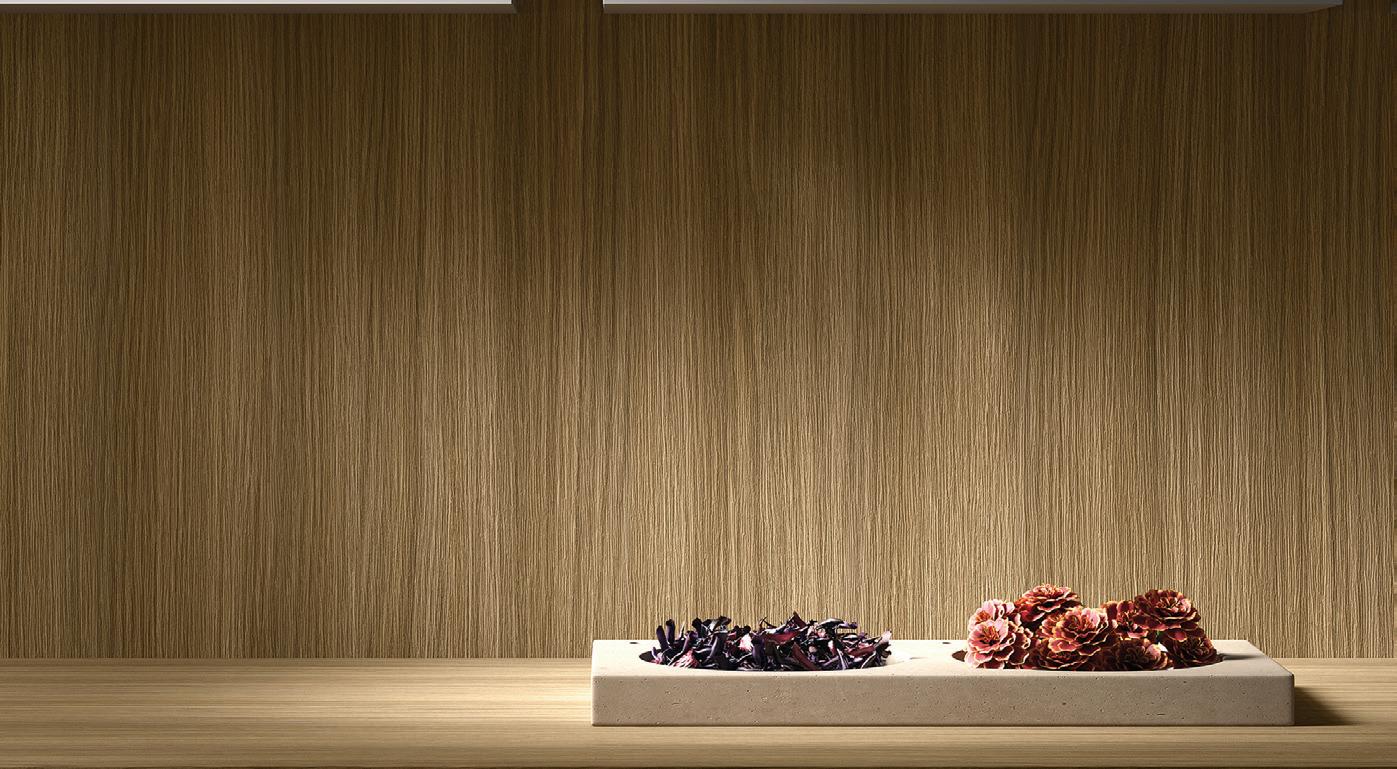
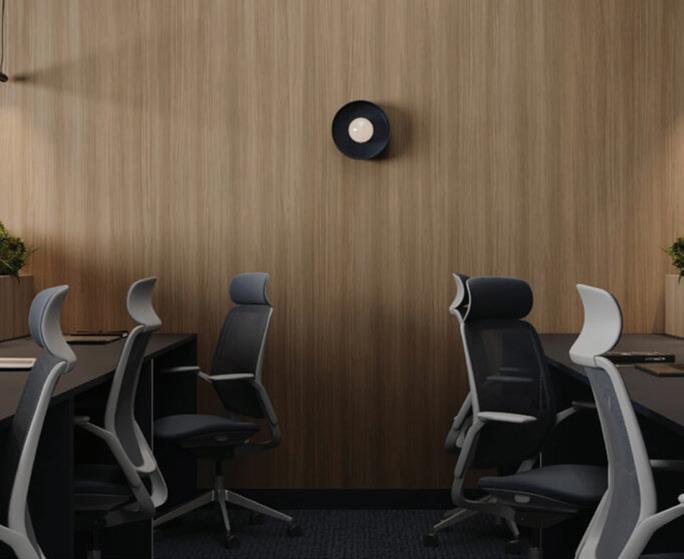
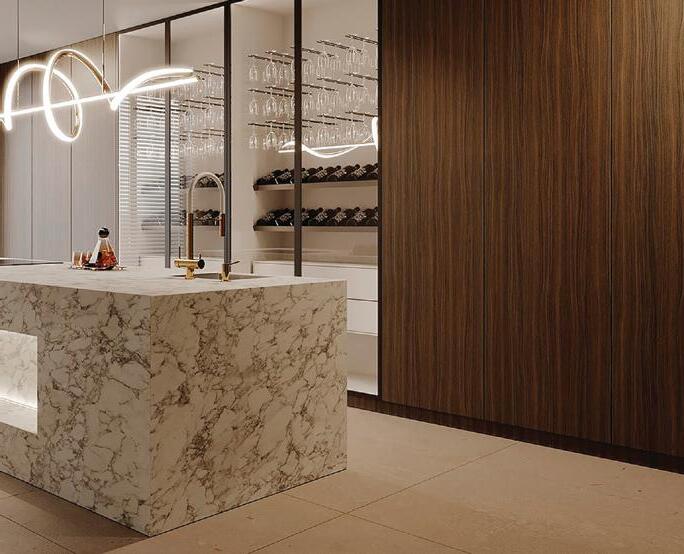
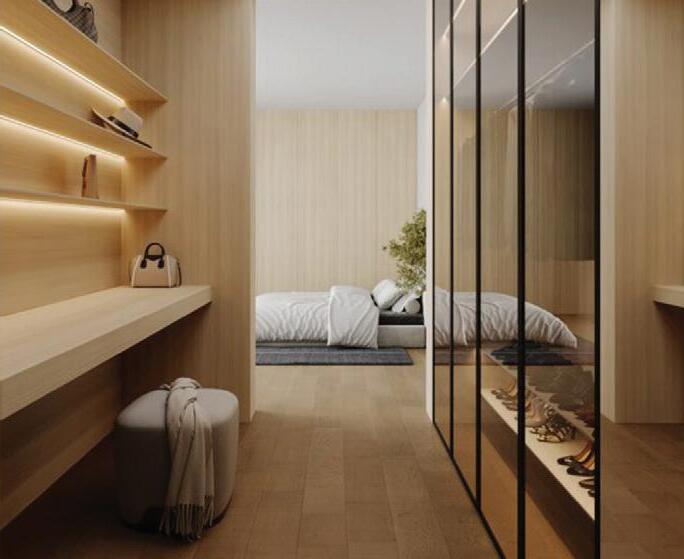

Customize your project with Nature+ new colors and textures. Our Thermo-Structured Surface panels, crafted in Italy, feature bold tactile textures ranging from woodgrains and linens to natural stone and abstract patterns — designed to elevate any space with effortless sophistication.

August 25 - 28
At IWF 2026, the biggest innovations aren’t individual machines — they’re entire production ecosystems.
Walk through the machinery halls at IWF 2026 and you’ll likely notice something different. Yes, there will be larger CNCs, faster saws and smarter edgebanders; but the industry’s biggest conversations aren’t centered around individual pieces of equipment anymore. Instead, manufacturers are asking a much larger question: How do all of these machines work together?
Across the show floor, exhibitors are demonstrating fully integrated production lines that connect material handling, machin -
ing, robotics, vision systems, finishing and assembly into seamless manufacturing ecosystems. Every panel carries information. Every machine communicates with the next. And every unnecessary touchpoint becomes another opportunity to improve throughput, consistency and profitability.
The driving force behind this evolution isn’t simply automation for automation’s sake.
It’s necessity.
Labor shortages continue to challenge manufacturers across North America. Customization has become the expectation rather than the exception. Batch-size-one pro -
duction, compressed lead times and increasing demand for consistent quality have forced equipment builders to rethink not just individual machines, but the workflow between them.
The result is a new generation of production systems where the greatest efficiencies often happen between the machines.
“We built the line to solve two problems that tend to go together,” says James Swanson, CNC Product Manager at Stiles Machinery. “Machines sitting idle while operators manage the variability of nested-based manufacturing, and the downstream chaos of manually kitting and sorting parts for assembly.”
That philosophy echoes across nearly every machinery manufacturer exhibiting at this year’s show.
Whether the application is plywood repair, veneer grading, laminating, sanding or cabinet manufacturing, exhibitors are focusing less on isolated operations and more on removing bottlenecks throughout the entire production process.
Six exhibitors, six different applications, one common goal: creating smarter, more connected manufacturing.
From robotics and machine vision to continuous laminating, intelligent sanding and assembly-ready sorting, the following Machine Line Spotlights offer a preview of some of the most innovative integrated production systems visitors will find at IWF 2026.
Yet seeing these production lines in person may be the only way to fully appreciate what today’s automation can accomplish. Watching a robot compensate for natural veneer variation in real time, seeing laminated panels move directly into machining just minutes after bonding, or observing cabinet parts emerge from a sorting cell already organized for assembly tells a much richer story than specifications ever could.
While each system addresses a different stage of the manufacturing process, together they reveal where panel processing is headed — and why the future of production is increasingly defined by how well every machine, every process and every piece of data works together.
IWF Booth A10228
Machine vision and robotics tackle one of plywood manufacturing’s most manual jobs
Automation isn’t only transforming machining. At IWF 2026, 7robotics is demonstrating how robotics and machine vision can improve one of plywood manufacturing’s most laborintensive and physically demanding operations.

“Our Robotic Veneer Pairing and Panel Grading System automates two critical but traditionally manual processes — veneer pairing and plywood grading — within a single robotic cell,” says Joey Koenig, President of 7robotics.
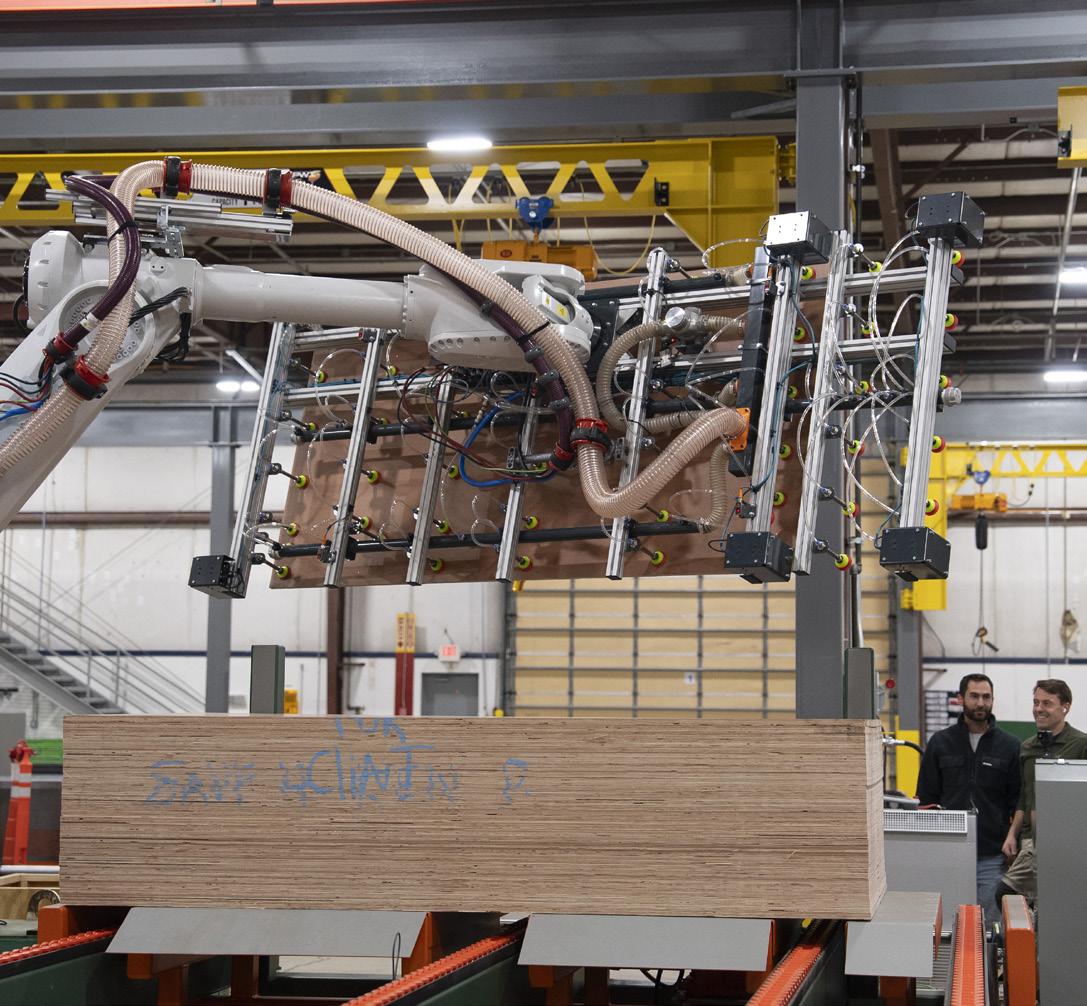
The integrated system combines robotic material handling, 2D machine vision, automated conveying and operator-guided grading into one coordinated workflow. Raw veneer units enter the cell, where vision systems identify each sheet’s position and orientation before feeding that information to the robot. The robot then sequences and stacks veneer according to programmed grade recipes while simultaneously supporting automated plywood grading within the same footprint.
“The vision system reads each veneer sheet’s corner position and pick angle in real time,” Koenig explains, “feeding that data to the robot to ensure every sheet lands with precision alignment.”
The dual-purpose design was intentional. According to Koenig, neither veneer pairing nor plywood grading alone justified continuous robotic operation. Combining both processes into one cell solved that utilization challenge while reducing the number of veneer units surrounding the layup area and virtually eliminating grade sequencing errors.
The system processes approximately one veneer sheet every eight seconds — roughly 900 sheets per hour — while allowing a single operator to oversee both operations. Conveyor jump staging enables one veneer unit to be processed while the next is already positioned and waiting, maximizing robot uptime between changeovers.
Beyond productivity, Koenig says the demonstration highlights just how adaptable modern robotics have become.
“Without question, it’s watching the vision system work in real time,” he says. “Veneer sheets are inherently inconsistent in size and pick angle, and seeing the robot instantly compensate for variation and still deliver a precisely aligned box-corner stack is something that stops people in their tracks. The dual functionality of the cell — pairing and grading in one footprint — also tends to surprise attendees who expect to need two separate systems.”
MACHINE LINE SPOTLIGHT
IWF Booth B5311
Turning laminating into a continuous-flow operation
Laminating has long been one of the most time-consuming stages of panel production, often requiring multiple standalone operations and lengthy cure times before panels can move to machining.

Black Bros. is demonstrating how that workflow can become a continuous production process.
“The Panel Express System transforms laminating from a slow, labor-intensive batch process to a fast, automated, continuous-flow manufacturing process,” says Clay Coss, Marketing Manager for Black Bros.
Designed as an in-line laminating system for high-pressure laminate, decorative plastics and other sheet materials, the Panel Express links material handling, surface preparation, adhesive application, layup, bonding and finished-panel handling into a synchronized workflow capable of producing up to one panel per minute.
A single push of a button sets the process in motion. Panels move from the Over Stack Panel Feeder through cleaning, adhe -
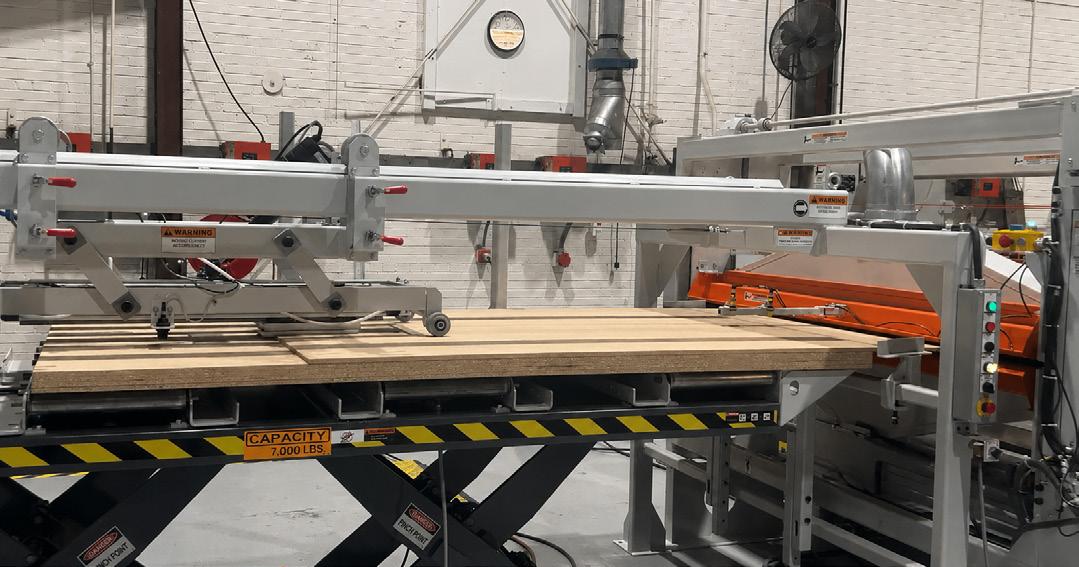
sive application and laminate indexing before entering the heatassisted rotary laminator. Finished panels are then automatically stacked and prepared for the next stage of production.
The system addresses more than throughput.
“It was designed to eliminate long cure or press times, expedite just-in-time and small-batch orders, reduce workforce shortages and eliminate VOC and cleanup concerns,” Coss says.
Using fast-tack, high-solids PVA adhesive together with heatassisted lamination, panels can often move into downstream machining within 30 minutes — a dramatic improvement over traditional production methods.
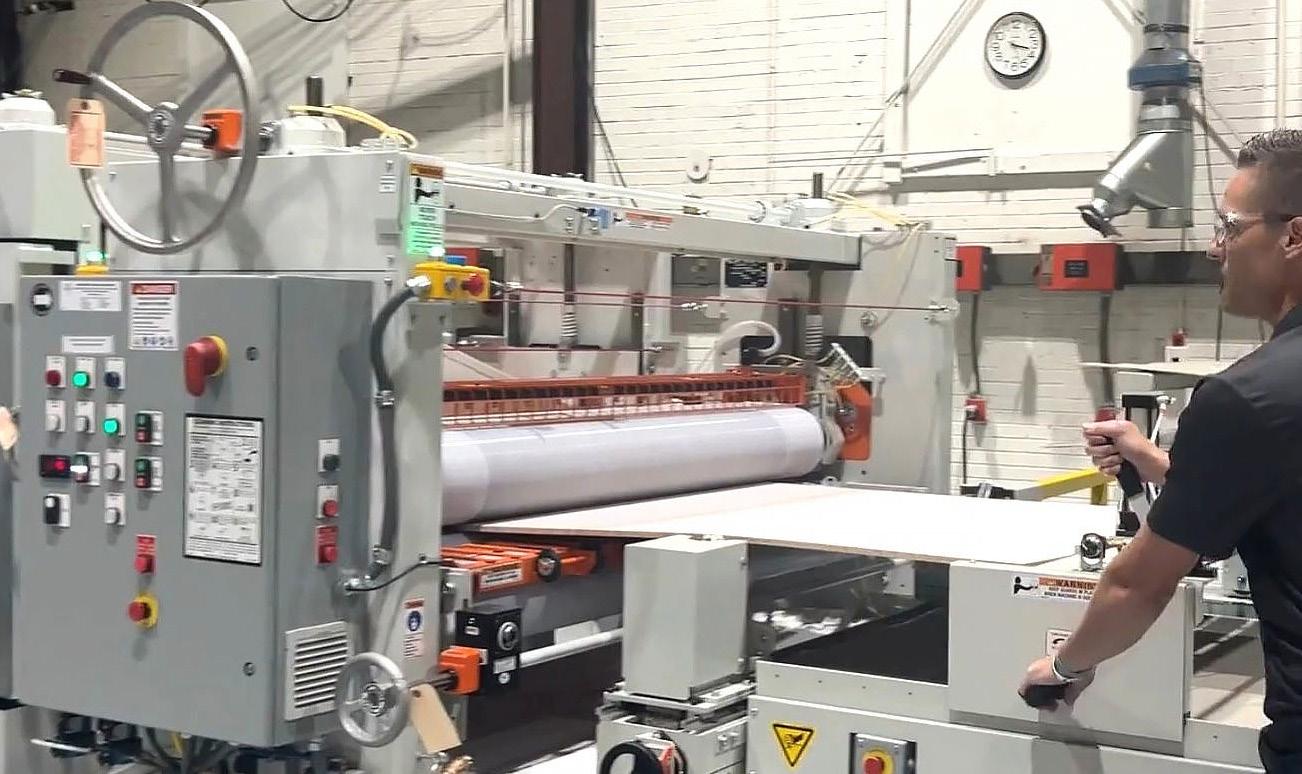
Integrated synchronization. Non-slip adjustments. Ultra-smooth, even under heavy load.

Just as importantly, synchronized conveyors, automated indexing, PLC/HMI controls and machine-to-machine communication allow the entire line to be operated by a single person for standard 4 x 8 panels.
Visitors won’t have to wait long to appreciate the results.
“At the shows, we demonstrate grain tear after only a couple minutes and a fully bonded panel around the 15-minute mark,” Coss says. “The ‘wow factor’ is real.”
IWF Booth B8320
Making one of plywood manufacturing’s toughest jobs almost effortless
Some production challenges aren’t defined by speed — they’re defined by consistency.
Few operations illustrate that better than plywood repair.

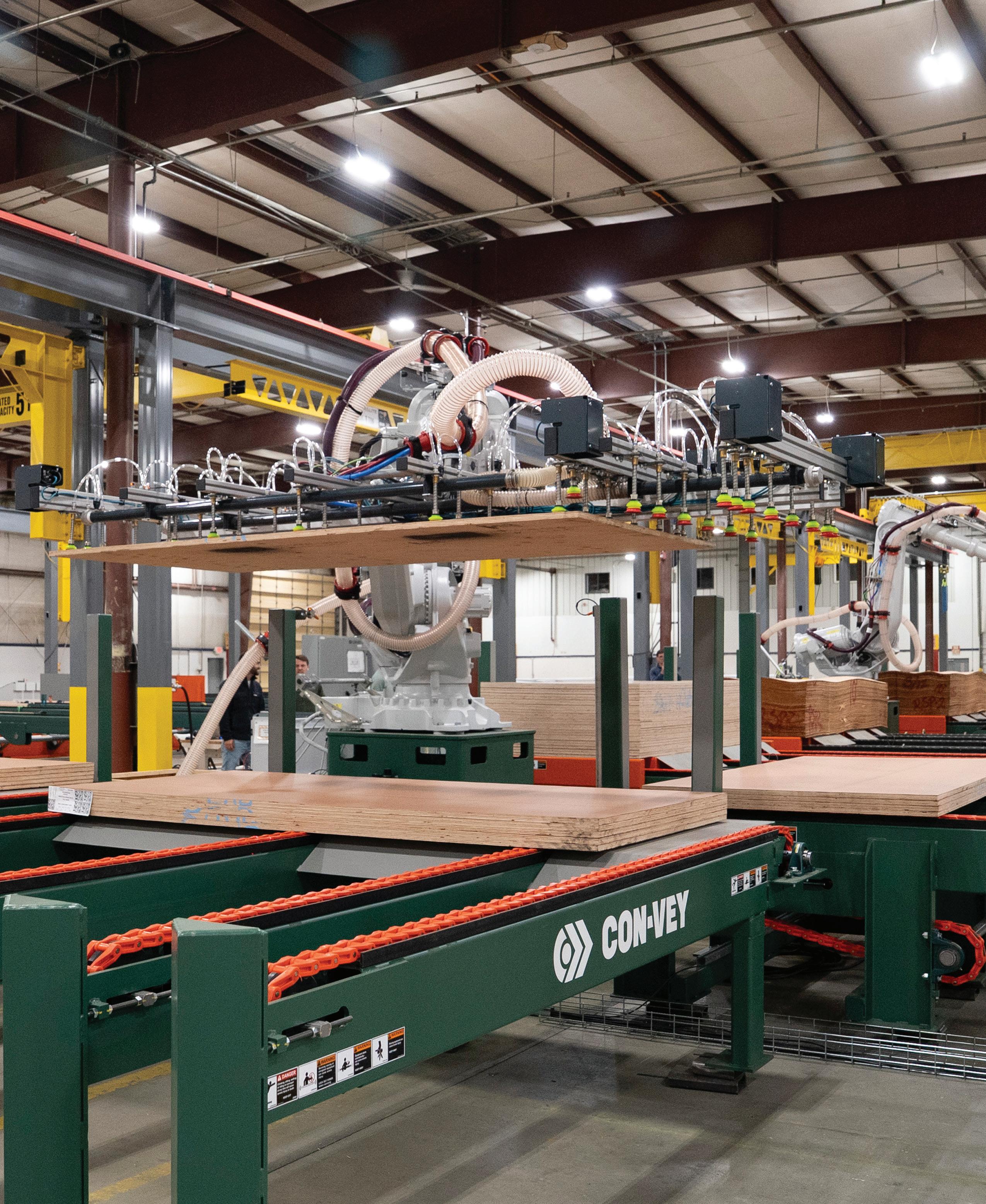
“Panel repair has historically been one of the most labor-intensive and inconsistent operations on the plywood shop floor,” says Jon Stultz, Sales Manager for Con-Vey. “It’s been dependent on operator skill, attention and stamina across long shifts.”
Working alongside long-time partner Argos Solutions, Con-
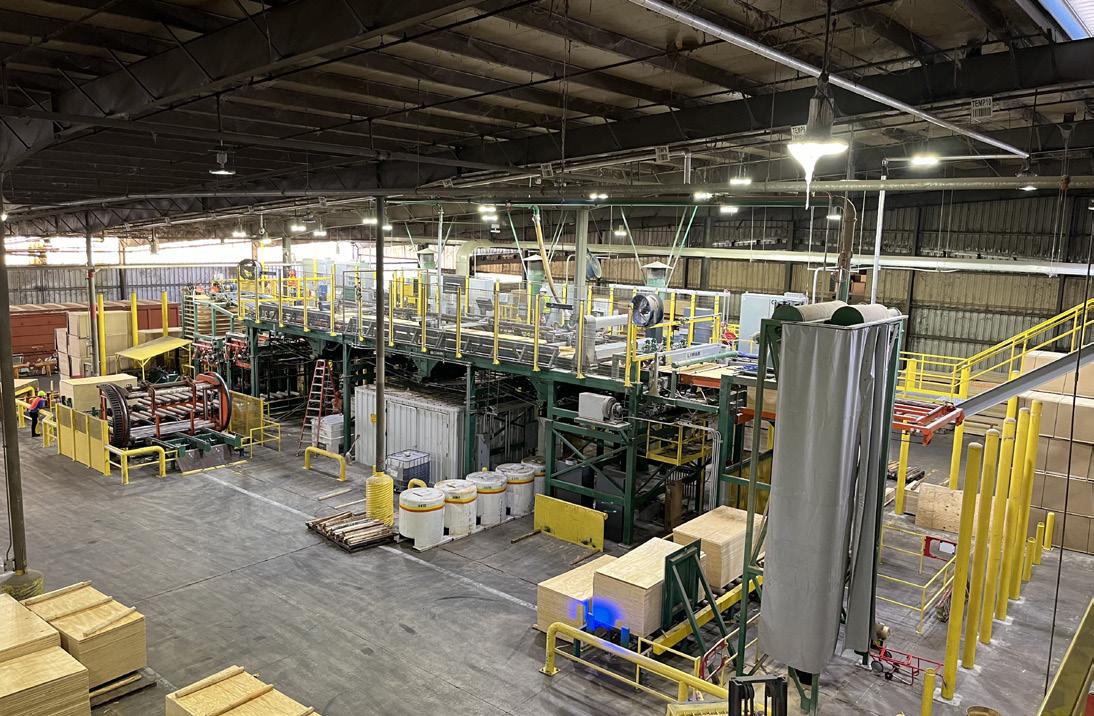
Con-Vey - Panel repair line that fits a small footprint for a client space
Vey is showcasing an Automated Plywood Panel Repair Line that removes much of that variability through a fully integrated sequence of de-stacking, singulation, defect scanning, automated repair, curing and restacking.
Each station communicates with the next in real time.
High-resolution scanners identify surface defects before passing precise coordinate information directly to automated repair heads, ensuring putty or poly repairs are applied exactly where needed before panels continue through curing and back into organized stacks.
The result is a continuous workflow with virtually no manual handling between operations.
According to Stultz, integrated production offers advantages beyond labor savings.
“Standalone equipment and manual repair stations create bottlenecks, buffer accumulation and output that degrades over
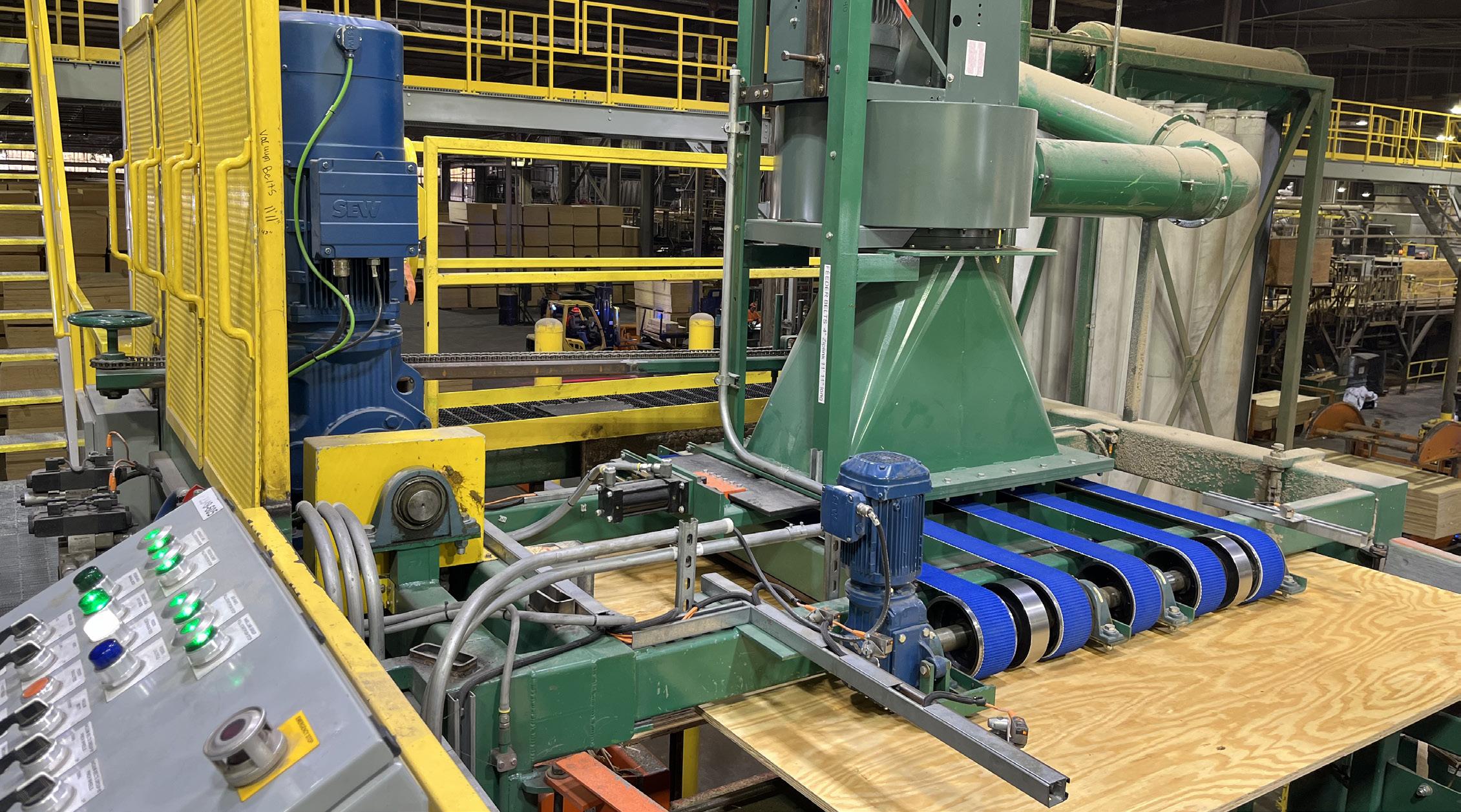
a shift,” he says. “Our integrated line maintains continuous panel flow with no inter-station handling and no quality drop over time.”
Operators oversee the entire process from a central HMI rather than managing individual machines, shifting their role from manual repair to process supervision.
One operator can monitor the full production line while throughput consistently exceeds traditional manual repair stations.
For longtime plywood manufacturers, the demonstration quickly makes its point.
“Watching the Argos Solutions repair heads work in precise coordination with Con-Vey’s vacuum table conveying…holding each panel with complete stability while repairs land at exact coordinates, at full production speed,” Stultz says. “The precision at pace is something that reads differently in person than on a spec sheet.”
IWF Booth B5911
Solving finishing’s forgotten bottleneck
Even the most advanced machining cell eventually arrives at the finish department.

Alex Staainer
That’s where many manufacturers encounter one of production’s oldest challenges.
“Sanding is always a bottleneck,” says Alex Staainer, Director of Sales & Marketing for Gibbs Group. “Then you add on labor shortages, no-show employees and high turnover of employees.”
Gibbs Group’s Cup Brush Sander is designed to address that challenge by automating one of the industry’s most labor-intensive finishing processes.
The machine can operate as a standalone sanding solution or integrate easily into a larger production line where raw panels move through machining, finishing and coating before emerging ready for installation.
Its role is straightforward but critical.
The Cup Brush Sander prepares workpieces for finishing
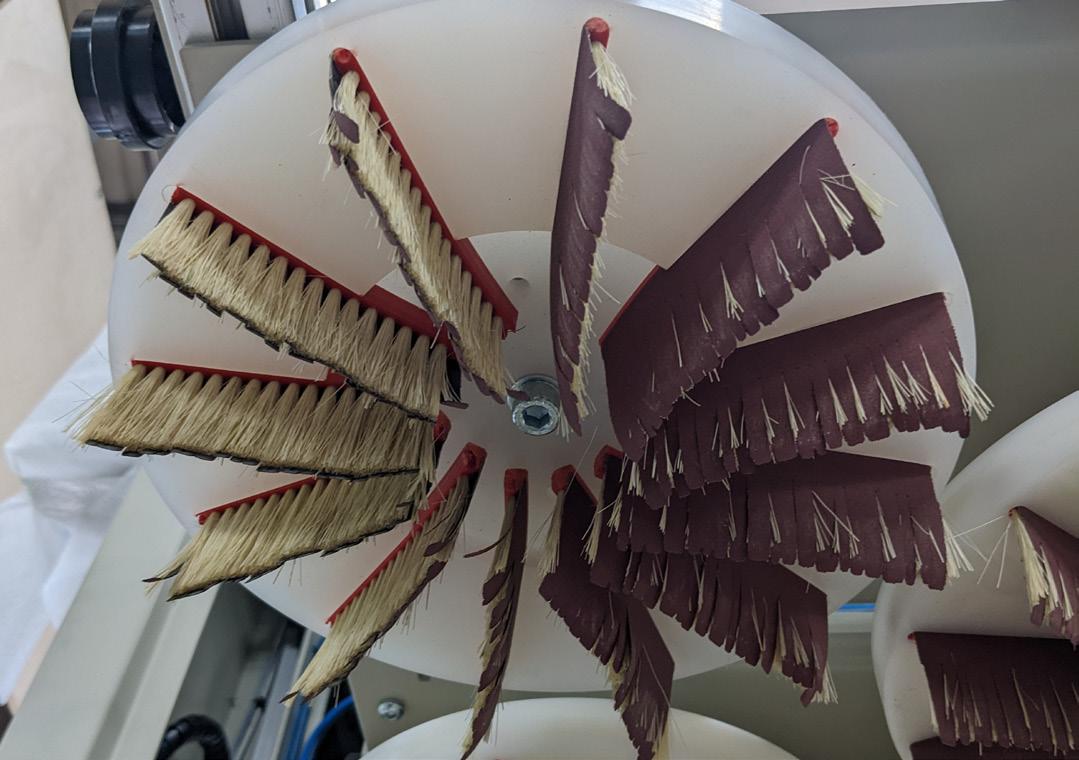
by handling both raw wood sanding and scuff sanding between finish coats, dramatically reducing the amount of manual labor required.
According to Staalner, the machine eliminates 80 to 90 percent of finish sanding, much of which is traditionally completed by hand.
“The end results can vary person to person and workpiece to workpiece,” he says. “By having a dedicated machine for this step in the process, it provides the user with high-quality and consistent results day in and day out.”
While the machine itself requires relatively little integration beyond material handling systems, encoders can be incorporated to track individual parts throughout more complex production lines.
Ultimately, the biggest advantage may be repeatability.
For manufacturers struggling to maintain consistent quality despite workforce challenges, automation removes much of the variability associated with manual sanding.
As attendees gather around the machine, Staalner says two reactions consistently stand out.
“The two biggest responses we get are the consistent results end users are able to produce and reliably reproduce,” he says,
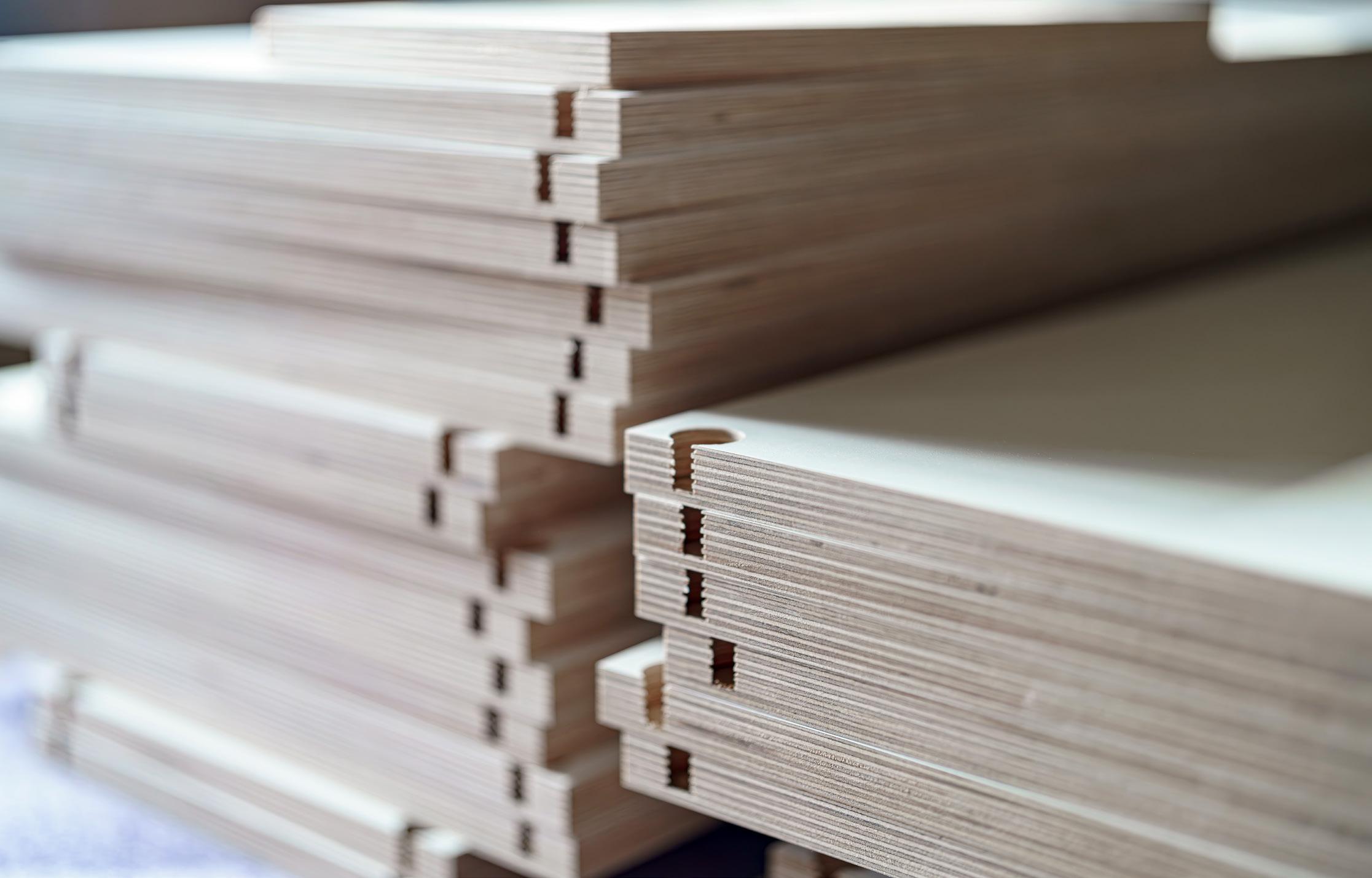

“and how well this machine provides consistent, uniform edge breaks around the entire workpiece.”
IWF Booth B7529
One operator, multiple processes — and no wasted motion
Today’s manufacturers aren’t just looking for faster CNCs — they’re looking for fewer bottlenecks.

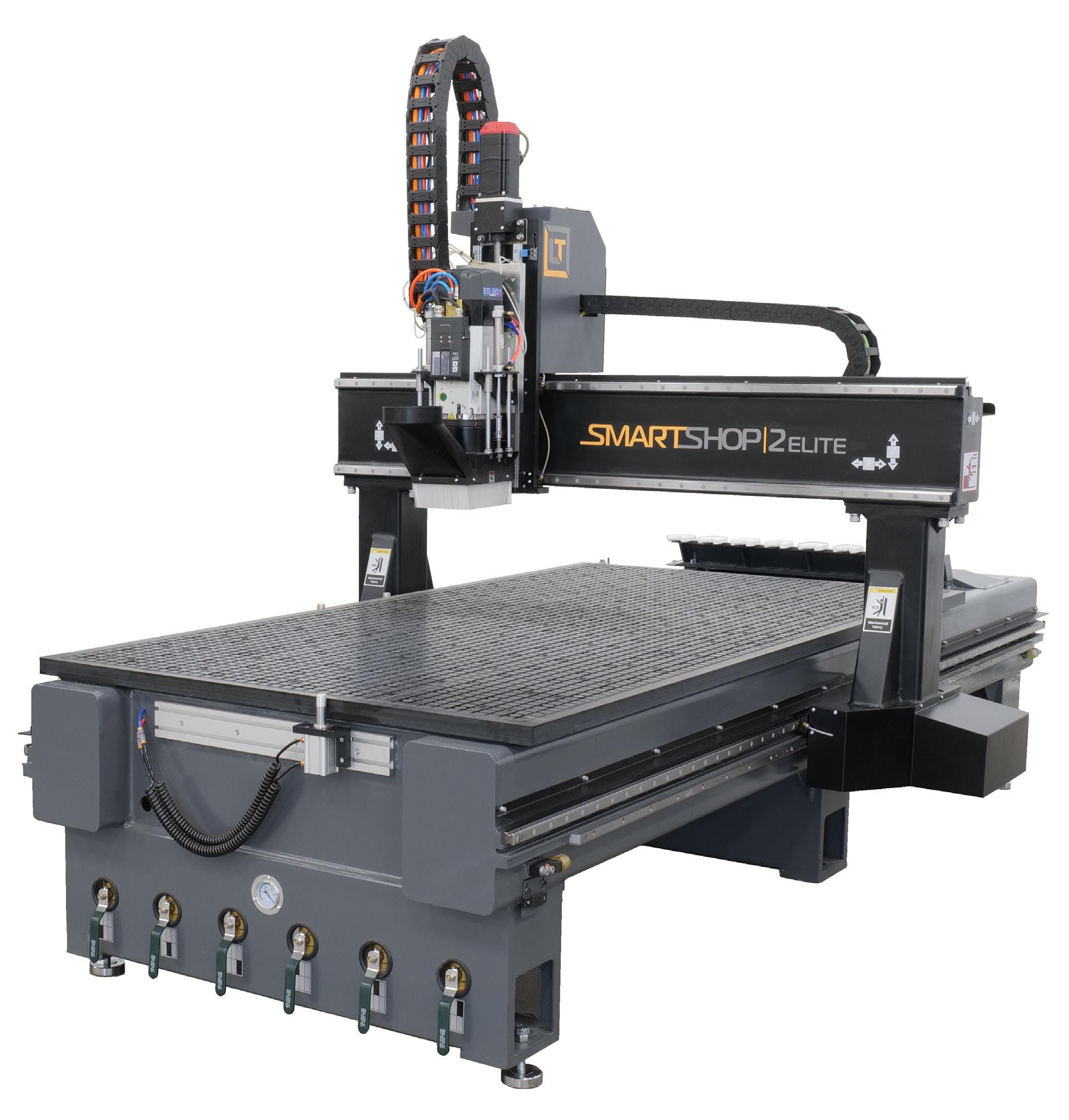
That’s the thinking behind Laguna Tools’ integrated nestedbased manufacturing line, built around its SmartShop II Elite CNC with FANUC controls. Rather than treating nesting, routing and drilling as separate operations, the system links them into a coordinated workflow where machining data and production tracking move seamlessly between each stage.
“This production line was specifically designed to address labor shortages, operator inconsistency, production bottlenecks and increasing demands for faster turnaround times,” says Steve Alvarez, Director of Sales for Laguna Tools.
By automating multiple machining operations while simplifying material flow, the system enables manufacturers to improve output while reducing dependence on highly skilled labor.
Compared to traditional standalone equipment, Alvarez says the biggest gains come from eliminating unnecessary handling and setup.
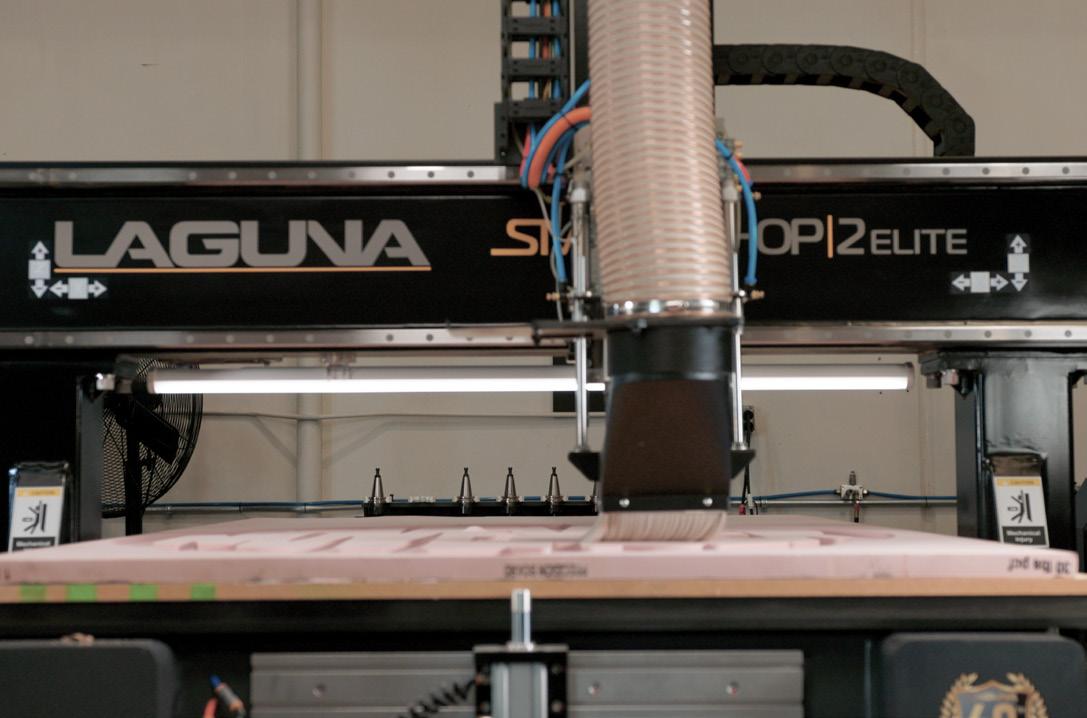
“The system improves efficiency by consolidating multiple operations into one streamlined workflow with fewer material handling steps,” he explains. “The result is greater production consistency, improved scalability, reduced setup time and higher throughput across high-mix manufacturing environments.”
The production line combines integrated software, automatic tool management and FANUC controls to provide real-time monitoring and optimized machine motion throughout the manufacturing process. High-speed servo motion control and automated
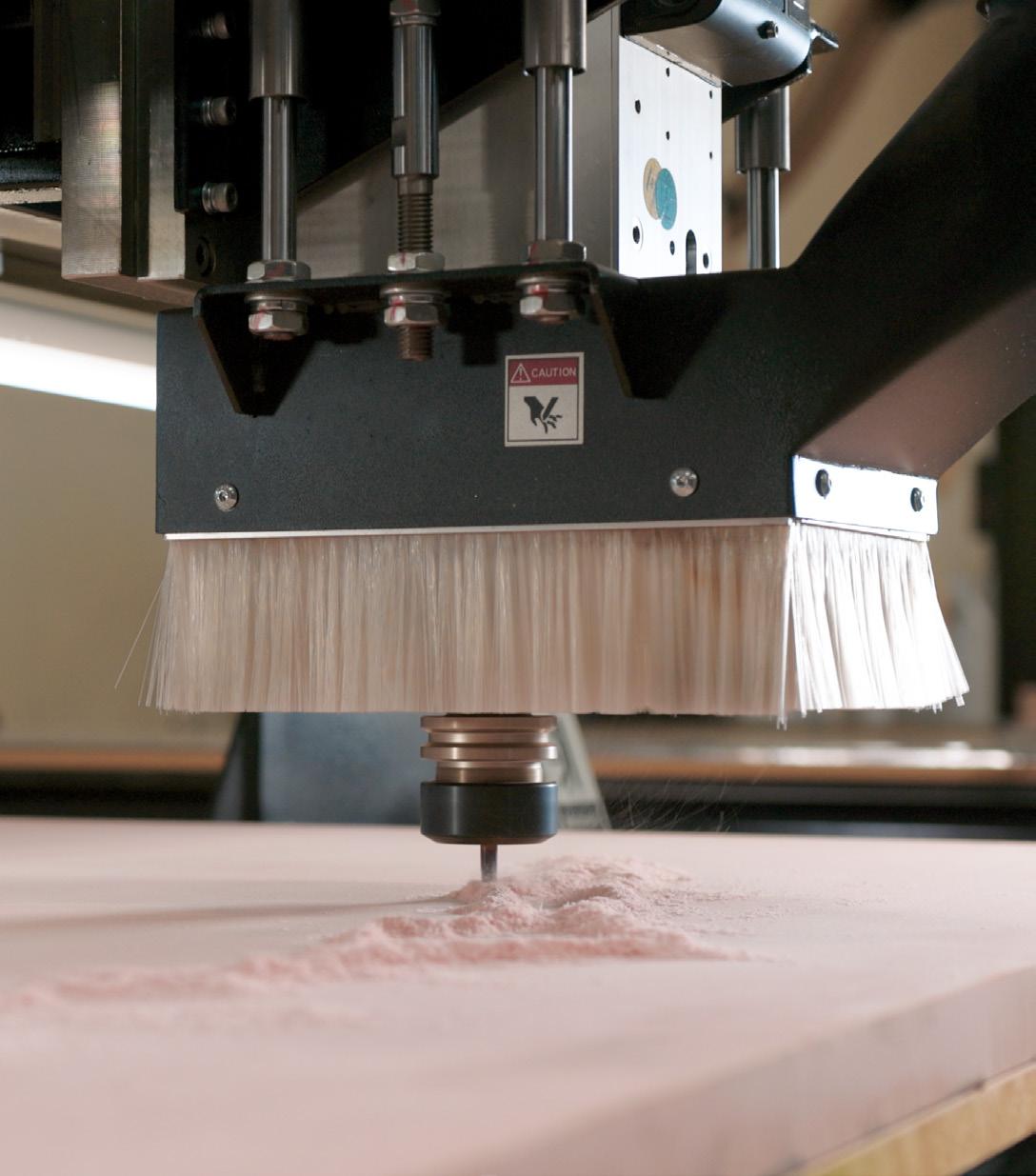
tool changes allow a single operator to oversee multiple nested sheets each hour while maintaining industrial-grade precision and repeatability.
For visitors watching the system in action, the technology speaks for itself.
“Watching the machine automatically transition between cutting, drilling and routing operations with smooth, uninterrupted motion clearly demonstrates the power of modern CNC automation and integrated manufacturing.”
IWF Booths A9840, B4835a, B4835b, B4835c, B4853
Automation that keeps production moving — and parts ready for assembly
For years, manufacturers have focused on making individual machines faster. Today, the greater opportunity often lies in what happens between those machines.

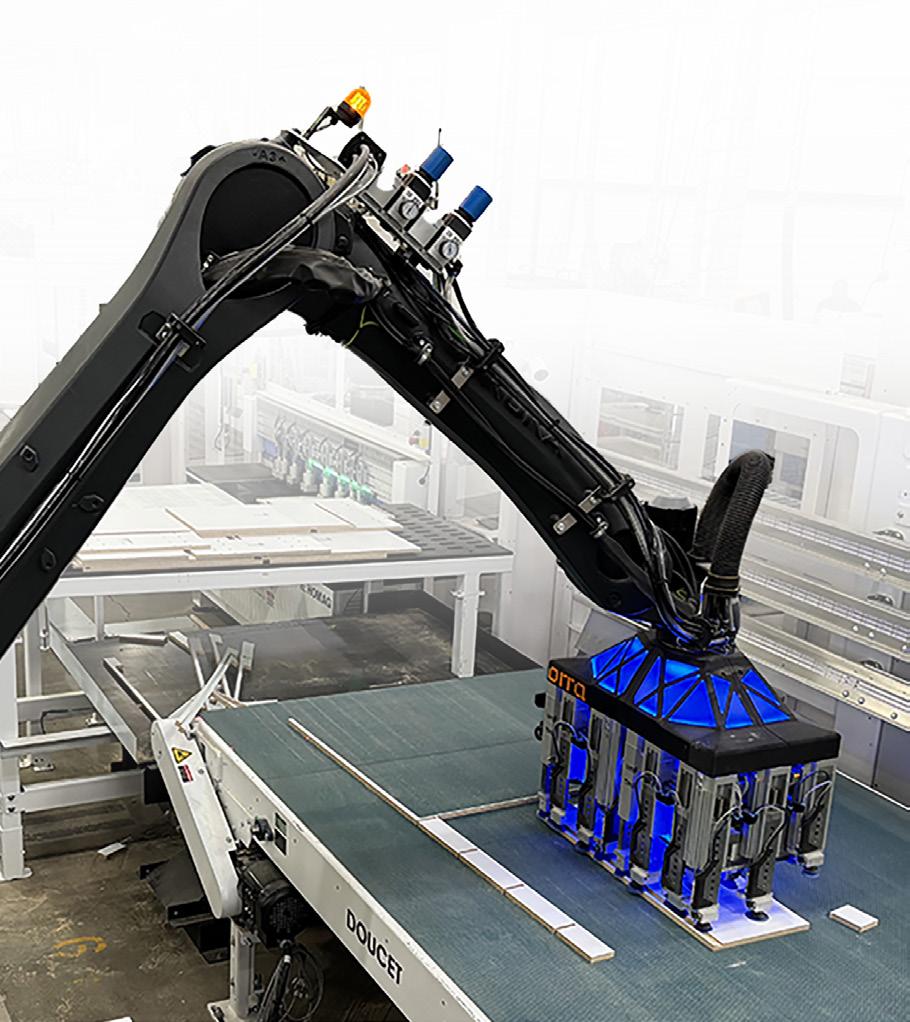
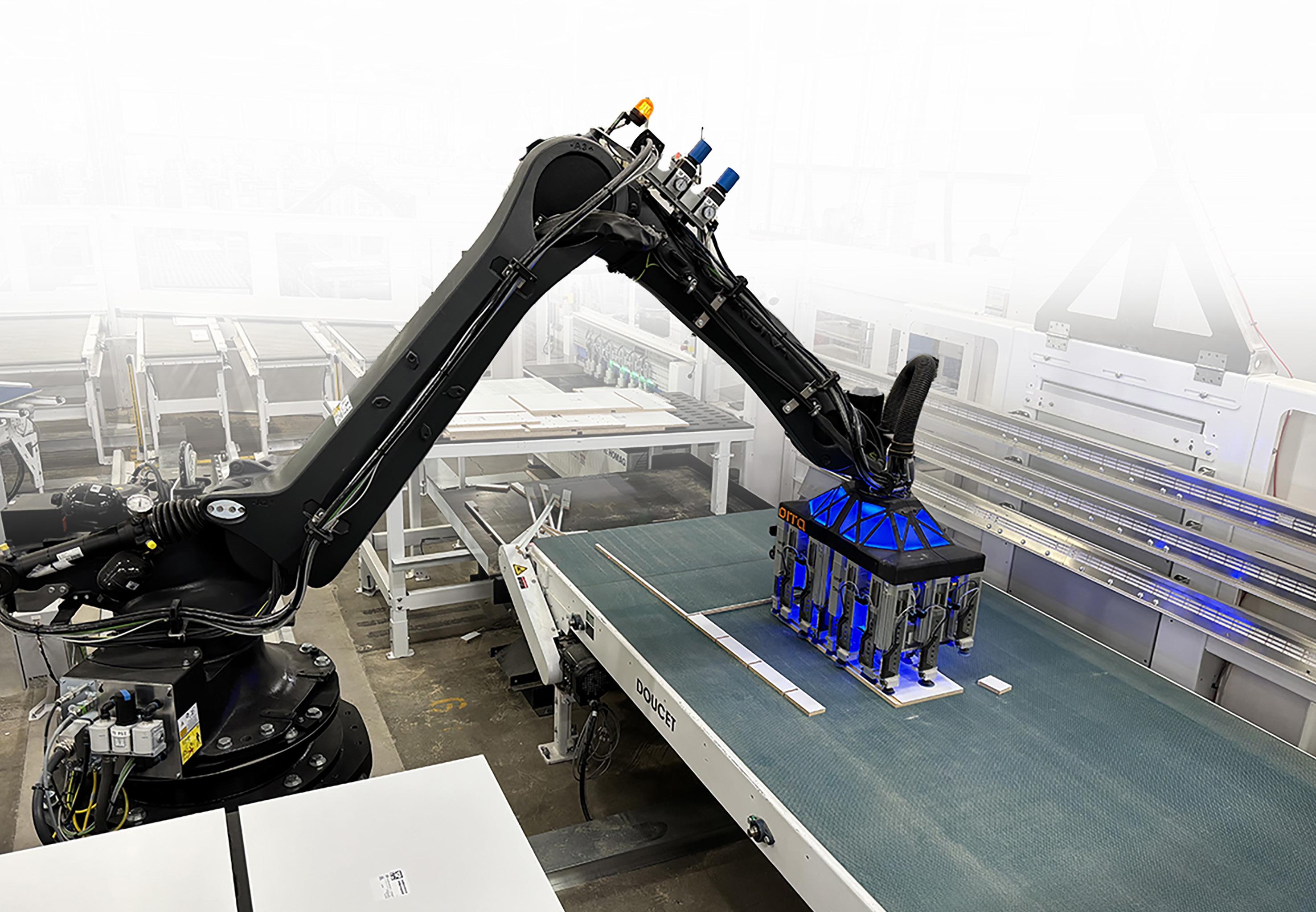
That’s the philosophy behind the HOMAG automated panel processing and sorting cell that Stiles Machinery will showcase at IWF 2026. Powered by industrial robotics and ORRA technology, the system connects raw material storage, cutting, nesting, drilling, edgebanding and robotic sorting into a continuous workflow designed to eliminate the bottlenecks that slow production.
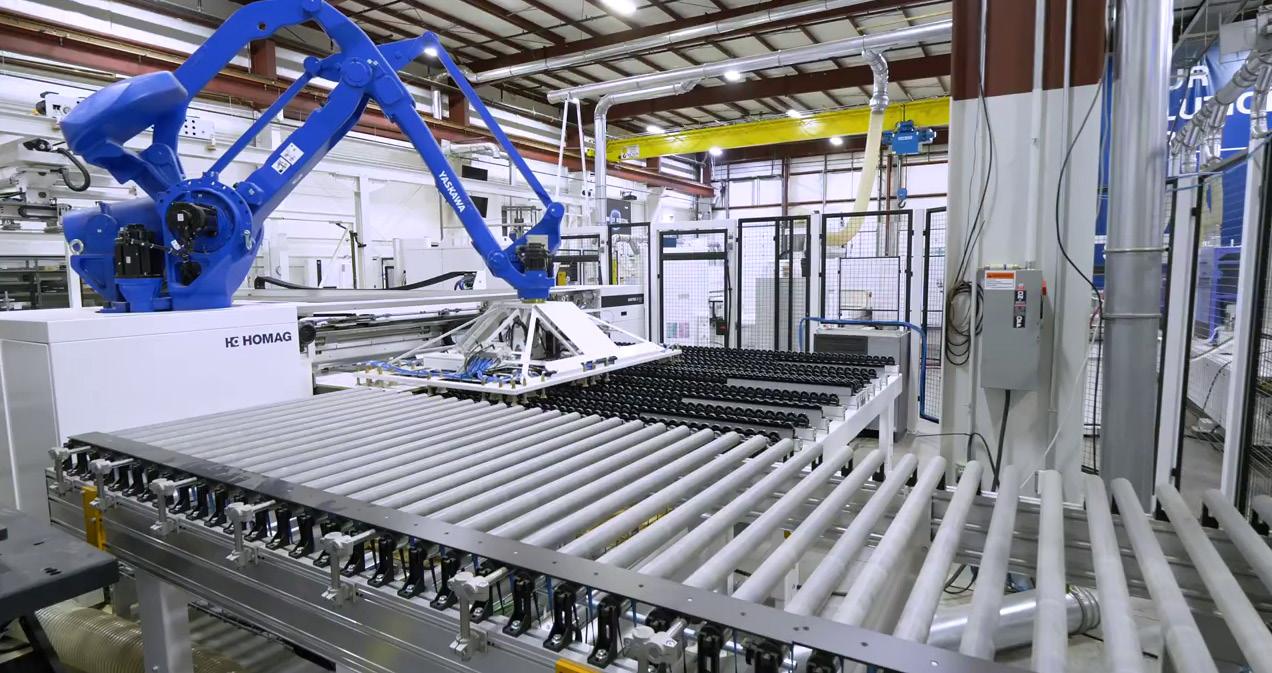
Beginning with automated storage retrieval, panels move through a panel saw before entering a nested-based CNC for routing. Parts then flow to downstream drilling and edgebanding operations, where ORRA robotics automatically manage loading, unloading and part movement before sorting finished components into organized microstacks ready for assembly.
Rather than requiring operators to bridge the gaps between machines, the cell manages those handoffs automatically, allowing each piece of equipment to remain productive.
“The biggest benefit is machine utilization,” Swanson explains. “When you remove the manual handoffs between machines and introduce smart nesting management, the CNC doesn’t wait to be unloaded, the dowel machine gets a steady supply of parts, and the system can run through breaks and lunch without losing pace.”
Behind the scenes, vision systems identify each component while software automatically generates programs and makes production decisions in real time. Even unexpected issues — such as a mislabeled or miscut part — can be isolated without stopping production.
Swanson believes the system’s biggest impact becomes obvious at the end of the line.
“Most attendees expect to see a robot moving parts around,” he says. “Watching the system organize irregular nested parts and deliver a perfectly organized, build-ready stack of cabinet parts, in the exact order they’ll be assembled — that’s where it clicks for people, and they realize this is more than a robot.” S P
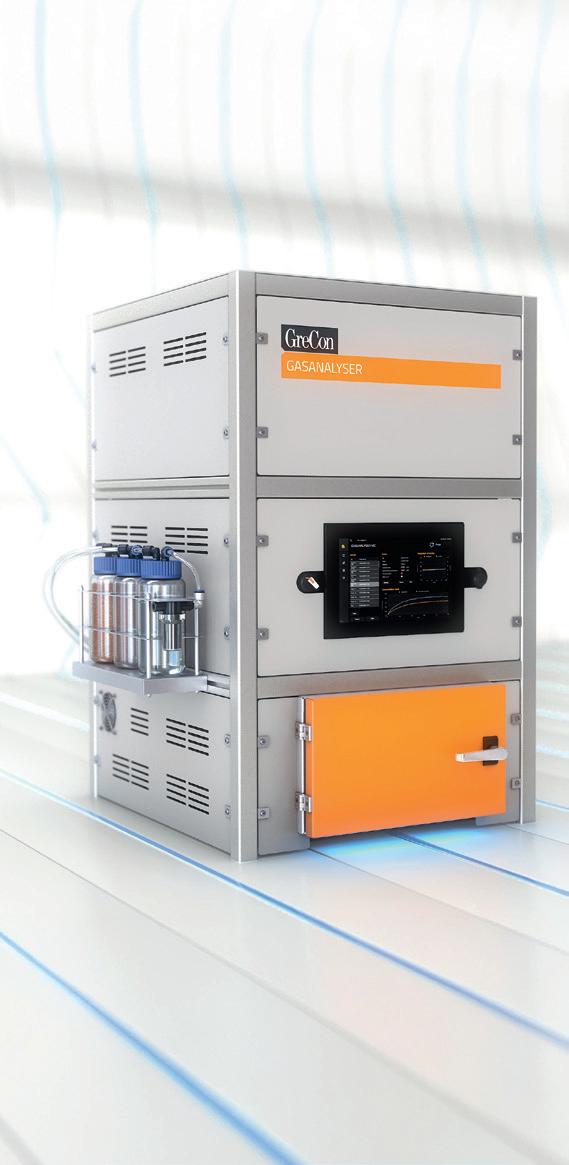
The GreCon GASANALYSER MC provides precise formaldehyde values – without wet chemistry, with maximum precision and speed according to ISO12460-2:2025.
n Test results in only 15 minutes!
n Fully automated analysis; no wet chemistry
n Significant time savings for lab staff
Come find out more at IWF in Atlanta at the Fagus-GreCon booth #B6518!
n 704-912-0000
n sales@grecon.us
n www.fagus-grecon.com
BY JENNIFER WILLIAMS
For decades, the woodworking industry measured innovation in horsepower, spindle speeds and cycle times. Each new generation of CNC routers, panel saws and automated material handling systems pushed productivity higher, allowing manufacturers to produce more with fewer manual operations.
Machinery remains the most visible symbol of progress, but increasingly it is no longer the sole driver of manufacturing performance.
Today, some of the industry’s most meaningful advances are happening in places customers never see — and in systems many shops once viewed simply as office software.
Across the panel processing, cabinetry and architectural millwork sectors, manufacturers are rethinking how information moves through their organizations. Instead of treating design, engineering, estimating, purchasing and production as separate stages connected by spreadsheets, emails and paper travelers, they are building digital
workflows that allow data to move seamlessly from one department to the next.
The goal is straightforward: eliminate redundant data entry, reduce costly mistakes, shorten lead times and give every person involved in a project — from designers and engineers to machine operators and installers — access to the same accurate information.
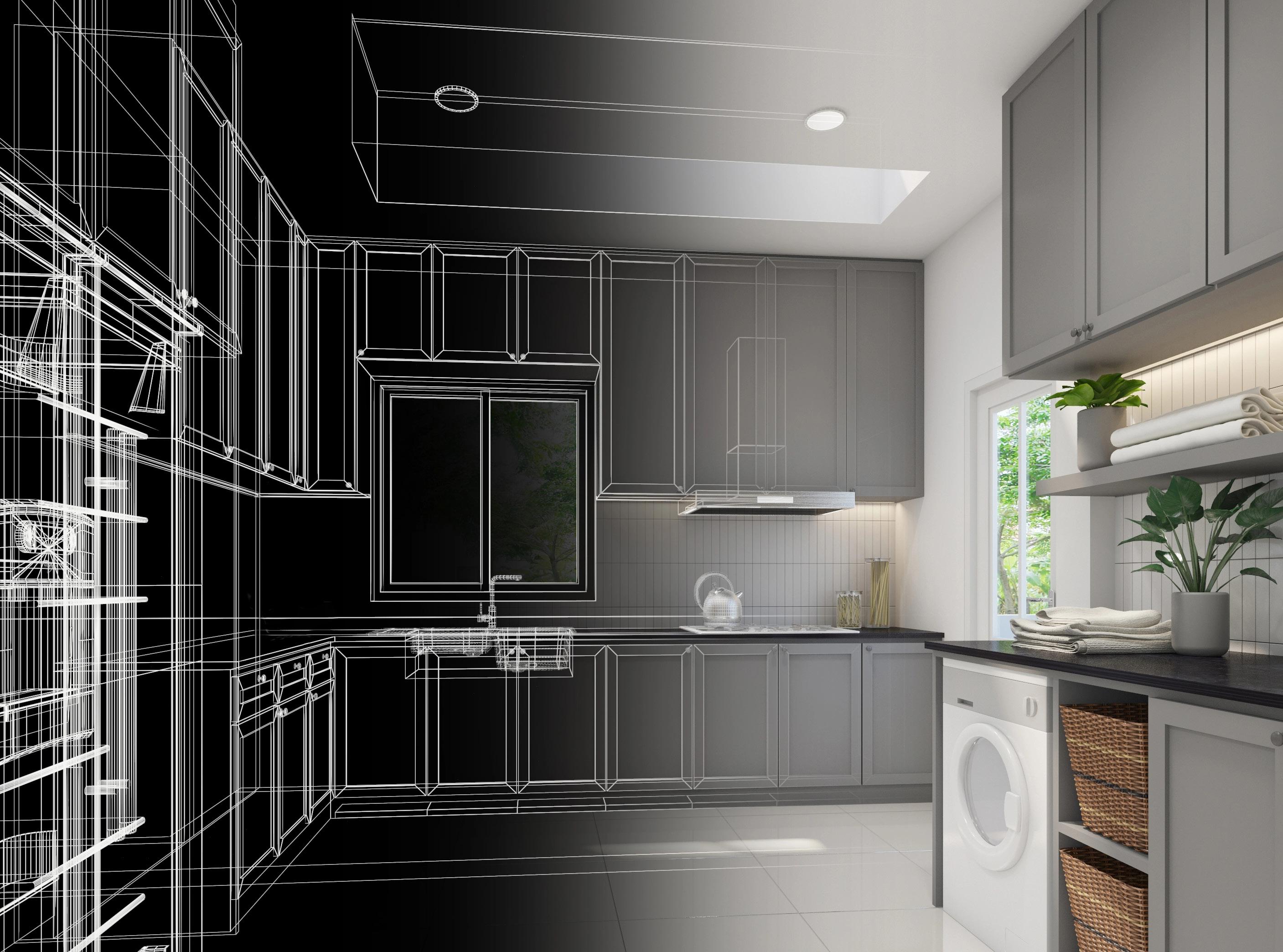
At the center of that evolution is a concept that has been discussed for years in advanced manufacturing but is now becoming increasingly practical for woodworking companies of every size: the digital twin.
While the term may sound futuristic, its purpose is remarkably grounded. A digital twin is not simply a three-dimensional model of a cabinet, countertop or commercial millwork project. It is a living digital representation of both the product and the process used to manufacture it, carrying information from the earliest design decisions through engineering, production, installation
and, increasingly, post-project analysis.
As manufacturers continue balancing labor shortages, material costs and growing demand for customization, that connected flow of information is becoming every bit as valuable as the equipment cutting the panels.
It’s no surprise, then, that software integration, connected manufacturing and AI-enabled workflows are expected to be among the defining conversations surrounding IWF 2026. While visitors will undoubtedly be drawn to the latest machinery demonstrations, much of the innovation behind those machines lies in the software quietly orchestrating every step before a panel ever reaches the saw.
Walk through almost any modern woodworking facility and you’ll likely find capable equipment. CNC routers are faster than ever. Edgebanders process parts with extraordinary precision. Automated storage and retrieval systems have transformed material handling.
Yet even highly automated shops can lose hours — or days — because of something far less sophisticated: disconnected information.
A designer updates a cabinet specification, but purchasing doesn’t receive the change. Engineering modifies hardware selections after production documents have already been released. Material substitutions aren’t reflected in machining programs. A
customer requests a seemingly minor revision that requires multiple departments to update the same information independently.
None of these scenarios involve machine failures, yet each can lead to production delays, wasted material or costly rework.
As manufacturing has become more customized, information — not machinery — has increasingly become the industry’s greatest production challenge.
“Manufacturing has always been about precision,” says Chip Martin, Senior Manager Product Management for Alphacam & Cabinet Vision. “What’s changing is where that precision begins.”

Rather than focusing solely on machine accuracy, manufacturers are placing greater emphasis on ensuring that the information reaching those machines is equally precise.
Martin believes modern software platforms are helping manufacturers replace fragmented workflows with connected ones where reliable information follows a project throughout its lifecycle.
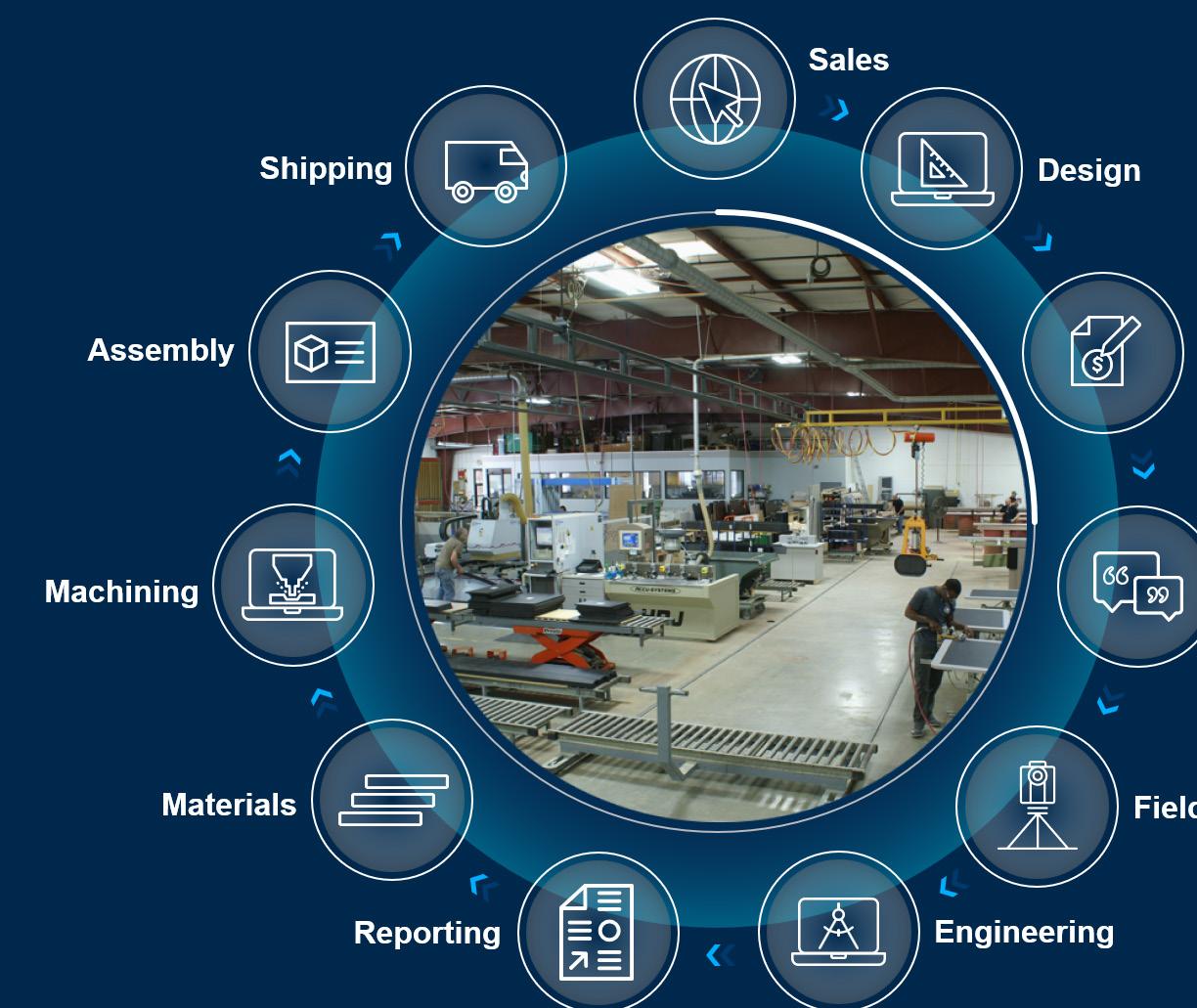
“Software platforms are helping woodworking manufacturers move from fragmented, department-by-department processes to a connected workflow where reliable data follows the job from specification and design into pricing, engineering, materials, machining, assembly, shipping and reporting,” Martin says. “The
Lamination equipment designed to maximize production output while maintaining precision quality control. The system shown above includes a Union Hot Melt Roller Coater, Union Powered Lay-up Conveyor, and a Union Rotary laminator.
Our high-speed lamination systems are used in a variety of industries for a variety of different applications.
PRODUCTS PRODUCED BY OUR LAMINATION EQUIPMENT INCLUDE:
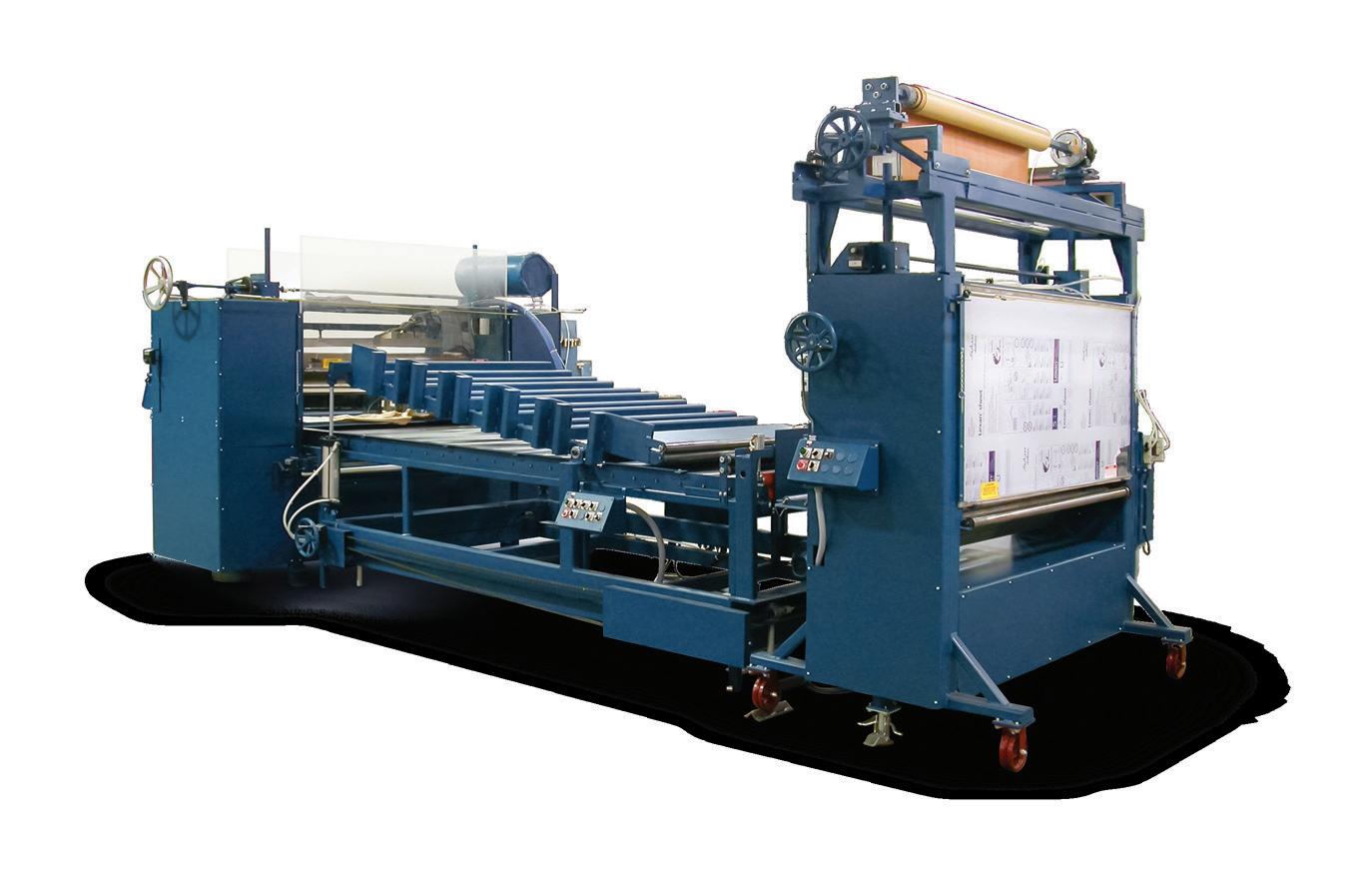
Acoustic panels, cabinets, decorative wall paneling, doors, flooring, store fixtures and displays, windows, work space dividers, and work tops.
APPLICATIONS INCLUDE: Both sheet to sheet and roll to sheet laminations.
CORE SUBSTRATE PANELS INCLUDE: Plywood, MDF, particle board, and composites.
LAMINATE MATERIALS INCLUDE: Veneers, HPL, vinyl, paper, film, and pre-applied adhesive backed materials.
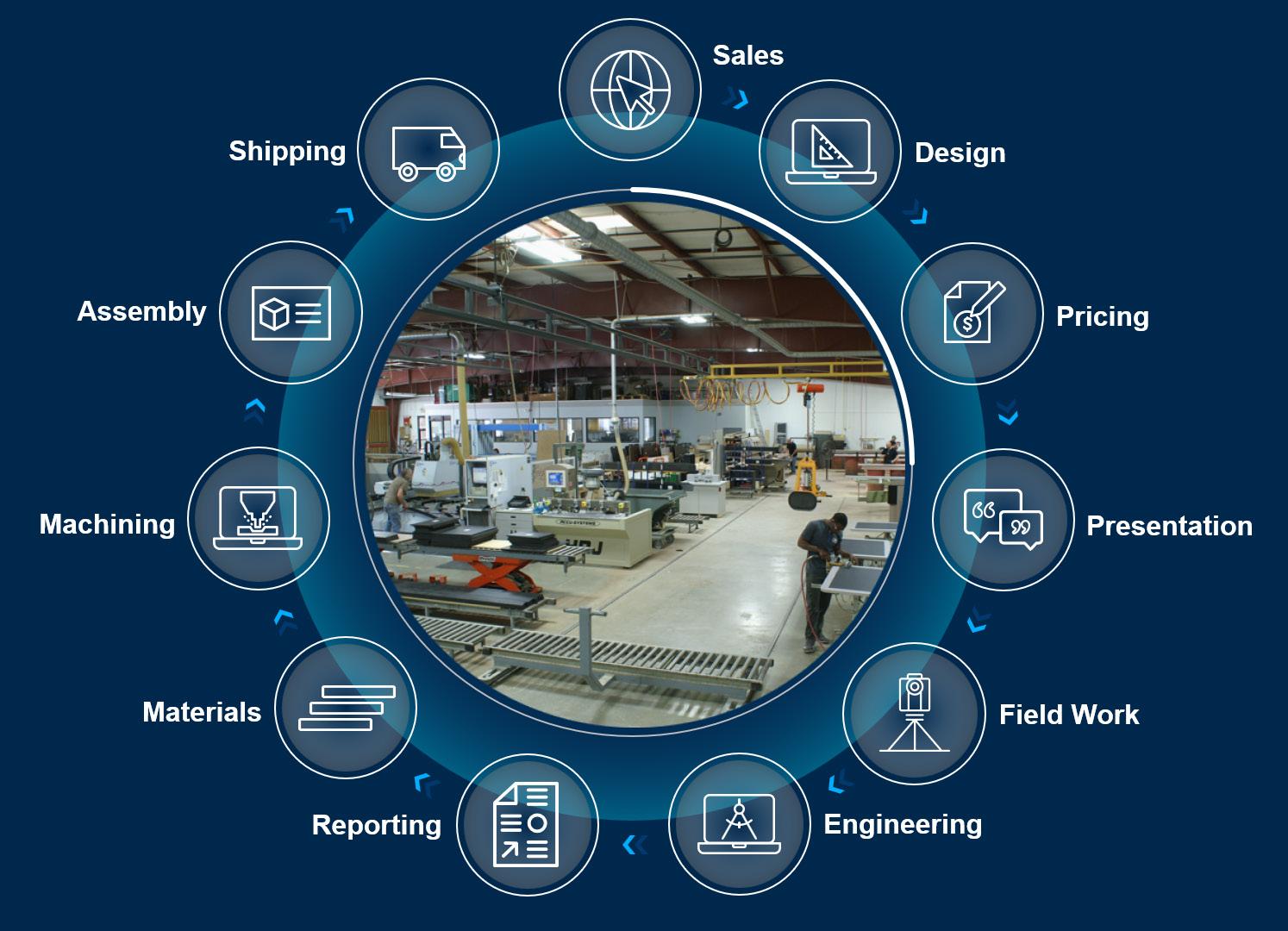
turers continue embracing mass customization.
real value is continuity: decisions made early in the process can carry through to production without being rekeyed, reinterpreted or lost between systems.”
That idea of continuity represents a fundamental shift in how manufacturers think about software.
For years, digital tools largely reflected organizational structure. Engineering had one system. Purchasing had another. Production relied on its own software, often supplemented by spreadsheets or handwritten notes. Information moved between departments through exports, emails and manual data entry.
Those transitions became the weak links in the manufacturing process.
Today’s manufacturers increasingly want something different — a single stream of trusted information that travels alongside every job.
Industry leaders often refer to this as the digital thread : a continuous flow of data connecting every stage of production, ensuring that everyone works from the same version of the truth.
That shift is particularly significant as woodworking manufac -
Unlike traditional production environments built around long runs of identical components, today’s cabinetmakers and architectural millwork shops routinely produce projects in which nearly every part is unique. One cabinet may require different hardware than the next. Materials change. Dimensions change. Machining operations change.
When every project is different, consistency can no longer come from repetition…it must come from data.
Jonah Coleman, Head of Product at Microvellum, sees that evolution reshaping how manufacturers think about software integration.

“The shift is away from one-way file exports toward a connected data thread, where a single design model drives the bill of materials, costing, purchasing and scheduling without anyone re-keying it downstream,” Coleman says. “The payoff is that a spec change no longer kicks off days of manual handoffs across siloed tools.”
In practical terms, that means a design change doesn’t sim -
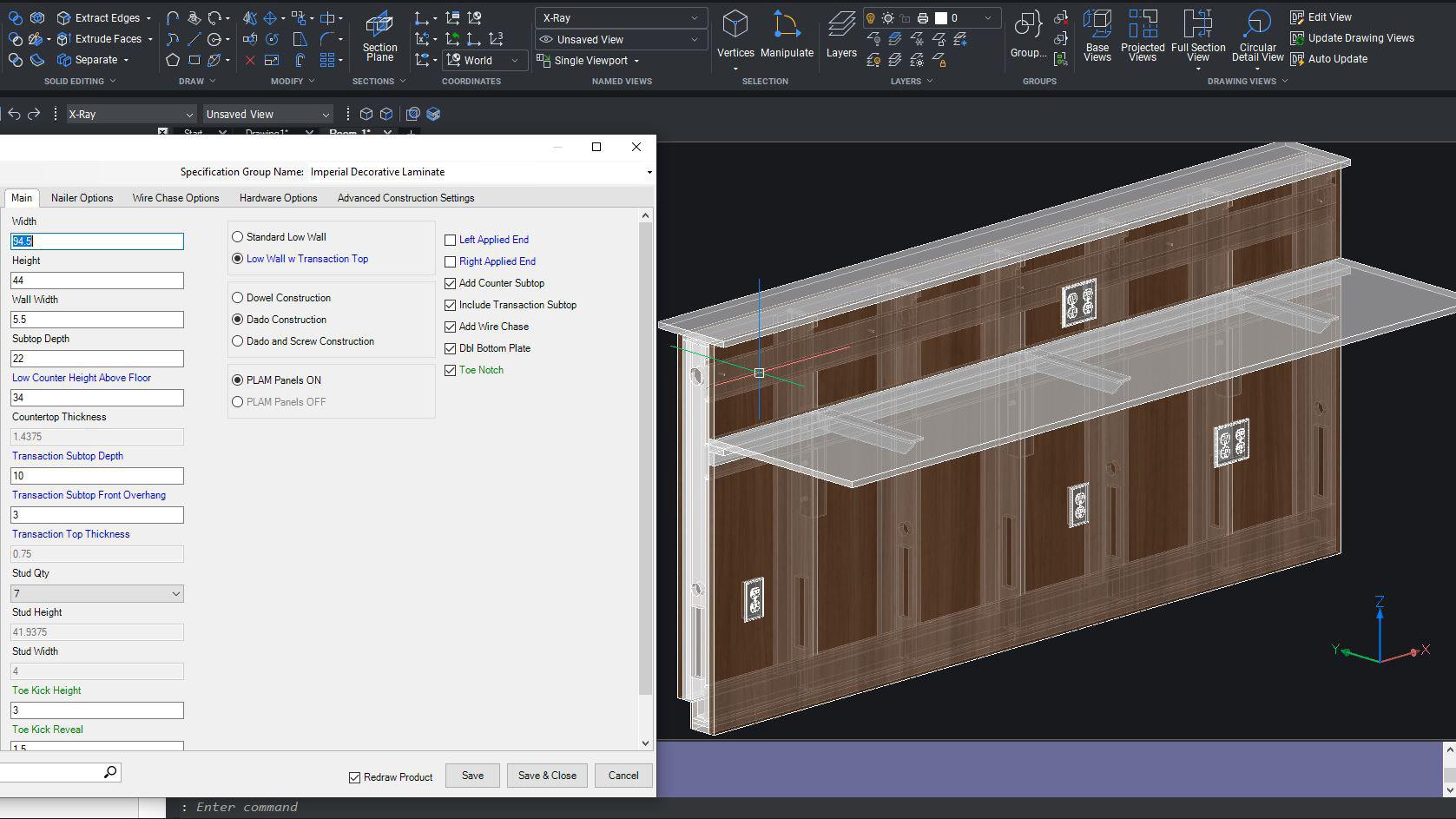
ply update a drawing. It can automatically revise material requirements, purchasing information, production schedules and job costing — all while reducing the risk that one department is working from outdated information.
The result is a manufacturing process that becomes more resilient as projects become more complex.
Few terms have generated more discussion in manufacturing over the past decade than digital twin. Borrowed from aerospace and automotive industries, the phrase often evokes images of highly sophisticated simulations or futuristic virtual factories.
For woodworking manufacturers, however, the concept is considerably more practical, and in many cases, companies are already creating the foundation of a digital twin — they simply haven’t thought of it that way.
hardware, machining operations, nesting strategies and part-level data, giving teams a way to understand, validate and improve the job before labor, board stock or CNC time is committed,” he says.
That ability to identify potential issues before production begins is becoming increasingly valuable as margins tighten and customer expectations continue to rise.
Rather than discovering a problem during assembly — or worse, during installation — manufacturers can resolve it while the project still exists entirely in the digital world.
Coleman argues that the real power of the digital twin extends beyond design altogether. “In practice it’s less a 3D hologram and more a live, governed record of every job,” he explains, “[from the] the engineered design, its bill of materials and cut lists, and the real-time as-built status of what’s running, who’s on it and where work is stalling.”
As barcode scans, machine feedback and production updates continually feed information back into the system, the digital twin evolves alongside the physical product moving through the factory. It
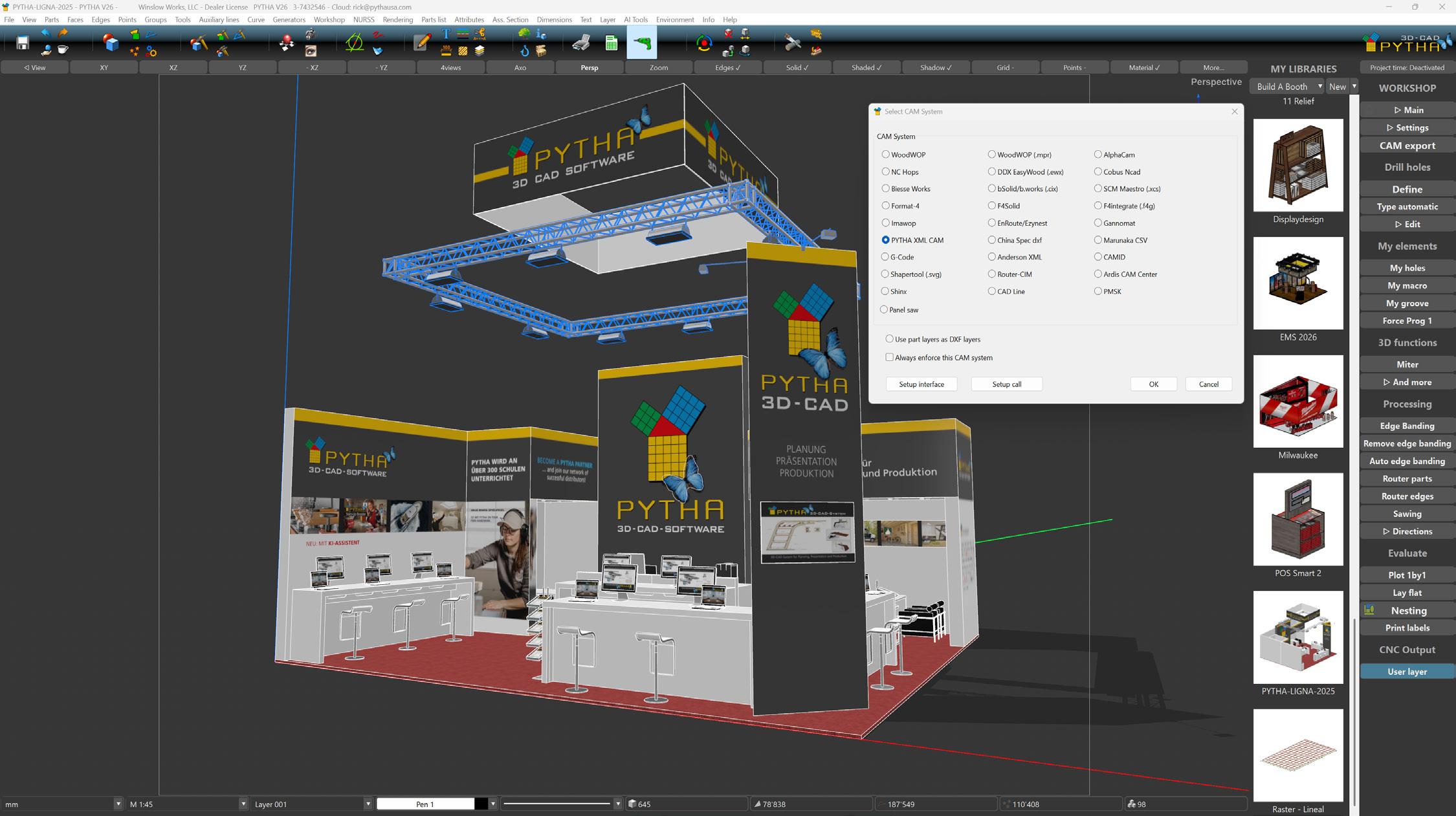
Rick Winslow, Sales & Service with PYTHA USA, believes the industry’s existing design workflows provide the starting point. “In its most basic form, it’s a model of your product, with a BOM and parts list,” he says. “The digital twin is the base of the map that all of your production information comes from. Most of us are creating the base of the digital twin already if we’re using some kind of CAD.”
The difference lies in what happens next.

Rather than existing solely as a design model, that information becomes the foundation for everything that follows. Material requirements, hardware selections, machining operations, cut lists, nesting strategies and production schedules all originate from the same digital record.
Martin describes the digital twin as a way to validate an entire manufacturing process before valuable resources are committed on the shop floor. “It connects design intent, materials,
becomes both a record of what was intended and a reflection of what actually happened.
That distinction matters because the value of connected manufacturing doesn’t end when the last cabinet leaves the shop. Every completed project becomes another source of operational knowledge. Manufacturers can compare estimated labor with actual labor, planned material usage with real consumption and projected schedules with actual production performance. Over time, those insights help improve estimating, scheduling and decision-making for the next project.
The digital twin, then, is no longer simply a digital model.
It is becoming a digital memory — one that captures not only how a product was designed, but how it was actually built.
If the digital twin provides a living record of a product, then the software surrounding it provides the infrastructure that keeps that record alive.
For much of the past three decades, manufacturers adopted digital technologies one at a time. CAD replaced drafting boards. CAM generated machine code. ERP systems improved inventory and accounting. Manufacturing execution systems (MES) brought greater visibility to production. Each solved a specific problem, but many were implemented independently, creating islands of information connected only by file transfers, spreadsheets or manual data entry.
As production has become more complex, those gaps have become increasingly difficult to ignore.
Today, the real opportunity lies not in what each platform can accomplish individually, but in how they work together.
Martin describes ERP, MES and CAD/CAM as the “digital backbone” of a connected manufacturing operation, with each system serving a distinct but complementary role. “CAD/CAM defines what needs to be built and how it will be machined,” he explains. “ERP connects that work to orders, materials, costs and schedules, and MES supports execution, helping manufacturers reduce duplicated data entry, improve traceability and manage customization with greater consistency.”
That integration changes the role of software from a collection of departmental tools into a manufacturing ecosystem.
A modification made during engineering no longer requires someone in purchasing to manually update a bill of materials. Changes to a project schedule can be reflected immediately throughout production. Machine programs, material reservations and labor planning can all reference the same information, dramatically reducing the opportunities for costly mistakes.
For manufacturers producing increasingly customized work, those connections are becoming just as important as faster machinery.
Coleman believes the industry’s greatest gains often come from eliminating what he calls the “seams” between systems. “When CAD/CAM, MES and ERP share one data model,” he says,”
"a design action cascades automatically into work orders, material reservations and job costing instead of being re-entered at each seam — and the seams are exactly where version conflicts and errors are born.”
Anyone who has spent time in a manufacturing environment understands how easily those version conflicts can escalate. An outdated drawing reaches the shop floor. A revised hardware specification never makes it to purchasing. One department unknowingly works from yesterday’s file while another has today’s revision.
Individually, these seem like minor communication issues. Collectively, they become scrap, rework, delayed deliveries and frustrated customers.
That is why the industry’s conversation has shifted from simply digitizing processes to creating what many describe as a single source of truth — a shared pool of trusted information that every department can access in real time.
Why does this matter?
“I think of data as a fairly fragile item, like a freshly painted cabinet door,” says Winslow. “The more times I handle that door — or data — especially manually, the more I run the risk of damaging it.”
It’s an analogy that resonates because it reflects the realities of manufacturing. Every unnecessary touch introduces risk. The same is true of production data.
Instead of repeatedly exporting, editing and re-entering information, Winslow advocates building accurate information once and allowing every downstream process to draw from it. “By establishing the strong base of data first by planning our project in real 3D space, we can then feed clean, detailed information to the rest of our systems,” he says.
In many ways, that philosophy captures the broader direction of connected manufacturing. The objective is not simply to automate more tasks, but to preserve the integrity of information as it moves from concept to completion.
For much of the past decade, automation dominated conversations about the future of manufacturing. Today, another term has taken center stage: artificial intelligence.
Like the digital twin before it, AI has generated its share of hype. Yet among woodworking manufacturers, the discussion is becoming increasingly practical. Rather than replacing experienced craftspeople or engineers, AI is emerging as a tool that helps them make faster, better-informed decisions.
The common thread is data.
Without accurate, connected information, artificial intelligence has little value. With it, manufacturers gain the ability to identify trends, recognize bottlenecks and automate repetitive tasks that consume valuable engineering time.
“AI, automation and real-time data are helping manufacturers make earlier, better-informed decisions rather than relying only on what becomes visible once work reaches the shop floor,” Martin says.
He sees opportunities to automate routine preparation work, improve machine and material utilization, and capture the knowledge of experienced employees so it can be applied more consistently across increasingly varied production environments.
That last point reflects a challenge facing much of the industry. As experienced workers retire, manufacturers are looking for ways to preserve decades of production knowledge rather than relying solely on informal training or institutional memory. Connected software offers one way to embed those best practices into everyday workflows.
Coleman similarly views real-time data as the foundation upon which AI becomes genuinely useful. “Real-time data is the foundation,” he says. “Live visibility into inventory, labor and job progress so bottlenecks surface before a delivery slips, not after the job closes.”
Only after that foundation exists, he adds, can artificial intelligence begin delivering measurable value.
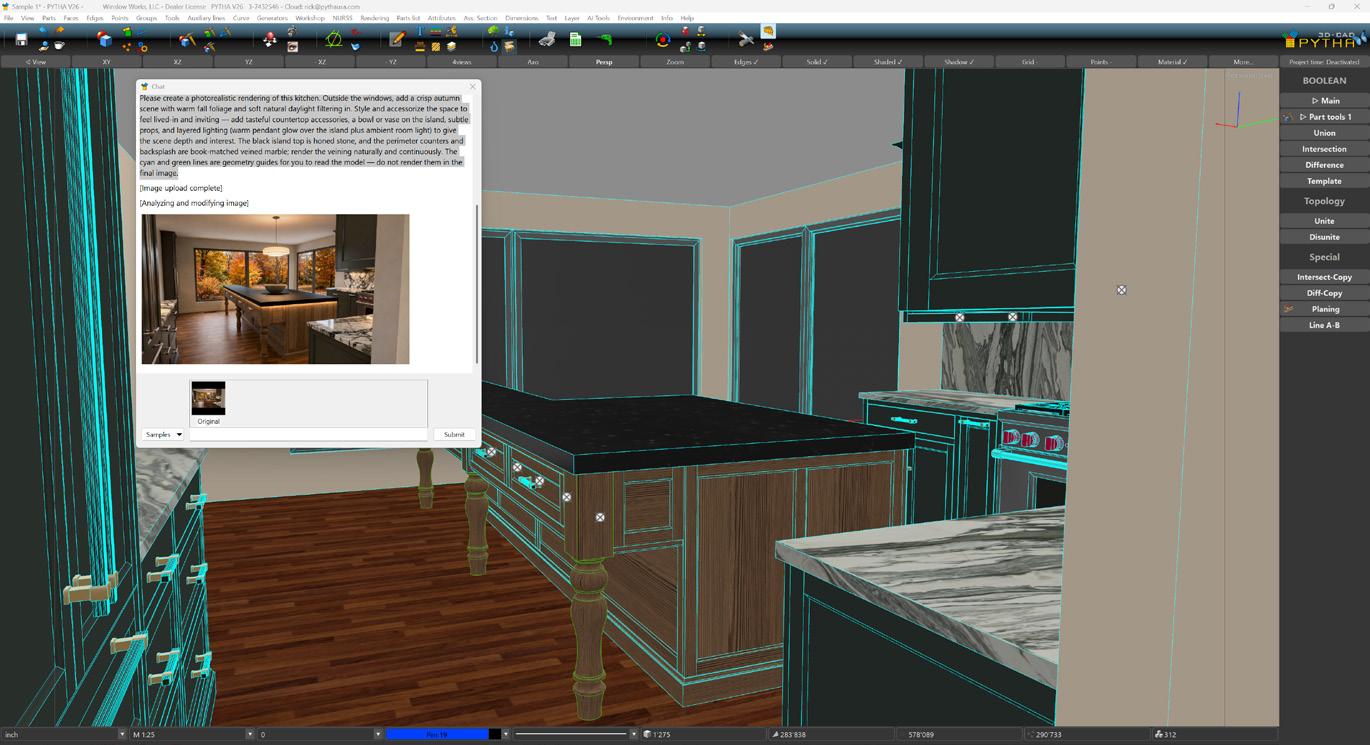
“We’re applying AI in practical places: natural-language design edits, plan-set analysis that flags the likely millwork pages, and post-project comparison of estimated versus actual cost that recommends adjustments to the next bid,” says Coleman. “It isn’t AI for its own sake — it’s faster, better-informed decisions across the estimate-to-floor workflow.”
Winslow shares that pragmatic outlook. “Without real-time data, we’re just guessing,” he says. “Even with it, if we aren’t able to digest the data properly, it’s still not effective.”
He points to AI’s ability to process large amounts of information quickly and automate work that previously required weeks of manual effort. One recent project involved creating a software plug-in that allowed a customer to import product information directly from website output.
“It happened in hours,” he says, “not weeks that turn into months.”
Taken together, those examples illustrate a broader shift in how the industry views artificial intelligence. The most valuable applications are not replacing manufacturing expertise — they are extending it.
If there is one theme that emerged consistently from conversations with experts across the industry, it is that successful digital transformation depends as much on people and processes as it does on software.
Implementing connected systems requires clean data, thoughtful planning and a willingness to rethink long-established workflows. It also requires patience.
“The challenge is not simply deploying new technology,” Martin says. “It is moving from fragmented, experience-driven operations to a connected manufacturing environment where reliable data supports decisions across the workflow.”
Manufacturers are increasingly addressing that challenge through phased implementation, better integration and ongoing training, allowing organizations to build confidence one workflow at a time rather than attempting wholesale change overnight.
Coleman points to persistent obstacles such as data silos, brittle file-based handoffs and version conflicts — issues that become more costly as projects grow more customized.
Winslow identifies another factor that is sometimes overlooked once a purchase order has been signed: ongoing support.
“I talk to lots of business owners who feel like once they’re sold the product or service, they don’t get the support they truly need [afterwards],” he says. “Without the proper continued support and implementation, even the best systems are likely to fail.”
Those observations serve as an important reminder that the digital twin is not a product that can simply be installed. It is the result of an organization committing to connected information, consistent processes and continuous improvement.
As manufacturers prepare for IWF 2026, the industry’s most compelling innovations
may not be the ones drawing the biggest crowds on the show floor. They may be the technologies working quietly behind the scenes — connecting design to production, turning data into decisions and ensuring that every department is building from the same trusted foundation.
In that sense, the digital twin represents
something larger than another software trend. It signals a broader transformation in how woodworking manufacturers think about production itself. Increasingly, success will be measured not only by the speed of the machines on the shop floor, but by the quality of the information guiding every decision that reaches them. S P
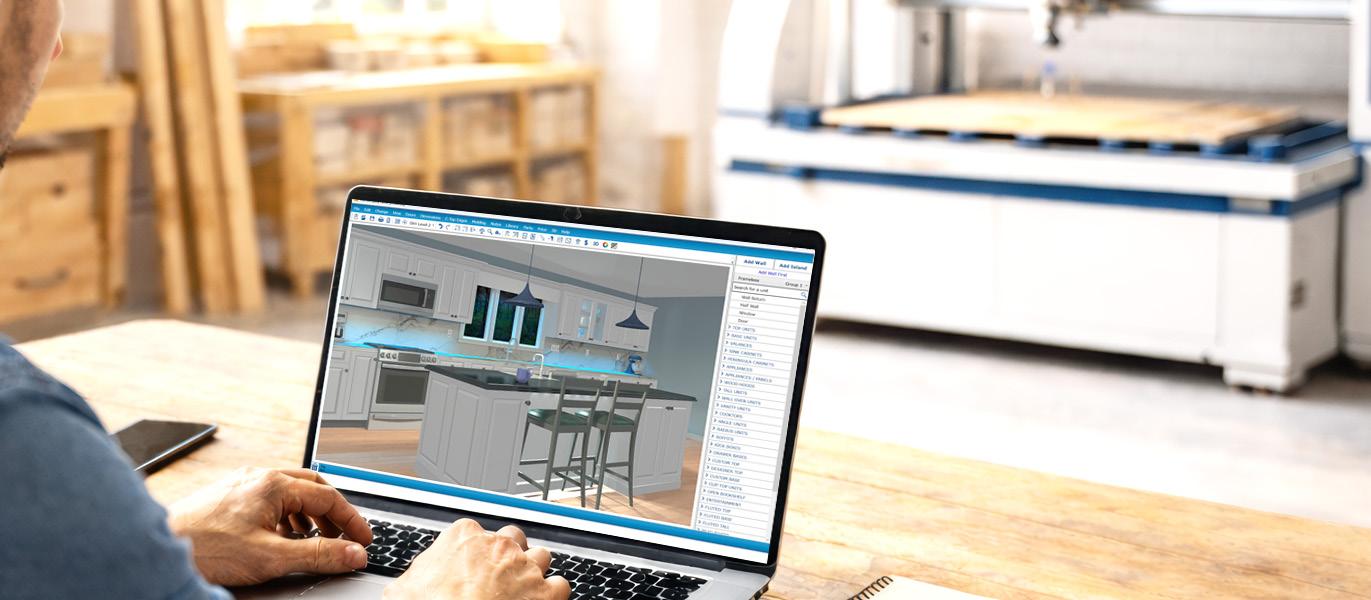


BY MICHAEL WILBUR

The generation has held down the job market across four decades. But for the remaining 15 percent of the labor force that still falls under this demographic, retirement is calling.
An estimated 30.4 million Americans will turn 65, symbolizing the traditional retirement age, between 2024 and 2030. The greatest number will celebrate this milestone during the first four years of that timeframe, which the Alliance for Lifetime Income (ALI) has dubbed “Peak 65.” The trend kicked into overdrive last year, as 4.1 million U.S. adults became part of the statistic — more than at any other time in history, signaling “absolute peak.” What that boils down to is 11,200 workers reaching retirement age per day.
Let that sink in. The national workforce, which includes our distribution channel for building materials, is losing 11,200 people. EVERY. SINGLE. DAY.
In just four short years, all Boomers will be members of the 65-and-older club. And most who are still working likely have their retirement date circled on the calendar. The implications for the labor market are vast and irrefutable, and if you’re not already thinking about how your company is going to be affected by the loss of an entire generation of workers, it’s time to start. That’s an
immense amount of institutional knowledge about to walk out the door, but there’s still time to pass along that wealth of knowledge to the future leaders of your businesses.
Certainly not every Baby Boomer is going to turn in a letter of resignation on their 65th birthday, and many companies wisely have succession plans in place in anticipation of leaders stepping down. However, a medical diagnosis or other unexpected life event can accelerate an older team member’s exit. The bottom line is that, whether planned or unplanned, this generation will be leading a mass exodus out of the workforce in the coming years; and that impact will be felt deeply.
In a recent conversation with Connor Lokar of ITR Economics, he noted that while 2026 may not be the year the distribution channel was hoping for from an economic perspective, it is an opportune time to get your house in order, so to speak. In an otherwise slow year for business, he advised, companies should focus on upgrading systems and processes to help set themselves up for success on the way out of the downturn. Using less-busy periods to invest in people through education and training is a huge part
of that strategy. In fact, to prepare for a workforce that’s certain to look dramatically different less than five years from now, it’s critical. Start by taking inventory of your people. Who falls in the ‘Peak 65’ zone and where do they live on the organizational chart? Are you looking at potential leadership gaps at the departmental level? Or is the C-suite most vulnerable?
Identify talent who seem capable of taking the reins from outgoing individuals. Does your company have bright up-and-comers who have made a strong impression through participation in NBMDA’s Emerging Distribution Leaders cohorts or through an internal mentoring program, for example? It’s never too early to introduce them to elevated roles and responsibilities now and begin grooming them to move up the leadership ladder. Leverage the association’s educational offerings, like the University of Innovative Distribution, to supplement person-to-person knowledge transfer.
It’s important to be critically honest when surveying the internal team, however. If there truly isn’t a candidate with outstanding leadership potential already on the payroll, consider launching a search process now even if the expected need is years (you think) in the distance.
Don’t take my word for it: talk with peers to see how they’re handling this predicament, which will affect everyone across the distribution channel as well as outside of it. Companies in all sectors will be competing to hire prospects from what will be a much leaner working population. Where are they finding new talent? How are they positioning their business to attract well-qualified, younger workers?
Explore what others in our industry are doing to prepare for the post-Boomer workforce. Lean into your association, which facilitates the opportunity for these kinds of discussions to take place. NBMDA, for example, is hosting a reception at IWF this summer that will bring folks on the distribution side and the supplier side all together in the same room. In place of small talk, introduce ‘Peak 65’ as a conversation starter/icebreaker, and possibly walk away from the chat with information that will help you navigate the demographic shift at your own company.
Getting out in front of these changes is the only way to prevent falling behind. Start with the data and determine how many of your employees fall into that soon-to-retire category. Then make that a staple topic of discussion during strategy meetings, set a deadline for determining a plan, and make sure someone — a specific individual — is responsible for making it happen.
Is that a fairly basic approach? Yes, but it’s also just the starting point. And sometimes, especially in the face of a looming challenge at this scale, it’s helpful to remember to start with the basics. Take it one step at a time and keep going until you have a plan in place.
And then, if you’re feeling ambitious, look beyond the Boomers. According to ALI, the next "Peak 65" event is coming in just 20 years with Generation X. S P

Michael Wilbur serves as the Executive Vice President for the North American Material Distribution Association (NBMDA). He has a long track record of excellence in serving trade associations, covering roles from leadership and board governance to membership and events management. www.nbmda.org
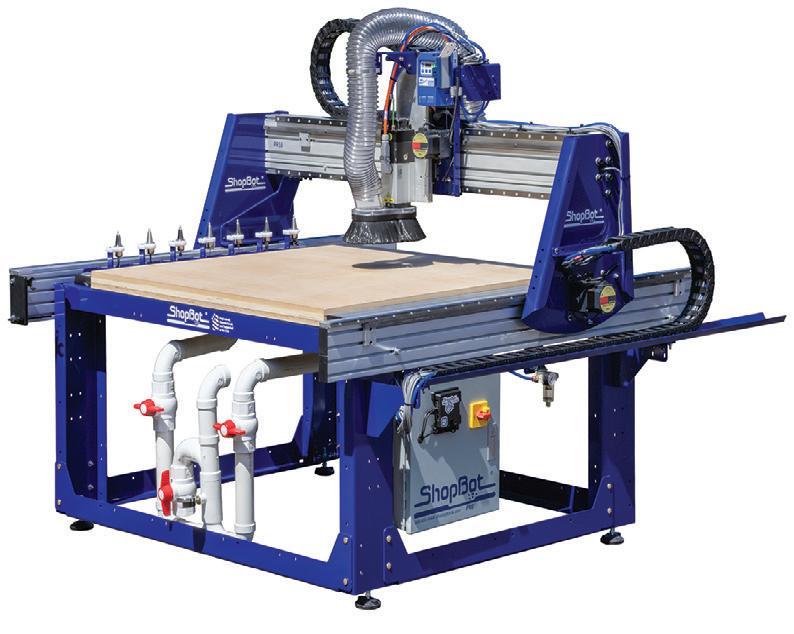
Introducing the ShopBot Carolina™ ATC. Side-mounted tool bar keeps your load/unload material area clear — 7 tool positions on a 4’x4’, expandable up to 14 on a 4’x8’. Automatic bit changes keep cabinet components, dados, and profiles flowing without interruption. Available in 1HP 110V and 3HP 220V.
Let’s talk CNC that fits your workflow — and your budget. 888-680-4466
BY NICHOLAS RITCHIE

Critical conversations can be incredibly challenging.
The stakes are high, opinions differ, and the outcome is almost always uncertain. Any one of those is uncomfortable, and many critical conversations involve all three together. This is why most people’s first instinct is to avoid them.
The cost of that avoidance is real and tangible: tensions rise, teams fracture, and issues that needed addressing don’t disappear.
Avoidance doesn’t resolve the situation; it usually makes it much worse. The Workplace Advisors works with organizations every day to navigate precisely this type of conflict. Founder and CEO Claudia St. John developed a framework that we find ourselves returning to over and over again, whether it’s coaching a leader through a tough conversation or helping a team work through a breakdown. The acronym is F.R.I.E.N.D., which is something we could certainly use when navigating conflict in the workplace.
Before beginning the conversation, take a second to consider what you’re trying to accomplish. What does a good outcome look like? Without clarity, the conversation has the potential to get hijacked by emotions, by tangents, and by the other party’s agenda. Due north does not have to be a full resolution.
Often, it’s simply, “I want to find out how we navigate these situations better moving forward.” Or, “Can we talk about how we talk about this topic?” Both are perfectly valid places to start. If you aren’t sure what you want out of the conversation, it may be worth waiting until you do. It’s also important to remember that knowing your due north isn’t just about getting what you want; it’s about protecting the relationship.
Conversations that turn into debates rarely end with both parties better off.
If you’re angry, hurt, hot, or anxious going into a conversation, it is unlikely to go well. When our fight, flight, or freeze instincts are activated, we become defensive, combative, or shut down emotionally. None of these lead anywhere productive or toward a solution, but it is also important to understand that this can be very challenging to consciously control.
So, the best advice is to check in with yourself — if you’re feeling emotional in any way, delay the conversation. And the same can be said for the other party. If they’re running hot, it is probably not the right time for a conversation.
The ultimate goal isn’t to suppress your feelings, but instead to make sure your feelings are helping the conversation rather than driving it off the road. In practice, readying your emotions might mean sleeping on it before initiating a conversation, taking a walk to clear your head, writing out what you’d like to say before you say it, or talking it through with a trusted person first.
… readying your emotions might mean sleeping on it before initiating a conversation, taking a walk to clear your head, writing out what you’d like to say before you say it, or talking it through with a trusted person first.
"
There is no one-size-fits-all approach; the point is to give yourself enough space between the emotions and the conversation that you’re able to respond instead of react.
Humans are exceptionally talented at making up stories. We fill in gaps with assumptions about what happened, why it happened, what the other person intended, and what they think of us. We then treat those stories as cold hard facts. The reality is that until you check those stories, you’ve manufactured them completely. They exist in your head and your head alone.
Before and during the conversation, be sure to examine your assumptions. This may mean taking a few minutes to reflect, or literally naming your assumptions out loud. “The story I’m currently telling

Elevate your choice of particleboard, and take your project to the Summit.
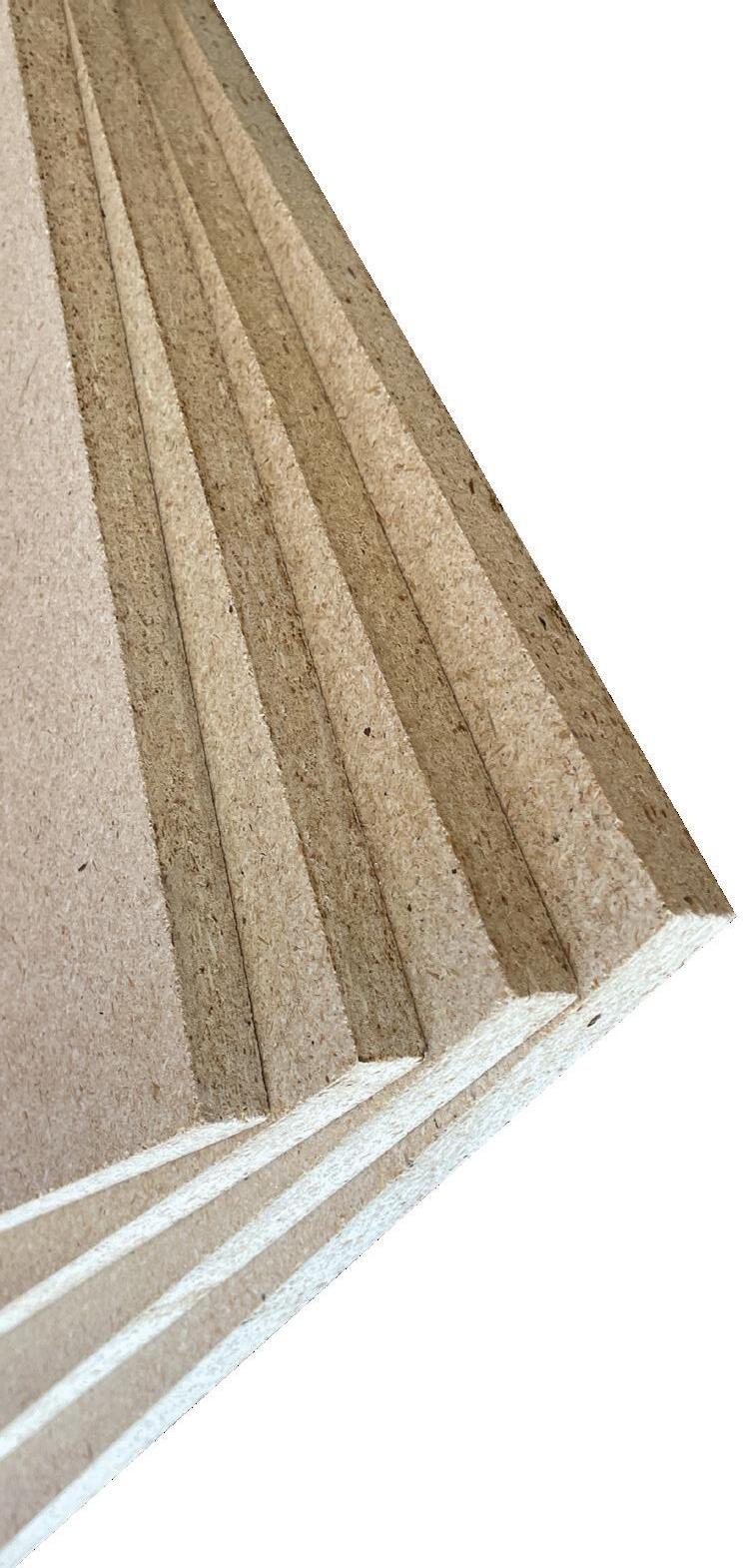

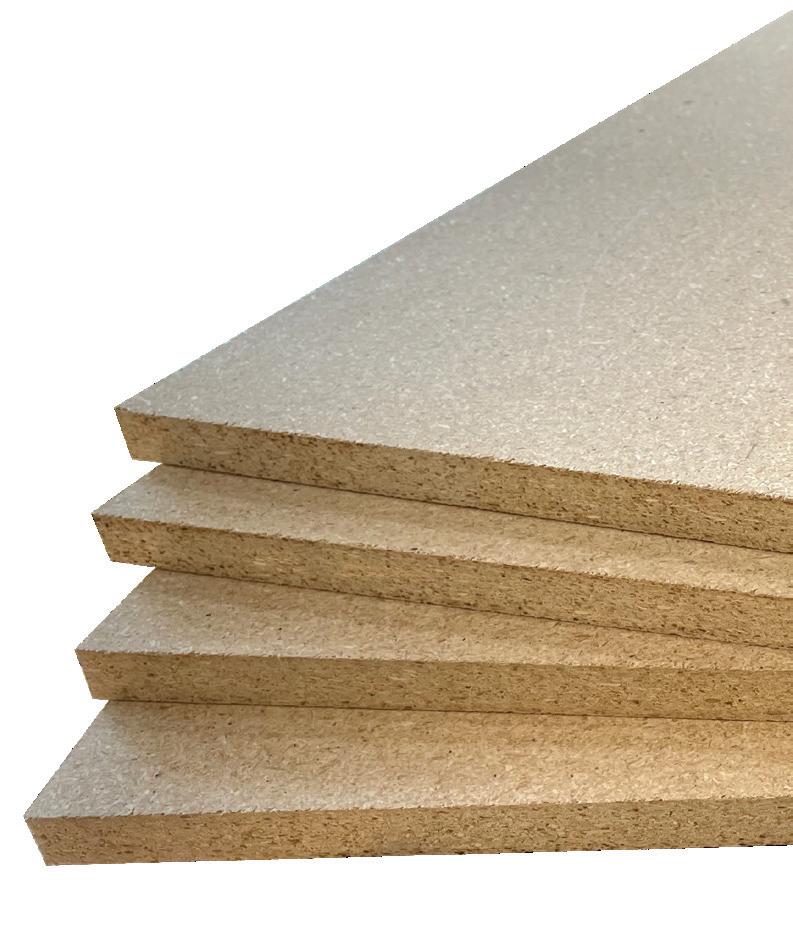

Q. We pay our employees for the major holidays when we are closed. Does holiday pay need to be counted toward overtime for non-exempt employees?
A. No, holiday pay does not need to be counted toward hours worked when determining if a nonexempt employee is owed overtime. Overtime is for time the employee works or other compensable time (such as certain travel time) within the established seven-day workweek. Non-compensable time, such as vacation, sick leave, holiday pay, and bereavement time, does not need to be included in that calculation unless your company voluntarily chooses to count it.
For example, if an employee works 33 hours and receives eight hours of holiday pay, they would be paid for 41 hours at their regular hourly rate. However, if they work 42 hours and receive eight hours of holiday pay, they would be paid 48 hours at the regular rate and 2 hours at time-and-a-half (assuming state overtime laws follow FLSA).
myself is… Is that accurate?” A willingness to question your own narrative creates an opportunity for you to actually hear what the other person is saying, and often leads to a very different—and much more positive—conclusion.
It’s also worth noting that this step doesn’t end when the conversation begins. If you find yourself becoming reactive midway through the conversation, that’s your signal to pause and check your stories again.
A successful critical conversation requires the right conditions. From a physical safety standpoint, is there privacy? Is this a place where we can speak in candor? That said, psychological safety matters just as much.
Does the other person feel like they can be honest? Are they rushed into a conversation, caught off guard, or in a setting where they feel exposed? If people don’t feel physically or psychologically safe, they will not show up openly to the conversation, and you will find it difficult to come to an agreement.
If the conditions aren’t suitable for a conversation, it’s okay to say so. Delaying a conversation is not the same as avoiding the conversation. " "
If the conditions aren’t suitable for a conversation, it’s okay to say so. Delaying a conversation is not the same as avoiding the conversation. Change the setting, propose a different time, or consider bringing in a neutral third party to help facilitate the conversation. Getting the conditions right for a critical conversation requires effort.
Navigating the other person’s story is where active listening skills must take over. The goal is not to listen to respond but rather to genuinely understand where the other person is coming from.
Ask rich, open-ended questions, then continue to dig with more questions:
• “Tell me more about that.”
• “How did that make you feel?”
• “What does that lead you to conclude?”
• “What would you like to see handled differently?”
When you take the time to navigate someone else’s story, you may discover that their true intentions weren’t what you assumed at all. " "
Most disagreements are as much about assumed intentions as they are about actions, but the problem is we rarely know what someone’s intentions are without asking. When you take the time to navigate someone else’s story, you may discover that their true intentions weren’t what you assumed at all.
A colleague who missed a deadline may not have been disengaged but instead may have been overwhelmed and unsure how to ask for help. A teammate who seems checked out may be dealing with something you’re not aware of.
Understanding the intention behind the action doesn’t mean excusing it, but it does change the conversation. That’s when real resolution becomes possible.
Now, to move forward. What has been agreed upon? What will each person do differently in the future? Where do things go from here? Common ground doesn’t always mean full agreement, and that’s okay.
Sometimes the outcome is a shared understanding of the disagreement and a commitment to keep talking. Partial progress is still progress. What matters is that both parties leave with a clear sense of what comes next.
From a practical standpoint, documentation is always a good idea. Even a brief follow-up note summarizing what was discussed, what was agreed upon, and what the next steps are goes a long way. It creates clarity, reduces the chances of “that’s not what I thought we said,” and provides a record if the issue resurfaces down the road.
With the right framework, critical conversations don’t have to be dreaded. They become one of the most effective tools you have for building better relationships, resolving conflict, and creating workplaces where peo -
ple can actually talk to each other. Applied consistently, F.R.I.E.N.D. doesn’t just make hard conversations easier; it makes teams stronger. S P
Nicholas Ritchie is recruiting coordinator with The Workplace Advisors. You can reach him at contact@ theworkplaceadvisors.com. This article is based on the F.R.I.E.N.D. Framework developed by Workplace Advisors founder and CEO Claudia St. John.


BY KEITH CHRISTMAN
Hardwood plywood is one of the most versatile and beautiful building materials available, but walking into a mill or distributor without a plan can be a recipe for frustration. The choices are staggering: species, cut, grade, core, match type, matching arrangement — and every decision affects cost, appearance, and performance.
Understanding how these variables work together is the difference between a panel that looks exactly right in its final application and one that isn’t perfect. In architectural applications, these deci-
sions shape not just performance, but the visual rhythm, scale, and material expression of a space.
The face veneer is the soul of a hardwood plywood panel, and species selection drives everything that follows. The most commonly used species in North American hardwood plywood — cherry, red oak, white oak, maple, birch, walnut, and ash — each have distinct physical properties and visual characteristics that make them suited to different applications. But you may also want consider specialty and exotic species.
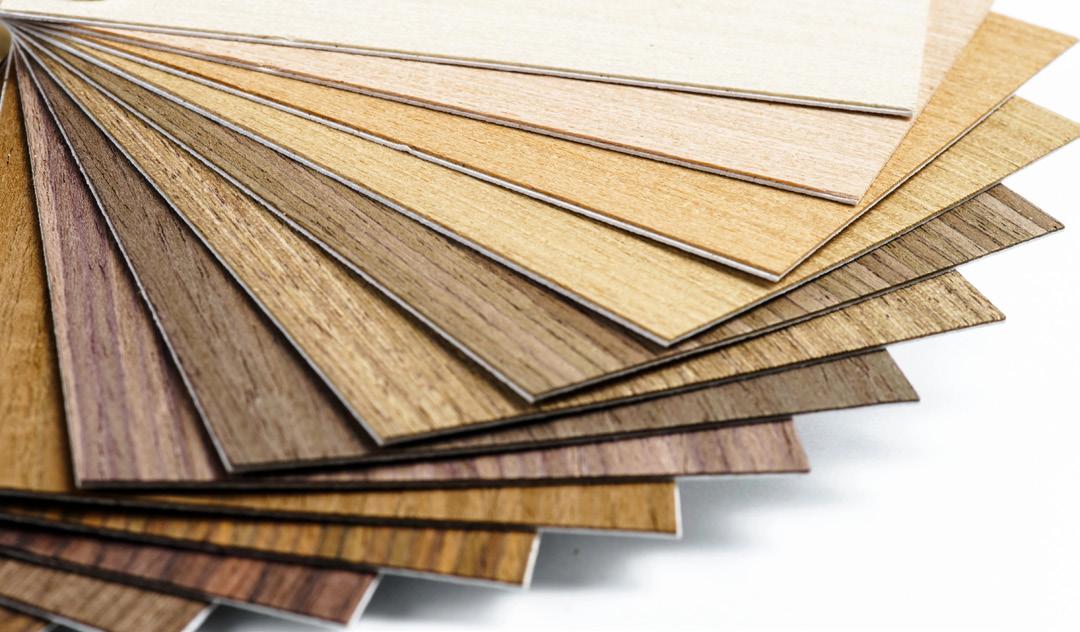
In cherry, birch, maple, poplar, pecan, and hickory, natural color variation — the mix of lighter sapwood and darker heartwood — is permitted in any face grade
Hard maple, for instance, is among the toughest species in common use, with a hardness rating of 1,450 psi and excellent resistance to shock and abrasive wear, making it a natural choice for cabinetry and work surfaces. Black walnut, at 1,010 psi, is softer but prized for its rich chocolate-brown heartwood and straight-tointerlocked grain that finishes beautifully. Red and white oak sit in the middle of the hardness range and are notable for producing ray flake when quarter sliced — a distinctive silvery pattern highly valued in architectural millwork.
One often-overlooked factor in species selection is color. In
cherry, birch, maple, poplar, pecan, and hickory, natural color variation — the mix of lighter sapwood and darker heartwood — is permitted in any face grade. This means a panel specified as cherry grade A can still contain a broad range of colors unless the buyer explicitly communicates a preference. Always tell your supplier whether you want sapwood, heartwood, or natural panels upfront, before fabrication begins.
While domestic species dominate most specifications, designers may also want to consider incorporating exotic veneers to create more distinctive, high-impact environments. Species such as teak, rosewood, and ebony offer rich color, depth, and a level of natural refinement that elevates a space beyond the expected. With exotic veneers it is very important to work with reputable suppliers that actively comply with the U.S. Lacey Act and keep illegal timber out of their supply chain. The Decorative Hardwoods Association publishes the American National Standard for Due Diligence in Procuring / Sourcing Legal Timber (ANS LTDD 2.0 2023), which can help.
In addition to exotic species, highly figured materials — including mappa burl and walnut burl — introduce dramatic patterning and movement, often becoming focal points within a design. These specialty veneers typically require closer coordination on availability, sequencing, and finishing, but they offer a unique opportunity to create truly one-of-a-kind architectural surfaces.

How veneer is cut from the log profoundly shapes the visual character of the finished panel, and it also affects cost.
Rotary cutting peels the entire log like a scroll, yielding the most veneer per log and producing a broad, variegated grain pattern. It's the most economical method and the only one capable of producing whole-piece faces — a single, unjointed sheet of veneer covering the entire panel.
Plain slicing is the most common slicing method. The log half is sliced along the growth rings, producing the familiar cathedral grain pattern many people associate with traditional cabinetry. It offers the best yield of the sliced methods, keeping cost moderate.
Quarter slicing cuts perpendicular to the growth rings, producing a straight, striped grain. In red and white oak, this method also reveals ray flake. Because it yields narrower components and less veneer per log, it costs more than plain sliced.
Rift cutting , used almost exclusively with red and white oak, cuts at a 15-degree angle to the growth rings to minimize the flake effect, producing clean, straight-lined grain. It's the most expensive slicing method because it yields the least veneer per log.
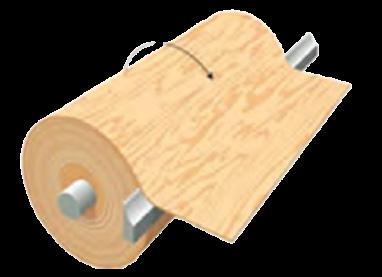
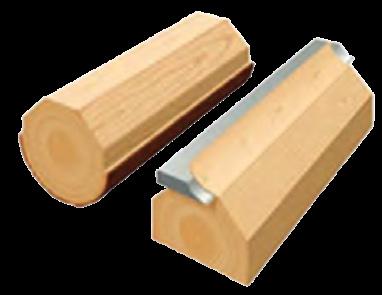
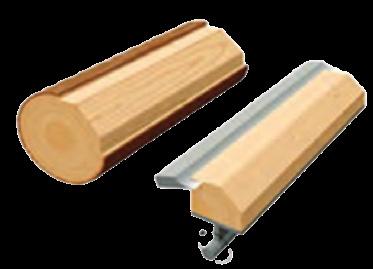
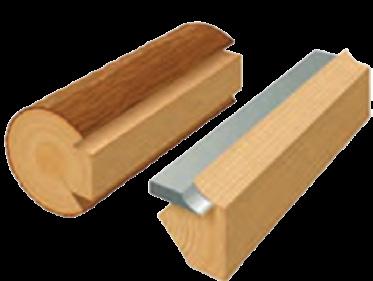
Once you've chosen species and cut, the next decision involves how individual veneer leaves are joined to form the panel face.
Book matching — the most common approach — flips alternating leaves like pages of a book, creating a symmetrical, mirrored grain pattern.
Slip matching feeds leaves in sequence without flipping them, so the same side of each leaf faces out. The figure repeats but doesn't mirror, creating better color uniformity though at some cost in yield and availability.
Random match assembles leaves without regard to color or grain, creating a casual, natural variation. Pleasing match selects for color similarity. Plank match mimics the look of solid lumber planking, sometimes with grooves at the joints to reinforce the effect.
Within book and slip matching, leaves are arranged on the panel face using one of three methods: running match (the most economical, where leaves are fed continuously and may be split across panels), balance match (each face assembled from uniform-width leaves, cleaner and more consistent), or center match (a form of
balance matching that uses an even number of leaves to create a centered joint — the most premium and expensive option). In highend architectural applications, these matching techniques are often customized panel-by-panel to maintain grain continuity across an entire space, reinforcing the importance of early layout planning.
The core is what holds everything together, and different core types have meaningfully different performance profiles.
Veneer core offers the best dimensional stability, screw-holding, and bending strength, making it the go-to for structural applications. MDF core provides an exceptionally flat, smooth surface — ideal when a flawless finish is critical — and excellent edge quality, but lower screw-holding and dimensional stability. Particleboard core is flat and economical but shares similar limitations to MDF. Combination cores with composite crossbands pair the stability and screw-holding of veneer with flatter, more uniform surfaces, though availability is more limited.
The American National Standard for Hardwood and Decorative Plywood (ANSI/HPVA HP-1-2024) defines six face grades — AA, A, B, C, D, and E — running from the most restrictive (AA, for premium architectural applications) to the most permissive (E, for utilitarian uses where appearance is secondary). Grades overlap at their edges, meaning a panel at the bottom of the AA range may actually look less refined than one at the top of A.
Critically, a typical rotary hardwood log produces only about 2% AA-grade material, compared to 33% C-grade. Specifying the highest grade by default isn't always wise — a well-selected B or C panel can deliver excellent results for many applications at significantly lower cost, while helping to use the resource more efficiently.
The most important principle in selecting hardwood plywood is clear communication. Use the ANSI/HPVA HP-1 Standard (available at www.decorativehardwoods.org for free) as the shared language between you and your supplier, reference the Hardwood Plywood Order Form on page 67 of DHA’s Hardwood Plywood Handbook to capture every specification, and inspect panels before any processing begins. This is especially critical when working with exotic or highly figured veneers, where consistency, sequencing, and yield can vary significantly from panel to panel.
The right hardwood plywood for your project is out there. Knowing the variables gives you the power to find it. S P
Keith Christman is president of the Decorative Hardwoods Association, formerly known as Hardwood Plywood and Veneer Association. He welcomes your thoughts and questions at kchristman@decorativehardwoods.org. Visit the DHA at www.decorativehardwoods.org.










































































































































































































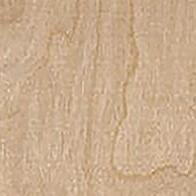

























BY JAMES OLSEN
We must compete to sell. I am always surprised working with salespeople who don’t want to compete. They are what I call “quotron units” or “product presenters.” The phrase “It sells itself” should be stricken from the vocabulary and more importantly from the mentality of every professional seller. We should replace this illusory phrase with the more appropriate “If it’s to be it’s up to me” or my favorite: “If we don’t sell, we don’t eat.”
Give me a salesperson with a little less personality, smoothness or charisma but with a bit more determination every time.
I recently spoke with a brilliant salesman. He is one of the most likable, charismatic people I have ever worked with. He is one of the best sellers, at the moment of close, that I have ever met. I have sold side-by-side with this guy — he is great in front of the customer. His problem is that he doesn’t want to prospect. “If I could just hire someone to set up the appointments for me…” This salesperson, in spite of his enormous talent, is

producing well below his potential because he lacks the discipline to prospect on a consistent basis.
To be successful in sales we must be half gunslinger and half farmer. What do I mean? Our gunslinger is our closer. Our gunslinger is our person who can communicate with many different kinds of personalities. Our gunslinger is the one who can respond on the fly. Our farmer is the one who shows up every day and completes the steps of the sales process with discipline. It is rare to find both traits in one person. That’s why most of us have to work at being great salespeople.
Pareto’s Principle states that 80 percent of everything in any competitive activity goes to 20 percent of the people involved in that activity. Eighty percent of the fish are being caught by 20 percent of the fishermen. Eighty percent of the baskets in the NBA are scored by 20 percent of the players; 20 percent of the flower shops in your town are selling 80 percent of the flowers. Given that sales is a
competitive field, 80 percent of the business is going to 20 percent of the salespeople. Who are those 20 percent?
“Natural” superstars make up a small portion of this group. The “naturals” do exist. There is a segment of people who are naturally great sellers. They are about one in 60. We then have the “man-made naturals.” These are the professionals who have studied the game of sales and worked on their skills until they are as good as or better than the naturals. The “man-made naturals” get another portion of the business.
The real strengths of the workaholic are time and determination .… the average workaholic is working 60 hours a week.
Then we have the workaholics. Their technique isn’t necessarily better than the rest, although they do build their skills faster than the salesperson who works less because they get a lot more practice. The real strengths of the workaholic are time and determination. If the average salesperson works 40 hours a week (it’s less), the average workaholic is working 60 hours a week. Assuming closing percentages are the same, the workaholic will get 50 percent more of the business! This assumes a portioned awarding of orders. In many “all or nothing” sales environments, the percentages will be even more slanted to the workaholic.
Are we destined to mediocrity if we are not a “natural” or a workaholic? Yes, if we don’t change. I believe in balance. Life is more than getting the order. But I am not in denial about who I am competing against. The very talented, very dedicated, and the overly dedicated are getting 80 percent of the business. Do we have to work 60 hours a week to compete with the workaholics? No. But we will have to be disciplined and intense in our workday. We will have to work on our sales skills. We also have to be engaged while we are working. Showing up for 35-40 hours a week will put us in the bottom 80 percent. We must compete. We must work on our sales techniques and disciplines to be the top 20 percent — where sales is fun and profitable. S P
James Olsen is principal of Reality Sales Training, Portland, Or., and creator of SellingLumber. com. Contact him at (503) 544-3572 or james@realitysalestraining.com

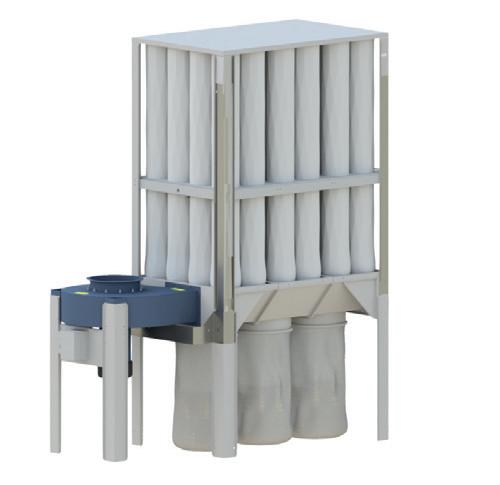
SILENT -


SAFE - NFPA-compliant
SHAKER- Enhanced cleaning options
SUPERBAGS - 5+ year filter life
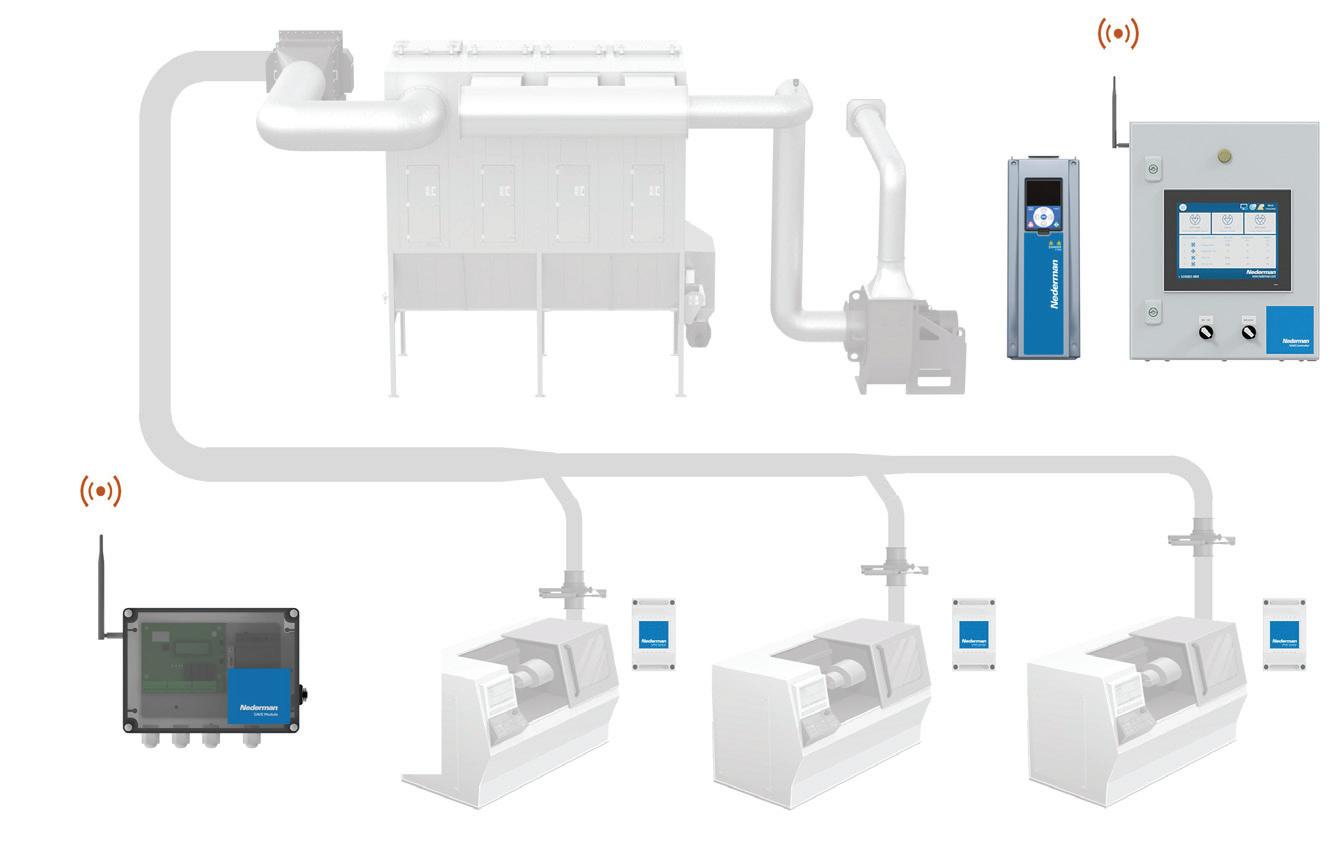
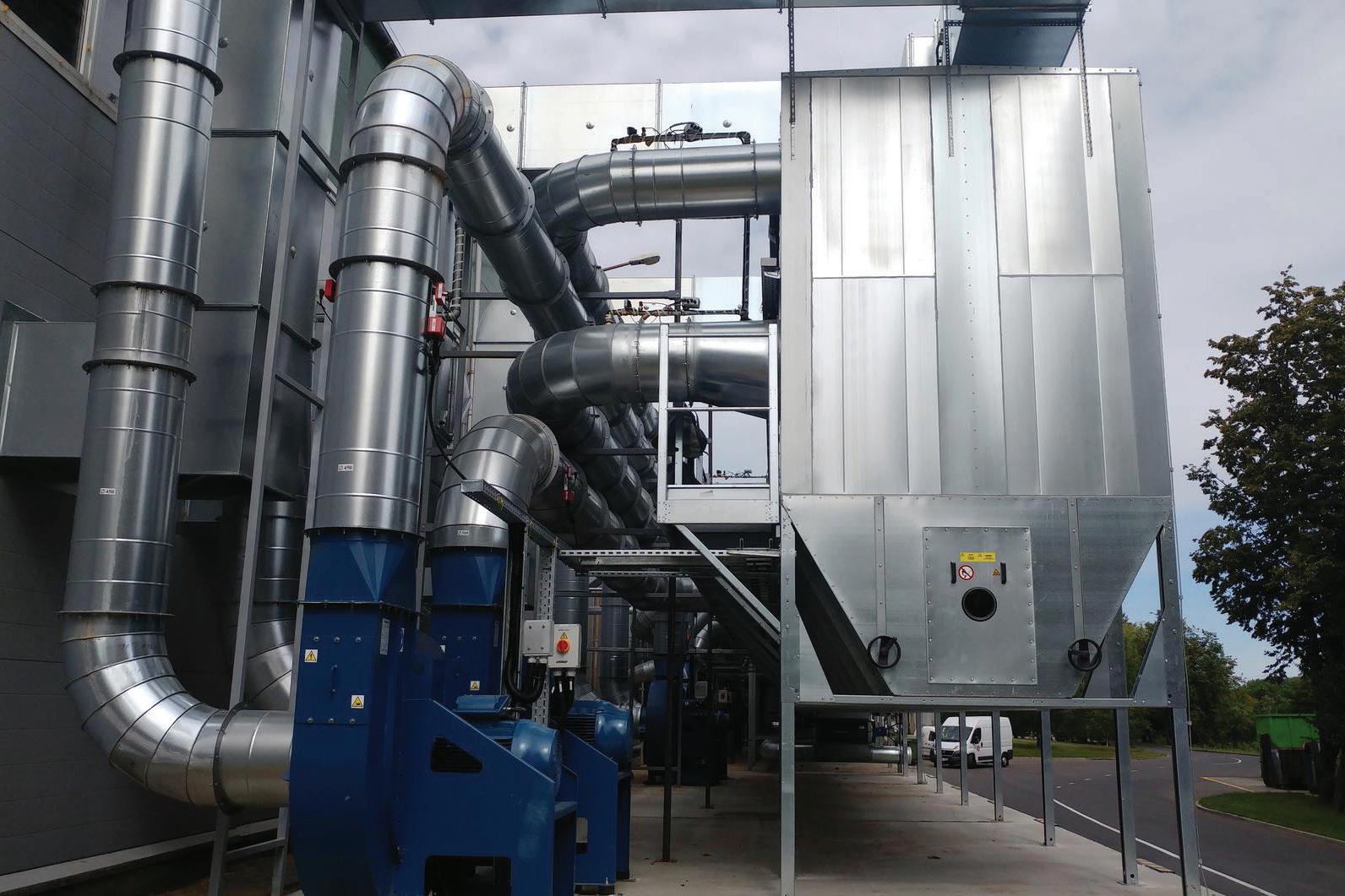
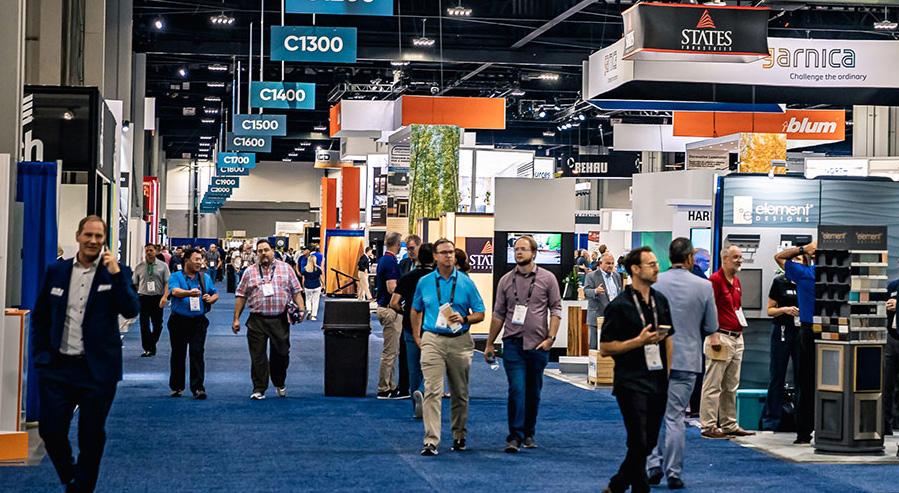
Organizers expect a large crowd in Atlanta for this year’s IWF show. Many companies use the show to share new preview here of those products and where to find them.* *IWF Booth numbers provided at publication — subject to change
Arauco North America brings the full spectrum of surface and structural possibility to IWF 2026 — from the evocative new Prism thermally fused laminate collection to innovative plywood, composite panel, and moulding solutions. Visit our booth to explore products designed with purpose, crafted with intention, and inspired by the spaces where life quietly unfolds.
IWF BOOTH C1840 na.arauco.com
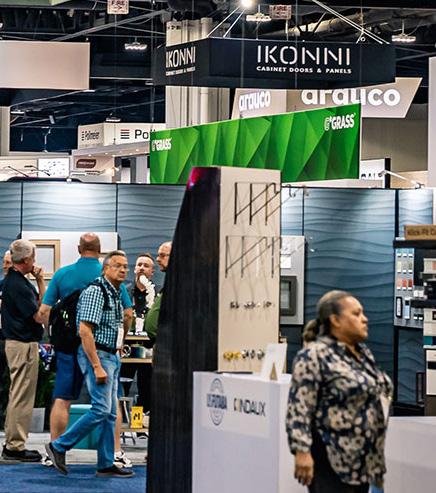
products with the industry, and we have a special
Designed to support the growing trend toward rounded forms, these Radiused Corner Mouldings simplify the specification and fabrication of curved design elements. They deliver consistent, repeatable radius conditions for cabinetry, furniture, hospitality, retail, and architectural millwork projects. Available in MDF + veneer and a variety of American Hardwood species. Made in the USA.
IWF Booth C1906 dod.brownwoodinc.com
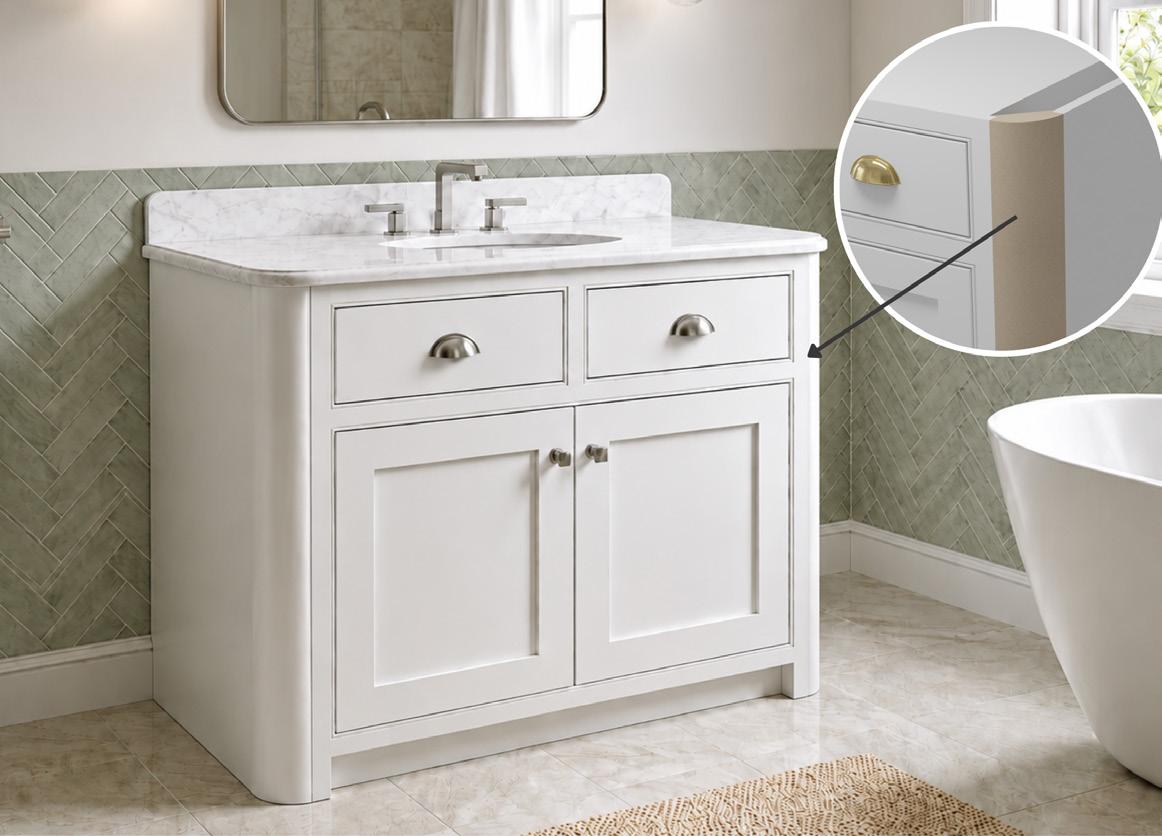
EGGER
Burkle
IWF 2026 will mark the introduction of the new Burkle AI Service Agent, an AI-powered support tool designed to provide immediate technical assistance, machine guidance, troubleshooting support, and documentation access 24/7. The Burkle AI Service Agent helps customers find answers faster, reduce downtime, and connect seamlessly with Burkle’s technical service team when advanced expertise is required.
IWF Booth B8135 burkle.tech/us-en

The Decorative Collection 26+ offers you more possibilities and solutions. From inspiring new introductions to established finishes, sustainable products and an abundance of digital services, every component of this collection is seamlessly connected. Whether its TFL, laminates or edge banding, we offer everything you need from a single source, giving you more flexibility than ever before.
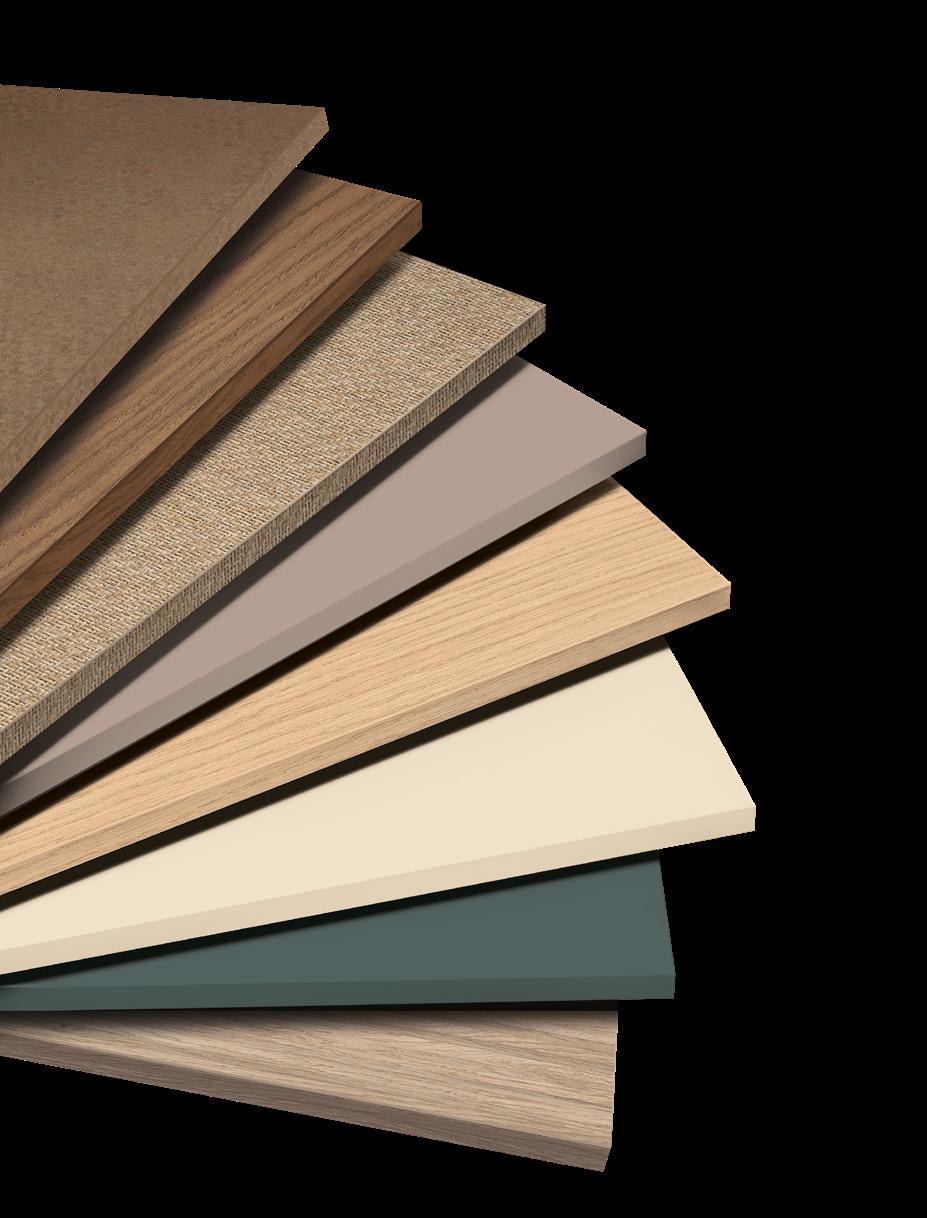
IWF Booth C1622 egger.com/en
Fifteen-minute testing - The next generation in formaldehyde emission testing is here!
GreCon’s new GASANALYSER MC is a fully automated laboratory test device for measuring formaldehyde emission from wood-based materials without the need for wet chemistry. The tests are carried out within only 15 minutes per sample. Determination of formaldehyde emission is according to ISO 12460-2:2024.
IWF Booth B6518 fagus-grecon.com/en-us

GDP Tooling’s PCD diamond hoggers and scoring systems deliver exceptional tool life, chip-free cutting, and superior finish quality for MDF, particleboard, and laminated panel processing. Optional lightweight steel body designs simplify tool mounting and removal, reducing handling effort. Backed by our in-house sharpening center, we help keep your tooling performing at optimal efficiency.
IWF Booth B4834 gdptooling.com
Giardina
The Dualtech 500 reciprocating sprayer delivers exceptional finishing performance for the application of stains, primers, and topcoats on both flat and shaped surfaces. Equipped with a durable synthetic conveyor belt and Giardina Group’s renowned product recovery and beltcleaning system, it maximizes efficiency while minimizing waste and maintenance.
IWF Booth B7973 giardinausa.com
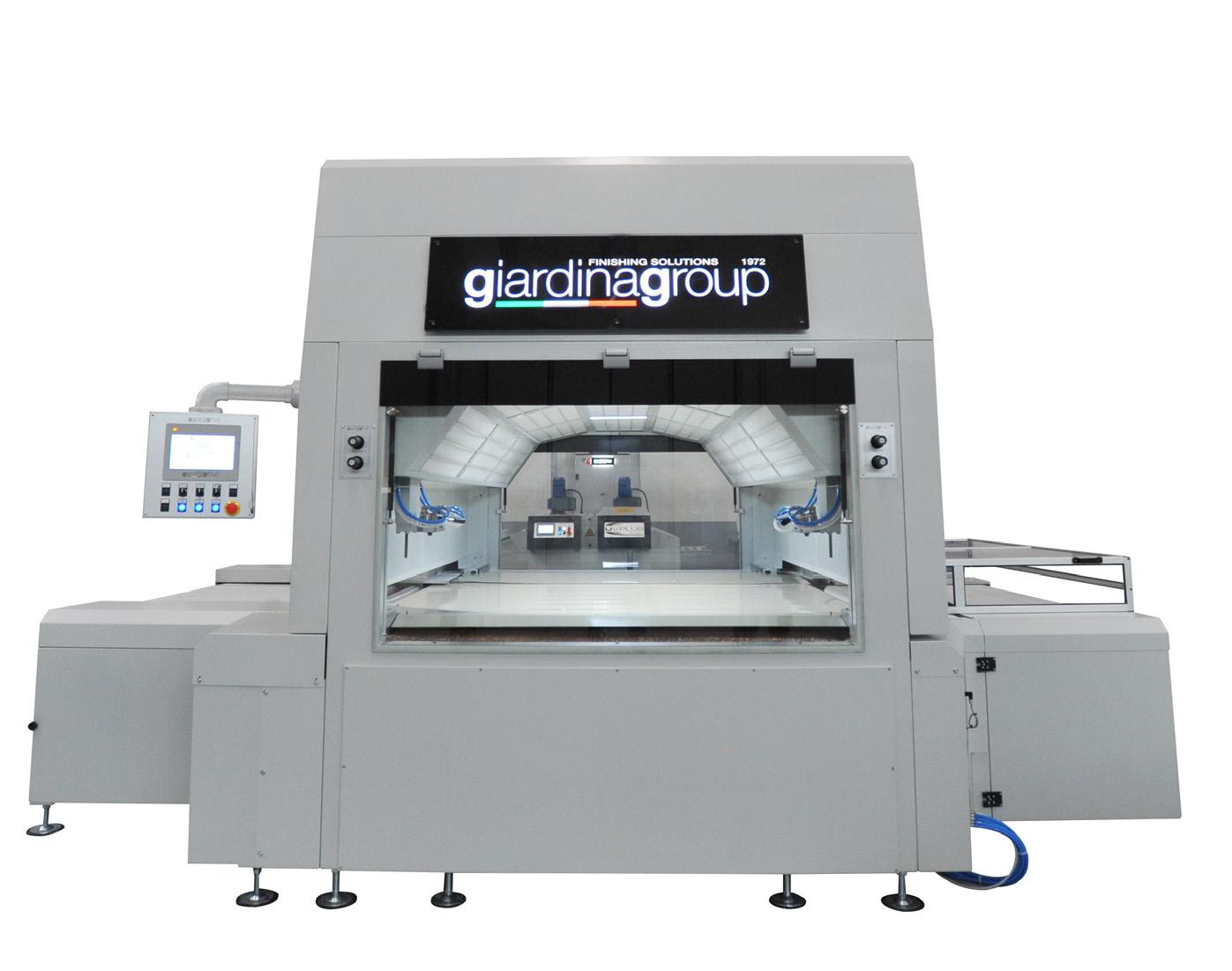


Designed and assembled in Austria, Dynapro undermount slides set the standard for superior running performance, silent operation, and effortless motion. Its internal, synchronized rack and pinion system and multiple front-locking device options make it the smoothest and most versatile slide on the market.
Give your cabinetry the best with Dynapro.
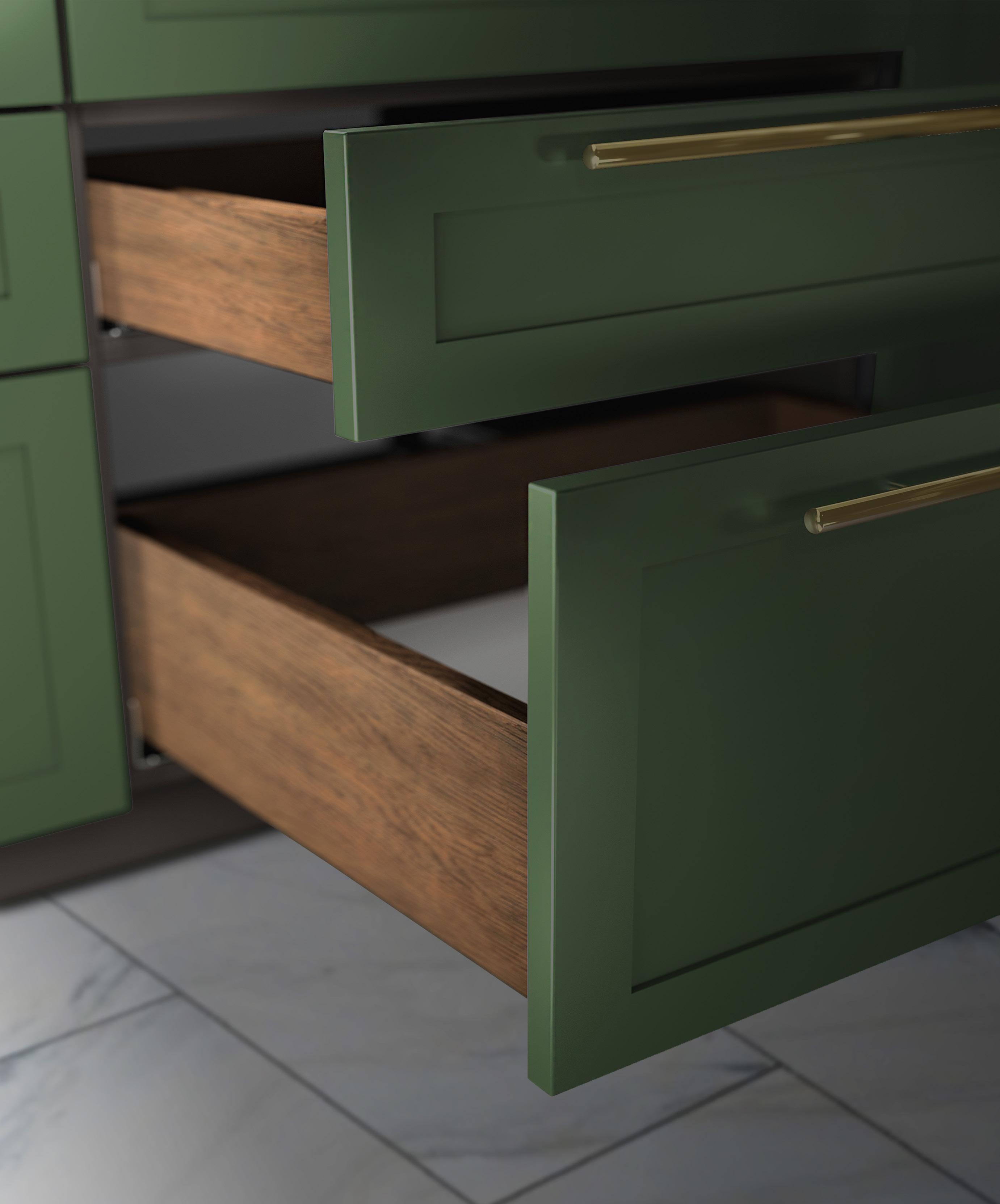
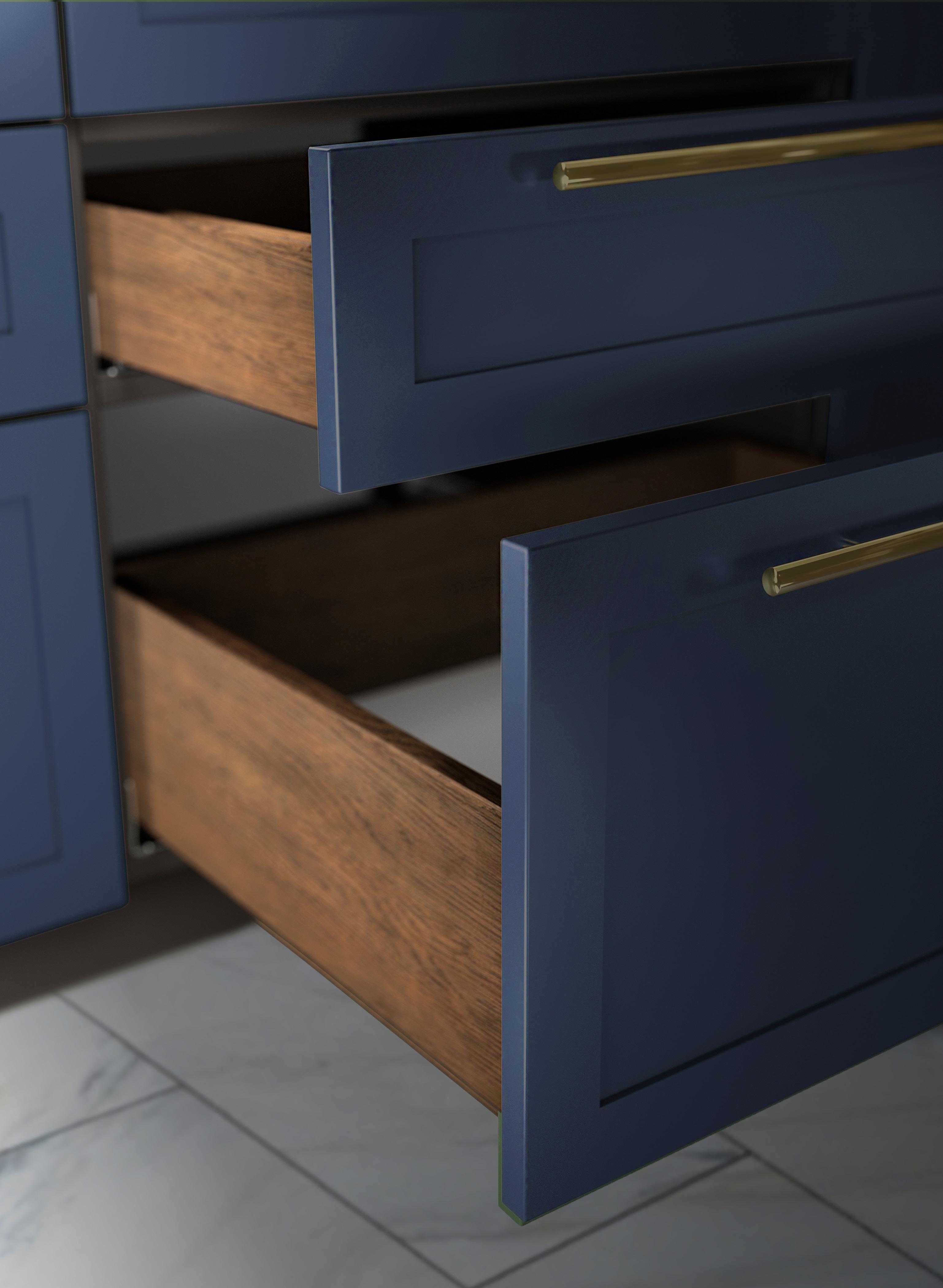
Grass will formally launch its Vionaro V8 Ultra Slim Drawer System for the U.S. market during IWF 2026. At only 8mm wide, it is the thinnest double-wall metal drawer system on the market today. V8 runs on European-length Dynapro undermount slides, utilizing the same synchronized technology, synonymous with the brand.
IWF Booth C1346 grassusa.com

Guffey Systems
Guffey Systems is expanding its popular PivotPoint TouchFree Batch Finishing with new Heavy-Duty Stock Racks, a HD PivotPoint Spray Hub, and updated PivotPoint kit configurations. The newest updates focus on increasing throughput, improving durability, and maximizing finishing capacity while reducing floor space.
IWF Booth C2762 guffeysystems.com
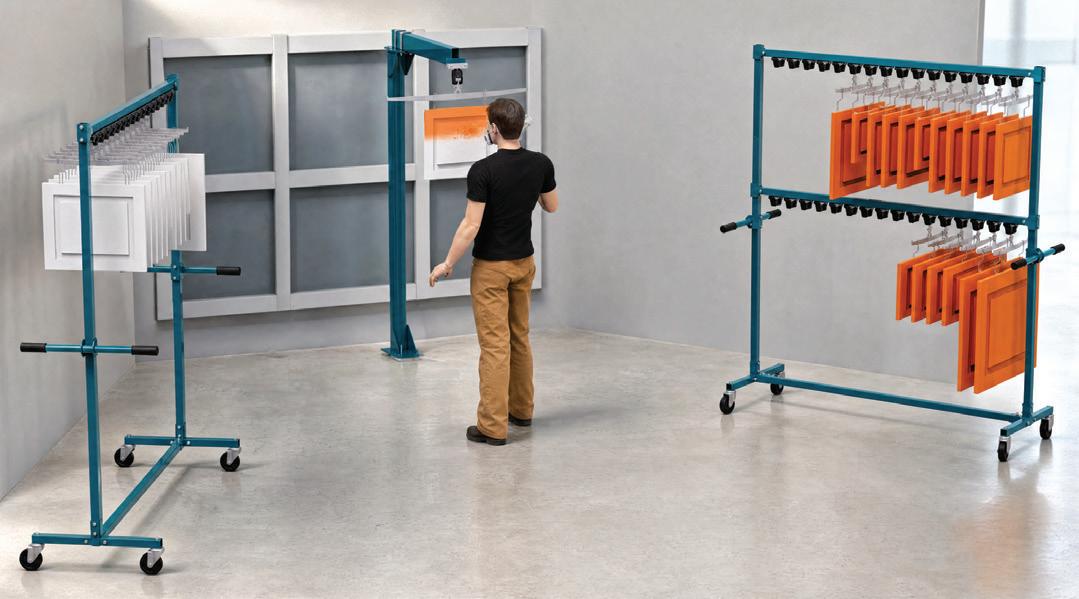
Alphacam is a leading CAM solution for wood, stone, composites, and metal, supporting 2 to 5axis NC programming with a focus on productivity, reliability, and flexibility. Cabinet Vision is a widely used design-for-manufacturing software for cabinetry, offering design, rendering, costing, and production outputs, with S2M enabling automated, machineready G-Code for a wide range of CNC equipment.
IWF Booth B4513 hexagon.com
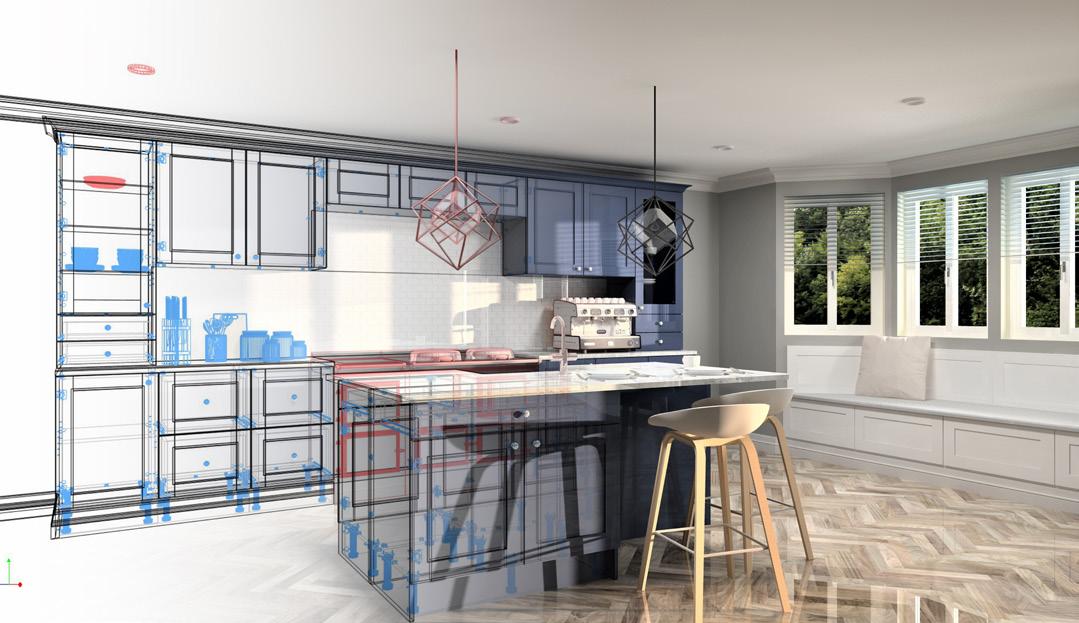
The new Busellato Easy Jet X3 CNC machining center combines production flexibility with advanced machining capabilities for nested-based manufacturing. Available in sizes from 5’ x 10’ to 7’ x 14’, the machine includes eight standard vacuum zones and a 12-position rotary tool changer available on the Y-axis. The Easy Jet X3 is available in three configurations—stand-alone, with automatic offloading, or as a fully integrated production cell.
IWF Booth B8273 jklmachinery.us


P RODUC T SP O TLI GH T
KCD Software introduces Workshop Plus! with OptiSaw, a professionalgrade saw optimization solution built for cabinet and closet shops using manual saw cutting. Generate high-yield cutting layouts, colorcoded saw plans, and rip/crosscut guidance to reduce waste and improve efficiency. More than just optimization, OptiSaw helps growing shops increase capacity, take on larger projects, and build a stronger foundation for longterm growth.
IWF Booth C2546 kcdsoftware.com
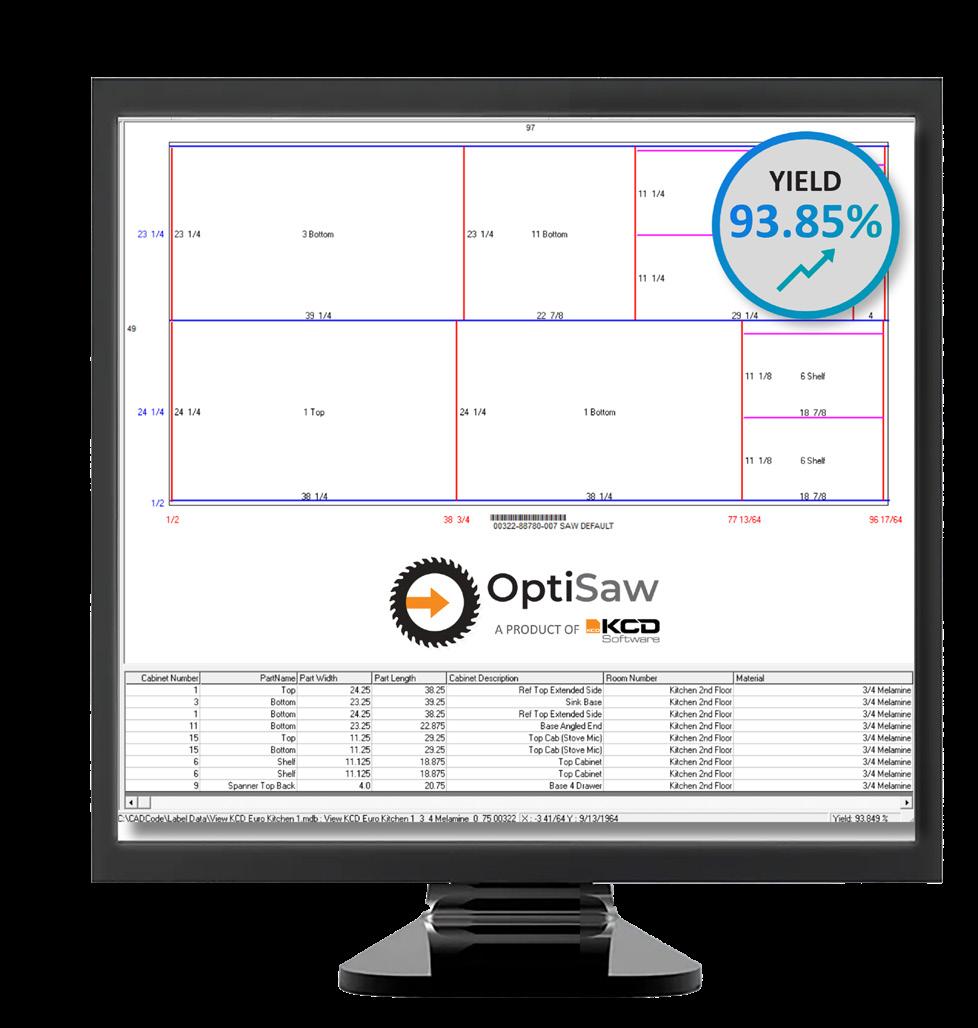
Kronospan
Kronospan ColorTouch brings a new dimension to decorative surfaces by combining the purity of solid color with the tactile realism of wood texture. The result is cabinetry that feels warm, elevated, and distinctly different from traditional flat finishes. Explore ColorTouch, along with our complete Kronodesign and Kronobuild product range at IWF
IWF Booth C1910 kronospan.com
Built for high-production sheet processing, the SmartShop 2 combines a heavy all-steel frame, FANUC controls, and servo-driven helical rack and pinion for precision at scale. Engineered to handle your highest production loads with confidence and consistent cut quality.
IWF Booth B7529 lagunatools.com
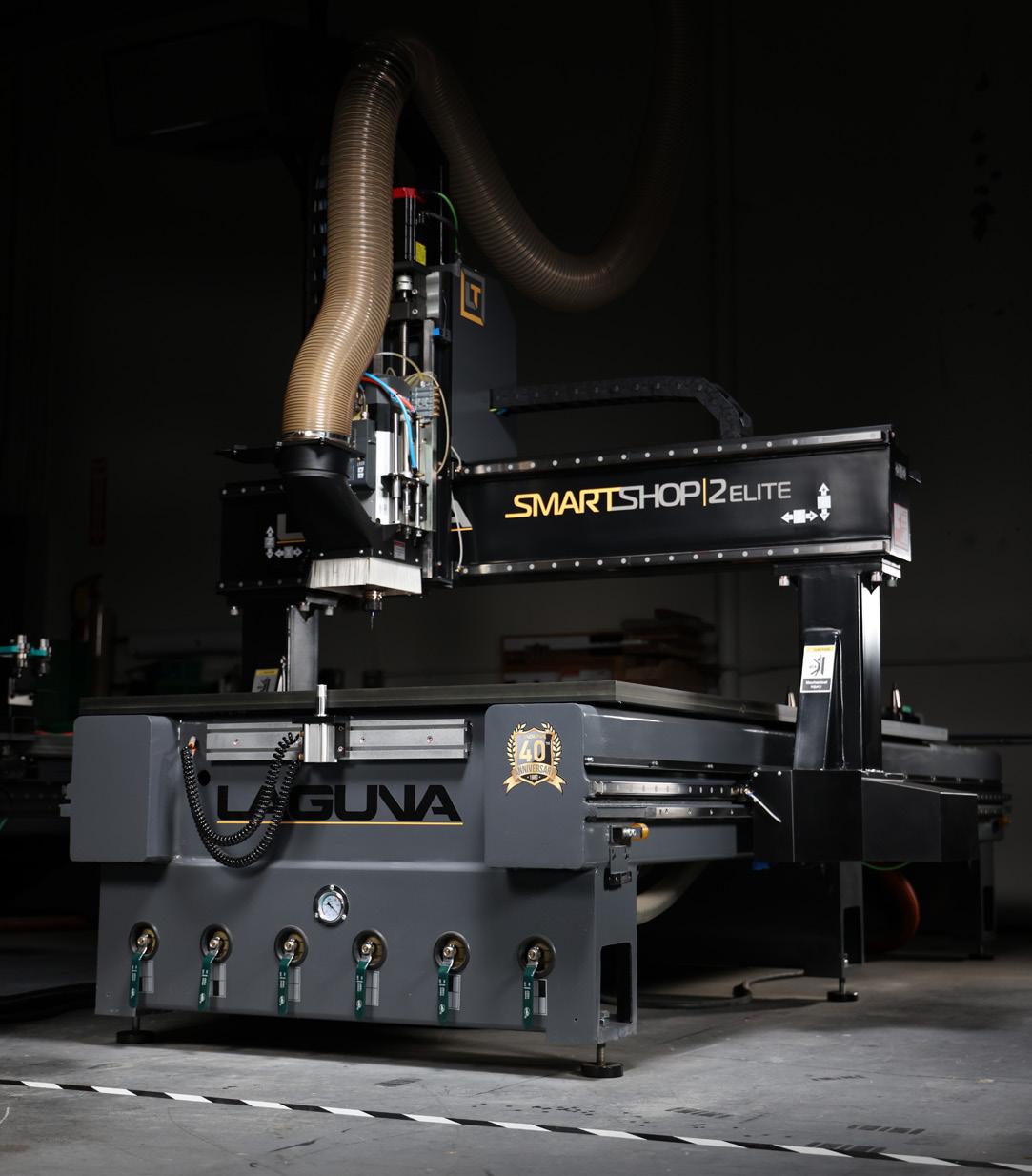
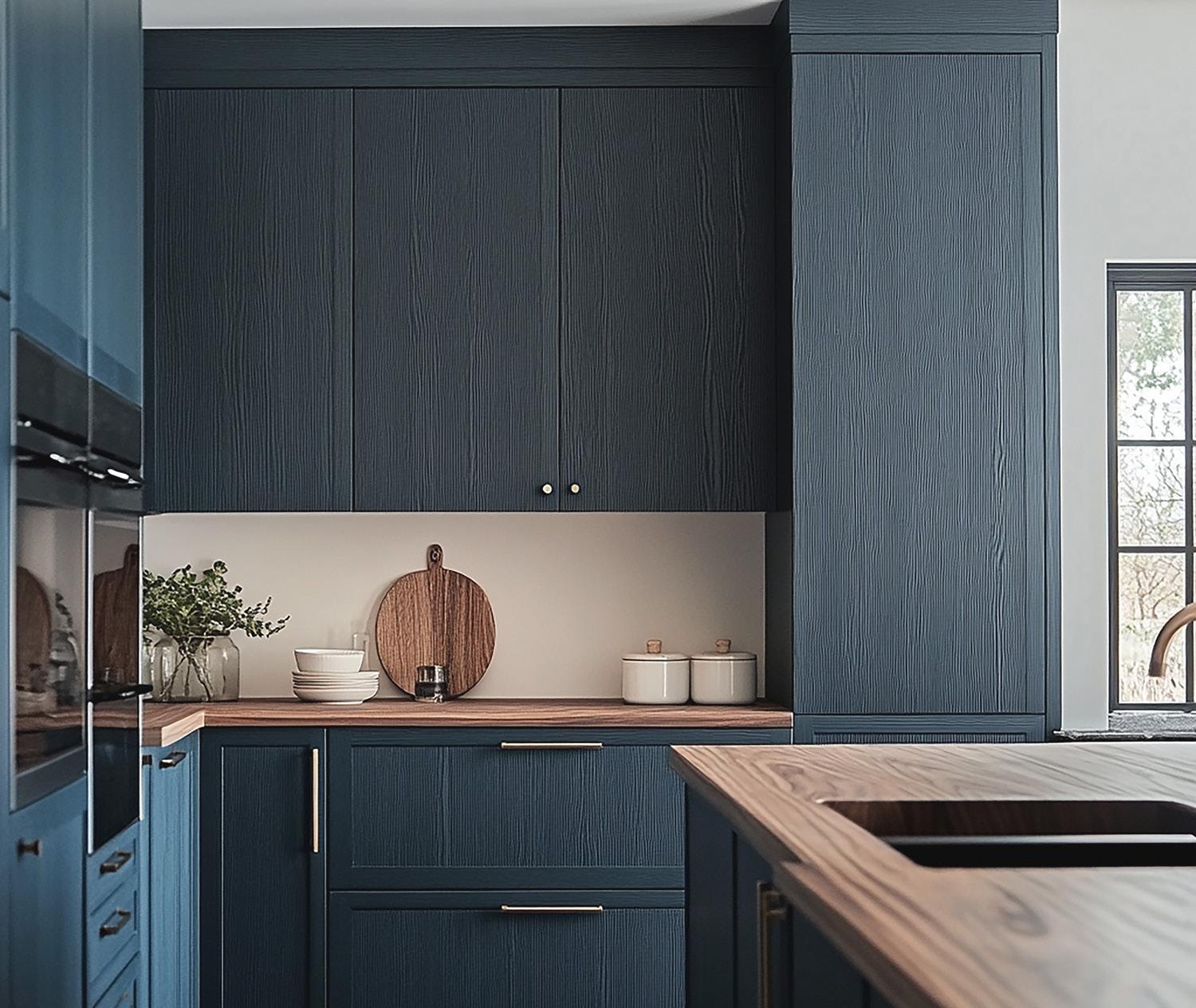
With more than 50 years in the industry, Lenderink Technologies will showcase several new technologies and products, including fold & mold synthetic veneers that allow companies and designers to make lighter weight and stronger panels that are more stable and can be easily molded into permanent 3-D shapes.
IWF Booth A11141 Lenderink.com
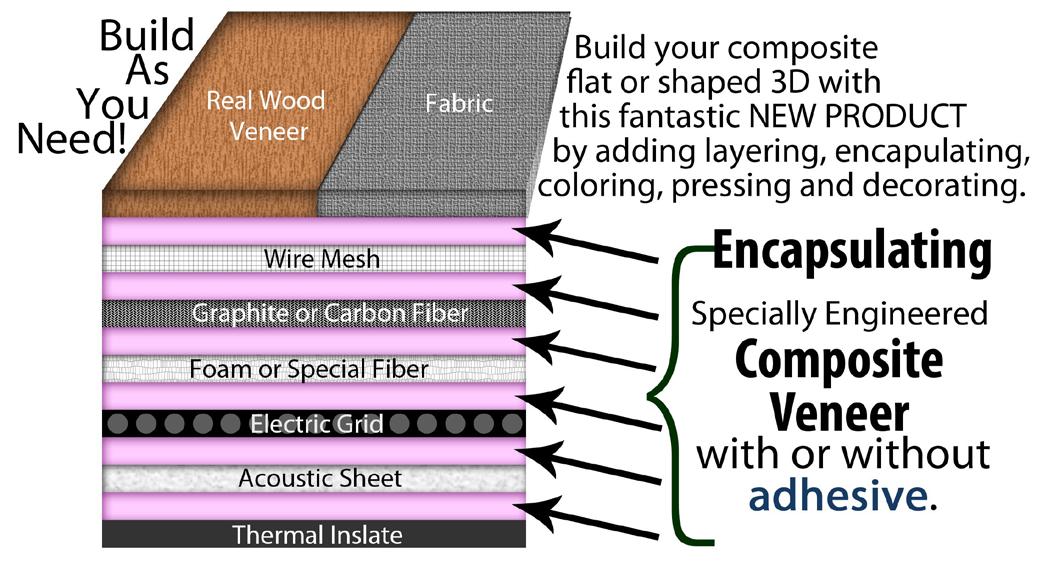
Lockdowel
Lockdowel’s One-Click drawer slides make the installation process simple, accurate, and incredibly fast. The drawer slides come with our factory-installed, patented Channel Lock fasteners and require no tools, glue, or screws. Simply insert, slide, and click. Easy! The Lockdowel 3D adjustor clips also make your undermount alignments perfect. Save time, labor, and flatpack to assemble on-site. No special skilled labor needed!
IWF Booth BC707 lockdowel.com
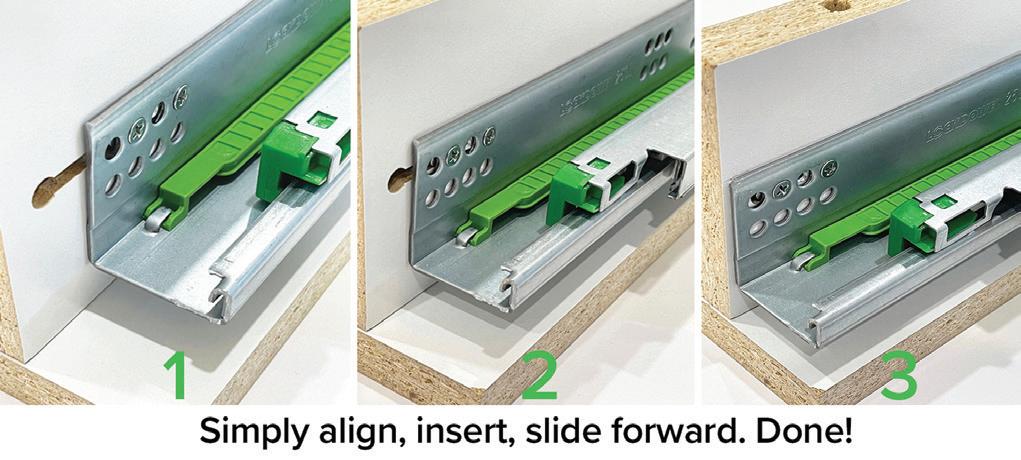
MJB Wood
MJB is proud to announce that we are now an approved distributor of Huber’s PerformMax for shed flooring. PerformMAX engineered wood products are manufactured to be stronger and more dimensionally stable than plywood. Utilizing advanced resin technology to create a water resistant panel, PerformMax lies flatter with incredible stiffness. Perfect for meeting your shed floor expectations.
IWF Booth C1022 mjbwood.com
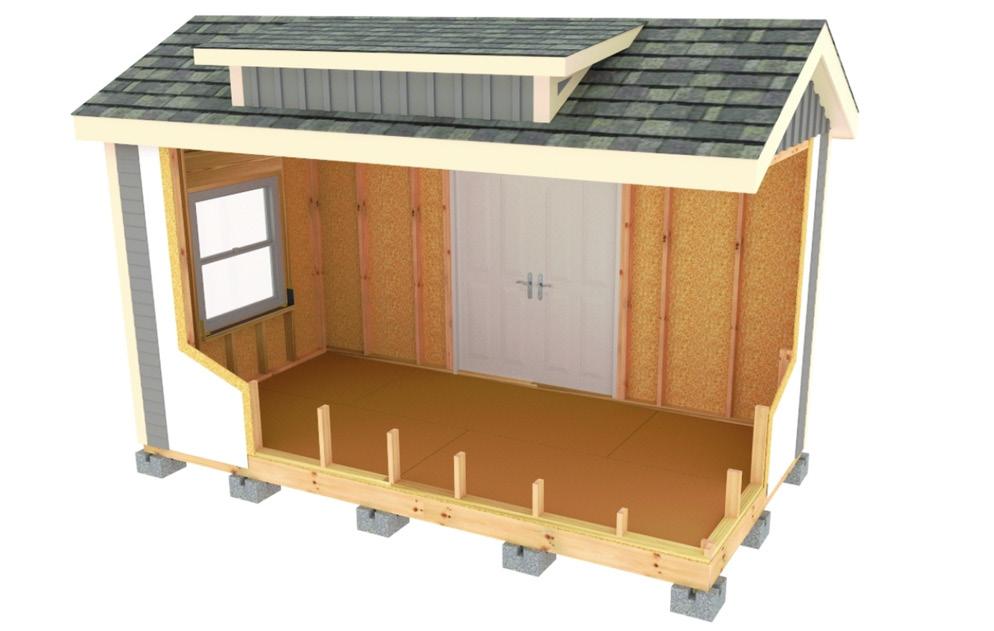

SP O TLI GH T
Nederman SSeries is the original enclosure-less system—99 percent efficient and NFPA compliant for safe indoor use. Designed for small to medium woodworking shops, it delivers up to 5,000 CFM with a quiet, energy-saving 10 HP fan. Featuring enhanced shaker cleaning, long-life Superbag filters, simple installation, and packaged system options, SSeries offers high performance with low maintenance and cost.
IWF Booth B7811 nederman.com/en-us
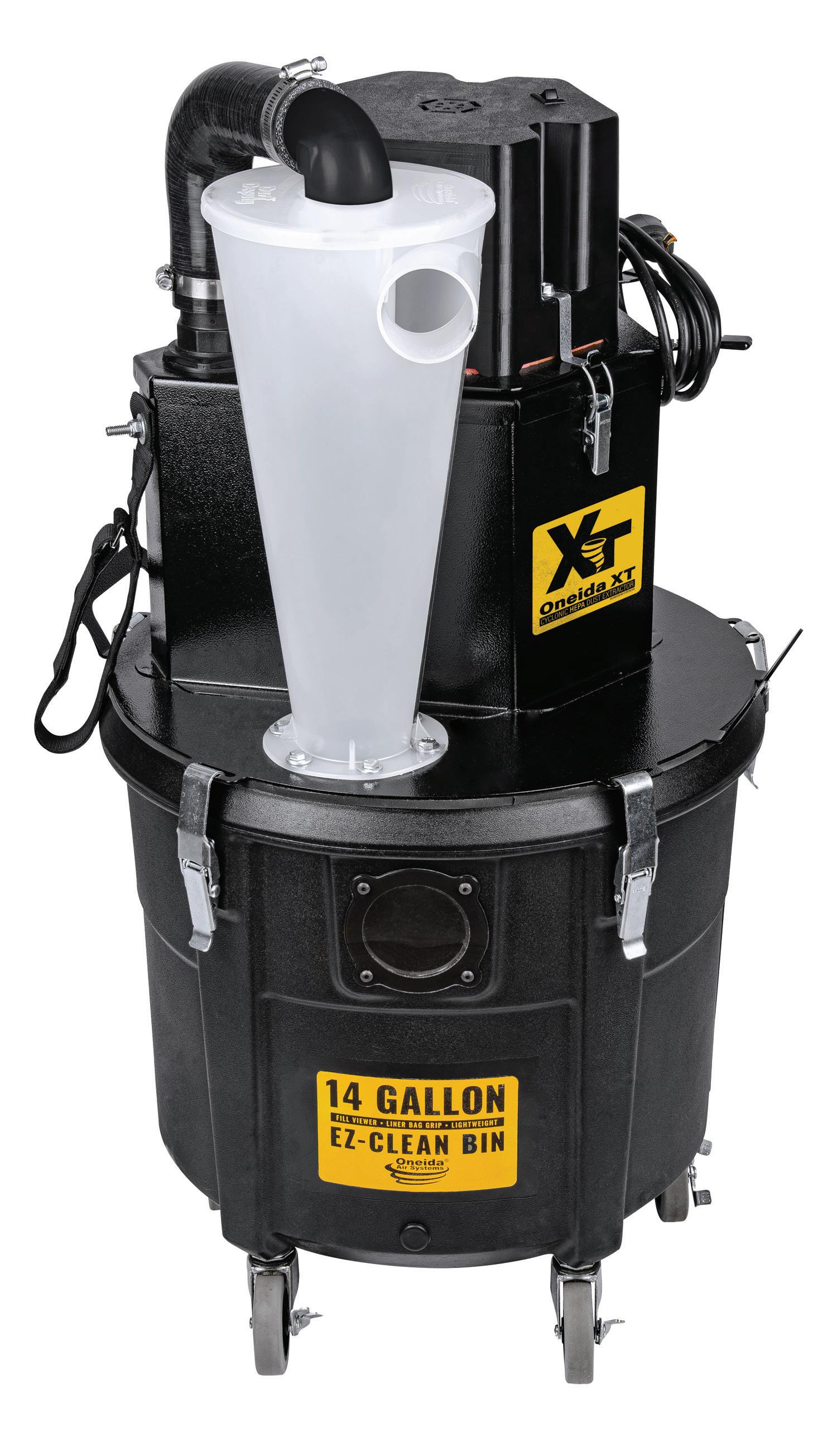
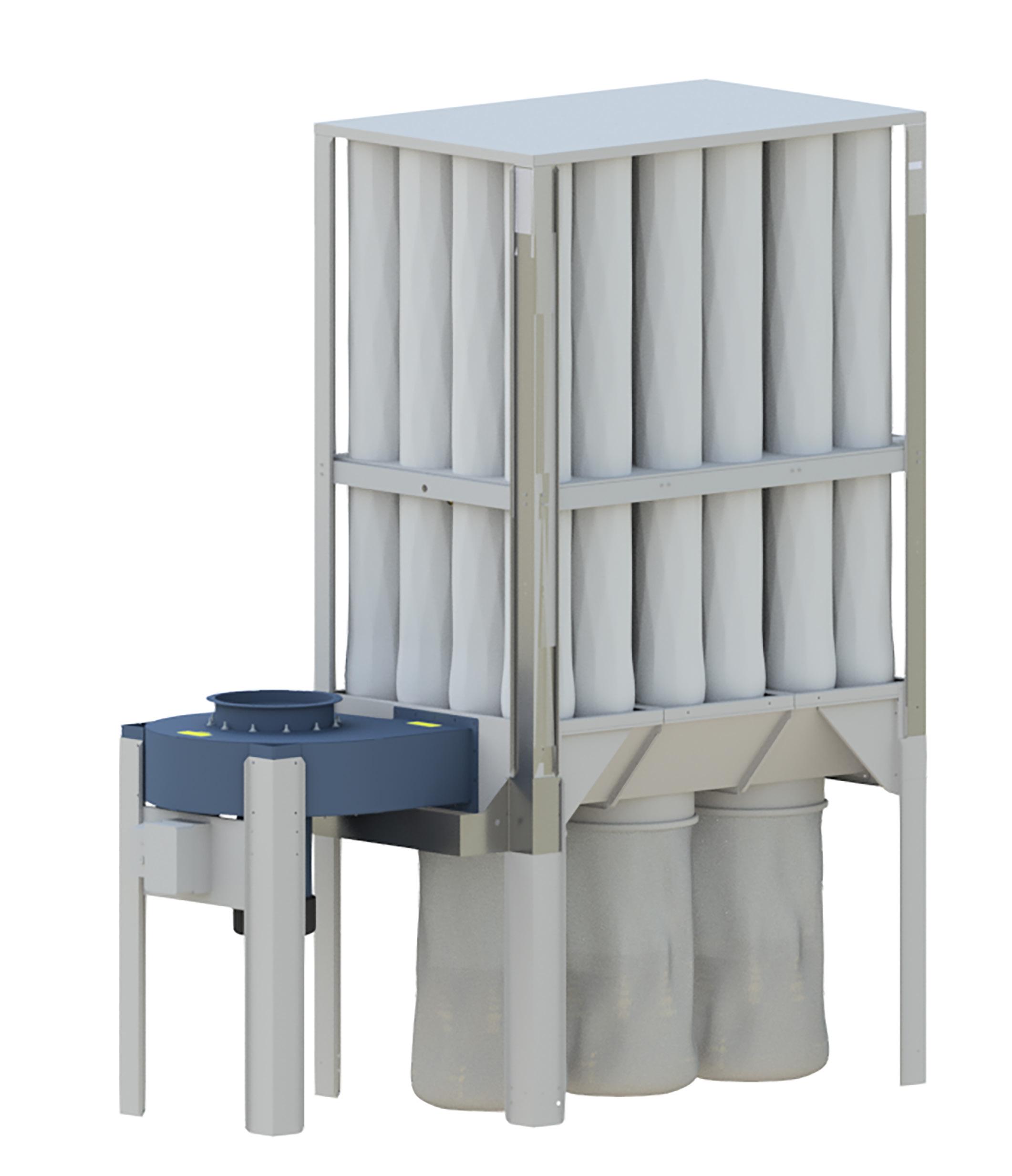
Oneida Air Systems
Oneida Air to debut Cyclonic HEPA Dust Extractor at IWF. With its integrated cyclone, powerful vacuum motor, and premium HEPA-grade filter media, the Oneida XT14 Dust Extractor pre-separates up to 99.9 percent of dust and debris from the airstream, preventing filter clogging and maintaining airflow 100 times longer than non-cyclonic extractors.
IWF Booth B4747 oneida-air.com

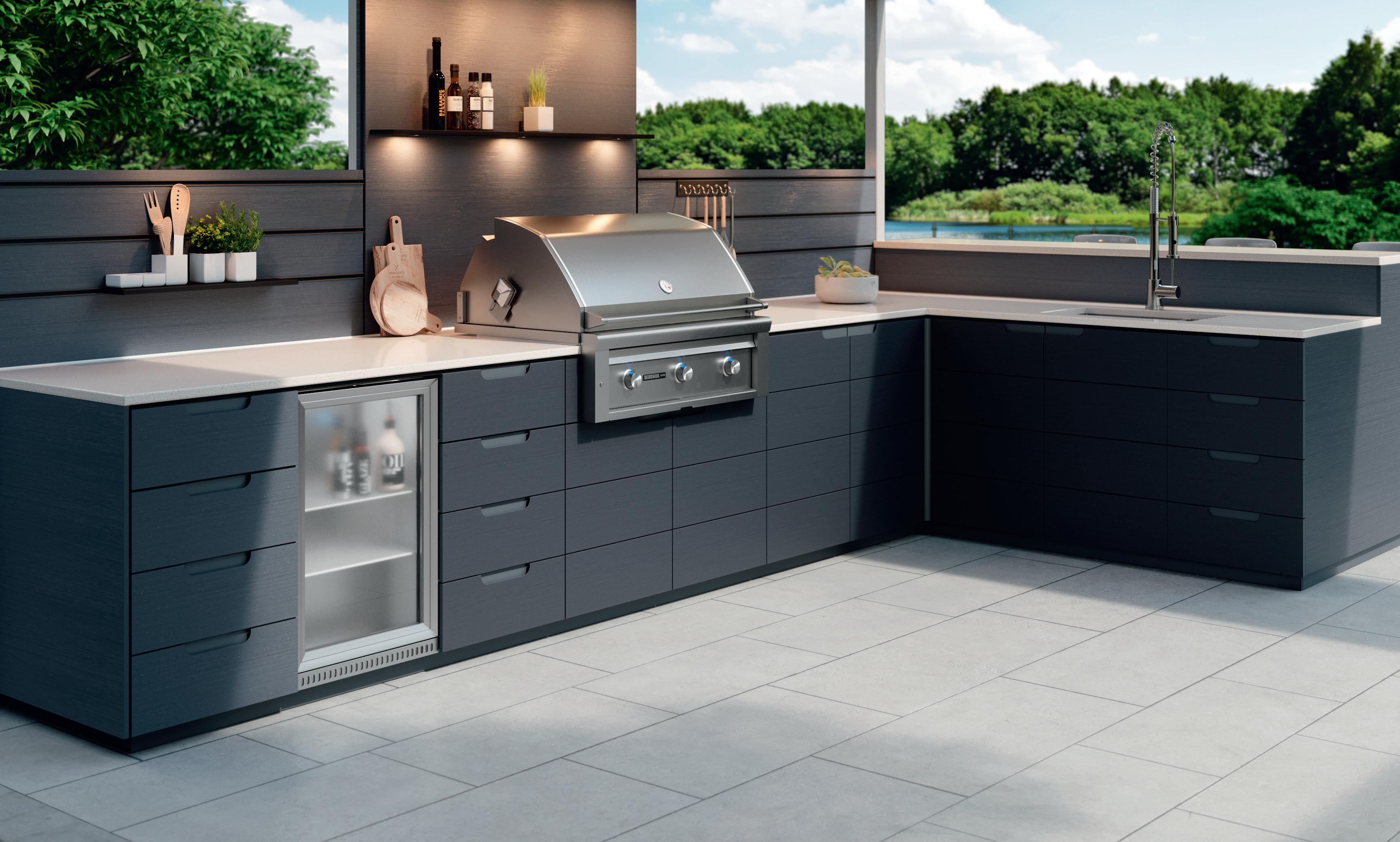
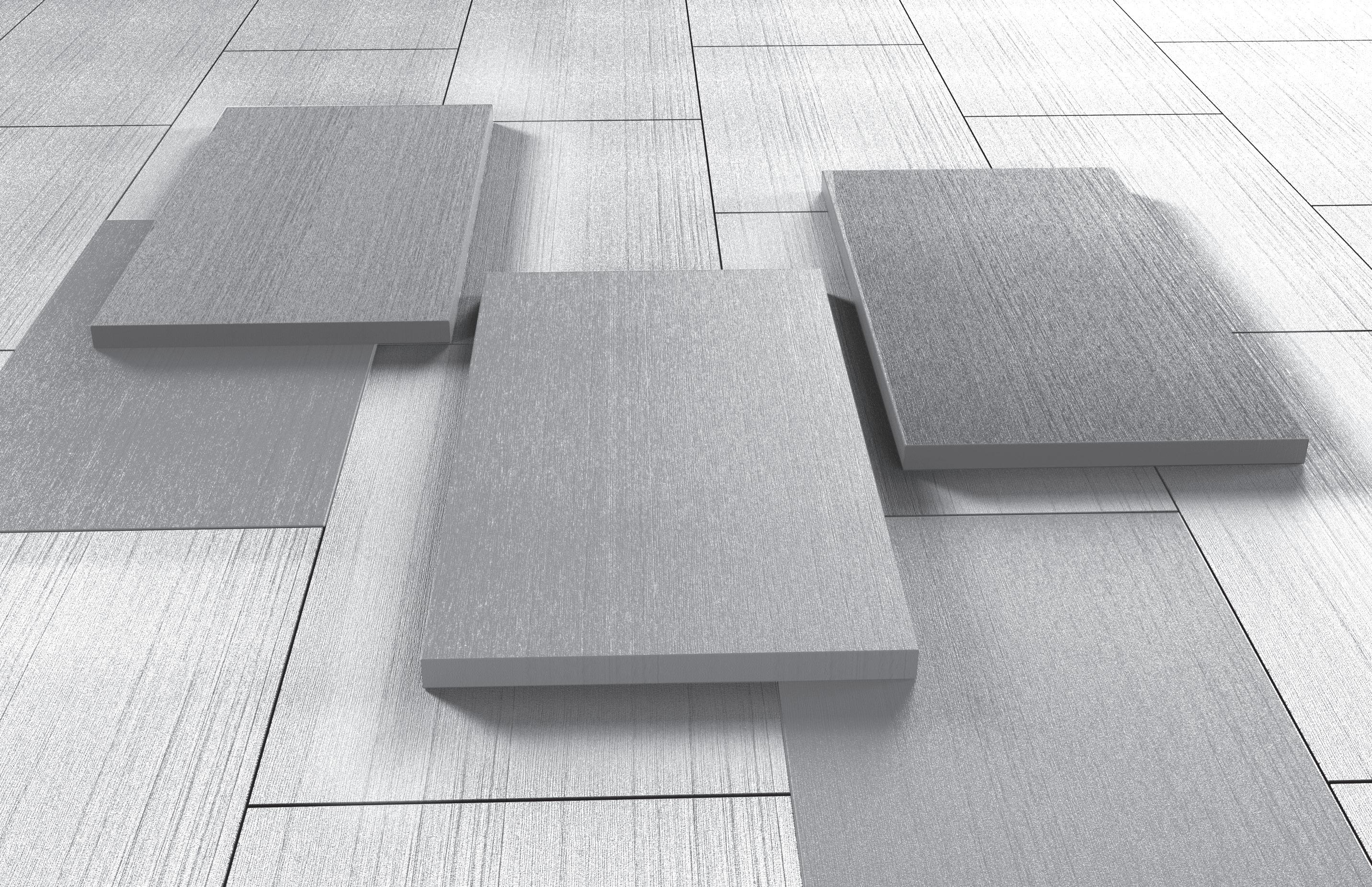

PaintLine’s new ProDryingRack Adjustable Depth (PDRAD) is a high-capacity drying rack solution with an innovative, adjustable-depth shelving design that can accommodate a wide variety of cabinet parts. PDRAD can hold up to 80 cabinet doors or panels, 20 face frames, or 160 drawer fronts when equipped with optional add-ons.
IWF Booth BC521 paintline.com
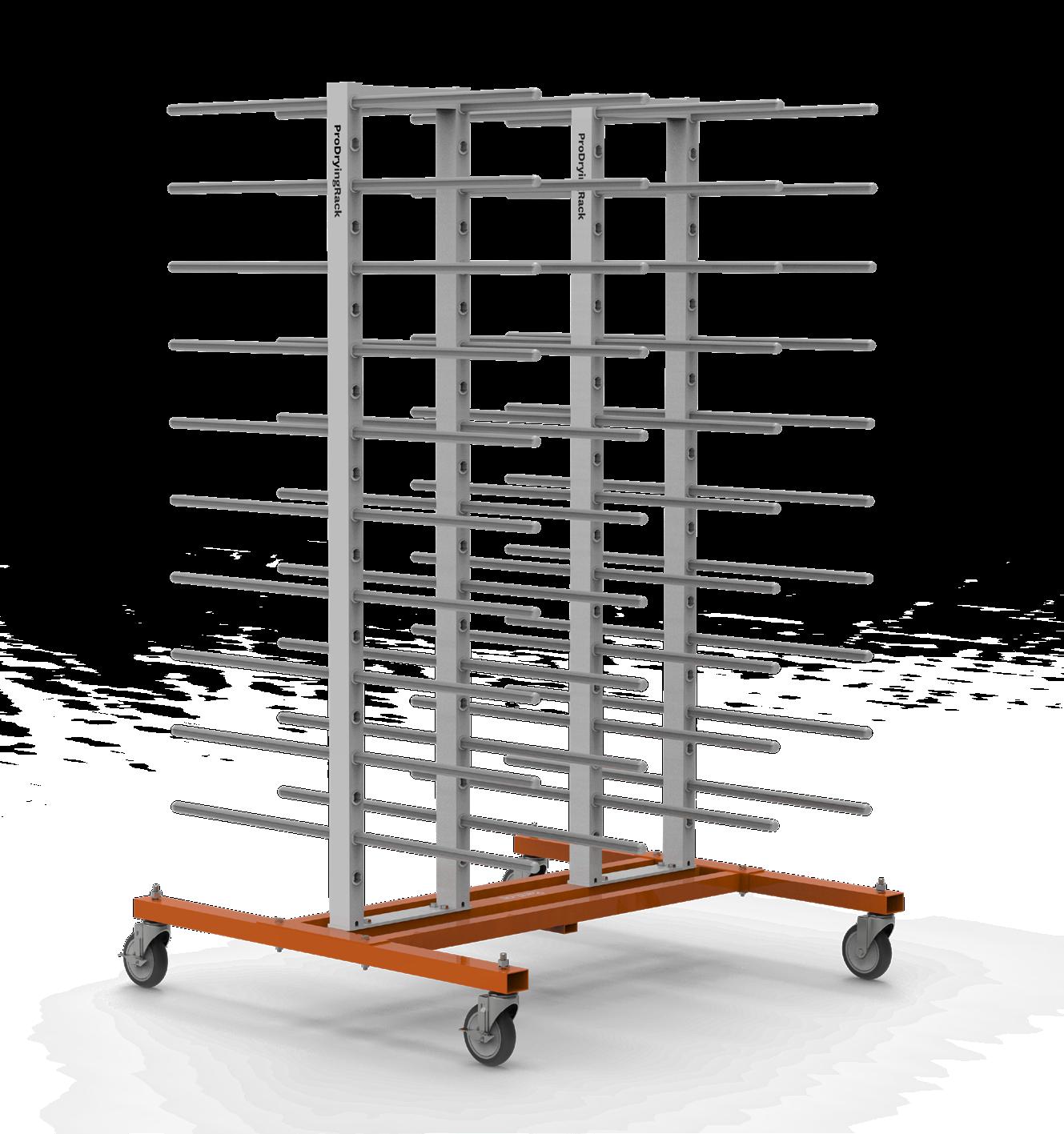
Panel Processing Inc. is a U.S.-based, employee-owned flat panel fabricator with over 50 years of experience. Specializing in melamine decorative paper and thermally fused laminates, they offer a full range of capabilities including cut-to-size, CNC machining, edgebanding, laminating, and custom coatings — serving the furniture, cabinetry, and retail fixture industries. One Supplier. One Solution.
IWF Booth C1817 panel.com
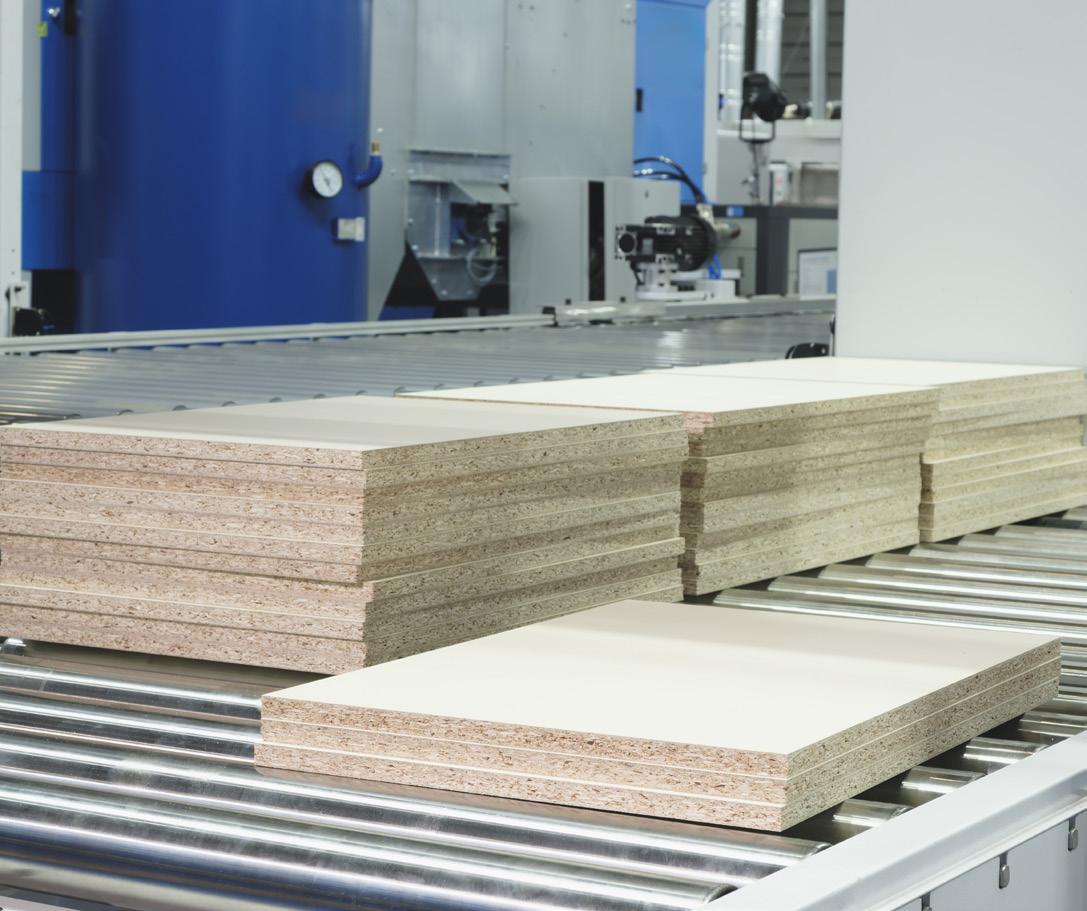
The Lightweight Segment Hogger offers precision trimming & hogging for engineered wood and panel products. Designed to deliver clean, accurate material removal while maximizing productivity across a wide range of panel applications, benefits include lightweight design reduces operator fatigue, durable construction for long service life and it’s suitable for multiple engineered wood products. Built for Performance. Designed for Productivity.
IWF Booth B4816 and A9944 peaktoolworks.com
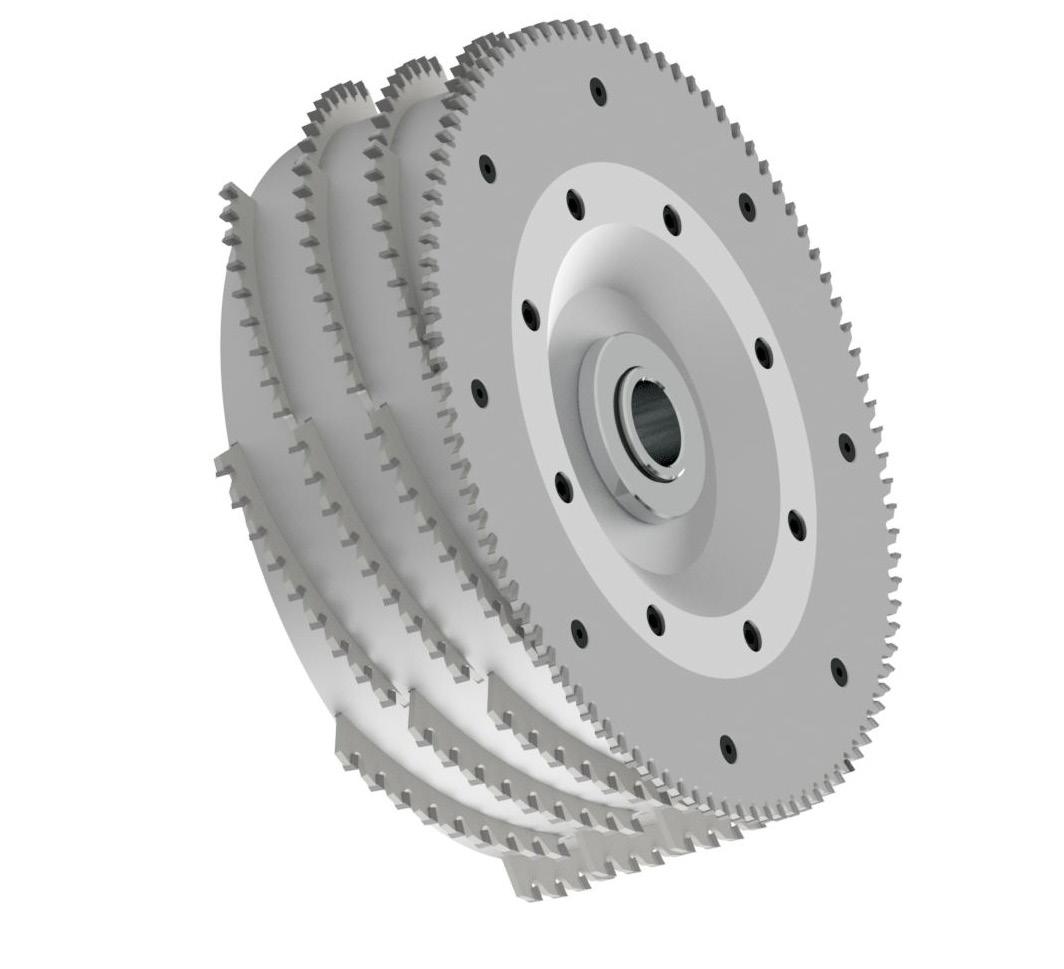
Rev-A-Shelf introduces the new 448CC Series Walnut Base Cabinet Pullout, expanding the popular Craftsman Collection CC line with a rich walnut finish and refined craftsmanship details. Designed for 9” and 12” base cabinets, the organizer features adjustable shelving, recessed black wire accents, patented door-mount brackets, and BLUM MOVENTO soft-close slides for premium functionality and style.
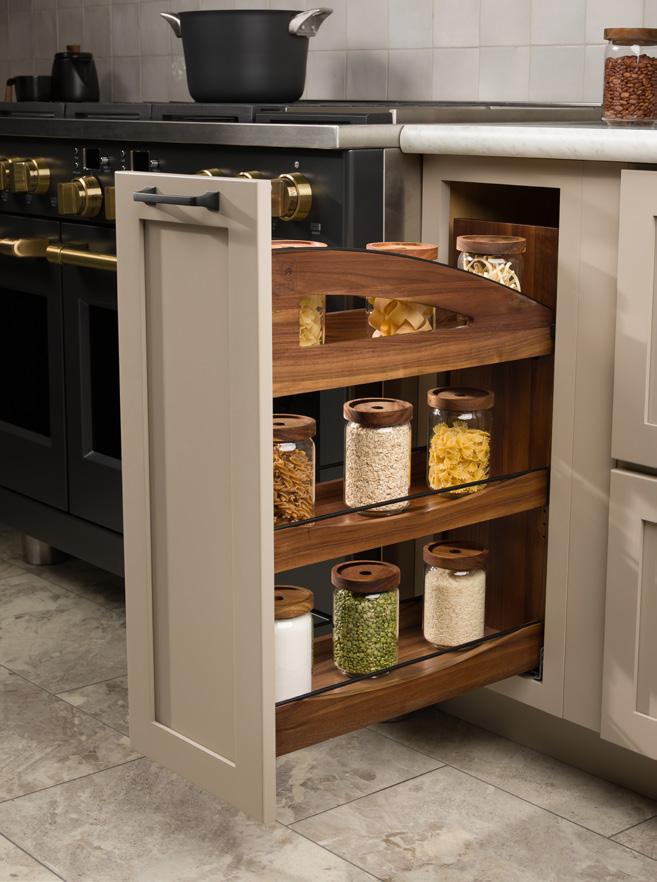
IWF Booth C1646 rev-a-shelf.com
Customize your project with Nature+, now offering more colours and more textures. Crafted in Italy, our Thermo-Structured Surface panels feature rich tactile finishes inspired by woodgrains, linens, natural stone and abstract patterns, bringing depth, character and effortless sophistication to any space.
IWF Booth C1010 richelieu.com/us/en
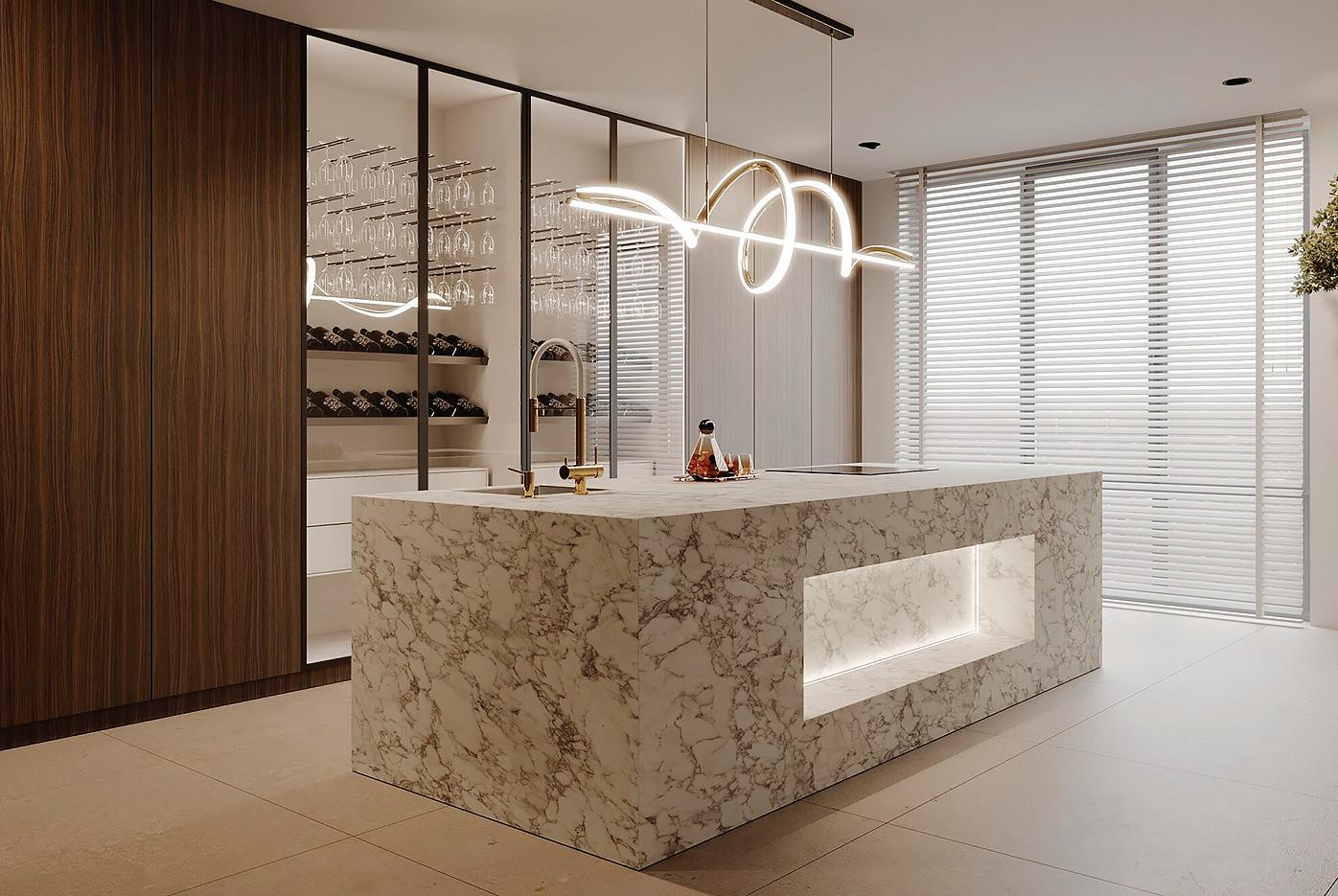

Salice
Exedra Gravity from Salice is an assisted pocket door system designed for smooth, controlled movement. Linear damping technology gently guides doors in and out of the pocket, while two configurations accommodate traditional and handle-less applications. Supporting doors up to 88 pounds, the system offers effortless operation across a wide range of sizes and thicknesses for versatile design integration.
IWF Booth C1846 salice.com
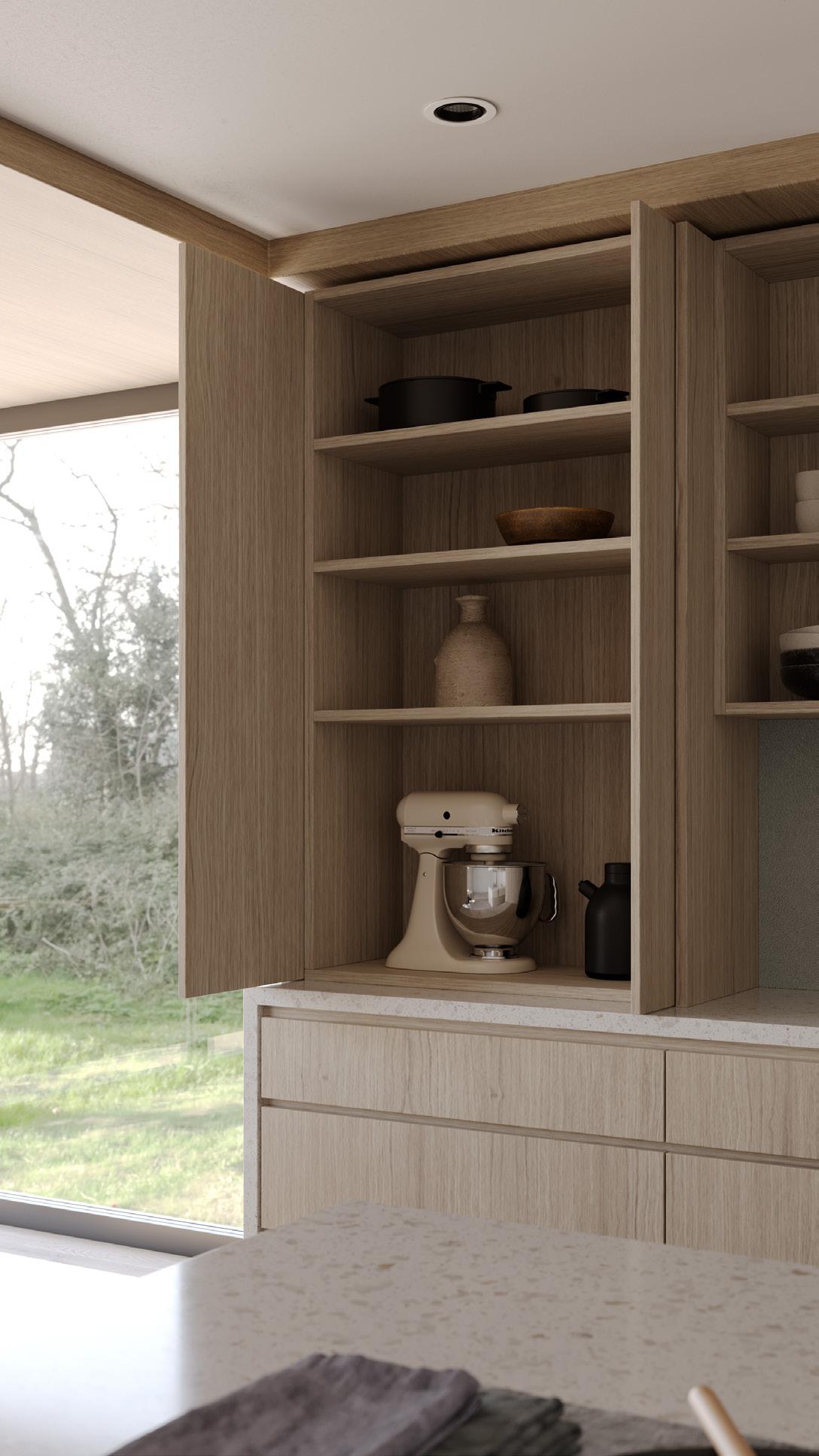
ShopBot
The ShopBot Carolina ATC brings automatic tool changing to the full-size CNC market at standard 110V household power — a first for the industry. Available in 1HP (110V) and 3HP (220V) configurations, seamless bit changes keep complex work flowing without interruption. Serious ATC capability, finally within reach for the small shop.
IWF Booth A10929 shopbottools.com
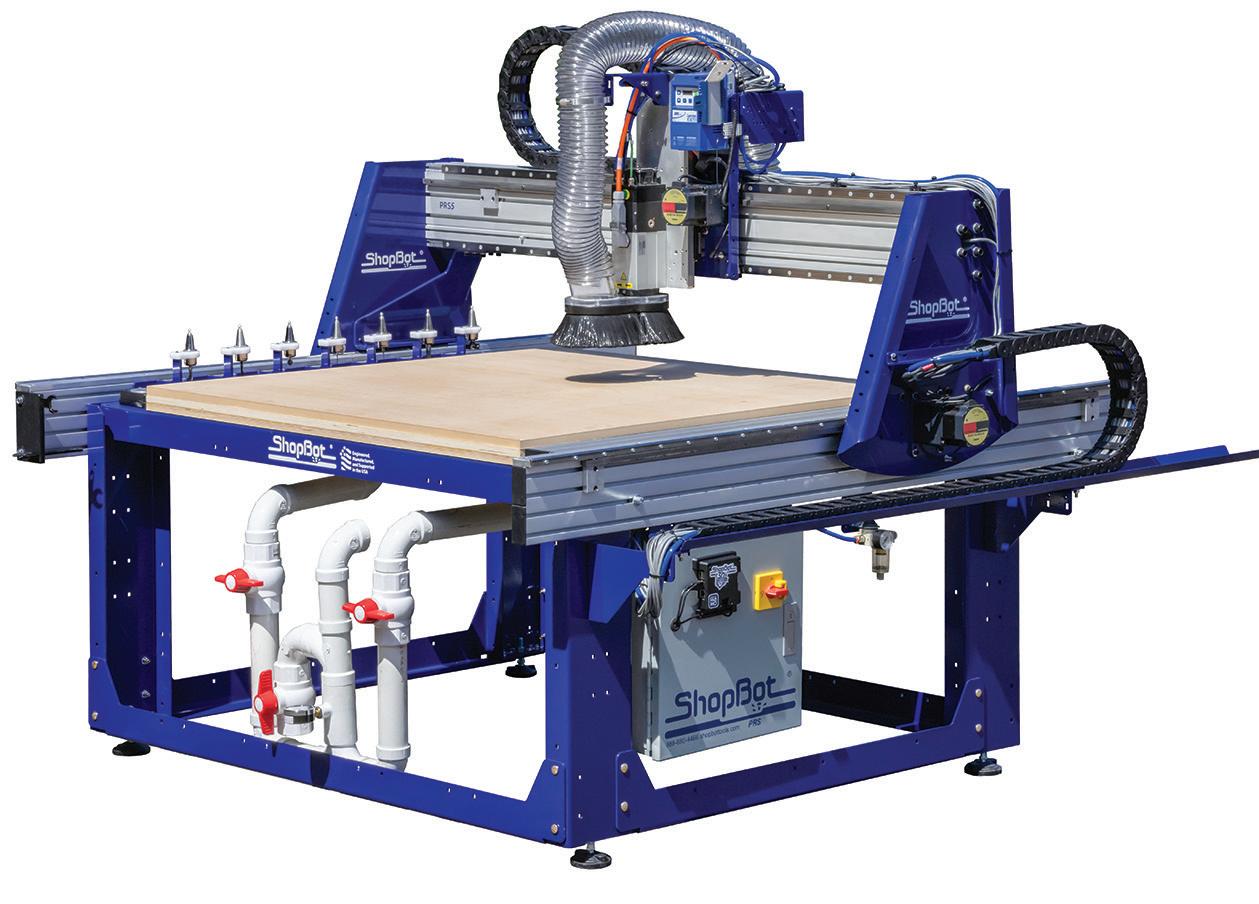
ShopSabre
One of four American-made CNC routers ShopSabre will feature at IWF, the IS-Series combines industrial performance with approachable operation for growing woodworking businesses. Built for production-grade cutting, carving, and fabrication, it features heavy-duty construction, advanced motion technology, and precision cutting capabilities. Backed by lifetime technical support and CNC training, ShopSabre’s IS-Series is designed to help shops scale with confidence.
IWF Booth A10729 shopsabre.com
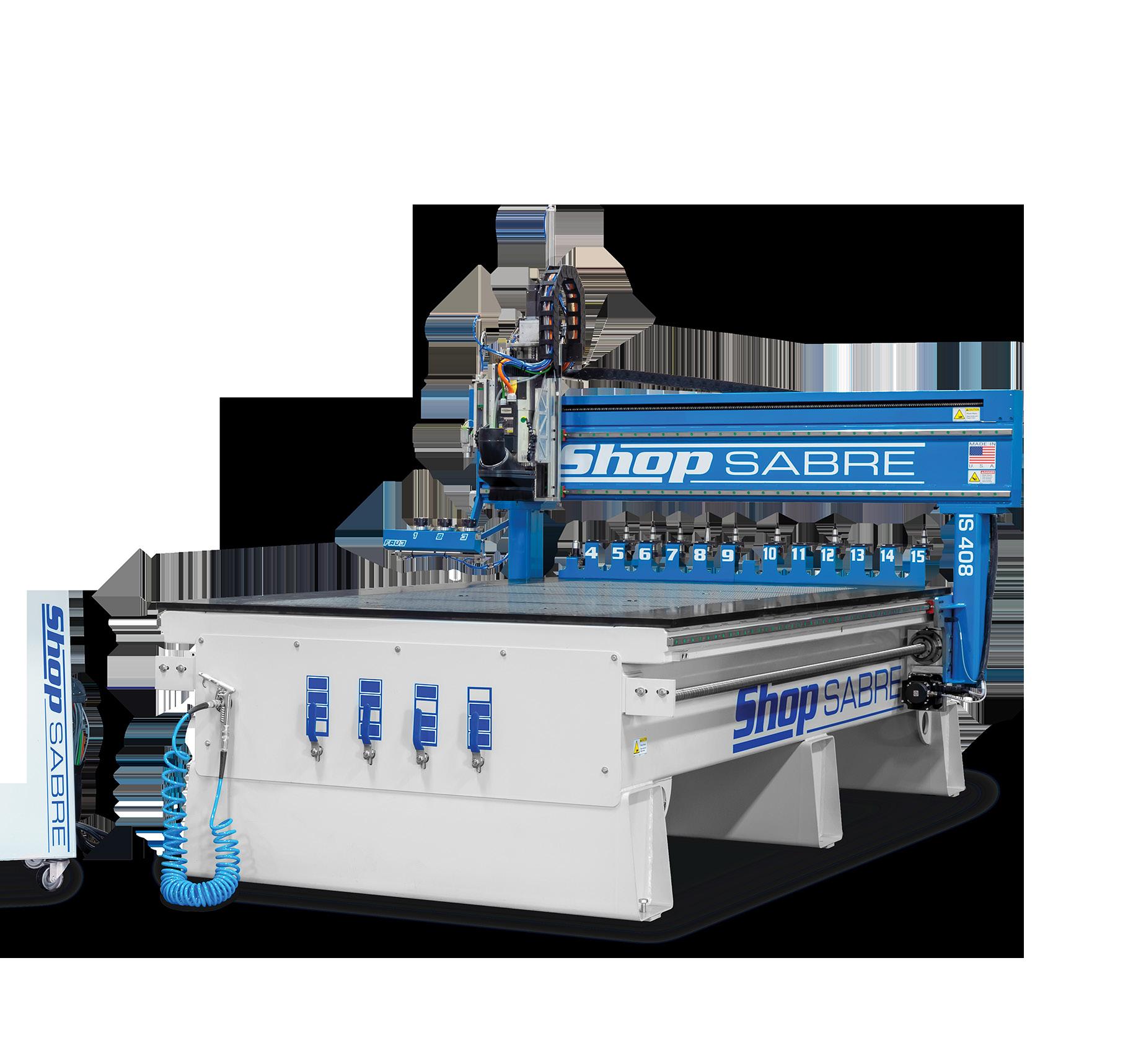
Simona America Industries is proud to feature “Blakely Birch” as a standout color option in our Polygrain HDPE lineup. With its clean white woodgrain appearance and subtle natural texture, it delivers the bright, timeless look of painted birch wood while offering the durability and low maintenance benefits of HDPE — making it an excellent choice for outdoor furniture, cabinetry, and marine applications.
IWF Booth C1120 simonapolygrain.com
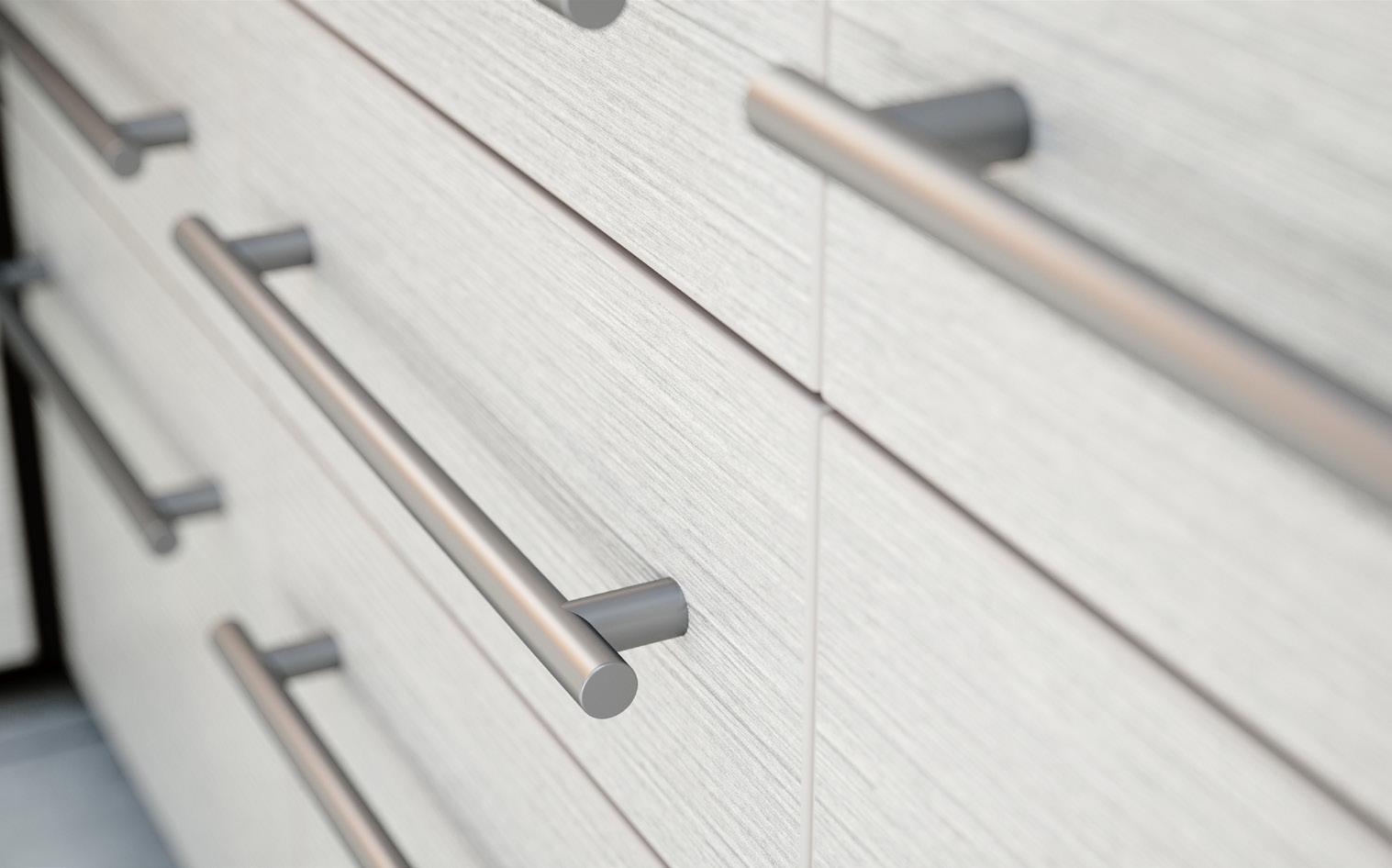
For 60 years, States Industries has been a trusted leader in sustainable, custom hardwood plywood and panel solutions. Our made-to-order panels give customers control over substrate, veneer, finish and fabrication details, helping bring high-quality wood designs to life.
IWF Booth C1510 statesind.com
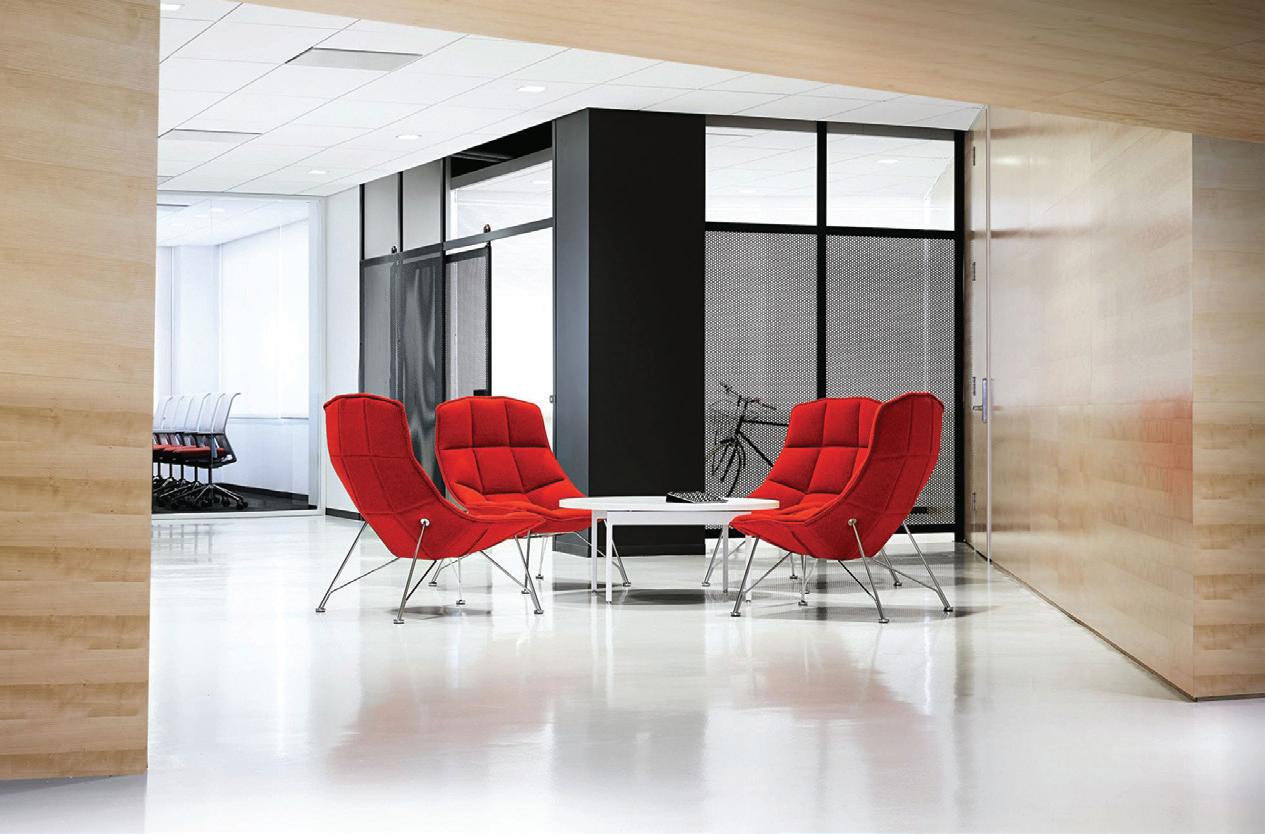

IWF Booths B4835 and B4853 stilesmachinery.com P RODUC T
With one of the show’s largest exhibits, Stiles will showcase the technologies and services manufacturers need to navigate today’s challenges and achieve success, including the HOMAG CENTATEQ N-300 Classic, debuting at the show. This version of the popular nested-based CNC platform has been redesigned and customized in Grand Rapids, Michigan to support the needs of growing shops.
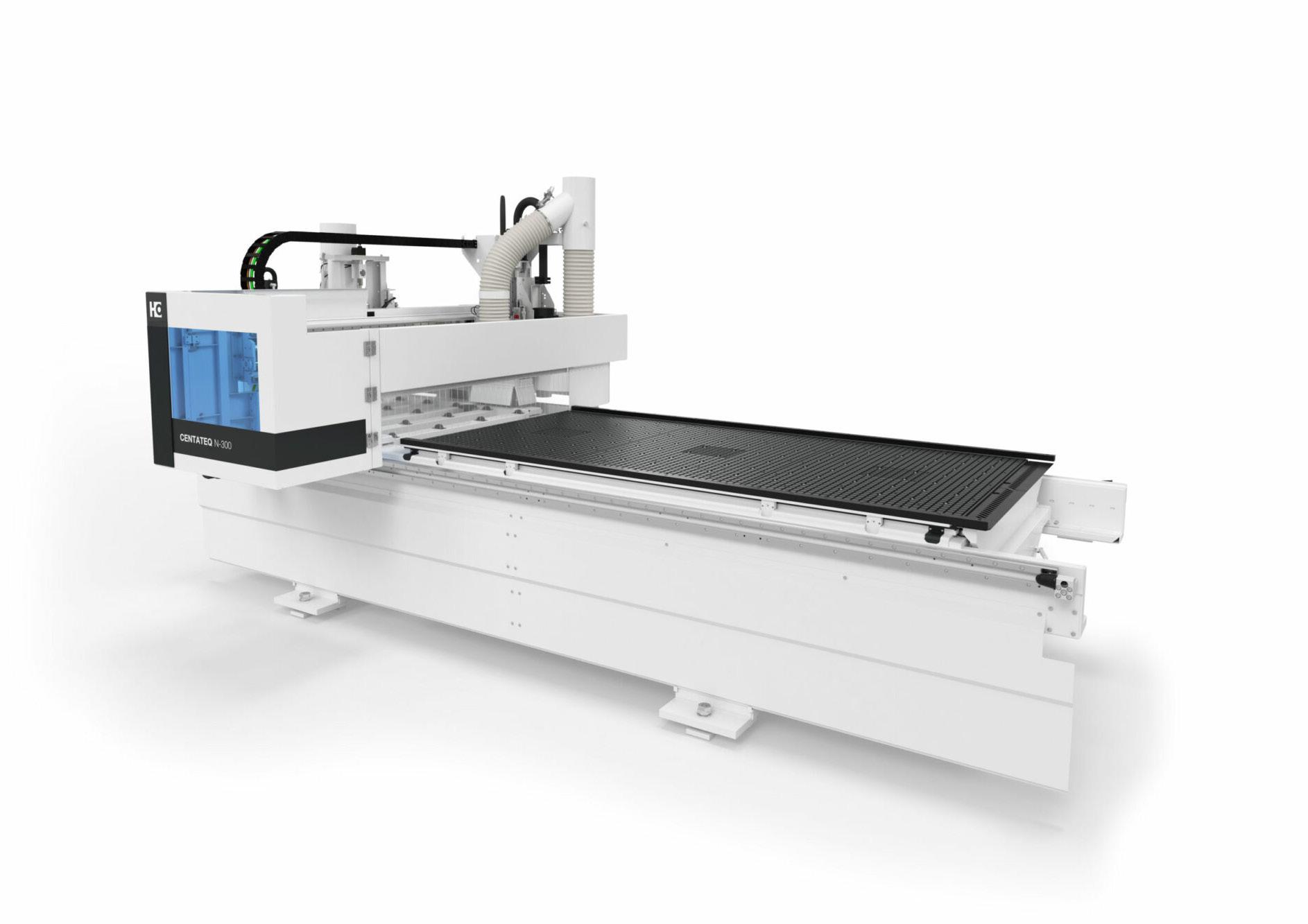
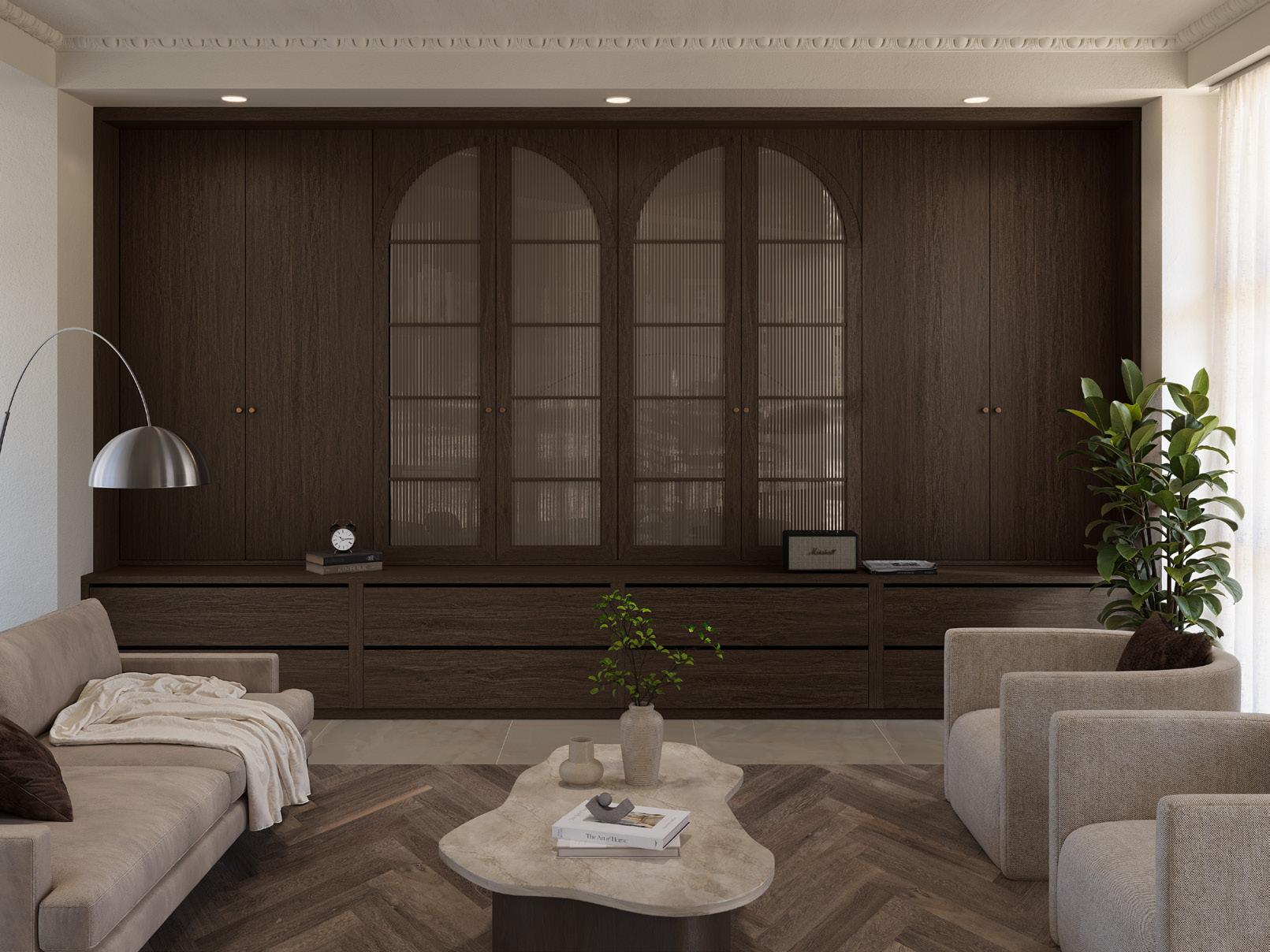
Inspired by the distinctive visual signature of oak, ICONIQ is a synchronized texture that combines timeless elegance with contemporary refinement. Its remarkable matt finish and meticulously reproduced authentic details give it a highly refined sense of realism.
IWF Booth C1422 tafisa.ca/en





ROOTED IN NATURE. CRAFTED FOR THE FUTURE.




Origins by Uniboard® draws inspiration from what takes root, nature and craftsmanship, to tell the story of textures, colors, and evolving traditions. Each of its 12 shades expresses our heritage, transformation, and connection between past and present.

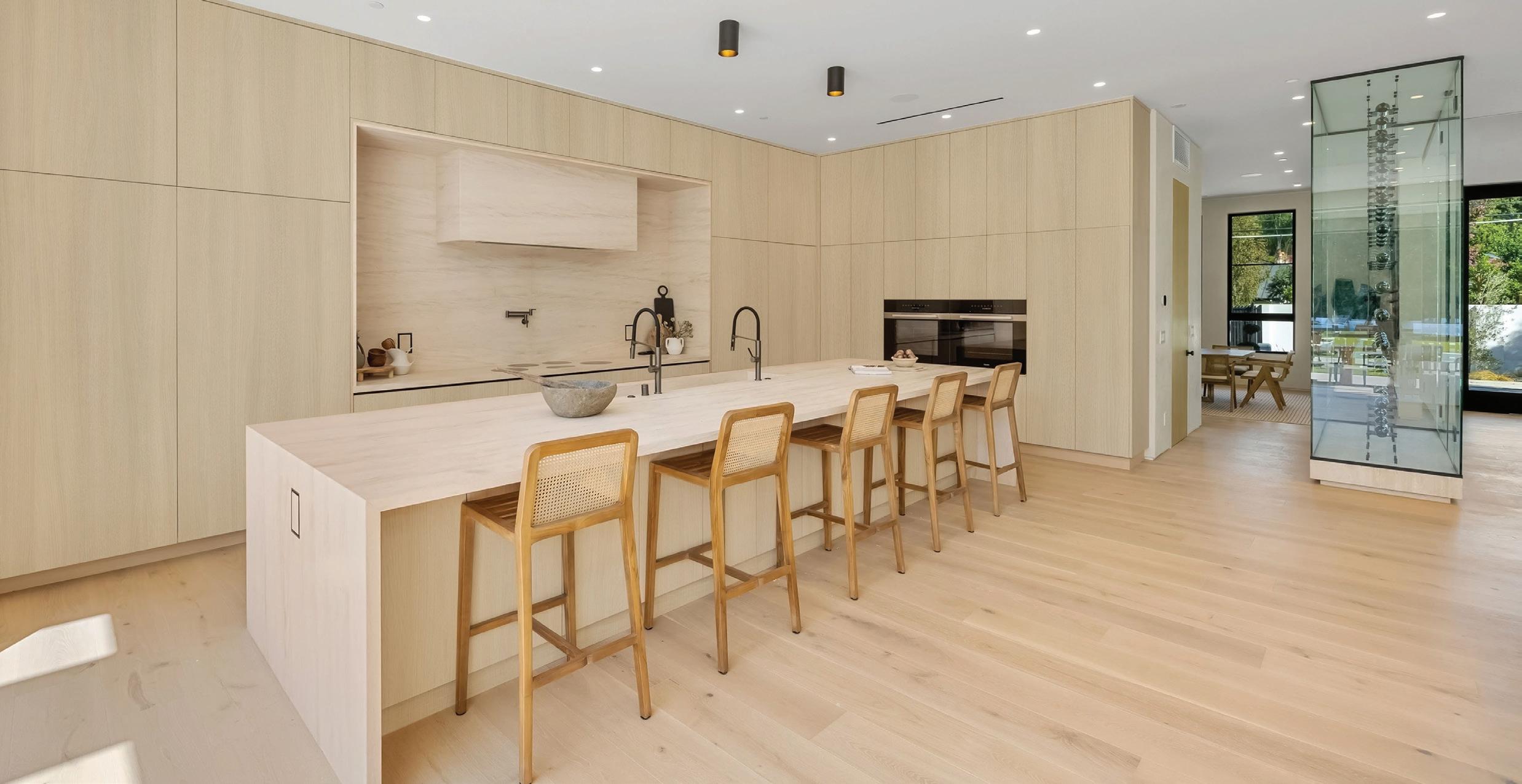


A full range of coordinated co-products is available to create exceptional projects, seamlessly aligned and without compromise:
Five-piece and thermoplastic doors
Edgebanding
Decorative mouldings
A leading American manufacturer of CNC routers and large-scale additive manufacturing systems, Therm -
wood Corporation will exhibit four of its powerful CNC routers at IWF, including the Model 43 Work Cell. A streamlined, affordable CNC system designed for cabinet, closet, and furniture builders, the Work Cell brings Thermwood quality and reliability to shops of any size.
IWF Booth B4811 thermwood.com
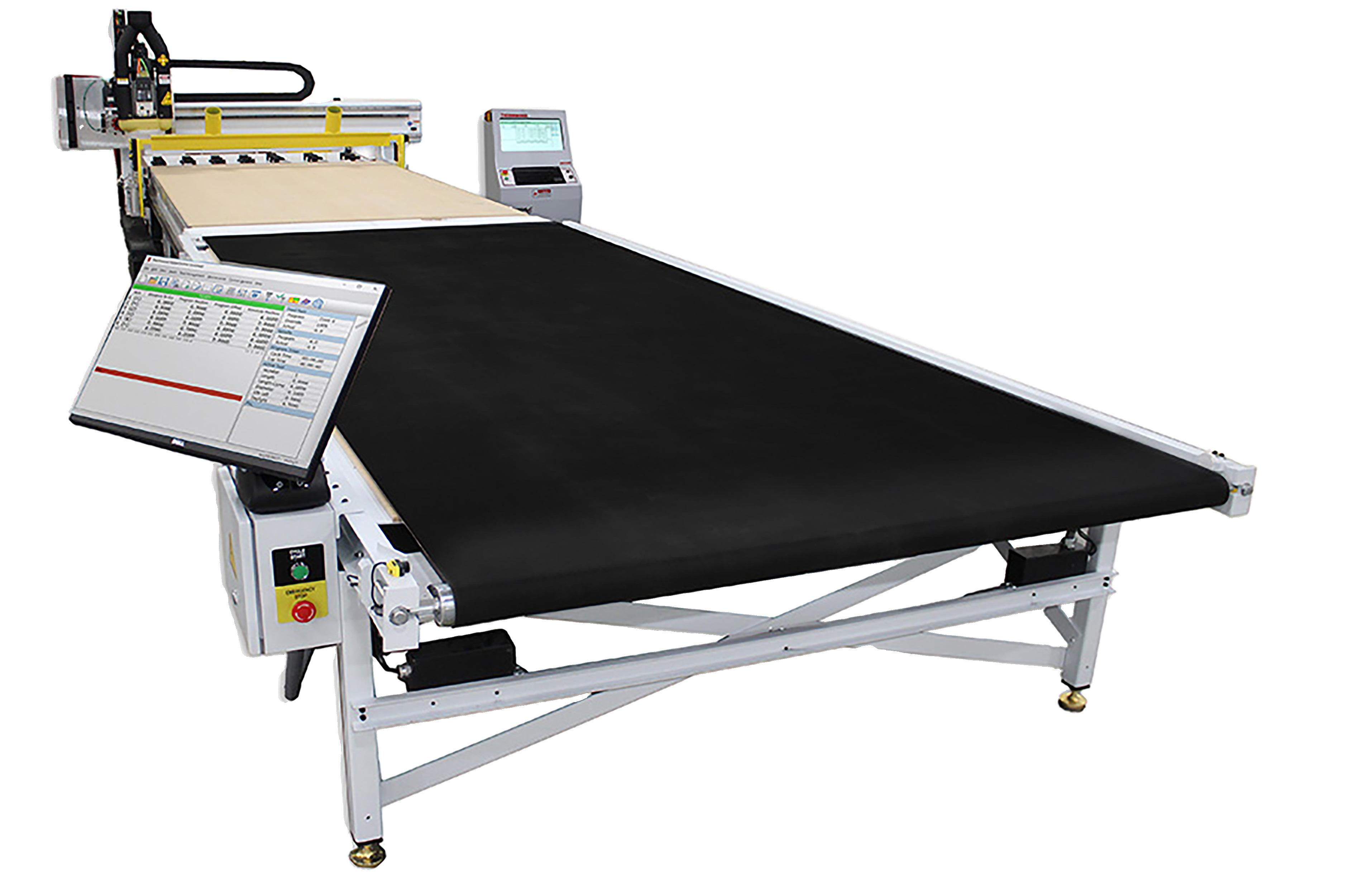
Uniboard
Rooted in nature. Crafted for the future. Origins draws inspiration from what takes root, nature and craftsmanship, to tell the story of textures, colors, and evolving traditions. Each of its 12 shades expresses our heritage, transformation, and connection between past and present.
IWF Booth C1210 uniboard.com/en
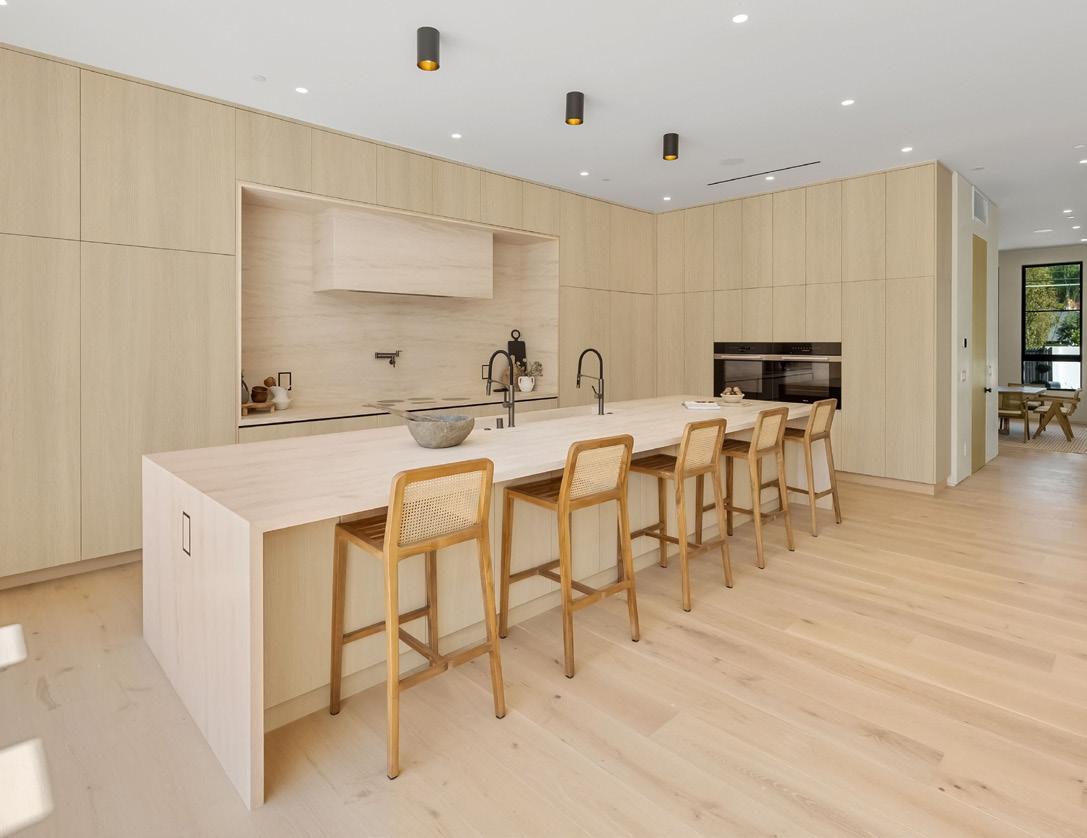
Looking for Birch? USply has a world of options for White Birch plywood so visit our booth and get your Passport to a World of Birch to ensure your plywood needs are met. We are dedicated to getting you the wood you need, when you need it. Global network. Reliable supply. Consistent quality. Proven partner.
IWF Booth C1262 usply.net
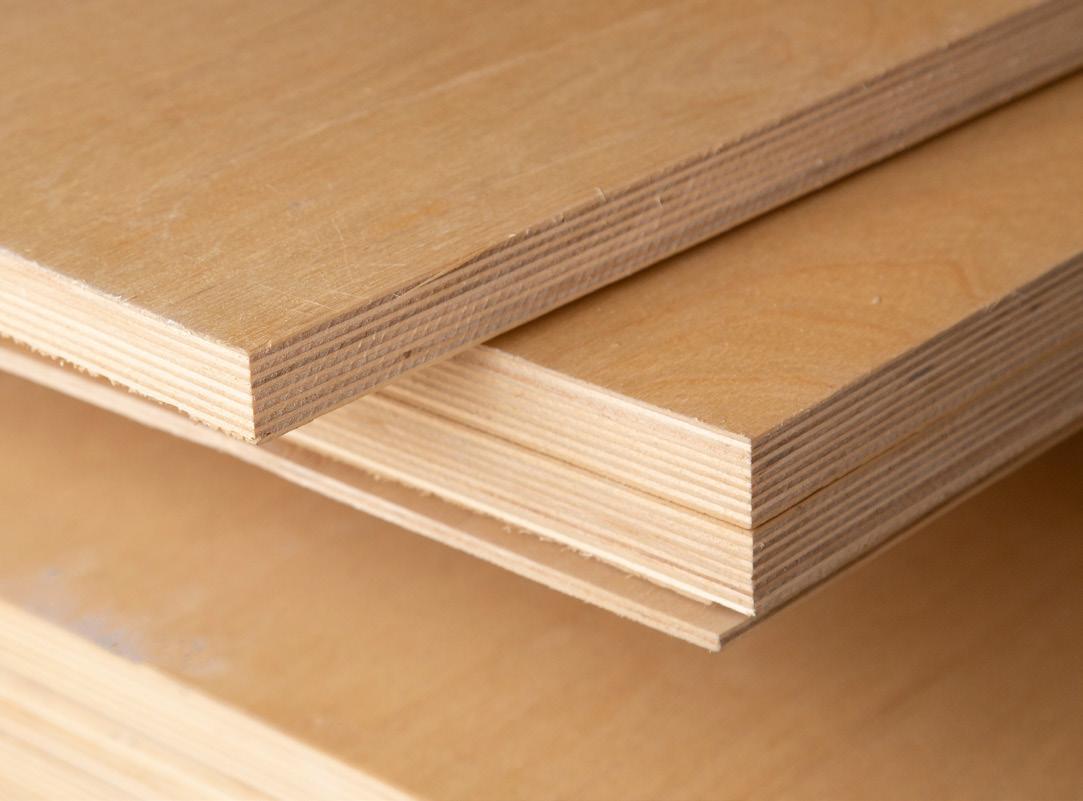
Vortex Tool
Vortex Tool Company’s Laser Edge Diamond PCD insert tooling features fully replaceable CNC profile inserts, eliminating re-tipping downtime. Laser-cut diamond edges deliver extended tool life, superior finish quality, and easy maintenance. Compatible with select Vortex tool bodies, the system helps reduce costs while improving productivity and machining efficiency.
IWF Booth B4553 vortextool.com
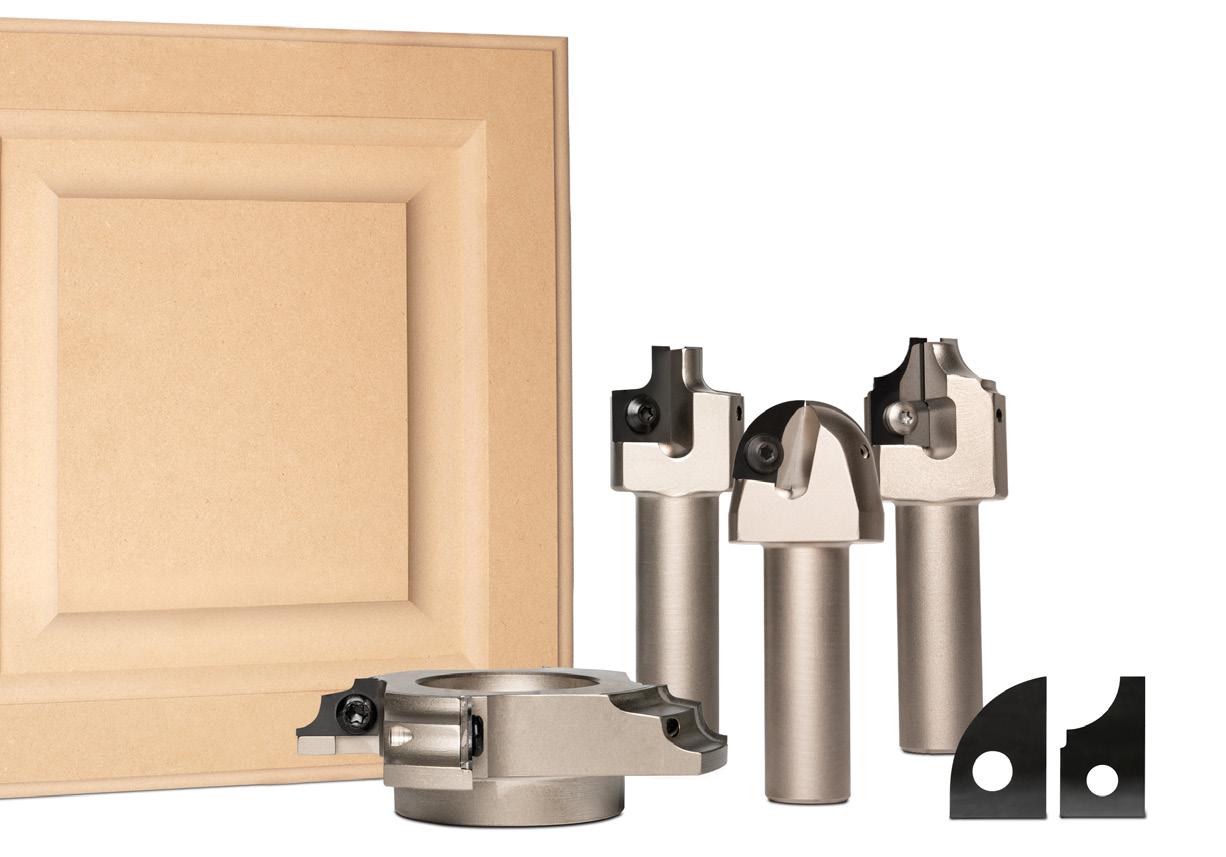
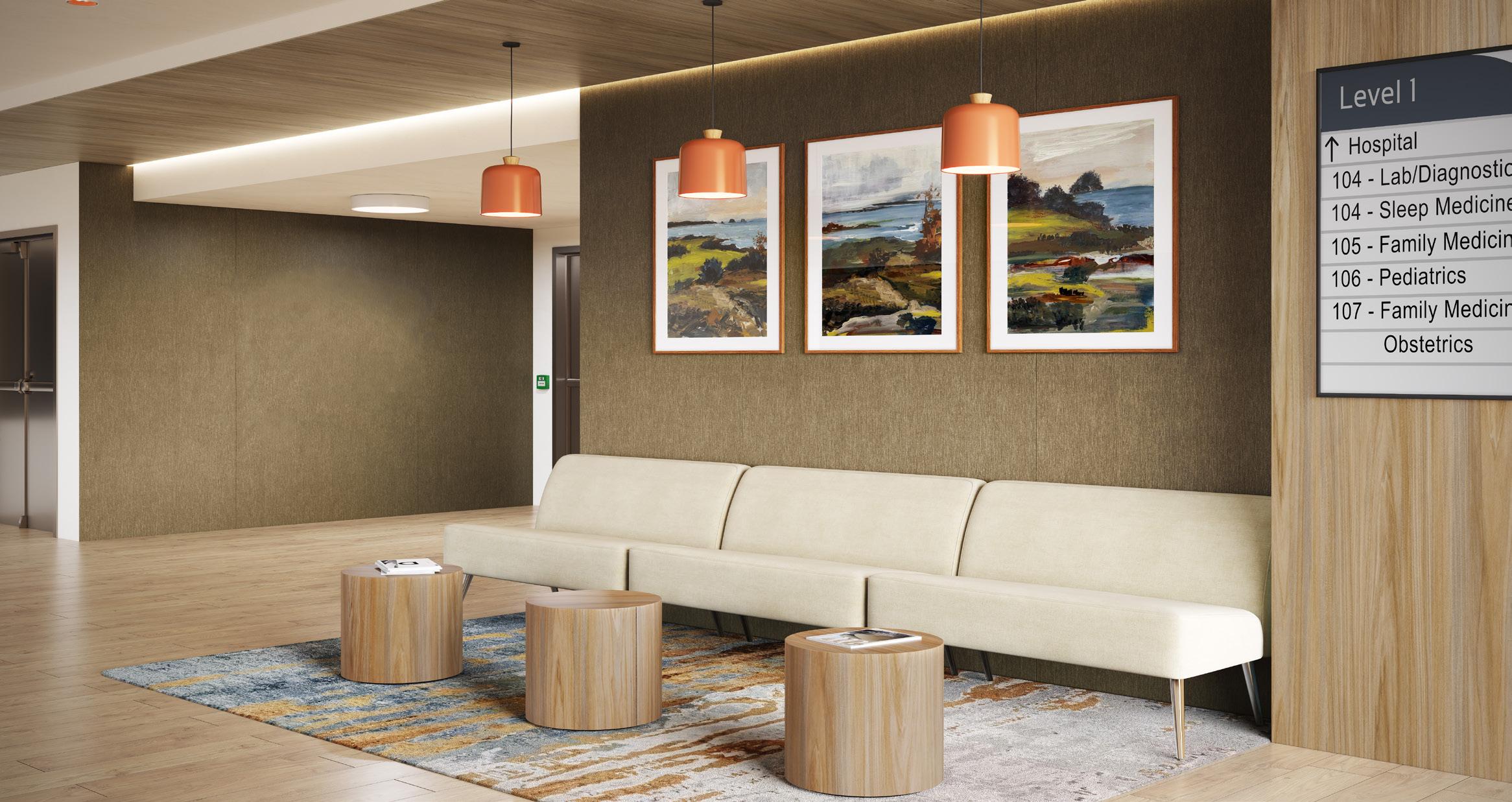
Designed for versatility, Wilsonart’s latest commercial HPL collection features balanced warm and cool undertones with blended colorways that coordinate seamlessly across palettes, materials, and applications.
IWF Booth C1326 wilsonart.com

Every trade show offers a snapshot of where an industry stands at a given moment. Viewed together, however, they reveal something even more valuable: where the industry is headed.
Three recent events — the AIA Conference on Architecture & Design in San Diego, NeoCon in Chicago and the Closets Conference & Expo in West Palm Beach — brought together professionals from different corners of the design and manufacturing world.
Architects discussed the future of building performance and material specification. Interior designers showcased the colors, textures and finishes poised to influence tomorrow’s commercial spaces. Closet designers and fabricators demonstrated how consumer demand is driving new levels of personalization in residential interiors.
While each event serves a unique audience, the conversations shared a common thread. Across every show floor and educational session, materials are becoming smarter, surfaces more expressive and manufacturing more responsive to the needs of designers and end users alike.
Decorative panels, engineered wood products, laminates, architectural finishes and advanced manufacturing technolo -
gies are no longer supporting players—they are central to creating spaces that are sustainable, adaptable, high-performing and visually compelling.
And these gatherings provide more than product launches and networking opportunities: they offer an early look at the forces shaping future demand.
The ideas introduced by architects today influence tomorrow’s specifications. The finishes and textures embraced by designers often become the next generation of cabinetry, furniture and architectural millwork. And the expectations homeowners bring to custom closets and storage increasingly find their way into kitchens, offices, hospitality spaces and beyond.
Together, these events paint a picture of an industry in transition — one where collaboration across design, manufacturing and technology has never been more important. They also underscore a simple reality: innovation doesn’t happen in isolation. It develops through the exchange of ideas between architects, designers, manufacturers, suppliers and fabricators, each contributing a different perspective on how spaces should look, perform and evolve.

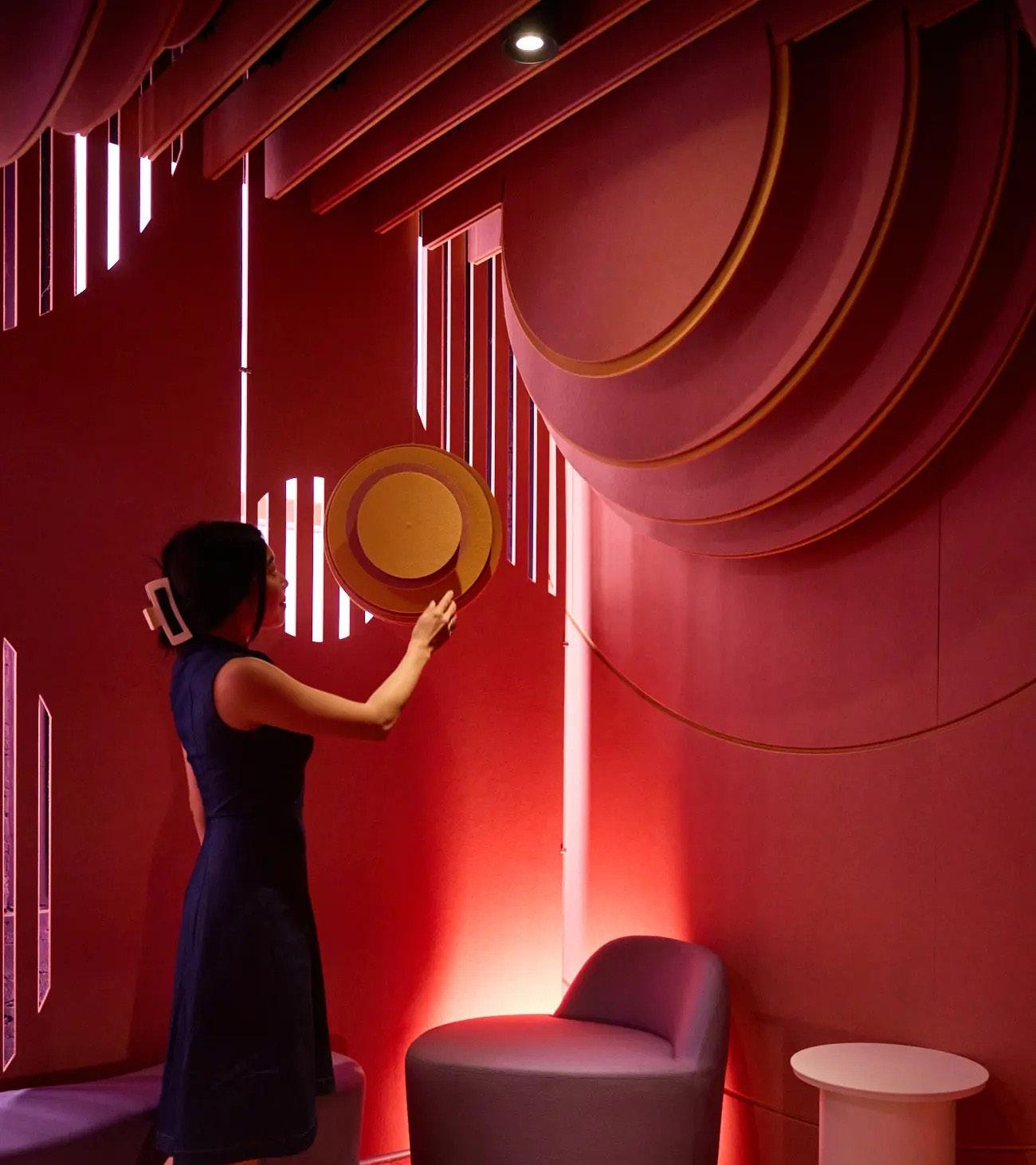
NeoCon
Look
an
the
For nearly six decades, NeoCon has been where commercial interiors reveal what’s next. Held June 8-10 at THE MART in Chicago, the 2026 edition brought together approximately 50,000 architects, interior designers, manufacturers, specifiers and industry professionals to explore the ideas, products and materials shaping the future of commercial environments.
One of this year’s most notable additions was the introduction of a dedicated lighting exhibition, expanding NeoCon’s focus beyond furniture and finishes to include architectural lighting as an integral part of interior design. The new Lighting Pavilion reflected the industry’s increasingly holistic approach to creating spaces where materials, lighting, furnishings and technology work together to enhance both aesthetics and occupant experience.
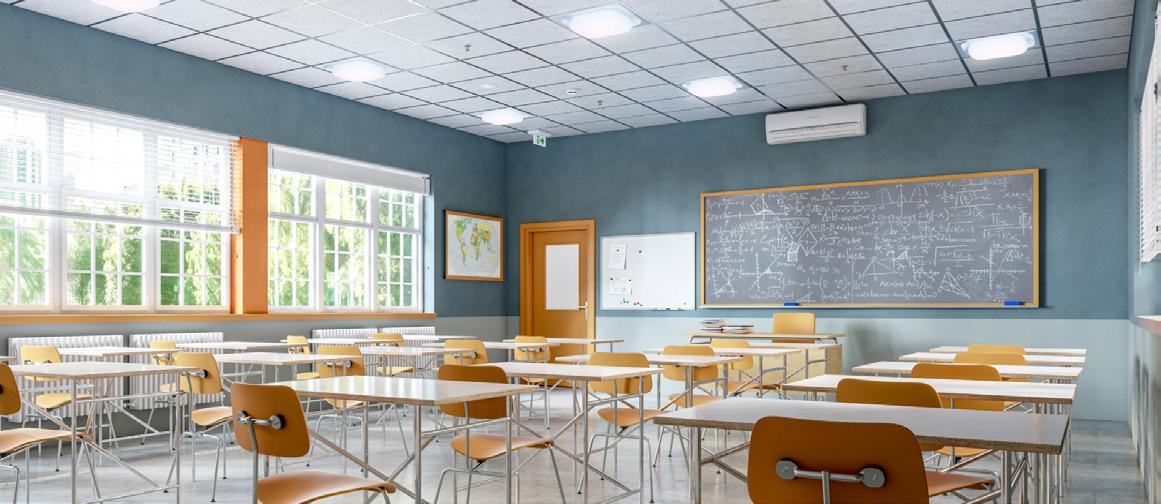
While furniture remains NeoCon’s largest category, the event has become one of the industry’s clearest indicators of where decorative surfaces, architectural materials and interior finishes are headed. From furniture systems and wall applications to cabinetry and millwork,
exhibitors offered an early glimpse into the colors, textures and material palettes likely to influence product development well beyond the commercial market.
One of the strongest trends throughout the show was the continued movement toward warmer, more residential-inspired interiors. Across permanent showrooms and temporary exhibits, designers embraced softer environments featuring natural wood visuals, muted earth tones, tactile laminates and layered material combinations. Rather than the cool, minimalist aesthetic that dominated commercial interiors for years, exhibitors presented spaces emphasizing comfort, authenticity and a stronger emotional connection to the built environment.
Texture played an equally important role. Decorative surfaces are increasingly being used to create depth and visual interest, with synchronized wood grains, ultra-matte finishes, soft-touch materials and dimensional patterns appearing throughout furniture collections,
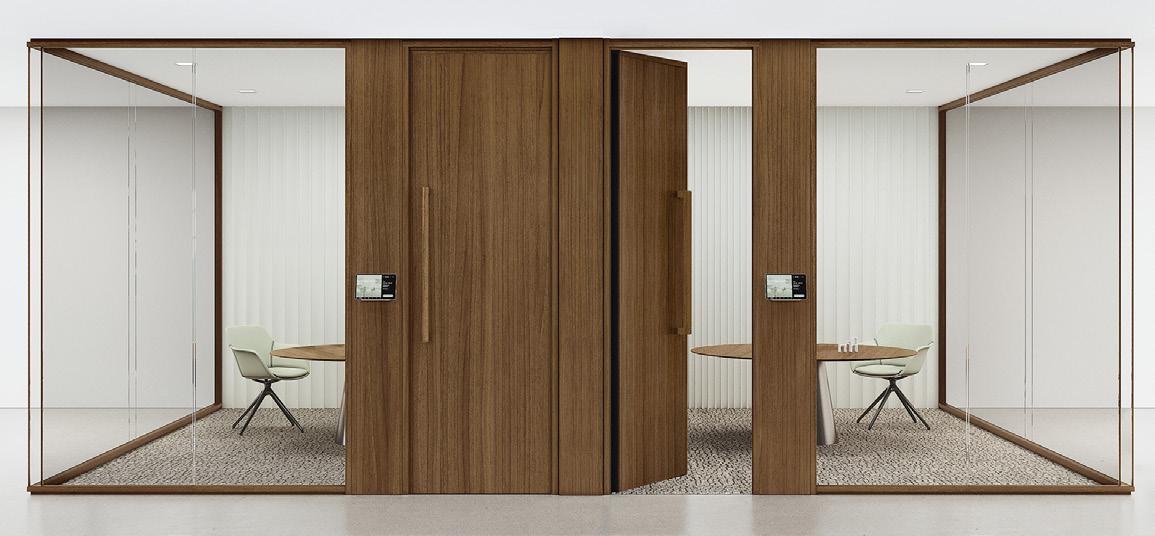














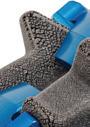















We design and engineer precise, customized tooling to exceed your woodworking demands. Backed by an extensive inventory and industry-leading services, our certified tooling reduces cost-per-cut and improves production performance.
cabinetry, architectural wall systems and workspace solutions. Materials themselves have become defining design features, contributing as much to the experience of a space as they do to its appearance.
Wood-inspired materials remained especially prominent. Whether achieved through natural veneers, decorative panels or increasingly realistic wood reproductions, exhibitors demonstrated how wood continues to anchor commercial interiors across workplace, hospitality, education and healthcare settings. Designers paired these warm visuals with stone-inspired finishes, textured metals and woven textiles to create layered palettes that feel sophisticated, inviting and timeless.
Biophilic design continued to influence product development as well. Rather than relying solely on interior greenery, many exhibitors incorporated organic colors, natural textures and authentic material patterns to create environments that foster comfort, wellness and a stronger connection to nature. Decorative panels and architectural surfaces played a central role in achieving these design objectives.
Technology was also evident throughout the show, not only in digital design tools but in the products themselves. Advances in digital printing, synchronized textures, engineered veneers and surface finishing technologies continue expanding what manufacturers can achieve aesthetically while improving consistency, durability and manufacturing efficiency.
NeoCon’s educational programming reinforced many of the themes seen across the exhibition floor. Sessions explored workplace evolution, neuroinclusive design, circular design principles, material health and artificial intelligence in design practice. Together, they highlighted a shared objective: creating interiors that are adaptable, human-centered and capable of supporting changing ways of living and working.
The annual Best of NeoCon Awards once again recognized products that successfully balanced innovation, functionality and design excellence. For manufacturers supplying decorative surfaces, engineered panels and architectural materials, the award winners often provide an early indication of the finishes, textures and applications that will gain momentum across the broader interiors market.
For the S&P industry, NeoCon remains one of the best places to identify emerging design direction. The colors, materials and finishes introduced in Chicago frequently influence cabinetry, furniture, architectural millwork and interior products for years to come.
As designers continue seeking environments that are warm, tactile and experience-driven, decorative surfaces and engineered materials are playing an increasingly important role in shaping the future of commercial interiors.


AIA26 Reveals What Architects Will Expect from Tomorrow’s
Long before a building takes shape, its materials are evaluated, compared and ultimately specified. That made AIA26, held June 10-13 in San Diego, an important barometer for manufacturers throughout the Surface & Panel industry. Bringing together thousands of architects, designers, engineers and building product manufacturers, the conference highlighted the priorities that will increasingly influence product development across commercial and institutional construction.
One message resonated throughout this year’s event: performance alone is no longer enough. Architects are looking for materials that combine durability with sustainability, occupant wellness, resilience and design flexibility. At the same time, those materials are expected to do more than meet technical requirements — they must also contribute to healthier, longer-lasting and visually compelling spaces.
Material transparency remained one of the conference’s strongest themes. As environmental regulations and client expectations continue to evolve, architects are placing greater emphasis on documented product performance. Environmental Product Declarations (EPDs), Health Product Declarations (HPDs), responsible sourcing and embodied carbon data are becoming increasingly important components of the specification process, reflecting a broader demand for products backed by credible environmental information.
Resilience also emerged as a defining priority. Educational sessions explored climate-responsive design, energy efficiency and flexible spaces capable of adapting over time. For manufacturers, the discussions reinforced the growing need for products that balance long-term durability with environmental performance and aesthetic appeal.
Artificial intelligence generated significant conversation as firms explored new tools for research, visualization, documentation and project coordination. Rather than replacing architects, presenters emphasized AI’s potential to streamline routine tasks and strengthen collaboration, allowing design professionals to focus on creativity and problem-solving.
That spirit of collaboration extended beyond technology. Architects, manufacturers and suppliers increasingly recognize that successful projects depend on earlier engagement between design teams and product manufacturers. Providing technical expertise, performance data and product knowledge during the design phase helps ensure specifications align with both design intent and real-world performance.
The expo floor reflected these evolving priorities, with exhibitors showcasing products focused on sustainability, resilience, occupant wellness and high-performance design. Decorative surfaces, engineered materials and advanced finish technologies demon -

strated how aesthetics and functionality continue to converge across today’s built environment.
For the S&P industry, the value of AIA26 lies in understanding the expectations shaping tomorrow’s specifications. Architects are asking more informed questions about sustainability, material health, lifecycle performance and documentation than ever before. Manufacturers that can respond with innovative products, reliable performance and transparent product information will be well positioned as these priorities continue to influence the future of commercial building design.


The modern closet has become far more than a place to store clothing. It is increasingly viewed as an extension of the home — one that reflects personal style, supports daily routines and delivers a luxury experience tailored to the homeowner. That evolution was on full display at the 2026 Closets Conference & Expo, held June 30-July 2 in West Palm Beach, Florida, where designers, fabricators, manufacturers and suppliers explored the trends redefining custom storage.
Co-located with Wood Pro Expo Florida, the annual event welcomed more than 1,300 attendees and roughly 125 exhibitors, showcasing innovations in design, materials, hardware and manufacturing. While closets remain the centerpiece, the ideas on display reached well beyond wardrobes, influencing cabinetry, pantries, laundry rooms, mudrooms, home offices and other custom residential spaces.
The dominant theme throughout the show was personalization. Homeowners increasingly expect every storage solution to reflect their lifestyles rather than conform to a standard layout. Whether designing a luxury dressing room or a multifunctional pantry, fabricators are being challenged to create spaces that are both beautiful and highly functional.
That demand was evident across the exhibit floor, from embossed leather finishes on doors, drawers and hardware to sophisticated palettes and textures that blend seamlessly with today’s residential interiors.
Rather than serving as simple casework, closet systems are increasingly designed to complement the surrounding architecture and elevate the character of the home, with decorative surfaces continuing to play a larger role in distinguishing premium storage environments.
Hardware innovation also reflected consumers’ growing expectations. Integrated lighting, premium drawer organization, concealed storage, jewelry displays, pull-out accessories and soft-close hardware have become expected features rather than luxury upgrades. Manufacturers
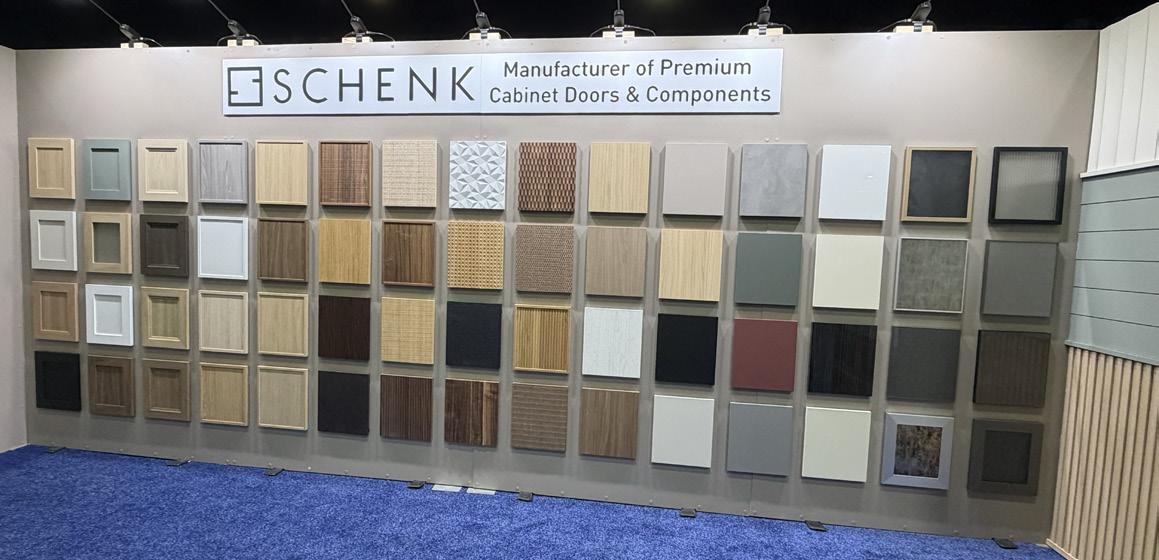
demonstrated solutions that maximize every inch of available space while creating a more intuitive and refined user experience.
Another notable trend was the continued expansion of the custom storage market beyond the closet itself. Exhibitors showcased products designed for pantries, laundry rooms, entertainment centers, home offices and entryways, illustrating how the principles of organization are influencing nearly every room of the home. For manufacturers of decorative panels, engineered components and architectural surfaces, this broader application creates opportunities well beyond traditional closet systems.
Educational programming reflected the business challenges facing today’s fabricators. Sessions explored connected design software, CNC optimization, automation, artificial intelligence, marketing and leadership, emphasizing how shops can deliver increasingly customized products while improving efficiency and profitability. Networking events and peer discussions reinforced the collaborative spirit that continues to drive innovation throughout the industry.
The annual Top Shelf Design Awards celebrated projects demonstrating exceptional creativity, craftsmanship and attention to detail, highlighting how thoughtful material selection, premium hardware and precision fabrication can transform functional storage into architectural features. Sustainability also remained an important consideration, with manufacturers highlighting responsibly sourced materials, durable finishes and production practices designed to reduce waste and extend product life.
For the S&P industry, the Closets Conference & Expo offers valuable insight into evolving consumer expectations. The finishes, textures, hardware innovations and manufacturing techniques showcased in West Palm Beach often influence cabinetry, furniture and architectural millwork across the broader residential market. As homeowners continue seeking personalized spaces that balance luxury, organization and long-term value, demand for high-quality decorative surfaces and engineered materials is poised to continue growing. S P
Mark
Closets Conference & Expo • May 18-20, 2027 Dallas AIA27 • May 19–22, 2027 Philadelphia NeoCon 2027 • June 13-16, 2027 Chicago






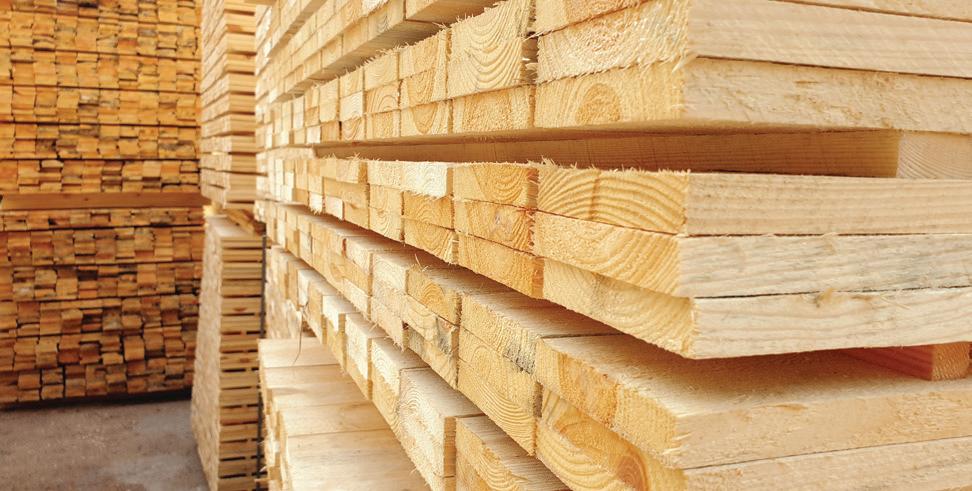


the most complete lumber-specific credit and business information in the world. Manage your business with insights from 250,000 credit references and business profiles
Manage your business with insights from 250,000 credit references and business pro les
Limit your nancial risk with $25 billion of A/R captured
Limit your financial risk with $25 billion of A/R captured Accelerate your growth with access to over 20,000 industry contacts and key decision makers
Accelerate your growth with access to over 20,000 industry contacts and key decision makers






























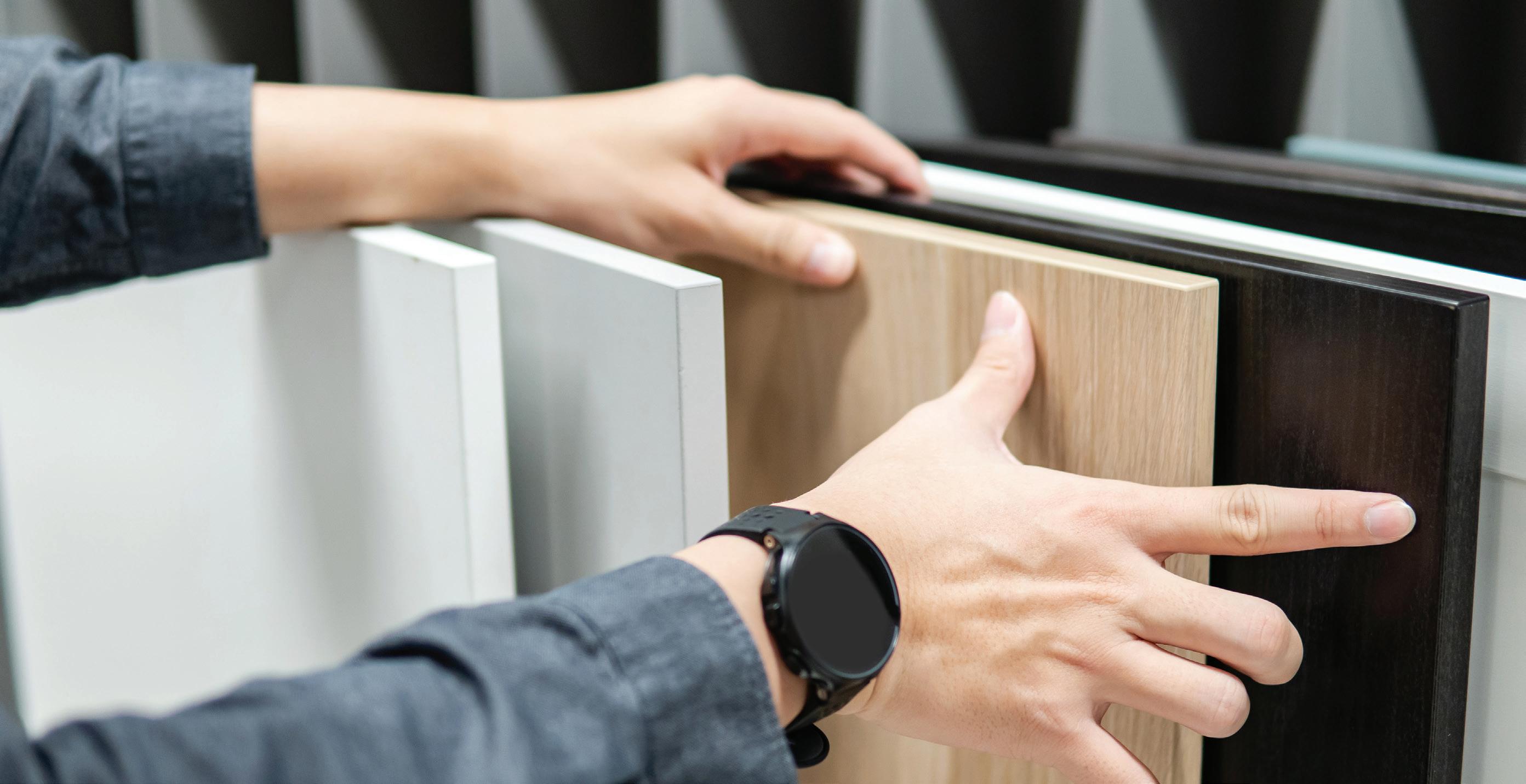
We at Surface & Panel are constantly amazed by the new products and their applications in our industry. S&P By Design is an opportunity to share some of those innovations used in real projects around the world.
Designed by Domenic Marcolongo, Las Vegas Closet Design
For the second consecutive year, Domenic Marcolongo, designer and owner of Las Vegas Closet Design, captured the industry’s highest honor at the Top Shelf Design Awards. His latest project, After Dark , earned first place in the Laminate Closet Over 18 Linear Feet category before being named Best in Show. The awards were presented July 1 during the annual Closet Conference & Expo in West Palm Beach.
A study in bold luxury, After Dark makes an immediate impression. Rich, high-gloss finishes and color-changing ambient lighting envelop the space in a dramatic glow, while glass-front cabinetry transforms an everyday wardrobe into a gallery-like display.
At its heart, a marble and leather-clad island anchors the room with sculptural presence, while warm underlighting softens the space, creating an atmosphere that is both intimate and sophisticated.
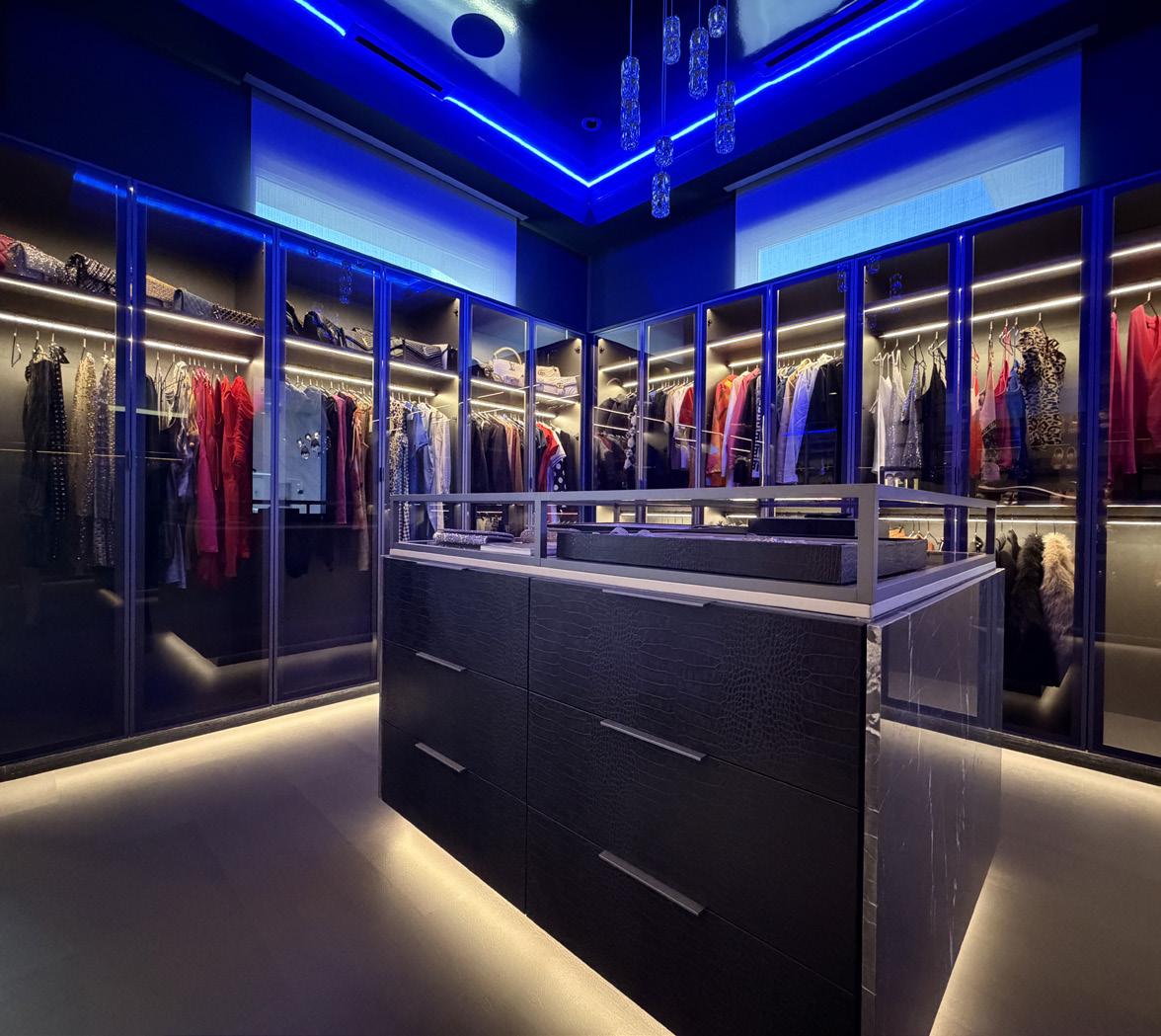
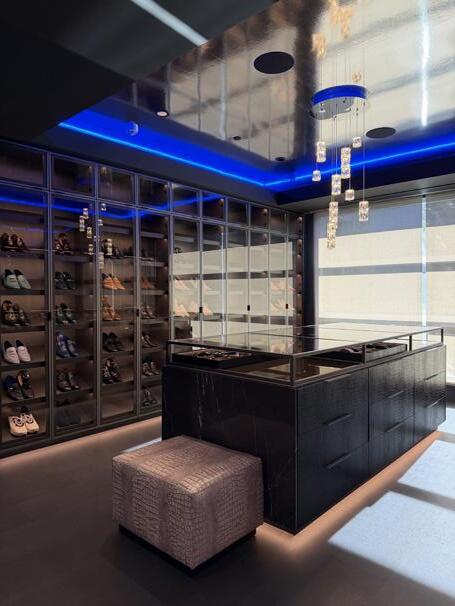
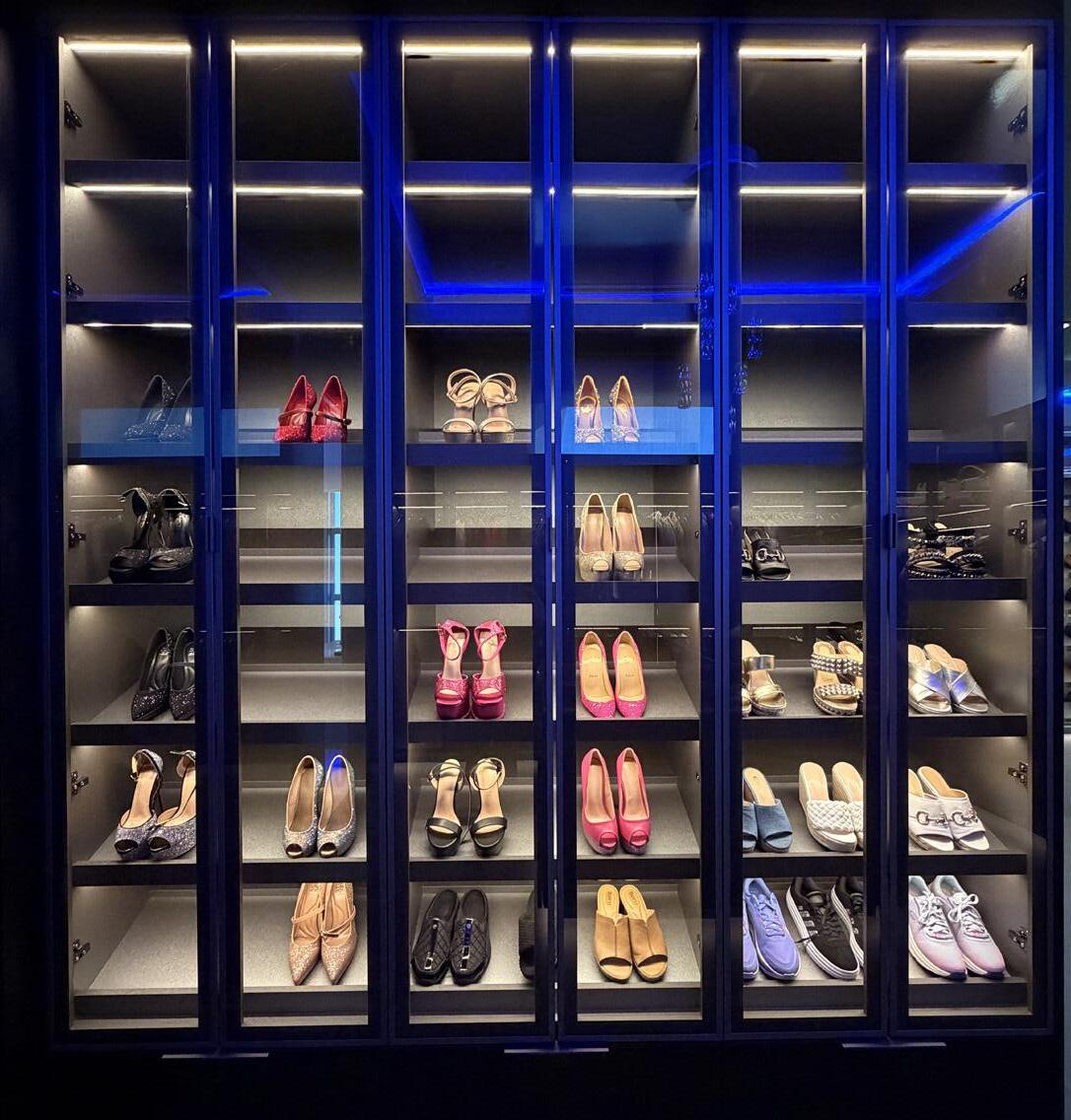
Marcolongo’s success extended beyond the awards ceremony. In addition to earning multiple Top Shelf Design Awards, he led one of the conference’s most popular educational sessions, Stop Selling, Start Seducing: The Art of Attracting the Luxury Buyer, where attendees packed the room to hear his perspective on designing for—and marketing to — the luxury client.
“Luxury is more than just the price,” Marcolongo said. “Really, at the end of the day, it’s all about the experience.”
He challenged designers to rethink their approach to attracting high-end clients, telling the audience, “Your clients are not the problem — you are. I didn’t build my business by chasing clients. I built it by becoming the brand they wanted to work with.”
After Dark reflects that philosophy, demonstrating how carefully orchestrated materials, lighting and proportion can elevate a functional closet into an immersive luxury experience — and a design worthy of the industry’s highest recognition.
If you have an interesting and innovative project to consider for S&P By Design, submit 1-3 images and a brief explanation of the project, including materials used, along with your company name and URL to jwilliams@526mediagroup.com. You will be contacted if your project is selected for publication in an upcoming issue.




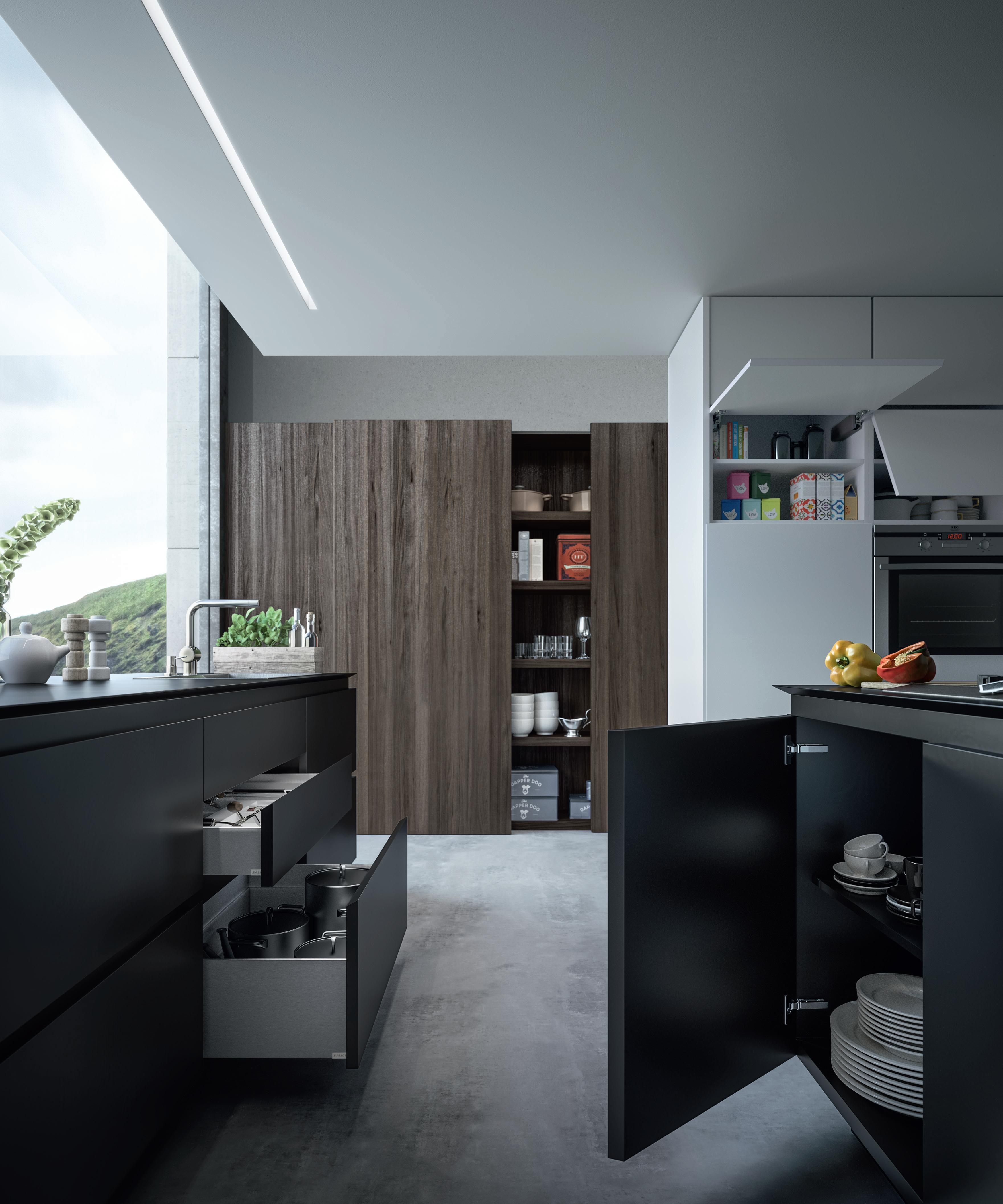
For every type of movement… the answer is Salice. A comprehensive range of products that combines excellence in research-based design and technical expertise to provide solutions for every cabinetry application.
-Hinges & mounting plates
-Lift systems
-Sliding systems
-Runners & drawers
-Kitchen & Closet Accessories