UNITING MATERIALS, TECHNOLOGY AND DESIGN

Anticipation Builds for 2025 KBIS
Future-Proofing Surfaces Island Plywood Project Embraces Sustainability Hardware with a Soft Spot


UNITING MATERIALS, TECHNOLOGY AND DESIGN
Anticipation Builds for 2025 KBIS
Future-Proofing Surfaces Island Plywood Project Embraces Sustainability Hardware with a Soft Spot
No matter what kind of lamination you need, Daubond® PUR adhesives are made to fit the mold. We’re committed to finding the best solution for you, offering guidance and support every step of the way. When you work with Daubert®, you get a team dedicated to meeting your needs and helping you achieve success that sticks.


- 3D LAMINATING & THERMOFOIL
- FLAT LAMINATING
- PROFILE WRAPPING
- EDGE BANDING


- AUTOMOTIVE
- ASSEMBLY
- CLEANING & LUBRICATING PRODUCTS
- AND MORE
UNITING MATERIALS, TECHNOLOGY AND DESIGN
12 Designer Q&A
S&P asked four Best of KBIS judges to share their design insights for 2025
16 Custom TFL Line Powers Growth
Dickson Furniture Manufacturers installed their own TFL production line to better meet growing demand — and to take advantage of their “production bubble”
18 Future-Proofing Surfacing
Mark Dunson, CEO of Formica Group North America, shares how to safeguard against the industry’s biggest challenges
22 Island Oasis
A massive island project in Indonesia seeks to produce the world’s most sustainable plywood
26 There’s Cash in that Trash
Using wood “waste” to make a profit while supporting and educating the next generation of industry professionals
30 Hardware with a Soft Spot
Top Knobs teams up with nonprofit to help create dream spaces for children with special needs
34 Highlighting Hardware for KBIS 2025
A taste of what’s in store at the Kitchen & Bath Industry Show, scheduled for February 25-27 in Las Vegas
38 Decorative Hardwoods Always on Trend
Design trends in the industry include a celebration of natural aesthetics and versatility
44 Coming to America
Closet power couple Eric and Lori Marshall share their recent findings at SICAM in Italy — and what they expect to see soon here in the U.S.


8 From the President
Patrick Adams tells us to “Remember When”
10 From the Editor
Jennifer Williams on “Embracing Optimism” in the new year
40 Human Resources
New year, new administration, new laws: what to expect
48 Ad Index
50 S&P By Design
Sleek, smart and lightweight panels are a longtime cornerstone in the RV market — and their appeal is spreading to other compact design applications
ON THE COVER: Excitement builds as the industry prepares for the 2025 Kitchen & Bath Industry Show in Las Vegas February 25-27. Olon Industries will be showcasing APEX, the new O²S surface technology being applied to all of their VelourTouch Specialty Panels to improve product performance, including adding extra scratch resistance and excellent anti-fingerprint technology.
44


In the competitive world of closets, fabricators, architects, designers, and franchisers agree that the Nova Pro Scala Drawer System is second to none. Compatible with 32mm indexing and available in 2” (50mm) length increments, it is ideal for closet design, manufacturing, and installation. Its double wall construction, synchronized movement, variety of finishes, and rapid fabrication provide cost savings, performance, and customization to meet the demands of modern homeowners.
Bring your dream closet to life with Nova Pro Scala. www.grassusa.com

SCAN HERE FOR MORE INFORMATION
PRESIDENT/PUBLISHER
Patrick Adams
PH: 714-486-2735 padams@526mediagroup.com
VICE PRESIDENT
Shelly Adams
MANAGING EDITOR
Jennifer Williams
PH: 714-486-2735 jwilliams@526mediagroup.com
David Koenig, DIRECTOR OF EDITORIAL Sara Graves, SENIOR EDITOR
GUEST COLUMNISTS & CONTRIBUTORS
Keith Christman, Mark Dunson, Eric & Lori Marshall, Paige McAllister, C.J. Nord, Tovi Spero
SALES
Nick Kosan
PH: 714-486-2735 nkosan@526mediagroup.com
Chuck Casey
PH: 714-486-2735 ccasey@526mediagroup.com
John Haugh
PH: 714-486-2735 jhaugh@526mediagroup.com
GRAPHIC DESIGN
Dara Fowler
DIGITAL SUPPORT
Katherine Williams kwilliams@526mediagroup.com
CIRCULATION/SUPPORT
PH: 714-486-2735 info@526mediagroup.com
526 MEDIA GROUP
151 Kalmus Drive, Ste. J3 Costa Mesa, CA 92626
PH: 714-486-2735

Idon’t recall the exact moment it happened, but as a kid I remember that the frequency of lectures that started with “I remember when…” increased in correspondence with my age. Like most kids, the internal dialogue that I had with myself as these stories of the past unfolded consisted mostly of, “Good Lord, please make it stop.” I don’t recall a single interesting or inspiring story.
Whether it was the famous “…walked in the snow, uphill both ways, to school…” or some version of a horror story of punishments they used to receive and how lucky I should feel that I was only receiving the diluted version of mine, the “I remember whens” continued into my adult life.
But this weekend, I caught myself doing it with my daughter. The difference was that it wasn’t about something she did wrong, or in regard to a punishment I was handing out. She was explaining that things like electric bikes and social media were her generation’s social outlets and was trying to defend why she “needed” them. I listened to her oral arguments intently, then she paused as if waiting on the jury’s verdict. Instead of immediately responding, I pondered her argument.
I recalled the countless adventures I had as a kid. My parents kicked me out of the house after breakfast and my only instruction was not to be home until dinner. With my pedal bike, my world was only limited by the time it would take for the return trip to have me arrive by dinner. It felt like every trip was a new voyage to discover every back alley, new street, or shopping center. I would take riverbed trails all the way to the beach and I would take dirt trails into the hills where nature had provided my very own jumps and turns. Many of these adventures included setbacks and challenges, including many where I learned the hard lessons of “cause and effect.”
Talk back to someone older and stronger? Get punched in the mouth. Lesson learned. Leave your bike unlocked while you explore a store at the beach? Bike gets stolen and you have to run nine miles home in order to make it for dinner and not get in trouble. Bike gets stolen, so you have to mow yards for two months to save up enough to get another used, garage sale bike. I believe this “freedom” did more to shape what I would become than any other education or training I

I believe this “freedom” did more to shape what I would become than any other education or training I have received ... In my mind, however, things are different now.
have received. And now, my almost 14-year-old daughter was asking for her equivalent of the same.
In my mind, however, things are different now. There are bad guys, and predators, and bullies. People in cars don’t pay attention, and people don’t look out for each other. My access to local law enforcement call logs tells the story, as does any nightly news segment or social media post. The world is falling apart, they say, and the “evidence” supports this.
But, what if things really haven’t changed at all? I remember “creeper vans,” and I grew up in a gang environment that makes where we live today seem like Disneyland. There were bad guys, and predators, and cars that by today’s standards didn’t even have brakes. Maybe today, we just have too much access to too much information that is created in a way to elicit fear. They say crime is down from the past, and yet every day the news starts with the nightly death count. They say child predators are down, yet every minute there is a warning about not letting your kids online or out of your sight.
I pondered all of this wishing for my daughter the freedom to learn, and explore as I did and learn the lessons of life in the only way you can — firsthand. After my deliberation, I rendered my judgment with one simple word ... "No.” Her hopeful expression fell and as she stormed off rambling on about how she’s the only kid in the world without, and how we are the strictest parents in the whole world, I responded with the only thing that came to mind ... "I love you.”
I hope that as we begin this new year, the decisions you have to make are easier and are met with more excitement than mine!
Patrick Adams, President | 526 Media Group, Inc.
Send your thoughts and messages on this issue and article to Patrick at padams@526mediagroup.com

Find more information here: hettich.com/short/ 7izegx9
Make a statement with the newest member of the Quadro runner family. Featuring 5 adjustments and integrated Silent System, its exceptional running action sets a new standard. Enhance your experience with the optional push-to-open silent feature – a perfect blend of style and functionality. IT’S ALL IN HETTICH.
With every new year comes the promise of fresh opportunities, renewed focus, and the excitement of what lies ahead. As we step into 2025, I can’t help but feel a sense of optimism — not just about the world around us but particularly for the surface and panel industry. Ours is a field fueled by innovation, creativity, and resilience, and as we look to the year ahead, there is much to celebrate and even more to anticipate.
In the face of challenges, our industry has consistently risen to the occasion, finding solutions that marry functionality, sustainability, and design. Optimism, after all, is not just a mindset; it’s a driving force behind the evolution of our materials, technologies, and practices.
The surface and panel industry has long been defined by its ability to adapt and innovate. Whether responding to market demands, technological advancements, or global shifts, our sector thrives on resilience and creativity. As we enter a new year, this spirit of adaptability is more important than ever.
Consumer preferences are shifting toward lighter, stronger, and more sustainable materials, and our industry is rising to meet those demands. From lightweight panels for tiny homes and RVs to smart surfaces for connected living, our industry is shaping the way people interact with their environments. Every challenge we face becomes an opportunity to innovate, and that’s something to be excited about.
Perhaps one of the most inspiring aspects of our industry today is the unwavering commitment to sustainability. Optimism in 2025 isn’t just about growth — it’s about growth that benefits our planet.
Sustainability is no longer a side conversation; it’s central to the way we design, manufacture, and deliver products. Recycled materials, low-VOC finishes, and renewable resources are becoming industry standards. Meanwhile, innovations in manufacturing processes — like energy-efficient machinery and waste reduction techniques — are making a significant impact.
Technology is another reason to feel optimistic about 2025. Innovations in surface and panel materials are pushing the boundaries of what’s possible. Touch-sensitive surfaces, antimicrobial coatings, and digitally printed designs are just

a few examples of how our products are becoming more functional and versatile.
Advancements in automation and digitalization are also transforming the manufacturing process, making it more efficient and sustainable. Whether it’s AI-driven machinery or enhanced panel processing techniques, these developments are helping us produce better products while reducing waste and energy use.
Another reason for optimism in 2025 is the incredible slate of trade shows and events that will bring us together.
From KBIS in February to interzum and Ligna in May and AWFS in July, these gatherings are more than opportunities to showcase products — they’re platforms for connection, inspiration, and collaboration.
Ultimately, optimism for 2025 stems from the belief in growth — growth in our industry, our capabilities, and our shared vision for the future. So as we embark on this new year, I encourage all of us to embrace the opportunities ahead with open minds and collaborative spirits. Whether it’s through groundbreaking design, sustainable practices, or technological advancements, let’s continue to push boundaries and set new standards for excellence.
Jennifer Williams, Managing Editor



Every year, the Best of KBIS awards spotlight the most innovative and inspiring products in kitchen and bath design. This year, Surface & Panel Magazine caught up with four esteemed judges from the 2025 competition to get their take on what defines great design in today’s market. From material trends and sustainability to the role of technology in shaping modern spaces, we sought to uncover the diverse perspectives shaping the future of the industry. Here’s what they had to say:
Q | What emerging materials or finishes are poised to dominate kitchen and bath designs in 2025?
Alena: I think we are going to continue to see a lot of mixing of metals and/or materials. Lots of customization. More offerings of color too! Materials with subtle textures as well, as that has been a big trend for a while now. As well as a lot of accent lighting details in a multitude of products.
Jerel: With design continuing to trend toward creating authentic and textural spaces, stained woods, veneers and exotic wood species are top of mind when specifying cabinet finishes, natural stone countertops, and warm metals. Clients are becoming more and more comfortable adding natural elements into their spaces in either subtle accents, or for the entire space. Including natural stone and metals that patina over time. It is less about having a crisp and polished space, and more about materials that evolve over time and celebrate real materials vs. man-made.
Jeanne: Porcelain has been a top choice for both countertop slabs and tile and it will continue because of all the positive
qualities — durability, low-maintenance, and ability to mimic natural stone. However, even though porcelain may be less expensive than natural stone, the fabrication (of the slabs) is still pricey, as porcelain slabs are more prone to breakage.
Sintered stone is a popular choice for many of the same reasons as porcelain — it is durable, resistant to stains and UV, non-porous and eco-friendly. As we are becoming more aware of the effects that the production of household materials have on the earth, we are looking into products that can be made utilizing recycled materials. Sintered stone's energy-efficient production process is always an added bonus.
In 2025, we also expect to see a continued trend towards darker and more exotic stone-inspired porcelain slabs. Consumers are growing tired of the typical white palette and are seeking moodier, more personalized color schemes.
Additionally, low and no-silica quartz countertop slabs, created to address the harmful effects of silicosis, on those fabricating, is one of the newest materials and will quickly gain popularity due to their superior performance, resistance to stains, low maintenance, and more importantly, they pose no health risk during the process of fabrication.


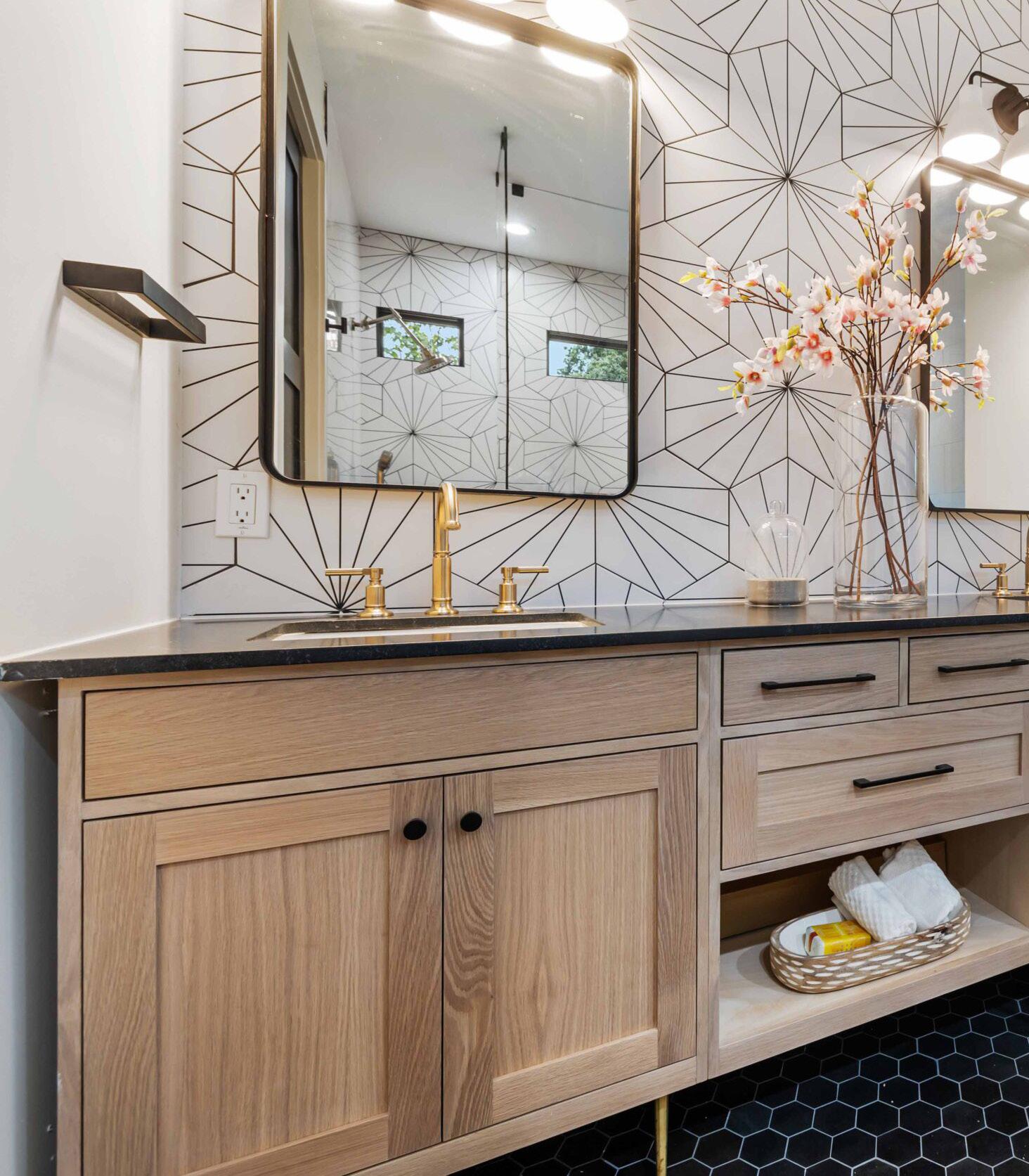
EMERGING MATERIALS AND FINISHES FOR 2025 ARE ALL ABOUT BLENDING SUSTAINABILITY, WELLNESS, AND LUXURY, AS IN THIS BATHROOM DESIGN FROM JULEE IRELAND.
BOTTOM LEFT: PEOPLE ARE BECOMING MORE AND MORE COMFORTABLE ADDING NATURAL ELEMENTS INTO THEIR SPACES, AS SEEN IN THIS ELLARD VILLAGE KITCHEN FROM JEREL LAKE.
Julee: Emerging materials and finishes for 2025 are all about blending sustainability, wellness, and luxury. Recycled and repurposed materials — like glass, engineered stone made from post-industrial waste with low silica, such as Cosentino's Silestone XM, or my Triad Pietra Grassi Stone Collection crafted from stone remnants — have taken center stage. Designers, architects, builders, and our clients are actively seeking non-toxic, sustainable materials that not only create safer living environments at home but also contribute to protecting our planet.
We’ll also see a trend of mixed matte and gloss finishes being paired together to create interesting design, as well as textured surfaces like fluted wood and 3D tile, which add bold depth and personalized character to spaces. Metallic accents, particularly warm tones like brushed brass and bronze, remain timeless while providing striking contrast to neutral and warmer, earth-inspired palettes.
Q | What aspect of kitchen and bath design do you think has the most untapped potential for innovation?
Alena: I believe smart tech is a category that is constantly evolving in the industry. We continuously see more and more cool innovations...and they are only going to continue to evolve year after year. It's such an exciting aspect of the industry to watch!
Jerel: I think the cabinet industry is a sector of the industry that is ripe for innovation. It is the sector of the industry that is extremely complex and requires manual entry, review and tremendous amounts of time to design, price, order and install. A solution to streamline these processes for the high-end market would transform our business and reduce the potential for human error.



LEFT: THIS BATHROOM FEATURES A MIXING OF METALS. MATERIALS AND TEXTURES, FROM ALENA CAPRA DESIGNS OUT OF FORT LAUDERDALE, FLORIDA.
BOTTOM LEFT: KITCHEN SPACES ARE NOW BEING TAILORED TO HOMEOWNERS’ SPECIFIC LIFESTYLE AND PREFERENCES, AS SEEN IN THIS KITCHEN DESIGN BY INTERIOR DESIGNER AND RETAILER JEANNE CHUNG WITH COZY STYLISH CHIC IN PASADENA, CALIFORNIA.
‹ CONTINUED FROM PAGE 13
Jeanne: Lighting has a lot of untapped potential in the kitchen and bath, but the consumer must be educated as their knowledge and understanding of lighting is quite elementary. They need to understand what exceptional lighting is to understand how important a role lighting plays in the home — especially how it can affect mood and well-being. A layered lighting plan that takes into account ambient, accent, and task lighting, tunable color temperatures, and how we use it in our spaces in within the products we use, will see more growth in the upcoming years.
The traditional kitchen layout also opens potential for innovation. The traditional kitchen work triangle, a design principle emphasizing efficiency, has given way to more flexible layouts. Homeowners are now tailoring their kitchen spaces to their specific lifestyle and preferences — and what feels right. Changing how we think of the kitchen as a space will open up the industry to more innovative products to address the changing way we live.
Julee: Lighting and integrated technology are where I see the most untapped potential for innovation in kitchen and bath design. Lighting has always been functional, but now it’s becoming a transformative design element and in my opinion it's just scratching the surface. Systems like Lutron Ketra, with tunable lighting that mimics natural daylight, are a game changer! Imagine lighting that adjusts seamlessly to specific tasks, the time of day, or even how you’re feeling? This lets us design spaces that are not just beautiful but also intuitive and deeply personal.
In addition, smart technology is creating incredible possibilities for customization and convenience. Features like voice-activated faucets, AI-enhanced appliances, and seamless wireless charging solutions like Free Power are just the beginning. These innovations are transforming efficiency and the way we live and move through our spaces. There’s still so much to discover, and I think it’s such an exciting time for our industry.
Q | How does KBIS set the tone for design trends that will influence the rest of the year?
Alena: KBIS is always such a great place to see all of the K&B design trends and innovations all under one roof! It's the show we all look forward to in the industry, to see what's new and exciting. I always leave with so many new ideas for projects.
Jerel: Having gone to KBIS over the years, there are several brands that lead the way in hinting at future trends. The experience of walking through a well-designed booth gives us clues on the direction large brands see
the industry headed. These companies spend tons of money on research. Recognizing what they are showing and the common elements helps us as designers understand the trends in real life application, and how to best use them in our designs. Combining that with educational opportunities throughout the week creates a full picture of what we can expect for that upcoming year.
Jeanne: KBIS plays a pivotal role in disseminating design trends, influencing both industry professionals and consumers throughout the year. Through panels during the show featuring design experts and influencers, and the various programming that KBIS offers, information is dispersed to show attendees. This information is then shared even further — with design and showroom clientele, as well as features in both trade and consumer facing print and online publications. Programs such as Best of KBIS highlight the show's standout products, as voted by a jury of industry experts. Smaller brands that might not otherwise be seen without "Best of KBIS" are given the platform and opportunity to shine.
Julee: For me, KBIS is the heartbeat of our industry — it’s where innovation meets inspiration, and I always look forward to kick
starting each new year with this incredible event. What makes KBIS so influential is that it sets the stage for emerging trends and brands, offering us a first look at the innovations that will shape the future of kitchen and bath design. It’s a playground for designers, architects, and builders to explore and discover firsthand how new materials, finishes, and technologies are being applied — equipping us with the tools to bring them into our projects.
Why is KBIS my favorite show? It's like shopping for treasures — and every year, I find the most incredible gems!
KBIS is also a hub of learning, bringing together the most influential designers and brands to spark meaningful conversations around sustainability, wellness, and smart technology integration — conversations that will shape kitchen and bath designs for the year ahead and beyond.
For me, it’s not just about identifying trends; it’s about joining the conversation, building collaborative connections with other designers and brands, and understanding how these innovations can be tailored to meet the unique needs of my clients — seamlessly blending beauty and functionality into the luxury homes I design and build. S P


BY JENNIFER WILLIAMS
Houston-based Dickson Furniture Manufacturers, known for supplying furniture to student and corporate housing as well as hotel chains nationwide, recently took a big step to enhance its operations, installing its own thermally fused laminate (TFL) production line to better meet growing demand.
“TFL is a huge part of what we do for our contracts with student housing, hotels, etc.,” says Brad Hufford, Dickson’s Chief Operations Officer. “So we invested in the TFL line to really service those different markets from a U.S. base. We’ve grown large enough now to take control and make our own products as we need them — and that has made such a huge difference.”
Dickson officials researched their options for about six months before deciding — based on cost and installation support — to go with a customized Short-Cycle Laminating line from Dieffenbacher Zaisenhausen in Germany.
Dieffenbacher worked with Dickson officials to create the production line based on their specific needs and wants, says Hufford. “We knew we wanted to be able to run at least 1,000 boards a shift to meet our production demands,” he says.
The Dickson crew stayed busy in the meantime, doing the prep work needed to be ready for the new line. “Dieffenbacher even sent people to come inspect our site before shipping everything to ensure er were ready for it,” says Hufford.
It then took Dieffenbacher roughly 6-8 months to build the line at its facility in Germany before it was shipped to Dickson in 30 containers. “It landed in January 2024 and we started running boards in late April,” says Hufford. “It’s one of the largest projects we’ve ever done, and it’s already proven to be very beneficial and successful.”
Dickson has been able to take on more business, he explains. “It really helped us to be more competitive on cost — we can bid on more business since we are able to be more flexible by producing exactly what we need for each job on-site here in Texas.”
“Our entire brand is furniture manufactured in the United States,” says Hufford. “There’s not a lot of us anymore so it’s a huge deal to reduce our costs by not having to carry a lot of inventory — being able to just make what we need when we need it for each project… that flexibility is key when competing with other products from overseas.”
Dickson has tightened its supply chain, further trimming costs, sourcing its board from nearby Georgia Pacific and their TFL and HPL
“This line has really been customdesigned and made just for what we need, and it has absolutely been a game-changer.”
papers from Wilsonart, based in Temple, Texas. This “production bubble” not only minimizes lead times but is also better for the environment.
Once the new line was installed, there were only a few minor hiccups, says Hufford, but those were quickly addressed and remedied by the Dieffenbacher team. He adds that it has proven to be an invaluable asset for the company.
“There are specifications we have for each brand or contract we have,” he says. “So it’s been amazing to have that on-demand flexibility having our own line.”
And working with so many different companies — from the Hilton Group, Wyndham, Choice Hotels and Motel 6 to name a few — Dickson not only has to keep up with the various specs but also needs to ensure their furniture will stand up to the wear and tear that just comes with the territory.
So Dickson worked with its suppliers and Dieffenbacher to come up with testing criteria and to make sure the new line was up to the challenge. “This line has really been custom-designed and made just for what we need,” says Hufford. “And it has absolutely been a game-changer.” S P
BELOW: DIEFFENBACHER ZAISENHAUSEN CUSTOMIZED AND BUILT THIS TFL PRODUCTION LINE FOR DICKSON FURNITURE MANUFACTURERS. DIEFFENBACHER OFFERS A WIDE RANGE OF CUSTOMIZED PRODUCTION SOLUTIONS, FROM HIGH-PRESSURE-EQUIPMENT FOR MANUFACTURING TECHNICAL AND DECORATIVE LAMINATES TO MECHANICAL ENGINEERING AND PRODUCTION TECHNOLOGY FOR LAMINATED PRODUCTS.


BY MARK DUNSON
As we dive into the new year, the headlines seem to come faster than ever before. From technology advancements to changes in the economy, we chart new and unprecedented territory every day. For some, it’s tempting to focus only on the problems at hand when the future is in flux. However, as we look to 2025 and beyond, it is imperative that surfacing industry leaders think critically about the issues affecting our rapidly changing landscape and how our actions today can ensure the long-term success of our businesses and viability of our industry.
Every industry around the globe is wrestling with the rise of artificial intelligence (AI) and its specific implications for their space. AI has business leaders deeply considering the bigger picture of technology and if their organizations are ready to adapt to the latest innovations. Whether it’s AI or a new advancement
in printing or manufacturing, embracing technology should excite teams, not frighten them — at least when done effectively. In the surfacing industry, we are constantly innovating the technology we use to reach end-users, the characteristics of our surfaces, and the sustainability of the processes in our businesses. As we go forward, we must ask ourselves a simple question every day — how do we help people do things better?
Evolving with technology requires leadership to have strong confidence in their teams and business processes. To make the right investments, holistically evaluating your organization’s competencies and ways of working and soliciting input from your teams is critical to understanding where to invest. Instilling a technology-forward mindset within a company encourages employees to explore cutting-edge technology within their space, study how it can make a difference for the company, and trust that if they advocate for it, their leadership team will be willing to listen. To be a future-focused business, it’s on company leaders to build that team value from the ground up.


In the surfacing space, technological advancements in product and process must also be accompanied by a commitment to broader education. With so many options available, there often is a lack of understanding from the end user and specifier about the full advantages and trade-offs of various manufacturer technologies and innovations. As an industry, we have the responsibility to educate not only our teams, but also the market, as we move forward.
From natural disasters to a global pandemic, this industry — like so many others — has had to adapt to significant supply chain disruptions over the past five years. While none of us would say we prefer this “hands-on learning through crisis” approach, it has allowed us to build expertise in being flexible and prepared.
Yet, when it comes to our supply chain, I start to wonder if there’s such a thing as being too prepared. Building in redundancies, promoting security, ensuring ethical sourcing and developing reliable, consistent supply are imperative. But instead
of planning for every unknown possibility, we should consider building agility at every step within our organizations, allowing our team members to develop the skills to creatively and strategically adapt to new challenges as they occur.
A necessary component of the resilient sourcing conversation in our industry will always be sustainability. To ensure healthy supply chains for years to come, we must invest in clean energy, renewable resources and the circular economy to be sure we can produce for decades to come. It’s not only the right thing to do, but also the only logical approach for long-term business success. A healthy future supply chain relies on sourcing and manufacturing for quality, leading to longer-lasting products that don’t contribute to throwaway consumer culture.
Our people make our successes possible, and no company’s future is bright without a healthy pipeline of talent ready to bring products to life for years to come. This is particularly true for many skilled manufacturing roles that all companies in our industry ‹ CONTINUED FROM PAGE 18


A necessary component of the resilient sourcing conversation in our industry will always be sustainability. To ensure healthy supply chains for years to come, we must invest in clean energy, renewable resources and the circular economy to be sure we can produce for decades to come.
often struggle to fill. Assessing the workforce needs of your company with a decades-forward lens makes those gaps a problem you can begin addressing today, including through exploratory programs for young people, apprenticeships and deepening relationships with schools and vocational programs.
Many manufacturing facilities are also located in remote locations, so it is important to consider how your company can help bolster local communities to make them attractive places to work and live. This can manifest in the on-site benefits you offer to your employees or even in the investments your company makes in the surrounding community to build key infrastructure, such as education and transportation.
While we may face challenges in the uncertain years ahead, each challenge is an opportunity we can leverage to make our businesses stronger. The charge to use technology, innovate and find new ways forward for sustainable growth is exciting, and building an agile, well-prepared workforce ensures the long-term success and viability of our organizations, and our industry, no matter what the future holds. S P
MARK DUNSON is the CEO of Formica Group North America. www.formica.com


to produce the world’s most sustainable plywood starts on a tiny Indonesian island
BY JENNIFER WILLIAMS
massive island project in Southeast Asia has rapidly developed into one of the largest plywood mills on Earth — while also emerging as one of the most highly efficient production facilities in the industry.
“Basically, we have an entire island in Indonesia we have developed,” says Jason Haggart, Director of Business Development for Shelter Forest International (SFI). “The site was the old Barito-Pacific mill on Mangole Island. There had been a full FSC-certified nursery stock of the Jibon tree on the island…so it was more like forestry farming.”
But the mill had shut down years ago and basically been reclaimed by the jungle, he says.
A family operation purchased the mill roughly six years ago and invested $120 million to really revamp the facilities, says Haggart.
“We entered an exclusive arrangement with them for production from this facility, which offers one of only a few deep-water ports in Indonesia,” he explains. “This minimizes the distance from production to shipping.”
SFI’s newest and largest facility “is our most sustainable yet,”
SHELTER FOREST INTERNATIONAL HAS CREATED AN ENTIRE SELF-SUSTAINING PRODUCTION FACILITY ON MANGOLE ISLAND THAT INTEGRATES SOLAR POWER, A REGENERATIVE TREE FARM, PLYWOOD PRODUCTION AND WASTE RECYCLING.
says April Loe, SFI Product Specialist. “It is not only powered by solar panel farms, but all unused fiber is turned into pellets for biofuel, making the Mangole Island Project the cornerstone of sustainable plywood production.”
A 10 MW solar field on the island powers operations, reducing carbon emissions and ensuring energy independence. The site also features its own wood pellet factory, converting wood by-products into usable biofuel pellets for export to Japan. This creates a zerowaste production opportunity, says Loe.
“TigerPly has been developed and engineered to create the world’s finest plywood using these environmentally friendly and 100 percent sustainable resources,” she adds. “Most of the veneers we harvest from our trees are rotary-peeled, one of the most efficient processes to do so.”
The team at SFI has been perfecting TigerPly since the brand was founded in 2000, explains Loe. “Over the years, TigerPly has implemented many new techniques in its production process, including spooling and veneer conditioning. Veneer conditioning is


taking each individual veneer that has been machine dried and sending it through a process of heating and cooling to take the stress out of that panel. De-stressing the veneer removes any internal strain or pressure on the panel that might cause it to warp. This ensures a stable panel no matter what climate it may be traveling through or where it ends up.”
“And spooling is a technique in which you take the veneers that have already been conditioned and attach them together to create a long spool of that veneer,” explains Loe. “One of the main benefits of spooling is that it cuts down on voids or overlap of the main veneer. A strictly pressed and calibrated core then has the face and back veneer laid on each side. These steps ensure an extremely consistent panel, which is obviously appreciated by cabinet and furniture manufacturers.”
Loe adds that only resins with ultra-low emissions that exceed those standards set by the EPA and CARB 2 are used in all TigerPly facilities worldwide. “Over the last decade, we have engaged with top chemical engineers to formulate a resin that not only cuts down on emissions but also includes the strength and stability we needed.”
TigerPly is made primarily from high-quality birch, says


Haggart, and SFI found that the jibon wood sustainably farmed on Mangole Island offers very similar wood fibers to use instead. So SFI took the opportunity to basically shift their supply chain production of TigerPly from China to Indonesia. The mill sources raw materials from 150,000 acres of responsibly managed PEFC-certified plantations on the island that offer a 15-year rotation cycle.
The first shipments of the TigerPly product from Indonesia hit the U.S. shores in November. “We didn’t want to do a big announcement until we were ready to deliver,” says Haggart.
With all the unrest in the world and uncertainties surrounding the popular Russian birch supply, he says, “Some of the larger distributors we work with bet heavy and bought up everything they could, but now they’re nervous about what the future holds. Early on, we were betting on Indonesia pretty heavily, and right now that looks great — we’ll see about that but we are very happy with what we’ve created here in Indonesia.” S P








Using wood “waste” to make a profit while supporting and educating the next generation of industry professionals
ustainability is no longer just a buzzword; it’s a critical business strategy. In the world of manufacturing, including the woodworking and furniture sectors, circular supply chains are becoming a vital tool for not only environmental responsibility but also for boosting profitability. But creating a circular economy isn’t something that can be accomplished by individual companies alone. The key to making this a reality is industry-wide collaboration, spearheaded by trade associations that can align stakeholders and drive change at scale.
One of the most successful examples of circularity in practice comes from the metals industry. Scrap metal is routed back into the production process, and everyone profits from this closedloop system, driven by trade rather than taxes. In a similar vein, the woodworking and furniture industry is tapping into its own waste stream to create new opportunities for profit, sustainability, and
BY TOVI SPERO AND C.J. NORD
growth. Profits, after all, fuel everything from jobs to investments in healthcare and technology. Without them, businesses would struggle to survive. The key to a thriving industry — and a sustainable future — is finding ways to turn waste into wealth. For any industry to transition to circularity, it needs a unified voice. Trade associations hold immense power in influencing entire sectors. They are the connectors — the "trunk of the tree" — linking suppliers, manufacturers, and consumers in a cohesive ecosystem. Through their collective effort, entire industries can make strides toward sustainability while reaping financial rewards. A prime example of this is the Association of Woodworking and Furniture Suppliers (AWFS), which, in partnership with Supply Chains for Good , launched a groundbreaking program in July 2024 called “There’s Cash in that Trash.” This initiative is designed to implement profit-driven sustainability within the woodworking and furniture industries,
helping manufacturers and their suppliers unlock new revenue streams while reducing waste.
In the U.S., less than 5 percent of the wood used in manufacturing is recycled, creating a significant opportunity for improvement. Currently, most wood products follow the "takemake-dispose" model — otherwise known as the Linear Economy. This model is not sustainable, especially given the growing demand for environmentally friendly practices. The challenge lies in identifying where and how to reuse and recycle the materials typically discarded by manufacturers.
In particular, the most challenging type of waste is mixed wood waste, which contains resins, finishes, and plastics such as laminates. Unlike pure wood waste, this material is harder to recycle, but it is also the most abundant. As a result, a major focus of the “There’s Cash in that Trash” program is to find profitable ways to reuse or recycle this waste, providing manufacturers with sustainable solutions while reducing the environmental impact.
The program has identified several promising avenues for utilizing mixed wood waste, with one of the most appealing solutions being waste-to-energy. In this process, wood waste is burned to generate power, an option that significantly reduces
both utility and waste disposal costs for manufacturers. These savings can directly improve the bottom line, making this a compelling option for business owners. But what about the environmental impact? Traditionally, burning waste for energy raises concerns about air quality. However, advanced technology has been developed to mitigate these concerns. For example, in Southern California, manufacturers are successfully implementing waste-to-energy solutions that meet the region’s stringent air quality standards.
In addition to generating power, waste-to-energy processes can also produce biochar, a substance with numerous uses, including the creation of graphite for electric vehicle (EV) batteries. The mining of raw materials for EV batteries is known for its heavy environmental and human costs. By converting waste into biochar, the industry can reduce reliance on mining while helping to meet the growing demand for critical minerals in EV production.
Waste-to-energy operations don’t just benefit manufacturers; they can also play a vital role in community resilience. In the event of power outages or blackouts, manufacturing facilities with waste-to-energy systems can act as "Power Resiliency


FAR LEFT: KIDS AT THE REDISCOVER CENTER WORK WITH DONATED MATERIALS TO MAKE THEIR OWN CREATIONS.
LEFT: TALBERT ARCHITECTURAL RECENTLY DONATED MATERIALS TO REDISCOVER CENTER. THE CENTER RELIES ON DONATIONS TO HELP PROVIDE AFFORDABLE AND ACCESSIBLE PROGRAMING FOR MORE THAN 14,000 YOUTH AND NEARLY 11,000 ADULTS IN THE LOS ANGELES AREA — PUTTING SUSTAINABILITY AT THE HEART OF MAKER EDUCATION.
Centers," providing critical power to local communities during emergencies. Additionally, by cutting down on the need to transport wood waste, transportation-related emissions would also be reduced, contributing to a cleaner environment.
As part of its broader commitment to sustainability and social good, AWFS and Supply Chains for Good are working to connect manufacturers with K-12 skilled trade programs . By donating materials to schools, these organizations are not only helping to reduce waste but also fostering the development of future industry talent. This initiative not only gives students hands-on experience but also creates a pipeline for manufacturers to recruit the next generation of workers, ensuring a skilled workforce for the years to come.
In October of 2024, the “There’s Cash in that Trash” program connected Talbert Architectural Panel & Door, Inc. with the Rediscover Center in Los Angeles County, California, for material donations. Talbert donated 850 2-foot x 4-foot plywood cutoffs to Rediscover to be used at its two community makerspaces and for its workshops with 65+ schools in the area. A win all around by freeing up shop floor space and with a tax-deductible donation by Talbert, and free recycled materials for trade education locally. Visit rediscovercenter.org andtalbertusa.com for more information on this collaboration.
The transition from a linear to a circular economy may seem like a daunting task, but with the right collaboration, technology, and incentives, it is entirely achievable. The “There’s Cash in that Trash” program is a testament to what is possible when an entire industry pulls together to
put waste to work for the benefit of business, people, and the planet. By embracing circularity, the woodworking and furniture industries can not only reduce waste but create new, profitable opportunities that benefit all players in the supply chain.
Ultimately, sustainability in the wood industry is not just about reducing environmental harm; it’s about creating a system where waste is an asset rather than a burden. With industry-wide collaboration, innovation, and smart trade policies, the future of woodworking and furniture manufacturing can be both profitable and sustainable. S P
TOVI SPERO
came from an education background before coming to the Association of Woodworking & Furnishings Suppliers (AWFS). With more than 12 years of experience teaching physics, engineering, robotics, and in makerspaces he brings a modern take on wood industry education. His goal as Education Director of AWFS is to expose students and teachers to modern wood manufacturing and connect education and industry to better support the next generation of wood industry professional. tovi@awfs.org
C.J. NORD, C.P.M.,
is the founder of CSCP Founder, Supply Chains for Good. She has more than 25 years of distinguished leadership in the manufacturing sector, and is recognized for her supply chain acumen, visionary thinking, and steadfast commitment to ethical standards. Widely acknowledged for her expertise, Nord has been featured in esteemed publications including the Los Angeles Times Business section and The Wall Street Journal. Yet, despite her numerous accomplishments, her dog remains unimpressed. cjnordcpm@gmail.com


BY JENNIFER WILLIAMS
small nonprofit in Georgia is doing big things for children with special needs through hundreds of projects since being founded in 2012. And each project has been completed at no cost to the families through donors and sponsors who provide the designs, materials, and labor.
Sunshine on a Ranney Day (SOARD), headquartered just north of Atlanta, specializes in creating dream renovations tailored to the specific needs of children with disabilities and their families. Their focus has been on creating dream bedrooms, accessible bathrooms, therapy spaces and more recently, functional kitchens.
Through Top Knobs, an industry leader in decorative hardware, SOARD has been able to incorporate premium hardware that not only enhances the aesthetic appeal of the space but also improves usability for the child and family involved.
“Partnering with Sunshine on a Ranney Day has been an
incredible honor for us,” shares Top Knobs’ Christine Zimmer, Senior Director of Decorative Hardware. “What began as a oneoff project has grown into a meaningful partnership as both our teams recognized how decorative hardware enhances the functionality and aesthetics of the spaces they design.”
“While their design team selects products that align with each space’s unique style, we typically provide streamlined, accessible options that seamlessly integrate into their vision,” adds Zimmer. “Their transformative work creates spaces that not only meet the practical needs of children with special needs but also bring joy and hope to their families. We are proud to play a role in these life-changing projects, ensuring each child’s personality shines through in every detail.”
These partnerships are key, stresses Clareece Cunningham, SOARD Makeover Coordinator. “Our kids are getting the highest quality spaces and the family is not paying a dime,” she says. “And


LEFT: ELEVEN-YEAR-OLD DJ REACTS TO HIS NEW, ACCESSIBLE BATHROOM, DESIGNED AND CONSTRUCTED THROUGH SUNSHINE ON A RANNEY DAY. THE NEW, ACCESSIBLE SHOWER FEATURES A SPECIAL SEAT JUST FOR HIM.DJ WAS BORN WITH SPINA BIFIDA AND DIAGNOSED WITH HYDROCEPHALUS AND BEAT THE ODDS WHEN HE LEARNED TO WALK AT AGE 2.
with Top Knobs, the finished rooms look very high-end… and certain hardware can make a space easier to use and more functional for a child with special needs.”
From local architects, interior designers and fabricators who donate their services to companies that donate materials, every bit helps make each project a success, says Cunningham.
She adds that there’s always room for additional collaborations. “We're constantly in need of custom build partners,” she says. “Somebody who would be willing to donate or discount their work. Say if a child could really benefit from a climbing wall, we could have that person come and install that for us — stuff like that — or a custom bookshelf or custom storage solution for all of their medical equipment. We always kind of end up having to rely on the project managers to build those things or hiring somebody to do it — and that can be really expensive.”
Although most materials and labor are donated for each project, there are times when additional expenses such as a custom build come into play. But the nonprofit creatively uses their resources and networks to fund those expenses, along with the organization’s administrative costs.
In 2020, the Sunny & Ranney Home Furnishings & Decor store opened in Roswell, Georgia. Sunny & Ranney carries donated excess stock, samples, and discontinued furniture and decor from wholesalers, retailers, designers, and market showrooms.
“We have a lot of regular customers who will come in knowing that when they purchase that sofa, the money goes directly to the charity,” says Cunningham. “The income from the stores funds all of our operating costs as a charity so that whenever people donate money it goes directly to the kids and to the projects.”
A second store, Partly Sunny, opened roughly a year

ABOVE: A DREAM BATHROOM FOR ISTVÁN, A 12-YEAR-OLD WITH CEREBRAL PALSY AND GLOBAL DEVELOPMENTAL DELAYS.
TOP RIGHT: ISTVÁN SEES HIS REMODELED SPACES FOR THE FIRST TIME.
RIGHT: PROFITS FROM THE SUNNY AND RANNEY STORE GO TO FUND THE NONPROFIT’S MISSION.

‹ CONTINUED FROM PAGE 31
ago and focuses more on home goods and accessories, says Cunningham. “We get all kinds of stuff for that store as well,” she says. “Mirrors, light fixtures, lots of seasonal decorations, dishes, kitchen utensils — anything fun like that you could think of. We have people from nearby movie sets who will reach out to us and say that they have all these high-end items they bought for the movie that they need to now get rid of and would we want them…we're like ‘yes, please!’ We have a warehouse for storage and a big truck that we take around to pick up donated materials and surplus items.”
And while their partnerships have been invaluable, and the stores haven proven


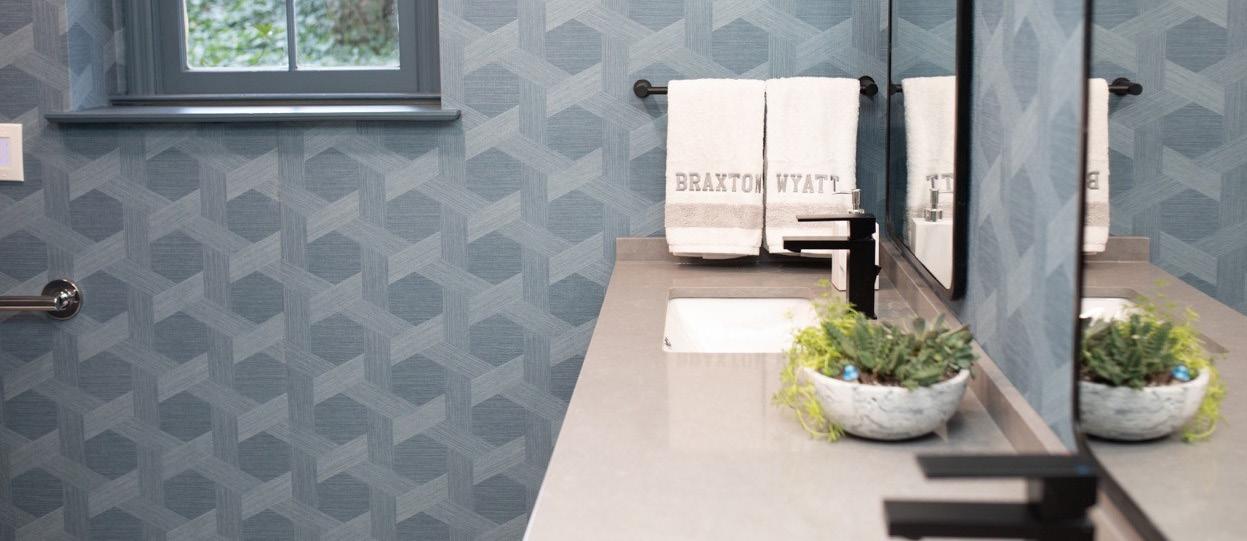
ABOVE: KAITLYN CHECKS OUT THE SINK IN HER NEW BATHROOM, SPECIALLY ADAPTED FOR HER TO USE IN HER WHEELCHAIR.
TOP RIGHT: ANOTHER SUNSHINE BATHROOM PROJECT, COMPLETED FOR BRAXTON
successful, SOARD is always looking for other opportunities — particularly if it means spreading more “Sunshine” in other locations, says Cunningham.
“I know the founders would love to have multiple locations in different states, but that’s more of a 15-20-year plan,” she says. “I have not heard of any other organizations that do what we do in other communities — they may be out there, but I just have not heard about them. In the coming year, we're going to be looking at new ways to get our name out there and new ways to find additional partners and donors.”
“All in all, we will be taking a look at what we are doing and make sure we are serving these families to the best of our ability,” says Cunningham, “because that’s really what this is all about.” S P
Visit sunshineonaranneyday.com for more information on the organization and check out the stores that support the mission: sunnyandranney.com partlysunnystore.com

When it comes to sustainability, every action counts. From renewable materials to smart adjustments along the value chain, AkzoNobel Wood Coatings helps you seize the opportunities to reduce waste, save energy, reduce your carbon footprint, and save costs.
It’s how we support you on the road toward a more sustainable future, every step of the way.

The Kitchen & Bath Industry Show (KBIS) is the ultimate stage for innovation, design, and technology for home spaces. As the 2025 edition takes over Las Vegas, it promises to showcase groundbreaking hardware that’s set to redefine kitchens and bathrooms alike. From sleek, sustainable finishes to cutting-edge smart solutions, this year’s exhibitors are delivering a perfect blend of style and function.
Here are just a few of the hardware designs that will be featured at the upcoming show.
The cabinet knobs and pulls of Folklore have nostalgic inspiration. Bases are wide and round, with pulls having soft curves and the knob having a flat surface. Appliance pulls and a cup pull are also available in favorite finishes.. www.berensonhardware.com

Onyx black hinges by Blum add a touch of elegance to cabinetry. Designed to blend seamlessly into dark cabinet interiors, these hinges combine form and function. Built for reliability, they deliver effortless motion while enhancing the overall aesthetic. www.blum.com
The ALT Cabinet Pocket Door System features space-saving retractable doors that accommodate both inset and overlay applications between 19-11/16” to 94-1/2” tall, weighing up to 44 pounds. The ALT comes with a soft closing damper and is easy to install. www.sugatsune.com

24_012955_Surface_Panel_JAN Mod: November 4, 2024 10:50 AM Print: 11/19/24 2:13:10 PM page 1 v7

Over 1,700 box sizes always in stock! And with over 42,000 products also in stock, you’ll love our variety. Order by 6 PM for same day shipping. The best service, products and selection – that’s how we do business. Please call 1-800-295-5510 or visit uline.com

Our new eco-friendly decorative hardware marks an important step in protecting our oceans. This modern, sleek line of knobs and pulls is made from recuperated and recycled fishing net polymers (HDPE). Used and discarded fishing nets and trawls are sorted by color and then processed into a highly durable and moisture-resistant plastic. The line’s contemporary color palette comes directly from these post-use fishing industry products with minimal use of additional pigments. www.richelieu.com

The fitting's unique "translatory rotational movement" now literally turns furniture inside out. Doing so, FurnSpin synchronizes two different forms of movement: swivel action as well as rotation through 180 degrees. www.hettich.com
The LAVIDO pantry pullout combines functionality, versatility, and style to help make the most of tall cabinet storage. This unit moves independently of the door so that it can be used effectively in varying cabinet designs, including sliding doors. www.kesseboehmer.com

Grass America’s Nova Pro Scala drawer system offers a premium, soft-close, double-wall drawer solution for the modern closet. Taking a traditional six-panel box down to three, it offers high durability and assembly speed with the customization and adjustability of wooden drawers. Available in Silver, Ice, and Stone, Scala comes in 300 - 650mm lengths at 50mm increments, standard among closet applications. www.grassusa.com

The T-type soft-close hinge is engineered for performance and tested for reliability, it is easy to install and versatile. With toolfree 3Way snap-on hinge-to-plate mounting in three directions, from the front, the back and the top, it provides reliable lifelong soft-closing of thick, tall, and heavy doors. www.titusplus.com


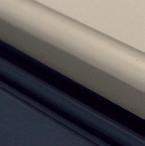





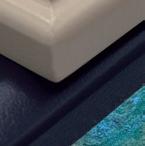








Decorative hardwoods including hardwood plywood, hardwood veneer and engineered wood floors are perfect fits for the trending natural materials that several recent publications have touted as the look heading into 2025. The beauty of wood is timeless and can be used to get a warm simple look or a more finished look depending on stain and texture. Hardwood plywood can also be painted if color is desired providing flexibility to meet design trends. Hardwood plywood has long been a beloved choice for designers and homeowners alike, and its appeal is only set to grow as we move into the new year.
MasterBrand Cabinets’ 2025 Cabinetry Design and Trend Report was recently spotlighted in an article in Real Simple on design trends. These trends include transitional styles, the return of vintage colors and confirmed that wood tones were gaining popularity and gaining even more steam as homeowners seek to incorporate warmth and natural texture into their kitchens.
BY KEITH CHRISTMAN
Similarly, a recent article from MarthaStewart.com looked at flooring design trends for 2025 and the highlights include thinking natural, sustainable, and earthy. According to the article, one of the most significant happenings in home design and décor this year has been the emergence of biophilic design incorporating elements of nature in design. “The trend is the result of a shift towards a more eco-friendly outlook,” says interior designer Paula Dixon.
What sets hardwood plywood apart is its combination of unique, natural beauty, flexibility in color application, and its contribution to biophilic design principles. Let's delve into the aspects that make decorative hardwoods and hardwood plywood, in particular, outstanding choices for designs in 2025.
The concept of biophilia, which emphasizes the human connection to nature, is becoming increasingly prevalent in
LEFT: THE CONCEPT OF BIOPHILIA, WHICH EMPHASIZES THE HUMAN CONNECTION TO NATURE IS SEEN IN THIS KITCHEN. PHOTO FROM COLUMBIA FOREST PRODUCTS
RIGHT: NATURAL WOOD ELEMENTS HELP TO SOFTEN THE HARD LINES AND SURFACES COMMONLY FOUND IN MODERN INTERIORS, FOSTERING A SENSE OF BALANCE AND TRANQUILITY. PHOTO FROM RAUTE CORPORATION
interior design. Hardwood plywood fits perfectly into this movement, as it brings elements of the natural world into our homes. This connection to nature has been shown to enhance well-being, reduce stress, and improve overall quality of life.
By incorporating hardwood plywood cabinets and panels, designers can create spaces that feel more harmonious and grounded. The natural wood elements help to soften the hard lines and surfaces commonly found in modern interiors, fostering a sense of balance and tranquility. Additionally, the use of sustainable hardwood plywood supports eco-friendly practices, further aligning with the principles of biophilic design.
In 2025, the emphasis on biophilic design is reflected in the growing preference for materials that provide the beauty and essence of the natural environment. Hardwood plywood, with its organic textures and colors, plays a crucial role in this trend. It not only enhances the aesthetic appeal of a space but also contributes to a healthier, more sustainable living environment.
One of the most compelling features of decorative hardwood is its inherent natural beauty. Unlike synthetic materials, hardwood plywood offers the unique, rich, warm tones and intricate grain patterns that only authentic wood can provide. Each sheet of plywood tells a story, with variations in texture and color that add depth and character to any space.
The natural wood hues can range from light, airy shades to deep, luxurious browns, making it suitable for a variety of interior styles. Whether one is aiming for a minimalist, Scandinavian look or a more traditional, rustic ambiance, hardwood plywood can be the perfect foundation.
In the kitchen, hardwood plywood cabinets bring a touch of elegance and timeless appeal. The cabinets can serve as a focal point, complementing both modern and classic kitchen designs. The organic texture of hardwood plywood helps create a warm and inviting atmosphere, which is especially important in a space as central to home life as the kitchen.
While the natural appearance of hardwood plywood is

undeniably attractive, its ability to be painted or stained offers additional flexibility for designers looking for bold colors. This adaptability means that designers and homeowners can tailor the look of their hardwood plywood surfaces to match their evolving tastes and the latest design trends.
For cabinets, the option to paint or stain hardwood plywood allows for endless design possibilities. Homeowners can choose to highlight the wood's natural grain with a clear finish or opt for a more dramatic look with dark stains or bright paint colors. This versatility makes hardwood plywood an ideal choice for those who want to stay ahead of design trends without compromising on quality or style.
As we look ahead to 2025, it's clear that hardwood plywood will continue to be a key player in the world of interior design. Its unmatched combination of beauty, versatility, and connection to nature makes it an ideal choice. Whether left in its natural state or customized with paint or stain, hardwood plywood offers endless possibilities for creating stunning, functional, and sustainable spaces. S P
KEITH CHRISTMAN is president of the Decorative Hardwoods Association, formerly known as Hardwood Plywood and Veneer Association. He welcomes your thoughts and questions at kchristman@ decorativehardwoods.org. Visit the DHA at www.decorativehardwoods.org


Every year brings new employment regulations for companies to navigate. Add to that the new incoming administration and companies can expect even more changes as the year evolves. While we do not know exactly what 2025 will bring, we have some thoughts as to how it will start.
Beginning this month, Republicans will control the White House and both houses of Congress with the support of the conservativeleaning Supreme Court. Many are expecting legislative and executive actions that will undo or reverse the direction taken under President Biden’s administration. While we do not know exactly what that will entail, based on President Trump’s platform during his campaign many expect his administration to be proemployer, reduce the tax burden of corporations and high-networth individuals, crack down on immigration, and implement tariffs. Some expected impacts include:
Minimum Wage: President Trump said during the campaign that he supports increasing the federal hourly minimum wage from $7.25 to $15.00 as long as it does not hurt small businesses. However, most Republicans and companies are not in favor of
BY PAIGE MCALLISTER
wage increases given the impact on the bottom line so this is not expected to be a big push. As with the DOL’s minimum salary threshold being vacated by a Trump-appointed federal judge, initiatives that provide for higher wages for lower-waged employees are not expected.
Employee Protections: While President Biden’s administration implemented and/or strengthened new protections for employees, President Trump will probably direct his administration to be more employer-friendly by either rolling back some protections or only pursuing enforcement for the most egregious situations. Additionally, diversity protections and requirements may be rolled back and/or enforcement of claims minimally pursued.
Immigration: A big push for President Trump, we can expect a crackdown on immigrants coming into the country. Companies that rely on low-wage workers for manual labor may find a shortage of people to fill their positions. Even in white-collar jobs, reduced visa opportunities for employees and their families may make it harder for employers to entice foreign workers to join their firms. Some experts are also expecting that this will be one area where enforcement will increase with more ICE visits, Form I-9 audits, and perhaps additional E-Verify requirements.
Labor Relations/NLRB: President Trump is expected to replace the current staunchly pro-union General Counsel with more employer-
friendly counsel as well as fill an open seat on the Board. While the NLRB will still consist of a Democratic majority, the General Counsel sets the direction for the NLRB so the Board will refocus on reducing the power of unions and protections for employees and not enforcing the cases pursued in the past four years.
Independent Contractors: These rules have vacillated over the past three administrations. While the test for independent contractors often relies on an “economic realities” test, the standards for that test changes. The current rule relies on the totality of the relationship based on six factors while it is expected the new administration will go back to focusing on two factors as they did previously.
Restrictive Covenants: The FTC’s plan to ban most non-compete agreements in 2024 was overturned by a Trump-appointed federal judge. Since most employers want the protections of non-competes and other restrictive covenants (such as non-solicitation and non-disparagement clauses), many do not expect this type of ban to be reintroduced.
In recent years, states have taken the lead on key policy initiatives due to prolonged federal inaction. While this gridlock may ease, states are likely to continue prioritizing measures that resonate with their constituents. The 2024 election-day ballot initiatives reflect this trend, with voters weighing in on several important issues.
Minimum Wage Increases: Voters in Alaska passed a measure to increase the minimum wage to $15.00 per hour by July 1, 2027; additionally, if the federal minimum wage is increased, the state’s minimum wage will automatically increase to $2.00 per hour more than that rate. Voters in Missouri voted to increase their minimum wage to $15.00 per hour by 2026. Surprisingly, California voters did not pass a similar measure, but their minimum wage will continue to increase as previously established. You should also note that the minimum wage is already scheduled to increase in 22 states as of January 1, 2025.
Paid Sick Leave: Three states passed new paid sick leave laws which will go into effect in 2025. Alaska employees will be able to accrue up to 40 or 56 hours each year (depending on the size of the
employer) beginning July 1, 2025. Missouri employees will be able to accrue up to 40 or 56 hours each year (depending on the size of the employer) beginning May 1, 2025. Nebraska employees will accrue up to 40 or 56 hours each year (depending on the size of the employer) beginning October 1, 2025.
Marijuana: While three states failed to pass marijuana legalization, Nebraska passed medical marijuana with it becoming legal later in 2025.

phone +39 031 7830801 info@giardinagroup.com www.giardinagroup.com See us at IWF Booth 7973

Q. We are based in one state but have two remote employees who work in other states. What employment laws do we need to follow?
A. In most cases, you need to follow the laws of the state the employee works in. Aspects such as minimum wage, overtime, paid sick leave, paid leave, payout of vacation at termination, acceptable payroll deductions, and protected groups follow the laws of the state where the employee works.
However, laws such as enforcing restrictive covenants (i.e., non-competes and nonsolicitation) may fall under either state’s jurisdiction depending on legal precedent.
As with differences between state and federal law, you must defer to the law which most favors the employee. However, you are allowed to apply a more generous standard to all employees if you find it easier to manage.
Access to abortion: Voters in Nebraska passed a new abortion ban while also striking down an abortion protection law. Voters in Florida and South Dakota also struck down measures to protect abortion rights. Meanwhile, voters in Arizona, Colorado, Maryland, Missouri, Montana, Nevada, and New York passed laws to protect access to abortion. While not directly an employment issue, employees needing medical care may be required to travel, thereby missing additional work time. It may also impact benefit coverage requirements.
Other employment areas that are expected to be a focus at the state level in 2025 include pay transparency, paid leave, protected groups, restrictive covenants, immigration protections, worker safety, and climate change.
Other Challenges: In addition to the above areas, most employers will need to manage other workplace challenges including continuing reduced labor pool due to factors such as immigration and generational shifts; increasing operational costs; employees under personal financial pressures which may require them to look for other opportunities; and workplace tensions as the country continues to experience divides.
Through the HR Support Plan, The Workplace Advisors can help you stay up-to-date on the regulations, strategize how to manage the changes, and keep your handbook current. HR Support Plan members also receive our deepest discounts on Recruiting, Compliance, Compensation, Coaching, Organizational Development, and Assessments. S P
PAIGE MCALLISTER, SPHR, SHRM-SCP,
is vice president for compliance with The Workplace Advisors, Inc. Reach her at (877) 660-6400 or paige@ theworkplaceadvisors.com.


Closet power couple Lori and Eric Marshall with the Closet Training Institute recently co-hosted a special trip to the 15th annual SICAM exhibition in Pordenone, Italy.
They joined Material Intelligence Founder Ken Busch and Sheri Qualls from the National Kitchen and Bath Association (NKBA) to lead 20 vetted American buyers on a 30-vendor tour through the exhibition just north of Venice. The lucky group included closet company designers and owners, cabinet shop owners and wood production business owners.
The International Exhibition of Components, Accessories and Semi-finished Products for the Furniture Industry welcomed nearly 700 exhibitors from 34 countries in its largest edition to date. SICAM is recognized as the place to discover ideas and proposals for developing what will be the future of furniture.
It also is an amazing place to see what trends will be coming soon to America for not only the furniture industry, but the closet industry as well.
Eric and Lori share a few of their favorite things seen at the fair with S&P — just in time for KBIS in Las Vegas! “We can’t talk about
every single thing we saw,” he says, “but these are the things we saw that were particularly inspirational and innovative.”
“At [SICAM], you’ll see vibrant colors, touch deep textures and smell the finishes of wood and leather as you walk through an amazing material show that allows you to see everything,” says Eric. “Ceilings are only eight feet tall and the stands (yes in Europe, it’s a stand, not booth) are mostly just 10 x 10. With very little signage and a lot of products, it leaves you time to think about what something is — not who it’s from.”
“We saw many of our European favorites already established in the U.S.,” says Eric, “from Austria’s Grass, showing their super-cool Nova Pro Scala drawer runner; Titus from Slovenia with their superfast and easily connecting systems and Germany’s Elektra with their award-winning lighting. But here are some finds that are not so easily found (yet) in the United States:”
Eric: “One of the stands we visited was for an Italian company, ALPI. They produce wood products and specialize in veneer. The product that caught our eyes (and fingers) was a reconstituted poplar

veneer which is made in geometric shapes and linear pieces that were re-laminated to confuse your eye about where the grain was going. Dyes and pressure to make them appear like other woods free of typical flaws that are known in the poplar species. They are also able to produce it in larger sizes not typically seen in processing. The dyes in red orange, yellow, and blues confuse your eye, making you wonder if it is really wood or not. And when you reach out to touch it, the texture in the velvety feel of wood embraced your fingertips. You think to yourself, ‘Oh, it’s real!’ What made this really special was the tree farms filled with poplar trees we saw on our way to the show each day.” www.alpi.it
Eric: “Alpha Wood Group processes wood in Greece, making MDF, plywood, chipboard and a cost-effective solution called CPL-H that offers excellent scratch resistance and easy clean ups. Here again, the colors and patterns will impress anyone. Constructed with a thin layer of paper impregnated with melamine resin and a coating layer, CPL-H offers unmatched durability, abrasion resistance and chemical resistance, all while providing a stunning decorative finish.” www.alfawood.gr
Metakor
Lori: “This was a decorative furniture fittings company called Metakor from Belgium. Their beautiful handles are ‘designed for hands.’ This company had a wide range of handles that were gold tone, chrome, Waltzy, stone and Marni. Metakor had several wood colors including oak tones and warmer colors, walnut and cherry. They also had a new-to-2024 collection of beautiful handles inspired by bamboo in four colors. Beautiful designs and friendly salesman and women.” www.metakor.com
Renolit
Eric: “One of my favorite laminate companies at the show was Renolit Group. This company has come out with a new line of beautiful new colors from the Master Emboss Premier
FAR LEFT: CAP. GMBH HAS A PRODUCT LINE THAT IS INNOVATIVE IN DESIGN, COLOR AND STYLE.
LEFT: THE COLORS AND PATTERNS FROM ALPHA WOOD GROUP WOULD IMPRESS ANYONE.
BELOW: DYES AND PRESSURE MAKE THIS RECONSTITUTED POPLAR VENEER FROM ALPI STAND OUT.
BOTTOM: METAKOR SAYS THEIR HANDLES ARE “DESIGNED FOR HANDS.”


ABOVE: RENOLIT WAS ONE OF ERIC’S FAVORITE LAMINATE COMPANIES AT THE SHOW, WITH THEIR NEW COLORS FROM THE MASTER EMBOSS PREMIER MATT COLLECTION.
RIGHT: ERIC (LEFT) MEETS WITH DOMENIC MARCOLONGO, DERRICK HOLLAND AND NATASHA SHTAPAUK AT THE CAP. GMBH STAND.
‹ CONTINUED FROM PAGE 45
Matt collection including mauves, peach, light purple, aubergine, and different colors of lite browns including caramel, cannela oak, cappuccino, comfort oak cream and gold that I know the millennials will love. I can’t wait till this comes to America with all this new color explosion!” www.renolit.com
Eric: “One of the last vendors we saw was a company called cap. GmbH that has a program available for draw inserts and dividers for watches, spices, serving spoons, knives — and just about anything else you could imagine. This product line looks familiar and is very innovative in design, color and style. We expect to see these products at the BauTeam booth in the German Pavillion at KBIS in the German pavilion. www.cap-direct.de/en
On the final day of the trip, the group took a private tour of the main Titus factory in Slovenia. “We even had special permissions this year from Sir Robert, owner of Titus himself, and the American president Matthew Hurley to allow Eric to skateboard through the stamping machines and the cam machines,” says Lori. “What a day — it was quite an experience!”
Eric adds that they filmed lots of video at the factory and will be sharing that footage online. “When we put these closets together, we just don’t realize all the different processes that are needed to make such intricate hardware parts,” he says. “It was fascinating to learn more about it all!”
“We will see you at KBIS in February, and be sure to join us October 14-17, 2025, for the next SICAM,” he says. “Just don’t forget to bring your own coat!” S P

ERIC AND LORI MARSHALL
are the owners of the Closet Training Institute. Eric has worked in closets for more than 40 years and served as president of the Association of Closet and Storage Professionals (ACSP) from 20202022. He is a Master Storage Designer and proudly holds a Doctorate in Closetology. You may just see him skateboarding around KBIS this year in Vegas.


Warm White, Willow, and Dove Grey add to the current biophilic design trend of creamy neutrals and natural earth tones that combine well with wood patterns.
An affordable, sleek, modern surface, MIRLUX Premium Panel is available in super matte finishes and high gloss in twelve on-trend colors.
MIRLUX is sustainable, easy-to-clean, durable, scratch-resistant, and manufactured in the United States with short lead times.
Order panels, edgebanding, and doors through a distributor near you.
We will be attending: NBMDA - 11/13-11/17 and KBIS (2024) - 2/28-2/29



Our mission is simple: to fuel the men and women who help build and sustain our nation, one cup at a time.


We at Surface & Panel are constantly amazed by the new products and their applications in our industry.
S&P By Design is an opportunity to share some of those innovations used in real projects around the world.
Surfaced panels have long been a cornerstone in the RV and Caravan markets, with their lightweight capabilities and wide range of uses. And while a new climate regulation from California may affect RV sales in several states in 2025 (see www.surfaceandpanel.com/effective-banrvs-2025), the same properties that make for successful RV materials are also desirable in the tiny home and overlander markets — which show no signs of slowing down in popularity. These markets share similar challenges: limited space, weight constraints, and the need for durability in varying environments. The result? A significant overlap in the materials and hardware used to revamp vehicles and to build RVs and tiny homes.
Genesis Products has been manufacturing laminate materials specifically for the RV market for more than two decades, constantly evolving their engineered materials to solve for problems of the future. In this Coachman EURO design, Genesis helped create the sleek, smart look while maximizing limited space. S P

TOP CABINET: CURVED, TWO-TONE EURO DOORS WITH SOFT-CLOSE HINGES. INFLUENCED BY THE LATEST TRENDS IN RESIDENTIAL CABINET DESIGN, GENESIS FABRICATES CABINET DOORS FOR SOME OF THE LARGEST RV MANUFACTURERS IN AMERICA, OFFERING A RELIABLE, SINGLE SOURCE FOR A WIDE RANGE OF STYLES AND PRICE POINTS, ALONG WITH CONTRACT DOOR PROFILE PROGRAMS CUSTOMIZED TO THE OEM.


COUNTERTOP: THIS UNIQUE, SOLID SURFACE COUNTERTOP WITH BOLD LED INSET, USES ADVANCED LIGHTWEIGHT MATERIALS FROM GENESIS FOR THE LOOK AND FEEL OF PREMIUM COUNTERTOPS, TAILORED TO VIRTUALLY ANY SPEC.
CABINET HARDWARE: BALDACCI PUSH-LOCKS, DISTRIBUTED EXCLUSIVELY BY GENESIS AND THOUGHTFULLY ENGINEERED FOR OPTIMUM FUNCTIONALITY, DO NOT REQUIRE A TRADITIONAL CLASPING MECHANISM. THE RESULT IS A SMOOTHER, LUXURIOUS INTERACTION WITH CABINETRY THAT ELEVATES THE PERCEPTION OF DOOR QUALITY AND CONSTRUCTION. ITS LOW PROFILE, RECESSED DESIGN ENSURES SMOOTH PASSAGE THROUGH THE CABIN WHEN NOT IN USE.


