ISSUE 15


14 24 36 56 68 76 86 96 108 STRIKE MAGAZINE TALLAHASSEE TABLE OF CONTENTS
HAZY SHADES CONTENTS
SILICA & THE WAVES
THE WAITING ROOM BURY THE DEAD EXPOSURE CHILLING ROMANCE SNOW ANGELS FROZEN OVER BREAKING THE ICE
ISSUE 15 3

STAFF
EDITOR-IN-CHIEF LALO AMBRIS
CREATIVE DIRECTOR ISABEL CHOI
ASSISTANT Alexis Brown
ASSISTANT Ella Brignoni
Lauren Vives
Kassidy Saba
Ellie Wise
Olyvia Weber
Oluwatobiloba (Tobi) Arubuola
Dalton Lain
Shelby Grason
Hannah Smith
Angelika Ziemecki
Alex DiCastro
Leah Christie Isabella Dabage
De La Espriella
Marcela Nieves
Nicole Jaroscak
Ariel Lyden
Alexa Saade
Sophia Beil
Julia Clifford
DIGITAL MEGAN MOHRMANN
ASSISTANT Kate D’amario
ASSISTANT Sophia Poole
Katie Perdomo
Eve Larkin
Ashley Harrop
Megan Bishop
Brooke Miller
Fernanda Andino
Rylee Greenstein
Zoe Silva
Sophie Winer
Brooke Durney
Isabella Aalto
Juliana Armenia
Isabella Sugar
Audrey Kramer
Lindsey Limbach
LIABELLA BERNIE
CHLOE EVERS
Reian Beltran
Kevin Farley
INSTAGRAM ABBEY KENT
Annie Larrea
Riley Dauval
Ashley Miner
Macy Johnson
Gianna Spadafino
Mia Emandi
TIKTOK VICTORIA CIMINO
Katiana Redchuk
Mia Lopez
Quentin Mantilla
Mazzy Flint
PHOTO LAYLA MATHEWS
ASSISTANT Katrina Oro
Lalo Ambris
Kevin Farley
Olivia Rodriguez
Renee Rivas
Alexis Priest
Matthew Stember
Joey Harbour
Mina Dinh
Yami
VIDEO RJ BAÑEZ
ASSISTANT Ella Denny
Kevin Farley
Joelle Stressler
Blake Boyar
Carmen Leggett
Mary Tierney
Tanner Hirten
Lily Cosentino
Julia Niles
Cameron Grippo
Cindy Lam
ADVERTISING EMMA ROUSH
Lauren Shoemaker
Avery Morgan
STRIKE MAGAZINE TALLAHASSEE STAFF LIST
Victoria Scriven
Natalia Castillo
Alex Truex
Emma Tapp
EVENTS MAYA ESTREMADOYRO
ASSISTANT Lauren Henry
Solana Rudnitsky
Bella Yepez
Julianna Brinker
Giovanna Key
Madeleine Guerra
Savannah Rosenfelt
Armita Amiri
Kendall Hannan
Nicole Mickey
Maya Coan
RUNWAY AJA SOLEIL
ASSISTANT Liv Tracy
ASSISTANT Brianna Heaney
Kaley Dunn
Jacob Mishelevich
Morgan Hooks
Alexa Swecker
Sophia Engle
Jayden Matheny
Celine Johnson
Mia Biton
Ariel Turner
BEAUTY ADDISON NANCE
ASSISTANT Amanda Oliva
ASSISTANT Emma Kornatowski
Ashley Fronstin
Erinlyn Tirado
Giovanna Key
Gracyn Carter
Jasmyn Garvey
Kami Morejon
Olivia Swanson
Onyinye Onyia
Sarah Andrews
Wiktoria Cascardo
Riley Hatfield
NAIL TECH JAZMIN ASHLEY
BRAND AMBASSADOR
CROOKS
ASSISTANT Julia Garber
Marin Houck
Mia Hammer
Adriana Nabong
William Nelson
Sophia Florias
Kaela Cagan
Sydney DeCarlo
Nicole Hyer
Lorena Olivo
Evan Gibson
Ava Sweeney
Clarence Lovett
SALES BRYNN ESTBERG
Olivia Tveras
Luca Tresoldi
Alexis Miller
Jewel Lopez
London Jackoboice
EXTERNAL LINDSAY ZIFRONY
Julia Ambrose
FINANCE CAMILA KASSNER
ASSISTANT Jordan Kilday
STYLING MARRIANA GUTIERREZ
ASSISTANT Sydney Tindall
Dalton Lain
Sean Fuchs
Bella Puleo
Eva Carbonara
Lauren Vives
Taylor Farscht
Aiden Smale
Liana Ocampo
Stefanie Urban

Cayleigh Burleson
Annakathryn
Jordan Ryba
Skylar Edisis
PRODUCTIONS VALLERIE
KOLCZYNSKI
ASSISTANT Ruby Billimoria
KellyAnne Correale
Samantha Tomasello
Mallory Lumpkin
Giselle Gendelman
Chloe Harbin
NATIONAL LIASON AMANDA
IASIELLO
Jayden Matheny
Nina Rayman
Bemnet Negash
MERCHANDISE LIANA OCAMPO
ASSISTANT Valentina Pachai
Jocelyn Campo
Riley Kurz
Dahlia Jones
Lauren Grapsas
Ally Cowan
Chrissy Fontaine
Gabriel Brewer
Lauren Butts
Isabella Dodani
Ashton Colson
Jamie Mandeville
ISSUE 15 5
LIST
DIRECTOR’S NOTES DIRECTOR’S NOTES ISSUE 15 SS24 STRIKE TLH STRIKE MAGAZINE TALLAHASSEE
LIABELLA BERNIE GRAPHICS
I am beyond grateful for the opportunities Strike has given me, leading me to some of the kindest, most creative, and unique individuals I’ve met during my college experience. A huge thank you to my team—your artistic visions and skills have been incredibly insightful and inspiring to me. To my fellow directors, each of you are insanely talented and I have no doubt in my mind that you will all continue to thrive in the creative world.
MEGAN MOHRMANN DIGITAL
So grateful for another semester on Strike and for my amazing digital team this spring!! I’ve loved seeing everyone’s creativity come to life in their shoots. Of course, thank you to my digital assistants, Kate and Sophia! I’m always inspired by your passion and dedication <3
JAYNA O WRITING
Four years and eight issues later, I am finally closing my chapter with Strike. To my Photo Team, thank you all for being such amazing creative minds and bringing this issue to life. You all are so insanely talented; it was a privilege to work with you all! And to my Strike family, thank you for becoming some of my favorite people here at FSU. I cannot wait to see what you all achieve. To this publication; thank you for giving me my best friends.
KAYLA CROOKS BRAND AMBASSADOR
As my time on Strike has come to an end, I look back in awe at all this magazine has accomplished and how I too have flourished by being on it. I came to college looking for a creative outlet and a community and Strike has given me that and more. Thank you from the bottom of my heart. It has been an honor serving as director. Always and forever, Strike out!
VICTORIA CIMINO TIKTOK
I would like to start off by saying its been so much fun working with the TikTok team and I am so grateful to be apart of it. This issue was amazing and I look forward to many more!
AJA SOLEIL RUNWAY
Extremely grateful for another semester working alongside the best. I’ll never be able to express how much this community means to me, especially the members on my team. Special shoutout to my wonderful friends graduating this semester, I can’t wait to see all the things you create and put out into the world. Thank you for my favorite moments, here’s to many more.
LIANA OCAMPO MERCHANDISE
This was my first semester with Strike and I am so grateful that I got to spend my last semester at Florida State doing this. I have met so many amazing and talented people pursuing their passions and I know this community will only grow. Thank you to my team for all of your hard work, kindness, for trusting me, and teaching me new things!
CHLOE EVERS LAYOUT
This position is has been so rewarding! So grateful to be able to have a small part in such an amazing piece of work. To the Layout team, thanks for bearing with all the progress check texts and late nights at Stroz. We really pulled through in the end. So much love to all of you guys, here’s to Issue 15!
CAMILA KASSNER FINANCE
Thank you to my assistant director, fellow directors and the rest of strike for another lovely semester! I am so grateful to be surrounded by such talented and creative people whose hard work never fails to amaze me. Although I’m sad to see some people go, I can’t wait to see what the future holds!
BRYNN ESTBERG SALES
Cheers to another incredible semester! I couldn’t be more grateful to be a part of something so special <3 beyond proud of everyone & everything that has gone into this issue!
RJ BAÑEZ VIDEO
First and foremost, I want to express my profound appreciation for the remarkably talented and dedicated team I had the privilege of working with. In my first year as director, I was tasked with the monumental challenge of completely transforming the structure and vision of what Strike Video represents. With the bar set exceptionally high and the weight of immense pressure on my shoulders, I can confidently say that this team not only met our goal but also redefined standards,
reaching unprecedented new heights! To both my team and fellow directors, I couldn’t have asked for anyone better, thank you.
MAYA ESTREMADOYRO EVENTS
My first semester as a director could not have gone any better. I would like to thank my team for their invaluable support and hard work throughout this semester. Without each and every one of you, none of this would have been possible. I’d also like to give thanks to all the members and directors for their continued dedication and collaboration. It’s been such a great semester and I can’t wait for what the future holds!
LINDSAY ZIFRONY EXTERNAL
I am so proud of everyone and their hard work this semester! I’m so thankful for Julia, who has helped me so much on External. I can’t wait to see what everyone continues to accomplish. Thank you so much to everyone who has made this another great semester!
AMANDA IASIELLO NATIONAL LIASON
I will forever be inspired by the pure talent and dedication of this community. Thank you to for making Strike a second home, and thank you to my incredible team for helping make this issue the best on yet <3
ABBEY KENT INSTAGRAM
Here’s to another semester of being surrounded by supremely hardworking and cool individuals who inspire me to do better. Thank you to my team and to all of the other directors for their hard work, and thank you to Lalo & Isa for being the backbone of this semester.
MARRIANA GUTIERREZ STYLING
As my final semester on Strike comes to an end, I have nothing but gratitude for the people I’ve met and the things I’ve experienced along the way. Strike has provided me with a safe space to push the boundaries of my creativity and flourish in ways I never thought possible. To my amazing friends this publication has given me and my fellow graduating seniors I love you all so much and I can’t want to see the beautiful things we continue to create.
LAYLA MATHEWS PHOTO
Four years and eight issues later, I am finally closing my chapter with Strike. To my Photo Team, thank you all for being such amazing creative minds and bringing this issue to life. You all are so insanely talented; it was a privilege to work with you all! And to my Strike family, thank you for becoming some of my favorite people here at FSU. I cannot wait to see what you all achieve. To this publication; thank you for giving me my best friends.
EMMA ROUSH ADVERTISING
Strike Magazine has been an integral part of my college career and I couldn’t have asked for a better team to share this with. Thank you to my hardworking team for your dedication and to your creativity this semester. You all made this one of my favorite semesters I had with Strike. This also couldn’t have been done without the incredible group of directors. It’s been amazing to get to work alongside of you all to produce this incredible issue. You all blow me away with your talent and I’m incredibly lucky to have worked with you all. Leaving Strike is such a bittersweet moment, but I am so grateful for all of the experiences I’ve had through this organization and I will cherish it forever. <3 Strike Out, Emma
ADDISON NANCE BEAUTY
Strike has been one of the most rewarding experiences of my collegiate career, and one that I will forever cherish. The Beauty Team has allowed me to explore my passion of makeup much further, and the Beauty Director position has challenged me to express my artistry in new, imaginative ways. Collaborating with my uniquely creative peers has been a true honor, and I am so proud of all the effort we put into publishing this exceptional issue. I would like to thank my incredibly talented team, my assistants Amanda and Emma, Lalo, Isa, the other directors, and everyone who has supported me for an inspiring final semester—I couldn’t have done it without you guys.
VALLERIE KOLCZYNSKI PRODUCTIONS
I’m forever grateful for the past four years I’ve been on Strike. I wouldn’t be who I am today without this experience and the amazing people I’ve met along the way. Closing this chapter is bittersweet, but I am so happy to be able to leave with the growth and success this magazine has given me. Thank you to my Productions team, I can’t wait to watch you guys continue to do so many wonderful things! Strike out.
7
ISSUE 15

EDITOR’S LETTER STRIKE MAGAZINE TALLAHASSEE
EDITOR’S LETTER
I cannot believe I’m writing my final letter for this publication. When I first applied to Strike Magazine, they were only hiring videographers. With only photography experience under my belt, I knew I didn’t quite fit the bill for any other team. Undeterred, I applied to the Video Team and submitted a mediocre iPhone video. Predictably, I got rejected, yet, here I am, finishing my last semester as the Editor In-Chief.
Four years with this publication has flown by. I started my journey during Issue Nine as a photographer, then creating the TikTok team, joining the Photoshoot team, and ultimately reaching my current and final role of EditorIn-Chief. I wish I could stay with Strike forever, but it is time for me to graduate and move on to a new chapter. Issue 15 embodies precisely that sentiment. It holds a special place in my heart because it encapsulates the desire to immortalize all the precious moments in life. It is a celebration of growth that showcases the talent and essence of each individual apart of this team. To me, Issue 15 encompasses the people, places, and experiences that have sculpted us into the people we are now.
While brainstorming ideas for this theme with Isabel, our Creative Director, I stumbled upon an Ocean Vuong interview with Seth Meyers where he remarked, “Start with truth, end with art”. It struck a chord with me—the notion of beginning with raw vulnerability and transforming into a polished final work.
I’m forever indebted to Isabel Choi, our Creative Director, for her dedication to this magazine. She has been the backbone of Strike, and I’ve had the privilege of witnessing her transformation into an exceptional leader. I am grateful that our bond has transcended beyond professional realms
into a cherished friendship.
To my Strike staff and directors- I’m immensely proud of your hard work and eternally grateful for the opportunity to collaborate and grow alongside you all. You are not just colleagues; you are my family. Issue 15 wouldn’t have been possible without your dedication and talent. Your creativity is unmatched and I have no doubt that you will continue to push the boundaries of what it means to be a student-led publication.
As you flip through the pages, I hope you’ll notice every detail, every hue, and every garment, and that you’ll find joy in it. Frozen Over serves as a metaphor for the moments that test us, and it is through these moments that we tap into our inner strength and resilience. I hope this Issue serves as a reminder to enjoy each moment because before you know it, it may be “Frozen Over”.
 With Love, Strike Out, Lalo Ambris, Editor-in-Chief
9 ISSUE 15
Dear Strike,
LETTER FROM THE CREATIVE DIRECTOR
As I contemplated the theme for this issue, I revisited Issue 14: Under Pressure. My goal was to uphold (and surpass) the standard I had set– both in development and execution. Similar to before, I sought inspiration by delving inward. Under Pressure was born from the challenges both Lalo and I faced as Strike’s new executives wanting to give our all to crafting a magazine that both our team and audience could be proud of. Witnessing the spectacular outcome of Issue 14 and our release event, I found myself once again under the pressure to deliver a theme and a magazine worthy of its predecessor.
For a while, I grappled with feelings of being stuck and overwhelmed. The impending departure of many valued staff members at the end of this semester only amplified the importance of creating a standout issue. I realized that this edition needed to serve as a fitting tribute to their contributions, allowing them to depart with pride in our collective achievements throughout the year. Amidst the whirlwind of meetings, fittings, shoots, and events, it’s all too easy to lose sight of the present moment and the joy it brings. Reflecting on the relationships and fond memories made last season, I found myself yearning for the ability to freeze time—to memorialize the feeling, clutching onto the fleeting moments before they had the chance to fade.
Hence, our theme, “Frozen Over,” was born. It stems from a contemplation of how art and life evolve, finding solace in those frozen fragments of existence. At its core lies an appreciation for the human experience, shaped by myriad influences—everyday encounters, emotions, artistic expression, cultural nuances, and, notably, fashion. This issue is a celebration of our shared narratives and the enduring artistry that defines us. While inspired by the past, “Frozen Over” also invites us to contemplate the present and embrace the boundless potential of the future. It encapsulates the legacy we’re crafting, the impact we’re making, and the beauty inherent in our ever-evolving journeys.
As you navigate the pages of this issue, you’ll observe a progression—from simplistic, raw imagery evolving into more intricate and dramatic frames. Frosty hues, striking visuals, and innovative fashion pieces intertwine to weave a narrative that transcends mere aesthetics. Our goal is to provoke thought, inviting our audience to delve beneath the surface and grasp the nuanced layers of our creations. I hope that you’ll resonate with the nostalgia of frozen moments while embracing the inevitability of progress and the thrill of the unknown that lies ahead.
To Lalo, our remarkable Editor-in-Chief, you embody the essence of Strike. Your dedication, passion, and leadership have propelled us forward, transforming challenges into opportunities and moments into art. Your presence has been an inspiration, and your legacy will continue to shape the future of Strike. Though your departure leaves a void, I am grateful for the journey we’ve shared and excited to see the heights you’ll reach. Thank you for your friendship, your guidance, and your unwavering commitment to excellence. This may mark the end of an era, but I have a feeling our journey together is far from over.
To my incredible assistants, Ella and Alexis, words fail to capture the depth of the gratitude I feel for your dedication to Strike. Thank you, thank you, thank you for your unwavering efforts to lead our team and bring our vision to life. From our first meeting to the many shoots after, your support, creativity, commitment, and friendships have been invaluable. I’m endlessly thankful for your presence and excited to see the remarkable journeys ahead for both of you.
To my devoted shoot team and our directors, thank you for your passion, diligence, and inspiration. Your endless creativity and contributions have breathed life into our vision, and I am continuously amazed and proud of the work we have accomplished. Together, we have created something truly special.
And to our entire staff, thank you endlessly for giving me my favorite creative outlet and a community that I am proud to be a part of. I could not be more honored to be your Creative Director.
This role has been the highlight of my Junior year and I wish I could live every second of it all over again. I am filled with gratitude for the memories we’ve created and the bonds we’ve forged. Strike has been more than a magazine—it’s been a journey of self-discovery, friendship, and growth. While I may yearn to freeze time, I am excited for the future and the endless possibilities that lie ahead. Thank you, Strike, for an unforgettable year. I cannot wait to see what we create next.
 Isa Choi, Creative Director
CREATIVE DIRECTOR’S LETTER STRIKE MAGAZINE TALLAHASSEE
11 ISSUE 15
AN EXPLORATION OF THE ART THAT WE MAKE AND THE ART THAT MAKES US
“Behind every moment lies a to be thawed.”
STRIKE MAGAZINE TALLAHASSEE
15 FROZEN OVER
frozen story waiting
HAZY SHADES STRIKE MAGAZINE TALLAHASSEE

15 ISSUE 15
hazyshades
Transfixed, far from the grasp of the average consumer, is a distant, but familiar gown – reminiscent of a memory long ago. Encased in a cool glass exterior and protected by guards with steel gazes are displays of couture garments that withstand the test of time: works by one of the pioneers of fashion, designer Madeleine Vionnet. A seemingly distant, foggy memory from what’s become such a fastpaced industry, Vionnet’s contribution to womenswear has inspired the talents of beloved designers such as Halston, John Galliano, Azzedine Alaïa, and Issey Miyake, from the 1970s to today. Vionnet’s unprecedented grasp of the bias-cutting technique gave way to architectural drapery that celebrated the female figure in the interwar period.
A long march away from cumbersome corsetry, Madeleine Vionnet’s designs allowed wearers to move freely – where “body and cloth” could work in tandem as one, just as she dreamed. Her works became well-known for celebrating the female figure, as her gowns would hug their curves and jump outward, trickling down to elongate one’s legs and emphasize the natural shape of their body – ultimately, highlighting the beauty and softness of the wearer. Using a small, wooden model, Vionnet would drape a long piece of fabric around the bodice, folding and slicing where she saw fit, to create fluidity and natural shapes with her work. By obeying the fabrics she relied on and noting the strengths and limitations of her materials, Vionnet would then cut diagonally across the grain of the textile – 45 degrees from the straight weave – and grant the design more stretch.
While Vionnet refused to call attention to her work, her slinky couture gowns garnered enough buzz on their own. Amidst the success of her eponymous fashion house, she placed her thumbprint on the labels of her pieces, right next to her name, to circumvent any attempts to replicate her art.
Despite their best efforts, however, designers could not master the bias cut or create with the same ingenuity as the iconic couturier. Often inspired by ancient Greek vases and Ukiyo-e (Japanese wood-cut prints), Madeleine Vionnet would translate art of antiquity to the natural geometry of the wearer’s figure, through folded silk fabric and columnesque skirts. This “architect amongst dressmakers” penance for geometric seams and intricate beadwork holds great significance for fellow couturiers who succeeded her. Several decades later, fashion superstar Halston often drew ideas from Vionnet’s halter necklines, movement, and ancient Greek influences, while the legendary John Galliano took note of her cowl necks and slip dresses more recently – bridging the gap between archival and modernity.
Although Madeleine Vionnet’s enormous contributions to fashion seem like so long ago, the history she made through the liberation and the celebration of the female figure coupled with her talent for manipulating fabrics remain carefully preserved, as if frozen in time for generations beyond to draw inspiration from.
HAZY SHADES
STRIKE MAGAZINE TALLAHASSEE
WRITER Isabel Wilder EDITOR Jayna O LAYOUT Glenda Holton
ISSUE 15 17

HAZY SHADES STRIKE MAGAZINE TALLAHASSEE
ISSUE 15 19
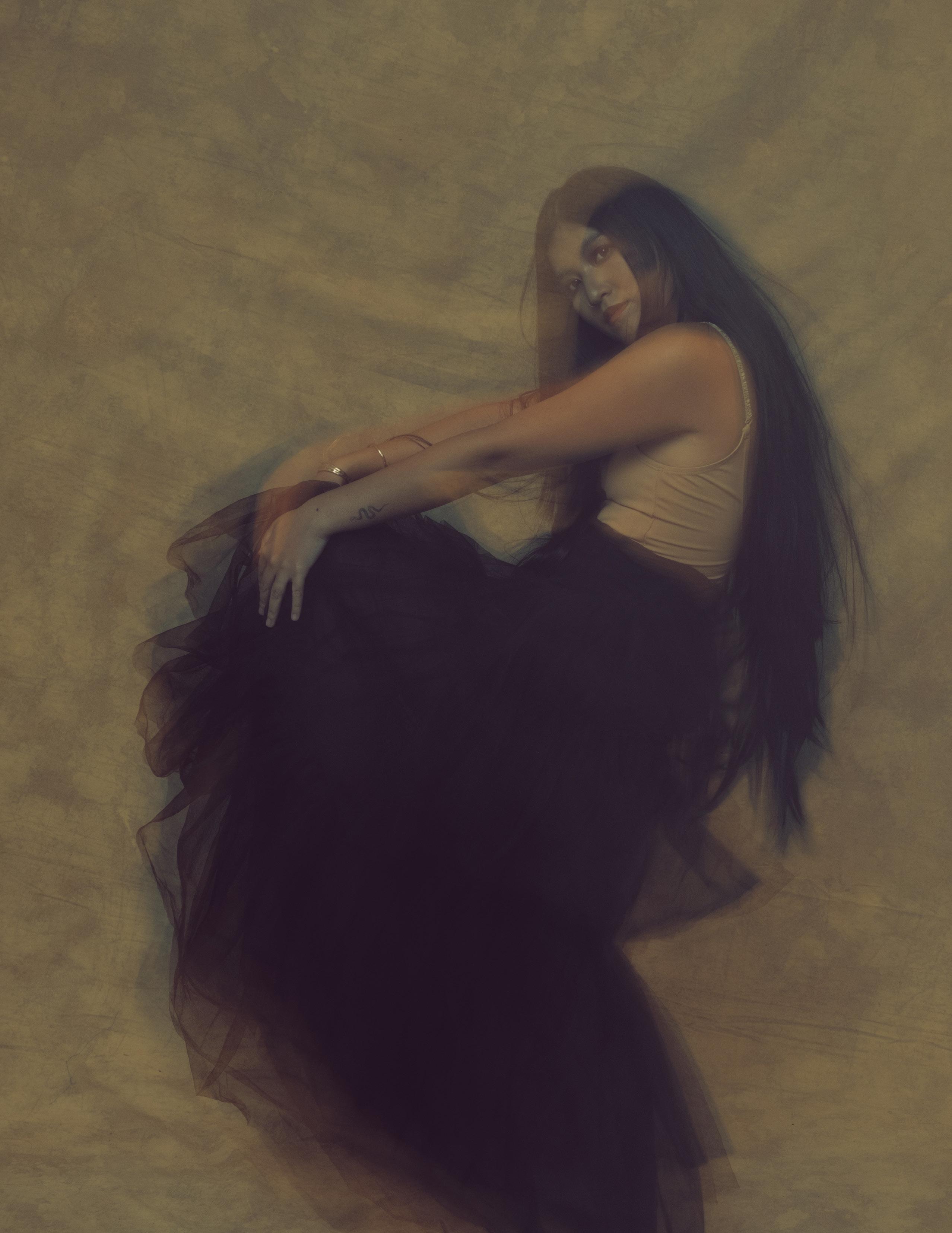
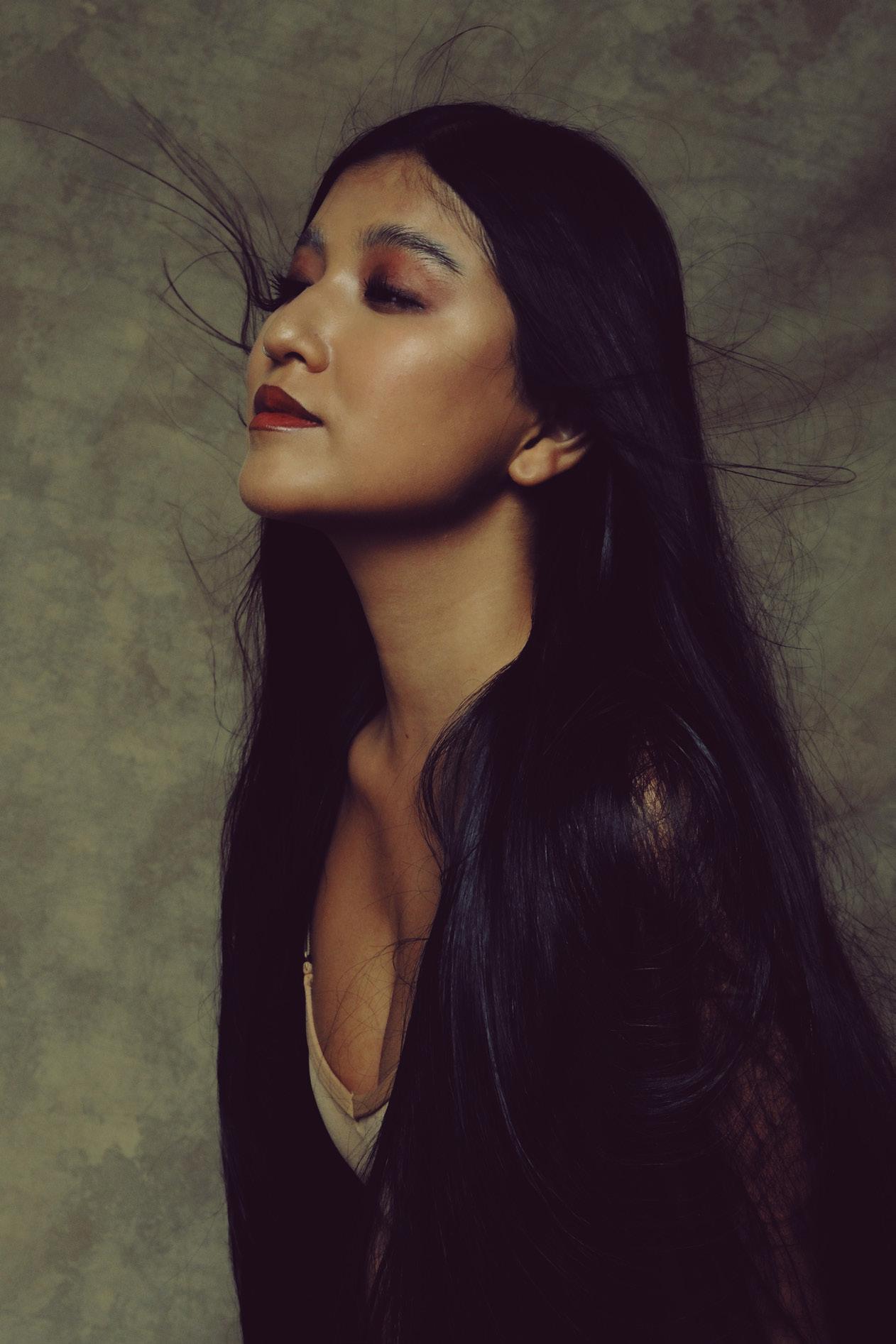
SHOOT ASSISTANT Alexis Brown SHOOT STAFF Alex DiCastro, Ariel Lyden, Ellie Wise, Hannah Smith STYLISTS Marriana Gutierrez, Skylar Edisis, Sydney Tindall
HAZY SHADES
BEAUTY Amanda Oliva, Kami Morejon MODEL Olivia Ratner
PHOTOGRAPHER Matthew Stember VIDEOGRAPHERS Carmen Leggett, Ella Denny, RJ Bañez
ISSUE 15 21
Frozen in Time
WRITER Dani Hernandez EDITORS Isabel Wilder, Jayna O
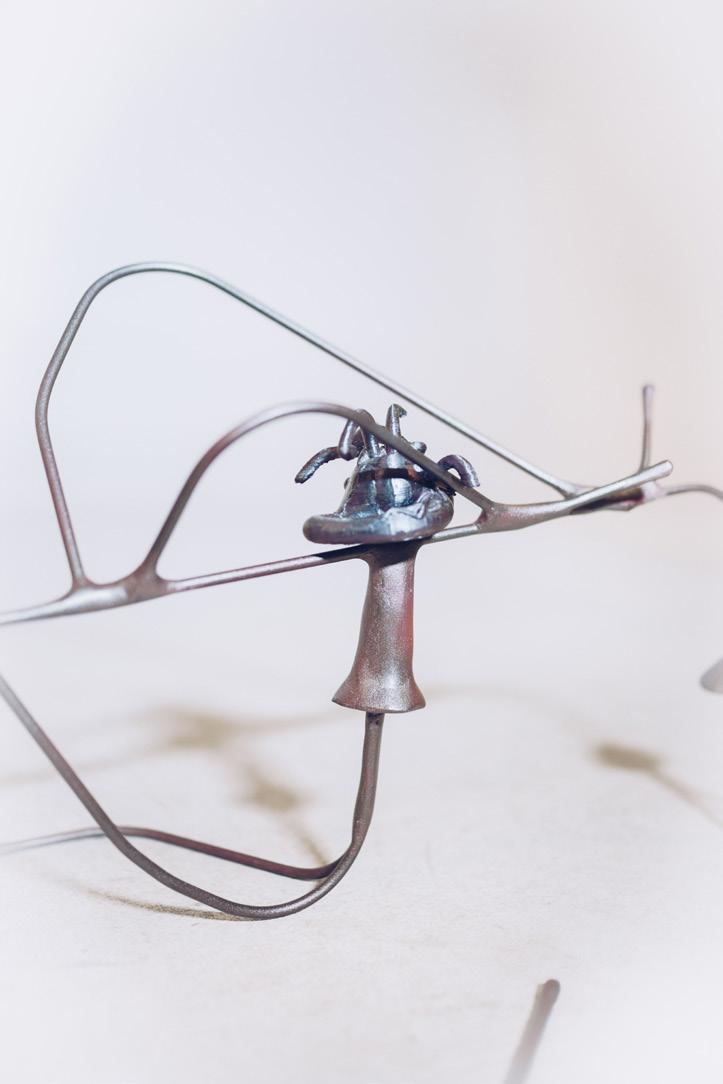
I am unmoving. But I am alert. I am living. But I only observe. What is this numbness? Frost overwhelms me. I close my eyes wishing for this life to escape me. I desperately pray for a different reality – filled with warmth, love, and freedom. Where I can touch grass and feel the blood coursing through my veins. I crave it. Please let this melt away…I open my eyes. I look around pleadingly, my view is glazed. Nothing changed. Is this wintry envelopment a blessing or a curse? I realize I am the one who escaped life. Yet, Life did not ask me what I thought when it crept up with sharp claws asking, “How would you like to be frozen in time?”
I did not consent to this eternal prison. This cell is a neverending, all-encompassing tundra. I shiver, suffering in stillness; my cold, jagged gasps muffled by feet of permafrost. While the ice stays sturdy, I begin to wither away. The bittering cold bites at my skin. I must accept my new reality.
I am surrounded by shards of sleet in soul-sucking solitude.
If only I remembered how I ended up this way… Had I dreamt up who I was before – a figment I constructed in this wretched entrapment of winter? How I wish to be someone who can run, laugh, and play the game of life! The longer I yearn, the colder I become. In distress, I attempt to move. I want to move. I want to breathe. I NEED AIR. I am suffocating, being smothered by ice. I sink into frigid sadness. I will never experience a warm embrace or a reassuring touch far from these reaches of frostbite. Shuddering, I think… Am I destined to become acquainted with this numbness? The pain I feel pierces deeper and deeper within my gut. While I attempt to remain solid and stable, the hollowness inside me becomes insurmountable.
The rest of the world goes on living – and I am forever condemned to watch. Watch. And watch. Never again able to participate, yet enormously aware as the clock ticks; Tick…Tock…As I begin to feel this frozenness consume me, I jolt back into consciousness at a sight. A passerby! This is my chance! I try to scream, but this icy chamber silences me as soon as the yells leap from my throat. I imagine kicking the ice with colossal force; it bursts into bits; the passerby reaches their hand to mine. I begin to feel warm…
But this glacial hell remains. The passerby continues on their way. Just like the rest of them…I freeze. Once again, I am reminded of my perpetual state of iciness. I am more bitter than before. This is the way I will go it seems – eternally frozen over.
STRIKE MAGAZINE TALLAHASSEE FROZEN IN TIME
ISSUE 15 23
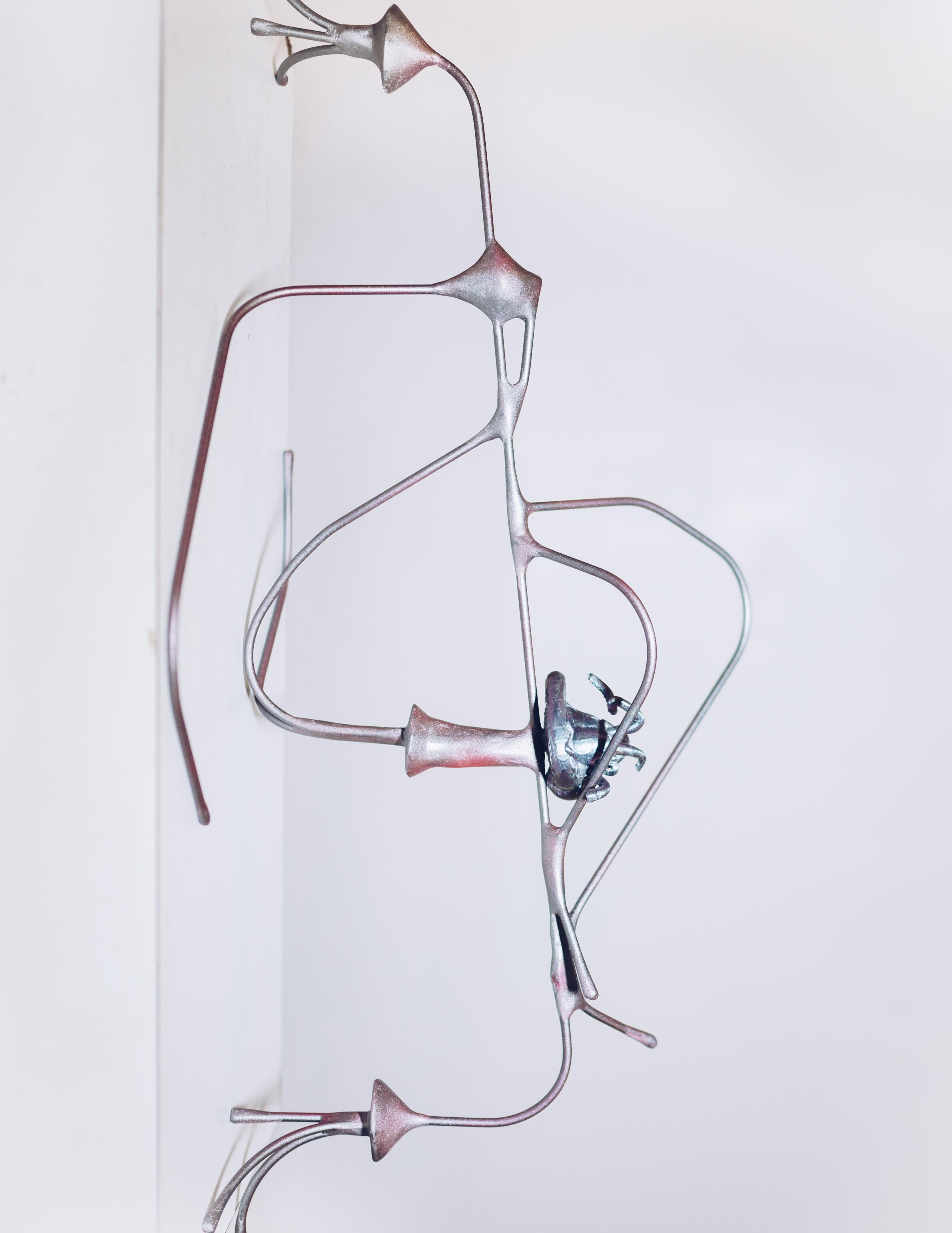
ARTIST:
“UNTITLED”
Noïal Randelli
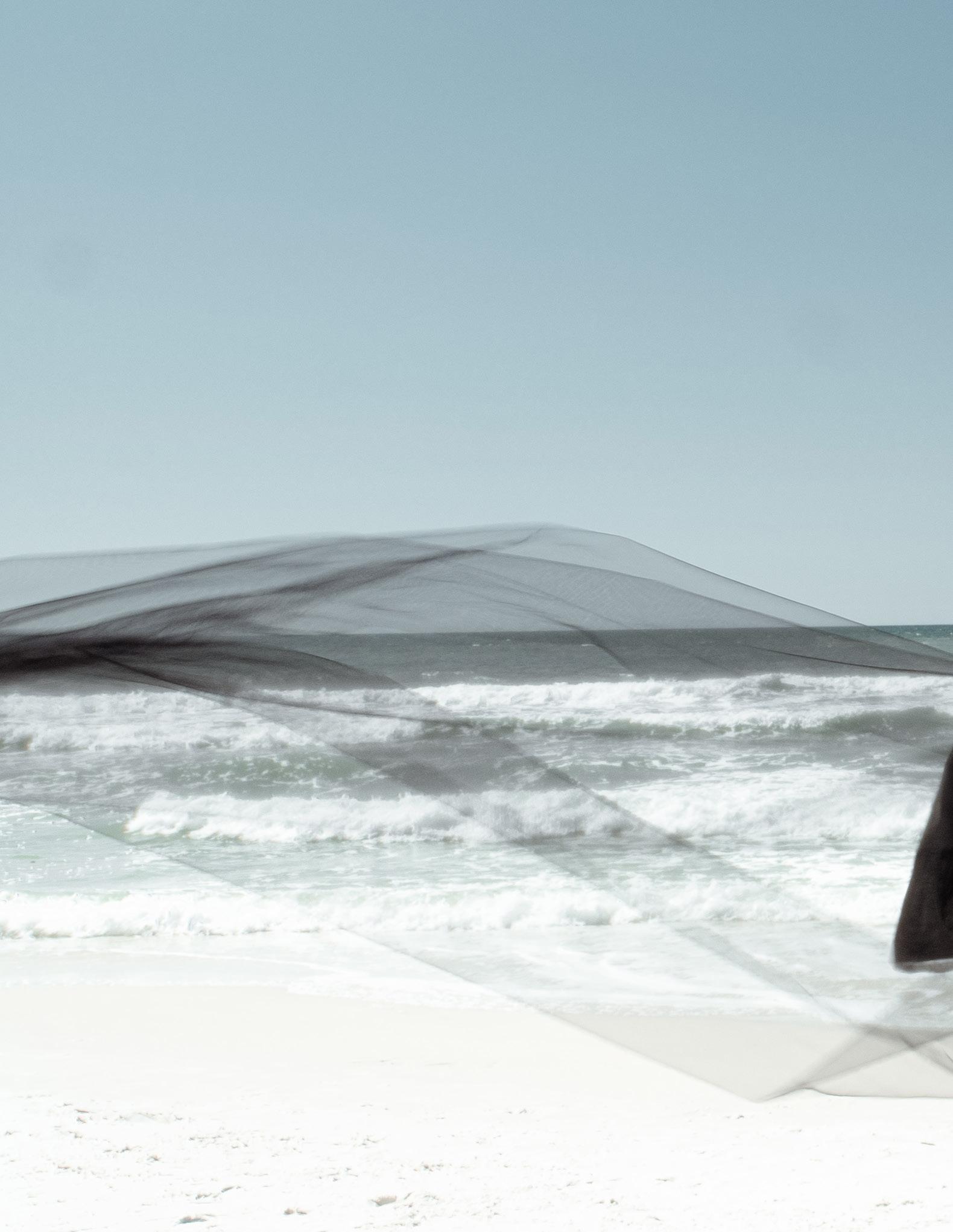
Scilica and the Waves
STRIKE MAGAZINE TALLAHASSEE
AND THE WAVES
SILICA
ISSUE 15 25
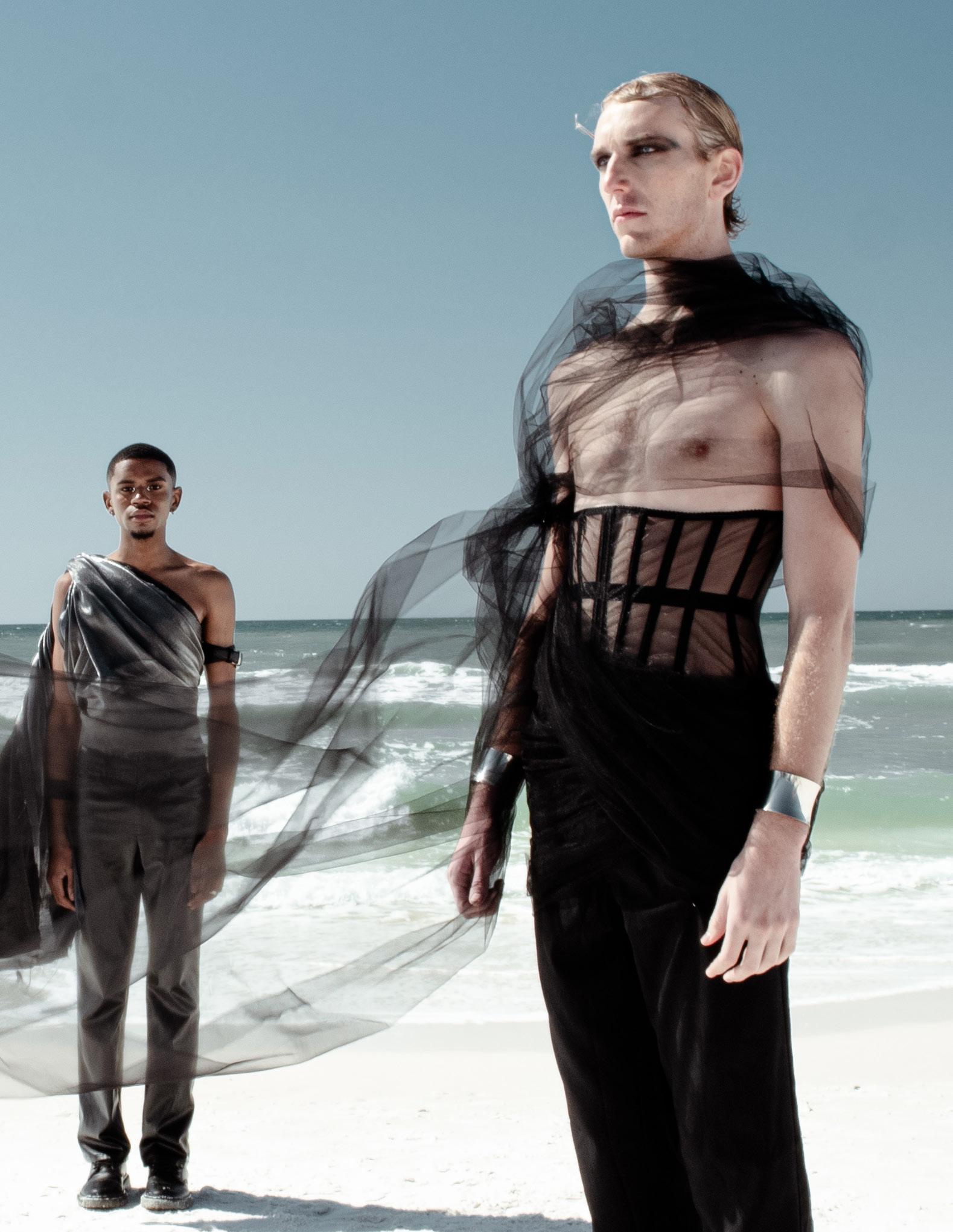
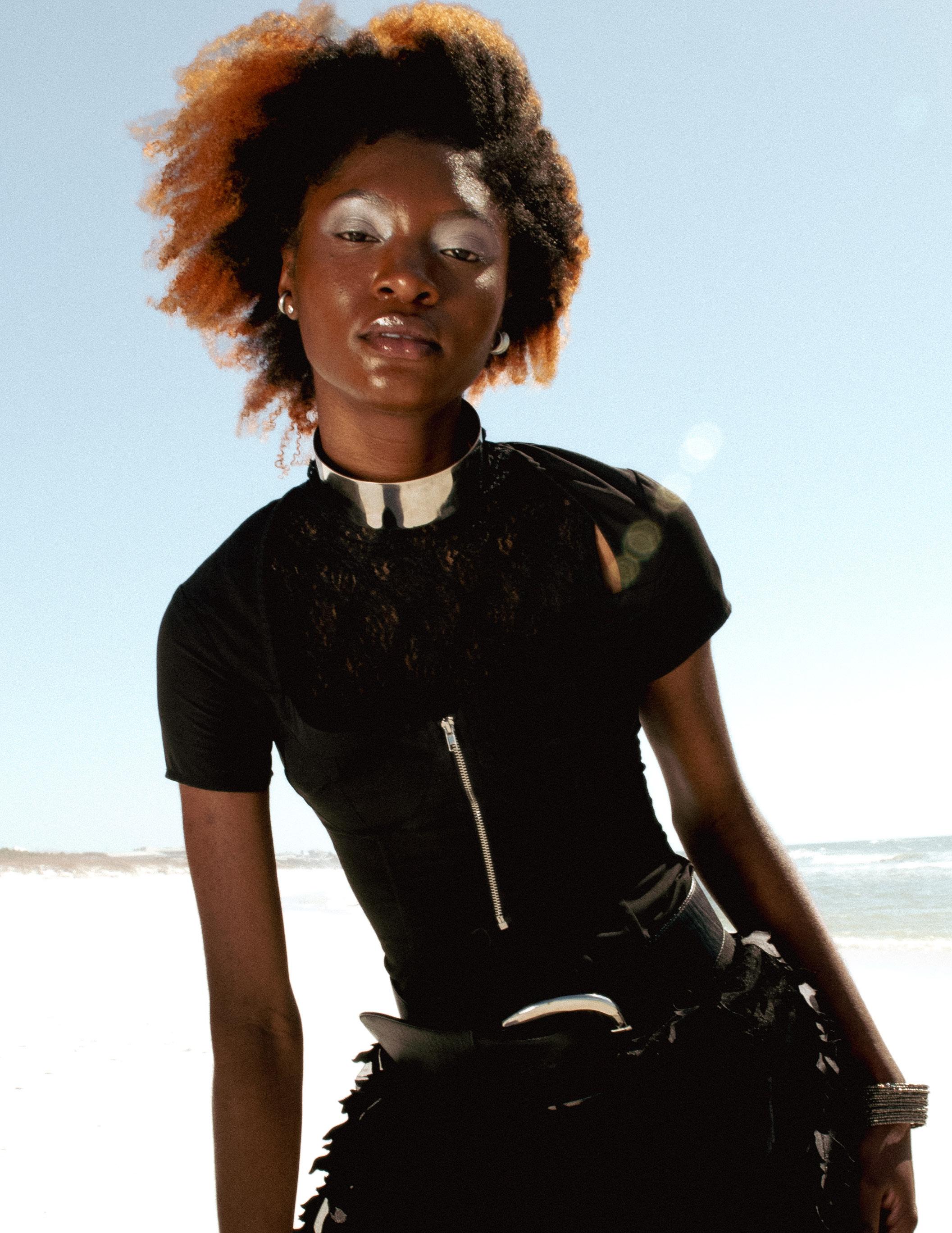
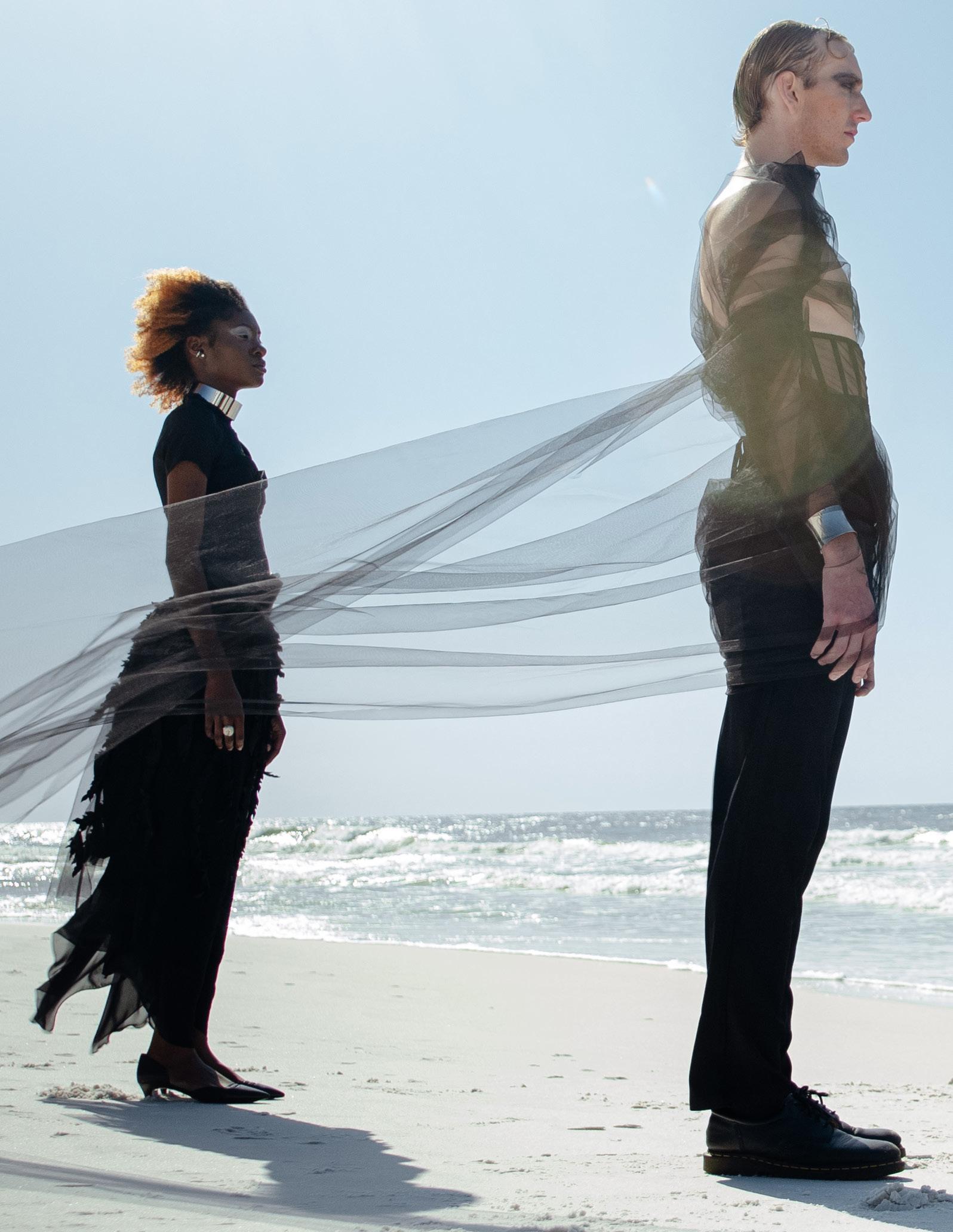
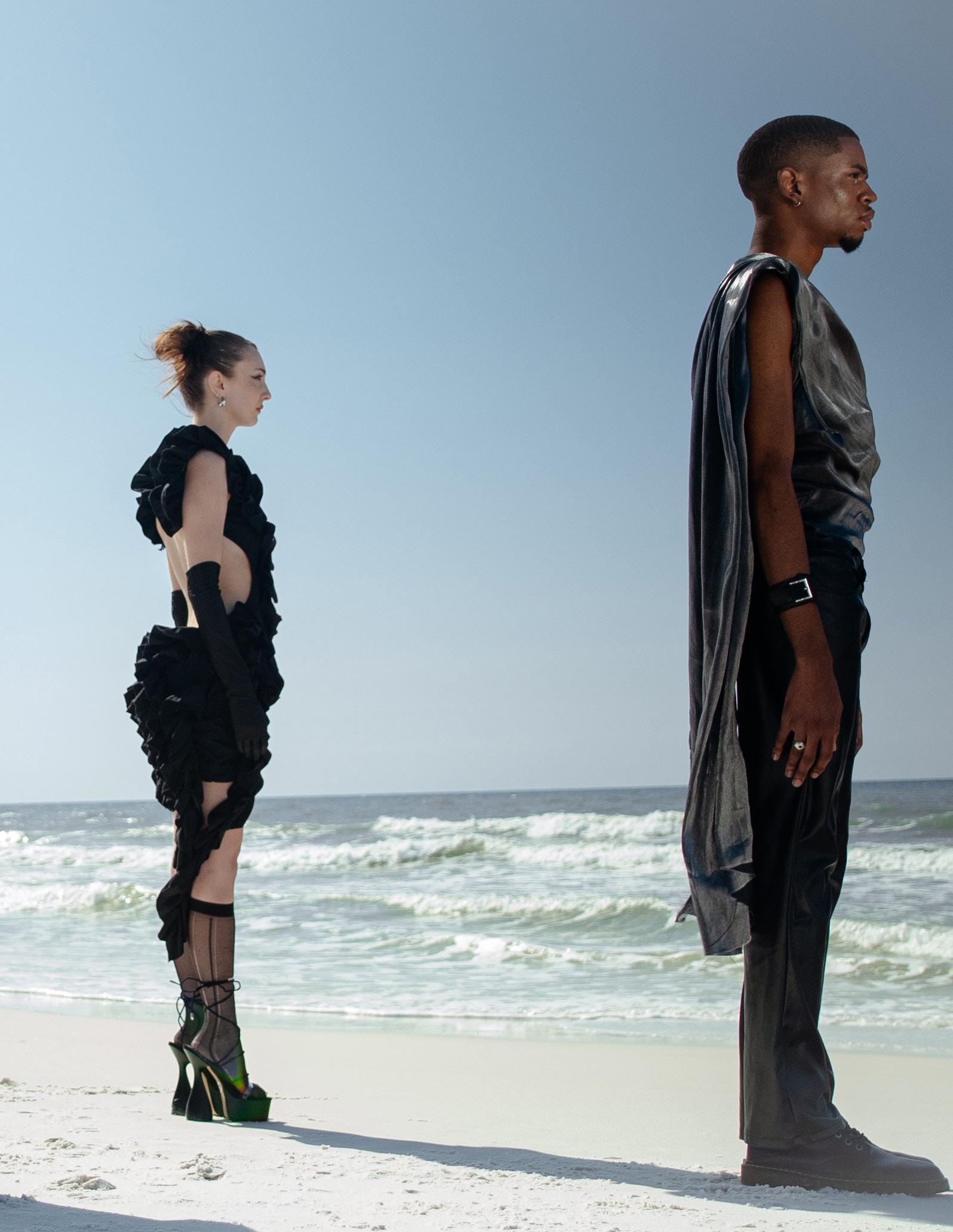
SHOOT ASSISTANT Alexis Brown SHOOT STAFF Alexa Saade, Isabella Dabage, Leah Christie, Marcela Nieves, Tobi Arubuola STYLISTS Marriana Gutierrez, Aiden Smale, Bella Puleo, Eva Carbonara, Isabel Choi, Skylar Edisis, Sydney Tindall BEAUTY Kami Morejon, Riley Hatfield MODELS Brooke Dixon, Emmett Higgins, Jashawn Johnson, Riley Mitchell PHOTOGRAPHER Yami VIDEOGRAPHERS Carmen Leggett, RJ Bañez, Tanner Hirten TIKTOK Victoria Cimino LAYOUT Glenda Holton
STRIKE MAGAZINE TALLAHASSEE SILICA AND THE WAVES
ISSUE 15 27
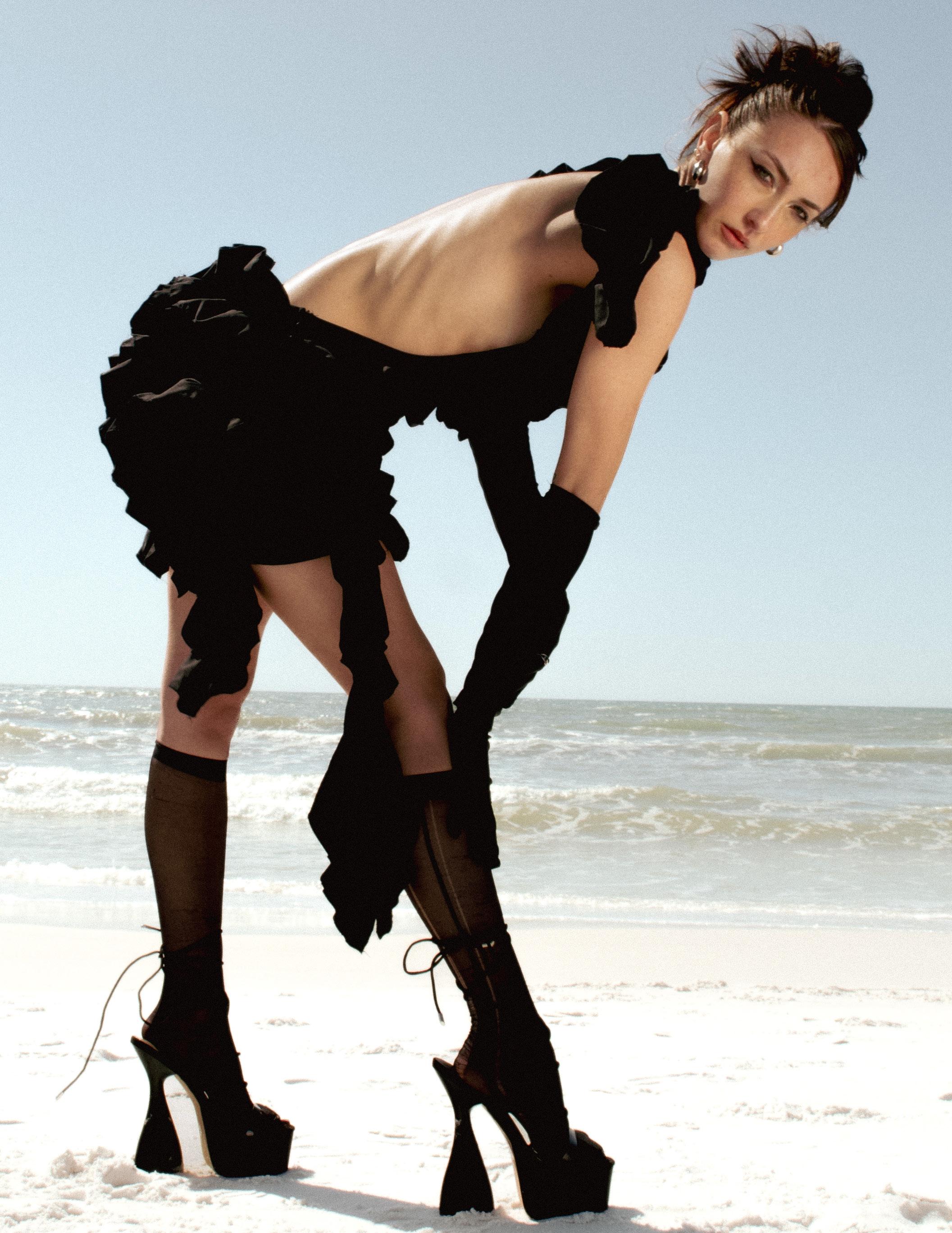
STRIKE MAGAZINE TALLAHASSEE
SILICA
AND THE WAVES
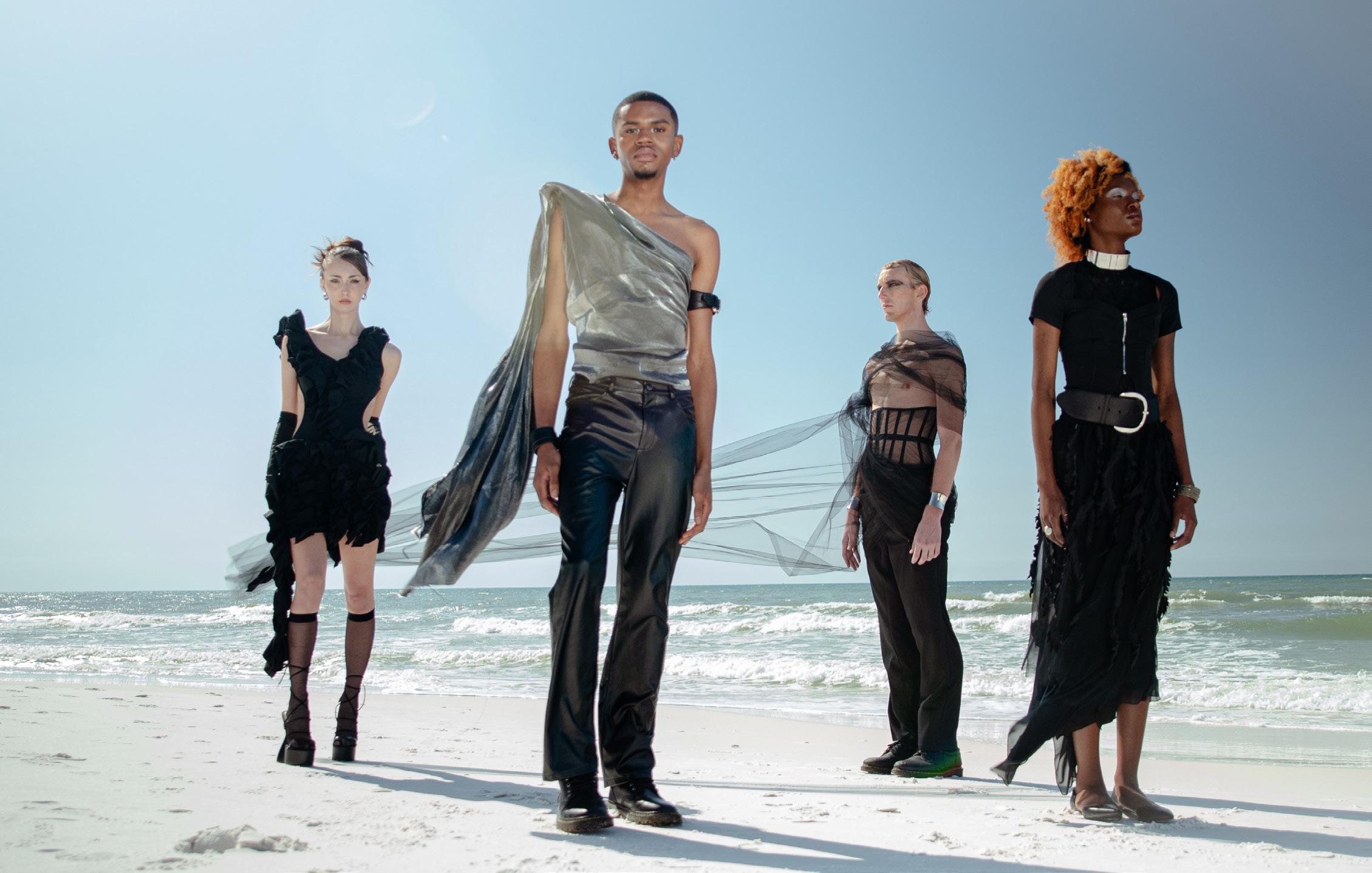
ISSUE 15 29
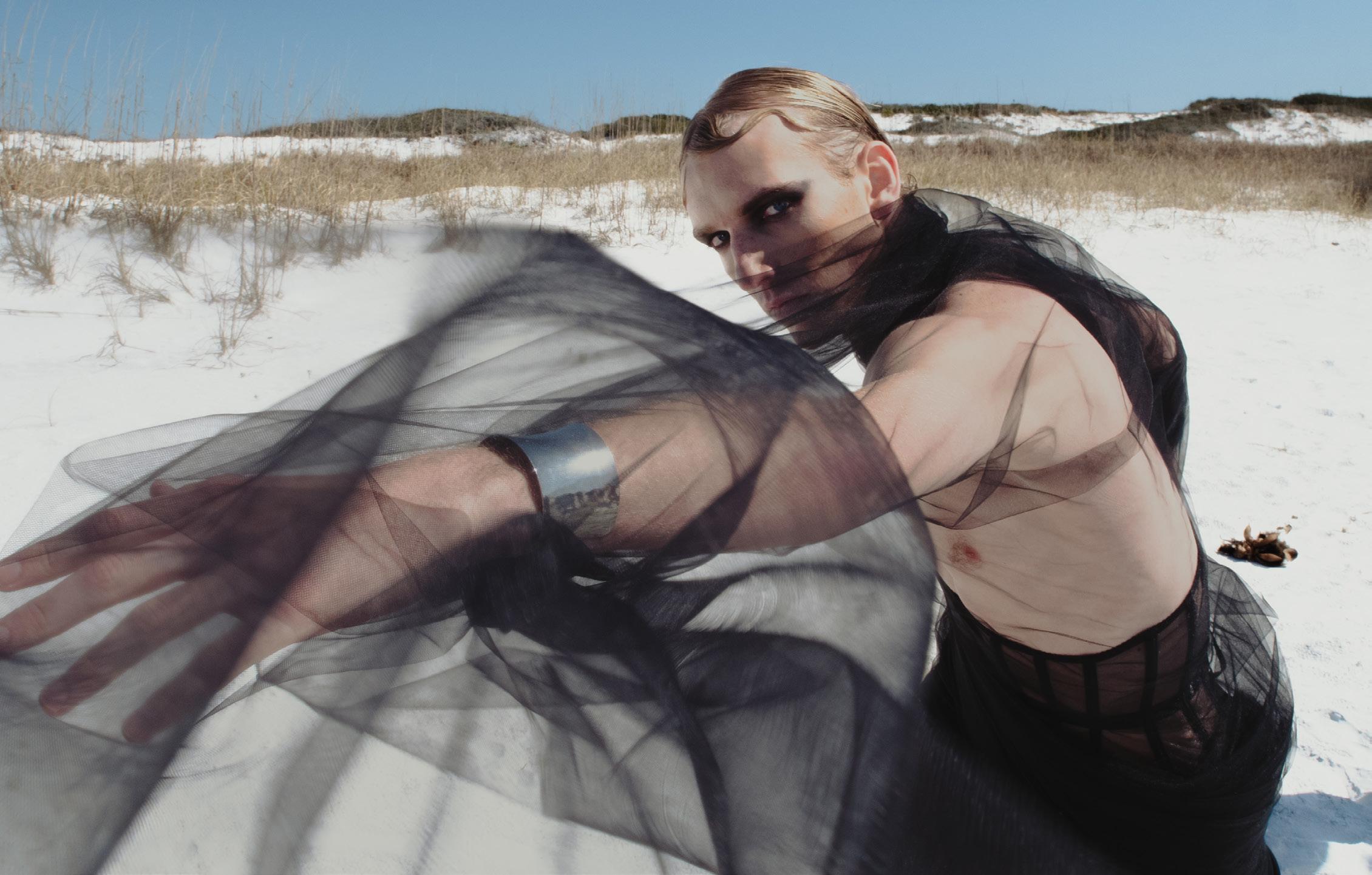
STRIKE MAGAZINE TALLAHASSEE
SILICA
AND THE WAVES
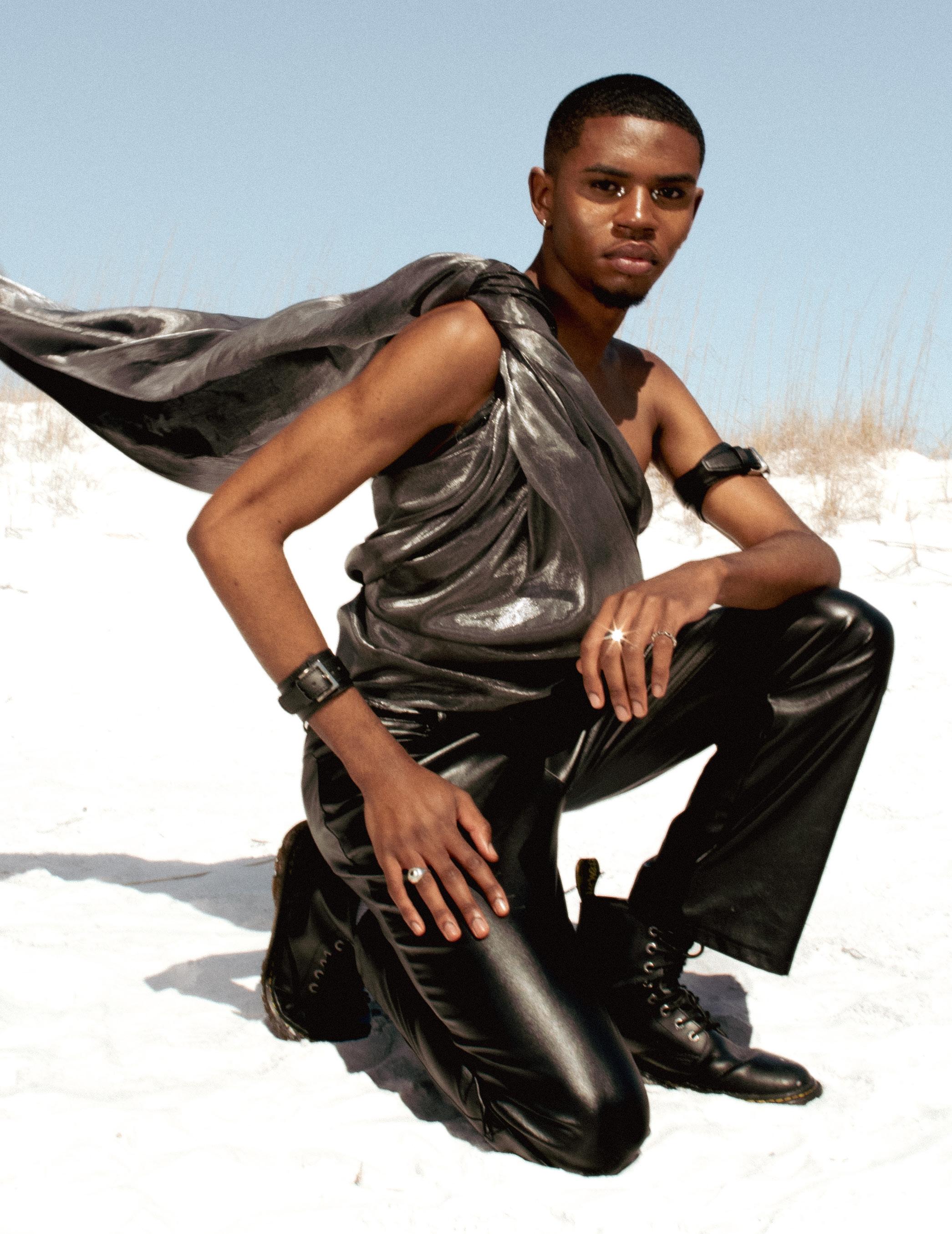
ISSUE 15 31
STRIKE MAGAZINE TALLAHASSEE
SILICA
AND THE WAVES
ISSUE 15 33
Radiance From Ruin to
WRITER Ellie Amos EDITORS
Blake N. Fiadino, Jayna O LAYOUT Chloe Evers
The yellow ladder dug calluses into my palms as I scaled the side of the abandoned factory. Once on top of the world, I spun around. The clouds were purple. The white-gold sun peeked through. I laughed in its light, an overpowering sense of freedom lifting a weight from my chest. This strange place felt like home.
After that experience, I explored many other abandoned places. There was the graffiti room with tall windows and deep orange sunlight. There was the hollow room with the massive tree growing straight through the floorboard. There were the catwalks—the rooftops—the windows we crawled through—the stones we threw into the pond far below— the brick archway—the metal stairs—the ivy—the Sharpie I found on the ground and still keep to this day. There were a thousand dust-covered artifacts we discovered. A calendar I marked with my birth date. A bucket of red paint my friend and I spread onto the floor. A crumpled list of daily reminders, concluding with a smiley face. A sign reading “Ladders Only.” Countless wall hangings. So many representations of human life, once brought here, now left behind—frozen in place by the inevitable passage of time. I could feel it in my soul: the abandoned buildings were
delighted to be visited again. They rejoiced to be loved by us who understood the radiance of forgotten places. To be loved by us who were learning to appreciate the overlooked parts of ourselves. We walked through the buildings like they were mirrors of our souls. Rusty. Maze-like. Abandoned by people who promised they’d stay. Perhaps even abandoned by ourselves.
Like the buildings, our souls were eager to be explored again.
I ran my hand along the walls of graffiti art. People loved these hidden walls enough to paint beauty onto them. People loved these walls enough to express themselves through pictures, words, and symbols. People loved this abandoned place enough to explore it. To discover all it has to offer. So, there is worth here in these overlooked spaces. And there is worth in the deep corners of myself. There is art to be expressed inside of me.
Every artifact, rooftop sunset, and yellow ladder taught us that we are also beautiful and worthy of love. Time may pass, but the abandoned buildings will stand. And we, too, will stand in our timeless worth.
STRIKE MAGAZINE TALLAHASSEE FROM RUIN TO RADIANCE
We walked through the buildings like they were mirrors of our souls.
Rusty. Mazelike. Abandoned by people who promised they’d stay. Perhaps even abandoned by ourselves.

ISSUE 15 35
THE WAITING ROOM
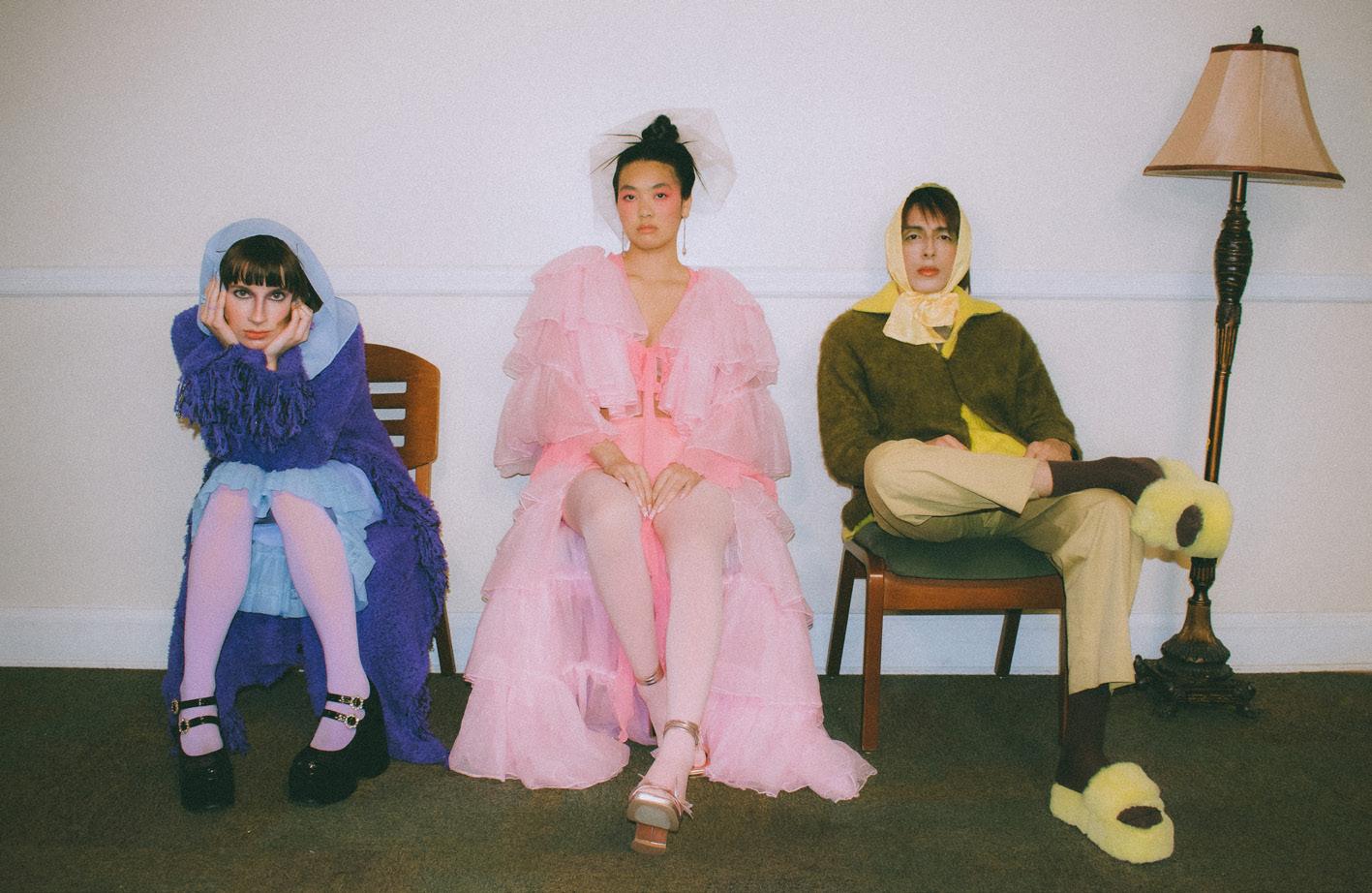
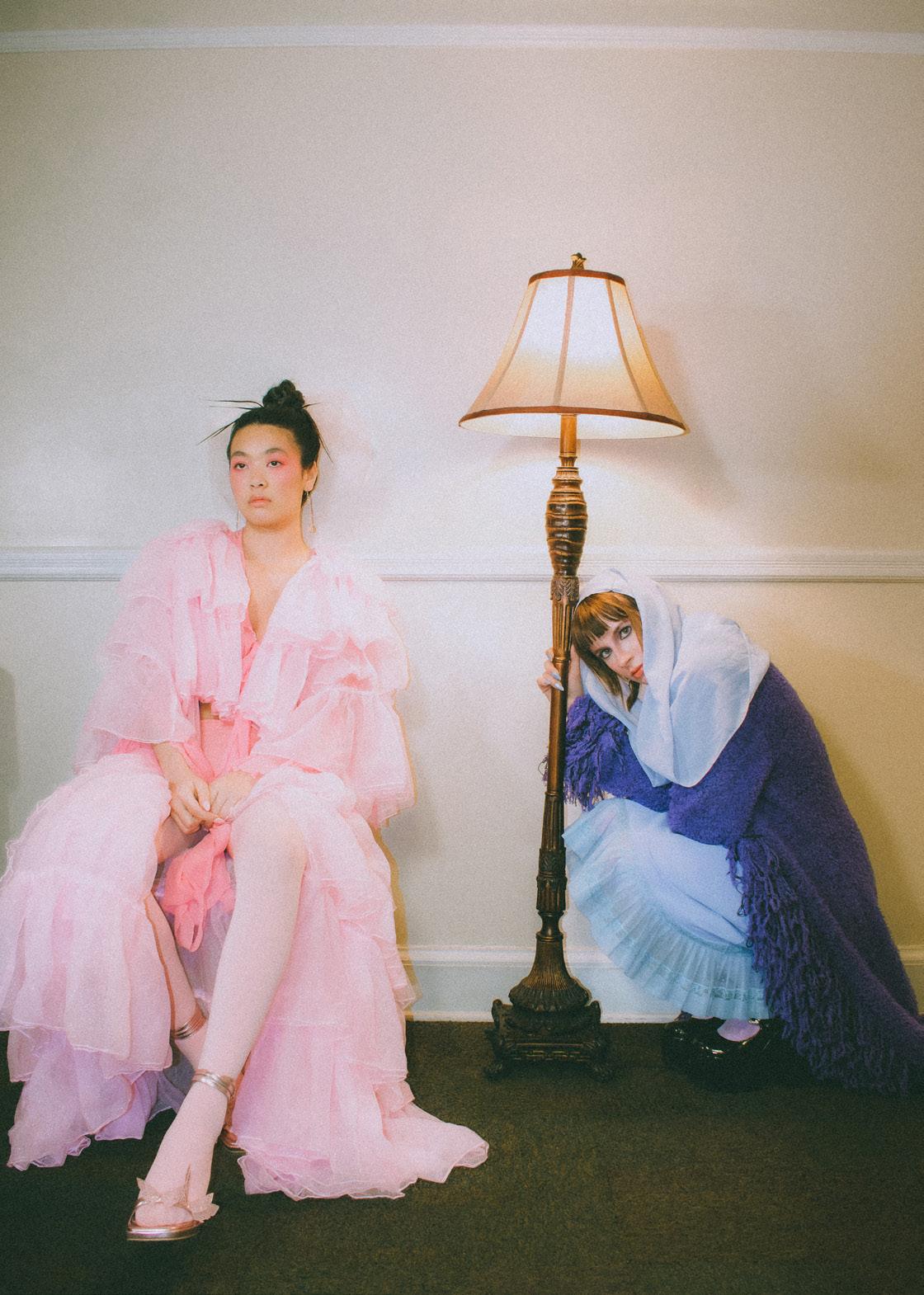
SHOOT ASSISTANT Ella Brignoni SHOOT STAFF
Angelika Ziemecki, Dalton Lain, Julia Clifford, Lauren Vives
STYLISTS Marriana Gutierrez, Dalton Lain, Isabel Choi, Skylar Edisis, Taylor Farscht BEAUTY Addison Nance, Erinlyn Tirado, Olivia Swanson NAILS Jazmin Ashley
PHOTOGRAPHER Olivia Rodriguez VIDEOGRAPHERS
Blake Boyar, Cameron Grippo, Lily Cosentino TIKTOK
Victoria Cimino LAYOUT Liabella Bernie, Chloe Evers
THE WAITING ROOM STRIKE MAGAZINE TALLAHASSEE
ISSUE 15
37
MODELS Alana Touch, Ian Zambrano, Sydney Wills
Society has grown comfortable with putting women in boxes. It’s quite common to see trends in which young girls feel burdened with applying labels to themselves to “fit in.” The past couple of months have been a labyrinth of girls on TikTok trying to figure out if they are “deer” pretty or “cat” pretty—essentially insinuating that you have to have specific features to fall into a category of beauty. Furthermore, age is one of the easiest targets when stripping women down to their appearance. Consequently, these two ideas work hand in hand to instill in women’s minds the belief that they have to look between the ages of 16 and 25 to be sought after. We see famous playboys like Leonardo DiCaprio only being romantically involved with women under the age of 25, flagrantly romanticizing young women, despite his age.
To be a woman is to perform, and yet we are made to feel poorly when our “performances’’ aren’t feminine enough to impress the general public. It is normal to feel watered down when society is telling us over and over that our appearance is all that matters. Women are thus stuck in liminal waiting rooms between youth and wisdom. It has become so looked down upon to age physically beyond that “sweet spot” as a woman that it seems we are forgetting what people look like in the real world. Older generations spend time indulging in nostalgic mementos while younger generations race to reach an age they deem cool.
The oversaturation of conventionally attractive influencers on social media has consistently raised the bar for the ideal appearance, as well as persuaded their audiences to “achieve this look” through a never-ending influx of the latest products, clothing, and beauty trends. This heavy pressure on the newest generation of young girls to adhere to ever-changing beauty standards explains the recent hordes of pre-teens raiding Sephora for the next trending item; as they look up to the influencers on their social media feeds, they soon become compelled to buy items like undereye creams or gua shas, in the hopes of looking like their favorite creator.
Being exposed to such burdensome expectations as a young woman has caused a complete transformation of what defines a “preteen,” and
whether there is even room for young girls to come of age naturally with such a rapidly advancing digital space. The disparity between the prominence of the “tween” age of the past and its dwindling popularity in the present begs the question, where have all the preteens gone?
Going through this preteen stage previously afforded the freedom to look and act awkward. Preadolescence was a time when young girls would begin exploring their personal styles and appearance, enduring these uncomfortable stages with a lack of judgment and restriction. Oscillating between distinct fashion trends, such as shopping at Justice or going through the cringe-worthy bow phase, served as vital ways for girls to develop their own self-concept. That’s what being a young girl represented – a fluid sense of exploration. Digital media has perpetuated this endless cycle of selfcomparison onto young girls, depriving them of the privilege of self-discovery. Their identities have become restricted as they are expected to keep up with rigid trends and feel pressured to mold into the latest aesthetic.
The lack of stylistic spontaneity represents the stress young girls feel as they desperately try to fast forward to adulthood. Meanwhile, adult women are doing everything in their power to go back in time. The struggles of being a young woman in today’s society perpetuate a breeding ground for nostalgia. In an attempt to discover their new identities as adults and navigate a more mature world, women are returning to their childhood roots. This reminiscence of the simplicity of adolescence has emerged in fashion trends highlighting hyperfemininity. The “coquette” trend has taken the fashion industry by storm, flooding social media with bows, frills, and all things pink. This style is a reflection of the youthful innocence portrayed by adolescent girls. Women are embracing reflections of their younger selves by wearing delicate fabrics, dainty jewelry, and adorning their hair with ribbons. Whether this is a harmless fad or an emphasis on the inability of humans to live in the moment and appreciate the present is unclear.
THE WAITING ROOM STRIKE MAGAZINE TALLAHASSEE
ISSUE 15 39
WRITERS Emily Montarroyos, Grace Groover, Layne Schulte
39
EDITORS Cristina Angee, Isabel Wilder, Lindsey Limbach, Jayna O
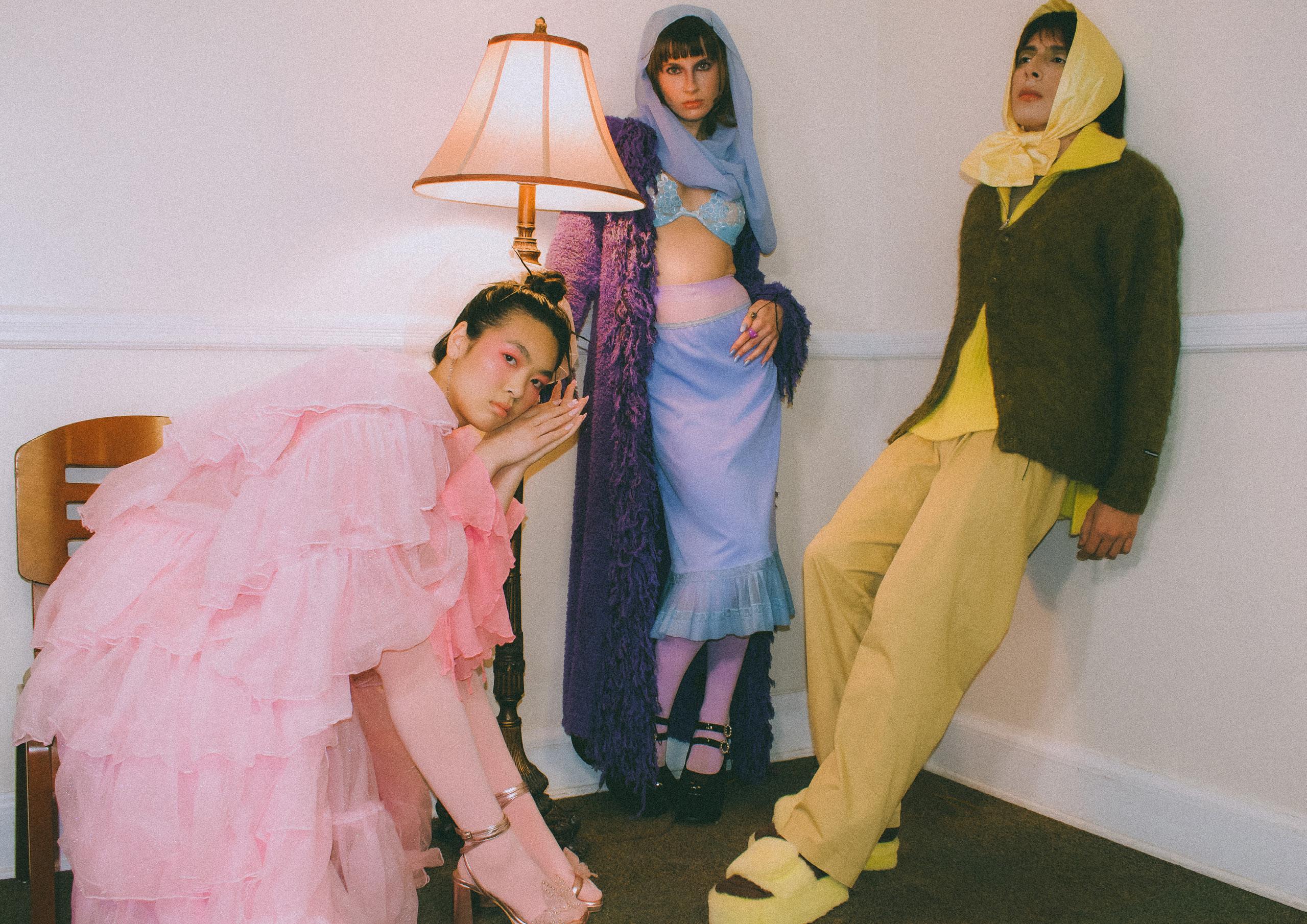
THE WAITING ROOM
“TO BE A WOMAN IS TO PERFORM, AND YET WE ARE MADE TO FEEL POORLY WHEN OUR ‘PERFORMANCES’ AREN’T FEMININE ENOUGH TO IMPRESS THE GENERAL PUBLIC.”
ISSUE 15
41
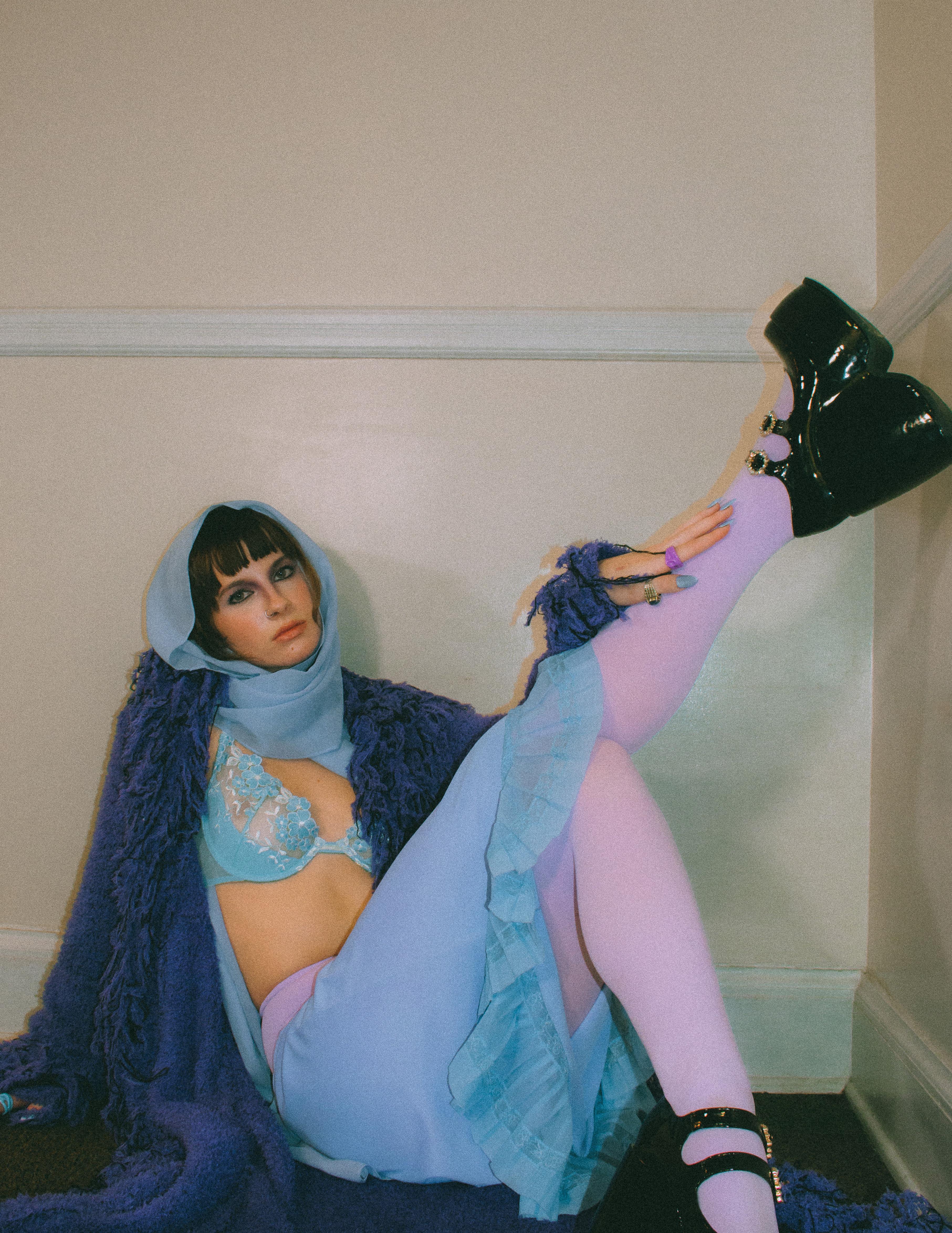
THE WAITING ROOM STRIKE MAGAZINE TALLAHASSEE
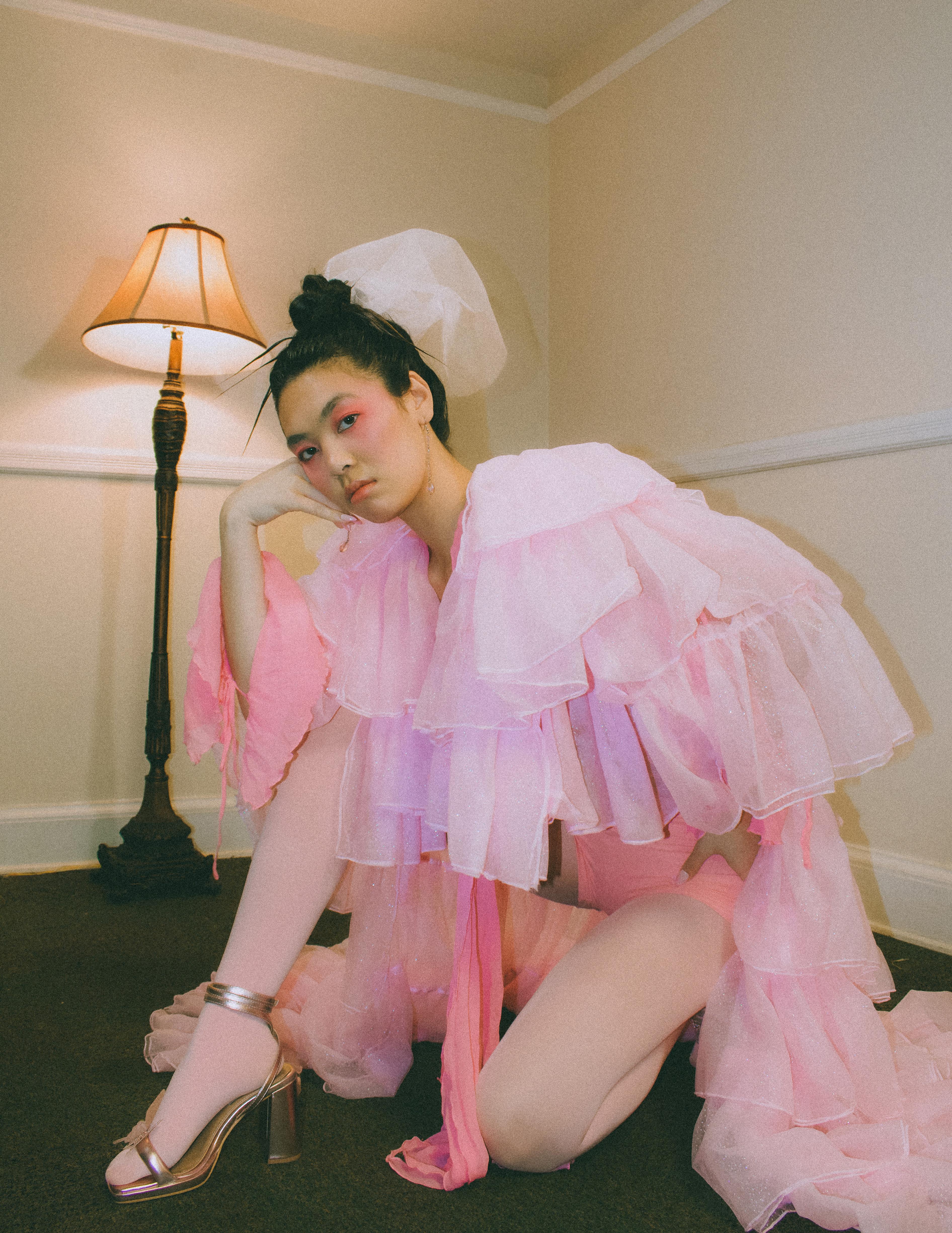
ISSUE 15 43
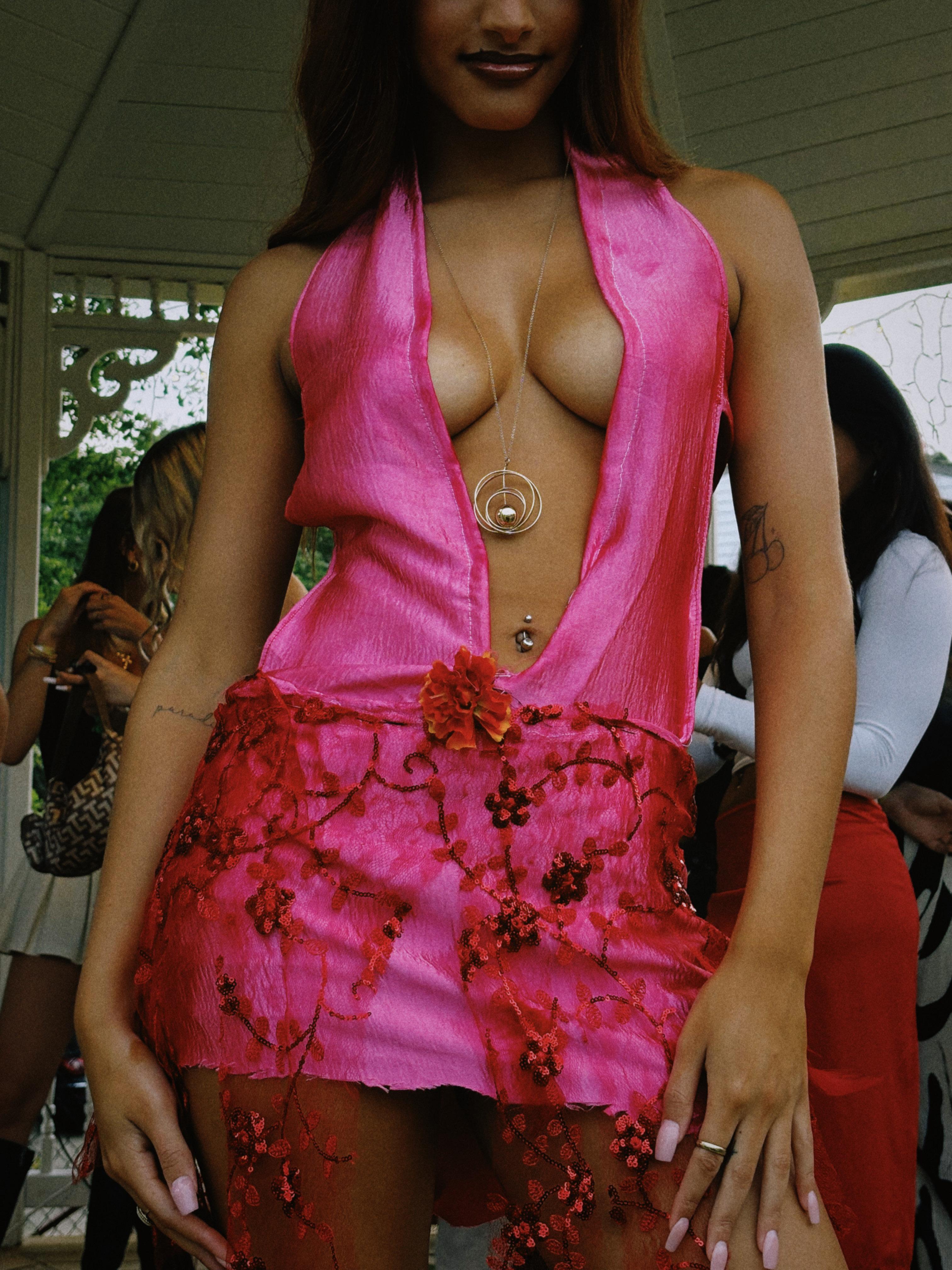
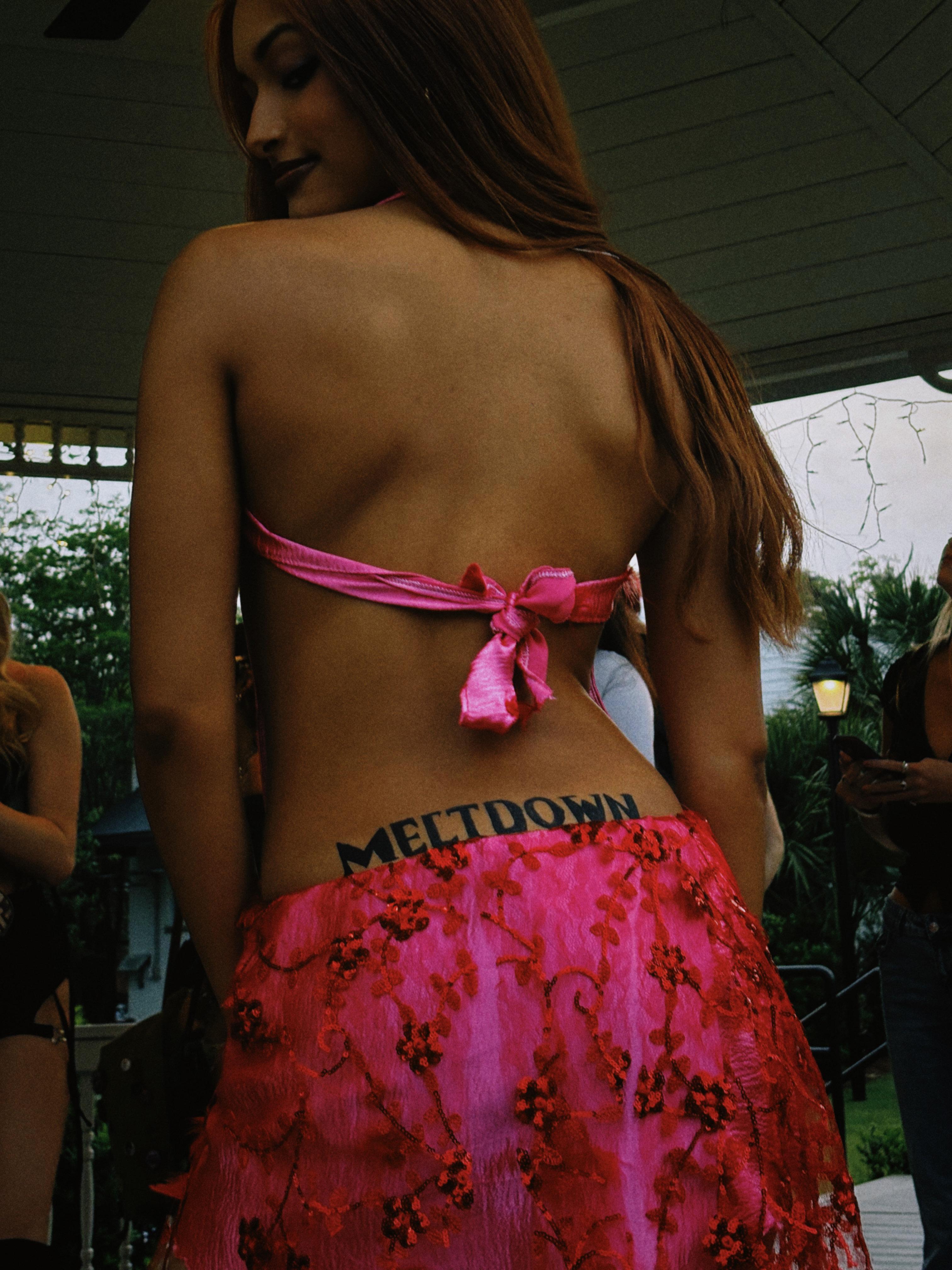
MELTDOWN STRIKE MAGAZINE TALLAHASSEE
ISSUE 15 45
STRIKE TLH RUNWAY / MELTDOWN
SS24
MODEL Dyonna Johnson
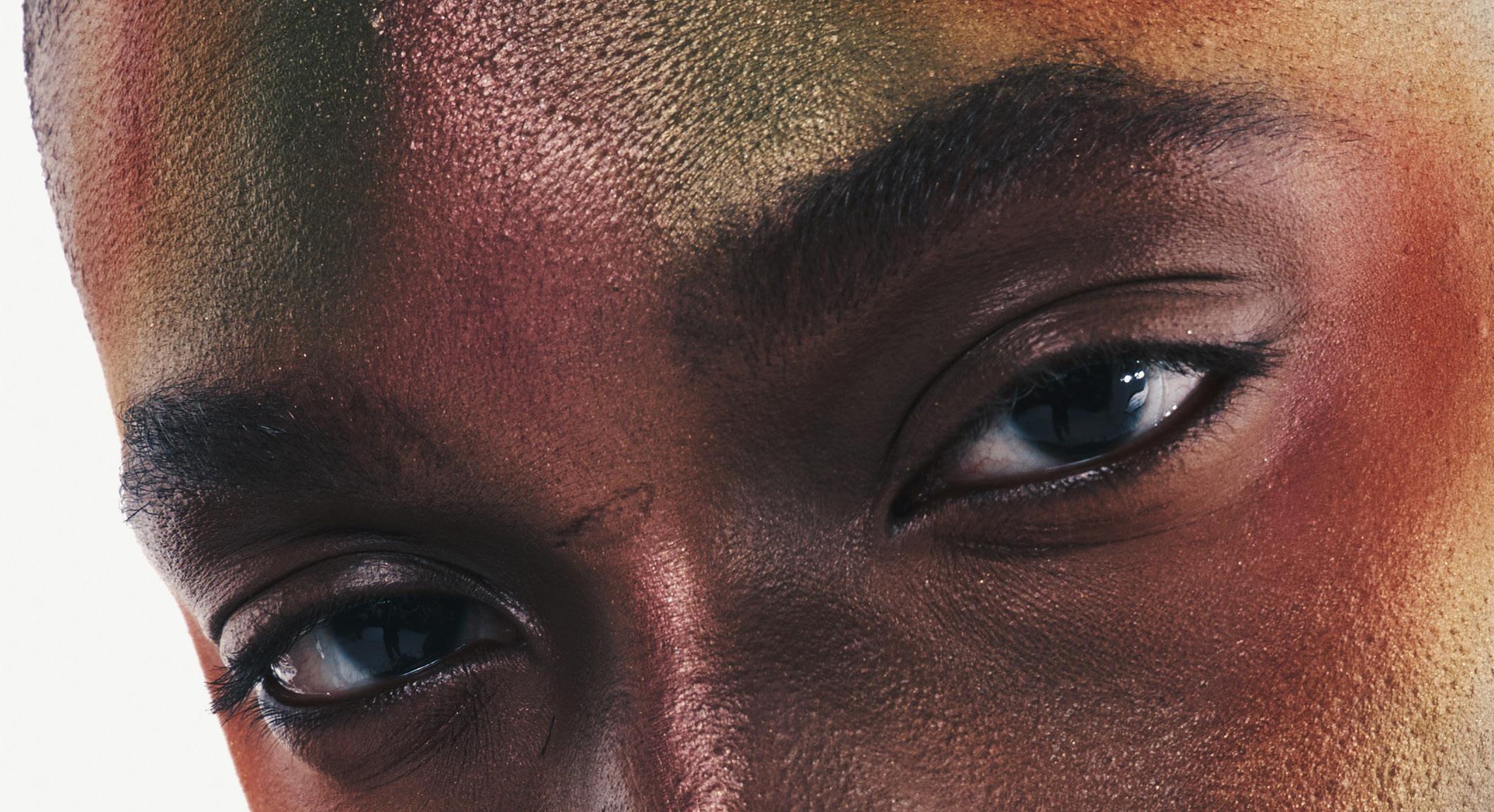
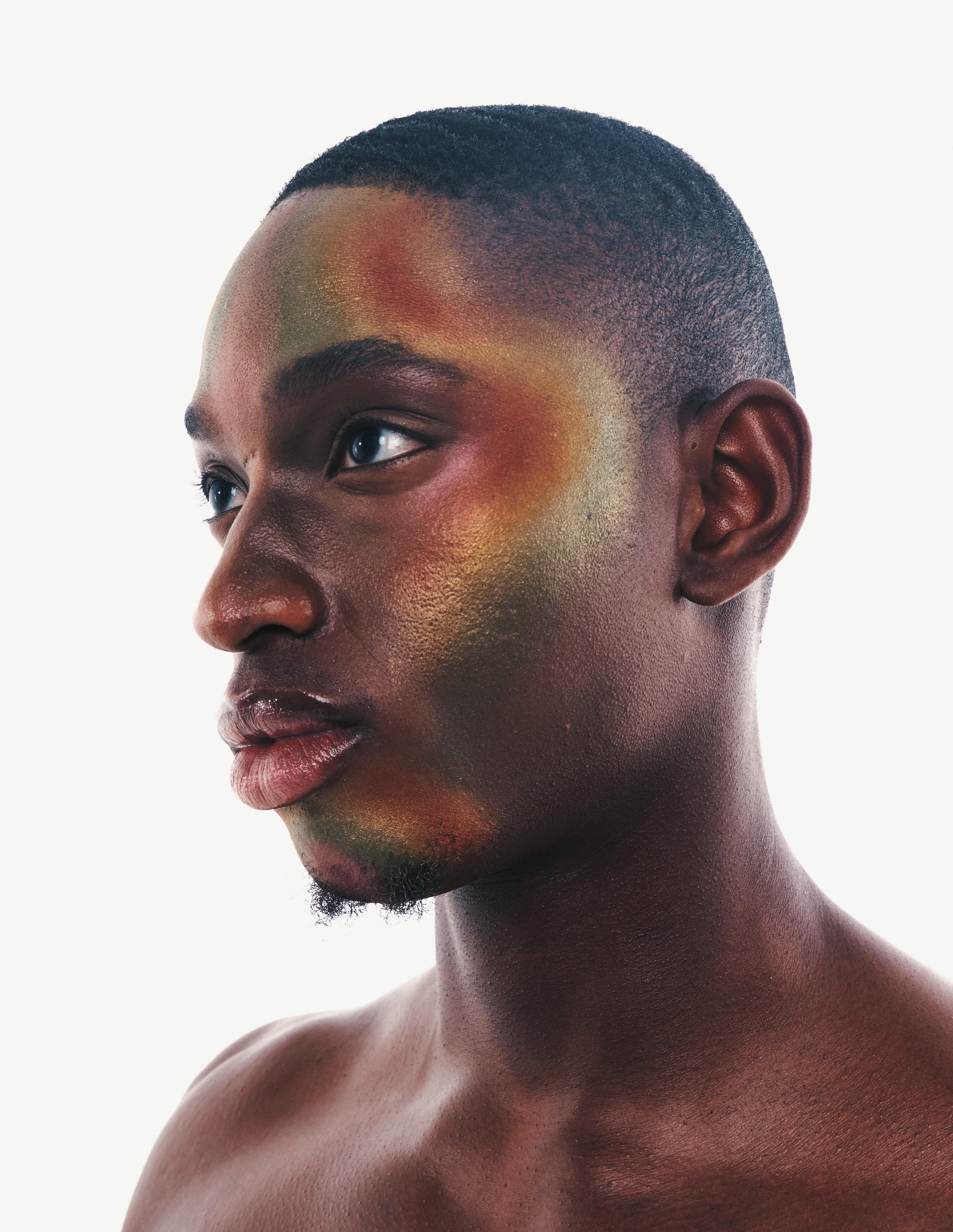
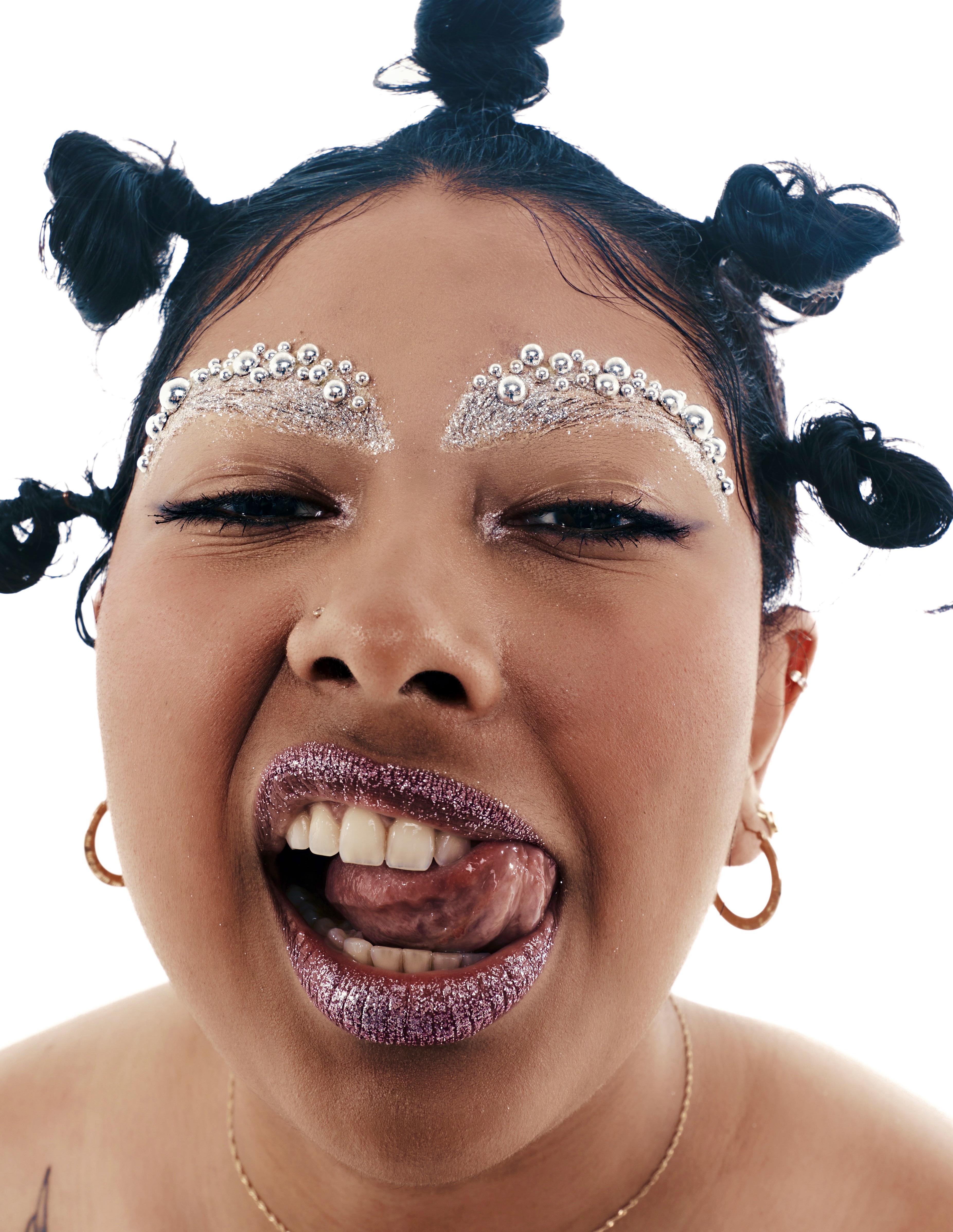
SHOOT STAFF Addison Nance, Alexis Brown, Ella Brignoni, Isabel Choi BEAUTY Addison Nance, Amanda Oliva, Emma Kornatowski, Erinlyn Tirado, Sarah Andrews, Wiktoria Cascardo
MODELS Daniela Vergara, Emily Woo, Kehinde Sogbesan PHOTOGRAPHERS Alexis Priest, Mina Dinh VIDEOGRAPHERS Cameron Grippo, Kevin Farley LAYOUT Reian Beltran
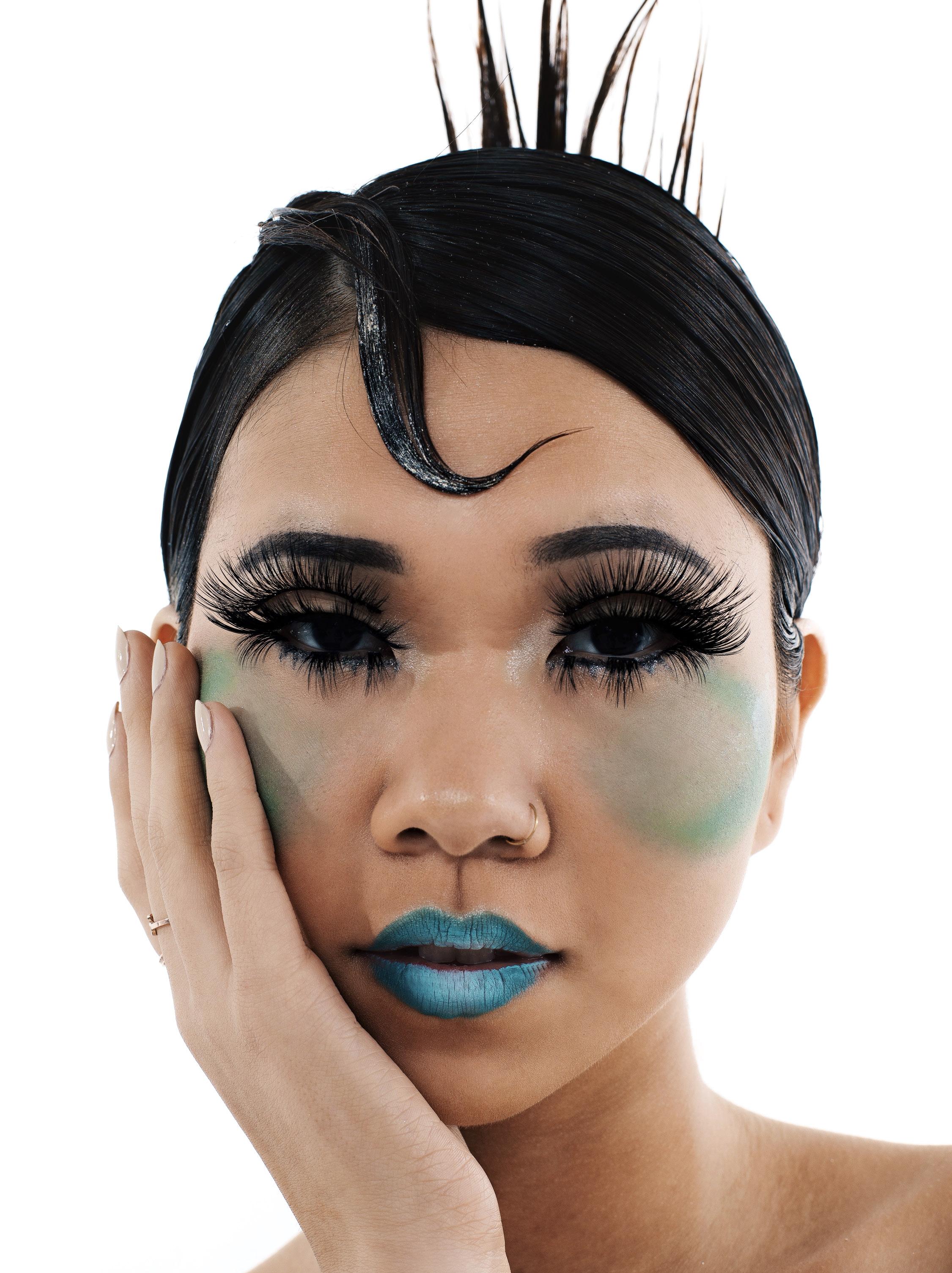
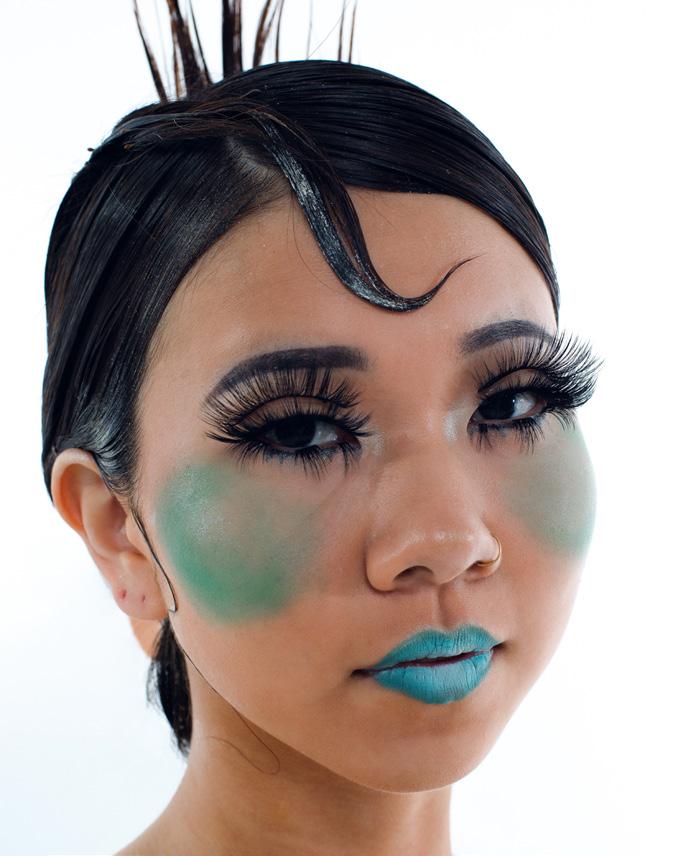
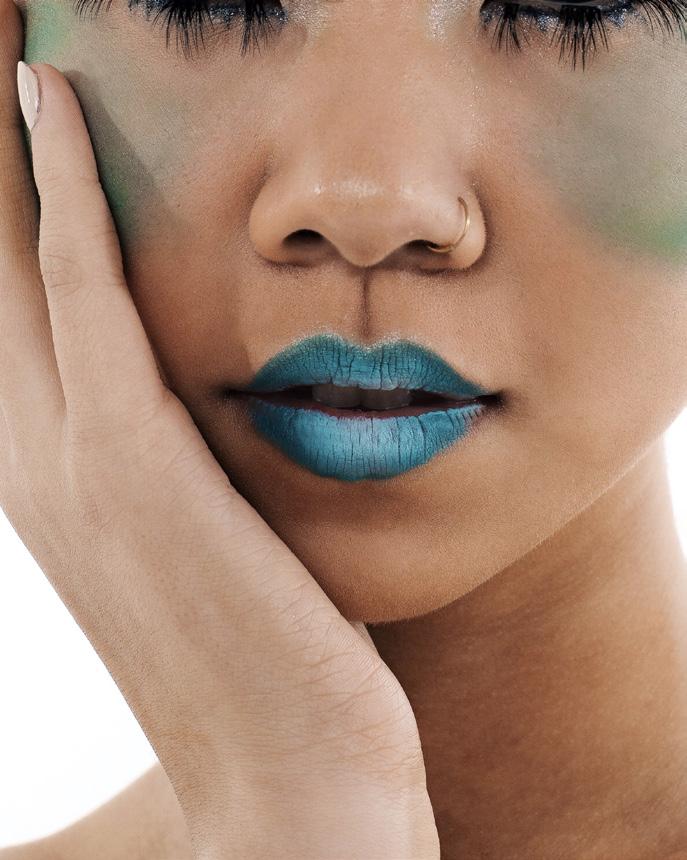
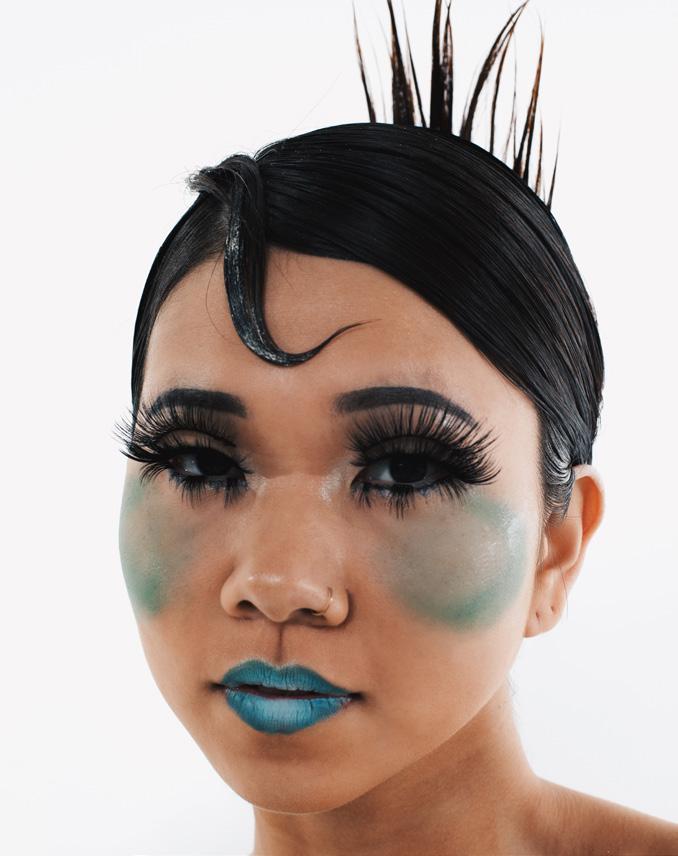
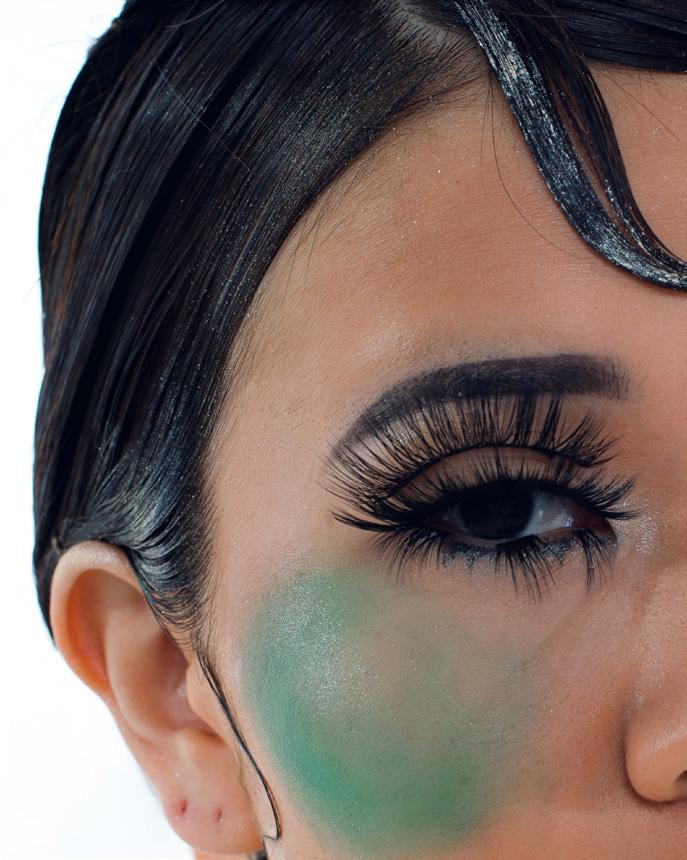
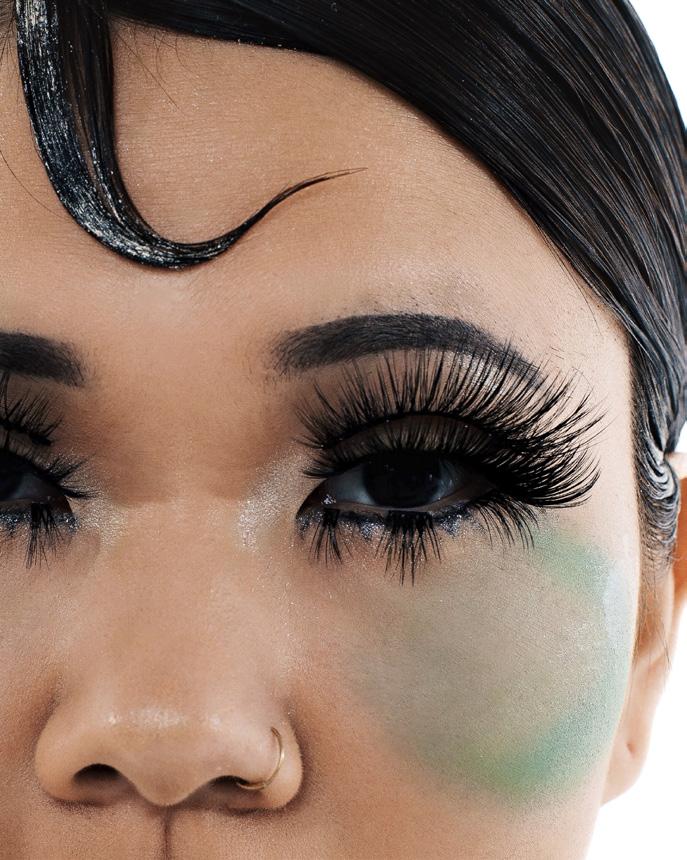
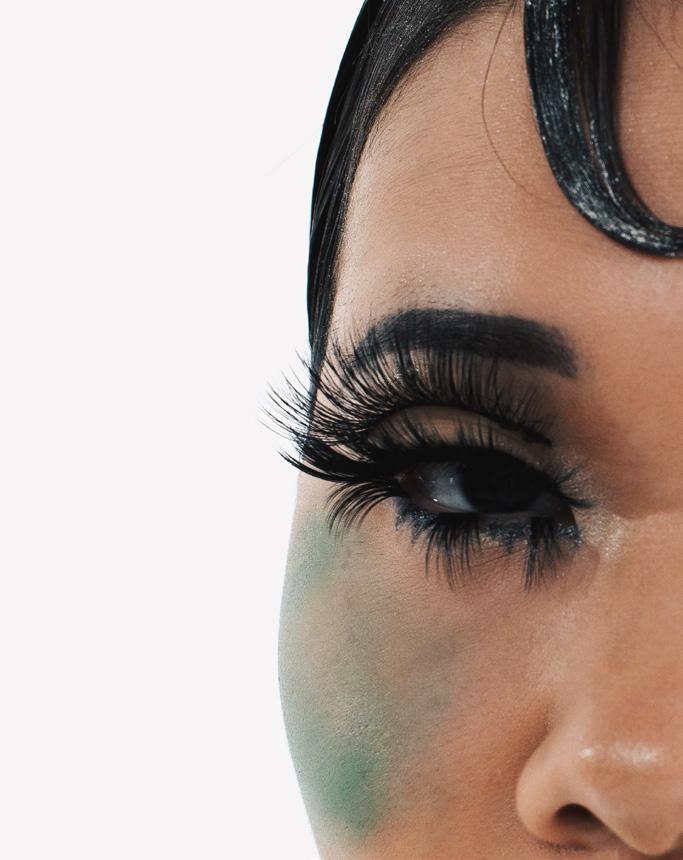
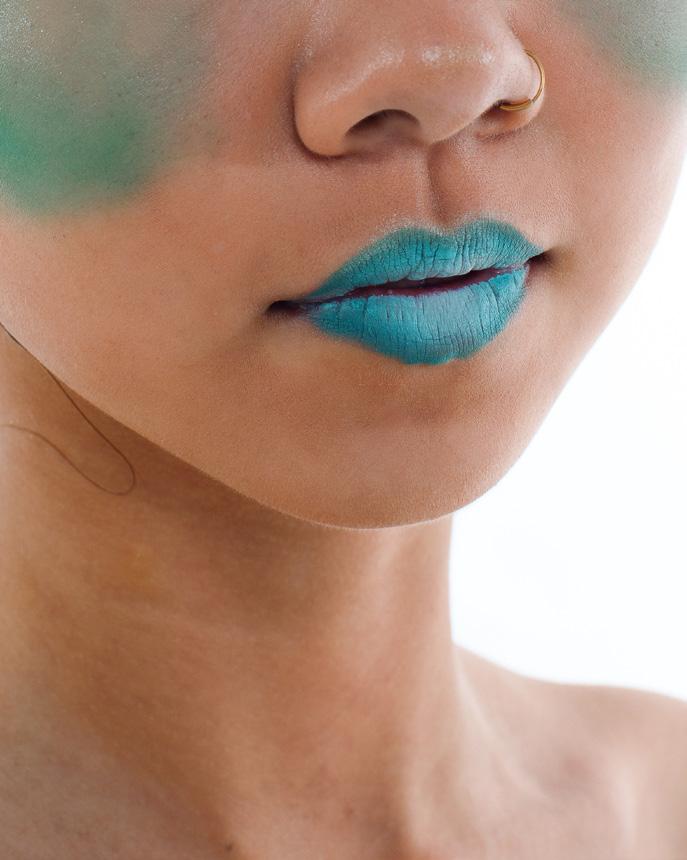
STRIKE MAGAZINE TALLAHASSEE FROSTBITE
ISSUE 15 47
STRIKE MAGAZINE TALLAHASSEE

ISSUE 15 49
STRIKE MAGAZINE TALLAHASSEE FROSTBITE
ISSUE 15 51
STRIKE MAGAZINE TALLAHASSEE FROSTBITE
ISSUE 15 53

THAWING OUT STRIKE MAGAZINE TALLAHASSEE
ThawingOut
The fashion industry thrives on a thirst to express individual identity through an artistic lens, so when the COVID-19 pandemic shook our world, bearing unprecedented costs, fashion brands were dealt an unexpected hand that permanently altered the relationship between consumer and creator. With the economy on a downward spiral, people prioritized necessities to keep themselves afloat. This not only meant an immediate decline in frivolous purchases but also a lack of financial security in a climate where the opportunities of showing off non-essential apparel were slim to none. The global crisis forced a universal mindset shift.
While trapped at home, the adoption of e-commerce created more opportunities for influence. The new awareness of the pandemic’s impediment led people to hold sustainable and purpose-driven launches at a higher value than ever before. In response to these higher standards, business models began to adjust branding methods by growing their platforms on social media. Fashion lovers broke out of the comatose state that they had suffered from, turning toward this new breadth of content produced by their favorite brands. Businesses continued to create a stronger bond with consumers during and after the pandemic, strategizing marketing actions that would give retailers a greater awareness of the wants and needs of the public.
Since the pandemic, designers have revamped their labels
to be more innovative and diverse. This began when physical stores were shut down and fashion houses shifted to digital platforms. Designers enhanced their digital presence by hosting virtual fashion shows and reaching a wider audience via e-commerce. In September 2020, fierce feminine luxury label Khaite debuted the first augmented reality-infused show to exhibit their new season items. Editors and buyers were sent an exclusive book that contained a QR code, revealing the collection as 3D renderings on their phones which displayed a physical appearance right in front of them. Virtual fashion presentations became so successful that it continues today. On April 20th, 2023, Vogue covered the first artificial intelligence fashion week, housed by Soho’s Spring Studios in New York City. The event aimed to blend physical and digital realms, emphasizing human input in the creative process alongside AI assistance. Ukrainian designer Irina Perivy utilized a neural network request, where she wrote words that served as inspiration from her home country. She infused her pieces with Ukrainian traditions and imagery to create clothes that “viewers could be transported for a second to my country.” The fashion industry has embraced technological advances, allowing designers to evolve and showcase a broader range of artistic perspectives. Although COVID-19 initially froze the fashion industry, it also acted as a catalyst, pushing fashion houses to thaw into their cultural renaissance.
WRITERS Nikki Cohen, Jacqueline Galvano EDITORS Blake N. Fiadino, Cristina Angee, Jayna O
ISSUE 15 55
Bury The Dead
WRITERS Blake N. Fiadino, Cristina Angee EDITOR Jayna
LAYOUT Kevin Farley
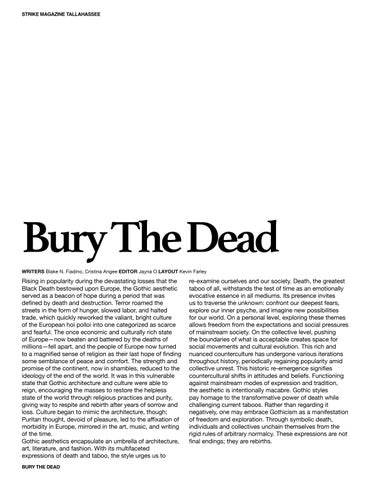
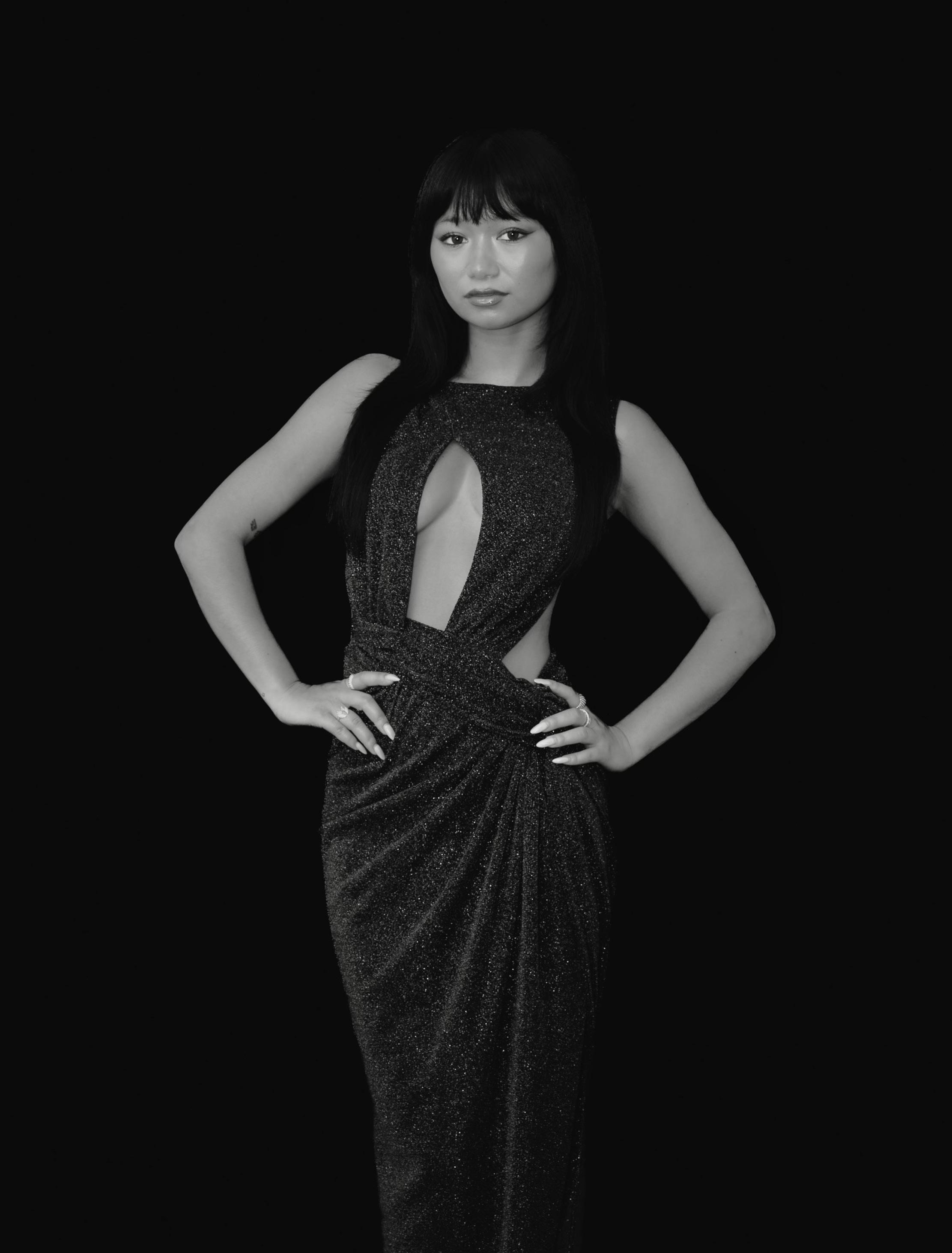
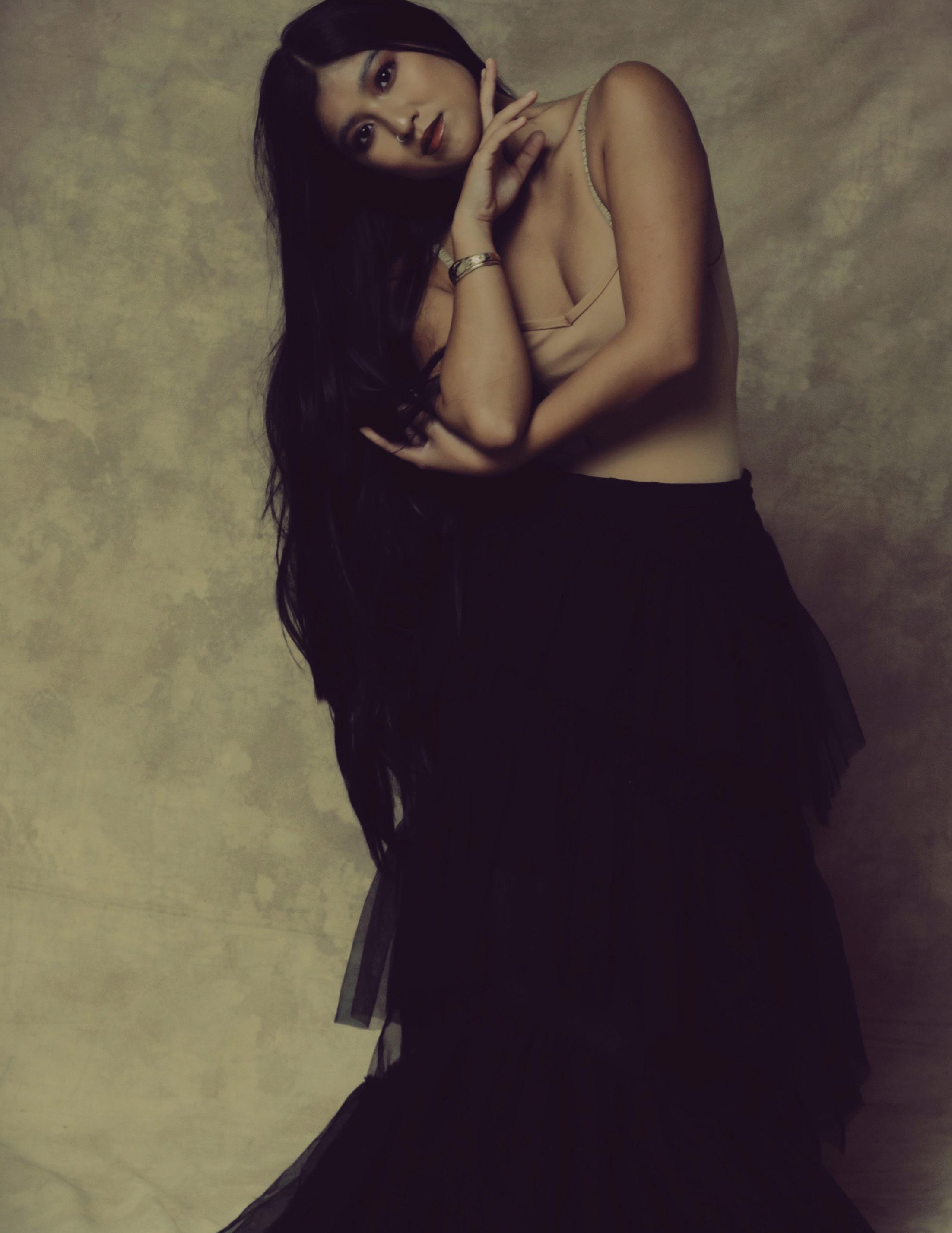
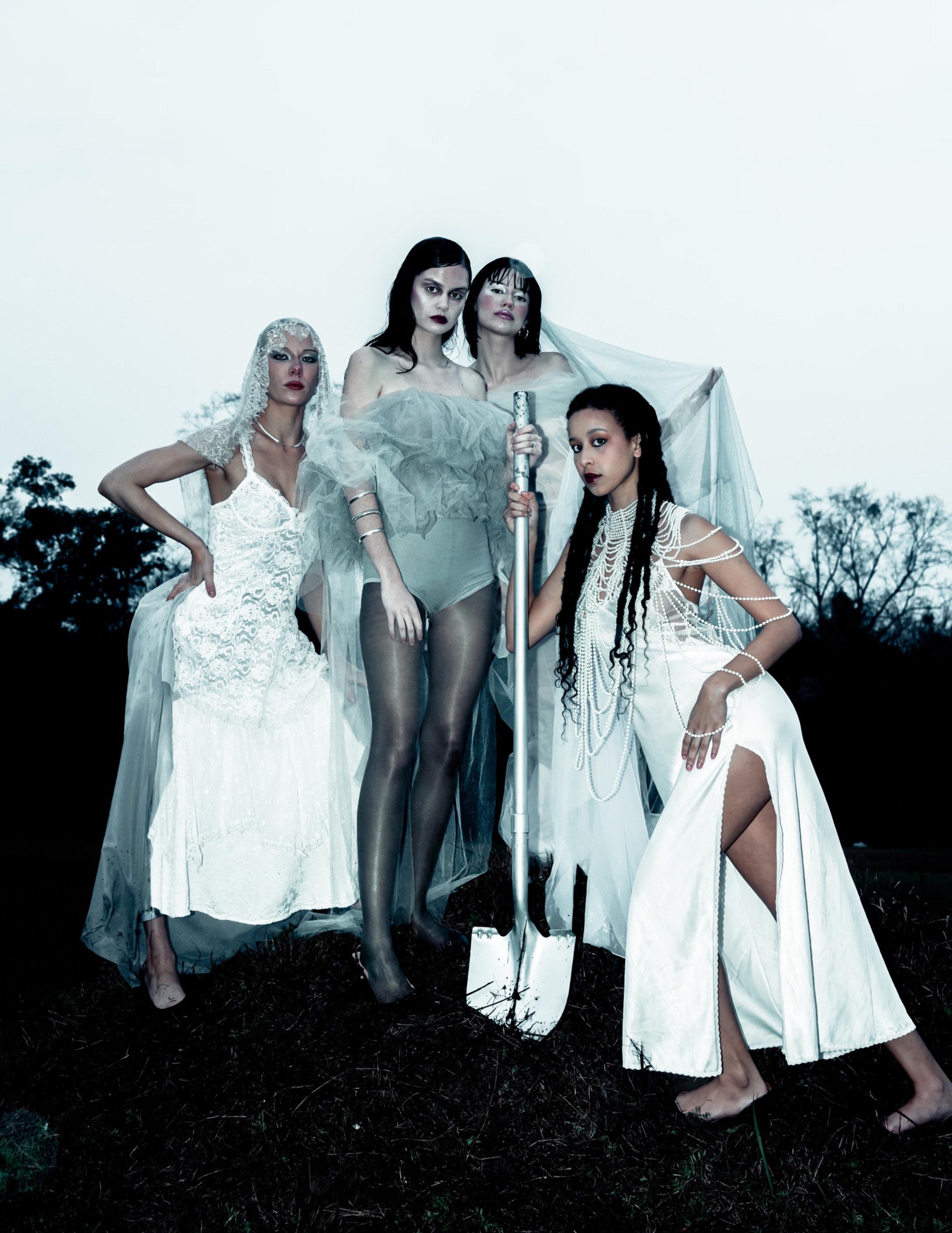
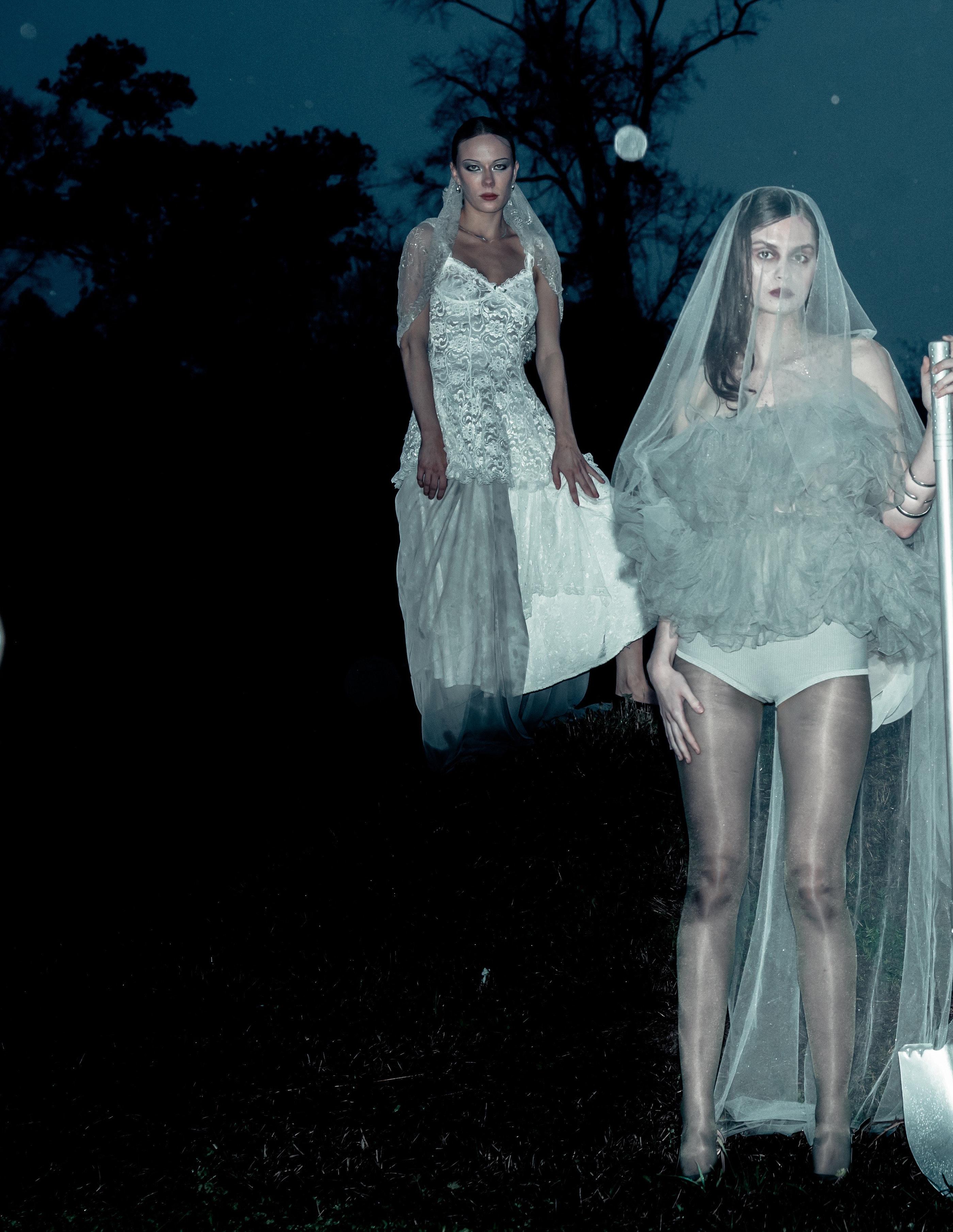
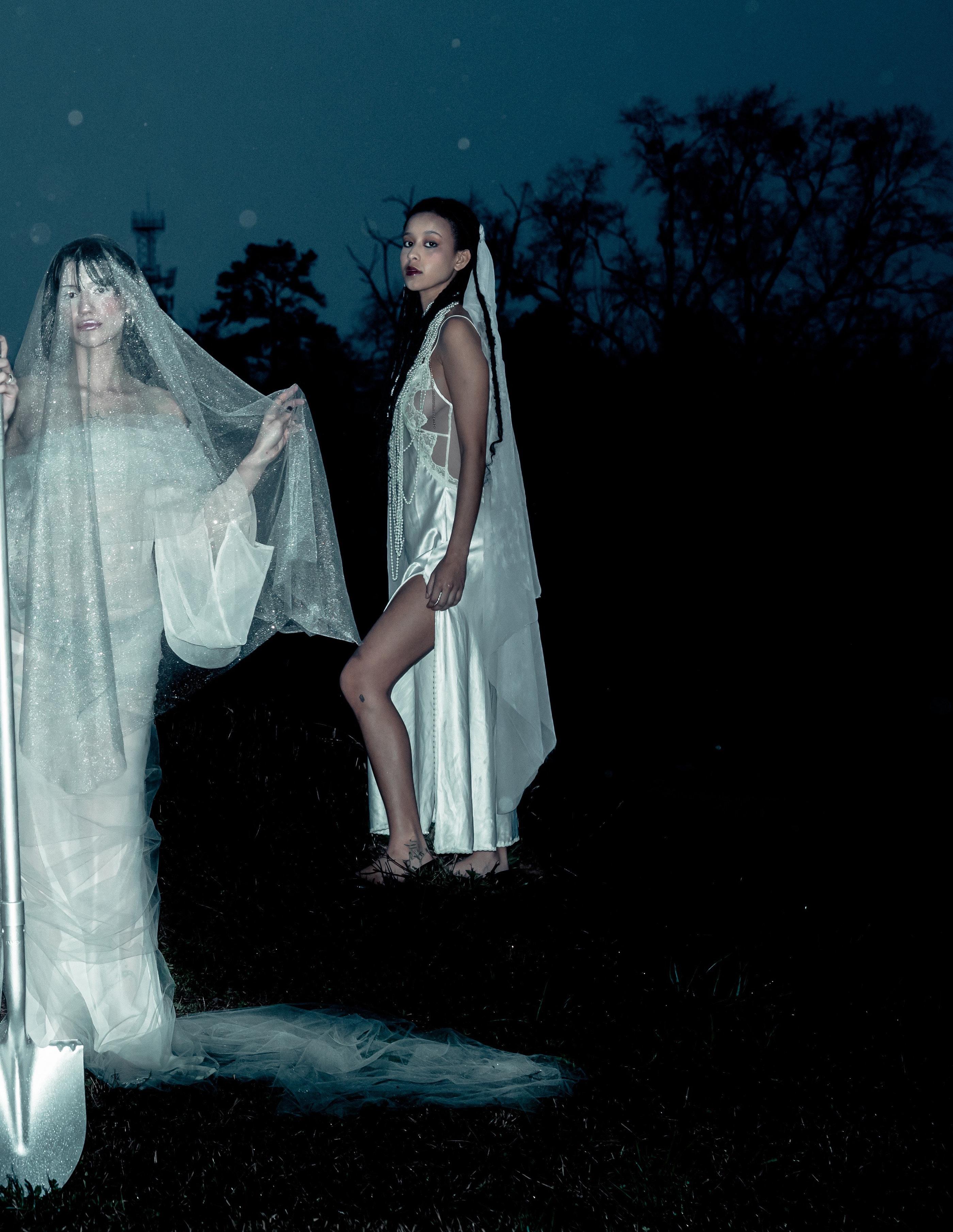
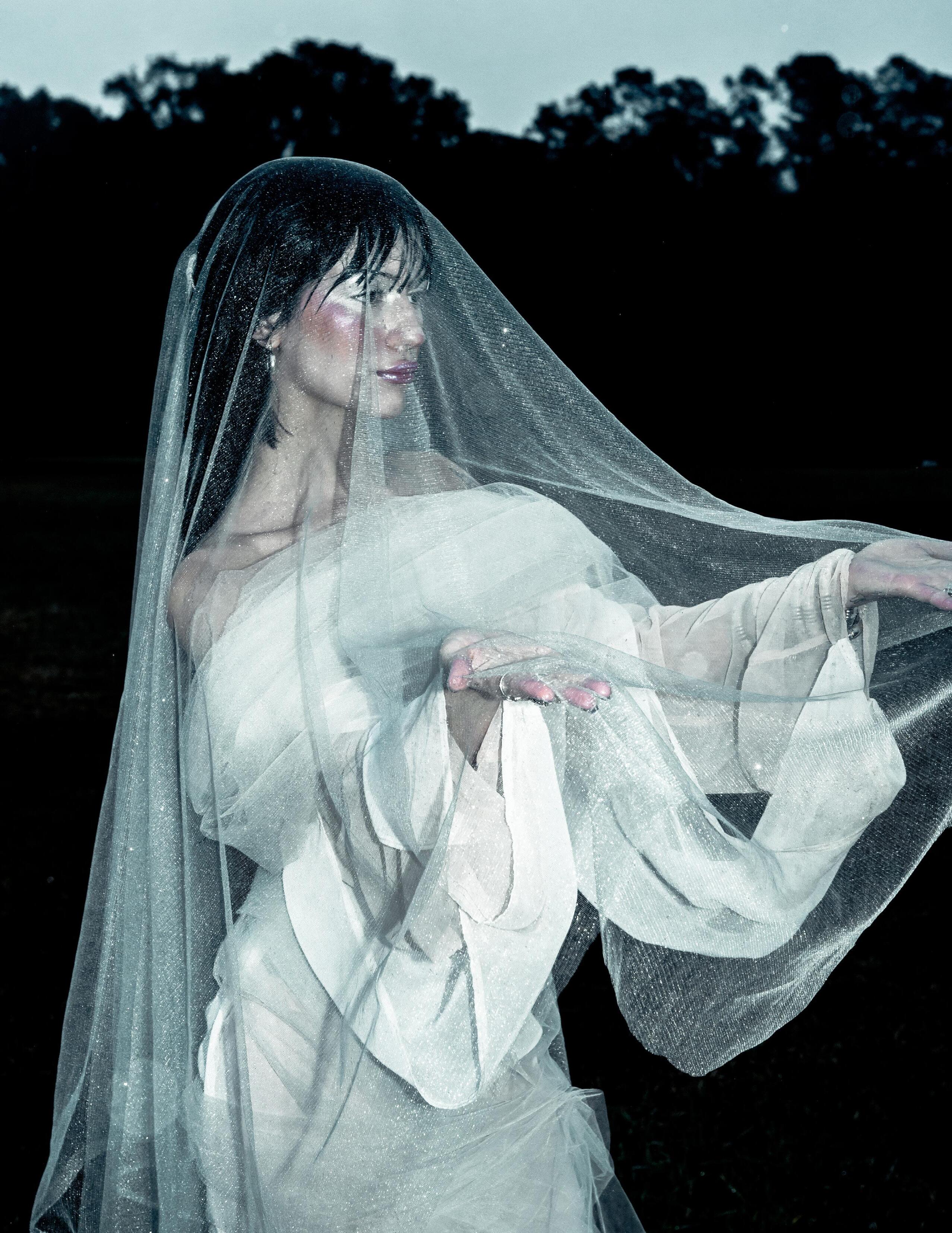
Rising in popularity during the devastating losses that the Black Death bestowed upon Europe, the Gothic aesthetic served as a beacon of hope during a period that was defined by death and destruction. Terror roamed the streets in the form of hunger, slowed labor, and halted trade, which quickly reworked the valiant, bright culture of the European hoi polloi into one categorized as scarce and fearful. The once economic and culturally rich state of Europe—now beaten and battered by the deaths of millions—fell apart, and the people of Europe now turned to a magnified sense of religion as their last hope of finding some semblance of peace and comfort. The strength and promise of the continent, now in shambles, reduced to the ideology of the end of the world. It was in this vulnerable state that Gothic architecture and culture were able to reign, encouraging the masses to restore the helpless state of the world through religious practices and purity, giving way to respite and rebirth after years of sorrow and loss. Culture began to mimic the architecture, though; Puritan thought, devoid of pleasure, led to the affixation of morbidity in Europe, mirrored in the art, music, and writing of the time.
Gothic aesthetics encapsulate an umbrella of architecture, art, literature, and fashion. With its multifaceted expressions of death and taboo, the style urges us to
re-examine ourselves and our society. Death, the greatest taboo of all, withstands the test of time as an emotionally evocative essence in all mediums. Its presence invites us to traverse the unknown: confront our deepest fears, explore our inner psyche, and imagine new possibilities for our world. On a personal level, exploring these themes allows freedom from the expectations and social pressures of mainstream society. On the collective level, pushing the boundaries of what is acceptable creates space for social movements and cultural evolution. This rich and nuanced counterculture has undergone various iterations throughout history, periodically regaining popularity amid collective unrest. This historic re-emergence signifies countercultural shifts in attitudes and beliefs. Functioning against mainstream modes of expression and tradition, the aesthetic is intentionally macabre. Gothic styles pay homage to the transformative power of death while challenging current taboos. Rather than regarding it negatively, one may embrace Gothicism as a manifestation of freedom and exploration. Through symbolic death, individuals and collectives unchain themselves from the rigid rules of arbitrary normalcy. These expressions are not final endings; they are rebirths.
BURY THE DEAD STRIKE MAGAZINE TALLAHASSEE
O
ISSUE 15 57
BURY THE DEAD STRIKE MAGAZINE TALLAHASSEE
ISSUE 15 59
BURY THE DEAD STRIKE MAGAZINE TALLAHASSEE

ISSUE 15 61
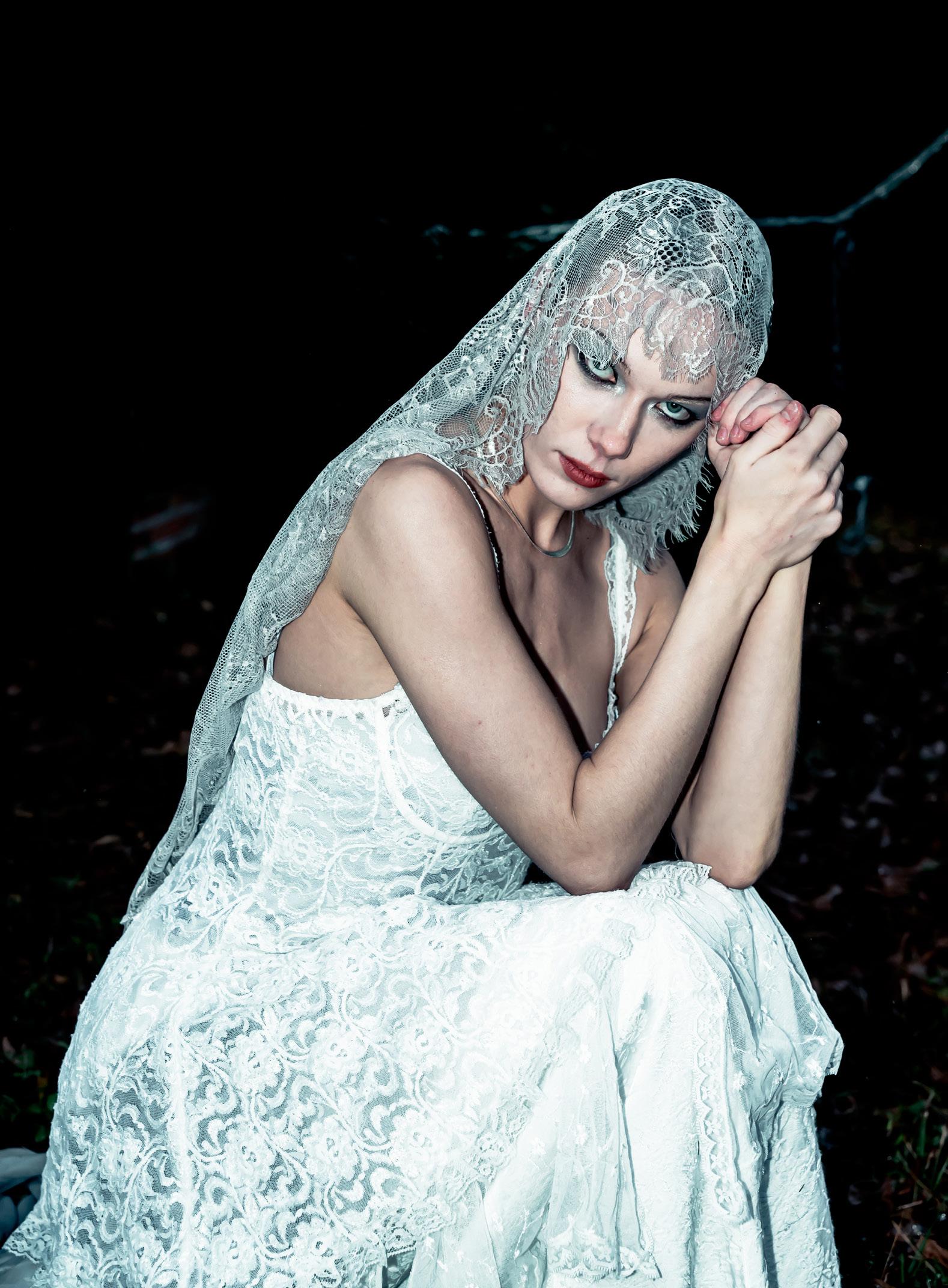
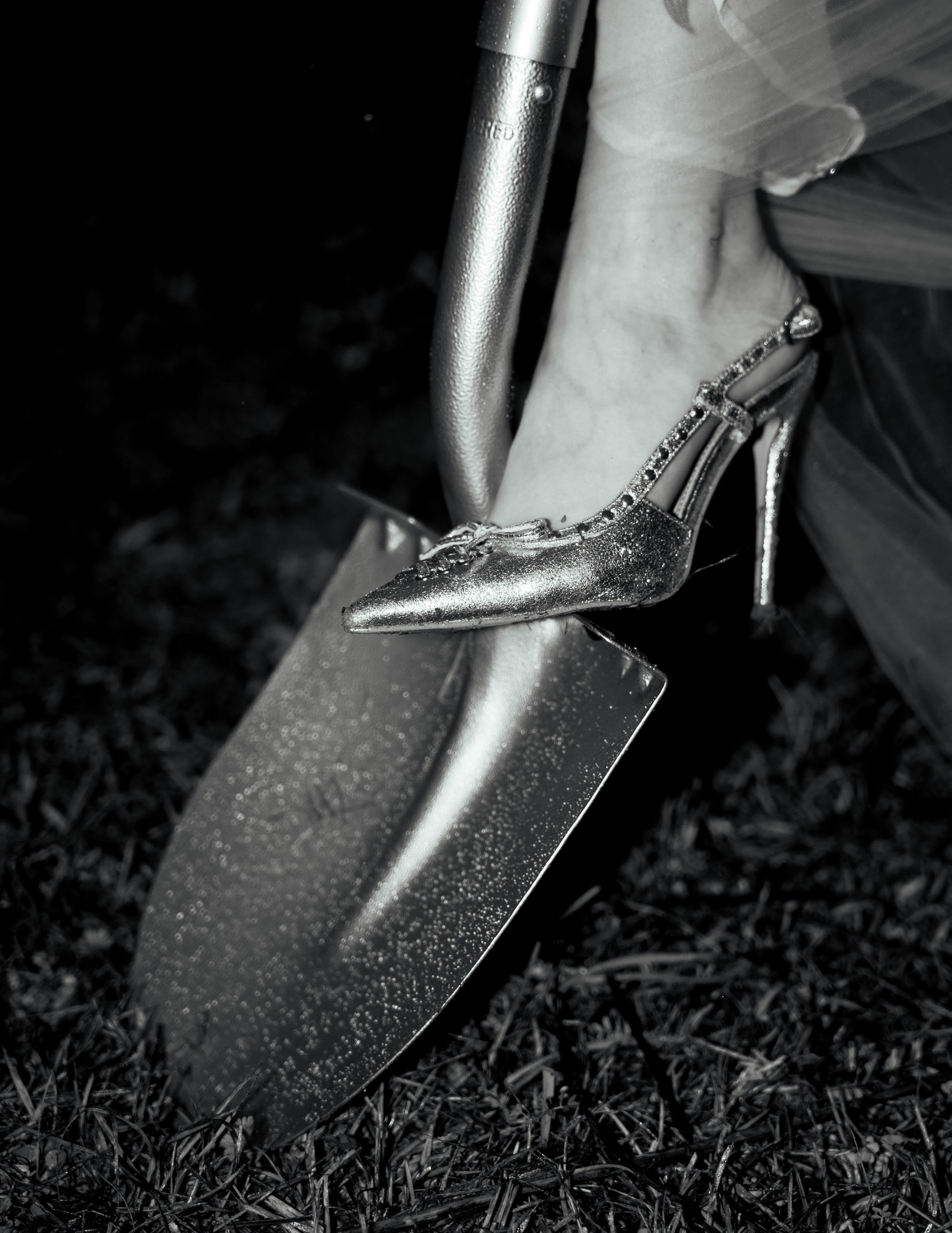
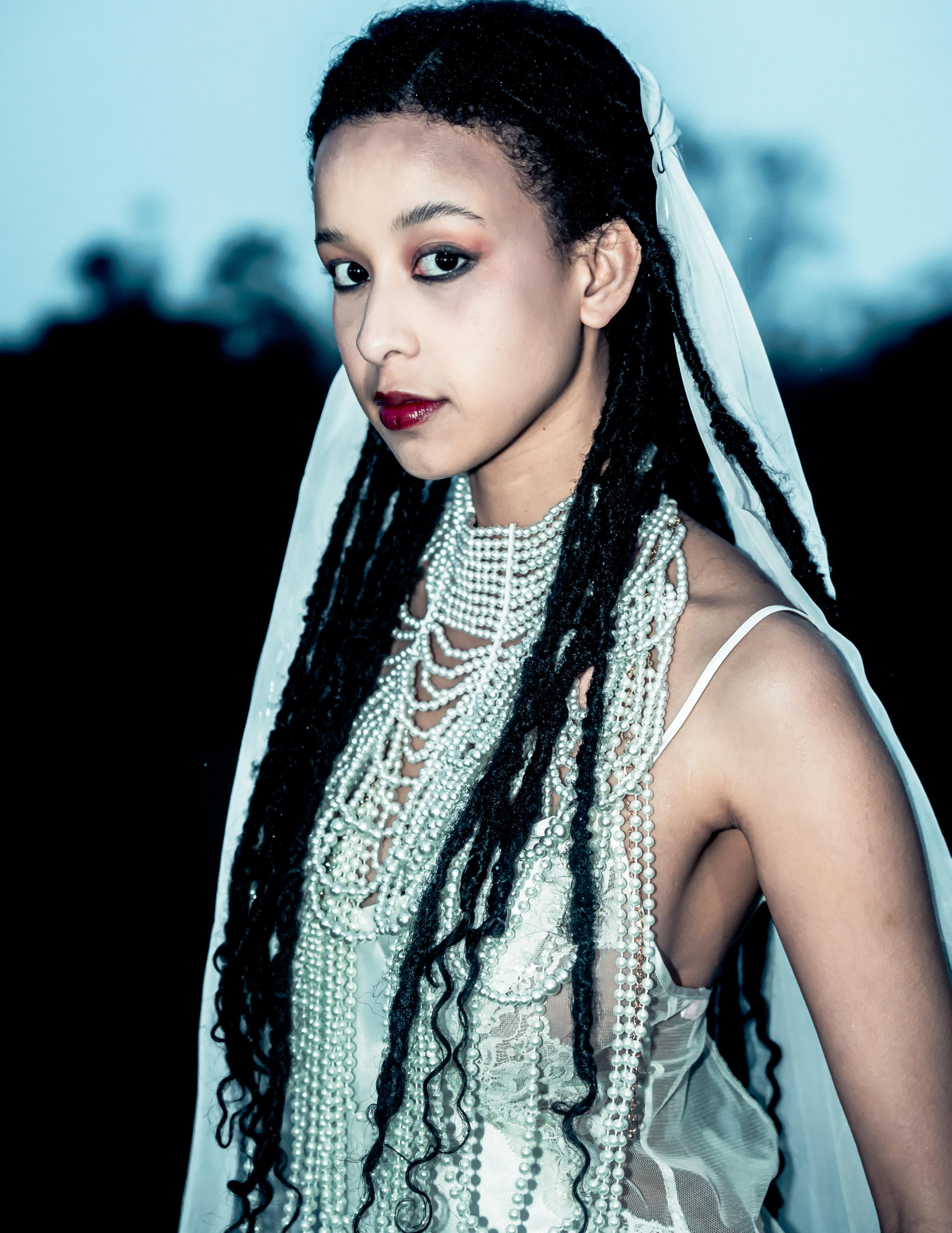
SHOOT ASSISTANT Ella Brignoni SHOOT STAFF Angelika Ziemecki, Dalton Lain, Julia Clifford, Lauren Vives STYLISTS Marriana Gutierrez, Dalton Lain, Isabel Choi, Lauren Vives BEAUTY Amanda Oliva, Emma Kornatowski, Onyinye Onyia MODELS Ava Anderson, Cayleigh Burleson, Claire LeCroy, Emma Stanfield PHOTOGRAPHER Kevin Farley
VIDEOGRAPHERS Blake Boyar, Joelle Stressler, Mary Tierney TIKTOK Victoria Cimino
BURY THE DEAD STRIKE MAGAZINE TALLAHASSEE
ISSUE 15 63
BURY THE DEAD STRIKE MAGAZINE TALLAHASSEE

ISSUE 15 65
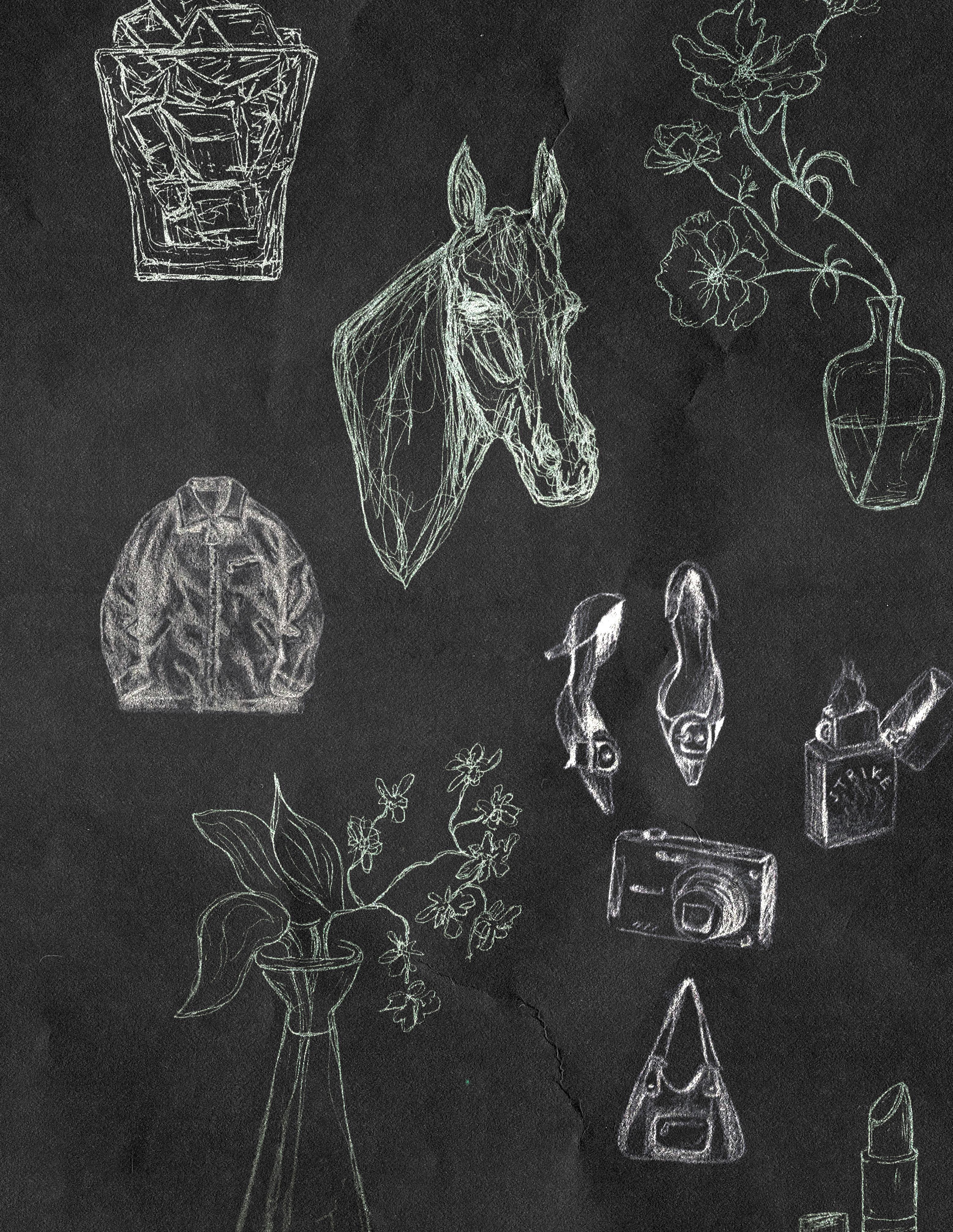
TIMELESS PIECES
ISSUE 15 67
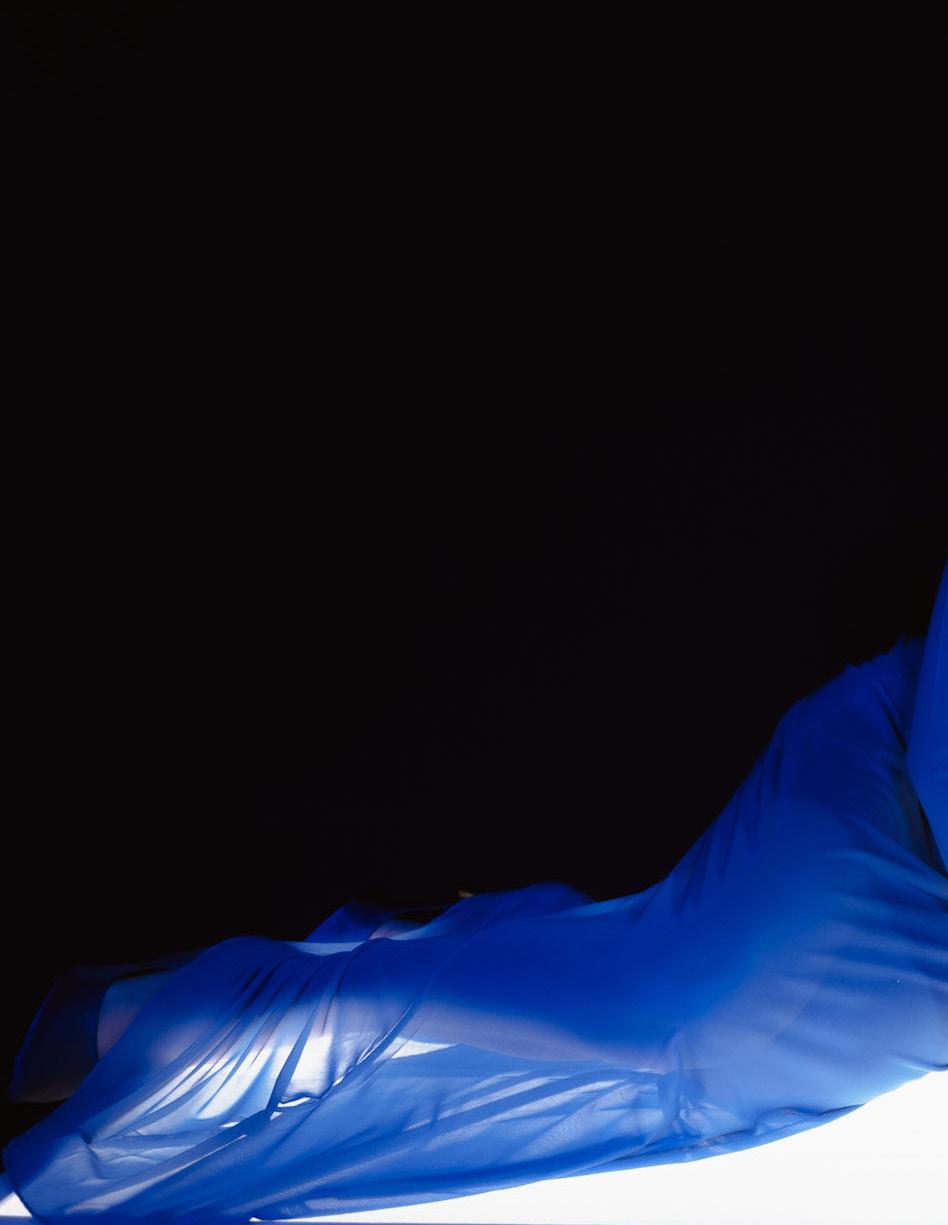
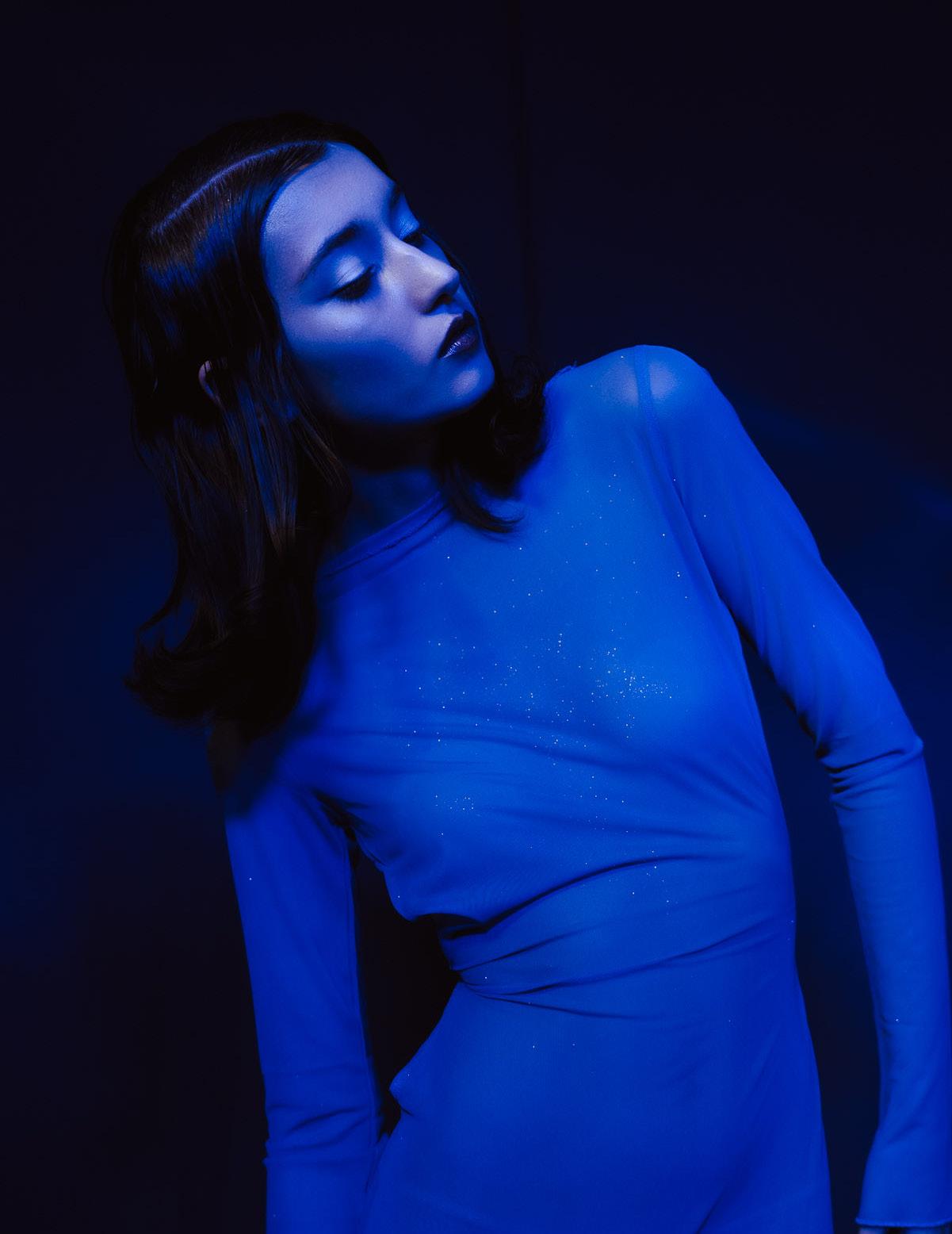
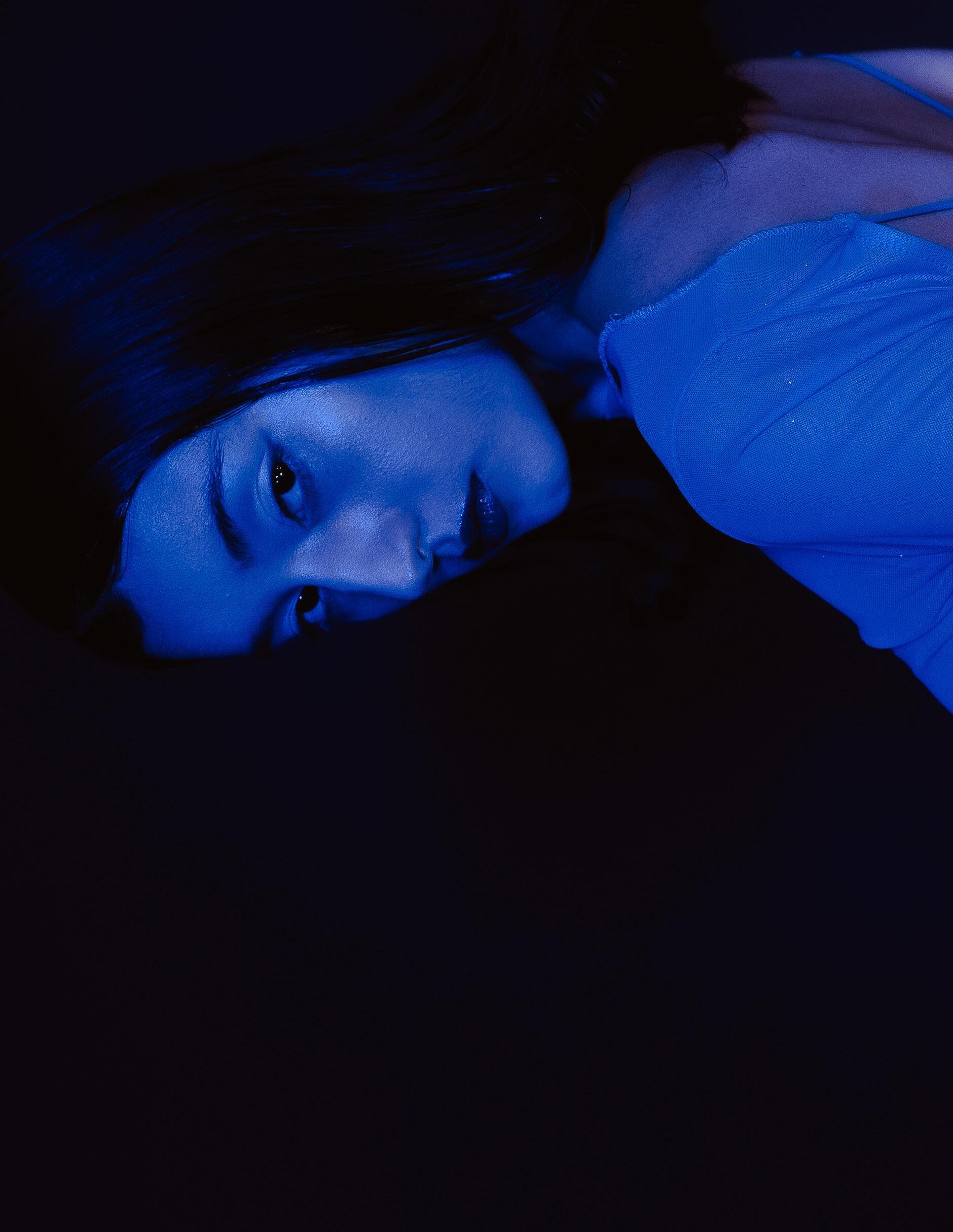
EXPOSURE
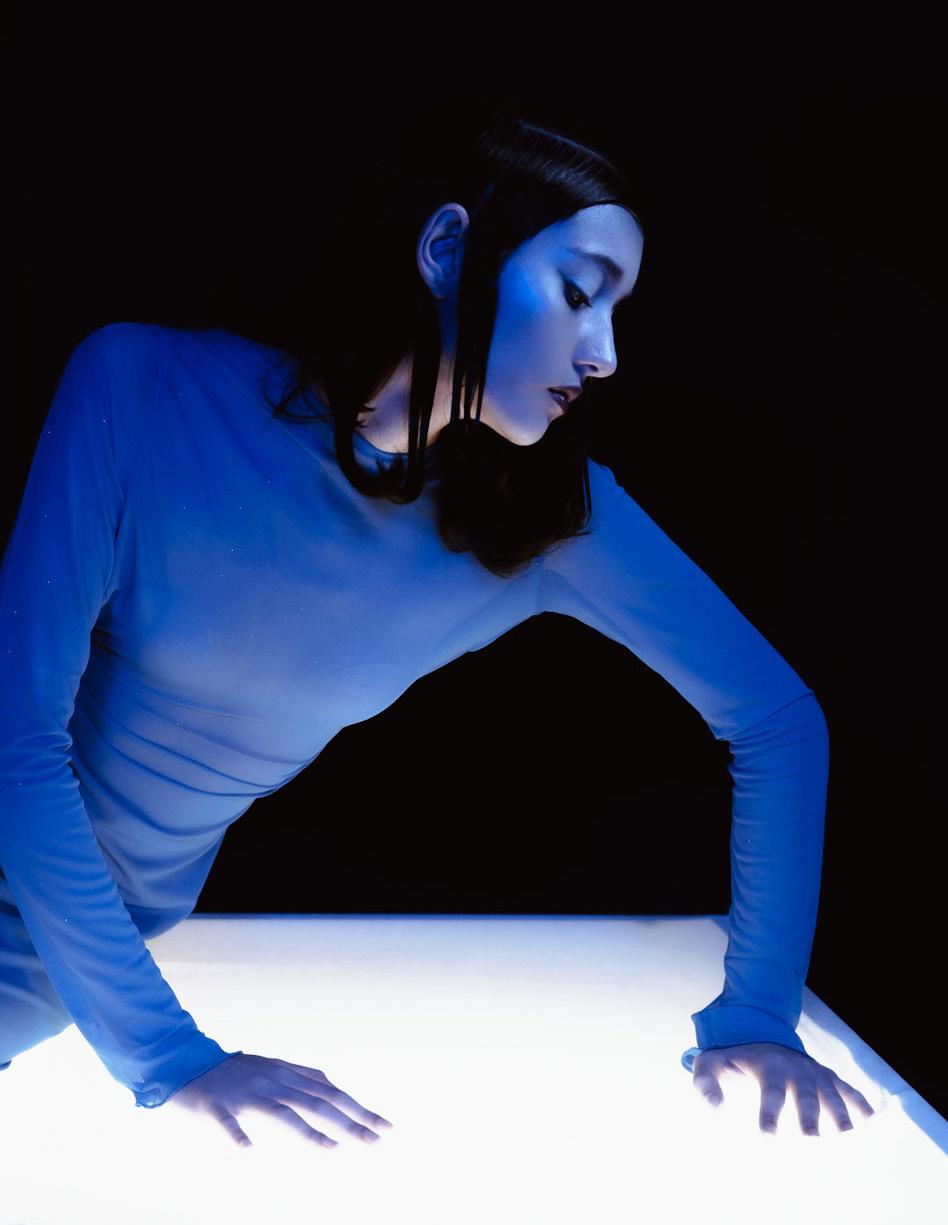
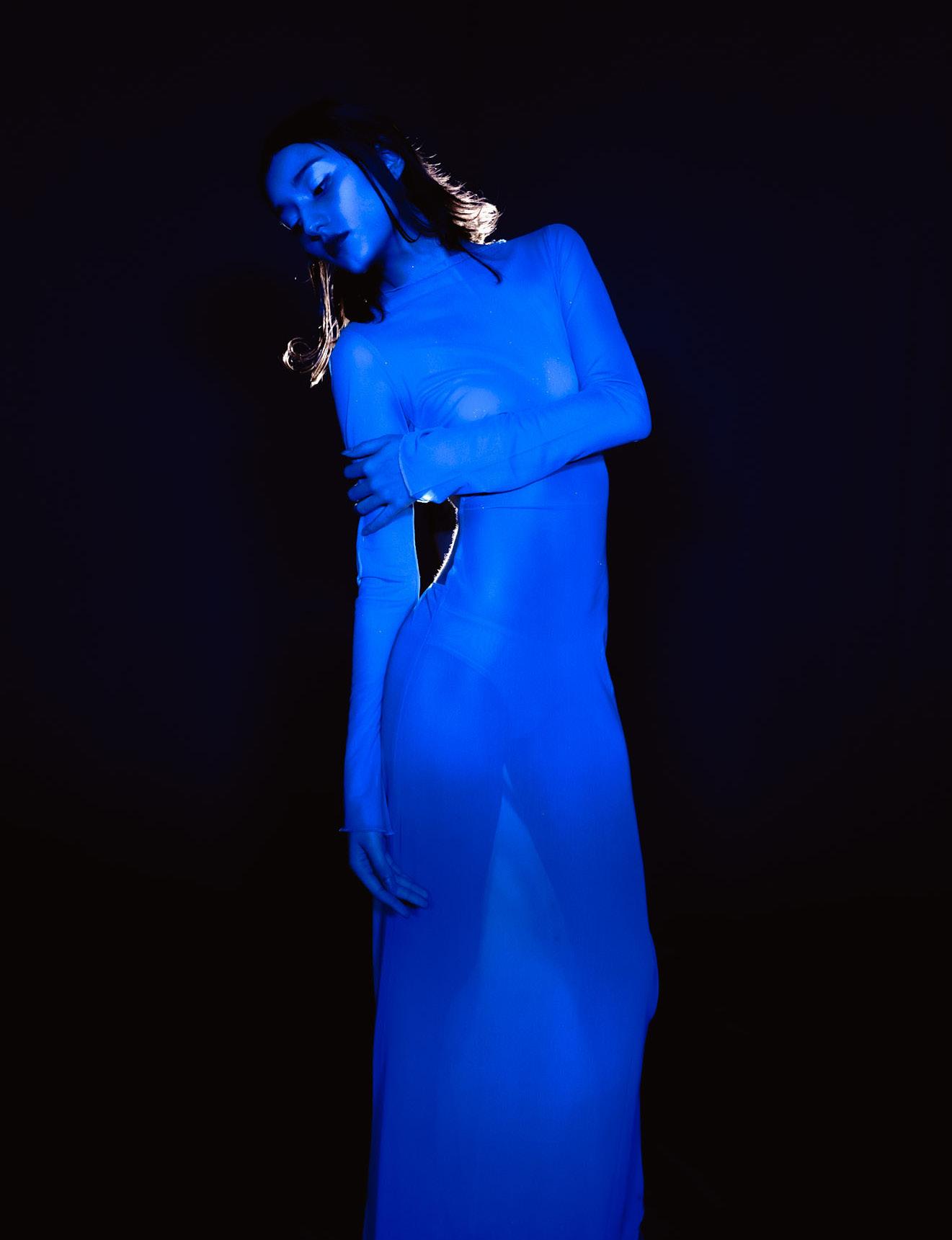
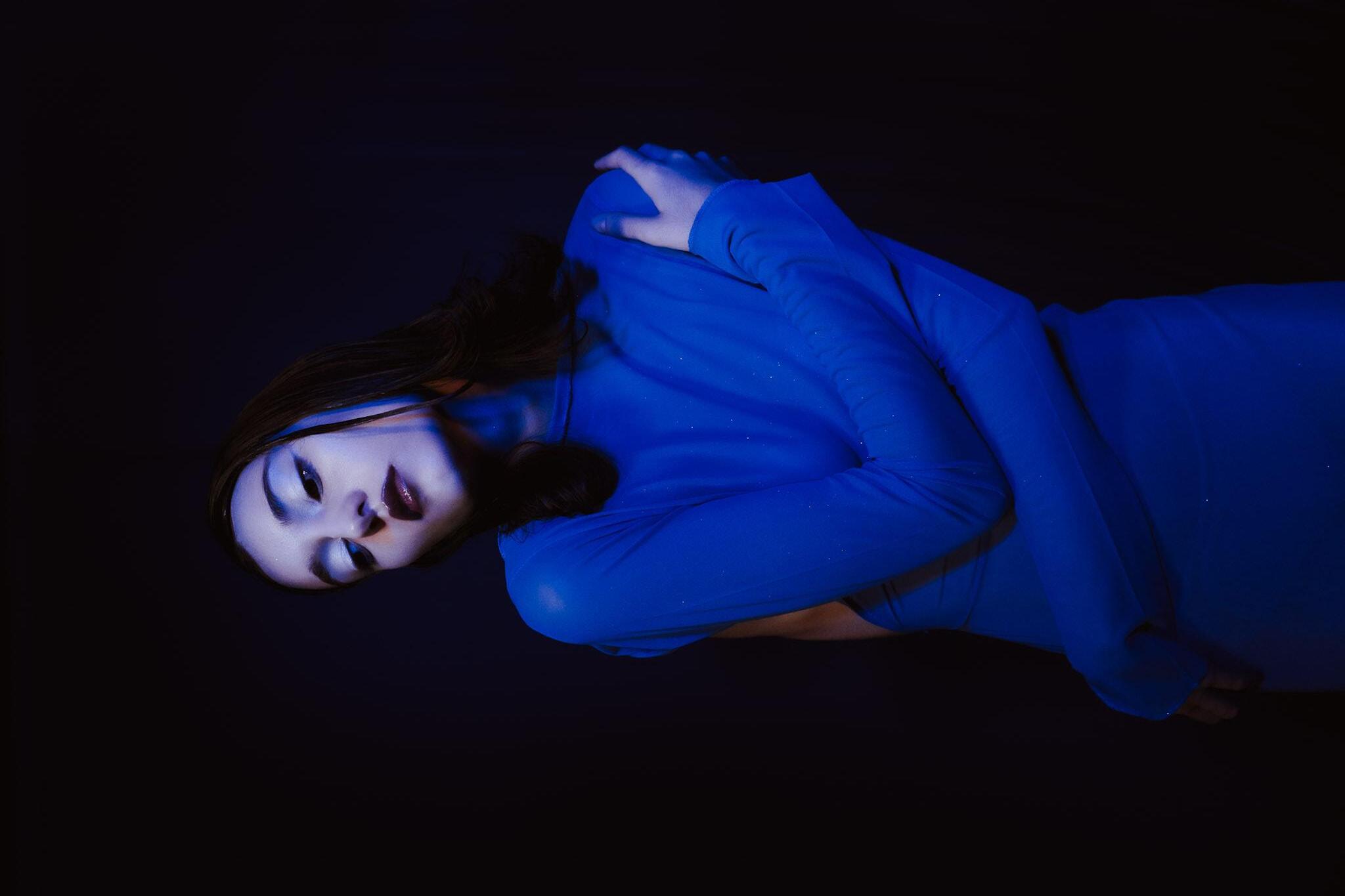
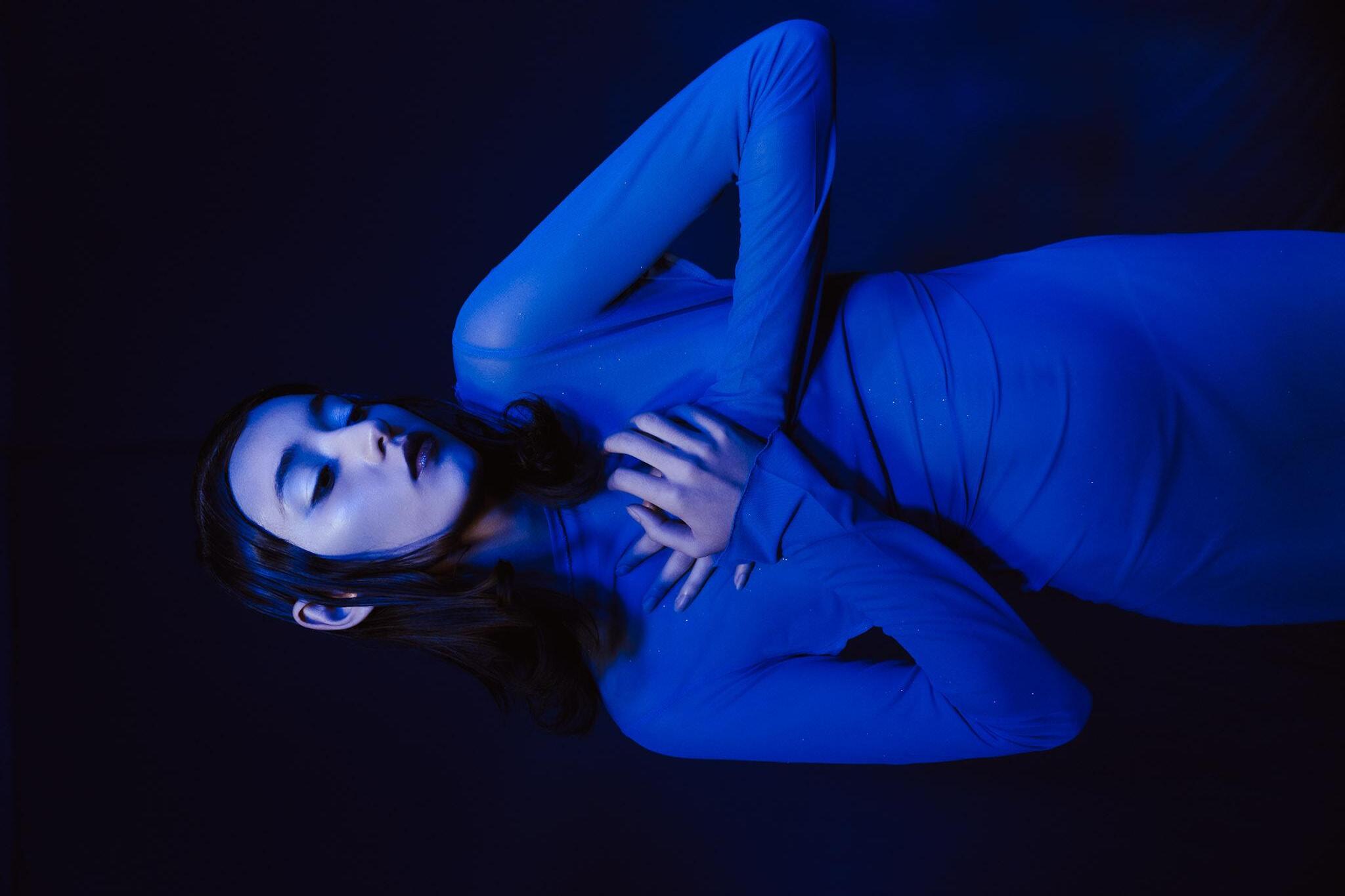
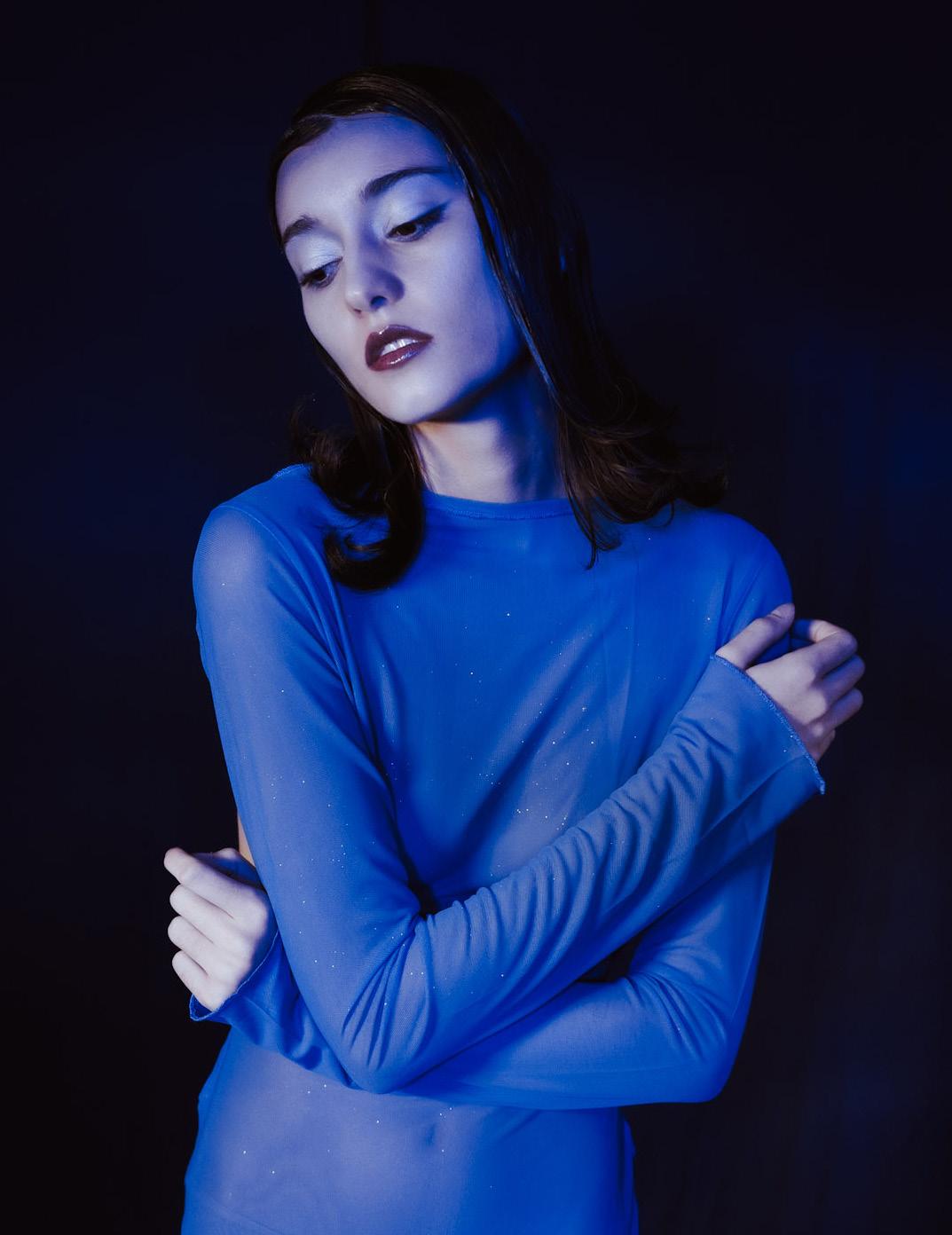
SHOOT ASSISTANT Ella Brignoni SHOOT STAFF Kassidy Saba, Nicole Jaroscak, Olyvia Weber, Shelby Grason, Sophia Beil STYLISTS Marriana Gutierrez, Lalo Ambris BEAUTY Erinlyn Tirado, Riley Hatfield
STRIKE MAGAZINE TALLAHASSEE EXPOSURE
ISSUE 15 69
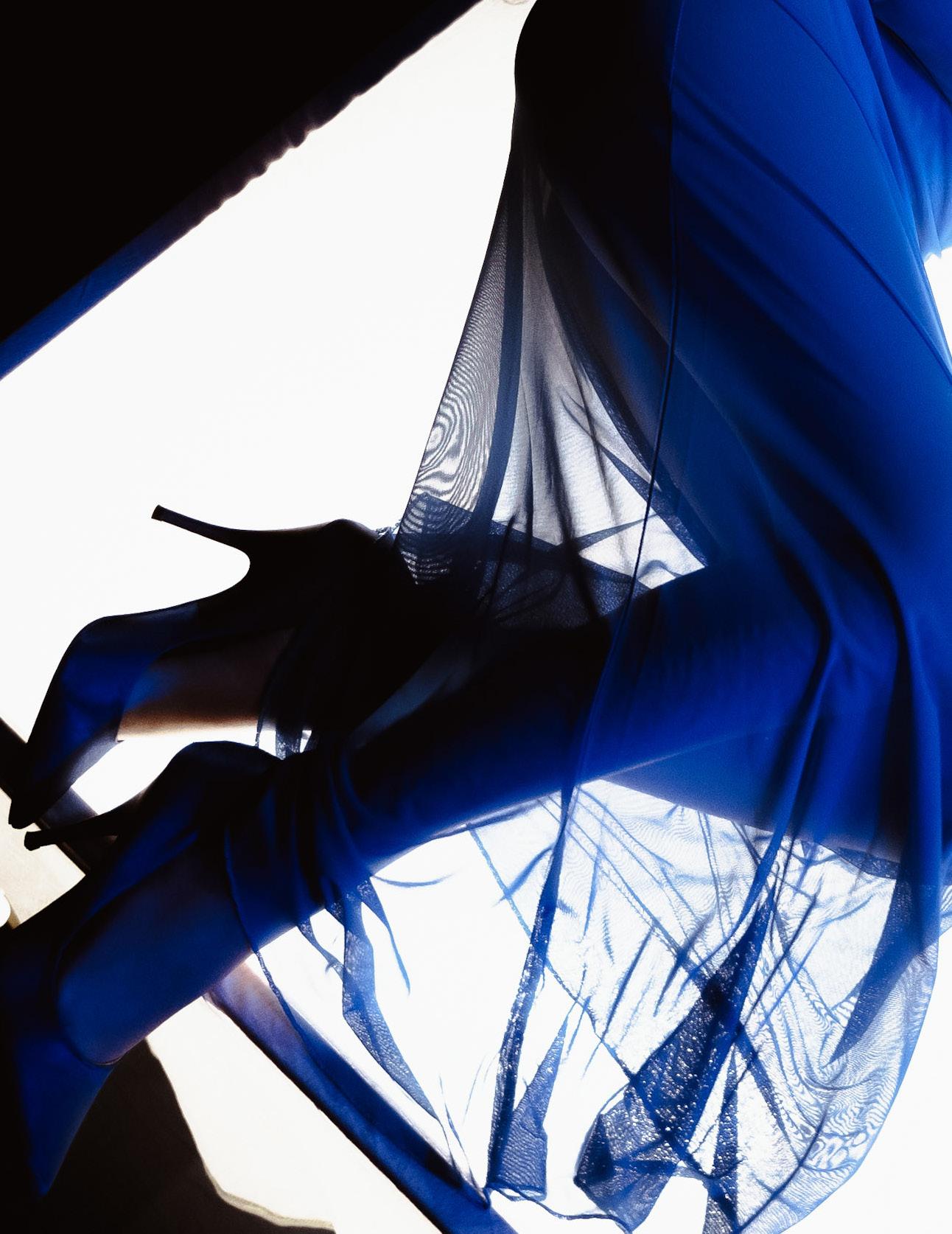
STRIKE MAGAZINE TALLAHASSEE EXPOSURE
ISSUE 15 71
STRIKE MAGAZINE TALLAHASSEE EXPOSURE


ISSUE 15 73
STRIKE MAGAZINE TALLAHASSEE EXPOSURE
ISSUE 15
75
MODEL Liana Ocampo PHOTOGRAPHER Layla Mathews VIDEOGRAPHER Cindy Lam, Ella Denny, Julia Niles LAYOUT Reian Beltran
CHILLING ROMANCE STRIKE MAGAZINE TALLAHASSEE

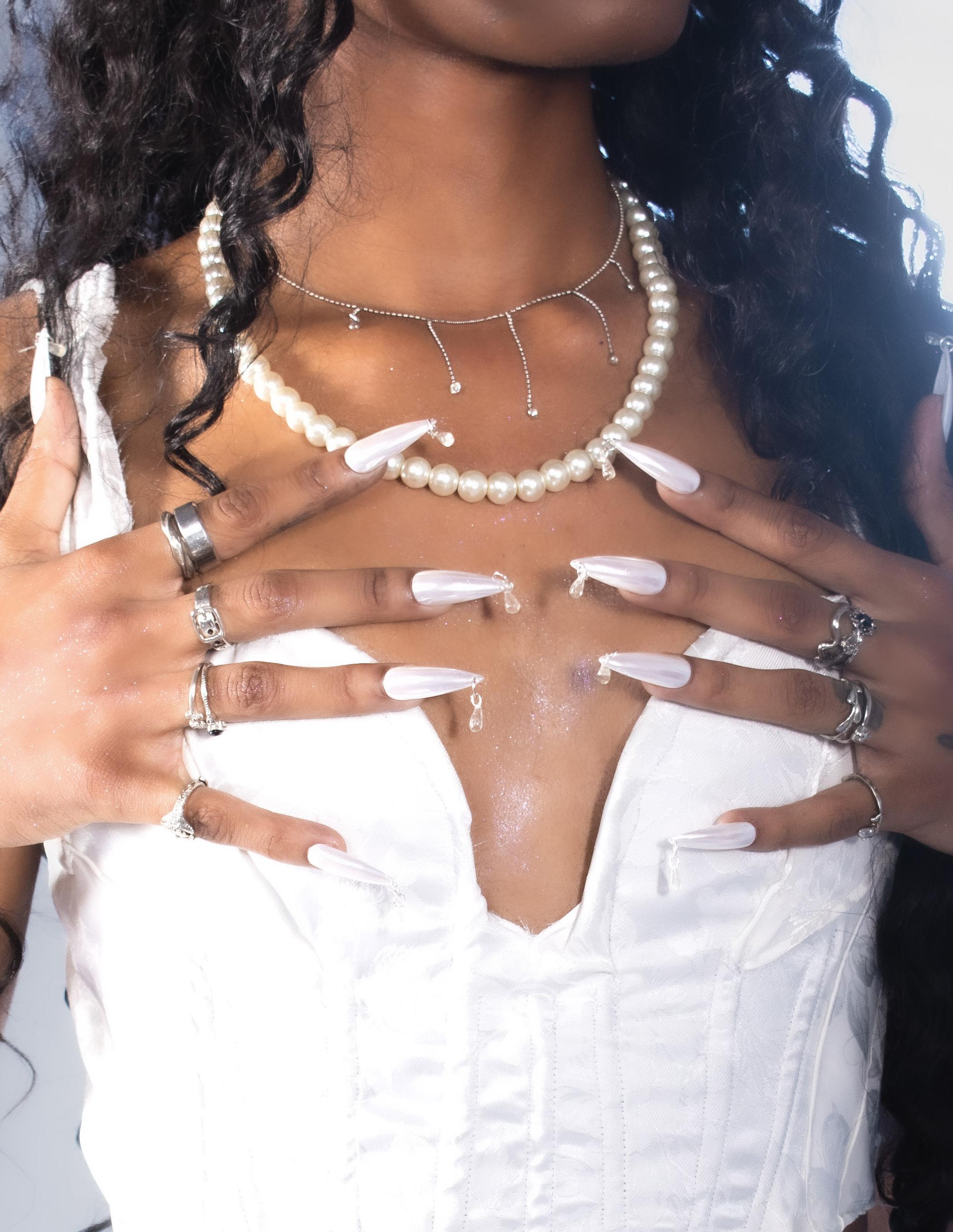
CHILLING ROMANCE
ISSUE 15 77
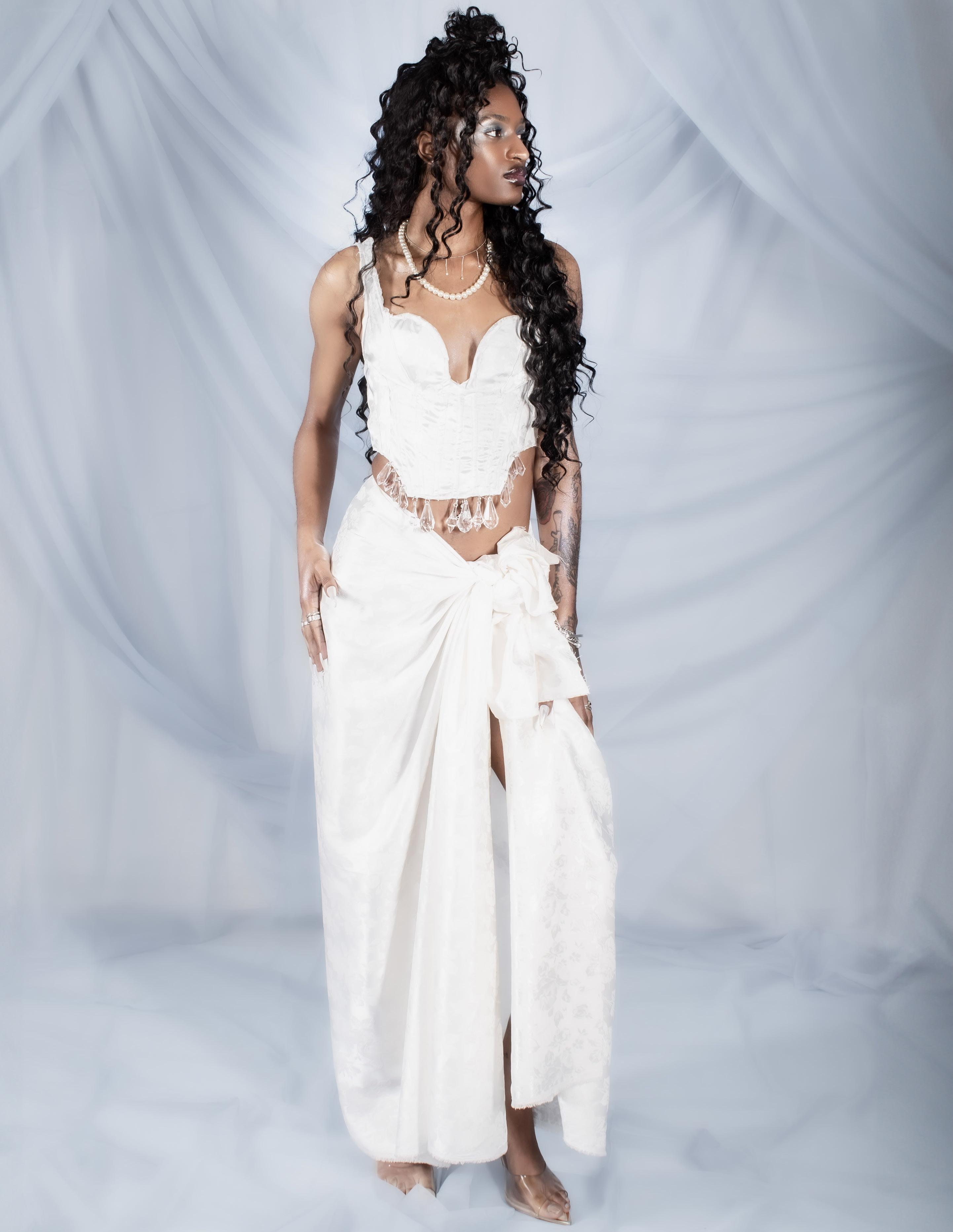
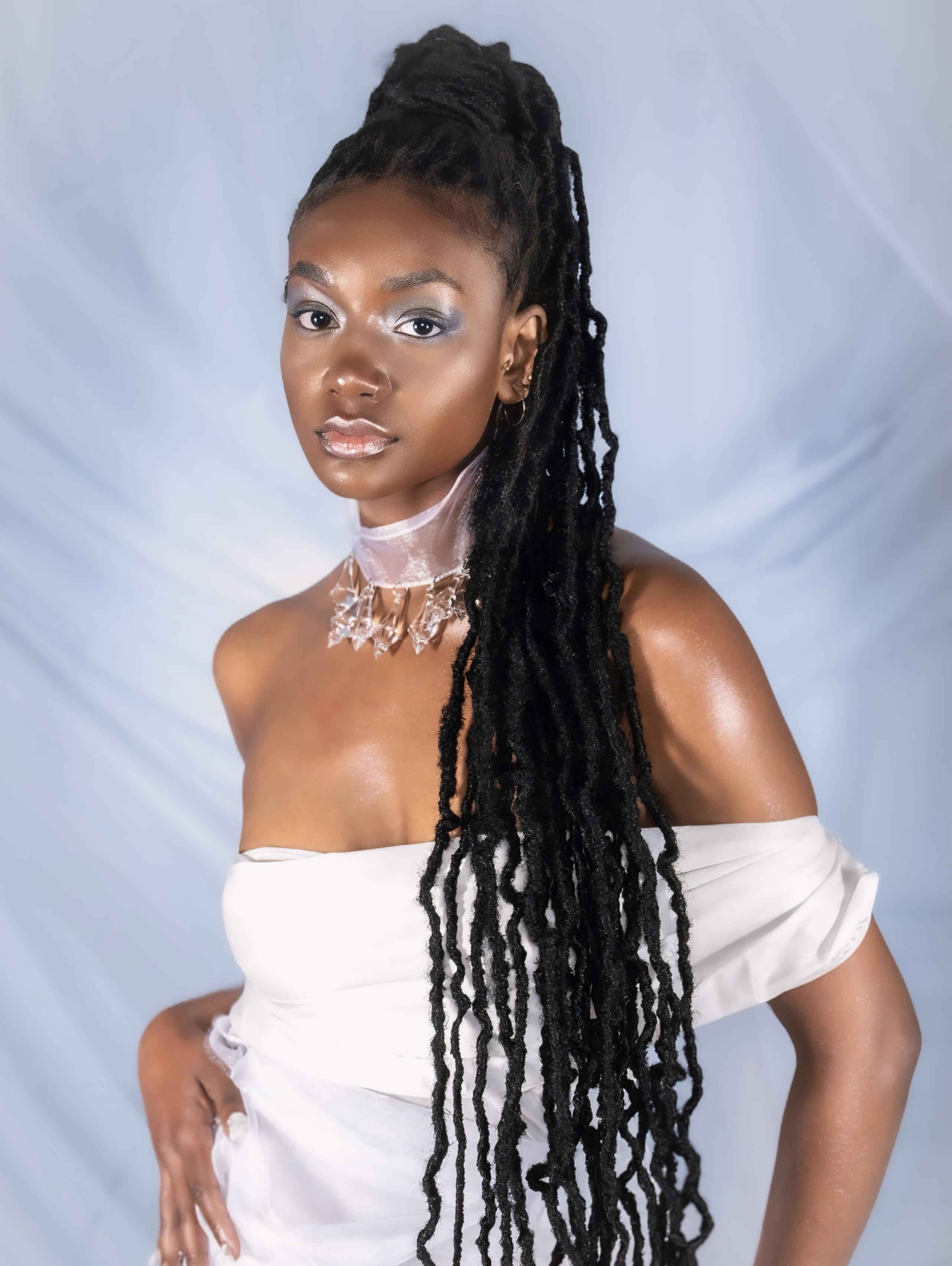
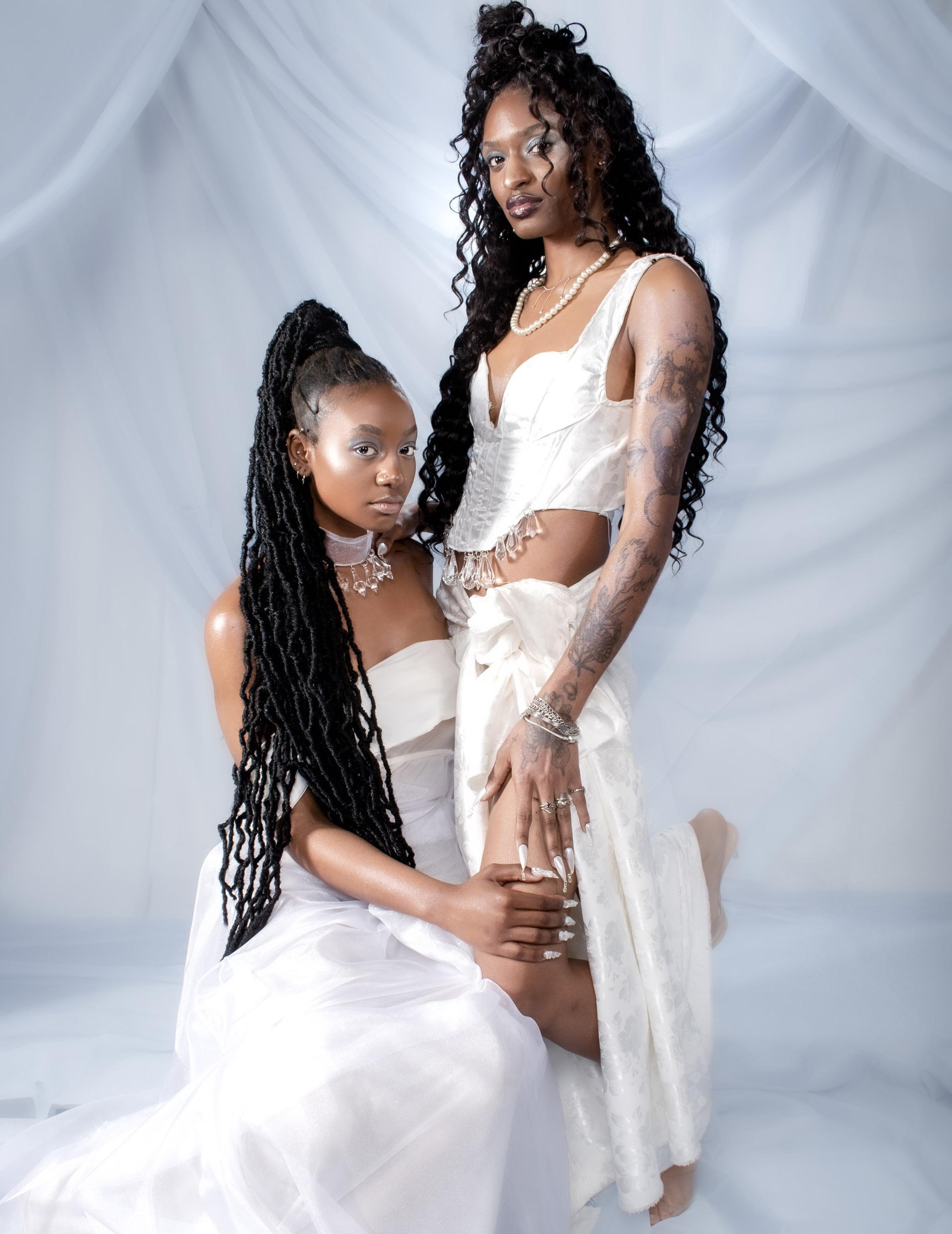
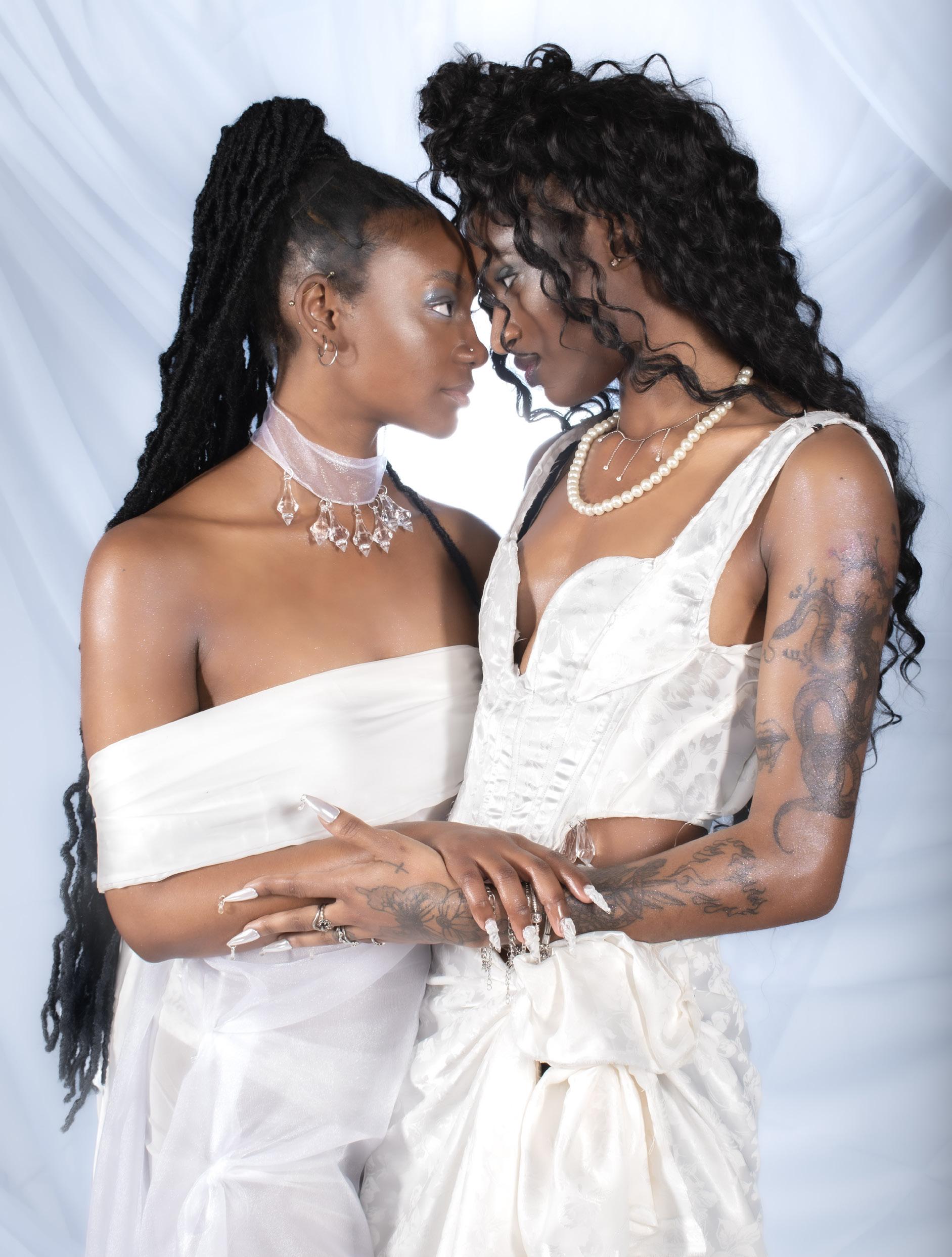
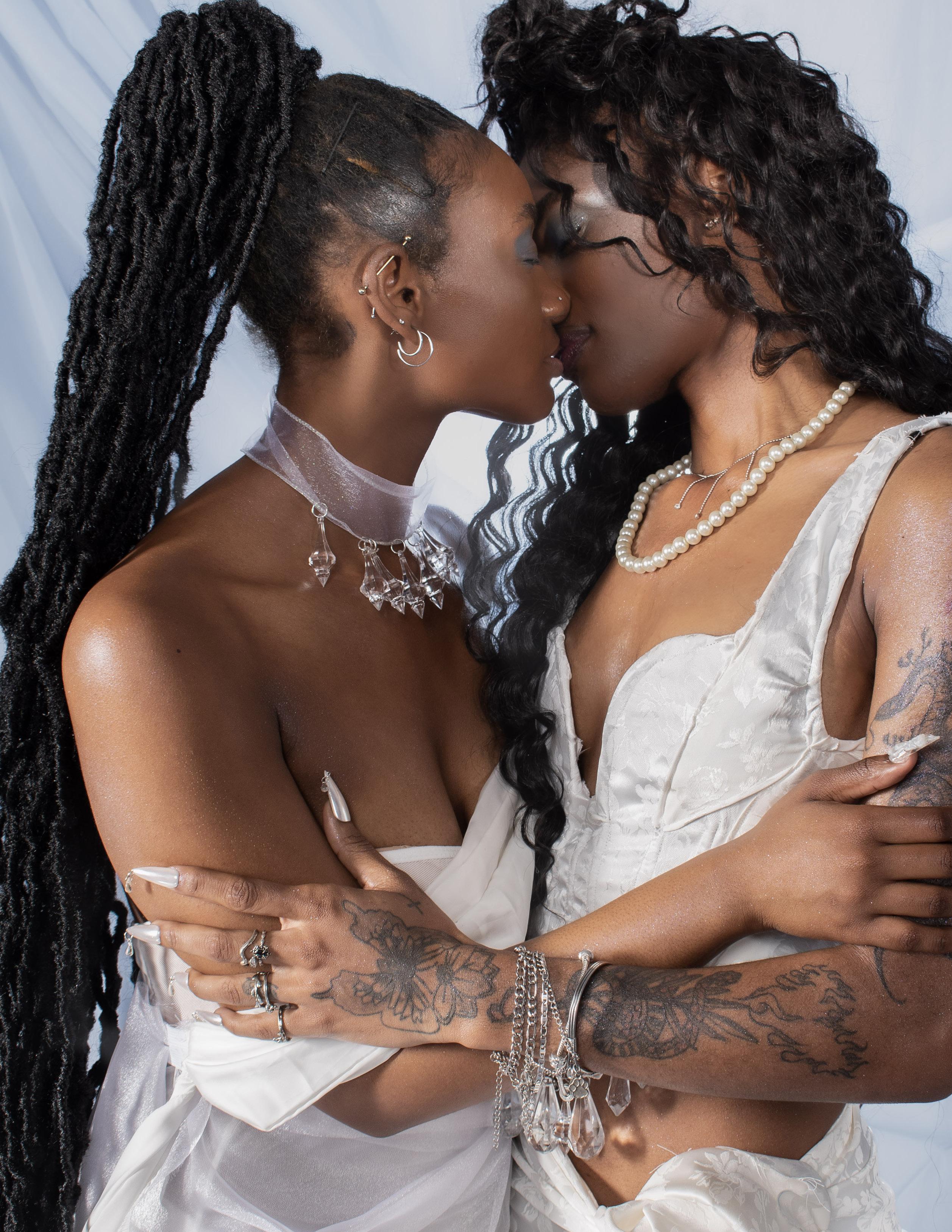
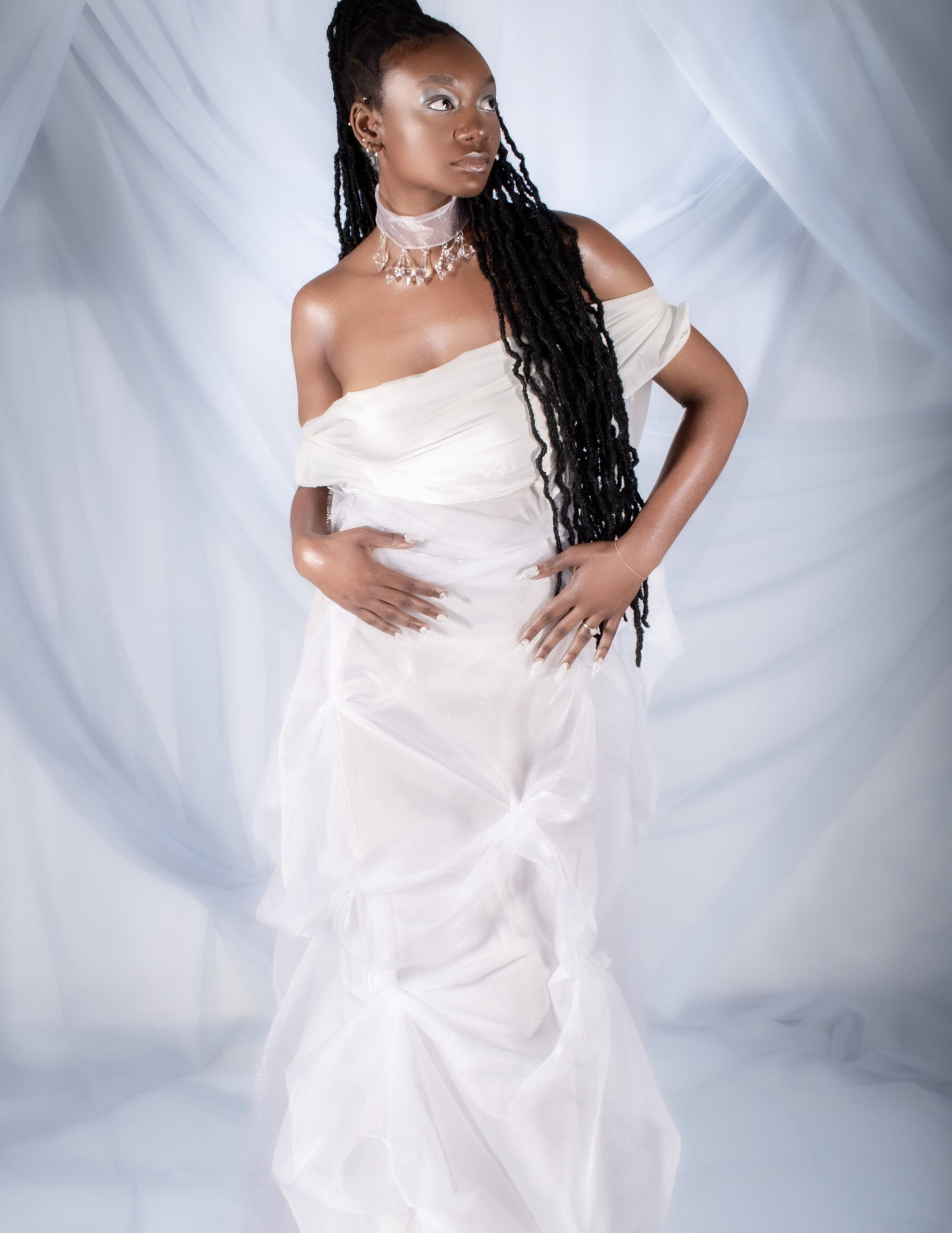
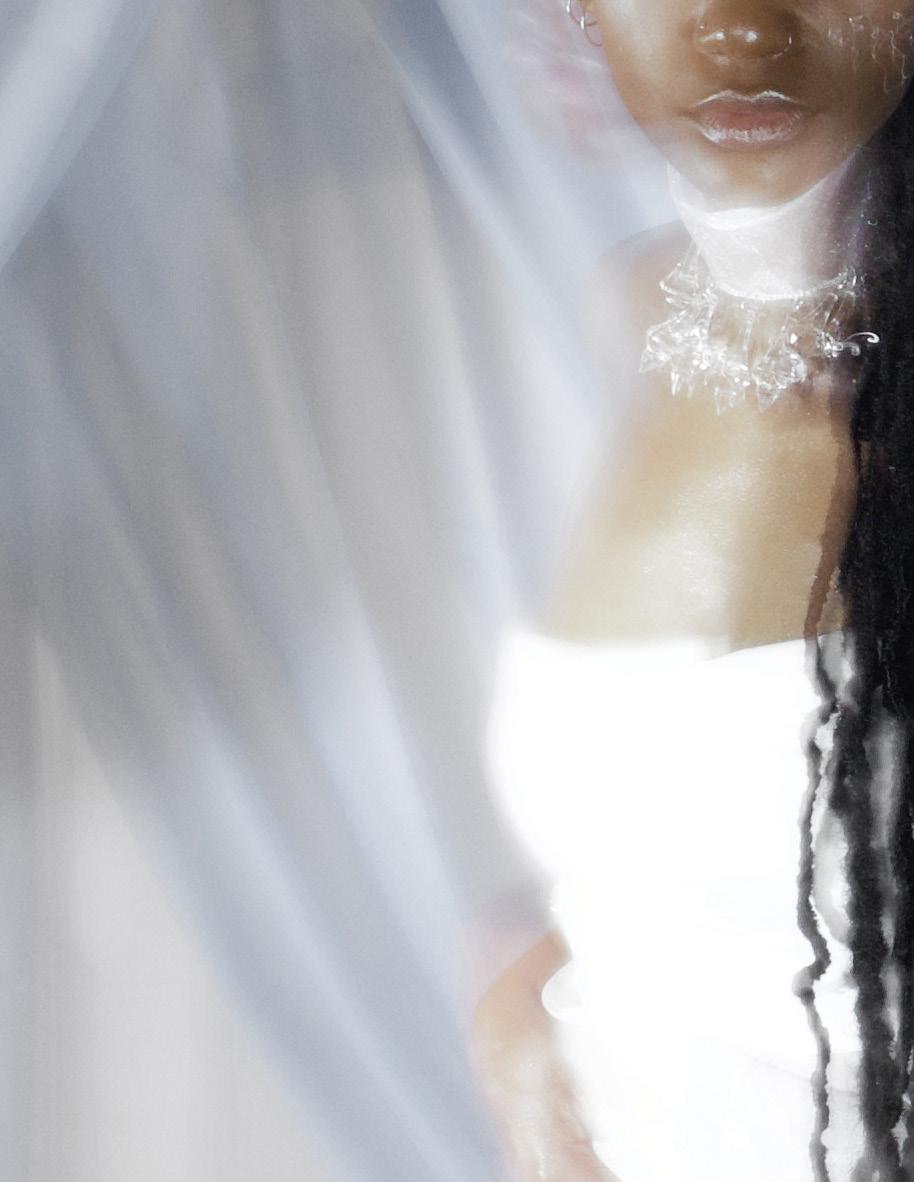
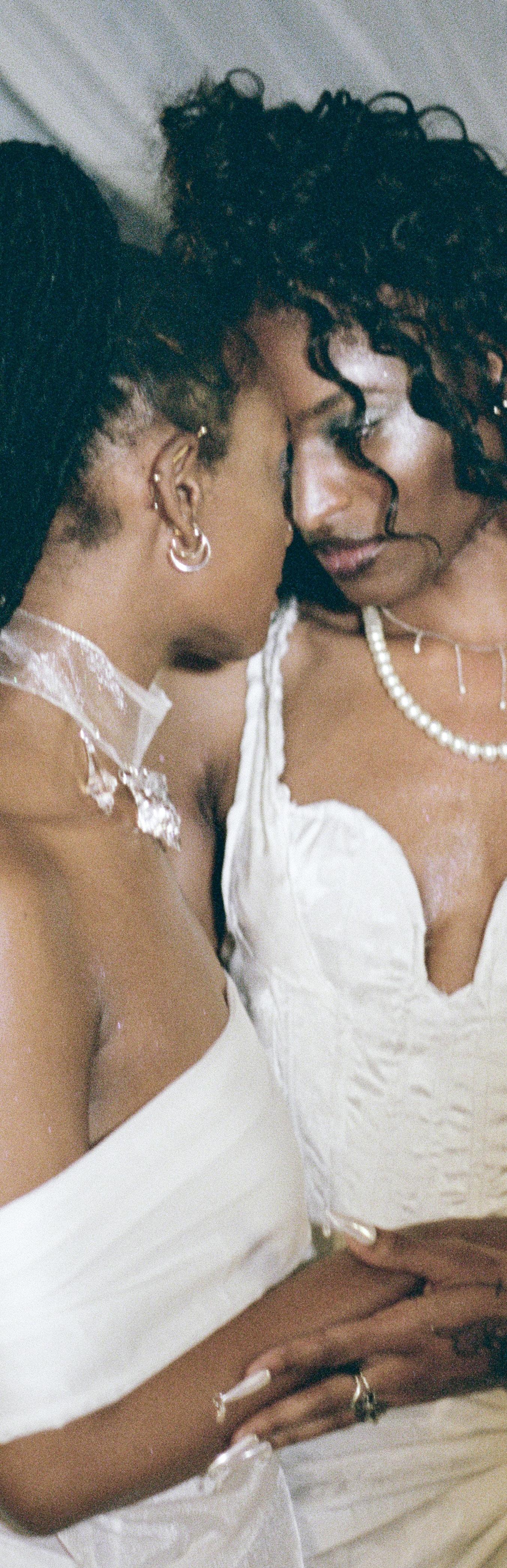
SHOOT ASSISTANT Alexis Brown SHOOT STAFF Alexa Saade, Isabella Dabage, Leah Christie, Marcela Nieves, Tobi Arubuola FASHION DESIGNER Marriana Gutierrez
STRIKE MAGAZINE TALLAHASSEE
BEAUTY Ashley Fronstin, Giovanna Key NAILS Jazmin Ashley
MODELS Aniya Henley, Tavaura Wardlow
PHOTOGRAPHERS Joey Harbour, Renee Rivas
VIDEOGRAPHERS Blake Boyar, Joelle Stressler, Tanner Hirten
CHILLING ROMANCE
ISSUE 15 79
CHILLING ROMANCE STRIKE MAGAZINE TALLAHASSEE
LIFE IMITATES ART
In contemporary relationships, the word “potential” is no stranger. Defending a partner’s potential to your seemingly disapproving friends and creating an idealized version that has yet to exist places them on a pedestal that they may or may not deserve. In such cases, these lovers assume the roles of the “creator” and the “creation.”
The time and dedication poured into a partner fuels the relationship with an ardor for what could be. Rather than viewing their partner as an equal, the partner that is being invested in becomes the object of infatuation. Similar to the Greek myth of Pygmalion and Galatea where an artist falls in love with his sculpture, your partner becomes your creation.
In the myth of Pygmalion and Galatea, after Pygmalion sculpts his deepest and romantic desires, the artist prays to Venus, the goddess of love, to give his sculpture the gift of life. The marble woman he produced then wakes to his touch and they marry. In this scenario, Pygmalion fell in love with his “perfect” woman, but in reality, everyone has flaws— and this is something that you must come to terms with before entering into a committed relationship.
Love means acceptance, but clinging to the notion of what someone could become rather than who they currently are is the opposite. In relationships, it is common to miss red flags due to the concept of rosecolored glasses—where one partner only views the other partner in the best light—as opposed to acknowledging their shortcomings; the infatuation with a person based on their looks and what you hope they’ll be like, versus the character traits or morals they truly possess.
Many fail to acknowledge that this potential they’re projecting onto their partner is unrealistic. While people often hope that their partner will become their best self, it is unlikely that one person’s definition of their “absolute best” would seamlessly match up with another’s. This intense idealization can become consuming, as you dedicate your energy to believing in something that has the slightest chance of becoming real.
What distinguishes humans from artwork is the capacity of free will. As much as we attempt to mold our partners, we will never truly have control. The romantic image of your partner is nothing other than an intangible craving that exists only within your mind. The lovers’ risk is not being loved back, but it’s a risk they’re blindly willing to take.
ISSUE 15 81
WRITERS Ana Guardado, Lindsey Limbach EDITORS Isabel Wilder, Jayna O LAYOUT Clara Celedon
CHILLING ROMANCE STRIKE MAGAZINE TALLAHASSEE
ISSUE 15 83
CHILLING ROMANCE STRIKE MAGAZINE TALLAHASSEE
85
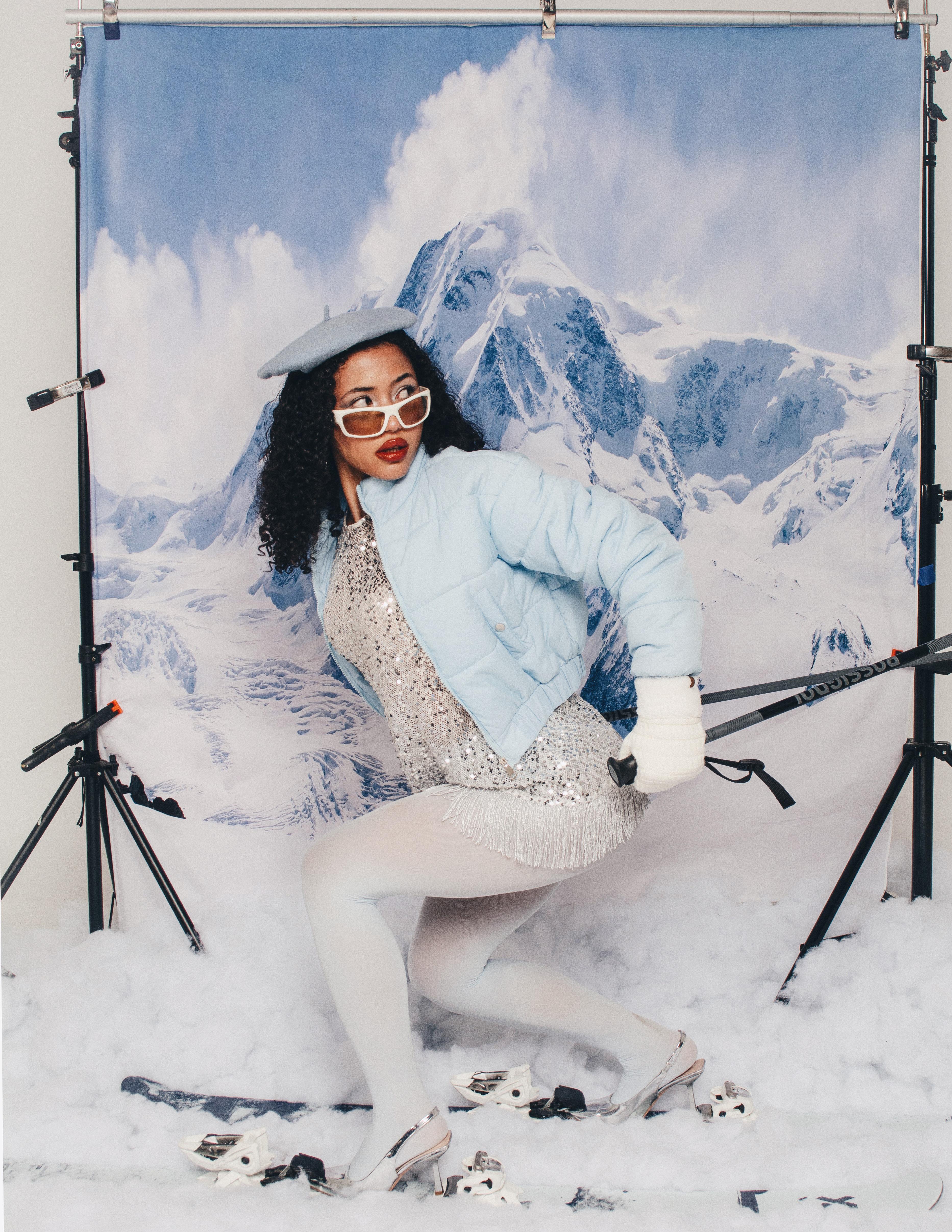
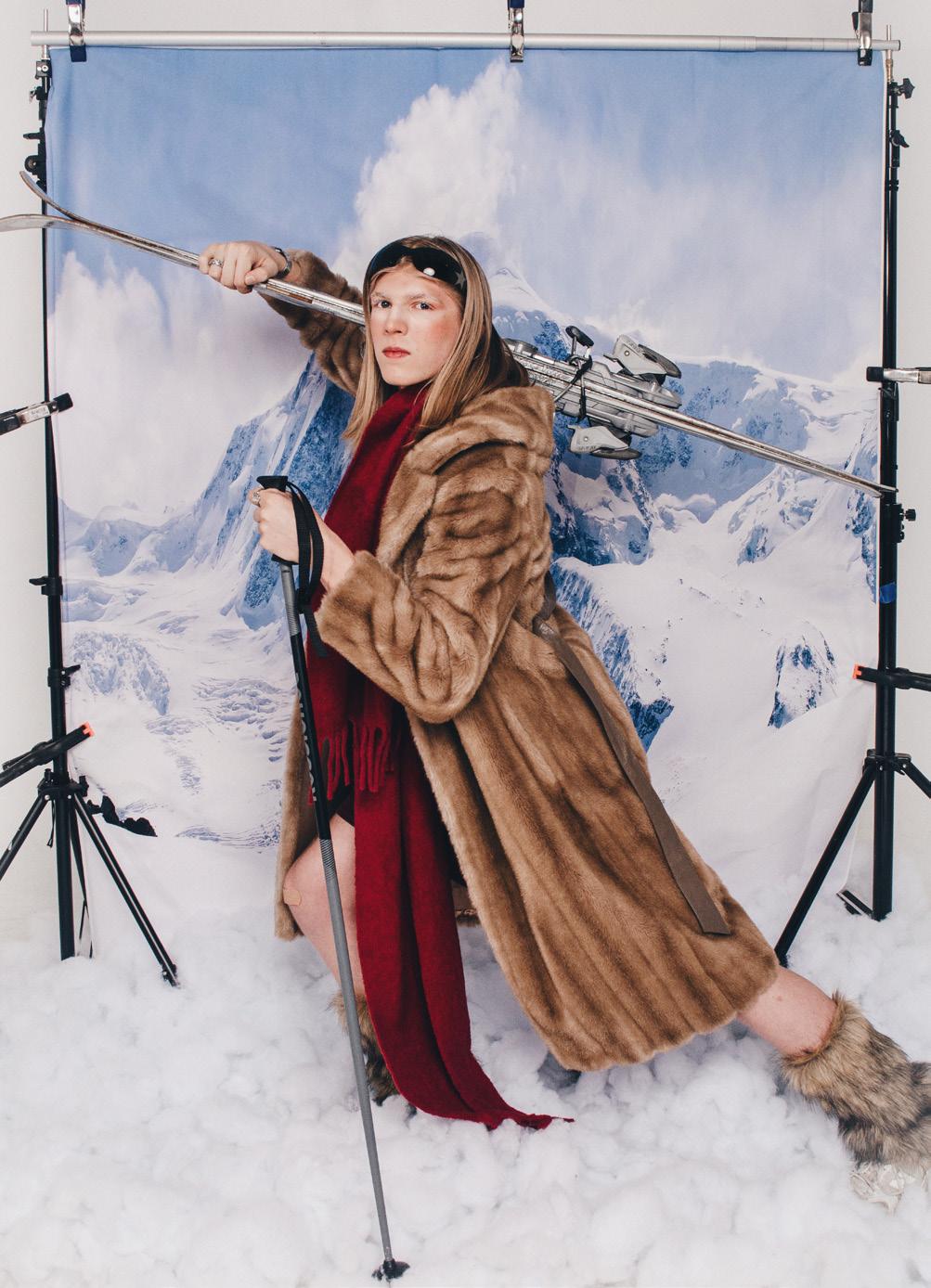
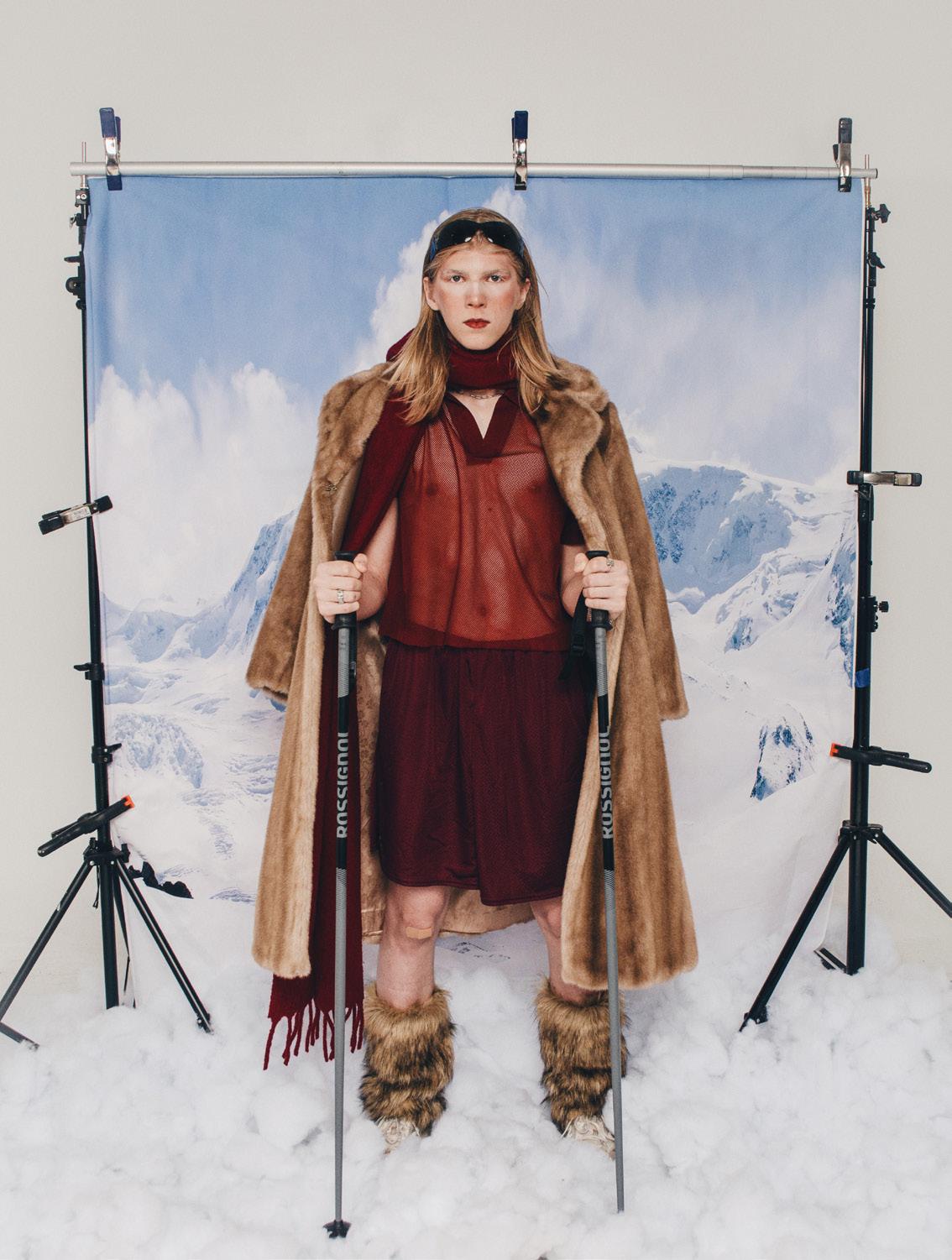
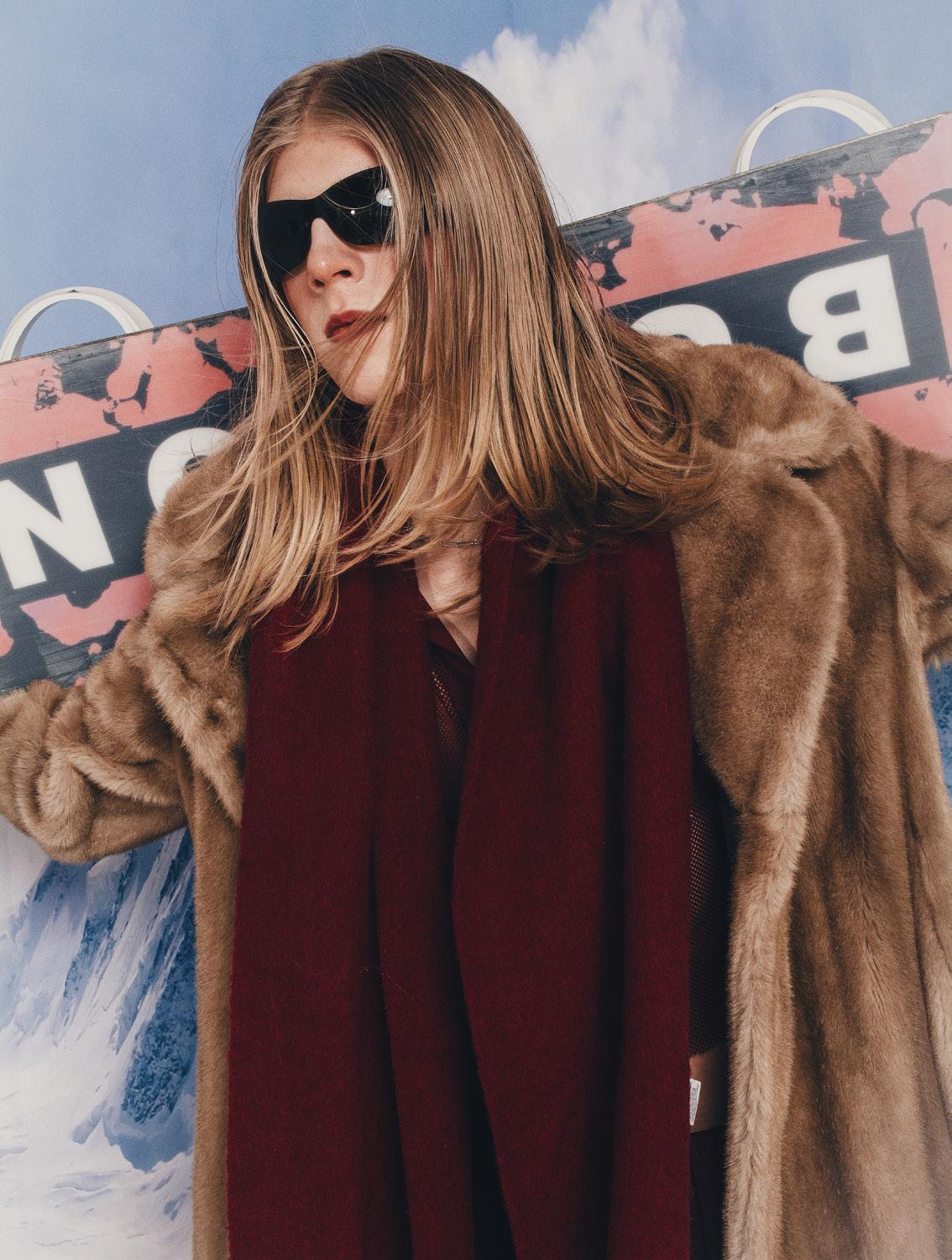
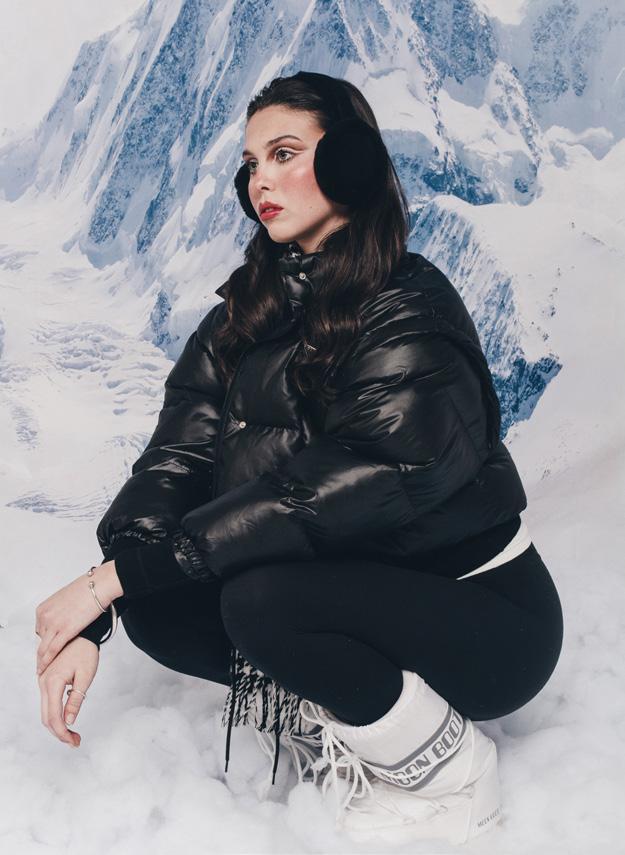
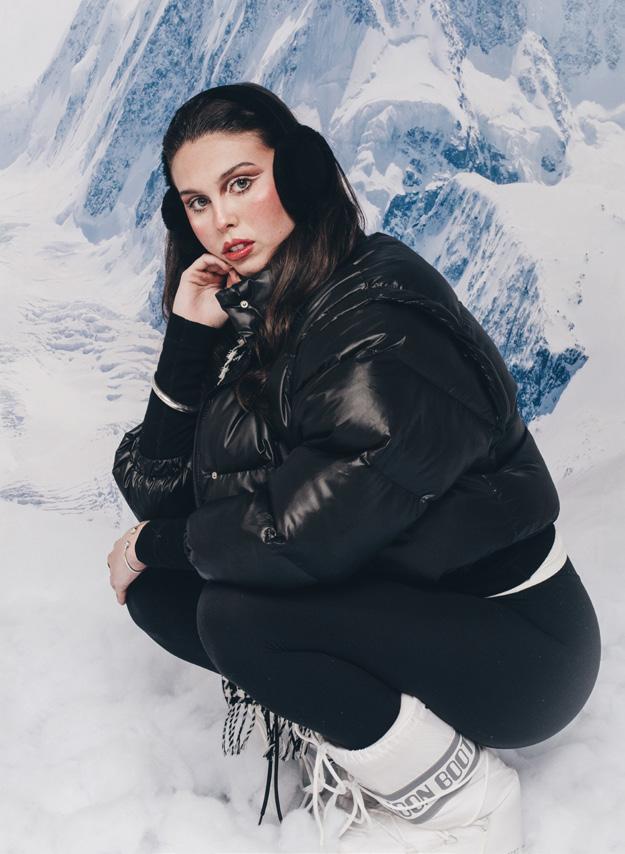
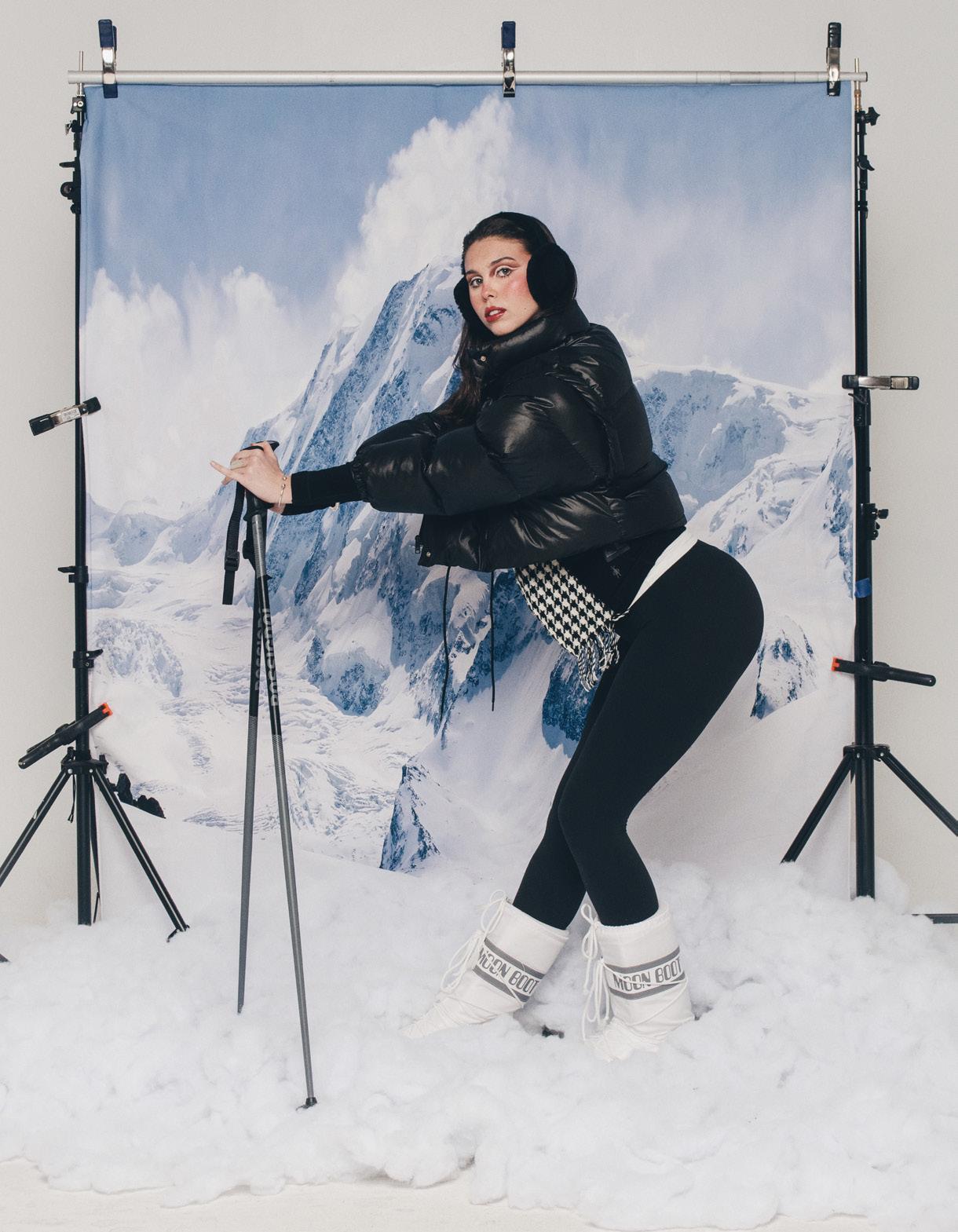
SNOW ANGELS
SHOOT ASSISTANT Alexis Brown
SHOOT STAFF Alex DiCastro, Ariel Lyden, Ellie Wise, Hannah Smith
STYLISTS Marriana Gutierrez, Bella Puleo, Sean Fuchs, Sydney
Tindall, Taylor Farscht BEAUTY Gracyn Carter, Kami Morejon, Sarah Andrews, Wiktoria Cascardo
MODELS Celine Johnson, Thomas Hill, Vicky Ortiz
PHOTOGRAPHER Katrina Oro VIDEOGRAPHERS Ella Denny, Mary Tierney, RJ Bañez LAYOUT Bianca Smith, Chloe Evers
STRIKE MAGAZINE TALLAHASSEE SNOW ANGELS
87
ISSUE 15 89
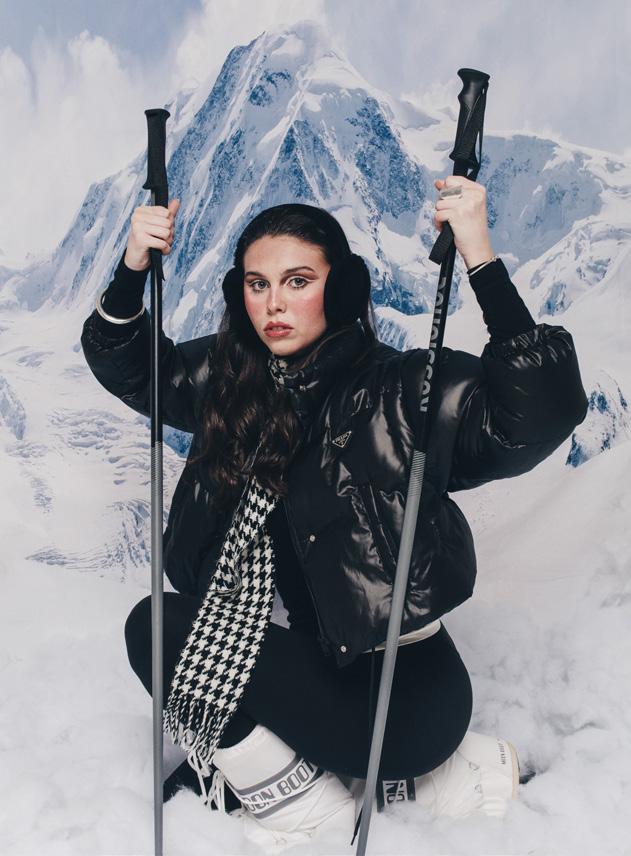

STRIKE MAGAZINE TALLAHASSEE SNOW ANGELS
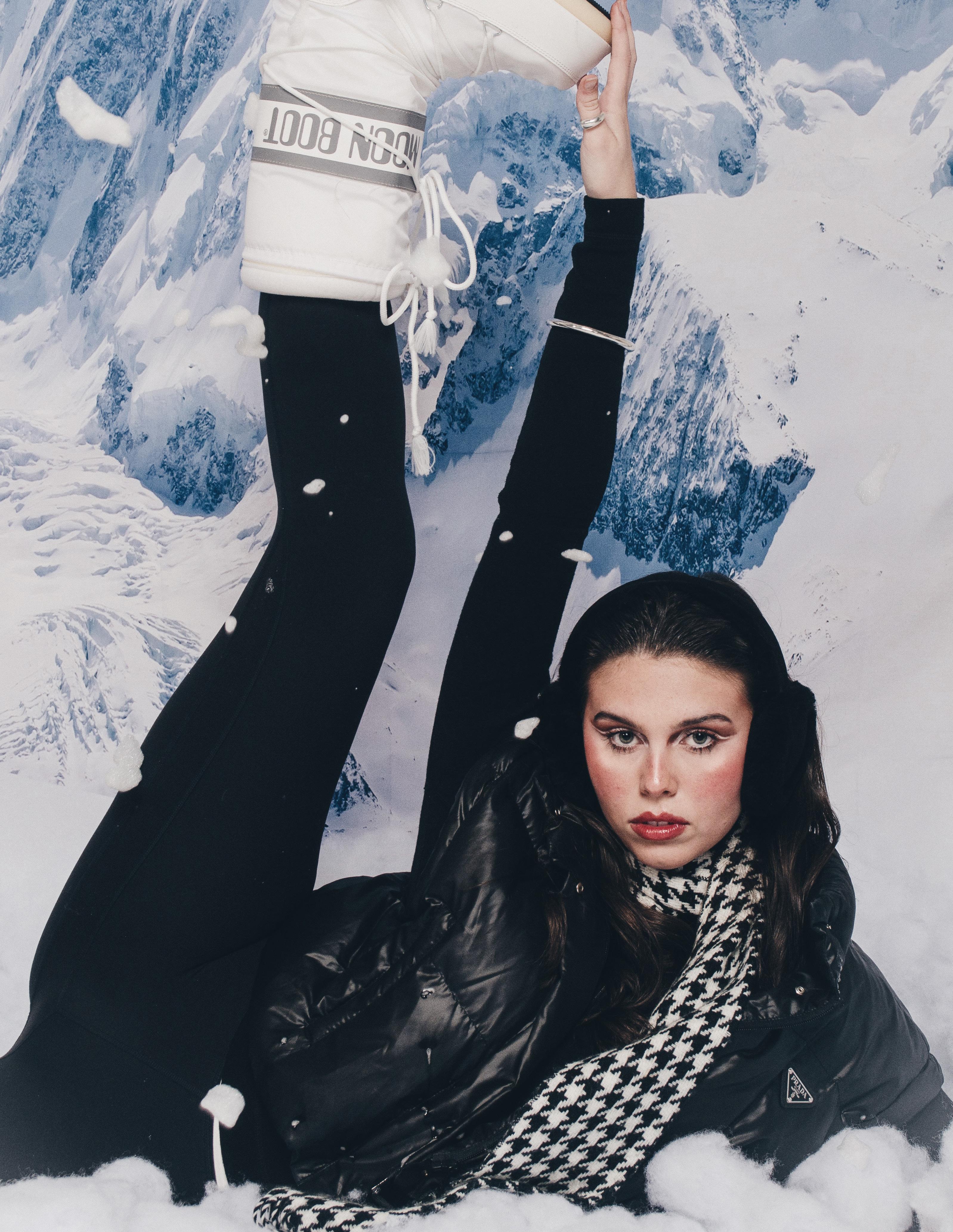
ISSUE 15 91
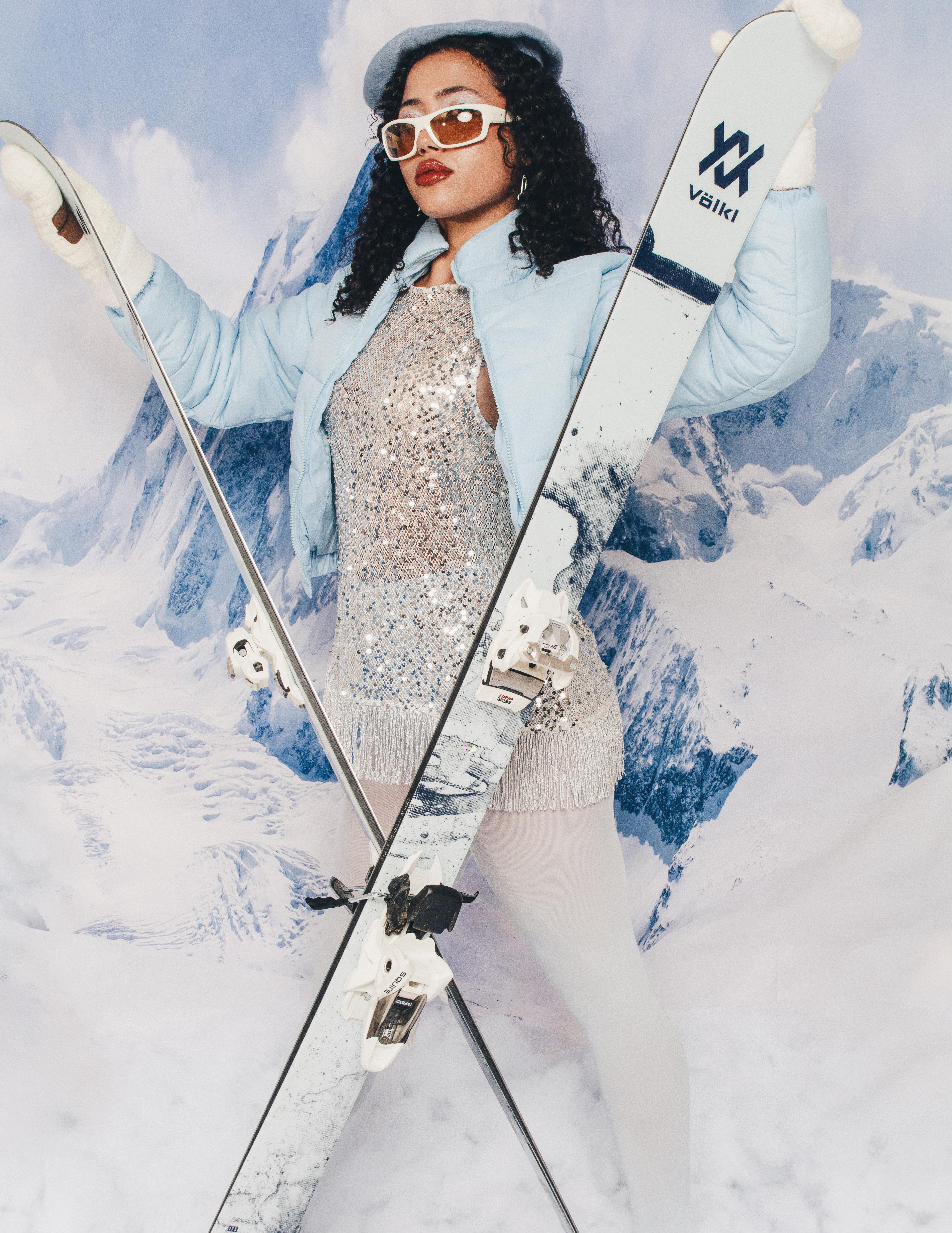
STRIKE MAGAZINE TALLAHASSEE
ANGELS
SNOW

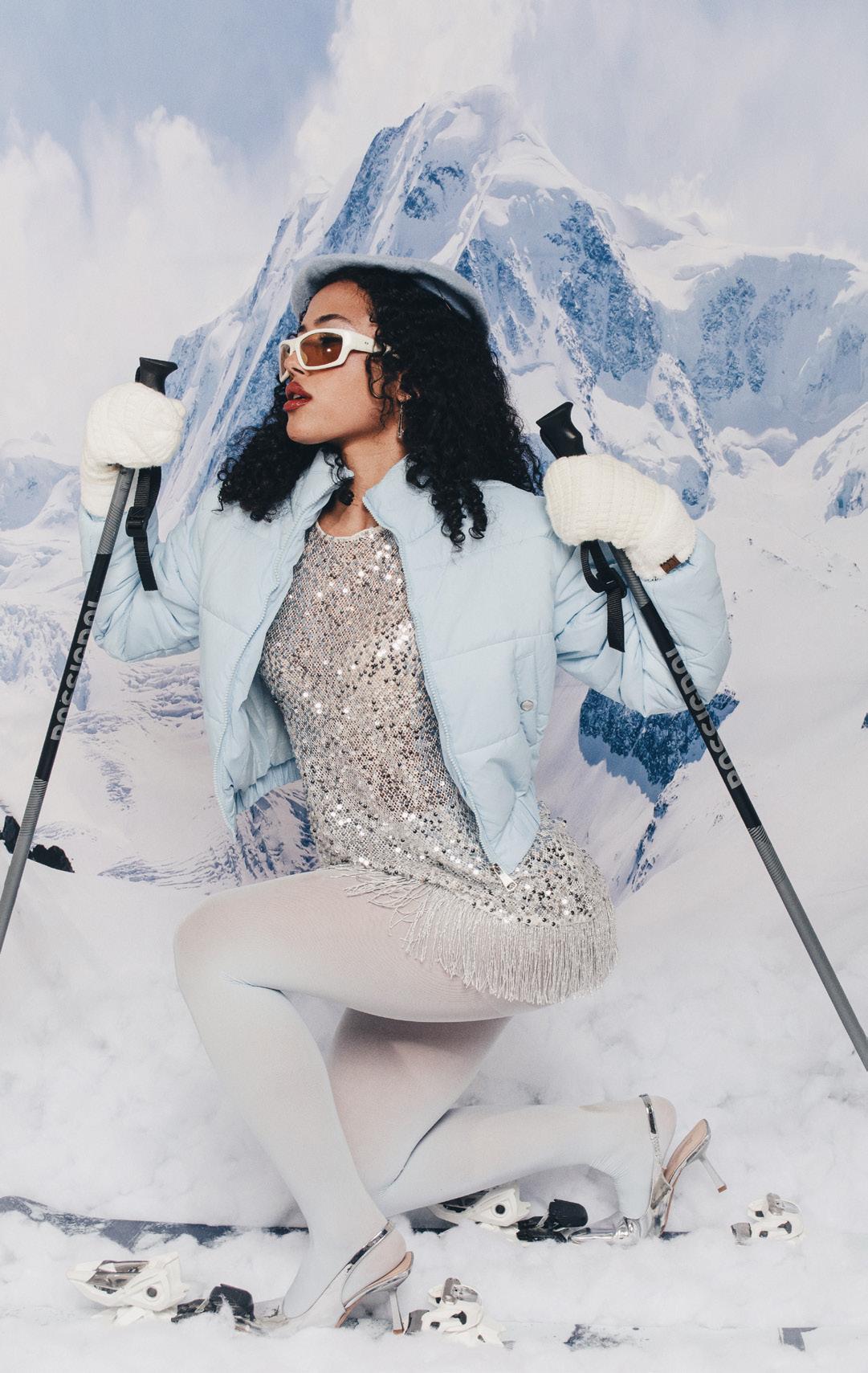
ISSUE 15 93


GRAPHIC Chris Wojnar
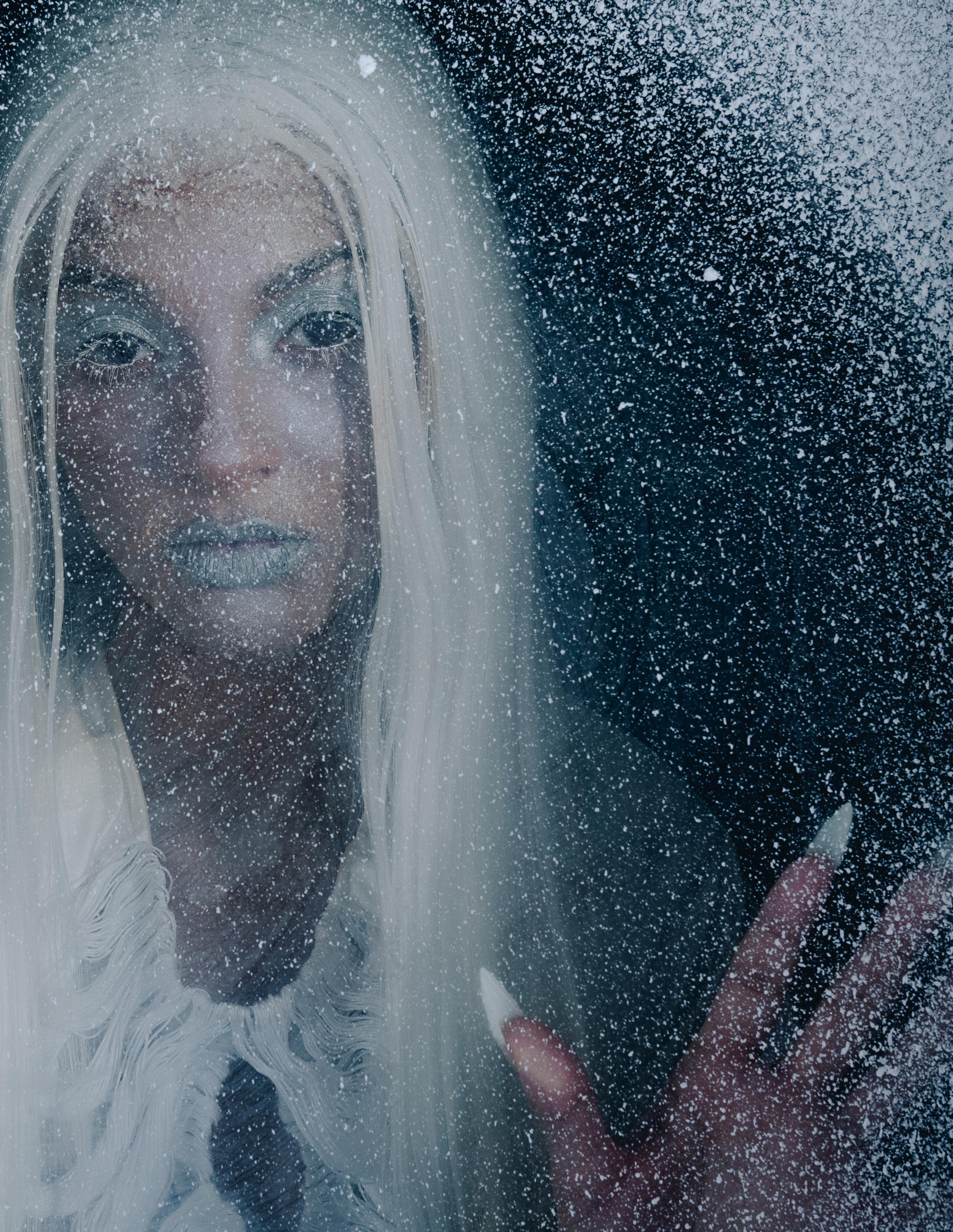
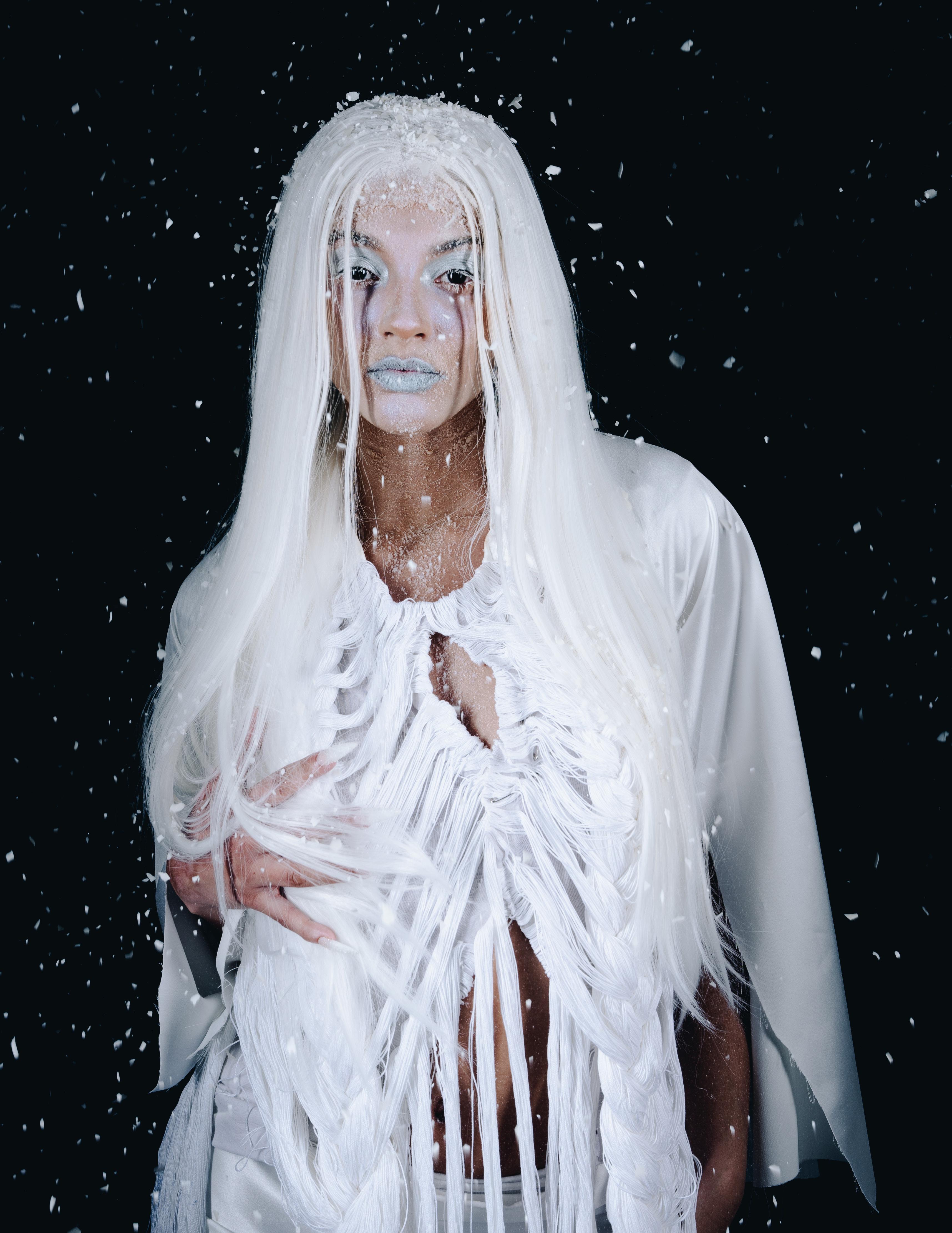
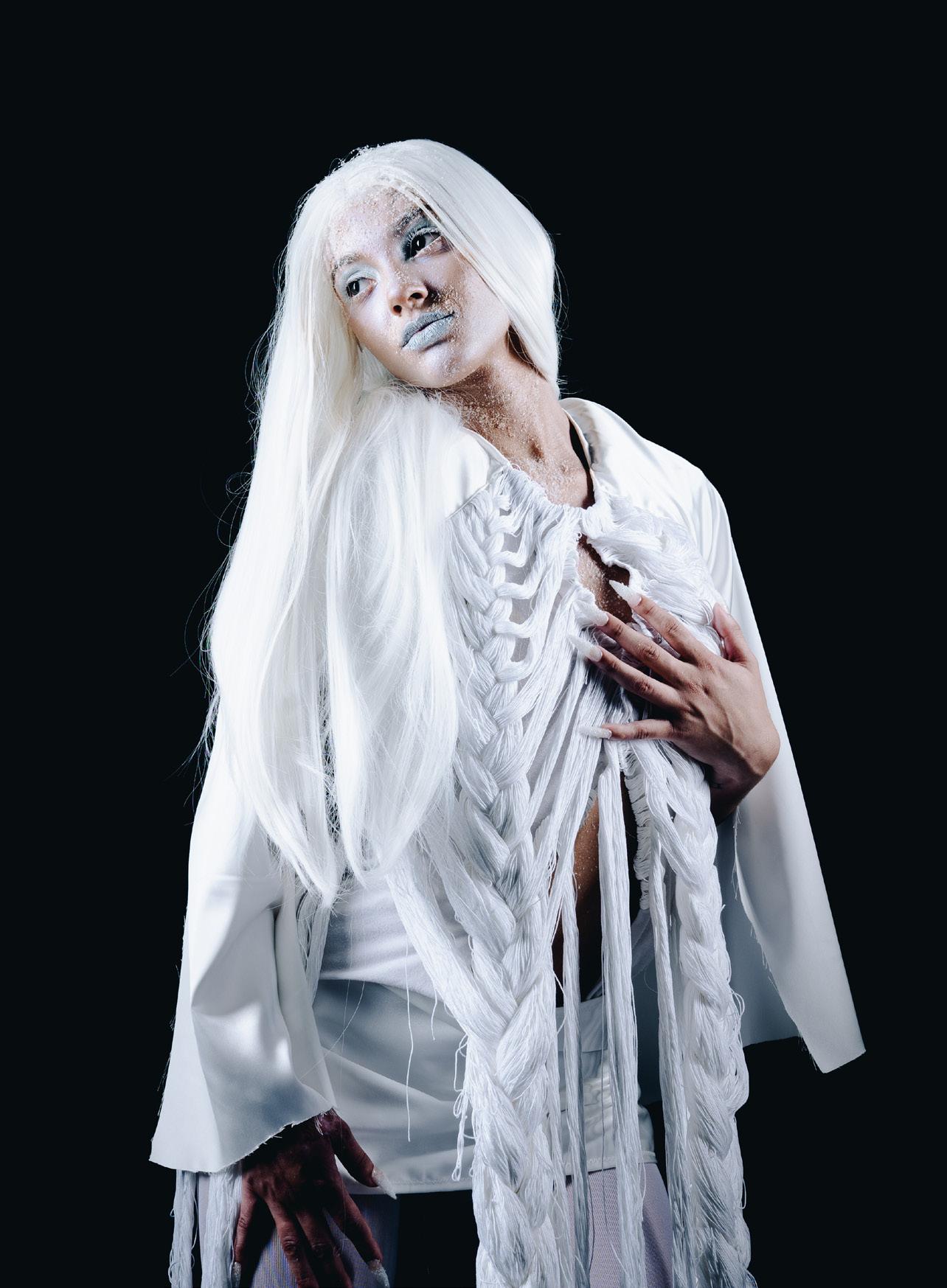
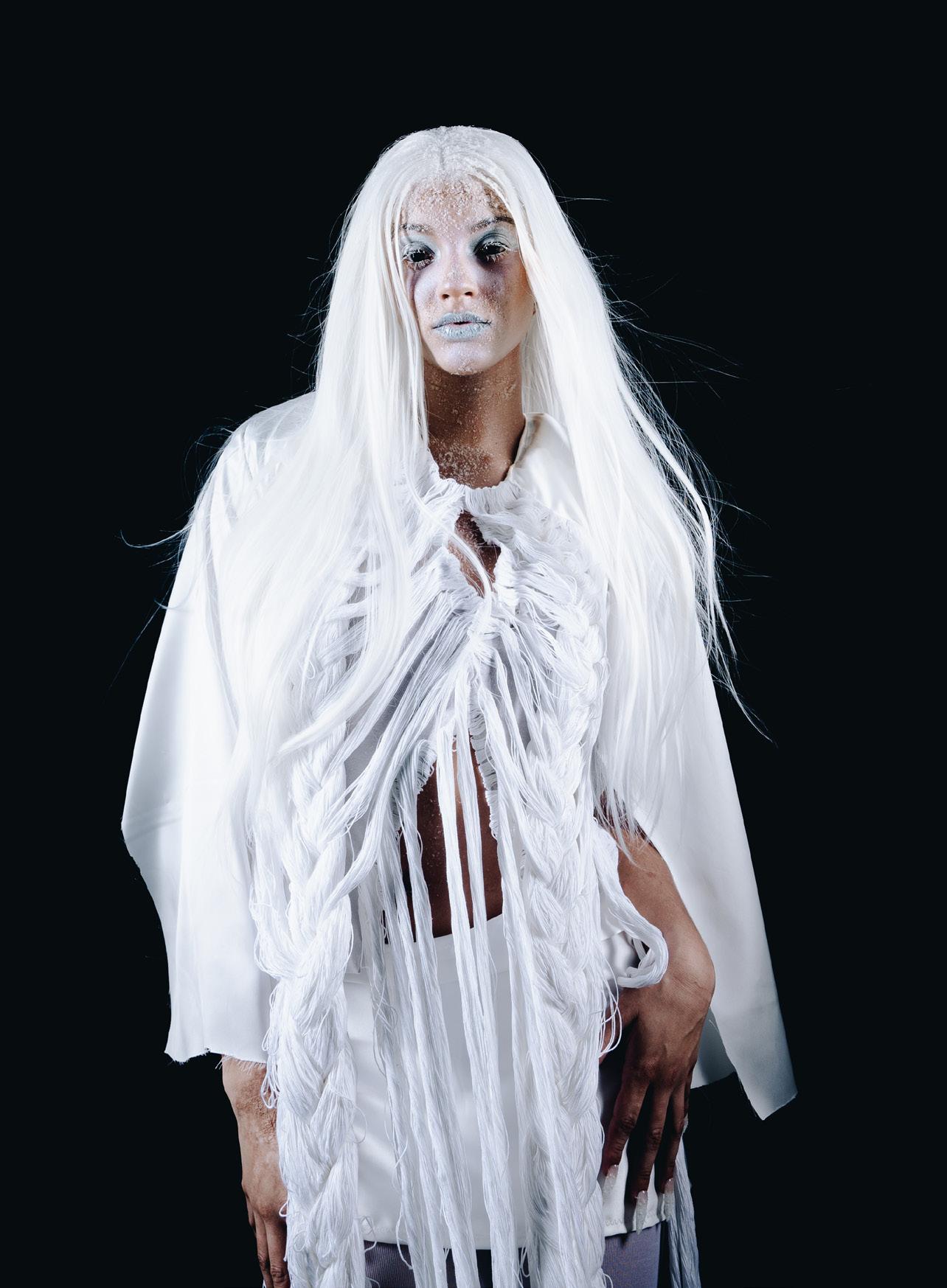
FROZEN OVER
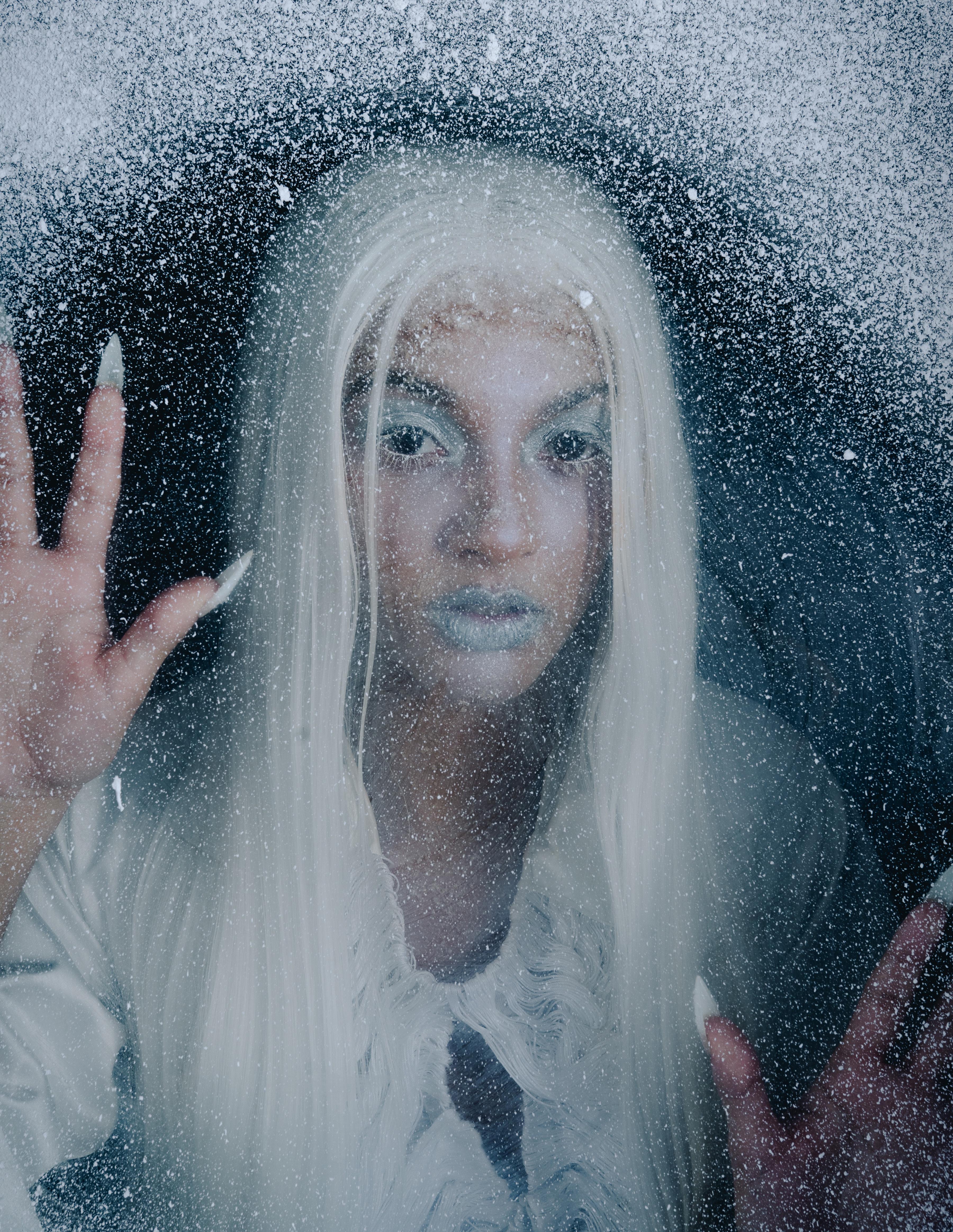
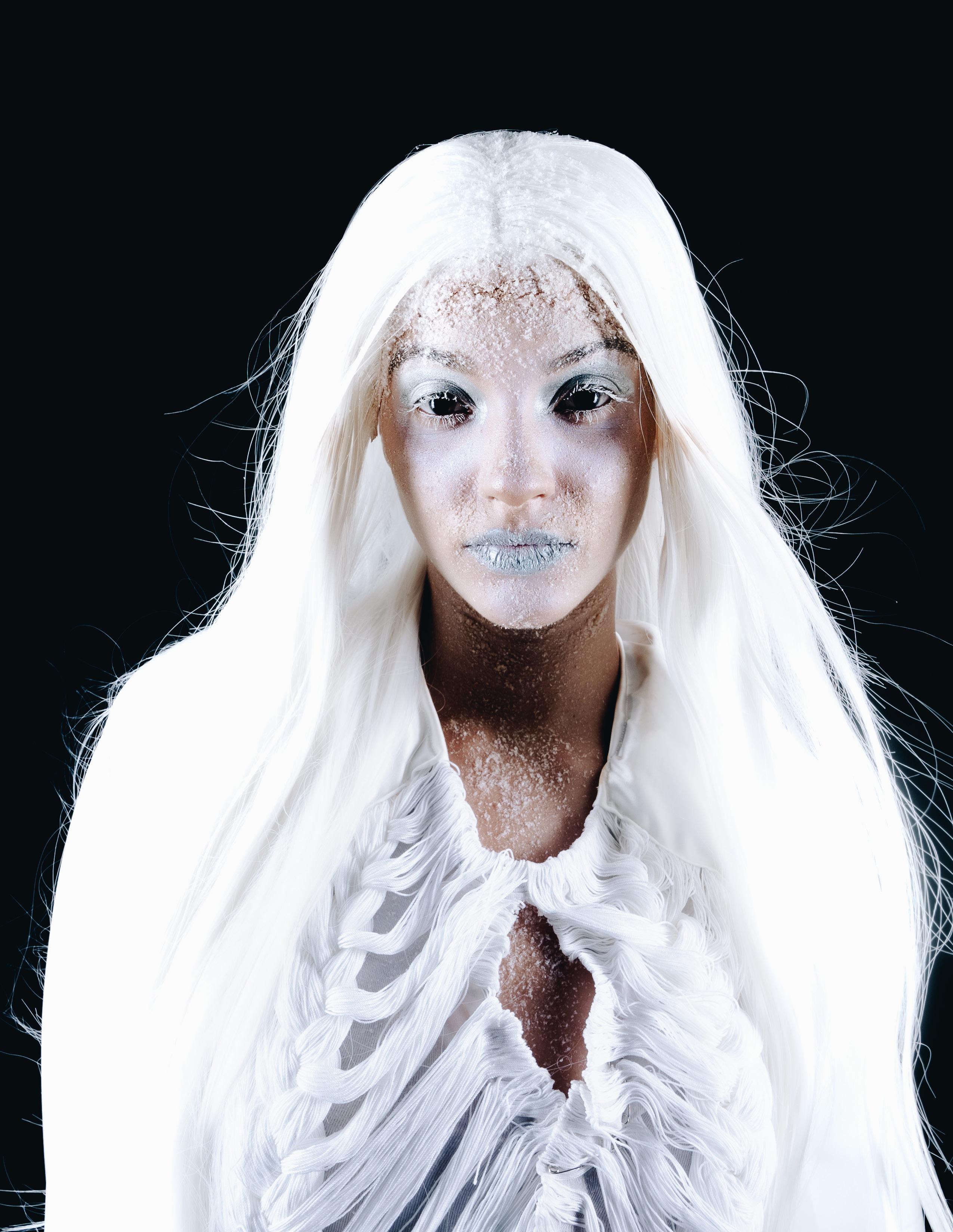
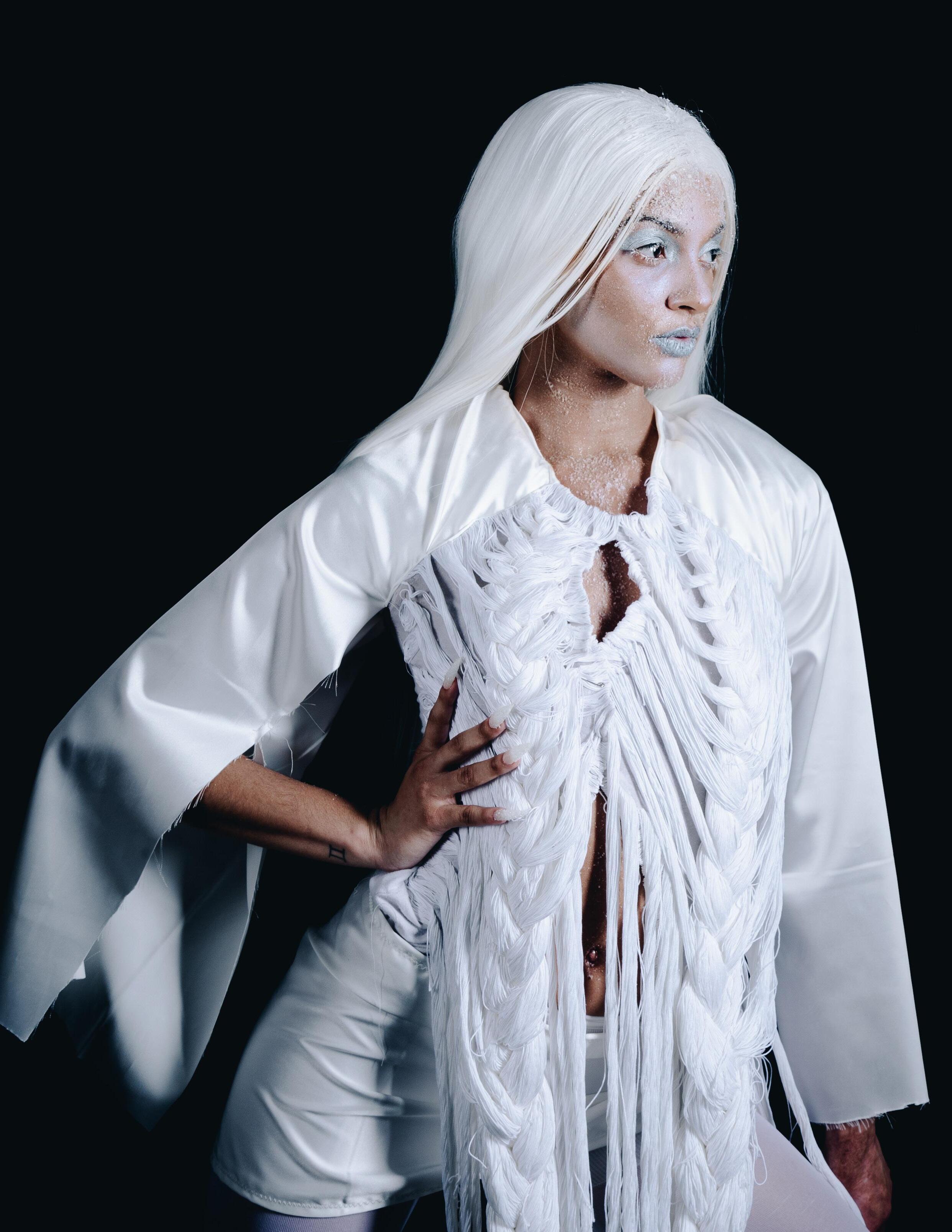
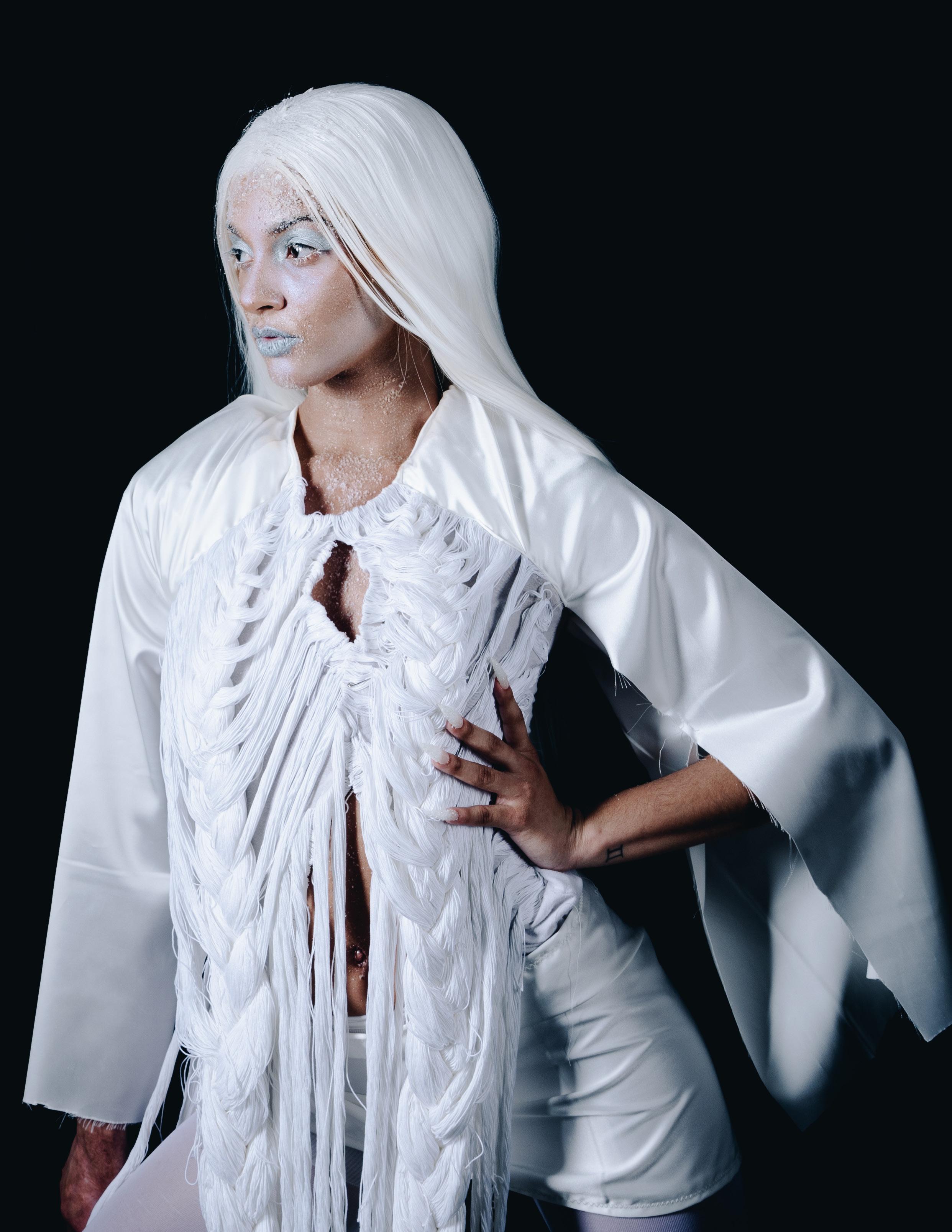
STRIKE MAGAZINE TALLAHASSEE FROZEN OVER SHOOTDIRECTORS
Isabel Choi, Lalo Ambris SHOOTASSISTANTS Alexis Brown, Ella Brignoni FASHION
DESIGNER
Marriana Gutierrez BEAUTY Addison Nance, Kami Morejon, Amanda Oliva MODEL Jada Travis
ISSUE 15 97
ISSUE 15 99

STRIKE MAGAZINE TALLAHASSEE FROZEN OVER
ISSUE 15 101
STRIKE MAGAZINE TALLAHASSEE FROZEN OVER
ISSUE 15 103
NAILS Jazmin Ashley PHOTOGRAPHER Layla Mathews VIDEOGRAPHER RJ Bañez TIKTOK Victoria Cimino LAYOUT Chloe Evers
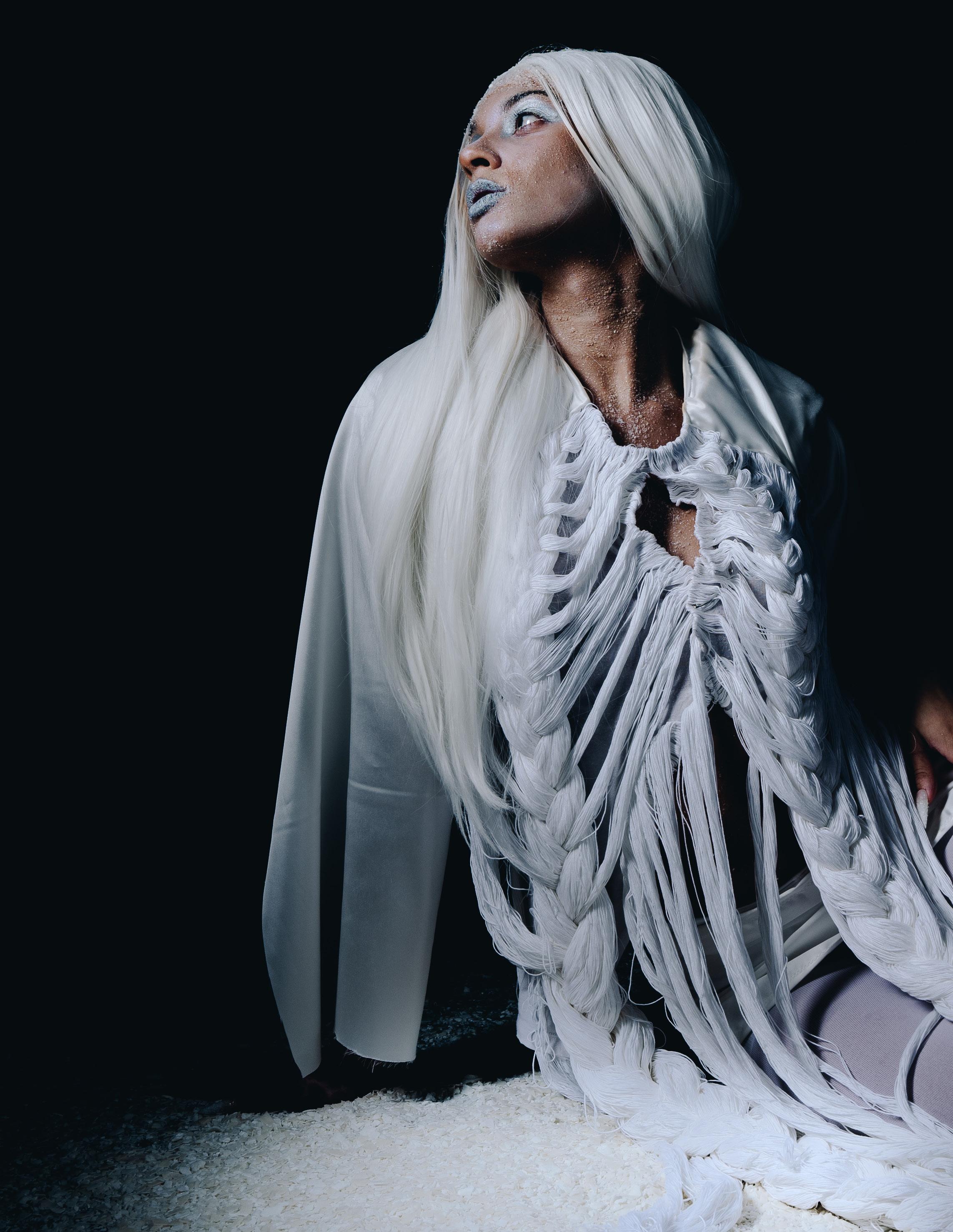
IN SPITE OF LIFE’S NATURE, WE THE beauty OF THAT TRANSCENDboundaries
STRIKE MAGAZINE TALLAHASSEE FROZEN OVER
LIFE’S fleeting CELEBRATE OF MOMENTS TRANSCEND
THE OF time
.
ISSUE 15 105
STRIKE MAGAZINE TALLAHASSEE FROZEN OVER
ISSUE 15 107
‘BREAKING THE ICE’
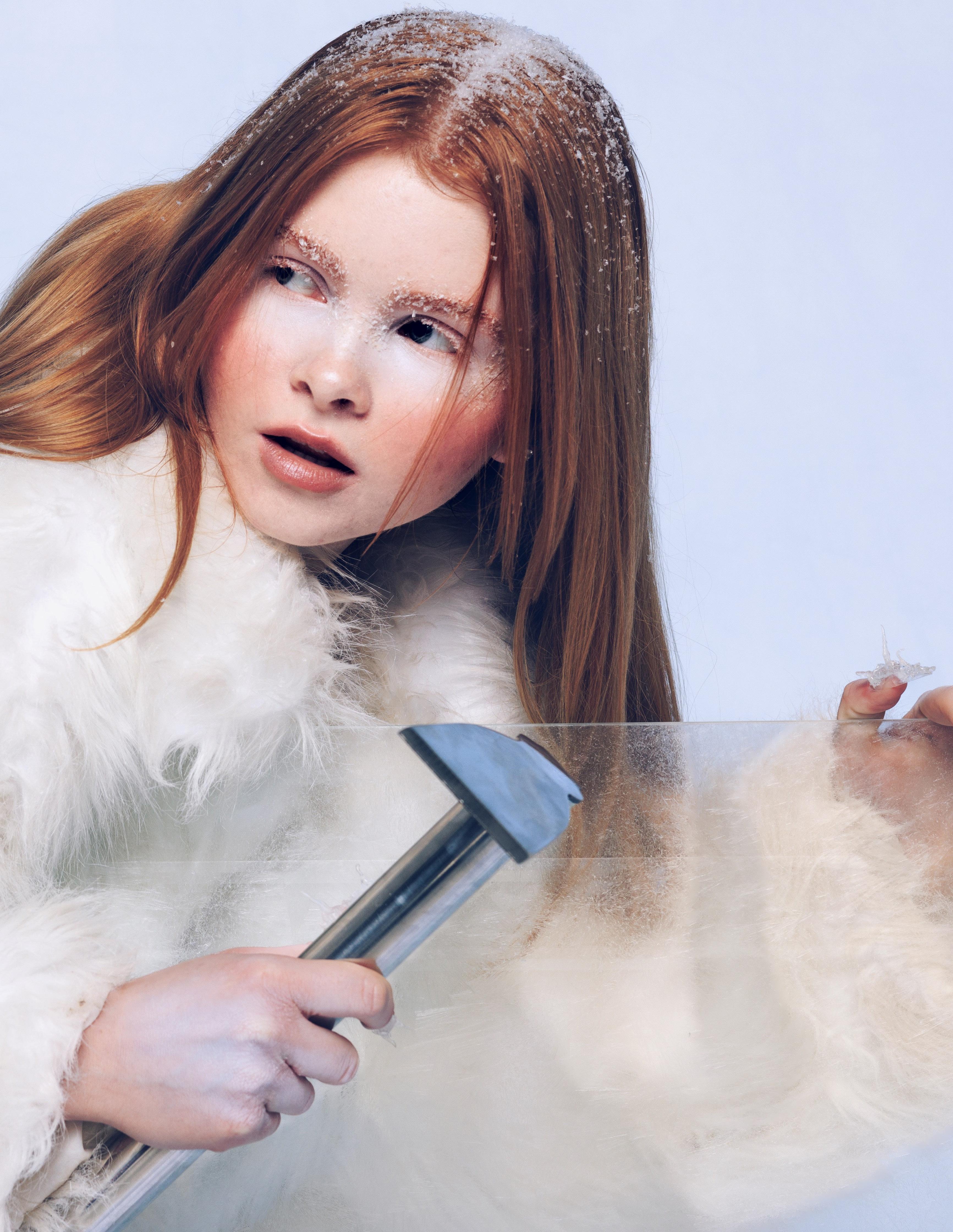
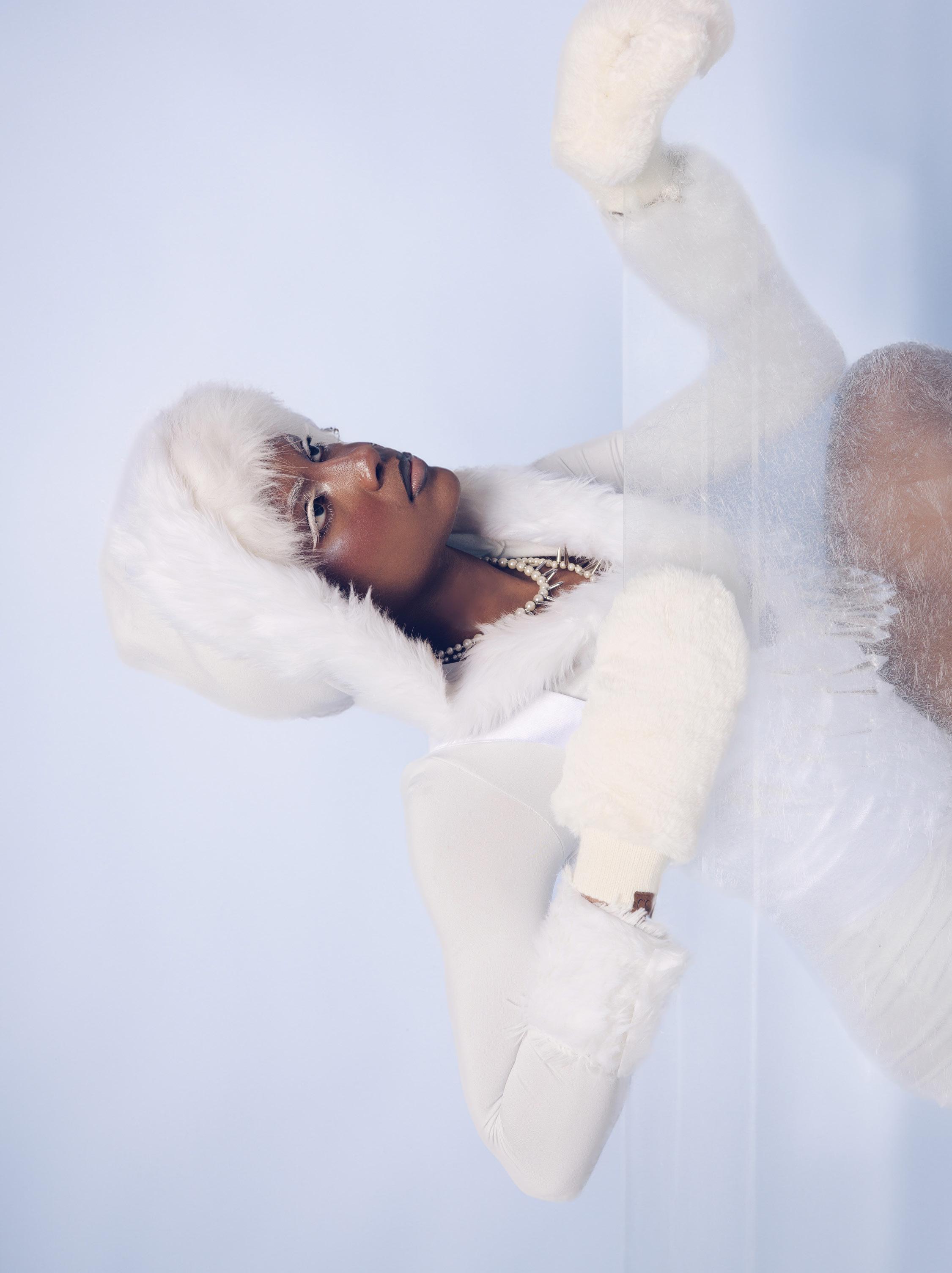
SHOOT ASSISTANT Ella Brignoni
SHOOT STAFF Kassidy Saba, Nicole Jaroscak, Olyvia Weber, Shelby Grason, Sophia Beil
STYLISTS Marriana Gutierrez, Dalton Lain, Isabel Choi

BEAUTY Addison Nance, Emma Kornatowski
MODELS Liz Cadet, Sydney Markey
PHOTOGRAPHER Lalo Ambris VIDEOGRAPHERS Cindy Lam, Kevin Farley TIKTOK Mia Lopez
STRIKE MAGAZINE TALLAHASSEE BREAKING THE ICE
ISSUE 15 109
STRIKE MAGAZINE TALLAHASSEE BREAKING THE ICE
ISSUE 15 111
Destruction turns to expression” “
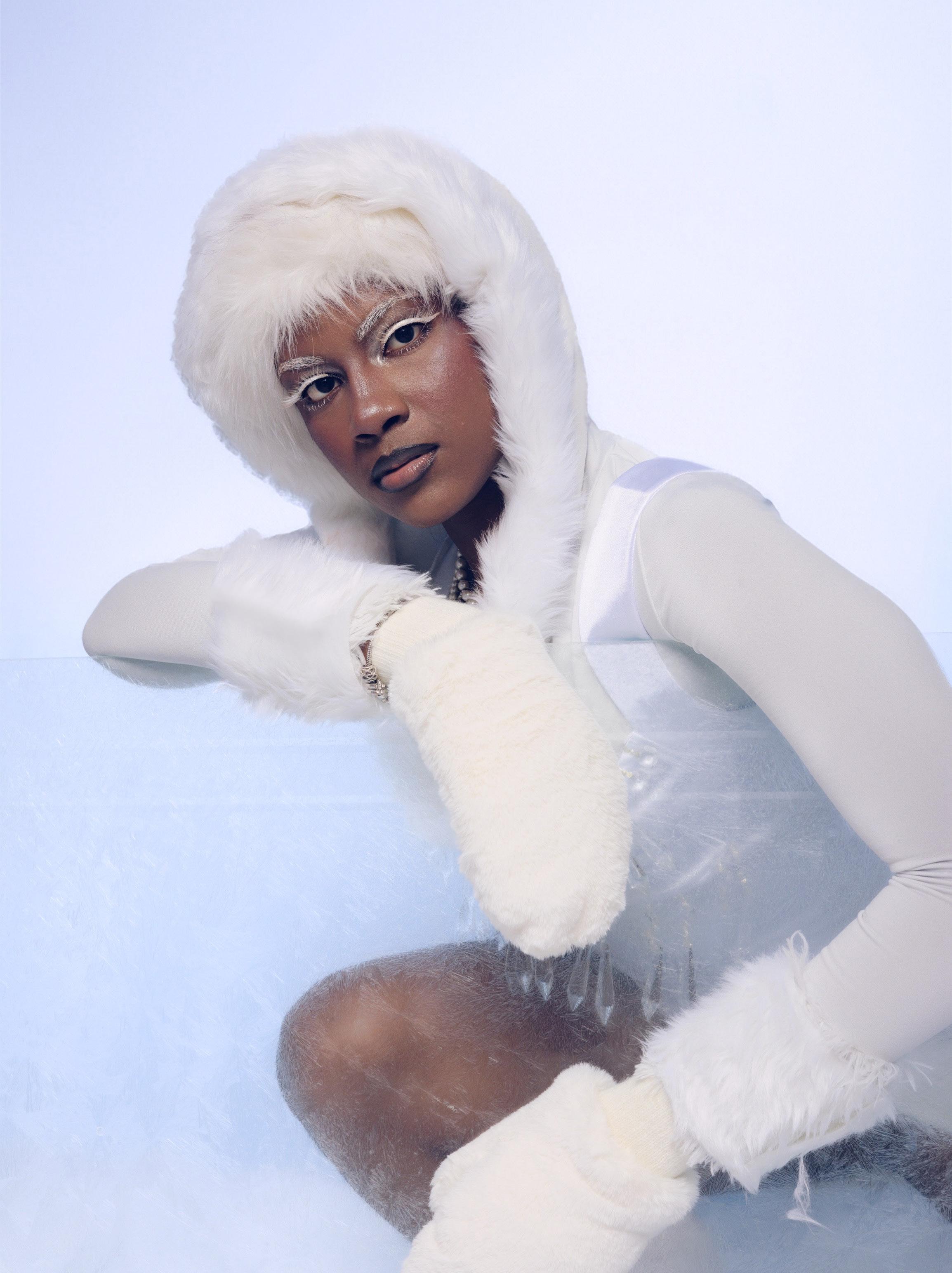
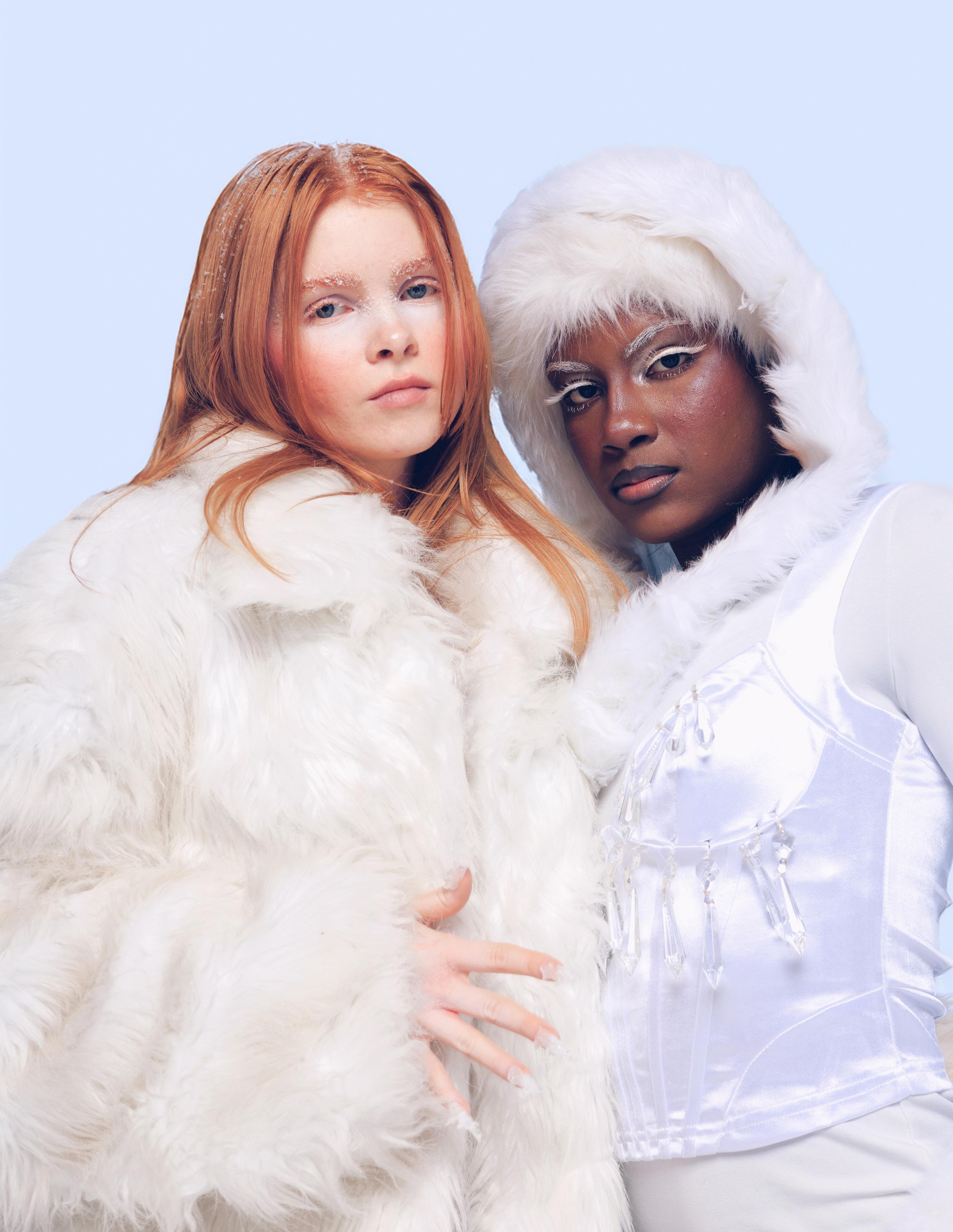
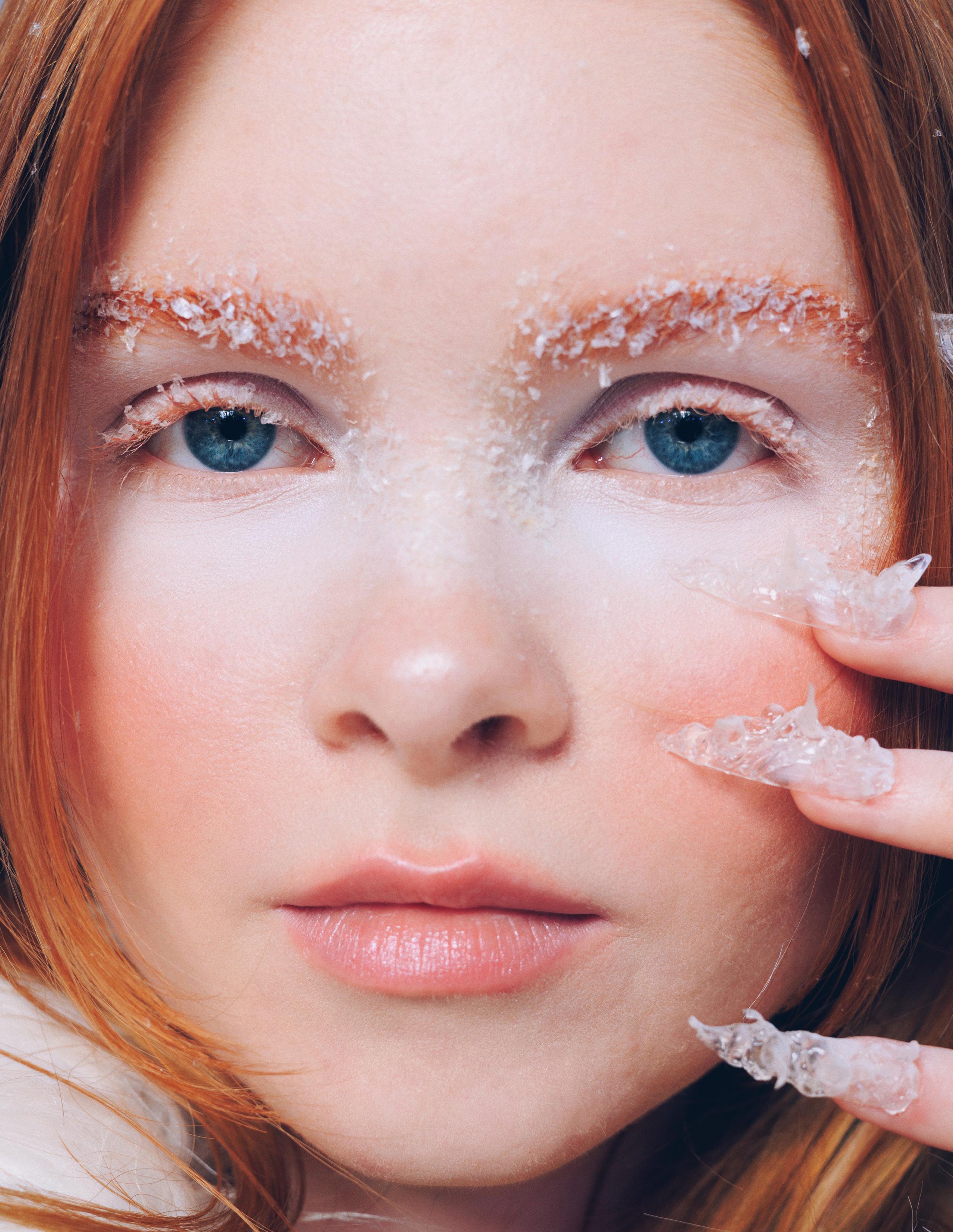
Throughout history, fashion and activism have marched hand in hand, their intertwined influence leaving undeniable traces and shaping the fabric of our society. At the peak of igniting change stands artistic expression, whether embodied in a unique wardrobe or unconventional makeup. Rebellion finds its voice in the ever-evolving fashion and beauty industries. It’s a lesson we’ve learned repeatedly: when the collective frustration of a social movement reaches its breaking point, it shatters into a million shards, spreading its creativity across the world and sparking revolutionary strides in fashion and beauty.
As clothing has become a language, certain revolutionary styles have emerged from social movements. For instance, the fight against racial discrimination, the suffragette movement, and queer culture have been instrumental in pioneering innovative fashion.
In 1966, Bobby Seale and Huey P. Newton founded the Black Panthers Party for the fight against racial discrimination. Fashion served as one of their tools for defying societal norms in their activism. Their uniform – a black leather jacket, black pants, dark sunglasses, and a black beret – was not only a symbol of Black Pride but a redefinition of white norms.
In a time when women’s clothing was as suffocating as society’s grip, feminism was the movement that revolutionized freedom of expression. The invention of the mini skirt by visionary designer, Mary Quant, stood as a bold symbol of rebellion and women’s liberation in the 1960s. Today, the iconic hemline is universal, and we owe it all to the brave women who paved the way.
In the kaleidoscopic realm of fashion, the LGBTQ+ community captures the essence of transformative movements, standing as a constant beacon of vibrant diversity and unapologetic authenticity. Hunter Shafer, a transgender actress and model, serves as a testament to the community’s rebellion as her style tears down rigid gender norms. Hunter’s eclectic style is eye-catching through her unique blend of streetwear and high-end elements.
The captivating allure of drag culture in mainstream fashion further proves the transformative power it has in the fashion sphere. Renowned artist Marcel Duchamp developed his drag queen alter ego, Rrose Selavy, who later would be the subject of renowned fashion photographers and used fashion to question norms of identity and gender. The history of drag fashion stretches centuries before the term arose. In ancient theater productions, men often played female roles due to society forbidding female performers. The evolution of drag fashion proves far more than extravagant clothing; it’s a canvas of defiance, with every sequin contributing to a storyline free from the constraints of society’s oppressive gender norms.
As society continually pushes us toward our boiling points, we reach destruction—and destruction turns to expression. Fashion is a language, a way to communicate without words and convey narratives using an artistic approach. By confronting disruption head-on, individuals pave the way to progress by challenging outdated structures. As gruesome as it seems, reaching our boiling points heralds a profound metamorphosis and ignites the blossoming of an unrestricted avenue of self-expression.
STRIKE MAGAZINE TALLAHASSEE BREAKING THE ICE
WRITERS Bella Ferretti, Isabella Santiago EDITORS Cristina Angee, Lindsey Limbach, Jayna O LAYOUT Clara Celedon

113 ISSUE 15

STRIKE MAGAZINE TALLAHASSEE BREAKING THE ICE
ISSUE 15 115





ISSUE 15
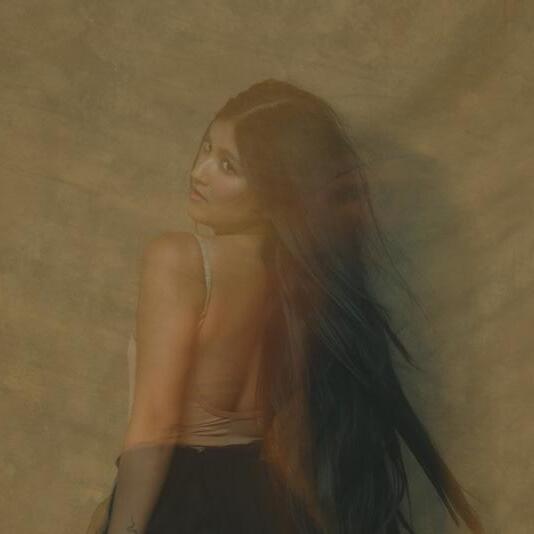
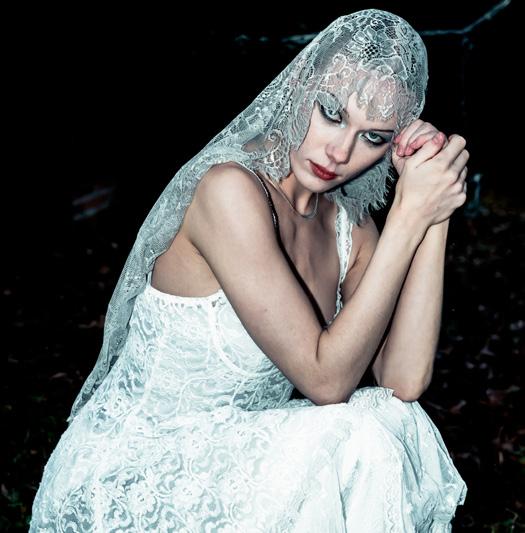
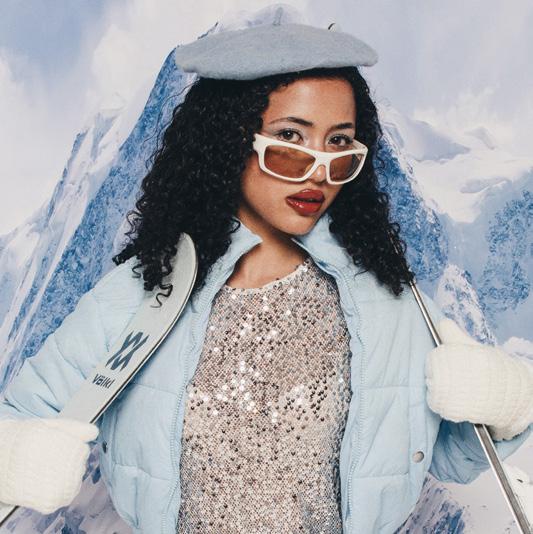
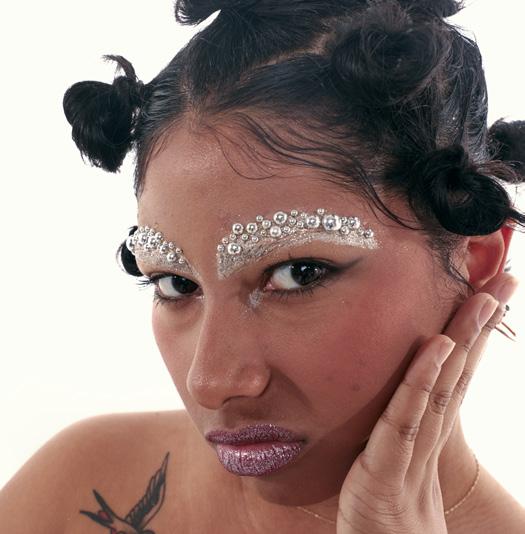
HAZY SHADES SILICA & THE WAVES THE WAITING ROOM
SNOW
VIDEOGRAPHY STRIKE MAGAZINE TALLAHASSEE
VIDEOGRAPHY DIRECTOR RJ BAÑEZ ASSISTANT Ella Denny STAFF Kevin Farley, Joelle Stressler, Blake Boyar, Carmen Leggett, Mary Tierney, Tanner Hirten, Lily Cosentino, Julia Niles, Cameron Grippo, Cindy Lam

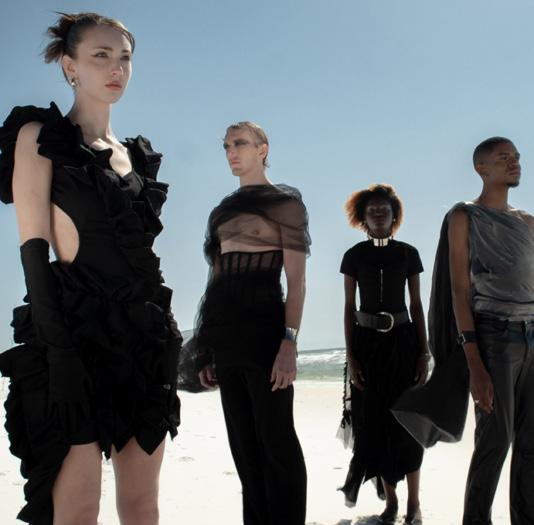

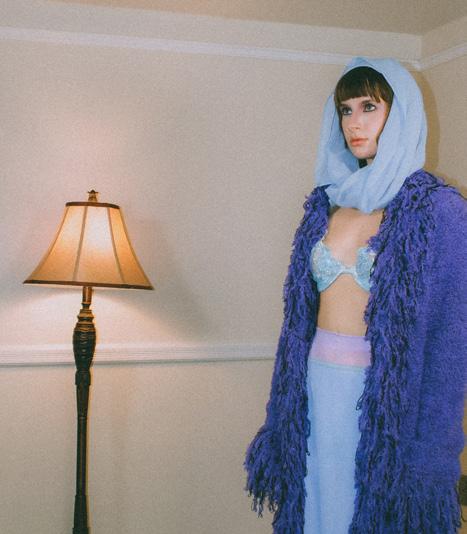
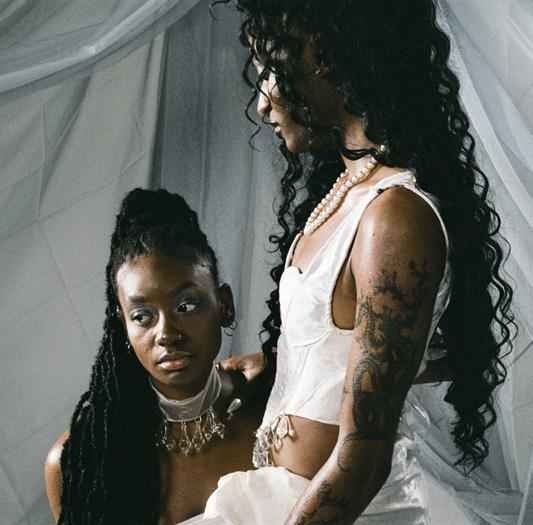

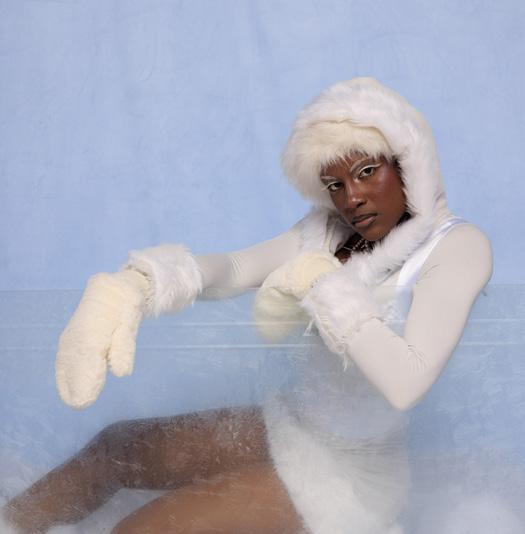


VIDEOS
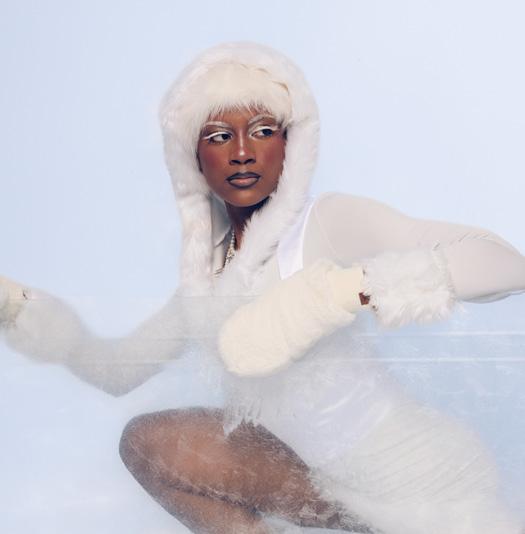
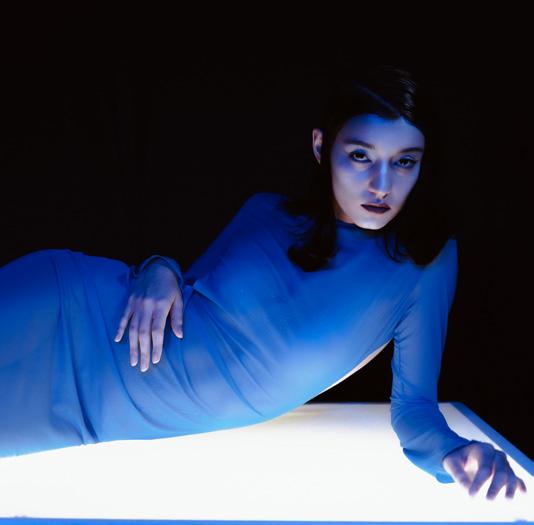
SNOW ANGEL FROZEN OVER BURY THE DEAD FROSTBITE EXPOSURE BREAKING THE ICE CHILLING ROMANCE
ISSUE 15 117

COLD SHOULDER STRIKE MAGAZINE TALLAHASSEE
Shoulder
WRITER Sarah Bourloukas EDITORS Lindsey Limbach, Jayna O
We are a species driven by passion. The sweltering of new love, the angst of inspiration, the rigidness of resilience, and even the frustrations of stagnation. We have emotions to verbalize, communities to build, and artistic expressions to share. Yet, as people who need to think, feel, and express things, we find ourselves trapped in a society that values order, mundanity, and discipline. The burning each of us feels is cooled and simmered with the rigidness of societal norms. The urge to laugh too loud in public is shut down by pedestrians’ sideways glances, and the urge to tell people we love them is silenced by large egos and overbearing fears of what others are thinking. When you’re young, you are discouraged in your restless attempts to achieve political change, being told you’re radical or uninformed. As you age, you are discouraged all the same in your methods of self-actualization when you go against the status quo: coming to terms with sexuality at a late age, finally going to therapy, or leaving corporate America in your dust to pursue a small business.
As a population, we are tired. We are trapped in a world that feels driven by consumerism and materialistic satisfaction. While going about your daily life, with each pedestrian you pass refusing to offer the slightest bit of eye contact, it’s easy to forget that people sometimes laugh, shout, or feel strongly about anything at all. Blessings go uncounted, human interactions are taken for granted, and life passes people by in a mere glimpse without intention. We are fed constant propaganda on how to live but receive no truths on what matters. We are told what we should be doing at each stage of our lives but lack the resources and assistance needed to thrive. We are put in boxes, given labels, expected to hold composure, and told what to think and feel. Breaking the ice and turning a cold shoulder to these societal pressures is a daunting ordeal—but it will set you free. The greatest thing we can learn is to reject every cardboard cutout model of life, defy every ounce of expectation, and completely, totally, live.
119 ISSUE 15


FROZEN OVER
In spite of life’s fleeting nature, we celebrate the beauty of moments that transcend the boundaries of time. As we reflect and reminisce on the past, we sculpt the intricate futures that lie ahead. There’s something special in freezing these moments, snapshots of our endlessly unfolding narratives, crystallized in a state of preservation. Stand still and capture moments of brilliance—but always move forward,
embracing change in the unpredictable course of life. In the inevitability of moving forward, there’s an excitement for the unknown, a journey into oblivion, a chance for growth. Though our cherished memories eventually melt away, succumbing to the essence of existence, they linger in the collective memory, a reminder that we are shaped by the moments we choose to freeze.
WRITER Jayna O
WRITER