STRATEGIC VISION for Taiwan


Security
Diplomatic Fallout
North Korea declares Itself A Nuclear State
Dean Karalekas
India’s Position on Russia-Ukraine War

A. D. Gnanagurunathan
China Air Force’s Operational Concepts
Ying Yu Lin
US Congress and Taiwan’s security
Thomas Shattuck
Taiwan-Europe Relations
David Scott
Volume 11, Issue 53 w September, 2022 w ISSN 2227-3646
STRATEGIC VISION for Taiwan
Security
A. D. Gnanagurunathan
Ying Yu Lin
Dean Karalekas
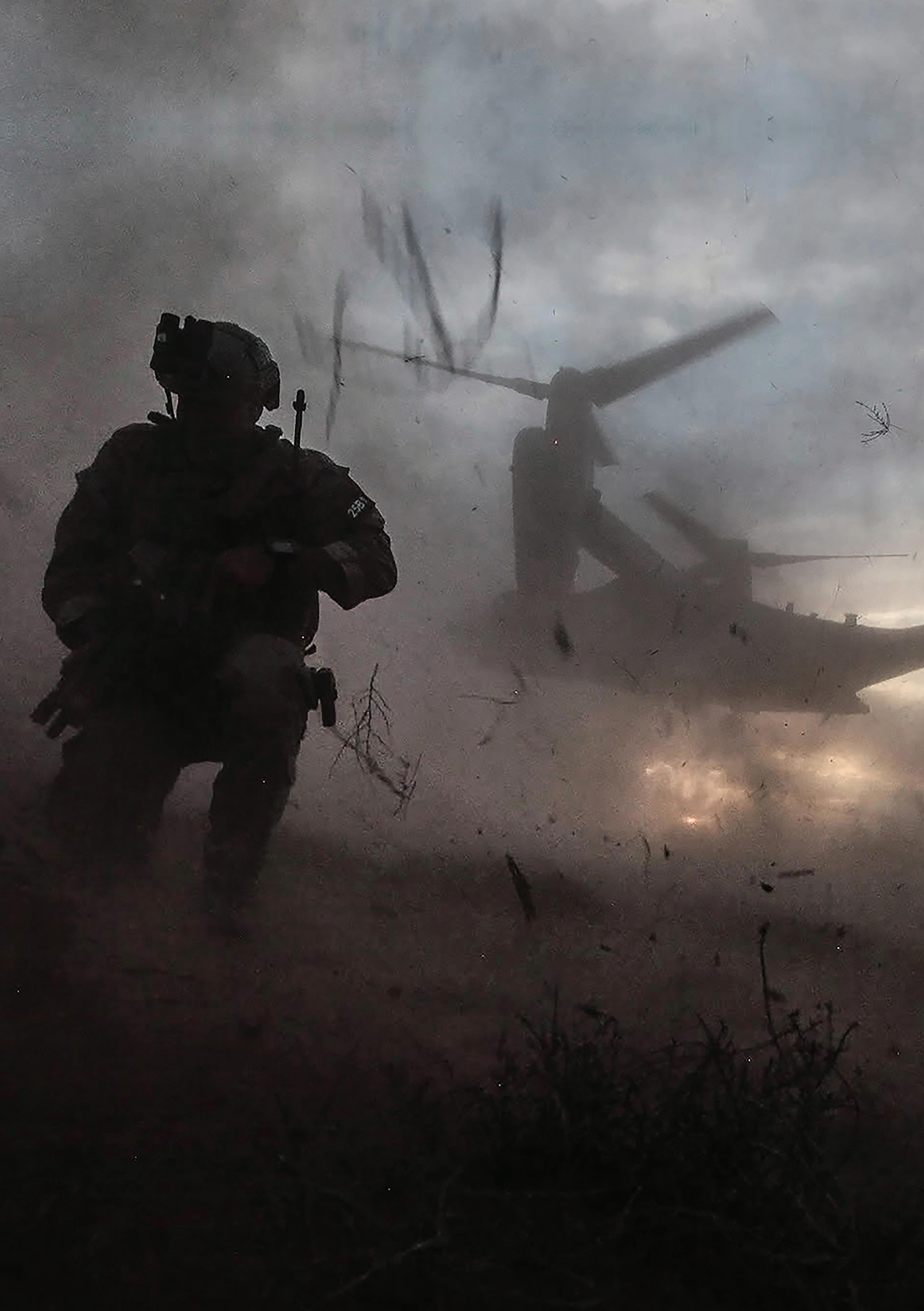
Submissions: Essays submitted for publication are not to exceed 2,000 words in length, and should conform to the following basic format for each 1200-1600 word essay: 1. Synopsis, 100-200 words; 2. Background description, 100-200 words; 3. Analysis, 800-1,000 words; 4. Policy Recommendations, 200-300 words. Book reviews should not exceed 1,200 words in length. Notes should be formatted as endnotes and should be kept to a minimum. Authors are encouraged to submit essays and reviews as attachments to emails; Microsoft Word documents are preferred. For questions of style and usage, writers should consult the Chicago Manual of Style. Authors of unsolicited manuscripts are encouraged to consult with the executive editor at xiongmu@gmail.com before formal submission via email. The views expressed in the articles are the personal views of the authors and do not necessarily represent the views of their affiliate institutions or of Strategic Vision. Once accepted for publication, manuscripts become the intellectual property of Strategic Vision. Manuscripts are subject to copyediting, both mechanical and substantive, as required and according to editorial guidelines. No major alterations may be made by an author once the type has been set. Arrangements for reprints should be made with the editor. The editors are responsible for the selection and acceptance of articles; responsibility for opinions expressed and accuracy of facts in articles published rests solely with individual authors. The editors are not responsible for unsolicited manuscripts; unaccepted manuscripts will be returned if accompanied by a stamped, self-addressed return envelope. Strategic Vision remains neutral with regard to jurisdictional claims in published maps and institutional affiliations. Cover photograph of a paratrooper with the 10th Special Forces Group is courtesy of Connor Mendez.

Volume 11, Issue 53 w September, 2022 Contents A role for US Congress in Taiwan security ....................................4 Official visits strengthen Taiwan-Europe ties .............................. 10 India’s positioning on Russia-Ukraine war.................................. 16 Operational concepts behind PLAAF harassment ...................... 21 North Korea declares itself a nuclear state ..................................26 Thomas Shattuck David
Scott
Editor
Fu-Kuo Liu
Executive Editor
Aaron Jensen
Editor-at-Large
Dean Karalekas
Editorial Board
Chung-young Chang, Fo-kuan U
Richard Hu, NCCU
Ming Lee, NCCU
Raviprasad Narayanan, JNU
Hon-Min Yau, NDU
Ruei-lin Yu, NDU
Li-Chung Yuan, NDU
Osama Kubbar, QAFSSC
Rashed Hamad Al-Nuaimi, QAFSSC
Chang-Ching Tu, NDU
STRATEGIC VISION For Taiwan Security (ISSN 2227-3646) Volume 11, Number 53, September, 2022, published under the auspices of the Center for Security Studies and National Defense University.
All editorial correspondence should be mailed to the editor at STRATEGIC VISION, Taiwan Center for Security Studies. No. 64, Wanshou Road, Taipei City 11666, Taiwan, ROC.
Photographs used in this publication are used courtesy of the photographers, or through a creative commons license. All are attributed appropriately.
Any inquiries please contact the Associate Editor directly via email at: xiongmu@gmail.com.
Or by telephone at:
+886 (02) 8237-7228
Online issues and archives can be viewed at our website: https://en.csstw.org/
© Copyright 2022 by the Taiwan Center for Security Studies.
From The Editor
The editors and staff of Strategic Vision would like to wish our readers well as we move into autumn. As the world continues to react to the ongoing hostilities in Ukraine, we find the security situation evolving, not just in Europe but around the globe. Nowhere is this more true than in the Asia Pacific, and so we offer our latest issue, containing analyses by a number of experts who offer their perspectives on various facets of this evolving situation, as well as on other developments of importance to regional security.
This issue opens with a thought-provoking examination by Thomas Shattuck, Global Order Program Manager at the University of Pennsylvania’s Perry World House, of the role played by the US Congress in terms of aiding in the defense of Taiwan. Dr. David Scott of the Center for International Maritime Security offers his views on the recent string of official visits to Taiwan, as well as the blowback from China, and how this is serving to strengthen Taiwan’s relationships in Europe. Next, regular contributor Dr. A. D. Gnanagurunathan looks at India’s positioning with respect to the Russia-Ukraine war, and how it may be an opportunity to move closer to Delhi’s vision of a multipolar world.
This is followed by an analysis of the Distant Sea Training concept employed by the PLAAF that paved the way for that service’s ongoing harassment operations in the Taiwan Strait, provided by Dr. Ying Yu Lin of the Institute of Strategic and International Affairs at National Chung Cheng University. Finally, our Editorat-Large Dean Karalekas examines Pyongyang’s recent passage of a provocative piece of legislation officially declaring North Korea a nuclear state, and whether this, as well as recent missile tests, represent a return to the Kim regime’s longstanding practice of nuclear brinksmanship.
We hope you enjoy this issue, and that our coverage helps keep you informed and upt-to-date on the events that shape our region and our world. We look forward to bringing you the finest analysis and reporting on the issues of importance to security in the Taiwan Strait and the Asia-Pacific region.
Dr. Fu-Kuo Liu Editor Strategic Vision
Articles in this periodical do not necessarily represent the views of either the TCSS, NDU, or the editors
Stepping Up
US Congress has historic role to play in helping Taiwan defend against attack
 Thomas Shattuck
Arecent rash of high-profile government delegations visiting Taiwan, spurred by US House Speaker Nancy Pelosi’s August 2022 trip, marks the beginning of a new chapter in the tense trilateral relationship between Beijing, Washington, and Taipei. In and of itself, the Pelosi visit was nothing particularly new or different, since members of Congress regularly travel to Taiwan. In fact, 2021 saw the most US congressional trips to Taiwan in at least 10 years, with 2022 thus far following this trend: Just a couple of weeks after the speaker’s delegation left
Taipei, another congressional delegation, this one led by Massachusetts Senator Ed Markey, made a similar trip, to much less fanfare and media coverage. Indiana Governor Eric Holcomb also traveled to Taipei in late August, to discuss semiconductor investment in his state. These visits have resulted in Beijing expanding its coercive toolkit against Taiwan.
The reason that the Pelosi trip became so contentious is because Beijing decided that the visit crossed one of its ambiguous red lines and carried out an unprecedented response that included economic bans
4 b Strategic Vision vol. 11, no. 53 (September, 2022)
Thomas Shattuck is the Global Order Program Manager at the University of Pennsylvania’s Perry World House, and a member of Foreign Policy for America’s NextGen Foreign Policy Initiative and the Pacific Forum’s Young Leaders Program.
Tuvalu’s Prime Minister Kausea Natano, left, meets with ROC President Tsai Ing-wen during a state visit to Taiwan.
photo: ROC Presidential Office
on Taiwanese goods, sanctions on Republic of China (ROC) government officials as well as on Pelosi and her family, drones flying over Kinmen, and days-long joint air and naval exercises around Taiwan, including a live-fire missile test over Taipei. The Chinese reprisals also resulted in the complete collapse of the tacit agreement that the ROC and Chinese militaries would not cross the centerline of the Taiwan Strait.

New trajectory
Beijing’s overreaction to the visit has changed the trajectory of Washington’s relations and policies towards Taipei. These exercises occurred under the shadow of the Russian invasion of Ukraine, making US support for Taiwan more important than ever. Given the decades-long history of US support for the defense of Taiwan, Washington will need to re-evaluate how it supports Taiwan in the face of growing pressure from the People’s Republic of China (PRC). With the cross-strait status quo broken by Beijing’s public statements promising continued exercises around Taiwan, the current trajectory of US-Taiwan relations needs to evolve.
This article discusses ways in which Congress can
take the lead in demonstrating its bipartisan support for Taiwan. As the friction between the administration and Congress received a spotlight in the leadup to Pelosi’s visit, and as demonstrated by reports that the administration had been pushing Congress to water down the Taiwan Policy Act, Congress is seeking to enhance the bilateral relationship in ways that the executive branch is not comfortable with at the moment. Congress has led the way in US-Taiwan relations before, and given this quasi-schism between the legislative and executive branches, there are a number of ways that Congress can once again drive Taiwan policy. From discussions over a “Taiwan democracy defense lend-lease act” to making Taiwan a Foreign Military Financing (FMF) recipient, as well as changes in legal language, Congress has the ability to enhance Taiwan’s security and safeguard the future of US-Taiwan defense cooperation. These policy actions should follow the Pelosi visit because Taiwan has always borne the brunt of Chinese coercion whenever the United States has sought to improve US-Taiwan relations, and these moves would strengthen Taiwan’s major defense vulnerabilities vis-à-vis an invasion or blockade by the People’s Liberation Army (PLA).
Since Beijing used the Pelosi visit as a pretense to
5
US Congress and Taiwan Defense
b
ROC armed forces training to prepare for a PLA invasion. Chinese incursions into Taiwan’s ADIZ have increased in frequency and intensity in recent months.
photo: ROC MND
accelerate its military coercion of Taiwan, Congress should re-evaluate its role in the bilateral relationship. The Taiwan issue is one of the few foreign policy areas in which Congress has historically taken a leading role. It was Congress, after all, that passed the Taiwan Relations Act (TRA) in response to the Carter administration severing ties with Taipei in 1979. The
sion of Ukraine for that country’s military to receive substantial aid and arms sales. Taiwan does not have that luxury in a potential invasion or blockade scenario. Whereas Ukraine shares borders with friendly nations through which US arms can be transported, Taiwan can be cut off from both Japan and the Philippines, the two most likely countries through which the US military would seek to re-arm Taiwan.
relationship that Congress has had, and still has, with Taiwan is unique, and members should continue to follow this historical foreign policy anomaly by pushing the administration of US President Joe Biden into taking more proactive actions to support Taiwan.

The world has seen how much of a difference advanced American weapons systems have had in the Ukrainian fight against Russia, but it took the inva-
Given the different nature of the Ukraine conflict vis-à-vis a future Taiwan war, Congress should consider the prospect of passing a lend-lease act for the defense of Taiwan. Biden signed the Ukraine Democracy Defense Lend-Lease Act of 2022 into law on May 9, 2022, more than two months into the conflict. A critical piece of the law states, “Not later than 60 days after the date of the enactment of this Act, the President shall establish expedited procedures for the delivery of any defense article loaned or leased to the Government of Ukraine.” Neither Taiwan nor the United States will have the luxury of waiting that long into a Chinese invasion to pass such a law, develop
6 b STRATEGIC
VISION
The Port of Honiara in the Solomon Islands, seen here, may be developed into a dual-use military facility by China.
“A Lend-Lease Act would also follow the spirit of the TRA, the authority through which the United States has beensellingTaiwanarmsfordecades.”
photo: ROC Presidential Office
the expedited procedures for delivery, and begin the lending and leasing of such equipment.
During the August exercises, Beijing demonstrated its ability to quickly surround Taiwan in key areas, and the PLA will continue to practice these drills in an effort to successfully blockade Taiwan. If such a situation were to occur and Washington was not prepared in advance, then it would be a struggle to re-arm and re-supply the ROC military. Therefore, there is pressing need to pass a lend-lease act for Taiwan before the war commences.

Message of support
Passing such a law in the aftermath of the Pelosiinduced exercises would send a strong message of support for Taiwan as Chinese coercion increases. Such a law would follow the spirit of President Ronald Reagan’s Six Assurances. The declassified cables from Under Secretary of State Lawrence Eagleburger to
American Institute in Taiwan Director James Lilley specifically reveal Reagan’s intentions on the matter. “Any significant change in PRC actions in the direction of a more hostile stance toward Taiwan will invalidate any understanding we may reach with Beijing regarding our future arms sales to Taiwan,” they read. A Lend-Lease Act would also follow the spirit of the TRA, the authority through which the United States has been selling Taiwan arms for decades. The TRA states: “It is the policy of the United States . . . (4) to consider any effort to determine the future of Taiwan by other than peaceful means, including by boycotts or embargoes, a threat to the peace and security of the Western Pacific area and of grave concern to the United States; (5) to provide Taiwan with arms of a defensive character; and (6) to maintain the capacity of the United States to resist any resort to force or other forms of coercion that would jeopardize the security, or the social or economic system, of the people on Taiwan.”
7
US Congress and Taiwan Defense
b
ROC armed forces training to prepare for a PLA invasion. There is a pressing need for the US to pass a lend-lease act for Taiwan before such a war starts.
photo: ROC MND
The language of the TRA supports the passage of a pre-war lend-lease act for Taiwan. By providing Taiwan’s military the defense equipment that it needs to repel a Chinese invasion, a lend-lease act would be following the three points of the TRA cited above. The Ukraine law actually has similarities to that of the TRA’s arms provision sections: “The President may authorize the United States Government to lend or lease defense articles to the Government of Ukraine or to governments of Eastern European countries impacted by the Russian Federation’s invasion of Ukraine to help bolster those countries’ defense capabilities and protect their civilian populations from potential invasion or ongoing aggression by the armed forces
100 miles from Taiwan and are separated from the island by strategic waterways—would inevitably be affected by a conflict over Taiwan.
A bridge too far
of the government of the
Russian Federation.” By following the Ukraine precedent, a Taiwan version would also allow for greater provision of arms to Japan and the Philippines since these two countries—both of which have territory approximately
Since Taiwan is not currently fighting a hot war against China, it is unlikely that Congress would take such a drastic step as passing a lend-lease act. Such laws are rare, the last of which having been passed in 1941 to support Allied nations before the United States formally entered World War II. Therefore, this type of law—which is extremely necessary for Taiwan’s current moment—is probably seen as a bridge too far, even for a pro-Taiwan Congress. However, the US Congress can support Taiwan’s military and overall defense by passing legislation to provide Taiwan’s military with FMF. Such mechanisms were part of the wording of the Taiwan Policy Act. Moreover,

8 b STRATEGIC VISION
ROC armed forces train for a PLA invasion. The US Congress can support Taiwan’s defense by passing legislation to provide Taiwan’s military with FMF.
photo: Julia Brockman
Congress can add FMF for Taiwan in future laws, such as a National Defense Authorization Act.
FMF for Taiwan should not only provide Taiwan with the arms, systems, and equipment that it would need to defend itself, it is also meant to push the US military into working more closely with Taipei in shaping the future of its defense strategy. It is one thing to accelerate Taiwan’s ability to procure arms from the United States, but it is an entirely separate issue for the United States to have a greater say in the future of Taiwan’s defense. The latter point has become an area of friction in the bilateral relationship, with reports showing that the Biden administration wants a greater say in Taiwan’s defense strategy by denying certain arms requests from Taipei. The Taiwan Policy Act was designed to provide a congressionally mandated system in which the United States government would be required to evaluate Taiwan’s progress in defending itself, with equipment procured via FMF. The language used in the drafting of the act also outlines how the US military should enhance its trainings with ROC armed forces and assist Taiwan’s military to reform and become a stronger force. It acknowledges Taiwan’s shortcomings across a variety of indicators, but its goal is to work with Taipei in reducing those vulnerabilities to prevent a successful Chinese invasion.
Given the clear divide between Congress and the Biden administration over Taiwan post-Pelosi visit, it is entirely possible that Congress will take the opportunity to assert itself on a foreign policy issue on which it has a historical precedent of leadership. Recent examples include the Taiwan Travel Act and the Taiwan Allies International Protection and Enhancement Initiative (TAIPEI) Act. No matter how Congress proceeds in the near and long term, it is clear that there is bipartisan desire to further enhance the US-Taiwan relationship, and a key piece of that enhancement is through FMF.
This article has analyzed two possible ways in which
Congress can, first, assist Taiwan in preventing a successful Chinese invasion by enacting laws that reduce institutional and financial barriers for Taipei to acquire US arms, equipment, and systems, and second, to assert itself over the Biden administration during a time in which the two branches are clearly divided on how to approach the issue of Taiwan and its defense.
Expanding the relationship
Congress has a number of additional options for expanding the US-Taiwan relationship beyond the lendlease act and FMF as discussed in this paper. Other measures could include changing language in other laws, such as the National Defense Authorization Act for the next fiscal year, from making it a “sense of Congress” that Taiwan be allowed to participate in the next Rim of the Pacific, or RIMPAC, exercise to mandating that the Department of Defense “shall” invite Taiwan to participate. Such a simple change of phrasing has the ability to significantly improve bilateral (and multilateral) cooperation with Taiwan. Congress has historical roots in developing Taiwan policy when the executive branch was hesitant to expand that relationship out of fear it would diminish the US-China relationship. Given Beijing’s response to Pelosi’s trip to Taipei, such as the cancelling of several high-level bilateral dialogues, it is clear that the PRC will play the Taiwan card to expand tensions with the United States. Beijing has demonstrated that it is not a reliable partner, and Congress can push the administration into taking Taiwan more seriously as an international partner at a time when it may be reluctant to expand ties out of fear of what else Beijing might do. As discussed, Congress can take the lead on Taiwan policy at a time when the administration does not wish to rock the boat with Beijing. Considering Beijing’s unprecedented reaction to Pelosi’s trip, it is time that the United States takes the future of Taiwan’s defense more seriously. n
US
b 9
Congress and Taiwan Defense
Delegation Diplomacy
Recent string of official visits strengthening Taiwan-Europe convergence
 David Scott
Even as the prime focus of the world’s media outlets has been on the ongoing Russian invasion of Ukraine, unprecedented attention has been paid to several recent high-profile delegations of high-ranking politicians from democracies around the world seeking to visit Taiwan, kicked off by an August 2, 2022, trip by Nancy Pelosi that included talks with Tsai Ing-wen, president of the Republic of China (ROC). As Speaker of the House of Representatives and second in the United States presidential line of succession, the latter was a high-profile trip. As Pelosi flew into Taiwan amid strong denunciation from China, the German Foreign Minister Annalena Baerbock warned on August 2 that “aggres-
sive rhetoric can turn into dangerous action. China’s comments with regard to Taiwan raise serious questions” for Germany and the European Union (EU).
The French Minister for Europe and Foreign Affairs
Catherine Colonna tweeted on August 5 that “Ms. Pelosi’s visit must not serve as a pretext for China’s escalation, which would increase tension. The status quo cannot be undermined by unilateral measures” by the People’s Republic of China (PRC). This is precisely what China did, however, when on 4 August it launched its most extensive and longest-ever live-fire exercises and a simulated blockade around Taiwan. This caused widespread concern, including in Europe. The new UK Prime Minister Liz Truss, then serving
10 b Strategic Vision vol. 11, no. 53 (September, 2022)
Dr. David Scott is a regular writer on Indo-Pacific maritime geopolitics at the Center for International Maritime Security (CIMSEC). He can be reached at davidscott366@outlook.com
President Tsai meets with Lithuanian Vice Agriculture Minister Egidijus Giedraitis to show off goods baked with Lithuanian flour at a Taiwan food fair.
photo: ROC Presidential Office
as Secretary of State for Foreign, Commonwealth and Development Affairs of the United Kingdom, summoned China’s ambassador on August 10 to convey to him that her government “condemned in the strongest terms” China’s “escalation” of “aggressive behavior” around Taiwan.

A wider context
The wider context for these events was growing pressure from Beijing to bring Taiwan under PRC control. In Beijing’s eyes this would be a “reunification,” but to the people of Taiwan, it would be the extinguishing of their hard-won freedom and sovereignty. This is where Europe enters the picture. The European Union (and member states like France and Germany) and the United Kingdom have demonstrated a growing focus not just on China’s uncomfortable behavior in Europe but also in the Indo-Pacific. Pelosi’s visit and European responses to China’s military squeeze on Taiwan can be traced through two channels: Lithuania and the European Union. Lithuania’s support for Pelosi’s visit to Taiwan was immediate. Gabrielius Landsbergis, Lithuania’s
Minister of Foreign Affairs, tweeted on August 2 that “now Speaker Pelosi has opened the door to Taiwan much wider, I am sure other defenders of freedom and democracy will be walking through very soon.” This was in contrast to the prudent silence from other European capitals over the merits or otherwise of the Pelosi visit. Lithuania went on to denounce the Chinese military exercises around Taiwan, on which Landsbergis penned a widely read piece in The Daily Telegraph on August 8 titled “The free world cannot allow Taiwan to become a second Ukraine.”
Other Lithuanian officials demonstrated solidarity with Taiwan as well. A week after the Pelosi trip, the Lithuanian Deputy Minister of Transport and Communications Agne Vaiciukeviciute led an 11-member delegation on a five-day visit to Taiwan from August 8 to 12, including discussions with ROC Minister of Foreign Affairs Jaushieh Joseph Wu and President Tsai. As Vaiciukeviciute left Taiwan, Beijing banned her from any future entry to the PRC and suspended all forms of exchange with Lithuania’s Ministry of Transport and Communications. China also withdrew cooperation with Lithuania in the field of international road transport.
Delegation Diplomacy b 11
Taipei rolled out the red carpet for the visit of US Speaker of the House Nancy Pelosi, the first in a string of high-profile visits to Taiwan recently.
photo: ROC Presidential Office
VISION
Beijing also expressed ire after the August 17 announcement that Paulius Lukauskas, previously an adviser to Lithuania’s prime minister, had been appointed to head up Lithuania’s new Trade Representative Office in Taipei. The PRC immediately accused Lithuania of breaching Chinese sovereignty and undermining the One-China policy by exchanging representatives with the island.
Representation issues had already brought Lithuania-China relations crashing down in November 2021, when it was agreed that Taiwan could open a new quasi-diplomatic presence in Lithuania, under the title “Taiwanese Representative Office,” rather than using one of the euphemisms more palatable to Beijing, like “Taipei,” or “Chinese Taipei.” Punitive measures were maintained by the PRC, namely recalling its ambassador to Lithuania, downgrading diplomatic relations, expelling the Lithuanian ambassador to China, suspending direct freight rail services, and banning various Lithuanian products from the Chinese market.
Consequently, Lithuania-Taiwan links moved forward during 2021 and 2022. Economically, Taiwan

picked up some of the slack of lost China markets for Lithuania. The ROC Deputy Minister of Education Mon-Chi Lio and Lithuania’s Vice Minister of Education, Science and Sport Agne Kudarauskiene jointly opened the Taiwan-Lithuania Higher Education Online Forum on May 27, 2022. A week before the Pelosi visit, ROC Legislative Speaker You Si-kun visited Lithuania on July 23 and held talks with his Lithuanian counterpart, before going on to the Czech Republic and France and holding talks with parliamentarians there.
Three divergent shifts
Lithuania may have sharply diverged from China and converged with Taiwan, but a similar process, albeit at a slower pace, is evident with the European Union. This EU divergence from China can be seen in three shifts.
Firstly, having sought an economic partnership with China for over two decades, the EU position is now to label China as a “systemic rival” and “economic competitor,” alongside some envisaged coopera-
12 b
STRATEGIC
Agne Vaiciukeviciute, center, and her delegation pose for a photograph with their counterparts in Taiwan during an official visit to the island.
photo: Government of Lithuania
tion on environmental matters. In this light, the EU Global Gateway strategy, announced in December 2021, can be seen as a counter to China’s Belt and Road initiative.
Secondly, the European Union has moved to greater sharpness on normative divides with Beijing; over issues like democracy, international law, freedom of navigation, and observance of the United Nations
nomic sanctions against Lithuania, sparked by that country’s links with Taiwan, the European Union (backed by the UK and Taiwan, as well as the United States and Australia) launched a challenge at the World Trade Organization in January 2022 accusing China of discriminatory trade practices against Lithuania—practices that threatened the integrity of the EU single market.
Convention on the Law of the Sea (UNCLOS). On April 24, 2021, the spokesperson for the European External Agency Service, the EU foreign policy wing, directly criticized the Chinese presence at Whitsun Reef in the South China Sea, characterizing it as “endangering peace and stability in the region.”
Thirdly, the European Union has sought to project itself into the Indo-Pacific, as witnessed in its release of the EU Strategy for Cooperation in the Indo-Pacific in September 2021. It outlined cooperation with a swathe of states like India, Australia, Japan (as well as ASEAN member states) which had developed Indo-Pacific strategies, warned of China’s military buildup, argued that instability in the South China Sea and tensions in the Taiwan Strait had a “direct impact” on European security, proposed “enhanced” naval deployments by member states, and talked of the need for “deep” trade and investment relationships with Taiwan. Greater naval participation by European navies is a further issue of friction with Beijing, as indicated by Chinese anger over a French warship sailing through the Taiwan Strait in April 2020.
A further problem that the European Union has with China is over Beijing’s treatment of Vilnius, Lithuania being an EU member. In the wake of China’s eco-
During 2022, EU concerns over China were heightened by Beijing’s strong support of the Russian invasion of Ukraine. The other concern for the European Union has been that Russia’s aggression against Ukraine could embolden China to carry out similar actions against Taiwan. Jorge Toledo, the new EU ambassador to China, warned in a July 17, 2022, interview in La Vanguardia that, “in the event of a military invasion [of Taiwan], we have made it very clear that the European Union, with the United States and its allies, will impose similar or even greater measures than we have now taken against Russia.”
Stage posts
All of these developments have brought Taiwan into greater focus for the European Union. Again, there are certain stage posts. The European Parliament for the first time drafted and passed (by 580 to 26 votes) a stand-alone Report on EU-Taiwan Political Relations and Cooperation on October 21, 2021. Interestingly, they welcomed plans to set up the Taiwanese Representative Office in Vilnius and “condemned” any Chinese economic sanctions against Lithuania. The report stressed the important role of EU-Taiwan investments, noted Taiwan’s domination of semiconductor manufacturing (with 65 percent of all semiconductors and almost 90 percent of advanced chips coming from Taiwan), and concluded that “Taiwan’s location, its critical role in global high-tech supply chains, and its democratic way of life makes it strategically important for EU democracies.”
Delegation Diplomacy b 13
“Taiwan’s location, its critical role in global high-tech supply chains, and its democratic way of life makes it strategicallyimportantforEUdemocracies.”
Chinese “military belligerence” against Taiwan and “China’s Taiwan-related legislation” were denounced in the report. More intense and wider EU contacts with Taiwan, and with other “like-minded” actors (namely the United States, Japan, Australia, New Zealand, South Korea and India) to support Taiwan, were called for. Not surprisingly, Beijing immediately denounced the report strongly. The European Parliament has nevertheless continued to reach out to Taiwan. In November 2021, a delegation from the Special Committee on Foreign Interference in all Democratic Processes traveled to Taiwan, the first such official trip from the European Parliament. They met with President Tsai, denounced Chinese disinformation tactics, and called for greater cooperation between the European Union and Taiwan.

The European Chips Act, announced in February 2022, specifically named Taiwan as a “like minded partner” whom the European Union could work with on semiconductors. The European Union and Taiwan upgraded trade talks from civil service officials to the ministerial level. This enabled the ROC Minister of Economic Affairs Wang Mei-Hua to hold talks on June 2, 2022 with Commissioner for Trade Valdis Dombrovskis of the European Commission, where
semiconductor cooperation was an issue very much in focus. Another was a bilateral investment program. Meanwhile, at the 9th EU-China High-Level Economic and Trade Dialogue, held on July 19, the EU side publically reiterated that “measures of economic coercion—including against Lithuania—are unacceptable.”
These important steps toward stronger TaiwanEuropean ties were denounced by leaders and mouthpieces in China, as was the July 20, 2022, trip to Taiwan by European Parliament Vice-President Nicola Beer, just two weeks before Pelosi’s trip. Beer told President Tsai not to doubt EU support as Taiwan strives “for a democratic, peaceful and sovereign” existence, with “sovereign” being a particularly touchy word for Beijing.
Thus although the European Union and most member states, with the notable exception of Lithuania, maintained a polite silence during Pelosi’s visit, the subsequent Chinese acceleration of military pressure against Taiwan has resulted in generating wider European support for the embattled island democracy. At the G7 meeting on August 3, in their Statement on Preserving Peace and Stability across the Taiwan Strait, the European side (represented by European
14 b STRATEGIC VISION
The French frigate Vendemiaire sailed through the Taiwan Strait in April, 2019. European navies are increasingly taking part in FONOPs in the Asia-Pacific.
photo: President Of Ukraine
Commission President Ursula von der Leyen and European Council President Charles Michel), as well as foreign ministers from member states such as France, Germany, and Italy denounced China’s “aggressive” military activity in the Taiwan Strait and “economic coercion” against Taiwan, for which “there is no justification to use a visit as pretext.” Elsewhere, Josep Borrell, the high representative of the European Union for foreign affairs and security policy, told the ASEAN Regional Forum on August 5 that the European Union had a “clear interest” in the “preservation of peace and the status quo” in Taiwan, and was “strongly concerned” over China’s firing of ballistic missiles over the island.
Baltic backlash
Of further trouble for China was that its attempts to coerce Lithuania over Taiwan sparked a backlash in the wider Baltic region. Thus, Lithuania’s withdrawal from the China-Central and East Europe Cooperation, or 17+1, framework in February 2021 was followed by similar action by Latvia and Estonia on August 11, 2022. The Czech Republic likewise signaled interest in withdrawing, in a backlash over rising Chinese anger over official Czech contacts with Taiwan. The Czech Senate President Milos Vystrcil’s visit to Taiwan in July 2020, for example, included an impressive speech to the ROC Legislative Yuan on the need for solidarity among democracies and the protection of common values. ROC Foreign Minister Wu reciprocated, arriving at the Czech Senate in November 2021 to enhance the Taiwan-Czech relationship. In an interview with Politico on April 13, 2022, the Czech Republic’s Minister of Foreign Affairs Jan Lipavský remarked “we understand that Taiwan is bullied by China. Democracies in the world should hold together—and Taiwan is a democracy.” To complete another circle, on the eve of the Pelosi trip, Speaker You visited the Czech Republic in July
2022, drawing the usual criticisms from China. Thus, signs are positive that the Czech Republic’s turn to hold the Presidency of the European Council for June-December 2022 will ensure that Chinese threats against Taiwan’s democracy, as well as Russia’s war on Ukraine, will remain on Europe’s radar.
Chinese complaints about Pelosi’s visit to Taiwan seem to have backfired as European legislators are not being deterred from visiting the island. On 2 September, in her video participation at the Forum 2000 conference held in Prague, attended by the Czech president and the German foreign minister, President Tsai denounced China’s intimidation tactics, reached out for European support, and specifically welcomed the 2022 visits by European parliamentarians. More European visits are to follow. A delegation from the French Senate arrived in Taiwan on 7 September for a six-day visit, meeting with senior government officials including Speaker You and Vice President Lai Ching-te to discuss Indo-Pacific security. This followed a June visit by Joel Guerriau, vice-chairman of the Senate Committee on Foreign Affairs, Defense and the Armed Forces, who was awarded the Order of Propitious Clouds with Grand Cordon by President Tsai. From Germany, the Bundestag’s Committee on Human Rights and Humanitarian Aid are scheduled to visit as well, with Committee Chairwoman Renata Alt telling Reuters that “the trip should send a signal that we support the independence of Taiwan and democracy there.”
Next, the UK House of Commons’ Foreign Affairs Committee is set to visit Taiwan in late November or early December. Last but not least, the European Parliament’s Trade Committee re-affirmed its scheduled trip to Taiwan for December 2022. This ties in to the accelerating pace of EU-Taiwan trade talks, and proves that China’s tactics of intimidation following Speaker Pelosi’s trip have had the opposite of their intended effect. n
Delegation Diplomacy b 15
Strategic Vision vol. 11, no. 53 (September, 2022)
Quagmires and Fortune
Russia-Ukraine war an opportunity for Indian vision of multipolar world A. D. Gnanagurunathan

Anyone with even a bit of interest in international politics may raise the question as to whether people in Asia should be bothered about a conflict in faraway Europe. The answer to the question is both yes and no. For example, a rice-eating, oil-producing Brunei, with limited international ambitions, had little to worry about the course of Russia-Ukraine war so far. On the other hand, a rice-eating, oil-consuming India, with expansive global ambitions, has a great deal at stake in the course and outcome of the conflict. Therefore, it is imperative to situate states in appropriate contexts to understand and analyze their actions and responses.
The members of the international community have been experiencing the economic fallout of the RussiaUkraine war to varying degrees. African countries dependent on Russian and Ukrainian wheat had their food security compromised severely due to restricted supplies. Western sanctions on Russian oil and gas have not only jeopardized the energy security of Europe, but also most countries around the world. Soaring oil prices resulting from supply shortages have accelerated commodity prices across the board, leading to disaffection and popular protests, both in rich as well as not so rich countries, and forcing governments to initiate various mitigative measures.
16 b
Dr. A. D. Gnanagurunathan is a Non-Resident Fellow at the Taiwan Center for Security Studies (TCSS), National Chengchi University, Taipei.
The intentional flooding of a small village north of Kyiv created a quagmire, submerging fields but prevented a Russian advance on the capital.
photo: Just Click’s With A Camera
The political cost of the conflict has been borne stoically by most countries without yielding to compelling and competitive narratives from both the West and Russia, namely democracy vs. an authoritarian existential threat to sovereignty and independence. The responses among Asian states have largely been three-pronged: opposition, ambivalence, or support. US allies Australia, Japan, and South Korea have condemned Russia and imposed sanctions on it. Countries like India and Indonesia remained ambivalent without condemning Russia, while China offered economic and diplomatic support to Russia as a strategic partner, although it stopped short of providing military assistance.
In such a situation it is imperative to understand why India’s position in regard to the Russia-Ukraine war has been given a certain degree of importance by the West—which includes the United States, Europe, Japan and other states in the Anglosphere—which have attempted to change India’s policy when it refused to condemn Russia’s actions.
For one, Western perceptions of India have shifted from the land of snake charmers, poverty, and curry
to that of a nuclear flashpoint, an economic opportunity, and a possible bulwark against China in the post-Cold War era. So, the Americans courted India successfully to a great extent, with the civil nuclear deal and a seat at the diplomatic high table. But for the Europeans, India remains somewhat unrequited despite concerted efforts to get involved in India’s clean energy projects, new technology, and defense manufacturing.
Democracy and solidarity
When Russia’s “special military operation” (read: undeclared war) against Ukraine began, the Western capitals expected India to join them in a chorus to condemn Moscow and impose sanctions in concert with them. The underlying belief behind such an expectation was that India, being the world’s largest democracy, a strategic partner to the United States, a cornerstone in the European Indo-Pacific strategy, and a pillar in the QUAD (although its status has diminished in importance somewhat with the birth of AUKUS), was supposed to stand together

17
India Hedging on Ukraine War b
photo: India Ministry of External Affairs
The President of the Russian Federation Vladimir Putin meets with Indian PM Narendra Modi for the 21st India-Russia Annual Summit.
with these fellow democracies in opposition to an authoritarian Russia.
However, to everyone’s surprise, India was disinclined to impose sanctions on Russia, or even to issue a statement condemning the attack. A series of high-profile visits to Delhi from the United States,
Europe, Japan, Mexico, and others took place to persuade Indian leaders to alter their position. At times, veiled threats were issued. Delhi also hosted visits from Russian Foreign Minister Sergey Lavrov, and his Chinese counterpart Wang Yi, though they had a different agenda. India went on to abstain from voting against Russia in the UN Security Council, General Assembly, and Human Rights Council. Further, it increased its imports of Russian oil and fertilizers, to the consternation of the nations supporting Ukraine.

A common explanation is that India is dependent on Russian arms and armaments, replenishments, and military technologies, and therefore antagonizing Moscow would jeopardize Indian security. Moreover, India’s long-standing relationship with Soviet Russia and its reliance on Russian support in international forums like the United Nations, with its veto power, has also been attributed as a factor. Although this is true to some extent, in recent years India has diversified its defense procurement to reduce its reliance on Russia. Moreover, the United States expressed its willingness to share advance weaponry and technologies, which had heretofore been denied, provided that India agrees to disown Russia. Yet, this did not happen. So, it is insufficient to account for India’s actions.
Revisionist agenda
There is another popular argument going around to the effect that the ruling, right-leaning Bharatiya Janata Party needs Russia’s help to fulfill its revision-
18 b
STRATEGIC VISION
India’s Prime Minister Narendra Modi meets with Chinese Paramount Leader Xi Jinping in Wuhan, China in 2018.
“ThereisalsothehistoricalfactofIndia’s proclivity towards supporting Soviet RussiaduringtheColdWar.”
photo: India Ministry of External Affairs
ist agenda to recreate an Akhand Bharat, or Greater Bharat—a powerful super-nation composed of what is now India, Afghanistan, Pakistan, Bangladesh, Sri Lanka, Myanmar, Tibet, Bhutan, Nepal, and Aksai Chin. This explanation remains unconvincing, however, because the center-left Congress party-led government—which steered Indian foreign policy closer to the United States—had similarly absented itself from condemnation of Russia’s annexation of Crimea in 2014, on the grounds that Russia had legitimate interests in Ukraine. There is also the historical fact of India’s proclivity towards supporting Soviet Russia during the Cold War. The most plausible explanation is that India adheres to a position of strategic autonomy as a means to pursue its foreign policy goals. Hence, it is pertinent to analyze the extent to which the Russia-Ukraine war helped India to exercise its strategic autonomy and inch towards its stated goal of a multipolar world order. The idea to find an appropriate place among the international community germinated even before India’s independence. The bipolar Cold War propelled India and like-minded states to form the Non-Aligned Movement, which effectively means multiple power centers operating
as a counter-weight to the two superpowers. The realities of the post-Cold War global order and the demands of 21st century politics forced India to realign its diplomatic positions, if not its goals. India’s improved economic and military capabilities have enabled it to venture into uncharted territories of diplomacy in pursuit of its national interests using strategic autonomy as a foreign policy tool.
Leveraging relationships
Strategic autonomy, to quote commentator Sreemoy Talukdar, is “a posture that relies on diplomatic activism, geopolitical pragmatism, prioritizing national interests over bloc politics and maintaining good relationships with all sides so that these relationships can be leveraged to eke out the best possible outcome for India, even amid moments of global turmoil … Strategic autonomy is also an attempt to maximize policy space, which sees bloc politics as a constraint on its actions and choices.”
When Russian forces entered Ukraine, journalist Ravi Buddhavarapu declared that “India was in a sweet spot.” The West, the Russians, and the

19
India Hedging on Ukraine War b
While the Ukrainians won the battle of Kyiv, Russian forces have devastated Ukraine, killing and wounding civilians.
photo: Just Click’s With A Camera
Chinese each wooed India to join their side. Hence, the Russia-Ukraine war was an opportune moment for India to maximize it maneuvering space; to serve its national interests in the best possible way and strengthen its quest for a multipolar world order.
Lockdowns and disruptions
As a corollary, India decided to import discounted oil, fertilizer, and other commodities from Russia, to help fight spiraling fuel prices, high inflation, and record unemployment at home resulting from COVID-19 lockdowns and supply chain disruptions. India countered Western criticism by pointing out their own use of Russian oil, as well as natural gas, to maintain the stability of the European economies.
On the one hand, India probed the Chinese to extract a concession in the form of easing the military tensions in the border areas when the Chinese Foreign Minister Wang Yi visited India to score a political point against the West by showing that India stands with China.
On the other hand, India attempted to strengthen its partnership with the United States and partner na-
tions to modernize its defense industry and curtail its dependence on Russian military hardware. However, it did this to increase its policymaking options, and not in an effort to join the anti-Russian camp.

Similarly, India perceives China as a major threat to its border security and a revisionist power in the region, and therefore it is willing to partner with the United States to balance China. This does not mean that India wants an alliance to counter China, or to operate under US leadership to achieve its objective. This maneuvering space is made possible because both the United States and Europe are seeking India’s assistance in their Indo-Pacific strategy.
Therefore, the multipolar world order, as envisaged by India, sees multiple great powers competing for global influence in a politically pluralistic environment, regardless of regime-type, be it democratic or authoritarian. In pursuit of this vision, leaders in India seek strategic flexibility with multiple partnerships, without being constrained by value-based obligations and alliances. India has found the RussiaUkraine conflict to be an ideal opportunity to further its national interests, and to move towards its goal of a multipolar world order. n
20 b STRATEGIC VISION
The UK announced it would provide three M270 MLRS long-range rocket launcher systems to Ukraine to deal with the Russian invasion.
photo: Just Click’s With A Camera
Strategic Vision vol. 11, no. 53 (September, 2022)
Distant Sea Training
PLAAF harassment made possibly by shifts in training, operational concepts
Ying Yu Lin
Chinese military aircraft made 446 incursions into Taiwan’s air defense identification zone (ADIZ) in August 2022, according to media reports. This number is far higher than the number of incursions that took place during the whole of 2020. The political goal appears to be to normalize Chinese presence so close to the median line, and to inch closer to Taiwan itself in small enough steps that each falls short of a cause for war. In short, the same sort of salami-slice strategy that earned Beijing control over the South China Sea while the world looked on. To make it feasible for use in the Taiwan Strait, the Chinese military had to develop new capabilities and operational concepts. This article will examine the development of those concepts over the past few years and the challenge they pose

to defense planners in Taiwan.
In early 2015, the term “Distant Sea Training” saw an uptick in use in military and strategic circles in the People’s Republic of China (PRC). It refers to what was then a new type of flight training for People’s Liberation Army (PLA) pilots, involving sorties flown especially by Xian H-6K strategic bombers to areas in the Western Pacific beyond the first island chain. Such training, not being geographically confined to certain areas, was orientated toward helping the PLA Air Force (PLAAF) hone its tactical maneuvers specific to a new battle space.
The most recent round of military reform initiated in 2016 saw the emergence of a new guiding principle wherein theater commands are responsible for operations and service. Following this, the five newly
b 21
Dr. Ying Yu Lin is an Assistant Professor at the Graduate Institute of International Affairs and Strategic Studies at Tamkang University in Taiwan. He also is a research fellow at the Association of Strategic Foresight.
A Y-8 transport aircraft of the PLA Air Force takes off from a military airfield on February 23, 2018.
photo: Yin Wenbo & Li Cunyong
established theater commands gained direct control of attached units, irrespective of the services to which they belong. This era saw the rise of the PLA Rocket Force (formerly the Second Artillery Corps) and the concept of Distant Sea Training as a military operation. The latter also had political value, for strategic messaging directed at certain countries in the region, and was a task that no single service could handle alone. It is now supplemented with realistic training objectives and supported by a tight air defense network formed by anti-aircraft missiles, fighting ships, and the BeiDou Navigation Satellite System. The execution of integrated joint operations is likely handled by theater command joint operations centers that came into existence as part of the most recent military reform. Coordination between air force and naval aviation units under theater commands is a requirement. In particular, it is aimed at realizing PRC President Xi Jinping’s direction on training in a realistic way: essentially, to train in the way that they will be expected to fight.
Distant Sea Training is a type of realistic training that got underway in 2015. The guiding concept testifies to the fact that the PLAAF plays an offensive

role in the “active defense” strategy formulated by the PLA, the goals of which are to gain air superiority, damage critical targets, destroy transportation and logistics supply systems, and neutralize the threat of hostile ground forces to enable the PLA to engage the enemy on the ground and at sea without having to worry about threats from the air.
In the aforementioned overwater flights to the Western Pacific, being the first of their kind for the PLAAF, there were a number of unknowns. The learning curve involved not only technical and operational issues, such as intelligence gathering, battlefield management, and verification of coordinates of vital strategic targets as shown on BeiDou devices, but also political issues, such as the response of the countries that were affected.
The experience and information collected over several years led the PLA in 2018 to publish a new outline for military training that focused on the PLA’s combat capability, highlighting military training under combat conditions and joint training. Units at all levels of the various services and branches are directed to complete their annual specialized and joint operations training on schedule, unless they are otherwise
22 b STRATEGIC VISION
A simulated ground target is bombed by an H-6K bomber during the exercise Golden Dart in northeastern China on April 18, 2018.
photo: Yang Pan
occupied with special tasks. The navy and air force in particular were to enhance their combat skills through repeated practice in war games. This new direction showed that the PLA had made strides in reformulating military training content, making it realistic, scientific, and standardized, and conducive to joint operations.
A shift in focus
The new strategy for the PLAAF was to shift focus from territorial air defense to cover both defense and offense, as well as to build an air-space defense force structure to effect informatized operations. This transformed the PLAAF from a tactical air force to a strategic one. It also means that the PLAAF will not confine itself to activities within the atmosphere, making use of those space-based information platforms that are supportive of air combat operations. Moreover, the air force has been fully informatized, and is capable of conducting integrated operations with other service branches.
The main significance of the shift to a dual offen-
sive and defensive role is that the air force has moved on from its past function of homeland air defense, wherein its main task was to intercept intruding aircraft. It now has a strategic role characterized by the capability to strike targets overseas, both hostile ships and land targets in other countries. In addition to the training mentioned above, the PLAAF’s transformation also included hardware upgrades. The acquisition of advanced fighter jets from Russia, the production of fighter planes based on reverseengineered Russian technology, and the entry into service of early-warning and electronic-warfare aircraft, have all contributed to the PLAAF’s capability to measure the effectiveness of a system by pitting it against another. All these developments are enablers of control of the air, realized through the Distant Sea Training concept.
Training started with a single type of aircraft, a fixed route, and a single theater command before evolving to include multiple aircraft types, multiple services, and flight routes across theater commands. The flights, and the routes they took, represented a grave threat to Taiwan. In one case in 2018, the PLA flew

Distant Sea Training b 23
photo: Yang Pan
Su-30 fighter jets receive pre-flight checks in preparation for the PLA Air Force annual penetration and assault competition assessment on April 15, 2018.
a Shaanxi Y-8, which is a Chinese copy of the Soviet Antonov An-12, along the disputed flight route M503 to conduct electronic surveillance of Taiwan’s armed forces, taking advantage of the fact that the civilian flight route skirts just 7.8 kilometers from the median line of the Taiwan Strait. In 2020, during visits to Taiwan by high-ranking US officials, the PLA demonstrated Xi’s displeasure by making multiple sorties of fighter jets and bombers based in the Eastern and Southern Theater Commands to cross the median line and enter Taiwan’s ADIZ, at a distance of only 37 nautical miles to Taiwan proper in their closest approach to the island.
On-going reform
Similar military and quasi-military action, coupled with political and military issues in recent years, has led to the emergence of varying training models that are highly unpredictable. Despite the fact that 2016 saw military reform enforced across the services, military exercises of all sorts did not increase appreciably that year. For the PLA, military reform was an on-going process in 2016, which made it impractical to launch large-scale exercises because
the military structure, command mechanisms, and even training outline as mandated by the reform program were still in flux, and had yet to take shape. On top of that, the BeiDou-3 global navigation satellite system became operational in December 2018, which helps explain the surge in PLAAF drills in 2017 and 2018: the PLAAF linked to the new BeiDou system for tests in three areas: navigation, positioning, and time service. Distant Sea Training thus dramatically increased in that two-year period.

The considerable improvements in PLAAF’s overall performance is concrete proof of the usefulness of the Distant Sea Training concept. The PLAAF used to focus its attention on homeland air defense. While the idea of combining air and space components, and assuming an offensive and defensive stance, were ideas that were raised as early as 2004, little was done at that time. In the Distant Sea Training that kicked off in 2015, the PLAAF did not count on single-plane maneuvers, but on scenarios that envisaged longdistance strikes initiated by theater commands, and strikes that could break through enemy defense lines. Thus, over the past few years, the PLAAF has focused its attention on air strike formations, with capabilities ranging from providing cover from enemy aircraft and launching electronic warfare attacks, to suppressing the enemy with air strikes and attacking carrier strike groups.
Other areas of attention include command and control systems for multi-ship formations, coordinated guidance for multiple aircraft in air combat, coordinated targeting for multiple aircraft, and allocation
24 b STRATEGIC VISION
of firepower resources. This training focus represents a quantum leap in operability over the PLAAF’s previous task of homeland air defense, when it was incapable of launching strikes on targets beyond the border. The service is now in the process of acquiring the capability to combine air and space components and be alternatively offensive and defensive. To reach this goal, it must develop joint operations capabilities that put all corners of China within its reach, as well as coordinating offensive and defensive operations with logistics support. The PLAAF’s Distant Sea Training is a step in that direction.
In a military parade on October 1, 2019, the PLAAF demonstrated its capabilities by way of mission-specific plane formations, including an early warning and command aircraft formation, an airlifter formation, a long-range strike aircraft formation, and an air raid formation. This was to demonstrate that the PLAAF had developed a sequence of steps to initiate quick precision strikes against targets in the air, on the ground, and at sea. In doing so, it hopes to become a strategic air force in a real sense.
For the PRC, a strategic air force symbolizes air superiority for the country that fields it. It is a service

with long-range fire-projection capabilities that can fight on its own. With the support of combined air and space components, it can fight independently of other services or play a leading role in joint operations, to impose strategic intimidation upon the enemy and launch precision strikes against enemy targets, helping Beijing to reach its strategic objectives. Distant Sea Training also carries connotations that are associated with international politics, the regional economy, cross-strait relations, and safeguarding China’s territorial integrity.
Of course, Beijing claims that the training flights discussed herein are not intended for any specific countries or targets, and that they comply with international law and customs. In reality, the constant incursion into Taiwan’s ADIZ is obviously meant to harass and intimidate political leaders, as well as to wear down the operability of Taiwan’s air assets through the constant scrambling of jets to monitor the incursions. The danger of having two opposing fighting forces in such proximity under such stressful conditions cannot be overstated, and the risk of accidental conflagration into war is ever-present with every successive incursion. n
Distant Sea Training b 25
An H-6K bomber conducts high-altitude horizontal bombing against simulated targets during assault operations against ground air defense troops.
photo: Yang Pan
Strategic Vision vol. 11, no. 53 (September, 2022)
Familiar Patterns
DPRK missile test, legislation mark return to strategy of nuclear brinksmanship
Dean Karalekas
Without warning, the Democratic People’s Republic of Korea (DPRK) fired two ballistic missiles on the morning of October 9, 2022, just five days after launching a ballistic missile directly over Japan for the first time in five years. The move prompted Tokyo to issue an alert, urging residents to take shelter. These are only the latest of nearly two dozen missile launches this year, making it the most in any single year since Kim Jong-un assumed leadership of North Korea in 2012. Last year saw just eight such launches, for example, with only four conducted in 2020.
The rash of missile launches comes of the heels
of the September 9 promulgation of a new piece of legislation by the Supreme People’s Assembly of the DPRK officially declaring North Korea a nuclear weapons power. Although there are no indications that the scope and capabilities of the rogue nation have changed appreciably from previous estimates with regard to the state of its nuclear arsenal, the passing of this new law merely codifies the existing status quo. Indeed, it may represent a new, more hardline stance through which the regime of Kim Jong-un can continue to engage in the sort of nuclear brinksmanship that has characterized his tenure as Supreme Leader, as well as that of his father before him.

26 b
Dean Karalekas is an Editor-at-Large for Strategic Vision and the author of Civil-Military Relations in Taiwan: Identity and Transformation. He can be reached for comment at dkaralekas@hotmail.com
Kim Jong-un meets Vladimir Putin April 25, 2019, at an official reception in honor of the visiting North Korean leader on Russky Island, Vladivostok.
photo: Kremlin.ru
The new law stipulates that North Korea would never surrender its nuclear weapons, or bargain away its production capabilities for the same, even if the regime faced “100 years of sanctions.” These weapons, according to a recent public statement by Kim, represent the “absolute force” and “national dignity” of the country.
“There will be absolutely no denuclearization first and no negotiation to that end,” Kim vowed in a September 8, 2022, policy speech.
More worryingly, the law includes a reversal of the nation’s no-first-use policy, which was enunciated in 2016 in the wake of Pyongyang’s fourth nuclear test. Red lines for a nuclear first strike include the perception of an impending nuclear attack, the emergence of an existential threat to the state, or to the Kim regime itself, or as an option in an “offensive war.” This reasoning echoes the Bush Doctrine of 2002, and just as that policy was used with questionable justifiability to legitimize the 2003 invasion of Iraq, observers worry the Kim regime could all too easily twist an innocent set of circumstances to fit their definition of one of these red lines, plunging the region into a nuclear conflict.
Perhaps in an effort to assuage such worries, the new legislation also includes a vow not to share nuclear technology, or sell such armaments to other countries or powers. Again, this is simply a codification of previous statements; since at least 2006, Pyongyang has insisted it would not export its nuclear know-how. Of course, this commitment has been less than airtight, as it is well-known that the rogue state helped the regime of Bashar al-Assad build a nuclear reactor capable of aiding warhead production in Syria in the early 2000s, sold missile technology to actors in the Middle East in the late 2010s, and even tried to sell Lithium-6, an isotope used in manufacturing nuclear weapons, over the Internet in the early 2010s.
The Russian invasion of Ukraine and the Western response it engendered may well have played a role in Kim’s decision to codify the nation’s nuclear status. The DPRK have long been under the same types of sanctions that Russia currently faces, and yet the international community is not calling upon Moscow to commit to nuclear disarmament. Were Russia a non-nuclear power, Kim may well have wondered, would NATO have been as hesitant to commit troops

DPRK Nuclear State b 27
A US Air Force F-15 Eagle receives fuel from a KC-135 Stratotanker over the Pacific Ocean east of North Korea on Sept. 23, 2017, demonstrating US resolve.
photo: John Linzmeier
to Ukraine to help repel the invasion, rather than making the Ukrainians do all the heavy lifting? From this perspective, the lesson learned is that nuclear capability confers respect; and respect, in the end, is what Kim desires most.
Much analysis of the law’s impact points out that it will have very little effect on the situation on the ground, there being nothing in the legislation that deviates greatly from existing North Korean policy, The Diplomat going so far as to call it “much ado about nothing.” Nevertheless, the government of South Korea responded with a warning to Pyongyang’s leaders that deployment of nuclear weapons would put the nation on a “path of self-destruction.”

While there is no evidence that North Korea is yet able to deliver a functioning nuclear re-entry vehicle, its long-range ballistic missiles are believed to be capable of reaching targets as far away as the United States and Europe, according to the Bulletin of the Atomic Scientists. Pyongyang’s nuclear weapons arsenal is the product of decades of development, having detonated six devices, one with a yield of over 100 kilotons, and test-flown several new missiles. It is clear that the DPRK’s nuclear capabilities are not to be dismissed lightly.
According to Rafael Mariano Grossi, director general of the International Atomic Energy Agency, Pyongyang continues to expand its weapons-grade uranium enrichment capabilities, with recent signs of construction activity at the Yongbyon nuclear facility as well as at the Pyongsan Uranium Concentration Plant and the Pyongsan Mine, where uranium ore is extracted and converted into yellowcake powder, which is an intermediate step in the production of enriched, weapons-grade uranium. Speaking to The Korea Herald, Grossi also pointed out that the agency had indications that Tunnel No. 3 at the Punggye-ri nuclear testing site was active and may be prepared for a nuclear test. The reality of the threat, brought to the fore with the promulgation of the new law, is a reminder that the previous trajectory that showed such promising results in diplomatic efforts may be at an end.
The timing of missile test may be an indication that the Pyongyang regime once again feels it is not getting the international attention that is its due, with the world’s attention being focused on the war in Ukraine and the threat of same in the Taiwan Strait. Indeed, the new law, and the way its promulgation was wielded by the Pyongyang government, may have
28 b STRATEGIC VISION
A North Korean guard peers out from behind a granite pillar to study the movements of US sailors during a tour of the Korean Demilitarized Zone.
photo: US DOD
been designed to achieve the same effect, in a strategy perhaps inspired—somewhat belatedly—by the People’s Republic of China’s March 14, 2005, promulgation of the Anti-Secession Law, which served to spur intense discussion among analysts and commentators as to the effect it would have on the status quo in the Taiwan Strait. In both cases, the regime enshrined into law something that it was largely already willing, able, and expected to do anyway, and derived benefits from the announcement of the legislation.
Status quo ante
It also signals that the pre-Trump status quo ante may have returned, with Pyongyang seeking attention once again from an international community that, in its view, all too often snubs the hermit kingdom. During the four years of the presidency of Donald Trump, the North Korean issue, while entertaining, was not on a war footing. Trump, who fancies himself a negotiator first and foremost, has undeniable instincts when it comes to dealing with people like Kim,
and as a result, Trump’s unconventional approach, coupled with the government of South Korean president Moon Jae-in’s unilateral pursuit of engagement with the North, allowed the process to break free of the stagnant adherence to only addressing the DPRK through the Six-Party framework. By giving Kim what Obama had steadfastly denied him—a one-on-one audience with the US president—Trump managed to placate Pyongyang and prevent the usual nuclear brinksmanship that more conventional politicians had simply accepted as the norm.
Trump’s walking away from the Hanoi summit, for example, was a power move, and one that was no doubt honed over decades of negotiating high-stakes casino and real-estate deals with union bosses, construction companies, and local politicians. While it sent beltway insiders and old Korea hands into paroxysms of panic, it was emblematic of a new approach—derided in the establishment media as haphazard, impetuous, and downright dangerous—that nevertheless led to undeniable gains. These gains include Kim’s stated (albeit vague) commitment to denuclearization of the

DPRK Nuclear State b 29
photo: Kenny Holston
Tony Kim, center, greets president Trump, the First Lady, and Vice President Pence upon his release from a North Korean prison on May 9, 2018.
Korean Peninsula, and the unprecedented Kim-Moon meeting that produced a joint declaration, as well as an agreement in principle to pursue peace talks with the aim of finally declaring an end to the Korean War. While these may sound like slim pickings, they at least showed a positive trajectory. Moreover, they must be viewed within the context of the mounting tensions toward the end of the Obama administration, which showed every indication that the peninsula was on a path to war. At least while the unconventional Trump was in the White House, North Korea appeared to be playing ball.
With the administration of US President Joe Biden, the situation appears to have returned to the preTrump days of rigid adherence to uninspired strategy. According to CNN reporting, Washington’s attempts at a grand-bargain denuclearization agreement “appear over for now,” with the Biden team banking on incremental progress through sustained diplomacy. In the words of The Washington Post, “The Biden administration appears to be returning to the Obama-era ‘strategic patience’ of not engaging in North Korea.”
The current administration in Seoul has likewise reversed many of the policies of its predecessor.
Newly elected President Yoon Suk-yeol is a strong supporter of the Korea-US security alliance and revived the joint military exercises suspended under Moon. The recent Extended Deterrence Strategy and Consultation Group meeting held September 16 is another example, it being the first such summit since 2018.
Little surprise, then, that in 2021, Kim announced a slate of new strategic goals for the nuclear weapons program. These included plans to move ahead with “super-sized nuclear warheads,” as well as producing nuclear weapons small enough for tactical use, and achieving pinpoint targeting accuracy for targets within a radius of 15,000 kilometers. He also set his sights on developing solid-fuel engine-propelled intercontinental, underwater, and ground ballistic rockets, and acquiring a nuclear-powered ballistic-missile submarine. The latter would be a troubling eventuality with the potential to extend the range of North Korea’s possible targets to virtually any point on Earth.
The uptick in missile tests suggest not only that the Pyongyang leadership has returned to old tried-andtrue methods for grabbing international attention, but that it may soon resume nuclear testing for the first time in five years. n

30 b STRATEGIC VISION
DPRK leader Kim Jong-un looks pensive during the Russian-North Korean talks held on Russky Island, Vladivostok, on April 25, 2019.
photo: Kremlin.ru

STRATEGIC VISION for Taiwan Security Taiwan Center for Security Studies National Chengchi University No.64, Wanshou Road Wenshan Dist, Taipei City 11666 Taiwan (ROC) +886-2-8237-7228 https://en.csstw.org/


www.csstw.org/journal/1/1.htm Visit our website:
