THE WOLFE BROTHERS
FAMILY,
FARMING AND LIVING THE DREAM

HOBART LAUNCESTON + BEYOND WHAT ’SON INTASSIE!
FULBRIGHT SCHOLAR SALEEM AMEEN: HOW AI IS HELPING DETECT CANCER

+ LOCAL FREE!
INDEPENDENT
Tassie Community News + Events
THE HOBART MAGAZINE / APRIL 2024: ISSUE 57 WWW.THEHOBARTMAGAZINE.COM.AU
1/36A Brinsmead Road, Mount Nelson TAS
A home amongst the gum trees


It


2 Your partners in property 5 Victoria Street, Hobart 7000 P: 03 6220 6999 knightfrank.com.au Rorie M Auld 0413 887 009 rorie.auld@au.knightfrank.com roriemauld_knightfrank For a confidential discussion contact:
sqm house 100 sqm workshop
140
leafy
Living accesses both front & rear decks Enclosed garden Contact: Rorie M Auld 0413 887 009
Beautiful
surrounds
This lovely co-joined house is beautifully situated amongst the gum trees.
features large bedrooms,
en suite & walk-in.
open-plan kitchen flows
to the main living area, which accesses
front & rear decks. Scan QR code to view listing
main with
The
naturally
both
Inspection by appointment 3 2 2 563 sqm
For Sale Offers over $675,000
WELCOME TO THE HOBART MAGAZINE
We’re in the thick of Autumn now with leaves and fagus turning all over the place! Pumpkins are on the menu and we’re all starting to head indoors for a bit of cosiness. This month we explore school holiday ideas, take a look at what the Cenotaph represents ahead of Anzac Day and chat with lots of fantastic Tasmanians doing wonderful things here and on distant shores.
As always, we love hearing from you, so drop us a line at editor@ thehobartmagazine.com.au.
All the best, Steph, James and The Hobart Magazine team
Publisher
Stephanie Williams editor@thehobartmagazine.com.au
Advertising
advertise@thehobartmagazine.com.au
03 6295 3742
Cover image: Blacklist Productions
Inset image: Saleem Ameen receiving his Fulbright Scholarship from US Ambassador Caroline Kennedy.
Pic: Fulbright Australia
This page: Kingston Beach by Minji Hur
Publisher Information: While all care has been taken, some information may have changed since publication. The Hobart Magazine regrets it can’t accept liabilities from errors or omissions contained in this magazine. The publisher reserves the right to refuse, withdraw or amend all advertisements without explanation. Reproduction in whole or part without permission is prohibited. The views expressed in articles and advertisements are not endorsed by the editor or publishers. We welcome any questions, feedback or submissions, email editor@thehobartmagazine.com.
au, or drop us a line at PO Box 315, South Hobart, TAS, 7004.
The Hobart Magazine acknowledges the Tasmanian Aboriginal People as the Traditional Owners and ongoing custodians of lutruwita/Tasmania. We pay our respect to all Aboriginal and Torres Strait Islander peoples and to their Elders past, present and emerging.
www.thehobartmagazine.com.au
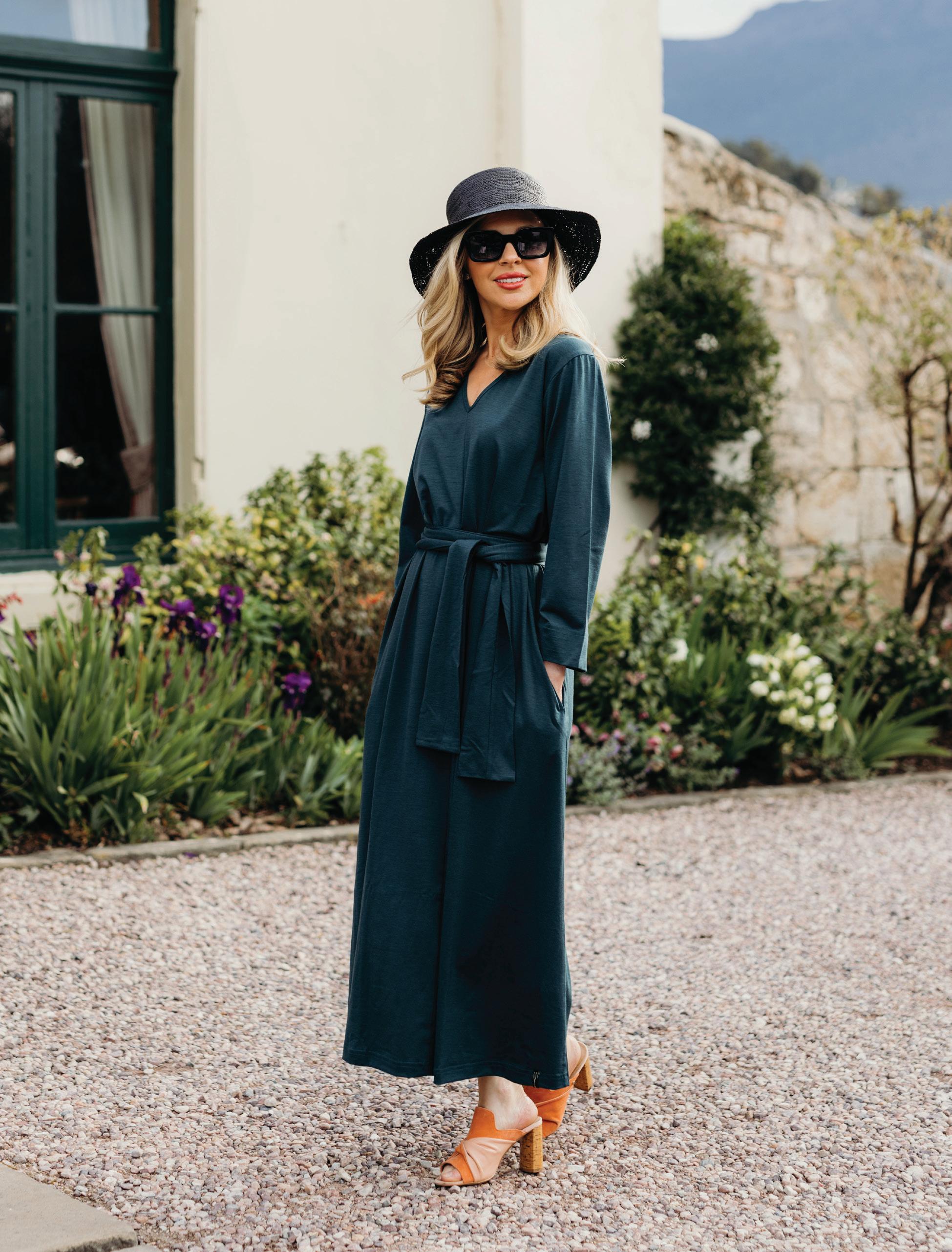
Holly wears the Tassie designed and locally made Veronica Dress.
Superfine merino wool fashion and activewear for women and men. It’s cool to wear wool all year round. Designed and Made in Tasmania. 20%
Made in Tasmania
Phone: 03 6212 0197 | Free Shipping Australia Wide
Flagship Boutique | 47 Sandy Bay Rd | Battery Point
www.smittenmerino.com
5
Show this token for a discount in-store, valid until the end of
2024
April
SALEEM AMEEN
Did you know AI is helping with diagnoses in medicine? PhD student Saleem isusing his skills to research and develop a model to detect colon cancer early, and he’s received a big award to continue his work.
Where did you grow up and where do you live now? I was born in Sydney but moved to Tasmania for most of my tertiary education. Currently, I live in Boston, Massachusetts, completing a Master of Biomedical Informatics at the Harvard Medical School.
Tell us a little about your work. My research focuses on developing new approaches for the screening and early detection of colorectal cancer. Currently, colon cancer is the second-leading cause of cancer-related death with rising incidence among young people, despite being one of the most treatable and preventable cancers when detected early. Australia has a National Bowel Cancer Screening Program designed to detect the early signs of cancer, which invites citizens aged 50 – 74 to complete a biennial test; unfortunately, too few people participate in the screening program. The purpose of my research is to explore whether we can develop a new screening strategy that aims to identify patients that are in a “precancerous” state and provide them with targeted interventions that increase their engagement with screening. This is important because colon cancer often originates as a precancerous polyp for seven - 10 years, which if identified and removed, can significantly reduce the incidence of colon cancer.
You recently received a Fulbright Scholarship for your efforts. How will it help you? I will be able to complete the remainder of my PhD research at the Massachusetts Institute of Technology. The goal is to advocate for a more nuanced approach to screening, so that
we can give the right patient access to the right treatment, at the right time.
How can AI technologies help in medicine? AI works by “learning” meaningful patterns across multiple data points that are predictive of particular outcomes. AI achieves this by learning how to weigh different factors found within the historical data in a way that is generalisable to new data never seen before. Given that medicine is a data-rich domain, AI can be used to disentangle all the subtle ways that different factors interact to influence a person’s health outcomes. We can train an algorithm to learn how various qualities influence the risk of developing colorectal cancer, so that we can engage high-risk individuals in the right way. However, one of the challenges in developing this technology is that there is always a concern that AI algorithms may learn to reinforce biases that are present within the data, which can be particularly problematic for underrepresented communities.
What do you love doing outside of your work? On the weekends, I run online coding workshops with high school kids that aim to foster soft skills in critical thinking and social entrepreneurship.
Who do you admire? I deeply admire individuals who not only disrupt their fields through innovation, but who pursue their vision with tenacity and resilience, motivated by altruism. Rosalind Franklin, who produced pivotal work that resulted in the discovery of the DNA double helix structure; Dr. Jonas Salk who developed the first successful polio vaccine and who famously chose not to patent the vaccine to prioritise public health over personal gain; Australian nobel prize winner Dr. Barry Marshall, who discovered that Helicobacter pylori bacteria caused stomach ulcers and chose to experiment on himself to produce the evidence needed to challenge the established medical dogma of the time; and Alan Turing, often hailed as the father of artificial intelligence, whose contributions to computer science and the Allied victory in World War II, remained classified and largely unacknowledged during his time.

Favourite podcast or tv show? I thoroughly enjoy all sorts of comedy. Reruns of Friends or The Office, among others. And an Australian show Upright
Secret vice? I drink too much coffee a day.
What was your first job? I’ve always loved teaching, and so even from high school, my first job was tutoring.
Your favourite place for…
Breakfast: The Stagg Midtown
Lunch: Billy’s Burgers
Dinner: Bar Wa Izakaya
Favourite Tasmanian secret?
Leatherwood honey is only sourced from Tasmania and is arguably one of the best in the world!
Parting words? It is no secret that we’re living in an era of enormous change driven by the AI revolution. In times of disruption, people often adopt polarising views, from extreme excitement to immense anxiety. In such a climate, it is important to remember that the way innovation impacts society is dependent on how that technology is developed and distributed, and ultimately, how it is regulated and controlled. Medicine is an area where the potential for AI to have a positive impact on society is enormousassuming the right guardrails are in place. In order for scientists and policy makers to get that balance right, everyone has a role to play. I encourage everyone to ask difficult questions, raise concerns, challenge authority, and deepen their understanding of emerging AI tools.
6
LOCAL PEOPLE

RACHEL VASICEK
Creative director of Francesca Jewellery, Rachel recently announced the brand has helped raise an impressive $1 million for charity.
Where did you grow up and where do you live now? I grew up in a little town in northern NSW called Hawks Nest. I loved my childhood here, it was full of adventure, beaches and sunshine. When I was 10 my family moved to Hobart, which is where I now live.
Francesca Jewellery has come a long way from your first stall at Salamanca Market. How did you come into the business? My taste of the business world came at a young age. I was just 12 years old when I began helping my older sister Hannah make jewellery in our family living room. As a younger sister I always wanted to be doing what she was doing, which meant also tagging along to the Salamanca Market every weekend. We would arrive at the markets at the crack of dawn and wait in the freezing cold to be allocated a stall.
It was hard work but fostered a deep hardwork ethic within me from a young age. I learnt all the tricks of the trade for selling, and the importance of product features and benefits at the markets, which is what I believe influenced my love of marketing. When I finished school Hannah twisted my arm by telling me studying law would be boring and told me to take a gap year! I joke that the gap year ended up being a 10 year gap year because I never went back to study and instead partnered with Hannah to push Francesca to be the brand it is today.
After many years of growth, and Hannah and I wearing many of the company’s hats, we both found our grooves in the business and mine was to be the creative director. I am in charge of all the product design, brand and marketing.
You recently designed your own collection in ‘La Vie En Rose’. What was your inspiration for this? As a designer I have always wanted to create something special for my wedding day. I had designed Hannah’s ‘Radcliffe’ collection with her many years ago and have patiently waited for the day to come where I would have that day myself. I was married in November and ‘La Vie En Rose’ was a pearl and rose infused collection as a nod to my middle name Rose.
Beyond selling jewellery, Francesca is aligned with many charities, including Hobart charity ‘Be Hers’ whose purpose is to stop human trafficking. To this point you have raised $1 million. How does it feel to reach such a milestone? Early on in our business journey we knew that we had to align a purpose behind our brand, as simply selling jewellery didn’t feel fulfilling enough for Hannah and I long term. It was one day in our old office that we created the ‘Awareness Bracelet’ and our motto ‘success means nothing unless you’re giving back’ was coined.
It feels phenomenal to have donated such a significant amount to Australian charities, in our eyes it means we are doing something right and succeeding. It’s a testament to the customers and community that we have created nationwide and that is what really warms our hearts. It wouldn’t have been possible without the customers who purchase each bracelet, so it’s a credit to them also!
Who do you admire? I admire those who have gone before us in life and created the landscape foundations in which we now play! My mentor Richard Marks who is 75 and well renowned in the creative world will always be someone I admire. I also admire many of my team members, especially the migrant women who have faced extreme adversity in life and still show up every day with a smile on their face and gratitude.
Favourite podcast or tv show? The KICPOD podcast.
Secret vice? A block of Marvellous Creations chocolate. It’s criminal how quickly I can demolish a block.
What are you reading now? All of Colleen Hoover’s novels
Do you have any pets? No, however I’m dreaming of a Groodle one day.
What was your first job? Francesca and busking at the Salamanca Markets with my violin.
What are your daily news/social media habits? I’m currently trying very hard to not check socials as soon as I wake up! Given my role in marketing this is a challenge but something I would love to break.
Your favourite place for…
Breakfast: Trophy Room
Lunch: Frogmore Creek Winery
Dinner: Sonny
Dream holiday destination? I love Mallorca and Italy. It’s my dream to see Morocco.
Favourite Tasmanian secret? Just Tassie in general! It’s so special, but becoming less of a secret these days!
8
LOCAL PEOPLE

Saturday

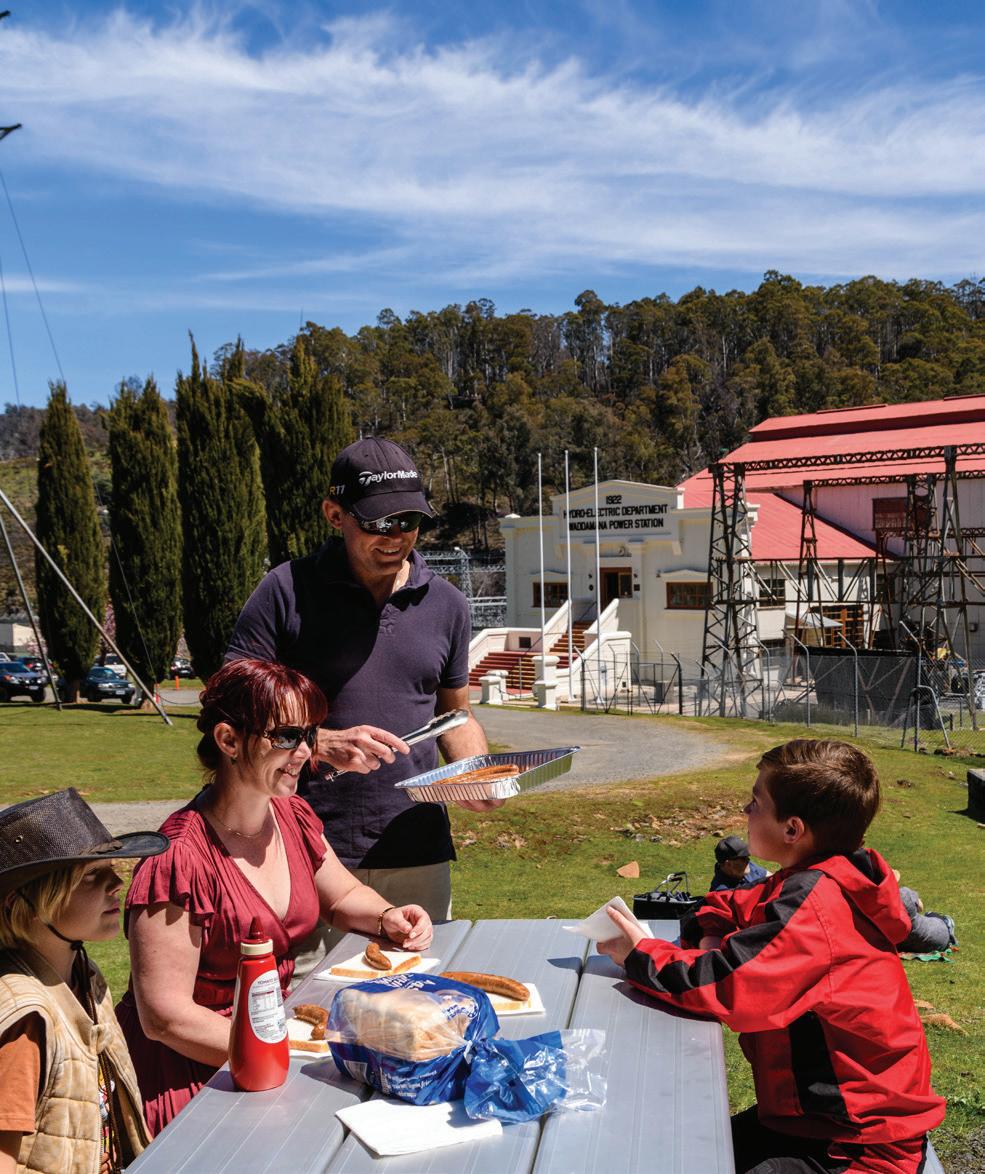
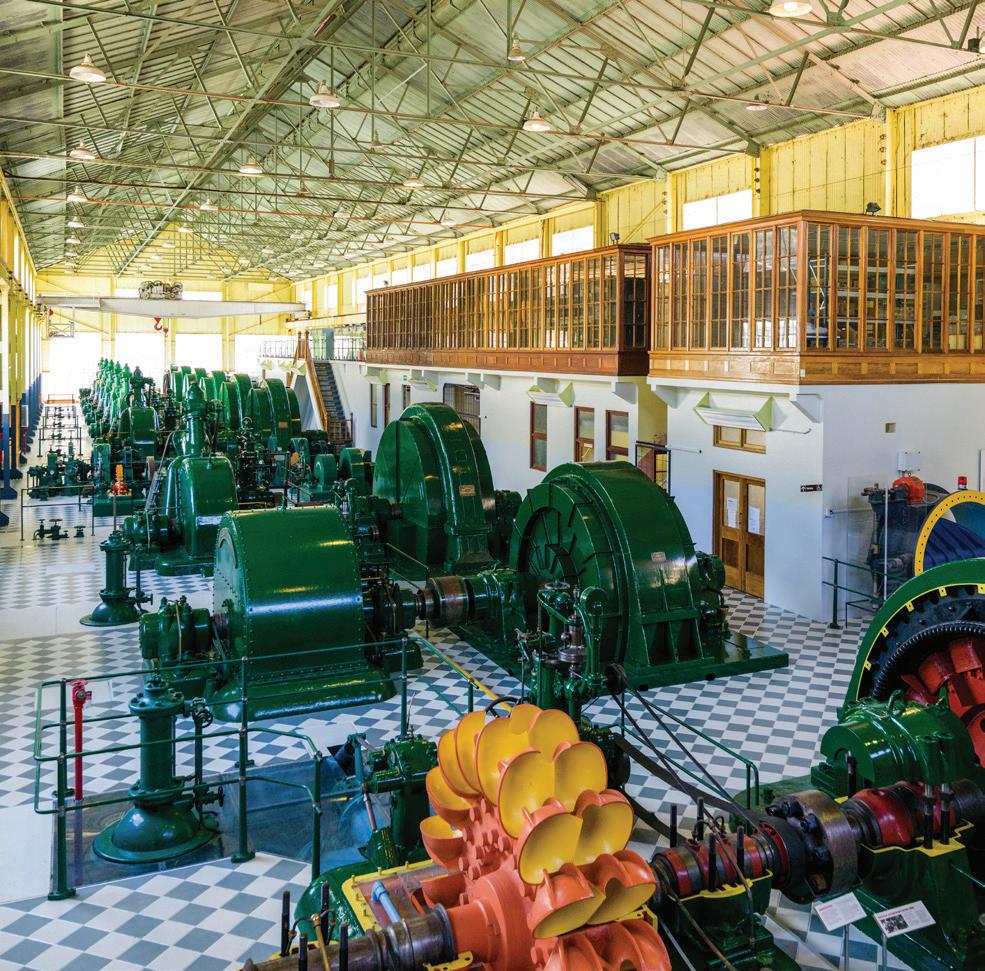


Family Fun Day!
20
April 11am - 3pm Enjoy a day of fun activities for the whole family, and get up-close with one of Tasmania’s first hydropower stations!
BBQ Games and activities
bags limited to first 80 children. Free entry
Coffee and cakes Free show bags* *Show
www.hydro.com.au/waddamana
NEW NEW NEW
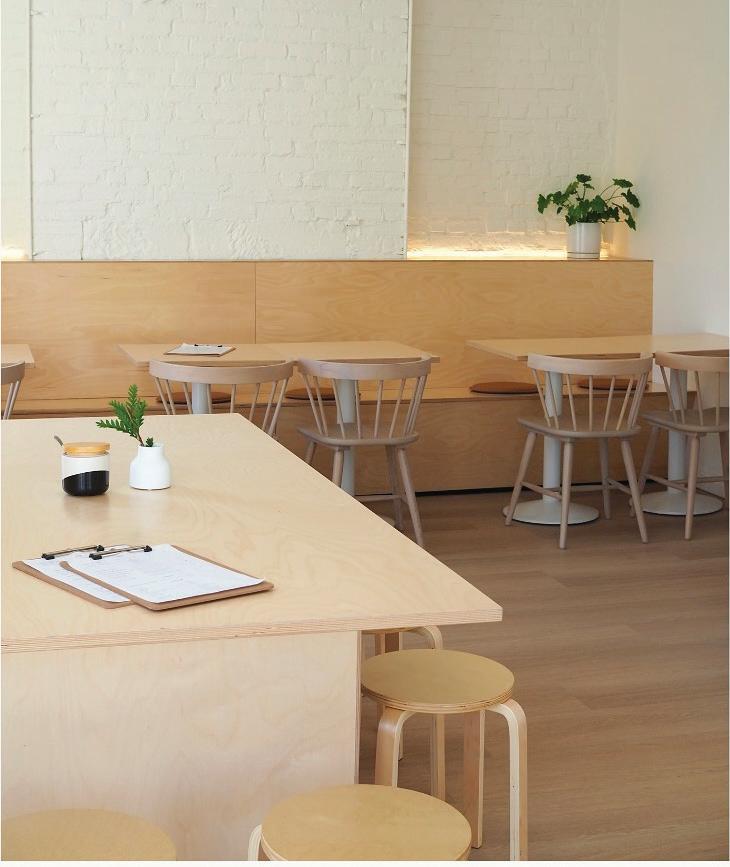
Good news for tea fans, T2 Tea (Shop 46/101 Collins St, Hobart) has relocated to The Cat & Fiddle Arcade with an aromatic new store in the old Maccas space. Alma Supply Store (127 Macquarie Street, Hobart) has moved a few doors down to the corner of Macquarie and Murray. Inspired by the owner’s Nan, who loved brass, timber, and birds, it’s full of handpicked and carefully selected items from socks to chocolate to chairs. New coffee shop alert! Maillard Coffee (14 Gregory Street, Sandy Bay) has opened, taking iKON Cafe’s place. But it doesn’t end there for you coffee-addicted southern suburb residents, for you also have Little Amsterdam (40 Sandy Bay Rd, Battery Point) which opened recently. It feels like a dream, but bagels are back in Hobart! Beloved bagel shop Bury Me Standing closed last year, but now two of its former bakers have teamed up and opened Bathurst St Bagels (8385 Bathurst St, Hobart) to continue the legacy. They offer a variety of bagels, from salmon to smashed avocado, with vegan options too. Get your friend group together and indulge in some brunch at Erda (167A Harrington St, Hobart). This new cafe has a small but refined Japanese-inspired menu, focusing on quality over quantity. One look at their omurice will leave you salivating. Oh, and of course there’s coffee! Over to Bruny Island now, The Izzy Bar (3349 Bruny Island Main Rd, South Bruny) has warm and welcoming vibes with woodfired pizzas, delicious desserts, and an extensive drinks list. Westside Laundry (87 Goulburn Street, West Hobart) won’t
BITS AND PIECES
do your laundry, but they will feed you! From former MONA chefs, this cafe bistro promises to give a taste of New York City. Speaking of New York, have you ever heard of its iconic nightclub, Studio 54? Now you can experience it for yourself at the new nightclub Reggie’s (63 Brisbane St, Launceston), which takes inspiration from it. Aiming to put some spark back into Launceston’s nightlife, go dance the night away at Reggie’s. Currently showcasing Gemma Lynch-Memory’s abstract landscape art, The TAG Art Gallery has moved to 149 Macquarie Street for a larger space. Go in and peruse Lynch-Mmeory’s work.
CASCADE CELEBRATES 200 YEARS WITH FREE BEERS
Australia’s oldest brewery, Cascade, is celebrating their 200th birthday this year by giving away free beers. Throughout 2024, participating pubs will shout a free beer for the first 200 patrons on the first Friday of every month. The pubs will ring a bell at 4pm to commence the giveaway. The historic Customs House Hotel on the Hobart waterfront kicked off the revelry in March. The Claremont Hotel in Claremont and Post Street Social in Hobart will host in April and May respectively. But hold on to your schooner - there’s a catch. The offer is strictly limited to one free beer, per person, per venue. Cas-
cade’s story began in 1824 when Peter Degraves and Hugh Macintosh established a sawmill on the slopes of kunanyi/ Mt Wellington in South Hobart. But eight years later, and after Degraves had served a stint in prison, Degraves and Macintosh created a brewery on the site. The rest, they say, is beerstory.
FREE LAUNNIE HOUSE DESIGN OFFERS AFFORDABLE LIVING
Launceston architect Jiri Lev has conceived a new affordable and environmentally friendly house design to combat the present housing crisis. The best part? He is making the design available to everyone and anyone, for free. This design, titled Tasmanian Homestead, is inspired by colonial architecture and aims to do a lot with little. “The place is pretty much all about economical abundance, self sufficiency and wholesome lifestyle,” said Jiri. A build of the 120 square metre, three bedroom, two bathroom house was recently completed in Tassie by a novice builder with minimal help, in six months at $150,000 - about one third of the cheapest equivalent structures. Architectural plans for the new house design are in the public domain, meaning no intellectual property rights apply, so the public are welcome to use the design for themselves. You can request the design from Jiri website, www.lev.au.

10

















BITS AND PIECES
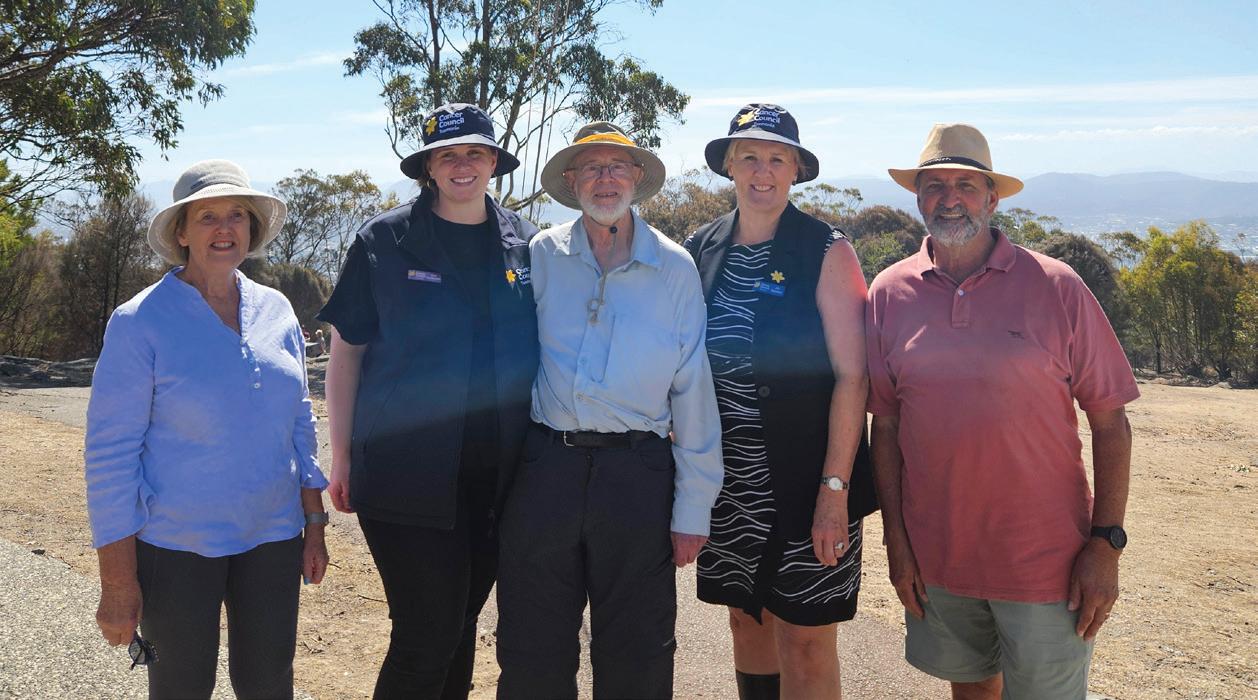
50 WALKS FOR CANCER FUNDRAISER
Devonport resident Brian Stace is undertaking 50 Tasmanian walks in under 50 days to raise funds for Cancer Council Tasmania and Ovarian Cancer Australia. “Helen, my wife of over 50 years, died in June 2023 of ovarian cancer,” Mr Stace said. “She loved bushwalking and continued walking through her treatment. Walking post-diagnosis gave her an enjoyable quality of life in the face of a terminal diagnosis.” Mr Stace, aged 77, said his personal challenge is being undertaken in Helen’s memory. “I also want to raise awareness about how walking and regular exercise can help people living with chronic disease,” he said. His first walk was at Mt Nelson Signal Station in March. This was significant for Mr Stace as it was the first walk Helen undertook after her first round of treatment. His walks will continue throughout the month of April, coming to an end on the 27th. He invites people to join him on his walks, to dedicate their walk to someone special or for their own illness. For more information or to donate, visit his page at www.doitforcancer.com.au/fundraisers/brianstace.
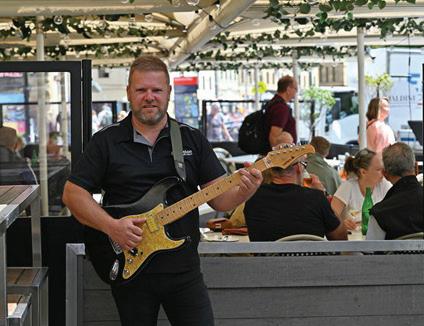
LIVE OUTDOOR MUSIC FOR SALAMANCA ON SUNDAYS
Live amped music is now allowed in Salamanca on Sundays as part of a year-long trial. The trial, aiming to increase visitor numbers to the area
on the non-market day of the weekend, started recently after Hobart City Council voted to endorse the concept by Alderman Marti Zucco. Steve Old, Tasmanian Hospitality Association CEO, said the industry needed fresh ideas like this. “Our industry has faced significant challenges over the last few years and this trial by the City of Hobart is a great example of a small change that could lead to big positive impacts for venue operators and visitors alike,” Mr Old said. “We all know Sundays can be a bit hit or miss in Hobart so for Salamanca Place operators to have an additional entertainment option like this up their sleeve is fantastic.” The trial runs across venues on Salamanca Place between Gladstone Street and the Silos and will only take place in already licensed external dining areas from midday to 8pm on Sundays. City officers will work with venue operators and the community throughout the trial to understand what is working well and make any changes as appropriate. After the trial, a report will go back to council to consider its future as a permanent fixture.
THUMBS UP
Witnessing the wonderful colours of the Turning of the Fagus.
Banjo’s turns 40 and Cascade Brewery turns 200. Happy Birthday old timers.
Finding out the three secrets to French cuisine is butter, butter, and more butter.
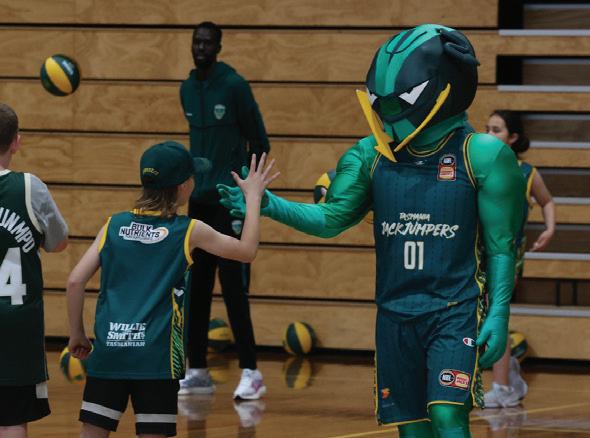
Congratulations to the JackJumpers on another entertaining NBL season.
THUMBS DOWN
Dropping your morning coffee. Worse still, dropping it while wearing white.
Getting an annoying song stuck in your head.
Weather that can’t make up its mind.
Everything is SO crispy…please, some rain soon, please.
12





13 BROW SERVICES | LASH SERVICES | LASH EXTENSIONS | BODY WAXING ORGANIC FACIALS | FULL BODY RED LIGHT BOOTH (TGA CERTIFIED) MÁDARA ORGANIC SKINCARE AND MAKEUP | FULL BODY MASSAGE www.boutiquebrows.com.au | 0498 264 820 | 159-161 Liverpool St Hobart A UNIQUE NICHE TASMANIAN BUSINESS Located in the heritage double shopfront nestled between The Odeon and Hanging Garden precinct A luxurious space, offering only the highest quality services and organic products. Welcoming all ages and genders. Open Monday-Saturday. BOUTIQUE BROWS & BODY @boutique_brows_hobart @Boutique Brows Hobart

FUNDRAISING CONCERT FOR UKRAINE REFUGEES
Theatre Royal will host a fundraising concert on 17 May. Supporting the organisation, Australia for UNHCR (UN Refugee Agency), in aid of Ukraine war refugees, the concert will be headlined by London based classical guitarist Pavel Ralev. Described by esteemed Australian guitarist John Williams as a “poet of the guitar”, Pavel will repeat his acclaimed London Wigmore Hall performance. Williams also said, “His technique is so effortless, graceful, and poetic. (At Wigmore) the audience went crazy, stood up, and cheered him. It was the best guitar concert I’ve been to in years.” Pavel hails from Bulgaria and has spent many years in London studying music. A representative of the Australian UNHCR will be at the concert to speak about the work they do in Ukraine. You can buy tickets via Theatre Royal website.
NEW WOMEN’S ACCOMMODATION PROPOSED FOR HOBART
Vinnies and the Hobart City Mission are partnering to propose turning a vacant city building into much needed crisis and transitional housing for women. Vinnies has run men’s accommodation at historic Bethlehem House, on Warwick Street, for 50 years. It’s currently empty and awaiting redevelopment, and the charities say it’s perfect to house up to 40 women in need at any one time.
The project will be partially funded by philanthropy, with The Neill Family’s Select Foundation having already purchased 18 self-contained accommodation pods
at the rear of the building to keep these in Tasmania as permanent housing stock. The Foundation is prepared to add another $500,000 for main building renovations at Warwick Street as soon as funding of the annual operating costs (expected to be about $1.2million) is confirmed. The charities are hoping the newly elected state government will provide that ongoing funding.
Vinnies Chief Executive Officer Heather Kent said with the recent development of the “new” Bethlehem House in North Hobart, this proposal presented the perfect opportunity to now support women in need. “The heritage building and its extensions, including the accommodation pods at the rear of the building, delivers up to an extra 43 bedrooms, with a kitchen, bathrooms and living areas,” she said. “While plans are in place to commence redevelopment of the site in the longer term, this cannot commence until later in 2027. We don’t wish to see the site unused in the meantime, particularly in a housing crisis where too many women are seeking a home that is safe and secure as they rebuild their lives.”
GET CREATIVE ABOUT NATURE
The Nature Connection Project, a UTAS initiative, invites you to share your nature-inspired art on their website. Whether it’s photography, creative writing, or video, The Nature Connection Project is looking for your input. How does
BITS AND PIECES
nature inspire you when you gaze out the window, tend to your garden, or take a stroll? With your stories, the research project aims to understand Australians’ connection with nature, informing future environmental and health policies. To learn more about the project, read other people’s stories, or submit your own creative work, visit www.thenatureconnectionproject.com.au.
TOURISM WINNERS ARE GRINNERS
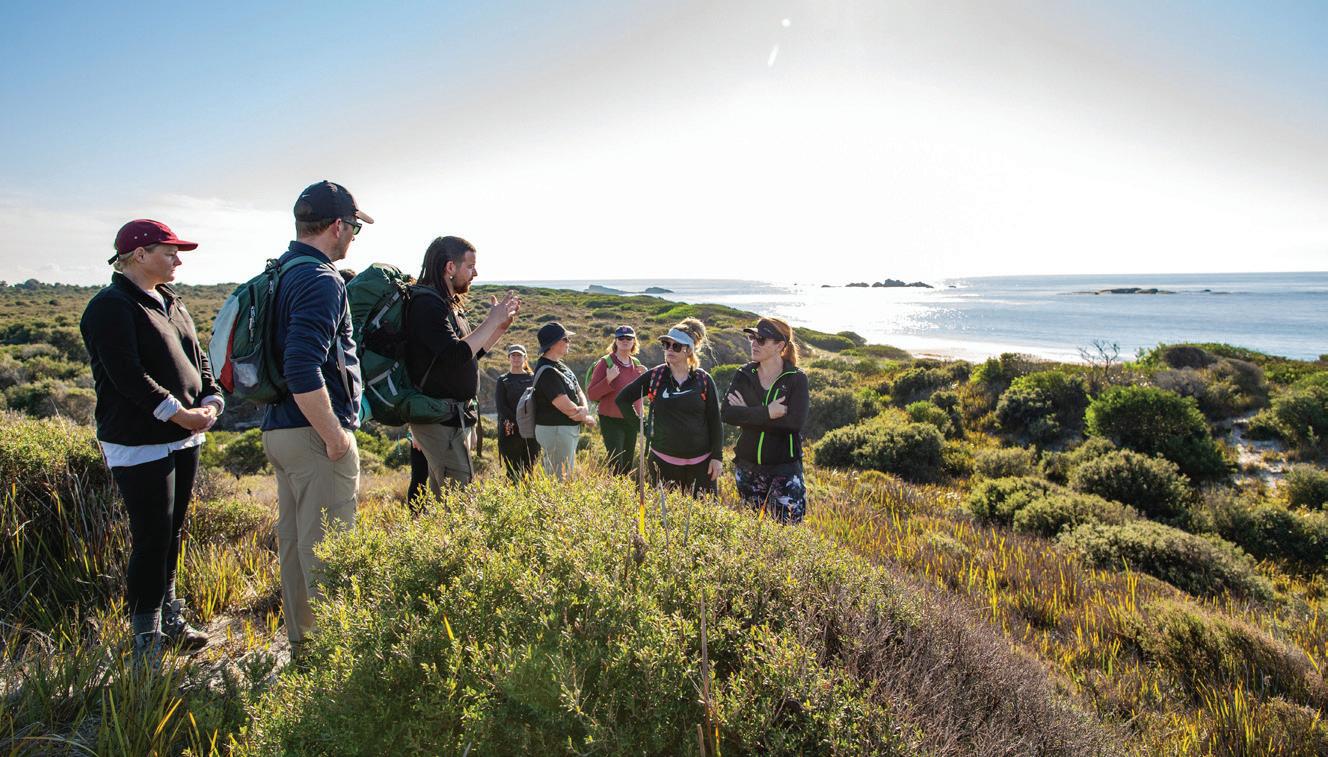
Tasmanian tourism operators won big at the recent Australian Tourism Awards, bringing seven gold, three silvers and a bronze medal back to the island. Our gold winners were: wukalina walk (in the Aboriginal & Torres Strait Islander Tourism Experience category), Pennicott Wilderness Journeys (Major Tour & Transport Operators), Air Adventure Golf (Tour & Transport Operators), Grain of the Silos (Tourism Restaurants & Catering Services), The Dragonfly Inn (Hosted Accommodation), Bangor Vineyard Shed (Tourism Wineries, Distilleries & Breweries) and On Board (New Tourism Business). Silver gongs went to Peppers Silo Hotel (Business Event Venues), Ship Inn Stanley (4 – 4.5 Star Deluxe Accommodation) and The Truffle Farm (for Excellence in Food Tourism). Bronze went to The Granary Richmond Hill for Self Contained Accommodation. Congratulations to all finalists and winners, and thanks for showing the mainland how it’s done.
14

15
BITS AND PIECES

PURPLE IS THE NEW ORANGE
Beam has won an exclusive 12 month operational licence to supply shared e-scooters for public hire in Hobart. The fleet of Beam scooters, aka ‘the purple ones’, will soon expand to include 200 seated e-scooters, upgraded regular e-scooters with larger wheels and a phone charging option for ‘mature’ markets, and integrated ‘pedestrian shield’ technology. Beam’s General Manager (ANZ), Tom Cooper, said the scooters had gone mainstream. “Over 800,000 kilometres have been ridden on Beams across the City of Hobart, and e-scooters are now a mainstream transport choice for significant numbers of the population who have access to them.” According to Beam, their AI-powered pedestrian shield technology will ‘accurately and reliably identify whether the vehicle is travelling on footpaths, streets or bike lanes, enabling Beam to employ riding restrictions and educate riders on safe riding in and around the cities, by providing specific in-trip feedback.’ The new sit-down scooters are expected to join the fleet this year.
NEW HEADSPACE FOR YOUTH
Big local news in the youth mental health space - a new Headspace centre offering mental health services for young people aged 12-25 will be created on the eastern shore, and a new state-wide early psychosis youth service will also be rolled out.
Commissioned service provider EACH
will work with young people, local communities, Primary Health Tasmania, Orygen, headspace National, and Tasmania’s existing headspace service providers to establish and operate both new services. Funded by the Australian Government, the services are expected to be gradually established between late 2024 and 2026.
THROW THE LITTLE FISHIE BACK
Police are reminding fishers to measure their catch as soon as it’s out of the water to avoid getting fined for taking undersized fish. 12 people were found to have caught a total of 74 undersized fish at a recent catch inspection in the state’s north. Taking undersized fish can lead to a $390 fine and you can have your fishing equipment - even your boat - seized if the offending is severe. Download the Fishing Tas App for immediate access to relevant info.
HOBART PUBLIC ART FEE CHANGE
The Hobart City Council will waive the development application fee for public art and murals on private property that face public space. It’s hoped this will encourage public art by removing financial barriers - in line with City’s support for street art and cultural vibrancy. If you own a property and have ideas about a mural or art you can contact the council’s duty planner during business hours to find
out whether a permit is required in your situation.
RARE PINK HANDFISH SPOTTED
Scuba divers got a lovely surprise when they found an endangered pink handfish while exploring an 1883 shipwreck on the Tasman Peninsula. The fish was seen at a depth of approximately 70 metres on a recent expedition by Scuba Diving Tasmania and Eaglehawk Dive Centre to mark the 140th anniversary of the SS Tasman’s sinking near Hypolite Rock. The discovery is one of few recorded sightings of the pink handfish since 1948. Hey little fishies, we see you.
ALGAE EVICTED, SWIMMING RETURNS TO LAKE TREVALLYN
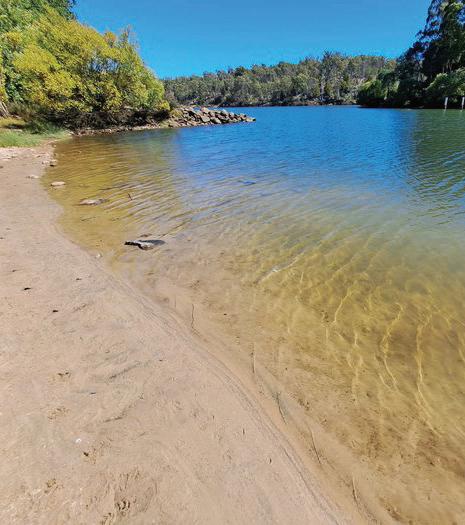
Lake Trevallyn has been reopened to recreational water users, following recent water quality testing by the Tamar Estuary and Esk Rivers (TEER) Program. The detection of a blue-green algal bloom during routine testing in January prompted local Councils to close the lake to recreational users. At current levels, the bloom no longer poses a risk. The TEER Program will continue to monitor the bloom closely and conduct weekly testing. “We’ll keep testing and sharing weekly updates with the responsible agencies and the community, so everyone can make informed choices,” said NRM North Operations Manager Andrew Baldwin. Time to get the kayak back on the water.
16





17 HAVE YOU VISITED OUR NEW HOBART STORE? 6230 4999 OPEN 7 DAYS A WEEK Mon - Fri Saturday Sunday Public Holidays 7:00am - 5:30pm 8:30am - 5:00pm 9:00am - 5:00pm 9:00am - 4:00pm 6-8 PATRICK STREET
BITS AND PIECES

BEAUTIFUL BOTANICAL ART ON DISPLAY AT LAKE ST CLAIR
A new art exhibition has landed on the walls of the Lake St Clair Visitor Centre. Featuring the work of Lauren Black, a freelance artist from Hobart, the watercolour art is themed around Tasmanian flora, with a focus on moss. Each artwork is accompanied by information about the specific plant. Guests can also become better acquainted with the mossy specimens through a microscope. The exhibition will be on show until early May.
TASSIE MENZIES RESEARCH RECEIVES FUNDING FOR MS
Four researchers from Hobart’s Menzies Institute for Medical Research have received funding for their work in multiple sclerosis (MS). A total of 17 shared the $4.5m grant, with the aim of fast-tracking the translation of research into real benefits for people living with MS. The four include Dr Laura Laslett, Dr Jessica Fletcher, Dr Xin Lin and Dr Julie Campbell, who all received postdoctoral research fellowships from MS Australia for their cutting-edge projects. These include determining causes, enabling prevention, better treatments and cures. Their grant brings a combined $900,000 in funding for MS research at Menzies. MS is the most commonly acquired chronic neurological disease affecting young adults, and is sadly on the rise in Australia.
YOU SAY JATZ, WE SAY SAVOY
Have you ever wondered what the difference was behind iconic crackers Savoy and Jatz? Despite looking similar, having near-identical packaging, and being produced by the same company in Arnott’s, they have a different name. What gives? Could it be a ‘potato scallop or potato cake’ situation? We got to the bottom of it and discovered that Savoys came first, arriving in 1938 from Brockhoff Biscuits in Victoria and they were also available in the Tasmanian market. While NSW company Arnott’s Biscuits introduced Jatz in 1952 in NSW and Queensland. Originally competitors, the two companies merged, eventually dropping the Brockhoff name. Instead of getting rid of either Savoy or Jatz brands, they were both popular in their respective home states (Savoy in VIC/TAS and Jatz in NSW/QLD) so the decision was made to keep them.
But is there actually a recipe difference between the crackers? Turns out there is. Where Jatz contains full cream milk powder and malt, Savoy has golden syrup instead, resulting in a subtle taste difference. Which do you prefer, and why?
AUSTRALIAN CATS AND DOGS DOMINATE INJURY STATS
Australians are far more likely to be injured by domestic pets than any of our venomous creatures, a new report by the
Australian Institute of Health and Welfare (AIHW) says. Between 2021-22, cats and dogs were responsible for over half of all hospitalisations related to contact with animals, with open wounds being the most common type of injury. Before worrying about Mr Fluffles, the AIHW urges Australians to not be afraid of their furry friends. ‘Although owning a pet comes with a risk of injury, research has shown that interactions between humans and animals can provide benefits to our health and wellbeing,’ said spokesperson Dr Sarah Ahmed. Livestock comes in second, with almost a quarter responsible for hospitalisations related to animalshorses the most common among them. This is finally followed by wildlife and venomous animals, making up just 21% of injuries. “Australia is home to some of the most venomous animals in the world, however Australians are 6.6 times as likely to be hospitalised due to injury involving non-venomous animals compared to venomous animals,” said Dr Ahmed.
THE TASMANIAN AUTUMN FESTIVAL
The Derwent Valley and Central Highlands are owning Autumn with the Tasmanian Autumn Festival, a month-long celebration. Celebrating history, culture and nature, the festival will feature over 60 businesses and various events, including the Autumn Pie Trail, where you create your own pie-based foodie adventure. The Tipple Trail takes you to cellar doors, and Willow Court hosts a month of creative workshops for all levels of craftiness. Hydro Tasmania are hosting a Waddamana Family Day on the 20th and Gretna Green Hotel will put on an outdoor music festival with Tassie bands on the 13th. All the info is at www.tasmanianautumnfestival.com.au.
18


19
BITS AND PIECES BITS AND PIECES
DON’T THROW IT! GET IT REPAIRED
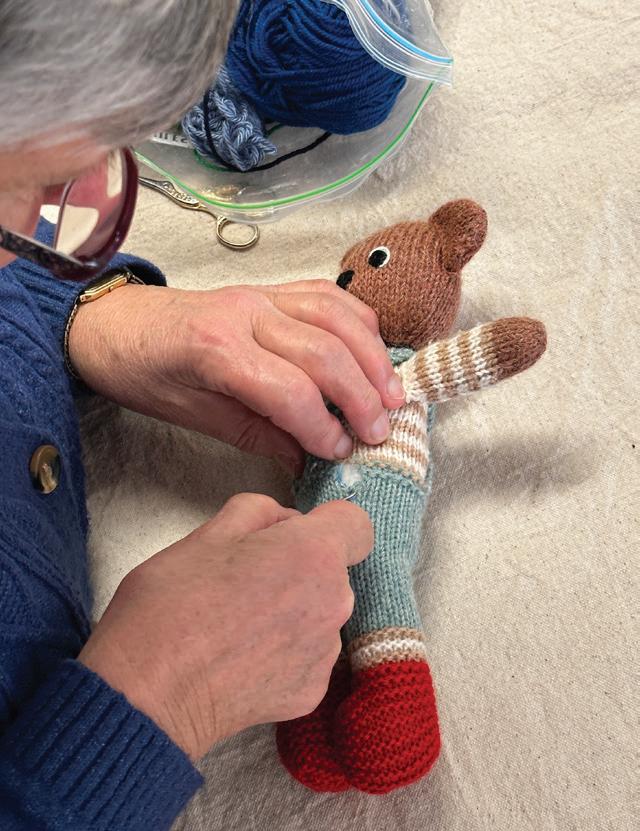
We all have broken things in our home, and the temptation to throw them out can be strong. Whether it’s a motor, a bicycle, or a hole in your favourite jumper, instead of chucking it out or leaving it in storage, take your broken item to the southern beaches first Pop Up Repair Café. On 13 April from 2pm-4pm, you can have a coffee and a chat as volunteers repair your item for free. It will take place at Okines Community House, 540 Old Forcett Rd, Dodges Ferry, and you can also sign up to volunteer, just email info@okinescommunityhouse.org.au.
LAUNCESTON COUNCIL SUPPORTS NEW ROAD SAFETY AGREEMENT
The City of Launceston has joined forces with the Safer Australian Roads and Highways (SARAH) group by signing a Memorandum of Understanding ahead of Yellow Ribbon National Road Safety Week in May. The commitment aims to bolster road safety initiatives within the Launceston municipality. Founded by Peter Frazer OAM, SARAH honours his daughter Sarah, killed by a distracted truck driver in a preventable road crash in 2012. National Road Safety Week, initiated by Mr Frazer, garners recognition from governments nationwide. SARAH’s mission involves policy development, community education, and collaboration for enhanced road safety outcomes. Mayor Matthew Garwood said he was
pleased the City of Launceston was the first Tasmanian council to officially partner with the program. “We hope through the involvement of Peter and the SARAH program in Launceston we can help promote safe road practices — not only during Yellow Ribbon National Road Safety Week, but every single day,” Mayor Garwood said. As National Road Safety Week approaches (5-12 May), vehicles and landmarks will proudly display yellow ribbons, reminding all Tasmanians of our shared responsibility to ‘Drive So Others Survive’.
FREE LAUNNIE JAMES BOAGS TOURS TO CONTINUE
Free tours of the James Boag’s Brewery Tours and Visitor Centre in Launceston will continue for Tasmanian residents. One year has passed since the introduction of these tours, and now the offer will continue until at least February 2025.
“In the last 12 months we have had more than 1780 Tasmanian adult residents take up the free tours,” said the brewery’s director, Steve Levien. In the last year, visitation was up by 19% compared to the prior year.
150 YEARS OF WOOL IN TASSIE
Tasmania’s first commercial woollen factory, Waverley Mills, will celebrate 150 years via an exhibition at Launceston’s Design Tasmania. Titled Waverley 150+,
the exhibition honours Waverley’s legacy in an evolving exhibition that includes an invitation for the public to share their memories of the mill with stories, photographs and vintage blankets and apparel. Waverley Mills was founded in 1874 on the banks of Distillery Creek, and is the last remaining manufacturing facility of its kind in Australia. Waverley 150+ until 26 May at Design Tasmania, on the corner of Brisbane and Tamar Streets in Launceston.
EXTINCT SPIDER COMES TO LIFE IN NEW ART PROGRAM
Arachnaphobes beware: Creative Hobart have unveiled their new program, InsideOUT, with the first installation in the form of a performing adult-sized spider. Artist Matthew Stolp based his exhibit on the extinct and mysterious Cascade Funnel-Web. Over the course of the whole exhibition program, artworks will be contained within portable ‘cube’ galleries, offering an accessible way to display creative work outside and across the city. The first exhibition is ‘Cascade Funnel-Web Vivarium’, a family-friendly performance work that showcases the artist in a large spider costume weaving his web. Launched in March, there will be performances until the third week of April. To catch a sighting of the spider, find performance times on the City of Hobart website.

20

Power Hours are just that – hours of free electricity.
Power Hours events happen regularly. Just use the aurora+ app to select your Power Hours date and time at your selected property. Then, use as much electricity as you want in your time slot. We’ll credit the cost of the electricity you used on a future bill. It’s easy and it’s free. Visit our website for all the details.
*Residential customers only auroraenergy.com.au/powerhours
21
BITS AND PIECES
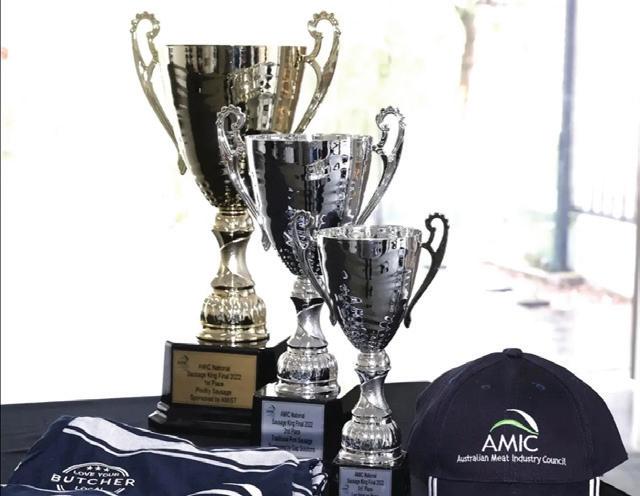
LAMBTASTIC VICTORY FOR SOUTH HOBART SAUSAGE KING
South Hobart business Mark on Macquarie Butchery (373 Macquarie St, South Hobart) recently smoked the opposition to take home a National Sausage King award. Independent butchers from all over Australia shared this year’s six prizes, with Mark on Macquarie winning Australia’s best lamb sausage for their spicy lamb merguez. The awards were presented during a dinner (a sausage sizzle perhaps?) on the Sunshine Coast. In the lead-up to the finals, hundreds of butchers submitted thousands of entries across the different categories.
THREE CAPES TRACK AND FORTESCUE CAMP CLOSED
The Three Capes Track and Fortescue Bay Campground will be closed from 8-21 April for planned burns and annual maintenance. The closure is part of the state-wide fuel reduction program and aims to ensure public safety by reducing the risk of bushfire while protecting and enhancing the natural and cultural values across the Tasman National Park. The closure applies to Three Capes Track, Old Cape Pillar Track (inland route to Cape Pillar), Bare Knoll Campground, Fortescue Bay Campground, and the Tasman Trail from Canoe Bay to Fortescue Bay. The closure will also extend to the Fortescue Bay public boat ramp and jetty. The tracks, campground and jetty will remain closed until declared safe to open. You can still access all other tracks within Tasman National Park during this time including Waterfall Bluff Track, Crescent Bay Track, Mount Brown Track, Cape Raoul Track, Shipstern Bluff Track and Tunnel Bay Track.
TASMANIAN ARTIST BAGS BIG WIN
The 2024 Glover Prize winner Nicholas Blowers has been in the art world for decades, having been a finalist eight times.
You have been up for the Glover Prize eight times in the past. How does it feel to be a winner? In a way it’s vindication that I was on the right track. I’ve always been interested in finding beauty in subjects that are slightly more challenging - I painted the same Savage River mine tailing pond three times for the Glover. You have to stick to your guns and pursue subjects that are really interesting to you.
Tell us about the inspiration behind your winning piece, ‘Lake Bed’. In 2015 I went in search of a landscape that I briefly glimpsed on an ABC news report. The water level at Lake Gordon had fallen by 45 metres and a drowned forest had been revealed. It was an extraordinary scene of tree wreckage that now stood in the daylight. It was a chaotic spectacle that immediately appealed to me. I thought of Paul Nash and his

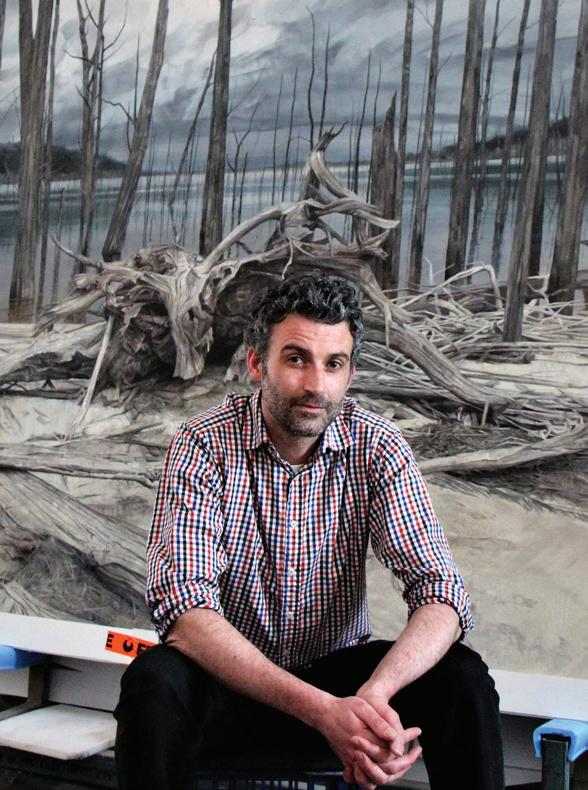
paintings of WW1 battlefields. In those familiar pictures everything too was blasted and shredded. It was brutal but also beautiful. I visited the shores of Lake Gordon many times over this period and came to feel that the power of this place had something to do with the gulf between the underwater world and this new reality; time slowed underwater but now the daylight illuminated and exposed, time sped up. As the water slowly retreated it was an extreme and unusual landscape that was revealed.
Your work frequently features collapse and decay in nature. Why do you focus on this theme? If I had the choice of drawing a rotting apple or a fresh apple I would choose the decaying one. I find it so much more engaging as a subject. I’m a figurative, realist painter and I’m drawn to Art that exhibits slightly darker, more realist qualities; Art that is more northern in its outlook, think the Netherlands, Germany, the Northern Renaissance, Bruegel and Van Eyck rather than more Mediterranean pleasure-seeking art. Often the places I’m drawn to have a particular, heightened drama and there is something terrible and almost sublime about the human engine behind these landscapes.
22
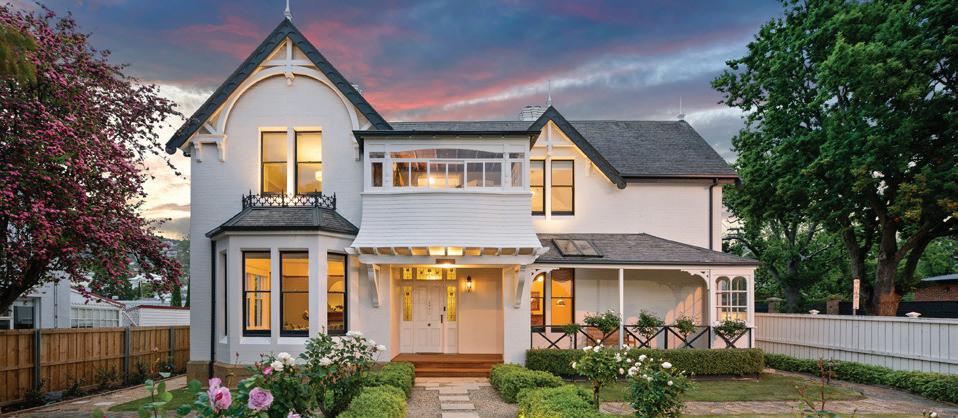
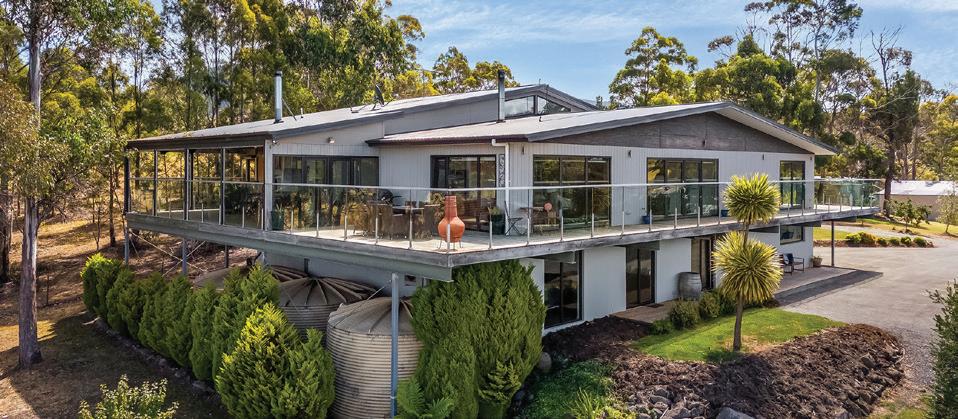
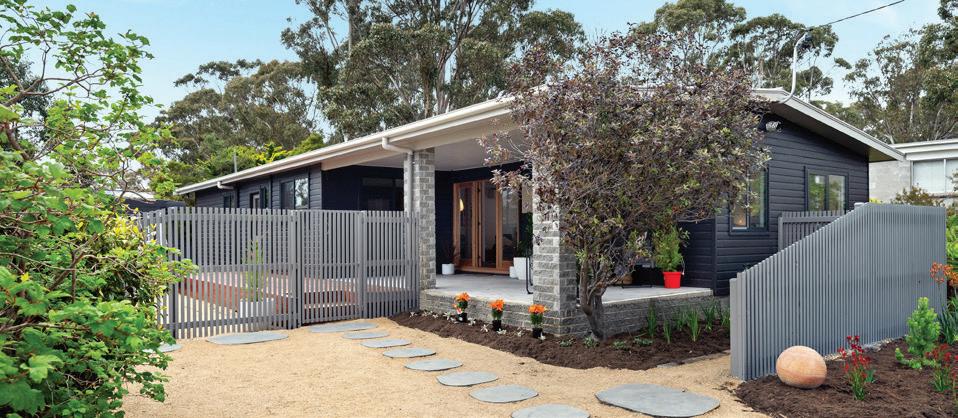
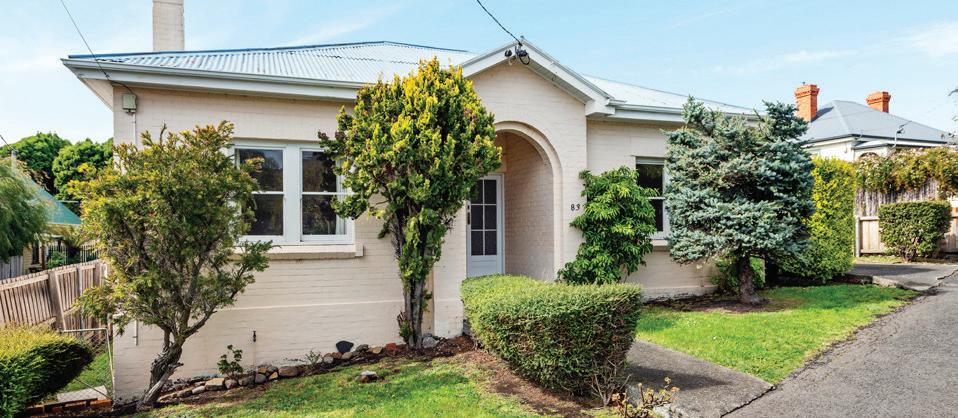

23 THINKING OF SELLING? Get in touch to find out the New Haus difference today. JULES HAMILTON 0417 519 549 ED MCKAY 0423 741 767 141 MURRAY ST, HOBART WWW.NEWHAUS.AGENCY SELLING HOBART WITH STRATEGY AND SUCCESS 3 SADDLE ROAD, KETTERING
NELSON ROAD, MOUNT NELSON
531
BAY 83 SWANSTON STREET, NEW TOWN
399 SANDY BAY ROAD, SANDY
WHAT’S ON IN HOBART
Explore some of the technologies you can use outdoors at a skills session at Kingston Library today, 2-3pm.
Jenny Bowker, university lecturer and artist, explores textiles in Egypt from the tentmakers of Cairo to the silk dyeing khans and more. 6-7pm, Stanley Burbury Theatre, UTAS.
Young singers aged 12-25 can join a series of acapella workshops and do a concert at the Peacock Centre for Youth Week. First workshop today, 5pm, check out vocalis. com.au for details.

The JackJumpers are running a bunch of school holiday day camps. Today’s is at Moonah Sports Centre, 9am-3pm.
The Vicar of Dibley herself, Dawn French, is onstage with a standup show at Wrest Point tonight from 7:30pm.
Learn to make adorable felted gnomes in a parent and kids workshop today, 10am1pm, in the WellBeing Room at St.Lukes, 72 Elizabeth St.

Learn how to spot a romance scam and keep yourself safe while looking for love with an event at Bridgewater Library, 10am-midday.
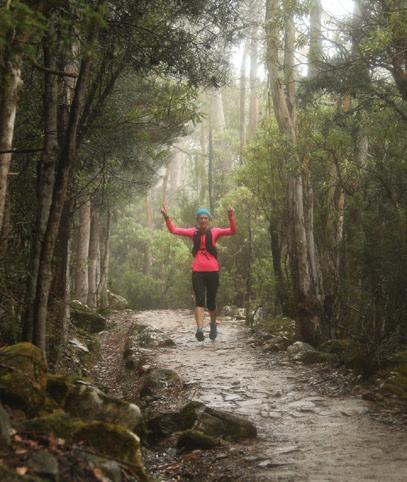
Learn to weave baskets at the Warrane Community Garden’s Be Resourceful workshop series today from 9:30-11:30am, book via humanitix.
Mature movers take to the stage with ‘To Carry/To Hold’ by MADE (Mature Artists Dance Experience), today and tomorrow, Theatre Royal.
Holy Holy light up the Odeon Theatre stage from 7:30pm tonight and tomorrow night.
Head to Collinsvale for a Ukrainian Egg Dyeing workshop, 9am-1pm, book via humanitix.
Teens interested in film might like a teen filmmaking taster workshop today at Rosny Park, 9:30am.
Kids: learn to make wooden dolls and robots from reclaimed materials with Professor Wiggle Wooden Doll and Robot Making with Professor Wiggle at the South Hobart Tip, 2-3:30pm.
Experience the best of Hans Zimmer by candlelight at the Hobart Town Hall tonight from 6:30pm. Visit Salamanca Arts Centre Long Gallery to view Birds, new work by painter Belinda Kurczok.
Pull on the leathers and get a little risque at Twist of Lemons, upstairs at Boodle Beasley, North Hobart, from 6pm.
See Missy Higgins play her old stuff and her new stuff tonight at City Hall. From 4:30pm grab a bite at the Brooke Street Pier Twilight Market.
RACT are running a free road rules session at Rosny Library 1-2pm.
Relax with a sound bath and breathwork at The Health Oasis in Kingston tonight, 7-8:30pm.
Art academic Anita Gowers presents a talk about the public and private display of art in the nineteenth century, 1-2pm at the Allport Museum and Art Gallery.
Round up your mates, the Bad Dad Orchestra play the Republic Bar tonight, 9pm.
Get retirement ready with a Spirit Super workshop at Clarence on the Bay, 6-7pm. Or enjoy Melbourne’s mesmerising Didirri at Altar tonight, 7pm.

Details subject to
MONDAY WEDNESDAY TUESDAY THURSDAY FRIDAY
23 22 29 6 1 8 9 3 2 24 25 26 15 17 18 11 10 9 8 12 19 i
FURTHER AFIELD
SATURDAY
Get your bung things fixed at the pop up Repair Cafe at Okines Community House, Dodges Ferry from 2-4 pm.
SUNDAY
13 14 20 21
Hobart Social Tango holds a Gala Milonga for its 20th birthday celebration at the Hobart Town Hall tonight from 8:3011:30pm. Spectators welcome. Tickets from trybooking.com.
27
The delightful Jessica Mauboy entertains at Wrest Point tonight from 7:30pm. It’s not quite the Foo Fighters, but their tribute band plays the Republic Bar tonight from 9pm.
Learn to write wounded characters with Dr Rosie Dub in a workshop for fiction and non-fiction writers, Moonah Arts Centre, 10am-4pm.
Learn to paint a trio of pears in an art workshop with Emma-Lee Bradbury in the beautiful old nurses quarters in New Norfolk today, 9am.
4 5 28
James Reyne hits the stage at the Longley International Hotel this afternoon, 2pm.
The TSO presents a kids’ World Dance Party today, TSO Studio, 9:30am or 11am. Presented by Gina Rose, conducted by Gary Wain. Runners take to the mountain for the Organ Pipes Classic as part of the Kunanyi Trail Series. 6km or 14km, from The Springs.
For even more events in Hobart and further afield this month head to
Check in with individual events for further details.
All month
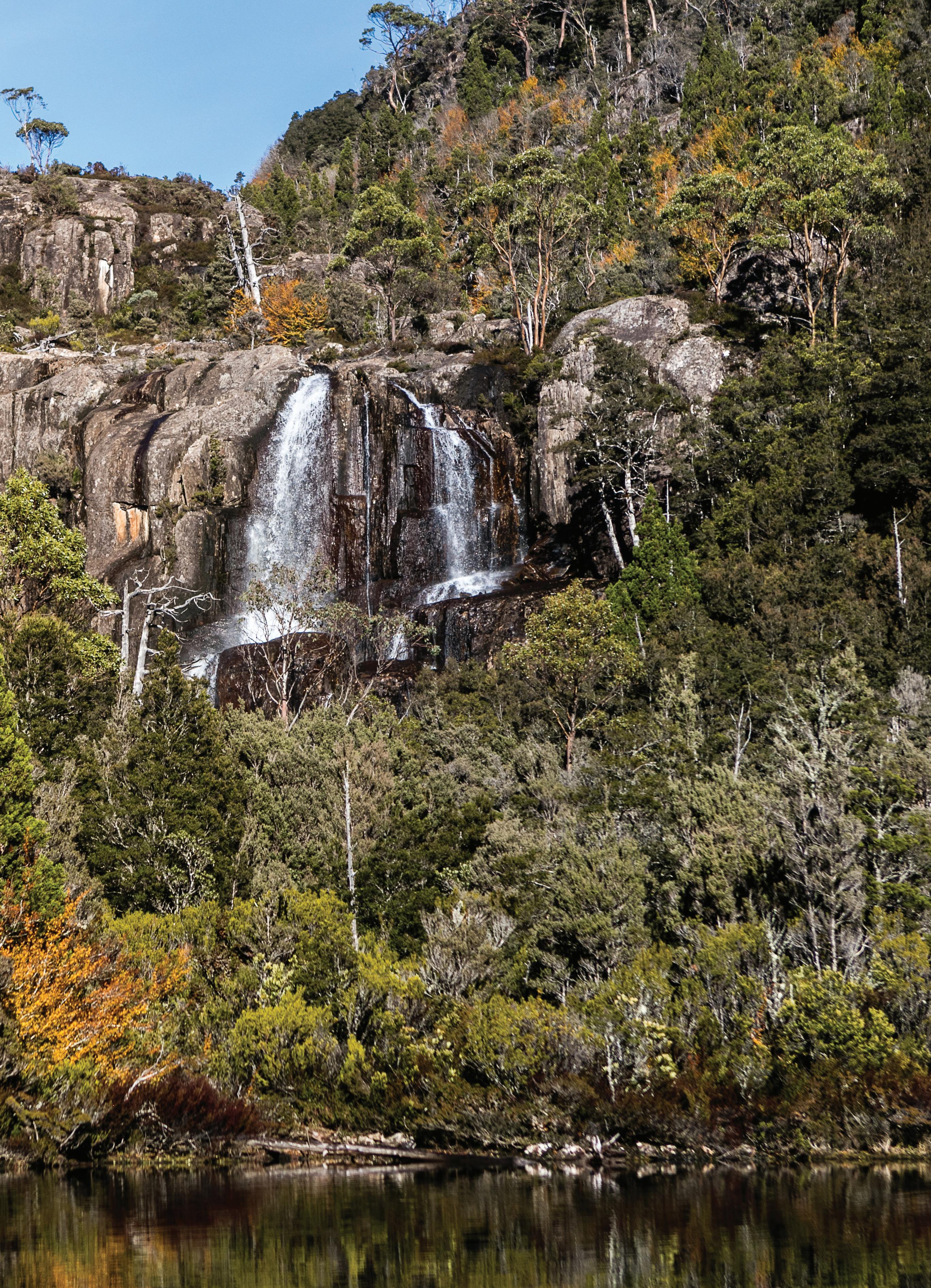
Head to Mt Field or Cradle Mountain this month to enjoy the turning of the fagus.
13 April
Canadian musician Harry Manx blends blues, folk music, and Hindustani classical music. He’s playing the Palais Theatre in Franklin tonight, 7:30pm.
13 April
Pseudo Echo enjoy a little trip to the East Coast and play a gig tonight at Scamander Beach Resort, 6:30pm.
13-14 April
Take in the beautiful seasonal blooms at Evandale’s Autumn flower show this weekend. Evandale Memorial Hall, 2-5pm Saturday and 9-4pm Sunday.
April 13-21
Some of Australia’s finest musicians travel to King Island this month for the second Moonbird Festival. The festival combines music, art, science and conservation. www.moonbirdfestival.com for more.
14 April
As part of the month-long Tasmanian Autumn Festival, today New Norfolk hosts family fun day on the esplanade, with live music, food vans, local distillers, winery stalls and other entertainment. All day.
19-21 April
Head to the North West of the state for TrailGraze 2024: a
weekend to explore farmgates, to taste, sip and discover some of the state’s most delicious produce. Take your pick from 30 producers on this self journey. Plan your trip at www. trailgraze.com.
20 April
The Wolfe Brothers go classical in a gig with the TSO - the power and polish of the full orchestra, matched perfectly to The Wolfe Brothers’ famous stage presence, and high energy performances. Launceston’s Princess Theatre. 7:30pm.
20 April
Hydro Tasmania is hosting a Waddamana Family Day as part of the Tasmanian Autumn Festival today. 10am-4pm, Main Road, Waddamana Power Station Heritage Site.
21 April
Can you run faster than a train? Entrants of The Great Train Race go head to head against the Don River Railway Steam Train today in events ranging from 400m to 7km. The race starts at the iconic Don River Railway and follows the beautiful Devonport walking track/Don River all the way to Coles Beach and back.
Email us at editor@thehobartmagazine.com.au Background photo: Jamie Douros & Camille Helm
Got an event coming up in Tassie?
www.thehobartmagazine.com.au/aprilevents change.
APRIL
AROUND THE ISLAND

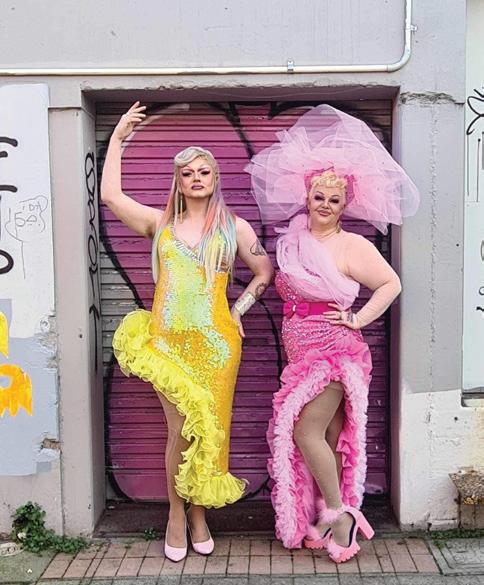
Free fortnightly drag trivia takes place at Tandy’s Alehouse tonight from 6:30pm. Hosted by the radical Enya Arsenal.

Put your thinking cap on and play free trivia at the Sporties Hotel in Launceston from 6pm. There’s many prizes to be won!
Learn songwriting hacks from master guitarist Aaron Hooper at The Watershed in Wynyard, from 12pm. This is a free workshop with no bookings required, and operates every Tuesday.
Take the family to the Launceston PCYC for its school holiday program. Featuring a huge range of activities throughout the holidays, bookings are essential.
Flex your vocal skills or sing for the first time at the Little Boat Choir in the Palais Theatre, Franklin. Welcome to all, every Wednesday night.
Experience the rhymes of acclaimed Australian rapper 360 at The Royal Oak Hotel in Launceston at 9pm.
The Mature Artists Dance Experience (MADE) take the stage in their To Carry/To Hold show at the Burnie Arts Centre tonight and tomorrow, both at 7:30pm.
Immerse yourself in four gripping climbing films from across the globe with the Reel Rock 18 film festival, showing at Launceston’s Star Theatre, 7pm.
Join Petrarch’s Bookshop in Launceston as they welcome celebrated authors Anne Buist and Graeme Simsion, as they discuss their latest novel, The Glass House. Free entry from 6pm.
Spirit of the ANZACS takes the songs of WWII and the Vietnam War, and packages them with poignancy and laughter, at Princess Theatre, Launceston, 11am.
Acclaimed black comedy play The Pillowman comes to Launceston’s Earl Arts Centre, until the 27th.

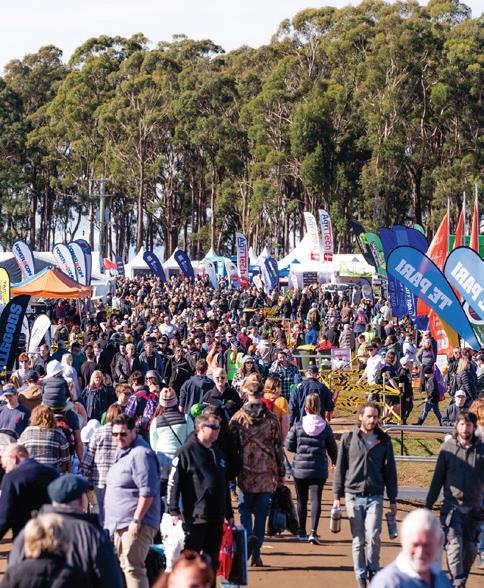
At Devonport Golf Course, Empower Golf Australia is hosting a Come and Try Golf clinic. It’s a way to introduce people living with a disability to golf for the first time. 2pm start. It’s Agfest! Tasmania’s biggest agricultural event returns for three days in Carrick, near Launceston.
10 23 22 24 30 17 16 15 18 11 25 2 MONDAY TUESDAY WEDNESDAY THURSDAY
9
Check out these events from around the island. Head to www.thehobartmagazine.com.au for more!
12
Multi-talented artist Harry Manx brings his unique blend of eastern musical traditions and blues to the Launceston Boathouse tonight, 7:30pm.
Headlined by rock legend Jimmy Barnes, the Red Hot Summer Tour comes to the Country Club Lawns in Launceston. The lineup includes Birds of Tokyo and Kasey Chambers.
APRIL
WHAT’S ON IN TASSIE
Celebrate the Autumn Harvest Festival at St Helens Community Garden. There will be food vans, market stalls, live music, and children’s activities.
Australian singer-songwriter Jessica Mauboy brings her Yours Forever Tour to the Princess Theatre in Launceston tonight. Experience her soulful songs and goosebump-inducing voice.
Cheer on the Australian DrillDance Championships at the Silverdome in Prospect, across a two-day event. Teams perform Dance, Prop, and Drill-Team routines. The Bicheno Surf Lifesaving Club welcomes you to the annual Devil Of A Swim. This year the swim starts from Waubs Bay then travels clockwise around Diamond Island. Check-in at 7:30am.
4
Embark on a journey into the shadows at LITANIAE NOCTIS, a one-night music festival celebrating all things dark and haunting, at Gunners Arms Tavern in Launceston.
14 21
The West Tamar town of Rowella celebrates Rowella History Day. Peek inside the historic homes Pointe Rapide Estate and Waterton Hall, not usually open to the public. Launceston’s Civic Square is playing host to a family friendly market celebrating the community’s diversity with World Street Eats. 11am - 3pm.
Join Devil’s Corner for a live music set from Luke Parry. This Sunday afternoon session includes all-day wine tastings and wood fired pizza. Free entry, located in Apslawn.
5
Weindorfer Day takes place in Wilmot today from 10am. Learn the history of Tasmanian conservation, celebrate the local wilderness, and join guided walks. All are welcome.
WANT TO EXPLORE MORE TASSIE?
TAROONA SHOT TOWER
Experience a fascinating piece of history. Work those leg muscles as you walk up the tower, followed by a hot drink in the courtyard garden, then explore the beautiful grounds and museum.
HUON VALLEY
Take in the beautiful Autumn colours, brave your fears underground at Hastings Caves, and sample world famous apple cider. A perfect day-long road trip, or stay overnight at one of the cute cottages or campsites.
MOUNT FIELD
This month the alpine regions come alive. Witness the iconic Turning of the Fagus, as the leaves change from green to gold, red, and brown, before being blown away by the winds. The Cradle Mountain area also puts on a spectacular show.
Have an event coming up? Let us know!
editor@thehobartmagazine.com.au FRIDAY SATURDAY SUNDAY
Background photo: Kelly Slater
19 26
27 28
13 20
FILM AND FASHION: SUSTAINABILITY ON SHOW
In a world built on fast fashion, designer Lalita Lowe is defying the norm by focusing on sustainabilty. We chatted with her about her woolly work and an upcoming film.
You focus on fashion that is ethical, sustainable, and traceable. How does this come to life in your work? When I create, each part of the process is important. I enjoy working with every single person involved. Learning about their specific expertise and collaborating to produce the highest quality clothing that we can. It’s important to me that all materials are sourced and made in a way that has the least impact on the environment. And of course the clothing must be beautiful, timeless and elegant. At the beginning of designing my latest collection, my intention was to source and produce it entirely within Tasmania, from farm to fibre to fashion. Each piece in the collection was made with the most angelic super fine local merino wool. Each hand knitted dress took 122,274 stitches to make from talented women with at least 50 years of individual experience.
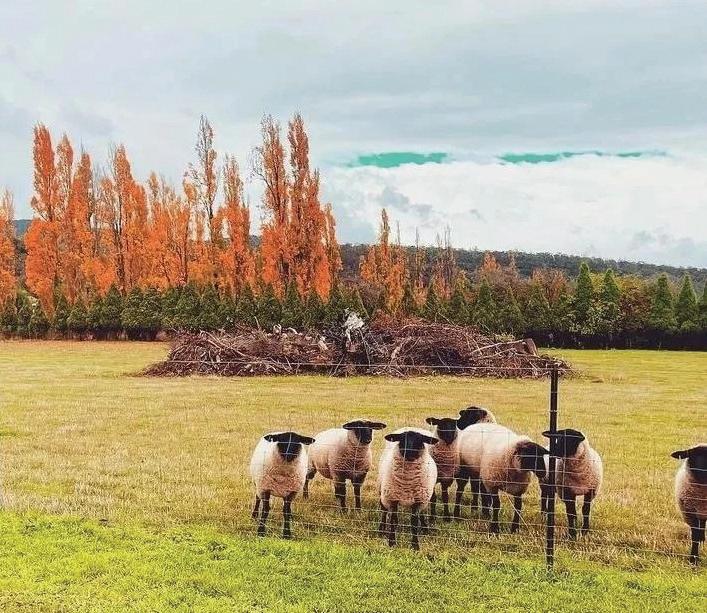
Why use wool from the Tasmanian Midlands in your products? I was drawn to Nan Bray’s White Gum Wool from Oatlands after I heard about her focus on biodiversity as well as the ethical treatment of all her sheep. Nan treats her flock like family. When I was designing my recent collection of knitwear, I drove up from Hobart to meet Nan and talk about my vision for the pieces. Nan gave me a tour of the farm where I met some of the sheep and got to see them wagging their happy tails while they moved around eating native weeds and grasses. I chose Nan’s wool because it is super soft and of exceptional quality.
How can we as consumers make more sustainable fashion choices? In my first book It’s Time to Rethink Your Fashion I speak about this. The main thing is that rather than buying more we need to be thinking long term. Let’s ask “how can I fall in love with the clothing I already own?” This could mean learning how to style our clothes a new way, repairing damaged items by fixing holes with invisible mending, taking them to a tailor


and adjusting a hem or waistline so that it fits properly. A majority of clothing is available at cheaper prices than ever before. This makes us believe that we are getting a good deal. What really happens is that most of this clothing is unsatisfactory and often gets worn only a few times. Why not see if you can find it in a preloved or secondhand store? Look for the best quality you can afford. Choose natural fibres like wool, silk or cotton because over time they perform better and are more likely to break down in the environment if they end up in landfill.
You’re hosting a screening of the documentary Fashion Reimagined at the State Cinema. Tell us a bit about this film and why you wanted to host? This documentary aligns with my values and tells a story similar to my farm to fashion collection on a larger, international scale. It really is an eye-opening and engaging experience. It tells the story of Amy Powney, creative director of UK Label Mother of Pearl. Raised off-the-grid in rural England by activist parents, Amy always felt uneasy about the devastating environmental impact of her industry. She created a sustainable collection from field to finished garment, and transformed her entire business. Her own personal revolution becomes the precursor of a much bigger, societal change. The documentary will be showing at the State Cinema on 17 April at 6:30pm. There will also be a short panel discussion at the end. This film has been brought to Australia by a company called Fanforce, to book tickets you can head to their website.
28
FASHION


little Cheeky devils!
LIVING WITH DEVILS IN CONCERT
In 2021, the documentary Quoll Farm captured hearts all over the country. Now it has a sequel:
Living with Devils, which follows acclaimed filmmaker Simon Plowright as he spends a year in northwest Tasmania living with the iconic but endangered Tasmanian Devil.
To celebrate its release, join us for a special screening with the Maria Grenfell-composed soundtrack performed live by the TSO.
Saturday 18 May – nipaluna / Hobart
Matinee 2pm
Evening performance 6pm
Federation Concert Hall 1 Davey Street
Doors open 30 minutes prior.
BOOK NOW!
TSO.COM.AU | 1800 001 190




29
THE WOLFE BROTHERS
Interview: Stephanie Williams Pictures: Supplied
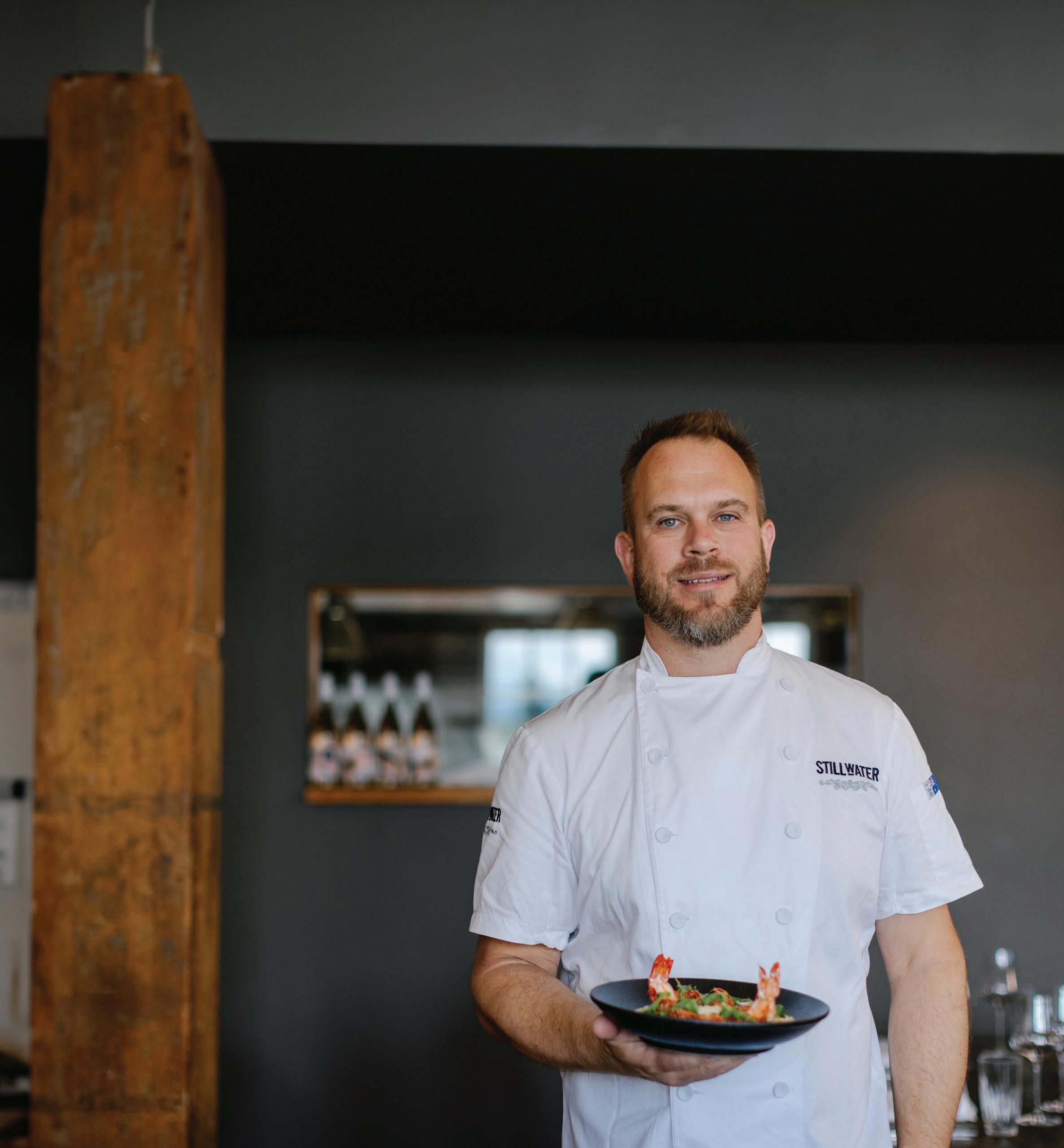
Tom Wolfe is one half of Tassie country music duo, The Wolfe Brothers. After rising to prominence over a decade ago from competing on Australia’s Got Talent, they have since released six albums and toured the country.
Tell us about your childhood growing up with a family of farmers and musicians? It was a wonderful childhood. A weekend could be spending a day on the farm with Dad fencing or working on the crops.
Then in the afternoon driving up to town to help load his drums in the venue for his gig that night, I have wonderful happy memories.
How did country music steal your heart? Stories and authenticity.
Especially when a lyric hits that you’ve lived or experienced. It’s what keeps me coming back.
How does playing live in Tasmania compare to the rest of Australia?
Always really special. You see faces of people we have known our whole lives. A lot of our songs are inspired by this place. So it always feels a little extra special.
Playing shows with your brother must be a lot of fun. How does your connection inform your live performances? It is a lot of fun. We are very similar but also VERY different. I mean, he calls me the walking definition of ADHD. I think we balance each other out on stage really well.
What is your wildest story from touring on the road? What happens on the road stays on the road. Or nowadays, the internet!
What is your essential green room snack or beverage? A Fireball whiskey shot pre show has been a tradition for a good few years now.
Your most recent album, Livin’ the Dream, was written during the pandemic. What was it like working creatively at that time? I am proud of the songs we created. It was real and honest. I am also very happy to be back in a room writing songs with people in real life.
What is the songwriting process like for you and your brother? No rules really. But generally we like to find the title or



exactly what we want to say/convey in the song before getting too far in. Generally we will write the chorus first.
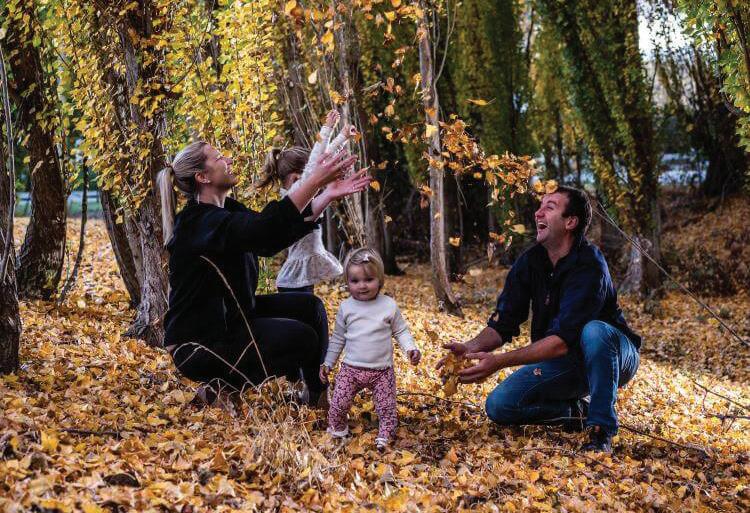
When you’re not touring or making music, what do you like to do in Tasmania? What’s a day off like for you? Usually on the farm. Been trying to give myself a day off here and there on the farm with the kids. It’s fun. I love it here. When the kids start to get a bit older I want to take them into the bush more. I’ve been very lucky and seen a lot of the world. I know we live in the greatest place. Right here in Tassie.
You have an upcoming show with the Tasmanian Symphony Orchestra. What has it been like converting your music to something that can be played by an orchestra? It has been one incredible journey. I truly believe we have created something really unique and special. We have wanted to tell the story of us and how this incredible state has inspired us. I think we have done that.
30
COVER FEATURE

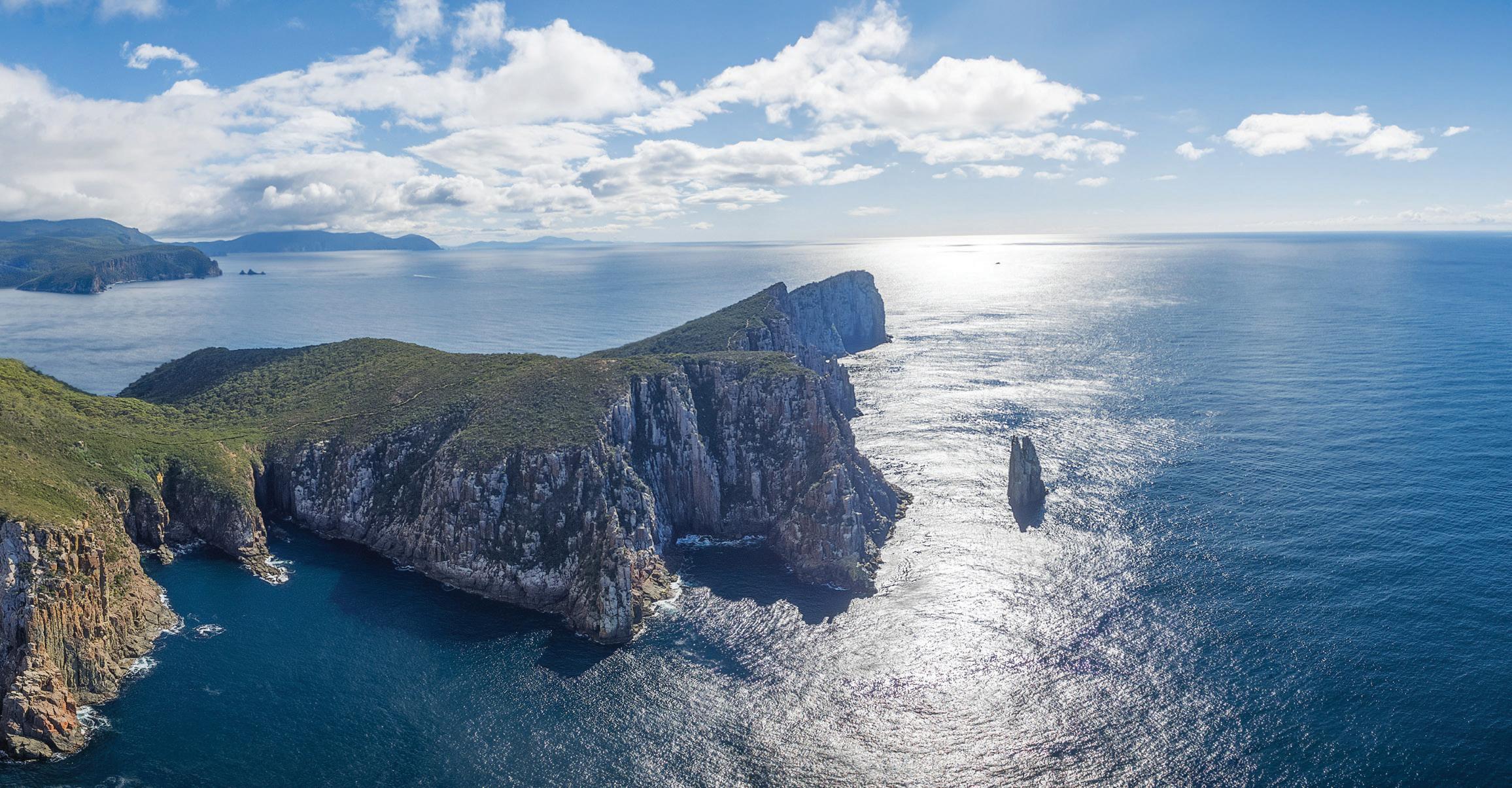

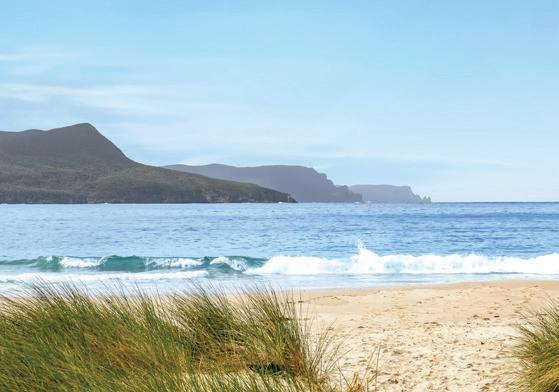
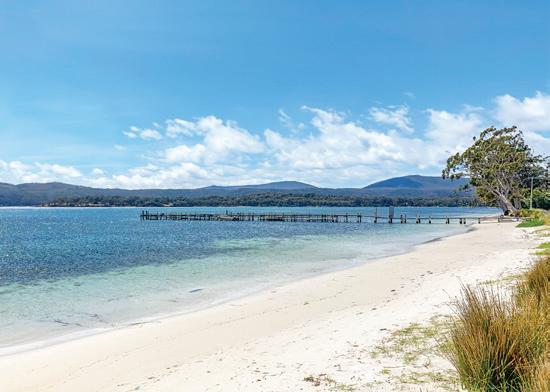
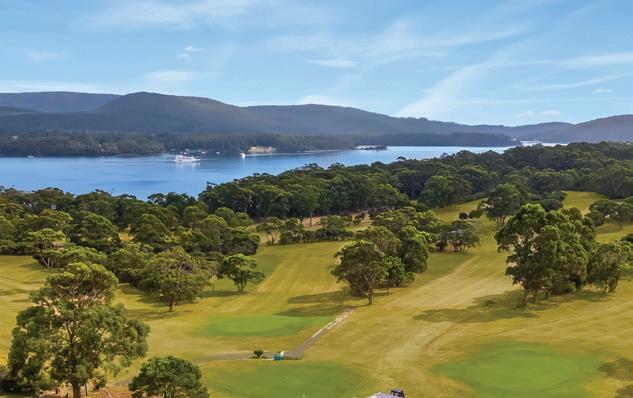
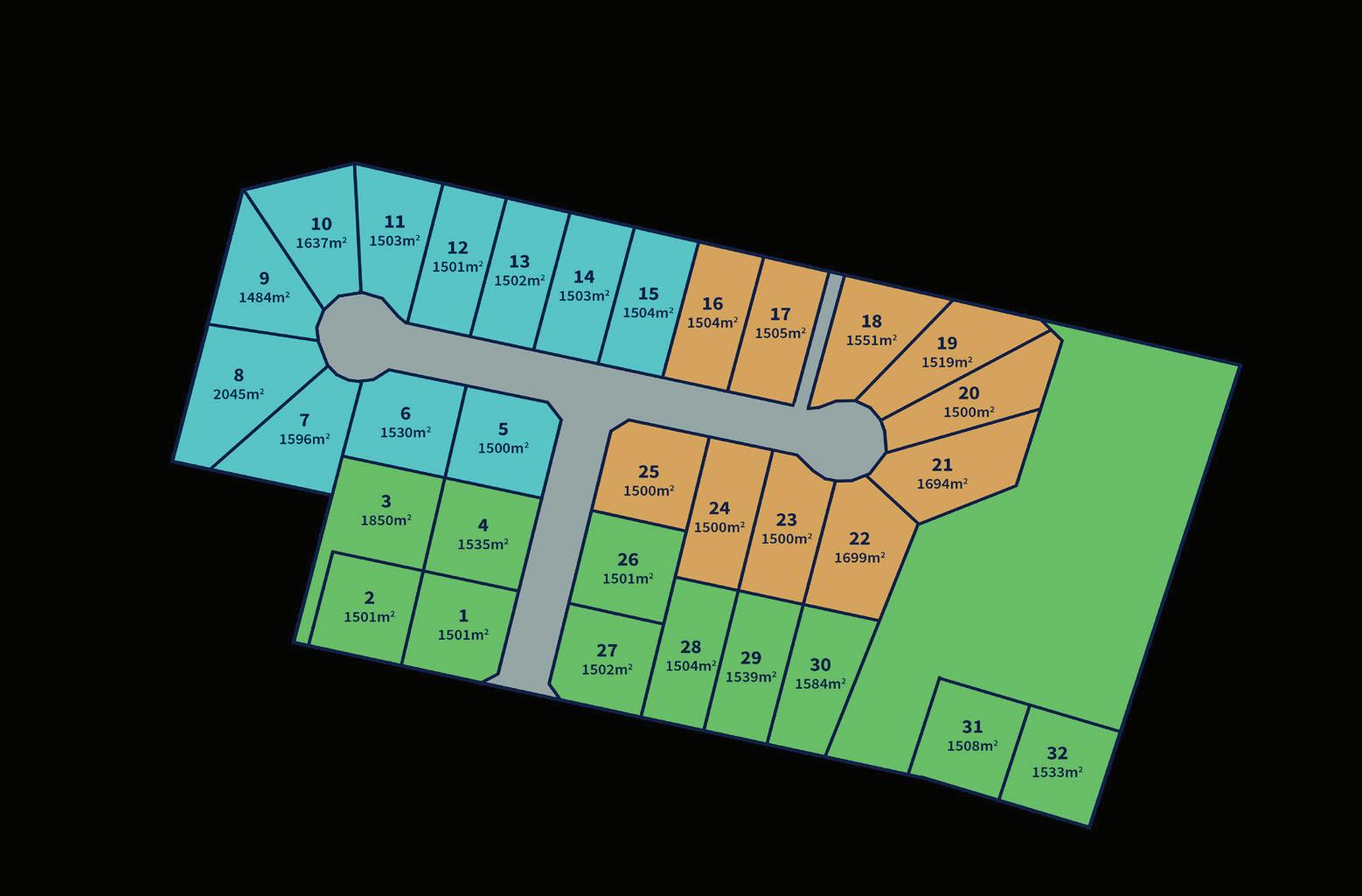




31 Greg Gottschalk P 0418 508 929 E greg.gottschalk@harcourtssignature.com.au TASMAN - E S C A P EHarcourts Signature | (03) 6244 8111 • 3 Bayfield Street, Rosny Park, TAS 7018 • signature.harcourts.com.au 4 minutes drive to Safety Cove Beach 10 minutes walk to Carnarvon Bay Fishing & boating at your fingertips Nearby Port Arthur Golf Course Vanessa Ward P 0438 273 274 E vanessa.ward@harcourtssignature.com.au Start living the dream in the Tasman Peninsula, the true Tasmania at ‘Tasman Escape’, Port Arthur’s new land release. Now offering you an incredible opportunity to purchase your very own piece of quintessential Tasmania priced from $220,000. Their magnificent lifestyle allotments range in size from 1500m2 to 2045m2. • Sealed roads with underground power and NBN
Boating, fishing, golf and hiking, all within minutes of these blocks. • Short drive to Nubeena • Build now or invest for the future. STAGE 1 Join the Community! NOWSELLING Enquiretoday!
•
PUMPKIN SEASON
Words: Ollie Benson
Good seed makes a good gardener. And more often than now, a good gardener makes a good pumpkin. Especially if it’s Eva Herrmann.
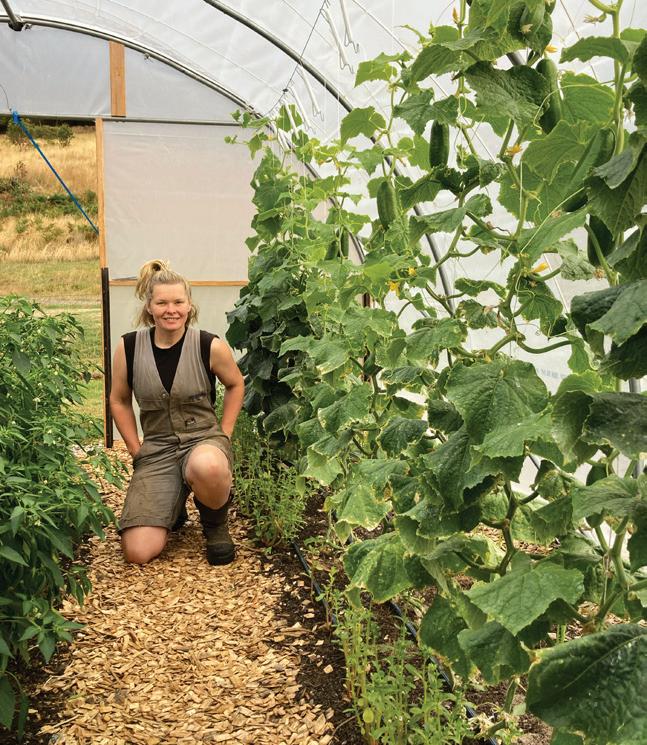
Eva runs Sow Small Market Garden, a regeneratively farmed market garden, nestled behind the vast orchards of Lucaston. The farm is only small but it’s packing a punch. Although Sow Small was only established a year ago, with the first plants going in last August, Eva is already feeding seven families with weekly seasonal veg boxes, supplying Sunbear in Hobart and the Lost Captain in Huonville.
Prior to setting up her own farm, Eva had worked with the team at Gardners Bay Farm, growing vegetables and fruit, and raising chickens for eggs destined for the Port Cygnet Cannery. She then spent time honing her skills at another local market garden, Broom and Brine. It was here she learnt about the propagation scheduling and no-dig techniques she now employs. It was also the team at Broom and Brine who offered wise words about the quality of seed she required.
Eva buys much of her seed through James at ActiveVista, another local resource that provides equipment and seeds for growers. Community is such an important aspect of small-scale farming. Everyone works together, offering advice and support, helping build capacity in a sector of agriculture they fundamentally believe will help the Tasmanian food system to prosper.
One of Eva’s favourite things to grow are pumpkins. As we sit and talk about her plans for the cooler seasons and her goals for next year, the appropriately named Golden Nuggets and Orange Summers, two of the varieties she grows for veg boxes, line up along windowsills, curing in the autumn warmth.
Eva explains that Golden Nugget and Orange Summers are the ideal pumpkins to grow and eat. They both mature quickly, yield well, and grow uniform fruit. They are also attractive, good storers and aren’t overly large, which is important for her customers who prefer a regular number of smaller pumpkins instead of the occasional giant.
Eva also loves growing them, as both varieties taste delicious! Whether it’s in curries, soups, or roasted, or the Golden Nugget bowls in the recipe below, they are a regular in her kitchen as the weather cools.
In North America pumpkins are of course synonymous with the start of their holiday season, with Halloween and community festivities. So, while our autumn aligns
with different celebrations, in many ways it still feels right that my conversation with Eva oscillates between how to grow and eat pumpkins, the community of people she serves, and the network of growers in the region that have supported her.
GOLDEN NUGGET BOWLS
Golden Nugget pumpkins are a small and flavourful variety with tough skin.
In this recipe, Eva uses the pumpkin skins as bowls to create a fun dish, perfect for kids. It’s also an excellent camping recipe if cooked in a camp oven.
Ingredients:
2 Golden Nugget pumpkins
1 can of chickpeas
1 tablespoon of Dukkah spice mix
4 cloves of garlic
¼ cup chopped parsley
½ cup crumbled feta cheese
1 knob of butter
Olive oil
Salt
Method:
Preheat the oven to 200 degrees celsius. Carefully cut the pumpkins in half and scoop out the seeds. Rub the inside with olive oil and a little salt, then place them face down on a baking tray lined with baking paper. Slip a clove of garlic under each pumpkin half. Rinse the chickpeas and combine them in a bowl with Dukkah spice, two tablespoons of olive oil, and a pinch of salt. Mix until the chickpeas are well coated. Add
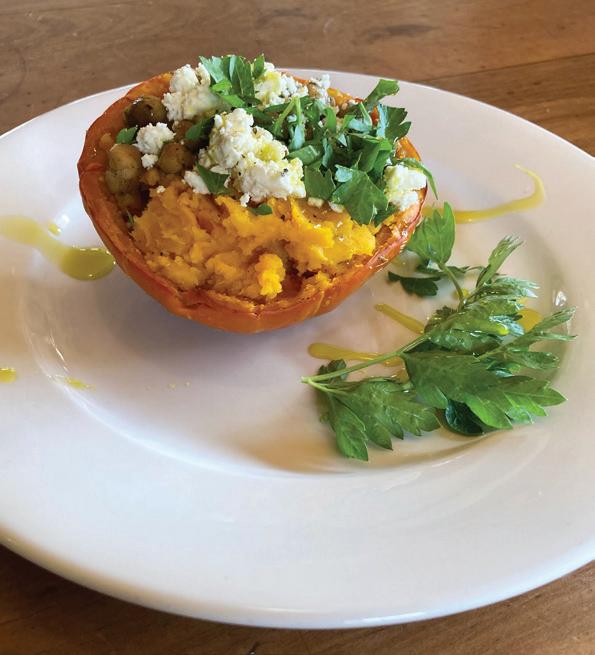
the chickpea mixture to the baking tray, spreading it as thinly as possible around the pumpkin halves. Place the tray in the oven for 45 minutes or until the pumpkins are soft inside. Once cooked, remove from the oven and allow them to cool for 10 minutes. Scoop the inside of the pumpkins into a bowl, being careful not to damage the skin. Add butter and roasted garlic. Mash until smooth, and salt to taste. To serve, use the pumpkin skins as little bowls. Fill them with pumpkin mash and chickpeas, top with feta cheese and chopped parsley, and drizzle with olive oil.
32 SEASONAL EATING

33 Premium accommodation across greater Hobart. Providing Supported Independent Living and Short Term Accommodation for NDIS participants. Subsided board, fully furnished and 24x7 sta support. Maintained to the highest standards in desirable locations. 1800 ONTRACK (1800 668 722) ontracktasmania.com.au
APRIL SCHOOL HOLIDAY GUIDE
Parents and carers, brace yourselvesschool holidays are coming! Running from 13 April to 28 April (depending on your specific school of course), these two weeks of freedom might seem daunting, but fear not, we’ve got your back with a guide to events, activities, camps and programs across Tassie.
Learning and Nature
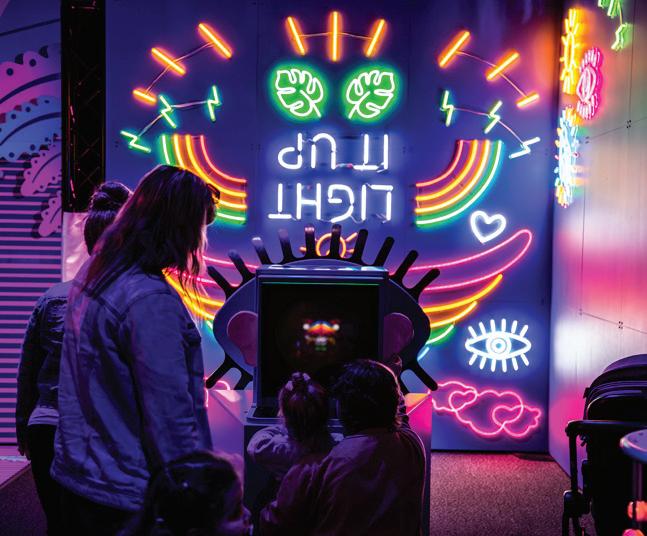
A classic that never gets old, Tasmanian Museum and Art Gallery (TMAG), is showcasing fascinating Tasmanian and Antarctic history, inspiring art, and plenty of fossils. In Launceston, QVMAG is where it’s at. During the holidays, explore their free ‘Illuminate’ exhibition, a sensory and hands-on experience focusing on the science of light. The Planetarium will also showcase the Dark Side of the Moon: a Pink Floyd experience throughout the month. In Ulverstone, pay a visit to Hive, a cultural precinct, community hub and museum. During the holidays, they will have plenty of shows in their Planetarium, the largest of its kind in Tasmania. Historic vibes await at the world-famous Port Arthur Historic Site, where children can spend a full day learning about our convict past. You can go on guided tours or explore at your leisure, and for an extra charge go for a ferry ride. To keep the history lesson going, visit the Hobart Convict Penitentiary for more intriguing tours, including Pandemonium, their widescreen convict presentation. At both places, kids six and under go in for free. Ghost tours are recommended for 14 years and over.
Animal enthusiasts, rejoice. Bonorong Wildlife Sanctuary in Brighton and Zoodoo Zoo in Tea Tree offer opportunities for children to learn about animals and nature. From feedings to close-up encounters, there’s amazing memories to be made. Continue the adventure at Seahorse World and Platypus House (both in Beauty Point) to get up-and-close to these curious critters. For fans of all things scaly, head to Serpentarium Wildlife Park in St Helens, and meet their various snakes, lizards, and tortoises.
The animal fun never ends, however, as there are many other wildlife parks across the State, including Trowunna Wildlife Sanctuary in Mole Creek, Tasmanian Devil Unzoo in Taranna, Wings Wildlife Park in Gunns Plains, and Raptor Refuge in Kettering. Don’t miss the serene Cataract Gorge, whether it’s the first time or the hundredth. Unwind with the peacocks, brave the chairlift, or trek the recently reopened walk. It is truly Launceston’s gem.
Sports and sessions
Budding basketball enthusiasts can hoop it up at the JackJumpers School Holiday Camps. Coached by players, there will be plenty of fun and games. Alternatively, Swisherr’s holiday programs have options for 5-10 year olds, 10-15 year olds, and an all-girls program. Both basketball programs have sessions in Hobart and Launceston. If tennis is your thing, you can sign up for Domain Tennis’ school holiday camps in Hobart. The camps are suitable for children of all school ages and abilities. There’s also Launceston’s Tennis World and the Devonport Tennis Club, or check your local tennis club for more details. Embrace your competitive spirit with mini-golf. There are several courses across the State, with the most notable ones being in Grindelwald, Moonah, Devonport, and Cambridge.
Future Gordon Ramsays can cook up a storm at Culinary Kitchen’s kids cooking classes. Sarah, a professional chef, will nurture and guide your child as they learn to cook. They will even get to take home their delicious meal. The two-hour lesson is recommended for ages 8-14, and is based in Kingston. Storytime is a free 30 minute session which includes stories, rhymes and songs. Aimed at preschoolers aged 2-5 years, they take place in public libraries all over the State.
Activities and Trips
The historic town of Richmond has everything from viewing ducks to eating lollies, you choose your own adventure.
Visit the quaint model village, Old Hobart Town, get lost in Amaze, learn history at Richmond Gaol, and get silly at Pooseum, a museum all about exactly what you think. Take the plunge with the Hobart Aquatic Centre’s School Holiday Splash. Running on weekdays between 11.30am to 3.30pm, activities may include a large inflatable in the 50m pool, purple slide, play zones and the diving boards. To get all of that energy out, visit Bounce. With a free-jump trampoline arena, dodgeball, and a wall climb, the fun never ends. For the artistically-inclined, join a free one-day session Dance with Paint at Rosny Farm Arts Centre. Held on 17 April, 10am-11:30am, the workshop asks you to paint based on music. You can also try Ukrainian Egg Dyeing in Collinsvale on 17 April. Movie buffs can catch family-friendly blockbusters at Village Cinemas. These include animated flicks Kung Fu Panda 4 and The Tiger’s Apprentice, as well as Ghostbusters: Frozen Empire appealing to lovers of all things spooky. For older kids there’s big monster action movie Godzilla x Kong, and for something a bit more thoughtful, North Hobart’s State Cinema will be showing the Oscarnominated animated film Robot Dreams. Brixhibition returns to Launceston these school holidays for a two-day event starting on 20 April, where families can experience marvelous LEGO creations. Theatre North presents ‘I Wish..’, a performance aimed at ages four to eight. An acrobatic adventure exploring all the things we can be, at Hobart’s Theatre Royal 23 and 24 April.
There you have it - your guide to turning these school holidays into something special. We only scratched the surface of what’s to offer, so what are you waiting for, get exploring!
34
FEATURE


35 arb.com.au/altitude LEARN MORE ARB ALTITUDE
HOBART
The next level in luxury touring
ERDA
167a Harrington Street, Hobart
Like a moth to a flame, upon hearing of a new brunch place within a few minutes walk of the office, it landed on our ‘must try’ list. In the old Rin restaurant space on Harrington Street, Erda is now a light and bright, pared back dining space.
Cream walls, light timber and indoor plants, it’s an instagrammers delight. The room is cleverly zoned by timber banquettes. But to the food. Specialising in brunch, the short menu is inspired by Japanese cuisine.
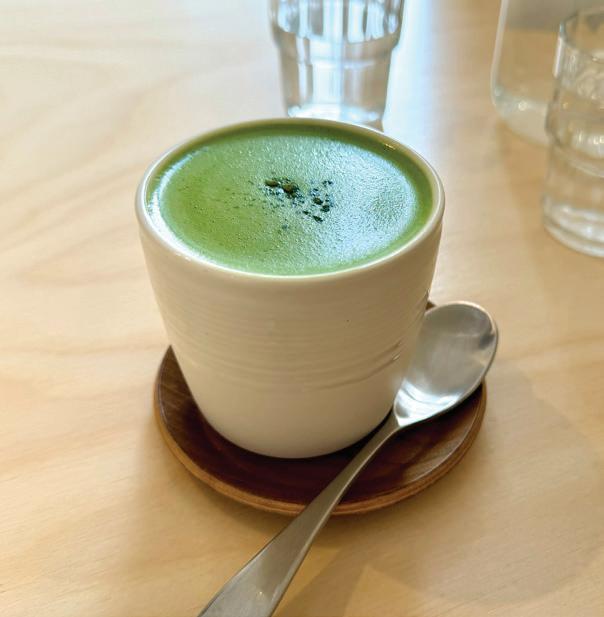
I ordered a matcha latte to start which was deliciously ‘green’ and bitter. We ordered the omurice, tomato infused fried koshihikari rice with scrambled egg and a beef demi-glace ($18). We added the optional extra of grilled beef ($8), for research purposes of course!
I liked the tomato flavoured rice so much I’m going to try and make it at home, but next time I’d opt for just


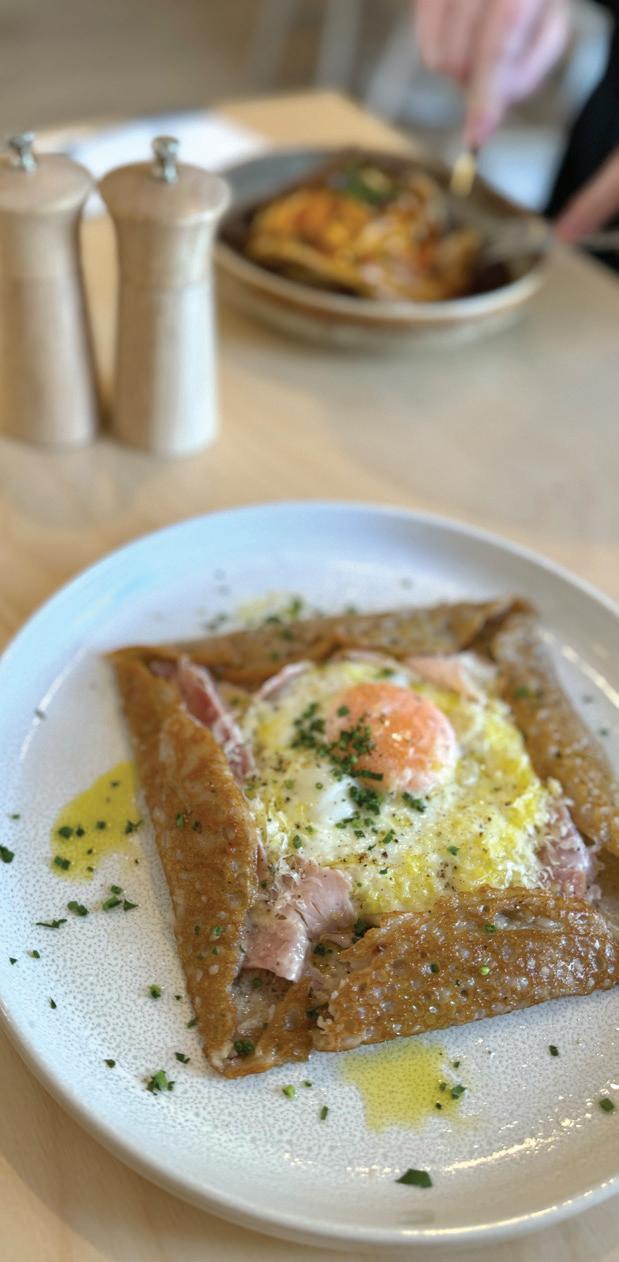
the demi-glace rather than extra beef. The galette complete ($25) is on the pricier side but is satisfying - a buckwheat crepe layered with ham, truffle bechamel, gruyere cheese and a fried egg on top. The edges were crispy and the flavours salty and creamy.
The glass cabinet counter is filled with sweet pastries from newcomers Six Russell Bakes and next time I’d be keen to try the coffee. This is a nice addition to the Hobart brunch scene if you’re after an intimate space, a little off the beaten track.
THE ULTIMATE CHICKPEA SALAD
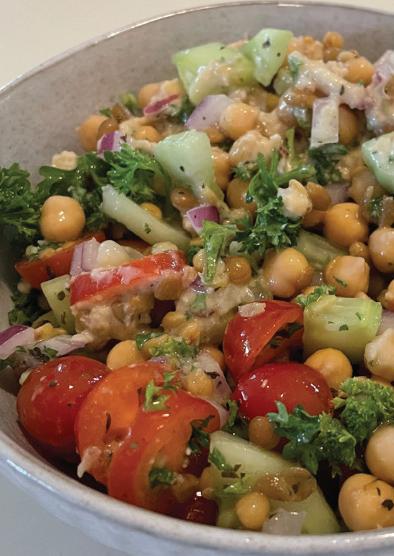
This salad is as easy as it is quick and healthy! You can alter the ingredients to suit your taste - up the hommus, down the cucumber, add in capsicum, it’s yours to tailor and enjoy. You can also add chopped mint for extra health.
Ingredients
1 tin chickpeas, drained and rinsed 1 tin lentils, drained and rinsed
1 punnet cherry tomatoes, chopped in halves or quarters
½ a Lebanese cucumber, chopped ½ bunch parsley, finely chopped ½ red onion, chopped
¼ cup hommus
Juice of half a lemon
Salt and pepper to taste
Method
Drain and rinse the chickpeas and lentils and place in a large mixing bowl. Add all other chopped ingredients and mix together. Add the hommus and lemon juice then mix again. Add salt and pepper to taste.
You might need to add a little more hommus and juice to taste. Transfer to a salad bowl and enjoy! This goes well with a barbecue, crumbed chicken or as a meal by itself. Keep in an airtight container in the fridge for up to three days.
36 FOOD


37
THE TASSIE BOOK CLUB
The Woman Booker Prize Club is a local Hobart book club. Here they share their thoughts on books by Tasmanian authors, set in Tasmania, or about Tassie topics.
Ah, life. This month we read Richard Flanagan’s pandemic-era novel about living and dying, as well as Helen Hayward’s recently published reflections on domestic work. We recommend both, but each for a different mood!
sibling rivalries, dipping into the past to explore Anna and her brothers’ early years in rural Tasmania.
Amongst other themes, this is a compelling but deeply uncomfortable examination of the lengths we go to in attempts to cheat death, and the ways that modern medical care can aid, or gently decline, these attempts.
As black bushfire smoke envelops Sydney, Anna notices her body parts beginning to vanish; before long, the body parts of her loved ones begin to vanish as well. Only Francie’s suffering seems to be tethered entirely to reality, as her children and grandchildren slowly go mad. What parts of ourselves might we be losing to the modern world?
Francie, aged 85, abruptly begins the process of dying. Her three surviving children attend her bedside in a Hobart hospital, having been told to expect the worst. Yet somehow, what should have been respectful and dignified end-of-life care becomes a savage determination that Francie must live, no matter the cost - no matter Francie’s own wishes.
Focused on Francie’s only daughter, Anna, the story unfolds against ecological disaster and the petty indignities of
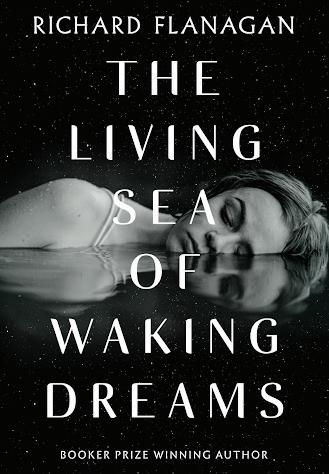
The magical realism, unreliable narrator and low-level foreboding here brought to mind the Flanagan of Gould’s Book of Fish (2001). It’s a thoughtful and thought-provoking consideration of what it means to die, and what it means to live.
everyday life. de Botton has turned his attention to the philosophies of work, architecture, sex and airports - but of course it’s taken a woman to observe that housework matters, and is worthy of similar attention. Home Work helps us to see housework and domestic pursuits as expressive acts of care for ourselves and those around us.
We grumble about housework. We avoid it. It seems to get in the way of our lives outside the home. Often, we undervalue the art and efforts we put in to make a house a home. But what if we looked at housework in a different way? What if it was important?
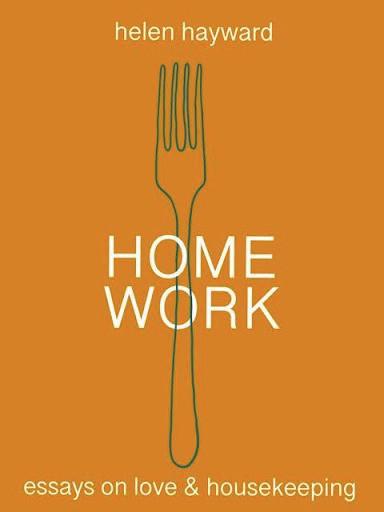
In Home Work, Helen Hayward grapples with her relationship to housework and domesticity over chronological life stages - from her childhood in Adelaide to young adulthood in London, and as a mother of two in Melbourne and Hobart - moving from disdain to begrudging acceptance, eventually respecting and even enjoying the role that home work plays in this one extraordinary, ordinary life.
The slim book comprises an introduction and 14 short, very readable and relatable essays - plus a foreword by Alain de Botton, the famous philosopher of
Feeling a bit overwhelmed after recently moving house myself, Helen’s book came to me at the perfect time. While most chapters come to a similar conclusion, each one expands on the theme in breadth and depth. Taking a moment of quiet with one essay every couple of days helped put me in a more philosophical mood about the tasks I needed to tackle. I am grateful for Helen’s openness, honesty and grace in writing this book - and I’ll be pushing it into the hands of many friends.
Book Chatter: From page to screen - filming for a TV version of Richard Flanagan’s Booker Prize winning The Narrow Road to the Deep North commenced in November last year with an amazing cast including Jacob Elordi (Saltburn, Priscilla). Screen Tasmania has also invested in the adaptations of Robbie Arnott’s Flames and Heather Rose’s Bruny, while Jock Serong and palawa novelist Adam Thompson are involved in writing other exciting productions we hope to see on our screens soon!
Keen to chat books with us? Find us on Instagram @thewomanbookerprizeclub or email thewbpc@gmail.com.
38
BOOKS



39
ZODIAC CHECK-IN: YOUR MONTHLY ASTRO UPDATE
Words: Sara Hewitt
Dive into the month ahead with practical star insights - your guide to navigating the cosmos this month.
Aries (21 Mar - 19 Apr): Loving and romantic Venus moves into your sign on the 5th, bringing the ability to attract the people and things to you that you really value. The New Moon and eclipse in Aries on the 9th herald a fresh start and new beginning in your life which is likely to be big, long lasting, and full of opportunity. Just don’t hang onto old fears and limitations.
Taurus (20 Apr - 20 May): The Full Moon on the 24th will bring a boost of emotional power and energy to your closest relationships. A wonderful time for celebrating the good you share, but perhaps not the best time for trying to resolve problems. The eclipse and New Moon on the 9th could bring a dream or intuitive insight which tells you what you really need to know.
Gemini (21 May - 20 Jun): Your ruling planet, Mercury, is going retrograde between 1st and 25th of April, meaning that this is not the best month for Geminis to launch new projects or try to negotiate any deals. A fantastic month for joining groups or just spending time with your friends - they are likely to give you the best advice for fixing a personal problem mid-month.
Cancer (21 Jun - 22 Jul): A wonderful month for new jobs or perhaps even a completely new career path as the New Moon and eclipse light up your career sector and bring opportunities to those wanting a new direction. A good month for all matters to do with children and young people for couples, singles may find a new love who is everything they wish for in a partner.
Leo (23 Jul - 22 Aug): The best advice for you this month, especially with the eclipse and New Moon on the 9th, is to keep an open mind and stay flexible and ready for new experiences. You may feel your old way of seeing the world doesn’t work anymore and feel able to let go and embrace healthy, positive change. Your love life has some happy vibes for togetherness.
Virgo (23 Aug - 22 Sep): You have active, dynamic, and sometimes irritable Mars in your relationships zone this month which may lead to you feeling impatient and bad tempered with the people around you. Financially you have some strong influences for clearing debt or perhaps even taking on a financial commitment to achieve something big like a house or business.
Libra (23 Sep - 22 Oct): Your relationships and dealings with other peopleincluding any who have become enemies - will experience an ending followed by a new beginning this month. The eclipse and New Moon on the 9th create the opportunity for wiping the slate clean and finding common ground, peace and perhaps even some kind of love again. Money is looking good.
Scorpio (23 Oct - 21 Nov): The Full Moon in Scorpio on the 24th will bring an issue or project you began six months ago to a peak. It doesn’t have to be bad, it can actually be the best time for you to take action and make positive changes. The eclipse on the 9th gives a great energy for starting a new health and/or fitness regime – and for making it stick as a new healthy habit.
Sagittarius (22 Nov - 21 Dec): Your love and money luck should be looking great with this month’s eclipse and New Moon as it falls in your zone of romance, good fortune, and good times. You may attract the attention of someone exciting and fun. The Full Moon highlights your subconscious/psychic zone, bringing important insight which can help you resolve old pain.

Capricorn (22 Dec - 19 Jan): There is a wonderful opportunity opening up this month for Capricorns to close the door to negative energies from the past and open up a new path which has more growth, harmony and peace attached to it. Houses and the home are highlighted, and some may get the urge to buy, sell or relocate or perhaps just really change your home around.
Aquarius (20 Jan - 18 Feb): Your community and close neighbours are likely to become a stronger focus with this month’s eclipse and New Moon. A great time for reaching out to others and finding common ground, even if you seem different on the surface. Your public reputation is highlighted and you may receive some rewards and recognition for your efforts.
Pisces (19 Feb - 20 Mar): A big month for Pisces in a financial sense, as the stars are giving you a boost of energy and some new conditions around what you owe and what you own. A high energy and stress month with the presence of active, dynamic Mars in your sign - use it to push through barriers and get stuff done - just don’t pick fights or get irritable with people.
Sara is a Hobart based astrologer with over 30 years professional experience. If you would like a private psychic or astrology reading with Sara either face to face or by zoom or email, please go to www.stargold.com.au for more information and to book.
40
HOROSCOPES
to an international student
• Experience a new culture
• 24/7 support
• Get paid for it
Register your interest today.


“I can now say ‘Good morning’ in three different languages!”

study.tas.gov.au/homestay
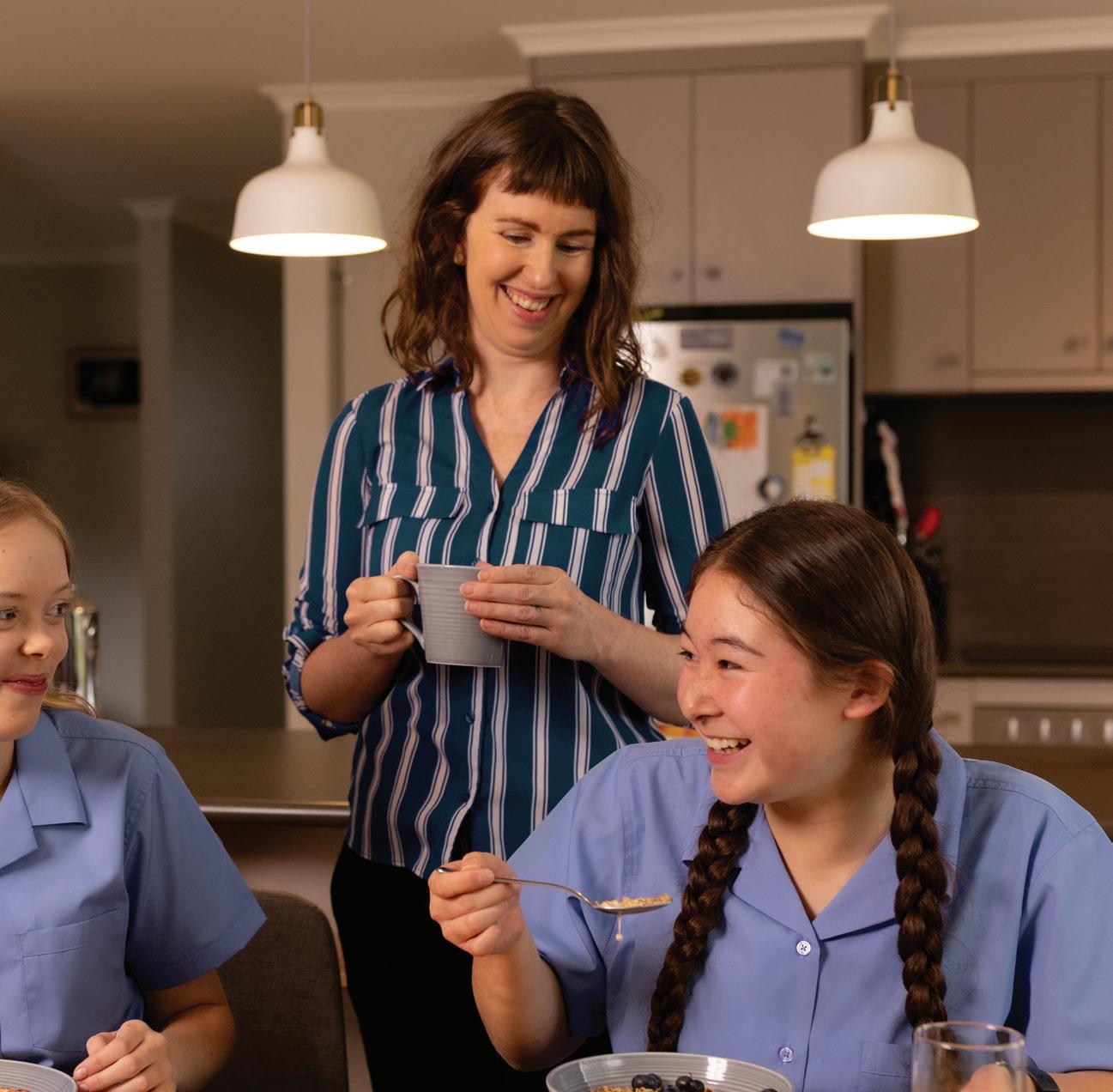

Semi-retire with confidence
If you’re over 591 and still working, a Transition Pension lets you access some of your super before you retire.
Scan the code to request a call back from your local super expert or visit spiritsuper.com.au/transition


1Or reached your preservation age. This is for general information only and doesn't take into account your financial position, personal objectives and needs. Consider these and the PDS and TMD available at spiritsuper.com.au/pds before making a decision. Issuer is Motor Trades Association of Australia Superannuation Fund Pty Ltd (AFSL 238 718, ABN 14 008 650 628). Advice is provided by Quadrant First Pty Ltd (AFSL 284 443, ABN 78 102 167 877).







Horticultural and Landscape Supplies 45 Crooked Billet Drive, Brighton www.hals.com.au 6263 4688
homestay
BECOME a
HOST
Carol – Launceston
CRICOS
03352G
LET’S BE (UN)HAPPY!
Words: Annia Baron
One of your biggest problems is that you’re trying too hard to be happy. In fact, you’re doing ‘happy’ all wrong and it’s leaving you shrivelled.
“When I get that job, once I find that special someone, after I buy the house, then I’ll be happy.” “When we book that air bnb, once the weekend comes, after I lose the weight, then I’ll be happy.” Our daily life is saturated with this arrival fallacy. With such a focus on happiness, it’s no wonder we’ve repelled from anything that resembles its opposite and as a result, we’re disconnecting from the power that unhappiness can bring. At the first sign of emotional instability, autopilot kicks in and before you know it, you’re reaching for the quickest distraction.
But why are we so afraid of unhappiness?
Why have we led ourselves to believe that being unhappy means that something’s wrong? It’s simple. For survival, we’re conditioned to gravitate towards pleasure and run away from pain. But here’s the kicker, if pleasure was the key to our happiness, we’d all be dead in a week. Think about it. If pleasure equated happiness, your brain would simply seek out all the experiences and chemicals to continuously increase the quantity of dopamine. You’d likely spend all of your time, money, and energy on sex, drugs, and rock n roll. And this message - that you can ‘get’ happier simply by buying pleasure - is the same one we’ve been sold all our lives. It’s on every advert, in each glossy magazine, plastered on all the billboards you’ve ever seen, and shoved in your face when you’re scrolling. Happy, happy, happy, happy. Pleasure, pleasure, pleasure, pleasure. None of us want to feel like we’re left behind. No wonder we want to avoid unhappiness. But like any other feeling, unhappiness is simply information. It’s knowledge that we can use to enhance our lives. And
here’s the ultimate revelation: in most studies that have been done on happiness, we know that true satisfaction, the type that is deeply rewarding (and doesn’t kill you!) only exists if we also experience hardship. Essentially, happiness doesn’t occur without unhappiness. Purchasing your Masters degree online won’t make you as happy as going through years of stress associated with earning it. Someone handing you a diet pill won’t make you happier than spending weeks of panting, sweating, and feeling sore after the high intensity exercise classes you’ve endured.
So, if unhappiness is important for our sense of feeling good, how do we normalise it as part of our growth? Better yet, how do we create a new paradigm in which not being happy is embraced and honoured? What if we started seeing unhappiness as a platform, as a sort of landing space on which to arrive and reset? What if feeling unhappy was an opportunity to enter a beautiful room in our mind. One with soft timbers and natural materials. A space with warm lighting, filled with luscious plants, gentle sounds, and the aroma of freshly baked cinnamon scrolls coming out of the oven (mmm, isn’t that just the best smell?). A mental haven where you’re welcomed to be exactly as you are. No expectations. No pressure. No comparison. Just a space where you get to listen to information coming through.
Perhaps here, we could find answers to questions like: What am I in need of right now?
1. What parts of myself am I avoiding or neglecting?
2. How can I work towards being my real self and experience a deeper sense of satisfaction?
It wouldn’t have to be a place where you resolved all your problems immediately. It would simply be a space where you could equalise your mindset, and perhaps plant a few seeds. Imagine we all got so damn good at being okay with unhappiness that when it occurs, we smiled gently to ourselves and said, “Ahh, my sacred space is calling me. My invitation has arrived.”

It’s not hard to do. Start by envisioning what your ideal space would look like. Each day spend several moments to close your eyes and imagine yourself enjoying this area. Picture yourself in it as you take three slow, long breaths in and out. And that’s it – by noticing your unhappiness and choosing to take the time to be with it in this delightful, sensory mental space (is anyone still thinking about those cinnamon scrolls?) you’re training your brain to run from nothing and instead, grow receptive to greatness. Remember, you’re not expected to solve everything, simply start with the three questions, and see what comes up. Pleasure is wonderful. Pleasure is divine. You deserve all the pleasure in your life that elevates your being. But with all the joy that pleasure brings, pleasure has never been the key to happiness. How you respond to unhappiness is what unlocks the golden door.
Annia Baron is a mum, Clinical Psychologist & Mindset Coach. Want to learn more about mindset tools to create a life you desire and deserve? Get in touch on Instagram @anniabaron or visit www. remindyourself.com.
42
PSYCHOLOGY
in
with me or one of my staff.”





43 100%Independent “My job is to represent
help the
includes Hobart, Glenorchy and Taroona. Feel free to get
touch
speak
Andrew Wilkie Your Independent Federal MP www.andrewwilkie.org andrew.wilkie.mp@aph.gov.au Telephone 03 6234 5255 Authorised by Andrew Wilkie MP 188 Collins Street Hobart 7000 Advertisement Escape to Lord Howe Island with AJT Discover an untouched island paradise with pristine beaches and diverse wildlife. Phone: 03 6215 8799 Email: hobart@ajtravel.com
and
people of Clark which
to
A MORNING ENCOUNTER WITH THE HOBART CENOTAPH
Words: Peter Burt
It’s sunrise in Hobart. The city is waking up. Streetlights switch off, cars hum their motors, coffee shops open with the whistle of steaming milk. I am alone on this crisp morning, waiting to pick someone up from the hospital. They are taking longer than expected.
So I go for a walk, driven by boredom, picking my direction based on nostalgiaa place my father used to take my brother and me fishing.
Walking up the vibrant green hills of the Queen’s Domain, a tall spire reveals itself. An obelisk of granite. Standing proud at 23 metres high, the Hobart Cenotaph is an icon of the city. I drive past it all the time, have celebrated festivities under its shadow.
A finely landscaped rectangular field unfolds before me, neatly lined by trees that stand to attention like soldiers. At the end of the field, the Cenotaph, backdropped by a blue sky painted with wispy clouds. I approach it, welcomed by the eternal Flame of Remembrance and Pool of Reflection. Towering over me like a gentle giant, I feel comfortably insignificant.

Maybe as a result of the vulnerable state I’m in, I am overcome with emotion. There are no names engraved on the structure, but the power is inarguable. All those lives lost, immortalised.
The word ‘cenotaph’ literally means ‘empty tomb’. They are erected to honour a person or group of people whose remains are elsewhere. The Hobart Cenotaph initially commemorated the Tasmanians who served in World War One but has evolved to honour later conflicts in which Australia has been involved. With every life lost, the power behind the Cenotaph grows.
This power leads me to research the history behind the Cenotaph. A monument so important to my home city, I felt ashamed that I knew nothing about it. Designed by Hobart architects Hutchison and Walker, whose design won first prize in a public competition conducted in early 1923, the Cenotaph was unveiled on 13 December 1925. Prior to this, a casket of solid zinc, containing the names of 522 Tasmanians who died in World War One, was placed in the base of the Memorial on ANZAC Day 1925. Since then, it has been the centre of Anzac Day commemoration services at dawn and mid-morning, and is the destination of the marching procession.
Why, I wonder, was I so moved by this obelisk? I later realised, after some self-reflection, that I so rarely took a moment to remember and commemorate all those who served and lost their lives, that when I finally did, it was overwhelming. Like a bucket overflowing.
As a young person in 2024, with decades worth of separation, it can be easy to trivialise the impact of the First and Second World Wars. Sure, I picked up the basics in school and understood their significance, but life moved on after graduation. I found a job, got married, and barely dwelled on them. Nothing feels more important than the constant buzz of modern life. It’s easy to overlook the fact that I live in a world profoundly shaped by war. Thoughts like, “It’s all
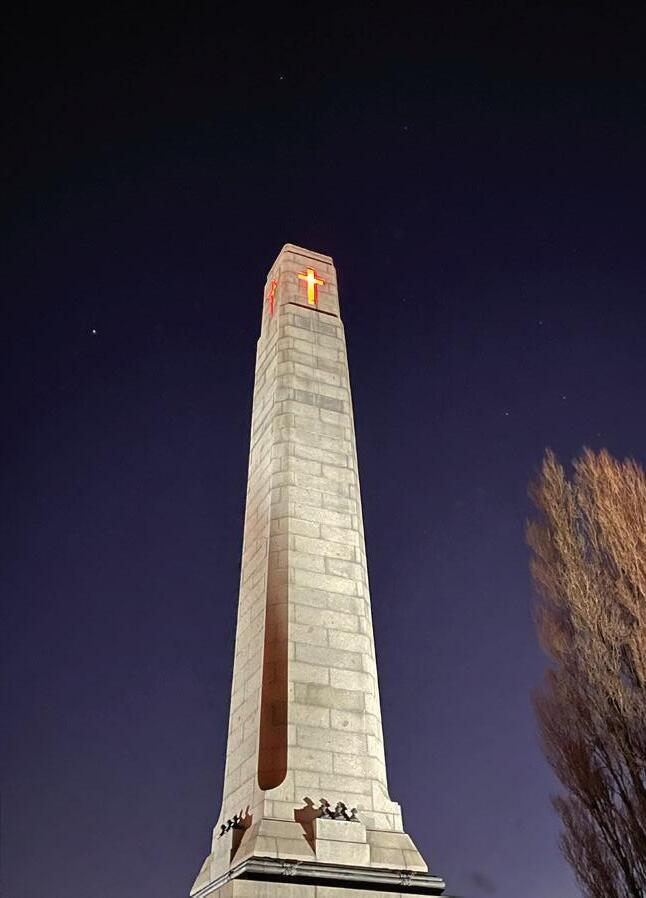
black-and-white photos, ancient history!” have crossed my mind. But this is simply false. World War One ended just over a century ago, and World War Two ended a mere 78 years ago. Some of my peers have grandparents who lived through those times. Some are still among us. In the grand timeline of human history, these wars are recent chapters, and that realisation should be nothing short of disconcerting and thought-provoking.
It’s crucial to acknowledge the recency of the wars the Cenotaph marks. As uncomfortable as it is, we need to be aware of what humans are capable of, both positive and negative. Humans can commit atrocities, but we can also be brave. By studying and reflecting on history, we can take the lessons learnt, and apply them to now. Especially because war never ended. Australians have served in many wars over the decades, and there are conflicts happening right now. The power of the Cenotaph grows.
As the separation increases, I fear younger generations will care less and less. After my chance encounter with the Hobart Cenotaph, and my subsequent self-reflection, only then did I realise the importance of remembrance. There are ways to do this. From visiting local monuments, as I did, to going to a museum or reading a book. We must keep the flame alive. So I speak to my fellow young Tasmanians: this ANZAC Day, take a moment and reflect, lest we forget.
44 HISTORY

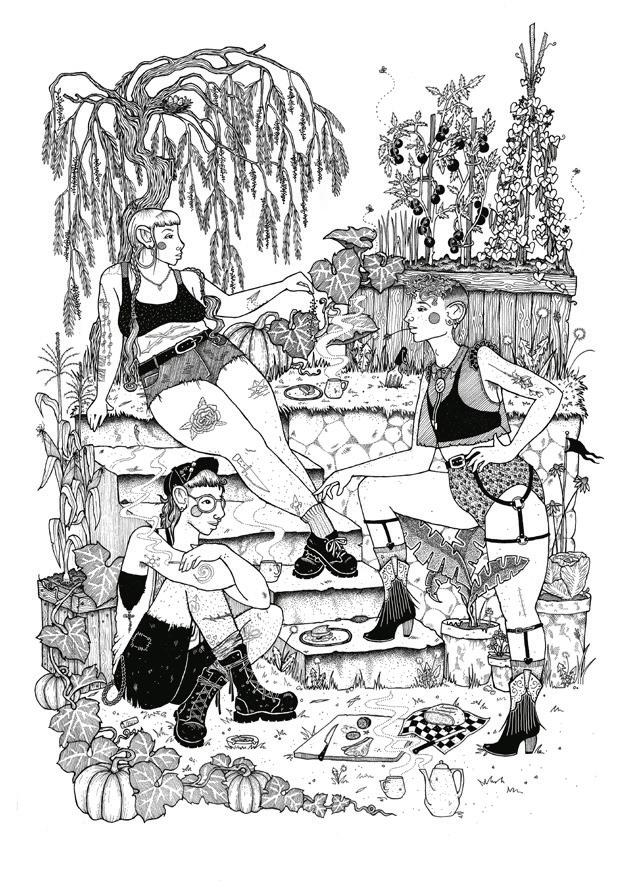




45 EXHIBITION AT ROSNY FARM www.clarenceartsandevents.net 11am–5pm Wednesday - Sunday Schoolhouse Gallery Rosny Farm, Rosny Hill Road, Rosny Park Ph: 6217 9607 Exploring the profound bond between humans and the natural world. 12 April - 5 May Unfamiliar Familiars: Icky Brothers, Rosie Wordsworth, Arrow Bisset & Ceridwyn Williams A Community Event to Learn About Your Legal Rights and the Power of Legal Knowledge Join us for Law Week 2024 20- 26 MAY PROGRAM COMING SOON! www.lawweektas.com.au

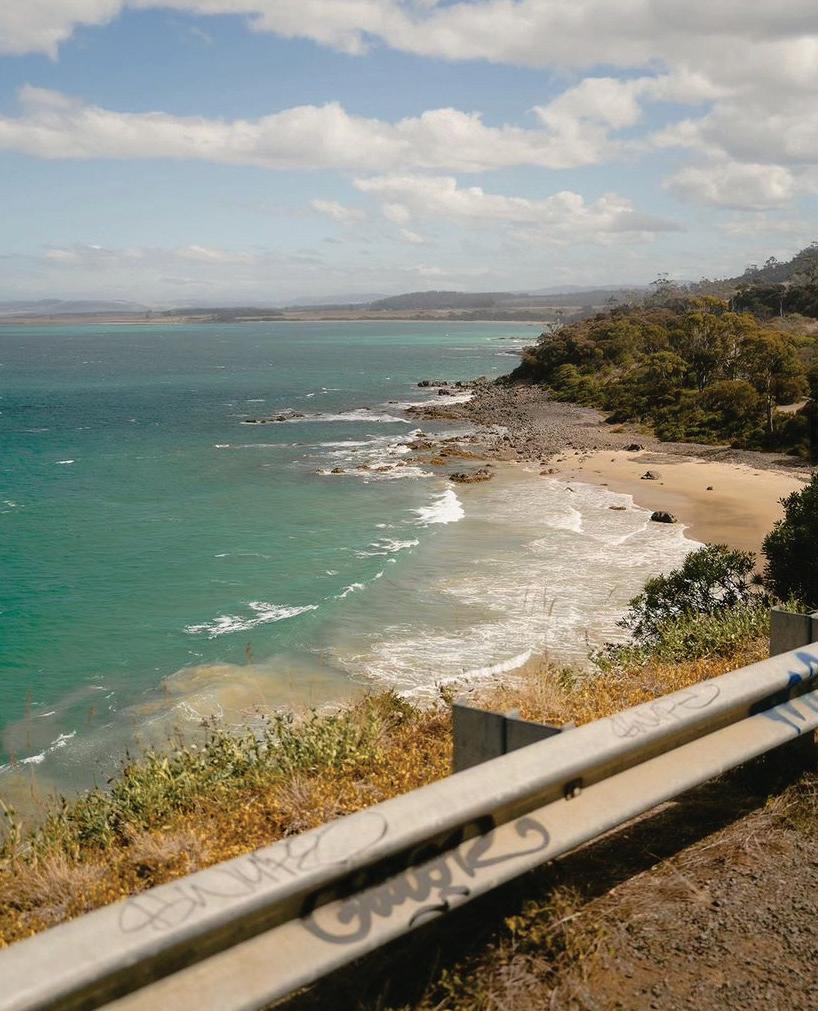

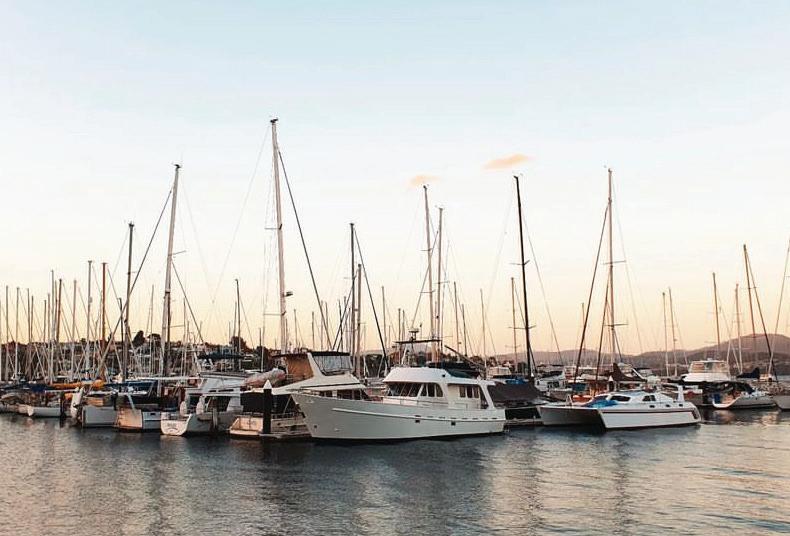
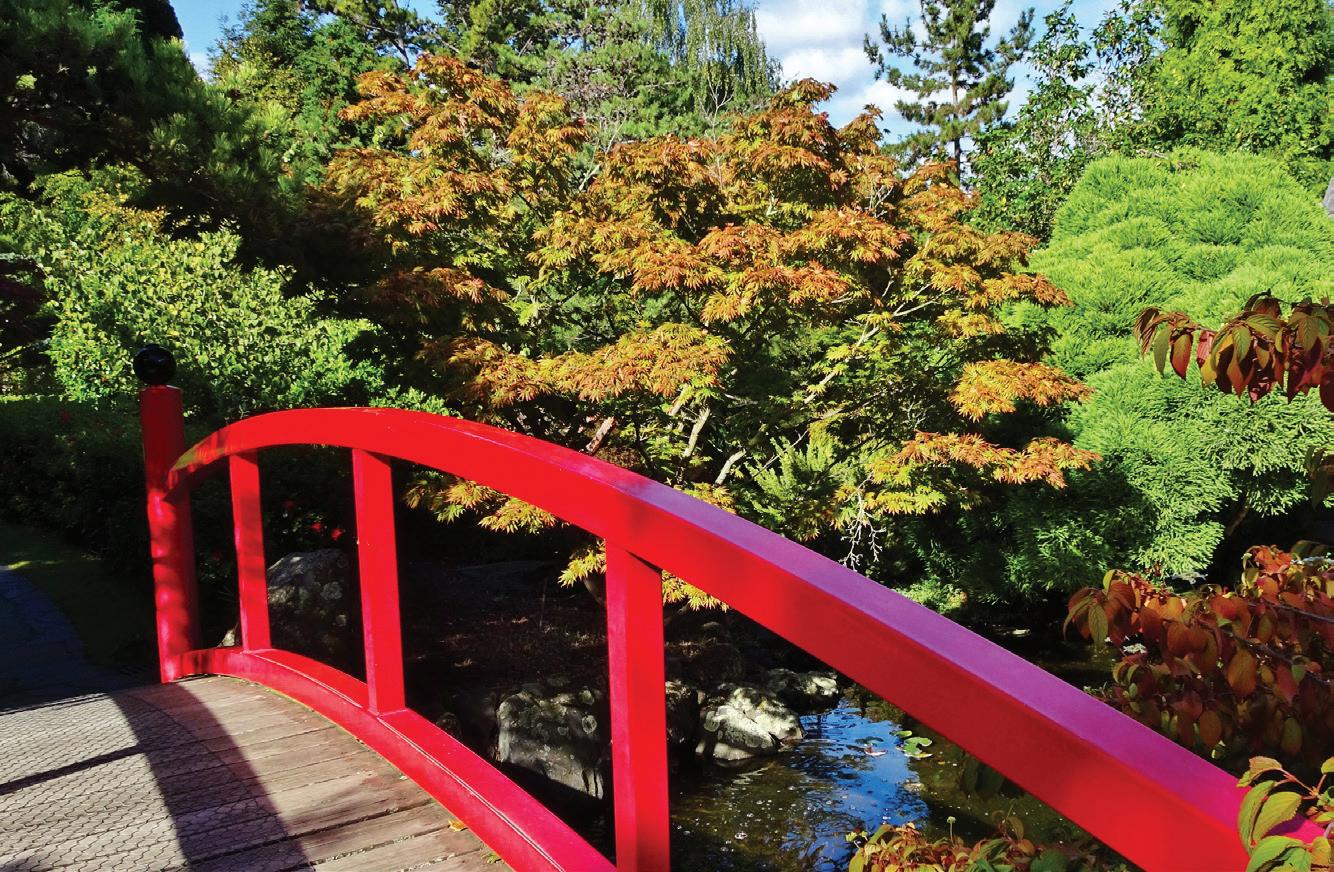

46 GET FEATURED Tag #thehobartmag or @thehobartmagazine to be featured, or send your pics to editor@thehobartmagazine.com.au Kingston Beach, 6.30am by Minji Hur GET FEATURED
Lake Rhona Trail by Paul Schurink
Dodges Ferry by Susan Mace
Holiday view @ajcottier_visuals
Taiko Bridge at the Botanic Gardens by Gary Tate
Lovely Launie @ryankincade
Hobart’s

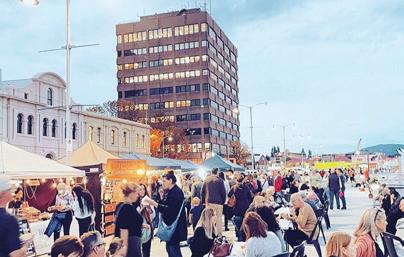
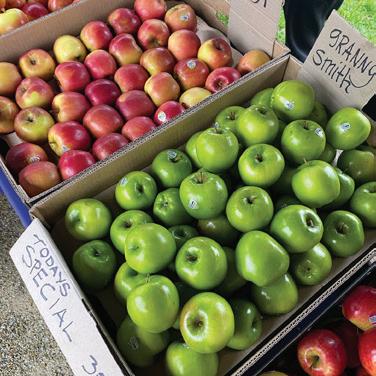


BROOKE
April 26 May 31 Jun 21, 28
Returning on Friday Nov 1, 2024




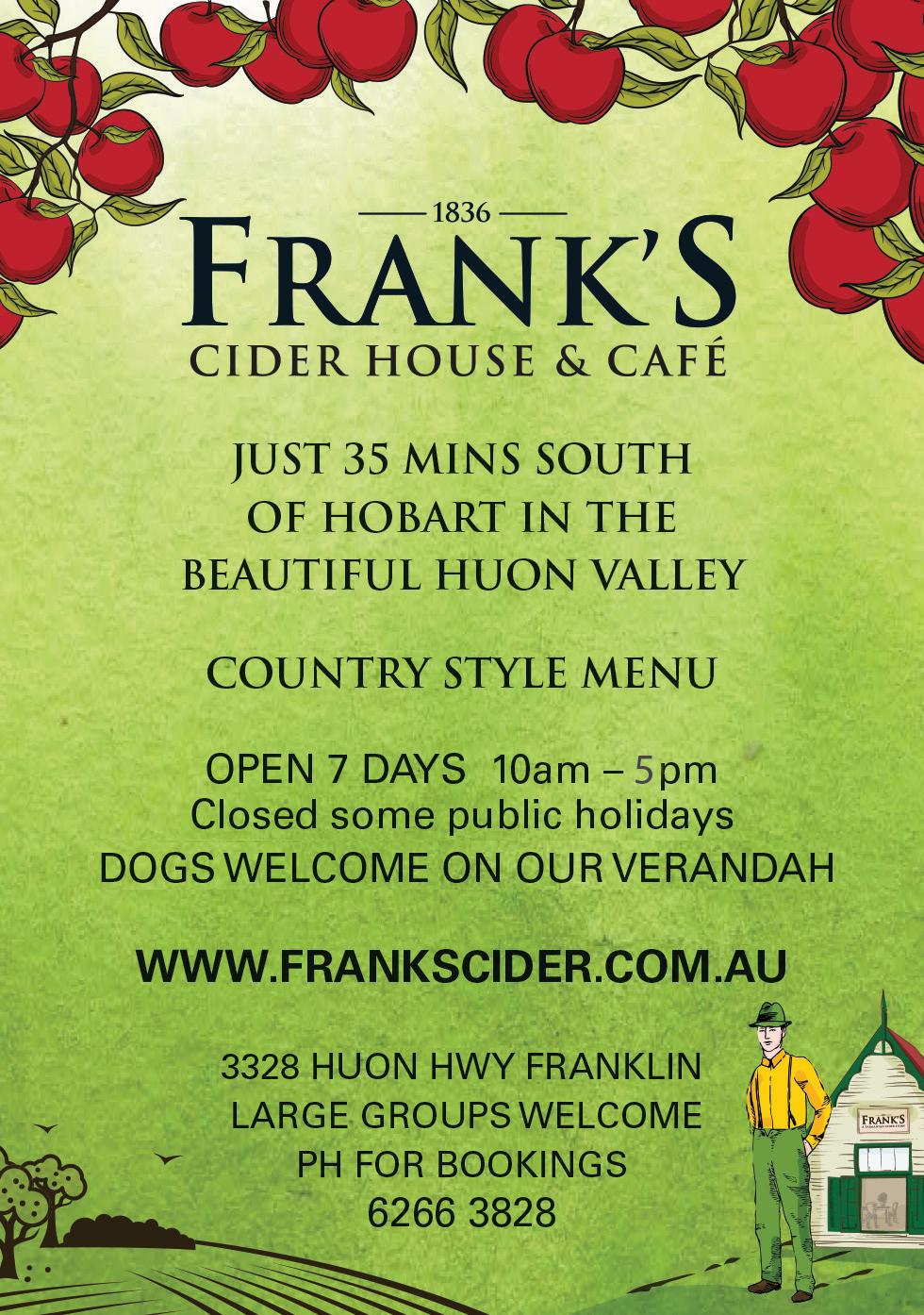
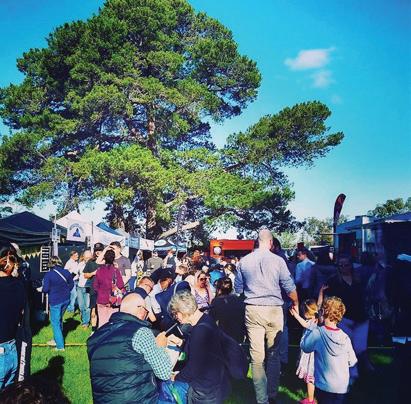








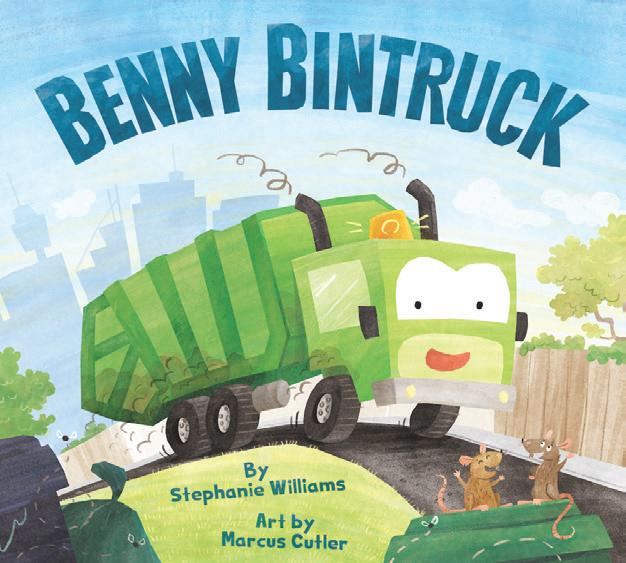

47
Friday
market!
night
4:30pm - 9:00pm
STREET
PIER
LONG BEACH SANDY BAY
learn and experience local! 20 Kangaroo Bay Drive, Rosny TASMANIAN PRODUCE MARKET EVERY SAT 9am-1pm KANGAROO BAY PARK Benny Bintruck is a messy, noisy garbage truck just trying to do his job. A fun new children's book by Hobart author, Stephanie Williams.Available at selected book stores locally and online (includes shipping). www.bennybintruck.com I @bennybintruck
Engage,

