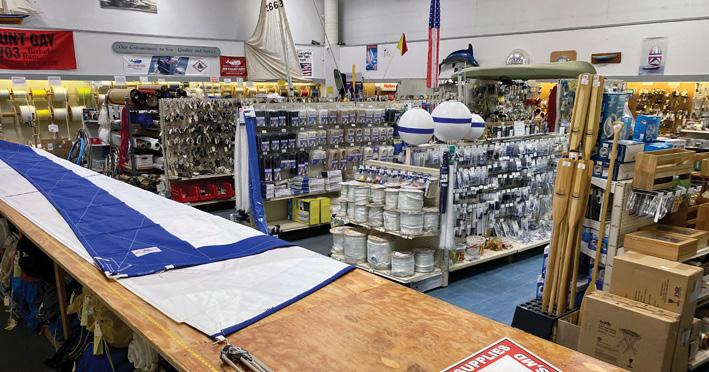
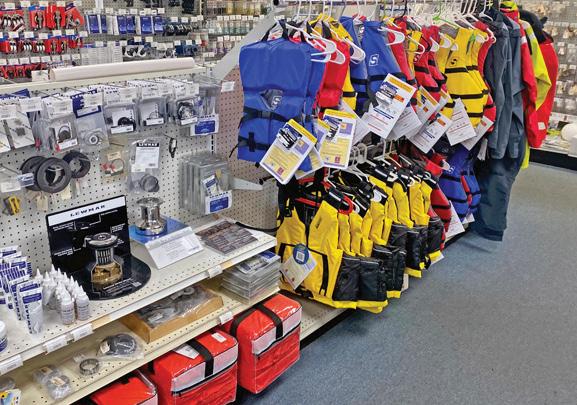
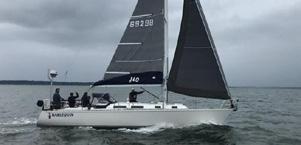
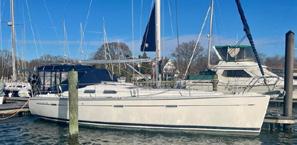
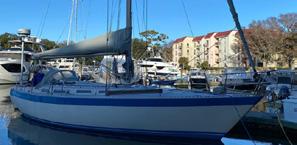
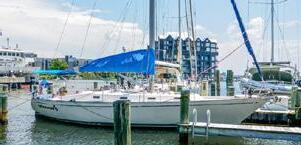
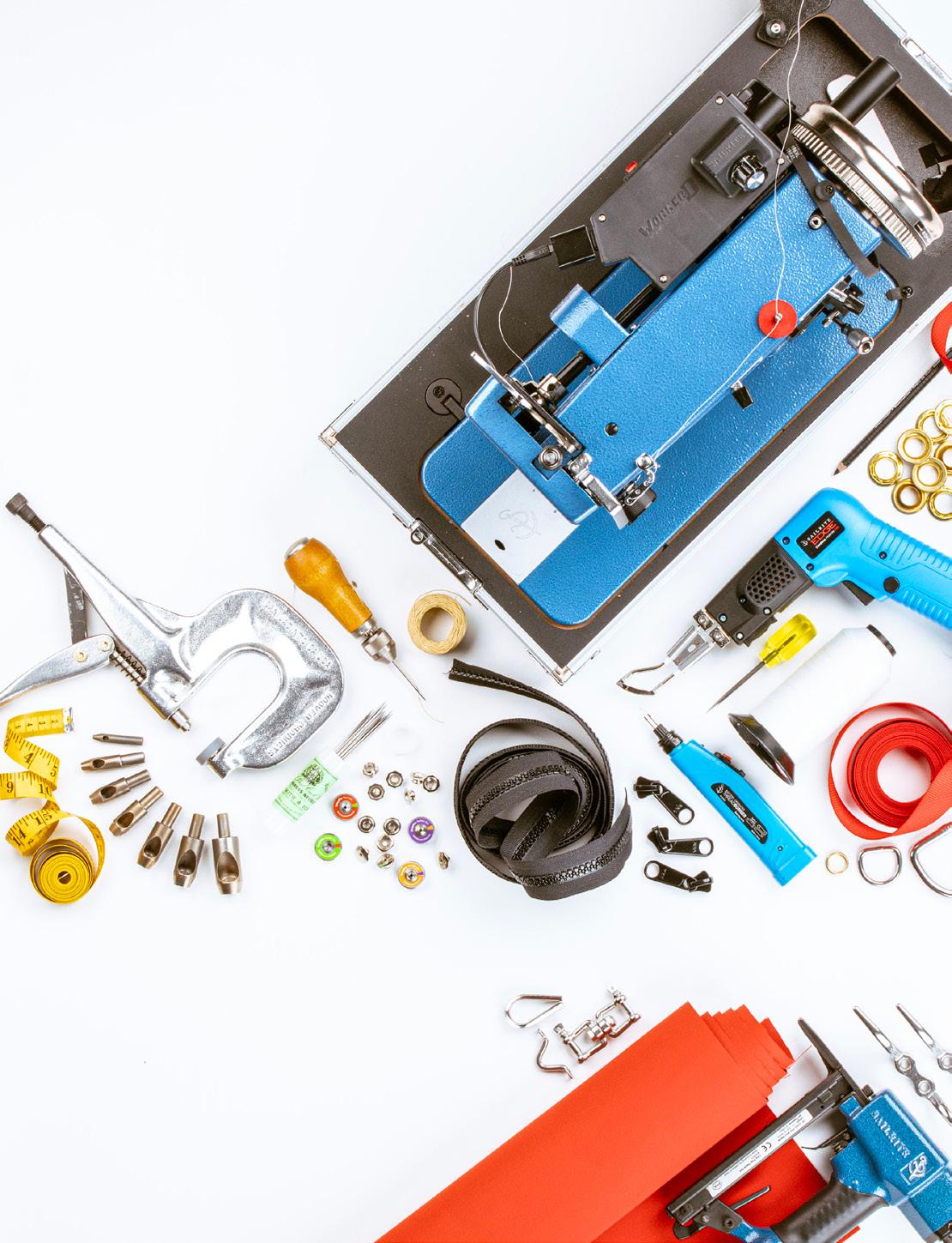
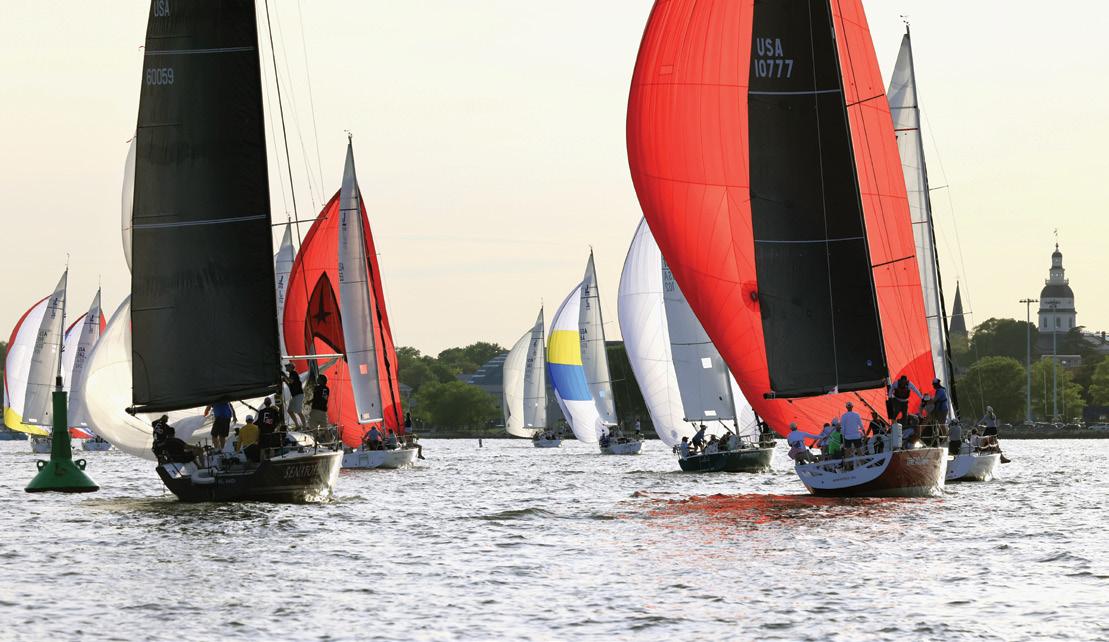
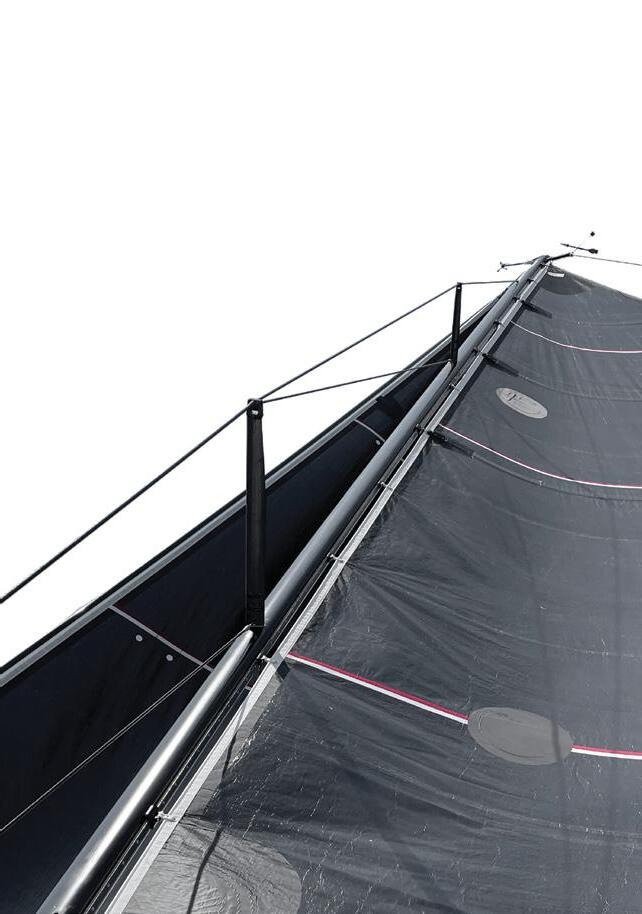
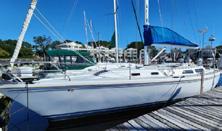
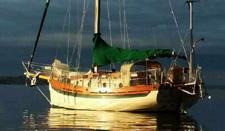
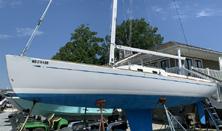
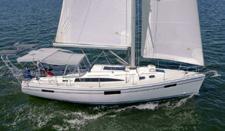
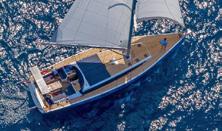
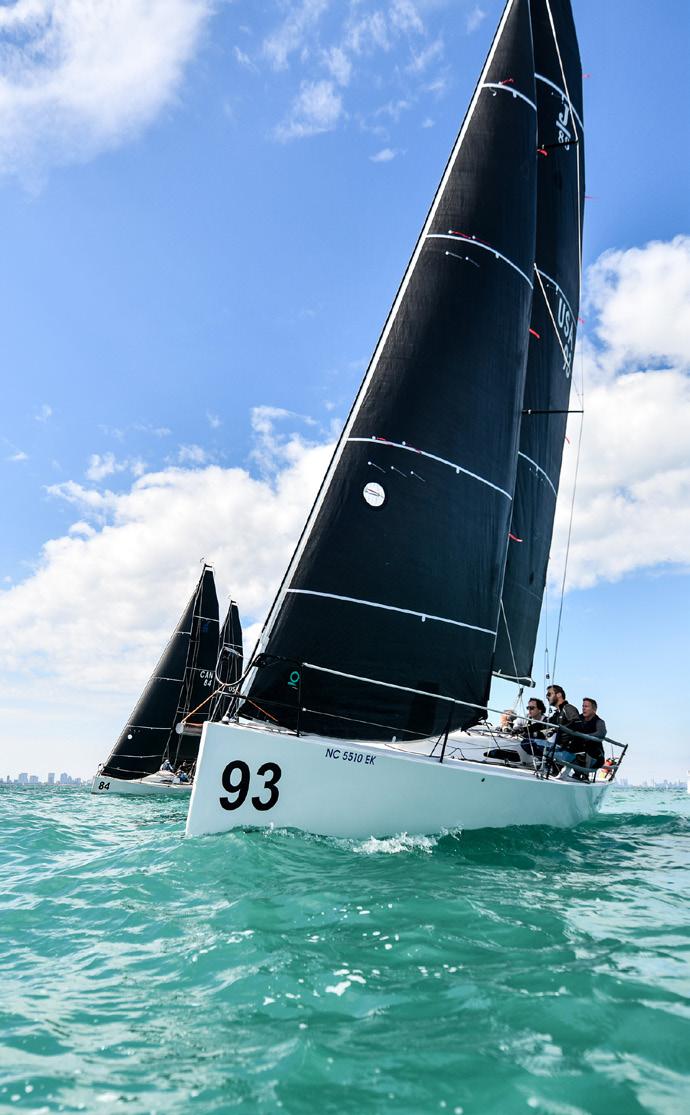
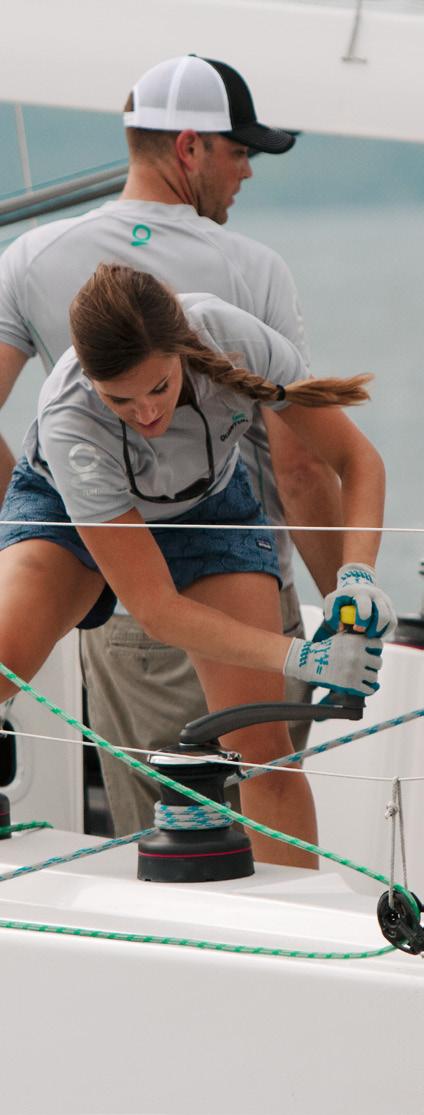
Expert sail design, the finest sail making materials and our commitment to customer service make Bacon Sails one of the world’s top sail brokers, trusted by cruisers and racers alike. Our marina store features a large selection of new and used competitively priced boat equipment and parts.
F i n d y o u r J / B o a t t o d a y
w i t h a n e x p e r i e n c e d
t e a m w h o t r u l y l i v e
‘ T h e L i f e s t y l e ’
T H E U L T I M A T E S A I L B O A T
F O R A N N A P O L I S
F o r t h e s a i l o r s o f
A n n a p o l i s – t h e
‘ s a i l i n g c a p i t a l o f t h e
w o r l d ’ , t h e r e ’ s n o
b e t t e r c h o i c e .
I N T R O D U C I N G :
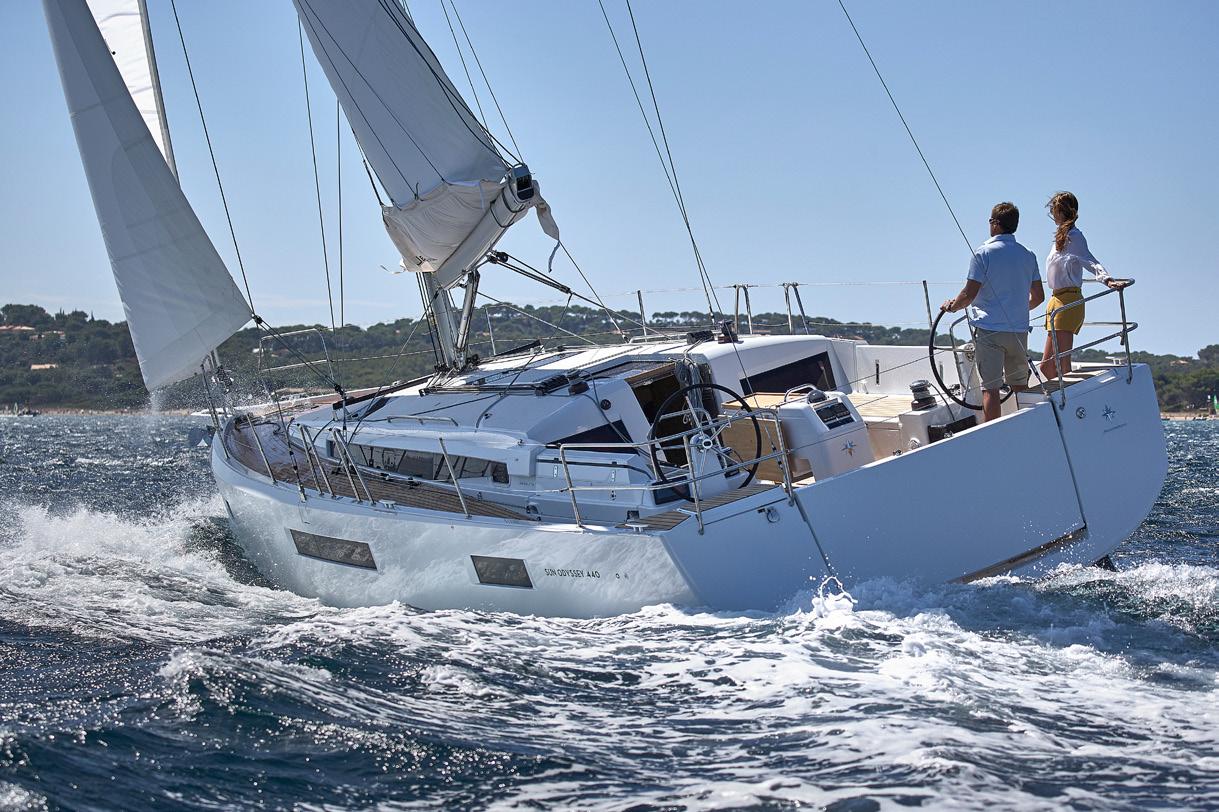
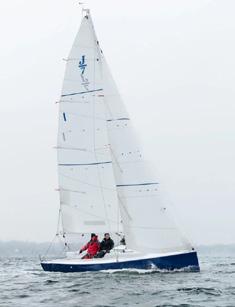
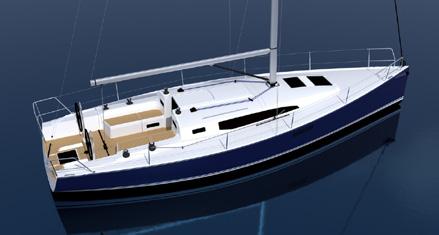
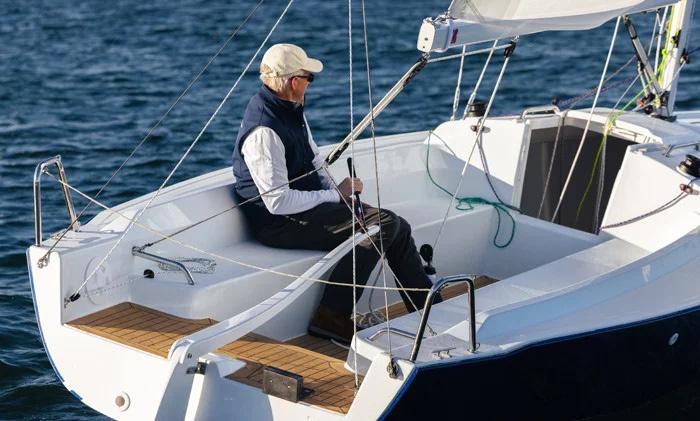
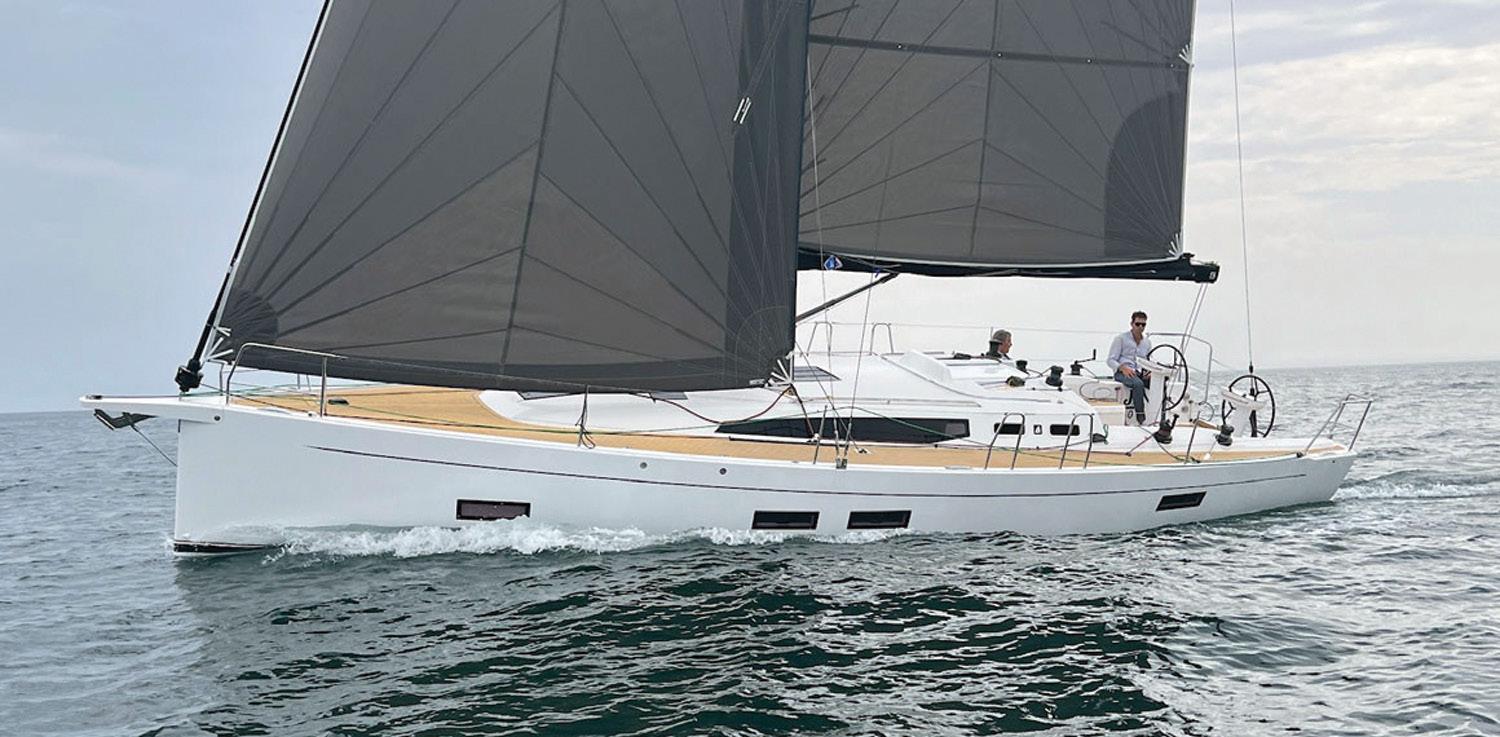
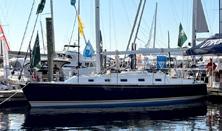
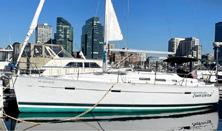
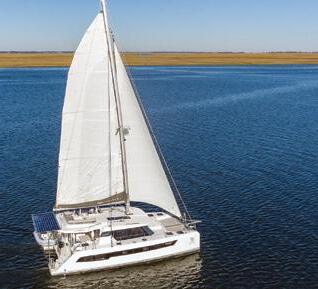
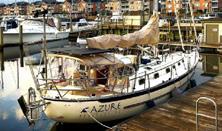
The all-new J/7
The all-new J/36
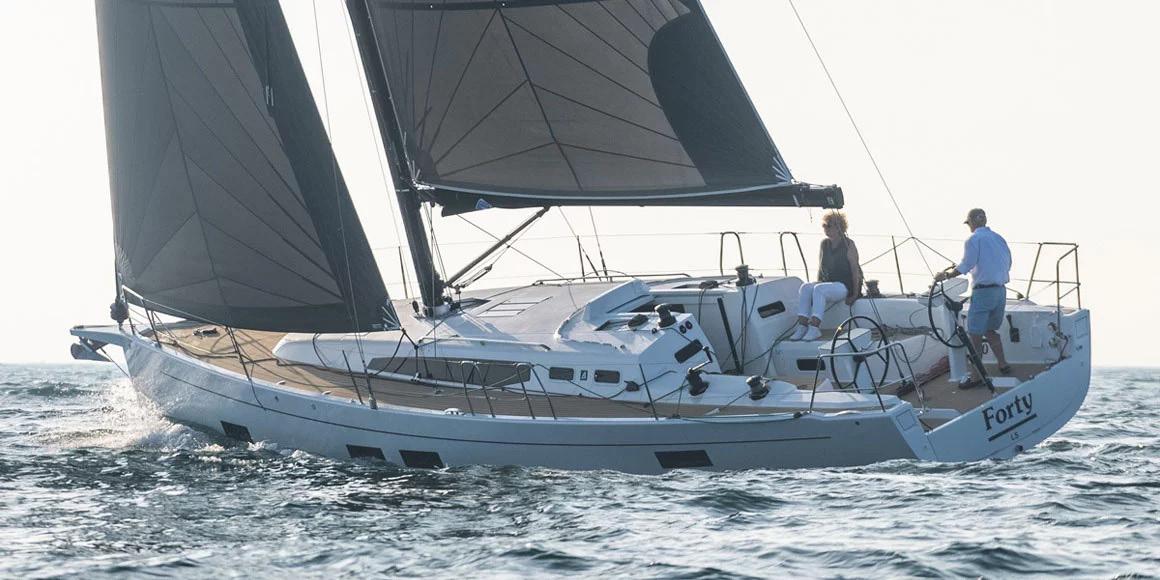
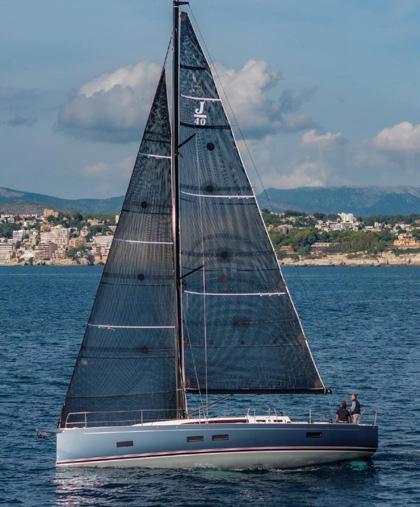
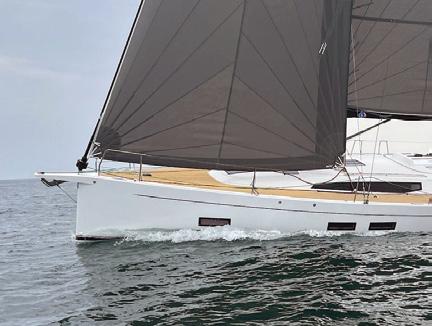
The all-new J/40
4 1 0 - 2 8 0 - 2 0 3 8
N o r t h P o i n t Y a c h t S a l e s . c o m
32
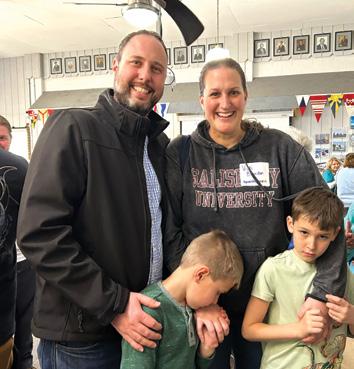
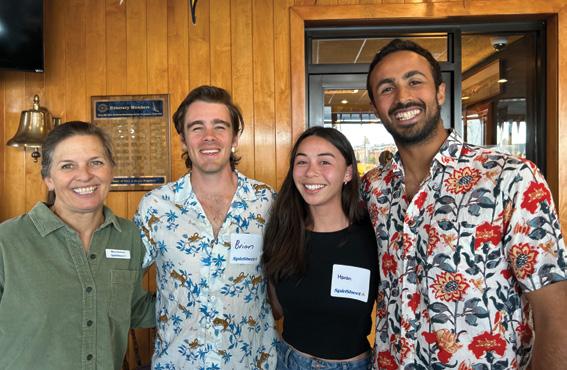
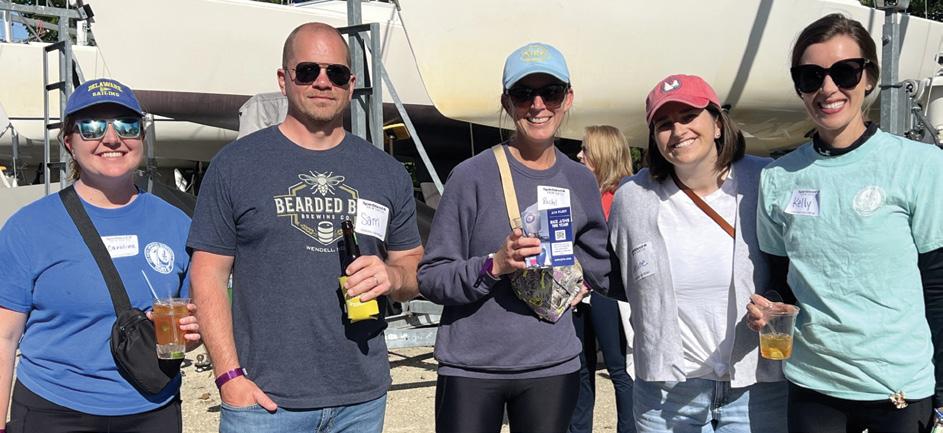
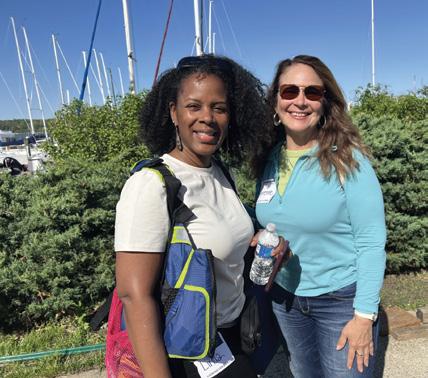
Eye on the Bay: SpinSheet Crew Parties
Check out the photos from three great parties with lots of new sailing friends.
Photos by Staff
42
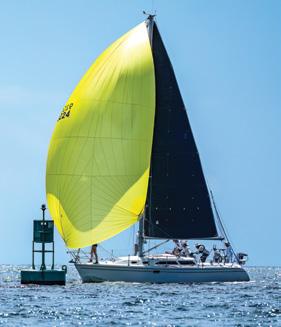
Sailboat Review: J/40, a Fine Driving Machine
This pro has sailed on just about every J/Boat model, and the new J/40 does not disappoint.
By Jahn Tihansky
44
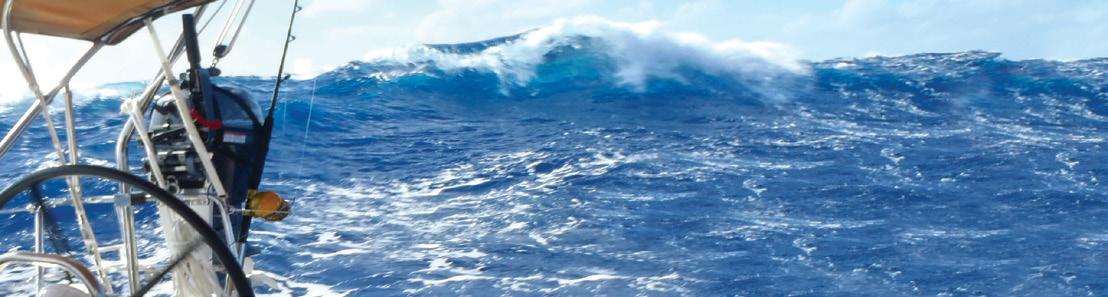
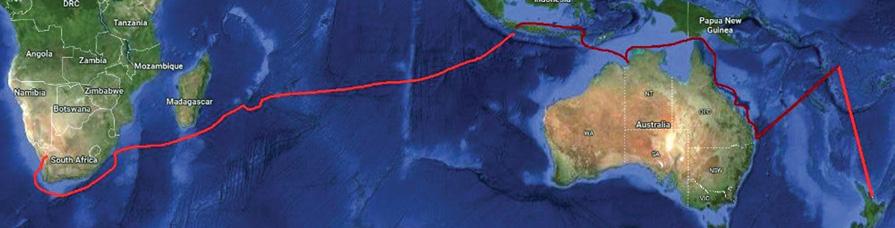
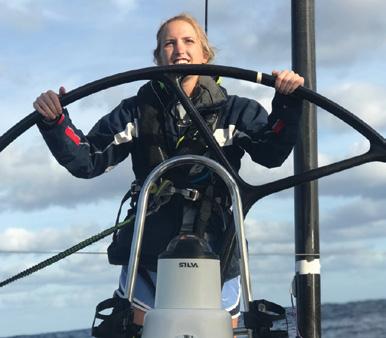
Bluewater Dreaming: The Glory Leg in the Clipper ’Round the World Race
Some “interesting” stats from a wild ride across the ocean. By Captain Shawn Owen presented by M yachts
50
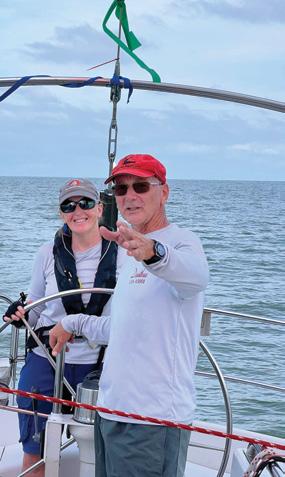
Offshore Series Part 3: Veteran Ocean Passagemakers’ Playbook
An interview with a Chesapeake Bay couple who have ventured to the Pacific and Indian Oceans and across the Atlantic. By Captain Cheryl Duvall presented by Us spars
66
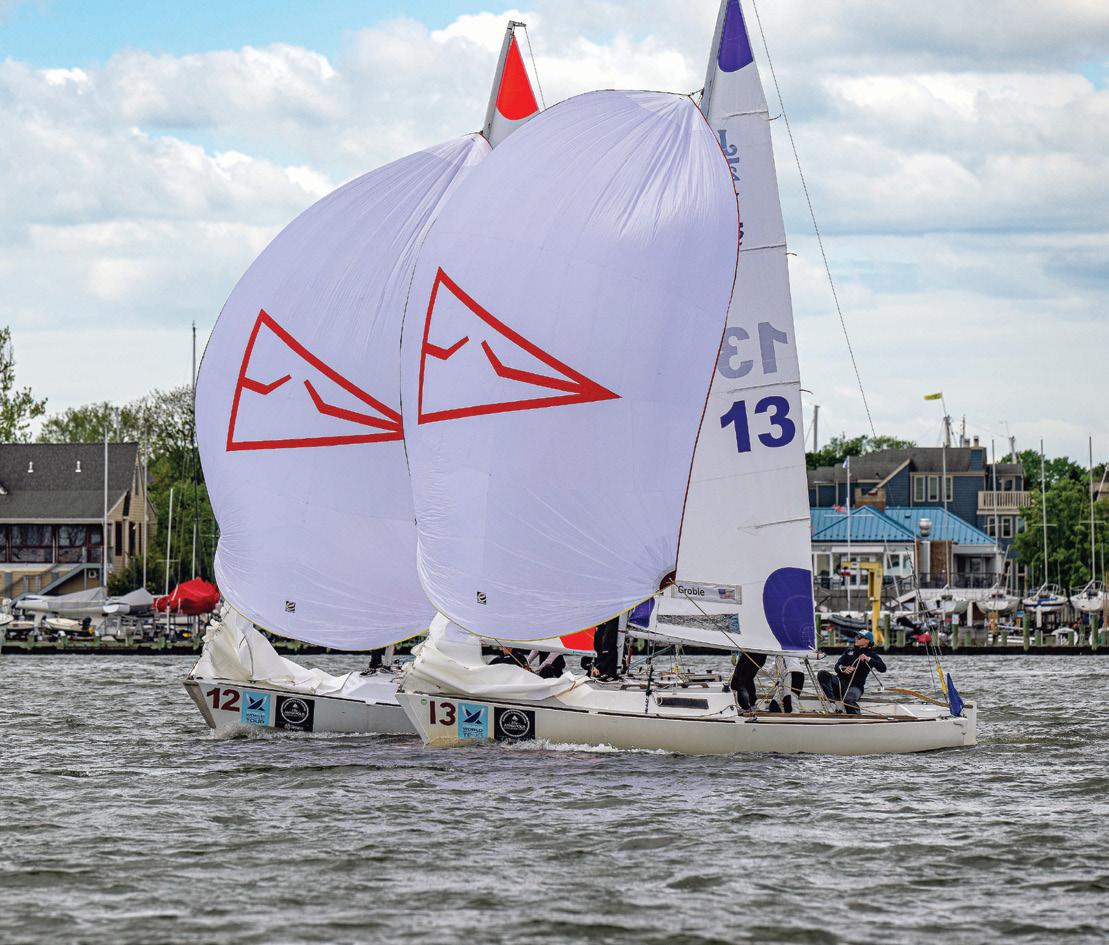
Welcome to the Santa Maria Cup!
The official program for a premier women’s match racing regatta hosted by Eastport Yacht Club June 2-7.
71
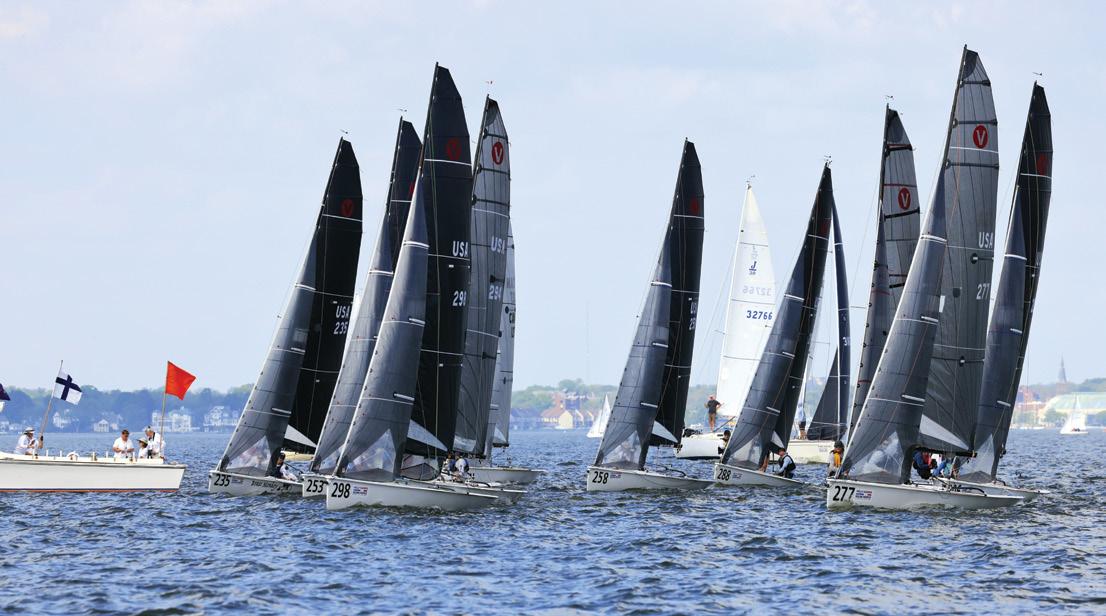
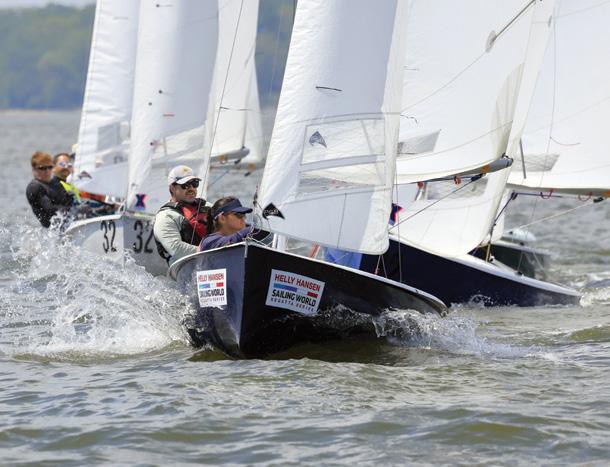
Nailed it! Chesapeake Racers Clinch Victory at the HHSW Regatta
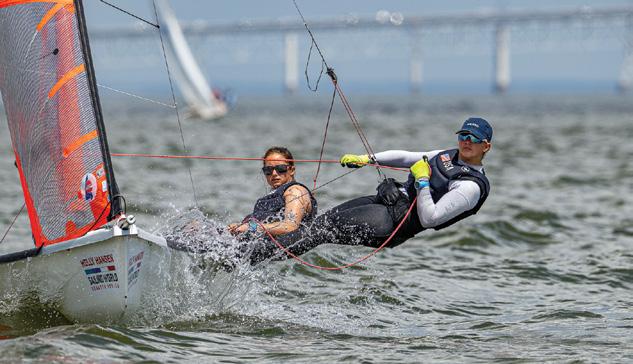
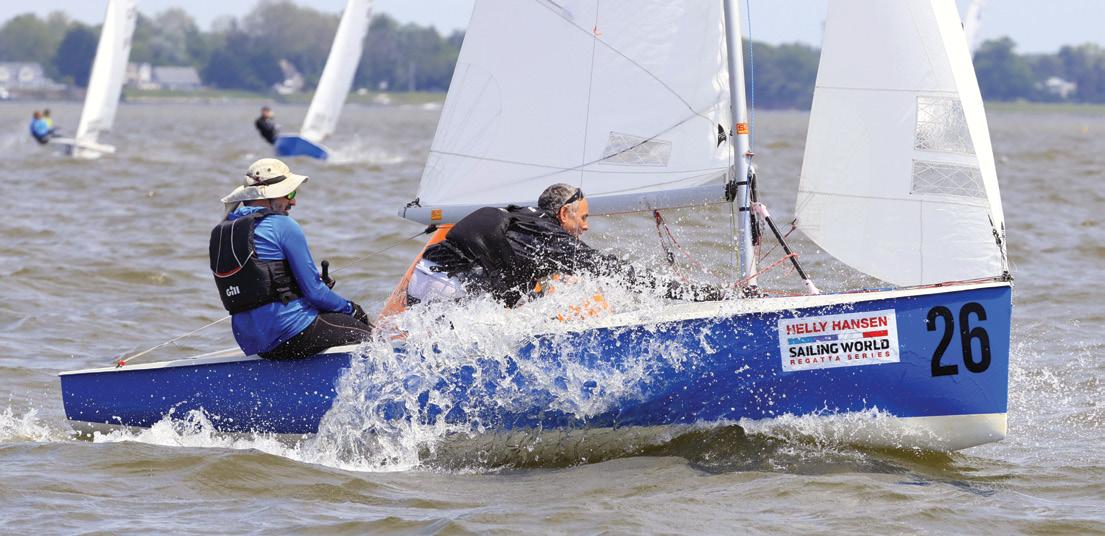
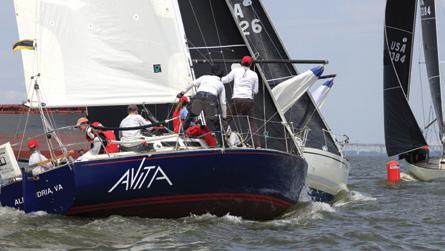
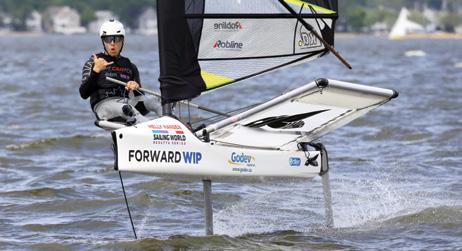
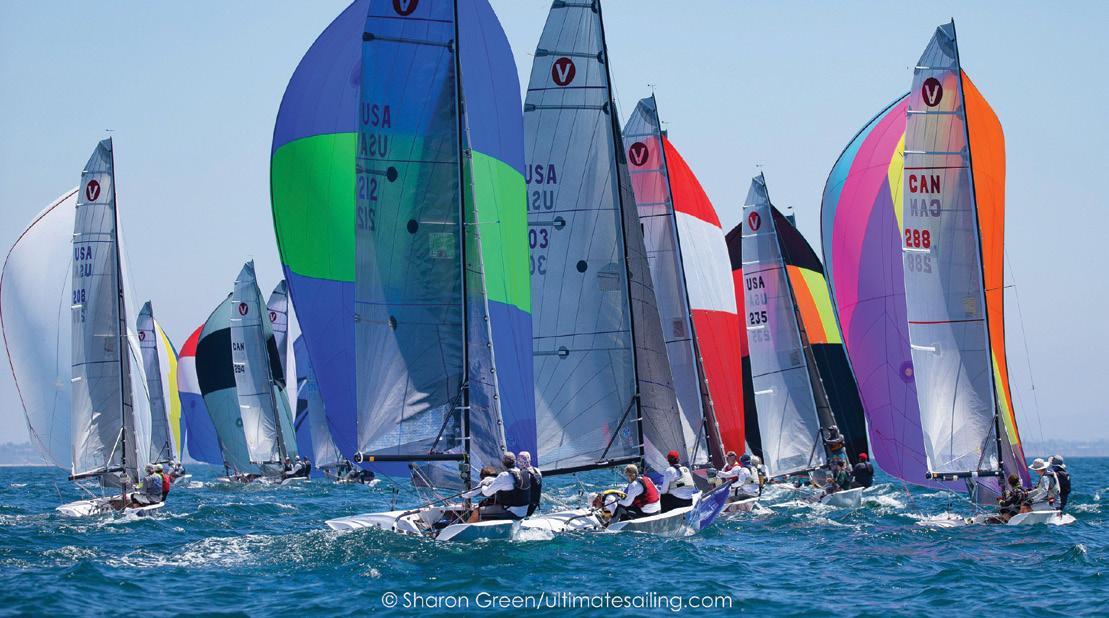
Helly Hansen Sailing World Regatta Series Annapolis, AYC Spring Race to Oxford, Southern Bay Race Week, Annapolis to Newport Race, and more Chesapeake racing news. presented by MoUnt Gay rUM
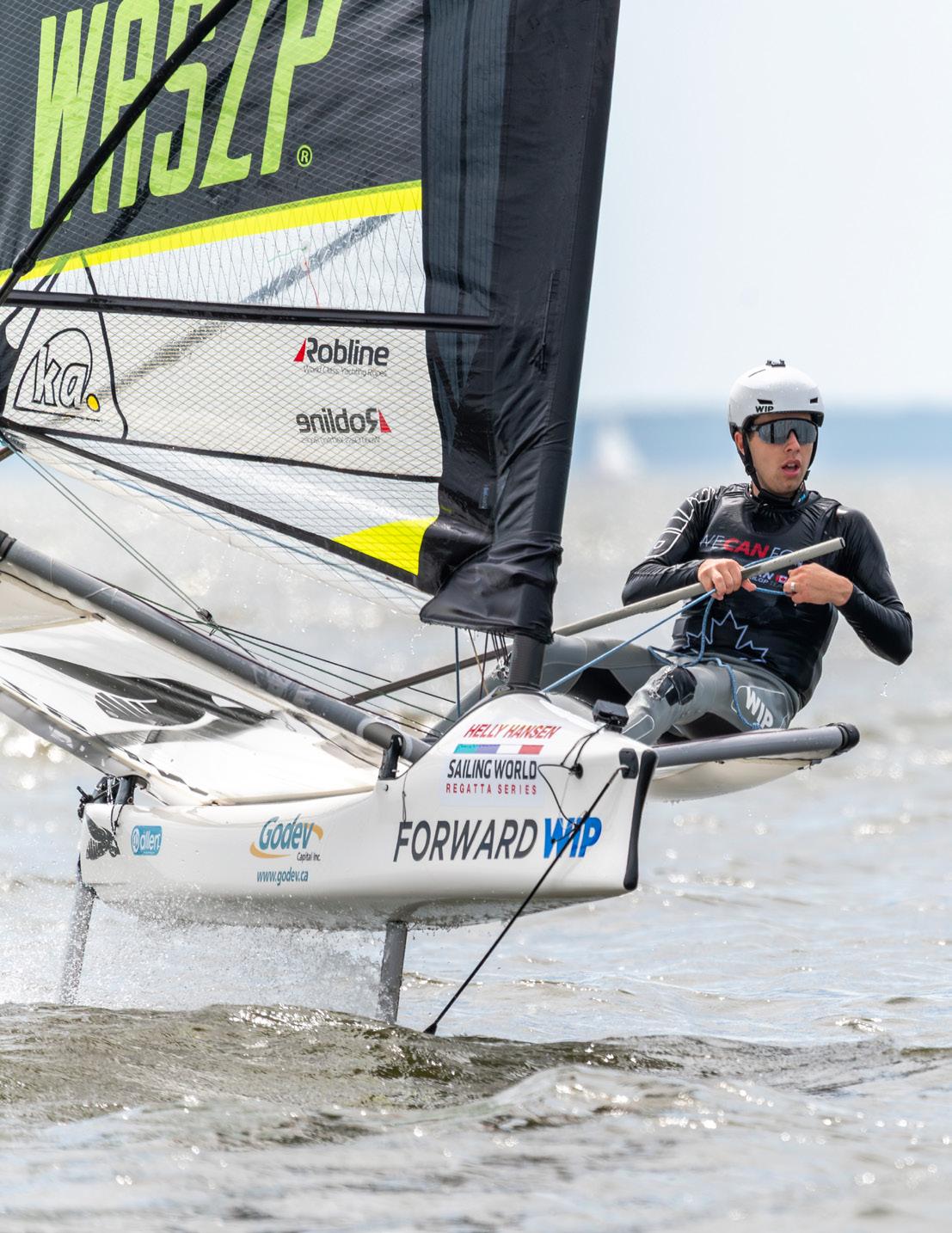
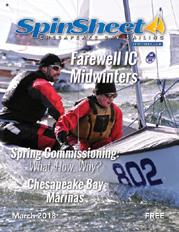
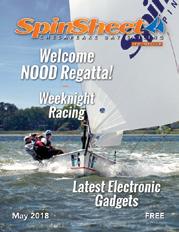
Mark Hergan of Deadrise Marine Photography captured this month’s cover shot of a foiling Waszp, one of 18 competing in the US Nationals held concurrently with the Helly Hansen Sailing World Regatta Series Annapolis May 2-4.
# Photo courtesy North Point Yacht Sales
# Photo by Will Keyworth/ SpinSheet
SUMMER SAILSTICE
DISTRIBUTION / BROKERAGE / CLASSIFIEDS MANAGER
Kim Couranz, Chelsea Co, Captain Cheryl Duvall, Tom Guay John Herlig, Eva Hill, Pamela Tenner Kellett, Craig Ligibel, Gwen Mayes, Lin McCarthy, Steven Toole, Cindy Wallach,
CONTRIBUTING PHOTOGRAPHERS
Walter Cooper, Ben Cushwa, Mark Hergan, Will Keyworth, Ted Morgan, Al Schreitmueller, Cindy Wallach
DISTRIBUTION
Keith Basiliko, Martin and Betty Casey, Jennifer and Al Diederichs, Gregory and Dorothy Greenwell, Dave Harlock, Ron and Colleen Ogden
SpinSheet is a monthly magazine for and about Chesapeake Bay sailors. Reproduction of any part of this publication is strictly prohibited without prior consent of the officers of SpinSheet Publishing Company. SpinSheet Publishing Company accepts no responsibility for discrepancies in advertisements.
SpinSheet is available by first class subscription for $45 per year, and back issues are available for $4 each. Mail payment to SpinSheet Subscriptions, 612 Third Street, Suite 3C Annapolis, MD, 21403.
SpinSheet is distributed free of charge at more than 800 establishments along the shores Chesapeake Bay. Businesses or organizations wishing to distribute SpinSheet should contact the SpinSheet office at (410) 216-9309
1. Boat insurance isn’t just for accidents
2. Accidents can happen to anyone
With comprehensive coverage, you’ll also be protected nancially for theft, vandalism, and unexpected events like storms if you need repairs or replacements due to damage.
When accidents happen, boat insurance offers liability coverage for damages or injuries you cause while boating, up to speci ed limits. It can also cover lawsuit costs if you’re sued.
3. Boat insurance can cover medical payments
Boat insurance offers a range of optional medical payments coverage limits, helping to cover medical expenses if you’re in an accident or someone is hurt on your boat, regardless of fault.
Progressive Casualty Ins. Co. and af liates. Product features are subject to policy terms and conditions and may not be available in all states or for all vehicles and coverage selections.
*No. 1 rating based on boat market share data from Rate lings.com.
Sign & Glide® is an optional coverage you can add to any Progressive Boat policy and costs $30/annually ($50/annually in Florida). Prices are subject to change.
ve things you should know about boat insurance
Are you ready to embark on your next on-water adventure? Before you set sail, here are ve things to know about boat insurance.
4. Most lenders require boat insurance
If you nanced your boat, you’ll likely need boat insurance since most lenders require boat insurance to protect their investment. Additionally, some marinas or municipalities require proof of insurance for docking.
5. Progressive offers specialized boat coverages Ever worry about getting stuck on the water?
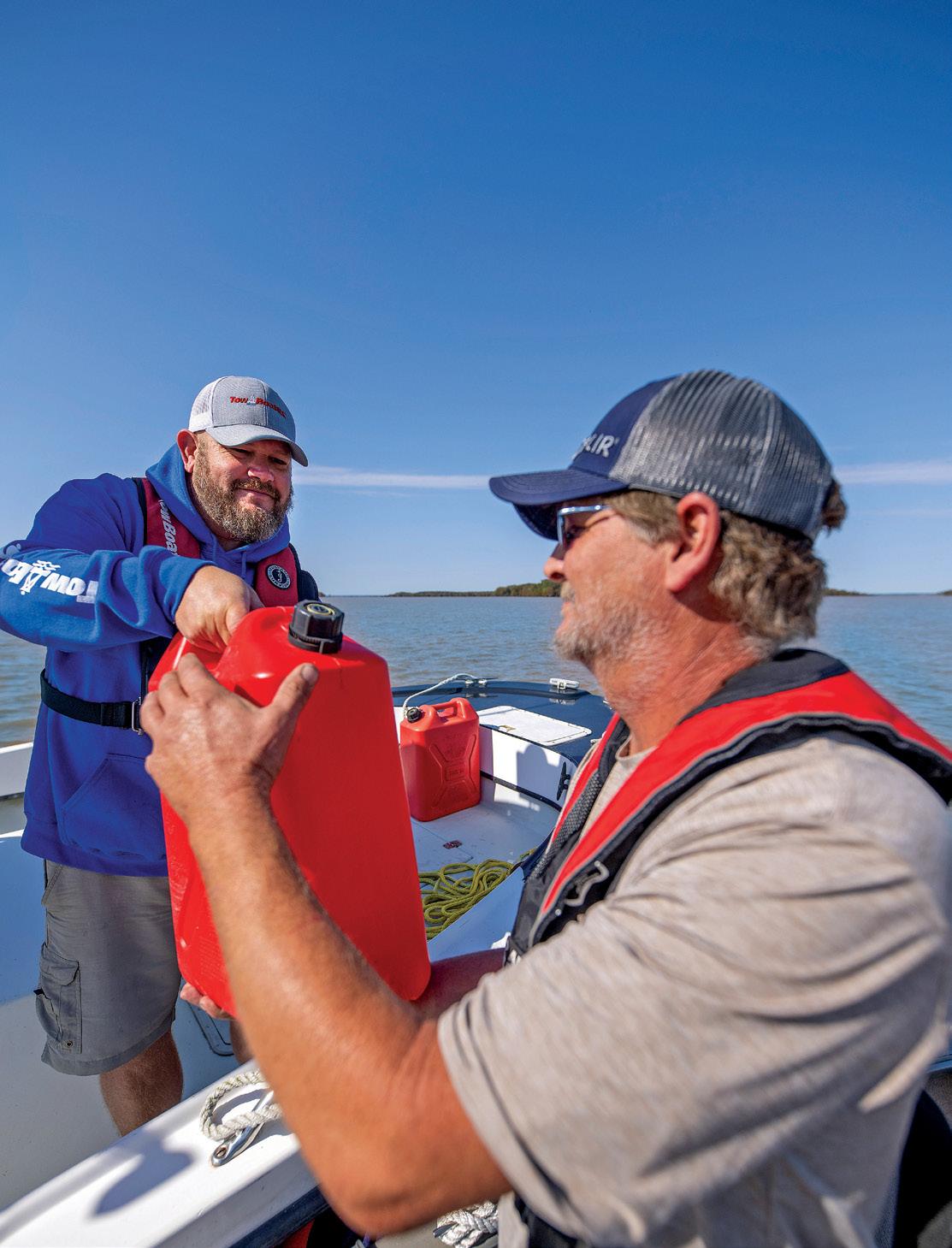
Progressive’s Sign & Glide® On-Water Towing coverage** can help. It’s an additional coverage that steps in if your boat is disabled or breaks down on the water, paying for on-water towing, jump starts, soft ungroundings, and fuel delivery. Fuel cost isn’t included.
Don’t let unforeseen circumstances disrupt your voyage. Cruise with con dence thanks to Progressive Boat insurance. Because when it comes to your boat, peace of mind is the ultimate luxury.
Scan to get a quote in as little as 4 minutes.
Go to progressive.com to learn more.
Thank You, Anonymous Sailor
By Molly Winans
The first time I saw the abbreviation “WFH,” I thought it represented a swear word. So many new words and phrases have entered our lexicon since the pandemic forced remote work upon us. Prior to 2020 we avoided the term “work from home” so as not to let our customers think we wore pajama pants, with a cat sitting on our lap, during the workday. Now we, our customers, and readers likely have “hybrid” schedules, also working “FH,” or working from boat (WFB) with a Starlink from anywhere in the world.
Sure, we can wear whatever pants we want, if any, a few days a week, but such flexibility has consequences, such as a lack of in-person laughs among office mates. In our case, here at the SpinSheet World Headquarters, when working remotely, we miss memorable landline phone calls from readers. Some callers suggest story ideas, ask sailing opportunity questions, rant (somebody needs to remove that derelict boat!), or request sponsorship for new sailing events.
On April 18, I received a call that made my day. Our distribution and classifieds manager, Beatrice, came in to say that an older gentleman was on “line one” for our editor and wouldn’t share his name. I thought, “Oh boy, here comes the grammar or sailingterm police” and braced myself for a scolding. I was wrong.
Our anonymous caller had read our piece “Seven Ways To Be a Great Crew Member on a Race Boat” (page 79, April issue) and offered additional tips. As he listed his crew tips one by one, the smile on my face expanded. Although these 11 bits of wisdom may tilt toward racing sailors, I believe they would make any genre of sailor nod in agreement and think about how we make our way around sailboats, and life, together. Here goes:
• Be invisible but indispensable.
• Don’t brag.
• Credit your crew members.
• Credit your mentors.
• Have big ears and a little mouth.
• Be prepared.
• Check the weather and consider what could happen out there.
• Be tolerant and patient.
• Be versatile.
• Get certifications, whether a license or a power certification. Learn more so that you’re able to teach others.
• Kiss your bride before you go out.
For anyone whose feathers may be ruffled by the last one, replace the word “bride” with “love” or “best friend,” and it fits.
When I asked our caller if I could give him credit and use his name, he said, “I’m just an anonymous sailor who’s learned lessons in time.” Thank you, anonymous sailor, for sharing your thoughts with SpinSheet and our readers. Let’s take those tips to heart in this beautiful sailing season. See you on the water!
Photo by Will Keyworth
EMPTY TANK?
Thanks to SpinSheet
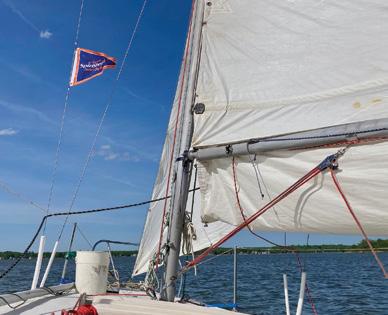
Thanks for the terrific SpinSheet Racing Team shirt (by Team One Newport). I wasn’t expecting that! Coincidentally, about 30 seconds before the USPS dropped it in our mailbox this afternoon, I posted on my SpinSheet Century Club log a shot I took in Sillery Bay yesterday of the Spinsheet CC pennant flying off my port cap shroud (okay, maybe not proper flag etiquette). Thanks for the great things SpinSheet does for the sailing community!
Tim Ford
Racing Team at Rest
My sincere thanks for the very nice Spinsheet Racing Team shirt! I look forward to wearing it proudly out on the water, and around town. Everything I have seen from your team lately has been top notch.
Matt Schaaf
Farewell to Friends
CSend your questions, comments and stories to editor@spinsheet.com
SpinSheet Is the Best
Ithink SpinSheet is simply the best sailing magazine on the market! And it’s free! The other magazines, which cost money, may be shinier with glossy paper, but certainly not better in sailing coverage.
I have sailed a transatlantic in 2018, many races on the Bay and coast, and several Bermuda Ocean Races. My best result was a Governor’s Cup win on the Dehler 39 Himmel. You cover technical issues, of course nautical issues, legal issues, sailboat racing/rigging, etc. Your classifieds are great.
Thank you, thank you, thank you.
Bodo Wolters
Boatyard Operator Chris Washburn Remembered
hris Washburn, who along with his then-wife, Eve Washburn, founded Washburn’s Boatyard in Solomons, has passed away. Sources at Washburn’s confirmed that Chris died of complications of stomach cancer in early January. He was 79 years old.
“Chris was one of the most knowledgeable people I knew when it came to trawlers and any boat, for that matter,” said longtime friend and boatyard customer Randy Widen of Lusby. “Christopher loved his boats, loved his cars, loved his dogs, and he loved (second wife) Marcia. Christopher was a great man.”
As a boatyard owner, Widen said, “Chris was totally honest, totally reasonable. He ran one of the top marinas on the East Coast, I think.”
By Tim Flaherty
Another longtime friend, Michael Oritt, also of Lusby, first met Chris in 1981 when he ran a boatyard in Annapolis. Oritt said, “He was one of a kind and a great friend. He and his boatyards did highly competent work delivered on time.”
A native of the Annapolis area, Chris grew up around boats. His passion for the water led to a career working on marine craft and owning and operating boatyards. Old-timers will remember that Chris owned and operated a boatyard on Spa Creek in Eastport in the 1970s and early 1980s while Eve ran a cheese shop in downtown Annapolis.
Before the founding of Washburn’s Boatyard in 1987, Chris and Eve were briefly co-owners of Spring Cove Marina
in Solomons. In between, the couple spent two years cruising aboard their Krogen trawler and became well-known in the trawler community.
“There’s nothing that Christopher did not know about a boat,” said Linda Barco, his longtime office manager at Washburn’s. “He could charm people. He had a vibrant personality, and he always looked after his employees.”
Eve Washburn passed away in 2009. The next year, Chris was diagnosed with pancreatic cancer, and he decided to sell Washburn’s Boatyard and retire. He successfully battled the pancreatic cancer, and he married his second wife, Marcia, shortly thereafter. He and Marcia resided in St. Leonard, near Solomons, at the time of his death.
# Matt (second from left) and the Hot Pepper team sporting their SpinSheet Racing Team shirts after A2N race practice.
Summer Cover Contest
Have you ever dreamed of having one of your photographs on the cover of SpinSheet? Now is your chance! Every year we host a Summer Cover Contest, and this year the winning image will be on the cover of the August issue (it was the September issue in 2024). The winning photographer receives a SpinSheet hat and bragging rights!
We prefer images of people on sailboats having summer fun on the Chesapeake Bay. The best images will be one to 10 megabytes in size. We choose clear images over blurry ones and photos with level horizons over crooked ones. Vertical shots work best, so tilt your camera and snap away.
You must upload your photos online at spinsheet.com/cover-contest by July 10. SpinSheet’s graphic designers will narrow the field and open voting so that our readers choose the winner. Send questions to molly@spinsheet.com. We look forward to seeing Chesapeake Bay sailing through your eyes.
Vertical photos make the best covers. Horizontal photos may work if there is enough image to be cropped vertically.
Image should have enough space for our logo/header
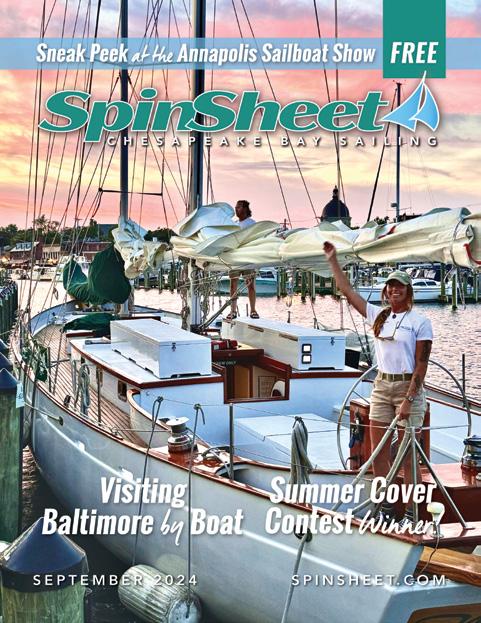
2024 Summer Cover Contest Winner. Photo by David Sites
Annapolis Spring Sailboat Show Wows Sailors
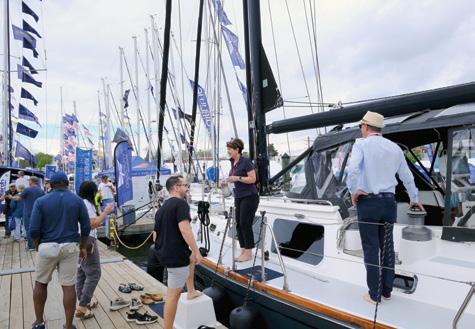
Sailors from across the MidAtlantic region kicked off the sailing season at the Annapolis Spring Sailboat Show, held April 25–27 at Annapolis City Dock. This year’s show featured more than 50 boats, ranging in size from dinghies to large catamarans. With brokerage and new boats in the water and on land, all types of sailboats were represented.
“Between the boats, the seminars, and the incredible energy downtown, the weekend was a celebration of everything we love about sailing,” said Annapolis Boat Shows president Mary Ewenson. “It was the perfect kickoff to another unforgettable season.”
Two beautiful weather days bookended the show, but sandwiched in the middle was an overcast Saturday featuring a midafternoon gullywasher. All in all, though, the weather was much better than it had been just two weeks prior for the Bay Bridge Boat Show at Safe Harbor Narrows Point.
With a renewed emphasis on competitive sailing, the show highlighted sleek racing hulls such as the Melges 15, foiling Birdyfish, and Rondar 640 Viper, all located just inside the entry gate. Seminars such as Dawn Riley’s Oakcliff Collaboration Tour attracted racing sailors and those who put on racing events, enabling them take their racing and racing programs to the next level.
Show organizers also aimed to attract new sailors. To that end, the show featured free introductory seminars, more than a dozen boats less than 26 feet in length, and a First Sail Workshop that was sold out before the opening day. Also helping to bring more sailors into the fold, SpinSheet hosted two successful events, a Sailing With Kids seminar and a Start Sailing Now Alumi meetup.
The show’s new layout was a huge success, with large
boats filling Ego Alley and drawing the attention of all along the waterfront promenade. Keeping with the times, the Sailfaster Podcast hosted by Pete Boland recorded a new episode onsite with three great guests. Finally, showgoers ages 21 and older were invited to a tasting tent, and live music rounded out the good vibes. We’ll see you at the fall show, October 9-12.
# Happy sailors boarding boats at the show. Photo by Larry French
Another Use for Your Kayaks and SUPs—Not Just Rail Meat
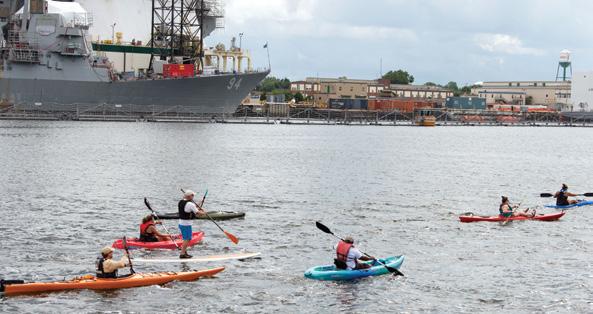
Summer water fun keeps splashing after Labor Day in Historic Olde Towne Portsmouth, VA. Consider using your kayaks and SUPs for something other than just rail meat.
The fifth annual Portsmouth Paddle Battle will bring froth and fun to the Elizabeth River in Olde Towne. This year’s Paddle Battle hits the water September 6, with racing starting at 10 a.m. Racers of
all levels and from ages 16 to 70-plus are welcome. The racing Paddle Battle features kayak and standup paddleboard (SUP) racing from 9 a.m. to noon. This is the only kayak and SUP race we know of where you can race among aircraft carriers and tankers, and you get to enjoy the many delights of being located in Historic Olde Towne.
The morning’s adult racing is only the start to a fun-filled day. The Paddle Battle group now also hosts the Portsmouth Junior Paddle Battle in the afternoon. This will be an afternoon of free on-land and in-water kayak lessons for Portsmouth youth (ages eight to 14) who do not otherwise have the opportunity to play on the water.
Both events will take place at High Street Basin located at the foot of High Street in historic Olde Towne, Portsmouth. Both events also feature children’s activities from 10 a.m. to 5 p.m.: cornhole toss, music all day, food, beverages (including the famous Paddle Battle Punch), free admission to the Portsmouth Naval Shipyard Museum, and other fun activities for all. The Paddle Battle is put on by The Friends of the Portsmouth Naval Shipyard Museum. Find more at portsmouthpaddlebattle.org
The Paddle Battle and the Junior Paddle Battle. Wow! What next?
# Paddling among ships in Portsmouth, VA.
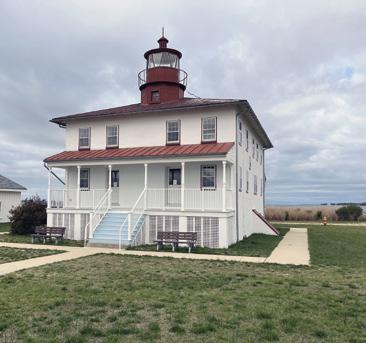
Point Lookout Lighthouse Opens Following Renovations
By A.J. Metcalf, Maryland DNR
After extensive renovations and exhibit installations, the historic Point Lookout Lighthouse at the southern tip of Point Lookout State Park in St. Mary’s County is ready to welcome the public.
Visitors will be able to tour the lighthouse five days per week, Thursday through Monday. The park service plans to use this schedule until September. Lighthouse hours will be dependent on seasonal staffing availability.
The Maryland Department of Natural Resources (DNR) began the renovation of the lighthouse in 2017 after previously acquiring it from the U.S. Navy in a land swap deal in 2006. The property required extensive renovations that included stabilizing the structure, repairing leaks, replacing dry wall and timbers, rebuilding stairways, and refinishing the former living quarters.
After that, crews installed new exhibits and artifacts to transport visitors to the early 20th century when lightkeepers still manned the light to guide ships away from the shallow waters that extend off the coast of Point Lookout, where the Potomac River meets the Chesapeake Bay. The extensive renovation efforts and exhibits cost an estimated $5 million. The DNR also renovated the coal and buoy sheds next to the lighthouse.
“There are two things that make the Point Lookout Lighthouse unique,” said Point Lookout State Park complex manager Dawn Letts. “One is that it’s the oldest integral lighthouse (the light is part of the keeper’s house) standing in the country. The other is the presence of the coal and buoy sheds. Typically, when lighthouses were automated, those sheds were removed. In this case, the U.S. Navy maintained them while they were using the property and can now be shared with the public.”
Inside the lighthouse, visitors will find period pieces such as antique furniture and an early radio as well as detailed exhibits that tell the story about what life was like for the lighthouse keepers and their families.
Point Lookout Lighthouse was built in 1830 by John Donahoo, the same contractor who built 11 other lighthouses in the state including the Turkey Point Lighthouse and Piney Point Lighthouse.
For more information on the lighthouse and the park, visit dnr.maryland. gov and type ‘Point Lookout State Park’ into the search bar.
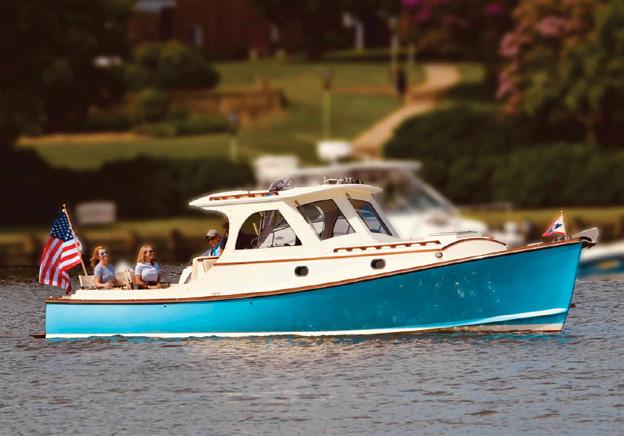
Invite your friends and family to experience Annapolis from the deck of Darling, a classic picnic boat built for memories. Morning scones, sunset charcuterie, custom charters — all waiting for you and your guests
Annapolis, shared the Darling way.
# Photo by A.J. Metcalf/Maryland DNR
Yacht Club Foundations Do Good Work
Did you know that Eastport Yacht Club and Annapolis Yacht Club each have a foundation that does good work for sailors and the maritime community? Below are examples of some of their inspirational endeavors.
Sharing the benefits of the marine and maritime world
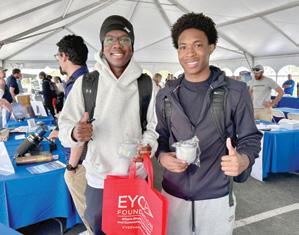
On Thursday, April 24 Eastport Yacht Club Foundation (ECYF) hosted the 14th Annual Marine and Maritime Career Expo at Bert Jabin Yacht Yard. Twelve local high schools sent 130 enthusiastic students to experience a day in the life of a marine industry pro.
Conceived in 2010, the Expo educates students about the marine and maritime world and inspires them to pursue careers in the industry. It also offers an opportunity to make one-on-one connections with dozens of visiting exhibitors including marine service and retail businesses, maritime companies, military and government organizations, trade schools, and higher education institutions.
Koralina McKenna, Anne Arundel County Public School board member, saw the Expo for the first time and said, “The
Career Expo reinforces our commitment to connecting students with real-world industries. It is a powerful reminder of the vast opportunities available.”
Additionally, students tour the busy working boat yard and visit on-site marine companies. John Staub of Diversified Marine Services at Jabin was “blown away” by the engagement of the students. “Rarely does one have busloads of young minds, yearning for mentorship or an opportunity, land in your parking lot.”
In a post-event survey, one happy attendee responded, “I learned that it’s not just about building and fixing ships. There’s so much more! From scientists to chefs to designers, there’s a career for everyone with a wide range of locations and pay.”
First-time event chair and board member, Vicki Moyer, was thrilled with
the day’s success. “Throughout the day I watched students’ eyes light up as they learned about opportunities that they had no idea were possible.”
The positive effects were felt before the buses departed as one student landed a summer internship and one was hired for summer jobs.
EYC Foundation furthers its commitment to inspire today’s youth to discover
# Happy students at the Marine & Maritime Career Expo. Photo courtesy of EYCF
and embrace the marine and maritime world by offering scholarships to trade schools and colleges that specialize in those fields. Learn more about the scholarships and all the EYCF programs at eycfoundation.org.
Celebrating silver, now going for gold
By Jacie Swenson
The Annapolis Yacht Club Foundation (AYCF) is celebrating its silver anniversary. Since 2000, the foundation has awarded more than $1 million in grants and scholarships and helped thousands of individuals in the community experience the Chesapeake Bay. Behind the scenes it supports charitable organizations that focus on getting people on the water. Through programs like Warrior Sailing’s Basic Training Camp, 126 wounded veterans have experienced the joy and healing effects of the water.
At the foundation’s biennial fundraiser this spring, guest speaker John Bertrand, an Olympic silver medalist from the 1984 Games, spoke about the value that sailing foundations bring to the sport. “Foundations [like AYCF] aren’t just about producing champions, they’re about opening doors, building character, and investing in young people who will carry these lessons into every part of their lives.” Every dollar that was raised at the auction is going directly to need- and merit-based sailors and non-profit organizations, such as the Warrior Sailing and Seafarers Foundation, to deliver life-changing programs to members of our community.
As the foundation board reflected on a “simple, yet powerful idea born 25 years ago that everyone, regardless of background, should have the opportunity to experience the freedom, confidence, and joy of being on the water,” they recently partnered with Guidehouse Consulting to ensure it’s on a solid course for the future and a three-year strategic plan is underway. Early anecdotal evidence and feedback from the community listening sessions have reinforced that the foundation’s mission is on a favored tack, which is to make the water accessible to all through sailing and other maritime activities.
For more information about the AYCF, compelling stories about those it supports, and how you can get involved and make a meaningful impact in the Annapolis community, please visit aycfoundation.org
BLUEWATER LUXURY, LONG-RANGE PURPOSE
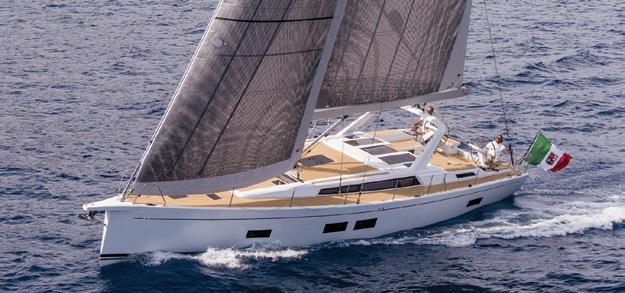
The Grand Soleil 52 Long Cruise is the evolution of comfort, performance, and Italian design for extended offshore voyaging. Created by Marco Lostuzzi with interiors by Nauta Design, the GS 52 LC blends modern hull shape with timeless elegance, making it the flagship of the Long Cruise line. Designed for passage-making and bluewater adventures, she delivers balanced handling, impressive stability, and efficient performance under sail.
Two deck configurations are available: the standard Long Cruise version with raised saloon windows and protected cockpit, and the Sport version with a flush deck and sleek profile. Both versions prioritize safety and ease of handling, while reflecting the refined styling and craftsmanship Cantiere del Pardo is known for.
SPACIOUS, SERENE, ELEGANT INTERIORS
The Grand Soleil 52 LC offers a luxurious and serene interior layout, perfectly suited for extended cruising. Bathed in natural light from panoramic windows and skylights, the saloon features a spacious dinette and a fully equipped galley to port. Three cabins and two heads — both with separate showers — ensure all guests are accommodated in comfort. The master suite forward offers an island berth, abundant storage, and a peaceful retreat at sea. Thoughtful detailing, warm wood finishes, and intelligent space planning define the Grand Soleil 52 LC experience.
To learn more about Grand Soleil Yachts or schedule a private viewing, visit www.davidwaltersyachts.com
GS 52 LC
# Warrior Sailing hosted by AYCF. Photo by Will Keyworth
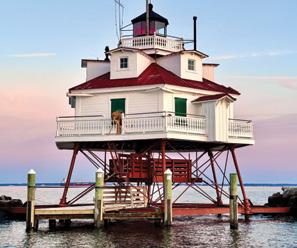
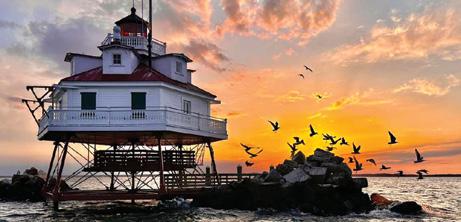
Fresnel Lens, Coyote Book, and That Secret Buffett Video News From Thomas Point Shoal Lighthouse in its 150th Year
Whatever happened to that Jimmy Buffett video from the lighthouse? You’ll have to read to the end to find out!
The Thomas Point Shoal Lighthouse (TPSL) manager, John Potvin, is fired up about numerous improvements and events underway. When he called SpinSheet last month, he had his fingers crossed for dock construction completion outside the lighthouse by the end of May. Three-hundred seats for the two-hour tours that dock
there had already been sold; that’s half the entire season!
This season two new davits will be installed on the western side of the lighthouse with the permission of the Maryland Historical Trust. John also noted that TPSL’s Fresnel lens, now in storage at the Calvert Marine Museum, will one day soon be displayed in the lighthouse, as the skilled craftsmen at the Annapolis Woodworkers Guild have been working on a custom display case.
Natasha Nash Dixon’s children’s book, “Drew’s Grand Adventure,” written about the TPSL coyote mascot Drew, has sold 350 copies, with $2500 donated to the lighthouse fund.
On June 21, aka the Summer Sailstice, TPSL and Chesapeake Light Craft will host a small-boat morning sail around the lighthouse (limited to 30 boats), including safety vessels and professional photographers David Sites, Jay Fleming, Will Keyworth, and James Ronayne. There will be no admission fee, just a small donation
for the lighthouse (for more information, email jpotvin48@gmail.com).
The big 150th Anniversary Celebration will unfold Saturday, August 9 at the Navy-Marine Corps Memorial Stadium (thomaspoint150th.com). SpinSheet co-founder and author of “Thomas Point Shoal Lighthouse,” Dave Gendell, will act as master of ceremonies. Speakers will include Senator Chris Van Hollen, Representative Sarah Elfreth, Anne Arundel County Executive Steuart Pittman, Mayor Gavin Buckley, U.S. Lighthouse Society president Henry Gonzalez, and Wendy O’Sullivan of the National Park Service Chesapeake. The Eastport Oyster Boys will play live music.
And just wow: attendees will watch never-before-seen footage of Jimmy Buffett playing music at the lighthouse during Covid.
Event tickets will go on sale June 1 at thomaspoint150th.com. Tickets cost $150 for regular admission, $250 for VIP. Learn more at thomaspointshoallighthouse.org.
# Photo by David Sites
Norfolk Harborfest
Harborfest, America’s largest, longest-running, free maritime festival returns June 6-8 at Town Point Park along the Downtown Norfolk Waterfront.
The three-day event is designed to celebrate the historic maritime naval communities in Norfolk and Hampton Roads. Live music will take center stage, including Fuzz Band, Karina Rykman, and Lettuce on the main stage Friday.
The spectacular Parade of Sail, under the direction of the Virginia Pilots Association, will enter the Downtown Norfolk Harbor on Friday, June 6 at 12 p.m. Following tradition, this impressive fleet will include tall ships, character vessels, sleek power cruisers, sailing craft, antique and classic wooden boats, military vessels, tugs, and more. Thousands of onlookers stationed at vantage points along the Elizabeth River will be able to witness this expansive fleet as it moves down the river toward Town Point Park.
The fireworks display is one of the largest fireworks shows on the East Coast. It is scheduled for Saturday night at 9:30 p.m. Pyrotechnics will be fired from a floating platform in the Elizabeth River.
Other entertaining events include a mesmerizing drone show, interactive family games and activities, a tugboat muster, Navy exhibits and demonstrations, artisan foods and beverages, and much more.
For a full schedule of events, visit festevents.org/ events/2025/norfolk-harborfest
EYC Rock the Dock Party
In support of the Maryland Cures Cancer Regatta
Eastport Yacht Club
June 14th | 4-8pm
Open to the Public Advance General Admission Tickets $15, or $20 at the gate
This charity event’s proceeds will benefit the University of Maryland Marlene and Stewart Greenebaum Comprehensive Cancer Center (UMGCCC).
EYC’s legendary libations and food will be available for purchase.
SPONSORS
# See tall ships and more during Harborfest. Photo courtesy of VisitNorfolk
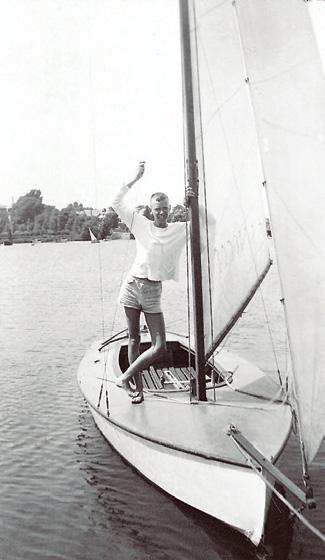
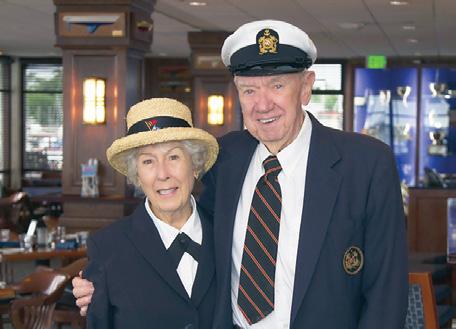
Charles “Sunny” Smith, Jr. (1926 - 2025)
Charles (Sunny) Robinson Smith Jr., of Annapolis, died peacefully in his sleep on April 23. He was born on June 15, 1926, in Annapolis to the late Charles and Dorothy Smith. He was preceded in death by his parents and his son, Charles Robinson Smith, III.
As a teenager Sunny raced his Moth boat, I’ll Be There, in many winning campaigns and was the commodore of the Spa Creek Moth boat fleet. He enlisted in the Army during World War II and served in Manila, Phillipines, until 1946. He attended the University of Maryland in College Park where he was a member of the ATO fraternity and met his loving wife, Anne Carr Smith.
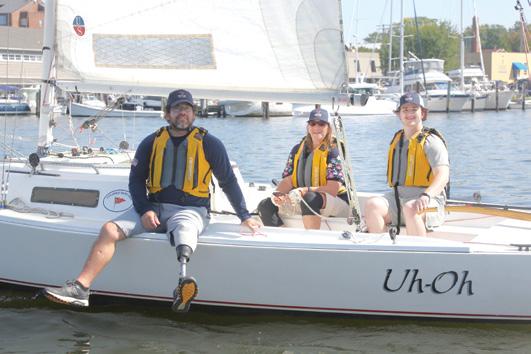
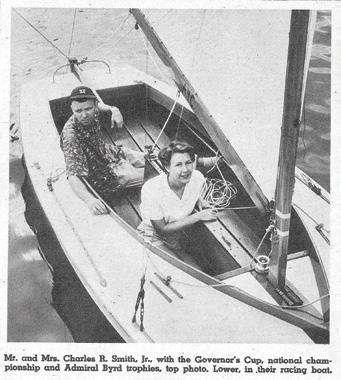
Sunny and Anne shared a passion for sailing and racing in their Hampton, Gladiator, Cal 29, and Farr 33— all named Uh-Oh. Sunny and Anne won three national championships and four Admiral Byrd awards with the Hampton. He served as commodore
in both the Annapolis and National Hampton Fleets. Sunny was the Gladiator class president and a national champion. In the Cal 29 Sunny and Anne won several CBYRA Race Weeks, were overall winners of the Virginia Cruising Cup, and received High Point Awards. Racing the Farr 33, they won many awards including Overall IOR, Around the Island, Block Island Race Week XI, and Overall Winner and Best in Fleet in the Atlantic City Race Week.
Bay Yacht Racing Association, volunteering wherever possible and holding many different offices.
Sunny joined the Annapolis Yacht Club (AYC) in 1944, and it became a second home to the Smith Family. Sunny served two terms as commodore and contributed to countless committees, including the Junior Fleet and Race Committees. He also served as commodore of the Sailing Club of the Chesapeake, fleet captain of the Chesapeake Station of the Storm Trysail Club, and rear commodore of the Cruising Club of America. Over the years, Sunny was a member of Severn Sailing Association, Eastport Yacht Club, Naval Academy Sailing Squadron, and the Chesapeake
In 1994 Sunny was honored for being the only skipper to have raced continuously under the AYC burgee for 50 years. In 2024, he received special recognition for his 80 years of AYC service. He served on the Annapolis Maritime Museum board of directors and was inducted into the Annapolis Maritime Hall of Fame in 2001.
Beyond sailing, Sunny was deeply committed to community service. He was a founding member and president (1957-1958) of the Annapolis Jaycees and named “Outstanding Young Man of the Year” in 1958. He served on the boards of the Annapolis Chamber of Commerce, March of Dimes, and Severn School. He was a member of the Annapolis Elks and Lions Clubs.
Sunny is survived by his wife, Anne, and two daughters: Jane Smith Hall (Jeff) and Lisa Smith McCarl (Clayton). He has four amazing grandchildren: Clayton III (Lindsay), Drew (Katie), Ashley (Rachid), and Jonathan (Rebecca). He was also blessed with six great grandchildren: Sophie, Charlie, Madelyn, Grant, Meadow, and Easton.
A celebration of life will be held at a later date. In lieu of flowers, friends may make memorial donations to AYC Junior Fleet Program (PO Box 908, Annapolis MD, 21404) or Annapolis Maritime Museum.
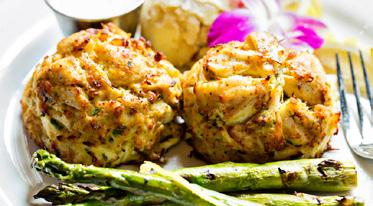
Our All Killer, No Filler Crab Cakes Ship www.goldbelly.com/boatyard-bar-and-grill
June
through Jun 1
Hampton Blackbeard Festival
Hampton’s waterfront comes alive with dozens of pirate re-enactors, costumed in historically accurate garb, who transform today’s Hampton into the busy seaport of yesterday. The festival offers a variety of children’s activities, live musical entertainment, fireworks, period vendors, arts and crafts, and much more! At Mill Point Park and Downtown Hampton, VA.
1 Yorktown Workboat Races
11 a.m. to 4 p.m. on the Yorktown waterfront in VA.
4
A2N Seminar: Race Weather Forecasts
One of the “What To Expect” seminars for the Annapolis Newport Race. 6 p.m. at Annapolis Yacht Club.
6-8 Norfolk Harborfest
At Town Point Park, Downtown Norfolk Waterfront, VA. Free and open to the public. Live music, parade of sail, build-a-boat challenge, wine and beer garden, fireworks, and more. Do you have an upcoming event? Send the details to: editor@spinsheet.com
13-15
37th Antique and Classic Boat Festival and Coastal Arts Fair Hosted by the Chesapeake Bay Chapter of the Antique and Classic Boat Society. This year’s theme is “Boats Made Popular Through TV and Film.” Boating history talks, maritime vendors, juried artists, nautical flea market, children’s activities, free boat rides, Field of Dreams (boats for sale), food vendors, and more. 10 a.m. to 5 p.m. at the Chesapeake Bay Maritime Museum in St. Michaels, MD.
14
Bands in the Sand 5:30 to 10 p.m. at the Philip Merrill Environmental Center in Annapolis. All-inclusive fundraiser featuring live music, beach cuisine, open bar, raw oysters, and waterfront views. Directly supports the Chesapeake Bay Foundation’s work.
14 EYC Rock the Dock Party In support of the Maryland Cures Cancer Regatta. 4 to 8 p.m. at Eastport Yacht Club in Annapolis. Open to the public. Tickets $15 in advance or $20 at the gate. Food and libations available for purchase. Live music by Loose Ties.
14 Cecil County Wade-In From 10 a.m. to 2 p.m. at Veteran’s Park in Charlestown, MD. A free event that focuses on raising awareness of water quality issues to community members and providing them resources to get involved in keeping our waterways clean.
15 Father’s Day Take a dad sailing!
16 Storm Trysail Club Junior Safety at Sea Seminar At Annapolis Yacht Club Sailing Center. Formed from the mandatory two-day adult seminar for offshore regatta participation, the Storm Trysail Club Foundation has tailored the Junior Safety-at-Sea (Jr.S@S) program for a younger audience.
20 Fireworks for the Free Mulberry Music Festival
St. Mary’s College of Maryland will host a fireworks display after its Mulberry Music Festival. The festival will feature Dumpstaphunk, Kelly Bell Band, and Carly Harvey. Food trucks and vendors on site. Grounds will be open at 5 p.m. 6 to 9:15 p.m.
20-22 O’Day Sailboat Rendezvous
A Rendezvous for O’Day sailboats 30-40 feet LOA will be held on Whitehall Creek just south of the Bay Bridge. Activities will include libations and a social gathering raftup on Friday night. Saturday, those who wish may practice person overboard recovery, knot tying, and more, followed by dinner at Cantlers Riverside Inn on Mill Creek. Sunday we will cruise to the Magothy River. For detailed information please contact Lou Krupnick (louismk@ verizon.net or 412.512.3020). RSVP appreciated.
21 Summer Sailstice
An international celebration of sailing! Everyone is invited once a year to hoist sails and celebrate sailing ‘together.’ Join an event or create your own for the chance to win prizes.
21 Lighthouse Keepers Peapod
As part of the 150th celebration for the Thomas Point Shoal Lighthouse, launch and sail your Peapod from Fishing Creek out to the lighthouse (about two miles offshore) and back. Safety boats will be on hand as well as professional photographers. This is a FREE event, but donations to the lighthouse will be gratefully accepted. 9 a.m. to noon.
28 East of Maui - Eastport Yacht Club Chesapeake Standup Challenge It’s still on! Seven-mile, threemile, and one-mile “just for fun” SUP courses. At Eastport Yacht Club at 8 a.m. Party afterward ‘til noon.
June Racing through Jun 1
Southern Bay Race Week
Includes #2 of One Design Series. Hosted by Hampton YC. through Jun 1
TAYC Jim Thompson Cup Regatta Hosted by Tred Avon YC, Oxford, MD.
3-7 Santa Maria Cup Women’s Match Racing Hosted by Eastport YC.
4 - Jul 16
AYC Wednesday Night Racing Series 2 Hosted by Annapolis YC.
6 Annapolis to Newport Race Two starts: June 6 and 7. Hosted by Annapolis YC.
7 NERYC Invitational Race
North East River Yacht Club, North East, MD.
7 OPCYC Veteran’s Cup
Hosted by Old Point Comfort YC, Hampton, VA.
7
PSA Moonlight Race
Hosted by the Potapskut Sailing Association.
7 Ted Osius Memorial Twilight Race Hosted by Sailing Club of the Chesapeake.
12-15 Star Class Western Hemisphere
Hosted by Gibson Island Yacht Squadron.
14
37th Annual Race to Cock Island Skippers’ Party, June 13, 4:30 to 8 p.m. Race June 14, 9 a.m. to 3 p.m. Party 4 to 9 p.m. Hosted by Portsmouth Boat Club.
14 Maryland Cures Cancer Regatta
Hosted by Eastport YC with race committee support from Annapolis YC.
15
21
EYC Cruisers Cup
Hosted by Eastport YC.
BBSA Summer Solstice Race
Hosted by Broad Bay Sailing Association, Southern Chesapeake.
21 Don Backe Memorial CRAB Regatta
Hosted by Annapolis YC.
21-22 Corsica River YC
Wooden Boat Regatta Open to one-design class wooden boats: Comets, Windmills, Hampton One Designs, Albacores, Penguins, and others. Hosted by the Corsica River Yacht Club.
21-22 EYC One Design Classic
Hosted by Eastport YC.
22
HYC Doublehanded Race Hosted by Hampton YC.
26 - Jul 27
HYC Junior Annual Regatta
Virginia State Championship for the Optimist, ILCA 6, and c420 Class. Hosted by Hampton YC.
27-28 EYC Boomerang Race
Hosted by Eastport YC, Annapolis, MD.
28
Broad Bay Regatta
Hosted by Broad Bay Sailing Association, Southern Chesapeake Bay.
28 NYCC Wolcott Memorial Regatta
Hosted by Norfolk Yacht and Country Club.
28 CRYC Wood Boat Regatta
2
Hosted by Corsica River YC.
July
Kent Narrows Annual Independence Day Celebration
Rain date July 3. Family activities start at 6 p.m. on the lawn next to the Chesapeake Heritage and Visitor’s Center. Free parking is available at the “old outlets;” complimentary shuttle. Fireworks at 9:15 p.m.
3 Rock Hall Fireworks
Fireworks over the harbor at 9 p.m. On Friday, July 4, there will be a flat five run/walk at 8 a.m., Independence Day parade at 10 a.m., and Civic Center festivities at 11 a.m.
3 Town of Chesapeake Beach Fireworks Display 5:30 to 10 p.m. at Veteran’s Memorial, Kellam’s Field, Bayfront Park. Chesapeake Beach, MD.
4 Annapolis Fourth of July Celebration
The Independence Day Parade runs from 6:30 to 8 p.m., starting at Amos Garrett Blvd and West Street and ending at Susan Campbell Park. Annapolis launches its fireworks from a floating barge in the harbor at 9:15 p.m.
4 Annual Solomons Fourth of July Boat Parade
All are invited to show up on Mill Creek in Solomons, MD, at noon on the 4th. Show your American pride and dress up your boat or your person and join in on the fun (stars and stripes only). 38.331264 by 76.450065 is the start. There is no registration, just show up and jump in line. For more information, please contact melissa.mccormick101@gmail. com and stay on channel 68 the time of the parade. All are welcome, just please follow all navigational aids and rules of the road. Safety first.
4
Fourth of July Great American Picnic and Fireworks
5 to 10 p.m. at Town Point Point Park at the Downtown Norfolk Waterfront. An evening of All-American fare, live music, and fireworks over the Elizabeth River at 9:30 p.m. Free and open to the public.
4 Fourth of July in Baltimore Inner Harbor Festivities begin at 3 p.m. Drone and fireworks show over the water at 9:30 p.m.
4
Fourth of July in Yorktown
A full day of activities in Historic Yorktown, VA, including a run/walk, parade, live music, a reading of the Declaration of Independence, and fireworks over the York River at 9:15 p.m.
4 Newport News Stars in the Sky
6 to 9 p.m. at Victory Landing Park in Newport News, VA. great food, live music, festive entertainers, and a spectacular fireworks display over the James River at 9 p.m. sharp. Admission and parking are free.
4 Washington, DC, Fourth of July Celebration
The National Independence Day Parade kicks off on Constitution Avenue between 7th Street and Constitution Avenue NW at 11:45 a.m. Fireworks on the National Mall at 9:09 p.m.
5 Havre de Grace Independence Day Celebration
2 p.m. parade, 5:30 p.m. concert at Hutchins Park, 7:30 p.m. concert at Concord Point Park, and fireworks will be launched from a barge in the Susquehanna River just off Concord Point Park at 9:15 p.m.
5 Middle River Annual Fireworks Extravaganza Presented by the Marine Trades Association of Baltimore County. Details TBA. Visit mtabc.org to help support this annual event.
5 CBMM Big Band Night
7 to 10 p.m. at the Chesapeake Bay Maritime Museum in St. Michaels, MD. Bring lawn chairs and picnic blankets for an evening of music, dancing, and fireworks along the Miles River (scheduled for shortly after dusk). Rain date July 6.
10 CMM Waterside Music Series
7 p.m. at the Calvert Marine Museum in Solomons, MD. Live music by Darius Rucker.
10-13 Potomac Jazz and Seafood Festival
A four-day extravaganza of nationally acclaimed jazz artists, delectable Southern Maryland seafood, and breathtaking Potomac River views in St. Mary’s County, MD. Proceeds from this event go towards funding the non-profit Friends of St. Clement’s Island and Piney Point Museum’s missions.
19 Antique Outboard Motor Club Meet
8:30 a.m. to 2 p.m. at Flying Point Park (511 Kennard Ave.) in Edgewood, MD. Everything vintage outboard motors and associated marine. For more info, contact Lee at (410) 833-6152.
26 Maryland Marina Nautical Flea Market
Buy, sell, or trade boat-related gear, with tables available for individuals and vendors. Kids’ activities, food truck, raffle for prizes, and free transient slips for the weekend. 9 a.m. to 3 p.m. at Maryland Marina.
July Racing
through Jul 16
AYC Wednesday Night Racing Series 2 Hosted by Annapolis YC
through Jul 27
HYC Junior Annual Regatta Virginia State Championship for the Optimist, ILCA 6, and c420 Class. Hosted by Hampton YC.
1
AYC Junior Annual Regatta Hosted by Annapolis YC.
6 Marblehead to Halifax Ocean Race
Hosted by Boston Yacht Club and the Royal Nova Scotia Yacht Squadron.
11
Hobie Friday Night Beach Cat Racing Begins Hosted by Broad Bay Sailing Association Hobie Fleet 32.
11-13 US Sailing Match Race Qualifier
Hosted by Eastport YC.
12
CCVR Moonlight Triangle Race Hosted by CCV Racing, Southern Chesapeake.
12-13
CRYCC/CRYC Log
Canoe Series
Hosted by the Chester River Yacht and Country Club and Corsica River YC.
12-13
HYC Annual One Design Regatta
#3 of One Design Series. Hosted by Hampton YC.
13
OPCYC Yankee Station Series 3
Hosted by Old Point Comfort YC, Hampton, VA.
19
BCYA Race to Baltimore
Hosted by Baltimore City Yacht Association.
19
NYCC Dink Vail Memorial Regatta
Hosted by Norfolk Yacht and Country Club.
19-20
FBYC One Design Regatta
Hosted by Fishing Bay YC, Deltaville, VA.
19-20 Olivia Constants Team Race Invitational
Hosted by Severn Sailing Association, Annapolis, MD.
19-20 RHYC Log Canoe Series
Hosted by Rock Hall YC, Rock Hall, MD.
22 Hampton Sprints
Hosted by Hampton YC.
23 - Aug 27 AYC
Wednesday Night Racing Series 3
Hosted by Annapolis YC.
26
BBSA Midsummer Race
Hosted by Broad Bay Sailing Association, Southern Chesapeake.
26
FBYC Rescue Regatta
Hosted by Fishing Bay YC, Deltaville, VA.
26 Log Canoe Boardman’s Challenge
Hosted by Miles River YC, St. Michaels, MD.
26-27 AYC Annual Regatta
Hosted by Annapolis YC.
26-27
MRYC Log Canoe Governor’s Cup Series
Hosted by Miles River YC, St. Michaels, MD.
Shifting Their Focus to Sailing Meet Barak and Naomi
As told to Beth Crabtree
After discovering their mutual dream of sailing, Barak and Naomi Banta, with persistence, patience, commitment, and a little serendipity, are making their dreams come true, even relocating twice to have better water access. Here they share their story in their own words.
Pursuing the dream
Naomi: In my late 20s and early 30s I began dreaming about the sailing lifestyle. I read about sailing adventures and wished to learn to sail, but at that time such adventures did not fit into my lifestyle, which included raising kids and traveling for work. After Barak and I married, I revisited the dream at the age of 43.
Barak: I learned to sail on small boats with my family while growing up in the Chicago suburbs, and since my early 20s have dreamed of living on a boat, sailing, and exploring extensively. In my dreams I
would sell everything and sail away, figuring it out on the way, but the realities of cost, life changes, kids, and geography put this on hold for years.
When Naomi and I met, we talked about learning to sail together and following our dreams. Even with the two of us aligned, it has taken a while to make the lifestyle changes to get to the point where we can pursue this endeavor.
To get started, we decided the best approach would be to take classes. At that time, we lived in Colorado, and Victoria Sailing School out of Denver gave us our
first taste of sailing together. We complet ed American Sailing Association (ASA) courses 101 and 103 on J/22s in the lakes and reservoirs around the Front Range. We loved learning together, and I gained a huge appreciation for formal training and learning proper nautical terminology. Despite years of playing on boats, I needed to learn a lot in order to communicate effectively and share my experience with Naomi.
From Colorado to the Chesapeake
Barak: We loved sailing so much that we decided to make a concerted effort to shift from a Colorado lifestyle to a coastal one. A couple of years ago we moved to Annapolis and took a refresher course to get acquainted with sailing on the Bay.
One of the best moments of serendipity in our journey was when we were at a boat show and discovered Sail Solomons. The school was a great fit for us, and we enrolled.
Naomi: We loved the instructors and all the people at Sail Solomons, and the courses and sailing club fit our budget. We very much appreciated sailing where there was not too much boat traffic, especially in the early days as we bumbled through figuring it all out.
I had assumed that it would take a long time for me to learn to sail and that if it took me too long, my teachers would get frustrated. This was the farthest thing from the truth! We’ve been so very fortunate to have excellent teachers with a passion for sailing and a bagful of strategies for helping new sailors feel competent on the water. All this made the drive from Annapolis well worth our time and effort.
Barak: We sailed Catalina 22s and a Bennetau 323. We did a refresher of ASA 101 and 103 and took the Docking Endorsement, ASA 118. Also, with Sail Solomons, we took a flotilla trip to the BVI and sailed for a week on a large Discovery 50-foot catamaran. There we completed ASA 104 (Bareboat Cruising) and 114 (Cruising Catamaran). Last year I also completed ASA 105 (Coastal Navigation).
Following serendipity
Naomi: We found that we loved the region, the sailing community, and sailing on the Patuxent, so we made the leap and moved to the area from Annapolis. We found an amazing waterfront property with a dock. We love our new home on the creek, and although it will take a lot of elbow grease and patience to fix it up the way we want, in the meantime we have easy access to sailing and our Sail Solomons friends. We couldn’t be more excited. Hopefully, next year we will buy our own boat and put it at our dock!
Advice for someone interested in learning to sail
and more. It has taken us a while and a huge commitment to start feeling like we are successfully dialing it in. Barak: One challenge has been managing our time to get on the water and continue gaining experience. Cost is an obvious consideration, but if you make sailing a priority and find a community of supportive people who you enjoy sailing with, you will find that your focus and finances shift towards sailing.
Our Sail Solomons club membership has allowed us to have the fun and enjoyment of sailing without all the associated complications of direct ownership (insurance, boat slips, maintenance). We even have access to larger boats with cabins and amenities for overnight trips, and we joined some of the local races.
Naomi: For us, sailing is not just about the boat, but the experience of shared moments and adventures with people who have the same passions as we do. The biggest thing has been to keep our eyes on the goal, even if we were meandering toward it in a zig zagging line. There are lots of things to consider when getting started: cost, proximity to water, community, kids, parents, jobs,
Find a Sailing School
New sailors or those returning to sailing may want to seek instruction or coaching at a sailing school or club. Many such organizations exist on the Chesapeake Bay and its tributaries. They offer certifications for beginners, returning sailors hoping to brush up on seamanship skills, cruisers seeking bareboat chartering or navigation experience, and racers wanting to hone their skills. The following is a sampling of schools and clubs that offer sailing instruction on the Chesapeake. For a more complete list of schools offering certifications outside this region, visit US Sailing or American Sailing.
If you want to get started and know someone with a boat, ask if you can join as crew and just get out on the water. Jump in and ask questions, help with repairs, and see if the idea meets the initial expectations. If you really want to know what it is like to interact with a sailing community, take classes. Look for a school with memberships that allow you access to boats. It is important to find a school that fits your personality and style, so if you don’t have the best experience with your first class, find another instructor for your next course. There are plenty of options in this region.
Chesapeake Bay Sailing Schools
• Annapolis Sailing School annapolissailing.com
• Annapolis Naval Sailing Association ansa.org
• Blue Water Sailing School bwss.com
• Captain In You Sailing Schools, Inc. captaininyou.com
• DC Sail dcsail.org
• Gratitude Sailing Institute gratitudesailing.com
• J/World Annapolis jworldannapolis.com
• SailTime sailtime.com/annapolis
• Sail Solomons sailsi.com
• West River Sailing Club learn2sailwrsc.com
# Photo courtesy of DC Sail
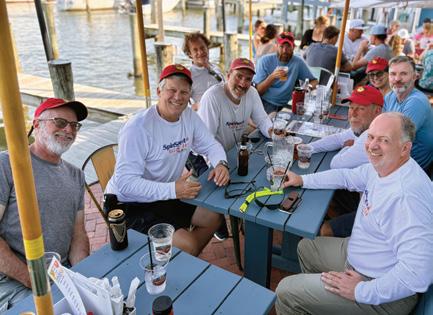
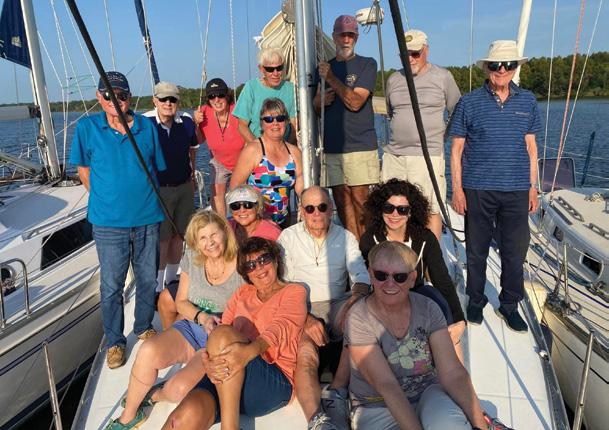
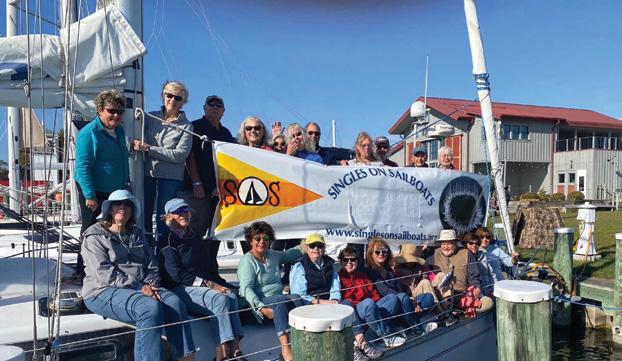
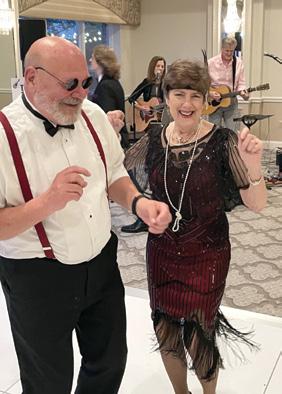
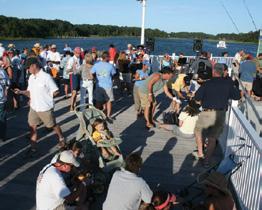
SpinSheet Crew Parties 2025
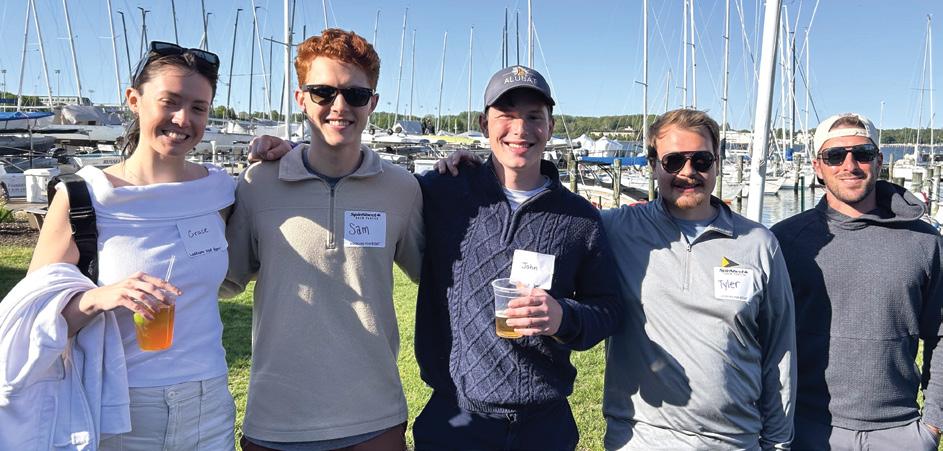
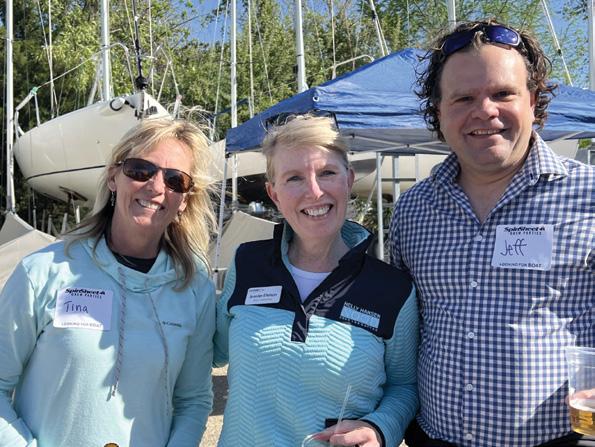
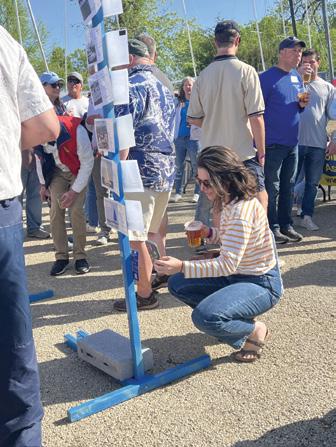
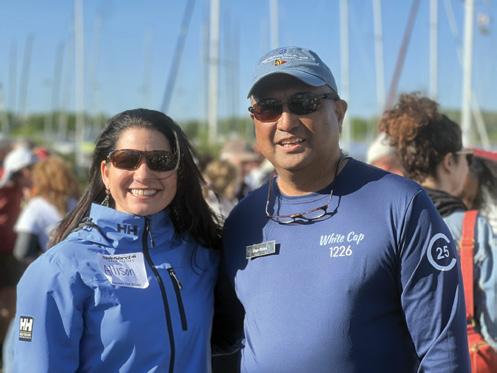
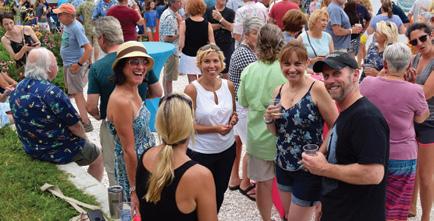
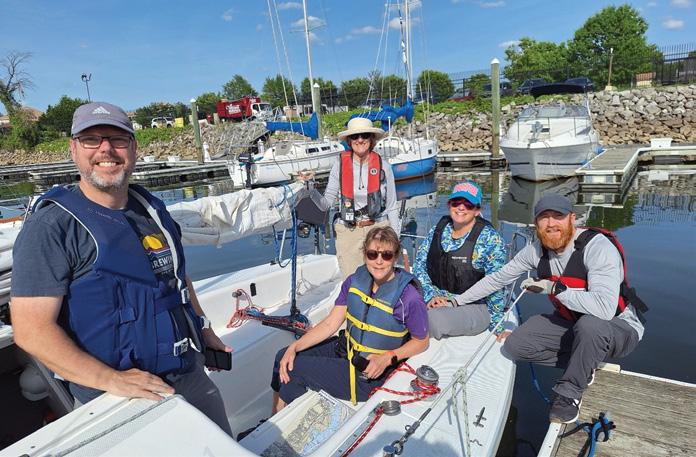
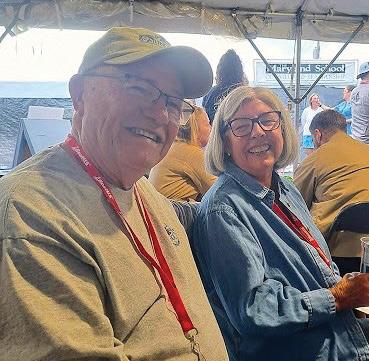
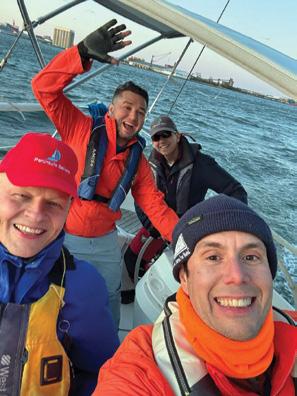
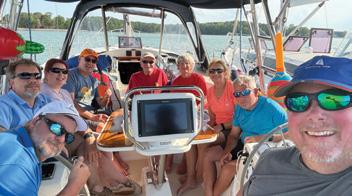
SpinSheet welcomed spring by hosting three Crew Parties: Solomons (March 9), Hampton (March 15), and Annapolis (April 27). At all three parties, sailors gathered to meet other sailors and discover sailing opportunities such as finding boats to sail on or bringing new crew on their own boats. Thank you to our hosts and sponsors, especially to the Hampton Yacht Club, Southern Maryland Sailing Association, and Eastport Yacht Club! Anyone who missed the parties may seek boats and crew online all year long through our free online crew finder at spinsheet.com/crew-finder
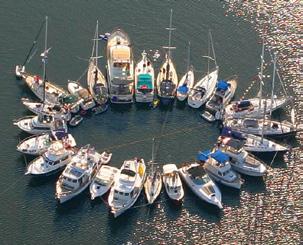
# The boat “masts” featuring boats seeking crew are a special part of our Annapolis Crew Party.
# Dinghy sailors unite in Hampton!
# Some Solomons party goers were more shy than others.
Stories of the Century
SpinSheet Century Club members check in and tell us about a memorable, interesting day on the water in 2025. Learn how you can join our challenge to log 100 days on the water within the calendar year at spinsheet.com/join-spinsheet-century-club.
Jeff Thompson 16 Days
The Magothy River Sailing Association’s 2025 Spring Fling started and finished under the honor system, meaning there is no race committee. The starting window was anywhere between 10:30 a.m. and noon Saturday, May 3. With 10 boats registered and four of them multihulls, we had a race. My wife Sandy reluctantly, but graciously, agreed to go with me. Aside from getting serious sunburn, the day was filled with fair winds, following seas, and some pretty consistent boat speeds.
We crossed the start line at 10:41, choosing a 17.2-nauticalmile course. The breeze forecasted for 180 degrees put us on a deep reach that saw us heading 30 or so degrees at less than five knots. Within 15 minutes, the wind had clocked around to near 270 degrees coming over Gibson Island, and we found ourselves abeam of the Frers 33 Mischief doing 10-plus knots, as well as the Pearson 30 Heyday, which had started ahead of us by 10 minutes.
Approaching the mark, the wind piped up, so we reduced sail area, ultimately just flying the mainsail for a short bit. Once we rounded our mark off Rock Hall, we were able to put out the jib, and halfway down the leg went out with the screecher again. We saw the Stiletto X catamaran Cheshire Cat off our starboard beam, and shortly after doused the screecher again in preparation for the mark rounding and the beat across to Baltimore Light.
Halfway across to the lighthouse we encountered a tugboat and barge that was headed south to cross paths with us. I fired up Marine Traffic to figure out what the vessel name was and hailed them on Channel 16 to inform them we would be dipping their stern, to which he replied “Thanks, bud.” That works, albeit nonstandard radio speak.
Once clear of him, we were back on course to our next mark except for the 700-foot freighter that stood between us and the mark. Once clear of him, too, we rode his waves and finished a short time later. We finished at 1:21 p.m. with an elapsed time of two hours, 40 minutes, and 18 seconds, the fastest of all the registered boats, and hit a top speed of 12.9 knots.
Stephanie Sams 6 Days
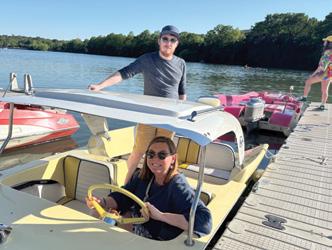
My most interesting day in the water so far was taking a retro powerboat out for a sunset cruise on Lady Bird Lake in Austin. It was a lovely evening and so fun to cruise under the bat bridge as they started getting ready for their evening flight.
Bev and Bob Skalkowski 2 Days
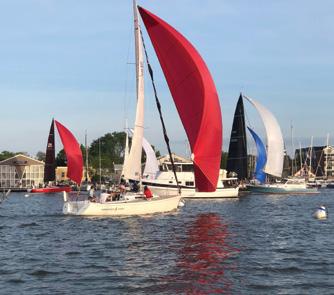
We were treated to a beautiful parade of boats flying their spinnakers as they returned from their Wednesday night races, cruising through the Annapolis Harbor. Just breathtaking. Earlier in the day we had sailed up under the Bay Bridge.
Pete Lesher 10 Days
On Wednesday, May 14, I managed to get out not once, but twice. At dawn (5:30 a.m.) I rowed in the bow seat of a Vespoli VIII with Eastern Shore Community Rowers. This is a regular opportunity for me and gave me enough opportunities to reach the Century Club the past two years. Weather and schedule permitting, we row every Monday, Wednesday, and Friday at dawn (part of the year, that’s predawn) from about April through early November.
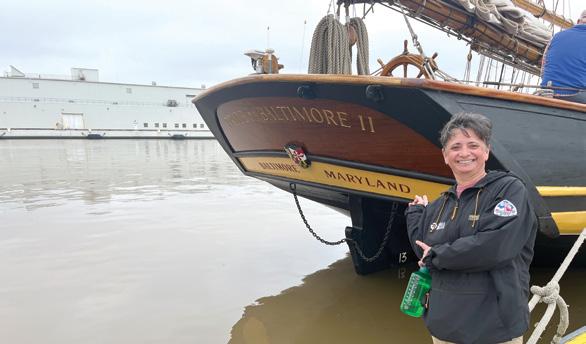
And my wife and I scooted over to Baltimore for a daysail on Pride of Baltimore II out of Port Covington, mixing it up with the tugs and other commercial traffic in the harbor. With a moderate northeasterly breeze, we had a pleasant sail.
Bob Leichtman 23 Days
Back Creek fawn rescue! The fawn was swimming off Bert Jabin Yacht Yard (in Back Creek), netted (by Sarah Lewallen on her standup paddleboard), and with help of neighbors found the breastfeeding mother at Church and Bay Ridge Roads and reunited them.
Sail, Anchor, and Camp Out With Family and Friends
By Pamela Tenner Kellett
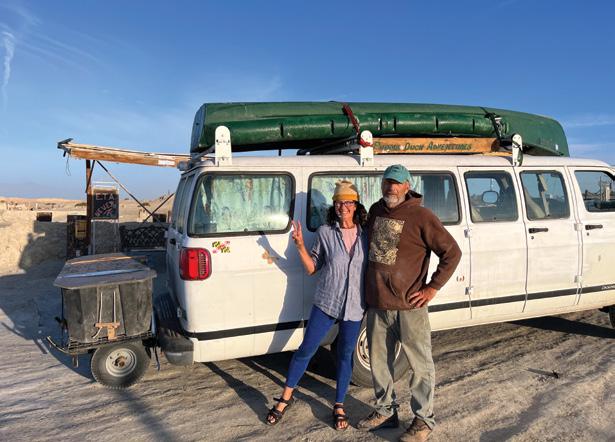
My boat builder husband and I recently returned from a five-week adventure to Baja, Mexico. He custom built a bed in the back of our 2000 Dodge van (with a 1970s vibe), and we drove 9120 miles with our Grumman sport boat Puddle Duck on the roof. With mahogany bookshelves for my field guides and prop sticks to hold up the storage areas, the van felt like a tidy little prairie schooner.
After wandering aimlessly for a few weeks eating fresh fish caught on hand-tied flies every night, we picked
up a few family members to hunt down some camping areas that had good surf. We brought along two tents and extra sleeping bags and camping pads, as the van was set up for two people. It was so fun to be able to open our adventure to our family and friends. Maybe you own a sailboat that only comfortably sleeps two or three people but wish you could invite a bigger group? Here are the results of some research on campgrounds that are adjacent to an anchorage. Sail up, drop the hook, and shuttle your overflow crew ashore for the night to camp.
Northern Bay: Hart-Miller Island State Park
I have camped here and anchored our little sport fishing boat just offshore when our kids were little. There are 22 campsites total available on a firstcome first-served basis. Six sites are in the main camping area on HartMiller, 11 sites at Hawk Cove, and five sites on Pleasure Island. The Western Shore offers safe mooring; though a centerboard or shallow draft would be best suited for this area. This is a very popular spot and at six bucks a night a true camping bargain. Birdwatching and hiking trails are available for the whole crew to enjoy. dnr.maryland.gov/ publiclands/Pages/central/HartMiller/ Camping.aspx
Mid Bay: Point Lookout State Park
Point Lookout State Park with 90 wooded campsites sits at the mouth of the Potomac, and Cornfield Harbor could offer some protection for anchoring depending on the wind direction. (Late May update: To facilitate scheduling significant repairs of critical infrastructure, reservations for the Point Lookout State Park campground are currently suspended for the 2025 camping season.) dnr.maryland. gov/publiclands/pages/southern/ pointlookout.aspx
# A family camping trip inspired the author to research places to sail to camp on the Chesapeake.
Eastern Shore: Janes Island State Park
With over 105 campsites and a lovely marshy setting, Janes Island sits just outside of Crisfield Harbor. Unless your crew wants to Uber to the park, it might be one of those situations where they can drive and set up camp and join you for day adventures in Tangier Sound. If you have a dinghy with an outboard, it is a nice run up the canal to the park boat ramp. dnr.maryland.gov/ publiclands/pages/eastern/janesisland.aspx
Virginia’s Eastern Shore: Kiptopeke State Park
Just five miles south of Cape Charles, VA, Kiptopeke is one of our favorite places to camp and launch our boat to fish and birdwatch. There is some protection for sailors behind the nine concrete ships that form the anchorage. From there it is a quick run to the boat ramp and pier, and the campground is a short walk up the beach. There are also yurts and cabins if your friends prefer to sleep off the ground. dcr.virginia.gov/state-parks
Ever Have Trouble Finding Your Copy Of
# Overflow crew can bring their own tents, as the author’s family did out west.
The ZumFish
A cheap boat plus repurposed parts and creative solutions make for a fun sailboat project.
By Bruce Neumann
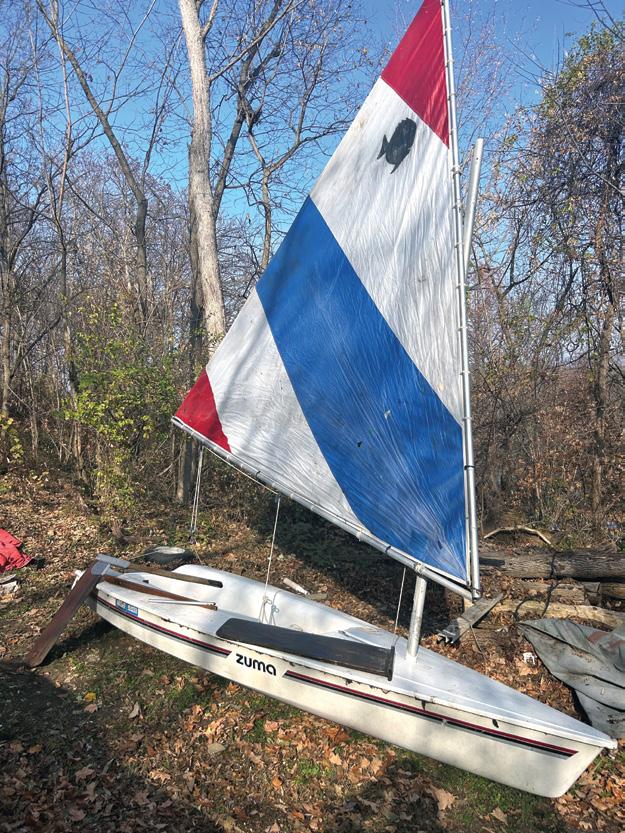
In March of 2009 I was looking on eBay at sailboats when I saw a 1989 Zuma. On a whim, I bid on it, just the hull and a trailer, for $50. I was surprised to find I had won it a week later.
Since my wife is a priest, picking it up Easter week would not work, and borrowing my daughter’s Sorento was difficult to work out. I ordered a
hitch online for the family Kia. Turns out FedEx couldn’t find our house, so I had to go to them to pick it up the night before the appointed pickup time. The installation the next day took only 45 minutes including the wiring, and I was set to go.
The ad said a trailer was included, but not knowing the bearing condition, I took my flatbed trailer, which
proved to be the right thing to do. Mapquest got me to the right area in New Jersey but couldn’t put me exactly at the address. Upon arrival I noticed the trailer did not have the ball latch, so I took the boat off the trailer, loaded the (new) trailer on mine, and loaded the boat on the new trailer. The trip home was uneventful, even passing Philadelphia at 4 p.m. with no traffic snarls.
Once home, I downloaded the Zuma book from the website and got tropical hardwood scraps to make the daggerboard and rudder. I doweled and Gorilla-glued the boards together and cut them to shape based on the parts book outlines. Since the wood was 5/4 (one and a quarter inch), I ended up milling about a quarter inch off each side. I coated them with four coats of clear polyurethane. The tiller was cut from a broken futon made of a teak-ish wood. The rudder head was fabricated from 16-gauge stainless steel and a half-inch tube welded at the bend. I flared a piece of half-inch tube to make the rudder pin.
The sail and boom came from a Sunfish a horse had stepped on; a few stick-on nylon patches, and they were as good as new. I purchased the mast, a cut-down teardrop-shaped one, on eBay for $20. It fit well in a Sunfish, but the bigger Zuma mast receptacle is much larger. I solved this by taking PVC pipe, cutting several three-inch long bands, and cutting a slit in each one. These fit tightly on the mast and took up the extra space in the mast well, so there is no rock in the mast. I had enough blocks floating around that I was able to rig the boat per the Zuma website pictures.
Test sailing went well. I needed to configure a way to hold the rudder down (it springs on a Sunfish). The boat sailed easily and fast, partly due to a 15-percent larger sail. We sailed the boat sparingly (my son was away in school).
The big test came on September 20, 2014: I entered the boat in the sixth annual Hampton Roads Sunfish Regatta and Dinghy Distance Challenge, a 12-mile race from Willoughby Spit to Middle Ground Lighthouse and back. The weather forecast called for 10-mph winds with higher gusts. I had no trouble rounding the lighthouse, but about halfway back, I was capsized by a strong gust and struggled to get back onboard until a passing fisherman helped. Thank goodness for my PFD, which kept me warm and afloat.
I was the last person to finish that regatta. During the ensuing years we used the boat less and less. In the summer of 2019, I saw an eBay post for Zuma parts, everything I was missing: sail, spars, and boards. I put a $25 bid on it and won. There was a problem with eBay, so it would not let me pay for it. It eventually was resolved. The spars were shipped via truck, and the rest of it shipped by UShip. Now I have a complete Zuma, waiting for warmer weather to try it out.
Boat Project Costs
Sunfish and sail - $0
Bought mast in Virginia - $20
Zuma and trailer from eBay - $50
Rudder, centerboard tropical hardwood scraps - $0
Rudder head and miscellaneous parts - $40
Bunk boards, scraps - $0
Coupler - $15
Hub and wheel bearings - $45
Mast, boards sail, and other items to finish Zuma - $25
Shipping - $200, but boat is now complete.
We know we’re amazing... but we’d love to hear it from you! Have we blown your mind with our amazing stories? Maybe we’ve made you laugh, cry, or given you something to humblebrag to your sailing friends. Either way, it’s time to shower us with your praise. (You know you want to!)
Perks for your kind words:
If we use your testimonial in our editor’s note or letters page, for example, we will send you a cool hat as a thank you (or a bribe)
Thanks for being the best audience ever! Now, tell us how great we are!
Email molly@spinsheet.com or scan code and tell us why we’re your favorite.
An acquaintance who visits Annapolis regularly noted that his daughter lived in Eastport.
“Whereabouts?” I asked.
“Down Edgewood Road,” he said. I nodded and smiled, attempting to hide my insider-Eastport know-it-all attitude. Edgewood Road may be situated in area code 21403 and boast its own maritime roots, but any longtime local will tell you that the far side of Back Creek is not Eastport-Eastport. It’s not flag-waving, Maritime Republic of Eastport; it’s not peninsular, cool walkable Eastport.
The historical marker on the Eastport side of the Spa Creek Bridge may be weather-beaten and barely legible, but it’s a great place to start to learn about the history of the village of Eastport. It reads:
“Human history on Horn Point peninsula goes back thousands of years. Algonquin tribes hunted and fished here, Puritans settled the area, and farmers worked the land.
“For much of the colonial era, the Hill family was a major landowner. Early maps show Back Creek as ‘Hill’s Back Creek.’
“During the Revolutionary War, a fort on Horn Point helped defend Annapolis Harbor from invasion by the British fleet. A historic plaque (in front of the Annapolis Yacht Club activity center) tells of Lafayette’s encampment in Annapolis.
“The town of Eastport took shape after the Civil War. In 1868, the land was divided into lots and sold to both black and white families, mainly watermen and workers from the Naval Academy. Maritime industries grew, and by the 1920s, the town was flourishing. Once a separate town, Eastport was annexed to Annapolis in 1951.
“In the latter part of the 20th century, oyster and crab harvests waned and the traditional wooden workboats gave way to modern fiberglass pleasure boats. Eastport’s working past gave way to gentrification.”
This brings us to 1998, three years after SpinSheet’s debut. That year, when repairs on the Eastport Bridge threatened to clog traffic for a month, “patriots from the Horn Point Peninsula,” who conceived their ideas over beers, rose up in revolt, “in the spirit of independence and merriment,” against “suppression of Annapolis Proper”
across the harbor. With much fanfare, the group “seceded” from the union with Annapolis and formed the Maritime Republic of Eastport (MRE), complete with a yellow flag and the motto “We like it this way.”
MRE’s events born in 1998 have remained beloved and successful fundraising events for our community. The most significant one is the MRE Tug O’ War, pitting Annapolis against Eastport teams with a huge rope across the harbor, attracting thousands and widespread media coverage come November. It also raises boatloads of money for local charities, a hallmark of good Eastport events.
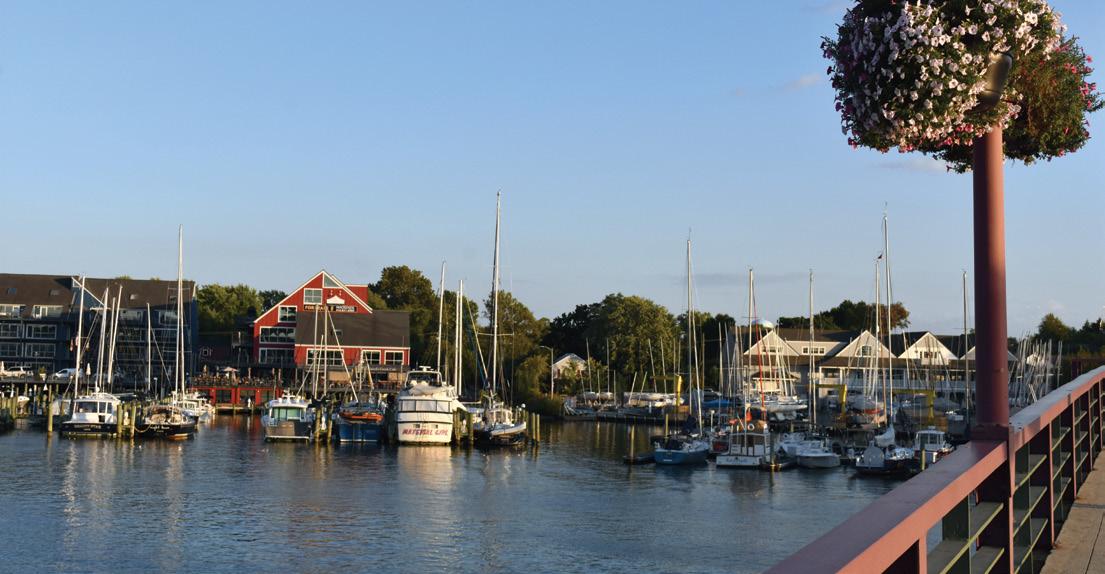
SpinSheet’s World Headquarters is nestled along Eastport’s Back Creek between a marina and a working boatyard, with North Sail’s loft, J/World Sailing School, and Davis’ Pub within a stone’s throw. Our roots go deep through oystershell-laden Eastport soil, yet “insider” attitudes aside, we welcome sailors from near and far. If you plan a visit to our neighborhood, here are some resources to make it a pleasant one. ~M.W.
# A glimpse of Eastport from the Spa Creek Bridge.
Making YOUR BOaT New Again!
Eastport by boat
Water taxi—Watermark’s Water Taxis run 10 a.m. to 10 p.m. on weekdays; 9 a.m. to 10 p.m. on weekends in season from City Dock to the Chart House or points on Back Creek. No advanced reservations needed. $4 to $9 depending on route; cash tips appreciated. Call (410) 263-0033 or hail on VHF 68.
Moorings—Transient moorings in Annapolis are first-come, first-served and cost between $25-$35. Find details at annapolis.gov/183/Moorings
Anchoring—There’s often room to anchor in Spa and Back Creeks and in Annapolis Harbor; pay attention to your chart to note shallows and off-limits areas.
Transient slips—Find marinas at spinsheet.com/marinas and search “amenities” for “transient slips” for nearby marinas welcoming visiting sailors.
SpinSheet: spinsheet.com. Reach out anytime with story ideas, photos, or feedback to editor@spinsheet.com
Fun and festive events
Annapolis Maritime Museum’s Tides and Tunes Thursday night live music in summer. Find the schedule at amaritime.org.
Boatyard Beach Bash—A Key-West-themed party with live music headlined by world class musicians and members of Jimmy Buffett’s Coral Reefer Band; proceeds benefit the Annapolis Maritime Museum’s programs. Held in mid-September: amaritime.org
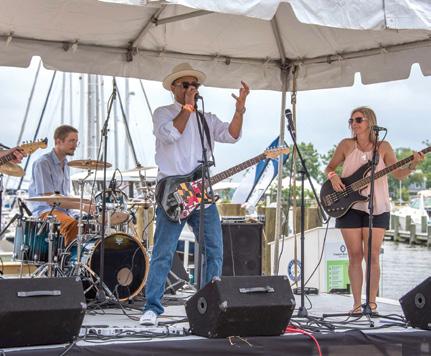
Eastport a’Rockin’—One day, four stages, and 40 bands in Eastport on June 28 from 11 a.m. to 8 p.m. Those seeking quiet anchorages on Back Creek are out of luck that day: eastportarockin.com.
MRE .05K Run—You know you can run that far, especially since there’s a water stop in the middle. Held in May to support local charities: themre.org/bridgerun
MRE Tug O’ War—Held in November (usually the first Saturday) at the crack o’noon. A huge, festive party with live music, food, beer, and the tug itself; proceeds go to local charities: themre.org/tug.
More local history
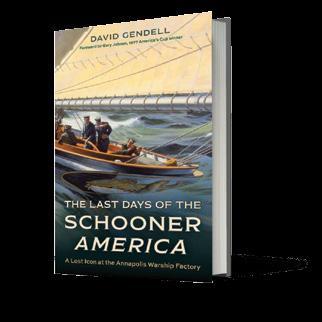
Sailors who love history should read Annapolis author David Gendell’s “The Last Days of Schooner America: A Lost Icon at the Annapolis Warship Factory.” This nonfiction book traces the history of the famous vessel, from her design, build, and early racing career, through her lesser-known Civil War service and the never-before-told story of her final days and moments on the ground in Annapolis.
The schooner’s story is set against a vivid picture of the entrepreneurial forces behind the fast, focused rise of the Annapolis Yacht Yard as the United States prepares for and enters World War II. As wooden warships are built around her, America waits for a rehabilitation that would never happen. To bring this story to life, Gendell delved into archival sources and oral histories and interviewed some of the last living people who saw America in Eastport. Find the author’s books at davidgendellbooks.com
# A Hoodoo Few playing at Eastport a’Rockin’. Photo by Facebook/DGital
# Tides and Tunes, the summer concert series at AMM. Photo courtesy Facebook/ Annapolis Maritime Museum and Park
J/40, a Fine Driving Machine
By Jahn Tihansky
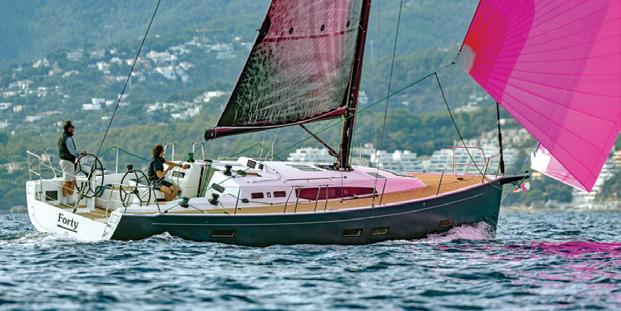
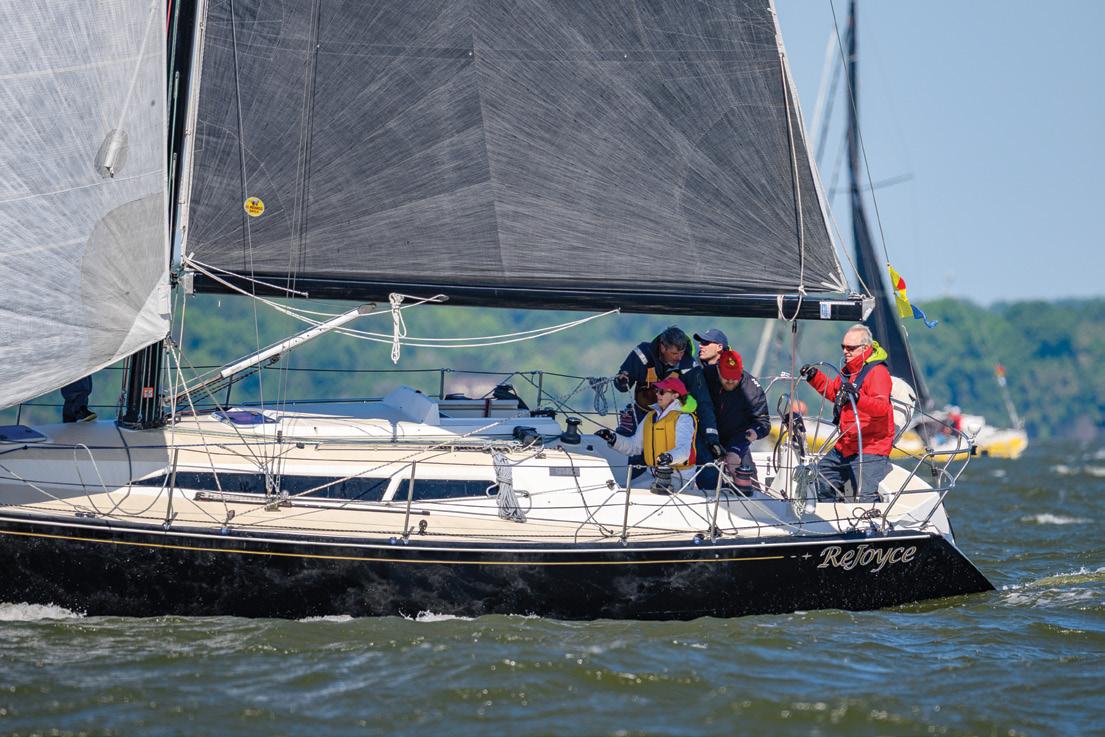
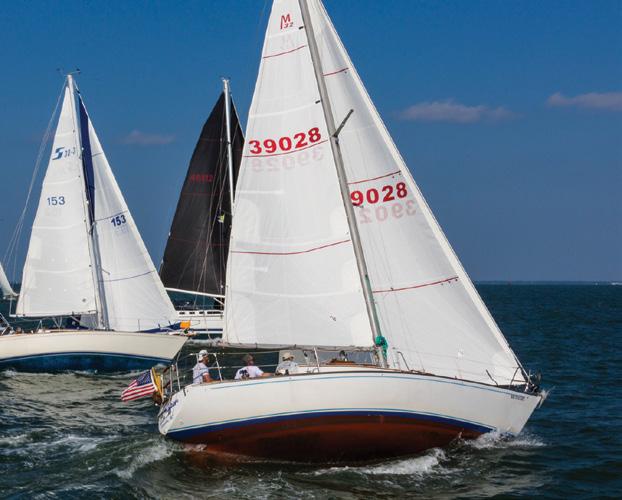
On a beautiful fall day last October, I had the opportunity to get aboard the new J/40, J/Boats’s latest offering in the 40-foot racer/cruiser market, for a comprehensive look at the boat as well as a test sail.
I’ve sailed aboard almost every J/Boat model since the company’s founding and have owned a few of them. While I tend to view myself as a more performanceminded sailor, I have done a considerable amount of cruising on the ocean and in protected waters aboard a wide variety of boats. With that perspective, I was definitely excited when SpinSheet asked me to review the new J/40.
# Photos courtesy of North Point Yacht Sales
This boat is a logical evolution in the J/Boats line where the company typically sniffs out a new niche in the market and designs a boat to fit. With roots in the high-performance side of the general sailing market, J/Boats biases their designs to ensure that base is well-covered. In this department the J/40 will not disappoint.
For our test day, I joined Katie Lange (formerly) of SpinSheet and Keenan Hisinger from North Point Yacht Sales. We were blessed with 12-15 knots of northwesterly wind and smooth water. Three of us easily managed the boat under main and jib.
The sail setup
Our test boat was equipped with an optional in-boom mainsail reefing and stowing system, a powered cabintop winch, and a couple of other features I’ll touch on later. The fractional rig includes a carbon mast as standard with an above-deck jib roller-furling system, two sets of long, aft-swept spreaders, rod standing rigging, and shroud chainplates mounted outboard at the rail.
The primary jib is slightly overlapping, sheeting in front of the spreaders to conventional longitudinal jib tracks with mechanically adjustable cars and inhauler systems. The main-
Other Specifications
LOA: 40.9’ (12.47 m)
LWL: 37.0’ (11.26 m)
Beam: 12.7’ (3.86 m)
Draft: 7.2’ (2.2 m) standard; (optional shoal keel: 5.9’ (1.8 m)
Displacement: 16,900 lbs (7665 kg)
sheet setup is what is commonly referred to as a “German Admiral’s Cup” design where the 2:1 sheet leads forward inside the boom, diagonally down to the deck just behind the shrouds, and aft under the deck to port and starboard mainsheet winches, which are located just ahead of the twin wheels. This setup is very clean and easy to manage.
The 6:1 traveler is also located just ahead of the wheels and runs the full width of the cockpit with cleats mounted vertically on each side. While this is a common setup and functions adequately, I think that a windward-sheeting-type traveler car would be physically easier to manipulate and a nice upgrade. The vang arrangement is a spring-loaded strut-type with integral block and tackle and cam cleat located at the lower end.
The halyards and reefing controls were led under a flush deck hood back to jammer banks and winches port and starboard, which kept the mid-deck area clean and clear of trip hazards. There was a moulded-in instrument pod across the top of the companionway.
The boat was equipped with a PBO fiber backstay (for reduced weight aloft compared to steel rod), which was tensioned using a Sailtec hydraulic adjuster with an integral pump. While this adjuster setup is common, clean, and simple, it is not easily managed by the trim team when racing due to the pump location (on the centerline at the stern). More hardcore racing types may wish to consider a remote-located pump setup. It is my understanding that there is an option available for a longer bowsprit to allow for a larger spinnaker. I was told that the swap out process is easily executed for anyone wishing to consider that.
Steering
The twin-carbon steering wheels were well-sized and placed, providing excellent visibility for the driver, and easy to maneuver around. The binnacles had sufficient real estate to mount whatever instrumentation you may reasonably wish to locate there. The boat had a light helm on all points of sail and was comfortably steered from standing and seated positions, including when heeled.
In a couple of significant puffs, we purposely put the boat in an overpowered regime to test directional control. Despite inducing over 25 degrees of heel, only a small amount of rudder angle was
required to maintain course, and the rudder showed no signs of stalling. We were even able to bear away from close-hauled without easing sheets. While we did not sail the boat under spinnaker, I sense that the boat will be well-behaved when pushing the edge of the envelope in that configuration.
The boat should be easily managed single or double-handed, or with a full crew.
Cruising features
Topside cruising features included an anchor roller integrated into the bow prod, anchor locker with a below-deck-mounted, low-profile windlass, a moulded cabintop dodger mounting rail, comfortable but adequately-sized cockpit coamings, a halyard tail locker under the forward end of the cockpit, and port and starboard shallow cockpit lockers, one of which is designed to accommodate a liferaft. A larger, deeper locker option is available with the two-cabin/two-head layout. Another large locker aft of the wheels provides additional storage and access to the rudder post/steering system.
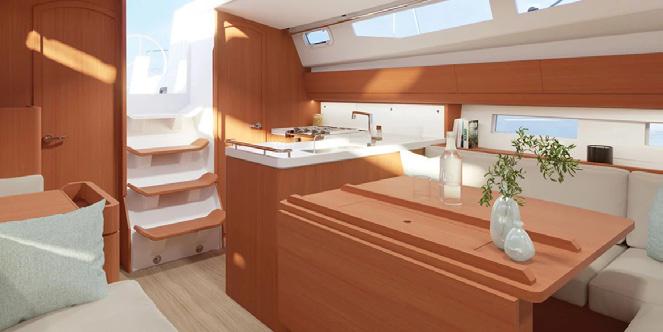
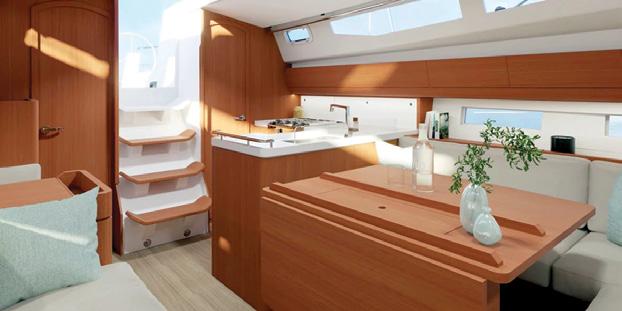
Below deck, I found a surprisingly spacious salon area with a forward facing nav station to starboard, an L-shaped galley to port, and a large salon table forward that could accommodate six for meals. The standard topside-installed salon windows (two per side) enhanced the ambiance while below. There was reasonable locker storage in the galley as well as overhead behind the settees. The galley has a gimballed two burner stove/oven combination, a reasonable-sized refrigerated icebox, and moderate storage in cabinets and drawers. There is ample counter space with nice fiddle rails to keep items from falling off when heeled.
The two identical aft staterooms had adequate-sized double berths, each with multi-shelf lockers and hanging locker. There are engine access panels in each cabin.
The forward stateroom is a conventional design featuring a V-berth, full-length shelving and storage lockers, half with shelves and half as a hanging locker. Given the boat’s fine-entry design, the berth itself is a bit tight but certainly adequate.
In my opinion, the most significant compromise of the boat is the size of the head compartment. It appears that the designers opted to allocate space to the salon that would otherwise have allowed for a larger head. It is a “wet” head compartment meaning that it does double-duty for showering. That said, I’m not aware of any decent performing, similarly sized boat that offers a separate shower stall. Looking at the drawings of the two-head layout, I see that its aft head is marginally larger but still no separate shower. C’est la vie.
For auxiliary power, the boat comes standard with a Volvo 50-hp diesel and saildrive. We easily reached eight knots under power without stress, excess noise, or vibration. You will find primary engine access under the hinged companionway steps.
While the fit and finish of the boat is good, it is not a piece of fine furniture. Instead, the boat’s value is rooted in its design pedigree as well as its top-of-theline sailing components; its “drivetrain, suspension, and braking systems” to borrow an automotive analogy. But the comfort level should more than satisfy anyone who appreciates a fine driving machine.
Dealer:
North Point Yacht Sales, 7330 Edgewood Road, Annapolis: northpointyachtsales.com
Offshore Rigging Specialists
The Glory Leg in the Clipper ’Round the World Race
By Capt. Shawn Owen
In the summer of 2024, I partook in the Clipper Round the World Race (CRTW) CRTW is the brainchild of Sir Robin Knox-Johnston, the first known human to non-stop, singlehandedly circumnavigate the globe and
a favorite son of the United Kingdom, specifically Portsmouth, England, where the organization calls home. In a nutshell, Sir Robin wanted to create a circumnavigation experience available to the common man and woman. Over the last 30 years and across three separate fleets of custom-made Clipper vessels— spanning 64-, 68-, and now the 70-foot class CV that I raced on—he did just that.
I was placed aboard Team Bekezela on CV22. We had a seasoned, experienced skipper in David Harthstrom and a young, feisty up-and-comer in Mazie Bristol as our additional qualified personnel, or AQP. The crew was made up of people from across Europe, Asia, and South and North America, including one Canadian and two Americans.
I was only competing in the final
Leg 8: the Glory Leg. The Race Home. This year’s East Coast United States stopover was in Washington, DC, and our first landing after leaving the Nation’s Capital would be in Oban, Scotland. The fact that their original distillery is still located in Oban, I can only assume, played no small part in Sir Robin’s choice to have the homecoming stopover there for the first time. I was treated to a private tour of the facility with Sir Robin and a =handful of CRTW sailors. But that is a different story entirely…
The race had not been kind to our boat, Bekezela (of Team Bekezela Community Foundation), leading up to my joining the team. We sat in last place in the points standings, with a near-zero chance of not finishing 11th of 11 in the overall tally. I had trained for four weeks in Gosport, England, for my role as a bowman, expecting to be the new fresh young grunt, heaving and tossing sails around while enjoying daily saltwater rinse-downs. But Skipper decided to make me a watch leader, commanding the first of three watch teams of six. So, no pressure! And nowhere to go but up!
My story of the crossing could fill a novel (and at some point, I’ll offer that), but I did take some, well, interesting stats along the way. Here are some of my favorites and a quick story to do my best to explain:
# Annapolis sailor Shawn Owen at the start of leg 8 of the Clipper ‘Round the World Race.
’Round the World Race Leg 8 Stats
Days at sea – 19
Miles sailed – 3781
Deck watches – 44
Support watches – 22
Our watch system had three watch teams and rotated each team for a deck watch. Half of one of the off-watch teams would be awake and in support mode, ready to assist the on-watch team with larger tasks. Hours of darkness north of 55 degrees – 0
Once we breached the 55th parallel, the sky never went dark. Sunset would blend into sunrise over a series of hours. Stunning. Nights I saw Lyra’s constellation – 17
We named our daughter Lyra after the constellation Lyra, the musical instrument aboard the ship of the Argonauts. Every single one of my night watches, the skies would part just long enough to see it, highlighted by the star Vega. It made all
the difference when missing my family each night.
Tacks – 1
Gybes – 3
I was genuinely surprised how little tacking we did on an ocean crossing. I’ve made long passages on one tack before, delivering yachts, but these numbers shocked me. Not counting all the times we ran our lightwind kite, the Windseeker, from side to side trying to generate some sort of lift, we executed one tack and three gybes during the entire crossing.
Kites exploded – 2
Luckily, my watch was clean on the sheet for exploding spinnakers. Unfortunately, we can’t say the same for the watch leader for second watch. The second explosion happened just after reaching our top sailing speed of 23.7 knots.
Sunday morning eggs and bacon breakfasts – 3
Our only civilized breakfast of the week.
Bowls of porridge consumed – 0
My mother loved me. Why are adults choosing to eat orphans’ food?
Fruit snacks consumed – All of them.
If you know, you know.
Showers – 0
Hand-wipe baths were a luxury, but upwind positioning on the vessel was key.
# Life on deck.
Meals eaten out of dog bowls – 36
We literally ate out of dog bowls. Something about the rubber-ringed bottoms kept us from nosing them off the saloon table.
S#*!$ taken while standing – 9
Due to safety concerns, neither of the heads had a seat. So “cop-a-squat” became a way of life. Choosing not to live that way often, I made it nine times in 19 days.
Standing s#*!$ while terrified – 3
Copping a squat in 40-knot winds on a 35-degree heel, trying to “play the fade” at that moment of truth and pinch… is not for the faint of heart.
Toilets vegetable-oiled – 2x/day
Apparently, this helped keep the handpump heads from clogging. Or they just found it funny to watch us oil the toilet. Either way, twice a day.
Times felt like a heroin junkie –Countless
The filth and squalor of a 10-year-old boat with five circumnavigations and 10 months
of nonstop living had become home—it was like living in a scene out of the film “Trainspotting.” Each day was spent chasing more miles. Waking someone up to say, “Hey, wake up. Gimme your bed. It’s your turn to go get more miles.”
People I would recommend this to –Everyone who hasn’t done it before.
It was an incredible experience, and Clipper puts on one hell of a show! If you don’t have many alternatives for crossing an ocean or sailing around the world, this is a great option!
Odds I would do it again, even if paid – Not a bloody snowball’s chance in #ell.
You go do it. I already served my time.
About the Author: Captain Shawn Owen, owner and CEO of Chronic Sailing, is a USCG Licensed Master (100-ton), ASA-certified instructor, delivery skipper, and musician.
Got a New Boat?
# Life at a 30-degree heel with legs up on the walls on the high side.
Flotilla Fun in Phuket, Thailand
When Matt Smith moved to Washington, DC, in 2015, he joined DC Sail where he began teaching adult sailing on Flying Scots. Aware of the existence of several sailing clubs in the area it became apparent that there was very little social interaction between members of those clubs, and none of the clubs appeared to offer opportunities for large-format group sailing beyond the occasional overnight or long weekend on the Chesapeake Bay.
Matt formed DC Sailing Community (DCSC) in 2017 to bridge that divide, giving members of various sailing clubs in the DC area an opportunity to make friends outside of their own club, with local, like-minded people that share their passion for sailing. Through DCSC, annual flotillas became twice-per-year sailing charters. This is how Matt and an eight-boat flotilla sailed in Phuket, Thailand, for seven days in late February. Here are his answers to SpinSheet’s questions about the journey:
Tell us about the boats.
We chartered seven boats from The Moorings and Sunsail, and an eighth private boat owned locally joined our flotilla. The boats ranged from 40 to 45 feet in length.
How did you choose this particular charter boat and location?
There’s a fun saying in chartering: “Once you go cat, you never go back!” While most of our sailors love the thrill of a monohull heeling in stiff breeze, the majority of them prefer a catamaran for this type of sailing adventure. The stability, ease of handling, and rather luxurious comfort levels that modern charter cats offer these days are hard to beat.
Did your charter include a captain, cook, or other crew?
We bareboat all our flotillas, so we are responsible for skippering and crewing the yachts ourselves and preparing our own meals. Typically, we plan for three dinners
# Preparing for a James Bond theme party!
onboard and three ashore. Most breakfasts and lunches are onboard.
Could you summarize where you went and favorite anchorages?
We sailed a clockwise loop around the Andaman Sea, taking in the must-see stops along the way. Highlights included Ko Phing Kan (known as James Bond Island since it was used as the location for Scaramanga’s base in ‘The Man with the Golden
Gun’), Rai Le Beach, Ko Lanta (where we held our flotilla-wide dinner), and the Phi Phi Islands, made famous by the Leonardo DiCaprio movie, “The Beach.”
Was the sailing exciting?
Conditions summary?
We began the week with a rather dreary and wet forecast, and indeed the first day delivered cloudy skies, thunderstorms, fog, and very little wind. The conditions improved markedly as the week progressed,
Sign Up To Receive Our
with beautiful 25-knot winds for a couple of days and plenty of blue sky. Sea states were for the most part calm; although a large storm passing south of us pushed a lot of water our way which meant a lot of swell and a couple of rolly anchorages. The main anchorage at Phi Phi Don, Ton Sai Bay, was so rolly that the entire fleet upped anchor and moved around the corner to a more protected anchorage on the other side of the island.
The most significant thing to be aware of here is the 10-foot tidal range. We reminded ourselves frequently to scope for high tide when dropping anchor. Many of the bays dry out close to shore at low tide, so you have to be very deliberate that you park far enough away from shore to avoid grounding at low tide.
Tell us about your excursions.
We organized a morning dive trip for about 20 people in the Phi Phi Islands and several private longtail tours that took crews snorkeling and sightseeing to Ko Phi Phi Li. James Bond Island is
Email Newsletters
# Team Sips Ahoy enjoy the water.
an extraordinary place to visit; although you need your wits about you in the dinghy when arriving and departing as there are hundreds of tour boats and longtails zipping about full of tourists. Not the quietest spot. At Ko Lanta we had an extraordinary fire show on the beach after our flotilla dinner. (Several of our crews took advantage of being in southeast Asia and booked additional tours before or after the sail. I went with a group of nine to Cambodia, which was truly a magical experience.)
Three highlights on sea or land?
The landscape is stunning, particularly in Krabi province which we covered during the first couple of days. You pass by and sometimes are surrounded by remarkable limestone cliffs that soar up to the sky. It’s jaw dropping.
Maya Bay on Phi Phi Le was just stunning. You do have to try to ignore that there are a lot of tourists, but it is still a remarkable place and fun to visit another movie location.
The people we met at our various stops throughout our sail were so wel-
Tcoming. There is very little crime, and it seems to be because everyone is just so content!
Did anything surprise you about the trip?
I wasn’t quite prepared for just how busy the main tourist spots in the islands are. James Bond Island and Phi Phi Le were especially crowded. However, I think through good planning we had the right mix of busier and quieter anchorages, so we had an itinerary to please all tastes.
Would you do anything differently if you could do it over?
I would take a boat for two weeks instead of one! The Andaman Sea is vast, and there are thousands of anchorages where you could be the only boat there. While we tried to hit the ‘must see’ spots, on another occasion I would take the time to visit some of the more remote areas.
I would also be a little more careful about who we enlist locally for help in setting up onshore activities. I always
find it tremendously helpful to connect with locals while planning a flotilla. In this case, my contact there did not consistently deliver. Some events went down without a hitch, while others he organized for us did not deliver to expectations or were cancelled altogether with no notice. You can’t always know 100 percent what you are getting from local contacts in terms of reliability, but it was a lesson to be as diligent as possible in vetting whom we ask for help.
How do we learn about your future trips?
Click to dcsailingcommunity.com to find out about upcoming flotillas, where to sail in Washington, DC, and our partnerships with the Potomac Riverkeeper Network in being good stewards of the river and with Chronic Sailing, for ASA training.
Upcoming flotillas include Sicily, BVI, Croatia, Mexico, and in summer 2027, Tahiti, where we will celebrate 10 years of building friendships and camaraderie one stunning sailing location at a time!
hese sailboat charter companies specialize in sailing destinations such as the Chesapeake Bay, Northeast United States, Northwest United States, South America, Caribbean, Mediterranean, Southeast Asia, and South Pacific. Contact them and book your charter dream vacation today! Charter Directory
OFFSHORE SERIES PART 3: Veteran Ocean Passagemakers’ Playbook
By Captain Cheryl Duvall
One of the benefits of living in the Chesapeake region is that you meet all levels and types of sailors, from weeknight racers to circumnavigators. While we collectively share a passion for sailing, individually we have charted different courses to realize our sailing dreams. It never ceases to amaze me how different those paths can be. And I love that! Each sailor’s story has the potential to be an inspiration to another, often without realizing it.
I recently interviewed a Chesapeake Bay couple who have notably ventured to the Pacific and Indian oceans in addition to sailing the Atlantic. Captain Dave Tabor and his artist wife Carol Vaughn are often hired as a “twofer” since Dave holds a USCG 100-ton Near Coastal license and Carol is an accomplished first mate. Their sea tales reveal two very different paths for both of these veteran ocean passagemakers. Here are their answers to my questions in their words:
Dave, you’ve been sailing since your teenage years. What was your first ocean passage?
In the late 1990s, I connected with an owner who needed crew from Antigua to Bermuda. I had done a couple of coastal deliveries to Block Island and other destinations, so I joined as crew, we had a good passage, and I built a relationship. After that, I helped him with additional deliveries over five years, totaling more than 5000 miles on the same boat. Since then, I’ve sailed 40,000 ocean miles and visited 19 different countries, mostly on other people’s boats.
Carol, I know you learned to sail after meeting Dave in 2006. What was your first ocean passage?
In 2017, Dave did his second Bermuda 1-2 race and talked me into sailing the doublehanded leg with him from Bermuda back to Newport on Dianthus, our Canadian Sailcraft Merlin (CS36M).
Carol, how did you prepare for going offshore?
Five years of weekly racing and a few coastal deliveries taught me a lot! Before the 2017 Bermuda 1-2 offshore race, I had crewed weekly with Dave in Rock Creek Association’s (RCSA) Wednesday night races as well as many weekend races on the Chesapeake Bay. I also joined Dave doing six near-shore and coastal deliveries, from 2011-2016. I have personally transited the C&D Canal 14 times on nine different boats. All that sailing with Dave gave me the confidence to join him in the Bermuda 1-2 race.
Dave, why do you love racing?
It’s challenging and exciting. It forces one to choose and learn and to play and experiment. I hate “set it and let it.” I have a hard time not fiddling with the sails. I especially like the challenge of singlehanding, but I also enjoy sailing with buddies, as I did in last year’s Governors Cup.
You both have sailed some distant waters. Tell us a few highlights about sailing in the Pacific and Indian oceans.
In 2018, with only five weeks’ notice, we jumped at the opportunity to sail with New Zealand friends on their Oyster 54. They recommended us as unpaid crew for a boat in the Oyster World Rally. We sailed from New Zealand to Vanuatu, Australia, and through Indonesia. There we changed boats and continued across the Indian Ocean to Cocos, Mauritius, Reunion, Durban, and Cape Town, South Africa. We were gone for ten months. It was a once-in-a-lifetime experience!
What do you enjoy about ocean passages?
We love the solitude of being alone on the water and experiencing wildlife and sunsets. The night sky in the Indian Ocean was unsurpassed, with other
constellations melting into the Milky Way. We think that Starlink has ruined the idyllic ocean experience. We recently journeyed from Panama to French Polynesia on a boat that had Starlink. We didn’t enjoy it nearly as much. The temptation to be online was too great, and we didn’t feel as close to nature, nor did we develop closer relationships with other crew.
Ocean passages enable us to visit places by boat that can’t be experienced the same way by other transportation modes, as when we stopped in Cocos (Keeling) Islands in the Indian Ocean. Arriving by boat to a remote village means that we must adjust to the locals and respect their customs. We have to trust and earn their trust. Ocean passages are remembered by the people you meet, whether other sailors or by interacting with natives.
Wire Rigging Reimagined
Introducing L S Photon, a revolutionary fiber rigging system designed to easily replace wire rigging. Incredibly strong, durable, and ultra light, it offers all the high performance benefits of fiber rigging while using common wire fittings.
• Up to 85% Lighter than Wire Rigging
• Fully UV and Chafe Resistant
• Corrosion Free
• No Risk of Fatigue - Lasts in Excess of 10 Years
• Uses Exclusive LS Photon Terminal Connections
• Works with Continuous or Discontinuous Rigging Configurations
• Specifically Engineered to Meet Your Boat’s Loads
What fears do you have about crossing oceans, if any?
The other crew! [They exclaimed simultaneously.] We fear other people’s fears! It’s why we doublehand a lot. Logistics are easier when it’s just the two of us. Even if we know people beforehand, personalities can be quite different on a boat.
Surprisingly, you didn’t mention weather as a fear.
[They laughed, and exchanged looks] “Well, after Antigua…” Dave was skipper and Carol was crew on a delivery from Deltaville, VA, to Antigua. Weather delayed the departure to the end of November. It was very cold with 30-plus knots and eight- to 10-foot waves for days on end. They eventually had to hove-to for 14 hours to avoid 45-knot winds. Heaving-to meant that they could get rest and avoid worsening weather. Then, they lost their steering, but fortunately the autopilot worked. It was a voyage they’ll never forget, but it also gave them confidence that they could handle weather challenges.
Who has inspired you to sail oceans?
The people we’ve met along the way, and especially a friend of ours, Ian Smith , whom David met in 2003 sailing the Chicago-Mac Race. He and his partner, Cindy Smith, had been captains on several Oysters and were the friends who invited us to New Zealand.
What experiences from your ocean passagemaking can be applied to your local racing or coastal cruising?
Everything relates. If offshore, you spend more time analyzing the weather and navigating accordingly. And of course, provisioning is different, due to duration or boat features. When we were crossing oceans on an Oyster 54, we put 90 pounds of meat in the freezer! That’s not our normal, however, and we’ve learned by trial and error what works for us. Whether offshore or near shore, you must maintain a seaworthy boat and practice good seamanship and safety.
# Carol tethered at the helm.
# Dave and Carol on a friend’s boat for 2019 Down the Bay Race.
Do you have future plans for another major crossing?
We are excited about our new-to-us boat, a J42 also named Dianthus. We’re getting her ready for several upcoming races, including the Annapolis to Newport and Marion to Bermuda Races. On Dave’s future bucket list: Singlehanded Transpac, crewing in the Transpac Fastnet, and Sydney Hobart races. As for Carol, she’s interested in two more years of offshore racing, and after that, she’d prefer to cruise.
What advice would you give someone who might be planning their first ocean crossing?
Just do it! Always say “yes!” Take the opportunities when they arise!
About the author: Captain Cheryl Duvall is a USCG Licensed Master, Inland 100 GRT, and program director for the Chesapeake Area Professional Captains Association (CAPCA). When she isn’t sailing her Gozzard 44 Belle Bateau, you might find her at the helm of Watermark’s Miss Anne in Annapolis. Find her at cherylduvall@mac.com
Navigate in open waters without a GPS. Use your phone's camera or sextant for sightings to find your latitude and longitude. Builtin
Singles on Sailboats (SOS): Come for the Sailing, Stay for the Friends
By Catherine Fox
Maybe you’re single, and you bought a sailboat only to discover family and friends think a couple of days a season is enough. Or maybe you’ve lost your sailing spouse. Perhaps you’re boatless, but your pals with boats are couples, so you feel like a fifth-wheel. Those scenarios led to the launch of Singles on Sailboats (SOS) 47 years ago.
“It’s not a dating club, but a social sailing club where people can share learning and good times and make great friends,” says Victoria Rusakova of Bethesda. (That’s not to say Cupid doesn’t connect those who share a passion for sailing; members who marry can—and do—remain in the club).
Victoria found her way to the SOS Rockville happy hour in late summer 2024. “I was absolutely blown away as to how friendly and accessible people were,” she says. “Everyone told me something positive about the club and connected me with people. They wanted to ensure that I got in on the last sails of the season.”
Membership at $80 yearly means many affordable opportunities to sail as
well as socialize, drawing folks from a wide area including Pennsylvania and Delaware. Crew fees range from $20 for a daysail to more for overnights and catered dinners onshore. SOS volunteers work with a dozen committees including cruising, social, and education to make it all happen. Folks typically look into SOS in mid-life when family and career give them some breathing room, but all ages are welcome.
For those new to sailing, “Dockside Training” includes stepping aboard a
docked vessel for an introduction. All new members engage in a “Basic Skills” program to review and put into practice everything from rules of the road to man overboard drills. More seasoned crew can join the “First Mate” program to keep their know-how sharp while assisting skippers.
For some 30 daysails and 20 cruises each season, skippers set sail from the Annapolis area, Baltimore, and as far south as Deale and Solomons. You might find yourself at the helm of a monohull or zooming down the Bay on a trimaran. Some cruises aim for marinas, with dinner and dancing to a DJ. Others culminate in raftups at tranquil anchorages. SOSers have also enjoyed bareboat cruises at destinations including Lake Champlain, Croatia, and New Zealand.
Dozens of skippers volunteer their time, skills, and boats. What’s in it for them? Chuck Fort of Newark, DE, met his wife Julie in the club; they sail their Hunter 42 At Last out of Kent Island. He highlights “the chance to have experienced crew every weekend and the chance to teach novices so that you have more good crew in the future.”
Newer member Josh Graff of Baltimore found that “SOS is the cheapest way to sail, period. On top of that, you’re sailing with people with a
# Photo by Catherine Fox
# Courtesy SOS
# Photo by Catherine Fox
lot of diverse interests and experience, both in sailing and in life.” Chuck is a great mentor, he says, and “I learn from everyone I talk to. Not only sail trim and proper handling and technique, but also what it means to be aboard safely and be a good cruiser. SOS people have been doing it for 10, 20, 40 years and more.” Josh gained confidence in the club and now owns a Freedom 30.
Safety is built into the SOS experience. Boats must have appropriate equipment aboard. “Every SOS cruise starts with review of a safety checklist,” Josh points out.
At “Flare and Safety Day” participants get plenty of hands-on practice setting off fire extinguishers, using a winch while protecting fingers, and tossing lines accurately. A raft seminar informs skippers and crew so that raft-ups proceed as smoothly and safely as possible— no small task when larger numbers of boats are involved.
All this learning together, not to mention glorious days sailing the Chesapeake, builds a wonderful sense of camaraderie mentioned by just about everyone
you talk to. Bev Nash of Annapolis, who cherishes SOS friendships dating back 44 years, helps organize some of the events that keep members connected in the off-season, which include small “fireside chat” dinners, regional holiday pot-lucks, and monthly brunches in Annapolis with guest speakers.
“I love SOS because you can get out of it what you want,” says Bev. “There are people you will see all summer long
who sail every cruise they can but never go to social activities. There are those who do some sailing, some social stuff.” As the club T-shirt says, “Come for the sail, stay for the friendship.”
SOS happy hours take place monthly: Philadelphia Area (Media, PA); Wilmington, DE; DC/Northern VA(McLean); and Rockville, Baltimore, Ellicott City, Kent Island, and Annapolis, MD. Find more at singlesonsailboats.org #
Marinas That Meet Your Standards!
Use the spinsheet online marina Directory to filter by top-tier amenities and specialized services. Be sure to mention PropTalk when you arrive.
Anchorage Marina
Annapolis Landing Marina
Bowley’s Marina
Broad Creek Marina
Campbell’s Boatyards
Casa Rio Marina
Coles Point Marina
Crescent Marina
Cypress Marine
Dennis Point Marina and Campground
Ferry Point Marina Talbot
Flag Harbor Boatyard
Harbour Cove Marina
Hartge Yacht Harbor
Herrington Harbour North
Herrington Harbour South
Lankford Bay Marina
Lighthouse Point Marina
Maryland Marina
Nomad Norview Marina
Port Annapolis Marina
Rockhold Creek Marina
Rod ‘N’ Reel Resort
These businesses are supporters of SpinSheet. If you're interested in having your marina appear
Sailing Associates Marina
Sassafras Harbor Marina
Selby Bay Yacht Club
Shipwright Harbor Marina
Skipjack Cove Yachting Resort
Spring Cove Marina
The Wharf at Handy’s Point
The Wharf Marina
Whitehall Marina
Yacht Haven of Annapolis
# St. Michael’s Oysterfest. Photo by Julie Fort
SUMMER SOL SAILSTICE
Others may call it the summer solstice, but sailors-in-the-know will be on the water to celebrate Summer Sailstice the weekend of Saturday, June 21. Gather your crew, family, friends, and maybe a new sailor or two, and get out on the water to enjoy the longest day of the year. Or, maybe you’d prefer to sail solo. Whatever you choose, it’s all about enjoying some sailing and the extra hours of daylight.
Be sure to register at summersailstice.com. Why? All those who do will be eligible to win sailor-friendly prizes. Among the awesome loot up for grabs this year are a Weather Routing forecasting package valued at $1325, a Weems & Plath OGM series LED KIS light valued at $220, and Made+ Nautical footwear valued at $180.
Are you a member of a sailing or yacht club? Summer Sailstice is the perfect reason for a raftup or rendezvous. A great example is the Hunter Sailing Association Station 1 (HSA-1) annual Summer Sailstice event. This year they have a two-night cruise planned for members to sail north of the Bay Bridge and raft in Back River. If all goes according to plan, they will dinghy to Hart Miller Island, where they will tour the island.
If you sail near Thomas Point Shoal Lighthouse (TPSL) on the morning of June 21, be on the lookout for a fleet of small sailing craft. The Chesapeake Chapter of the United States Lighthouse Society and Chesapeake Light Craft (CLC), in celebration of the 150th anniversary of TPSL, have planned a once-in-a-lifetime opportunity for CLC sailboats to sail as a fleet to the lighthouse. Sailors will launch from Fishing Creek and round TPSL, approximately two miles round-trip. Safety boats will be on hand, along with professional
photographers to capture the special event. Registration is limited. The event is free, but donations to TPSL will be gratefully accepted. For more information, contact lighthouse manager John Potvin at jpotvin48@gmail.com or (301)-440-8763.
All Sailstice sailors are reminded to take photos and share them to social media with #spinsheet and #summersailstice. Enter your your best images in the Sailstice photo contest and/or share with SpinSheet.
Attention, SpinSheet Century Club participants. As we have in prior years, SpinSheet offers two days of credit for those who get out sailing for the Summer Sailstice. To earn the extra credit day, you must sail on June 21, register at
summersailstice.com, and, of course, log your day at spinsheet.com
Founded in 2001 by San Francisco sailor John Arndt, publisher of Latitude 38, Summer Sailstice is the global, annual celebration of sailing. It is held each year on the weekend nearest the summer solstice. Its aim is to host a spectacular weekend uniting and bonding a critical mass of sailors worldwide in a common, publicly visible, inspiring event to demonstrate and celebrate sailing resulting in a significant, positive impact on participation—and, like sailing, have fun doing it!
Come on Chesapeake sailors, join the sail-alebration! Register today! Learn more at summersailstice.com
# David Stalfort took 11 people sailing on Youth Sailing Virginia’s Cape Dory Typhoons for Sailstice 2024.
# The longest day of the year means many hours for sailing. Photo courtesy of Jonathon Nepini
# A 2022 Summer Sailstice raft on the Magothy River. Photo courtesy of Laurie Underwood
Attention, Sailing Clubs! Share your news and events in SpinSheet’s Club Notes Section. Send a 350-word write-up and one or more clear photos of smiling faces or pretty boats to beth@spinsheet.com. Thank you to the clubs that participated in the Shared Clubs Tent at the Annapolis Spring Sailboat Show April 25-27. By all accounts, it was a great success. Find Club Notes section sponsor, YaZu Yachting, at yazuyachting.com and on Facebook.
Social Sails at the Pentagon Sailing Club
By Julie Day
Every Wednesday evening from April through October, Pentagon Sailing Club (PSC) holds “social sails” on the Potomac, weather permitting. At least four of the fleet’s five 22-foot Catalina Capris are pressed into service, each with a skipper and up to four crew members. The social sails begin at 4:30 p.m. and last until dusk, nearly four hours. Each crew member has a chance to handle the jib and main sheets, operate the outboard and tiller, and practice tacking, gybing, and docking. Crew members also learn good practices about safety features, how to handle docking lines, how to record float plans, as well as the myriad of details associated with operating and maintaining sailing vessels.
Because PSC’s focus is on training, social sails often serve as a follow-up for sailors who have just passed their ASA 101 and 103 certifications and wish to gain experience, although certifications are not required for attendance. As a bonus at the end of each month, PSC members and sailors gather for a barbecue at Capital Cove Marina.
On a recent Wednesday, James Ray, a self-described “brand new sailor,” talked about passing the ASA 101 and 103
certifications last fall. He described the classroom sessions as “a good gateway into sailing.” They were “all about the wind, how to use tell tails, and feel the wind on one’s ears and face.” However, on the water, feeling the wind didn’t come naturally to Ray, and he found himself frequently checking out the wind vane on the mast. Docking was the most difficult. At the end of his training, James said, “I felt I could sail without an insurance claim.”
On his first sail since last fall aboard Merlin with Joanne Spahn as skipper, James was nervous steering with other traffic around, but he managed a few tacks and gybes. He wants to get comfortable on the water and eventually ‘graduate’ to the Chesapeake, sailing up and down the Bay. James obviously intends to stick with sailing as he has volunteered for PSC’s maintenance crew.
For further information about PSC, visit pentagonsailing.org or find us on Facebook.
# James Ray (left) aboard Merlin. Skipper Joanne Spahn is at the rear.
Quality Cruising Yachts | Deltaville, VA
Love the Annapolis Spring Sailboat Show!
By Mary Ann Gordon
It’s just a happy memory now, but The Sailing Club, Inc. participated in the Annapolis Spring Sailboat Show April 25-27 and had such a good
time that we want to do it again! Six intrepid club members helped to set up and ensure there was someone from our club at the Sailing Clubs Booth to answer questions.
Many people stopped by the booth to inquire about our sailing club. However, one of the most valuable takeaways from the event was the conversations and information shared with members from other sailing clubs. Sailing clubs, like sailors themselves, vary in their mission and focus.
The Sailing Club, Inc. owns no boats. We charter bareboats and provide our own captains and first mates. Everyone who joins one of our trips counts as crew and shares the work and the fun! The club recently celebrated its 40th year.
TThere are sailing clubs for boat owners of a specific make. There are sailing clubs that teach sailing, but only on boats under 30 feet. Our club members mentor people who want to learn safe sailing skills on boats between 38 and 48 feet in length. And we do that by chartering boats all over the world.
One thing everyone agreed upon who stopped by the booth was the love of the Chesapeake Bay and supporting efforts to keep it clean. We are grateful to the Annapolis Spring Sailboat Show who provided the booth for all the clubs to utilize and to SpinSheet Magazine for alerting the clubs to the opportunity. It was a great place to meet others who love to sail. We are The Sailing Club, Inc. Find us at thesailingclub.org.
Club Grows as We Sail and Learn Together!
he Peninsula Sailors’ season began on Mach 29 when members met at Port Covington Marina pavilion to discuss plans for the season. We shared pizza and rehashed our amazing first-year accomplishments. We are very fortunate to be a part of a very welcoming and hospitable marina at Port Covington.
Our mission (to sail and learn together) is rooted in a love of sailing with a community-focused group of sailors who enjoy being on the water and sharing their knowledge and skills. We are fortunate we have a very experienced and cohesive group with comprehensive sailing knowledge. Our education programs have been instrumental in attracting sailors who want to better their sailing skills, including our partnership with NauticEd to train those who wish to charter sailboats in the Mediterranean
Last year we demonstrated our commitment to community sailing with our twice weekly sailing events. We also planned and executed two very successful cruises. We cruised to Pirates and Wenches Weekend
in Rock Hall and took a four-day sailing trip to St. Michaels for the Mid-Atlantic Small Craft Festival. In addition, several weekend day trips to Bodkin Creek were held with raftups providing much fun, swimming, shared lunches aboard, and camaraderie.
Our year began in early spring with boat maintenance. Several work parties took place in March and April with very willing volunteers in attendance. Easter weekend volunteers sailed all the boats to Clinton Street in Baltimore to haul out for power washing, replacing zincs, and inspecting boat bottoms.
The last weekend in April, Peninsula Sailors participated in the shared Sailing Clubs Booth, publicized by SpinSheet, at the Spring Annapolis Sailboat Show. We provided attendees with information and the benefits of membership in our club and met members of other sailing clubs from around the Bay.
This season we hope to expand our cruising events to several trips across the Bay to various spots to drop the hook,
raftup, and enjoy learning what our Bay has to offer. We are also contacting other sailing clubs to begin planning joint rendezvous later in the season.
Come check us out at the newly opened Baltimore Peninsula or visit sailbp.com
# An early spring club sail.
# Gary and Peg Brubaker at the Annapolis Spring Sailboat Show.
The Corinthians Chesapeake Bay Fleet
By Cheryl Young
On Saturday April 5 The Corinthians held its Annual Frostbite Regatta racing nine-foot Dyer Dhows at Mystic Seaport in Connecticut. The winner was awarded the Ed Colie Frostbite Regatta Memorial Trophy. There was a great turnout with 18 sailors from three Corinthian fleets: our hosts fleet, Mystic; Long Island Sound; and the largest fleet, the Chesapeake Bay, whose sailors left their warmer waters to brave the cold of the north. We had six women competitors. Katie Morgan was the women’s high finisher with a third-place finish.
Although the forecast was for rain and high winds, the springtime New England weather cooperated. Winds were gusty, as highlighted by four capsizes and two dismastings. Fortunately, as the sailing instructors told us, “If you capsize,
don’t hold onto the boat. Just stand up; the water depth is only three feet or so!”
The two dismastings were particularly interesting. Ted Corning, regatta chairman, was about to cross the finish line in the second race, when his mast was clipped by a boat heading for the leeward mark, breaking the shackle at the hounds holding the headstay. The mast slowly dropped into Ted’s lap as he glided across the finish line into a solid fifth place. Will Beery, sailed by and asked, “Need a shackle?” and produced one from his pocket. Ted’s headstay was repaired before the next start! Will was not only a great sport but went on to win the regatta for the third year in a row.
The second dismasting happened 15 seconds before the start of the third race when the knot holding the headstay mysteriously untied and the mast fell. The skipper, Tony Ray, grabbed the mast,
pushed it up with his shoulder, retied the headstay knot, and crossed the start line— late, but not out of it. He hit the first shift, rounded the weather mark in second, and held on to a second-place finish!
For details about the Chesapeake Bay fleet’s 2025 sailing season and a longer version of this submission, visit spinsheet. com/cruising-clubs. If interested in joining our club, visit thecorinthians.org.
# Jessica Wood raced “Jay’s Boat,” donated by the Corinthians in memory of her grandfather, Jay Kiszkiel.
Quality Cruising Yachts | Deltaville, VA
Windy Raftup To Start the Season
Members of the Hunter Sailing Association Station-1 (HSA-1) kicked off the sailing season with a raftup on May 3-4. Four boats met at Dun Cove off Harris Creek near Tilghman Island to celebrate Cinco de Mayo and the first club raftup of the season. Once at anchor, Pinch Me, the raft captain, hosted all attendees for a raucous happy hour replete with Cinco de Mayo decorations and margaritas. Greg Guthman flew his drone and expertly captured aerial photos of the anchored fleet. When the merriment finally ended, everyone retired to their respective vessels for a late dinner.
Late in the evening the weather began to worsen, with south winds picking up considerably. Despite the famed protection of Dun Cove, the movement of boats in the raft began to become worrisome. At midnight the decision was made
by the raft captain to break up the raft and have each boat anchor individually in order to prevent any damage should the wind and boat motion worsen. All boats quickly found well-spaced anchor spots with excellent holding, and no boat dragged anchor that evening.
Rain picked up overnight and continued throughout the next morning as temperatures dropped substantially. Most boats departed close to high tide to more
easily negotiate Knapps Narrows. Winds remained from the south-southwest, giving boats heading north a nice downwind sail, and those heading across to Herring Bay the option of another beam reach. All arrived safely to their home ports on Sunday.
A week earlier, HSA-1 members attended the Annapolis Spring Sailboat Show and participated in the Sailing Clubs booth. While in Annapolis, on Saturday evening we had a great dinner at Fox’s Den with seven boats represented.
If you have a Hunter or MarlowHunter in the mid-Chesapeake Bay and are not a member, please check out our club at hsa1.org or email commodore@hsa1.org to learn more about the benefits of membership, which include access to all club cruises and events and a direct connection to a network of Chesapeake Bay Hunter owners.
# Celebrating Cinco de Mayo.
Havin’ a Ball with Back Creek YC
By Anne Knab
This year marks the 100th anniversary of the publication of F. Scott Fitzgerald’s “The Great Gatsby”, so it seemed a fitting theme for the Back Creek Yacht Club (BCYC) Spring Soiree. The Spring Soiree, formerly celebrated as the Commodore’s Ball, took place at Chartwell Country Club on May 10 and while it might not be East Egg, NY, the Severna Park venue sure did feel like a Prohibition-era speakeasy.
Channeling their inner Daisy Buchanan, the women of BCYC donned their finest feathers, sequins, fringe, fans, pearls, and other period jewelry as they sipped cocktails and mingled to light jazz music by Taproot Soul. After dinner, this talented acoustic duet then switched to more upbeat tunes to really get the party started “BCYC style.”
BCYC social director Juliana Nedd was the emcee for the evening and kept club
Back Creek Yacht Club
Memberships Now Available
Back Creek Yacht Club welcomes new members who are enthusiastic about enjoying the
We have experienced club and cruise organizers, outstanding members, and great fun at land and sea events.
We Don’t Have a long waiting list, pricey initiation fees, or expensive dues.
business to a minimum, focusing instead on fun, food, and entertainment, testing members’ knowledge of this bygone era with a trivia contest. Commodore Chuck Kahle presented outgoing commodore Norm Render with his past commodore flag before sharing his thoughts on the boating season. Chuck also recognized the involvement and contributions of members whose varied skills and expertise create the memorable events we all enjoy. Looking ahead to the exciting activities planned for the year ahead, commodore Chuck expects that the club will continue to focus on engaging our dedicated members and attracting like-minded new members.
BCYC comprises a great group of both sail and powerboaters whose common interest is being on the water with likeminded individuals. As a virtual club we are able to keep our expenses low because we have no physical infrastructure to maintain
and instead avail ourselves of the almost limitless venues in and around Annapolis. The 2025 boating season fun has only just begun with plenty of outings still on our event calendar, so if you’ve been considering a yacht club membership, check us out at backcreekyc.org. #welcomeaboard
A Legacy Reawakening on the Sassafras
By Gary Armstrong
Nestled in the heart of the Sassafras River, the Georgetown Yacht Club (GYC) has weathered the tides of time. Founded in 1959, the club grew into a cherished community on the Upper Chesapeake. By the mid-1990s, it was at its peak, boasting 70 members and offering a social calendar that was the envy of the river. But the club faced challenges
during the pandemic, and it seemed that it could be the end of an era.
Yet today the GYC is experiencing a resurgence. With nearly 50 paid members—many of them new—the spirit of camaraderie and love of boating that defined its early years is alive and well.
Veteran members fondly remember hallmark events: June dinners and dances at the Kitty Knight House, lively cruises, and the Crab Feast. One member recalls, “We loved the food, but even more we loved that the event supported the local firemen.”
For many, the club isn’t just about boats or social gatherings; it’s about deeper connections. One of the most meaningful traditions is the Kid’s Kruise. Members host children from A.I. DuPont and CHOP for a special day on the water. “The moments we shared with the children and their families are my favorite,” said a member. “Each year we create a little bit of magic, with
members and local businesses always happy to contribute.”
The club has been a place of joy, connection, and sometimes even solace. One poignant memory shared was of a club social, the last event a member attended with his wife before she went into the hospital. “She was ill with cancer, but she wanted to dance one last time. That night meant everything to us.”
And there are lighter memories too—like the time during a raftup when one member used his Whaler to deliver takeout orders from the Fish Whistle to fellow boaters lounging on the water.
The GYC may have seen its highs and lows, but its heart has never wavered. Whether you’re looking for a place to cruise, connect, or contribute, find us on Facebook or email us at info@georgetownyc.com
To qualify, you must acquire 25 points by the end of the year by participating in any of the following:
• Series (fall, weekinight, frostbite) - 5 points
• Charity regatta/race - 5 points
• Volunteer day - 4 points
• Race committee day - 4 points
• Multi-day regattas - 3 points
• Distance or point-to-point race - 3 points
• Attend a racing or rules seminar or class - 3 points
• Single-day regatta - 2 points
• Take a new sailor racing - 2 points
• Donate $50 or more to a sailing charity - 1 point
# GYC in the Upper Bay is experiencing a resurgence.
Cruising Itineraries With Something for Everyone
By Susan Theuns
This year, the Compass Boating Club of the Chesapeake (CBCC) has planned 10 days of travel across and down the Bay to include such favorite spots as Solomons Island and Cambridge, MD. We try to have something for everyone with some marina stays, raftups, outings, and opportunities for both crewing and land event drive-alongs.
Kudos for Sean Hollis and Jay Ankers for coming up with such a diverse itinerary. Participants should be sure to listen to the cruise morning announcements for any anchorage or port changes due to wind and weather. Members can participate for a few days, a single port, or the entire cruise, as their schedules allow. Details will be emailed and will also be posted on the CBCC Facebook page (click on the events tab) for details and to sign up.
In May, several boats and drive-alongs met at a popular marina in Annapolis for prime views of the Blue Angels flight demonstration as part of the US Naval Academy Commissioning Week. Many thanks to Donna Pike and Wayne Steeves for co-chairing the event and dinner gathering.
This month the CBCC second annual Spring Cruise will be held beginning in Dun Cove off the Choptank.
Summer plans are already in the works with a “Sail into Summer” mini-cruise, chaired by Cynde Nordone, and a “Follow the Wind” cruise in August. Events are planned for the fall as well. Members can keep an eye on updates using the event tab on our Facebook page.
CBCC is a no-fee club, limited to 50 members. We are people with a shared love of the water who can participate as
schedules and preferences allow. Our events are designed and planned by our members. If you are interested in joining a boating club that is tailored to you, please send a brief description of your experience, contact information, and expectations to CompassBoatingClub@yahoo.com. We look forward to hearing from you and having you join us this season!
Bristol 47 Project
Bristol 47
Our rigging department Hood roller furling Schaefer Gamma
Bristol 47 that is currently cruising in the
Our riggers also new rod rigging and upgraded all wiring and new light fixtures sail loft built a new full & code 0 as well furling genoa to fit the existing Our extensive experience cruising boats furling has provided our a integrated
Our rigging department converted this Hood roller furling mast to a new Schaefer Gamma boom on this Bristol 47 that is currently cruising in the BVI’s. Our riggers also built new rod rigging and upgraded all the wiring and new light fixtures to LED. Our sail loft built a new full batten main & code 0 as well as a furling genoa to fit the existing Harken furler. Our extensive experience with off shore cruising boats and furling booms has provided our customers with a greatintegrated system.
Photo:
# Pat Rardon welcomes the season at the ‘Get R Done’ event.
Luncheon Opens the Season
Chesapeake Bristol Club (CBC) opened its season at the Providence club house. Thirty-five members attended, plus two “sailors-in-training” (daughters of commodore Brian Wexler). We also welcomed one prospective member. Our membership continues to grow, and most new members come with Bristol sailboats.
The highlight of the luncheon was a presentation by long-term club member Bill Sieling, executive vice president at the Chesapeake Bay Seafood Industries Association. Bill spoke about issues facing our Maryland seafood industry. We learned about the health and forecasts for the various Chesapeake seafood populations of oysters, crabs, and fish.
The club’s nostalgic heritage is Bristol sailboats on the Chesapeake Bay, and building our Bristol fleet continues to be a club goal; however, membership is open to all who enjoy sailing. The CBC is a social and sailing club with no clubhouse. We have a year-round calendar of events, and you don’t have to own a Bristol (or any boat) to join. Dues still cost only $45 per year.
We would enjoy the opportunity to introduce you to CBC members and answer questions you may have. Cruise to cbclub.info to join, inquire, or RSVP to any event this year. Use the email link on the ‘Joining’ page to reach membership director Rebecca Burka at rebecca. burka@gmail.com
Vessel Safety Checks Are for Paddlecraft, too
For the fourth year in a row Four Mile Run Conservatory Foundation president Kurt Moser invited U.S. Coast Guard Auxiliary Flotilla 25-08 (Mount Vernon) to conduct a free annual inspection of the foundation’s fleet of 18 kayaks to ensure that they are in working order for upcoming trash clean ups of historic Four Mile Run.
“The foundation, whose kayaks passed inspection again, demonstrates a genuine commitment to recreational boating safety by ensuring its volunteers, including school children, are safe when they venture on this Potomac tributary,” said Bob Ivy, commander of Flotilla 25-08.
“Regardless of whether a watercraft is powered by paddle, motor, or sail, its hull must be free of holes or cracks that can compromise its flotation, and its operator, crew, and passengers each need to have a lifejacket,” he added.
Auxiliarists are civilian volunteers who support the Coast Guard in promoting recreational boating safety, assisting at special events on the water, and performing other vital maritime tasks, to include conducting vessel safety checks. To request a vessel safety check, visit wow. uscgaux.info/i_want_a_vsc/index.php. Want to join the Auxiliary? Learn how at join.cgaux.org
# CBC welcomes new members.
# Kurt Moser and John Milkiewicz holding a 2025 vessel safety sticker.
Photo by John Stevens
Ensuring your boat is safe and ready for a day on the water is crucial for safe and stress-free boating. Regular Vessel Safety Checks not only help with safety regulation compliance, but more importantly help prevent accidents, ensure preparation for most marine emergencies, and enable some peace of mind regarding safety.
What Is a Vessel Safety Check (VSC)? A VSC is a free, voluntary boat inspection. America’s Boating Club Wilmington (ABCW) offers such inspections conducted by a certified member. While a VSC’s primary purpose is to help keep you and your guests safe, it also helps boaters comply with state and federal safety regulations. During a VSC, our qualified examiner will inspect your boat using a vessel safety checklist to ensure it meets all required safety standards including lifejackets, navigation lights, fire extinguishers, and other safety equipment. Together, you and the examiner will review your copy of the checklist. You will gain familiarity with the requirements and the working order of your equipment. You will also gain an understanding of safe boating practices. Before scheduling your VSC, it’s important to review the vessel safety checklist for personal flotation device accessibility and condition, navigation light operation, fire extinguisher charge level and accessibility, visual distress signal devices (flares or electronic signals),
Is Your Boat Safe?
sound-producing devices (horns/whistles), boat safety placards, and ventilation and backfire flame controls (if applicable). Having these items ready and in good condition streamlines your VSC inspection and increases your likelihood of passing.
To learn more about how to stay safe on the water, contact vessel safety officer John Bailey at mpnwhat@gmail.com or commander@abc-wilmington.com. To learn more about ABCW’s educational and social opportunities, visit us at abc-wilmington.com or contact us at wspsboaters@gmail.com
# ABCW examiner John Baily completes a Vesel Safety Check.
Event Schedule
June 2-3
Practice and Registration
June 4-7
This year’s regatta will feature a double round-robin format followed by knockout stages, ensuring edge-of-yourseat excitement for competitors and spectators alike. Racing will be off EYC in the Severn River, great views from USNA shoreline and EYC docks.
June 7
Prize Giving Ceremony at 6 p.m.
Race Officials
Chief Umpire
John Pratt ....................... USA Umpires
Michael Butterfield .......... GBR
Greg Kiely ....................... USA
Amy Ferreira ................... USA
Charlotte Greppe ............ SWE
Kathy Lindgren ................ USA
Don Makowiecki .............. USA
Tom Rinda ....................... USA
Bill Simon ........................ USA
Jeff Woodard .................. USA
Welcome to the 2025 Santa Maria Cup
Get ready for the thrill of world-class sailing as Eastport Yacht Club proudly hosts the 2025 Santa Maria Cup, a premier women’s match racing regatta that promises four days of intense competition and unforgettable moments. From June 4–7, 2025, the Severn River will come alive as elite female sailors from across the globe battle for glory in this renowned World Sailing Grade 2 event.
The Santa Maria Cup has a long and storied history, having hosted top-tier women’s sailors like Claire Leroy (FRA), Katie Spithill (AUS), and Betsy Alison (USA) since its inception in the early 1990s. After a successful revival in 2023, the 2025 edition will continue its legacy as one of the most anticipated events in women’s match racing. Good luck to all of the competitors.
The volunteers, competitors, umpires, and members of the Eastport Yacht Club would like to thank our sponsors for their support of the Santa Maria Cup and Women’s Match Racing.
Gold Sponsors
Supporting Sponsors
Haven Harbour Marine | Naval Bagels | Davis’ Pub
Bridget Groble - USA
Crew: Morgan (Wilson) Collins, Marley Mais, Madison Bashaw.
Bridget Groble began match racing in 2015 out of the Chicago Match Race Center. In 2017, after learning the game through crewing, Groble began skippering some events. In 2018 Bow Down Racing was formed and Groble and team competed in their first U.S. Women’s Match Race Championship in 2019. Groble has placed in the top 4 at the U.S. Women’s National Championship for the past four years. Groble also placed 5th at the Santa Maria Cup in 2023. Bridget competed in college at Old Dominion University, where she was a four-year starter for the Monarchs. She also an avid team racer, competing nationally with the Chicago Yacht Club. Groble now works at Northwestern University as a Research Project Coordinator.
Allie Blecher - USA
Lindsey Baab - USA
Crew: Kate Shiber, Ayaka Okawa, Abigayle Konys Moreno
Lindsey Baab is a Software Engineer based in San Francisco. She grew up sailing on the San Francisco Bay, primarily racing Laser Radials (now known as ILCA 6) at an international level. She attended Brown University for college, where she was a member of the sailing team and earned All-American honors as a women’s skipper.
Crew: Beka Schiff, Rose Edwards, Ali Blumenthal Stokes
Team BAAM consists of four sailors whose collegiate sailing background brought us all together. As a team we won the 2019 and 2022 US Women’s MR Championships. We’ve been active WIM Series racers and are excited to be on the Women’s WMRT this year and beyond. Be sure to say it with emphasis, Team BAAM!!
Juliet Costanzo - AUS
Crew: Clare Costanzo, Sarah Parker, Rachel Bower
The team is representing the Royal Prince Alfred Yacht Club. Having completed in the Australian and New Zealand youth circuit together many years ago the team has achieved some incredible results both separately and together. Juliet has been leading the team on the women’s world match racing tour since 2022. Alongside her, Sarah has also competed in many of the tour events and other one design and offshore racing including the Sydney to Hobart. Teaming up this week is Alice Parker, an impressive sailor particularly known for her navigation and at the pointy end, Rachel, her skills in rigging will help keep the team on top of everything on the water. The team will be heading up to Newport in preparation for the New York yacht club invitational event after the Santa Maria Cup. Coming together for the first time they are looking forward to racing the J22s in Annapolis.
Anna Östling - SWE
Crew: Linnéa Wennergren, Annika Carlunger, Svea Sahlin Team WINGS (née Team Anna) has been in and out of the number one spot on the women’s match racing team in the world for the last 10 years. Anna and the team won the inaugural Women’s Match Race Denmark at Skovshoved Harbour in Copenhagen, hosted by the Royal Danish Yacht Club in 2022, and secured the event win with a 2-0 win over French world no.1 ranked match racer Pauline Courtois and her Match in Pink Normandy Elite Team. The team have been sailing together since 2009 and have since reached some dream goals. In 2014, they became Women’s Match Racing World Champions and 2016 they did it all over again and also won their first WIM Series Championship. The team has since worked hard to develop women’s sailing with introducing catamarans and new arenas to the women’s sailing.
Ella Willcox - NZL
Caroline Bayless - USA
Crew: Emma Montgomery, Noelle Owen, Savannah Young
Caroline is known for her achievements in collegiate and match racing. At Brown University, she earned Honorable Mention All-American honors in 2022 and 2023, and helped the Bears secure top finishes at national championships, including a third-place finish at the 2022 Women’s Team Race Nationals. Post-graduation, Bayless transitioned into match racing, receiving the David Storrs Match Racing Grant from US Sailing, which supports young sailors with funding and mentorship. In 2024, she competed as a skipper in the U.S. Women’s Match Racing Championship.
Crew: Gwynie Dunlevy, Daisy Holthus, Sydney Monahan
I’ve been match racing since 2019, mainly in Elliot 6 and 7 boats here in New Zealand. After taking a couple of years off due to work commitments as a skipper in tourism, I’m super excited to get back into it. I’m especially looking forward to competing in my first international event overseas, where I can gain more experience and challenge myself on a bigger stage. I’m passionate about sailing and always looking for ways to improve, and I can’t wait to learn from new experiences and competitors as I get back into the sport.
Nicole Breault - USA
Crew: Evan Brown Cahill, Julie Mitchell, McKenzie Wilson
Nicole Breault hails originally from eastern Connecticut where she grew up racing International 420s and eventually sailing for Yale University. In her 20s she sailed actively in the Lightning Class while developing a career as a high school history teacher, also coaching youth soccer and sailing. Nicole took a sabbatical to race 470s in the 2007 Beijing Trials and never looked back as adventure and competitive sailing consumed her. She moved to San Francisco, and for the past 18 years has pursued glory in match racing and J/105 fleet racing. Volunteering as coach and mentor to others helps satisfy the educator inside her. She is a 4x winner of the US Women’s Match Racing Championship, and was runner up in last year’s open USMRC.
Local Sailors Invited to Inaugural Youth National Team
Four Chesapeake area youth sailors have earned invitations to the inaugural US Sailing Youth National Team (USYNT). Three of the racers are from the Annapolis area—Alders Kulynych-Irvin, Annie Sitzmann, and Molly Bonham—and Pierpaolo Baldassari hails from Washington, DC. Sitzmann and Bonham qualified in the 29er, while Kulynych-Irvin and Baldassari earned their spots in the ILCA 6 and I420, respectively.
The USYNT concept was announced by US Sailing in December 2024 as part of the larger pathway that bridges Youth to Olympic Development and the US Sailing Team. This year’s USYNT is comprised of 66 sailors aged 19 and under that qualified in the 29er, i420, Nacra 15, ILCA 6, iQFOiL, and Formula Kite.
Class-specific training camps have been held this spring and will continue into early summer for USYNT sailors in preparation for international events to be held in July and August.
“We are thrilled for the opportunity to work with such a talented group of young athletes, as well as their coaches, clubs, and supporters at home,” says Phil Muller, US Sailing youth performance
USODA Team Trials
The Southern Bay welcomed a group of talented young Opti sailors March 29 through April 6 as Norfolk Yacht and Country Club hosted the US Optimist Dinghy Association Team Trails. This event served as a qualifier for the 2025 Summer International Teams and the US National and US Development Teams. It was a week of classic Hampton Roads spring weather, with a little bit of everything, to challenge the young competitors.
Eleven Chesapeake sailors placed in the top 100 boats out of 250 boats competing. Three Annapolis Yacht Club sailors placed in the top 20: Mason Keane topped the group capturing 13th place; Morgan Rosenthal placed 15th; and Daniel Skutch secured 19th place.
manager and head coach of the US Youth Team. “Our goal is to bring the top youth sailors in the US together as one team to train in collaborative settings and compete for the USA. The training schedule and deliverables for each sailor are bespoke and based on the unique needs of each class, its sailors, and future development of vital skills.”
Up to 16 athletes will go on to qualify for the US Sailing Youth Worlds Team that will represent the US at the Youth Sailing World Championships in Portugal in December.
While the Youth Worlds Team has been around for many years, the Youth National Team was created to encompass a broader pool of nationally recognized talent beyond the 16 that qualify for the Youth World Championship.
June CBYRA Junior Sailing Events
Fishing Bay Annual Junior Regatta; Fishing Bay YC, Deltaville, VA, June 21-22; Norfolk Yacht and Country Club Annual Junior Regatta; Norfolk, VA, June 24;
Commonwealth Cup/Virginia State Championship at Hampton YC; Hampton, VA, June 26-27;
West River Sailing Club Annual Junior Regatta; West River SC, Galesville, MD. June 30.
Turn to the July SpinSheet for more youth news and send your youth regatta recaps and photos to beth@spinsheet.com.
# Annie Sitzmann and Molly Bonham captured first in the 29er at the Helly Hansen Sailing World Regatta Annapolis. Photo by Walter Cooper/Sailing World
# Max Yates, NYCC Opti Red fleet sailor, competed in his home waters at the USODA Team Trials. Photo courtesy of NYCC/Facebook
Nailed it! Chesapeake Racers Clinch
Victory at the HHSW Regatta
The 2025 Helly Hansen Sailing World Regatta Series (HHSW) in Annapolis, held May 2-4 out of Annapolis Yacht Club (AYC), brought three days packed with races for 240 teams in 18 classes. Thirteen Chesapeake racing teams placed first in their respective classes.
The Albacore Class contested its US National Championship at the HHSA with an impressive fleet of 20 boats, with teams traveling in from several states. The perennial champion and Albacore class builder Barney Harris (Arlington, VA) and his teammate almost went undefeated on Gale Warning over 10 races. Runner-up Paul Clifford was a good 25 points back, even with a scoreline of all top-10 finishes. Alex Jacob on Norfolking Way placed third.
“The conditions were great,” says Harris, who also noted how the “well-mannered” Albacore “performs nicely on all points of sail across all wind and sea conditions… David (Byron) and I weighed 380 pounds
together. The third-place finisher, siblings Alex and Erin Jacob, weigh just over 300 pounds. The key feature is the Albacore’s adjustability that enables heavy and lightweight teams to compete head-to-head.”
Harris and Byron have sailed and traveled to regattas together since 1995 on Albacores and 505s, even though the latter lives in San Francisco, CA.
“David and I did the fundamentals well: clear air at the start, sail to the new breeze, stay in phase with the shifts, and keep the boat tuned for best VMG. We did this by matching the rig’s power to the available righting moment. Upwind in flat water and lighter air we would rake the centerboard forward to gain height and stand the rig up to increase power.
“In the steeper chop we would bring the pivoting centerboard vertical. In the brief 20-knot gusts on Sunday we swept the board slightly aft, increased mast rake by easing the adjustable jib halyard, and
increased vang tension to reduce power. The ability to make these simple, on-thefly adjustments to shift gears is one of the interesting things about the Albacore class—and one of the things that David and I do well.”
When it comes to overall competition, Harris notes that the age differential on the racecourse ranged between 20s and 80s! Also, several Canadian teams were missing, making for a smaller fleet than anticipated. As well as looking forward to the Canadian Nationals in August in Toronto, the team will compete in Internationals in October at Hampton YC.
Sara Morgan Watters (Eastport YC) on She’ll Be Right held off a final day surge by fellow Annapolis sailor Britton Steele to win the Melges 15 title among 12 competitors—her first HHSW win. Watters sailed with Kate Shermock on Friday and Sunday and Ian Morgan on Saturday.
# Barney Harris and David Byron crushed the Albacore class on Gale Warning. Photos by Will Keyworth/ SpinSheet
TASTE THE GOOD LIFE
Watters says, “The boat sails great in the conditions we had. You can get up and planing in around 10 knots, and the windier it gets the more fun it gets. The boat sails upwind best in flat water, so there was a lot of boat handling needed to keep the bow from digging into the waves. Surfing the waves downwind made it worth it!”
The skipper praised her crew members’ dinghy boat handing: “They were both great at working the boat through the waves, keeping the optimal angle of heel, especially on the downwind, and playing the jib in the breeze. With both Kate and Ian, we were sailing the boat a little below the optimal weight range, which meant they had to work extra hard on the upwind beats.”
Annapolis sailors Annie Sitzmann and crew Molly Bonham continued their winning streak in the 29er class to win the series with only 12 points in 10 races.
Jimmy Praley’s Robot Flamingo looked to have the Viper 640 title all but locked up, but on the way to the racecourse on the final day, the boat’s gooseneck fitting broke. Using a Dyneema lashing, the fitting was secured enough for them to start the first race and hope for the best. Praley’s teammates, Austin Powers and Max Vinocur, had some simple advice. “They said, ‘We have to win this one or we are toast,’” Praley says. The team won the regatta anyway.
For the Alberg 30s, racing for their 60-year-old Maple Leaf Trophy, the final day almost had the makings of an upset when Barbara Vosbury’s Carnival Lady won the first race. But Lanny Helms’s Windswept, the class leader over the first two days, was right behind her. Wind-
swept won the final race to win the fleet by only two points after eight races.
Annapolis sailor Jeff Hayden on the J/22 Polar Express won only four points ahead of second-place finisher Brad Julian on Yard Sale. Annapolis sailor Jeff Todd placed third on Hot Toddy
For his first HHSW regatta win, Hayden sailed with Ian Hunter in the middle, trimming the jib and kite; Telmo Basterra was on the bow and calling tactics.
“We were very fortunate with the weather,” Hayden says. “It was warm and sunny the first two days with fairly consistent wind from the south. The final day started out rainy and windy but after a short delay, ended up being similar to the previous two days. The wind ranged from eight to 15 knots.
“My team did a really good job boat handling with some gybe-sets and double tacks. They worked hard and made it easy to keep the boat going fast. We’ve been friends since college, but it was our first time all sailing together and lots of fun.”
Dan Watson’s Avita was the top J/30 by 11 points with Watson’s team winning both races on Sunday. Cate MullerTerhune’s Casting Couch topped the J/70s, and Ray Wulff’s Patriot came on strong on the final day to defend its title in the J/105 division.
The ORC and Cal 25s sailed in the weekend distance race. While Bruce Irvin’s team on the Corby 40 Time Machine won the first race, the breezier conditions on Sunday favored Jim Sagerholm’s J/35 Aunt Jean, which ultimately won the race and the ORC title. Pat Siedel’s Chicken Little won both races for the Cal 25 fleet.
On the Division 4 race circle featur-
ing J/24s and Harbor 20s, Pat Fitzgerald’s J/24 Rush Hour upset the overnight leaders on Pete Kassel’s Spaceman Spiff in the J/24 fleet. Peter Rich on Buxton placed third. Anyone who follows the J/24 racing scene in Annapolis is accustomed to seeing those three boat names on the top of the podium.
Annapolis Harbor 20 sailor Garth Hitchens and his daughter Kate Dawson on Sugar topped the fleet and claimed the Spring Championship title. The Scholz Sullivan Syndicate on Yellow Jacket and Peter Trogdon and Margaret Podlich on Skimmer placed second and third respectively in the 18-boat fleet.
In the 18-boat Waszp class, Gavin Ball, the “Flying Hawaiian” and now US National Champion was untouchable in the flying foilers. After 12 races, Ball had netted only 18 points while his fellow islander Pearl Lattanzi finished the regatta with 29. Third-place finisher Zachary Severson completed the Hawaiian sweep of the championship.
Andy Graff’s J/88 Exile won in its fleet after a stressful two-race final day. The Chicago team’s class win, on a tiebreaker, earned them the regatta’s overall title and a berth at the HHSW Series championship in the BVI in October. Annapolis sailors John Bell placed second on Hawissee with Chris Chadwick’s local Church Key team in third.
Find full results at yachtscoring.com and photos at spinsheet.com/photos
~Reporting by SpinSheet and Sailing World
Find results on page
# The Waszp foilers contested their US Nationals concurrently with the Sailing World event.
# Dan Watson’s Avita was the top J/30 by 11 points.
WhAT The ViPeR fleeT offeRS:
• A group of dedicated sailors that enjoy having fun, sharing their knowledge, and good camaraderie.
• Excellent events in great locations.
• A boat that is easy to trailer behind just about any car.
• Fast enough for a thrill seeker, stable enough for family sailing.
• Fleets in Annapolis and Hampton.
• Local sailmaker and professional sailor support.
TASTE THE GOOD LIFE
HHSW 2025 Top Three Results
29er (7 Boats)
1. Annie Sitzmann
2. Sophie Niemann
3. Diego Rivera-Hermida
Albacore - U.S. Nationals (21 Boats)
1. Gale Warning, Barney Harris
2. Fire and Ice, Paul Clifford
3. Norfolking Way, Alex Jacob
Lightning (16 Boats)
1. Team PatStrong, David Starck
2. 15532, Abbie Probst
3. Sundog, Clint Neuman
Melges 15 (16 Boats)
1. She’ll Be Right, Sara Morgan Watters
2. BrewJax, Britton Steele
3. FIREnetta, Tim Faranetta
Alberg 30 (5 Boats)
1. Windswept, Lanny Helms
2. Carnival Lady, Barbara Vosbury
3. Skybird, Michael Nikolich
J/22 (14 Boats)
1. Polar Express, Jeff Hayden
2. Yard Sail, Brad Julian
3. Hot Toddy, Jeffrey Todd
J/29 (7 Boats)
1. Persephone, Michael Baugh
2. Shadowfax, Glenn Smyth
3. Rosalita, Tom Lloyd
J/30 - East Coast Championship (5 Boats)
1. Avita, Daniel Watson
2. Shamrock, Valhalla Sailing Project
3. Pogo, Charles Lutz
Viper 640 (18 Boats)
1. Robot Flamingo, Jimmy Praley
2. Meow!, Cole Constantineau
3. Gnixe, Bill Vickers
J/105 (22 Boats)
1. Patriot, Ray Wulff
2. Warbride, Ben duPont
3. Deja Voodoo, Bill Zartler
J/70 (24 Boats)
1. Casting Couch, Cate MullerTerhune
2. Progress, Paul Green
3. Hedgehog, Alec Cutler
J/80 (21 Boats)
1. Feisty, Warren Flannery
2. Scamp, J.R. Maxwell
3. More Cowbell, Sarah Alexander
J/88 (8 Boats)
1. Exile, Andy Graff
2. Hiwassee, John Bell
3. Church Key, Chris and Liz Chadwick
Cal 25 (7 Boats)
1. Chicken Little, Patrick Seidel
2. Fahrvergnugen, Alisa Finney
3. Alice, David Hoyt
ORC (10 Boats)
1. Aunt Jean, James Sagerholm
2. Time Machine, Bruce Irvin
3. Isobel, Todd Lalumiere
Harbor 20 - Spring Championship (18 Boats)
1. Sugar, Garth Hichens
2. Yellow Jacket, Scholz Sullivan
Syndicate
3. Skimmer, Podlich and Trogdon
J/24 (7 Boats)
1. Rush Hour, Patrick FitzGerald
2. Spaceman Spiff, Pete Kassal
3. Buxton, Peter Rich
WASZP - U.S. Nationals (18 Boats)
1. Malolo, Gavin Ball
2. Pinkies Up, Pearl Lattanzi
3. Murder Hornet, Zachary Severson
# Sara Morgan Watters on She’ll Be Right topped the 18-boat Melges 15 fleet.
AYC Spring Race to Oxford
Annapolis Yacht Club (AYC) hosted its Spring Race to Oxford on a breezy May 10 from the start at Thomas Point Lighthouse to the finish in the Choptank River. Fifty-two racing teams in six classes competed in the distance race, followed by a gathering at the Tred Avon Yacht Club. Find the full results at annapolisyc.com/racing. Find photos by Ted Morgan at spinsheet.com/photos
# Breeze on! Photos by Ted Morgan
# Dennis Glackin’s ReJoyce placed first in ORC Performance Cruiser.
AYC Spring Race to Oxford
Ewan Dossin is finishing High School at Oakcliff and training as a sailmaker.
Training Director and Maryland native, Ethan Johnson teamed up with Ewan and dominated the Birdy Fish class at Foiling Week Pensacola.
Oakcliff provides mentorship and job training for America’s leaders. We build fast sailors too!
# David McCollough’s Delirium got their sea legs along the way and placed third of 11 boats in ORC 2.
# Will Passano’s Gibson Island-based Polaris crew placed second in ORC 1.
AYC Spring Race to Oxford Results
ORC 1 (9 Boats)
1. Reindeer, Tony Parker
2. Polaris, Will Passano
3. Endorphin, Erik Wulff
ORC 2 (11 Boats)
1. Seabiscuit, Kevin McNeil
2. Tenacious, David Bond
3. Ma’m’selle, Ed Hartman
ORC 3 (11 Boats)
1. No Name, John White
2. Mayhem, Doug Stryker
3. Delirium, David McCullough
ORC Performance Cruiser (9 Boats)
1. ReJoyce, Dennis Glackin
2. Lucky Eights, Keith Cole
3. Five O’clock, Michael Jewell
PHRF A (3 Boats)
1. Blinding Fury, Eric Richardson
2. Magic Dragon, David Poff
PHRF B/C (9 Boats)
1. Orion, Jon Opert
2. Lucky 13, Samuel Parsons
3. Winsome Ride, Mark Lister
# Tony Parker’s Reindeer team placed first in ORC 1.
# Eric Richardson’s Blinding Fury team topped PHRF A. Photos by Ted Morgan
TASTE THE GOOD LIFE
T# Photos by Jay Cook
Where the Winners Return: Southern Bay Race Week
he day this issue of SpinSheet hits the docks, sailors will have recovered enough from Memorial Day festivities to focus on the next big event: Southern Bay Race Week (SBRW). The popular three-day event unfolds May 30 to June 1 out of Hampton Yacht Club (HYC). At print time, 67 teams had registered. Teams hail from as far south as North Carolina and as far north as Annapolis—wait, more north—Massachusetts! (Here’s looking at you Poseidon crew.)
If you look at race results long enough, you’ll notice a trend: sailors who win regattas tend to return to the scene of their victory the next year to defend their titles. Expect to see Southern Bay sailors accustomed to collecting trophies under the party tent, on the docks, and on the water at HYC.
PHRF Super A winners from 2024 prove this theory. Winning SBRW teams
from Ian Hill’s Sitella, Sled Shelhorse’s Meridian XI (both of HYC), and David and Jacki Meiser’s One Trick Pony (Solomons)—first- to third-place finishers respectively—will all be back on the SBRW racecourse in 2025.
From PHRF A1, the winning Aunt Jean team of Jim Sagerholm and the AJ Syndicate (Annapolis) and Leroi Lissenden’s Voodoo 2 will return to Hampton, as will John Henry and team on Rumble and Gordon Edwards’s Cowboy team from PHRF B. In PHRF C, Benjamin Cuker’s Callinectes crew will race against Brad Miller’s Schiehallion team, vying for the top finish that eluded both of them when Cheeky Monkey sailed to town last summer.
Top Cruiser Class teams—Doug Savage’s Dark Star, Selo Qejvani’s Arberia, and Jim Keen’s Dauntless—will be on the scene.
Expect to find competitive local onedesign teams in the boat park fine-tuning their rigs before breakfast, including HYC racer Alan Bomar on Roundabout (J/24); Max Plarr on Wild Child, Douglas Bird on Joyride, and Rusty Burshell on This Is Cool (Melges 24); and Mark Wheeler on Vapor Trails and Mary Ewenson (Annapolis) on Plymouth Satellite (Viper 640).
SBRW earned its great reputation for top race management, southern hospitality, and a warm welcome for all sailors. HYC’s tagline has long been “Y’all come racing,” and they mean it. This regatta also falls the same weekend as the Blackbeard Pirate Festival, so don’t be surprised if last-minute lodging proves challenging or you encounter salty souls growling “argh” at the bar.
Stay tuned to SpinSheet for updates and learn more at hamptonyc.com/southernbay-race-week
TASTE THE GOOD LIFE
My Adult Team Racing Adventure at the OBC
By Holly and Gavin O’Hare
When my husband, Gavin O’Hare, asked me to join him for a weekend of adult keelboat team racing a few weeks ago, I had my doubts. I remembered team racing with him in dinghies years ago—full of egos, on and off the water, and some pretty loud language.
He reminded me that we’re older now, this event would be different, and best of all, our kids are finally at an age where we could escape for a weekend. So, I thought about it… and committed.
Gavin has deep roots in team racing with more than 35 years of regatta support, competition, and leadership in the US Sailing Championship event. He expanded his knowledge and passion for
Boat 1
Keith Davids
Brit Bichoff
Ian Burman
Tim Kelley
Boat 2
Carl Smit
Brett Davis
Mallory Caulfield
Holly O”Hare
Boat 3
Tim Herzog
Gavin O’Hare
Martin Hermida
Steve Pickel
the discipline as a midshipman racing on the Naval Academy dinghy team under Coach Gary Bodie. He even authored a manual on team racing tactics and strategy. For the last decade, he’s been a champion of grassroots adult team racing, promoting interclub scrimmages in the Annapolis harbor and farther down the Chesapeake. Over time, he’s built a tight-knit network of adult team racing enthusiasts.
Gavin recruited a coed team that could best be labeled “Friends of Gavin O’Hare” or FOGO. The crew was a well-rounded mix of Navy alumni dinghy sailors, ILCA racers, Snipe sailors, and frostbite veterans from the Severn Sailing Association. Each of the three boats had strong skipper-crew chemistry and a solid grasp of team racing tactics and strategy. We traveled by planes, trains, and automobiles to rally for the event.
We all completed our travels Friday evening and arrived at the Oakcliff Sailing bunkhouse to sort out our accommodation. We were fortunate on our arrival to find founder Dawn Riley late at work but made time to give us a tour of this fantastic professional sailor training facility. We rounded out the evening with a team dinner in Oyster Bay and team bonding back at the bunkhouse afterward. A bonus to the adventure was Saturday evening after the regatta, dinner back at the bunkhouse, when we got to play cards and socialize
with a college team who raced one of the Oakcliff offshore boats and also berthed at the bunkhouse.
Our regatta was the Oyster Bay Team Race Challenge sailed in 3v3 Sonars with four crew on each of the three boats. Seawanhaka Corinthian Yacht Club was our host and did a fantastic job running several round-robin rotations in wind conditions ranging from eight to 20 knots on the protected Oyster Bay (Long Island). At the conclusion of racing, it was Larchmont YC in first with a tie between the host and our FOGO team for second. Storm Trysail finished fourth.
What a great regatta, road trip adventure, and teamwork with a great group of friends. As Gavin always quotes Geoff Ewenson: “Nothing better than team racing with friends!”
Some conclusive success-factor takeaways from this adult keelboat team racing experience:
• Lots of team race experience helps.
• Team bonding and teamwork matter.
• Respect for the game and fellow competitors is part of the keelboat teamracing ethos.
• A roadtrip contributes to the fun of the adventure.
TASTE THE GOOD LIFE
Raising Funds and Fun at the Rescue Regatta
Please join the Middlesex County Volunteer Rescue Squad on July 25-26 in a “race to the rescue” as the Rescue Regatta returns to Deltaville. Organizers expect to surpass the success of 2024 in both funds and fun raised.
Middlesex County Volunteer Rescue Squad has been a critical part of Middlesex County since 1956 as the volunteers and later, the Ladies Auxiliary, had the vision, time, energy, and sense of duty to serve the community. In turn, the volunteers have long drawn our support, financial and otherwise, from residents and local businesses. Now more than ever, the residents of Middlesex County have an incredible opportunity to do something truly meaningful and make a difference in people’s lives. Those who volunteer know what a privilege that is.
Early on the evening of July 25 Fishing Bay Yacht Club (FBYC) will host
a meet and greet for the regatta captains and crew where they will also learn of any final race details at the traditional skipper’s meeting. Light refreshments, beverages, and entertainment will be on hand.
In the morning on July 26 skippers and crew will take to the water to race. FBYC will organize the course and officiate the race. Though not yet available, the Notice of Race and registration details will soon be posted at regattanetwork.com/event/29060
After the race the festivities will continue at the MCVRS Station House. Smokin’ Joe Davenport will be at the pit serving barbequed pork with all the right sides and dessert catered by the ladies of the MCVRS Auxiliary. Beer and wine will be offered along with the signature mixed drinks, Dark and Stormy and “Rescue Me.”
Our emcee, Dave Rockafellow, and the Michael Clark Band Featuring Tracy Clark on vocals will carry the evening. Through-
Get Results Every Week and Win Prizes!
Eout the event attendees may place bids on offerings from the Rescue Regatta 2025 Live Auction. Many of the larger items to be offered will be posted online a few weeks before the event at rescueregatta.life
For more information contact Tina Mennett, committee co-chair at connect@rescueregatta.life; click to rescueregatta.life for more.
EWE Spirit Cup Rocked!
At print time, the EWE Spirit Foundation and the Sailing Club of the Chesapeake had just wrapped up its fifth annual EWE Spirit Cup. Not only did the wind gods come to Annapolis to make for a terrific day on the racecourse, but the amazing sailing community showed up in full force to hit the foundation’s fundraising goal at party time. Find a full report in our July issue and photos at spinsheet.com/photos. Learn more about the foundation and how it’s given more than $500,000 to help those facing immediate hardship at ewespirit.org
very Monday at lunchtime between May and Halloween we publish the SpinSheet Racing Results Presented by Mount Gay Rum. You may receive it by email (sign up at spinsheet.com or update your preferences to check “weekly racing email”), or you may click to spinsheet.com and find it on our home page. In our report, you will find racing tips, links to races scored the previous week, and recent racing photos.
Back by popular demand, we are running the Mount Gay Rum Red Cap of the Week Contest every week. Send a photo of a crew member (or a selfie) wearing a red cap to editor@spinsheet.com for a chance to win weekly Mount Gay prizes and a grand prize at the season’s end. Sailors shown in the winning images must be 21 years of age.
# Photo by Bob Waldrop
# Team ZUUL placed second and won the “Steppin’ Out Shirt” contest, showing their true EWE Spirit! Photo by Will Keyworth
TASTE THE GOOD LIFE
SBetter Late Than Never… Bruno for the Win
When short yet significant news bits come to us on the late side, we’re still happy to celebrate Chesapeake sailors’ accomplishments. Here is such a tidbit a few months late. Reach out anytime to tell us about a local sailor’s success at editor@spinsheet.com:
The Snipe Class Winter Championship in Nassau, Bahamas, comprising the three-race Bacardi Cup and the five-race Dudley Gamblin Memorial Trophy, was held by the Royal Nassau Sailing Club in early March. In addition to the Bahamas, teams came from the United States and Finland and were treated to the usual fantastic conditions of sparkling Montague Bay. The 61st edition of the Bacardi Cup saw the first female skipper as winner, Severn Sailing Association’s own Nikki Bruno with Watt Duffy from Texas crewing.
The All-Women Annapolis to Newport Team Aims To Make History
eventy-two racing teams will sail to the start line for the Annapolis to Newport Race (A2N), starting June 6 and 7. The all-women crew of the J/42 Allegiant is determined to make history by not just starting, but successfully finishing the 475-nautical-mile Annapolis to Newport Race. Allegiant will start in the ORC Open class on the sixth. Following in the wake of the 2023 all-women crew aboard Leading the Change!, who were forced to retire due to severe weather, the team aboard Allegiant is picking up the mantle and aiming for a competitive result. While not the first all-female crew to enter this prestigious offshore race, the eight-woman team is setting their sights on being the first to cross the finish line and to do so in a strong position.
The team is led by skipper and longtime Allegiant crew Maryline Bossar and is made up of experienced offshore racers and promising new talent: Stefanie Brady (pit/trimmer), Jayne Durden (strategist), Marianna Fleischman (watch captain), Hannah Garbee (navigator), Jordan Hecht (tactician), Emma Rosenbaum (foredeck), and Amanda Warren (pit/trimmer). (More than half of the team members are SpinSheet Century Club members and a few are also SpinSheet Racing Team members.)
Bossar says, “We’re excited. I am having sailing dreams, so I’m ready to go.”
The boat preparation has not been too frantic, as the Allegiant crew did back-toback Bermuda Races in 2024 and knows the drill. “We have that pretty much dialed in,” she says.
“Since we’re a newer team sailing together, a group of eight, preparing the crew has been our focus.”
Although two of the eight crew members are not seasoned offshore racers, one has done a delivery and the other will have done several overnighters, with drills, by the time the race starts.
The team of eight returned from the Oxford Race overnight. “It’s not exactly racing, but we did all of our drills, such as a crew overboard, and went over systems and rigged the storm sail,” says Bossar.
The team had intended to do the Down the Bay Race (which was canceled), so instead they will do the Miles River Race and a trial up and down the Bay sail for more nighttime practice.
“Every one of the women on the boat is Safety at Sea Certified. We’re going to do everything right. It’s not as if we’re doing anything different because we’re a team of women,” says Bossar. “We did the crazy double boomerang to Bermuda last year (completing the Annapolis to Bermuda and Newport to Bermuda, including deliveries). I’m not naïve. A trip to Newport can be a smooth one or a rough endeavor.”
Stay tuned to SpinSheet for more about the race and photos from the start. Click to annapolisnewportrace.com
# Emma, Jayne, Maryline, Hannah, Stefanie, Marianna, Jordan, and Amanda on Team Allegiant hope for a strong finish in the A2N.
# Lori Lowe (Snipe national secretary Bahamas), Nikki Bruno (SSA), and Watt Duffy. Photo courtesy Lisa Pline
Small Boat Scene No Drama Llama
By Kim Couranz
Why “drama” and “fast sailing” don’t usually mix.
Last month at the Helly Hansen Sailing World Annapolis Regatta, I had a front-row seat to 37 starts over the course of three days from my position on the pin boat on the Severn Sailing Association race course. Most were packed with action, and it’s a bit of a blur of fiberglass and Dacron. But one start stands out in my memory, not for the action it included, but the calm of one skipper.
The U.S. Albacore National Championships were held as part of the regatta, and 21 of these 15-foot, two-person dinghies were on course for the event. The experience these sailors have was evident at most starts, when the vast majority of the fleet was just about right on the line. For the start that sticks in my mind, there was a clump of five or six boats aiming to start down near the pin end of the line.
With about 10 seconds to go, it became clear that the leeward-most boat
was not quite going to make it. They weren’t quite laying the pin but had become solidly overlapped with the RHIB that was serving as platform for the pin end. And of course, they had a clump of a few more boats on their hip. “Stuck” might be the word that best describes their situation. For many sailors that could be cause for chaos, but not for that skipper.
He very calmly, but clearly, noted to the crew, “we’ve got to slow; luff the jib.” He luffed the boat toward head to wind; their forward speed eased, and the boat hesitated, stopping a few feet before running into the front of our RHIB. I imagine there was a quick look over his right shoulder before the next instruction, also delivered in regular speaking voice: “Back the jib to help us through the wind.”
If we hadn’t been right next to his boat, I doubt we would have heard his voice. I noted that not only did he say
what needed to be done, he also identified why. That “why” can be very helpful for a crew, whose head may be in a different space than the skipper’s.
The boat tacked to port, ducked a starboard tack boat quite closely, and continued on toward the righthand side of the course, taking a bunch of transoms, but staying out of any further trouble. It was not the best of starts. I’m sure they were not where they wanted to be 30 seconds after the start (which is my gold standard for achieving a good start). But they were out of trouble, rolling, and looking forward to clawing back some boats.
This evolution is an example of one of my favorite mantras: “no drama llama.” Drama is rarely fast, for several reasons. It takes energy that you could use for other things. A day of sailboat racing takes a lot of energy. Diverting even some of that energy to yelling, foot stomping, or just general whining diminishes what
# Getting stuck at the start could be cause for chaos, but not for this one skipper... Photos by Will Keyworth
you can offer to actually make your boat go faster and smarter.
It distracts you and your crew from what you need to focus on. It’s hard to do your job well when someone’s yelling in your ear. When you can’t hear yourself think, how can you possibly do a good job tracking headers and lifts?
It invites confusion. Especially if more than one person is bringing the drama, brains and voices are generally set to “transmit” rather than “listen and consider.” Having multiple people shouting past each other is a great way to ensure that nobody hears anything!
In general, it’s not a good look. The first thing I thought after I saw the Albacore start described in this column was, “Gee, I’ll bet he’s a really nice skipper to sail with.” I hope that’s the kind of reputation that helps crews decide who to sign on with for regattas.
Don’t get me wrong: passion has its place. When energetic conversation is used as a collaborative motivator, it’s great. Try: “Hey, if we both hike harder, we can cross that next starboard tacker! I know we can do it: let’s gooooo!”
In sailboat racing, things rarely go as you had wished and only sometimes as you had planned. Being able to maintain an even keel (pun intended) when things go
sideways is an important element of success. Take a deep breath, determine your next action, communicate it to your crew, and implement it—no drama llama!
About the Author: Kim Couranz has earned several national and world titles in Laser Radials (ILCA 6), Snipes, and Lightnings. She has also raced J/22s, J/24s, and Ynglings on an international level.
# When energetic conversation is used as a collaborative motivator, it’s great.
BROKERAGE & CLASSIFIED SECTIONS
S&J Yachts, Brokers for Fine Yachts With 10 locations from Maine to Florida, S&J Yachts is one of the largest full-service yacht brokerages on the East Coast. Our extensive reach & marketing helps find top buyers quickly. S&J Yachts has established an outstanding reputation for integrity and service! Our experienced team of brokers is committed to serving both buyers and sellers, ensuring fair practices and complete satisfaction with every deal. Whether sail or power, we’ll help you find the perfect fit! 410.639.2777 info@sjyachts.com www.sjyachts.com
YachtView.com wants to be your concierge Annapolis brokerage to sell your power or sailing yacht. We offer complimentary, secure dockage with electrical hookups for vessels ranging from 25’ to 80’ until sold. Our commission is 8% for direct sales or 10% co-brokered. We advertise on YachtView.com, YachtWorld. com, YachtTrader.com, and Yachtr. com for excellent MLS exposure. Located 15 minutes from BWI and downtown Annapolis for easy customer access. Visit YachtView.com or contact Capt. John Kaiser, Jr. for a detailed yacht appraisal today! Yacht View Brokerage, John Kaiser, Jr., Full-time yacht broker since 1988, call/text: 443.223.7864, John@YachtView.com, www.YachtView.com
To advertise in the Brokerage and Classified sections, contact beatrice@spinsheet.com
Matthew Lambert – YaZu Yachting
Since joining YaZu Yachting in 2023, Matt has played a key role in growing the sailboat side of the business. A lifelong sailor and active competitor, Matt has a deep appreciation for wellcrafted boats of all kinds—not just the fast ones! He combines his extensive on-the-water experience with a strong background in sales to effectively market boats for sellers and match buyers with the perfect vessel for their needs. Matt: 804.432.9037 or matt@yazuyachting.com www.yazuyachting.com
BOAT SHARING
Shared Sailboats Available Join one of the longest running sailing clubs in the region! Mid-Atlantic Sailing Association shares an O’Day 322 on the Bay and a Catalina 27 on the Potomac. Only a few slots available! Inquire at www.masasailing.org or call Karl at 301.467.9987.
SAIL CLUB ANNAPOLIS 32’ Hunter
Vision Sloop, fully equipped. Annual dues $950. Daily rate $100/ day. Contact: 434.808.3512 or garudabuss@gmail.com
33’ Reynolds 1D ‘05 Ready to race catamaran. This boat is typically one of the first to finish in any race. Fastest Elapsed Time Race Record Governors Cup. $20,000 Financing available. No slip fees. Call 443.691.9587 or hyperships@yahoo.com www.tinyurl.com/Reynolds33
Lovely 1992 Rhodes-19 Centerboard Sloop Lovingly kept, fully equipped, ready to sail! Two mainsails, jib, spinnaker, Lazy Jacks, Mercury 3.5 & 7 hp engines, boat trailer, garage-kept half the year, two cockpit tents, mainsail cover, two pairs full cockpit cushions, built-in pump, dock lines, life preservers, flotation cushions, two anchors, chain & line, boat hook, two paddles & gobs of fun! $12,500 (possible delivery). Contact 540.729.2283 or jdenegre1@gmail.com – for more info, visit www.bit.ly/3SMp66W
1981 Crosby 22’ Catboat Optional bowsprit and furling headsail. New head, sink, galley pump. Inboard diesel. Clean, many extras. Asking $6,500 Potomac River. 704.425.4108
1996 Com-Pac 23 In great shape, well-maintained and loved. Trailer kept, covered in winter. Quantum sails: Main, genoa, working jib, and rehabilitated small jib (2013). Tohatsu 2-stroke 8Hp outboard, Torqeedo-2.0 outboard, and Torqeedo Power-24 lithium battery. New hull paint and standing rigging (2022). Mast raising system. Many spares, replacement parts, all accessories included to start sailing immediately! $12,000 Contact 540.368.2116 or theankers@yahoo.com More info/ photos: www.tinyurl.com/ComPac1996
1984 O’Day 26 New galvanized trailer. 9.9Hp outboard, new mainsail, refurbished furling jib, spinnaker. Swing keel, 2.5-foot min. draft. Used in freshwater only. Lancaster, PA. $9,500 Contact: stevenk353@gmail.com More info/ pics: www.tinyurl.com/1984ODay
28’ Pearson Triton 1965 Arrangement of sails, solid boat. Outboard bracket. Motor available. $1,750 Call 610.316.7623
(Gabrielle) 1984 J Boats J/29 Excellent racer w/ many trophies! Rolling fuller, B&G ZEUS, 3 spinnakers, 1 of each: #1, #2, #3 jibs, and more. Located in Cambridge, MD. $4,999 Call Branden 443.521.9675 or brandenspearconstruction@gmail.com For more info/pics: www.tinyurl.com/Gabrielle1984
2022 Excess 12
Brokerage & Classified
1967 Rawson 30 Cutter No coring so no squishy hull or decks. Longtime liveaboard. Needs new fuel tanks and some TLC. Tons of sails. **PRICE REDUCED $11,500** Currently West Palm Beach, FL. For more information and pictures, visit: www.tinyurl.com/1967Rawson Contact: John - john@avedelmar.com
1976 30’ C&C Cruiser/Racer Immaculately maintained and cared for by 30-year Boat Partnership! EVERYTHING included: 5 Sails, Electronics, Galley, Walker Bay Dinghy, and more! Single Hand Rigged. $24,999 Annapolis area. Owner Sale. Call Mike: 410.533.3964
Catalina 30 Mark II 1988 Wellequipped for Bay/Coastal Cruising. Wing keel, Universal M25, Extra sails w/ Gennaker, Solar panels 140W ea. Refrigerator, stove, sink, HW heater, Bimini, Dodger, Davits, Anchor Windlass. **Price Reduced** $14,900 Magothy River. Contact: lehazel@aol.com
1976 Bombay Clipper 31 Perfect boat for cruising the Chesapeake Bay! Well-maintained. Yanmar diesel. Ample interior space and headroom, and much more! **PRICE REDUCED** $9,000 Located in Arnold, MD. Contact 410.279.6102 or karen.embser@gmail.com More info/photos, visit: www.tinyurl.com/BombayClipper31
1985 Bavaria 960 One owner sloop - 31.5’ LOA. Good condition but needs TLC. Nearly new sails. Back Creek slip available. Contact: John Halstead, 410.336.3575 or jhalstead@mindspring.com
1985 Hunter 31 Comes w/ a new genoa and 7y/o main. The galley is equipped w/ alcohol stove, sink, and ice box. Cockpit comfortably seats six people. Powered by Yanmar 2GM20. $10,000 OBO Contact dickson. charlie@gmail.com. More info/pics: www.tinyurl.com/1985Hunter31
O’Day 322 1987 Comfortable, well-equipped cruiser w/ upgrades. Reefing mainsail, furling 135 genoa, spinnaker. Rigging inspection 2023. Yanmar 18HP. Instrument package, Autohelm. Refrigerator, stove/oven, water heater. Owned and maintained 16 years. $19,000 610.334.2177 or salderfer@comcast.net, More photos: www.tinyurl.com/ODay1987
1978 Islander 36 Classic Beauty Perfect Bay Boat, well-maintained. New Canvas, boom cover lazy jacks, sail pack. New roller furling jib, saloon windows, flooring. Boat cover. BBQ. Yanmar 3JH4E, 40Hp. $38,000 Call Andrew 410.991.8119
To find more used boats, visit spinsheet.com
Catalina 36 MKII ‘95 Excellent condition - Solomons, 36Hp Universal Diesel (650 hrs), new roller furling mainsail, new 16 BTU AC/Heat, dinghy, new cushions, extra canvas, many extras and upgrades. $50,000 Text/ Call 571.318.1252
1980 O’Day 37 Center Cockpit Sloop Cruiser/Racer Classic blue water cruiser and award-winning racer. Upgrades include A/C, generator, icebox cold plate, radar, HF/SSB, faired bottom, plus halyards run inside the mast. Price reduced to $29,000 Contact Captain Kinard: RichKinard@usa.net. SEABEE’s Boat Information Book: www.tinyurl.com/SEABEE37
39’ Seafarer Classic Fiberglass Sloop 1966 McCurdy & Rhodes one-off design. Good sails, recent instruments, 50Hp Perkins diesel in great shape. Needs cleanup and minor TLC. $19,000 OBO. Email londonsocialmail@aol.com For more info/photos: www.amaryllisyacht.com
(BULLIT) 2011 Beneteau 40 Meticulously maintained. Many recent upgrades/updates! $167,500 OBO. Text/call 703.626.6786 or email aylucas@yahoo.com, For more info/pics, vist: www.tinyurl.com/2011Bene
(Majestic) St. Francis 44 MKII 1999 Catamaran in. St. Augustine, Florida. Reduced to $199,000 For more details and photos, please visit: www.tinyurl.com/Majestic44
1973 Nautor Swan 44 This 1973 Sparkman & Stevens designed Nautor Swan is ready to be raced or cruised by her new owners. ‘Aura’ is a wellrespected and beautiful Swan 44 with classic lines, and a dream to sail. The boat is berthed in St. Mary’s County, MD and ready for inspection. $62,000 Call Piet Van Os, 305.928.1335, piet@dqyachts. com – For more info/pics: www.tinyurl.com/NautorSwan44
1983 Little Harbor 44 Cruiser 2024 North main, 2023 electronics, 2023 HVAC, 2024 refrigeration, Maxprop, rebuilt transmission. Ted Hood design — furling sails and centerboard — only draws 5’. $124,900 Call Rod Rowan at Crusader Yacht Sales, 703.593.7351 or Rod@CrusaderYachts.com. For more info/photos, please visit: www.tinyurl.com/44LittleHarbor
1974 Scheel 45 - Price Reduced! Largely refit last 8 years, over 100K invested. Many improvements. In water at West River Yacht Harbor, Slip B52. Ready to go, must sell, price firm. $29,000 Call Tom Aga, broker: 410.353.5335. More info/pics: www.tinyurl.com/Scheel45
2022 Alubat Ovni 450 Aluminum Sailboat Excellent condition, variable draft center board, less than 4’ draft board up, twin helm, double rudder, air conditioning, heat. Cutter. Highfield tender, Suzuki 6Hp. $780,000 Contact for inventory: 630.258.0132 or allegr456@aol.com – more info/pics: www.tinyurl.com/2022Alubat
60
Brokerage & Classified
45’ Lagoon 450F 2017 Owner’s Version (3-cabins, 3-heads). Meticulously maintained outside and inside, live off the grid boat: 1920W Solar, Watermaker, 11KW Generator. Hard Top on Flybridge w/ full Enclosures and Sunshades (and on Cockpit), Bowthruster, Medmooring Passerelle, New Chartplotter, Radar, Wind (10/24), Code Zero Sail (4/23), Trampolines (1/23), Dynema lines (10/24), plus many more. $559,000 Annapolis. Contact Carol at 501.960.1621 or abcdmcclain@windstream.net More info/pics: www.tinyurl.comLagoon2017
(Amihan) 2023 Fountaine Pajot Isla 40 Loaded, low hours! Owner Version w/ all the goodies: 1400w solar, large lithium house bank to run Air Con off of, Watermaker, washer/dryer, Mantus anchor. Location: Lower Chesapeake Bay. Price: $579,000 Catamaran Central , 305.587.1311, Bill@CatamaranCentral.com , www.CatamaranCentral.com
(Gray Ghost) 2022 Leopard 42 3 cabin owner version, low hours. Just had a fresh bottom job, saildrive service, and hulls polished. Upgraded generator, awesome dinghy and many other fine upgrades. Location: Brunswick, GA. Price: $670,000 Catamaran Central, 305.587.1311, Bill@CatamaranCentral.com , www.CatamaranCentral.com
(Haven) 2015 Fountaine Pajot Helia 44 Owner version, proven circumnavigator, and ready to go again. Large solar array, bowsprit and Code 0, upper lounge area, dinghy. Meticulously maintained. Location: Currently in Bahamas and heading to The Chesapeake Bay. Price: $519,000 Catamaran Central, 305.587.1311, Bill@CatamaranCentral.com , www.CatamaranCentral.com
2022/2023 Excess 11 37’ Two available - Both very well equipped for cruising, Genset, Air, Etc… Competitively priced at $465,000 and $489,000 - Call Dave van den Arend 443.850.4197 or www.CrusaderYachts.com
2024 Tartan 365 36’ Hull #8 - Boat of Year WINNER! Tartan 365 is proven coastal cruiser w/ an open layout and contemporary maple interior. New boat! Epoxy Hull, Carbon Rig, CCR Sailplan. Model year Clearance priced at $475,000 - over 550k to replace today. Trades considered. Call Mike Titgemeyer 410.703.7986 or www.CrusaderYachts.com
2005 Beneteau 373 37’ “Carpe Ventum” is a two-cabin, one-head layout w/ Air Conditioning, Chartplotter, RF Main, Chartplotter, Davits and more. Asking $94,500 Call Denise Hanna 410.991.8236 or www.CrusaderYachts.com
2005 Pacific Seacraft 40 40’ Crealock design - quality build! One of the last 5 built - Air Con, Diesel heat, Newer standing and Running Rigging, Solar & Wind Generator. Extensive equipment - Ready for coastal or offshore cruise! Asking $235,000 Call Rod Rowan 703.813.0460 or www.CrusaderYachts.com
2015 Tartan 4000 40’ Leisure Furl boom, Reversing electric winches w/ push button controls, under 175 hours! Immaculate - step aboard and go! This won’t last long! $410,000 Call Dave van den Arend 443.850.4197 or www.CrusaderYachts.com
2022 Excess 12 40’ “Artemis” is fully equipped for coastal cruising. Highlights include - Genset, Air Con, Dinghy, Code Zero and More! Lightly used on Chesapeake Bay only. Asking $525,000 Mike Titgemeyer 410.703.7986 or www.CrusaderYachts.com
2015 Beneteau 41’ 3 cabin, 1 head model w/ new spinnaker, solar panels, dinghy and davits, A/C, new dodger, bimini and bottom paint. Asking $199,000 Call Denise Hanna 410.991.8236 or www.CrusaderYachts.com
2019 Catalina 425 43’ Lightly used; Extensive custom/cruising upgrades. Private staterooms/heads. Furling, selftacking; AC/heat; Gen; Watermaker; Thruster; Code-0; Dink; Raft. Much more… Asking $495,000 Call Rod Rowan 703.813.0460 or www.CrusaderYachts.com
2008 Beneteau 43’ Shoal draft, 2-cabin, A/C, watermaker, solar, new sails, spinnaker, dinghy, and more. Well-equipped, comfortable cruiser ready for the Bay, Bahamas, or beyond. Asking $160,000 Call Gordon Bennett 410.739.4432 or www.CrusaderYachts.com
2018 Tartan 4300 43’ “Bella” offers traditional styling coupled w/ a hull and rig designed to deliver optimal cruising performance. All in a very easy to sail yacht. Asking $485,000 Call Bill O’Malley 410.703.9058 or www.CrusaderYachts.com
7350 Edgewood Rd., Annapolis, MD 21403
Bert Jabin Yacht Yard
2025 Excess 14 45’ NEW Excess 14 Hull # 68 just arrived! Amazing opportunity on new boat w/ boat show incentives still included. Call today for a closer look - We take trades! Crusader Yacht Sales 410.269.0939 or www.CrusaderYachts.com
2019 Royal Cape Catamaran 530 Superb build quality and offshore capability is just the beginning of this luxury equipped catamaran. Limited time opportunity, contact immediately for showing! Asking $875,000 Call Gordon Bennett 410.739.4432 or www.CrusaderYachts.com
Leave 10% Brokerage Fees in Your Wake Jay Porterfield • Knot 10 Sail (410) 977-9460 • jay@knot10.com
1999 Beneteau Oceanus 321 Great Family Bay boat! Super clean. Call Jay 410.977.9460 or Jay@Knot10.com, www.Knot10.com
2009 Lagoon 420 Local boat. Call Jay 410.977.9460 or Jay@Knot10.com, www.Knot10.com
2009 Lagoon 420 Equipped for Cruising. Call Jay 410.977.9460 or Jay@Knot10.com, www.Knot10.com
7330 Edgewood Road, Suite 1 Annapolis, MD 21403
2021 J Boats J/88 Rare opportunity to own a well prepared turn key race winning package - this boat is set up to go win some races. Contact Jack McGuire at 401.290.7066 or Jack@NorthPointYachtSales.com www.NorthPointYachtSales.com
(Antilles
Beneteau
Brokerage & Classified
2022 J Boats J/9 The perfect daysailer for friends and family on the most comfortable J/Boats cockpit ever. Call today for more on this lightly used, well cared for J/9! Contact Jack McGuire at 401.290.7066 or Jack@NorthPointYachtSales.com www.NorthPointYachtSales.com
2023 C.W. Hood 32 Daysailer Now is your chanced to own one of these sought after boats. Spring is the around the corner, and you could be sailing on this very lightly used stunner. Contact David Malkin at 443.790.2786 or David@NorthPointYachtSales.com www.NorthPointYachtSales.com
2023 Hanse 348 This is your chance to own a brand new Hanse at an amazing price. Enjoy technical innovations and quality in every detail. Contact Ken Comerford at 410.280.2038 or Ken@NorthPointYachtSales.com www.NorthPointYachtSales.com
2019 Hanse 388 Custom order w/ a deep draft Keel (6’9”), B&G electronics packaged, self-tacking jib and a German main sheeting system making her a dream to sail. Contact Jack McGuire at 401.290.7066 or Jack@NorthPointYachtSales.com www.NorthPointYachtSales.com
2002 X-Yachts Model X-412 Performance cruiser designed w/ a large wheel, self-tailing winches, a clean, uncluttered deck layout, and Navtec hydraulic backstay for optimal racing or cruising. Contact David Cox at 410.310.3476 or DavidCox@NorthPointYachtSales.com www.NorthPointYachtSales.com
2016 Hanse 415 All boat systems have been serviced, recently detailed and ready to sail. New bottom paint, engine service sail cleaning and many mechanical upgrades. Contact Chris Beardsley at 804.885.4090 or Chris@NorthPointYachtSales.com www.NorthPointYachtSales.com
2019 Hanse 418 This yacht sets new standards, whether easy sailing or relaxing in port, this yacht will amaze you w/ excellent handling, and elegant furnishing options. Call today! Contact Bob Oberg at 410.320.3385 or Bob@NorthPointYachtSales.com www.NorthPointYachtSales.com
1980 Alden 44 Massive interior w/ an open style that provides a walk through galley and head, plus ample sleeping for six. Refreshed interior cushions and book cases through out elevate the experience of any cruise. Contact Mike Coe at 410.387.8859 or Mike@NorthPointYachtSales.com www.NorthPointYachtSales.com
2019 Hanse 458 Don’t let this exceptionally well equipped and cared for boat slip through your fingers. Easy to handle w/ performance that is a cut above. Contact David Malkin at 443.790.2786 or David@NorthPointYachtSales.com www.NorthPointYachtSales.com
2017 Hanse 588 Extremely well optioned and customized for extended cruising w/ ease. Maintenance is up to date and ready for the next adventure. Contact Chris Beardsley at 804.885.4090 or Chris@NorthPointYachtSales.com www.NorthPointYachtSales.com
2019 Hanse 588 This 588 has many upgrades, is well-maintained, and equipped w/ affixed GRP bimini top which is unique in her class. Contact Jack McGuire at 401.290.7066 or Jack@NorthPointYachtSales.com www.NorthPointYachtSales.com
Brokers for Fine Yachts Brokers for Fine Yachts Annapolis, MD 410-571-3605 Rock Hall, MD 410-639-2777 Deltaville, VA 804-776-0604 Charleston, SC 843-872-8080 Palmetto, FL 941-212-6121
www.SJYACHTS.com
28’ Sam L. Morse Bristol Channel Cutter 1985 Famously featured in Ferenc Mate’s “The World’s Best Sailboat;” ‘Jolis Brise’ is a classic “tough, go anywhere” cutter cruiser designed by Lyle Hess. Well-traveled, loaded w/ upgrades & ready for adventure! $119,000 S&J Yachts, 410.639.2777, www.sjyachts.com
S&S 30 2017 Perfect day sailer, raceready w/ a carbon fiber mast, Quantum Dacron main, 80% self-tacking jib, 100% jib, asymmetrical spinnaker w/ below-deck rigging, and Torqeedo electric sail drive w/ tiller steering. Includes a dodger for added comfort. $120,000 S&J Yachts 410.639.2777 www.sjyachts.com
36’ Island Packet 349 2019 Oneowner boat, clean & well equipped for cruising the east coast & Bahamas. Bimini, dodger, davits, new genset, new sails, A/C w/ reverse cycle heat & jet bow thruster for quiet, close quarter handling. $398,000 S&J Yachts, 410.639.2777, www.sjyachts.com
37’ Island Packet 370 2006 Recently featured at the Annapolis Spring Sailboat Show! Low hours, bow thruster, davits, reverse cycle heat & air, full enclosure & factory upgrade package. Teak recently done. $225,000 S&J Yachts, 410.639.2777, www.sjyachts.com
37’ Catalina 375 2009 Bright interior, bow thruster, full cockpit enclosure, convertible game table, queen berth, and easy-handling furling rig. Includes dinghy, davits, and more. Excellent condition, ready to sail! $164,000 S&J Yachts, 410.639.2777, www.sjyachts.com
To find more used boats, visit spinsheet.com
2023 Bavaria C42 DEMO BOAT – BIG SAVINGS $79,000 – European Yacht of the Year Winner! Fully commissioned and ready for your Spring enjoyment. Modern hull shape provides increased stability, performance & space below deck. 3 cabin/2 head w/ attractive mahogany interior. ICW rig, furling mainsail, B&G electronics, Autopilot, Bow thruster, A/C & more… $429,499 S&J Yachts, 410.639.2777, www.sjyachts.com
42’ Leopard 42 2021 Never chartered – excellent condition 3 cabins/3heads. Equipped w/ solar arch, electric dinghy lift, Rainman 35 watermaker, 2-16,000 BTU marine A/C units, washer/dryer, a Northern Lights 6KW generator, cockpit enclosure, helm enclosure, ICW-friendly rig, full electronics suite. $670,000 S&J Yachts, 410.639.2777, www.sjyachts.com
Manta 42 MKIV ’07 Bluewater Catamaran: owner’s version – never chartered. Just back from a 7-month cruise. Very well-equipped, maintained & upgraded by very attentive owners. Looking for a catamaran that can safely take you where you want to go? Call today! $298,000 S&J Yachts, 410.971.1071, www.sjyachts.com
43’ Saga 43 1998 Fast, stable, wellbalanced performance cruiser. Solent rig for versatility, impressive upwind performance, & optimized handling – whether short-handed or fully crewed. New electrical system components & LED lighting. $176,000 S&J Yachts, 410.639.2777, www.sjyachts.com
Bavaria Cruiser 46 2016 Spacious 46’ award-winning cruiser w/ 3 cabins, convertible to 4. Features include water maker, 6kW generator, wind generator, AC/heat, & Garmin electronics. European Yacht of the Year 2015. Easy handling for luxury cruising. $209,000 S&J Yachts, 410.639.2777, www.sjyachts.com
49’ Southerly 49RST 2009 NEW LISTING – Cross Oceans or Sneak into shallow spots. 2’10” to 10’3” draft. Imagine the possibilities! Push button variable draft swing keel. Turnkey; many recent updates. Excellent sailing characteristics. Raised salon w/ panoramic views, 3 cabins, 2 heads. $570,000 Other brokerage Southerlies available: 37’-57’. S&J Yachts 410.639.2777 www.sjyachts.com
60’ Beneteau Oceanis 60 2016 NEW LISTING – Powerful & Elegant! A joy to sail. Spacious cockpit. Luxurious interior. This 3 cabin/3 head version of this flagship accommodates friends & family in premium comfort. Many amenities. $665,000 S&J Yachts, 410.639.2777, www.sjyachts.com
1999 Beneteau Oceanis 321 Well-equipped, very clean, 2-owner sloop is ready to sail! Shoal draft, asymmetrical spinnaker, bimini, upgraded anchors/chain; dinghy. $39,900 Contact Rick: 443.294.5161, rstcyr@veteranyachtsales.com , www.veteranyachtsales.com
2023 Catalina 425 Cruise-ready w/ extensive factory options and offshore safety upgrades. Features solar arch, watermaker, Starlink-ready, generator, A/C, and more. $475,000 Contact Rick: 443.294.5161, rstcyr@veteranyachtsales.com , www.veteranyachtsales.com
2024 Kufner 54 Available for immediate delivery. Elegant, modern cruiser, huge cockpit, hideaway grill, and sleek lines. $80K+ Factory Options. New and ready to sail. $729,000 Contact Kim: 443.294.5459, ktopf @veteranyachtsales.com , www.veteranyachtsales.com
Anne & Jon Hutchings 17218 General Puller Hwy, Deltaville, VA Anne: 804-567-0092 | Jon: 804-567-0093 www.yazuyachting.com
Maine Cat 2018 OceanVolt 48V Electric Motors w/ Lithium Batteries; Feathering Props; Sail Drives; Fisher Panda 6KW Generator; 790W solar; dagger boards; 2 bunk 1 head, galley, dinette. $349,000 Deltaville, VA. Call Jon Hutchings 804.567.0093 or jon@yazuyachting.com www.yazuyachting.com
39’ Beneteau 393 2001 “Heron” 2-cabin, 2-head, Solar, Lithium, Induction cooktop, Inverter, B&G Chartplotter (2021), Windvane, New through hulls (2021), KiwiProp, Diesel Heater, 220V/12V Electrical. $109,000 Deltaville, VA. Call Anne Hutchings 804.567.0092 or anne@yazuyachting.com www.yazuyachting.com
41’ Hunter 410 2000 2 Cabin, 1 Head. Large aft stateroom with queen berth. Reverse-cycle Air Cond. Refrigeration/ Freezer. Full enclosure. In-mast furling main. Roller furling genoa. Solar. Autopilot. Bowthruster. Dinghy/ outboard.$109,000 Deltaville, VA. Contact Matt Lambert 804.432.9037 or matt@yazuyachting.com www.yazuyachting.com
42’ X Yachts X-412 2001 Stylish performer for racing, weekending or longer cruising, 2 cabin 1 head, Workshop, washer/dryer, Rod rigging, Yanmar w/ saildrive, FP genset, Good sails, New stack-pack. $126,000 Hampton, VA. Contact Matt Lambert 804.432.9037 or matt@yazuyachting.com www.yazuyachting.com
44’ Lagoon 440 2009 Owner’s version (3-cabin, 2 head). VERY CLEAN. New saildrives & major engine service (2025), 220V/12V electrical, Solar, 11 KW Genset, Watermaker, Standing rigging (2022), New sails (2021/2), Through hulls and seacocks (2024). $399,000 Cardinal, VA. Call Jon Hutchings 804.567.0093 or jon@yazuyachting.com www.yazuyachting.com
50’ Hunter 50 Aft Cockpit 2011 3 cabin, 2 head. 2 separate showers. (3) Air conditioning units. In-mast furling. Self-tacking headsail. Bow thruster. 700 engine hours. 6KW generator (400 hours). Refrigeration/ Freezer. Deck shower. Tons of storage! $279,000 Deltaville, VA. Contact Matt Lambert 804.432.9037 or matt@yazuyachting.com www.yazuyachting.com
TOO LATE TO CLASSIF Y
33’ Bermuda Islander 1967 Perfect Chesapeake Bay cruiser, full keel-draft 4.5’. Excellent shape. Fully equipped. 30Hp Atomic 4 engine, runs reliably well. Current marine Survey. Includes 10’ dingy tender. $5,500 Call 443.822.8945
38’
MARKETPLACE & CLASSIFIED SECTIONS
contact beatrice@spinsheet.com
Seaside Treasures Shop for nautical decor, beach decor, and more for your lake cottage or beach home! A family run business since 2001. Use coupon “SPINSHEET10” for 10% off! ContactUs@SeasideTreasures.com www.SeasideTreasures.com
CREW
Offshore Passage Opportunities Your Offshore Sailing Network. Celebrating thirty years helping sailors sail offshore for free. Learn by doing. Gain Quality Sea Time! Call 800.4.PASSAGe (800.472.7724). Keep the Dream Alive for the Price of a Good Winch Handle! Since 1993. admin@sailopo.com, www.sailopo.com
DELIVERIES
Endurance Yacht Delivery Local and long distance. Twenty-five years of experience with clean insurance approved resume. Power and sail. Please call Captain Simon Edwards 410.212.9579 or email stredwards@gmail.com www.enduranceyachtdelivery.com
EQUIPMENT
HELP WANTED
Seeking Part-Time Delivery Driver Looking for a reliable driver to assist with magazine distribution route(s) in Maryland, three days per month. Compensation is based on the number of stops. Applicants must have a valid driver’s license in good standing, a dependable vehicle, and the ability to lift up to 25 lbs. For more details, please email info@spf-360.com
Yacht Sales - Curtis Stokes and Associates, Inc. is hiring new salespeople for our Chesapeake area operation. Candidates must be honest, ethical and have boating experience. This is a commission only position. Contact Curtis Stokes at 410.919.4900 or curtis@curtisstokes.net www.curtisstokes.net
HELP WANTED
Marine Mechanic Port Annapolis Marina is hiring experienced marine diesel mechanics. Must have a strong work ethic, require minimum supervision and be able to be part of a team. Knowledge of outboards and outdrives is a plus. Our benefit package includes paid holidays, vacation/PTO, health insurance, 401K, profit sharing and incentive bonuses. Send resume to richard@portannapolis.com www.portannapolis.com
INSURANCE
30’-50’ Deepwater Slips for Sale & Rent Flag Harbor Condo Marina on western shore of Chesapeake in St. Leonard, MD. Slip sales & rentals 410.586.0070/ fhca@flagharbor.com. Storage & Repairs 410.586.1915/ flagharborservices@gmail.com www.flagharbor.com
35’ Boat Slip For Sale: Bohemia Bay Yacht Harbour, Bohemia River Easy access to northern Chesapeake Bay. Includes: electrical hookup, dockside water, Wi-Fi, basic cable TV. T-end of dock offers easy docking for a sailboat. $5,000 302.345.5899 rtmoody@me.com
For Rent: Deep-Water Slip on Mill Creek Mouth of Severn. $350 per month, annual rentals preferred. Call 703.405.3277 (cell)
Sailor’s Wharf Marina on Mill Creek off White Hall Bay, 20-to-45-foot slips with water & 30-amp electric. 1651 Orchard Beach Road, Annapolis, MD 21409. For more information, please call 443.336.3615 or email sailorswharfmarina@gmail.com
SURVEYORS
Seeking Part-Time Delivery Drivers
Looking for a reliable driver to assist with magazine distribution routes in Maryland, three days per month. Compensation is based on the number of stops. Applicants must have a valid driver’s license in good standing, a dependable vehicle, and the ability to lift up to 25 lbs. For more details, please email info@spinsheet.com.
Find all the latest listings online at spinsheet.com
Brokerage/ Classified Order Form
Boating
Director of Sales
Project Update
New Leadership
Pocket Yacht Company announced that Seth Fike is its new director of sales. With a background in boating and a track record of leadership in both the military and marine industry, Seth brings a wealth of experience to the Pocket Yacht team. Born and raised on Deep Creek Lake in Oakland, MD, Seth is a U.S. Navy veteran who served aboard the USS Lake Erie (CG 70) out of Pearl Harbor. Following his military service, he earned a marketing degree from West Virginia University and transitioned into the marine industry in 2017. His journey began at Bill’s Marine Service, where he advanced from sales associate and service writer to service coordinator and eventually assistant GM and sales manager. Seth brings a passion for boating and firsthand operational knowledge to lead sales across Pocket Yacht Company’s multiple locations from Maryland to Florida. His commitment to excellence and customer satisfaction aligns seamlessly with Pocket Yacht’s reputation for delivering top-tier service and quality products. “We’re thrilled to welcome Seth to the leadership team,” said Mark Schulstad, owner and managing director of Pocket Yacht Company. “His serviceminded background, industry experience, and strong leadership qualities make him the ideal person to help guide our sales team and continue providing an exceptional customer experience.” pocketyachtco.com
VETUS shares the latest developments from the acclaimed YouTube stars, Brian and Karin Trautman of SV Delos, as they continue work on their ambitious project to build Delos 2.0, a customdesigned aluminium catamaran, crafted for comfort, resilience, and sustainability. The new Delos Explorer 53 will feature a hybrid-electric propulsion system, and VETUS is playing a vital role in supplying essential components, including the propeller shaft, shaft seal, seawater strainers, exhaust system, and soundproofing, along with a Maxwell RC12 windlass for reliable anchoring. As the build progresses, the team is integrating environmentally friendly features, such as a large solar array, a rainwater collection system, and a low-maintenance exterior, making the vessel as eco-conscious as possible. With plans to launch Delos 2.0 in early 2026, the pair are in the process of installing additional VETUS systems, including toilets, black water tanks, fuel filtering systems, and tank connections. After 12 weeks of groundwork, significant strides were made with the fabrication and secure placement of frames, hull plates, and the crossbeam. Throughout the process, the VETUS team in Australia has been instrumental, providing not just high-quality products such as exhaust and ventilation systems, no smell filters, hoses, fuel filters, and water separators, but also expert installation advice and hands on technical support. Their in-depth guidance has ensured each component is properly installed, fully optimized, and seamlessly integrated, laying the foundation for reliable and efficient onboard systems. vetus.com
Quantum Sails announces a new leadership structure aimed at fostering growth, enhancing internal collaboration, and delivering even greater support to its customers and sales team. With a renewed commitment to developing talent from within, this update reflects the company’s drive to evolve with the sport and the sailing community. “We’re empowering our team to learn from some of our most experienced sales professionals and are committed to giving these individuals the tools and support they need to succeed,” said Andrew Scott, Quantum Sails COO. “Most importantly, these new roles give everyone greater access to one another— sharing knowledge, resources, and support across the entire Quantum network.” Meet the new leadership team: Jason Currie, US sales manager; Jeff Thorpe, director of western sales; Kris Werner, director of eastern US sales; Scott Nixon, one design director; and Carles Rodriguez, Spain regional manager. These leadership appointments represent Quantum’s long-term commitment to excellence—in its products, people, and customers’ success. “For our sales team, it’s much more than processing orders and delivering a product—it’s about building the kind of relationship that ensures the customer gets not just the right product, but the support they need to have the experience they’re looking for,” said Currie. “That takes time and patience. We have the right people in place, and we’re always evolving to give our team the support they need to show up for our customers in meaningful ways. This is about internal growth first, then overall growth—laying a strong foundation to keep moving forward, together.” quantumsails.com
Partnership
PowerTime, a division of SailTime Group, announces a new partnership with American Boating, the powerboating education provider recently launched by American Sailing. Through this partnership, all PowerTime Boat Clubs will now offer American Boating’s certification courses, equipping members with the skills and credentials necessary to operate boats safely and confidently. Additionally, existing American Boating schools will have the opportunity to open new PowerTime franchises, expanding access to premium boating experiences across the country. PowerTime Boat Club provides a hassle-free boating experience by offering unlimited access to a fleet of professionally maintained boats, eliminating the burdens of ownership. With the addition of American Boating’s courses, members can now enhance their skills while enjoying the benefits of club membership. Todd Hess, CEO of SailTime Group, emphasized the impact of this partnership: “As the demand for powerboating education grows, it’s critical that boaters have access to high-quality training. Partnering with American Boating allows us to bring structured, hands-on education, ensuring boaters are well-prepared to operate safely and responsibly.” powertimeboating.com; americanboating.com
General Manager
Haven Harbour Marina Resorts has named Ed Cecil general manager. Charlie Petosa, who has served with dedication as managing director since 2021, has amicably concluded his role following a thoughtful and wellplanned leadership transition. The company extends its sincere gratitude to Charlie for his contributions and leadership and wishes him all the best in future endeavors. Ed Cecil has assumed the role of general manager. Ed brings an extraordinary depth of experience and knowledge to this role, having worked at Haven Harbour South (formerly the Sailing Emporium) since 1982. This month marks Ed’s remarkable 43rd anniversary with the marina—a milestone that also signifies the beginning of an exciting new chapter. Ed’s enduring dedication to the community, extensive expertise in marina operations, and unwavering commitment to customer service make him exceptionally well-suited for this leadership role. This transition will proceed seamlessly, with Ed continuing to oversee all yacht service operations to ensure the highest quality service and care is provided that our boaters and guests have come to expect. havenharbour.com
New Places To Pick Up SpinSheet
Let’s give a warm welcome to these new SpinSheet distribution stops!
• Bitty & Beau’s Coffee in Annapolis, MD
• Annapolis Sail Canvas in Annapolis, MD
SpinSheet 1998
The Whitbread Around the World Race Sails Up the Bay
Walter Cooper captured the May 1998 SpinSheet cover showing the crew of Chessie Racing executing a spinnaker peel after the re-start for Leg 7, Ft. Lauderdale to Baltimore. SpinSheet’s Dave Gendell reported:
The (870-mile) Leg started Sunday, April 19 in a booming southerly off the beach on Ft. Lauderdale. After parading around a couple of spectator-friendly turning marks, the fleet turned east and north for the Gulf Stream. An old-fashioned, downwind boat speed drag race ensued. The bulk of the fleet stuck with the relative safety and predictability of the stream and their competitors, but the Dutch entry BrunelSunergy, broke from the pack and bolted east. A complex front overtook the bulk of the fleet and put them hard on the wind, while BrunSun pulled a classic “end around,” riding the stubborn edge of the southerly.
Send a note to editor@spinsheet.com to tell
BrunSun was eventually overtaken by the northerly and took her place at the head of the fleet which was pounding upwind against the Gulf Stream. With a strong northerly generating big waves by pushing against the four-knot stream, the 24 hours approaching Hatteras and the stretch from Diamond Shoals to the mouth of the Bay proved as hellish as any part of the nine-month marathon.
Regatta leader Paul Cayard (EF Language) says, “It was as hard as you can get in the whole race. The noise onboard was unbelievable. I was sick for a couple of days, and Marco Constants broke his arm. It was a hell of a race.”
Chessie skipper George Collins reiterated, “No one in the fleet got any sleep.”
Once the fleet entered the Bay, in the wee hours of April 22, boat-on-boat tactics took over. The majority of the haul up the Bay was spent sailing in an easterly breeze. The fleet compressed, and by the time Swedish Match reached the Bay Bridge in second place, seven Whitbread 60s could be spotted simultaneously, despite grey skies and a hazy horizon. A chilly and brisk northeasterly wind set in for the leg’s final miles, and jibs were changed to Code Zeros which were exchanged for kites for the push up the Patapsco to the Fort McHenry finish line.
A large spectator fleet was on the water and along the shoreline to welcome the fleet. It was a historic day for the Chesapeake Bay. The Bay wasn’t perfect, but it didn’t present the horror show many had anticipated. It took the fleet about 12 hours from the Bay Bridge-Tunnel at the Virginia Capes to the finish line. Kvaerner navigator Marcel van Treist reported, “The Chesapeake Bay was a lot easier than we thought. It was good to be able to negotiate it during the day.”
Chessie entered the Bay in sixth place, but her widely anticipated homecoming was spoiled when she was passed before the finish by Merit Cup, who had the fastest trip up the Bay, and by Dennis Connor aboard Toshiba Toshiba enjoyed the talents of Mike Powers who was signed on to provide local knowledge for the leg. Despite bumping the bottom off Poplar Island, Toshiba nipped Chessie by 10 seconds in front of thousands of fans at the finish line.
PERFORMANCE FOR ALL
BECAUSE BETTER PERFORMANCE TRANSFORMS EVERY DAY ON THE WATER.
Offshore campaign or weeknight warrior, at Quantum Sails, the same world-class designers and advanced technology behind our Grand Prix victories power all of our sails. Call your local loft to upgrade your sails.