Glenn Raglin, National Sales Manager glenn@indmacdig.com (404) 905-8933
Lisa Hanschu, Sr. Account Executive lisa@indmacdig.com 785-366-0810
William C. Strickland III, National Sales 205-903-9178 | fax 866-826-5918
Susan Strickland, Accounting susan@indmacdig.com 205-542-1098 | Fax: 866-826-5918
CIRCULATION & SUBSCRIPTIONS
IMD, 3590-B Hwy 31 South, Suite 233, Pelham, aL 35124 circulation@indmacdig.com | Fax: 866-826-5918
REPRINTS
To purchase article reprints please call 800-366-0676 ext. 103 or email wstrickland@indmacdig.com
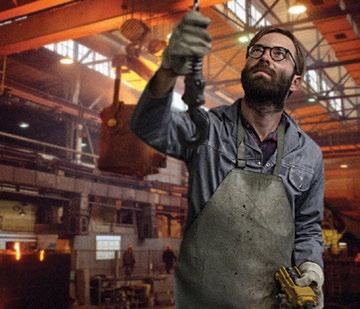
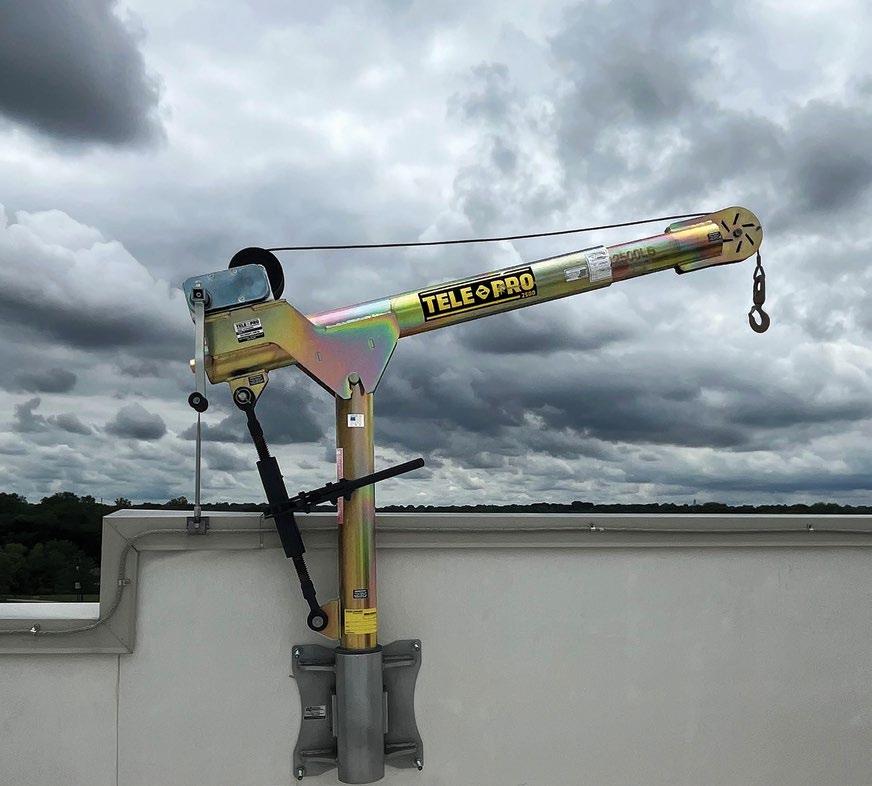
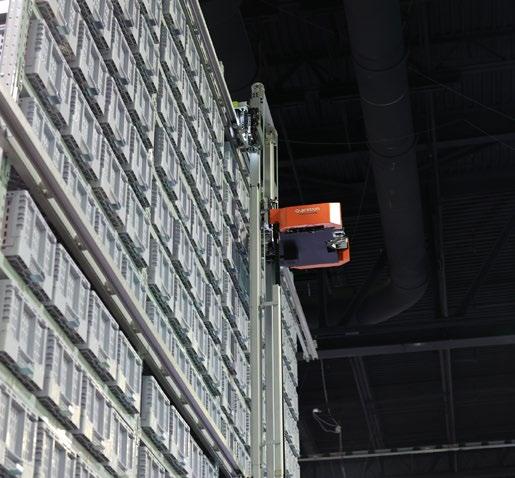
Ergonomic lifting solutions for tight spaces and real-world applications
•
a s manufacturing continues to evolve, one theme stands out clearly across this issue: the convergence of technology, workforce, and process optimization is no longer optional—it is essential.
From fabrication and metalworking to robotics, software, and quality control, the pace of innovation is accelerating. What was once considered advanced is quickly becoming standard, and manufacturers are being challenged to adapt faster than ever before. Whether it’s integrating automation, improving measurement accuracy, or expanding machining capabilities, the focus is shifting toward systems that deliver both precision and efficiency at scale.
a key challenge highlighted throughout this issue is the ongoing workforce gap. as experienced professionals retire, the industry is not only losing labor but also decades of practical knowledge. at the same time, newer technologies— particularly those driven by aI and digital integration—are beginning to play a meaningful role in bridging that gap. These tools are not replacing expertise, but they are helping to distribute it, accelerate learning, and support more consistent outcomes across operations.
We also see a continued emphasis on maximizing existing assets. Rather than relying solely on large capital investments, many manufacturers are finding value in strategic upgrades—enhancing current equipment, improving workflows, and leveraging software and automation to extend capabilities. This approach is allowing shops of all sizes to remain competitive while maintaining flexibility in an uncertain economic environment.
across every section of this issue, there is a common thread: manufacturers are working smarter. They are connecting systems, refining processes, and making more informed decisions based on real-time data and experience. The result is not just increased productivity, but greater confidence in the ability to meet growing demands. as always, Industrial Machinery Digest remains committed to highlighting the technologies, strategies, and insights that are shaping the future of manufacturing. We appreciate the opportunity to be part of that conversation and to support the industry as it continues to move forward.
William Strickland, Publisher, IMD
INDUSTRY NEWS
6K Additive, Inc. Awarded $1.95M by Defense Logistics Agency to Strengthen Domestic Supply Chain
6K additive, Inc. has been awarded a Phase II contract valued at $1.95 million over 18 months by the Defense Logistics agency (DL a), supporting an initiative aimed at reducing U.S. reliance on foreign-sourced strategic metals. The program, titled “Recovering Strategic Value,” focuses on converting end-of-life military components and scrap materials into high-value metal powders for additive manufacturing applications.
The initiative addresses a growing vulnerability within the U.S. defense industrial base, where dependence on imported materials such as tungsten, niobium, and titanium continues to raise national security concerns. By leveraging domestic scrap sourced from Department of Defense depots, 6K additive is advancing a circular manufacturing model that transforms waste into performance-grade materials suitable for missioncritical applications.
at the core of the project is the development of automated systems capable of identifying, sorting, and processing scrap materials. The company will convert nickel, titanium, tungsten, and C103 niobium alloy components into high-performance powders, while also conducting cold spray trials to evaluate their viability for repair technologies.
The program builds on prior collaborations between 6K a dditive and the DL a , with operations taking place at major aviation depots generating significant volumes of scrap metal. These materials will be processed using the company’s proprietary UniMelt platform and returned to the military for validation against virgin material standards.
With an 18-month timeline, the project is expected to deliver certified batches of critical metal powders and demonstrate a scalable approach to domestic material recovery. The initiative reinforces 6K additive’s role in strengthening U.S. manufacturing resilience while supporting defense readiness through sustainable material innovation.
For More Information: www.6kinc.com
Epson Robots Expands Automation Reach Through Strategic Alliance with Clayton Controls
Epson Robots has announced a distribution alliance with Clayton Controls, Inc. to deliver advanced automation solutions across the Southwest United States.
Through its designation as an automateFirst Partner, Clayton Controls will offer Epson’s full lineup of SCaRa , 6-axis, and all-in-one robotic systems, along with integrated software solutions designed to streamline automation deployment. The collaboration is intended to help manufacturers address a wide range of operational challenges, from simple automation upgrades to complex system integrations.
Clayton Controls brings nearly six decades of experience supporting industrial customers, backed by an ISO 9001:2015-certified quality management system and UL508a panel shop capabilities. This allows the company to provide both custom-engineered automation systems and fully integrated turnkey solutions tailored to specific manufacturing environments.
By combining Epson’s robotics portfolio with Clayton’s application expertise, the partnership enables manufacturers to accelerate automation adoption while improving productivity and operational efficiency.
For More Information: www.epsonrobots.com
Integrion Automation Announces CEO Transition
Integrion automation has announced that Joe Gemma will retire as Chief Executive Officer and transition to a Strategic advisor role, with Craig Rossman appointed as CEO effective February 18.
During his tenure, Gemma led the launch of Integrion as a standalone brand, expanded its robotic platform offerings, and increased the average automation project size more than threefold. He also built a leadership team positioned to support long-term growth.
Rossman brings extensive experience leading industrial and automation businesses. as CEO, he will focus on strengthening customer partnerships, building scalable processes, and supporting continued organizational growth.
The transition reflects a shift from foundational development to scalable execution, with Gemma remaining involved to support continuity during the transition.
For More Information: www.integrionautomation.com
Toyota Industries Launches Global Warehouse Automation Brand with New Leadership Team
Toyota Industries Corporation has announced the formation of Toyota automated Logistics (TaL), a new global warehouse automation business designed to unify multiple automation leaders under a single brand. alongside the launch, the company has appointed three regional CEOs to lead operations across key global markets.
The new entity brings together the combined capabilities of Bastian Solutions, Vanderlande’s warehousing business, and viastore, creating a comprehensive automation platform that delivers scalable systems, intelligent software, and lifecycle services. This integration reflects Toyota’s strategy to provide end-to-end solutions that address the increasing complexity of modern warehouse and fulfillment operations.
Hitoshi Matsuoka will serve as CEO of TaL Central, while Thomas Hibinger will lead operations across EME a and aPaC, and a aron M. Jones will oversee the a mericas region. Each brings extensive experience in automation, logistics, and operational leadership, positioning the organization to support customers at every stage of their automation journey.
The launch of TaL comes at a time of rapid growth in the warehouse automation sector, driven by increasing demand for faster delivery, higher throughput, and greater operational accuracy. By integrating hardware, software, and services into a unified offering, TaL aims to simplify automation adoption while enhancing performance across global supply chains.
With a combined 285 years of experience across its legacy organizations, TaL is positioned to deliver a cohesive approach to warehouse automation that aligns with the evolving needs of manufacturers, distributors, and e-commerce operations worldwide.
RS Celebrates Engineering Week 2026 by Inspiring the Next Generation of STEM Leaders
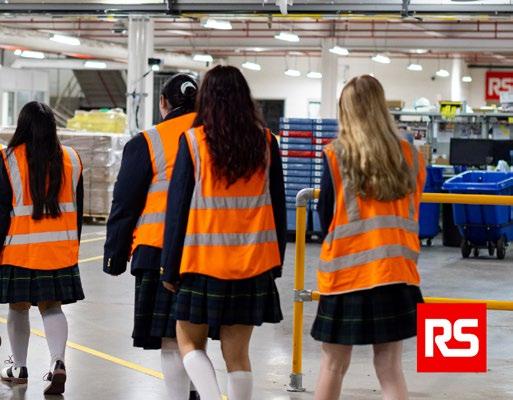
RS marked Engineering Week 2026 by hosting an immersive, hands-on event for students from the young Women’s Leadership academy ( y WL a), reinforcing its commitment to STEM education and workforce development.
Held at the company’s Fort Worth headquarters, the event welcomed eighth-grade students participating in the Girls Excelling in Math and Science (GEMS) program. The initiative provided students with direct exposure to advanced industrial technologies and real-world engineering applications through facility tours, interactive demonstrations, and collaborative learning experiences.
Participants explored RS’s 520,000-square-foot distribution facility, where they were introduced to automation technologies including automated guided vehicles, goods-to-person systems, robotic packing stations, and advanced sortation systems. These systems demonstrated how automation enhances efficiency, accuracy, and scalability in modern industrial operations.
Students also toured the RS Technical Solutions Center, where they engaged in hands-on engineering activities using breadboards to prototype and test electronic circuits. The experience was designed to provide practical insight into how engineering concepts are applied in real-world manufacturing and automation environments.
The event concluded with a panel discussion featuring RS leaders from across the organization, offering students perspectives on career pathways, leadership, and opportunities within the manufacturing and technology sectors.
By combining education, mentorship, and direct exposure to cutting-edge technologies, RS continues to invest in developing future talent while promoting diversity and inclusion within the STEM workforce. The initiative highlights the critical role industry plays in shaping the next generation of engineers and innovators.
For More Information: www.rsgroup.com
FABRICATION
Transforming Materials Into Excellence
Discover the innovative tools and technologies shaping today’s manufacturing landscape. Highlighting processes that transform raw materials into precision-crafted products, from advanced cutting and forming systems to welding and finishing techniques, the focus remains on efficiency, accuracy, and innovation driving modern fabrication.
From advancements in automation and sustainable manufacturing practices to the latest developments in material processing, gain insights into trends and solutions that enhance productivity, improve quality, and maintain competitiveness in a rapidly evolving industry. This overview showcases the equipment and expertise behind the products powering industries worldwide.
Transforming Materials Into Intelligent Production Systems
Fabrication is evolving well beyond traditional cutting, forming, and welding processes, as manufacturers increasingly adopt technologies that prioritize efficiency, flexibility, and resource optimization. From advanced laser cutting and plate rolling systems to waterjet and plasma innovations, today’s fabrication environment is defined by precision, automation, and the ability to adapt quickly to changing production demands.
a major shift shaping the sector is the integration of digital intelligence and automation into fabrication workflows. Modern equipment is no longer just focused on material processing, but on improving throughput, reducing manual intervention, and delivering consistent, repeatable results across a wide range of applications. Whether through software-driven nesting, real-time monitoring, or automated multi-axis motion,
fabrication systems are becoming more connected and more capable. at the same time, additive manufacturing continues to influence how fabricators think about production strategy, particularly in areas such as material efficiency, supply chain resilience, and cost structure. Rather than evaluating technologies at the part level alone, manufacturers are increasingly looking at system-wide impact— reducing waste, optimizing inventory, and improving overall operational performance.
Equipment advancements are also pushing the boundaries of what is possible on the shop floor. New generations of laser tube cutting machines are increasing throughput while handling a wider range of material sizes and thicknesses. a ll-electric plate rolling systems are improving accuracy and reducing maintenance requirements, while compact and accessible CNC and waterjet solutions are expanding
fabrication capabilities to smaller shops, educators, and prototyping environments.
across the board, the focus is clear: fabricators are investing in technologies that deliver faster ROI through increased productivity, reduced downtime, and greater process control. a s demand grows for higher-quality parts, shorter lead times, and more flexible production, fabrication continues to evolve into a highly optimized, technology-driven cornerstone of modern manufacturing.
AMGTA
Releases Report on Additive Manufacturing’s Role in Resource-Efficient Manufacturing
The additive Manufacturer Green Trade a ssociation ( a MGTa ) has released a new independent report examining how additive manufacturing should be evaluated within modern manufacturing systems. Rather than focusing solely on part-level cost comparisons, the report emphasizes assessing additive manufacturing across part, system, and enterprise levels, where its full value in resource efficiency, supply chain resilience, and capital allocation becomes more apparent.
Drawing on six years of industry observation across both technology developers and manufacturing users, the report identifies a structural bias in traditional cost comparisons. Conventional manufacturing often embeds hidden costs such as tooling investment, inventory carrying expenses, minimum order quantities, and obsolescence, which are typically excluded when comparing against additive methods.
The report provides a framework for organizations to more accurately evaluate additive manufacturing by accounting for these broader operational factors. Designed for use in procurement, policy, and investment discussions, the findings position additive manufacturing as a strategic tool for improving efficiency and reducing waste across manufacturing systems.
For More Information: www. a MGTa .org
Introduces Automated Washing and Drying System for Additive Manufacturing Post-Processing
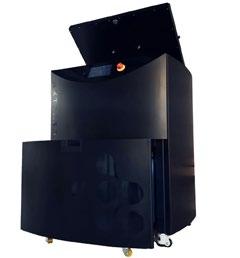
a xtra3D has introduced a xtra.Wash, an automated washing and drying system designed to streamline post-processing for 3D-printed parts. The system integrates dual-stage washing with optimized agitation and filtration, along with automated drying using compressed air, to deliver consistent and repeatable cleaning results.
Supporting up to three cleaning agents across multiple tanks, a xtra.Wash allows users to tailor workflows for different materials and applications. The system also incorporates closed-loop solvent management to improve efficiency while reducing environmental impact.
a s part of the a xtra Workflow ecosystem, the system integrates with a xtra.Insight for process monitoring and reporting, supporting both connected and offline operation. Users can access pre-configured cleaning profiles or create custom settings, while self-cleaning functionality reduces maintenance requirements and downtime.
For More Information: www.axtra3d.com
DAVI, INC.
To Showcase All-Electric Plate Rolling Technology at FABTECH Canada
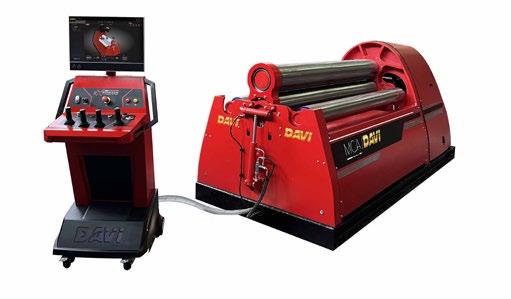
Davi, Inc. will present its MCE e-POWER all-electric plate rolling machine at FaBTECH Canada, highlighting advancements in precision, automation, and efficiency for fabrication processes. The system delivers positioning accuracy of five hundredths, improving upon the typical precision found in hydraulic machines.
By eliminating hydraulic systems, the MCE e-POWER enables simultaneous multi-axis movement and reduces maintenance concerns associated with fluidbased systems. The design also minimizes leakage risks, improves reliability, and reduces the machine’s overall footprint, allowing for easier integration into production environments.
Davi will also feature its MC a 4-roll plate rolling machine, designed for thin plate applications with the
ability to pre-bend and roll in a single setup. The system enhances efficiency by reducing handling time while maintaining consistent, high-quality output.
For More Information: www.davi.com
GRIZZLY INDUSTRIAL
Introduces Benchtop CNC Router System for Small Shops and Prototyping
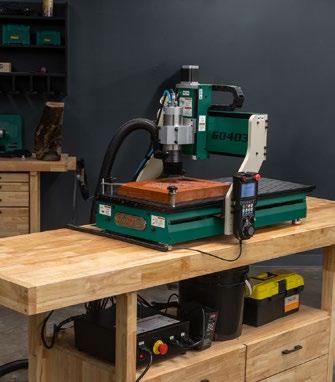
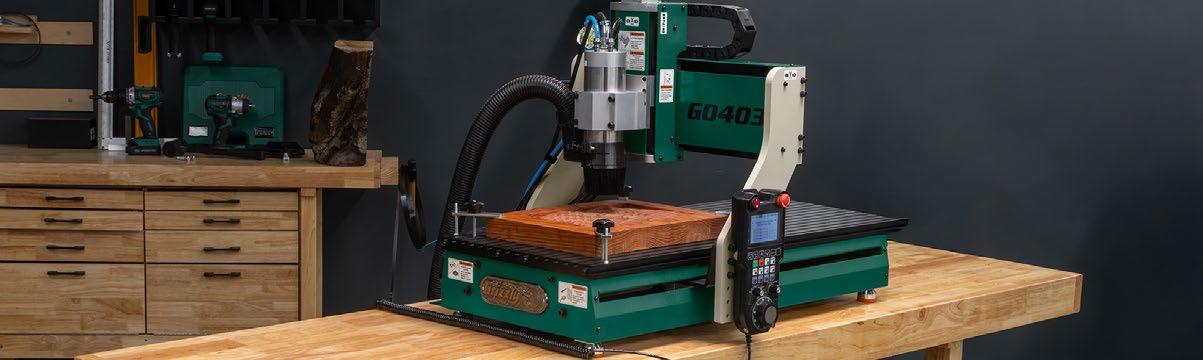
Grizzly Industrial has introduced the G0403 Benchtop CNC Router System, designed to deliver professionalgrade precision in a compact and accessible platform for small businesses, educators, and hobbyists. The system combines industrial-level performance with user-friendly controls, making CNC routing more approachable without sacrificing capability.
Equipped with a handheld controller, automatic tool setting, and ball screw-driven axes, the system enables accurate, repeatable machining with simplified setup. Its rigid steel gantry and anodized aluminum worktable provide stability while supporting a wide range of applications, from prototyping to detailed production work.
Optional upgrades, including a water-cooled spindle and 4th-axis rotary kit, expand the system’s capabilities to support continuous-duty operation and multi-dimensional machining. These enhancements allow users to scale their capabilities as production needs grow.
For More Information: www.grizzly.com
Highlights Compact Waterjet System for Prototyping and Low-Volume Production
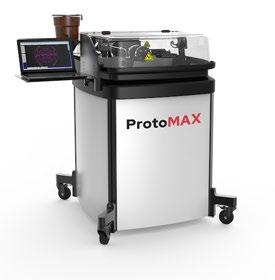
OM a X Corporation will showcase its ProtoM a X abrasive waterjet system at the Montreal Manufacturing Technology Show, demonstrating a compact solution for precision cutting across a wide range of materials. Designed for prototyping and low-volume production, the system can cut metal, composites, glass, stone, and plastics without generating heat-affected zones.
The ProtoM a X integrates core waterjet technology, including a 30,000 psi pump and precision cutting head, within a self-contained system that operates on standard power without specialized installation. Its mobile design and small footprint make it suitable for shared workspaces and facilities with limited space.
Featuring OM a X’s Intelli-M a X software, the system simplifies programming while maintaining cutting accuracy and consistency. The platform provides an accessible entry point into waterjet technology for smaller shops, educational environments, and makerspaces.
For More Information: www.Hypertherm a ssociates.com
HYPERTHERM ASSOCIATES
To Showcase Advanced Plasma and Waterjet Cutting Solutions at FABTECH Canada
Hypertherm a ssociates will present its latest plasma and abrasive waterjet cutting technologies at FaBTECH Canada, focusing on solutions that enhance versatility, efficiency, and precision in fabrication environments.
Featured systems include the M a XIEM 1530X JetMachining Center, designed for cutting complex parts across a wide range of materials while delivering high-quality surface finishes that often eliminate secondary operations. The system incorporates advanced software and optional features such as remote monitoring and clog detection to improve performance and uptime.
The company will also highlight its Powermax SyNC plasma systems, which simplify operation through automated setup and integrated consumable tracking. Designed for reliability and ease of use, the systems
provide consistent performance across cutting and gouging applications.
In addition, Hypertherm will demonstrate ProNest C aD/C a M nesting software, which reduces programming time and optimizes material usage across mechanized cutting processes.
For More Information: www.Hypertherm a ssociates.com
TRUMPF INC.
Introduces High-Performance Laser Tube Cutting System for North American Market
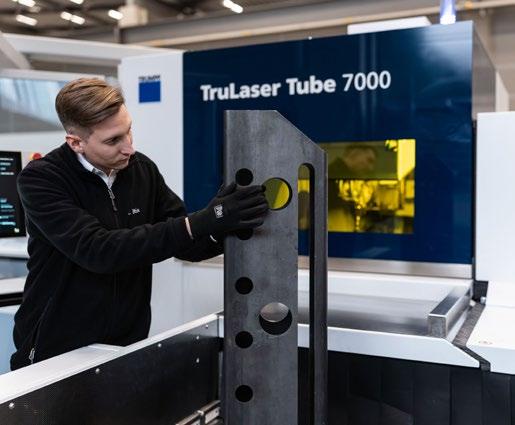
TRUMPF has introduced the TruLaser Tube 7000 fiber laser cutting machine to the North a merican market, delivering increased productivity and flexibility for tube processing applications. With nine kilowatts of laser power, the system enables faster processing of thicker materials while improving throughput and reducing cost per part.
The machine supports a wide range of tube sizes and geometries, allowing manufacturers to process both small and large components on a single platform. advanced assistance systems monitor material quality and adjust processing parameters to maintain consistent results while reducing unnecessary measurement cycles.
Integrated digital services provide real-time monitoring and predictive maintenance capabilities, helping to prevent downtime and improve overall equipment performance. The system is designed for seamless integration into automated production environments, supporting manufacturers seeking greater efficiency and flexibility.
For More Information: www.trumpf.com
MATERIAL HANDLING
Empowering Efficiency and Precision
Material handling is at the heart of efficient industrial operations, focusing on the movement, storage, and organization of materials. This section highlights strategies and technologies that streamline these processes, from automated storage and retrieval systems to advanced conveyor solutions. Readers can explore innovations like forklifts, cranes, hoists, and magnetic lifters, which play a pivotal role in optimizing material flow across warehouses, factories, and supply chains.
In addition to hardware advancements, this area emphasizes cutting-edge solutions like warehouse management systems and parts tracking technologies, which integrate seamlessly into modern production environments to enhance operational control. Topics also cover sustainable practices, such as energy-efficient lift equipment and ergonomic tools designed to improve workplace safety while reducing strain. Whether tackling inventory management or enhancing material logistics, this section provides the insights and tools needed to excel in today’s industrial landscape.
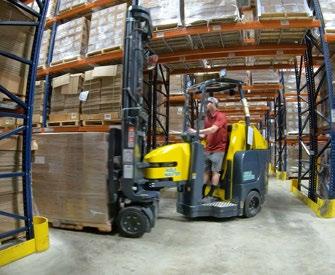
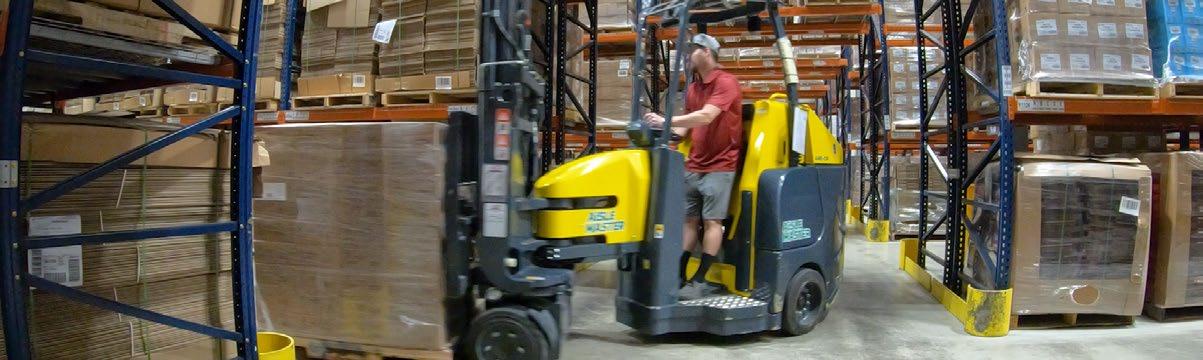
Badger Fulfillment Group Maximizing Storage Efficiency and Space Utilization with Aisle Master
The demand for efficient storage solutions continues to rise across the third-party logistics (3PL) sector, where space optimization and operational flexibility are critical to growth. a s fulfillment providers expand service offerings and handle increasing order volumes, maximizing warehouse capacity without increasing footprint has become a key operational priority.
This case highlights how Badger Fulfillment Group, a hybrid 3PL provider based in Harvard, Illinois, addressed these challenges by rethinking its storage strategy and implementing a very narrow aisle (VNa) approach to improve space utilization and operational efficiency.
The Challenge: Growth Within a Fixed Footprint
Founded in 2017 as a business-to-business (B2B) fulfillment center, Badger Fulfillment Group quickly expanded its capabilities to include direct-toconsumer (D2C) e-commerce fulfillment. This shift introduced new operational demands, requiring the company to manage both palletized B2B shipments and high-volume, small-order D2C workflows.
“Over the years, our clients would reach out to us and request, ‘Hey, can you ship our e-commerce orders as well?’” said President and Co-founder Kyle Coburg.
a s the company evolved into a hybrid 3PL, it also expanded services such as repacking, labeling, and project-based work. This growth placed increasing
pressure on available warehouse space, making storage density a primary concern.
With facility square footage representing a fixed cost, the company needed a solution that would increase pallet capacity while maintaining operational efficiency and workflow flexibility.
The Approach: Implementing Very Narrow Aisle Storage
In planning a new facility, Badger Fulfillment Group evaluated VNa storage systems as a way to increase storage density within the same footprint. The decision to implement a VNa configuration allowed the company to significantly expand pallet positions without additional real estate.
“We decided to build a new facility, looked at a very narrow aisle setup, and that’s when we partnered with aisle Master, due to the obvious reasons of being able to fit 20 to 25% more pallet storage in the same amount of space,” Coburg explained.
The addition of an electric model aligned with the company’s requirements as a food-grade, FDa-registered facility, while also supporting sustainability and indoor operational considerations.
Operational Impact: Flexibility and Efficiency
Beyond increased storage density, operational flexibility played a key role in the implementation. Unlike equipment designed solely for narrow aisle environments, the system provided the ability to operate across multiple areas of the warehouse, supporting a range of workflows.
Ease of operator adoption was also a factor. With existing equipment consisting of stand-up counterbalance lifts, transitioning to the new system required minimal adjustment.
“another easy decision for us to choose aisle Master was the fact that it’s an intuitive lift. all our other lifts are stand-up counterbalance lifts, so it was very easy for our operators to transition,” Coburg noted.
The stand-up design supported workflows requiring frequent operator movement, particularly in B2B operations where mixed-SKU pallet picking is common. This helped maintain efficiency in high-touch processes.
Results: Supporting Rapid Growth
Badger Fulfillment Group has experienced significant expansion, particularly in its D2C operations, which saw approximately 200% year-over-year growth from 2022 to 2023. Meeting customer expectations required maintaining rapid turnaround times.
“For D2C, our turnaround time is less than 24 hours. We tell clients if an order is in by 1 p.m. Central, it’ll be shipping the same day,” Coburg said.
The increased storage density provided by the VNa system enabled the company to scale operations within its existing footprint, avoiding the need for additional warehouse space in the near term.
“We really hone in on the square footage price of our warehouse, which is fixed. So we really try to maximize the density that we’re able to fit in the same amount of space. Without the VNa setup, we would have outgrown this space within a year and a half,” he added.
Looking Ahead
a s fulfillment operations continue to evolve, the ability to maximize space while maintaining flexibility will remain a critical factor for 3PL providers. Solutions that support higher storage density, efficient workflows, and adaptability to changing demand are increasingly shaping warehouse design and investment decisions.
Badger Fulfillment Group’s experience underscores how strategic storage planning and equipment selection can play a central role in supporting sustained growth within existing operational constraints.
For More Information: www.combilift.com
BLUEBOTICS
Launches SmartPass to Bridge the Gap Between AGVs and AMRs
BlueBotics has introduced SmartPass, a new feature within its aNT software suite designed to improve efficiency in autonomous vehicle navigation. The technology enables automated guided vehicles (aGVs) and autonomous mobile robots (aMRs) to maintain structured virtual paths while performing controlled obstacle avoidance when necessary.
Traditional aGVs typically stop and require operator intervention when encountering obstacles, while aMRs may reroute freely, increasing the risk of traffic congestion and deadlocks. SmartPass addresses this gap by allowing vehicles to take the shortest predefined detour around obstacles before returning to their assigned path, maintaining both efficiency and predictability.
The system operates within the existing aNT server traffic management framework, ensuring that obstacle avoidance maneuvers do not interfere with other vehicles. Configurable parameters allow operators to define route limits, restricted zones, and vehicle-specific behaviors, supporting deployment across a wide range of industrial environments.
For More Information: www.bluebotics.com
COXREELS
Introduces 1600 Series Reeling Platform for Flexible Industrial Applications
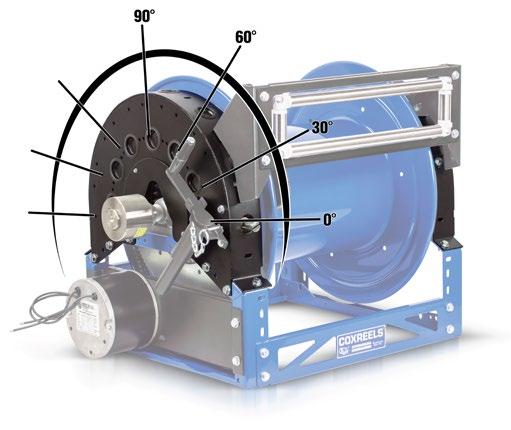
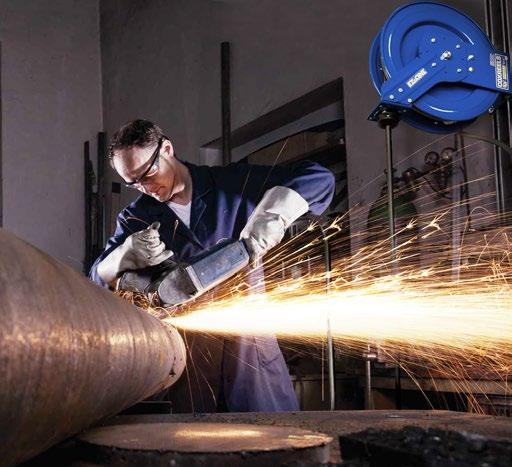
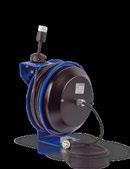
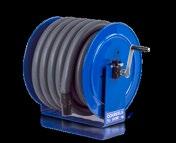
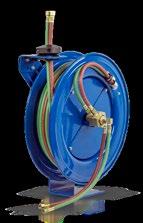
Coxreels has introduced its 1600 Series, a reeling platform designed to provide a high level of configurability for
industrial hose, cord, and cable management applications. The system features a symmetric reel design that supports multiple mounting and payout configurations. at the core of the platform is a universal bracket kit constructed from heavy-duty steel, which allows for multiple payout angles and flexible installation options. The design enables integration into space-constrained environments while maintaining durability and ease of maintenance through accessible internal components.
The system is intended to address common challenges in industrial settings where adaptability and reliability are required across varying operational conditions. The modular design allows users to configure the reel system based on specific application requirements.
For More Information: www.coxreels.com
CYNGN
Deploys Autonomous Tuggers to Support Material Flow in Agricultural Processing
Cyngn has deployed four DriveMod Tuggers at Vann Family Orchards in California, automating the movement of raw materials between storage and processing areas. The deployment reflects growing adoption of autonomous material handling solutions within agricultural processing operations.
The system replaces a portion of manual forklift transport while maintaining a hybrid workflow in which human operators continue to handle loading and unloading tasks. This approach is designed to improve consistency, safety, and overall equipment utilization within the facility. a s agricultural processing operations scale and labor availability remains constrained, automation is increasingly being used to maintain throughput and operational efficiency. The deployment highlights the role of autonomous transport systems in supporting high-volume,
continuous material movement across connected warehouse environments.
For More Information: www.cyngn.com
KARDEX
Introduces PortScale Solution to Improve AutoStore Inventory Accuracy
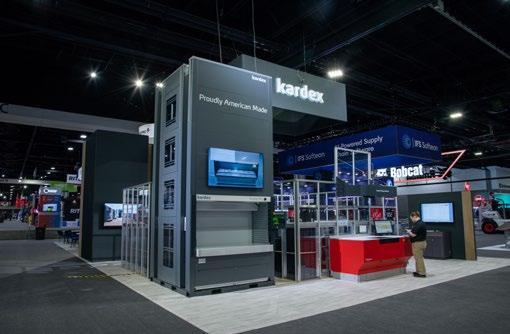
Kardex has introduced PortScale, a weight-based automation solution designed to improve inventory accuracy within autoStore systems. The technology measures weight changes during picking and put-away processes, enabling real-time verification of inventory movements.
Integrated with the autoStore environment and Kardex’s Intuitive Picking a ssistant, PortScale captures detailed data including item count and weight, allowing for immediate detection of picking errors and improved process reliability. The system also supports cycle counting and helps reduce shrinkage by identifying discrepancies during operation.
PortScale is part of a broader ecosystem of Kardex solutions aimed at enhancing warehouse automation performance. By combining weight-based verification with software integration, the system supports faster workflows and improved accuracy in high-throughput environments.
For More Information: www.kardex.com
RAPYUTA ROBOTICS
Showcases ASRS and Enhanced Autonomous Mobile Robot Capabilities at MODEX
Rapyuta Robotics presented its latest automated storage and retrieval system (aSRS) solutions and upgraded Pick-a ssist autonomous Mobile Robot (Pa-aMR) at MODEX 2026. The systems are designed to improve warehouse efficiency, scalability, and operational flexibility.
The aSRS solution focuses on high-density storage and optimized material flow, helping facilities manage increasing throughput demands while reducing manual handling. The upgraded Pa-aMR features improved navigation, increased payload capacity, and enhanced coordination capabilities for integration into warehouse workflows.
The company also highlighted its cloud robotics platform, which enables centralized control and real-time monitoring of automation systems across facilities. This approach supports scalable deployment and data-driven optimization of warehouse operations.
For More Information: www.rapyuta-robotics.com
SYNAOS AND OTTO BY ROCKWELL AUTOMATION
Collaborate to Enable Interoperable Mobile Robotics Systems
SyNaOS and OTTO by Rockwell automation have announced a collaboration to support interoperability in mobile robotics through the VDa 5050 standard. The integration allows OTTO autonomous mobile robots to operate within the SyNaOS Intralogistics Platform alongside other automation systems.
The platform provides centralized orchestration of mixed fleets, enabling manufacturers to manage different types of robots and material handling equipment within a single system. This approach reduces integration complexity and allows for more flexible deployment of automation technologies.
a s facilities increasingly adopt multi-vendor automation strategies, standardized communication and control systems are becoming critical to scaling operations. The collaboration demonstrates how interoperable platforms can support more efficient and adaptable material handling environments.
For More Information: www.synaos.com
TOYOTA MATERIAL HANDLING
Launches Diesel Pneumatic Forklift for Heavy-Duty Outdoor Applications
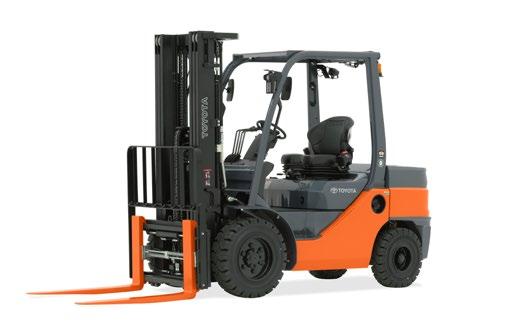
Toyota Material Handling has introduced the Core Diesel Pneumatic Forklift, designed for demanding outdoor environments such as construction sites, lumberyards, and ports. The system supports load capacities ranging from 4,000 to 6,500 pounds and is engineered for durability and consistent performance.
The forklift incorporates features focused on operator safety and productivity, including stability systems, real-time operational data displays, and telematics capabilities for monitoring performance and maintenance
needs. The design emphasizes reliability and uptime in high-intensity applications.
Optional configurations allow customization based on operational requirements, supporting a range of use cases across industrial environments. The system reflects continued demand for equipment capable of handling heavy loads under challenging conditions.
For More Information: www.toyotaforklift.com
YALE LIFT TRUCK TECHNOLOGIES
Pedestrian Awareness Camera Recognized with GOOD DESIGN Award
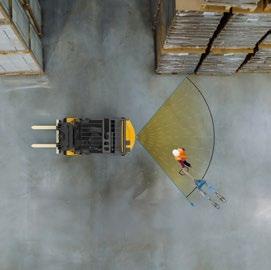
yale Lift Truck Technologies has received a GOOD DESIGN award for its pedestrian awareness camera system, designed to improve safety in warehouse environments. The system detects pedestrians within a defined range and alerts operators through visual and audio signals.
Mounted on the lift truck, the camera provides real-time awareness of pedestrian presence and location, allowing operators to adjust movement accordingly. Optional traction control features can automatically slow the vehicle to encourage safer operation when pedestrians are detected.
The system is part of the yale Reliant suite of operator assist technologies, which focus on reducing incidents and improving workplace safety. a s warehouses continue to manage labor challenges and increasing operational demands, solutions that enhance operator awareness are becoming an important component of overall safety strategies.
For More Information: www.yale.com
Safety & Maintenance
The Cornerstones of Operational Excellence
The Safety & Maintenance section is dedicated to creating safer workplaces and ensuring equipment longevity. Covering everything from cutting-edge machine guarding systems to advanced air filtration and dust collection solutions, this section provides actionable insights into workplace protection and preventative maintenance. Whether you're exploring ergonomic tools to reduce operator strain or electrical systems that enhance reliability, this section focuses on products and practices that prioritize both people and machines.
In addition to highlighting safety innovations, this section delves into essential maintenance strategies, including retrofitting, rebuilding, and remanufacturing, ensuring that machinery operates efficiently and reliably over time. Maintenance supplies, facility equipment, and accessories are explored alongside new safety technologies designed to meet evolving compliance standards. Readers will discover how a proactive approach to safety and maintenance not only minimizes risks and downtime but also fosters a culture of care and continuous improvement within industrial settings.
Industrial Maintenance Teams Benefit from a Proactive Approach, and It All Starts with Training
By Tim McDaniel
Industrial maintenance has long been defined by a reactive approach—responding to equipment failures as they occur and working quickly to restore production. While this model keeps operations moving in the short term, it often leads to unplanned downtime, increased operational pressure, and elevated safety risks over time.
Many organizations recognize the limitations of this approach but struggle to implement a more proactive strategy. a shift in maintenance culture often begins with how teams are trained, particularly in how they identify, diagnose, and respond to potential issues before failures occur.
Traditional maintenance training methods have followed a familiar format, typically relying on static materials such as instructional videos, manuals, and assessments. While widely used, these approaches present several challenges. Training content can quickly become outdated as equipment evolves and regulatory requirements change. In addition, passive learning formats provide limited opportunity for hands-on practice, which can lead to gaps in understanding when technicians return to the shop floor.
Extended training sessions can also disrupt operations, requiring technicians to step away from production for prolonged
periods. a s a result, training is often delayed or minimized, and knowledge retention suffers without consistent reinforcement.
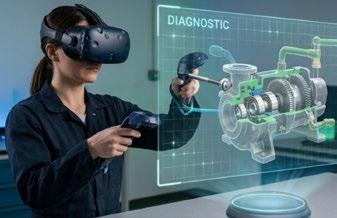
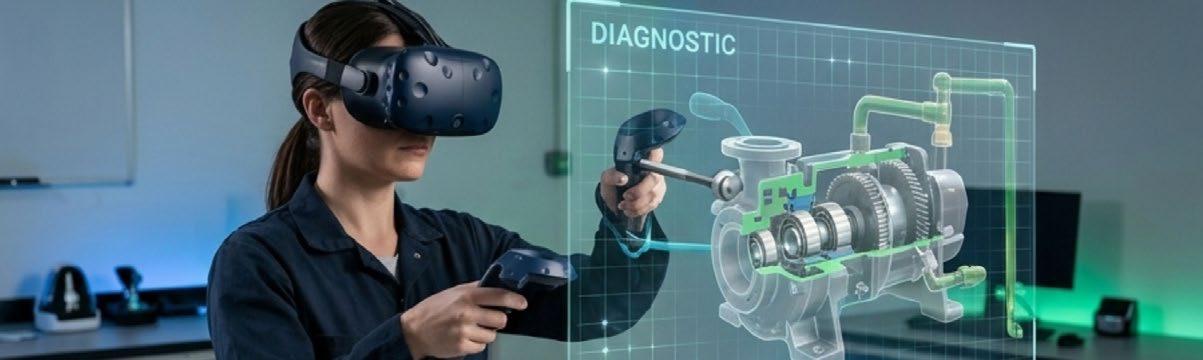
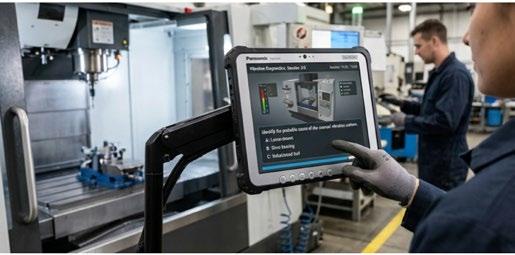
Emerging training approaches, including virtual reality (VR) and simulation-based learning, are helping address these challenges by offering more interactive and flexible learning environments. These methods allow technicians to engage directly with simulated equipment, practice troubleshooting scenarios, and make decisions in a controlled setting without impacting live operations.
The immersive nature of simulation-based training can improve engagement and retention by reinforcing learning through repetition and interaction. Technicians can build familiarity with procedures and develop greater confidence in performing tasks, particularly those that are complex or infrequently encountered.
another advantage of simulation-based learning is its ability to support shorter, targeted training sessions. Microlearning modules can be integrated into daily workflows, allowing technicians to build skills without significant disruption to productivity.
Beyond technical skill development, these approaches can influence how maintenance teams think about equipment performance. Simulation environments provide opportunities to identify early warning signs—such as vibration changes, temperature fluctuations, or irregular system behavior—and explore appropriate responses. Over time, this can help shift teams toward a more analytical and preventative mindset.
Simulation-based training also enables practice without removing equipment from service, reducing the operational impact typically associated with hands-on instruction. Repetition within these environments can reinforce standard operating procedures and help reduce variability and human error, both of which contribute to equipment failure.
For organizations considering a transition to more advanced training methods, implementation requires a structured approach. Identifying high-impact areas, assessing current skill levels, and aligning training programs with operational priorities are key first steps. Tracking performance metrics such as uptime, downtime, and mean time to repair can help measure effectiveness and guide ongoing improvements.
Ultimately, adopting a proactive maintenance strategy requires both technological investment and cultural alignment. Training plays a central role in that transition,
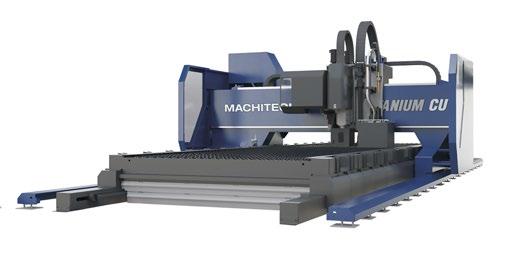
CUTTING, DRILLING & MILLING. EXTRA LARGE FORMAT.
Machitech’s Titanium Cut system combines highprecision plasma cutting with a 50HP spindle for drilling, milling, and tapping in one heavy-duty machine. Designed for both standard and oversized formats, it fits into a wide range of shop layouts while maintaining consistent accuracy through its rigid construction and Hypertherm plasma technology. Its modular design lets shops configure cutting zones, tooling, automation, and controls to match their workflow. For operations that need power, versatility, and durability in a single machine, the Titanium Cut is the workhorse built for the job.
CONTACT US TODAY 1 (888) 988-7220 sales@machitech.com
supporting the development of teams that are better equipped to anticipate issues, improve reliability, and maintain safer, more efficient operations.
About the Author
Tim McDaniel is a Solutions Consultant at Interplay Learning, the leading name in digital and simulation-based training for manufacturing and the skilled trades.
CORTEC® CORPORATION
Earns Sixth Minnesota Safety Council Governor’s Workplace Safety Award
Cortec® Corporation will be recognized for excellence in workplace safety and health at the 2026 Minnesota Safety and Health Conference. The company is among more than 300 employers honored through the Minnesota Safety Council’s annual awards program, which evaluates organizations based on injury data and the implementation of comprehensive safety programs.
Cortec® received the Silver achievement award, recognizing performance that exceeds the 50th percentile of both state and national industry averages. The award reflects ongoing efforts to strengthen occupational safety practices, particularly within environments that require heightened precautions, such as chemical manufacturing.
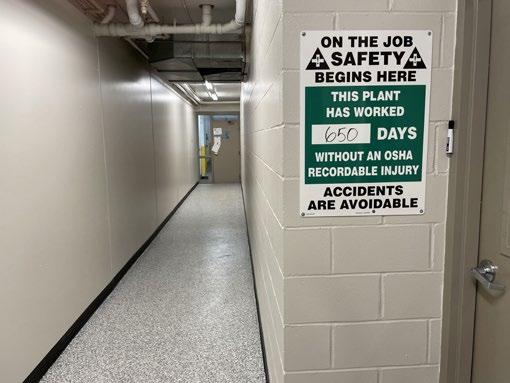
The company emphasizes proactive safety measures, including hazard identification and employee engagement. One initiative includes tracking the number of days since the last OSHa recordable injury and displaying the information within the facility to reinforce daily awareness of safety practices.
This marks the sixth time Cortec® has received the Governor’s
Safety award since 2019, highlighting continued focus on injury prevention and workplace safety performance.
Shares Metal Coating Touchup Strategies for Improved Plant Maintenance
Cortec® has outlined key considerations for maintaining protective coatings on metal surfaces, emphasizing inspection, surface preparation, and application techniques to extend coating life in industrial environments.
Routine inspection is identified as a critical step, with indicators such as rust, blistering, and fading signaling potential coating failure. Monitoring these signs allows maintenance teams to address issues before corrosion progresses.
Surface preparation remains a primary factor in coating performance. Removing damaged coatings and addressing corrosion prior to repainting improves durability, while proper cleaning and surface conditioning enhance adhesion when full removal is not feasible.
The guidance highlights the importance of consistent maintenance practices in reducing long-term repair frequency and supporting overall asset protection.
For More Information: www.cortecvci.com
Introduces ATEX EasySwitch Wet-Dry Vac for Hazardous Industrial Environments
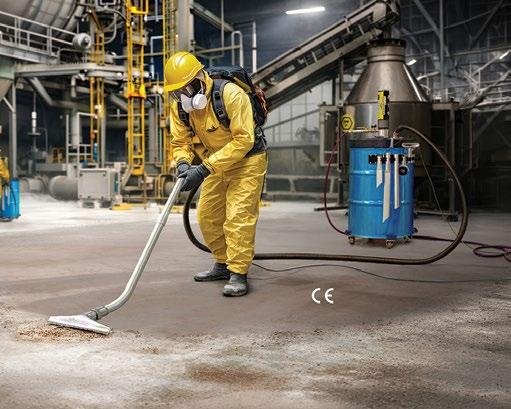
EX aIR has introduced the aTEX EasySwitch Wet-Dry Vac, a pneumatic system designed for safe industrial cleanup in explosive environments, including aTEX Zones 1 and 21. The system operates without electricity, reducing ignition risks associated with sparks, heat, or motor failure.
Engineered with a static-dissipative design and proper grounding, the system helps prevent electrostatic buildup
while supporting both wet and dry material handling. a latch mechanism allows operators to switch between vacuuming and liquid recovery, enabling use across a range of materials including dust, powders, coolant, and metal chips.
The system is designed to meet strict safety requirements while maintaining durability and low maintenance for demanding industrial applications.
For More Information: www.exair.co
HEMCO CORPORATION
Offers Softwall Clean Room Solutions for Controlled Environments
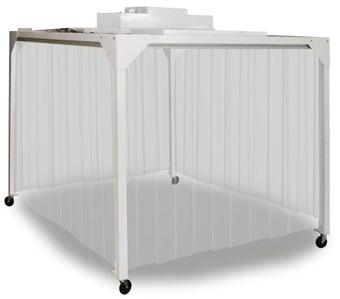
HEMCO Corporation offers softwall clean room systems designed to meet ISO 5 through ISO 8 requirements. The modular design allows installation over or around equipment and can be configured as mobile units with casters.
Constructed with anodized aluminum framing and vinyl curtain enclosures, the systems provide flexibility in access and visibility. Ceiling grid systems incorporate HEPa filtration, lighting modules, and optional airlocks to support controlled environments.
The clean room systems are designed to support applications requiring contamination control while allowing adaptability within existing facility layouts.
For More Information: www.hemcocorp.com
PFANNENBERG, INC.
To Showcase Industrial Fire Alarm Signaling Solutions at NFPA Conference & Expo
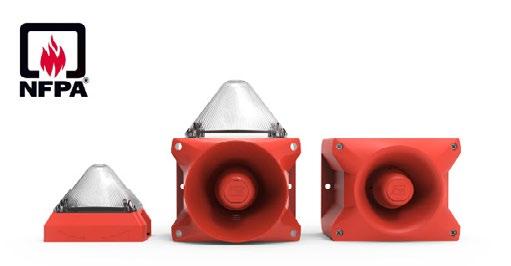
Pfannenberg will present industrial fire alarm signaling solutions at the 2026 NFPa Conference & Expo, focusing on applications in high-noise, harsh, and complex industrial environments.
The company’s signaling systems are designed to support performance-based coverage and comply with NFPa 72 standards for both audible and visual alarm requirements. Product lines include audible and combination signaling devices engineered for high visibility and reliability in demanding conditions.
Solutions incorporate adjustable sound output, multiple tone configurations, and durable construction for use in hazardous and industrial environments. Select models are certified for hazardous locations and support integration with planning and design tools.
The systems are intended to support improved alarm coverage and system reliability across a range of industrial applications.
For More Information: www.pfannenbergusa.com
QUALITY
Ensuring Precision and Performance
Quality control and assurance are the backbone of manufacturing, ensuring every product meets rigorous standards for precision, performance, and reliability. This section delves into the tools and technologies that enable manufacturers to uphold the highest quality standards. From advanced coordinate measuring machines (CMM) to vision systems and laser inspection equipment, the spotlight is on innovations that enhance accuracy and efficiency in measurement and inspection.
Nondestructive testing (NDT) equipment and positional measuring machines are also featured, allowing manufacturers to evaluate products without damage. Tools such as form measurement gauges, cutting tool inspection systems, and tool condition monitoring devices refine production processes and reduce errors. Whether through shrink-fit technologies or video inspection systems, this section highlights the importance of advanced solutions in maintaining precision, ensuring compliance, and driving continuous improvement in industrial operations.
Driving Precision, Reliability, and Real-Time Insight Across Modern Manufacturing
Quality is no longer confined to final inspection. across modern manufacturing environments, it is becoming an integrated, real-time function that spans production, measurement, and process control. a s operations move faster and tolerances become tighter, manufacturers are placing greater emphasis on systems that can deliver consistent, reliable results directly on the shop floor.
One of the most significant shifts in quality management is the move toward in-process measurement and environmental awareness. a s metrology systems are deployed closer to production, variables such as temperature, vibration, and machine conditions can directly impact measurement accuracy. Manufacturers are increasingly adopting technologies that provide real-time visibility into these factors, helping teams distinguish between true defects and environmental influences.
at the same time, software-driven inspection and analysis tools are advancing rapidly. Modern metrology platforms are designed to simplify complex measurement workflows, reduce programming time, and improve repeatability across a wide range of applications. These tools allow manufacturers to maintain high levels of precision while increasing throughput and reducing bottlenecks in inspection processes.
Training and process knowledge are also becoming critical components of quality performance. a s manufacturing systems grow more complex, the ability to interpret data, understand process variation, and apply measurement insights effectively is just as important as the technology itself. Organizations are increasingly investing in approaches that combine measurement tools with hands-on training to ensure consistent results across teams. advancements in sensing and scanning technologies are further
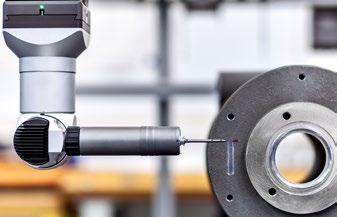
expanding what is possible in automated inspection. High-precision systems are enabling manufacturers to capture detailed measurements in real time, even in challenging environments or across large components. This shift is reducing reliance on manual inspection while improving accuracy and consistency across production lines.
Together, these developments reflect a broader trend: quality is becoming more connected, more automated, and more embedded within the manufacturing process. a s manufacturers continue to pursue higher levels of efficiency, traceability, and performance, integrated quality systems will play a central role in achieving those goals.
HEXAGON
Upgrades PULSE for Real-Time Environmental Monitoring in Shop-Floor Metrology
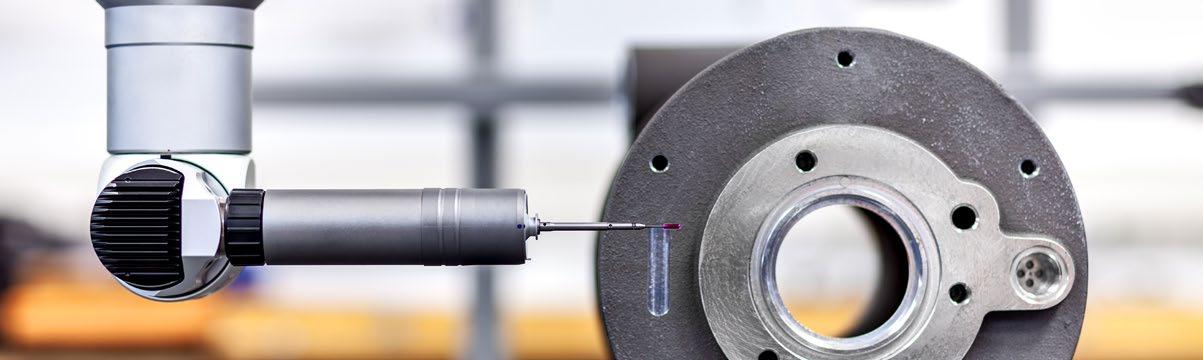
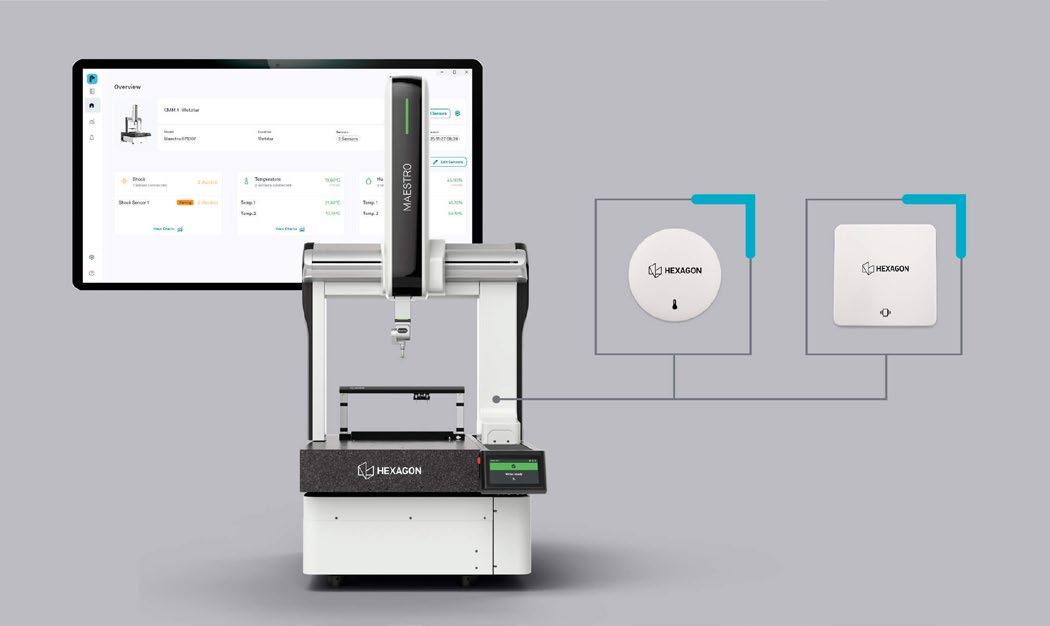
Hexagon’s Manufacturing Intelligence division has released an upgraded version of PULSE, its environmental monitoring solution for coordinate measuring machine (CMM) environments. The system is designed to improve measurement reliability by providing real-time visibility into factors such as temperature, humidity, vibration, shock, and probe deflection.
a s metrology operations move closer to production, environmental variability can make it difficult to determine whether deviations are caused by measurement conditions or actual part defects. The enhanced PULSE system addresses this challenge by enabling continuous monitoring and analysis of these influencing factors.
The latest release includes integration with factory systems through Hexagon’s Metrology Communication Interface, allowing data to be shared with PLCs, MES platforms, and automation systems.
additional updates include improved probe deflection monitoring and expanded compatibility across CMM platforms, supporting deployment in mixedmachine environments.
Releases QUINDOS 2026.1 to Improve Inspection Efficiency and Metrology Performance
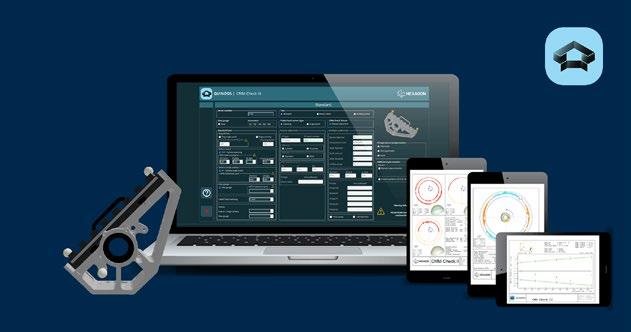
Hexagon’s Manufacturing Intelligence division has introduced QUINDOS 2026.1, the latest version of its metrology software for complex geometries. The release focuses on improving inspection efficiency through enhanced automation, simplified scanning processes, and expanded analysis capabilities.
The updated software includes support for the CMM Check 3.0 standard, enabling improved machine monitoring, along with enhancements to high-speed scanning that reduce programming complexity and accelerate measurement routines. New C aD-based programming capabilities support rotary table workflows, allowing users to generate measurement points for multi-axis setups more efficiently.
additional updates expand gear and drivetrain analysis tools, providing deeper insight into component performance. Improvements to usability, workflow guidance, and support for modern data formats further enhance the platform’s ability to integrate into advanced inspection environments.
Form Strategic Partnership to Advance Injection Molding Training and Process Control
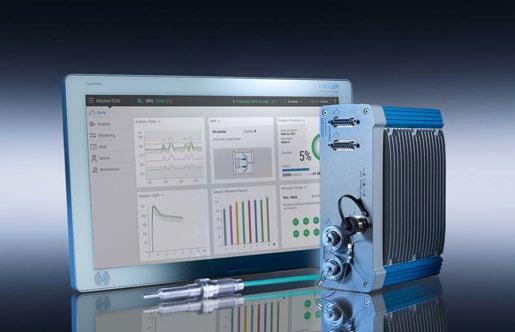
Kistler Instrument Corporation and FimmTech have announced a strategic partnership that integrates cavity pressure monitoring technology into hands-on injection molding training programs. The collaboration is designed to connect measurement-based process control with practical training to improve manufacturing outcomes.
The combined approach allows participants to work directly with process monitoring systems while applying scientific molding principles. By analyzing real-time cavity pressure data, trainees can better understand process
KISTLER INSTRUMENT CORPORATION AND FIMMTECH
variation, optimize switchover points, and improve repeatability in molding operations.
The partnership addresses industry challenges related to scrap reduction, process consistency, and workforce development. By combining technical tools with structured training, the program supports a more data-driven approach to quality control and production performance. For More Information: www.kistler.com
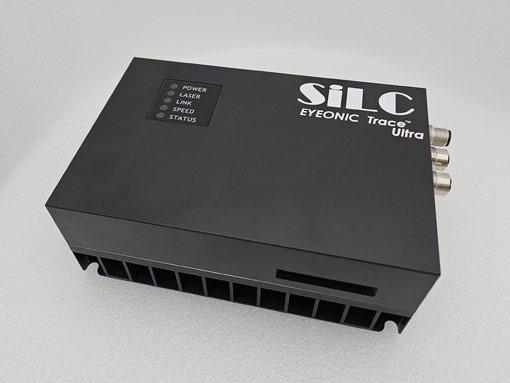
Launches Eyeonic Trace Ultra Laser Line Scanner for High-Precision Industrial Inspection
SiLC Technologies has introduced the Eyeonic Trace Ultra, a laser line scanner designed to deliver 100-micron accuracy for industrial inspection applications. The system offers a significant improvement in precision compared to previous models while maintaining compatibility with existing deployments.
The scanner is designed for use in automated inspection environments, supporting measurement tasks across a wide range of materials and component sizes.
With a working range of up to five meters, the system enables inspection of both small features and large structures without requiring repositioning.
The increased precision allows manufacturers to automate inspection processes that previously required manual measurement, improving consistency and reducing the risk of undetected defects. The system is also designed to operate in varying lighting conditions and complex production environments.
For More Information: www.silc.com
Real-time collaboration tools strengthen the entire
ROBOTICS
Driving Automation and Innovation
Robotics and automation are transforming modern manufacturing, redefining efficiency, precision, and versatility across industrial processes. From welding robots and robotic tooling to autonomous technology and cobots (collaborative robots), innovations are seamlessly integrating robotics into diverse manufacturing workflows.
Key advancements include automated cells and press transfer robotics, enabling streamlined operations and reduced cycle times. Solutions like material handling systems and end effectors highlight the adaptability of robotics in tasks ranging from machining to assembly. With a focus on enhancing safety and productivity, the integration of RFID and enclosure systems, along with comprehensive training, empowers manufacturers to harness the full potential of robotics in an increasingly automated world.
Revolutionizing Industrial Automation with Next-Generation HMI Solutions
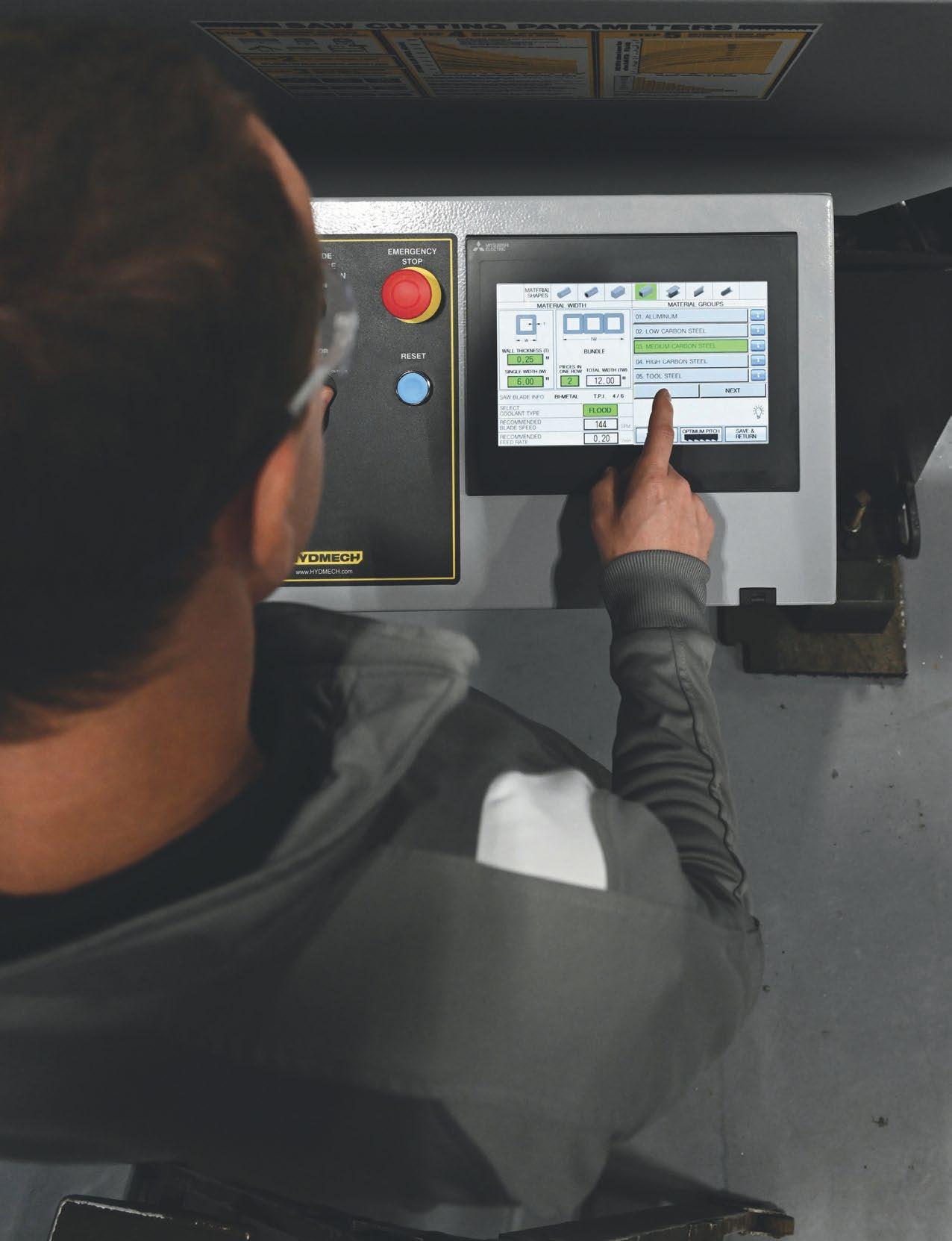
Industrial automation continues to advance as manufacturers pursue greater efficiency, precision, and system integration across production environments. a s operations become more connected and data-driven, the role of human-machine interfaces (HMIs) is expanding beyond basic control panels to serve as critical links between operators, machines, and enterprise systems.
Modern HMI systems are increasingly designed to support real-time monitoring, streamlined operator interaction, and faster decision-making. a s manufacturing environments adopt more intelligent and connected systems, these interfaces are playing a central role in enabling communication between programmable logic controllers (PLCs), supervisory control and data acquisition (SC aDa ) systems, and broader automation infrastructure.
Several trends are shaping how HMIs are being deployed within robotics and automation
environments. The convergence of information technology (IT) and operational technology (OT) is driving demand for systems capable of supporting real-time data exchange, cloud connectivity, and secure integration across networks. at the same time, edge computing and aI-driven analytics are enabling faster data processing at the machine level, reducing reliance on centralized systems and supporting more responsive automation workflows. advancements in interface design are also improving usability and system performance. Touchscreenbased controls are replacing traditional push-button interfaces, simplifying system design while offering greater flexibility for a range of applications. In parallel, ruggedized HMI systems are being developed to withstand harsh industrial conditions, including extreme temperatures, dust, and moisture, ensuring consistent performance in demanding environments.
Despite these advancements, several challenges remain. System reliability in harsh environments continues to be a concern, particularly in industries where downtime carries significant cost. Seamless integration with existing automation infrastructure is also critical, requiring standardized communication protocols and flexible connectivity options. In addition, as systems become more connected, cybersecurity considerations are increasingly important, with manufacturers prioritizing secure data transmission and system protection.
Cost considerations also play a key role in adoption. a s automation technologies evolve, manufacturers must balance the need for advanced functionality with the requirement for cost-effective deployment. This has led to increased focus on scalable solutions that can deliver performance improvements without unnecessary complexity.
across manufacturing and logistics environments, HMIs are supporting a wide range of applications. In factory automation, they enable operators to monitor robotic systems, adjust parameters, and respond to real-time conditions to maintain production quality and efficiency. In warehouse and distribution settings, HMIs facilitate coordination between automated guided vehicles, conveyor systems, and robotic picking operations, supporting high-throughput environments where accuracy and timing are critical.
a s automation systems continue to evolve, HMIs are becoming more integrated, more intelligent, and more essential to overall system performance. Their ability to connect data, equipment, and operators in real time positions them as a foundational component in the next generation of robotics and industrial automation strategies.
ASSOCIATION FOR ADVANCING AUTOMATION
Launches Introduction to Industrial Robotics Course
The a ssociation for advancing automation (a 3) has introduced an on-demand Introduction to Industrial Robotics course designed to provide foundational knowledge as automation adoption continues to accelerate across industries.
The 2.5-hour course is structured to help professionals understand how industrial robots operate, where they deliver value, and how they are applied in real-world environments. Designed for a broad audience, the program is suitable for individuals entering the robotics field, operational professionals managing automated systems, and business leaders evaluating automation strategies.
The course presents a vendor-neutral, system-level perspective and combines both business and technical insights. Delivered in a flexible format, it allows participants to complete the program without requiring prior experience or extended time away from operations.
The release is part of a 3’s broader effort to expand workforce development resources and support industry education as demand for automation knowledge continues to grow.
For More Information: www.automate.org
KUKA GROUP
Unveils Vision for Automation 2.0 as Physical AI Reshapes Manufacturing
KUK a Group has introduced its automation 2.0 strategy, highlighting the growing role of Physical aI in industrial
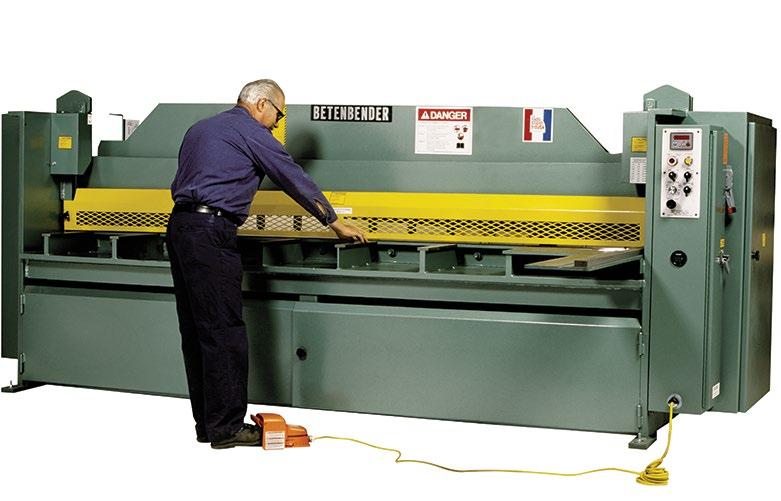
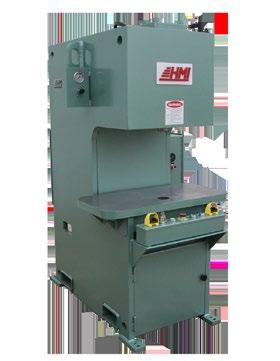
Heavy Gauge Steel Design Press Bed bolted on, not welded, to prevent distortion.
Large press bed to accommodate a variety of tooling other than just punching.
Pump, motor, valve and reservoir are all easily accessible for maintenance.
Large rectangular tubes used at base of machine to give safe, instant portability.
automation. Central to this approach is the KUK a aMP platform, an open automation system designed to bridge traditional rule-based automation with aI-driven, intent-based systems.
The platform supports a shift toward systems capable of perceiving, making decisions, and executing actions autonomously within production environments. This evolution reflects broader industry trends where robotics and automation systems are becoming more adaptive and responsive to real-time conditions.
KUK a’s approach builds on existing automation frameworks while incorporating aI-driven capabilities to enhance flexibility and scalability. The company continues to invest in software, aI infrastructure, and global expansion as part of its long-term strategy.
The transition to automation 2.0 highlights the increasing importance of intelligent systems that can support complex manufacturing, logistics, and industrial operations.
To Highlight Automated Welding Solutions at FABTECH Canada 2026
KUK a Robotics will present its latest automated welding technologies at FaBTECH Canada 2026, including the arc_cellerate Index robotic cell and the Edu_ arcWelding training system.
The arc_cellerate Index cell is designed for high-mix, low-volume production environments, offering a compact and flexible automation solution. The system integrates real-time data capture and monitoring, supporting improved process control and consistency in welding operations.
The company will also showcase its mobile Edu_ a rcWelding system, which is designed for training and small-part manufacturing applications. The system supports workforce development by enabling hands-on experience with robotic welding technologies.
The solutions reflect ongoing efforts to address skilled labor challenges while improving quality and efficiency in welding applications.
For More Information: www.kuka.com
Showcases Indoor-Outdoor Autonomous Mobile Robots at MODEX 2026
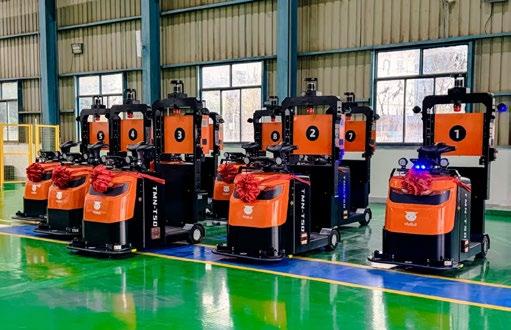
MyBull Robotics U.S. presented a range of autonomous mobile robots (aMRs) at MODEX 2026, including the TMN-T50US tugger and TMN-FP20 autonomous forklift. The systems are designed to operate seamlessly across indoor and outdoor environments.
The TMN-T50US tugger combines autonomous navigation with high-capacity towing capabilities, supporting consistent operation in dynamic industrial settings. The TMN-FP20 forklift provides automated material handling with the ability to switch between manual and autonomous modes.
The systems incorporate multi-sensor navigation and are designed to operate without reliance on fixed guidance infrastructure such as QR codes or magnetic strips. This allows for greater flexibility in deployment across warehouses, production facilities, and logistics environments.
The solutions reflect increasing demand for automation that can operate reliably across varied and complex environments.
For More Information: www.mybull.com
QUICKTRON ROBOTICS
Debuts High-Density Automation Solutions at MODEX 2026
Quicktron Robotics introduced its QuickBin Ultra and QuickCube systems to the U.S. market at MODEX 2026, expanding its portfolio of warehouse automation solutions.
QuickBin Ultra is designed as a high-density tote storage and fulfillment system, supporting scalable operations with increased storage capacity and throughput. The system integrates mobile robots and picking technologies to enable efficient goods-toperson workflows.
MYBULL ROBOTICS U.S.
QuickCube is a compact pallet automation solution designed to improve storage density and reduce operational costs. The system incorporates shuttle and lift technologies to support efficient pallet movement in high-turnover environments.
The company also highlighted its QuickMix platform, which integrates tote and pallet automation into a unified system, enabling flexible and scalable deployment across warehouse operations.
For More Information: www.quicktron.com
SEER ROBOTICS
Showcases Multi-Robot Platform and New AMRs at MODEX 2026
SEER Robotics presented its multi-robot platform and a range of new autonomous mobile robots at MODEX 2026, emphasizing its “all robots, one platform” approach to automation.
The platform enables deployment and coordination of multiple robot types within a single system, supporting flexible and scalable automation across various applications. Demonstrations included pallet handling, line-side transport, and high-density storage operations.
The company also introduced terrain-adaptive robots designed for outdoor and complex environments, capable of navigating slopes, steps, and varied surfaces. These systems extend automation beyond traditional indoor applications.
The platform is designed to simplify integration and enable customized automation solutions across industries, supporting broader adoption of robotics technologies.
For More Information: www.seer-robotics.ai
ZERO-MAX
To Showcase Motion Control Solutions at Automate 2026
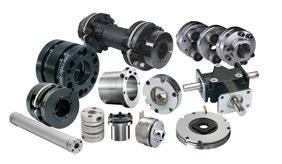
Zero-Max will showcase its motion control and power transmission technologies at automate 2026, including flexible shaft couplings and servo-class coupling systems.
The company’s solutions support a range of automation applications, including robotics, material handling, and automated assembly systems. Products are designed to deliver precision, durability, and reliable performance in demanding industrial environments.
Zero-Max will also highlight its integration with Miki Pulley technologies, which include braking and clutch systems used in robotics and automated equipment.
The presentation reflects continued development in motion control components that support the performance and reliability of automated systems.
For More Information: www.zero-max.com
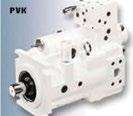
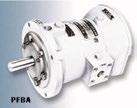
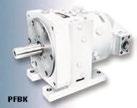
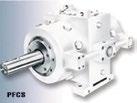
OILGEAR HYDRAULIC PRODUCTS
AXIAL PISTON PUMPS… Oilgear open loop
axial piston pumps are offered in a variety of models and displacement sizes to match required performance. Models include both medium and high horsepower, medium and heavy duty, low viscosity pumps, plus a series of multiple fixed delivery pumps. Of the many industries Oilgear serves, a primary one is mobile and off-highway applications. Oilgear pumps are recognized for high performance in the toughest environments. Their heavy duty designs resist contamination as well as operating on low viscosity specialty fluids.
VARIABLE PUMPS…
Whatever the application, Oilgear has the ideal pump to fulfill the requirements.
MULTIPLE FIXED DELIVERY CHECK VALVE PUMPS…
• High pressure to 15,000 psi
• Heavy duty construction
• High contamination tolerance
• Operation on low viscosity fluids
• Multiple deliveries up to three displacements from a single pump
METALWORKING
Precision and Craftsmanship in Manufacturing
Metalworking encompasses the tools, technologies, and processes that drive precision manufacturing. This area highlights advancements in machining, grinding, lathing, and cutting systems, along with innovations like EDM (Electronic Discharge Machining). It captures the synergy between precision equipment and skilled craftsmanship, essential for producing high-quality components across diverse industries.
Focusing on the integration of controls, machining tools, and accessories, metalworking emphasizes the efficiency and accuracy demanded by modern manufacturing. From contract manufacturing to heat treating and gear machinery, it reflects the essential techniques and equipment shaping today’s industrial landscape. Whether utilizing traditional methods or cutting-edge innovations, metalworking celebrates the pursuit of excellence in every detail.
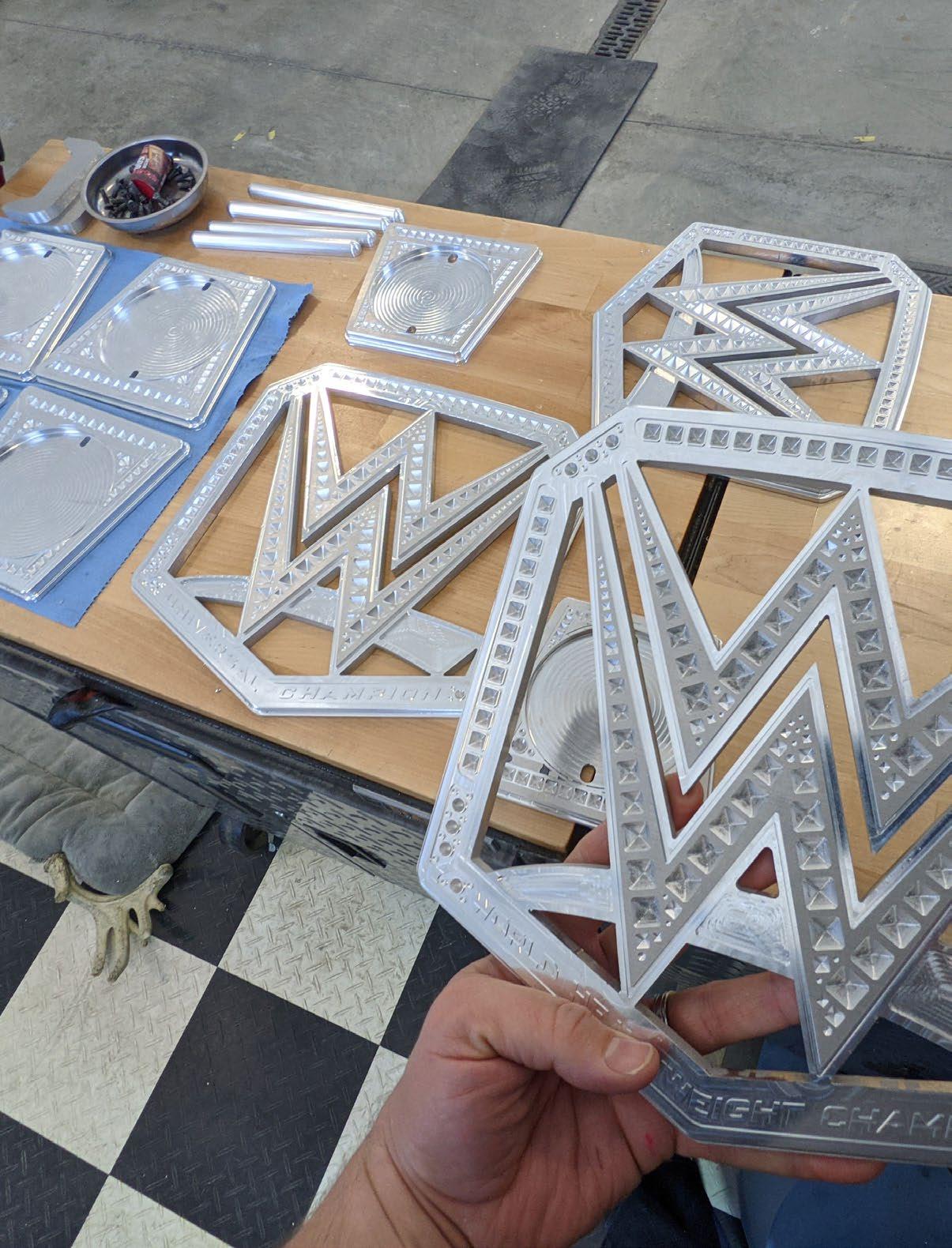
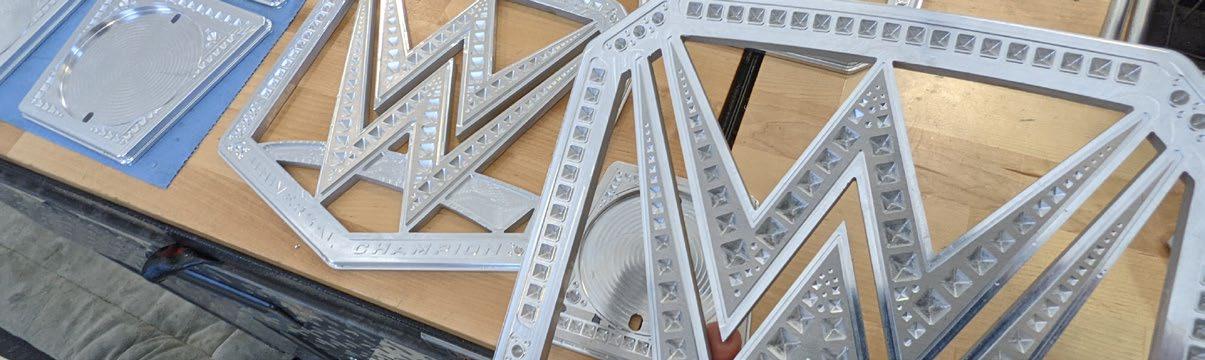
How Jason Pohl Uses CNC to Produce Championship Belts for WWE
Jason Pohl, widely known from the television series a merican Chopper, now applies his design background to CNC machining, producing championship belts for organizations including WWE. Operating from his own shop, Pohl combines digital design and precision machining to manufacture components that meet both aesthetic and production requirements. after more than 16 years as lead designer at Orange County Choppers, where he created more than 300 custom motorcycles, Pohl shifted his focus from design-only work to full control of the manufacturing process. That transition led him to CNC machining and the launch of his own business.
From Design to Full-Process Manufacturing
While working at Orange County Choppers, Pohl became increasingly interested in the machining side of the operation. a s shop activity
slowed, he began teaching himself CNC programming and machining fundamentals, developing the ability to produce his own fixtures and parts.
“I found myself in a giant machine shop with literally no one there,” Pohl said. “So, I taught myself how to create G-code for my 3D parts and started making all my own fixtures.”
This shift allowed him to move beyond digital design and take ownership of the entire workflow, from concept through finished component.
Adapting CNC for Small-Shop Production
after leaving OCC, Pohl built out a personal workshop to support both his design and manufacturing work. Like many independent machinists, cost and accessibility were key considerations in selecting equipment and software.
Ease of use played a role in streamlining his workflow, particularly when transitioning from more
complex machine interfaces. Simplified controls and more intuitive software environments allowed for faster setup and reduced learning curves, enabling him to move quickly from design to production.
This approach supports a workflow where parts can be programmed, set up, and machined with minimal delay, an important factor in meeting tight deadlines.
Producing High-Visibility Components
Pohl’s work producing championship belts for WWE represents a demanding application of CNC machining. These components must meet strict visual and dimensional standards, as they are designed for high-profile broadcast use.
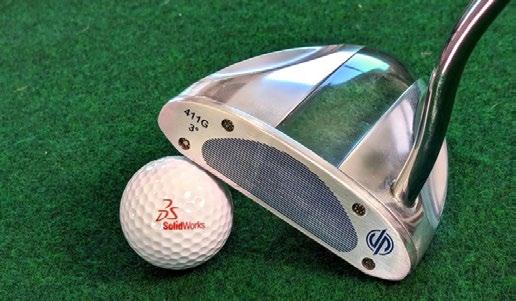
“Most of the belts start as designs in SOLIDWORKS,” Pohl said. “I machine about 98% of them and then use a fiber laser for the super fine details.”
The process requires tight tolerances, consistent surface finishes, and reliable repeatability. Production often includes overnight machining to meet compressed timelines, followed by additional finishing processes such as forming, plating, and assembly.
The combination of CNC machining and secondary processes allows for detailed, high-quality components that blend traditional craftsmanship with modern manufacturing techniques.
Balancing Flexibility and Control
For independent machinists, maintaining control over equipment and minimizing downtime is critical. The ability to perform maintenance and keep machines running without interruption supports production continuity, particularly in small-shop environments where delays can impact delivery schedules.
This flexibility allows Pohl to maintain consistent output while managing multiple projects and short turnaround times.
Turning Craft Into a Scalable Process
Today, Pohl’s workflow integrates design, modeling, and machining into a streamlined operation capable of
producing professional-grade components from a compact shop environment. His process reflects a broader trend in metalworking, where smaller operations are leveraging accessible CNC technology to produce high-quality, specialized products.
“If it’s your passion, just jump in and do it,” Pohl said. “There’s always risk, but that’s what drives us to succeed.”
His work demonstrates how combining design expertise with CNC capability can support both creative and commercial applications in modern manufacturing.
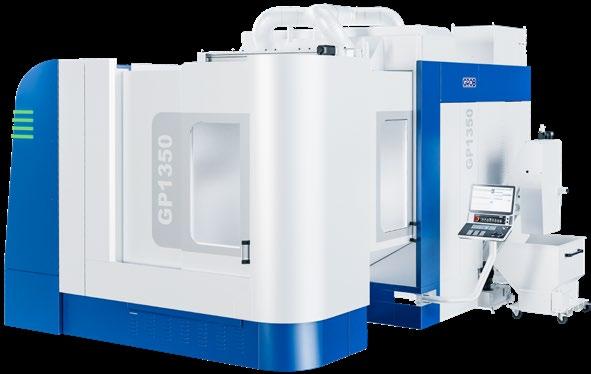
GROB SYSTEMS
Debuts GP1350 5-Axis Portal Milling Machining Center
GROB Systems has introduced the GP1350 5-axis portal milling machining center, designed to support large components and complex geometries while maintaining a compact footprint.
The machine offers extended X-y-Z travel and supports large workpiece dimensions, enabling manufacturers to process components up to 69 inches in diameter and 65 inches in height with a maximum load capacity of 3.6 tons. a tool magazine with capacity for up to 408 tools supports high-mix production environments and reduces setup time through efficient tool management.
The system combines a rigid portal structure with dynamic axis movement and high-performance spindle capability, allowing for consistent machining across a wide range of materials. Optional automation features, including pallet changers and autonomous loading systems, enable integration into automated production environments.
The GP1350 is designed for industries requiring precision and scalability, including aerospace, automotive, energy, and tool and die manufacturing.
For More Information: www.grobgroup.com
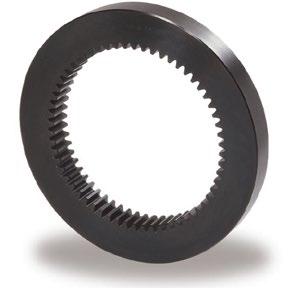
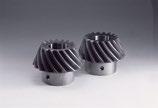
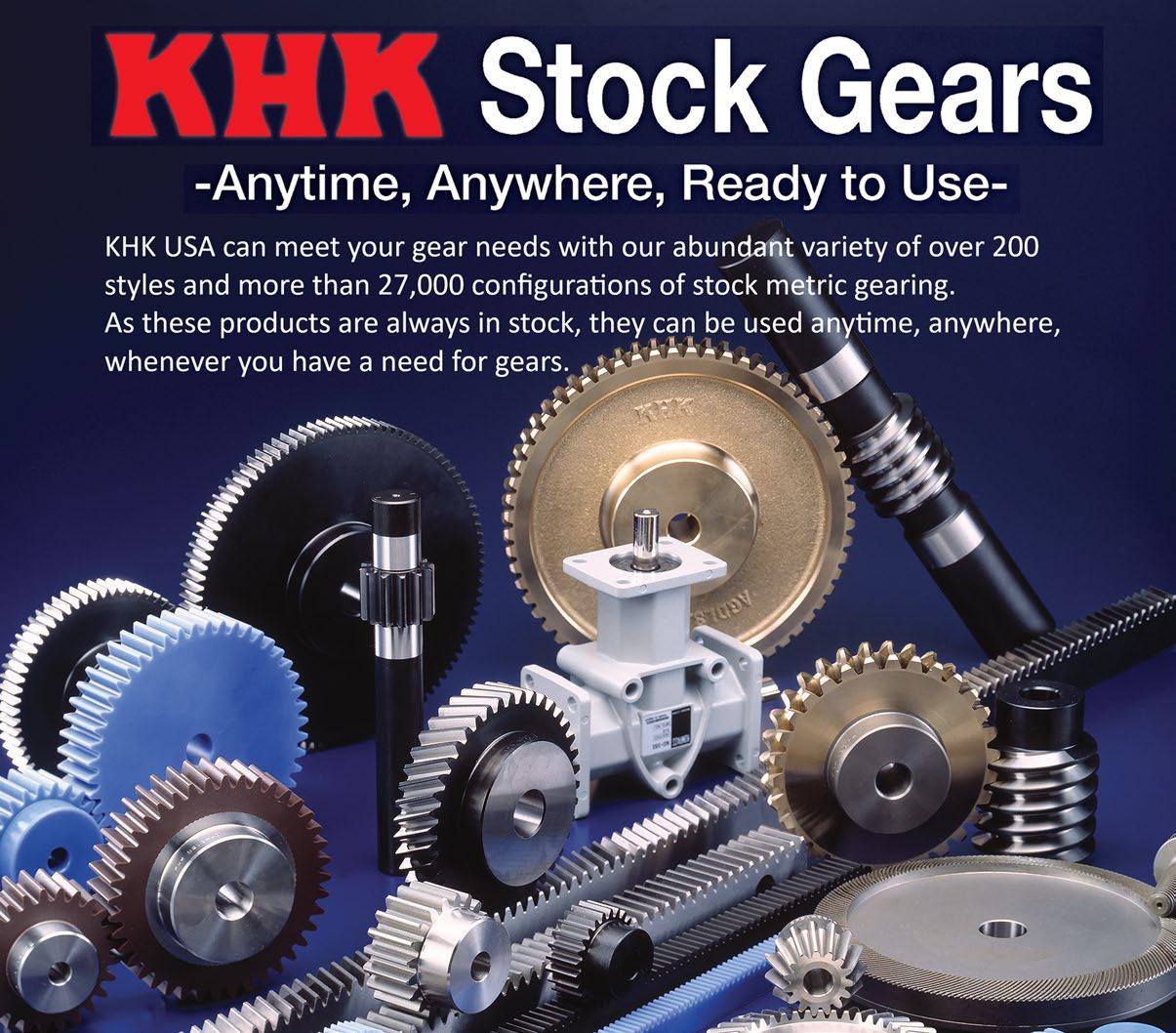
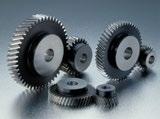
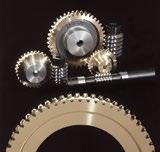
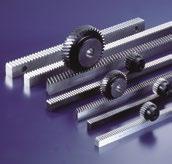
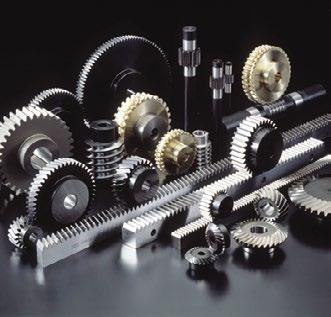
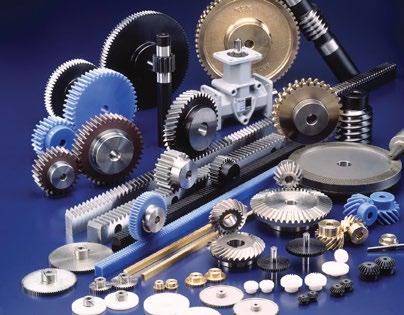
Expands Offering of Metric Internal Ring Gears
KHK USa has expanded its line of metric internal ring gears, providing a range of standard and customizable solutions for applications requiring high-speed reduction and compact gear configurations.
Internal ring gears are commonly used in planetary gear systems and are available in multiple sizes, materials, and tooth configurations. The company offers both standard steel internal gears and larger ring gear options that can be modified for segment gears or specialized applications.
Production methods vary based on application requirements, including traditional hobbing processes as well as newer multi-axis machining approaches. The ability to support secondary operations, such as drilling and tapping, allows for customization based on specific system requirements.
The expanded product line supports a range of industrial applications where precision gearing and rapid availability are required.
For More Information: www.khkgears.us
MAZAK
Highlights Advanced Machining Technologies at Northeast Manufacturing Event
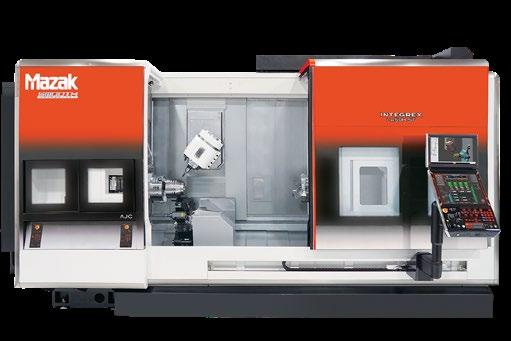
Mazak will host its DISCOVER MORE WITH Ma Z aK Northeast event, showcasing a range of machining technologies designed to improve productivity, precision, and process efficiency.
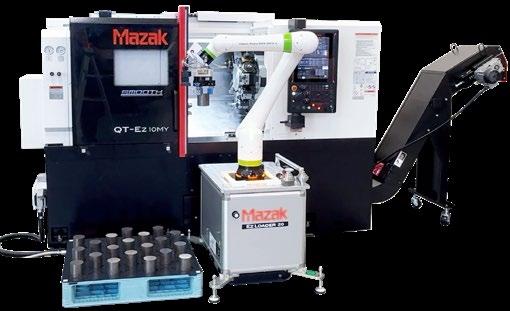
The event will feature live demonstrations of multitasking machines, vertical machining centers, and Swiss-type turning systems, allowing manufacturers to evaluate performance across a range of applications. Systems on display include machines capable of combined turning, milling, and drilling operations within a single setup to reduce cycle times and improve accuracy.
automation integration will also be demonstrated, including collaborative robotic systems designed to support part loading and
handling. additional technologies will highlight advancements in programming, setup efficiency, and multi-axis machining capabilities.
The event is intended to provide insight into machining strategies that support higher throughput and improved process control in precision manufacturing environments.
Hosts Southwest Event Focused on Oil and Gas Manufacturing
Mazak will host its DISCOVER MORE WITH Ma Z aK Southwest event, focusing on machining solutions for oil and gas manufacturing applications.
The event will feature live demonstrations of turning centers, vertical machining systems, and multi-tasking machines designed to handle large, complex components with tight tolerances. Equipment on display will include systems capable of high-torque machining and extended workpiece capacity for heavy-duty applications. automation solutions, including collaborative robotic systems, will be integrated into demonstrations to highlight improvements in throughput and process consistency. Swiss-type machining systems will also be featured for high-speed production of smaller precision components.
The event will provide manufacturers with insight into machining strategies that address increasing demand for efficiency and reliability in oil and gas production.
For More Information: www.mazak.com
PALMGREN
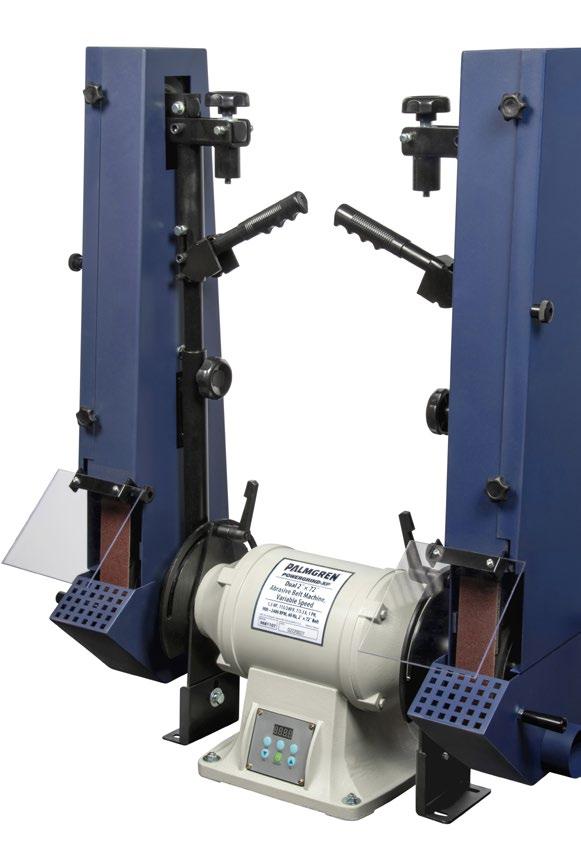
Introduces Dual Station Variable Speed Belt Grinder for Multi-Stage Finishing
Palmgren has introduced a 2-inch x 72-inch dual station variable speed belt grinder designed to support a range of grinding and finishing operations within a single system.
The machine features two belt heads, allowing operators to perform platen grinding, contact wheel grinding, and slack belt finishing without changing equipment. This configuration supports multiple stages of material processing, from rough grinding to final polishing. a variable speed motor provides control across different applications, while adjustable belt arms allow positioning between 0 and 90 degrees to accommodate varying workflows. The system also includes a tool-free belt change mechanism, reducing downtime during operation.
Designed for flexibility and productivity, the grinder supports fabrication and finishing environments requiring consistent results across multiple surface preparation tasks.
For More Information: www.palmgren.com
SOFTWARE
The Digital Backbone of Modern Manufacturing
In an era where innovation drives productivity, the Software section explores the cutting-edge tools empowering manufacturers to streamline operations, enhance precision, and optimize performance. From CAD/CAM/CAE design platforms to CNC simulation and process verification, this category reveals how digital solutions are revolutionizing the way products are conceptualized, created, and delivered.
Covering a broad spectrum of applications—such as ERP systems, factory floor software, and industrial IT—this section emphasizes the importance of connectivity and real-time data in achieving operational excellence. Topics like quality control, job tracking, and program optimization showcase how software bridges the gap between vision and execution, enabling manufacturers to stay competitive in a fast-evolving industry.
Connected Operations and Modern ERP: A Framework for Industrial Machinery Manufacturers
Industrial machinery manufacturers are operating in an environment defined by increasing complexity, tighter timelines, and rising expectations across the entire production lifecycle. From engineering and supply chain coordination to production execution and aftermarket service, every stage depends on accurate, timely, and connected information. at the same time, manufacturers are navigating external pressures that continue to intensify. Rising material costs, workforce shortages, global competition, and supply chain volatility are forcing organizations to adapt quickly while maintaining quality and delivery performance. a s these challenges converge, traditional disconnected systems and
manual workflows are becoming harder to sustain.
To remain competitive, many manufacturers are shifting toward connected operations—integrating systems such as ERP, MES, and shop-floor technologies to create a unified view of their business. This approach allows information to move more freely across departments, reduces inefficiencies, and supports faster, more informed decision-making.
The Evolving Reality of Industrial Machinery Manufacturing
Industrial machinery production is inherently complex. Engineerto-order and configure-to-order workflows introduce frequent design revisions, multi-level bills of
materials, and coordination challenges across engineering, planning, and production teams.
Supply chains add another layer of complexity. Manufacturers rely on a network of specialized suppliers, custom fabrications, and long lead-time components. Without clear visibility into supplier status and material availability, production schedules can quickly become reactive.
at the same time, expectations for delivery speed continue to increase. Manufacturers are being asked to produce more customized products in shorter timeframes, often with fewer experienced workers available to execute the work. Workforce turnover and the loss of institutional knowledge further complicate operations, making consistency and training more difficult to maintain.
These realities highlight a central issue: disconnected systems create gaps in communication, leading to rework, delays, and inefficiencies that impact overall performance.
External Pressures Driving Operational Change
Beyond internal challenges, manufacturers are responding to broader industry shifts. Supply chain disruptions, shifting trade policies, and the movement toward onshoring and regional production are forcing organizations to become more agile in how they plan and execute work.
These pressures are driving investment in capabilities such as:
» Real-time monitoring of machines and processes
» Predictive and proactive maintenance strategies
» Digitized work instructions and guided workflows
» Data-driven planning and scheduling
» Closed-loop quality and traceability systems
Together, these investments reflect a move away from reactive operations toward more controlled, data-driven environments.
The Digital Thread as a Foundation at the center of connected operations is the concept of the digital thread—a continuous flow of information across the entire lifecycle of a product.
In a connected environment:
» Engineering changes flow directly into production systems
» Supplier updates integrate with planning and scheduling
» Inspection and test data are linked to specific parts and assemblies
» Field service insights feed back into engineering and design
This level of integration creates a single, consistent view of data across the organization. Teams no longer rely on disconnected systems or manual communication to stay aligned.
Without this connectivity, manufacturers face common challenges: outdated instructions on the shop floor, delayed responses to issues, incomplete traceability, and difficulty maintaining consistent quality. With a digital thread in place, these risks are significantly reduced, and operations become more predictable and scalable.
Identifying System Gaps and Readiness
Many manufacturers already recognize signs that their systems are no longer keeping pace with operational demands. These indicators often appear in everyday workflows:
» Engineering updates that take too long to reach production
» Manual data entry for quality and inspection processes
» Heavy reliance on spreadsheets and paper-based tracking
» Difficulty onboarding and training new operators
» Limited visibility into real-time production status
These challenges are not typically the result of poor processes, but rather the limitations of disconnected systems that were not designed for today’s level of complexity. a ssessing readiness for modernization starts with understanding where these gaps exist and how they impact performance across engineering, supply chain, production, and quality functions.
The Role of Modern ERP in Connected Operations
For many manufacturers, the foundation of connected operations begins with a modern ERP system. ERP platforms serve as the central system of record, linking engineering, planning, procurement, production, and quality into a unified environment.
When effectively implemented, ERP systems provide:
» accurate and consistent data across departments
» Improved visibility into supply and demand
» Better coordination between teams
» Reduced reliance on manual processes
a s manufacturers mature, additional capabilities can be layered on top of this foundation. Real-time machine monitoring, digital work instructions, advanced analytics, and connected worker technologies extend visibility and control to the shop floor.
This phased approach allows organizations to modernize at a manageable pace—stabilizing core processes first, then expanding into more advanced capabilities as needed.
AI and the Next Phase of Manufacturing Systems
a s connected systems become more established, artificial intelligence is beginning to play a larger role in manufacturing operations. aI-driven tools can analyze large volumes of data, identify patterns, and provide insights that support better decision-making.
These capabilities include:
» automating routine tasks and workflows
» Highlighting exceptions and potential issues
» Providing recommendations based on real-time conditions
» Supporting faster and more consistent decision-making
Rather than replacing workers, these tools are designed to support them—helping teams work more efficiently while preserving critical expertise.
A Practical Path Forward
The transition to connected operations does not require a complete overhaul of existing systems. Instead, it is typically
a phased process focused on incremental improvements:
» Stabilizing core operations and data flow
» Improving visibility across departments
» Reducing manual processes and inefficiencies
» Introducing automation and analytics where they provide value
a s each step is implemented, manufacturers gain greater clarity and control over their operations. This approach reduces risk while building a foundation for long-term growth and adaptability.
Epicor’s report explores this journey and outlines how industrial machinery manufacturers can build a more connected, predictable, and scalable operation.
Download the full Epicor report to learn how connected operations can support better visibility, stronger execution, and smarter manufacturing decisions.
Partners with DAMRC to Advance Robotic Machining Capabilities
ENCy Software has announced a collaboration with the Danish advanced Manufacturing Research Center (DaMRC) focused on improving the reliability and predictability of robotic machining.
Industrial robots offer advantages in flexibility and working range, but their performance can vary depending on position and configuration along a toolpath. This variability can impact stiffness, vibration behavior, and overall machining accuracy. The partnership aims to address these challenges by integrating kinematics, dynamics analysis, and simulation into a unified workflow.
Using ENCy ’s platform as a central environment, Da MRC researchers are able to connect theoretical analysis with real-world manufacturing processes. Capabilities such as singularity and collision analysis, axis mapping, and dynamic response evaluation allow engineers to assess robot behavior before machining begins.
The collaboration has demonstrated how digital twin environments can reduce trial-and-error during setup by identifying resonance zones and optimizing process parameters in advance. This approach supports improved process stability, reduced tool wear, and more consistent results in robotic machining applications.
The partnership reflects ongoing efforts to move robotic machining from experimental use toward scalable, production-ready deployment in industrial environments.
More Information: www.encycam.com
MODULEWORKS
Releases Version 2026.04 with Expanded Multi-Axis and GPU Capabilities
ModuleWorks has released version 2026.04 of its digital manufacturing software components, introducing enhancements in multi-axis machining, simulation performance, and shop floor programming.
The update extends VoluMill high-efficiency roughing technology to multi-axis and turning applications, enabling more consistent tool engagement and stable cutting conditions across complex geometries. adaptive chip thickness control and trochoidal motion strategies help maintain high feed rates while minimizing load variation.
SmartRoughing capabilities have also been expanded to include automated 3+2 axis roughing, allowing the system to optimize cutting parameters based on tooling data and machining physics. This reduces the need for manual adjustments while improving material removal efficiency.
GPU acceleration has been extended to machine simulation, improving performance in collision detection and stock updates for complex machining scenarios. The system maintains stability by automatically switching to CPU processing when required.
In addition, the Next Generation Shop Floor Programming (NGSP) system is now available as a web-based application, enabling flexible deployment across machines, mobile devices, and desktop environments.
The release reflects continued development of software tools that support efficiency, scalability, and integration across modern manufacturing workflows.
For More Information: www.moduleworks.com
SIEMENS DIGITAL INDUSTRIES SOFTWARE
Previews Realize LIVE Americas 2026 Focused on Digital Transformation
Siemens Digital Industries Software will host Realize LIVE americas 2026, bringing together industry professionals to explore strategies for digital transformation across manufacturing and engineering environments.
The event will feature a broad range of technical sessions focused on reducing development time, improving product quality, and addressing data integration challenges. Topics will span multiple industries and include practical applications of digital technologies in design, simulation, and production.
attendees will have access to hands-on training sessions, technical discussions, and networking opportunities with peers and industry experts. The event is designed to provide insight into emerging trends and tools that support more connected and efficient manufacturing operations.
The program reflects growing interest in digitalization and the role of integrated software platforms in improving productivity and collaboration across manufacturing systems.
For More Information: www.sw.siemens.com
TOOLING AND WORKHOLDING
Precision in Action
Tooling and Workholding is the cornerstone of precision manufacturing, ensuring that materials are securely held and processes are executed with unparalleled accuracy. This section highlights the latest innovations in clamps, chucks, collets, and magnetic workholding, alongside advancements in rotary tables, toolholders, and modular fixturing systems. Together, these solutions enable manufacturers to achieve repeatability, reduce setup times, and enhance overall productivity.
From versatile milling and turning tools to specialized threading and gear-cutting instruments, this category delves into the diverse range of equipment designed to meet the unique demands of every operation. Whether exploring robotic end-effectors for automation or custom fixtures for intricate designs, Tooling and Workholding underscores the critical role these components play in driving efficiency and precision across the manufacturing spectrum.
Faster Finishes, Smarter Spindles: Unlocking the Full Potential of Five-Axis Machining with High-Speed Spindles
By Mike Blanchard, Technical Advisor at Air Turbine Tools®
Five-axis CNC machines have become essential for producing complex geometries across industries such as aerospace, defense, and medical manufacturing. Their ability to improve part accessibility and reduce repositioning allows manufacturers to complete more operations in a single setup. However, achieving the full performance potential of these machines often depends on spindle capability, particularly when it comes to high-speed finishing.
Traditional five-axis systems typically operate within a spindle
speed range of 6,000 to 15,000 RPM. While suitable for roughing with larger tools, these speeds can limit performance when using small-diameter tooling for finishing or micro-drilling. These applications often require significantly higher spindle speeds to maintain proper cutting conditions, reduce tool wear, and achieve consistent surface finishes.
Expanding Capability Without Replacing Equipment
Manufacturers seeking higher spindle speeds often face a choice between
investing in specialized high-speed machines or adapting existing equipment. High-speed machines can provide the required performance, but they introduce limitations in versatility and can require significant capital investment. In addition, operating main spindles at maximum speeds over extended periods can increase wear and reduce service life.
a n alternative approach is the use of add-on high-speed spindles, which allow shops to extend the capability of existing machines. These systems enable operators to perform both heavy cutting and high-speed finishing on the same platform, reducing the need for multiple machines and minimizing workflow disruptions.
Improving Efficiency Through Speed and Stability
High-speed machining impacts both productivity and part quality. When small tools operate below their optimal surface speeds, cutting efficiency decreases, resulting in increased heat, tool wear, and longer cycle times. Maintaining higher, consistent spindle speeds allows for increased feed rates and improved surface finish.
In many cases, higher spindle speeds can significantly reduce machining time for finishing operations. By optimizing cutting conditions, manufacturers can improve throughput while maintaining tighter tolerances and more consistent results.
Thermal stability also plays a role in maintaining accuracy. Systems designed to minimize heat generation
can help reduce thermal growth and maintain dimensional consistency, particularly in high-precision applications.
Integration Into Existing Workflows
One of the advantages of add-on spindle systems is their ability to integrate into existing machining environments with minimal disruption. Many modern machines support
through-spindle air, allowing high-speed spindles to be automatically loaded through standard tool-changing systems. In other configurations, external mounting solutions can be used to supply compressed air as needed.
This flexibility enables shops to incorporate high-speed capabilities without significant changes to machine controls or programming workflows. Both automated and manual configurations can be used depending on the application and production requirements.
Maximizing Five-Axis Performance
Five-axis machining is often used for parts with complex features such as deep cavities, undercuts, and difficult-toaccess geometries. These applications frequently require smaller tools and extended finishing operations, which can become bottlenecks when spindle speed is limited.
By enabling higher-speed finishing within the same setup, manufacturers can reduce reliance on secondary operations and manual finishing processes. Completing these operations in-machine improves consistency and reduces variability while supporting more efficient production cycles.
A Strategic Approach to Tooling Investment
a s manufacturers continue to balance performance requirements with capital constraints, incremental upgrades are becoming an increasingly practical strategy. Enhancing existing equipment with additional capabilities can provide measurable improvements in productivity without the need for large-scale investment.
For operations working with small tools, tight tolerances, and complex materials, increasing spindle capability can have a direct impact on cycle time, tool life, and overall process efficiency. By aligning tooling strategy with machine capability, manufacturers can extend the performance of existing equipment and improve operational flexibility.
Highlights Risks of Overtightening Tool Holders and Promotes Proper Torque Practices
BIG DaISHOWa is advising machine shops against the use of improvised torque-extending methods, such as “cheater bars,” when tightening tool holders, citing potential impacts on tool life, machining accuracy, and overall performance.
Exceeding manufacturer-recommended torque levels can introduce internal stress within both the tool and holder, leading to increased wear and potential runout issues. Improvised extensions make it difficult to control applied torque, often resulting in repeated overtightening and higher long-term tooling costs.
The company also highlights the role of tool holder
design in mitigating wear. Bearing-style nuts, which allow the collet to rotate independently during tightening, can reduce friction and minimize sliding motion compared to conventional designs. In comparative evaluations, these systems required lower clamping torque while maintaining higher gripping force.
Properly designed tightening tools and consistent torque practices can help improve machining consistency, extend tool life, and reduce overall tooling costs.
Fixtureworks has introduced a compact snap-in fastener as part of its One-Touch Fastener lineup, designed for applications requiring quick, repeatable clamping in limited space environments.
The fastener features a 16 mm body diameter and is designed to mount in small footprints, making it suitable for fixtures with constrained space. The system uses a snap-in mechanism for quick installation and removal, with a central button release for disengagement.
Designed for frequent changeover applications, the fastener provides consistent clamping force while reducing the risk of under- or over-tightening. The compact design supports use in a range of fixturing and workholding setups where repeatability and speed are critical.
The system is part of a broader range of workholding components designed to support flexible and efficient fixture design.
For More Information: www.fixtureworks.com
BIG DAISHOWA INC.
GUILL TOOL
Appoints New Sales Manager for Extrusion Division
Guill Tool has announced the appointment of Stephen Ovren as sales manager for its extrusion division.
Ovren brings experience in industrial manufacturing and consulting, with previous roles including senior business consultant and general manager within organizations serving aerospace, medical, and defense markets. His responsibilities will include overseeing sales, marketing, and customer service operations for the division.
The appointment reflects the company’s continued focus on strengthening customer engagement and supporting growth across its extrusion tooling operations.
For More Information: www.guill.com
HEULE PRECISION TOOLS
Introduces COFA Tooling for Automated Through-Hole Deburring
Heule Precision Tools has introduced COFa tooling designed to automate through-hole deburring in a single pass, including applications involving sloped or uneven surfaces.
The system uses a carbide blade that removes burrs from both sides of a hole without requiring spindle reversal or process interruption. The tool adapts to the surface contour, producing a consistent edge break across a range of materials and geometries.
By eliminating manual deburring processes, the system can reduce cycle times and improve process efficiency. The tooling is compatible with CNC machines, lathes, and robotic automation systems, and is available in multiple sizes to support a variety of applications.
The design emphasizes simplicity, with no presetting or adjustment required, enabling straightforward integration into existing workflows.
For More Information: www.heuletool.com
SANDVIK COROMANT
Introduces CoroTurn® PI for Improved Internal Turning Performance
Sandvik Coromant has introduced CoroTurn® PI, a new family of internal turning tools designed to improve process reliability and productivity in challenging machining applications.
Internal turning operations often present issues such as vibration, deflection, and chip control, which can impact both part quality and efficiency. CoroTurn PI addresses these challenges through a tool design that incorporates precision chip-breaking features, multiple coolant delivery options, and support for both roughing and finishing operations within a single setup.
a dual insert seat configuration allows separate inserts for roughing and finishing, reducing tool changes and supporting more efficient machining cycles. Each roughing insert includes multiple cutting edges to extend tool life and reduce overall tooling costs.
The tool is designed for use across a range of materials, including steel, stainless steel, and cast iron, and supports improved chip evacuation and process stability in internal features.
Launches CoroMill® Plura Composite 2P350 with Diamond-Coated Grade
Sandvik Coromant has introduced the CoroMill® Plura composite 2P350 serrated router with a new diamond-coated grade designed for machining abrasive composite materials.
Composite machining presents challenges such as delamination, rapid tool wear, and vibration. The tool incorporates a dual-cutting mechanism that provides a
controlled cutting action to improve stability and reduce defects during machining.
The new coating is designed to withstand the abrasive nature of composite materials while maintaining consistent performance over extended use. The tool supports a range of operations, including slotting, ramping, and edging, and is designed to improve both productivity and part quality.
The solution is intended for industries such as aerospace, automotive, and defense, where composite materials are widely used.
Launches Digital Tool Reconditioning Portal for Improved Workflow Visibility
Sandvik Coromant has introduced an upgraded digital portal for its tool reconditioning service, designed to streamline the process and provide greater transparency for users.
The system replaces a traditionally manual workflow with an online interface that allows customers to
submit tool reconditioning requests and receive instant quotes. Users can track orders throughout the process and access historical data related to tool usage and reconditioning cycles.
The platform also provides visibility into processing locations and timelines, supporting improved planning and inventory management. The service is designed to reduce turnaround times while maintaining consistent quality in tool refurbishment.
The updated approach reflects increasing demand for digital solutions that improve efficiency and visibility across tooling lifecycle management.
WALTER
Introduces TC180 and TC280 Supreme Taps for High-Volume Threading Applications
Walter has introduced the TC180 Supreme blind-hole tap and the TC280 Supreme through-hole tap, designed for high-volume production environments.
Both tools are manufactured from a wear-resistant carbide substrate and feature advanced coating technology to support consistent chip formation and extended tool life. The taps are designed for threading in steel, cast iron, and non-ferrous materials.
The TC180 is intended for blind-hole applications, while the TC280 supports through-hole threading. Both tools are designed to provide reliable performance in large batch production, where consistency and durability are critical.
The tooling is part of Walter’s broader lineup focused on balancing performance, efficiency, and cost across different production requirements.