






NOVEMBER 2022 | SIG N SH O P.C OMTHE H OW-TO MAGAZINE SIGN BU ILDER ILLUS T RA T ED CNC ROUTERS: ON TH E SH OP FLOOR INSTALLATION: FI FTY-FOOT-TALL SH OWGI RL S BUILDING INTEREST IN SIGN DESIGN
 By Joe Arenella
BUSINESS
By Jim Hingst
EDITOR’S COLUMN
IN THE INDUSTRY
SIGN
SBI
CARVING
SIGNS
Jeff Wooten
A
By Kayde Anderson
CONTENTS NOVEMBER 2022 VOL. 36 NO. 328 signshop.com November 2022 Sign Builder Illustrated 1 Cover Photo: YES CO of S alt Lake City, Utah.
Editor Jeff Wooten gets into the game to explain the Konami Code, while plugging in how it can be used in the sign industry.
Install of the fifty-foot-tall showgirls, a sculptor previews through digital signage, a new digital marquee in Times Square, and a neon museum closes.
SHOW The newest products and services from sign manufacturers.
MARKETPLACE Advertisements and announcements from the sign trade. SBI OPERATIONS ISA Vice President of Government Affairs David Hickey speaks with a second-generation shop owner about the secrets to his business’s longevity. 12 16 4 6 HOW-TO COLUMNS D EPARTMENTS
OUT A ROLE By Jeff Wooten Incorporating a CNC router into a shop’s workflow.
OF GOOD CREDIT By
Designing, fabricating, and installing effective new signage for a credit union.
TASTE OF LED IMMERSION
Largest U.S. installation of architectural-grade LED Glass is unveiled. 23 27 FEATURES 27 30 10 ON THE NUMBERS
Three tips for giving accurate project quotes to customers.
FOUNDATIONS
Organizing and classifying your sign company. 32 206
November 2022, Vol. 36, No. 328
Sign Builder Illustrated (ISSN 0895-0555) print, (ISSN 2161-0709) digital is published by Simmons-Boardman Publishing Corporation Subscriptions: 402-346-4740


EXECUTIVE OFFICES
President and Chairman Arthur J. McGinnis, Jr. Group Publisher Gary Lynch 1809 Capitol Avenue, Omaha, NE 68102 O ce: 212-620-7247; Cell 646-637-5206
EDITORIAL Editor
Je Wooten 323 Clifton Street, Suite #7, Greenville, NC 27858 212-620-7244 jwooten@sbpub.com

Contributing Writers Kayde Anderson, Joe Arenella, David Hickey, Jim Hingst
ART
Art Director Nicole D’Antona Graphic Designer Hillary Coleman PRODUCTION Corporate Production Director Mary Conyers CIRCULATION Circulation Director Jo Ann Binz joann@qcs1989.com
ADVERTISING SALES Sales Manager David Harkey 212-620-7223 dharkey@sbpub.com
2 Sign Builder Illustrated November 2022 signshop.com
Sign Builder Illustrated is published monthly. All rights reserved. Nothing herein may be reproduced in whole or in part without written permission of the publisher. To purchase PDF files of cover and layouts or hard copy reprints, please call Gary Lynch at 212-620-7247 or e-mail glynch@sbpub.com. SBI®










EDITOR’S COLUMN
BY JEFF WOOTEN
Cracking the Code
Winning the sign-making game.
The Konami Code is a phrase popular in video games and fantasy football—the former, a cheat code implemented via a series of controller functions to enable a full set of actions that make the game easier for a player, and the latter, a mo bile quarterback who can rack up points for one’s team through both passing and rushing accumulation.
Sign shop owners can enjoy their own version of the Konami Code, com monly referred to in the industry as “convergence” (adopting non-related equipment to expand their offerings and explore new markets).

This philosophy is back in play this month and found in my interview with Chris Nelesen, co-owner of Signarama Milwaukee in Wisconsin (“Carving Out a Role,” page 20). Several years ago, Nelesen cracked the sign Konami Code when he added a CNC router to his vinyloriented production floor. His choice al lowed him to not only tackle dimensional projects but also not solely have to depend on his third-party resources when a cus tomer needs a job fulfilled yesterday.
I sit here literally just a few hours re moved from de-boarding a restless redeye flight from Las Vegas after attending the return of the in-person PRINTING United Expo. I haven’t had a chance to review my notes taken at this year’s event (more on that next issue, although I can tell you that Konami Code-d convergence continues to be a big pushing point), but
my memory is struck by a conversation I had with one print provider.
With video games and fantasy foot ball such a competitive field, I wondered if the convergence model could be em ployed in reverse—traditional retail or corporate clients taking on work them selves and bypassing shops altogether (or even Etsy users). Happily I was re affirmed that these customers still have to have their graphics installed, an art that takes plenty of practice, expertise, and time. With labor shortages and sup ply chain woes still affecting the outside world (as well as scheduling issues to even undertake this type of work), it doesn’t appear as if the sign and graph ics industry is going to be victimized by the Konami Code and find themselves losing work now or in the near future.
Looking over the statistics and game plan on my desk, this month’s issue is a bit of a Konami Code in itself. We have our regular recaps of several re cent projects and installations, but we are enhancing the other side of the counter experience for you by mixing in additional business management-relat ed pieces (including a look at how to value your work during the sign pricing stage). Game on!
AGENDA
Note: All events listed below are subject to change. Please check show sites for the most up-todate information.
NOVEMBER 2022
NOVEMBER 1-4: Experience the latest product and custom vehicle trends at the trade-only SEMA Show taking place at the Las Vegas Convention Center in Las Vegas, Nevada. (semashow.com)
NOVEMBER 17-19: Digital Signage Experience 2022, connecting the digital signage community with buyers and sellers and produced by Questex, will be co-located at the Las Vegas Convention Center with Live Design International (LDI) and XLIVE. (digitalsignageexperience.com)

DECEMBER 2022
DECEMBER 1-2: The Sign Exchange, presented by the USSC Foundation, is back and can be found at Harrah’s Resort in Atlantic City, New Jersey. (usscfoundation.org)
APRIL 2023
APRIL 12-14: The ISA International Sign Expo 2023 is scheduled to take place in Las Vegas, Nevada. (signexpo.org)
AUGUST 2023
JEFF WOOTEN Editor, jwooten@sbpub.com
Photo: Shutterstock.com/lassedesignen.
AUGUST 24-26: 2023 SEGD Conference Experience Washington DC promises four inspirational days of interactive workshops, tours, networking opportunities, case studies, and programming from renowned speakers celebrating the evolution and challenges of fifty years of experiential design. (segd.org)

4 Sign Builder Illustrated November 2022 signshop.com






IN THE INDUSTRY
IN STALL OF THE FI F TY- F OOTTALL SHOWGIRL S !
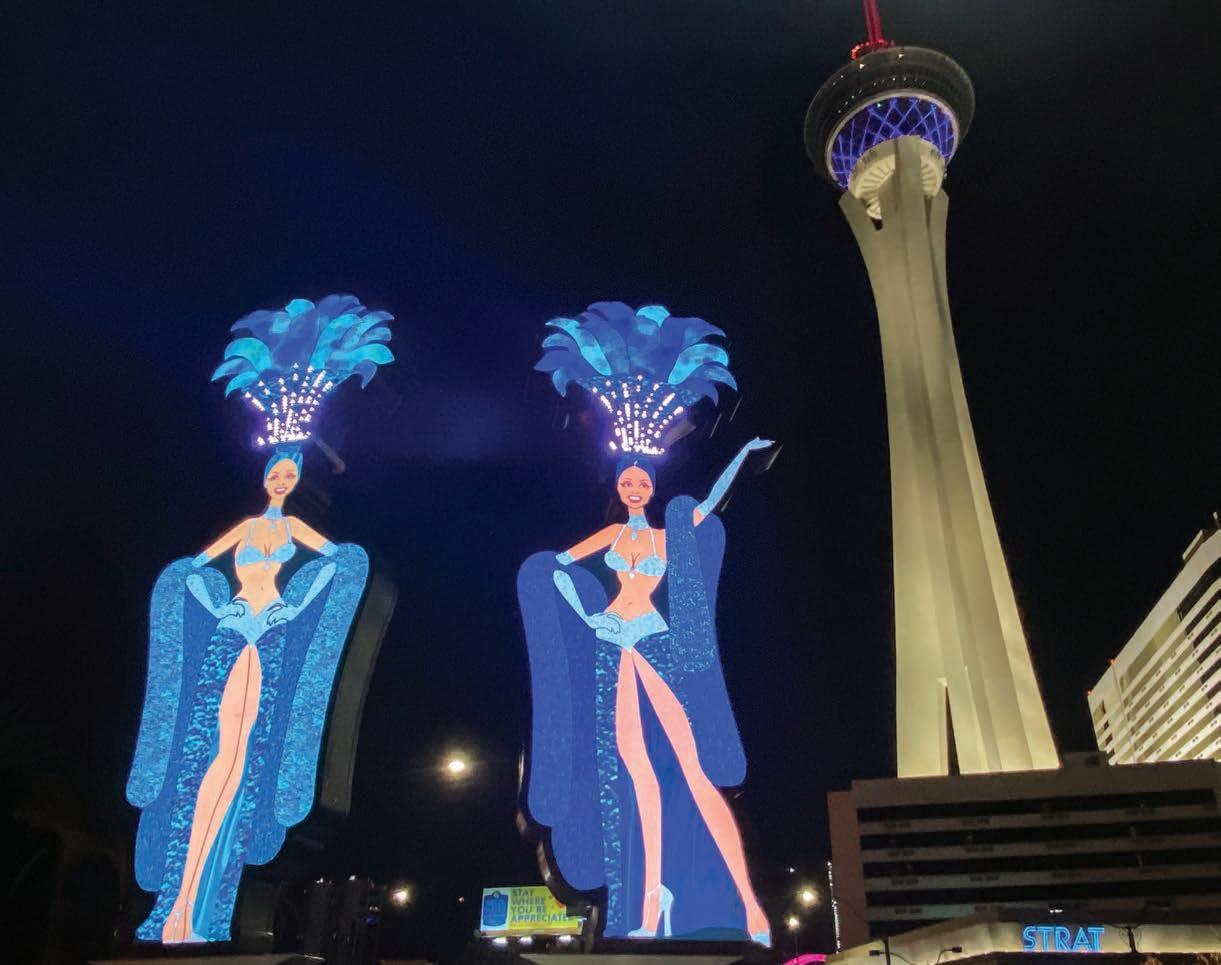
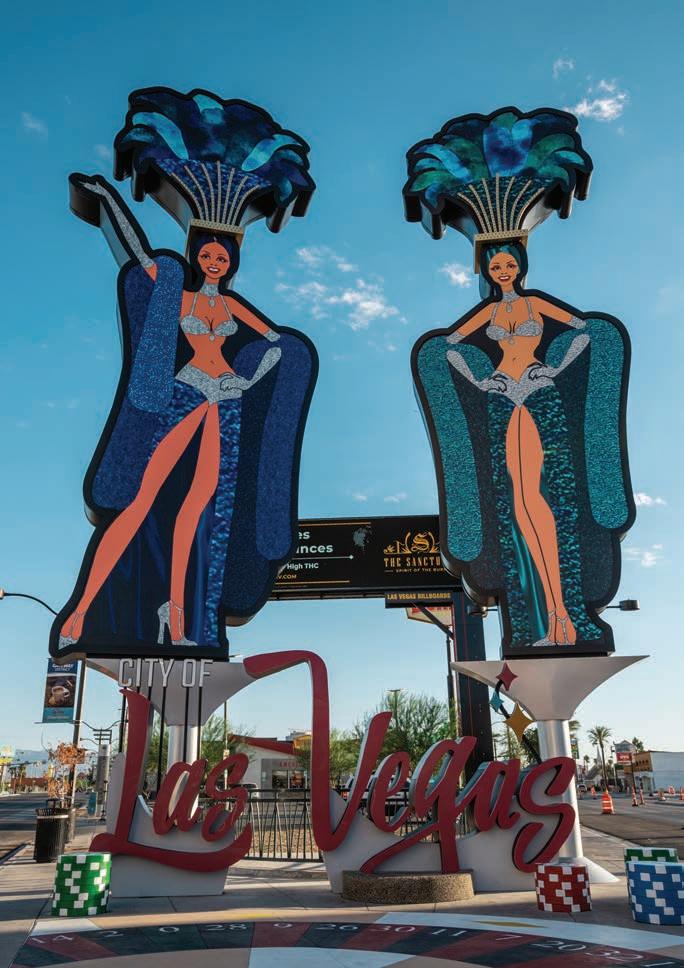
Las Vegas, Nevada—YESCO of Salt Lake City, Utah, and the city of Las Vegas have announced the recent installation—as well as the official lighting—of two brand-new, fif ty-foot-tall showgirls that are now stand ing on the corner of Main Street and Las Vegas Boulevard.
These new showgirl figures replace a pair of prior showgirl icons that were installed in this same spot back in 2018. The new showgirls are literally double the size of their predecessors—both of them standing an impressive fifty feet compared to the previous twenty-fivefoot-tall measurements.
(Note: The previously installed show girl signs are currently undergoing refur bishment due to weather damage. They are scheduled to be installed in the Las Vegas Arts District this fall on the cor ner of Fourth Street and Las Vegas Bou levard, in front of the Las Vegas Deuce double decker bus stop.)
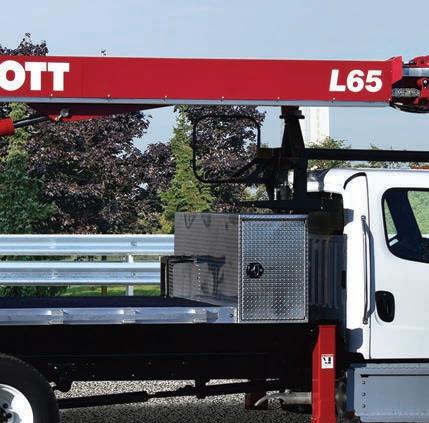
The brand-new Las Vegas showgirls were shipped straight from YESCO to the job site as one piece. YESCO began by installing footings with pipe. Next they used a thirty-five-ton crane truck to lift the towering showgirls onto the structure and then welded them into place.
The retro-style showgirls will create a







lasting legacy for the city as they join the previously installed dice sculptures and sidewalk roulette table to welcome visi tors to downtown Las Vegas.
“With an extensive history of fabricat ing, installing, and maintaining Las Ve gas’s most internationally recognizable signs, YESCO is thrilled to complete the newest iconic project for the city,” said Jeff Young, executive vice president of YESCO. “These historic signs will wel come visitors to downtown Las Vegas for decades, and we’re proud to have part nered with the city of Las Vegas to bring them to life.”
Some statistics: The prior showgirls
6 Sign Builder Illustrated November 2022 signshop.com
measured 26-feet-tall-by-8-feet-wide. And while it might seem a bit brazen to reveal to the public, the fact is that each one of those showgirls weighed 3,250 pounds. They were internally il luminated with white LED modules, while the headdresses were part of the graphic face and not separate.
By comparison, each of the new showgirls stands 50-feet-tall-by-15-feet wide. And we’ll politely reveal that each of them weighs 6,800 pounds.
The new showgirls are internally illu minated with white LED, and they light up each evening at dusk. The headdress es are lit with exposed full-color LED
pucks designed to scintillate or twinkle. Each headdress is more than five-feet tall and six-feet wide. They were fabri cated separately and were the last ele ments to be installed after the showgirls’ graphic panels were installed.
“Over the decades, YESCO has cre ated some of the most notable signs in Las Vegas, with other recent examples including Downtown’s Gateway Arches and signage at the Circa Resort & Ca sino,” said Las Vegas Mayor Carolyn G. Goodman. “These gorgeous signs will continue to elevate Las Vegas’ image as a world-class travel destination beloved by people around the globe.”
SCULPTOR USES DIGITAL SIGNAGE
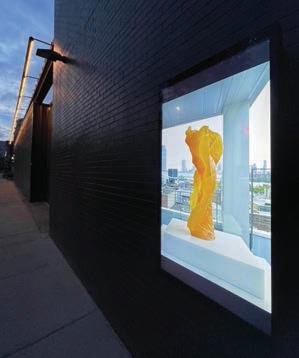
NewYork City, New York— Stationed in a ground-level, technologically advanced art production facility in Brooklyn, renowned sculptor Barry X Ball and his studio staff use modern tools and techniques (including digital modeling, 3D scanning, and 3D printing) to create stunningly detailed sculptures that each require up to 10,000 hours of han work to complete.
After recognizing that many passers-by try to sneak a peek in the windows to see what was inside the building, Ball chose to connect with the local community more directly by installing a forty-nineinch high-brightness LG outdoor digital display on the building’s facade to exhibit the studio’s work and processes to the public twentyfour hours a day, seven days a week, even in direct sunlight.
“I have a mix of still images and videos of my sculptures and their fabrication processes playing every minute of every day on the exterior display,” Ball explained. “It adds to the experience of visit ing here without expressly adver tising my name or sales—the art itself is the point.”
signshop.com November 2022 Sign Builder Illustrated 7
IN THE IN DUS RY

NEW DIGITAL MARQUEE FOR TIMES SQUARE JOLLIBEE

NEW YORK CIT Y, NEW YORK—
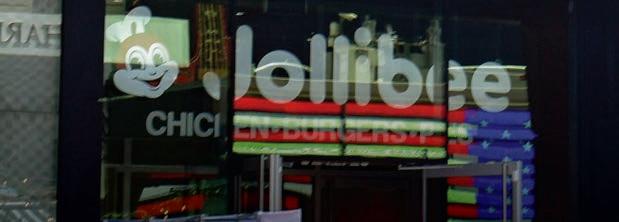
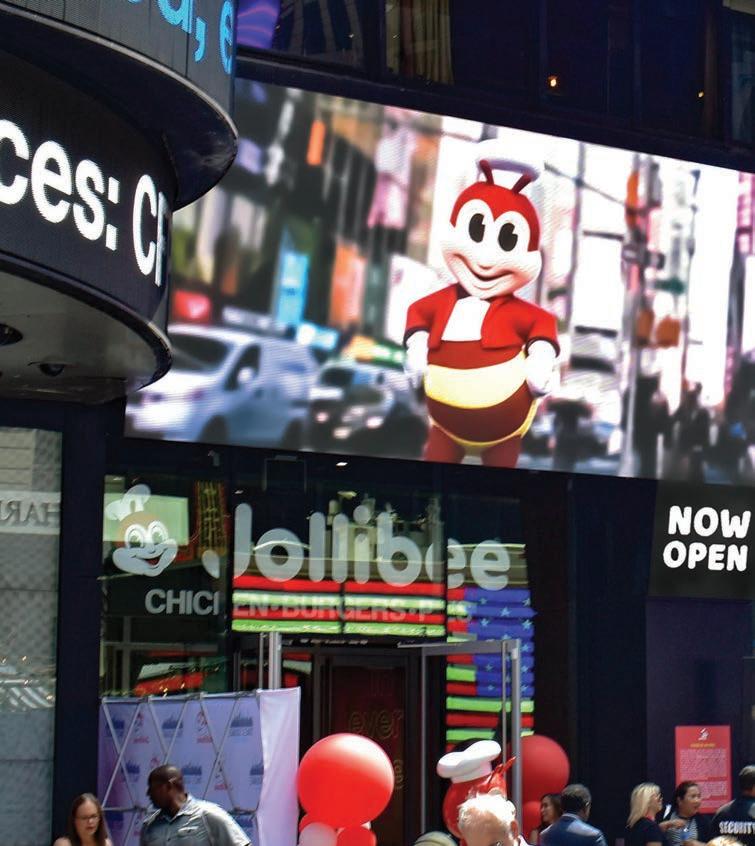
There’s a new buzz going on regarding digital signage in the heart of Manhattan. This past August, multi-national fast-food chain Jollibee joined ABC Studios, Disney, and SNA Displays as the newest tenant of 1500 Broadway, an iconic skyscraper in the heart of the Times Square bow tie, and in doing so, the family-centric brand chose SNA Displays to custommanufacture a digital marquee for its new restaurant location.
“Opening our Times Square loca tion, an undeniable global destination and retail hot spot, is truly a dream come true for our brand,” said Mari beth Dela Cruz, president of Jollibee Group North America, Philippine Brands. “It’s not only our newest loca tion but a powerful symbol of how far we’ve come and the unlimited poten tial we see for the future.”
Manufactured from SNA Displays’ EMPIRE™ Exterior product series, Jollibee’s new LED storefront display is mounted directly above the restau rant’s entrance and tilted downward toward passing pedestrians.
“Tilting the LED display required
careful coordination around property lines, overhang restrictions, and neigh boring displays,” said Mikell Senger, project manager for SNA Displays. “The result is a beautiful, clean in stallation directly in the middle of the highest foot-traffic area of the city.”
The digital display for the Times Square Jollibee features a 6.67mm pixel pitch and extends down on one side of the doorway, creating, a digital gateway for customers. It measures nineteen feet wide and more than twelve feet high along its tallest vertical edge.
SNA Displays’ Client Service Group (CSG) manages display content for Jol libee, in addition to its daily monitoring and maintenance services. They worked with Jollibee to create a teaser cam paign ahead of the store’s grand open ing as well as a countdown clock just before the doors opened.
“We love helping global companies like Jollibee find ways to maximize their branding and messaging,” said Mike Sabia, director of Client Service Group. “Through CSG and its carefully curat ed relationships with content creators, SNA Displays offers so many ways to help brands achieve their vision.”
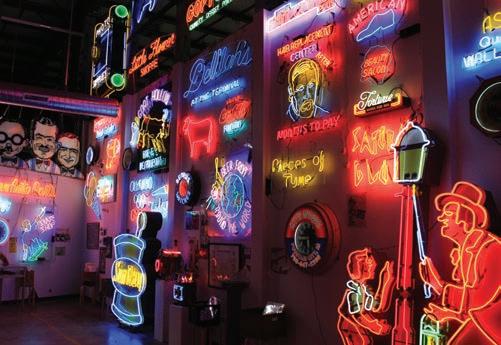
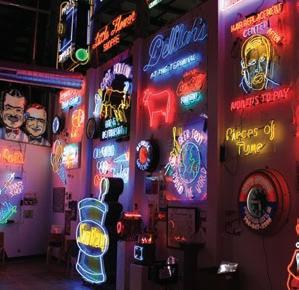
NEO N MUSEU M SET TO CLOSE
PHILADEL P HIA, P A—
Unfortunately, after years of “love and light,” the Neon Museum of Philadelphia has announced that it will be closing its doors for good this year..
The Museum is currently located on 1800 North American Street, and its final day in operation will be December 11, 2022.
Neon Designer and Vintage Neon Author Len Davidson helped establish the Neon Museum of Philadelphia back in 1983. He even set up his Davidson Neon Design studio to produce new neon pieces, while the Museum would act as a cultural and educational organization dedicated to pre serving neon signage and archi tecture, Philadelphia history and art, and the twentieth century American roadside.
They proudly billed themselves as an “American art and history museum disguised as a neon museum,” housing permanent neon collections, art exhibitions, tours, demonstrations, classes, and more.

At press time, owners of the Neon Museum of Philadelphia are in the process of seeking a new home for their collection that will allow it to stay unified, local, and publicly accessible. “Ideally part nership with a local institution could make this dream possible,” they said .
8 Sign Builder Illustrated November 2022 signshop.com
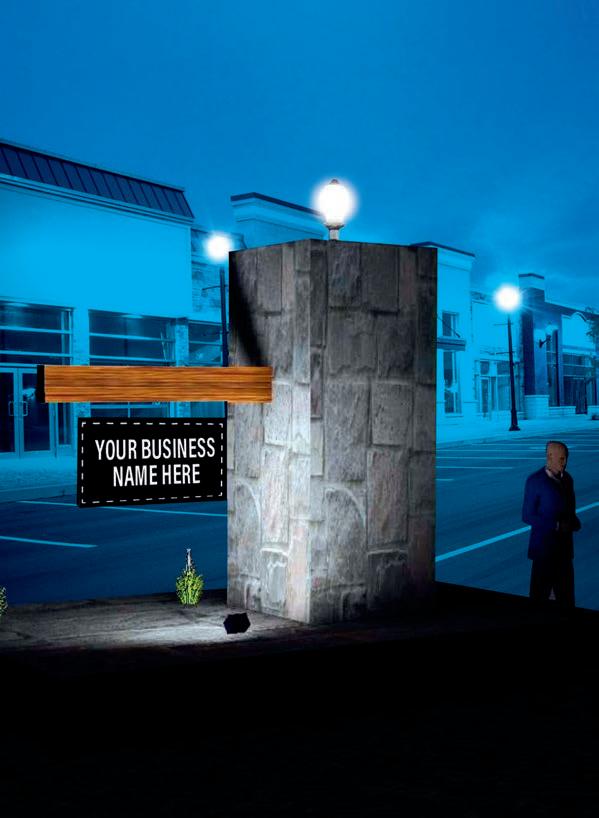


















23 1 of 3 2 of 3 3 of 3 Monument Sign Lighting Layout Keystone Technologies Lighting Layout 2750 Morris Road Lansdale, PA 19446 Email: LightingLayouts@keystonetech.com
SOFTWAREDESIGN/PRINT/ ROUTER/ ESTIMATING
New Updates to CorelDRAW Graphics Suite Improve Design Workflow

As part of the new vision of its recent rebranding as Alludo, CorelDRAW Graphics Suite, a complete design solution for vector illustration, layout, photo editing, typography, and real-time collaboration, has introduced several updates that empower designers to be creative and produce stunning results more quickly. Available with a subscription, these latest features and enhancements enable users to hone their skills and quickly start a creative project. According to the company, these latest update sim plify the design process and make it easier for anyone to “unlock the power of creativity and produce stunning results.”
For example, subscribers can boost their graphic design skills with access to a variety of new design templates and prac tice projects. Meanwhile a new scaling tool allows users to enjoy total flexibility and accuracy when scaling objects. And taking direct user-requests from the CorelDRAW Ideas Portal, subscribers can also enjoy new WebP file support, a reimag ined New Document dialogue, performance improvements, and more. coreldraw.com/en
VEHICLE GRAPHICS

EFI Fiery’s Pro Vehicle Online Subscription Program Provides Precise Vehicle Templates
Fiery®, the digital print server and workflow business of Electronics For Imaging, Inc., has launched a new subscription service for the popular Pro Vehicle Outlines product. The new online service offers subscribers access to more than 19,500 precise vehicle templates, with a powerful search engine for locating specific vehicle outlines from 1993 to present day. Vehicle types available include cars, trucks, SUVs, vans, trailers, and specialty vehicles with templates for everything from small signage to complete vehicle wraps. The new online sub scription service offers a more convenient and cost-effective way to give customers access to the latest templates over time. A new admin console enables users to manage their online accounts, keep track of template use, and add or remove multiple users, while giving them the ability to upload best work images to share with the industry in CADlink’s online gallery. Used in conjunction with the PVO WrapUp quote app, the Pro Vehicle Outlines web site makes quoting and creating vehicle signs and wraps faster and more accurate than ever before. provehicleoutlines.com
VINYL/VINYL FILMS
3M Paint Protection Film Gives Installers a New Solution to Enhance and Protect Vehicles
As vehicle protection films become more sophisticated and easier to install, installers now have an opportunity to expand their Paint Protection Film portfolio with the launch of 3M’s Scotchgard™ Paint Protection Film (PPF) Pro Series 200 Gloss. This new film is designed to protect automotive paint and other vulnerable vehicle surfaces from stone chips, scratches, bug damage, road tar, stains, automotive fluid stains, and punishing outdoor weather ing (including harsh UV radiation). Scotchgard PPF Pro Series 200 Gloss offers multiple industry-leading features, including an optimized adhesive for a more flexible and easily repairable installation experience, high gloss and excellent clarity with hydrophobic features, and a new seventy-two-inch film width. The product is a part of the 3M PPF Warranty program with coverage for yellowing, bubbling, and cracking. 3M.com/PPF

10 Sign Builder Illustrated November 2022 signshop.com SIGN SHOW
We’ve Got You Covered Sign Builder Illustrated’s newsletters keep you up-to-date with timely news, industry trends and “how-to” articles on every aspect of the sign industry. Graphics. Dimensional. Lighting. Digital. Installation. Operations. SUBSCRIBE TO SBI NEWSLETTERS: www.signshop.com/newsletters
Three tips for giving accurate project quotes. On the Numbers










Every company deserves to make a profit, and that includes your sign shop. The best way to preserve your profit is to avoid errors in the original quote, learn to predict obstacles in the field, and don’t give in to the pressures of bargain hunting clients. Any one of these mistakes can lead to thousands of dollars left on the table.
In this article, I will show you how to protect and boost your profit with a better quoting process.


The best part? Clients will thank you be cause accurate quotes will enable them to predict their costs while giving you more margin to provide a better service. Every one wins!
Here are three things that you can do to avoid losing profits on a job.
1. Utilize Quoting Tools and Resources. The easiest way to reduce anxiety over pro ducing consistent quotes is to use tools and resources that ensure you don’t miss the

important parts of pricing your jobs.


Start by calculating your labor burden— what it actually costs to cover your shop and field rates. This requires you to do a little homework.
When I owned a sign shop, I created a labor calculator with my CPA to help me examine all the costs needing to be cov ered per labor hour. Rent, lights, insur ance, etc., all have to be calculated, along with the hourly salary rate per person then additional markup for your profits. I would review this with my CPA at least a couple times a year to make adjustments as needed. (Note: I would be happy to send this worksheet to you for free if you think it would be helpful.)
Once you have a solid hourly shop rate, you can calculate your cost of materials, equipment usage, and the time it takes to complete the job.
At first, one of your experienced fabrica tors or installers might be able to help esti mate the amount of hours needed to com











plete the job. However, as you grow, hiring a dedicated estimator will help ensure your jobs stay profitable.
If you have good relationships with your suppliers, ask them to help you calculate the amount of materials needed for a par ticular job or how long it will take to run the printer or router to complete fabrica tion. This data will help you as you learn to gauge this for yourself.
Quoting tip: Another helpful way to test your pricing is to order signs from whole salers. It is important to have relationships with quality wholesale shops as a backup to fabrication bottlenecks anyway.

If a banner costs $100, you should be able to double that amount and divide it by the number of square feet to get a solid retail per square foot price. Electric signs might not be able to be doubled, but you can ask your wholesaler for a detailed esti mate to help ensure you quote their prod ucts correctly in the future.










12 Sign Builder Illustrated November 2022 signshop.com HOW TO ICING JOE ARENELLA






























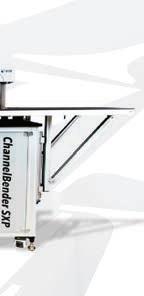
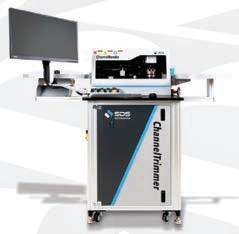
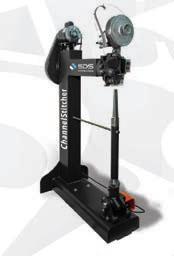
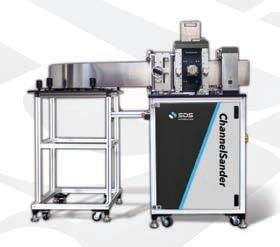
ChannelBender® Series Automated Channel Letter Solutions sign.sdsautomation.com 303-710-8125 The equipment of choice for nearly every major sign manufacturer in America. YOUR CASH IS SERVED Taking advantage of Section 179 is like getting money on a silver platter. Purchase automated channel letter equipment from SDS Automation before December 31st and earn a huge tax deduction for 2022!
Lastly, whether you use a spreadsheet, accounting software, or sign quoting soft ware, it is important your method be con sistent. Again you deserve to make a profit, so make sure you have the right tools to understand your costs and markups.


2. Get the Details Right the First Time. No one likes a change order. An email request for a sign often fails to take into


account the hidden but necessary compo nents of fabrication and installation (such as detailed site surveys, hours of design and engineering, permitting research, color samples, and so on).


If you underestimate the process, your shop will be forced to either honor an un derbid quote or convince your client to sign a change order because you missed an important detail.


For example, a few years back, my shop installed a channel letter sign using bracing that was designed to be bolted to the backside of a parapet wall. I failed to measure the depth of the wall to the deck correctly—a mistake that cost our company over $10K to build new bracing from the deck, which involved cutting the roof membrane, on-site welding, and get ting everything reengineered.
In other words, it was a nightmare that could have been avoided had I asked for a set of detailed drawings from the architect before presenting the quote—a rookie mis take that my client refused to pay for. My shop blew all the profit on the job.
These mistakes are not limited to large electric projects. Miscalculations can also happen with banner sizes and frames, if de

14 Sign Builder Illustrated November 2022 signshop.com HOW TO PRICING JOE ARENELLA
IT WAS A NIGHTMARE THAT I COULD HAVE AVOIDED HAD I ASKED FOR A SET OF DETAILED DRAWINGS FROM THE ARCHITECT BEFORE PRESENTING THE QUOTE.
tails aren’t accurately collected.
A good first step is to start with solid survey techniques for gathering informa tion, including detailed survey checklists, file and photo storage (not just your email inbox), team tasks, and a solid quality as surance (QA) plan to double check every thing is done correctly.
Haste is your enemy, and a lack of a good system to ensure everyone is on the same page will lead to lost productivity and profits.
3. Same Service, Di erent Customers…









Two Times the Profit!
The market is filled with bargain hunters that have little or no understanding of your processes. Being completely transparent and straightforward about your pricing can feel scary at first, especially when you are just starting out.
When providing a quote, try to include every cost, evaluate every possible situ


ation, and provide an estimate that is as close to your final price as possible. That sinking feeling that you are going to be too expensive and miss opportunities is hard to shake but remember that bargain hunters rarely make good clients in the long run.
When you charge enough on a project to do it right, you will start to attract bet ter customers because you can afford to do quality work. Plus clients rarely reject quotes based on price especially when you take the time to understand what they are trying to accomplish.
Clients that trust your commitment to them are usually willing to share their bud get and be flexible whenever possible.
Be clear and quote exactly what you promise to deliver. Have confidence in the quality of your work and the courage to protect your profit. Clients will always ap preciate your willingness to work hard for them and will want to reward you for help
HOW TO
PRICING JOE ARENELLA


ing them reach their goals.
Joe Arenella founded two sign shops before launching SignTracker, a software program that helps sign shop owners track their jobs, quote more consistently, and provide their team a birds-eye view into what’s going on in the shop. He can be reached at joe@sign-tracker.com.

signshop.com November 2022 Sign Builder Illustrated 15
Business Foundations
Last issue, I discussed the different ways you can structure your busi ness: Sole Proprietorship, Part nership, LLC, or Corporation (“Choosing a Business Structure”).
This month, I am going to go into a little more detail about some additional behind-the-scenes, getting-started ad vice you’ll need to keep in mind, depend ing on the structure you’ve selected.
Choosing a Tax Classification
If you structure as an LLC, you have the choice of tax classification (default, S-Corp, and C-Corp). The default tax strategy is pass-through taxation.
If you are the sole member in an LLC, you are taxed as Sole Proprietor.
When an LLC has multiple members, your business is taxed as a Partnership.

That means that profits are distributed among the members and subject to em ployment taxes.
An S-Corp is a little more complicated. Members can receive a salary and receive distribution of profits. If you choose this tax classification, your accounting will be more complicated, and you’ll probably need professional assistance in account ing and tax preparation.
By comparison, if you elect to be taxed as either a Sole Proprietorship or as a Partnership, all earnings pass through to the members. All of these earnings are subject to employment tax and federal and state income taxes.
As a word of caution, the IRS more thoroughly scrutinizes tax returns for SCorps compared to tax classifications as Sole Proprietorships and Partnerships.
Articles of Organization
One of the usual requirements is submis sion of “Articles of Organization,” also known as the certificate of formation.
The Articles of Organization provide a basic overview of the LLC that you are forming. This information includes the name and address of the business, the name and address of your registered agent, and the purpose of your business and its management structure. This pro cess also requires a filing fee, which may cost as much as $200.
Operating Agreement
In registering your business, you should have an operating agreement, whether your state requires it or not and whether the company is a single-member LLC or a partnership LLC. This agreement de
16 Sign Builder Illustrated November 2022 signshop.com
Photo: Shutterstock.com/Korawat photo shoot. Organizing and classifying your sign company.
HOW TO USINESS
scribes the rules under which your busi ness will be run.
An operating agreement is a contract that governs the economic relationship among members. It describes the opera tion of the LLC—such as who makes decisions, the rights and responsibili ties of members, resolution of disputes, distribution of profits, and admission of new members.
Without an operating agreement, the state’s default rules serve as a guideline for the LLC. The agreement prevents litigation in the event of disputes.
As a foundation, the operating agree ment allows the members to indicate the initial investment each made and stipulate the percentage of ownership. It also specifies the tax classification for the LLC.
Members can decide whether the LLC should be taxed as a Sole Propri etorship, Partnership, S-Corporation, or C-Corporation. The agreement also allows members to stipulate how to handle the community property inter ests of spouses, if you’re located in a community property state.
While your state may not require an operating agreement when filing for an LLC, you may need one when applying for a bank loan. An operating agreement also is helpful in court when investigat ing liability. In other words, the court may decide whether to assign liability to either the LLC liable or to the members.
If a single-member LLC decides that it is not to be treated as a Corporation for tax purposes, it falls into the classi fication of a “disregarded entity.” In this classification, the business is considered to be separate from its owner for any lia bility. However, for tax purposes, profits pass through the business to the owner. The owner pays income tax on the com pany profits on his or her personal in come tax return.
In many cases, if your single-member LLC is classified as a disregarded entity, you can simply use your social secu rity number on your federal tax return. However, if you have employees, you will need an Employer Identification
Number (EIN), also known as a federal tax ID number.
The EIN is the equivalent of a social security number for your company. You will need an EIN to file your state and federal tax returns, apply for business licenses, open a business bank account, hire employees, or withhold employ ment taxes. In my opinion, you are gen erally better off getting an EIN.
Every formal business structure must apply for an EIN from the IRS after (not before) your business is legally formed.
You also must apply for an EIN if you hire an employee even as a Sole Propi tiator or Partnership or Private Individ ual. The application process is simple. While you can apply by mail using the IRS Form SS-4, it’s much simpler to ap ply online.
HOW
BUSINESS BY JIM HINGST
• An operating agreement helps safe guard your company’s limited li ability standing, if your business is a single-member LLC.
In structuring an operating agree ment, you need to include basic com pany information (business name, loca tion, purpose and duration of the LLC) and the names of the members (own ers). You also need an explanation of how members are compensated (salaries and distribution of profits), as well as their voting rights.
When you start an LLC or corpora tion, you must designate a registered agent (also known as a resident agent or statuary agent), and this means including their contact information. The registered agent is your point person authorized to represent your company and who re ceives government notices, documents, and other correspondence.
Other than California, Delaware, Maine, Missouri, Nebraska, and New York, you are not required to adopt an operating agreement. What’s more, no state requires that you file one with the Secretary of State where the LLC was formed. Nevertheless you should create an operating agreement for your busi ness, even if your company is a singlemember LLC. Here’s why:
• An operating agreement establishes guidelines for resolving any legal disputes that may arise. Without one, the LLC must follow your state’s default rules.
• Banks and other lenders may re quest an operating agreement when you open a business bank account or apply for a loan. The operating agreement ensures the lender that the person acting on behalf of your company has that authority.
Designate whether your LLC is member-managed or managermanaged. The difference is that in a member-managed LLC, the members or owners run the day-to-day opera tions. In manager-managed LLCs, the members hire managers to run the company. Responsibilities of members and managers need to be defined.
Also indicate how the LLC elects to be taxed and explain the procedure for adding and removing members and for dissolving the LLC.
The members should sign the oper ating agreement and store it with your other business documents. Each mem ber should receive a copy.
Employment Taxes
As an employer, you must withhold federal and state income taxes from the wages of your employees. You must also withhold Social Security and Medicare taxes.
Employees pay half of the FICA taxes, and as an employer, you must contrib ute half of their taxes. That amount to 6.2 percent for Social Security and 1.45 percent for Medicare of your employees’ wages. What’s more, you must also pay
signshop.com November 2022 Sign Builder Illustrated 17
TO
THE EIN IS THE EQUIVALENT OF A SOCIAL SECURITY NUMBER FOR YOUR COMPANY.
JIM HINGST
for Federal Unemployment tax out of your company funds, not from your employees’ wages.
Do You Need a DBA?







The DBA (doing business as) permits a company to operate using a name or brand that is different from the legal name of the business.
You should contact the business ser vices division of your Secretary of State’s office to learn what is required in your state. How and where you file can vary depending on your company’s business structure. Generally the DBA require


ment is satisfied as part of an LLC ap plication.


A DBA does not provide you with any legal protection for your business names or brands as a trademark would. A DBA is also no substitute for an LLC and does not protect your personal assets. It is simply a state legal requirement.
Business Insurance
























In most cases, liability insurance is the most important coverage that your business needs. It covers your company for any claims against your company.

You should also consider investing in





commercial property insurance, a policy for company vehicles and busi ness interruption insurance. Of course, you will also need worker’s compen sation insurance to comply with your state’s requirements.
A commercial umbrella insurance policy protects your business for any claims that are beyond the coverage of your other policies. It is not a substitute for your regular insurance policies.
Melissa Cox of Snyder Insurance Agency Inc., in Michigan City, Indiana advises that you should sit down with an insurance professional ensuring that the policy is written correctly based on the business entity type you choose.





With a sole proprietorship operat ing with a DBA, the insurance policy should name both you as the owner and the business name.
Consider your liability limit carefully. If your business is sued for more than your insurance limit, it will be paid out of business assets. In the case of a soleproprietorship or partnership, it will come out of the owners’ pockets.
Cox also says that if you will have employees, it’s also a good idea to talk to an agent about how Worker’s Compensation will be handled. Worker’s Comp is different for an LLC and Cor poration than it is for a sole proprietor ship. The Owners may or may not be covered and could be subject to a mini mum payroll rating, directly affecting the premium.

18 Sign Builder Illustrated November 2022 signshop.com HOW TO BUSINESS BY
Photo: Shutterstock.com/Gustavo
Frazao.
How To Navigate A Changing Sign Landscape
SBI’s new webinar series—On the Floor—is your compass to all the challenges sign shops face. Our series provides actionable steps to help your sign shop thrive amidst the expanding digital signage landscape and everyday operational challenges.


www.signshop.com/resources
CNC ROUTERS
BY JEFF WOOTEN
CARVING OUT A ROLE
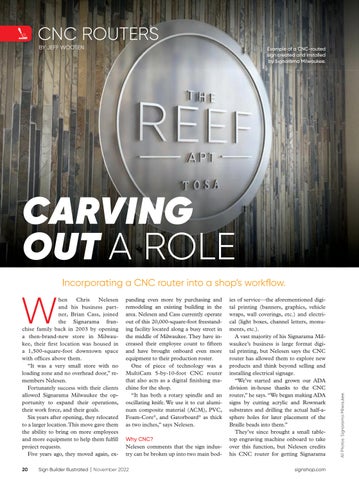
hen Chris Nelesen and his business part ner, Brian Cass, joined the Signarama fran chise family back in 2003 by opening a then-brand-new store in Milwau kee, their first location was housed in a 1,500-square-foot downtown space with offices above them.
“It was a very small store with no loading zone and no overhead door,” re members Nelesen.


Fortunately success with their clients allowed Signarama Milwaukee the op portunity to expand their operations, their work force, and their goals.

Six years after opening, they relocated to a larger location. This move gave them the ability to bring on more employees and more equipment to help them fulfill project requests.
Five years ago, they moved again, ex
panding even more by purchasing and remodeling an existing building in the area. Nelesen and Cass currently operate out of this 20,000-square-foot freestand ing facility located along a busy street in the middle of Milwaukee. They have in creased their employee count to fifteen and have brought onboard even more equipment to their production roster.
One of piece of technology was a MultiCam 5-by-10-foot CNC router that also acts as a digital finishing ma chine for the shop.
“It has both a rotary spindle and an oscillating knife. We use it to cut alumi num composite material (ACM), PVC, Foam-Core®, and Gatorboard® as thick as two inches,” says Nelesen.
Why CNC?
Nelesen comments that the sign indus try can be broken up into two main bod
ies of service—the aforementioned digi tal printing (banners, graphics, vehicle wraps, wall coverings, etc.) and electri cal (light boxes, channel letters, monu ments, etc.).
A vast majority of his Signarama Mil waukee’s business is large format digi tal printing, but Nelesen says the CNC router has allowed them to explore new products and think beyond selling and installing electrical signage.
“We’ve started and grown our ADA division in-house thanks to the CNC router,” he says. “We began making ADA signs by cutting acrylic and Rowmark substrates and drilling the actual half-asphere holes for later placement of the Braille beads into them.”
They’ve since brought a small table top engraving machine onboard to take over this function, but Nelesen credits his CNC router for getting Signarama
20 Sign Builder Illustrated November 2022 signshop.com
WAll Photos: Signarama Milwaukee. Incorporating
a CNC router into a shop’s workflow.
Example of a CNC-routed sign created and installed by Signarama Milwaukee.
Milwaukee started in this field.
Introducing the MultiCam CNC router to their production floor several years ago has allowed Nelesen’s shop to bring work in-house that they had been previously subbing out.
“I’m a firm believer in selling and mar keting what you can make in-house,” he says. “This way, you can control quality and turnaround times. A mistake is now less likely to cause a delay or incur a large expense if we have to fix something.
“We partner with individual letter manufacturers like Gemini. They’re great and a partner that we use often; however if someone comes to us needing custom letters made in three days, a CNC router allows us not to turn this quick job down or have the client wait.”
Preciseness is another driving advan tage of the CNC router.
“If we’re making a hundred 18-by24-inch rectangle signs for a client, we can achieve a much more accurate cut by routing all those blanks, opposed to cutting them on a panel saw,” says Nele sen. “It makes production much more streamlined, efficient, and easier.”
Nelesen states the CNC router also allows his designers a little more creative freedom and not be restricted to just en visioning straight cuts in their designs.
“There are always unique layered custom shapes that we can create with acrylics and PVCs, digital prints, paint ing, and things like that,” he says.
Since Signarama Milwaukee is mak ing custom-shaped signs with the CNC router, their sales team can now sell jobs based on perceived value. This ability is a big plus for Nelesen.
“It’s a way for us to be able to get bet ter margins on signage, because customshaped signs and layered signs have a higher perceived value,” he says. “Selling on perceived value lets us give our cus tomers Good, Better, and Best options. Doing this, we can make interesting, more unique signs in-house and work on our margins in a more positive way.”
Nelesen mentions that it’s important to not take the sign-buying public for grant ed, as they’re becoming more educated about signage and are now coming to the counter with pretty high expectations.
“It’s very easy for anyone to Google
interesting-looking things and then bring those ideas to us and ask, ‘Can you make something like this for us?’” he says. “The CNC router makes it possible for us to provide what our customers are looking for without having to bring in an outside vendor!”
Signarama Milwaukee also uses their CNC router to help companies that spe cialize in custom build-outs of restaurants or retail spaces. These clients give Nele sen’s shop the specification and bring the materials for them to cut.
“They may come to us with a need for a bunch of special plywood-routed reversecopy cut of it for their environment,” ex plains Nelesen, noting the equipment has allowed them to become a go-to vendor for builders and artists in the area.
One of this shop’s niches is event sig nage, as they work with both end-users directly and the companies that put on events. They’ve worked with these types of clients for years (some actually being their first customers twenty years ago).

Nelesen says that many project re quests from event companies involve very short turnaround times and flex ible changes.
“They may originally need a rectangle Foam-Core piece, but then it can turn into an oval PVC piece with standoffs,
printed faces, and routed letters on there,” says Nelesen. “The CNC router helps us with these changes and turn around times.”
Although the city of Milwaukee has a pretty sizable list of materials that can be placed in their recycled bins (FoamCore, Coroplast, Gatorboard, etc.), Nelesen’s Signarama always tries to use the materials as efficiently as possible.
For example, they do lots of parking signs for clients in the area. Because of this, they’ll place leftover scrap pieces of blanks from other projects on the router table and then carve out 18-by-24- or 12-by-24-inch parking signs from them.
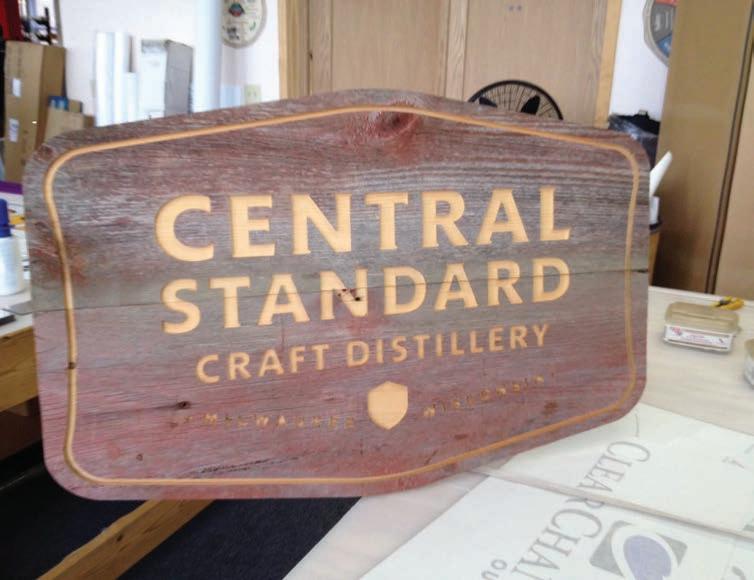
“We have pre-done templates set up in the software,” explains Nelesen. “We throw the blanks on the router, route them out, and then put them into our stock inventory to sell later on. We sell a ton of them!”
Layout and Set Up
When Nelesen brought the CNC router onboard at Signarama Milwaukee, he strategically paired it by adding a flatbed printer at the same time as well.
“I wanted that ability to print directly onto foam board with the flatbed and then cut it into shapes using the CNC router,” he says. “This takes away that
Nelesen finds a CNC router provides more accurate cuts for some signage projects.
signshop.com November 2022 Sign Builder Illustrated 21
extra step of having to lay down the vinyl and laminate.”
The company often uses the flatbed-
























































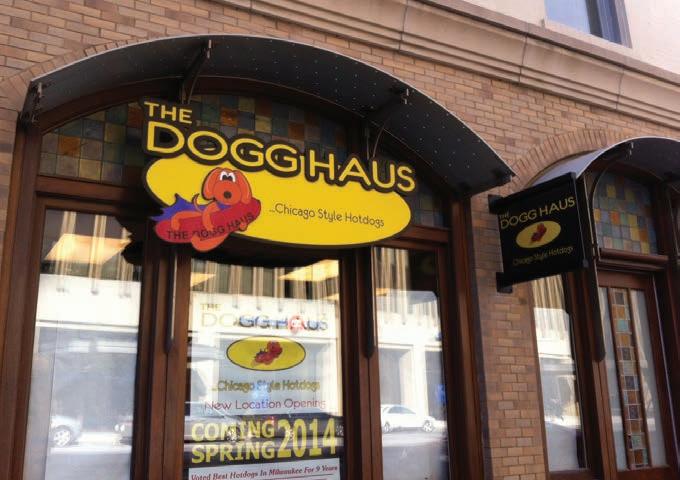
CNC router combination to create lay ered signs and backgrounds from PVC and acrylic, such as offset signs and en







vironmental pieces for corporate lobbies and other such areas.












For Nelesen, both these machines have proven to be a boon for his bottom line. How they would set them up in their facility was an important decision.
The flatbed is located in their climatecontrolled print room alongside their four roll-to-roll printers, while the CNC router is installed in the garage at the back of their facility.


“The CNC can be quite noisy while in operation,” says Nelesen. “Having it in the garage area keeps the noise away from our office operations, sales people, and designers.
“It also has a powerful vacuum motor that needed special wiring and a special exhaust. The sawdust, shavings, and dust it creates are best kept in the garage area.”


For Nelesen, bringing aboard these hardware investments has allowed his shop to keep existing customers (as well as attract new ones) and increase their output in-shop and on time.

22 Sign Builder Illustrated November 2022 signshop.com
Nelesen says that the CNC router lets Signarama Milwaukee designers have a little more creative freedom with
custom
shapes.
Minimal Clean-up Unbox your potential with no size or weight limitations Visit APLazer.com or call 800-585-8617 INTRODUCING The NEW SN1812LR Open-Architecture Equipped to handle large, heavy and irregular shaped objects such as large signs and full sheets of acrylic! High Detailed Engraving Speedy, Precise Cuts No Heavy-lifting Needed Focus your laser directly to the material with the adjustable z-axis. Large Object Engraving Made Easy Drop the Laser Beam to the Ground or anywhere in between
IDENTITY SIGNAGE
BY JEFF WOOTEN
SIGNS OF


GOOD CREDIT
This past September, Freedom Credit Union opened a brandnew branch specifically con structed in the city of Spring ville, Utah.
Before they could open up their doors to the public, credit union of ficials knew that they were going to need a well-designed package of va riety identity signs for their building and on their property.
YESCO, the 102-year-old Salt Lake City, Utah-based company known for creating, repairing, and maintaining internationally recognizable signs, was awarded the opportunity to make this request a reality—designing, fab ricating, and installing signage needed for this new location.
Even though this is actually the sec ond Freedom Credit Union location in Utah County, this project ended
signshop.com November 2022 Sign Builder Illustrated 23
Designing, fabricating, and installing effective new signage for a credit union.
All Photos: YESCO.
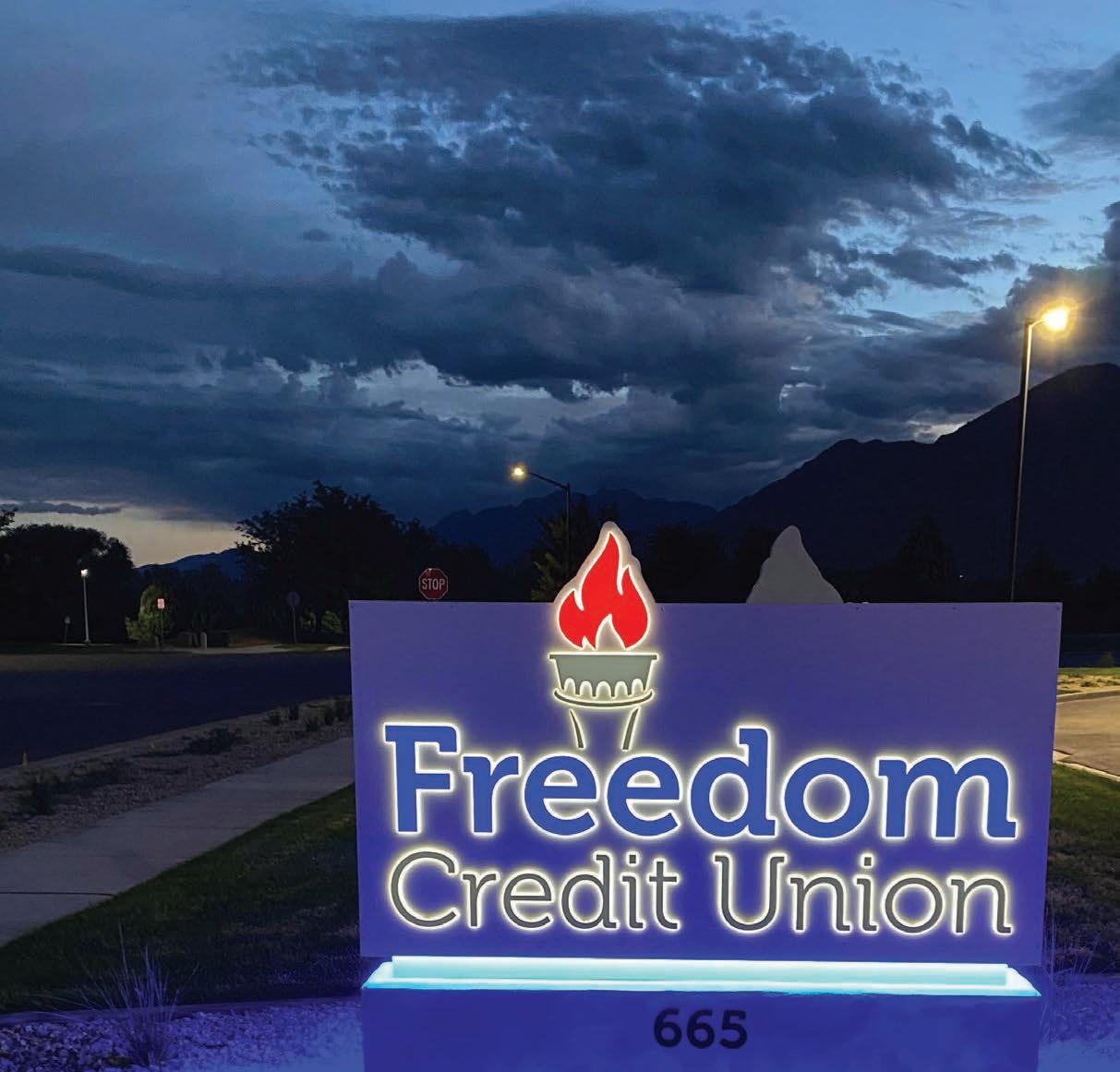
EMC and wall sign at Freedom Credit Untion.
ended up being the first time officials had worked with YESCO.
By the time the sign company was hired, construction had already commenced on the new building as well as the surrounding landscaping. “I was referred to Freedom Credit Union by their architect whom I had been working with on various projects over many years now,” says Jeff Krantz, the account executive at YESCO who oversaw his sign company’s involvement on this project.
Krantz credits the officials at Freedom Credit Union for following their architect’s recommendation concerning getting YESCO involved early on in this identity signage project.
“Because of our early involvement, [this gave us time to] plan well and
because, years ago, Freedom Credit Union had a different sign company come in and install a message center to enhance their initial location.
“With this new location, we were hired to achieve a higher level of quality, minimize maintenance, and refine their logo to work better on the signage,” says Krantz.
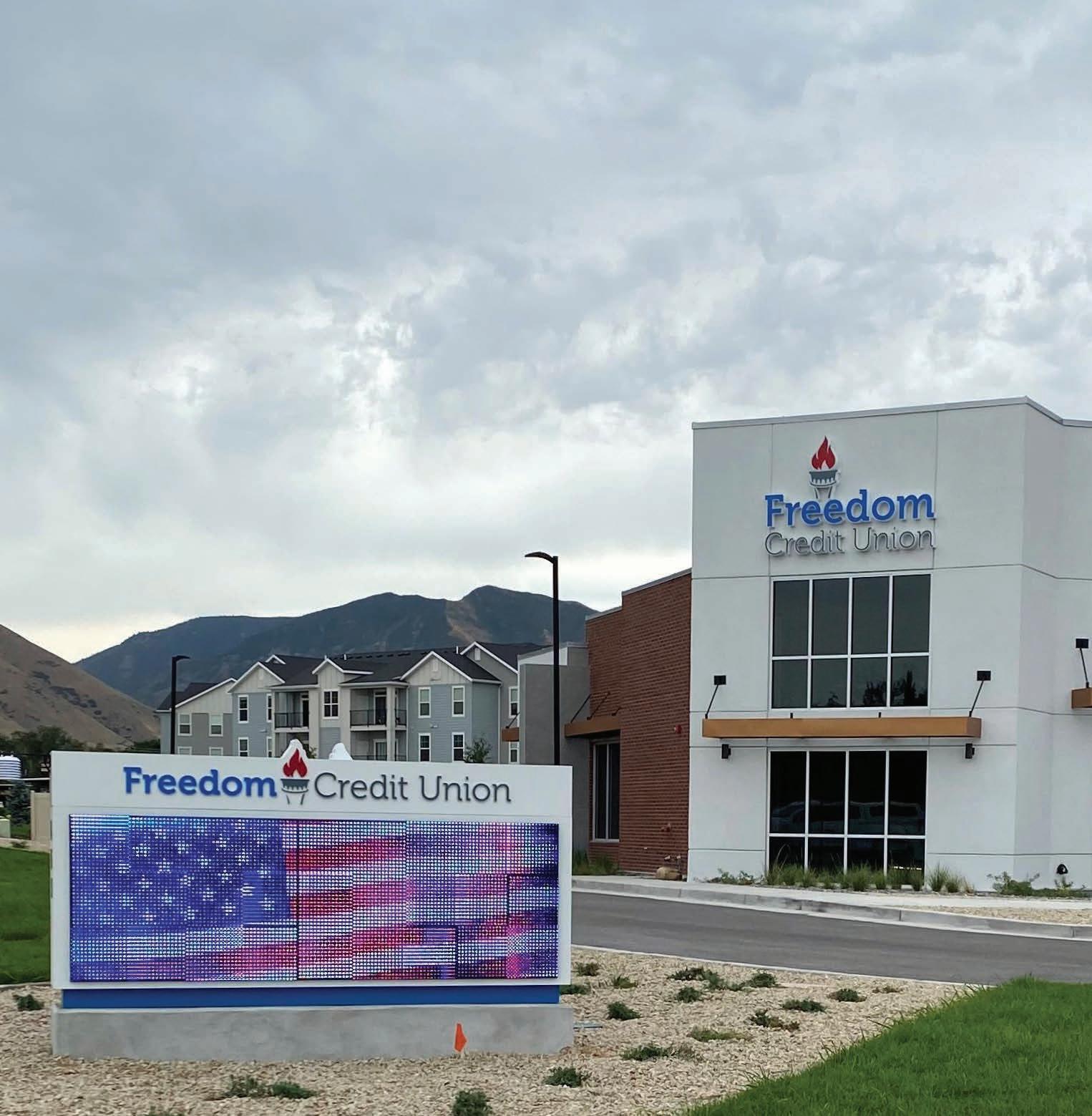
In addition to this new EMC display, YESCO also built an illuminated 6-foot-tall-by-10-foot-wide letter set that they attached to the building.
“We used non-corrosive attachments, minimized penetrations, and worked with the general contractor to make sure we had proper access for behind-wall wiring,” says Krantz. “It was important to use white traplines for the blue and gray lettering, so also keep the letters
them to keep any hard water sprinklers off of the sign,” says Krantz.
Even though YESCO began signage work for this Freedom Credit Union just one month earlier in July, it only took them approximately 180 manhours to complete the project.
“Since the customer got us involved early on, we didn’t encounter any significant challenges,” says Krantz. “We had everything up and completed before the grand opening as well as in time to have any landscaping repaired.”
However YESCO did have to deal with a restrictive sign code for the city of Springville on this project. Fortunately the sign company “maximized” the city’s sign codes to complete the “best sign package” for this new Freedom Credit Union.
coordinate with the general contractor and the electrician, in order to make sure that the signs would be ready for their opening,” says Krantz.
One example of the exterior signage created for this new location is a Watchfire high-resolution, trimless 10-millimeter electronic message center (EMC) display settled on a concrete monument base. The tight 10mm pixel pitch allows Freedom Credit Union to display important messages and additional graphics on the 6-foot-tallby-10-foot-wide monument sign.
“Given the viewing distances and types of ads that they wanted to run, the Watchfire 10mm was the most cost-effective solution for this project,” explains Krantz, noting that, regarding the EMC base, they wanted to give Freedom Credit Union a concrete mow curb as well as be able to add some indirect cove lighting in the reveals.
The new EMC was a high priority,
from looking fuzzy at night to the eye.”
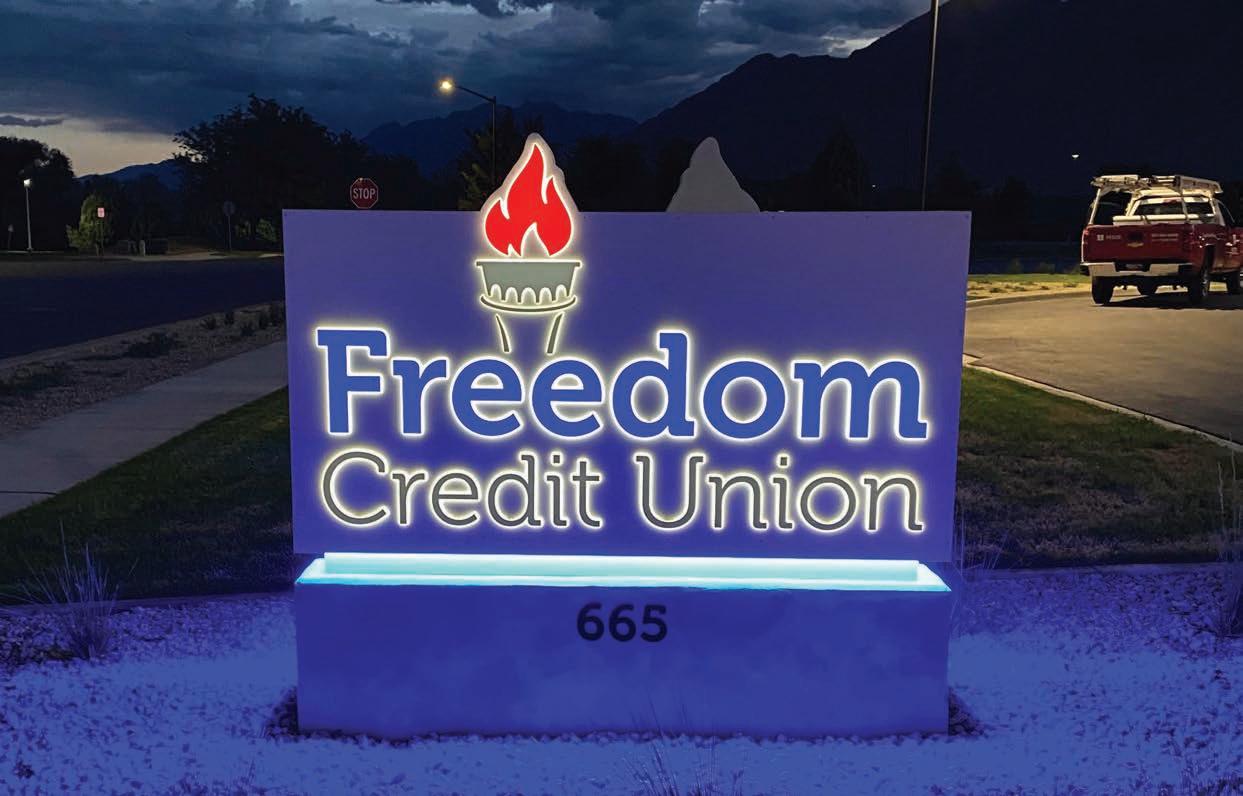
YESCO also designed and fabricated a hanging 1-foot-8-inch-tall-by-10-footwide entry sign installed off the new Freedom Credit Union building’s portico as well as a 6-foot-tall-by-6-foot-wide directional sign placed along the major street running past it.
“The city allowed a berm on the main street frontage so as to have the directional sign be as visible as possible,” explains Krantz. “Our customer opted to do this for better viewing.
“We installed this directional sign in a new direct-bury footing with the concrete pad perpendicular to the highest traffic count street. Setbacks and clearview triangulation were also used to get the sign as close to the property line as the city allowed.”
The excavation and footing for the directional sign were completed in one day. YESCO returned several days later to install it. “We did recommend to
“Maximizing the allowances was important,” explains Krantz. “Using berms under the freestanding signs helped and using the Watchfire Trimless LED screen gave us the largest active area possible.
“In addition, using grid systems to calculate the allowed square footage, meeting the 50/50 EMC-to-area requirement, and placing the signs for best visibility all helped make this a successful project.”
Even though this ended up not being a very large project, the YESCO project manager was instrumental at coordinating with all the parties involved. “We manufactured all the signs at the same time, staggering the installations as the property was being readied,” says Krantz.
In the end, everyone is thrilled over the results of this professional branding sign project that really enhances the new Freedom Credit Union location.
24 Sign Builder Illustrated November 2022 signshop.com
THE CITY ALLOWED A BERM ON THE MAIN STREET FRONTAGE SO AS TO HAVE THE DIRECTIONAL SIGN BE AS VISIBLE AS POSSIBLE. OUR CUSTOMER OPTED TO DO THIS FOR BETTER VIEWING.

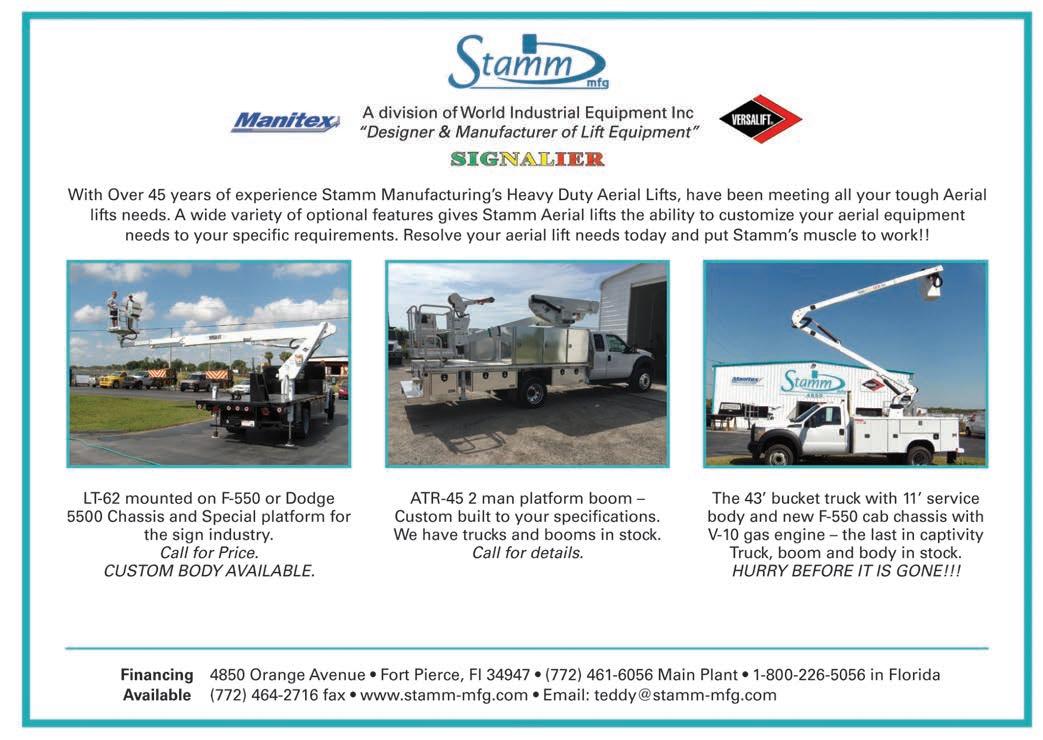
Directional sign. ATR-45N with 3’ x 5’ Aluminum Platform 1,000 lbs Material Handler. The ATR is offered in a 41, 45, 52, and 58 and all can be built on a Non-CDL truck ATR-45 2 man platform boom –Custom built to your specifications. We have trucks and booms in stock. Call for details. Stamm ATR-45N with 3’ x 5’ Aluminum Platform,1,000 lbs Material Handler Mounted on a 19,500 GVWR Isuzu. Powered by the VanAir PowerFlex unit With Over 45 years of experience Stamm Manufacturing’s Heavy Duty Aerial Lifts, have been meeting all your tough Aerial lifts needs. A wide variety of optional features gives Stamm Aerial lifts the ability to customize your aerial equipment needs to your specific requirements. Resolve your aerial lift needs today and put Stamm’s muscle to work!! 4850 Orange Avenue • Fort Pierce, Fl 34947 • (772) 461-6056 Main Plant • 1-800-226-5056 in Florida (772) 464-2716 fax • www.stamm-mfg.com • Email: teddy@stamm-mfg.com Financing Available
STRICKLER SIGNS of New Oxford, Pennsylvania, recently worked with Orrstown Bank, headquartered in Shippensburg, Pennsylvania, to design and install exterior digital signs and network them with their interior displays.
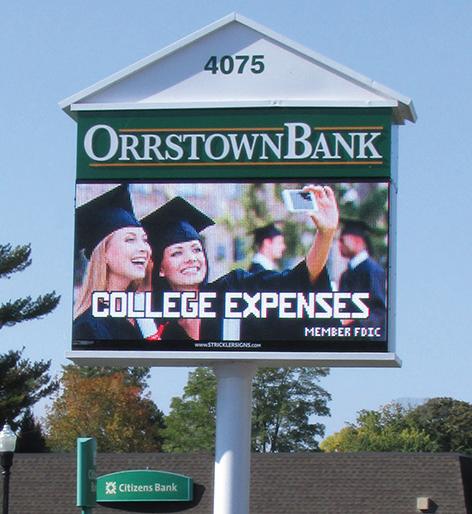
Five of the bank’s locations have installed exterior digital displays manufactured by Watchfire Signs. The bank also has a network of twenty-three interior LCD displays in branch lobbies throughout Pennsylvania and Maryland.
Recently the bank’s marketing department began
Banking With DDS






using Cloud-based Watchfire Ignite OPx to program and manage the messages on all these displays. The bank is able to customize each display to promote products and services applicable to individual locations—including home equity lines of credit, checking and savings accounts, and lending solutions.
Displays can also be tailored to introduce key team members at specific branches, announce local awards and recognitions, highlight local non- profit events, and promote specials unique to each market.
26 Sign Builder Illustrated November 2022 signshop.com
Photo: Watchfire
Signs. @SBIMagfb.com/SBIMag Sign Builder Illustrated MISPLACED YOUR FAVORITE ISSUE? CALL FOR AVAILABILITY: 1-402-346-4740 www.signshop.com We can help. Back issues are available. SBI_MissingIssueAd_1-2Horizontal.indd 1 7/20/21 12:13 PM
TASTE OF
NAME







Now enjoying its eleventh year in action, New York City’s Digital Signage Week re turned this past October.

According to its organizers, this an nual, week-long event is tailor-made for anyone involved with digital signage who is interested in retail, employee communications, wayfinding, smart cities, adtech, Digital Out of Home (DOOH), and, of course, digital signage itself. The city-wide, digital experiential event features pop-up demonstrations, guided tours, thought leadership pres entations, and networking opportuni ties—all related to the art and technol ogy of dynamic digital signage
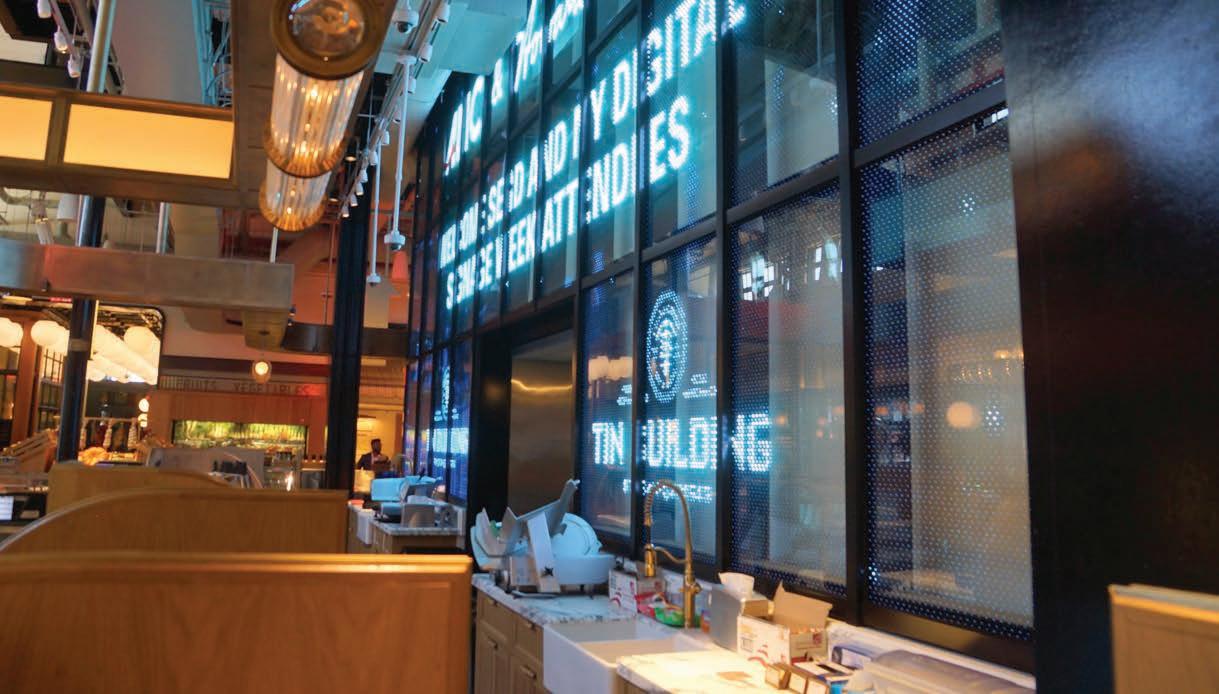
One of the highlights that took place this year was the unveiling of ANC’s in novative digital signage work that was recently deployed at the historic Tin
Building located in Manhattan’s Sea port District.
In fact, this particular project ended
BY KAYDE ANDERSON
E RS I
BY AUTHOR
up being the largest deployment of the fully transparent, LED-embedded and construction-grade GLAAM America






Media Glass in the United States. It is also another example of how owners, developers, and architects are turning buildings into magical, interactive vid eo canvases and immersing the general public into the overall experience.
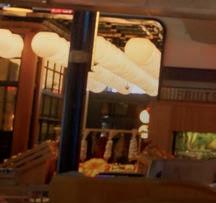
ANC bills itself as a leading experi ence design and execution company, and the innovative GLAAM America Media Glass material has been de signed to complement building aesthet ics through its ability to showcase digital art, broadcast real-time events, or con nect with smartphones and sensors for further user interactivity.
This LED glass integration trans formed the historic Tin Building, a 53,000-square-foot New York City landmark developed by The Howard Hughes Corporation and operated by Jean-Georges Vongerichten.
signshop.com November 2022 Sign Builder Illustrated 27
FEATURE
All Photos: ANC. Largest U.S. installation of architectural-grade LED Glass is unveiled. LED IMM
ON MORE THAN 1,100 SQUARE FEET OF TRANSPARENT LED GLASS TRANSFORMS THE SPACE INTO AN EXPERIENCE.
ARCHITECTURAL A
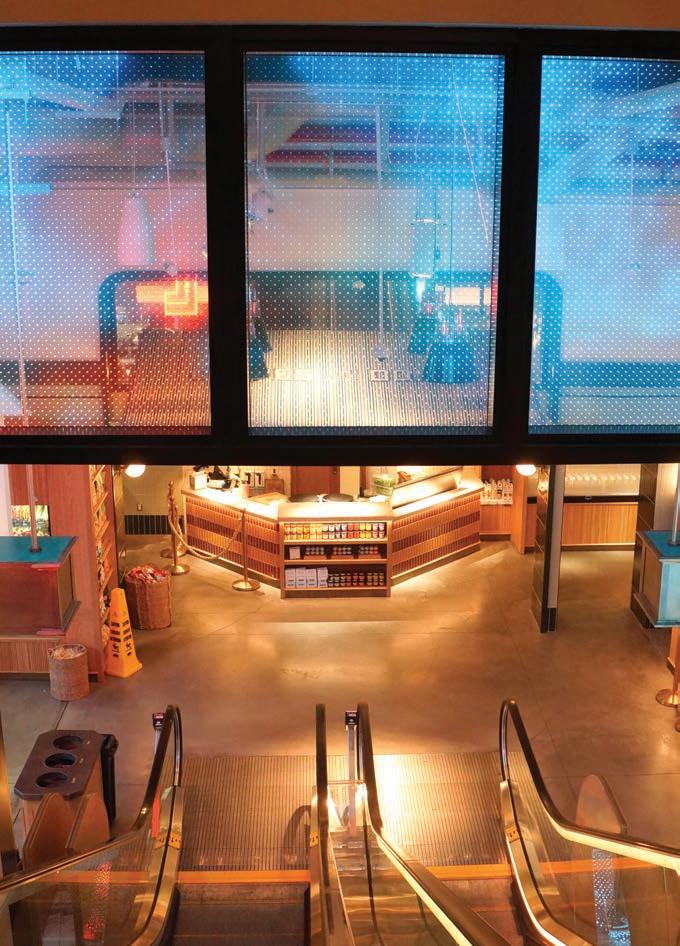
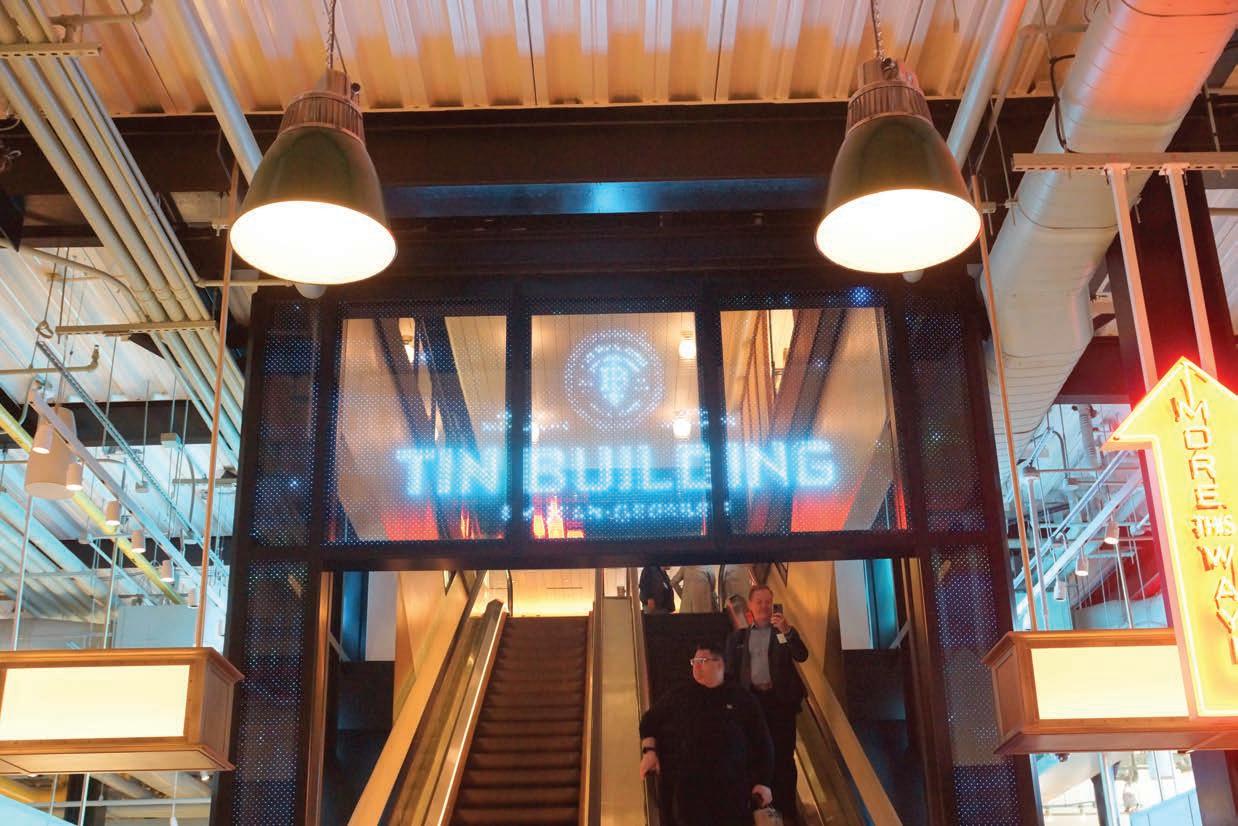
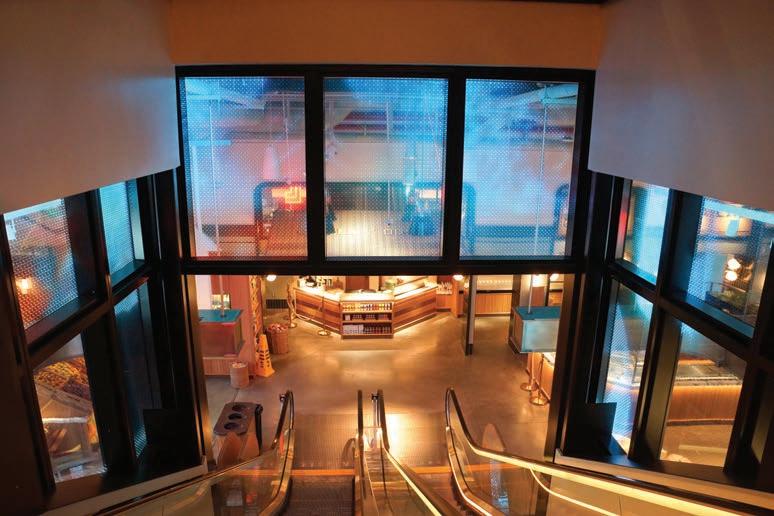
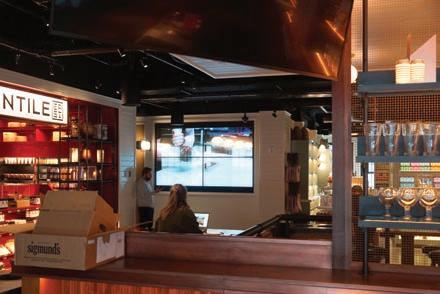
Escalator riders have a clear view of the marketplace ahead of them. A transparent OLED commercial video wall further enhances the experience.
The original Tin Building opened in 1907 and was home to the famous Ful ton Fish Market, a once-burgeoning fish market dating back to the early 1800s and the epicenter of wholesale fish trade in the country.
The facility was recently redesigned
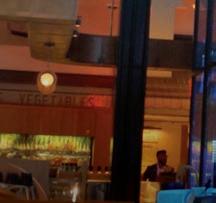
into a sprawling new culinary desti nation that “delights and engages the senses on a never-ending journey of taste” with a multitude of full-service restaurants and bars, retail spaces, and freshly stocked marketplaces.
Today the reconstructed building
serves a new generation in the heart of the Seaport District, and it is this instal lation of GLAAM Media Glass that po sitions the building at the cutting edge of media technology.
ANC’s installation of GLAAM America Media LED Glass here elimi
28 Sign Builder Illustrated November 2022 signshop.com
nates the compromise of design and building value from obstructed views and blocked natural light from LED screens, bars, mesh and attachments. The embedded micro-LED technol ogy, weatherproofed and protected from the elements, creates a seamless connection between the physical and digital experience.

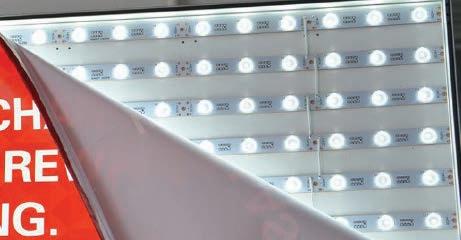
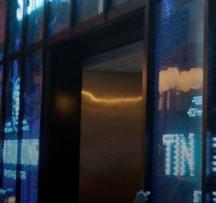
With more than 1,140 square feet of 20mm transparent GLAAM America Media LED Glass, the Tin Building features an impressive digital media en vironment that has been designed, inte grated, and operated by ANC.
A majority surrounds the escala tors in the heart of the building. While riding the escalators, visitors have clear views of the marketplace that is awaiting them.
Meanwhile the view from the retail floor to the glass is an ever-changing array of fully programmable content, which ANC ties into the greater audio visual network at Pier 17 using their proprietary LiveSync control system.
The Tin Building is a continuation of ANC’s partnership with The How ard Hughes Corporation at Pier 17, where ANC also designed a custom multimedia system complete with nobezel LED columns for continuous content display. ( Note: In addition to the GLAAM integration, ANC also in tegrated a commercial video wall with transparent OLED.)
ANC worked alongside the project’s architect and design team at Roman and Williams, as well as construction manager Plaza Construction on the digital installation.
In celebration, a large crowd of sig nage and design industry specialists toured the mixed-use development during the earlier mentioned New York Digital Signage Week and in conjunc tion with SEGD’s (Society for Experi ential Graphic Design) xLabs Branded Environments to view the breadth of digital signage and technology integra tions taking place at the Tin Building.
“We’re thrilled to expand our part nership with The Howard Hughes Corporation to bring this truly unique application to life in the revitalized Sea port District, setting the bar high for what an experiential shopping and din ing atmosphere should be,” said ANC CEO George Linardos.

signshop.com November 2022 Sign Builder Illustrated 29 BACKLIT LED STRIP • Excellent for all LED strip applications, including boxes and panels • Provide high efficiency output and color uniformity • Standard and custom lengths available Contact for quote and request a FREE sample at sales@edgelightusa.com UL 48 Electric Signs Certified Manufacturer (424) 551-4823 www.edgelightusa.com EdgeLight_Oct22.indd 1 10/12/22 9:29 AM
Omaha NE 681024905 and Arthur J McGinnis Jr None. 12. No change in preceding 12 months. 13. Publication Title: Sign Builder Illustrated. 14. Issue date for Circulation data below: Avg. Oct 2021 Sept 2022; Actual Sept 2022. 15. Extent and Nature of Circulation. 15a Total Number of Copies: Avg. 16,035; Actual 13,537. 15b.1. Paid/Requested Mail Subscriptions: Avg. 11,677; Actual 10,965. 15b.4. Requested Copies Distributed by Other Mail Classes: Avg. 21; Actual 23. 15c.Total Paid and/or Requested Circulation: Avg. 11,698; Actual 10,988.15d.1 Non requested Copies: Avg. 3,728; Actual 1,700. 15d.4. Non requested Copies Distributed Outside the Mail: Avg. 447; Actual 848. 15e. Total Non-requested Distribution : Avg. 4,175; Actual 2,548. 15f. Total Distribution: Avg. 15,873; Actual 13,536. 15g. Copies not distributed: Avg. 162; Actual 1. 15h. Total: Avg. 16,035; Actual 13,537. 15i Percent Paid and/or Requested : Avg. 73.7%; Actual 81.2%. 16a. Paid/Requested Electronic Copies: Avg. 2,761; Actual 3,954. 16b. Total Paid/Requested Print + Req/Paid Electronic Copies: Avg. 14,459; Actual 14,942. 16c. Total Print Distribution + Req/Paid Electronic Copies: 18,634; Actual 17,490. 16d. Percent Paid/Request (Print + Electronic Copies): Avg. 77.6%; Actual 85.4%. 17. Publication will be in the November 2022 issue. 18. Signature/Title: Jo Ann Binz, Circulation Mgr. Date 10/01/2022 - PS Form 3526-R.

30 Sign Builder Illustrated November 2022 signshop.com MARKETPLACE FOR ADVERTISING OPTIONS CONTACT: GARY LYNCH (212-620-7247) glynch@sbpub.com For MAC and Windows! EVERYTHING YOU NEED TO KNOW TO MANAGE A SUCCESSFUL SIGN BUSINESS www.signshop.com To run a successful sign shop, you need to run a successful business. Sign Builder Illustrated can help. Not only do we focus on the work you do on the shop floor, but we also focus on the work you do to improve the success and wellbeing of you and your team. Statement of Ownership, Management and Circulation 1.Publication: Sign Builder Illustrated 2. Publication Number #015-805 3. Filing date: September 30, 2022. 4. Issue frequency: Monthly 5. Number of issues: 12. 6. Annual sub price: $50 00 7. Complete mailing address of known office of publication: Simmons-Boardman Publishing Corporation, 1809 Capital Ave, Omaha NE 68102 4905; Contact Person: JoAnn Binz, Circulation Mgr; Telephone: 843 388 3808. 8. Complete mailing address of company headquarters: Same as above. 9. Full name and complete mailing address of publisher: Gary Lynch, Publisher , 1809 Capital Ave, Omaha NE 68102 4905. Jeff Wooton, Editor, 1809 Capital Ave, Omaha NE 68102 4905. 10. Owner: Simons-Boardman Publishing Corp, 1809 Capital Ave,
www.aplazer.com www.customfoamfabricators.com www.duxburysystems.com www.edgelightcom www. elliottequip.com www.keystonetech.com www.sdsautomation.com www.signs365.com www.sign-tracker.com www.sinalite.com www.studweld.com www.stamm-mfg.com www.thinksign.com www.wilkiemfg.com www.yardsignsresellers.com www.3M.com www.cadlink.com www.coreldraw.com www.efi.com

signshop.com November 2022 Sign Builder Illustrated 31 Your Direct Source for Products & Services Get access to vital product and service information from manufacturers and distributors by visiting www.signbuilderdirectory.com. COMPANY URL PAGE AP Lazer Custom Foam Fabricators Duxbury Systems Inc. EdgeLight LLC/EdgeMax LLC Elliott Equipment Keystone Technologies SDS Automation Signs365.com Sign Tracker SinaLite Southern Stud Weld Stamm Mfg. ThinkSign Wilkie Mfg. YardSignsReseller.com COMPANIES IN SIGN SHOW 3M CADlink Corel Corp. EFI 22 15 30 29 5 9 13 C4 18 3 29 25 C2 C3 29 10 10 10 10
SIGN BUILDER’S BUYER’SGUIDE 3 EASY STEPS 2. Click on our ProductPortal box on the website 3. Request info about advertisers & products 1. Go to our website at, signshop.com WE’VE GOT YOU COVERED Sign Builder Illustrated’s newsletters keep you up-to-date with timely news, industry trends and “how-to” articles on every aspect of the sign industry. Graphics. Dimensional. Lighting. Digital. Installation. Operations. SUBSCRIBE TO SBI NEWSLETTERS: www.signshop.com/newsletters
ECONOMY BY DAVID HICKEY, VP OF GOV’T. AFFAIRS, ISA
the Great Recession and a global pan demic. And yet, we still stand.
I like to think that the knowledge, re sources, and opportunities ISA offered during those difficult times helped some what. We provided webinars on SBA and PPP loans, helped companies stay open during economic shutdowns, and hosted various events (in-person and virtually) that allowed the industry to get together for support.
When it comes to labor shortages, ISA has been helping sign companies host Sign Manufacturing Days across the country. As a result, over the last few years, thou sands of young people have learned first hand that our industry provides a viable career path. And you should check out ISA’s online job board to find potential employees for your sign company.
Still
When I mention the “r” word in relation to the economy, the more pes simistic out there might allow their minds to go one direction. But I want to propose another direction: resil ient. The sign, graphics, and visual com munications industry is poised to succeed no matter what the economy brings—and this season more so than ever.
Yes we are in challenging times, and signs of trouble are looming on the ho rizon. There is no question that interest rates are rising, making it more difficult for sign companies to get loans to buy new equipment and for your customers to finance signs or open new locations.

Then there are workforce shortages and the rising cost of labor. It has become more expensive than ever to compete in an exceedingly tight job market. Add in
other increases like gas and transporta tion, and the costs just keep adding up.
But as I talk to leaders in our industry, I find that economic worries aren’t nec essarily on many minds. Sign shops have so many projects lined up that it would take a good while to work through them. So unless we’re looking at a prolonged downturn, they might not skip a beat.
In some ways, a bit of a slowdown might just benefit our industry. Supply chain shortages could get easier, partic ularly if the housing market slows a bit. That might drive prices of products like lumber and steel down a bit too. It could help with the overall gas prices. It might also get a little easier to find workers, particularly those interested in careers in sturdy industries like ours.
Over the last fifteen years—or half of an average career—we’ve been through
foreign $99.00. Single Copies are $15.00 ea. Subscriptions must be paid for in U.S. funds only. Prices are subject to change.
We may be a little fish in a big pond here in D.C., but we have been able to ef fectively get our industry’s concerns and needs on these issues known even in the highest offices in the land.
In the end, it’s been the resilience of our industry and our people that have en abled our critical sector of the economy to make it through the toughest times.
While none of us have a crystal ball to perfectly predict economic conditions, ISA will be there to provide knowledge, resources, and opportunities to help our industry endure and succeed.
Periodicals postage paid at Omaha, NE. And additonal mailing offices.
Pricing, Qualified individual working in the sign industry may request a free subscription. Non-qualified subscriptions Print version, Digital version, Both Print & Digital versions: 1 year US/Canada/Mexico $50.00;
COPYRIGHT © Simmons-Boardman Publishing Corporation 2022. All rights reserved. Contents may not be reproduced without permission. For reprint information, contact: Gary Lynch, Publisher (212) 620-7247 or glynch@sbpub.com.
For Subscriptions, & address changes, Please call (402) 346-4740, Fax (847) 291-4816, e-mail signbuilder@omeda.com, or write to: Sign Builder Illustrated, Simmons-Boardman Publishing Corporation, PO Box 239,
Lincolnshire IL 60069-0239 USA.
POSTMASTER: Send address changes to Sign Builder Illustrated, PO Box 239, Lincolnshire IL 60069-0239 USA.
Instructional information provided in this magazine should only be performed by skilled crafts people with the proper equipment. The publisher and authors of information provided herein advise all readers to exercise care when engaging in any of the how-to-activities published in the magazine. Further, the publisher and authors assume no liability for damages or injuries resulting from projects contained herein.
32 Sign Builder Illustrated November 2022 signshop.com SBI OPERATIONS
Standing The big economic “R” can mean something else. All Photos: Shutterstock.com/Robert Kneschke Sign Builder Illustrated Magazine ( Print ISSN 895-0555, Digital ISSN 21614709) (USPS#0015-805) (Canada Post Cust. #7204564; Agreement #40612608; IMEX Po Box 25542, London, ON N6C 6B2, Canada) is pub lished monthly by Simmons-Boardman Publishing Corporation, 1809 Capitol Avenue, Omaha, NE 68102. Printed in the U.S.A.
As I talk to leaders in our industry, I nd that economic worries aren’t necessarily on many minds.
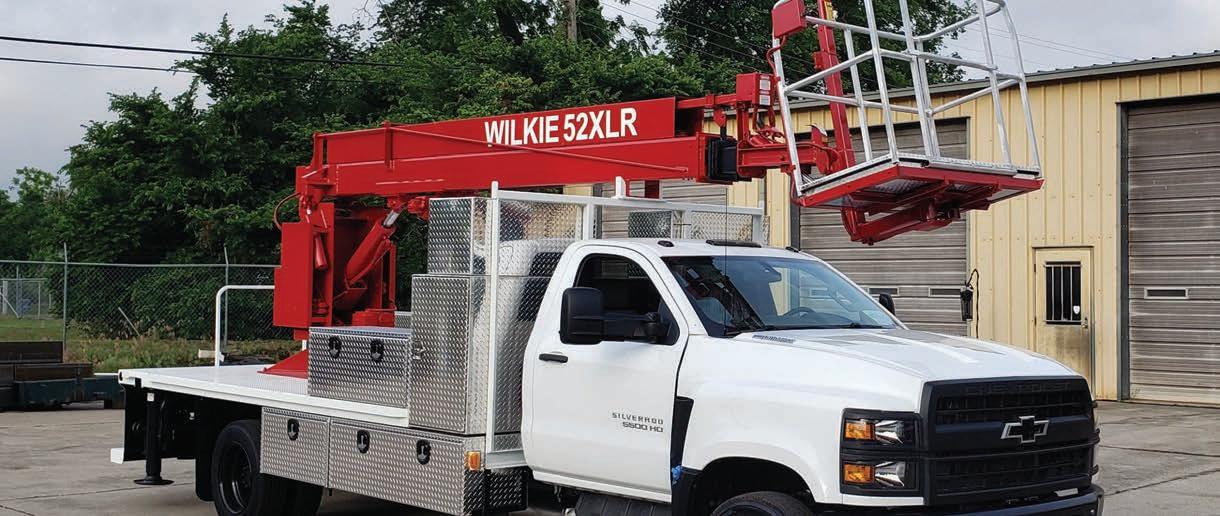




BIG SERVICE, SMALLER PACKAGE All Wilkie equipment is designed for the Sign and Lighting industry with almost 50 years experience WILKIE MFG. L.L.C 2640 NW 2nd Street Oklahoma City, OK 73107 www.wilkiemfg.com 405-235-0920 Non CDL truck set up 2 man power level power rotate basket standard Basket mounted jib winch that stores behind basket when not in use Easy to use controls at base and basket Mainline winch rated at 1000 pounds fully extended Full 360 degree working radius Independently controlled out and down hydraulic outriggers (no under body counter balance weight) Wide range of bed and storage box options to fit your needs 3500 pound carrying capacity on a 19,500 GVW truck