SIB is a federal government instrument to support research and innovation in Switzerland, and to promote the country internationally.
Accelerating discoveries through open data, knowledge and tools
Our open software and databases are used across the world to accelerate research, boost innovation and tackle global challenges – from health and food security to pollution and climate change. SEE P. 32
Forewords
Bioinformatics underpins our lives in unseen ways – from guiding cancer treatments to protecting life on Earth. At its core lies one essential element: high-quality data, which matter more than ever in the age of artificial intelligence.
This is where SIB plays a key role. By providing expertly curated, interoperable data resources, and by connecting expertise across disciplines, we turn life-science data into knowledge and impact.
This summer, Geneva will host one of the field’s leading events: the European Conference on Computational Biology (ECCB). Attracting over 1,000 scientists from across the world, and opened by the President of the Swiss Confederation, the event will highlight how datadriven science is transforming research and innovation.
ECCB further reflects Switzerland’s strength as a trusted partner in international research and Geneva’s unique position as a hub for high-quality data and global collaboration – building on a long tradition aligned closely with SIB’s values.
As well as scientists, we are also engaging the public under the banner #GenevaLovesData. Through an open-air exhibition and an interactive event on the conference opening day, we invite everyone to see how bioinformatics helps address today’s global challenges and build trustworthy AI.•
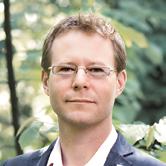
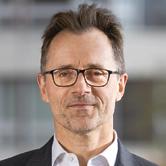
Christophe Dessimoz Executive Director
“SIB accelerates the path from discovery to economic value across the life sciences.”
Switzerland consistently tops global innovation and competitiveness rankings, supported in no small part by decades of strong federal investment in education, research and innovation. Within this framework, high-quality infrastructure that makes data accessible and usable – like that developed collaboratively by SIB for the life sciences – plays a critical role.
Two examples in this edition of the SIB Profile show what that means in practice for the Swiss innovation ecosystem. UniProt, an SIB Resource, contributes directly to Swiss pharma patents and boosts researcher productivity, as measured in an economic analysis. And the Swiss Personalized Health Network offers opportunities to gain insights for new healthcare solutions from real-world patient data, including through a first pilot with a pharmaceutical company.
These and other biodata resources and infrastructure provided and coordinated by SIB similarly accelerate the path from discovery to innovation to economic value across the life sciences. As budgets tighten, this is exactly the kind of investment that Switzerland cannot afford to cut.•
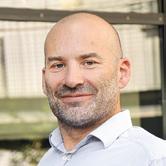
Jérôme Wojcik Chair of the Board of Directors
The international order is facing increasing strain, driven in particular by geopolitical fragmentation, technological rivalry and a growing US retreat from multilateralism. At the same time, the strategic importance of AI and data is intensifying. Nations are racing to secure these assets – not only for innovation and economic power but also for security and sovereignty. How these strategic levers are governed, and by whom, has become a defining question for peace and stability.
In this context, trustworthy AI – built on high-quality data and serving the common good – is more critical than ever. Switzerland is well positioned to drive this agenda globally. Its scientific excellence, robust data infrastructure and strong ties between academia and industry are complemented by institutions with deep experience in shaping international norms, as well as a longstanding reputation for neutrality and collaboration. SIB exemplifies this in the life sciences by providing data resources, expertise and standards that underpin reliable AI, enable Swiss innovation and deliver tangible societal benefits.
Geneva’s unique concentration of diplomacy, science and international organizations offers a powerful platform not only to host, but also to shape, discussions on AI governance, cybersecurity and shared digital infrastructure. This role – and Geneva’s position as a global hub for high-quality data – is further reinforced by major upcoming conferences, including the first UN Global Dialogue on AI Governance, the European Conference for Computational Biology organized by SIB, and the 2027 global AI summit.
“SIB exemplifies trustworthy AI for the common good.”
Building on its reputation for reliability and stability, Switzerland can play a leading role in trustworthy data, responsible AI and science diplomacy. Sustaining this is a strategic opportunity: continued investment in data ecosystems will be key to preserving Switzerland’s competitiveness, stability and influence.•
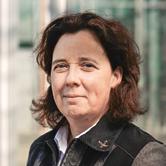
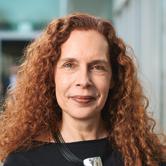
Simone de Montmollin President of the Foundation Council
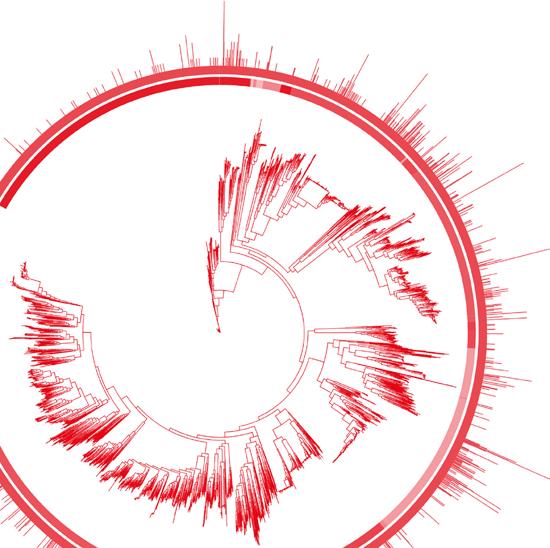
PV873354.1
PX111820.1
PX111845.1
PX215549.1
OZ277144.1
PX118336.1
PX310013.1
PX310056.1
PV637953.1
PV684221.1
PV712624.1
PX276508.1
PX103709.1
OZ261349.1
OZ261345.1
PV750172.1
PV687968.1
PV649755.1
PV410983.1
PV712619.1
PV712594.1
PV793183.1
PV849893.1
PV849905.1
PV606648.1
PV793294.1
PV687982.1
PV687930.1
PV687955.1
PV687935.1
PV848842.1
PV687937.1
PV848794.1
PV848873.1
PV848798.1
PX111815.1
PV687957.1
PV687992.1
PV848840.1
OZ262394.1
OZ262385.1
OZ272383.1
PV916079.1
OZ271720.1
OZ271712.1
PV848820.1
PV848782.1
PX309396.1
PX285583.1
PV635363.1
OZ308977.1
OZ310270.1
OZ313160.1
OZ351511.1
OZ281689.1
PV367157.1
PV650580.1
OZ307826.1
OZ308806.1
OZ309355.1
OZ280586.1
OZ309352.1
PX111822.1
PV650530.1
PV537612.1
PV497139.1
PX453944.1
PX397935.1
OZ288121.1
PV650592.1
PX453890.1
PX495338.1
PX514320.1
Data scientists for life
We transform biological data into trusted knowledge – used by researchers and AI models to understand life, improve health, protect the environment, and strengthen Swiss competitiveness. See who we are and our 2025 highlights.
SIB in brief
The national organization for biological and biomedical data science in Switzerland.
Our mission
Our mission is to push the boundaries of data science through in-depth knowledge of biological data, cutting-edge technologies and interdisciplinary collaborations:
we provide researchers and clinicians with outstanding bioinformatics resources, services and training to accelerate innovation in many fields, from medicine, health and agriculture to the preservation of biodiversity and the environment;
we represent and federate Swiss bioinformatics. By fostering a culture of scientific excellence and collaboration, we contribute to ensuring Switzerland remains one of the most innovative countries in the world.
911 members, including
193 employees
92 groups
28 institutional partners across Switzerland
169 databases and software tools developed by our members and employees, accessible via the Expasy.org web portal
As of 1 January 2026
Our vision
At SIB, we know that expertise in life-science data is key to solving many of the world’s most pressing challenges. By unlocking the potential of biological and biomedical data, we aim to generate knowledge and innovate for a better future.
Bioinformatics: fuelling life-science discoveries and innovation
Bioinformatics transforms biological data into reliable, reusable knowledge for researchers, clinicians, policymakers and AI tools.
Biology rivals astronomy and particle physics as one of the world’s largest producers of big data. Routine genetic profiling of a single patient tumour, for example, generates around 500 billion DNA data points, with tumour imaging and clinical information adding even more. No human can process information generated at this speed, scale and complexity – let alone uncover insights from disparate data sources around the world.
Enter bioinformatics. Sitting at the heart of modern life science, the field provides the tools and expertise to store, analyse and interpret these data – powering breakthroughs worldwide. The impact is tangible: real-time tracking of epidemics, faster drug development, conservation insights for endangered species, and advances in scientific knowledge.
An interdisciplinary field combining data science and biology
Bioinformatics spans diverse data, tools and methods.
Data types include:
IMAGES, such as medical scans for early disease detection;
DNA SEQUENCES, to identify species, new crop traits and disease-causing mutations;
PROTEIN STRUCTURE, to understand diseases and design new drugs.
Infrastructure includes:
DATABASES, to store and organize curated information;
SOFTWARE, to model, visualize, interpret and compare biological data;
COMPUTING AND STORAGE CAPACITY, to process and safeguard large amounts of biological and clinical data.
Computational methods include:
KNOWLEDGE REPRESENTATION, to retrieve and analyse data across and between institutions, fields and countries;
AI, MACHINE LEARNING MODELS AND STATISTICAL ANALYSES, to detect patterns invisible to humans.
“Biodata infrastructure is as important to science as roads or electricity are to society.”
Peer Bork†
Former Interim Director General, European Molecular Biology Laboratory (EMBL)
Keynote speaker at the 2025 [BC]2 Basel Computational Biology Conference, organized by SIB
† Passed away in 2026
Explaining bioinformatics to the public
To highlight how bioinformatics benefits society and spark interest in data science – particularly among young people – we create hands-on experiences at science fairs, run interactive workshops, and develop popular science websites.
1,256
participants joined our 2025 outreach activities
Spotlight 2026: #GenevaLovesData
Two public events in Geneva will highlight the contribution of bioinformatics to cancer treatments, biodiversity protection, epidemic preparedness, personalized medicine and trustworthy AI. Both are in the context of Europe’s largest computational biology conference, ECCB, organized by SIB (SEE P. 46).
Datarium, an open-air exhibition
3–20 August 2026
Parc des Bastions
20–31 August 2026
Rotonde du Mont Blanc (in English and French)
Public outreach event
31 August 2026
International Conference Center Geneva (in French)
Also meet us at:
Mystères de l’UNIL
30–31 May 2026
University of Lausanne
Festival
Planète Santé
28–29 November 2026
Centre de congrès Beaulieu, Lausanne
Delivering positive impact for society
From ambitious vision to concrete impacts: discover our value chain across three synergistic pillars of activity.
ACTIVITY PILLAR I
Accelerating discoveries through open data, knowledge and tools
WHY To generate meaningful discoveries, life scientists and clinicians – and AI – need highquality, structured and harmonized datasets plus cutting-edge tools for analysing, visualizing and sharing data.
WHAT SIB develops essential open databases and software tools that enable research across a wide range of biological domains, from the study of protein function to pathogen surveillance.
OUTCOME By building reliable, sustainable and cutting-edge infrastructure, we accelerate research, discoveries and trustworthy AI.
EXAMPLE OF IMPACT Academic and private sector users of UniProt, an SIB Resource for protein information, benefit from efficiency gains worth €373 to €565 million per year (SEE P. 34)
See more on P. 32
ACTIVITY PILLAR II
Supporting research and innovation through expert services
WHY Academics, clinicians, government agencies and businesses rely on good data science, but do not always have in-house expertise or capacity.
WHAT Our teams of data scientists, software developers, biocurators, computational biologists and trainers provide services and courses that combine extensive informatics expertise with a deep understanding of the nature of biodata and how these are generated.
OUTCOME We enable innovation, collaboration and applied research in public and private research projects, in Switzerland and internationally.
EXAMPLE OF IMPACT An Innosuissesupported collaboration aims to speed post-surgery recovery through AI-powered monitoring of anaesthetized patients (SEE P. 41)
See more on P. 38
ACTIVITY PILLAR III
Enabling large-scale collaborations through efficient coordination
WHY Major life-science advances require the sharing and analysis of harmonized and structured data by many stakeholders in different fields, sectors and locations.
WHAT Thanks to our independent and non-profit status, we coordinate efforts across communities, disciplines, institutions and borders – overcoming inherent technical, legal and data protection challenges to build sustainable and scalable infrastructure.
OUTCOME We maximize investments in research, reinforce the reputation and economic competitiveness of Switzerland, and accelerate discoveries.
EXAMPLE OF IMPACT The Swiss data ecosystem will be ‘AI- and future-ready’ with a national node for the European Open Science Cloud (EOSC; SEE P. 42).
See more on P. 42
Our recognized value as an expert R&D partner (PILLAR II), including as the data coordination centre for large European projects, has contributed to our leading role in setting up major infrastructure projects at the national and international level (PILLAR III)
Our pillars feed from and into each other
Our coordination of open, interoperable research data for large-scale projects (PILLAR III) feeds from – and into – the best practices and standards we apply to our own open databases and (PILLAR I)
Our expertise in developing and optimizing databases and software tools (PILLAR I) can also be applied to specific R&D and clinical needs (PILLAR II), such as making proprietary datasets interoperable with open ones.
Collaborative governance for scientific excellence
SIB’s unique structure forms the basis of our strength.
SIB is anchored in Switzerland’s research ecosystem at all levels, from our highest governing body to our national network of affiliated members. This ensures a close connection to the evolving needs of life scientists.
Board of Directors
Validates decisions necessary to achieve SIB’s aims, such as scientific strategy and internal procedures; allocates federal funds to our activities across all pillars (SEE PREVIOUS PAGE).
Discusses all matters relating to SIB Groups as a whole; proposes new Group Leaders for nomination by the Foundation Council; elects its representatives on the Board of Directors.
Council of Group Leaders
SIB Hub Foundation Council
Highest institutional authority; has supervisory powers; responsibilities include changes to SIB’s statutes, nomination of Group Leaders, and approval of the annual budget and financial report.
Scientific Advisory Board
Independent consultative body; provides recommendations to the Board of Directors and the Council of Group Leaders; main tasks are to evaluate SIB’s activities (SEE PREVIOUS PAGE) and overall strategy.
Staffed and headed by SIB Employees; focuses on SIB’s three core activities (SEE PREVIOUS PAGE) Includes the executive management team that defines and monitors strategic goals, and scientific groups and support teams (SEE P. 20) that implement the strategy. These teams comprise scientific relations, finance & grant services, legal & technology transfer, human resources, information technology & cyber-security, biodata resources coordination, and communication & scientific events.
MEET THE LEADERSHIP
Foundation Council
Most of SIB’s 28 partner institutions are represented on the council. Composition as of 1 January 2026
President
Simone de Montmollin National Councillor
Founding members
Ron Appel
Former SIB Executive Director
Philipp Bucher
Associate Group Leader, SIB
Denis Hochstrasser
Former Vice Rector, University of Geneva
C. Victor Jongeneel
Carl R. Woese Institute for Genomic Biology, University of Illinois, USA
Manuel Peitsch Honorary Professor, University of Basel
Ex officio members
Hugues Abriel
Vice Rector for Research, University of Bern
Thomas Baenninger
Chief Financial Officer, Ludwig Institute for Cancer Research (LICR)
Francesco Bertoni
Deputy Director, Institute of Oncology Research (IOR)
Enrica Bordignon
Vice Dean of the Faculty of Science, University of Geneva
Edouard Bugnion
Vice President for Information Systems, EPFL
Emmanuele Carpanzano
Director, Department of Innovative Technologies, University of Applied Sciences and Arts of Southern Switzerland (SUPSI)
Sébastien Castelltort
Vice Rector, Research and Sustainability, University of Geneva
Estelle Doudet
Vice Rector Research, University of Lausanne
Patrick Gagliardini
Vice Rector for Research at the Universita della Svizzera italiana (USI)
Antoine Geissbühler
Dean of the Faculty of Medicine, University of Geneva
Regula Jöhl
Rector, Zurich University of Applied Sciences (ZHAW)
Doron Merkler
Department of Pathology and Immunology, University of Geneva
Vincent Peiris
Dean, School of Business and Engineering Vaud (HEIG-VD), HES-SO
Bernard Ries
Vice Rector International Relations, Digitalisation and Young Researchers, University of Fribourg
Davide F. Robbiani
Director, Institute for Research in Biomedicine (IRB)
Patrick Ruch
Head of Research, Geneva School of Business Administration (HEG), HES-SO
Nicolas Salamin
Director, Department of Computational Biology (DBC), University of Lausanne
Primo Schaer
Vice President for Research, University of Basel
Falko Schlottig Director, FHNW School of Life Sciences
Dirk Schübeler
Co-Director, Friedrich Miescher Institute for Biomedical Research (FMI)
Elisabeth Stark
Vice President Research, University of Zurich
Michel Steinmetz
Head a.i. PSI Center for Life Sciences, Paul Scherrer Institute (PSI)
Margot Thome Miazza Vice Dean, Research and Innovation, Faculty of Biology and Medicine, University of Lausanne
Jürg Utzinger Director, Swiss Tropical and Public Health Institute (Swiss TPH)
Co-opted Member
Alfonso Valencia Life Sciences Department Director, Barcelona Supercomputing Centre, Spain
Board of Directors (BoD)
Consists of two external members elected by the Foundation Council on the recommendation of the BoD, two Group Leaders elected jointly by the Council of Group Leaders and the BoD, and the SIB Executive Director. Members are appointed for a renewable five-year period.
Jérôme Wojcik (Chair) Industrial Data Scientist & Entrepreneur
Maria Boulos-Richter Independant Advisor
Katja Bärenfaller Group Leader, SIB and Swiss Institute of Allergy and Asthma Research (SIAF)
Richard Neher Group Leader, SIB and University of Basel
Christophe Dessimoz SIB Executive Director
Scientific Advisory Board (SAB)
Made up of at least five internationally renowned, external scientists.
Alfonso Valencia (Chair) Life Sciences Department Director, Barcelona Supercomputing Centre, Spain
Melissa Haendel Director of Precision Health & Translational Informatics and Professor of Genetics, University of North Carolina-Chapel Hill School of Medicine, USA
Oliver Kohlbacher Director of the Institute for Translational Bioinformatics, University Medical Center, Tübingen, Germany
Claudine Médigue Head of the Laboratory of Bioinformatics Analyses for Genomics and Metabolism (LABGeM), Génoscope & CNRS, Evry, France
Alexey I. Nesvizhskii
Department of Pathology and Department of Computational Medicine & Bioinformatics, University of Michigan, Ann Arbor, USA
Christine Orengo
Department of Structural and Molecular Biology, University College London, United Kingdom
Ron Shamir
Computational Genomics Group at the Blavatnik School of Computer Science, Tel Aviv University, Israel
Executive team
Christophe Dessimoz Executive Director
Marie Dangles Director, External and Internal Relations
Marc Filliettaz Director, Operations
Council of Group Leaders
Comprises all Group Leaders (SEE P. 63)
FINANCES
SIB achieved healthy financial results in 2025, with a total income of CHF 28.5 million from both national and international funders supporting our three activity pillars.
Powered by the Swiss Confederation
Our largest and most stable funder is the State Secretariat for Education, Research and Innovation (SERI), whose base contribution accounts for 42% of SIB’s income. The 2025-2028 subsidy ceiling is unchanged from the two previous funding periods.
A unique funding model to sustain open resources
The largest part of SERI’s base contribution is devoted to our open resources (CHF 6.9 million, 60%). This subsidy is complemented by many additional funding sources, including competitive grants and contributions from industry. Most resources are additionally supported by short-term research funds held at partner institutions.
Nearly half of SIB’s income comes from competitive funds
In 2025, CHF 11.5 million (41%) of SIB’s income originated from competitive funds, such as European public-private projects and collaborations with industry. This represents an increase of CHF 1.4 million year-on-year. SIB’s independent status, the diversity of our employees’ skills, and the full professional support we offer make us an attractive partner.
Expenses
Personnel (embedded)
6.1M (22%)
Employee pro le
Bioinformaticians
Keeping up with increasing demands
The shortfall reflects a deliberate use of reserves to absorb rising compliance and cyber-security costs, and strengthen key support functions needed to sustain service quality.
A centre of excellence that delivers
Software developers
Biocurators
Researchers
Our centre of excellence provides training and bioinformatics services to universities, private companies and hospitals (SEE P. 38). It is mostly funded through collaboration and competitive grants –many international.
Personnel (SIB Hub)
18.9M (66%)
Scienti c project managers
IT specialists
Senior management
Lean and effective management & support Management and support function expenses (CHF 4.4 million, 15%) cover day-to-day administration, people and culture, finance, communication, legal and IT support. These support teams also contribute to projects in our activity pillars (SEE P. 12).
Investing in people at the heart of research
Suppor t functions
External consulting
0.7M (2%)
Maintenance & equipment 0.8M (3%)
Other expenses
1.6M (6%)
Provision creation
0.4M (1%)
All figures are in millions of Swiss francs. They reflect the audited financial statements.
CHF 25 million (88%) of SIB’s expenses are devoted to our people, with 24% for employees embedded in partner institutions – reflecting our unique and efficient model that anchors open science infrastructure in research.
Bioinformatics: a multidisciplinary field encompassing a wide variety of life-science data expertise.
INVESTING IN PEOPLE TO UNLEASH IMPACTFUL DATA SCIENCE
With a diverse workforce across Switzerland, SIB fosters a people-centred culture where talent is valued and developed.
Creating a respectful and safe workplace
Flexible conditions, regular dialogue and proactive support
Continuous feedback processes to recognize individual contributions
Evaluation of employee satisfaction through diverse feedback channels
Fostering the highest engagement
Keeping our employees at the cutting edge
Access to technical training and continuous learning
Opportunities to build knowledge on evolving scientific topics and social issues through focus groups (SEE P. 47) and seminars
Peer recognition at events and through scientific awards
Delivering concrete benefits to society
A vibrant community aligned to an inspiring purpose
Involvement in strategic national and international projects and collaborations
We provide the environment and opportunities for all employees to thrive, grow and contribute to our mission
“I now manage the programme of a Certificate of Advanced Studies, thanks to opportunities to develop new skills and grow
professionally.”
Miriam Tesfai Senior Administrative Assistant, Clinical Bioinformatics group and Legal & Technology Transfer support team, SIB Hub
MEET OUR HUB TEAMS
SIB Hub employees are organized into thematic teams that work seamlessly together – and with affiliated members across our network – to advance science and society.
Converting health data into clinical insights
Valérie Barbié Clinical Bioinformatics group
“We develop commercial and public-health software, platforms and AI tools that enable innovative medical research, faster diagnostics, effective pathogen surveillance and better healthcare.”
2025 HIGHLIGHT
10 years of precision cancer care with OncoBench® at Geneva University Hospitals (HUG)
Addressing environmental challenges with data science
Robert Waterhouse
Environmental Bioinformatics group
“We coordinate data from biodiversity genomics projects, environmental observations and the literature to support informed decisions for species conservation and management.”
2025 HIGHLIGHT
1,190 members coordinated in the European Reference Genome Atlas community
Advancing the Swiss personalized health landscape
Davide Chiarugi
Personalized Health Informatics group
“The Swiss Personalized Health Network (SPHN) makes health data interoperable and reusable for public and industry research in Switzerland, while preserving patient privacy.”
2025 HIGHLIGHT
800K patients in the SPHN health data network
Supporting data science: a range of specialized teams
Other SIB Hub teams provide complementary support to our projects and community, including legal & technology transfer, communication and IT: see full list P. 14.
Enabling novel insights from complex biological data
Mark Ibberson
Computational Biology group
“We help academic and industry partners manage and analyse large amounts of life-science data, from teams and organizations to national and international initiatives.”
2025 HIGHLIGHT
42 collaborations and grants
Building bioinformatics skills nationally and globally
Generating openly available biological knowledge
“Our unique courses for researchers complement teaching at Swiss universities, especially for data analysis, and our FAIR* training materials empower other trainers worldwide.”
2025 HIGHLIGHT
1.4K participants to courses
“We provide trusted resources for researchers and gold-standard training datasets and benchmarks for AI, through expert biocuration and knowledge management.”
2025 HIGHLIGHT
* FAIR: a set of guiding principles to improve the Findability, Accessibility, Interoperability, and Reuse of digital assets
180K+ patent mentions of group-led resources
Patricia Palagi Training group
Vital-IT
Alan Bridge and Paul Thomas Swiss-Prot Knowledgebases group
A SWISS-WIDE NETWORK OF EXPERTISE
Through institutional partnerships and close collaborations with affiliated academic groups, SIB unlocks access to national expertise.
Figures as of 1 January 2026
Collaborative by design
SIB’s strength lies in our unique structure: in addition to employees, 718 members are affiliated to SIB from major academic institutions across Switzerland. Most of these institutions have a representative sitting on the Foundation Council, our highest governing body (SEE P. 14)
These strong partnerships enable SIB to coordinate national initiatives and international projects with independence and efficiency. They also guarantee that the best expertise in the country will be found to meet the needs of the public and industry researchers who consult us.
BASEL 17 GROUPS
229 MEMBERS INCL. 25 EMPLOYEES
BERN 3 GROUPS 25 MEMBERS INCL. 1 EMPLOYEE
YVERDON 1 GROUP 5 MEMBERS
LAUSANNE 22 GROUPS 296 MEMBERS INCL. 88 EMPLOYEES
GENEVA 14 GROUPS 121 MEMBERS INCL. 70 EMPLOYEES
FRIBOURG 4 GROUPS 13 MEMBERS
MARTIGNY 1 GROUP 7 MEMBERS
Geneva Lausanne
Fribourg
Yverdon
Martigny Bern Basel
VILLIGEN 1 GROUP 5 MEMBERS
ZURICH 18 GROUPS 147 MEMBERS INCL. 9 EMPLOYEES
ST GALLEN 1 GROUP 3 MEMBERS
WÄDENSWIL
2 GROUPS 16 MEMBERS
DAVOS 3 GROUPS 13 MEMBERS
911
members, incl. 193 employees (SEE P. 19), across 28 partner institutions
BELLINZONA 2 GROUPS 17 MEMBERS
LUGANO 3 GROUPS 14 MEMBERS
Villigen Zurich Wädenswil
Bellinzona St Gallen Davos
Lugano
A BREADTH OF BIOLOGICAL DOMAINS COVERED BY OUR NETWORK
Our groups have expertise across the many biological applications of bioinformatics.
Genes and genomes
Life’s instruction manual
A genome is the sum of genetic material of an organism, including all its genes. It is made of DNA or RNA and contains all the information needed to create and maintain an organism, as well as the instructions on how this information should be expressed.
Our groups create tools to read genomes and store, analyse and interpret the resulting data.
Proteins and proteomes
The building blocks of life
A proteome is the sum of proteins expressed by a cell, a tissue or an organism, at a given time. Proteins are the products of genes, and are involved in nearly every task carried out within an organism –from carrying oxygen to fighting off pathogens.
Our groups create tools to understand the role of proteins in health and disease.
Structural biology
The third dimension
Macromolecules such as DNA and proteins have specific 3D structures that are dictated by their sequence. A protein’s function is defined by its 3D structure, which in turn defines the way it interacts with other molecules.
Our groups develop software to create 3D models of proteins to study their interactions with other molecules, such as drugs.
Systems biology
Never alone
Life occurs and is sustained by a mesh of interactions within and between cells, tissues, organisms and the environment. Understanding how these complex systems function allows scientists to predict what happens if one component changes or conditions are altered.
Our groups refine methods to predict metabolic, disease and other complex biological pathways and interactions.
Evolution and phylogeny
From ancestors to descendants
Changes that occur in genomes reveal how an organism has evolved over time. Comparisons made between genomes from different species or populations show how they are related to one another.
Our groups create tools and computational methods to compare the genomes of organisms, reconstruct their past, and build their ‘family’ trees – supporting applications from tracking pathogens to protecting biodiversity.
AI and machine learning
Rise of the machines
Artificial intelligence – which includes machine learning (ML) and Large Language Models (LLMs) –learns from data without explicit instructions, and draws inferences from data patterns at scales impossible for humans.
Our groups develop, train and fine-tune ML, LLMs and other AI models for diverse applications including drug design, biomarker discovery, and extracting information from text.
Core facilities
The means to an end
The vast and continuously growing quantity of data generated by the life sciences needs to be stored and processed. Researchers also need support in making sense of their data.
Our groups centralize research resources and provide tools, technologies, services and expert consultation to support researchers with the management and analysis of their data.
Recognition for our members
Several of our group leaders received national and global recognition in 2025, highlighting Switzerland’s excellence in bioinformatics and computational biology. These include:
Aitana Neves, appointed to the World Health Organisation (WHO) International Pathogen Surveillance Network as a member of its Community of Practice in Genomics Data.
Tanja Stadler, Swiss Doron Prize for her pioneering work in computational evolution and public health.
Bernd Wollscheid, Discovery in Proteomic Sciences Award from the Human Proteome Organization for enabling nanoscale mapping of cell-surface proteins and molecules.
Amos Bairoch – in memoriam
We are deeply saddened by the passing of Amos Bairoch: bioinformatics pioneer, SIB co-founder and Group Leader. Amos developed and curated data resources used daily by researchers worldwide, and defined the standards for highquality biological information. His many honours include the prestigious Senior Scientist Award from the International Society for Computational Biology in 2025. His loss is felt globally.
SIB.SWISS/AMOS Memories and messages honouring Amos Bairoch
SIB REMARKABLE OUTPUTS
The best work from our scientists over the past year
Each year, the SIB Awards Committee recognizes outstanding peer-reviewed publications, software tools, databases and outreach initiatives by our members – raising awareness of the importance of bioinformatics and highlighting the excellence and diversity of Swiss achievements in the field.
A method to detect parent-of-origin effects on traits
GROUP LED BY
Zoltán Kutalik, University of Lausanne
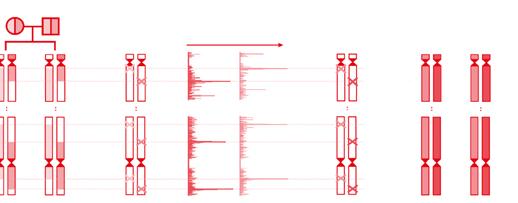
Metabolism, disease risk and other traits were shown to shift in different – and even opposite – directions depending on whether a genetic variant comes from the mother or father. The study used a novel approach to analyse parentof-origin effects across large human genetic datasets.
WHAT THE COMMITTEE SAID
“This analytical framework enables the systematic study of an important but often overlooked evolutionary phenomenon. The ability to infer parental origin of alleles with limited pedigree information represents an impactful contribution to statistical genetics and bioinformatics.”
Hofmeister et al. Nature 2025
A fast search tool for biological sequences
GROUP LED BY Gunnar Rätsch, ETH Zurich
MetaGraph finds specific DNA, RNA and protein sequences across millions of public records in seconds. Like a regular internet search engine, the scalable tool efficiently indexes and queries massive global datasets –setting a new standard for large-scale exploration of sequencing data.
WHAT THE COMMITTEE SAID
“MetaGraph addresses a major bottleneck: the ability to search and explore rapidly growing volumes of sequencing data. Its outstanding technical contribution transforms how scientists explore large-scale biological data and accelerates discovery across many areas of life science.”
Karasikov, Mustafa et al. Nature 2025
A tool for studying evolution using 3D protein structures
GROUP LED BY Christophe Dessimoz and Natasha Glover, University of Lausanne
FoldTree uncovers relationships between proteins by comparing their three-dimensional structures rather than their genetic sequences. This novel approach allows scientists to trace ancient evolutionary histories that are difficult to detect using traditional sequence-based methods.
WHAT THE COMMITTEE SAID
“FoldTree shows how a transformative breakthrough in one field – in this case, AI-based protein structure prediction – can help tackle a long-standing challenge in another field. Its innovative methodology has applications across structural biology, evolutionary biology and related fields.”
Moi, Bernard et al. Nature Structural & Molecular Biology 2025
A gut microbiome resource at the subspecies level
Evgeny Zdobnov, University of Geneva Evgenia
Kriventseva,
University of
The first comprehensive genomic catalogue of human gut microbes at a subspecies level captures within-species genetic variation that standard analyses miss. Machine-learning models using HuMSub subspecies profiles predicted colorectal cancer from stool samples more accurately than species-level models.
WHAT THE COMMITTEE SAID
“HuMSub addresses a long-standing limitation of microbiome research. By distinguishing subspecies within the same species and linking these differences to functional and diseaserelated traits, the approach enables more precise biological interpretation of microbiome data.”
A tool to evaluate AI-predicted macromolecular complexes
BY
GROUP LED
Torsten Schwede, University of Basel
New AI tools can predict the structure of large biological complexes involving proteins, DNA and small molecules. OpenStructure evaluates the accuracy of such predictions against experimentally determined structures, through a reproducible, transparent and scalable workflow.
WHAT THE COMMITTEE SAID
“OpenStructure represents a major advance for structural biology and benchmarking practices, by establishing a robust, fully automated system for evaluating next-generation, AIdriven structure prediction methods. The system is already integrated into community benchmarking efforts, showing its relevance and impact.”
A method for genetically characterizing cancer-cell clusters
GROUP LED BY Niko Beerenwinkel, ETH Zurich
Groups of tumour cells in the bloodstream can seed metastases. A new algorithm enables DNA sequence analysis of individual cells within such clusters – and provides the first evidence that many contain genetically distinct cells. The method opens the door to less invasive diagnostics.
WHAT THE COMMITTEE SAID
“By solving a challenging problem at the interface of phylogenetics and single-cell genomics, this work highlights the power of bioinformatics to drive discovery in biomedical research. It also exemplifies the value of close collaboration between experimental and computational scientists.”
Gremmelspacher, Gawron et al. Nature Genetics 2025
An AI tool for faster, cheaper drug discovery
GROUP LED BY Bruno Correia, EPFL
BindCraft designs ‘binder’ proteins that modify the activity of therapeutic targets, in a single computational step – overcoming the need for large-scale experimental screening. The open-source AI tool is already widely used, with proven applications including blocking allergens and precisely targeting gene therapies.
WHAT THE COMMITTEE SAID
“This innovative method marks a significant advance for protein design. By turning binder discovery into a reliable computational process, it opens new opportunities for therapeutic design and innovation in biotechnology.”
Pacesa, Nickel, Schellhaas et al. Nature 2025
FURTHER SCIENCE HIGHLIGHTS FROM OUR NETWORK
Our members regularly publish new discoveries in the scientific literature. These advances gain further visibility through science news, press releases and talks.
peer-reviewed articles published in 2025*
*Source: Web of Science
Control
system
for immune cells revealed
Far more immune-cell proteins require the addition of a small fat molecule to function correctly than previously known. The findings could explain why widely used cholesterollowering drugs affect immunity, and open the door to new drug targets with fewer side effects.
GROUP LED BY
Katja Bärenfaller, Swiss Institute of Allergy and Asthma Research
Koch et al. BMC Biology 2025
Protein ‘teamwork’ atlas to guide safer drugs
Protein interactions in specific tissues have been mapped for the first time using proteome analysis of over 7,800 human biopsies. By showing which proteins work together where, the atlas will help identify disease genes and develop drugs with fewer side effects.
GROUP LED BY
Pedro Beltrao, ETH Zurich
Laman Trip et al. Nature Biotechnology 2025
Some spiders don’t bite, they vomit
Instead of injecting venom through their fangs, Uloboridae spiders regurgitate toxic digestive fluids onto their prey. This hunting strategy may explain why these spiders lost their venom glands and injection structures. Intestinal toxins suggest an evolutionary link between venom and digestion.
GROUP LED BY
Marc Robinson-Rechavi and Frédéric Bastian, University of Lausanne
Peng et al. BMC Biology 2025
Subscribe to our newsletter to keep up-to-date throughout the year.
Microbes from fields could tackle rice waste
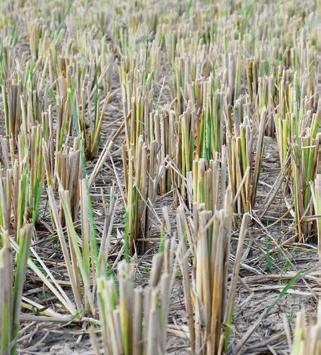
Researchers uncovered nearly 150 microbes from decomposing rice straw, two thirds of which appear new to science. Many encode enzymes that can break down tough plant fibres, opening the door to more sustainable management of this rice-farming by-product – which today is mostly burnt.
GROUP LED BY Laurent Falquet, University of Fribourg
Yepes-García et al. Scientific Data 2025
New tool for precision cell engineering
A single-cell analysis technique reveals how the level of certain proteins inside a cell – not just their presence – determines the cell’s identity. An atlas of hundreds of such proteins and their influence could help researchers engineer cells more reliably to treat disease.
GROUP LED BY
Bart Deplancke, EPFL
Liu, Saelens, Rainer et al. Nature Genetics 2025
Drug-resistant bacteria do not always take over
A large, long-term analysis suggests that in many bacterial species, antibiotic-resistant and non-resistant strains tend to settle into a stable balance over time. Antibiotic use alone does not explain resistance trends, offering insights to improve monitoring and management of antimicrobial resistance.
GROUP LED BY Sonja Lehtinen, University of Lausanne
Emons, Blanquart and Lehtinen. PLOS Pathogens 2025
Converting biological questions into answers
Our bioinformatics expertise, high-quality resources and interdisciplinary collaborations enable data-driven discoveries and innovation for a better future. Discover the latest projects, milestones and impacts across our three activity pillars.
ACTIVITY PILLAR I
Accelerating discoveries through open data, knowledge and tools
We provide and maintain essential databases and software serving the fast-evolving needs of life scientists, clinicians and public authorities.
SIB Resources enable scientists worldwide to study life and to innovate. Our model ensures these resources reach and maintain the highest level of usefulness, accuracy and reliability for their over 10 million yearly users (SEE P. 36)
The strategic value of bioinformatics resources
Life-science research and biomedical activities generate massive volumes of data (SEE P. 10). Open databases and software tools transform these into reusable knowledge and ensure reproducible, high-quality science. Such resources also help maximize public research investments by preventing duplication and keeping datasets fit for use as AI and other technologies evolve.
Switzerland is among the top three countries with the most Global Core Biodata Resources
A unique model for long-term sustainability
Competitive resource selection involving international experts
Aware of this strategic value, the State Secretariat for Education, Research and Innovation provides SIB with funding to identify, support and co-develop essential data resources.
To ensure quality, our Scientific Advisory Board (SAB, SEE P. 14) recommends which databases and tools from the SIB community should join our portfolio every four years, based on external peer reviews, scientific impact and alignment with SIB’s mission.
SIB Resources are co-developed by academic groups and SIB Employees with guidance from the SAB. Our SIB Hub teams provide additional expert support, from data protection and infrastructure hosting to user experience, legal advice and grant management. This model keeps resources at the cutting edge and creates a virtuous circle where wider recognition leads to additional funding that helps secure sustainability.
Growing international recognition
An increasing number of SIB Resources are recognized beyond Switzerland as being of fundamental importance to the life sciences –both in Europe as ELIXIR Core Data Resources ( SEE Three further SIB databases recognized in Europe) and worldwide as Global Core Biodata Resources. This reflects the excellence of SIB Groups, SIB’s commitment to developing highquality life-science infrastructure, and Switzerland’s leading expertise in biological data.
Three further SIB databases recognized in Europe
Three expertly curated SIB databases have joined ELIXIR’s Core Data Resource portfolio: Bgee for gene expression, and OMA and OrthoDB – part of SwissOrthology – which identify corresponding genes across species.
The three resources represent half of all new ELIXIR Core Data Resources selected in the latest evaluation round, and bring SIB’s total contribution to eight. This makes Switzerland the second-largest provider of Core Data Resources in Europe.
Sustainable research infrastructure: key for Swiss competitiveness
SIB continued to highlight the importance of stable and lasting infrastructure for research, competitiveness and innovation. Among other actions, Executive Director Christophe Dessimoz published on the topic nationally in BILAN, Tribune de Genève and 24 Heures, and internationally in a Nature correspondence with two Nobel prize laureates and the director of ELIXIR. He also addressed members of the Swiss Federal Science, Education and Culture Committee (CSEC) at a seminar on ‘Switzerland and Geneva at the heart of the new international competition for science and technology’.
“As the generation of biodata accelerates, SIB’s steady support allows us to maintain reliable resources serving researchers worldwide.”
Natasha Glover SIB Group Leader, University of Lausanne
Co-Lead
of OMA, part of the SIB Resource
SwissOrthology
and an ELIXIR Core Data Resource
41 databases and tools in 17 SIB Resources, covering a multitude of molecules, organisms and processes across the tree of life
As of 1 January 2026
ASAP
Automated single-cell analysis
BEAST2
Phylogenetic analysis of molecular sequences
BGEE
Gene expression knowledge resource
CELLOSAURUS
Cell line knowledge resource
GLYCO@EXPASY
Portal of glycoinformatics resources
MOTUS
Microbial taxonomic and population genomic profiler
NEXTSTRAIN
Real-time tracking of pathogen evolution
RHEA
Biochemical reaction knowledge resource
STRING
Known and predicted protein-protein interactions
SWISSDRUGDESIGN
Tools for computer-aided drug design
SWISSLIPIDS
Knowledge resource for lipids
SWISS-MODEL
Automated modelling of protein structures
SWISSORTHOLOGY
One-stop shop for gene orthologs
SWISS PATHOGEN SURVEILLANCE
PLATFORM (SPSP)
Real-time sharing of pathogen sequencing data
SWISSREGULON
Tools and data for regulatory genomics
UNIPROTKB/SWISS-PROT
Protein knowledge resource
V-PIPE
Viral genomics analysis pipeline
FOCUS
SWITZERLAND: A GLOBAL HUB OF GOLD-STANDARD BIOLOGICAL KNOWLEDGE
UniProt’s proven return on investment highlights the value of SIB’s databases and expert biocuration – value we continue to build through ongoing improvements.
Switzerland is home to authoritative sources of biological knowledge, built and maintained by SIB scientists over nearly three decades – and used daily for research and innovation in academia and the private sector.
Our scientists achieve this high quality by harmonizing heterogeneous data to international standards, converting individual databases into interoperable networks, and making knowledge both machine-readable and accessible to people. Our biocurators further enrich entries with verified, upto-date information from the scientific literature. The result: gold-standard, AI-ready reference data and knowledge across lifescience domains (SEE PREVIOUS PAGE).
An independent analysis of UniProt – a comprehensive knowledge resource for proteins – carried out for the EU-funded PathOS project quantifies the benefits of this sustained investment.
39:1
ratio of user benefits to operational costs for UniProt
Measurable benefits to users
The analysis identifies UniProt’s primary short-term benefit as time saved: users can freely access integrated, high-quality data and information rather than negotiating access to proprietary sources, consulting multiple databases, or manually verifying information. This efficiency gain is worth an estimated €373–565 million per year – an impressive return on investment compared with annual operational costs of €14.6 million for the entire UniProt consortium.
Novartis, Roche and Genentech
among the top 5 organizations globally to file patents mentioning UniProt
High competitive value for Switzerland
UniProt is mentioned in over 15,200 scientific publications and over 180,000 patent publications to date. This demonstrates its longterm value to R&D and innovation, which contribute to the generation of further knowledge. While this impact is global, patent records show Swiss companies rank among the top beneficiaries.
Biocuration and data expertise are irreplaceable
The study attributed most of UniProt’s user benefits to ongoing efforts to improve data accessibility, to enhance data interoperability –and especially to annotate protein sequences with reliable information on their function.
This labour accounts for most of UniProt’s operational costs. According to the study, no other existing organization is currently capable of accomplishing the massive annotation effort.
Our teams keep SIB Resources current as data and information grow, fill data gaps through computational methods, and adapt to the evolving needs of users and AI models – all while ensuring maximum efficiency and impact. 2025 milestones include the following.
Assigning functions to 84% of human genes
Biomedical researchers can now quickly identify the function of most human protein-coding genes thanks to a new modelling method codeveloped by SIB scientists, which supplements limited experimental data. The machine-readable information is openly available through a new resource, PAN-GO, and imported directly into UniProt.
Feuermann et al. Nature 2025
Improving Swiss epidemic preparedness
Public health authorities and researchers will benefit from the Swiss Pathogen Surveillance Platform’s (SPSP) strengthened capacity across human, animal and environmental sectors (SEE P. 55)
Genomic data for two new viruses, influenza and RSV, are now included in SPSP’s public portal.
A tool for visualizing pathogen evolution and spread was also added, and the quality control and analysis of pathogen genomes were boosted, through the integration of Nextstrain and V-pipe. The three resources, and four others, are coordinated by SIB’s Centre for Pathogen Bioinformatics.
Two new projects will strengthen responses to bacterial threats: one on antimicrobial resistance in collaboration with the Federal Office of Public Health and one to handle a broader range of bacterial species funded by swissuniversities.
Expanding curated knowledge on metabolism
New treatments for metabolic and other diseases will be accelerated through comprehensive information on metabolic processes and molecules added to UniProt, Rhea and SwissLipids – including millions of predicted structures and reactions for lipid metabolites. The work contributed to a new digital map of human metabolism (SEE P. 44).
Improving the quality of glycoprotein data
Most approved therapeutic proteins – including antibodies and vaccines –are glycoproteins, whose sugar-chain modifications affect both effectiveness and safety. Their large-scale analysis remains challenging, however, particularly in terms of reliability and reproducibility. To address this, Glyco@Expasy is working within an international consortium of glycoscientists to develop reporting standards for mass spectrometry experiments, the most widely used technique in the field.
Making protein data more accessible to users and AI
For the first time in a major biological database, third-party AI systems can directly integrate STRING into their workflows. Human users can explore and synthesize the resource’s diverse protein data and tools more easily –and in any language – through STRING Chat. Both these developments are enabled through STRING’s AI-tailored interface.
Stable funding to sustain Swiss data excellence
Funding to maintain and further develop open data resources remains an ongoing challenge in Switzerland and internationally. Sustained investment is essential to safeguard Swiss research infrastructure and data expertise – and with it, the country’s data sovereignty, top innovation and competitiveness rankings, and international reputation.
US genomics pioneer joins UniProt team
SIB’s position as a world leader for accurate, AI-ready biological knowledge is further consolidated with Paul Thomas joining the SwissProt Knowledgebases group as Co-Director (SEE P. 21) and new SIB principal investigator of UniProt. Paul is a pioneer in computational biology for genomics, principal investigator of a globally important resource on gene function that complements UniProt, GO, and one of the world’s most highly cited researchers.
“AI makes the need for reliable, accurate sources of computeraccessible knowledge even more acute.”
Paul
Thomas Co-Director, Swiss-Prot Knowledgebases group, SIB Hub
HIGH GLOBAL IMPACT
Scientists around the world use our biodata resources to understand life and tackle global challenges.
27.5 M
global users of SIB Resources in 2025 *
User definition and sources: Google Analytics, Plausible, Matomo
Trusted tools and knowledge
for studying life from the scale of molecules to populations
“MOTUs democratizes global-scale genomics analyses that would otherwise require massive computational resources.”
A. Murat Eren Professor, Helmholtz Institute for Functional Marine Biodiversity, Germany
* This represents a 128% increase from 2024, which is most likely explained by increased use as AI training sets and by AI bots.
26.9 K
citations in peer-reviewed papers in 2025
Source: Web of Science; citations of reference papers for SIB Resources
Discoveries and innovation
by academic and industry researchers
10.7 K
patent mentions in 2025, with pharma, agricultural and biotech applications
Source: lens.org
Concrete impacts
for human and planetary health
Turning plastic waste into hydrogen
A new material converts a chemical from recycled plastic into a valuable industrial product, while producing hydrogen for clean energy. Simulations using SwissParam, part of SwissDrugDesign, helped explain the efficiency of the process.
Liu et al. Nature Communications 2025
Understanding disease resistance in rice
Researchers discovered that an RNA molecule helps rice plants fight bacterial infection by controlling a key immune protein. 3D protein structure predictions using SWISS-MODEL helped reveal how the RNA changes the protein to activate plant defences.
Lei et al. Molecular Plant 2025
Assessing bird flu in raw-milk cheese
Avian influenza viruses were found to remain infectious in raw-milk cheeses for up to four months, posing a potential food safety risk. Nextstrain was used to identify the virus strain in contaminated cheeses and relate it to those circulating in cows.
Nooruzzaman et al. Nature Medicine 2025
Finding new heart disease treatments
By linking biological, pharmacological and clinical data with information from 9,500+ heart scans, researchers identified new connections between genes and cardiovascular disease as well as candidates for drug repurposing. Bgee provided data on gene expression across diverse biological contexts.
Rjoob et al. Nature Cardiovascular Research 2025
ACTIVITY PILLAR II
Supporting research and innovation through expert services
We provide data expertise and solutions to academic, clinical, governmental and industry partners in Switzerland and internationally.
Our teams of data scientists, software developers, biocurators and computational biologists have over 25 years of experience in delivering independent, professional services to academia and the private sector. This includes service agreements, grant collaborations and Innosuisse schemes.
Serving partners across fields and sectors
Our partners include biotech/ biomed start-ups, small- and medium-sized enterprises (SMEs), large companies, and scientists in academia and hospitals. Our services apply to any life-science field, from agriculture to the environment and medicine. In particular, we have extensive experience in managing and analysing data in projects on infectious diseases, metabolic disorders and precision oncology.
Boosting innovation across a range of applications
Examples include:
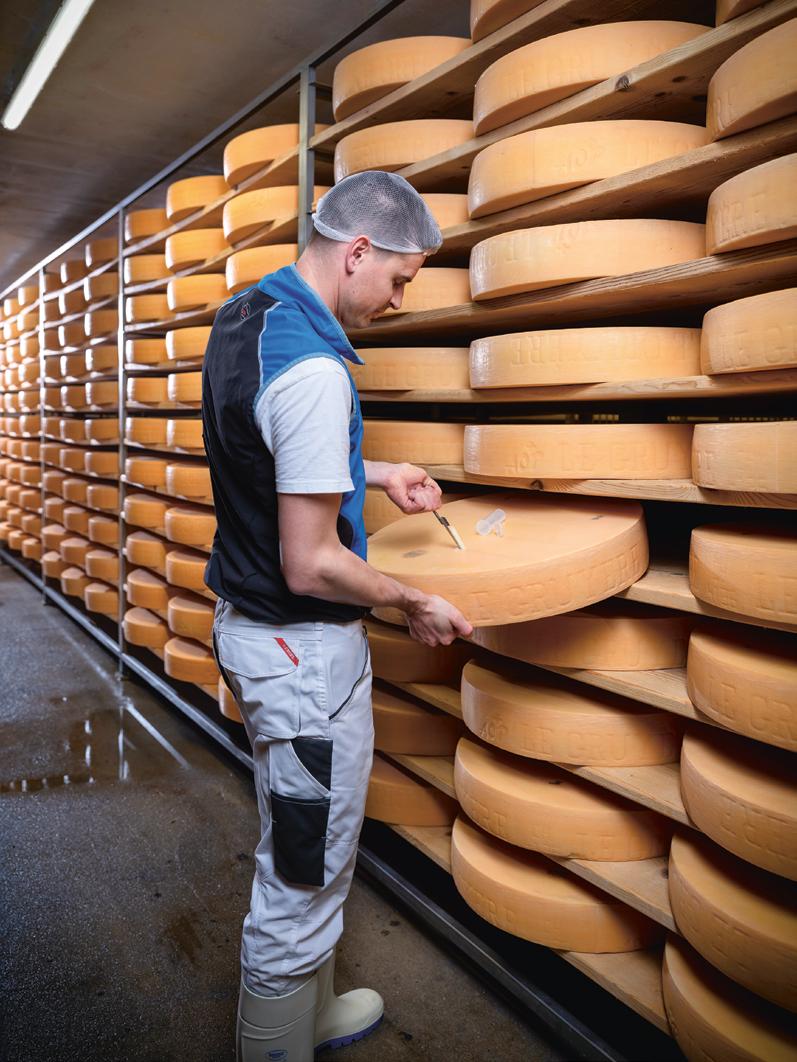
FOOD SECURITY : combining public and proprietary data to help BASF and Rijk Zwaan improve crops, including wheat and soybean.
PHARMACEUTICAL R&D : integrating diverse patient data to identify drug candidates for cancer, tuberculosis and obesity.
ONCOLOGY DIAGNOSTICS : codevelopment of OncoBench® with the Geneva University Hospitals (HUG), a platform for routine genetic analysis of patient tumours (SEE P. 61).
MANUFACTURING : creating a software tool to monitor the genetic stability of bacterial strains throughout a pharma company’s drug development process.
PUBLIC HEALTH : supporting the Swiss Federal Office of Public Health with genomic surveillance of pathogens of concern (SEE P. 35)
ENVIRONMENTAL PROTECTION : establishing a statistical methodology to predict the breakdown time of biopesticides in soil.
Genomics and other omics
Barriers
Heterogeneous data produced by individual institutions
Specialized context
Ad hoc formats
Low added value
Reports and documents
Verified, organized and connected data thanks to SIB
Understandable & reusable
Maximized value
Ready for trustworthy AI
OUR END-TO-END SERVICE OFFERING
We provide expertise in a wide variety of bioinformatics services and data types, combined with an in-depth understanding of the underlying life-science data –plus extensive professional support.
Data stewardship and management
Organizing data for long-term reuse
We help define and implement Data Management Plans for research proposals and funding applications as well as attaining data interoperability targets, from local to international scales. We do this within academic or regulated environments and ensure long-term management, expert annotation, and storage of biological data. This involves making data FAIR and harmonizing datasets.
Knowledge representation
Bringing more meaning to data
We enable novel, faster and useful insights from available data through intuitive queries across interconnected datasets and rich semantics. By using best-practice standards for data interoperability, sharing and publication, we improve data discoverability. Our expertise in knowledge graphs, ontology engineering and software development acts as an accelerator for data preparation, integration and FAIRification.
Biostatistics and bioinformatics analysis
Making sense of life-science data
We integrate and analyse all kinds of data from a range of technologies to enable discoveries. Our areas of expertise include molecular imaging data analysis, de novo assembly of sequencing data, functional analysis, multi-omics data integration, and machine learning.
Sensitive data sharing
Enabling trusted research on human data
Biomedical research, and in particular personalized health research, relies on a critical mass of heterogeneous sensitive data from patients or clinical trials spread across institutions and sometimes countries. We draw on our extensive experience in large European public-private consortia and national initiatives to enable the secure sharing and processing of interoperable data.
Training
Boosting bioinformatics skills
Our comprehensive course portfolio provides hands-on experience of the latest bioinformatics techniques and resources, including clinical applications for researchers. We offer about 100 training days per year and design specific courses for companies, delivered by experts and trainers from across SIB’s network.
Software development
Developing engaging and customized tools
We harmonize and optimize internal data handling processes through the customization or development of analysis pipelines and software tools. This includes multi-site data processing tracking pipelines and diagnostic tools. Our teams also contribute to world-leading open science databases and tools for the life sciences, which can be adapted as necessary for the needs of partners.
Professional support
Our partners also benefit from professional support during the project journey that ensures efficiency and long-term success:
Legal and technology transfer
IT infrastructure
Data security
Data protection and GDPR compliance
Project management and coordination
External communications and public relations
New avenue for insights from Swiss patient data
A pilot project of the Swiss Personalized Health Network (SPHN) enabled a pharmaceutical company to gain insights from Swiss health data, while fully preserving patient privacy. Under a newly established collaboration framework, Novartis submitted a research question concerning a risk factor for heart disease; Swiss hospitals transferred the necessary, anonymized patient data to the Trusted Research Environment BioMedIT; and SPHN conducted the analysis and delivered the aggregated results. The framework was elaborated by SPHN with legal expertise from SIB.
See P. 45 for more on SPHN
Analysis-ready public data for pharmaceutical R&D
Translational research for cancer treatments is now streamlined in a pharmaceutical partner, thanks to analysis-ready datasets prepared by SIB for 10 patient cohorts. Our scientists reprocessed highly heterogeneous proteomics data from a public repository using a single pipeline, made the data interoperable, and performed quality control. A follow-up project will prepare additional cancer datasets for drug discovery.
See P. 56-62 for more on SIB’s work to tackle cancer
AI-powered medtech for precision anaesthesia dosing
To better monitor and personalize anaesthesia during surgery, a new Innosuisse-funded project will develop a wearable device that can predict real-time pain levels based on pupil tracking. By enabling precise drug dosing, Anesthe-Mate aims to improve patient recovery, reduce opioid use and shorten hospital stays.
SIB is developing a machine learning model to uncover markers for pain from patient data, and will use these to develop the AI component of a prototype system for use during surgery. Anesthe-Mate is a partnership between SIB, the University of Geneva, HUG and the Swiss Center for Electronics and Microtechnology (CSEM).
ACTIVITY PILLAR III
Enabling large-scale collaborations through efficient coordination
We partner across disciplines, institutions and continents to tackle complex challenges that no single organization or data resource can address alone.
Our teams develop frameworks and guidance for strategic data initiatives, enable seamless data sharing between multiple stakeholders, ensure best practices and standards for data management, and deliver innovative infrastructure for interdisciplinary research – all at the national and international scale.
Benefiting directly from our strong national network and international ties, these coordination efforts maximize life-science research investments, strengthen Switzerland’s reputation and competitiveness, and drive solutions for health and environmental challenges.
Connecting Switzerland to the European Open Science Cloud (EOSC)
WHY IT MATTERS
Switzerland will be prepared to participate in initiatives for sharing data and services across borders and all disciplines, from the life sciences to the humanities, while safeguarding national data sovereignty. The country will also benefit from accelerated discoveries and innovation, an ‘AI- and future-ready’ national data ecosystem, and increased visibility of Swiss resources and services in Europe.
HOW
SIB is part of an interdisciplinary consortium to build and test a prototype Swiss EOSC node, which brings together interdisciplinary national data, resources and services under a common framework aligned with European standards. The SENPro project is funded by swissuniversities and builds on our decades-long work to advance open science and FAIR data.
PARTNER INSTITUTIONS
ETH Zurich, Swiss Centre of Expertise in the Social Sciences, Swiss National Science Foundation, Switch, University of Basel, University of Lausanne, Lausanne University Hospital, University of Zurich
Switzerland joins global network of human genomics data
WHY IT MATTERS
For the first time, researchers in Switzerland will be able to deposit human genomics data and other sensitive data in a secure, legally compliant national data archive.
As part of the Federated European Genome-phenome Archive (FEGA) network, Swiss FEGA enables secure international collaboration and panEuropean data discovery to advance disease research and precision medicine, without compromising data protection.
HOW
SIB is coordinating the development of the Swiss FEGA node, creating its legal framework, and operating its user portal. We are also developing key components for the service in collaboration with several partner institutions, including tools for managing data access requests, the back end for deploying the FEGA software, and secure infrastructure to host sensitive data. SPHN (SEE P. 45) supports Swiss FEGA with seed funding.
PARTNER INSTITUTIONS
ETH Zurich, Health 2030 Genome Center, Swiss Data Science Center, Switch
Global Pathogen Data Network (PDN) enters its second year
WHY IT MATTERS
Global epidemic preparedness will be further strengthened by providing government authorities and infectious disease researchers with more comprehensive and timely insights on circulating and emerging pathogens.
HOW
PDN’s worldwide ecosystem of linked data and tools is further developing a complementary set of established resources from SIB Groups, to provide actionable insights from public data, speed outbreak detection with wastewater data, and leverage AI to rapidly understand new pathogens. A flagship project of SIB’s Centre for Pathogen Bioinformatics, PDN is funded by the US National Institutes of Health (NIH).
PARTNER INSTITUTIONS
Cold Spring Harbor Laboratory, Georgetown University
Enabling public-private R&D across Europe
WHY IT MATTERS
Major initiatives uniting public and private organizations – and, in many cases, the wider life-science community – can harness large patient cohorts and diverse data sources to accelerate disease therapies and conservation actions.
HOW
SIB currently contributes data management and data analyst expertise to 15 large European consortia, of which five are Innovative Health Initiative public-private partnerships. 2025 milestones include:
CANCER: a unique tumour atlas to help answer why cancers respond differently to treatments and streamline the discovery and development of new approaches (IMMUcan; SEE P. 59);
INHERITED METABOLIC DISEASES: a comprehensive digital map of human metabolic pathways, to support faster diagnosis and personalized treatment of diseases affecting around 1 in 800 babies (Recon4IMD);
HEART DISEASE: the first clustering of diabetic cardiomyopathy patients using clinically relevant variables – a key step in identifying mechanisms for this poorly understood disorder (CARDIATEAM);
CHILDHOOD OBESITY: a publicly available catalogue of data from children and their parents, enriched with biological, socio-economic and health-related variables (Obelisk);
BIOREMEDIATION: new methods to link different types of public and private data were used in a proof-of-concept study to identify potential organisms for breaking down pollutants (TRIPLE).
See P. 48-55 and P. 56-62 for more on SIB’s work on environmental protection and cancer, respectively 140
academic and non-profit organizations 20
large pharma and other companies 20
small- and medium-sized enterprises
FOCUS
STRENGTHENED SWISS LEADERSHIP FOR PERSONALIZED HEALTH
The Swiss Personalized Health Network (SPHN) continues to consolidate its data infrastructure while growing in scale and impact – enabling research, innovation and improved patient care.
SPHN’s pioneering national data infrastructure – coordinated by the Swiss Academy of Medical Sciences (SAMS) and SIB – makes high-quality health data discoverable, interoperable and securely reusable for research in Switzerland. New milestones in 2025 further cement the country’s leading position in the international health data landscape.
Clinical data from 800,000 patients unlocked
Researchers can now easily discover which clinical health data are available in Switzerland and where to inquire for access, while fully respecting patient privacy. The SPHN Metadata Catalog enables this through standard descriptions of the SPHN Federated Clinical Routine Dataset – which includes over 800,000 consenting patients, six Swiss university hospitals, and over 12.5 billion machine-readable data statements (RDF triples) representing clinical knowledge on demographics, diagnoses, medications and more.
Six new health institutions join SPHN
The amount of high-quality, standardized clinical data available for research will further increase, with the Swiss Cancer Institute and five cantonal hospitals –Cantonal Hospital Aarau, Cantonal Hospital Baden, Cantonal Hospital Lucerne, Ente Ospedaliero Cantonale and Health Ostschweiz – joining SPHN.
BioMedIT network surpasses 1,000 users
Researchers across Switzerland can securely transfer sensitive datasets from more than 35 Swiss data-providing institutions, including all six university hospitals, to BioMedIT – the national Trusted Research Environment network – for compliant, high-impact research. The network now supports over 1,000 registered users and 120 projects.
Facilitating research and R&D collaborations
A pilot public-private collaboration framework provided aggregated disease insights from SPHN data to a pharmaceutical company (SEE P. 41), and new guidance simplifies contractual negotiations for health research projects spanning multiple institutions.
From harmonized data to clinical impact
Research enabled by four National Data Streams* aims to make Swiss healthcare more effective, cost-efficient and evidence-based. These Swiss-wide, multidisciplinary consortia have invested in sustainable data infrastructure for key medical areas, as central pillars of the SPHN health data ecosystem. SIB scientists are co-Principal Investigators and members of three such consortia, whose recent outcomes include:
INTENSIVE CARE: providing a standardized approach to document antibiotic administration across Swiss university hospitals (co-led by Catherine Jutzeler, ETH Zurich);
ONCOLOGY: enabling treatment recommendations for patients with advanced cancers that fail to respond to standard care (SEE P. 59 AND 61; co-led by Olivier Michielin, HUG);
PAEDIATRICS: demonstrating that multiomics analysis improves the diagnosis of rare metabolic disorders in critically ill children (co-led by Julia Vogt, ETH Zurich).
*Established through funding by SPHN and the Personalized Health and Related Technologies (PHRT) initiative of the ETH Domain
“SPHN is a public good bringing together data, technologies and expertise for national health research and innovation.”
Thomas Geiger Managing
Director, SPHN
STRENGTHENING SWISS BIOINFORMATICS
We nurture knowledge sharing, collaboration and innovation among the Swiss and global bioinformatics community.
Supporting a critical profession: data steward
Good data management underpins open science and reproducible research – and dedicated data stewards play an increasingly important role. SIB and university partners are strengthening this emerging profession through Switzerland’s first Certificate of Advanced Studies (CAS) in Data Stewardship, whose first cohort graduated in September 2025, and the Swiss Research Data Support Network.
Established with seed funding from swissuniversities, the initiatives support the Swiss National Strategy for Open Research Data by enhancing the skills and recognition of research data management specialists and building a national community of practitioners.
PARTNER INSTITUTIONS
University of Lausanne, University of Geneva, University of Zurich, Geneva School of Business Administration, University of Teacher Education Vaud, Swiss Centre of Expertise in the Social Sciences, Zurich University of Applied Sciences
Sharing AI and bioinformatics advances for data-driven biology
2025 [BC]2 BASEL COMPUTATIONAL BIOLOGY CONFERENCE
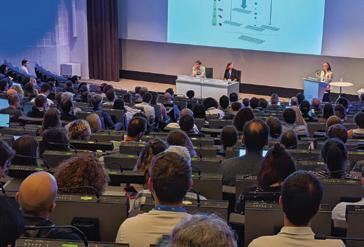
Over 500 scientists, clinicians and industry representatives joined the 17th edition of SIB’s flagship biennial event, from 31 countries and top organizations – including Imperial College London, Johns Hopkins University, Max Planck Institute, Google DeepMind, Novartis, AstraZeneca and Nestle.
Attendees explored cutting-edge developments and their application to disease research, environmental studies, healthcare and more. They also gained a wealth of practical guidance, from developing Large Language Models to launching successful start-ups.
2026 EUROPEAN CONFERENCE ON COMPUTATIONAL BIOLOGY (ECCB)
SIB is organizing the 25th edition of ECCB for the first time in Geneva in September 2026, under the theme of ‘Biodiversity, AI, and Health: Connecting knowledge for the society of tomorrow’.
SIB training courses in 2025, with contributions from 20 groups
the full list of courses at www.sib.swiss/training
Over 1,000 attendees are expected to join the scientific programme, and a public track will explore the impact of bioinformatics and science policies (SEE P. 11). The conference will highlight how computational biology drives innovation and addresses global challenges, and strengthen Geneva’s and Switzerland’s position on these topics.
More information at www.eccb26.org
Coming together to advance specific topics
Our community establishes focus groups to share knowledge and collaborate across disciplines and topics.
CORE FACILITIES Shares best practices and discusses grand challenges in bioinformatics core facilities, such as fostering reproducible research.
DIVERSITY Promotes equality, diversity and inclusion (EDI) values. Contributed to inclusive practices for [BC]2 2025 and organized a workshop to assess institutional EDI efforts.
ECOIMPACT Looks into SIB’s impact on environmental sustainability and fosters environmental awareness. Finalized SIB’s carbon footprint assessment and promoted group activities to diverse audiences.
EPIGENOMICS Proposes recommendations for reaching FAIR principles goals in the field.
AI MODELS OF BIOMOLECULES
Shares developments, best practices and challenges in RNA, DNA and protein Foundation Models. Advanced the use of AI to decode RNA biology through a symposium and monthly workshops.
PATHOGEN BIOINFORMATICS
Identifies challenges in the field and future projects to address these through the Centre for Pathogen Bioinformatics.
SEMANTIC WEB OF DATA Develops solutions for seamlessly integrating life-science datasets and databases. Awarded best demo at the Extended Semantic Web Conference for a SPARQL query editor; published a large collection of user questions for SIB Group resources and corresponding SPARQL queries in Gigascience
SINGLE-CELL OMICS Discusses single-cell data analysis and visualization topics.
Showcasing Swiss bioinformatics expertise
SIB supports and participates in a range of events on top of [BC]2 and the 2026 ECCB. This is part of our mission to facilitate knowledge exchange across sectors and promote the widespread expertise of our national network. Conferences are also a way to foster new collaborations with academia and industry.
Events that we supported or co-organized in 2025 include:
AI for RNA Biology Symposium, Lausanne
Annual International Biocuration Conference, Kansas City, USA
BioAlps Networking Day, Monthey Clinics Meets Data Science Symposium, Basel
Computational Biology Symposium, Lausanne
DataSHIELD Conference, Lausanne
Lemanic Life Sciences Hackathon, Lausanne
PhyloSIB workshop, Lausanne
Réseau Francophone de Métabolomique et Fluxomique, Paris, France
SIB Speaker Roadshow Initiative, Lausanne, Bern and Mendrisio
Swiss Symposium on Protein Design for Academia and Industry, Basel
International Annual Conference on Artificial Intelligence in Health, Basel
Empowering environmental action
Environmental degradation is an urgent and complex crisis – threatening not just species and ecosystems, but human health, food security and prosperity. Discover how SIB generates, liberates and mobilizes the data that conservationists, businesses and policymakers need to act.
Thriving nature, thriving people
Switzerland and 195 other nations have committed to halt and reverse biodiversity loss by 2030. SIB is enabling the knowledge foundation and data resources to transform this ambition into outcomes.
Effective conservation depends on a comprehensive understanding of species, ecosystems and the underlying drivers of environmental degradation. Today, much of this knowledge is fragmented, inaccessible or missing entirely – a critical barrier to evidence-based policies and action.
Switzerland is exceptionally well placed to address this challenge. Home to leading international organizations spanning conservation and sciencepolicy coordination – and with world-class research institutions and infrastructure – the country has the standing and capacity to translate environmental commitments into measurable progress.
SIB's bioinformatics expertise is central to Switzerland's contribution. Our scientists collaborate in projects from the national to the global scale, to: connect genetic, observational and published data; enable biodiversity assessments; and advance a One-Health approach that recognizes the inseparable links between human, animal and ecosystem health. Together, this work is building the knowledge base and tools to guide policies and solutions for safeguarding life on Earth.
“SIB’s expertise in biodiversity genomics plays a key role in the Earth BioGenome Project, the largest coordinated scientific effort in the history of biology.”
Harris Lewin Chair, EBP Working Group University of California, Davis, USA
Improving knowledge on biodiversity past, present and future
SIB is enabling a more complete understanding of the biology and resilience of species and ecosystems by vastly increasing the amount of biodiversity data available – and ensuring these can be combined, compared and acted on.
Generating
and liberating
biodiversity data at scale
SIB coordinates and contributes to an unprecedented global effort to sequence the complete genetic blueprint of all 1.67 million known complex organisms by 2035. We are further making centuries’ worth of historical knowledge on species and ecology – along with new data – openly available and discoverable. Our scientists also study ecological and evolutionary processes, and are enabling field observations at much larger scales than previously possible.
Scaling biodata resources to evolving needs
Our groups further develop and scale innovative computational tools to keep pace with the exponentially growing amounts of – and need for – biodiversity data. These include software tools for analysing genomic sequences at increasing speeds and volumes, and AI models for efficiently extracting information from reports and publications.
Unlocking knowledge from 500 million pages
Much of the published literature describing species and drivers of environmental change is unconnected or in inaccessible formats. SIB codeveloped a roadmap for making this vast historical corpus – as well as all new scientific articles – FAIR, machine-readable and AI-ready by 2035.
The international Disentis initiative will extract and curate data from historical digitized articles using text mining and machine learning tools. Our scientists are defining minimum standards for machine-actionable publications, and demonstrating how AI models can efficiently mine data from scientific articles (SEE P. 52). The ‘liberated’ data will be linked to other knowledge platforms, including the Biodiversity PMC literature library developed by an SIB Group (SEE P. 55).
The largest atlas of global microbial ecosystems
MicrobeAtlas unifies over 2.4 million samples of microbial communities in environments ranging from soils and oceans to animal guts. Developed by the SIB Group of Christian von Mering (University of Zurich), the harmonized database enables discovery of ecological patterns and biogeographic trends at unprecedented scale and highlights major sampling gaps worldwide.
Rodrigues, Tackmann et al. Cell 2026
Towards 10x faster sequencing of life on Earth
Species ‘reference genomes’ reveal vital information for conservation and management, such as their ability to adapt to climate change and level of inbreeding. SIB provided expertise for accelerating production from 300 to 3,000 genomes per month, in the phase II strategy of the Earth BioGenome Project (EBP) – an ambitious global initiative to sequence all known plants, animals and other eukaryotes in the next 10 years.
We also deliver EBP through joint coordination of its European node, the European Reference Genome Atlas (ERGA), and the Biodiversity Genomics Europe
(BGE) project. Our scientists helped the latter pass its 100-genome milestone in 2025 by contributing to reference genomes for species at risk, including Hanak's bat and the Spanish moon moth. We further coordinated 20 BGE case studies on real-world applications of biodiversity genomics, including for alpine butterflies in Switzerland.
BGE is now succeeded by BGE+ with further funding from Horizon Europe. This new phase will further scale the production and uptake of genomic evidence for taxonomy, monitoring and policy, and scope a European research infrastructure for biodiversity genomics.
Ensuring meaningful insights through common data standards
Building on previous work to establish standards for assembling high-quality reference genomes through the EBP and ERGA (SEE P. 51), we contributed to best practices for collecting, sequencing and biobanking samples, and to harmonized approaches for downstream genomics research methodologies.
Reichel, Pohjoismäki et al. Molecular Ecology Resources 2026 Buzan et al. Molecular Ecology 2025
We work similarly for observational data through the Biodiversity Meets Data project (SEE P. 53) and the ELIXIR Biodiversity, Food Security and Pathogens Priority Area (SEE P. 55). As the Swiss node of ELIXIR, we are further co-developing a tool to help researchers and repository managers align biodiversity datasets to FAIR standards.
Scaling biodata tools to increasingly larger datasets
A new tool enables gene comparisons across thousands of eukaryotic genomes in just one day – enabling reference genome annotation at the scale required for EBP phase II (SEE P. 51) and meeting the evolving demands of other large genomics initiatives. FastOMA was developed by the SIB Group led by Christophe Dessimoz and Natasha Glover at the University of Lausanne, as part of the SwissOrthology SIB Resource.
SIB scientists further showed how AI models can identify, extract and label published data on species habitat, morphology and other biological traits at scale. The methodology – which was applied to 2,000 scientific articles on the most diverse animal group, arthropods – provides a systematic framework for building comprehensive open databases of organism traits.
Cornelius et al. Biodiversity Data Journal 2025
Mobilizing Swiss biodiversity data for research and policy
A large proportion of datasets collected on Swiss species and habitats remains on local computers or in inaccessible formats. SIB will help researchers publish these via the Global Biodiversity Information Facility (GBIF), through capacity building. As the world's largest open-access platform for FAIR biodiversity occurrence data, GBIF underpins thousands of scientific studies annually and feeds directly into conservation planning, climate research and policy analysis in Switzerland and worldwide.
Microbes are key for coral reef health
Disruptions to coral, sponge, fish and other ‘macro’ reef organisms were shown to fundamentally restructure reef microbe communities – which may accelerate collapse of the entire ecosystem. Led by the SIB Group of Shinichi Sunagawa (ETH Zurich), the study has implications for safeguarding these vital biodiversity hotspots providing food, coastal protection and livelihoods for hundreds of millions of people.
Wiederkehr et al. ISME Communications 2025
Providing timely guidance for policies and actions
In addition to foundational biological knowledge, SIB supports policymakers, natural resource managers, conservation practitioners and other stakeholders with vital information on where species live, how their ranges are changing and which populations are most at risk – from the national to the global scale.
Assessing biodiversity status and trends
SIB develops and enables Virtual Research Environments (VREs), computational models and other data-driven tools for near-real-time species and habitat monitoring, standardized biodiversity assessments, and prediction of future changes under different scenarios.
This helps improve conservation and restoration decisions by providing reliable evidence to inform policies, monitor compliance with regulations, and track progress on national and international commitments.
Supporting global science-policy initiatives
Our commitment to multilateral environmental agreements and science-policy initiatives is reinforced by a Memorandum of Understanding with Senckenberg Nature Research, which houses the Technical Support Unit on Knowledge and Data of the Intergovernmental Science-Policy Platform on Biodiversity and Ecosystem Services (IPBES). A member of our Environmental Bioinformatics group is also part of an IPBES task force developing best practices for data management and handling within the platform, including the use of AI.
Biodiversity assessments with unprecedented precision
Transformative new models will allow biodiversity assessments to include genetic variation within species, ‘hidden’ species only known from DNA sequencing, and subtle morphological and life-history differences between populations. This greater level of detail is enabled by combining genomics data and literature-mined trait data with traditional species occurrence data. Led by SIB, the SNSF-funded project focuses on birds, bats and fish in Switzerland and butterflies, bumblebees and amphipods in Europe.
Near real-time monitoring of European biodiversity
The Biodiversity Meets Data project will provide detailed information on the size and location of species populations across Europe in near real-time – as well as Virtual Research Environments (VREs) where conservation stakeholders can easily conduct biodiversity assessments, analyse environmental change and model future biodiversity trends. This will inform efforts to meet EU targets for expanding protected areas and restoring ecosystems by 2030.
SIB leads work to implement continuous observation data from camera traps, audio devices and environmental DNA – and integrate these in open FAIR repositories, along with historical data from protected area surveys and other sources. We also co-develop the VREs, which will harness these biological data plus climate, policy, geospatial and other environmental data to enable a more complete understanding of species and habitats over time and at scales not previously possible.
The first Swiss-wide assessment of lakes
Another SNSF-funded project will develop standardized national tools for assessing lake biodiversity and socio-economic value, and provide a baseline assessment for 240 lakes. SIB contributes data management and integration expertise to the project, which will inform compliance with the international Convention on Biological Diversity and national Water
Holistic actions through a OneHealth approach
Biodiversity loss is not an isolated crisis, but intertwined with emerging zoonotic diseases, antimicrobial resistance and food security. SIB is advancing integrated research and solutions for these challenges through data infrastructure and collaborations spanning environmental, animal and human health.
Connecting data across domains
In addition to harmonizing specific data types generated by different research groups (SEE P. 52) , our scientists coordinate efforts to make data interoperable across traditionally separate research and policy domains – and develop common bioinformatics resources for their discovery and analysis. We are also enabling research related to One Health through dedicated platforms for new data types and specific applications.
European biodiversity organizations unite for
One Health
The 2025 Crete Declaration commits major life-science and biodiversity organizations to jointly advance a One-Health approach grounded in open science. Signatories will promote multidisciplinary research, advance innovations through shared resources,
Harnessing microbes for climate-resilient plants and crops
The MICROBES-4-CLIMATE project is advancing research on climate-change impacts on terrestrial, agricultural and forestry ecosystems – and how soil microbes can mitigate these – by providing European researchers with access to advanced laboratory facilities
“SPSP ensures national consensus on data from the fields of microbiology, infection control, veterinary health and public health.”
A national pathogen genomics platform for One Health
The Swiss Pathogen Surveillance Platform (SPSP) collects, curates and analyses whole genome sequences and associated data for bacteria, viruses and fungi, from a variety of clinical, veterinary, food and environmental sources in Switzerland. Operated by SIB in collaboration with the Federal Office of Public Health, the Federal Food Safety and Veterinary Office and leading Swiss academic and clinical partners, the SIB Resource (SEE P. 32) provides a comprehensive, real-time view of how pathogens and antimicrobial resistance emerge, evolve and spread across human populations and ecosystems.
Facilitating large-scale One-Health solutions
A strategy co-developed by SIB is improving the mobilization and integration of diverse non-human biodata across 21 European countries. Released by ELIXIR for the Biodiversity, Food Security and Pathogens Priority Area, which we co-lead, the strategy covers data federation, FAIR data practices, analysis tools, standards and training.
Expanded library for biodiversity, ecology and health data
The SIB Literature Services (SIBiLS) resource enables researchers to find published knowledge across biomedical, biodiversity and environmental science domains in a unified, curated library. The volume of biodiversity content will be expanded through a new swissuniversities-funded project awarded to the SIB Group of Patrick Ruch at HEG, which develops the resource. SIBiLS includes Biodiversity PMC (SEE P. 51)
Enabling next-generation cancer care
Two recent revolutions are driving the next cancer breakthroughs: the explosion of life-science data and the rise of powerful AI. Explore how SIB scientists harness these developments to generate and enable new disease insights, faster diagnostics and personalized cancer treatments.
Right treatment, right time
SIB is turning the vision of precision oncology into reality through large-scale data infrastructure, discoveries and clinical tools.
Despite major therapeutic advances over the past decade, cancer is projected to become Europe's leading cause of death by 2035. Tackling this requires better-targeted treatments based on deeper understanding of cancer complexity, more precise matching of patients to therapies, and continuous refinement and innovation as new data and insights emerge.
SIB is at the heart of Swiss and European efforts to develop this next generation of care. Our scientists harmonize and connect vast volumes of genetic, imaging and other cancer data; make these available to scientists, AI developers and health innovators; enable and generate insights through cutting-edge tools and studies; and build clinical support systems for timely decision-making.
This work underpins Switzerland's position as a leader across the cancer care ecosystem, from the collection and management of sensitive patient data to pioneering research, advanced clinical care and pharmaceutical innovation.
“SIB is crucial to IMMUcan’s success. The institute structured all data in the tumour atlas, and facilitates the work of the data analysts by running analysis pipelines and contributing to clinical data curation.”
Marie Morfouace Scientific Research Lead Gustave Roussy, France
Connecting cancer data to unlock insights
To reveal insights that have so far remained invisible, SIB scientists are studying cancer at finer resolution than ever – and making high-quality tumour and clinical data from thousands of patients available to researchers and AI models.
Characterizing tumours in unprecedented detail
SIB scientists and consortium partners harness new technologies to comprehensively profile and investigate different cancer types and stages. This includes analysing DNA mutations, protein markers and gene expression from the tumour to the single-cell level; mapping the precise spatial arrangement of, and interactions between, individual cells in and around tumours; and largescale functional assays of tumour responses to treatments.
Integrating vast volumes of complex data
We lead work in key Swiss and European infrastructure to harmonize and connect such heterogeneous cancer data at scale. Our scientists align data from universities, hospitals, registries, biobanks and pharmaceutical companies to FAIR principles and other standards – ensuring data are fully interoperable, machinereadable and of consistent high quality.
Maintaining patient privacy is crucial for these sensitive data. Trusted research environments such as BioMedIT, established by SIB at the national level as part of the Swiss Personalized Health Network (SPHN; SEE P. 45), ensure secure and legally compliant access and analyses.
Federating AI-ready European data to understand cancer
UNCAN aims to enable the next therapeutic leap, by providing secure access to a huge variety and quantity of cancer data across Europe. This includes demographic, clinical and quality-of-life information; genomics, proteomics and other 'omics' analyses; and tumour images – with initial use cases for paediatric, lymphatic, pancreatic, ovarian, lung and prostate cancer.
SIB leads work to ensure the federated data are interoperable, high-quality and ready for AI analyses, through data standards, a formal data deposition pipeline, and a quality assessment tool. We are also developing AI tools to help clinicians and researchers align their data to the standards.
We are a partner in both UNCAN-Connect, the 19-country, 53-partner consortium building the platform, and CANDLE, a 20-country, 40-partner consortium supporting its implementation.
The platform provides the data foundation of the EU’s Cancer Mission to improve cancer prevention, detection and treatment by 2030. It will additionally generate knowledge and expertise for the European Health Data Space (EHDS) – a new EU-wide framework for the secure use and exchange of all electronic health data.
Accelerating personalized therapies for high-risk cancers
The IMMUcan tumour atlas integrates clinical, molecular and imaging data from over 2,700 patients with advanced breast, colorectal, lung, renal and head and neck cancer across 80 European hospitals. The goal is to uncover why some tumours do not respond to standard treatment, including immunotherapy, and identify effective alternative options.
SIB co-leads the 34-partner publicprivate consortium alongside Merck, the European Organisation for Research and Treatment of Cancer (EORTC), Gustave Roussy and Bayer. Our scientists built the knowledge management system for curating, harmonizing and integrating these data, and work collaboratively with project partners to identify biomarkers for predicting treatment outcomes. In addition to enabling research on tumour–immune system interactions and the effects of therapies, the atlas facilitates efficient translational research – for example by allowing researchers and pharma companies to digitally validate treatment hypotheses before costly clinical trials.
Recent studies enabled by the atlas identify predictors of chemo-immunotherapy responses in different cancers, and confirm the effectiveness of one such therapy in a type of breast cancer.
Turning cancer guidelines into AI-ready data
Our scientists converted unstructured PDF cancer guidelines into machinereadable, expert-validated data, using a Large Language Model and knowledge representation. These data have been combined with large clinical datasets to train AI models to predict treatment outcomes, in a collaboration with the University Hospital Zurich and the University of Zurich.
Towards a Swiss-wide strategy for personalized oncology
The Swiss Precision Oncology National Data Stream harmonized patient cancer data from all Swiss university hospitals, as one central pillar of SPHN (SEE P. 45) Tumour biopsies from 300 patients with advanced melanoma, lung, colorectal and breast cancers are now being profiled through detailed genomics, proteomics and other analyses, to guide individualized treatment decisions (SEE P. 61) and identify mechanisms of immunotherapy resistance. The data stream is co-led by SIB Group Leader Olivier Michielin at HUG and involves other SIB Groups.
Advancing cancer biology
In addition to these large-scale initiatives, SIB Groups further the understanding of cancer through targeted studies and developing new biodata tools. The following are selected highlights from 2025.
Hundreds of thousands of previously unknown RNA variants were discovered in individual kidney cancer cells, with implications for understanding tumour progression and identifying therapeutic targets. The SIB Groups of Abdullah Kahraman (University of Applied Sciences and Arts Northwestern Switzerland) and Christian von Mering (University of Zurich) led the advanced single-cell sequencing study.
Karakulak, Zajac et al. Genome Research 2025
Insights into how ovarian cancer ‘hijacks’ normal abdominal tissue to promote metastases were uncovered, through analysis of over 100,000 cells from 36 benign, non-invasive and invasive tissue samples. The research collaboration included the SIB Groups led by Niko Beerenwinkel (ETH Zurich), Robert Ivanek (University of Basel), Patrick Pedrioli (ETH Zurich), and Daniel Stekhoven (ETH Zurich).
Lischetti et al. Nature Communications 2026
Tissue mechanics were shown to play a central role in bladder cancer formation, and tissue stiffness was found to indicate tumour development before current clinical diagnosis. The SIB Group of Dagmar Iber at ETH Zurich led the study.
Lampart et al. Nature Physics 2025
The reliability of spatial omics analyses of tumour and immune cells was improved through software that reduces signal noise. SPLIT was developed by the SIB Group led by Raphaël Gottardo at Lausanne University Hospital (CHUV).
A type of repeated DNA that can contribute to cancer development can now be studied using innovative software. ConSTRain was co-developed by the SIB Group led by Maria Anisimova (Zurich University of Applied Sciences).
Verbiest et al. Communications Biology 2025
The heterogeneity of cells in and around prostate tumours (the tumour microenvironment, TME) was characterized and correlated with patient outcomes. Carried out jointly by the SIB Group led by Marianna Rapsomaniki (CHUV) and partners at the University of Bern, the work used computational methods to assess cell-type diversity in local TME neighborhoods from spatial molecular imaging data. Such analyses could inform more precise and personalized therapeutic approaches.
The cover of this Profile and the image on the facing page show a graph representation of single cells in a tumour sample, which forms one step of the heterogeneity assessment. Colours represent different cell types, and lines show each cell’s connection to its six closest neighbours.
See P. 26-27 for further cancer-related advances by SIB Groups
Converting insights into patient care
Precision oncology applies molecular knowledge of specific cancer types, subtypes and stages to each patient's tumour and clinical profile, to guide diagnosis, prognosis and treatment. This requires tools and expertise for turning complex information into practical recommendations that oncologists can act on, fast.
Guiding treatment pathways
SIB scientists use AI and bioinformatics to streamline and automate the analysis of complex patient data, speeding diagnoses and enabling scalability. The results inform initial treatment choices and help identify options for resistant tumours, such as repurposing another drug that targets similar molecular changes or trying a new treatment as part of a clinical trial.
“Each patient generates new data that help drive new discoveries and sharpen future treatment recommendations.”
Olivier Michielin SIB Group Leader
Head,
Precision Oncology Service & Head, Oncology Department, HUG
10 years of precision cancer care in Geneva
Tumour genetic profiles generated through OncoBench® guide the early diagnosis and treatment of all new cancer patients at Geneva University Hospitals (HUG). Co-developed by SIB, the automated platform uses advanced algorithms to analyse genetic variants and copy numbers known to affect cancer development or drug response – shortening the diagnostic turnaround time and enabling oncologists to tailor treatment to individual patients.
Identifying options for hard-to-treat tumours
Tumours failing to respond to standard treatment, and patients with rare cancer types, are examined by a ‘molecular tumour board’: a multidisciplinary group of pathologists, oncologists, geneticists and bioinformaticians – including from SIB – that proposes alternative therapeutic avenues.
Multi-omics profiles from the Swiss Precision Oncology National Data Stream (SEE P. 59), for example, support such examinations in Swiss university hospitals as well as in a National Molecular Tumour Board created by the data stream’s developers.
Faster paths to treatment
Precision oncology depends on rapid, affordable methods for profiling individual tumours and identifying new therapeutic candidates. Contributions by SIB scientists towards this in 2025 include the following.
The Tumor Profiler Study demonstrated for the first time that comprehensive melanoma profiles can be generated and analysed quickly enough for clinical settings. The pipeline – which includes over 40,000 markers from DNA, RNA, protein, imaging and drug-response analyses – takes four weeks from biopsy to recommendation. The public-private collaboration includes four SIB Groups at ETH Zurich, led by Niko Beerenwinkel, Gunnar Rätsch, Berend Snijder and Daniel Stekhoven.
Miglino et al. Nature Medicine 2025
Scaling up Swiss capacity for precision oncology
Over 70 healthcare and research professionals across Switzerland have been professionally trained to translate molecular cancer data into clinical practice to date, through the country’s first Certificate of Advanced Studies (CAS) for Personalized Molecular Oncology.
A new deep-learning model identifies protein markers for immunotherapy responses from standard histopathology images, bypassing the need for expensive and time-consuming protein imaging. HistoPlexer was co-developed by the SIB Group of Gunnar Rätsch (ETH Zurich).
Andani, Chen et al. Nature Machine Intelligence 2025
New computational tools support personalized immunotherapy by predicting which receptors on immune cells will bind specific proteins on cancer cells. The tools were developed by the SIB Groups of David Gfeller and Vincent Zoete (University of Lausanne).
Mayol-Rullan et al. Frontiers in Immunology 2025 Croce et al. Science Advances 2025
See P. 26-27 for further cancer-related advances by SIB Groups
Covering tumour biology and genetics, molecular pathology, clinical bioinformatics and clinical oncology, the training establishes a shared language between biologists, bioinformaticians, pathologists and clinicians – supporting more effective use of genomic data in both routine care and clinical research. The programme is jointly organized by SIB in collaboration with the University of Basel, University Hospital Basel and CHUV.
INDEX OF SIB GROUP LEADERS
As of 1 January 2026
AAhrens Christian Proteins and proteomes Agroscope
Allard Pierre-Marie Systems biology University of Fribourg
Anisimova Maria Evolution and phylogeny Zurich University of Applied Sciences (ZHAW)
Azzimonti Laura AI and machine learning Dalle Molle Institute for Artificial Intelligence Research (IDSIA)
BBärenfaller Katja Proteins and proteomes SIAF
Bank Claudia Evolution and phylogeny University of Bern
Barbié Valérie Core facilities and services SIB Hub – Geneva
Bastian Frédéric Evolution and phylogeny University of Lausanne
Baudis Michael Genes and genomes University of Zurich
Beerenwinkel Niko Evolution and phylogeny ETH Zurich
Beltrao Pedro Systems biology ETH Zurich
Bergmann Sven Genes and genomes University of Lausanne
Bitbol Anne-Florence Evolution and phylogeny EPFL
Boeva Valentina Systems biology ETH Zurich
Brbic Maria AI and machine learning EPFL
Bridge Alan Proteins and proteomes SIB Hub – Geneva
Bruggmann Rémy Core facilities and services University of Bern
Buljan Marija Systems biology Empa
CCarmona Santiago Systems biology University of Geneva
Cascione Luciano Core facilities and services Institute of Oncology Research (IOR)
Cavalli Andrea Structural biology Institute for Research in Biomedicine
Chiarugi Davide Core facilities and services SIB Hub – Basel
Chopard Bastien Systems biology University of Geneva
Ciriello Giovanni Systems biology University of Lausanne
Correia Bruno
Structural biology EPFL
DDal Peraro Matteo Structural biology
Deplancke Bart Genes and genomes
Dessimoz Christophe Evolution and phylogeny
Deupi Xavier Structural biology
FFalquet Laurent Genes and genomes
Fellay Jacques Genes and genomes
Fournier Nadine NEW Core facilities and services
Frayling Tim Genes and genomes
GGervasio Francesco Luigi Structural biology
Gfeller David Proteins and proteomes
Glover Natasha Evolution and phylogeny
Gonnet Gaston Evolution and phylogeny
Gottardo Raphael Core facilities and services
Goudet Jérôme Evolution and phylogeny
HHastings Janna AI and machine learning
EPFL
EPFL
University of Lausanne
Paul Scherrer Institute (PSI)
University of Fribourg
EPFL
University of Geneva
University of Geneva
University of Geneva
University of Lausanne
University of Lausanne
ETH Zurich
Lausanne University Hospital (CHUV)
University of Lausanne
Idiap Research Institute
Hodcroft Emma Evolution and phylogeny Swiss TPH
IIbberson Mark Core facilities and services
Iber Dagmar Systems biology
Ivanek Robert Systems biology
JJutzeler Catherine Genes and genomes
KKahraman Abdullah Core facilities and services
Kriventseva Evgenia Genes and genomes
Kutalik Zoltán Genes and genomes
SIB Hub – Lausanne
ETH Zurich
University of Basel
ETH Zurich
University of Applied Sciences and Arts Northwestern Switzerland (FHNW)
University of Geneva
University of Lausanne
LLane Lydie
Lehtinen Sonja
Proteins and proteomes University of Geneva
Evolution and phylogeny University of Lausanne
Levy Emmanuel Proteins and proteomes University of Geneva
Lill Markus Structural biology University of Basel
Lisacek Frédérique Proteins and proteomes University of Geneva
Luisier Raphaëlle
MGenes and genomes University of Bern
Malaspinas Anna-Sapfo Genes and genomes University of Lausanne
Mazza Christian Systems biology University of Fribourg
Messner Christoph Proteins and proteomes SIAF
Michielin Olivier Structural biology Geneva University Hospitals (HUG)
Miho Enkelejda Systems biology University of Applied Sciences and Arts Northwestern Switzerland (FHNW)
Milinkovitch Michel Systems biology University of Geneva
NNeher Richard Evolution and phylogeny University of Basel Core facilities and services
PPalagi Patricia
Core facilities and services SIB Hub – Lausanne
Panse Christian Core facilities and services ETH Zurich
Pedrioli Patrick
Proteins and proteomes ETH Zurich
Peña-Reyes Carlos-Andrés AI and machine learning HEIG-VD
Pivkin Igor Systems biology Università della Svizzera italiana (USI)
RRätsch Gunnar
AI and machine learning
ETH Zurich
Rapsomaniki Marianna AI and machine learning Lausanne University Hospital (CHUV)
Rehrauer Hubert
Rinaldi Fabio
Rinn Bernd
Robinson Mark
Robinson-Rechavi Marc
Roloff Handschin
Tim-Christoph NEW
Ruch Patrick
Core facilities and services ETH Zurich, University of Zurich
AI and machine learning
Core facilities and services
Dalle Molle Institute for Artificial Intelligence Research (IDSIA)
ETH Zurich
Genes and genomes University of Zurich
Evolution and phylogeny University of Lausanne
Genes and genomes University of Zurich
AI and machine learning
Geneva School of Business Administration (HEG)
SSchütz Frédéric Core facilities and services
Schwede Torsten Structural biology
Seth-Smith Helena NEW Genes and genomes
Sengstag Thierry Core facilities and services
Snijder Berend Systems biology
Stadler Michael Genes and genomes
Stadler Tanja Evolution and phylogeny
Stekhoven Daniel Core facilities and services
Stelling Jörg Systems biology
Sunagawa Shinichi Genes and genomes
Vvan Nimwegen Erik Genes and genomes
Vogt Julia AI and machine learning
von Mering Christian Proteins and proteomes
WWagner Andreas Evolution and phylogeny
Waterhouse Robert Core facilities and services
Wegmann Daniel Evolution and phylogeny
Wollscheid Bernd Proteins and proteomes
ZZaugg Judith NEW Systems biology
Zavolan Mihaela Systems biology
Zdobnov Evgeny Genes and genomes
Ziegler Andreas Core facilities and services
Zoete Vincent Structural biology
University of Lausanne
University of Basel
University of Zurich
University of Basel
ETH Zurich
Friedrich Miescher Institute for Biomedical Research (FMI)
ETH Zurich
ETH Zurich
ETH Zurich
ETH Zurich
University of Basel
ETH Zurich
University of Zurich
University of Zurich
SIB Hub – Lausanne
University of Fribourg
ETH Zurich
University of Basel
University of Basel
University of Geneva
Cardio-CARE
University of Lausanne
ACKNOWLEDGEMENTS
We gratefully acknowledge the following funders, sponsors and partners for their financial support and encouragement in helping us fulfil our mission in 2025.
The Swiss government and in particular: The State Secretariat for Education, Research and Innovation SERI
The Federal Office of Public Health FOPH – BAG
The Swiss National Science Foundation (SNSF)
Innosuisse
The European Commission
The National Institutes of Health (NIH) Novo Nordisk Foundation
Our [BC]2 sponsors:
Alithea Genomics Biozentrum
Hasler Stiftung
Kanton Basel-Stadt
Novartis
Novigenix
PHRT Personalized Health and Related Technologies
Roche SNSF
We also thank all industry and academic partners who trust SIB’s expertise – and all employees and members who contributed to this edition of the SIB Profile.
DESIGN AND LAYOUT BY Bogsch & Bacco, www.bogsch-bacco.ch
IMAGE CREDITS (from top to bottom and from left to right)
Cover Melissa Ensmenger, Adriano Martinelli and Marianna Rapsomaniki, Lausanne University Hospital; Marianna Kruithof-De Julio and team, University of Bern
p.10 Jens Maus iStock / JuSun Gerhard Wagner, Harvard Medical School
P.11 Jeff Dowling/EMBL-EBI
P.13 SIB
Myo Han | CC BY 3.0 Adobe Stock Kalnytska et al. iScience 2024 | CC-BY-NC-ND Unsplash / NIAID
P.19 Miriam Tesfai
P.20 Nicolas Righetti / lundi13 Felix Imhof
P.21 Nicolas Righetti / lundi13
P.25 Nicolas Righetti / lundi13 ETH Zurich Fabien Scotti
P.26 Hofmeister et al. Nature 2025 | CC BY 4.0
P.27 Tričković et al. Cell Host & Microbe 2025 | CC BY-NC
P.28 Peter Webb | CC BY 4.0
P.29 Alamy / Chainarong Naranuphong
Alamy / Science Photo Library
CDC / Janice Haney Carr
P.33 University of Lausanne
P.35 Nicolas Righetti / lundi13
P.36 University of Oldenburg / Patrick Pollmeier
P.37 Adobe Stock
Alamy / BSIP
P.39 Unsplash / NCI
Adobe Stock
P.41 Nextstrain | CC-BY
P.43 Alamy / Science History Images Alamy / NIAID Alamy / Fred Murphy
P.44 Eling et al. Cell Reports Methods 2025 | CC-BY
P.46 SIB
P.47 EPFL / Lemanic Life Sciences Hackathon 2025
P.51 Alamy / Nigel Cattlin
P.52 eawag/amphipod.ch
P.53 Alamy / Ethan Daniels
P.54 Adobe Stock
P.55 Adobe Stock
Erik Studer
P.58 EORTC
P.59 Mikael Häggström | CC0 1.0
P.60 Bio-Techne Spatial
P.61 Melissa Ensmenger, Adriano Martinelli and Marianna Rapsomaniki, Lausanne University Hospital; Marianna Kruithof-De Julio and team, University of Bern
P.62 Andani, Chen, Ficek-Pascual et al. Nat Mach Intell 2025 | CC BY
P.68 Adobe Stock
Supporting
research and innovation through expert services
We foster innovation, health advances and societal impact on a day-to-day basis by providing life-science data services to academic, clinical, governmental and industry partners.
SEE P. 38
Enabling large-scale collaborations through efficient coordination
We maximize discoveries from life-science data through coordination across disciplines and institutions, and alignment between Swiss and international practices.
SEE P. 42
Did you know the diversity of cells in and around tumours may correlate with patient outcomes?