GREEN VISION
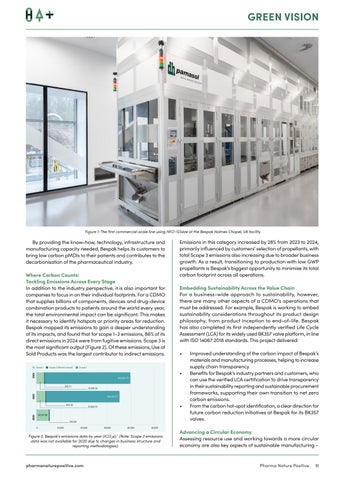
Figure 1: The first commercial-scale line using HFO-1234ze at the Bespak Holmes Chapel, UK facility
By providing the know-how, technology, infrastructure and manufacturing capacity needed, Bespak helps its customers to bring low carbon pMDIs to their patients and contributes to the decarbonisation of the pharmaceutical industry. Where Carbon Counts: Tackling Emissions Across Every Stage In addition to the industry perspective, it is also important for companies to focus in on their individual footprints. For a CDMO that supplies billions of components, devices and drug-device combination products to patients around the world every year, the total environmental impact can be significant. This makes it necessary to identify hotspots or priority areas for reduction. Bespak mapped its emissions to gain a deeper understanding of its impacts, and found that for scope 1–2 emissions, 86% of its direct emissions in 2024 were from fugitive emissions. Scope 3 is the most significant output (Figure 2). Of these emissions, Use of Sold Products was the largest contributor to indirect emissions.
Emissions in this category increased by 28% from 2023 to 2024, primarily influenced by customers’ selection of propellants, with total Scope 3 emissions also increasing due to broader business growth. As a result, transitioning to production with low GWP propellants is Bespak’s biggest opportunity to minimise its total carbon footprint across all operations. Embedding Sustainability Across the Value Chain For a business-wide approach to sustainability, however, there are many other aspects of a CDMO’s operations that must be addressed. For example, Bespak is working to embed sustainability considerations throughout its product design philosophy, from product inception to end-of-life. Bespak has also completed its first independently verified Life Cycle Assessment (LCA) for its widely used BK357 valve platform, in line with ISO 14067:2018 standards. This project delivered: • •
•
Figure 2. Bespak’s emissions data by year (tCO2e).2 (Note: Scope 3 emissions data was not available for 2020 due to changes in business structure and reporting methodologies).
pharmanaturepositive.com
Improved understanding of the carbon impact of Bespak’s materials and manufacturing processes, helping to increase supply chain transparency. Benefits for Bespak’s industry partners and customers, who can use the verified LCA certification to drive transparency in their sustainability reporting and sustainable procurement frameworks, supporting their own transition to net zero carbon emissions. From the carbon hot-spot identification, a clear direction for future carbon reduction initiatives at Bespak for its BK357 valves.
Advancing a Circular Economy Assessing resource use and working towards a more circular economy are also key aspects of sustainable manufacturing –
Pharma Nature Positive
11