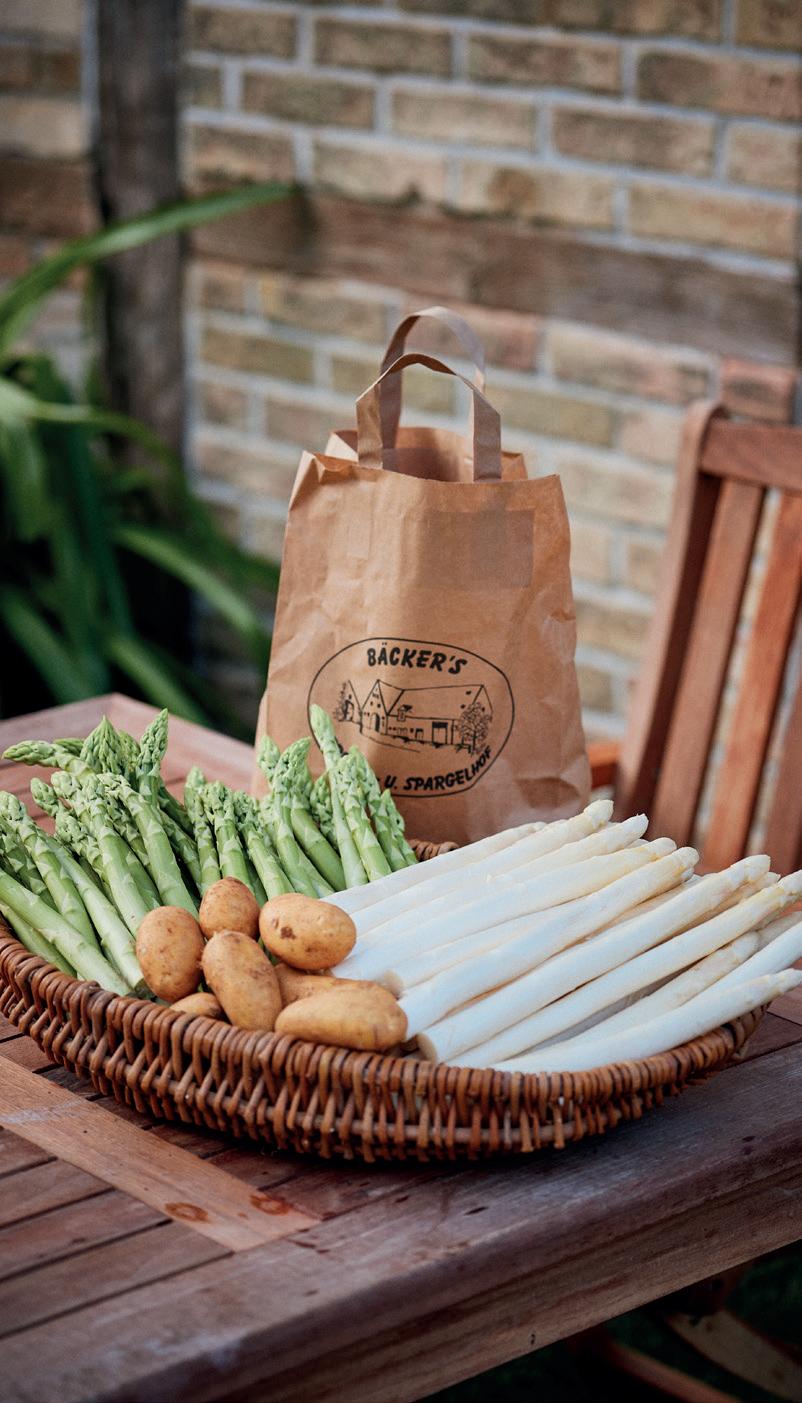
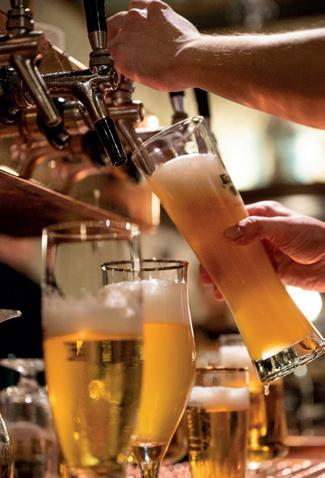
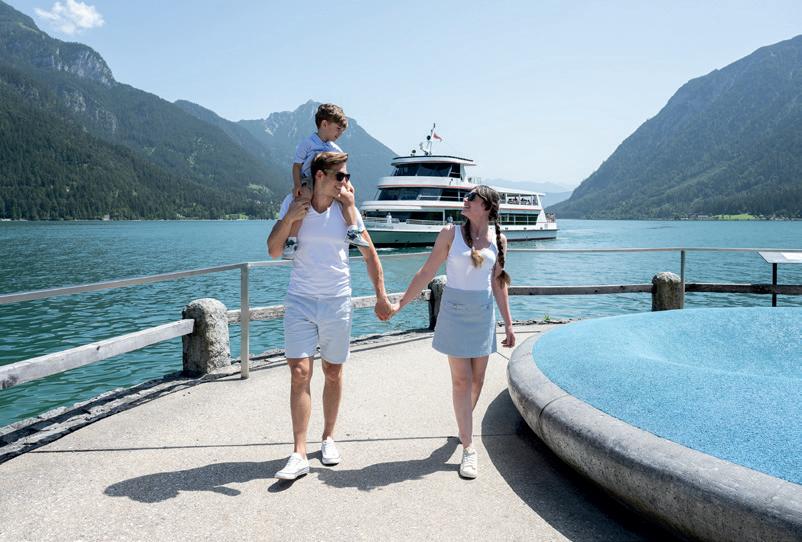
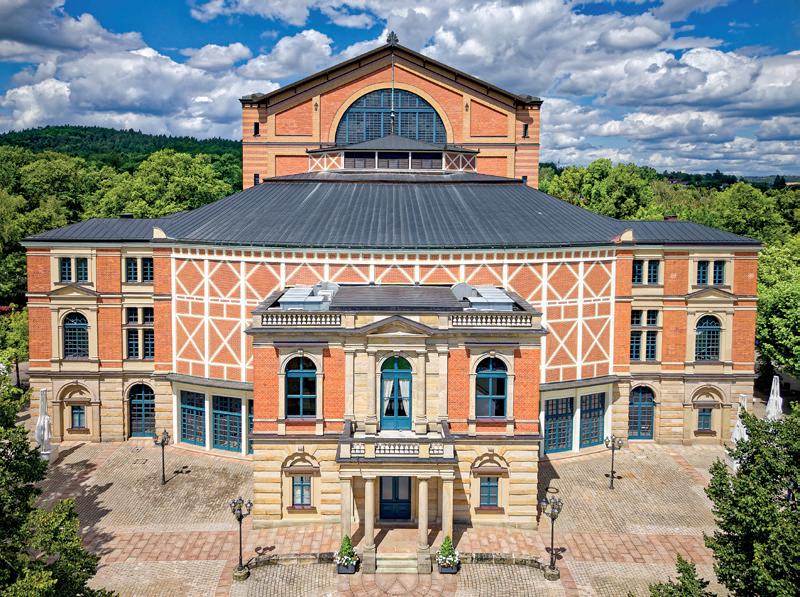
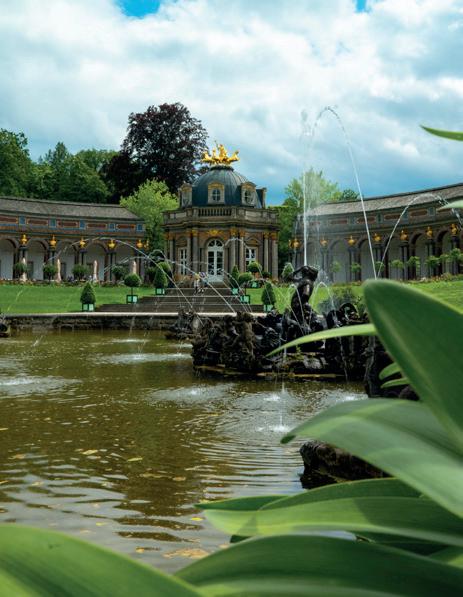
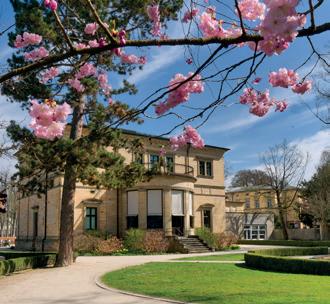
SUMMER TRAVEL HIGHLIGHTS ALL EYES ON WHITE ASPARAGUS
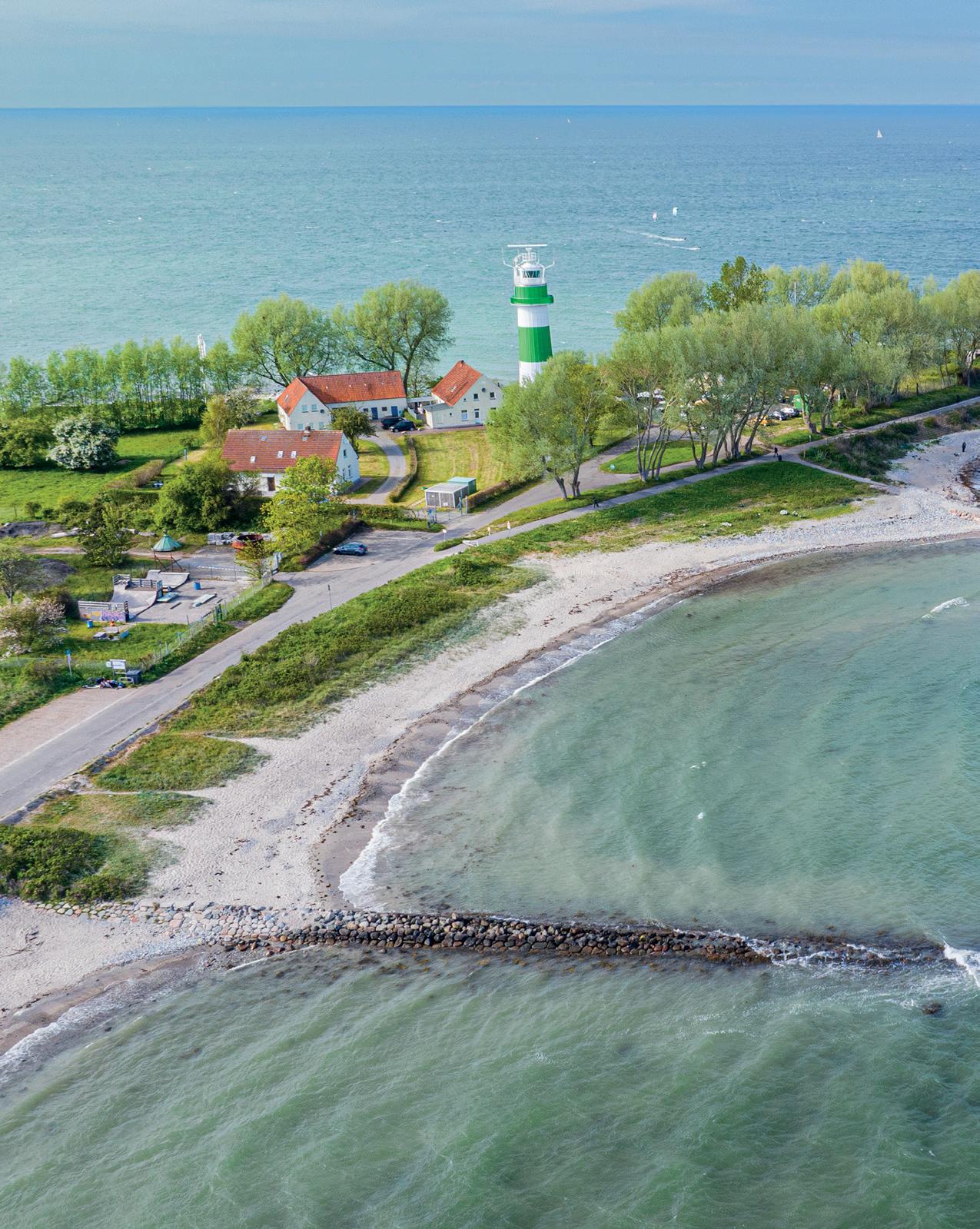
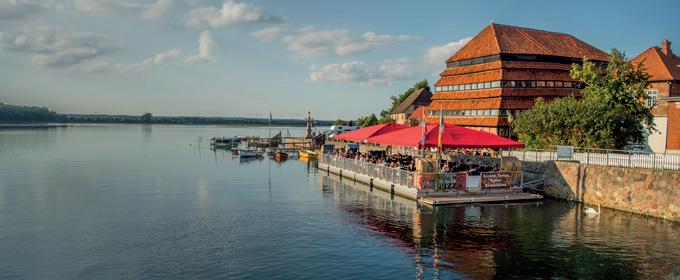
CULINARY ESCAPADES ALONG THE BALTIC SEA
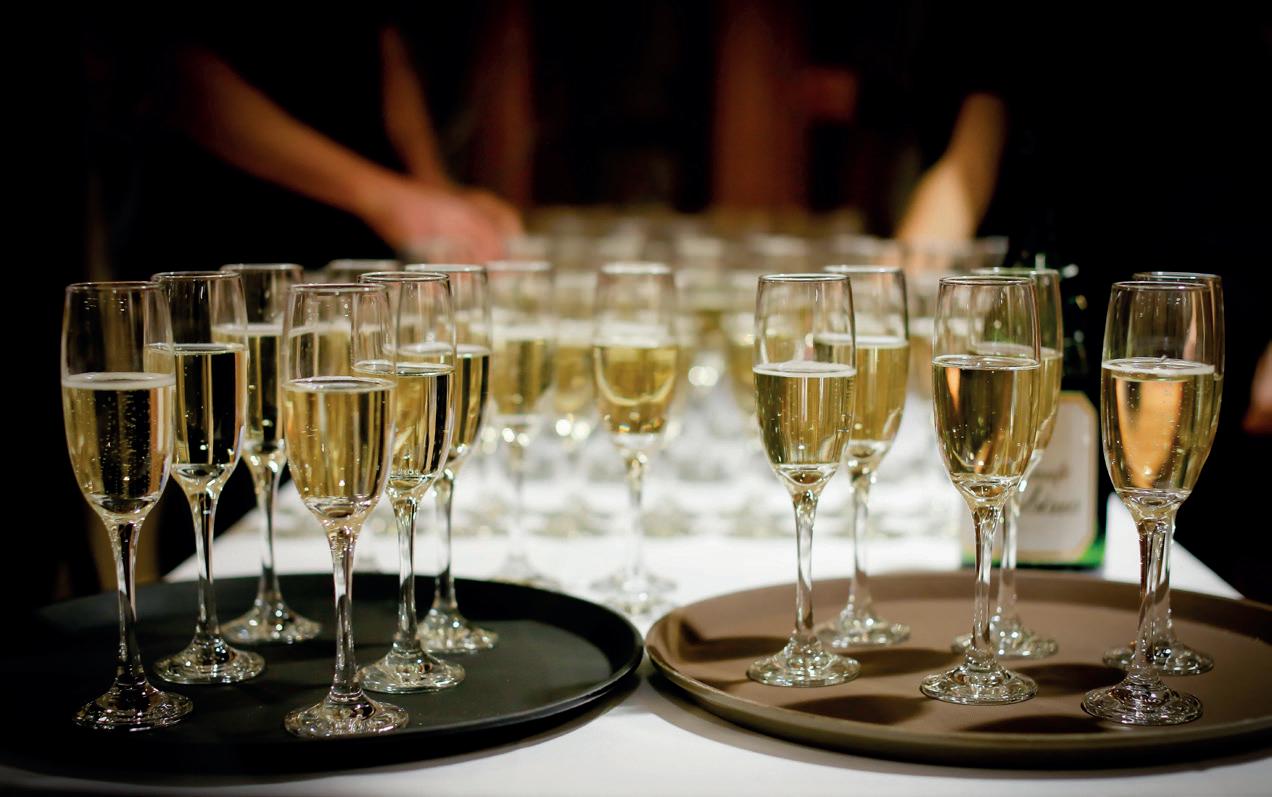
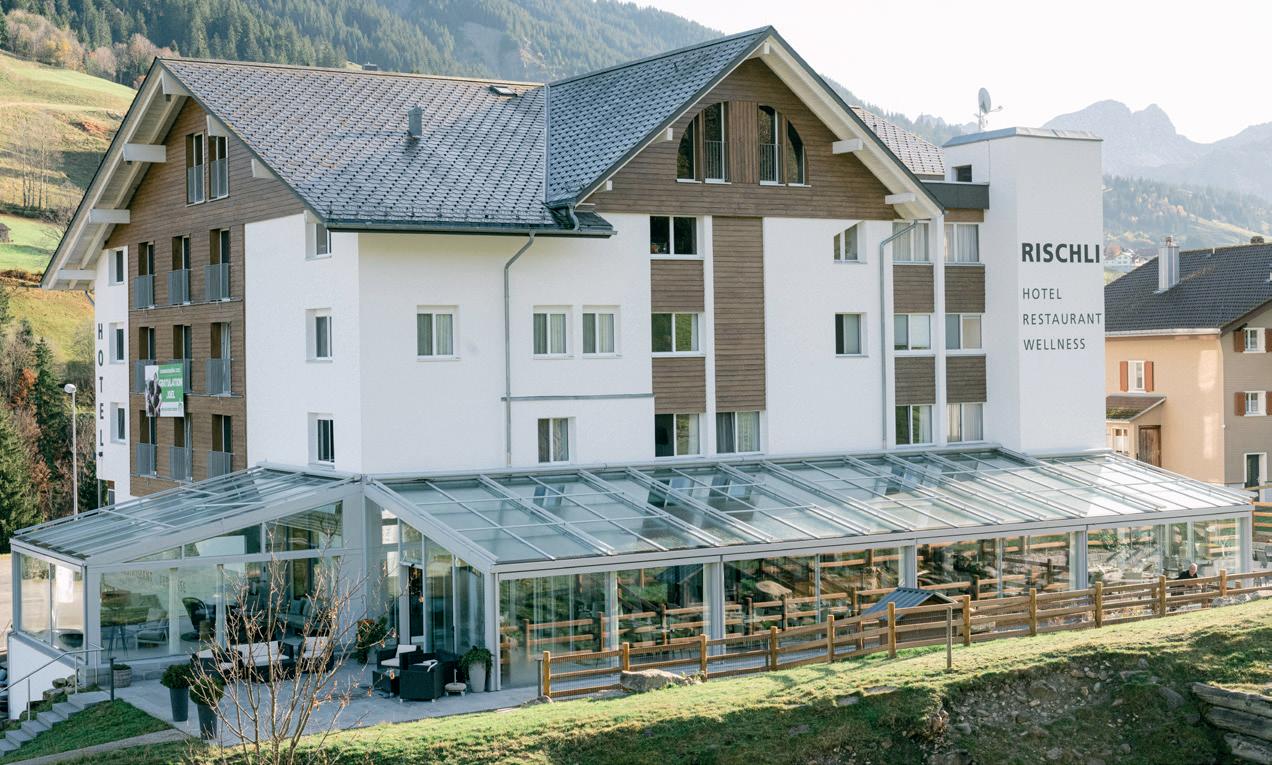
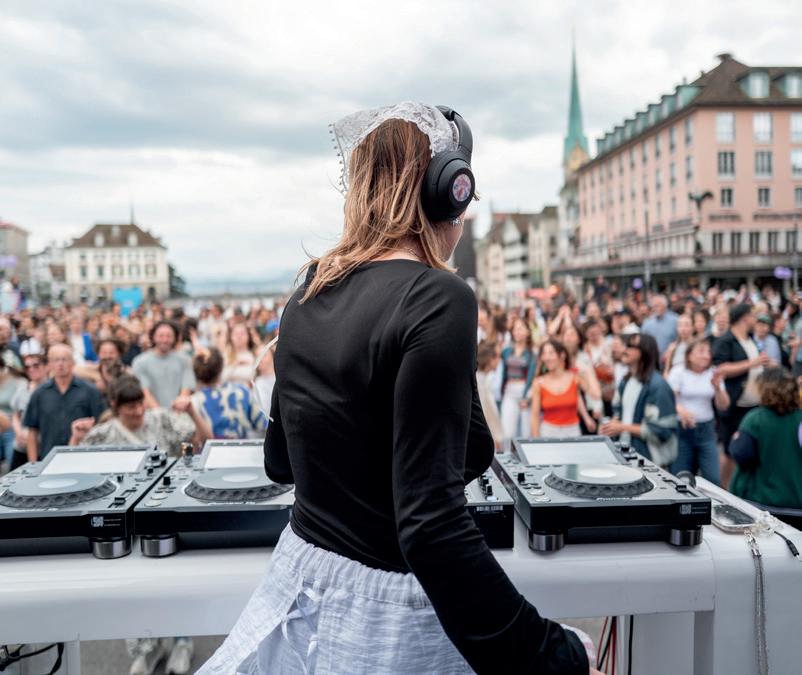
TOP EVENT LOCATIONS IN SWITZERLAND
DESIGN, WINE & DINE, TRAVEL, BUSINESS & MORE
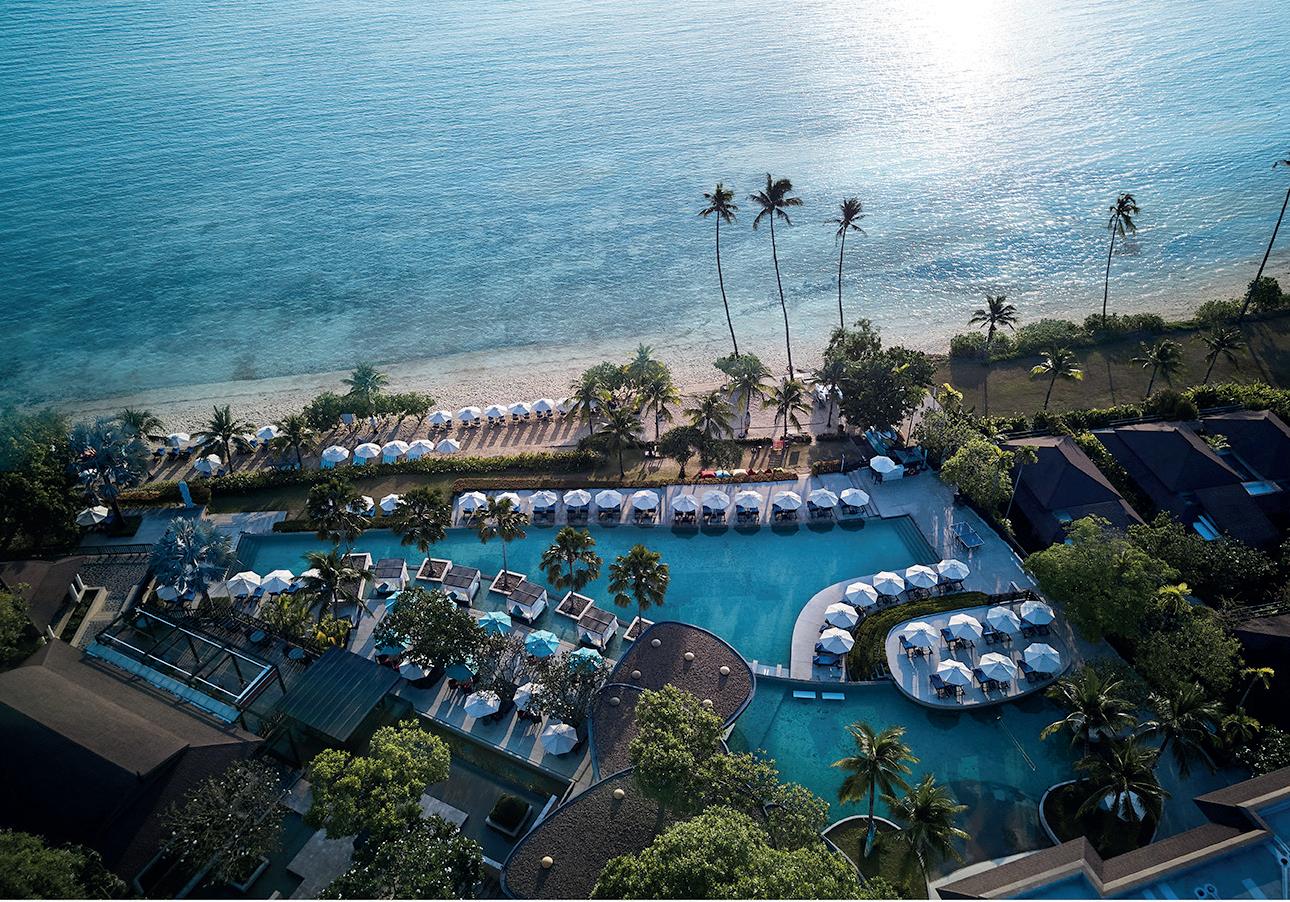
The award-winning beach resort that provides global travelers with the perfect balance of relaxation and adventure in the tropical paradise of Phuket.
PULLMAN PHUKET PANWA
THE ULTIMATE BEACH RESORT IN PHUKET
@pullmanphuketpanwa
Pullman Phuket Panwa Beach Resort
Dear Reader,
May is here, and we’re glad that you’re with us for this new issue. Inside, you’ll find stories that spark ideas, offer practical tips, and maybe even encourage you to try something new this summer.
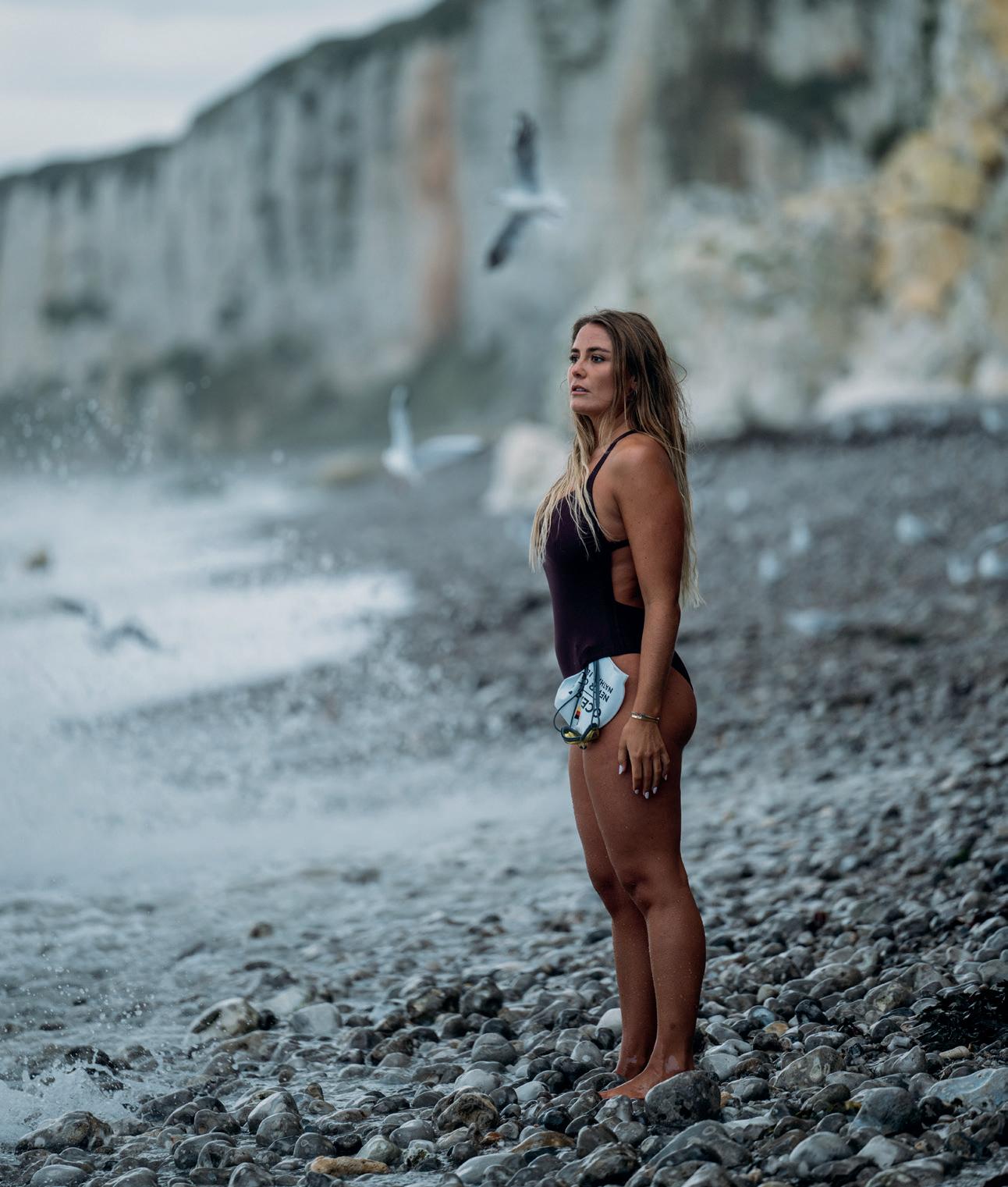
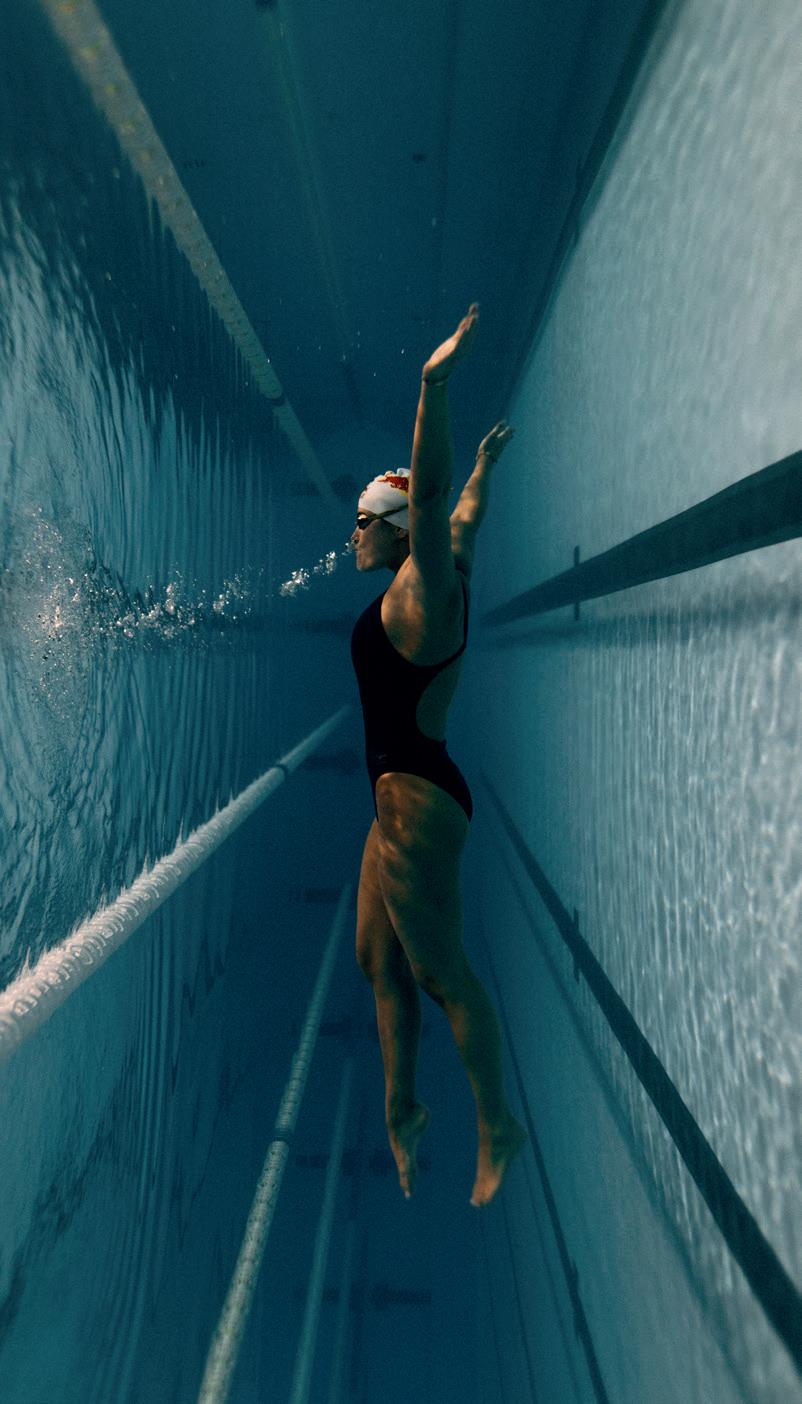
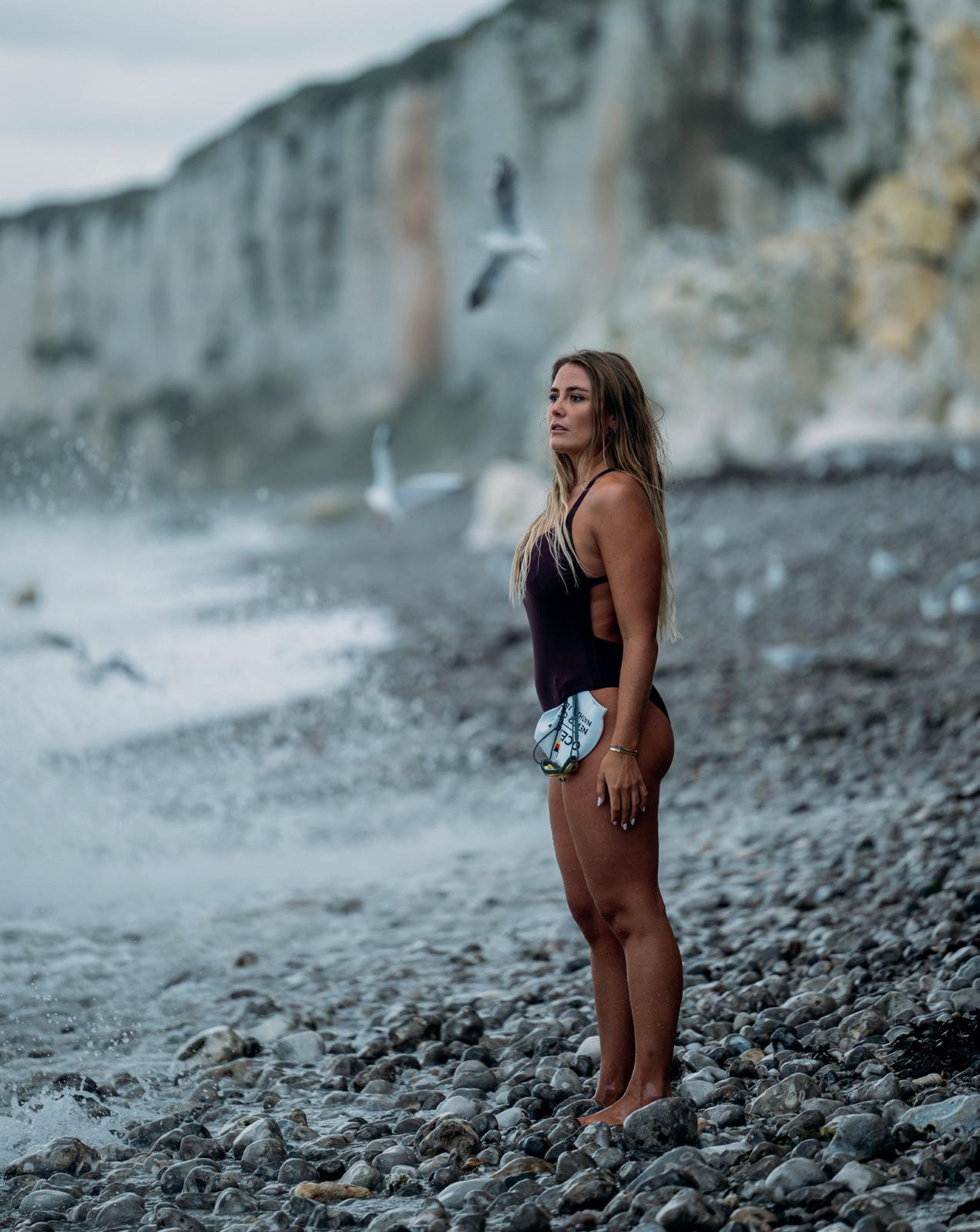
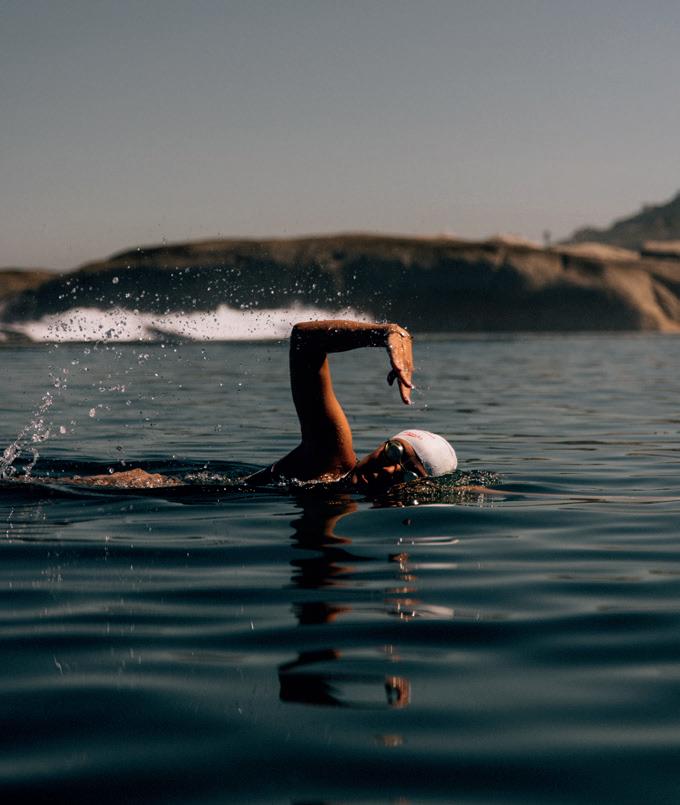
This month, we’re featuring Nathalie Pohl, an extreme swimmer who is the first German woman to conquer Oceans Seven, one of the world’s toughest open-water swimming challenges and recently tackled an impressive 110-kilometre swim around Ibiza. I sat down with her to chat about what mental challenges she has to overcome in the water, her drive to empower others, and much more.
If you also want to embrace adventure this summer, we introduce some marvellous microadventures in Austria, perfect for getting outdoors on the weekend. For those who love food adventures, we
cover the fish rolls of the Baltic Sea and the start of the white asparagus season – both beloved local culinary delights that any visitor to Germany should try at least once.
We’re further digging into art, design and lifestyle with inspiring interior products and exciting summer fashion. And, if you’re planning a city trip, looking for event spots in Switzerland, or want to hear from Germany’s mental health experts, there’s plenty more to explore.
Thanks for joining us as we slowly head into summer. Hope you enjoy reading, and maybe find something here that gets you thinking about what’s next.
Nane Steinhoff Editor
Contents
MAY 2026
COVER FEATURE
24 NATHALIE POHL: MAKING WAVES
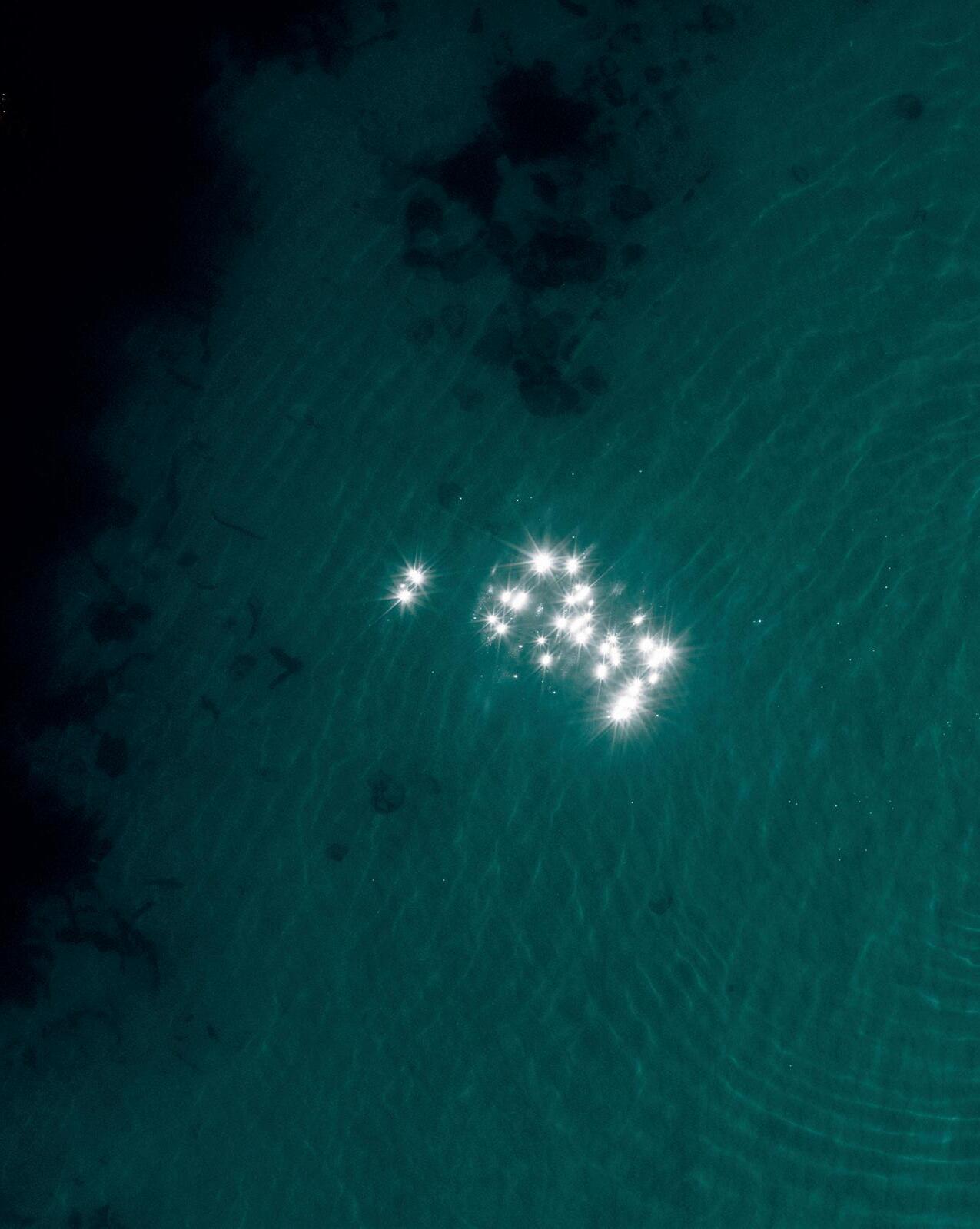
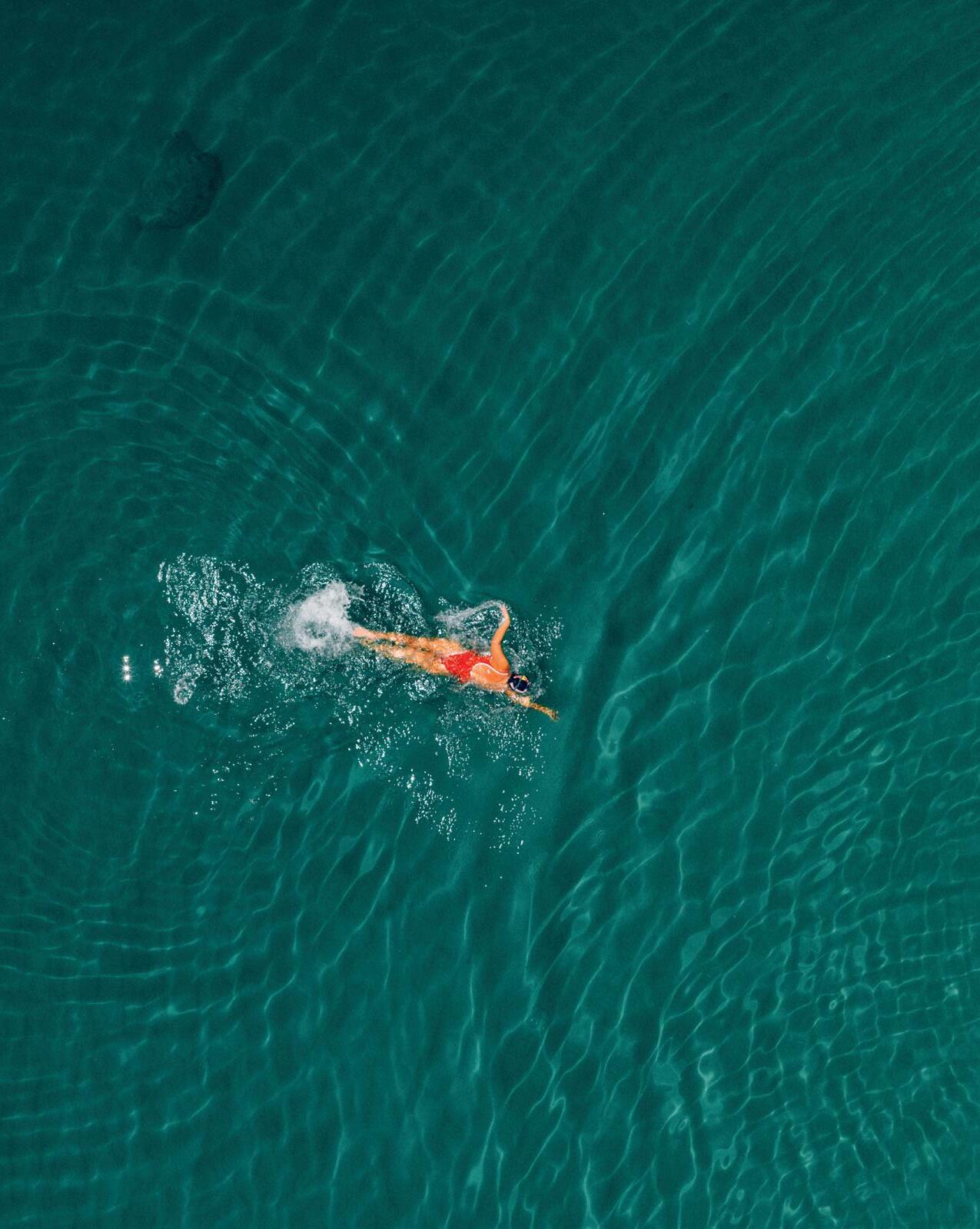
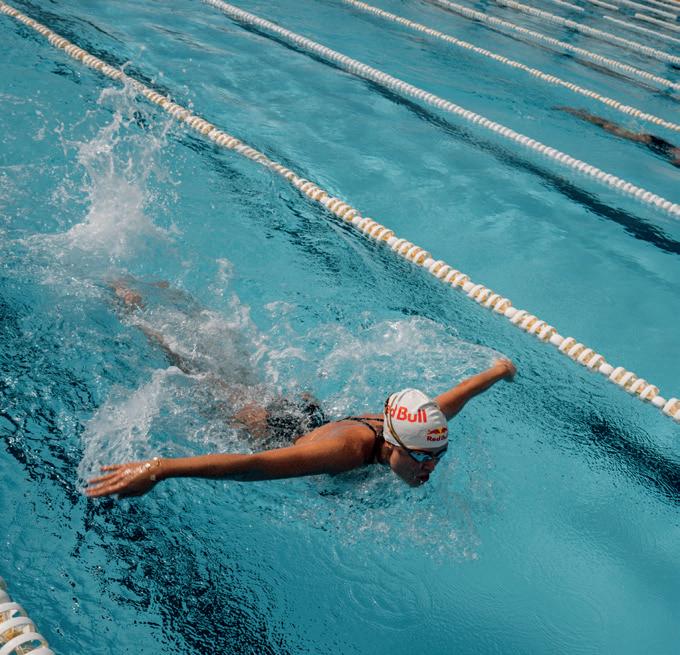
As the first German woman to conquer Oceans Seven, one of the world’s toughest open-water swimming challenges, and tackle a 110-kilometre swim around Ibiza, Nathalie Pohl is Germany’s foremost extreme open-water swimmer. Her world records, passion for water safety, and drive to empower others make her an inspiring force.
SPECIAL THEMES
15 LIVING, LIFESTYLE & DESIGN
For some more lifestyle and design inspiration for this summer and beyond, read this special theme and meet some inspiring companies and interior designers and their products.
36 TOP 2026 SUMMER TRAVEL HIGHLIGHTS
Here, we highlight the most exciting destinations for city breaks, recommend welcoming hotels, and suggest enjoyable activities, offering you some of the best ideas for your summer travel plans.
57 TOP EVENT LOCATIONS IN SWITZERLAND
Need help with planning an event or looking for the perfect location for your next event? Look no further.
75 GERMANY’S LEADING VOICES IN MENTAL HEALTH
Mental health experts offer invaluable benefits in today's stressful world. Through tailored sessions, clients gain tools to manage stress, improve relationships, and build self-esteem. We have handpicked some of Germany’s best in the field.
FEATURES
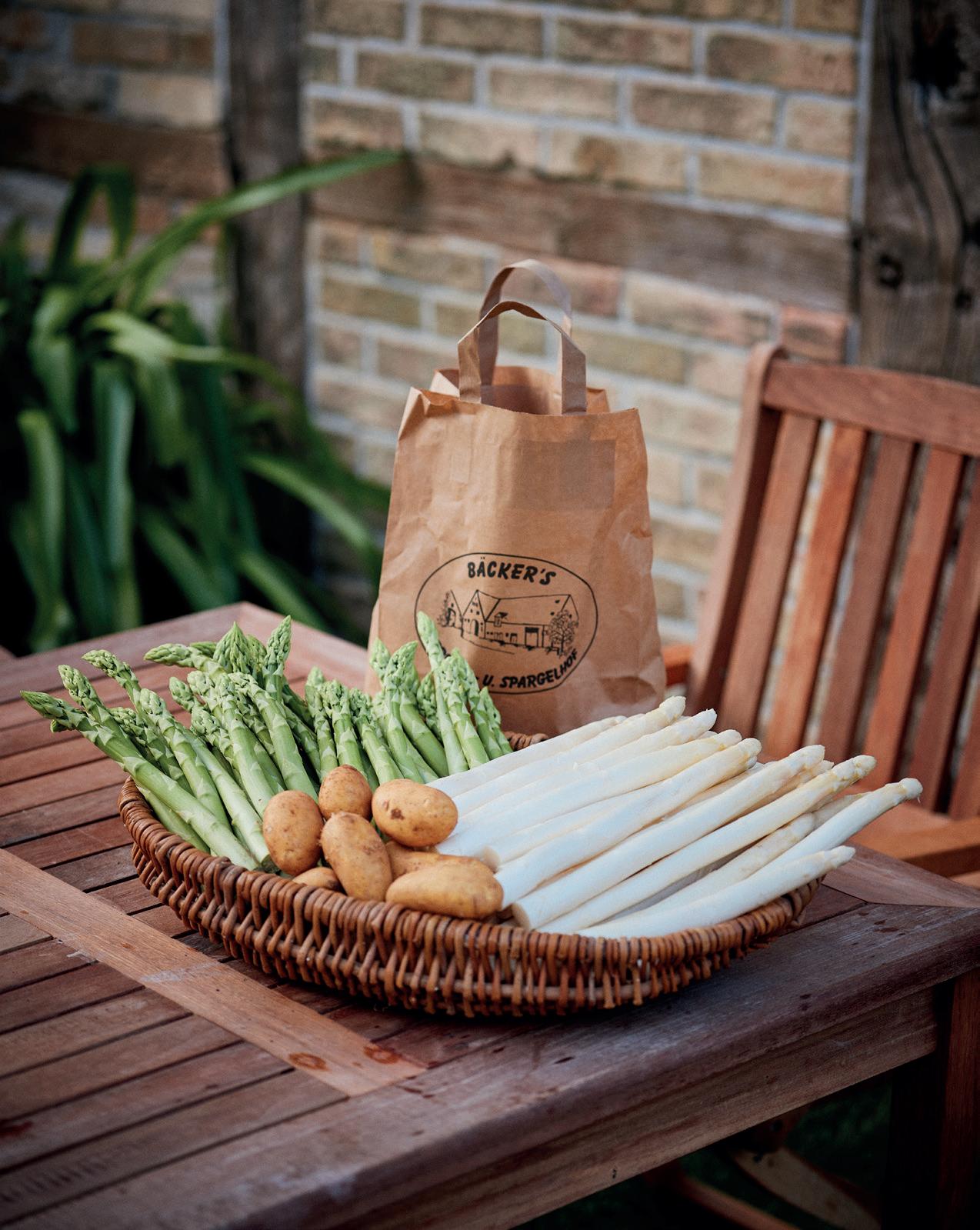
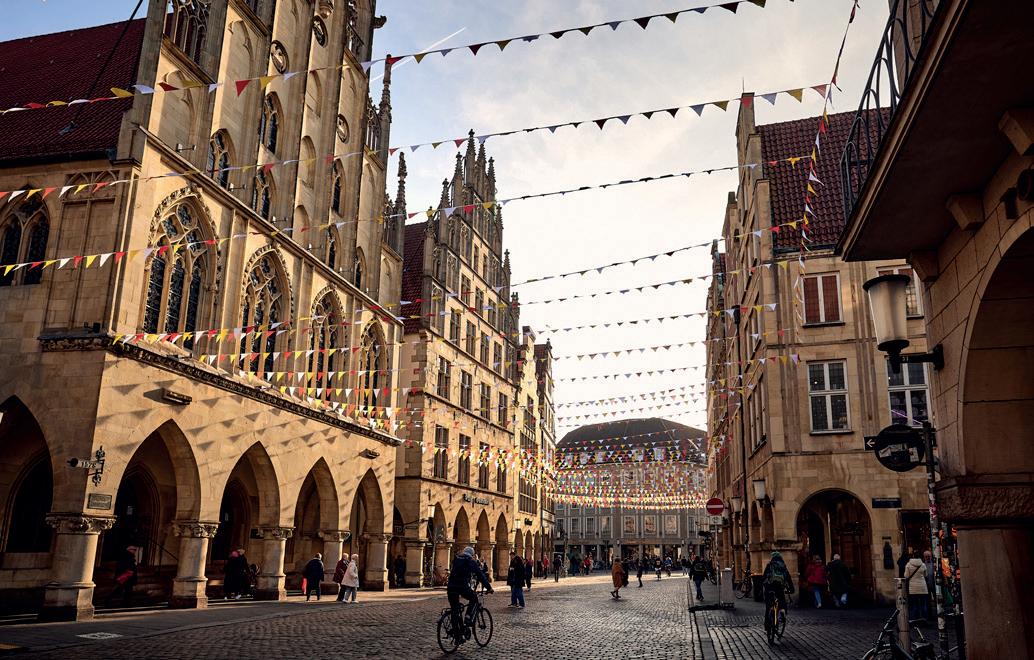
30 WORSHIPPING WHITE ASPARAGUS IN MÜNSTER
In the centre of Münster, across a market below the colossal cathedral, one item dominates: plump, ivorycoloured spears.
24
52 A CULINARY ADVENTURE ALONG THE BALTIC SEA
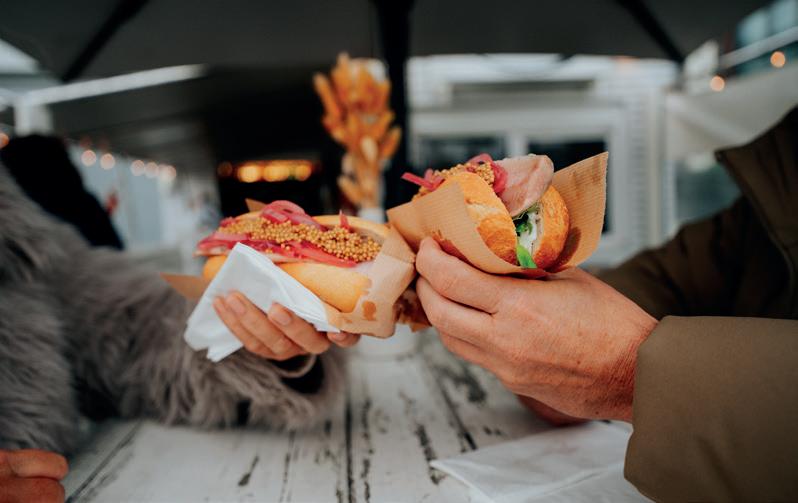
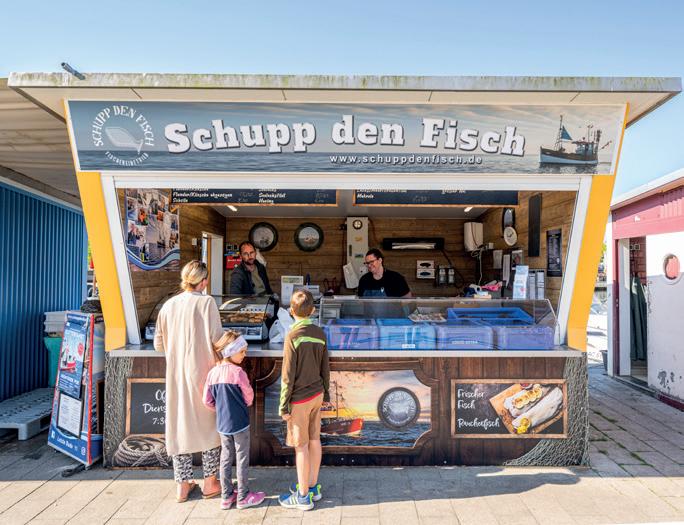
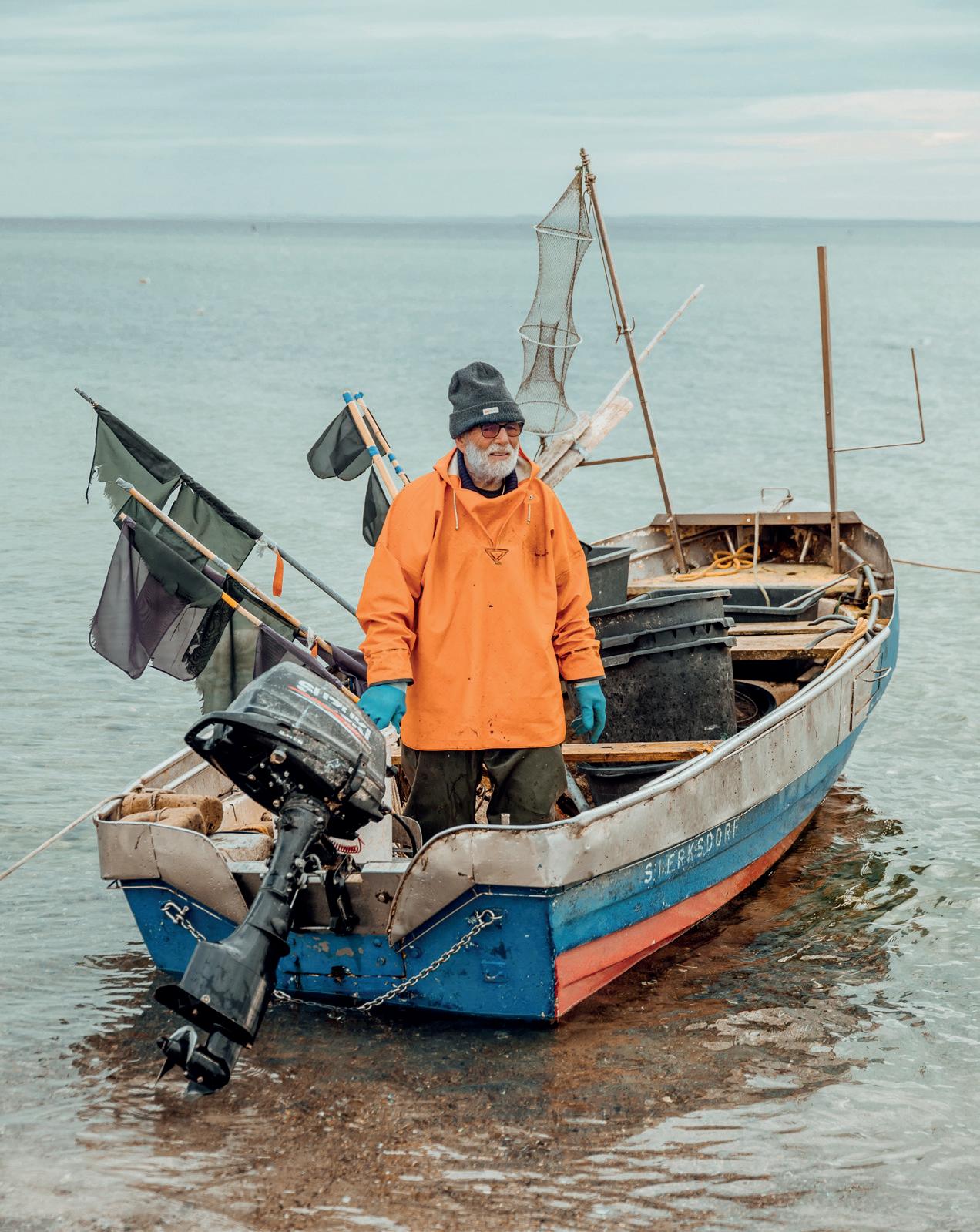
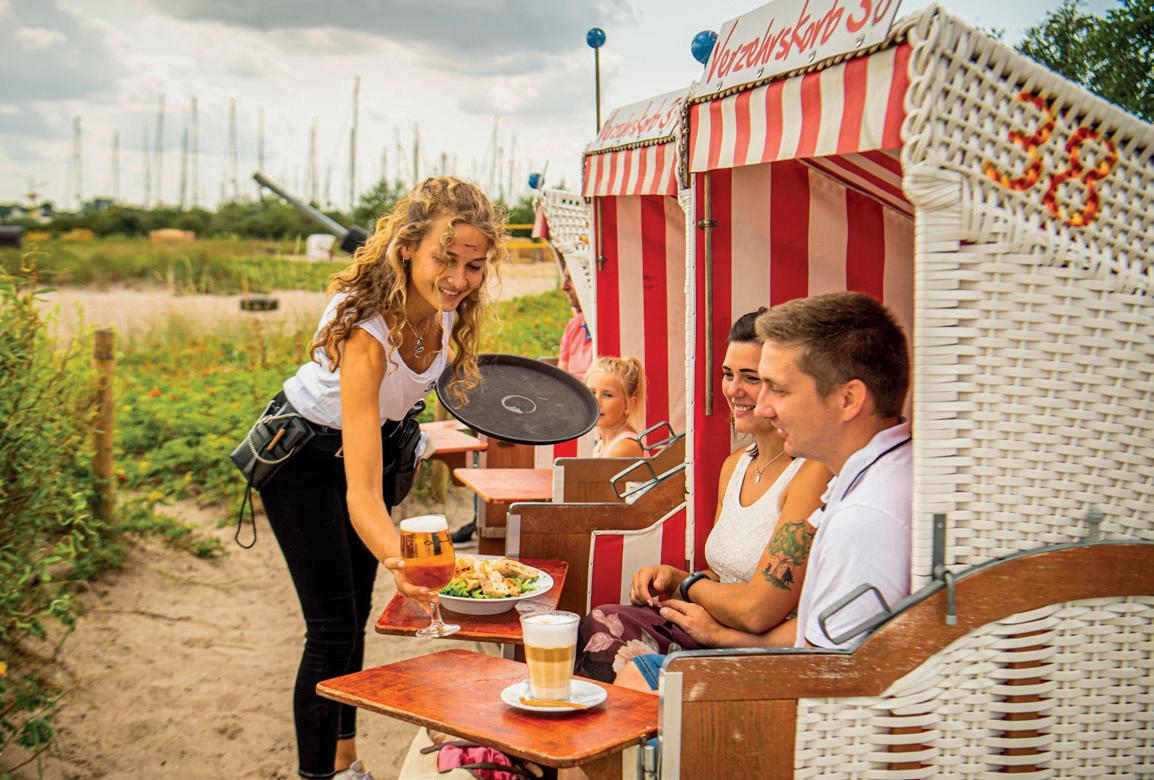
Along Schleswig-Holstein’s Baltic Sea coast, you will find charming villages, sweeping stretches of sand, stylish hotels, and inviting restaurants and beach huts. Yet, there is one delicious thread weaving through them all: the beloved fish roll. It is a local passion that no visitor can possibly ignore.
62 EXTRAORDINARY DOORSTEP ESCAPES: TOP 11 MICROADVENTURES IN AUSTRIA
Microadventures – short, local, and inexpensive adventures – are booming. In Austria, visitors and locals alike find an impressive selection of refreshing escapes from daily routines.
REGULARS & COLUMNS
6 DEDICATED TO DESIGN AND FASHION FINDS
Whether searching for trendy design items, innovative interior products or unique fashion pieces, be sure to take a look at our Design section.
33 TRAVEL
A designer outlet, an aesthetic a medicine expert, a creative space for art and events, as well as hotels and exciting destinations – our Travel section gives you some much-needed travel tips.
74 BUSINESS
This month, our Business section is filled with architects, innovative companies, and mental health experts.
82 DISCOVER HER POWER COLUMN
The most interesting companies right now are being built by women who stopped trying to fit in. A new column from GOALGIRLS* about women building businesses differently.
83 CULTURE CALENDAR
Discover Germany, Austria & Switzerland’s Culture Calendar is your perfect guide to what not to miss in May.
89 SECRET BERLIN COLUMN
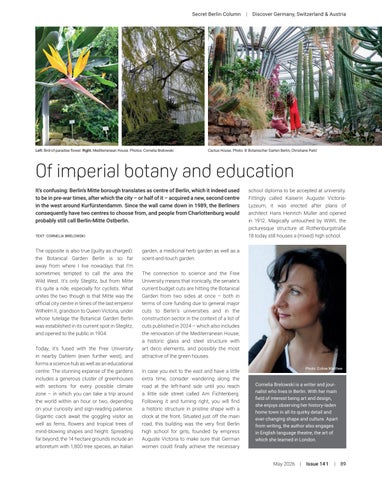
This month, long-term Berlin resident Cornelia Brelowski explores Berlin's shifting city centres, and the history and features of the Botanical Garden in Steglitz.
90 BARBARA GEIER COLUMN
Barbara Geier writes about a German national treasure unlike any other.
Fashion Finds
Founded in Solingen by Walter Busch and now led by Christian Busch in its third generation, the German fashion company Walbusch has been renowned since 1934 for combining style, comfort and practicality. Its new Spring/Summer collection showcases timeless elegance and pastel colours, capturing the essence of effortless, everyday sophistication.
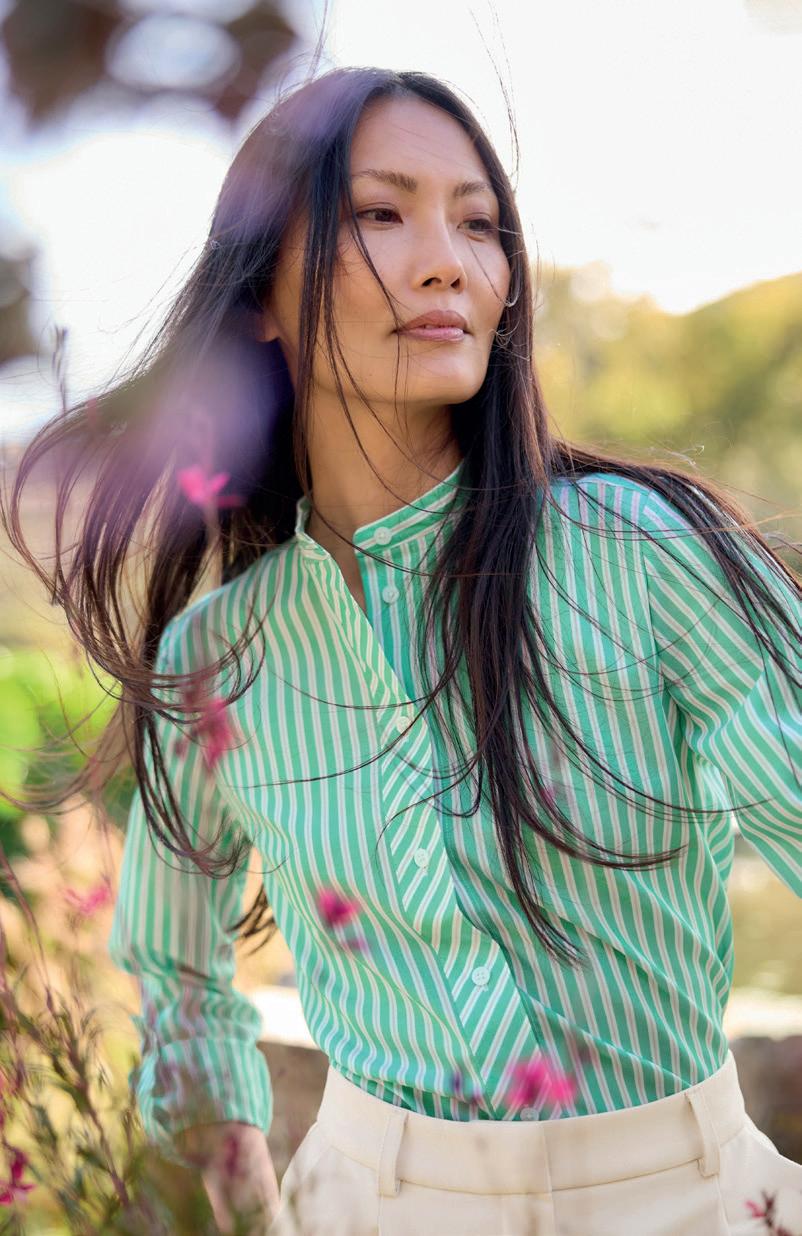
This blouse stands out with its chic stand-up collar and vibrant, exclusive designs created for Walbusch. Crafted from pure, breathable cotton and featuring roll-up sleeves, it keeps you comfortable even on warmer days. The best part – it’s completely crease-free, so you’ll always look sharp without any fuss. £70. www.walbusch.de
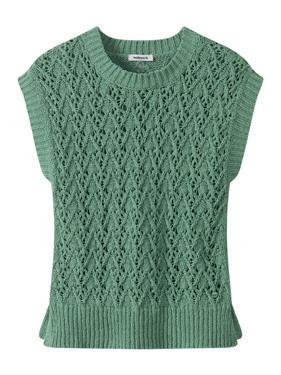
Spring knits are very on trend, just like this stylish slipover, crafted from premium Italian cotton ribbon yarn. It’s wonderfully light, breathable and modern. Its airy openwork knit, sporty ribbed trims and side slits mean that it pairs with jeans, blouses or simple tops for an easy-going summer look. £87. www.walbusch.de
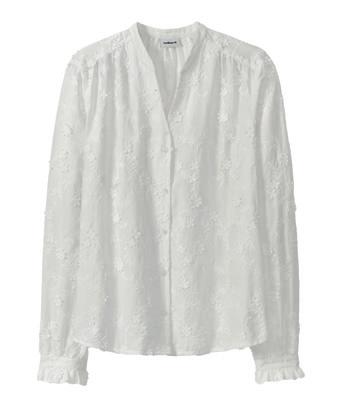
The New Romance trend brings a playful touch to fashion, exemplified by this blouse with lively threedimensional floral embroidery on lightweight cotton voile. Subtle ruffles and delicate gathers enhance its romantic look and ensure a comfortable fit. Pairing it with casual, rugged jeans creates the perfect balance for a modern outfit. £79. www.walbusch.de
EDITOR’S PICKS I PRESS IMAGES BY WALBUSCH
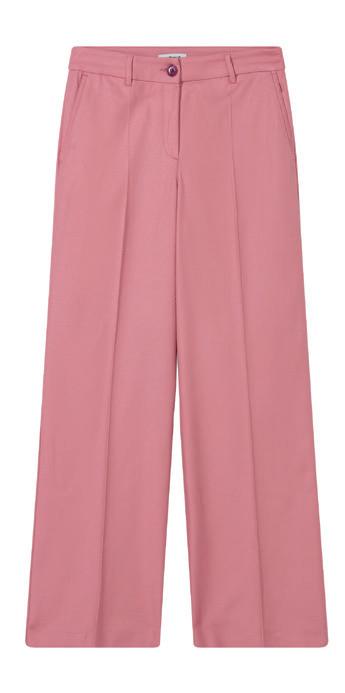
A dream come true for summer comfort and style: the textured jersey Marlene trousers tick every box! The elegant cut with a pressed crease flatters your figure, keeping you chic and fresh, right on trend for the summer season. Made from a premium blend of cotton, viscose and elastane, these trousers offer a wonderfully pleasant wear. £122. www.walbusch.de
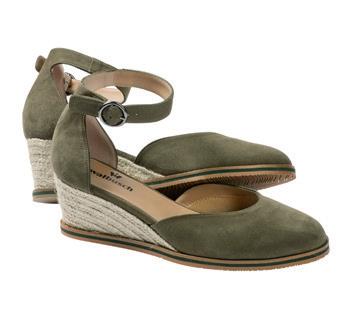
With feminine charm, these sandals are crafted from soft suede and features a raffia-adorned heel for a touch of Ibiza flair. The comfortable platform and secure ankle strap ensure stability and a flattering silhouette. Expertly handmade in Spain, they offer exceptional comfort with a cushioned forefoot and non-slip sole. £157. www.walbusch.de
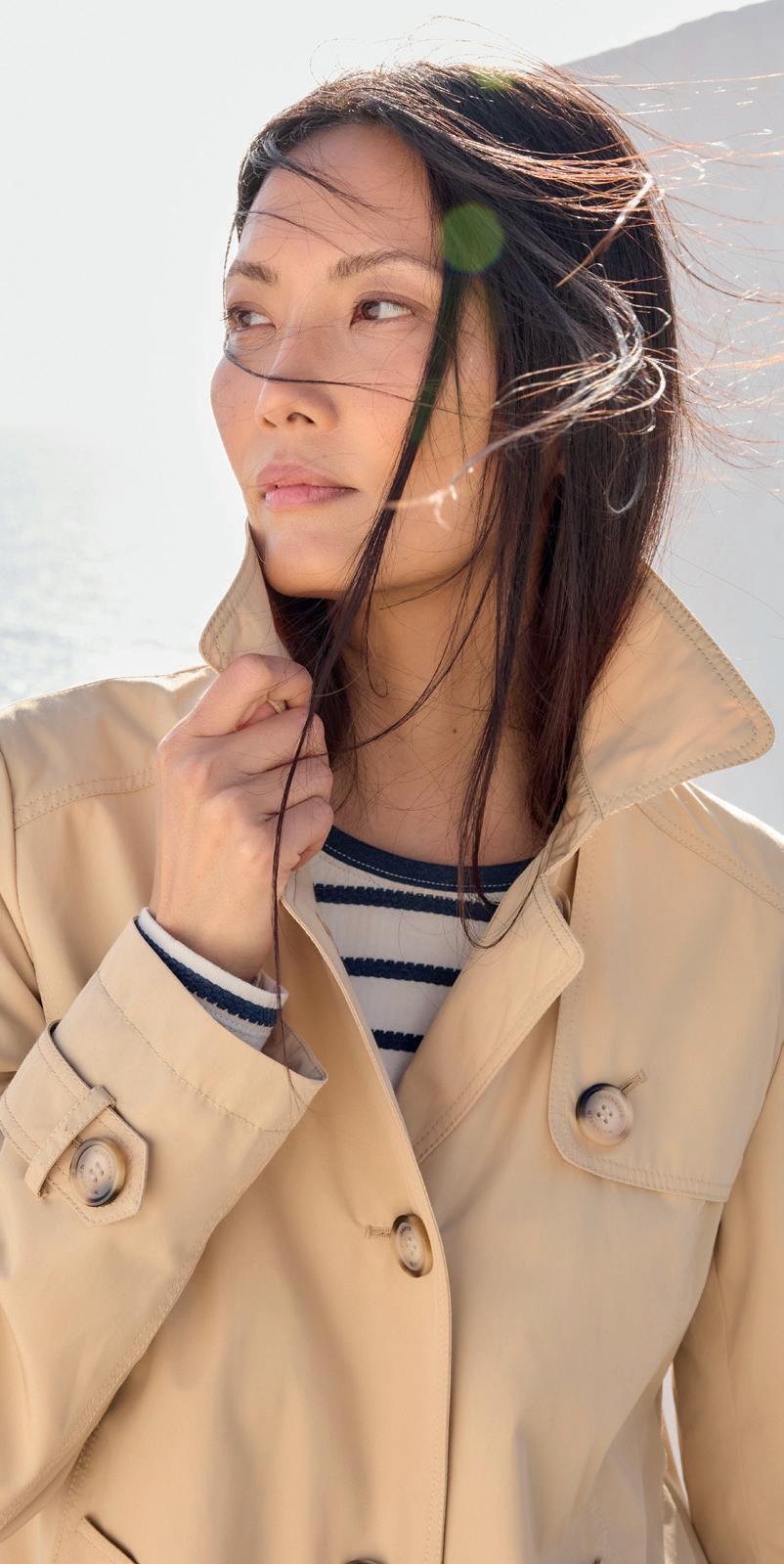
This stylish trench jacket, crafted from a creaseresistant and water-repellent cotton blend, is perfect for unpredictable spring and summer weather. With its classic button closure, variable collar and relaxed look, it pairs effortlessly with jeans, shorts or skirts for any occasion. A fashionable favourite for everyday wear. £140.
www.walbusch.de
Dedicated to Design
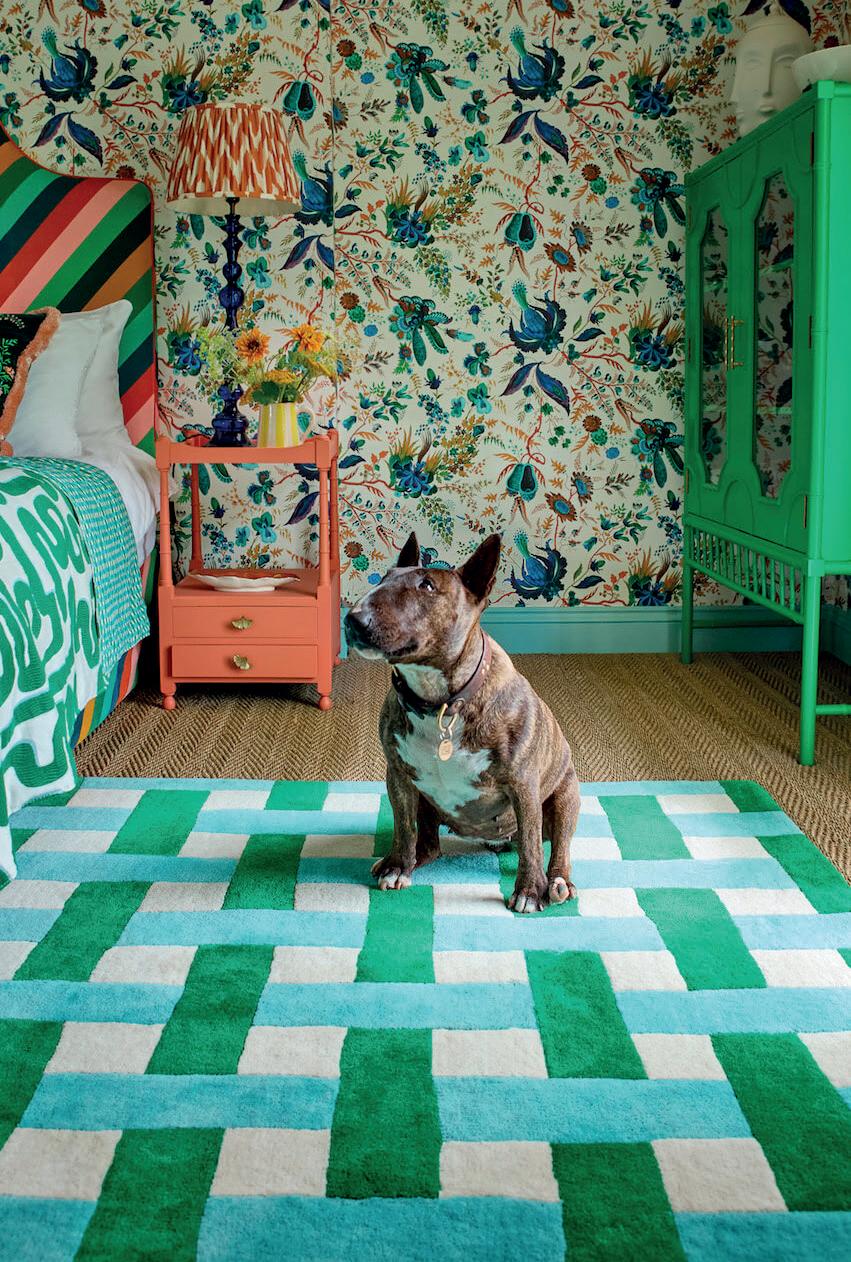
Quiet luxury? Not with this trend for the spring/summer season. The Funhaus trend is all about bold colours, clashing prints, and plenty of theatrical flair. Online searches for stripes have significantly increased over the past few months, signalling a move to bold, expressive patterns. Wider stripes, vivid colour combinations, and daring pattern mixes are trending; expect graphic bedding and statement cushions, with no neutrals in sight.
EDITOR’S PICKS I IMAGES: PRESS LOFT
The HARLEQUIN Basketweave is a striking, handtufted rug in emerald and aquamarine hues, inspired by baskets of homegrown vegetables and tablecloths adorned with garden delicacies. Its eye-catching pattern and colour contrast add a touch of vibrancy and design-oriented sophistication to any room. £605. www.traumteppich.com/de
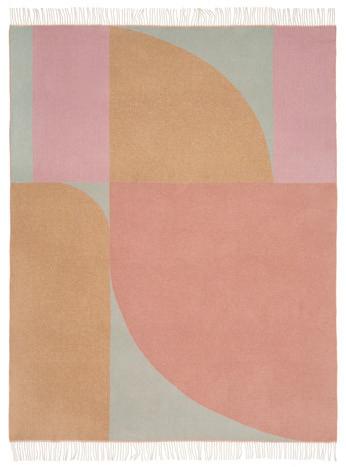
The fluffy Copenhagen jacquard throw looks like an abstract painting. With its large geometric shapes and contrast between rounded and angular forms, the design creates a truly unique effect. And the soft merino virgin wool certainly doesn’t skimp on the cosiness factor. £216.
www.eagle-products.de
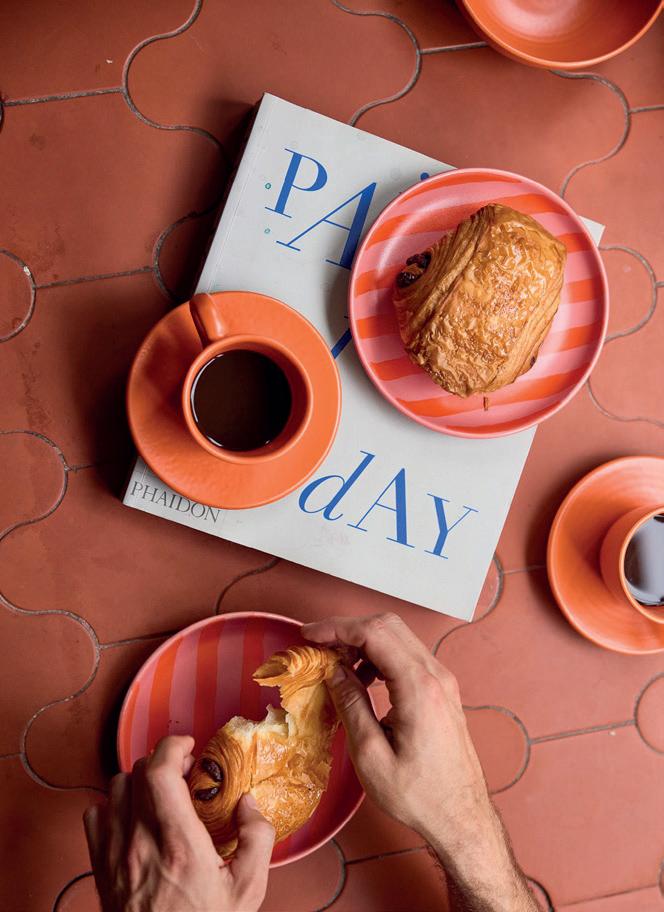
Crafted with modern British design sensibilities and Portuguese artisanal skill, this ceramic cup is glazed for a truly unique look. Its candy-stripe pattern is individually hand-painted, ensuring each piece stands out. The vibrant stripes and lively colours encourage joyful mixing and matching. £22. www.ferrum-living.de
If looking to brighten up your space without making drastic changes to your walls or furniture, adding a print is an ideal solution. This playful artwork features a funky palm tree in vibrant shades of yellow, white and turquoise, all framed by a cheerful pink and white striped border. £17.95. www.desenio.de
Born from a shared love of good food, lively moments, and clean design: the striped plate is part of the collaboration between Casa Lawa and onomao – a tribute to handmade pasta, long dinner tables, and the light scent of lemon leaves in the air. Delicate, handdrawn stripes lend each plate a subtle movement. No two pieces are alike! Set of two £33. www.onomao.com/en-eu
Update your garden game with this bean bag lounger! It features a panel design and internal fabric for strong back support while keeping its curved shape. The added pillow offers extra comfort, making it a smart substitute for standard outdoor seating. £129.99. www.beanbagbazaar.co.uk
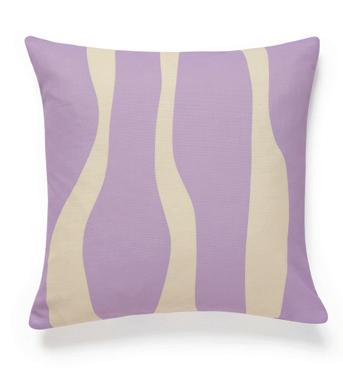
This playful and stylish cushion cover in a vibrant purple pastel hue is an effortless way to inject a splash of colour into your living room, instantly brightening your space and creating a lively, fun atmosphere. £22.95. www.desenio.de
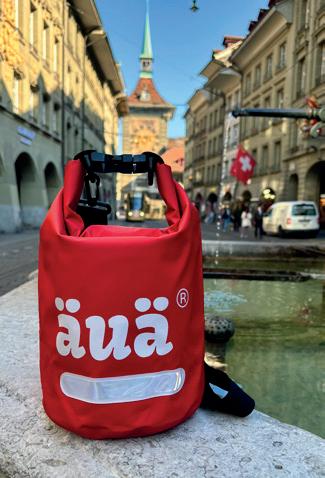
ÄUÄ®: GOOD THINGS COME IN SMALL PACKAGE
Design inspired by clear Alpine rivers, fresh mountain air, and small everyday adventures.
The name äuä comes from Bernese German, the dialect of Switzerland’s capital. Depending on the tone, it can express surprise, joy, curiosity, or excitement. This playful honesty lies at the heart of the brand. At the same time, äuä is a palindrome – a word that reads the same forward and backward. Short, memorable and distinctive.
From the very beginning, the goal was clear: to create everyday products with personality –practical, durable, and thoughtfully designed. The äuä® team focusses on high-quality materials, clean design, and products that reliably accompany people through their daily lives while bringing small moments of joy.
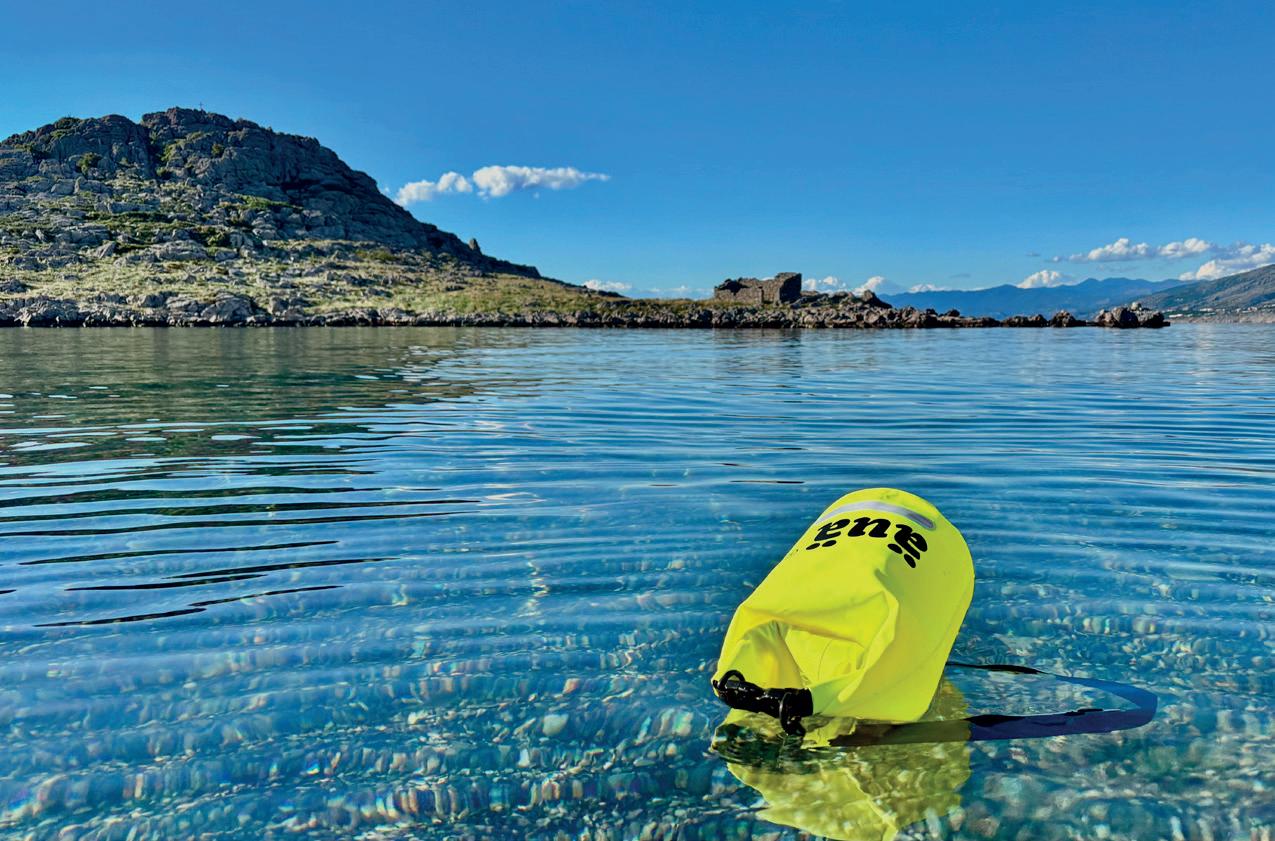
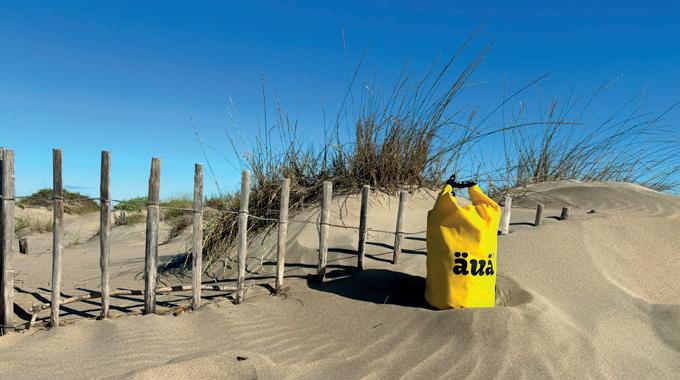
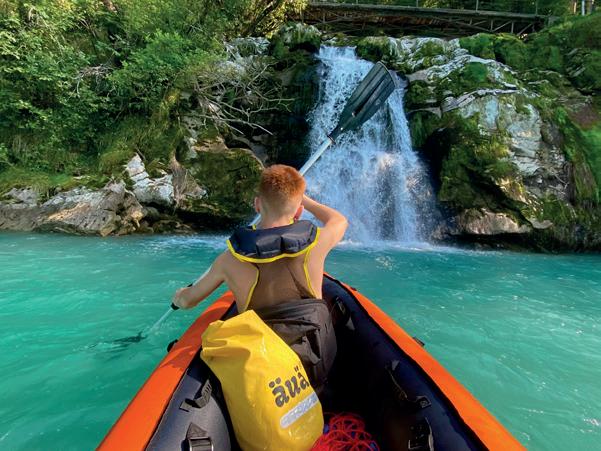
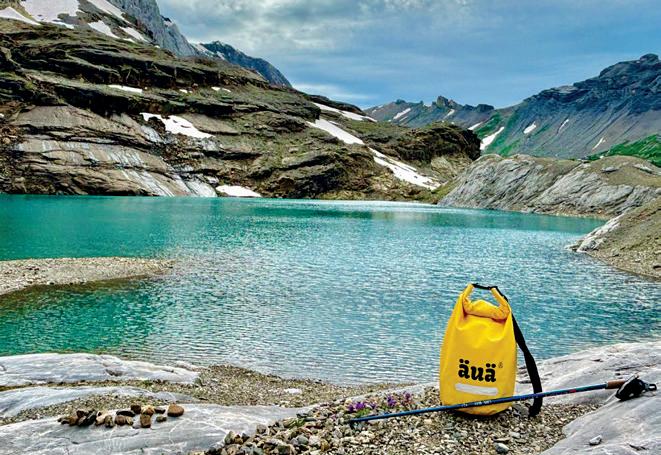
Its colourful, waterproof äuä® bags are particularly well known – perfect companions for days by the river, lake or sea. On the road, they show their strength: light, robust, and reliably protected, from boarding a flight to jumping into the ocean. In summer, they
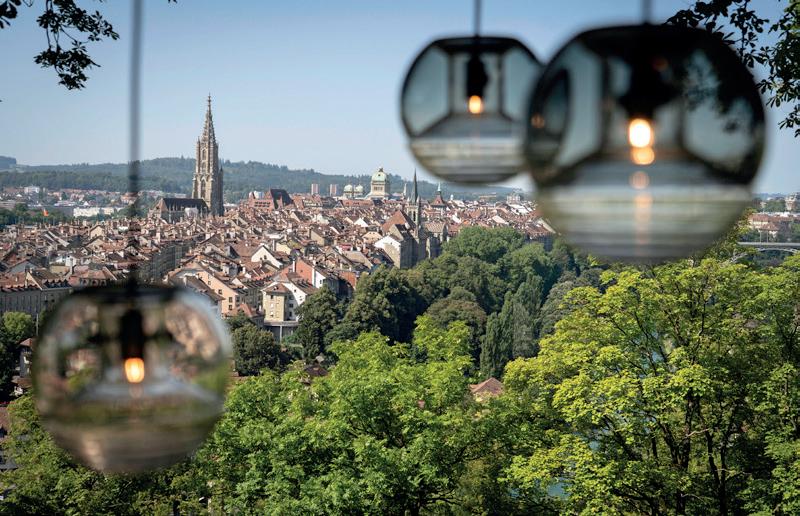
are often seen along the Aare River, whose crystal-clear Alpine water flows through the city of Bern. People drift gently with the Bern, Switzerland.
current, cool off from the heat, and enjoy the moment while their belongings stay dry – and they feel carefree.
äuä® is an umbrella brand constantly developing new ideas – though a few surprises remain secret. Because discovering something new is part of the joy.
The best feedback for the äuä® team is simple: when someone says that an äuä® product made them smile or was the perfect gift. Then they know that they are on the right path.
äuä® – small in name, big on the move.
aua-shop.ch
Brand: äuä®
Origin: Bern, Switzerland
Since: 2017
Products: functional everyday items, accessories, and selected lifestyle products
Sveti Juraj, Croatia.
IN DER KÜRZE LIEGT DIE WÜRZE
Design, inspiriert von klaren Alpenflüssen, frischer Bergluft und kleinen Alltagsabenteuern.
Der Name ‚äuä’ stammt aus dem Berndeutsch – ein Ausdruck, mit dem sich, je nach Tonfall, jede Emotion ausdrücken lässt: Überraschung, Freude, Neugier oder Begeisterung. Diese spielerische Ehrlichkeit steht im Zentrum der Marke. Gleichzeitig ist ‚äuä’ ein Palindrom – ein Wort, das vorwärts und rückwärts gleich gelesen wird. Kurz, einprägsam und unverwechselbar.
Von Anfang an war das Ziel klar: Alltagsprodukte mit Persönlichkeit zu schaffen – praktisch, langlebig und durchdacht gestaltet.
Das äuä®-Team setze auf hochwertige Materialien, klares Design und Produkte, die Menschen zuverlässig durch ihren Alltag begleiten und ihnen dabei jeden Tag kleine Freude schenken.
Besonders bekannt sind die farbigen, wasserdichten äuä®-Bags – perfekte Begleiter für Tage am Fluss, am See oder am Meer. Unterwegs auf Reisen zeigen die Bags ihre Stärke: leicht, robust und zuverlässig geschützt – vom Boarding bis zum Sprung ins Meer. Im Sommer sieht man sie oft an der Aare, deren kristall-
klares Wasser aus den Alpen durch die Stadt Bern fließt. Menschen treiben entspannt mit der Strömung, kühlen sich von der Hitze ab und genießen den Moment, während ihre Sachen sicher trocken bleiben und sie sich frei und unbeschwert fühlen.
äuä® ist eine Dachmarke, die ständig neue Ideen entwickelt – doch einige Überraschungen bleiben ein kleines Geheimnis. Denn Entdecken gehört zur Freude und macht das Leben ein bisschen schöner.
Das schönste Feedback für das äuä®-Team ist einfach: wenn jemand sagt, ein Produkt von äuä® habe ein Lächeln ausgelöst oder sei das perfekte Geschenk gewesen. Dann wissen sie, dass sie auf dem richtigen Weg sind und ihre Idee Menschen wirklich erreicht.
äuä® – klein im Wort, groß unterwegs.
äuä-shop.ch
Marke: äuä®
Herkunft: Bern, Schweiz
Seit: 2017
Produkte: funktionale Alltagsprodukte, Accessoires sowie ausgewählte LifestyleProdukte
Brienzersee, Schweiz.
Rezligletscherseeli, Schweiz.
Cap d‘Agde, Fankreich.
SCROC: CRAFT MEETS SUSTAINABLE INNOVATION
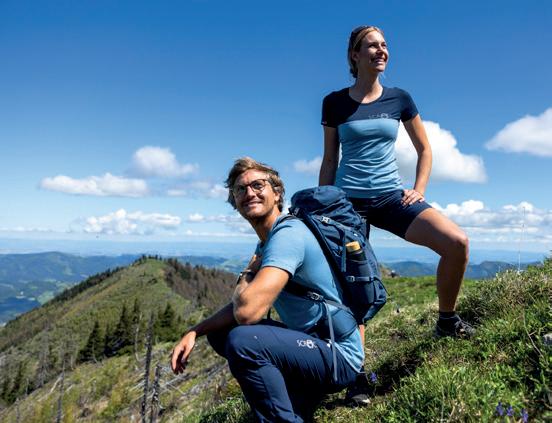
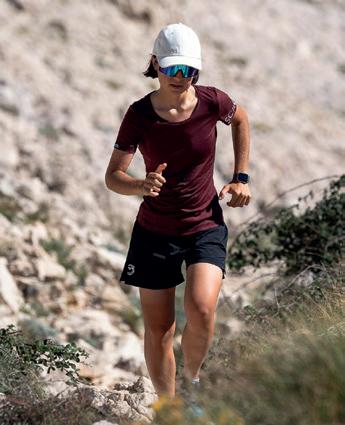
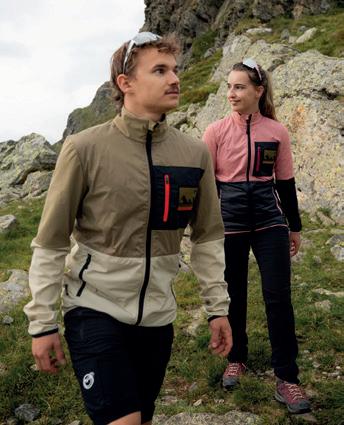
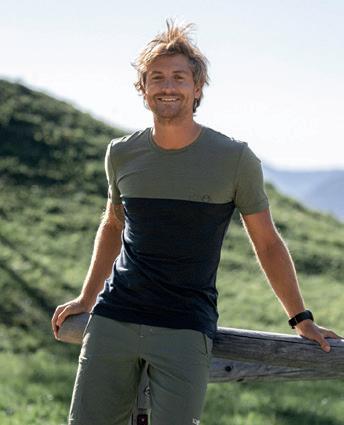
Sportswear that is not only functional but also responsibly produced: that is SCROC's mission. With meticulous attention to detail and a clear vision, the company from Austria makes shirts, trousers, jackets and accessories from the finest merino wool and high-quality natural fibres.
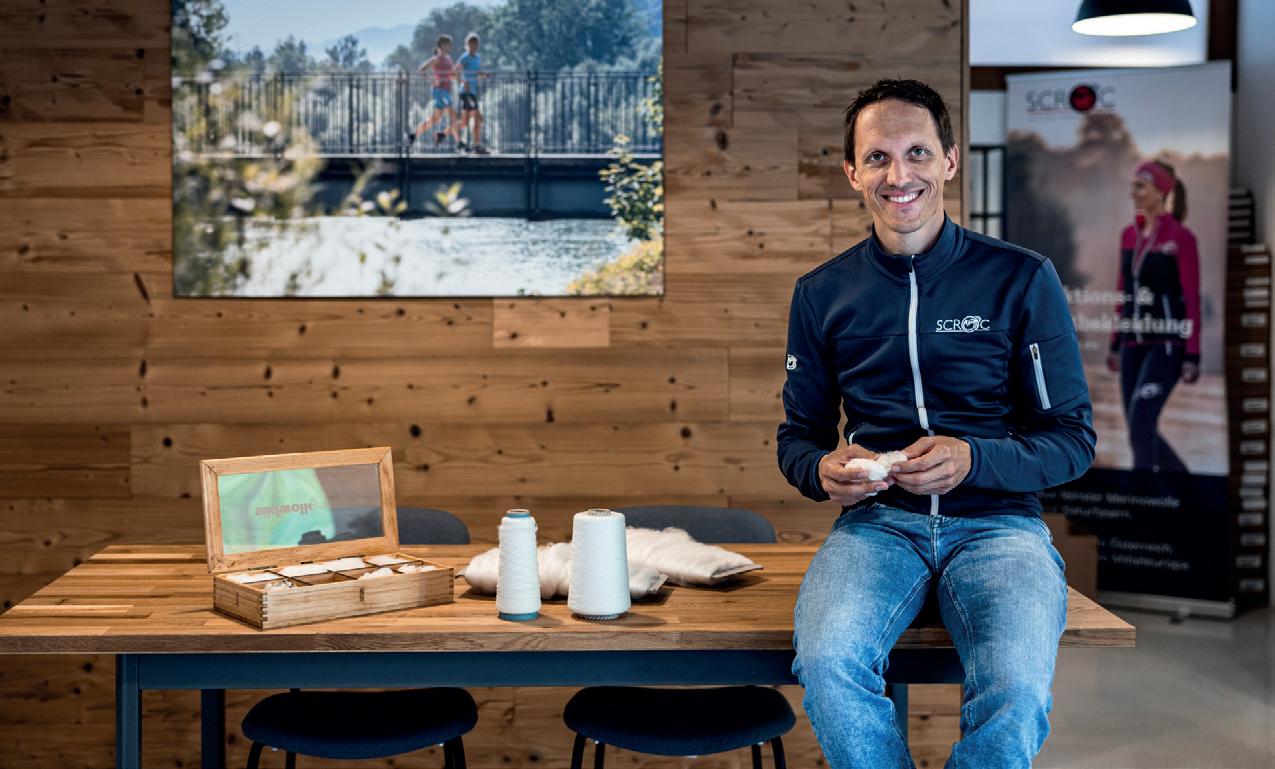
The face behind SCROC is founder Christian Rieger, a former professional mountain biker and passionate inventor. His love of nature and the desire to elevate sportswear made from natural materials to a new level were the driving forces behind the company's founding. Since then, sustainability, top quality, and the performance of natural materials have been the cornerstones of the brand. According to Rieger, the goal is to create a unique wearing experience, while taking responsibility for the environment and resources.
“We embrace the drive to constantly improve and do things differently every day,” says Rieger. “This is how we continue to be pioneers in environmental and development issues, as these values have been anchored in SCROC’s DNA from the very beginning.”
HIGH WEARING COMFORT, MADE IN EUROPE
Merino wool, the heart of the collection, impresses with its natural properties: it is
temperature-regulating, breathable, moisturewicking, quick-drying, and naturally odourneutralising. SCROC products are, therefore, the ideal companion for anyone who values comfort and functionality in their leisure time and during sports activities. A classic in the product range is the Etera shirt – for both women and men – which often marks the entry point into the SCROC world. Many customers subsequently expand their collection with other items such as trousers, jackets and accessories.
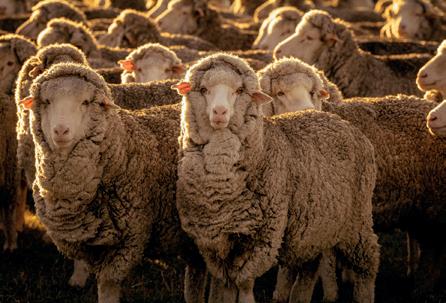
“At SCROC, we’ve made it our goal not just to talk about sustainability, but to live it and make it transparent for our customers,” says Rieger. All development takes place in Austria, and production is exclusively handled in Europe. This guarantees short supply chains, high production standards, and complete transparency. Animal welfare is also a top priority for SCROC: it uses only 100 per cent mulesing-free merino wool from Australia,
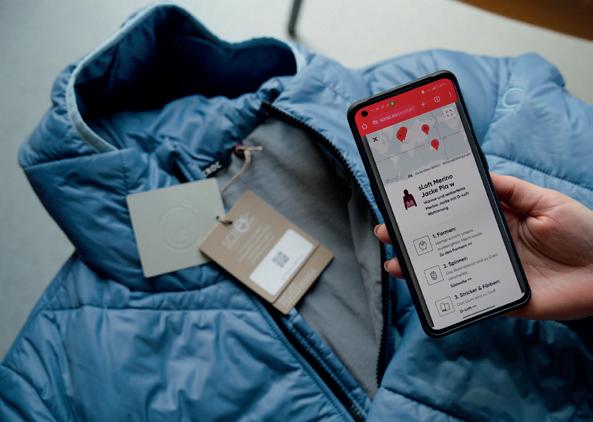
and the journey from yarn to finished product remains entirely within Europe. Anyone can trace the product’s journey via a QR code on the product or in the online shop.
SCROC embodies sustainability and transparency, sets industry standards, and proves that quality and responsibility can go hand in hand. Those who wear a SCROC product are choosing not only comfort, but also a conscious future.
www.scroc.eu
Founder Christian Rieger.
Photo: Christian Huber
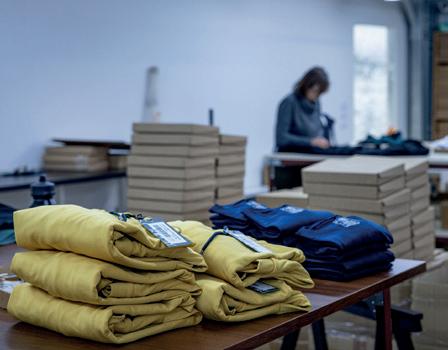
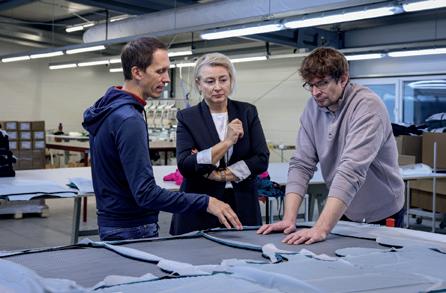
An insight into production in Lithuania. Photo: Sintwerk
SCROC: HANDWERK TRIFFT NACHHALTIGE INNOVATION
Sportbekleidung, die nicht nur funktional, sondern auch verantwortungsvoll ist: Das ist der Anspruch von SCROC. Mit viel Liebe zum Detail und einer klaren Vision erschafft das Unternehmen aus Österreich Shirts, Hosen, Jacken und Accessoires aus feinster Merinowolle und hochwertigen Naturfasern.
Hinter SCROC steht Gründer Christian Rieger, ein ehemaliger Mountainbike-Profi und leidenschaftlicher Tüftler. Seine Liebe zur Natur und der Wunsch, Sportbekleidung aus natürlichen Materialien auf ein neues Level zu heben, waren der Antrieb für die Firmengründung. Seitdem sind Nachhaltigkeit, höchste Qualität und die Performance natürlicher Materialien die Grundpfeiler der Marke. Ziel ist es, laut Rieger, ein einzigartiges Tragegefühl zu schaffen und Verantwortung gegenüber Umwelt und Ressourcen zu übernehmen.
„Der Drang die Dinge anders zu machen und ständig zu verbessern, begleitet uns jeden Tag”, sagt Rieger. „So werden wir auch in Zukunft Vorreiter in vielen Umwelt- und Entwicklungsthemen sein, da diese Werte von Beginn an in der DNA von SCROC verankert sind.”
HOHER TRAGEKOMFORT MADE IN EUROPA
Die Merinowolle, das Herzstück der Kollektion, überzeugt durch ihre natürlichen Eigenschaften: Sie ist temperaturausgleichend, atmungs-
aktiv, feuchtigkeitsabsorbierend, schnelltrocknend und wirkt auf natürliche Weise geruchsneutralisierend. SCROC Produkte sind deshalb der ideale Begleiter für alle, die in ihrer Freizeit und beim Sport Wert auf Komfort und Funktionalität legen. Ein Klassiker im Sortiment ist das Etera Shirt – für Damen wie für Herren – das oft den Einstieg in die SCROCWelt markiert. Viele Kundinnen und Kunden erweitern ihr Sortiment anschließend um weitere Teile wie Hosen, Jacken und Accessoires.
„Wir von SCROC haben uns zum Ziel gesetzt, nicht nur über Nachhaltigkeit zu reden, sondern Nachhaltigkeit zu leben und transparent für unsere KundInnen zu machen”, so Rieger. Die gesamte Entwicklung findet daher in Österreich statt und produziert wird ausschließlich in Europa. Das garantiert kurze Wege, hohe Produktionsstandards und volle Transparenz. Tierwohl steht bei SCROC außerdem an oberster Stelle: Verarbeitet wird ausschließlich 100% mulesingfreie Merinowolle aus Australien, deren Reise vom Garn bis zum Endprodukt
Tierwohl
komplett in Europa bleibt. Über einen QR-Code am Produkt oder im Onlineshop kann jeder die „Reise des Produktes” nachvollziehen.
SCROC lebt Nachhaltigkeit und Transparenz, setzt Maßstäbe in der Branche und beweist, dass Qualität und Verantwortungsbewusstsein Hand in Hand gehen können. Wer ein SCROC Produkt trägt, entscheidet sich daher nicht nur für Komfort, sondern auch für eine bewusste Zukunft.
www.scroc.eu
Transparenz entlang der gesamten Lieferkette. Foto: SCROC
Sportbekleidung mit Merinowolle und Naturfasern. Foto: Christian Huber
Das Team von SCROC kennt seine Produktion in Litauen persönlich. Foto: Sintwerk
hat für SCROC oberste Priorität. Daher weiss das Unternehmen stets woher die verwendete Merinowolle kommt. Foto: Beaufront
MODERNER SICHT- UND SONNENSCHUTZ NACH MASS
Ob stilvoller Sichtschutz, effektiver Sonnenschutz oder zuverlässiger Insektenschutz für Fenster und Türen – VENDECO bietet Lösungen, die Funktionalität, Design und Komfort miteinander verbinden.
TEXT: MARILENA STRACKE
VENDECO hat sich auf hochwertigen Sichtund Sonnenschutz im Innenbereich sowie Insektenschutzsysteme spezialisiert und verbindet dabei fundiertes Expertenwissen mit langjähriger Erfahrung und einem starken Netzwerk professioneller Partner.
Ziel ist es, Kunden hochwertige Produkte mit zuverlässigem Service anzubieten und gleichzeitig den Bestellprozess so einfach wie möglich zu gestalten. Ausführliche Informationen, transparente Entscheidungshilfen und verständliche Anleitungen sorgen dafür, dass auch das Messen und Montieren problemlos gelingt.
„Gleichzeitig kombinieren wir die Vorteile des klassischen Fachhandels – Beratung, Qualität und Maßarbeit – mit den Stärken des modernen Online-Handels“, erklärt Peter
Pammer von VENDECO. „Für die Kunden bedeutet das: Fachhandelsqualität zu attraktiven Preisen und bequem bestellbar von zu Hause aus. Zudem erreichen Sie unsere geschulten Mitarbeiter jederzeit per E-Mail oder Telefon und erhalten kompetente Unterstützung bei Planung, Auswahl und Bestellung.“
Alle Produkte werden millimetergenau nach Maß gefertigt und individuell an Fenster und Wohnsituationen angepasst. Produziert wird ausschließlich in Deutschland und Europa, wodurch kurze Lieferwege und hohe Qualitätsstandards gewährleistet sind.
Auch aktuelle Trends behält VENDECO im Blick. Immer mehr Kunden interessieren sich für Smart-Home-Lösungen, etwa automatisierte Beschattungssysteme, die sich per Bluetooth oder WLAN steuern lassen.
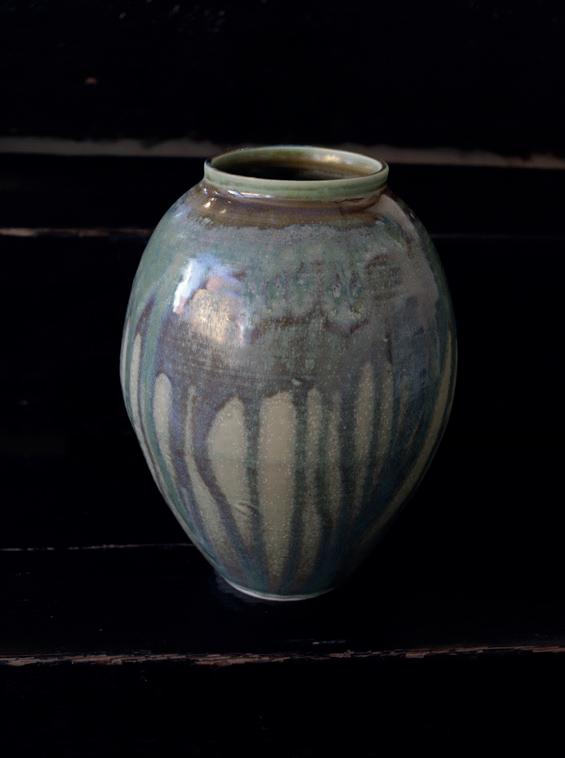
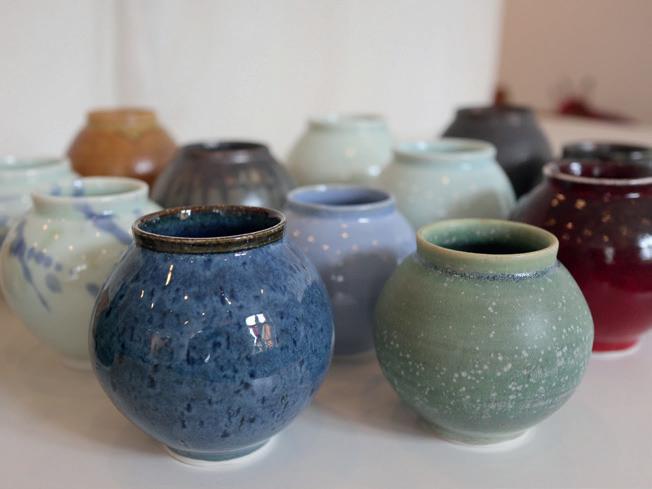
www.cosytimesceramics.dk
Instagram: @cosytimesceramics.kerteminde
Gleichzeitig gewinnen Energieeffizienz und Nachhaltigkeit an Bedeutung. Produkte wie Wabenplissees, Rollos oder Plissees können zur Isolierung beitragen und Räume im Sommer vor Hitze schützen. Ergänzt wird das Sortiment durch nachhaltige Eco-Stoffe und nach ÖKO-TEX® zertifizierte Materialien.
Zum Kennenlernen bietet VENDECO
aktuell einen 10-ProzentRabattgutschein mit dem Code DISCOVER10.
www.vendeco.com
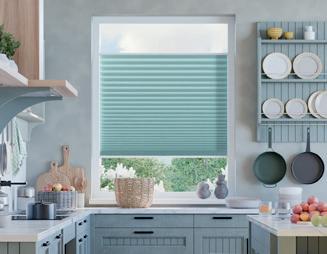
Plissee. Foto: VENDECO
SPECIAL THEME: LIVING, LIFESTYLE & DESIGN
Discover the design trends of 2026
For lifestyle and design inspiration for this summer and beyond, read the following special theme and meet some inspiring companies and interior designers and their products.
PHOTOS: UNSPLASH
FURNITURE BY TOJO MÖBEL: MAXIMUM FLEXIBILITY, CLEAN DESIGN
Tojo Möbel shows how a simple everyday experience can evolve into a successful design concept. While moving houses during his student years, founder and managing director Gerald Schatz realised just how impractical and cumbersome traditional beds can be. His solution: modular furniture that is easy to transport, adapt and reassemble.
Tojo stands for sustainable designer furniture, developed in collaboration with both established and emerging designers. Its characteristic feature is the modular principle: Tojo furniture can be expanded, reduced in size or repaired with replacement parts as needed. This means that is does not have to be replaced with every change in living circumstances. A key advantage in terms of sustainability and everyday usability!
The versatility of the Tojo concept is exemplified by the extendable Tojo-vario bed, which can be adjusted easily and flexibly from a width of 90 to 170 centimetres. The innovative Tojo-schrank wardrobe is equally impressive, featuring an unusual construction: it requires no screws and is assembled securely and sturdily using pre-inserted hex keys.
That minimalist design can enhance quality of life is illustrated by a customer, who furnished her entire seven-square-metre student room exclusively with Tojo furniture. Functional, stylish and thoughtfully designed down to the last centimetre.
Numerous awards, including the Red Dot Design Award and the iF Design Award confirm that Tojo successfully combines intelligent design with sustainable furniture that adapts to life — not the other way round.
TOJO MÖBEL: MAXIMALE FLEXIBILITÄT, KLARES DESIGN
Tojo Möbel zeigt, wie aus einer einfachen Alltagserfahrung eine erfolgreiche Designidee entstehen kann: Bei Umzügen in seiner Studienzeit erkannte Gründer und Geschäftsführer Gerald Schatz, wie unpraktisch und sperrig klassische Betten sein können. Seine Lösung: modulare Möbel, die sich leicht transportieren, anpassen und wieder aufbauen lassen.
Tojo steht für nachhaltige Designmöbel, die gemeinsam mit etablierten und jungen Designer:innen entwickelt werden. Charakteristisch ist das modulare Prinzip: Möbel von Tojo lassen sich beliebig erweitern, verkleinern oder bei Bedarf mit Ersatzteilen reparieren. So müssen sie nicht bei jeder neuen Wohnsituation ersetzt werden. Ein wichtiger Punkt für Nachhaltigkeit und Alltagstauglichkeit!
Wie vielseitig das Tojo-Konzept sein kann, zeigt etwa das ausziehbare Bett Tojo-vario, das sich flexibel von 90 auf 170 Zentimeter Breite aufziehen lässt. Auch der innovative Kleiderschrank Tojo-schrank überzeugt mit einem ungewöhnlichen Aufbau: Er kommt ohne Schrauben aus und wird sicher und stabil mit eingesteckten Inbusschlüsseln montiert.
Dass reduziertes Design Lebensqualität schaffen kann, zeigt eine Kundin, die ihr sieben Quadratmeter großes Studierendenzimmer komplett mit Möbeln von Tojo eingerichtet hat. Funktional, stilvoll und bis in den letzten Zentimeter durchdacht.
Die zahlreichen Auszeichnungen, darunter der Red Dot Design Award und der iF Design Award, bestätigen: Tojo verbindet kluges Design mit nachhaltigen Möbeln, die sich dem Leben anpassen — und nicht umgekehrt.
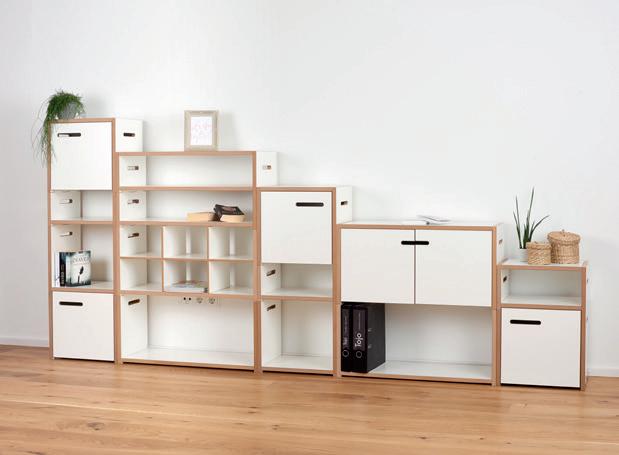
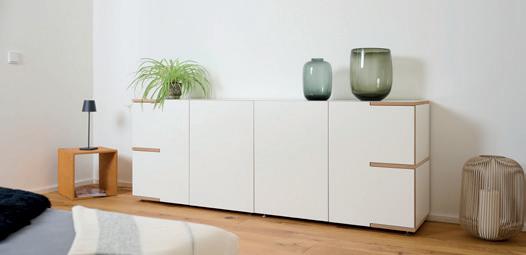
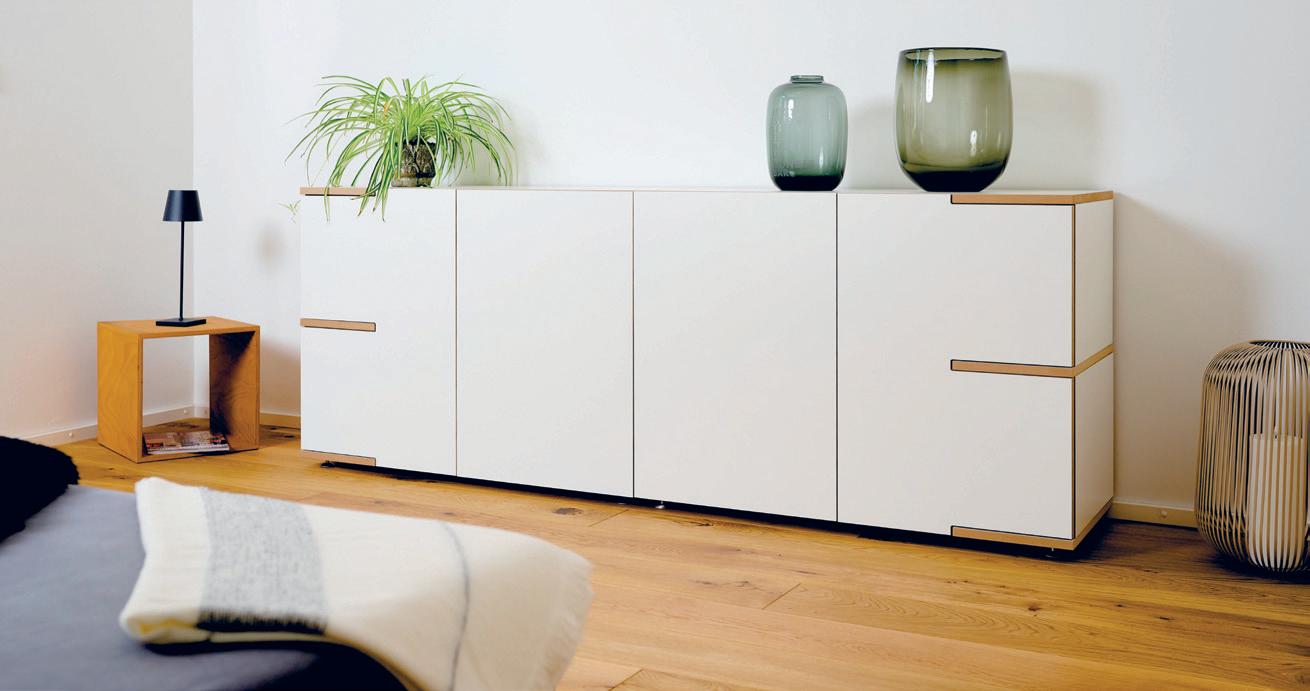
Tojo-stau: the puristic sideboard
The multiple award-winning sideboard Tojo-stau is available in nine different sizes and finds its individual use through this variety. There are three different widths to choose from, each in three height variants. Tojo-stau is also perfect for moving and becomes a longlasting companion – whether in the living room, dining room, or office.
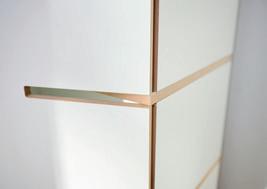
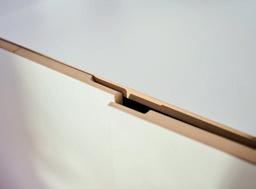
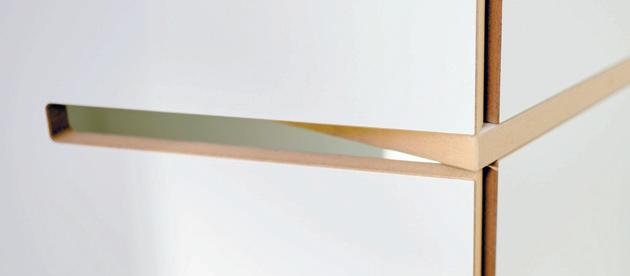
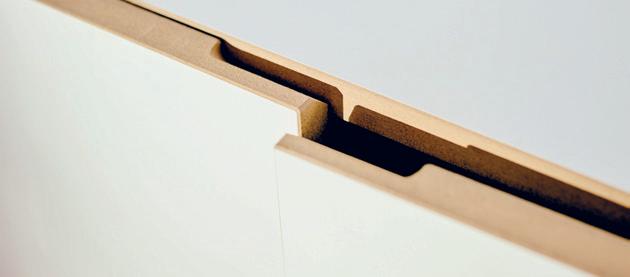
The doors can be opened by a grip recess milled at the top, which supports the reduced design. The sides and outer doors are visually interrupted by the shelf‘s edges and illustrate the shelf heights, also suitable for file folders. As flat-pack furniture and optimized in terms of components, the sideboard can be assembled and disassembled by one person without tools. Only for the attachment of the hinges the use of a tool is necessary.
Tojo-stau was designed to be as minimal as possible but in order to fulfill its function. The focus is on the reduced variety of individual parts.
FINALLY. – A POINT FOR DIGNITY IN LIFE’S MOST FRAGILE MOMENTS
finally. While the name sounds like an ending, it marks a beginning. The Swiss studio for care design is dedicated to the fragile phases of life when people require particular attention.
“The deliberately placed full stop in the name of our atelier stands for the finiteness of human life,” explain founder Bitten Stetter and managing director Pascal Wittmer. “It also represents a gap in design that long went unnoticed and is only now, finally, being addressed.”
The studio emerged from several years of applied design research by the designer. The experience of accompanying a close relative through cancer and to their death in a hospice became the starting point. Questions surrounding material culture in fragile times, dignity and care led to the founding of finally., a pioneer in healthcare design for innovative, humanely-oriented care tools.
For Stetter and Wittmer, fragile phases of life are about far more than medical provision. “Warmth and respect are just as important,” they stress. “Thoughtfully designed aids and
therapy and rehabilitation. Prototypes were tested in partnership with Charité Berlin and in everyday clinical practice.
textiles can make care visible and tangible. They help create an environment that does not reduce people to their illness but preserves their dignity. For us, care is not merely technical. It is an interpersonal human relationship.”
The studio considers aesthetics not as a luxury but as a prerequisite for quality of life. In a healthcare sector dominated by technology, finally. pursues an analogue, sensory approach. Colours, materials and tactility counterbalance the clinical.
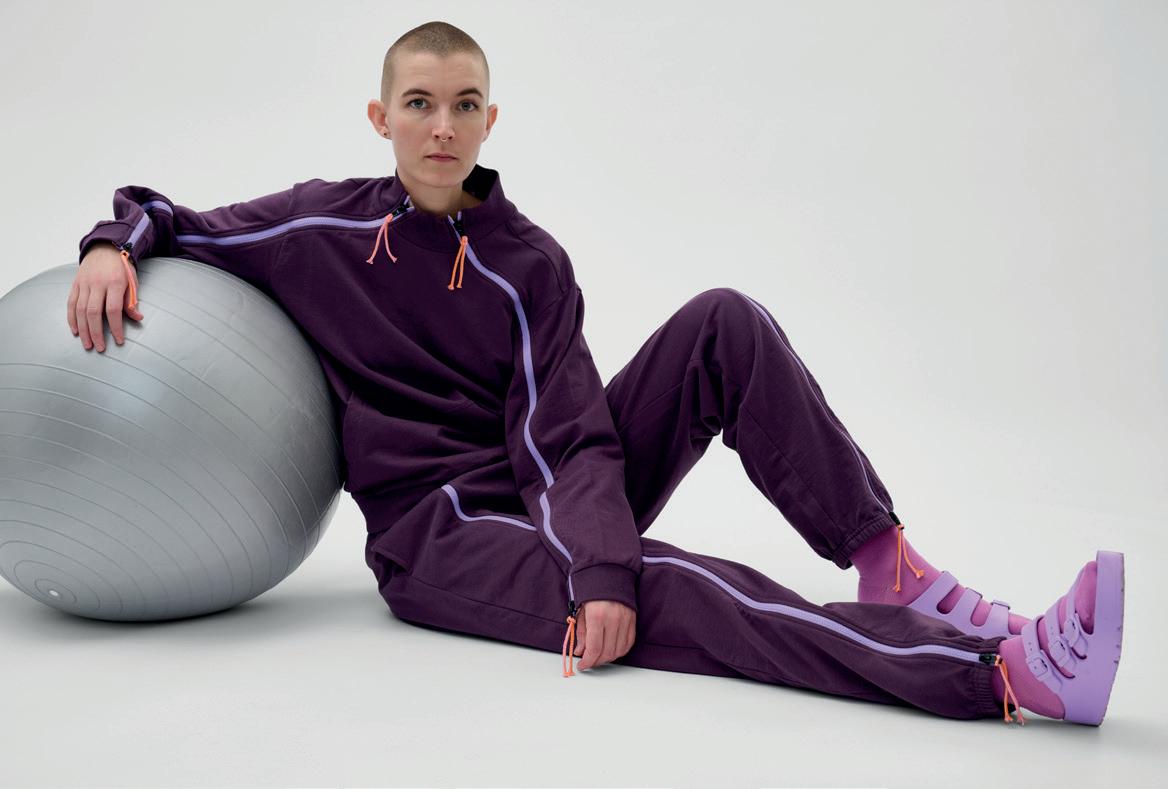
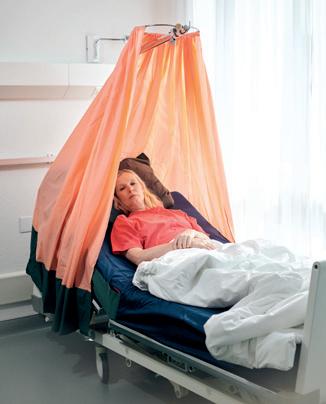
Products such as the Care Cup, Baldachin and Turnarounder are developed through empirical field research and in dialogue with patients and care professionals. The Care Wear collection, too, was created in collaboration with a person undergoing cancer treatment who was seeking dignified clothing for
Despite its clear focus on care and compassion, the studio encounters reservations. “The taboo surrounding illness and mortality is one of our greatest challenges. In a society that believes life can always be repaired, vulnerability is perceived as defeat,” says the designer, pointing to her 'bin fragil' sweatshirts and her compression stockings, which she regards as ice breakers. “After all, we are all familiar with heavy legs from flying.”
Also, thanks to the support of the Migros Pioneer Fund and Pro Helvetia, finally. stands at the beginning of a remarkable success story. Awards such as the Design Preis Schweiz and the Gender Design Award iphiGenia underline what the forward-thinking studio represents today: a new culture of care defined by attentiveness and humanity.
www.finallydesign.ch
– EIN PUNKT FÜR WÜRDE IN
BESONDEREN LEBENSPHASEN
finally. Der Name klingt nach einem Schlusspunkt. Ist aber doch ein Anfang. Das Schweizer Atelier für Care Design widmet sich den fragilen Lebensphasen, in denen Menschen besondere Zuwendung brauchen.
„finally. Der bewusst gesetzte Punkt im Namen unseres Ateliers steht für die Endlichkeit des menschlichen Lebens. Und für eine gestalterische Lücke, die lange unbeachtet blieb und auf die jetzt endlich geschaut wird”, erklären die Gründerin Bitten Stetter und Geschäftsführer Pascal Wittmer.
Das Atelier ist aus einer mehrjährigen angewandten Designforschung der Designerin entstanden. Die Begleitung einer krebskranken, nahestehenden Person bis zu ihrem Tod im Hospiz wurde zum Ausgangspunkt. Fragen zur materiellen Kultur in fragilen Zeiten, zu Würde und Fürsorge, führten zur Gründung von finally., einem Pionier im Health Care Design für innovative, liebevolle Hilfsmittel der Gesundheitsversorgung.
Für Stetter und Wittmer geht es in fragilen Lebensphasen um mehr als medizinische Versorgung. „Wärme und Respekt sind genauso wichtig”, betonen sie. „Sorgfältig gestaltete Hilfsmittel und Textilien können Fürsorge sichtbar und spürbar machen und ein Umfeld schaffen, das Menschen nicht auf ihre Krank-
heit reduziert, sondern ihre Würde wahrt. Pflege ist für uns nicht nur Technik, sondern eine zwischenmenschliche Beziehung.”
Entsprechend versteht das Atelier Ästhetik nicht als Luxus, sondern als Voraussetzung für Lebensqualität. Während der Gesundheitssektor stark technologisch geprägt ist, setzt finally. auf einen analogen, hautsinnlichen Ansatz. Farben, Materialien und Haptik wirken dem Klinischen entgegen.
Produkte wie Care Cup, Baldachin oder Turnarounder entstehen aus empirischer Feldfor-
schung und im Austausch mit Betroffenen und Pflegenden. Auch die Kollektion Care Wear entwickelte finally. gemeinsam mit einer krebserkrankten Person, die würdige Kleidung für Therapien und Reha suchte. Die Prototypen wurden unter anderem mit der Charité Berlin getestet und mit einer Patientin im Klinikbetrieb praxiserprobt.
Trotz des klaren Fokus auf Fürsorge stösst das Atelier auf Vorbehalte. „Das Tabu Kranksein und Sterblichsein ist eine unserer größten Herausforderungen. In einer Gesellschaft, die an die Reparierbarkeit des Lebens glaubt, gilt Darniederliegen als Niederlage”, sagt die Designerin und verweist dabei auf ihre ,bin fragil'-Sweatshirts und Stützstrümpfe, die sie als Eisbrecher versteht, denn: „Schwere Beine kennen wir ja alle vom Fliegen.”
Auch dank der Unterstützung des Migros Pionier Fonds und Pro Helvetia steht finally. am Anfang einer großen Erfolgsgeschichte. Preise wie der Design Preis Schweiz und der Gender Design Award iphiGenia zeigen, für was die Designs des zukunftsweisenden Ateliers heute stehen: für eine neue, zugewandte Care-Kultur.
www.finallydesign.ch
BETWEEN AUSTERITY AND SENSUALITY
Architecture, furniture design or spatial concepts – the work of designer Frédéric Dedelley is defined by a clear, pared-back yet distinctly sensual design language. What appears calm and almost effortless at first glance is, in fact, the result of a deeply considered and reflective design process.
Raised in an architectural environment in Fribourg, Dedelley developed an instinct for form, space and materials from an early age. Rather than following the obvious path into architecture, however, he was initially drawn to automotive design, inspired by icons such as Pininfarina and Giorgetto Giugiaro. A formative encounter with the radical designs of the Memphis Group, alongside the furniture of Trix and Robert Haussmann, ultimately steered him towards furniture design and spatial concepts.
After working in Paris, San Francisco and Switzerland, he founded his own studio in Zurich in 1995. “What connects my different areas of work is the method: every project begins with observing and listening. From there, I critically
analyse and redefine the brief based on those observations,” Dedelley explains. Only then does the actual idea take shape, and intuition and logic work closely together. This process often leads to outcomes that go beyond the original expectations: “I always try to give my clients more than they anticipated. A good sign is when I can surprise myself during the course of a project.”
NATURE, REIMAGINED IN CLEAR GEOMETRIC FORM
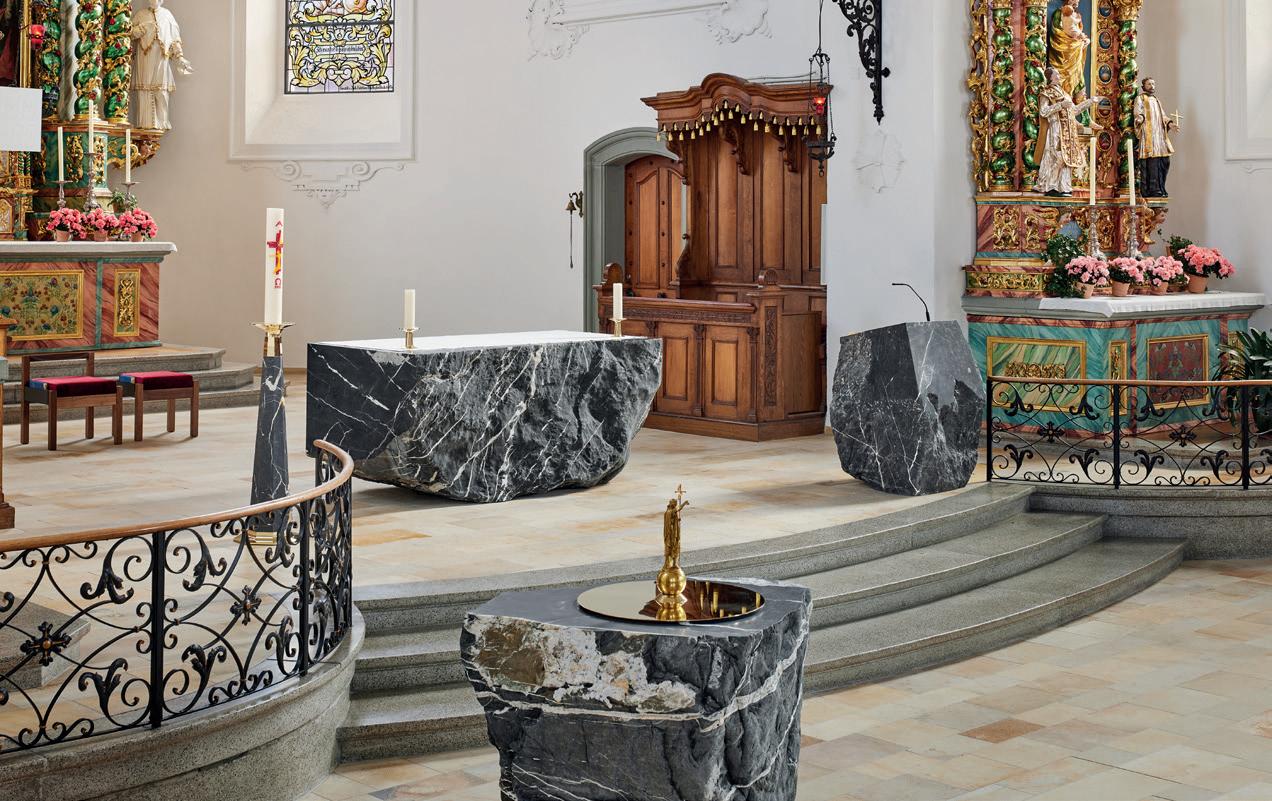
One of his more recent projects is the furniture redesign of St Anna Church in Schindellegi. Originally built in a neo-baroque style, the church features nature-inspired forms and surfaces that often appear as illusion, socalled trompe-l’œil.
“I wanted to respond to this imitation of nature with real nature, by creating new liturgical furniture from found stones. We selected them outdoors and shaped them with minimal intervention so that they became functional pieces.” The result is a compelling dialogue between existing structure and new intervention: while the Baroque created a counter-world to nature, here, real nature is translated into clear, geometric form. For Dedelley, this dialogue is central: “When designing spaces with a spiritual function, I always aim to create a conversation between what exists and what is newly introduced.”
THE INTERPLAY OF FORM, PROPORTION AND CONSTRUCTION
Dedelley’s work is not confined to a single discipline, as demonstrated by the Ensō chair, developed in collaboration with the longestablished company Lehni and the much younger brand QWSTION. At first glance, the two companies may seem quite different, yet
Catholic Church St Anna, Schindellegi.
Photo: Lorenz Cugini
ZWISCHEN ASKESE UND SINNLICHKEIT
Ob Architektur, Möbeldesign oder räumliche Konzepte – die Arbeiten von Designer Frédéric Dedelley zeichnen sich durch eine klare, reduzierte und zugleich sinnliche Formensprache aus. Was auf den ersten Blick ruhig und selbstverständlich wirkt, basiert auf einem tiefgehenden, reflektierten Designprozess.
Aufgewachsen in einem Architekturumfeld in Fribourg, entwickelte Frédéric Dedelley schon als Kind ein Gespür für Formen, Räume und Materialien. Statt jedoch den naheliegenden Weg in die Architektur einzuschlagen, zog es ihn zunächst zum Automobildesign –inspiriert von Ikonen wie Pinin Farina und Giorgetto Giugiaro. Eine prägende Begegnung mit den radikalen Entwürfen der MemphisGruppe sowie den Möbeln von Trix und Robert Haussmann lenkte seinen Weg schließlich in Richtung Möbeldesign und Raumkonzept.
Nach Stationen in Paris, San Francisco und der Schweiz gründetet er 1995 sein eigenes Studio in Zürich. „Das verbindende zwischen meinen Tätigkeitsbereichen ist die Arbeitsmethode: die Arbeit fängt immer mit beobachten und zuhören an, danach wird die Aufgabe auf Basis meiner Beobachtungen kritisch analysiert und neu formuliert”, erklärt Dedelley. Erst im Anschluss beginnt die eigentliche Ideenfindung, bei der Intuition und Ratio eng zusammenarbeiten. Dieser Prozess führt nicht selten zu Ergebnissen, die über die ursprünglichen Erwartungen hinausgehen: „Was ich auf jeden Fall immer
versuche, ist meinem Auftraggeber mehr zu geben, als er erwartet hat. Ein gutes Zeichen ist es, wenn ich mich im Laufe eines Projektes selbst überraschen kann.”
REALE NATUR IN KLARER, GEOMETRISCHER FORM
Eines seiner jüngeren Projekte ist die Neuausstattung der Kirche St. Anna in Schindel-
legi. Der ursprünglich im neobarocken Stil errichtete Bau ist von naturinspirierten Formen und Oberflächen geprägt, die häufig als Illusion – als sogenannter Trompe-l’œil – ausgeführt sind.
„Ich wollte auf die imitierte Natur mit echter Natur reagieren, indem die neuen liturgischen Möbel aus gefundenen Steinen entstanden sind, die wir in der freien Natur gewählt und mit wenig Schnitte so bearbeitet haben, dass sie zu Möbel wurden.” So entsteht ein spannender Dialog zwischen Bestand und Intervention: Während der Barock eine Gegenwelt zur Natur erschuf, wird hier die reale Natur in eine klare, geometrische Form überführt. Für Dedelley ist genau dieser Dialog zentral: „Bei der Gestaltung von Räumen mit spiritueller Funktion versuche ich immer, einen Dialog zwischen Bestand und neuen Elementen zu bilden.”
WECHSELWIRKUNG ZWISCHEN FORM, PROPORTION UND KONSTRUKTION
Dass Dedelleys Arbeit nicht auf eine Disziplin festgelegt ist, zeigt auch der Sessel Ensō, entstanden in Zusammenarbeit mit der traditionsreichen Firma Lehni und der sehr viel jüngeren Firma QWSTION. Zwei Unternehmen, die auf den ersten Blick unterschiedlich wirken, aber ähnliche Werte teilen: Präzision, Langlebigkeit und ein verantwortungsvoller Umgang mit Ressourcen.
Schweizer Botschaft in Minsk. Foto: Yuliya Barauskas
Sessel Ensō für Lehni. Fotos: Lorenz Cugini
they share common values: precision, durability and a responsible approach to resources.
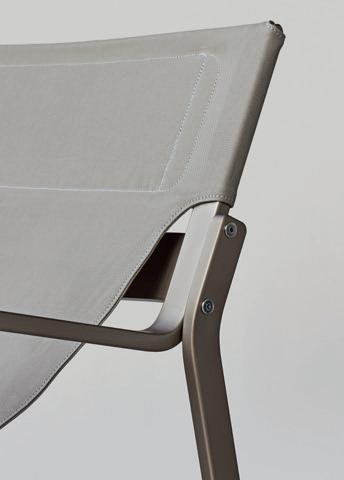
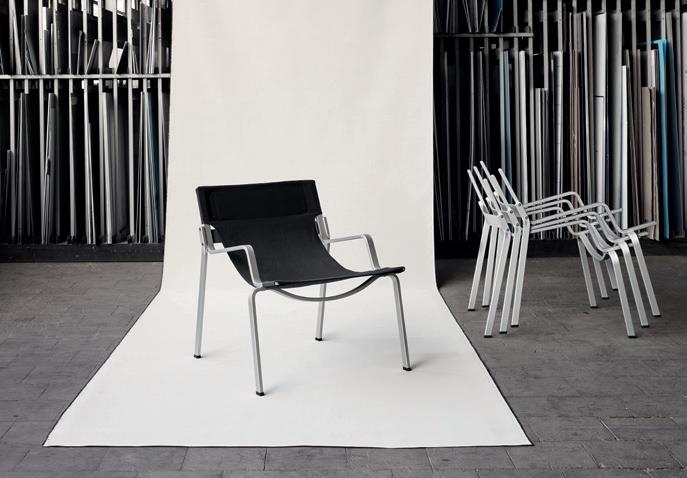
The result is a delicate, stackable chair that combines aluminium with the innovative Bananatex fabric. The name Ensō – the Japanese word for circle – does not refer to its shape, but rather to the ambition of meeting the principles of a sustainable circular economy.
Materials play a central role in Dedelley’s work and are often the true starting point of any project. “The first ideas usually emerge from the material itself, its properties and how it can be worked.” From there, form, proportion and construction evolve in close dialogue. At the same time, there remains
space for subjectivity, for a personal sense of beauty that defines his work. “Ultimately, my work is always about finding a fusion between austerity and sensuality.”
How a project begins is always flexible. Sometimes, material and function take precedence, particularly in furniture design. At other times, it is the space itself that dictates the concept, as in interior or scenographic work. And occasionally, it starts with an idea that only later finds its context. “Design is an organic process that is never the same twice; that’s exactly what makes it so exciting. There’s no such thing as routine in design.”
It is precisely this diversity that fuels Dedelley’s creativity. “All my projects, past
and present, feed into one another. They are permeable, constantly generating new ideas for future work.” This ongoing exchange keeps his thinking in motion and ensures a steady flow of new impulses.
Looking ahead, Dedelley has a clear ambition: “I would love to work more in hospitality. Designing the complete interior of the Basel Blind Centre was a very rewarding experience, one that could be developed further across different projects. My dream would be to fully design a boutique hotel. But I remain open to all kinds of opportunities and am curious to see what the future holds.”
www.fredericdedelley.ch
Swiss Embassy in Minsk. Photo: Yuliya Barauskas
Frédéric Dedelley. Photo: Michael Schmid
Swiss Embassy in Minsk. Photo: Yuliya Barauskas
Das Ergebnis ist ein filigraner, stapelbarer Sessel, der Aluminium mit dem innovativen Bananatex-Stoff kombiniert. Der Name Ensō – japanisch für „Kreis” – verweist dabei nicht auf die Form, sondern auf den Anspruch, mit dem Entwurf die Kriterien einer nachhaltigen Kreislaufwirtschaft zu erfüllen.
Materialien spielen in Dedelleys Arbeit eine zentrale Rolle. Oft sind sie der eigentliche Ausgangspunkt eines Projekts: „Aus dem Material heraus, aus seinen Eigenschaften und Verarbeitungsmöglichkeiten entstehen meistens die ersten Ideen für ein Projekt.” Form, Proportion und Konstruktion entwickeln sich daraus in enger Wechselwirkung. Dennoch bleibt Raum für Subjektivität – für eine persönliche Vorstellung von Schönheit, die seine Arbeiten prägt. „In meiner Arbeit geht es immer um die Suche einer Verschmelzung von Askese und Sinnlichkeit.”
Wie ein Projekt beginnt, ist dabei nie eindeutig festgelegt. Mal stehen Material und Funktion im Vordergrund, insbesondere bei Möbeln. Mal ist es der Raum selbst, der den Entwurf bestimmt, wie bei innenarchitektonischen oder szenografischen Arbeiten. Und manchmal steht eine Idee am Anfang, die erst später den passenden Kontext findet. „Entwerfen ist ein organischer Prozess, der nie zwei Mal identisch läuft; genau das ist in meinem Beruf so spannend. Routine gibt es beim Entwerfen nie!”
Gerade die Vielfalt seiner Projekte ist für Dedelley ein kreativer Motor. „Alle meine Projekte – die gegenwärtigen wie die vergangenen – befruchten sich gegenseitig, sind durchlässig und generieren neue Ideen für zukünftige Projekte.” Dieser kontinuierliche Austausch hält sein Denken in Bewegung und sorgt dafür, dass neue Impulse entstehen.
„Für die Zukunft wünsche ich mir Projekte im Bereich Hospitality”, verrät Dedelley. „Mit der kompletten Einrichtung des Blindenheims Basel habe ich eine sehr gute Erfahrung gemacht, die sich auf verschiedene Projekte vertiefen lassen kann. Mein Traum wäre es, ein Boutique-Hotel komplett ausstatten zu können. Ich bin aber offen für die unterschiedlichsten Projekte und bin gespannt, was die Zukunft bringt!”
www.fredericdedelley.ch
Sitzmöbel Seley für Horgenglarus. Foto: Alain Bucher
As the first German woman to conquer Oceans Seven, one of the world’s toughest open-water swimming challenges, and tackle a 110-kilometre swim around Ibiza, Nathalie Pohl is Germany’s foremost extreme open-water swimmer. Her world records, passion for water safety, and drive to empower others make her an inspiring force, changing lives both in and out of the water.
TEXT: NANE STEINHOFF | PHOTOS: DANIEL TONI JAIS
Pohl
Nathalie Pohl |
The 31-year-old swimmer is, quite simply, a trailblazer. One of those rare individuals who seem to thrive where boundaries exist, only to break through them. Her story is not a neat tale of personal triumphs; it is a mosaic of ambition, warmth, and a deep, genuine urge to make a difference. Spend any time in conversation with her, and it becomes immediately obvious that her passion is infectious and that her targets are not just medals or records. She is out to make waves.
“I NEVER WANTED TO PROVE ANYTHING TO ANYONE BUT MYSELF”
Nathalie Pohl’s journey into the world of extreme swimming began in her childhood that was coined by the need for movement and adventure. “I was always a kid who got bored quickly,” she recalls. To break up the monotony of a summer holiday with her family, she joined a swim camp where her passion for swimming took root. “I had so much fun that after the holiday, I joined a swim club in Marburg.”
That early spark ignited a lifelong pursuit; Nathalie soon realised she had a gift for swimming and began training several times a week to compete in races. Her childhood
and adolescence were shaped by competitive swimming. Yet, as she grew older, the pressure of school and the demands of competition began to wear on her. “I always told myself that if I stopped enjoying the sport, I’d quit right away, and that was the moment I decided it was time to stop,” she says. It was a pivotal moment; one that could have ended her swimming story. But instead, it became a turning point. Around that time, her parents gifted her extreme swimmer Lynne Cox’s book Swimming to Antarctica. “I really saw myself in her and thought, ‘Wow, why don’t I try that too?’ That’s how my journey into extreme swimming began.”
She dove into research, determining what it would take to swim the English Channel. “I quickly found out I’d need a six-hour qualifying swim in 15°C water,” she recalls. “I found out that that was offered in April on Mallorca. So, I signed up, flew there, and went into the water without a wetsuit because we’re not allowed to wear wetsuits in official events.” The cold was overwhelming and she thought her heart would stop. Nevertheless, she refused to give up. After a night’s sleep, she tried again, this time with a wetsuit, but soon decided to embrace the authentic challenge.
Until this day, she never wore one again. “I taught myself cold water training. I think it’s better to teach yourself and make your own experiences, because everyone’s different.”
Her first attempt at the English Channel ended dramatically: weeks in intensive care, and soul-searching about whether she should risk trying again. “I never wanted to prove anything to anyone but myself,” Nathalie explains. The drive to achieve her dream, and the support from her family, kept her moving forward. Soon after, she connected with Adam Walker, the fifth person to complete the Oceans Seven challenge, and started her journey alongside him. “When I finally swam the English Channel a year later, Adam and I started the Oceans Seven journey together. That was the starting point. And now, 11 years later, I’ve accomplished it.”
“IF YOU TRULY WANT IT, YOU CAN MAKE IT HAPPEN”
The Oceans Seven marathon swimming challenge is regarded as one of the most gruelling feats in open-water swimming, involving seven notorious channel swims such as the English Channel and the Cook Strait. Nathalie Pohl managed to complete the challenge in September 2024 as the first German woman to ever to do it. During this challenge, she even achieved a world record for swimming across the Strait of Gibraltar from Spain to Morocco, completing it in just 2 hours and 53 minutes.
Tackling Oceans Seven is, of course, far from straightforward, and Nathalie encountered many obstacles early on, starting in 2019 with her initial Cook Strait attempt in New Zealand. Despite enduring over 11 hours in the water during her first try, she was unable to complete the crossing. A second go in 2020 saw her fall short just before reaching the finish line. These tough moments proved invaluable, teaching her that setbacks are an essential part of progress. In 2023, perseverance paid off when she successfully crossed the Cook Strait in 6 hours and 33 minutes, setting a record as the fastest European woman. Amongst other incredible feats, Nathalie Pohl also circumnavigated Ibiza in 2025. This monumental swim saw her cover 110 kilometres in 30 hours, 57 minutes, and 49 seconds as the first swimmer to achieve a relay non-stop around the island.
Nathalie Pohl | Cover Feature |
Germany, Switzerland & Austria
Photo: Anna Heupel
But how does one swim for over 30 hours?
Besides an arduous training regimen of multiple hours per day, Nathalie says that “the mental factor is huge in this sport.” That unwavering determination surfaced during one of her swims in Scotland. “During the last two hours, my body told me that I couldn’t keep going, but I wanted it so badly. My mind kept giving me flashbacks of everything I’d sacrificed. Somehow, you find new energy, even when you think you have none left. I believe that if you really want to achieve something in your life, if you truly want it, you can make it happen.”
Nathalie Pohl’s experience in the water is defined by mental endurance and an almost meditative state. “During a swim, you don’t really think much,” she explains. “I often find myself in a trance, counting strokes for hours. The only thing that breaks the monotony is getting a warm drink from the boat every 30 minutes, which becomes a small highlight and helps keep me going.”
“THE
COLD EVENTUALLY GETS TO YOU”
Open-water swimming presents unique physical dangers, with cold water being Pohl’s greatest adversary. In a competition setting, swimmers aren’t allowed wetsuits so many try to build up body fat for insulation. However, even that isn’t always enough. “The cold eventually gets to you. After one swim in Scotland, my core body temperature dropped to 29.3°C. Some people don’t survive that,” she recalls.
Safety during her swims is always a concern, especially with wildlife. Pohl uses a shark shield – a device that creates a magnetic field – as extra protection. Jellyfish, especially the Portuguese Man o’ War, pose a significant threat, causing pain and paralysis that can last for months. She has been stung herself and remembers: “You have two choices: swim through the pain or get on the boat and end the swim.”
Another factor that is crucial when planning her swims are the elements and their unpredictability. “We plan for months and years beforehand, but currents and weather can change everything,” she explains. “It’s like climbing Everest. You never know if you’ll have a good day or if conditions will turn against you.”
While open-water swimming is often seen as an intensely solitary pursuit, Nathalie Pohl emphasises the critical importance of teamwork. “You really swim until your body stops giving you signals,” she notes, underscoring the need for her team to make crucial decisions during difficult moments. “It sounds silly, but you swim until you sink.” Nathalie never questions her team’s judgment; it is a pact made before every swim, ensuring that she never pushes beyond safe limits. She adds: “You need people who believe in your dream, because you can’t do it alone.”
BOUNDLESS AMBITION
Nathalie Pohl inspires people of all ages, now reaching new audiences with her children’s book Nanami – Schwimm Dich Mutig, which encourages kids to be brave and accept help when needed. The book’s positive reception means that a second part is already on the way. Her autobiography, Im Meer Bin Ich Zuhause, explores her relentless Oceans
Seven pursuit and setbacks, aiming to inspire others. “If I inspire even one person to dare to pursue their dream, I’ve achieved everything I wanted,” Nathalie shares.
Beyond writing, Nathalie is dedicated to ocean conservation, collaborating with organisations like Sea Shepard to push for positive change. “The seas have really deteriorated – even in my lifetime,” she notes. Her activism extends to helping children learn to swim.
Looking ahead, Nathalie’s ambitions continue to grow. She is preparing to launch a fashion brand and plans a relay across the English Channel this summer, marking the centenary of Gertrude Ederle’s historic swim in 1926. “I’m drawn to projects that no one has done before, that are unique and special,” she explains. “If swimming ever stops being fun, I’ll hang up my swimsuit. But, at the moment, I can’t imagine life without swimming.”
WORSHIPPING WHITE ASPARAGUS IN MÜNSTER
In the centre of Münster, across a market below the colossal cathedral, one item dominates. I see liquorice, pumpernickel bread and punnet upon punnet of juicy strawberries. This being Germany, I see sausages and spätzle egg noodles. But, above all, I see white asparagus – in fact, almost half of the traders seem to be selling these plump, ivory-coloured spears.
TEXT: RICHARD MELLOR
White asparagus, Hof Baecker in Münster.
Photo: Philipp Fölting, Münsterland e.V.
Back home, two London-based German friends had told me that white asparagus –rare in Britain, unlike its green counterpart – was a national source of near-obsession during its harvest season from mid-April to late June. Now, halfway through May, a local called Katrin concurs while we queue at one counter. “We love it here,” she laughs. “And we really respect it as a regional product that’s part of our heritage. I will eat some every day.” I double-check that I’ve heard her correctly. “Every day, yes! It’s so good!”
FROM COUNTRY TO CITY
White asparagus is green asparagus that has been kept out of the sun, often in mounds of dirt, in order to prevent photosynthesis. As shoots must be constantly watered and then hand-harvested, farming it is labour-intensive – hence a 500g bag costing me 6.90 euro.
Taste-wise, whereas green asparagus always proves hearty and slightly bitter, the white kind is apparently creamier and milder, with a hint of nuttiness. I am already finding its aroma pleasingly earthy.
Germans allegedly consume 125,000 tonnes of white per year (green is not nearly as
popular). The country has five prime areas of production, with wider Münsterland, a castle-filled, sandy-soiled portion of North Rhine-Westphalia in Germany’s northeast, famed for high-quality examples. An official, 129-kilometre cycling route crosses this flat landscape, linking up white asparagushawking farm shops, restaurants and halftimbered towns.
Sadly, limited to the city, I make certain to catch Münster’s major market. Held on the leafy Domplatz square each Wednesday and Saturday morning, this turns out to be a teeming, joyous maze of dining tables, food trucks and stalls. Students – of which the city has an estimated 60,000, creating a bohemian atmosphere – clink glasses of rosé as older residents shop for cheese, cheesecake, artisan honey or, yes, white asparagus.
A STARRING OR SUPPORTING ROLE
Katrin directs me to cosy Altes Gasthaus Leve, a 400-year-old tavern, to try this white gold the classic way. Delivered by a waitress clad in old-fashioned Westphalian garb, my six braised stalks arrive with smoked local ham, a pile of boiled potatoes and jars of both melted butter and thick hollandaise. It is simple, but seriously yummy.
Other, posher places proffer more invention: I find white asparagus anchoring spring salads, as a topping on tarte flambées, grilled and accompanying poached quail’s eggs and finally, in Reckos, the Mauritzhof design hotel’s informal restaurant, giving main-character energy to a divine, gently-rich soup. The vegetable’s flexibility is clear.
Prinzipalmarkt Münster.
Photo: Philipp Fölting, Münsterland e.V.
Altes Gasthaus Leve. Photo: Sebastian Lehrke, Münsterland e.V.
Not that every Münster restaurant worships it. Far from it: white asparagus rarely registers at a tranche of international-focused venues, led by tens of Turkish establishments. And there is not a stalk in sight during one of the best meals I have – a vegan brunch bowl containing avocado, kiwi, granola and homemade banana bread at Die 3 Schwestern, out on trendy Wolbecker Straße.
MORE OF MÜNSTER
Nor is, of course, white asparagus Münster’s sole temptation. A host of stand-out sights await around its large old town, beginning with that cathedral. One of 90-odd churches here, St.-Paulus-Dom contains porthole-like stained-glass windows and an ornate, 16th century astronomical clock. Every day at noon, this produces a glockenspiel-soundtracked display of the magi meeting Jesus.
Amid our morning walking tour, my guide Marie-Theres Kramer also introduces me to the gothic St Lambert’s Church, from whose steeple still hangs cages in which the mutilated corpses of three Protestant revolutionaries were once shockingly displayed. “It took 50 years for the last bones to fall,” she grimly reveals.
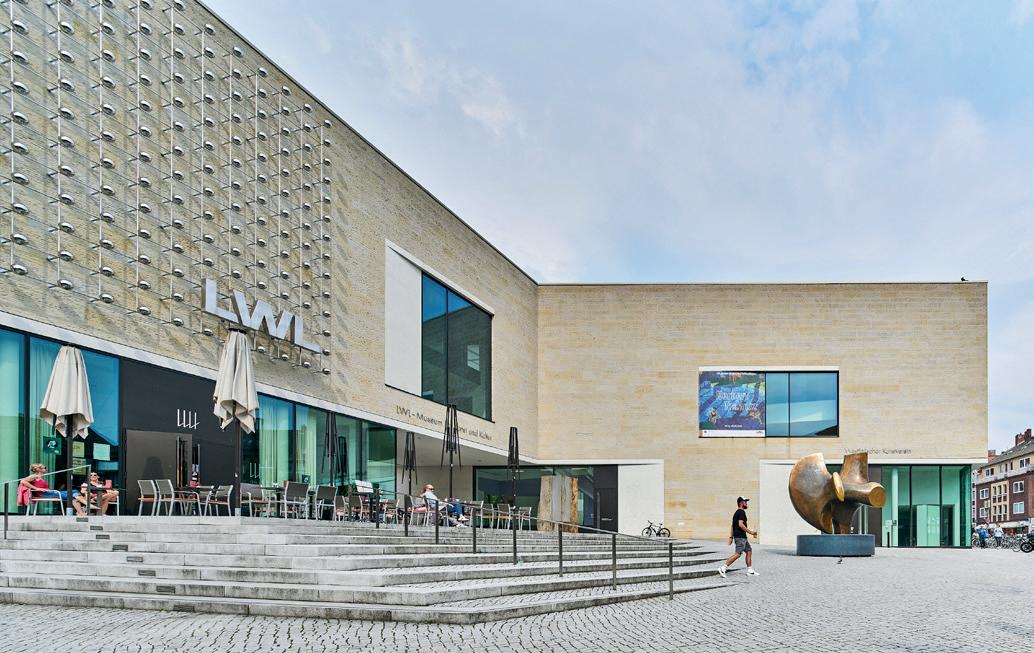
The adjacent Prinzipalmarkt street features 48 gabled houses; despite looking convincingly ancient, these were faithfully rebuilt following ruinous Second World War bombing. A few cobbled streets away is the LWL Museum of Art and Culture, whose history-straddling exhibits run from Luther bibles to a nude by Edvard Munch.
Having crossed the lime tree-shaded Promenade, defensive walls reinvented as a frenetic,
four-kilometre cycling path, I stroll Lake Aa’s north bank in search of sculptures. Here and there are works bestowed by Skulptur Projekte Münster, a big-name exhibition held only every ten years – with 2027 bringing the sixth edition. I find giant pool balls, a mast hiding poetry lines and even a steel giraffe.
The exercise leaves me craving sustenance. I ring Altes Gasthaus Leve to see if they have a table free…
LWL Museum of Art and Culture.
Photo: Philipp Fölting, Münsterland e.V.
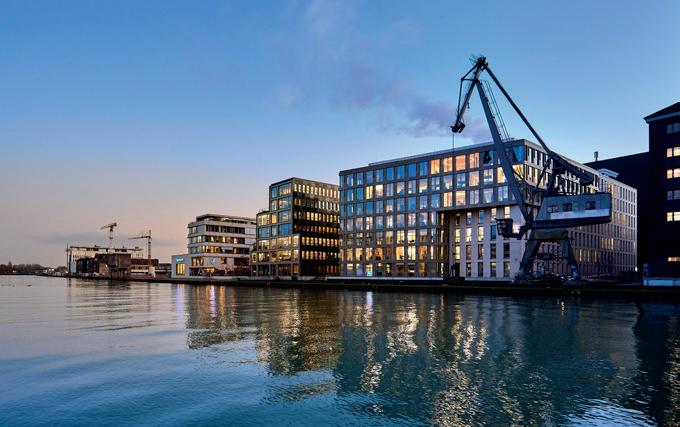
Münster harbour. Photo: Philipp Fölting, Münsterland e.V.
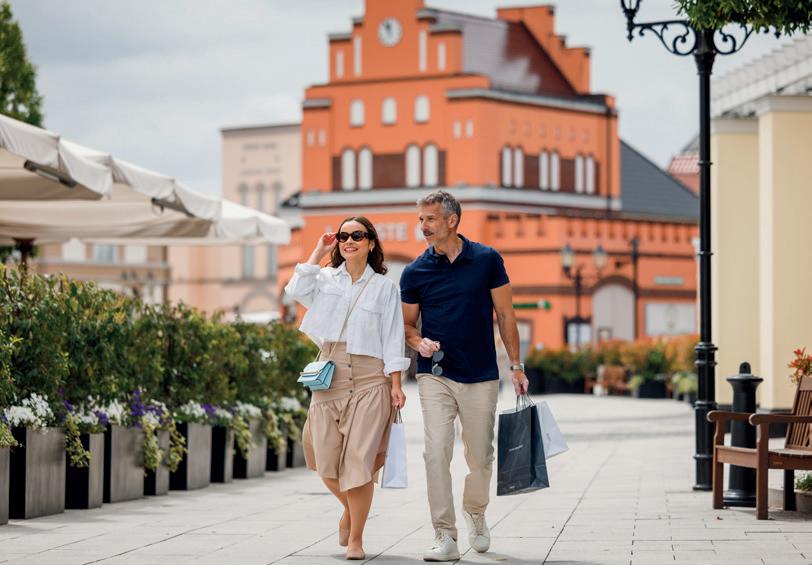
THE PERFECT SHOPPING DESTINATION JUST OUTSIDE BERLIN
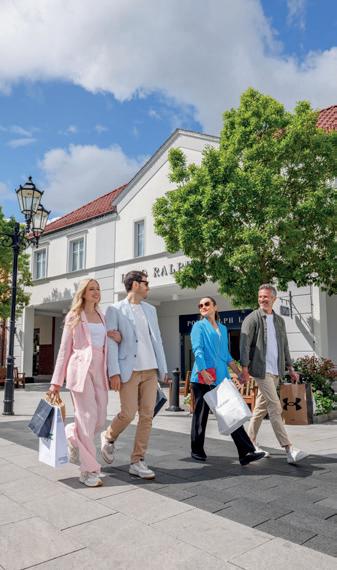
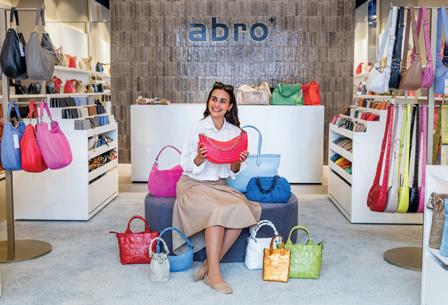
Only 30 minutes from Berlin’s city centre, Designer Outlet Berlin goes beyond your typical shopping trip. Designed as an open-air village, the centre combines fashion, leisure and event experiences, creating a relaxed destination that invites visitors to spend an entire day browsing, dining and enjoying the lively atmosphere.
Designer Outlet Berlin’s village-style architecture, with its open streets, landscaped walkways and spacious layout, makes shopping feel less like a retail errand and more like a leisurely stroll. With over 90 shops representing more than 100 international designer and lifestyle brands, visitors can explore an impressive range of labels, including Boss, Hugo, Lacoste, Adidas, Karl Lagerfeld, Tommy Hilfiger, Michael Kors, New Balance, Douglas and L’Oréal. Best of all, prices are consistently 30 to 70 per cent below the recommended retail price, making premium fashion more accessible year-round.
The outlet is also known for its lively events and seasonal promotions. From the relaxed Summer Beach and themed shopping Sundays to Sneaker Days, street food events and even a festive Christmas market, the centre regularly transforms into an experi-
ence beyond retail. Members of the VIP Club benefit from additional perks throughout the year, including exclusive invitations, special promotions and regular updates on upcoming offers.
Of course, a full day of shopping requires the occasional break. A wide range of cafés and restaurants, such as Five Guys, Frittenwerk, Nordsee and dean&david offer the perfect setting to recharge. Families will also appreciate the playgrounds and picnic areas, which add to the destination’s welcoming and rather relaxed atmosphere.
Convenience is another reason why the centre attracts visitors from far and wide. Located just outside Berlin and around 20 minutes from Potsdam, the outlet provides over 3,000 free parking spaces and a complimentary shuttle bus from Berlin city cen-
tre on Fridays, Saturdays, selected Sundays and during special events. International guests benefit from services such as taxfree shopping, multilingual staff and international payment options.
For first-time visitors, it is worth checking current promotions online in advance and using the centre map to plan your visit – then simply allow plenty of time to explore the village at a relaxed pace.
www.designeroutletberlin.com
ARTLOFT.BERLIN: ART & CUISINE, SPACE & EVENTS
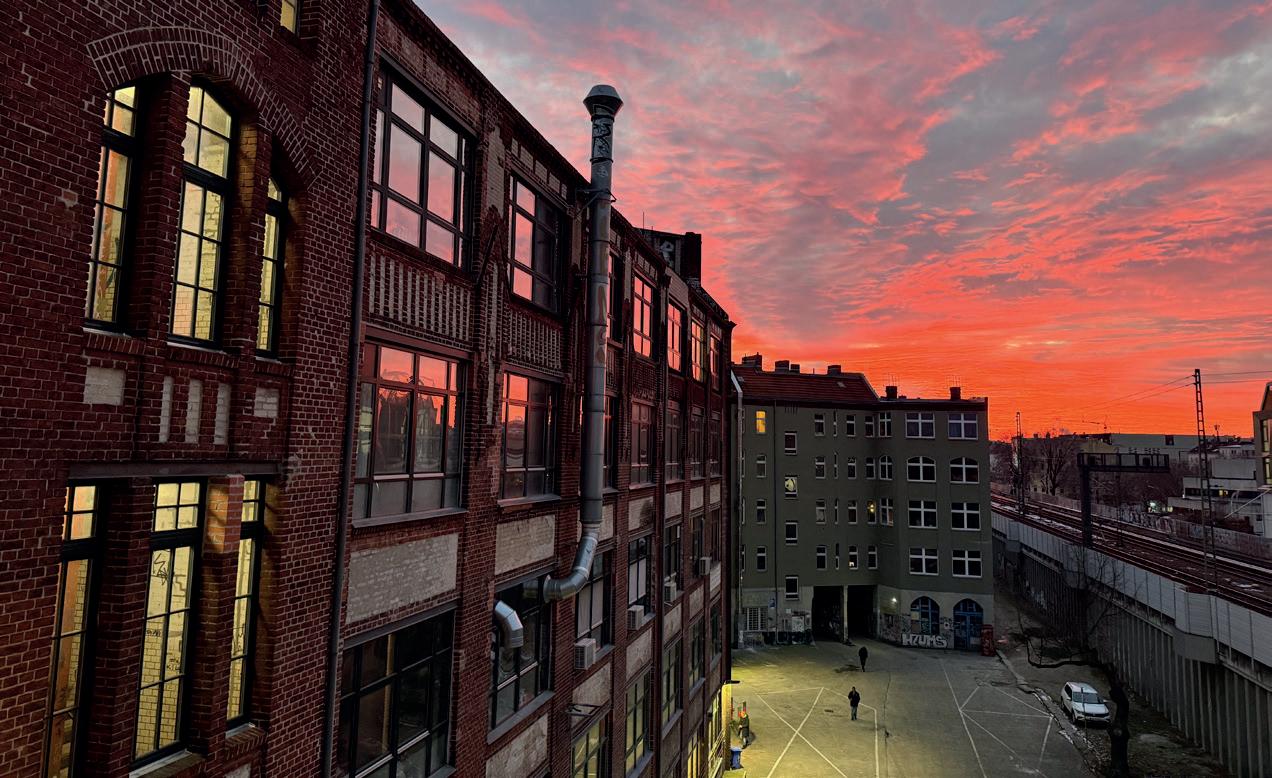
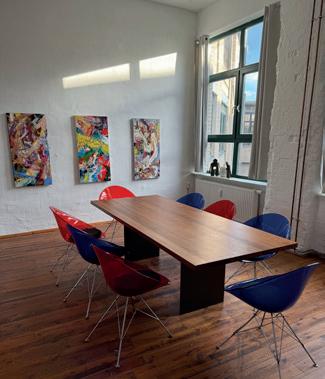
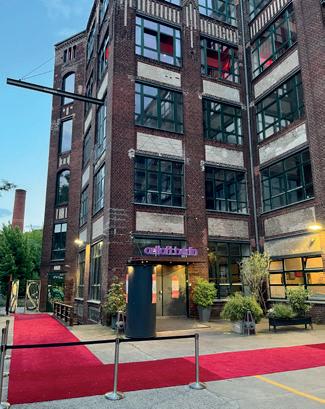
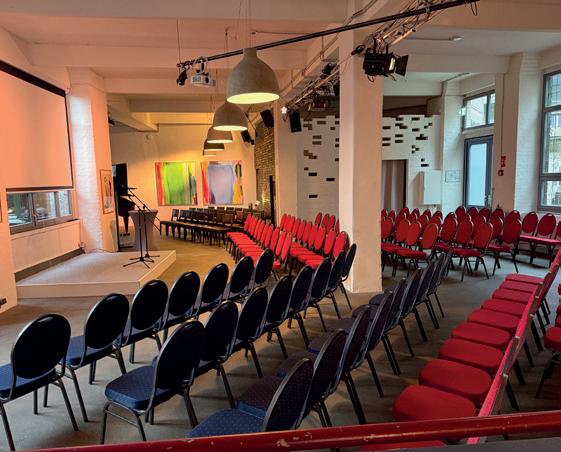
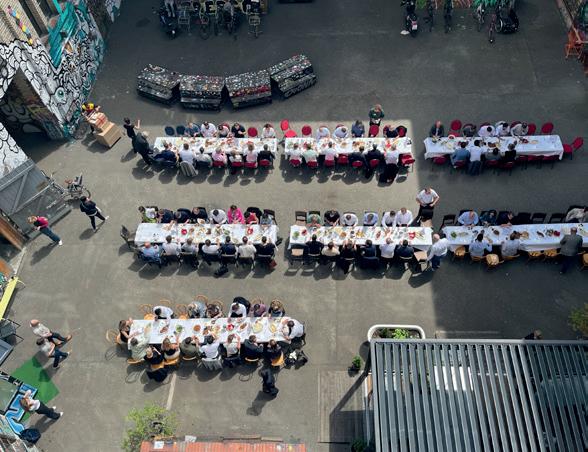
artloft.berlin is an open space dedicated to art, events, and communication. Spread across four lofts totalling 1,000 square metres of floor space, it offers plenty of room for creativity and various formats, as well as for people and brands.
In 2011, on a historic industrial site in the Mitte borough, a culinary workshop loft was established on the premises of a Berlin ironworks dating back to 1906. Today, it has grown into a versatile event venue featuring four distinct, rentable lofts spread across two floors, as well as attractive outdoor areas.
“At artloft.berlin, both companies and private clients essentially meet and celebrate in an event-within-an-event atmosphere. We’re as versatile as a chameleon,” notes co-founder Markus Kniepkamp during our conversation.
“In collaboration with our art-loving landlord and a renowned curator, we regularly host exhibitions focusing on large-format painting, photography, and video art paired with contemporary experimental music. Our adaptable spaces are also available for clients, logos, and presentations.”
CONFERENCE, COOKING, CREATIVITY
The exhibitions take place in lofts which can also be rented out, and the historic urban set-
ting combined with art and creativity quickly became a sought-after hotspot for major brands and high-profile political conferences, such as a G7 meeting of development ministers in 2022. It all began with Kochende Welten; a combination of workshops, catering, and creative cuisine that still forms part of the range of services offered today. Thus, companies can book inspiring lofts, catering and event technology from a single source – combined with a cooking event, cocktail workshop, or dinner for the participants upon request. The value and versatility of artloft.berlin stem from the combination of venue, art, and service tailored to the guest’s needs. State-of-theart sound, lighting, and multimedia technology in variable combinations complete the final production – with success: “We mainly work on a B2B-level for high-profile brands. This also includes many international players,” explains Denise Groß.
artloft.berlin was founded in 2013 by Groß and Kniepkamp, who are also a couple in personal
life. Designed as a space for events and art, cultural exchange and communication, it has offered creative freedom and spaciousness as well as intimate nooks for retreat from the start. This year, the focus lies on more sustainability within everyday processes as well as the launch of a new website: created from a pool of synergistic expertise by its developers, artloft.berlin to this day remains a work in progress.
www.artloft.berlin
Gallery.
ARTLOFT.BERLIN: KUNST & KULINARIK, RAUM & EVENT
artloft.berlin versteht sich als Open Space rund um Kunst, Events und Kommunikation und gewährt verteilt auf vier Lofts mit insgesamt 1.000 Quadratmetern viel Raum für Kreativität und Formate, Menschen und Marken.
Auf einem historischen Industriegelände in Berlin-Mitte entstand 2011 in den Räumen einer Berliner Eisenschmiede von 1906 zunächst ein kulinarisches Workshop-Loft, welches heute zu vielseitigen Event Spaces mit vier unterschiedlichen, mietbaren Lofts auf zwei Etagen sowie attraktiven OutdoorBereichen angewachsen ist.
„Bei uns tagen und feiern Firmen und Privatpersonen quasi in einer Event-im-EventAtmosphäre. Wir sind so vielseitig wie ein Chamäleon”, bemerkt Co-Founder Markus Kniepkamp während unseres Gesprächs. „In Kooperation mit unserem sehr kunstinteressierten Vermieter und einer renommierten Kuratorin bieten wir regelmäßig Ausstellungen und Vernissagen in Verbindung mit zeitgenössisch-experimenteller Musik. Wir konzentrieren uns dabei auf großformatige Malerei, Fotografie und Videokunst. Die wandelbaren Flächen stehen auch für Kunden, Logos und Präsentationen zur Verfügung.”
KONFERENZ, KOCHEN, KREATIVITÄT
Die Ausstellungen finden in Lofts statt, die wiederum angemietet werden können, und
die historisch-urbane Umgebung in Verbindung mit Kunst und Kreativität wurde schnell zum gesuchten Hotspot großer Marken und hochrangiger politischer Tagungen – wie etwa einer G7-Konferenz der Entwicklungsminister*innen im Jahr 2022. Angefangen hat alles mit den Kochenden Welten; einer Kombination aus Workshop, Catering und kreativer Küche, die auch heute noch als Teil des umfangreichen Service-Angebotes fun-
giert. Firmen können auf diese Weise nicht nur inspirierende Lofts, sondern auch Catering und Veranstaltungstechnik aus einer Hand buchen, auf Wunsch in Verbindung mit einem Kochevent/Cocktail-Workshop oder Dinner für die Teilnehmer. Die Wertigkeit und Vielseitigkeit des artloft.berlin ergibt sich im Zusammengehen von Eventlocation, Kunst und Service — ganz im Sinne des Gastes. State of the Art-Technik bei Ton, Licht und Multimedia vervollständigt in multiplen Varianten mit Erfolg die finale Inszenierung: „Wir arbeiten auf B2B-Level für hochrangige Marken – auch viele internationale Firmen sind bei uns zu Gast”, erklärt Denise Groß.
Das artloft.berlin entstand 2013 unter der Regie der beiden Co-Founder, die auch privat ein Paar sind. Konzipiert als Raum für Events & Kunst, kulturelle Begegnung und Kommunikation eröffnete es von Beginn Freiheit in der Gestaltung und räumliche Großzügigkeit sowie intime Nischen des Rückzugs. Für die nahe Zukunft sind ein verstärkter Fokus auf Nachhaltigkeit sowie ein neuer Web-Auftritt geplant: Das artloft.berlin entstand aus dem Fundus der synergetischen Kompetenzen seiner Entwickler und versteht sich bis heute als work in progress
www.artloft.berlin
Plenum. Hofcatering.
Fassade.
SPECIAL THEME: TOP 2026 SUMMER TRAVEL HIGHLIGHTS
Sun, cities and surprises
In this special feature, we highlight the most exciting destinations for city breaks, recommend welcoming hotels, and suggest enjoyable activities – offering you some of the best ideas for your summer travel plans.
PHOTOS: UNSPLASH
REGENSBURG: WHERE HISTORY MEETS
CONTEMPORARY LIVING
REGENSBURG: WO GESCHICHTE UND MODERNE AUFEINANDERTREFFEN
Regensburg vereint Geschichte, Kultur und Lebensfreude und ist somit ein Muss für jeden, der das Besondere sucht.
Regensburg's charm has captivated many, including the renowned British architect Sir Norman Foster, who praised the city as one of the most beautiful in the world. Recently, the Berlin-based travel portal Tourlane also ranked Regensburg as Europe’s third most beautiful city. But what gives Regensburg its special charm?
Regensburg is both young and old, Bavarian and Italian, traditional and modern. The city’s landmarks like St. Peter Cathedral and the Stone Bridge bear witness to a vibrant past as a trading metropolis and the seat of the Holy Roman Empire’s Perpetual Imperial Diet. At the same time, life pulsates in the old town, a UNESCO World Heritage Site since 2006, and visitors can experience almost 2,000 years of history here –from the Romans to the medieval long-distance trading city, to its winding alleyways and magnificent patrician castles.
The summer months are characterised by Bavarian pub and beer garden culture and a lively atmosphere with numerous open-air events along the Danube. With around 179,000 inhabitants and a thriving economic and scientific landscape, the city also remains a vibrant and attractive place to live.
No wonder then that Regensburg is enchanting in every season and invites visitors to rediscover its beauty throughout the year.
Regensburg combines history, culture and joie de vivre, making it a must-see for anyone seeking something a bit different. TEXT:
www.tourismus.regensburg.de/en
Regensburgs Zauber hat schon viele begeistert – darunter den britischen Stararchitekten Sir Norman Foster, der die Stadt als eine der schönsten weltweit lobte. Kürzlich wurde Regensburg vom Berliner Reiseportal Tourlane zur drittschönsten Stadt Europas gewählt. Doch was verleiht Regensburg diesen besonderen Charme?
Regensburg ist jung und alt zugleich, bayerisch und italienisch, traditionell und modern. All das harmoniert auf faszinierende Weise. Die Wahrzeichen, wie der St. Peter Dom und die Steinerne Brücke, zeugen von einer bewegten Vergangenheit als Handelsmetropole und Sitz des Immerwährenden Reichstags. Gleichzeitig pulsiert das Leben in der Altstadt, die seit 2006 UNESCO-Welterbe ist. Besucher erleben fast 2.000 Jahre Geschichte – von den Römern über die mittelalterliche Fernhandelsstadt bis hin zu verwinkelten Gassen und prächtigen Patrizierburgen.
Die Sommermonate werden von der bayerischen Wirtshaus- und Biergartenkultur und einer lebendigen Atmosphäre mit zahlreichen Veranstaltungen unter freiem Himmel auf und neben der Donau geprägt. Mit rund 179.000 Einwohnern und einer blühenden Wirtschafts- und Wissenschaftslandschaft, bleibt die Stadt zudem lebens- und liebenswert.
Fazit: Regensburg bezaubert zu jeder Jahreszeit und lädt immer wieder dazu ein, seine Vielfalt und Schönheit neu zu entdecken.
www.tourismus.regensburg.de
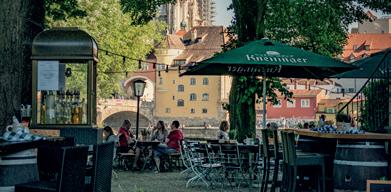
Beer garden. Photo: RTG, Beate Kidd
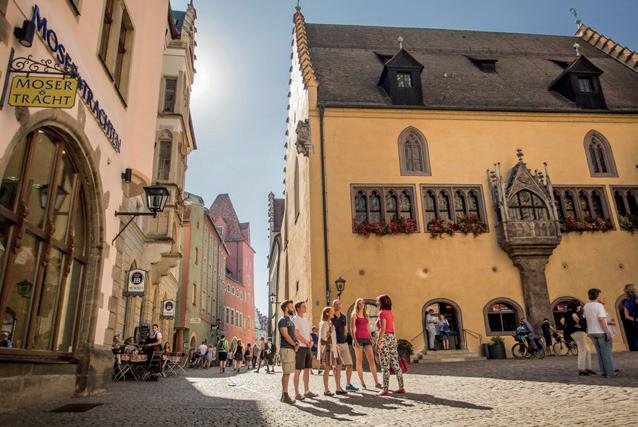
Old town hall. Photo: RTG, Katja Fouad Vollmer
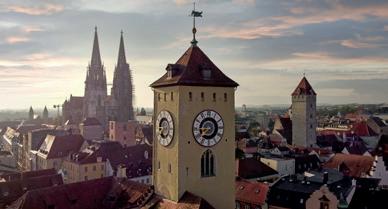
Aerial view of Regensburg. Photo: Bilddokumentation Stadt Regensburg
A LEGEND IN WINTER, A HIDDEN GEM IN SUMMER
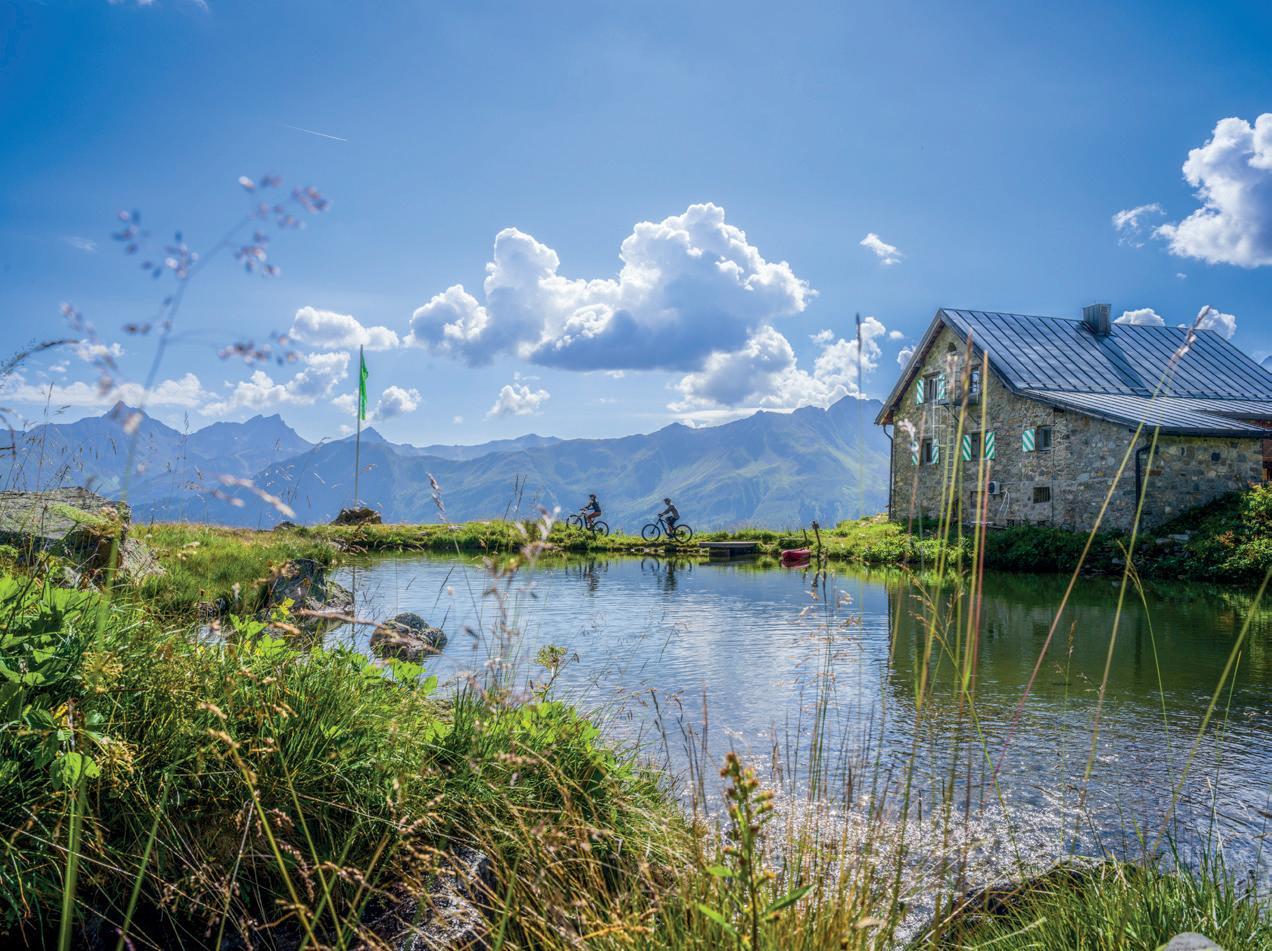
Nestled amidst the imposing Tyrolean Alps lies a region renowned far beyond its borders – the Paznaun valley with its four villages Galtür, Ischgl, Kappl, and See. While this high alpine region is a mecca for skiers, snowboarders and après-ski enthusiasts in winter, it transforms into a true paradise for nature lovers, adventurers, and those seeking tranquillity during the summer months.
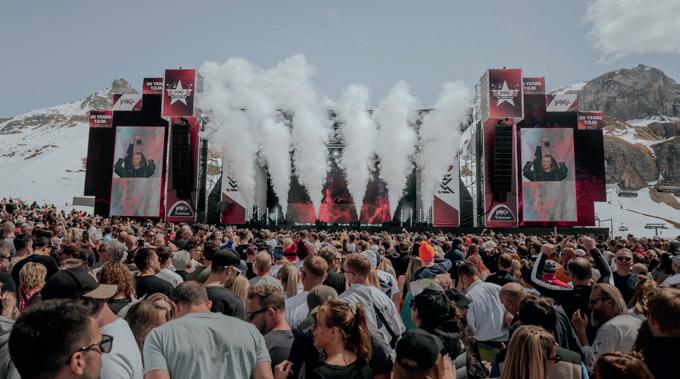
Ischgl and the Paznaun Valley are among the most renowned winter sport regions in the Alps, boasting an exceptionally wide range of activities. In addition to the expansive ski area of the Silvretta Arena Ischgl/Samnaun, guests can enjoy numerous activities, from winter hiking and cross-country skiing to wellness treatments and exclusive entertainment events. The successful combination of sporting opportunities and a luxurious lifestyle makes Ischgl a multifaceted and unique destination for a winter holiday.
However, the region is not only legendary when the snow falls, but also when the al-
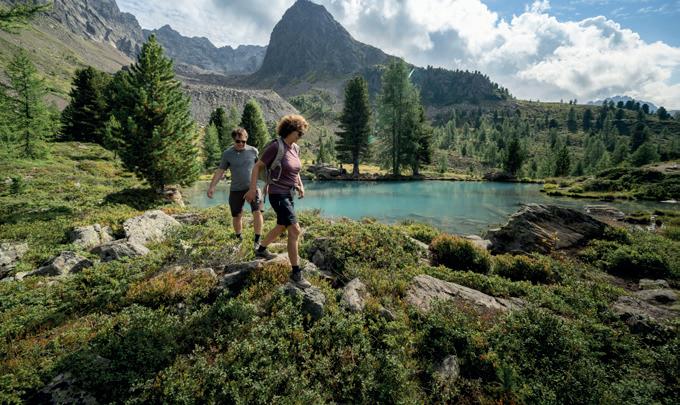
pine meadows show off their vibrant green. As soon as winter bids farewell, the region transforms into an oasis of peace, relaxation and activity. The healthy mountain air, the crystal-clear mountain lakes, the gentle rays
of sunshine on the skin, and the soft tinkling of cowbells accompany visitors on their walks through breathtaking nature.
A PARADISE FOR ACTIVE HOLIDAYMAKERS
Hikers will find over 1,000 kilometres of hiking trails and a wide network of routes, from family-friendly alpine hikes to challenging summit tours and multi-day tours for true mountaineers.
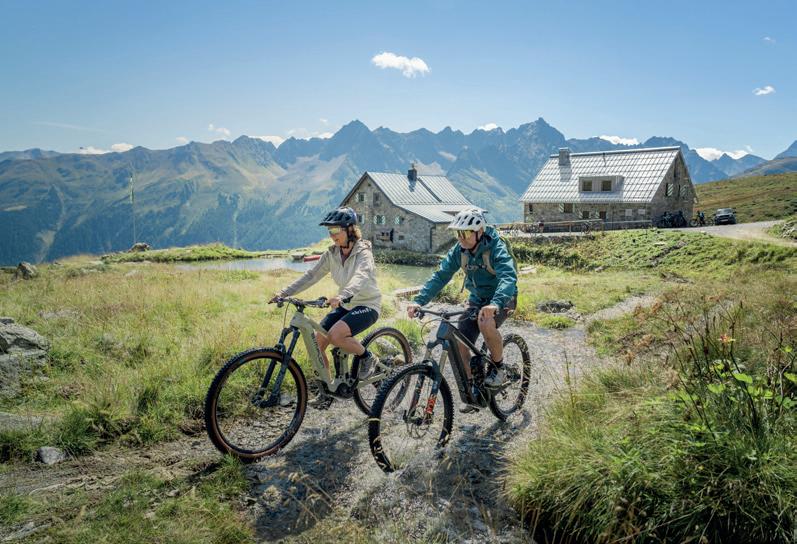
Mountain bikers will also find plenty to enjoy in the Paznaun valley, with around 800 kilometres of mountain bike trails. The Silvretta Bike Arena Ischgl/Samnaun boasts over 100 kilometres of cross-border trails, exhilarating downhill runs, and breathtaking alpine scenery, while the trails in the Silva Trails bike park in Galtür are ideal for beginners and families. Modern cable cars conveniently transport guests and their bikes to lofty heights, where
Friedrichshafener Hütte, Ischgl.
Silvretta Arena Ischgl/Samnaun.
IM WINTER LEGENDÄR, IM SOMMER EIN GEHEIMTIPP
Inmitten der imposanten Tiroler Alpen liegt eine Region, die weit über ihre Grenzen hinaus bekannt ist – das Paznaun mit den vier Orten Galtür, Ischgl, Kappl und See. Während die Hochalpine Region im Winter als Mekka für Skifahrer, Snowboarder und Après-Ski-Fans gilt, entpuppt sie sich in den Sommermonaten als wahres Paradies für Ruhesuchende, Naturliebhaber und Abenteurer.
Ischgl und das Paznaun zählt zu den renommiertesten Wintersportregionen der Alpen und begeistert im Winter mit einem außergewöhnlich breiten Angebot. Neben dem weitläufigen Skigebiet der Silvretta Arena Ischgl/ Samnaun können Gäste zahlreiche Winteraktivitäten genießen, von Winterwandern und Langlaufen bis hin zu Wellness-Angeboten und exklusiven Entertainment-Events. Die gelungene Kombination aus sportlichen Möglichkeiten und luxuriösem Lifestyle macht Ischgl zu einem facettenreichen und einmaligen Ziel für den Winterurlaub.
Aber die Region ist nicht nur legendär, wenn der Schnee fällt, sondern auch dann, wenn die Almwiesen in sattem Grün erstrahlen. Sobald der Winter sich verabschiedet, verwandelt sich die Region in eine Oase der Ruhe, Erholung und Aktivität. Die gesunde Bergluft, die klaren Bergseen, die sanften Sonnenstrahlen
auf der Haut und das leise Klingeln von Kuhglocken begleiten die Besucher auf ihren Wegen durch eine atemberaubende Natur, die in ihrer Ursprünglichkeit ihresgleichen sucht.
EIN PARADIES FÜR AKTIVURLAUBER
Wanderer finden hier über 1.000 km Wanderwege und ein weit verzweigtes Netz an Routen, von familienfreundlichen Almwanderungen bis hin zu anspruchsvollen Gipfeltouren und Mehrtagestouren für wahre Bergfexe.
Mountainbiker kommen im Paznaun mit rund 800 Kilometern Mountainbike-Strecken ebenfalls voll auf ihre Kosten. Die Silvretta Bike Arena Ischgl/Samnaun begeistert mit über 100 km grenzüberschreitenden Trails, rasanten Downhill-Strecken und einer atemberaubenden Alpenkulisse, während die Trails im Bikepark Silva Trails in Galtür für Einsteiger und Familien bestens geeignet sind. Moderne Seilbahnen
bringen Gäste samt Bike bequem in luftige Höhen, von wo aus sich atemberaubende Panoramen über das Paznaun und die umliegenden Gipfel eröffnen.
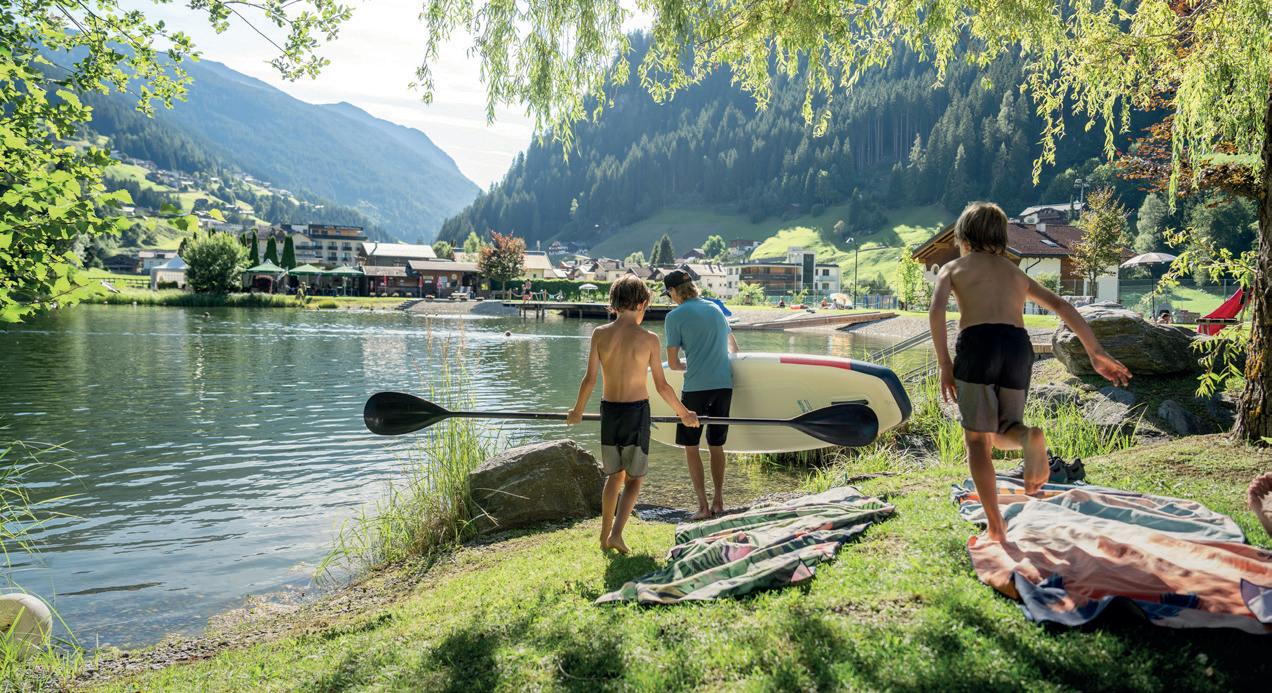
Im Paznaun erwartet Familien ausserdem ein abwechslungsreiches Abenteuerprogramm, das Groß und Klein begeistert. Die Region glänzt mit idyllischen Berg- und Badeseen, sowie mit Freizeitangeboten wie dem Sunny Mountain Erlebnispark in Kappl, der Vider Truja in Ischgl oder Seebis Bärenwelt in See. Hier werden die Natur zum Spielplatz und die Berge zum Erlebnisraum – ob bei Schatzsuchen, Lamawanderungen oder beim Bogenschießen. Wer nach mehr Nervenkitzel sucht, findet rasante Berg-Abfahrten mit speziellen Dreirad-Carts mit den Medrig Carts in See und den Sunny Mountain Carts in Kappl. Oder man wagt sich auf den Ischgl SKYFLY, eine Zipline, die mit 85 km/h über das Fimbatal ins Tal führt. So wird der Familienurlaub im Paznaun zu einem unvergesslichen Erlebnis voller Action und Naturgenuss. Wer es etwas ruhiger mag, sollte die Silvretta Therme Ischgl mit einer grossen In- und Outdoor-Pool-Landschaft und exklusiven Saunabereichen besuchen.
E-Bike & Hike Tour zur Friedrichshafenerhütte, Ischgl.
Klettersteig Ballunspitze, Galtür.
Vider Truja Erlebnispark, Ischgl.
breathtaking panoramic views of the Paznaun valley and the surrounding peaks unfold.
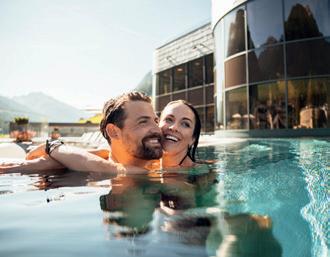
Families can also expect a diverse adventure programme that will delight young and old alike. The region boasts idyllic mountain lakes, as well as leisure activities such as the Sunny Mountain Adventure Park in Kappl, the Vider Truja in Ischgl, and Seebi’s Bear World in See. Here, nature and the mountains become playgrounds – whether on treasure hunts, llama treks, or during archery lessons. Those seeking more thrills will find exhilarating downhill runs on special three-wheeled carts with Medrig Carts in See and Sunny Mountain Carts in Kappl. Or you can dare to try the Ischgl SKYFLY, a zipline that takes you across the Fimba Valley down to the valley at 85 km/h. A family vacation in the Paznaun valley thus becomes an unforgettable experience full of action and nature. Those who prefer a more relaxed atmosphere should visit the Silvretta Therme Ischgl, which features a large indoor and outdoor pool area and exclusive sauna facilities.
A GOURMET’S PARADISE
For gourmets, the Paznaun valley has much to offer beyond its hiking and biking trails. The regional cuisine delights with traditional delicacies such as Tyrolean Gröstl, Kaiserschmarrn, or a hearty "Marend". Many of the restaurants and mountain huts are familyrun businesses that place great emphasis on quality and regionality. Furthermore, the region boasts an exceptionally high concentration of award-winning restaurants. The Culinary Paznaun event series, running from July to October, combines alpine tradition with modern haute cuisine, offering unique culinary
experiences in select mountain huts. During the hut festivals, seven gourmet chefs and the #YoungChefsPaznaun each take on the patronage of a hut and present a special summer dish.
Aside from the culinary highlights, guests in Paznaun can also look forward to numerous other events during the summer season. For example, the Medrig Alm will host the Summer Opening in See on 27 June, featuring pop star Hansi Hinterseer. Sports enthusiasts can look forward to the Paznaun Ischgl Ultra Trail from 10-11 July. Families will find plenty to enjoy at the Sunny Mountain Summer Festival on 26 July. Other highlights include the 31st Ischgl Ironbike on 7 and 8 August, the Silvretta Ferwall March on 22 August, and the E-Bike World Championship for everyone from 3-5 September. Lovers of tradition and regional cuisine can experience authentic Tyrolean customs at the Paznaun Market Day on 29 August.
Anyone who thinks the Paznaun valley is only worth a visit in winter is sorely mistaken. The warmer months truly reveal the region's hidden treasures. Summer in Ischgl means unspoiled nature, warm encounters, and a diverse range of activities. Those seeking something special will find it here, where hospitality and alpine joie de vivre meet. In short: a hidden gem for anyone looking for something extraordinary.
www.ischgl.com
Silvretta Card Premium
The Silvretta Card Premium offers numerous extras and discounts in summer, including unlimited use of the mountain railways and public transport.
Top events in summer 2026
• Summer Opening See mit Hansi Hinterseer: 27 June
• Culinary Paznaun: 3 July – 4 October
• Senderscup Galtür: 4 – 5 July
• PIUT | Paznaun Ischgl Ultra Trail: 10 – 11 July
• Sunny Mountain Sommerfest: 26 July
• Ischgl Ironbike: 7 – 8 August
• Fest am Berg: 15 August
• Silvretta Ferwall Marsch: 22 August
• Paznaun Market Day: 29 August
• E-Bike World Championship: 3 – 5 September
• Schlagernacht in See: 25 September
• The International Alpine Cheese Olympics (Internationale Almkäseolympiade): 26 September
• Golden Summits: 29 August – 4 October
Berglisee Lake, Ischgl.
Top of the Mountain Concert, Ischgl Stage auf der Idalp, Ischgl.
ALLES FÜR GOURMETS
Für Genussmenschen hat das Paznaun auch abseits der Wanderwege und Biketrails einiges zu bieten. Die regionale Küche verwöhnt mit traditionellen Schmankerln wie Tiroler Gröstl, Kaiserschmarrn oder einer herzhaften „Marend“. Viele der hervorragenden Restaurants und Hütten sind Familienbetriebe, die großen Wert auf Qualität und Regionalität legen. Zudem hat die Region eine außergewöhnlich hohe Dichte an mit Hauben und Sternen ausgezeichneten Lokalen. Die Eventreihe „Kulinarisches Paznaun“ vereint zudem von Juli bis Oktober alpine Tradition mit moderner Spitzenküche und bietet einzigartige Genussmomente in ausgewählten Hütten. Bei den Hüttenfesten übernehmen sieben Gourmetköche und die #YoungChefsPaznaun die Patenschaft für jeweils eine Hütte und präsentieren ein besonderes Sommergericht.
Abgesehen von den kulinarischen Höhepunkten dürfen sich Gäste im Paznaun auch in der Sommersaison auf zahlreiche weitere Veranstaltungen freuen. So wird die Medrig Alm am 27. Juni zum Schauplatz des Sommer Openings in See mit Schlagerstar Hansi Hinterseer. Sportbegeisterte erwartet vom 10. bis 11. Juli der Paznaun Ischgl Ultra Trail, der die Tiroler Alpen in eine spektakuläre Bühne für Trailrunner verwandelt. Familien kommen
beim Sunny Mountain Sommerfest am 26. Juli voll auf ihre Kosten. Zu den weiteren Highlights zählen unter anderem der 31. Ischgl Ironbike am 7. und 8. August, der Silvretta Ferwall Marsch am 22. August sowie die E-Bike WM für Jedermann vom 3. bis 5. September. Liebhaber von Tradition und regionaler Kulinarik erleben beim Paznauner Markttag am 29. August echtes Tiroler Brauchtum.
Wer also denkt, das Paznaun sei nur im Winter eine Reise wert, der irrt sich gewaltig. Gerade die warme Jahreszeit offenbart die verborgenen Schätze der Region, fernab vom Trubel der Skisaison. Sommer in Ischgl bedeutet Natur pur, herzliche Begegnungen und eine Vielfalt an Aktivitäten – ob sportlich, genussvoll oder ganz entspannt. Wer das Besondere sucht, findet es hier, wo Gastfreundschaft und alpine Lebensfreude aufeinander-
treffen. Kurz: ein Geheimtipp für alle, die das Außergewöhnliche suchen.
www.ischgl.com
Silvretta Card Premium
Die Silvretta Card Premium bietet im Sommer zahlreiche Extras und Vergünstigungen, darunter unlimitierte Nutzung der Bergbahnen und öffentlichen Verkehrsmittel.
Top Events im Sommer 2026
• Sommer Opening See mit Hansi Hinterseer: 27. Juni
Nuremberg is one of those cities that effortlessly brings together past and present. Its medieval Old Town, with its winding streets, the imposing Imperial Castle and the well-preserved city walls all speak of a rich and layered history. At the same time, Nuremberg presents itself as a modern metropolis with a vibrant cultural and thriving culinary scene.
A first visit to the city inevitably leads to the Imperial Castle, Nuremberg’s most iconic landmark. Perched high above the rooftops, it offers not only sweeping views but also fascinating insights into the era of the Roman Emperors. Equally worth a visit is the Handwerkerhof near the Königstor, where traditional crafts are still practised in an atmospheric, almost time-warp setting. The Hauptmarkt with the Frauenkirche, the Albrecht Dürer House and a wide range of museums further enrich the city’s historical appeal.
Nuremberg has a remarkable ability to combine cultural heritage with contemporary ideas, creating a city experience that feels both authentic and versatile. One of its standout features is the culinary diversity. Alongside classics such as Nuremberg sausages and gingerbread, the city has quietly developed into a real insider tip for fine dining. It is home to numerous Gault &
Millau-awarded establishments as well as eight Michelin-starred restaurants, giving it one of the highest concentrations of stars per capita among Germany’s major cities. Open kitchens, personal encounters with chefs and intimate restaurant concepts
create a distinctive atmosphere and offer guests a direct insight into the culinary craft.
A key factor in this is the close relationship between the city and its surrounding agriculture. Just beyond Nuremberg lies the Knoblauchsland (Garlic Country), one of Germany’s largest contiguous vegetable-growing regions, supplying many of the ingredients used in the city’s kitchens. This is complemented by traditional fish farming and the orchards of nearby Franconian Switzerland. The proximity to fresh, seasonal produce shapes the city’s cuisine and reflects a genuinely lived farm-to-table philosophy.
Culturally, Nuremberg impresses with a varied events calendar. From major music festivals to long-established traditions, the city offers a rich programme that attracts visitors from around the world throughout the year.
Whether for a short city break or a longer stay, Nuremberg brings together history, culture and cuisine in a way that feels cohesive, contemporary and memorable.
tourismus.nuernberg.de/en
Imperial Castle.
Photo: Kristof Göttling
Fine dining in Nuremberg.
Photo: Christopher Civitillo
KULTUR- UND GENUSSLANDSCHAFT VOR HISTORISCHER KULISSE
Nürnberg zählt zu den Städten, die Vergangenheit und Gegenwart wunderbar miteinander verbinden. Die mittelalterliche Altstadt mit ihren verwinkelten Gassen, die imposante Kaiserburg und die gut erhaltene Stadtmauer erzählen von einer reichen Geschichte. Gleichzeitig präsentiert sich Nürnberg als moderne Metropole mit einem vielseitigen kulturellen und kulinarischen Angebot.
Ein erster Besuch in Nürnberg führt unweigerlich zur Kaiserburg, dem Wahrzeichen der Stadt. Hoch über den Dächern Nürnbergs gelegen, bietet sie nicht nur einen beeindruckenden Ausblick, sondern auch spannende Einblicke in die Zeit der römisch-deutschen Kaiser. Ebenso sehenswert ist der Handwerkerhof am Königstor, wo traditionelles Kunsthandwerk in authentischer Atmosphäre lebendig wird. Der Hauptmarkt mit der Frauenkirche, das Albrecht-Dürer-Haus und zahlreiche Museen ergänzen das historische Erlebnis.
Nürnberg versteht es, sein kulturelles Erbe mit zeitgemäßen Konzepten zu verbinden und so ein vielseitiges, authentisches Stadterlebnis zu schaffen. Ein besonderes Highlight ist die kulinarische Vielfalt. Neben Klassikern wie Nürnberger Rostbratwürsten und Lebkuchen hat sich die Stadt in den vergangenen Jahren zu einem echten Geheimtipp für Fine Dining entwickelt. Man findet hier zahlreiche von Gault & Millau prämierten Betrieben und gleich acht Michelin-ausgezeichnete Restaurants, was eine der höchsten
Sternedichten pro Kopf unter den deutschen Großstädten ist. Offene Küchen, persönliche Begegnungen sowie intime Restaurantkonzepte schaffen eine besondere Atmosphäre
und ermöglichen Gästen einen unmittelbaren Einblick in die kulinarische Arbeit.
Eine große Rolle spielt hier die enge Verbindung von Stadt und regionaler Landwirtschaft. Direkt vor den Toren Nürnbergs erstreckt sich mit dem Knoblauchsland eines der größten zusammenhängenden Gemüseanbaugebiete Deutschlands, aus dem viele der Zutaten für die städtische Gastronomie stammen. Ergänzt wird diese kulinarische Vielfalt durch traditionelle Fischwirtschaft sowie die Streuobstwiesen der Fränkischen Schweiz. Die Nähe zu frischen, saisonalen Produkten prägt die Nürnberger Küchen und steht für eine konsequent gelebte „From farm to table“-Philosophie.
Auch kulturell überzeugt Nürnberg mit einem abwechslungsreichen Veranstaltungskalender. Von großen Musikfestivals bis hin zu traditionsreichen Events entsteht ein buntes Programm, welches das ganze Jahr über Besuchende aus aller Welt anzieht.
Ob für einen Kurztrip oder einen längeren Aufenthalt: Nürnberg vereint Geschichte, Genuss und Kultur zu einem stimmigen Gesamtbild, das sich auch durch digitale Angebote auf neue Weise erschließen lässt und lange in Erinnerung bleibt.
tourismus.nuernberg.de
Musikfestival in der Katharinenruine. Foto: Jonas Listl Burggarten. Foto: Kristof Göttling
Historische Bratwurstküche: Mittagessen im Zum Gulden Stern. Foto: Kristof Göttling
FOUR COUNTRIES, ONE LAKE, ENDLESS POSSIBILITIES
Lake Constance, in the heart of Europe, brings together four countries in one unique region where diversity and proximity exist side by side. Each country contributes its own character: historic towns and a vibrant lakeside culture in Germany, alpine panoramas and cultural highlights in Austria, refined hospitality and immersive nature in Switzerland, and princely charm in Liechtenstein.
The lake’s international setting shapes the experience in a way that few other destinations can. In a single day, visitors can explore four distinct cultures – from a leisurely breakfast along the German promenade to a hearty lunch in Austria, followed by delicate cakes in Switzerland and a gourmet dinner in Liechtenstein. Different cuisines, traditions and ways of life blend seamlessly into a journey rich in contrast and inspiration.
Among the highlights are a boat trip across the lake, a visit to the flower island of Mainau or the Lake Constance Gardens, and historic landmarks such as Meersburg Castle, the oldest inhabited castle in Germany. Three stunning UNESCO World Heritage Sites (the Island of Reichenau, the Abbey District of St Gallen and the prehistoric pile dwellings) reflect the
region’s cultural significance. Charming old towns such as Lindau, Constance and St Gallen invite exploration, as do natural wonders like the Rhine Falls. The cultural offering is equally impressive, ranging from museums to the world-renowned Bregenz Festival.
What makes Lake Constance truly special is the harmonious interplay between na-
ture and culture. The landscape forms the foundation and is carefully protected, while cultural experiences are thoughtfully woven into it. Many events use nature itself as a stage, while historic towns sit right on the water, making the lake an integral part of everyday cultural life.
A particular highlight is the island of Mainau. With its magnificent gardens, one of Germany’s largest butterfly houses and a wide range of attractions for families – from adventure playgrounds to a farm – it offers something for all generations. At the same time, the island provides an exceptional setting for celebrations, weddings and cultural events.
Lake Constance is certainly not just a summer destination. Whether in spring, when everything is in bloom, in autumn with its golden hues, or in winter with thermal spas, Christmas markets and nearby ski resorts, the region captivates visitors all year round.
www.bodensee.eu/en
Taking the shipt to Mainau Island. Photo: Bjoern Jansen, Mainau GmbH
Pfänderbahn. Photo: Timo Hummel
VIER LÄNDER, EIN SEE, UNZÄHLIGE MÖGLICHKEITEN
Der Bodensee im Herzen Europas verbindet vier Länder zu einer einzigartigen Region, die Vielfalt und Nähe auf besondere Weise vereint. Jedes Land bringt seinen eigenen Charakter mit: historische Städte und lebendige Uferkultur in Deutschland, alpines Panorama und kulturelle Highlights in Österreich, stilvolle Gastlichkeit und Naturerlebnisse in der Schweiz sowie fürstlicher Charme in Liechtenstein.
Die internationale Lage prägt den Bodensee wie kaum eine andere Region. An nur einem Tag lassen sich gleich vier verschiedene Kulturen entdecken: vom leckeren Frühstück an der deutschen Promenade über ein herzhaftes Mittagessen in Österreich bis hin zu feinen Kuchen in der Schweiz und einem abendlichen Gourmet-Dinner Liechtenstein. Unterschiedliche Küchen, Traditionen und Lebensweisen verschmelzen so zu einer Reise voller Kontraste und Inspiration.
Kultur. Die Landschaft bildet die Grundlage und wird bewusst geschützt, während sich kulturelle Angebote organisch einfügen. Viele Veranstaltungen nutzen die Natur selbst als Bühne, historische Orte liegen direkt am Wasser und machen den See zum integralen Bestandteil des kulturellen Lebens.
Ein besonderes Highlight ist die Insel Mainau. Mit ihren prachtvollen Gärten, einem der größten Schmetterlingshäuser Deutschlands und dem vielfältigen Angebot für Familien –vom Kinderland bis zum Bauernhof – ist sie ein Ort für alle Generationen. Gleichzeitig bietet die Insel eine außergewöhnliche Kulisse für Feste, Hochzeiten und kulturelle Veranstaltungen.
Der Bodensee ist dabei längst kein reines Sommerziel mehr. Ob blühendes Frühjahr, goldener Herbst oder entspannter Winter mit Thermen, Weihnachtsmärkten und nahegelegenen Skigebieten – die Region begeistert das ganze Jahr über.
Was den Bodensee besonders macht, ist das harmonische Zusammenspiel von Natur und
Zu den absoluten Highlights zählen eine Schifffahrt über den See, der Besuch der Blumeninsel Mainau oder der Bodenseegärten sowie historische Orte wie die Burg Meersburg, die als älteste bewohnte Burg Deutschlands gilt. Gleich drei UNESCO-Welterbestätten (Insel Reichenau, Stiftsbezirk St. Gallen und die prähistorischen Pfahlbauten) zeugen von der kulturellen Bedeutung der Region. Charmante Altstädte wie Lindau, Konstanz oder St. Gallen laden ebenso zum Entdecken ein wie Naturwunder wie der Rheinfall. Auch kulturell hat die Region einiges zu bieten: von Museen bis zu den weltberühmten Bregenzer Festspielen.
www.bodensee.eu
Schmetterlingshaus auf der Insel Mainau. Foto: Bjoern Jansen, Mainau GmbH
Radfahren und Weinberge am deutschen Ufer. Foto: Dietmar Denger
Insel Mainau. Foto: Achim Mende
ENJOYING A SLOWER PACE AT LAKE ACHENSEE
Achenseeschifffahrt offers an unparalleled combination of unique nature experiences, relaxation, special moments of enjoyment, and lived tradition. The company invites guests to leave everyday life behind on Lake Achensee, Tyrol's largest lake, while enjoying the breathtaking scenery of the Karwendel and Rofan mountains.
The diverse range of leisure activities makes Lake Achensee one of Tyrol's most beautiful destinations – ideal for those seeking relaxation and active holidays alike. One of the best ways to explore the region's natural beauty is on one of the ships in the modern, comfortable fleet of Achenseeschifffahrt.
The first step aboard via the new, comfortable jetties reveals a breathtaking view: the crystal-clear, turquoise waters of Lake Achensee shimmer in the sun, framed by the imposing peaks that surround the lake. The ships offer spacious seating areas, panoramic decks, and a pleasant atmosphere provided by the team that ensures every guest feels completely at ease on board. A particular highlight, according to Dr. Sandra Woglar-Meyer of GF Achenseeschifffahrt-GmbH, is the exclusive SkyDeck on MS Stadt Innsbruck, which offers
spectacular views of the lake and the surrounding mountains, and can be booked for exclusive events.
In its culinary offerings, Achenseeschifffahrt focuses on quality, regionality and freshness. Guests can look forward to Tyrolean specialties and seasonal dishes on board. "The diverse themed cruises are particularly recommended," adds Woglar-Meyer. Culinary highlights include, for example, the atmospheric evening cruises at sunset, with exclusive service and culinary delights – perfect for relaxing and unwinding.
For other special moments, especially for groups, Achenseeschifffahrt offers the Genusslinie (gourmet line), a relaxed round trip without stops. Musical events on board are also popular. And for those seeking a truly
unique experience, charter cruises are available – ideal for company parties, weddings, or private celebrations.
“Whether you choose a sightseeing tour, a themed cruise, or a customised experience, every trip offers a unique perspective on the region and invites you to unwind,” concludes Woglar-Meyer. Achenseeschifffahrt's boat trips represent relaxed travel and special moments of enjoyment, 365 days a year. Just hop aboard, sit back, and savour the exceptionally beautiful atmosphere of Lake Achensee.
www.achenseeschifffahrt.at
ENTSCHLEUNIGEN UND GENIESSEN AM ACHENSEE
Die Achenseeschifffahrt verbindet auf unvergleichliche Weise einzigartige Naturerlebnisse, Entspannung, besondere Genussmomente und gelebte Tradition. Das Unternehmen lädt Gäste ein, auf Tirols größtem See, dem Achensee, den Alltag hinter sich zu lassen und die beeindruckende Kulisse zwischen Karwendel- und Rofangebirge in vollen Zügen zu genießen.
Die vielseitigen Freizeitmöglichkeiten machen den Achensee zu einem der schönsten Ausflugsziele Tirols – ideal für Erholungssuchende und Aktivurlauber gleichermaßen. Eine der schoensten Arten die natuerliche Schoenheit der Region zu erkunden ist auf einem der Schiffe der modernen Komfortflotte der Achenseeschifffahrt.
Schon beim ersten Schritt an Bord über die neuen, komfortablen Steganlagen eröffnet sich ein atemberaubender Blick: Das kristallklare, türkisfarbene Wasser des Achensees glitzert in der Sonne, eingerahmt von den imposanten Gipfeln, die den See umranden. Die Schiffe bieten großzügige Sitzbereiche, Panoramadecks und eine angenehme Atmosphäre, sodass jeder Gast sich an Bord rundum wohlfühlt. Ein besonderes Highlight, laut Dr. Sandra Woglar-Meyer von der GF Achenseeschifffahrt-GmbH, ist das exklusive SkyDeck
auf dem Linienschiff MS Stadt Innsbruck, das spektakuläre Ausblicke über den See und die Berglandschaft ermöglicht und für exklusive Anlässe gebucht werden kann.
Kulinarisch setzt die Achenseeschifffahrt auf Qualität, Regionalität und Frische. Gäste dürfen sich nämlich auf Tiroler Spezialitäten sowie saisonale Gerichte freuen. „Besonders empfehlenswert sind die vielfältigen Themenfahrten”, fügt Woglar-Meyer hinzu. Als kulinarische Highlights gelten hier beispielsweise die
stimmungsvollen Abendfahrten bei Sonnenuntergang, mit exklusivem Service und kulinarischen Köstlichkeiten – perfekt, um die Seele baumeln zu lassen.
Für weitere besondere Momente, vor allem für Gruppen, bietet die Achenseeschifffahrt die Genusslinie an, eine entspannte Rundfahrt ohne Zwischenstopps. Auch musikalische Events an Bord sind gefragt. Und wer ein ganz individuelles Erlebnis sucht, kann auf die Charterschifffahrt zurückgreifen – ideal für Firmenfeiern, Hochzeiten oder private Feste.
„Rundfahrten, Themenfahrten oder individuelle Erlebnisse: Jede Fahrt bietet eine besondere Perspektive auf die Region und lädt zum Abschalten ein”, sagt Woglar-Meyer abschliessend. Die Achenseeschifffahrt steht für entschleunigtes Reisen und besondere Genussmomente, und das an 365 Tagen im Jahr. Einsteigen, zurücklehnen und die außergewöhnlich schöne Atmosphäre am Achensee genießen.
www.achenseeschifffahrt.at
BAYREUTH: CULTURE, NATURE AND FRANCONIAN LIFESTYLE
Between historic architecture, a vibrant cultural scene and idyllic natural surroundings, Bayreuth reveals its unique charm. The city offers ideal conditions for a varied and relaxing getaway, whether for a weekend trip, a family holiday, or a cultural journey of discovery. Here, tradition, hospitality, and a strong sense of local identity come together to create a memorable travel experience.
Bayreuth gained international recognition primarily through the composer Richard Wagner, whose works continue to shape the city’s cultural life to this day. A major highlight is the magnificent Margravial Opera House, a UNESCO World Heritage Site and one of the best-preserved Baroque theatres in Europe. Equally impressive is the New Palace of Margravine Wilhelmine, surrounded by its idyllic court garden, perfect for relaxed strolls. The historic city centre, with its small boutiques, cafés and restaurants, creates a welcoming atmosphere for exploring, while numerous museums offer insights into the city’s rich history.
A central aspect of life in Bayreuth is its diverse programme of events, which takes place throughout the year. In 2026, a special anniversary takes centre stage: 150 years of
the Bayreuth Festival. This milestone commemorates the first performance in 1876 and honours the long-standing tradition of this unique opera festival. Visitors can look forward to special productions as well as a wide-ranging accompanying programme with exhibitions, concerts, and cultural events across the city and surrounding region.
Beyond this anniversary, Bayreuth continues to offer a rich calendar of events, from family-friendly activities to music and cultural festivals. Traditional celebrations ensure a lively atmosphere in every season, while summer brings concerts, regional markets, and open-air events. At the same time, Bayreuth is an excellent starting point for outdoor adventures such as hiking and cycling in Franconian Switzerland and the Fichtel Mountains.
Bayreuth also delights visitors with its culinary traditions. Upper Franconia is one of the most beer-rich regions in the world, and Bayreuth lies at its heart. Traditional breweries, cosy beer gardens, and regional specialties reflect authentic Franconian cuisine.
Bayreuth combines outstanding culture, hospitality, and beautiful landscapes, making it a destination that leaves lasting impressions all year round.
www.bayreuth-tourismus.de/en
The Hermitage’s Temple of the Sun. Photo: Bayreuth Marketing & Tourismus GmbH Aerial view of the Festival Theatre. Photo: Mikhail Butovskiy
Wahnfried House in spring. Photo: Mikhail Butovskiy
BAYREUTH: KULTUR, NATUR UND FRÄNKISCHE LEBENSART
Zwischen historischer Architektur, lebendiger Kulturszene und idyllischer Natur entfaltet Bayreuth seinen ganz besonderen Charme. Die Stadt bietet die idealen Voraussetzungen für eine abwechslungsreiche Auszeit, sei es bei einem entspannten Wochenendtrip, einem Familienausflug oder einer kulturellen Entdeckungsreise. Hier verbinden sich Tradition, Gastfreundschaft und Lebensfreude zu einem einzigartigen Reiseerlebnis.
International bekannt wurde Bayreuth vor allem durch den Komponisten Richard Wagner, dessen Werke das kulturelle Leben bis heute prägen. Ein weiteres Highlight ist das prachtvolle Markgräfliches Opernhaus, ein UNESCOWelterbe und eines der schönsten erhaltenen Barocktheater Europas. Ebenso beeindruckend ist das Neue Schloss der Markgräfin Wilhelmine mit seinem idyllischen Hofgarten, der zu entspannten Spaziergängen einlädt. Die historische Innenstadt mit kleinen Boutiquen, Cafés und Restaurants schafft eine angenehme Atmosphäre zum Flanieren und Verweilen. Darüber hinaus bieten zahlreiche Museen die Möglichkeit, in die Geschichte der Stadt einzutauchen und vergangene Zeiten wieder lebendig werden zu lassen.
Ein zentraler Bestandteil des Bayreuther Lebens ist das vielfältige Veranstaltungsprogramm, welches sich über das gesamte Jahr
erstreckt. Im Jahr 2026 steht ein besonderes Jubiläum im Mittelpunkt: 150 Jahre Bayreuther Festspiele. Es erinnert an die erste Aufführung im Jahr 1876 und würdigt die lange Tradition dieses einzigartigen Opernfestivals. Zum Jubiläumsjahr dürfen sich Gäste auf besondere Inszenierungen sowie ein vielfältiges Rahmenprogramm freuen –mit Ausstellungen, Konzerten und kulturellen Veranstaltungen in der ganzen Stadt und der Umgebung.
Doch nicht nur im Jubiläumsjahr bietet Bayreuth ein vielfältiges Veranstaltungsprogramm. Familienfreundliche Events sowie Musik- und Kulturveranstaltungen begeistern Gäste jeden Alters. Traditionelle Feste tragen dazu bei, dass die Stadt zu jeder Jahreszeit lebendig und gastfreundlich wirkt. Besonders im Sommer prägen Konzerte, regionale Märkte und Open-Air-Events das Stadtbild. Gleich-
zeitig ist Bayreuth ein idealer Ausgangspunkt für Naturerlebnisse - etwa für Wanderungen und Radtouren in der Fränkischen Schweiz und im Fichtelgebirge.
Kulinarisch hat die Stadt ebenfalls viel zu bieten. Der Bezirk Oberfranken gilt als eine der bierreichsten Regionen der Welt – und Bayreuth liegt mittendrin. Traditionelle Brauereien, gemütliche Biergärten und regionale Spezialitäten wie Fränkische Bratwürste oder deftige Brotzeiten spiegeln die authentische Genusskultur der Region wider.
Bayreuth vereint große Kultur mit fränkischer Gastfreundschaft und einer beeindruckenden Landschaft – eine Destination, die Tradition und Lebensfreude verbindet und zu jeder Jahreszeit unvergessliche Eindrücke hinterlässt.
www.bayreuth-tourismus.de
Neues Schloss. Foto: Ramona Schirner
Sonniger Herkulesbrunnen am Marktplatz. Foto: Mikhail Butovskiy
Bratwurst und Wagner. Foto: Bayreuth Marketing & Tourismus GmbH
REFUGE DU GRAMMONT: A HIDDEN GEM IN SWITZERLAND’S PREALPS
Tucked away in the heart of the Swiss Prealps, Refuge du Grammont is much more than just a mountain retreat. Situated by Lac de Taney at 1,400 metres of altitude, amidst a protected natural reserve, the guesthouse and restaurant is a sanctuary where time slows and nature takes centre stage.
Accessible only on foot, a brisk hour’s hike is all it takes to leave the everyday behind and find yourself immersed in a little slice of alpine paradise. Originally a private residence dating back to 1887, Refuge du Grammont has, since the 20th century, opened its doors as a haven for hikers and nature lovers.
The current owners Manuel Micoli and Raphaëlle Herrmann, who took over in 2013, have breathed new life into the building, renovating and modernising it, and transforming it into a comfortable base with both individual rooms and dormitories. Today, as Manuel explains, the refuge “stands as the ideal starting point for two or three days of hiking, or as a restful stop along the famed Route 6 of the Swiss alpine passes.”
From nearby Lac de Taney, hikers can embark on trails leading to renowned summits such as Le Grammont and Cornettes de Bise, each offering breathtaking views over Lake Geneva and the surrounding Léman basin. In summer, the landscape bursts into life, with lush meadows, crystal-clear streams, and an
atmosphere of calm that feels worlds away from the bustle below.
What makes Refuge du Grammont stand out, however, is not just its natural setting but its culinary offerings. Everything served here is homemade, crafted from Swiss products and proudly bearing the Swiss Fait Maison label. The kitchen delights guests with a vast selection of regional wines, and even the ice creams are made in-house with milk from local alpine cows, according to Raphaëlle. This dedication to authenticity and quality means that visitors can enjoy a taste of Switzerland as pure as the mountain air that surrounds the guesthouse.
Whether seeking a quiet getaway or an active adventure, its blend of homemade cuisine, Swiss wines, and tranquil alpine scenery makes Refuge du Grammont a destination not to be missed year-around.
www.le-grammont.ch
View of Lac de Taney and Lake Geneva from Chambairy mountain. Photo: Yan Follonier
The restaurant.
REFUGE DU GRAMMONT: EIN VERSTECKTES JUWEL IN DEN SCHWEIZER VORALPEN
Eingebettet in die Schweizer Voralpen ist das Refuge du Grammont weit mehr als nur eine Berghütte. Direkt am Lac de Taney auf 1.400 Metern Höhe, inmitten eines Naturschutzgebietes gelegen, bietet das Gästehaus mit Restaurant einen Ort der Ruhe, an dem die Zeit stillzustehen scheint und die Natur im Mittelpunkt steht.
Nur zu Fuß erreichbar, genügt eine einstündige Wanderung, um den Alltag hinter sich zu lassen und in ein kleines alpines Paradies einzutauchen. Das Refuge du Grammont, ursprünglich ein Privathaus aus 1887, öffnet seit dem 20. Jahrhundert seine Pforten als Zufluchtsort für Wanderer und Naturliebhaber.
Die heutigen Eigentümer Manuel Micoli und Raphaëlle Herrmann, die die Hütte 2013 übernahmen, haben dem Gebäude neues Leben eingehaucht, es renoviert und modernisiert und in eine komfortable Unterkunft mit Einzelzimmern und Schlafsälen verwandelt. Wie Manuel erklärt, dient die Hütte heute „als idealer Ausgangspunkt für zwei- oder dreitägige Wanderungen oder als erholsamer Zwischenstopp entlang der berühmten Route 6 der Schweizer Alpenpässe“.
Vom nahegelegenen Lac de Taney aus können Wanderer auf Pfaden zu bekannten Gip-
feln wie Le Grammont und den Cornettes de Bise aufbrechen, die jeweils atemberaubende Ausblicke über den Genfersee und das umliegende Léman-Becken bieten. Im Sommer erwacht die Landschaft zu neuem Leben und fasziniert mit üppigen Wiesen, kristallklaren
Bäche und einer Atmosphäre der Ruhe, die sich, fernab vom Trubel, ganz wie eine andere Welt anfühlt.
Was das Refuge du Grammont jedoch so besonders macht, ist nicht nur seine traumhafte Lage, sondern auch sein kulinarisches Angebot. Alles, was hier serviert wird, ist hausgemacht, wird aus Schweizer Produkten hergestellt und trägt stolz das Schweizer Label Fait Maison. Die Küche verwöhnt die Gäste mit einer großen Auswahl an regionalen Weinen, und selbst das Eis wird, laut Raphaëlle, mit Milch von Kühen aus den umliegenden Alpen selbst produziert. Dieses Engagement für Authentizität und Qualität ermöglicht es den Besuchern, die Schweiz so pur zu genießen wie die Bergluft, die das Gästehaus umgibt.
Die Mischung aus hausgemachter Küche, Schweizer Weinen und der beschaulichen Alpenkulisse macht das Refuge du Grammont zu einem besonderen Reiseziel, das im ganzen Jahr zum Highlight wird.
www.le-grammont.ch
Refuge du Grammont.
Ein Doppelzimmer.
Der Schlafsaal.
Ein Viererzimmer.
The Bülk lighthouse in Strande. Photo: Tourismus-Agentur Schleswig-Holstein GmbH
COASTAL MAGIC AND FISH DELIGHTS: A CULINARY ADVENTURE ALONG THE BALTIC SEA
Along Schleswig-Holstein’s Baltic Sea coast, you will find charming villages, sweeping stretches of sand, stylish hotels, and inviting restaurants and beach huts. Yet, there is one delicious thread weaving through them all: the beloved fish roll. It is a local passion that no visitor to this part of Germany can possibly ignore.
TEXT: NANE STEINHOFF
Growing up in Germany’s northernmost state Schleswig-Holstein, and after more than a decade living in England, my homecoming ritual has never changed: the very first – and last – thing I eat is a pickled herring sandwich, or as we fondly call it, a Matjesbrötchen. My English husband remains utterly baffled by it. I have long since stopped trying to coax him into even a tentative nibble, but for me, it is so much more than a sandwich. Each bite is a memory, conjuring up endless, sandy days at the beach with my grandma, countless chilly swims in the clear, placid waters of the Baltic Sea, and laughter-filled parties in the dunes as a teenager. No matter the season or stage of life, there was always a Fischbrötchen (fish roll) within easy reach. The fish roll has become much more than just a snack; it is a true taste of the Baltic coast and a cherished part of its traditions.
HUMBLE BEGINNINGS
The fish roll originated in the 19th century as an inexpensive, hearty snack for dockworkers and fishermen along the German North Sea and Baltic Sea coasts. Closely tied to the fishing industry, it evolved from a simple meal for labourers into a popular maritime cultural icon. Typical ingredients include pickled fish (matjes, Bismarck herring), onions, and gherkins served in a bread roll. Other fish commonly sold in fish rolls are smoked salmon, smoked mackerel, or Nordseekrabben (brown shrimp), amongst many other tasty variations. Whether enjoyed by locals or by visitors look-
ing to sample authentic northern German fare, these fish rolls are ubiquitous at seaside stalls, bustling harbours, and quaint beach huts. Each vendor boasts their own recipe, with slight variations in toppings and preparation, but all share a commitment to freshness that defines the Baltic experience.
ON THE FISH TRAIL
The fish roll’s charm goes well beyond its flavour; there is even a poem dedicated to it, a crime-themed scavenger hunt inspired by it, and an entire day set aside in its honour. To
recognise just how much the fish roll means to Schleswig-Holstein, World Fish Roll Day returns on 2 May this year. It is a date every local and visitor should mark on their calendar.
“For us, the fish roll is more than just a snack. It represents tradition and coastal life, authenticity and typical holiday pleasures on the Baltic Sea,” says Simone Dikow who is responsible for the World Fish Roll Day at Ostsee-Holstein-Tourismus e.V. “Many people think back to fond memories – be it their first beach holiday as a child, spontaneous stops at the fishing boat, or summer evenings overlooking the sea.”
Alongside World Fish Roll Day, the region hosts Fish Experience Weeks, a lively celebration where towns come together to offer a variety of events and activities. Under this theme, you will find everything from sustainable fishing tours and sea shanty singalongs to guided bike rides and inventive new fish roll recipes –including vegan and vegetarian options.
The Bay of Lübeck’s Fischbrötchenstraße, or Fish Roll Street, is a 44-kilometre coastal trail connecting 15 distinctive fish roll stops, from cosy stalls to elegant seaside restaurants. The route, blending coastal scenery, local culture, and the region’s beloved fish roll tradition, starts in Rettin, passing through Scharbeutz, Timmendorfer Strand, and ending in Lübeck-Travemünde. It is easily explored by
The famous fish rolls. Photo: Tim Eichert
Fresh fish, sold by Peter and Hannah in Timmendorfer Strand. Photo: Tourismus-Agentur Schleswig-Holstein GmbH
Photo:
bike or e-bike, offering a relaxed, tasty adventure. Travellers are encouraged to begin in Scharbeutz and cycle north, choosing their favourite fish roll stations along the way. Just beware of hungry seagulls. Highlights include the mile-long dunes, the pier, Haffkrug (the bay’s oldest fishing village), and Sierksdorf’s colourful fishing huts. After the HANSA-PARK theme park, Neustadt in Holstein’s fjord-like harbour is perfect for enjoying a fish roll and watching yachts. The journey continues to Pelzerhaken for shopping and lighthouse views, then returns to Scharbeutz, with a final fish roll stop at Neustadt’s market square.
For those wanting a somewhat quieter experience, the quaint village of Haffkrug offers the fisheries adventure trail. Here, along the promenade, visitors find numerous information boards and interactive elements about the inhabitants of the Baltic Sea. They tell stories of past fishing days and explain the different fish species of the Baltic Sea. A definite recommendation for all landlubbers.
What makes the fish roll truly special is its ability to bring people together. It is not uncommon to see families gathered around a harbour stall, sharing stories and sandwiches after a day by the sea. When exploring Germany’s Baltic Sea coastline, with every bite of a fish roll, one tastes the unique blend of tradition and contemporary flair that defines Germany’s Baltic coast. The fish roll stands as a symbol of regional identity, cherished by locals and visitors alike. A simple sandwich, but one with an extraordinary legacy.
Conservation concerns
The Baltic Sea faces environmental issues like overfishing and pollution, leading to restrictions on favourites such as herring and brown shrimp. To protect fish stocks, vendors are now sourcing fish responsibly and supporting small-scale fisheries, helping maintain the tradition of the fish roll while safeguarding the sea's future. Making informed decisions about which fish to enjoy helps safeguard both regional culinary traditions and the future of the sea itself.
A break in Eckernförde Bay. Photo: TourismusAgentur Schleswig-Holstein GmbH
A restaurant in Neustadt in Holstein. Photo: Tourismus-Agentur Schleswig-Holstein GmbH
SPECIAL THEME: TOP EVENT LOCATIONS IN SWITZERLAND
The perfect setting
Need help with planning an event or looking for the perfect location for your next happening? Take a look at the following special theme, where we have collected some great event locations in Switzerland.
PHOTOS: PIXABAY
HOTEL RISCHLI: ARRIVE, UNWIND AND ENJOY
Nestled in the UNESCO Entlebuch Biosphere Reserve, Hotel Rischli combines unspoiled nature with a sense of comfort, genuine hospitality, and top-notch Alpine cuisine.
Located near Lucerne in the Swiss Alps, the Rischli is the only hotel in the village of Sörenberg offering a perfect blend of tranquillity, activity, and indulgence at a 4-star-level. “The Rischli is a place where you truly arrive – not just geographically, but also within yourself,” explains Andrea Mattern, who runs the hotel together with her husband: “Whether hiking, hitting the slopes in winter, or enjoying a glass of wine with a view of the mountains – our guests quickly realise: here, you can breathe, let go and recharge your batteries.”
Rischli’s guests are people seeking authenticity: couples looking to take a break, families coming to explore the mountains, seminar groups in search of inspiration, and guests who come specifically for retreats. What unites them is the desire for a place with
character – a home that feels personal and leaves a lasting impression. For Andrea and Thomas Mattern, the Rischli has always been much more than just a hotel: “It’s a labour of love that we’ve been running and developing with great passion for over two years. As a couple, we’re united by a shared vision of creating a place where people can truly feel at home and find peace.” From the very beginning, it has been important to give the hotel a distinct identity, characterised by genuine hospitality, quality, and a strong connection to nature: “Together with our team, we continue to refine the Rischli on a daily basis –with great dedication, attention to detail, and a commitment to offering our guests not just a stay, but a true experience. It always comes down to one feeling above all else: the feeling of having arrived.”
Following a recent, extensive renovation of the kitchen further highlighting the Rischli’s culinary signature, the Matterns are now focusing on the guest rooms and the wellness area: “Our goal is to make these spaces even more inviting as places of tranquillity and relaxation. In doing so, we place great emphasis on attention to detail, natural materials, and an even deeper connection to the surrounding mountains. Thus, step by step, a place is taking shape that continues to evolve while retaining its soul.”
www.hotel-rischli.ch
Hotel Rischli, exterior view.
Seminar space Rischlistube.
HOTEL RISCHLI: ANKOMMEN, LOSLASSEN UND GENIESSEN
Eingebettet in die UNESCO Biosphäre Entlebuch verbindet das Hotel Rischli Natur pur mit einem Gefühl von Geborgenheit, echter Gastfreundschaft und alpiner Kulinarik auf hohem Niveau.
Nahe Luzern in den Schweizer Alpen gelegen bietet das Rischli als einziges 4-SterneHotel im Skidorf Sörenberg ganzjährig eine gelungene Kombination aus Rückzug, Aktivität und Genuss. „Das Rischli ist ein Ort, an dem man wirklich ankommt – nicht nur geografisch, sondern auch bei sich selbst“, erklärt Andrea Mattern, die zusammen mit ihrem Mann Thomas das Hotel leitet: „Ob beim Wandern, im Winter auf der Piste oder bei einem Glas Wein mit Blick auf die Berge – unsere Gäste spüren schnell: Hier darf man aufatmen, loslassen und neue Energie tanken.“
Die Gäste sind Menschen, die das Echte suchen: Paare, die eine Auszeit nehmen möchten; Familien, die kommen, um die Berge zu entdecken; Seminargruppen auf der Suche nach Inspiration oder auch Gäste, die gezielt für Retreats kommen. Was sie verbindet, ist der Wunsch nach einem Ort mit Charakter – einem Haus, das persönlich ist und in Erinnerung bleibt. Auch für die Gastgeber Andrea und Thomas Mattern ist das Rischli
weit mehr als ein Hotel: „Es ist ein Herzensprojekt, das wir seit über zwei Jahren mit viel Leidenschaft führen und weiterentwickeln. Als Paar verbindet uns die gemeinsame Vision, einen Ort zu schaffen, an dem sich
Menschen wirklich wohlfühlen und zur Ruhe kommen können.“ Von Anfang an war es wichtig, dem Haus eine klare Handschrift zu geben, geprägt von echter Gastfreundschaft, Qualität und einem starken Bezug zur Natur: „Gemeinsam mit unserem Team entwickeln wir das Rischli täglich weiter – mit viel Engagement, Liebe zum Detail und dem Anspruch, unseren Gästen nicht nur einen Aufenthalt, sondern ein echtes Erlebnis zu bieten. Es geht dabei immer wieder vor allem um das eine Gefühl: angekommen zu sein.“
Nach einem umfangreichen Umbau der Küche, der die kulinarische Handschrift des Rischli noch stärker unterstreicht, widmet sich das Ehepaar Mattern derzeit bereits den nächsten Herzensprojekten – den Zimmern und dem Wellnessbereich: „Unser Ziel ist es, diese Bereiche noch stärker als Orte der Ruhe und des Ankommens zu gestalten. Dabei legen wir großen Wert auf viel Liebe zum Detail, natürliche Materialien und einen noch intensiveren Bezug zur umliegenden Bergwelt. Schritt für Schritt entsteht so ein Haus, das sich weiterentwickelt – und dabei seine Seele bewahrt.“
www.hotel-rischli.ch
Andrea und Thomas Mattern.
Blumengarten. Zimmeransicht.
Kulinarik.
A SPECIAL PLACE OF CULINARY ENCOUNTERS
Bern’s Restaurant Rosengarten delights with its market-fresh, seasonal cuisine and its exclusive location in the middle of a park. Here, nature and urban flair blend harmoniously, just a few steps from BearPark.
“Restaurant Rosengarten is a special place of encounter,” says managing director Fabian Schüttel. “Here, regional guests, families, businesspeople, and international tourists come together to enjoy a relaxed and welcoming atmosphere.” On the one hand, this special flair is created by the combination of timeless architecture and modern, elegant interior design. On the other hand, the spacious veranda connects the indoor and outdoor areas and puts the spectacular view in the spotlight. From the elevated terrace, guests are treated to a breathtaking view over Bern’s old town, a UNESCO World Heritage Site. During the summer months, the expansive terrace invites guests to linger under the open sky, while in winter, the fondue veranda provides rustic cosiness.
On the culinary side of things, Restaurant Rosengarten features a market-fresh, seasonal cuisine that blends Mediterranean influences with Swiss tradition. The menu of-
fers breakfast and lunch, coffee and cake, as well as dinner. Regardless of the visiting time, the focus is always on regional products and conscious, sustainable preparation: portions are designed to be satisfying without generating food waste, and refills are offered upon request. The restaurant's own WIRT beer,
brewed in Bern according to their own recipe, perfectly complements the dining experience.
Culinary highlights include signature dishes such as fresh, locally farmed fish with homemade hollandaise and asparagus, Black Angus roast beef with tartar sauce and Bernese fries, a vegan Moroccan stew, and Ticino-style salsiccia made in-house. The careful selection of ingredients and collaboration with regional producers underscore the restaurant's commitment to sustainability.
Furthermore, the Rosengarten is ideally suited as an event space. Its central location, integration into the park and unparalleled view make business lunches, birthdays, anniversaries, and corporate events a truly special experience.
For those looking for a place that combines enjoyment, encounters and sustainability, Restaurant Rosengarten, therefore, is the perfect place.
www.rosengarten.be/en
Veranda – view of lush nature.
Photo: Reto Camenisch
Fresh fish. Photo: Reto Camenisch
EIN BESONDERER ORT DER KULINARISCHEN BEGEGNUNG
Das Restaurant Rosengarten in Bern begeistert mit marktfrischer, saisonaler Küche und seiner exklusiven Lage inmitten einer Parkanlage. Hier treffen Natur und urbanes Flair harmonisch aufeinander, nur wenige Schritte vom BärenPark entfernt.
„Das Restaurant Rosengarten ist ein Ort der Begegnung“, sagt Fabian Schüttel, Geschäftsführer. „Gäste aus der Region, Familien, Geschäftsleute und Touristen aus aller Welt treffen hier aufeinander und geniessen eine entspannte und einladende Atmosphäre.“ Dieses besondere Flair wird zum einen durch die Kombination aus zeitloser Architektur und modernem, elegantem Interieur geschaffen. Zum anderen verbindet die großzügige Veranda den Innen- mit dem Außenbereich und rückt die spektakuläre Aussicht in den Mittelpunkt. Von der erhöhten Terrasse aus eröffnet sich den Gästen nämlich ein atemberaubender Blick über die Berner Altstadt, die zum UNESCO-Welterbe zählt. Während der Sommermonate lädt die weitläufige Terrasse zum Verweilen unter freiem Himmel ein, und im Winter sorgt die Fondue-Veranda für rustikale Gemütlichkeit.
Kulinarisch überzeugt das Rosengarten mit einer marktfrischen, saisonalen Küche, die mediterrane Einflüsse mit Schweizer Tradition verbindet. Das Angebot reicht
vom Frühstück über Lunch bis hin zu Kaffee und Kuchen sowie Dinner. Im Fokus stehen regionale Produkte und eine bewusste, nachhaltige Zubereitung: Die Portionen sind so gestaltet, dass sie sättigen, ohne Food
Waste zu verursachen, und auf Wunsch wird gerne nachserviert. Das hauseigene WIRTBier, nach eigener Rezeptur in Bern gebraut, rundet das Speiseerlebnis ab.
Zu den kulinarischen Highlights zählen Signature Dishes wie frischer Fisch aus lokaler Zucht mit hausgemachter Hollandaise und Spargeln, Black Angus Roastbeef mit TartarSauce und Berner Frites, ein veganer marokkanischer Eintopf sowie Tessiner Salsiccia nach hauseigener Kreation. Die sorgfältige Auswahl der Zutaten und die Zusammenarbeit mit regionalen Produzenten unterstreichen den nachhaltigen Anspruch des Hauses.
Zudem eignet sich der Rosengarten hervorragend als Event-Location. Die zentrale Lage, die Einbettung in die Parkanlage und der unvergleichliche Ausblick machen Geschäftsessen, Geburtstage, Jubiläen und Firmenanlässe zu einem ganz besonderen Erlebnis.
Wer also einen Ort sucht, der Genuss, Begegnung und Nachhaltigkeit vereint, ist im Restaurant Rosengarten genau richtig.
www.rosengarten.be
Innenbereich. Foto: Amanda Nikolic, Studio Frey AG
Restaurant Rosengarten. Foto: Reto Camenisch
Veranda - Blick auf Berner Altstadt. Foto: Reto Camenisch
Innenbereich. Foto: Amanda Nikolic, Studio Frey AG
Lake Fuschlsee. Photo: Austrian National Tourist Office / Cross Media Redaktion
EXTRAORDINARY DOORSTEP ESCAPES: TOP 11 MICROADVENTURES IN AUSTRIA
Microadventures – short, local, and inexpensive adventures – are booming. In Austria, visitors and locals alike find an impressive selection of refreshing escapes from daily routines.
TEXT: NANE STEINHOFF
Microadventure tourism is revolutionising the way people experience the outdoors, making exploration more accessible and affordable than ever before. Rooted in the notion that adventure lies just beyond the front door, this movement advocates for short, simple escapes from daily routine; no elaborate itineraries or exotic destinations required. Inspired by British explorer Alastair Humphreys, microadventures encourage maximising the leisure hours outside the typical workday to rediscover a sense of wonder just on one’s doorstep. Typical activities include sunrise or sunset hikes, walking unfamiliar trails, wild swimming, canoeing
in nearby lakes or rivers, stargazing in dark sky spots, and urban explorations such as discovering hidden corners of one’s own city or swapping the daily commute for a walk.
Beyond their accessibility, these small-scale adventures deliver significant benefits. Stepping into nature, even for a few hours, can relieve stress and improve mental wellbeing, offering a much-needed digital detox. Keeping adventures local also reduces environmental impact, offering a more sustainable alternative to long-haul travel. Most importantly, microadventures foster a deeper connection with nature, encouraging
regular, meaningful engagement with the world around us, even in urban environments. Ultimately, they provide a reset button for busy, modern lives, breaking the monotony of the 9-to-5 and rekindling the joy of spontaneous exploration.
Microadventures in Austria have been popular in the country for a while, as 63 per cent of the country is made up of high alpine terrain and boasts impressive waterfalls, a high number of national parks and pristine lakes. This unique topography presents itself as the perfect backdrop for a yearround culture of skiing, hiking, cycling, and other active, nature-focused microadventures. For anyone keen to swap the hustle and bustle for a breath of fresh air, Austria is the perfect setting for a weekend retreat into nature. Living in Europe means that you can grab your bag after work on Friday and, in no time at all, find yourself standing amidst Alpine peaks or taking a bracing dip in a crystal-clear mountain lake. Here are our top 11 microadventures in Austria, which make the most of Austria’s outdoors, without the need to splurge or sacrifice your holiday allowance.
FLYING HIGH ABOVE THE STUBAI ALPS
One of the top microadventures in Austria is paragliding near Innsbruck where the dramatic peaks and lush valleys of the Stubai Alps await. After a brief transfer from the city,
Paragliding early in the morning at Zwölferkopf Pertisau. Photo: Achensee Tourismus
Flying Fox XXL Leogang. Photo: Leoganger Bergbahnen / Bause
paragliders can soar above the landscape – an unforgettable way to take in Austria’s alpine beauty. For those not familiar with paragliding yet, a range of tandem flights and courses are available.
ONE OF EUROPE’S LONGEST ZIP LINES
For those wanting to experience a similar airborn thrill to paragliding, without the loss of feeling securely fastened to a zipline, Flying Fox XXL in Leogang offers the ultimate highspeed adventure. It sends guests down the mountain rapidly and is guaranteed to be a unique thrill for young and old alike.
WATCHING A BEARDED VULTURE
The Krumltal in Rauris, known as the Valley of the Vultures, offers visitors a rare chance
to observe bearded vultures in their natural habitat. Guided hikes lead tourists through breathtaking alpine landscapes, where expert rangers share fascinating details about the vultures’ behaviour and conservation. These tours are an unforgettable experience for nature lovers and wildlife enthusiasts alike.
A WILD SWIM AND CAMPING WEEKEND NEAR SALZBURG
If you are after a gentler adventure with equal charm, make your way to Salzburg and onwards to the tranquil Salzkammergut lake district and Lake Fuschlsee (Fuschl am See). Here, visitors can choose from a wide selection of campsites and camper van spots with scenic views of the mirror-like
lake, fringed by woodlands and rolling hills. For those not wanting to camp, many lakeside hotels and self-catering apartments can also be booked. Wherever you stay, a cool, invigorating swim should not be missed. And, in the morning, book a serene sunrise paddleboarding experience on Lake Fuschlsee, followed by a leisurely breakfast by the water’s edge.
A SPECIAL CANYONING ADVENTURE
Nearby Lake Fuschlsee, visitors can also gear up for an adrenaline-filled canyoning adventure through the wild Strubklamm gorge. With its 200-metre cliffs and clear emerald pools, the narrow passage makes for an experience unlike any other. Expect waterfalls and thrilling jumps!
Lake Fuschlsee. Photo: ÖW/AMA / Christian Kremser
HIKING THE VIENNA WOODS BIOSPHERE RESERVE
Just outside Vienna, the Wienerwald (Vienna Woods) offers 1,300 square kilometres of forests, meadows, and striking cliffs, ideal for year-round hiking. A quick train from the airport leads to tranquil woodland trails, with camping spots for true immersion. Choose from over 30 hiking routes, enjoy local food at cosy huts, and finish at Kahlenberg for stunning views of the Danube and city skyline, making for the perfect microadventure in Austria.
YOGA AND WELLNESS ON WATER
For those seeking mindful movement, yoga retreats in Zell am See-Kaprun offer lakeside yoga sessions with spectacular views, while many wellness resorts make use of locally foraged herbs in their detox teas and spa treatments. Whether you are soaking, stretching, or simply enjoying the fresh mountain air, Austria’s alpine summer makes it easy to feel refreshed and revitalised – including the unique experience of SUP Yoga, which adds an extra element of tranquillity and balance to your practice.
SUP Yoga at Lake Zell. Photo: Zell am See-Kaprun Tourismus
EUROPE’S TALLEST WATERFALL
The Krimml Waterfalls, located in Hohe Tauern National Park, are the highest in Central Europe, plunging an impressive 380 metres over three stages. These spectacular falls are a highlight for visitors and photographers, offering breathtaking views and the perfect backdrop for one of the more nature-filled microadventures in Austria. A scenic trail leads visitors alongside the roaring cascade, immersing them in its misty splendour.
RAFTING IN ZILLERTAL
Tirol’s Zillertal is a favourite summer destination for outdoor lovers, especially those eager for water adventures. Rafting is a standout activity here, with both beginners and seasoned paddlers teaming up with
Wild Water Adventure. Photo: Carolina Auer
expert guides to tackle the energetic rapids and navigate the scenic Ziller and Inn Rivers. For even more excitement, adrenaline junkies can opt for the power rafting extreme experience.
WRECK DIVING AT LAKE ATTERSEE
Picture yourself diving beneath the surface – not to discover coral reefs, but to stumble upon quirky sights like a wooden outhouse with a heart-shaped door, a bathtub, and even an Austrian car from the 1930s.
Attersee.
Lake Attersee in Upper Austria offers a truly unique underwater adventure for those who gear up with an oxygen tank and explore its depths. Here, you can find prehistoric lake dwellings, recognised as a UNESCO World Heritage Site, complete with underwater signs reminiscent of a museum. If diving is not your style, you can still enjoy Lake Attersee with activities like stand-up paddleboarding, water skiing, or renting a boat from locations around the lake.
KITESURFING AT LAKE NEUSIEDLER SEE
Another one of the more water-based microadventures in Austria: Kitesurfing at Lake Neusiedler See combines surfing and sailing for a thrilling experience. Riders stand on boards and let a kite pull them, often catching air when the wind is strong. The lake's shallow average depth of 1.5 metres makes it ideal for beginners, who can stand throughout, while experienced surfers enjoy the consistent wind and 300 sunny days each year. Many kitesurfing schools offer taster courses and multi-day training, making it easy for anyone to learn and enjoy this exciting sport.
No matter which one of these microadventures in Austria you choose, Austria’s lakes, rivers and nature promise unforgettable memories and the perfect escape from everyday life.
Diving in Lake
Photo: Oberösterreich Tourismus – Kapfer
View of Lake Neusiedl near Podersdorf.
Photo: Austrian National Tourist Office / Martin Steinthaler
Krimmler Waterfalls.
Photo: SalzburgerLand Tourismus GmbH
PLASTIC SURGERY MEETS BIONIC INNOVATION
In South Tyrol, plastic and reconstructive surgery is moving beyond restoration into reinvention. At his clinic in Brixen, Prof. Dr Alexander Gardetto is pioneering techniques that reconnect the human nervous system with advanced prosthetics, allowing amputees not only to move again, but to feel. His work sits at the cutting edge of medicine, where surgical precision, neuroscience and technology converge to redefine what recovery can mean.
In the heart of the Italian Alps, in the historic town of Brixen in South Tyrol, a quiet medical revolution is taking place. While this region is internationally known for its wonderful mountain landscapes, cultural heritage and exceptional quality of life, patients from around the world are increasingly travelling here for something far less expected: pioneering bionic surgery.
At the centre of this development is Prof. Dr Alexander Gardetto, specialist in plastic, reconstructive and aesthetic surgery and founder of the private clinic Brixsana. His work spans the full spectrum of modern plastic surgery, yet one field has gained particular international attention: the development of a groundbreaking surgical concept that allows
amputees to regain sensation through advanced prosthetic limbs.
Through the innovative TSR technique (Targeted Sensory Reinnervation), Prof. Gardetto helps to shape a new era of bionic
The Dolomites. Photo: Matthias Gasser
Brixen Town.
Photo: Thomas Rötting
surgery, where medicine, neuroscience and engineering merge to reconnect the human nervous system with modern prosthetic technology.
For Prof. Gardetto, the fascination with plastic surgery began early. “Plastic surgery is one of the most versatile fields in medicine,” he explains. “It combines scientific precision with creativity and empathy. What fascinated me from the beginning was the possibility not only to reconstruct the human body but also to restore quality of life.”
BEYOND AESTHETICS: RESTORING FUNCTION AND IDENTITY
Although plastic surgery is often primarily associated with aesthetic procedures, the field has deep roots in reconstructive medicine. Patients who have lost limbs due to accidents, cancer or severe infections often face life-changing physical and psychological challenges. “In reconstructive surgery, we deal with the fundamental question of how to restore function,” Prof. Gardetto says. “But function and aesthetics are never separate. The human body is both mechanical and expressive. Restoring one without the other is incomplete.”
This philosophy guides his daily work in plastic and reconstructive surgery. Whether performing complex reconstruction after trauma or refined aesthetic procedures, the goal remains the same: creating harmony between function and natural appearance. Prof. Gardetto adds: “That’s why my motto is: only when you know how to reconstruct a body
part, you truly know how to beautify it. With that in mind, I also have a special passion for aesthetic surgery of the breast, including breast augmentation and reduction, as well as treatments and procedures in the facial area, where subtle changes can significantly enhance both harmony and confidence.”
Alongside his broader reconstructive and aesthetic work, Prof. Gardetto’s most innovative contributions lie at the intersection of reconstructive microsurgery, neuroscience and bionic technology. He is internationally recognised as the inventor of the TSR technique, a surgical method that represents a major step toward true bionic integration. During the procedure, sensory nerves that
Prof. Alexander Gardetto.
Photo: Aaron Matscher
Aesthetic treatment.
Photo: Horst Oberrauch
once served the amputated limb are carefully redirected to new areas of skin. When combined with modern prosthetic systems equipped with sensory feedback, these nerves allow patients to perceive touch signals from their prosthesis. In essence, the artificial limb becomes connected to the brain in a meaningful way.
“The missing link in prosthetics has always been sensation,” Prof. Gardetto explains further. “Patients could move their prosthetic hand, but they could not feel with it. TSR allows us to reconnect the nervous system with modern bionic technology.” For many patients, the experience is remarkable. Instead of controlling a purely mechanical device, they
begin to feel pressure, contact and spatial awareness through their prosthetic limb. At the same time, TSR can significantly reduce phantom limb pain, one of the most persistent complications after amputation.
For many patients, this shift is not only physical, but deeply psychological. The ability to perceive touch again can influence confidence, independence and the sense of being present in one’s own body. Everyday actions, from holding an object to navigating space, begin to feel less like tasks to be managed and more like natural extensions of movement.
A GLOBAL DESTINATION FOR BIONIC SURGERY IN SOUTH TYROL
The setting of this innovation is as distinctive as the surgery itself. Prof. Gardetto performs these procedures at Brixsana Private Clinic in Brixen, South Tyrol – a modern medical centre that he co-founded and where he serves as medical director and head of plastic, reconstructive and aesthetic surgery. South Tyrol’s distinctive combination of Alpine landscape, Mediterranean climate and international culture attracts visitors from all over the world.
Increasingly, those visitors also include patients seeking advanced reconstructive and aesthetic surgery. “It’s a place where people normally come to relax and spend their holidays,” Prof. Gardetto points out. “But this environment also creates a very special atmosphere for recovery and rehabilitation.”
The clinic itself reflects this forward-thinking approach, bringing together surgical expertise, technological innovation and personalised rehabilitation in one place. For international patients, this combination offers not only access to highly specialised treatment, but also continuity of care that extends beyond the procedure itself, supporting recovery in a setting that is both medically advanced and uniquely restorative.
MEDICINE, SPORT AND THE SPIRIT OF RESILIENCE
The impact of these medical advances can also be seen in the world of sports. Two athletes treated surgically by Prof. Gardetto have gone on to compete in the Paralympic Games, demonstrating how modern reconstructive and bionic techniques can restore not only everyday mobility but also elite athletic performance.
In recognition of his work and his commitment to patients with disabilities, Prof. Gardetto himself was honoured as a torchbearer for the Paralympic Winter Games Milano-Cortina 2026 – a symbolic moment connecting medical innovation with the spirit of resilience and human potential.
THE FUTURE OF BIONIC SURGERY
Looking ahead, Prof. Gardetto believes that bionic surgery and reconstructive medicine will increasingly evolve toward a seamless fusion of biology and technology. “We’re entering an era in which prostheses will no longer feel like external tools,” he emphasises. “The goal is to make them an integrated part of the body.” From nerve regeneration and artificial intelligence to increasingly sophisticated prosthetic systems, the possibilities are expanding rapidly.
What this means in practice is a profound shift in how patients live with limb loss. As prosthetic systems become more responsive and intuitive, the focus moves beyond basic functionality toward fluid, everyday interaction.
Tasks that once required concentration and adaptation begin to feel natural again, reducing both physical strain and cognitive effort. At the same time, long-term complications such as discomfort, rejection or detachment from the prosthesis may become less dominant, as the connection between body and technology becomes more seamless.
Perhaps it is no coincidence that this vision of the future is emerging in South Tyrol, where tradition and innovation have long coexisted. In Brixen, surrounded by the Dolomites, it is through Prof. Gardetto’s work that TSR, bionic surgery and advanced reconstruction are opening a new chapter of medicine, one in which technology does not replace the body, but helps it regain its most fundamental ability: to feel again.
www.gardetto.it www.brixsana.it
Prof. Alexander Gardetto. Photo: Aaron Matscher
Prof. Alexander Gardetto as a torchbearer for the Paralympic Winter Games Milano–Cortina 2026.
KRAUS PLANUNGSGRUPPE GMBH: ZEITLOS UND ZUKUNFTSFÄHIG
Die Kraus Planungsgruppe GmbH garantiert eine harmonische Balance zwischen Ästhetik und Funktionalität, Nachhaltigkeit und Wirtschaftlichkeit — bei gleichbleibender Qualität.
„Wir setzen nicht auf aktuelle Trends, sondern verfolgen einen zeitlosen Ansatz in unserer Architektur, die sowohl ästhetisch ansprechend als auch funktional zukunftsfähig ist“, erläutert Geschäftsführer Jakob Berninger.
VOLLUMFÄNGLICHE PLANUNG UND BERATUNG AUS EINER HAND
Die heutige Struktur der Kraus Planungsgruppe GmbH erlaubt einen ganzheitlichen Planungsansatz in den Bereichen Architektur und Haustechnik, Wärme- und Schallschutzgutachten sowie Energie- und Nachhaltigkeitsberatung. Zudem bietet das Büro Beratungen zu Finanzierungs- und mietrechtlicher Optimierung von Bauvorhaben an, in deren Rahmen auch Förder- und Zuschussmöglichkeiten geprüft werden: „Wir bieten für unsere Kund*innen nicht nur ein breites Spektrum an Dienstleistungen bei gleichbleibender Qualität, sondern auch eine vollumfängliche Beratung aus einer Hand!“
SANIERUNGEN IM BESTAND BEI LAUFENDEM BETRIEB
Die Kraus Planungsgruppe GmbH arbeitet für sowohl öffentliche als auch private Auftraggeber*innen. Dazu zählen u. a. Vermögens- und Hausverwaltungen, Eigentümergemeinschaf-
ten und Wohnungsbaugenossenschaften, Family Offices sowie Unternehmen, die eine strukturierte, nachhaltig-professionelle Begleitung schätzen. Das Büro ist insbesondere auf Sanierungen im Bestand bei laufendem Betrieb spezialisiert: „Hierbei liegt der Projektfokus während der Planungs- und Bauphase im Regelfall auf dem dauerhaft wirtschaftlichen Weiterbetrieb, oftmals unter Rücksichtnahme auf Bewohner*innen.“
In naher Zukunft wird bei der Kraus Planungsgruppe GmbH eine Consulting-Einheit in eine separate Gesellschaft ausgegliedert, mit dem Schwerpunkt auf Wirtschaftlichkeits-, Sanierungs- und Weiterbetriebsgutachten. Ein wei-
terer aktueller Fokus liegt auf der Optimierung von Dienstleistungen, welche im Rahmen einer ISO9001- und ISO27001-Zertifizierung in Zukunft auch unter zertifizierten Qualitäts- und Sicherheitsstandards geliefert werden sollen. Zudem wird der Aufbau eines Online-Portals Kund*innen künftig rund um die Uhr einen schnellen, sicheren und komfortablen Zugriff auf ihre Unterlagen ermöglichen: „Wir sind im permanenten Austausch mit unseren Kund*innen, um ihre Bedürfnisse fortlaufend zu erfassen und bei Bedarf notwendige Dienstleistungen weiter- oder neu zu entwickeln.“
www.krausarchitekten.de
Jakob Berninger leitet die Kraus Planungsgruppe GmbH als Geschäftsführer, die als zentrale Verwaltung der Unternehmensgruppe fungiert und die einheitlichen Standards für die Standortgesellschaften vorgibt. Ebenso ist er seit 2018 Geschäftsführer der Kraus Arch. & Ing. Köln GmbH gemeinsam mit dem Firmengründer Michael Kraus. Seither wurde das Unternehmen vom Hauptstandort in Köln aus stetig erweitert sowie die Marke Kraus Architekten aufgebaut. Seit 2023 gibt es neben der heutigen Kraus Arch. & Ing. Köln GmbH auch die Kraus Arch. & Ing. Erlangen GmbH. Die derzeitige Gründung eines weiteren Standortes in Hamburg ist ebenfalls Teil der langfristigen Wachstumsstrategie und dient der gezielten Erweiterung der Leistungsliefergebiete sowie der Gewinnung von Neukund*innen.
SPECIAL THEME: GERMANY’S LEADING VOICES IN MENTAL HEALTH
For a better you
Mental health experts offer invaluable benefits in today's stressful world as they guide individuals through emotional and psychological challenges, fostering resilience and personal growth. Through tailored sessions, clients gain tools to manage stress, improve relationships, and build self-esteem. In the following special theme, we have handpicked some of Germany’s best in the field.
PHOTOS: UNSPLASH
PROFESSIONAL HELP TO ESCAPE TOXIC RELATIONSHIPS
Breaking free from toxic relationships is not easy, especially when children are involved. Svenja Breitenbach from Hamburg in Germany does not only guide those affected through the process of leaving toxic relationships, but additionally provides support during challenging situations with authorities such as Social Services or the courts.
“Through my previous work for the German Social Services, I know all the requirements and help clients to prepare for meetings, find the right words, and appear confident,” explains Svenja Breitenbach, who in addition to her job at Social Services completed a coaching training.
An important part of Svenja Breitenbach's work is shaped by her personal story: “I freed myself from a toxic relationship and know the internal processes, fears, and challenges.” This combination of professional expertise and personal experience allows her to support people in a way that is both relatable and structured.
Svenja Breitenbach works on the underlying causes of toxic relationships. “These often have their origins in childhood or the family environment and later manifest not only in partnerships, but also at work or in other interpersonal relationships.”
Her work revolves around recognising patterns and resolving them, around finding strength and self-responsibility again. “My approach means not only guiding people through acute crises, but to open up a long-term path towards a free, self-determined life.”
www.toxische-beziehung-hilfe.de
MIT PROFESSIONELLER HILFE AUS TOXISCHEN BEZIEHUNGEN BEFREIEN
Sich aus toxischen Beziehungen zu lösen, ist nicht einfach, insbesondere wenn Kinder involviert sind. Svenja Breitenbach aus Hamburg begleitet in ihrer Arbeit Betroffene nicht nur beim Ausstieg aus toxischen Beziehungen, sondern unterstützt darüber hinaus bei herausfordernden Situationen mit Behörden wie dem Jugendamt oder Gerichten.
„Durch meine eigene berufliche Erfahrung im Jugendamt kenne ich die Anforderungen genau und helfe dabei, Gespräche vorzubereiten, die richtigen Worte zu finden und sicher aufzutreten“, erklärt Svenja Breitenbach, die zusätzlich zur Arbeit im Jugendamt eine Coaching Ausbildung gemacht hat.
Ein wichtiger Teil von Svenja Breitenbachs Arbeit ist durch ihre persönliche Geschichte gekennzeichnet: „Ich habe mich selbst aus einer toxischen Beziehung befreit und kenne die inneren Prozesse, Ängste und Herausforderungen.“ Diese Kombination aus fachlicher Expertise und persönlichem Erleben ermöglicht es ihr, Menschen besonders nahbar und gleichzeitig strukturiert zu begleiten.
Svenja Breitenbach arbeitet an den tieferliegenden Ursachen toxischer Beziehungen. „Häufig haben diese ihren Ursprung in der Kindheit oder im familiären Umfeld und zeigen sich später nicht nur in Partnerschaften, sondern auch im Beruf oder in anderen zwischenmenschlichen Beziehungen.“
Es geht darum, Muster zu erkennen, diese nachhaltig aufzulösen und wieder Stärke und Selbstverantwortung zu finden. „Mein Ansatz ist es, Menschen nicht nur durch akute Krisen zu begleiten, sondern ihnen langfristig einen Weg in ein freies, selbstbestimmtes Leben zu eröffnen.“
Photo: iStock
Photo: iStock
KURZZEITTHERAPIE IN DER
PRAXIS
FÜR PSYCHOTHERAPIE IN BAD VILBEL – CHRISTINA CHRISTE ZEIGT NEUE WEGE FÜR DIE PSYCHE
Psychische Herausforderungen gehören längst zum Alltag vieler Menschen. Gleichzeitig sind Therapieplätze rar und oft mit langen Wartezeiten verbunden. Ein Ansatz rückt damit immer stärker in den Fokus: die moderne Kurzzeittherapie.
In ihrer Praxis für Psychotherapie in Bad Vilbel bei Frankfurt am Main verfolgt die Heilpraktikerin für Psychotherapie Christina Christe ein integratives, kreatives Konzept, das Menschen zeitnah und wirkungsvoll begleitet.
Der berufliche Weg der Therapeutin begann jedoch nicht in der Therapie, sondern im Zielgruppenmarketing. Lange Zeit arbeitete sie in internationalen Agenturen und Konzernen, oft in leitenden Positionen. „Mich hat immer fasziniert, warum Menschen so handeln, wie sie handeln“, erzählt Christina Christe. Eine persönliche Zäsur brachte ein Umdenken: Die heutige Therapeutin erkrankte mit 31 Jahren an Krebs. „Diese Erfahrung hat mir gezeigt, wie viel Resilienz in uns steckt. Aber auch, wie schnell wir den Zugang zu unseren eigenen Ressourcen verlieren können.“ Christina Christe hat ihre Berufung zum Beruf gemacht und begleitet ihre Klient:innen in ihrer Praxis für Psychotherapie in Bad Vilbel bei Frankfurt am Main.
Im Zentrum ihres Konzepts steht die Kurzzeittherapie mit bis zu 24 Sitzungen oder mehr und ein Ansatz, der verschiedene Me-
thoden kombiniert. „Eine der wichtigsten Informationen zuerst: Meine Klient:innen entscheiden immer selbst, wann sie sich wieder selbstwirksam fühlen!
In meinen Sitzungen verbinde ich Elemente aus Verhaltenstherapie, systemischer Therapie, Hypnotherapie und tiefenpsychologischen Ansätzen“, erklärt die Heilpraktikerin für Psychotherapie. Dabei arbeitet sie bewusst mit kreativen Techniken wie Metaphern, Imagination, Impacttechniken oder ihrem eigens entwickelten Hypno-systemischen Anteilsdialog, eine integrative Methode, die Elemente aus der Ego-State-, systemischen und Hypnotherapie verbindet und innere Anteile wie den Kritiker oder Antreiber sowie unbewusste Dynamiken sichtbar und erlebbar macht. Kognitive Konzepte werden auf diese Weise für Klient:innen unmittelbar erlebbar und spürbar. „Ein Klient beschrieb den Moment als nie dagewesenes, tiefes Selbstverständnis. Ein berührender und wegweisender Auftakt für den therapeutischen Prozess”, so Christina Christe.
Die Therapeutin unterstützt Menschen in Lebenskrisen und bei Belastungen wie Burn-
out oder ADHS im Erwachsenenalter. Häufig gehe es dabei um Selbstwertthemen, die sich in Perfektionismus, Anpassungsdruck oder Erschöpfung äußern, so Christina Christe. Auch Erfahrungen mit narzisstischen Beziehungen im persönlichen und beruflichen Umfeld können das Selbstwertgefühl beeinflussen. Zudem suchen auch Menschen Unterstützung, die eigene narzisstische Muster reflektieren und einen konstruktiveren Umgang damit entwickeln möchten, denn auch hier liegt dem Verhalten häufig ein fragiler Selbstwert zugrunde.
„Wir führen mit uns selbst die längste Beziehung unseres Lebens. Umso sinnvoller ist es, sich selbst wirklich kennenzulernen und bestmöglich zu verstehen”, schließt die Therapeutin.
In ihrer Praxis für Psychotherapie in Bad Vilbel bei Frankfurt am Main bietet Christina Christe einen geschützten Rahmen, um dieser wichtigen Erkenntnis den richtigen Raum zu geben.
www.psychotherapie-christe.de
STEFANIE GUTH: SELF-EXPLORATION STRENGTHENS CHILDREN, ADOLESCENTS AND FAMILIES
When children suffer, the entire family system often suffers as well. For Stefanie Guth, this insight forms the foundation of her work: focusing not on the isolated symptom, but on the relationship in which it develops.
Through her online practice specialising in self-exploration and family dynamics, she supports children, adolescents and parents worldwide on their journey towards greater understanding, stability and inner clarity.
Guth originally worked as a special education teacher, but her desire to look deeper was evident from an early age. “Even at school, I was the classic good listener,” the therapist recalls. Training as a child and adolescent psychotherapist was a natural progression for her and a decision she made wholeheartedly. She finds working with young people particularly fulfilling: “They are truly remarkable. Therapy with them offers the opportunity to lay a solid foundation for mental health.”
At the heart of her work lies self-exploration. “I believe that exploring and getting to know oneself has an inherently playful quality,” says Guth. “You are allowed to be curious, to experiment, to understand without immediately passing judgement.” Especially at a time when
many young people are under pressure to perform, experience academic stress and internal conflicts, this approach creates a safe space for growth and development.
For Guth, therapy is inseparable from the family context. “The way we come to understand ourselves always happens in connection with others,” she stresses. Parents, therefore, play a central role. Her therapeutic process focuses on strengthening relational bonds: “Empowered parents are far better equipped to support their children in a stable and consistent manner.”
A particular focus of her work is on children and adolescents with neurodivergent traits such as high sensitivity, giftedness or ADHD. Many of them, she observes, experience pressure within the school system or go unrecognised altogether. “When certain behaviours or symptoms are overlooked, it often leads to significant psychological distress,” Guth explains. “The result can be misdiag-
nosed or misunderstood anxiety, depression or social withdrawal.”
Broader societal developments are also reflected in her practice: increasing psychological strain, intensified by the after-effects of the pandemic, as well as a growing superficiality in how mental health is addressed. “Mental health is increasingly discussed but often not in a truly meaningful or deep manner,” the therapist notes critically.
Fundamentally, Guth advocates for greater empathy, more dialogue and acceptance in how we relate to one another. “I would like to see us judge less and seek to understand more,” she says. Her key message: “Greater self-acceptance. Because only those who accept themselves can truly accept others.”
www.selbsterforschung.com
STEFANIE GUTH: SELBSTERFORSCHUNG STÄRKT KINDER, JUGENDLICHE UND FAMILIEN
Wenn Kinder leiden, leidet oft das ganze Familiensystem. Für Stefanie Guth ist genau diese Erkenntnis der Ausgangspunkt ihrer Arbeit: nämlich nicht das isolierte Symptom, sondern die Beziehung, in der es entsteht.
Mit ihrer Onlinepraxis für Selbsterforschung und Familiendynamik begleitet sie weltweit Kinder, Jugendliche und Eltern auf ihrem Weg zu mehr Verständnis, Stabilität und innerer Klarheit.
Ursprünglich arbeitete Guth als Sonderschullehrerin, doch der Wunsch, tiefer zu blicken, war schon früh da. „Ich war schon in der Schulzeit die klassische gute Zuhörerin“, erinnert sich die Therapeutin. Der Schritt zur Ausbildung zur Kinder- und Jugendlichenpsychotherapeutin war für sie daher konsequent und eine Entscheidung, die sie mit großer Überzeugung traf. Besonders die Arbeit mit jungen Menschen erfüllt sie: „Kinder sind etwas Wunderbares! Die Therapie mit ihnen bietet die Möglichkeit, ein gutes Fundament für psychische Gesundheit zu legen.”
Im Zentrum ihrer Arbeit steht die Selbsterforschung. „Ich finde, dass Erforschen und sich selbst kennenzulernen etwas Spielerisches in sich trägt”, so Guth. „Man darf neugierig sein, ausprobieren, verstehen, ohne sofort zu bewerten.” Gerade in einer Zeit, in der viele Kinder und Jugendliche unter Leistungsdruck, Schulstress und inneren Konflikten leiden, schafft dieser Zugang einen geschützten Raum für Entwicklung.
Dabei denkt Guth Therapie nie ohne Familie. „Wie ich mich selbst kennenlerne, passiert das immer in Verbindung mit anderen”, betont die Therapeutin. Eltern spielen deshalb eine wichtige Rolle. Im Therapieprozess setzt sie auf die Stärkung der Beziehung: „Gestärkte Eltern können ihre Kinder viel besser und stabiler begleiten.”
Ein besonderer Fokus ihrer Arbeit liegt auf Kindern und Jugendlichen mit Neurodivergenzen wie Hochsensibilität, Hochbegabung oder ADHS. Viele von ihnen, so beobachtet die The-
rapeutin, geraten im Schulsystem unter Druck oder bleiben unerkannt. „Wenn bestimmte Verhaltensweisen oder Symptome nicht gesehen werden, entsteht oft großer Leidensdruck“, erklärt Guth. „Die Folge können falsch diagnostizierte oder missverstandene Ängste, Depressionen oder Rückzug sein.”
Auch gesellschaftliche Entwicklungen spiegeln sich in ihrer Praxis wider: steigende psychische Belastungen, verstärkt durch die Folgen oder Auswirkungen der Pandemie, sowie eine zunehmende Oberflächlichkeit im Umgang mit mentaler Gesundheit. „Es wird mehr über das Thema mentale Gesundheit gespro-
chen, aber oft nicht wirklich tiefgehend”, zeigt sich die Therapeutin kritisch.
Grundsätzlich befürwortet Guth mehr Empathie, mehr Dialog, mehr Akzeptanz im gegenseitigen Miteinander. „Ich wünsche mir, dass
wir Menschen weniger bewerten und mehr verstehen”, betont sie. Der wichtigste Impuls: „Mehr Akzeptanz für sich selbst. Denn nur, wer sich selbst akzeptiert, akzeptiert auch andere.”
www.selbsterforschung.com
PALUCKI COACHING & RESEARCH: HEALING TRAUMA – ONCE AND FOR ALL
The Palucki Method can achieve a lasting resolution of trauma-related emotional stress – with no need for further help.
In 2008, Ilona Palucki envisioned a radically different approach to healing trauma, evolving into the Palucki Method – an approach that has since shown consistent, remarkable success and has increasing support to be a genuine breakthrough. Her son Patrick Palucki helped shape its evolution by turning it into a comprehensive, teachable system and effectively advancing related research.
Unlike conventional methods, the Palucki Method is an approach that addresses all relevant burdening experiences across a person’s life in one contiguous process that typically takes four days for one or two major incidents and up to 14 days for more complex life histories. Within this time frame, the Palucki Method can resolve emotional stress connected to trauma completely and permanently, without the need for ongoing treatment. “The method continues to be supported by ongoing research, including a peer-reviewed pilot study, as well as extensive client feedback,
in-depth interviews and documentation,” states Patrick Palucki. “Clients often describe the experience as deeply liberating, enabling a truly fresh start.” A distinctive feature of the method is that within just a few days, it becomes clear whether a client responds to the process. If not, partial or even full refunds are offered, depending on the package. Following the on-site phase, clients are supported for a period of two months to further stabilise the results and flourish.
At the core of the method are two key elements. The first is the specific Palucki breathing technique, creating a calm and resourceful state in which nervous system, mind and body are deeply regulated. This achieves the highest level of safety for the process and avoids hindering stress. Modern science increasingly recognises body memory, where experiences and emotions are stored throughout the body. Thus, the second element of the method focuses on releasing
traumatic stress not only from the psyche –but also from the body.
Trauma is more common than many realise. It is not only the result of extreme events such as abuse, violence or disaster, but can also stem from something far more subtle: a lack of love and emotional support during childhood, or bullying. Even people who are successful, stable and grounded in life may carry inner tension, self-doubt, and deeply rooted negative beliefs shaped by past experiences, explains Ilona Palucki: “Our clients come from all walks of life – employees and managers, students and retirees.” Clients usually visit the retreat located an hour from Nice Airport in the Provence/Côte d’Azur area. Premium hospitality options are also available – or even trips to a destination of your choice. “We have also begun training therapists and naturopaths who work with disorders, as well as coaches who work deeply in the area of leadership and personal development,” reports Patrick Palucki. “In 20 years, our method will be widely available.”
For clients: www.palucki-institute.com For trainees: www.holistic-training.org
Ilona and Patrick Palucki.
PALUCKI COACHING & RESEARCH: TRAUMA HEILEN – EIN FÜR ALLE MAL
Die Palucki Methode kann eine dauerhafte Auflösung von mit Trauma verknüpftem, emotionalen Stress erzielen – ohne dass danach noch Unterstützung nötig ist.
Im Jahr 2008 entwickelte Ilona Palucki eine radikal neue Herangehensweise zur Heilung von Trauma. Daraus entstand die Palucki Methode – ein Ansatz, der seitdem konstant außergewöhnliche Erfolge zeigt und als Durchbruch angesehen werden kann. Ihr Sohn Patrick Palucki prägte ihre Weiterentwicklung maßgeblich, indem er sie in ein umfassendes, erlernbares System überführte und die Forschung zu ihrer Wirksamkeit vorantrieb.
Im Unterschied zu herkömmlichen Methoden ist die Palucki Methode ein Ansatz, bei dem sich ein Mensch von allen relevanten belastenden Erfahrungen in einem Durchlauf löst –das dauert in der Regel 4 Tage für ein bis zwei zentrale Ereignisse und bis zu 14 Tage bei komplexeren Lebensgeschichten. Innerhalb dieses Zeitraums kann die Palucki Methode den mit Trauma verbundenem, emotionalen Stress vollständig und dauerhaft auflösen –kontinuierliche Hilfeleistungen sind dann nicht mehr notwendig. „Die Methode wird durch fortlaufende Forschung gestützt, darunter eine peer-reviewte Pilotstudie sowie umfangreiches Klienten-Feedback, tiefgehende Interviews und Dokumentationen”, erklärt Patrick Palucki.
„Klienten beschreiben die Erfahrung häufig als zutiefst befreiend und berichten von einem echten Neuanfang.” Ein besonderes Merkmal der Methode ist, dass bereits innerhalb weniger Tage erkennbar wird, ob jemand auf den Prozess anspricht. Sollte dies nicht der Fall sein, werden teilweise oder sogar vollständige Rückerstattungen angeboten – je nach Paket. Nach der Phase vor Ort werden die Klienten über zwei Monate begleitet, um die Ergebnisse zu stabilisieren und sich weiter zu entfalten.
Im Kern basiert die Methode auf zwei zentralen Elementen: Die spezielle Palucki Atmung erzeugt einen ruhigen, ressourcenvollen Zustand, in dem Nervensystem, Psyche und Körper tief reguliert sind. Dadurch wird ein Höchstmaß an Sicherheit im Prozess erreicht, ohne dass hinderlicher Stress entsteht. Das zweite Element ist der eigentliche Verarbeitungsprozess der traumatischen Erlebnisse. Dieser wirkt nicht nur auf den Intellekt, sondern auch auf die Emotionen und insbesondere auf deren Einspeicherung im Körper – denn die moderne Wissenschaft zeigt, dass Erfahrungen und Emotionen auch im sogenannten „Körpergedächtnis” gespeichert werden.
Trauma ist weiter verbreitet, als viele annehmen. Es entsteht nicht nur durch extreme Ereignisse wie Missbrauch oder Gewalt, sondern kann auch aus subtileren Erfahrungen hervorgehen – etwa aus mangelnder Liebe und Unterstützung in der Kindheit oder Mobbing. Selbst Menschen, die erfolgreich, stabil und fest im Leben stehen, können innere Anspannung, Selbstzweifel und tief verankerte negative Überzeugungen aus vergangenen Erfahrungen in sich tragen, so Ilona Palucki: „Zu unseren Klienten zählen Menschen aus allen Lebensbereichen: Angestellte und Manager, Studenten bis hin zu Pensionären.” Die Kund*innen reisen gewöhnlicherweise zum Retreat in der Provence / Côte d’Azur an, etwa eine Stunde vom Flughafen Nizza entfernt. Alternativ stehen Premium-Angebote mit Gastronomie zur Verfügung – oder sogar Reisen an einen individuell gewünschten Ort. „Wir haben begonnen, Therapeuten und Heilpraktiker auszubilden, die mit erkrankten Menschen arbeiten, sowie Coaches, die tiefgehend in den Bereichen Führung und Persönlichkeitsentwicklung tätig sind”, berichtet Patrick Palucki: „In 20 Jahren wird die Methode weit verbreitet sein.”
Für Klienten: www.palucki.de Für Ausbildung: www.holistic-training.org
Ilona Palucki.
Palucki Methode im Retreat, ca. 1 Stunde von Nizza.
DISCOVER HER POWER WITH THE FOUNDERS OF TILDI
The most interesting companies right now are being built by women who stopped trying to fit in. A new GOALGIRLS* column about women building business differently.
The most interesting companies right now are being built by women who stopped trying to fit in. And very often, they started the moment they became mothers.
There are many interviews with inspiring female founders. Most begin with the same questions, and end with the same answers. But businesses do not change through perfect answers. They change through people who question the rules.
That is exactly what DISCOVER HER POWER is about. Women who do not try to fit into the system but rethink it entirely. This time: TILDI.
MEET TILDI WITH FOUNDERS THAT DO NOT PLAY ALONG
TILDI (www.tildi.com) is a platform for highquality second-hand children’s products, extending product life cycles and redefining how value is created. At first glance, TILDI operates in the children’s market. But what they are really doing is questioning a system that destroys value while pretending to create it.
Motherhood shifts your perspective. You do not just consume, you start noticing. And you might make a business out of it. Just like Doris Schoger and Sophie Morber, founders of Tildi.
WHEN VALUE DOES NOT FIT THE SYSTEM
Kaddie: Where does your girl power come from?
Tildi: “Our power lies where we refuse to play along. We question a linear economy that destroys real, material value just because short-term financial value doesn’t fit. And we say that clearly – even to the brands we work with. That’s what makes us dangerous. Because working with TILDI means that you value your products. Not working with us becomes the risk.”
WHAT IF VALUE DID NOT END AT THE FIRST SALE?
Kaddie: If your business were a movement — what would it destroy?
Tildi: “We would destroy the idea that value ends with the first sale. And the belief that new is always better. Instead, we build a new narrative: that a better life doesn’t mean owning more, that true role models value what they have – and pass that mindset on to their children. Our heroines are second-hand shop owners. They’ve been the backbone of the circular economy for years. Our movement would strengthen them – and shift power towards mothers.”
DELETE THIS NARRATIVE
Kaddie: Which assumption about women in business should be deleted?
Tildi: “That women can’t think big and are riskaverse. It confuses caution with a lack of courage – when it’s often the opposite.”
WHEN POWER SHIFTS
Kaddie: What would be different if more women led companies?
Tildi: “Decisions would be less short-term and less extractive. Business models focused only on revenue would start to crack. Wealth would grow more broadly distributed – while concentrated power would be challenged.”
TILDI is not just building a company. They are correcting a system. Because extending product life cycles is not sustainability talk. It is a response.
This stage belongs to women who claim it. Check out @heygoalgirls on Instagram to find out more.
This column in three learnings: Value does not end with the first sale. Mothers see what the system ignores.
Circular thinking is not soft. It is disruptive. And one more thing: Mothers build companies differently. That is not the problem. That is the advantage.
GOALGIRLS* is an international FLINTA* creative collective and agency. Follow on @heygoalgirls
Would you like to be featured next?
Visibility grows when we share it — so here is how you take this stage:
1. Share a post from @tildi.shop or your thoughts on this interview in your Instagram story.
2. Tag in your story: @tildi.shop @heygoalgirls
This stage belongs to women who claim it.
Tildi founders.
Culture Calendar
May brings a fresh wave of creativity and cultural celebrations across the DACH region – from art fairs and dance festivals to culinary highlights. For fine art enthusiasts to those gearing up for their first marathon, this month promises a wealth of opportunities to explore and enjoy.
TEXT: MARILENA STRACKE
GENUSS-FESTIVAL. Photo: AMA
GENUSS REGION/schwarz-koenig.at
ZÜRICH TANZT, ZURICH (4 –
6 MAY)
For four days, Zürich dances. Zürich Tanzt spills out of studios and onto the streets, bringing dance into unexpected corners of the city including grand stages and open-air spaces. With everything from performances and film screenings to crash courses and late-night parties, it’s a celebration of movement that actively encourages you to step in, not just watch. www.zuerichtanzt.ch
ART AUSTRIA, VIENNA (7 – 10 MAY)
Art Austria returns to Vienna this month, bringing together leading galleries and artists in the elegant setting of Palais Auersperg. Spanning classical modernism through to contemporary works, the fair offers a curated overview of Austrian art across eras, alongside emerging voices shaping the scene today. Whether you’re a collector or simply curious, it’s a rare chance to experience museum-quality works up close – and all under one roof. www.art-austria.info
GENUSS-FESTIVAL, VIENNA (8 –
10 MAY)
Set among the greenery of Vienna’s Stadtpark, the GENUSS-FESTIVAL is a celebration of Austrian flavour at its most authentic. Wander between stalls, sample specialties from every region, and meet the producers behind them – from traditional family farms to innovative small manufactories. It’s a spring weekend built around curiosity, conversation and, above all, good food. www.events.wien.info
Open Space, Zürich Tanzt. Photo: Tanja Krebs
HAFENGEBURTSTAG,
HAMBURG (8 – 10 MAY)
Hamburg celebrates its maritime heart with Hafengeburtstag, the world’s largest port festival. Over three days, River Elbe becomes a stage for spectacular ship parades, from historic tall ships to modern cruise liners, alongside live music, street food and waterfront festivities. Highlights include the iconic tugboat ballet and a dazzling fireworks display, drawing over a million visitors each year. www.hamburg.de/hafengeburtstag
KLANGFRÜHLING BURGENLAND, FRIEDENSBURG SCHLAINING
(9 – 17 MAY)
Set within the historic walls of Friedensburg Schlaining, KLANGfrühling returns with a programme that moves fluidly between music, literature and performance. Under the 2026 theme WORT (word), the festival explores how ideas transform into sound, bringing together renowned performers and interdisciplinary formats across concerts, readings and staged works. Spread across the castle and surrounding villages, it’s a quietly ambitious festival that turns the entire region into a cultural stage. www.klangfruehling.at
INSTANT RAVE, Zürich Tanzt.
Photo: Joseph Khakshour
Hamburg's harbour. Photo: Pixabay
WVV
MARATHON, WÜRZBUG (10 MAY)
Würzburg turns into a city-wide running track as the WVV Marathon returns, drawing thousands of participants to its scenic routes along River Main. Passing historic landmarks and baroque architecture, the event combines sport with sightseeing, offering distances from a 10 kilometre run to the full marathon. With live music along the course and a lively crowd, it’s as much a celebration of the city as a race. www.wuerzburg-marathon.de
INTERNATIONAL MUSEUM DAY, GERMANY
(17 MAY)
Museums across Germany open their doors for international Museum Day, inviting visitors to explore their collections in new and engaging ways. With special exhibitions, guided tours, workshops and often free or reduced entry, the nationwide initiative highlights museums as vibrant spaces for cultural exchange, education and dialogue. www.museumstag.de
FESTIVAL
FOR SHORT FILM, ANIMATION & MUSIC VIDEOS, VIENNA (26 – 31 MAY)
Vienna Shorts is Austria’s leading international short film festival, bringing together bold storytelling from around the world. Over six days, cinemas across the city host a rich
programme of competitions, curated sections and special events, from emerging voices to established filmmakers. With screenings, talks and live formats, it’s a dynamic snapshot of what short-form cinema can do. www.viennashorts.com
Vienna Shorts.
Photo: Peter Griesser
Vienna Shorts. Photo: Peter Griesser
MORNING PRACTICE with Edouard-Hue, Zürich Tanzt.
Photo: Gregory Batardon
Of imperial botany and education
It’s confusing: Berlin’s Mitte borough translates as centre of Berlin, which it indeed used to be in pre-war times, after which the city – or half of it – acquired a new, second centre in the west around Kurfürstendamm. Since the wall came down in 1989, the Berliners consequently have two centres to choose from, and people from Charlottenburg would probably still call Berlin-Mitte Ostberlin.
TEXT: CORNELIA BRELOWSKI
The opposite is also true (guilty as charged): the Botanical Garden Berlin is so far away from where I live nowadays that I’m sometimes tempted to call the area the Wild West. It’s only Steglitz, but from Mitte it’s quite a ride, especially for cyclists. What unites the two though is that Mitte was the official city centre in times of the last emperor Wilhelm II, grandson to Queen Victoria, under whose tutelage the Botanical Garden Berlin was established in its current spot in Steglitz, and opened to the public in 1904.
Today, it’s fused with the Free University in nearby Dahlem (even further west), and forms a science hub as well as an educational centre. The stunning expanse of the gardens includes a generous cluster of greenhouses with sections for every possible climate zone – in which you can take a trip around the world within an hour or two, depending on your curiosity and sign-reading patience. Gigantic cacti await the goggling visitor as well as ferns, flowers and tropical trees of mind-blowing shapes and height. Spreading far beyond, the 14 hectare grounds include an arboretum with 1,800 tree species, an Italian
garden, a medicinal herb garden as well as a scent-and-touch garden.
The connection to science and the Free University means that ironically, the senate’s current budget cuts are hitting the Botanical Garden from two sides at once – both in terms of core funding due to general major cuts to Berlin’s universities and in the construction sector in the context of a list of cuts published in 2024 – which also includes the renovation of the Mediterranean House, a historic glass and steel structure with art deco elements, and possibly the most attractive of the green houses.
In case you exit to the east and have a little extra time, consider wandering along the road at the left-hand side until you reach a little side street called Am Fichtenberg. Following it and turning right, you will find a historic structure in pristine shape with a clock at the front. Situated just off the main road, this building was the very first Berlin high school for girls, founded by empress Auguste Victoria to make sure that German women could finally achieve the necessary
school diploma to be accepted at university. Fittingly called Kaiserin Auguste VictoriaLyzeum, it was erected after plans of architect Hans Heinrich Müller and opened in 1912. Magically untouched by WWII, the picturesque structure at Rothenburgstraße 18 today still houses a (mixed) high school.
Cornelia Brelowski is a writer and journalist who lives in Berlin. With her main field of interest being art and design, she enjoys observing her history-laden home town in all its quirky detail and ever-changing shape and culture. Apart from writing, the author also engages in English language theatre, the art of which she learned in London.
If you put the term ‘national treasure’ in DeepL or an online dictionary, asking for the German translation, it will spit out ‘nationales Kulturgut’ – which is a perfect example of a translation being correct in literal terms while still being completely wrong.
Why? Because the quintessential British term national treasure for a beloved figure that holds a special place in the public’s heart along the lines of Judi Dench, Richard Attenborough and the likes does not exist in German. Yes, literally, it would be ‘nationales Kulturgut’ in German, but while one national treasure is all about a cultural honour conferred by the people on a human being as a kind of unofficial title, the term refers to things and is as official and legal as they come.
As per the German Act on the Protection of National Cultural Property, a ‘nationales Kulturgut’ refers to movable cultural property that is listed in the Register of Cultural Property of National Value, owned by public institutions, or forms part of state art collections. And if you try to take one of those abroad without a special licence, you could end up in prison. There you go.
The fact that we don’t also use that term for people in German, that is give it an additional figurative meaning, might say something about the country, but we don’t want to dig too deep into our national psyche here. Instead, let’s celebrate someone who defi -
Discover Germany Issue 141 May 2026
Published 05.2026 ISSN 2051-7718
Published by Scan Magazine Ltd.
Print H2Print
Creative Director
Mads E. Petersen
Editor
Nane Steinhoff
Copy-Editor
Malin Norman
Graphic Designer
Mercedes Moulia
Contributors
Barbara Geier
nitely is a German national treasure in the British sense – I’m talking about the one and only Herbert Grönemeyer. His 70th birthday on 12 April with the related media coverage triggered my above ruminations about the pitfalls of literal translations. Because it made me think that if he was British, he’d be called a national treasure and how you couldn’t just translate that term into German but would need to describe the same sentiment in other ways. On that note, welcome also to my bilingual brain, which does that constantly.
Anyway, I think it’s fair to say that this much-loved singer, musician, producer and actor holds a special place in the heart of the German public. Many of his songs are iconic and if you don’t know him, check out his 80s mega hit Männer, in which he ingeniously uses the German language to sing about men. I hear that a younger generation is now discovering this song released in 1984, after Berlin rapper Ikkimel praised Grönemeyer on her Instagram recently as a pioneer of critical masculinity.
A few weeks before his 70th birthday, he was also awarded with the Deutscher Nationalpreis 2026 (German National Prize) for his artistic achievements and his commitment to democratic values. Deutsche Nationalstiftung (German National Foundation), which will officially hand over this year’s award in June, honours the musician for his
contributions to German pop music history and for his public engagement against right-wing shifts in society and his continued support of an open, democratic society. So, congrats, Herbie, on your birthday, the award and everything else. It’s good to have you – and next time I’ll need to explain to a German what Brits mean when they talk about a national treasure, I’ll just say, “think Herbert Grönemeyer” and they’ll understand.
This magazine contains advertorials/ promotional articles.
Barbara Geier is a London-based freelance writer, translator and communications consultant. She is also the face behind
, a German travel and tourism guide and blog that was set up together with UK travel writer Andrew Eames in 2010.
TEXT & PHOTOS: BARBARA GEIER
Natürlich die beste Performance.
aus Naturfasern. www.scroc.eu Europa geruchsneutralisierend Performance.
Natürlich die beste Performance.
Nachhaltige Sportbekleidung aus hochwertiger Merinowolle und Naturfasern.
Nachhaltige Sportbekleidung aus hochwertiger Merinowolle und Naturfasern.
Entdecke die gesamte Kollektion: www.scroc.eu
Entdecke die gesamte Kollektion: www.scroc.eu
100% mulesingfreie Merinowolle · fair produziert in Europa atmungsaktiv · temperaturausgleichend · geruchsneutralisierend
100% mulesingfreie Merinowolle · fair produziert in Europa atmungsaktiv · temperaturausgleichend · geruchsneutralisierend
SCROC GmbH · 4493 Wolfern, Österreich · www.scroc.eu
SCROC GmbH · 4493 Wolfern, Österreich · www.scroc.eu
Die Reise deiner SCROC-Produkte
Die Reise deiner SCROC-Produkte
Nachhaltigkeit braucht Transparenz
deshalb Rohsto Lieferanten
Ohne Transparenz ist Nachhaltigkeit nur ein Wort. Genau deshalb möchten wir zeigen, wie unsere Produkte entstehen – vom Rohsto bis zum fertigen Kleidungsstück. Wir kennen alle unsere Lieferanten persönlich – sogar die Wolligen, unsere Schafe.
Nachhaltigkeit braucht Transparenz Ohne Transparenz ist Nachhaltigkeit nur ein Wort. Genau möchten wir zeigen, wie unsere Produkte entstehen – vom bis zum fertigen Kleidungsstück. Wir kennen alle unsere Lieferanten persönlich – sogar die Wolligen, unsere Schafe.