Jetzt Frankreichreisen buchen und € 100 mit Gutscheincode sparen! Book your river cruise in France & save € 100 with our promo code!

Jetzt Frankreichreisen buchen und € 100 mit Gutscheincode sparen! Book your river cruise in France & save € 100 with our promo code!
February always feels like a fresh canvas – a moment to pause, reflect, and imagine what lies ahead. As we slowly close the chapter on winter and step into a new year, possibility and reinvention are in the air. With this spirit of discovery, we welcome you to our February issue, curated to inspire and spark new adventures in 2026.
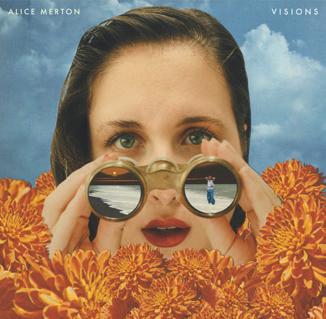
Our cover feature spotlights Alice Merton, whose journey from Berlin’s creative heart to international acclaim has culminated in her most personal studio album yet. In a candid conversation, Alice shares how resilience, melody, and meaning have shaped her artistry and outlook – an ode to courage and transformation that sets the tone for the year ahead.
Our new issue also celebrates the extraordinary: from inventive culinary experiences to a special guide highlighting must-visit German and Austrian museums in 2026. Just in time for Valentine’s Day on 14 February, we have also collated special themes on Germany’s most charming small towns, exceptional wedding venues, as well as top talents in the wedding industry.
We further dive into Berlin’s ever-evolving foodie scene in our Berlin Bites feature, explore the dazzling hot air balloon spectacle of the
Tegernseer Tal Montgolfiade’s 25th anniversary, and join the revelry of Germany’s vibrant carnival season.
Our regular sections and columns are back with even more to explore: uncover unique design trends and fashion finds, indulge in our Wine & Dine picks, including a guest wine column on German Grand Crus, plan your next getaway with our Travel section, and find inspiration from innovative business leaders. Don’t miss our Culture Calendar for the top events in February, and enjoy thoughtful perspectives from our Secret Berlin and Barbara Geier columns, each offering a unique window into German culture and wisdom.
Whether you’re seeking new tastes, travel ideas, or simply a spark of inspiration as you embark on 2026, I hope you find something in these pages to inspire you.
Sit back, relax and thank you for reading!
Nane Steinhoff Editor
38 ALICE MERTON: CRAFTING RESILIENCE, MELODY AND MEANING
From Berlin beginnings to global acclaim, Alice Merton’s third studio album marks her most personal and daring work yet.
23 CULINARY DELIGHTS AND EXTRAORDINARY TASTE EXPERIENCES
Savour creative menus, the freshest seasonal ingredients, and memorable dining moments as we meet some of the creative culinary minds and top restaurants.
44 MUSEUM GUIDE 2026
For some top German and Austrian museums and exhibitions to visit in 2026, read this special theme.
76 RISING TALENTS OF THE WEDDING INDUSTRY 2026
Are you planning a wedding? Here, we have handpicked some innovative companies and great people that can help turning your wedding into the most beautiful day of your life.
80 VALENTINE’S SPECIAL – GERMANY’S MOST ROMANTIC SMALL TOWNS
Searching for the perfect setting to celebrate romance? Germany’s charming small towns captivate with fairy tale scenery, cobbled lanes, and enchanting atmospheres ideal for couples.
87 VALENTINE’S SPECIAL – GERMANY’S DREAM WEDDING VENUES 2026
Looking for the ideal place to say “I do”? Germany boasts a remarkable variety of wedding venues to suit every style.
31 BERLIN BITES
Berlin’s vibrant food landscape is ever evolving. In this special feature, we explore the cutting-edge flavours, trailblazing chefs, and innovative concepts that are redefining how the city eats in 2026.
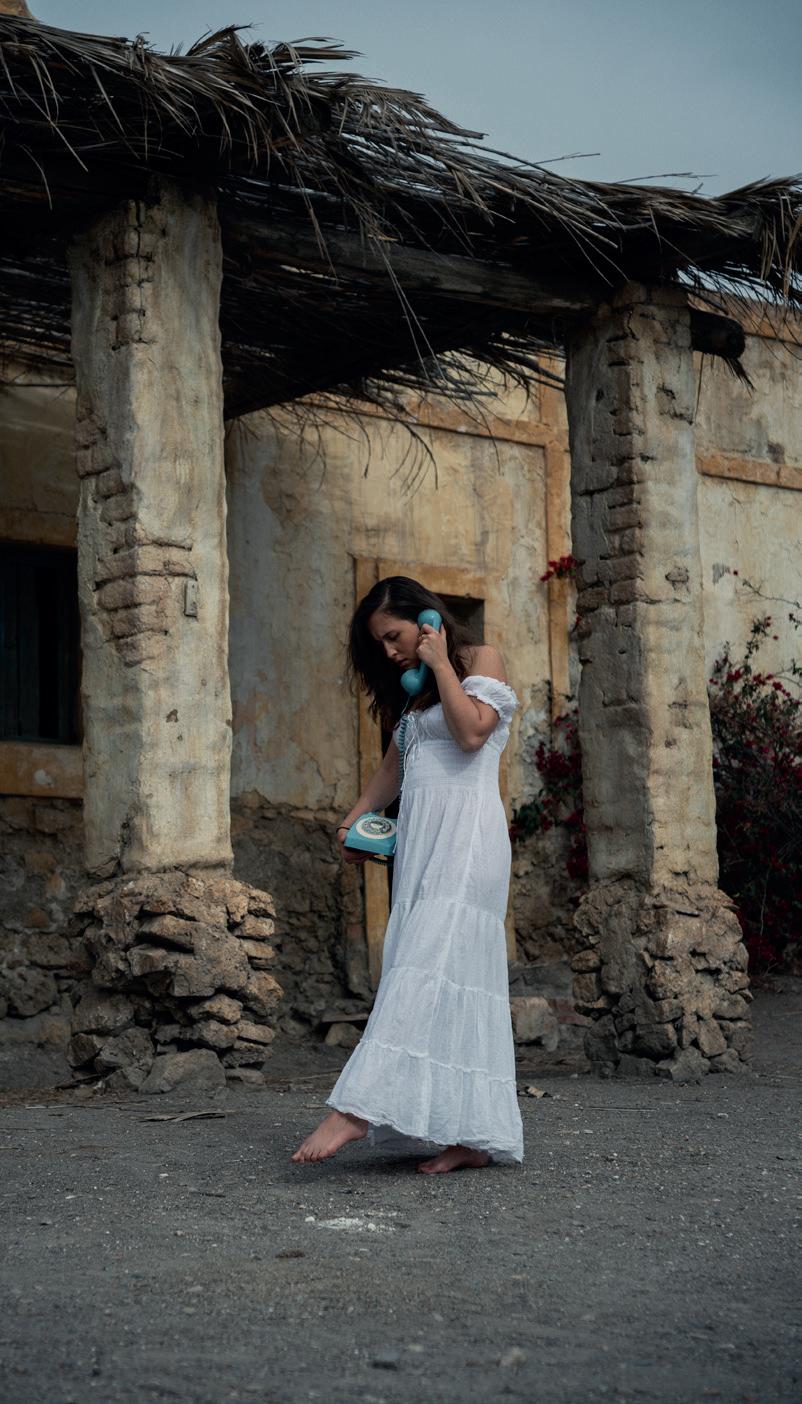
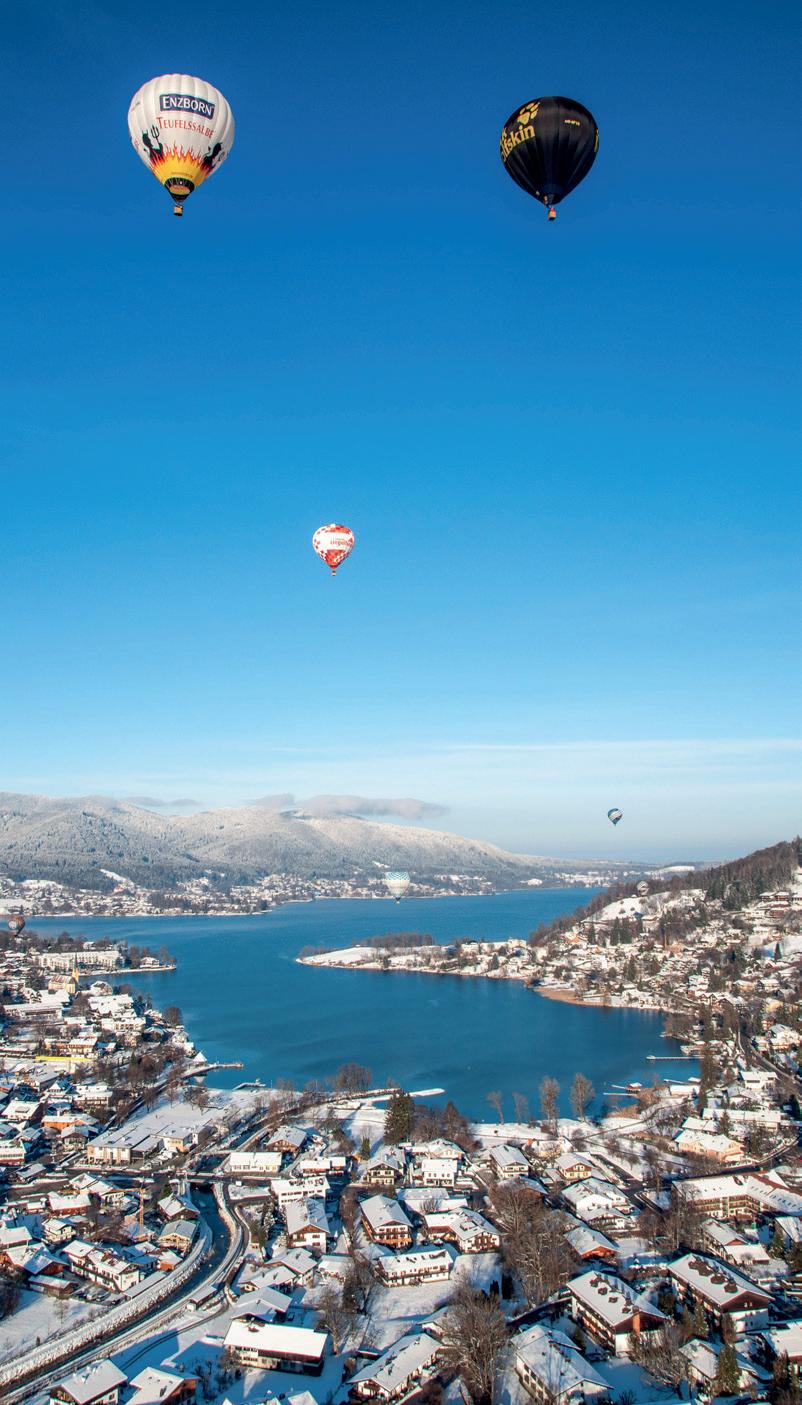
60 SOARING OVER SNOW
The Tegernseer Tal Montgolfiade marks its 25th anniversary in 2026, promising to transform the serene Bavarian landscape into a living canvas of hot air balloons, music, and jubilant celebration.
92 CONFETTI, COSTUMES & CULTURE
In need of a fun winter escape? Throughout February, Germany has several must-see carnival events on offer.
6 DEDICATED TO DESIGN & FASHION FINDS
Whether searching for trendy design items, innovative architects or unique fashion pieces, be sure to take a look at our Design section.
23 WINE & DINE
Looking for culinary highlights? Then our Wine & Dine section is for you as it’s filled with restaurant tips, indulgent products, as well as a guest wine column on German Grand Crus.
54 TRAVEL
Hotels, aesthetic medicine experts, wellness retreats, top ski resorts and exciting destinations – our Travel section gives you some much-needed travel tips.
99 BUSINESS
Innovative companies and forwardthinking individuals make up our Business section.
100 CULTURE CALENDAR
Discover Germany, Austria & Switzerland’s Culture Calendar is your perfect guide to what not to miss in February.
104 SECRET BERLIN COLUMN
This month, long-term Berlin resident Cornelia Brelowski investigates how Berlin residents survive the cold month of February.
106 BARBARA GEIER COLUMN
Here, Barbara Geier explores some much-loved practical German wisdoms to bring some structure into your life.
Embrace the thrill of the winter with BOGNER’s latest FIRE+ICE collection. The German luxury sports fashion brand is known for pioneering skiwear that blends high performance with fashion. Each piece is engineered to deliver maximum functionality and style, transforming every piste into your own personal playground so that you’re not just prepared for the mountain, you’re ready to stand out at the summit.
EDITOR’S PICKS I PRESS IMAGES BY BOGNER
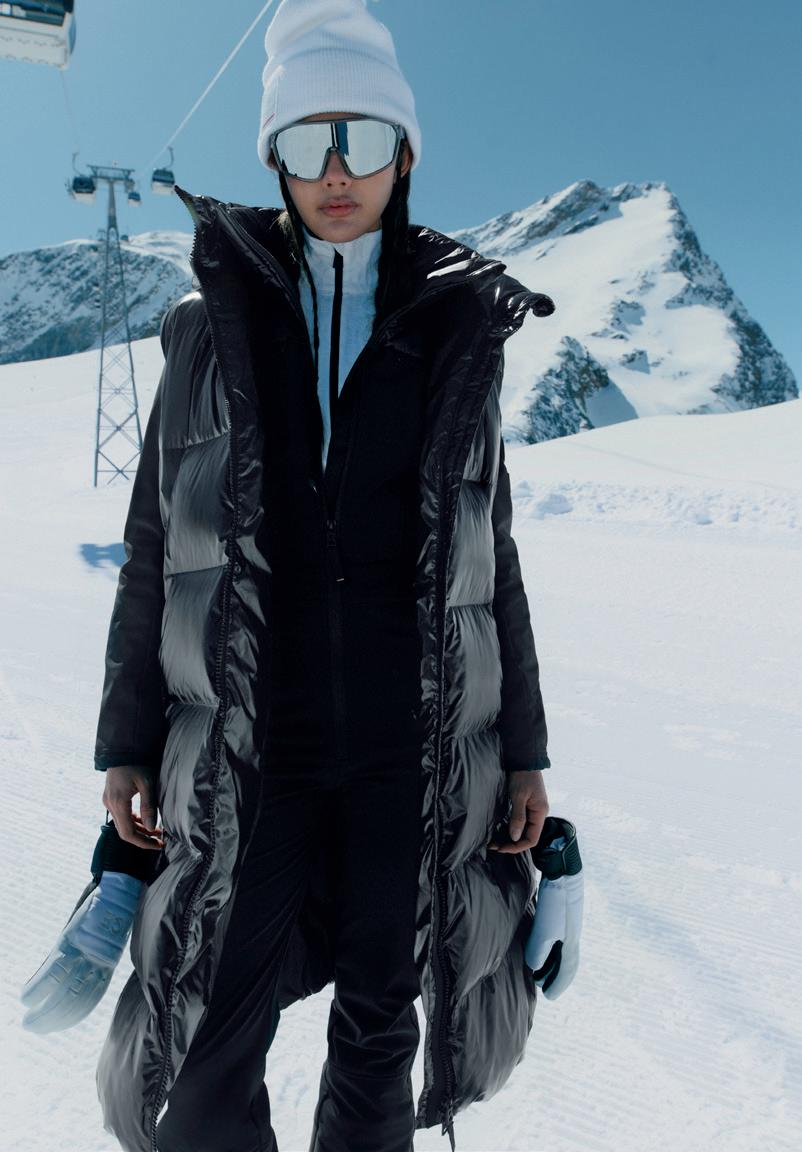
Showcasing versatile winter chic, the Asta down coat from BOGNER stands out with its clever 2-in-1 construction. Effortlessly transforming into a gilet thanks to zip-off sleeves, it adapts seamlessly to changing conditions and styles. An adjustable hood and practical side pockets enhance the coat’s urban edge, while its innovative blend of duck down and technical fibres guarantees reliable warmth without added bulk. £895. . www.bogner.com

Striking a balance between contemporary flair and piste-ready performance, the BOGNER Kora ski jacket emerges as a standout piece for the season. Its unique fusion of plush teddy fabric and quilted ripstop panels, highlighted by grosgrain ribbon trims and signature branding, ensures both visual interest and modern appeal. £1,495. www.bogner.com
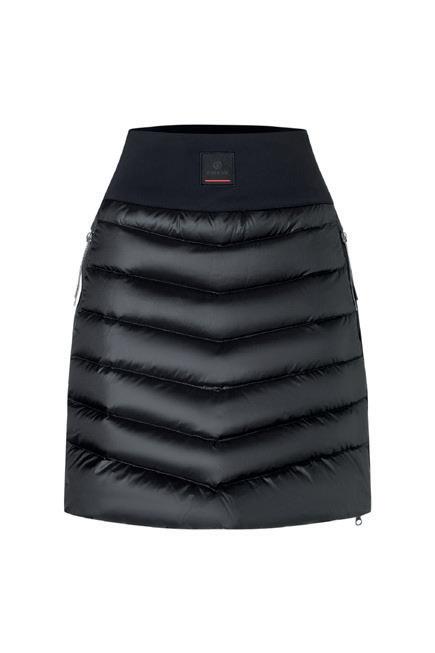
How about a skirt on the slopes? The Marei hybrid down skirt features 4-way stretch and quilted nylon for flexibility and warmth. Duck down and technical fibre padding retain heat, while a high waistband and twoway side zip offer comfort. Pairs well with the Joana jacket. £195. www.bogner.com
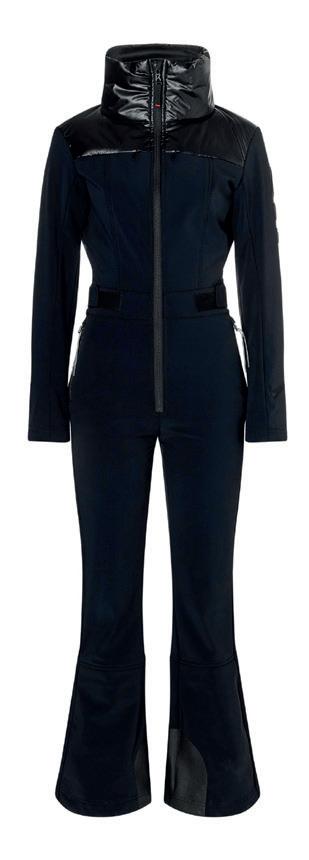
Step onto the slopes in style with the Zea ski overalls, crafted from sleek softshell fabric featuring waterresistant qualities and expertly accented with nylon panels. Designed with winter sports enthusiasts in mind, the Zea’s tailored silhouette is elevated by a padded stand-up collar and a discreet zip closure beneath. £895. www.bogner.com

Elevate your après-ski style with the Chamonix snow boots in rich chocolate brown, a luxurious blend of lambskin, grained leather and suede. Embossed logos and a signature detail on the overcut tongue lend a distinctive, iconic touch. Inside, plush microvalboa fleece promises cosy warmth, while the robust rubber sole, complete with fold-out spikes, delivers exceptional grip on icy winter terrain. £500. www.bogner.com
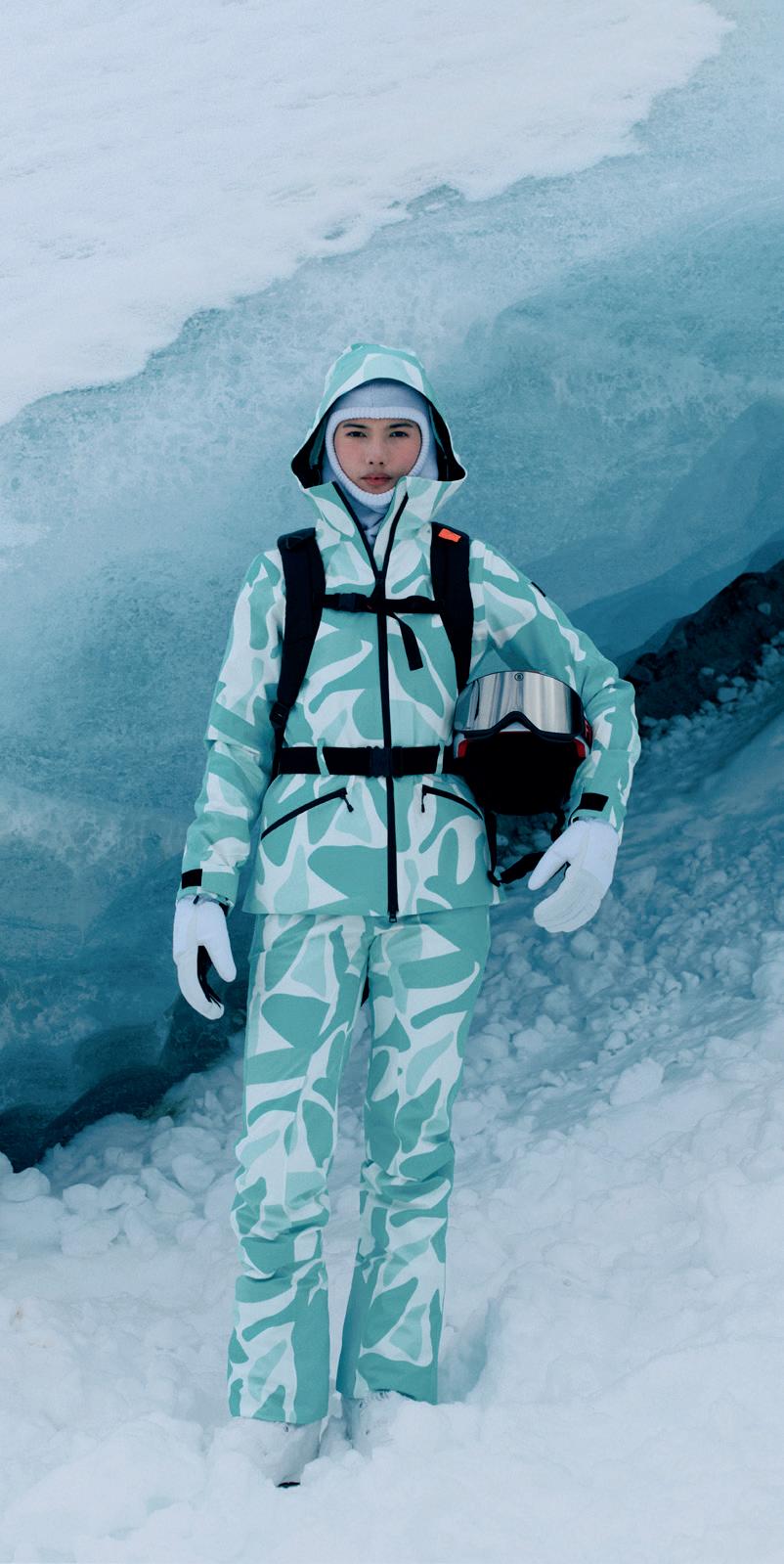
Make a statement on the slopes with BOGNER’s Moia ski jacket and Borja trousers, both in a striking camouflage print. The Moia jacket features an adjustable hood, elasticated belt, technical padding and comfortable cuffs, while the Borja trousers deliver wind and water resistance with 4-way stretch, taped seams, and practical zip details. Together, they create a standout, high-performance ski ensemble perfect for winter adventures. Ski jacket £650, ski trousers £495. www.bogner.com
Drawing inspiration from the understated elegance of Swiss and Austrian mountain lodges, the ‘Escape to the Chalet’ interior trend weaves together gentle layers, organic textures and a cosy, earthy colour scheme, instilling a feeling of effortless tranquillity. Plush fabrics, soft ambient lighting and touchable surfaces combine to capture the inviting spirit of après-ski living.
EDITOR’S PICKS I IMAGES: PRESS LOFT
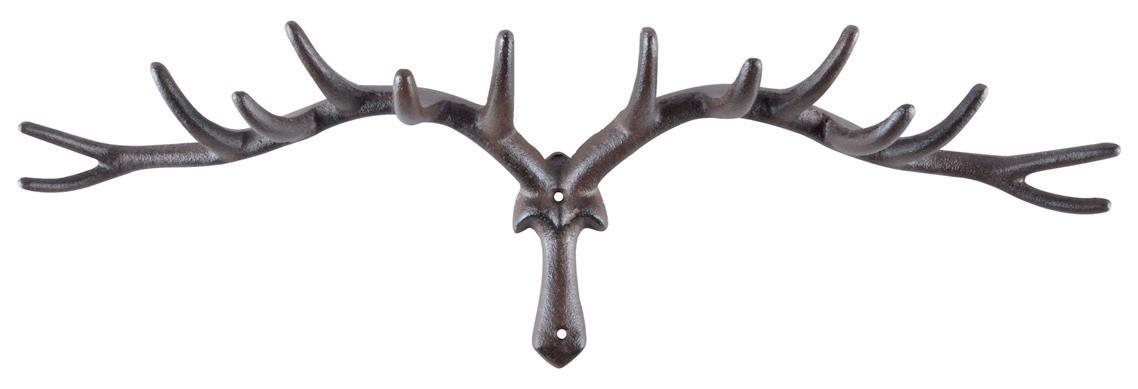
This cast iron antler wall art is crafted with traditional methods, adding a rustic touch to any space. It functions as both décor and a practical coat rack or hook. £35.99. www.mindtheg.uk
This stool is the perfect addition to your home, lending your space a rustic touch and Alpine charm. Available in both square and round shapes, it offers versatile options for integrating into your décor. £78. www.hock-dich-hin.de

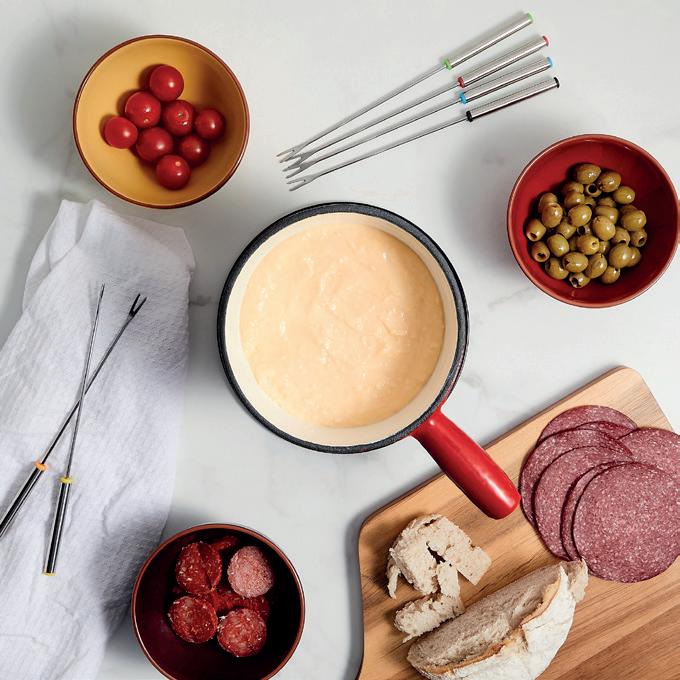
Enjoy an alpine-inspired evening at home with the VonShef Swiss Fondue Set, perfect for sharing chocolate-dipped strawberries or gruyere-soaked sourdough with loved ones. Its timeless, practical design brings the après-ski experience to your table. £31.99. www.vonhaus.com
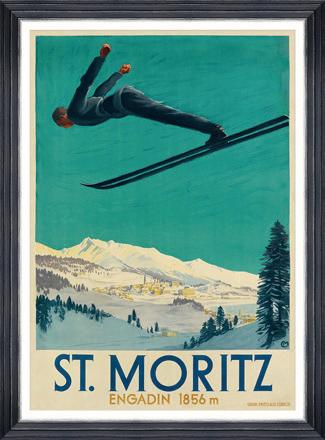
Does anywhere evoke the feeling of winter glamour more than the luxury resort of St Moritz? The luxury Swiss resort is known for hosting the Winter Olympics and is featured in this vintage poster of a ski jumper. Printed on lithographic paper, it includes a black washed frame, white mountboard, and float glass. £252.
www.mindtheg.uk
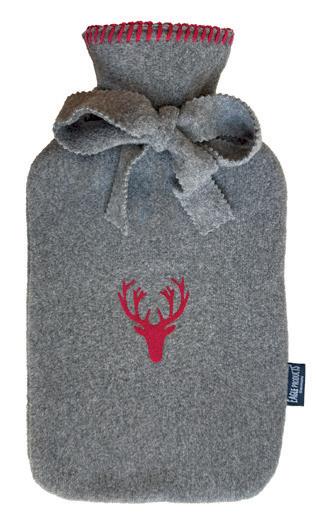
Super cute and delightfully soft, this hot water bottle with a fleece cover is ideal for cosy nights. The soft fleece material, containing 35 per cent cotton, nestles comfortably against the skin. With its little bow at the neck of the bottle, it also makes a wonderful gift. £51.50.
www.eagle-products.de
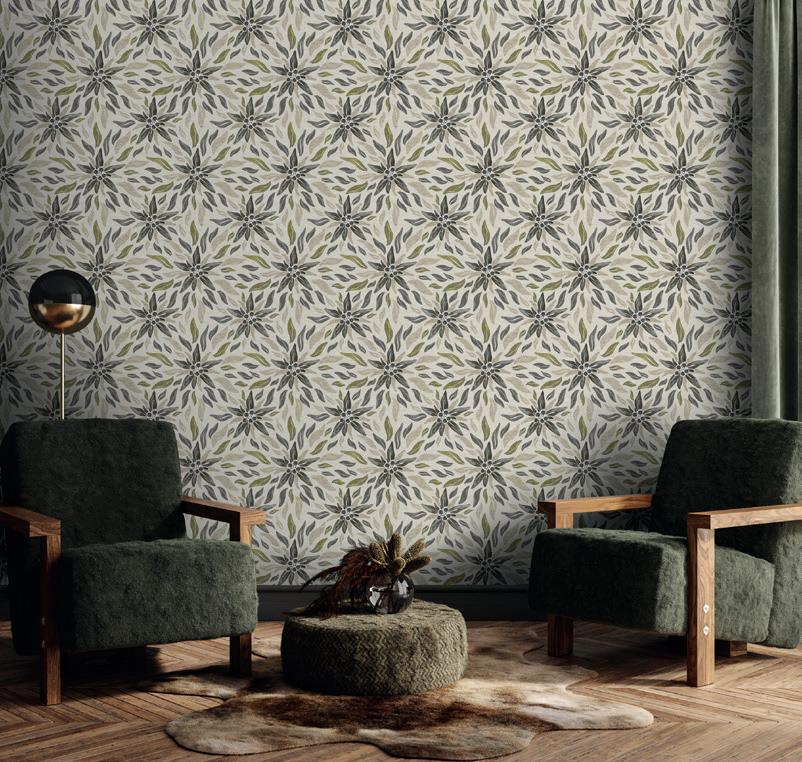
Wallpaper is back in style, and we simply love how it quickly changes a room’s décor or brings a new theme into play. For exclusive wallpapers made in Germany, Hohenberger has made a name for itself for a while. Its Alpinflower (Alpine flower) design exudes a comfortable chalet feel, while staying contemporary. From £43. www.hohenberger-wallcoverings.com
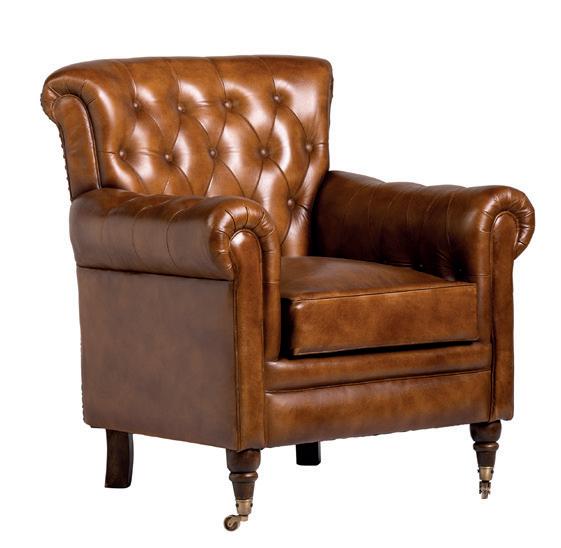
The Newham Chesterfield Armchair is a luxurious, hand-crafted piece, featuring plush button tufting, roll-top arms, and made from supple buffalo leather in a rich tan shade. Each chair is uniquely crafted by skilled artisans in India, ensuring that no two are exactly the same. This inviting armchair is great for relaxing at the end of a long day, whether in a peaceful library or beside a roaring fire. £749. www.wheresaintsgo.co.uk
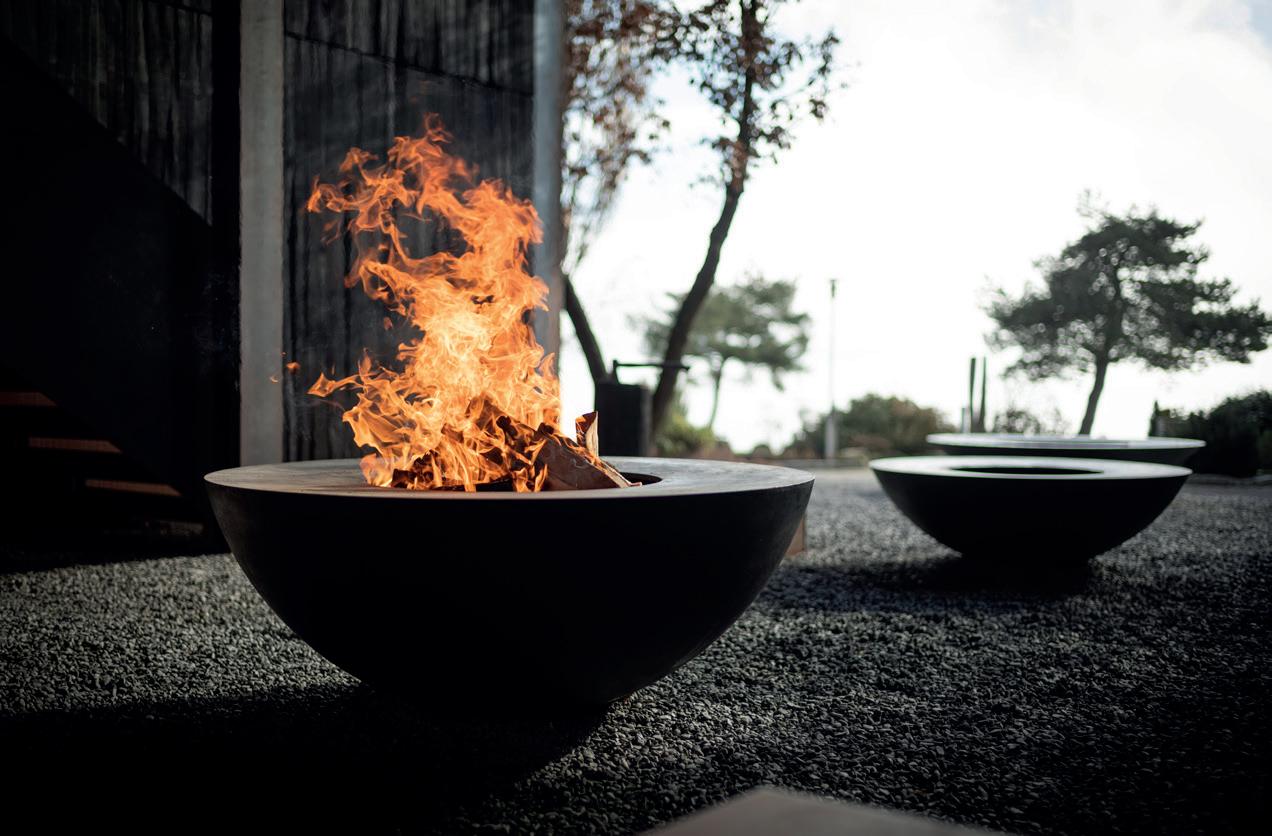
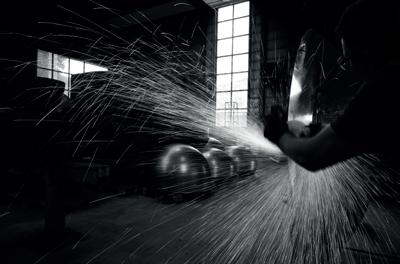
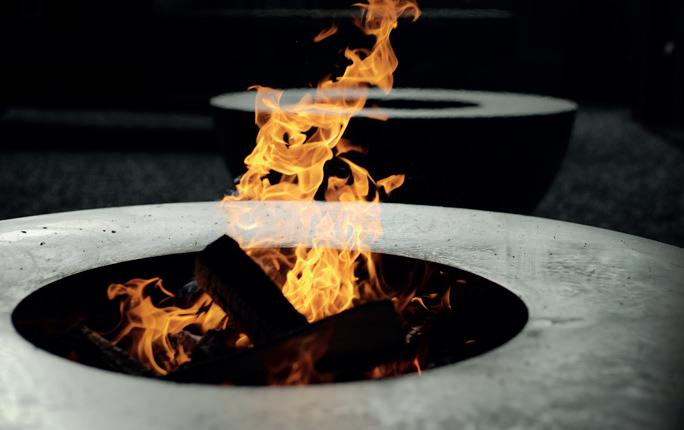
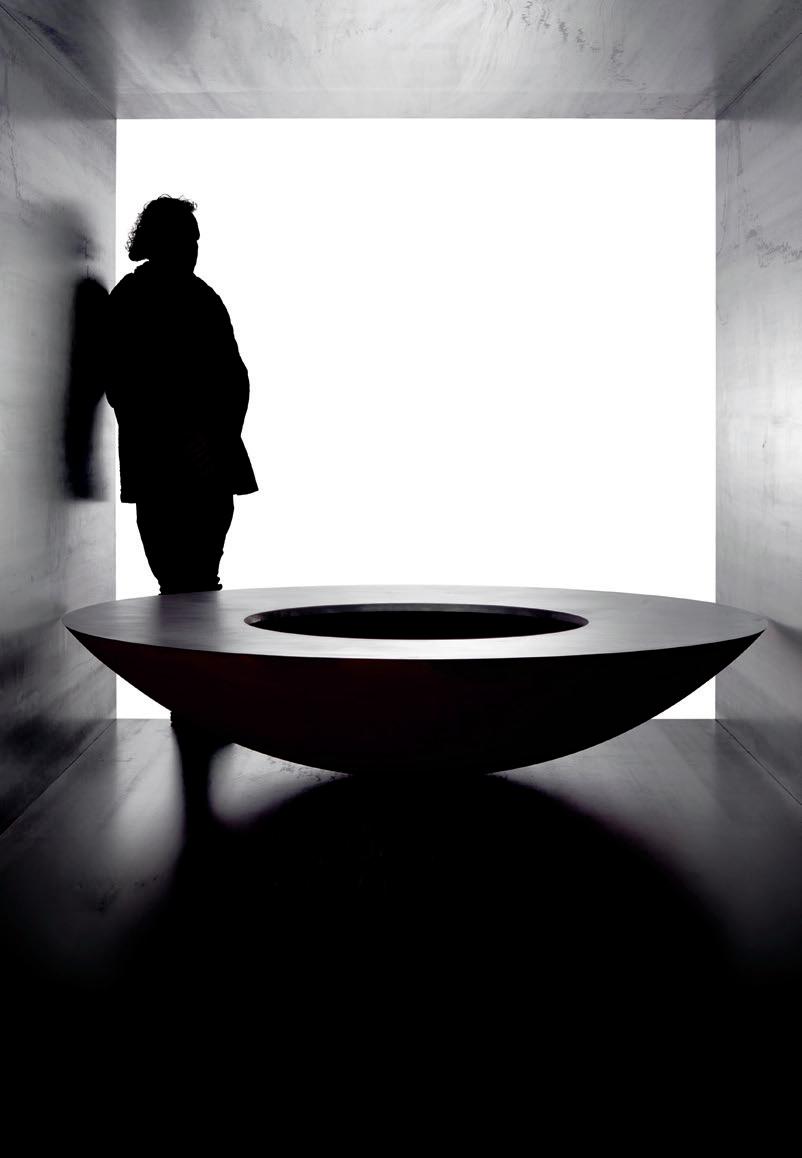
The original Feuerring by Andreas Reichlin combines sculptural, aesthetic minimalism with a holistic barbecue experience for contemporary culinary demands.
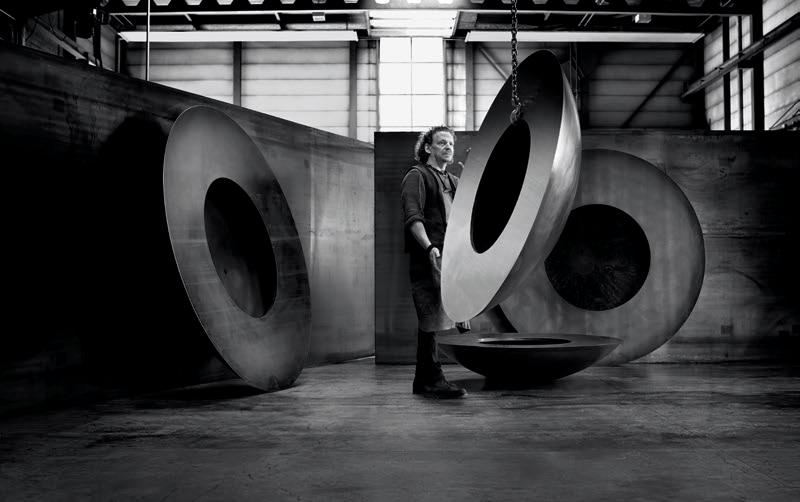
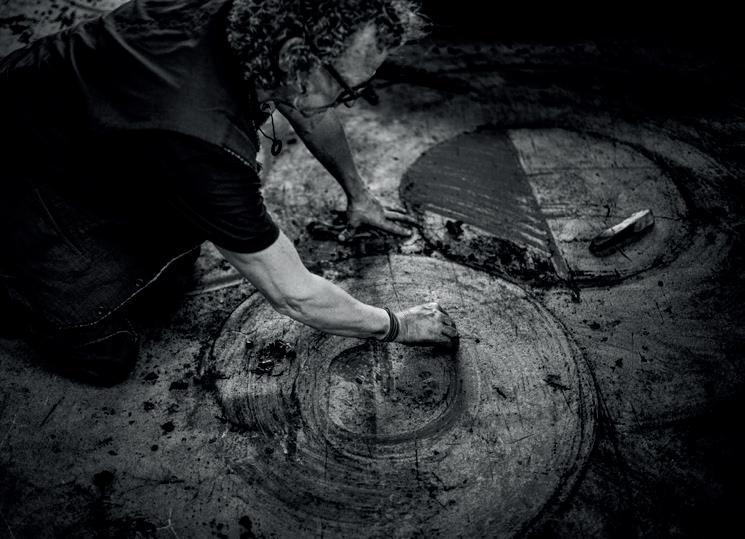
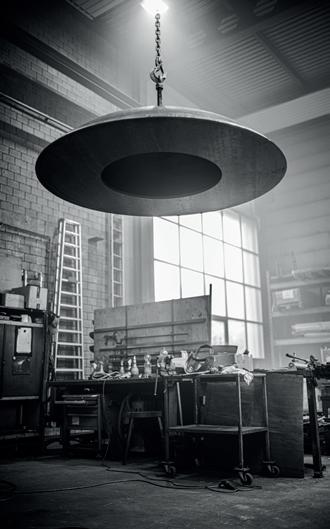
Healthy barbecuing and socialising outdoors in every season is made possible by an elegantly minimalist steel sculpture that forms a visual centrepiece of the garden even when not in use. It took sculptor Andreas Reichlin four years to optimize his Feuerring, which is now not only patented but also protected by copyright.
The origin of the sculptural grill lies in the focus and power of solution-oriented perseverance – a skill that Reichlin learned from his father. The unspoiled, magical nature of his childhood home by Lake Zug in the Swiss canton of Schwyz undoubtedly also influenced its development. It is no coincidence that the studio at Immensee now also serves as a popular venue for Feuerring events.
Reichlin is primarily concerned with the elementary culture of the communal experience around the fire, manifested in the form as
well as the materiality. While the bowl has a warm, archaic rust-coloured finish, the broad ring for indirect grilling shines in bright, almost silvery steel. During the artistic process, ring and bowl are welded together seamlessly to create a perfectly minimalist form. “The idea is to create a sculptural archetype for fire, a classic heirloom which, in the case of the Feuerring Luna Grande, can last for 1,000 years," says Reichlin. That is why each Feuer-

ring has been perfected and stands for unprecedented quality. You basically cannot go wrong – and even if you do, the Feuerring will get over it. “It's all about reducing things to their essence, steeped in history and powerful across the ages,” explains the artist, who runs the company together with his partner Beate Hoyer. “The Feuerring combines many disciplines: minimalist design, materiality, culinary use, and durability.”
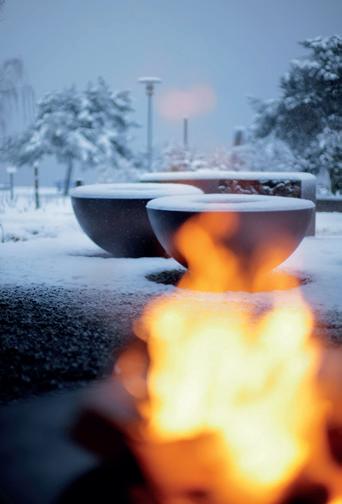
Last but not least, there is also the social aspect. Whether on private property or in a restaurant, the Feuerring invites you to gather around it, warm yourself, and enjoy. In wintertime, the ground-level sculpture even helps with keeping your feet warm. “You can still sit barefoot by the fire ring with temperatures around Zero. Women in particular appreciate this aspect,” Reichlin smiles. The heat distribution is such that the lower outer wall of the shell, close to the feet of the connoisseurs sitting on felt cushions, is the warmest area – because the embers are the hottest part of the fire.
Der Feuerring von Andreas Reichlin vereint ästhetisch-skulpturale Reduktion mit einem holistischen Grillerlebnis für zeitgemäße kulinarische Ansprüche.
Gesundes Grillen und Geselligkeit im Außenraum zu jeder Jahreszeit – ermöglicht durch eine edel reduzierte Stahlskulptur, die auch außerhalb der aktiven Nutzung zum optischen Zentrum des Gartens wird: Vier Jahre dauerte es den gelernten Bildhauer Andreas Reichlin, seinen mittlerweile nicht nur patentierten, sondern auch urheberrechtlich geschützten Feuerring zu optimieren.
Der Ursprung liegt hier unter anderem im Fokus und der Kraft des lösungsorientierten Durchhaltens – einer Fähigkeit, die Reichlin bereits als Kind von seinem Vater erlernte. Auch die urtümliche, magische Natur des Kindheitsortes am Zugersee in Immensee, im Schweizer Kanton Schwyz gelegen, hatte ohne Zweifel ihren Einfluss bei der Entstehung. Nicht umsonst dient das Atelier am Zugersee heute an ausgewählten Tagen als beliebter Erlebnisort rund um den Feuerring.
Es geht Reichlin vor allem um das Elementare – die Ursprünglichkeit des gemeinschaftlichen Erlebnisses rund um das Feuer, manifestiert in der Form des Feuerrings – sowie die Materiali-
tät: Während die Schale ein warmes, archaischrostfarbenes Finish aufweist, glänzt der Ring zum indirekten Grillen in hellem, fast silbrigem Stahl. Ring und Schale werden im künstlerischen Prozess optisch nahtlos zur perfekt reduzierten Form verschweißt: Ziel war und ist, eine ‚skulpturale’ Urform für das Feuer zu schaffen; ein klassisches Erbstück, das in dem Fall des Feuerring Luna Grande sogar 1.000 Jahre durchhalten kann, so Reichlin. Deshalb ist jeder Feuerring schon heute perfektioniert und steht für 100% Qualität: Man kann in der Bedienung also absolut nichts falsch machen – und selbst wenn man es tut, so wird der Feuerring es verschmerzen. „Es geht um die Reduktion auf das Wesentliche, geschichtsträchtig und kraftvoll über die Epochen hinweg”, erklärt der Künstler, der das Unternehmen zusammen mit Partnerin Beate Hoyer leitet. „Im Feuerring sind viele Disziplinen auf gleichem Level vereint: Die reduzierte Form, die Materialität, die kulinarische Nutzung, sowie die Langlebigkeit.”
Hinzu kommt nicht zuletzt auch der soziale, gesellige Aspekt: Ob auf dem Privatgrundstück oder im Restaurant; der Feuerring lädt ein, sich
in der Runde zu wärmen und zu genießen. Im Winter verhilft die bodennahe Skulptur gar zu warmen Füssen: „Selbst bei einer Temperatur von um die Null Grad kannst du noch barfuß am Feuerring sitzen. Besonders die Frauen wissen diesen Aspekt zu schätzen”, freut sich Reichlin. Die Hitzeverteilung ist derart, dass die untere Außenwand der Schale – nahe an den Füßen der auf Filzkissen sitzenden Genießer –die wärmste Region bildet. Denn die Glut ist der heißeste Teil des Feuers.
Was jedoch den nahtlos aufgeschweißten Stahlring betrifft: In jedem Feuerring-Modell beträgt der Ring unabhängig von seiner Größe jeweils ¼ des Durchmessers. Von 300 ºC innen bis 100 ºC am Außenrand verfügt er über verschiedene Temperaturzonen zum indirekten Grillen und Garen, ganz ohne Tropfen und Rauchbildung. „Man grilliert nicht mit dem Feuerring – man brilliert!”, so Reichlin. So wird etwa das Grillfleisch am Innenrand positioniert, während Gemüse oder andere Beilagen schonend am Außenring garen. Giftiger Rauch durch Stichflammen entsteht erst gar nicht, und ausgesuchtes Grillgut wie etwa Knollengemüse kann sogar direkt in die rauchlose Glut gegeben werden: „Du legst zum Beispiel rote Beete, Süßkartoffeln oder Kohlrabi in die
However, as far as the seamlessly welded steel ring is concerned, in every Feuerring model, the ring measures ¼ of the diameter, regardless of its size. From 300ºC on the inside to 100ºC on the outside, it has different temperature zones for indirect grilling and cooking, without any dripping or smoke. “You don't grill with the Feuerring – you shine!” says Reichlin. For example, meat is placed on the inner edge, while vegetables and other side dishes cook gently on the outer ring. There is no toxic smoke from flare-ups, and selected foods such as root vegetables can even be placed directly in the smokeless embers. "For example, you put beetroot, sweet potatoes, or kohlrabi in the embers. As soon as they are cooked, you spoon them out – and I can tell you, you've never enjoyed beetroot like this in your whole life," enthuses Reichlin. A few years ago, the steel sculptor even managed to secure Swiss copyright protection for his archaic, highly minimalist sculpture – an honour he shares with only three other big names in design history: Le Corbusier, Max Bill, and Charles Eames. Variants with bases or wheels are easily recognised as copies, because Andreas Reichlin's Feuerring remains the aesthetically minimalist sculpture at ground-level – with its iconic steel ring slightly lowered inward in a blunt funnel to prevent tension and deformation caused by heating and cooling.

Such subtleties were perfected over many years of work, which is why Reichlin secured not only the patent in 2009, but also the above-mentioned copyright in 2022. The latter required a three-year legal battle now considered a precedent, spanning across the pandemic years, which, incidentally, gave the company an unexpected boost. Many Swiss people decided to invest their money in their home and thus an original Feuerring sculpture. “We rarely had even one day off per week,” recalls Reichlin. However, the Feuerring has long been shipped beyond Switzerland – it has travelled as far as New Zealand
and other countries around the world. For this purpose, the steel sculpture is packed in a wooden box – and here, too, everything has been considered in the name of sustainability. “You can use the wood from the box for your first Feuerring experience and then pull the nails out of the ashes with a magnet!”
The Feuerring is, thus, well on its way to becoming an international design classic that brings people together worldwide – and across generations.
www.feuerring.ch
Glut. Sobald diese gar sind, löffelst du sie aus – und ich sage dir, so eine rote Beete hast Du in Deinem ganzen Leben noch nicht genossen“, schwärmt Reichlin.
Für seine archaisch-funktionale, hoch-reduzierte Skulptur konnte der Stahlbildhauer vor einigen Jahren sogar das schweizweite Urheberrecht erstreiten – eine Ehre, die er sich mit nur drei weiteren, hochkarätigen Namen der Designgeschichte teilt: LeCorbusier, Max Bill und Charles Eames. Varianten mit Sockeln oder Rädern sind also mit Sicherheit eine Kopie; denn Andreas Reichlins Feuerring ist und bleibt die ästhetisch-reduzierte, bodennahe Skulptur mit dem ikonischen Stahlring – im stumpfen Trichter leicht nach innen abgesenkt, um Spannung und Verformungen durch Erhitzung und Erkaltung vorzubeugen.
Solche Feinheiten hat Reichlin in jahrelanger Arbeit perfektioniert, und deshalb in Folge nicht nur mit dem Patent von 2009, sondern seit 2022 auch mit dem oben genannten Urheberrecht abgesichert. Letzteres erforderte einen dreijährigen Rechtsstreit, der heute als Präzedenzfall gilt – u.a. über die Pandemiejahre hinweg, die für das Unternehmen im Übrigen einen ungeahnten Boost brachten: Viele Schweizer beschlossen während der Pandemie, ihr Geld in ihr Zuhause und somit den Feuerring zu investieren. „Wir hatten selten auch nur einen Tag pro Woche frei”, erinnert sich Reichlin. Der Feuerring wird al-
lerdings schon lange nicht nur innerhalb der Schweiz verschickt – sondern reiste unter anderem bereits bis nach Neuseeland und rings um die Welt, berichtet Reichlin. Zu diesem Zweck wird die Stahlskulptur in einer Holzkiste verpackt – und auch hier ist im Namen der Nachhaltigkeit an alles gedacht: „Du kannst das Kistenholz gleich für dein erstes Feuerring-Erlebnis verwerten und anschlie-
ßend die Nägel mit einem Magneten aus der Asche ziehen!”
Der Feuerring ist somit auf dem bestem Weg zum internationalen Design-Klassiker, der weltweit und über Generationen hinweg Leib und Seele zusammenhält.
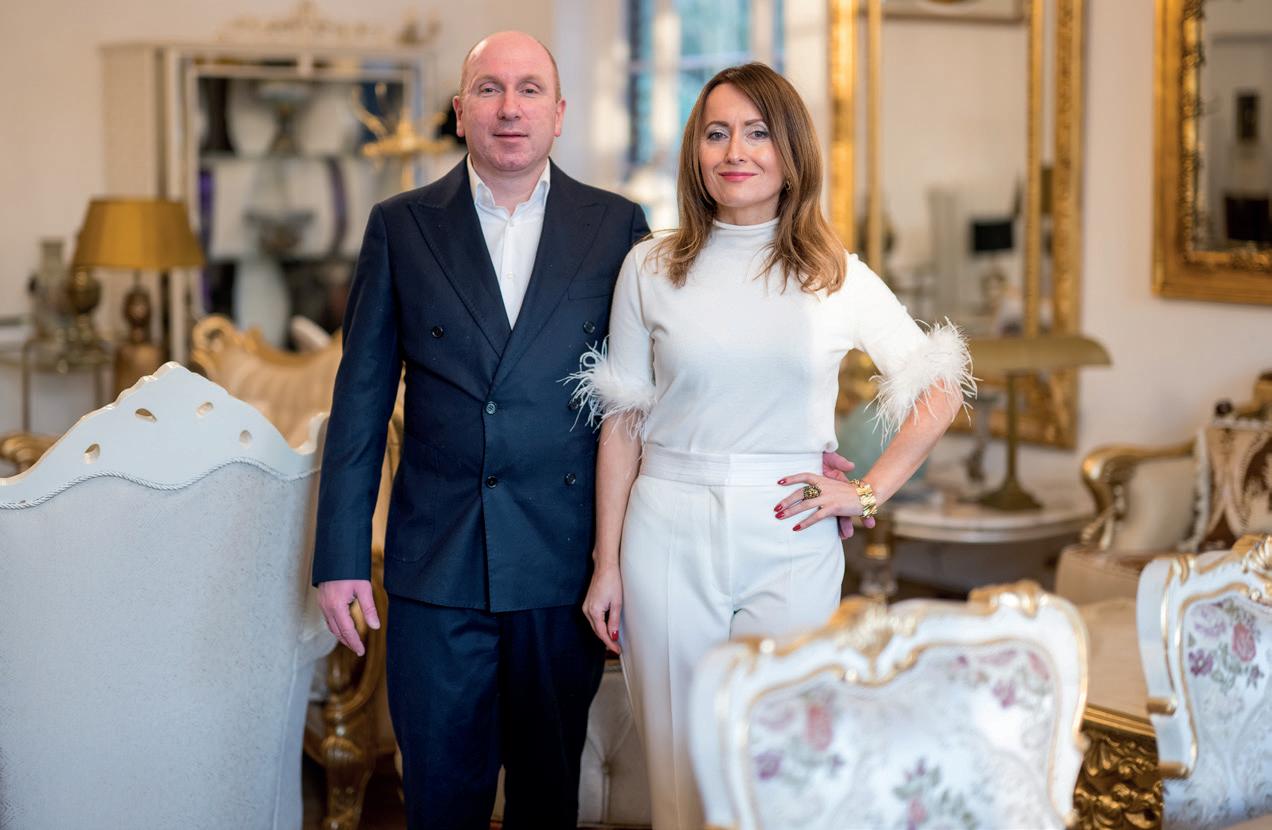
Founded by Marvin Schertl and his wife Dr. Sina Schertl, Casa Padrino arose from the ambition to create luxurious furniture that conveys identity, style, and prestige. Today, the brand stands for exclusive furniture that embodies far more than practical furnishings.
“Casa Padrino combines historical design language with the demands of modern luxury architecture,” emphasises Marvin Schertl. “Our work is created for spaces that unite prestige, style, and cultural sophistication.”
From the very beginning, the couple's goal was to establish an international luxury brand that combines artisanal perfection, exclusive materials, and timeless elegance. “Together with my wife, Casa Padrino has thus developed into a brand that today stands for sophisticated living, prestigious interiors and uncompromising luxury worldwide.”
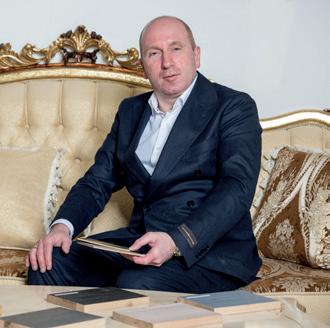
The furniture is produced in specialised European workshops and is meticulously handcrafted, resulting in pieces that embody precision and a love of detail. Many products are custom-made and can be individually configured to meet customer requirements –perfectly suited to private residences, yachts,
luxury properties, and high-end hotels worldwide. According to Marvin Schertl, Casa Padrino's customers expect "not just furniture, but bespoke luxury solutions."
The brand’s product range is as diverse as it is exclusive. Particularly sought after are the
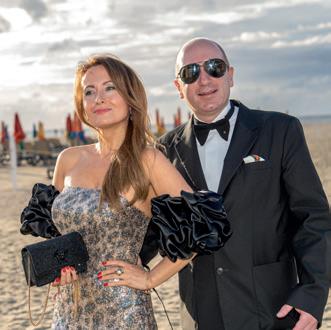
baroque sofas and armchairs, opulent beds, hand-carved tables, and exclusive lighting fixtures, which find their place in prestigious properties, luxury hotels, villas, and palaces around the globe. According to Casa Padrino, the charm of baroque furniture lies in its grandeur, elegance, and strong visual presence. "They create spaces with character and charisma that impress in both classic and modern interiors," according to Marvin Schertl.
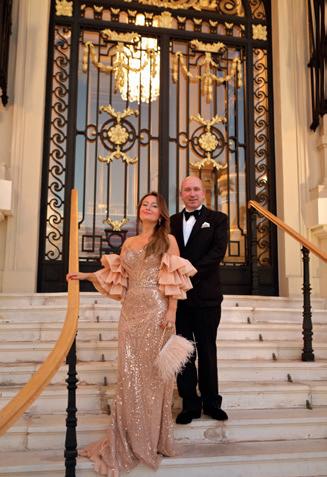
“True luxury is tangible – it doesn’t need explaining,” emphasises Dr. Sina Schertl, highlighting the brand’s ambition. “Our furniture is designed for spaces where the art of living is part of everyday life.” Today, Casa Padrino supplies prominent private clients as well as renowned luxury hotels and prestigious properties worldwide, from the Côte d'Azur and Monaco to Dubai, Australia, and the USA. “A special recognition of our work was an award in Cannes, which further underscores our position in the international luxury segment,” concludes Marvin Schertl.
www.casa-padrino.de/en
Casa Padrino steht für exklusive Möbel, die weit mehr sind als bloße Einrichtungsgegenstände. Gegründet von Marvin Schertl und seiner Frau Dr. Sina Schertl, entstand die Marke aus dem Anspruch heraus, luxuriöse Möbel zu schaffen, die Identität, Stil und Prestige vermitteln.
„Casa Padrino verbindet historische Formensprache mit den Ansprüchen moderner Luxusarchitektur“, betont Marvin Schertl. „Unsere Arbeiten entstehen für Räume, die Repräsentation, Stilbewusstsein und kulturellen Anspruch vereinen.“ Von Anfang an war es das Ziel des Paares, eine internationale Luxusmarke zu etablieren, die handwerkliche Perfektion, exklusive Materialien und zeitlose Eleganz vereint. „Gemeinsam mit meiner Frau entwickelte sich Casa Padrino so zu einer Marke, die heute weltweit für anspruchsvolles Wohnen, repräsentative Einrichtungen und kompromisslosen Luxus steht.”
Die Möbel entstehen in spezialisierten europäischen Manufakturen und werden in aufwendiger Handarbeit gefertigt, sodass sie zum Ausdruck von Präzision und Liebe zum Detail werden. Viele Modelle sind maßgefertigt und können individuell nach Kundenwunsch konfiguriert werden – perfekt ab-
gestimmt auf Privatresidenzen, Yachten, Luxusimmobilien und High-End-Hotels weltweit. Laut Marvin Schertl, erwarten Casa Padrinos Kunden „nicht einfach Möbel, sondern maßgeschneiderte Luxuslösungen“.
Die Produktpalette ist ebenso vielseitig wie exklusiv. Besonders begehrt sind die barocken
Sofas und Sessel, opulenten Betten, handgeschnitzten Tische und exklusiven Leuchten, die ihren Platz in renommierten Prestigeobjekten, Luxushotels, Villen und Palästen rund um den Globus finden. Der Charme von Barockmöbeln liegt laut Casa Padrino in Grandezza, Eleganz und starker visueller Präsenz. „Sie schaffen Räume mit Charakter und Ausstrahlung, die sowohl in klassischen als auch modernen Interieurs beeindrucken”, laut Marvin Schertl.
„Wahrer Luxus ist spürbar – nicht erklärungsbedürftig“, unterstreicht Dr. Sina Schertl den Anspruch der Marke. „Unsere Möbel passen zu Orten, an denen Lebenskunst Teil des Alltags ist.“ So beliefert Casa Padrino heute prominente Privatkunden sowie renommierte Luxushotels und Prestigeobjekte auf der ganzen Welt, von der Côte d’Azur über Monaco bis nach Dubai, Australien und in die USA. „Eine besondere Anerkennung unserer Arbeit war zudem eine Auszeichnung in Cannes, die unsere Positionierung im internationalen Luxussegment unterstreicht“, erklärt Marvin Schertl abschliessend.
www.casa-padrino.de
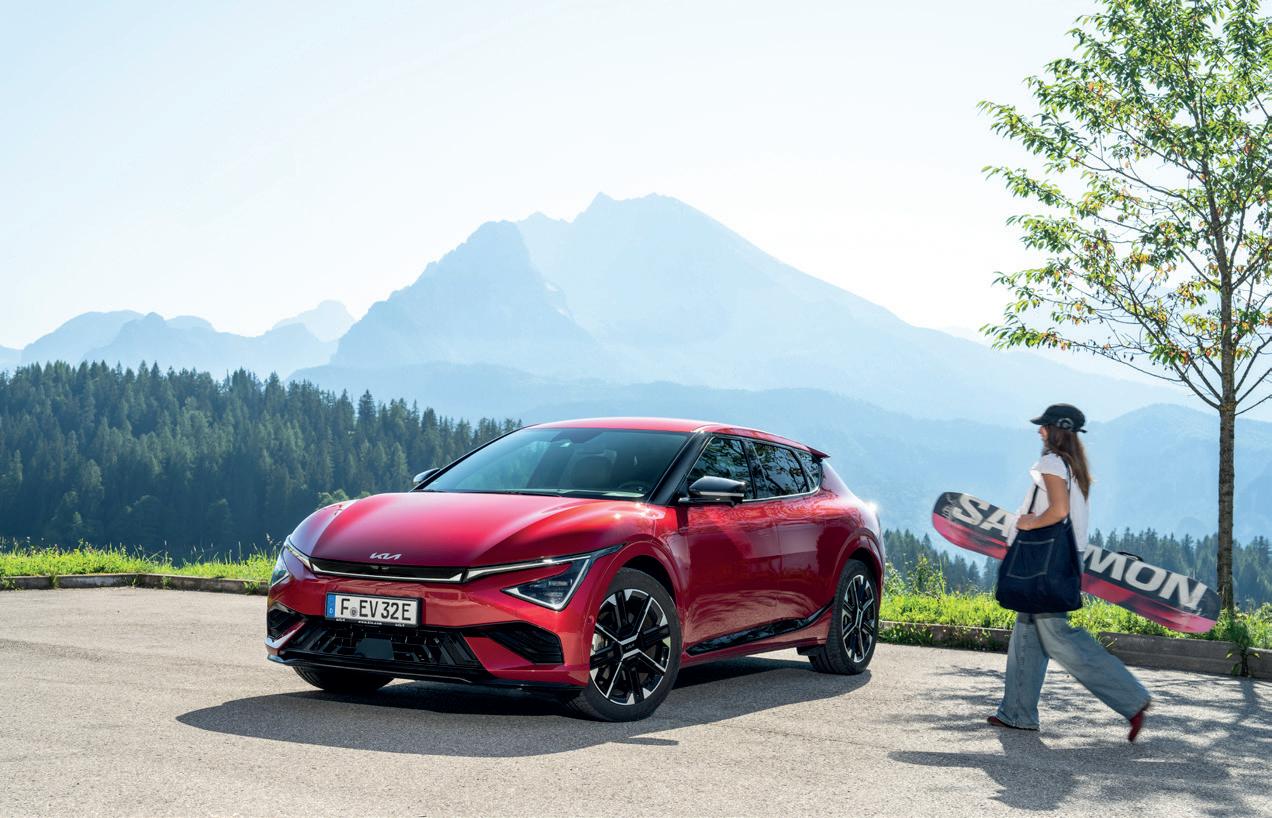
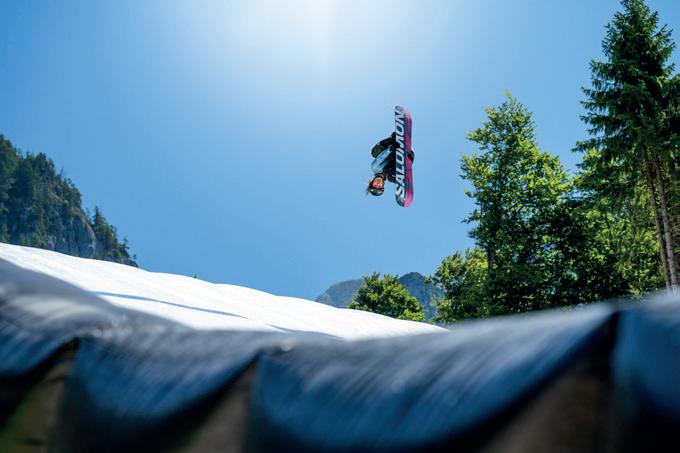
Mit nur 23 Jahren gehört Annika Morgan bereits zu den festen Größen der internationalen Snowboard-Szene. Ob Slopestyle oder Big Air, im professionellen Funpark oder Backcountry: Ihr Terrain kennt keine Grenzen. In Bewegung zu sein, bedeutet für sie klar Freiheit.
Annika Morgan wuchs im bayerischen Mittenwald, umgeben von den Alpen, als jüngstes von fünf Geschwistern auf. Für sie war der Berg also nie bloß Kulisse, sondern Spielplatz, Rückzugsort und vielleicht auch Sehnsuchtsraum. Den ersten sportlichen Impuls bekam sie durch ihre Schwester: Eiskunstlauf. Doch die eigentliche Initialzündung kam von ihrem Bruder, dem Snowboard-Profi Ethan Morgan. Was bei vielen Sportler*innen als Hobby beginnt, wurde für Annika früh ein bewusstes Lebensprojekt, denn mit 15 Jahren wechselte sie auf ein Internat, um sich vollständig auf den Profisport zu konzentrieren. Eine mutige Entscheidung, die ihren Weg definierte. Es folgten Medaillen, darunter Gold beim European Youth Winter Festival und Silber bei den
Winter-Jugendspielen – gewonnen unmittelbar nach einem Weltcup-Crash in Laax und trotz eines Steißbeinbruchs.
Ist Annika gerade nicht auf der Piste, widmet sie sich ihrer zweiten Leidenschaft, dem
Mixen von Elektro Beats, die für sie den passenden Soundtrack zu ihrem hohen Lebensund Sporttempo bilden. In der Stille der Bergwelt findet die Wahl-Innsbruckerin den nötigen Fokus für neue musikalische Ideen und Moves. Diese unerschütterliche Neugier auf das, was hinter der nächsten Kante liegt, macht sie zu einer idealen Markenbotschafterin für Kia. Denn die Mobilitätsmarke denkt Bewegung ebenso ganzheitlich: nicht nur als Fortkommen, sondern als Inspiration, Aufbruch und persönliches Momentum.
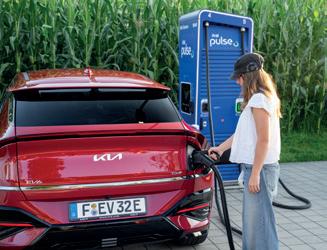
Kia und Annika verbindet ein gemeinsamer Kompass: Freiheit durch Bewegung. Im Kern spiegelt das der Markenslogan ‚Movement that inspires‘. Ein Satz, der bei Annika nicht abstrakt bleibt, denn für sie beginnt der Flow nicht erst am Berg, sondern auf dem Weg dorthin. Genau hier kommt der Kia EV6 GTLine mit Allradantrieb ins Spiel: Mit 84-kWh-
Batterie und dem 239 kW/325 PS leistenden E-Motor ist der koreanische Stromer Annikas täglicher Partner zwischen internationalen Contests und frühen Berg-Calls. Dank der verbauten 800-Volt-Technologie lädt der EV6 in unter 20 Minuten von 10 auf 80 Prozent. Und aufgrund der gut ausgebauten Ladeinfrastruktur im Alpenraum kann sich Annika voll auf ihr Training konzentrieren, während der EV6 an einer der zahlreichen Ladesäulen an der Talstation wieder Strom tankt. Mit bis zu 522 km Reichweite bietet er genau das, was ihr Alltag verlangt: Zuverlässigkeit ohne Kompromisse, Kraft ohne Emissionen, Spontaneität ohne Hürden.
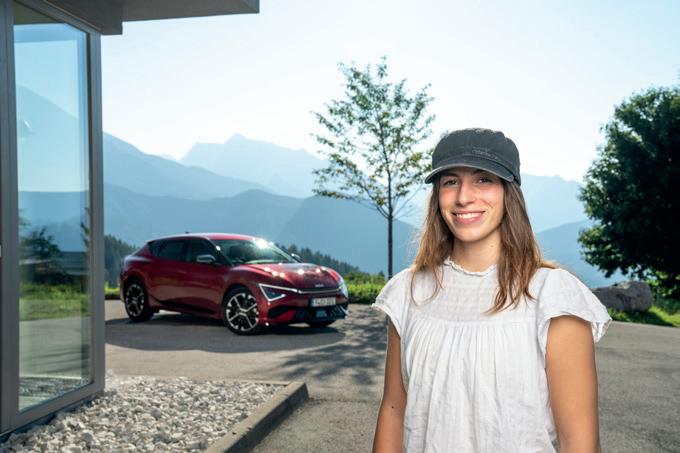
Neben dem Allradantrieb ist insbesondere der Snow Mode des EV6 für Annika der Schlüssel, um dorthin zu kommen, wo die Straße endet und der Schnee beginnt. Morgens los ins Zillertal, abends zurück nach Innsbruck, zwischendurch vielleicht in ein Tal abbiegen, das auf keiner Contest-Map steht: Der EV6 gibt ihr die Freiheit, nicht zu planen, sondern zu folgen. „In den Bergen fühle ich mich grenzenlos“, sagt die ProfiSportlerin. „Bewegung gibt mir die Freiheit, mich immer wieder neu zu erfinden – auf dem Board und generell im Leben.“
PIONIER VON ELEKTRIFIZIERTEN UND BATTERIEBETRIEBENEN FAHRZEUGEN
Kia ist seit 1944 in der Mobilitätsbranche verankert und heute in rund 200 Märkten vertreten. Jeder zweite in Europa verkaufte Kia wird im slowakischen Zilina produziert, in einer der modernsten Fertigungsanlagen
des Kontinents. Nachhaltigkeit ist bei Kia keine Zukunfts-Utopie, sondern Gegenwart. Die 7-Jahre-Herstellergarantie (bis 150.000 km) unterstreicht diesen Anspruch an Langlebigkeit und Vertrauen. Für Annika, die sich auf die nächsten großen Winter-Events vorbereitet, ist das ein wichtiger Wert: Bewegung darf radikal sein, aber das Fundament muss halten.
In einer Welt, in der Mobilität oft funktional gedacht wird, zeigt Annika, was passiert, wenn man sie als Lebensphilosophie begreift. Und in einem Markt, in dem Elektroautos noch immer erklären müssen, warum sie mehr sind als „sauber“, liefert der EV6 die Antwort leise, aber deutlich: Er inspiriert auch abseits der bekannten Wege.
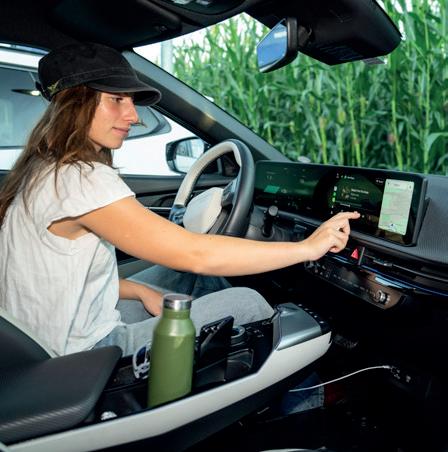
So wie Annika Morgan den Berg nicht erobert, sondern mit ihm in Dialog tritt, so fährt sie den EV6 nicht, um irgendwo anzukommen. Sondern um loszufahren. Bewegung als Lebensform. Als Freiheit. Und als Flow.
www.kia.com/de/modelle/ev6/entdecken
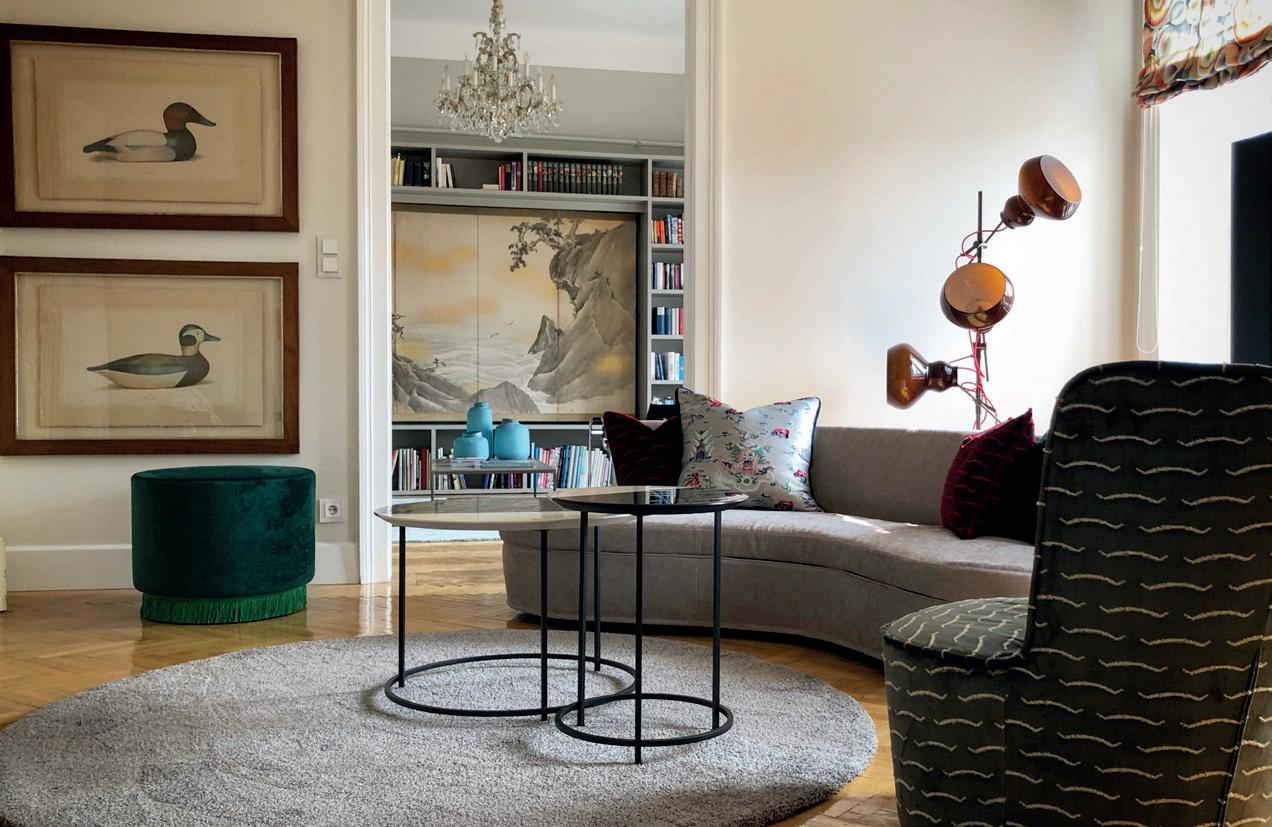
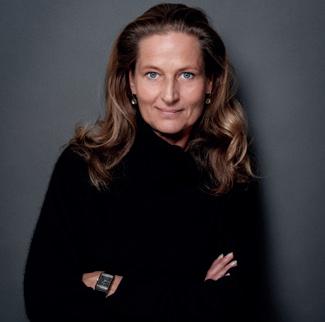
Elisabeth Auersperg designs interiors that come together like a carefully composed stage set, shaped by distinctive, artisanal materials and a finely tuned sensitivity to how a space should ultimately feel – always in harmony with its purpose.
The Viennese interior designer’s aesthetic can be described as modern, liveable luxury: restrained, yet never inconsequential. Elisabeth Auersperg’s spaces are not driven by fleeting trends, but by a desire to make understated beauty tangible. High-quality materials, clear craftsmanship and unexpected perspectives define a creative signature that appears calm at first glance, revealing its depth only over time. A gentle form of maximalism creates a curated, layered look that adds richness without overwhelming.
For Elisabeth Auersperg, inspiration is not an abstract concept but the result of lived experience. Travel, immersion in different cultures and a constant engagement with design all flow naturally into her work. The true starting point of every project, however, lies in the dynamic between client and architecture. Spaces are not imposed upon but carefully read: their proportions, light and in-
dividual characteristics form the foundation of each design concept.
Materials play a particularly central role in her process. Unusual artisanal surfaces, carefully selected finishes and subtly calibrated colour palettes shape both the visual and tactile perception of a space. In her showroom at Vienna’s Graben, Elisabeth Auersperg approaches this sensibility in an intentionally experimental way, using the space to explore new colour moods, materials and proportions.
While current interior trends such as elegance and natural looks align well with the studio’s classically modern approach, timeless design remains the clear priority. Rather than short-term makeovers, the focus is on concepts that can evolve over many years – through gentle updates, seasonal accents or changing patterns of use. This approach
is not only sustainable, but also reflective of real life: our lives change, and ideally our living and working spaces change with them.
Asked whether there is one project she holds particularly close, Elisabeth Auersperg laughs and replies: “It’s always the project that’s just about to be completed.”
www.elisabethauersperg.com
Instagram: @elisabethauersperg
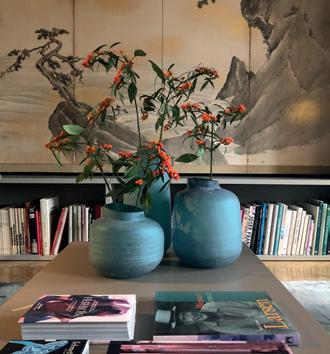
Elisabeth Auersperg entwirft Interieurs, die sich wie eine Art Bühnenbild zusammenfügen: geprägt von ausgefallenen, kunsthandwerklichen Materialien und dem feinen Gespür dafür, wie sich ein Raum am Ende, und im Einklang mit seinem Verwendungszweck, anfühlen soll.
Der Einrichtungsstil der Wiener Interior Designerin Elisabeth Auersperg lässt sich als moderner, lebbarer Luxus beschreiben; zurückhaltend, aber niemals belanglos. Räume entstehen hier nicht aus reinen Trendüberlegungen, sondern aus dem Anspruch heraus, zeitlose Schönheit erlebbar zu machen. Hochwertige Materialien, präzise Handwerkskunst und überraschende Perspektiven prägen eine Handschrift, die auf den ersten Blick ruhig wirkt und sich erst auf den zweiten entfaltet.
Ein sanfter Maximalismus sorgt für einen kuratierten, vielschichtigen ‚Layered Look’, der Tiefe schafft, ohne zu überfordern.
Inspiration ist für Elisabeth Auersperg kein abstrakter Begriff, sondern das Ergebnis gelebter Erfahrung. Reisen, das Eintauchen in unterschiedliche Kulturen und die tägliche Auseinandersetzung mit Design fließen selbstverständlich in ihre Arbeit ein. Der eigentliche Ausgangspunkt jedes Projekts ist jedoch die Dynamik zwischen den Auftraggebern und Architektur. Räume werden nicht überformt, sondern gelesen: ihre Proportionen, ihr Licht, ihre Eigenheiten bilden die Basis für jedes Gestaltungskonzept.
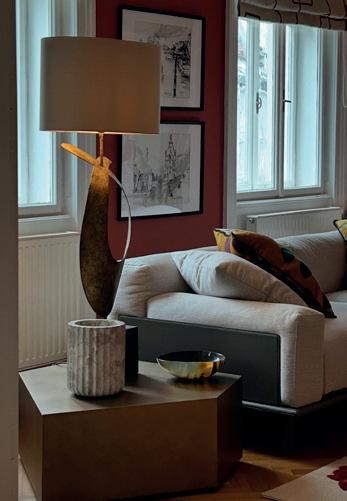
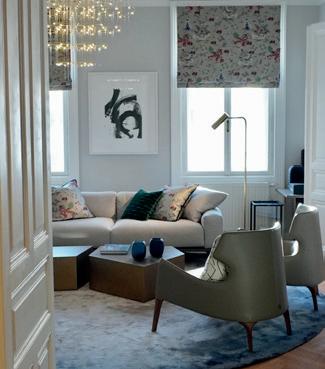
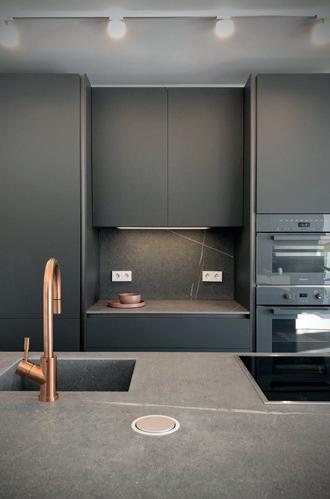
Eine besondere Rolle spielen dabei Materialien. Ausgefallene, kunsthandwerkliche Oberflächen, sorgfältig gewählte Finishes und fein abgestimmte Farbpaletten prägen die optische und haptische Wahrnehmung eines Raumes entscheidend. Im Schauraum am Wiener Graben nutzt Elisabeth Auersperg diesen Ansatz bewusst experimentell: Hier werden neue Farbstimmungen, Materialien und Proportionen erprobt und weitergedacht.
Aktuelle Interior-Trends wie Eleganz und Natürlichkeit kommen dem klassisch-modernen Stil des Studios entgegen. Dennoch steht zeitlose Gestaltung klar im Vordergrund. Statt kurzfristiger Makeovers entstehen Konzepte, die sich über Jahre weiterentwickeln lassen – durch sanfte Updates, saisonale Akzente oder neue Nutzungsszenarien. Dieser Ansatz ist nicht nur nachhaltig, sondern spiegelt auch die Realität wider: Lebensentwürfe verändern sich, und Räume sollten diese Veränderungen mittragen können.
Nach einem Lieblingsprojekt gefragt, lacht Elisabeth Auersperg und sagt: „Es ist immer das im Abschluss befindliche Projekt, das mir besonders am Herzen liegt.”
www.elisabethauersperg.com
Instagram: @elisabethauersperg
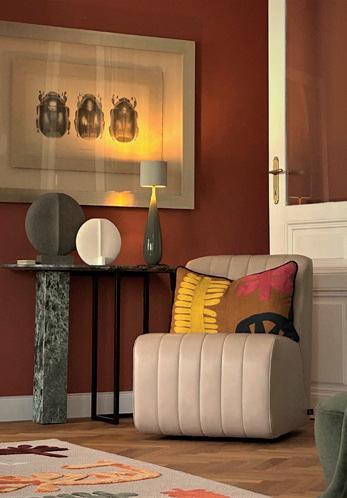
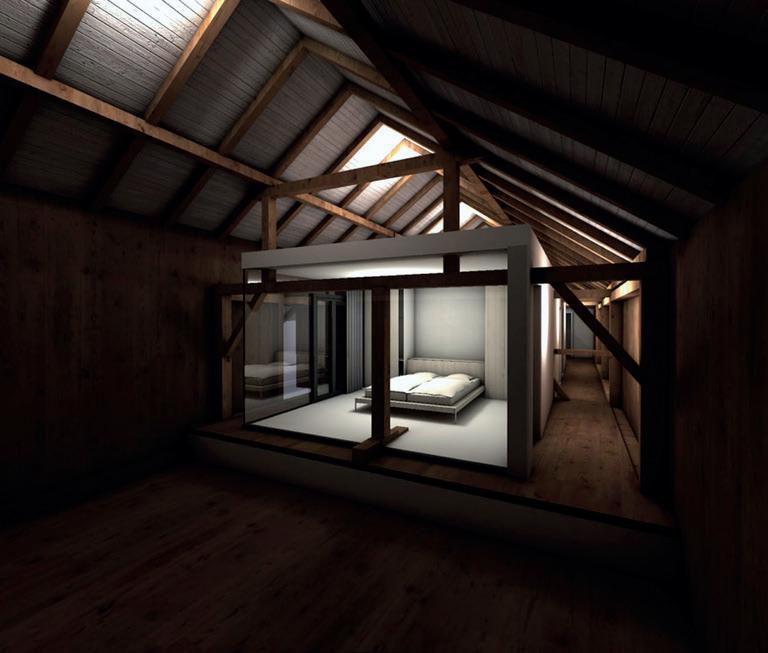
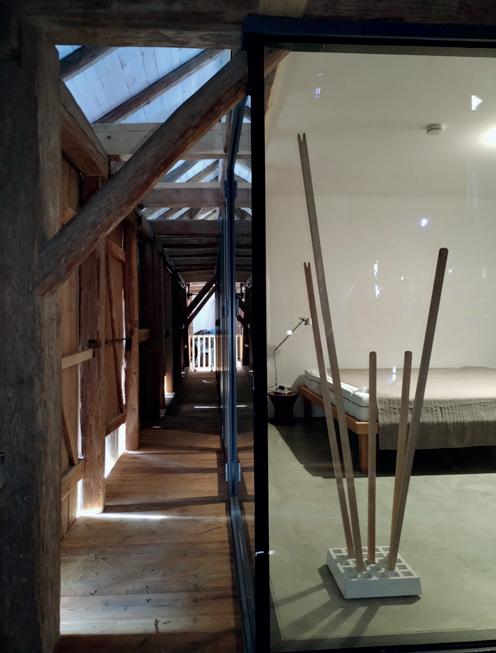
Architekturbüro Dengg creates individual solutions while preserving historical substance – for experiential architecture beyond a standardised form language.
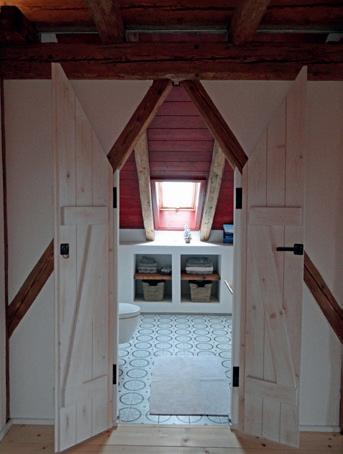
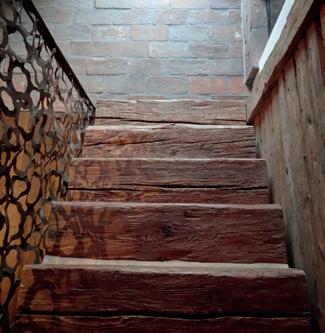
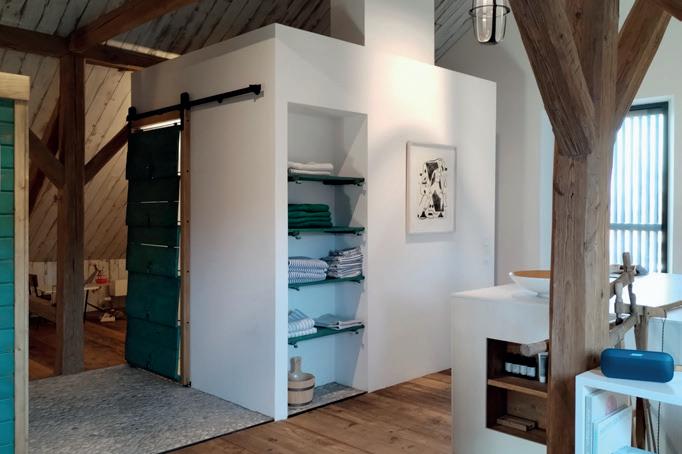
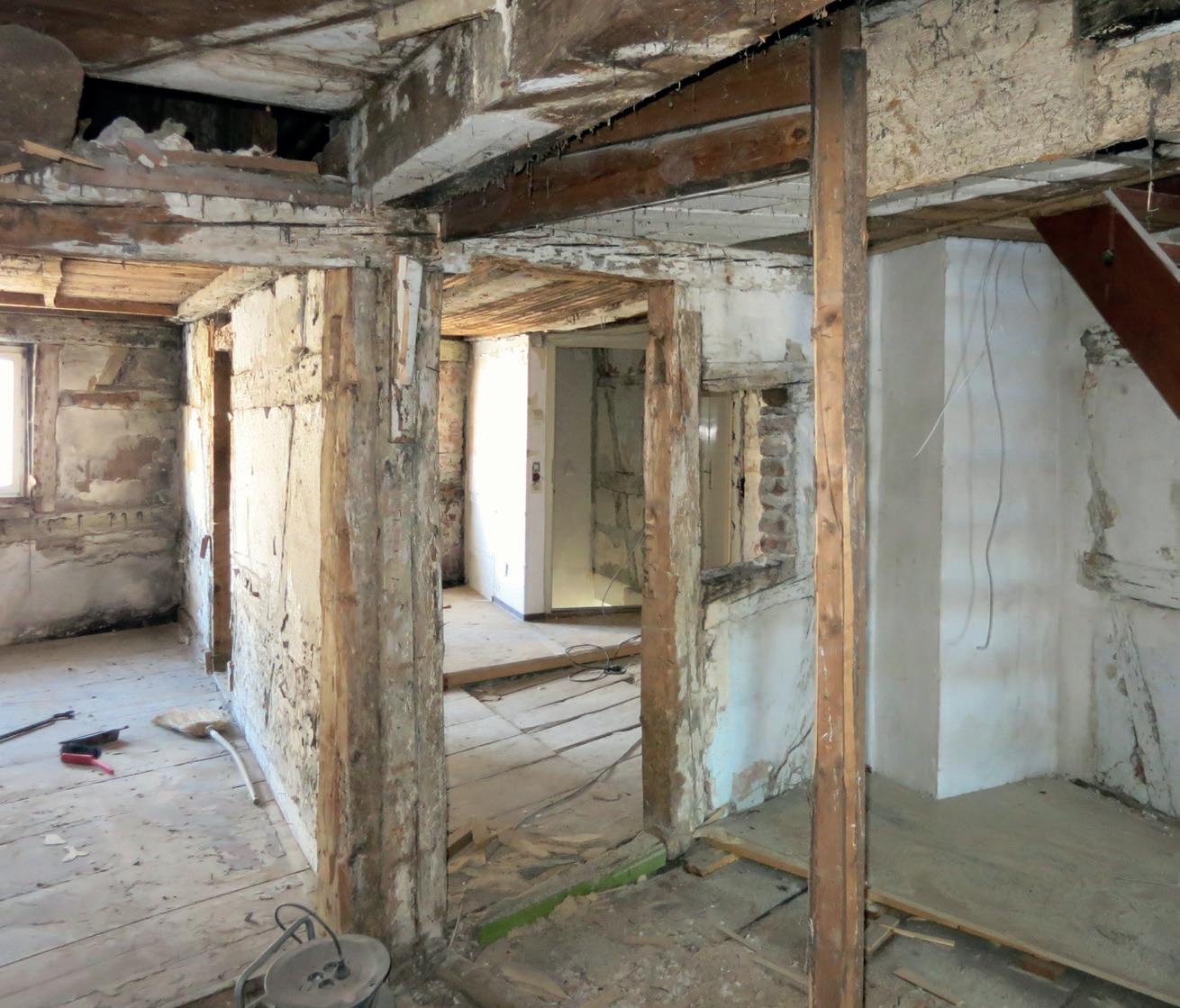
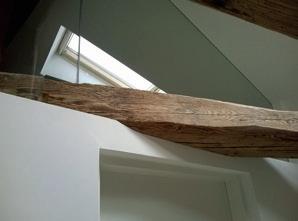
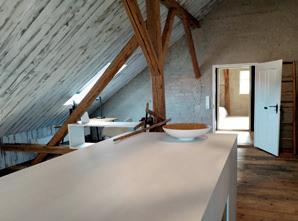
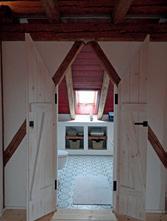
The office based in the Bavarian Allgäu region is primarily concerned with ensuring that old buildings do not become sterile as a result of restoration. “We have the necessary experience and intuition to ensure that old buildings are not renovated to death – instead, their age remains visible in the surfaces,” explains architect and office founder Andreas Dengg. To achieve this, the team creatively integrates historical details. “We start with making an inventory of all the historical elements in the old building – doors, windows, boards, furniture, and even tools. We use these to create something new during the design process – or simply continue using them for their original purpose.” For the last project, a fall protection system was built from old saws and a sliding door was created from old shutters. “Details like these create a uniqueness that our clients appreciate!”
The architect started out with renovating municipal buildings such as schools and commu-
nity halls, which were soon followed by challenging projects involving historic structures, some of which are listed buildings. “Since I never wanted to have a team of more than five, as not to lose personal contact with customers, I shifted my focus toward farms and historic buildings,” explains Dengg. “I also find the challenge of developing a coherent overall concept for virtually hopeless existing buildings extremely exciting. Every structure has different conditions!”
Dengg’s clients seek individual solutions that preserve the historical substance, such as in the case of old farmhouses as second homes. “Many clients come from urban areas and have purchased a property in the Allgäu region, where they want to live differently,” explains the architect. The collaboration with the office's external planning team is particularly helpful here. “From fire protection to structural and electrical engineering through to restoration and building research, we and ultimately
our customers benefit from good co-work. Everyone knows what they can rely on.” The external planning team is to be expanded in the near future.
Currently, Andreas Dengg is looking forward to the upcoming renovation of a listed townhouse in Füssen, located right in the historic city centre. A wealth of historical details have been preserved here, says the architect with enthusiasm: “The revitalisation of this currently vacant building, highlighting its historical substance, is very close to my heart.”
www.architekt-dengg.de
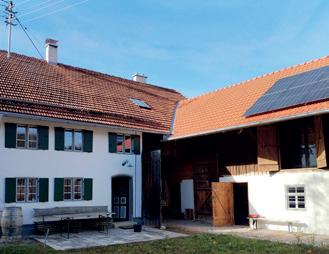
Architekturbüro Dengg schafft individuelle Lösungen unter Erhaltung der historischen Substanz – für eine erlebbare Bestandsarchitektur jenseits der genormten Formensprache.
Dem Büro aus dem Allgäu geht es vor allem darum, alte Bausubstanz durch Restaurierung nicht steril werden zu lassen: „Wir bringen die nötige Erfahrung und das Gespür dafür mit, dass alte Bausubstanz nicht ‚totsaniert‘ wird –sondern das Alter auch in den Oberflächen erlebbar bleibt“, erklärt Architekt und Bürogründer Andreas Dengg. Dazu greift das Team zu kreativen Mitteln, etwa der Integration historischer Details: „Wir inventarisieren zu Beginn sämtlichen historischen Fundus im Altbestand – also Türen, Fenster, Bretter, Möbel, und sogar Werkzeuge. Daraus schaffen wir im Entwurfsprozess Neues oder verwenden sie in ihrer alten Bestimmung weiter.“ Im letzten Objekt wurde auf diese Weise zum Beispiel eine Absturzsicherung aus alten Sägen gebaut, sowie eine Schiebetür aus alten Fensterläden geschaffen: „Solche Details schaffen eine Einzigartigkeit, die unsere Kunden zu schätzen wissen!“
Begonnen hat der Architekt mit der Sanierung kommunaler Bauten, wie etwa Schulen und Gemeindesälen, die schon bald durch herausfordernde Projekte im teils denkmalgeschützten,
historischen Bestand abgewechselt wurden: „Da ich nie eine Bürogröße von über fünf Personen haben wollte, um den persönlichen Kontakt zum Kunden nicht zu verlieren, verlagerte ich den Schwerpunkt in Richtung Bauernhöfe und Denkmalgebäude“, erläutert Dengg. „Zudem finde ich die Herausforderung, für quasi ‚hoffnungslose‘ Bestandsgebäude ein schlüssiges Gesamtkonzept zu entwickeln, extrem spannend. Hier sind in jedem Gebäude die Rahmenbedingungen neu!“
Dengg Kund*innen suchen oft nach individuellen Lösungen unter Erhaltung der historischen Substanz, wie zum Beispiel im Fall von alten Gehöften als Zweitwohnsitz: „Viele kommen aus den Ballungszentren und haben sich im Allgäu ein Objekt gekauft, in dem Sie anders wohnen wollen als zuhause“, erläutert der Architekt. Besonders hilfreich ist auch hier die Zusammenarbeit mit dem externen Planungsteam des Büros: „In Sachen Statik, Brandschutz, Elektrotechnik, Restaurator und Bauforschung profitieren wir und letztlich auch der Kunde von einer guten Zusammenarbeit. Da weiß jeder, worauf er sich verlassen kann.“ Das externe Planungsteam soll in Zukunft weiter ausgebaut werden.
Derzeit freut sich Andreas Dengg zudem auf die anstehende Sanierung eines denkmalgeschützten Stadthauses im bayerischen Füssen, direkt im historischen Stadtkern gelegen. Hier hat sich eine Vielzahl von historischen Details erhalten, freut sich der Architekt: „Die Wiederbelebung dieses im Moment leerstehenden Gebäudes unter Herausarbeitung seiner historischen Substanz liegt mir sehr am Herzen.“
www.architekt-dengg.de
Ihr Projekt verdient eine präzise Handschrift. Sprechen wir darüber.
www.architekt-dengg.de

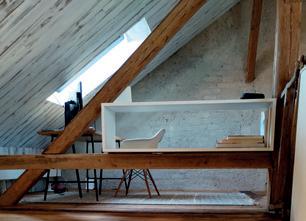
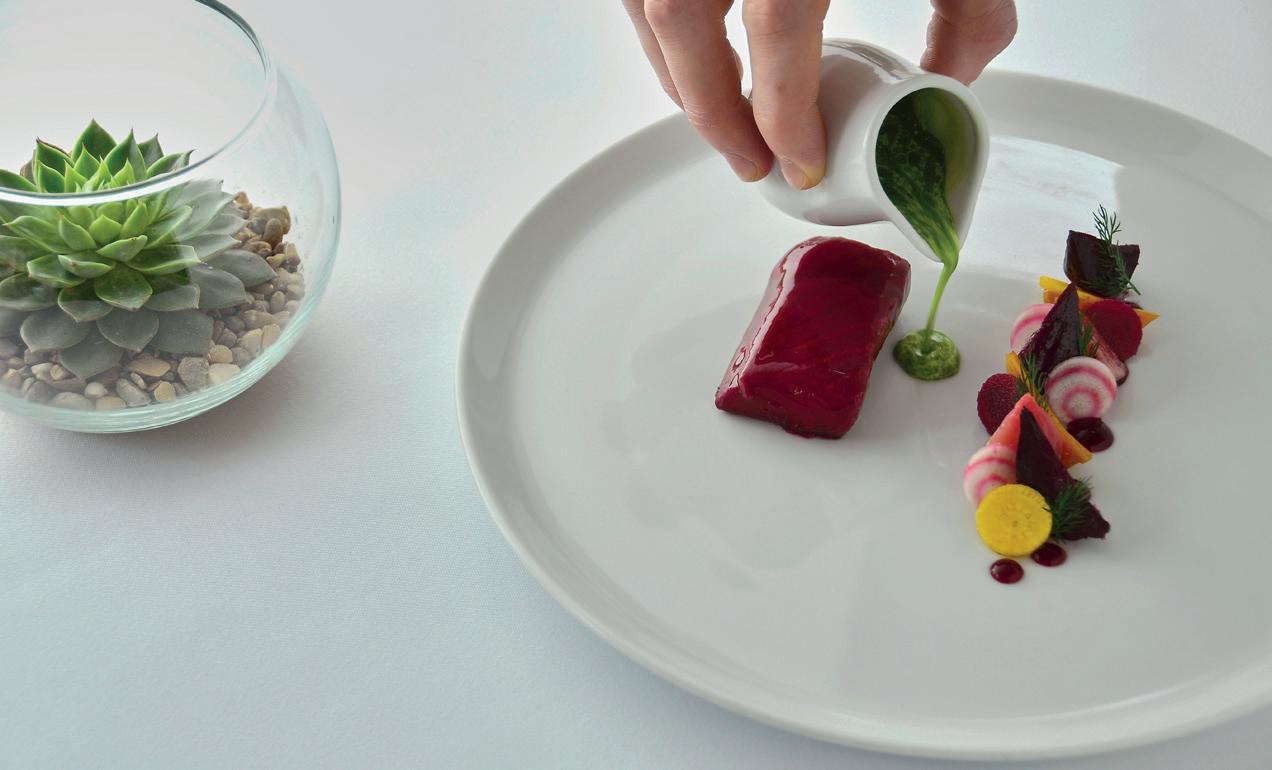
Step into the exceptional world of restaurants on the following pages. Savour creative menus, the freshest seasonal ingredients, and memorable dining moments as we meet some of the creative culinary minds of the DACH region.
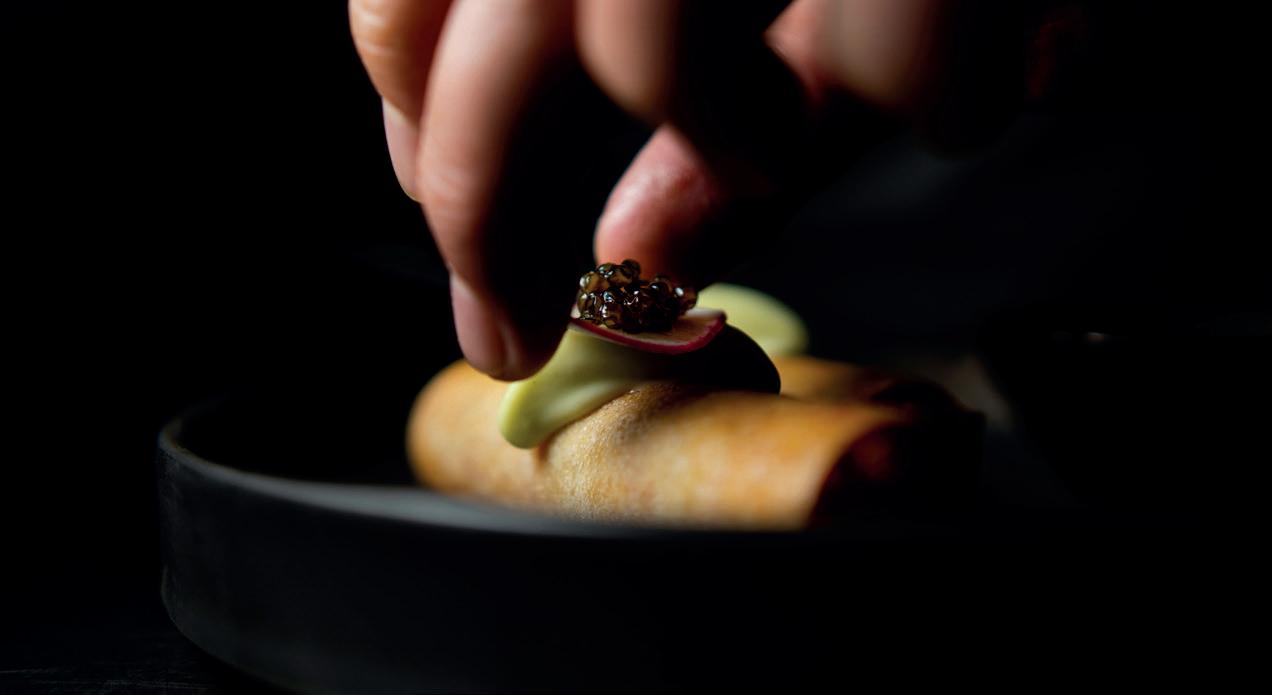
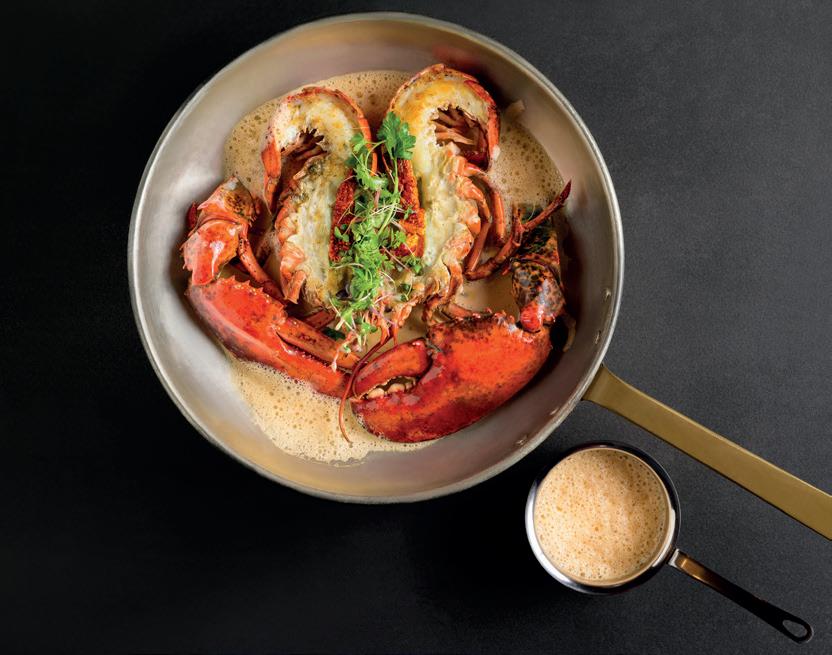
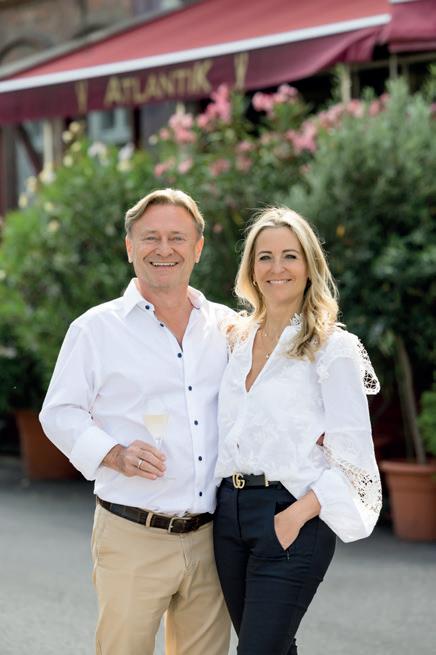
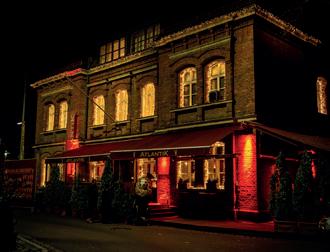
A fish restaurant in the middle of Munich’s Schlachthof district? It is precisely this unexpected setting that gives Atlantik Fisch its unique charm. Anyone strolling down Zenettistraße and stepping into the crimson red, 150-year-old brick building instantly knows that something special awaits: a culinary experience unlike any other.
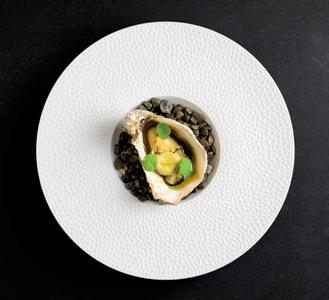
For decades, Peter Feigl has run Atlantik Fisch with a passion that you can genuinely taste – uncompromising, fresh and wonderfully authentic. At the heart of the restaurant lies one clear priority: exceptional ingredients, from Breton lobster to freshly shucked oysters. “The fish and seafood arrive alive and are placed straight into our in-house saltwater tank to rest,” explains host Anja Feigl. “It’s essential for the quality and flavour.” You simply won’t find fresher seafood in Munich.
On the Monolith charcoal grill, the ingredients transform into dishes that are pure, aromatic and clear in their intention. Alongside seafood lovers, meat enthusiasts and vegetarians will also discover creative, seasonally inspired dishes. Additives? Not in this kitchen. Every jus and every sauce is made from natural ingredients and meticulous craftsmanship.
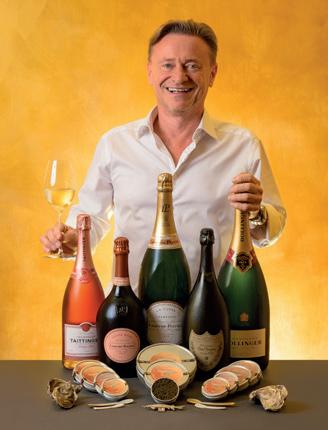
The culinary highlights are perfectly complemented by a GaultMillau-awarded wine list, considered one of the finest in the city. Around 600 carefully curated bottles are stored in the wine cellar, all personally selected by Peter Feigl. Whether you prefer a rare gem or a timeless classic, there is a fitting pairing for every dish.
But Atlantik Fisch is more than exceptional cuisine. Its atmosphere is equally distinctive. The light-filled conservatory with panoramic glass roof, elegant rooms in deep wine red and gold, four private dining rooms, a heated wooden terrace, and the STUDIO Atlantik art gallery on the first floor create the perfect setting for every kind of occasion. “Each private room is unique in size, style and décor – perfect for intimate gatherings or exclusive events,” says Anja Feigl. “And a thoughtful mix of high tables
and lower seating allows guests to tailor their experience to their own preference. Thanks to our secluded location, events can also run a little later – and a little louder.”
At Atlantik Fisch in Munich, gourmet diners from around the world come together with one shared expectation: absolute freshness and uncompromising quality. Visit once, and it becomes clear why this restaurant has rightly remained one of the city’s most beloved culinary institutions for decades.
www.atlantik-muenchen.de
Ein Fischrestaurant mitten im Münchner Schlachthofviertel? Genau das macht den besonderen Reiz des Atlantik Fisch aus. Wer die Zenettistraße entlangläuft und das tiefrote, 150 Jahre alte Backsteingebäude betritt, spürt sofort: Hier wartet ein ganz besonderes kulinarisches Erlebnis.
Seit vielen Jahrzehnten führt Peter Feigl sein Atlantik Fisch mit einer Leidenschaft, die man schmeckt – kompromisslos, frisch und absolut authentisch. Im Mittelpunkt des Restaurants steht ganz klar die Qualität der Zutaten vom bretonischen Hummer bis zur fangfrischen Auster. „Die Tiere kommen lebendig an und werden direkt ins hauseigene Salzwasserbecken gesetzt, wo sie sich noch ausruhen können“, erklärt Gastgeberin Anja Feigl. „Das ist wichtig für die Qualität und den Geschmack vom ‚Fleisch’.” Frischer geht es in München wirklich nicht.
Auf dem Monolith-Holzkohlegrill entstehen daraus Gerichte, die pur, aromatisch und klar in ihrer Handschrift sind. Neben Fischliebhabern finden hier auch Fleischfans oder Vegetarier kreative, saisonal inspirierte Spezialitäten. Zusatzstoffe? Kommen nicht auf den Teller. Jede Jus, jede Sauce basiert auf Naturprodukten und handwerklicher Präzision.
Perfekt abgerundet werden die kulinarischen Highlights mit einer von GaultMillau prämierten Weinkarte, die zu den besten der Stadt zählt. Rund 600 Positionen lagern im Wein-
keller, den Peter Feigl akribisch kuratiert. Ob rare Entdeckung oder eleganter Klassiker –für jedes Gericht findet sich die passende Begleitung.
Doch das Atlantik Fisch lebt nicht nur von seiner Kulinarik. Die Atmosphäre ist ebenso einzigartig: Der lichtdurchflutete Wintergarten mit Panoramadach, stilvolle Räume in Weinrot und Gold, vier Private Rooms, eine beheizte Holzterrasse sowie die Kunstgalerie ‚STUDIO Atlantik’ im ersten Stock schaffen Orte für jede Art von Anlass. „Die individuellen Private Rooms – jeder in Größe, Stil und
Dekoration einzigartig – bieten den perfekten Rahmen für intime Anlässe oder exklusive Zusammenkünfte”, so Anja Feigl. „Ein stimmiges Wechselspiel aus Stehtischen und niedrigeren Sitzbereichen ermöglicht Gästen, ihren Aufenthalt ganz nach persönlicher Vorliebe zu gestalten. Feiern kann man bei uns auch deshalb besonders gut und lange, da es keine direkte Nachbarschaft gibt und man somit weniger auf Lautstärke achten muss.”
Im Münchner Atlantik Fisch kommen Feinschmecker aus aller Welt zusammen, die eines verbindet: der Anspruch auf absolute Frische und höchste Qualität. Wer einmal hier zu Gast war, versteht sofort, warum das Restaurant seit Jahrzehnten zu den beliebtesten Genussadressen der Stadt zählt.
www.atlantik-muenchen.de
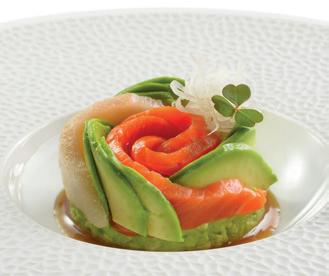
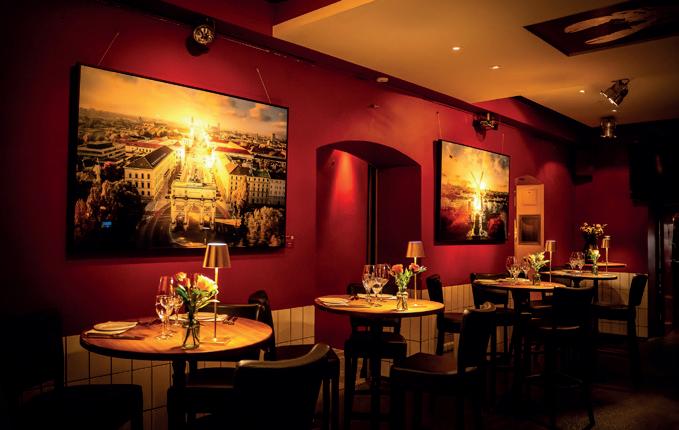
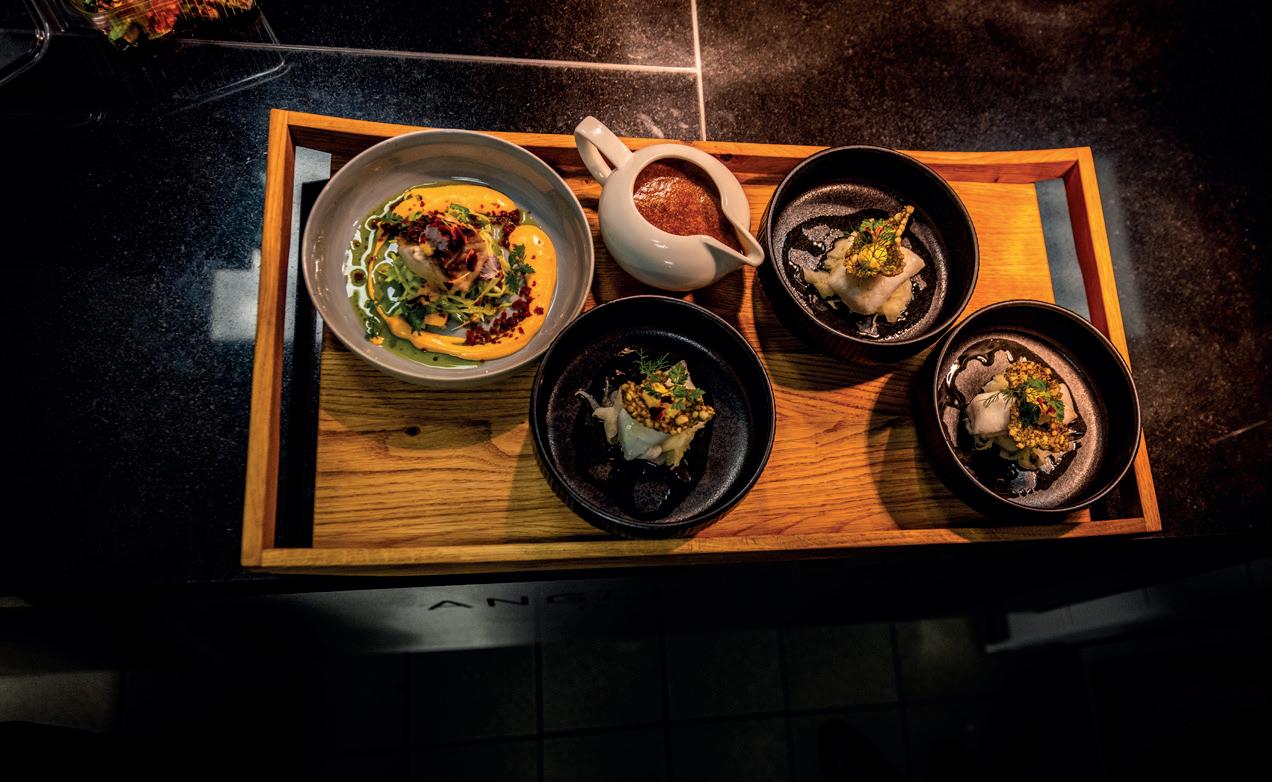
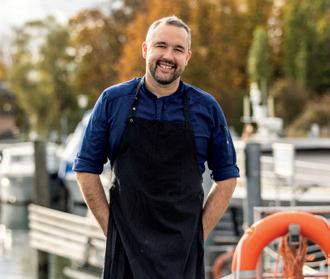
Constance: winding alleys, nostalgic charm and a relaxed holiday atmosphere on the shores of Lake Constance. The restaurant ANGLERSTUBEN shows guests the culinary side of this charming city.
“We’re a fine dining restaurant for everyone,” says owner Christian Siebel. “Our claim is regional and real. And we truly mean it!”
The cuisine follows a distinct philosophy: regional, seasonal and cosmopolitan. The dishes draw inspiration from the Lake Constance region without stopping at national borders.
“Whether it’s local venison from Bodanrück with Thai curry aromas or a Swabian Maultasche paired with langoustine – what matters is that a dish or flavour combination makes sense and remains authentic,” Siebel stresses. Fish from Lake Constance is part of the experience as well. “It’s genuine wild catch, which we receive from our fisherman on Reichenau Island when he has had a lucky day. Only then does fish make its way onto our menu.”
The team creates a new menu every four weeks: two five-course menus, guided strictly by seasonality and availability. “People understand the restricted availability of asparagus
or strawberries,” Siebel points out. “But every ingredient has a season. That’s why we don’t serve tomatoes from September to June or why lamb from the Swabian Alb is on the menu only in March and April.”
The atmosphere at ANGLERSTUBEN feels more like a living room than a restaurant: relaxed, warm and unpretentious. “We want our guests to feel good and to approach our food with both pleasure and curiosity. We want them to have a wonderful evening in a place where they instantly feel at home.”
Siebel remains unperturbed by the accolades that ANGLERSTUBEN has already received from major restaurant guides: “They are certainly nice, helpful and make us proud. But they are quite irrelevant for what we aim to achieve.” What matters most to him is what develops between host and guest. “Being genuine is true hospitality. We know many of our regulars by their first names, we know which water or wine they prefer, their allergies. And
we can sense whether guests want to keep to themselves or prefer a bit of guidance throughout the evening.”
It is likely this blend of authenticity and subtle refinement that makes ANGLERSTUBEN such a special place. Anyone who comes here finds honest, regional cuisine that is curious about international influences.
With ANGLERSTUBEN, Christian Siebel and his team have created a space where good food is not just about taste. Here, food becomes an atmospheric experience.
www.anglerstuben.com
Konstanz: verwinkelte Gassen, nostalgisches Flair, entspanntes Urlaubsgefühl an den Ufern des Bodensees. Das Restaurant ANGLERSTUBEN lädt ein, diese Stadt auch kulinarisch zu erkunden.
„Wir sind ein Fine Dining-Restaurant für Jedermann”, sagt Inhaber Christian Siebel. „Regional und echt steht in unserem Logo. Und das meinen wir auch genau so.”
Die Küche des Hauses folgt einer klaren Handschrift: regional, saisonal und weltoffen. Die Gerichte finden ihre Inspiration im Bodenseegebiet, ohne sich dabei an Ländergrenzen zu halten. „Ob regionales Wild vom Bodanrück mit Thai-Curry-Aromen oder eine schwäbische Maultasche mit Kaisergranat: für uns zählt, dass ein Gericht oder eine Geschmackskombination Sinn macht und authentisch bleibt”, betont Siebel. Auch der Bodenseefisch spielt dabei eine Rolle. „Das ist echter Wildfang. Wir bekommen ihn nur, wenn unser Fischer von der Insel Reichenau Glück hatte. Nur dann erscheint der Fisch auf unserer Karte.”
Alle vier Wochen schreibt das Team eine neue Speisekarte: zwei Fünf-Gang-Menüs, konsequent an Saison und Verfügbarkeit orientiert. „Bei Spargel und Erdbeeren verstehen die Menschen das sofort”, so der Inhaber. „Aber auch
alle anderen Lebensmittel haben eine Saison. Deshalb gibt es bei uns von September bis Juni keine Tomaten und nur im März und April Lämmer von der Alb.”
Die Atmosphäre in den ANGLERSTUBEN ist mehr Wohnzimmer als Restaurant: entspannt, herzlich und unverstellt. „Unsere Gäste sollen sich wohl fühlen, Interesse und
Spaß an toller Kulinarik haben und einem schönen Abend erleben an einem Ort, an dem sie sich sofort Zuhause fühlen können.”
Bewertungen großer Restaurantführer, die die ANGLERSTUBEN mittlerweile erhalten haben, nimmt Siebel gelassen: „Sie sind sicherlich nett, hilfreich und machen uns natürlich stolz. Sie sind aber für unser Anliegen relativ unwichtig.” Wichtiger ist dem Inhaber das, was zwischen Gastgeber und Gast entsteht. „Echt sein ist wahre Gastfreundschaft. Wir kennen viele unserer Stammgäste beim Vornamen, wissen, welches Wasser oder welchen Wein sie bevorzugen, kennen ihre Allergien. Und wir spüren, ob jemand für sich sein will oder den Abend moderiert haben möchte.”
So ist es vermutlich genau diese Mischung aus gelebter Normalität und Feinsinn, die die ANGLERSTUBEN zu einem besonderen Ort machen. Wer hier einkehrt, erlebt ehrliche, regional verwurzelte Kulinarik, die zugleich neugierig ist auf die Welt.
Mit den ANGLERSTUBEN haben Christian Siebel und sein Team einen Raum geschaffen, in dem gutes Essen nicht nur Genuss ist, sondern zu einem atmosphärischen Erlebnis wird.
www.anglerstuben.com
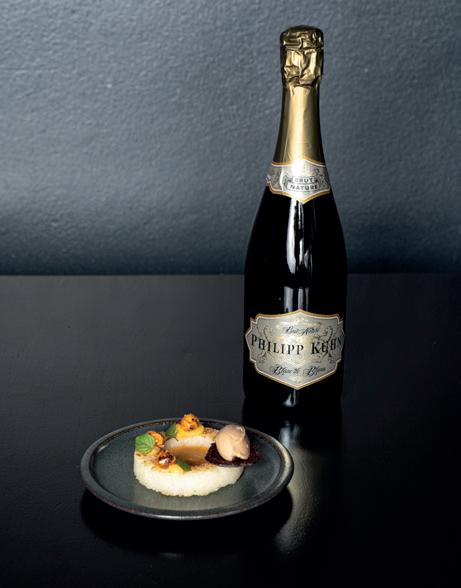
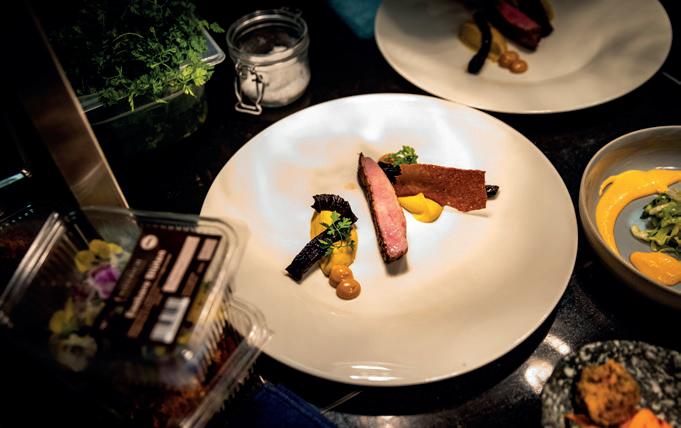
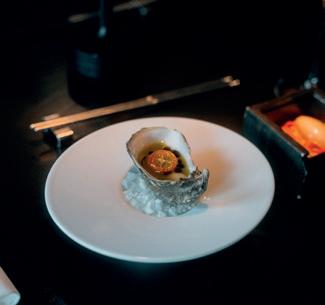
European cuisine fused with Korean Japanese influences is the DNA of restaurant Dae Mon in Berlin – a unique interplay of flavours. In 2026, the Michelin Guide-recommended restaurant will celebrate its 10th anniversary. Up to this day, it has remained true to its original culinary concept.
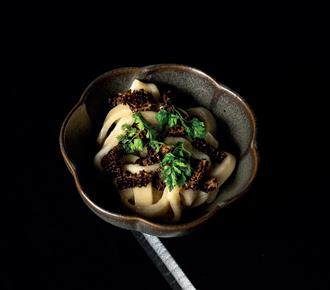
Tuna tartare with sesame, papaya with Thai chili and rowanberry, or bubble tea with jasmine, sweet potato, and nutmeg: the Dae Mon kitchen team does not shy away from culinary experiments. For the past three years, the team has focused on tasting menus with six to eight courses, either with meat and fish or purely vegetarian. “We cook what inspires us and what is currently available; what we like and what resonates with our guests,” says managing director Stefan Reinhardt. “We want to offer an experience and not just satisfy people’s hunger.” Stefan Reinhardt calls the restaurant's unique approach an open-minded cuisine.
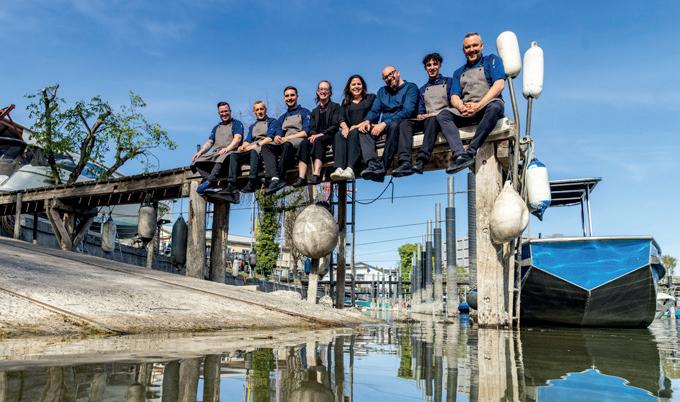
Berlin is known for individualists and an international flair, and this is reflected at Dae Mon. People from seven nations currently work at the restaurant. In February 2026, head chef Samuel Haas, who previously collaborated
with co-head chef Philip Steixner, will present his first solo menu.
Not just the food makes Dae Mon unique: alongside a comprehensive wine list, for the last seven years the restaurant has been offering tea pairings for its menus. In many regards, tea is like wine: the cultivation method, the variety, and the terroir play a major role for the flavour. The tea is steeped in cold water for 20 to 24 hours before being served in a glass, allowing the aromas to fully unfold. With this approach, the restaurant takes inspiration from Japanese traditions, without imitating the traditional tea ceremony.
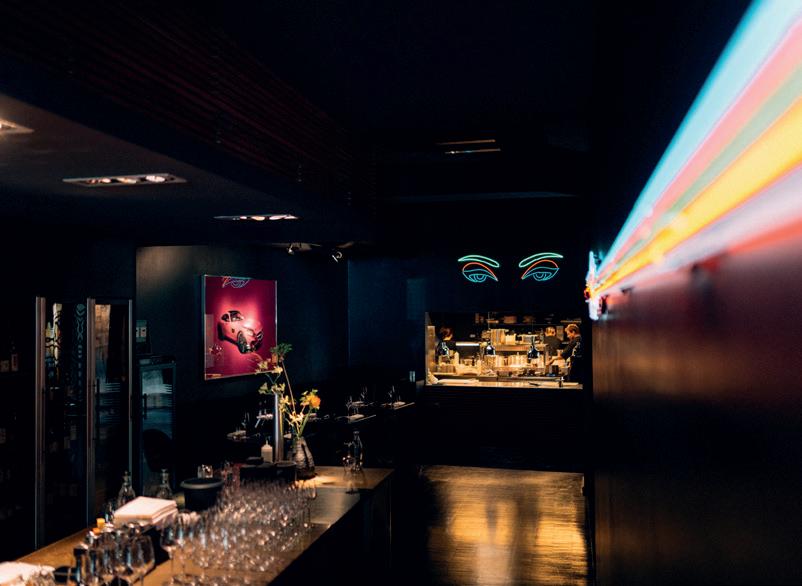
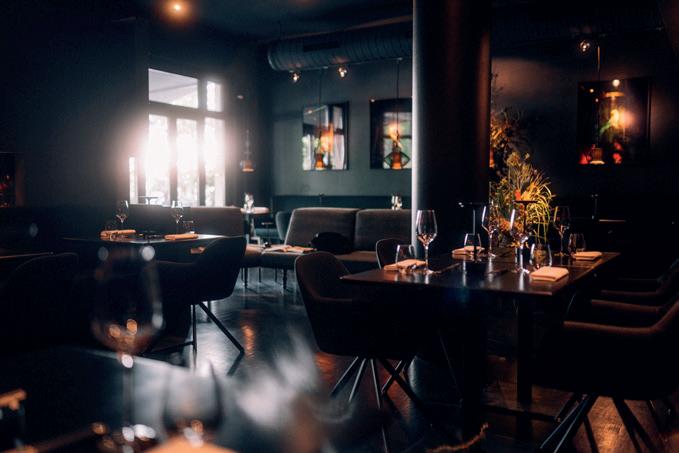
Dae Mon is a special place: the interior offers generous space for 22 guests in the front area, an open kitchen, and a large table for
bigger groups in the rear. Enjoying with all senses is paramount, and so the restaurant’s interior is kept black. Works by the artists Tina Winkelhaus and Dirk Lange, and opulent bouquets from a local florist provide the necessary touch of colour.
The restaurant's success has spread: each January the entire team travels to the World Economic Forum in Davos to cook for guests from around the world.
www.dae-mon.com
Koreanisch-japanisch beeinflusste europäische Küche ist die DNA des Restaurants Dae Mon in Berlin – ein einzigartiges Zusammenspiel der Geschmäcker. 2026 feiert das im Guide Michelin empfohlene Restaurant sein 10-jähriges Jubiläum. Dabei ist es seiner ursprünglichen Linie aber bis heute treu geblieben.
Thunfisch Tartar mit Sesam, Papaya mit Thai-Chili und Vogelbeere oder Bubble Tea mit Jasmin, Süßkartoffel und Muskat: Das Küchenteam des Dae Mon scheut nicht vor kulinarischen Experimenten zurück. Seit inzwischen drei Jahren setzt das Küchenteam auf eine festgelegte Menüfolge von sechs bis acht Gängen, entweder mit Fleisch und Fisch oder rein vegetarisch. „Wir kochen, worauf wir Lust haben und was gerade im Angebot ist; was wir mögen und was bei den Gästen ankommt”, sagt Geschäftsführer Stefan Reinhardt. „Wir wollen ein Erlebnis bieten und nicht nur den Hunger stillen.” ‚OpenMinded-Cuisine‘ nennt Stefan Reinhardt den einzigartigen Ansatz des Restaurants
Berlin ist für Individualisten und ein internationales Flair bekannt und das spiegelt sich auch im Dae Mon wider. Derzeit arbeiten Leute aus sieben Nationen im Team des Restaurants. Im Februar 2026 präsentiert Küchenchef Samuel Haas, der bislang mit dem Co-Küchenchef
Philip Steixner zusammenarbeite, sein erstes eigenes Menü.
TEEBEGLEITUNG ZU EINEM AUSGEFEILTEN
MENÜ VOLLER AROMEN
Nicht nur das Essen macht das Restaurant Dae Mon einzigartig: Neben einer umfassenden Weinkarte gibt es seit sieben Jahren eine Teebegleitung zum Menü. Tee ist dem Wein in vielem ähnlich: Auch hier spielen die Anbau-
methode, die Sorte und das Terroir eine große Rolle für den Geschmack. Der Tee wird mit kaltem Wasser zubereitet und zieht für 2024 Stunden bevor er im Glas serviert wird, so dass sich die Aromen voll entfalten können. Mit dem Tee orientiert sich das Restaurant an japanischen Traditionen, ohne die traditionelle Teezeremonie nachahmen zu wollen.
Das Restaurant Dae Mon ist ein besonderer Ort: Es bietet im Innern großzügig Platz für 22 Gäste im vorderen Bereich, eine offene Küche und eine einladende Tafel für größere Gruppen im hinteren Bereich. Die Wahrnehmung mit allen Sinnen steht im Vordergrund und so ist das das Restaurant selbst ist in Schwarz gehalten. Werke der Künstler Tina Winkelhaus und Dirk Lange und opulente Blumensträuße einer lokalen Floristin sorgen für den nötigen Hauch Farbe.
Der Erfolg des Restaurants hat sich herumgesprochen: Inzwischen reist das gesamte Team jedes Jahr im Januar zum World Economic Forum in Davos, um dort für Gäste aus aller Welt zu kochen.
www.dae-mon.com
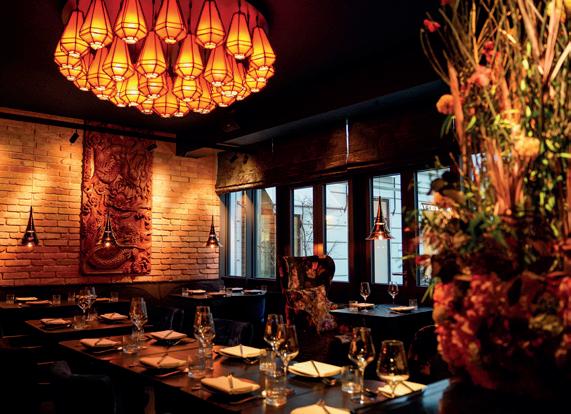
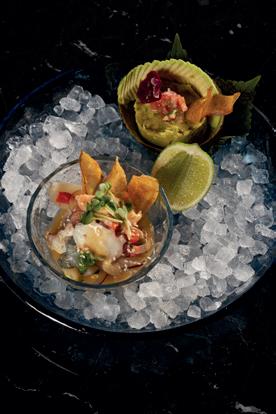
AIMY is setting new standards in the heart of Munich's culinary scene. Founded on the desire to present Vietnamese and Thai flavours in a modern and creative way at a fine-dining level, the restaurant is far more than a classic Asian restaurant.
At AIMY, authentic Southeast Asian cuisine meets European sophistication. "Together with our head chef Anu Chetah from Thailand, the idea of an Asian Mediterranean Sea was born – a culinary world that unites freshness, balance, and diversity," explains Viet Hai Pham, AIMY’s managing director. Thus, AIMY stands for cuisine with soul that is deeply rooted in tradition yet inspired by modern techniques and international influences.
Seasonal and creative signature dishes such as Rainbow Thai Ceviche with salmon, tuna, and sea bass, Caramelized Black Cod with coconut potato mousse, Beef Short Rib Massaman Curry, Tom Yum Hot Pot with seafood, or Wagyu Tataki with truffle and foie gras vividly demonstrate how each plate tells a story. "It's fine dining with heart – modern, yet honest," says Viet Hai Pham.
Sustainability is always a top priority: regional and seasonal ingredients, certified seafood, and responsibly sourced meat are a given. The ambiance further enhances the experience with warm lighting, golden tones, and Asian-inspired design – Sabai Sabai aptly describes the feeling of well-being and relaxation that awaits guests at AIMY.
Those seeking fine dining with heart, creativity and passion will find a culinary home here.
www.aimy-restaurant.de
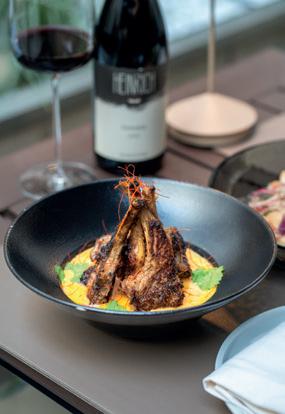
Inmitten Münchens kulinarischer Landschaft setzt das AIMY neue Maßstäbe. Gegründet aus dem Wunsch, vietnamesische und thailändische Aromen modern und kreativ auf Fine-DiningNiveau zu präsentieren, ist das Restaurant weit mehr als ein klassisches Asia-Lokal.
Im AIMY trifft authentische südostasiatische Küche auf europäische Raffinesse. „Gemeinsam mit unserem Küchenchef Anu Chetah aus Thailand entstand die Idee eines ‚asiatischen Mittelmeers’ – einer kulinarischen Welt, die Frische, Balance und Vielfalt vereint”, erklärt Viet Hai Pham, Geschäftsführer des AIMY. So steht das AIMY für eine Küche mit Seele – tief verwurzelt in Tradition, aber inspiriert von modernen Techniken und internationalen Einflüssen.
Saisonale und kreative Signature Dishes wie Rainbow Thai Ceviche mit Lachs, Thunfisch und Barsch, Caramelized Black Cod mit KokosKartoffel-Mousse, Beef Short Rib Massaman Curry, Tom Yum Hot Pot mit Seafood oder Wagyu Tataki mit Trüffel und Foie Gras zeigen eindrücklich, wie jeder Teller eine Geschichte erzählt. „Es ist Fine Dining mit Herz – modern, aber ehrlich”, sagt Viet Hai Pham.
Dabei steht Nachhaltigkeit stets im Fokus: Regionale und saisonale Zutaten, zertifiziertes Seafood und verantwortungsvolle Fleischquellen sind selbstverständlich. Das Ambiente begeistert desweiteren mit warmem Licht, Goldtönen und asiatisch inspiriertem Design – ‚Sabai Sabai’ beschreibt treffend das Gefühl von Wohlbefinden und Entspannung, das Gäste im AIMY erwartet.
Wer Fine Dining mit Herz, Kreativität und Leidenschaft sucht, findet hier ein kulinarisches Zuhause.
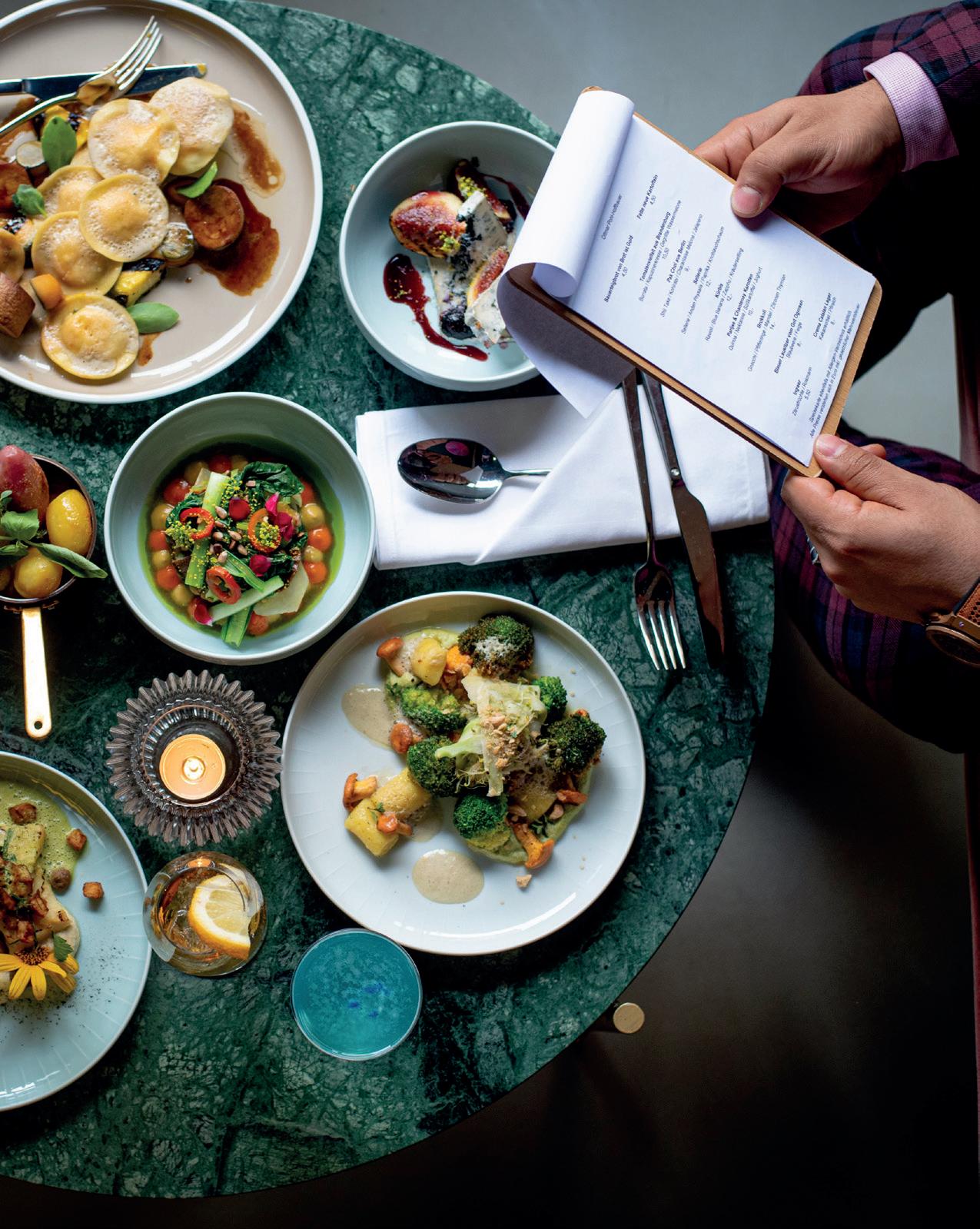
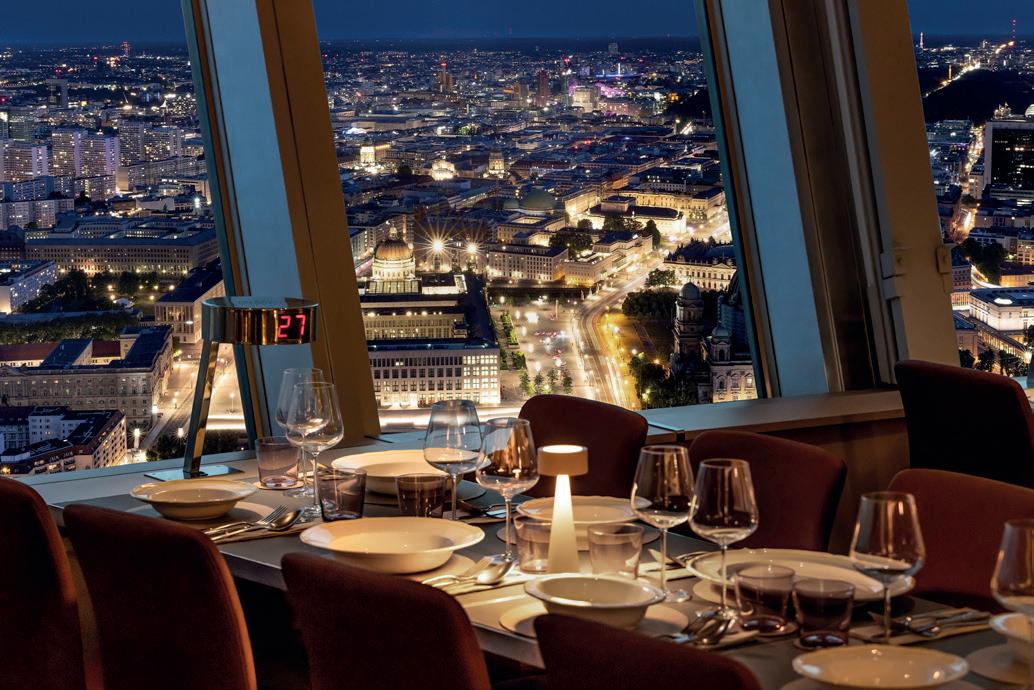
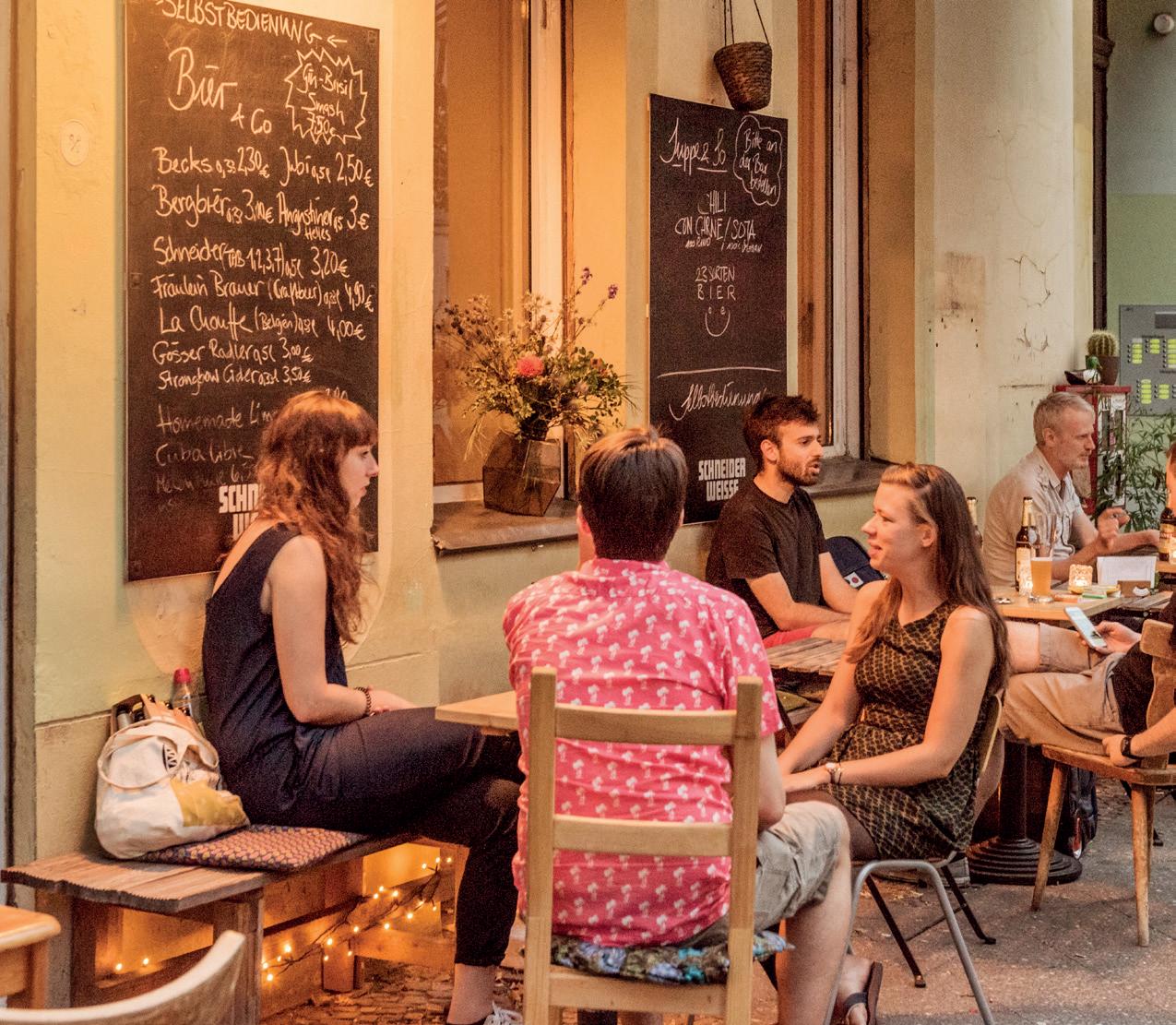
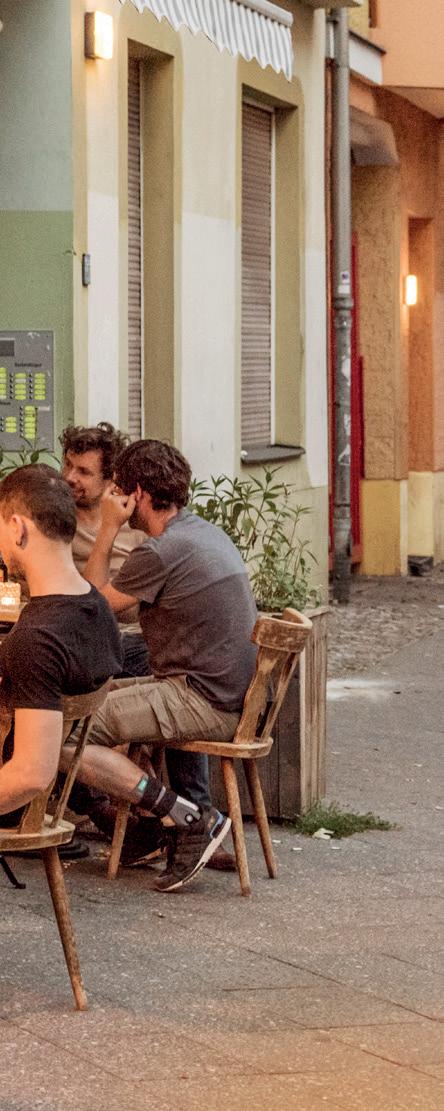
Berlin has always been a city that enjoys culinary culture from all parts of the world, both before and after the wall came down. Here, we celebrate Berlin’s current food trends.
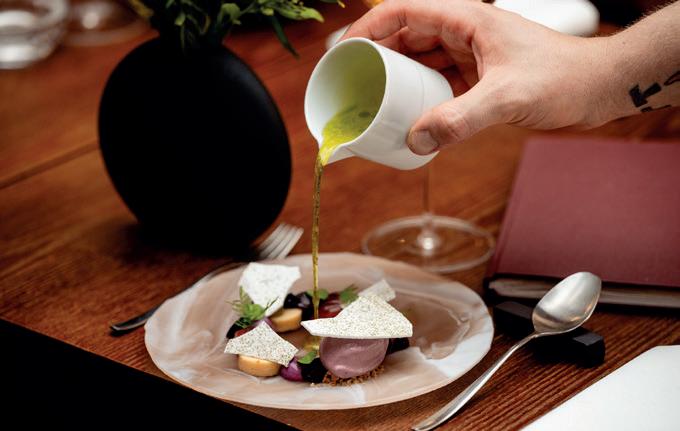
From the traditional, elaborate Sunday brunch through to green fine dining; Berlin has it all. And it seems that there is now a trend of people travelling to the German capital specifically to discover the city's celebrated culinary diversity. According to visitBerlin’s guest study Quality Monitor, visiting a restaurant ranks second among the most popular activities during a trip to Berlin for international guests.
Welcoming every chance to throw a party, Berlin offers countless annual culinary events, of which the two most important are the gourmet festival eat! berlin, running from 19 February to 1 March, and Berlin Food Week in October.
A festival for lovers of fine dining, eat! berlin celebrates well over 100 top chefs from Berlin, Germany, and around the world, as well as renowned wine connoisseurs. “We are
gourmets, wine drinkers, Berlin lovers, entrepreneurs, united by the vision of establishing a gourmet festival in Berlin that suits this city,” state the organisers. Neither a tourism association nor backed by a large corporation or political lobby, the makers of eat! berlin enjoy the
freedom to organise their gourmet festival for Berlin exactly as they envision it. A new popular feature is the eat! berlin market in the Kalle Halle in Neukölln. Here, top chefs from Berlin showcase their interpretation of high-quality street and market food, complimented with
top wines at both the VDP wine stand and in the French wine bar – while stage shows provide for entertainment.
Berlin Food Week is the capital’s largest autumn festival, taking place at Bikini Berlin near Bahnhof Zoo and locations across town. The festival sees itself as an open platform for new influences within Berlin’s culinary scene: “We offer a stage for the movers and shakers of the food and gastronomy scene. We tell the fascinating stories behind the products and inspire reflection.” A festival highlight for many foodies is undoubtedly House of Food at Bikini, where for two days, more than 40 local manufacturers, international food brands, start-ups, and small producers present their latest products. However, House of Food is not only intended as a tasting and shopping event. Here, admission is free and enjoyment is key – so visitors are invited to chat with both exhibitors and other foodies to their hearts’ delight while making their rounds.
Beginning with truffle & truffle in January, there are also numerous smaller food fes-
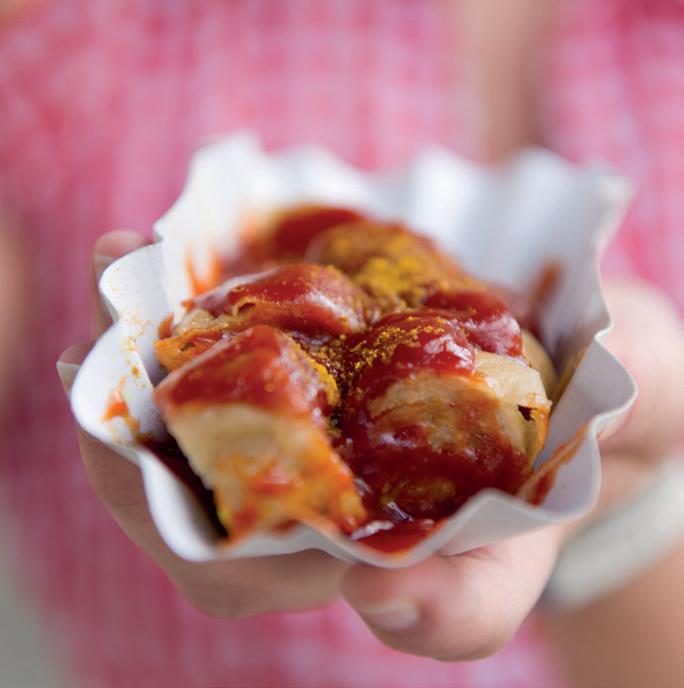
tivals in Berlin, a lot of which are inspired by the various ethnic communities that together form the capital’s unique demography. From the Ramen and the Food & Culture Festival to the Halal Food Festival Berlin through to Gelato Week and the True Italian Pizza Week, Berlin never stops celebrating its international culinary culture.
While the traditional Berlin brunch mainly drew both residents and visitors on Sunday mornings in the past, it is nowadays often served every day well into the afternoon in many locations throughout the city, for ex-
ample at Benedict in Prenzlauer Berg, Frühstück 3000 in Kreuzberg and Schöneberg or Jómo in Prenzlauer Berg. This month, the breakfast restaurant The Dawn will open on the roof terrace of Kalle Neukölln. The aforementioned former department store at KarlMarx-Straße 101 now houses a huge food market between the Rathaus Neukölln and Karl-Marx-Straße subway stations. Established local favourites meanwhile are Café Frieda or Anna Blume in Prenzlauer Berg, as well as the stunning 3 Schwestern in Kreuzberg, situated in a historic hospital building from 1846 which also serves as an art hub.
Bonvivant Cocktail Bistro in Schöneberg
meanwhile is a brunch and fine-dining location for vegetarian soul food, which has been awarded a Michelin star.
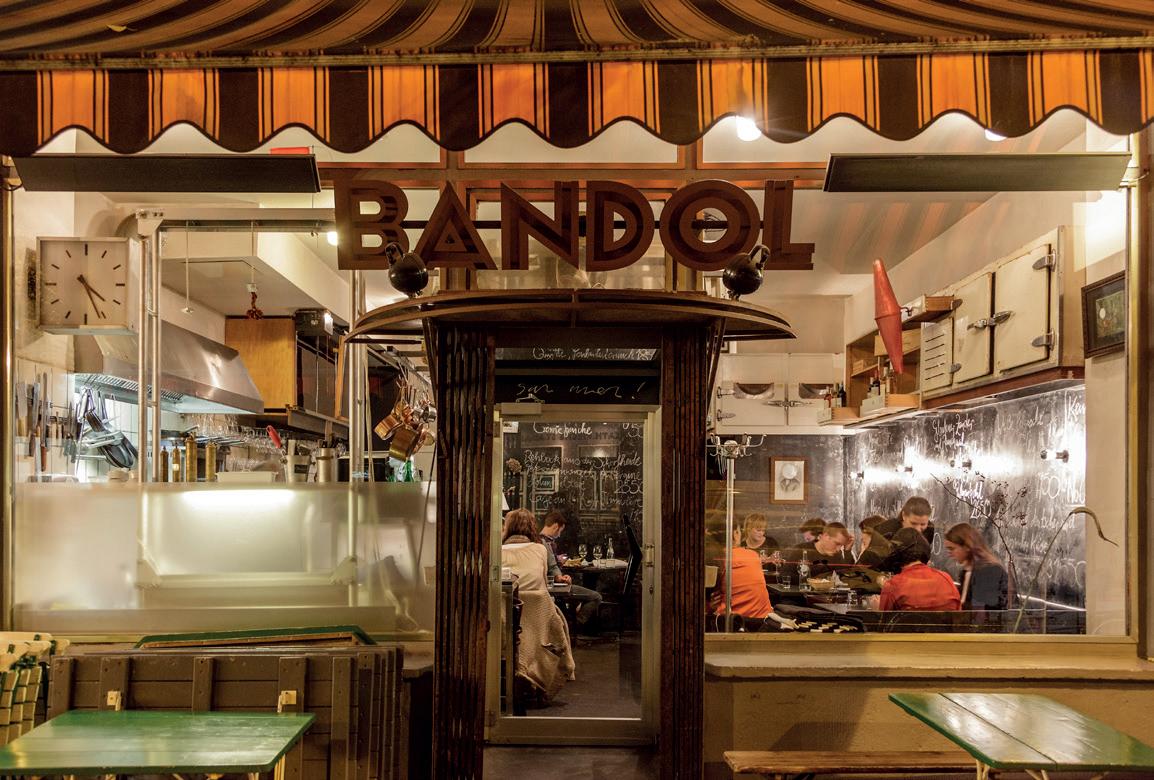
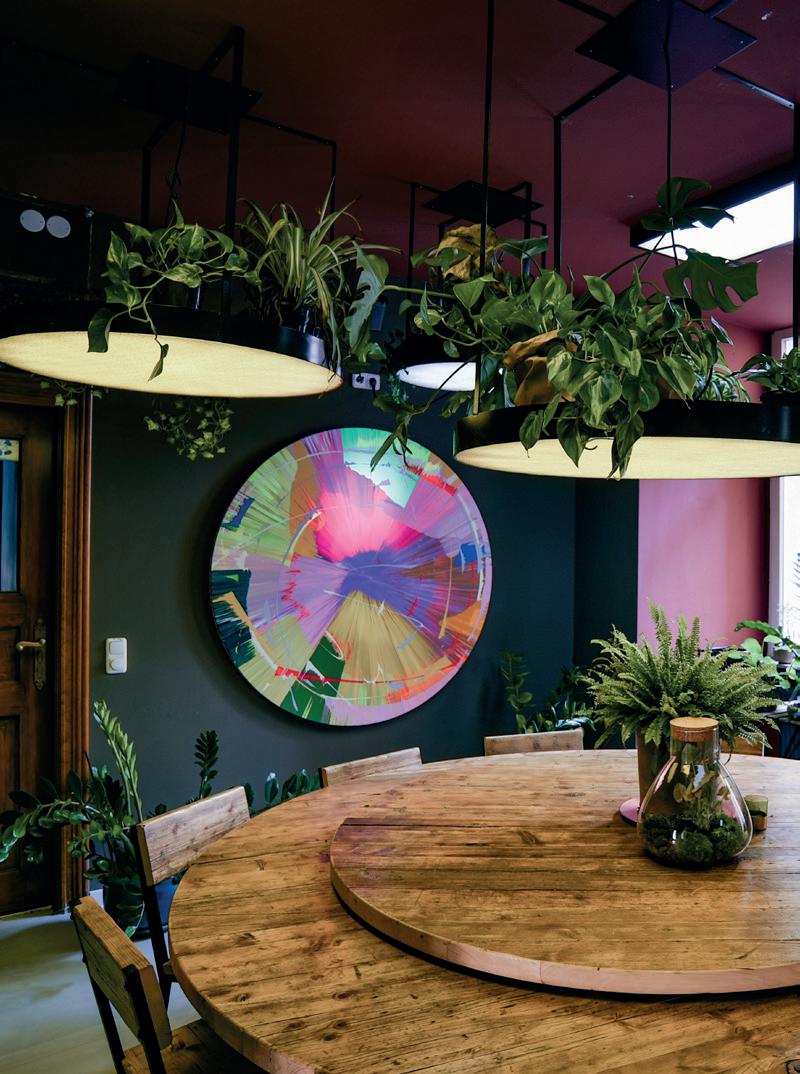
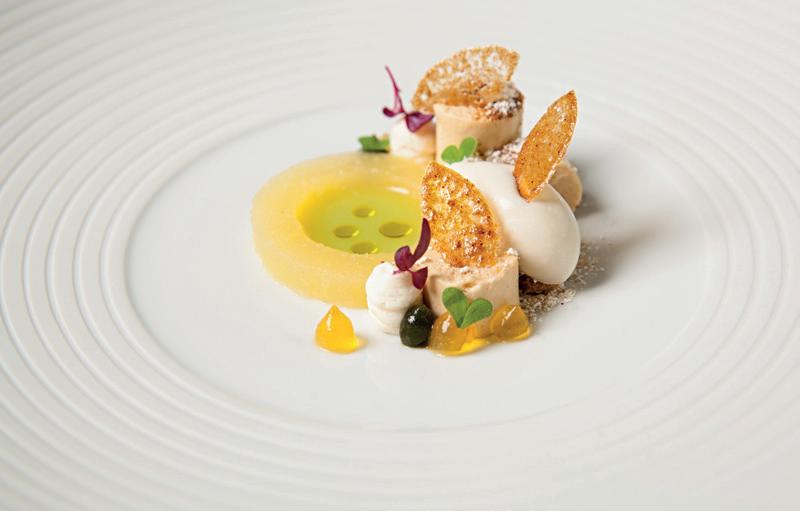
In general, there is a strong focus on ecologically sustainable cuisine in the city. From too good to go to zero waste schemes, many hotels, restaurants and cafés support the current trend for conscious dining. In Berlin Mitte, Bandol Sur Mer offers green dining of the highest standard at its Torstraße location, while unconventional, award-winning Horvárth in Kreuzberg will expand its emancipated vegetarian cuisine soon by opening
a new branch in Vienna. According to visitBerlin, Gault Millau found "the most individual menu in Germany" here.
Self-described as Germany's most political restaurant and brutally local when it comes to the selection of its ingredients, Michelin-star bearing Nobelhart&Schmutzig was named one of the World's 50 Best Restaurants in 2025. Rutz on Chausseestraße meanwhile is the city’s only 3-star restaurant and is considered state of the art in innovative, European cuisine. Staying in the west? BRIKZ near Savignyplatz stands for Berlin gourmet cuisine that interprets tradition in a modern way.
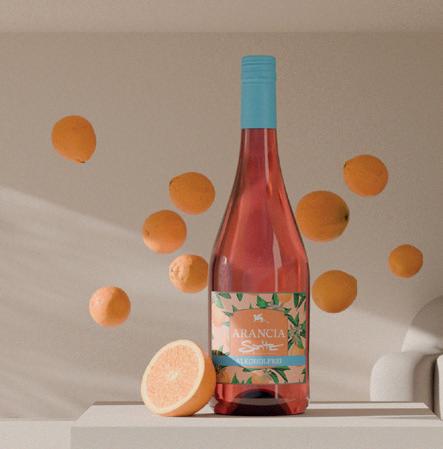
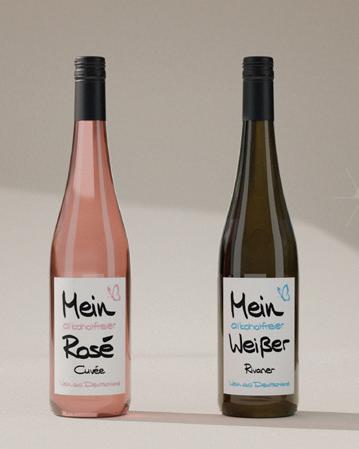
What started as a personal passion became an entrepreneurial vision for Angelica Popescu.
With little prior knowledge but a genuine enthusiasm for fine wines, Angelica Popescu founded P&P Weine in 2006. “I was curious, eager to understand and I listened closely. I had the privilege of learning from the very best: experienced winemakers, oenologists and companions who shared their expertise with me and opened my eyes to quality and character.”
In 2018, Popescu started a new chapter with Live Well Beverages, a brand that shows that alcohol-free drinks can be tasty and indulgent. At Live Well Beverages, refined flavours meet zeitgeist and quality.
“The market for alcohol-free beverages is currently undergoing a cultural shift,” says Popescu. “What used to be considered an alternative now stands for a conscious, self-determined lifestyle. Our wines are fantastic wines from Germany and reveal their true character even without alcohol.”
The latest creation from Live Well Beverages is Arancia Spritz, an alcohol-free aperitif with Mediterranean flair, balanced crispiness and fruity elegance. “Arancia Spritz embodies everything that drives us: balance, mindfulness and genuine flavour. A drink for a generation that knows exactly what it wants.”
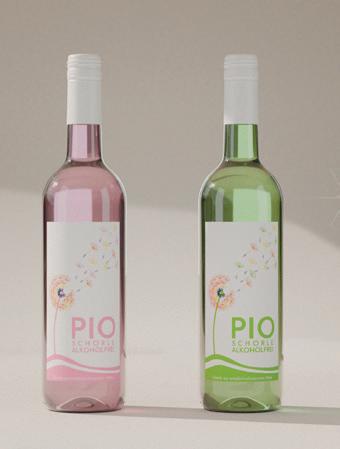
Was als persönliche Leidenschaft begann, wurde für Angelica Popescu zu einer unternehmerischen Vision.
Ohne viel Hintergrundwissen, aber mit echter Begeisterung für gute Weine gründete Angelica Popescu P&P Weine im Jahr 2006. „Ich war neugierig, wollte verstehen und hörte genau zu. Dabei durfte ich von den Besten lernen: erfahrene Winzer, Önologen und Wegbegleiter, die ihr Wissen mit mir geteilt und meinen Blick für Qualität und Charakter geschärft haben.”
2018 folgte mit Live Well Beverages der nächste Schritt: eine Marke, die zeigt, dass alkoholfreier Genuss nichts mit Verzicht zu tun hat. Bei Live Well Beverages trifft geschmackliche Raffinesse auf Zeitgeist und Qualität.
„Der Markt für alkoholfreie Getränke erlebt derzeit einen kulturellen Wandel”, so Popescu. „Was früher als Alternative galt, steht heute für einen bewussten, selbstbestimmten Lifestyle. Unsere Weine sind ausgezeichnete Weine aus Deutschland, die auch ohne Alkohol ihren wahren Charakter zeigen.”
Das neueste Produkt aus dem Hause Live Well Beverages ist der alkoholfreie Arancia Spritz, ein alkoholfreier Aperitif mit mediterranem Flair, ausgewogener Bitterkeit und fruchtiger Eleganz. „Arancia Spritz steht für das, was uns antreibt: Balance, Bewusstsein und echter Geschmack. Ein Getränk für eine Generation, die weiß, was sie will.”
Grand Cru is a French term meaning great growth and is used to classify the highest quality level of dry wines from the very best vineyards. Germany's equivalent of Grand Cru is Grosses Gewächs (GG), a classification championed by the VDP. Prädikatsweingüter – Germany's association of premium German wine estates and a true mark of quality.
Each Grand Cru wine is made from a single grape variety, selected to best suit the vineyard's specific terroir, and is made from reduced yields to the strictest production standards. As such, each of these exceptional wines expresses a character completely unique to the terroir of its vineyard of origin.
Grand Crus are also renowned for their exceptional age-worthiness. Decanter – the global leader in wine-related media – recently published its annual Grosses Gewächs report. The report highlights some of country's very best Grand Crus – three of which are available from multi-award-winning wine merchant The WineBarn.
WINEMAKER: MEYER-NÄKEL
VINTAGE: 2022 DERNAUER PFARRWINGERT SPÄTBURGUNDER GRAND CRU
Region: Ahr
Price per bottle: £99.99
Decanter rating: 98 out of 100
Awarded a magnificent 98 points out of 100 by Decanter, this exceptional Spätburgunder (Pinot Noir) is characterised by its aromas of wild red berries, blueberries and cherries. Its intense, clear fruit is underlined by spicy herbal notes, delicate roasted aromas and violets.
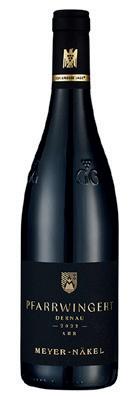
On the palate, it shows an animated freshness and saltiness, firm minerality and depth. This Spätburgunder shows complexity with a mouth-filling, silky tannin structure.
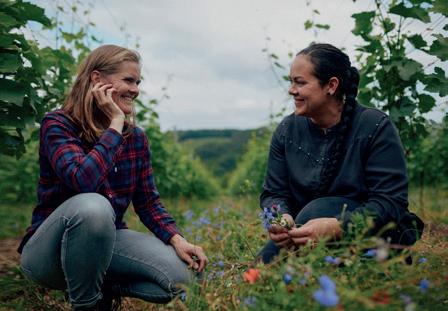
Located on the northwestern fringe of the Ahr wine-making region, Meyer-Näkel is a fifth generation family wine estate now run by sisters Meike and Dörte (pictured). Their Spätburgunders, produced from Pinot Noir grapes grown on the slate rich slopes along the river
Ahr, have written red wine history and are renowned for being the best in Germany.
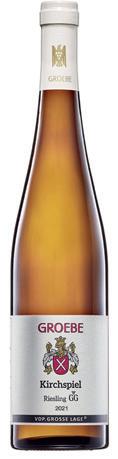
WINEMAKER: K. F. GROEBE
VINTAGE: 2021 KIRCHSPIEL RIESLING GRAND CRU DRY
Region: Rheinhessen
Price per bottle: £64.75
Decanter rating: 95 out of 100
The Kirchspiel Riesling Grand Cru has a complex mineral structure and a fruity aroma –classic of the country's most popular wine variety. Its bouquet of peach, citrus and apricot is complemented by hints of mellow flint.
The Kirchspiel vineyard has vines that are over 50 years old. Located on the slopes of a south-easterly hillside in Westhofen, it benefits from long sunshine hours, as well as soil rich in limestone and weathered chalky clay.
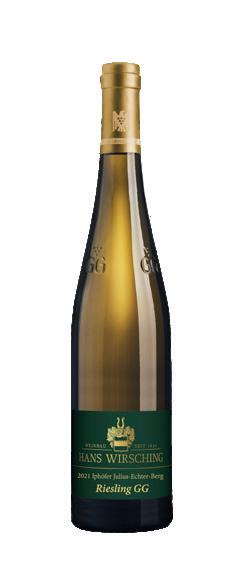
WINEMAKER: WIRSCHING
VINTAGE: 2021 IPHÖFER
ECHTER-BERG SILVANER
CRU DRY
Region: Franken
Price per bottle: £47.70
Decanter rating: 87 out of 100
Not only has this Silvaner been awarded a fantastic rating by Decanter, but Tamlyn Currin –wine writer for Jancis Rob inson – also rated it highly. Tamlyn describes this wine as: "Cavalcades of flowers and fruit, herbs and nuts. It’s peachy and tropical, mangoes and white currants, but at a
level of concentration and resplendence that’s hard to capture with words. Sumptuous but at the same time structured in a way that is both tenacious and diaphanous; like clouds carved out of marble, like breathing in hazy hills. Stunning now, but it will develop more and more beauty and complexity over the next 10 years. Silvaner at its zenith."
Wirsching's first-class Franconian vineyard Julius-Echter-Berg is where fantastic wines such as this Silvaner Grand Cru originate from.
You can taste these three wines – and over 120 more – at The WineBarn's Annual Portfolio Tasting, which will take place on Monday 2 February in London.
To learn more, visit: www.thewinebarn.co.uk/collections/events
The WineBarn is a multi-award-winning wine merchant that specialises in exclusively German wine and has been bringing pure drinking pleasure to the UK for over 23 years. Its elegant wines have been selected to cover a range of styles – from the affordable to the luxury, from dry to sweet and from fresh to full-bodied, ensuring there is something to suit all tastes and pair with any cuisine.
To find your new favourite German wine, contact The WineBarn for a personal recommendation.
Visit: www.thewinebarn.co.uk
Call: +44 1962 761 215 Email: wine@thewinebarn.co.uk
From Berlin beginnings to global acclaim, Alice Merton’s third studio album marks her most personal and daring work yet.
TEXT: NANE STEINHOFF | PHOTOS: ELIAS KÖHLER
Singer-songwriter Alice Merton released her eagerly awaited third studio album, Visions, on 16 January 2026. For an artist whose journey has spanned continents, genres and the shifting tides of the music industry, her latest album is a testament to the power of selfbelief, creative autonomy and the pursuit of authenticity as the story of Alice Merton is one of self-determination, of making home wherever she finds herself and weaving those experiences into her music. Her rise to international stardom began with the explosive success of the indie-pop anthem No Roots, a track that resonated with listeners around the world and racked up over a billion streams. Having spent her childhood moving between England, Germany, Canada and beyond, Merton grew up without a fixed sense of home, a theme that pulses at the heart of the song.
Since No Roots, she has released two acclaimed studio albums, MINT and S.I.D.E.S.,
alongside viral EPs and performances at festivals as iconic as Coachella, Lollapalooza and London’s BST Hyde Park. But with her new album Visions, Merton signals a new era, one where she takes the reins as both artist and producer. “I just always loved singing,” she reflects, her voice tinged with the matterof-fact certainty of someone who has found her path. “At first, I actually wanted to pursue opera. I was really in love with it, but then I discovered songwriting at the age of 17 and took a different road.” For Merton, music was never simply a career choice; it was a natural force, a means of expression that transcended language and borders.
Her journey has not been without its hurdles. In the notoriously selective world of record labels, Alice Merton found her initial offers elusive. Rather than wait for the industry to catch up with her vision, she took matters into her own hands and founded Paper Plane


Records Int. – a move born of necessity but now a source of pride. “I’d say, in general, founding a record label is something I’m proud of,” she says. “At the time, nobody wanted to sign me, so it was more of a last resort. But now, I think it’s so important that artists can keep their rights and benefit from them.”
Visions is suffused with this very spirit of independence and resilience. The album dives deep into themes of self-determination, creative risk-taking and the courage to push through moments of doubt. “The creative vision and the ups and downs that come with it. That’s the central theme,” Merton explains. “It’s about what you go through in the process, the days you don’t want to do anything, the days you achieve so much, the doubts and questions you ask yourself. And this indescribable love for a certain project that you can’t really explain.”
The seeds of the album were planted during a pivotal conversation with someone close to her, an exchange that challenged her perspective and led her to reflect on the nature of vision itself. “She didn’t understand why I did things a certain way,” Merton remembers, “so I started thinking a lot about the concept
of visions and being able to see things others can’t. That blind trust, when you really listen to your gut, when you’ve got nothing else to rely on. The obstacles you face trying to realise your vision, all those moments when you ask yourself, ‘Why am I even doing this?’ –that was all swirling in my head. So, naturally, I wrote an album about it.”
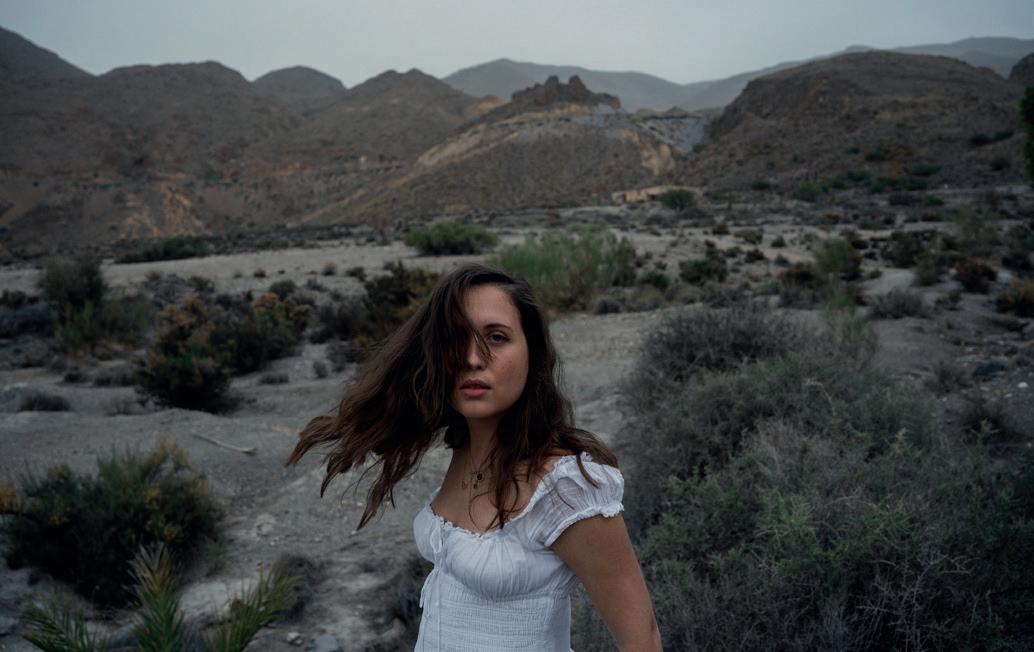
To realise her creative ambitions, Merton embarked on a journey that spanned studios in London, Los Angeles and, most notably, the breathtaking landscapes of Iceland. The remote Flóki Studio became a creative sanctuary for her and her collaborators. “It was the perfect place to concentrate wholly on the vision for this album,” she enthuses. “It’s so secluded and offers the most stunning scenery I’ve ever seen. The magic of the studio was palpable everywhere.”
Seven of the album’s 13 tracks were crafted in Iceland, a setting that left a noticeable imprint on the music’s mood and atmosphere. “I recorded a large part of the album in Iceland,” Merton says. Her connection to the country deepened during a television project with ZDF’s Soundtrip. “I fell in love with the country and wanted to go back to the studio where
we’d been, but this time for my own project.” The landscape’s endless roads and sense of seclusion became both muse and metaphor, inspiring tracks like Joyriding
Among the album’s highlights is the first single, Ignorance is Bliss. The song’s journey from a simple piano composition to a dynamic, genre-blurring anthem reflects the album’s experimental edge. “We first wrote it at the piano, but people didn’t like it so much. Then we added a baseline, some guitar, a bit of rock, and spent two hours making the song more exciting. After that, everyone loved it.” Merton’s willingness to embrace
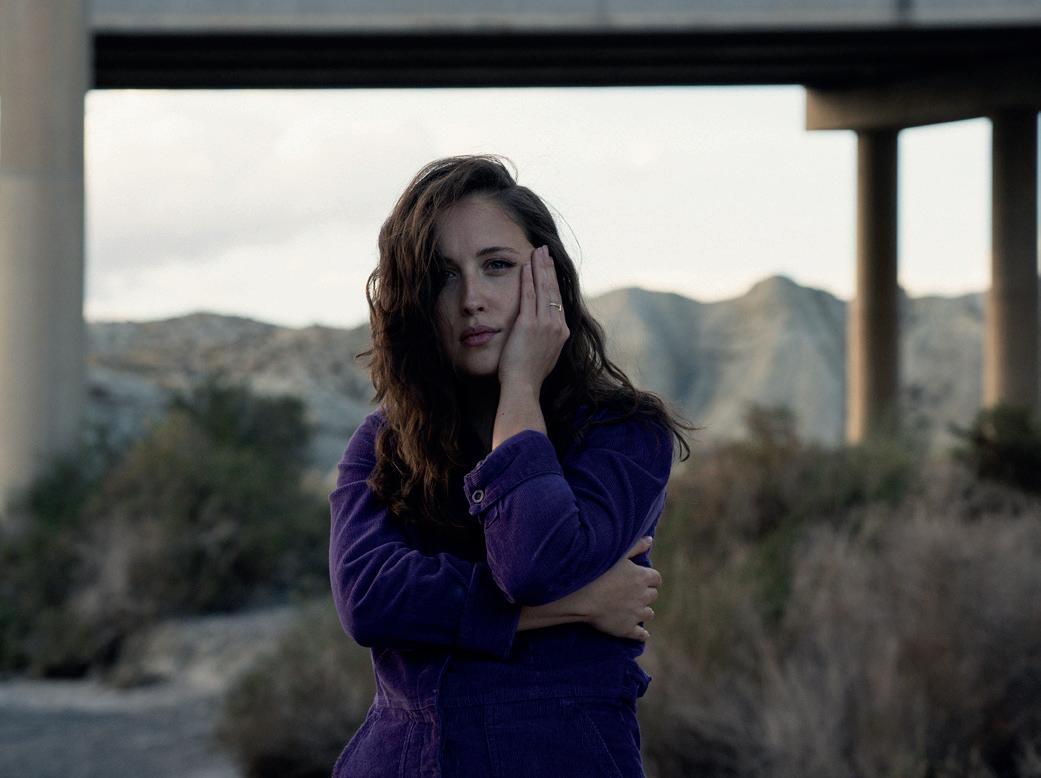
collaboration and iterative creativity shines through: “It’s always a process. The journey is the exciting part, and where you end up is always a surprise.”
Other standout tracks include the poignant Landline and the reflective On the Wire Collaborations with established producers and songwriters such as Dan Smith (Bastille), Jenn Decilveo (Miley Cyrus, Chappell Roan), Paul Whalley (Heron EP), James Dring (Gorillaz) and Rich Cooper (CMAT) bring texture and depth to the album’s sound. Yet, at its core, Visions is unmistakably Merton; rockier and more experimental than her previous work, but still imbued with the pop sensibility that made her earlier releases so irresistible.
Live performance has always been a cornerstone of Merton’s artistry, and with Visions, she has crafted songs with the stage in mind. “With this album, I thought a lot about the live experience, about having moments where people can really feel and stomp along and
clap, and just experience the live feeling,” she shares. “That definitely played a role. I think that’s also why it’s a bit rockier, because I love playing in clubs, not always soft songs, but also more rock tracks.” The anticipation for her March tour is palpable, as she looks forward to connecting with fans in real time. “I’m most looking forward to those moments when you feel connected to the fans, when you notice they know the lyrics and sing along. Those are the moments I look forward to.”
Despite her international outlook, Merton’s roots remain an important part of her story. She’s quick to point out that it is the people and experiences, rather than the place itself, that have shaped her music. Her time in Berlin was tinged with adventure and uncertainty, fuelling the inspiration for her first EP and album. “It was an exciting time, that feeling of not knowing what will happen. I drew inspiration from that.” Relocating to London was a dream realised, motivated both by her love of city life and the desire to be closer to family.
“I always lived in the city, and it was always a dream for me. My parents also live near London, so I wanted to be closer to family.”
Resting and recharging are as vital to Merton’s process as creativity itself. Iceland, Tenerife and Cape Town are among her favourite places to unwind and rejuvenate. Her approach to the future is refreshingly relaxed, embracing uncertainty and possibility. “I just let life come to me,” she says with a smile.
At its heart, Visions is a bold record of persistence, vulnerability and finding strength in uncertainty. “Every album is a journey, and I hope that for listeners, it’s a journey of selfdevelopment. I want them to see that no journey is ever simple, and life has a lot of highs and lows.” Through her songs and story, Alice Merton extends a hand to anyone navigating the unpredictable twists of their own lives, offering not just melody but meaning, and the assurance that, wherever the road leads, it is worth following your own vision.
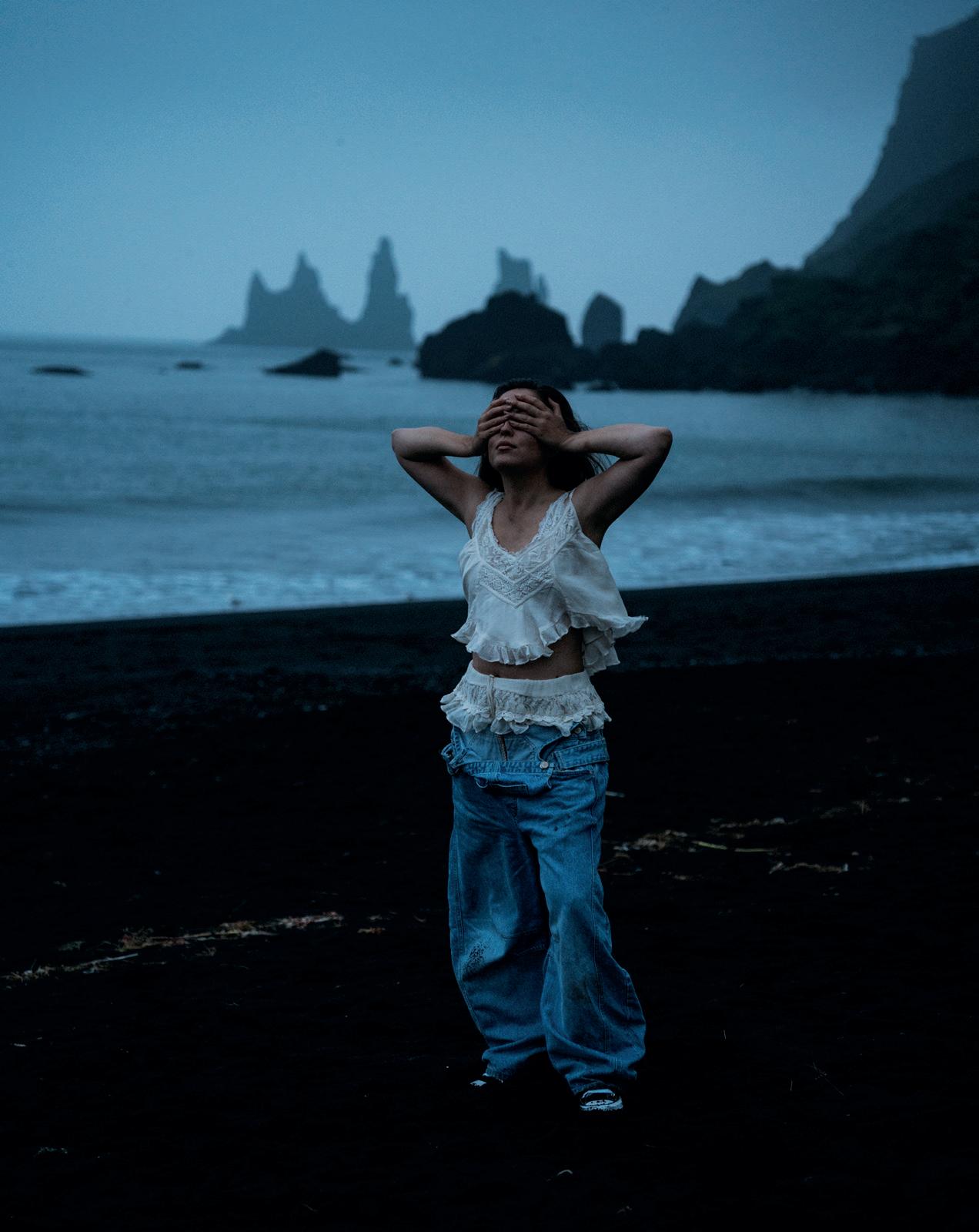
As 2026 lies ahead of us, so do numerous fantastic new exhibitions and museum highlights. In the following special theme, we explore some of the German-speaking region’s top museum highlights of 2026. But before we get started, we take a look at the latest figures released by the Deutscher Museumsbund e.V. (German Museums Association).
PHOTOS: UNSPLASH
Its annual survey reveals that Germany’s museums and exhibition venues have demonstrated remarkable resilience and adaptability throughout 2024 – an indicator of what can be expected in 2026. A notable upward trend has also been detected: a total of 107.4 million visits were recorded at museums and exhibition houses nationwide, a 1.3 per cent increase from the previous year.
Museums themselves saw 102.9 million visits, a rise of nearly 2 per cent over 2023. The sector’s dynamism is further evident in the surge of special exhibitions, which returned to pre-pandemic levels with 7,975 held in 2024. “The statistical survey for 2024 shows that museums and exhibition houses remain very popular. Their visitor numbers have even stabilised at a high level,” said Prof. Dr. Marion Ackermann, president of the Prussian Cultural Heritage Foundation. “This underlines how important museums are for our society. That’s why they must continue to receive reliable and sustainable support to fulfill their crucial role in cultural education.”
While museums flourished, exhibition houses – venues that showcase exhibitions without their own permanent collections – experienced a slight downturn, with 4.5 million visits, marking an 11 per cent decrease from the previous year. Nonetheless, the number of exhibitions remained steady at 1,591.
For the first time, data was also collected from zoos, animal parks, and botanical gardens, which together reported 23.3 million visits. This expansion reflects a broader understanding of museums, aligning with international standards.
Silvia Willkomm, managing director of the German Museums Association, emphasised the ongoing challenges and the sector’s creative responses: “Museums and exhibition venues face a variety of challenges, from so-
cial upheavals to financial uncertainties and changing expectations for participation and sustainability. They are meeting these developments with creative energy, as shown by the 2024 visitor numbers, confirming their social relevance.”
For professor Patricia Rahemipour, director of the Institute for Museum Research, one thing is certain: “The annual statistics serve as an important indicator for the Institute for Museum Research of the effectiveness of museums' work in society. The public clearly shows us that it is satisfied with this work – which, of course, pleases us greatly.”
“Whether a museum was successful in 2024 depended heavily on its location, its sponsoring organisation, and its specific area of ocus. The hyper-individualisation of the museum sector continues to progress,” she continues. As the sector continues to evolve amid shifting expectations and circumstances, the annual survey serves as a vital measure of museum impact and public engagement, showing a cultural landscape that remains vibrant, relevant, and forward-looking.
For some top German and Austrian museums and exhibitions to visit in 2026, read the following special theme.
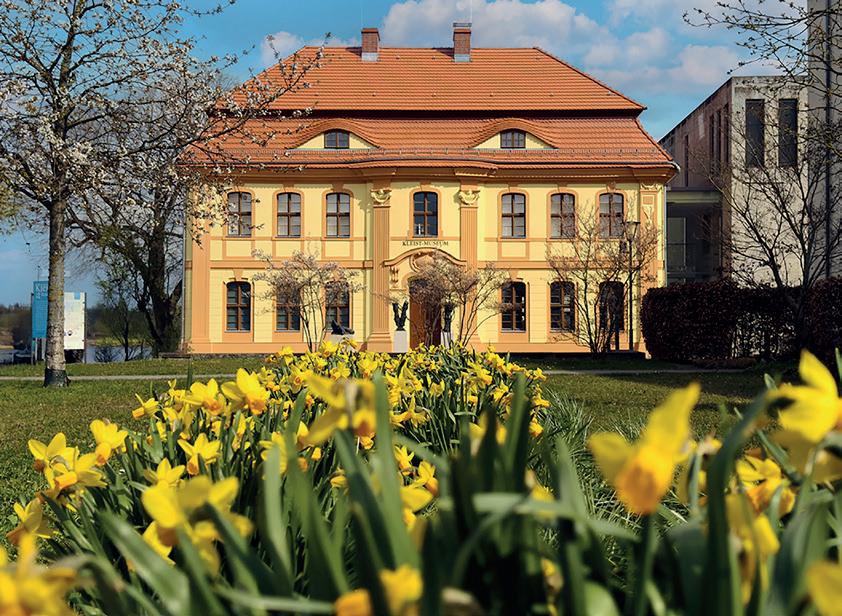
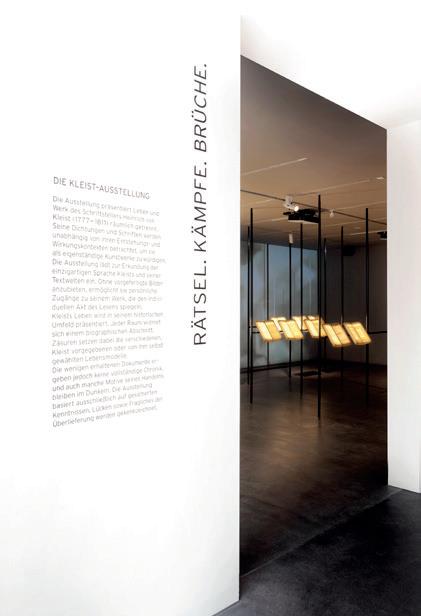
Located in the heart of the German Polish Euroregion, the Kleist-Museum in Frankfurt (Oder) places one of the most significant German-language poets and dramatists centre stage: Heinrich von Kleist (1777–1811). Situated in his birthplace and city of study, the museum has long since evolved beyond a traditional literary memorial. Today, it presents itself as a vibrant cultural, educational and leisure venue, offering programmes for visitors of all ages.
The heart of the Kleist-Museum is the permanent exhibition Puzzles. Conflicts. Fractures., which introduces visitors to Kleist’s biography and to the world around 1800. While his life is firmly rooted in its historical context, his texts remain among the most important literary and journalistic works in the German language to this day. Building on this contrast, the exhibition deliberately presents life and work as separate strands. Kleist’s virtuosic and tension-filled use of language can be explored through interactive stations featuring selected examples. Thematic perspectives such as coincidence, justice, violence and identity offer individual points of access to his textual worlds through audio excerpts.
Kleist appears strikingly modern. Many of the themes in his work were far ahead of their time: strong, ambivalent female figures as
seen in Penthesilea or The Marquise of O…., incisive criticism of the abuse of power in The Broken Jug and Michael Kohlhaas, or the challenge to social conventions in The Earthquake in Chile. His biography also continues to fascinate. Marked by a departure from a military career, a restless search for meaning, an extraordinary range of literary forms and numerous biographical gaps, it leaves ample room for interpretation.
The permanent exhibition is complemented by changing temporary exhibitions, including the current show Broken Harmonies. Kleist and Music, on view until 14 July 2026. It sheds light on lesser-known aspects of Kleist’s work and life, exploring him as a musician, the role of music in his writing, and the influence of his legacy on composers and musicians for more than 200 years. Programmes in several
languages, as well as guided tours in Plain Language, underline the museum’s inclusive and open approach.
Architecturally, the Kleist-Museum brings together past and present. The restored former garrison school of 1777–78 is complemented by a contemporary extension, whose garden overlooking the Oder River invites visitors to linger. Home to the world’s largest collection dedicated to Heinrich von Kleist, the museum is also looking ahead to the Kleist Year 2027, when a new permanent exhibition and an international festival programme are set to launch in celebration of Kleist’s 250th birthday.
www.kleist-museum.de
Mitten in der deutsch-polnischen Euroregion rückt das Kleist-Museum in Frankfurt (Oder) einen der bedeutendsten deutschsprachigen Dichter und Dramatiker ins Zentrum: Heinrich von Kleist (1777–1811). In seiner Geburts- und Studienstadt hat sich das Museum längst über einen klassischen literarischen Erinnerungsort hinausentwickelt. Heute versteht es sich als lebendiger Veranstaltungs-, Bildungs- und Freizeitort mit Angeboten für Besucher*innen aller Altersgruppen.
Im Mittelpunkt des Museums steht die Dauerausstellung Rätsel. Kämpfe. Brüche., die Besucher*innen in Kleists Biografie und in die Zeit um 1800 einführt. Während sein Leben klar im historischen Kontext verortet ist, gehören seine Texte bis heute zu den bedeutendsten literarischen und journalistischen Werken in deutscher Sprache. Ausgehend von dieser Spannung präsentiert die Ausstellung Leben und Werk bewusst getrennt. Kleists virtuoser, spannungsreicher Umgang mit Sprache wird an interaktiven Stationen anhand ausgewählter Beispiele erfahrbar gemacht. Thematische Perspektiven wie Zufall, Recht, Gewalt und Identität eröffnen über Audiozitate individuelle Zugänge zu seinen Textwelten.
Kleist wirkt dabei erstaunlich modern. Viele Themen seiner Werke waren ihrer Zeit voraus: starke, widersprüchliche Frauenfiguren wie in Penthesilea oder Die Marquise von O…., scharfe Kritik an Machtmissbrauch in Der zerbrochne Krug und Michael Kohlhaas
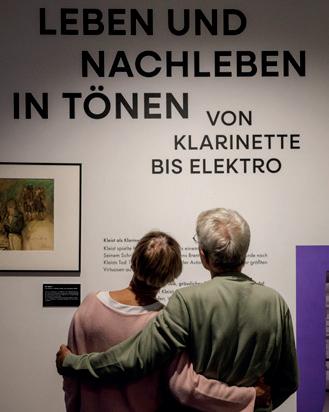
oder der Bruch mit gesellschaftlichen Konventionen in Das Erdbeben in Chili. Auch seine Biografie fasziniert bis heute – geprägt von der Abkehr von der militärischen Laufbahn, der rastlosen Suche nach Sinn, einer
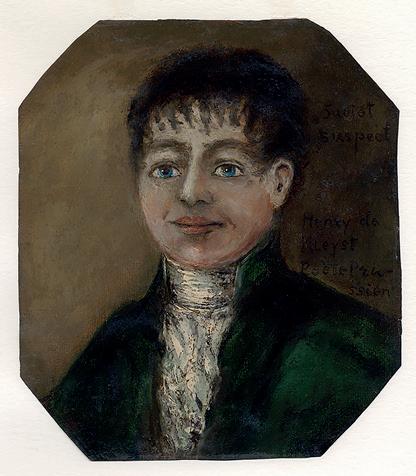
außergewöhnlichen Vielfalt an Textformen und zahlreichen biografischen Leerstellen.
Ergänzt wird die Dauerausstellung durch wechselnde Sonderausstellungen, wie aktuell Zerbrochne Harmonien. Kleist und die Musik, die bis zum 14. Juli 2026 läuft. Hier werden weniger bekannte Aspekte zu Kleist beleuchtet: Kleist als Musiker, die Rolle von Musik in seinen Texten und der Einfluss von Kleists Leben und Wirken auf Musikschaffende seit über 200 Jahren. Programme in verschiedenen Sprachen sowie Führungen in Einfacher Sprache unterstreichen den offenen, inklusiven Anspruch des Hauses.
Architektonisch verbindet das Kleist-Museum Geschichte und Gegenwart: Die sanierte ehemalige Garnisonschule von 1777/78 wird durch einen modernen Neubau ergänzt, dessen Garten mit Blick auf die Oder zum Verweilen einlädt. Mit der weltweit größten Sammlung zu Heinrich von Kleist richtet das Museum den Blick zugleich nach vorn – auf das Kleist-Jubiläum 2027, in dem eine neue Dauerausstellung und ein internationales Festivalprogramm anlässlich Kleists 250. Geburtstags geplant sind.
www.kleist-museum.de
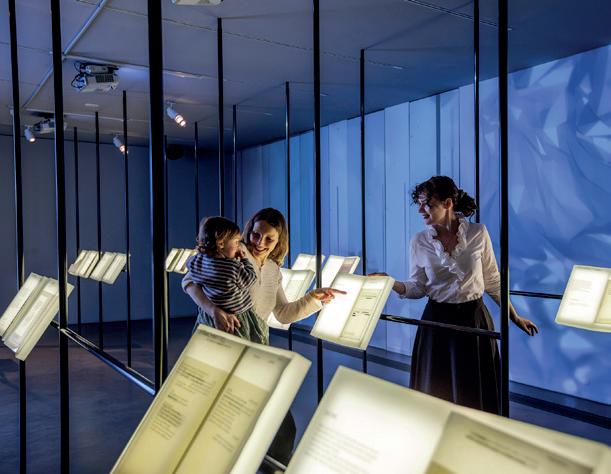
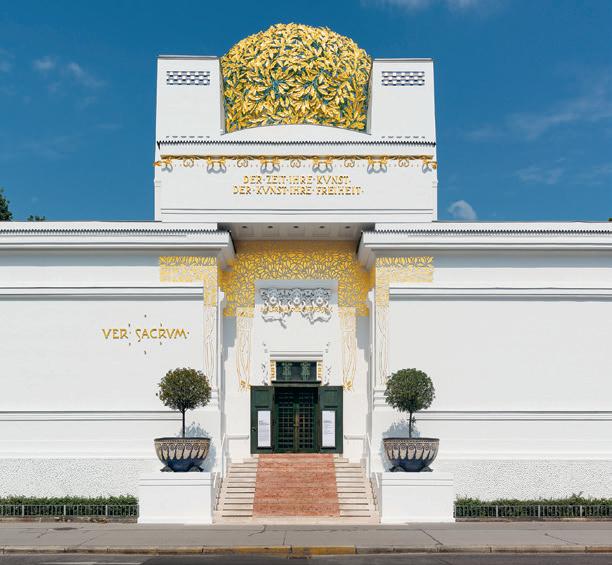
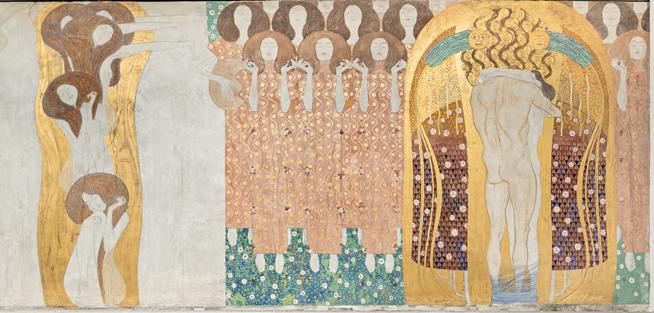
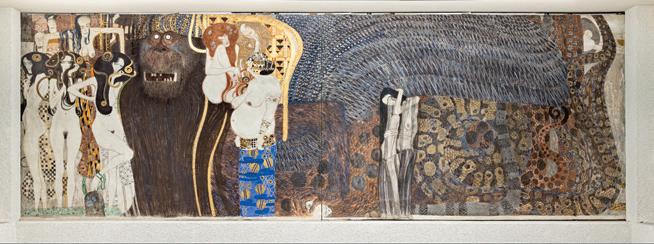
For more than a century, the Vienna Secession has stood for artistic freedom and new beginnings. With its striking architecture and the famous golden cupola, it is not only one of Vienna’s landmarks but also one of the world’s most important artist-run exhibition spaces for contemporary art.
“The Vienna Secession is one of the oldest artists’ associations in the world with a decidedly progressive programme. At the same time, it is highly topical,” explains marketing coordinator Elisa Mirbach-Eder. “Our strength lies in our independence. Here, artists themselves decide what is put on display. That makes us agile, courageous and closely attuned to the questions of our time.”
The movement was founded in 1897 by a group of artists around Gustav Klimt, who consciously turned away from historicism and the academic exhibition policies of the art establishment. Their credo still appears in golden letters above the entrance: To every age its art. To art its freedom. “This sentence is not a historical quotation but our mandate to connect the heritage of this iconic building with the art of the present,” says Mirbach-Eder.
A highlight for visitors from around the world is Gustav Klimt’s Beethoven Frieze
Created in 1902, this monumental work is considered a key piece of Klimt’s oeuvre and of Viennese Art Nouveau. “Beethoven Frieze translates Beethoven’s music into a monumental visual narrative. It creates a unique connection between music, image and space, and shows the creative freedoms the group claimed for itself at the time.”
The curatorial programming of the exhibitions is determined democratically by the board, which operates collectively under the presidency of Ramesch Daha. The board is elected every two years by the association’s approximately 400 members. The programme features international presentations that reflect current developments in contemporary art worldwide. These exhibitions are made possible in part thanks to Erste Bank, the Secession’s main sponsor since 1998.
In recent years, artists such as Susana Pilar Delahante Matienzo, Vivian Suter, Christine Sun Kim and Alex Da Corte have
set powerful accents. One particularly memorable intervention took place in 2024, when Delahante Matienzo temporarily turned the famous cupola black by covering the gold leaves with nylon stockings. “This work resonated far beyond the building itself and reached a large number of people.”
With ten to 15 exhibitions each year – featuring Ndidi Dike, Marianna Simnett and Reba Maybury from early March 2026 – the Secession continually offers new perspectives. Education and accessibility play a central role: visitor information in German, English and Plain Language, multilingual audio guides and guided tours make even complex content accessible. Since 2025, the initiative Free Art for All has sent a strong signal of inclusivity. Thanks to the generous support of hearing aid audiologist Neuroth, admission is free on the first Wednesday of every month.
The Association of Visual Artists Vienna Secession: a place rich in history and a driving force for contemporary art. www.secession.at
Die Secession steht seit über einem Jahrhundert für künstlerische Freiheit und Aufbruch. Mit ihrer markanten Architektur und der berühmten goldenen Kuppel ist sie nicht nur ein Wahrzeichen Wiens, sondern auch eines der international bedeutendsten, von Künstler:innen geführten Ausstellungshäuser für zeitgenössische Kunst.
„Die Secession ist weltweit eine der ältesten Künstler:innenvereinigung mit einem dezidiert progressiven Programm. Gleichzeitig ist sie hochaktuell”, erklärt Marketingverantwortliche Elisa Mirbach-Eder. „Unsere Stärke liegt in der Unabhängigkeit! Künstler:innen entscheiden bei uns selbst, was gezeigt wird. Das macht uns beweglich, mutig und nah an den Fragen unserer Zeit.”
Gegründet wurde die Secession 1897 von einer Gruppe von Künstlern um Gustav Klimt, die sich bewusst vom Historismus und der akademischen Ausstellungspolitik des Kunstbetriebs abwandte. Ihr Credo steht noch immer in goldenen Lettern über dem Eingang:
‚Der Zeit ihre Kunst. Der Kunst ihre Freiheit’. „Dieser Satz ist kein historisches Zitat, sondern unser Auftrag, das Erbe des ikonischen Gebäudes mit der Kunst der Gegenwart zu verbinden”, so Mirbach-Eder.”
Ein Höhepunkt für Besucher:innen aus aller Welt ist Gustav Klimts Beethovenfries. Das monumentale Werk, geschaffen 1902, gilt als Schlüsselwerk Klimts und des Jugendstils. „Der Beethovenfries übersetzt Beethovens
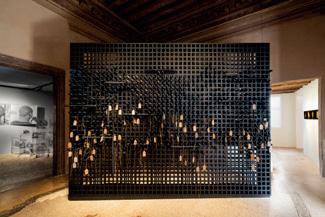
Musik in eine monumentale Bilderzählung. Er schafft eine einzigartige Verbindung zwischen Musik, Bild und Raum und zeigt, welche kreativen Freiheiten sich die Gruppe damals herausnahm.”
Die inhaltliche Programmierung der Ausstellungen erfolgt demokratisch durch den Vorstand, der unter der Präsidentschaft von Ramesch Daha als Kollektiv agiert. Der Vorstand wird alle zwei Jahre von den rund 400 Mitgliedern der Künstler:innenvereinigung gewählt. Gezeigt werden internationale Präsentationen, die aktuelle Entwicklungen der zeitgenössischen Kunst weltweit aufgreifen. Möglich werden die Ausstellungen auch dank der Ersten Bank, die seit 1998 Hauptsponsorin der Secession ist.
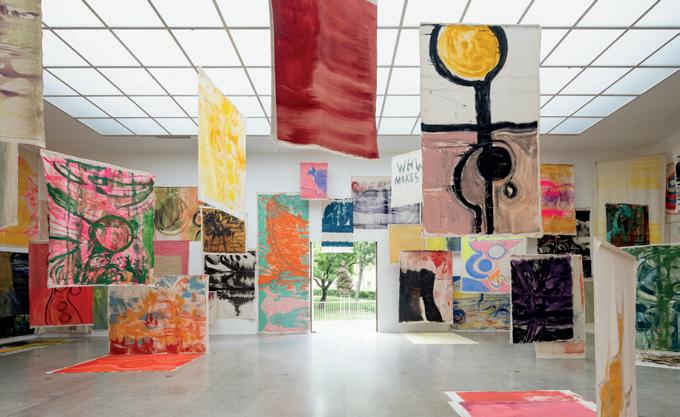
In den letzten Jahren setzten etwa Susana Pilar Delahante Matienzo, Vivian Suter, Christine Sun Kim oder Alex Da Corte starke Akzente. Besonders in Erinnerung blieb eine Intervention aus dem Jahr 2024, bei der Delahante Matienzo die berühmte Kuppel durch das Beziehen der Goldblätter mit Nylonstrümpfen temporär schwarz färbte. „Dieses Werk hat weit über das Haus hinaus gewirkt und viele Menschen erreicht.”
Mit zehn bis 15 Ausstellungen pro Jahr – ab Anfang März werden Ndidi Dike, Marianna Simnett und Reba Maybury gezeigt – bietet die Secession ständig neue Perspektiven. Vermittlung und Zugänglichkeit spielen dabei eine zentrale Rolle: Informationen auf Deutsch, Englisch und in Leichter Sprache, multilinguale Audioguides und Führungen machen auch komplexe Inhalte erfahrbar. Ein starkes Zeichen für Niederschwelligkeit setzt seit 2025 das Angebot ‚Freie Kunst für alle’: Dank der großzügigen Unterstützung des Hörgeräteakustikers Neuroth ist an jedem ersten Mittwoch im Monat der Eintritt frei.
Die Vereinigung bildender Künstler*innen Wiener Secession:Secession: Ein geschichtsträchtiges Haus, wegweisend für zeitgenössische Kunst.
www.secession.at

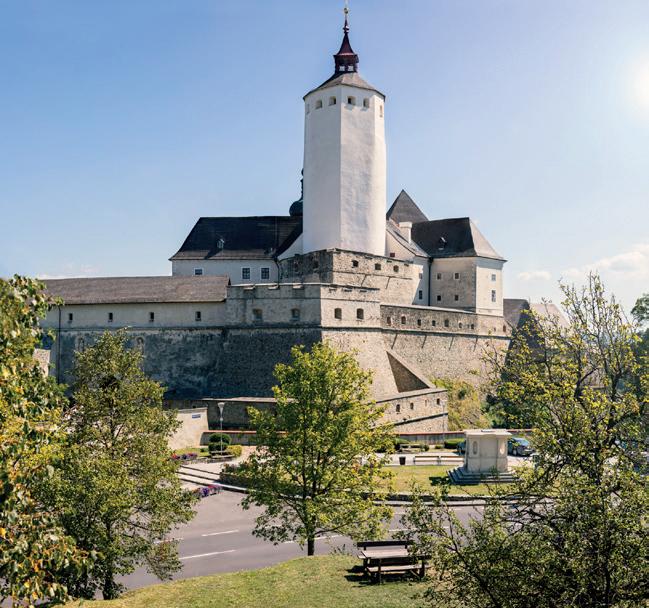
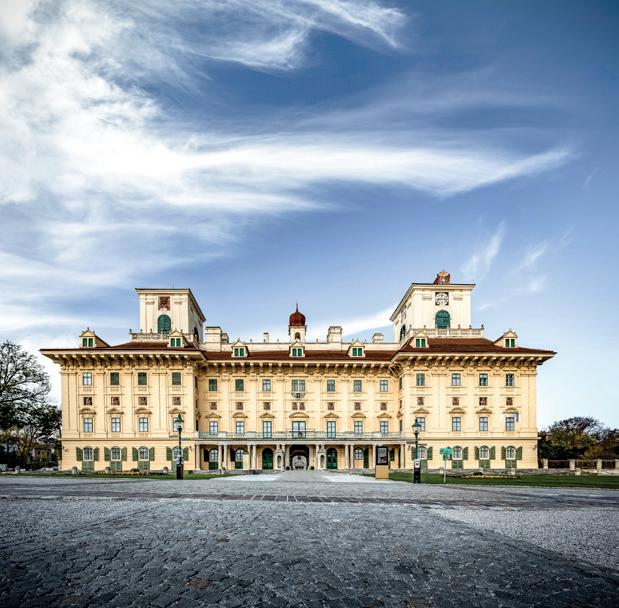
The Esterházy name has stood for cultural vision, heritage and an exceptional patronage of the arts for more than 400 years. What began with lavish court celebrations, acclaimed concerts and a remarkable passion for collecting art continues today across two iconic Burgenland landmarks: Schloss Esterházy in Eisenstadt and Burg Forchtenstein, dramatically perched atop a rocky outcrop in the Rosalia Mountains.
The Esterházys are regarded as one of Europe’s most influential noble dynasties. Rising to prominence in the 17th century as military leaders and trusted allies of the Habsburg monarchy, the family later became one of Central Europe’s most significant patrons of classical music and fine arts.
Today, Schloss Esterházy is both a historic residence and a cultural hub, opening its doors to visitors of all ages. Here, traditional productions sit alongside contemporary artistic interventions, creating a dialogue between past and present. At its heart lies the celebrated Haydnsaal, where Joseph Haydn served as court composer for nearly four decades. The hall remains a thriving stage for international concerts that uphold the founding ethos of the estate: art is not merely preserved, but actively experienced.
Below ground, the castle cellars house one of Austria’s largest wine museums. Within the same vaulted rooms where royal wines were once stored, the story of Burgenland viticulture is now brought to life. The SchlossTicket with guided tour offers access to further highlights, including the 17th century chapel and the often-unseen servant quarters –a rare glimpse into the spiritual and social fabric of the court.
Just 30 minutes by car, Burg Forchtenstein reveals a more fortified side of the Esterházy legacy. Rooted in the 13th century, the castle served both as a stronghold and a family treasury. In the Esterházy´s Treasure Chamber a world of wonders unfolds, showcasing exquisite treasures presented in their original historical display cases and cabinets. The private Wappen Chamber – one of the largest
arsenals in aristocratic ownership anywhere in Europe – documents centuries of conflict through spoils of war and coronation banners.
To conclude the visit, Café-Restaurant Grenadier, set within the Red Bastion Rote Bastei, serves regional dishes in a thoughtful blend of historic ambience and modern interior design. Seasonal events such as a charming Easter market, family programmes during the summer holidays, or the thrilling Draculade – after all, Forchtenstein Castle is home to the only full-length portrait of Count Dracula – make this destination ideal for discovery across generations.
www.esterhazy.at
Der Familienname Esterházy steht seit über vier Jahrhunderten für kulturellen Weitblick, Tradition und ein feines Gespür für das Schöne. Was einst mit glanzvollen Hoffesten, umjubelten Konzerten und einer einzigartigen Sammelleidenschaft begann, lebt heute an zwei außergewöhnlichen Orten im östlichsten Bundesland Österreichs, dem Burgenland, weiter: im Schloss Esterházy in Eisenstadt und auf Burg Forchtenstein, die majestätisch auf einem Felskegel des Rosaliengebirges thront.
Die Familie Esterházy zählt zu den bedeutendsten europäischen Adelsdynastien, die im 17. Jahrhundert als Militärführer und enge Verbündete der Habsburger aufstieg, und später zu einer der wichtigsten Fördererinnen klassischer Musik und bildender Künste in Mitteleuropa wurde.
Heute ist Schloss Esterházy, einst Stammsitz der Familie, ein lebendiger Ort, der Kunst in historischen Räumen für Groß und Klein zugänglich macht. Der berühmte Komponist der Wiener Klassik, Joseph Haydn, stand über vier Jahrzehnte im Dienst der Esterházy. Der nach ihm benannte Haydnsaal bildet bis heute das akustische und ästhetische Herzstück des Schlosses. Regelmäßig geben hier internationale MusikerInnen Konzerte, die die ursprüngliche Intention des Hauses fortführen: Kunst soll nicht bewahrt, sondern erlebt werden. Dies gilt ebenso für die Ausstellungen. Haydn explosiv sowie eine Ausstellung über die letzte Fürstin,
Melinda Esterházy, erzählen von Revolution, Haltung und persönlicher Strahlkraft.
Im Schlosskeller wartet eines der größten Weinmuseen Österreichs. In den historischen Kellerräumen, wo einst die fürstlichen Weine lagerten, wird heute Weinbau-Geschichte spannend erzählt. Bei einer geführten Schlosstour kann noch tiefer in die Geschichte der Esterházys und des pannonischen Raums eingetaucht werden. Wer das Schloss-Ticket mit Führung wählt, entdeckt intime Räume des Hoflebens, das Appartement der Fürstin, die Räume der Dienerschaft sowie die Schlosskapelle aus dem 17. Jahrhundert – ein selten zugänglicher Einblick in die spirituelle DNA des Hauses.
Nur 30 Autominuten entfernt, eröffnet Burg Forchtenstein eine ganz andere, doch ebenso fesselnde Perspektive. Die Burg, deren Wurzeln bis ins 13.Jahrhundert reichen, war einst ,Tresor’ und wehrhafte Festung zugleich. In der
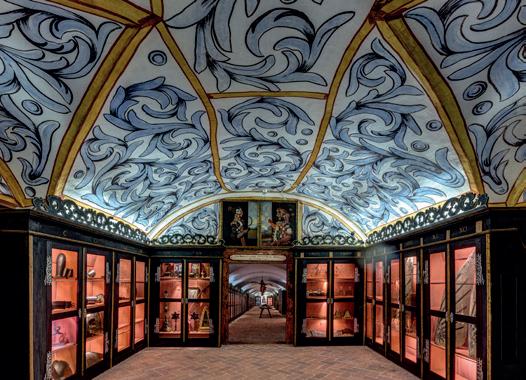
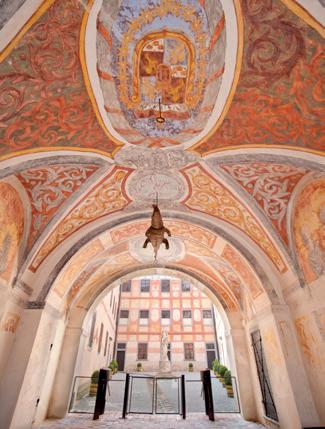
Esterházy Schatzkammer offenbart sich eine Wunderwelt von Kostbarkeiten, präsentiert in den originalen historischen Vitrinen und Schauschränken. Das private Zeughaus mit seiner Vielzahl an Waffen und Ausrüstungsgegenständen gilt europaweit als eines der größten seiner Art. Historische Beutestücke und Krönungsfahnen dokumentieren Kriegsschauplätze und politische Umbrüche.
Den perfekten Ausklang der Besichtigung bietet das Café Restaurant Grenadier, das mit regionaler Küche in modernem Ambiente verwöhnt. Saisonale Programme wie ein stimmungsvoller Ostermarkt, Familienprogramme in den Sommerferien oder die ,Draculade’ –schließlich beherbergt Burg Forchtenstein das einzige ganzfigurige Gemälde von Graf Dracula –sind ideal, um diesen Ort generationsübergreifend zu entdecken.
www.esterhazy.at
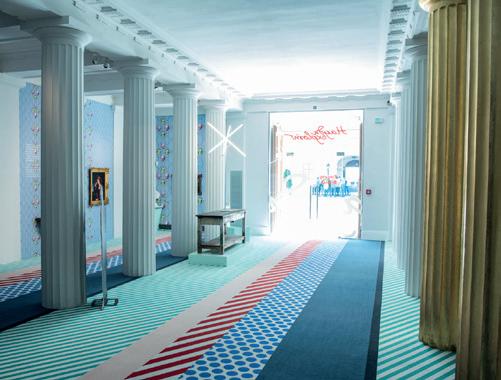


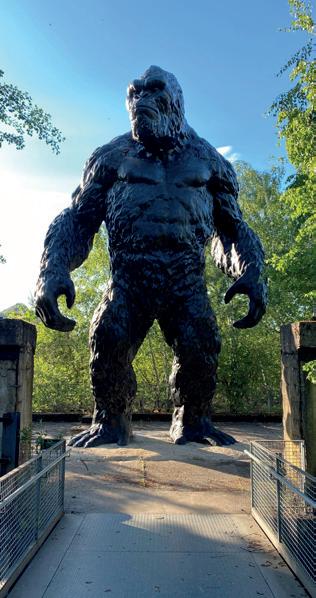
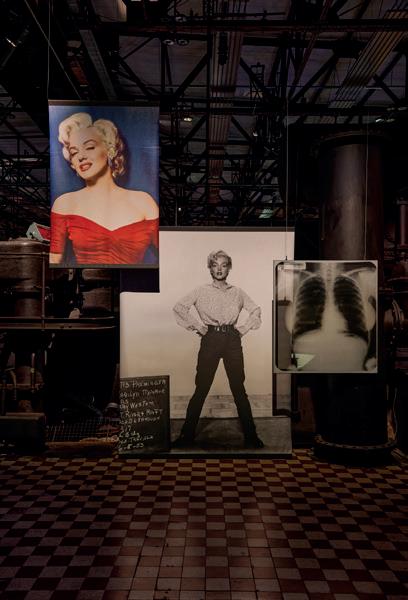
The World Heritage Site Völklinger Hütte is the world’s only fully intact ironworks from the zenith of the industrial era and the first industrial monument from this period to be added to the list of UNESCO World Heritage Sites. The sustainable development of the World Heritage Site and the various activities presented in this remarkably atmospheric space rest upon five thematic pillars: industry, culture, history, art and nature.
The Völklingen Ironworks provides a prime example of the era of peak industrialisation and the Anthropocene, the age dominated by human activity. The former production facilities for pig iron are preserved in their entirety.
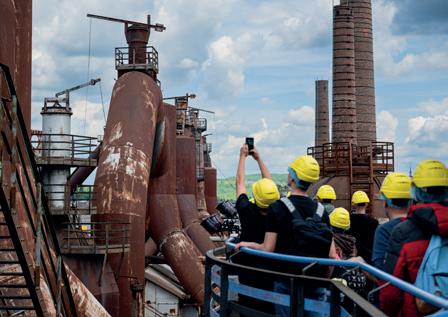
Today, with its many halls, open spaces and fascinating networks of pipes, the World Heritage Site offers a unique setting for international exhibitions, festivals and concerts. What is more, it is a place where culture and nature meet: what was once considered the hell of the coking plant, for example, is now a truly wild PARADISE, where new ecosystems have taken root.
X-RAY. The Power of Roentgen Vision (running until 16 August 2026) is the first exhibition ever to comprehensively dedicate itself to the phenomenon of X-rays and the numerous cultural and artistic aspects of X-ray vision. Based on the wide spectrum of X-ray technology – from the very first X-ray image to historic X-ray devices in medicine and the natural sciences, and up to the latest X-ray
satellite in space research – the exhibition particularly highlights the creative interplay of the X-ray gaze in art and cultural history, politics, nature, literature and architecture, music, fashion, and cinema.
From 10 May, the World Heritage Site Völklinger Hütte will open the internationally renowned URBAN ART BIENNALE. It presents current positions of the anarchic art form that has evolved from street art and graffiti. Also in May, a video mapping festival will illuminate the World Heritage Site in innovative ways, and in August, a multi-day techno festival will take place. Starting 1 November, the Völklinger Hütte itself will take centre stage: the exhibition ORE ANGEL AND SINTER SUN brings the entire history from 1873 to the present day to life and opens up new perspectives on this unique monument of industrialisation and the Anthropocene.
More information about the World Heritage Site Völklinger Hütte can be found at www.voelklinger-huette.org
Discover our new location at E-Werk.
The Kinemathek is a house of moving images. A cinema, an exhibition and film festival venue – and much more.
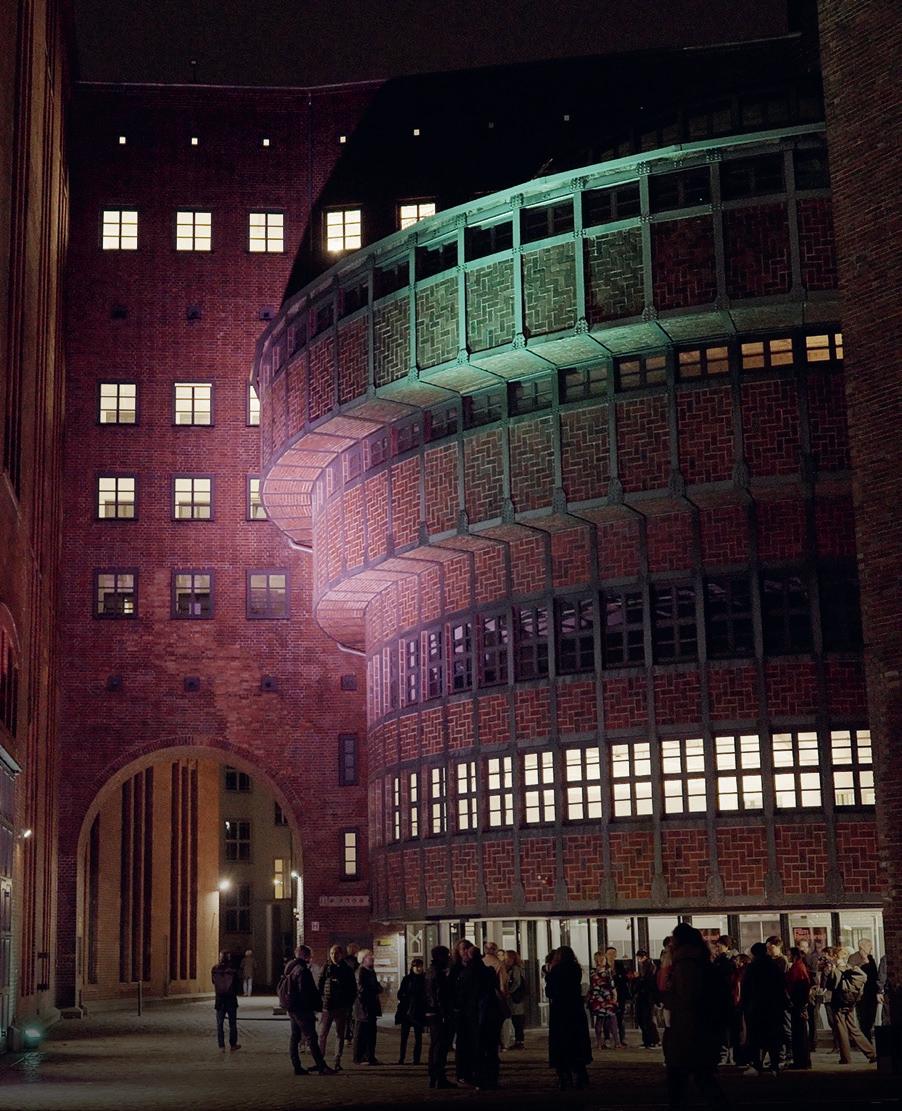
What’s on during Berlinale: deutsche-kinemathek.de/ berlinale
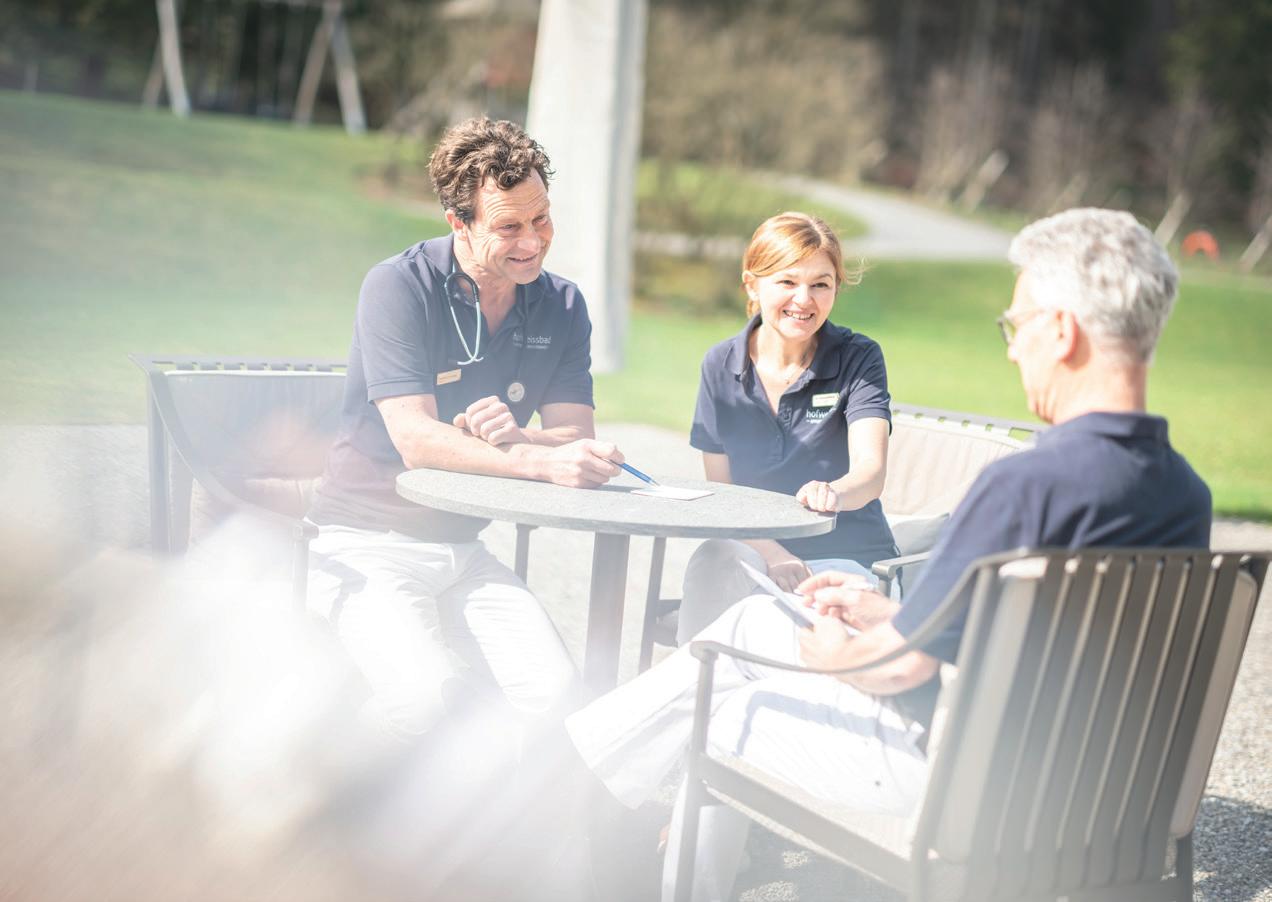
Those who visit Appenzell will discover not only one of the most picturesque regions in Switzerland, but also a retreat amidst unspoiled nature that combines indulgence, culture, and wellness at the highest level: Resort Hof Weissbad. Nestled at the foot of the Alpstein mountains, this traditional hotel impresses with two accommodation categories (Lodge Hof Weissbad and Hotel Hof Weissbad), a successful blend of modern architecture, warm hospitality, and a wide range of offerings for body and mind.
At Hof Weissbad, the joy of good food is central. For nearly three decades, head chef Käthi Fässler has defined the resort's culinary reputation. In 2026, she marks her 30th anniversary – an event that also signals a new generation taking over the kitchen. "Käthi Fässler is a chef with heart and outstanding skills," says Elias Leu, director of Resort Hof Weissbad. "She knows how to blend top-class gastronomy with down-to-earth charm and leads her large kitchen brigade with great empathy."
More than 400 dishes pass through her kitchen each day – a logistical challenge that Fässler maintains with consistency and quality. Her cuisine was honoured with the title
Chef of the Year in 2009 and regularly earns 16 Gault Millau points. The restaurant menus change daily; a favourite feature is creating your own courses from three rotating menus.
Emphasis is also placed on sustainability and regional sourcing. The kitchen team works closely with local producers to guarantee short supply chains and fresh ingredients. Food waste? Not a chance! At Hof Weissbad, cooking is done mindfully and with resource conservation in mind.
The culinary offerings span several inviting venues: the architecturally striking main restaurant Flickflauder, the elegant veranda, and
the traditional Schotten-Sepp-Stube, named for the pioneer who introduced whey spa treatments to Weissbad over 300 years ago. The rustic farmstead cheese dairy chalet, once a cheese production site, now hosts lively barbecues and fondue evenings for company or private celebrations. The modern, renovated small farmhouse is perfect for banquets with a private chef or kitchen parties for up to 14 guests, while Blumenwerkstatt, surrounded by flowers and plants, accommodates up to 20. “Our seminar park is also increasingly used for banquets of up to 60 people,” says Elias Leu.
But Resort Hof Weissbad is more than a destination for gourmets. Guests can relax and enjoy activities in two accommodation categories. The modern three-star Lodge Hof Weissbad features 25 rooms and a relaxed atmosphere, while the four-star superior Hotel Hof Weissbad with 90 rooms emphasises culinary delights and culture.
Wer das Appenzellerland besucht, entdeckt nicht nur eine der malerischsten Regionen der Schweiz, sondern auch einen Rückzugsort inmitten unberührter Natur, der Genuss, Kultur und Gesundheit auf höchstem Niveau vereint: das Resort Hof Weissbad.
Eingebettet am Fusse des Alpsteins begeistert das traditionsreiche Hotel mit zwei Unterkunftskategorien (Lodge Hof Weissbad und Hotel Hof Weissbad), einer gelungenen Kombination aus moderner Architektur, herzlicher Gastfreundschaft und einem breiten Angebot für Körper und Geist.
Im Hof Weissbad dreht sich vieles um die Freude am guten Essen. Seit fast drei Jahrzehnten prägt Küchenchefin Käthi Fässler das kulinarische Profil des Resorts. 2026 feiert sie ihr 30-jähriges Jubiläum – ein Anlass, der zugleich den Wechsel an der Küchenspitze einläutet. „Käthi Fässler ist eine Köchin mit Herz und Verstand und herausragenden Fähigkeiten”, schwärmt Elias Leu, Direktor Resort Hof Weissbad. „Sie versteht es, Spitzengastronomie mit Bodenständigkeit zu verbinden und leitet mit viel Empathie eine grosse Küchenbrigade.”
Täglich gehen mehr als 400 Gerichte über ihren Pass – eine logistische Meisterleistung, die Fässler mit bemerkenswerter Konstanz und Qualität meistert. Ihre Küche wurde bereits 2009 mit dem Titel ‚Köchin des Jahres’
geehrt und überzeugt konstant mit 16 Gault Millau Punkten. Die Menüs in den Restaurants wechseln täglich, sodass die Gäste stets neue kulinarische Entdeckungen machen. Besonders beliebt: die Möglichkeit, aus drei wechselnden Menüs selbst die Gänge zusammenzustellen.
Wert gelegt wird auch auf Nachhaltigkeit und Regionalität. Das Küchenteam arbeitet eng mit lokalen Produzenten zusammen, um kurze Lieferwege und frische Zutaten zu garantieren. Food Waste? Fehlanzeige! Im Hof Weissbad wird achtsam und ressourcenschonend gekocht; ein Prinzip, das im gesamten Resort gelebt wird.
Das kulinarische Angebot verteilt sich auf mehrere reizvolle Locations: Das architektonisch
auffallende Hauptrestaurant Flickflauder (Dialekt: Schmetterling), die elegante Veranda und die traditionsreiche Schotten-Sepp-Stube, benannt nach dem Pionier, der vor über 300 Jahren die Molke für Kuren ins Weissbad brachte. Für Firmen- oder private Feiern bietet sich das urige Hofkäserei-Chalet an. Einst Produktionsstätte für den hauseigenen Käse, ist es heute eine stimmungsvolle Location für Grill- und Fondueabende. Das modern ausgebaute kleine Hofhaus eignet sich für Bankette mit Privatkoch oder private Küchenparties für bis zu 14 Personen, während in der Blumenwerkstatt inmitten von frischen Blumen und Pflanzen Bankette für bis zu 20 Personen angeboten werden. „Unser Seminarpark ist zudem nicht nur für Board-Meetings beliebt, sondern wird immer häufiger für Bankette bis zu 60 Personen genutzt”, erklärt Elias Leu.
KULTUR ZUM ERLEBEN UND MITMACHEN
Doch das Resort Hof Weissbad ist weit mehr als ein Ort für Gourmets. Gäste finden in zwei Unterkunftskategorien Entspannung und Aktivität. Die moderne Drei-Sterne-Lodge Hof Weissbad mit 25 Zimmern bietet eine entspannte Atmosphäre mit liebevollen Details,
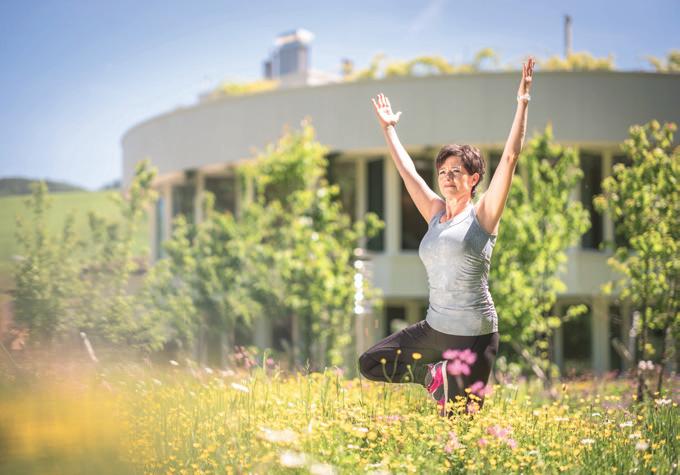
Every Wednesday, Appenzell Evenings are held, featuring local musical groups, young dulcimer players, a regional buffet, and local artists and craftspeople. Lectures by history experts provide insights into local customs. The weekly guest program includes guided tours, museum visits, and workshops in nearby Appenzell – such as yodelling lessons and cheese tastings. Guests can also experience regional events like Silvesterchlausen (New Year's Eve), Schwingen (Swiss wrestling), or the Swiss National Day festivities on 1 August. Religious holidays are especially exciting, with elaborate traditional costumes displayed in the streets.
Highlights include Lichterzauber Appenzell. Magie im Park (Appenzell Light Magic. Magic in the Park), with stunning light installations in January, winter skiing, summer concerts in the park, and festive gala dinners during the holidays. “In July and August, our hotel park turns into a stage for summer concerts – a highlight for guests and locals,” says Susanne Leu, director of Resort Hof Weissbad.
The resort's health centre blends medical expertise and holistic wellness. "Here, those aiming to improve their health and achieve balance will find the ideal environment," says
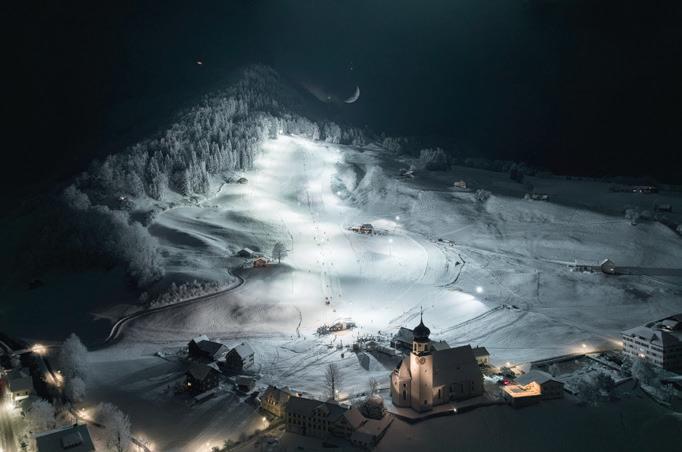
Thomas Möderndorfer, director of the health centre. "We are also the only F.X. Mayr©-certified hotel in Switzerland." Services include prevention, regeneration, and specific support across four medical wellness areas: nutrition, relaxation, exercise, and mindfulness.
In nutrition, a health coach provides comprehensive analyses, cooking classes, and personalised nutritional advice. The cuisine adapts to guests' allergy and dietary needs, ensuring lasting results. Relaxation comes
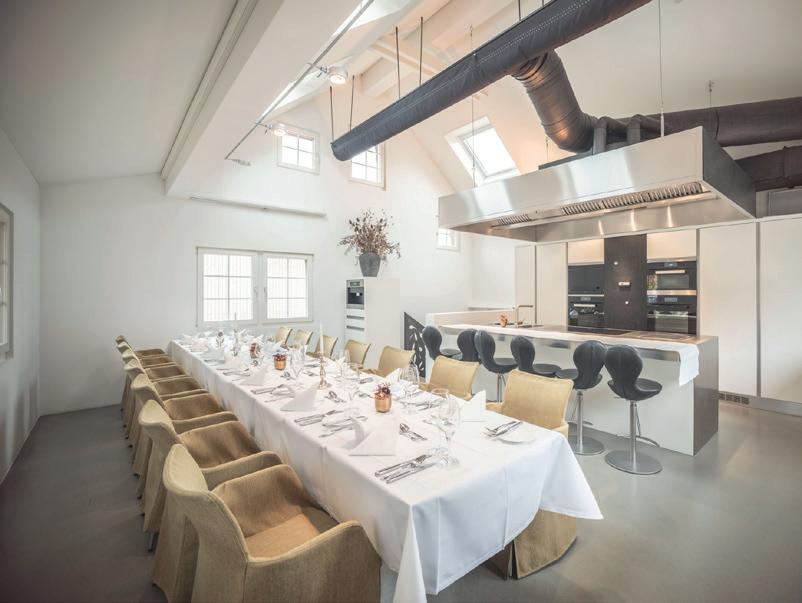
through meditation, spa and wellness treatments, sports massages, plus the new bathing and sauna complex with relaxation rooms, fitness areas, outdoor pools, multiple saunas, and a vitality lounge.
The experienced movement and therapy team supports guests with rehabilitation, prevention, and performance enhancement –both at the resort and in the invigorating Alpstein outdoors. In mindfulness, physicians provide personalised, empathetic guidance during treatments. New introductory packages are available for local guests, even without overnight stays. Activities such as ice swimming and services like Cardioscan and Omega 3 analysis enhance sustainable health. Guests can also explore the region with walks in Glandenstein, strolls through Appenzell’s charming village, longer hikes, or challenging Alpstein bike trails.
Whether seeking indulgence, culture, or holistic well-being, Resort Hof Weissbad continually surprises and delights. Guests here experience Switzerland at its finest: authentic, stylish, and filled with joie de vivre.
www.hofweissbad.ch/en

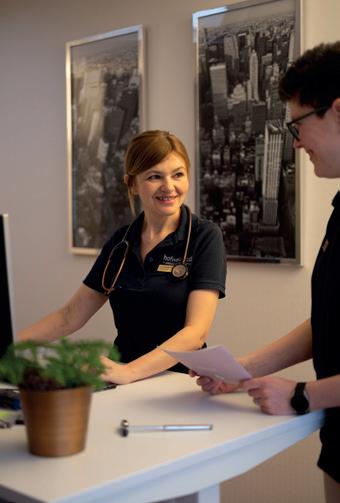
während im Vier-Sterne-Superior-Hotel Hof Weissbad mit 90 Zimmern kulinarische Genüsse und Kultur im Vordergrund stehen.
Jeden Mittwoch finden Appenzeller Abende statt: mit einheimischen Musikformationen und Jung-Hackbrettspielern, regionalem Buffet, lokalen Künstlern und Handwerkern. Vorträge von Geschichte-Kennern bieten Einblicke in Tradition und Brauchtum. Das Wochenprogramm für Hotelgäste umfasst Führungen, Museumsbesuche und Workshops im nahen Appenzell – vom Jodelkurs bis zur Käseverkostung. Wer tiefer eintauchen möchte, erlebt regionale Events wie Silvesterchlausen, Schwingen oder die 1. August-Feierlichkeiten zum Schweizer Nationalfeiertag hautnah mit. Die kirchlichen Feiertage sind in der Region besonders spannend, da teure Trachten in den Gassen vorgeführt werden.
Höhepunkte sind der ‚Lichterzauber Appenzell. Magie im Park.’ mit wunderschönen Lichtinstallationen im Januar, Ski-Angebote im Winter, Sommerkonzerte im Park und festliche GalaDinner zu den Feiertagen. „Im Juli und August verwandelt sich unser Hotelpark in eine Bühne für Sommerkonzerte – ein Highlight für Gäste und Einheimische zugleich”, so Susanne Leu, Direktorin des Resort Hof Weissbad.
GESUNDHEIT MIT WEITBLICK
Das im Resort angeschlossene Gesundheitszentrum verbindet medizinische Expertise mit einer ganzheitlichen Wohlfühlkultur. „Bei uns
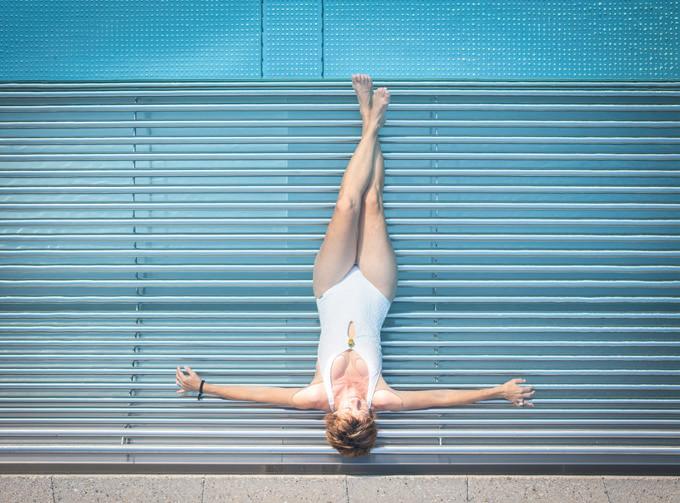
finden Menschen, die ihre Gesundheit bewusst stärken und ihr Gleichgewicht nachhaltig finden möchten, den idealen Modus”, erläutert Thomas Möderndorfer, Direktor Gesundheitszentrum. „Zudem sind wir das einzige F.X. Mayr©-zertifizierte Hotel in der Schweiz.” Das Angebot reicht von Prävention und Regeneration bis zur gezielten Stärkung in vier MedicalWellness-Bereichen: Ernährung, Entspannung, Bewegung und Bewusstsein.
Im Bereich Ernährung bietet ein Gesundheitscoach umfassende Analysen, Kochkurse und individuelle Ernährungsberatung. Die Küche des Resorts passt sich allen Allergie- und Kurvorschriften der Gäste an und garantiert so nachhaltige Ergebnisse. Für Entspannung sorgen Meditationen, Spa- und Wellnessbehandlungen, Sportmassagen sowie der neue Bade- und Saunahaus-Komplex mit Ruhe- und Fitnessräumen, Aussenpools, verschiedenen Saunen und einer Vital-Lounge.
Das erfahrene Bewegungs- und Therapieteam unterstützt Gäste bei Rehabilitation, Prävention und Leistungssteigerung – sowohl im Resort als auch in der Kraft spendenden Natur des Alpsteins. Im Bereich Bewusstsein begleiten Ärzte die Gäste individuell und einfühlsam während der Behandlungen. Neu sind Kennenlern-Pakete für regionale Gäste, auch ohne Übernachtung. Aktivitäten wie Eisbaden oder Zusatzangebote wie Cardioscan und Omega 3 Analyse runden das Angebot für eine nachhaltige Gesundheit ab. Wer die Region abseits
des Resorts entdecken möchte, kann zwischen Spaziergängen im Glandenstein, Flanieren im urigen Dorf Appenzell, ausgedehnten Wanderungen oder anspruchsvollen Bike-Trails im Alpstein wählen.
Ob Genuss, Kultur oder ganzheitliches Wohlbefinden, das Resort Hof Weissbad versteht es, seine Gäste immer wieder zu überraschen und zu begeistern. Wer hierher kommt, erlebt die Schweiz von ihrer schönsten Seite: authentisch, stilvoll und voller Lebensfreude.
www.hofweissbad.ch

Discover Germany, Austria & Switzerland
Leser erhalten einen Sonderrabatt. Einfach beim Buchungscode DISCOVER eingeben.
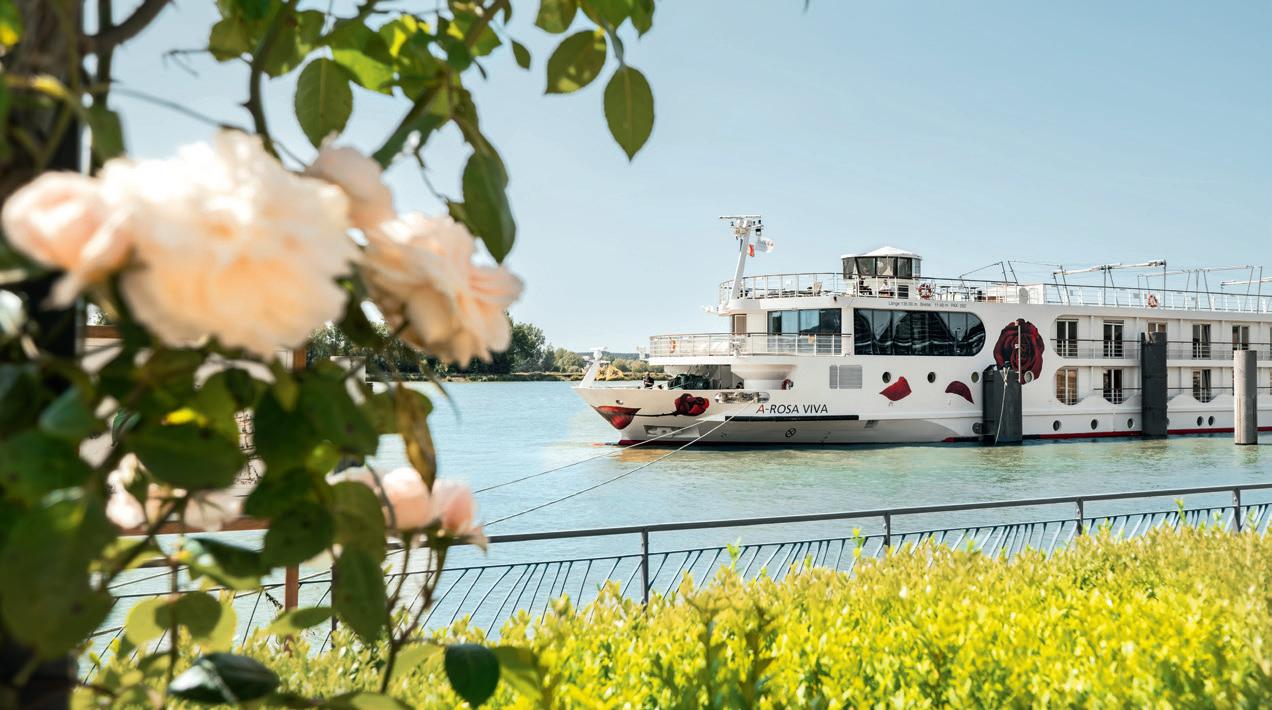
A-ROSA’s Wine & Gusto Cruises combine unhurried travel along Europe’s rivers with regional cuisine and wine culture. The focus is not only on the landscapes lining the Rhône, Seine or Douro, but above all on the culinary experiences on board: tastings, guided degustation and vintner menus that offer insight into the flavours of each region.
As vineyards, historic towns and river valleys drift past outside, guests on board A-ROSA boats enjoy a cuisine that takes gentle inspiration from local traditions. Buffets and carefully curated menus highlight fresh ingredients and regional touches, creating a thoughtful interpretation of the food culture of the areas visited. Complementing this are selected wines that reflect the distinctive character of their regions of origin.
A central element of the Wine & Gusto Cruises is the series of vintner menus and tastings. These offer background knowledge on wine-growing areas, grape varieties and production methods, allowing guests to experience wine with greater depth and understanding. From introductory tasting insights to comparisons of different styles, the formats
are designed to appeal both to newcomers and to seasoned wine enthusiasts.
Just how varied the interplay between landscape and cuisine can be is revealed by the regions themselves. Along the Rhône, the spectrum ranges from Lyon’s renowned gas-
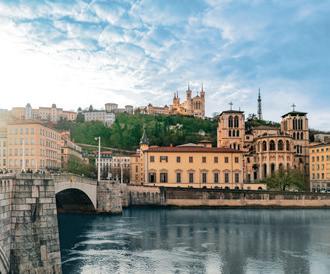
tronomic heritage through the wine regions of Burgundy to the Mediterranean flavours of Provence and the Camargue. The Seine brings together Parisian haute cuisine and the agricultural produce of Normandy, creating a contrast between metropolis and coastline. On the Douro, the Alto Douro, the world’s oldest protected wine-growing region, defines the culinary landscape. Port wine, terraced vineyards and regional specialities tell the story of a wine tradition shaped over centuries. A Pastéis de Nata demonstration also forms part of the programme on this journey.
The result is a style of travel that goes far beyond the classic river cruise. The Wine & Gusto Cruises invite guests not just to observe regions, but to taste them, understand them and experience them within their cultural context. For those who wish to combine slow travel with culinary curiosity, this offers a distinctive way to discover Europe’s river landscapes.
www.arosa-cruises.com/discover
Die A-ROSA Wein- & Genussreisen verbinden das gemächliche Reisen auf Europas Flüssen mit regionaler Küche und Weinkultur. Im Mittelpunkt stehen dabei nicht nur die Landschaften entlang von Rhône, Seine oder Douro, sondern vor allem die kulinarischen Erlebnisse an Bord: Verkostungen, Degustationen und Winzer-Menüs, die Einblicke in die Geschmackswelten der jeweiligen Regionen geben.
Während draußen Weinberge, Städte und Flusstäler vorbeiziehen, erleben die Gäste an Bord der A-ROSA Schiffe eine Küche, die sich behutsam an den lokalen Traditionen orientiert. Buffets und sorgfältig abgestimmte Menüs setzen auf frische Zutaten und regionale Akzente – eine inspirierte Annäherung an die Esskultur der bereisten Gebiete. Ergänzt wird dies durch passende Weine, die die Charakteristik ihrer Herkunftsregion unterstreichen.
Ein zentraler Bestandteil der Wein- & Genussreisen sind die Winzer-Menüs und Degustationen. Sie vermitteln Hintergrundwissen zu Anbaugebieten, Rebsorten und Herstellungsverfahren und ermöglichen es den Gästen, Weine differenzierter zu erleben. Ob grundlegende sensorische Einordnungen oder der Vergleich verschiedener Stilrichtungen – die Formate sind so gestaltet, dass sie sowohl Neulingen als auch erfahrenen Wein-Liebhabern einen Zugang bieten.
Wie unterschiedlich das Zusammenspiel von Landschaft und Kulinarik ausfallen kann,
zeigen die Regionen selbst. Auf der Rhône reicht das Spektrum von der Gourmettradition Lyons über die Weinregionen Burgunds bis zu den mediterranen Aromen der Provence und Camargue. Die Seine verbindet Pariser Haute Cuisine mit den landwirtschaftlichen Produkten der Normandie – ein Kontrast aus Metropole und Küste. Am Douro prägt das Alto Douro, das älteste geschützte Weinbaugebiet der Welt, die Geschmackswelt: Portwein, terrassenförmige
Weinhänge und regionale Spezialitäten erzählen von einer jahrhundertelangen Weintradition. Auch eine Pastéis-de-Nata-Vorführung gehört bei dieser Reise zum Programm.
So entsteht eine Reiseform, die weit über klassische Flusskreuzfahrten hinausgeht. Die Wein- & Genussreisen laden dazu ein, Regionen nicht nur zu betrachten, sondern zu schmecken, zu verstehen und in ihrem kulturellen Zusammenhang zu erleben. Wer entschleunigtes Reisen und kulinarische Neugier verbinden möchte, findet hier einen besonderen Zugang zu Europas Flusslandschaften.
www.a-rosa.de/discover
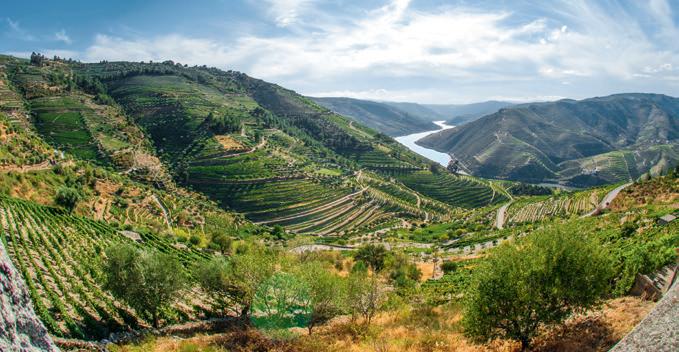
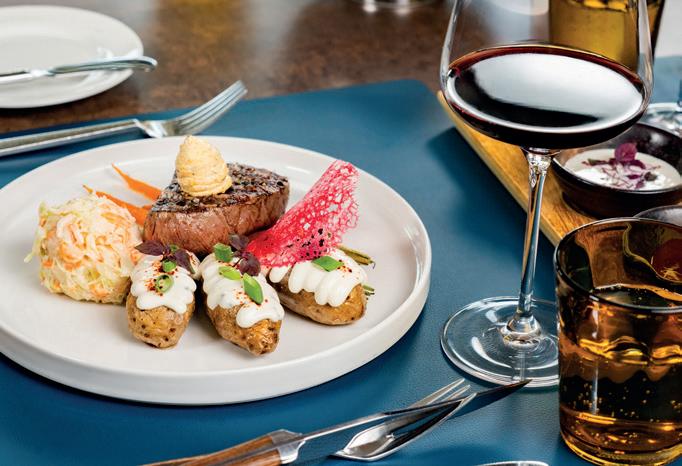
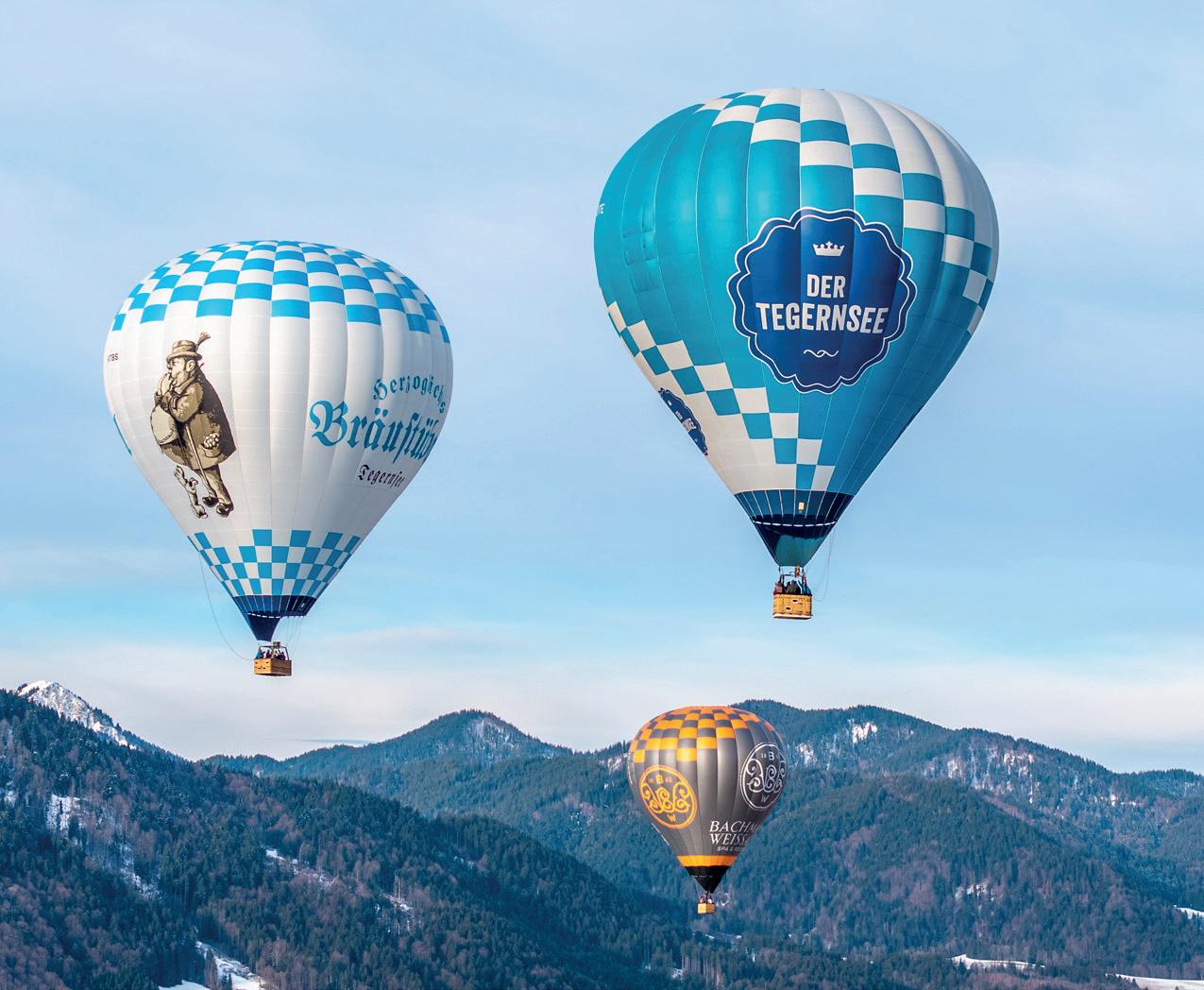
Each February, as the crisp Alpine air settles over the Tegernsee Valley and the mountains don their finest coats of white, a spectacle of colour and wonder ascends into the winter sky. The Tegernseer Tal Montgolfiade marks its 25th anniversary in 2026, promising to transform the serene Bavarian landscape into a living canvas of hot air balloons, music, and jubilant celebration between 1 and 8 February.
It is early February. Frost glistens on the lakeside promenade in Bad Wiessee, while the sun rises shyly behind the snow-capped peaks. Suddenly, a flurry of brilliant hues and bold shapes lifts gracefully above the valley: the first balloons of the Tegernseer Tal Montgolfiade taking flight. For one week, from 1 to 8 February 2026, the sky becomes a stage as colourful hot air balloons drift serenely over the wintry scene below. The festival’s silver jubilee promises not only a
celebration of its storied past, but also a renewed invitation for travellers to experience the magic that has made it one of Bavaria’s most beloved winter events.
The Montgolfiade’s journey began in the late 1990s, spearheaded by Peter Rie, then head of the Tourist-Information Bad Wiessee. The vision? To bring warmth, excitement, and a burst of colour to the valley’s quieter months.
In partnership with local organisations and ballooning enthusiasts, the inaugural event in 2001 set a new tradition: a winter festival where hot air balloons would take centre stage, offering not just jaw-dropping views but also a much-needed boost to the off-season tourism.
Fast forward 25 years, and the Montgolfiade stands as a testament to the power of a bold idea realised at just the right moment. Having grown from a regional gathering into one of the best-known balloon festivals in Bavaria, it attracts pilots and spectators from across Europe. The event has become an emblem of the Tegernsee Valley, uniting generation after generation. “The Montgolfiade is a wonderful
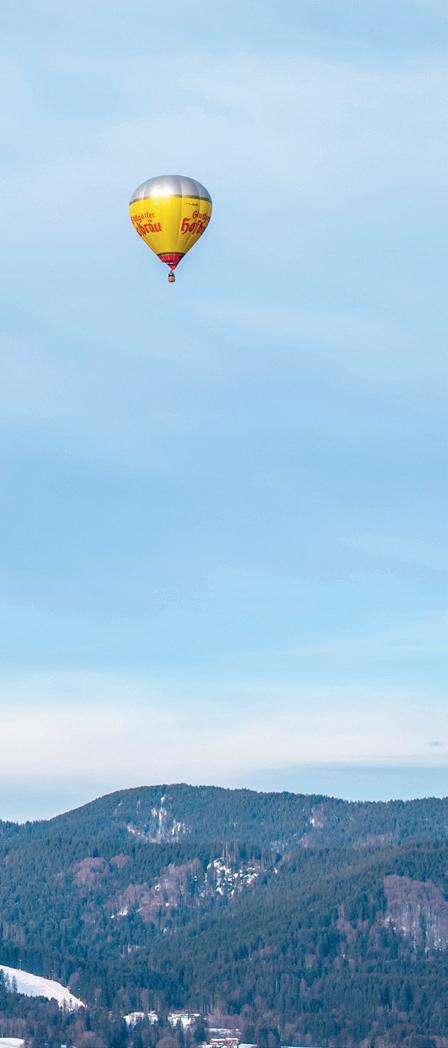
example of how a courageous idea has become a true flagship for our region, radiating both tradition and adventure,” reflects Christian Kausch, managing director of Tegernseer Tal Tourismus GmbH. “25 years on, its unique atmosphere still captivates all who attend.”
To witness or partake in a hot air balloon ride during the Montgolfiade is to discover the valley anew. Each morning, dependent on weather and wind, a fleet of around 25 balloons with their seasoned crews prepares for flight. Start sites vary, including the lakeside promenade in Bad Wiessee, Sonnenbichl, Oswaldwiese, the Birkenmoos in Rottach-Egern, and
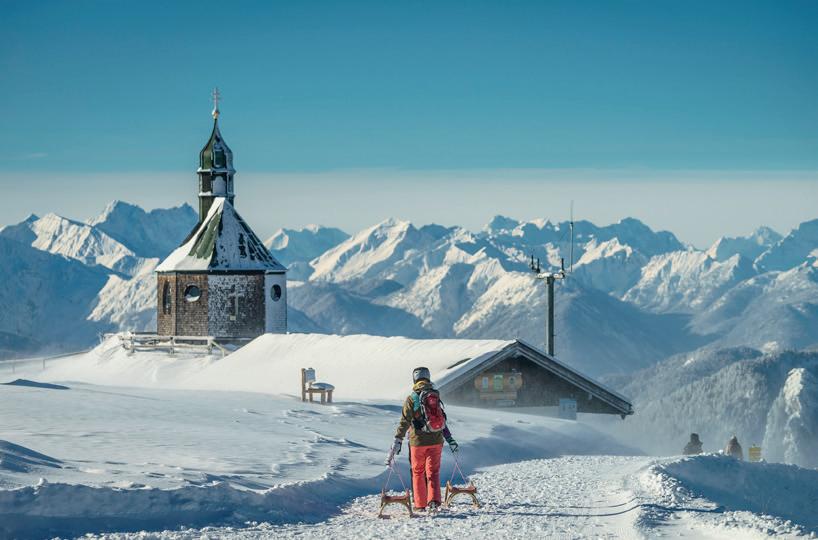
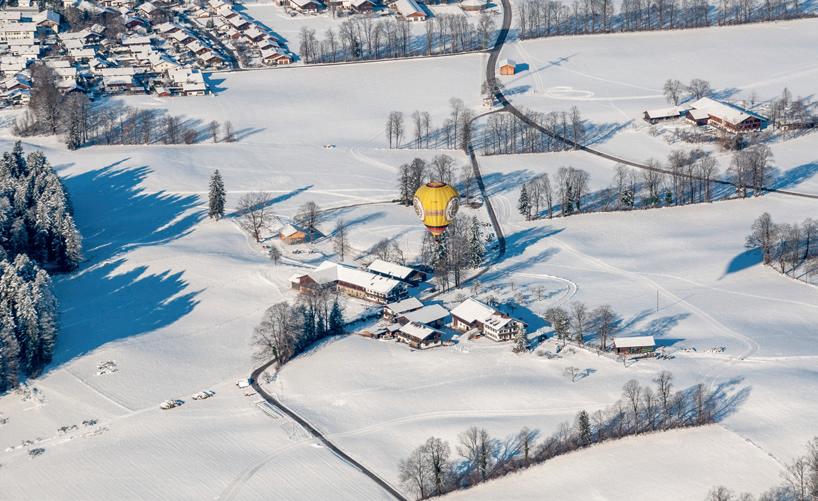
the airfield in Warngau. The final choice is left to pilots and meteorologists during the daily briefing, ensuring that each flight is both safe and spectacular.
As the baskets rise, passengers are treated to panoramic vistas: diamond-bright snow, forests in winter slumber, and the shimmering surface of Lake Tegernsee. The silence is punctuated only by the occasional whoosh of the burners, as the world below becomes a patchwork quilt. “Watching the balloons ascend in unison never loses its magic,” says Peter Rie. For many, the real gift is a new outlook – both literal and metaphorical – on a landscape they thought they knew.
The complete experience lasts about three hours, including preparation, take-off, and the gentle return journey. Actual flying time averages 75 minutes, a dreamlike interval suspended between earth and sky. Tickets are in high demand, and early booking is recommended. At €280 per person, it is a oncein-a-lifetime adventure, with places selling out well in advance each year.
The Montgolfiade is more than just ballooning; it is a festival with a rich calendar of ground-based activities that invite everyone to join the celebration. Visitors strolling along the lakeside promenade will find gourmet
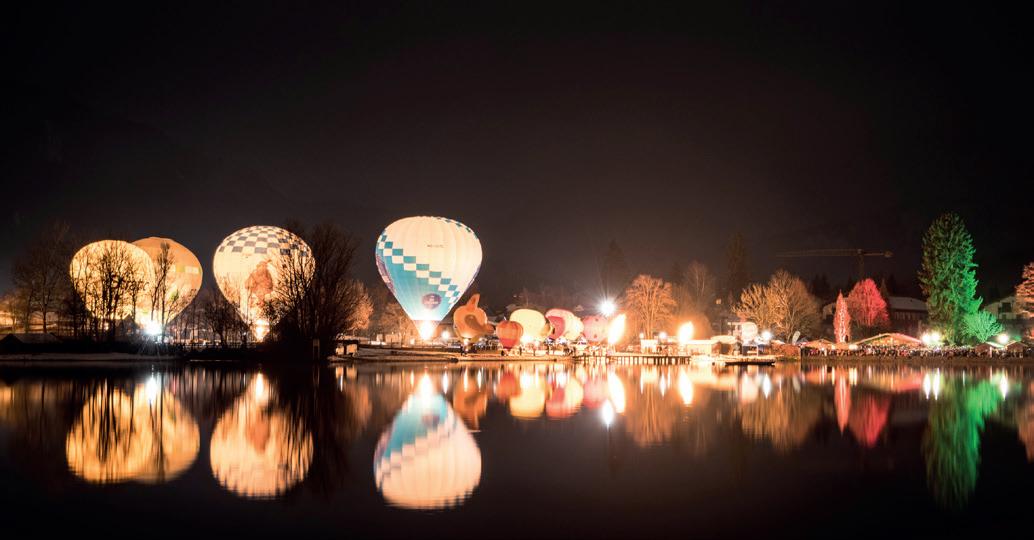
food stalls courtesy of Gastronomie Blümer, perfect for warming up with local delicacies and a mug of hot chocolate. For those with a love of detail, model balloons offer a charming miniature version of the airborne action, displayed on 1, 7, and 8 February from midday (weather permitting).
The festival’s musical and cultural offerings are equally enticing. On both Sundays, traditional performers – the Schäffler dancers and the Gmunder Seegeister – bring Bavarian folklore to life with lively routines and colourful costumes. Thursday 5 February sees the much-anticipated Fuchsjagd (fox hunt), a classic ballooning competition where pilots vie for precision and glory. On Saturday, Hotel Zur Post hosts a night of revelry: the Ballooners’ Party fills its garden with music, food, and laughter, moving indoors if the weather turns. These moments offer a chance to mingle with pilots and locals alike, soaking in the festival’s singular sense of camaraderie.
No anniversary would be complete without a spectacle, and on Friday 6 February, the Sonnenbichl becomes the scene of the Ballonglühen (Balloon Glow). As dusk gives way to night, burners ignite in time with music, illuminating the balloon envelopes in a display of glowing colour. The atmosphere is electric, with live performances from rock band Merged and percussionists Bateria Z keeping spirits high well into the evening. Food trucks,
grilling stations, and a lively bar ensure no one goes hungry or thirsty. As a grand finale, a dazzling fire show paints the sky, making memories for young and old alike.
At the heart of the Montgolfiade are the organisers, volunteers, and pilots who pour months of preparation into ensuring each edition is both safe and spectacular. For Peter Rie, the event’s original architect and its steady guide for 25 years, the legacy is personal. “It’s about community, about bringing people together in a spirit of wonder,” Rie explains. Each year brings new challenges –
unpredictable weather, logistics, ever-rising expectations – but the core remains unchanged: a shared joy in seeing the valley from above, and in opening that experience to visitors from around the world.
As the Montgolfiade celebrates its 25th year, it stands as a symbol of the Tegernsee Valley’s enduring spirit: bold, colourful, and open-hearted. For seasoned balloonists and first-time visitors alike, the festival offers a chance to step outside the ordinary, whether soaring above the mountains or marvelling from below.
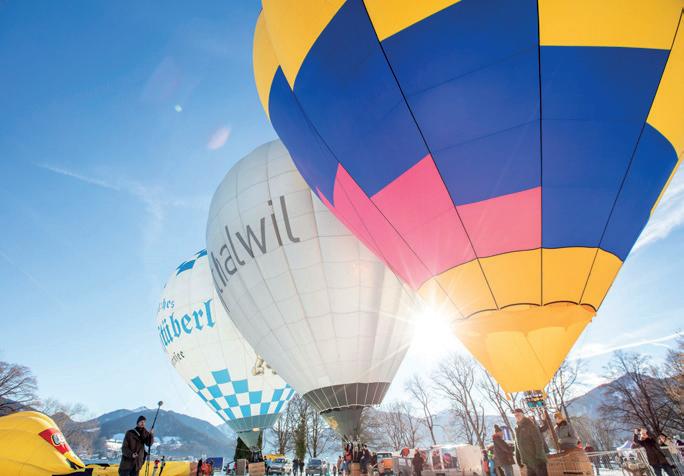
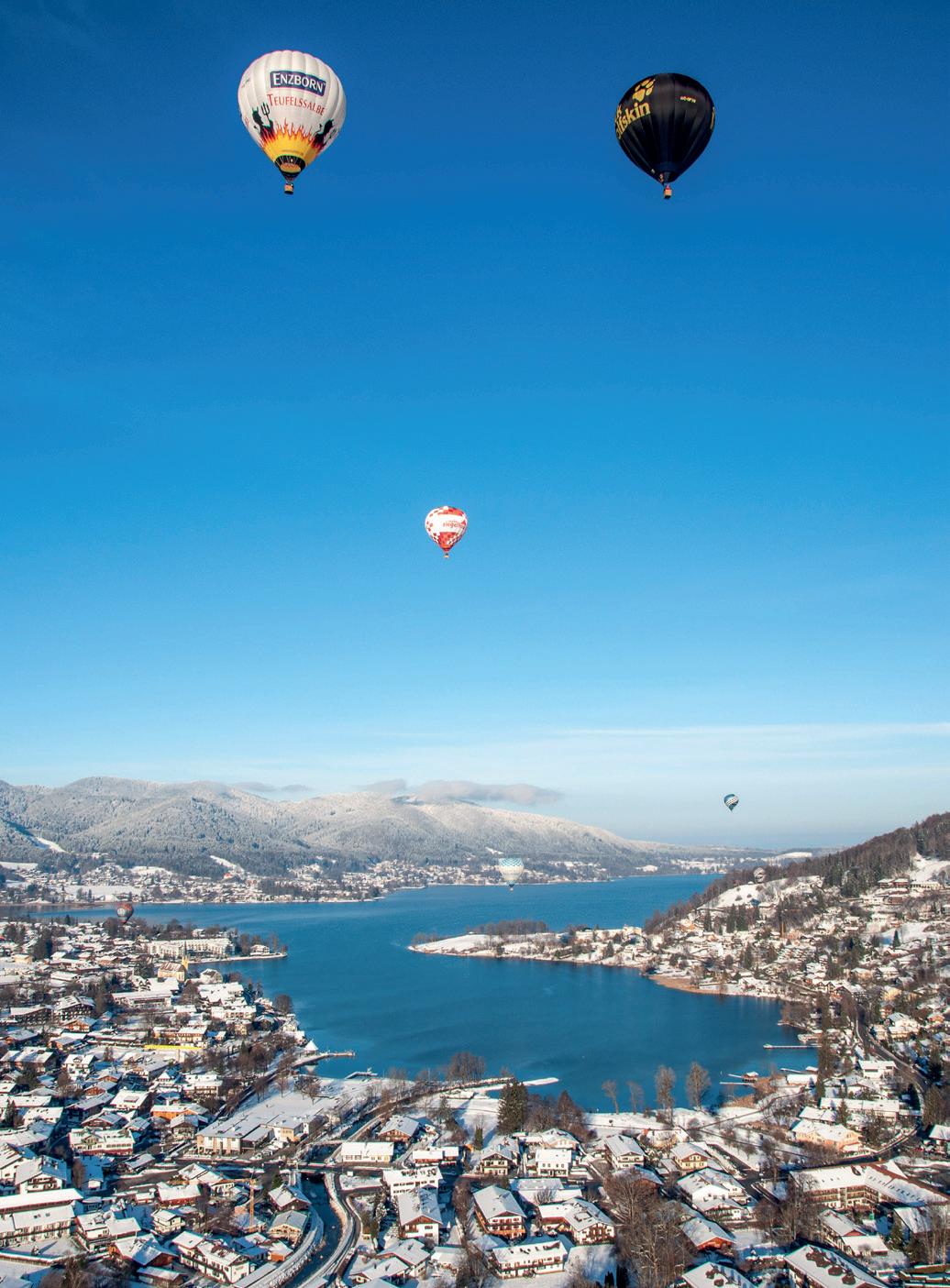
Practical tips
- Planning ahead is key!
- Flights typically begin around 10am each morning, but actual launch sites and times are weatherdependent (updates available on www.tegernsee.com/ montgolfiade).
- Given the popularity and limited number of balloon seats, booking early (via www.tegernsee.bayern) is essential.
- Dress warmly in layered clothing, sturdy footwear, and do not forget your camera.
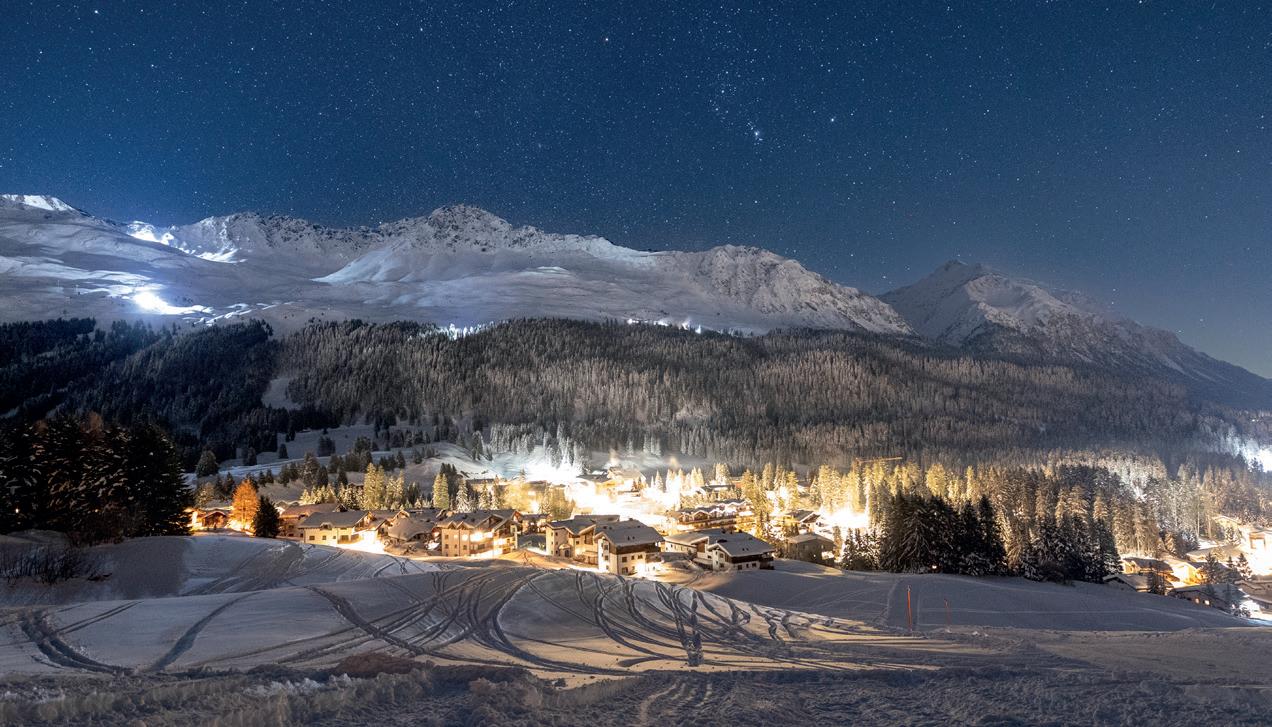
In the heart of Graubünden, the winter paradise of Lenzerheide offers far more than just classic ski slopes. The world of wonders attracts visitors with impressive mountain scenery and a unique mix of sport, relaxation and enjoyment.
The Arosa Lenzerheide ski resort, renowned for its abundant sunshine and hosting multiple World Cup races in Parpan, boasts 225 kilometres of perfectly prepared slopes on altitudes of up to 2,865 metres, making it one of Switzerland's largest winter sports areas. Wide carving slopes, challenging freeride runs, and numerous ski-in/ski-out options offer suitable terrain for every skill level. Freeriders will find ideal conditions on the Parpaner Rothorn and Arosa Weisshorn mountains, while the approximately 25kilometre-long ski safari between Arosa, Lenzerheide, and Tschiertschen offers a welcome change of pace. Easy access is another plus: you can be on the slopes from Zurich Airport in just 1.5 hours.
Lenzerheide offers far more than just skiing. From evening rides on a snow groomer to culinary experiences by moonlight, "everyone will find something to suit them in Lenzerheide," explains Nicole Gysi, CMO of Lenzerheide – world of wonders. Winter hikers and
snowshoe enthusiasts can discover tranquil forests and sunny valleys on 80 kilometres of marked trails. Cross-country skiing and biathlon enthusiasts find plenty to enjoy with the diverse network of trails and the World Cup-calibre Roland Arena: courses, camps, and competitions for all levels make Nordic winter sports accessible to everyone.
Away from the slopes, the W.O.W. Plaza, festively lit, invites visitors to linger with curling, ice skating, a cosy bar, and ice mini golf – new this winter. And for those seeking relaxation, Lenzerheide offers a wide range of wellness and spa options, from classic

saunas and alpine herbal baths to modern well-being concepts. The culinary offerings range from rustic alpine huts serving regional specialties to fine gourmet restaurants.
Lenzerheide is more than just a winter sports resort. Anyone who has breathed in the crisp mountain air and experienced the region's diverse offerings takes home not only memories, but also a piece of that special W.O.W. feeling.
www.lenzerheide.swiss
Winter events in the world of wonders:
31 January – 1 February 2026: Nordic Testival Lenzerheide
31 January – 1 February 2026: FIS-Rennen am Heimberg
22 February 2026: Volks- und Jugendlauf St. Cassian
7 March 2026: Wintersportfestival in the Roland Arena
14 March 2026: Bündner Meisterschaften der Schneesportschulen
3 – 5 April 2026: LIVE is LIFE
Im Herzen von Graubünden bietet das Winterparadies Lenzerheide weit mehr als nur klassische Pisten: Die ‚world of wonders‘ lockt mit beeindruckender Bergkulisse, abwechslungsreichen Abfahrten und einem einzigartigen Mix aus Sport, Entspannung und Genuss.
Das Skigebiet Arosa Lenzerheide, bekannt durch die mehrfache Weltcup Austragung in Parpan, zählt mit 225 bestens präparierten Pistenkilometern bis auf 2.865 Meter Höhe zu den größten Wintersportarealen der Schweiz. Die Region ist außerdem für seine vielen Sonnenstunden bekannt. Breite Carvingpisten, anspruchsvolle Freeride-Abfahrten und zahlreiche Ski-in/Ski-out-Möglichkeiten bieten hier für jedes Niveau das passende Terrain. Besonders Freerider finden am Parpaner Rothorn und Arosa Weisshorn ideale Bedingungen, während die rund 25 Kilometer lange Skisafari zwischen Arosa, Lenzerheide und Tschiertschen für Abwechslung sorgt. Die unkomplizierte Anreise ist ein weiterer Pluspunkt: In nur 1,5 Stunden vom Flughafen Zürich auf der Piste.
EINE DER VIELSEITIGSTEN
WINTERDESTINATIONEN GRAUBÜNDENS
Lenzerheide bietet weit mehr als Skifahren. Von Abendfahrten mit dem Pistenfahrzeug bis zu kulinarischen Erlebnissen bei Mondschein, „in Lenzerheide findet jede:r ein passendes Angebot”, erklärt Nicole Gysi, CMO Lenzerheide – world of wonders. Winterwanderer und Schneeschuhfans entdecken auf 80 Kilome-
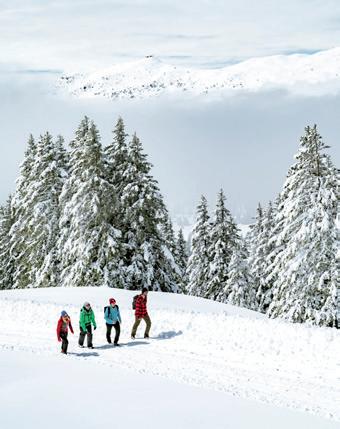
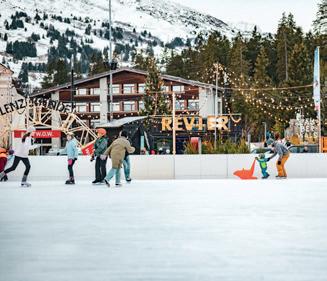
tern markierten Wegen stille Wälder und sonnige Täler. Langlauf- und Biathlon-Begeisterte kommen mit dem vielseitigen Loipennetz und der weltcuptauglichen Roland Arena voll auf ihre Kosten: Kurse, Camps und Wettkämpfe für jedes Niveau machen den nordischen Wintersport für alle zugänglich.
Abseits der Pisten lädt das W.O.W. Plaza unter festlicher Beleuchtung mit Eisstockschiessen, Schlittschuhlaufen und gemütlicher Bar zum Verweilen ein. Neu in diesem Winter ist Eis-Minigolf als besonderes Highlight. Und wer nach einem aktiven Tag Entspannung sucht, findet in Lenzerheide viel-
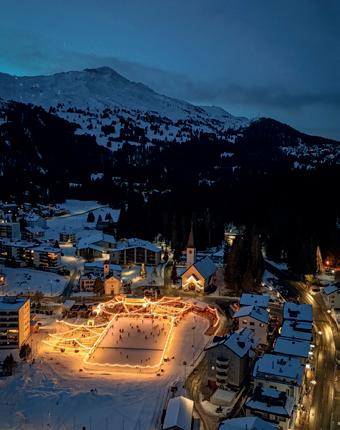
fältige Wellness- und Spa-Angebote – von klassischer Sauna über alpine Kräuterbäder bis hin zu modernen Wellbeing-Konzepten. Das kulinarische Angebot reicht zudem von der urigen Alphütte mit regionalen Spezialitäten bis zum feinen Gourmetrestaurant.
Schnell wird klar, Lenzerheide ist mehr als nur ein Wintersportort. Wer einmal die klare Bergluft eingeatmet und das abwechslungsreiche Angebot der Region erlebt hat, nimmt nicht nur Erinnerungen, sondern auch ein Stück des besonderen W.O.W. Gefühls mit nach Hause.
www.lenzerheide.swiss
Winter-Events in der world of wonders:
31.Januar – 1. Februar 2026: Nordic Testival Lenzerheide
31. Januar – 1. Februar 2026: FIS-Rennen am Heimberg
22.Februar 2026: Volks- und Jugendlauf St. Cassian
7.März 2026: Wintersportfestival in der Roland Arena
14.März 2026: Bündner Meisterschaften der Schneesportschulen
3.bis 5. April 2026: LIVE is LIFE
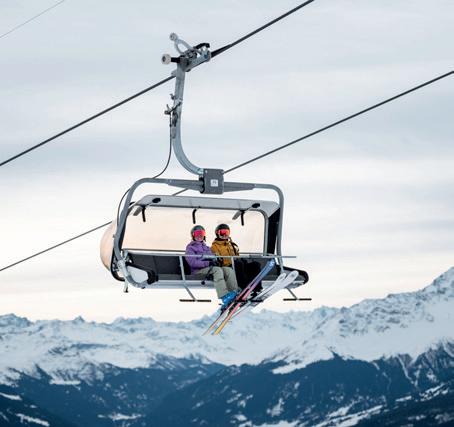
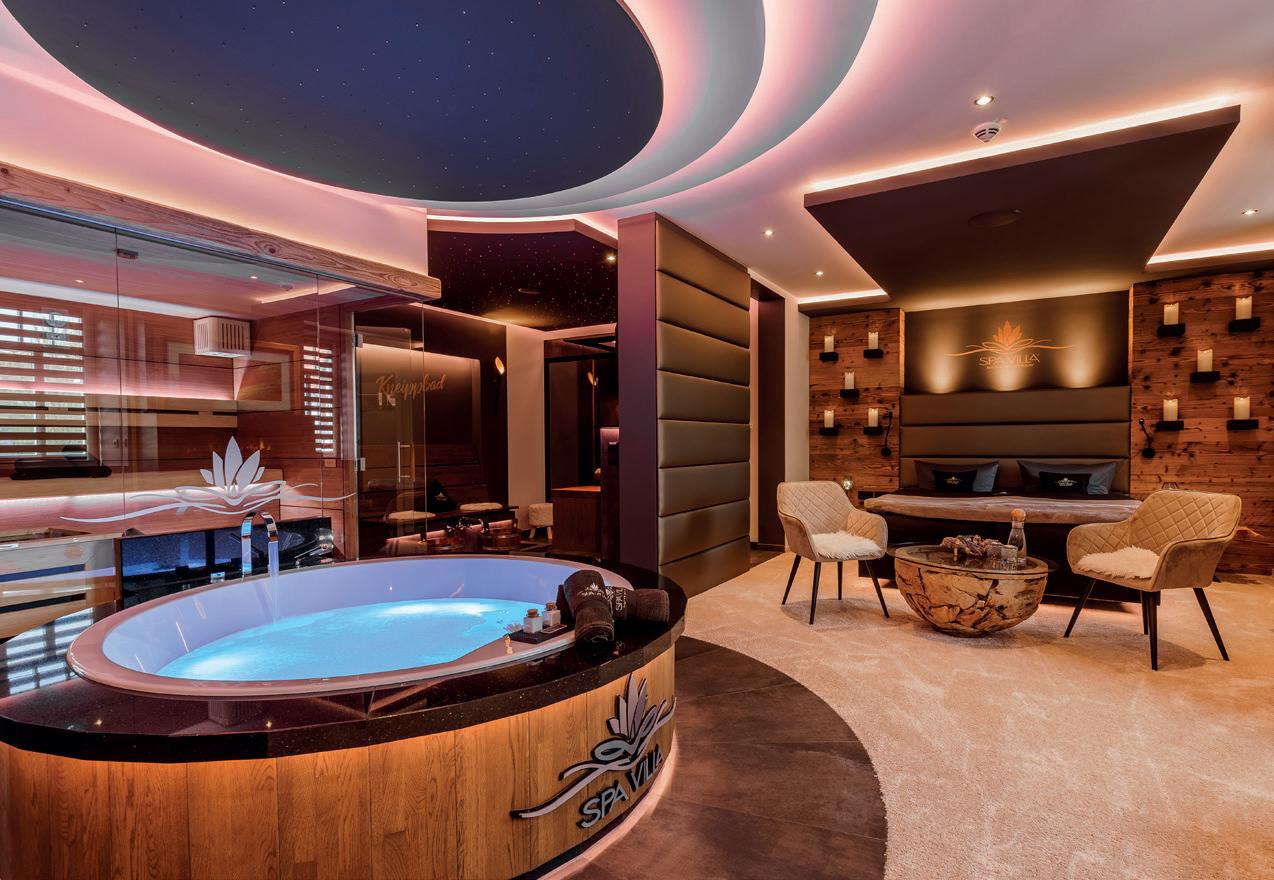
In a world that is spinning ever faster, where the longing for true deceleration is growing and privacy is becoming the new luxury, SPA VILLA Beauty & Wellness Resort offers a refuge for all the senses. Located in the heart of Germany, in the idyllic village of Wingerode in Thuringia, guests will find not just a hotel, but an oasis of well-being where individuality, exclusivity, and warm hospitality come first.
The exclusive SPA VILLA experience begins the moment you arrive – shoes off, slippers on, and you will be personally welcomed by your very own host, who will also personally escort you to your treatments throughout your stay. "We want every guest to feel at home with us," says owner Diana Keppler-Schmerbauch.
The SPA VILLA Beauty & Wellness Resort is centrally located in Germany, just 20 minutes from Göttingen, in the charming Eichsfeld region. Guests here have the opportunity to embark on exclusive journeys of discovery –whether leisurely in a golf cart or in style in a Porsche 911 Cabriolet. They will experience the gently rolling hills, expansive green forests, and charming, traditional half-timbered villages. Historic castles and majestic palaces
dot the landscape, while the diverse regional cuisine offers culinary delights. With its numerous idyllic trails, the region is also a true paradise for hikers and cyclists.
The SPA VILLA originated from the passion and vision of Diana Keppler-Schmerbauch, who after 20 years of self-employment as
a beautician opened SPA VILLA Beauty & Wellness Resort in 2012, as a day spa in the countryside, nestled in a lovingly restored half-timbered house dating back to 1899. "We wanted to create a place where people could escape from everyday life and immerse themselves in a world of peace and relaxation," Keppler-Schmerbauch explains the core idea behind the concept.
The steadily growing demand for holistic wellness led to the resort's expansion in 2015 with the addition of five luxurious wellness suites to offer overnight accommodation to guests from afar. Since then, the SPA VILLA boasts an impressive 1,000-square-metre wellness area, featuring saunas, treatment rooms, a Swiss pine lounge, a music lounge, a conservatory, a signature cherrywood bathtub, and comfortable relaxation rooms.
But that is not all: in 2020, the wellness oasis was doubled in size. Eight new luxury spa suites were added – each with a private spa
In einer Welt, die sich immer schneller dreht, in der die Sehnsucht nach echter Entschleunigung wächst und Privatsphäre zum neuen Luxus wird, bietet das SPA VILLA Beauty & Wellness Resort ein Refugium für alle Sinne. Mitten im Herzen Deutschlands, im idyllischen Örtchen Wingerode in Thüringen, erwartet Gäste nicht einfach ein Hotel, sondern eine Wohlfühloase, in der Individualität, Exklusivität und Herzlichkeit großgeschrieben werden.
Das exklusive SPA VILLA Erlebnis beginnt schon beim Ankommen – Schuhe aus, Hausschuhe an, und schon wird man von seiner persönlichen ,Gast-Mutter’ individuell in Empfang genommen, die einen auch im Laufe des Aufenthaltes persönlich zu seinen Behandlungsangeboten bringt. „Wir möchten, dass sich jeder Gast bei uns wie zu Hause fühlt”, sagt Inhaberin Diana Keppler-Schmerbauch.
Das SPA VILLA Beauty & Wellness Resort liegt zentral in Deutschland, nur 20 Minuten von Göttingen entfernt, in der reizvollen EichsfeldRegion. Gäste haben hier die Möglichkeit, sich auf exklusive Entdeckungsreisen zu begeben – ob gemütlich im Golfcart oder stilvoll im Porsche 911 Cabriolet. Dabei erleben sie die sanft geschwungene Hügellandschaft, ausgedehnte grüne Wälder und charmante Fachwerkdörfer voller Tradition. Historische Burgen und majes-
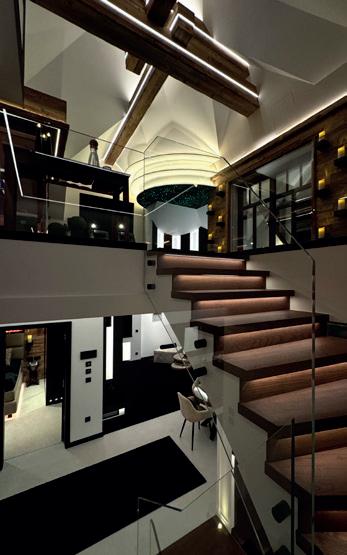
tätische Schlösser säumen den Weg, während die vielfältige regionale Küche kulinarische Höhepunkte bietet. Die Region ist zudem mit zahlreichen idyllischen Wegen ein wahres Paradies für Wanderer und Radfahrer.
HISTORISCHER CHARME TRIFFT MODERNEN
Der Ursprung der SPA VILLA liegt in der Leidenschaft und Vision von Diana KepplerSchmerbauch, die nach 20 Jahren Selbstständigkeit als Kosmetikerin 2012 das SPA VILLA Beauty & Wellness Resort als Day Spa auf dem Land, eingebettet in ein liebevoll restauriertes Fachwerkhaus von 1899, eröffnete. „Wir wollten einen Ort schaffen, an dem Menschen dem Alltag entfliehen und in eine Welt der Ruhe und Erholung eintauchen können”, beschreibt Keppler-Schmerbauch den Grundgedanken hinter dem Konzept.
Die stetig wachsende Nachfrage nach ganzheitlichem Wohlbefinden führte 2015 dazu, dass das Resort um fünf luxuriöse WellnessSuiten erweitert wurde, um Gästen aus der Ferne eine Übernachtungsmöglichkeit zu bieten. Seitdem erstreckt sich die SPA VILLA über eine stolze 1.000-Quadratmeter-grosse Wellnessfläche mit Sauna-Stuben, Behandlungsräumen, einer Zirben-Stube, MusikLounge, Wintergarten, einer charakteristischen Kirschholz-Wanne sowie gemütlichen Ruheräumen.
Doch damit nicht genug: 2020 wurde die Wohlfühloase verdoppelt. Acht neue LuxusSPA-Suiten kamen hinzu – jede mit privatem Spa-Bereich, ausgestattet mit Sauna, Whirlpool inklusive Unterwassermusik, Farblichttherapie, Erlebnisdusche, Kaminfeuer und vielem mehr. „Unsere Gäste wünschen sich echte Rückzugsorte. Unsere exklusiven Suiten bedeuten also, dass ein Private Spa direkt auf dem Zimmer zu finden ist. Bei uns haben Sie also absolute Privatsphäre”, so Keppler-Schmerbauch. Zwei weitere großzügige Luxus-Lofts, die sich über zwei Etagen erstrecken, ergänzen seit 2025 das exklusive Zimmerangebot.
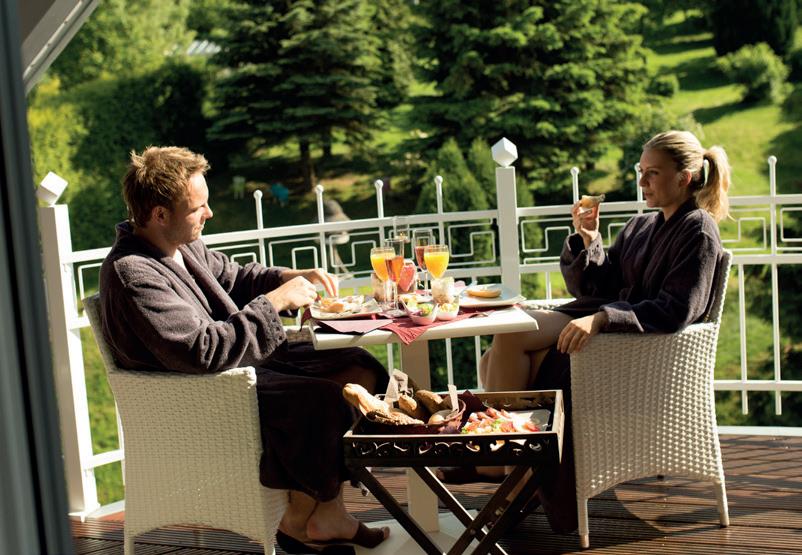
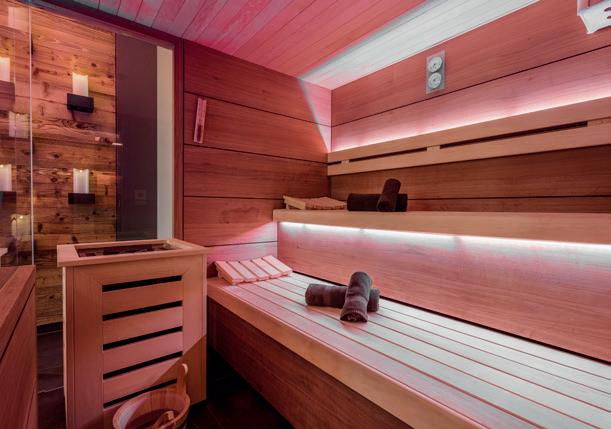
area, equipped with a sauna, whirlpool with underwater music, chromotherapy, experience shower, fireplace, and much more. "Our guests want true retreats. Our exclusive suites mean that a private spa is located right in the room. With us, you have absolute privacy," says Keppler-Schmerbauch. Two further spacious luxury lofts, spanning two floors, have complemented the exclusive room offerings since 2025.
Unlike large wellness hotels, the SPA VILLA consciously focuses on a personal, intimate atmosphere that fosters a sense of security and undisturbed relaxation, where couples and best friends in particular feel welcome. "It's the interplay of private luxury, personalised service, and attention to detail that makes our guests feel at home."
In addition to the suites, the public spa area extends over three floors and features two relaxation rooms, a wooden bathtub, a steam room, a Finnish sauna, an infrared sauna, and a hayloft. Day guests not staying at the SPA VILLA can book a wellness day here, including various cosmetic treatments and a wide range of massages lasting from two to six hours. "Most of the time, you have the feeling of being completely alone here as a guest, because everything is quite spread out," adds Keppler-Schmerbauch.
The resort is particularly proud of its unique herbal cuisine: Individual masks, scrubs, and wraps made with fresh herbs ensure a sensual wellness experience. Its own skincare line
with exclusive cosmetic products, marketed under the SPAVIOR brand since 2020, also guarantees guests high-quality treatments and the feeling of being in the best hands.
Individual wellness packages ensure the perfect getaway – each guest receives a tailor-made wellness experience focused on relaxation and indulgence. Many overnight packages include high-quality massage and wellness treatments, such as a hot stone back massage or a soothing lymphatic drainage massage on a Swiss pine bed. For special occasions, the resort also offers attractive gift vouchers, whether for Valentine's Day, birthdays, or as a romantic surprise. These can be easily purchased online at www.spa-villa.de, personalised, and sent by email or post.

In summary, the combination of private luxury and warm hospitality makes the SPA VILLA one of Germany's most exceptional wellness destinations. Whether you are looking for a romantic getaway, an exclusive wellness experience or simply special moments of relaxation – at the SPA VILLA Beauty & Wellness Resort, wishes are fulfilled with great passion and attention to detail.
www.spa-villa.de
TikTok & Instagram: @spavilla
• 1 overnight stay in a luxury spa suite with private whirlpool with underwater music, fireplace, air conditioning, smart TV, safe, minibar, spa shower, chromotherapy and Finnish sauna with Kneipp foot bath
• Welcome drink and sparkling wine breakfast
• Use of the public wellness area
• Bath additive for the room's own colour light whirlpool
• Relaxation with a classic hot stone back or foot massage
• Soothing air leg massage €259.90 per person
All Discover Germany, Austria & Switzerland readers will receive a surprise gift in addition to their voucher purchase on www.spa-villa.de when using the code DISCOVER.
Im Gegensatz zu großen Wellnesshotels setzt die SPA VILLA bewusst auf eine persönliche, intime Atmosphäre, die Geborgenheit und eine ungestörte Auszeit fördert, in der sich vor allem Paare und beste Freund:innen willkommen fühlen. „Es ist das Zusammenspiel aus privatem Luxus, persönlicher Betreuung und der Liebe zum Detail, das unseren Gästen das Gefühl gibt, bei uns zu Hause zu sein.”
FOKUS AUF DAS BESONDERE
Neben den Suiten erstreckt sich der öffentliche Spa-Bereich mit zwei Ruhestuben, Holzwanne, Dampfbad, finnischer Sauna, Infrarot-Sauna und Heuboden über drei Etagen. Tagesgäste, die nicht in der SPA VILLA übernachten, haben hier die Möglichkeit einen Wellnesstag mit diversen Kosmetikanwendungen und vielfältige Massagen über zwei bis sechs Stunden zu buchen. „Meist hat man auch hier das Gefühl, als Gast ganz alleine zu sein, weil sich alles ziemlich verläuft”, ergaenzt Keppler-Schmerbauch.
Besonders stolz ist das Resort auf ihre einzigartige Kräuterküche: Individuelle Masken, Peelings und Packungen aus frischen Kräutern sorgen für ein sinnliches WellnessErlebnis. Die eigene Pflegelinie mit exklusiven Kosmetikprodukten, ab 2020 unter der Marke SPAVIOR, garantiert den Gästen ausserdem hochwertige Anwendungen und das Gefühl, in besten Händen zu sein.
Individuelle Wellness-Komplettpakete sorgen für die perfekte Auszeit – jeder Gast bekommt ein maßgeschneidertes Wohlfühlerlebnis, bei
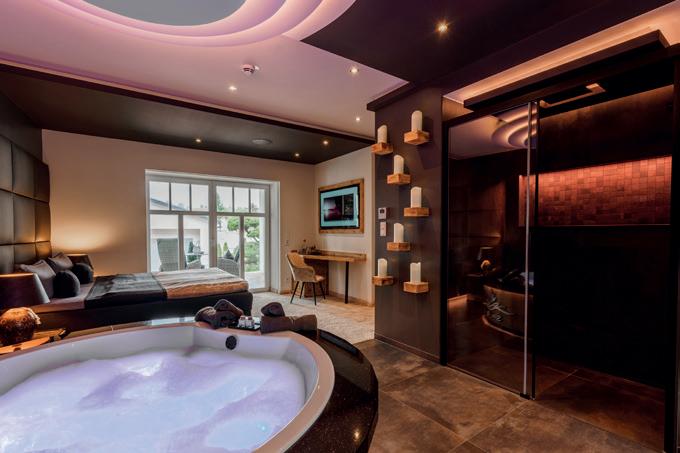
dem Entspannung und Genuss im Mittelpunkt stehen. Viele Übernachtungspakete beinhalten hochwertige Massage- und Wellnessleistungen, wie z.B. eine Hot-Stone-Rückenmassage oder eine wohltuende Lymphdrainage im Zirbenbett. Für besondere Anlässe bietet das Resort zudem attraktive Geschenkgutscheine, sei es zum Valentinstag, Geburtstag oder als romantische Überraschung. Diese können unkompliziert online unter www.spa-villa.de gekauft, personalisiert und per Mail oder Post versandt werden.
Zusammenfassend macht die Verbindung aus privatem Luxus und herzlicher Betreuung die SPA VILLA zu einer der außergewöhnlichsten Wellnessadressen Deutschlands.
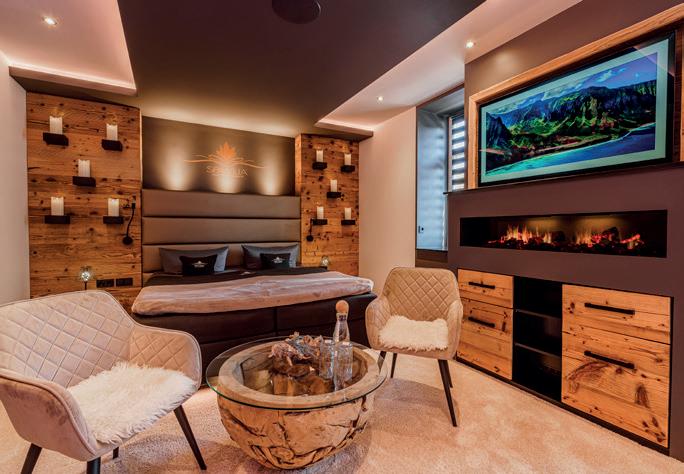
Egal ob Sie eine romantische Auszeit, ein exklusives Wellness-Erlebnis oder einfach besondere Momente der Erholung suchen – im SPA VILLA Beauty & Wellness Resort werden Wünsche mit viel Herzblut und Liebe zum Detail erfüllt.
www.spa-villa.de
TikTok & Instagram: @spavilla
Angebot – Luxury Exklusiv Wellness
• 1 Übernachtung in einer Luxus-SPASuite mit zimmereigenem Whirlpool mit Unterwassermusik, Kaminfeuer, Klimaanlage, SmartTV, Safe, Minibar, SPA-Dusche, Farblichttherapie und finnischer Sauna mit Kneipp-Fußbad
• Begrüßungsgetränk und reichhaltiges Sektfrühstück
• Nutzung des öffentlichen WellnessBereichs
• Badezusatz für den zimmereigenen Farblicht-Whirlpool
• Entspannung bei einer klassischen Hot-Stone-Rücken- oder Fußmassage
• Wohltuende Luft-Beinmassage im Zirbenbett pro Person 259,90€
Alle Discover Germany, Austria & Switzerland Leser erhalten mit dem Code DISCOVER zusätzlich zu einem Gutscheinkauf unter www.spa-villa.de ein Überraschungsgeschenk.
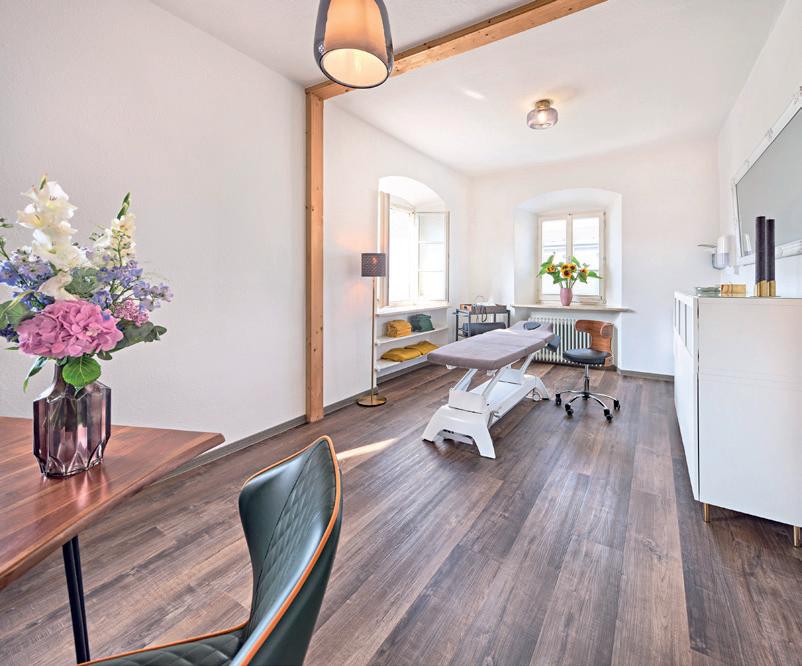
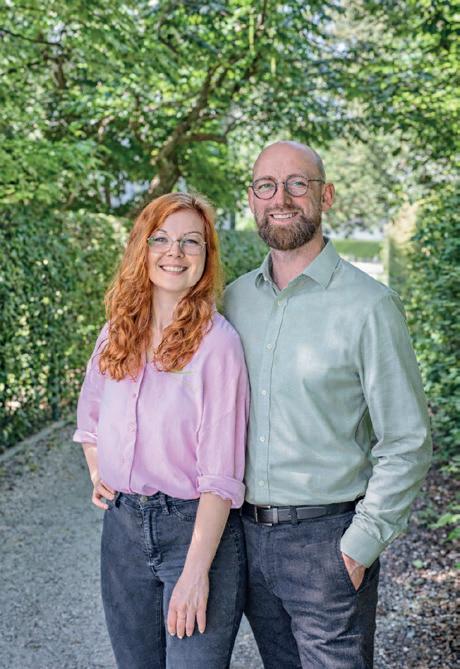
Was tun, wenn der Körper Beschwerden zeigt, für die es scheinbar keine eindeutige Ursache gibt? Wenn Therapien helfen, aber nicht dauerhaft? In den Praxen der Regulativen Heilkunde geht man diesen Fragen nach. Hier steht nicht das einzelne Symptom im Fokus, sondern der Mensch in seiner Gesamtheit.
Gegründet wurde die Praxis Regulative Heilkunde von Michael Harnisch, Heilpraktiker und Diplom-Sportwissenschaftler. Seine therapeutische Haltung ist eng mit seiner eigenen Geschichte verbunden. Über viele Jahre spielte er selbst Handball in höheren Ligen und ist tief im Leistungssport verwurzelt. Der Umgang mit Verletzungen, Überlastung und Leistungsdruck weckte früh sein Interesse an Regeneration und nachhaltiger Gesundheit.
Neben seiner aktiven sportlichen Laufbahn betreute Michael Harnisch zahlreiche Leistungs- und ambitionierte Freizeitsportler:innen. Dabei stellte sich für ihn immer wieder dieselbe Frage: Warum heilen manche Beschwerden schnell, während andere chronisch werden? Diese Suche nach Antworten führte ihn zu umfangreichen Aus- und Weiterbildungen, unter anderem in Applied
Kinesiology, Sympathikustherapie, Osteopathie und Chirotherapie.
Aus dieser Entwicklung entstand eine klare Überzeugung: Der Körper ist grundsätzlich zur Selbstregulation fähig – wenn man seine Zusammenhänge versteht. Auf dieser Basis gründete Michael Harnisch zunächst eine Praxis in Potsdam, später folgte ein weiterer Standort in Prien am Chiemsee.
EINE ENTSCHEIDENDE ERWEITERUNG: SCHWANGERE, SÄUGLINGE UND FAMILIEN
Eine wichtige Erweiterung des Konzepts brachte Frederike Bettin in die Praxis ein. Als Schmerztherapeutin spezialisierte sie sich auf die Behandlung von Schwangeren, Säuglingen, Kindern und Müttern im Wochenbett. Ein sensibler Bereich, der besondere Erfahrung und Aufmerksamkeit erfordert.
Durch ihre Weiterbildungen in Osteopathie, systemischer Therapie, Hypnose und körperorientierter Traumaarbeit konnte das therapeutische Angebot gezielt erweitert werden. Beschwerden während der Schwangerschaft, nach der Geburt oder im frühen Kindesalter werden hier ganzheitlich betrachtet und häufig nachhaltig gelindert. Mit ihr entwickelte sich die Praxis zu einem Ort, der Menschen in allen Lebensphasen begleitet.
Eine Besonderheit fällt vielen Patient:innen bereits beim Betreten der Praxis auf: Es gehören auch zwei ausgebildete Therapiehunde, Emmi und Lotti, zum Team und unterstützen die Arbeit, indem sie helfen, Stress abzubauen und eine ruhige, vertrauensvolle Atmosphäre schaffen.
REGULATION STATT REPARATURDENKEN
Im Zentrum steht das Konzept der Regulativen Heilkunde. Neben der Behandlung akuter Beschwerden geht es nicht um das schnelle Beseitigen von Symptomen, sondern um das Verstehen ihrer Ursachen und Zusam-

menhänge. Der Körper wird als vernetztes System betrachtet, in dem Muskeln, Organe, Nervensystem und emotionale Erfahrungen miteinander in Wechselwirkung stehen.
Ergänzend zur klassischen Schulmedizin, die häufig symptombezogen arbeitet, oder zur Physiotherapie, die oft strukturell ansetzt, liegt der Fokus hier auf funktionellen Zusammenhängen. Warum kann der Körper bestimmte Spannungen nicht mehr ausgleichen? Welche Faktoren behindern seine Regulation? Diese Fragen bestimmen die Diagnostik.
Die Bandbreite der Beschwerden ist breit gefächert. Viele Patient:innen kommen mit Rücken-, Nacken- oder Kopfschmerzen, Bewegungseinschränkungen, Gelenkproblemen oder nach Sportverletzungen. Auch chronische Beschwerden ohne klaren schulmedizinischen Befund sind ein häufiger Anlass für einen Praxisbesuch.
Hinzu kommen Menschen mit Long-CovidSymptomen, Fatigue- oder Erschöpfungssyndromen, Schwangere mit belastenden Beschwerden sowie Eltern mit Säuglingen oder Kindern, etwa bei Koliken, Entwicklungsauffälligkeiten oder Hautproblemen.
Durch die systemische und gestalttherapeutische Ausbildung des Praxis-Teams umfasst das therapeutische Spektrum auch die emotionale und psychosoziale Ebene. So werden neben körperlichen Beschwerden auch Paare in belastenden Lebensphasen, Jugendliche nach Schulabbrüchen, Menschen mit ADHS oder Patient:innen in depressiven Episoden begleitet. Dieser integrative Ansatz ermöglicht es, körperliche
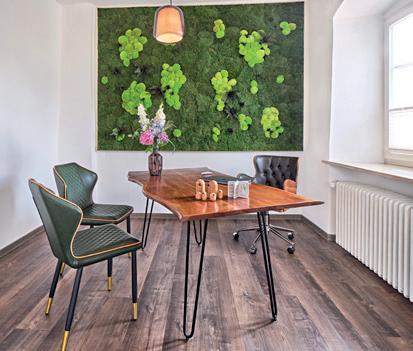
Symptome und seelische Belastungen in ihrem Zusammenspiel zu verstehen und nachhaltig zu lösen.
Eine erste Behandlung beginnt stets mit einem ausführlichen Gespräch. Dafür nimmt sich das Team bewusst Zeit. Es geht um Symptome, aber ebenso um Lebensumstände, Vorerkrankungen und mögliche emotionale Belastungen, denn Körperliche Beschwerden können Ausdruck innerer Spannungen oder unverarbeiteter Erfahrungen sein. Darauf folgt eine funktionelle Untersuchung, aus der sich ein individueller Therapieansatz entwickelt. „Heilung“, so Michael Harnisch, „braucht Vertrauen, Präsenz und einen geschützten Rahmen.“
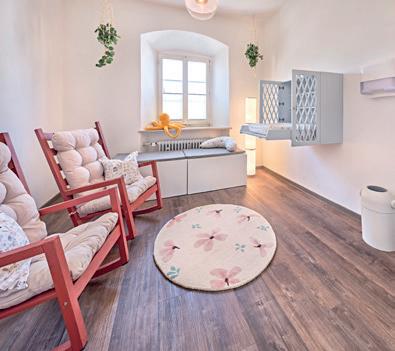
Die Regulative Heilkunde richtet sich an Menschen, die sich genau eine ganzheitliche Betrachtung wünschen, insbesondere dann, wenn klassische Therapien an ihre Grenzen stoßen. Gleichzeitig übernimmt die Praxis Verantwortung: Wo medizinische Abklärung oder fachärztliche Behandlung notwendig ist, wird gezielt weiterverwiesen.
Wertschätzend, offen und teamorientiert helfen Michael Harnisch und Frederike Bettin ihren Patient:innen auf Augenhöhe und mit viel Empathie: Hier wird der Körper nicht repariert, sondern dabei unterstützt,
wieder in seine eigene Regulation zu finden.
www.regulative-heilkunde.de

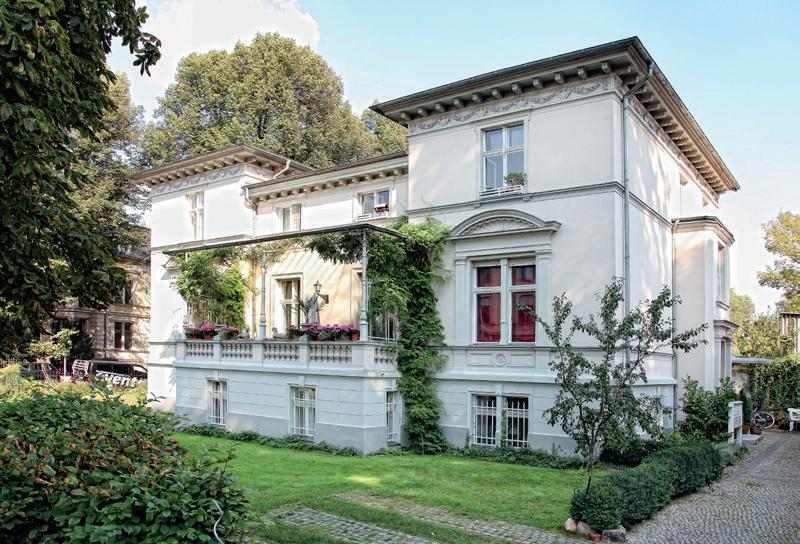
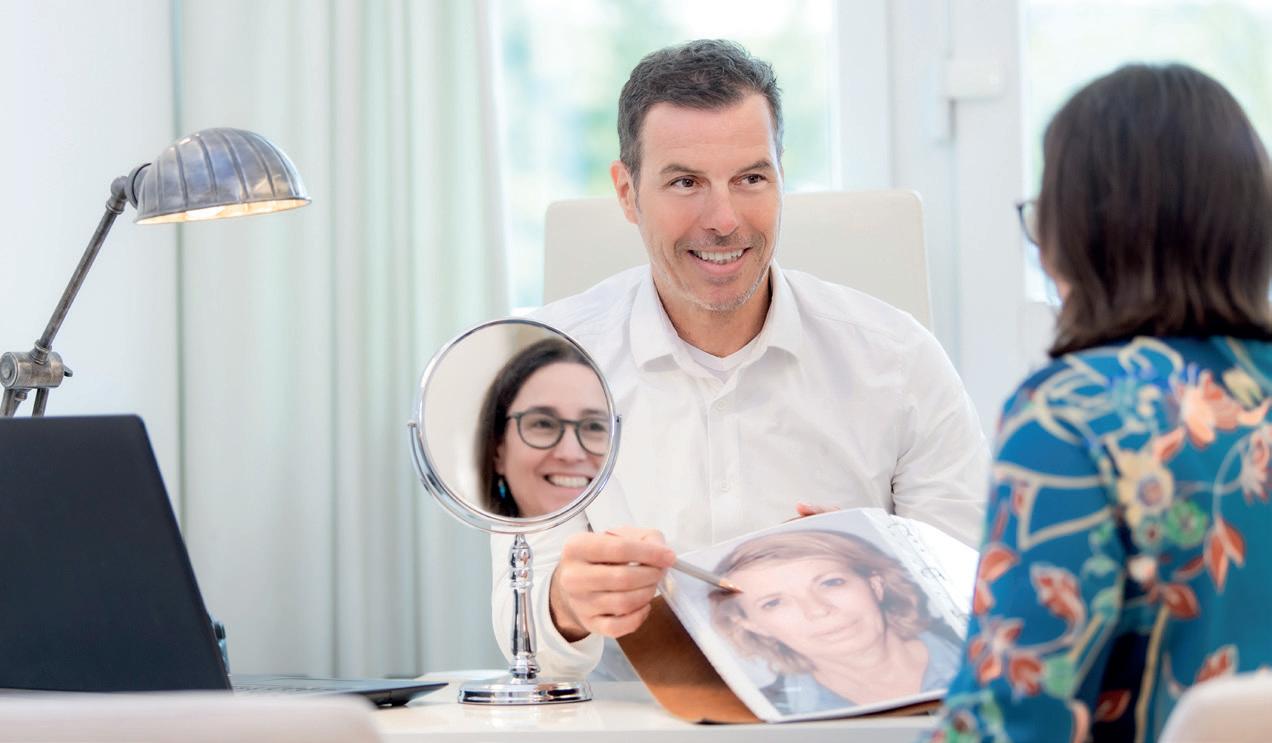
Where art and medicine meet: Dr. Christian Schrank, the renowned specialist in plastic and aesthetic surgery, boasts nearly three decades of comprehensive experience. As an expert in face-neck lifts using dynamic SMAS, he passionately cares for his patients at the esteemed Klinikum Herrsching/Schindlbeck in Herrsching am Ammersee.
In the dynamic world of plastic-aesthetic surgery, it is often the subtle nuances that make all the difference. It is a field where scientific precision meets artistic vision. At the heart of this fusion is Dr. Christian Schrank. "I'm fascinated by the incredibly broad spectrum that plastic surgery offers and the opportunity to be creative in aesthetic surgery," says the charismatic surgeon. "At the same time, the unique challenge is that our results should look natural and non-operated, creating an aesthetically harmonious appearance."
Dr. Schrank's work on the advanced face-neck lift with dynamic SMAS (superficial musculoaponeurotic system) not only pushes the boundaries of what is possible in surgery, but
also illustrates the expertise behind every precise cut and meticulously planned suture. Dr. Schrank explains: "The days of skin-tightening facial surgeries should finally be over since the development of the surgical method that involves shortening or lifting the slackened muscle tissue located under the skin, known as SMAS."
There are only a few places in all of Europe that master the face-neck lift with SMAS to perfection. Together with his colleague Dr. Yoram Levy, Dr. Schrank has refined this method to ensure that the results are not only aesthetically pleasing but also lasting. "You can imagine the SMAS muscle tissue as a trampoline on which you jump around for 50 years. Afterwards, the springs are worn-out and the outer tarp sags," illustrates
Dr. Schrank, who is not only a leader in this field in Germany but also competes with the best in the world. "The excess skin can be removed – without having to pull it –serving as a cover, without being tightened, thus retaining its remaining elasticity. This way, we create a natural, non-tightened, and non-operated-looking result, maintaining and refreshing individual radiance."
The ongoing development of plasticaesthetic surgery brings both innovations and controversial discussions – especially regarding facelift techniques. Dr. Schrank observes that the Deep Plane facelift is often touted as the latest trend, yet it is frequently conflated with the SMAS technique that has been continuously refined since the 1970s. The actual Deep Plane technique, developed by Dr. Sam Hamra in the 1990s, is characterised by particularly deep dissection in which facial muscles are partially detached from the bone and prepared between the branches of the facial nerves. Due to its
Wo Kunst und Medizin sich begegnen: Dr. Christian Schrank, der renommierte Spezialist für Plastische und Ästhetische Chirurgie, kann auf fast drei wertvolle Jahrzehnte Erfahrung zurückblicken. Als Experte für Face-Neck-Lifts mit dynamischem SMAS, kümmert er sich im angesehenen Klinikum Herrsching/Schindlbeck in Herrsching am Ammersee mit großer Empathie um seine Patienten.
In der dynamischen Welt der PlastischÄsthetischen Chirurgie sind es oft die feinen Nuancen, die den Unterschied ausmachen. Es ist ein Feld, in dem wissenschaftliche Präzision auf künstlerische Vision trifft. Im Zentrum dieser Fusion ist Dr. Christian Schrank. „Mich begeistern das ungeheuer breite Spektrum, das die Plastische Chirurgie bietet, und die Möglichkeit, in der Ästhetischen Chirurgie kreativ sein zu können", sagt der charismatische Chirurg. „Gleichzeitig besteht die besondere Herausforderung darin, dass unsere Ergebnisse natürlich und unoperiert aussehen sollen und eine ästhetische Harmonie des Erscheinungsbildes ergeben.”
NATÜRLICHKEIT DURCH SPEZIELLE
SMAS-TECHNIK
Dr. Schranks Arbeit am hoch entwickelten Face-Neck-Lift mit dem dynamischen SMAS (Superficial Musculoaponeurotic System) hebt nicht nur die Grenzen dessen, was in der Chirurgie möglich ist, sondern veranschaulicht auch die Expertise hinter jedem präzisen Schnitt und jeder sorgfältig geplanten Naht. Dr. Schrank erklärt: „Die Zeiten der hautstraffenden Gesichtsoperationen sollten eigentlich seit der Entwicklung der Operationsmethode mit der Kürzung beziehungsweise Hebung der erschlafften Muskelbindegewebsplatte, die sich unter der Haut befindet, und SMAS genannt wird, endgültig vorbei sein.”
Es gibt in ganz Europa nur wenige Adressen, die das Face-Neck-Lift mit SMAS in Perfektion und Vollendung beherrschen. Zusammen mit seinem Kollegen Dr. Yoram Levy hat Dr. Schrank diese Methode verfeinert, um sicherzustellen, dass die Ergebnisse nicht nur ästhetisch ansprechend, sondern auch dauerhaft sind.
„Man kann sich die SMAS-Muskelschicht gut wie ein Trampolin vorstellen, auf welchem man 50 Jahre lang herumspringt. Dann sind
die Federn ausgeleiert und die Plane hängt durch”, veranschaulicht Dr. Schrank, der auf diesem Gebiet nicht nur in Deutschland führend ist, sondern sich auch mit den weltweit Besten auf Augenhöhe befindet. „Nachdem die ausgeleierten Federn gekürzt und das SMAS angehoben wurde, entsteht ein „neues“, straffes inneres Stützgerüst, welches das Face-Neck-Lift „trägt”. Nun kann die überschüssige Haut – ohne an ihr ziehen zu müssen – entfernt werden und dient somit zur
‚Bedeckung‘, ohne gestrafft zu werden und ihr die übrig gebliebene Elastizität zu nehmen.
Auf diese Weise entsteht ein natürliches, nicht gestrafftes und unoperiert aussehendes Ergebnis, das die individuelle Ausstrahlung beibehält und wieder auffrischt.”
Die fortwährende Entwicklung der plastischästhetischen Chirurgie bringt sowohl Innovationen als auch kontroverse Diskussionen mit sich – insbesondere in Bezug auf FaceliftTechniken. Dr. Schrank beobachtet, dass das ,Deep Plane’ Facelift zwar häufig als aktueller Trend herausgestellt wird, jedoch oft mit der seit den 1970er Jahren bewährten SMASTechnik gleichgesetzt wird, die im Laufe der Zeit stetig verfeinert wurde. Die eigentliche Deep

Dr. Christian Schrank.

high invasiveness and the associated risk of nerve damage, this method has largely been abandoned by many leading facial surgeons. Dr. Schrank emphasises that the current hype surrounding the Deep Plane facelift is driven primarily by marketing rather than by genuine surgical advancements. In his practice, the focus remains on achieving natural, long-lasting results through a differentiated and masterfully executed SMAS technique – with patient safety and authentic rejuvenation always taking precedence over short-lived trends.
Dr. Schrank's exceptional expertise is based not only on his extensive training in plastic surgery but also on his work treating severe burns and his deep understanding of reconstruction and microsurgery. "Reconstructing the faces of severely burned patients demands the highest levels of creativity, surgical manual skills, and, finally, the aesthetic sense and understanding of the treating surgeon," he explains.

caring service and absolute discretion. In addition to the face-neck lift, he offers the entire spectrum of face and body shaping measures, including forehead-brow lifts and eyelid lifts.
Overall, Dr. Christian Schrank embodies the ideal combination of scientific expertise and artistic sensitivity, making him one of the leading facial surgeons. Talent, passion and empathy not only make Dr. Christian Schrank a recognised surgeon in professional circles – he is also highly regarded among patients, as consistently positive JAMEDA reviews confirm.
www.dr-schrank.de/en
As a valued speaker and head of the FaceNeck-Lift section of the German Society for Aesthetic Surgery, he is involved in the further training of specialists and gives lectures at renowned congresses worldwide. He also trains the next generation of plastic surgeons in his own department. "The further development of established surgical methods is very close to my heart," the surgeon emphasises.
For the specialist, a trusting relationship between doctor and patient is key to success. "In a personal conversation, I try to find out what bothers the patient and affects their quality of life," Dr. Schrank says. "From this, I derive an individual treatment plan." Transparency and honesty are his top priorities. "The patient must have a clear idea of what is possible and where the limits are."
All treatments are carried out to the highest professional standards, with safety being paramount. Patients also benefit from an environment shaped by human warmth,
Ästhetik am Ammersee Seestrasse 43
82211 Herrsching am Ammersee +49815229150
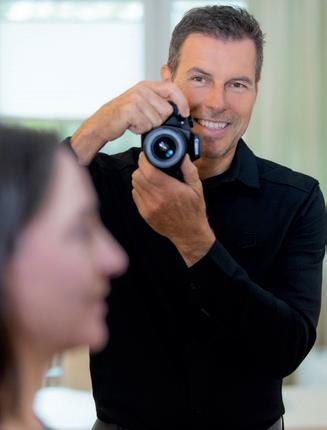
Plane-Technik, entwickelt von Dr. Sam Hamra in den 1990er Jahren, zeichnet sich durch eine besonders tiefe Präparation aus. Dabei werden unter anderem Gesichtsmuskeln teilweise vom Knochen gelöst und zwischen den Ästen der Gesichtsnerven präpariert. Aufgrund der hohen Invasivität und des damit verbundenen Risikos von Nervenschädigungen wurde diese Methode von vielen führenden Gesichtschirurgen weitgehend wieder verlassen. Dr. Schrank betont, dass der derzeitige Hype um das Deep Plane Facelift vor allem durch Marketing und weniger durch tatsächliche chirurgische Fortschritte getrieben wird. In seiner Praxis liegt der Fokus weiterhin auf natürlichen, langanhaltenden Ergebnissen durch eine differenzierte und meisterhaft ausgeführte SMAS-Technik – wobei Patientensicherheit und authentische Verjüngung stets über kurzlebigen Trends stehen.
EXPERTISE AUF HÖCHSTEM NIVEAU
Dr. Schranks herausragende Expertise basiert nicht nur auf seiner umfassenden Ausbildung in der Plastischen Chirurgie, sondern auch auf seiner Arbeit mit Schwerbrandverletzten und seinem tiefen Verständnis für Rekonstruktionsund Mikrochirurgie. „Die Rekonstruktion von Gesichtern schwerbrandverletzter Patienten stellt höchste Ansprüche an die Kreativität, die chirurgisch-manuellen Fähigkeiten und schließlich den ästhetischen Sinn und das Verständnis des behandelnden Chirurgen", erklärt er.
Als geschätzter Referent und Leiter der Sektion Face-Neck-Lift der Gesellschaft für Ästhetische Chirurgie Deutschlands engagiert er sich in der Weiterbildung von Fachärzten und hält weltweit Vorträge auf renommierten Kongressen. Auch in der eigenen Abteilung bildet er den plastischchirurgischen Nachwuchs aus. „Die Weiterentwicklung etablierter Operationsmethoden liegt mir sehr am Herzen”, betont der Chirurg.
SICHERHEIT UND VERTRAUEN AN ERSTER STELLE
Für den Spezialisten ist die vertrauensvolle Beziehung zwischen Arzt und Patient ein Schlüssel zum Erfolg. „Im persönlichen Gespräch versuche ich herauszufinden, was den Patienten stört und seine Lebensqualität beeinträchtigt”, so Dr. Schrank. „Daraus leite ich ein individuelles Behandlungskonzept ab.”
Transparenz und Ehrlichkeit stehen für ihn dabei an erster Stelle. „Der Patient muss eine klare Vorstellung davon haben, was möglich ist und wo Grenzen liegen.”
Alle Behandlungen laufen nach höchsten professionellen Maßstäben ab, wobei die Sicherheit immer Priorität hat. Patienten profitieren zudem von einer Umgebung, die von menschlicher Wärme, fürsorglichem Service und absoluter Diskretion geprägt ist. Angeboten wird neben dem Face-Neck-Lift, das gesamte Spektrum der gesichts- und körperformenden Maßnahmen wie beispielsweise auch das StirnBrauen-Lift und Lidstraffungen.
Insgesamt verkörpert Dr. Christian Schrank die ideale Kombination aus wissenschaftlicher Expertise und künstlerischer Sensibilität,
die ihn zu einem der führenden Gesichtschirurgen macht. Talent, Leidenschaft und Einfühlungsvermögen machen Dr. Christian Schrank allerdings nicht nur zu einem anerkannten Chirurgen in Fachkreisen – auch unter Patienten steht er hoch im Kurs, was die positiven JAMEDA Bewertungen durchweg bestätigen.
Ästhetik am Ammersee
Seestrasse 43
82211 Herrsching am Ammersee +49815229150

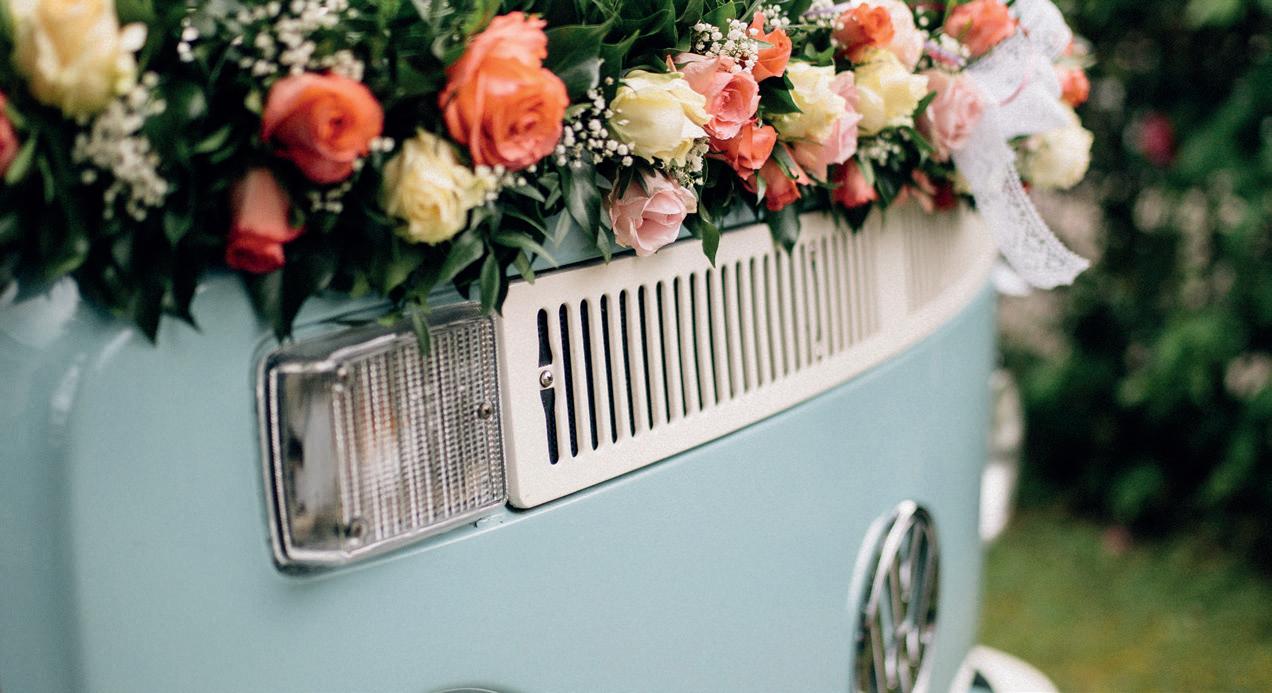
Are you planning a wedding? The DACH region, which consists of Germany, Austria and Switzerland, has a great deal to offer. In the following special theme, we have handpicked some innovative companies and great people that can help you with turning your wedding into the most beautiful day of your life.

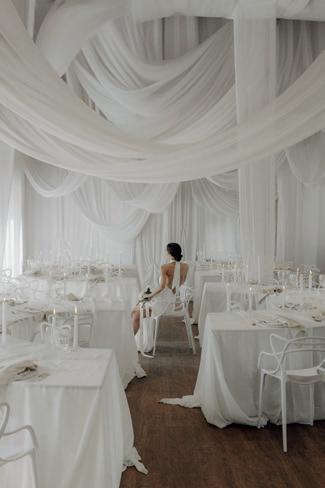
Jessica Strom gained first experiences in the events industry while still at university. Soon, she knew for certain: she wanted to accompany couples on their journey to their dream wedding.
In 2024, after completing her degree and qualifying as a tax adviser, Jessica made the conscious decision to become self-employed as a wedding planner. “I wanted to work with modern, style-conscious couples and establish PURE as a premium brand right from the start,” she recalls. One thing is particularly important to her: “For me, wedding planning means telling the story of two people. That’s why my weddings are authentic and never staged.”
To live up to this credo, PURE supports its couples holistically: from the initial concept through to the proper celebration. With her own decoration hire service, Jessica provides everything from one single source.
Whether in Cologne, across Germany or destination weddings in faraway locations, PURE Weddings & Events stands for genuine emotions!
Jessica perfectly balances the fine line between professionalism and closeness. “I put my heart into the weddings,” she stresses. “One couple once said, ‘You’re like a temporary friend.’ That’s a huge compliment.”
With PURE Weddings & Events, Jessica creates weddings that are not only perfectly planned, but above all feel truly real, as well as stylish and emotional.
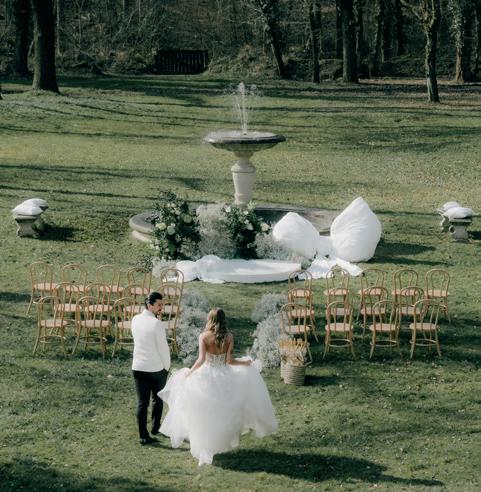
Bereits während ihres Studiums sammelte Jessica Strom Erfahrungen in der Eventwelt. Irgendwann stand für sie fest: Sie wollte Paare auf dem Weg zu ihrer Traumhochzeit begleiten!
Nach dem Abschluss ihres Studiums zur Steuerberaterin entschied sich Jessica 2024 ganz bewusst für die Selbstständigkeit als Hochzeitsplanerin. „Ich wollte moderne, stilbewusste Paare begleiten und PURE von Anfang an hochwertig positionieren”, erinnert sie sich. Dabei ist der Inhaberin vor allem eines wichtig: „Hochzeitsplanung bedeutet für mich, die Geschichte von zwei Menschen zu erzählen. Meine Hochzeiten sind daher authentisch und nicht inszeniert.”
Um diesem Anspruch gerecht zu werden, begleitet PURE seine Paare ganzheitlich: vom ersten Konzept bis zur vollständigen Umsetzung inklusive hauseigenem Dekorationsverleih liefert Jessica alles aus einer Hand.
Ob in Köln, deutschlandweit oder auch Destination Weddings in fernen Ländern, PURE Wedding & Events steht für echte Emotionen!
Die Inhaberin strahlt dabei eine Balance aus Professionalität und Nähe aus. „Ich bin mit ganzem Herzen dabei“, betont sie. „Ein Paar meinte einmal ‚Du bist wie eine Freundin auf Zeit’. Das ist ein großes Lob.”
Mit PURE Wedding & Events realisiert Jessica Hochzeiten, die nicht nur perfekt geplant sind, sondern sich vor allem echt anfühlen. Stilvoll und voller Emotionen.
www.pureweddingandevents.de
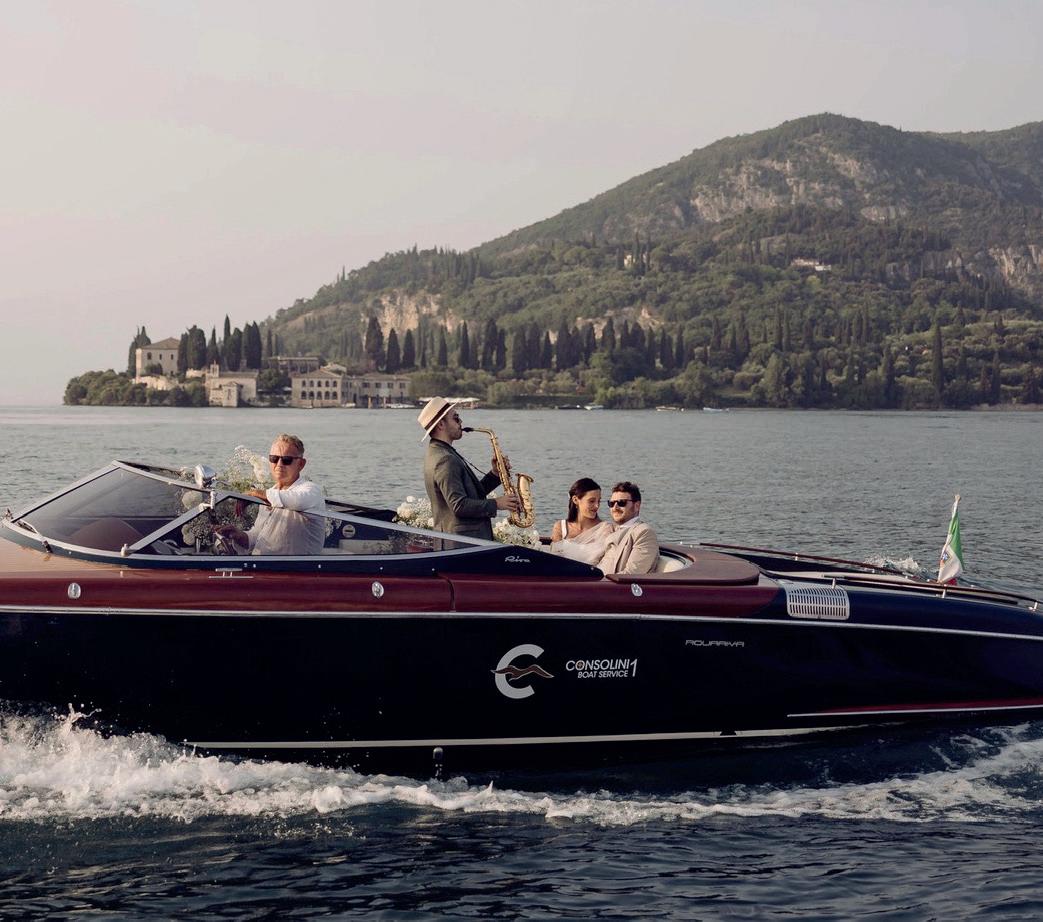
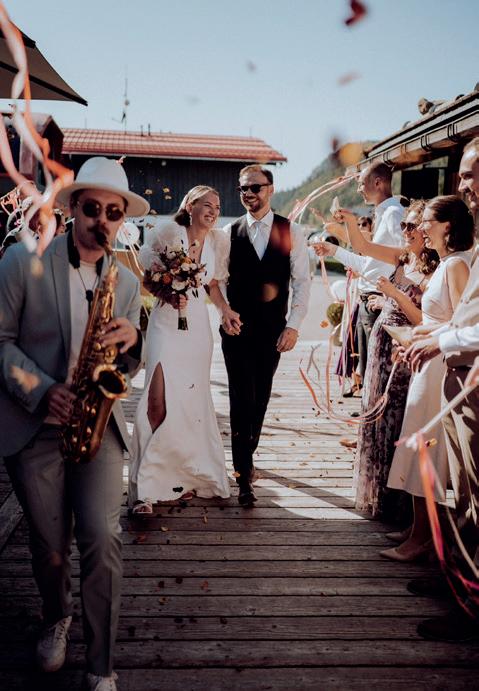
DJ L3VELS offers a comprehensive package that includes DJ services, live music, high-quality sound and lighting technology, as well as a wedding day coordinator – all through the same person.
“My musical journey began very early with piano and trumpet,” recalls multi-talented Lorenz Sirtl. “Ten years ago, I took the plunge and became a professional DJ, and I was particularly drawn to private events such as weddings because they are emotional, individual, and musically diverse.” The live saxophone became an indispensable instrument, which Lorenz has been integrating into his DJ sets as an integral part of his concept since 2020: “Couples appreciate the flexibility I offer them as a DJ without having to sacrifice the quality of a live instrument. The saxophone allows me to interact with the audience on the dance floor and makes specific moments even more intense. It creates closeness, surprises the guests, and — compared to the pure DJ concept — takes the mood to the next level.” Thanks to many
years of experience in the wedding industry, the musician immediately recognises which mood suits the situation and can respond flexibly. His harmonious transitions and the right timing serve as core musical competencies.
AUTHENTICITY
DJ L3VELS accompanies weddings not only during the party but also provides a common thread from wedding ceremony to reception through to dinner — with music and much emotive empathy. A detailed initial consultation helps to build trust at all levels, allowing couples to check whether the chemistry is right. Lorenz does not believe in standard packages: “My couples place great value on authenticity, expertise, and professionalism.
Instead of a standard solution, they want a customised wedding that suits their personalities and their guests. To this end, music becomes an important factor.” The Munichbased musician also enjoys performing at international weddings; one of his personal goals for the near future is to perform at even more extraordinary wedding destinations around the world. “Right now, South Africa and Mexico are at the top of my list. But I also want to further expand my musical presence in neighbouring countries such as France, Switzerland, and the Netherlands.”
His ultimate tip for a full dance floor? “You determine the dynamics of the evening. Be right in the middle of things instead of just being there. Celebrate yourselves, your guests, and your love!”
dj-l3vels.de

DJ L3VELS steht für ein Rundum-Sorglos-Paket aus DJ, Live-Musik, hochwertiger Ton& Lichttechnik sowie Wedding Day Coordinator in einer Person.
„Meine musikalische Reise begann schon sehr früh mit Klavier und Trompete“, erinnert sich Multitalent Lorenz Sirtl zurück. „Vor 10 Jahren habe ich dann den Schritt zum professionellen DJ gewagt und dabei haben mich private Events wie Hochzeiten besonders angesprochen, weil sie emotional, individuell und musikalisch sehr vielschichtig sind.“ Als zentrales Instrument hat sich das Saxophon herauskristallisiert, welches Lorenz seit 2020 als festen Bestandteil seines Konzepts gezielt in seine DJ-Sets integriert:
„Meine Paare schätzen die Flexibilität, die ich ihnen als DJ eröffne, ohne dabei auf die Qualität eines Live-Instruments verzichten zu müssen. Das Saxophon ermöglicht es mir, mit dem Publikum live auf der Tanzfläche zu interagieren und Augenblicke noch intensiver zu gestalten. Es schafft Nähe, überrascht die Gäste und hebt – im Vergleich zum reinen DJ-Konzept –die Stimmung auf das nächste Level.“ Durch langjährige Erfahrung in der Hochzeitsbranche erkennt der Musiker direkt, welche Stimmung gerade zur Situation passt und kann flexibel
darauf reagieren. Harmonische Übergänge und das richtige Timing bilden dabei seine musikalischen Kernkompetenzen.
AUCH INTERNATIONAL
DJ L3VELS begleitet Hochzeiten generell nicht nur während der Party, sondern spannt einen roten Faden von der Trauung zum Empfang über das Dinner bis hin zur Party – mit Musik, Gefühl und Sympathie. Für Vertrauen auf allen Ebenen dient ein ausführliches
Erstgespräch, womit bereits vorab ersichtlich wird, ob die Chemie stimmt. Schubladen kennt Lorenz dabei nicht: „Meine Paare legen großen Wert auf Authentizität, Expertise und Professionalität. Anstatt einer Standardlösung wünschen sie sich eine individuell gestaltete Hochzeit, die zu ihrer Persönlichkeit und ihren Gästen passt. Musik nimmt hierbei einen hohen Stellenwert ein.“ DJ L3VELS betritt dabei auch gern die internationale Bühne; ein persönliches Nahziel ist es daher, noch weitere außergewöhnliche Hochzeits-Destinationen auf der ganzen Welt bespielen zu dürfen: „Aktuell stehen bei mir Südafrika und Mexiko ganz oben auf der Liste. Aber auch meine musikalische Präsenz in die Nachbarländer Frankreich, Schweiz und den Niederlanden möchte ich weiter ausbauen.“
Sein ultimativer Tipp für eine volle Tanzfläche? „IHR bestimmt die Dynamik des Abends. Seid
mittendrin statt nur dabei.
Feiert euch, eure Gäste und eure Liebe!“
dj-l3vels.de
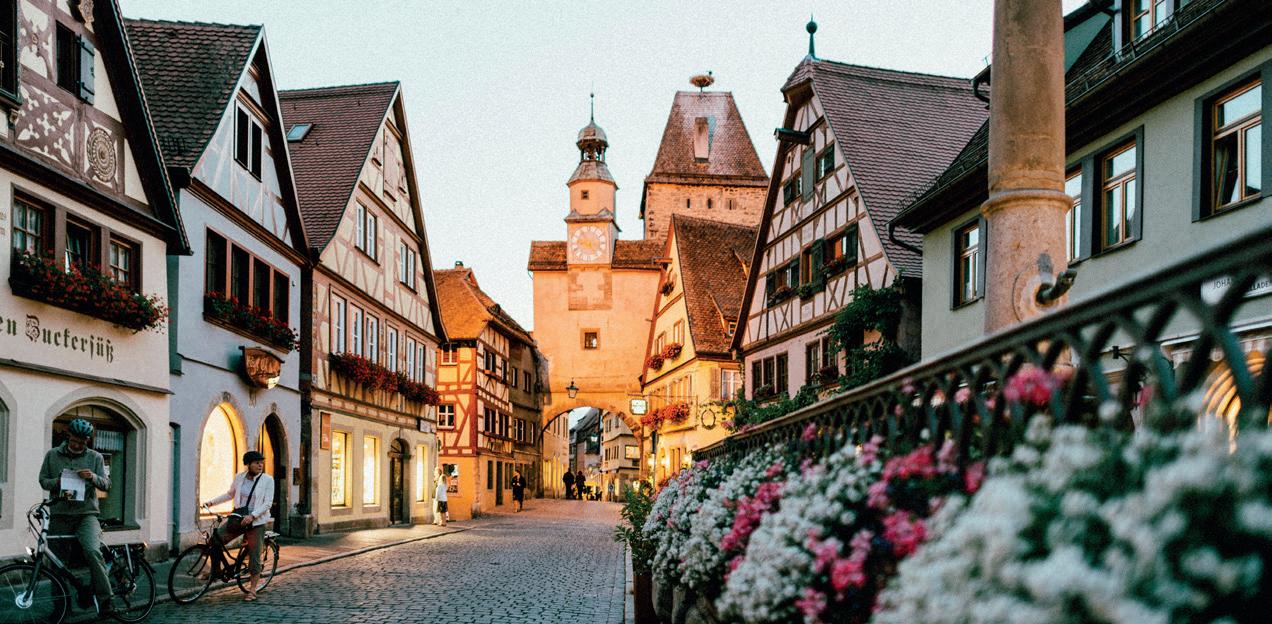
Searching for the perfect setting to celebrate romance? Germany’s charming small towns captivate with fairy tale scenery, cobbled lanes, and enchanting atmospheres ideal for couples. In this special feature, we explore some of the country’s most romantic towns, each offering a unique backdrop for unforgettable moments – whether you’re planning a proposal, anniversary, or simply a getaway for two around Valentine’s Day and beyond.
PHOTOS: UNSPLASH
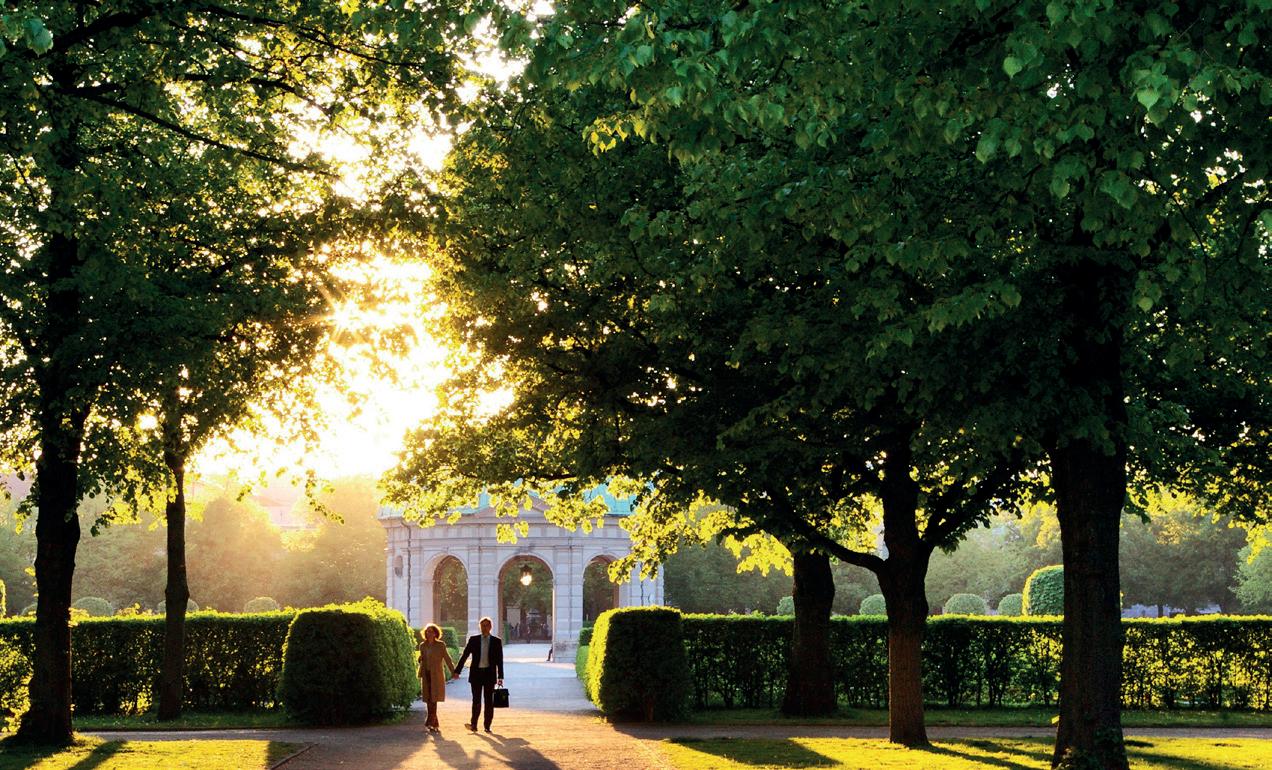
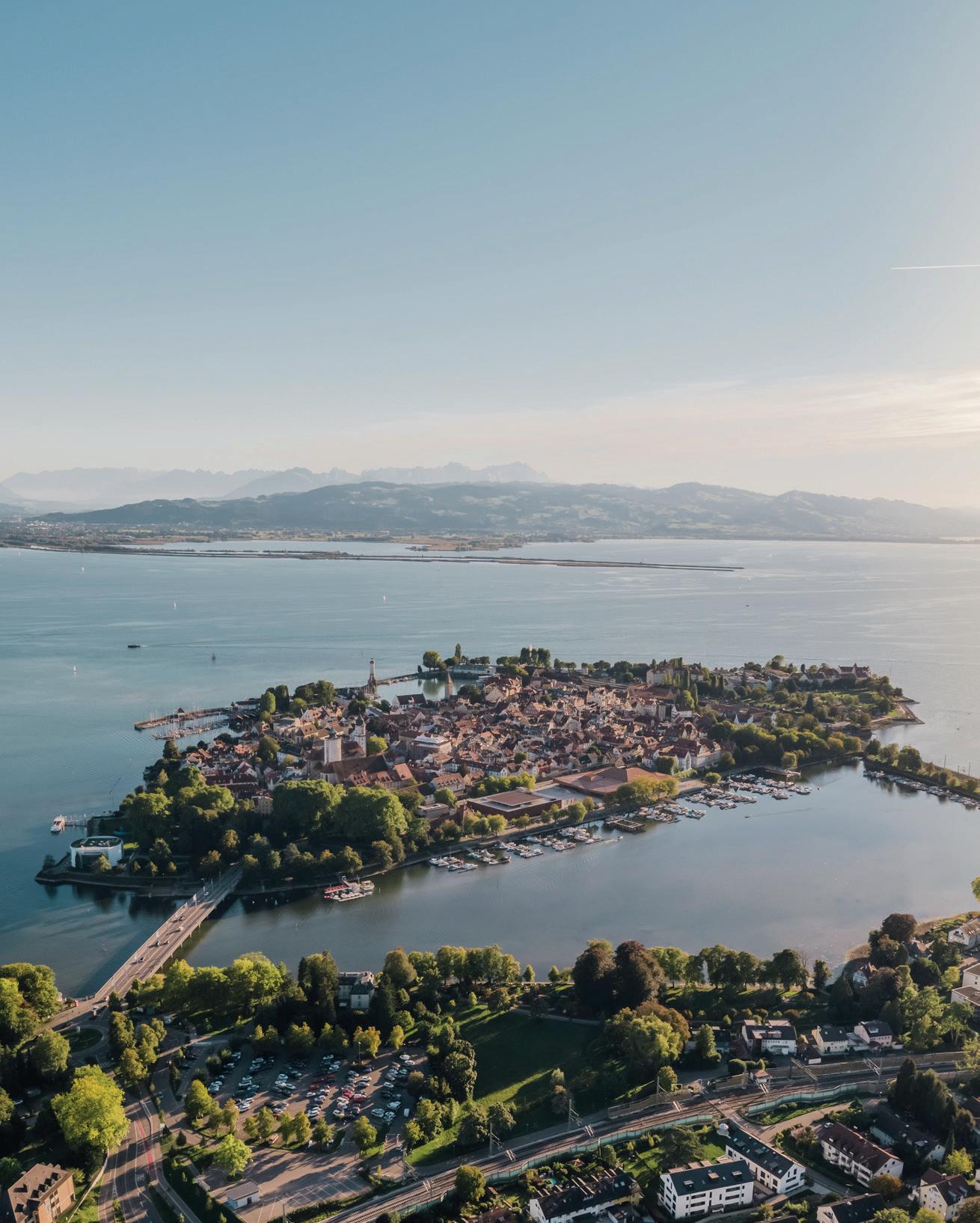
Enjoy Lake Constance - without Borders.
Lake Constance is more than just a lake – it is the heart of a region full of diversity and joie de vivre. Breathtaking Alpine panoramas, relaxing boat trips and cultural and culinary highlights are waiting to be experienced.
At Bodensee Trips & Tours, we make your stay something special: with tailor-made offers, personal service and a love for the region. Whether you are looking for accommodation, an excursion programme or a conference location, we are your one-stop shop for everything you need: uncomplicated, friendly and professional.
bodensee-trips-tours.com/en/
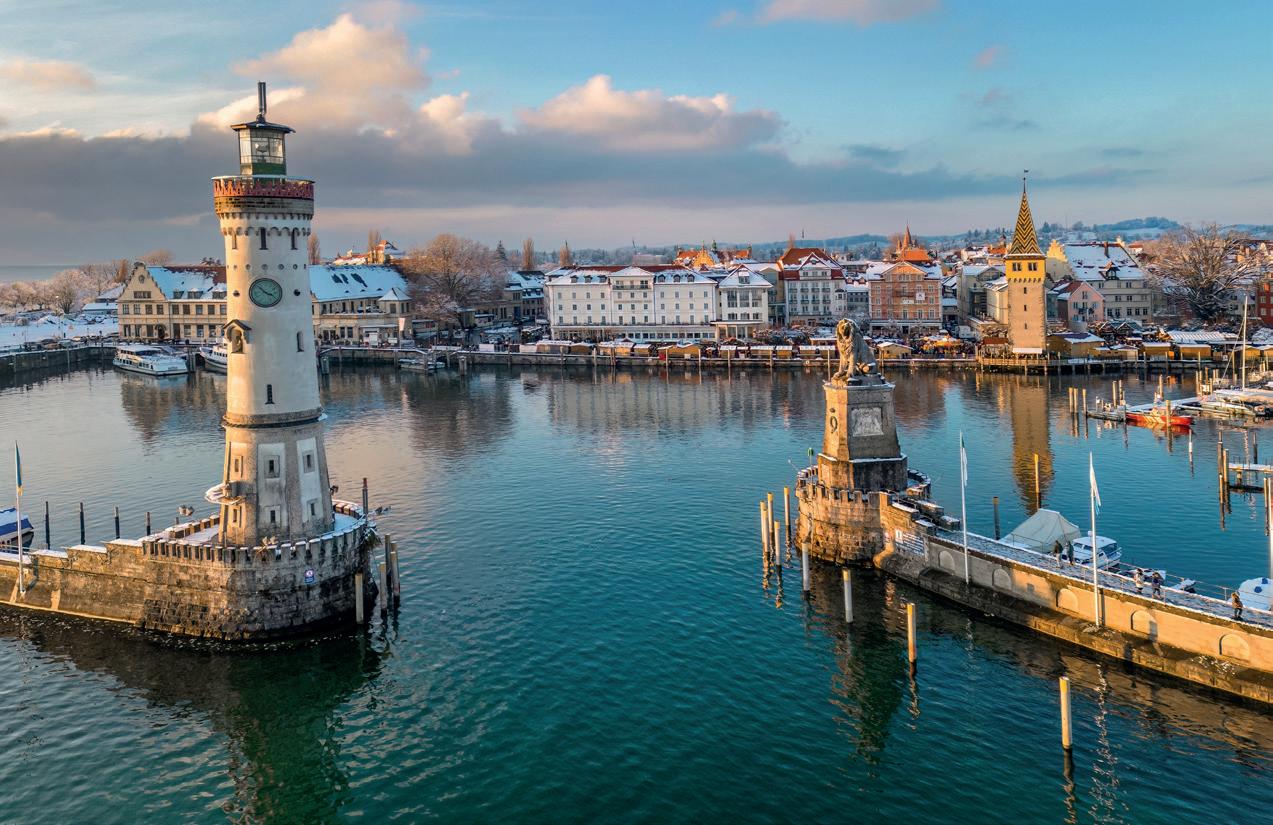
When the stillness of winter settles over Lake Constance and Lindau Island in February, Lindau reveals its romantic side. For couples who consciously invest in time rather than things, the small island town is a hidden gem in winter – and perfect for a weekend getaway.
Located along the ICE high-speed rail line, midway between Munich (Germany) and Zurich (Switzerland), Lindau Island is easily accessible and ideal for a long Valentine's weekend. The island town of Lindau combines historical charm with Bavarian hospitality. On one side, the water; on the other, the mountains; and in between, an island town where boutiques and galleries stand alongside cosy old town cafés, wine bars, and hotels. At the harbour, Bavaria's only lighthouse and the town’s iconic lion sculpture watch over the ships.
Culture enthusiasts will find plenty to enjoy in Lindau. Cavazzen museum combines Baroque architecture with a modern museum experience and showcases fascinating insights into the city's history and the important trade route between Lindau and Milan. In the evenings, Stadttheater Lindau offers a diverse programme featuring renowned actors and
international productions. Lindau’s marionette opera, the only marionette theatre in Germany dedicated exclusively to operas and operettas, also offers unique performances. Among other works, The Magic Flute, La Traviata, and Swan Lake have been shown here in their operatic or ballet versions.
Those wishing to combine a romantic getaway with wellness will find water temperatures up to 38°C and spectacular views of Lake Constance and the Alps at the Lindau Therme. Every Friday evening in winter, the Long Night of Lights illuminates the complex with candles and underwater spotlights after dusk.
Lindau's location at the tripoint of three countries makes it an ideal starting point for excursions into the Vorarlberg region, while a short train ride takes you to Bregenz in Austria and
the Pfänderbahn cable car ascends to the 1,064-metre-high Pfänder mountain. From here, a sweeping view opens up across Lake Constance to some 240 Alpine peaks in four countries – an unforgettable panorama which, when there is snow, offers opportunities for tobogganing and snowshoeing.
A February weekend on Lake Constance becomes a love letter – to winter, to slowing down, and perhaps also to each other. Anyone wanting to rediscover one of Germany's most romantic small towns will find a place they will gladly return to. But the first visit? That should certainly be in winter.
www.lindau.de
Wenn sich im Februar die Stille des Winters über den Bodensee und die Lindauer Insel legt, zeigt sich Lindau von ihrer romantischen Seite. Für Paare, die bewusst in Zeit statt in Dinge investieren, ist die kleine Inselstadt im Winter ein Geheimtipp – und damit wie gemacht für ein Wochenende zu zweit.
Mittig an der ICE-Strecke zwischen München (DE) und Zürich (CH) gelegen, ist die Lindauer Insel gut erreichbar und ideal für ein verlängertes Valentinswochenende. Die Inselstadt Lindau verbindet historische Substanz und bayerische Gastlichkeit. Auf der einen Seite das Wasser, auf der anderen die Berge, dazwischen eine Inselstadt, in der sich Boutiquen und Galerien an gemütliche Altstadtcafés, Weinbars und Hotels reihen. Am Hafen wacht der einzige Leuchtturm Bayerns und die ikonische LöwenSkulptur als Wahrzeichen über Ein- und Ausfahrten der Schiffe.
Kulturbegeisterte kommen in Lindau ebenfalls auf ihre Kosten. Das Museum Cavazzen, 2025 wiedereröffnet, verbindet barocke Architektur mit moderner Museumswelt und zeigt Wissenswertes über die Geschichte der Stadt, sowie der bedeutenden Handelsroute zwischen Lindau und Mailand. Abends bietet das Stadttheater Lindau, dem größten Theater am Bodensee, ein abwechslungsreiches Programm mit bekannten Schauspielern und
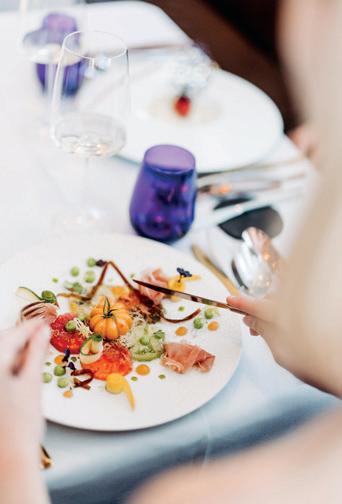
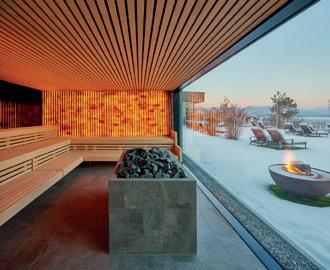
internationalen Produktionen. Die Lindauer Marionettenoper, das einzige Marionettentheater in Deutschland, das ausschließlich Opern und Operetten spielt, bietet zudem besondere Einblicke hinter die Kulissen. Unter anderem wurden hier schon Die Zauberflöte, La Traviata und Schwanensee in kompletter Opern- oder Ballettfassung aufgeführt.
Wer seine romantische Auszeit mit Wellness verbinden möchte, findet in der Therme Lindau bis zu 38 Grad warmes Wasser und
spektakuläre Blicke auf den Bodensee und die Alpen. Besonders romantisch wird es im Winter an jedem Freitagabend, wenn nach Einbruch der Dämmerung die ‚Lange Nacht der Lichter’ die Anlage mit Kerzen und Unterwasser-Scheinwerfern illuminiert.
Die Lage im Dreiländereck macht Lindau zum idealen Ausgangspunkt für Ausflüge in die Region Vorarlberg, während eine kurze Bahnfahrt ins österreichische Bregenz führt. Hoch über der Stadt schwebt die Pfänderbahn auf den 1.064 Meter hohen Pfänder. Von hier aus eröffnet sich ein weiter Blick über den Bodensee bis zu rund 240 Alpengipfeln in vier Ländern – ein Panorama, das unvergesslich bleibt und bei Schneelage Rodel- und Schneeschuhausflüge ermöglicht.
So wird aus einem Februarwochenende am Bodensee eine kleine Liebeserklärung – an den Winter, an die Langsamkeit und vielleicht auch füreinander. Wer eine von Deutschlands romantischsten Kleinstädten neu entdecken möchte, findet hier einen Ort, an den man gern wiederkehrt. Aber der erste Besuch? Der darf ruhig im Winter sein.
www.lindau.de
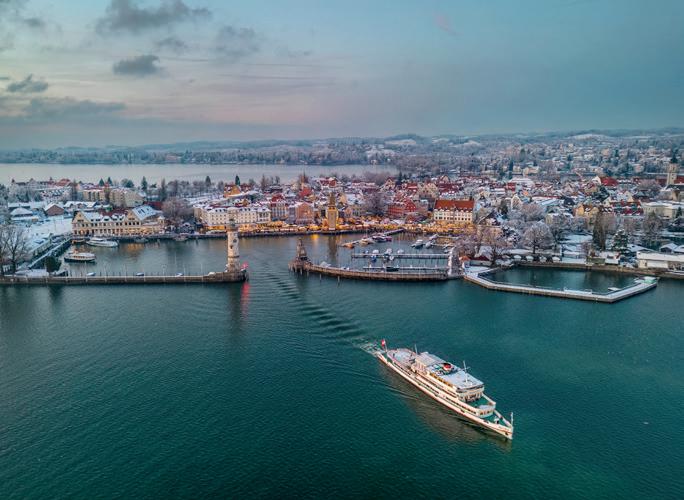
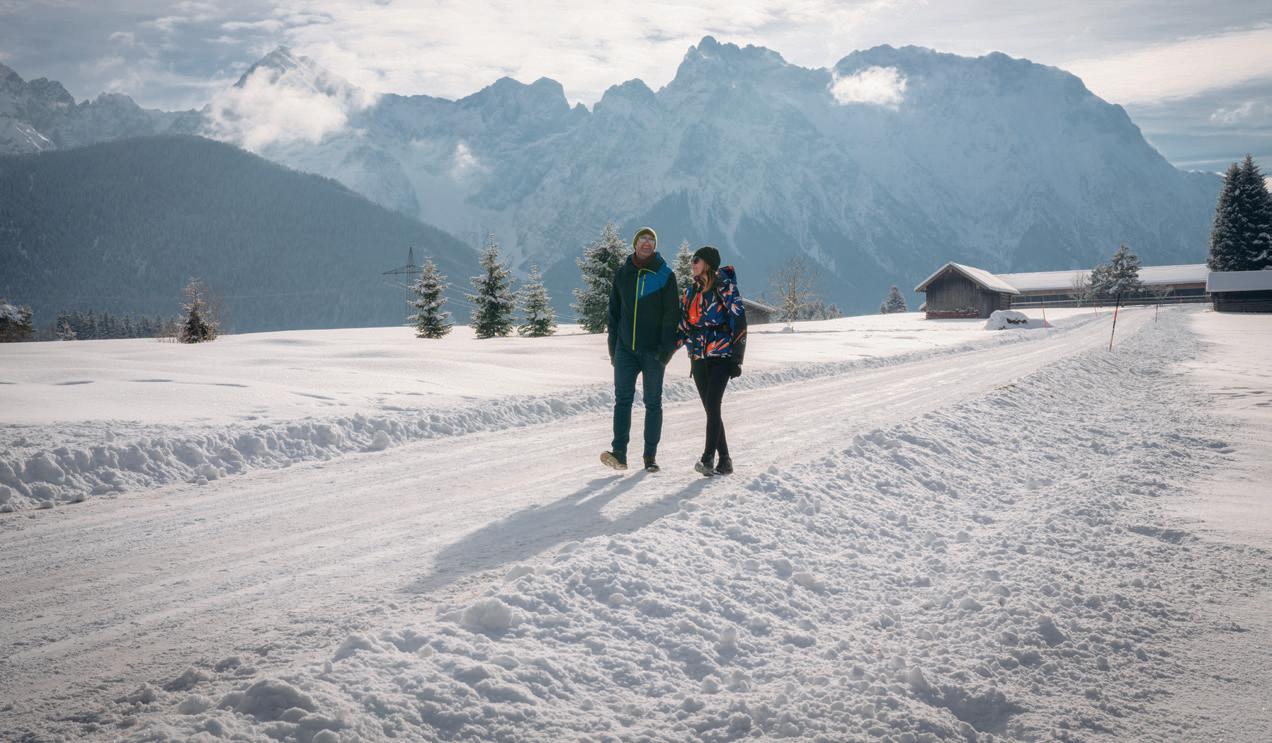
When the longing for togetherness grows, the Alpenwelt Karwendel region in Bavaria offers the perfect setting for a romantic getaway. Nestled in the majestic Upper Bavarian Alps, the region enchants with its fairy tale scenery of quaint villages, imposing peaks, crystal-clear lakes, and idyllic mountain meadows.
Whether looking for a candlelit dinner, a romantic carriage ride, or a hike along the wild Isar River – in Alpenwelt Karwendel, the enjoyment of nature, traditions, and culinary highlights merge to create an unforgettable Valentine's Day. "Alpenwelt Karwendel not only enchants with its nature, but the villages of Mittenwald, Krün, and Wallgau, with their painted house facades, are truly fairy tale-like," raves Isabell Prior, deputy managing director of Alpenwelt Karwendel Tourismus GmbH.
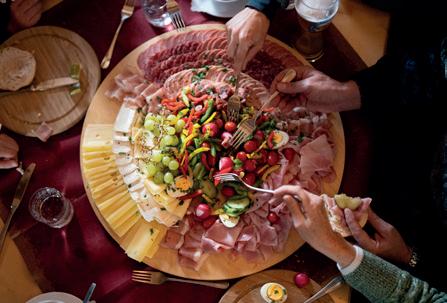
Couples travelling in the Alpenwelt Karwendel region will find numerous cosy inns and fine restaurants, ideal for a candlelit dinner. Mittenwald and Krün, in particular, entice visitors with Michelin-starred restaurants, such as the renowned Marktrestaurant. A highlight for couples is a romantic horse-drawn carriage ride through the wintry Alpine landscape under warm blankets.
But Alpenwelt Karwendel has much more to offer than just romance. Visitors can expect extensive hikes, bike tours, or cross-country skiing adventures through unspoiled nature. The deeply rooted Upper Bavarian culture is palpable everywhere – whether in the distinctive traditional costumes, at the traditional carnival, the cattle drives down from the mountain pastures, or the performances of local folk theatre groups.
The region also scores highly in terms of cuisine: from traditional inns serving classics like
roast pork with red cabbage and dumplings or creamy cheese spaetzle, to modern fusion cuisine and fine Michelin-starred restaurants, food lovers will feel right at home. In summer, hearty breads and fluffy Kaiserschmarrn (shredded pancakes) are served in the mountain huts. Mittenwald also boasts two active breweries: the traditional Mittenwald Brewery (since 1808) and Karwendelbräu, Germany's highest brewery at 2,244 metres.
“Many restaurateurs, hosts, and retailers focus on regional, seasonal, and handcrafted products,” says Isabell Prior. “Whether it’s Chalet Platzfisch with its fish farm, the Werdenfelser Schafwoll-Laden shop with products made from mountain sheep wool, or the Chocowerk chocolate factory in Wallgau and Marzipano in Mittenwald – they are all united by a commitment to sustainability, protecting our natural environment, and preserving traditional crafts.”
The unique combination of pristine nature, authentically lived traditions, and culinary delights makes a stay in Alpenwelt Karwendel a paradise for gourmets and lovers alike.
www.alpenwelt-karwendel.de/en
Wenn die Sehnsucht nach Zweisamkeit und unvergesslichen Momenten wächst, bietet die Alpenwelt Karwendel in Bayern den perfekten Rahmen für eine romantische Auszeit. Eingebettet in die majestätischen oberbayerischen Alpen, verzaubert die Region mit ihrer märchenhaften Kulisse aus bemalten Hausfassaden, imposanten Karwendelgipfeln, kristallklaren Seen, idyllischen Bergwiesen und urigen Dörfern.
Ob bei einem Dinner im Kerzenschein, einer Kutschfahrt durch die verschneite Landschaft oder beim gemeinsamen Wandern entlang der wilden Isar – in der Alpenwelt Karwendel verschmelzen Naturgenuss, Brauchtum und kulinarische Höhepunkte zu einem Valentinstag, der lange in Erinnerung bleibt. „Die Alpenwelt Karwendel verzaubert nicht nur mit schöner Natur, sondern gerade die Ortschaften Mittenwald, Krün und Wallgau mit ihren bemalten Hausfassaden sind märchenhaft”, schwärmt Isabell Prior, stellvertretende Geschäftsführung der Alpenwelt Karwendel Tourismus GmbH.
Wer in der Alpenwelt Karwendel zu zweit unterwegs ist, findet zahlreiche gemütliche Gaststuben und feine Restaurants, die sich ideal für ein Dinner bei Kerzenschein eignen. Besonders Mittenwald und Krün locken mit Sternerestaurants wie dem bekannten Marktrestaurant. Ein Highlight für Paare: eine romantische Kutschfahrt durch die winterliche Alpenlandschaft. Eingekuschelt in warme Decken genießt man die Fahrt etwa zum schimmernden Lautersee oder über die aussichtsreichen Buckelwiesen.
Doch die Alpenwelt Karwendel hat weit mehr zu bieten als Romantik. Besucher erwarten ausgedehnte Wanderungen, genussvolle Radtouren oder Langlaufabenteuer durch die unberührte Natur. Die tief verwurzelte oberbayerische Kultur ist überall spürbar – ob mit origineller Tracht, beim traditionellen Fasching, den Almabtrieben mit urigen Bauernmärkten oder den Aufführungen der Bauerntheatergruppen.
Auch kulinarisch punktet die Region: Von traditionellen Gasthöfen mit Klassikern wie
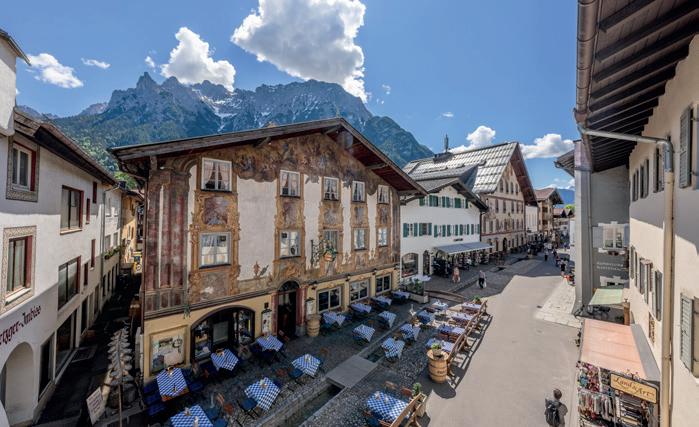
Schweinebraten, Blaukraut und Knödel oder cremigen Kasspatzen bis hin zu moderner Fusionsküche und feinen Sternerestaurants, das Schlemmerherz wird sich hier wohlfühlen. Auf den Hütten und Almen gibt es im Sommer deftige Brotzeiten und fluffigen Kaiserschmarrn. Mittenwald wartet außerdem mit zwei aktiven Brauereien auf: die traditionsreiche Brauerei Mittenwald (seit 1808) und das Karwendelbräu, Deutschlands höchste Brauerei auf 2.244 Metern.
„Viele Gastronomen, Gastgeber und Einzelhändler setzen auf regionale, saisonale und handgemachte Produkte”, sagt Isabell Prior. „Sei es das Chalet Platzfisch mit Fischzucht, der Werdenfelser Schafwoll-Laden mit Produkten aus Bergschafwolle oder die Schokoladenmanufakturen Chocowerk in Wallgau und Marzipano in Mittenwald – alle vereint der nachhaltige Gedanke zum Schutz unserer Natur und zum Erhalt teils jahrhundertealtem Handwerk.”
Die einzigartige Kombination aus unberührter Natur, authentisch gelebtem Brauchtum und kulinarischem Hochgenuss macht einen Aufenthalt in der Alpenwelt Karwendel zu einem Paradies für Genießer und Verliebte gleichermaßen.
www.alpenwelt-karwendel.de
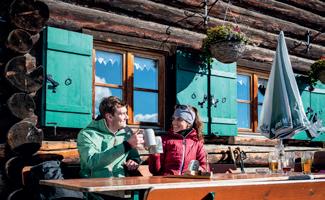
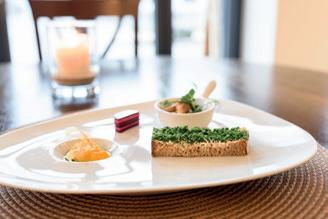
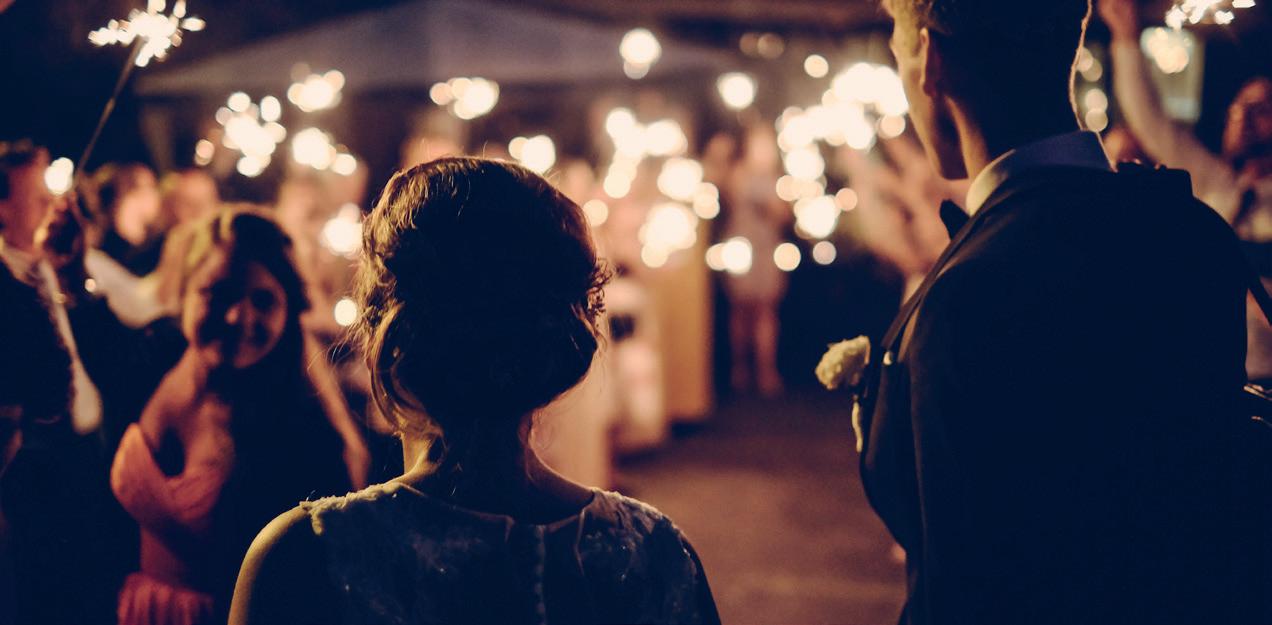
Looking for the ideal place to say “I do”? Germany boasts a remarkable variety of wedding venues to suit every style. In this special theme, we spotlight unique locations and outstanding professionals ready to help you find and create the venue of your dreams, ensuring that your wedding day is truly unforgettable.
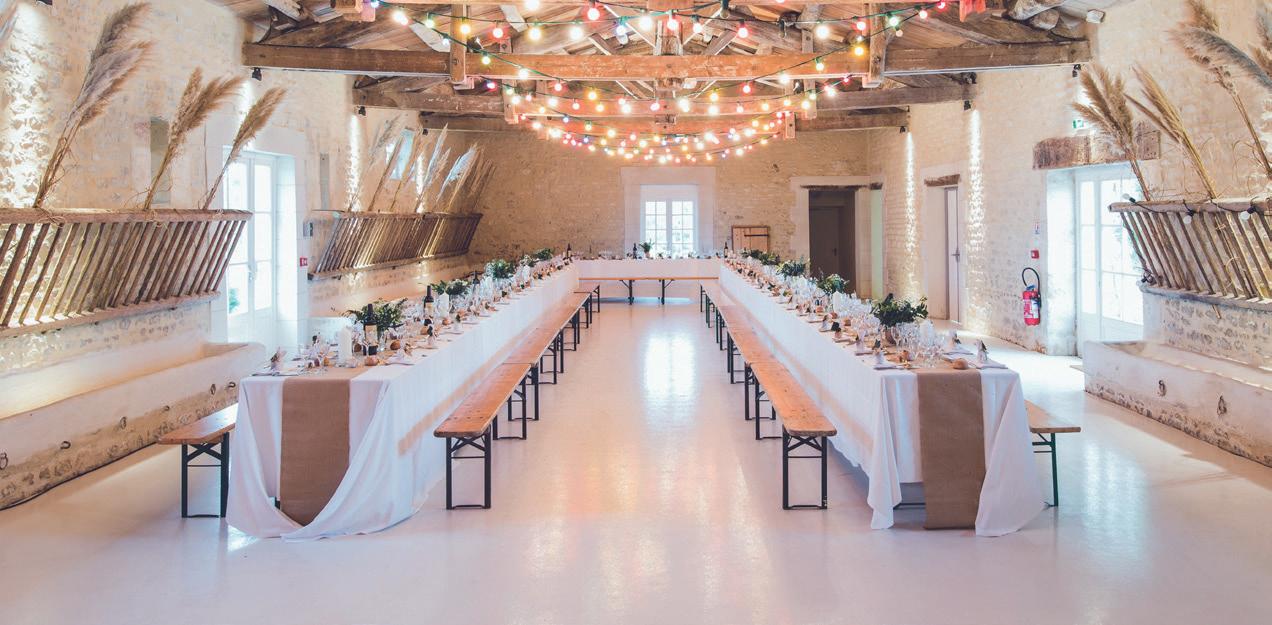
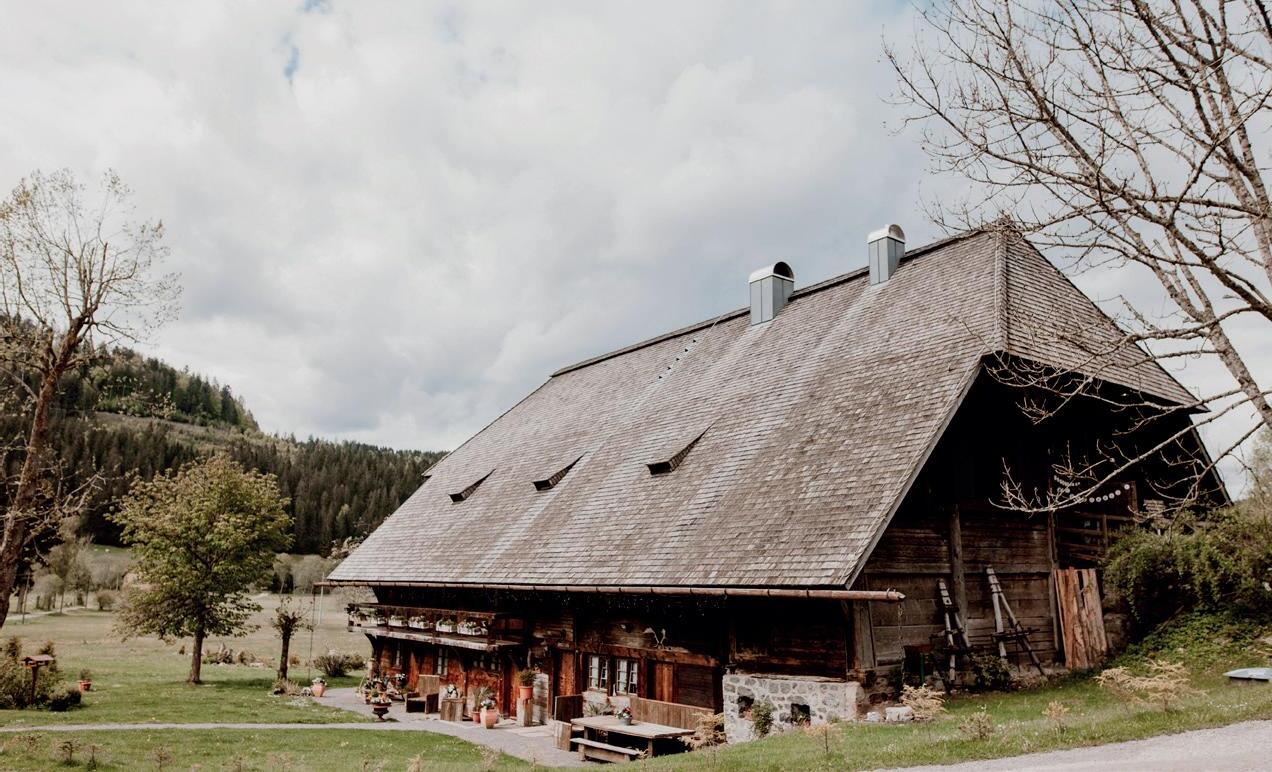
In 2026, Germany once again confirms its position as one of Europe’s most attractive wedding destinations. Surrounded by idyllic scenery and shaped by traditional charm, Henslerhof stands out as a venue that perfectly reflects the growing desire for authenticity, intimacy and a close connection to nature.
Henslerhof in the German Black Forest provides an ideal setting to celebrate love with calmness, elegance and meaning. It is more than just a conventional wedding venue. Its rural character, warm atmosphere and carefully curated aesthetics create the perfect environment for couples seeking a personal and thoughtful experience for their celebration. Each wedding naturally blends into the surrounding landscape, becoming a harmonious experience for couples and their guests.
Weddings at Henslerhof are defined by individuality. Every celebration is designed to reflect the couple’s unique love story, with great attention to detail and overall coherence. In line with the wedding trends for 2026, the venue is particularly well suited for intimate ceremonies, bespoke concepts and celebrations that place emotion and authenticity at the forefront.
Traditional architecture, natural materials and the play of daylight create a warm and genuine atmosphere. These elements accompany the couple throughout the entire day, from the ceremony to the celebration, creating lasting memories. The location itself is multi-faceted and offers space for individual wishes – from rustic barns to elegant ballrooms, from the charm of a forest chapel to outdoor celebrations. The guests’ vision is the core point, no matter if they decide to host a classic wedding or an event just for two.
Henslerhof embodies values that will shape the future of weddings: sustainability, respect for the natural environment and conscious celebrations. The opportunity to experience the wedding as a complete journey in one location meets the growing desire for quality, tranquillity and meaningful moments. This holistic approach allows couples and guests
to enjoy every moment in a relaxed and thoughtfully designed setting.
As a wedding destination, Henslerhof presents itself as a romantic retreat for couples who wish to celebrate their love authentically. The combination of nature, intimacy and personalised service transforms every wedding into a memorable experience.
Choosing Henslerhof as a dream wedding venue in 2026 means embracing celebrations where love, serenity and authenticity take centre stage.
www.eventshenslerhof.de
Im Jahr 2026 bestätigt Deutschland erneut seine Position als eine der attraktivsten Hochzeitsdestinationen Europas. Umgeben von einer idyllischen Landschaft und geprägt von traditionellem Charme hebt sich der Henslerhof in diesem Kontext als eine Location hervor, die den aktuellen Wunsch nach Authentizität, Intimität und Naturverbundenheit perfekt widerspiegelt.
Der Henslerhof im Schwarzwald bildet den idealen Rahmen, um die Liebe von Paaren mit Ruhe, Eleganz und Bedeutung zu feiern. Der Henslerhof ist dabei keine klassische Hochzeitslocation: Sein ländlicher Charakter, die warme Atmosphäre und das stilvolle Erscheinungsbild schaffen ideale Voraussetzungen für Paare, die sich eine persönliche und bewusste Hochzeitsfeier wünschen. Jede Hochzeit fügt sich hier harmonisch in die Umgebung ein und wird zu einem stimmigen Gesamterlebnis für Brautpaar und Gäste.
Individuelle Hochzeiten mit eigener Handschrift Hochzeiten auf dem Henslerhof zeichnen sich durch Individualität aus. Jede Feier wird als Spiegel der persönlichen Liebesgeschichte des Paares gestaltet, mit großer Aufmerksamkeit für Details und einem klaren Fokus auf Authentizität. Entsprechend der Hochzeitstrends 2026 eignet sich die Location besonders für intime Zeremonien, maßgeschneiderte Konzepte und emotionale Feiern.
Die traditionelle Architektur, natürliche Materialien und das Spiel des Tageslichts schaffen eine warme, ehrliche Atmosphäre. Diese Elemente begleiten das Brautpaar vom Ja-Wort bis zur Feier und sorgen für bleibende Erinnerungen. Die Location ist dabei vielseitig und bietet den idealen Rahmen für individuelle Wünsche –von rustikalen Scheunen bis hin zu eleganten Festsälen, vom Charm der Waldkapelle bis hin zu Zeremonie und Feiern unter freiem Himmel. Die Vision der Gäste steht im Mittelpunkt, egal ob sie sich für eine klassische Hochzeit oder ein Event zu zweit entscheiden.
TRENDS 2026: NACHHALTIGKEIT UND GANZHEITLICHE ERLEBNISSE
Der Henslerhof verkörpert Werte, die die Hochzeitswelt der Zukunft prägen: Nachhaltigkeit, Respekt gegenüber der Natur und bewusste Feiern. Die Möglichkeit, die Hochzeit als ganzheitliches Erlebnis an einem Ort zu gestalten, entspricht dem wachsenden Wunsch nach Entschleunigung und Qualität. Dieser inte-
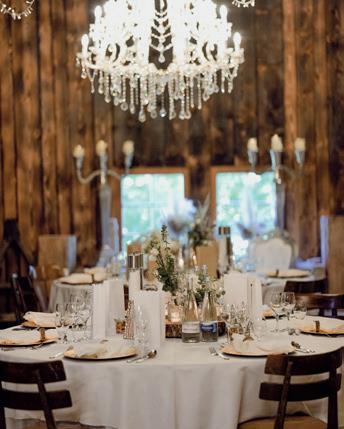
grative Ansatz erlaubt es Paaren und Gästen, jeden Moment in entspannter und sorgfältig geplanter Atmosphäre zu genießen.
Der Henslerhof präsentiert sich als romantischer Rückzugsort für Paare, die ihre Liebe authentisch feiern möchten. Die Verbindung aus Natur, Intimität und persönlicher Betreuung macht jede Hochzeit zu einem emotionalen Erlebnis.
Den Henslerhof als Dream Wedding Venue 2026 zu wählen bedeutet, sich für eine Hochzeitsfeier zu entscheiden, bei der Liebe, Ruhe und Echtheit im Mittelpunkt stehen.
www.eventshenslerhof.de
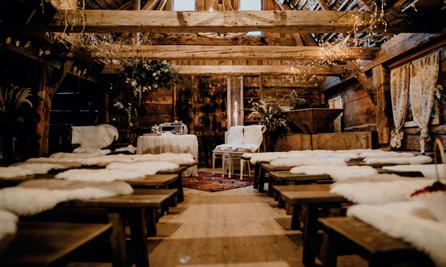
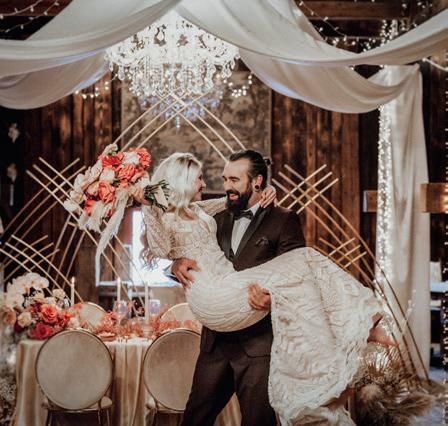
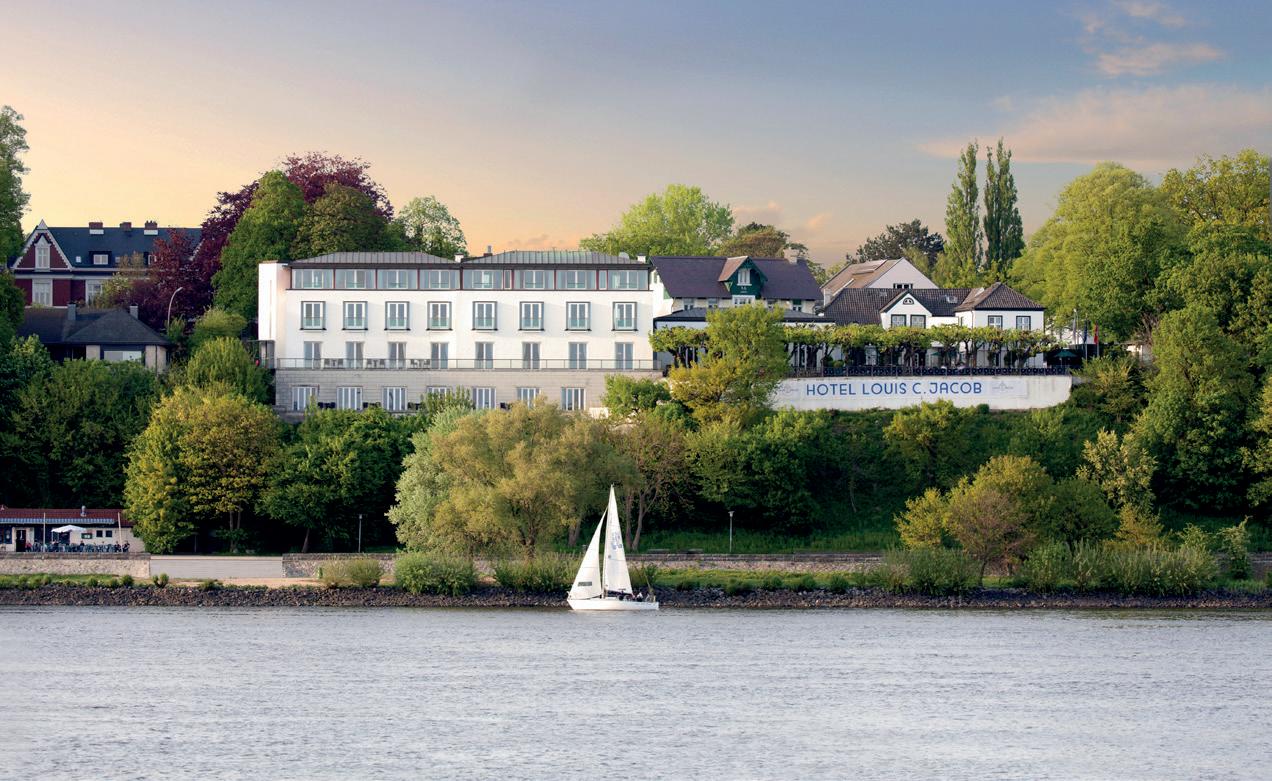
If there are places that tell stories, Louis C. Jacob is without doubt one of them. For 235 years, this prestigious five-star hotel has stood proudly above the River Elbe, making it one of Hamburg’s most renowned addresses.
It quickly becomes obvious why Hotel Louis C.Jacob is such a popular wedding venue: the light-filled event spaces offer views of the Elbe, passing ships and the vast blue sky beyond. “Here, the Elbe is not merely a backdrop; it becomes part of the celebration,” says hotel director Judith Fuchs-Eckhoff. “The interplay of light, water and nature shapes each event and lends every wedding a very special atmosphere.”
The hotel’s famous Lime Terrace provides a spectacular setting for a stylish reception. With a glass of Champagne in hand and the Elbe stretching out before you, celebrations can hardly be more elegantly Hanseatic.
Louis C. Jacob offers an additional highlight with its own private barge, the MS Jacob. Whether at a civil ceremony, a symbolic wedding with a celebrant or an stylish cruise for the couple and their guests, the elegant ship showcases the Elbe and Hamburg at their most charming and maritime.
Culinary excellence is a cornerstone of the Louis C. Jacob experience. Head chef Thomas Martin reinterprets classic French cuisine with a distinctive Hanseatic twist. Wedding menus are created in close collaboration with the couple and tailored to their wishes. The offering is complemented by an outstanding selection of wines and beverages, as well as the hotel’s in-house patisserie, which spoils guests with exquisite, sweet creations.
Depending on the room and seating arrangement, the hotel can host celebrations for up to 100 guests. For those seeking complete privacy, it is also possible to book the entire property, including all 84 rooms and suites.
The professional and highly experienced events team supports couples from the initial planning stages through to the wedding celebration. “External wedding planners are always welcomed and can be easily integrated into the planning process,” stresses the director.
“Our aim at Louis C. Jacob is to create a festive setting that stirs emotions and in which both the couple and their guests feel at ease,” says Fuchs-Eckhoff. “Whether through the breathtaking surroundings, the elegant ambience or the exceptional quality of our services.”
One thing is certain: celebrating at Louis C. Jacob means choosing not just a venue, but an exclusive way of life and the transformation of your wedding into an unforgettable memory.
Wenn es Orte gibt, die Geschichten erzählen, dann gehört das Louis C. Jacob dazu. Seit 235 Jahren thront das traditionsreiche 5-Sterne-Hotel über der Elbe. Das Haus zählt zu den bekanntesten Adressen Hamburgs.
Schnell wird klar, warum das Hotel Louis C. Jacob als Hochzeitslocation so begehrt ist: Die lichtdurchfluteten Veranstaltungsräume eröffnen einen einzigartigen Blick auf die Elbe, vorbeiziehende Schiffe und das weite Blau des Himmels. „Die Elbe ist bei uns nicht nur Kulisse, sie ist Teil der Feier“, betont Hoteldirektorin Judith Fuchs-Eckhoff. „Das Zusammenspiel aus Licht, Wasser und Natur prägt die Feierlichkeiten und verleiht jeder Hochzeit etwas Besonderes.”
So wird im Jacob die berühmte Lindenterrasse zur spektakulären Kulisse für einen stilvollen Empfang der Hochzeitsgäste: Mit einem Glas Champagner in der Hand und der Elbe in Blickweite kann es hanseatisch-eleganter kaum sein.
Mit der hoteleigenen Barkasse MS Jacob bietet Louis C. Jacob zudem ein weiteres Extra. Ob standesamtliche Trauung, freie Zeremonie mit Trauredner oder eine stilvolle Barkassenfahrt für das Brautpaar und die Gäste: Auf dem eleganten Schiff entfalten die Elbe und Hamburg ihren ganzen maritime Charme.
Kulinarisch setzt das Hotel Louis C. Jacob auf höchste Qualität. Küchenchef Thomas Martin interpretiert die klassisch französische Küche mit hanseatischem Twist. Das Hochzeitsmenü wird gemeinsam mit dem Brautpaar entwickelt und individuell auf dessen Wünsche und Vorstellungen abgestimmt. Ergänzt wird das exklusive Angebot durch eine exzellente Wein- und Getränkebegleitung sowie die hauseigene Patisserie, die für süße Hochzeitsüberraschungen sorgt.
Mit Platz für bis zu 100 Gästen, je nach Raum und Bestuhlung, bietet das Hotel vielfältige Möglichkeiten für eine gelungene Feier. Für maximale Privatsphäre kann auch das gesamte Haus mit seinen insgesamt 84 Zimmern und Suiten gebucht werden.
Das professionelle und erfahrene Veranstaltungsteam betreut das Brautpaar von der Planung bis zur Umsetzung der Feier. „Externe Weddingplaner sind bei uns jederzeit herzlich willkommen und lassen sich ganz unkompliziert in die Planung integrieren.”, unterstreicht die Direktorin.
„Wir möchten im Louis C. Jacob einen feierlichen Rahmen schaffen, der Emotionen weckt und in dem sich Brautpaar und Gäste gleichermaßen wohlfühlen können”, so Fuchs-Eckhoff. „Sei es durch die atemberaubende Umgebung, die elegante Atmosphäre oder auch durch die hohe Qualität unserer Dienstleistungen.”
Sicher ist: Wer im Louis C. Jacob feiert, entscheidet sich nicht nur für eine Location, sondern für ein exklusives Lebensgefühl, das jede Hochzeit zu einem einzigartigen Erlebnis macht.
www.hotel-jacob.de
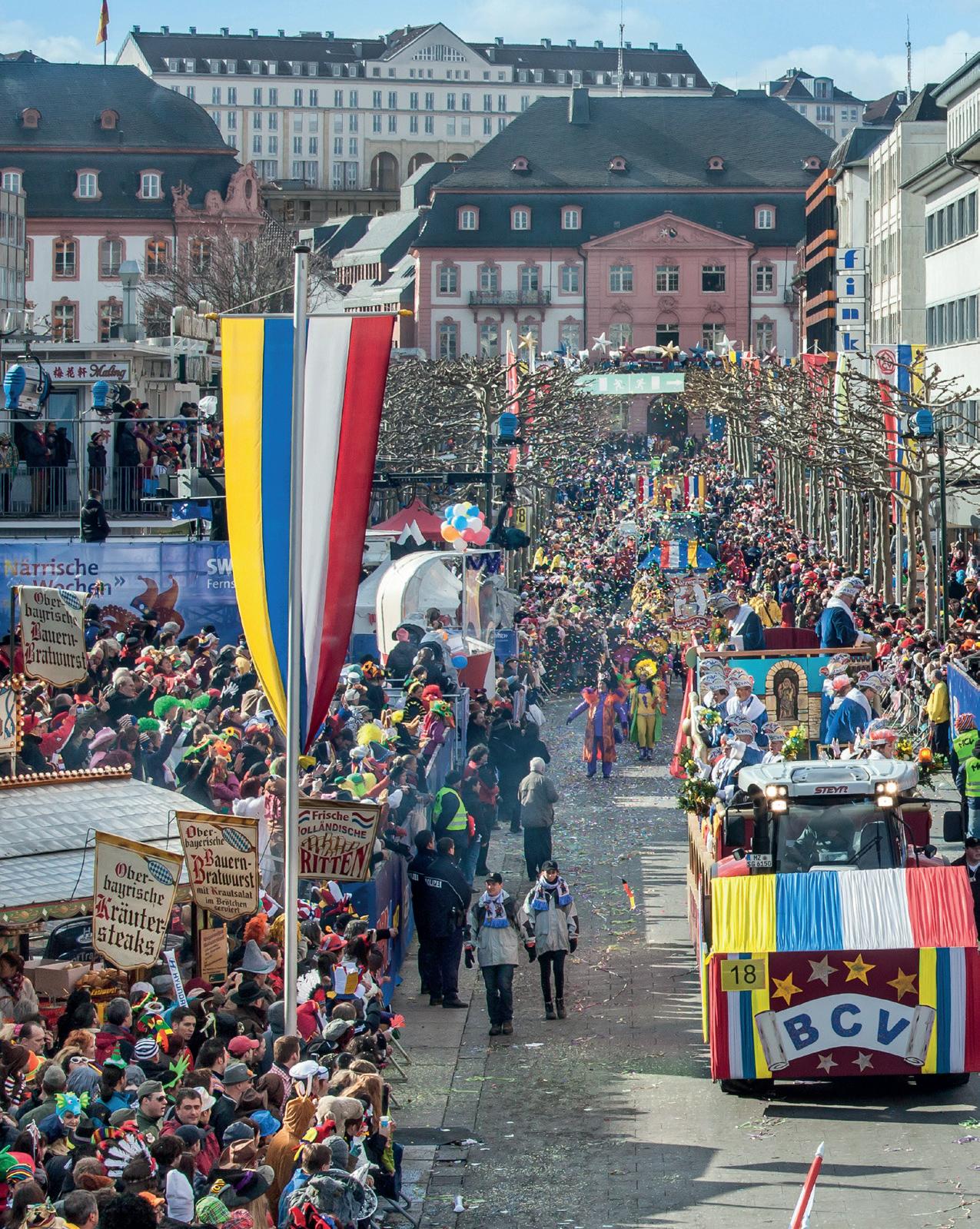
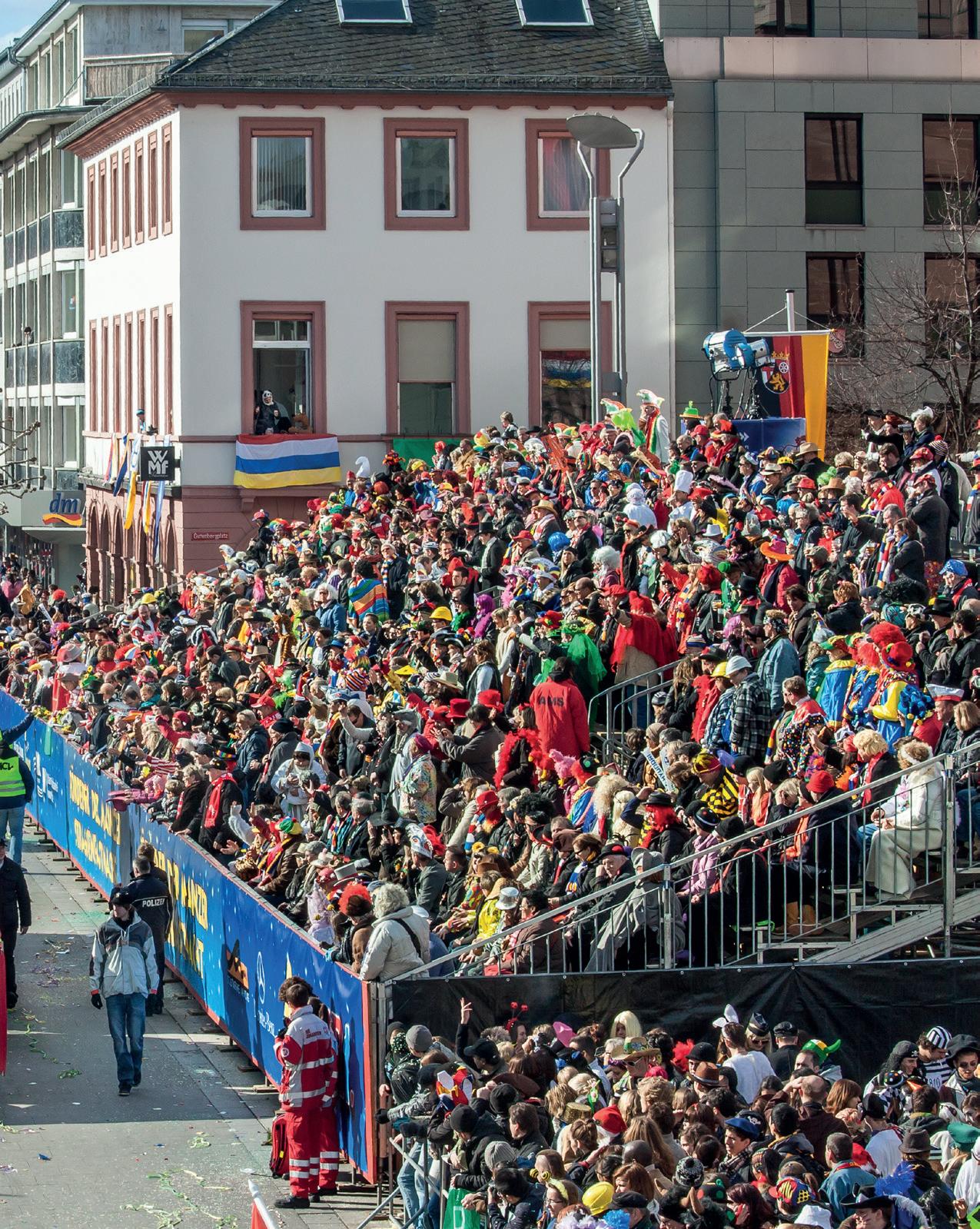
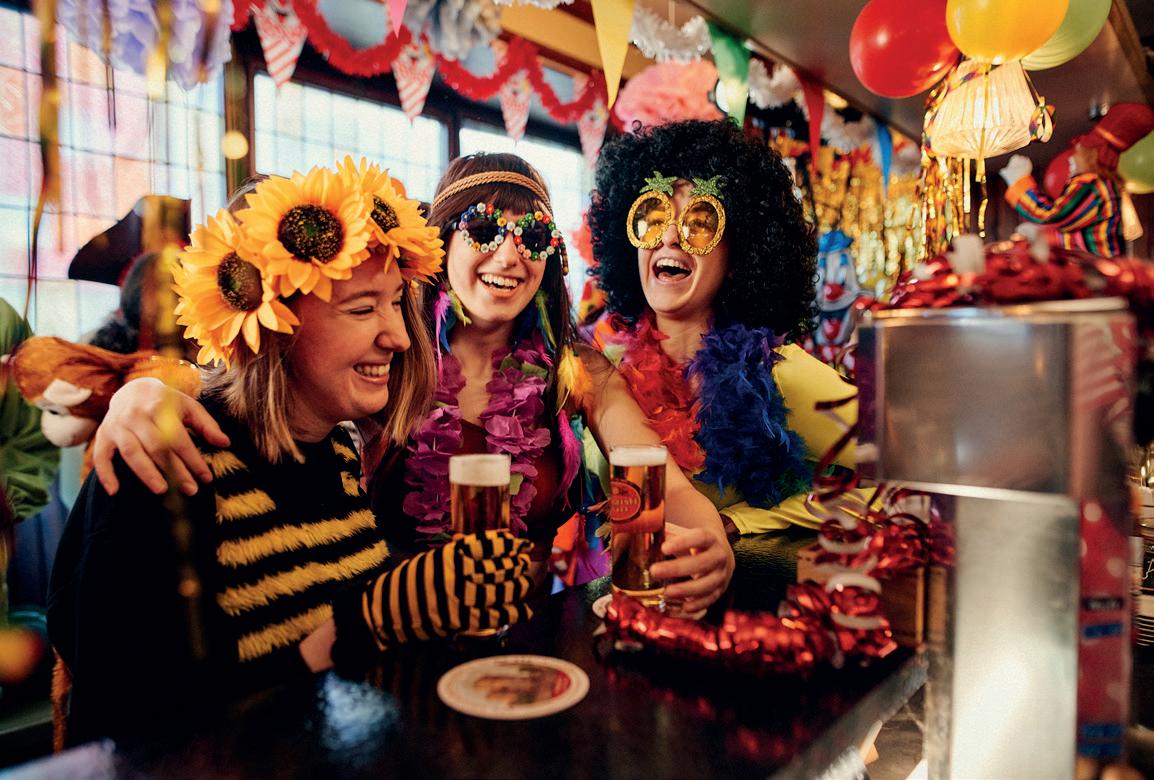
If you’re planning to experience the most exciting carnival events in Germany, you’re about to embark on a vibrant journey through a world of colour, music, and tradition. As winter loosens its grip, Germany bursts into life with unforgettable celebrations that showcase the country’s rich culture and centuries-old customs. Whether you know it as Karneval, Fasching, or Fastnacht, these carnival events in Germany are legendary for their lively parades, imaginative costumes, and the infectious spirit that sweeps through towns and cities alike. Let’s explore the top five must-see carnival events in Germany, each offering its own unique traditions, creativity, and energy.
Known locally as the “fifth season,” the Cologne Carnival is arguably the most iconic of all carnival events in Germany. Each year, this historic city transforms into a week-long extravaganza, attracting over a million revel-
lers from around the world. The roots of this carnival stretch back centuries, blending ancient customs with Christian rituals, but the modern festival truly began in 1823 with the first organized Rose Monday parade.
The season officially begins on November 11 at 11:11 AM, as the Dreigestirn (Carnival royalty: the Prince, Farmer, and Maiden) make their debut. The build-up to Ash Wednesday sees the excitement reach
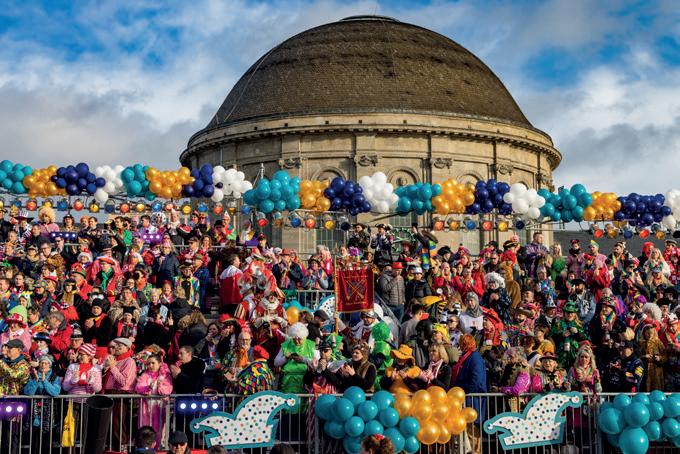
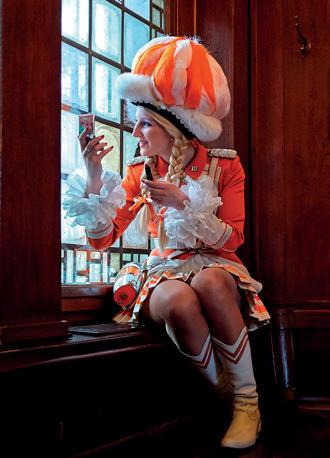
fever pitch, with highlights like Weiberfastnacht (Women’s Carnival Day), when women symbolically “take over” the city by playfully snipping men’s ties, and the legendary Rosenmontag parade. During this parade, elaborately decorated floats wind through Cologne’s streets, tossing sweets (‘Kamelle’) and flowers (‘Strüßjer’) to cheering crowds, all while delivering witty, satirical commentary on current events.
Cologne’s Carnival is a glorious fusion of tradition and modernity. Beloved customs such as the Elferrat council, dazzling Funkenmariechen dancers, and the dramatic burning of the Nubbel straw puppet (symbolizing the cleansing of sins) make this event unforgettable. The city becomes a stage where
everyone – local or visitor – can don a creative costume, share a Kölsch beer, and join in spontaneous ‘Bützen’ (cheek kisses). The Carnival motto, ‘Jede Jeck es anders’ (every fool is different), perfectly captures the open-hearted, inclusive spirit that defines one of the most celebrated carnival events in Germany.
The Mainz Carnival is renowned for its sharp satire and strong sense of community. As one of the standout carnival events in Germany, Mainz’s Rosenmontag parade dazzles with vibrant floats, lively marching bands, and groups in imaginative costumes. The city’s historic clubs and societies play
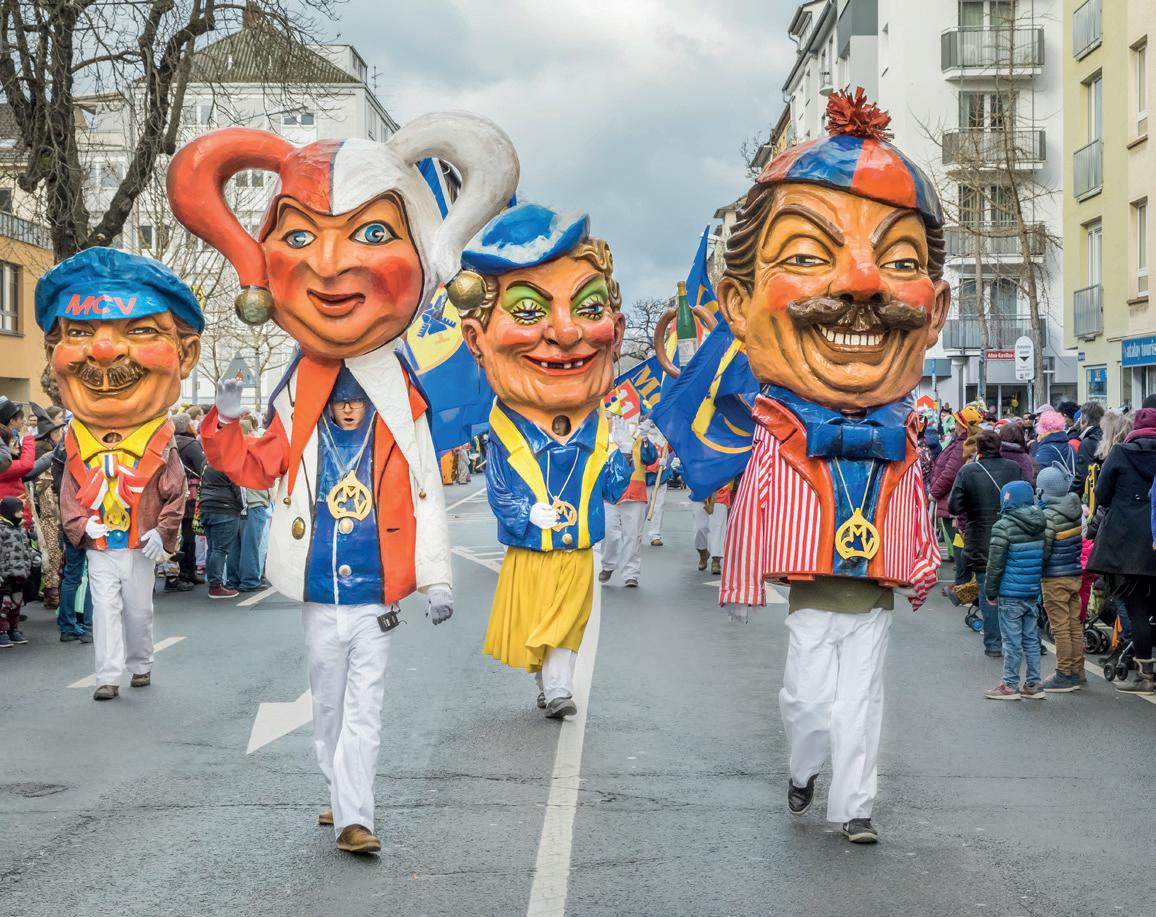
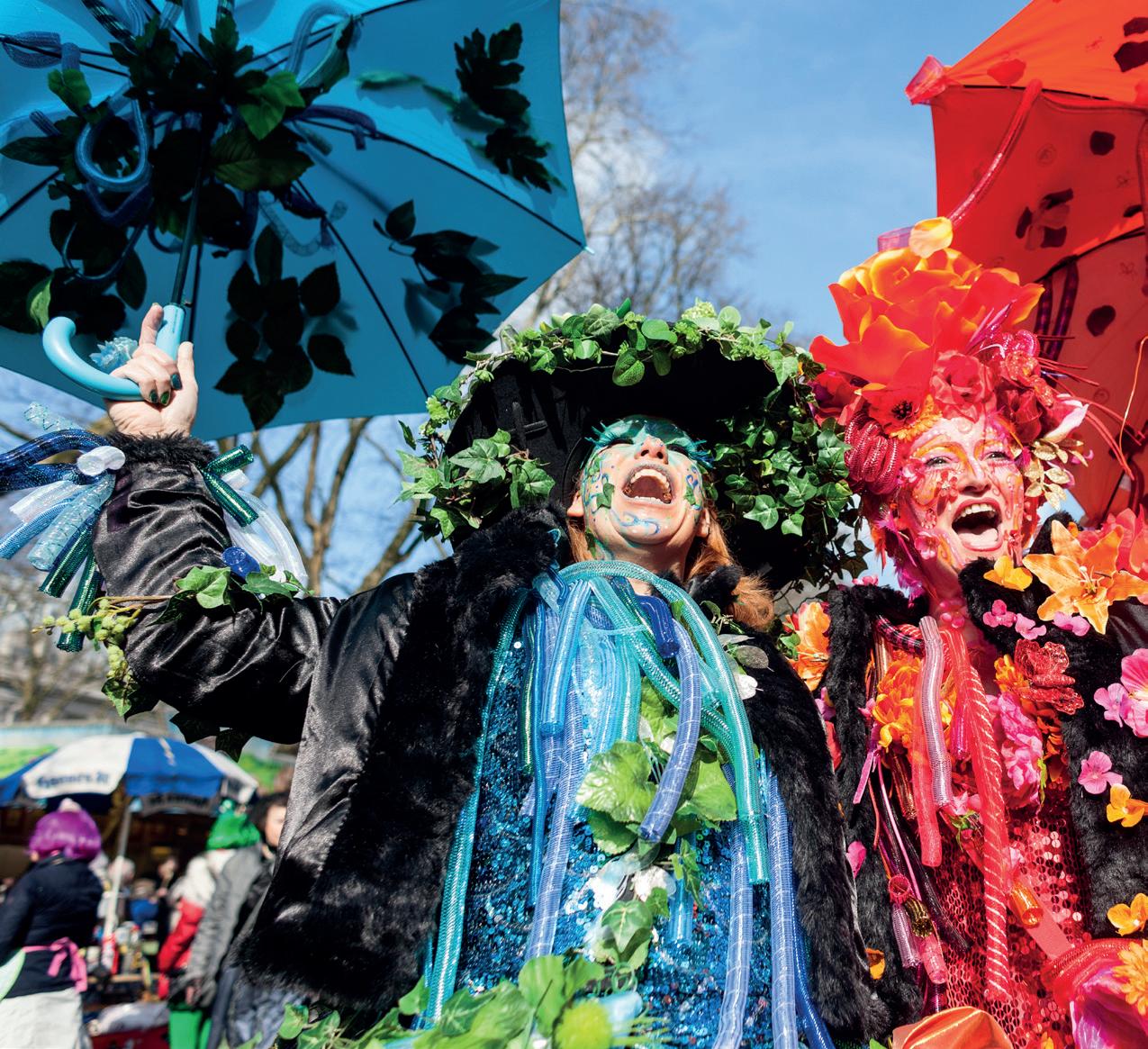
a key role, hosting raucous Fassenacht sessions filled with comedy, music, and biting political humour.
Throughout the festivities, locals greet each other with the joyful ‘Helau!’ and extend a warm invitation to visitors. Whether you’re in a lively public square or a cosy tavern, the welcoming atmosphere and clever performances make the Mainz Carnival a must for anyone wanting to experience the best of carnival events in Germany.
The Düsseldorf Carnival (Düsseldorfer Karneval) stands out for its inventive costumes and electrifying parades. This is one of the carnival events in Germany where revellers compete to outdo each other with the most original, elaborate, or hilarious outfits, turning the city into a living canvas of creativity. Festivities commence on Altweiber (Women’s Thursday), when women humorously “seize” the town hall and snip men’s ties. The anticipation builds to-
ward the spectacular Rosenmontag parade, featuring oversized floats that lampoon current affairs with razor-sharp wit.
4.
For an enchanting twist on carnival events in Germany, venture to the southwest for the Alemannic Fastnacht. Hosted in Baden-Württemberg, parts of Bavaria, and the Black Forest, this carnival immerses visitors in ancient folklore. Adorned in hand-carved wooden
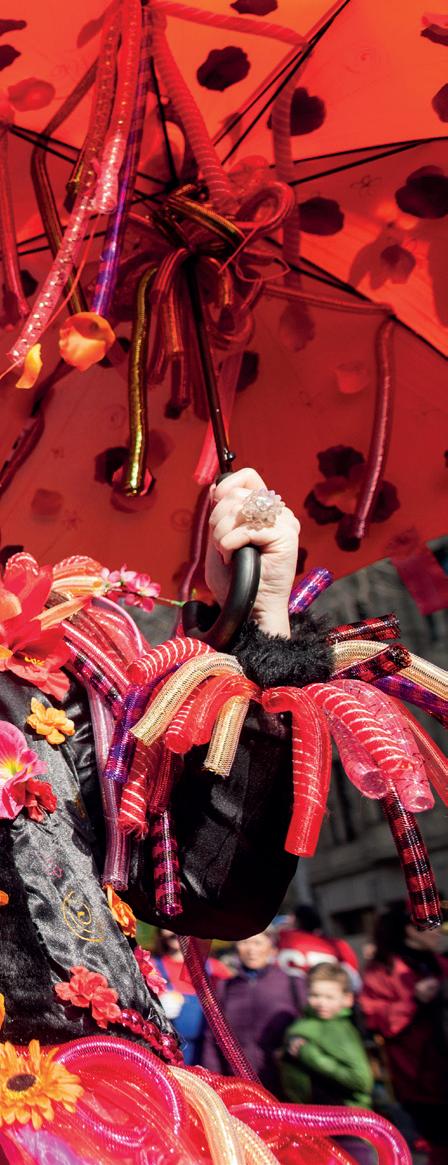
masks and mystical costumes, participants evoke the rituals of pre-Christian times. Narrenzunft (fools’ guilds) organize dramatic processions, with each town showcasing unique characters – witches, devils, jesters –who parade through fog-lit streets in a mesmerizing spectacle.
Highlights include torch-lit dances, the famous Narrensprung (fools’ jump), and a deep connection to local mythology and themes of renewal. For an authentic, atmospheric

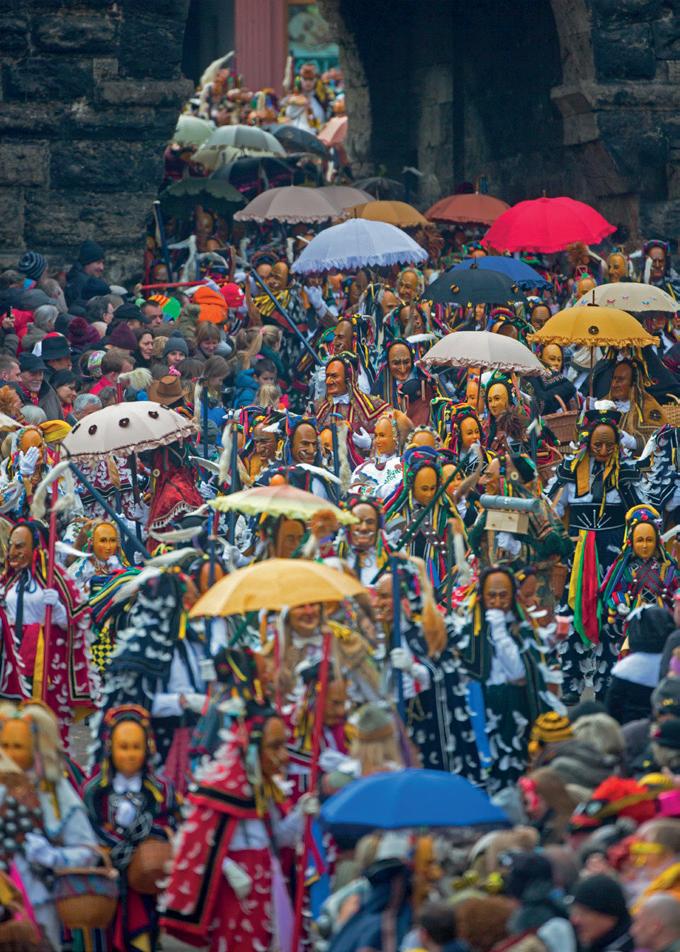
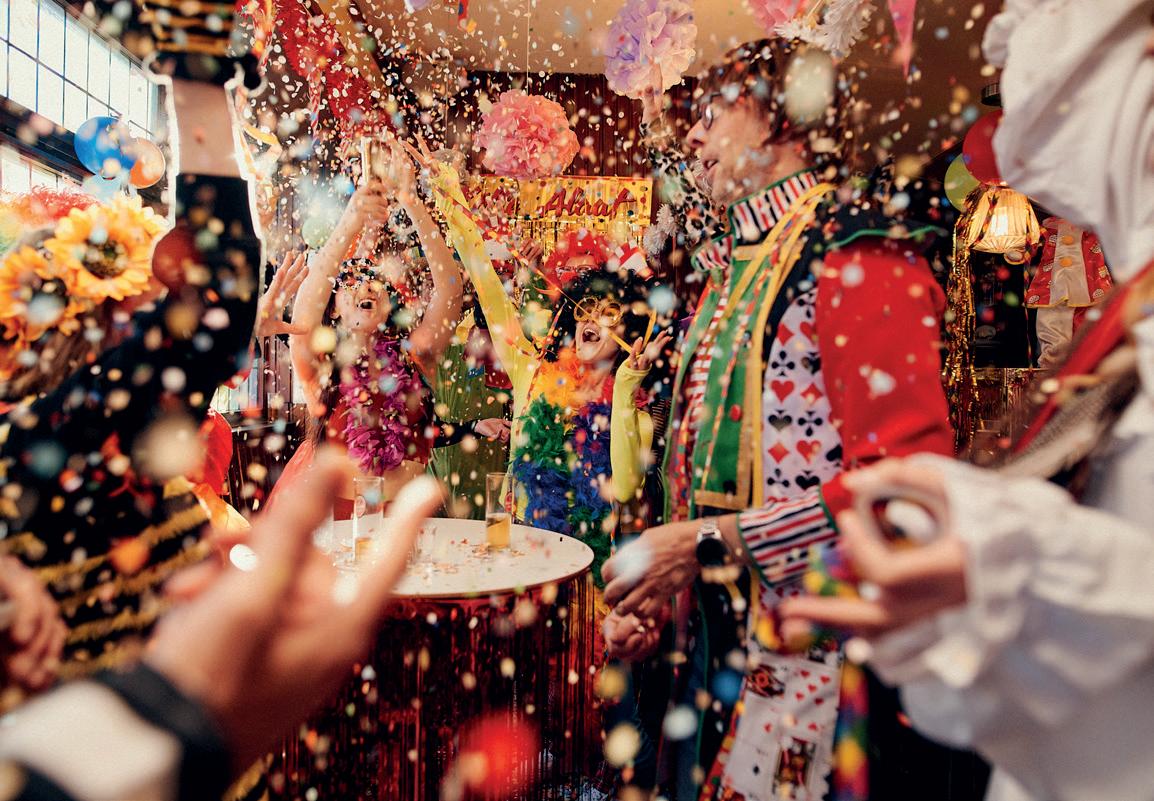
experience, the Alemannic Fastnacht is a top choice among carnival events in Germany.
5. FRANCONIAN CARNIVAL: JOY FOR ALL GENERATIONS
Northern Bavaria’s Franconian Carnival (Fränkischer Fasching), with hotspots in Nuremberg and Würzburg, is a joyful celebration of regional humour and tradition. Lively parades, glamorous balls, and public performances make this one of the most inclusive carnival events in Germany. Unique highlights include the televised ‘Fastnacht in Franken’ gala and processions led by jesters and carnival royalty. Whether you’re dancing in the streets or donning a playful costume, everyone is encouraged to join in. Local clubs blend historic customs with modern entertainment, ensuring that the festive spirit bridges generations and welcomes all.
From the exhilarating streets of Cologne and Mainz to the mystical processions of
the Black Forest, carnival events in Germany are a true celebration of life, tradition, and community. Each region offers its own flavour. For travellers and culture enthusiasts,
Other German carnival events worth visiting:
there’s no better way to discover the creativity and warmth of German life than by joining these unforgettable carnival events in Germany.
• Bremen Carnival: Known for its multicultural flair and extravagant samba parade, Bremen’s carnival offers a unique fusion of international rhythms and German festivity.
• Bonn Carnival: Though overshadowed by Cologne, Bonn’s carnival boasts lively street parades and a vibrant Altweiber tradition, where women symbolically take over the city centre.
• Schwäbisch Gmünd Fasching: This Swabian town hosts colourful parades and elaborate balls, blending local folk heritage with modern revelry.
• Erfurt Carnival: Thuringia’s capital celebrates with jesters, floats, and a joyful Rosenmontag parade through the historic old town.
• Stuttgart Fasnet: The city’s Fasnet festivities are marked by costumed processions and playful pranks, reflecting Swabian folklore and humour.
• Wangen im Allgäu Fasnet: This southern town’s carnival is famed for its traditional wooden masks and spectacular night-time parades.
Ob Pitch, Vortrag oder Unternehmenspräsentation – wer heute überzeugen will, braucht mehr als Fakten.
Er braucht ein visuelles Erlebnis. Genau hier setzt Grafikraum an: Die Spezialagentur für anspruchsvolles PowerPoint-Design entwickelt Präsentationen, die Inhalte schärfen, Marken stärken und Zielgruppen nachhaltig beeindrucken.
Gegründet 2020 von Martin und Sylwia Rohringer, vereint Grafikraum Expertise aus Werbung, Consulting und Visual Communications. Das Team versteht PowerPoint nicht als Software, sondern als strategisches Kommunikationsmittel. Ein Anspruch, der Grafikraum zu einer der führenden Präsentationsagenturen Deutschlands gemacht hat.
Heute betreut die Agentur Kund:innen aus Europa, Asien und den USA, vom Mittelstand bis zum internationalen Konzern. Dabei wächst Grafikraum kontinuierlich: sowohl im Team als auch im internationalen Kun-
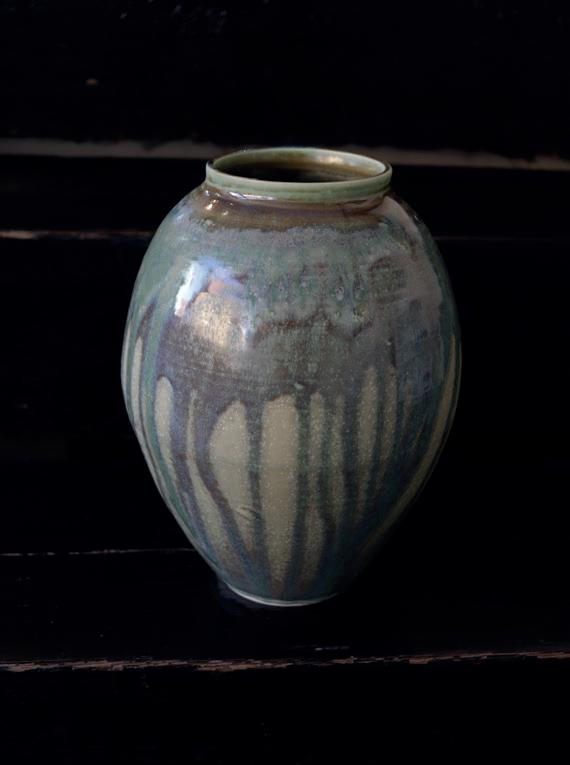
www.cosytimesceramics.dk
Instagram: @cosytimesceramics.kerteminde
TEXT: SILKE HENKELE I FOTO: GRAFIKRAUM.NET
denportfolio. Das Leistungsspektrum reicht von Analyse und Beratung über Design und Storytelling bis zu maßgeschneiderten Folienmastern, Sales- und Unternehmenspräsentationen, Pitch Decks sowie individuellen PowerPoint-Schulungen.
Die Arbeitsweise ist effizient, transparent und kompromisslos qualitätsorientiert. Das bestätigen auch die Auszeichnungen: 2023, 2024 und 2025 gewann Grafikraum den DEUTSCHEN AGENTURPREIS, zuletzt in zwei Kategorien.
Was Grafikraum besonders macht? Präzision, Markenverständnis und die Leidenschaft, jede Präsentation zu einem starken Auftritt zu formen. Denn gute Folien zeigen Inhalte. Großartige Folien erzählen eine Geschichte.
Grafikraum - für Präsentationen, die auf den Punkt treffen.
www.grafikraum.net info@grafikraum.net

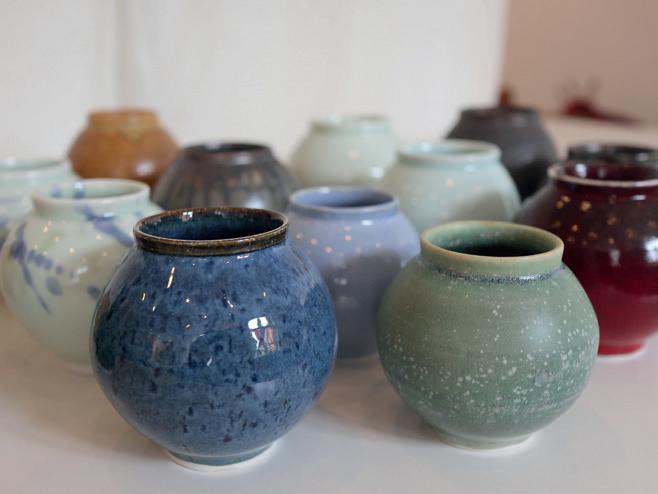
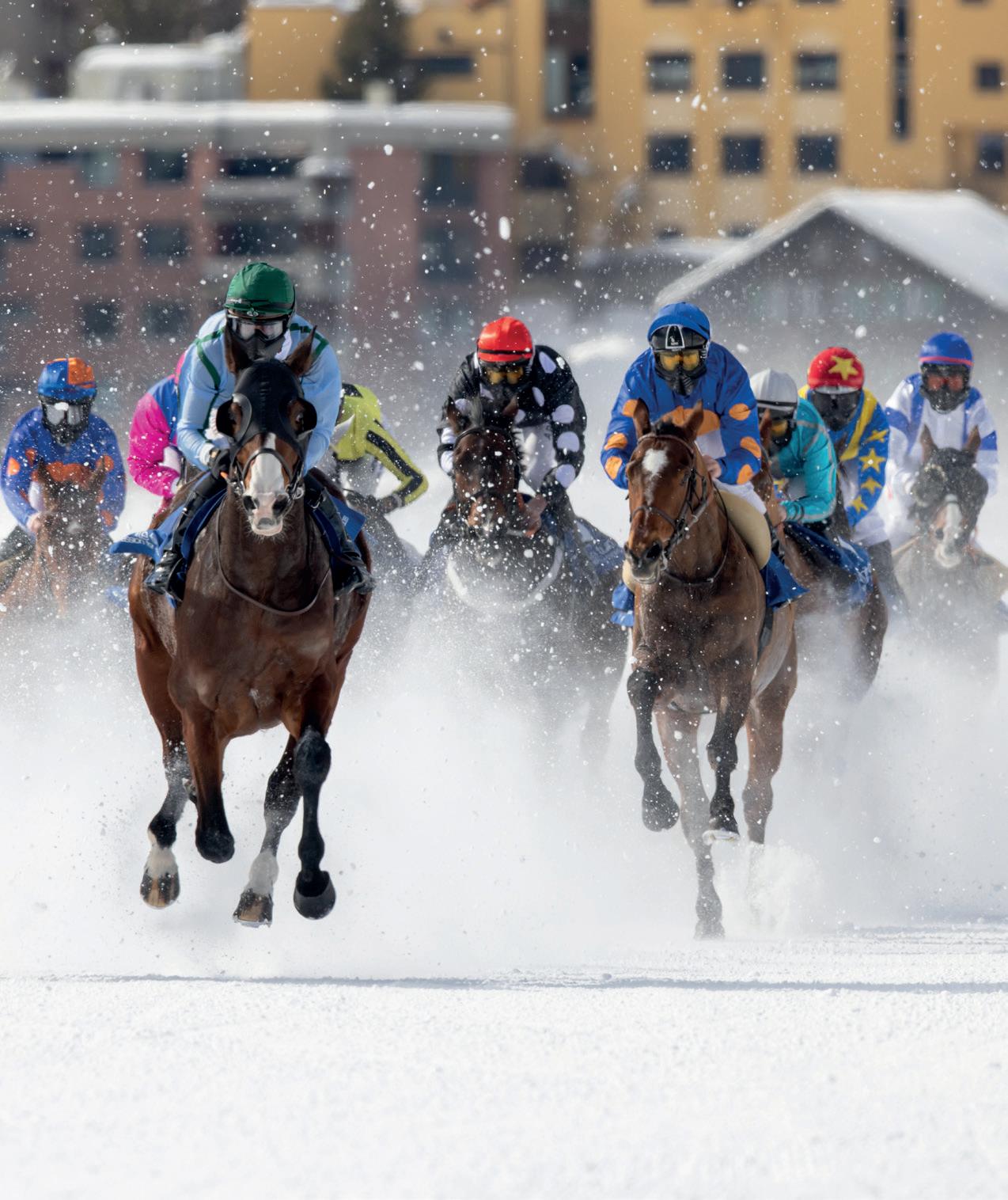
It may still be cold outside, but February’s event line-up across the DACH region is only heating up. From carnival crowds and world-class cinema to travel fairs and red-carpet nights, the month promises variety and spectacle. Whether you’re chasing culture, sport or inspiration, there’s something to pull you in.

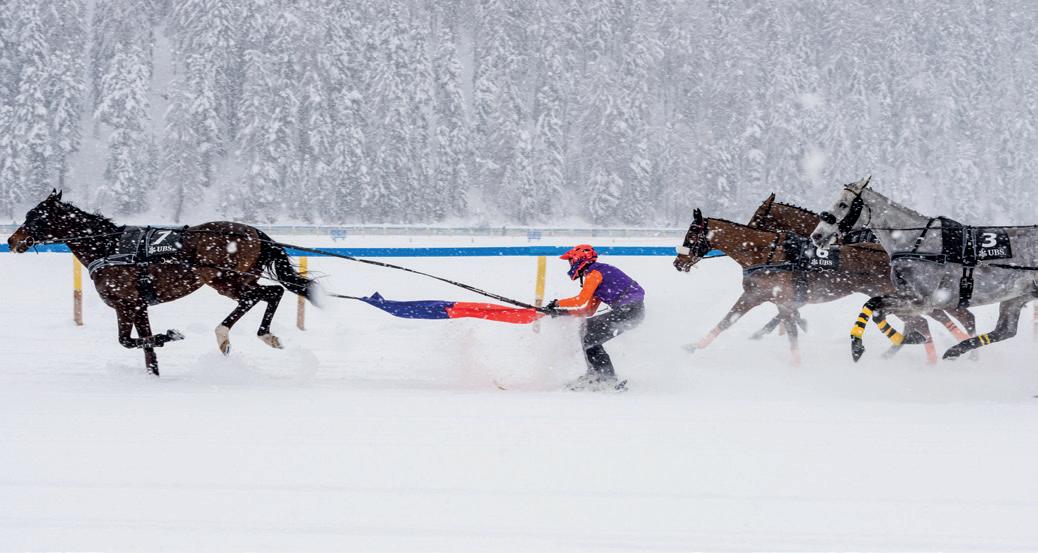
WHITE TURF – INTERNATIONAL HORSERACES, ST. MORITZ (8, 15 AND 22 FEBRUARY)
White Turf is an unmissable event for horse racing fans, known for its prestige and spectacle. Held annually in St. Moritz, it combines elite races on ice with fine dining, live music and a standout winter atmosphere. Set on a frozen lake, with powerful horses and a celebratory social scene, it offers a truly unique experience. www.whiteturf.ch
(12 FEBRUARY)
The Vienna Opera Ball is the highlight of Vienna’s ball season, drawing socialites and global stars since 1877. Still as glamorous now as at its debut in 1877, it offers an evening of classic elegance. Dance on Vienna’s most iconic floor alongside debutantes and soak in the tradition and spectacle of this storied event.
www.wiener-staatsoper.at/opernball
TANZOLYMP – INTERNATIONAL DANCE FESTIVAL, BERLIN (12 – 17 FEBRUARY)
The International Dance Festival TANZOLYMP takes place annually in Berlin under the motto “Dance as a global language” –bringing young dancers from around the

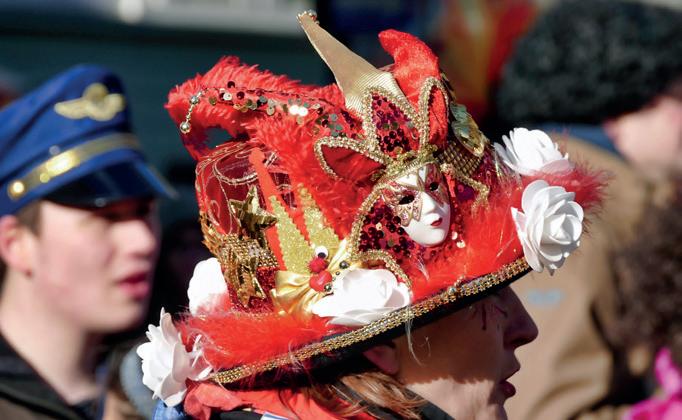
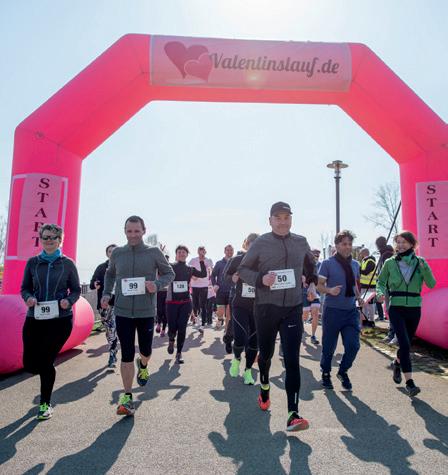
world together through masterclasses, seminars and competitions. The festival aims to support dance and grow its global popularity, while showcasing diverse artistic styles and aesthetics. The highlight is the international gala, where top winners return to perform. www.tanzolymp.com
(12 – 18 FEBRUARY)
Cologne Carnival, fondly known as the fifth season, returns each year as the Rhineland’s most iconic celebration. Millions gather for the colourful costume-filled street party, complete with live music, lively parades, bold and often political floats and plenty of sweets flying through the air. It’s joyful, chaotic, traditional and unforgettable. Kölle Alaaf!
www.koelntourismus.de/sehen-erleben/ karneval
– 22 FEBRUARY)
Each year the Berlin International Film Festival, or Berlinale, turns Germany’s vibrant capital into ten days of cinematic buzz. Drawing top filmmakers and stars, it features a high-energy red carpet, major awards and a highly-anticipated global film line-up. This year Wim Wenders heads the international jury and actress Michelle Yeoh is being honoured with the Honorary Golden Bear. www.berlinale.de
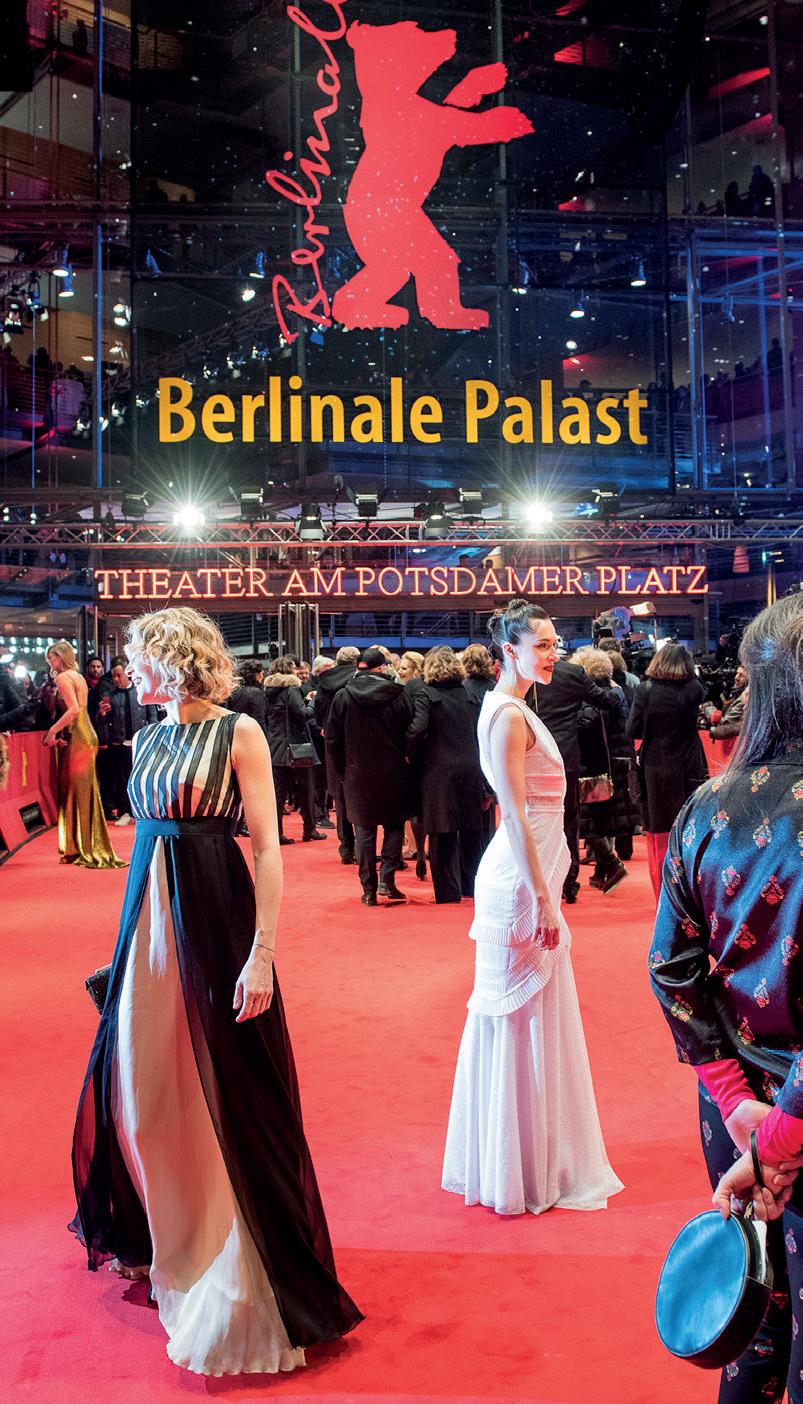
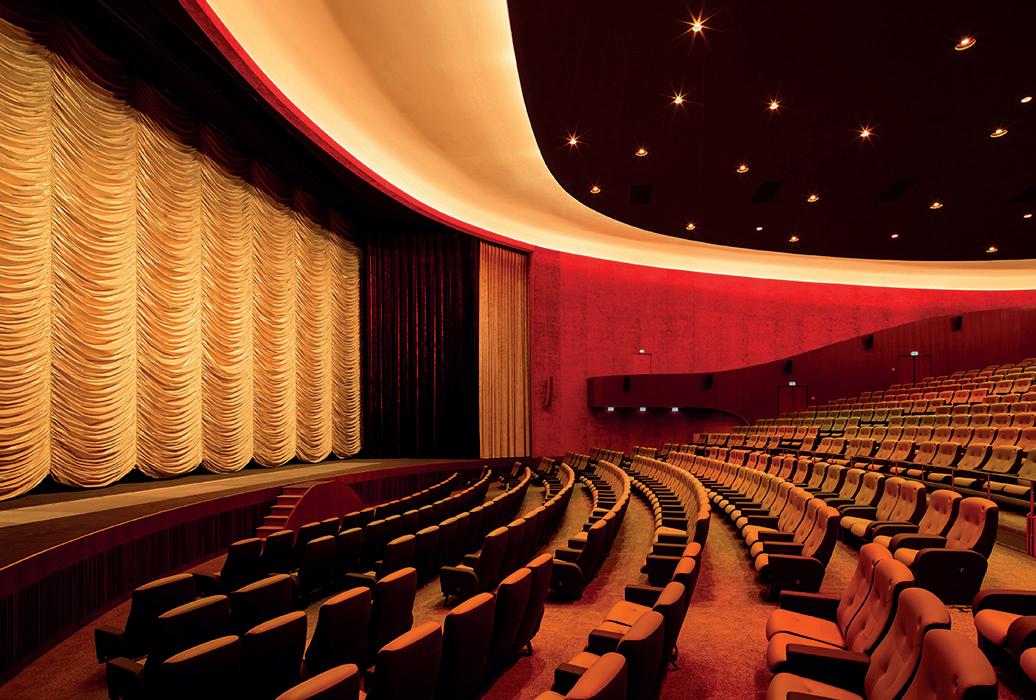
(15 FEBRUARY)
Come along with your partner, a friend or bring your kids to this fun and easy-going sporting event designed for all ages. The scenic route leads through the Gärten der Welt, surrounded by vibrant greenery and beautifully curated cultural garden landscapes. After crossing the finish line, you can reward yourself with a warm cup of mulled wine for a cosy, well-earned end to the run. www.valentinslauf.de
(18 – 22 FEBRUARY)
The f.re.e leisure and travel fair has been showcasing travel and outdoor lifestyles since 1970. Held annually in Munich, it brings together exhibitors from over 50 countries and covers everything from caravans and biking innovations to kayaking, climbing and water sport experiences, including simulated lakes and activity zones. It’s a go-to event for adventure seekers looking for new ideas, gear and inspiring destinations. www.free-muenchen.de
(20 – 22 FEBRUARY)
For anyone wanting to dive into carnival culture in Switzerland, Zurich is a top pick. The three-day celebration brings bold costumes
and nonstop brass band music, creating an upbeat, high-energy atmosphere. It’s a colourful carnival experience packed with fun and community spirit. www.zurichcarneval.ch
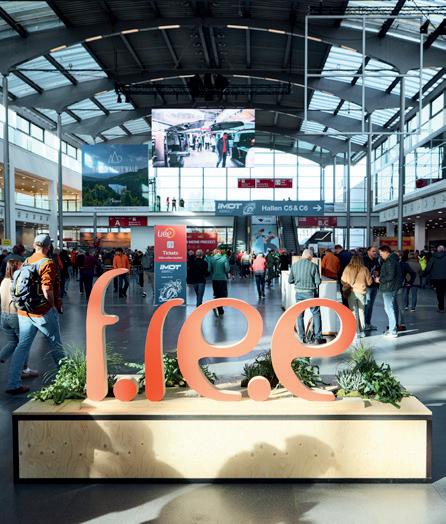
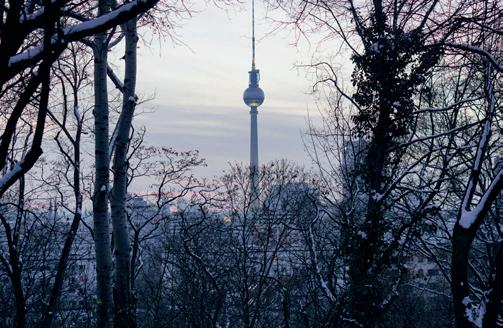
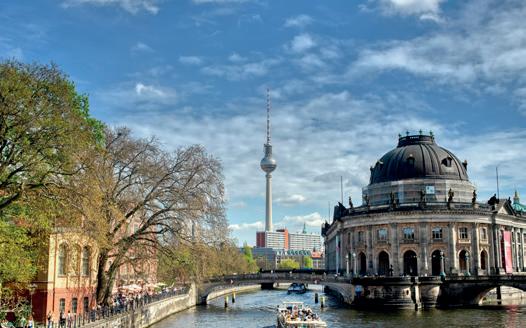
We know it’s hard to imagine, but spring is not too far away now. The Berliner in spring is a strange animal, which is only to be explained by the long months of endurance that mark the city from November through February, with the worst cold spells often coming in the end. Here’s what to expect.
This winter, the holiday season was already marked by Siberian temperatures, topped by a gruelling attack on electricity supply cables that left the whole south of the city with a total of 45,000 households and over 2,000 businesses unlit and unheated for the duration of up to four days.
Even with leaving dramatic power outages aside, Berlin winter is a notorious toughie, while spring, when it finally arrives, happens within weeks and can prompt a hasty change from boots to sandals. The 440,000 city trees (at the moment a new bill is pending, which will see their current number doubled to over a million by 2040) will step into foliage after the first warm week with the speed of a finger snap – and for at least a month, people will become almost giddy with all the joy happening around them.
During the long, harrowing Berlin winter months, it’s always hard to believe that this will happen at some point – but when it does, there’s no looking back. As visitors and tourists sweep back into town and the self-prescribed post-holiday diets are finally in the past, life takes on colour again and the Berliners swarm to buy pots, earth and plants in bulk to decorate windowsills, balconies and terraces alike. There’s also no stopping
of Feng Shui or Marie Kondo inspired spring cleaning frenzies; and once again the streets will fill with discarded items that neighbours may or may not pick up to make their own.
The Berlin City Cleaning Service (BSR) has therefore initiated regular Kiez days in alternating neighbourhoods, where residents can share their valuable leftover clothes, furniture and so on under the BSR teams’ tutelage; and safely discard the rest. Even through winter, the Kieztage have become attractive targets for residents and students, who enjoy the quirky ware on display and are free to take home anything they fancy.
There’s one magic wand which helps the Berliners through February: with the longterm prospect of streets lined with linden and cherry bloom again, street cafés filled to the brim and your takeaway coffee not freezing within minutes in your hand any more, the city
already snaps back into life on 12 February –when for ten days the Berlinale film festival turns the whole town into one red carpet. Mind you, all of the above is merely an outlook on coming glories and a rallying cry to push through: as the Berlinale festivities might still end up in ice and snow, they reliably afford us the necessary pomp and circumstance to make it through to spring.
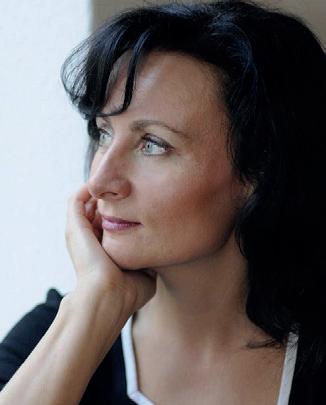
Cornelia Brelowski is a writer and journalist who lives in Berlin. With her main field of interest being art and design, she enjoys observing her history-laden home town in all its quirky detail and ever-changing shape and culture. Apart from writing, the author also engages in English language theatre, the art of which she learned in London.
B2B-Firmensuchmaschine für Deutschland, Österreich und die Schweiz
Firma schon auf Bailaho gelistet?
TEXT & PHOTOS: BARBARA GEIER
It’s still the beginning of the year, kind of. So, in the spirit of belated New Year’s resolutions, let’s dive into three German wisdoms that have the potential to bring some structure and matter-of-factness into your life, if followed…
Number one: “Ordnung ist das halbe Leben.” Or “order is half of life.” Very simple, very clear, very German. The idea is to bring structure to your life to avoid chaos, which equals losing time and causing stress. And few things upset the German mind more than things not running smoothly in daily life when they could if only some order would be adhered to.
The saying also ties in with another key German concept, which is the belief that organising things in the first place avoids problems later. How boring, you might say. How about spontaneity, adventure and improvisation? I’m with you but… although I wasn’t born with the in-built order desire that seems to be typical German, I do appreciate it and know, for a fact, that at least some order makes my life easier. So, maybe we can settle on order is a quarter of life!
The next German wisdom is a wake-up call for all the procrastinators out there (again, I’m with you) because the lovely rhyme of “Was du heute kannst besorgen, das ver-
Discover Germany Issue 138 February 2026
Published 02.2026 ISSN 2051-7718
Published by Scan Magazine Ltd.
Print H2Print
Executive Editor
Thomas Winther
schiebe nicht auf morgen” simply means “Don't put off until tomorrow what you can do today.” And who could argue with that. You’ll also notice the close connection to our first wisdom. Little tasks, admin and the likes that are handled quickly before, ultimately, some kind of deadline looms, support order – and reduce stress.
Should you now think that it’s all just about order, organisation and never lapsing on your well-structured path, here’s a German proverb offering a different perspective: “Wer nicht wagt, der nicht gewinnt,” meaning “If you don’t dare, you don’t win.” Yes, there’s room for taking a risk. But only –we’re talking Germany here after all – after you’ve carefully analysed the situation at hand so that you can make an informed decision. Reckless chance-taking is, obviously, not covered by this wisdom.
Now, pick and choose which of the three you might benefit most from this year and do the practice test in the coming months. And as a bonus, I’ll wrap this up with a German saying that’s not in the wisdom category but has a direct equivalent in English and is one of my favourites to show how language and the people who speak it approach the same thing in different ways: “Zwei Dumme, ein Gedanke” – literally “two stupid people, one
Creative Director
Mads E. Petersen
Editor
Nane Steinhoff
Copy-Editor
Malin Norman
Graphic Designer
Mercedes Moulia
Contributors
Barbara Geier
Cornelia Brelowski
Jessica Holzhausen
Marilena Stracke
Silke Henkele
Cover Photo
© Jono White
Sales & Key Account Managers
Julia Freisinger
Lawinia Toth
Sophie Blecha
Esther Nainggolan
thought” – which is in German used like the English “Great minds think alike.” One is flattering, while the other must sound quite harsh to non-German (speaking) ears. Only, it’s not but instead spoken with self-irony and meant –and understood – that way. So, when using this in German, don’t worry about calling someone a fool. We won’t be offended.

www.germanyiswunderbar.com
Publisher:
SCAN CLIENT PUBLISHING
SCAN MAGAZINE LTD
The News Building, 3 London Bridge Street, SE1 9SG, London
Phone: +44 (0)870 933 0423
Fax: +44 (0)870 933 0421
Email: info@discovergermany.com www.discovergermany.com
© All rights reserved. Material contained in this publication may not be reproduced, in whole or in part, without prior permission of Scan Group – a trading name of Scan Magazine Ltd.
This magazine contains advertorials/ promotional articles.
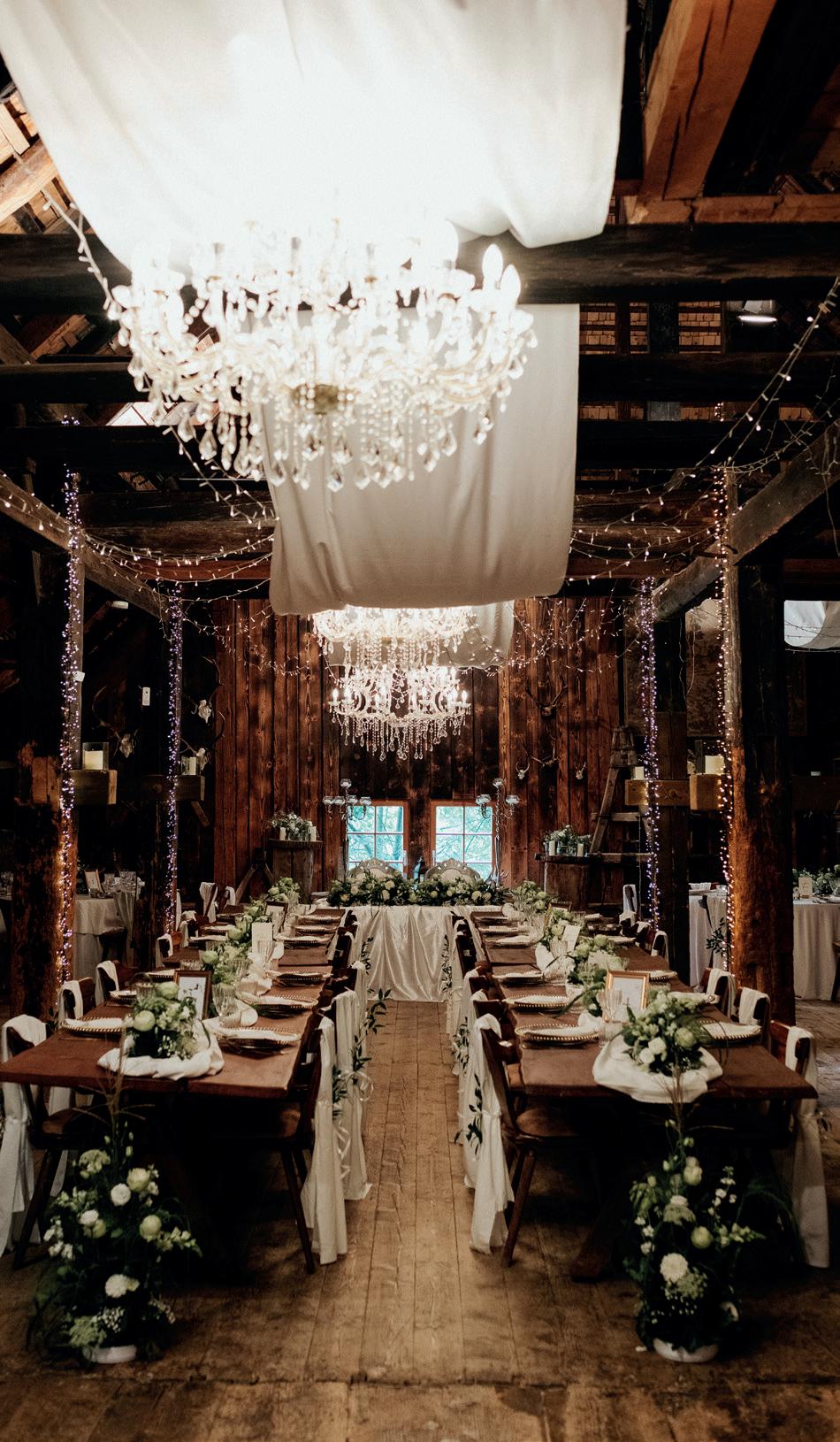

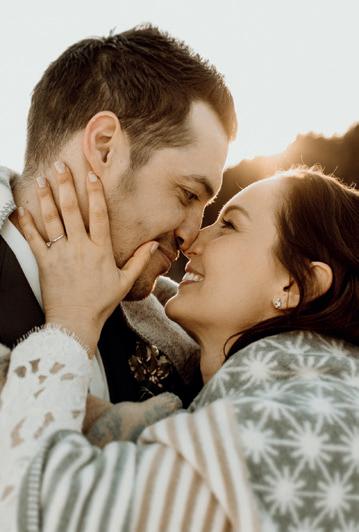
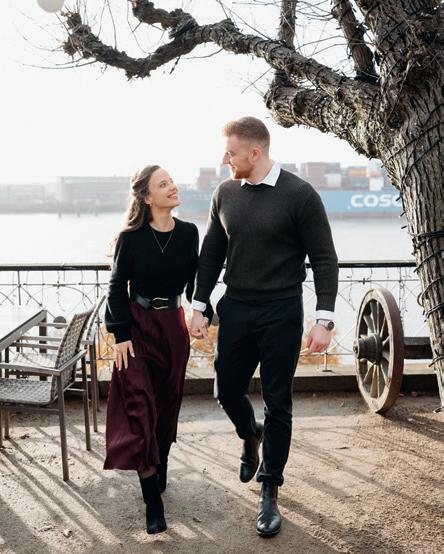
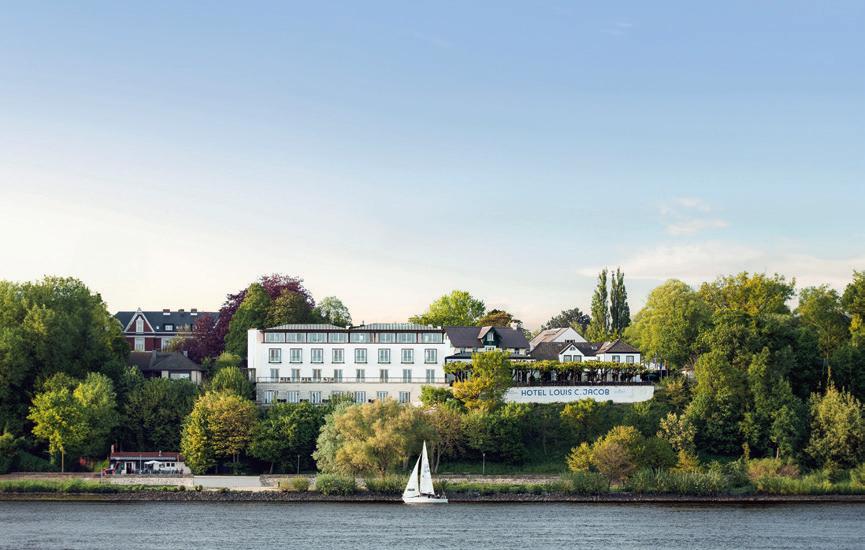






IHRE HOCHZEIT IM HOTEL LOUIS C. JACOB.
Elbblick, hanseatische Eleganz und ein Ort voller Geschichte. Im Louis C. Jacob wird aus einem Versprechen ein Moment, der bleibt – getragen von feiner Kulinarik, besonderen Räumen und dem leisen Glanz Hamburgs.
Jetzt Hochzeitstermine sichern und unvergessliche Momente an der Elbe planen.
+49 40 82255 - 425 bankett @ hotel-jacob.de hotel-jacob.de