
MEETING LEARNERS WHERE THEY ARE; GIVING THEM WHAT THEY NEED An Interview with Julianna Jung, MD, MEd SPOTLIGHT SEPTEMBER-OCTOBER 2022 | VOLUME XXXVII NUMBER 5 www.saem.org Leading the advancement of emergency care through education and research, advocacy, and professional development in academic emergency medicine. LEARNERS AND LABORERS: THE DUAL NATURE OF RESIDENT PHYSICIANS AND THEIR IMPACT ON OUR WORKPLACE RIGHTS page 34

Director, Finance & Operations
Four Strategies to Increase the Written Evaluations for Learners
Making
It’s 2022: Why You Should Seriously Consider Coaching
Holly Byrd-Duncan, MBA Ext. 210, hbyrdduncan@saem.org
The War in Ukraine: Health Care Under Attack
Associate Editor, RAMS Aaron R. Kuzel, DO, aaron.kuzel@louisville.eduMBA OF
4 Spotlight Meeting Learners Where They Are; Giving Them What They Need – An Interview With Dr. Julianna Jung, MD, MEd
Immediate Past President Harbor-UCLA Medical Center
Anthony Macalindong Ext. 217, amacalindong@saem.org
18 Education & Training
Julie Wolfe Ext. 230, jwolfe@saem.org
STAFF
Monica Bell, CMP Ext. 202, mbell@saem.org
10 Clerkship Corner
President Elect Los Angeles County HarborUCLA Medical Center
Happen for Emergency Medicine 51 Leave a Lasting Legacy 54 Briefs & Bullet Points - Featured News - SAEM23 Updates - News & Info - Regional Meetings - Educational Courses - RAMS News - Upcoming Webinars - Now on Video 58 SAEM Reports - Academy News 60 Academic Announcements 62 Now Hiring
AEM E&T Editor in Chief Susan Promes, AEMETeditor@saem.orgMD
46 National Physician Suicide Awareness Day “Shine A Light, Speak Its Name” Donors Are BIG Things
Krystle Ansay Ext. 239, kansay@saem.org
24 Global EM
44 Wellness
SAEM Pulse is published bimonthly by the Society for Academic Emergency Medicine, 1111 East Touhy Ave., Ste. 540, Des Plaines, IL 60018. (847) 813-9823 Disclaimer: The views and opinions expressed in this publication are those of the authors and do not necessarily reflect the official policies, positions, opinions, or views of the Society for Academic Emergency Medicine or its members. © 2022 Society for Academic Emergency Medicine. All rights reserved. No part of this publication may be reproduced, stored, or transmitted in any form or by any means without prior permission in writing from the copyright holder. Article titles appearing in red font in the table of contents have been identified as being of particular interest to emergency medicine residents and medical students.
Manager, Digital Marketing & Communications
Pooja Agrawal, MD, MPH
40
50 SAEMF
30 Reflection
26 OECR Update
2022–2023 BOARD
Resident Member
Manager, Educational Course Development
Julianna J. Jung, MD
Megan N. Schagrin, MBA, CAE, CFRE Ext. 212, mschagrin@saem.org
Erin Campo Ext. 201, ecampo@saem.org
Learners and Laborers: The Dual Nature of Resident Physicians and Their Impact on Our Workplace Rights
38 Sex & Gender
Flashcard Folly: Will Use of Spaced Retrieval Memory Devices in Medical Student Study Regiments Lead to Unforeseen Deficits?
Mobile Integrated Healthcare-Community Paramedicine Programs
Doug Ray, MSA Ext. 208, dray@saem.org
Johns Hopkins University School of Medicine
Sr. Coordinator, Membership & Meetings
Sandi Ganji Ext. 218, sganji@saem.org
Director, Governance
Winds of Change Are Blowing This Emergency Medicine Residency Application Cycle
20 Emergency Medical Services
22
Ethics in Action
Totally Rad(-iological) Training for CBRNE MassCasualty Incidents
Secretary Treasurer Massachusetts General Hospital / Harvard Medical School
President
Michelle D. Lall, MD, MHS
Jody A. Vogel, MD, MSc, MSW
AEM/AEM E&T Peer Review Coordinator Taylor tbowen@saem.orgBowen
Wendy C. Coates, MD
DIRECTORS
Ali S. Raja, MD, MBA, MPH
Wendy W. Sun, MD
Strengthening Collaboration With the Office of Emergency Care Research
8 Admin & Clinical Operations
Meeting Planner
Sr. Director, Foundation and Business Development
Amy H. Kaji, MD, PhD
SAEM
Supply Chain Disruptions: Why It’s Happening and What Can Be Done
14 Education & Training
The Right to Smoke vs the Needs of the Many: A Complicated Ethical Case
Juana Vazquez Ext. 228, jvazquez@saem.org
An Introduction to the NIH Office of Emergency Care Research
12 Diversity & Inclusion
The New Challenges for Medical Students Post Pandemic: A Return to In-Person Training Perspective
Hot Off the Press: Sex and Gender Journal Club Toxicology
Stacey Roseen Ext. 207, sroseen@saem.org
Yale University School of Medicine
Columbia University, Vagelos College of Physicians and Surgeons
3 President’s Comments
Coordinator, Governance
Sr. Manager, Development for the SAEM Foundation
University of Colorado School of Medicine
16 Education & Training
How Tactical Medicine Sensory Deprivation Training Benefits EM Residency Education
Melissa McMillian, CAE, CNP Ext. 203, mmcmillian@saem.org
George Greaves Ext. 211, ggreaves@saem.org
Director, Communications & Publications
Edwina Zaccardo Ext. 216, ezaccardo@saem.org
Members-at-Large
Jeffrey P. Druck, MD
UT Southwestern Medical Center, Dallas
The Monkeypox Outbreak in the MSM Community
Yale University School of Medicine
Sr. Manager, Membership
Stanford University Department of Emergency Medicine
Emory University
32
HIGHLIGHTS
Manager, Accounting
Specialist, IT Support
Angela M. Mills, MD
Raf Rokita Ext. 244, rrokita@saem.org
Sr. Manager, Education Andrea Ray Ext. 214, aray@saem.org
Director, IT
Herbal Abortifacients
28 Pediatric EM
Kayla Belec Roseen Ext. 206, kbelec@saem.org
Chief Executive Officer
Director, Membership & Meetings
Specialist, Membership Recruitment
Ava E. Pierce, MD
Fostering Community Partnerships to Provide Families With Social Resources
34 Rams Special Feature
AEM Editor in Chief Jeffrey Kline, AEMEditor@saem.orgMD
Dawud Lawson Ext. 225, dlawson@saem.org
ABOUT DR. MILLS: Angela M. Mills, MD, is the J. E. Beaumont professor and chair of the department of emergency medicine at Columbia University Vagelos College of Physicians & Surgeons and chief of emergency services for NewYork-Presbyterian –Columbia
Strengthening Collaboration
PRESIDENT’S COMMENTS
As an academic medical specialty, emergency medicine (EM) has an obligation to research discovery to improve the care we deliver to our patients. As one of our four main strategic plan goals, SAEM strives to increase the impact, productivity, implementation, and visibility across the spectrum of emergency care research. On current review of national medical school data of clinical specialties, EM ranks last in the percentage of faculty who are National Institutes of Health (NIH)-funded principal investigators (PIs) as well as in the percentage of departments with NIHfunded PIs. In response, the Association of Academic Chairs of Emergency Medicine (AACEM) Research Task Force recently published proposed 2030 strategic goals endorsed by SAEM.
With the Office of Emergency Care Research
In early June 2022, as SAEM President, I traveled to Bethesda, MD in a group with three SAEM leaders to meet with OECR leadership. After sharing SAEM’s strategic plan for research and our initiatives to meet
Angela M. Mills, MD University Vagelos College of Physicians & Surgeons 2022–2023 President, SAEM
Columbia
The culmination of more than five years of discussions between the National Institutes of Health (NIH) and the emergency medicine community, the Office of Emergency Care Research (OECR) was announced in July 2012. SAEM was a strong advocate for the creation of the OECR to further emergency care research, and SAEM continues to support the OECR’s work through collaboration with its leadership. As emergency medicine does not have its own NIH institute or dedicated funding through the OECR, support for EM researchers from the OECR is critical to ensure emergency care researchers are applying for grants and are competitive for funding at other institutes.
the proposed NIH 2030 goals, we heard about OECR’s objectives, initiatives, and progress to date. Together, we discussed how we can move emergency care research forward and worked to develop action items for increased collaboration between our two groups. Immediate action items include quarterly meetings between OECR leadership and the SAEM Executive Committee, recurring articles in SAEM Pulse on OECR updates and related topics (see their first article on page 26 of this issue of SAEM Pulse), and compiling OECR resources to share with our membership. Longer term action items include: OECR hosting an Annual Topical Workshop at SAEM meetings; OECR participation in the 2024 SAEM Consensus Conference on Diversifying Federally Funded Researchers; OECR presenting virtual training for SAEM members on access to the NIH system and successful applications for grant funding; OECR organizing meetings with SAEM and other NIH institutes to discuss EM funding and research training programs. These immediate and longer-term action items will allow for the continued advancement of research discovery for our specialty. I am excited and hopeful about this strengthened collaboration to continue advancing this critical mission for SAEM, our members, and the patients and communities our members serve.
“SAEM strives to increase the spectrumimplementation,productivity,impact,andvisibilityacrosstheofemergencycareresearch.”
3

SPOTLIGHT
MEETING LEARNERS WHERE THEY ARE; GIVING THEM WHAT THEY NEED

An Interview With Julianna Jung, MD, MEd
Dr. Jung has won numerous teaching awards, including the Johns Hopkins Alumni Association Award for Excellence in Teaching, the George Stuart Award for outstanding contributions to clinical education (three times), and the Professors’ Teaching Award. She is also a national leader in education, serving as the immediate past president of SAEM’s Clerkship Directors in Emergency Medicine (CDEM) academy, current member-at-large for the SAEM Board of Directors, and chairing several national task forces on education and assessment topics.
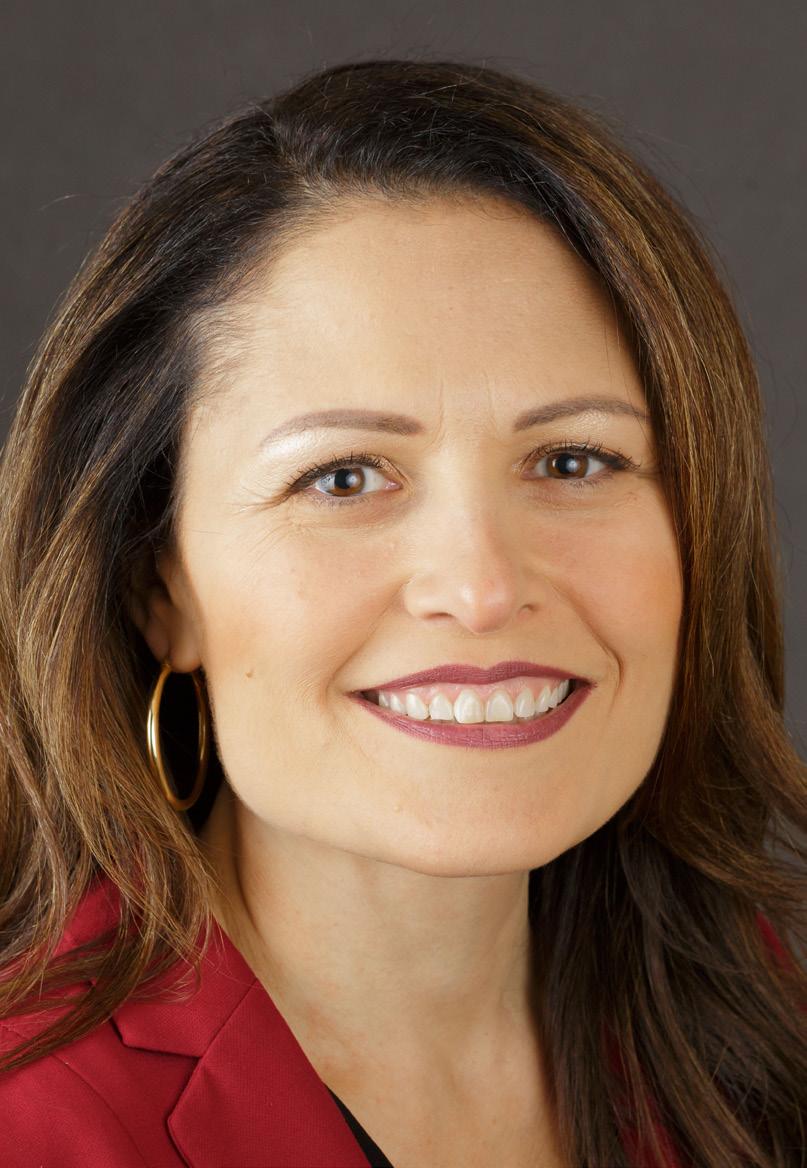
Julianna Jung, MD, MEd is the director of innovation in medical education and an associate professor of emergency medicine at the Johns Hopkins University School of Medicine. She served as director of medical student education in the department of emergency medicine for 16 years before being promoted to her current institutional position in 2021. She has also served as the associate director of the Johns Hopkins Medicine Simulation Center since 2011. She oversees the implementation of innovative educational methods across the Johns Hopkins curriculum and directs major educational initiatives for medical students including the Transition to the Wards course and the Comprehensive Clinical Skills Assessment Program.
Dr. Jung received her MD from the Johns Hopkins University School of Medicine, where she also completed an emergency medicine residency. She received her master’s degree in education from the Johns Hopkins University School of Medicine and has been a full-time Johns Hopkins faculty member since 2002.
continued on Page 6
“People learn at different speeds and in different ways, and it’s our job to support them in their educational journey. Some students just intuitively grasp things, and others must really work at it. It’s important to honor the fact that they are ALL capable, intelligent, motivated people who are doing their best.”
What is your teaching philosophy?
More than anything, I try to begin every teaching interaction with a stance of positive regard for the learner. Everyone comes to medical school with different experiences, unique aptitudes, and their own individual learning needs. People learn at different speeds and in different ways, and it’s our job to support them in their educational journey. Some students just intuitively grasp things, and others must really work at it. It’s important to honor the fact that they are ALL capable, intelligent, motivated people who are doing their best. When I approach learners with that fundamental assumption, I become more able to cast aside judgment, and to meet the learner where they are, giving them what they need to grow and flourish. It makes me a more effective educator, and a happier human!
What inspired your interest and involvement in simulation education?
What is it about working with students that you most enjoy?


I knew I wanted to stay in academics because I love teaching and learning, and the challenge of staying current with residents keeps me sharp! At first, I wanted to do health services research, but the vagaries of my career pulled me into medical education, and I really found my true passion there.
that are entirely new and fresh for them, even if we as longtime practitioners have long since taken them for granted.
I have tremendous sympathy for students who have trouble translating concepts from the classroom to clinical practice. I was a very strong preclinical student in med school because
Oh my heavens — I love EVERYTHING about working with students! It’s such a joy to see their excitement when complex topics click into place for them, or when they experience the sense of confidence that comes from mastering a new skill. And for students, especially early on, everything is an epiphany! It’s amazing to get to share their wonder in knowledge and skills
5
More than anything, I was drawn to emergency medicine by the fact that we are on the front lines of medicine, providing care to all patients regardless of their resources or insurance status. We provide the only federally guaranteed entitlement to health care for Americans and being part of that was important to me. I also love the breadth of the field, the acuity, and the ability to work in a team environment with residents, nurses, technicians, and others.
What led you to choose emergency medicine as your specialty and, specifically, why academics?
continued from Page 5
This is probably where I’m supposed to talk about workforce issues or something, but honestly, I worry more about the moral injury inflicted upon emergency medicine doctors by our incredibly broken health care system. Most physicians choose careers in EM for noble reasons — we want to serve people in need and provide comfort for patients in their darkest hours. But over and over again, factors beyond our control conspire to thwart our best efforts. We can’t provide the quality of care we want because our departments are too crowded. We can’t link patients with the care they need because our health system is too convoluted, and it prioritizes insurance company profits over the health of patients. We can’t give patients and families the time they deserve because we are pulled away by ever-increasing administrative burdens. EDs are really tough places to work, mentally and physically, and it can be hard for EM physicians to stay connected to the joy of medicine. I’m so grateful for the times when I can really help someone — those experiences give me strength to weather the difficult times.
I’ve had the privilege of teaching learners all over the world, building simulation capacity in developing nations, and collaborating with entrepreneurs to bring my teaching to new audiences — just by virtue of being willing to take up a new challenge; just because I said YES.
If you weren’t doing what you do, what would you be doing instead?
I’m great at learning things and taking tests. When I started on the wards, I realized that I had absolutely no aptitude for applying all that book knowledge to patient care, and I felt constantly clueless. As I resident, I know that I harmed a few patients because of my difficulty in making connections between knowledge and practice. So when I started teaching students, I knew that I wanted to give them a way to practice applying their knowledge to real clinical problems. I started off doing this in problem-based learning sessions and various practicums, but when my school built a simulation center, I knew I’d found my true calling! Simulation is amazing because it forces learners to translate knowledge into action, and it allows them to experience the consequences of their decisions in a very palpable way — all without endangering patients. It lets them enter practice with a wealth of “experience” to draw upon, and ultimately makes them much more confident and competent doctors.
I’d have my own fashion line! Sewing is one of my main hobbies, and I make almost all my own clothing. I love the
What do you think are some other urgent issues facing academic emergency medicine in the U.S. today? What issues do you feel are most germane to current and future emergency medicine trainees?
“Many of the most fulfilling parts of my own career have grown out of seizing unexpected opportunities and trying new things.”
I joined CDEM back when it was founded — it was SAEM’s very first academy. Before then, I really had no idea that there were people all over the country doing the same work as me, taking it seriously, trying to learn how to do it better. Being able to connect with fellow EM educators at the national level taught me SO much! I learned from amazing mentors, collaborated with incredibly talented colleagues, and found inspiration in a wealth of creative ideas for making EM education better. SAEM provided venues where we could communicate and share our work, and the annual meeting became a highlight of the year for me. I’ve been fortunate enough to develop not only professional connections, but also real and lasting friendships through SAEM, and I can’t imagine my career without it! Now that I’m a member of the SAEM Board of Directors, I’m really excited about engaging and contributing to the organization in a new way.
6 2022SEPTEMBER-OCTOBERPULSESAEM|
How has SAEM supported you throughout the phases of your career?
Do you have any pearls to share with those who are just beginning their journey in academic emergency medicine?
This may be an unpopular opinion, but my best advice is to say YES! There is so much power in saying yes. Conventional wisdom is that we should establish rigid career goals, set fiveand 10-year plans, and avoid doing anything that distracts us from our mission. That may be a great approach for some people, but many of us don’t actually know what we want to be when we grow up, and doggedly pursuing goals can prevent us from exploring new areas that bring us joy. Many of the most fulfilling parts of my own career have grown out of seizing unexpected opportunities and trying new things.

3. Name three people, living or deceased, whom you invite to your dream dinner party. Ugh, I think they actually made me answer this question on a college essay, and I still don’t know! Maybe Jorge Borges, since he’s an amazing writer and super weird. I’ll also include Dolly Parton, since she’s the mother of all strong women and takes zero crap from anyone. And how about The Rock? He can show us all some workout moves, and he seems really personable.
alone in their feelings of depression or anxiety or self-doubt and that everyone else has it all figured out. We need to make it okay to not be okay, and that requires us to be honest about ourselves. I try to share my own stories as appropriate so that my students and residents know that it’s normal, and it’s safe to talk about.
It’s heartbreaking just to think about this. We’ve created a toxic culture in medicine that values “strength,” and it’s taught us to suppress anything that might be construed as “weakness.” All I can say about this is that TRUE strength comes from self-knowledge and self-love, and that means taking care of every part of yourself —mind, body, and spirit. Addressing your mental health needs will make you a stronger person and a better, more compassionate doctor.
7
Stigma is a leading barrier to mental health care for emergency residents and trainees. Many fear that treatment for mental illness could jeopardize their careers or their licenses to practice.
1. Complete the following sentences: •
Ha! Young me probably wouldn’t listen to old me anyway, but I think I’d tell myself to be open-minded, and don’t be afraid to try new things.
4. What is your guiltiest pleasure (book, movie, music, show, food, etc.)? PBJ with barbeque chips— like ON the sandwich! I fancy myself a bit of a gourmand, but this is absolutely the greatest food, and I will fight anyone who says otherwise.
2. Who would play you in the movie of your life and what would that movie be called? If I’m lucky, they’ll get Gillian Anderson to play me, or maybe Tilda Swinton. I’m not sure what the movie would be called, but I definitely want to have magic powers in it, and a killer wardrobe!
• One quote I live by is “Whatever you can do or dream you can, begin it. Boldness has genius, power, and magic in it.” — Goethe
• What advice would you give trainees who are struggling but too afraid to seek help?
Up Close and Personal In high school I was voted most likely to star in the school play • A song you’ll find me singing in the shower is “Love Cats” by The Cure
Again, we need to lead by example. We need to normalize mental health care and share our own vulnerabilities. We also need to make ourselves safe people for trainees to confide in, and approach the trainees who do trust us with their mental health concerns with unwavering support and respect.
I think that the most important thing we can do is to be more open about our own mental health struggles. Trainees only see the public-facing versions of us — polished, professional, and invulnerable. It can lead to the misconception that they’re
way that sewing marries technical skills with creativity — you have to really know what you’re doing to create a garment that fits and works the way it’s supposed to, but then you can use fabric and stylistic touches to evoke the right feeling and make it unique. Wearing great clothing also elevates the wearer’s confidence and mood. It’s a gift I’d love to be able to share with other women.
Looking back, what advice would you give to your younger self, just starting out in this specialty?
• What would you say are the key challenges to addressing this stigma?
• What can be done to create a sense of safety for EM residents and medical trainees that would encourage them to ask for help or self-report when they’re struggling?
5. You have a full day off… what do you spend it doing? Long morning hike in nature with the dog, afternoon sewing and listening to podcasts, evening dinner with family and friends — ideally somewhere outdoors with great beer. I would love to watch a movie or do some reading afterwards, but I probably can’t stay awake.
6. Name one thing on your bucket list. Visiting the Galapagos Islands — and I’m going there in September to celebrate my 25th wedding anniversary!
Supply Chain Disruptions: Why It’s Happening and What Can Be Done
Iodinated Contrast Shortage
In the case of the iodinated contrast shortage, the Shanghai COVID-19 outbreak in April 2022 resulted in a two-month shutdown of the city due to China's strict zero-tolerance COVID-19 policy. This caused a global shortage of iodinated contrast media produced by GE Healthcare, which produces much of its contrast media in Shanghai-based facilities. Many health care systems in the United States utilize GE Healthcare as their preferred supplier for iodinated contrast, partly to save money through
ADMIN & CLINICAL OPERATIONS 8 2022SEPTEMBER-OCTOBERPULSESAEM|
By Max Kravitz, MD, MBA; Meagan Hunt, MD; Derrick Huang, MD; and Megan Davis, MD, MBA, on behalf of the SAEM ED Administration and Clinical Operations Committee
The iodinated contrast shortage has been particularly challenging because it has forced many emergency physicians to alter their typical diagnostic evaluation of numerous life-threatening diseases. Instead of a contrast CT scan, emergency medicine physicians may be asked to order a V/Q scan to evaluate for pulmonary embolism or ultrasound for appendicitis workup. This article discusses supply chains, why some disruptions occur, what steps
A supply chain is the network of all stages that it takes to deliver a finished product to a consumer. These include raw materials, conversion to inputs, production of end products, and delivery of those end products. Many health care products utilize a complex global supply chain with many stages before our usage, and these networks are vulnerable to disruption at all stages. These vulnerabilities have existed for some time, but COVID-19 and the associated lockdowns have stressed supply chains and unveiled weaknesses.Supplychain disruptions have impacted the lives of emergency physicians at home and work. From
institutions should take to address shortages, and what should and should not be expected of emergency medicine physicians when shortages occur.
the infant formula shortage to the IV lorazepam shortage, it seems something is always in short supply. At the time of this writing, many emergency medicine physicians still face a shortage of iodinated contrast.

EMR to replace the order with the readily available alternative. While this might not eliminate our annoyance at a change to our clinical practice, it will certainly be a superior solution to our nurse trying to pull the ordered medication and requesting our involvement to change the order to what we have available.
Dr. Kravitz is chief resident at Beth Israel Deaconess Medical Center Harvard Affiliated Emergency Medicine Residency.

Once a shortage is identified, the responsibility for remaining informed and reducing use is shared. These reductions impact our team much differently when paired with transparency, shared institutional awareness, and support. Emergency medicine administrators have an opportunity to gain support for these requests for personal action and for themselves when they partner with all impacted departments and those responsible for managing supply chain issues. Emergency medicine physicians will continue to practice extreme ownership of our patients and our clinical care. For the good of our teams, we must also request assistance and partnership from others when a problem that is not ours to own, in this case supply chain shortages, threatens patient care and staff experience
“…the iodinated contrast shortage brought to light both vulnerabilities in the health care system and solutions to address them.”
Notably, the iodinated contrast shortage brought to light both vulnerabilities in the health care system and solutions to address them. For example, the need for supply chain redundancy was demonstrated by several Boston hospitals. Boston Medical Center, which purchases contrast dye by Bracco Imaging SpA in Italy, was largely unaffected by the iodinated contrast shortage. On the other hand, MassGeneral Brigham has its iodinated contrast supplied by GE Healthcare, and they had to conserve contrast. This suggests that having redundancy in suppliers, and their respective supply chains, can ameliorate shortage issues with any one supplier. Other solutions implemented during this supply shortage are: repackaging contrast dye in smaller amounts, postponing nonemergent outpatient imaging studies that require contrast, triaging the use of contrast dye for the most ill patients, and switching from fixed to weight-based dosing of contrast media.
Dr. Huang is the PGY3 Chief Emergency Medicine Resident at Ocala Regional Medical Center in Florida.

more time and resources exclusively from emergency medicine. In our specialty, we are trained to solve any problem as quickly as possible in any potential circumstance. We take pride in our ability to do this without sufficient resources, and our institutions, administrations, and teams know this. If the COVID-19 pandemic has taught us anything, it is that proudly hurdling every obstacle thrown at us alone is exhausting and ultimately unsustainable for our teams. Before we ask them to make one more change, we must make sure that we call on all resources available to us, not just ourselves.Everyinstitution has at least one individual, likely a team, to manage supply chain issues. Request transparency to your entire institution if there is a shortage of a particular item. Nurses, residents, and attendings should not spend their time on shift addressing why their department does not have an essential item if the reason for its absence is that the institution is unable to obtain it. Emergency physicians should demand notification of upcoming shortages as soon as a shortage is anticipated. Early warning allows for multidisciplinary collaboration on solutions and reduces conflict during clinical care that can impact both patient care and staff experience. We are grateful for experts in supply chain management that diversify and broaden our number of suppliers, communicate inevitable challenges as early as possible, and respond to requests for transparency. We implore emergency medicine administrators to tap into this resource and amplify awareness and utilization of these resources.
Solutions to Supply Chain Disruptions
Dr. Davis is a second-year emergency medicine resident at Emory University.

China lifted its Shanghai lockdown on June 1, 2022, the future remains unpredictable due to China's continued zero-tolerance COVID-19 policy, the persistence of COVID-19 variants, and the threat of future pandemics, highlighting the necessity of constant innovation in the health care field. This shortage has been problematic for emergency medicine physicians as iodinated contrast is a staple in evaluating many common diagnoses, including stroke, aortic dissection, and pulmonary embolism.
9
preferred vendor contracting. Therefore, the Shanghai lockdown has had a devastating impact on the iodinated contrast supply of these health care systems.Although
When considering potential solutions to supply chain challenges, we advocate choosing solutions that support our teams rather than those that demand
Dr. Hunt, an assistant professor of emergency medicine at Wake Forest University School of Medicine, serves as medical director for the Adult Emergency Department at Atrium Health Wake Forest Baptist Medical Center.

Other solutions might include using EMR tools and other departments, such as clinical pharmacy, to develop automated solutions that can be communicated and implemented when these shortages arise. Not enough of a particular form of lidocaine? Your clinical pharmacy team can change the order preferences in your EMR or respond at the point of order verification in the
ABOUT THE AUTHORS
a traditional step 1 score and others will have only a pass or fail on their transcript. For this one year, it will be up to programs to decide how to navigate these varied exam results. Looking forward to future application cycles, the majority of students will have only a pass/fail grade on step 1. While studies have shown that USMLE step 1 scores are somewhat predictive of in-training exam scores and licensing exam passing rates, they are well documented to be an imperfect evaluation tool to predict resident clinical performance.
“As of January 26, 2022, the USMLE (United States Medical Licensing Examination) step 1 exam will be exclusively pass/fail.”
By Sharon Bord, MD and Bradley S. Hernandez, MD on behalf of the SAEM Clerkship Directors in Emergency Medicine academy
10 2022SEPTEMBER-OCTOBERPULSESAEM| 10
For years the USMLE step 1 score has been a critical part of the EM application. As of January 26, 2022, the USMLE (United States Medical Licensing Examination) step 1 exam will be exclusively pass/fail. What that means for this 2022-2023 application cycle is that some applicants will have
CLERKSHIP CORNER
This change will also be impactful on emergency medicine (EM) residency programs during application review, especially for those programs who use step 1 score filters as an initial screening tool of ERAS applications.
This year the SLOE (standardized letter of evaluation), which has consistently been highlighted as the most valuable aspect of a student’s file by program directors, will also look somewhat different. Based on feedback from the Council of Residency Directors (CORD) and Clerkship
For the past decade there has been little change to the emergency medicine residency application cycle. Every summer, nervous emergency medicinebound medical students would diligently complete their ERAS (Electronic Residency Application Service) applications, meticulously edit their personal statements and anguish over which programs to apply. Save for a brief, failed two-year operational pilot of the AAMC standardized video interview to assess professionalism, the process has been remarkably unchanged over 10+ years since the introduction of the standard letter of evaluation (SLOE).
Winds of Change Are Blowing This Emergency Medicine Residency Application Cycle

Dr. Bord is an assistant professor in the department of emergency medicine at the Johns Hopkins University School of Medicine. She has a focus on both undergraduate and graduate medical education and is the director for the required medical student clerkship and subinternship in emergency medicine. She also directs the capstone course, TRIPLE, for graduating fourth year medical students teaching critical skills to aid with the transition to internship and beyond.

The last significant change this application season is the opportunity for EM applicants to submit a preference signaling token to five EM programs through the ERAS supplemental application. Preference signals were first introduced by ENT during the 2020–2021 application season. Last year urology, internal medicine, general surgery, and dermatology implemented them. Preference signaling tokens, submitted concurrently with the ERAS application to EM residency programs, allow applicants to communicate genuine interest in a residency program in a transparent and equitable manner. It is common for residency applicants to have an occult geographic or academic interest in a particular location or program but there is not a unified way to communicate that interest. These tokens are an equitable signal of that interest. They are also considered to be especially useful for lower quartile applicants whose applications may get more serious attention by residency programs due to their preference signal. At the start of this 2022-2023 application season, more than 95% of EM residency programs have enrolled in this voluntary trial of preference signaling tokens.
While change can be difficult, the hope is that these measures will lead to an increasingly fair and equitable application
“Based on feedback from the Council of Residency Directors (CORD) and Clerkship Directors in Emergency Medicine (CDEM) communities, the SLOE will now include categories that will assess students based on EPA (Entrustable Professional Activities) standards and readiness for residency.”
Dr. Hernandez is a senior staff physician at Regions Hospital in St. Paul, Minnesota and is an assistant professor in the department of emergency medicine at the University of Minnesota Medical School. He attended medical school at the University of Iowa College of Medicine and residency training at Regions Hospital. He is an assistant residency director, clerkship director and gameday physician for the Minnesota Vikings.

Directors in Emergency Medicine (CDEM) communities, the SLOE will now include categories that will assess students based on EPA (Entrustable Professional Activities) standards and readiness for residency. The classic question of dividing students into thirds as a global assessment also has undergone a revamp with the recognition that most students will require a standard amount of guidance during residency. These
changes will potentially be challenging for seasoned letter writers and readers, but it is anticipated that they will provide a more accurate overview of student performance and prediction of success in residency.

ABOUT THE AUTHORS
About CDEM Clerkship Directors in Emergency Medicine (CDEM) represents the interests of undergraduate medical educators in emergency medicine. It serves as a unified voice for EM clerkship directors and medical student educators and provides a forum for them to communicate, share ideas, and generate solutions to common problems. For more information, visit the CDEM webpage Membership in SAEM's academies and interest groups is free. To participate in one more groups: 1.) log into SAEM.org; 2.) click “My Participation” in the upper navigation bar; and 3) click “Update (+/-) Academies or Interest Groups.” 11
process. The number of medical schools and EM residency programs has continued to grow, and EM-bound students are applying to a larger number of programs. As we continue to navigate this growth and the challenges of COVID-19 this application season, these exciting transformations are hoped to bring about a positive change in the application process and we anticipate clear skies ahead.
Since early May through August 2022, more than 20,000 monkeypox cases have been confirmed globally in countries where the virus is not endemic. Researchers have observed ongoing human-to-human transmission, defying established medical knowledge about the disease. Data from the European Surveillance System suggest that more than 96% of cases are
A 28-year-old male presents to your emergency department (ED) with fever and a painful penile rash. He reports anal and oral sex with over 20 men in the past month, and he is worried he may have syphilis because of the rash. His partner started to have diffuse myalgias but no other symptoms. He had negative STI testing last month, and he has no other medical conditions. He denies penile discharge, urinary symptoms, or rashes anywhere else. His physical exam is significant for multiple umbilicated lesions on the base of his penis and tender bilateral inguinal lymphadenopathy. You contact the city health department which agrees to swab the patient for monkeypox and perform contact tracing. Given his risk factors, you order other STI tests.

DIVERSITY & INCLUSION
lymphadenopathy, and myalgias followed by rash several days after the initial systemic symptoms. The rash originates as itchy, papular lesions which evolve to become vesicular and eventually scab. Typically, lesions will be at the same stage at a given site. The clinical presentation resembles that of smallpox but results in less severe illness and is less contagious.
Monkeypox is an infectious disease caused by the monkeypox virus, a member of the Poxviridae family. The most common presentation involves a viral prodrome of fevers, malaise,
In the ED, physicians and other health care providers should maintain a high index of suspicion for monkeypox in
The Monkeypox Outbreak in the MSM Community
By Ben Weigel, MD; Michelle Suh, MD; and Dustin Williams, MD, on behalf of the SAEM Academy of Diversity and Inclusion in Emergency Medicine
Monkeypox is a self-limited disease with symptoms that typically last 2-4 weeks. Monkeypox is considered a zoonotic infection with most cases historically occurring in Central and West Africa.
patients with fever, rash, myalgias, and risk factors. In addition to testing for monkeypox, consider STI testing and counseling for safe sex. Furthermore, the local health department must be alerted to conduct contact tracing and update the local case count. Ultimately, most patients do not require hospitalization. Patients should be able to quarantine until no longer contagious (all lesions have scabbed over and scabs have fallen off). If the patient is undomiciled or faces other social barriers, consider reaching out to a social worker for assistance.
Monkeypox is transmitted through close, physical contact with infected individuals including: direct contact with monkeypox sores or rash, exposure to respiratory droplets or oral secretions, or exposure to contaminated materials such as clothing or bedding.
12 2022SEPTEMBER-OCTOBERPULSESAEM|
Vaccination efforts in the U.S. have been criticized for inequitable and delayed distribution. The only FDAapproved vaccine for monkeypox is Jynneos (also known as Imvamune or Imvanex). Since the sharp uptick in cases this year, global demand for the vaccine has soared, far exceeding supply. The U.S. has purchased nearly seven million doses in total but has received only
In the United States, the outbreak mirrors the situation in Europe with nearly all monkeypox patients identifying as MSM. Specifically, men who report multiple sex partners, attendance at sex parties, or visitation to gay bathhouses seem to be at highest risk. Epidemiologic survey data suggest sustained transmission within sexual networks of MSM rarely leading to cases in the general population.
There are currently no FDA-approved treatments specifically for monkeypox. An antiviral, tecovirimat (TPOXX), is approved for smallpox and may be effective for monkeypox, but there is limited clinical data on its efficacy. The drug is currently only available for monkeypox through a compassionate-use protocol, which requires submitting tedious paperwork to the CDC for each patient. Anecdotally, patients that have received TPOXX report immediate improvement in symptoms and have rallied for its expanded use.
being diagnosed in men who have sex with men (MSM). Although the current outbreak has disproportionately affected the gay and bisexual communities, it is important to note that anyone can contract monkeypox regardless of their sexual orientation.
global health emergency. The lag in testing, contact tracing, and vaccination has allowed for sustained community spread, echoing the early days of COVID-19. Many epidemiologists now doubt that containment remains a realistic goal. As cases rise, the focus will turn toward mitigating the contagion by investing more resources in vaccination and treatment. The LGBTQ+ population has a long-documented history of preexisting health inequities compared to the general population. A coordinated public health response is needed to prevent further exacerbation of these inequities and gain control of the monkeypox outbreak.
Dr. Weigel (he/him) is a current PGY-3 and chief resident at the Baylor College of Medicine Emergency Medicine Residency Dr.Program.Suh(she/her)

On July 23, 2022, the World Health Organization declared monkeypox a
ABOUT THE AUTHORS
is a current PGY-3 at Baylor College of Medicine Emergency Medicine Residency Program. Her interests include race and gender, carceral health, and medical education. @MSuh25
Dr. Williams is an associate professor of emergency medicine at UT-Southwestern Medical Center where he also serves as the residency program director. He also serves as the current cochair for the ADIEM LGBTQIA+ subcommittee.


Tragically, the monkeypox outbreak is occurring against a backdrop of anti-LGBTQ+ legislation and sentiment within the U.S. Many members of the LGBTQ+ community have argued that the monkeypox outbreak has not received adequate public attention or government resources, drawing parallels with the early HIV/AIDS epidemic. Others feel that public health communications have been too tentative. Perhaps fear of further stigmatizing LGBTQ+ people has led to a situation where authorities fail to name who is most at risk, which sexual behaviors confer higher risk, and what people can do to mitigate that risk. Importantly, monkeypox should not be dismissed primarily as a “gay disease” and other groups should be appropriately cautioned as well.
“In the ED, physicians and other health care providers should maintain a high index of suspicion for monkeypox in patients with fever, rash, myalgias, and risk factors.”
About ADIEM The Academy for Diversity & Inclusion in Emergency Medicine (ADIEM) works towards the goal of diversifying the physician workforce at all levels, eliminating disparities in health care and outcomes, and insuring that all emergency physicians are delivering culturally competent care. Membership in SAEM's academies and interest groups is free. To participate in one more groups: 1.) log into SAEM.org; 2.) click “My Participation” in the upper navigation bar; and 3) click “Update (+/-) Academies or Interest Groups.” 13
As public health officials race to contain the outbreak, critics argue that access to testing has been inadequate and cases are likely being undercounted. There have been reports of patients presenting with concerning lesions who clinicians were unable to test because their facility lacked a testing protocol. Other patients describe waiting greater than five days to receive their test result, or failure to get any test result at all. Last month, monkeypox testing was exclusively being performed at the Centers for Disease Control and CDC, but testing has since expanded to five commercial laboratories.
300,000 of them, with 150,000 doses distributed throughout the nation. Vaccine rollout has been marred with issues related to notifying the public and offering appointments. In New York City, most of the vaccines have gone to the websavvy and well-connected, rather than to targeted high-risk groups.
Flashcard Folly: Will Use of Spaced Retrieval Memory Devices in Medical Student Study Regiments Lead to Unforeseen Deficits?
While the medical student community spreads the message of the importance of Anki use on platforms like Reddit, Student Doctor Network, and via word of mouth, scholarly data on efficacy is sparse. One of the first investigations

The Liaison Committee on Medical Education (LCME) is the accreditation body for MD programs in the United States and Canada. Accreditation standards are requisite for Title VII funding, MD licensure of graduates, and residency eligibility of graduates. In 2002, the accreditation standards were reformatted and subsequently there was an increase in stringency. These standards are available for review here
While study programs are widely available, they can cost from $249 per year (USMLErx) to $539 per year (UWorld). The innovative medical students from the University of Utah School of Medicine created a deck to help promote equity in medical student access to study materials.
EDUCATION & TRAINING 14 2022SEPTEMBER-OCTOBERPULSESAEM| 14
By Stephanie Balint, on behalf of the SAEM Education Committee
As curricula became more integrated, the additional volume of information presented a challenge for students.
For those of you who completed medical school within the past few years, you are probably all too familiar with Anki. For anyone who isn’t familiar, Anki is a flashcard program embedded with an algorithm to facilitate spaced repetition of learning. An ingenious team of four medical students from the University of Utah School of Medidine crowd-sourced high yield topics for Step 1 and compiled a deck of almost 30,000 cards known as “AnKing.” This has become a staple study resource for most medical students.
ABOUT THE AUTHOR
element of medicine. As “time” in medical school is limited, students should be aware of the opportunity cost of the hours spent solely on flashcards. One must still dedicate time to learning decision making and critical thinking skills. Neuroscientists have elucidated the role of neuroplasticity in learning. We know that synaptic strength and even grey matter volume correlate with repetition of use. Students may benefit from guidance on complementing flash card use with critical thinking practices. There is currently no evidence to support this hypothesis, but it may be valuable to examine the ability of students to perform the critical thinking arena versus time spent on Anki to see if this issue is emerging.
on the efficacy of Anki use suggested a correlation between Anki use and Step 1 score. While this study was a survey is likely not generalizable due to sampling of medical students at UNC School of Medicine only, it was an important first step in investigating how this trend may benefit students. While the report did not specify frequency of AnKing use, 80% of students reported using premade flash
a daily Anki user and I find the resource invaluable; however, there is one caveat of which students should be aware. While this tool can be fantastic for learning facts for recall, flashcards were never intended to teach integrated decision-making which is such a key
Stephanie Balint is a secondyear medical student at the Frank H. Netter MD School of Medicine, Quinnipiac University. She applied to medical school with the goal of becoming an emergency department physician. Prior to medical school she worked as an emergency medical technician, National Guard Healthcare Specialist, and emergency department RN for five years. She has worked as an advanced practice registered nurse in the emergency department at a 122-bed community hospital in Connecticut since 2020.

cardsIam
15
“As ‘time’ in medical school is limited, students should be aware of the opportunity cost of the hours spent solely on flashcards.”

Four Strategies to Increase the Written Evaluations for Learners
By Mallory G Davis, MD, MPH; Carolyn V. Commissaris, MD; and Esther H Chen, MD
EDUCATION & TRAINING
16 2022SEPTEMBER-OCTOBERPULSESAEM|
Most academic faculty understand the importance of feedback and assessment in EM training. For some, it may be helpful to emphasize the importance of faculty assessments to provide insight into the EM trainees’ progression through residency. Trainees
“…the value of high-quality EM faculty assessments contributes to a more robust and complete training experience for EM trainees.”
these strategies may be adapted to all learners in the emergency department (ED).
How often do you hear from your learners that they don’t get enough feedback from faculty? When writing a summative evaluation for your learner, how often are you frustrated by the few end-of-shift written evaluations that are available or have no more helpful comments than “keep reading?” Faculty engagement in completing written assessments of emergency medicine (EM) trainees is a difficult task. Faculty have competing responsibilities, deadlines, and time commitments. However, EM trainee advancement during residency training is based on measuring milestones and competencies, which are heavily dependent on EM faculty assessments. We present four strategies that have worked in our institutions to increase the written evaluations for all our learners. Even though we focus on EM trainees,

expect to receive feedback to improve their clinical skills, and education leaders use written assessments to determine milestone achievements for each trainee. Specific expectations for providing timely feedback using written evaluations should be clear and discussed at faculty meetings, new faculty orientation, or relevant staff meetings. Encourage faculty to provide feedback about the assessment tools and workflow or provide suggestions for improvement. This two-way
Cultivate a Culture of Feedback and Assessment
Simplify the Workflow
Engaging faculty in completing written evaluations is challenging but providing this feedback to learners is so critical to their development during training. Cultivating a culture of feedback and assessment requires faculty development, addressing barriers, and an open dialogue about expectations and workflows. Recognizing faculty with teaching awards and incorporating educational activities into incentive structures may help to reinforce the importance of feedback to the department’s educational mission, which is to provide the best clinical experience for their trainees.
Even after faculty are informed of the expectations for completing timely written evaluations, reminders will need to be deployed. Depending on the evaluation software being used, reminder emails, texts, or pages may be sent directly to the faculty with a link to the evaluation form. Sending an email or page at the start of a shift to remind faculty about completing evaluations can be an easy and quick gesture to encourage participation. Another strategy is to encourage trainees to be proactive about soliciting feedback from their faculty directly, or learners can email their supervising faculty with a list of their patients as a reminder to complete theirUseevaluation.thesystem that works best for the faculty and trainees in your ED. Some institutions still use low-tech solutions such as paper evaluations or end-of-shift cards that are completed and dropped into a locked box in the clinical area. High-tech
solutions can also be utilized, such as an app installed on a smartphone that can be easily accessed at any time during a clinical shift. In addition, a link to an electronic evaluation can also be available at clinical workstations or installed in the electronic health record to enable easy access to the evaluation platform. Finally, install a dictation program on your computers to facilitate completion of patient charts and trainee evaluations.
Academic faculty may suffer survey fatigue from the often-numerous surveys that need to be completed throughout the year on top of the trainee evaluations that are required. Keep the written trainee evaluations short and focused on the most relevant and important questions. Diversify your evaluation tools. Evaluations for which faculty and trainees had an opportunity to work together for a significant amount of time (i.e., a full clinical shift, multiple shifts) may be
Ann Arbor, esther.chen@ucsf.eduSanCaliforniadirectorandclinicalDr.ccommissaris@bwh.harvard.eduBoston,MedicineHarvardresidencyDr.mallodav@med.umich.eduMichigan.CommissarisisanassistantdirectorattheAffiliatedEmergencyResidencyinMassachusetts.ChenisaprofessorofemergencymedicineassociatedresidencyattheUniversityofSanFranciscoinFrancisco,California.

17
Link Incentives to Educational Productivity
University of
Incentives may be used to boost faculty completion of EM trainee evaluations if they are transparent and clear to everyone. An inexpensive way to recognize faculty is to highlight an exceptional teacher every quarter during faculty meetings for their bedside teaching or their feedback comments. A faculty-of-the-year award might be given during graduation to recognize an exceptional teaching moment. This gesture acknowledges the value of feedback to the educational mission of the department and reinforces positive behaviors. If bonus or incentive programs are available, educational relative value units (RVUs) that include completion of evaluations, conference teaching and attendance, mentorship, and scholarship might be incorporated into faculty expectations for being in “good standing,” just like chart completion or patient throughput. Analogous to clinical RVUs, this may provide a familiar incentive structure for faculty to engage in and improve their educational productivity.

most effective, but focused evaluations, such as a resuscitation assessment, procedural feedback, or chart review, may be easier for faculty to complete, while also relevant to improve clinical practice. Leverage the expertise of your faculty. For example, some faculty pay more attention to documentation than others and might be more likely to complete a chart review than a general EM shift evaluation.
Dr. Davis is a medical
fellow and
conversation helps to cultivate a culture of feedback within ED.
Furthermore, this conversation might include faculty development highlighting the EM milestones and progressive responsibilities for each residency year, as well as examples of effective and less-effective written feedback. Remind faculty that assessments completed in a timely manner and focused on specific behaviors or skills that may be improved are the most helpful observations for EM trainees. Praise faculty whom trainees have identified as people who provide excellent feedback. Solicit those faculty to lead faculty development workshops that focus on strategies to create more relevant and actionable feedback for trainees. Report programmatic and national survey results from trainees about their perceptions of faculty feedback to celebrate successes or highlight opportunities for improvement. While this may seem like a lot of work, the value of high-quality EM faculty assessments contributes to a more robust and complete training experience for EM trainees.
Conclusions
residency program director
“Sending an email or page at the start of a shift to remind faculty about completing evaluations can be an easy and quick gesture to encourage participation.”
Diversify Your Evaluation Tools
ABOUT THE AUTHORS education assistant at the Michigan in

How Tactical Medicine Sensory Deprivation Training Benefits EM Residency Education

“…sensory deprivation or low resource training may provide some benefit to developing resident fine motor skills under pressure.”
By Aaron Kuzel, DO, MBA, and Taylor Diederich, MD on behalf of the SAEM Education Committee
There are many ways to simulate sensory deprivation in a tactical environment. One that we have employed locally in Louisville as well as with emergency residents in Kaunas, Lithuania is a physical assessment and treatment of a wounded individual while blindfolded. Students in this course had to identify injuries through moulage
EDUCATION & TRAINING 18 2022SEPTEMBER-OCTOBERPULSESAEM|
or the use of binder clips to identify injuries and either place a tourniquet or chest seal over the injury site, all while blindfolded. The blindfold attempts to simulate fog conditions in which officers may have to employ life-saving measures under tear gas or oleoresin capsicum (OC) spray (i.e., “pepper spray”) or in low-light conditions.
In training law enforcement officers and members of civilian tactical teams, many programs provide instruction on providing life-saving medical care while employing sensory deprivation. Students are instructed to evaluate patients and perform clinical skills while under pressure and with the loss of a physical sense whether that be sight, sound, or touch. Often, in simulated drills, members of the team must identify casualties, identify their injuries, and attempt to exfiltrate those individuals to safety or higher levels of care; all the while having to overcome a deprivation. While the tactical elements may not be immediately applicable to emergency medicine residents, sensory deprivation or low resource training may provide some benefit to developing resident fine motor skills under pressure.
While most emergency medicine residents are unlikely to find themselves participating in a prehospital mass casualty incident response or tactical operation, sensory deprivation training may prove useful in preparing residents for more common situations they will encounter during their careers. The most obvious relevant circumstances include prehospital practice in urban, rural, and wilderness environments. In each of these environments, physicians are called upon to evaluate and treat patients in low-resource settings with different challenges to sensory input. For example, in an urban setting one may evaluate and even perform procedures on patients in a dark and loud nightclub where both sight and hearing are significantly impaired. In austere environments, physicians may be called upon to provide aid in complete darkness or adverse weather — performing an evaluation or procedure in a snowstorm whilst protecting the patient from the risks of hypothermia, for example, may render the physician
ABOUT THE AUTHORS
19
becomes all the more critical. Sensory deprivation exercises, such as solving a puzzle while blindfolded and responding only to verbal instructions of unblinded teammates, serve to improve team communication. Trainees certainly could benefit from the opportunity to strengthen their team communication skills regardless of the practice environment.
Sensory deprivation training often utilized in tactical and law enforcement training would provide value in emergency medicine residency education. Given the roles they fulfill in the prehospital setting and on the front lines of the hospital, emergency physicians may find themselves in circumstances throughout their careers that demand the evaluation and treatment of patients without full use of environmental or intrinsic resources. Sensory deprivation, incorporated into simulation training, gives trainees an opportunity to consider and adapt to this need ahead of time so they are better able to serve their patients when that need arises.
Additionally, officers are challenged with placing a tourniquet on themselves in under 30 seconds while their fingers are locked down with tape to simulate their fingers wounded in an engagement. Further, one can simulate injured extremities by securing these extremities with triangular bandages and having them perform self-tourniquet application. These simulated scenarios can also be enhanced by eliminating a second sense, such as sound, by playing loud music or distracting sounds while the student attempts to perform these exercises. These are just some of the exercises that use sensory deprivation to simulate trauma scenarios under pressure to best simulate tactical medical situations.
Dr. Diederich is a first-year emergency medicine resident at the University of Kansas. She also serves as a member-atlarge on the SAEM RAMS Board and as the RAMS liaison to the SAEM Education Committee.

Further, a key element to emergency care that can be simulated is emergency communication. Any time a medical team is stripped of resources — whether they be medical supplies, personnel, or the full use of one’s senses — communication
“While most emergency medicine residents are unlikely to find themselves participating in a prehospital mass casualty incident response or tactical operation, sensory deprivation training may prove useful in preparing residents for more common situations they will encounter during their careers. The most obvious relevant circumstances include prehospital practice in urban, rural, and wilderness environments.”
Dr. Kuzel is the current EMS Fellow at the University of Louisville School of Medicine and serves as RAMS associate editor for SAEM Pulse.

devoid of normal visual and/or tactile feedback. Of course, many residents will not go on to serve in a prehospital setting. The argument could be made, nonetheless, that emergency physicians should be prepared to aid those around them in ordinary (e.g., finding someone down in an airport) or extraordinary (e.g., mass casualty) circumstances.
Sensory deprivation training may also instill invaluable skills within the hospital setting. There are many circumstances in which physicians become devoid of full sensory feedback within hospital walls. For example, attempting intubation during the earlier days of the COVID-19 pandemic often required PAPR (powered air purifying respirator) use, which limited both peripheral vision and some degree of hearing. For patients requiring decontamination, physician donning of hazmat suits sharply limits tactile, auditory, and peripheral visual feedback. Consider the emergency department (or prehospital setting) during an extreme weather event resulting in power outage. Of course, hospitals typically have protections against these adverse events in place but even the briefest of interruptions to light and electronic equipment use may be enough to pose a serious threat to critical patients we encounter in the ED. Formal training with sensory deprivation simulation would provide trainees with a baseline approach to treating patients effectively and safely in any number of these possible, and even probable, situations.
What is Mobile Paramedicine?Healthcare-CommunityIntegrated
Although having originated in the rural setting, MIH-CP programs have been widely adopted to all community types
Over the last few decades, there has been a rapid rise in emergency medical services (EMS) agencies seeking better ways to serve their communities and address gaps in the local health care system. Although EMS traditionally has served the role of responding to 911 calls and providing treatment and transport to the emergency department, the role of EMS has broadened in scope to include a greater focus on tailored, need-based prehospital initiatives practiced within the community. Much of this has been accomplished through the development of mobile integrated healthcare-community paramedicine (MIH-CP) initiatives/programs.
By Reena Underiner, MD; Emily Smith, MD; and Irfan Husain, MD, MPH, on behalf of the SAEM Emergency Medical Services Interest Group
Though there is no singular definition of MIH-CP, it can generally be thought of as a model to provide out-of-hospital care to patients using mobile resources, with the overarching goal of enhancing access to health care and reducing strain on existing emergency care systems. Community paramedicine programs fall under the umbrella of

Mobile Integrated HealthcareCommunity Paramedicine Programs
MIH-CP was first developed to meet the needs of rural communities, where access to healthcare is often limited due to provider shortages, geographic barriers, and/or other limitations. In these settings, community paramedicine has been used to address gaps in healthcare needs. EMS providers have taken on expanded roles, including chronic disease surveillance, administration of routine immunizations, and community health education.
Expanding Beyond Rural Communities
the MIH approach in which specialized EMS professionals are equipped with an enhanced scope of practice that usually includes management of common chronic diseases and other primary care skill sets. However, MIH is not limited to just the use of community paramedics; it can involve various healthcare professionals such as advanced practice providers, mental health professionals, social workers, and nurses, to name a few.
and are continually evolving to meet the specific needs of various rural, suburban, and urban communities. These programs have expanded to include a broad range of services, like readmission reduction, alternatives for high EMS and ED utilizers, chronic disease management, redirection of patients to alternative care sites (e.g. behavioral health centers, primary care offices, urgent care centers), referral to social services, and 911 nurse triage.
Let’s take a closer look at a few MIHCP program models:
911 Nurse Triage. In this model, a nurse triage line is built into the 911 dispatch system. After the standardized call-taking protocol is followed, low acuity calls may be directed to a nurse line. The nurse will then be able to further triage the patient to decide whether if the patient would be better suited to a different care setting (e.g. urgent care, primary care office, dentist, etc.). They can alternatively determine if the patient is safe for private transport (if the patient is amenable). At any point, the nurse is able to initiate ambulance transport if deemed necessary.
EMERGENCY MEDICAL SERVICES 20 2022SEPTEMBER-OCTOBERPULSESAEM| 20
Role of Telemedicine
Dr. Smith is a third-year emergency medicine resident at Emory University School of Medicine, Atlanta, Georgia. She was formerly a paramedic and is planning to pursue an EMS

Role of the EMS Medical Director and Medical Oversight
In recent years, telemedicine has emerged as an additional means of providing care to patients outside of the hospital and potentially avoiding unnecessary emergency department utilization. One program uses teleconferencing to connect low-acuity patients with an emergency medicine physician who then helps to determine disposition (e.g. primary
Emergency Triage, Treat, and Transport (ET3) Model for Reimbursement
care clinic, home care, ED) and type of transport (e.g. taxi, ambulance, etc.). A study analyzing four years of data from the program found a savings of $4.712 million using this telehealth triage model. Telemedicine has also been utilized during the COVID-19 pandemic to limit exposures to first responders. One program used telehealth to connect lowacuity patients to an advanced practice provider, who evaluated the patient virtually, connected patients to local testing and quarantine resources, arranged follow-up appointments, and prescribed medication refills. In the appropriate settings, telehealth can be useful in triaging patients and redirecting less urgent matters to primary care clinics, limiting ED resource utilization.
and contracts with healthcare partners. However, in 2019 the U.S. Department of Health and Human Services announced a new payment model, ET3, for Medicare reimbursement for 1.) transport to an alternative destination (e.g. primary care office, urgent care, etc.); 2.) treatment in place by a qualified practitioner, on scene or via telemedicine); and 3.) transport to the emergency department. The ET3 model hopes to decrease costs while enhancing quality of care by providing patients with the appropriate level of services, improving efficiency within the EMS system by allowing agencies to focus on high acuity complaints, and encouraging appropriate utilization of resources. Currently 160 EMS agencies are participating in this voluntary, fiveyear, payment model which did not launch until January 1, 2021 due to the COVID-19 pandemic. If the data from this five-year test period proves cost effective, hopefully we will begin to see a shift towards this payment model as the standard for commercial payers as well, thus incentivizing the development of more MIH-CP programs.
Dr. Husain is an assistant professor of emergency medicine at Emory University School of Medicine, Atlanta, Georgia. He also serves as the associate medical director for Sandy Springs Fire Department and MetroAtlanta Ambulance Service.

Chronic Disease Management. Programs targeting chronic disease management focus on what is relevant to the needs of the community. Programs have addressed diabetes, heart failure, COPD, hypertension, asthma, etc. Activities include education on disease process (e.g. symptoms, warning signs, lifestyle modifications), addressing social determinants of health, medication reconciliation, glucose checks, weigh-ins for heart failure patients, and vital sign checks. Alternative Destinations. In this model, qualified providers, through protocol or direct medical oversight, have the ability to transport patients to destinations other than the ED. In one such program, qualified EMS providers can transport patients with primary psychiatric or substance abuse complaints to a behavioral health facility, as long as a strict set of inclusion criteria are met.
ABOUT THE AUTHORS
About the EMS IG The Emergency Medical Services Interest Group promotes the education of medical students, residents, fellows, and attending physicians in the area of emergency medical services (EMS) through research, innovation, and collaboration. Membership in SAEM's academies and interest groups is free. To participate in one more groups: 1.) log into SAEM.org; 2.) click “My Participation” in the upper navigation bar; and 3) click “Update (+/-) Academies or Interest Groups.” 21
Readmission Reduction. A statistical brief by the Healthcare Cost and Utilization Project (HCUP) showed that in 2018, there were 3.8 million adult hospital readmissions within 30 days, with a 14% readmission rate and an average readmission cost of $15,200. Often, patients have difficulty following up with their primary care physician, lack a primary care physician, or have no means of transportation to follow-up appointments after hospital discharge. Research has shown that early follow-up after hospital discharge can help decrease readmission. Typically, readmission reduction programs call for contact with the patient within 72 hours of discharge. Many programs focus on CP follow-up with heart failure patients, with initiatives that can include medication reconciliation (e.g. changes to diuretics), access to medications, weigh scale compliance, diet education, etc.
The key to a successful MIH-CP program is creating an initiative that fulfills the needs of the local community. The EMS medical director (EMS physician that oversees protocol/policy development, QA/QI, and education for a specific EMS agency) should be closely involved in the conception, development, and implementation stages of any MIH-CP program. This starts with performing a needs assessment and identifying program goals of care, coordinating with stakeholders and experts, verifying that local and state regulations have been met, ensuring professionals within the MIH-CP team have been appropriately trained, and ultimately having a QA/ QI system in place that allows for monitoring, analyzing, and trending data.
Traditionally, EMS agencies are compensated based on patient transportation and not patient care. As such, one of the greatest deterrents for agencies in implementing a MIH-CP program has been lack of a sustainable funding mechanism and inability to bill for services. Thus far, many agencies have had to rely on creative measures to sustain their MIH-CP programs, including but not limited to: internal funding, grant funding,
Dr.fellowship.Underiner is a third-year emergency medicine resident at Emory University School of Medicine, Atlanta, Georgia. She is planning to pursue an EMS fellowship.

A 73-year-old male patient comes in by emergency medical services for facial burns. He has advanced chronic obstructive pulmonary disease (COPD) and an 80-pack-a-year history of smoking. He is on three liters of oxygen around the clock. Despite being advised strongly against smoking while wearing oxygen, he has continued to smoke. This is his second visit in three months for flash burns to face and nares from a fire that was triggered by his smoking.
to whether he should be allowed to continue using oxygen if he is going to continue smoking.
You quickly assess him and determine that his burns are superficial, and he has no significant airway burns or inhalation injury. The patient declines an offer for admission and wishes to go home.
He lives in an elderly high-rise building that houses approximately 100 other residents. He relates that he lives alone,
The Discussion
The Right to Smoke vs the Needs of the Many: A Complicated Ethical Case

is severely limited in any physical activity from his severe COPD, and his only enjoyment is smoking. He has severe hypoxemic respiratory failure and even on his three liters of oxygen is saturating only 92% at rest. A discussion ensues among the medical staff present as
By Gerald Maloney, DO, MS
“Given that he may sustain severe burns that can lead to worse suffering, death, or disfigurement, and that those burns can be avoided by either stopping the oxygen or forcing him to quit smoking, can we justify allowing this practice on his part to continue?”
This case illustrates several ethical principles. Patients are generally allowed to make decisions, even unwise ones,
ETHICS IN ACTION
22 2022SEPTEMBER-OCTOBERPULSESAEM|
The Case
While the paternalistic view would be to simply make him choose between oxygen and smoking — and some would argue this is the ethically correct thing to do, otherwise, if we help him maintain the status quo, we are party to any further harm he does to himself. However, this again conflicts with his right to make his own choices regarding what risks he feels comfortable taking with his health. We
23
This is a case with many interesting points, chief among them where the rights of the patient intersect with the obligations of his physicians and the risks to other people he lives with. There is not an answer that is perfectly ethically correct as the decision that most respects autonomy of the patient requires acceptance that he will likely suffer harm from that decision and possibly may cause other parties harm as well.
if they have capacity. However, does this right to autonomy extend to activity that clearly has the potential for harm beyond the generally accepted risks of smoking (such as worsening COPD, cancer, etc.)? Does his now recurrent episode of facial burns acquired from smoking while wearing oxygen constitute a point at which his choice, obviously an imprudent one, to accept the risk of burns conflict with our duty to avoid harm? He lives in a building with others who may not be able to escape if he causes a fire with his smoking around oxygen; therefore, even if we accept that he can choose the risk to himself, does he have the right to both smoke and wear oxygen if his doing so potentially puts others at risk?
ABOUT THE AUTHOR
Weighing the needs of the many versus the rights of the individual is complicated ethical ground. It has long been established that we have a duty to warn a person at identifiable risk of harm from another’s actions (Tarasoff vs Regents of California). However, in this situation we have potentially identifiable victims in a more theoretical risk, i.e., unlike the person who specifically indicates an intent to harm an individual, here we have someone who is not intent on harming any individual person but who may inadvertently cause harm to one or more members of a group. If the building has a no-smoking policy, then perhaps letting the building management know of his smoking is more justifiable; if the building allows smoking, since any smoking in the building causes a slightly greater risk of fire than in a building with no smoking allowed, one could argue that by living in a building that allows smoking the other residents have already accepted a certain degree of risk and that the activities of our patient do not there constitute any appreciably greater risk than the other residents have already assumed. Another option is to engage with case management to work on finding him housing where he will not be potentially risking so many others in the building. A significant risk (e.g., a serious fire having already happened because of his smoking) would be required to justify overriding his privacy rights for the protection of the other residents.
The Conclusion
Dr. Maloney is an associate professor of medicine, Case Western Reserve University, Cleveland, Ohio and medical director, emergency department, Louis Stokes Cleveland VA Medical Center.

What about our duty to nonmaleficence? Can we provide a treatment that we know may cause him avoidable harm? While it seems that there is not a good alternative to supplemental oxygen for this patient, because we know he has twice suffered an injury from his oxygen that could have been avoided, do we draw a hard line in the sand to quit smoking or lose his oxygen? Given that he may sustain severe burns that can lead to worse suffering, death, or disfigurement, and that those burns can be avoided by either stopping the oxygen or forcing him to quit smoking, can we justify allowing this practice on his part to continue?Dowehave an obligation to his fellow high-rise residents? What if he causes a major fire in his building, and residents who cannot get out quickly perish as a result? Does he have the right — and are we obligated by our control over the provision of his supplemental oxygen — to turn a blind eye to his smoking? Does his right to choose the risk of burns for himself allow him to potentially put many others, who would not make the same choice, at risk of potential harm?
do not have to support or endorse his decision, though threatening to remove a life-sustaining treatment that he desires to force him to comply with our wishes is not respecting his autonomy.
From an autonomy standpoint, the patient is within his rights, however ill-advised, to continue smoking. He is already severely functionally impaired from his respiratory illness and taking away his oxygen would likely hasten his demise and cause undue suffering in the process. While the patient can also choose to quit smoking, he is a lifelong smoker who derives what limited pleasure he has in life from smoking. His decision to risk injury from smoking while wearing oxygen, when viewed from his perspective, may seem to be an acceptable risk for him.
The conclusion to this case? The patient was ultimately discharged, with oxygen, back to his home. A hospital ethics committee meeting was convened to discuss the ethics of forcing him to quit smoking or lose his oxygen therapy. Before a final decision was reached, he was admitted for worsening of his severe emphysema and wound up in a skilled nursing facility where no smoking was allowed. The ethics committee did not reach a final opinion, though the most likely recommendation being discussed was to continue to provide oxygen for the present but provide him with a time frame in which he had to quit smoking or would have to find a different prescriber for his oxygen

Radiation. You can’t see it. You can’t hear it. You can’t smell it. You can’t taste it. And you can’t feel it. It’s arguably the most insidious of the chemical, biological, radiological, nuclear, explosive (CBRNE)/weapon of mass destruction (WMD) hazards.
Unfortunately for us, exposure to ionizing radiation will not turn us into the Hulk, Daredevil, Fantastic Four, or Spider-Man. Instead we are met with the possibility of developing Acute Radiation Syndrome (ARS) after exposure to penetrating gamma/neutron radiation; cutaneous or local radiation injuries (CRI/LRI); and/or other devastating health effects following external or internal contamination with radioactive material. Without prompt recognition and treatment, these conditions can be fatal. This is especially important when considering that ARS can be difficult to diagnose due to nonspecific symptomatology and, without an obvious exposure history (i.e., nuclear weapon devastates an entire city), initiation of more specific treatments
outside of supportive care may be delayed due to that delay in recognition and diagnosis. In fact, an analysis of four incidents involving orphan sources found that the average time to a confirmed diagnosis was 22 days. Depending on the dose, a patient with ARS may have already progressed through the prodromal, latent, and manifest illness stages at 22 days! Early management of these patients with appropriate supportive care and specific treatments can raise the median lethal dose (LD50). Thus, becoming and staying competent in the diagnosis and management of these high-risk, low-frequency scenarios is critical.Mostrecently, the fear of nuclear weapons use against the backdrop of the ongoing Russo-Ukrainian War is cause enough for us to evaluate our preparedness for mitigating mass casualty incidents secondary to nuclear materials. The general threat of nuclear weapons is not limited to this present conflict, however, as other countries are attempting to expand their nuclear
capabilities. Additionally, the U.S. Government Accountability Office reports an increasing risk for attacks using “dirty bombs” (explosive devices combined with radioactive materials). Considering these threats, though, studies continue to report deficiencies in CBRNE preparedness in the health care sector. It should be considered by those of us in the health care sector that the threat of radiological emergencies extends beyond that of obvious, malicious attacks; in fact, radiological materials capable of causing severe harm or death are used every day in industry (e.g., industrial radiography cameras) and without proper education and well-maintained equipment, exposure could go unrecognized.

By Mel Ebeling on behalf of the SAEM Global Emergency Medicine Academy
Totally Rad(-iological) Training for CBRNE Mass-Casualty Incidents
GLOBAL
So where can you train for these types of incidents? As a trained HAZMAT specialist, there are three sites I have personally visited and recommend to all first responders and health care professionals looking to increase their preparedness for mass casualty incidents caused by radiological and nuclear materials:
EM 24 2022SEPTEMBER-OCTOBERPULSESAEM|
I found the Radiation Emergency Medicine course to be one of the best courses I have taken throughout the entirety of my prehospital emergency medicine and medical education. While it is a lecture-heavy course, learners are given the opportunity to participate in a practical exercise (simulation). Uniquely, actual transferable radiation is utilized alongside live patient role-players, which added to the realism of the simulation. The cost of attendance for all courses
Center for Domestic Preparedness (CDP) - Anniston, AL
Counter-Terrorism Operations Support (CTOS) Center for Radiological Nuclear TrainingNevada National Security Site
ABOUT THE AUTHOR
is very reasonable, especially when considering the length of the course and quality of the education.
Response to Radiological/Nuclear Weapons of Mass Destruction (WMD) Incidents course, a three-day training program focused on responding safely to incidents involving radioactive materials, particularly following an act of terrorism. This course offers a good mix of traditional lecture and practical exercises that deal heavily with the proper use and decontamination of PPE and employment of radiation detection instruments. Not only are learners given the opportunity to practice detecting sources of ionizing radiation and establishing protective zones, they get to do so at a site with soil still radioactive after nuclear test detonations completed in the 1950s. While this course seems to be more suited for first responders, emergency medicine or EMS physicians, if eligible, would especially benefit from learning the best practices for decontamination.

Radiation AssistanceEmergencyCenter/Training Site
Mel Ebeling is a second-year medical student at the University of Alabama at Birmingham

Alongside their 24/7 response capability for radiological emergencies, REAC/TS currently offers three in-person continuing education courses for health care professionals and emergency responders: Radiation Emergency Medicine (3 days); Advanced Radiation Medicine (4.5 days), and Health Physics in Radiation Emergencies (4.5 days). In contrast to the trainings, these courses, particularly the latter two, are primarily focused on the pathophysiology, diagnosis, and management of radiological emergencies.
(REAC/TS) - Oak Ridge, TN
Similar to the CDP, the Center for Radiological Nuclear Training is also a member of the National Domestic Preparedness Consortium, meaning that their courses are at no cost to eligible participants/responders. I was fortunate enough to complete the in-person
The CDP is operated by the Federal Emergency Management Agency (FEMA) and the U.S. Department of Homeland Security and is a member of the National Domestic Preparedness Consortium. This membership means that “State, local and tribal, and territorial emergency responders’ training is fully funded, including round-trip transportation, meals, and lodging.” Over the past four years, I have trained at the CDP eight times, primarily completing courses dealing with hazardous materials response. One of my favorite courses, and one that I believe all emergency medicine physicians should take, is Emergency Medical Operations for CBRNE Incidents. This four-day course focuses on the proper use and donning/doffing procedures for CBRNE-specific personal protective equipment (PPE), triage, and decontamination procedures for nonambulatory and ambulatory patients. Physicians, nurses, and other hospitalbased professionals would also benefit from Hospital Emergency Response Training for Mass Casualty Incidents and Healthcare Leadership for Mass Casualty Incidents. From working in a toxic-agent chamber with live chemical and biological warfare agents to managing a masscasualty incident in a decommissioned Army hospital to monitoring for radiation in subway cars, you can be sure that the practical hands-on exercises you participate in at the CDP are the most realistic training scenarios nationwide.
About GEMA The Global Emergency Medicine Academy (GEMA) focuses on improvement of the worldwide delivery of emergency medical care. Membership in SAEM's academies and interest groups is free. To participate in one more groups: 1.) log into SAEM.org; 2.) click “My Participation” in the upper navigation bar; and 3) click “Update (+/-) Academies or Interest Groups.” 25
Mass casualty incidents involving radiological/nuclear materials do not occur often, but when they do, being able to promptly triage, diagnose, and initiate treatment for those affected is critical. Emergency departments are the first receivers for these patients, and thus, physicians, nurses, and other providers staffing these departments have a duty to be prepared. Moreover, EMS physicians should encourage their first responding EMTs and paramedics to stay prepared as well. Hopefully, I have presented you with a few options to increase your preparedness for such incidents. Remember, while you can’t see it, hear it, smell it, taste it, or feel it, you CAN monitor for it, treat the effects of it, and train for it.
Heersink School of Medicine and a practicing Emergency Medical Technician (EMT). They are also trained as a Hazardous Materials (HAZMAT) Specialist. mebeling@uab.edu
We are approaching the tenth anniversary of the Office of Emergency Care Research (OECR) at the National Institutes of Health (NIH), and this milestone gives us the opportunity to think about how the office serves the emergency medicine research community. To increase the impact of the office for emergency care research and support SAEM members, we will use this column in SAEM Pulse to provide helpful information about the NIH and OECR, including topics such as NIH training grants, moving from such a grant to fully independent research, T programs and much more. But let’s start at the beginning and explain what the office is, how it fits within the NIH structure, and how the NIH works.
OECR UPDATE
an organ. For example, the National Institute of Neurological Disorders and Stroke (NINDS) focuses on a disease — stroke — but also on other disorders of the nervous system. The National Heart, Lung and Blood Institute (NHLBI) focuses on diseases of the heart, lung, and blood. The National Institute of Allergy and Infectious Disease has, as its name implies, allergies and infectious diseases as its focus. The National Eye
Institute carries out research on, well, theOthereye. institutes focus on a population, rather than an organ or a disease.
The Eunice Kennedy Shriver National Institute of Child Health and Human Development has the pediatric population as its focus, while the health of those in their golden years is the mission of the National Institute on
“The Office of Emergency Care Research has an NIH-wide mission, and its purpose is to coordinate and foster clinical and translational research and research training for the emergency setting.”
26 2022SEPTEMBER-OCTOBERPULSESAEM|
By Jeremy Brown, MD
An Introduction to the NIH Office of Emergency Care Research
As its name implies, there is more than one institute at NIH. In fact, there are 27 institutes and centers, each with its own research focus. Some of these institutes focus on a disease or

is directly involved with the emergency care research network that is supported by NHLBI and NINDS. This network, called SIREN, is focused on neurological and cardiovascular emergencies, and is managing several large clinical trials addressing traumatic brain injury and cardiac arrest, with more research proposals in the pipeline. The office has also organized conferences on several topics, such as trauma, coma, emergency care of the cancer patient, and increasing emergency care research.
You can learn more about the National Institutes of Health here
In the next issue of SAEM Pulse, we will look at NIH training grants, whose purpose is to train junior faculty to become independent researchers.

It is within this milieu that the Office of Emergency Care Research sits. The OECR is an office located within NINDS The office has an NIH-wide mission, and its purpose is to coordinate and foster clinical and translational research and research training for the emergency setting. As its name implies, the office is
27
ABOUT THE AUTHOR
Dr. Brown is the director of the Office of Emergency Care Research (OECR) where he leads efforts to coordinate emergency care research funding opportunities across NIH. Additionally, Jeremy is the primary contact for the NINDS Exploratory and Efficacy FOAs and serves as NIH's representative in government-wide efforts to improve emergency care throughout the country. He is also the medical officer for the SIREN emergency care research network which is supported by both NINDS and NHLBI. Jeremy.brown@nih.gov
As an office at NIH, the OECR does not have a budget to support research, and it cannot provide funding for emergency care research proposals, however worthy these many be. Instead, using the many contacts across NIH that have been developed over the years, the office helps match researchers with the institutes and centers that might best serve their needs. In addition, the office
not only focused on research carried out by emergency physicians but addresses the needs of all those whose research touches on emergency care. Naturally, this is most often emergency physicians, but also cardiologists, mental health providers, pediatricians, and many others who are interested in emergency care research. The OECR office serves them as well. Its mission is to help emergency care researchers find the best institute to fit their research proposals, to catalyze and coordinate emergency care across NIH, and to represent NIH to other federal partners, such as the Department of Defense, whose work addresses emergency care.
In addition to these institutes, there are several centers at NIH. These include the National Center for Complementary and Integrative Health, which carries out research on the fundamental science, usefulness, and safety of complementary and integrative health approaches and the Center for Scientific Review, which is tasked with the review of the many thousands of grants that NIH receives each year.
In my role as director, I serve as a resource for emergency care investigators. If you have a research proposal that you would like to submit to NIH, but you are not sure how to do that or which Institute would be the best fit, a good place to start is with OECR. We can talk over your proposal, give you some feedback on its aims and on the research plan, and help find the right program officer with whom to speak. The Office has also released a Notice of Special Interest, that outlines which institutes are especially interested in receiving projects that focus on emergency care.

Aging. Minority populations also have an Institute to address their health care needs, through the National Institute on Minority Health and Health Disparities. And rather uniquely at NIH, the National Institute of Nursing Research addresses the research needs associated with a profession — in this case, nursing.
It is very important to speak with a program officer before you submit the proposal. The program officer has special expertise in a particular research area, such as congestive heart failure, or acute stroke, or critical illness in children, and their advice is always helpful.
COVID-19 required our team to urgently respond to the social needs
By Mia Karamatsu, MD; Monique de Araujo, MD, MPH; Melanie Ramirez; Cherrelle Smith, MD; Janine Bruce DrPH, MPH; and Nancy Ewen Wang, MD, on behalf of the SAEM Pediatric Emergency Medicine Interest Group Emergency departments (EDs) are available 365 days a year, seven days a week, 24 hours a day to anyone in need. In addition to providing emergency care for trauma and serious medical conditions, many EDs address patients’ underlying social needs, serving as a social safety net. EDs are poised to fill the gap between community needs, available resources, and medical accessibility. Doing this effectively requires strategic community partnerships.
PEDIATRIC
EM
Fostering Community Partnerships to Provide Families With Social Resources
Strategic Partnerships
“Diapers are a cost! I’m in a shelter right now and I can’t say thank you enough” — from a grateful family in the ED.
Drs. Smith and Karamatsu distributing diapers.

28 2022SEPTEMBER-OCTOBERPULSESAEM|
Addressing Social Needs
In 2018, the Stanford Pediatric ED joined the Mid-peninsula Pediatric Advocacy Coalition (iMPACt), a coalition of local safety net clinics serving the
vast majority of low-income families with children 0-5 years old in the region. iMPACt is composed of pediatric providers (e.g., pediatricians, nurse practitioners, medical assistants), clinic and program administrators, and public health professionals to address social determinants of health at a population
level. To date iMPACt has addressed many key issues of importance to the community (e.g., food insecurity, early education, mental health, diaper insecurity, etc.)
Dr. Smith is clinical assistant professor of emergency medicine at Stanford University School of Medicine, Palo Alto, CA.


Dr. Wang is a professor of emergency medicine and associate director pediatric emergency medicine at Stanford University School of Medicine, Palo Alto, CA.


While these initiatives are imperfect, we are working to improve implementation and examine ways to present resources to families and to evaluate outcomes. The need is palpable, the gratitude contagious, and the importance of helping families is unmeasurable. We hope that many EDs across the nation can similarly develop critical partnerships to address the unmet social needs of families, moving toward greater health equity for all.
29
diapers.Additionally,
been reluctant. With support from our ED physician champion, we seamlessly integrated material distribution into the current workflow, protocols, and systems. Responses from families validate the importance of this work.
Figure1. COVID Resources by County

Impact on Providers and Families
Implementation of these initiatives in our ED has received enthusiastic buy-in from administrators, physicians, nurses, technicians, and child-life specialists. As a result of participation in iMPACt, our ED team has found a network of like-minded providers similarly driven to addressing the social needs of our mutual patient population. Staff enthusiasm regarding resource dissemination has resulted in an added level of trust that has promoted families’ acceptance of resources when they might have otherwise
Dr. Bruce is associate director, Office of Child Health Equity, and codirector, Scholarly Concentration in Community Health, department of pediatrics, Stanford School of Medicine.
“A mi hija le gustan los libros. Muchas gracias” — from a pleased ourspeakingSpanish-motherinED.
“Sometimes it’s a choice between diapers and food for us. You folks really help a lot.” — from a thankful caregiver.
“Talk, Read, Sing” Bilingual Books and Tipsheet.
to combat lost learning opportunities resulting from the pandemic and the shift to virtual learning, we implemented “Talk, Read, Sing,” a national public awareness campaign through the Clinton Foundation’s Too Small to Fail initiative, which promotes early brain and language development in children 0–5 years old. In June 2021, with material support from iMPACT, we began distributing tote bags with two bilingual (English/Spanish) books, and a tip sheet with developmental milestones. To our knowledge, we are the first ED to participate in the campaign, with over 100 families served to date.
In 2021, our ED also held two diaper distributions whereby pediatric patients of diaper-wearing age received free diapers.
of our patients and their families. As an iMPACt partner, we leveraged resources procured by the coalition and distributed them directly to pediatric ED patients and their families. Starting in June 2020, we distributed a pandemic-related guide with hyper-local and language-specific resources (e.g., food, rental and financial assistance, legal and immigration support, among other local resources) developed by iMPACt partners and our residents in the Pediatric Advocacy Council. Resources for seven counties are available in English, Spanish, and Vietnamese. The Stanford resource library provided us with a URL to post the resources and we included a QR code and URL with each patient’s discharge paperwork so that patients could pick the resource guide for their appropriate language and county. These resource guides are updated regularly to ensure the most accurate information to families. To date, the website has been accessed more than 2,500 times.

In partnerships with iMPACt and the nonprofit organization Help a Mother Out, we distributed more than 115 boxes of
Melanie Ramirez, Stanford University School of Medicine, Department of Pediatrics. Palo Alto, CA.
ABOUT THE AUTHORS
Dr. Karamatsu is clinical assistant professor of emergency medicine at Stanford University School of Medicine, Palo Alto, CA.
Dr. Barros de Araujo is a pediatrics resident in the department of pediatrics at Stanford University School of Medicine, Palo Alto, CA.
The New Challenges for Medical Students Post Pandemic: A Return to In-Person Training
By Alison L. Spice on behalf of the SAEM Education Committee
Michael had moved across the country to attend medical school, leaving him even more isolated in his studio apartment. He did not have any family close by and had limited online social interactions. Michael started medical school prior to the pandemic. He was fortunate to meet

Now, after a two-year hiatus, medical students scramble to prepare for their in-person return. The COVID-19 pandemic had produced several metaanalysis studies highlighting how the pandemic impacted medical students. These studies explored the mental

wellness as well as the factors that influenced the mental state of medical students. Overall, medical students had a higher prevalence of depression, anxiety, insomnia, and distress, concluding that the ongoing isolation and distant learning had a negative impact on the medical students’ mental wellness. How will this affect their return to in-person training?
The worldwide spread of COVID-19 forced educational institutions to implement and utilize different online platforms, in order to deliver enhanced virtual curriculum to medical students. During this time every household with a computer could tap into lectures and courses from any medical school in the world. Overnight, students became isolated, as learning from a distance became an everyday reality.
Regarding the challenges medical students faced upon their return to in-person training, Michael Valdivia, a medicalfourth-yearstudent
at the University of Cincinnati College of Medicine. Michael stated, “After spending a couple of years without social interactions, I felt I had to relearn how to build relationships, how to build rapport and how to become a team member. Just thinking about being face to face with colleagues, fellow classmates, professors and even preceptors was overwhelming.”
REFLECTION
Michael Valdivia
30 2022SEPTEMBER-OCTOBERPULSESAEM| 30
all of his classmates in person. He had the opportunity to put a face to the names and organize study groups as well as support groups prior to lockdown. Not everyone was as fortunate. The pandemic lasted longer than anyone expected. This forced several students to begin their medical journeys online. Isolated and confined to their homes was a key component studies addressed when assessing the mental state of medical students. It is shocking how two years of isolation and limited social interactions can negatively impact a person’s successful return to in-person training. The pandemic restrictions from quarantining to mask wearing had played out across our country, communities, and over different forms of media.
ABOUT THE AUTHOR
Alison L. Spice is a third-year medical student from Saint James School of Medicine. She is currently completing clinical rotations at South Texas Health System. As a Registered Practical Nurse during the pandemic, she continued to support her community by training and cultivating new nursing students at Seneca College of Applied Arts and Technology. Whether she is studying for Step 1, tending to her three daughters, or working to mold the nurses of tomorrow she is never too busy for a new challenge. She hopes to one day match into emergency medicine.

“After spending a couple of years without social interactions, I felt I had to re-learn how to build relationships, how to build rapport and how to become a team member. Just thinking about being face to face with colleagues, fellow classmates, professors and even preceptors was overwhelming”
31
For additional reading, see “How to help medical students keep tabs on their mental health.”
If there is one thing that I have learned from Michael, myself, and others during this journey conquering medical school is that you are never alone. There is always someone else in medical school going through the exact same thing. The challenge is to ask for help, reach out, and open up enough to accept the support and guidance of others. As you navigate back to in-person learning harness this new challenge, overcome your fear, and reach out to a mentor, friend or family member.

By Sreenidhi Vanyaa Manian

attacks on health care during a war is not unheard of. Syria and Afghanistan, similar war-torn areas, have also had their hospitals and health care workers attacked. To attack the most vulnerable — women, children, the ill, and health care workers who are laying down their lives for others — is one of the most heinous acts
“To attack the most vulnerable — women, children, the ill, and health care workers who are laying down their lives for others — is one of the most heinous acts during war.”
PERSPECTIVE
32 2022SEPTEMBER-OCTOBERPULSESAEM|
The War in Ukraine: Health Care Under Attack
The unprovoked attacks on Ukraine by the Russian government since February 24, 2022, has had deleterious effects on the country’s health care and general well-being and has set back the country’s development by several years. It is a humanitarian crisis that is adding stress to a world already overwhelmed by the pandemic. Only three days into the brutal invasion, the Volnovakha Central District Hospital was shelled for the first time by Russian armed forces. 42 days since the beginning of war, ironically on World Health Day, a grim milestone of 100 attacks on health care facilities including ambulances was surpassed. However, despite several pleas by the World Health Organization (WHO) to stop brutal attacks on health care facilities, they continue to occur as this article is being written, the current number of attacks as of this writing, surpassing 200. ACEP Liaison Vitaliy Krylyuk, MD, a surgeon and emergency
physician at the Ukrainian Scientific and Practical Center of Emergency and Disaster Medicine, says what is going on is not a military operation, but terrorism.Unfortunately,
during war. Routine health services for chronic conditions as well as infectious diseases have been disrupted, resulting in increased morbidity, and mortality and decreased life expectancy. Also, this is happening amidst a pandemic that has already strained the health care system in Ukraine where the COVID-19 vaccination rate for the first dose is only 36%. In a setting where 80,000 women are expected to give birth in the next three months, there isn’t an access to reproductive, maternal, and antenatal care due to security concerns, restricted mobility, broken supply chains, and
Sreenidhi Vanyaa Manian (MBBS) is a final year medical student from PSG Institute of Medical Sciences and Research, India. An aspirant for emergency medicine residency in the US, a career in global health and hopes to be a part of Médecins Sans Frontières someday. @sreenidhivanyaa

medical teams (EMTs) are an integral workforce to ensure global health. It consists of doctors, nurses, and other health care professionals from across the world that provide aid during disease outbreaks, natural disasters, and war. The EMTs deployed in Ukraine have integrated into health facilities at refugee centers, in primary health care facilities, and in ministries of health; they are doing invaluable work. Emergency medicine is a specialty which bestows the ability to provide care to people from all walks of life, especially in circumstances of war and natural disasters. At times like these, emergency medical care knowledge is critical and its development must be prioritized by the governing nations of the world.
33
The emergency physicians in Ukraine are putting up an admirable fight as well: “Our doctors have [forgotten] the meaning of the word ‘sleep.’ They [are] saving lives and dying alongside the soldiers. Because it appears that for Russians, [the] Red Cross is not a sanctuary, it’s a target mark,” said Dr. Anton Volosovets, MD, Dr.Sc., head of the department of emergency medicine at Shupyk National University of Healthcare of Ukraine in Kyiv.

Lastly, the trauma of the war and the imposed status of “refugee” on millions of Ukrainians and its impact on mental health are also of paramount concern. Despite the daunting nature of this war, several professionals have come forth to help.Emergency
The international health organizations have lauded Ukraine’s ability to pivot their health care system to meet the needs of the war. For example, a nationwide hotline originally set up for COVID-19 is now for general medical concerns. Hospitals have restructured their staff, paying attention more to trauma care and receiving patients directly from the battlefield. They have transformed their hospitals into fortresses within battlefield, providing shelter to the victims of war.
(Medicines Sans Frontiers), International Medical Corps and other international non-governmental organizations offering help by providing health supplies and workers acquainted to provide care in such dire circumstances. For example, several telehealth projects allow United States physicians to provide remote care that ranges from addressing injuries to assessing the need for a potentially dangerous trip to a hospital. Moreover, attempts have been made to shift patients to the U.S., translate mental health resources and several universities are involved in the provision of material supplies such as drugs, medical equipment, and vaccines.
Despite their valiant efforts, the Ukranians need international aid to sustain their health care system and survive this war, even long after it is over. It has been heartening to see many health organizations such as WHO, MSF
“Our doctors have [forgotten] the meaning of the word ‘sleep.’ They [are] saving lives and dying alongside the soldiers. Because it appears that for Russians, [the] Red Cross is not a sanctuary, it’s a target mark,” — Anton Volosovets, MD, Dr.Sc., head of the department of emergency medicine, Shupyk National University of Healthcare of Ukraine
mass displacement. The organization, Save the Children, has reported that even children moved to safety are experiencing poverty, hunger, and health challenges.
Donating medical supplies and funds through legitimate organizations, sharing your knowledge as physicians and using your voice to advocate to bring an end to this unfair invasion are impactful stepping stones to combat the damage the war has caused. The pandemic has proven that global integration and combined efforts are pivotal for the well-being of every individual as well as a necessity to transcend tough times. The impact of global aid in this war is a testament to this statement. Like all wars, this one will come to an end, but even in its aftermath the medical community and health care organizations all over the world must provide help to enable the survivors to emerge from the ashes and rebuild their country.
ABOUT THE AUTHOR
Learners and Laborers: The Dual Nature of Resident Physicians and Their Impact on Our Workplace Rights
The structure of the United States medical residency system is somewhat of a marvel. Our residency matching process successfully distributes thousands of resident physicians into training programs across the entire spectrum of medical and surgical specialties each year. In emergency medicine (EM), where we match plays a definitive role in our trajectories as physicians — where we show up for our first shift, the patient populations we treat, the pathology we see, and who our coworkers (and eventual best
Resident physicians are beset by numerous challenges that cause stress during the most critical learning phase of our careers. Burnout is prevalent among EM resident physicians and

is associated with factors largely outside of our control, including lack of administrative and clinical autonomy1 Another challenge is debt. With a median burden of $212,000 per EM resident, our lingering education debt imposes persistent background stress and unduly influences life, career, and future employment decisions2
friends) are. Undoubtedly, our residency system plays a key role in ensuring our physician workforce is well-trained to tackle the substantial challenges that come with caring for upwards of 330 million Americans. Unfortunately, few systems implemented on such a massive scale turn out perfect.
Prior to the COVID-19 pandemic, the emergency department was already considered a potentially dangerous work environment. A 2018 ACEP survey found that 47% of EM physicians
RAMS SPECIAL FEATURE 34 2022SEPTEMBER-OCTOBERPULSESAEM| 34
By Ryan D. Pappal, MD, MSCI; Daniel Artiga, MD; Hamza Ijaz, MD; Daniel Jourdan, MD; Michael DeFilippo, DO; and Taylor Brown, MD, on behalf of the SAEM RAMS Resident Labor Task Force
Therights.National
“Finally, the Court finds that plaintiffs adequately have alleged a common
In other words, the district court determined that the NRMP’s Match process appeared to do exactly what resident physicians feared — fix our salaries at artificially depressed levels in an anticompetitive manner. While momentum built toward a final judgment in the case, vigorous lobbying by the AAMC, American Hospital Association, and others succeeded in pushing Congress to pass a rider that retroactively exempted the NRMP from antitrust litigation. This development proved fatal to the otherwise promising lawsuit13 Sherman Marek, attorney for the plaintiff, expressed his client’s surprise that “rights under the antitrust laws could be taken from [resident physicians] in this fashion” and commented that “[this rider] is an attempt to deprive tens of thousands of young doctors of the rights enjoyed by other Americans”14. Ultimately, the litigation was dismissed from court, and the path to challenge the U.S. medical residency system via antitrust litigation has been formally blocked since.
Labor Relations Board (NLRB) is the federal entity tasked with enforcing the rights of most employees to organize, attempt to improve their wages and working conditions, and otherwise remedy unfair labor practices5. NLRB protects the right to discuss wages, the right to unionize, and the right to strike, as well as providing protection against employer retaliation for expression of these rights6. In 1974, Congress expanded the jurisdiction of the NLRB to cover employees of nonprofit hospitals7, which, theoretically, extended protections to resident physicians; however, interpretation of what constituted an employee versus a student was contentious for decades.
In 1976, a group of resident physicians at Cedars-Sinai Medical Center
In Jung v. Association of American Medical Colleges (AAMC)11, resident physicians led a class-action antitrust lawsuit against the National Resident Matching Program (NRMP), alleging anticompetitive practices in violation of the Sherman Antitrust Act. The lawsuit enjoyed early success in federal district court12, which preliminarily determined:
have been physically assaulted on shift while 83% reported threats of physical harm/violence3. The pandemic has only amplified safety concerns; resident physicians may be especially vulnerable to workplace safety issues, and even left out of safety policies, given our dual nature as learners and employees4 Indeed, our residency system has created circumstances that limit our own control over our careers and livelihoods during training.Given these issues, it is not unreasonable for us to ask: what is our legal status as health care laborers? What protections are afforded to us in the realm of workers’ rights? While the Accreditation Council for Graduate Medical Education (ACGME) outlines certain protections for residents, they are not all-encompassing. To begin to answer these questions, resident physicians must educate themselves on a topic never presented in medical school lectures, question banks, or board exams. In fact, the subject may more likely suit a law school than a medical school — and that is the current state of resident physician labor
attempted to achieve recognition as a union under the newly amended National Labor Relations Act. The NLRB’s decision, known as the Cedars-Sinai Decision8, formally denied resident physicians labor law protections by determining their “primary purpose” was that of a student, not of an employee. It was not until 1999, in the Boston Medical Decision9, that this ruling was overturned, reasoning that resident physicians were also employees, granting them the right to unionize. However, as unionization efforts began, the uphill battle of exercising these newly acquired rights becameUnsurprisingly,apparent.most resident physicians don’t have the free time, nor the financial flexibility, to dedicate extensive resources into technically and legally challenging organizing efforts. Furthermore, because being fired from residency has such a devastating impact on our career goals of achieving board certification and practicing medicine, it is not difficult to see that many resident physicians feel it’s not worth the risk. Even outside of health care, concerns about employer retaliation are well-justified. Data show a high prevalence of illegal firings as retaliation for organizing activity, with 30% of NLRBsponsored union elections involving illegal firings as of 200710. With such substantial obstacles at play, a group of resident physicians took a novel approach to address resident salary and workplace concerns five years after the Boston Medical Decision.
agreement to displace competition in the recruitment, hiring, employment and compensation of resident physicians and to impose a scheme of restraints that has the purpose and effect of fixing, artificially depressing, standardizing and stabilizing resident physician compensation and other terms of employment among certain defendants.”
Regardless of the outcome of Jung v. AAMC, the truth is resident physicians retain the rights granted to us in 1999’s Boston Medical Decision to discuss our workplace conditions, organize unions, and take collective bargaining action. Practical challenges aside, resident physicians must be aware of the recent history of labor law that affects us. That way, we can better understand and decide for ourselves what our labor rights mean in our careers and how to wield them responsibly.
“In emergency medicine, where we match plays a definitive role in our trajectories as physicians — where we show up for our first shift, the patient populations we treat, the pathology we see, and who our coworkers (and eventual best friends) are.”
continued on Page 36 35
5. Introduction to the NLRB. National Labor
RAMS SPECIAL FEATURE continued from Page 35 3636
REFERENCES
7. 1974 Healthcare Amendments. National Labor Relations Board. care-amendmentsnlrb/who-we-are/our-history/1974-health-https://www.nlrb.gov/about-.Accessed9March2022.
2. Young et al. Effect of Educational Debt on Emergency Medicine Residents: A Qualitative Study Using Individual Interviews. Ann Emerg Med. 2016;68(4):409-418.

6. Your Rights. National Labor Relations protect/your-rightshttps://www.nlrb.gov/about-nlrb/rights-we-Board..Accessed9March2022.
Accessedadmin-law/cedars-sinai-medical-center-8https://casetext.com/9March2022.
1. Takayesu et al. Factors Associated With Burn out During Emergency Medicine Residency. Acad Emerg Med. 2014;21(9):1031-1035.
8. Cedars-Sinai Medical Center, 223 N.L.R.B. 251 (N.L.R.B-BD 1976).
3. Marketing General Inc. ACEP Emergency Department Violence Poll Research Results.
Relations Board. Accessednlrb/what-we-do/introduction-to-the-nlrbhttps://www.nlrb.gov/about-.9March2022.
4. Wamsley, L. Stanford Apologizes After Vaccine Allocation Leaves Out Nearly All Medical Residents. National Public Radio. 25leaves-out-nearly-all-medical-residstanford-apologizes-after-vaccine-allocation-live-updates/2020/12/18/948176807/https://www.npr.org/sections/coronavirus-2020..AccessedJuly2022.
American College of Emergency Physicians. 2018. cesseddepartment-violence-pollresults-2.pdfglobalassets/files/pdfs/2018acep-emergency-https://www.emergencyphysicians.org/.Ac25July2022.
Dr. Artiga, is a PGY-1 in emergency medicine at the University of Cincinnati and serves as a memberat-large on the SAEM RAMS Board.
Dr. Ijaz is a PGY-4 emergency medicine resident at the University of Cincinnati and the RAMS president. Hamza has served on numerous national committees to include the SAEM Program Committee, and the SAEM ED Administration and Operations, Faculty Development, and Virtual Presence

37
12. Jung v. Association of American Medical Col leges, 300 F. Supp. 2d 119 (D.D.C. 2022.9300fsupp2d1191407https://www.leagle.com/decision/2004412004)..Accessed9March
Dr. Pappal is a PGY-1 emergency medicine resident at Beth Israel Deaconess Medical Center in Massachusetts.Boston,He has served on the SAEM RAMS Board for three years with special interests in clinical research and resident wellness.


14. Croasdale, M. New legislation protects the match from antitrust litigation. Am Med News. 2004. Accessedticle/20040503/profession/305039954/7/https://amednews.com/ar9March2022.

11.10.Accessedcom/admin-law/boston-medical-center-corphttps://casetext.9March2022.Schmitt,J,&Zipperer,B.DroppingtheAx:IllegalFiringsDuringUnionElectionCampaigns,1951-2007CEPRReportsandIssueBriefs.2009.CenterforEconomicandPolicyResearch.Jungv.AssociationofAmericanMedicalColleges,339F.Supp.2d26(D.D.C.2004).https://casetext.com/case/jung-v-association-of-american-medical-collegesAccessed9March2022.
ABOUT THE AUTHORS
13. Weinmeyer, R. Challenging the Medical Resi dency Matching System through Antitrust Litigation. AMA J Ethics. 2015;17(2)147151.
a PGY-2 emergency medicine/ internal medicine resident at Henry Ford Health, Detroit, Michigan. He is serving in his third year as a member-at-large on the RAMS Board.
9. Boston Medical Center Corp., 330 N.L.R.B. 152 (N.L.R.B-BD 1999).
Dr. DeFilippo is a PGY-3 emergency medicine resident at Center.DeaconessresidentemergencyDr.Committee.of&Presbyterian–ColumbiaNewYork-CornellandthechairtheRAMSResearchBrownisaPGY-2medicineatBethIsraelMedical


Dr.committees.Jourdanis

outcomes at one year and thus is deserving of further study to elucidate whether this is due to pathophysiologic differences or disparities in care by sex.
predictive of major adverse cardiac event (mace) in men than in women. This study also found that pro-BNP levels are higher in women due to the influence of estrogen. Finally, the VIRGO investigators found that women with myocardial infarction were more likely
By Angela Jarman, MD, MPH; Basmah Safdar, MD; Tracy Madsen, MD, PhD; and Alyson McGregor, MD, MA on behalf of the SAEM Sex and Gender in Emergency Medicine Interest Group
Incorporating sex and gender evidencebased medicine into your practice is critical to achieving an equitable and precise practice.

High sensitivity (hs) troponin assays are now Food and Drug Administration (FDA) approved and in wide usage in the United States. In the High STEACS study, investigators found that the use of sex-specific high sensitivity troponin assays increased the diagnosis of myocardial infarction in women by 25%, however women remained less likely to receive evidence-based interventions. Use of this sex-specific threshold did not translate to a difference in clinical
“Incorporating sex and gender evidencebased medicine into your practice is critical to achieving an equitable and precise practice.”
Another recent study from the Korean Heart Failure Registry found that pro-B type natriuretic peptide (BNP) is more
Hot Off the Press: Sex and Gender Journal Club
SEX & GENDER
38 2022SEPTEMBER-OCTOBERPULSESAEM|
than men to present with greater than three symptoms and were more likely to perceive their symptoms as stress/ anxiety.Sexdifferences also persist in the care of neurovascular emergencies, specifically in stroke care. A recent meta-analysis found a persistent disparity in that women are less likely to receive IV thrombolysis, even in controlled analysis; the magnitude of this disparity has decreased in recent years. Related, a new study found that women and Black patients are also
more likely to decline thrombolytics, leading one to question the role of patient/provider dyads in discussing this treatment option. The DOUBT study group found that women are more likely to be diagnosed with stroke mimics, and less likely to have their diagnoses revised even in light of imaging demonstrating ischemia. Lastly, an important study of pregnant women with stroke found that endovascular thrombectomy was successful with minimal complications.
“Sex differences also persist in the care of neurovascular emergencies, specifically in stroke care. A recent meta-analysis found a persistent disparity in that women are less likely to receive IV thrombolysis, even in controlled analysis; the magnitude of this disparity has decreased in recent years.”
The Sex and Gender in Emergency Medicine (SGEM) Interest Group works to raise consciousness within the field of emergency medicine on the importance patient sex and gender have on the delivery of emergency care and to assist in the integration of sex and gender concepts into emergency medicine education and research. Membership in SAEM's academies and interest groups is free. To participate in one more groups: 1.) log into SAEM.org; 2.) click “My Participation” in the upper navigation bar; and 3) click “Update (+/-) Academies or Interest Groups.” 39
Dr. Jarman is assistant professor of emergency medicine and director of the Sex and Gender in Emergency Medicine Program at the University of California, Davis
Dr. Alyson J. McGregor is professor of emergency medicine and associate dean of Clinical Faculty Affairs and Development at the University of South Carolina School of Medicine
ABOUT THE AUTHORS

About the SGEM IG
Dr. Madsen is associate professor of emergency and associate director of the Sex and Gender in Emergency Medicine Program at The Warren Alpert Medical School of Brown University. She is also codirector of the Comprehensive Stroke Center, Rhode Island Hospital.

Dr.@amcgregormdGreenville.Safdarisassociate professor of emergency medicine and vice chair for faculty affairs and development, in the department of emergency medicine at Yale School of Medicine. She is also director of Yale New Haven Hospital Chest Pain Center.


for these purposes and have wellestablished toxicities that we will discuss.Pennyroyal, or Mentha pulegium, is a species of flowering plant from the mint family. It is available commonly as an oil that contains high concentrations of one of its primary biologically active ingredients, pulegone. Pulegone is metabolized by the liver to many different compounds, some of which are hepatotoxic. Similar to acetaminophen toxicity, pulegone metabolites deplete liver glutathione, leading to hepatotoxicity. Additionally, pulegone metabolites bind to and destroy proteins within the hepatocytes, worsening hepatic injury. These toxic effects produce nonspecific symptoms, including abdominal pain, nausea,

By Melissa H. Gittinger, DO; David Kuai, MD; and Liz Eneida Rivera Blanco, MD, on behalf of the SAEM Toxicology Interest Group
Herbal Abortifacients
TOXICOLOGY 40 2022SEPTEMBER-OCTOBERPULSESAEM|
Since the reversal of Roe v. Wade by the Supreme Court of the United States, Twitter, TikTok, and other social media platforms have been abuzz with posts describing alternative “natural” methods of abortion and pregnancy prevention. A significant portion of these messages recommended herbal abortifacients, an amorphous group of plants with biologically active compounds that have either historically or in recent times been used to induce abortion. Google searches and hashtags of these plants, including pennyroyal and mugwort, have garnered millions to hundreds of millions of Theseviews.
not a comprehensive list of potential plants used for reproductive purposes, the selected plants described below have been historically used
herbal abortifacients are purported to have several mechanisms of action, including flushing the zygote from the fallopian tube, blocking
implantation, alteration in reproductive hormone levels, and induction of uterine contraction through oxytocin-like activity. The efficacy of herbal abortifacients is varied, and these herbs and plants may be associated with the development of serious toxicity when used in dosages suggested for induction of abortion. Herbal preparations are not regulated or monitored for purity, and the concentrations of active and toxic compounds in a plant can vary widely depending on the part of the plant sampled, the season and conditions in which the plant grew, and many other factors.While
Ruta spp.
Bitter melon/ squash/cucumber,apple/gourd/balsampear
Lycopodium spp. Ground pines, creeping cedar, Cola de quirquincho
Abdominal pain, N/V, dizziness, syncope, seizure Contact dermatitis
Nicotinic receptor agonist (Mydriasis, Tachycardia, Weakness,Fasciculations)Hypertension, Also associated with acute MI and multisystem organ failure
HTN, metabolic acidosis, hypokalemia,phosphatemiahypo-
and vomiting. While there is no specific antidote, treatment of pennyroyal induced hepatotoxicity includes supportive care and liver transplant in severe cases. Due to pulegone and acetaminophen’s similar mechanism of toxicity, some case reports describe successful use of N-acetylcysteine in these patients as well.
N/V, abdominal pain, diaphoresis, hyperthermia, seizures, hypoglycemia
SCIENTIFIC NAME COMMON NAME(S) ABORTIFACIENTMECHANISM
Wormwood and mugwort are some of the most frequently mentioned plants on social media and belong to the Artemisia genus. The toxic compound in these plants is thujone, which causes toxicity through inhibition of the GABA-A receptor. As GABA receptors are responsible for central nervous
Actaea racemosa Black cohosh, black bugbane, black snakeroot, fairy candle
Mentha pulegium
European pennyroyal, mosquito plant, pudding grass
Acts like toxic metabolite of acetaminophen>leads to liver failure and possibly death
Abdominal pain, N/V, headache,dysrhythmia.hypoglycemia,
Hypokalemia, renal failure, liver failure
system inhibition, thujone can lead to neuroexcitatory effects, including tremors, agitation, seizures, hallucinations, and psychosis. There is no specific antidote and treatment is primarily supportive.
Prevents implantation
continued on Page 42 Historically Described Herbal Abortifacients
May have estrogenic effects which could induce uterine contractions and stimulate menses (mixed evidence)
Caulophylum thalictroides
Blue cohosh (note: much more toxic than black cohosh), squaw or papoose root, blue or yellow ginseng, blueberry root
Unclear mechanism. Direct cytotoxicity?
Momordica chantria
Abdominal pain, N/V, dizziness, jaundice, photodermatitissevere
With chronic use, rapid progression to renal failure. Worse 2-yr mortality than other causes of renal failure. Also increased risk of renal CA with chronic use.
“The efficacy of herbal abortifacients is varied, and these herbs and plants may be associated with the development of serious toxicity when used in dosages suggested for induction of abortion.”
Large meta-analyses of RCTs have found it safe. Isolated reports of hepatic toxicity and bradycardia limited by concomitant exposures or potential contamination.
Aristolochia spp. Birthwort,Dutchman’spipevine,pipe
PRESENTATIONCLINICALWITHTOXICITY
Abdominal pain, vomiting, CNS depression Cholestasis and hepatic failure
Stimulates uterine contraction through oxytocin-like effects
Active component is a (far) less toxic version of ricin. Can lead to hepatotoxicity although case reports of severe toxicity are sparse.
CLINICAL EFFECTS OFCONCERNGREATEST
Inhibits implantation
41
Nausea, vomiting, dizziness, and headache
Stimulates uterine contractions, teratogenic
Rue, ruda, herb of grace/ grass
Unclear mechanism
ABOUT THE AUTHORS
Dr. Rivera is a current first-year fellow at Emory University/ CDC Medical Toxicology program. She completed a three-year residency in emergency medicine at St. Luke’s Episcopal Medical Center Ponce, Puerto Rico. She believes toxicology not only contributes to the managing of an acutely intoxicated patient but also contributes to public heath aspects.

There are many more herbal abortifacients being promoted online for reproductive purposes than those discussed here. The efficacy of herbal abortifacients is varied, and patients may present with nonspecific symptoms of toxicity after their use. Symptoms may include nausea, vomiting, abdominal pain, confusion, seizures, syncope, renal failure, acute liver failure that triggers coagulopathies, cardiac arrest, or coma.
Dr. Gittinger is an assistant professor of emergency medicine and medical toxicology at Emory University. She is the chair of the SAEM Toxicology Interest Group and her academic interests include medical education, toxicity of acute overdoses, and environmental poisonings and exposures in children and women of childbearing age.

About the Toxicology IG The Toxicology Interest Group provides professionals interested in toxicology a forum for discussion, networking, and research collaboration within SAEM. Membership in SAEM's academies and interest groups is free. To participate in one more groups: 1.) log into SAEM.org; 2.) click “My Participation” in the upper navigation bar; and 3) click “Update (+/-) Academies or Interest Groups.” 42 2022SEPTEMBER-OCTOBERPULSESAEM|
Emergency physicians should have a high index of suspicion when caring for women of reproductive age who present with unexplained symptoms and clinical findings such as hepatotoxicity, acute renal failure, or neurologic changes. A
Dr. Kuai is a current first-year fellow at the Emory University/CDC Medical Toxicology program. He completed a three-year residency in emergency medicine at the University of Florida in Gainesvile, Florida. He has academic interests in drugs of abuse, addiction medicine, and natural toxins including plants and mushrooms.

careful history, including questioning about the use of herbal or plant-based products should be undertaken to ensure serious toxicity is not missed. If you are evaluating a patient with a concern for toxicity from herbal abortifacients or any other toxin, please reach out to your local poison center (1-800-222-1222) for further guidance and information.

continued from
TOXICOLOGY Page 41
Caulophyllum thalictroides, commonly called blue cohosh, is another frequently mentioned herbal abortifacient. It is purported to cause uterine contraction through oxytocin-like effects. However, it contains n-methylcytisine, a nicotinic receptor agonist which can lead to toxicity. In overdose, mydriasis, weakness, tachycardia, and fasciculations can be seen. It has rarely also been associated with acute myocardial infarction and multisystem organ failure. Another promoted abortifacient is black cohosh (Actaea racemosa), a plant not related to blue cohosh. Black cohosh has been associated with subacute liver failure from an unknown toxin. Care of toxicity after ingestion of blue cohosh is supportive with the use of atropine to treat nicotinic symptoms and fluid resuscitation. Treatment of black cohosh toxicity is supportive with no specific antidote available.
Seizures, tremors, CNS depression Highly toxic,seizuresNeurotoxicity, Vitamin C, ascorbic acid Unknown
Artemisia spp. Mugwort,sagebrushwormwood,
Restlessness, vomiting, and tremors with chronic use/ large doses Seizures at very high doses
Renal injury, GI bleeding, severe fluid losses from GI effects, and hepatitis.
Skin irritation Limited data, likely limited clinical effects.
Gossypium spp. Cotton root bark
SCIENTIFIC NAME COMMON NAME(S) ABORTIFACIENTMECHANISM PRESENTATIONCLINICAL
Tanacetum spp. Tansy Unknown
Limited data but potentially mild sedation, hypotension, and Drug-drugcoagulopathy.interactions with many medications anticoagulants)(lithium,
Limited overdose data. Chest/lung/ abdomen pain, N/V and syncope described in 1 overdose.
Additional Herbs Trending on Social Media
Mild toxicity may have GI effects (N/V/D), abdominal pain and palpitations
Stimulation of uterine contraction.teratogenPossible
Aloe vera Aloe
Angelica spp. Angelica root, Dong quai, wild celery
Limited data. Can cause photosensitivity rash, interfere with anticoagulation
Inhibitsstimulatesimplantation,uterinecontractions
Cinammomum verum Cinnamon
Limited data. After overdose, coma, decreased reflexes, elevated LFTs/lipase, and cardiac arrest have been described.
Oenothera spp. Evening Primrose Promotes ripening/openingcervical
Stimulatescontractionuterine
Contact dermatitis, allergic reactions, diuresis Severe toxicity seen with high concentration parsley oil ingestions.
CNS depression, seizures, vomiting, bradycardia,acidosis,respiratorydistress.
Embryotoxic, inhibits implantation, stimulates uterine contractions transaminitis,bradycardia,hypokalemia,Thrombocytopenia,sinusdysrhythmias,fatigue,N/V/D
43
N/V/D, abdominal pain, possiblebleedingincreasedtime
Inhibits developmentimpairedimplantation,embryoandmaylead to future impaired fertility
Renal stones, renal insufficiency, GI irritation
Daucus carota
Eye irritation, pulmonary edema (if inhaled), allergic reactions,dyspneatachycardia,
Achillea millefolium Yarrow
CLINICAL EFFECTS OFCONCERNGREATEST
Limited data. High concentration ingestion associated with caustic injury leading to perforation)esophageal
Hemolytic anemia, hepatotoxicity, renal injury, cardiac dysrhythmia, GI bleeding, hypotension,methemoglobinemia,hemoglobinuria,bradycardia.
Petroselinum crispum Parsley
Estrogenic and stimulates menstruation and induces uterine contractions
Queen Anne’s Lace, wild carrot Inhibits implantation
Teratogenic, unclear abortifacient mechanism
Conjunctivitis, skin irritation, allergic reactions, hypoglycemia, coagulopathy
Inhibits contraction,stimulatesimplantation,uterine(concentratedpapayaextract)
Carica papaya Papaya, paw paw
Not toxic itself but resembles poison hemlock which is quite poisonous if mistakenly ingested.
Azadirachta indica Neem, neem oil
V-fib, new onset CHF, and hepatotoxicity
I chewed through a pack of Big League gum while wondering if either brother was listening or improving. As an attending, this line of inquiry helps me understand what coaching is versus training or mentoring: coaching holds the participant accountable to find actionable solutions to their problems.
brings a cohort together to develop a community engaged in supportive encouragement, each responsible to each other and themselves.
By Amanda J. Deutsch, MD; Jeffrey Sakamoto, MD; Rebecca Smith-Coggins, MD; Al’ai Alvarez, MD, on behalf of the SAEM Wellness Committee
Ziglar.Sowhy
“A lot of people have gone further than they thought they could because someone else thought they could.” - Zig Ziglar
44 2022SEPTEMBER-OCTOBERPULSESAEM|
WELLNESS
The coachee should learn through creative, reflective observations and grow through experimentation with possibilities imagined during coaching sessions.
When I think of coaching, my mind goes to scaling a scoreboard in Rock Island, IL, and watching my two older brothers being coached in Little League.
is coaching getting a lot of buzz lately? Research has shown that coaching in medicine has numerous benefits. Coaching is an effective method for driving behavioral changes

It’s 2022: Why You Should Seriously Consider Coaching
Compared to training and mentoring, coaching goes beyond transferring knowledge to the learner and is a process of supporting and encouraging individuals to maximize their potential Group coaching takes the common dyad of coach and coachee and
“A lot of people have gone further than they thought they could because someone else thought they could.” - Zig
Group coaching participants generally feel empowered to try new approaches to challenges, as they sense the group support and feel less isolated. The community that group coaching creates provides accountability and a sense of personal and group responsibility. The sessions also provide social capital and opportunities to remind participants of their purpose and the meaning of their work, which could translate to synergy, improved satisfaction with their work, and better patient care.
ABOUT THE AUTHORS
If you are still not convinced that coaching is beneficial (and not like being yelled at by former gym coaches to run faster or jump higher), why isn’t coaching more commonly utilized among physicians? Coaching costs money.
“The ability to learn, grow and be willing to adapt constantly is a requirement for a successful career in emergency medicine. Fortunately, we don’t have to go through this process alone.”
45
HawaiiinstructorDr.@amandajdeutschSakamotoisaclinicalatUniversityofJABSOMDivision of Emergency Medicine.
The ability to learn, grow and be willing to adapt constantly is a requirement for a successful career in emergency medicine. Fortunately, we don’t have to go through this process alone. There are trained coaches who can help us navigate the many challenges in medicine and academia. Try it out for yourself. Get your department to support this, even as a pilot. Alternatively, consider developing commensality groups, a facilitated gathering without a formally designated coach. These efforts aim to improve you as an individual and contributing member of your department and our specialty. It’s really a win-win
and addressing feedback that leads to personal growth and development. Coaching helps individuals create actionable plans to see and enact personal change. Coaching has been shown to decrease burnout, improve selfvaluation, skills training and performance, sleep-related impairment, leadership competencies, career mobility, and retention. Coaching has gender-specific benefits of increased resilience in women Recent work has shown coaching to be akin to therapy. Coaching for an early career faculty has been shown to strengthen an individual’s professional identity and improve well-being, including increased work engagement and job satisfaction. The overwhelming benefits of coaching are sufficient to seriously consider working with a coach.
Dr. Deutsch, MD, is an EM Physician Wellness Fellow at Stanford Emergency Medicine


One study found that this group setting increased clinicians’ communication skills as they were able to learn from interactions with their colleagues. Similarly, group coaching often benefits participants through the creative, insightful, and supportive solutions that the collective wisdom of the group offers.

The above advantages of coaching are similar and potentially more universally evident in group coaching. Similar to studies of coaching medical students and junior doctors to facilitate professional identity formation and ease transitions, group coaching showed similar benefits. Unsurprisingly, group coaching helped new doctors fit into their new profession and environment more seamlessly. Group coaching helps doctors throughout their careers. It has also been shown to support seasoned clinicians find new ways to work through professional challenges and improve communication skills. Group coaching may be more accessible than individual coaching because getting coached as a group is potentially more cost-effective to establish and start. Group coaching, additionally, provides a sense of community where participants often feel safe to be creative and courageous in exploring common daily work-life challenges with the added benefit of promoting team building
Dr.@jtsakamoSmith-Coggins is associate dean for medical student life advising at Stanford Emergency Dr.Medicine.Alvarez is director of wellbeing at Stanford Emergency Medicine and chair of the SAEM Wellness Committee. @alvarezzzy
It is also a time commitment. Beyond cost and time, “What if I don’t jibe with my coach?” is another common and important question. Just like dating, you’re not bound to each other. This also emphasizes the need for standardization of training to be a qualified and effective coach, along with setting core competencies such as creating psychological safety, which is paramount to success. For group coaching, it is crucial to anticipate the impact of group dynamics, accountability, and respect for confidentiality. Many coaching limitations may be addressed by an exercise focused on brainstorming and cocreating goals in front of the team to promote a greater sense of responsibility.

Suicide is a crucial topic that affects our physicians and the future of our specialty. In an effort to spotlight and address the growing issue of physician suicide and stigmatization of mental health struggles by physicians, CORD, in collaboration with SAEM, AAEM, ACEP, ACOEP, EMRA, RSA, and RSO collaborated to declare September 17th as National Physician Suicide
September 17, 2022 will mark the 5th annual National Physician Suicide Awareness (NPSA) Day and serves as a powerful reminder to pause, reflect and continue to commit to #StoptheStigmaEM and support each other and take care of ourselves.
By Vytas Karalius, MD, MPH and Suzanne Bentley, MD, MPH on behalf of the SAEM Wellness Committee
and burnout, and have undoubtedly endured unprecedented physical and emotional trauma over the past three years. Studies show serious numbers of physicians are suffering depression, anxiety, post-traumatic stress disorder and other mental health issues, while studies also suggest that physicians are less likely to seek professional support due to stigma and other factors
Commemorating this day on September 17, 2022, the 5th annual NPSA Day, has never felt more pressing. Throughout the ongoing COVID-19 pandemic, physicians and healthcare workers serving on the frontlines were and still remain under critically high degrees of stress
As such, the NPSA Day 2022 theme is “Shine a light. Speak Its Name.” It is up to us as a profession to advocate for a culture of support, transparency and openness, so that we may lessen the stigma for physicians, trainees, and all healthcare workers, to speak about their struggles, whether privately or openly -
“Shine A Light, Speak Its Name”
Awareness (NPSA) Day in 2018. This initiative was initially started to raise awareness around physician suicide in Emergency Medicine and help drive change, while also commemorating colleagues lost to suicide. Excitingly, however, the movement has developed into a worldwide effort to end all physician suicide and has recently gained Congressional Support
46 2022SEPTEMBER-OCTOBERPULSESAEM|

In addition to the typical risk factors most are trained to associate with suicide (e.g., mental health history, prior attempts, drug/alcohol abuse, demographics), the following risk factors should be considered that could also put you or a colleague at increased risk for •suicide:Transition
Suicide ApproximatelyStatistics:one physician
• Litigation stressors
• Financial struggles
Contributing Factors
• Talk about self-harm
• While physicians and trainees have higher degrees of depression, mental
continued on Page 49
• The physician suicide rate is double that of the general population.
• Domestic violence
dies by suicide every day.
• Feeling trapped
• Withdrawing from activities or social interaction
Identifying Warning Signs: Red Flag Thoughts & Behaviors
with patients and patient’s family members; risk of exposure to infectious diseases and other hazards on the job, such as physical injury or workplace violence; routine exposure to human suffering and death; and access to lethal means such as medications and knowledge about using them.

• Professional and social isolation Physicians and healthcare workers
• Feeling like a burden to others
• Unbearable pain
• Do they verbally express any of the following?
• Isolating from family and friends and/or colleagues at work
and most importantly, to seek help. May this day act as a constant reminder to all of us, all year long, that we must care not only for our patients but also for ourselves and for each other.
• Hopelessness and not having a reason to live
• One in ten physicians said they have thought about or attempted suicide Research suggests that physicians have suicidal thoughts at about twice the rate of the general population. The 2022 Medscape Physician Suicide Report revealed that roughly 40% of survey respondents reporting suicidal ideation chose not to disclose their suicidal thoughts to anyone, not even a family member or suicide hotline. Only a frighteningly low portion of physicians (10% of men and 13% of women) said that a colleague had discussed having suicidal thoughts with them.
• The suicide rate among male physicians is 1.41 times higher than the general male population and the suicide rate among female physicians is even more pronounced with a relative risk of suicide 2.27 times greater than the general female population!
stages (e.g., completing medical school, seeking residency, starting residency, first attending job, starting a new job, nearing retirement)
• Major life events that may affect a person’s stability and support network (e.g., ill family member, recent divorce, death in the family)
• Giving away prized possessions
Suicide is comprised of many factors, including biological, psychological and social components. Burnout, depression, compassion fatigue, substance abuse, emotional exhaustion, and impaired relationships have all been associated with suicide among physicians.
• Relationship problems
• Increased use of alcohol or drugs
• Visiting or calling people to say goodbye
from 43% in 2021 to 60%, landing Emergency Medicine as the #1 most burned out physician specialty in their 2022 survey.
• Do they exhibit any behavioral warning signs?
• About 300-400 physicians die of suicide every year.
• Aggression or anger
48 2022SEPTEMBER-OCTOBERPULSESAEM|

To learn more about the history of terminology surrounding suicide and betters ways to talk about suicide, check out CORD’s interactive module on The Impact of Language with Suicide Getting Help & Encouraging Colleagues to Get Help
If you, or someone you know, is exhibiting signs of depression or suicidal ideation, please seek help immediately!
2. Do your part
5. Spread the word
Words matter. Improving our language about suicide.
Let’s all partner to raise awareness, spread the word, #StopTheStigmaEM, and continue to look out for each other. May National Physician Suicide Awareness Day on September 17th, 2022 serve as a reminder to all physicians, especially in our great specialty of Emergency Medicine, to “Shine a light. Speak Its Name” on NPSA Day and every day.
• Rather text than talk on the phone?
Suicide is an important topic that affects our physicians and the future of our specialty, and all of healthcare. It is up to us as a profession to advocate for a culture of support, transparency and openness.
It is important for us to continue efforts to destigmatize mental health and suicide. One way we can do this is by changing the language of shame around suicide. Particularly, suicide is the only form of death “committed,” and separates it from all others. This stems from a long era when suicide was considered a sin or a crime“Died
NPSA DAY continued from Page 47
Dr. Bentley is an Associate Professor of Emergency Medicine and Medical Education at the Icahn School of Medicine and the Chief Wellness Officer and Director of Simulation Innovation & Research at NYC Health + Hospitals/Elmhurst in Queens, NY. Her passions are workforce wellness and advocacy, debriefing, simulation, and medical education innovation and research.

You can contact the Crisis Text Line by texting 741741 anywhere in the United States 24/7.
by suicide” is the most accurate term to use and does not convey the judgement that commit implies. The Associate Press changed its style book in 2017 to discourage the use of the phrase “committed suicide.” As health professionals, our goal must be to reduce the taboo and stigma surrounding suicide. To do so, we must update our language.
• If you are suicidal and need emergency help, call 911 or call 988 immediately. You can also call the National Suicide Prevention Lifeline at 1-800-273-8255 (1-800-273-TALK).
ABOUT THE AUTHORS
Together, we can make the cultural shift to support mental health awareness in medicine and decrease depression and suicide rates.
3. Practice self-care
4. Reach out
For more information on NPSA Day, including videos, presentations, statistics and curricula for your residency or department, check out CORD’s NPSA website at: https://www.cordem.org/npsa.
5
PreventionTheresources/Crises_Centres.www.iasp.info/NationalCouncilforSuicide(NCSP)remindsusto“Take
1. Learn the signs
Additional Resources & Suggested Readings
Learn more at: take5tosavelives.org
Dr. Karalius is a Medical Education Scholarship Fellow at Stanford University and faculty for the Harvard Macy Institute’s Program for Educators in Health Professions. He looks forward to pursuing a career in graduate medical education, curriculum design and trainee/physician wellness.” @VytasKaralius

This October will be the first year for #StopTheStigmaEM month. Please join SAEM and other national EM organizations in our efforts to address mental health support for physicians. Check out our website for resources and events.

to Save Lives”…
• If you are outside the United States, find a 24/7 hotline at
@SuziBentleyMD
○ Several resident and medical student research grants in partnership with SAEM Residents and Medical Students (RAMS)
○ Education Project Grant at $20,000 for one year
● introduced a new Naming Opportunities Program to engage donors who are interested in supporting specific areas of SAEMF’s mission;
We look forward to sharing even more good news of accomplishments as we approach the end of 2022. Thank you to the hundreds of SAEMF Annual Alliance and Legacy Society Donors who are helping speed our momentum toward more and larger grants that will build the pipeline of EM researchers and educators. If you have not yet made a gift in 2022, please donate today.
○ Topic-specific grants in partnership with SAEM academies
● continued to sustain and grow the largest emergency medicine (EM) foundation, with over $12 million in assets;
● offered opportunities for networking and connection while also raising funds via a new series of virtual wine tastings in partnership with SAEM academies;* and
As we round the corner to the autumn season, the time is right to reflect on all the good that is happening thanks to SAEMF’s thoughtful leaders, dedicated volunteers, inspired grantees, and the amazing generosity of our Annual Alliance donors. Through the dedication and commitment of these champions, we continue to move closer to realizing our vision of becoming the premier foundation transforming the science and practice of this vibrant field of medicine. We are grateful.
*If you are interested in hosting a dinner or virtual tasting in your area, reach out to jwolfe@saem.org. Growth
● awarded close to $850,000 in education and research grants to SAEM members — the largest single-year investment in SAEMF’s history;
● introduced mentorship opportunities like the Resident Reviewers Program and continued the successful EMF/ SAEMF Grantee Workshop, including much-coveted networking time with the NIH program officers;
● offered essential, relevant funding sources and initiatives, including our flagship grant portfolio:
○ New donor-funded geriatric emergency medicine focused grant (watch your September SAEM Weekly for news!)
○ Education Research Training Grant at $100,000 for two years
$ 12Minassets
● expanded our industry relations initiative and introduced the new Innovation Partners Alliance initiative to increase awareness of SAEMF and build new relationships.
● welcomed new members to the Legacy Circle and confirmed the largest documented planned gift in SAEM/SAEMF’s history;
○ Research Training Grant of $300,000 (that’s $150,000 per year for two years!)
○ Increased the Medical Toxicology Foundation (MTF) / SAEMF Grant from $10,000 to $20,000 to encourage enhanced applications
SAEMF Donors Are Making BIG Things Happen for Emergency Medicine
Donor gifts and pledges are paving the way! Look at what SAEMF and its donors have accomplished in recent years:
○ Co-sponsored grants with the Emergency Medicine Foundation of ACEP and NIDA;
○ Research Large Project grant of $150,000 over two years
○ Emerging Infectious Disease and Preparedness Grant of $100,000 for one year to support emergency care research related to emerging infectious disease
50 Continued
The Legacy Society is our way of thanking and applauding our thoughtful, visionary donors who commit to include the SAEMF in their estate plans or planned giving, thereby solidifying future support of this organization that’s been so important to them during their careers. Read on to learn more about legacy giving options you may want to consider.
goals are unique, so we recommend consulting with your financial advisor to identify a planned gift that aligns with your intentions. Let us know if you’d like to visit with one of our Legacy Gifts Committee members about their SAEMF planned gift experiences.
Find out more in our Donor Guide >>> DONOR GUIDE 51


Today SAEMF invites you to consider a planned gift to join the Legacy Society. In doing so, you help ensure that future SAEM members have these same opportunities.

Experts recommend that you review your estate plan and will throughout your lifetime, but especially when these 12 life events occur (source Kiplinger). When you update your will is also a good time to consider adding SAEMF as a beneficiary.
I give, devise, and bequeath to The SAEM Foundation, a 501(c)(3) charitable organization having its principal offices in Des Plaines, Illinois: the sum of $_____ or _____ percent of my estate. [or all (or _____ percentage of) the rest, residue and remainder of my estate.] This gift is to be used to further the charitable purposes of The SAEM Foundation, the philanthropic arm of the Society for Academic Emergency Medicine, at the discretion of the foundation's board of trustees.
Are you ready to make a Legacy gift?
(The SAEM Foundation Taxpayer Identification Number is 26-2371803.)Eachdonor’s



If you are prepared to make a legacy gift decision now, see the options on the next page for your consideration. A simple bequest is often the easiest. Here’s the language to include in your bequest and/ or trust:
You’ve helped shape today’s emergency medicine (EM) care through your research and intellectual contributions on SAEM and SAEMF committees, through your generous giving, and possibly even as an SAEM or SAEMF leader. Maybe you received a grant or benefitted from SAEM’s research education and training. The SAEM and SAEMF have touched many SAEM members in unique ways, and supported your careers and patient care for many years.
Leave a Lasting Legacy
When is the right time to make a Legacy gift?
52
Avoid income tax on assets; pass more of your estate to your heirs.
Make a gift while leaving more of your estate to your heirs
Name SAEMF as beneficiary or transfer ownership of a policy you no longer need.
retirementDesignationgiftsofassets(e.g.,401-K,IRA)
Bequests — gifts throughwill/trustyour
Include a gift of cash, property, or share of your estate in your will or trust – See the LanguageBequest/Trustforyourwillinthisdocument.
Consider Gift OptionAdvisorwith
Make a gift that costs you nothing duringlifetimeyour
Method PotentialBenefit
With a charitable remainder trust, you or other named individuals, can receive income for life or a period not exceeding 20 years from assets you give to the trust you create. By designating the SAEMF as a beneficiary, you are helping to secure the future of SAEMF.
Make a gift and receive a steady income for life
Diversify assets, avoid or defer capital gains, receive deduction,charitablesecurefutureincome.
RemainderCharitableTrusts
A gift that does not affect your cash flow today and that can be adjusted as circumstanceschange.
Name us as the charitable beneficiary of your retirement plan and pass less taxed assets to your heirs. Check with your advisor about gifting a portion of your IRA during your life and receiving a charitable deduction.
Make a large gift at little cost Life insurance
Take a tax deduction for the cash value now; potential future deductions through gifts to pay premiums.policy
YourIdentifyGoal
Here are a few legacy giving options:
Step 4 Share your story with us and others!
Legacy Donors are ...
• highlighted at the SAEM Annual Meeting via SAEMF's donor wall and other opportunities to celebrate donors;
Step 1 Review the options above and think about options that may align with your intentions to support EM in the future.
Questions?
53
Step 2 Consult with your financial advisor about your goals and intentions; work with your advisor to finalize your plans and modify your will, or to take steps needed for other planned gift vehicles (for example, adding SAEMF as a beneficiary to your IRA or insurance policy).
Step 3 Let us know using the SAEMF Legacy Society Letter of Declaration Upon receipt, we’ll send you a simple donor agreement to finalize your commitment.
Cherri Hobgood, MD Professor of Emergency Medicine Indiana University School of Medicine

We’d be honored to welcome you as our newest Legacy Society Donor. The steps to making your legacy commitment are:
Join LegacyColleaguesYourIntheSociety
Contact Julie M. Wolfe at jwolfe@saem.org.
• featured in online donor listings;
• invited to special SAEMF events.
Have you considered a legacy gift to benefit emergency medicine?
• included in annual Legacy Society feature in SAEM Pulse;
• congratulated for their commitment via SAEM social media channels; and
“I’ve made an enduring commitment to the SAEMF as a Legacy Society donor as a way of giving back to my profession. As we face the ongoing challenges to our discipline, continuing to build strong foundations in knowledge creation is essential to our professional identity. Building the scientists and educators of the future is the mission of the SAEMF and one I am proud to support."
Submissions are now being accepted for SAEM23 didactics, to be presented at SAEM23 in Austin TX, May 16-19. To be considered, didactic proposals must be submitted by 5:00 p.m. CT on October 1, 2022. The SAEM23 Program Committee will place a premium on innovative and interactive didactic sessions that provide a robust educational experience. Didactic sessions in the areas of pediatric emergency medicine research, teaching,
and practice, are highly recommended. For important details, including submission instructions, guidelines, and best practices, visit the website
Nov.Abstracts1,2022 – Jan. 11, 2023
EM Workshops
SAEM members who wish to explore a specific specialty area are encouraged to join one or more SAEM academies or interest groups. SAEMacademies provide a forum for members to network,
October is #StopTheStigmaEM Month!
Join SAEM in Supporting National Physician Suicide Awareness Day, September 17
Submissions are now being accepted for half and full day workshops, to be presented during Advanced EM Workshop Day, May 16, 2023, in Austin, TX. To be considered, proposals must be submitted by 5:00 p.m. CT on September 15, 2022. Authors are invited to submit novel topics, in-depth subject matter, or cutting-edge research related to academic emergency medicine in the categories of clinical innovations, communication, gender and bias, research, teaching, and other. For important details including submission instructions, visit the website
SAEM23 UPDATES
Call for Submissions: SAEM23 Didactics
Nov.Innovations1,2022 – Jan. 11, 2023
Now is the time to take steps to prevent physician suicide. SAEM is committed to raising awareness of the physician suicide epidemic and galvanizing physicians, their colleagues, and their loved ones to create a culture of well-being that prioritizes reducing burnout, safeguarding job satisfaction and viewing seeking mental health services as a sign of strength and not something to be stigmatized.
Now open! Closes Sep. 15, 2022
SAEM23 DeadlinesSubmission
Nov.IGNITE!1,2022 – Jan. 11, 2023
NEWS & INFO
Membership in SAEM Academies and Interest Groups is FREE!
break down the culture of silence around physician mental health. It’s time to talk — and to act — so physicians’ struggles don’t become mental health emergencies. Learn more at NPSADay.org
The SAEM Annual Meeting is the largest and most notable gathering of its kind for the presentation of original, high-quality research and educational innovation in emergency care. Add these submission dates to your calendar and plan now to submit your Advancedwork!
NowDidacticsopen! Closes Oct. 1, 2022
National Physician Suicide Awareness Day (#NPSADay) is a reminder and call to action. It’s a time to talk – and to act – so physicians’ struggles don’t become mental health emergencies. Prevention begins with learning the signs, starting the conversations, understanding the underlying barriers, and sharing the resources that can help those in distress seek mental health care. National Physician Suicide Awareness Day takes place on September 17, with a mission to
FEATURED NEWS
BRIEFS & BULLET POINTS
Deadline is September 15 for Workshop Submissions
SAEM’s first-ever #StopTheStigmaEM Month takes place throughout the month of October 2022. Tune into SAEM social media as EM organizations across the country unite to stimulate education, awareness, advocacy, and policy action related to breaking down barriers to mental health care in EM. Join us in October for #StopTheStigmaEM Month as we share helpful resources you can use and actions you can to help change the culture of silence and stigma into a culture of hope and strength. Learn more about the #StopTheStigmaEM campaign at saem.org/StopTheStigmaEM

Physicians have one of the highest suicide rates of any profession, and more than half of physicians know a physician who has either considered, attempted, or died by suicide in their career. In fact, it’s estimated that one million Americans lose their physician to suicide each year. While physician suicide was a crisis long before COVID-19, the demands of the pandemic have created a sense of urgency to better support physicians’ mental health.
54
continued
novice researchers, and «The Tale of Three Researchers.» Finally, sign up for «Research Mentoring, Sponsorship, and Coaching,” a webinar to be held September 7 at 1 p.m. CT.
Apply to Be a Study Section Reviewer!
SAEM is interested in increasing diversity specifically with members from unique populations (defined by the Association of American Medical Colleges as those who are underrepresented in medicine, LGBTQ+, or people with disabilities). We invite members from diverse populations who may be interested in a leadership position in the next five years, to complete this form. Those who self-identify will receive dedicated communications from SAEM, including calls for leadership opportunities and special webinars to answer questions about running in national elections and how to gain meaningful experience to prepare for SAEM leadership roles. on Page 56

Emergency medicine faculty comprise only 0.3% of NIH study sections. There is much room to improve! In addition to the Early Career Reviewer (ECR) program, the NIH is now allowing scientific societies to recommend expert reviewers from various career stages to serve on study sections through its new Scientific Society Reviewer Recommendations Program. Help us fill study sections with emergency medicine investigators by nominating yourself or another expert by September 30. With more EM investigators on study sections, there will be more opportunities for emergency care investigators to succeed. Learn more and apply now
exchange information, collaborate on educational initiatives, develop policy, perform research, and provide faculty development pertaining to their area of special interest or expertise. SAEM interest groups provide a mechanism for members interested in a specific topic or specialty area to meet, share ideas and network in an unstructured and informal fashion. Membership in SAEM academies and interest groups is 100% free!
Join an Academy and Interest Group! Log into SAEM.org1 Click “My Participation” in the upper navigation bar2 Under “My Participation” click the “Update (+/-) Academies or Interest Groups”3 55
SAEM provides educational resources for novice and mid-career researchers through the Research Learning Series (RLS). The RLS comprise recorded lectures, panel discussions, and podcasts and feature valuable research content delivered by experts in the field of emergency research. Check out the refreshed RLS page which features a new presentation on research methods, basic test characteristics for
Check Out the Refreshed Research Learning Series Page
A Support Opportunity for Future SAEM Leaders
Networking &ScholarshipsCoursesAwards
GrantsCareer Roadmap
SAEM committee and academy members possess expertise in teaching, research, and other aspects of academic emergency medicine (EM) practice. Through SAEM Consultation Services, these experts, in consultation with Association of Academic Chairs of Emergency Medicine (AACEM),
Let SAEM’s Expert Consultants Help You With Teaching, Research, and Other EM Practice Issues
BRIEFS POINTS
You are invited to attend the SAEM Great Plains Regional Meeting — the primary forum for presenting original emergency
Great Plains Regional Meeting Is September 7-8... Register Soon!
& BULLET
SAEM22 Content Now Available on SOAR!
MEETINGSREGIONAL
Searching for That Next Job in Your EM Career? We Can Help!
CHAIRS | FACULTY | ADMINISTRATORS | FELLOWS | RESIDENTS | MEDICAL STUDENTS OpportunitiesLeadership EducationalCurriculum/Resources
saem.org/career-roadmapmore. 56
EM Job Link — the niche job source for the academic emergency medicine community. There you will find tidbits related to guidance for every step of your career journey, featured jobs, and more!
continued from Page 55
Are you looking for your next job or thinking about expanding your professional network? Check out SAEM’s
are available to assist individuals, departments, and institutions with developing, evaluating, and/or improving various services; developing departmental status for EM divisions; subspecialty expertise (research, ultrasound, etc.); and billing, patient safety, etc.
MeetingsPublications
SAEM is excited to announce that SAEM Online Academic Resources (SOAR) has been updated with hundreds of hours of annual meeting content from SAEM22 and is now available for viewing. Whether or not you participated in the meeting, you’ll find something of value. Best part? It’s all free and unlimited for SAEM members!
The SAEM Career Roadmap is a comprehensive resource guide for individuals at every level of their career in academic emergency medicine. It provides an overview of all the tools SAEM can provide including leadership opportunities, courses, meetings, networking opportunities, grants, scholarships and awards, curricula, and
September 7, 2022 1:00 PM to 2:00 PM
SAEM is proud to offer the Advanced Research Methodology Evaluation and Design in Medical Education (ARMED MedEd) course. This course builds upon the fundamental knowledge and skills of health professions education researchers and equips them to design a high-quality medical education research project and grant proposal. The course is for those who have an interest and basic level of understanding or experience in medical education research, although this is not a requirement. Apply by November 30, 2022. Scholarships are available.
Cutting Edge in Traumatic Brain Injury: Role of Biomarkers in mTBI SeptemberEvaluation28,2022, 1–2 PM CT
Learn about unmet needs, challenges in assessment, and management of traumatic brain injury, and how bloodplasma based biomarkers can be used in mild TBI assessment and can help improved standard of care. Two leading
The purpose of the Certificate in Academic Emergency Medicine Administration (CAEMA) program is to provide education and a certificate for those professionals who have attended the program and demonstrated proficiency in the body of knowledge required of administrators in academic emergency medicine. The program is specifically geared towards the knowledge base of administrators in an academic environment, encompassing resident education, post residency training, inclusion of medical students, and research in emergency medicine. Apply by December 31, 2022

NOW ON VIDEO
Several new RAMS Ask-a-Chair podcasts are now available for your listening pleasure. Moderated by Hamza Ijaz, MD, University of Cincinnati, the podcasts cover various career-related questions such as: what led you to emergency medicine, what helped you establish

New RAMS Ask a Chair Podcasts Now Available
The Great Plains Regional Meeting will be held in-person, September 7 and 8, 2022, at the Wisconsin Medical College in Milwaukee, Wisconsin. Some topics on the agenda include: Research Track, Education Track, Clinical Operations Track, Social EM, EMS, and more! Check out the full agenda and register today!
experts talk about the status quo in mTBI assessment and management and discuss current clinical evidence on GFAP and UCH-L1 in traumatic brain injury. Register now. Sponsored by Abbott.
WEBINARSUPCOMING
Preference/Program Signaling: A Crash Course for the Upcoming Application Cycle
Accepting Applications to the 20232024 ARMED MedEd Class
Apply for the 2023-2024 CAEMA Program
COURSESEDUCATIONAL
research as a niche for yourself, and more! Keep up with the conversation… visit the webpage for all “RAMS Ask a Chair” podcasts.
57
Research Learning Series: Research Mentoring, Sponsorship, and Coaching
medicine research in the Midwest area.
Mentorship is critical to any successful career, but what emerging medical researchers may not feel comfortable with is how to obtain it, how to be effective in the role, and where sponsorship and coaching can foster academic success. Join a panel of experts, all successful academic emergency physicians who have been very productive in research, as they discuss navigating these gray areas and cultivating the next generation of researchers through mentorship, sponsorship, and coaching. Register now
Preference/program signaling (PS) is a concept rooted in game theory and developed in labor economics to address the challenge of employers not being able to perform a detailed analysis of all potential applicants and aiding them with identifying high-yield employee prospects. There have been a lot of questions about the role PS will play in the upcoming residency application cycle in emergency medicine. This webinar covers the background on PS, provides general advice for how to approach signal utilization, and discusses potential limitations of this process.
RAMS NEWS
• The new Simulation Academy website has launched!
o Dr. Nur-Ain Nadir (Change Agent)
The SAEM Academy for Diversity and Inclusion in Emergency Medicine has launched the ADIEM Operations Committee to develop tools for emergency medicine operational leaders to evaluate and improve their care for all patients. In our inaugural year, the committee will begin to research, develop, and disseminate metrics that operational leaders can use to request funding, demonstrate the benefits of interventions designed to provide equitable care, and potentially evaluate the return on investment for this work. The committee will also begin building a repository of potential operational interventions to support equitable care for all patients. If you are interested in joining the ADIEM Operations Committee, please contact Dr. Meagan Hunt at mehunt@wakehealth.edu
Academy for Diversity and Inclusion in Emergency Medicine
• We’re hosing a Simulation Academy Town Hall Meeting on September 20 and you’re invited to join us!
o Dr. Kimberly Sokol (Early Career Educator)
Learn more about us. For updates, including upcoming Simulation Academy events, follow us on twitter: @SAEMSimAcademy
It’s been a busy few months for the SAEM Simulation Academy.
SAEM REPORTS
AAAEM: Who We Are and What We Do Individually, the administrators are your partners and colleagues. We work closely with chairs and senior leadership within a department. We often act as liaisons to the school of medicine or a health system C-Suite. We are also the lead staff person in your department, responsible for managing financial and human resource functions. Some of us have clinical responsibilities. Some may have more focus on research or education. Our specific roles are dependent on the how our institutions define the title, however we are key members of a department.
o Dr. Mike Cassara (Distinguished Educator)
Check Out What We've Been Doing!
The AAAEM developed a Certificate in Academic Emergency Medicine Administration (CAEMA) program in 2017 and has
Academy of Administrators in Academic Emergency Medicine
now graduated three classes. We are currently recruiting for our fourth cadre, which will start in March 2023. The program covers four content areas: academics, human capital, personal development, and practice operations. The program faculty include experienced administrators, chairs, and other experts. In addition to CAEMA, our education committee also offers online sessions throughout the year to our general membership.
• The 2022 SAEM Simulation Award recipients were announced. Congratulations to all the winners:
AAAEM has partnered with AACEM to develop, build, and manage the Benchmark Survey, an annual survey participating institutions can use to compare themselves with similar institutions around the country. The focus areas of the survey include clinical, research, and education, as well as a section that includes faculty salaries. During the COVID-19 pandemic, we added a survey strictly related to COVID that spans two full years. We have partnered with Roundtable Analytics to provide the platform for the benchmark data. Institutions that participate in the survey have access to the tool and the support of Roundtable staff and benchmark committee members.
Amy Jameson, MPhil, MA, MBA AAAEM President
Simulation Academy
ACADEMY NEWS
58
AAAEM members benefit from being involved in the academy and are encouraged to participate in at least one of our several active committees: executive, benchmark, communications, education, membership, strategic planning, wellness, IDEA (Inclusion, Diversity, Equity and Antiracism), and/or nominating.
In summary, the members of AAAEM are a diverse group of people who tend to have significant institutional knowledge and a broad understanding of the systems where we work. We believe our roles are to support the different missions in emergency medicine. AAAEM was established to help further our profession and to provide opportunities for our members. For more information about AAAEM please visit our website
ADIEM Launches Operations Committee
As an SAEM academy, the AAAEM works closely with SAEM and the Association of Academic Chairs of Emergency Medicine (AACEM) to develop a yearly AACEM/AAAEM Annual Retreat. The purpose of the retreat is to renew and strengthen the ties that exist between chairs and administrators. It is also a networking opportunity for our members. The retreat has also been extended to AAAEM affiliate members as well. Often, these are staff members who have been identified as future administrators. We are currently in the planning stages and are accepting registrations for our 2023 AACEM/AAAEM Annual Retreat, to be held March 19-22, 2023, in Laguna, California.
o Dr. Melissa Joseph (Innovation)
o Dr. Stephanie Stapleton (Research)
• SAEM23 Didactic and Advanced EM Workshop submissions are now open and the Simulation Academy would love to sponsor and endorse member submissions. Please let us know if you to submit.

You can’t pour from an empty cup. Take care of yourself first. October is #StopTheStigmaEM Month 59


SUBMIT ANNOUNCEMENT!YOUR
The SAEM Pulse Academic Announcements section publishes academic appointments, promotions, retirements, grant awards, research announcements, published papers, etc. Send your content (50-75 words max) to newsletter@saem.org. The next content deadline is October 1, 2022 for the November/December 2022 issue.

Dr. Patrick Burns Promoted to Clinical Associate Professor at Stanford
Dr. Benjamin Lindquist Promoted to Clinical Associate Professor at Stanford


Scott Weiner, MD, MPH, has been appointed as the inaugural incumbent of the McGraw Distinguished Chair in Emergency Medicine at Brigham and Women’s Hospital. Dr. Weiner in an associate professor of emergency medicine at Harvard Medical School and a national expert in opioids and opioid use disorder treatment. He directs the hospital’s opioid stewardship program, is the recipient of a five-year R01 grant from the National Institute on Drug Abuse (NIDA) evaluating predictors of overdose using linked public health datasets, and has authored more than 100 publications.
60
ACADEMIC ANNOUNCEMENTS
Benjamin Lindquist, MD, has been promoted to clinical associate professor at Stanford University Department of Emergency Medicine. Dr. Lindquist is codirector of the Stanford Global Emergency Medicine Fellowship and a member of Stanford Emergency Medicine International. Dr. Lindquist served as chief resident during his Stanford emergency medicine residency and completed a fellowship in global emergency medicine at Stanford. His recent research has centered on prehospital emergency care and emergency medical technician training in India and the creation of innovative educational tools.
Dr. Benjamin Lindquist
Dr. Scott Weiner
Dr. Joel Moll
Dr. Katharina Schultebraucks
Joel Moll, MD, was promoted to full professor of emergency medicine at Virginia Commonwealth University (VCU) School of Medicine effective July 1, 2022. Dr. Moll is the immediate past residency program director and medical education fellowship director at VCU. He currently serves as vice chair of education.
Dr. Tiffani Johnson Promoted to Associate Professor of EM With Tenure at UC Davis

Dr. Patrick Burns
Dr. Katharina Schultebraucks Receives
Columbia Irving Scholars Award and a NIH RO1
Patrick Burns, MD, has been promoted to clinical associate professor at Stanford University Department of Emergency Medicine. Dr. Burns is director of the Stanford Emergency Medicine wilderness fellowship and a frequent medical lead for the Racing the Planet ultramarathon series. His research focus includes wilderness medicine, altitude sickness, and ultramarathon medicine.
Dr. Joel Moll Promoted to Full Professor of EM at Virginia Commonwealth

Katharina Schultebraucks, PhD is the recipient of the prestigious Columbia Irving Scholars Award and will be appointed as the Florence Irving Assistant Professor of Behavioral and Cognitive Sciences (in Emergency Medicine and Psychiatry) for three years. Dr. Schultebraucks was also awarded a five-year NIH R01 $2.5M grant for her computational methods research to predict posttraumatic stress disorder among emergency department patients. Dr. Schultebraucks has received scholarship awards from the National Science Foundation, the Swiss National Science Foundation, the German Research Foundation, and the Canadian Institutes of Health Research.
Dr. Scott Weiner Appointed Inaugural Incumbent of the McGraw Distinguished Chair in EM at Brigham and Women’s Hospital

Tiffani Johnson, MD, MSc, has been promoted to associate professor with tenure in the department of emergency medicine at The University of California, Davis. Dr. Johnson also joined the 40/40 club as the author or coauthor of 40 publications before her milestone 40th birthday. Her scholarship was recently honored with the SAEM Academy of Women in Academic Emergency Medicine (AWAEM) Senior Author Research Publication Award and a Digital Health Award for her Article “Your Silence Will Not Protect You.” She is also the recent recipient of the inaugural American Academy of Pediatrics Section on Minority Health Equity and Inclusion Award and the UC Davis Chancellor’s Achievement Award for Diversity and Inclusion. Dr. Johnson is a nationally recognized researcher and thought leader on racism and its impact on child health who is working to ensure all children achieve their highest level of health and well-being. Her research program is focused on understanding root causes of health care disparities and examining racism in health care and the early childhood education settings. Dr. Johnson is “an agitator and abolitionist” working to dismantle structures of racism through clinical practice, research, teaching, and advocacy.
Dr. Tiffani Johnson
William Mulkerin Promoted to Clinical Associate Professor at Stanford


Michael Mello, MD, principal investigator of the new center and a national injury control expert, will work with colleagues at both Rhode Island Hospital and Brown University to produce high level, independent investigators equipped to address the burden of injury. The Injury Control COBRE will support studies by early career investigators and will house the Injury Control Digital Innovation Core led by Megan Ranney, MD, MPH, and the Injury Control Research to Practice and Policy Core led by Francesca Beaudoin, MD, PhD.
Duke Division of EM Elevated to Department Status
Chair of Quality and Patient Safety at Columbia University
Dr. Peter Chai
Rhode Island Hospital Announces New Injury Control Research Center
Dr. Charles Gerardo
Dr. William Mulkerin
The Division of Emergency Medicine within the Department of Surgery in the Duke University School of Medicine is elevated to department status, effective July 1, 2022. Elevation from division to department signals the growth and independence of the division.
Charles (Chuck) J. Gerardo, MD, chief of the division, will assume the role of interim chair of the new department. Dr. Gerardo joined Duke’s newly designated academic Division of Emergency Medicine in 2000 and has served in multiple leadership roles including Director of Undergraduate Medical Education, Director of Emergency Medicine Global Health Program, and Vice Chief of Clinical Operations. He is an NIH-funded researcher and internationally recognized expert in snake envenomation.
William Mulkerin, MD, has been promoted to clinical associate professor at Stanford University Department of Emergency Medicine. A member of the emergency medical services (EMS) faculty, Dr. Mulkerin is a recipient of the EMS Distinguished Service Medal by the California EMS Authority for his role as medical director for fire departments throughout Santa Clara County. Dr. Mulkerin completed his emergency medicine residency and an EMS fellowship at Stanford.
61
Dr. Peter Chai Receives $1.5 Million Avenir Award From NIDA for HIV/AIDS Research

Dr. Michael Mello

Liliya Abrukin, MD, was appointed vice chair of quality and patient safety for the Columbia University Department of Emergency Medicine. Dr. Abrukin previously served as director of quality and patient safety for the emergency medicine department where she led departmental and enterprise-wide quality initiatives. Recently, Dr. Abrukin was selected from a distinguished pool of candidates to join the NewYork–Presbyterian Leadership Education and Development (LEAD) Academy for Physicians.
Dr. Liliya Abrukin Appointed Vice

Rhode Island Hospital Department of Emergency Medicine has received a $12.1 million federal grant from the National Institute of General Medical Sciences, part of the National Institutes of Health (NIH), for a first-ofits-kind Injury Control Center of Biomedical Research Excellence (COBRE). The Injury Control COBRE brings together junior investigators, senior faculty, and advisory committee members to investigate all phases of injury control from prevention of injury occurrence to defining optimal treatment of and rehabilitation from injuries.
Peter Chai, MD, MS, assistant professor of emergency medicine at Brigham and Women’s Hospital, was awarded one of five $1.5 million Avenir Awards from the National Institute on Drug Abuse (NIDA) for HIV/AIDS research. The program funds high risk, high reward research for early career investigators. The study will use an ingestible biosensor and passive smartphone data to understand adherence to HIV pre-exposure chemoprophylaxis (PrEP). Dr. Chai is the first emergency physician to receive this award.
Dr. Liliya Abrukin
NOW HIRING Accepting ads for our “Now Hiring” section! Deadline for the next issue of SAEM Pulse is October 1. For specs and pricing, visit the SAEM Pulse advertising webpage. POST YOUR OPEN JOBS IN FRONT OF OUR QUALIFIED CANDIDATES! WASHINGTON DC The Department of Emergency Medicine at the George Washington University is offering Fellowship positions beginning July 2023: Health Policy & Advocacy Telemedicine & Digital Health International Emergency Medicine & Global Public Health Wilderness & Telemedicine Combined Fellowship Medical Leadership and ED Operations Wilderness Medicine Ultrasound for Emergency Medicine Clinical Research Ultrasound for Family Medicine Medical Education Health Equity and Social Emergency Medicine Medical Simulation Disaster & Operational Medicine Medical Toxicology Fellows receive an academic appointment at The George Washington University School of Medicine & Health Sciences and work clinically at a site staffed by the Department. The Department offers Fellows an integrated, interdisciplinary curriculum, focusing on research methodologies and grant writing. Tuition support for an MPH or equivalent degree may be provided, as per the fellowship’s Completecurriculum.descriptions of all programs, application instructions, and Fellowship Director contacts can be found https://smhs.gwu.edu/emed/educationat: training/fellowships EXPAND careers.saem.orgPROFESSIONALYOURNETWORK 62


St San
OCT. 2, 5-8 P.M. San Francisco 3rd Francisco, CA 94103
Featured Emergency Medicine Opportunities GME FACULTY OPPORTUNITIES HCA Florida Kendall Hospital Miami, FL RESIDENCY PROGRAM DIRECTOR HCA Florida Lawnwood Hospital Fort Pierce, FL PEDIATRIC EMERGENCY MEDICAL DIRECTOR Morristown Medical Center Morristown, NJ ULTRASOUND DIRECTOR NewYork-Presbyterian Queens Flushing, NY Reach out to our experienced recruiters today to learn more about these featured opportunities. 63
181
Are you ready for ACEP22? EVPS.com/SAEM855.649.0805 Three Ways to Connect With Us Booth #712 OCT. 1-3 EMRA Job and Fellowship Fair OCT. 1, 5-7 P.M. Envision NetworkingResidentEvent
W
Penn State Health Emergency Medicine


JOIN EMERGENCYTEAMOURMEDICINEOPPORTUNITIESAVAILABLE 64
Penn State Health is fundamentally committed to the diversity of our faculty and staff. We believe diversity is unapologetically expressing itself through every person’s perspectives and lived experiences. We are an equal opportunity and affirmative action employer. All qualified applicants will receive consideration for employment without regard to age, color, disability, gender identity or expression, marital status, national or ethnic origin, political affiliation, race, religion, sex (including pregnancy), sexual orientation, veteran status, and family medical or genetic information. FOR MORE INFORMATION PLEASE CONTACT: Heather Peffley, PHR CPRP - Penn State Health Physician Recruiter hpeffley@pennstatehealth.psu.edu About Us: Penn State Health is a multi-hospital health system serving patients and communities across 29 counties in central Pennsylvania. The system includes Penn State Health Milton S. Hershey Medical Center, Penn State Children’s Hospital, and Penn State Cancer Institute based in Hershey, PA; Penn State Health Holy Spirit Medical Center in Camp Hill, PA; Penn State Health St. Joseph Medical Center in Reading, PA; and more than 2,300 physicians and direct care providers at more than 125 medical office locations. Additionally, the system jointly operates various health care providers, including Penn State Health Rehabilitation Hospital, Hershey Outpatient Surgery Center, Hershey Endoscopy Center, Horizon Home Healthcare and Pennsylvania Psychiatric Institute. In December 2017, Penn State Health partnered with Highmark Health to facilitate creation of a value-based, community care network in the region. Penn State Health shares an integrated strategic plan and operations with Penn State College of Medicine, the university’s medical school. We foster a collaborative environment rich with diversity, share a passion for patient care, and have a space for those who share our spark of innovative research interests. Our health system is expanding and we have opportunities in both an academic hospital as well community hospital settings. Benefit highlights include: • Competitive salary with sign-on bonus • Comprehensive benefits and retirement package • Relocation assistance & CME allowance • Attractive neighborhoods in scenic Central Pennsylvania
we do. To improve the experience of our clinicians, we empower them to act, free them from distractions, invest in learning and development, and foster an environment where continuous improvement is a shared priority. To a p p l y, g o t teamhealth.com/emergencymedicineoSearchEmergencyMedicine THE NEXT STEP IN YOUR MEDICINEEMERGENCYCAREERSTARTSHERESCANQRCODETOLEARNMOREABOUTACADEMICEMJOBS 65


• Recommending to the Medical Staff the criteria for clinical privileges in the Department
Experience working with multidisciplinary teams - Knowledge of patient experience
- Demonstrated flexibility with managing/supporting team through new and varied challenges (COVID)
- Willingness to support/participate in academic mission (collaborate with residency program leadership, assist with accommodating internal and external department trainees)
CHIEF OF EMERGENCY MEDICINE
4. Integrating the Department or service into the primary functions of the organization
• Developing criteria, including Practitioner Specific Quality Profiles, for evaluating the member's ability to perform privileges requested and current competence
2. Assists the Department Chair in the performance of duties, including:
• Maintaining continuing surveillance of the professional and clinical performance of all individuals who have privileges in the Department
• Assuring the implementation of a planned and systematic process for monitoring and evaluating the quality and appropriateness of the care and treatment of patients served by the Department and the clinical performance of all individuals with clinical privileges in that Department
- Minimum 5 years as clinically active
• Recommending space and other resources needed by the Department or service
8. Participating regularly and actively in departmental meetings
• Coordinating and integrating interdepartmental and intradepartmental services
•
ED physician
3. Defining and monitoring the fulfillment of other academic and administrative duties as may be required by the academic relationships with medical, dental, podiatric or other health professions schools
7. Supporting and assisting in the development and maintenance of the Einstein Montgomery Emergency Medicine Residency Program in collaboration with the program leadership
66
1. Reports to the Chair, EHN Department of Emergency Medicine and the EMCM President, and Chief Operating Officer.
• Developing and maintaining collegial and goal focused relationships with other leaders in the department including Vice Chair, Medical Directors, Program Directors, Division Directors, Business Administrator, APC leaders, Nursing leaders, Director of Quality and Scheduler
10. Assuming other responsibilities as deemed necessary with mutual agreement
11. Fulfilling the requirements of a physician member of the Department of Emergency Medicine, Jefferson Einstein Healthcare Network; including but not limited to: Providing patient care and documentation, participating in bedside and didactic teaching of residents and medical students, Participating in departmental incentive metrics.

9. Promoting the Department in collaboration with marketing, institution leadership or personally when appropriate
5. Recommending adjustments to staffing, scheduling and support needs as necessary to fulfill the mission of the department
• Overseeing all professional and administrative activities within the EMCM Emergency Department
• Recommending clinical privileges for each member of the Department
• Developing and implementing policies and procedures that guide and support the provision of care, treatment and services with consistency across the department and the network
6. Recommending new procedure, processes, protocols, and/or equipment to achieve goal of the department
- Positive attitude and forward-thinking, collaborative, proactive approach to problem-solving
JOB REQUIREMENTS - MD or DO degree - Successful completion of an accredited EM residency - Board Certified in Emergency Medicine
For the past 10 years, Einstein Medical Center Montgomery (EMCM), now a part of Jefferson Health, has provided patients with access to a full range of medical care and surgical interventions delivered by a highly skilled medical team. EMCM was the first completely new medical center to be built in the southeastern Pennsylvania region, including the city of Philadelphia, in at least a decade, opening in 2012. Located on 87 acres along Germantown Pike in East Norriton, PA., the 192 bed Medical Center brings the exceptional experience of Jefferson Einstein Healthcare Network to residents of central Montgomery County. EMCM has brought many new healthcare services and resources previously unavailable in the area including advanced medical and surgical care, diagnostic testing services, a neonatal intensive care unit, and 24-hour emergency care. EMCM has added new GME programs in Emergency Medicine, Internal Medicine, Radiology, Vascular Surgery, Hospice and Palliative Care, and Family Medicine over the past 3 years. EMCM is seeking a new Chief of Emergency Medicine to lead the emergency department, interface with other clinical departments and support the EM GME program.
JOB DESCRIPTION
Skills JOB EXPERIENCE - IDEAL CANDIDATE WILL HAVE: - Leadership role in Emergency Medicine or hospital administrative work•Experience with data analysis • Experience with team collaboration (internal and external to department) • Experience with interdepartmental projects
- Strong Clinical
• Ability to demonstrate requisite leadership and administrative skills
Hennepin Healthcare is an integrated system of care that includes HCMC, a nationally recognized Level I Adult and Pediatric Trauma Center and acute care hospital. The comprehensive healthcare system includes a 484 bed academic medical center, a large outpatient Clinic & Specialty Center, and a network of primary and specialty care clinics in Minneapolis and in suburban communities. Hennepin Healthcare has a large psychiatric program, home care and hospice, and operates a research institute, innovation center and philanthropic foundation.
Eligibility for an appropriate academic appointment at the University of Minnesota.
Description
• Possess a strong record of collaboration with ability to engage a broad base of potential stakeholders to work towards a shared vision
Pleaseemployer.Note:
We seek candidates who bring new perspectives and will broaden/enrich the diversity of our faculty. Responsibilities will include operational oversight, growth and expansion of clinical services and research, and mentorship of faculty in the division. The incoming Division Director will lead and further develop the clinical operations and scholarship within the division.
• Demonstrated regional or national leadership experience clinically and accomplishments in teaching and/or clinical Knowledge/Skills/Abilitiesresearch
Positions at Hennepin Healthcare are credentialed through the Office of the Medical Staff in accordance with its policies.

Offers of employment from Hennepin Healthcare are conditional and contingent upon successful clearance of all background checks and pre employment requirements.
You've made the right choice in considering Hennepin Healthcare for your employment. We offer a wealth of opportunities for individuals who want to make an impact in our patients' lives. We are dedicated to providing Equal Employment Opportunities to both current and prospective employees. We are driven to connect talented individuals with life changing career opportunities, enabling you to provide exceptional care without exception. Thank you for considering Hennepin Healthcare as a future
Endres, Sr Provider Recruiter (jessica.endres@hcmed.org)
Apply
67
Contact:OnlineJessica
MinimumQUALIFICATIONSbelonging.Qualifications
• Ability to oversee growth of quality, patient outcomes, and clinical research
Director, Division of Pediatric Emergency Medicine
The academic rank (Assistant Full Professor) with the University of Minnesota is open. The Division Director reports to the Chair of the Department of Emergency Medicine. We are deeply committed to teaching and working in an environment characterized by celebrating diversity, equity, inclusion, and
• Committed to quality and compassionate patient care
Hennepin Healthcare System, Inc. (HHS) seeks an innovative and inspirational faculty leader for the position of Director, Division of Pediatric Emergency Medicine. Reporting to the Department of Emergency Medicine Chair, the successful candidate will pursue innovation and excellence in the clinical, teaching, and research programs within the Division of Pediatric Emergency Medicine and have responsibility for educational oversight, growth and expansion of clinical services and research, and mentorship of faculty in the division and throughout the department of Emergency Medicine.
• Current (or eligibility for) license to practice as a physician in the State of Minnesota
• Board Certification in Pediatrics/Emergency Medicine
Medicine offers a wide array of complementary and affordable benefit options, to meet the financial, educational, health, and wellness needs of you and your family. Eligibility varies by position and FTE.
• Flexible
• Financial
employer, and all qualified applicants will receive consideration for employment without regard to race, color, religion, sex, sexual orientation, gender identity, national origin, disability status, protected veteran status, pregnancy and pregnancy related conditions or any other characteristic protected by law
Compensation and Benefits University School of
salary range dependent on the candidate's experience.
Clinical responsibilities will include patient care in the emergency department at two of our four hospitals (Barnes Jewish Hospital, Barnes Jewish West County Hospital, St. Louis Children’s Hospital, and Missouri Baptist Medical Center). Our department faculty consists of 90 board certified emergency medicine physicians with broad scholarly interests and extramural funding. We sponsor 5 fellowship programs, a four year residency program, required and advanced student throughout
Research Scientist at the STRATUS Center for Medical Simulation, Department of Emergency Medicine
With a full time clinical faculty of 1,790 Washington University faculty physicians partner with hospitals and health care centers to provide patient care, in addition to training medical students, residents and fellows. These partnerships are essential to providing quality care throughout the region and training the physicians and specialists who will continue providing excellent care for future generations.
spending accounts employee wellness programs and an employee assistance program.

The STRATUS Center for Medical Simulation in the Department of Emergency Medicine at Brigham and Women’s Hospital is seeking a Research Scientist. The Department hosts a successful research program that supports projects funded by various sources, including NIH, NASA, AHRQ and DoD. These projects include simulation and clinical trials, observational studies, quality improvement projects, technology design and development, and usability and human factors studies. The Research Scientist position will have no clinical responsibilities.Formoredetails
our university.
Essential Functions
Washington
• Comprehensive
security via our life and long term disability insurance, accident and illness insurance, and retirement savings plans. • Generous paid time off work options including twenty two vacation days with ten annual holidays in addition to paid maternity/parental leave. • Tuition remission is available for employees and their eligible dependents. • Enjoy discounts for on and off campus activities and services. Requirements This position requires a Professional Medical Degree, or foreign equivalent, completion of an Emergency Medicine Residency program, a State of Missouri license, DEA license, and BNDD by the commencement of your appointment. Qualified candidates are invited to send a cover letter, current curriculum vitae, along with three letters of reference to: Opeolu Adeoye, MD MS BJC HealthCare Professor and Chair Email: adeoye@wustl.edu An Equal Opportunity Affirmative Action Employer Washington University in St. Louis is committed to the principles and practices of equal employment opportunity and affirmative action. It is the university’s policy to recruit, hire, train, and promote persons in all job titles without regard to race, color, age, religion, gender, sexual orientation, gender identity or expression, national origin, veteran status, disability, or genetic information. Washington University seeks an exceptionally qualified and diverse faculty; women, minorities, protected veterans and candidates with disabilities are strongly encouraged to apply. 68
are asked to send a cover letter and Curriculum Vitae to Michael VanRooyen, MD, MPH, Chairman, Department of Emergency Medicine, Mass General Brigham. Please apply by email to mdeloge@bwh.harvard.eduWeareanequalopportunity

Many of our partners including Barnes Jewish Hospital and St. Louis Children’s Hospital are located on the Washington University School of Medicine Campus, though our physicians also see patients at locations across the St. Louis region. In addition to our hospital partners, our corporate partners include BJC HealthCare, a consortium of healthcare providers that includes several of our teaching hospitals. With more than 26,000 employees, WUSM and its partner, BJC HealthCare, are among the largest employers in the St. Louis metropolitan area.
please refer to Research Scientist STRATUS Center for Medical InterestedSimulationcandidates
There’sselfishnothingaboutSELF-CARE October #StopTheStigmaEMis Month

Description The Department of Emergency Medicine at Washington University’s School of Medicine (WUSM), is actively recruiting board certified full time academically minded Emergency Medicine physicians at the Assistant, Associate, and Professor levels, who have a passion for patient focused care. Rank at hire shall be commensurate with experience per the WUSM Faculty Affairs Policies and Procedures. Department Mission Our mission is to provide exemplary healthcare to all who are in need with efficiency and compassion, and through research and teaching, develop future generations of physicians with the knowledge, skills, and values to do the same. Overview Washington University School of Medicine is committed to advancing human health in a culture that supports diversity, inclusion, critical thinking and creativity. As international leaders in patient care, research and education, our outstanding faculty has contributed major discoveries and innovations in the fields of science and clinical medicine since the school’s founding in 1891.
• Competitive
clerkships, and several courses/symposiums available to learners
Department of Emergency Medicine
insurance plans including medical, dental, vision, and prescription coverage.
Candidates should be exceptional clinicians and board eligible or board certified in Emergency Medicine. Ideally the candidate will have a track record of academic excellence in education, research, and/or clinical operations.
Emergency Medicine Faculty at Vanderbilt University Medical Center Nashville, TN
69
VUMC’s Department of Emergency Medicine is a national leader in clinical care, education and research. The Department has over 90 faculty across 7 divisions: administration, airway management; emergency medical services; global emergency medicine; emergency medicine research; simulation; and ultrasound.

Job Requirements
Read the full job description online
National Search for Academic Faculty
The emergency medicine research division is one of the most productive and impactful emergency care research groups in the world, with numerous grants and contracts from federal agencies and major industry partners. The research division has generated practicing changing data in many fields, including acute heart failure management, resuscitation strategies, airway management, geriatric emergency care, COVID 19 therapies, and ED operations. Faculty and researchers in the department produce more than 100 peer reviewed publications annually, are currently #11 in NIH funding nationally, and are well regarded by their peers nationally and globally.
To apply:
The Department of Emergency Medicine at Vanderbilt University Medical Center (VUMC) is seeking candidates for faculty positions of all academic ranks. We are seeking to identify faculty who will help us realize our vision of becoming a premier patient centered academic medical center, support our mission to discover and teach how to treat each patient with dignity and respect anyone, anything, anytime and actively contribute to developing and training the next generation of academic leaders. To accomplish this mission, we are seeking faculty who are ideal team players and embody the values of excellence, integrity, humility, diversity, and patient centeredness. A focus on diversity and creation of an inclusive, collaborative environment is vital to the success of serving our diverse patient population. The diversity of our physician workforce has been identified and embraced as a core value. Candidates should be exceptional clinicians and board eligible or board certified in Emergency Medicine. Ideally the candidate will have a track record of academic excellence in education, research, and/or clinical operations. Applications will be accepted on a rolling basis.
The Department of Emergency Medicine
Education is a top priority for the department. There are currently 39 residents in this highly regarded and sought after program. Much of the residency program’s stellar reputation rests on the efforts of faculty members and upper level residents who view excellent teaching as a core component of their responsibilities. The third/fourth year medical student rotation is the highest rated required clinical rotation in the medical school. The Department also has an ACGME accredited fellowship in EMS, a EUFAC accredited fellowship in Ultrasound, and GME approved fellowships in Global Emergency Medicine and Simulation. We also train fellows in Critical Care Medicine, Biomedical Informatics, Sports Medicine, Palliative Medicine, Addiction Medicine, and Pediatric EM through collaborative agreements with other Departments and Divisions at VUMC.
Provide a letter addressed to the Chair, Dr. Erik Hess, outlining your interest in the position. This letter and a copy of your CV should be sent to Nancy Pedigo (nancy.pedigo@vumc.org), Assistant to the Chair, Department of Emergency Medicine.
Located in Nashville, TN, VUMC is the only adult and pediatric Level I trauma center in Middle Tennessee, VUMC’s combined emergency departments treat approximately 190,000 patients annually. Department of Emergency Medicine physicians currently provide emergency services at Vanderbilt University Adult Hospital, Vanderbilt Wilson County Hospital, Vanderbilt Tullahoma Harton Hospital, Vanderbilt Bedford Hospital, and the Emergency Department of the Nashville Veterans Administration Medical Center.
Job Description
See You in Austin, Texas May 16-19, 2023 | JW Marriott Austin
