
SPOTLIGHT Pulse
An interview with 2024-2025 SAEM Foundation Board of Trustees President
J. Scott VanEpps, MD, PhD The New ABEM Certifying Process: What We Know So Far
2024 –2025 SAEM BOARD OF DIRECTORS
EXECUTIVE COMMITTEE

Ali S. Raja, MD, DBA, MPH SAEM President Massachusetts General Hospital
Harvard Medical School
Board Liaison to:
• Bylaws Committee
• Telehealth Interest Group
• Wilderness Medicine Interest Group

Pooja Agrawal, MD, MPH
Member at Large
Yale Department of Emergency Medicine
Board Liaison to:
• Ethics Committee
• Research Committee
• Academy for Diversity and Inclusion in Emergency Medicine (ADIEM)
• Informatics, Data Science, and Artificial Intelligence Interest Group
• Research Directors Interest Group
• Sex and Gender in Emergency Medicine Interest Group
• Tactical and Law Enforcement Interest Group
• Guidelines for Reasonable and Appropriate Care in the Emergency Department (GRACE)

Nicholas M. Mohr, MD, MS
Member at Large University of Iowa Carver College of Medicine
Board Liaison to:
• Equity and Inclusion Committee
• Program Committee
• Simulation Academy
• Disaster Medicine Interest Group
• Evidence-Based Healthcare & Implementation Interest Group
• Transmissible Infectious Diseases
Interest Group
• Advanced Research Methodology Evaluation and Design (ARMED)

Michelle D. Lall, MD, MHS SAEM President-Elect Emory University
Board Liaison to:
• RAMS Board
• Nominating Committee
• Committee of Academy Leaders (COAL)
• Academy of Geriatric Emergency Medicine
• Educational Research Interest Group
• Operations Interest Group

Jeffrey P. Druck, MD
Member at Large University of Utah School of Medicine
Board Liaison to:
• Awards Committee
• Clerkship Directors in Emergency Medicine
• Academic Emergency Medicine Pharmacists Interest Group
• Toxicology/Addiction Medicine Interest Group
• Certificate in Academic Emergency Medicine Administration (CAEMA)

Ava Pierce, MD
Member at Large UT Southwestern Medical Center, Dallas
Board Liaison to:
• Education Committee
• Workforce Committee
• Academy of Women in Academic Emergency Medicine
• Behavioral and Psychological Interest Group
• Oncologic Emergencies Interest Group
• ARMED MedEd

Jody A. Vogel, MD, MSc, MSW SAEM Secretary-Treasurer Stanford University
Board Liaison to: • Global Emergency Medicine Academy • Finance Committee • Airway Interest Group
• Social Emergency Medicine and Population Health Interest Group

Julianna J. Jung, MD, MEd
Member at Large
Johns Hopkins University School of Medicine
Board Liaison to:
• 2025 Consensus Conference Committee
• Fellowship Approval Committee
• Grants Committee
• Academy of Administrators in Academic Emergency Medicine (AAAEM)
• Clinical Researchers United Exchange (CRUX) Interest Group
• Palliative Medicine Interest Group
• Emerging Leader Development Program (eLEAD)

Lewis S. Nelson, MD, MBA Chair Member
Rutgers New Jersey Medical School
Board Liaison to:
• Consultation Services Committee
• Quality and Patient Safety Interest Group
• Vice Chairs Interest Group
• Chair Development Program

Daniel N. Jourdan, MD
Resident Member Henry Ford Hospital
Board Liaison to:
• Wellness Committee
• Climate Change and Health Interest Group
• Innovation Interest Group
• Neurologic Emergency Medicine Interest Group

Wendy C.
MD SAEM Immediate Past President UCLA Department of Emergency Medicine
David Geffen School of Medicine at UCLA

Ryan LaFollette, MD
Member at Large University of Cincinnati
Board Liaison to:
• ED Administration and Clinical Operations Committee
• Faculty Development Committee
• Membership Committee
• Academy of Emergency Ultrasound (AEUS)
• Critical Care Interest Group
• Emergency Medical Services Interest Group
• Pediatric Emergency Medicine Interest Group

to:
• SAEM Executive Committee
• Association of Academic Chairs of Emergency Medicine (AACEM)
• RAMS Board
• SAEM Foundation

Megan Schagrin, MBA, CAE, CFRE SAEM Chief Executive Officer Liaison
Coates,
in the
Recognizing
from the Runway: How Airline Operational Crashes Illuminate the ED’s Technical Debt Problem
Leading with Compassion: How Stop the Stigma EM Month and Wellness-Centered Leadership Support
Emote Is Human: Normalizing Emotional Processing During Shifts with Defusing
Patient Care and Team Wellness Through Effective Clinical Event Debriefing
Caving Safety: First Aid Essentials for Adventurers
Treatment Essentials for Emergency Care: Guidelines for Wilderness, Disaster, and LowResource Environments
Emergency Medicine Preparedness in Wildland Firefighting

PRESIDENT’S COMMENTS

Ali S. Raja, MD, DBA, MPH
Harvard Medical School/Massachusetts General Hospital
2024-2025 President, SAEM
Charting the Future of Academic Emergency Medicine: A Strategic Vision
I hope this message finds you well and thriving! As we continue to navigate the evolving landscape of emergency medicine, I’m excited to share some insights into our planning for the future of SAEM.
Our membership continues to grow, reflecting SAEM's value to the academic emergency medicine community. We remain committed to providing what you need for your academic career, which requires flexibility, innovation, and foresight. One way we ensure this is by annually reviewing our progress against our strategic plan, keeping us aligned with your needs and advancements in our field.
During our September board meeting, we conducted this important review. We assembled a diverse group of current and former SAEM leaders from various interest groups, committees, and academies. Together, we engaged in thoughtful, forward-looking discussions about the next steps in SAEM’s evolution.
Our mission remains steadfast: to lead the advancement of academic emergency medicine through education, research, and professional development. Our vision is ambitious yet attainable: to be the premier
organization for developing and supporting academic leaders while shaping the future science, education, and practice of emergency and acute care. Our core organizational values — knowledge and discovery, equity, health and well-being, community and collaboration — continue to guide us in all our endeavors.
At the meeting, we organized breakout groups that focused on three key areas: medical education, research, and professional development, with an emphasis on workforce issues across all groups.
In the medical education group, we discussed how to enhance the impact, productivity, implementation, and visibility of emergency and acute care medical education and educational resources. We strive to be at the forefront of medical education innovation, fostering collaboration and inclusivity in all our initiatives. This includes developing cutting-edge curricula, embracing new teaching technologies, and promoting best practices in education.
The research group concentrated on increasing the impact of emergency care research and supporting researchers. We recognize research's critical role in
“Our mission remains steadfast: to lead the advancement of academic emergency medicine through education, research, and professional development.”

advancing our field and are committed to providing resources, mentorship, and opportunities for groundbreaking work. By fostering a vibrant research community, we aim to address pressing challenges in emergency medicine and improve patient care. The professional development group concentrated on providing highly impactful content to optimize the academic emergency medicine community’s personal and professional development and well-being. We understand that your growth and wellness are essential
to the overall success of our field. Our initiatives include leadership development programs, wellness resources, and opportunities for networking and collaboration.
Workforce considerations were a key focus throughout all groups. We are acutely aware of the challenges facing our workforce; addressing these challenges is integral to our strategic plan and our commitment to supporting you.
As we continue to explore innovative ways to support you, I invite you to enjoy this month's issue of Pulse.
Many of the same SAEM members who contributed to our strategic planning are leading groups doing incredible work, much of which is showcased in this edition. Their dedication and accomplishments are a source of inspiration and reflect the vibrant community that is SAEM.
ABOUT DR. RAJA : Ali Raja, MD, DBA, MPH, is a professor of emergency medicine at Harvard Medical School and the deputy chair of the department of emergency medicine at Massachusetts General Hospital.

Ly Cloessner, MD, MSPH
Washington University in Saint Louis 2024-2025 RAMS Board President
Exciting Growth and Opportunities for RAMS as the Academic Year Begins RAMS PRESIDENT'S REPORT
The academic year is off to an exciting start! I’d like to officially welcome all our new Resident and Medical Student (RAMS) members to the SAEM community. Our membership grown tremendously over the past few years, and now, with our membership at over 5,000 members, RAMS outnumber the faculty members in SAEM’s overall membership! This growth presents a welcome challenge for the RAMS board and we’re excited to help connect you with SAEM’s many opportunities for research funding, scholarly presentations, mentorship, and career development.
This time of year is always busy for RAMS. For our medical student members, the Electronic Residency Application Service (ERAS) is now open, and the application season is in full swing! I look forward to meeting those of you applying to my home program, and
I am eager to see what the 2025 Match brings for our specialty. It promises to be an exciting Match season: emergency medicine applications have significantly increased, with more 1,600 MD candidates, 1,300 DO candidates, and 1,100 international medical graduate (IMG) candidates applying this year — the largest applicant pool for emergency medicine in six years! Stay tuned for our upcoming webinar with SAEM’s Clerkship Directors in Emergency Medicine, where we’ll cover what to consider when finalizing your final rank list.
As part of our continued advocacy for our medical student members, the RAMS board has strengthened our relationship with the Council of Residency Directors (CORD) in emergency medicine. This year, we co-hosted a webinar with CORD on how to best use signals in in ERAS. Additionally, we have been invited as stakeholders
“It promises to be an exciting Match season: emergency medicine applications have significantly increased, with more than 1,600 MD candidates, 1,300 DO candidates, and 1,100 international medical graduate candidates applying this year—the largest applicant pool for emergency medicine in six years!.”

to CORD’s Application Process Improvement Committee (APIC), where we provide ongoing feedback as they introduce ResidencyCAS, a new residency application platform for the 2025-2026 match cycle. We are hopeful this new system will reduce costs for applicants and be more user-friendly for programs. Be on the lookout for an upcoming webinar with CORD’s APIC later this year, where we’ll address your questions about this new platform and the changes it will bring.
For our more senior resident members, ERAS may seem like a distant memory, as fellowship and job interviews well underway. The
Fellowship Match for participating programs closed on October 16, and Match results were announced on October 30. In addition to the ongoing job search, RAMS members who graduate from residency in 2025 will be the first to take the new ABEM Certifying Examination, which debuts in 2026. RAMS been in discussions with ABEM about the exam, and we’re actively engaging on your behalf to learn more about what to expect. Check out our feature on page 62, for an in-depth look at these discussions and what’s known about the exam so far.
SAEM 25 in Philadelphia is right around the corner! I look forward
to seeing you all there. For those with research to share, remember to submit your abstracts by January 3, 2025. Medical student members interested in academic emergency medicine and one-on-one career mentorship should consider applying for our Medical Student Ambassador Program. This year is off to a strong start for RAMS, and I can’t wait to celebrate everything we’ve accomplished together in Philadelphia this May!
ABOUT DR. CLOESSNER: Emily “Ly” Anne Cloessner, MD, MSPH, is a current PGY-4 and chief resident at Washington University in Saint Louis.
2024-2025 SAEM-RAMS Board
Shaping the Future of Emergency Medicine Through Innovation,


“In the future, I envision sepsis therapies tailored to the pathogen, affected organs, sepsis phenotype, and clinical stage. It will look like the evaluations we currently perform for cancer, but we will do it in the emergency department in minutes or hours, rather than days or weeks.”
Why did you choose academic emergency medicine and who or what influenced your decision?
As an MD/PhD, I was always interested in pursuing academic medicine. My doctoral research was very basic science, more aligned with cardiology or vascular surgery than emergency medicine. However, my exposure to those specialties made it clear they weren’t for me. My exposure to the emergency department (ED) during medical school was the key factor in my decision to choose emergency medicine. I just knew this was where I wanted to work. It took me years to articulate why, but here’s what I think: I have an engineer’s mindset. A good engineer solves problems by balancing competing issues. My favorite engineering problems were those that were ill-defined — where not all the data was available, and I had to make a series of assumptions based on experience and risk. This is exactly what I do every day in the ED.
Your research focuses on improving the detection and treatment of bacterial infections, particularly in critical care settings. What advancements do you see on the
horizon that could revolutionize sepsis management in emergency medicine?
We continue to provide a one-size-fits-all approach to the extraordinarily complex and heterogeneous syndrome of sepsis. This is akin to providing all types and stages of cancer with the same chemotherapy. In the future, I envision sepsis therapies tailored to the pathogen, affected organs, sepsis phenotype, and clinical stage. It will look like the evaluations we currently perform for cancer, but we will do it in the emergency department in minutes or hours, rather than days or weeks.
Given your extensive experience in both biomedical engineering and emergency medicine, how do you envision the integration of new technologies, such as nanomaterials or rapid diagnostic tools, shaping the future of acute infection management in emergency departments? This is an excellent question. Rapid diagnostics will allow us to move from administering empiric antibiotics
continued on Page 10
Dr. VanEpps, along with former members and presidents of the SAEM Foundation Board of Trustees, receive a remarkable $1 million gift from SAEM to advance academic emergency medicine.
“A guiding principle for my career has been to give more than I have received. I want to be remembered not for what I gained from that support, but for what I gave back.”
continued from Page 9
in the emergency department while diagnostic tests (think cultures) are pending, to providing pathogenspecific targeted therapy. Empiric antibiotics are essentially educated guesses, which can lead to either undertreatment or overtreatment and likely exacerbate the development of antibiotic resistance. Rapid diagnostics allow us to get the right drug for the right bug at the right time.
You’ve successfully balanced a career as a clinician, educator, and researcher. What advice would you give to early-career emergency physicians who aspire to make significant contributions to research while maintaining their clinical practice?
There’s no doubt that maintaining this balance is one of the hardest parts of my job, but it has its rewards. Spreading work across multiple domains can be quite protective against burnout. I may have a frustrating shift with complex patients and lots of diagnostic uncertainty or difficulty managing complex systems of care. But then I receive an email from my research team with new data or an exciting insight. Similarly, I could be troubleshooting the same experiment for weeks with no meaningful results, yet have a shift where a patient says “thank you” for the care they received, or I make a subtle or difficult diagnosis.
Education is the component that ties it all together. While it’s not my primary focus, mentoring researchers in my lab or teaching residents at the bedside is frequently fulfilling, even when the research or clinical experience is frustrating. That said, there is no specialty better suited for maintaining this balance. Emergency medicine is a bit of managed chaos, with the physician being pulled in many directions. A skilled clinician can manage the situation so that it no longer appears chaotic. That skill set is directly applicable to balancing education, research, and clinical work.
Your work has led to multiple patents and the cofounding of two start-up companies. How can academic emergency medicine foster more innovation and entrepreneurship among its researchers and clinicians? I think emergency physicians are generally early adopters

of technology. We make decisions every day based on what I call “ill-defined data,” so I think emergency physicians are natural innovators. The trick is to channel that natural skill. This may reflect my personal bias as a laboratory-oriented researcher, but I believe the specialty needs to foster more basic and translational research.
We cannot expect the basic scientists and engineers — who know little about acute care — to develop treatments, technologies, and devices tailored for our patients in the unique environment of the emergency department. We must be in those labs and offices, working directly with them. Many treatments that have been developed would have failed without insight from emergency medicine. The time-sensitive nature of so many therapies requires the expertise of emergency physicians to direct the clinical trials and application of these therapies.
How did you translate your doctoral research to emergency medicine?
I have my mentor, John Younger, to thank for that. He showed me that I could apply all my skills from that

work to entirely different problems in the ED. Specifically, I began focusing on medical device infections, many of which occur in the vascular system. Since then, my research has been motivated by a desire to merge rigorous engineering analysis with the complexity of life-threatening infections.
What do you believe are the biggest challenges of developing a successful NIH-funded research career?
How do you feel SAEM and SAEMF is addressing these challenges and supporting the next generation of research and education leaders?
Developing an NIH-funded career requires both time and support. As a resident, I conducted a study that showed the time from finishing clinical training to receiving a first R01 grant approaches a decade. While that was 12 years ago, I’m certain, based on other studies and my own experience, that this timeline has not changed significantly.
During this "incubation" period, potential candidates must build a portfolio of publications and secure smaller funding opportunities that contribute to the bigger payoff. They cannot do this on their own — they require support for their time, and resources to conduct research. This cannot be done by sheer determination alone. This support comes from career development grants, foundation grants, and, importantly, institutional support in the form of time, finances, and mentorship.
As budgets tighten and clinical revenue shrinks, the resources needed to support faculty members often run dry before they can achieve their goals. This is the challenge we need to address. While skills and talents contribute to securing grant funding, there’s also the idea of "shots on goal." Grant scoring has a stochastic, or random, component to it, meaning that the probability of success increases with the number of attempts — beyond just improving through a simple learning curve. Given enough
attempts, a promising candidate is likely to secure funding. The real question is: Can we provide enough support to sustain them through those attempts?
This is where the SAEMF can help. SAEMF grants provide resources that help offset the financial burden on institutions so that they can extend their support or support additional faculty.
On a personal note, how have SAEM and the SAEM Foundation supported you to be so successful in academic emergency medicine research, specifically with the VanEpps lab?
I am very grateful to be a recipient of the SAEMF research training grant. This award provided me with two years of protected time to build my lab, develop my skill set, and generate data that led to additional funding, including an NIH K08 and, ultimately, an R01. I can honestly say I am not sure I would be where I am now without that support. That is why I have been such a passionate supporter of the SAEM Foundation and have served on the board since 2018. I want others to have the same opportunity I was afforded.
How does SAEMF benefit members who are not researchers or education scientists? Why should they engage and donate to SAEMF?
Whether you are a researcher, an education scientist, or not, we all want to improve the care we provide to our patients in the emergency department. Deep down, we know we can do better. This improvement may come through the development of a device or drug, improved access to care, better implementation of the technologies we already have, improved education for the next generation of clinicians, or improving the environment in which we work every day. Regardless, the investment we make in these approaches benefits us all with respect to our shared goal of improving patient care. That is the value of donating to or investing in SAEMF: to improve the care of our patients.
At the end of your career, how would you like to be remembered?
I still consider myself young, so I like to think the end of my career is a long way off. That said, a guiding principle for my career has been to give more than I have received. As I noted, it takes nearly a decade of support to go from finishing residency to becoming an independently funded physician-scientist. I was lucky to receive that support through the SAEMF, the NIH, and, importantly, my institution and mentors. I want to be remembered not for what I gained from that support, but for what I gave back.
I will continue my research program and hope it has a lasting impact on my patients. However, I want to be remembered for the mentees I supported, the resources I raised for the SAEMF to help other candidates, and for the undergraduates, graduate students, postdocs, and junior faculty I helped advance in their careers. That, to me, is the ultimate force multiplier, and what I would like to be remembered for.
CAREER DEVELOPMENT

Empowering Future Leaders: Lessons From the SAEM LGBTQIA+ Mentorship Family Panel on Academic Success
By Eliot Blum, MD, on behalf of the SAEM Academy for Diversity and Inclusion in Emergency Medicine
The SAEM/ADIEM LGBTQIA+ Mentorship Family Program recently hosted its inaugural panel discussion, focusing on scholarship and collaboration in academic medicine. This initiative aims to support LGBTQIA+ medical students, residents, and faculty seeking mentorship outside their home institutions. Held on September 4, 2024, and co-hosted by Eliot Blum, MD, and Joshua Ellis, MD, the discussion was shaped by questions submitted by members of the mentorship families, ensuring that the panel
addressed the specific needs and concerns of the participants. The event brought together distinguished educators and scholars to share their experiences and practical strategies for success. Below are key insights and suggestions from the panelists.
Developing Ideas into Projects
Mentorship and collaboration are vital to turning ideas into successful projects. Openly sharing ideas and seeking collaborators with similar or complementary interests is essential. Connecting with experts, even if their research focus differs, can provide valuable critiques
and offer fresh perspectives that strengthen a project's overall rigor. Assembling a team with complementary skills can also enhance both the development and execution of a research project. By bringing together individuals with different strengths, researchers can tackle various aspects of the project more effectively and efficiently.
Choosing and Refining Research Questions
When selecting a research question, start with a thorough literature review to identify gaps in existing research. Consider aligning your

“Rejection should be anticipated and not feared; thoughtfully considering reviewer feedback is critical for moving forward.”
research with the skills you aim to develop. Public datasets relevant to the field can also provide ample opportunities for impactful research.
Finding and Joining Ongoing Projects
Those looking to join ongoing projects should explore institutional research lists or websites, subscribe to journal feeds, and get involved with national committees, interest groups, or academy meetings. Being proactive — whether by volunteering, raising your hand in meetings, or reaching out to authors whose work you admire — can open doors to collaboration. National conference poster sessions and abstract presentations offer valuable
networking opportunities with other researchers.
Balancing Quality and Quantity in Scholarly Work
In an environment where quantity often seems to be rewarded over quality it is important to focus on projects that hold genuine interest and strong, build collaborative teams. Contributing unique skills to a group effort ensures that your work remains meaningful and impactful, even if you are not the lead author. While many promotions committees often place a higher value on publications where you are listed as the first or last author, it's important to recognize that the quantity of publications also
holds significance. Promotions are not solely based on first or last author positions; middle author contributions are valuable and often form the backbone of a strong publication record.
Conducting Literature Searches and Managing Citations
Effective literature searches are essential to any research project. Using institutional resources, such as tutorials and databases like PubMed, Web of Science, and Google Scholar is recommended. Reading full articles rather than relying solely on abstracts
“Mentorship are vital successful

continued from Page 13
ensures depth and accuracy in your work. Reviewing bibliographies of key articles can reveal sources and guide research more effectively. Additionally, regularly using key search terms helps keep researchers current on new developments. If you come across something intriguing that isn’t immediately relevant to your current project, consider saving it for future use. Likewise, if you start a project that remains unfinished or unpublished, don’t discard — you may find it useful down the line.
Balancing Clinical Work With Research
Managing the responsibilities of clinical work alongside research can be particularly challenging, especially for residents. It is advisable to avoid taking on large projects during the busiest years of residency, but still essential to engage in research early in one’s career. Clear communication with mentors and collaborators regarding availability and workload is crucial for achieving balance. Additionally, being upfront about personal obligations is important, as teams value honesty about capacity.
Handling Rejection and Moving Forward
Rejection is an inevitable part of academic publishing. Rejection should be anticipated and not feared. Thoughtfully considering reviewer feedback, deciding whether to revise or submit elsewhere, and having a plan for next steps are critical. Each paper has a journal where it is best suited, even if it's not the first one to which it was submitted. Seeking rigorous and constructive
“Mentorship and collaboration to turning ideas into successful projects.”
feedback can make submitting your manuscript to a prestigious journal a strategic choice. Even if the paper isn’t accepted, the insights from toptier reviewers can be invaluable for refining your work before submitting it to a more suitable journal.
Engaging Collaborators and Dividing Responsibilities
When reaching out to potential collaborators, particularly those more senior, clarity about specific needs and a genuine interest in their work are crucial. Successful collaborations begin with clear communication, including a discussion of roles and responsibilities, such as authorship positions. Early conversations about delegation are crucial for defining specific tasks based on each collaborator’s strengths and interests. Leveraging these strengths can significantly enhance both the efficiency and quality of the resulting work.
Pursuing Promotion Without Heavy Research Involvement
For those seeking promotion but not heavily involved in research, it is beneficial to familiarize yourself with institutional promotion criteria and seek mentorship from individuals who have successfully navigated the promotion process. Converting existing work, such as educational initiatives or case reports, into peerreviewed publications is a practical strategy. Utilizing resources like SAEM Pulse, MedEdPORTAL, or smaller specialty journals can help you build a publication record that supports your career advancement.
Effective Use of Technology in Research
Technology plays an increasingly important role in research. Generative artificial intelligence chatbot tools like ChatGPT can assist with organizing data and conducting literature searches. However, caution is necessary when using these tools to avoid plagiarism and ensure accuracy by cross-checking information. However, cross-checking information and exercising caution regarding plagiarism when utilizing these tools is important.
Building Long-term Research Collaborations
Sustaining long-term research collaborations depends on trust and clear communication. It is essential to demonstrate reliability and to be transparent about any personal or professional circumstances that could impact a project. A shared passion for the research topic, along with mutual respect and understanding, forms the foundation of successful, productive, and enjoyable collaborations.
Conclusion
The inaugural panel discussion of the SAEM LGBTQIA+ Mentorship Family Program highlighted the importance of mentorship, collaboration, and resilience in academic medicine. The insights shared during the event provided valuable strategies for navigating the complexities of scholarship, particularly for the LGBTQIA+ community. As the program evolves, it aims to establish a vital support network for LGBTQIA+ professionals in emergency medicine.
Panelists
• Michelle Lall, MD, MHS, vice chair of diversity, equity, and inclusion in the Department of Emergency Medicine at Emory University and SAEM president-elect
• Laura Hopson, MD, associate chair for education in the Department of Emergency Medicine at the University of Michigan
• Elaine Hsiang, MD, social emergency medicine fellow and clinical instructor in the Department of Emergency Medicine at Stanford University
• Joel Moll, MD, vice chair of education in the Department of Emergency Medicine at Virginia Commonwealth University.
ABOUT THE AUTHOR

Dr. Blum, is an assistant professor at Emory University School of Medicine in the Department of Emergency Medicine.
CRITICAL CARE

The PREOXI Trial: A New Approach to Preoxygenation for Intubations in Critically Ill Adults
By Nikkole Turgeon, MD; Brigid Garrity, DO, MPH; and Andrew Mittelman, MD, on behalf of the SAEM Critical Care Interest Group
This article summarizes the study Noninvasive Ventilation for Preoxygenation during Emergency Intubation by Kevin W. Gibbs, MD, and colleagues, published in the New England Journal of Medicine in June 2024. The trial explores the impact of noninvasive ventilation for preoxygenation compared to the use of an oxygen mask during emergency intubation in critically ill adults.
Preoxygenation Challenges in Critically Ill Patients
Critically ill patients undergoing endotracheal intubation are at
high risk of hypoxemic hypoxia due to a variety of pathologies, including primary lung disease, high metabolic demands, underlying anemia, insufficient respiratory drive, and the inability to protect against aspiration. These patients often require emergent airway management before clinicians have enough information to adequately assess the risk of periprocedural hypoxia. Preoxygenation techniques for critically ill patients undergoing endotracheal intubation in the emergency department (ED) or intensive care unit (ICU) have evolved
as the critical care community works to identify strategies for optimal preoxygenation.
Currently, standard recommendations favor using a reservoir face mask with an oxygen flow rate set as high as possible for the best fraction of inspired oxygen (FiO2) in preoxygenation. A standard nonrebreather mask at 15 liters per minute can deliver 60–70% FiO2 but increasing the flow to 30–60 liters per minute raises that level to 90% or more. Using a nasal cannula at 15 liters per minute offers an ideal and readily available means of providing

“The main goal of preoxygenation is to extend the time a patient can safely tolerate apnea, aiming to increase the patient's oxygen saturation to as close to 100% as possible.”
apneic oxygenation. Successful preoxygenation can combat peri- and post-procedural hypoxia. The main goal of preoxygenation is to extend the time a patient can safely tolerate apnea. To achieve this, the aim is to increase the patient’s oxygen saturation to as close to 100% as possible, denitrogenating the lung to create a larger oxygen reservoir in the alveoli, and maximize the
amount of oxygen in the bloodstream. Preoxygenation is universally recommended for emergent endotracheal intubation, regardless of hypoxic risk factors.
Two small, randomized trials have compared noninvasive ventilation with oxygen masks for preoxygenation in critically ill adults. One trial suggested a lower risk of hypoxemia with noninvasive ventilation, while
the other found no significant difference. The PREOXI trial aimed to evaluate how preoxygenation using noninvasive ventilation, compared to preoxygenation with a standard oxygen mask, affects the occurrence of hypoxemia during endotracheal intubation in critically ill adults.

from Page 17
Study Design
The PREOXI trial was a pragmatic, multicenter, randomized controlled trial conducted across 24 sites, including seven EDs and 17 ICUs, at 15 medical centers. Pragmatic trials are designed to closely mirror realworld clinical practice, making their findings more applicable to everyday medical care. These trials are valuable because they generate evidence that can be quickly and effectively applied in clinical settings, helping to improve patient outcomes by connecting research results directly to practical, routine care. Patients were randomly assigned to receive noninvasive ventilation or an oxygen mask before intubation. The noninvasive ventilation settings included 100% fraction of inspired oxygen, an expiratory pressure of at least 5 centimeters of water, an inspiratory pressure of at least 10 centimeters of water, and a respiratory rate of at least 10 breaths per minute. For the oxygen mask group, supplemental oxygen was administered at the highest available flow rate of 15 liters per minute or more.
Several groups of patients were excluded from the study, including those already receiving positive pressure ventilation by mechanical ventilator, bag-mask device, or laryngeal mask airway, and those needing immediate intubation. Apneic, hypopneic, or other patients requiring positive pressure ventilation between enrollment and induction were also excluded. Additionally, clinicians could exclude patients if they believed that preoxygenation with noninvasive ventilation or an oxygen mask was either necessary or contraindicated for optimal care.
The primary outcome of the study was the incidence of severe hypoxemia, defined as oxygen saturation below 85% between induction and two minutes postintubation. The secondary outcome was the lowest oxygen saturation during that same period.
Key Results
Of the 4,567 patients assessed, 1,301 were enrolled, with a mean age of 61 years. Approximately half of the patients presented with hypoxemic respiratory failure. Intubations were predominantly performed by residents or fellows, with a median experience level of 50 prior intubations per clinician. Adherence to group assignments was high, with 96% compliance in the noninvasive positive pressure ventilation (NIPPV) group and 99% in the oxygen mask group. Notably, 8% of the NIPPV group and 17% of the mask group had an oxygen saturation of less than 95% at the time of anesthesia induction, suggesting better preoxygenation with NIPPV.
For the primary outcome, NIPPV significantly reduced peri-intubation hypoxemia compared to the mask group (19% vs. 9%, ARR 9.4%, 95% CI 5.6 to 14.2, p<0.001). Oxygen saturation below 70% occurred in 2.4% of the NIPPV group and 5.7% of the mask group (absolute risk difference -3.2 percentage points; 95% CI, -5.4 to -1.1). Cardiac arrest between induction and two minutes post-intubation occurred in 0.2% of the NIPPV group versus 1.1% of the mask group (absolute risk difference -0.9 percentage points; 95% CI, -1.8 to -0.1). Although the trial stopped monitoring cardiac arrest early, these findings indicate that NIPPV may reduce the risk of severe hypoxemia and cardiac arrest. Aspiration rates did not differ significantly between the groups (0.9% for NIPPV vs. 1.4% for the mask).
Study Limitations
The PREOXI trial had several limitations. Seventy percent of patients who met the inclusion criteria were excluded, primarily due to the urgency of their condition, the inability to enroll patients, or because they were already receiving positive pressure ventilation. Patients with preceding vomiting, hematemesis, hemoptysis, or epistaxis, or those perceived to be at high risk for aspiration, were also excluded. Furthermore, there was no comparison with high-flow nasal cannula use during endotracheal
intubation, and it was unclear whether or how PEEP (positive end-expiratory pressure) valves were used in the oxygen mask group. Additionally, providers were not blinded to group assignments.
Clinical Takeaways
For emergency medicine physicians, depending on the availability of NIPPV in the department, the findings from this study may not immediately change how critically ill patients are intubated, especially in pericode situations or severely injured trauma patients who need immediate stabilization. Even if NIPPV devices are unavailable, some experts suggest using a bag-valve-mask with a PEEP valve and nasal cannula to provide positive pressure breaths after induction.
In some residency programs, discussions with respiratory therapy teams are already underway to make NIPPV more available for preoxygenation in select patients as a result of this paper. Overall, the findings from the PREOXI trial suggest that for critically ill patients where rapid and effective intubation is essential, preoxygenation with NIPPV reduces peri-intubation hypoxemia and cardiac arrest, suggesting better preoxygenation and enhanced safety compared to oxygen masks.
ABOUT THE AUTHORS


Dr. Turgeon is an emergency medicine resident at Boston Medical Center. Her interests include the intersections of global health, health equity, and critical care.
Dr. Garrity is an emergency medicine resident at Boston Medical Center. Her academic interests include health services research, health policy, and substance use.
Dr. Mittelman is an attending physician at Boston Medical Center, where he also serves as residency assistance program director. He is interested in the psychosocial factors affecting resuscitation teams.
EDUCATION & TRAINING

Using Metacognition to Enhance Clinical Decision-Making and Reduce Errors in the Emergency Department
By Seth Lotterman, MD; Zach Boivin, MD; and Luke J. Sullivan, MD, on behalf of the SAEM Education Committee
During the evaluation of a male patient in his mid-40s presenting with acute onset nausea, vomiting, and abdominal pain, an emergency physician noted a mild elevation in the patient’s creatinine. Using a cognitive forcing strategy to consider all differentials for acute kidney injury, rather than anchoring on dehydration as the cause, the physician performed a point-of-care ultrasound and diagnosed an acute Type-B aortic dissection.
Emergency medicine has often been compared to navigating a minefield while wearing clown shoes, with atypical patient presentations leading to missed diagnoses or medical errors. Mistakes are inevitable in the
high-pressure environment of the emergency department, but there may be opportunities to reduce them. Metacognition — thinking about thinking — offers insight into how decisions are made and how incorrect ones can be minimized. The release of “Diagnostic Errors in the Emergency Department: A Systematic Review” by the Agency for Healthcare Research and Quality in December 2022 renewed interest in this subject. This article introduces emergency physicians to metacognition and methods for reducing decision-making errors.
Daniel Kahneman, in his book “Thinking, Fast and Slow”, describes a two-system approach to thinking. System 1, often called an intuitive
approach, uses subconscious mental shortcuts to make quick decisions. While experience can improve its accuracy, it remains vulnerable to unconscious influences. System 2, on the other hand, is a slower, resource-intensive, effortful thought process suited for complex problemsolving. Studies have shown that attending physicians excel at both System 1 and System 2 thinking compared to residents, due to greater clinical gestalt and the ability to generate broad differential diagnoses from increased experience.
Emergency physicians frequently rely on System 1 thinking given the workload and the number of decisions made during each
shift. Without this rapid form of thinking, the emergency department could not function efficiently. However, disease presentations vary between patients and often do not follow typical patterns, leading to diagnostic uncertainty and System 1 errors. Diagnostic errors are the most common type of medical error, frequently occurring in undifferentiated patients.
System 1 thinking is influenced by factors such as a patient’s age, language, or appearance. Studies have shown that patients who speak a different language than their physicians are associated with reduced confidence in data accuracy, increased diagnostic uncertainty, and more tests being ordered. Emergency physicians are universally subject to preventable cognitive errors, influenced by the high volume, pace, and variety of presentations in the emergency department. Cognitive biases such as triage cueing, diagnostic momentum, premature closure, anchoring, and confirmation bias are common challenges. By employing metacognition, physicians can recognize biases affecting their System 1 thinking and better determine when to engage System 2 thinking. While System 2 is slower and more taxing in a hectic environment, it may help reduce diagnostic errors and lead to better patient outcomes. A critical skill for emergency physicians is knowing when System 1 will fail and when System 2 needs to be applied — this is where metacognition excels.
Metacognition allows emergency physicians to improve their diagnostic approach by prospectively identifying when System 1 biases are likely to be present and when switching to System 2 thinking will improve patient outcomes. Case reviews, such as morbidity and mortality conferences and continuous quality improvement sessions, provide valuable opportunities to analyze decisionmaking errors. Another growing use of metacognition is in developing cognitive forcing strategies — specific debiasing techniques that help physicians avoid pursuing patternrecognition pathways when they
are at high risk of making an error. Emergency physicians can adopt cognitive forcing strategies to reduce bias and prevent iatrogenic events.
Many experienced emergency physicians have developed or been taught cognitive forcing strategies such as looking for a second fracture on an x-ray or examining the joint above and below the site of pain. While some may have intuitively created self-regulation procedures, a key element of forcing strategies is their deliberate use. These strategies often apply to specific scenarios where physicians are prone to bias. For instance, always ruling out a urinary tract infection as a cause of increased agitation in an elderly patient before attributing it to a known neurocognitive disorder. Some strategies, however, can be used universally by increasing awareness of cognitive biases and reflecting on decision-making to identify common pitfalls and areas for growth. By understanding possible errors and their own maladaptive patterns, physicians can begin to adopt mitigation strategies.
Returning to the patient with vomiting, abdominal pain, and mild creatinine elevation, System 1 thinking may initially suggest a diagnosis of acute gastritis and dehydration. However, the ability to adjust from this first impression as new, contradictory evidence emerges is crucial for avoiding confirmation bias. A cognitive forcing strategy (as used in this case) would be to list out differential diagnoses and ensure that each is reasonably evaluated through exams and workups. This strategy helps physicians avoid anchoring bias, where more weight is placed on aspects of a patient’s history that support the initial impression. By employing this approach early in a patient’s workup, emergency physicians can order tests that evaluate both initial hypotheses and competing differentials, reducing the risk of misdiagnosis in atypical presentations and care mismanagement.
Another common cognitive error in emergency medicine is premature
diagnostic closure after identifying a first clinical problem, known as search satisficing. For example, a physician might identify a lung mass on a chest x-ray in a patient with dyspnea and leukocytosis and fail to consider concomitant pneumonia. A common forcing strategy to avoid this error is to order x-rays of joints above and below an identified long bone fracture to ensure no other injuries are missed.
Andrew Petrosoniak, MD, an assistant professor in the Department of Medicine at the University of Toronto, has developed guidelines for improving decision-making. His rules include deliberately considering alternative options, learning from decisions (such as by keeping a decision-making journal), using oneline summaries to simplify situations, and employing premortem thinking — assuming a decision has failed and considering why. Cognitive forcing strategies are one way to reduce diagnostic errors. By routinely building these strategies and reflecting on thought processes used in the emergency department, physicians can provide more equitable care with fewer misdiagnoses and better patient outcomes.
ABOUT THE AUTHORS


Dr. Lotterman is an attending physician at Hartford Hospital and an assistant residency director for the University of Connecticut emergency medicine residency. He is also an assistant professor in emergency medicine at the University of Connecticut.
Dr. Boivin is emergency ultrasound faculty at the Yale Department of Emergency Medicine, with an interest in medical education and point-of-care ultrasound. X/Twitter: @ZachBoivinMD
Dr. Sullivan is an emergency medicine resident at the University of Connecticut, with an interest in population medicine, medical education, and medical simulation.
EDUCATION & TRAINING

The Only Constant in Emergency Medicine Residency Applications is Change
By Bradley S. Hernandez, MD, and Keith D. Henry, MD
For nearly a decade leading up to the 2022–2023 cycle, the emergency medicine (EM) residency application process experienced minimal change. Each summer, EM-bound medical students diligently completed their Electronic Residency Application Service (ERAS) applications, carefully edited their personal statements, and agonized over which programs to apply to. Aside from a failed two-year operational pilot of the Association of American Medical Colleges (AAMC) standardized video interview, the process remained largely unchanged since the introduction of the Standardized Letter of Evaluation (SLOE). However, based on recommendations from the Council of Residency Directors in Emergency Medicine (CORD) Application Process Improvement
Committee (APIC), there are a few small changes to the 2024–2025 ERAS application for the 2025 residency match.
Last year, the AAMC’s myERAS application transitioned to an experience-based format. The traditional format of listing all employment, volunteer, and research experiences was eliminated. Instead, students were asked to list their 10 most impactful experiences and highlight three that were most meaningful to them, explaining why. This year, the same format continues, with the popular “hobbies and interests” section added back after being omitted last year.
The 2025 match will mark the third year of EM applicants using program signaling tokens, which are intended to help students gain interviews at
their most highly preferred programs. Last year, each applicant was given seven tokens and instructed to signal programs where they completed home and away EM rotations. This year, each applicant will receive five signaling tokens and, unlike last year, they are instructed not to signal programs where they completed EM clerkships. The rationale is that those programs already know the students are interested and are likely to grant interviews based on clerkship performance.
Applicants will also have the opportunity to signal geographic preferences, indicating which regions of the country and clinical settings they prefer for residency. The United States is divided into nine geographic regions, and students may choose three areas that appeal to them, explaining their reasons.

“The 2025 match will mark the third year of emergency medicine applicants using program signaling tokens, intended to help students gain interviews at their most highly preferred programs.”
Alternatively, students can indicate no geographic preference, meaning they are willing to train anywhere.
With the United States Medical Licensing Examination (USMLE) Step 1 and Comprehensive Osteopathic Medical Licensing Examination (COMLEX) Level 1 transitioning to pass/fail, all U.S. medical students will receive pass/fail results on their first standardized tests. As a result, the only numerical score available to EM residency programs will be from Step 2/Level 2 exams. It is advisable for students to schedule these exams
in time for residency applications and certainly before the rank list process.
The electronic SLOE (eSLOE), consistently highlighted by program directors as the most valuable part of a student’s file, includes milestones that assess students based on Entrustable Professional Activities (EPA) standards of entrustability and readiness for residency. The consensus is that most students will require a standard amount of guidance during residency. The previous method of dividing students into thirds relative to their peers
has been replaced with a global assessment of their likely placement on the match list. The new letters now more accurately reflect student performance and predict success in residency. Most EM programs require at least one SLOE, preferably from an academic EM residency program.
After applications are submitted, there is no standardized process for interview invitations. Programs are strongly encouraged to limit invitations to the number of available
continued on Page 25

continued from Page 23
slots and to allow students 72 hours to schedule. In the 2023–2024 cycle, approximately 60 programs opted to release invitations on a "unified interview release date" in mid-October, though participation was optional, and many programs still send invitations on a rolling basis. All interview invitations should be sent after 6 p.m. Eastern Time to avoid conflicts with clinical rotations, and all applicant decisions should be finalized by December 20, 2024.
In line with CORD guidelines to ensure equitable access to interviews, the strongly preferred option for the 2024–2025 interview cycle is virtual interviews. However, some programs may opt for in-person interviews. If this is the case, a hybrid approach
is recommended, offering both in-person and virtual options and ensuring equal treatment between the two formats. Programs should standardize the overall experience so that applicants with financial, time, or curricular constraints have equal access. Programs conducting virtual interviews often host second-look sessions later in the interview season, though these should be considered "no risk" for students, with programs encouraged to finalize their match lists before such events.
Since small changes in the EM application cycle are now the norm, it is essential for academic physicians, advisors, and clerkship directors to stay informed about the nuances of the residency application process. For more details, refer to the 2024-2025 MyERAS Applicant and Advisor Emergency Medicine Guide. Could bigger changes
be on the horizon? For the 2024 match, obstetrics and gynecology (OB-GYN) left the AAMC myERAS system in favor of the Residency Centralized Application Service (CAS), a completely different platform not affiliated with the AAMC.
ABOUT THE AUTHORS


Current EM Residency Application Process
1. Complete ERAS Application
Dr. Hernandez is a senior staff physician at Regions Hospital and assistant professor of emergency medicine at the University of Minnesota Medical School.
Dr. Henry is a senior staff physician at Regions Hospital and assistant professor of emergency medicine at the University of Minnesota Medical School.
Applicants fill out the Electronic Residency Application Service (ERAS) application, emphasizing their most impactful experiences and personal statements.
2. Signal Programs
Each applicant receives five signaling tokens to express interest in preferred programs, particularly where they completed home and away emergency medicine rotations.
3. Indicate Geographic Preferences
Applicants can select their top three geographic regions for residency training or indicate no geographic preference, demonstrating flexibility in their training locations.
4. Submit Standardized Letters of Evaluation (SLOEs)
Applicants obtain SLOEs from emergency medicine faculty, providing insight into their performance and readiness for residency.
5. Schedule Interviews
Programs may invite applicants for interviews on a rolling basis or on a unified interview release date, allowing 72 hours for scheduling.
6. Participate in Interviews
Interviews may be conducted virtually, in-person, or in a hybrid format, ensuring equitable access for all applicants.
7. Rank Programs
After interviews, applicants submit their rank order lists to the National Resident Matching Program (NRMP) in preparation for the match process.
8. Match Day
Applicants receive notification of their residency placement, marking the culmination of the application process.
EDUCATION & TRAINING

Game On! Navigating the Pearls and Pitfalls of Gamification in EM Education
By Shayne Gue, MD, MSMEd, on behalf of the SAEM Educational Research Interest Group
In today’s dynamic educational landscape, engaging and motivating adult learners in medical education poses significant challenges. Traditional teaching methods, such as didactic lectures, increasingly fail to meet the needs of a new generation of learners who crave active participation and autonomy in their educational process. This disconnect often results in decreased learner engagement, motivation, and retention, undermining the development of critical clinical skills.
To address this gap, educators have begun exploring innovative strategies that promote interaction and active learning. Gamification — the application of game design elements in non-game contexts
— has emerged as a promising approach. By leveraging game mechanics such as competition, feedback, and rewards, educators can transform traditional learning activities into dynamic and engaging experiences that align better with the needs of adult learners. When applied thoughtfully, gamification can improve not only engagement but also long-term learning outcomes, making it a valuable tool for medical educators.
Background: Gamification's Success in Other Realms
Gamification has long been employed outside of education to drive engagement and loyalty. The success of programs like the American Airlines frequent flyer program and Starbucks Rewards
demonstrates the power of game mechanics to incentivize behavior. These programs rely on simple game elements such as point systems, rewards, and challenges to encourage continued participation and loyalty. Users are motivated to take actions — whether flying more frequently or buying an extra coffee — with the promise of tangible rewards.
In education, particularly in K-12 environments, gamification has also made significant strides. For example, Kahoot!, an online quiz platform, engages students by transforming knowledge checks into competitive games, enhancing learning outcomes through immediate feedback and competition. As medical educators

“Gamification can improve not only engagement but also long-term learning outcomes, making it a valuable tool for medical educators.”
look to inspire similar enthusiasm in adult learners, gamification holds potential in higher education.
In recent years, gamification has begun to infiltrate medical education, with early studies showing positive results. A growing body of literature supports gamification’s ability to increase learner engagement and improve knowledge retention. However, most existing studies have focused on learner satisfaction and knowledge acquisition — Kirkpatrick’s levels 1 and 2 — with limited exploration of how gamification might impact behavioral changes or clinical outcomes (Kirkpatrick’s levels 3 and 4). Further research is needed
to assess the long-term impact of gamified education on clinical practice and patient outcomes.
Adult Learning Theory: Leveraging Self-Determination Theory (SDT)
Effective gamification in medical education must be grounded in adult learning theory, particularly Self-Determination Theory (SDT). SDT identifies three fundamental psychological needs that drive motivation and engagement in adult learners:
Autonomy: Learners need to feel they have choice and control over their learning process. Gamification can support autonomy by allowing
learners to set personal goals and make decisions about how to engage with the material.
Competence: Adult learners want to feel capable and effective in their tasks. Game mechanics such as progress tracking, feedback, and challenges aligned with learners’ skill levels provide a sense of competence.
Relatedness: The need to feel connected with others drives much of adult learning. Games that incorporate team-based challenges or peer interaction foster a sense of community and belonging.
continued on Page 29
“When gamification is the three fundamental adult learners, it enhances leading to better

continued from Page 27
When gamification is carefully designed to meet these three needs, it enhances intrinsic motivation, leading to better learning outcomes. For example, game elements like clear goals, progress tracking, and team-based tasks can be structured to align with SDT principles, ensuring learners remain engaged, motivated, and committed to their professional development.
Practical Pearls and Pitfalls
While gamification offers numerous benefits, its successful implementation depends on understanding potential challenges. Below are key pearls and pitfalls to consider when incorporating gamification into medical education.
Pitfall #1: Overcome Resistance Resistance is one of the most common barriers to gamification, particularly among adult learners who may view these strategies as childish or irrelevant. Overcoming this resistance requires educators to create a psychologically safe environment where learners feel comfortable embracing new methods.
Practical Pearls:
• Start Small: Introduce short, simple games that require minimal buy-in. Learners often find themselves more engaged than expected once they experience the benefits.
• Choose Familiar Games: Begin with familiar formats like trivia-based games (e.g., Jeopardy!). Gradually introduce more complex games as learners become comfortable.
• Use Extrinsic Motivators Sparingly:
carefully designed to meet fundamental psychological needs of enhances intrinsic motivation, better learning outcomes.”
Small rewards, such as gift cards or tokens, can encourage participation. However, ensure these rewards do not overshadow educational objectives.
Pitfall #2: Avoid Adding to Learner Workload
A common pitfall in gamification is the perception that it adds to an already overwhelming workload. Gamified sessions should enhance learning by making it more engaging, not more burdensome.
Practical Pearls:
• Design with the End in Mind: Focus on the educational objectives and ensure that the game enhances learning without adding unnecessary complexity.
• Consider Cognitive Load Theory (CLT): Minimize extraneous cognitive load (e.g., confusing rules or unnecessary details) while optimizing germane load (e.g., schema development).
Pitfall #3: Use Clear and Simple Game Mechanics
Complex or unclear game rules can lead to confusion and frustration, detracting from the educational experience. Simplicity is key.
Practical Pearls:
• Focus on Educational Objectives: The game should be a vehicle for learning, not an end in itself. Keep the rules simple and aligned with learning goals.
• Use Familiar Games: Games with pre-established, straightforward rules, such as Heads Up or Taboo, can be easily adapted to educational settings.
Pitfall #4: Manage Time Constraints
Time is often limited in educational sessions, and poorly planned gamification can quickly run over time, leaving important learning points unaddressed.
Practical Pearls:
• Pilot Your Game: Test your gamified session on a small group to identify any timing issues.
• Match Game Complexity to Available Time: If time is short, use simple games that don’t require extensive prebriefing.
Pitfall #5: Balance Competition and Fairness
While competition can be a powerful motivator, it must be managed carefully to avoid excessive stress or unfairness among learners of differing skill levels.
Practical Pearls:
• Ensure Fairness: Tailor the game to the skill levels of the learners, ensuring everyone has an opportunity to participate meaningfully.
• Maintain Focus on Learning Objectives: Regularly remind learners that the goal is education, not just winning.
Gamification presents a unique opportunity to enhance engagement and motivation in medical education, making learning more interactive and enjoyable. While it has seen success in other domains, such as corporate loyalty programs and K-12 education, its use in medical education is still evolving. By aligning game mechanics with principles of Self-Determination Theory and Cognitive Load Theory, educators can harness the power of gamification to meet the diverse needs of today’s learners. However, success relies on careful planning, clear objectives, and ongoing evaluation to ensure that games remain a tool for learning and not a distraction. Future research with more robust methodologies is needed to assess the long-term impact of gamification on clinical behaviors and patient outcomes, but the promise it holds for revolutionizing medical education is undeniable
ABOUT THE AUTHOR

Dr. Gue is an associate professor of medical education and the program director of the Medical Education Fellowship Program at the University of Central Florida College of Medicine. He also serves as the assistant program director of the Emergency Medicine Residency Program at HCA Florida Healthcare GME (Greater Orlando/ Osceola). Dr. Gue’s educational interests focus on developing novel approaches to graduate medical education through interactive curriculum design, gamification, faculty development, and educational scholarship. Follow him on X/Twitter: @ShayneGue
EDUCATION & TRAINING

Fostering Early Engagement: Innovative Models for Medical Student Research in Emergency Medicine
By Anita L Goel, MD; Lauren Huang; Erin Simon, DO; and Cole Ettingoff on behalf of the SAEM Education Committee
Why Early Engagement Matters
Medical education in the United States is constantly evolving. One of the most significant evolutions in recent years has been the transition of STEP 1 to a pass-fail format. This change has posed a challenge for medical students and program directors alike, as STEP 1 was formerly an important metric for one’s residency candidacy. As such, the culture surrounding early exposure to research during medical school has begun to change, with many students and medical schools now emphasizing the importance of extra-curricular involvement, including but not limited to research,
as a more highly valued residency candidacy metric than they may have been in the past.
Medical education in the United States is constantly evolving. One significant recent change is the transition of Step 1 to a pass-fail format. This shift has challenged both medical students and program directors, as Step 1 was previously an important metric in residency candidacy evaluations. As a result, there has been a shift in focus, with medical schools and students increasingly emphasizing extracurricular involvement, such as research, as a key factor in residency applications.
This presents both opportunities and challenges for emergency medicine as the specialty works to bolster research engagement within our specialty. Although progress has been made in expanding research exposure within emergency medicine residencies and creating opportunities for MD/PhD graduates, there are still significant opportunities to increase medical student exposure to research in emergency medicine. Early exposure to emergency medicine has consistently shown to increase interest in the field. Below are three programs designed to increase medical student engagement in emergency medicine research.

Summer Research Fellowship
A summer research fellowship offers students the chance to engage deeply with scientific inquiry outside of their clinical curriculum. These fellowships provide opportunities for students to explore research interests, develop critical thinking skills, and contribute to advancements in medical science. Immersing in research allows students to understand the complexities of experimental design, data analysis, and how research findings are translated into clinical practice. These handson experiences enhance students' understanding of the medical field and foster a commitment to evidence-based medicine. They also strengthen residency applications by demonstrating an ability to conduct meaningful research and a dedication to advancing health care.
When applying for a summer research fellowship, it is important to highlight any research skills, such as conducting background and literature searches, writing institutional review board protocols, managing and analyzing data, medical writing, and presenting or publishing work. These fellowships typically focus on clinical research, so selecting a project you are passionate about is important. In addition to research, participating in resident didactics and shadowing in
the emergency department can add to the breadth of the experience.
Students can gain a variety of research skills during this fellowship. Engaging with the research mentor to assist with the various stages of the research process — from protocol writing to data collection, to manuscript development — can be invaluable in learning how to complete a research study. Some students may work on multiple projects at different stages of progression. Writing case reports is another way to practice research writing skills, as they can often be completed in a short time frame. Overall, a summer research fellowship is an excellent opportunity to distinguish yourself from other residency applicants and gain exposure to emergency medicine research.
Elective Research Rotation
The elective medical student research rotation at Cleveland Clinic Akron General is designed for medical students who wish to combine clinical experience with research in emergency medicine. Here's an overview of what students can expect: Goals and Objectives
• Research Exposure: Students are exposed to research methodologies, data collection, and analysis within the context of emergency medicine.
• Clinical Integration: The program integrates research experience with clinical observations, bridging the gap between theoretical knowledge and practical application.
• Skill Development: Students develop skills in critical thinking, data analysis, and scholarly writing.
Structure
of the Rotation
• Research Activities: Students work closely with research faculty or principal investigators on ongoing projects. This may involve data collection, literature reviews, and analysis of clinical data. In some cases, students may assist in designing research studies.
• Clinical Exposure: Although the focus is on research, students may have opportunities to observe clinical operations in the emergency department, which helps contextualize the research work within real-world clinical settings.
• Educational Sessions: The rotation includes lectures with emergency medicine residents on the latest advancements in emergency medicine and dedicated medical student lectures in a small group setting.
• Project Involvement: Students may contribute to research projects,
continued on Page 33
“A
summer research fellowship opportunity to distinguish residency applicants emergency medicine

continued from Page 31
work with data sets, and assist with preparing research papers for publication. Some students may even present findings at conferences.
• Mentorship: Each student is paired with a mentor, typically a faculty member or researcher in emergency medicine, who guides them through the research process and provides professional development support.
EM Medical Student Scholars Program
At the University of Cincinnati College of Medicine, medical students can explore emergency medicine through the Medical Student Scholars Program (MSSP), a longitudinal program that spans all four years of medical school. Students apply early in their first year, and those accepted follow a specialized educational track focused on emergency medicine. While the program includes quarterly didactics and shadowing, similar to the Cleveland Clinic program, it distinguishes itself with a heavilylayered mentorship model to to ensure completion of a scholarly program and support research engagement.
Initial Program Structure: Initially the program followed a traditional research model where each student was paired with a faculty research mentor and worked on a single project over the summer. At the end of the summer, students were expected to present their research at the medical school’s annual poster presentation. However, many projects were often left incomplete due to several challenges. Faculty mentors
fellowship is an excellent distinguish yourself from other applicants and gain exposure to medicine research.”
frequently had other commitments or found the time demands of the program too consuming, while students sometimes felt uncomfortable seeking help from their mentors for day-today troubleshooting. As a result, some students had little progress to showcase by the end of the summer. In 2021, a new director took over the program and implemented a significant redesign to circumvent these problems.
A New Research Vision: The main goal of the program restructuring was to give students easier access to resources by introducing peer-topeer mentoring, which also helped reduce the teaching load on faculty. This led to the creation of a layered mentorship model, which includes the following components:
• The Student (Primary Mentee): The student drives the research process by scheduling meetings with the mentor, conducting literature reviews, working with statisticians to confirm needed data, writing abstracts of manuscripts for submission, and completing work on time.
• Student Research Advisor: This new role was introduced as part of the program redesign and is filled by a senior student in the MSSP who has completed a scholarly project. The advisor serves as an easily accessible peer mentor, offering guidance on conducting literature reviews and providing initial feedback on abstracts or manuscripts. This advisor also receives credit on publications, allowing them to complete a second scholarly project.
• MSSP Director: Instead of just helping coordinate initial mentormentee pairings, the program director is now heavily involved in the research process. Before summer, the director teaches students research methodologies, literature review skills, and other foundational skills. The director also acts as a mediator between student and faculty mentor, providing secondary feedback on abstracts or manuscripts, and contacting faculty if communication issues arise.
• The Faculty (Primary Mentor): A senior research faculty with
extensive research experience assists students in selecting a research project, provides final review of written submissions, and helps determine appropriate journals or conferences for submission. This layered mentorship model has proven highly effective, yielding several benefits. It has increased faculty mentor satisfaction, led to more consistent completion of scholarly projects, and provided senior students with opportunities to engage in a second scholarly work. Additionally, the model has elevated the overall quality of research, resulting in students frequently submitting and presenting their findings at national conferences.
ABOUT THE AUTHORS

Dr. Goel is an assistant professor of emergency medicine at the University of Cincinnati Medical Center. She has directed the EM-MSSP for several years and participates in teaching other College of Medicine courses. She is a member of the SAEM education committee.

Lauren Huang is a fourth-year medical student at Case Western Reserve University School of Medicine. She will apply for emergency medicine in the National Resident Matching Program 2025 Match. She previously obtained a degree in biochemistry from Case Western Reserve University College of Arts and Sciences.
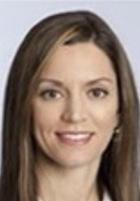
Dr. Simon is a professor of emergency medicine at Cleveland Clinic Akron General and vice chair of research for Cleveland Clinic Emergency Services. She holds leadership roles on committees for the Society for Academic Emergency Medicine and the International Federation for Emergency Medicine. Dr. Simon is a national oral board examiner and peer reviewer for multiple emergency medicine journals. She has been involved in student and resident medical education for over a decade.

Cole Ettingoff is a medical student at Trinity School of Medicine, having completed the first two years of medical school at Tel Aviv University. He has been active nationally in emergency medicine since the start of his medical education, holding multiple leadership roles in SAEM, ACEP, and NAEMSP.

Intractable Sciatica Pain Relief: Ultrasound-Guided Erector Spinae Plane Block in the ED
By Miguel F. Agrait González, MD, and Eddie G. Rodriguez Aquino, MD
A 24-year-old previously healthy male presented to the emergency department (ED) with four weeks of worsening, intractable back and leg pain, unresponsive to multimodal outpatient analgesia. His pain had acutely worsened over five days, despite using oral analgesics and topical medications. His primary care physician (PCP) had prescribed oral diclofenac twice daily, 100 milligrams of gabapentin three times daily, topical lidocaine patches, and oral 1-2 tablets of acetaminophen/ oxycodone every six hours, but none provided relief. During the previous month he had also completed a course of oral steroids with mild, temporary improvement in symptoms. He was scheduled for
a lumbar epidural injection in two weeks.
On examination, the patient had a positive seated slump test and tenderness throughout the paraspinal area of the lumbar spine, particularly on the right side. His neurological exam revealed intact muscle strength in the L4, L5, and S1 distributions, along with intact sensation. Given the refractory nature of his pain and the reluctance to escalate opioid use pending the epidural block, the decision was made to perform an erector spinae plane (ESP) block.
The ESP block is a regional anesthetic technique targeting the deep fascial plane between
the erector spinae muscle and the transverse processes of the vertebrae. By injecting local anesthetic into this plane, the anesthetic spreads cranially and caudally, affecting the dorsal and ventral rami of the spinal nerves. Originally described for thoracic analgesia, the ESP block has since been adapted for use in various spinal regions, including the lumbar area, making it a versatile option for pain management in the ED. Although there are case series documenting its use for renal colic, abdominal pain, and rib fractures, data for its use in sciatica are limited to small case series with a limited number of patients. Despite this, the block has an excellent safety profile,

with minimal risk and potential for significant benefit.
In the ED, ultrasound guidance is critical for the safe and effective performance of the ESP block. The patient was positioned in a sitting position, leaning forward, and supported by a procedure table. A high-frequency linear ultrasound transducer was placed longitudinally over the lower lumbar region, where
the transverse processes of L4 and L5 were visualized (Image 1). After identifying the appropriate anatomy, including the erector spinae muscle and the underlying transverse process, a 22-gauge spinal needle was inserted in-plane, with the needle tip visualized throughout the procedure. Based on the patient’s symptoms, the transverse process of L4 was selected as the injection point. The needle was advanced until the tip contacted the transverse process, and 20 milliliter of 0.25% bupivacaine (10 milliliter of 0.5% bupivacaine diluted with 10 milliliter of D5W) was injected into the fascial plane between the transverse process and the erector spinae muscle (Images 2 and 3). Ultrasound confirmed the spread of the local anesthetic by observing the separation of the muscle from the transverse process.
Following the ESP block, the patient reported rapid and significant pain relief, with his pain score decreasing from 10/10 to 2/10 within 30 minutes. He was able to ambulate without difficulty, and his sciatica pain remained well-controlled. Because the ESP block is motor-sparing, the patient experienced no mobility limitations and was discharged with a pain score of 0/10 one hour after the procedure.
This case demonstrates the potential of the erector spinae plane

(ESP) block as a safe, effective, and versatile technique for managing severe, refractory pain, including cases of acute sciatica. While largescale studies on its effectiveness for sciatica are lacking, this case highlights its promise in addressing this challenging condition. By expanding the use of ESP blocks in emergency medicine, physicians can address painful conditions more effectively, offering patients rapid pain relief while potentially reducing longterm opioid use.
ABOUT THE AUTHORS
Dr. Agrait-González is the emergency medicine residency program director at Ponce Health Sciences University. He completed his emergency medicine residency at the University of Puerto Rico and a sports medicine fellowship at Georgetown University. Follow on Instagram: @ponceemresidency; X/Twitter: @em_cmesl

Dr. Rodriguez-Aquino is the associate program director for the emergency medicine residency at Ponce Health Sciences University. He completed an emergency medicine residency at the University of Puerto Rico, a pediatric emergency medicine fellowship at NewYork-Presbyterian Brooklyn Methodist Hospital, and a clinical ultrasound fellowship at SUNY Downstate/Kings County Hospital Center. Follow on Instagram: @ponceemresidency; X/Twitter: @em_cmesl

Image 1: Patient positioning and probe technique for performing erector spinae plane block.
Source: Dr. Robert Buttner and Dr. Nish Cherian, “Erector Spinae Block.”
Image 2: Needle insertion towards the transverse process. Source: Dr. NhuNguyen Le, “Erector Spinae Plane Block Approach.”
Image 3: Area of anesthetic agent infiltration, in the fascia between the erector spinae muscle and the transverse process. Source: Dr. Hillen Cruz Eng et. Al., “How I Do It: Erector Spinae Block for Rib Fractures: The Penn State Health Experience.”
ETHICS IN ACTION

Embracing Indignation: A Virtuous Approach to Addressing Health Injustices
By John Han; Samantha Chao, MD; and Ryan Tsuchida, MD; on behalf of the SAEM Academy for Diversity and Inclusion in Emergency Medicine
Far too often, emergency medicine (EM) physicians witness patients suffering due to systemic injustices. For example, consider a patient whose insurer denies coverage for transportation to routine dialysis. Shortly afterward, this patient may end up in the emergency department (ED) hyperkalemic with a potassium level of 9. In another case, a patient presents to the ED for an opioid overdose because they could not reach the methadone clinic during its early-morning hours.
The natural response to episodes like these is indignation. Ethicists
define indignation as feeling anger when one notices wrongdoing directed at another person — in other words, anger on behalf of patients. This emotion may conflict with the ideal image of the EM physician as heroically stoic and emotionally restrained. However, it may be time to reconsider this ideal. Recent work in ethics demonstrates that indignation can be a moral emotion that is virtuous when appropriately felt. Indignation adds depth to our everyday moral experiences and helps health care professionals recognize injustices in the health care system.
Indignation is virtuous for EM physicians when it is accurately targeted toward the injustices faced by others. It also manifests concerns about the dignity, social recognition, and well-being that all individuals deserve. Like in the scenarios described, patients are often denied essential health care due to their insurance status. More broadly, systemic oppression — including environmental racism, poverty, and gun violence — causes or exacerbates many patients’ illnesses. Numerous examples exist of physicians expressing anger against injustices that harm
“Indignation can be a moral emotion that is virtuous when appropriately felt, helping health care professionals recognize injustices in the health care system.”
their patients. For example, anger toward government bodies and officials whose negligence led to lead contamination in majority-Black Flint, Michigan, is justified. When patients are mistreated or regarded as less worthy due to their race, gender, or sexuality, it is appropriate for physicians to feel indignation and wish to hold the wrongdoers accountable.
There are several reasons why indignation can be virtuous in the emergency department:
Indignation enriches daily moral experiences, allowing health care professionals to identify unjustness more robustly than when they simply acknowledge and accept them. Much like a wellcultivated musical ear enhances appreciation for music, indignation serves as a moralaesthetic “means of affectively registering or appreciating the injustice of the world.”
It adds an affective quality — one that may not be easily described in words — which deeply affirms the experience of witnessing, hearing, and seeing injustices in the ED. In doing so, it provides a richer understanding of what matters, such as the basic dignity that patients deserve.
Feeling indignant for patients also means attempting to grasp and endorse their emotional perspective Doing so underscores what it means to be an empathetic physician. Indignation reflects a deeper concern for patient well-being, which is damaged by the oppression they face. Therefore, indignation serves as an act of meaningful curiosity and perspective-taking regarding a patient’s experiences of injustice. EM physicians often feel strongly indignant because they care for many patients who are marginalized from society. When a physician experiences indignation for a patient, it signifies

concern for the patient’s experience of injustice and humanity, building solidarity with the patient.
Expressing and sharing indignation with patients may yield benefits similar to those of empathy, which is associated with better patient satisfaction, positive patient-doctor relations, and increased patient adherence. When patients recognize the physician’s emotional attunement, they may be more willing to trust the physician and share a deeper narrative of their illness experiences, allowing for a more thorough history during the encounter. For the EM physician, feeling indignant on behalf of patients can enhance future clinical experiences by helping them recognize similar, possibly more subtle, patterns of health injustice. Embracing moral emotions in the ED can prevent “desensitization in patient relationships and even promote the joy of patient care.”
Moreover, shared indignation effectively mobilizes political action against broader systemic health injustices. Indignation is a highly motivating social emotion because expressing it communicates our collective disapproval of a specific injustice while also conveying a desire for the wrongdoer to acknowledge its wrongness. It sharply and saliently frames experiences around recognizing an unjust situation. When health care professionals share their feelings about a particular situation, it is easy for others to understand. They do not simply feel disappointed; they demand recognition and redress, and indignation embodies this demand.
“Feeling indignant underscores empathetic deeper concern and building

indignant for patients what it means to be an physician, reflecting a concern for their well-being building solidarity.”
ETHICS IN ACTION
continued from Page 37
Recent history provides numerous examples of health care professionals standing with their patients to express indignation against oppression, aiming for political change in contexts ranging from systemic racism to the actions of opioid manufacturers and policies from state governments regarding abortion.
Critics may argue that indignation is excessive, and can become vicious rather than virtuous. It can cloud clinical judgment, disrupt communication and clinical skill, or harm the patient-physician relationship There must always be a balance in how and when indignation is expressed. While it is true that expressing moral anger too frequently could exacerbate burnout, unchecked indignation against patients who also commit wrongdoings could foster selective disdain toward “undeserving” patients, “miss out on compassion” owed to them by the EM doctor. On the other hand, excessively suppressing moral emotions like indignation can also lead to burnout. Simply recognizing and disclosing the emotions felt in the ED can aid in processing them. Furthermore, sharing and acknowledging experiences of moral emotions with patients and fellow care team members is part of embodying professional virtue and empathy.

Because indignation signals a positive emotional investment in patients’ wellbeing, it fosters mutual understanding and trust within these relationships.
In conclusion, feeling indignation, rather than engaging in self-restraint, is often the better response to oppression. This perspective challenges the prevailing narrative that health care professionals should always conceal their feelings. There are compelling reasons to feel, rather than repress, indignation when patients are treated unjustly. It is an essential aspect of daily moral life, enabling EM physicians to recognize health injustices more profoundly, empathize with their patients, and even inspire social change.
ABOUT THE AUTHORS


John Han is a third-year medical student at Washington University in St. Louis School of Medicine. He is interested in emergency medicine, as well as research in clinical ethics and philosophy. Email: han.j.d@wustl.edu
Dr. Chao is an emergency medicine physician and clinical instructor at the University of Michigan. A certified healthcare ethicist, she completed a clinical ethics fellowship while in medical school. Chao developed a health care ethics fellowship through the Department of Emergency Medicine at the University of Michigan and is currently the inaugural fellow. Email: skchao@umich.edu

Dr. Tsuchida is an emergency medicine physician and assistant professor at the University of Wisconsin, Madison School of Medicine and Public Health. He serves as the medical school’s assistant dean for multicultural affairs for health professions learners. X/Twitter: @rtsuchida Email: rtsuchida@medicine.wisc.edu
“Feeling indignation, rather than engaging in self-restraint, is often the better response to oppression, enabling EM physicians to recognize health injustices and inspire social change.”
FACULTY DEVELOPMENT

Designing a Purposeful Faculty Retreat: Strategies for Departmental Growth
By Anthony R. Rosania, MD, MHA, MSHI, Neha P. Raukar, MD, MS, and Brian J. Zink, MD, on behalf of the SAEM Vice Chairs Interest Group
Organizing a department retreat can be one of the most impactful actions a departmental leader, such as a chair or vice-chair can undertake. A retreat offers a unique opportunity to step back from the demands of the emergency department (ED) and create an open, level environment that enables faculty to reconnect, plan strategically, and align both the department’s vision and themselves to that vision.
In the fast-paced environment of academic emergency medicine, a well-planned retreat can provide the space for personal and professional rejuvenation while paving the way for the department’s future.
Recently, the SAEM Vice Chairs Interest Group hosted a brief session
with Dr. Brian J. Zink, co-director of SAEM’s Chair Development Program (CDP), who provided insightful commentary on leading successful retreats. Many of the points raised during that discussion are outlined here, in the hope that others may find them useful when planning or making decisions about their own retreats.
Defining the Purpose of the Retreat
The first step in planning a successful retreat is to clarify the primary objectives. While there may be many good reasons to have a retreat, and individual goals may vary, the existence of goals is essential. What is the department’s most pressing need right now?
Addressing this question early is crucial, as the answer will drive the retreat's structure and agenda. Some examples include:
Team Morale: Are faculty feeling disconnected? Is there a need to rebuild team spirit after a period of burnout or turnover? A retreat focused on team morale may emphasize bonding exercises, personal reflection, or shared activities like outdoor challenges that promote camaraderie.
Operational Improvement: Are workflow bottlenecks affecting clinical performance? Is there a need to address academic or educational inefficiencies? An operationsfocused retreat could include workshops on improving patient
“A retreat offers a unique opportunity to step back from the demands of the emergency department and create an open, level environment that allows faculty to reconnect, plan strategically, and align both the department’s vision and themselves to that vision.”
flow, reducing administrative burdens, or enhancing interdepartmental communication.
Strategic Direction: Is the department at a pivotal moment in defining its mission or vision? Does it need time for a long-term strategy session? Strategic retreats allow for indepth discussions about where the department is headed, its long-term academic goals, and the future of emergency medicine as a field.
The Existential Purpose of a Retreat
Beyond immediate operational goals, a retreat can serve a deeper purpose by offering a rare opportunity for reflection on the department’s broader mission and values. The location, format, and nature of the retreat (hopefully) create a more open and level environment that encourages the free flow of ideas and sharing of perceptions — both good and bad. This environment is optimal for achieving alignment between leadership and faculty regarding direction and strategy. Key features of a successful retreat along these lines include: Bonding and Community Building: One of the primary benefits of a retreat is fostering personal and professional relationships. In emergency medicine, teamwork is critical to patient outcomes, and retreats provide the time and space for individuals to reconnect on a human level.
Strategic Planning: Time away from clinical duties allows faculty to reflect on past successes and challenges.
Vision Setting: A retreat also provides the opportunity to ask big-picture questions: "Who are we as a department?" "What legacy do we

want to leave in the field of emergency medicine?"
Rejuvenation and Wellness: Focusing on wellness is vital for maintaining long-term faculty satisfaction and effectiveness.
Fostering Innovation: Retreats offer the rare luxury of time and space for creative thinking. Away from the dayto-day constraints of the ED, faculty are free to brainstorm and explore innovative ideas for improving clinical care, education, or research.
In summary, a well-executed faculty retreat can serve as a powerful tool for departmental growth, fostering stronger connections, strategic clarity, and renewed energy among faculty members. By setting clear objectives and creating an open environment for discussion and reflection, department leaders can ensure their retreat not only addresses immediate challenges but also contributes to long-term success. As the demands of academic emergency medicine continue to evolve, retreats offer a
valuable opportunity to step back, refocus, and set a course for a thriving future.
ABOUT THE AUTHORS


Dr. Rosania is vice chair for clinical operations and chief of the division of operations, quality, and informatics at Rutgers New Jersey Medical School. He is the current cochair of the SAEM Vice Chairs Interest Group.
Dr. Raukar vice chair for academic advancement and faculty development and codepartment diversity leader at Mayo Clinic. She is co-chair of the SAEM Vice Chairs Interest Group.
Dr. Zink is adjunct professor of emergency medicine at Michigan Medicine. He is the former inaugural chair of emergency medicine at the Alpert Medical School of Brown University and former senior associate dean for faculty and faculty development at Michigan Medicine. He is co-director of SAEM's Chair Development Program.
GLOBAL HEALTH

The Broader Differential: How Immigrant and Refugee Health is Reshaping Emergency Care for a More Equitable Future
By Nikkole Turgeon, MD and Felisha Gonzalez, MD on behalf of the SAEM Global Emergency Medicine Academy
As global displacement continues to rise due to war, political instability, and climate change, the United States has seen an increase in immigrant and refugee populations. The U.S. is the world’s top migrant destination, accounting for 5 percent of the global population while attracting 18 percent of all migrants. This demographic shift will change the disease burden seen in emergency departments (EDs) nationwide. These changes demand that emergency clinicians adapt
their practices — not only in terms of cultural sensitivity but also by expanding their clinical differentials to account for diseases not commonly encountered in the U.S. Urban centers within sanctuary states, such as Boston, Massachusetts, have historically resettled many immigrant and refugee populations. Essential hospitals, like Boston Medical Center (BMC), provide care for largely uninsured patient populations or
those on Medicaid or Medicare, which often results in these hospitals caring for many immigrant and refugee patients. Consequently, BMC’s ED sees a higher incidence of diseases that are typically rare in the U.S. but more common in low- and middle-income countries. Providers must be well-versed in conditions such as tuberculosis (TB), malaria, leishmaniasis, and intestinal parasites, which can have severe consequences if not recognized early. For example, among 223 cases

“This demographic shift will change the disease burden seen in emergency departments nationwide, demanding that emergency clinicians adapt their practices.”
of TB diagnosed in Massachusetts in 2023, 88 percent were reported in non-U.S.-born persons. In areas with higher rates of immigrant and refugee populations, emergency clinicians need to maintain a global health perspective and a higher index of suspicion for global conditions.
Shifting Disease Patterns: A Global Health Perspective in U.S. EDs
Many immigrants and refugees arrive from regions with endemic diseases that are rare in the U.S. Missed diagnoses of these conditions can lead to life-threatening consequences. For example, diseases like malaria can present with nonspecific symptoms
such as fever and fatigue, and without a high clinical suspicion, the disease may go undiagnosed until it becomes severe. Eosinophilia in a recently arrived immigrant may prompt consideration of parasitic infections rather than attributing it to more common U.S.-based causes like allergies or medications. Similarly, TB can be mistaken for other respiratory infections, particularly in its latent form, leading to outbreaks within vulnerable communities if not recognized and promptly treated The less frequently a hospital system diagnoses TB, the more likely the diagnosis will be missed, highlighting the importance of education and awareness to reduce misdiagnosis. By
incorporating these possibilities into the diagnostic approach, diagnostic delays and misdiagnoses, which disproportionately affect already vulnerable populations, may be prevented.
In addition to infectious diseases, immigrant and refugee populations face an increasing burden of noncommunicable diseases that are often exacerbated by limited access to health care in their home countries or during migration. Mental health disorders, including posttraumatic stress disorder, depression, and anxiety, are also prevalent due to
continued on Page 45
“By considering illnesses their home countries, early, and consulting emergency physicians ensure these patients

illnesses more common in countries, expanding the workup consulting specialists when needed, physicians can reduce barriers and patients receive equitable care.”
GLOBAL HEALTH
continued from Page 43
the trauma many refugees have experienced. A holistic understanding of their physical and mental health needs is critical for emergency providers to deliver effective, equitable care.
Broadening the differential is not just about clinical skill, it’s about health equity. Immigrant and refugee populations often face systemic barriers such as discrimination, lack of insurance, and fear of seeking care. By considering illnesses more common in their home countries, expanding the workup early, and consulting specialists when needed, emergency physicians can reduce these barriers and ensure these patients receive equitable care.
Culturally Sensitive Care: Bridging the Gap
Practicing culturally sensitive care is more than just a box to check; it is central to addressing the health disparities experienced by immigrant and refugee populations. Language barriers, health literacy challenges, and unfamiliarity with the U.S. health care system, can prevent these patients from accessing timely and appropriate care. A critical aspect of addressing this is through language justice — ensuring that all patients, regardless of their native language, have equal access to communication in health care settings. The use of certified medical interpreters, rather than relying on family members or untrained staff,
is essential for accurate diagnosis and informed consent. When patients can communicate in their primary language, it improves understanding, trust, and the likelihood of better health outcomes. This also underscores the need for increased language diversity within medicine, as language-concordant care is associated with better outcomes for non-English-speaking patients. Prioritizing language justice is key to providing high-quality, equitable care to immigrant and refugee populations.
Cultural sensitivity also extends to understanding how different populations may experience and describe illness. For instance, certain cultures may express psychological distress through physical symptoms, or they may have differing expectations regarding treatment plans and levels of support Taking time to listen, using certified interpreters, and being aware of cultural nuances can significantly improve patient outcomes.
Moving Forward: Cultivating a Prepared and Inclusive ED
To better serve immigrant and refugee populations, emergency departments must embrace a proactive approach that prioritizes both global and local health equity. This includes expanding medical education on global health topics, understanding local migration patterns, and familiarizing physicians with diseases common in the home countries of migrant communities. Collaborating with local public health departments to monitor regional disease outbreaks and integrating culturally sensitive care into residency training are just some potential strategies for delivering comprehensive care.
Advocacy at the systems level is crucial for addressing the structural injustices that contribute to the social needs observed in the ED. Many challenges faced by immigrant and refugee patients, such as lack of insurance and limited access to outpatient care, result from broader systemic inequities. Health care professionals should engage in advocacy efforts to promote policies that improve health care access,
affordable housing, and social support services, thereby reducing reliance on emergency care for issues that could be managed in primary or preventive settings.
Recognizing and addressing the social barriers faced by these populations, such as inadequate follow-up care, is vital. Lowering the threshold for admission or conducting a broader workup for patients facing significant social barriers can help ensure more thorough care and may reduce the risk of deterioration postdischarge. This proactive approach can serve as a means of equity, mitigating avoidable complications and preventing recurrent ED visits among vulnerable populations. Interdisciplinary collaboration with social workers, community health organizations, and language services can further ensure patients receive the holistic care they need.
As emergency providers, we must recognize the evolving needs of our diverse patient population and rise to the challenge of providing equitable, culturally sensitive care. Expanding our differentials to include global pathologies is not just sound clinical practice — it’s an essential step toward advancing both global and local health equity. By embracing advocacy and systemic reform, we can address the root causes of the social needs we encounter in the ED, ensuring that all patients, regardless of background, receive the highest quality care.
ABOUT THE AUTHORS


Dr. Turgeon is an emergency medicine resident at Boston Medical Center. Her interests lie at the intersections of global health, health equity, and critical care.
Dr. Gonzalez is an emergency medicine resident at Boston Medical Center. She is interested in how patient identity impacts health outcomes. Her research focuses on the effects of race and other social identities on patient outcomes within the emergency department and bias in the evaluation of medical students.
GLOBAL HEALTH

Transforming Emergency Medicine in Puerto Rico: The Impact of SonoFest
By Franz Mendoza-García, MD
In emergency medicine, point-of-care ultrasound (POCUS) has become a vital tool in enhancing patient care, offering quick, bedside diagnostic assessments that are invaluable in time-sensitive situations. POCUS has been integrated into the clinical practices of many other specialties as well, as its role in improving patient outcomes is increasingly recognized. However, providing ultrasound education, particularly to physicians in resource-limited areas, presents significant challenges.
Puerto Rico is one such place
where access to medical tools and training is constrained. Natural disasters can exacerbate these challenges. The island’s health care system was pushed to its limits in 2017 when Hurricane Maria devastated Puerto Rico, leaving many residents without electricity, water, or access to health care for months. The situation was particularly critical for patients with chronic conditions, such as diabetics who couldn’t properly store their insulin due to power outages, and dialysis patients who couldn’t reach clinics due to road closures.
Additionally, increased incidences of leptospirosis further strained the fragile health care system.
In the aftermath of this disaster, Puerto Rico SonoFest was born. Jeffrey Dan, MD, an emergency medicine physician at Baystate Medical Center in Springfield, Massachusetts, recognized the desperate need for better ultrasound education and resources on the island. Driven by his passion for global health and his deep connection to the Puerto Rican community, Dr. Dan, whose patient

“Puerto Rico SonoFest was born from the need for better ultrasound education and resources in a healthcare system strained by limited access and natural disasters.”
population is 20% Puerto Rican, saw an opportunity to make an impact.
Through his connections in the national ultrasound network, Dr. Dan partnered with Alexandra Ubilla, MD, an attending physician at Hospital Episcopal San Lucas in Ponce, Puerto Rico. Dr. Ubilla, who completed her ultrasound fellowship at NewYorkPresbyterian Brooklyn Methodist Hospital, understood the island's challenges, especially regarding ultrasound training. Together with Maya Lin, MD, and Samuel Ayala, MD, her fellowship co-directors, they formed a small but passionate team to improve POCUS education in Puerto Rico.
Prior to the creation of SonoFest, POCUS education on the island was extremely limited. Only two ultrasound-trained emergency medicine physicians were practicing in Puerto Rico: Dr. Ubilla, who had just one donated ultrasound machine at Hospital San Lucas, and Manuel Colón, MD, who had only two machines at the Hospital Universidad de Puerto Rico (UPR). Outside these residency programs, POCUS training for other emergency physicians was minimal, largely limited to a single annual workshop at the Caribbean Congress of Emergency Medicine, hosted by Puerto Rico’s chapter of the American College of Emergency Physicians (PR ACEP). Recognizing
this gap, the team set out to create Puerto Rico SonoFest, with the goal of expanding POCUS training across the island.
The initial focus of SonoFest was on the two main residency programs: Hospital San Lucas in Ponce and UPR’s Medical Sciences Campus. The island's only trauma center, Centro Médico, also became a target, as trauma surgery residents and attendings had limited access to ultrasound machines essential for FAST (Focused Assessment with Sonography in Trauma) exams. To make the first SonoFest possible,
continued on Page 49
“The inaugural feeling empowered, knowledge, making

inaugural SonoFest left participants empowered, with new skills and laying the foundation for making it an annual event.”
GLOBAL HEALTH
continued from Page 47
the team relied on support from ultrasound companies, which donated enough machines to provide hands-on training.
The inaugural Puerto Rico SonoFest took place in spring 2019, spanning two days and two locations. The event featured a mix of didactic lectures and hands-on sessions designed to provide a comprehensive introduction to POCUS. Topics included basic ultrasound physics, the eFAST exam, cardiac and thoracic imaging, renal and aortic ultrasound, and procedural guidance for peripheral IVs and nerve blocks. Participants left feeling empowered by the skills they had gained, and the overwhelmingly positive feedback paved the way for SonoFest to become an annual event.
The impact was Puerto Rico SonoFest immediate. Residents began pursuing ultrasound fellowships, inspired by their experiences at the event. For instance, Felipe Aguayo, MD, completed a fellowship at Kaiser Permanente in San Diego, where Dasia Esener, MD, who later joined the SonoFest faculty in 2020, served as his fellowship director. Another key leader, Eddie Rodriguez, MD, moved to Puerto Rico and played a crucial role in expanding SonoFest to more hospitals and residency programs. As word spread, the conference began to attract Puerto Rican physicians practicing in the mainland United States. Institutions like Jacobi Medical Center in the Bronx, University of Miami/Jackson Health System, and New York University (NYU) became

involved, sending faculty and fellows to contribute.
By 2024, Puerto Rico SonoFest had expanded into a four-day event with participation from five hospitals across the island, including Centro Médico - Recinto de Ciencias Médicas Trauma Center, Hospital UPR, VA Hospital, Centro Médico Episcopal San Lucas, and Mayagüez Medical Center. Attendance grew from 50 participants in the first year to over 170, representing a diverse range of specialties, including emergency medicine, surgery, internal medicine, family medicine, obstetrics and gynecology, and medical students. The curriculum evolved as well, incorporating advanced echocardiography, musculoskeletal ultrasound, a wider range of nerve blocks, and transvaginal pelvic ultrasound, addressing the gap in access to endocavitary probes.
One of the most significant outcomes of Puerto Rico SonoFest has been the lasting impact on the island’s health care institutions. Many hospitals, recognizing the importance of integrating POCUS into their practices or expanding their POCUS capabilities to administrative leadership, have invested in ultrasound machines and established quality assurance processes to maintain ongoing education and skill development. These changes have led to improved access to ultrasound technology and better-trained physicians, enhancing patient care.
The most rewarding aspect of Puerto Rico SonoFest has been witnessing the growth and
empowerment of local physicians. Hospitals that once struggled with limited access to ultrasound machines now have thriving ultrasound programs staffed by physicians committed to continuing the educational legacy of SonoFest.
The success of Puerto Rico SonoFest demonstrates that, even in resource-limited settings, transformative change is possible through collaboration and support. By equipping physicians with the training and tools they need, SonoFest has made a lasting impact on health care in Puerto Rico. The annual conference stands as a symbol of resilience, collaboration, and the power of education to improve lives.
For all involved, from faculty to participants, there is no greater reward than seeing how far Puerto Rico’s POCUS capabilities have come. As the event continues to grow, the ultimate takeaway is clear: education has the power to transcend borders, break down barriers, and change the future of patient care, even in the most challenging circumstances.
ABOUT THE AUTHORS

Dr. Mendoza-García is an attending physician and ultrasound fellowship program faculty at NewYork-Presbyterian Brooklyn Methodist Hospital. He graduated from San Juan Bautista School of Medicine in Puerto Rico and completed his emergency medicine residency at Jacobi/ Montefiore and his ultrasound fellowship at NewYork-Presbyterian Brooklyn Methodist. X/Twitter: @fchmg0930
INFORMATICS, DATA SCIENCE & AI

Harnessing the Power of Artificial Intelligence for Research Support in Academic Medicine
By Laura Walker, MD, MBA; Hannah Mishkin, MD, MS; Neha Raukar, MD, MS; Wan-Tsu Wendy Chang, MD; Lindsay MacConaghy, MD; and Wendy Sun, MD, on behalf of the SAEM Academy for Women in Academic Emergency Medicine
The use of large language models (LLMs) in academic research presents a transformative potential to enhance various aspects of the research process. These models can aid in tasks ranging from brainstorming to refining specific research aims, supporting researchers in more efficient ways. However, to harness the full potential of LLMs, it is crucial to understand when and how to use them responsibly and ethically.
Ethical Use of LLMs
Knowing when and how to ethically leverage LLMs is essential to maximize their benefits. While LLMs can be helpful tools for gathering background information or refining research ideas, researchers must be mindful of their limitations. One primary concern when using LLMs is their potential to generate inaccurate or fabricated details, often referred to as "hallucinations."
These hallucinations can distort facts, misrepresent data, or provide false references, which is particularly dangerous in academic research. When using LLMs for writing, researchers must pay careful attention to quality control and ensure compliance with journal standards. Many academic journals now require disclosure regarding the use of LLMs in manuscript preparation, particularly when LLMs
“Large language models hold significant potential to support academic research, but their use requires caution, transparency, and critical thinking.”
have been used for tasks such as improving phrasing or correcting grammar. For researchers whose first language is not English, LLMs can provide valuable support in crafting more polished language; however, transparency in their use is necessary to uphold ethical standards. For example, the SAEM journal, Academic Emergency Medicine asks if an LLM was used and which one, though it clarifies that this use will not be held against the writer.
LLMs in Literature Review and Background Research
General-purpose LLMs, like ChatGPT, have proven valuable for a variety of tasks, including generating ideas and summarizing information. While LLMs are not substitutes for comprehensive academic literature reviews, they can serve as useful starting points for exploring research topics. By providing broad overviews, generating potential research questions, or suggesting areas for further inquiry, LLMs can help shape the early stages of research projects.
However, when summarizing academic literature or identifying peer-reviewed sources, LLMs may present significant challenges due to hallucinations. These models can confidently present incorrect or fabricated information, which can be problematic if taken at face value. Researchers must approach LLM outputs with caution, particularly for literature reviews.
To mitigate the risks associated with relying on LLMs, researchers should:
1. Cross-check citations: Independently verify any references or citations generated by an LLM by accessing the original sources, as LLM-generated references may be inaccurate or unreliable.
2. Use LLMs for brainstorming, not final answers: LLMs are best used for brainstorming, generating preliminary ideas and hypotheses, and refining specific aims. Established databases like PubMed or Google Scholar should be consulted for peer-reviewed articles and trustworthy sources.
Combining the power of LLMs with traditional research methods and verification processes can reduce the risk of relying on inaccurate information and significantly enhance research quality.
Additionally, newer products like Open Evidence aim to improve access to summarized information from peerreviewed papers, providing citations alongside summaries. While this platform may offer advantages over general-purpose LLMs, it is still in its infancy and requires further validation.
Refining Specific Aims With LLMs LLMs can be useful tools for refining specific aims in research proposals or grant applications. By inputting a draft version of specific aims, LLMs can help researchers identify areas where clarity, conciseness, or focus may be lacking. They can reword complex ideas into simpler, more direct language, ensuring that objectives are clearly articulated. Additionally, LLMs can suggest alternative phrasing or organizational structures to improve the logical flow of the aims, highlighting key research questions or hypotheses.
While LLMs cannot replace subject-matter expertise, they can assist researchers in distilling ideas and ensuring aims are aligned with broader research objectives. As with all LLM outputs, critical review is essential to ensure scientific accuracy and adherence to grant guidelines.
LLMs as Tools for Active Learning
LLMs offer valuable opportunities for active learning, acting as vast knowledge repositories with interactive components. For instance, many academic emergency physicians may lack a strong background in statistics. LLMs can provide guidance on statistical methods, helping researchers expand their skills.
LLMs enable researchers to explore new concepts by asking detailed questions. While the models responses can provide valuable insights, cross-verifying information with trusted sources is essential to ensure accuracy.
Data Curation and Analysis with LLMs
LLMs have been particularly useful in supporting quantitative tasks. They provide guidance on statistical analysis, recommending appropriate tests for various methodologies and suggesting different approaches to completing calculations. Additionally, LLMs can facilitate statistical analysis and other data science methods by generating code. They also assist in using new software, acting as valuable learning tools by offering just-in-time coaching. Researchers can use LLMs not only for performing quantitative assessments but also for asking why and how specific recommendations are made.
For example, when working with data that includes a date and time component, organizing and analyzing the information can be challenging. Imagine a data table with multiple events recorded for a single patient visit to an emergency department: continued on Page 53

continued from Page 51
Patient Record Number Event 1 Event 2 Event 3
The formatting needs to be adjusted so that each event has its own row, along with the associated time for each patient, to facilitate the creation of a patient timeline.
Patient Record Number Event 1 Date and Time
Patient Record Number Event 2 Date and Time
Patient Record Number Event 3 Date and Time
A prompt like, "Provide a Python script to convert a table with multiple events and times listed as columns into a table with each event and its time in separate rows, labeled with the correct patient identifier," can be used in ChatGPT to generate the required Python code. Further prompts, such as “output the formatted data as a new spreadsheet” or “change the date formatting to a standardized format,” can refine the data transformation process. If errors occur while running the code, feeding the error messages back into the LLM allows it to troubleshoot and suggest necessary corrections.
In addition to data transformation, LLMs can generate code for statistical analysis, helping researchers enhance their coding abilities. For those without programming experience, understanding the logic behind the data transformation is crucial. By breaking the task into smaller, specific steps, LLMs can offer more effective assistance. As researchers use LLMs more frequently and become familiar with coding packages, they can gradually improve their skills and gain independence in using Python or other programming languages for data transformation and analysis.
Identifying the Right Journal for Publication
LLMs can also help researchers identify appropriate journals for publishing their work. By inputting a
prompt like “Which journals would be interested in research on using LLMs in emergency medicine?” LLMs can generate a list of potential journals. However, researchers must vet these suggestions for credibility and relevance.
Potential journals for LLM-related research in emergency medicine include:
• Academic Emergency Medicine (AEM) – Publishes research advancing emergency medicine, with potential interest in LLM studies.
• Journal of the American Medical Informatics Association (JAMIA) –Focuses on health care, informatics, and technology.
• Annals of Emergency Medicine
– A leading journal in emergency medicine, open to innovative research.
• BMJ Health & Care Informatics –Welcomes interdisciplinary work combining technology and medicine.
• BMC Emergency Medicine – An open-access journal that accepts a wide range of emergency medicinerelated submissions, including technological advances.
• Artificial Intelligence in Medicine –Focuses on AI applications across medical fields, making it a relevant choice for LLM research.
When selecting a journal, it is essential to consider the research focus, whether it pertains to clinical outcomes, decision support, or research methodologies.
LLMs as Tools to Support Creativity
LLMs can enhance creativity, especially for early-career researchers. For instance, if a resident is interested in a topic but unsure where to start, LLMs can help spark new ideas. While reflection and traditional brainstorming remain valuable, using LLMs as supplementary tools can introduce novel concepts that researchers may not have previously considered.
Conclusion
LLMs hold significant potential to support academic research, but their
use requires caution, transparency, and critical thinking. When used responsibly, LLMs can serve as powerful tools to enhance the efficiency, quality, and creativity of the research process.
The use of GPT-4, an AI language model developed by OpenAI, is acknowledged for providing editorial assistance and refining the manuscript.
ABOUT THE AUTHORS

Dr. Laura Walker is an assistant professor of emergency medicine at Mayo Clinic. She is a leader in emergency medicine and hospital operations, focusing on health systems, equity, and quality improvement. Her research focuses on improving healthcare systems and promoting effective management practices within emergency medicine.

Dr. Mishkin is the emergency medicine residency program director at Reading Hospital, Tower Health, in West Reading, Pennsylvania. Her academic areas of focus include innovation in medical education and administration, as well as diversity, equity, and inclusion.

Dr. Raukar is an associate professor and vice chair for academic advancement and faculty development at Mayo Clinic Rochester. Her research emphasizes life-threatening injuries in athletes, innovations in emergency medicine, and faculty and leadership development.


Dr. Chang is an associate professor of emergency medicine at the University of Maryland. Her professional focus is on medical education and the management of neurologic emergencies.
Dr. MacConaghy is an assistant professor of emergency medicine at Geisinger Commonwealth School of Medicine and serves as the assistant residency program director at Guthrie Robert Packer Hospital in Sayre, Pennsylvania. Her professional focus includes advancing medical education and residency training.

Dr. Sun is an administration fellow at the Yale School of Medicine with a passion for clinical operations, patient quality and safety, and health innovation.

The SAEM Datathon: A Novel Way to Introduce Medical Students to Data Science
By Michael Lozano, MD; Michael Makutonin, MD; Aditya Loganathan; Arwen Declan, MD, PhD; and Robert Turer, MD, on behalf of the SAEM Informatics, Data Science, and Artificial Intelligence interest group
To attract new members to the SAEM Informatics, Data Science, and Artificial Intelligence interest group, our team sought to develop an event that would excite students while providing valuable skills. During a brainstorming session, the idea of a "datathon" emerged — an event centered around data wrangling, a near-daily activity for informaticians and academic researchers alike. Medical students interested in informatics come from a wide range of technical skill levels and had diverse areas of interest. Designing a datathon that could engage learners with such varying skill levels posed a challenge, but it also offered an opportunity to teach fundamental
data analytics tools and techniques that are essential to every physician's toolkit.
Informatics, in fact, involves very little coding. While some knowledge of SQL (Structured Query Language), Python, or R can streamline certain tasks, coding represents only a small fraction of the field. Instead, the core focus is on ensuring that medical data is collected and analyzed in ways that are clinically useful. The datathon concept was developed to introduce the basics of working with health care data in a fun, collaborative, and accessible manner. The goal was to offer something valuable to all
participants, regardless of their prior experience with data.
Initially, the plan was to organize a multi-month hackathon on Slack, where medical students, residents, and aspiring physician-innovators could collaborate with mentors on real-world healthcare challenges. This structured event was envisioned to include monthly educational sessions focused on a no-code/ low-code approach to data analysis, ensuring inclusivity for participants without coding backgrounds.
A mission statement was crafted to guide the project: Bridge the gap between health care and technology by empowering the next generation
“The datathon concept was developed to introduce the basics of working with health care data in a fun, collaborative, and accessible manner.”
of emergency medicine leaders to leverage data and innovation for better patient care.
A project plan was created, led by medical student liaison Michael Makutonin, with faculty lead Mike Lozano. Aditya Loganathan and Andrew C. Meltzer formed the core team, representing collaborators from Urgent Matters, with additional support from Nick Stark, Zaid Altawil, and Jonathan Oskvarek of the Emergency Medicine Innovation Collaborative.
Given that this was the first datathon, the team decided to scale back the original ambitious plan to something more manageable — a proof of concept. Rather than a multimonth virtual event, volunteers were invited to form teams and work with a "clean" emergency medicine-related dataset. The task was to perform a preliminary exploratory data analysis and present their findings at the SAEM annual meeting.
A call for participants was sent out to interest group members, successfully recruiting two teams, each composed of four medical students. Slack served as the primary communication platform, with team invitations distributed in April 2024. Trello was used to track progress internally, and participants were provided with access to Tableau for data visualization to ensure an accessible data analysis tool was available.
After some discussion, the MIMICIV dataset was selected. This rich,

de-identified database contains health data from ICU patients at Beth Israel Deaconess Medical Center. Students accessed the data through PhysioNet, a resource for clinical research data, and worked at their own pace with asynchronous mentorship from faculty via Slack, supplemented by occasional Zoom calls as the project progressed.
April was a busy month for participants, who mined the data, learned the processes of exploratory data analysis, and collaborated on preparing polished presentations of their findings. Their final submissions — both an abstract and PowerPoint presentation — were completed in early May. On May 17, 2024, at the SAEM annual meeting, the teams presented their work in person to the interest group. Notably, 80% of the participants who started on project teams remain engaged and participate in presentations — well above the 50% baseline for such events.
The first ever SAEM Datathon was a success, and not just in the skills it imparted. It introduced students to the value of data-driven decisionmaking in health care, while making the process engaging and accessible. As a proof of concept, it fulfilled its goals, and the team is excited to build on this experience for future events. By blending data science with health care, the datathon is helping to shape the next generation of physicians who can navigate the increasingly data-rich world of modern medicine.
ABOUT THE AUTHORS


Dr. Lozano is a collaborative assistant professor at the University of South Florida and assistant medical director for Pinellas County EMS. He pursues strategic approaches to improve healthcare quality and delivery.
Dr. Makutonin, an emergency medicine intern at Yale, has been involved in dataset and data science research throughout his medical training, using skills he learned as a software engineer and data science bootcamp instructor. He is passionate about the potential of data science research to inform and solve clinical problems.

Aditya Loganathan is a clinical research coordinator for George Washington University’s Department of Emergency Medicine. His interests include emergency medicine, medication adherence, and firearm injury prevention. He aspires to attend medical school and become an emergency physician.

Dr. Declan is the assistant research director at Prisma Health Upstate and clinical assistant professor at the University of South Carolina School of Medicine–Greenville and Clemson University. She applies informatics methods to improve patient care and support the clinician workforce.

Dr. Turer is an assistant professor of emergency medicine and clinical informatics at UT Southwestern in Dallas. He is chair emeritus of the SAEM Informatics and Data Science Interest Group.

Empowering Underrepresented Scientists: A Guide to NIH Diversity Supplements
By Jeremy Brown, MD
For many years, the National Institutes of Health (NIH) has supported a program aimed at promoting diversity in health-related research. Scientific progress requires talented individuals from a variety of backgrounds, and the United States' ability to remain a global leader in scientific discovery and innovation depends on a pool of highly skilled scientists from diverse backgrounds, including those from traditionally underrepresented groups. Scientists and trainees from diverse backgrounds and life experiences bring essential perspectives needed to address complex scientific problems.
The program operates as follows: the principal investigator of an NIH-supported grant applies for a supplemental award to support the work of a person from an underrepresented group. Every institute within the NIH participates in the program, though the number of submission opportunities per year varies by institute. Once applications are submitted, they are internally reviewed by the institute, which funds those deemed most deserving.
NIH’s definition of underrepresented groups is broad and may surprise you. It includes individuals who were or are currently homeless, those who were or are in foster care, and those whose parents or guardians never
completed a bachelor’s degree. Individuals from rural areas and those who were eligible for the Federal Free and Reduced Lunch Program are also included.
The career levels of eligible candidates are also diverse. Applicants can range from high school students and undergraduates to individuals who have completed a bachelor’s or master’s degree and seek research training before applying to medical school or graduate programs. Consider the impact of offering a paid position to a high school student interested in medical research — such an opportunity could alter the trajectory of their career. The supplement can
CARE RESEARCH

support students who commit at least two years to the program, with each year requiring a three-month, full-time period. On the other end of the career spectrum, the awards are also open to underrepresented minority candidates who may already have a PhD or MD and wish to develop their biomedical research skills further.
Candidates supported by the supplement must work on a project within the scope of the parent grant. This ensures they contribute to advancing the objectives of the parent grant while receiving valuable research training and professional development. Although the supplement does not support research leading to a clinical trial, clinical trial feasibility study, or ancillary clinical trial, it does
allow applicants to gain research experience in a clinical trial led by a mentor.
A wide range of grants is eligible for diversity supplements, including several R awards (e.g., R01, R03, and R21) and U grants (e.g., U01 and U10). Before applying, it is recommended to contact the program official at the relevant institute to learn about submission dates, specific application requirements, eligibility, and levels of support.
At a recent meeting, I held an information session on NIH Diversity Supplements. Afterward, an emergency physician, the first member of his family to attend college, approached me. He was excited to learn about this opportunity. Whether you are a
mentor with NIH funding who can apply to the program for a specific candidate, or a person with a qualifying background, I hope this opportunity excites you too. The next steps are up to you.
ABOUT THE AUTHOR

Dr. Brown is the director of the Office of Emergency Care Research (OECR) where he leads efforts to coordinate emergency care research funding opportunities across NIH. Additionally, Jeremy is the primary contact for the NINDS Exploratory and Efficacy FOAs and serves as NIH's representative in government-wide efforts to improve emergency care throughout the country. He is also the medical officer for the SIREN emergency care research network which is supported by both NINDS and NHLBI. Email: Jeremy.brown@nih.gov

What’s In Your Autism toolbox? Navigating Challenges and Developing Skills for This Important Patient Population
By Alex Monroe, MD, MPH, and Casey Glass, MD, on behalf of the SAEM Pediatric Emergency Medicine Interest Group
A local pediatrician recently reached out with an unusual request. They were managing a child with severe autism and medical anxiety who had developed a limp. Due to the child’s inability to cooperate, the medical team was unable to perform lab draws or advanced imaging. Despite efforts to schedule the child for sedation at the hospital for over a week, the situation remained unresolved. The pediatrician hoped the emergency department (ED) could sedate the child to complete the necessary workup. As is often the case for many patients, the emergency department had become their only remaining option.
Providing treatment for children with autism spectrum disorder (ASD) and other neurodivergent conditions, whether in the office or ED, can be particularly challenging. Most emergency physicians have had little or no formal training in caring for this patient population, and organized research into optimal care strategies remains in the nascent stages. This two-part series aims to review current knowledge about the challenges faced by patients, caregivers, and health care staff when providing ED care for children with ASD. It will also offer practical suggestions for navigating difficult visits.
Caring for children in the ED can be one of the most stressful experiences for physicians, parents, and, above all, the pediatric patients themselves. For children with sensory processing and learning disorders, the experience can be even more traumatic. Emergency medical care often overwhelms their senses, leading to information overload. Children that struggle in these areas are often classified as “neurodivergent,” a group that includes conditions such as ASD, intellectual disability (ID), attentiondeficit/hyperactivity disorder (ADHD), hearing loss, and blindness.
“During ED encounters, the stressful environment can overwhelm neurodivergent children’s coping strategies, leading to maladaptive behaviors often interpreted as agitation or aggression.”
According to a prevalence study based on data from the United States National Health Interview Survey (NHIS) on children aged 3-17 years, the overall prevalence of any developmental disability was 16.93% with a significant increase of about 9.5% over the study period. Individual diagnosis prevalence ranged from 0.16% for blindness to 2.8% for ASD and 9.04% for ADHD. Children with ASD and associated conditions more likely to visit the ED for both mental health and comorbid medical conditions, with gastrointestinal or seizure symptoms being among the most frequent. Younger children often present with challenges related to conduct or behavior disorders and/or ADHD, while older children more commonly present with mood disorders or self-harm. Physical complaints outnumber mental health visits and ED visits for this population are associated with longer lengths of stay.
During ED encounters, the stressful environment can overwhelm neurodivergent children’s coping strategies, leading to maladaptive behaviors often interpreted as agitation or aggression. Physicians rarely consider the impact of the chaotic environment of a modern emergency department. Children with ASD, to varying degrees, struggle with interpersonal communication and may find it difficult to navigate unfamiliar environments or changes to routine. Many children with ASD, along with neurodivergent children who have other sensory integration, medicalrelated PTSD, and developmental challenges, find the ED especially overwhelming.
Sensory stimuli that health care providers are accustomed to may present insurmountable barriers for
children sensitive to sensory overload. These children are subjected to bright lights and flashing monitors. ED spaces are packed with “things”: otoscopes, equipment, beds, stools, and paperwork. Noise levels in the department can exceed 100 dB. After enduring the maelstrom of sights and sounds, the child must then undergo a physical exam. Even routine touch, such as placing an IV catheter or wearing a hospital gown, may trigger children with sensory integration disorders.
Given these factors, it is remarkable that any ED visits for neurodivergent children are completed at all. Over the past 15 years, research into improving emergency care for ASD patients has focused on environmental modifications and provider education, informed by input from stakeholders. Several studies have documented the negative perceptions of health care encounters from the perspective of patients with ASD, their families, and the staff caring for them in the ED.
In addition to the environmental challenges, parents and caregivers frequently describe providers’ lack of understanding of ASD, failure to recognize patients’ sensory needs, and poor rapport as major concerns. These perceptions can lead to delays in seeking appropriate medical care and poorer health outcomes. Long wait times and the high level of communication needed during ED visits further complicate optimal care. Parents often express a desire for more consultation with caregivers and greater involvement in developing a treatment plan
While research has increasingly focused on understanding the impact of caring for neurodivergent children in the ED and evaluating various interventions, several challenges
remain. The term “neurodivergent” is nonmedical and often used to refer to a wide range of sensory processing and learning disorders. Even specific diagnoses, such as autism, can be difficult to define and identify based on diagnostic criteria, ICD-10 codes, survey and interview data, and surveillance network monitoring. While some interventions may benefit multiple diagnoses, most research has focused on ASD and ADHD. Ongoing research should prioritize the comparative effectiveness of interventions to determine which approaches should be generalized versus targeted for neurodivergent ED patients.
In the next installment, interventions that both individual providers and department leaders can implement to improve emergency care for this challenging patient population will be reviewed. From low-sensorystimulation rooms to communication cards, there are many tools available to reduce frustration during ED visits for physicians, families, and patients alike.
ABOUT THE AUTHORS


Dr. Glass is an associate professor of emergency medicine at the Wake Forest University School of Medicine and practices at Atrium Health Wake Forest Baptist Medical Center and Brenner Children’s Hospital.
Dr. Monroe is an assistant professor of emergency medicine and pediatrics at Emory University School of Medicine. He practices clinically at Grady Memorial Hospital and Children's Healthcare of Atlanta Arthur M. Blank Hospital in Atlanta.
X/Twitter: @AlexMonroeMD
ASK THE PHARMACIST

Managing International Normalized Ratio Elevations With Direct Oral Anticoagulants in Emergency Settings
By Lisa Hayes, PharmD, on behalf of the SAEM Academic Emergency Medicine Pharmacist Interest Group
Direct oral anticoagulants (DOACs) are increasingly used as first-line anticoagulants. The most common DOACs are the factor Xa inhibitors, including rivaroxaban, apixaban, and edoxaban. Dabigatran, a direct thrombin inhibitor, is also a DOAC but may be associated with an increased bleeding risk, primarily gastrointestinal, compared to the factor Xa inhibitors and warfarin. Factor Xa inhibitors are popular due to their reduced monitoring requirements and fewer drugdrug and drug-food interactions
compared to warfarin. Additionally, these agents do not require initial parenteral therapy, such as enoxaparin or heparin, which is often necessary when initiating warfarin.
The international normalized ratio (INR) is traditionally utilized to monitor and adjust doses of warfarin. The INR was developed by the World Health Organization to standardize reporting of prothrombin time (PT). An INR goal of 2-3 is common for many patients on warfarin because this range correlates with the efficacy and
safety of warfarin. Generally, health care providers correlate elevations in INR with an increased extent of anticoagulation and a heightened risk of bleeding. With the increased use of factor Xa inhibitors, many patients on DOACs may inadvertently have an INR ordered and reported, necessitating interpretation.
INR elevation in patients taking oral factor Xa inhibitors or direct thrombin inhibitors is common and has been documented in both in vitro and observational studies. Ofek and colleagues reported on the incidence
“International normalized ratio elevation in patients taking oral factor Xa inhibitors or direct thrombin inhibitors is common and has been documented in both in vitro and observational studies.”
of INR elevation in a cohort of 218 patients (158 taking rivaroxaban and 60 taking apixaban); 84.2% of rivaroxaban patients and 78.3% of apixaban patients had elevated INRs. The median INR was 1.7 (interquartile range [IQR] 1.3-2.5) for patients on rivaroxaban and 1.4 (IQR 1.2-1.6) for those taking apixaban. No significant bleeding events were reported in this cohort. Anecdotally, INR elevations related to DOACs may be even more pronounced than reported by Ofek and colleagues, and while such elevations are common with DOACs, their clinical significance remains unclear. Although some degree of INR elevation may be expected, a recent study by Efros and colleagues indicated that an INR greater than 1.5 in patients on DOACs was associated with increased in-hospital mortality, longer hospital stays, and higher oneyear mortality.
Routine coagulation tests are not recommended for monitoring or evaluating DOACs. Although prothrombin time (PT) and thus INR are often elevated in these patients, the INR is not sensitive enough to accurately reflect DOAC concentrations for routine monitoring. This elevation likely results from factor Xa inhibitors’ effects on the common pathway of coagulation. Gosselin and colleagues reported that the reagent used to determine PT may also affect the extent of PT/ INR elevation, demonstrating that rivaroxaban tends to have a more pronounced effect on PT/INR than apixaban. The use of factor Xa levels calibrated to the specific DOAC may be considered in certain cases; however, this laboratory test is not widely available and may have longer turnaround times.

In the emergency setting, INR may be ordered and reported for patients taking DOACs, with a likelihood of elevation. Management and evaluation of this INR elevation should be based on the patient’s presentation. If the patient is not bleeding, there is typically no need for a reversal agent or any adjustments to the DOAC dose. However, if the patient is bleeding, consideration should be given to reversing the DOAC with a product such as four-factor prothrombin complex concentrate or andexanet alfa, based on the severity of the bleeding, the time of the last DOAC dose, and the extent of the bleeding. Phytonadione has no role in reversing INR elevations due to DOACs. While providing phytonadione to patients with INR elevation secondary to DOACs is not likely to be harmful, it will not appreciably reverse anticoagulation. The exception to this is if there is concern that the INR elevation may also be due to liver dysfunction.
Recognizing INR elevation in patients on DOACs is relevant in the emergency setting. Although the phenomenon of INR elevation in patients taking DOACs has been described, it is important to note that a “normal” or nonelevated INR does not rule out the presence of a DOAC due to the limitations of this laboratory parameter’s sensitivity. Understanding the limitations of coagulation markers in patients taking DOACs can help ensure health care providers interpret these values appropriately and provide the most effective therapy
ABOUT THE AUTHOR

Dr. Hayes is a clinical pharmacy specialist at Methodist University Hospital in Memphis, Tennessee. She currently serves as the communication chair for the SAEM Academic Emergency Medicine Pharmacist Interest Group Interest Group.
RAMS SPECIAL FEATURE

The New ABEM Certifying Process:
What We Know So Far
By the SAEM RAMS Board
The American Board of Emergency Medicine (ABEM) has announced a new Certifying Exam to replace the Oral Certification Exam (OCE). The RAMS Board met with ABEM and reviewed their published materials to provide emergency medicine (EM) residents with the most up-to-date information on the new exam.
What is the Certification Process?
ABEM certification involves three steps:
1. Apply for certification
2. Qualifying (written) Exam
3. Certifying Exam
The core of ABEM’s certification process is to independently verify that an emergency medicine (EM) physician can provide the highest quality patient care.1 While completing an ACGME-accredited residency program indicates that a resident has met target performance measures, the ABEM certification process ensures a national standard of competence. Approximately 98% of EM residents apply for ABEM certification
Why Did ABEM Change the Certifying Exam?
According to ABEM, the new Certifying Exam aims to assess knowledge and skills essential to
the clinical practice of emergency medicine that the current exam cannot evaluate.
The current OCE reliably assesses unique competencies not measured by the written Qualifying Exam Poor performance on the OCE is associated with an increased risk of severe state medical board disciplinary actions. However, the OCE does not evaluate procedural techniques, ultrasound, prioritization, task switching, patient-centered communications, conflict management, team management, or troubleshooting. ABEM considers these critical performance metrics for emergency physicians which cannot be tested virtually.

“The new Certifying Exam aims to assess knowledge and skills essential to the clinical practice of emergency medicine that the current exam cannot evaluate.”
Who Needs to Take the New Certifying Exam?
OCEs will no longer be administered after December 31, 2025. Residents graduating in 2025 who apply for certification and pass the Qualifying Exam in 2025 will take the new Certifying Exam in 2026. All residency classes graduating in July 2025 or later will need to take the new Certifying Exam. Anyone who has not passed the OCE by the end of 2025 will also be required to take the new exam.
What is the Timeline?
Residents are eligible to apply for ABEM certification within five years of graduating from an accredited EM residency. In April of their last
year, residency program directors will distribute ABEM certification information. Beginning in May 2025 program directors must submit an Attestation Form confirming a resident’s medical knowledge and ability to obtain emergency airways, vascular access, and lead resuscitations in trauma, adult, pediatric, and newborn patients. The form is required for eligibility, but answers will not affect certification eligibility.
ABEM Certification applications are submitted from April to September, with late submissions through October for an additional fee). Acceptance letters and Qualifying Exam registration information are sent from July through October. The
Qualifying Exam consists of a 6.5hour testing session, administered at Pearson VUE testing centers, with 305 multiple-choice questions requiring a score of 77% to pass. Once passed, the examinees may register for the Certifying Exam.
The new Certifying Exam will involve a 3.5-hour in-person, on-site session. Official exam dates for 2026 have been released. In 2026, it will be offered over four days, with morning and afternoon sessions, for a total of 72 sessions annually. ABEM has determined that this will accommodate all residency graduates
on Page 64

RAMS SPECIAL FEATURE
continued from Page 63
Where Will the Certifying Exam Take Place?
The American Board of Emergency Medicine (ABEM) administers the Certifying Exam at the AIME Center in Raleigh, North Carolina, a facility that provides a high-standard environment for board certification exams. The AIME Center, an independent LLC, serves as the location where organizations like the American Board of Anesthesiology and the American Board of Oral and Maxillofacial Surgery conduct their licensing exams. While ABEM uses this space for its Certifying Exam, it’s important to clarify that ABEM does not financially benefit from the AIME center, and ABA directors are not involved in the development or administration of the ABEM Certifying Exam. The AIME Center is overseen by a board of managers that includes ABA staff and directors, but each exam board maintains its independence in exam content and processes.
The center is a customizable professional assessment space equipped with all the tools ABEM will use in the exam, including standardized patients, medical equipment, tracking boards, providing a realistic testing environment. ABEM has released a video tour of the testing center. The
facility also includes wellness rooms and a lactation room for candidates.
The AIME Center employes standardized patient actors to simulate real patient populations (diverse in age, race, gender, gender identity, sexual orientation, body type, physical abilities). These actors work with ABEM to develop patient scenarios, but they are not involved scoring candidates Proctors are assigned to designated hotels to facilitate logistics.
ABEM will accommodate the geographical and logistical consequences of choosing a testing center in Raleigh by giving those from western time zones preference for afternoon testing sessions
The AIME Center is where the American Board of Anesthesiology (ABA) and American Board of Oral and Maxillofacial Surgery take their licensing exams. The AIME Center is an independent LLC, and its board of managers includes ABA staff and directors. ABEM does not financially benefit from the AIME center, and ABA directors do not participate in the development or administration of the ABEM Certifying Exam.
What is the Cost to the Candidate?
The total cost of ABEM certification is $2635, including:
• Application Fee: $420
• Qualifying Exam: $960
• Certifying Exam: $1255
ABEM’s certification process is the third least expensive of all ABMS specialties. They have kept the cost unchanged for over a decade, acknowledging that it is artificially low since it has not kept pace with inflation.1,2 They have committed to keeping the Certifying Exam cost stable for the first three years.1,3 Candidates are responsible for their own travel, lodging, and meals and ABEM is negotiating hotel rates. While the RAMS Board inquired about grants for candidates with fewer financial resources, no solutions have been provided by ABEM.2
What Will We Be Tested On?
The Certifying Exam consists of two case types: Clinical Care and Objective Structured Clinical Examinations (OSCEs). Mock clinical documentation is not required. General scoring information is available, but specific case scoring rubrics remain confidential. Case scenarios are still in development.3 Each testing session will include:
• Four 15-minute Clinical Care cases
• Six 10-minute OSCE cases
Clinical Care cases involve tabletop discussions without standardized patients. Two examiners, who may have different levels of experience, will be in the room and score the exam independently.
OSCE cases involve standardized patients or low-fidelity simulation.
“ABEM’s
certification process ensures a national standard of competence, verifying that an emergency medicine physician can provide the highest quality patient care.”
Communication-style cases will require empathy and rapport-building. Cases involving standardized patients will be scored asynchronously from off-site examiners. Examiners will be present in the room for procedure or ultrasound cases.
Clinical Care Cases
1. Clinical Decision Making
a. Structured discussions about the evaluation and treatment of a patient
b. Reportedly similar to virtual OCEs
c. Scoring criteria:
• Collect a focused history
• Describe relevant physical exam findings in relation to the presentation
• Develop a differential diagnosis
• Order appropriate tests and accurately interpret them
• Order treatments for the patient
• Discuss clinical decisionmaking
• Reassess and modify care as needed
• Provide anticipatory guidance on disposition
2. Prioritization
a. Evaluate multiple patients in an ED or prehospital setting, with priority on stabilizing high acuity patients.
b. A tracking board will be used.
c. As in real life, additional patients will arrive, existing patients will deteriorate, and multiple clinically relevant interruptions will be made.
d. There may be a “disaster scenario” at play.
e. Scoring criteria:
• Determine patient acuity
• Provide appropriate and immediate stabilizing care
• Respond to changes in acuity
ABEM Certifying Exam Preparation Tips
Residency Training: Focus on learning emergency medicine during residency; additional board prep courses are unnecessary.
Essential References: Review ABEM’s case references and the EM Model.
Procedures: High-acuity, rare procedures won’t appear. Practice with standard manikins; high-fidelity simulation isn't needed. Clinical Procedures in Emergency Medicine and Acute Care is recommended.
Ultrasound Skills: Review ACEP’s Sonoguide and brush up on core ultrasound competencies.
as new cases are presented
• Use team resources
f. Prioritization example
• Examinees will be shown a tracking board of 5-7 new patients, including their vital signs and chief complaints.
• Examinees will then discuss who they plan to see first and to discuss initial plans with a triage/charge nurse.
• Examinees will need to consider delegating patients to other providers, such as a resident or advanced practice provider.
OSCE Cases
There are 6 OSCE case types:
1. Patient-Centered Communication
a. Use verbal and non-verbal skills while communicating with patients, families, or advocates.
b. Scoring criteria:
• Acknowledge and respect the patient’s perspectives
• Facilitate a mutual understanding
• Share relevant diagnostic results
• Use shared decision-making for an optimal patient outcome
2. Difficult Conversations
a. Discuss sensitive, unwanted, or unexpected information with a standardized patient or family member.
b. Scoring criteria:
• Determine the patient or family member’s baseline knowledge
• Disclose the information with empathy
on Page
“The new Certifying Exam evaluates skills more relevant to real-life clinical practice, advising that learning emergency medicine during residency is sufficient preparation.”
RAMS SPECIAL FEATURE continued from Page 65
• Respond and react appropriately
• Provide closure
3. Managing Conflict
a. Negotiate patient care when there are opposing opinions regarding what is best for the patient.
b. Scoring criteria:
• Understand the others’ perspectives
• Explain their position
• Acknowledge the divergent positions
• Identify shared interests
• Propose a path forward
4. Reassessment
a. Address incomplete, changing, or conflicting information to optimize patient management.
b. Scoring criteria:
• Obtain additional information following an unexpected change in a case in progress
• Discuss the impact of this new information
• Modify the care plan accordingly
• Articulate treatment changes and next steps
• Consider systems-based factors
c. Reassessment example
• Examinees will be given unexpected findings such as imaging results that do not necessarily make sense
with lab test results, which may change initial treatment decisions.
5. Procedures
a. Perform a common ED procedure.
b. Scoring criteria
• Describe the indications, contraindications, and risks/ complications associated with the procedure
• Prepare for the procedure
• Demonstrate technical proficiency during the procedure
• Provide post-procedure management
6. Ultrasound
a. Use an ultrasound probe to obtain quality ultrasound images on a standardized patient.
b. An examiner will assist with changing/troubleshooting settings, so familiarity with the specific ultrasound machine is not necessary.
c. Scoring criteria
• Demonstrate proficiency at obtaining an ultrasound image
• Interpret the ultrasound accurately, describing relevant anatomy and interpreting pathology
• Provide patient-centered care, explaining the ultrasound study to the standardized patient
• Improve a suboptimal image with regards to mode, gain, and depth
How Do I Prepare for the Certifying Exam?
The new Certifying Exam evaluates skills which are more relevant to reallife clinical practice than the current exam. To that end, ABEM advises that learning emergency medicine during residency is sufficient preparation for the new Certifying Exam and recommends against using board preparation courses.
The RAMS Board asked if ABEM would provide a comprehensive list of exam preparation resources. ABEM has released a list of references for each case type but does not plan to offer a full list. The RAMS Board recommends reviewing these references and ABEM’s Model of the Clinical Practice of Emergency Medicine (EM Model), which outlines the topics and procedures used in developing the Qualifying Exam.
ABEM does not provide a specific list of procedures or ultrasound scans for the exam. They note that rare, high-acuity procedures such as a resuscitative hysterotomy (perimortem C-section) are not expected. Procedures and simulations use standard equipment, such as airway and joint arthrocentesis manikins, so highfidelity simulation preparation is unnecessary. ABEM recommends “Clinical Procedures in Emergency Medicine and Acute Care” by Roberts and Hedges as a procedural guide.
For ultrasound, ABEM references ACEP’s Sonoguide and a consensus list for ultrasound competencies
Program directors submit an Attestation Form confirming resident competencies in medical knowledge, emergency procedures, and resuscitation leadership for patients of all ages.
BCI Project Date
Program Director (PD) Survey
ABEM-Certified Physician Diplomate Survey
Emergency Medicine Organization Focus Groups (including SAEM, ACEP, EMRA, CORD, AACEM, AAEM, RSA)
Purpose and Guiding Principles
BCI Summit
EM Employer Interviews
Primary Published Findings
09/2021 PDs agreed that ABEM initial certification is a high-quality process and represents a gold standard for EM assessment.
12/2021 About 50% responded that ABEM should assess both knowledge and skills necessary for EM providers
01/2022 Focus groups agreed that the value of ABEM certification lies in meeting a national standard of competency. They also emphasized the importance of testing procedural competency specifically.
02/2022 Before significant work on the Certifying Exam began, the BCTF defined a set of guiding principles. These focused on value (for the public and EM physicians), process (validity, reliability), content (core competencies, and integrating principles of diversity, equity, and inclusion), and physician expectations (supporting professionalism, assessments, and decision-making).
03/2022 A one-day workshop in Chicago involved approximately 150 representatives — including residents, board-certified physicians, program directors, department chairs, hospital leaders, and patients — exploring novel ideas on how to assess emergency physicians. Key areas of focus included simulation, engagement and relationship-building, communication skills with patients and care teams, valuebased care models, improved diagnostic capabilities, and the role of a high-stakes exam for ongoing assessment.
08/2022 Facilitated by McCabe Message Partners, 29 ED medical directors involved in hiring across a variety of clinical settings — academic centers, small and large health systems, physician-owned management groups, and contract management groups — were interviewed. Universally, ABEM certification or eligibility was a key factor in hiring decisions. Employers particularly emphasized clinical skills, experience, communication, and how well applicants interact with colleagues and patients.
for graduating emergency medicine residents
How Will ABEM Implement Feedback and Ensure Fairness?
ABEM plans to collect feedback from all examinees after completion of the Certifying Exam and implement it annually to improve exam administration. As this is the first year of a new assessment format, ABEM expects substantial feedback on the new components.1
ABEM will evaluate scoring effectiveness and fairness using statistical modeling to reduce variance among scorers and differences in test-to-test difficulty.2 As with the Qualifying Exam, there will be no curve.
All ABEM examiners must complete implicit bias training.1,3 Additionally, OSCEs will be reviewed by multiple examiners and scored based on
strictly objective criteria.
How is Scoring Conducted?
Scoring is performed by volunteer clinical examiners. Currently, over 700 OCE examiners provide this service. Standardized patients are not involved in scoring
Passing criteria are set by a panel of practicing emergency physicians who collectively determine the benchmark for quality emergency care.
How Was the New Certifying Exam Designed?
Although the USMLE discontinued the Step 2 Clinical Skills exam in 2020, ABEM maintains that the OSCE is a reliable testing format, citing studies that support its validity in medical training and certification, including in Anesthesiology
The new exam was developed through ABEM’s Becoming Certified
Initiative (BCI) and Becoming Certified Task Force (BCTF). These groups explored new, more effective, ways to evaluate examinees, conducting several projects and collecting feedback from over 4,000 surveys abd interviews to guide the exam’s development.
What New Information Can We Expect for the Certifying Exam?
The RAMS Board will continue to review any new information released by ABEM about the exam. We are preparing resources to help our members pass the exam after residency.
References
1. Platt, M. “Your Path to ABEM Certification.” University of Cincinnati Grand Rounds. Aug 07, 2024.
2. Gorgas, D. ABEM Response Letter to the RAMS Board. Aug 05, 2024.
3. Johnson, R and Gorgas, D. “RAMS Board Meeting” via Zoom. Jul 10, 2024.
2026 Certifying Exam Dates
3.5-hour in-person sessions held over four days, with a total of 72 available sessions per year.

Unlocking Potential: Integrating Non-Clinical Faculty to Enhance Emergency Medicine
By Alexis Zebrowski, PhD, and Priyanka Vakkalanka, PhD, on behalf of the SAEM Research Committee
In the fast-paced and unpredictable environment of emergency medicine (EM), nonclinical faculty play an essential role in enhancing value within the department. These experts — often trained in fields such as epidemiology and biostatistics — contribute fundamental skills in research, data analytics, and education, ensuring that patient care and research efforts are both efficient and effective. Nonclinical faculty can support operational needs and foster a collaborative culture with clinical and administrative staff. They drive initiatives that optimize efficiency, enhance education for trainees, and contribute to research efforts
that advance the field. This article explores the roles of nonclinical faculty in EM, highlighting the importance of having these faculty members on the team and their pivotal role in integrating analytics within the department.
Research
Nonclinical faculty in EM often hold doctoral degrees (e.g., Doctor of Philosophy, Doctor of Public Health, Doctor of Science) that enable them to pose research-driven questions using advanced analytical approaches. They think, write, and analyze for a living. Unfortunately, the proportion of PhD faculty in emergency medicine is smaller than in any other medical specialty. EM
ranks last among clinical specialties across several National Institutes of Health (NIH) metrics and has been identified as a target for improvement by the Association of Academic Chairs of Emergency Medicine (AACEM). Nonclinical faculty can collaborate with clinical faculty to achieve the 2030 target goals in EM set forth by the AACEM Research Task Force regarding NIH funding targets (See Figure 1).
Nonclinical faculty can also serve as methodological collaborators on large grants. Their contributions include developing scholarly products (e.g., grants, manuscripts, presentations at scientific meetings), facilitating direct access
“Non-clinical faculty can serve as primary or co-mentors for residents and faculty, utilizing a team approach to provide comprehensive support.”
to hospital-wide electronic health record data, and overseeing the use of high-performance computing resources. Additionally, by managing data use agreements, compliance, and software licenses, nonclinical faculty can centralize research data infrastructure, enhancing data security and streamlining research processes.
The benefits of integrating nonclinical faculty into research initiatives are significant. These faculty members can serve as primary or co-mentors for residents and faculty, utilizing a team approach to provide comprehensive support. Co-mentoring improves mentorship for clinical faculty while allowing for knowledge sharing, networking, and innovative problem-solving. Furthermore, their ability to provide timely access to data ensures efficient data stewardship and supports inhouse initiatives, which are often more cost-effective than outsourcing. This investment in internal resources not only enhances the collective research capabilities of the team but also cements a culture of collaboration and innovation within the department.
Operations: Non-clinical faculty play a vital role in enhancing departmental operations, contributing to efficient and effective patient care. Their integration into the emergency department (ED) can take various forms. For instance, they may develop robust methods for evaluating new clinical initiatives and collaborate with clinical faculty to transform these initiatives into scholarly research. This goal could be accomplished through leading a data and analytics core and participating in key meetings alongside clinical staff. This collaboration creates a trifecta of partnership among nurses,

administrators, and physicians, with non-clinical faculty providing essential business analytics support.
Operations
Nonclinical faculty play a vital role in enhancing departmental operations, contributing to efficient and effective patient care. Their integration into the emergency department can take various forms. For instance, they may develop robust methods for evaluating new clinical initiatives and collaborate with clinical faculty to transform these initiatives into scholarly research. This can be achieved by leading a data and analytics core and participating in key meetings alongside clinical staff. This collaboration creates a trifecta partnership among nurses, administrators, and physicians, with nonclinical faculty providing essential business analytics support.
The benefits of this integration are substantial. By partnering with individual hospital teams, nonclinical faculty leverage analytical skills to ensure that critical performance metrics are analyzed accurately. They
also play a crucial role in integrating emergency department data into system-wide reporting, maintaining ownership of important emergency department measures, and offering insights into evaluating changes in patient care. For nonclinical researchers, engaging in clinical operations highlights the logistical and operational challenges faced by clinical and administrative colleagues. This collaboration is mutually beneficial, enhancing integration and promoting a comprehensive approach to patient care and departmental efficiency.
Education
Nonclinical faculty in EM also develop educational programs that enhance the learning experiences of fellows, residents, and students engaged in research. One example is a customized research boot camp series tailored to each residency year. The first-year curriculum can emphasize formulating research
continued on Page 71

questions, study designs, and identifying data sources, while the second year can focus on data management, statistical analysis, and bias mitigation. In the third and fourth years, the focus may shift to writing abstracts, developing manuscripts, and navigating the peer review process. This structured approach ensures that residents build a solid foundation in research throughout their training. Additionally, nonclinical faculty can host office hours dedicated to statistical training or serve as research block mentors for residents. Clinical faculty and program directors from various fellowships — such as emergency medical services, medical toxicology, social medicine, and ultrasound — can actively engage in research lectures delivered by nonclinical faculty, facilitating discussions on research methodologies and their clinical implications. Nonclinical faculty may also contribute to program evaluation and serve on clinical competency committees, ensuring the comprehensive and well-rounded development of physician-scientists in EM departments.
For early-stage clinical faculty members, nonclinical faculty can serve as mentors for those pursuing a research scholarly track, assisting in the development of grant applications and strengthening an educational framework for career development awards. They provide specialized training in research methodology and analytics, fostering a supportive research environment. Collaborating with methodology experts enriches the training experience for residents and encourages the development of a synergistic relationship between clinical and nonclinical colleagues.
Where Do We Go From Here?
Fortunately, there is growing support from SAEM, AACEM and an increasing pool of nonclinical researchers eager to establish themselves as leaders in EM research. To encourage the development of nonclinical faculty in EM, several promising blueprints
2 0 3 0 3% 50 150 200 $100M of EM Medical School Faculty NIH Pls
NIH Pls
Departments with NIH Funded Pls
Active NIH projects
In annual NIH Funding
are currently under development. The authors of this article began their journeys as graduate research assistants in EM during their PhD training, allowing them to immerse themselves in the culture and priorities of emergency medicine. Their success is largely attributed to the support of their institutions, department chairs, and clinical research faculty members, who have been instrumental in helping them achieve these goals.
To continue advancing the field, expanded networking through SAEM should be encouraged to facilitate collaboration, brainstorming, and professional development opportunities. Partnerships with public health graduate schools can also serve as a pipeline for recruiting promising trainees who may one day become nonclinical faculty. Moreover, faculty compensation plans tailored specifically for nonclinical faculty would enable these individuals to set and achieve benchmarks distinct
from their clinical colleagues. By implementing these strategies and fostering an inclusive and supportive academic environment, a robust path can be established for the growth of nonclinical faculty in emergency medicine, ensuring that the field thrives with diverse expertise.
ABOUT THE AUTHORS

Dr. Zebrowski is an associate professor and director of the Analytic Core in the Department of Emergency Medicine at the Icahn School of Medicine at Mount Sinai. She also has secondary appointments in the Departments of Population Health Science and Policy and the Institute of Translational Epidemiology.

Dr. Vakkalanka is an assistant professor and research analysis team lead in the Department of Emergency Medicine at the University of Iowa Carver College of Medicine. She also serves as an adjunct assistant professor in the Department of Epidemiology at the University of Iowa College of Public Health.
Figure 1. 2030 Emergency Medicine Strategic Goals for NIH Funding
SEX & GENDER IN EM

Addressing Sex-Based Disparities in Point-of-Care Ultrasound Utilization in Emergency Medicine
By Brandon Wubben, MD, on behalf of the SAEM Sex and Gender in Emergency Medicine Interest Group
In the emergency ultrasound community, it is widely recognized that point-of-care ultrasound (POCUS) has been a force for good in emergency care. POCUS enhances patient outcomes by facilitating faster diagnoses and treatments for emergent conditions, such as cardiac tamponade and ectopic pregnancy While the advantages of POCUS are often highlighted, it is crucial to consider any unintended consequences that may arise with the implementation of new
technology, particularly the potential for exacerbating existing disparities.
Guided by literature on inequities in radiology-performed imaging, there are concerns regarding the allocation of POCUS. Research indicates that female patients are generally less likely to receive imaging in the emergency department, raising the question of whether this pattern extends to POCUS. Unfortunately, there is a paucity of data on how clinicians determine which patients
receive POCUS in the emergency department. To begin addressing this gap, a retrospective pilot study was conducted, and the results were presented at the Society for Academic Emergency Medicine’s Annual Meeting. The study revealed that female patients — whether diagnosed with cardiac or renal conditions or presenting as trauma alerts — had lower odds of receiving POCUS in the emergency department compared to male patients. Even when focusing

“Point-of-care ultrasound enhances patient outcomes by facilitating faster diagnoses and treatments for urgent conditions, such as cardiac tamponade and ectopic pregnancy.”
solely on cardiac diagnoses, the odds for female patients remained lower, although the sample size was insufficient to establish statistically significant differences. Further research and larger studies are necessary, but the pilot data sounds an alarm that POCUS is not immune to inequity.
The findings related to POCUS align with numerous previous studies that have identified sexbased disparities in emergency care, particularly concerning chest pain and cardiac arrest. For instance, female patients experiencing cardiac arrest in public settings are less likely to receive bystander cardiopulmonary resuscitation and public access automated external defibrillation. In the emergency department, female patients presenting with chest pain often receive lower HEART
scores from neutral chart reviewers, potentially underestimating their risk of adverse cardiac events. Additionally, female patients who present to the emergency department with chest pain, but who are not currently experiencing a myocardial infarction, are less also less likely to undergo cardiac catheterization and stenting compared to male patients. Consequently, female patients often experience worse neurologic recovery and lower survival rates following cardiac arrest, which can be attributed to these disparities in evaluation and treatment. The reasons behind these differences in care remain uncertain, and the differentiation between sex and gender is limited due to reliance on retrospective databases.
Significant time is spent teaching and performing POCUS, and in reflecting on the findings from the
pilot study in light of established sexbased disparities in emergency care, there is an opportunity for change. As POCUS continues to develop, it is essential to adjust practice patterns to ensure that all patients benefit from this innovative technology. Ultimately, the probe is in the hands of emergency providers, and the question of who receives POCUS is a question that we get to answer every shift.
ABOUT THE AUTHOR

Dr. Wubben is a clinical assistant professor of emergency medicine and assistant director of emergency ultrasound at the University of Iowa.

Addressing Housing Instability in the Emergency Department: Why Standardized Screenings Matter
By Alana Moore and Orly Morgan on behalf of the SAEM Social Emergency Medicine & Population Health Interest Group
Unstable housing is a global issue, affecting approximately 150 million homeless individuals and 1.8 billion people living in inadequate housing conditions. In the United States, about 653,104 people experience homelessness on any given night, and this number is rising. Despite the increasing number of people experiencing homelessness (PEH), access to resources — especially health care services designed to meet their needs — has not expanded proportionately.
PEH visit emergency departments (EDs) at rates up to four times higher than those with stable housing. This increased utilization can likely be attributed to housing
instability worsens health outcomes, increasing the risk of infectious and chronic diseases, as well as injuries and disabilities. Another contributing factor is the lack of access to primary care and the exacerbation of complications from preventable illnesses. Moreover, PEH often rely on EDs for preventable or nonemergent conditions due to limited access to primary care. As a result, PEH face significantly higher rates of ED recidivism within 30 days of discharge compared to individuals with stable housing.
Research shows that hospitals more skilled at managing social issues related to housing instability achieve better outcomes. A 2020
study found that these hospitals have lower rates of 30-day readmissions and ED visits among PEH. This suggests that training emergency physicians to better understand how housing instability impacts health outcomes and to implement best practices for providing medical care to those experiencing housing instability could make ED care more effective, reduce recidivism, and improve health outcomes.
While health care settings routinely screen for risks such as cardiovascular disease, stroke, and cancer, many individuals lack access to a primary care physician and rely on EDs for such assessments.
“People experiencing homelessness visit emergency departments at rates up to four times higher than those with stable housing, likely due to housing instability worsening health outcomes and increasing the risk of infectious and chronic diseases.”
Despite efforts to develop screening tools for housing instability, few validated, standardized tools are widely accepted or consistently used outside of the Veterans Health Administration (VHA). The VHA has pioneered a two-item questionnaire, regularly screening patients for housing instability and providing preventive interventions for those at risk. In addition to the success of the VHA screener, several studies support the predictive accuracy of using a single-item questionnaire to assess short-term housing instability risk in ED settings as a way to optimize resource use. Currently, the lack of standardized screening contributes to inadequate recognition of risk factors and limits the ability to address the health care and social needs of PEH effectively in the ED.
Given the significant and growing use of EDs as a primary care source, it is crucial to establish a systematic approach for documenting housing instability. By integrating questions about housing status into ED evaluations, health care providers can better identify and address the needs of PEH, improving discharge planning and overall care.
Some providers may be concerned that asking about housing status could reinforce the stigma associated with homelessness. However, by screening all patients for housing needs, this inquiry can be normalized as part of routine social determinants of health assessments. This approach not only reduces the risk of stigma but also eliminates assumptions about who may be affected, ensuring that everyone receives the support they may need. Additionally, individuals can choose
to withhold information they feel uncomfortable disclosing. Research suggests that PEH generally accept and appreciate these discussions in ED settings and welcome the use of housing screening tools.
Normalizing these conversations can help reduce stigma, facilitate the recognition of those in need, and improve access to necessary resources and interventions.
Incorporating a housing instability screener into electronic medical records (EMRs) can enhance provider awareness and positively influence care plans. While ICD-10 codes can document housing status, this practice is inconsistent and not widely utilized. Additionally, housing status and social needs can change over time, so regular assessments are necessary to ensure the most representative data. A system-level approach to routinely include housing status inquiries in patient histories could be pivotal in identifying at-risk individuals and ensuring they receive necessary support. Knowing whether a patient has a safe place to discharge can guide ED care, inform goals of care discussions, improve follow-up care connections, and potentially reduce preventable ED recidivism.
Studies have shown that adding a housing instability screener to the electronic medical record (EMR) increases provider awareness of housing issues, which are recorded in the patient’s social history. When patients indicate housing instability, this often influences their care plans. However, there may be more efficient ways to implement this screening, such as including it in
the registration or triage process. Using a standardized approach to housing instability screening could also generate comprehensive data that can inform future advocacy for “housing first” initiatives. These initiatives prioritize providing stable housing as one approach to medical management, acknowledging that stability can play an important role in addressing additional challenges and improving well-being.
To address this issue, it would be beneficial to develop and validate a standardized screening tool for housing insecurity. Adopting this systematic approach will ensure comprehensive documentation of housing status, facilitating better follow-up care and resource allocation. Our hope is that these changes will lead to improved health outcomes and a more equitable health care system.
ABOUT THE AUTHORS

Alana Moore is a fourth-year medical student at the University of Miami Miller School of Medicine, where she is also completing a master of public health degree. She is a member of the Miami Street Medicine team and is dedicated to serving the unhoused community in Miami.

Orly Morgan is a fourth-year medical student at the University of Miami Miller School of Medicine, where she is also pursuing a Master of Public Health degree. She is a member of the Miami Street Medicine team and is passionate about health equity initiatives for people experiencing homelessness.
TOXICOLOGY/ADDICTION MEDICINE

Alpha-2 Agonists: An In-Depth Review of Mechanisms and Applications
By Héctor Barreto-Vázquez, MD; Curtis Wentz, MD; and Kyle Suen, MD, on behalf of the Toxicology/Addiction Medicine Interest Group
Alpha-adrenergic (a-adrenergic) receptors are G-protein-coupled receptors found in the sympathetic nervous system. They are endogenously stimulated by norepinephrine and epinephrine. These a-adrenergic receptors are divided into two main types, alpha-1 and alpha-2 (ɑ1 and ɑ2). Stimulation of alpha-adrenergic receptors produces physiological responses such as vasoconstriction, mydriasis (pupil dilation), and diaphoresis (sweating). Stimulation of both types mediate vasoconstriction in peripheral vasculature, but stimulation of central ɑ2-adrenergic receptors in the brainstem inhibits sympathetic output and may have sympatholytic effects.
Clinically, activation of central ɑ2-adrenergic receptors on
noradrenergic neurons in the locus ceruleus produces sedation, while activation on noradrenergic neurons in the nucleus tractus solitarius and ventrolateral medulla leads to hypotension and bradycardia.
Alpha-2 adrenergic receptor agonists are used to manage conditions such as hypertension and attention-deficit/hyperactivity disorder (ADHD). However, certain ɑ2-adrenergic receptor agonists, like xylazine and medetomidine, are also found in the illicit drug market as adulterants.
Imidazolines, a class of fivemembered heterocycles (See Figure 1), can act on presynaptic ɑ2adrenergic receptors and imidazoline receptors. There are three recognized classes of imidazoline receptors: I1 receptors mediate
hypotension by acting upstream of presynaptic ɑ2-adrenergic receptors; I2 receptors are involved in pain perception and interact with monoamine oxidase A and B; and I3 receptors affect glucose homeostasis in pancreatic beta (β-islet) cells.

Figure 1. Imidazolines basic structures
Imidazolines can exist as three possible structures: 2-imidazolines (171), 3-imidazolines (172) or 4-imidazolines (173). (This figure has hyperlink to the original article, if not needed, it can be omitted)

Figure 2. Alpha-2 agonists mechanisms of actions. a2-adrenergic receptor agonists can act on presynaptic receptor, leading to inhibition of presynaptic vesicle release of neurotransmitters such as NE from the presynaptic neurons. Norepinephrine (NE), a1 receptor (a1), a2 receptor (a2).
Several xenobiotics clinically function as ɑ2 agonists, including both imidazoline and nonimidazoline compounds. Exposure to these agents can result in sedation, airway compromise, persistent bradycardia, and significant hypotension after an initial phase of transient hypertension.
In recent years, there has been an increase in the toxicity of ɑ2 receptor agonists like xylazine and clonidine, used in substance use disorder populations and pediatric cases, respectively. Emergency physicians must stay informed on best practices since these xenobiotics may be involved in both intentional and unintentional ingestions, and can be confounded with co-ingestions. This article provides a comprehensive review of common, clinically encountered overdoses involving ɑ2 receptor agonists, current uses, clinical presentations, diagnostics, and management.
Mechanism of Action
Alpha-2 adrenergic receptors are part of the G-protein-coupled
receptor family and have three subtypes: ɑ2A, ɑ2B, and C. Activation of all three subtypes inhibits adenylyl cyclase, reducing cyclic adenosine monophosphate (cAMP) levels, leading to hyperpolarization of noradrenergic neurons. As cAMP production decreases, ion channels and intracellular calcium concentrations are affected, suppressing norepinephrine release and attenuation of sympathetic stress response. Though adrenergic receptors can be located pre- or postsynaptically, many of the xenobiotics discussed here primarily act on presynaptic neurons (See Figure 2).
Common Types of Alpha-2 Agonists
Clonidine is the prototypical ɑ2 agonist, used for hypertension, ADHD, opioid and alcohol withdrawal syndromes, Tourette syndrome, and sleep disorders. In addition to its effects on presynaptic ɑ2-receptors and imidazoline receptors, clonidine has opioid-like effects via imidazoline receptors and β-endorphins, which directly stimulate opioid receptors. National Poison Data System data showed that from 2000 to 2011, unintentional pediatric clonidine overdoses increased by 5.9% per year.
Management of clonidine toxicity is largely supportive care, with evaluation for co-ingestions and observation. A retrospective study showed that bradycardia can persist for up to 20 hours following an acute overdose of clonidine, and there may be a dose-dependent relationship with heart rate. Atropine provides transient heart rate improvement, but has limited impact on blood pressure. Hypotension occurred within five hours of ingestion and persisted for 11 hours. Initial management of clonidine toxicity includes intravenous fluids, and if hypotension persists,
norepinephrine or dopamine may be used, though no clear evidence favors one over the other.
From 2000 to 2013, clonidine was the most common drug leading to intubation in children under six. High-dose naloxone (10 milligrams) may improve mental status and prevent intubation, though response varies depending on sympathetic tone, ingestion dose, and naloxone administration.
Guanfacine is a central ɑ2A-agonist approved by the FDA for treating ADHD. Other non-FDA approved indications include Tourette’s syndrome, anxiety, impulsivity, disruptive behaviors, and intrusive symptoms of posttraumatic stress disorder. While guanfacine was previously available in an immediaterelease form for hypertension, this form has been discontinued, and the drug is now primarily used in its extended-release form.
Guanfacine toxicity resembles that of other ɑ2-agonists, like clonidine. A case series highlights that toxicity from the extended-release form may present with delayed onset (five hours), prolonged effects (10-30 hours), or both. After a large ingestion, hypertension may occur, potentially due to postsynaptic agonism. Tachycardia should be considered an early sign of impending hypotension.
Treatment for guanfacine toxicity is largely supportive. Symptomatic pediatric patients should be monitored in a medical setting for at least 24 hours. If discharged for home observation, a follow-up phone call should occur within 24 hours. EKG changes, such as ST-elevation and QTc prolongation, may be seen, though dysrhythmias or myocardial infarction have not been reported. Cases of pulmonary edema with reduced ejection fraction requiring intubation have been noted. The use of vasopressors (e.g., dopamine, dobutamine) and atropine is rare, but naloxone has shown some benefit at high doses (0.1 milligram/kilogram).
continued on Page 78
Dexmedetomidine is commonly used for sedation in intensive care settings for mechanically ventilated patients and in perioperative patients who are not intubated. It may also be administered intranasally for pediatric procedural sedation The drug provides moderate sedation and analgesia without respiratory depression. Off-label, dexmedetomidine is sometimes used as adjunct therapy for managing alcohol withdrawal, delirium, and pain
Although rare, acute overdoses of dexmedetomidine have been reported, typically due to administration errors The resulting toxicity resembles that seen with other ɑ2-agonists and includes bradycardia, an initial phase of hypertension followed by hypotension, and profound sedation. In some cases, bradypnea (slow breathing), miosis (pupil constriction), and hypoglycemia have been observed.
Acute overdoses of dexmedetomidine are generally managed with supportive care and observation. If hypotension persists despite intravenous fluids, epinephrine infusions may be necessary. Low-dose atropine may be used to treat bradycardia, but careful monitoring of blood pressure is essential, as the combination of drugs can lead to severe hypertension.
Tizanidine is an imidazoline derivative with central ɑ2-agonist effects, similar to clonidine. It is FDA-approved for treating spasticity but is also used off-label for conditions like chronic migraines, rebound headaches due to analgesic withdrawal, and neck and lower back pain. In cases of overdose, its effects are similar to those of clonidine effects are similar to those of clonidine but typically have a shorter duration, lasting up to 16 hours.
Beyond the typical toxic effects of ɑ2-agonists, tizanidine presents additional risks. It can
cause renal and liver injury, so patients taking it should undergo routine hepatic function tests and creatinine monitoring. Tizanidine is metabolized by the enzyme CYP 1Ɑ2, so concomitant treatment with potent CYP 1Ɑ2 inhibitors (such as ciprofloxacin and fluvoxamine) is contraindicated due to the risk of serious tizanidine toxicity.
Management of tizanidine toxicity is primarily supportive. Gastrointestinal decontamination may be performed after acute overdose. Although rarely required, treatments such as naloxone, atropine, vasopressors, and intubation may be used. Atropine can temporarily improve heart rate, and a case report showed that high-dose naloxone (10 milligrams) provided short-term improvement in mental status for about 30 minutes.
Oxymetazoline, tetrahydrozoline, and naphazoline are imidazole derivatives commonly used in nasal decongestants, eye drops, and topical medications. These drugs act on ɑ1- and ɑ2-adrenergic receptors, with ɑ1-receptor activation causing local vasoconstriction. This vasoconstriction provides relief from symptoms of conditions such as rosacea, conjunctival hyperemia, sinus congestion, and epistaxis Oxymetazoline is also used to treat acquired blepharoptosis Prolonged use often leads to tachyphylaxis, and stopping the drug can result in rebound nasal congestion.
Imidazole derivative overdose has been reported, primarily in the pediatric population. According to the FDA, even small amounts (1-2 milliliters) of these over-the-counter medications can cause toxicity in children. In one study, just a few drops of 0.1% imidazoline solution caused central nervous system depression in infants. Overdose triggers increased ɑ2-adrenergic activation, leading to symptoms like bradycardia, initial hypertension, hypotension, and, in rare cases, respiratory depression. These overdoses typically occur due to exploratory ingestions or improper administration.
Additionally, these medications have been involved in cases of drug facilitated sexual assault, where inverting the medication bottle can deliver 20 to 30 times the normal dose intranasally. They are also commonly administered perioperatively in controlled medical settings for procedures involving the ears, nose, or throat.
Treatment for imidazole derivative toxicity is primarily supportive, focusing on airway protection, intravenous fluids, and ventilation assistance when necessary. While the role of naloxone in treating these overdoses is not well defined, it has been administered to some pediatric patients suffering from tetrahydrozoline toxicity. Other interventions for oxymetazoline overdose have included increasing anesthesia, administering atropine, and using antihypertensives
Xylazine, a drug similar in structure to phenothiazines and clonidine, is used in veterinary medicine for sedation, pain relief, and muscle relaxation, but it has no approved indications for human use. Recently, xylazine has gained attention as an adulterant in recreational drugs like heroin and fentanyl. Since xylazine is often mixed with opioids and its toxicity mimics opioid toxicity, diagnosing xylazine overdose can be challenging. Chronic or repeated use of xylazine has also been linked to severe skin ulcers, abscesses, and lesions. A case series described patients with angulated ulcerations on their distal extremities, often with eschar and patches of normal skin. The exact mechanism causing these skin wounds is not well understood but is thought to involve peripheral vasoconstriction.
Xylazine toxicity is primarily treated with supportive and symptomatic care. If concomitant opioid toxicity is suspected, naloxone should be used to reverse respiratory depression, though higher doses of naloxone may be required, similar to doses used in clonidine poisoning (0.1 miiligam/kilogram in pediatric patients or up to 10 milligrams in adults). Hypotension
18-28 hours oxymetazoline cream
1.7-2.3 hours oxymetazoline nasal 5-8 hours oxymetazoline 2-4 hours tetrahydrozoline
Table 1. ɑ2-Agonists and their pharmacological propertie
*depends on type of formulation: Catapres, Catapres-TTS, Duraclon, Kapvay
**from animal studies
‡Volume of distribution at a steady state †Oxymetazoline and tetrahydrozoline, some data is unavailable, data was not found for naphazoline
§Shown are guanfacine immediate release data, extended release has 58% relative bioavailability compared to immediate release. Pharmacokinetic and toxicokinetic profile of medetomidine are not well studied in humans but may be similar to that of dexmedetomidine.
should be managed with intravenous fluids and vasopressors. Atropine has been used for bradycardia and hypotension, although it has shown little effectiveness in improving heart rate or blood pressure.
Additional supportive treatments include activated charcoal, intubation, mechanical ventilation, intravenous fluids, gastric lavage, and monitoring for hyperglycemia, a side effect seen in animals. There is no specific antidote for xylazine intoxication in humans, although some a-antagonists like phentolamine, yohimibine, and tolazine have been proposed but not yet tested. Generally, patients who reach the emergency department alive have a good chance of survival with supportive care.
Medetomidine is a potent ɑ2 agonist related to drugs like clonidine and xylazine. It has two enantiomeric forms: dexmedetomidine, which is described in a previous section, and levomedetomidine. Medetomidine is not approved for human use and is primarily employed in veterinary medicine as an anesthetic and analgesic. Recently, it has been found as an emerging adulterant in recreational drugs
Although medetomidine is not used in humans, its clinical effects have been studied. In healthy volunteers given escalating doses of intravenous medetomidine, doserelated decrease in systolic and diastolic blood pressure, heart rate, and plasma norepinephrine levels
was observed, along with increased sedation. Medetomidine can cause sedation, analgesia, muscle relaxation, anxiolysis, bradycardia, hypotension, hyperglycemia, and hallucinations.
Medetomidine is an emerging adulterant in the drug supply, often mixed with fentanyl to produce prolonged euphoric and opioid-like effects in those who inject drugs. First detected in the drug supply in 2022, it has been found in drug supplies across Canada and seven U.S. states: California, Colorado, Illinois, Massachusetts, Maryland, Missouri, and Pennsylvania.
Management of medetomidine exposure focuses on supportive care. Since many cases involve simultaneous opioid use, medications such as naloxone should be administered to reverse opioid-related respiratory depression. Additional supportive treatments may include intravenous fluids, vasopressors to stabilize blood pressure, and mechanical ventilation if needed.
Emergency physicians often encounter patients with exposure to ɑ2 agonists, so it is important to recognize this class of medications, mechanism of action, potential toxicity, and treatment options. ɑ2 agonist toxicity is typically managed with supportive care. Providers should monitor for airway or cardiovascular issues, as apnea, bradycardia, and hypotension can occur. Intubation may rarely be required for airway protection. Naloxone (0.1 milligrams/
kilograms in children or 10 milligrams in adults) may be considered but has low evidence with varying effects. Atropine can help with bradycardia and hypotension, but it has transient effect on heart rate and limited effects on hypotension and is better treated with intravenous fluids. Vasopressors such as norepinephrine, dopamine, or dobutamine may be needed for significant hypotension or hemodynamic instability. The length of observation and the patient’s disposition presentation, type of substance, presence of co-ingestion, and time, amount, and route of the ingestion
ABOUT THE AUTHORS


Dr. Barreto-Vázquez is an emergency medicine resident at Baylor College of Medicine. He has special interests in toxicology and addiction medicine. Instagram: @hector.barreto.vazquez
Dr. Wentz is a second-year emergency medicine resident at Baylor College of Medicine in Houston, Texas. His academic interests include critical care, global health, and resourcelimited medicine.
Dr. Suen is an assistant professor of emergency medicine in the Henry JN Taub Department of Emergency Medicine at Baylor College of Medicine. He serves as the assistant director of the medical toxicology service at Ben Taub Hospital and Texas Children’s Hospital.

Challenges in Diagnosing Brain Death After Drug Overdose
By Denis Ostick, MD, and Richard J. Hamilton, MD, MBA, on behalf of the SAEM Toxicology Interest Group
Case Study From the literature
A 51-year-old female with multiple medical problems was found unresponsive with a suicide note, indicating a likely drug overdose. Her medication list included clorazepate, hydroxyzine, paroxetine, phenobarbital, phenytoin, digoxin, warfarin, and baclofen. Upon arrival at the emergency department, she was unresponsive, with a temperature of 95 degrees Fahrenheit, a systolic blood pressure of 70 mm Hg, and a respiratory rate of 8 to 12 breaths per minute. Her pupils were nonreactive and measured 4 millimeters, her extremities were flaccid, and there was no response to stimuli. Despite normal electrolytes, glucose, renal function, and liver tests, the patient
remained deeply comatose. She was intubated, and her blood pressure normalized with fluids and vasopressors. Initial drug levels for phenobarbital, digoxin, and phenytoin were normal. A non-revealing head CT suggested potential anoxic brain injury. On hospital day five, a neurology consult was initiated for evaluation of brain death.
Introduction
Determining brain death in patients who have experienced a drug overdose presents unique challenges. The potential for reversible drug-induced coma necessitates a cautious approach to diagnosing brain death to avoid premature conclusions and inappropriate withdrawal of life-
sustaining treatment. It is crucial to understand the pharmacokinetics and toxicokinetics of drugs whose central nervous system (CNS) effects can mimic brain death. Only when the brain is completely free of these effects can a brain death evaluation be considered accurate.
Brain Death Diagnosis and the Limitations
Brain death is defined as the irreversible cessation of all cerebral and brainstem functions. In the United States, it is legally equivalent to cardiopulmonary death and is diagnosed based on a strict set of criteria that, once met, indicate a zero likelihood of awakening from a coma. These criteria are significant for multiple reasons, not the least of
“Accurate determination of brain death in the context of drug overdose requires a thorough understanding of potential drug-induced comas and a cautious, systematic approach to clinical evaluation.”
which is the reassurance of next of kin.
According to Greer et al. and the World Brain Death Project, the criteria for diagnosing brain death include:
• No evidence of arousal or awareness in response to maximal external stimulation.
• Pupils fixed in a midsize or dilated position and nonreactive to light.
• Absence of corneal, oculocephalic, and oculovestibular reflexes.
• No facial movement to noxious stimulation.
• Absence of a gag reflex.
• Absence of a cough reflex.
• No brain-mediated motor response to limb stimulation.
• Spontaneous respirations are not observed when apnea test targets reach a pH of less than 7.30 and a partial pressure of carbon dioxide (PaCO2) of 60 mm Hg or greater.
If the clinical examination cannot be completed, ancillary testing may be considered, including blood flow studies or electrophysiologic testing.
A review of the literature identified several cases where drug overdose mimicked brain death, including baclofen, sedatives (especially barbiturates), tricyclic antidepressants, paralytics, anticholinergics, bupropion, valproic acid, and certain toxins from snake bites. These substances can produce profound CNS depression, mimicking the clinical picture of brain death. Both the World Brain Death Project and the American Association of Neurology (AAN) have addressed how to exclude toxicology mimics. For example, in cases where CNS-depressing toxins may confound the diagnosis, the World Brain Death Project suggests considering a toxicology screen and

Figure 2. The 5 Half-Life Rule assumes exposure to a therapeutic and known dosage of a drug at which point the plasma concentration is below a clinically relevant level and is deemed “eliminated”. It also assumes that drug has first order kinetics, no active metabolites, and a star ting concentration low enough such that 3% of the drug has no clinical effects. Figure Credit: Hallare J, Gerriets V. Half Life. [Updated 2023 Jun 20]. In: StatPearls [Internet]. Treasure Island (FL): StatPearls Publishing; 2024 Jan-.
waiting five half-lives to pass prior to conducting a brain death exam (assuming normal renal and hepatic function). The AAN provides similar recommendations, including urine and blood toxicology screening, measurement of an alcohol level (if clinically indicated), and allowing five half-lives to pass. The American College of Medical Toxicology and other medical professionals have released position statements highlighting the flaws and dangers of these recent brain death guidelines.
Challenges in Toxicologic Evaluation of Brain Death Pitfalls of Toxicology Screens:
The use of qualitative drug screens to determine the presence of a drug is explicitly discouraged. False positives
and negatives abound, making these tests unreliable for this purpose. For example, the immunoassay for benzodiazepines will likely employ an antibody to oxazepam, a metabolite of diazepam and chlordiazepoxide, resulting in relatively low crossreactivity with clonazepam and lorazepam. Common qualitative urine drug screens for opiates can miss oxycodone, hydrocodone, or synthetic opioids such as fentanyl. Negative screens do not exclude intoxication, and positive screens cannot quantify the extent of intoxication. Serum concentrations of many drugs may not be measurable in a clinically relevant time. Even when available,
continued on Page 82

TOXICOLOGY
continued from Page 81
drug distribution into tissues can complicate interpretation.
The Five Half-Life Rule Danger:
This rule, suggesting that 3% of a drug remains after five half-lives, may not be reliable in overdose cases, especially with large doses or altered pharmacokinetics due to organ dysfunction. For example, the toxic level might be so high initially that 3% after five half-lives is still sufficient to produce toxic effects.
Furthermore, a drug with saturation kinetics, such as phenytoin, will follow first-order kinetics at therapeutic levels but zero-order kinetics at the toxic range (likely due to saturation of the hepatic hydroxylation system), rendering the five half-life rule incorrect. This highlights how toxicokinetics may differ from pharmacokinetics.
Drugs with active metabolites that have very long half-lives, such as diazepam, could take weeks
to complete five half-lives. The emergence of novel drugs of abuse with unknown composition and kinetics further underscores the limitations of the five half-life rule.
Conclusion
Accurate determination of brain death in the context of drug overdose requires a thorough understanding of potential drug-induced comas and a cautious, systematic approach to clinical evaluation. Ensuring that intoxication is excluded before declaring brain death can prevent premature withdrawal of care and ensure appropriate management of critically ill patients.
Steps to follow include:
• Identify drugs or toxins through a careful history and targeted testing. Employ quantitative (rather than qualitative) testing whenever possible.
• Wait at least five half-lives to ensure drug clearance before concluding brain death, while understanding the limitations of this rule.
• Consider consultation with a medical or clinical toxicologist.
Poison centers can provide additional guidance.
Case Conclusion
Due to weekend scheduling, the brain death evaluation was delayed. However, on hospital day seven, the patient spontaneously showed signs of arousal and eventually recovered. A baclofen level obtained on hospital day one, estimated to be 15 hours post-ingestion, returned elevated at 2.7 micrograms per milliliter (therapeutic range 0.080 to 0.400 micrograms per milliliter)
ABOUT THE AUTHORS


Dr. Ostick is a recent graduate of the Crozer Emergency Medicine residency and an attending physician in the department of emergency medicine at Reading Hospital in Reading, Pennsylvania.
Dr. Hamilton is chair of emergency medicine and a medical toxicologist at Drexel University College of Medicine.
Figure 1. Baclofen (beta-[4-chlorophenyl]-GABA) is an agonist at the beta subunit of gamma-aminobutyric acid on mono and polysynaptic neurons at the spinal cord level and brain. It’s believed to reduce excitatory neurotransmission in pre-synaptic neurons and increase inhibitory neuronal signals in the post-synaptic neurons. Figure Credit Missouri Poison Center

Silent Killers in the Smoke: Recognizing and Managing Carbon Monoxide and Cyanide Poisoning in House Fires
By Christina Tang, PharmD, and Kevin J. Mercer, PharmD, MPH, on behalf of the SAEM Toxicology Interest Group
House fires present significant challenges in emergency medicine, as they can lead to not only visible burn injuries but also hidden dangers like carbon monoxide (CO) and cyanide poisoning.1 These toxic agents, often encountered together in fire-related emergencies, require swift recognition and treatment to prevent severe morbidity and mortality.
Pathophysiology and Toxicity
Carbon monoxide is a colorless, odorless gas produced by the incomplete combustion of carboncontaining materials. It can be found in fires caused by common
household items, including gas fires, overloaded outlets, portable heaters, and charcoal grills. Carbon monoxide binds to hemoglobin, forming carboxyhemoglobin (COHb), which reduces the blood's oxygen-carrying capacity and impairs tissue oxygen delivery (See Figure 1), leading to cellular hypoxia.
Hydrogen cyanide is also an odorless gas produced by the combustion of everyday items such as carpeting, upholstery, plastics, wood, cotton, and paper. Cyanide inhibits cytochrome c oxidase in the mitochondrial electron transport
chain, halting cellular respiration and forcing cells into anaerobic metabolism. This process results in lactic acidosis, cellular death, and multisystem organ failure, with rapid onset of symptoms like altered mental status and cardiovascular collapse.
Clinical Presentation
Early recognition of carbon monoxide and cyanide toxicity is critical for initiating prompt treatment; however, diagnosing both conditions can be challenging without a high
“Carbon monoxide requiring

index of suspicion. Symptoms are often nonspecific and may include headache, dizziness, confusion, and tachycardia. Clinicians should consider CO and cyanide exposure early in the evaluation of patients involved in house fires to initiate appropriate testing and treatment. Descriptions of cherry red lips are common in patients with severe presentation and are typically only recognized postmortem.
In suspected carbon monoxide poisoning, pulse oximetry may be falsely elevated, often reading 100% despite significant tissue hypoxia. This occurs because CO-bound hemoglobin (carboxyhemoglobin) alters oxygen delivery to tissues while the pulse oximeter measures only oxygenated hemoglobin and cannot differentiate between carboxyhemoglobin and oxyhemoglobin. Similarly, arterial blood gases (ABGs) may provide inaccurate oxygen saturation levels since the oxygen saturation is calculated rather than directly measured in cases of CO poisoning. Fetal toxicity is a major concern for pregnant patients due to the higher binding affinity of CO for fetal hemoglobin; thus, COHb levels should be measured directly if possible.
It is important to note that home CO detectors may not alarm until levels exceed recommended safety thresholds. For example, the World Health Organization (WHO) advises a maximum exposure of 30 parts per million (ppm) over one hour, but many home CO detectors do not alarm at 30 ppm unless it is detected as a time-weighted average over one month. This underscores the need for emergency department evaluation

even for patients reporting low-level CO exposures at home.
For patients with moderate to severe CO toxicity, cardiac ischemia is a concern. Clinicians should check troponin levels and perform an electrocardiogram (ECG) to evaluate for myocardial ischemia, as the heart is highly sensitive to hypoxia. Troponin elevation is an independent risk factor for one-year mortality following CO poisoning. Ischemic changes on ECG or elevated troponins should prompt consideration of hyperbaric oxygen therapy (HBOT).
Cyanide toxicity can present with similar symptoms, including headache, dizziness, confusion, tachypnea, tachycardia with hypertension followed by bradycardia
and cyanide poisoning are silent killers in house fires, requiring prompt recognition and treatment.”
1. Carboxyhemoglobin-induced changes in the oxygen-hemoglobin dissociation curve. As carboxyhemoglobin levels reach 40% to 50%, the ability of hemoglobin to carry oxygen is significantly reduced. Additionally, the oxygen-hemoglobin dissociation curve shifts to the left, meaning that the oxygen bound to hemoglobin is less readily released to the tissues, further impairing oxygen delivery. continued on Page
with hypotension, and loss of consciousness accompanied by cyanosis. The presence of soot in the oropharynx and a history of smoke inhalation should heighten suspicion for cyanide exposure. Symptoms such as altered mental status, tachypnea, and cardiovascular instability (tachycardia with early hypertension, progressing to bradycardia with hypotension) should raise concern for cyanide toxicity. While cyanide levels can be measured, they are often delayed; therefore, treatment should not be withheld pending lab results. A lactate level greater than 10 millimoles per liter can serve as a useful marker for assessing the severity of cyanide poisoning and guiding the need for antidote administration.
Management and Treatment
Although COHb levels can be measured to diagnose CO toxicity (greater than 2% in non-smokers and greater than 10% in smokers), there is no direct correlation between
Figure
Carbon Monoxide Poisoning (mild to moderate)
Carbon Monoxide Poisoning (severe)
Cyanide Poisoning
Cyanide Poisoning (adjunct therapy)
Inhalation Injury (thermal/chemical)
Inhalation Injury (adjunct therapies)
TOXICOLOGY
continued from Page 85
100% oxygen Administer via non-rebreather mask; reduces COHb half-life to 60-90 mins
Hyperbaric Oxygen Therapy (HBOT) Typically 90 mins at 2-3 atm
CyanoKit (hydroxocobalamin 5g IVPB over 15 min)
sodium thiosulfate 12.5g IVPB over 10 min
Eli Lilly Cyanide Antidote Kit (sodium nitrite 300 mg IV over 5-20 min followed by sodium thiosulfate 12.5 g IV over 10 min)
Early airway management (intubation)
albuterol 2.5 mg nebulized PRN methylprednisolone 1 mg/kg
Early airway management (intubation)
albuterol 2.5 mg nebulized PRN methylprednisolone 1 mg/kg
Nebulized heparin 5000 units q4-6h Nebulized N-acetylcysteine (NAC) 20% 3-5 mL q4-6h PRN
COHb levels and the severity of symptoms or risk of mortality. The cornerstone of treating carbon monoxide poisoning is 100% oxygen therapy, which reduces the half-life of COHb and enhances recovery. HBOT is indicated in severe cases of suspected carbon monoxide poisoning, particularly for patients exhibiting neurological symptoms, cardiovascular instability, or COHb levels greater than 25%. Pregnant patients may be considered for HBOT with COHb levels above 15% due to increased risks to the fetus. The half-life of COHb is approximately four to six hours on room air, decreasing to about 60 to 90 minutes with 100% supplemental oxygen. HBOT further reduces the half-life to about 20 to 30 minutes by increasing the partial pressure of oxygen, accelerating carbon monoxide elimination.
However, the primary goal of HBOT is to prevent delayed neurological sequelae, such as cognitive impairment and memory loss, which can occur days to weeks after CO
Hydroxocobalamin may interfere with laboratory testing for up to 48 hours after administration; obtain all laboratory tests prior to hydroxocobalamin
Used when cyanide toxicity induces methemoglobinemia; dilute prior to administering
Methylprednisolone is controversial due to concerns for immunosuppression and potential infection risk
Heparin may reduce fibrin casts and improve outcomes; NAC may reduce mucous plugging
“The cornerstone of carbon monoxide poisoning treatment is 100% oxygen therapy, reducing the half-life of carboxyhemoglobin and augmenting recovery.”
exposure. Therefore, although HBOT rapidly reduces COHb levels, its true benefit lies in reducing the risk of long-term neurological damage. It is essential to know the location of the nearest hyperbaric chamber to ensure timely treatment for patients requiring HBOT, especially in cases of severe CO poisoning.
First-line treatment of cyanide poisoning requires immediate administration of hydroxocobalamin, which binds cyanide ions to form cyanocobalamin, a B vitamin excreted in urine. A cyanide concentration is not clinically useful due to delays in obtaining results. If cyanide toxicity is suspected based on clinical presentation, treatment should be initiated immediately without waiting for lab confirmation.
Alternatively, a lactate level greater than 10 millimoles per liter tends to correlate with a cyanide level greater than 40 micromoles per liter and can be used along with symptoms to determine the need for immediate treatment. Two kits, CyanoKit® and Eli Lilly Cyanide Antidote Kit, are commercially available for treating cyanide toxicity. CyanoKit contains hydroxocobalamin, which binds serum cyanide, allowing for safe urinary excretion. The Eli Lilly Cyanide Antidote Kit contains sodium nitrite and sodium thiosulfate, which induce methemoglobinemia to bind cyanide and enhance detoxification by converting cyanide to less toxic thiocyanate. Sodium nitrite and sodium thiosulfate should be
Table 1. Treatment Overview

considered for patients for whom hydroxocobalamin is unavailable.
Inhalation injuries can lead to airway obstruction and decreased pulmonary function. Airway management is critical for inhalation injuries, especially in the presence of thermal or chemical damage. Early intubation is often required to prevent airway obstruction. Supportive measures may include bronchodilators and humidified oxygen. Although corticosteroids are sometimes used, their benefit remains unclear.
When managing fire emergencies, there are numerous toxicologic considerations, including carbon monoxide, cyanide, and other chemical injuries to the airway and respiratory system. Medical and clinical toxicologists, poison center personnel, and emergency medicine pharmacists play integral roles in managing carbon monoxide and cyanide poisonings. Hospitals should follow expert recommendations for antidote stocking to ensure an adequate supply of essential
Read More, Learn More
Sources consulted in the development of this article include:
• Clinical review: the critical care management of the burn patient
• Carbon Monoxide Toxicity
• Cyanide Toxicity
• Relation between plasma lactate and blood cyanide concentrations in acute cyanide poisoning
• Clinical outcomes and mortality impact of hyperbaric oxygen therapy in patients with carbon monoxide poisoning
• Inhalation injury: epidemiology, pathology, treatment strategies
• Sodium thiosulfate or hydroxocobalamin for the empiric treatment of cyanide poisoning?
• Prospective study of hydroxocobalamin for acute cyanide poisoning in smoke inhalation
• Expert consensus guidelines for stocking of antidotes in hospitals that provide emergency care
Tox Takeaways
• Rapid recognition and intervention are critical for reducing the severe morbidity and mortality associated with carbon monoxide and cyanide poisoning
• A multidisciplinary approach, involving toxicologists, poison center personnel, and emergency medicine pharmacists is key to optimizing patient outcomes
• Prompt antidotal therapy, such as hydroxocobalamin and oxygen therapy, is essential for effectively treating CO and cyanide poisoning in house fire victims
antidotes, such as hydroxocobalamin and sodium thiosulfate, is immediately available for timely administration in emergency situations.
Conclusion
Carbon monoxide and cyanide poisoning are silent killers in house fires, requiring prompt recognition and treatment. The combination of oxygen therapy, antidotal treatment, and supportive care significantly improves patient outcomes. An interdisciplinary approach, often involving the poison center, is essential for ensuring timely and effective interventions in these critical situations
ABOUT THE AUTHORS

Dr. Tang is an emergency medicine pharmacist at Long Island Jewish Valley Stream Hospital. She received her Doctor of Pharmacy from the University of Michigan College of Pharmacy, followed by PGY1 and PGY2 critical pharmacy residency training. Her goals include expanding clinical pharmacy in emergency medicine and toxicology.

Dr. Mercer is an assistant professor of practice at the University of Texas at Austin College of Pharmacy. He earned a Doctor of Pharmacy and a Master of Public Health from the University of Kentucky, followed by pharmacy residency training at UChicago Medicine. Mercer is passionate about mentoring trainees in emergency medicine. X/Twitter: @ohsnapimginger
TRAINING TOOLKIT

Inside the Medical Education Fellowship: Guidance and Insights From a Fellow in the Field
By Arthi Kozhumam, MScGH; Lauren Huang; and Xochitl Olivares, MSHA,
on behalf of the SAEM Education Committee and SAEM-RAMS
According to Brian Merritt, DO, a medical education fellow at the University of Utah, “education on how to teach is not a core aspect of medical school or residency training.”
Medical education fellowships attract residents, like Dr. Merritt, who seek careers in academic emergency medicine, with a focus on leadership in clerkships and Graduate Medical Education (GME), educational research, and simulation. Dr. Merritt shared insights into the fellowship program, both at Utah and more broadly, along with advice for
trainees interested in the field.
Clinical and Teaching Duties of a Medical Education Fellow
As a medical education fellow, Dr. Merritt works eight clinical shifts per month, with options to take on additional shifts. During these shifts, he works closely with residents and medical students, creating numerous opportunities for bedside teaching. Dr. Merritt also leads "expert educator" shifts that provide dedicated teaching time for small groups of medical students, focusing on bedside teaching, clinical insights,
open discussion, and feedback.
In addition to clinical responsibilities, Dr. Merritt’s role includes administrative tasks such as developing didactic content, participating in recruitment and mentorship activities, and reviewing residency applications. He is also pursuing a master’s degree in health professions education. This fellowship offers him a well-balanced lifestyle with ample time for personal interests and the outdoor activities available in the Salt Lake area. Who Should Consider the
Medical Education Fellowship?
Two main factors motivated Dr. Merritt to pursue the fellowship. First, the importance of “meeting learners where they are in the educational and clinical spectrum and providing appropriate feedback.” Dr. Merritt emphasized the value of understanding learning philosophies and structures to optimize this nuanced skill set. The second motivator was the opportunity to play a role in the education and growth of younger learners. He noted that having the skills to guide learners and observe their academic and clinical development is incredibly rewarding.
The Origins of Medical Education Fellowships
Medical education fellowships in emergency medicine were relatively rare in the early 2000s, but have grown significantly in recent years. These fellowships typically range from one to two years and may include the option to earn a related master’s degree or certificate. Initially developed to provide advanced training for those specializing in medical education, or “education champions,” the fellowships focus primarily on undergraduate education and Graduate Medical Education (GME). However, they also provide skills in curriculum design, learning theory, and pedagogy, which are transferable to broader areas within medical education and leadership.
How to Apply
Prerequisites vary by program but generally include the following:
• A personal statement or letter of intent
• A CV
• Letters of recommendation, typically one from your program director

Most programs start accepting applications in June; however, prospective applicants are encouraged to research individual programs and their unique deadlines. Unlike many other fellowships, the Medical Education Fellowship requires applicants to submit documents directly to the program director or coordinator rather than applying through the Electronic Residency Application Service (ERAS). The SAEM Fellowship Directory can be used to locate SAEM-accredited programs.
Key Learning Outcomes
Fellows receive advanced training in areas like adult learning theory, research methodology, curriculum development, learner assessment, feedback, mentorship, and other essential competencies to become effective educators. Some programs offer the option to complete a master’s degree, and fellows have ample opportunities to conduct research.
Essential Next Steps
Individuals interested in pursuing a medical education fellowship should seek opportunities during their residency to strengthen their applications. Several options are available, including:
• Participating in a teaching elective
• Leading workshops for interns or medical students
• Engaging in mentorship activities
• Assisting with residency application reviews
• Demonstrating commitment to bedside teaching
Additionally, finding a strong mentor in medical education is crucial. While this can be a challenging and nuanced process, Dr. Merritt provided several practical strategies for identifying potential mentors.
These include:
• Joining medical education committees and participating in related projects
• Engaging with SAEM, SAEMResidents and Medical Students (RAMS), and the Council of Residency Directors in Emergency Medicine (CORD)
• Discussing interests with academic faculty within emergency medicine programs
Dr. Merritt’s experience underscores the fellowship’s impact in shaping future educators in emergency medicine, providing a valuable pathway for those committed to advancing teaching and learning in the field.
ABOUT THE AUTHORS

Arthi Kozhumam is a thirdyear medical science training program/first-year PhD student at Northwestern University Feinberg School of Medicine. Her research focuses on using epidemiological and geospatial methods to prevent road traffic injuries in the U.S. and abroad. She previously earned degrees in global health from Duke University.


Lauren Huang is a fourthyear medical student at Case Western Reserve University School of Medicine, applying for emergency medicine in the 2025 Match. She holds a degree in biochemistry from Case Western Reserve University.
Xochitl Olivares is a fourth-year medical student at Universidad Autónoma de Guadalajara, planning to apply for emergency medicine in the 2026 Match. She previously earned a master’s in healthcare administration from Texas Tech University Health Sciences Center and a degree in anthropology from Texas Tech University.
About Brian Merritt, DO
Dr. Merritt is a medical education fellow at the University of Utah. He attended medical school at Lake Erie College of Osteopathic Medicine in Erie, Pennsylvania, and completed an emergency medicine residency at Florida State University at Sarasota Memorial Hospital. His interests include medical education, mentorship, simulation, and procedural training.
VOICES & VIEWPOINTS

Lessons from the Runway: How Airline Operational Crashes Illuminate the ED’s Technical Debt Problem
By Aaron Kornblith, MD, and Jackie Grupp-Phelan, MD, MPH
In the summer of 2024, Delta Air Lines faced massive disruption when a faulty software update from CrowdStrike, a cybersecurity company, grounded thousands of flights and crippled operations worldwide. This incident serves as a stark reminder that technical debt — the accumulation of outdated technology and quick fixes that bypass proper long-term IT solutions — continues to have immediate and serious consequences.
This wasn’t an isolated event. Two years earlier, Southwest Airlines
experienced a similar crisis when its out-of-date scheduling system failed during the 2022 winter holidays. Similar to the CrowdStrike incident, Southwest’s system failure left passengers stranded in airports, grabbing national headlines. Both incidents triggered public scrutiny and government investigation. Southwest was fined $140 million for its operational breakdown, and penalties for Delta and CrowdStrike are expected to follow.
These incidents demonstrate how technical debt can disrupt operations
in industries that rely on missioncritical systems. However, they also reveal another issue: airline failures make headlines and trigger federal investigation, while similar failures in health care, such as patients waiting in crowded emergency department (ED) hallways, are far less publicized. Outdated operational technologies and poorly integrated systems in health care also pose significant risks, but without the same level of public outcry.
The common link between these crises is technical debt, the cost —
“When ignored, technical debt leads to inefficiency, culminating in system failure.”
measured in time, effort, resources, and money — of maintaining outdated technology in a complex system. When ignored, technical debt leads to inefficiency, culminating in system failure. In Delta's case, the flawed CrowdStrike software update in 2024 grounded thousands of flights, affecting over 1.3 million passengers and resulting in an estimated $500 million in losses. Delta, unlike some competitors, lacked the operational redundancy to withstand the IT failure. Similarly, Southwest's aging SkySolver scheduling system was overwhelmed, leading to more than 16,900 canceled flights, 2 million stranded passengers, and losses exceeding $825 million during the 2022 holiday season. The warning signs — previous software failures, small cascading weather events, and employee callouts — were largely ignored. In a humorous take on the situation, NBC's Saturday Night Live spoofed Southwest’s "upgrade" to 2008 Dell computers.
Health care systems face similar challenges. According to a 2021 Healthcare Information and Management Systems Society (HIMSS) survey, 73% of medical equipment is controlled by outdated operating systems. Hospitals may prioritize short-term financial gains over long-term investments to prevent failures. In the emergency department (ED), the primary entry point for hospital-based care in the U.S., technical debt from outdated software, communication challenges, and older technologies — such as fax machines and pagers—can hinder efforts to quickly diagnose and treat patients. ED crowding is not primarily caused by the department itself but by systemic patient flow issues that require comprehensive solutions. Unfortunately, most hospitals have

not adopted the necessary technology to improve patient throughput.
Improving both the input (the number of patients arriving) and throughput (the efficiency of patient flow) in EDs could benefit from technologies that have enhanced workflow efficiencies in other industries. Modernizing systems for check-ins, health record documentation, and care coordination could accelerate the transcription and summarization of crucial patient information, ensuring quick and efficient access for medical staff. However, the central problem is output — ensuring that hospital beds are available when needed. Financial constraints and overcrowding result in hospitals operating at high occupancy levels. When inpatient beds are fully occupied, ED patients may have to wait in hallways, sometimes for extended periods, until beds become available. This turns already busy EDs into holding areas where patients receive hallway-level care. Improving
output would require real-time bed census systems that provide an instant snapshot of occupancy and predict ED traffic, such as incoming ambulance volume. Better outpatient scheduling may reduce the need to hold patients for tests that could be performed on an outpatient basis, such as cardiac stress tests or MRIs. Just as flight schedules are coordinated to avoid airport congestion, elective surgeries and outpatient testing could be scheduled with ED wait times in mind to help reduce overcrowding.
Unlike airline failures, which garner public attention, ED crowding is often shielded by privacy laws, limiting the public scrutiny that could lead to greater accountability from stakeholders. Unlike images of crowded airports, we don’t often see photos of overcrowded ED hallways. This raises the question: who can step in to provide the necessary oversight?
continued on Page 93
“Unaddressed technical dual warning: first, prevent worsening that the emergency system — may be

technical
The airline industry serves as an instructive example. Federal intervention has influenced the industry's focus on short-term profit drivers and compensation based on quarterly earnings, often at the expense of investment in reducing technical debt. In his written testimony to the U.S. Senate Committee on Commerce, Science, and Transportation on February 9, 2023, Captain Casey Murray, president of the Southwest Airlines Pilots Association, detailed the avoidable "operational meltdown" resulting from a pattern of disruptive failures, resource misallocation, and management decisions. Employees at Southwest had previously raised concerns about the company's technical debt issues and even conducted a strike, but these efforts did not yield significant changes. If these concerns had been adequately addressed, the crisis in December 2022 might have been avoided. In December 2023, Department of Transportation Secretary Pete Buttigieg imposed fines totaling $140 million for violations of consumer protection laws, with $35 million allocated to the U.S. Treasury for consumer restitution. This penalty is in addition to the more than $600 million in refunds Southwest provided to passengers affected by travel disruptions during the operational meltdown.
A decade ago, the Centers for Medicare and Medicaid Services
“Unlike airline failures, which garner public attention, emergency department crowding is often shielded by privacy laws, limiting the public scrutiny that could lead to greater accountability from stakeholders.”
(CMS) introduced core metrics focused on emergency department operations, targeting the time it takes for patients to see a health care clinician, the rate of patients who leave without receiving care, and the overall length of stay for both discharged patients and those admitted to the hospital. However, these metrics missed the mark. Health and Human Services Secretary Javier Becerra could take a strong stance by initiating efforts to address the misaligned economic factors contributing to emergency department crowding and hospital occupancy.
Regulatory bodies, including the Joint Commission and CMS, need to explicitly address how emergency department crowding compromises patient safety and impacts staff wellbeing. Regulations should incorporate specific metrics for assessment and impose penalties, potentially including fines, for noncompliance. Given that crowding is predictable, well-crafted and actionable surge plans should be mandated.
debt in the emergency department serves as a first, it signifies an urgent need for essential reforms to inefficiencies in emergency care; second, it highlights emergency department — and, by extension, the health care
be on
the brink of widespread operational failure.”
While technical debt that leads to a canceled flight can disrupt a person's day, the consequences of a crowded emergency department can be life-threatening. Unaddressed technical debt in the emergency department serves as a dual warning: first, it signifies an urgent need for essential reforms to prevent worsening inefficiencies in emergency care; second, it highlights that the emergency department — and, by extension, the health care system — may be on the brink of widespread operational failure. A lasting resolution requires the political will to rethink health care financing, enabling hospitals to operate without exceeding critical occupancy thresholds.
The views and opinions expressed in this article are those of the author and do not necessarily reflect the official policies, positions, opinions, or views of the Society for Academic Emergency Medicine or its members.
ABOUT THE AUTHORS


Dr. Kornblith is an associate professor of emergency medicine and pediatrics at UCSF and an NIH/NSF-funded physician-scientist focused on improving diagnostics to enhance the care of children and adults in the emergency department.
Dr. Grupp-Phelan leads the pediatric emergency medicine group at UCSF Benioff Children's Hospital. Her passion is improving the health system to better care for ill and injured children.

Leading with Compassion: How Stop the Stigma EM Month and Wellness-Centered Leadership Support Emergency Physicians
By Al’ai Alvarez, MD; Diann Krywko, MD; Katren R. Tyler, MD; and Amanda J. Deutsch, MD, on behalf of the SAEM Wellness Committee
Leaders in emergency medicine play a pivotal role in fostering selfcompassion among physicians, a behavior that can significantly reduce burnout and improve wellbeing. The demanding nature of emergency care , characterized by long shifts, high-stakes decisions, and frequent exposure to unexpected outcomes, creates a VUCA (volatility, uncertainty, complexity, and ambiguity) environment where physicians are prone to harsh selfcriticism. When mistakes or adverse outcomes occur, physicians often internalize these events, leading to emotional exhaustion and increasing
the risk of burnout. In this context, self-compassion — treating oneself with the same kindness offered to a friend facing similar challenges — becomes crucial for maintaining mental health and professional fulfillment.
To effectively foster selfcompassion, leaders can adopt the Wellness-Centered Leadership (WCL) framework. Developed by Shanafelt et al. (2021), this framework emphasizes leadership behaviors that promote professional fulfillment and emotional well-being. WCL focuses on three core principles: caring about people, cultivating
relationships, and inspiring change.
Leaders who embody these principles create a supportive environment where self-compassion can flourish. By caring for their team members’ well-being and supporting emotional resilience, leaders help physicians manage the inherent challenges of emergency medicine. The Intersection of WellnessCentered Leadership and #StopTheStigmaEM
The Stop the Stigma EM campaign, particularly its month-long initiative in October, aligns with the WCL framework. The campaign seeks to reduce the stigma surrounding

“Self-compassion—treating oneself with the same kindness offered to a friend facing similar challenges—becomes crucial for maintaining mental health and professional fulfillment.”
mental health in emergency medicine and encourages physicians to seek support for their mental well-being. October’s #StopTheStigmaEM Month provides an ideal platform for leaders to promote self-compassion and mental health awareness within emergency departments. By utilizing the WCL framework, leaders can actively engage in this campaign, advocating for mental health as a core component of professional life. This proactive stance not only supports individual well-being but also fosters a department culture where seeking help is normalized and encouraged.
#StoptheStigmaEM Month serves as a call to action for leaders to champion self-compassion by creating an environment where emotional vulnerability is met with support rather than judgment. This initiative encourages leaders to adopt policies that prioritize work-life harmony, provide access to mental health resources, and foster open conversations around emotional wellbeing. This past October, departments were encouraged to implement programs such as regular mental health check-ins, peer support groups, and debriefing sessions following challenging cases — all of which
align with the WCL framework. These activities reinforce the idea that selfcompassion is not just an individual practice but a shared responsibility within the department.
Self-Compassion as a Shared Responsibility
Self-compassion involves offering yourself the same grace and generosity as you would offer a friend or loved one. It is not only about being kind to oneself after a mistake; it also involves creating an environment where learning from
continued on Page 97
“Leaders

“Leaders who prioritize their own well-being are more effective in fostering a supportive work environment.”
VOICES
& VIEWPOINTS
continued from Page 95
errors is encouraged rather than met with shame. The #StoptheStigmaEM Month initiative supports this concept by advocating for mental health care as a sign of strength, not weakness. The WCL framework promotes the development of a growth mindset — viewing setbacks as opportunities for improvement rather than reasons for self-criticism. As leaders, we can extend this mindset beyond #StoptheStigmaEM Month to reduce the stigma surrounding mental health care, encourage open discussions, and foster a culture where selfcompassion is valued.
Addressing Systemic Factors
Through Leadership
A key component of WellnessCentered Leadership is addressing the systemic factors that contribute to burnout. Long hours, overwhelming workloads, and administrative burdens can erode a physician’s ability to practice self-compassion. By advocating to minimize unaccounted work hours and promoting adequate rest periods, leaders can help create an environment where selfcompassion thrives. These actions are impactful and demonstrate leadership’s commitment to supporting mental health. The systemic changes promoted during #StoptheStigmaEM can evolve into permanent guidelines that help prevent burnout and support long-term well-being for emergency physicians.
Leading by Example Research shows that leaders who prioritize their own well-being are more effective in fostering a supportive work environment. Shanafelt et al. (2020) found that leaders who engage in self-care and
experience professional fulfillment are rated more positively by their teams. This underscores the importance of modeling self-compassion within leadership. During #StoptheStigmaEM Month, events focused on encouraging leaders to actively demonstrate self-care by participating in wellness activities, sharing their experiences with mental health, and encouraging others to seek help when needed. This leadership by example helps reduce the stigma surrounding mental health care and promotes a more compassionate work culture.
Actionable Takeaways for Leaders
As emergency medicine leaders, the #StopTheStigmaEM campaign offers a unique opportunity to integrate the principles of Wellness-Centered Leadership into our departments. Here are actionable steps we can take:
Promote Self-Compassion: Encourage physicians to treat themselves with kindness, especially after challenging cases, by fostering a growth mindset that views mistakes as learning opportunities.
Normalize Mental Health Conversations: Use October’s #StopTheStigmaEM Month as a springboard for year-round mental health awareness, ensuring that seeking help is viewed as a strength, not a weakness.
Implement Wellness Initiatives: Offer regular mental health check-ins, peer support networks, and clinical defusion and debriefing sessions to create a department culture of shared emotional responsibility.
Address Systemic Burnout Factors: Advocate for work-life harmony through reasonable hours and reduced administrative burdens, ensuring physicians have the space to practice self-care.
Lead by Example: Model self-care and
share your experiences with mental health, helping to reduce the stigma and promote a supportive work environment.
Advocate for Change: Work to reduce stigmatizing language in appointment and reappointment processes within health systems and by professional licensing bodies.
Looking Forward
The #StoptheStigmaEM campaign provides a powerful opportunity for emergency medicine leaders to integrate Wellness-Centered Leadership into their departments. By aligning with the campaign’s goals, we can reduce mental health stigma, promote self-compassion, and create a culture where physicians feel professionally and personally supported. As we work to sustain these efforts beyond the October campaign, we can foster environments where emergency physicians thrive, ensuring both our mental health and the quality of care we provide to patients
ABOUT THE AUTHORS


Dr. Alvarez is a clinical associate professor of emergency medicine and director of wellbeing at Stanford Emergency Medicine. He also serves as the chair of the SAEM Wellness Committee’s #StopTheStigmaEM Subcommittee. X/Twitter: @alvarezzzy.
Dr. Krywko is chair of the Department of Emergency Medicine at the Medical University of South Carolina.
Dr. Tyler is vice chair for geriatric emergency medicine and wellness in the Department of Emergency Medicine and medical director for physician wellness at UC Davis Health.
Dr. Deutsch is director of well-being at Thomas Jefferson University and chair of the SAEM Wellness Committee. X/Twitter: @amandajdeutsch.
WELLNESS

To Emote Is Human: Normalizing Emotional Processing During Shifts with Defusing
By Amanda J. Deutsch, MD; Casey Morrone, MD; Daniel Boron-Brenner, DO; Eisha Chopra, MD; Andrew C Wong, MD, MBA; and Suzanne (Suzi) Bentley, MD, MPH, on behalf of the SAEM Wellness Committee
In our training and practice, certain cases stay with us. Sometimes we remember a positive remark from a grateful patient or family member. More often, though, it’s the tragic and unexpected cases that linger in our quiet moments. They disrupt our sleep and replay in our minds, becoming an echo when we encounter a similar case in the future. Many of us have worked with attendings who order imaging or workups, not because the evidence suggests it, but because of the emotional burdens they carry. In fact, some of us might be those attendings.
The reverberation of those cases in our personal and professional lives is a phenomenon known as vicarious trauma or second-victim syndrome This can occur after any adverse
event: an unexpected pediatric death, the precipitous decline of a patient who was just speaking moments earlier, or a colleague who becomes a patient, or any event that resonates with us in a traumatic way. In our professional lives, vicarious trauma refers to the negative psychological effects on health care professionals that arise from caring for patients and witnessing their traumatic experiences. A systematic review highlights that the emotional toll on physicians is no less significant than on other health care workers. Research shows that recurrent exposure to adverse events can have long-term consequences on clinical performance, personal wellbeing, and patient safety Over time, these experiences can accumulate, exacerbating burnout and affecting
clinical well-being and professional fulfillment.
Although it is well-known that repeated exposure to traumatic events can have a detrimental effect on both patient care and personal well-being, most emergency departments (EDs) rarely implement systematic approaches to mitigate these effects. While clinical event debriefing is gaining recognition as a best practice, its implementation varies across institutions. Research suggests that clinical debriefing provides an opportunity to review and analyze clinical events, improving team communication, enhancing learning from critical incidents, and ultimately benefiting clinical outcomes
However, traditional debriefing frameworks, which include a
“reactions phase” and emotional support provision, often overlook the specific objectives of wellness and emotional support. Systematic debriefing that focuses on processing emotional responses is not systematically implemented. A recent scoping review highlighted the lack of focus on emotional well-being in debriefing practices and found that the evidence was disparate and not prioritized.
EDs should create space and encourage conversations about these critical incidents, particularly the emotions they elicit. These efforts should aim to normalize emotions, mitigate their known effects, and validate and acknowledge them in real time before moving on to the next patient. This can be systematically accomplished through a process called defusion. We must understand what defusion is, how it benefits us and our teams, and why it should be prioritized in our EDs.
Defusion, also known as emotional support debriefing, involves “talking it out” in a safe, supportive environment. It allows health care professionals to share the stresses, outcomes, and coping methods related to a case. Defusion acknowledges the emotional impact of an event shortly after it occurs.
The goal of defusion is to help individuals process their emotional responses to stressful or traumatic events, promoting mental well-being and resilience. It supports the sharing of thoughts and feelings that might otherwise remain unspoken. This can lead to catharsis and decrease the effects of vicarious trauma. Defusion is typically facilitated soon after a resuscitation or adverse event to recognize the emotions experienced. It normalizes vulnerability, encourages honesty about struggles, and acknowledges the need for emotional support. By expressing these thoughts, health care providers are less likely to repress emotions, which can lead to stress-related physical or mental health issues.
We are not suggesting that defusion should replace debriefing but rather
“The lingering impact of these cases, both personally and professionally, is a phenomenon known as vicarious trauma or second-victim syndrome.”
that they should be utilized side by side. Defusion can be incorporated before, after, or as a bookend to the clinical debriefing process. It can be as simple as starting with a moment of silence to honor both the patient and the efforts of the clinical team. From there, the process may vary depending on the situation and participants, but the key is to acknowledge out loud that it’s natural to have emotional reactions to what we’ve witnessed and participated in. Ultimately, defusion invites health care providers to share what they often keep hidden.
While clinical event debriefing should incorporate emotional support such as defusion, we know it often doesn’t, nor does debriefing occur consistently enough to achieve its primary objectives. Although clinical debriefing is a valuable tool for quality improvement, it falls short when it overlooks the provider and focuses solely on the patient and process. Emergency physicians have been called “cowboys,” “health care heroes,” and other larger-than-life personas, but at the end of the day, we are human — no more and no less. To emote is human. Our service to and care of patients should not come at the expense of our service to and care of ourselves and the teams we lead. For ourselves, our colleagues, and the future of medicine, we must prioritize defusion and emotional support, answering the call to work together toward a culture that supports both.
ABOUT THE AUTHORS


Dr. Deutsch is the chair of SAEM’s Wellness Committee and the director of well-being at Thomas Jefferson University.
X/Twitter: @amandajdeutsch
Dr. Morrone is a medical education fellow at Thomas Jefferson University.
X/Twitter: @caseymorrone
Dr. Boron-Brenner is a clinical assistant professor at Thomas Jefferson University.
Dr. Chopra is a clinical assistant professor at Thomas Jefferson University.
Dr. Wong is a clinical professor at UC Davis Health.
X/Twitter: @andrewcwongmd
Dr. Bentley is the president of the SAEM Simulation Academy and chief wellness officer at New York City Health+Hospitals/ Elmhurst.
X/Twitter: @SuziBentleyMD
WELLNESS

Enhancing Patient Care and Team Wellness Through Effective Clinical Event Debriefing
By Suzanne (Suzi) Bentley, MD, MPH; Alexander Meshel, MD; Michael Meguerdichian, MD, MPH-Ed; and Komal Bajaj, MD, MPH-Ed, on behalf of the SAEM Simulation Academy
Health care debriefings are facilitated, reflective conversations following an event (simulated or real) that aim to link quality, safety, and workforce wellness. These discussions enhance critical thinking, clinical judgment, and improve future clinical practice and patient care. Clinical event debriefing, also known as postevent debriefing, occurs after a real clinical case and serves as a strategy for collective reflection. It helps with knowledge or skill acquisition, addressing patient safety threats, and improving individual, team, and system performance. A crucial but often less recognized benefit of debriefing is its positive impact on the wellness of health care teams. Quality, a culture of safety, and
wellness are inextricably linked, and debriefing effectively addresses all three. It provides a forum for learning and allows staff to share ideas, offer perspectives, and feel heard and validated.
Debriefing is the backbone of learning in simulation education, typically occurring after learners participate in a simulated case. Clinical event debriefing is similarly beneficial and can be conducted after any clinical event; however, it is most commonly recommended following significant clinical events, such as cardiac arrest, adverse patient outcomes, or medical errors. Clinical event debriefing may take place immediately after the case, at the end of a shift, or during a future
meeting, depending on preference, time availability, and logistics.
There is substantial evidence supporting clinical event debriefing across various practice settings, including emergency departments (EDs). Studies show that teams that debrief perform better than those that do not. Improved clinical outcomes, such as increased return of spontaneous circulation and better neurological outcomes following debriefing after cardiopulmonary resuscitation events, have been documented. Research also supports that there is no single “right” way to debrief A range of cognitive aids, guides, and tools, are publicly available to facilitate the process. Despite the

“Debriefing offers a forum for learning and allows staff to share ideas, offer perspectives, and feel heard and validated.”
evidence and resources, clinical event debriefing in EDs and hospitals is inconsistently practiced.
Numerous barriers to clinical event debriefing have been cited. These include uncertainty about when debriefing should occur, which events should be debriefed, the time pressures of the clinical environment, and team members’ varying facilitation skills and experience. While time pressures are indeed significant, experts agree that debriefing can be done quickly and still be effective. A study examining barriers identified key challenges related to time, clarity of purpose, skill, and culture.
• Time is a well-known issue, as emergency physicians are aware of the increasing demands on their time as patient volumes and acuity rise.
• Clarity of purpose refers to the concern that unclear objectives may hinder debriefing; however, debriefing has been shown to address multiple objectives successfully, including improving safety, patient outcomes, and staff well-being.
• Skill refers to the reluctance of team members to initiate and lead debriefings. Debriefing scripts and tools are available to ease and standardize the process.
• Culture, like all matters of culture change, is perhaps the most difficult to shift; however, this can be overcome with key considerations when starting a clinical event debriefing program.
Clinical event debriefing represents learning from everyday work — how things happen in real-time — rather
than the “imagined” work outlined in policy and procedures. Learning from real work is a culture shift from traditional safety approaches that focus on investigating or avoiding adverse clinical events (e.g., root cause analysis) toward learning from any case, including through debriefing. Additionally, inadequate preparation, a lack of structured rollout, unstandardized debriefing formats, and undefined objectives may lead to program failure. There is no onesize-fits-all approach to debriefing. Institutions must consider how clinical event debriefing will interact with time constraints, skill levels, objectives, and institutional culture and work to overcome perceived barriers in light of its proven benefits. Key components
continued on Page 103

continued from Page 101
must be carefully considered when initiating or expanding a debriefing program to ensure its success.
It is time to implement more clinical event debriefing programs in our EDs. Debriefing is a well-supported modality with proven benefits for safety, quality, and workforce wellness. Numerous studies and guidelines offer strategies and best practices for clinical event debriefing. The accompanying sidebar below outlines key considerations to guide all stages of program development, from initial preparations to achieving closed-loop debriefing with staff and the department about the program’s outcomes.
Begin with manageable steps, learn from your experiences, iteratively improve, and continue to grow your debriefing program
ABOUT THE AUTHORS
Dr. Bentley is the president of the SAEM Simulation Academy, chief wellness officer at New York City Health + Hospitals/Elmhurst, and professor of emergency medicine and medical education at the Icahn School of Medicine at Mount Sinai. She can be found on X/Twitter: @SuziBentleyMD


Dr. Meshel is a resident physician in the Department of Anesthesiology, Perioperative and Pain Medicine, at the Icahn School of Medicine at Mount Sinai.
Dr. Meguerdichian serves as senior assistant vice president at NYC Health + Hospitals/Simulation Center and is an assistant professor of emergency medicine at Columbia Vagelos College of Physicians & Surgeons. He is active on X/Twitter: @learn_remember

Dr. Bajaj is the chief quality officer at NYC Health + Hospitals/Jacobi/NCB, medical director of sustainability at NYC Health + Hospitals, and professor of obstetrics and gynecology at Albert Einstein College of Medicine. You can follow her on X/Twitter: @KomalBajajMD
Tips for Implementing Clinical Event Debriefing in the ED
Identify key stakeholders to engage. Work to ensure both interprofessional frontline staff and leadership buy-in and support.
Assess departmental priorities. Aligning debriefing with these goals can support existing programs or high-priority objectives in your department.
Where to start/needs assessment. Identify the departmental needs that clinical event debriefing can address. For example, is there a specific quality metric that has recently declined and could benefit from debriefing? Has clinical event debriefing been introduced previously? If so, why did it succeed or fail?
Agree on objectives upfront. Define your objectives for participants and the department, focusing on quality, patient safety, and workforce wellbeing.
Start small and scale up. Begin with lower-stakes, straightforward team scenarios to introduce the concept and structure of clinical event debriefing. Gradually scale up to interdisciplinary, multiteam, higheracuity scenarios.
Select a debriefing framework/tool. Choose a framework or tool that fits your department's needs. Consider the pros and cons of existing tools and pilot one. If necessary, revise the chosen tool or try a different one. Simplicity can help ensure sustainability.
Identify debriefing champions. Who will lead the debriefing efforts in your department? Can you leverage individuals with similar skills (e.g., simulation educators)? What training will they need, and who will provide it?
Choose clinical events to debrief. Start by selecting events aligned with departmental priorities or begin with lower-stakes cases to build facilitator and participant confidence. Avoid starting with high-acuity, complex trauma cases that require more advanced facilitation. Capture learning points (debriefing “gold”) and improvement opportunities. Use tools like debriefing forms to document key takeaways and opportunities for improvement.
Establish reporting and follow-up systems. Identify who will receive the debriefing insights (e.g., the department or hospital quality committee). Engage these individuals before the program launches to ensure concerns raised during debriefings are addressed. Establish a system to link debriefing findings to clinical governance processes for closedloop feedback and safety improvement.
Consider closed-loop debriefing. Create a system to follow up with participants after improvements have been made. Share lessons learned through post-event emails or monthly reports to maintain buyin and support for debriefing.
Start small, learn, improve, and expand. Begin with manageable steps, learn from your experiences, iteratively improve, and continue to grow your debriefing program.
WILDERNESS MEDICINE

Caving Safety: First Aid Essentials for Adventurers
By Briana Bennett, MD, DiMM
Caving is an exhilarating adventure that allows individuals to explore the beauty of underground landscapes. However, it presents unique risks, particularly regarding health and safety. Understanding the basics of caving first aid is crucial for ensuring the well-being of all participants. This article provides essential tips for managing medical issues and traumatic injuries in the cave environment.
While caving presents challenges related to access and patient transportation, first aid is generally straightforward and can be
categorized into medical illnesses and traumatic injuries.
The most critical step in caving first aid occurs before entering the cave itself. Cell phones and radios do not work in caves; there is no way to call 911 for an in-cave emergency. To enhance safety, go caving with a group of at least three to four people. This allows someone to stay with an injured caver while others seek help. Caving groups are called grottos, where new cavers can learn from experienced members and join group trips and meetings.
Cavers should inform a reliable friend or fellow caver — who is not joining the trip — of their expected
entry and exit times. If a group exceeds their call-out time, the designated contact should notify authorities. Standard emergency calls should be made, and cave rescue groups should be alerted. Contact information for cave rescue coordinators can be found online from the National Cave Rescue Commission (NCRC), an organization under the National Speleological Society (NSS) that trains people in cave rescue but is not itself a rescue organization.
Fortunately, cave rescues are quite rare, and fatalities are even less common. By understanding basic caving first aid, cavers can
“Understanding the basics of caving first aid is crucial for ensuring the well-being of all participants.”
help their peers avoid a rescue. The acronym that the NCRC teaches students to identify a struggling caver is HALTY: Hungry, Angry, Lonely, Tired, and Hypothermic. Caves in the United States are typically cool, around 55 degrees Fahrenheit, and the most significant risk to cavers is hypothermia. HALTY can be seen as a downward spiral of increasingly severe symptoms.
Identifying a HALTY caver early and addressing the problem is critical before they become unable to continue caving or accidentally injure themselves. The HALTY caver should rest, drink water, and eat sugary snacks. It is also vital that a HALTY caver does not touch the ground directly, as they will lose heat quickly through conduction to the colder cave floor. At least one person in the group should carry supplies to make a heat tent, also known as a Palmer Furnace. This can be as simple as an extralarge trash bag, a lighter, and a candle. However, if a caver is too HALTY to safely exit a cave, they may require a cave rescue.
Traumatic injuries in caves most often result from falls. Caves inherently pose risks for falls, including slippery mud, uneven terrain, and water. First aid supplies should include a wound cleaner, such as alcohol wipes, gauze, bandages, and gloves. Some cavers may choose to carry small amounts of common pain relievers, such as acetaminophen or ibuprofen. Cavers might also consider bringing a prefabricated or homemade splint for potential sprains and fractures. Any severe injury that prevents the caver from walking or limping out will typically require a cave rescue. Caving first aid

is generally straightforward. Always be on the lookout for the HALTY caver and ensure that the caving group is equipped to handle basic medical and traumatic injuries.
Being prepared for emergencies while caving can make a significant difference in ensuring the safety of all participants. By understanding the signs of a HALTY caver and equipping the group with basic first aid supplies, cavers can enhance their safety and confidence during their explorations. Remember, teamwork and communication are vital—always prioritize safety and be ready to assist one another in the unpredictable cave environment.
ABOUT THE AUTHOR

Dr. Bennett is an emergency medicine physician who completed a Wilderness Medicine Fellowship at Virginia Tech Carilion Clinic in 2024. They currently work locums with the Indian Health Service and aspire to be an instructor with the National Cave Rescue Commission. Follow Dr. Bennett on Twitter at @doctorgonerogue.

WILDERNESS MEDICINE

Water Treatment Essentials for Emergency Care: Guidelines for Wilderness, Disaster, and Low-Resource Environments
By Dan Zumsteg, MD, and Joshua Timpe, MD, on behalf of the Wilderness Medicine Interest Group
The lack of safe drinking water is a common concern during travel, whether in the wilderness, developing regions, disaster zones, or refugee camps. With climate change accelerating the frequency and intensity of extreme weather events, even developed nations face an increasing risk of water treatment infrastructure failure. Following hurricanes, floods, or other disruptions — such as the discovery of bodies or mylar balloons — the frontcountry can quickly resemble
the backcountry, raising concerns about water safety and patient care. As such, understanding safe water treatment methods, including practical considerations, is beneficial for all medical providers. Here’s what you need to know from the recently updated guidelines and personal experiences with various methods.
The goal of water treatment is potability, where levels of particulates, chemicals, and microbes are sufficiently low to be safe for consumption, food
preparation, or sanitation uses, such as in patient care. Water contamination can come from many sources and be present in any environment. However, water from sources with upstream human, animal, or agricultural activity is more likely to contain unsafe levels of chemicals and microbes. In disaster situations, even municipal or private water sources may become contaminated, requiring treatment.
Water treatment methods are divided into two main categories:

“The ultimate goal of water treatment is potability, ensuring water is safe for consumption, food preparation, or sanitation, especially in patient care.”
disinfection and purification. Disinfection renders water safe by destroying harmful organisms, while purification enhances palatability by improving taste, odor, and appearance. Common disinfection techniques include heat, ultraviolet (UV) radiation, and chemical agents.
Heat and UV Treatment
The ability of heat to inactivate and kill organisms depends on time and temperature. Guidelines vary slightly. The most updated Wilderness Medical Society (WMS) and World Health Organization (WHO) guidelines suggest that bringing water to a rolling boil is sufficient. In contrast, the Centers for Disease Control and Prevention (CDC) recommends boiling for one minute at a rolling boil. Whichever time frame is used, the water should then be allowed to cool naturally without accelerating the process with ice or other artificial methods.
Altitude decreases the boiling point, but not significantly enough to alter the time required for inactivation of microorganisms. Boiling is the most reliable method when traveling in remote areas where fuel shortages are not a concern, such as on short backcountry trips. It is essential in situations where microbial loads are high, such as when drawing water from rivers with visible upstream animal activity. In these cases, rapidly bringing the water to a boil ensures the destruction of even heat-resistant viruses and parasites.
When fuel is limited, as in extended wilderness expeditions or emergency settings with scarce resources, simmering the water can be a more fuel-efficient method. Heating water until bubbles first appear (simmering), then covering the pot and allowing it to cool for 30 minutes, can adequately disinfect the water. This method is especially useful in low-
resource environments where energy sources like electricity or propane are unavailable, and fuel must be conserved for cooking or heating.
In low-resources environments, such as refugee camps or areas impacted by natural disasters, solar energy can also be utilized for boiling or pasteurizing water. Solar ovens or reflective materials can achieve the necessary temperatures to disinfect water. While slower than traditional boiling, this method provides a viable alternative in energy-scarce environments.
Ultraviolet (UV) light can disinfect water through direct sunlight (by exposing water in a clear container to full sunlight for four to six hours) or with commercial UV devices. While sunlight is passive, it is weather-dependent and lacks the
on Page 109

continued from Page 107
clear endpoint provided by boiling. Commercial devices are reliable but require a power source. UV treatment is particularly useful in low-resource environments when boiling is not an option, as it does not require significant fuel. However, it is less reliable in cloudy weather or at higher latitudes, where sunlight may be insufficient.
Chemical Disinfection
Chemical disinfectants, such as bleach, chlorine dioxide, and iodine, are effective if used in the correct concentration and allowed sufficient contact time. However, all chemicals leave a noticeable taste in the water. Iodine, while generally safe for shortterm use, can suppress thyroid function with prolonged exposure, particularly in individuals with thyroid disease. Pregnant women should avoid iodine-treated water due to potential fetal harm.
Chemical disinfection is especially useful in low-resource environments where fuel is scarce. For example, in disaster areas or refugee camps where boiling may not be feasible, chlorine-based disinfectants provide a reliable, low-cost method for ensuring water safety. Chlorine has the added benefit of leaving a residual disinfectant in the water, which helps prevent recontamination during storage.
In our tests, bleach-treated water was the most palatable, followed by iodine and chlorine. However, this reflects only the taste preferences of a small group. Chemical disinfection


is passive and scalable, making it well-suited for treating larger volumes of water. However, some may find the taste unpleasant of chemically treated water unpleasant, though it can be improved with flavoring agents or vitamin C tablets.
Filtration and Purification
Purification involves the physical removal of particulates from water and is often a precursor to disinfection. If water is turbid (cloudy), filtration is essential to enhance the effectiveness of chemical and UV methods. Simple filtration methods range from settling, where particulates sink to the bottom over time, to coagulation-flocculation, which uses agents such as alum or campfire ash to accelerate particle settling. However, these methods alone do not disinfect water.
Filters can physically remove protozoa, bacteria, and larger particles based on pore size. Most commercially available filters do not effectively remove viruses, so additional disinfection is often necessary. Filters require regular maintenance and can fail due to clogging, freezing, or physical damage. Filtration is particularly useful in areas where water contains visible debris or is heavily contaminated with organic matter, such as after floods or in regions with poor sanitation infrastructure.
To assess the feasibility of homemade filtration, we tested various methods using local river water (photo 1). We evaluated simple settling (photo 2), one- and two-ply cloth filters (photo 3), coagulationflocculation with alum (photo 4),


and a homemade sand-and-stone filter constructed in a five-gallon bucket (photo 5). The sand-and-stone filter produced the clearest water after an initial washout, followed by coagulation-flocculation, cloth filters, and simple settling. The sand and stone filter was effective and easy to build using basic materials. However, due to its weight and lack of portability, it is more practical for stationary use in low-resource environments than for use on the move. This method is especially valuable in low-resource environments where commercial filtration systems are unavailable. In disaster settings, improvised filtration devices made from readily available local materials can significantly reduce turbidity and and improve water quality before disinfection
Conclusion
Water treatment is an increasingly relevant skill for emergency physicians as extreme weather events and infrastructure failures become more common. Understanding the strengths and limitations of various treatment methods — whether disinfection, purification, or multistep processes — enables health care providers to adapt to different environments, both near and far from home. Combining methods, such as using filtration before chemical disinfection, often yields the best results in producing safe drinking water for personal use and patient care.
ABOUT THE AUTHORS
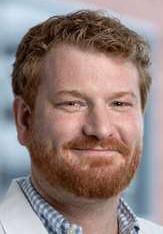
Dr. Timpe is an assistant professor of emergency medicine at the Medical College of Wisconsin, where he serves as an associate program director for the residency, director of wilderness and environmental medicine, and course director for MCW's wilderness medicine course. He is currently the chair of SAEM’s Wilderness Medicine Interest Group.

Dr. Zumsteg is an emergency medicine resident at the Medical College of Wisconsin. Outside of work, he is an avid artist, backpacker, and cyclist.
Instagram: @dan.zumsteg
Photo 1: River water. Photo 2: River watering after settling for three hours.
Photo 3: River water after coagulationflocculation with alum (3 hours).
Photo 4: River water filtered through one (top) and two (bottom) layers of white cotton shirt.
Photo 5. River water after one pass in the homemade sand and gravel filter.
WILDERNESS MEDICINE

Enhancing Emergency Medicine Preparedness in Wildland Firefighting
By Jamison Geracci, Kyle Carr, M.Sc., and RJ Alado, on behalf of the SAEM Wilderness Medicine Interest Group
Wildland firefighting is a dangerous, high-risk profession conducted in remote, resource-limited environments. The medical kits carried by wildland firefighters are vital for delivering immediate prehospital care, yet they are often insufficient. Typically carried by only one member of the crew, these kits are designed for basic first aid unless modified by the crew or forest medical direction. As a result, they vary significantly and often lack essential items for managing critical emergencies, such as EpiPens, tourniquets, occlusive dressings, and hemostatic gauze. This shortcoming
poses a serious risk to both firefighters and the communities they serve.
The need for proper medical equipment became especially clear after the 2008 death of Andy Palmer, a National Park Service firefighter who died from exsanguination in Northern California. At the time, the available medical support was minimal, and tourniquets were not widely available. His death underscored the critical need for better medical preparedness and equipment in the field.
Despite the increasing presence of medics, the medical kits used
by wildland firefighters have not evolved to meet the demands of modern firefighting. These standard kits lack the necessary tools to address severe trauma and other life-threatening emergencies. As a result, many crews supplement their kits with additional supplies, often at their own expense. This ad-hoc approach leads to inconsistent levels of care and places an undue burden on individual firefighters to procure their own equipment.
The Bureau of Land Management’s Operational Medical Support Program (OMSP) offers a promising model for standardizing and

“The medical kits carried by wildland firefighters are vital for delivering immediate prehospital care, yet they are often insufficient.”
enhancing wildland firefighting medical capabilities. The OMSP provides EMTs with additional training and standardized equipment designed for wilderness firefighting, ensuring that all EMTs working under the Bureau of Land Management have the necessary tools and skills to provide effective care in remote environments. By adopting a similar approach, the National Wildfire Coordinating Group could significantly improve the medical readiness of its crews.
Currently, the medical kits used by wildland firefighters are insufficient for the dangers they face. Better equipment and training would improve the safety and effectiveness of wildland firefighting operations nationwide. While the medical directors of the U.S. Forest Service, Bureau of Land Management, and the National Park Service are working to
advocate for improvements, increased involvement from the emergency medicine community could lead to significant progress as well as unique opportunities for young physicians, residents, and medical students.
Advocacy from the emergency medicine community is crucial for driving these changes, but before emergency medicine professionals can do this, they must first familiarize themselves with wilderness medicine and actively engage with their local forests. Ideal starting points include pursuing wilderness medicine fellowships, joining local search and rescue teams, or reaching out to local forest services or national organizations—many of which are listed here.
Disclaimer: The authors’ opinions do not necessarily reflect that of the Department of Defense, the Uniformed Services University, or any other governmental agency
ABOUT THE AUTHORS


Jamison Geracci is a former Army infantry officer currently working as a wildland firefighter and EMT while completing post-baccalaureate premedical studies and a master’s in public health.
2nd Lt. Kyle Carr is a medical student at Uniformed Services University with strong interests in wilderness and operational medicine. Before joining the Air Force, he worked as an EMT in wilderness areas and as a U.S. Forest Service forestry technician, serving on engine and helitack fire crews in Northern California.

RJ Alado graduated from the University of Texas with a degree in biochemistry in 2023. He is spending this year pursuing research interests and gaining clinical experience while applying in the current medical school cycle.
Congratulations to the 2024 EMF-SAEMF Medical Student Research Grantees
The Emergency Medicine Foundation (EMF) and Society for Academic Emergency Medicine Foundation (SAEMF) jointly award stipends to encourage medical students (our future emergency medicine researchers and educators) to engage in and to be exposed to emergency medicine research. We applaud this year’s cohort of grantees and wish them all the best as they move forward with their research training:

Samantha L. Camp
University of Maryland, Baltimore
Ms. Camp was awarded the EMF-SAEMF Medical Student Research Grant for $3,500 over one year. She will work on her project titled, "Biomarkers Predicting Functional Outcomes In Patients With Ischemic Stroke Requiring Thrombectomy" at the University of Maryland, Baltimore.

Emily Larson, BS
Johns Hopkins University School of Medicine
Ms. Larson was awarded the EMF-SAEMF Medical Student Research Grant for $5,000 over one year. She will work on her project titled, "Evaluation and Optimization of Prehospital Trauma Triage” at Johns Hopkins University School of Medicine.

Kiersten Diercks, BA
UT Southwestern Medical Center
Ms. Diercks was awarded the EMF/SAEMF Medical Student Research Grant for $5,000 over one year. She will work on her project titled, "Qualitative Analysis of Coaching Perspectives Among Emergency Medicine Faculty and Key Stakeholders” at UT Southwestern Medical Center.

Karen Reyes, BA
University of California, San Francisco School of Medicine
Ms. Reyes was awarded the EMF/SAEMF Medical Student Research Grant for $5,000 over one year. She will work on her project titled, "Emergency Department (ED) Vaccination Surveillance: Novel Assessment of Age-Group Recommended Vaccines in Undocumented Latino Immigrants” at the University of California, San Francisco School of Medicine.
For more information or to apply for a 2025 EMF-SAEMF Medical Student Research Grant please visit our website. Your gift of any amount today will support more future leaders like these grantees.
Congratulations to the 2024 SAEMF Emergency Medicine Interest Group (EMIG)
Grantees
SAEMF recognizes the valuable role of emergency medicine medical student interest groups (EMIGs), and awards $500 grants to support these groups' educational activities. EMIG grant goals are to:
• Promote growth of emergency medicine education at the medical student level
• Identify new educational methodologies advancing undergraduate education in emergency medicine
• Support educational endeavors of an EMIG
You can learn more about EMIG grants or apply for a 2025 EMIG Grant (2024 applications are due by 5 pm C.T. on January 31, 2025). Donate a charitable gift of $500 to help make a future EMIG possible!
We applaud the following 2024 grantees for being awarded these important educational grants for their programs:


Columbia University
Vagelos


Harvard Medical School for “Trauma and Triage: A Simulation-based Skills Building Workshop for the Developing Physician”

University of Florida College of Medicine for

Elora G. Buscher and Roland Scott
College of Physicians and Surgeons for “Intro to Emergency Medicine Workshop”
Donald Fejfar
Callum Funk
Johns Hopkins University School of Medicine for “JH EMIG Stop the Bleed”
Rose Koochekpour
“UF Simulation-Based Case Competition”
Isabel Shimanski University of Utah for “EM LEADS Program Development”
BRIEFS & BULLET POINTS
FEATURED NEWS
SAEM's Remarkable Journey Continues, Thanks to YOU!
SAEM members, your hard work and dedication continue to shine! The SAEM25 program committee is excited to announce that we've reached another new record for workshop and didactic submissions. And that’s not all! Applications for the 2025–2026 committee cycle have also hit an all-time high! Your engagement and enthusiasm drive SAEM’s success, and we’re immensely grateful for your contributions. Let’s keep advancing together! Here are two ways you can continue with us on this exciting journey:
1. Renew your SAEM membership
2. Join us at SAEM25, May 13-16 in Philadelphia
Submit Your Nominations for SAEM and RAMS Awards!
SAEM awards season opened Oct. 1, and we invite you to join us in recognizing excellence in emergency medicine by nominating a colleague, mentor, or yourself for an SAEM or RAMS award. SAEM Awards celebrate excellence, honor achievements, and acknowledge the very best in academic emergency medicine research, education, and leadership. Check out the award categories and the nomination process and plan to submit your nomination by Dec. 9! Your involvement is the key to making this season of recognition truly special.
NIH NEWS
Apply by Nov. 21 for an Extramural Loan Repayment Program Award!
The NIH Loan Repayment Programs (LRPs), mandated by Congress, incentivize highly qualified health professionals to pursue biomedical or biobehavioral research careers. Rising education costs drive some scientists to higherpaying private sectors, but LRPs ease this burden by repaying up to $50,000 annually of eligible educational debt in exchange for NIH research commitment. These programs support early-career investigators, investing in the future of healthcare discovery. While structured
around research areas, extramural LRPs (for non-NIH-employed researchers) don’t fund specific projects but reward an applicant’s potential to nurture research careers. The application period closes Nov. 21. Visit the NIH LRP website for details.
WEBINARS & PODCASTS
Webinars
• SAEM Webinar Library
• Stop the Stigma EM Month
Podcasts
• RAMS Ask a Chair
• Who’s Who in Emergency Medicine
• Academic Emergency Medicine journal
• AEM Education & Training journal
EDUCATIONAL COURSES
Elevate Your Career with CAEMA: Essentials for Academic EM Administration
Advance your career with the Certificate in Academic Emergency Medicine Administration (CAEMA). This program is designed to equip emergency medicine administrators with essential skills in academics, human capital, personal development, and practice operations. Gain hands-on experience through live workshops and expert-led sessions. Applications are open now. Apply by January 2025 to take your next step in emergency medicine leadership. For more details, visit SAEM CAEMA Program
SAEM FOUNDATION
2024 SAEM Foundation (SAEMF) Challenge: Record Funds Raised for EM Education and Research!
SAEM, with its committees, academies, and interest groups, raised a record $104,015 for emergency medicine education and research through this year’s Challenge. A total of 171 donations
generated $94,015 during the May 1–August 31 campaign, with a matching gift from SAEM bringing the final total to $104,015. Thanks to everyone who made this year’s Challenge a success! Here are the 2024 Challenge winners:
Highest Participation
Academy of Geriatric Emergency Medicine Finance Committee & Bylaws Committee Research Directors Interest Group & Vice Chairs Interest Group
Most Funds Raised
Academy for Diversity and Inclusion in Emergency Medicine
Faculty Development Committee
Operations Interest Group
Don’t
Miss These Deadlines! SAEMF Funding Opportunities
Emergency Medical Foundation (EMF)Society for Academic Emergency Medicine Foundation (SAEMF) Medical Student Research Grant – Up to $5,000; up to four awards
This grant offers medical students early exposure to emergency medicine (EM) research, along with skill-building and networking opportunities through the EMF-SAEMF Grantee Workshop. Apply by 5 p.m. CT, January 10, 2025
SAEMF Emergency Medicine Interest Group Grant (EMIG) – $500
Supports emergency medicine interest groups (EMIGs) in advancing medical student education, fostering innovative educational methodologies in undergraduate education, and enhance EMIG-led activities. Apply by 5 pm CT, January 31, 2025
GEMSSTAR for Emergency Medicine
Supplemental Funding Program – $25,000 The National Institute on Aging Grant for Early Medical/Surgical Specialists’ Transition to Aging Research (GEMSSTAR) is funded through an NIA R03 small research project grant. Investigators may include a Professional Development Plan (PDP) alongside the R03, supported by non-R03 funds. To support emergency medicine GEMSSTAR applicants in their PDP, SAEMF and EMF jointly established the GEMSSTAR for Emergency Medicine
Supplemental Funding Program, with a separate application process from the NIA R03. Apply by 5 pm CT, February 15, 2025.
SAEM MEMBER RESOURCES
Research Resources From AEUS
Are you an AEUS member looking to dive into research? Explore our curated list of essential resources designed to guide you through every step of the research process. Access documents on developing a research question, finding your niche, mentoring researchers, study-specific resources, navigating the IRB, writing abstracts and manuscripts, submitting for publication, grant writing and more. This comprehensive collection is tailored to support AEUS members in advancing their research journey.
New DEI Curriculum Chapter Unpacks Intersectionality
The newest addition to the Diversity, Equity, & Inclusion (DEI) Curriculum, “The Intersection of Social Identities and Its Impact on Oppression and Discrimination,” developed by the Equity and Inclusion Committee, delivers an insightful overview with objective data, role-play scenarios, and additional resources. This chapter equips educators—regardless of prior experience with intersectionality—with foundational knowledge and tools to lead discussions on these critical concepts.
Check out the entire SAEM Diversity, Equity, & Inclusion (DEI) Curriculum to help foster a culturally competent and inclusive environment in your ED.
The SAEM Career Roadmap Helps You Navigate Your Academic EM Career
The SAEM Career Roadmap is your essential companion for navigating the diverse landscape of academic emergency medicine careers. Tailored for individuals at every stage of their professional journey — from chairs and faculty to administrators, fellows, residents, and medical students — this comprehensive guide illuminates the array of tools and resources SAEM offers. From leadership opportunities and specialized courses to networking
events, grants, scholarships, and prestigious awards, the roadmap equips you with invaluable insights and connections to propel your career forward.
Bonus! Check out our Educational Offerings Guide for a quick overview of the learning and experiences that SAEM offers for each career level.
Access the Expertise of Top-Tier Speakers in Academic EM!
Our four speakers bureaus offer highquality presentations on timely topics relevant to the practice of academic emergency medicine. Top-tier speakers cover important subjects and provide cutting-edge information and insights on a wide variety of important subjects. Book your speaker today!
ADIEM Advisory Council on Equity, Diversity and Inclusion Team
AACEM Faculty Lectures Speakers Bureau
AWAEM Speakers Bureau
Palliative Medicine Speakers Bureau
Your Roadmap to Landing a Fulfilling Faculty Role in Emergency Medicine
Securing Your First Faculty Position: A Guide for Residents and Fellows is an essential resource from the SAEM
Faculty Development Committee, designed to help you navigate the often-daunting job search process in emergency medicine (EM). From preparing your CV to mastering the interview process, this toolkit offers practical steps and expert insights to guide you through securing your first faculty role. With chapters on Setting the Stage, Preparing for the Job Search, The Job Interview Process, and Setting the Stage for Career Success, you’ll have a clear roadmap to launch your EM career confidently.
CDEM
M3 Curriculum:
Essential Core Concepts for Third-Year Medical Students
The CDEM M3 curriculum offers a structured framework for third-year medical students rotating through emergency medicine, ensuring a consistent educational experience. It emphasizes core emergency medicine concepts and is designed to be both supplementary and independent of the M4 curriculum, focusing on topics tailored for M3 students. The curriculum utilizes a MUST-SHOULD-CAN framework to delineate essential core clerkship material, while the SHOULD and CAN components can be adapted based on available resources and time. Additional details, objectives, and implementation guidelines are available on the M3 curriculum webpage
Accepting Submissions!
The SAEM Annual Meeting is the premier platform for showcasing groundbreaking research in academic emergency medicine. By submitting your work, you will not only gain valuable exposure but also connect with a knowledgeable audience eager to engage with innovative ideas. SAEM25 focuses on original education, research, knowledge exchange, and career advancement, making it the ideal venue for gaining recognition and advancing your career. Don't miss out on the chance to be part of this influential event. Submit your work!
Abstracts
25 ANNUAL MEETING UPDATES Save the Date!
Additionally, a select few will be chosen for special recognition and presented during our SAEM25 plenary sessions. Submit your work to be part of this influential exchange that shapes the future of emergency care.
Platform closes January 3, 2025. Learn more
Innovations
The SAEM Annual Meeting invites abstract submissions that reflect the dynamic, real-world challenges and critical issues faced daily in emergency medicine. These abstracts should contribute to advancing knowledge, practice, and patient outcomes, and be grounded in rigorous research or innovative educational practices. Accepted abstracts will be published in a special supplement of Academic Emergency Medicine, offering contributors the opportunity to share impactful findings with a global audience.
Innovations is a forum for members to present novel ideas and approaches in undergraduate and graduate medical education as well as advances in other nonclinical areas such as faculty development and operations. This year, in addition to accepting submissions from a broad array of fields, we would like to encourage authors to submit innovations in the following specific themes:
• Machine learning/artificial intelligence and medical education
• Sustainability and reducing waste in health care settings
• Reproductive health and education
• Rural health
Platform closes January 8, 2025. Learn more

SAEM25 Registration Opens December 1
The SAEM Annual Meeting offers something for everyone from seasoned faculty to medical students just starting their careers. Featuring cutting-edge research from the best minds in academic emergency medicine, expert educational content from world-class faculty, workshops that strengthen knowledge and skills in specific topic areas, energetic experiential learning competitions, and expansive networking events and career development opportunities to take your career to the next level. Plan now to join us in Philadelphia, Penn., for SAEM25. Registration opens December 1! Early bird deadline is March 14. Visit the annual meeting website to stay up to date on all the latest news and information.
Residency & Fellowship Fair Program Sign Up Starts December 1
The SAEM Residency & Fellowship Fair provides a streamlined, cost-effective recruitment opportunity for residency programs, reaching hundreds of potential candidates in a single event, saving you valuable time and resources. The fair encourages interactive discussions for candidates to ask questions, gain program insights, and make informed decisions, helping you assess their suitability more clearly. Registration opens December 1!
IGNITE!
IGNITE! is fun and fast-paced speaking competition. Each IGNITE talk is five minutes in length with 20 automatically advancing slides. Because of its unique format, IGNITE talks are highly energetic, captivating, and engaging. A panel of judges selects a “Best of IGNITE!” winner from each IGNITE session. An “Audience Choice Award” is also given at each session based on audience polling. Speakers are selected from all levels of training from all parts of the country to present on all sort of topics from disaster relief to machine learning.
Platform closes January 8, 2025. Learn more
Clinical Images
The popular SAEM Clinical Images Exhibit features high definition, image-based, educational case submissions relevant to the practice of emergency medicine. Accepted submissions are selected based on their educational merit, relevance to emergency medicine, image quality, case history, and appropriateness for public display. Images that are selected for display and have patient consent will also be featured in the Academic Life in Emergency Medicine's (ALIEM) widereaching blog, SAEM Clinical Images Series.
Platform closes December 3, 2024. Learn more.
A One-of-a-Kind Opportunity for Medical Students!
SAEM is recruiting 50 energetic, self-starting, responsible, and enthusiastic medical students for the SAEM24 Medical Student Ambassador (MSA) program. Selected MSAs will work directly with the SAEM Program Committee to assist in the planning, coordination, and execution of 2025 SAEM Annual Meeting in Philadelphia, Penn., May 13-16, 2025.
7 Benefits of Being a Medical Student Ambassador
• Waiver of your SAEM25 registration fee
• Free registration to the Medical Student Symposium
• Exposure to current education and research in EM through participation in didactics, poster sessions, lectures, and other educational activities
• Pairing and scheduled one-on-one meetings with an academic EM mentor (a faculty advisor from the SAEM25 Program Committee)
• Opportunities to form relationships with faculty members, residents, and medical students from EM programs around the country
• A personal letter from the program committee chair, sent to your dean of student affairs, acknowledging your contributions
• Your very own SAEM-branded athletic jacket! (All the cool kids are wearing them!)
How to Apply
Medical students who are interested in serving as a Medical Student Ambassador for SAEM25 can find more information and application details by visiting the MSA webpage. Additional questions can be addressed to Holly Byrd-Duncan at hbyrdduncan@saem.org or education@saem.org. Application deadline is January 8, 2025.

ACADEMIC ANNOUNCEMENTS
Dr. Aasim Padela Receives Adam Solomon Award for Excellence

Aasim Padela, MD, has been honored with the Adam Solomon Award for Excellence from the Tanenbaum Center for Interreligious Understanding. The award, presented at Tanenbaum’s annual Peace Made Possible gala in August, recognizes individuals and organizations demonstrating leadership, strategic vision, and creativity— qualities exemplified by the late Adam Solomon, a founding board member of Tanenbaum. Dr. Padela was recognized for his pioneering efforts in advancing health care equity by integrating religious values into health care delivery. His research examines the impact of religion on patient health behaviors and experiences, and he provides strategic guidance for Tanenbaum’s Health Care program. Tanenbaum is a secular non-profit organization dedicated to promoting mutual respect, understanding, and combating religious prejudice in workplaces, schools, health care settings, and conflict zones.
Dr. Stephanie Carreiro Receives NIH/NIDA R01 Award

Stephanie Carreiro, MD, associate professor of emergency medicine at UMass Chan Medical School, has been awarded a new R01 award from the National Institutes of Health/National Institute on Drug Abuse. Her five-year research project will validate a tool to identify digital biomarkers of craving during medication for opioid use disorder, describe craving trajectories, and identify opioid use disorder disease subtypes. The project aims to develop algorithms for precision treatment strategies and tailored prescribing based on dynamic assessments of craving.
Dr. Ethan Abbott Receives NHLBI K08 Career Development Award

Ethan Abbott, MD, PhD, was awarded a National Heart, Lung, and Blood Institute (NHLBI) K08 Career Development Award for his research on out-of-hospital cardiac arrest (OHCA). Dr. Abbott’s study focuses on improving survival outcomes by identifying health-related social needs that predict 30-day survival and discharge rates. Using advanced data science techniques, including natural language processing and large language models, his work seeks to develop predictive models to inform life-saving interventions. Dr. Abbott, an attending emergency physician at The Mount Sinai Hospital, aims to reduce OHCA mortality through his innovative approach to understanding patient needs.
Dr. Lauren Maloney Awarded a K12 Grant for Ultrasound Simulation Project

Lauren Maloney, MD, clinical assistant professor of emergency medicine and adjunct assistant professor of biomedical engineering at Stony Brook University, has received a K12 grant to develop an ultrasound simulation system for prehospital care providers. This engineering-based project will create a device capable of withstanding the environmental and operational challenges of prehospital care. The ultrasound system is designed to function effectively in moving environments, such as ambulances. Dr. Maloney has previously been recognized for her educational contributions by receiving the SAEM Resident Educator and RAMS Excellence in Research Awards, and served as a resident editor on the editorial board for Academic Emergency Medicine journal.
Dr. Di Coneybeare Promoted to Associate Professor at Columbia University

Di Coneybeare, MD, MPHE, has been promoted to associate professor of emergency medicine at Columbia University. Dr. Coneybeare serves as the director of the Emergency Ultrasound Fellowship and was recently elected president-elect of the Society of Clinical Ultrasound Fellowships (SCUF). Her leadership in emergency ultrasound has been widely recognized, and her contributions have shaped both clinical practice and academic training in the field. Dr. Coneybeare’s election to lead SCUF further highlights her significant role in advancing emergency ultrasound education and her commitment to fostering excellence in clinical ultrasound applications.
Dr. Jessica Schmidt is Selected as Fulbright U.S. Scholar

Jessica Schmidt, MD, MPH, has been selected as a Fulbright U.S. Scholar for the second time. Dr. Schmidt, an associate professor at the University of Wisconsin School of Medicine and Public Health, will conduct research in Rwanda focused on improving emergency care for children with suspected pneumonia. Her research will use point-of-care ultrasound to enhance diagnostic accuracy in low-resource settings. Dr. Schmidt’s work seeks to advance pediatric care globally and her Fulbright award underscores her ongoing commitment to international medical research and education, making significant contributions to both the field of emergency medicine and global health.
Dr. Aasim Padela
Dr. Lauren Maloney
Dr. Di Coneybeare
Dr. Jessica Schmidt
Dr. Stephanie Carreiro
Dr. Ethan Abbott
Dr. C. Anthoney Lim Named Pediatric ED Medical Director at NYP Morgan Stanley Children’s Hospital

C. Anthoney Lim, MD, MS, has been named pediatric emergency medicine medical director at NewYork-Presbyterian Morgan Stanley Children’s Hospital Emergency Department. Dr. Lim, an associate professor of pediatrics (in emergency medicine) at Columbia University, holds a master’s degree in clinical research and has extensive experience improving pediatric emergency care delivery. He has been instrumental in developing innovative models for emergency care that address the unique needs of children. In this new role, Dr. Lim will oversee clinical operations and guide quality improvement initiatives for the emergency department, ensuring the highest standards of care for pediatric patients.
Dr. John Riggins Named Medical Director of NYP Allen Hospital ED

John Riggins, MD, MHA, has been appointed medical director of the NewYorkPresbyterian Allen Hospital Emergency Department. Dr. Riggins, an assistant professor of emergency medicine at Columbia University, is responsible for overseeing clinical operations, quality, and patient safety. He also leads the department’s diversity, equity, and inclusion committee, working on institutional initiatives to improve health care equity. Dr. Riggins completed the Dr. Lorna M. Breen Fellowship in Healthcare Administration as its inaugural fellow and earned a master’s in health care administration from Columbia University’s Mailman School of Public Health. His leadership will enhance collaboration and drive improvements in emergency care delivery at Allen Hospital.
Dr. Imoigele Aisiku Appointed Chair of the Department of Emergency Medicine
Imoigele Aisiku, MD, MSCR, MBA, has been appointed chair of the Department of Emergency Medicine at the Renaissance School of Medicine at Stony Brook University following a national search. A recognized leader in critical care and neurocritical care, Dr. Aisiku joins Stony Brook from Brigham and Women’s Hospital and Harvard Medical School, where he served as Vice Chair of Emergency Critical Care. In addition to his role at Brigham and Women’s Hospital, Dr. Aisiku has held significant positions, including co-diirector of the Brigham Critical Care Research Consortium and director of the Office of IDEaS, focusing on diversity and equity initiatives.

Pulse Academic Announcements
publishes academic appointments, promotions, retirements, grant awards, research announcements, published papers, etc. Submit your content (50-75 words max) via our new online form! The next content deadline is December 1, 2024 for the January-February 2025 issue.
Dr. C. Anthoney Lim
Dr. John Riggins
Dr. Imoigele Aisiku
NOW HIRING
POST YOUR OPEN JOBS IN FRONT OF OUR QUALIFIED CANDIDATES!
Accepting ads for our “Now Hiring” section!
Deadline for the next issue of SAEM Pulse is December 1.
For specs and pricing, visit the SAEM Pulse advertising webpage.


EMERGENCY MEDICINE FACULTY
The University of California San Francisco, Department of Emergency Medicine is recruiting for full- time faculty. We seek individuals who meet the following criteria: clinically-oriented emergency medicine faculty with experience (3+ years preferred), fellowship trained or advanced degree (preferred), and outstanding and original contributions to administration and/ or diversity and equity at the rank of assistant or associate professor. Rank and series will be commensurate with qualifications.
The Department of Emergency Medicine provides comprehensive emergency services to a large local and referral population at multiple academic hospitals across the San Francisco Bay Area, including UCSF Hellen Diller Medical Center, Zuckerberg San Francisco General Hospital, and the UCSF Benioff Children’s Hospitals in San Francisco and Oakland. The Department of Emergency Medicine hosts a fully accredited 4-year Emergency Medicine residency program and multiple fellowship programs. There are opportunities for leadership and growth within the Department and UCSF School of Medicine. Board certification in Emergency Medicine is required. All applicants should excel in bedside teaching and have a strong ethic of service to their patients and profession.
The University of California, San Francisco (UCSF) is one of the nation’s top five medical schools and demonstrates excellence in basic science and clinical research, global health sciences, policy, advocacy, and medical education scholarship. The San Francisco Bay Area is well-known for its great food, mild climate, beautiful scenery, vibrant cultural environment, and its outdoor recreational activities.
PLEASE APPLY ONLINE AT: https://aprecruit.ucsf.edu/JPF05277
Applicants’ materials must list current and/or pending qualifications upon submission.
The posted UC salary scales set the minimum pay determined by rank and step at appointment. See [Table 5]( https://www.ucop.edu/academic-personnel-programs/_files/2024-25/oct-2024-scales/t5summary.pdf). The minimum base salary range for this position is $149,700-$232,900. This position includes membership in the [health sciences compensation plan](https://ucop.edu/academic-personnelprograms/_files/apm/apm-670.pdf) which provides for eligibility for additional compensation.
UCSF seeks candidates whose experience, teaching, research, and community service has prepared them to contribute to our commitment to diversity and excellence. UCSF is an Equal Opportunity/Affirmative Action Employer. All qualified applicants will receive consideration for employment without regard to race, color, religion, sex, sexual orientation, gender identity, national origin, disability, age or protected veteran status. For additional information, please visit our website at http://emergency.ucsf.edu disabilities, and for covered veterans. All qualified applicants are encouraged to apply, including minorities and women. For additional information, please visit our website at http://emergency.ucsf.edu/
Our Story
Is Our Story
As a physician-led group, we have a deep understanding of what our EM teams need
■
■ Robust support for clinician wellness
■
■
■ Partnership with the Dr. Lorna Breen Heroes’ Foundation
■
■
■
■ Flexible scheduling that supports work-life balance
■
■
■ A culture committed to academic and clinical excellence
■
■


Penn State Health Emergency Medicine
About Us:
Penn State Health is a multi-hospital health system serving patients and communities across central Pennsylvania. We are the only medical facility in Pennsylvania to be accredited as a Level I pediatric trauma center and Level I adult trauma center. The system includes Penn State Health Milton S. Hershey Medical Center, Penn State Health Children’s Hospital and Penn State Cancer Institute based in Hershey, Pa.; Penn State Health Hampden Medical Center in Enola, Pa.; Penn State Health Holy Spirit Medical Center in Camp Hill, Pa.; Penn State Health Lancaster Medical Center in Lancaster, Pa.; Penn State Health St. Joseph Medical Center in Reading, Pa.; Pennsylvania Psychiatric Institute, a specialty provider of inpatient and outpatient behavioral health services, in Harrisburg, Pa.; and 2,450+ physicians and direct care providers at 225 outpatient practices. Additionally, the system jointly operates various healthcare providers, including Penn State Health Rehabilitation Hospital, Hershey Outpatient Surgery Center and Hershey Endoscopy Center.
We foster a collaborative environment rich with diversity, share a passion for patient care, and have a space for those who share our spark of innovative research interests. Our health system is expanding and we have opportunities in both academic hospital as well community hospital settings.

Benefit highlights include:
• Competitive salary with sign-on bonus
• Comprehensive benefits and retirement package
• Relocation assistance & CME allowance
• Attractive neighborhoods in scenic central Pa.


Check companies advertising jobs on SAEM’s EM Job Link against your LinkedIn contacts. Leverage professional connections for more information about the company or request a referral.


Department of Emergency Medicine Presents
The Mount Sinai Clinician Scientist Training Program in Emergency Care Research
This program is currently accepting applications for July 2025 from individuals who wish to pursue fellowship training in emergency care research. Clinical and health services research tracks are available. This NHLBI-funded T32 program will provide qualified candidates with:
• Individual and Collaborative Research Opportunities
• Outstanding Mentorship
• Multidisciplinary Research Training
• Career and Leadership Development
• Masters of Science in Clinical Research
• 2-3 Years of Salary Support
APPLY ONLINE
Department of Emergency Medicine of the Icahn School of Medicine at Mount Sinai:
• Lynne D. Richardson, MD, FACEP, Program Director
• Alex Manini, MD, MS, Associate Program Director
• Roland Merchant, MD, MPH, ScD, Associate Program Director
• Cindy Clesca, MA, Program Administrator
For more information, email ERTP@mountsinai.org or call 212-824-8057.
The Icahn School of Medicine at Mount Sinai is located in New York City. Our topranked Emergency Medicine Research Division is comprised of talented investigators conducting high quality research in a supportive, collegial atmosphere that promotes scholarly inquiry and mutual respect. We value diversity of all kinds.
1T32HL160513 National Institutes of Health NATIONAL HEART, LUNG, AND BLOOD INSTITUTE

May 13-16, 2025 | Philadelphia Marriott Downtown