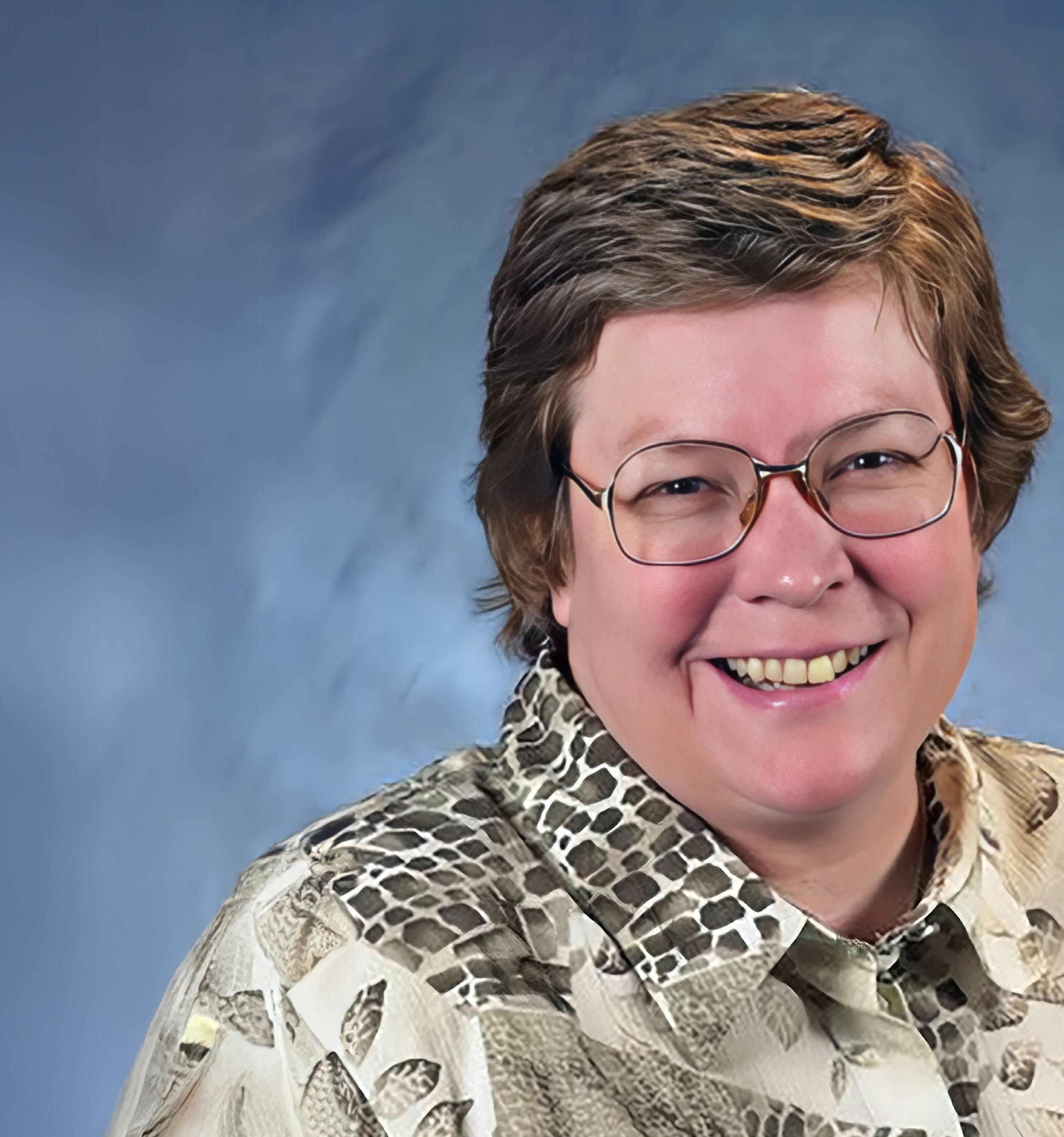
Leading With Curiosity and Kindness
SPOTLIGHT Pulse
Dr. Jane H. Brice reflects on mentorship, EMS innovation, and building the next generation of academic emergency medicine leaders.
2025 –2026 SAEM BOARD OF DIRECTORS
EXECUTIVE COMMITTEE
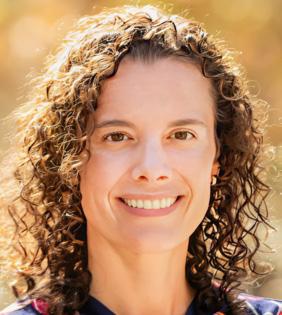
Michelle D. Lall, MD, MHS
SAEM President
Emory University School of Medicine
Board Liaison to:
• Bylaws Committee
• Governance Committee
• Ethics Committee

Jody A. Vogel, MD, MSc, MSW
SAEM President-Elect
Board

Ava E. Pierce, MD
SAEM Secretary-Treasurer
UT Southwestern Medical Center
Board Liaison to:
• Global Emergency Medicine Academy
• Finance Committee
• Program Committee
• Clinical Researchers United Exchange Interest Group
• Wilderness Medicine Interest Group

Pooja Agrawal, MD, MPH
Member at Large Yale Department of Emergency Medicine
Board Liaison to:
• Clerkship Directors in Emergency Medicine
• ED Administration and Clinical Operations Committee
• Grants Committee
• Behavioral and Psychological Interest Group
• Pediatric Emergency Medicine Interest Group
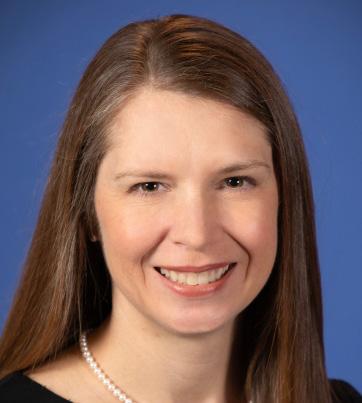
Bryn Mumma, MD, MAS
Member at Large University of California, Davis
Board Liaison to:
• Academy for Women in Academic Emergency Medicine
• Research Committee
• Disaster Medicine Interest Group
• Palliative Medicine Interest Group
• Research Directors Interest Group
• Trauma Interest Group

Cassandra Bradby, MD Member at Large East Carolina University
Board Liaison to:
• Academy of Emergency Ultrasound
• Awards Committee
• Critical Care Interest Group
• Oncologic Emergencies Interest Group
• Toxicology/Addiction Medicine Interest Group
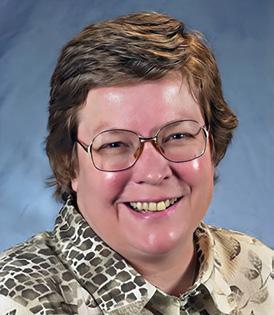
Jane H. Brice, MD, MPH Chair Member University of North Carolina at Chapel Hill School of Medicine
Board Liaison to:
• Faculty Development Committee
• Vice Chairs Interest Group
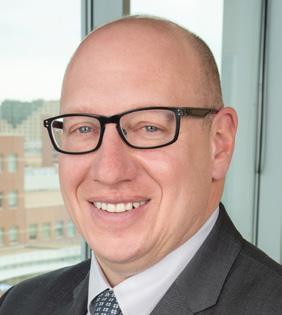
Jeffrey P. Druck, MD
Member at Large
The University of Utah
Board Liaison to:
• Academy for Diversity & Inclusion in Emergency Medicine
• Fellowship Approval Committee
• Climate Change and Health Interest Group
• Evidence-Based Healthcare & Implementation Interest Group
• Tactical and Law Enforcement Interest Group

Patricia Hernandez, MD Resident Member
Massachusetts General Hospital
Board Liaison to:
• Wellness Committee
• Innovation Interest Group
• Neurologic Emergency Medicine Interest Group,
• Telehealth Interest Group
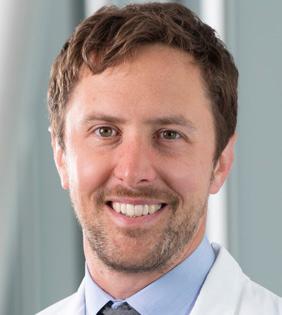
Ryan LaFollette, MD
Member at Large University of Cincinnati
Board Liaison to:
• Simulation Academy
• Education Committee
• Airway Interest Group
• Operations Interest Group
• Transmissible Infectious Diseases Interest Group
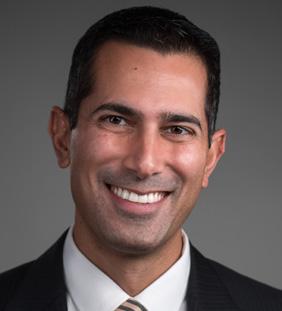
Ali S. Raja, MD, DBA, MPH
SAEM Immediate Past President
Massachusetts General Hospital/ Harvard Medical School
Board Liaison to:
• Academy of Administrators in Academic Emergency Medicine
• Workforce Committee
• Educational Research Interest Group
• Informatics, Data Science, and Artificial Intelligence Interest Group
• Quality and Patient Safety Interest Group
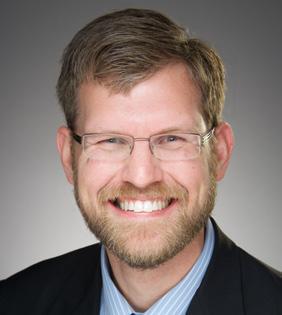
Nicholas M. Mohr, MD, MS
Member at Large University of Iowa Carver College of Medicine
Board Liaison to:
• Academy of Emergency Medicine Pharmacists
• Academy of Geriatric Emergency Medicine
• SAEM Federal Funding Committee
• Membership Committee
• Emergency Medical Services Interest Group

Erin Campo,
•
Rethinking
Dialysis and Emergency Department
Addressing Barriers to Hemodialysis Adherence
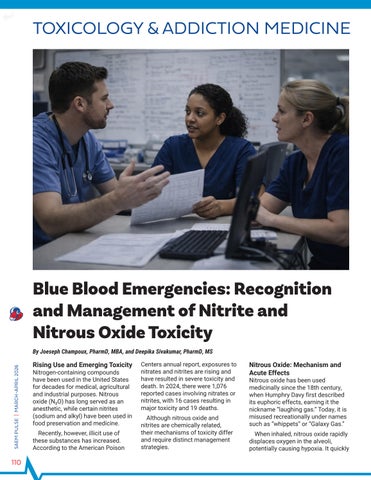
Blood Emergencies: Recognition and Management of Nitrite and Nitrous Oxide Toxicity
Early Recognition and Time-Sensitive Management in the Emergency Department
Management of Ischemic
A Safe and Effective Approach
Venous Congestion at the Bedside Using the VExUS Protocol
That Matter: The Power Of Bedside Ultrasound
Career Uncertainty After Training: When the Path Disappears (Part 1 of 2)
in


Michelle D. Lall, MD, MHS
Emory University
2025-2026
President, SAEM
Advancing Academic Emergency Medicine: SAEM’s Strategic Priorities for 2026 PRESIDENT’S COMMENTS

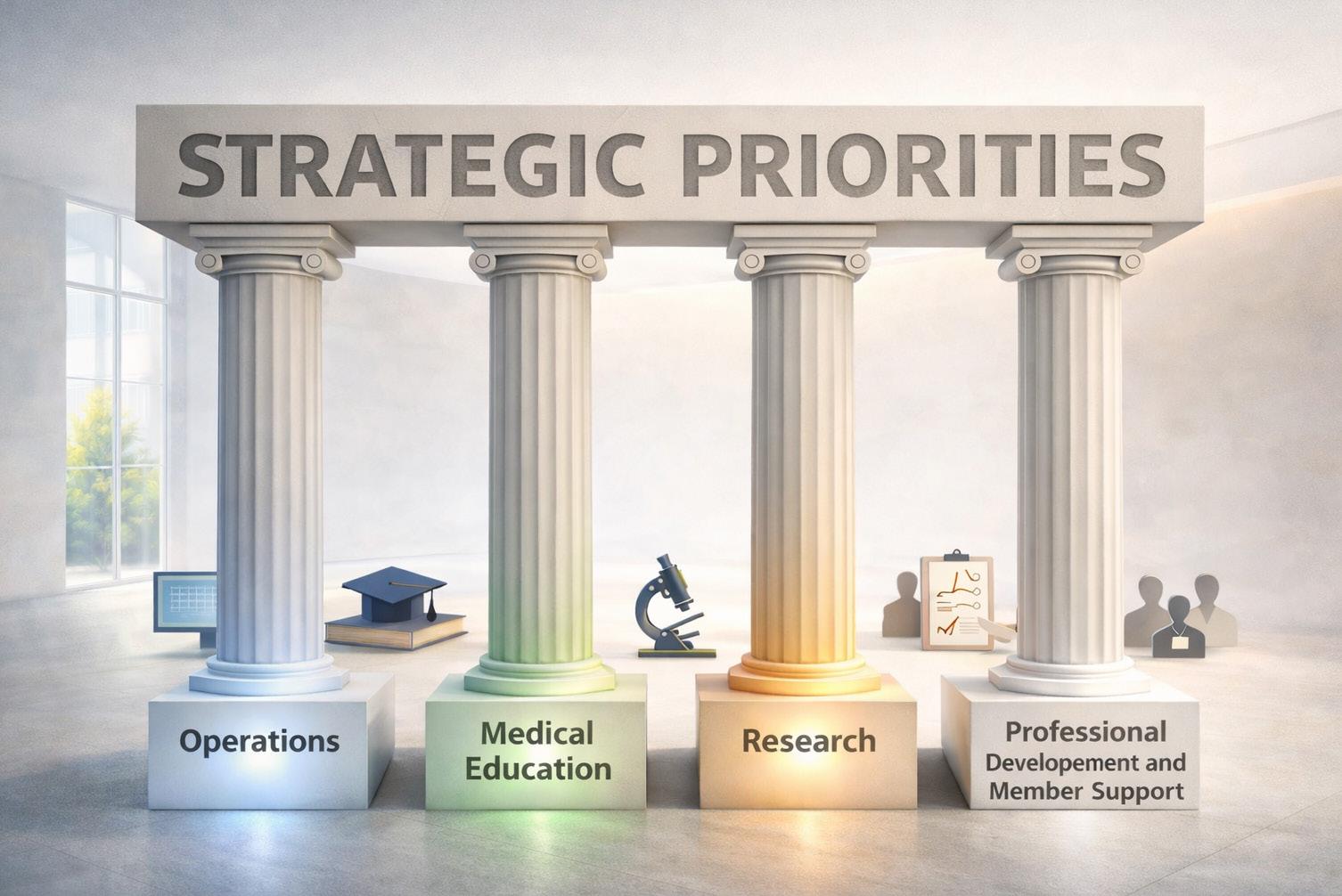
In 2026, SAEM will advance its strategy across four core pillars—Operations, Medical Education, Research, and Professional Development and Member Support— to strengthen organizational excellence, accelerate innovation, and better serve the academic emergency medicine community.
Operations:
SAEM will prioritize leadership continuity and organizational modernization through a comprehensive, transparent CEO search process, ensuring alignment with the organization’s mission and long-term vision. Major digital infrastructure initiatives will include the launch of a redesigned, member-centric website; a new interactive community platform connecting committees, academies, and task forces; and the development of a forward-looking artificial intelligence strategy to enhance operational efficiency and member engagement.
Medical Education:
Educational excellence will be advanced through modernization of the SAEMTests platform, a refreshed CDEM curriculum, and proactive engagement with anticipated ACGME residency program changes
“In 2026, SAEM will advance its strategy across four core pillars—Operations, Medical Education, Research, and Professional Development and to strengthen organizational excellence, accelerate innovation, and academic emergency medicine community.”
expected in early 2026. SAEM will also complete the Editor-in-Chief transition for Academic Emergency Medicine and initiate the search for a new AEM Education & Training Editor-in-Chief, ensuring continued leadership in scholarly education.
Research:
SAEM will expand its research impact through a SAEM Foundation Growth and Partnership Strategy designed to increase funding, visibility, and
pillars—Operations, and Member Support— and better serve the
support for investigators. The organization will accelerate national advocacy through its Federal Funding Strategy, strengthen emergency care research through OECR and federal partnerships, and launch a Federal Research Advancement Strategy focused on training, mentorship, and grant readiness for emergency medicine researchers.
Professional Development and Member Support:
To expand leadership and career pathways, SAEM will announce and operationalize new academies, creating broader engagement and specialty-specific communities. A unified mentorship platform will integrate across academies, committees, and interest groups to support career development, sponsorship, and peer connection. SAEM will further enhance collaboration and belonging through a new community site designed to bring members together in an interactive,
integrated environment. Together with AI-driven tools and improved digital infrastructure, these efforts will elevate the member experience and expand access to resources, networks, and opportunities.
2026 will be a busy and exciting year for SAEM. I look forward to welcoming you to Atlanta in May for SAEM26. Our Annual Meeting Innovations Task Force has been hard at work, and highlights will include free workshops with annual meeting registration; the return of MedWars and the Hackathon; new interactive plenary sessions and keynote formats; a Consensus Conference on AI; and a featured Food as Medicine event that brings wellness and science together. See you soon.
ABOUT DR. LALL: Michelle D. Lall, MD, MHS, is professor and vice chair of community and belonging in the Department of Emergency Medicine at Emory University School of Medicine.
SPOTLIGHT Leading With Curiosity and Kindness
Jane H. Brice, MD, MPH, MBA, reflects on mentorship, EMS innovation, and building the next generation of
academic emergency medicine leaders
From the back of an ambulance to the chair’s office, Jane H. Brice, MD, MPH, MBA, has spent her career building bridges — between prehospital and hospital care, between research and practice, and between emerging leaders and the mentors who shape them.
Brice is professor and chair of the Department of Emergency Medicine at the University of North Carolina at Chapel Hill School of Medicine, a position she has held since 2015. Under her leadership, UNC Emergency Medicine has earned national recognition for excellence in clinical care, education and research, with strong residency and fellowship programs and a robust portfolio of federally funded research.
A former paramedic and flight paramedic, Brice brings a career-long perspective that bridges frontline prehospital care with academic leadership and scholarship. She earned a bachelor’s degree in education and physical education, a medical degree and a Master of Public Health in epidemiology from UNC-Chapel Hill. She completed her emergency medicine residency at the University of Pittsburgh and holds adjunct appointments in UNC’s Department of Social Medicine.
A nationally recognized expert in prehospital and emergency medical services care, Brice’s clinical and research interests focus on improving trauma, pediatric and stroke care in the out-of-hospital environment, as well as advancing health equity and health literacy in emergency care. She has led multiple federally funded research studies and is widely published. She serves as editor in chief of Prehospital Emergency Care.
Brice is a chair member of the Society for Academic Emergency Medicine Board of Directors and the immediate past president of the Association of Academic Chairs of Emergency Medicine. She has been actively involved in leadership development initiatives, including SAEM’s Emerging Leaders Development Program. In 2025, she received the UNC School of Medicine Distinguished Medical Alumni Award in recognition of her professional service, leadership and national impact on emergency medicine.
In conversation, Brice reflects on mentorship, leadership and the habits that have shaped her career.
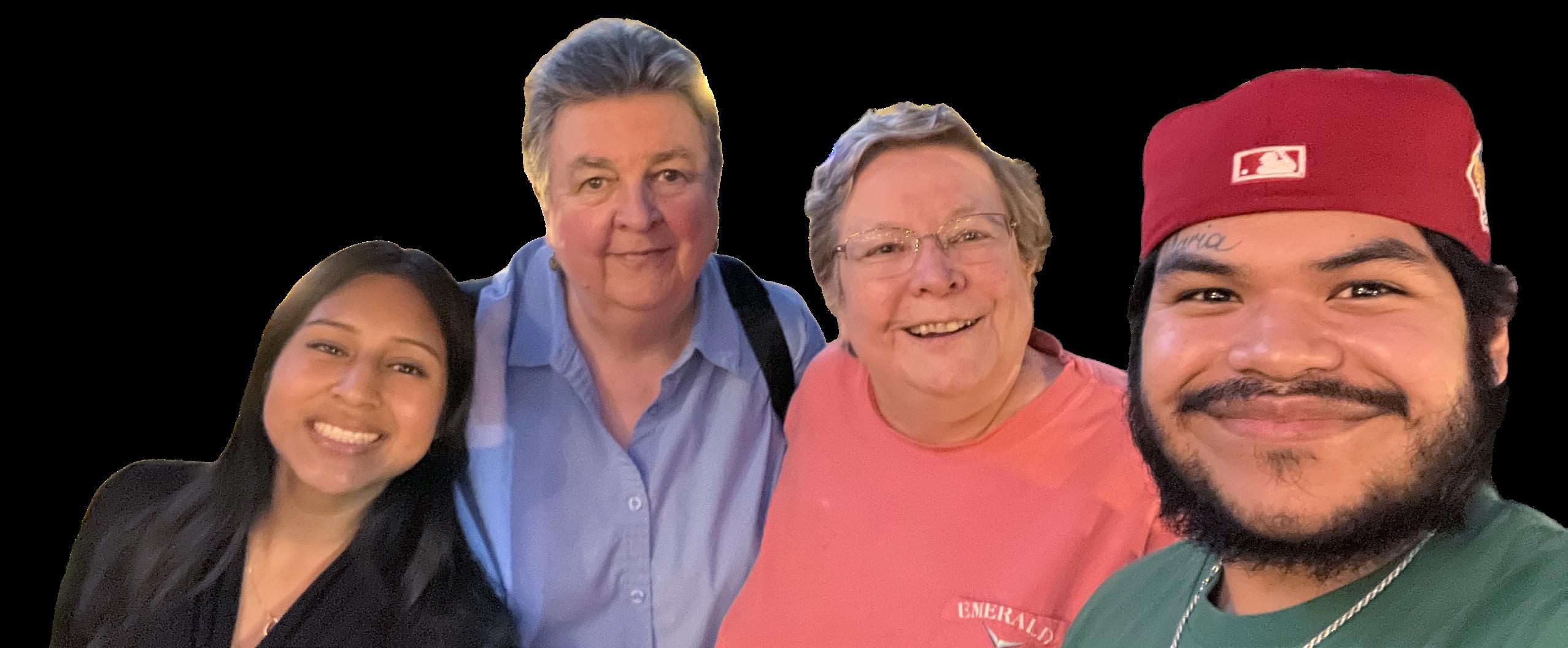
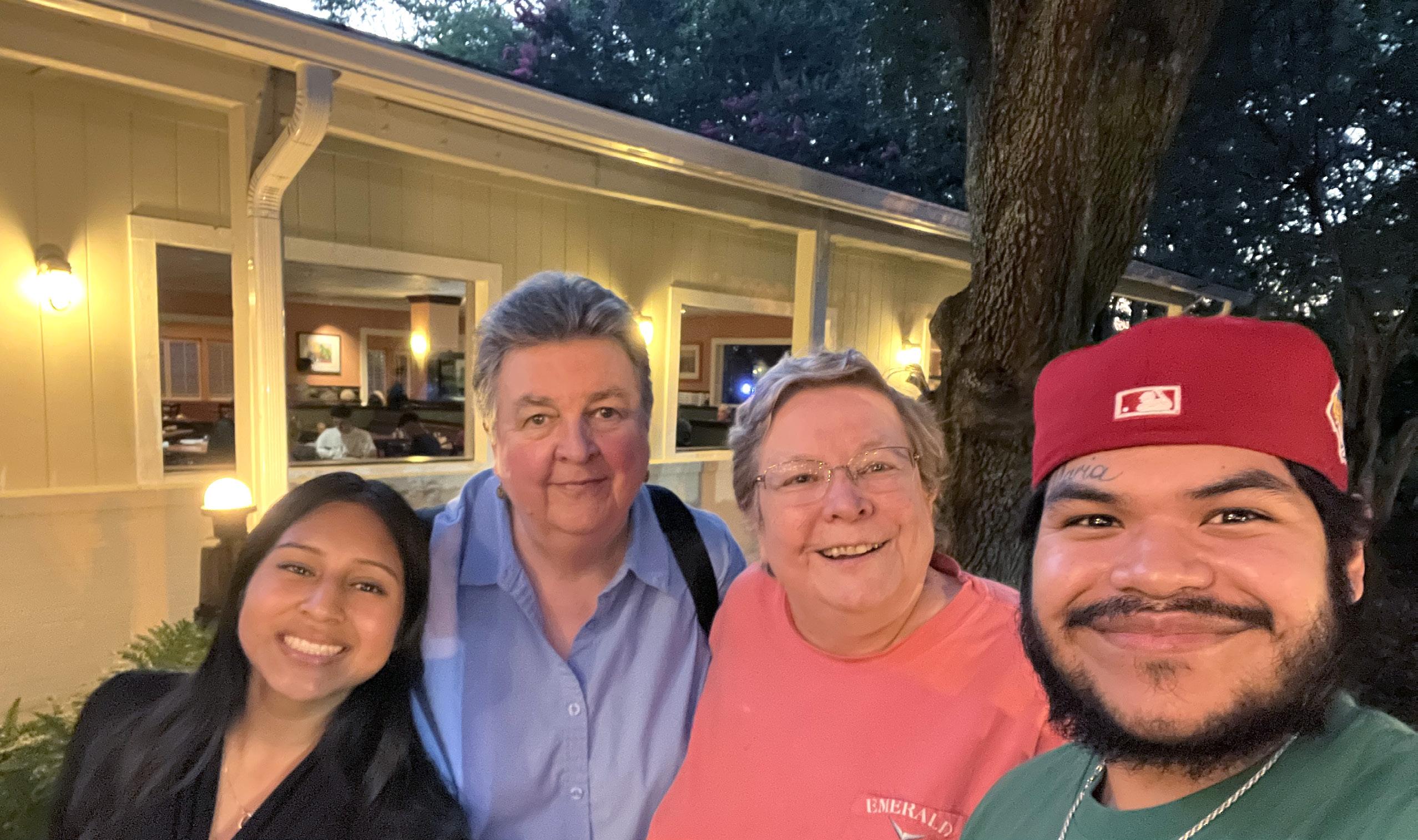

Your career uniquely bridges hands-on prehospital care with academic research and departmental leadership. Can you share a pivotal moment early in your career when you realized that this combination could define your professional path?
“Wow … this is a very interesting question. I think most people rarely have a pivotal moment that changes the entire course of their career. For me, I had a series of incredible mentors who helped me see a path that could combine all my interests and passions. Mentors have been critical to my growth and development as an EMS physician, an academic researcher and a leader.”
You’ve spent your career improving prehospital care. What’s one small change you’ve seen make a big impact in EMS practice?
“I think the biggest impact on EMS has been a culture shift recognizing EMS clinicians as professionals and partners in patient care. The practice of EMS evolved out of a transport service run by funeral homes into a state-of-theart delivery of medical care in the field by professionals. It took a long time for medicine to recognize EMS clinicians as partners in the care of patients prior to their arrival in the emergency department. Offering EMS clinicians respect and trust has allowed the advancement of protocols, procedures and patient care in the field.”
Your research has significantly advanced prehospital care science — particularly in trauma, pediatric and stroke care. What developments in prehospital medicine hold the most promise for improving patient outcomes?
“Continuing to push advanced diagnostics into the field has the greatest potential to improve patient outcomes. Providing EMS clinicians with the ability to at least partially work through a differential allows them to appropriately direct patients to facilities capable of providing needed care. For example, providing EMS clinicians with the skills and knowledge to use ultrasound appropriately in the field enables them to recognize patients who should be triaged to trauma centers before they become super sick.
You’ve held leadership roles at the department, national organization and editorial levels. How have these experiences shaped your philosophy of leadership in academic emergency medicine?
“When I was a resident at the University of Pittsburgh, Drs. Paul Paris and Don Yealy placed great emphasis on leadership skills. They provided us with a copy of Stephen Covey’s book, The Seven Habits of Highly Effective People, and led several discussion groups on the book. That book
on Page 8
had a profound impact on my life and my outlook on leadership.
“Dr. Covey emphasized personal leadership and selfmastery before undertaking interpersonal leadership. The struggle for personal leadership is an extraordinarily humbling lifelong journey of discovery. Dr. Covey’s philosophy of leadership centered around curiosity, finding common ground and creating an outcome larger than the sum of its parts through synergistic collaboration.
“My philosophy of leadership in academic emergency medicine mirrors that and is one of curiosity and finding collaborative partnerships to create outcomes greater than we ever could have possibly imagined to benefit our patients and co-workers.”
Your bio notes that you are a certified coach focused on growth. How does coaching influence the way you mentor emerging leaders in emergency medicine?
“Coaching and mentoring are distinctly different activities. Coaching is very much client-driven. A client seeks a coach to help them achieve a specific personal or professional goal. The process is one of discovery in which the coach helps the client find their path by asking insightful and powerful questions. Questions allow a client to find their own answers and to create new solutions that best fit their personality, style and approach to life. A coach helps a client think rather than providing the answers.
“Mentoring, on the other hand, is often relationshipdriven. A mentee comes to a mentor seeking professional advancement. They develop a relationship that should be reciprocal and collaborative, in which a mentor instructs and guides a mentee toward professional growth. Mentors also advocate with others for their mentees and seek out opportunities for their growth. Mentoring relationships are typically much longer than a coaching relationship.
“I have several mentor-mentee relationships that have been ongoing for several years. It is difficult to maintain many mentorship relationships at a time. Coaching, on the other hand, is far more time-limited but perhaps more intense. I frequently coach junior faculty and residents to help them achieve specific goals in their development.”
As a member of the SAEM Board of Directors and the immediate past president of AACEM, what do you see as the most pressing opportunities for SAEM, particularly in supporting chairs and academic leaders?
“SAEM is a very unique organization whose vision is to ‘be the premier organization for developing and supporting academic leaders and shaping the future of science, education and practice of emergency and acute care.’ SAEM strives for excellence by providing emergency medicine leaders at all stages of
development with the support, knowledge, skills and nurturance required to advance emergency medicine to the next level. In other words, SAEM invests in people.
“Many SAEM-created and supported programs already exist for up-and-coming leaders — the Chair Development Program, eLEAD and others. SAEM needs to continue advocating at the highest levels of our country’s leadership for our patients and clinicians. It also needs to continue supporting research and education efforts. Creating unity and finding common ground with our EM partners at the All-EM group is critical as well. But nothing is more important than growing our future through our people.”
Emergency medicine has evolved dramatically over the past three decades. What advice would you give to the next generation of emergency physicians interested in academic leadership and EMS?
“I was just talking to a resident last night about how much emergency medicine has changed over the past three decades. When I started training, HIV had just appeared on the scene, which created quite a culture shift in how we approached patients. Enormous technological advances in diagnostics and treatment have radically changed the way that we care for patients. Electronic medical records allow us to quickly gather critical information about patients’ past medical histories, recent test results and contribute to continuity of care with community physicians. COVID again radically changed our approaches to patients and reminded us how much we still don’t know.
“I would advise the next generation of emergency physicians to remain humble, to be curious and to enjoy the ride.”
What leadership habit has made the biggest difference for you over the course of your career?
“Curiosity is the leadership habit that has made the most difference for me. Sometimes I have a thick skull. It took me a long time to realize that not everybody thinks the way I do or has the same goals. Truthfully, it was like a light bulb going off when I came to this realization — mind blown. Being curious and asking questions allows me to cross the bridge to another person and to find common ground and understanding. This is central to leadership, and I continue to work on it.”
If you could define a legacy you hope to leave for emergency medicine, what would you want it to be — both in terms of scholarship and culture?
“Leaving a legacy is something I think about more and more as I approach the end of my career. I hope that I leave a legacy of kindness. There is nothing in this world more important than seeing each other as truly human and extending kindness to one another. It’s how we make the world go round. That’s how we get through this life together.”

Dr. Jane H. Brice, Off the Clock
You’re known to be a fan of baseball. Is there a favorite team, ballpark or tradition you never miss?
“I am a Kansas City Royals fan. They were the first professional baseball team I ever saw as a kid. I grew up in Tampa, Florida, where the Cincinnati Reds used to have their spring training facility. My grandmother was a huge Cincinnati Reds fan. When I was little, we would sit in her kitchen and listen to the Cincinnati Reds on the radio. I still love to listen to baseball on the radio.
“I subscribe to MLB Baseball, and during spring training, while sitting in my office, I tune in to radio broadcasts of games. The Yankees now have their training facility in Tampa, and it is fun to go back to sit in the sun during spring training and watch them play.
“The most memorable thing about baseball to me is that it is a family tradition. My grandparents, mother and now my children love baseball. When I was a kid, baseball stadiums did not have lights, so there were no night games. The World Series was played in the afternoons. My grandfather would let me stay home from school to watch the World Series games. My grandfather taught me to keep score, which is a must-do for me at a game. Seriously, I could go on and on and on about baseball.”
Original “Star Wars,” prequels or newer films?
“As I mentioned above, I am old. I saw the original ‘Star Wars: A New Hope’ in theaters when it was released. And then I saw it like 30 more times. So that is probably my favorite movie. However, I absolutely love the new releases, especially ‘Bad Batch,’ ‘Rebels’ and particularly ‘Andor.’ ‘Andor’ is incredible.
“My favorite quote of the moment is from Mon Mothma in ‘Andor’: ‘The distance between what is said and what is known to be true has become an abyss. Of all the things at risk, the loss of an objective reality is perhaps the most dangerous. The death of truth is the ultimate victory of evil. When truth leaves us, when we let it slip away, when it is ripped from our hands, we become vulnerable to the appetite of whatever monster screams the loudest.’”
How do you like to spend a completely unscheduled day?
“In my pajamas reading a good book and drinking good tea.”
What might surprise your colleagues?
“I am a very dedicated introvert. I often think I would be very happy as a hermit. Not a hermit crab — just a hermit.”
Go-to comfort snack after a long day?
“I love black licorice.”
A place you’d happily return to again and again?
“Emerald Isle, North Carolina.”
A small, everyday thing that reliably makes you smile?
“A good dad joke. How do you measure the quality of my jokes? A sigh-smograph!”
Your idea of a perfect weekend?
“My idea of a perfect weekend is to lose myself in an astonishingly good book. Highly recommend ‘Anxious People’ by Fredrik Backman, or ‘My Friends’ by Fredrik Backman, or ‘Remarkably Bright Creatures’ by Shelby Van Pelt, or ‘Other Birds’ by Sarah Addison Allen, or literally anything by Ursula Le Guin.”
26 PREVIEW

More Than a Meeting — A Moment for Our Specialty
Academic emergency medicine is evolving rapidly — shaped by new technologies, new expectations, and a renewed focus on trust, impact, and community. SAEM26 is where that evolution comes into focus. This year’s annual meeting is not simply a showcase of new programming; it is a deliberately designed experience that reflects who we are as a community and where we are headed next.
Across four energizing days, SAEM26 invites you to engage with ideas that challenge and equip you — while connecting with colleagues committed to advancing emergency medicine through scholarship, education, innovation, and service.
Designed for How You Learn and Lead
SAEM26 has been thoughtfully reimagined to support deeper learning, greater flexibility, and meaningful engagement from Monday morning through Thursday afternoon. With four full days of education and two complete days dedicated to workshops, the meeting creates space for both breadth and depth — allowing you to tailor an experience that meets your professional goals.
This year’s 27 immersive workshops, now fully included with registration, reflect SAEM’s commitment to accessible, high-value education. From hands-on skill development to scholarship and leadership growth, these sessions deliver tools you can immediately apply in your work.
In a significant expansion of support across the career continuum, all four Career Development Forums are now included with registration:
• Medical Student Symposium — welcoming future leaders into the SAEM community
• Chief Residents Forum — supporting transition, influence, and impact
• Leadership Forum — strengthening vision, strategy, and organizational leadership
• Education Summit: The Productive Educator’s Playbook — helping you thrive as an EM educator
Together, these experiences reinforce a core principle of SAEM26: wherever you are in your journey, this meeting is built for you.
Conversations Shaping What's Next
SAEM26 centers on dialogue — the kind that sparks insight, builds consensus, and moves the field forward.
The SAEM Main Stage sets the tone on Tuesday and Wednesday with high-energy general sessions that blend interactive plenaries and thought-provoking keynotes, encouraging attendees to engage, question, and contribute as new ideas take shape. On Thursday, the Main Stage spotlights a forward-looking conversation tackling the most pressing issues and emerging priorities influencing our field right now.
New this year, lightning orals replace traditional ePosters, creating a faster, more engaging research exchange that prioritizes clarity, connection, and conversation. These sessions highlight innovation while fostering meaningful interaction between presenters and attendees.
The meeting will also host two landmark consensus conferences, both included with registration:
• Rebuilding Trust and Mitigating Unreliable Information
• AI and the Future of Emergency Medicine
These conferences convene diverse voices to frame critical questions, identify research priorities, and help define how our specialty responds to some of its most pressing opportunities and challenges.
Innovation in Action
At SAEM26, innovation is hands-on, collaborative, and purpose driven.
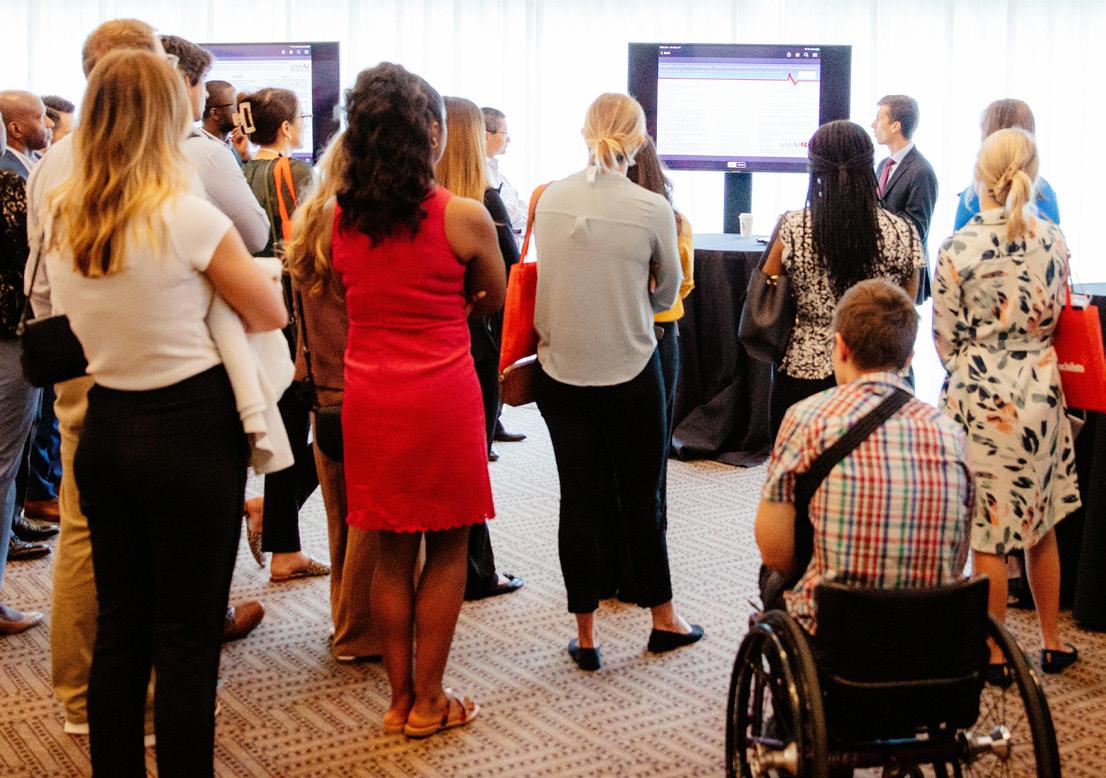
The inaugural EM Hackathon brings together interdisciplinary teams to develop data-informed solutions to real-world problems in emergency medicine. Open to all registered attendees at no additional cost, the Hackathon exemplifies the creativity and ingenuity that define the SAEM community.
New this year, the Exhibit Hall becomes an active hub for career exploration and deeper engagement. Dedicated spaces create intentional opportunities for connection and growth:

What’s New — and Newly Included — at SAEM26
SAEM26 brings more to the meeting experience than ever before, combining new offerings with expanded access to deliver greater value and impact.
Brand-New for SAEM26:
• Pickleball Tournament
• Food Is Medicine Volunteer Event supporting Open Hand Atlanta
• Lightning Orals replace traditional ePosters
• EM Hackathon
• New Exhibit Hall Hubs
Expanded & Elevated:
• Two landmark consensus conferences
• Two full days of workshops (27 total)
• Enhanced career development programming
• MedWAR returns to Atlanta’s iconic Piedmont Park
Now Included with Registration:
• All 27 workshops
• Career Development Forums
More access. More connection. More reasons to be at SAEM26.
• Job Pavilion & Knowledge Hub — explore academic EM career opportunities, connect with recruiters, and attend brief, practical micro-sessions on CV development, interviewing, and career transitions
• Roundtable Hub — continue conversations with speakers in informal, small-group discussions following select sessions
• Academies Hub — connect with SAEM’s nine academies, explore specialty pathways, and engage with focused professional communities
MedWAR: Go Beyond Your Comfort Zone
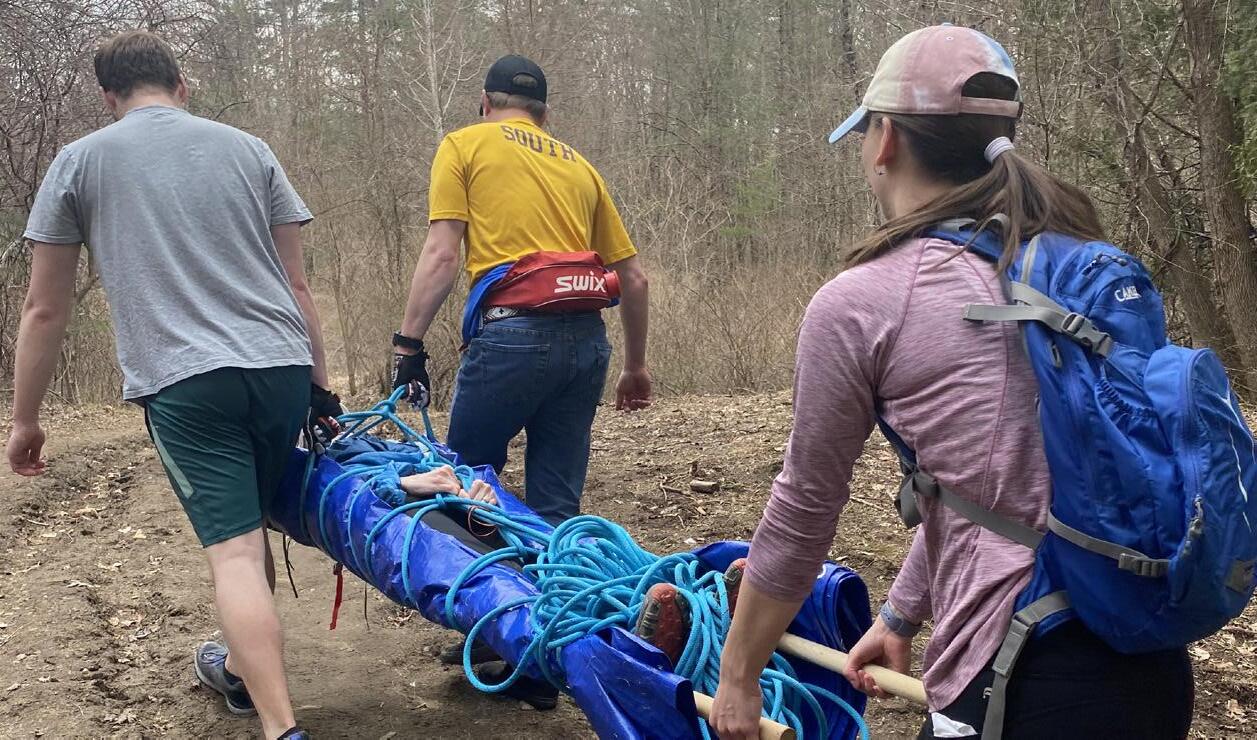
The Medical Wilderness Adventure Race (MedWAR) is a high-energy, team-based competition that blends the grit of adventure racing with complex, high-fidelity medical simulations. Developed as an innovative teaching tool, MedWAR challenges participants to apply clinical knowledge, procedural skills, and adaptive problem-solving in austere environments.
The Challenge: More Than a Trail Run
Participants are tested on:
• Preparation: Designing and carrying a practical, weightconscious medical kit
• Physical Endurance: Hiking, biking, paddling, and/or ropes elements
• Navigation: Traditional orienteering with map and compass
• Clinical Skills: High-fidelity wilderness simulations
• Self-Support: Managing hydration, nutrition, thermo-regulation, and foot care
• Team Dynamics: Leadership, communication, strategy, and problem-solving
High-Fidelity in the Field
Participants must think creatively and adapt to resourcelimited, unpredictable environments. You may manage airways flawlessly in the ED—but can you do it in freezing rain with improvised tools? Are you confident enough in your physical exam to justify a high-stakes evacuation decision in the field?
MedWAR builds resilience, camaraderie, and the confidence to perform when conditions are far from perfect.
Join Us at SAEM26
When: Monday, May 18 | 1:00–5:00 PM
Eligibility: Teams of three (open to all SAEM26 attendees)
Registration: Add the event during SAEM26 registration or update your existing registration through your SAEM account portal
Beyond innovation, SAEM26 creates space for wellness and shared experience — recognizing that community sustains our work.
• MedWAR returns with its iconic wilderness medicine challenge through Atlanta’s expansive Piedmont Park
• A new Pickleball Tournament introduces friendly competition and connection
• The Food Is Medicine Volunteer Event offers a meaningful opportunity to serve alongside colleagues while supporting Open Hand Atlanta
Some of the most valuable moments of the meeting happen outside traditional session rooms.
Atlanta: A City That Reflects Our Energy
SAEM26 takes place in Atlanta, Georgia — a city known for its history, creativity, and forward momentum. From cultural landmarks and world-class attractions to vibrant neighborhoods and exceptional dining, Atlanta provides a dynamic backdrop for connection and exploration.
Our host hotel, the Atlanta Marriott Marquis, places attendees at the center of it all — steps from Centennial Olympic Park, the Georgia Aquarium, the World of CocaCola, and countless opportunities to gather, unwind, and explore.
Be Part of What’s Next
SAEM26 is more than a schedule of sessions — it reflects a shared commitment to advancing academic emergency medicine with purpose and collaboration.
With expanded access to workshops, reimagined learning formats, and powerful consensus-building conversations, SAEM26 invites you to help shape the future of our specialty.
We look forward to welcoming you to four days of learning, innovation, community, and inspiration — and to the conversations that will carry far beyond Atlanta.
Answer the call to lead, learn, and connect. Register by the Early Bird deadline on March 10 to secure the best pricing — then build your schedule with intention and join us in Atlanta to help shape what’s next for academic emergency medicine.

On the SAEM Main Stage
The SAEM Main Stage is the heart of the annual meeting. This is where our entire community comes together to celebrate excellence, hear bold ideas, spotlight groundbreaking research, and tackle the hottest topics shaping academic emergency medicine. It’s a dynamic space for inspiration, discovery, and real-time dialogue — where questions are asked, perspectives are challenged, and the future of our field takes shape. One room. One community. Three unforgettable experiences.
Tuesday, May 19 | 9–11 a.m. CT
Awards Ceremony
On day one, SAEM honors outstanding achievement in research, education, leadership, and service that has advanced Academic Emergency Medicine and improved the health of society.
Presidential Address
During this annual address, the SAEM President will ceremonially pass the gavel to the incoming President who will celebrate the Society’s achievements over the past year and share an inspiring vision for the year ahead, as SAEM begins an exciting new chapter.
Dr. Peter Rosen Memorial Keynote
From the Trauma Bay to the Board Room: Insights and Perspectives
Brendan Carr, MD, MS, chief executive officer of the Mount Sinai Health System, will examine how lessons from highacuity emergency care inform executive decision-making, teamwork, and adaptability in complex healthcare systems. Honoring Dr. Peter Rosen’s enduring legacy, this keynote highlights how emergency medicine continues to shape innovation, education, and patient care at the highest levels of leadership.
Abstract Presentations
Two of the meeting’s five highest-scoring abstracts will be presented, followed by moderated audience discussion.
A Decade of the Severe Sepsis and Septic Shock Early Management Bundle: A National Time-Series Analysis of Bundle Compliance and Sepsis Mortality
James Ford, Donald Yealy, Suresh Pavuluri, Arjun Venkatesh
Association Between Emergency Department Presentation for Overdose and Treatment Engagement Following Emergency Department-Initiated Buprenorphine in a Randomized Controlled Trial
Kathryn Hawk
Wednesday, May 20 | 9–11 a.m. CT
Awards Ceremony
On day two, SAEM continues its tradition of recognizing distinguished individuals whose scholarship, leadership, and service have strengthened Academic Emergency Medicine and positively impacted the communities we serve.
Education Keynote
Will AI Be the Death of Clinical Reasoning?
Laura R. Hopson, MD, MEd, associate chair of education at the University of Michigan, will explore how artificial intelligence is reshaping clinical reasoning, decisionmaking, and trainee development. Addressing both opportunity and risk—including automation bias and cognitive deskilling—she will outline strategies educators can use to preserve foundational reasoning skills in an AIenabled clinical environment.

High-Impact Professional Development — Now Included with Registration
What Is an SAEM Forum?
SAEM Forums are immersive professional development experiences designed to support leadership development, focused skill-building, and career advancement across the emergency medicine career continuum. Each Forum combines expert-led instruction, interactive learning, and peer engagement to address real-world challenges in EM — with clear learning outcomes and practical application.
SAEM26 Forums at a Glance:
Leadership Forum
Strengthen leadership capacity, visibility, wellness, and conflict management through experiential learning and expert-guided discussion.
Who should attend: Faculty, fellows, and residents seeking to grow as effective leaders.
Chief Resident Forum
Prepare for the multifaceted role of chief resident with sessions on communication, program leadership, conflict resolution, and professional identity.
Who should attend: Current and aspiring chief residents.
Medical Student Symposium
A comprehensive introduction to EM and the residency application process, with direct engagement from program and clerkship directors.
Who should attend: Medical students exploring EM and preparing for the Match.
Education Summit: The Productive Educator’s Playbook
Practical strategies to enhance productivity, align work with purpose, and sustain well-being while advancing educational scholarship.
Who should attend: Educators seeking balance, efficiency, and impact.
Abstract Presentations
The remaining three highest-scoring abstracts will be presented, continuing the showcase of innovative research shaping the future of Academic Emergency Medicine, with live Q&A.
Associations Between American Board of Emergency Medicine Exam Pass Rates and Residency Program Characteristics and Hospital/Physician Group Ownership Type, 2021–2023
Patrick Nassrallah, Angela Cai, Alex Janke, Bruce Lo, Laura Oh, Jonathan Fisher, Gillian Schmitz, Zachary Jarou
Solutions to Improve Closed Loop Communication and Primary Care Follow-Up for Emergency Medicine Incidental Findings
Jorge Fradinho, Maria Cadman, Ryan Burke, Richard Wolfe, Jayson Carr
Differences in Emergency Department Pain Management Between Adolescents and Young Adults With Sickle Cell Disease
Ambuj Suri, Giovanna Deluca, Sai Jarabana, Timmy Lin, Janette Baird, Siraj Amanullah
Thursday, May 21 | 10–11 am CT
Capstone Session
The SAEM Main Stage closes with a dynamic discussion exploring the hot topic issues and emerging priorities shaping our field today. The session transitions into final reflections on the highlights of the week and a forward-looking perspective on the work that continues beyond the annual meeting. Together, this gathering brings our community full circle — connecting insight, inspiration, and momentum for the year ahead.
Reserve Your SAEM26 Childcare
by March 10!
Make the most of SAEM26 while Jovie’s professional team provides a caring, engaging onsite childcare/day camp for your child(ren), from infants through age 12. Reserve your spot by March 10 to ensure a seamless, worry-free experience for you and your little ones.

Exhibit at SAEM26: High-Impact Visibility
High-Value Connections
Reach the Leaders of Academic Emergency Medicine
Exhibiting at SAEM26 places your organization at the center of academic emergency medicine’s most influential annual gathering. As the premier forum for high-quality research and educational innovation in emergency care, the SAEM Annual Meeting attracts more than 3,900 clinicians, educators, researchers, and decision-makers from nationally recognized institutions and health systems. Attendees include department chairs, residency and fellowship leaders, faculty, researchers, and frontline clinicians—professionals with significant influence and purchasing authority. These are the leaders who shape departmental strategy, adopt new technologies, implement educational tools, and guide the next generation of emergency physicians. SAEM26 offers a direct pathway to connect with this highly engaged audience, generate qualified leads, and strengthen relationships with current clients.
A Redesigned Exhibit Hall Built to Drive Engagement
The SAEM26 Exhibit Hall is intentionally designed to increase traffic, extend attendee dwell time, and create meaningful interaction opportunities.
Job Pavilion
A centralized career destination within the Exhibit Hall, the Job Pavilion draws residents, fellows, faculty, and institutional leaders for high-intent conversations with recruiting institutions and career-focused organizations—bringing motivated professionals directly onto the exhibit floor.
Knowledge Hub
Short, 15–20-minute micro-sessions on career advancement topics keep attendees engaged and returning to the hall throughout the day, increasing visibility and repeat interaction opportunities for exhibitors.
Roundtable Hub
Post-session, small-group discussions extend learning beyond the session room and drive immediate traffic to the exhibit floor, creating organic networking and engagement moments.
Academies Hub
Scheduled academy meetups bring highly engaged members—including department leaders, educators, and researchers—into the Exhibit Hall, delivering targeted audiences and high-value connections.
In addition, the Opening Reception, Exhibit Hall Cocktail Hour, and morning coffee stations ensure consistent, highenergy traffic throughout the meeting.

Maximize Your Visibility and Impact
With tiered sponsorship packages— including elite Diamond and Platinum opportunities—SAEM26 delivers premium brand exposure, prominent placement across event materials, and direct access to the leaders advancing the future of emergency medicine. This is where innovation meets influence.
View the SAEM26 Exhibitor Prospectus for complete details, including exhibit booth options, add-ons, and sponsorship opportunities designed to maximize your visibility and return on investment.
Questions? Contact exhibitors@saem.org or David Perez, manager of exhibits and sponsorships, at (847) 257-7224.

Secure Your Stay for SAEM26!
The Atlanta Marriott Marquis is the official host hotel for SAEM26. Ideally situated in the heart of downtown Atlanta, the hotel places you just steps from the city’s top attractions, as well as exceptional dining, shopping, and entertainment.
With its modern style and convenient walkability, the Marriott Marquis offers the perfect home base for your annual meeting experience.
A special room block rate of $229 per night for single or double occupancy is available through April 24 on a firstcome, first-served basis. Rooms are expected to fill quickly, so be sure to reserve yours soon!
Now Accepting “In Memoriam” Submissions for the SAEM26 Tribute
At SAEM26 in Atlanta, we will honor and remember SAEM colleagues who have passed away since April 1, 2025. We invite you to submit names, institutional affiliations, and photos for inclusion in the “In Memoriam” video tribute, which will be presented during the SAEM26 Opening Session.
Please send submissions to sroseen@saem.org by April 1.

The RAMS Can’t-Miss Guide to SAEM26
By Daniel Artiga, MD, RAMS Board President
The Resident and Medical Student (RAMS) Board is incredibly excited about the depth and energy of this year’s SAEM Annual Meeting. With hundreds of sessions and events packed into four days, it can be hard to know where to focus — especially for residents and medical students trying to balance learning, networking, and actually enjoying the meeting.
That’s where the RAMS Can’t-Miss List comes in. Curated by residents for residents and students, this guide highlights the sessions and experiences that consistently deliver the highest yield: practical knowledge, skill-building, career development, and — just as importantly — community.
For the full schedule of recommended sessions, workshops, and events, visit the complete RAMS Can’t Miss Guide to SAEM26 on the SAEM26 website.
Make Connections (and Have Fun)
These are the events where the RAMS community truly comes alive. If you’re new to SAEM, this is the fastest way to meet people, have fun, and feel at home.
• New! Pickleball (Mon 5/18)
• SAEM RAMS Hunt (Mon 5/18)
• Opening Reception (Tue 5/19)
• RAMS Dodgeball (Wed 5/20)
• RAMS Party at the historic Tabernacle (Wed 5/20)
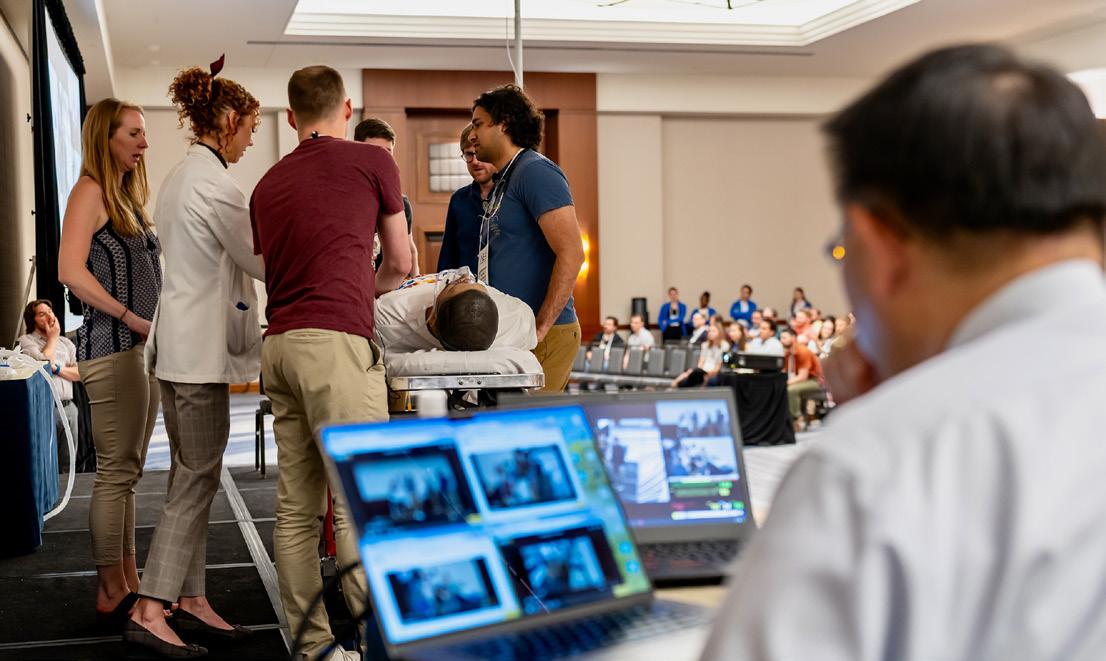
Compete, Collaborate, and Learn
These sessions combine education with competition and creativity, making them some of the most memorable learning experiences at SAEM. You’ll reinforce core EM skills while aiming for the top spot — and having a great time doing it. Advance registration is required for participation.
• MedWAR (Mon 5/18)
• The Hackathon: Team-Based Innovation in Emergency Medicine (Mon 5/18)
• Simulation Academy SimWars (Tue 5/19)
• ADIEM LGBTQIA+ Trivia (Wed 5/20)
• SonoGames and Afterparty (Thu 5/21)
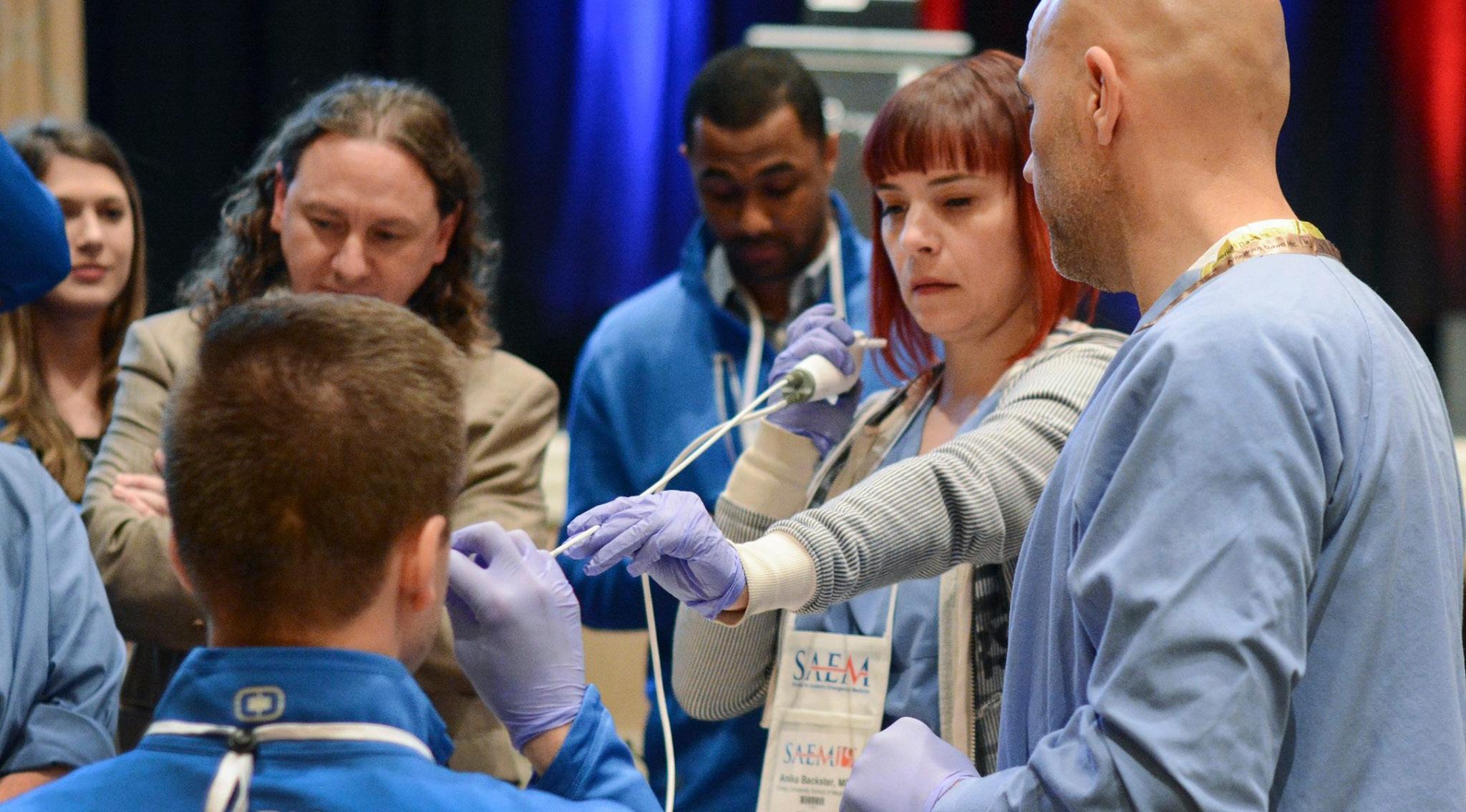
Hands-On Skills You’ll Use on Shift
Advanced EM Workshops are a standout for hands-on learners looking to leave SAEM with immediately applicable skills. These half-day and full-day sessions prioritize technical training and focused discussion with expert faculty.
New this year: all workshops are now included with registration. They remain ticketed due to capacity limits, so be sure to register early — they fill quickly for a reason.
From procedural skills and ultrasound to global emergency care, grant writing, DEI leadership, airway mastery, financial fluency, and artificial intelligence, this year’s workshop offerings are broad, relevant, and timely.
Explore our full list of recommended workshops online and secure your spot early.
General Information
• Pricing and Registration
• Schedule-at-a-Glance
• SAEM26 FAQs
• Accessibility
• For International Travelers
• Essential Tips & Insights
Career Development That Pays Off
Forums create space for honest, practical conversations about leadership, training, and career progression — often with insights you won’t find anywhere else. These immersive, high-impact professional development experiences combine expert-led discussion, interactive learning, and peer engagement.
New for SAEM26: All Forums are included with registration, though space is limited and advance sign-up is required.
• Leadership Forum (Mon 5/18)
• Chief Resident Forum (Wed 5/20)
• Medical Student Symposium (Wed 5/20)


Didactics That Will Shape How You Practice
With an extensive didactic catalog at SAEM26, prioritization matters.
This year’s standout sessions tackle the issues shaping emergency medicine right now — advocacy, immigration policy at the bedside, academic career pathways, rural and global EM, emerging infectious threats, precision pharmacotherapy, pediatric updates, geriatric medication safety, pain management beyond opioids, TBI advances, agitation management, and moral injury.
These are the conversations that will influence how you practice, teach, and lead.
Browse our full list of recommended didactics online and build a schedule aligned with your goals.
Networking That Moves Your Career Forward
These events provide intentional access to mentors, program leaders, and future collaborators — and often lead to conversations that shape careers.
• New! Annual Meeting Mentorship Program (flexible dates and times) — an interest-matched, one-time mentorship conversation designed to make one meaningful connection count
• Speed Mentoring (Tue 5/19) — rapid, high-yield 10-minute conversations with experienced mentors across academic EM
• AWAEM and ADIEM Luncheon (Tue 5/19) — brings passion, purpose, and people together to celebrate diversity, equity, and leadership in EM
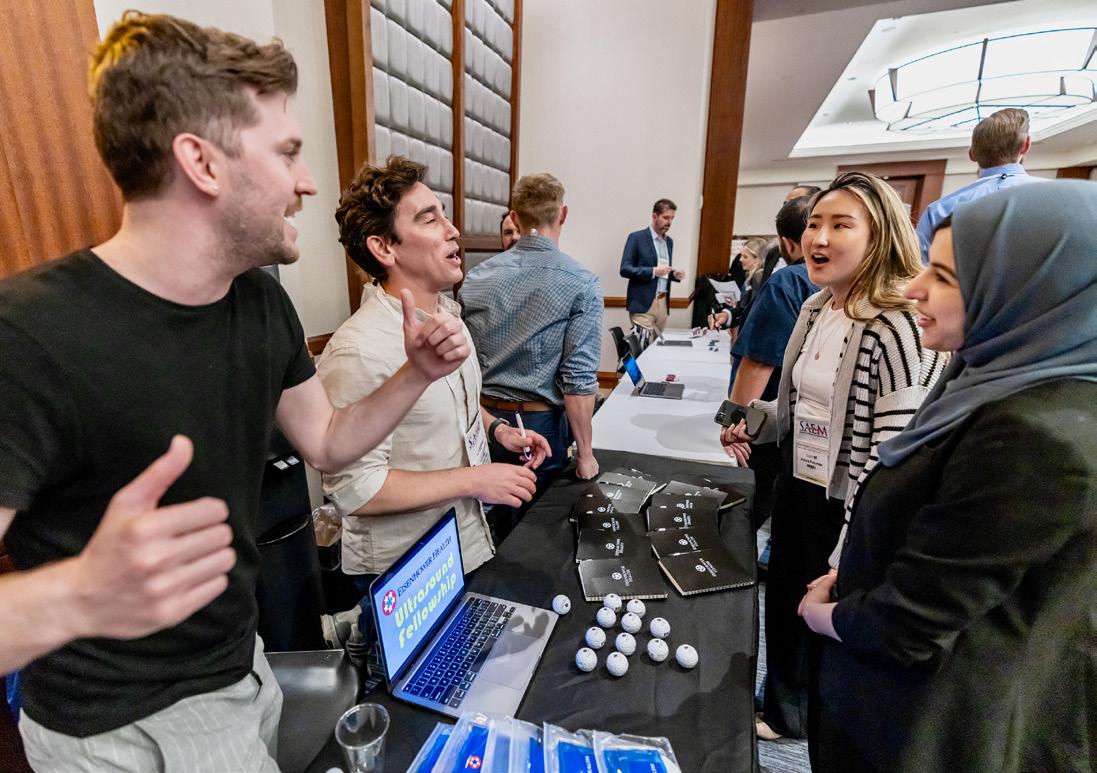
• Residency & Fellowship Fair (Wed 5/20) — direct access to program leaders from across the country
• Thinking About a Fellowship? Fellowship Roundtable Discussions (Didactic)
• Building an Academic Niche in Residency: Lessons From Early Career Faculty Across Diverse Fields (Didactic)
Also new this year: expanded networking hubs in the Exhibit Hall provide space for deeper engagement with academies, recruiters, and faculty leaders.
The RAMS Can’t-Miss List isn’t exhaustive — and that’s the point. Use it as an anchor as you build a schedule that reflects your goals and interests. SAEM26 is what you make of it. Prioritize the experiences that will still matter when you’re back on shift.
SAEM RAMS looks forward to welcoming you to Atlanta!
ADMINISTRATION &

Improving Documentation and Billing in Academic Emergency Medicine Amid Rising Payor Denials
By Ronny Otero, MD, MSHA; Igor Shusterman, MD; and Mark Semrad, DO, on behalf of the SAEM Vice Chairs Interest Group
In an era of increased payor scrutiny and denial rates, emergency physicians must be precise in their documentation. This task is essential for both clinical practice and the financial stability of one’s department.
Establishing a Baseline and Identifying Gaps
In the MCW Department of Emergency Medicine, we began by reviewing average evaluation and management (E/M) coding levels for high-complexity complaints, including chest pain and abdominal
pain. These encounters require complex diagnostic reasoning, risk assessment, and high-level medical decision-making. Our initial review revealed substantial variability in coding assignments. Up to 30% of these encounters were billed as 99283 or 99284 rather than 99285, prompting further evaluation of whether physician documentation accurately reflected the complexity of care provided.
This baseline assessment proved essential. The Clinical Operations team agreed to focus first on these
high-frequency, high-risk complaints before expanding the review to other areas of documentation and coding. By quantifying how often high-acuity encounters were billed at lower levels, we identified clear opportunities for improvement. Objective data allowed us to move forward without assigning blame and reinforced that accurate documentation and billing are integral to high-quality clinical care, risk reduction, regulatory compliance, and sound medical decision-making.
“Accurate documentation and billing are integral to high-quality clinical care, risk reduction, regulatory compliance, and sound medical decision-making.”
Learning From Experts and Building Internal Capability
The success of this initiative depended on sustained leadership engagement and a shared commitment to excellence. Our chairman, vice chair for clinical operations, executive administrator, medical directors, and revenue manager played central roles in conducting audits, reinforcing best practices, and modeling high-quality documentation. Their participation in coding workshops strengthened their expertise and positioned them to contribute meaningfully to systemlevel discussions on payor denials.
Recent reports indicate that some private payors have begun using automated, artificial intelligence–driven reviews to assess E/M coding and issue denials, prompting class action lawsuits. In response, we shared objective data with health system leadership and met directly with payor representatives to demonstrate that our documentation met established coding standards. These efforts resulted in the recovery of some denied claims and reinforced the importance of physician leadership with coding expertise during payor negotiations.
Education Across the Academic Team
Understanding the complexities of documentation in an academic setting that includes resident trainees and Advanced Practice Providers (APPs), we were deliberate in how we provided educational content. Our educational efforts were adjusted to faculty physicians, advanced practice providers, and residents. Educational sessions focused on

explaining medical decision-making, documenting life-threatening conditions encountered and for which the patient was evaluated, and detailing the risks of morbidity or mortality related to presenting complaints and management decisions. Residents and APPs learned to view documentation as a clinical account that transmits thought processes to consultants, coders, and payors, rather than as a clerical burden. We developed new “smart phrases” in our EPIC® electronic medical record to assist with documenting medical decisionmaking and collaboration. For faculty,
education stressed the importance of obtaining attestations at the attending level and ensuring that supervisory documentation accurately reflects independent medical decision-making. We emphasize the importance of documentation to residents, as all practice environments, from private practice to academic settings, depend on RVU productivity as a key metric.
Auditing, Feedback, and Continuous Improvement
To ensure ongoing improvement, we established regular audits by

“By
continued from Page 21
randomly selecting charts that were coded from our three primary emergency departments. These audits evaluate whether discrepancies in E/M levels result from inadequate provider documentation, conservative coding practices (often referred to as “under-coding”), or a mix of both. We identified common issues in documenting differential diagnosis, independent interpretation of diagnostics, discussions with qualified healthcare professionals, medication management, and disposition. When documenting discussions with qualified healthcare professionals, consider not only medical subspecialists but also social workers, case managers, and respiratory therapists. Audits cover a range of scenarios where higher service levels are expected, including decisions about hospitalization or surgery, critical illness, and random checks of dates and charts. This distinction has been vital for guiding targeted interventions, whether that means additional provider education or improving dialogue between coders and providers. To ensure critical care is documented correctly, we routinely review documentation for patients requiring intensive care (e.g., those admitted to the ICU or requiring mechanical ventilation), receiving IV vasoactive infusions, undergoing urgent procedures, or experiencing extreme vital signs. We share audit findings transparently and constructively. Our focus is on learning rather than just error correction. Feedback is tailored, timely, and centered on specific
documentation aspects that could enhance future charts. These efforts continue during the onboarding of new faculty, residents, and APPs, making documentation expectations clear from the start. Our leadership prioritizes financial transparency. Faculty receive monthly reports that detail total work RVUs (wRVUs). This feedback on individual wRVUs has improved documentation and the revenue cycle for EM charts, highlighting the significance of targeted education.
Leadership Engagement and Cultural Change
The success of this initiative relies on strong leadership engagement and a united commitment to excellence. Our Chairman, Vice Chair for Clinical Operations, Executive Administrator, medical directors, and revenue manager have been essential in conducting audits, reinforcing best practices, and exemplifying high-quality documentation. Their involvement and acknowledgment of their expertise gained from attending coding workshops have led to their participation in system-wide discussions about payor denials. Their leadership has helped normalize discussions about documentation and billing as vital parts of academic emergency medicine, rather than just administrative tasks. Past trends of downcoding based on final diagnoses have resurfaced. Recent reports indicate that some private payors have begun automating E/M coding reviews and denials using Artificial Intelligence, prompting class action lawsuits on behalf of plaintiffs. Our group has communicated our successes to system leadership and has been invited to meet with payor
quantifying how often high-acuity encounters were lower levels, we identified clear opportunities for improvement without assigning blame.”
representatives to provide objective data that supports our documentation meets coding standards, successfully negotiating the recovery of some denied claims. Having physician leadership knowledgeable about coding guidelines at these meetings has proved crucial.
Key Lessons Learned Several lessons have emerged from this work. First, high-complexity care must be clearly described to be acknowledged. Second, education is most effective when it is continuous, role-specific, and connected to real clinical examples. Third, investing in internal expertise builds trust, consistency, and long-term sustainability. Finally, improving documentation is not merely about maximizing revenue; it is about accurately reflecting the cognitive work, risk assessment, and clinical judgment central to emergency medicine practice. As payor denials continue to increase, academic departments need to respond proactively. A structured, collaborative, and data-focused approach to documentation and billing can enhance compliance, support appropriate reimbursement, and affirm the value of the care we provide every day.
ABOUT THE AUTHORS
Dr. Otero is a professor of emergency medicine and vice chair for clinical operations and director of the health executive and administration leadership fellowship at the Medical College of Wisconsin. He is co-chair of the SAEM Vice Chairs Interest Group and chair of the SAEM Bylaws and Governance Committee.


Dr. Shusterman is an assistant professor of emergency medicine and medical director of the Froedtert Hospital Department of Emergency Medicine.
Dr. Semrad is an assistant professor and medical director of the Froedtert West Bend Department of Emergency Medicine.

Caring First, Billing Later: The Realities of Emergency Department Reimbursement
By Neil Makhijani, MD; John Riggins, Jr., MD, MHA; and Samuel E. Sondheim, MD, MBA, on behalf of the SAEM Operations Interest Group
Sustainable reimbursement is foundational to the resiliency of emergency departments (EDs) and to maintaining timely access to high-quality emergency care. Emergency medicine delivers care on demand, without regard to diagnosis, insurance status, prior authorization, or time of day. To meet this mandate, EDs must remain continuously staffed and equipped to manage a broad spectrum of illness and injury—from minor complaints to life-threatening emergencies. These requirements make EDs particularly vulnerable to changes in reimbursement policy and payment rates.
Emergency departments operate amid complex clinical,
operational, and financial pressures. Maintaining constant readiness requires substantial fixed costs, including 24/7 physician and nursing coverage, advanced diagnostics, security, and essential support staff. These expenses persist despite unpredictable patient volumes that may surge during crowding, seasonal illness, or public health emergencies. Unlike elective services, emergency care cannot be deferred or selectively limited to align costs with revenue.
Federal Emergency Medical Treatment and Labor Act (EMTALA) requirements further shape the financial landscape. EDs must provide a medical screening examination and stabilizing care to
all patients, regardless of insurance status or ability to pay. As a result, EDs deliver a disproportionate share of uncompensated and undercompensated care—captured by the adage, “we don’t choose our patients; they choose us.”
Reimbursement is therefore closely tied to access and quality. Inadequate payment structures can contribute to staffing shortages, prolonged boarding, and delayed care, while better-aligned models support timely evaluation, care coordination, and operational efficiency. Compounding these challenges, the fragmented U.S. payer environment requires EDs to navigate multiple reimbursement frameworks simultaneously.
“Emergency medicine delivers care on demand, without regard to diagnosis, insurance status, prior authorization, or time of day.”
Understanding these dynamics is essential as payment models continue to evolve.
Major Reimbursement Models in Emergency Medicine
Fee-for-Service
Fee-for-service (FFS) remains the dominant reimbursement model in emergency medicine and shapes most clinical and operational workflows in the United States. Under FFS, emergency physicians and hospitals are reimbursed separately. Professional fees compensate physicians or physician groups for clinical decision-making and procedures, while facility fees support hospital resources such as space, equipment, and nursing staff.
Professional billing relies on Current Procedural Terminology (CPT) evaluation and management codes (99281–99285), primarily determined by the complexity of medical decisionmaking. Procedures and critical care time are billed separately. Each CPT code is assigned relative value units (RVUs), which are reimbursed at payer-specific rates set by Medicare, Medicaid, commercial insurers, or self-pay arrangements.
FFS is familiar and relatively transparent, contributing to its continued predominance. It incentivizes care for higher-acuity patients and rewards efficient throughput. However, reimbursement rates have declined over time, and the model requires significant administrative effort to ensure accurate documentation, coding, and billing. FFS also fails to adequately compensate many time-intensive aspects of emergency care, including managing social complexity, coordinating dispositions, and
caring for boarded patients. As reimbursement pressures increase, reliance on pure FFS revenue may become increasingly unsustainable.
Capitation and Managed Care Models
Capitation, managed care, and Accountable Care Organization (ACO) models shift financial risk toward providers and emphasize populationhealth strategies that may divert some low-acuity care away from the ED. While these models differ in structure, they share a common goal of cost containment and care coordination.
Under capitation, physician groups or health systems receive a fixed per-member-per-month payment regardless of service utilization. Pure capitation is uncommon in emergency medicine and more often appears as part of blended reimbursement
arrangements. Potential advantages include predictable revenue, reduced billing burden, and alignment with population-health initiatives such as urgent care and telemedicine. However, these models may also incentivize resource limitation and expose emergency providers to significant financial risk during unpredictable surges in patient volume or acuity.
Bundled Payments
Bundled, or episode-based, payments provide a single predetermined payment for all services delivered during a defined clinical episode
These bundles may include physician services, facility fees, diagnostics, consultations, and, in some cases,
“Maintaining constant that persist despite deferred or selectively
continued from Page 25
admissions. Although limited in emergency medicine due to clinical unpredictability, bundled payments have emerged in observation units and select procedural pathways, such as chest-pain evaluations.
Bundled payments promote costeffective decision-making and efficient care delivery. However, predicting costs for high-acuity or complex cases remains challenging, and allocating payment among multiple stakeholders can create operational and financial tension.
Value-Based Care
Value-based care (VBC) links a portion of reimbursement to quality, outcomes, and patient experience rather than service volume. In emergency medicine, VBC typically overlays FFS and incorporates metrics related to clinical quality, return visits, readmissions, patient satisfaction, and operational efficiency. The Centers for Medicare and Medicaid Services has driven much of this adoption through the Merit-Based Incentive Payment System.
While VBC emphasizes quality and flexibility in care delivery, many measured outcomes are influenced by factors beyond the direct control of emergency physicians, such as inpatient capacity and hospital length of stay. Participation also carries significant administrative and reporting burdens.
Structural Challenges Unique to Emergency Care
EMTALA mandates that EDs evaluate and stabilize all patients, regardless of payer mix or operational constraints.
Visit volumes often continue to rise even during severe crowding and inpatient boarding, generating substantial unreimbursed costs.
EDs also disproportionately serve Medicaid and uninsured populations, further straining financial viability. Although Disproportionate Share Hospital payments and uncompensated care pools provide partial relief, they rarely cover the true cost of care delivery. Consequently, many EDs operate at a financial loss and rely heavily on hospital subsidies to sustain operations.
Recent surprise billing legislation has added further complexity by limiting payment negotiations for out-of-network services. While these policies appropriately protect patients, they have reduced negotiating leverage for EDs and increased reimbursement uncertainty.
Despite these financial challenges, EDs remain essential to hospital financial performance They serve as the primary entry point for inpatient admissions, generate downstream revenue through specialty referrals, and function as a highly visible interface between hospitals and their communities. ED performance and patient experience can significantly influence hospital reputation, market share, and long-term utilization.
Looking Ahead
The continued expansion of alternative payment models is likely to further reshape ED reimbursement by emphasizing coordinated, highquality, and efficient care. Telehealth reimbursement continues to evolve and may offer opportunities to extend emergency care beyond the physical ED, though long-term sustainability remains uncertain.
constant readiness requires substantial fixed costs despite unpredictable patient volumes and cannot be selectively limited to align costs with revenue.”
Hospital-at-home programs nd observation services represent additional avenues for EDs to contribute to value-based care, provided reimbursement frameworks appropriately recognize their role. As payment models evolve, emergency department and health system leaders must proactively align reimbursement strategies with the operational realities of emergency care.
Conclusion
As the healthcare payment landscape continues to change, understanding reimbursement structures is increasingly essential for emergency physicians and departmental leaders. Payment models directly affect staffing, throughput, access to care, and an ED’s ability to meet rising demand. Strengthening alignment between reimbursement and the realities of emergency medicine is critical not only for financial sustainability, but also for preserving the ED’s essential safety-net role. Caring first and billing later defines our ethos. Aligning reimbursement with that reality is essential to sustaining high-quality emergency care for the communities we serve.
ABOUT THE AUTHORS

Dr. Makhijani is an instructor of emergency medicine at the Icahn School of Medicine at Mount Sinai and the health care leadership and administrative fellow for the Mount Sinai Morningside and Mount Sinai West emergency departments.
Dr. Riggins Jr. is an assistant professor of emergency medicine at the NewYorkPresbyterian Columbia University Department of Emergency Medicine and Columbia University Vagelos College of Physicians and Surgeons. He serves as medical director of the NewYorkPresbyterian Allen emergency department and chair of the emergency department’s Bridge Builders Board.
Dr. Sondheim is an assistant professor of emergency medicine at the Icahn School of Medicine at Mount Sinai and assistant medical director of the Mount Sinai Morningside emergency department.
ASK THE PHARMACIST
Targeting the Bradykinin Pathway: Tranexamic Acid for Angiotensin-Converting Enzyme Inhibitor–Induced Angioedema
By Cecilia Schowe, PharmD, MS, and Nikki Batterman, PharmD
Background
Angioedema presents to the emergency department (ED) with varying degrees of severity and accounts for an estimated 80,000 to 112,000 ED visits annually, with possible overlap with anaphylaxis. Angioedema is characterized by transient subcutaneous or submucosal swelling that may occur alone or in conjunction with anaphylaxis. It most commonly involves the face, neck, or throat and may be accompanied by urticaria or respiratory distress.
Pathophysiology of Angioedema
Angioedema occurs via two primary pathophysiologic pathways: histamine mediated and bradykinin mediated. Histamine-mediated
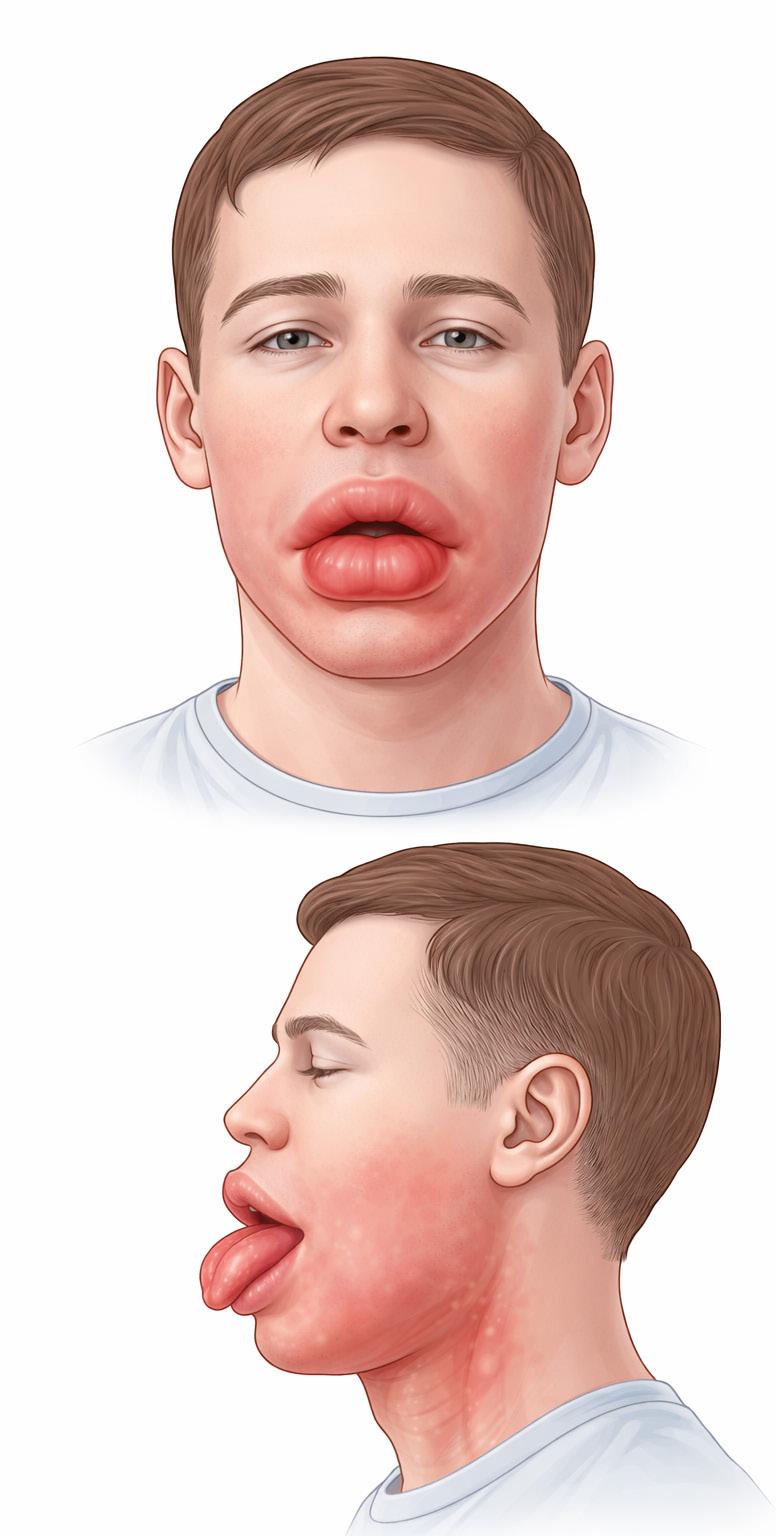
angioedema is most commonly triggered by medications, food, or animal exposure and is characterized by rapid onset, symmetric swelling (often affecting the lips and periorbital area), and associated urticaria, flushing, or pruritus.
Bradykinin-mediated angioedema is most commonly associated with angiotensin-converting enzyme inhibitors (ACE-Is), angiotensin receptor blockers, or hereditary angioedema. Compared with histamine-mediated angioedema, symptom onset is slower and more gradual, typically occurring over several hours. Swelling is more focal and often asymmetric, primarily involving the tongue and lips. Additionally, bradykinin-mediated
angioedema lacks associated urticaria and pruritus.
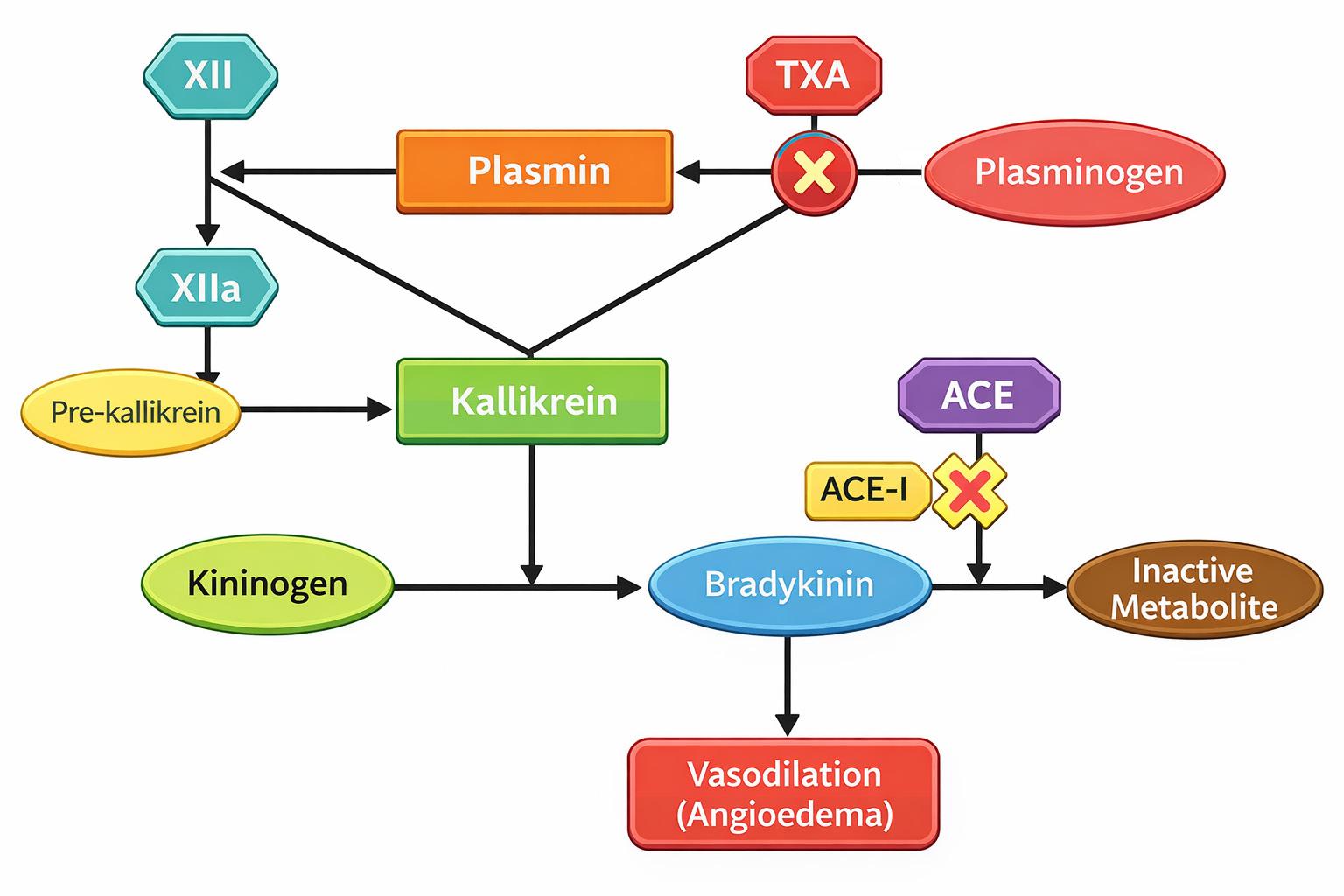
The precise mechanism underlying ACE-I–induced angioedema is not fully understood; however, it is thought to result from the accumulation of bradykinin. Angiotensin-converting enzyme is responsible for bradykinin degradation, and its inhibition leads to increased bradykinin levels. This increase subsequently promotes activation of plasmin, factor XII, and kallikrein, creating a positive feedback loop that further amplifies bradykinin production and ultimately results in tissue edema.
The overall incidence of ACEI-induced angioedema is around 0.1% to 0.7%, with up to 40% of all
“Due to the mechanistic differences between bradykininmediated and histamine-mediated angioedema, traditional therapies such as epinephrine, antihistamines, and corticosteroids have limited efficacy in angiotensin-converting enzyme inhibitor–induced cases.”
angioedema cases attributed to ACEIs. Due to the mechanistic differences between bradykinin- and histaminemediated angioedema, traditional therapies such as epinephrine, antihistamines, and corticosteroids have limited efficacy in ACE-I–induced cases.
Current Management Strategies
Discontinuation of the ACE-I is the cornerstone of treatment for ACE-I–
induced angioedema, along with close observation because of the potential for airway compromise. At present, there are no therapies approved by the Food and Drug Administration for this indication.
Several agents approved for hereditary angioedema, including complement C1-esterase inhibitors (e.g., Berinert, Cinryze), icatibant, and ecallantide, have been evaluated for
ACE-I–induced angioedema; however, evidence supporting their efficacy is limited and inconsistent. Additionally, these agents are costly and may not be readily available in all hospital settings.
Fresh frozen plasma (FFP) initially demonstrated promising results
continued on Page
Bradykinin- mediated angioedema pathway
ASK
THE PHARMACIST continued from Page 29
in reducing intubation rates and intensive care unit (ICU) length of stay. However, more recent retrospective analyses have failed to corroborate these findings. The preparation time required for FFP also presents a logistical barrier, particularly for patients with impending airway compromise.
Rationale for Tranexamic Acid
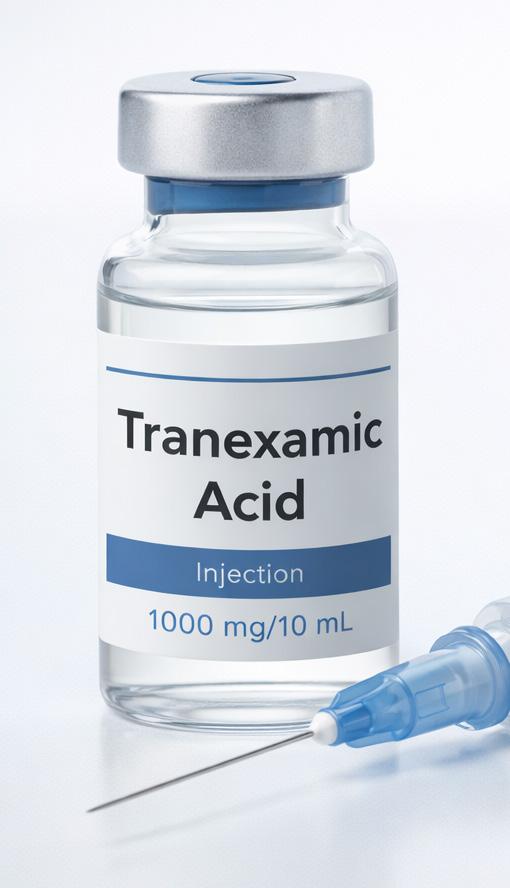
Tranexamic acid (TXA) has emerged as a potential therapeutic option for ACE-I–induced angioedema because of its ability to inhibit the conversion of plasminogen to plasmin. This inhibition reduces plasmin-associated activation of kallikrein and downstream bradykinin propagation.
Although this mechanism is thought to contribute to TXA’s potential benefit, TXA exerts broader effects on the immune system, including modulation of cytokine production and stimulation of mitochondrial respiration and biogenesis. These additional effects may partially explain the variability observed in clinical outcomes.
The most commonly reported dosing regimen for TXA in ACE-I–induced angioedema is 1 g administered intravenously over 10 minutes. However, studies have used a variety of dosing strategies, and no consensus has been established regarding optimal dosing or the role of repeat administration.
Guideline Recommendations
Current guidelines and consensus
“Tranexamic acid has for angiotensin-converting because of its ability plasmin, thereby reducing
statements from major organizations, including the Journal of Allergy and Clinical Immunology, the Society for Academic Emergency Medicine, and the American Academy of Emergency Medicine, do not address the use of TXA for ACE-I–induced angioedema. Notably, these recommendations predate the majority of published data evaluating TXA in this setting.
Clinical Evidence
Early case reports described partial symptom improvement within 30 minutes of TXA administration and complete symptom resolution within two to three hours. In a case series of 11 patients with suspected ACE-I–induced angioedema, nine patients
did not require intubation after TXA administration, and no adverse effects were reported. The remaining two patients underwent airway intervention before receiving TXA.
Subsequent retrospective reviews with slightly larger sample sizes reported similar findings, demonstrating symptom improvement with minimal adverse events. In 2018, Beauchêne and colleagues published a retrospective study involving 33 patients with suspected ACE-I–induced angioedema who received TXA. Nearly all patients experienced symptom improvement, with 81.8% demonstrating significant improvement and 18.2% partial improvement. Symptom improvement most commonly occurred within one hour of administration.
Another retrospective study by Hasara and colleagures evaluated 16 patients and reported partial or complete symptom resolution in 87%, with a mean onset of improvement of 100 minutes. Two patients required intubation before receiving TXA and were admitted to the ICU. The remaining patients were admitted to a general care unit (44%) or discharged directly from the ED (38%). No patients required intubation after TXA administration, and no cases of hypotension, hypersensitivity reactions, seizures, or thrombosis were reported within 28 days.
More recently, in 2024, two larger retrospective studies evaluated TXA use in adults with suspected ACE-I–induced angioedema. Lindauer and colleagues (n = 262) found that patients who received TXA had longer hospital lengths of stay and higher
rates of ICU admission. However, patients in the TXA group had greater angioedema severity at baseline, suggesting potential selection bias. When outcomes were stratified by severity, TXA did not significantly affect hospital length of stay.
Similarly, a study by Loewe and colleagues (n = 336) reported higher rates of ICU admission and intubation among patients who received TXA. Patients presenting with isolated lip swelling were less likely to receive TXA than those with more severe tongue swelling. In both studies, patients who received TXA were also more likely to receive FFP and other adjunctive therapies, including C1esterase inhibitors, further suggesting higher baseline severity in this cohort.
Clinical Implications
Although more recent evidence has not demonstrated a clear benefit, TXA is a readily available and inexpensive agent that has been associated with symptom improvement and minimal adverse events in patients with ACE-I–induced angioedema. Data evaluating its impact on intubation rates, hospital length of stay, and patient disposition remain variable and are limited by confounding factors in retrospective analyses.
Until randomized controlled trials are available or evidence of harm emerges, TXA may be considered as a therapeutic option in the management of ACE-I–induced angioedema, particularly in settings where alternative targeted therapies are unavailable. has emerged as a potential therapeutic option angiotensin-converting enzyme inhibitor–induced angioedema ability to inhibit the conversion of plasminogen to reducing downstream bradykinin propagation.”
ABOUT THE AUTHORS

Dr. Schowe is an emergency medicine clinical pharmacist at Corewell Health William Beaumont University Hospital in Royal Oak, Michigan.
Dr. Batterman is an emergency medicine clinical pharmacist at Stanford Health Care in Palo Alto, California.
CAREER DEVELOPMENT

Finding Your Fit in Emergency Medicine: Academic, Community, and County Practice
By Anita Goel, MD; Eileen Williams, MD; and Mel Ebeling, MD; On behalf of the SAEM
Committee and the SAEM Resident and Medical Student (RAMS) Board
Emergency physicians may share the same training, but the environments they enter after residency can shape their careers in dramatically different ways. Academic, community, and county emergency departments operate with distinct missions, resources, and expectations— differences that often become clear the moment physicians begin practicing. Understanding these settings early can help new graduates choose roles that align with their values, goals, and professional identities.
This article explores what sets each practice environment apart, from residency experiences to attending-level realities.
Defining the Terms
Academic emergency medicine is practiced within university-affiliated medical centers, where clinical care is integrated with teaching, research, and scholarship. These programs are typically affiliated with a university or teaching hospital and emphasize research, education, and academic advancement. Residents often receive extensive
subspecialty exposure and robust didactics. Patient populations may include complex tertiary referrals and subspecialty-driven cases.
Advanced imaging, such as CT, MRI, and comprehensive radiologybased ultrasound, is often available around the clock. However, admitting or proceduralist consultations can be more challenging, as consultants are not typically compensated on a per-patient or per-procedure basis. Dr. Josephine Valenzuela, who has worked across multiple practice settings, describes academic
Education
“Emergency physicians may share the same training, but the environments they enter after residency can shape their careers in dramatically different ways.”

practice as being “surrounded by smart physicians… fun and fulfilling.”
Of the 294 emergency medicine residency programs listed on EMRA Match, 34% identify an academic hospital as the primary training site.
Community emergency medicine encompasses a broad range of private and non-university hospitals serving diverse populations. Compared with academic settings, there is often a greater emphasis on efficiency, high patient volume, and operational excellence rather than research and teaching. Attending physicians are
typically not financially incentivized to dedicate separate time to teaching or developing didactics.
Residents in community programs may receive less formal teaching but often gain increased opportunities for independent decision-making. Subspecialty exposure varies depending on program size and location. In large regional hospitals, specialty consultants may be readily available. In smaller or rural settings, patients requiring services such as neurosurgery or maxillofacial surgery may need to be transferred.
Fifty percent of programs listed in the EMRA Match self-identify as having a community hospital as the primary training site. One communitybased emergency medicine faculty member describes this setting as promoting exposure to a “broad range of pathologies in different urban and suburban environments.” The physician adds, “I practice in multiple locations across a health care system that includes large hospitals with specialty ICUs and multiple surgical subspecialties, such as ENT, trauma, and plastics, as well as free-standing, single-coverage emergency departments. Testing turnaround times for labs and imaging are generally short, promoting ED throughput. I enjoy working in these fast-paced environments, which foster camaraderie among on-shift providers.”
County programs are typically safety-net hospitals serving underserved populations. Patient presentations range from primary care needs—often because the emergency department is patients’ only access to the health care system—to the highest-acuity emergencies. These resource-limited environments require residents to demonstrate flexibility, adaptability, and ingenuity.
County settings often emphasize procedural skills, resilience, and advocacy. Due to high patient volumes, procedural training is frequently strong. County hospitals are often affiliated with academic institutions, allowing residents to experience multiple practice settings
“There path; essential medicine

continued from Page 33
while benefiting from some protected teaching time. Dr. Valenzuela describes the county experience as “difficult” at times because of limited resources but notes that the work is “fulfilling” and that colleagues often share a strong sense of mission.
County programs represent a small minority of emergency medicine residencies, with only 13.6% of EMRA Match programs self-designated as primarily county-based
Transitioning to Practice: Job Differences
Academic positions often emphasize teaching, research, and administrative responsibilities. Scholarly output and publication may be required for promotion, though this work is not always fully compensated. A wide range of academic pathways exists, with varying amounts of protected time for teaching and research.
Benefits of academic practice include intellectual stimulation, mentorship, and structured schedules. However, compensation is often lower than in community settings, and academic pressures—such as a “publish or perish” culture—may be significant. Because of additional nonclinical responsibilities, time away from work may still involve academic obligations.
Transitioning from an academic role to a community position is generally feasible, as community jobs are widely available. One practicing emergency
“There is no single correct path; all three settings are essential to emergency medicine as a specialty.”
physician explains, “I worked in an academic setting for several years after residency and now work in the community. I loved the acuity of the urban academic environment and interacting with residents, but ultimately felt that moving to the community was the right change for me and my family. As a physician with two young children, community practice allowed significantly increased scheduling flexibility, and I appreciate that my free time is truly mine rather than filled with additional work tied to academic promotion.”
In community practice, physicians’ primary responsibility is clinical care, though many pursue administrative or leadership roles. The two main community employment models are contract management groups (CMGs) and democratic groups. CMGs offer administrative infrastructure and operational support but less physician control and profit participation. Democratic groups emphasize physician autonomy, shared governance, and financial transparency but require greater involvement in business operations.
Compared with academic positions, community roles generally offer higher compensation but fewer formal teaching opportunities, less academic infrastructure, and limited structured feedback. Physicians may work single-coverage shifts and supervise advanced practice providers, such as nurse practitioners or physician assistants. Transitioning from long-term community practice into academic medicine can be challenging without a background in scholarship, and adjusting to lower academic compensation may also be difficult.
Physicians working primarily in county settings often focus on safety-net care and public health involvement. This mission-driven work is typically supported by strong collaborative team cultures. Because county hospitals are frequently affiliated with academic institutions, opportunities for teaching and scholarship may be available. However, persistent resource constraints and high patient volumes
can contribute to emotional fatigue and burnout if physicians feel their efforts are not making a meaningful impact.
Choosing What’s Right for You
Deciding among practice settings begins with clarifying personal priorities. What motivates you professionally? How do compensation, teaching opportunities, and administrative responsibilities rank in importance? Do you value serving underserved populations, geographic flexibility, or institutional culture most highly?
There is no single correct path; all three settings are essential to emergency medicine as a specialty. Exploring different roles through elective rotations, moonlighting, or conversations with attending physicians can provide valuable perspective.
Ultimately, each practice environment offers distinct advantages and trade-offs. Priorities may evolve over time, and a first job does not determine an entire career. Choosing a path that aligns with current goals, values, and interests can help ensure a fulfilling professional journey—even as those goals continue to change.
ABOUT THE AUTHORS
Dr. Goel is an associate professor of emergency medicine at the University of Cincinnati. She directs longitudinal emergency medicine programs and leads a section of the Transitions to Residency course.
Dr. Williams is a third-year emergency medicine resident and incoming medical education fellow at the University of Texas Southwestern. She also serves as a board member-at-large for the Society for Academic Emergency Medicine Resident and Medical Student Board.
Dr. Ebeling is a resident physician at the University of Cincinnati and a board memberat-large for the Society for Academic Emergency Medicine Resident and Medical Student Board.
CAREER DEVELOPMENT

Is a Master’s Degree Worth It for a Career in Emergency Medicine Education?
By Jacob Feldman, MD, MSEd; Stacey Frisch, MD, MHPE; Tatiana M. Barriga, MD, MS; Jessica Pelletier, DO, MHPE; and Patricia Panakos, MD
The demand for formal training in health professions education has grown substantially as medical education has evolved into a distinct scholarly discipline. Before 1996, only a small number of advanced degree programs in medical education existed. Since then, master’s-level programs in health professions education have expanded rapidly, particularly in Europe and North America, with growing representation worldwide.
Although these programs vary in structure, curriculum and delivery
format, they share common goals: developing foundational knowledge in curriculum design, learning theory, assessment, program evaluation and education research. Despite this shared purpose, considerable heterogeneity remains across programs, and no standardized framework for training or evaluation exists
This variability is also reflected in emergency medicine medical education fellowships. Fellowship structure, expectations and outcomes differ widely, particularly
regarding whether fellows pursue a concurrent master’s degree. Some programs emphasize experiential learning through teaching, administration and curriculum development. Others integrate formal graduate education, most commonly through degrees such as a Master of Education, Master of Health Professions Education, or Master of Medical Education As Tekian and Harris noted in 2012, these models represent distinct approaches to preparing clinician educators.

“Ultimately, the decision to pursue a master’s degree should be individualized, taking into account career goals, financial considerations and personal circumstances.”
Fellowships that include a master’s degree typically span two years, whereas those without formal degree requirements often last one year.
Why Advanced Training Matters
The value of advanced training for clinician educators has been increasingly recognized by national organizations. In 2016, the Canadian Association of Emergency Physicians Academic Section published consensus recommendations advocating advanced educational training for physicians pursuing leadership roles in medical education These recommendations reflect growing recognition that structured graduate education complements experiential fellowship training by providing a theoretical foundation.
While junior faculty often possess strong insight into the learner experience, they may lack the tools needed to rigorously evaluate educational outcomes or translate innovations into scholarly work.
Master’s-level training can help bridge that gap.
A scoping review by O’Callaghan and colleagues identified several key benefits associated with pursuing a master’s degree during fellowship, including development of pedagogical knowledge, increased confidence, and enhanced credibility as an educator Through completing a master’s program, emerging educators move beyond what they observed as students and develop a deeper understanding of educational theory, assessment design and curriculum development. For example, trainees learn not only how to write highquality test questions, but also how assessment design aligns with competency-based education and supports readiness for real-world clinical practice.
Preparing Educational Leaders
Effective educational leadership requires more than bedside charisma; it demands the ability to synthesize
learner needs and institutional mandates into a cohesive, evidencebased curriculum. An effective educator must not only deliver highquality instruction but also design curricula, assess competency, lead programmatic change and engage in educational scholarship.
Master’s degree programs offer formal training in curriculum development, assessment theory, program evaluation, adult learning principles and educational research methodology. As residency programs navigate increasing complexity, master’s-level preparation has become a prominent pathway for developing educational leaders capable of sustaining high-quality, evidencebased training.
O’Callaghan et al. also identified additional benefits of advanced degrees, including increased

scholarly productivity and expanded opportunities for collaboration across institutions and regions. At the institutional level, many medical schools and graduate medical education accrediting bodies increasingly emphasis on documented expertise in curriculum design, assessment, and program evaluation As a result, a master’s degree has become a common credential for educators seeking formal leadership roles, as it provides evidence of structured training and scholarly preparation.
O’Callaghan and colleagues also identified additional benefits of advanced degrees, including increased scholarly productivity and expanded opportunities for collaboration across institutions and regions At the institutional level, many medical schools and graduate medical education accrediting bodies increasingly emphasize documented expertise in curriculum design, assessment and program evaluation. As a result, a master’s degree has become a common credential for educators seeking formal leadership roles because it signals structured training and scholarly preparation.
Costs and Considerations
Despite these advantages, pursuing a master’s degree carries notable costs. Financial burden is a significant consideration. A 2022 analysis found that North American Master of Health Professions Education programs were the most expensive globally, with a mean cost of $26,751
In addition to tuition, trainees face substantial time demands. Balancing coursework with clinical, academic, and personal responsibilities can be challenging, particularly during fellowship. While online programs may mitigate some scheduling constraints, they may also limit opportunities for in-person mentorship and peer engagement.
The rapid growth of health professions education as a formal discipline, coupled with rising
Pros of MedEd Master’s Cons of MedEd Master’s
Networking and collaboration with other educators
Increased scholarship productivity
Development of pedagogical knowledge and educational theory
Enhanced confidence and professional credibility
Strengthened education portfolio for promotion and leadership roles
and
expectations for educational expertise, has brought master’s-level training to the forefront for aspiring clinician educators in emergency medicine. As medical education fellowships continue to expand, understanding the role and potential value of a concurrent master’s degree is increasingly important for both trainees and programs.
Although many graduating residents understandably feel fatigued by prolonged training, evidence suggests that structured graduate education offers benefits beyond those of experiential fellowship alone. When thoughtfully selected and well supported, a master’s degree can meaningfully enhance an educator’s ability to design curricula, evaluate outcomes, conduct scholarship, and assume leadership roles. Ultimately, the decision to pursue a master’s degree should be individualized, taking into account career goals, financial considerations, and personal circumstances. For those committed to advancing medical education, however, graduate training equips clinician educators not only to design and deliver effective learning experiences, but also to lead and innovate in the field of emergency medicine education
Increased length of training
Delayed full attending-level income
Financial cost of tuition
Challenges balancing academic, professional, and personal responsibilities
ABOUT THE AUTHORS

Dr. Feldman is an emergency medicine associate program director, simulation director and medical education fellowship director at the University of Texas Health at San Antonio.
Dr. Frisch is an associate program director in the emergency medicine residency program at NYU Grossman School of Medicine.
Dr. Barriga is a medical education fellow at the University of Miami and Jackson Health System.
Dr. Pelletier is an emergency medicine associate program director at the University of Missouri-Columbia and chair of the Council of Residency Directors in Emergency Medicine medical education fellowships community of practice.
Dr. Panakos is an emergency medicine associate program director and medical education fellowship director.
Table 1: Pros
Cons of a Master’s Degree in Medical Education
CAREER DEVELOPMENT

From Newcomer to Trusted Teammate: Navigating a Professional Transition With Curiosity, Credibility, and Optimism
By Charles A. Khoury, MD, MSHA
Whether you are starting residency, beginning fellowship, or stepping into your first attending job, few transitions are as exciting and as unsettling as joining a new institution. You are leaving behind familiar hallways, trusted colleagues, and systems you know by muscle memory. In their place is a new culture, new workflows, and a new professional identity that you are actively building in real time.
These transitions involve more than logistics. They carry emotional weight, including imposter syndrome, pressure to prove yourself, a desire to add value quickly, and a natural urge to compare what you see to what you already know. How you navigate those early weeks matters
more than most people realize. The tone you set, the comments you make, and the posture you take toward your new environment can shape your reputation for years.
One of the most powerful strategies for a successful transition is surprisingly simple. Replace comparison with hopeful curiosity. Here are a few practical ways to put that into practice.
Lead with curiosity, not comparison.
When you arrive somewhere new, your brain immediately starts cataloging differences. That instinct is human. In moments of uncertainty, it is tempting to reach for what you know by contrasting it with what you see. What feels like a neutral observation to you can easily sound
like a value judgment to the people who have built the system you are now joining.
Small, offhand comparisons carry more weight than you may realize. They can make colleagues feel defensive, unheard, or subtly evaluated. Over time, they can create distance when what you really want is connection and trust.
Phrases like, “At my old place, we did it this way,” may feel harmless, but they often land as judgment, even if that is not your intent.
Instead, try:
“Can you walk me through how you all approach this?”
“I would love to learn the reasoning behind this workflow.”
Curiosity invites teaching. Comparison invites defensiveness.
“Replace comparison with hopeful curiosity.”
Assume good intent, even when things feel inefficient. Every system you encounter was built by people who cared and were working within real constraints, including staffing, finances, institutional politics, regulatory requirements, or prior failures. When something seems inefficient or illogical, pause before assuming incompetence.
Approaching your new environment with an open and charitable mindset makes you a better learner and a better colleague. People are far more likely to engage with your ideas once they believe you respect the work that came before you.
Bring optimism, not nostalgia. You are allowed to miss your prior program. You are allowed to be proud of it. It is also normal to feel a sense of homesickness when you leave a place where you trained, grew, and built relationships. Those feelings are valid and human.
Being intentional about how nostalgia shows up in your day-to-day conversations matters. What feels like sharing your story may sometimes be heard as comparison, even when that is not your intent. Giving your new environment space to be appreciated on its own terms makes it easier for others to welcome you fully.
Optimism sounds like:
“I’m excited to be here.”
“I’m really looking forward to working with this team.”
“I’m eager to see how I can contribute.”
Optimism builds belonging. There is a time and place to process homesickness, often with trusted friends, mentors, or family, so that it does not unintentionally shape how you show up in your new professional home.
Learn the culture before trying to change it.
Many trainees and new attendings feel pressure to prove their value quickly. That impulse is understandable. When you are new, it can feel important to show what you bring to the table. Change without context, however, can be harder for others to hear and embrace.
Take time to learn the culture before suggesting fixes. Who are the informal leaders? What initiatives failed in the past and why? What do people take pride in? What issues feel most sensitive or important to the team? What has already been tried?
When you understand the history and the people, your ideas are more likely to be heard, trusted, and supported.
Build relationships and credibility with humility.
Your training and accomplishments brought you here, but they are not what will define you in this new environment.
Learn names. Ask people about their roles. Thank nurses, technicians, unit
“Curiosity invites teaching. Comparison invites defensiveness.”
clerks, and consultants. Show up to conferences and department events. Small relational investments early pay massive dividends later.
For many trainees, frequent comparison is also a sign of imposter syndrome. It can be a way to anchor yourself to what you know when you feel uncertain. If you notice yourself often referencing your old environment, it may be worth asking whether you are trying to prove your worth or protect your identity.
You belong here on your own merits, without needing to compare yourself to where you trained. Your work ethic, curiosity, humility, and professionalism will speak louder than any comparison ever could.
Conclusion
Starting somewhere new is a rare professional reset. It is a chance to define who you are becoming as a physician, colleague, and teammate. The way you talk about your new environment and your old one sends powerful signals about your leadership, emotional intelligence, and readiness to be part of a team.
When you lead with curiosity, assume good intent, bring optimism, and invest in relationships before trying to change systems, you do more than ease your own transition. You help create the kind of culture where people feel respected, included, and motivated to grow together.
In emergency medicine, where teamwork is everything, your attitude will be noticed long before your technical skill. Make it one that builds trust, invites collaboration, and helps your new community see you not as someone comparing from the outside, but as a committed partner on the inside.
ABOUT THE AUTHOR
Dr. Khoury is professor of emergency medicine and residency program director at the University of Alabama at Birmingham Heersink School of Medicine. He also serves as vice chair for education and is nationally active in graduate medical education and faculty development in emergency medicine.
CLIMATE CHANGE & HEALTH

Greening Scientific Meetings: Practical Steps Toward Climate-Resilient Emergency Medicine
By Negin Khosravi Ceraolo, MD, MS, and Kevin Watkins, MD
Scientific meetings are essential for education, collaboration, and advancing the practice of emergency medicine (EM). Yet the traditional conference model carries a significant carbon footprint—one that increasingly conflicts with the climate-sensitive realities of our field. As EM clinicians confront surges in heat-related illness, shifting vector-borne disease patterns, worsening air quality, and climate-driven disasters, reducing the environmental impact of our professional gatherings is both ethically and operationally aligned with our mission.
Large medical conferences generate substantial greenhouse gas emissions, primarily from air
travel, venue energy use, and highwaste practices such as single-use plastics, printed materials, and food waste. A single multiday meeting may produce thousands of kilograms of CO₂ and large volumes of landfillbound material. These emissions contribute to the same climaterelated health threats emergency physicians increasingly manage on shift and study in research settings.
Aligning our professional practices—including conferences— with climate-smart principles demonstrates leadership and strengthens the credibility of EM’s climate and health advocacy. Meaningful progress does not require sacrificing educational quality or professional networking.
Practical, evidence-informed strategies include:
1. Hybrid and Hub Models
Air travel accounts for a large share of conference-related emissions. Offering virtual participation or regional hub models can reduce long-haul flights while maintaining access and engagement. Some studies suggest up to a 98% reduction in carbon footprint for fully online meetings compared with traditional in-person conferences.
2. Sustainable Venue Standards
Selecting energy-efficient venues and choosing locations accessible by rail or regional transit can substantially decrease overall emissions. Hosting meetings in geographically central locations
“Reducing the environmental impact of our professional gatherings is both ethically and operationally aligned with our mission.”
relative to attendees further reduces aggregate travel requirements.
3. Low-Carbon Catering
Plant-forward menus, reduced beef offerings, and minimizing food waste can cut catering-related emissions by more than half.
4. Eliminating Single-Use Plastics
Conferences generate significant volumes of single-use items, including water and coffee cups, lanyards, and printed programs. Hydration stations, reusable service ware, and digital program guides can markedly reduce disposable waste.
5. Digital Presentation Formats
Virtual posters, QR-linked handouts, and fully electronic conference materials eliminate unnecessary printing and shipping.
6. Promoting Active and Public Transportation
In addition to selecting lowerimpact host cities, promoting public transportation, walking, or cycling during the meeting further decreases transportation-related emissions.
7. Carbon Accounting and Offsetting
Tracking and publishing a meeting’s emissions supports transparency, accountability, and continuous improvement. After prioritizing reduction strategies, targeted offsetting can address remaining emissions.
What Attendees Can Do
Individual participants can contribute by choosing lower-carbon travel options when feasible, bringing reusable containers, opting out of swag bags, selecting plant-based meals, and advocating for sustainable planning at future society meetings.
Green the Meeting
The Climate Change and Wilderness
Medicine Interest Groups have organized a task force to reduce the carbon footprint of SAEM’s annual meetings. Informational materials are being developed to promote public transportation and plant-based food options. The task force is also encouraging the use of reusable water bottles and other sustainable alternatives to decrease reliance on single-use items.
Looking ahead, balancing meaningful improvements with practical implementation will be key to increasing adoption and building momentum for continued progress.
ABOUT THE AUTHORS

Dr. Ceraolo is an emergency medicine resident physician at Cleveland Clinic Akron General Medical Center.
Dr. Watkins is core faculty at Cleveland Clinic Akron General, where he serves as director of wilderness medicine and ultrasound faculty. He is vice chair of the SAEM Wilderness Medicine Interest Group and a Wilderness Life Support for Medical Professionals instructor.
EDUCATION & TRAINING

From Concept to Consensus: Building a Unified National Emergency Medicine Clerkship Curriculum
By Mark Olaf, DO; Sarah Dunn, MD, MPP; Shruti Chandra, MD, MEHP; and Matthew Tews, DO, on behalf of the SAEM Clerkship Directors in Emergency Medicine Curriculum Revisions Working Group
Over the past year, the Clerkship Directors in Emergency Medicine (CDEM) Curriculum Revisions Working Group has undertaken a comprehensive effort to update the national emergency medicine curriculum for medical students. This initiative began in early 2024 in response to a clear and growing need: a single, unified curriculum untethered from the traditional distinctions among third-year (M3), fourth-year (M4), and pediatric emergency medicine rotations.
Medical schools nationwide continue to restructure clinical
training by shifting toward flexible or integrated clinical phases, shortening clerkship blocks and varying when emergency medicine rotations occur. As a result, the historical separation between M3 and M4 emergency medicine experiences has become increasingly difficult to define and, for many institutions, no longer relevant. Schools have moved rotations between the third and fourth year, creating uncertainty for clerkship directors and departments about which curriculum to use and which national examination aligns with their structure.
Recognizing these shifts, CDEM launched a major redesign to create a unified curriculum that serves all students, regardless of specialty interest, clerkship timing or geographic location. Over the past year, the workgroup conducted an extensive needs assessment and developed multiple rounds of surveys involving clerkship directors and emergency medicine educators. This work resulted in a new framework centered on emergency medicine’s signature strength: the initial evaluation and management of the undifferentiated, acutely ill patient.
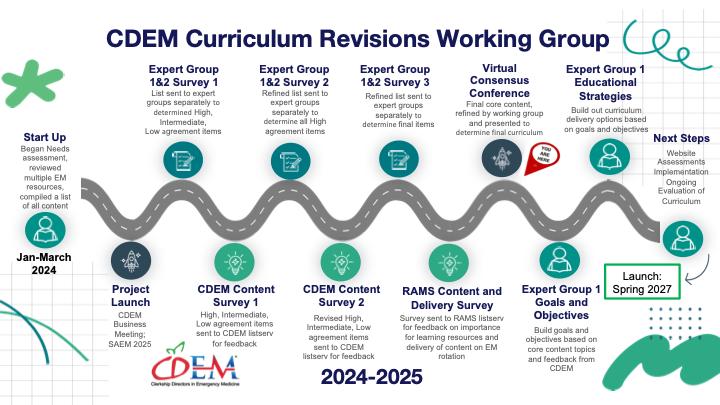
“This initiative began in early 2024 in response to a clear and growing need: a single, unified curriculum untethered from the traditional distinctions among third-year, fourth-year and pediatric emergency medicine rotations.”
Throughout the process, we deliberately focused on defining essential knowledge and skills that are appropriate and testable at the medical student level and mappable to a national examination. The structure preserves space for locally important topics while ensuring that every student completing a required emergency medicine rotation encounters a standardized core of high-value concepts before graduation.
Importantly, this project does not replace earlier CDEM curricula; it builds upon them. The strong foundation established by prior efforts enabled us to take the next step
toward a unified national model that reflects emergency medicine’s vital role within the house of medicine. The work of CDEM members and educators nationwide allowed us to build on that legacy as we move toward greater curricular alignment.
Building a Unified National Curriculum
A major outcome of this project, driven by input from CDEM members, has been the consolidation of the previously separate third-year, fourth-year and pediatric emergency medicine curricula into a single unified structure. Rather than simply merging content lists, the workgroup focused on identifying what emergency
medicine uniquely teaches and where it has the greatest educational impact for every medical student.
Over 12 months, a series of surveys using a modified Delphi process revealed high-agreement content that organized into five domains:
• Fundamentals of Emergency Medicine – Foundational principles and core concepts, including airway and breathing
• Approach to Presentations –Fourteen core chief complaints representing common emergency department encounters
continued on Page 47
Figure 1: The Consensus Process Path
“This work resulted in a new framework centered strength: the initial evaluation and management

Building the Future of Emergency Medicine Education — Together
centered on emergency medicine’s signature management
of the undifferentiated,
acutely ill patient.”
EDUCATION & TRAINING
continued from Page 45
• Procedures – Essential procedural skills for all students
• Interpretive Skills – Core diagnostic interpretation, including electrocardiograms, point-of-care ultrasound and radiographs
• Practice of Emergency Medicine – Communication, teamwork, documentation and professional practice topics
To maintain a focused, high-yield curriculum, some content did not make the final list. These topics were typically highly specialized, better addressed in other clerkships or more appropriate for residency training. At the same time, core pediatric emergency medicine content has been integrated throughout the unified curriculum, effectively streamlining essential elements of all three previous curricula into a cohesive framework.
Community Engagement and Content Validation
Community engagement has been central at every stage of this redesign (Figure 1). The workgroup used a structured process involving two expert panels of 27 emergency medicine educators and clerkship directors who created, reviewed, voted on and validated major content areas. Surveys were then distributed to the broader CDEM community, with results refined by the expert panels after each round.
In addition, a survey distributed through the RAMS listserv is collecting resident and student perspectives on learning resources and content delivery.
In December 2025, the CDEM Working Group hosted a virtual consensus conference that brought together clerkship educators nationwide to review and vote on 39 core content areas across the five domains. This process validated the blueprint from which goals and objectives will now be developed. Results and next steps will be presented at upcoming venues, including SAEM 2026.
What Comes Next
With needs assessment and core content validation complete, the next milestone is translating the framework into a fully developed curriculum blueprint with defined goals, objectives, aligned resources and updated assessments. Over the next year, the workgroup will:
• Develop specific goals and objectives for the unified curriculum
• Reorganize existing CDEM materials within the new framework
• Identify, update and create new content, including updates to the website
• Align assessments with updated goals and objectives
• Build the supporting curricular infrastructure
• Identify key resources for curriculum implementation
• Determine optimal use of existing M3, M4 and pediatric emergency medicine curricula
We will also seek institutions interested in piloting the new curriculum beginning in spring 2027. Programs interested in participating should watch for announcements at the CDEM Business Meeting at SAEM 2026 and on the CDEM listserv.
This past year has demonstrated the power of collaboration across the emergency medicine education community. Through strong partnership between CDEM and SAEM — and contributions from clerkship directors and educators nationwide — we are developing a unified curriculum that reflects our specialty’s expertise and prepares every student completing a required emergency medicine clerkship to evaluate and manage the undifferentiated, acutely ill patient, regardless of future career path.
We look forward to sharing the next phases of this work and to shaping, together, a national emergency medicine curriculum that will influence the training of future physicians for years to come
ABOUT THE AUTHORS
Dr. Olaf is an associate professor of emergency medicine and regional associate dean at Geisinger Commonwealth School of Medicine’s central campus in Danville, Pennsylvania. He earned his medical degree from the Philadelphia College of Osteopathic Medicine and completed his residency at Geisinger Medical Center. He is a member of the CDEM Curriculum Revisions Working Group.
Dr. Dunn is an assistant professor and clerkship director in the department of emergency medicine at Rutgers New Jersey Medical School. She is a member of the SAEM Education Committee and the CDEM Curriculum Revisions Working Group.
Dr. Chandra is an associate professor of emergency medicine at Thomas Jefferson University. She is phase 3 director at Sidney Kimmel Medical College and a member of the CDEM Curriculum Revisions Working Group.
Dr. Tews is a professor in the department of emergency medicine at Indiana University School of Medicine and associate dean and campus director for Indiana University School of Medicine-West Lafayette. He leads the CDEM Curriculum Revisions Working Group.
EDUCATION & TRAINING

Unpacking the Evidence: Building a Sustainable After-Hours Medical Education Journal Club
By Charles Wyatt, MD; April Choi, MD, Med; Sarah Dunn, MD, MPP; Ariel Sena, MD; Kei Wong, MD; and Jill Ripper, MD, on behalf of the SAEM Education Committee
Identifying the Need for a MedEd–Focused Forum
Reviewing and critically appraising literature is a common practice in many academic medical departments, including our own. However, these efforts often center on clinical research. Within our emergency medicine education division, we recognized a gap: there was no dedicated forum for critically appraising medical education
literature. In response, we launched a medical education–focused journal club.
After trialing several formats, we developed a structure that was simple, accessible, and sustainable. Faculty from simulation, undergraduate medical education (UME), graduate medical education (GME), and departmental leadership met regularly to discuss emerging ideas and identify practical
takeaways relevant to our local environment. Along the way, the journal club became a builtin opportunity for our medical education fellow to receive mentorship and gain insight into how educational concepts move from theory to practice. By sharing our approach, we hope to offer a practical model for other programs seeking to strengthen their medical education community.
“A central aim of our journal club was to create a consistent venue for reviewing medical education literature through the lens of our own educational and clinical context.”
Grounding Educational Scholarship in Local Context
A central aim of our journal club was to create a consistent venue for reviewing medical education literature through the lens of our own educational and clinical context. Article selection emphasized methodological quality and applicability to both undergraduate and graduate medical education in emergency medicine. This focus allowed discussions to bridge the gap between educational theory and dayto-day teaching practice.
Rather than passively consuming published findings, participants discussed how ideas might translate to our setting, critically evaluated feasibility and value, and identified opportunities for adaptation. By aligning the literature with local context, the journal club promoted reflective engagement and reinforced the idea that educational scholarship is a tool for informed decision-making rather than a set of prescriptive solutions.
Aligning Content With the Academic Calendar
One valuable feature of the journal club was synchronizing session topics with the academic calendar. Each session focused on a topic timed to coincide with current educational responsibilities. For example, research on residency interviews was reviewed before interview season, and studies on resident assessment were discussed ahead of periods of heightened evaluation activity (see Table 1 for the full list of articles).
This deliberate timing enhanced practical relevance, allowing faculty to apply insights directly to ongoing
Skeptical self-regulation: Resident experiences of uncertainty about uncertainty.
The Best Laid Plans? A Qualitative Investigation of How Resident Physicians Plan Their Learning.
Understanding clerkship experiences in emergency medicine and their potential influence on specialty selection: A qualitative study.
ChatGPT and Generative Artificial Intelligence for Medical Education: Potential Impact and Opportunity.
Professional identity struggle and ideology: A qualitative study of residents' experiences.
Factors influencing emergency medicine residency choice: Diversity, community, and recruitment red flags.
Decoding competitiveness: Exploring how emergency medicine faculty interpret standardized letters of evaluation.
Resident Clinical Uncertainty
Resident Learning
EM Clerkship Experience
AI and Education
Resident Identity
Residency Choice
SLOE interpretation
Table 1. Articles were selected based on methodological quality, relevance to emergency medicine education, and alignment with current educational responsibilities.
work. Emphasizing translation and implementation over replication reinforced adaptability and thoughtful integration. The calendar-aligned structure also helped sustain momentum by keeping discussions grounded in real-time needs rather than abstract interests.
Addressing Barriers to Implementation
Discussions frequently surfaced the practical barriers that limit
implementation of published recommendations. Departmental culture, workflow constraints, clinical demands, and limited infrastructure all shape what changes are realistically achievable. Newer faculty benefited from hearing experienced colleagues describe barriers encountered in prior clinical and educational roles.
continued on Page 51
“Rather participants setting, identified

“Through intentional design and thoughtful discussion, the journal club has evolved from a simple idea into a foundational component of our education division and fellowship program.”
EDUCATION & TRAINING
continued from Page 49
These conversations created space for faculty to share strategies from previous training environments and sparked ideas for alternative approaches adaptable to our context. In doing so, the journal club clarified where innovation was most likely to succeed and served as a catalyst for new educational strategies.
Designing for Flexibility and Inclusion
Given that many faculty members have young children and substantial administrative responsibilities, flexibility was a priority. Late-evening scheduling was intentionally chosen to accommodate daytime clinical and educational obligations. Attendance was optional, yet participation remained consistently strong across a wide range of roles.
Sessions were designed to be low pressure, requiring minimal preparation and no specialized expertise in research methodology. This approach encouraged
engagement from both faculty and fellows. Discussions remained open, inclusive, and grounded in shared interest rather than academic formality, creating a welcoming space for reflection on teaching practices— an essential but often overlooked component of professional growth.
Sustained Impact and Future Directions
Our late-evening medical education journal club continues to be a wellattended and highly anticipated event for both faculty and fellows. Through intentional design and thoughtful discussion, the journal club has evolved from a simple idea into a foundational component of our education division and fellowship program.
By fostering shared reflection, mentorship, and practical application of educational scholarship, this model has strengthened our local medical education community and may offer a replicable framework for other programs seeking to do the same
than passively consuming published findings, participants discussed how ideas might translate to our critically evaluated feasibility and value, and identified opportunities for adaptation.”
ABOUT THE AUTHORS


Dr. Wyatt is an emergency medicine medical education fellow at Rutgers New Jersey Medical School.
Dr. Choi is an assistant professor of emergency medicine at Rutgers New Jersey Medical School and serves as an assistant program director for the emergency medicine residency program.
Dr. Dunn is an assistant professor and clerkship director in the department of emergency medicine at Rutgers New Jersey Medical School.
Dr. Sena is an assistant professor of emergency medicine at Rutgers New Jersey Medical School and serves as program director for the emergency medicine residency program.
Dr. Wong is an associate professor of emergency medicine in the division of pediatric emergency medicine at Rutgers New Jersey Medical School. She serves as clinical director of pediatric emergency medicine education for the emergency medicine residency program and director of the pediatric emergency medicine student elective.

Dr. Ripper is an associate professor in the department of emergency medicine at Rutgers New Jersey Medical School and serves as director of the medical education fellowship.

Electric Shock Drowning: The Hidden Danger in Freshwater Marinas
By Jessica Ward, MD
You hear the call: a drowning victim found pulseless is being brought in by emergency medical services.
On arrival, emergency medical services reports that a 12-yearold girl went unresponsive while swimming in a lake. A bystander saw her floating, brought her out of the water and immediately began cardiopulmonary resuscitation. When emergency medical services arrived, she was pulseless in ventricular fibrillation. Appropriate shocks were delivered without return of spontaneous circulation. Despite continued resuscitative efforts in the emergency department, a pulse is never regained.
When the distraught family arrives, additional details emerge. It was a calm day. The previously healthy child, a proficient swimmer, was wearing a life jacket while swimming near a marina. She cried out and suddenly went face down in the water. A bystander who jumped in to help later described his legs “going numb.” The painful sensation improved only after he swam away from the dock.
What happened?
She was electrocuted.
What Is Electric Shock Drowning? Understanding it requires understanding electrical circuits.
Anything that is plugged into an outlet forms a circuit. When there is a break in the circuit and the current cannot travel through the proper wires back to the outlet, it seeks another way back. In the case of a boat, the electricity enters the water and goes through the water back to the outlet/shore instead of the wires. When someone swims in that water, this errant current travels through them
Electric shock drowning is an often-overlooked cause of death in freshwater marinas. It occurs when electrical current leaks into the surrounding water, energizing it.
“Importantly, in water, as little as 10 milliamps — approximately 2 percent of the current required to power a 60-watt light bulb — can cause paralysis.”
Any device plugged into an electrical outlet forms a circuit. When that circuit is disrupted — for example, by faulty wiring or damaged equipment on a boat — electrical current may escape and seek an alternative path back to its source. In marina settings, that path can become the surrounding water.
When a person enters electrified water, the current may pass through the body. Electric Shock Drowning Prevention Association.
The physiologic effects depend on the amount of current:
• Low levels cause tingling and pain.
• Moderate levels can cause skeletal muscle paralysis.
• High levels may induce ventricular fibrillation or cardiac arrest.
Importantly, in water, as little as 10 milliamps — approximately 2 percent of the current required to power a 60watt light bulb — can cause paralysis. In an aquatic environment, paralysis may quickly lead to drowning.
Unlike lightning strikes or landbased electrocutions, electric shock drowning often leaves no visible burns or skin changes. Because the body is submerged, heat dissipates across a large surface area, preventing the thermal injury typically seen with electrical contact on land. The absence of visible injury can delay recognition of the true cause.
Why Freshwater Is Higher Risk
Electric shock drowning occurs almost exclusively in freshwater environments.
The human body contains salt and is therefore more conductive than freshwater. When electrical current
enters freshwater, it preferentially travels through the more conductive human body. In contrast, saltwater is more conductive than the human body, which reduces the amount of current that flows through a swimmer.
This distinction explains why cases are far more common in freshwater marinas than in ocean settings.
It is also important to recognize that safety can change in an instant. A marina may appear safe until a single faulty appliance, light fixture or wiring issue energizes the water. While ground fault circuit interrupters are required in many residential wet areas, marina regulations are inconsistent and enforcement varies
Implications for Emergency Clinicians
Awareness of electric shock drowning has direct implications for emergency medicine practice.
First: Protect yourself and your team. Rescuers, bystanders and first responders are at risk. Prehospital teams should consider cutting power to the entire marina before entering the water. No one should swim within 150 feet of docks or boats connected to shore power
Second: Treat survivors as electrical injury patients.
Anyone who survives a freshwater drowning near a marina — or who reports tingling, pain or paralysis while in the water — should be placed on cardiac monitoring and evaluated for electrical injury. In the case described above, the bystander who experienced leg numbness also warranted evaluation.
Third: Consider the diagnosis. Electric shock drowning should be
on the differential diagnosis for unexplained freshwater drowning, particularly when:
• The swimmer cried out suddenly
• Paralysis was reported
• The event occurred near a dock or powered vessel
Fourth: Notify appropriate authorities. If electric shock drowning is suspected, fire or law enforcement agencies should be notified so the scene can be evaluated and additional injuries prevented.
Prevention Through Awareness
Electric shock drowning is invisible, silent and often misunderstood. Its prevention depends on awareness — among marina operators, regulators, first responders and clinicians.
For emergency physicians, recognizing the possibility may protect not only patients, but also rescuers and community members. Increased awareness can transform a rare and devastating tragedy into a preventable event.
Additional information about prevention and advocacy efforts is available at ElectricShockDrowning.org.
The author acknowledges Kevin Ritz for his longstanding advocacy and educational efforts in raising awareness about electric shock drowning.
ABOUT THE AUTHOR
Dr. Ward graduated from the U.S. Coast Guard Academy with a Bachelor of Science in mechanical engineering. After serving in the Coast Guard, she attended medical school, completed a residency in emergency medicine and is now a wilderness fellow at Massachusetts General Hospital.
ETHICS IN ACTION

Afraid but Competent: Anxiety and Capacity in Emergency Care
By Jeremy R. Simon, MD, PhD
Clinical Presentation
A 53-year-old man presents with a sudden-onset severe headache and visual disturbances that began three hours prior to arrival. The headache is right frontotemporal, and the visual disturbances—flashing lights and dark shapes—are in the left visual field. The patient has a history of hypertension with noncompliance with treatment. His blood pressure on arrival is 251/144.
Because of concern for intracranial hemorrhage, a stroke code was called and an immediate head CT was obtained. The CT showed no bleed or acute infarct, but the patient vomited on the CT table.
Based on the patient’s symptoms and blood pressure, the neurology consultant was unsure whether the presentation was the result of a hypertensive emergency—
specifically posterior reversible encephalopathy syndrome (PRES)— or an infarct. Because the blood pressure was slowly coming down spontaneously (209/124 by the time the patient was placed in a bed on a monitor), the neurologist recommended not lowering the blood pressure medically and instead obtaining an MRI.
At this point in his care, the patient clearly understood what was at stake, was calm, and expressed appreciation for the prompt care he received.
The MRI and a Change in Course
Approximately three hours after arrival, the patient’s blood pressure was 190/115, and he was called for MRI. Soon after the MRI began, the MRI technologist called the emergency department because the patient had become quite agitated, apparently due to claustrophobia. The patient refused the offered
lorazepam and was returned to the ED with a very limited MRI study.
The plan at this point was to help the patient calm down, administer lorazepam, and return him to MRI, as the partial study obtained was inadequate to guide further treatment. However, not only did the patient refuse anxiolytic medication, he also requested discharge against medical advice (AMA).
Capacity, Anxiety, and Refusal of Care
When the attending physician spoke with him, the patient said that the “MRI really messed me up.” He was too anxious to stay in the emergency department. He continued to refuse medication and said that he needed to go home and relax in his own way. He clearly understood that something potentially catastrophic could be occurring in his brain and agreed that he should return as soon as he felt able. Despite a prolonged
conversation with the attending— during which the patient remained calm, polite, and appreciative—he would not change his mind.
One of the steps in assessing decision-making capacity is evaluating the patient’s mental state. Are they thinking about the matter rationally? Often, this means assessing whether the reasons given for refusing treatment are commensurate with the seriousness of the decision. A fear of needles is not an adequate reason to refuse an IV for the treatment of septic shock, but it likely is an adequate justification for refusing suturing of a relatively small laceration.
At other times, assessing capacity requires evaluating the patient’s thought process. Are reasons guiding the decision, or is an underlying psychiatric condition involved? We do not allow suicidally depressed patients to make many decisions about their care, nor do we allow psychotic patients to refuse care if their decision is based on a delusion. In both cases, we would treat the patient over objection if appropriate and medicate if necessary. Similarly, we would sedate a patient in a full-blown panic attack if that panic were interfering with our ability to provide care.
Why This Case Felt Different
Nevertheless, our patient was not sedated and was allowed to leave AMA, despite the fact that anxiety was clearly interfering with his ability to process risks and benefits in a fully dispassionate way. On one level, the reason for this deviation from standard capacity criteria was clear. The patient was calmly and reasonably explaining that anxiety was the primary factor in his decision. There would have been something deeply disturbing about forcibly restraining and sedating a patient who, without a doubt, had capacity two hours earlier and appeared unchanged in manner or affect, solely to complete an MRI.
On another level, the decision to allow the patient to leave AMA was consistent with the purpose of assessing capacity in the first
place: facilitating autonomous decision-making. It cannot be the case that patients only have decisionmaking capacity—are only choosing autonomously—when emotion plays no role in the process. We are human, and emotions pervade our lives. Even when it is not obvious how, emotions guide our decisions.
Thus, the true question of capacity does not hinge on whether emotions are influencing decisions, but on how they are doing so.
Anxiety as a Value, Not a Loss of Control
The paradigmatic case of emotions interfering problematically with decision-making is depression. When a depressed patient refuses life-sustaining treatment because they believe they would be better off dead, we may treat over objection. In such cases, the patient is not making decisions based on their preillness values and goals. When not depressed, they do not hold a goal of dying; that goal is imposed by the illness.
Anxiety is different. A patient suffering from anxiety is not making decisions because their mind is being controlled by anxiety. Rather, anxiety is being used as a factor in decisionmaking. The patient is choosing the path that minimizes anxiety. This value—minimizing anxiety—is normal and acceptable. No one likes being anxious.
Even before visiting the emergency department that night, our patient likely had a general goal of minimizing anxiety. How that value is weighed in a particular decision is context dependent: how severe the anxiety is and how important the decision is. But anxiety itself is a legitimate factor in deliberation.
Of course, when a patient is not weighing anxiety as a factor but instead acting out of panicked reflex, the situation is different. In that case, the mind is being controlled by anxiety, and decisions are no longer autonomous or aligned with the patient’s goals and values. Under those circumstances, sedation may be appropriate.

Anxiety and Pain: A Useful Analogy
In this regard, anxiety is much like pain. Pain is widely accepted as a reasonable consideration in medical decision-making. A patient who decides whether to undergo surgery based partly on how much pain they are in, or how much postoperative pain they anticipate, may be making a fully rational decision.
Conversely, a patient in such severe pain that they cannot engage in decision-making would likely be given analgesics—even against their will— until they were comfortable enough to participate meaningfully. That subsequent decision-making might still include pain and its avoidance as factors.
Conclusion
The reason it was difficult to treat our patient as lacking capacity is that he did have capacity. He was not acting under the control of anxiety, though anxiety was clearly the strongest motivator of his decision. He was acting out of a desire to minimize anxiety, not because his reasoning was impaired.
He is not crazy—just in a difficult situation.
ABOUT THE AUTHOR
Dr. Simon is a professor of emergency medicine at Columbia University and a faculty associate at the Columbia Center for Clinical Medical Ethics.

The Vanishing Art of Teaching Evidence-Based Medicine
By Alex S. Finch, MD, and Christopher R. Carpenter, MD, MSc, on behalf of the SAEM Evidence-Based Health Care and Implementation Interest Group
More than 30 years ago, McMaster University’s Gordon Guyatt introduced the phrase evidencebased medicine (EBM), advancing his mentor David Sackett’s vision of a medical world in which clinical expertise, patient values, and research evidence interact to produce optimal outcomes for individual patients. That vision itself was built on foundational ideas from Thomas Chalmers, Alvan Feinstein, and Archibald Cochrane.
As the rubber met the road, however, medical educators and researchers realized how challenging it is to equip busy clinicians with
the skills needed to ask answerable clinical questions, locate relevant evidence, critically appraise that evidence, and apply practice-worthy findings in ways that align with patient values and augment clinical expertise. In response, annual “Teaching EBM” courses emerged at institutions such as McMaster, Duke, and Oxford.
These courses typically leveraged the Socratic method to empower medical educators to creatively teach concepts like relative risk reduction, number needed to treat, and likelihood ratios to resident trainees and faculty, all within the
context of critical appraisal and lifelong learning. Within emergency medicine, these courses helped provide the intellectual infrastructure for resources such as the Washington University Journal Club, the Best Evidence in Emergency Medicine course, and The Skeptics Guide to Emergency Medicine podcast and blog.
Learning From Oxford
While revamping our Mayo Clinic Journal Club format, we discovered that the McMaster and Duke Teaching EBM courses no longer exist. In September 2025, we traveled to Oxford, United Kingdom,

to learn how EBM is being taught to the next generation of trainees during an era marked by mistrust in peer review following the post-COVID surge in perceived disinformation, coupled with the rapid emergence of artificial intelligence tools that appear capable of providing peer review or critical appraisal with far less effort on the part of the learner (Figure 1).
The five-day course included a half-dozen interactive didactic presentations by U.K. EBM leaders and authors, along with twice-daily small-group sessions in which attendees developed and delivered five-minute, learner-focused EBM teaching pearls. Attendees and faculty provided real-time feedback on content, clarity, accuracy, and
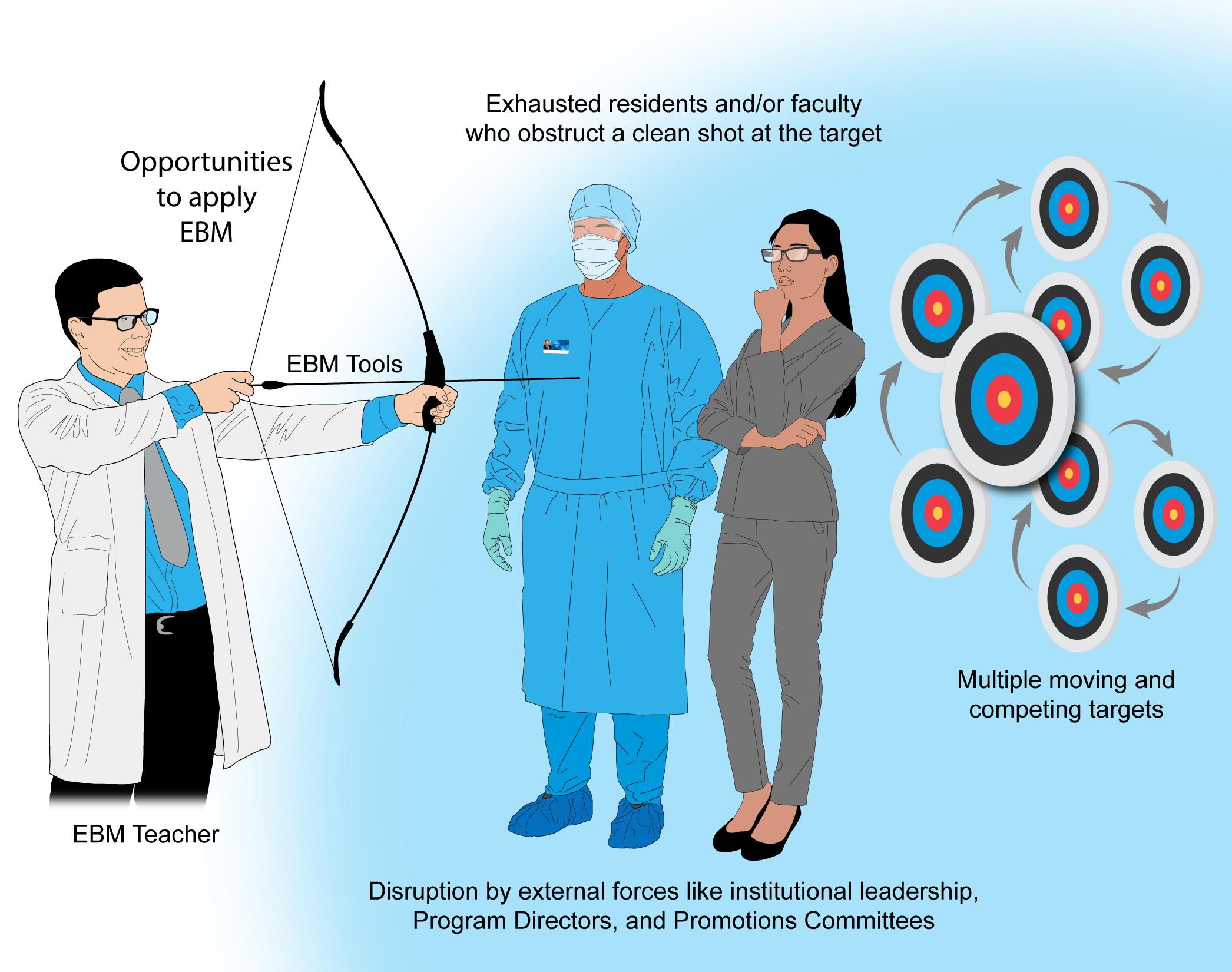
continued on Page 59
Figure 1. At Oxford, United Kingdom, learning how EBM is taught.
Figure 2. Understanding why teaching EBM courses are disappearing.
“As the rubber and researchers clinicians with questions, locate evidence, and align with patient

continued from Page 57
alternative approaches for teaching the same material to different audiences. We left Oxford with a grab bag of ideas and resources to enrich EBM learning during emergency department shifts, formal didactics, and journal club sessions.
Why Are Teaching EBM Courses Disappearing?
Having previously attended the annual McMaster Evidence-Based Clinical Practice Workshop as both trainees and tutors—an event that often drew more than 100 attendees from multiple specialties—we were struck by the relatively low attendance at the world’s only remaining Teaching EBM course. This decline is likely multifactorial, as illustrated in Figure 2 using the analogy of aiming an arrow (the EBM approach) at targets that are both moving and multiplying, while various stakeholders—including EBM champions and learners themselves— create additional challenges to hitting those targets.
First, the term evidence-based has been co-opted by multiple stakeholders, diluting the enthusiasm that initially surrounded Guyatt’s conception of evidence-based medicine in the early 1990s. Second, the term EBM itself fails to clearly convey the original Venn diagram in
which clinical expertise and patient values overlap with research evidence; instead, it often implies that evidence alone is paramount. If that portrayal were accurate, we would not be interested either.
Third, even many of the pioneers of EBM appear to have stepped back from teaching foundational appraisal skills in the same way trainees learn procedures such as intubation or lumbar puncture, instead steering learners toward trusted secondary review resources. This shift runs counter to a 2010 Council of Emergency Medicine Residency Directors (CORD) survey, which identified achieving minimal core competencies in independent critical appraisal as a priority for residency training. Finally, an abundance of websites, podcasts, and videos—such as Sketchy EBM—now provide justin-time instruction on basic EBM concepts, leading some educators to view hands-on EBM training as obsolete or too time-consuming.
Contemplating the Future
As long-time members of SAEM’s Evidence-Based Health Care and Implementation Interest Group, we continue to believe that Teaching EBM courses have an important role. One of us has taught EBM skills through journal club and didactics for nearly 25 years and previously served as a tutor at the McMaster course for a decade, yet still found opportunities at Oxford to improve teaching pace and
rubber met the road, however, medical educators
researchers
realized how challenging it is to equip busy
with the
skills needed to ask answerable clinical
locate relevant
and apply
evidence, critically appraise that
practice-worthy findings in ways that patient values and augment clinical expertise.”
clarity by trialing new techniques and receiving constructive feedback from peers.
We also learned that the Oxford EBM community is largely unaware of many North American innovations that emerged from the McMaster course, highlighting immediate opportunities to build bridges, develop collaborative teaching resources, and potentially pursue EBM research partnerships in the decades ahead. For example, Oxford instructors were unfamiliar with SAEM’s EBHI Interest Group but expressed strong interest in learning more about this robust community. Conversely, we were unaware that the 11th annual Ecosystem of Evidence meeting will take place in Italy in October 2026, and we suspect that many EBHI members and SAEM colleagues are similarly unaware of this semiannual event.
In our view, the future of Teaching EBM workshops will depend on how well they understand their audiences and build connections across networks of EBM educators and existing resources to avoid reinventing the wheel. These next-generation workshops must also emphasize the practicality of applying EBM concepts at the busy clinical bedside, while incorporating emerging technologies such as artificial intelligence with healthy skepticism and pragmatic attention to learner priorities.
The next chapters of Teaching EBM remain unwritten. Will you be one of the authors?
ABOUT THE AUTHORS
Dr. Carpenter is vice chair of implementation and innovation at Mayo Clinic in Rochester, Minnesota. He is deputy editor in chief of Academic Emergency Medicine and a former chair of the Society for Academic Emergency Medicine Evidence-Based Health Care and Implementation Interest Group.

Dr. Finch is vice chair of education in the department of emergency medicine at Mayo Clinic in Rochester, Minnesota, and director of the department of emergency medicine journal club.
FACULTY DEVELOPMENT

From Onboarding to Belonging: A Scalable Faculty Development Model for EarlyCareer Emergency Medicine Physicians
By Yanina Purim-Shem-Tov, MD, MS
Early-career emergency medicine (EM) faculty face a paradox. They arrive highly trained, motivated, and committed to academic medicine— yet the first three to five years after residency are often when clinicians experience the greatest professional vulnerability. Nationally, this period is associated with high rates of burnout and workforce instability. Academic faculty report substantial burnout that disproportionately affects women and physicians from underrepresented groups, and up to half of assistant professors leave a
medical school within eight years of hire, particularly those on clinicianeducator or at-risk tracks.
Despite this reality, most academic health systems continue to rely on informal mentorship, ad hoc onboarding, and variable departmental cultures to support early faculty. The result is predictable: uneven access to opportunity, inconsistent scholarly productivity, and avoidable loss of talented physicians who entered academic emergency medicine with aspirations to teach, lead, and innovate.
At Rush University Medical Center, we confronted this challenge by building the RISE (Rush Integration for Success and Excellence) Program—a structured, longitudinal faculty development model designed to ensure early-career emergency physicians do not merely survive their transition to faculty, but truly thrive.
From Onboarding to Belonging: Why RISE Was Created
RISE was developed in response to a clear institutional need. We recognized that early faculty often struggled not because of a lack of
talent or motivation, but because of fragmentation: fragmented mentoring, fragmented access to research infrastructure, fragmented understanding of promotion pathways, and fragmented professional identity.
Traditional models rely heavily on individual initiative— “find a mentor,” “build a niche,” “figure out promotion”—an approach that disproportionately disadvantages those without preexisting networks, academic capital, or protected time. We wanted a model that replaced chance with structure and isolation with intentional community.
RISE is therefore not a lecture series or a fellowship. It is an integrated faculty development ecosystem embedded within the Department of Emergency Medicine. Participants are selected early in their faculty appointment and remain in the program through their first several years of academic practice.
Its guiding principles are simple:
• Every faculty member deserves a roadmap.
• Mentorship must be intentional, not incidental.
• Career development is a core operational responsibility, not an extracurricular activity.
How RISE Works in Practice
RISE integrates four pillars— mentorship, sponsorship, academic development, and leadership formation—into a single, coherent program.
1. Structured Mentorship Networks
Each RISE participant is matched with a small mentorship team rather than a single advisor. This includes a primary mentor aligned with the faculty member’s academic interests (education, research, operations, quality, or clinical innovation), as well as additional advisors who support career navigation and promotion readiness. These relationships are longitudinal and reviewed annually to ensure alignment with evolving goals.
2. Career Track Alignment and Promotion Transparency
One of the most powerful features of RISE is its early demystification of the academic promotion process.
Participants are oriented to available faculty tracks, promotion criteria, and scholarly expectations within their first year. They receive guided support to select a track aligned with their strengths and interests—and to build a portfolio that makes promotion achievable rather than mysterious.
3. Scholarly and Educational Infrastructure RISE provides hands-on access to institutional research, quality improvement, and educational resources. Faculty are connected with institutional leaders so that good ideas become executable projects. Rather than asking junior faculty to “figure out” how to publish or build curricula, RISE makes scholarly productivity an expected and supported outcome.
4. Leadership and Professional Identity Development
Early faculty are not just future researchers or teachers; they are future division chiefs, program directors, and system leaders. RISE incorporates leadership skill-building, feedback coaching, and exposure to departmental and institutional governance, allowing participants to begin developing leadership identity early in their careers.
5. Community and Psychological Safety
Just as important as formal structures is the sense of belonging RISE creates. Participants meet regularly as a cohort, sharing challenges, successes, and strategies. This community normalizes the difficulties of early faculty life and provides a psychologically safe environment in which individuals can ask questions, seek help, and grow.
Why RISE Matters
The impact of RISE is felt across multiple domains that matter deeply to academic emergency medicine.
For faculty, it creates clarity, support, and momentum. Participants develop stronger scholarly portfolios, more confident professional identities, and clearer pathways to advancement.
For departments, RISE improves retention, engagement, and leadership succession. Instead of losing earlycareer talent to burnout or stagnation, departments develop a pipeline
of invested, productive academic physicians.
For institutions, RISE advances equity. When mentoring, sponsorship, and access to opportunity are standardized rather than informal, disparities narrow. Faculty from diverse backgrounds are more likely to persist, publish, and lead.
Ultimately, for patients and learners, stable and supported faculty mean better teaching, better care, and stronger clinical teams.
What Other EM Departments Can Do
RISE was designed to be scalable. Any department can adopt its core principles:
1. Create structured, longitudinal mentoring rather than one-time onboarding.
2. Make promotion criteria explicit from the first year of faculty appointment.
3. Link junior faculty to institutional resources instead of expecting them to self-navigate.
4. Invest in leadership development early, not only at senior ranks.
5. Build community, not just curricula. Faculty success does not happen by accident. It happens when departments intentionally design systems that allow people to grow.
Academic emergency medicine depends on the creativity, resilience, and leadership of its early-career physicians. Programs like RISE demonstrate that with the right structures in place, we can transform the vulnerable early years of faculty life into a launching pad for long, impactful academic careers
ABOUT THE AUTHOR
Dr. Purim-Shem-Tov is executive vice chair for faculty affairs in the department of emergency medicine at Rush University Medical Center and a professor of emergency medicine at Rush Medical College. She leads faculty development, promotion and retention initiatives across Rush emergency medicine.
continued on Page 35
FEDERAL FUNDING FOCUS

Aligning Emergency Medicine Research With the National Institute on Drug Abuse: Funding Priorities and Opportunities
By Stephanie Carreiro, MD, PhD; Peter Chai, MD, MMS; and Edward R. Melnick, MD, MHS for the SAEM Federal Funding Committee
Emergency departments (EDs) are on the front lines of the nation’s addiction and overdose crisis, serving as the primary access point for many individuals with untreated substance use disorders (SUDs). Emergency medicine (EM) researchers are therefore uniquely positioned to advance the scientific goals of the National Institute on Drug Abuse (NIDA), which focuses on understanding, preventing, and treating drug use and addiction.
This article provides an overview of NIDA’s mission, priorities, and relevance to EM researchers, along
with emerging opportunities to strengthen EM’s visibility and impact within the institute.
NIDA’s Mission and Priorities
NIDA’s mission is to advance science on drug use and addiction and apply that knowledge to improve individual and public health. In fiscal year 2024, NIDA’s budget reached approximately $1.6 billion, representing 3.4% of the total National Institutes of Health (NIH) appropriation and ranking ninth among the 27 NIH institutes.
The 2022–2026 NIDA Strategic Plan highlights five central priorities:
• Understanding drugs, the brain, and behavior
• Developing and testing novel prevention and therapeutic interventions
• Advancing research at the intersection of SUD and HIV
• Improving implementation of evidence-based strategies in realworld settings
Early engagement with program officers is essential to ensure programmatic fit for a given project. NIDA, like an increasing number of NIH institutes, does not use fixed
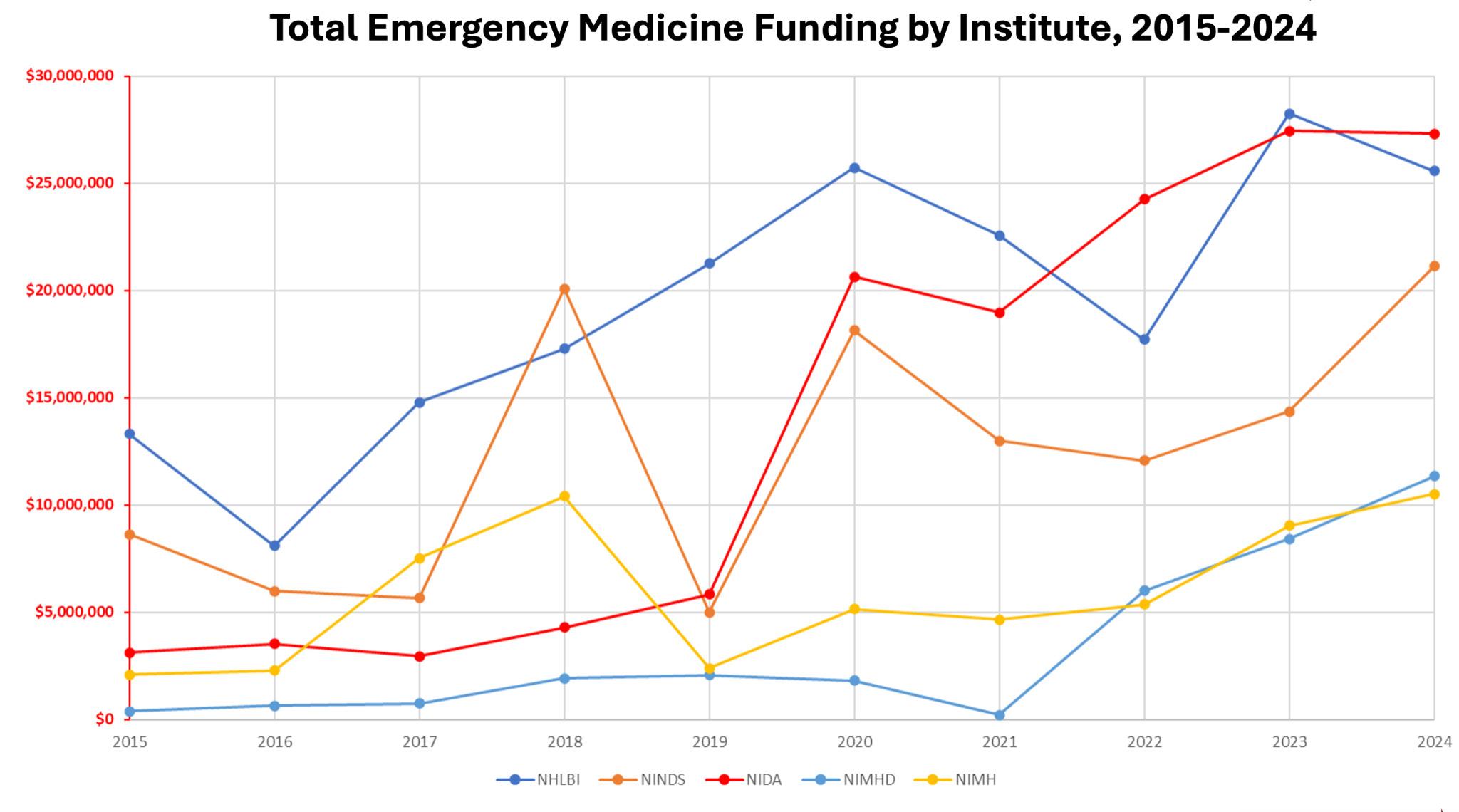
Figure 1. Total NIH Emergency Medicine Funding by Institute, 2015–2024. This figure illustrates the annual emergency medicine research funding provided by the top five NIH institutes—NHLBI, NINDS, NIDA, NIMHD, and NIMH—over a ten-year period. Trends highlight increasing support from NIDA and notable growth across several institutes in recent years, reflecting expanding priorities and interdisciplinary investment in emergency medicine research. Image credit: Tony Rosen, MD, MPH.
“Emergency departments are on the front lines of the nation’s addiction and overdose crisis, serving as the primary access point for many individuals with untreated substance use disorders..”
paylines—that is, it does not set a predetermined score threshold for funding. Funding decisions are instead based on scientific merit, program relevance, and alignment with institute priorities.
Why EM Is Essential to NIDA’s Mission
Emergency departments serve as both a clinical safety net and a natural research environment for addiction science. Many individuals with untreated SUDs—particularly those experiencing overdose or behavioral
health crises—may interact with the health care system only through the ED.
Emergency medicine investigators align strongly with NIDA priorities because of their:
• Access to high-risk, underserved populations and ability to initiate addiction care, including medications for opioid use disorder (MOUD)
• Expertise in overdose care, withdrawal management, and acute intervention
• Experience conducting pragmatic clinical trials, digital and behavioral health interventions, and implementation science studies in time-sensitive settings
Despite this strong alignment, emergency medicine represents a relatively small share of NIDA’s overall research portfolio. This gap underscores the need for continued advocacy and increased efforts to
“Emergency
medicine researchers are uniquely positioned scientific goals of the National Institute on Drug Abuse, understanding, preventing, and treating drug

continued from Page 63
pursue funding opportunities and submit competitive grant applications.
Key NIDA Programs Relevant to EM
NIDA invests heavily in opioid- and HIV-related research through major initiatives such as the Helping to End Addiction Long-Term (HEAL) Initiative and the HIV Research Program (HRP).
The HEAL Initiative, which aims to address opioid use disorder, overdose, chronic pain, and polysubstance use, supported more than 280 NIDAfunded projects totaling approximately $355 million in fiscal year 2024. These investments are particularly relevant to ED-based studies focused on MOUD initiation, harm reduction, digital health, and implementation science.
The HRP received $279 million in fiscal year 2023 to support research at the intersection of HIV and substance use. This includes ED-focused work on HIV screening, prevention, linkage to care, and behavioral interventions that serve high-risk populations who may otherwise lack access to medical services.
The NIDA Funding Landscape for EM
Between 2015 and 2024, emergency medicine received approximately 1.6% of all NIDA funding, totaling about $27 million. Although EM represents a small fraction of NIDA’s overall investment, it has been remarkably competitive within the institute’s portfolio.
Over this 10-year period, NIDA ranked among the top five NIH institutes in total dollars awarded to
positioned to advance the Abuse, which focuses on use and addiction.”
EM investigators (Figure 1) and ranked third in 2024 by both proportion of budget and number of EM-funded projects. These data demonstrate that, while EM comprises a modest share of NIDA’s portfolio, NIDA remains one of the most impactful sources of federal support for EM research.
Opportunities, Challenges, and Uncertainties Ahead
The SAEM Federal Funding Committee’s NIDA Subcommittee has identified several key considerations for EM investigators:
• Programmatic alignment drives funding success. Success with NIDA grants depends not only on proposal quality but also on how closely a project aligns with NIDA’s scientific priorities and mission. Investigators should carefully review current funding announcements and strategic priorities and consult with program officers early in project development.
• EM advocacy during review. Emergency medicine is not always recognized as a research-intensive specialty by grant reviewers. Investigators should be prepared to clearly articulate the significance and relevance of their work within the broader context of addiction science.
• Potential NIH organizational changes. Ongoing discussions about possible NIH restructuring, including the potential merging of NIDA with other institutes, introduce some uncertainty. However, NIDA’s mission and funding opportunities remain unchanged at this time.
Strategies for EM to Expand Its NIDA Portfolio
• Strengthen mentorship and research infrastructure. EM can expand structured mentorship pathways for investigators pursuing NIDA-focused research.
• Increase engagement with NIDA. Serving on study sections, attending NIDA meetings, and cultivating relationships with program officers can elevate EM’s visibility within the institute.
• Lead innovation in digital health and implementation science. NIDA has
clear priorities in digital therapeutics, mobile and wearable technology, and real-world implementation—areas in which EM investigators already excel.
• Expand ED-based clinical trials. Opportunities include rapid-start MOUD; exploration of dosing strategies and medications for other SUDs; overdose prevention strategies; behavioral interventions; and harm reduction outreach.
• Advocate for EM inclusion in funding opportunities. Proactive engagement with NIDA leadership can help ensure that ED-specific research needs are reflected in future Notices of Funding Opportunities and strategic plans.
Conclusion
As the national burden of addiction continues to rise, NIDA’s mission aligns closely with the strengths of emergency medicine. By strengthening mentorship, improving program alignment, and increasing visibility, EM researchers are well positioned to help shape the future of addiction science and improve care for patients who need it most.
ABOUT THE AUTHORS
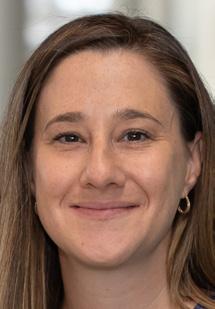
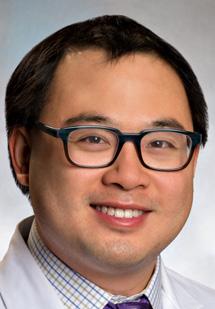
Dr. Carreiro is an emergency physician, medical toxicologist, and vice chair of research at UMass Chan Medical School. She is a National Institute on Drug Abuse–funded investigator focused on advancing digital health innovation in emergency medicine.
Dr. Chai is an emergency physician and medical toxicologist at Brigham and Women’s Hospital. He is supported by the National Institute on Drug Abuse and holds academic appointments at the Massachusetts Institute of Technology, Dana-Farber Cancer Institute, and the Harvard Toxicology Fellowship.
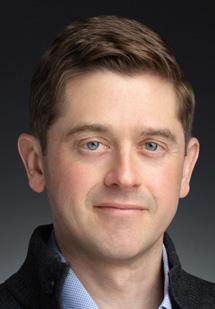
Dr. Melnick is an emergency physician and clinical informatics researcher at Yale School of Medicine. He is a National Institute on Drug Abuse–funded investigator whose work focuses on improving emergency department care delivery through informatics and implementation science.

Australian Geriatric Emergency Departments: A Day Ahead by Time Zone and a Decade Ahead in Policy
By Lauren Southerland
In this Perspectives piece, the author reflects on her Fulbright experience in Australia, where national policy and sustained funding have embedded geriatric expertise into emergency department care. Drawing on observations across urban, rural, and community settings, she explores how system-level priorities shape frontline practice—and what lessons may inform the future of geriatric emergency care in the United States.
Where can you find colorful lorikeets, adorable wombats, and a geriatric nurse specialist in every emergency department? I spent four months in Sydney, Australia,
learning how their health system has prioritized high-quality care for older patients.
As a geriatrics fellowship–trained emergency medicine physician in Ohio, I have spent the past decade working to implement and disseminate best practices for geriatric care in U.S. emergency departments. That work includes considering how a patient’s cognitive status affects medication adherence and follow-up, or creating safeguards to prevent an intern from giving an agitated 85-year-old man 50 mg of IV diphenhydramine. These are principles most emergency physicians understand and
agree with. Yet most emergency departments in the United States lack access to geriatricians, geriatric care specialists, or even physical therapists.
Learning From a National Commitment to Geriatric Care
With funding from the Australian Fulbright Foundation, I traveled to Sydney for four months to work with Dr. Carolyn Hullick and emergency medicine colleagues across New South Wales and Queensland. Dr. Hullick is the chief medical officer for the Australian Commission on Safety and Quality in Health Care, which develops national standards and policies related to care quality.
“These are principles most emergency physicians understand and agree with. Yet most emergency departments in the United States lack access to geriatricians, geriatric care specialists, or even physical therapists.”
Emergency departments in New South Wales have received funding for geriatric specialists for more than a decade. Quality measures such as routine delirium screening have been in place since 2017. These policies are not aspirational; they are operationalized across diverse emergency care settings.
How Australian EDs Operationalize Geriatric Care
Each emergency department I visited implemented geriatric care differently. Some prioritized nurse specialists who worked closely with patients arriving from nursing facilities to ensure effective communication with families and long-term care staff. Others focused on preventing emergency department visits altogether by sending emergency clinicians to facilities to assess patients and obtain bloodwork and imaging on site.
Several departments concentrated on community-dwelling older adults, building strong connections to home services. In one small rural hospital deep in the bushlands, I met a geriatric nurse who followed up with older patients in their homes or the area’s sole nursing facility after emergency visits. She knew most older adults in the community personally.
Australian emergency medicine residents told me they could not imagine practicing without geriatric specialist teams. They described how impossible it would be to gather the necessary information and coordinate care without this support. Many were genuinely shocked to learn that most U.S. emergency departments lack similar resources.
Why the United States Lags Behind
So why aren’t American emergency departments able to operate this way? The answer lies largely in policy and funding. Australia’s progress required national initiatives and sustained statewide investment.
In the United States, we know that high-quality geriatric emergency care reduces hospital admissions, return visits, and overall costs. Yet current funding structures do not sufficiently incentivize hospitals to prioritize care quality for older adults.
The Centers for Medicare & Medicaid Services has begun to apply pressure through new quality measures, including the Age-Friendly Hospital Measure. This measure requires hospitals to attest to having policies related to delirium screening and improved care transitions for older patients. While currently an attestation, it is expected to factor into hospital incentive payment systems beginning in 2028.
If your emergency department does not have access to physical therapists for fall-risk assessment, geriatric case managers for care coordination, or delirium prevention and management protocols, there are roughly two years to implement them—or your health system may face payment penalties. Resources such as the Academy of Geriatric Emergency Medicine and the Geriatric Emergency Department Accreditation program can provide guidance.
Looking Beyond U.S. Borders
My experience in Australia reinforced how much we can learn from
emergency departments in other countries. We need to approach global systems with humility and resist the assumption that American emergency departments always deliver the best care.
While the United States pioneered emergency medicine as a specialty, we are not the only innovators. Systemic challenges—particularly a fragmented health care system and increasing for-profit pressures—have limited our ability to adapt care to patient needs.
A Broader Vision of What’s Possible
If flying foxes with five-foot wingspans swooping overhead on summer evenings or swimming among batfish in the Great Barrier Reef are not reason enough to visit Australia, consider going to learn from its advances in emergency care. My Fulbright experience was life-altering and reshaped my vision of what emergency care can be.
Emergency medicine physicianresearchers interested in applying for a Fulbright scholarship are welcome to reach out to me at lauren.southerland@osumc.edu
ABOUT THE AUTHOR
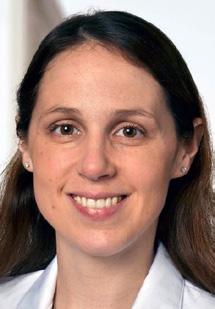
Dr. Southerland is an associate professor of emergency medicine at The Ohio State University.
HEALTH EQUITY & DISPARITIES
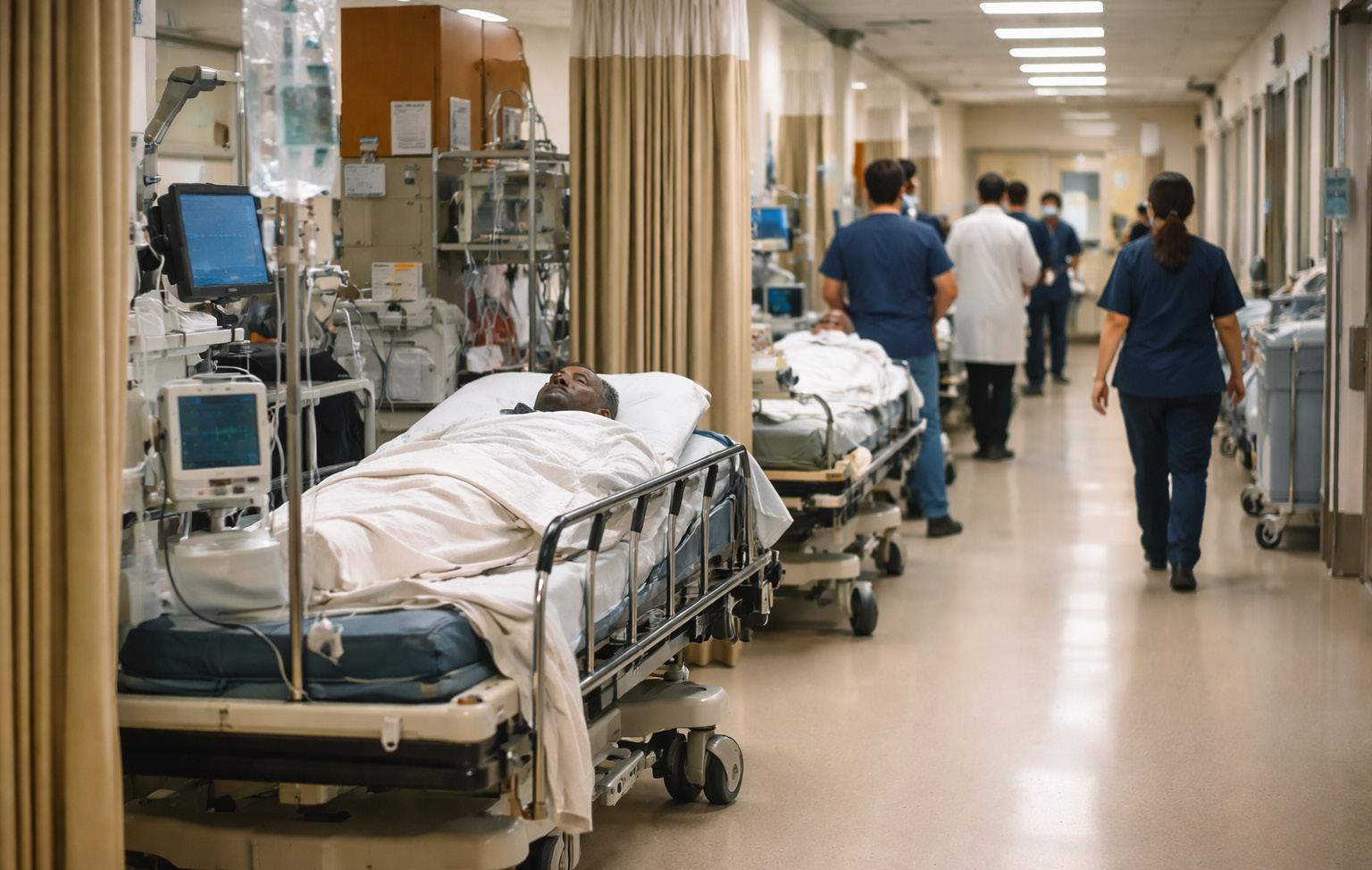
Emergency Department Boarding as a Health Equity Crisis: Addressing the Gaps
By Rohit Mukherjee; Brian J. Franklin, MD, MBA; John Riggins Jr., MD, MHA; Giovanni Rodriguez, MD, MPH; Da’Marcus Baymon, MD; Benjamin A. White, MD; and Amos Shemesh, MD, on behalf of the SAEM ED Administration and Operations Committee
The emergency department (ED) has long served as a safety net for underserved patients, a role reinforced by the 1986 Emergency Medical Treatment and Labor Act (EMTALA), which mandates that all patients receive a medical screening examination and stabilizing care regardless of insurance status or ability to pay. Despite these protections, the persistent crisis of ED boarding continues to strain emergency care delivery. Prolonged waits for inpatient beds are associated with increased morbidity, medical errors, decreased patient satisfaction, and lower quality of care. Increasingly, evidence suggests
that ED boarding also exacerbates existing health inequities, disproportionately affecting marginalized patient populations.
Perceived Discrimination During Prolonged Boarding
Extended ED boarding has been linked to increased perceptions of discrimination among patients. A recent study at a large urban hospital found that patients boarding for more than 24 hours were 1.84 times more likely to report discrimination and 1.77 times more likely to report dissatisfaction with care compared with those boarding fewer than four hours. These associations
were particularly pronounced among racial and ethnic minority groups, underscoring how crowding and boarding compound existing structural inequities. Experiences of perceived discrimination can have lasting effects on patient trust, engagement with the health care system, and institutional reputation, with downstream implications for patient retention and financial stability.
As ED boarding worsens, hallway placement has become an increasingly common strategy to preserve access to care amid limited bed availability. However,
“Increasingly, evidence suggests that emergency department boarding also exacerbates existing health inequities, disproportionately affecting marginalized patient populations.”
evidence suggests that hallway care disproportionately affects vulnerable populations. A 2023 observational study of more than 361,000 ED visits found that patients with Medicaid or self-pay insurance were significantly more likely to be treated in hallway spaces, even after adjustment for crowding, acuity, and staffing levels. Hallway placement was associated with higher rates of patient elopement and repeat ED visits, highlighting both operational strain and inequitable allocation of scarce resources. Because Medicaid and self-pay status often reflect socioeconomic vulnerability, these findings illustrate how hallway care can reinforce disparities, disrupt continuity, and worsen outcomes for marginalized patients.
Insurance Coverage and Prolonged Boarding
Prolonged boarding times also disproportionately affect racial and ethnic minority patients. In a retrospective cohort study of nearly 39,000 adults admitted from two EDs, 32% experienced prolonged boarding, defined as more than four hours from admission order to inpatient transfer. Black patients had 9% higher odds of prolonged boarding than White patients, while patients from other racial and ethnic minority groups had 16% higher odds. These disparities persisted and, in some cases, widened when insurance status was considered, with Medicaid coverage associated with increased risk of prolonged boarding. Together, these findings reinforce that boarding and hallway placement are not neutral operational challenges but manifestations of structural inequities within hospital systems. Medicaid

coverage serves as a marker of socioeconomic vulnerability, linking upstream barriers to downstream harms such as delayed admission, hallway placement, and recurrent ED utilization.
System-Level Strategies to Reduce Inequities
Addressing ED boarding requires coordinated, systemlevel interventions that explicitly incorporate equity considerations.
Optimizing Bed Management
Hospitals must maximize the efficiency of existing inpatient capacity. Capacity command centers have been shown to increase effective bed availability by identifying and addressing delays in care progression, including patient transport, diagnostic testing, clinical decision-making, and discharge processes.
Improving Transitions of Care
Emergency physicians and hospitalists face ongoing challenges in facilitating timely, safe discharges while preventing avoidable readmissions. Strengthening primary care linkages through aftercare clinics and robust outpatient scheduling can reduce inequities related to housing instability, transportation barriers, and caregiver limitations. In a national survey, 69.2% of hospitalists supported aftercare suites for rapid follow-up, 45.1% endorsed discharge lounges, and 27.7% promoted hospital-at-home partnerships. According to the Advisory Board Company prolonged discharge processes are often driven by post-acute care staffing shortages,
“Together, these findings reinforce that boarding operational challenges but manifestations of structural
continued from Page 69
unmet social needs, and payer prior authorization requirements. Addressing these barriers through community partnerships and investment in population health infrastructure can improve continuity and equity in post-discharge care.
Equitable Load Leveling Across Health Systems
When hospitals operate near capacity, ED boarding becomes a predictable form of rationing that often disproportionately affects underresourced settings and vulnerable patients. Load leveling across hospital systems can alleviate congestion and improve throughput, but these processes must be designed with an explicit commitment to equity. Prior studies have shown that vulnerable populations may be preferentially transferred to lowerresourced institutions. The American College of Emergency Physicians supports regional dashboards of bed availability, facilitated through public health departments, to promote transparent and clinically appropriate transfers. Medical operations coordination centers, widely used during the COVID-19 pandemic, have demonstrated promise in improving regional resource visibility and load balancing.
Expanding Acute Care at Home Models
Hospital-at-home and mobile integrated health programs offer opportunities to reduce inpatient bed demand and mitigate boarding. However, without safeguards, these models risk widening disparities for patients with limited access to technology, language support, or stable housing. Assigning transitionsof-care coordinators or patient navigators can help address these
barriers, promote equitable access to home-based care, and reduce readmissions.
Policy Approaches to Address ED Boarding
Publicly insured patients face disproportionate barriers to postacute placement, contributing to prolonged boarding. State and federal advocacy to streamline or suspend prior authorization for skilled nursing facility transfers during boarding crises may reduce administrative delays and improve outcomes.
ACEP has recommended imposing strict time limits or eliminating authorization requirements during boarding emergencies. Aligning payer regulations with timely transitions of care—including aftercare clinics, bed tracking, and acute care at home— can mitigate avoidable delays and support health equity. In parallel, hospital quality teams should conduct equity-focused analyses stratifying boarding time and hallway placement by race, ethnicity, language, insurance status, age, and disability to ensure that alternative care pathways are accessible to patients with limited English proficiency, unstable housing, or low digital access.
Call to Action
ED boarding is not only an operational challenge but an escalating health equity crisis. Addressing it requires coordinated action across stakeholders. Hospitals must optimize capacity management and participate in equitable load-balancing efforts. States should establish and mandate participation in medical operations coordination centers or similar systems. Federal policymakers must ensure sustainable reimbursement for innovations such as hospital-at-home programs. Without deliberate, equitycentered action, ED boarding will continue to undermine the emergency
boarding and hallway placement are not neutral structural inequities within hospital systems.”
department’s role as a safety net for the communities that depend on it most.
ABOUT THE AUTHORS
Rohit Mukherjee is a medical student at Rutgers Robert Wood Johnson Medical School and a U.S. Fulbright research fellow with the Columbia University Strengthening Emergency Systems Program. He serves as a Middlesex County government mental health board member in New Jersey.
Dr. Franklin is an emergency medicine resident physician at Stanford University.
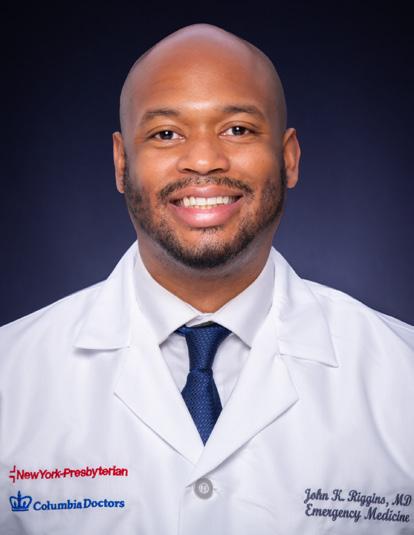
Dr. Riggins is an assistant professor of emergency medicine at NewYorkPresbyterian Columbia University Irving Medical Center and Columbia University Vagelos College of Physicians and Surgeons. He serves as medical director of the NewYork-Presbyterian Allen

Dr. Rodriguez is the clinical director of operations for the Brigham and Women’s Hospital emergency department, where she oversees daily operations while providing patient care.

Dr. Baymon is a senior clinical director in the Brigham and Women’s Hospital emergency department.

Dr. White is an attending physician in the Massachusetts General Hospital department of emergency medicine and an associate professor of emergency medicine at Harvard Medical School. He serves as director of patient experience and director of the Center for Emergency Medicine Innovation for Mass General Brigham emergency medicine.
Dr. Shemesh is an assistant professor of Emergency Medicine at Weill Cornell Medical College.
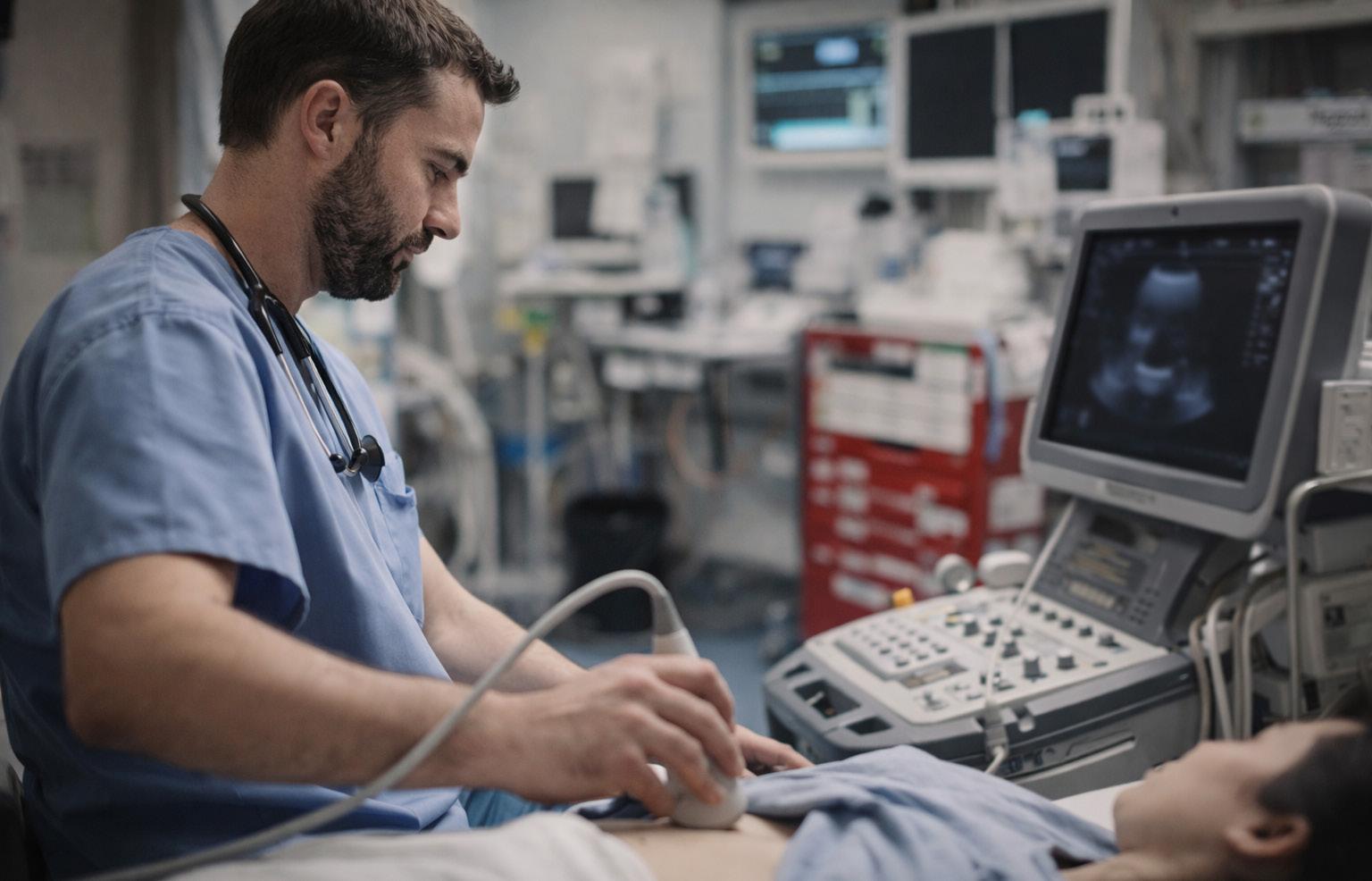
Rethinking the Fetal “Heartbeat” in Point-ofCare Ultrasound: Why Terminology Matters
By Nicole Sales, DO and Trent She, MD
For decades, point-of-care ultrasound (POCUS) has been an essential tool in emergency medicine for evaluating early pregnancy. Among its key applications, clinicians frequently document the presence or absence of a fetal “heartbeat” to assess pregnancy progression and viability. Traditionally, detection of a “heartbeat” in the first trimester has provided reassurance to clinicians and expectant parents, often marking a joyful milestone.
In recent years, however, this terminology has taken on significant legal implications. Several U.S. states have enacted abortion laws— commonly referred to as “heartbeat
laws”—that prohibit termination of pregnancy once ultrasound detects a fetal “heartbeat,” often around six weeks’ gestation. As a result, emergency clinicians providing first-trimester care have found themselves at the intersection of clinical practice and a long-standing legal and moral debate. The use of the term “fetal heartbeat” in both medical documentation and legislation can conflate primitive cardiac activity with the presence of a mature, functional heart. This imprecision risks confusing patients, policymakers, and clinicians, with downstream consequences for patient care.
What Ultrasound Shows in Early Pregnancy
Embryonic development of the cardiovascular system begins early, but the structures and physiology required for a functional heart take months to mature. At six weeks’ gestation, the embryo does not yet have a fully formed heart capable of independent survival. There are no valves, no chambers, and no organized conduction system. While the embryo will ultimately develop a functional heart, that organ is not present at this stage.
What ultrasound detects instead is flickering motion generated by spontaneous depolarization
“The use of the term ‘fetal heartbeat’ in both medical documentation and legislation can conflate primitive cardiac activity with the presence of a mature, functional heart.”
within a cluster of cells that will later differentiate into myocardial tissue. Describing this finding as a “heartbeat” suggests a level of anatomic and physiologic development that does not yet exist.
Professional Guidance on Terminology
Recognizing the importance of scientific accuracy, professional organizations have addressed this terminology directly. The American College of Obstetricians and Gynecologists (ACOG) has stated that the term “fetal heartbeat” is medically inaccurate in the first trimester. ACOG recommends using “embryonic cardiac activity” before 10 weeks’ gestation and “fetal cardiac activity” thereafter. These terms more accurately reflect the continuum of development while preserving clinical precision.
Despite this guidance, many clinicians continue to use “heartbeat” in both bedside conversations and medical records. This persistence is often driven by habit and by the emotional resonance the term carries for patients. While understandable in clinical interactions, imprecise language can introduce legal and documentation risks.
Why Language Matters
The authors do not advocate for a specific political position. We acknowledge, however, that abortion may be an appropriate component of patient-centered care in certain circumstances, including threats to maternal health or cases of rape or incest. In these situations, patients and clinicians should not bear the additional burden of ambiguous or politically charged terminology.

Standardizing ultrasound language to “embryonic cardiac activity” before 10 weeks and “fetal cardiac activity” thereafter offers several benefits. First, it promotes scientific accuracy by aligning documentation with established embryologic understanding rather than colloquial language. Second, it supports patient autonomy by facilitating clearer, more precise counseling about early gestational findings. Third, it may reduce legal ambiguity by minimizing misunderstandings in administrative or judicial contexts.
A Needed Shift in Clinical Practice
Medical language evolves as knowledge advances and social contexts change. Just as medicine has moved away from outdated terms such as “mongolism” in favor of “Down syndrome,” and from “heart attack” to “myocardial infarction,” a similar shift is warranted in early pregnancy care.
Adopting “cardiac activity” in place of “heartbeat” is unlikely to diminish the emotional significance
many parents feel when they first observe flickering motion on ultrasound. It will, however, help ensure that medical documentation, public communication, and legal interpretation reflect medical reality rather than political framing.
Precision in language is not merely academic. In this context, it has tangible implications for patient understanding, clinician protection, and the integrity of medical practice
ABOUT THE AUTHORS


Dr. Sales is an ultrasound fellow at the University of Connecticut.
Dr. She is the ultrasound fellowship director at the University of Connecticut and the ultrasound director at Hartford Hospital.
INFECTIOUS DISEASES
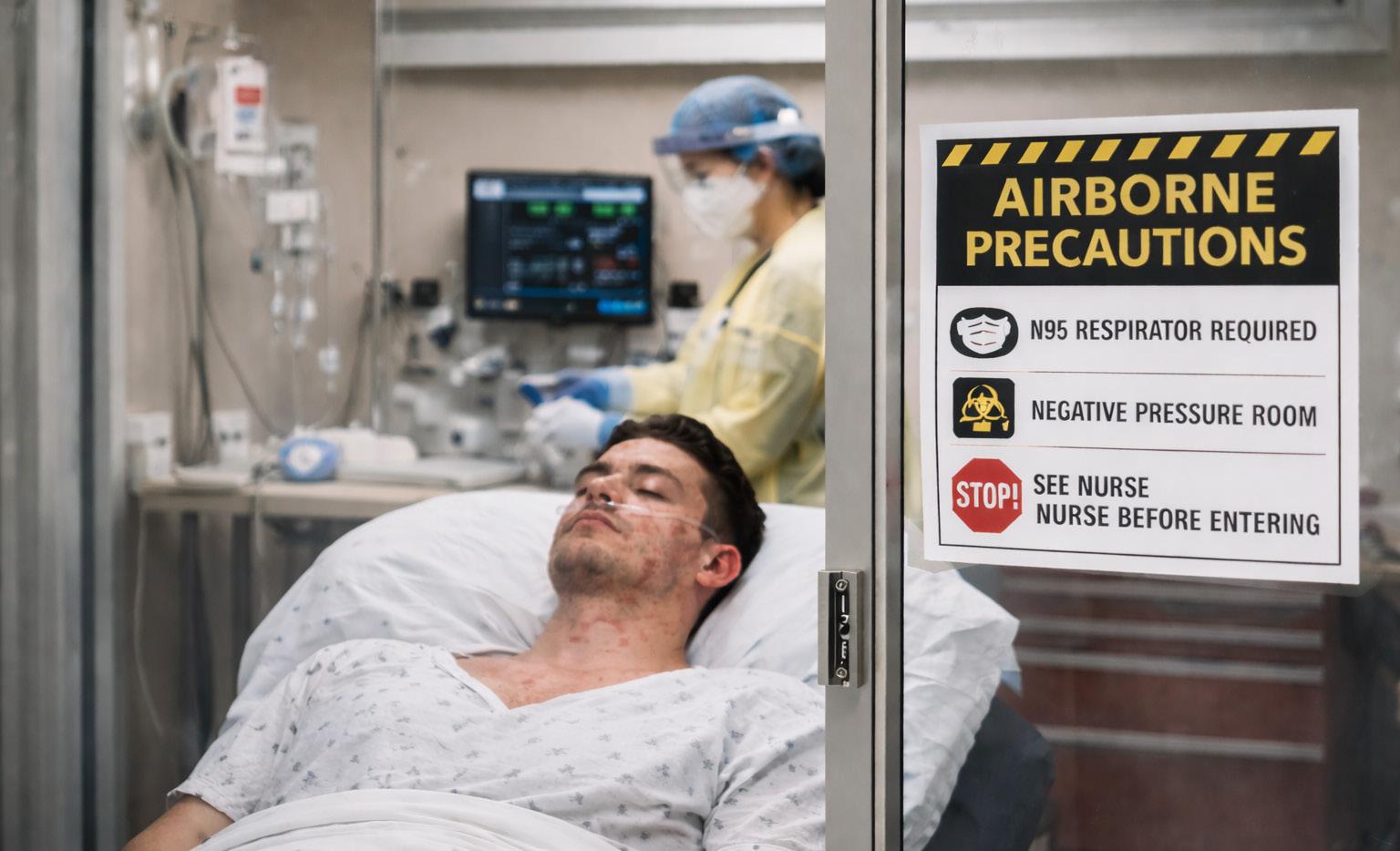
Measles Is Back: What Emergency Clinicians Need to Know Now
By Phillip Moschella, MD, PhD; Elissa M. Schechter-Perkins, MD, MPH; and Kimberly Stanford, MD, MPH, on behalf of the SAEM Transmissible Infectious Disease Interest Group
Current Epidemiology in the United States and South Carolina
South Carolina is now the epicenter of a growing nationwide measles epidemic. In the first 16 weeks of 2025, there were 800 confirmed measles cases across the United States, not including South Carolina. This represents a 180% increase compared with the 285 cases reported in 2024. An expanding epidemic in South Carolina that began later in 2025 has now resulted in more than 789 confirmed cases as of Jan. 28.
Amid a growing number of reported public exposures —
including multiple elementary schools, high schools, college campuses, gyms, and grocery stores — now spread across multiple counties, the South Carolina Department of Public Health (SCDPH) is working with local health systems to combat this epidemic. The SCDPH website provides frequent publicly available updates
Timeline of the South Carolina Outbreak
The epidemic began July 9, when the SCDPH confirmed the first case of measles in South Carolina since September 2024. Case counts increased rapidly, nearly doubling
every 10 days through Dec. 23, 2025. A timeline of confirmed infections is shown in Figure 1.
South Carolina now has a total of 789 confirmed cases, with more than 531 people in quarantine and 85 in isolation; however, these numbers continue to increase rapidly.
Demographics and Vaccination Status
The breakdown of infections by age is shown in Table 1, while infections stratified by vaccination status are shown in Table 2. Most infections have occurred among individuals ages 5–17 years (62%). Although
“South Carolina is now the epicenter of a growing nationwide measles epidemic, with case counts increasing rapidly and public exposures reported across multiple counties.”
Table 1. Age (%) of Positive Patients
(1.8)
60 (7.7)
Table 3. Number (%) of Positive Patients and Vaccination Status
*Partially Vaccinated represents patient with confirmed receipt of one dose of MMR vaccine.
20 cases (2.5%) have occurred in fully vaccinated individuals, the vast majority — 695 cases (88%) — have been among unvaccinated individuals.
Locally, the SCDPH has offered free vaccine clinics targeting counties with the highest infection rates.
Measles Eradication and Resurgence
Measles has long been a target for eradication. With expanded vaccination programs, the number of worldwide infections decreased from 38 million in 2000 to 11 million in 2024. Associated deaths declined from 777,000 to 95,000 during the same period.
In the United States, endemic measles transmission was declared eliminated in 2000. However, increasing numbers of unvaccinated individuals have led to a resurgence
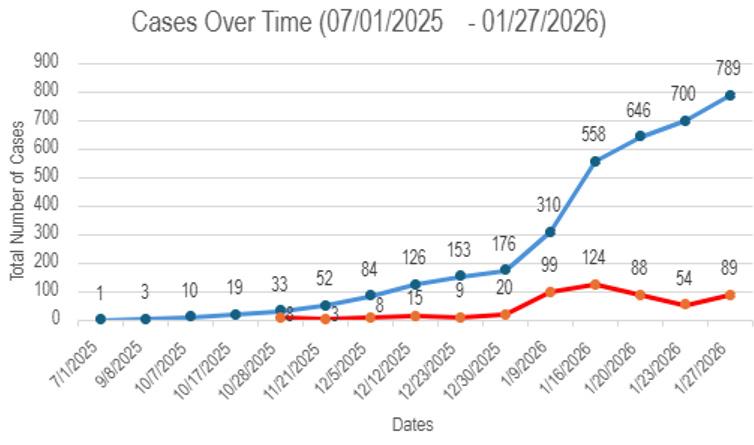
of this previously rarely encountered disease.
Virology, Transmission, and Clinical Presentation
Measles is a nonsegmented, negativesense RNA virus and a member of the Paramyxoviridae family. Humans are the only known natural reservoir. Transmission occurs through direct person-to-person contact and airborne spread, with infectious droplets remaining airborne for up to two hours.
Infection is characterized by cough, coryza, fever, malaise, and conjunctivitis. The appearance of Koplik spots on the buccal mucosa heralds the development of the characteristic rash. The peak infectious period coincides with high levels of viremia, spanning several days before and after rash onset. During this period, patients also experience intense cought and coryza, facilitating transmission
Complications and Long-Term Consequences
Many in the United States have become complacent about measles and the devastating consequences of infection. Measles causes not only acute illness and potential death but also secondary complications that may emerge as many as 10 years after primary infection.
Complications include pneumonia, blindness, chronic neurologic conditions, and death. Pneumonia resulting from measles-associated immune amnesia carries the highest risk of morbidity and mortality.
Three rare but serious neurologic conditions are associated with measles infection: acute disseminated encephalomyelitis (ADEM), measles inclusion body encephalitis (MIBE), and subacute sclerosing
continued on Page 77
Figure 1. Timeline and Number of Confirmed Cases in South Carolina
“Measles causes not only acute illness complications that may emerge as including devastating neurologic
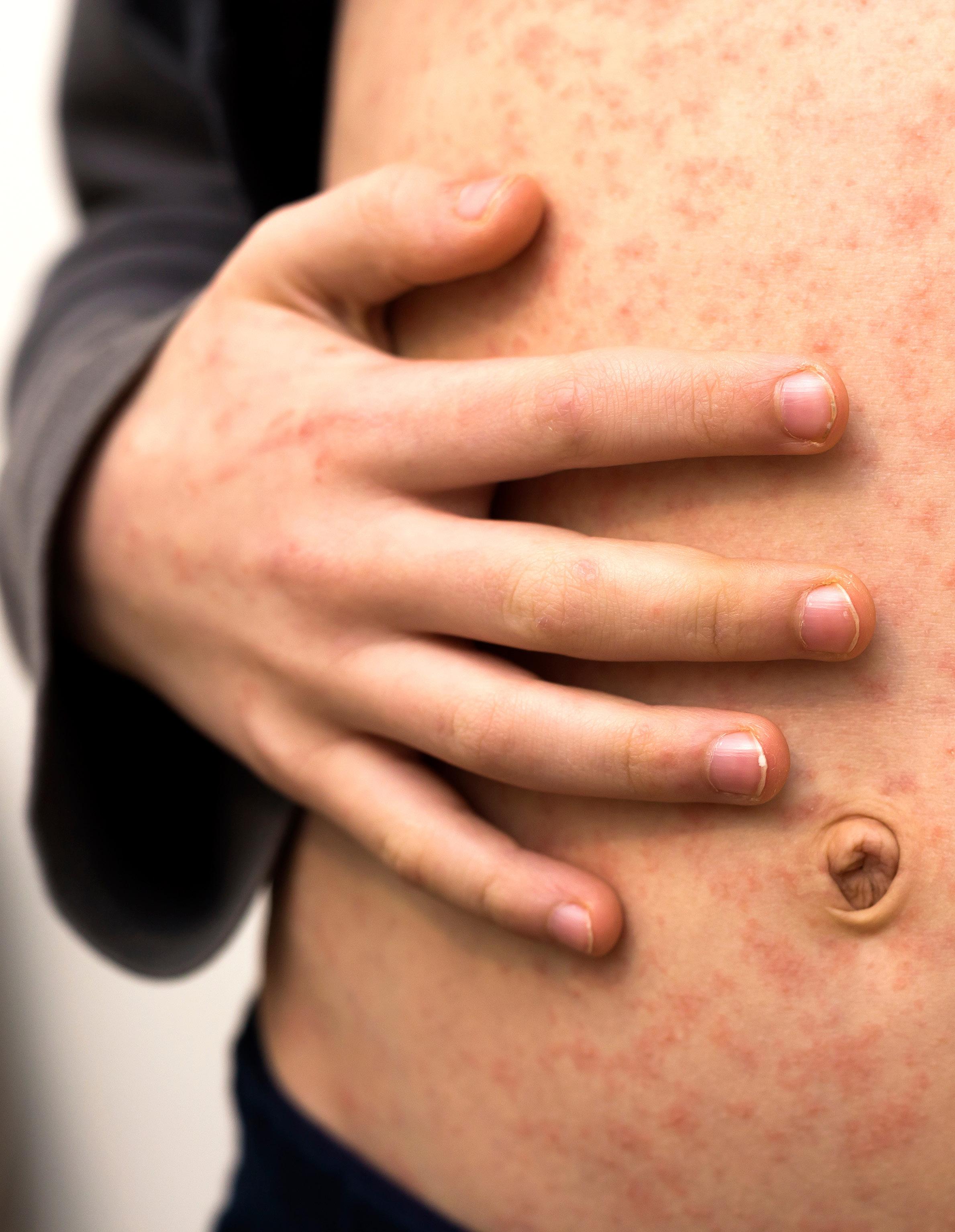
continued from Page 75
panencephalitis (SSPE). These occur at increasing intervals after primary infection, ranging from days to weeks (ADEM), months (MIBE), and up to 10 years (SSPE).
Neurologic Complications in Detail
Acute disseminated encephalomyelitis is a demyelinating autoimmune disease affecting approximately 1 in 1,000 individuals. A prodrome of fever, malaise, headache, nausea, and emesis rapidly progresses to neurologic manifestations, including encephalopathy, ataxia, hemiplegia or hemiparesthesias, cranial nerve palsies, visual or speech changes, seizures, and coma. Neurologic findings are typically multifocal and depend on the central nervous system regions involved. This syndrome often resolves with favorable long-term outcomes.
Measles inclusion body encephalitis is a progressive measles virus infection of the brain that results in neurologic deterioration and death within months in individuals with impaired cellular immunity.
Subacute sclerosing panencephalitis is a devastating delayed complication of measles, with mortality approaching 95% and no curative therapies. Infants, particularly those younger than 12 months, are at higher risk. A long-term California study reported an estimated risk of SSPE of 1 in 1,367 among children who contracted measles before age 5 and 1 in 609 among those infected before age 1.
Clinical features include myoclonic seizures, progressive cognitive decline, speech disturbances,
behavioral changes, poor scholastic performance, and pyramidal or extrapyramidal movement disorders, which may present as frequent falls. Given the current epidemiology, a high index of suspicion is now warranted in South Carolina and throughout the United States. Both typical and atypical presentations — including isolated psychiatric manifestations — may herald this disease. Atypical presentations may include unusual ages of onset, short latency periods, ADEM-like demyelination, myoclonus with hemiparesis, Pisa syndrome, stroke-like features, movement disorders, and ophthalmologic involvement such as optic disc changes, retinal hemorrhage, gaze palsies, and vision loss
Emergency Department Evaluation and Infection Control
Given the current situation, emergency physicians throughout the United States should re-familiarize themselves with diagnostic and management algorithms for acute measles and its long-term complications. A low threshold of suspicion should be maintained for patients presenting with compatible symptoms.
Suspected patients should be masked immediately and placed in a negative-pressure room under airborne isolation precautions. Health care workers should wear an N95 or equivalent respirator. Patient rooms should be considered contaminated for up to two hours after discharge, depending on institutional air exchange rates. Infection prevention teams should be engaged early for all suspected measles case
Post-Exposure Prophylaxis and Public Health Coordination
Unvaccinated individuals presenting
illness and potential death but also secondary as many as 10 years after primary infection, neurologic disease with no curative therapies.”
after potential measles exposure may still benefit from vaccination, ideally administered within 72 hours of exposure. For infants younger than 12 months, unvaccinated pregnant individuals, and severely immunocompromised patients, intravenous immune globulin should be considered for post-exposure prophylaxis up to six days after exposure. State and local health departments provide guidance to assist with management.
The Role of the Emergency Department
The emergency department plays a critical role in mitigating nearly every aspect of the growing measles epidemic. Emergency clinicians are often the first point of contact for infected patients and will continue to encounter patients with delayed complications for years to come.
Emergency departments can help slow transmission by identifying and reporting epidemiologic trends, vaccinating exposed contacts, and preventing nosocomial spread through strict infection control practices. For these reasons, it is imperative that frontline clinicians remain up to date on the diagnosis, management, and prevention of this increasingly important public health threat.
ABOUT THE AUTHORS
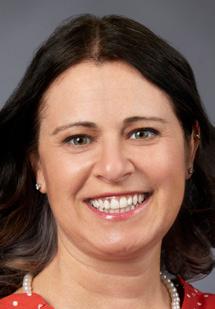

Dr. Moschella is associate research director in the department of emergency medicine at Prisma HealthUpstate and chair of the Society for Academic Emergency Medicine Transmissible Infectious Disease Interest Group.
Dr. Schechter-Perkins is associate professor at the Boston University Chobanian and Avedisian School of Medicine.
Dr. Stanford is associate professor in the section of emergency medicine at the University of Chicago and director of emergency department HIV and sexually transmitted infection screening at the Chicago Center for HIV Elimination.
INFORMATICS, DATA SCIENCE &

AI Passed the Boards. Can It Survive a Shift? Evaluating Agentic AI in Emergency Medicine
By Tehreem Rehman, MD, MPH, MBA
Emergency medicine is an unforgiving testing ground for artificial intelligence. We work amid high diagnostic uncertainty, fragmented data, extreme time pressure and highly heterogeneous populations. The gap between what AI can do on a benchmark and what it can do at the bedside remains wide. As clinical AI moves from answering questions to taking action — whether ordering tests, drafting notes or suggesting pathways — how we evaluate it must change as well.
A useful starting point is to separate two kinds of assessment.
Static benchmarks, such as USMLEstyle items, tell us whether a model has medical knowledge. They do not tell us whether it can navigate an electronic health record, reason through a multi-turn encounter or recognize when it is wrong. In the emergency department, management reasoning often runs in parallel with diagnostic reasoning rather than after a definitive diagnosis, as Haimovich and colleagues have argued. Agentic workflow frameworks address this shift. They ask whether AI tools can perform successfully in clinical contexts that require multistep reasoning, tool use and integration into real care processes.
Several frameworks are built specifically for health care. HealthBench uses multi-turn clinical conversations and cliniciandeveloped rubrics to assess accuracy, completeness and empathy. CREOLA focuses on clinical safety, emphasizing harm potential when an agent fabricates or omits critical information. Realworld clinical scenario benchmarks deliberately use messy data, including comorbidities and missing fields, to mirror daily practice. Microsoft’s Healthcare AI Model Evaluator supports multidisciplinary teams in validating models with human-in-the-loop review. The World Health Organization Digital
Metric Definition
Worst-at-k
(TheSafety Floor)
Wrong-Tool & Argument Validity
The lowest performance an agent achieves across a set of interactions (the “floor,” not the average).
Whether the agent selected the correct data source, order set, or parameter for the specific context.
Workflow Latency
SelfCorrection
Override Rate
The time elapsed between the trigger (e.g., patient arrival, lab result) and the usable output.
The agent’s ability to detect its own error and rectify it before presenting it to the clinician.
How frequently clinicians reject, delete, or significantly alter the AI’s recommendation.
Why it matters in the ED Emergency Medicine Example
A model with 98% accuracy is useless if the 2% failure rate involves catastrophic misses on high-acuity patients.
In a busy shift, “hallucinated” data or incorrect order sets can lead to medical errors if not caught immediately.
ED workflows are synchronous. Information delivered after a decision has been made is noise.
Clinicians cannot double-check every parameter; agents must act as a safety net, not a liability sink.
High override rates signal poor “fit” or calibration, indicating the tool ignores local culture or resource constraints.
A triage AI correctly identifies 95 viral syndromes but misses the 1 subtle Aortic Dissection or classifies a localized Necrotizing Fasciitis as simple cellulitis.
An AI drafting a note pulls a Troponin level from a visit 3 years ago and presents it as current, or opens a “Pediatric Fever” order set for a 25-year-old patient.
A Sepsis Alert that fires 45 minutes after the patient has been roomed and antibiotics have already been ordered is a distraction, not a tool.
An agent suggests a CT with contrast, detects the patient’s eGFR is <30 in the background, and automatically modifies the suggestion to a noncontrast study or alerts the provider to the risk before the order is signed.
80% of physicians manually delete an AI-suggested “Admission Prediction” because the model consistently tries to admit low-risk chest pain patients who usually go to the Observation Unit.
“The gap between what artificial intelligence can do on a benchmark and what it can do at the bedside remains wide.”
Health Framework, adapted for conversational agents, moves stepwise from feasibility through efficacy to implementation, placing usability and cost-benefit considerations alongside clinical outcomes. What these approaches share is a move beyond single-turn correctness toward evaluating how an agent behaves over time and under uncertainty.
The metrics that matter are shifting as well. Text similarity scores, such as BLEU and ROUGE, tell us whether
model output matches a reference text. They do not tell us whether an agent chose the right action, acted in time or caught its own mistakes. For emergency medicine, five functional metrics deserve explicit attention.
Worst-at-k performance refers to the lowest level of performance an agent achieves across many interactions — the floor, not the average. A triage or sepsis screening agent might perform well in 95% of cases but miss critical acuity or delay recognition of septic shock
in the remainder. In the emergency department, one missed high-acuity presentation or one delayed sepsis alert can be catastrophic. Safety requires knowing how poorly the agent can perform under real-world variation in chief complaints, comorbidities and documentation quality.
Wrong-tool and argument validity capture whether the agent called
“In the emergency department, high-acuity presentation

department, one missed presentation or one delayed sepsis catastrophic.”
INFORMATICS
continued from Page 79
the correct data source and passed accurate parameters. For example, selecting the appropriate order set for the chief complaint, using the correct patient context when pulling labs or identifying the appropriate pathway step given the current clinical picture. In a busy shift, an agent that suggests a chest pain order set for a patient with abdominal pain — or that surfaces another patient’s creatinine — can cause harm before anyone notices. Evaluating these error rates in scenarios that mirror a department’s case mix and documentation gaps is essential.
Workflow latency is the time from trigger — such as patient arrival or result return — to usable output. Triage support must surface within seconds so nurses can act without pausing. Sepsis alerts that appear minutes after vital signs are recorded are less useful. Discharge summary drafts that lag behind the clinician’s workflow will be abandoned. Setting latency targets — for example, under 10 seconds for triage and under 30 seconds for a draft summary — and measuring them under load reflects how the tool will perform in practice.
Self-correction refers to whether the agent detects and corrects its own errors before presenting a recommendation. For instance, does it rectify a wrong dose, a mismatched pathway step or an inconsistent lab interpretation? In the emergency department, clinicians cannot doublecheck every AI output. Agents that catch and correct their own errors reduce cognitive burden and the risk of silent failure.

Override rate measures how often clinicians reject or modify an AI recommendation and serves as a signal of fit and calibration. High override rates for triage level, admission versus discharge decisions or pathway steps may indicate poor local fit, miscalibrated thresholds or workflow misalignment. Tracking override rates by scenario and clinician subgroup can guide recalibration and design changes.
Lawton and colleagues have warned that clinicians risk becoming “liability sinks” when they validate opaque AI systems. Transparent, evidencelinked design is not only a matter of trust but also a professional and legal imperative. The table below summarizes these metrics and their relevance to emergency department teams designing or evaluating AIaugmented workflows.
Significant gaps remain. Few frameworks evaluate agents longitudinally with the same patient over weeks or months. System-level impact — such as length of stay, rates of patients who leave without being seen and overall throughput — is rarely built into benchmarks. Multimodal integration, combining imaging, pathology and electronic health record data within a single workflow, remains nascent.
Open-access frameworks that integrate evidence appraisal, decision science, human factors and operational execution can help fill these gaps while keeping every recommendation tied to evidence and
every decision point auditable. Such approaches also create structured ground truth for future agentic systems and build institutional capacity when clinicians learn to design and evaluate pathways rather than depend on opaque vendors.
The next generation of trainees will need to understand how AI agents are built, not only how to use them. This literacy is essential for safely using and evaluating AI-enabled care systems. Frameworks such as CarePathIQ, which teach clinicians to design and evaluate evidence-linked pathways, represent one approach to building that capacity.
The landscape of clinical AI evaluation is shifting from singleturn question answering to agentic workflows. Emergency medicine, with its distinctive mix of uncertainty, speed and systems pressure, is well positioned to demand evaluation of AI tools that reflect how care is delivered on the ground. Robust assessment of AI-augmented care delivery — using frameworks that prioritize transparency, evidence and equity — is vital for the field.
ABOUT THE AUTHORS

Dr. Rehman is a clinical informaticist who serves as director of geriatric service and associate medical director for the emergency department at Mount Sinai Hospital. He chairs the American College of Emergency Physicians Health Innovation Technology Committee.
INFORMATICS, DATA SCIENCE & AI

Preparing Emergency Medicine Residents for the Digital Future: Implementing a Clinical Informatics Elective
By Moira E. Smith, MD, MPH; Brian Kwan, MD, MS; Robert Turer, MD, MS; and Nicholas Genes, MD, PhD on behalf of the SAEM Informatics, Data Science, and AI Interest Group
Emergency medicine (EM) residents practice at the intersection of high-acuity clinical care, complex digital systems and rapidly evolving health care technology. Yet most residency curricula provide little structured exposure to the principles of clinical informatics (CI). Early, intentional training in informatics equips residents with leadership and technical skills that are increasingly essential for modern emergency medicine practice.
A thoughtfully designed clinical informatics elective provides residents with a structured way to build skills that translate directly to real-world work in modern
emergency departments. Through the elective, residents develop leadership and project management capabilities by scoping problems, collaborating with stakeholders and learning how operational and technology implementation decisions are made.
Residents also build technical fluency with health information systems and emerging technologies, including artificial intelligence tools that shape day-to-day care. At the same time, they learn to systematically analyze and address workflow and safety challenges in their local clinical environments.
Just as importantly, the elective creates intentional opportunities for mentorship and networking with informatics, operations, information technology and quality leaders. These experiences expose residents to career pathways in clinical informatics and digital health.
“Emergency
This article provides a framework for programs interested in creating a CI elective, along with a description of one program’s approach.
Getting Started: Designing the Elective
When a motivated resident approaches program leadership about creating a CI elective, programs should consider five foundational elements:
• Timeline
• Personnel
• Resources
• Skill sets and knowledge
• Curricular structure
This framework allows programs to tailor the elective to their institutional capacity while maintaining educational rigor.
Timeline
Programs can implement an informatics elective using two- or fourweek blocks, recurring rotations or longitudinal tracks across residency. Flexibility in scheduling ensures that both residents and departments can integrate informatics education without disrupting core clinical training.
When feasible, programs may include residents in longitudinal standing meetings (e.g., informatics huddles, governance councils, optimization workgroups). During lighter clinical weeks, residents can contribute to real-world information systems governance and optimization efforts.
Personnel
Successful electives require collaboration across departments and leadership levels. This includes support from the residency program director’s office, informatics leaders (e.g., chief medical information officers and EM informaticists),
graduate medical education leadership and interested residents.
If a medical center has a CI fellowship, the fellowship program director can serve as a key partner in curriculum development and mentorship.
Resources
Residency programs often underestimate the informatics resources already available to them. These may include institutional informatics teams, an existing CI fellowship with dedicated educational content, health system–sponsored informatics education programs and electronic health record (EHR) vendor training pathways, such as Epic SmartUser or Physician Builder programs.
Leveraging these existing resources can minimize costs and strengthen educational alignment across the institution.
Skill Sets and Knowledge
A robust elective should intentionally develop both technical and leadership competencies.
Technical skills:
• EHR vendor-facilitated certification
• Documentation optimization
• Introductory data science training
• Introduction to prompt engineering and integration of AI systems
Leadership and management:
• Introductory training in health information systems governance
• Exposure to project management and change management principles These competencies prepare residents to lead digital transformation efforts in their future practices.
Curricular Structure
Effective informatics education blends experiential learning with foundational knowledge through:
• Project-based learning
medicine residents practice at the intersection of care, complex digital systems and rapidly evolving health care technology.”
• Structured participation in governance councils and informatics workgroups
• Didactic sessions
• Review of foundational informatics literature
• EHR vendor certification experiences
Preparing Tomorrow’s Emergency Physicians
As health care systems become increasingly digital, emergency physicians must be prepared not only to practice medicine but also to design, evaluate and govern the systems that support it. Creating a CI elective is one of the most effective ways residency programs can cultivate the next generation of physician leaders.
Programs do not need to reinvent the wheel. By leveraging existing personnel, institutional resources and structured curricular frameworks, any residency program can implement a high-impact informatics experience for its learners
ABOUT THE AUTHORS

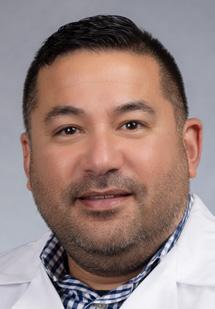
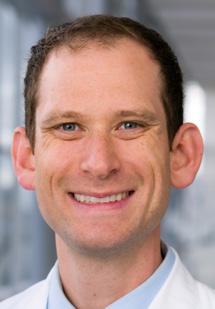
Dr. Smith is medical information officer in the department of emergency medicine and director of digital clinical workflows at the University of Virginia. She is chair of the SAEM Informatics, Data Science, and AI Interest Group.
Dr. Kwan is clinical faculty at the University of California San Diego School of Medicine, where he practices emergency medicine. He also serves as medical director for education informatics and associate program director for the clinical informatics fellowship.
Dr. Turer is an emergency physician and clinical informatician at the University of Texas Southwestern Medical Center in Dallas. He serves as program director for the clinical informatics fellowship and associate chief medical information officer.
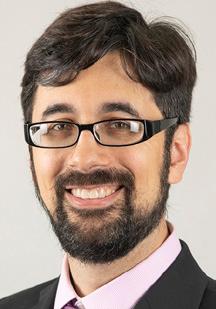
Dr. Genes is an emergency physician and clinical informatician at New York University Grossman School of Medicine. He oversees informatics initiatives in the emergency department and serves as program director for the clinical informatics fellowship.
continued on Page 65
PEDIATRIC EM

Identifying Pediatric Patients at Low Risk for Intra-Abdominal Injury
Requiring Intervention
By Emily Janio and Dr. Wallin
Case Scenario 1
A 10-month-old male presents after a rollover motor vehicle collision. The patient was restrained in a car seat and has no past medical history. EMS reports that the patient was tearful at the scene but alert and moving all extremities.
Vitals per EMS:
HR 160, BP 100/50, RR 45, SpO₂ 99%, temperature 36.5 C
Initial Exam
General: Crying
Neurologic: Glasgow Coma Scale (GCS) score of 14 (eyes opening spontaneously, crying, moving all extremities)
Musculoskeletal: Atraumatic chest
Abdomen: Atraumatic, without tenderness to palpation
Case Scenario 2
A 3-year-old female presents after a motor vehicle collision. The patient was restrained in a car seat and has no past medical history. EMS reports that the patient was tearful
at the scene but alert and moving all extremities.
Vitals per EMS:
HR 110, BP 100/50, RR 25, SpO₂ 99%, temperature 36.5 C
Initial Exam
General: Crying
Neurologic: GCS score of 14 (eyes opening spontaneously, crying, moving all extremities)
Musculoskeletal: Atraumatic chest
Abdomen: Atraumatic, with mild tenderness to palpation

“Injuries remain a leading cause of death among children, and although most pediatric patients with blunt torso or abdominal trauma can be managed nonoperatively, approximately 1% to 2% will have an intra-abdominal injury requiring intervention.”
Importance of Identifying IntraAbdominal Injury
Injuries remain a leading cause of death among children. Although most children presenting with blunt torso or abdominal trauma can be safely managed nonoperatively, approximately 1% to 2% will have an intra-abdominal injury requiring intervention (IAI-I). These interventions include therapeutic laparotomy, angiographic embolization, blood transfusion for abdominal hemorrhage, or intravenous fluids for two or more nights for pancreatic or gastrointestinal injuries.
Identifying IAI-I in pediatric patients can be challenging because of limited history at the time of evaluation and a potentially unreliable or difficult physical examination. While computed tomography (CT) is the gold standard for diagnosing intra-abdominal injury in children, exposure to medical radiation increases cancer risk. A single whole-body CT scan after trauma (50 mGy) can increase a child’s risk of hematologic cancer before age 21 by nearly 3.6-fold. The severity of clinically significant intraabdominal injury, combined with the risks associated with CT imaging,
underscores the importance of clinical decision-making tools to appropriately risk-stratify pediatric patients.
PECARN
Pediatric IntraAbdominal Injury Algorithm
In 2013, Holmes and colleagues from the Pediatric Emergency Care Applied Research Network (PECARN) published a clinical prediction tool designed to identify children at very low risk of IAI-I for whom CT imaging may be unnecessary. The tool relies solely on historical and physical
continued on Page 87

examination findings and can be applied across a range of clinical settings.
The prediction rule identifies children at very low risk of IAI-I when all of the following criteria are absent:
1. Evidence of abdominal wall trauma or seat belt sign
2. GCS score of 13 or lower
3. Abdominal tenderness
4. Evidence of thoracic wall trauma
5. Complaint of abdominal pain
6. Decreased breath sounds
7. Vomiting
For identifying patients with IAI-I, the tool demonstrated a sensitivity of 97.0% and a negative predictive value of 99.9%. A 2024 validation study yielded similar results, with a sensitivity and negative predictive value of 100%.
Notably, the validation study also demonstrated a substantial reduction in CT utilization. Among children without any PECARN risk factors, CT use decreased from 25% to 13%. Among children with one risk factor, CT use decreased from 61% to 32%. Beyond individual patient benefit, reduced CT utilization may also decrease emergency department length of stay and health care costs
Caveats and Things to Consider
Although useful, the PECARN tool has important limitations. It is designed to differentiate children at very low
risk of IAI-I from those who are not at very low risk; it does not identify which patients definitively require CT imaging. The tool is not intended for evaluating nonaccidental trauma or for children presenting more than 24 hours after injury. However, it may be applied after analgesia is administered and can be used serially during observation.
One concern is that the presence of even a single risk factor may prompt clinicians to obtain CT imaging, potentially increasing unnecessary imaging. This is notable because, even among children with one predictor present, the proportion who ultimately have an IAI-I remains low
Studies evaluating individual criteria have found that a GCS score lower than 14, abdominal wall trauma, and abdominal tenderness demonstrate sensitivities comparable to the full prediction rule when applied to the 2024 validation cohort. Additional research suggests that a that GCS score lower than 14 is the most predictive factor and becomes particularly significant when combined with abdominal wall trauma or tenderness.
In more ambiguous presentations, adjunctive testing may be considered, although its utility remains uncertain Laboratory findings that may suggest intra-abdominal injury include:
• Hematocrit less than 30%
• Gross hematuria
• Elevated liver transaminases:
o AST greater than 200 U/L
o ALT greater than 125 U/L
“Trauma-informed care in the emergency department helps prevent retraumatization, promotes safety and trust, emphasizes patient strengths and supports patient autonomy.”
The role of focused assessment with sonography in trauma (FAST) in pediatric patients remains debated. However, because FAST is noninvasive and can be repeated to assess for evolving or slow hemorrhage, it may provide useful adjunctive information. Contrast-enhanced ultrasound has also been described in the literature, although its availability in the United States is limited.
Conclusion
Applying the PECARN decision tool to the case scenarios illustrates its clinical utility. The patient in Case Scenario 1 meets none of the PECARN risk criteria and is therefore at very low risk for IAI-I. In this scenario, no further evaluation for intra-abdominal injury is indicated.
In contrast, the patient in Case Scenario 2 presents a more ambiguous clinical picture, with abdominal tenderness as the sole risk factor. In this case, additional evaluation—such as serial abdominal examinations or a FAST examination— may be helpful before pursuing crosssectional imaging.
Overall, the PECARN decision tool is effective in identifying children at very low risk of IAI-I for whom abdominal CT imaging is unnecessary. In patients with one or two risk factors, decisionmaking may be less clear. However, even in these cases, the overall risk of IAI-I remains low, supporting the use of less invasive strategies such as laboratory testing, FAST examinations, and serial clinical assessments before obtaining CT imaging
ABOUT THE AUTHORS
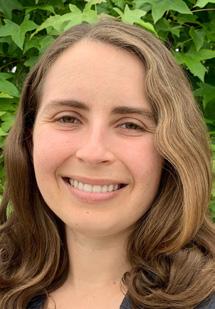
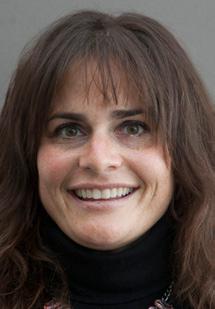
Emily Janio is a fifth-year Medical Scientist Training Program student at the University of Iowa Carver College of Medicine and the College of Public Health.
Dr. Wallin is an associate clinical professor of emergency medicine and pediatrics at the University of California, San Francisco.
QUALITY IMPROVEMENT & PATIENT SAFETY

Improving Sexual Assault Care in the Emergency Department: Five System Barriers and Actionable Solutions
By Enola Okonkwo, MD; Judith Oriental-Pierre, MD; Katarina Bojkovic, MS; and Rebecca Campbell-Montalvo, PhD
It’s 3 a.m. Your patient has been waiting four hours in a hallway bed. Chief complaint: “assault.” When you learn it was a sexual assault, your heart sinks; this conversation deserves privacy. You explain that your hospital collaborates with an off-site specialized rape crisis center and offer her the option of transferring there for evaluation. She sighs: “I just want to make sure I am OK and go home. I don’t want to go anywhere else.”
Did the four-hour hallway wait influence that decision?
She requests medical treatment only. You order sexually transmitted infection (STI) prophylaxis and review recommendations for HIV post-exposure prophylaxis. After working through the details, your patient tells you she cannot afford the medications. As you discharge her, you recognize multiple opportunities to improve your system’s response.
This scenario plays out nationwide. Sexual assault represents 4.4% of violence-related emergency department visits, with 1 in four women report attempted or completed rape. Despite the ED’s critical role, significant variation in care persists. Sexual Assault Nurse Examiner (SANE) programs have advanced care, yet major gaps remain. Many communities lack resources, and survivors often present first to

“The emergency department experience can promote healing — or inflict secondary injury.”
the ED, where comprehensive care can be challenging. Through quality improvement initiatives, we have identified five persistent barriers — and practical solutions.
Barrier No. 1: Physician Training Is Lacking
Emergency physicians receive structured training and follow protocols for conditions such as stroke and sepsis. Sexual assault care is different. Most physicians rely on brief lectures and experiential learning. Unlike many other emergencies, sexual assault protocols vary widely across institutions
The Department of Justice’s National Protocol for Sexual Assault Medical Forensic Examinations provides comprehensive guidance,
but implementation is inconsistent. Many physicians lack familiarity with forensic exams, emergency contraception, HIV prophylaxis and community resources. These gaps translate directly into inconsistent care.
What you can do:
Start with one department meeting. If no one feels qualified, reach out to a SANE or SAFE expert. Review forensic exams, emergency contraception, infectious disease prophylaxis and follow-up resources. Create a one-page reference card. Teach trauma-informed communication: Offer choices, explain procedures beforehand and respect autonomy. The ED experience can promote healing — or inflict secondary injury.
Barrier No. 2: HIV Prophylaxis Is Still Too Hard to Access
A survivor presents within the critical 72-hour window for nonoccupational post-exposure prophylaxis (nPEP). The clinician wants to prescribe it, but the pharmacy does not stock it, or the 28-day regimen costs more than $1,000. Access barriers to nPEP significantly affect care. Contributing factors include limited physician education, pharmacy access, cost and fragmented follow-up.
What you can do:
Talk to your pharmacy director about stocking nPEP. Connect with social work about patient assistance programs. Educate clinicians and
continued on Page 91
“The emergency department

department often serves as a survivor’s primary point of health care contact.”
QUALITY IMPROVEMENT
continued from Page 89
create an order set. Reach out to your state’s victim compensation coordinator. Some of these barriers can be reduced through purposeful coordination.
Barrier No. 3: Overcrowding Undermines Trauma-Informed Care
ED overcrowding negatively impacts patients with many conditions, including sexual assault. A survivor gathers the courage to seek care, waits hours, then is placed behind a curtain. Privacy is limited. The care team moves rapidly between patients. This environment contradicts traumainformed principles and may affect forensic evidence collection and treatment options.
Survivors need privacy, autonomy and uninterrupted attention. The unintended message may be: “Your trauma is not our priority.”
What you can do:
Establish a dedicated space and streamlined triage process. Even one private room makes a difference. When system constraints cannot be changed, acknowledge them: “I know this space is not ideal. I’m sorry, and I want you to know you are important to us.” If resources allow, consider dedicated SANE or SAFE coverage.
Barrier No. 4: SANE/SAFE Programs Are Not Always Available
SANE and SAFE programs have dramatically improved care, but trained providers remain limited — especially in rural settings. “Can you transfer to the rape crisis center?” should be straightforward, yet the SANE may not be immediately available, or the survivor may decline transfer.
Many communities lack consistent access. Even in areas with established programs, survivors often present first to the ED. EDs must be prepared to provide comprehensive medical care when SANE programs are unavailable or when patients decline transfer.
What you can do:
If feasible, explore developing a SANE or SAFE program at your facility. When that is not possible, prioritize SANEled education and multidisciplinary collaboration. Form a working group dedicated to improving survivor care. Learn the basics of evidence collection and partner with regional experts. If SANE access exists, clarify roles and develop clear protocols. Every ED should be prepared to provide comprehensive medical care — with or without a SANE program.
Barrier No. 5: Financial
Consequences
Months after an assault, survivors may receive bills for care beyond the forensic exam. The Violence Against Women (VAWA) Act covers evidence collection but not medical treatment Crime victim compensation programs may help, but eligibility requirements vary by state and often include reporting deadlines or documentation requirements.
Financial barriers influence care decisions. Survivors should be empowered through shared decisionmaking and transparent discussion of potential costs.
What you can do:
Partner with billing teams and patient advocates to understand your state’s victim compensation requirements and available resources. Be transparent about costs when possible. Connect survivors with financial assistance programs, including charity care.
Implementing Change in Your ED
These challenges exist across
all practice settings, with rural and community EDs often facing additional resource and training constraints. You do not need to fix everything at once. Start with one change: strengthen trauma-informed care training, coordinate medication access, designate private space, establish a working group or reduce financial barriers.
Every protocol implemented, every staff member educated and every survivor who receives comprehensive care represents progress. The ED often serves as a survivor’s primary point of health care contact. By implementing evidence-based protocols and sharing best practices, we can advance trauma-informed care across emergency medicine.
ABOUT THE AUTHORS
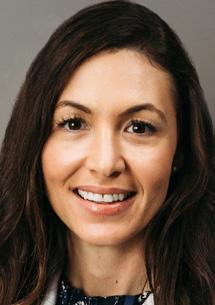


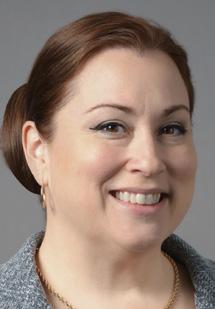
Dr. Okonkwo is an associate professor of emergency medicine and co-director of the social medicine fellowship at the University of South Florida Morsani College of Medicine. She previously served as medical director for the Crisis Center of Tampa Bay.
Dr. Oriental-Pierre is an affiliated assistant professor at the University of Miami, a sexual assault medical forensic examiner and executive and medical director of the Roxcy Bolton Crisis Center in Miami, Florida.
Katarina Bojkovic is a medical student at the University of South Florida Morsani College of Medicine.
Dr. Campbell-Montalvo is an assistant professor and director of the Advancing Quality and Uniform Access Through the Social Sciences Lab at the University of South Florida Morsani College of Medicine.
RESEARCH
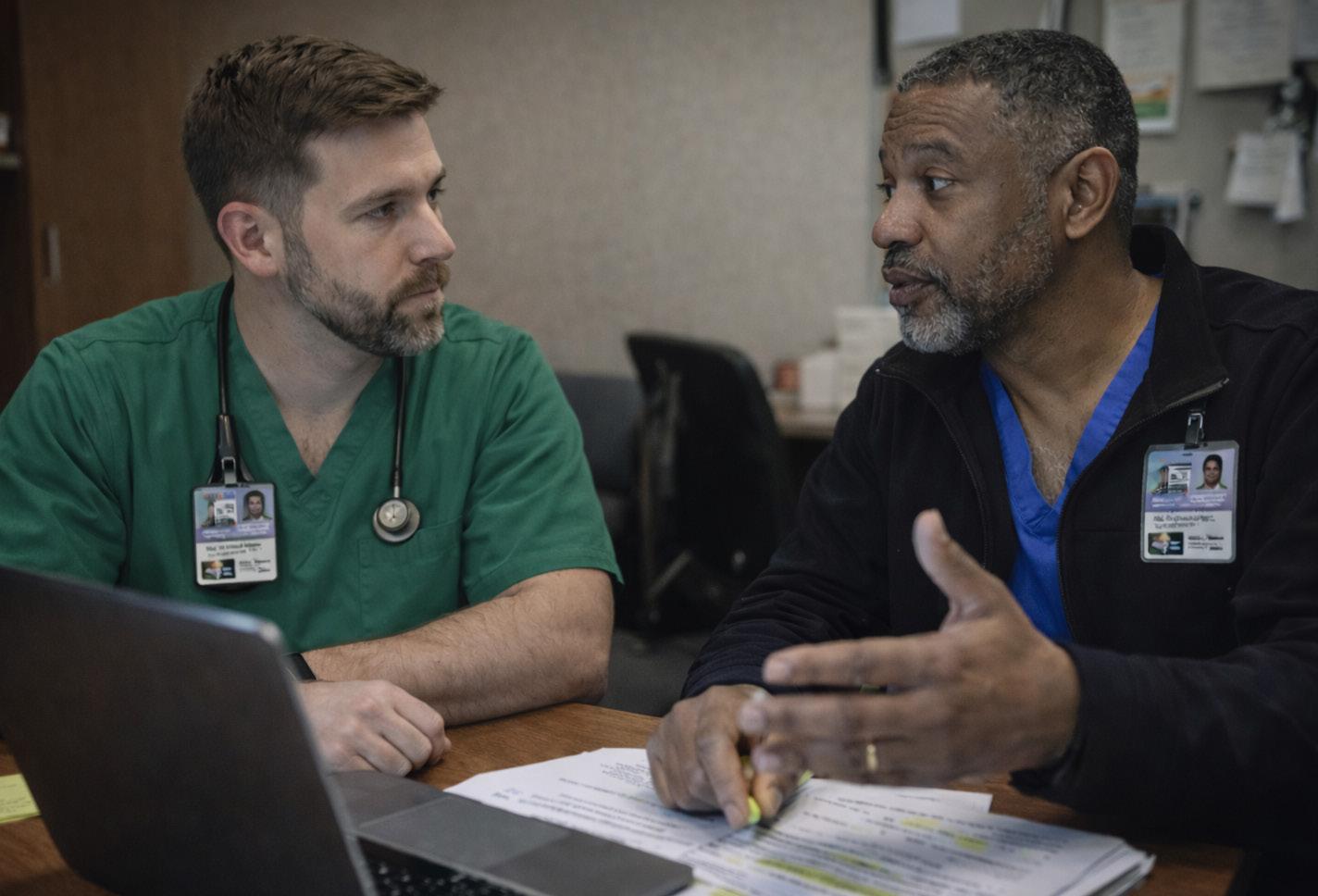
Don’t Stop Applying: Why Emergency Medicine Researchers Should Keep Pursuing National Institutes of Health Funding
By Joseph Miller, MD and Jeremy Brown, MD, on behalf of the SAEM Research Committee and the NIH Office of Emergency Care Research
Singing the refrain of Journey’s
“Don’t Stop Believin’” is an iconic tradition at Detroit Red Wings games, with special emphasis on the lyric “born and raised in South Detroit.”
In today’s biomedical research environment, particularly for those of us in emergency medicine (EM), the message feels newly relevant: don’t stop applying for National Institutes of Health (NIH) funding. As in hockey, success depends on taking shots on goal.
The NIH remains the world’s largest public funder of biomedical research, supporting science that improves human health and health care delivery. Yet the current funding landscape feels uncertain. Peerreview reforms, fluctuating success rates, administrative delays, and shifting federal priorities have left many investigators hesitant to submit grant applications. Despite this uncertainty, EM researchers have meaningful reasons for
optimism. The wind is at our backs, and several recent NIH changes make this a particularly important moment to keep applying.
The Wind Is at Our Back
Over the past two decades, emergency medicine research has grown steadily in both scope and competitiveness. NIH funding to departments of emergency medicine has increased substantially in recent years, reflecting both greater engagement and improved success.
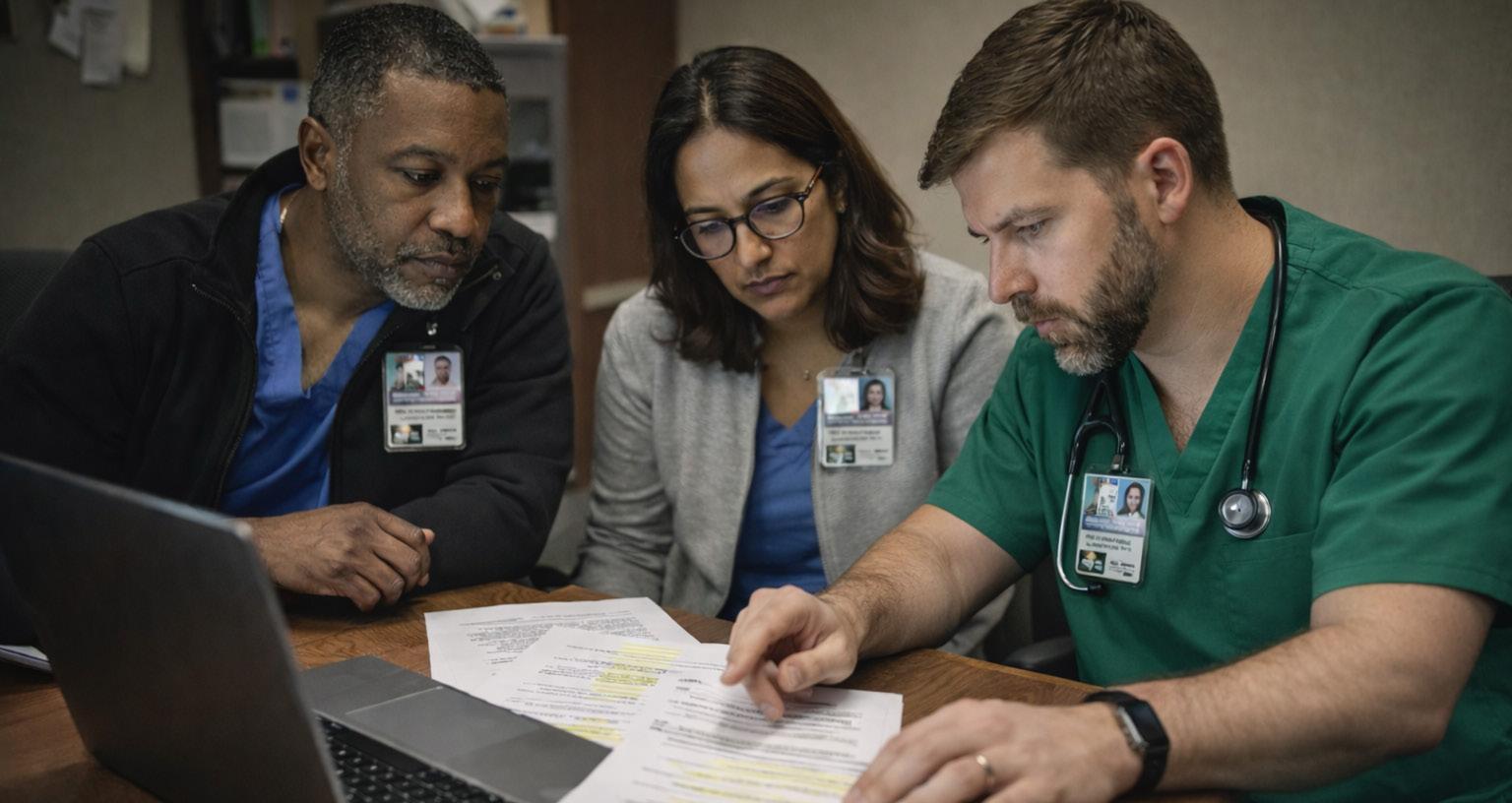
“Departments that maintain investment now will be best positioned when funding cycles improve.”
Publicly available data show that between 2021 and 2024 alone, NIH funding to EM departments rose from approximately $101 million to $159 million.
Individual departments now demonstrate funding trajectories that were uncommon a decade ago. Yale Emergency Medicine, for example, secured more than $21 million in NIH funding in 2023. At the same time, the proportion of EM faculty serving as NIH principal investigators has increased, suggesting broader participation across institutions rather than isolated success at a few centers.
Emergency medicine research is not static—it is accelerating. While EM has historically received a smaller share of NIH funding compared with some other specialties, the
sustained upward trend suggests that strategic submission, mentorship, and institutional investment are paying dividends. Momentum exists. The challenge now is sustaining it.
Simplified Peer Review: Leveling the Field
NIH’s simplified peer-review framework, implemented for applications reviewed in 2025 and beyond, represents a meaningful shift in how grants are evaluated. The traditional five-scored criteria have been condensed into three core factors: Importance of the Research, Rigor and Feasibility, and Expertise and Resources.
This change is more than administrative. It signals a renewed focus on the quality and impact of the proposed science rather than institutional prestige or an applicant’s
cumulative funding history. Reviewer training now explicitly emphasizes avoiding “halo effects,” encouraging study sections to judge whether the work is important, methodologically sound, and realistically achievable with the resources described.
For emergency medicine investigators, this matters. Our field excels at pragmatic, patient-centered research conducted across diverse clinical environments, including community and hybrid academic settings. The revised framework better recognizes that high-impact science can emerge from many settings and that innovation is not limited to wellresourced research powerhouses. For early-career EM investigators, the continued on Page 95

message is clear: pedigree matters less than purpose and rigor.
A New Biosketch: Contributions Over Credentials
Complementing simplified peer review, NIH’s revised biosketch format further deemphasizes long lists of prior grants and institutional status. Instead, applicants are asked to highlight specific contributions to science, creativity, and independence. Investigators no longer list extensive funding histories, reducing reviewers’ focus on past success as a proxy for future merit.
This evolution benefits EM researchers, whose careers often blend clinical leadership, implementation science, and translational impact rather than relying on uninterrupted laboratory funding. Consider an assistant professor who has led innovative work linking patients with hepatitis C to treatment and cure in the emergency department. Under the prior system, a limited history of NIH funding might have labeled such an investigator “too junior.” Under the new format, that investigator’s contributions—and the real-world impact of the work—stand on their own.
The revised biosketch helps bridge equity gaps by recognizing that scientific merit should not be defined by structural advantages alone. For early-career faculty, it provides space to tell a compelling scientific story rooted in impact rather than credentials.
Early-Stage Investigator Policies Still Matter
NIH’s commitment to Early-Stage Investigators (ESIs) remains intact. ESIs continue to receive special consideration during peer review, with applications clustered and evaluated with attention to career stage. Importantly, many institutes deliberately move ESI applications into the competitive range during funding decisions, sometimes funding ESI R01s ahead of more established
investigators.
If you qualify as an ESI, this is a finite window—and it is worth using.
Stability Within Uncertainty
Despite shifting priorities and political scrutiny, NIH’s mission has not changed. The agency continues to fund science that improves human health, including research central to emergency medicine, such as resuscitation, trauma, sepsis, cardiovascular emergencies, health systems, and health disparities.
Institutes such as NHLBI, NINDS, NIA, NIGMS, and NIMHD remain active supporters of EM-relevant work. Core mechanisms—the R01, R21, R03, and K-series—continue to provide a reliable ladder toward scientific independence. Major networks such as SIREN and PECARN remain active. While paylines fluctuate, the infrastructure for submission and success remains firmly in place.
Taking Shots on Goal
NIH funding is ultimately a peerreviewed enterprise. Many study sections include few, if any, emergency physicians. For any given application, it is common for none or only one of the assigned reviewers to have EM training. As a result, the significance of a proposal may not resonate equally with every reviewer on the first pass.
Persistence matters. Each submission sharpens ideas, clarifies methods, and improves how investigators communicate impact across disciplines. NIH data consistently show that applicants who revise and resubmit are far more likely to be funded than those who stop after an initial setback. Often, the difference between “not discussed” and “funded” is one more thoughtful revision cycle.
A Call to Research Leaders
This message is not only for applicants. Department chairs, vice chairs, and research leaders shape whether promising investigators remain engaged. In tight funding climates, it can be tempting to reduce protected time or delay investment. That instinct is understandable—and
often counterproductive. Now is the time to double down on rising investigators. Support writing and resubmission. Provide pilot funding and bridge support. Encourage participation in writing groups, mock study sections, and national programs such as SAEM’s K-Club. Departments that maintain investment now will be best positioned when funding cycles improve.
Building a Culture of Application
Successful research ecosystems normalize applying. Emergency medicine is still building that culture. Submissions should be recognized as milestones, resubmissions celebrated as progress, and funding successes shared widely. Rejection is not failure—it is iteration.
Conclusion: Don’t Stop Applying
Emergency medicine has always thrived amid uncertainty. To investigators drafting or revising grants: don’t stop applying. To leaders deciding whether to sustain support: lean in.
The next funded EM grant begins with a familiar refrain— Don’t stop applying.
ABOUT THE AUTHORS
Dr. Miller is a clinical associate professor of emergency medicine at Henry Ford Health and Michigan State University Health Sciences in Detroit. He is a federally funded investigator and chair of the Society for Academic Emergency Medicine research committee.
Dr. Brown is director of the Office of Emergency Care Research, where he coordinates emergency care research funding opportunities across the National Institutes of Health. He is the primary contact for the National Institute of Neurological Disorders and Stroke exploratory and efficacy funding opportunity announcements and serves as the National Institutes of Health representative in governmentwide efforts to improve emergency care. He is also medical officer for the Strategies to Innovate Emergency Care Clinical Trials Network, which is supported by the National Institute of Neurological Disorders and Stroke and the National Heart, Lung, and Blood Institute.
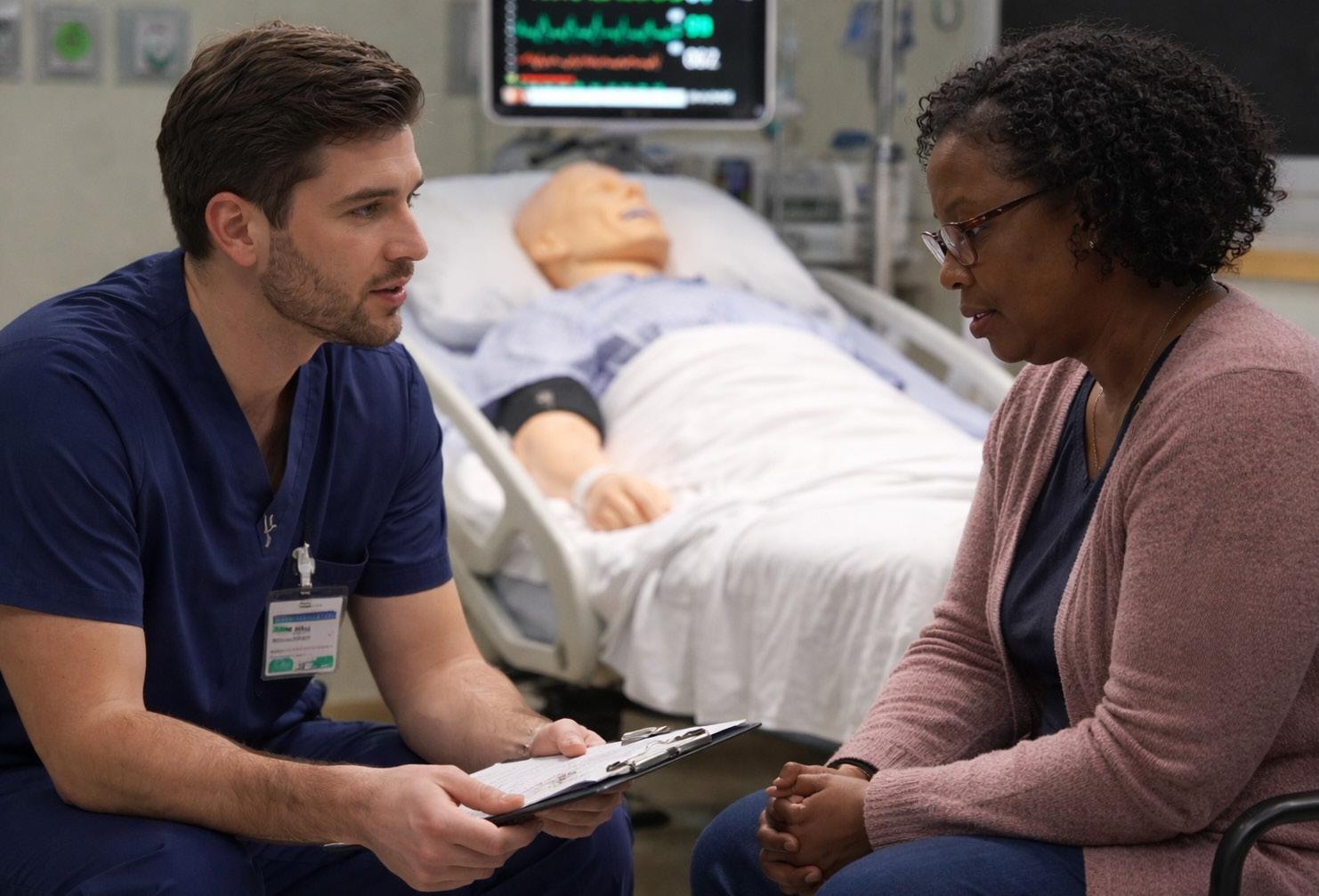
Teaching the Hardest Conversations: Simulation for Serious Illness Communication in the ED
By Katherine Stewart, MD, MEHP; Sarah Rabinowitz, MD; Margaret Putman, DO; Janice Shin-Kim, MD; Tiffany Moadel MD; and Suzanne Bentley, MD, MPH, on behalf of the SAEM Simulation Academy
In the fast-paced environment of emergency medicine (EM), clinicians are frequently called upon to deliver life-altering news, navigate uncertainty and guide patients and families through high-stakes decisions. This most often occurs without the benefit of established relationships or adequate time. Despite the frequency and importance of these conversations, many emergency physicians report
feeling underprepared to lead serious illness communication in the emergency department (ED).
Margaret Putman, DO, CHSE, is a board-certified emergency medicine and hospice and palliative medicine physician and has spent her career at the intersection of these challenges. A former director of simulation for an emergency medicine residency program and current VitalTalk faculty member, Putman has
developed and implemented multiple simulation-based workshops and curricula to advance serious illness communication skills among emergency medicine physicians.
Why Serious Illness
Communication Belongs in the ED
“Simulation, emergency medicine and palliative care come together very nicely for serious illness
“In a multi-institutional virtual curriculum for emergency medicine residents, 89 percent of learners did not meet the minimum passing standard on the initial baseline assessment. After deliberate practice and feedback, however, 100 percent achieved mastery.”
communication,” Putman explains. Emergency physicians often encounter patients at critical inflection points: More than 50 percent of seriously ill older adults visit the ED in the last six months of life. In these moments, ED clinicians help set the trajectory of care.
Evidence consistently shows that effective communication around values and goals of care improves patient-centered outcomes. For clinicians, it may also reduce moral distress by aligning treatment plans with what matters most to patients. Recognizing this, the American Board of Emergency Medicine explicitly identifies skills such as breaking bad news, communicating with empathy and managing difficult conversations as core competencies. Putman emphasizes that serious illness communication should be taught like any other procedure.
Teaching Clarity and Compassion
One foundational skill Putman teaches is delivering bad news clearly and compassionately using structured approaches such as the SPIKES protocol or NURSE statements. She encourages clinicians to “deliver news like a headline: short and straight to the point.” In an era when patients may see imaging or lab results as soon as clinicians do, clarity is not only efficient but kind.
An example might sound like: “Your CT scan shows that the cancer has gotten worse. I’m worried that it’s not responding to the treatment the way we hoped.” Clear language avoids
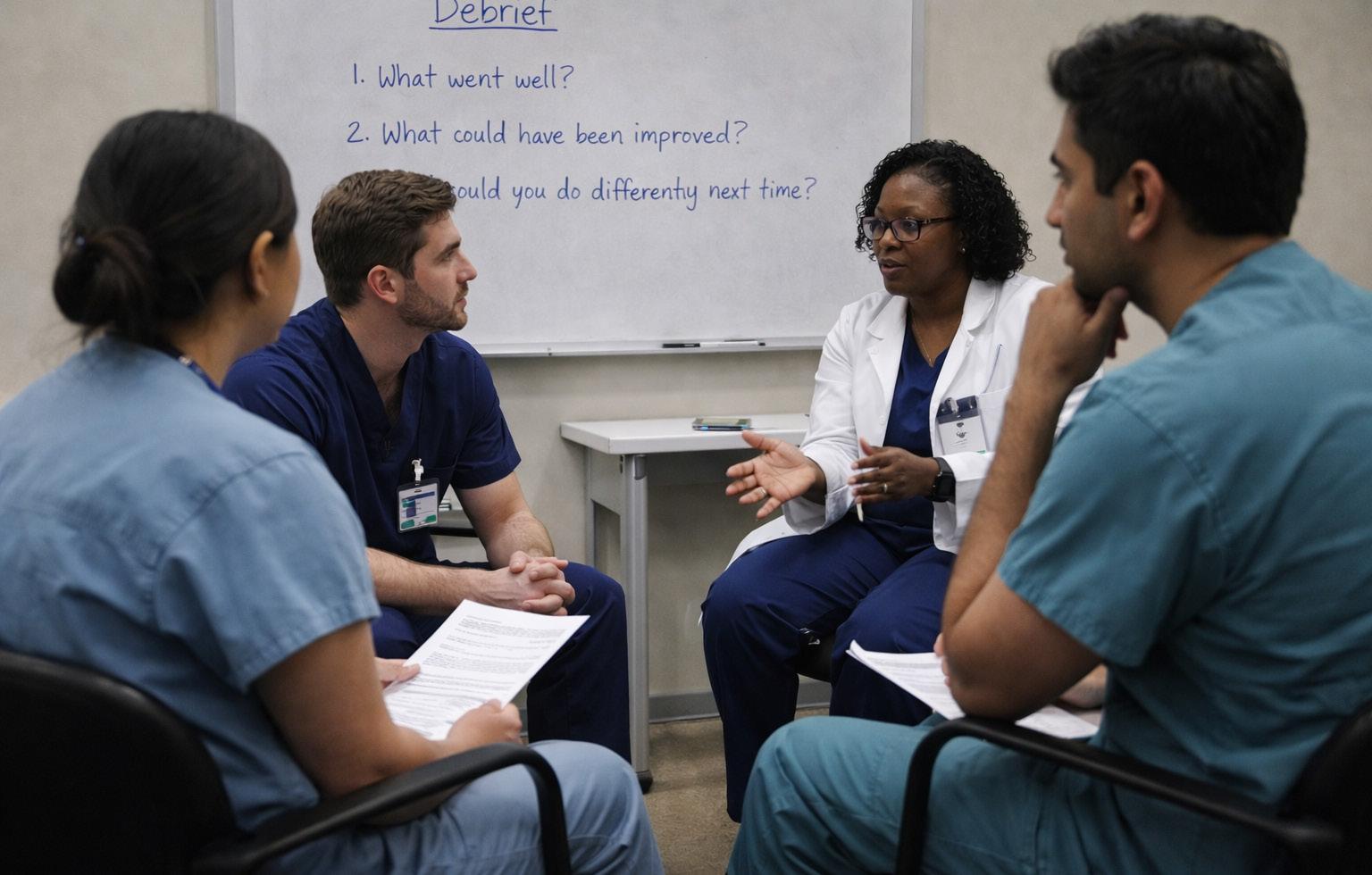
confusion and builds trust while leaving space for emotional response.
Putman teaches learners to assume that emotion is always present in the patient’s and family’s responses, even if it is not immediately visible. “Don’t assume that because someone looks composed or asks questions that they aren’t experiencing emotion,” she says. Allowing silence, naming that “your brain may be spinning,” and giving patients and families time to process are all teachable skills.
NURSE Statements and Alignment
Simulation scenarios often focus on high-yield communication tools such as the SPIKES protocol or NURSE statements. The SPIKES protocol provides a framework for delivering
bad news — Setting, Perception, Invitation, Knowledge, Emotion and Strategy/Summary — while NURSE statements provide a framework for responding to patient emotions:
• Name the emotion
• Understand (“I can’t imagine how difficult this is for you”)
• Respect (“I can see how hard you’re advocating for your family member”)
• Support
• Explore (“Tell me more about how you’re feeling”)
Putman highlights respect statements as particularly powerful,
continued on Page 99
“Simulation, emergency together very
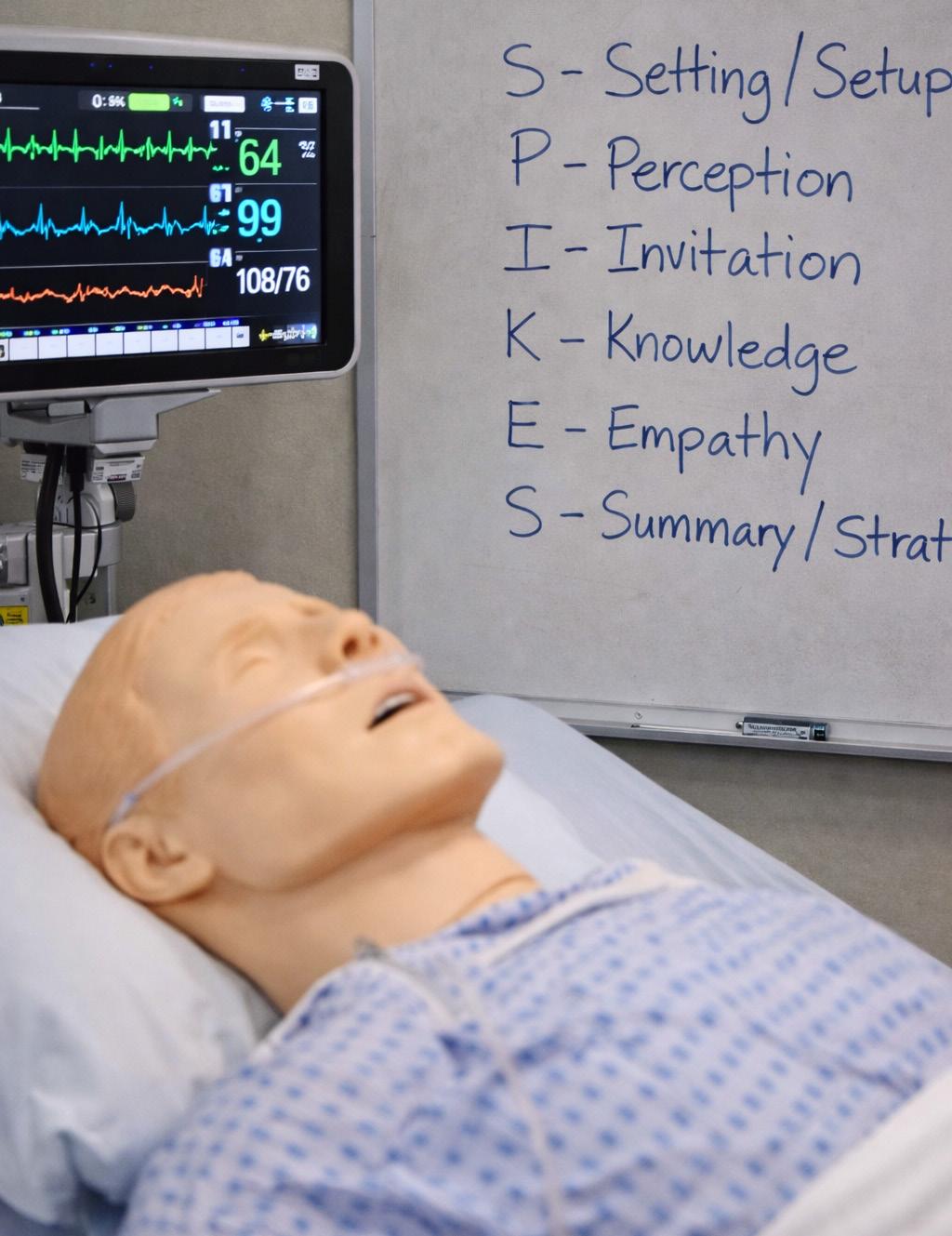
noting their ability to align teams with patients and their families and repair strained relationships.
For more comprehensive goals-ofcare discussions, Putman teaches the REMAP framework: Reframe the medical situation, Expect and respond to emotion, Map values, Align with those values and Propose a plan. Simulation allows learners to integrate these steps in real time while receiving targeted, timely feedback that is more focused than what would be available in the clinical environment.
Low-Resource, High-Yield Simulation
Putman emphasizes role play as a scalable, flexible and effective way to practice communication skills. Not all programs have access to high-fidelity simulation centers, but meaningful communication training does not require expensive equipment.
“Role play is low resource and high yield,” she notes. Learners can practice rapid drills using written scenarios, with one acting as the clinician and others as patients, family members or observers. Common responses to difficult news can be scripted into the scenario, such as “We’re hoping for a miracle” or “There must be something you can do.” This provides learners with opportunities to rehearse and critique “wish and worry” statements (e.g., “I wish that too, and I’m worried …”) to maintain alignment with the patient and family while providing realistic counseling to help them make informed decisions in emergent situations.
Observers can provide feedback or brainstorm responses and roles can be rotated. Facilitators, rather
than standardized patients, often lead debriefings to keep feedback focused on specific skills and learning objectives and to reinforce mental frameworks that guide these discussions.
High-Fidelity and Mastery Learning
When resources allow, Putman incorporates high-fidelity simulation using manikins combined with simulated family members. Incorporating trained simulated patients may be particularly effective for teaching nuanced communication skills, as they offer increased emotional realism. Putman’s research also points to the success of simulation-based mastery learning at scale. In a multi-institutional virtual curriculum for emergency medicine residents, 89 percent of learners did not meet the minimum passing standard on the initial baseline assessment. After deliberate practice and feedback, however, 100 percent achieved mastery. While laborintensive, the results underscore a critical point: Simulation education for serious illness communication works.
Practical Takeaways for Educators
Putman’s experience offers several lessons for EM educators:
• Treat communication skills as procedural skills by defining competencies and practicing deliberately
• Use structured frameworks to reduce cognitive load in high-stress encounters
• Leverage low-resource role play when high-fidelity simulation is not feasible
• Maintain psychological safety in high-emotion scenarios through adequate prebriefing, timeouts,
targeted feedback and sufficient time for reflection during the debriefing
In emergency medicine, where time is short and stakes are high, simulation provides a powerful tool to prepare clinicians for the conversations that matter most. Putman’s work demonstrates that investing in serious illness communication training benefits not only patients and families but also the clinicians who care for them.
ABOUT THE AUTHORS

Dr. Stewart is a simulation fellow with the SAEM Simulation Academy and an assistant professor of emergency medicine at Tufts University School of Medicine. She works clinically at Maine Medical Center.
Dr. Rabinowitz is a medical simulation fellow at Northwell Health and a simulation fellow with the SAEM Simulation Academy. She serves as an attending emergency physician at Long Island Jewish Medical Center.
Dr. Putman is an emergency medicine and hospice and palliative medicine physician, former emergency medicine residency director of simulation and VitalTalk faculty member. She develops simulation-based curricula to teach serious illness communication and high-stakes conversations in the emergency department.

emergency medicine and palliative care come very nicely for serious illness communication.”
Dr. Shin-Kim is director of emergency medicine simulation and an assistant professor in the department of emergency medicine at Columbia University Medical Center.
Dr. Moadel is president of the SAEM Simulation Academy and director of the medical simulation fellowship at Northwell Health. She is an assistant professor of emergency medicine at the Zucker School of Medicine at Hofstra/Northwell.
Dr. Bentley is chief wellness officer at Elmhurst Hospital, immediate past president of the SAEM Simulation Academy and a professor at the Icahn School of Medicine.

SIMposium Spotlight: Advancing Team-Based Care Through Multidisciplinary Simulation
By Conor Reilly, MS; Sarah Rabinowitz, MD; Tiffany Moadel, MD; Suzanne (Suzi) Bentley, MD, MPH; and Janice Shin-Kim, MD
SIMposium is a national presentation series hosted every other month by the SAEM Simulation Academy. The series highlights simulation careers and achievements while offering practical insights and reflections from experienced simulation educators.
Introduction
As health care systems grow increasingly complex, effective patient care depends on seamless collaboration across disciplines. Multidisciplinary simulation has emerged as a powerful tool to prepare teams for this reality, bringing together clinicians from different specialties to practice, learn and improve together.
During a recent Simulation Academy Early Career Subcommittee
panel discussion, Dr. Afrah Ali, Dr. Alexander Croft, Dr. Janice ShinKim and Dr. Jessica Strauss shared insights into how multidisciplinary simulation enhances clinical education, strengthens teamwork and drives meaningful improvements in patient safety.
Simulation as a Bridge Across Specialties
Multidisciplinary simulation creates a shared training environment where emergency medicine physicians, nurses and other health care professionals rehearse highstakes clinical scenarios as an integrated team. These simulations illuminate differences in workflow, communication styles and decisionmaking processes—differences that
often remain hidden until a real crisis occurs.
Dr. Janice Shin-Kim, simulation director for the Columbia University Department of Emergency Medicine, emphasized that the true value of multidisciplinary simulation extends beyond individual skill acquisition.
“Simulation isn’t just about teaching procedures; it’s about uncovering hidden risks, improving how teams communicate and building bridges between departments,” she said.
By intentionally designing scenarios that reflect real clinical and operational challenges, simulation can expose latent safety threats and promote shared mental models across teams.
“Simulation isn’t just about filling knowledge gaps. It’s about identifying latent safety threats, improving communication, and fostering collaboration across specialties.”
— Dr. Janice Shin-Kim
Dr. Shin-Kim also stressed the importance of aligning simulation activities with departmental and institutional priorities.
“When we design simulations with both clinical and operational goals in mind, we’re not just training individuals—we’re strengthening the entire care team and improving patient outcomes,” she said.
Dr. Alexander Croft, director of in-situ simulation for acute care at Washington University, echoed this perspective and emphasized relationship-building in multidisciplinary work.
“Start small, build trust and identify partners who can help bridge departments. These relationships are essential for sustainable, impactful simulation programs,” he said.
According to Dr. Croft, collaboration is not a one-time effort but an ongoing process that requires mutual respect and shared ownership.
Building Sustainable Programs Through Collaboration
Launching a successful multidisciplinary simulation program
requires careful attention to local culture and organizational dynamics. Dr. Croft cautioned against moving too quickly without understanding the people and systems involved.
“Jumping into an interdisciplinary simulation without understanding the culture is a recipe for frustration,” he said.
Identifying receptive departments and early champions lays a strong foundation for collaboration.
Interdepartmental champions, Dr. Croft emphasized, are essential.
“They open doors and build trust in ways you can’t do alone,” he said.
These champions help integrate simulation into routine clinical education, transforming it from a standalone event into a sustained and valued component of training.
Dr. Afrah Ali, associate dean of clinical simulation at East Carolina University, reinforced the importance of relationship-building.
“Building relationships across departments is just as important as the simulation itself,” she said.
“When you can show that simulation directly impacts patient care outcomes, it’s easier to get leadership buy-in.”
— Dr. Jessica Strauss
“Without buy-in, even the bestdesigned scenario won’t last.”
Long-term success depends on shared goals, mutual investment and consistent communication among stakeholders.
Aligning Goals With Institutional Priorities
For multidisciplinary simulation programs to thrive, they must be supported financially and administratively. Dr. Ali encouraged simulation leaders to frame their initiatives in terms that resonate with institutional leadership.
“Understanding the business side of medicine is as important as the clinical side for program success,” she said.
Positioning simulation as an investment in patient safety, regulatory compliance and accreditation can help secure the resources needed for sustainability.
Dr. Jessica Strauss, division director of emergency medicine simulation at NYU, echoed this approach.
“When you can show that simulation directly impacts patient care outcomes, it’s easier to get leadership buy-in,” she said.
She emphasized pairing quantitative data with qualitative stories.
“Metrics and stories together make your case compelling,” she added.
Alignment between educational goals and institutional priorities is key to long-term relevance and support.
continued on Page 103
“Start small, build bridge departments. sustainable,

Measuring Impact to Demonstrate Value
Demonstrating the impact of multidisciplinary simulation requires thoughtful evaluation and meaningful metrics. Dr. Strauss highlighted the importance of moving beyond participant satisfaction surveys.
“Collecting feedback is just the start,” she said. “Show that skills learned in simulation translate into real-world patient care improvements.”
By linking simulation outcomes to measurable improvements—such as reduced complications, enhanced team communication or improved clinical performance—program leaders can clearly demonstrate value.
Dr. Shin-Kim added that sharing these results with stakeholders reinforces simulation’s role in driving systemwide improvement.
“When we track performance across teams and share results, it not only proves impact but also fosters a culture of continuous improvement,” she said. “We track not just knowledge gained, but behavior changed and outcomes improved.”
Key Takeaways
The panel identified several core strategies for building effective multidisciplinary simulation programs:
• Start small and cultivate trust with interdepartmental partners
• Align simulation goals with institutional priorities and patient safety objectives
“Building relationships across departments is just as important as the simulation itself. Without buy-in, even the best-designed scenario won’t last.”
— Dr. Afrah Ali
• Collect and present measurable outcomes to demonstrate impact
• Prioritize collaboration, communication and long-term sustainability
Conclusion
Multidisciplinary simulation is a powerful driver of high reliability, bringing teams across specialties together to practice communication, coordination and decision-making before harm occurs. By strengthening connections across disciplines, simulation improves patient care and builds a culture of shared learning.
As the panel highlighted, the most effective programs are intentionally designed, grounded in strong interdepartmental partnerships and supported by clear, measurable outcomes. When organizations invest in collaborative simulation, they strengthen the leadership, systems and relationships that enable safer, more effective care.
build trust and identify partners who can help departments. These relationships are essential for sustainable, impactful simulation programs.”
— Dr. Alexander Croft
ABOUT THE AUTHORS

Conor Reilly is an MD candidate in the class of 2026 at St. George’s University School of Medicine. He holds a master’s degree in biomedical science.
Dr. Rabinowitz is a medical simulation fellow at Northwell Health and a simulation fellow with the SAEM Simulation Academy. She is an attending emergency physician at Long Island Jewish Medical Center.
Dr. Stewart is a simulation fellow with the SAEM Simulation Academy and an assistant professor of emergency medicine at Tufts University School of Medicine. She works clinically at Maine Medical Center.
Dr. Moadel is president of the SAEM Simulation Academy and director of the medical simulation fellowship at Northwell Health. She is an assistant professor of emergency medicine at the Zucker School of Medicine at Hofstra/Northwell.
Dr. Bentley is chief wellness officer at Elmhurst Hospital, immediate past president of the SAEM Simulation Academy and a professor at the Icahn School of Medicine at Mount Sinai.
Dr. Shin-Kim is director of emergency medicine simulation and an assistant professor in the department of emergency medicine at Columbia University Medical Center.

Missed Dialysis and Emergency Department Utilization: Addressing Barriers to Hemodialysis Adherence
By Jack Meltzer, Ryan Heidish, and Christopher Payette, MD, MS
For patients with chronic kidney failure, hemodialysis is lifesustaining. However, it is also highly burdensome. Sessions typically last four hours and occur three times per week. Regular attendance is essential to maintain clinical stability and reduce complications. Even a single missed session significantly increases the risk of hospitalization and mortality within 30 days. Studies also show that in the six months following a missed session, patients
face persistently higher risks of hospitalization, mortality, and lower hemoglobin levels compared with those who attend consistently.
Patients who miss scheduled hemodialysis treatments often present to the emergency department (ED) for care. These presentations are common. Overall, patients receiving hemodialysis visit the ED 8.5 times more frequently than the general population, and
many are admitted after missing outpatient dialysis sessions. The nonmedical factors contributing to missed treatments are not fully understood, but research is underway to better characterize the drivers of nonadherence. Identifying these factors may help improve access to life-saving care while reducing avoidable ED visits, promoting more efficient resource allocation, and improving outcomes

for patients with chronic kidney failure.
A retrospective study conducted at DaVita Clinical Research in Minneapolis examined reasons for missed hemodialysis treatments. More than half of missed sessions were attributed to nonmedical causes, many likely related to psychosocial factors. A survey of 79 U.S. dialysis centers found that transportation barriers were the most common reason for missed sessions.
Other identified risk factors include younger age and geographic location. Missed treatments were significantly less common in the Northeast, possibly reflecting greater urban density and improved transportation access compared with other regions. Patients treated at larger dialysis centers (more than 100 patients) were more likely to miss sessions than
those at smaller centers (fewer than 50 patients), suggesting that patientto-provider ratios and individualized support may influence adherence.
Racial and ethnic disparities are also evident. Black, Latino, and Native American patients are more likely to miss sessions than White and Asian patients. These differences may reflect socioeconomic barriers, transportation access, and reduced trust in the healthcare system related to historical and structural inequities.
The time-intensive and physically demanding nature of hemodialysis, along with potential side effects and discomfort, places a substantial burden on patients. These challenges may compound existing social barriers and contribute to missed treatments. Addressing obstacles to attendance through targeted interventions, improved transportation
“Even a single missed session significantly increases the risk of hospitalization and mortality within 30 days.”
support, social services, and behavioral health resources may improve adherence.
Further research is needed to determine how targeted resources and supportive interventions can reduce recurrent ED visits after missed dialysis and mitigate the adverse outcomes associated with nonadherence.
ABOUT THE AUTHORS

Jack Meltzer is an undergraduate student at the University of North Carolina at Chapel Hill.
Ryan Heidish is a medical student at George Washington University School of Medicine and Health Sciences. He previously worked as a clinical research coordinator in the department of emergency medicine at George Washington University and as an emergency medical technician in Atlanta, Georgia.
Dr. Payette is an assistant professor of emergency medicine at George Washington University School of Medicine and Health Sciences.
SOCIAL EM & POPULATION HEALTH
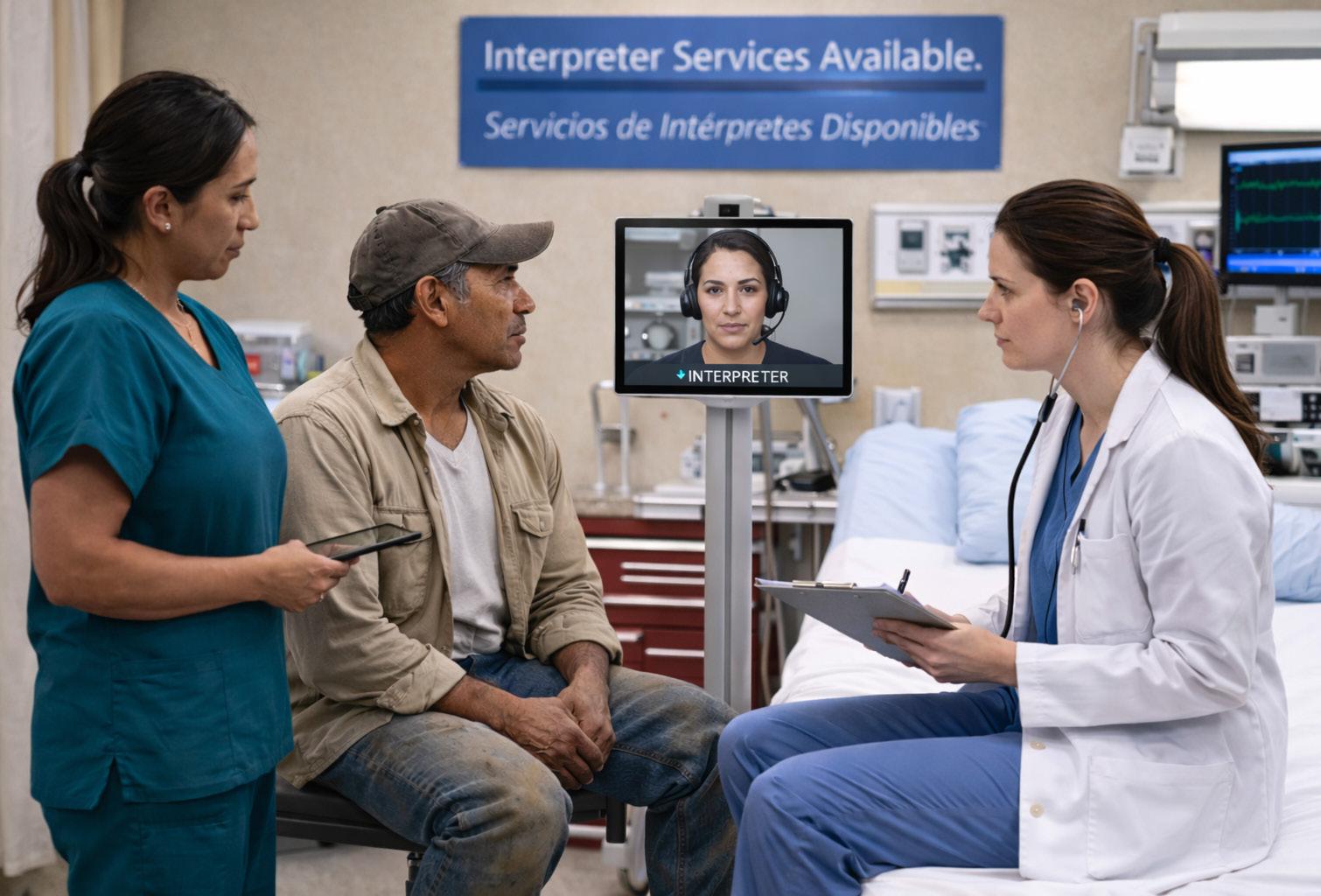
Farmworkers: A Hidden and Vulnerable Population in Emergency Care
By Cristina Garcia on behalf of the SAEM Social EM & Population Health Interest Group
Emergency departments increasingly serve as the primary—and often only—point of health care access for farmworkers, making awareness of this population’s unique risks essential for emergency clinicians.
Who Are Farmworkers
Farmworkers are a largely hidden population, meaning research and surveillance often underrepresent their true demographics, workrelated injuries, and barriers to health care. Despite these data gaps, available studies consistently show that farmworkers are an extremely vulnerable group
requiring heightened awareness and understanding from health care professionals.
According to the 2021–2022 National Agricultural Workers Survey (NAWS) an estimated 3 million migrant farmworkers live in the United States. States with the highest proportions include Florida, Georgia, California, Washington, North Carolina, Michigan, Texas, Louisiana, Arizona, and New York.
Data show that 61% of U.S. farmworkers were born in Mexico, and approximately 75% identify as
Hispanic or Latino/Latina. About 60% primarily speak Spanish, while a small proportion (2%) speak an Indigenous language. Just over one-third of workers began working in U.S. agriculture before age 18, and approximately 42% are undocumented. The average highest level of education completed is ninth grade, and the median age is 38 years, with 5% older than 65. The NAWS collects data from workers as young as 14, although younger children may legally perform nonhazardous farm work outside school hours.
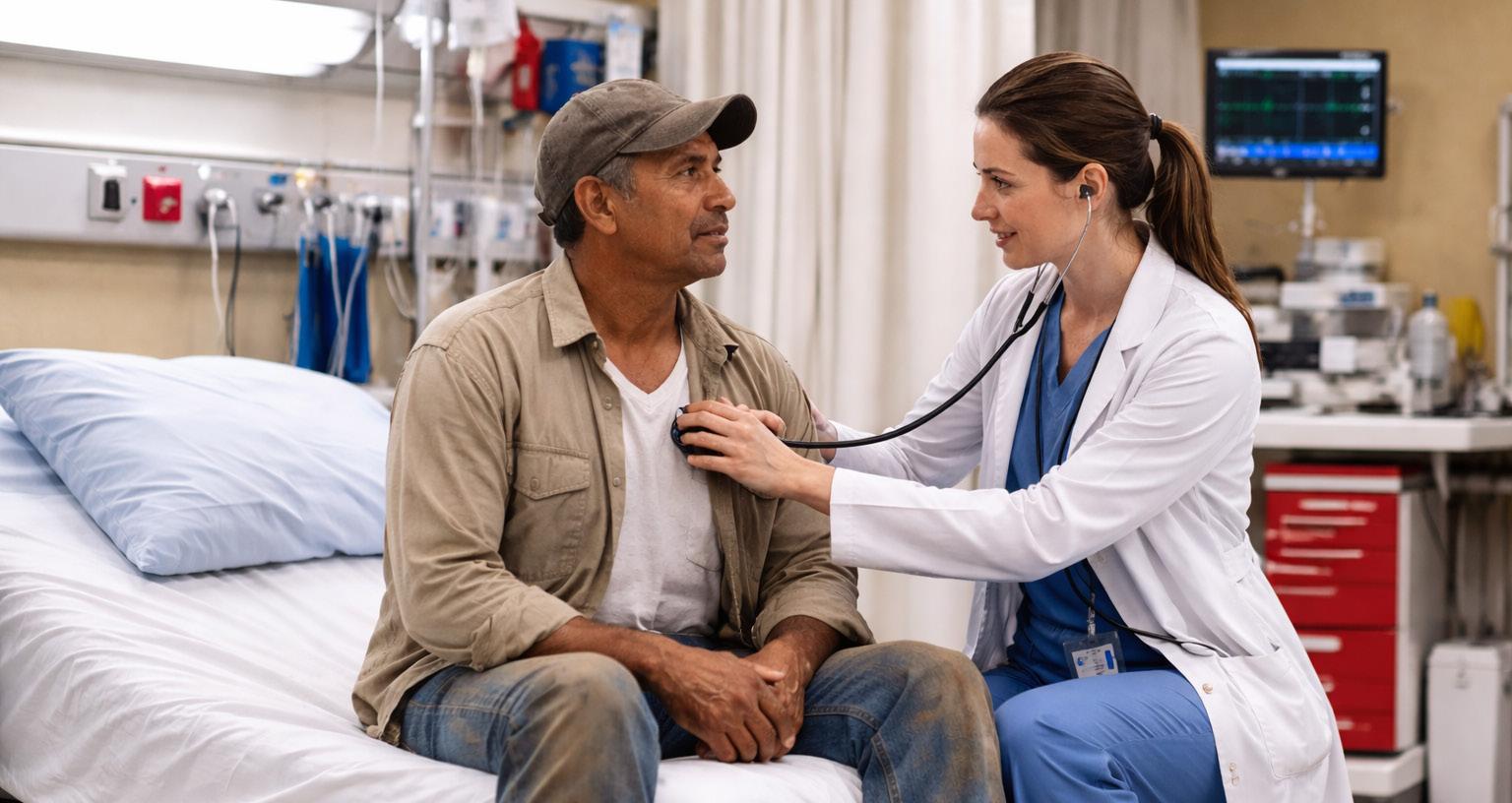
“Emergency departments increasingly serve as the primary—and often only—point of health care access for farmworkers, making awareness of this population’s unique risks essential for emergency clinicians.”
Farmworkers typically work 10 to 12 hours per day and may exceed 16 hours during peak seasons, totaling 60 to 80 hours per week. Because many are paid by piece rate—per pound or bushel harvested—breaks are often skipped. Limited access to rest, water, and shade further compounds health risks. Social, geographic, political, linguistic, and economic barriers frequently leave these workers isolated and marginalized.
Workplace Illnesses and Injuries
Farmworkers experience disproportionately high rates of occupational injury and environmental exposure. Common conditions include traumatic injuries, chronic
musculoskeletal disorders, dermatologic disease, pesticide exposure, and heat-related illness. Farmworkers are 35 times more likely to die from heat-related illness than other U.S. workers, and chronic kidney disease is increasingly recognized as a consequence of recurrent dehydration and heat strain. Chronic sun exposure further increases the risk of skin cancer, contact dermatitis, and heat rash.
Although updated national data are limited, earlier estimates suggest that rates of acute pesticide toxicity are 37 times higher among farmworkers than among nonfarmworkers. Commonly used pesticide classes include carbamates, organophosphates,
pyrethroids, and neonicotinoids. Exposure can cause symptoms ranging from skin irritation to seizures, coma, and death. Urinary pesticide metabolites are detected in 98% of farmworkers, and more than half demonstrate evidence of multiple exposures. Contaminated clothing and footwear can also bring pesticides into workers’ homes, placing family members at risk for secondary exposure. Long-term effects include reproductive harm, neurodevelopmental disorders, increased cancer risk, and other chronic health conditions.
continued on Page 109
What
• Be familiar
• Always utilize
• Collaborate free clinics,
• Inform patients
• Provide medical
• Avoid inquiring medical care.
• Share educational Workers booklet

Musculoskeletal injuries related to repetitive strain and overexertion are widespread. Many workers delay seeking care until pain or dysfunction severely limits their ability to work, increasing the risk of chronic disability. Traumatic injuries, from machinery, falls, and blunt trauma commonly result in fractures, lacerations, traumatic brain injuries, and amputations. Due to limited surveillance, the true prevalence of these injuries remains unknown.
Infectious Disease
Farmworkers face an elevated burden of infectious disease driven by occupational exposures, environmental conditions, comorbidities, and health care disparities. Common respiratory infections include tuberculosis, influenza, and COVID-19. Sexually transmitted infections, including HIV and syphilis, are also more prevalent in this population.
Frequent contact with animals and soil increases the risk of zoonotic infections such as leptospirosis, brucellosis, Q fever, rickettsioses, and Lyme disease. Regionally specific fungal infections are also common. Coccidioidomycosis (Valley fever) disproportionately affects farmworkers in the Southwest, while outbreaks of histoplasmosis in the Midwest and central United States have been linked to soil contaminated with bird or bat droppings.
Access to Health Care
Migrant farmworkers often delay seeking medical care until illness or injury prevents them from working. Barriers include transportation challenges, lack of paid sick leave, health care costs, and limited insurance coverage. Overall, 53% of farmworkers and 77% of immigrant farmworkers are uninsured Low wages and financial responsibility for multigenerational households further limit access to care.
What Emergency Providers Can Do
familiar with the unique socioeconomic and health disparities faced by farmworkers. utilize certified language interpreters.
Collaborate with social workers and case managers to connect patients with food banks, clinics, transportation programs, and financial support services. patients of their rights and reassure them that their health and privacy is a priority. medical excuse notes when appropriate to help reduce work instability. inquiring about or documenting immigration status unless absolutely necessary for care.
educational materials, such as the NIOSH Simple Solutions: Ergonomics for Farm booklet (available in English and Spanish)
Rural residence compounds these barriers. Many farmworkers live in areas with limited public transportation and few nearby health care facilities. Primary care shortages and clinic closures increase travel distances and wait times.
For immigrant families, fear of deportation—exacerbated by policy changes and Immigration and Customs Enforcement activity— creates additional barriers to care and negatively affects health-seeking behavior Mobile health clinics, which play a critical role in rural access, have reported declining patient visits due to concerns about surveillance and immigration enforcement. Even when care is accessed, structural inequities persist. Pain is frequently undertreated in minority populations, and the lack of culturally appropriate, language-concordant services contributes to miscommunication, misdiagnosis, lower patient satisfaction, and poorer outcomes.
As a result, the emergency department increasingly functions as a health care safety net and may be the first—and only—point of medical contact for many farmworkers.
Conclusion
Farmworkers represent one of the most vulnerable populations in the United States. Many receive medical care only in emergency settings, often for preventable or work-related conditions. Emergency clinicians should recognize that this population includes children, older adults, and individuals of all genders, and that occupational and environmental exposures—such as pesticides and infectious diseases— can affect workers’ families as well. Awareness of these risks is essential to providing equitable, informed emergency care
“As a result, the emergency department increasingly functions as a health care safety net may be the first—and only—point of medical contact for many farmworkers.”
ABOUT THE AUTHOR

Cristina Garcia is a medical student at Stanford University School of Medicine.
TOXICOLOGY & ADDICTION

Blue Blood Emergencies: Recognition and Management of Nitrite and Nitrous Oxide Toxicity
By Joeseph Champoux, PharmD, MBA, and Deepika Sivakumar, PharmD, MS
Rising Use and Emerging Toxicity
Nitrogen-containing compounds have been used in the United States for decades for medical, agricultural and industrial purposes. Nitrous oxide (N₂O) has long served as an anesthetic, while certain nitrites (sodium and alkyl) have been used in food preservation and medicine.
Recently, however, illicit use of these substances has increased. According to the American Poison
Centers annual report, exposures to nitrates and nitrites are rising and have resulted in severe toxicity and death. In 2024, there were 1,076 reported cases involving nitrates or nitrites, with 16 cases resulting in major toxicity and 19 deaths.
Although nitrous oxide and nitrites are chemically related, their mechanisms of toxicity differ and require distinct management strategies.
Nitrous Oxide: Mechanism and Acute Effects
Nitrous oxide has been used medicinally since the 18th century, when Humphry Davy first described its euphoric effects, earning it the nickname “laughing gas.” Today, it is misused recreationally under names such as “whippets” or “Galaxy Gas.”
When inhaled, nitrous oxide rapidly displaces oxygen in the alveoli, potentially causing hypoxia. It quickly
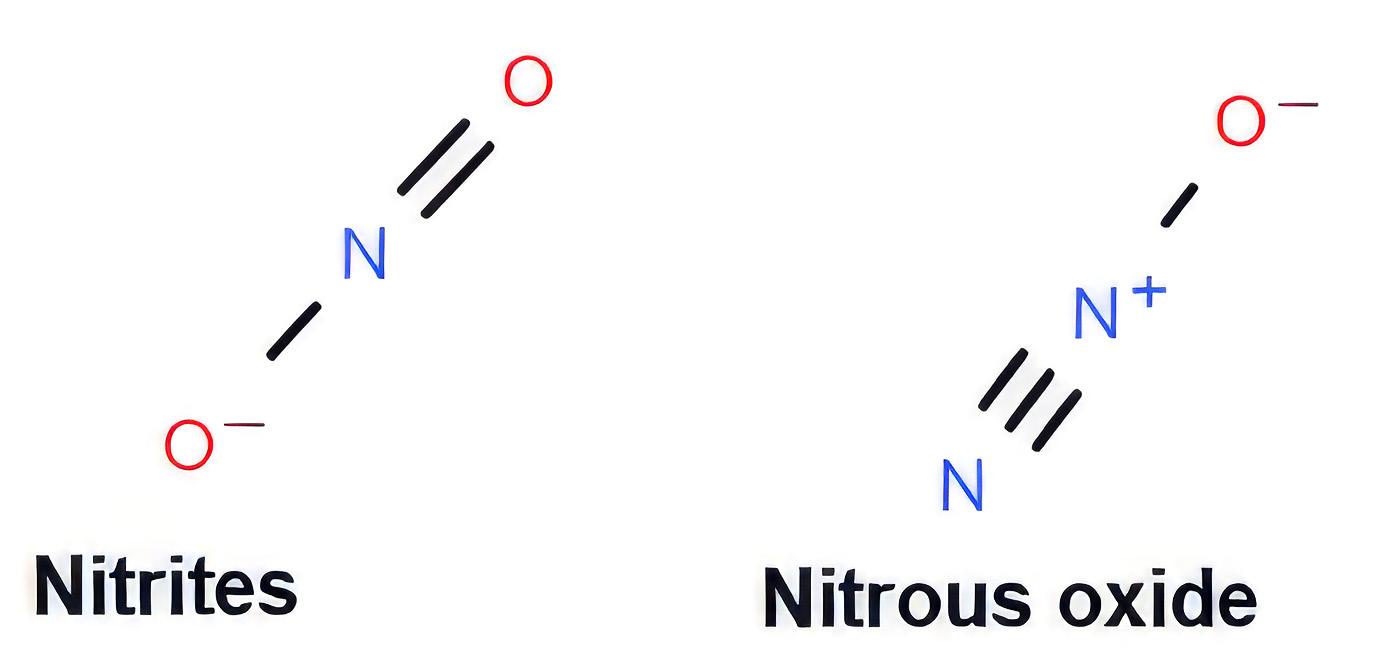
Read More, Learn More
• 2023 Annual Report of the National Poison Data System (National Poison Data System) from America’s Poison Centers: 41st Annual Report
• Goldfrank’s Toxicologic Emergencies
• Poisoning and Drug Overdose
• Recreational nitrous oxide abuse: prevalence, neurotoxicity, and treatment
• Recreational use of nitrous oxide
• Ascending paralysis in a young adult male: nitrous oxide-induced functional vitamin B12 deficiency mimicking Guillain-Barré syndrome
• Alkyl nitrite (“Poppers”) exposures in the United States
crosses the blood-brain barrier and acts as an N-methyl-D-aspartate (NMDA) receptor antagonist, producing euphoric, analgesic and anxiolytic effects.
In large acute exposures, nitrous oxide can contribute to methemoglobinemia by oxidizing the iron within hemoglobin from the ferrous (Fe²⁺) to the ferric (Fe³⁺) state. This reduces hemoglobin’s oxygencarrying capacity and may worsen tissue hypoxia.
Because nitrous oxide has a short half-life, serum concentrations are rarely clinically useful.
Chronic Nitrous Oxide Use and Vitamin B12 Dysfunction
Chronic nitrous oxide exposure results in functional vitamin B12 deficiency.
Nitrous oxide oxidizes the cobalt ion within cobalamin, rendering the vitamin inactive.
Vitamin B12 is a critical cofactor in two major pathways:
• Methylmalonyl-CoA mutase, which converts methylmalonyl-CoA to succinyl-CoA for energy production
• Methionine synthase, which converts homocysteine to methionine and supports DNA synthesis
Disruption of these pathways leads to elevated methylmalonic acid (MMA) and homocysteine levels. Accumulation of homocysteine promotes oxidative stress and neuronal injury. Reduced methionine impairs myelin synthesis, contributing to demyelination and neurologic dysfunction.
Patients may present with peripheral neuropathy, gait disturbance, cognitive changes or subacute combined degeneration of the spinal cord. Case reports describe individuals requiring hospitalization and prolonged rehabilitation after heavy chronic use.
Laboratory evaluation may reveal elevated MMA and homocysteine levels with normal or mildly reduced serum vitamin B12 concentrations.
The most effective treatment is immediate cessation of nitrous oxide exposure. Although vitamin B12 supplementation may be administered, continued nitrous oxide use will inactivate supplemented B12 and perpetuate toxicity.
Nitrites: Forms and Patterns of Use
Nitrites differ structurally from nitrous oxide and include compounds such as sodium nitrite and alkyl nitrites.
Sodium nitrite has received national attention due to increased use in self-harm attempts. It is readily accessible because of its role in food preservation.
Alkyl nitrites, commonly known as “poppers,” are volatile compounds such as amyl or butyl nitrite. They are most often used recreationally for vasodilatory effects.
Nitrite Toxicity and Methemoglobinemia
Nitrites are rapidly converted to nitric oxide in the body. Nitric oxide is a potent vasodilator and may cause hypotension, flushing and reflex tachycardia.
More critically, nitrites oxidize hemoglobin iron from the ferrous (Fe²⁺) to the ferric (Fe³⁺) state, producing methemoglobin. Methemoglobin cannot effectively bind and transport oxygen, resulting in tissue hypoxia.
Severe methemoglobinemia can lead to:
• Dyspnea
• Altered mental status
• Seizures
continued on Page 113
Figure 1: Chemical structures of Nitrites and Nitrous oxide
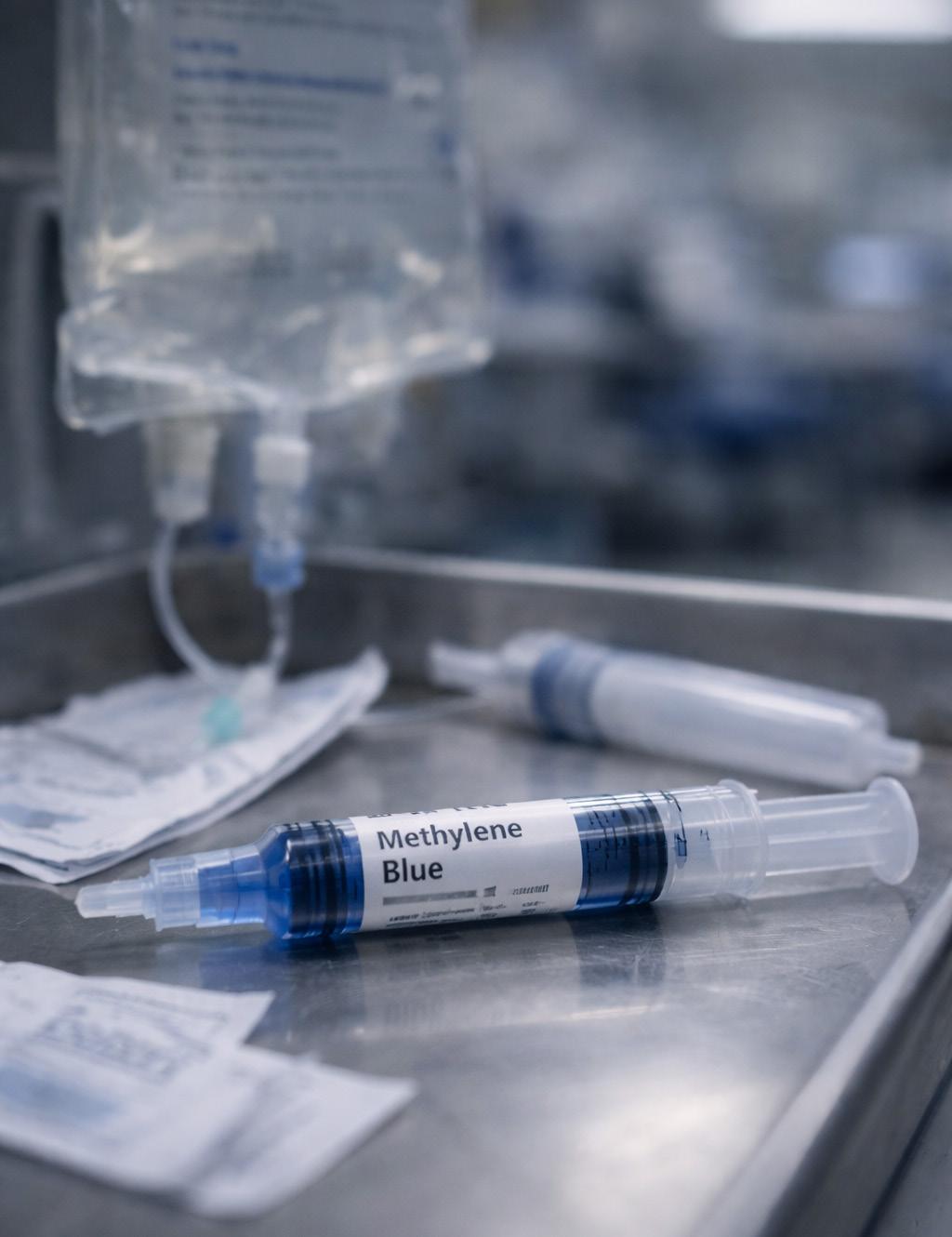


TOXICOLOGY
continued from Page 111
• Metabolic acidosis
• Cardiovascular collapse
Because onset can be rapid, prompt recognition and treatment are essential.
Management of Nitrite Toxicity
Initial management includes supportive care:
• Supplemental oxygen
• Intravenous fluids
• Vasopressors as needed
Methylene blue is the antidote for significant methemoglobinemia.
“Chronic nitrous oxide exposure results in functional vitamin B12 deficiency.”
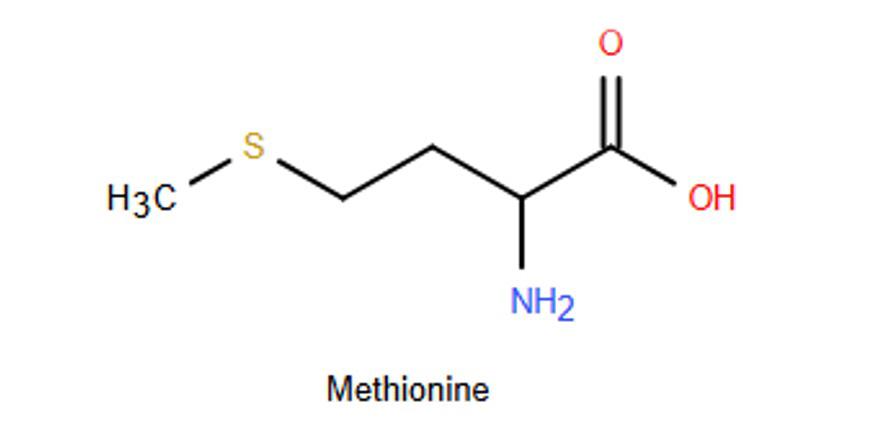
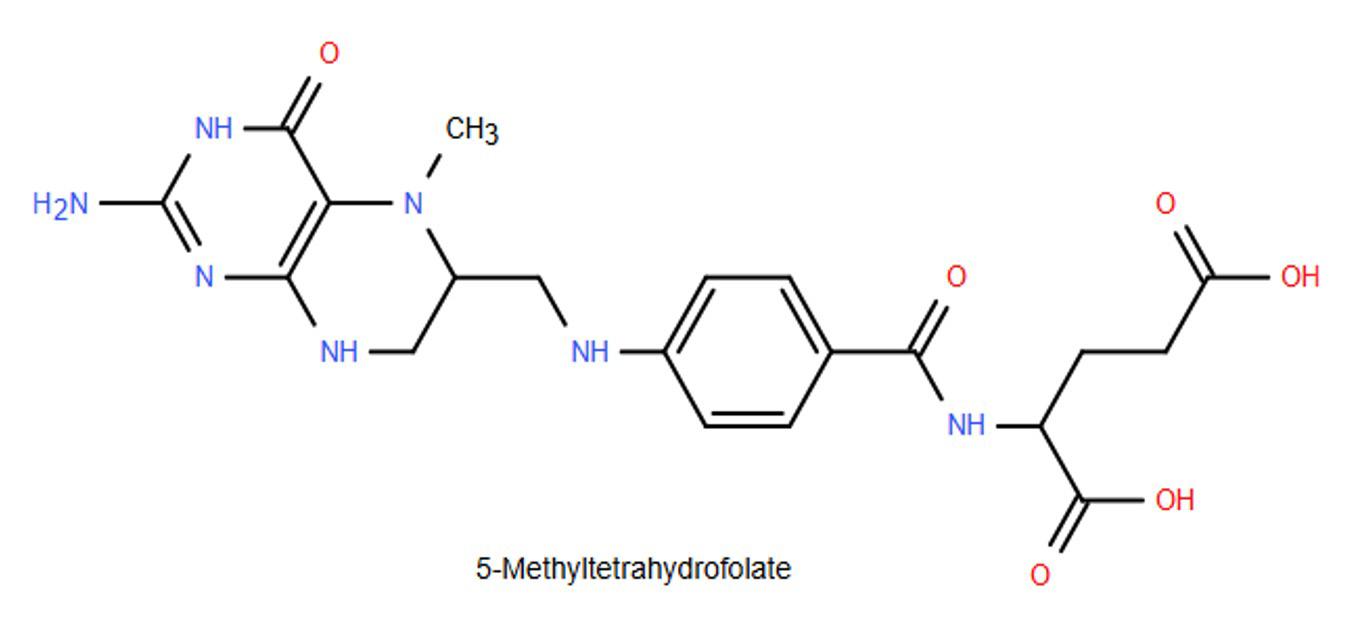
It acts as an electron acceptor, promoting reduction of ferric iron back to its functional ferrous state.
Indications
• Methemoglobin level greater than 20 percent
• Symptomatic patients (e.g., dyspnea, hemodynamic instability) at lower levels
Dosing
• 1 to 2 mg/kg intravenously, diluted in 5% dextrose in water (D5W)
• Administered over five minutes
• Peak effect typically occurs within 30 minutes
Chloride-containing solutions may reduce methylene blue solubility and should be avoided for dilution.
Important Safety Considerations
• Laboratory values (e.g., complete blood count, comprehensive metabolic panel) may be unreliable after administration.
• Doses above 2 mg/kg increase the risk of extremity pain, skin discoloration and urine discoloration.
• Doses exceeding 7 mg/ kg may paradoxically induce methemoglobinemia.
• Methylene blue is contraindicated in patients with glucose-6-phosphate
dehydrogenase deficiency due to the risk of hemolysis. A careful review of medical history is essential prior to administration.
Follow-Up and Prevention
Nitrogen-containing substances are increasingly implicated in severe toxic exposures. While emergency management is critical, follow-up care is equally important.
Patients should receive counseling on substance cessation, and those with intentional ingestions should undergo appropriate mental health evaluation. Early intervention may reduce the risk of recurrence and longterm complications
ABOUT THE AUTHORS

Dr. Champoux is a postgraduate year two emergency medicine pharmacy resident at Detroit Medical Center–Detroit Receiving Hospital.
Dr. Sivakumar is an emergency medicine pharmacy specialist at Massachusetts General Hospital.
Figure 2: Inactivation of Vitamin B12 by nitrous oxide
TOXICOLOGY & ADDICTION
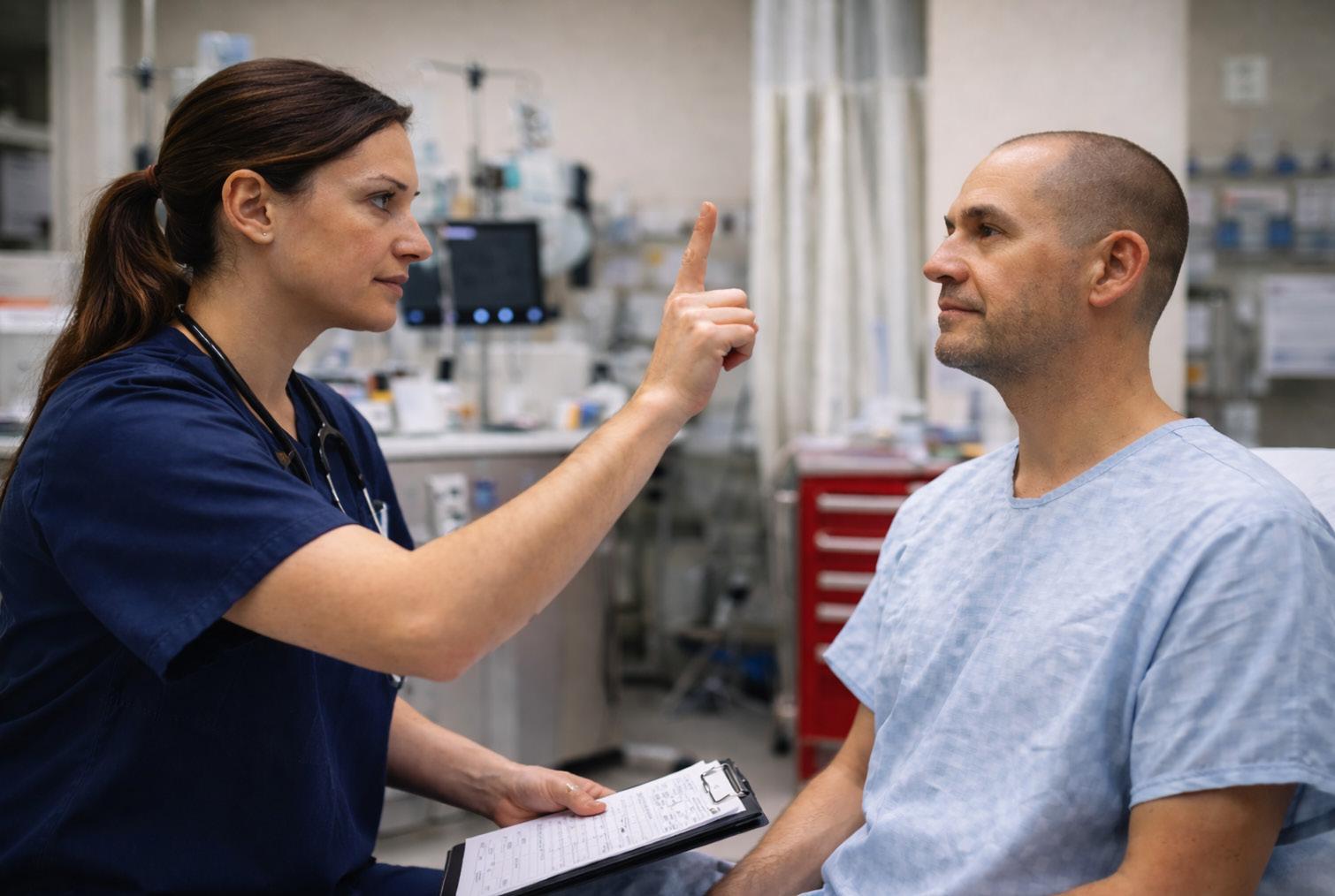
Botulism: Early Recognition and Time-Sensitive Management in the Emergency Department
By Kyle Schuchter, PharmD, and Julianne Yeary, PharmD on behalf of the SAEM Toxicology and Addiction Medicine Interest Group and the SAEM Academy of Emergency of Medicine Pharmacists
Background
As recently as November 2025, a botulism outbreak linked to infant formula affected 51 patients across 19 states. The U.S. Food and Drug Administration and the U.S. Centers for Disease Control and Prevention identified Clostridium botulinum toxin type A in whole milk powder used in ByHeart Whole Nutrition infant formula and recalled the product.
Botulism is a rare, life-threatening disease caused by botulinum neurotoxin produced by the anaerobic, gram-positive bacterium Clostridium botulinum and, less commonly, Clostridium baratii and Clostridium butyricum. These bacteria can survive extreme conditions and are not virulent until spores germinate and produce toxin under anaerobic conditions, low acidity, low salt or sugar content, and temperatures between 37 and 99 F.
Seven distinct botulinum toxin types (A through G) bind at the neuromuscular junction, inhibiting acetylcholine release from the presynaptic motor neuron and ultimately blocking neuromuscular transmission.
Botulism syndromes include foodborne (ingestion of toxin, such as through improperly canned or preserved foods), wound (toxin production in colonized wounds),
inhalational (exposure to aerosolized purified toxin), and iatrogenic (exposure for cosmetic or therapeutic indications). Syndromes resulting from intestinal colonization by toxinproducing Clostridia species include infant botulism and adult intestinal colonization botulism.
Clinical Presentation and Diagnosis
Botulism manifests with cranial nerve palsies followed by bilateral, symmetric, descending flaccid paralysis, typically affecting proximal musculature before distal muscles. Symptoms may progress to respiratory failure, with severity proportional to toxin exposure.
Because diagnosing botulism can be challenging, the Centers for Disease Control and Prevention has developed a clinical tool (Table 1) to aid early recognition.
Afebrile (< 100.4°F)
Acute onset of at least one of the following symptoms:
• Blurred vision
• Double vision
• Difficulty speaking (including slurred speech)
• Any change in voice (including hoarseness)
• Dysphagia, pooling of secretions, or drooling
• Thick tongue
At least one of the following signs:
• Ptosis
• Extraocular palsy or fatigability (inability to avert eyes from repeated light, typically used in infants)
• Facial paresis (manifested by loss of facial expression or pooling of secretions; in young children, poor feeding or fatigue while eating)
• Fixed pupils
• Descending paralysis, beginning with cranial nerves
Table 1. Clinical Criteria Tool for Early Diagnosis of Botulism
The differential diagnosis includes neurologic conditions such as myasthenia gravis and GuillainBarré syndrome. The Tensilon

“Management of botulism is timesensitive, with treatment ideally initiated within 24 to 48 hours of symptom onset.”
(edrophonium) test has historically been used to diagnose myasthenia gravis. Neuroimaging and lumbar puncture may help exclude stroke or meningitis.
Electrodiagnostic studies, including repetitive nerve stimulation, electromyography and nerve conduction studies, may aid diagnosis. However, these tests are time-consuming, require specialized staff, and may be normal early in the clinical course. Laboratory confirmation is performed in specialized laboratories and may take 96 hours to two to three weeks.
Management
Management of botulism is timesensitive, with treatment ideally initiated within 24 to 48 hours of symptom onset. Care includes supportive measures, mechanical ventilation when indicated, and administration of botulinum antitoxin.
Frequent serial neurologic examinations focusing on cranial nerve function, swallowing, respiratory status and extremity strength are essential given the potential for rapid deterioration. Negative inspiratory force and end-tidal carbon dioxide monitoring may help assess respiratory effort.
Botulinum antitoxin is the only specific therapy for botulism. It mitigates the extent and severity of paralysis, helps prevent progression to respiratory failure and reduces the duration of mechanical ventilation. However, it does not reverse established paralysis. The equine-derived antibody preparation contains toxin types A through G and neutralizes circulating toxin.
continued on Page 117

Dosing
Preparation
Administration
Adverse Events
Laboratory Testing
Botulism Antitoxin (BAT®)
• Adults: 1 vial via IV infusion x 1 dose
• Pediatrics: See package insert (weight-based dosing- may require doses higher than listed)
• Re-treatment with a second dose is NOT recommended unless high clinical suspicion for botulism and continued progression of paralysis after initial dose
• Clear, colorless liquid
• Vial volume varies by lot (10-22 mL)
• Dilute each 1 mL of BAT® with 9 mL of 0.9% sodium chloride (1:10 dilution)
• Adults: 0.5 mL/min for 30 minutes (double every 30 minutes if tolerated, up to 2 mL/min)
• Pediatrics: 0.01 mL/kg/min (increase by 0.01 mL/kg/min every 30 minutes if tolerated, up to 0.03 mL/kg/min; do NOT exceed adult rate)
• Hypersensitivity reactions (including anaphylaxis; incidence <2%), serum sickness
• Obtain serum and stool specimens
o Collect serum specimens PRIOR TO BAT® administration (post-administration specimens may yield false negatives)
o Collect stool specimens PRIOR TO BAT® administration when possible (do not delay administration)
• Send suspected foods for laboratory testing
TOXICOLOGY
continued from Page 115
Botulism immune globulin is specifically indicated for infant botulism caused by intestinal colonization. Other infant exposures, typically from food or environmental sources, should receive botulinum antitoxin.
Antitoxin should be administered as soon as possible based on clinical findings, regardless of time since symptom onset, as laboratory confirmation may take days and may be negative if toxin levels fall below detection thresholds. Patients treated within 48 hours have shorter hospital and intensive care unit stays than those treated later. If paralysis progresses despite antitoxin, clinicians should consider alternative diagnoses.
For suspected botulism, coordination with local and state health departments is imperative for consultation and emergent antitoxin shipment. Clinicians may also contact the Centers for Disease Control and Prevention’s Botulism Consultation Service at 770-488-7100. For infant botulism, consultation with the Infant Botulism Treatment and Prevention Program at 510-231-7600 is required for emergent immune globulin shipment. Additional information is provided in Table 2.
Conclusion
Botulism is a rare, life-threatening disease that requires rapid recognition, timely diagnostics and close monitoring for respiratory compromise. Early antitoxin administration is critical to limit paralysis progression, reduce the duration of mechanical ventilation and improve outcomes.
• Pediatrics (< 1 year-old): 50 mg/kg IV infusion x 1 dose
• NOT indicated for adults
• Reconstitute 100 mg vial with 2 mL sterile water for injection (50 mg/mL concentration)
• Use within 2 hours of reconstitution
• Pediatrics: 0.5 mL/kg/hour for 15 minutes; if tolerated, may increase to 1 mL/kg/hour
• Hypersensitivity reactions (including anaphylaxis), erythematous rash of face/trunk
• Obtain stool specimen (prior to or after administration)
Management relies on coordinated efforts among clinicians and state and national agencies. Although antitoxin does not reverse established paralysis, prompt recognition and intervention can substantially alter the clinical course
ABOUT THE AUTHORS
Dr. Schuchter is a clinical pharmacy specialist in emergency medicine at the Ohio State University Wexner Medical Center in Columbus, Ohio.
Missouri.
Dr. Yeary is a clinical pharmacy specialist in emergency medicine at Barnes-Jewish Hospital in St. Louis,
Table 2. Overview of Botulism Antitoxin (BAT®)/Botulism Immune Globulin (BabyBIG®)
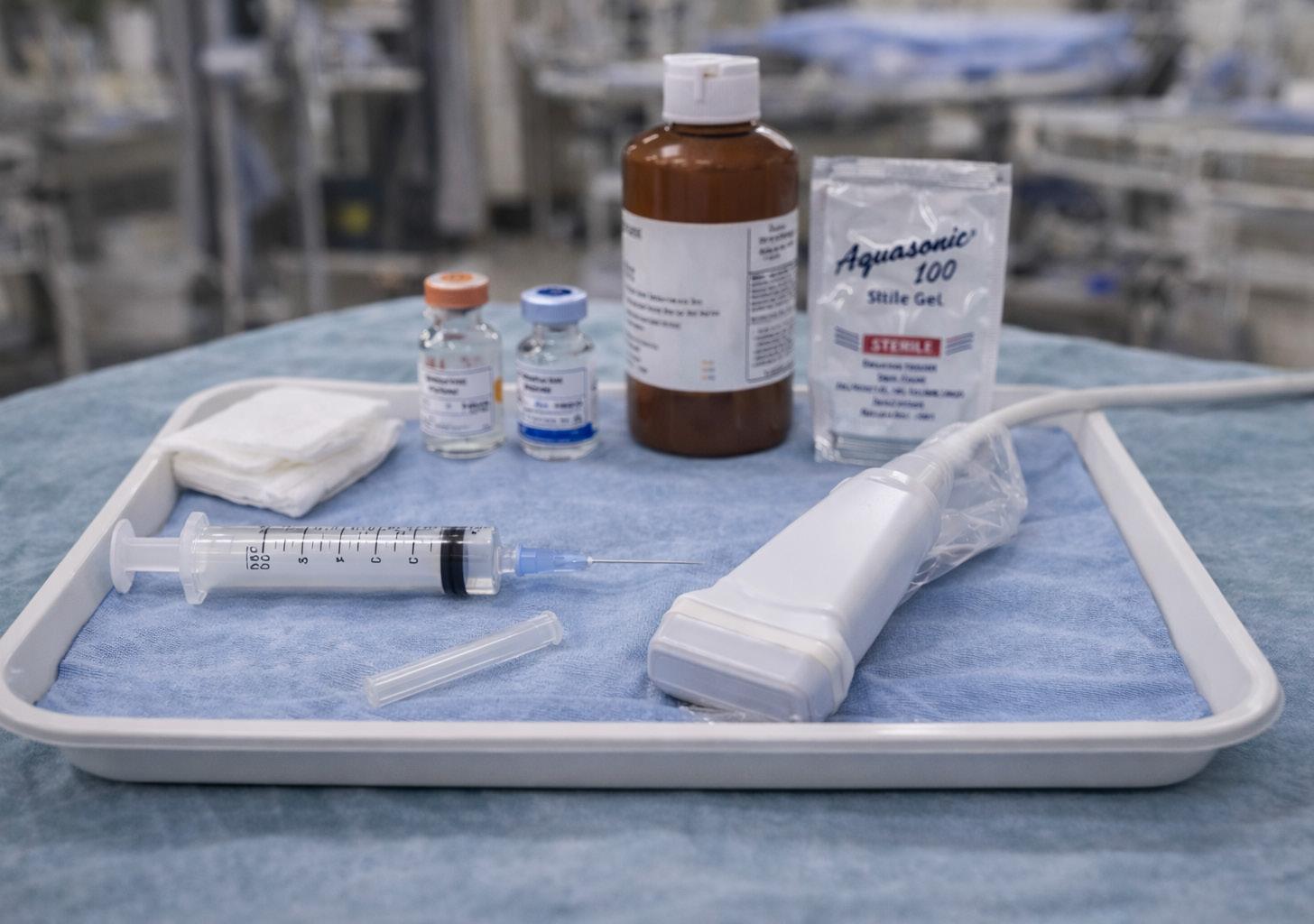
Ultrasound-Guided Management of Ischemic Priapism: A Safe and Effective Approach
By Kenton McCosh, DO; Brian Makowski, DO; Zachary Boivon, MD; and Robert Stenberg, MD
Introduction
Ischemic priapism is a urologic emergency with an incidence of 5.34 cases per 100,000 men annually and an increased prevalence among men with sickle cell disease. Although it is uncommonly encountered, prompt recognition and diagnosis are essential, as ischemic priapism carries a significant risk of permanent erectile dysfunction if left untreated. With the increasing accessibility of point-of-care ultrasound and its expanding applications in high-acuity, lowoccurrence (HALO) procedures,
ultrasound guidance can be incorporated into the treatment of this high-risk condition. We describe the use of ultrasound guidance for dorsal penile nerve block (DPNB), intracavernosal blood aspiration and phenylephrine injection in the management of ischemic priapism.
Management Considerations
Management of ischemic priapism involves early pain control, rapid diagnosis and urologic consultation, which may not be immediately available in all emergency departments. Although
oral pseudoephedrine has been used as a treatment option, studies demonstrate a success rate of only 28%. Definitive management typically
“Although it is uncommonly diagnosis are essential, as permanent erectile
requires direct intracavernosal injection of phenylephrine and aspiration of blood from the corpora cavernosa.
While the DPNB can be performed using a landmark-based approach, clinicians trained in ultrasound may prefer an ultrasound-guided technique. Several studies suggest that ultrasound-guided DPNB may result in lower postprocedural pain scores and delayed need for rescue analgesia. Additionally, ultrasound guidance allows for a single injection rather than bilateral landmark injections at the 10 and 2 o’clock positions. Beyond priapism, ultrasound-guided DPNB may be useful for other painful penile conditions, including paraphimosis and trauma.
Procedural Technique
After adequate analgesia and anesthesia are achieved, detumescence should be pursued with intracavernosal aspiration and phenylephrine injection. Although limited studies evaluate ultrasound guidance for these procedures, the vascularity and distinct sonographic appearance of the involved structures make ultrasound useful for confirming needle placement before aspiration and medication administration. Proper visualization may also reduce the risk of iatrogenic high-flow (nonischemic) priapism caused by inadvertent injury to the cavernosal artery.
The following is a brief procedural guide:
Dorsal Penile Nerve Block Technique (Figure 1a)
1. Ensure sterility by prepping the base of the penis with 2% chlorhexidine.
2. Use a high-frequency linear
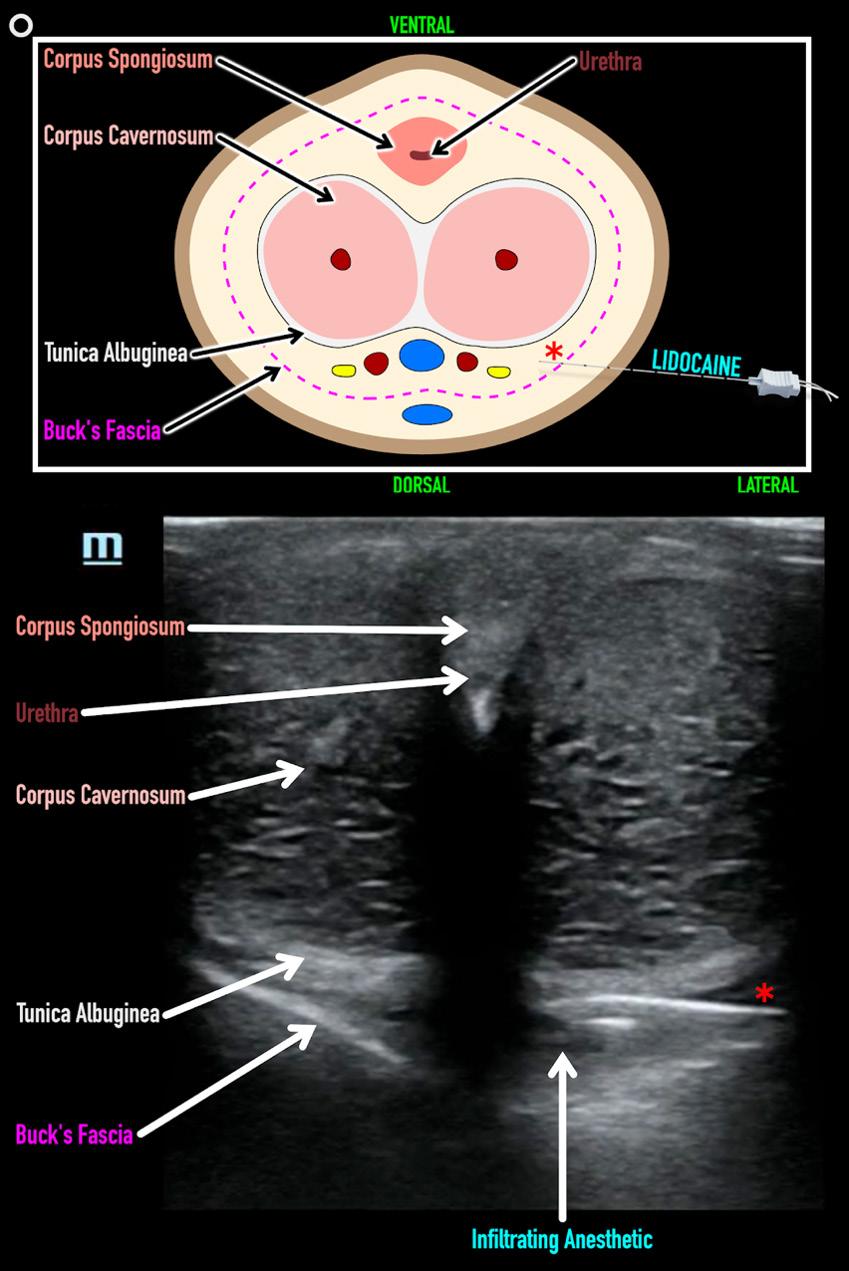
1a: Ultrasound-guided dorsal penile nerve block. Image shows the relevant anatomy when the transducer is oriented along the ventral aspect of the base of the penis. Needle is shown inserting along the dorsolateral aspect, advancing deep to Buck's fascia to allow spread of anesthetic along the plane where the penile nerves run. Caution is taken to avoid intravascular and intracavernosal injections, with aspiration performed prior to all injections. Created by Dr. Brian Makowski with permission to share.
transducer with a sterile probe cover and place it transversely on the ventral aspect of the penis to improve ergonomics and allow dorsal needle access.
3. Introduce the nerve block needle dorsolaterally and advance in-plane until positioned beneath Buck’s fascia. Inject 5 to 10 mL of local anesthetic (Video 1).
continued on Page 121
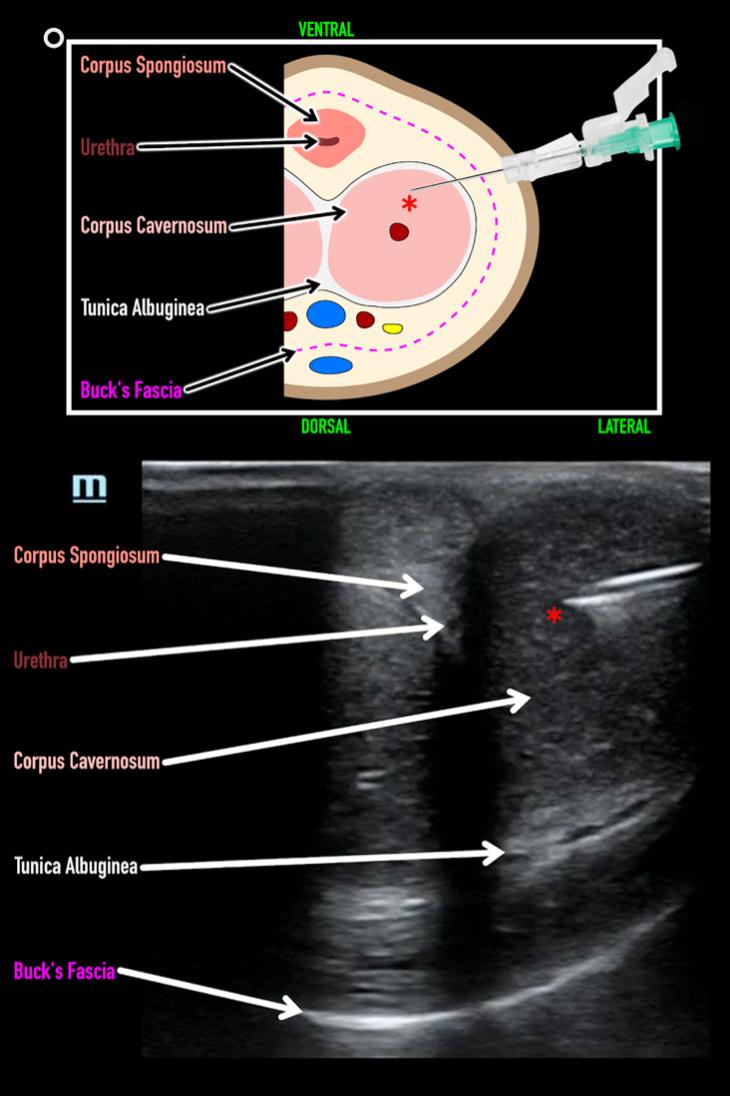
Figure 1b: Ultrasound-guided needle aspiration of blood/clot. With an in-plane technique and the transducer placed on the ventral aspect of the penis, the needle is inserted laterally, puncturing into the corpus cavernosum to aspirate blood, avoiding the centrally-located cavernosal artery. Created by Dr. Brian Makowski with permission to share.
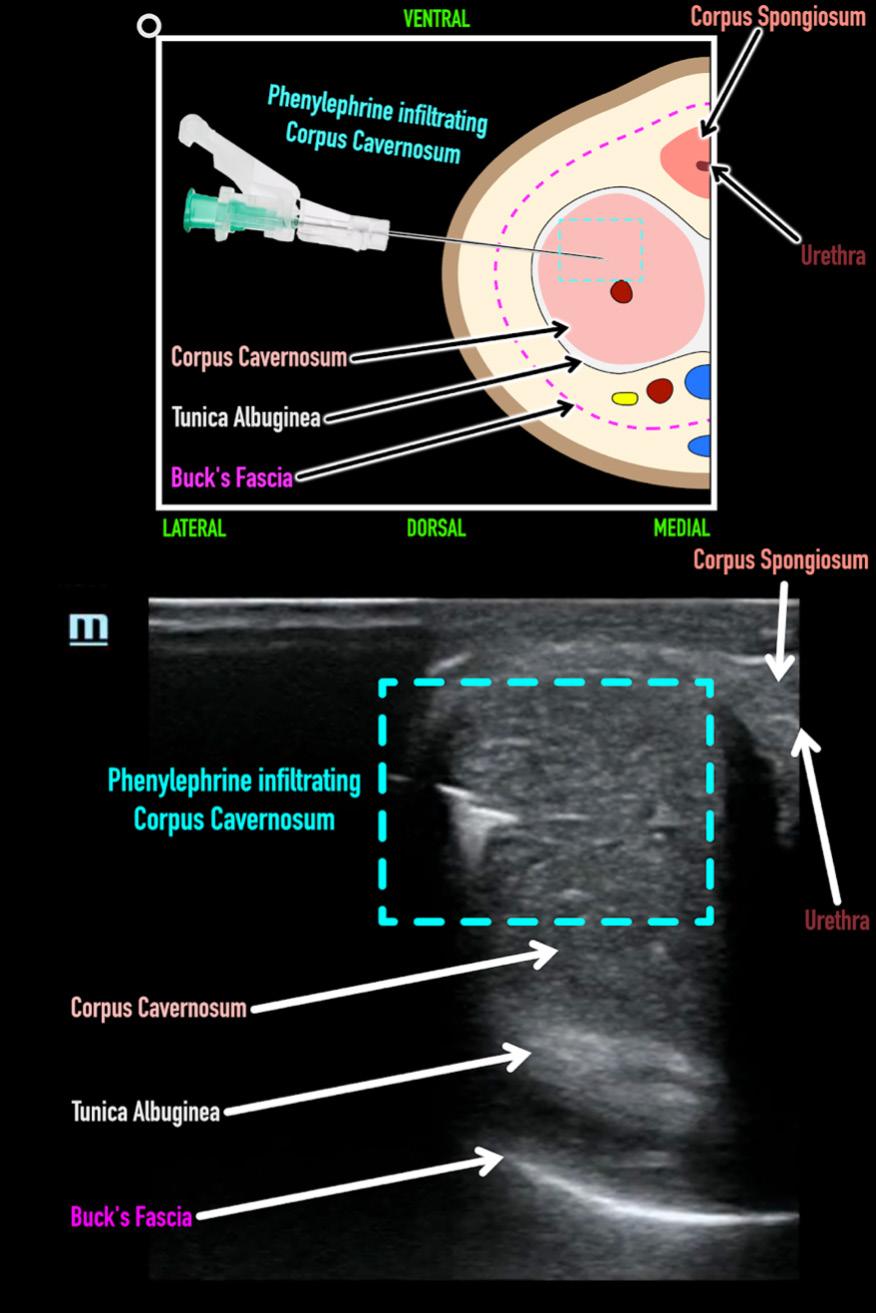
uncommonly encountered, prompt recognition and as ischemic priapism carries a significant risk of erectile dysfunction if left untreated.”
Figure 1c: Ultrasound-guided injection of the phenylephrine ensures correct location of injection. With an in-plane technique and the transducer placed on the ventral aspect of the penis, the needle is inserted laterally, puncturing into the corpus cavernosum to inject the phenylephrine medication. Created by Dr. Brian Makowski with permission to share.
Figure
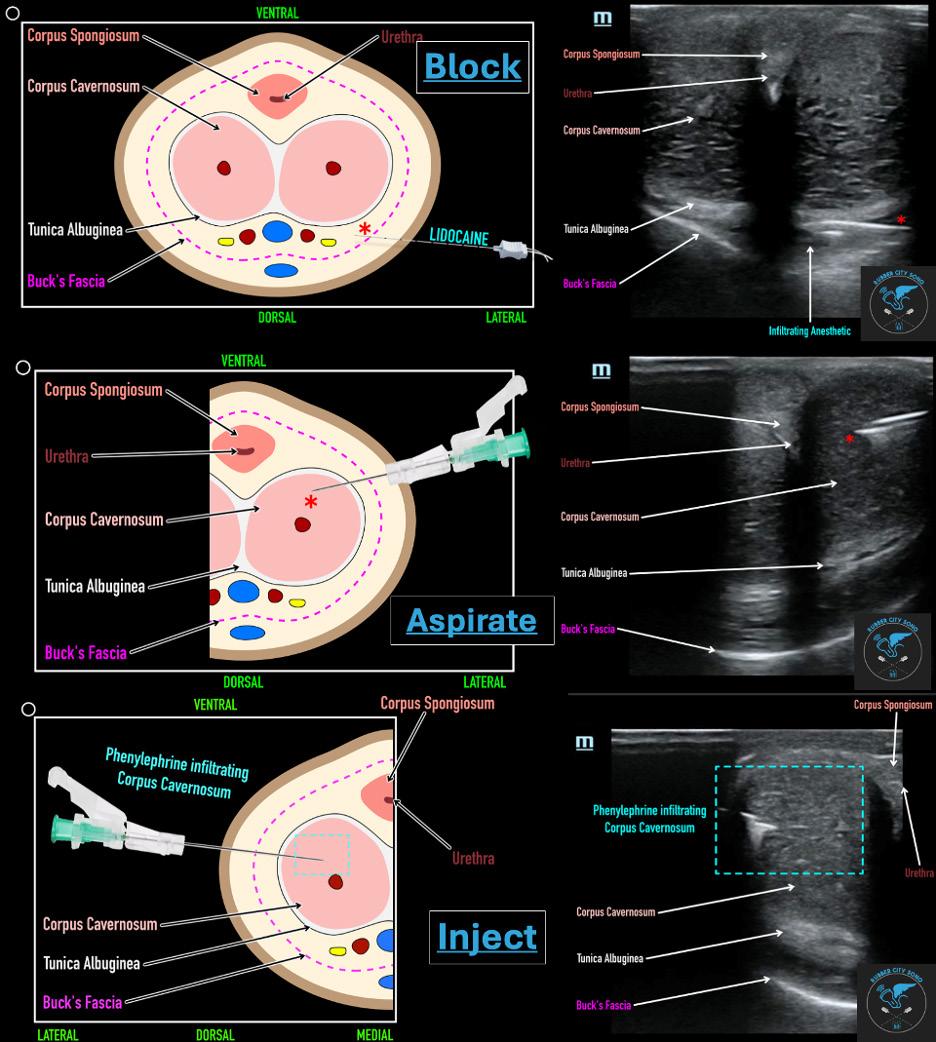
Figure 2: Combination picture designed to be a FOAMEd and or a pocket card to be used as a quick reference
“With the increasing accessibility of point-of-care ultrasound and its occurrence procedures, ultrasound guidance can be incorporated into
“Ultrasound-guided management of ischemic priapism offers a systematic and potentially safer approach to an infrequently encountered emergency.”
ULTRASOUND
continued from Page 119
Dynamic ultrasound-guided intracavernosal blood aspiration and phenylephrine injection (Figure 2):
1. In-plane needle insertion utilizing linear probe, confirmed intracavernosal, avoiding the dorsal vein, nerves, arteries, and urethra. (See Graphic and US Guided Figures).
2. Aspirate blood from corpus cavernosum to achieve partial detumescence. A larger bore needle is inserted into the lateral aspect of the penis, with in-plane guidance. The needle is advanced into the corpus cavernosum, making sure to avoid the central cavernosal artery, and aspiration is performed. (Figure1b) (Video 2)
3. Inject Phenylephrine into each corpus cavernosum under ultrasound guidance. With the needle in the same position as described above, phenylephrine can be infiltrated into the corpus cavernosum, typically 100-500mcg. (Figure1c) (Video 3)
4. Place a compressive bandage.
5. Observe and discharge with Urologic follow up in the outpatient setting.
Dynamic Ultrasound-Guided Intracavernosal Aspiration and Phenylephrine Injection
(Figure 2)
1. Perform in-plane needle insertion using a linear probe, confirming intracavernosal placement while avoiding the dorsal vein, arteries, nerves and urethra (see graphic and ultrasound-guided figures).
2. Aspirate blood from the corpus cavernosum to achieve partial detumescence. Insert a larger-bore needle into the lateral aspect of the penis with in-plane guidance, advancing into the corpus cavernosum while avoiding the central cavernosal artery. Perform aspiration (Figure 1b; Video 2).
3. Inject phenylephrine into each corpus cavernosum under ultrasound guidance. With the needle maintained in position, infiltrate 100 to 500 mcg of phenylephrine (Figure 1c; Video 3).
4. Apply a compressive bandage.
5. Observe the patient and arrange outpatient urologic follow-up.
Conclusion and Application
Ultrasound-guided management of ischemic priapism offers a systematic
its expanding applications in high-acuity, lowinto the treatment of this high-risk condition.”
and potentially safer approach to an infrequently encountered emergency. When performed correctly, ultrasound guidance facilitates effective analgesia and supports accurate needle placement for aspiration and phenylephrine administration. This approach may be particularly valuable in resource-limited settings where access to immediate urologic consultation is delayed. Further research is needed to evaluate clinical outcomes, procedural efficacy and the potential role of ultrasound guidance in obtaining corporal blood gas to improve diagnostic accuracy
ABOUT THE AUTHORS
Dr. McCosh is chief resident and incoming ultrasound fellow at Cleveland Clinic Akron General.
Dr. Makowski is ultrasound faculty member and resident ultrasound director at Cleveland Clinic Akron General.
Dr. Boivon is director of resident ultrasound education in the Yale Department of Emergency Medicine.
Dr. Stenberg is ultrasound director and fellowship director at Cleveland Clinic Akron General.
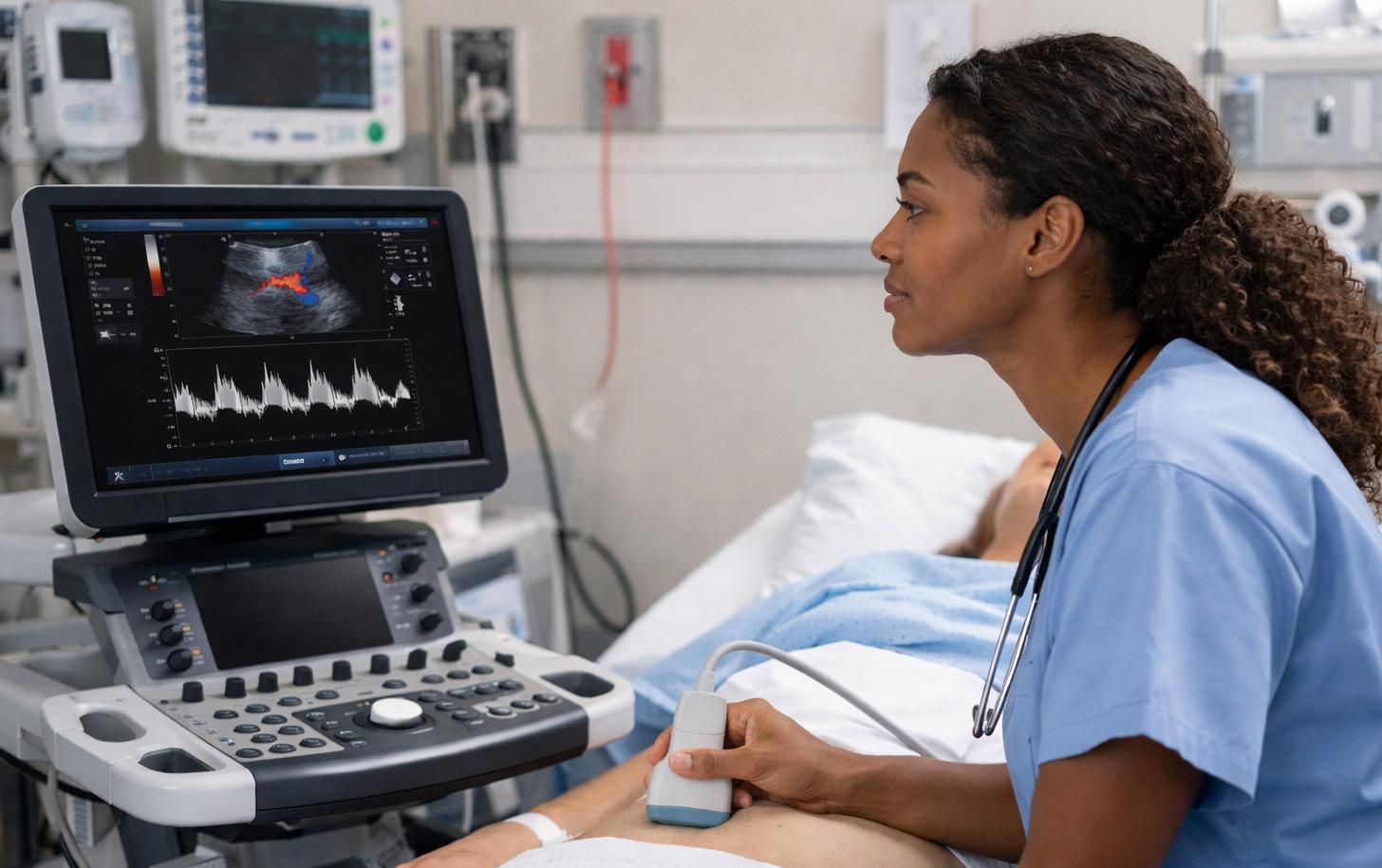
Assessing Venous Congestion at the Bedside Using the VExUS Protocol
By Andrew G Theophanous; Nina Angeles, MD; Denise Elizondo, MD; and Rebecca G Theophanous, MD, MHSc on behalf of the SAEM Academy of Emergency Ultrasound
Point-of-care ultrasound (POCUS) can expedite diagnosis in emergency department (ED) and hospitalized patients. It can also assess volume status to guide fluid or vasopressor management. While right heart catheterization is the gold standard for evaluating venous congestion, it is invasive and impractical in most patients
Assessment of the internal jugular vein or inferior vena cava (IVC) with POCUS serves as a rapid, noninvasive surrogate for central venous pressure; however, studies show mixed results regarding its accuracy for volume status
accuracy. IVC measurements are unreliable in patients receiving mechanical or noninvasive ventilation, those with increased respiratory effort, lung hyperinflation, severe tricuspid regurgitation, right ventricular dysfunction, pulmonary hypertension, or increased intraabdominal pressure. In addition, traditional physical examination maneuvers — including visualization of jugular venous distention and assessment of skin turgor, mucous membranes, and distal pulses — are unreliable
The venous excess ultrasound (VExUS) scoring system is a
validated protocol that uses pulsedwave (PW) Doppler signals from hepatic and renal veins to grade venous congestion. Although increasingly adopted by POCUS users in nephrology, critical care, hospital medicine, and emergency medicine, its use remains limited by knowledge gaps. The VExUS protocol can screen for venous congestion and monitor changes in fluid status over time.
Equipment
POCUS users should use a lowfrequency probe (phased-array 1–5 MHz or curvilinear 2–5 MHz) in two-dimensional B-mode imaging.
Select the cardiac preset to allow electrocardiogram (ECG) gating. ECG leads should be connected to the ultrasound machine and placed on the patient in standard orientation.
For IVC, hepatic vein, and portal vein assessment, reduce the Doppler scale from the cardiac preset to approximately 40 cm/s and adjust color gain as needed to visualize vessels during image acquisition. For intrarenal vein Doppler assessment, select the abdominal preset, set the Doppler scale below 20 cm/s, and similarly adjust settings to optimize visualization. Set the Doppler sweep speed to 50 or 66.7 mm/s for optimal waveform evaluation
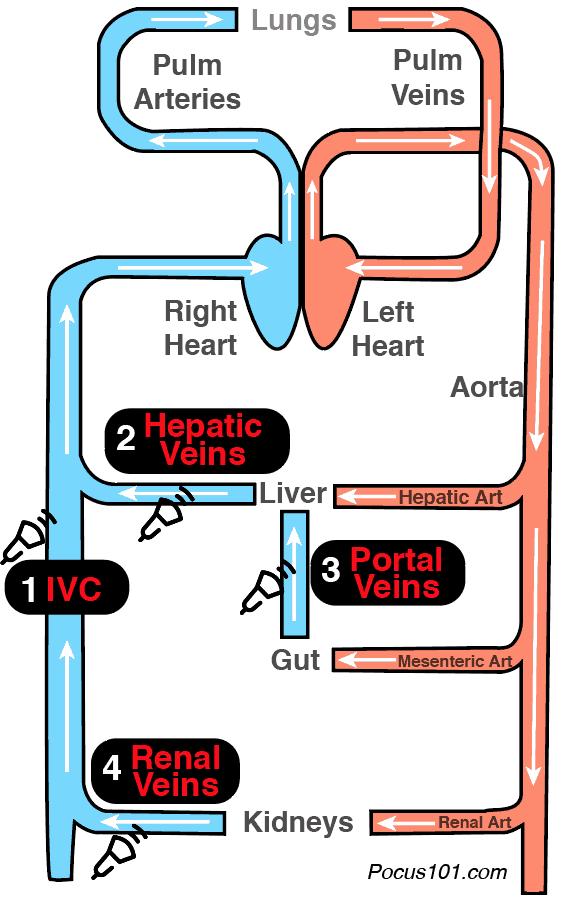
101)
Image Acquisition (Figure 1)
1. Inferior vena cava (IVC): Capture a video clip of the IVC approximately 1–2 cm distal to the hepatic vein confluence by placing the probe in the subxiphoid position with the probe marker rotated 90 degrees cephalad. Measure the maximal IVC diameter using M-mode or an automated IVC measurement tool.
2. Hepatic vein: Place the probe in the right flank along the axillary line with the probe marker pointing
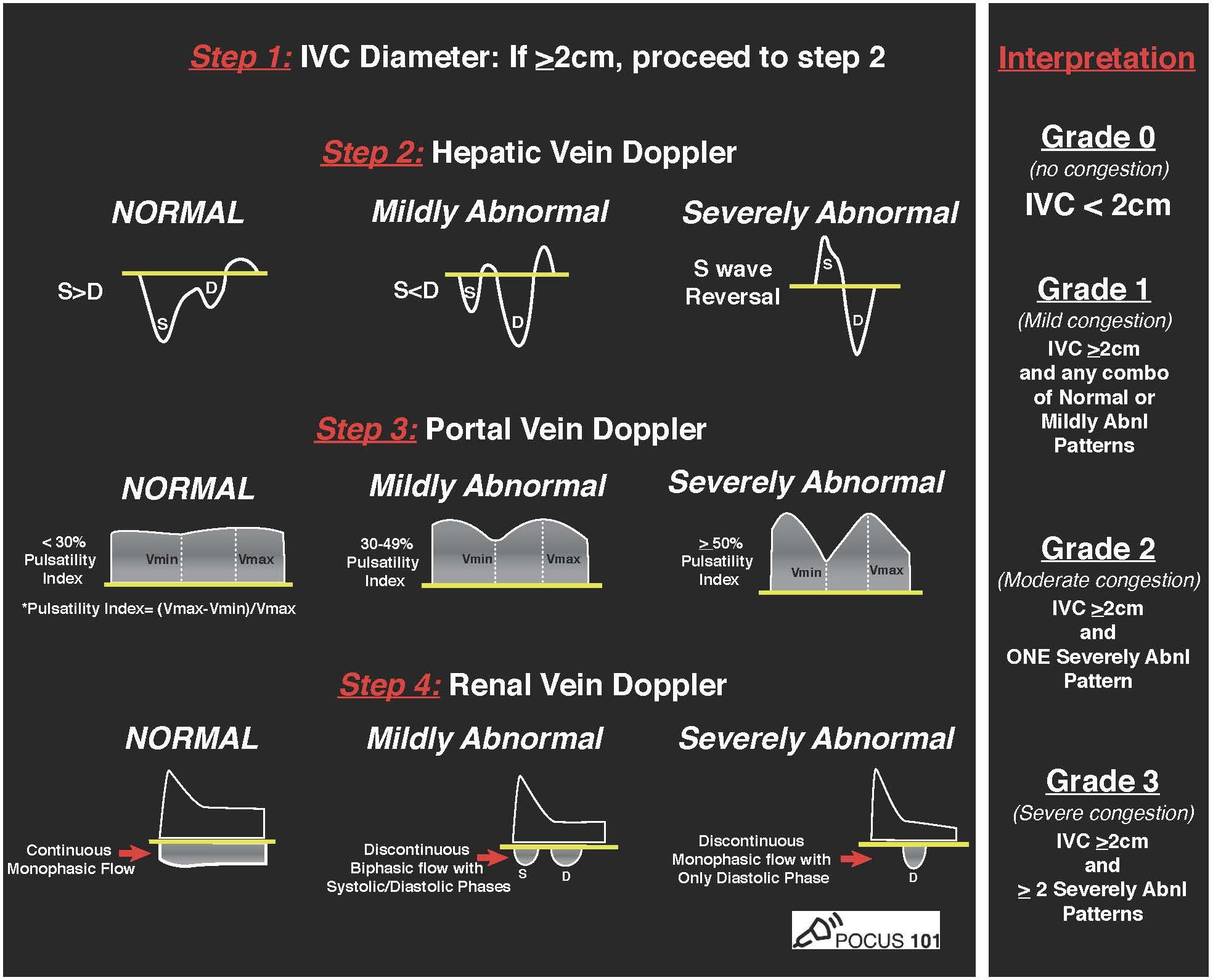
cephalad. Visualize the hepatic vein entering the IVC approximately 3 cm distal to the cavoatrial junction. Capture a video clip using color Doppler, followed by PW Doppler with the patient holding their breath at end expiration. Save a still image.
3. Portal vein: Place the probe in the right flank along the axillary line or obliquely in an intercostal space. Capture video clips using both color Doppler and PW Doppler, then save a still image.
4. Intrarenal veins: Place the probe along the right axillary line and rotate it to obtain a long-axis view of the kidney. Capture color Doppler and PW Doppler video clips and still images.
Image Interpretation (Figure 2)
1. IVC: An IVC diameter greater than 2 cm is considered positive for venous congestion and qualifies the patient for VExUS grading. Normal Doppler tracings are assigned a score of 0. Mild abnormalities receive 1 point, moderate to severe abnormalities receive 2 points, and a score
of 3 or greater is associated with an increased risk of acute kidney injury (AKI) due to venous congestion (see Table 1).
2. Hepatic vein: Normal hepatic vein Doppler flow demonstrates systolic and diastolic waves below the baseline (flow away from the probe into the IVC). As venous congestion worsens, systolic flow becomes slower than diastolic flow. With moderate to severe congestion, systolic flow reverses.
3. Portal vein: Normal portal vein flow is continuous because hepatic sinusoids dampen physiologic flow fluctuations. A normal pulsatility index (PI) is less than 30%. A PI of 30%–49% indicates mild venous congestion, while a PI greater than 50% reflects moderate to severe pulsatile abnormal flow.
4. Renal vein: Normal intrarenal venous flow is continuous and monophasic. With mild venous congestion, flow becomes pulsatile and then biphasic with systolic and diastolic components. In moderate
continued on Page 125
Figure 1: Visual diagram of ultrasound probe positions for VExUS image acquisition (Credit: Pocus
Figure 2: Summary of VExUS protocol (Credit: Pocus 101)
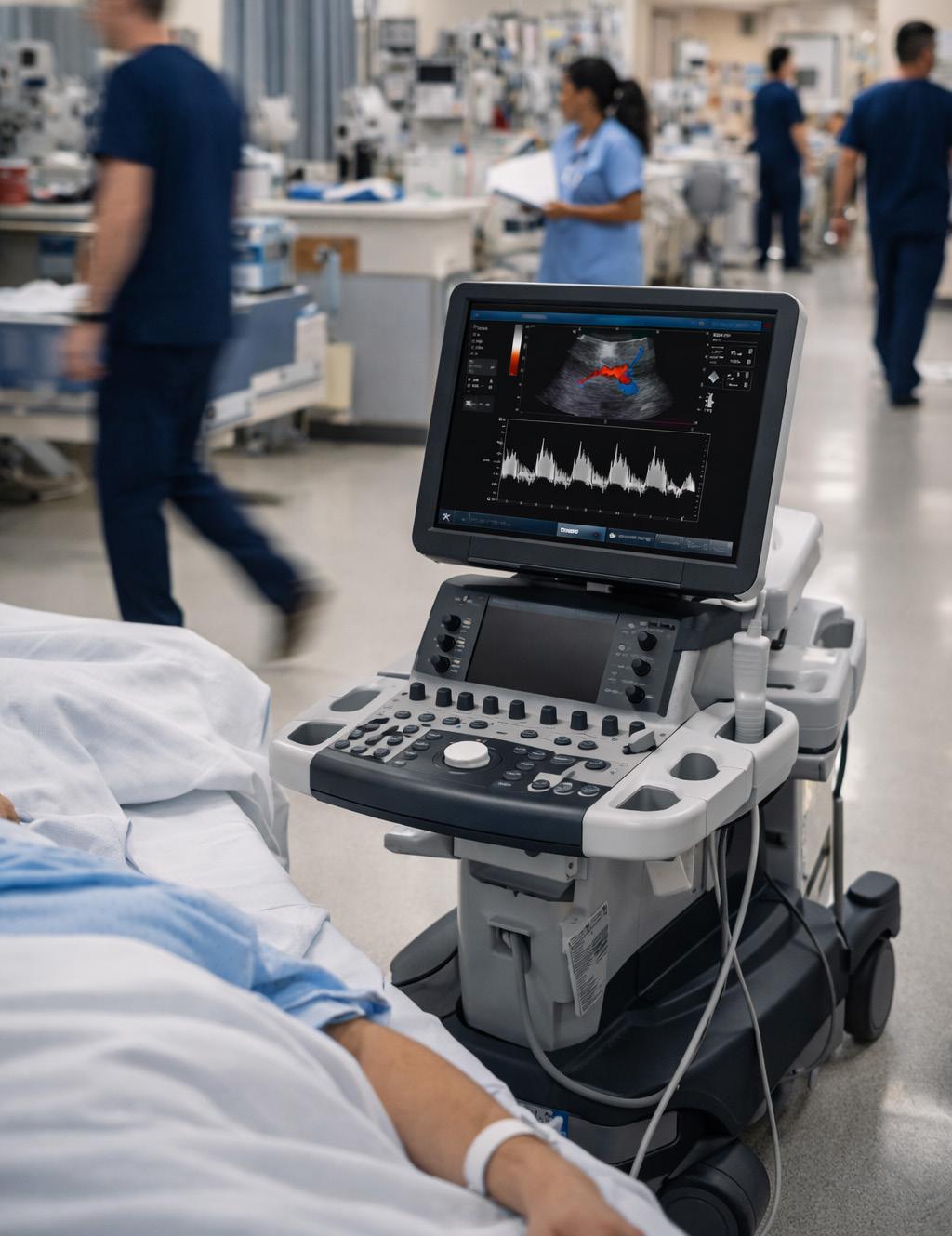
“While
right heart catheterization is the gold standard for evaluating venous congestion, it is invasive and impractical in most patients.”
Inferior Vena Cava <2 cm >2 cm (rules into protocol)
Hepatic vein
Portal vein
Renal vein
ULTRASOUND
continued from Page 123
Negative flow, systolic > diastolic
Negative flow, diastolic > systolic (reversed)
Positive systolic flow, negative diastolic flow
Continuous flow (flat line) 30-49% pulsatility index >50% pulsatility index
Continuous monophasic flow (negative)
to severe congestion, systolic flow ceases, resulting in pulsatile monophasic flow during diastole only.
Discussion
The VExUS grading system assesses venous congestion as a marker of AKI and indirectly evaluates patient volume status. Initially developed for postoperative cardiac surgery patients, clinical use of the VExUS protocol has expanded to critical care, hospital medicine, nephrology, and emergency medicine POCUS users
ECG tracing can help address limitations of hepatic vein measurements in patients with atrial fibrillation, in whom wave magnitude varies between cardiac cycles and the A wave is absent. Patients with
Discontinuous biphasic flow with systolic/diastolic phases (negative)
liver cirrhosis or steatosis may demonstrate blunted hepatic vein waveforms with loss of phasicity. In patients with chronic kidney disease, increasing color gain, lowering pulse repetition frequency and wall filters, enlarging the Doppler sample volume, and having the patient hold their breath during image acquisition can improve visualization of small renal veins with low flow.
Despite these limitations, studies support the feasibility of VExUS. Successful VExUS assessments have been reported in 90% of intensive care unit patients, with success rates of 93% for portal vein Doppler, 83% for hepatic vein Doppler, and 70% for renal vein Doppler. Additional studies have demonstrated high interrater reliability and interuser reproducibility for image interpretation in hospitalized medicine patients (kappa values of 0.71 and 0.63, respectively). In acute heart failure populations, patients
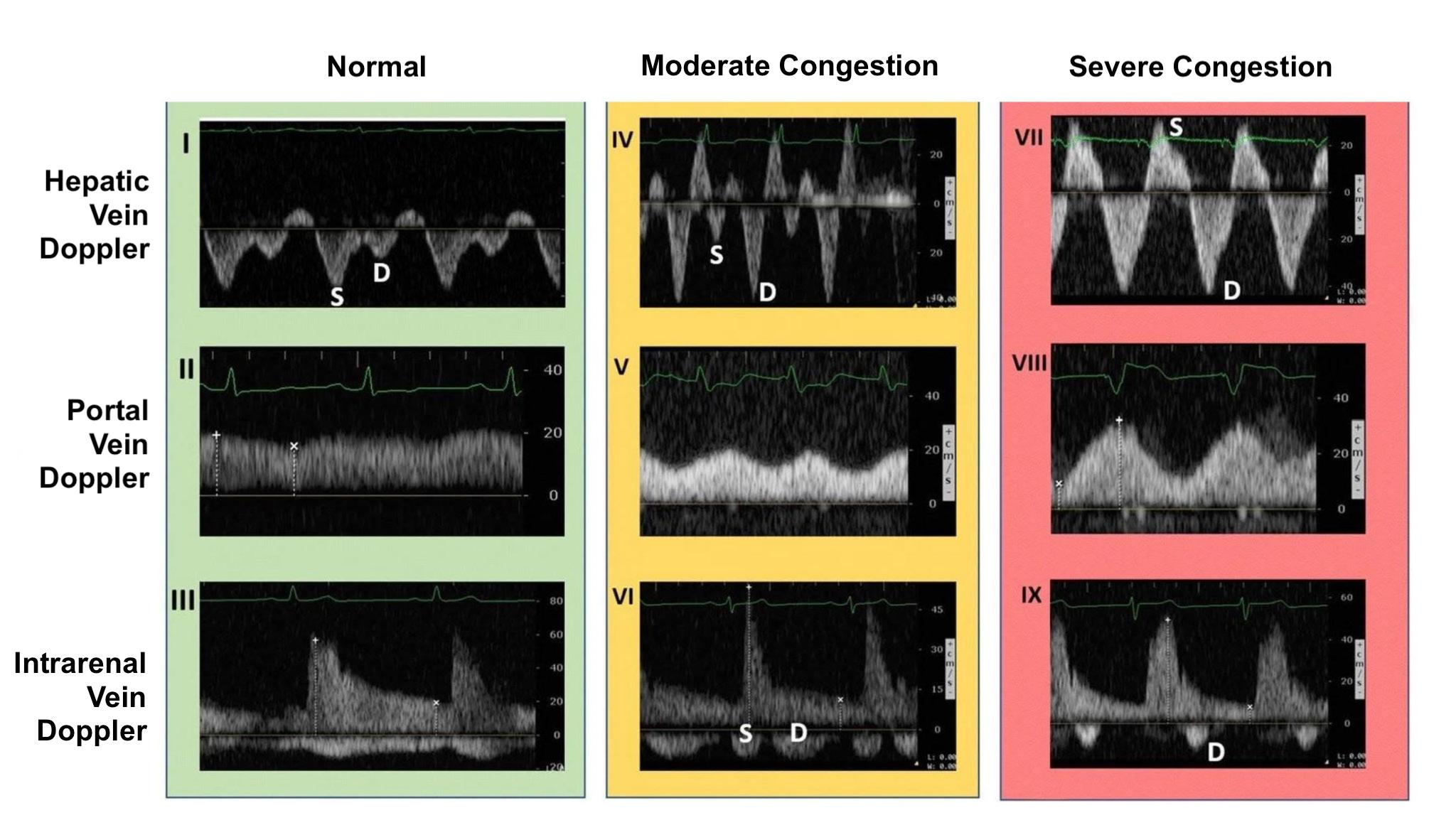
Discontinuous monophasic flow with only diastolic phase (negative)
with a VExUS score of 3 or greater at hospital admission experienced higher mortality
Future studies should evaluate VExUS use in ED populations and compare findings with other diagnostic markers, including changes in patient weight, fluid balance, natriuretic peptide levels, and additional biomarkers. Overall, VExUS appears to be a feasible prognostic tool for assessing venous congestion in hospitalized patients and for reassessing volume status in response to therapeutic interventions.
ABOUT THE AUTHORS



Andrew G. Theophanous is a second-year medical student at the University of Toledo College of Medicine. Dr. Angeles is an emergency ultrasound fellow and faculty member at Duke University School of Medicine, department of emergency medicine.
Dr. Elizondo is an emergency ultrasound fellow and faculty member at Duke University School of Medicine, department of emergency medicine.
Dr. Theophanous is an ultrasound fellowship–trained emergency medicine physician at Duke University and emergency ultrasound director at the Durham Veterans Affairs Medical Center.
Table 1: Summary of VExUS protocol scoring criteria for venous congestion
Figure 3: VExUS Doppler images (Credit: Garcia in Ecocardiografia)
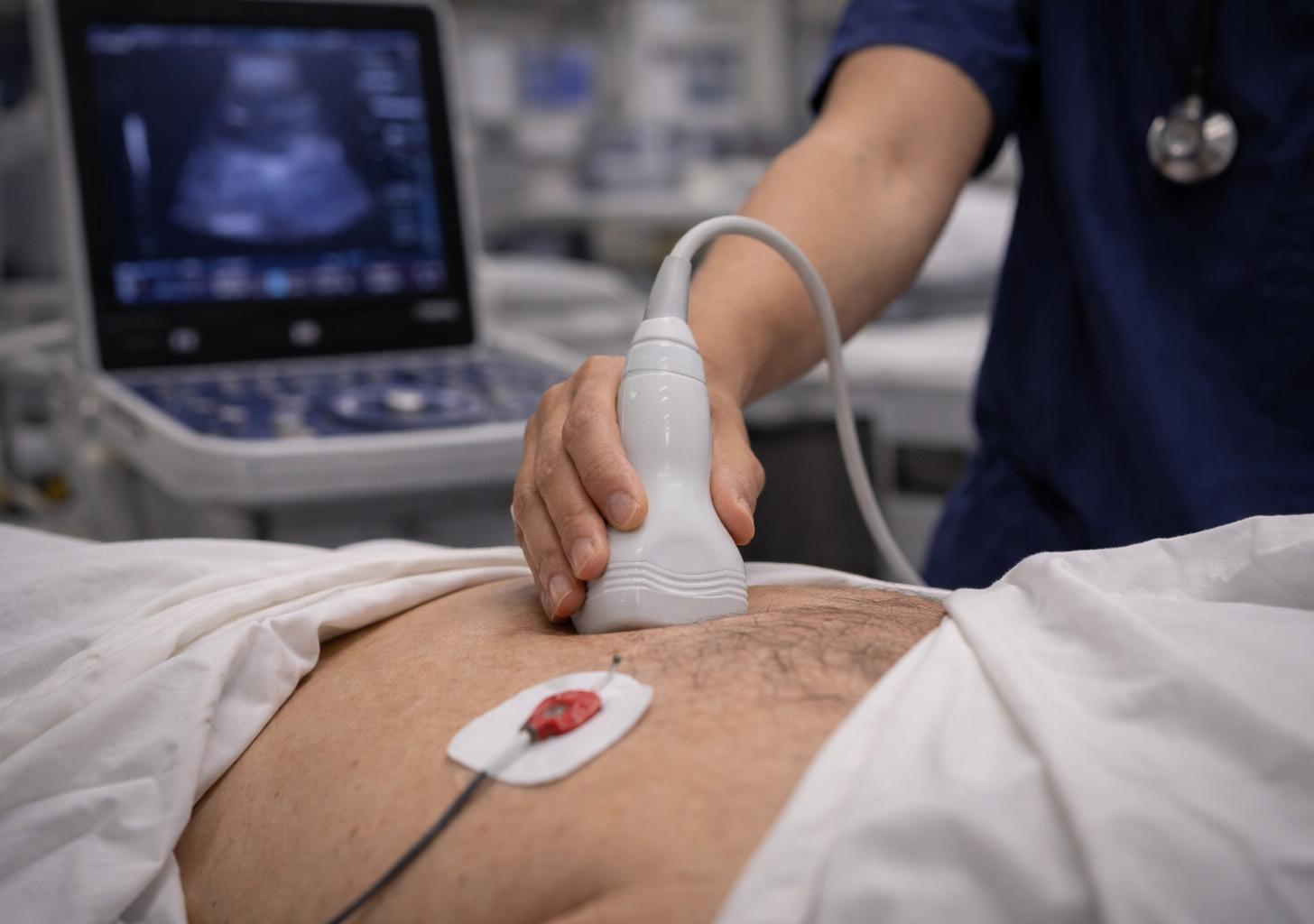
Minutes That Matter: The Power Of Bedside Ultrasound
By Nicole Aviles, MD
It’s 7 p.m., and the emergency department is in full chaos. The kind of shift where you stop trying to fight the tide and simply steady yourself against it. EMS stretchers line the hallway—critical patients stacked one after another, each requiring immediate attention. Anyone who has worked in emergency medicine knows this is precisely the moment a second-year resident appears in the physician workroom asking for your undivided attention.
I get up immediately.
A patient has just been rushed into a critical care room after a syncopal episode in the waiting room. He became diaphoretic and altered before staff could even complete triage. When I walk in, I see a man in his 70s—ashen, clammy, confused— with that unmistakable gray-green hue that signals he is very sick. He is protecting his airway, but his blood pressure is dangerously low and his heart rate is climbing. As we begin our assessment, one of our senior residents initiates a RUSH exam—rapid ultrasound for shock and hypotension— searching for the cause behind his sudden collapse.
Differential diagnoses race through our minds: myocarditis, encephalitis,
“Point-of-care ultrasound It is an essential
“Amid overwhelming operational strain, a resident’s bedside ultrasound identified a lethal condition within minutes.”
ST-elevation myocardial infarction, aortic dissection, intracranial catastrophe. IV access is secured. Pacer pads are placed. Family members pace anxiously just outside the room. I stand at the bedside, watching the ultrasound images unfold in real time.
A small pericardial effusion appears, and mildly reduced ejection fraction. For a brief moment, myocarditis feels plausible—this year’s influenza season has tested all of us. But the resident continues methodically, completing the exam the way she was trained to do.
I can still replay the next few seconds with remarkable clarity. As she slides the curvilinear probe to the abdomen, she calls my name.
On the screen is a large, pulsatile structure—initially resembling a distended bladder. It quickly becomes clear what we are seeing: a 9.1-centimeter abdominal aortic aneurysm with a surrounding hematoma.
Everything moves quickly after that.
We activate our emergency surgical protocol. Surgery and anesthesia are mobilized. Vascular surgery is consulted. The family is informed. Massive transfusion begins. Blood pressure is managed carefully as we work to stabilize him for transfer to the operating room.
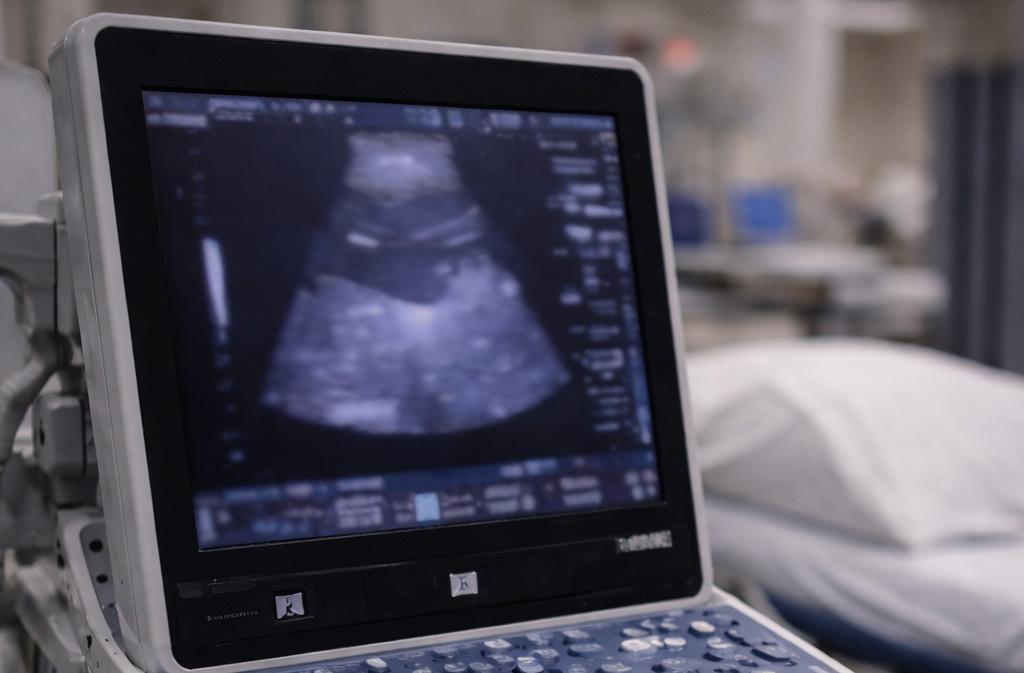
Less than 30 minutes after arrival, we have a diagnosis and a plan.
The patient goes directly to surgery. The aneurysm is repaired. Eighteen days later, he walks out of the hospital.
An abdominal aortic aneurysm is not a rare diagnosis. Most emergency physicians will encounter one. What stays with me is not simply the pathology, but the process. Amid overwhelming operational strain, a resident’s bedside ultrasound identified a lethal condition within minutes.
ultrasound is not merely an adjunct to our evaluation. essential extension of our clinical assessment.”
That moment changed the trajectory of a man’s life.
It also reinforced something I often tell trainees: point-of-care ultrasound is not merely an adjunct to our evaluation. It is an essential extension of our clinical assessment.
That shift remains a reminder of why ultrasound matters—and why it deserves a place in every emergency department, in every resuscitation bay, and in every trainee’s hands.
Ultrasound does more than inform our care.
Ultrasound saves lives.
ABOUT THE AUTHOR
Dr. Aviles is associate program director for the emergency medicine program at HCA Florida Kendall Hospital and ultrasound director for the ultrasound fellowship in the department of emergency medicine at HCA Florida Kendall Hospital in Miami, Florida.

Navigating Career Uncertainty After Training: When the Path Disappears (Part 1 of 2)
By Jared Escobar, MD; Heidi Levine, DO; Pamela Dyne, MD; Al’ai Alvarez, MD; and Maia Winkel, MD, on behalf of the SAEM Resident and Medical Student (RAMS) Board
To an observer, medicine can appear to follow a linear path. While the journey to medical school may vary, progression from medical school to residency is clearly outlined. Expectations are explicit, and advancement is predictable.
For many physicians, however, the first truly destabilizing transition occurs just before and immediately after training ends. Once residency or fellowship is complete, the path forward is no longer prescribed.
The absence of structure can feel unsettling — even frightening.
When Structure Disappears
What makes this moment particularly challenging is that major decisions often must be made before the path fades. Long before training ends, physicians are expected to determine what comes next: pursue fellowship, enter academics or community practice, focus on leadership, global health,
administration, or some evolving combination of roles not yet fully defined.
Medicine measures opportunity in years. A Master of Business Administration (MBA) often requires two years. A toxicology fellowship requires two years. Global health work frequently demands similar commitments. Because medicine values deep expertise, there is limited opportunity for true “on-thejob” exploration. Interest requires
commitment, and commitment requires more time in training.
By the time these decisions arise, many physicians have already devoted more than a decade to training: four years of college, four years of medical school and three to four years of residency — roughly 11 to 12 years before independent practice. Fellowship adds additional time and financial strain. Returning to trainee pay after earning an attending salary can be difficult to justify. Even one or two additional years can feel like an extension of perpetual training.
As a result, many physicians make major career decisions long before they can fully know what they want or how their lives will unfold. These choices often precede marriage, children or the loss of loved ones — experiences that can profoundly shift priorities and definitions of fulfillment.
Uncertainty may feel even greater for physicians trained outside academic centers or those who took nontraditional paths. Without exposure to a range of post-training careers, options can seem binary: pursue more training or move directly into clinical practice. Access to mentors with broader experience may be limited. The pressure to decide quickly — often while exhausted or burned out — adds to the strain.
Many early-career physicians feel they are choosing a future with lasting consequences without sufficient guidance to feel confident.
The Identity Shift No One Teaches
The abrupt shift in expectations adds another layer of stress. Transitions in medicine rarely include meaningful onboarding. Medical students become residents, and residents become attendings. Each step brings immediate changes in responsibility, authority and autonomy, yet little attention is paid to how individuals adapt to these new identities.
Early attendings are suddenly expected to negotiate contracts, evaluate workplace culture, manage conflict and advocate for themselves — skills rarely taught during training. One emergency physician shared
that her first attending job taught her as much through stress as through success. She moved across the country to join two emergency medicine groups. One was transparent about salary, expectations and workload. The other was not. Promises made in conversation never appeared in writing, leading to second-guessing and fear of missing out. In retrospect, she said earlier understanding of due diligence and clear contracts might have spared unnecessary stress during an already difficult transition.
Beneath these logistical challenges lie quieter, more personal questions: Will I be happy? When do I stop being a trainee? How much longer can I ask my family to wait?
For physicians with partners, children or caregiving responsibilities, uncertainty carries additional weight. Decisions about starting a family or buying a home can feel daunting, especially when comparing themselves to peers outside medicine who have shorter training paths, fewer loans and higher pay. Fellowship decisions, in particular, can feel irreversible — as though choosing incorrectly could lead to long-term misalignment.
Flexibility, Support and Growth
With time, many physicians realize that most decisions are not final. Careers in medicine are more flexible than training suggests. What feels like a permanent fork in the road is often simply a bend.
Some emergency physicians move into education, administration, wellness, research or leadership later in their careers. Others return to clinical practice after time away or reshape their roles to better align with evolving priorities.
Well-being during early career transitions depends less on certainty and more on support. Family often provides stability when professional identity feels unsteady. Mentorship, when available, normalizes doubt and offers perspective. Yet many earlycareer physicians navigate these transitions without guidance — either to prove self-sufficiency or because
trusted mentors feel inaccessible. Some worry that asking for help signals weakness after spending 11 or 12 years proving their worth.
Perhaps the most important lesson at this stage is that uncertainty is not failure. It is a natural response to autonomy. The absence of a clear path does not signal something is wrong; it signals space to build a life and career aligned with personal values.
You do not have to navigate that process alone. Support, mentorship and honest conversation can steady the ground when the next step feels unclear. Early career transitions are not about choosing perfectly. They are about choosing thoughtfully — and trusting that growth continues long after the decision is made.
ABOUT THE AUTHORS
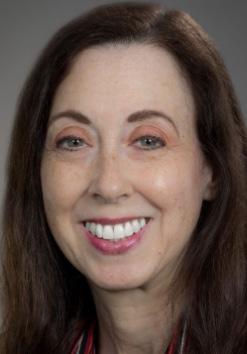

Dr. Escobar is a third-year resident at New Jersey Medical School and a board member for the Resident and Medical Student Section of the Society for Academic Emergency Medicine.
Dr. Alvarez is a clinical professor and director of well-being at Stanford emergency medicine. He serves as subcommittee chair of the Stop the Stigma in Emergency Medicine initiative for the Society for Academic Emergency Medicine wellness committee. Dr. Levine is an assistant professor of emergency medicine at the Zucker School of Medicine and director of wellness at Northwell Health/ South Shore University Hospital.
Dr. Dyne is a professor of clinical emergency medicine at the David Geffen School of Medicine at the University of California, Los Angeles, and chief physician well-being officer at Olive ViewUniversity of California, Los Angeles Medical Center.
Dr. Winkel is a clinical instructor and physician wellness fellow at Stanford emergency medicine. She is a Stanford Health Professions Education and Scholarship Program honors scholar and a member of the Stanford Biodesign faculty fellowship.
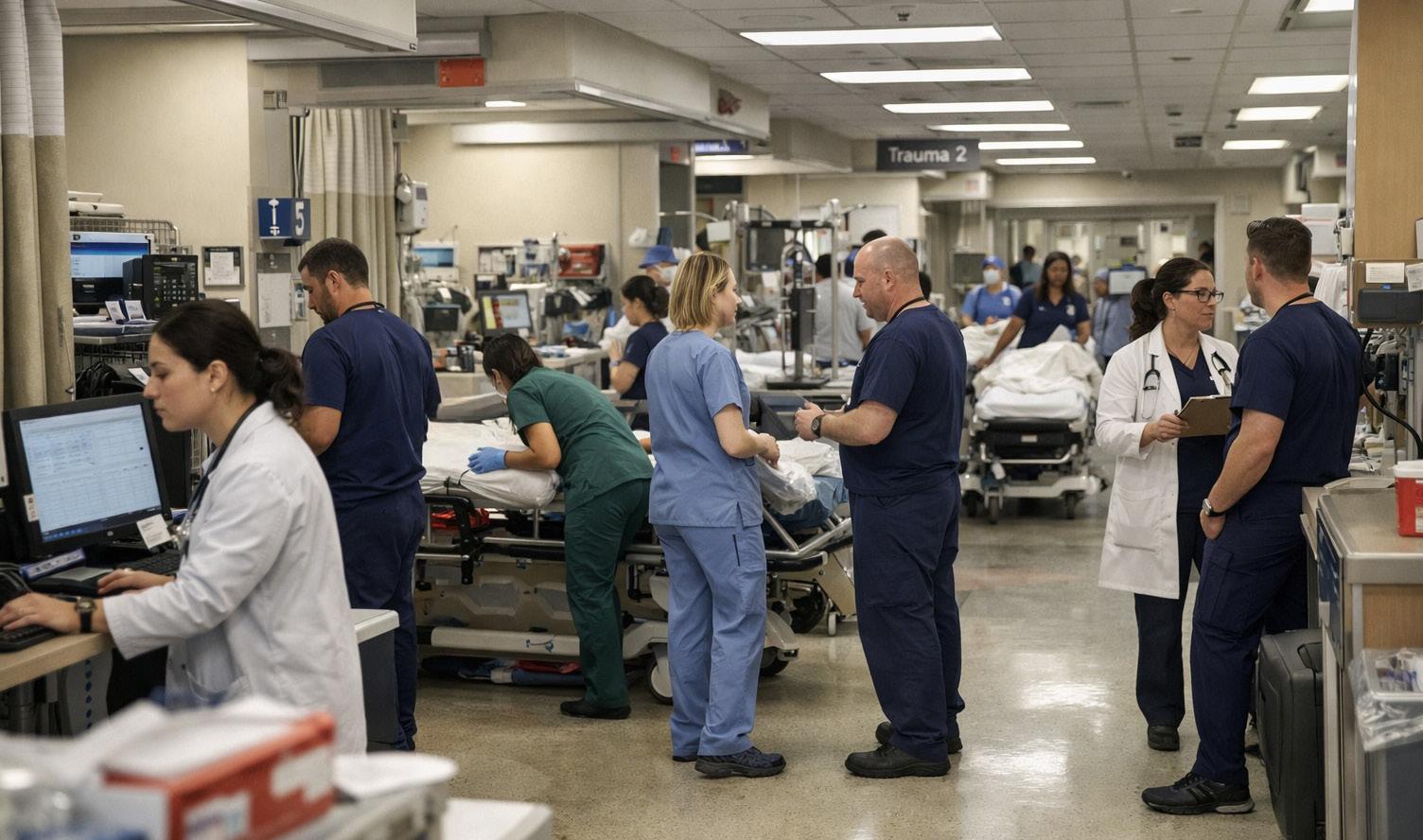
Emergency Department Boarding and Its Impact on the Emergency Medicine Workforce
By John Riggins Jr., MD, MHA; Loraine Ochoa; Ben-Zion Rotter, MD; and Monisha Dilip, MD, MBA
Introduction
Emergency department (ED) boarding has emerged as a defining operational failure of modern hospital care and a growing threat to the emergency care workforce. As ED volumes rise and patients present with greater acuity and complexity, emergency clinicians, nurses, and support staff are increasingly required to manage admitted patients for prolonged periods in spaces designed for rapid evaluation and disposition. These conditions increase cognitive load, intensify fatigue, and elevate the risk of medical error and workplace violence.
The cumulative effect is moral injury. Clinicians know what care patients need but lack the capacity
or system support to deliver it.
Persistent exposure to this gap erodes professional satisfaction, accelerates burnout, and undermines workforce stability. The result is a self-reinforcing cycle: boarding worsens working conditions, workforce attrition increases, and diminished staffing further impairs throughput. Addressing ED boarding is therefore not only an operational imperative but also a workforce protection strategy.
Drivers of ED Boarding
ED boarding reflects a fundamental mismatch between demand for inpatient care and available hospital capacity. When hospitals operate near full occupancy, patients who are clinically ready for transfer remain in the ED because of staffing
shortages, limited staffed beds, discharge delays, and rising inpatient acuity. These constraints effectively convert the ED into a de facto inpatient unit and divert clinicians from time-sensitive emergency care
At the same time, EDs are caring for increasingly complex and medically fragile patients. Aging populations, multimorbidity, behavioral health crises, and delayed access to outpatient care, increase visit complexity, length of stay, and admission rates. When inpatient capacity is saturated, these factors further slow throughput and compound crowding
Gaps in community-based services, behavioral health infrastructure, and post-acute care

“Emergency department boarding has emerged as a defining operational failure of modern hospital care and a growing threat to the emergency care workforce.”
prolong ED stays, while financial incentives often prioritize elective admissions over ED patients. Although financially appealing in the short term, this approach increases crowding, costs, and workforce strain
Impact on the Workforce and Patient Care
ED boarding significantly worsens working conditions for clinicians, nurses, and support staff, with direct consequences for patient care and experience. Providing prolonged inpatient-level care in spaces designed for rapid turnover increases task switching, interruptions, and cognitive fatigue—factors known to impair performance and increase the risk of error.
Burnout affects more than half of emergency clinicians and is closely linked to sustained operational strain, moral injury, and second-victim experiences. These conditions diminish empathy, impair communication, and compromise the ability to deliver safe, patient-centered care. Boarding also exacerbates workplace violence. Overcrowding, prolonged waits, limited privacy, and extended stays—particularly for behavioral health patients—heighten frustration and increase the risk of verbal and physical assault, further driving burnout and attrition.
Workforce distress degrades patient experience through delayed care, fragmented communication, and
reduced trust, reinforcing a cycle that undermines emergency care delivery.
Implications for Recruitment and Retention
Against this backdrop of burnout and safety concerns, ED leaders face escalating challenges in retaining experienced staff and recruiting replacements. Emergency nursing turnover is among the highest in health care, with a five-year churn of 113%, effectively replacing an entire department every 4.5 years. By 2021, burnout, staffing shortages, and stressful work environments had surpassed compensation as the leading reasons for departure.
continued on Page 133
“Providing prolonged inpatient-level
turnover increases task switching, factors known to impair performance

International data underscore the role of environmental stressors. In surveys of South Korean emergency physicians, where boarding patterns mirror those in the United States, nearly half reported intentions to retire early, primarily because of safety concerns and workload intensity. Among respondents who viewed ED safety as a fundamental problem, early retirement intent exceeded 75%.
The financial consequences are substantial. By 2025, the average cost per nurse hire exceeded $60,000, with vacancies remaining unfilled for more than two months. Loss of experienced staff degrades team performance, erodes mentorship, and accelerates workforce instability.
Potential Solutions
Because ED boarding and workforce distress are interdependent, mitigation efforts are most effective when approached at the system level. The literature and operational experience across health systems describe a range of strategies aimed at improving hospital capacity, patient flow, and care coordination. Understanding these approaches can help ED leaders assess local conditions and identify opportunities for improvement.
Commonly described strategies include proactive discharge planning, surge protocols, and efforts to reduce inpatient length of stay to increase functional capacity. Health systems have also examined investments in bed management, surgical scheduling, and care coordination as mechanisms to better align inpatient capacity with emergency demand. In published reports, these efforts are frequently
discussed not only in terms of operational efficiency but also in relation to staff workload, safety, and sustainability.
Standardized approaches to ED boarder care have been implemented in many institutions to mitigate patient harm during prolonged stays. Examples include transition teams, automated medication reconciliation, nurse-driven protocols, and ED boarder order sets. Embedding multidisciplinary teams—such as physical therapy, occupational therapy, social work, and care management— within ED operations has also been described as a means to expedite disposition and reduce nonemergent task burden on frontline staff.
At the organizational and policy level, professional societies and health systems have examined the role of transparency in boarding metrics and inpatient capacity reporting. Prior analyses suggest that monitoring and reporting these measures can support quality improvement efforts, inform resource allocation, and provide a clearer understanding of the relationship between boarding, patient safety, and workforce outcomes.
Conclusion
ED boarding represents more than an operational challenge; it is a complex systems issue with implications for patient safety, care quality, and the stability of the emergency department workforce. Workforce instability, hospital crowding, and ED boarding are interconnected elements of the same reinforcing system, and efforts to address any one of these factors in isolation are unlikely to be sufficient.
Educational and operational analyses increasingly highlight ED boarding as a key contributor
inpatient-level care in spaces designed for rapid
switching, interruptions,
performance
and cognitive fatigue—
and increase the risk of error.”
to burnout, moral injury, and staff attrition. While wellness programs and safety initiatives may help mitigate downstream effects, they do not address underlying constraints related to capacity and flow. Framing ED boarding as a central driver of workforce strain may help clinicians, educators, and health system leaders better understand the scope of the problem and the range of strategies under discussion.
By synthesizing current evidence and operational experience, this article aims to inform ongoing conversations within academic emergency medicine about ED boarding and its workforce implications. A clearer understanding of these relationships may support future research, quality improvement efforts, and educational initiatives aligned with the core mission of emergency medicine
ABOUT THE AUTHORS
Dr. Riggins is an assistant professor of emergency medicine at the NewYorkPresbyterian-Columbia University Department of Emergency Medicine and Columbia University Vagelos College of Physicians and Surgeons. He serves as medical director of the NewYork-Presbyterian Allen Hospital emergency department and chair of the department’s Bridge Builders Board.

Loraine Ochoa is a fourth-year medical student at Rutgers Robert Wood Johnson Medical School in New Jersey pursuing a career in emergency medicine. She previously served as a medical student ambassador for the Society for Academic Emergency Medicine.
Dr. Rotter is a clinical instructor of emergency medicine at Columbia University Vagelos College of Physicians and Surgeons and practices at NewYork-Presbyterian-Columbia University Irving Medical Center and NewYork-Presbyterian Westchester. He is a Lorna M. Breen emergency medicine health care administration fellow.

Dr. Dilip is an emergency medicine physician and assistant director of quality and patient safety at Columbia University. She also serves as director of the Lorna M. Breen health care administration fellowship.
Turning Possibility Into Progress — Join the Annual Alliance in 2026
Because of Annual Alliance donors, 2025 became a year in which possibility turned into measurable progress for emergency medicine.
Together, Annual Alliance supporters helped the Society for Academic Emergency Medicine Foundation (SAEMF):
• Award $1,143,285 in research and education grants to advance scientific discovery, educational innovation, and the next generation of emergency medicine scholars
• Conduct one of its largest grant cycles to date, made possible by 128 volunteer reviewers, including 10 resident reviewers, who strengthened peer review and mentorship across the field
• Expand early-career pathways through RAMS Research Grants, donor-supported scholarships, and the Emergency Medicine Foundation–SAEMF Grantee Workshop
• Fund five Emergency Medicine Interest Groups, supporting skills sessions, simulations, and research activities on medical school campuses
Each of these accomplishments reflects a simple truth: emergency medicine thrives when investment is made in the people who will carry it forward.
Annual Alliance donors play a vital role in turning possibility into progress. By becoming a 2026 Annual Alliance Donor, supporters help fuel innovative ideas, develop future research leaders, and strengthen the foundation of academic emergency medicine. This commitment also connects donors to a community united by shared purpose, with thoughtful recognition throughout the year.
Our Thanks for Your Commitment
Your support is more than a donation — it is an investment in the future of emergency care. Visit saemfoundation.org to learn how your generosity helps turn possibility into progress.
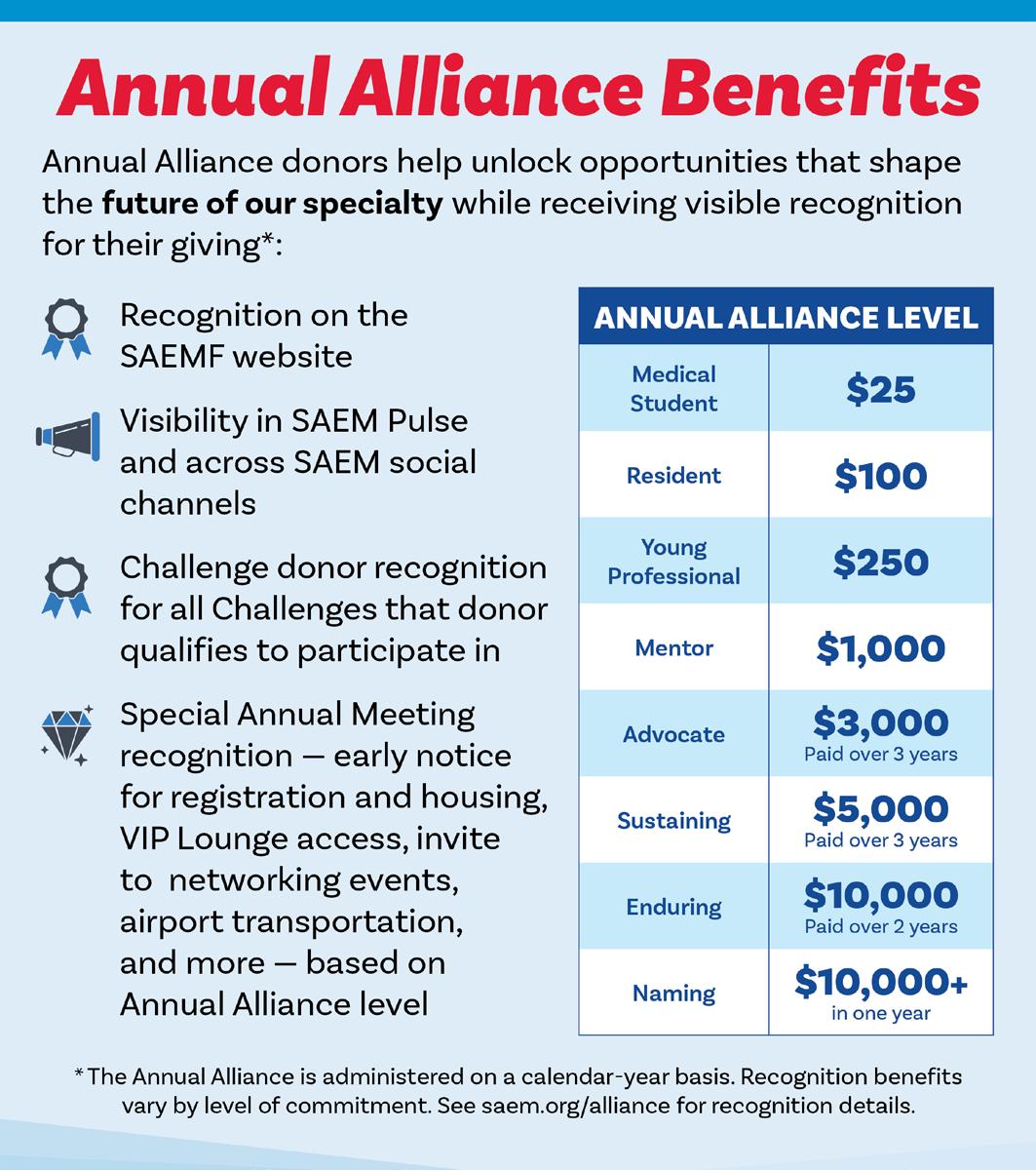
“Being able to see the tremendous work of current and future leaders of our specialty through SAEMF is a joy! Educational advances, innovation, improving wellness and mental health...such important work by SAEMF grant recipients shapes the future of EM. ”


Celebrating Our 2026 Annual Alliance Donors
As the SAEM Foundation (SAEMF) continues to expand and strengthen its support for SAEM member researchers and educators, it is deeply grateful to the individuals who have committed to becoming 2026 Annual Alliance Donors. Through the combined strength of the Foundation’s endowment and the sustained generosity of this exceptional group, SAEMF now invests more than $1 million annually in research and education grants. Annual Alliance Donors play a vital role in advancing discovery, innovation, and opportunity — helping ensure a vibrant and resilient future for academic emergency medicine.
Enduring
SAEMF extends special appreciation to its Annual Alliance Enduring Donors, whose sustained commitment strengthens the Foundation’s ability to support emergency medicine research and education today and into the future. Their generosity helps fund more than $1 million annually in grants and builds a lasting foundation for continued progress. Through their enduring support, these donors are helping expand what is possible for academic emergency medicine and the people who will lead it forward.

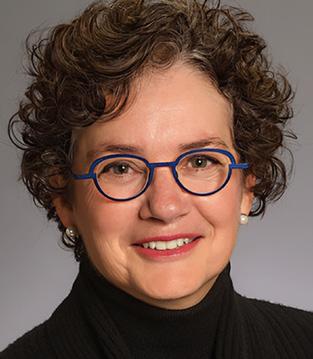

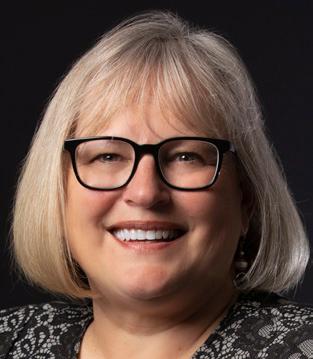
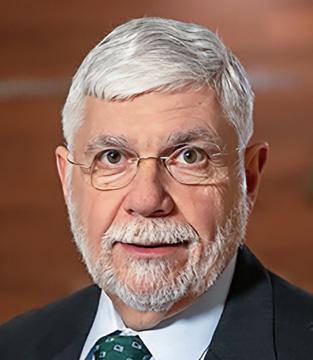
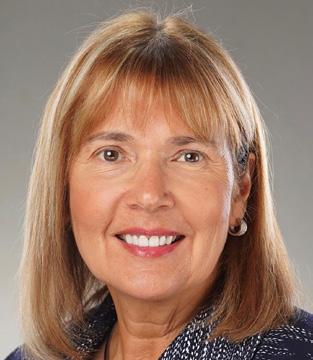

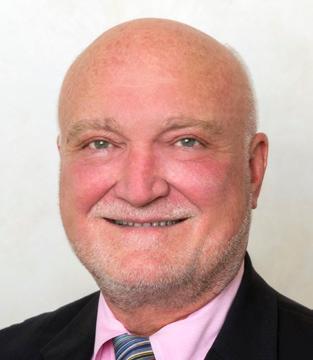
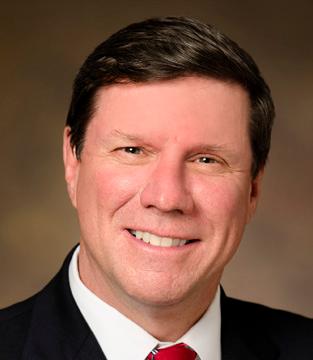
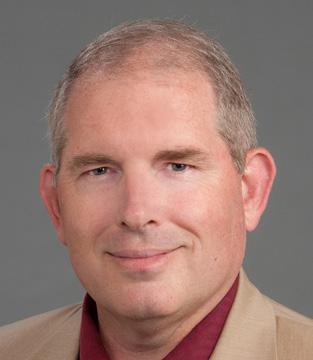
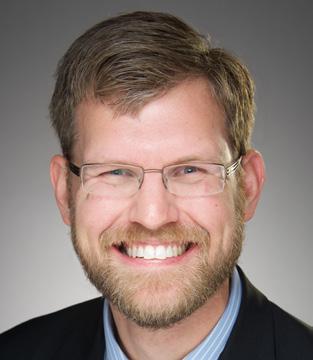

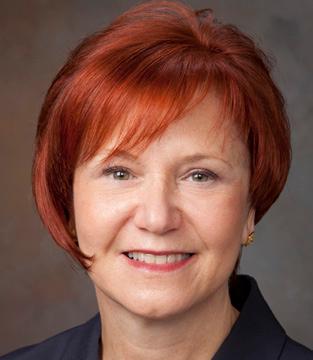

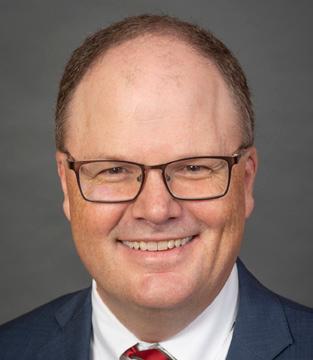
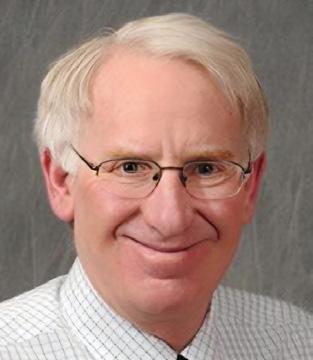
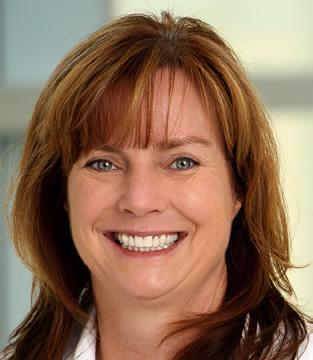

The Henry Family*
Deborah B. Diercks, MD, MSc, MBA
Brian Hiestand, MD, MPH
Katherine L. Heilpern, MD
Robert S. Hockberger, MD
Nicholas M. Mohr, MD, MS
Andrew S. Nugent, MD
Edward A. Panacek, MD, MPH
Ian B.K. Martin, MD, MBA
Ken Kaji, Eugene Kaji, and Jining Wang*
Jamie J. McCarthy, MD, MHA
Ali S. Raja, MD, DBA, MPH
Susan B. Promes, MD, MBA
Manish N. Shah, MD, MPH Robert Shesser, MD J. Scott VanEpps, MD, PhD
Gregory A. Volturo, MD
*Benjamin Abella, MD, MPhil – In honor of William G. Baxt, MD
*The Henry Family
Memory of Gregory L. Henry, MD
Kaji, Eugene Kaji,
memory of Amy H. Kaji, MD, PhD
David E. Wilcox, MD
Michelle Blanda, MD Charles B. Cairns, MD
Benjamin Abella, MD, MPhil*
Gail D'Onofrio, MD
Thank You to Our Sustaining Donors!
On behalf of the SAEMF Board of Trustees and our grantees, we extend gratitude to our Sustaining Donors who have made a significant gift to ensure more and larger grants are possible in the future.
Sustaining Donors




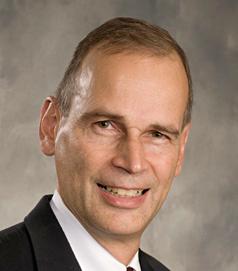
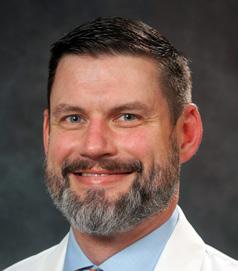


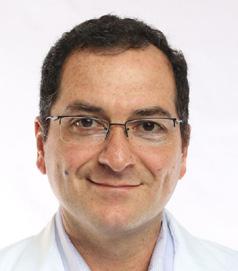
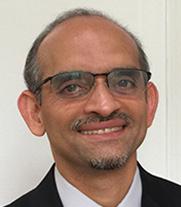
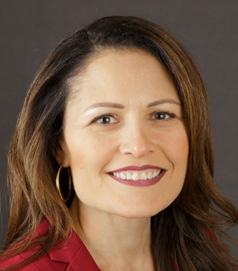
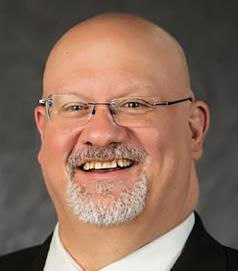
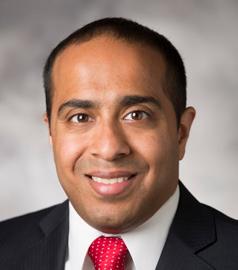
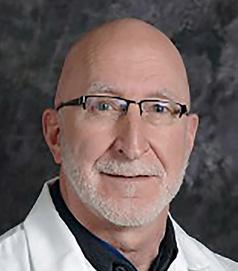
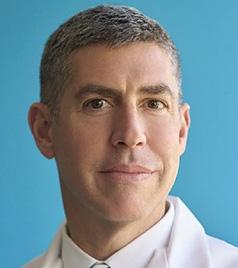


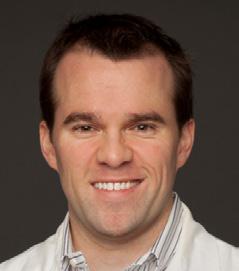
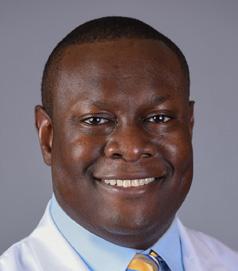
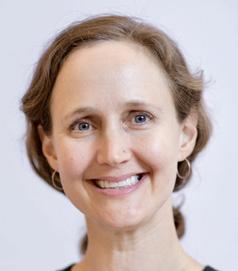
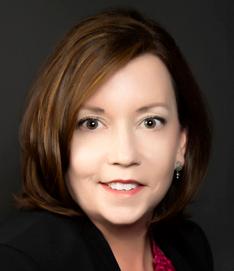
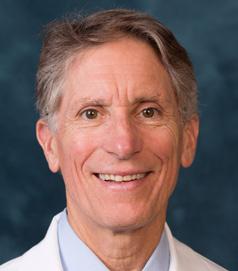
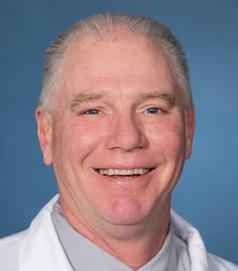


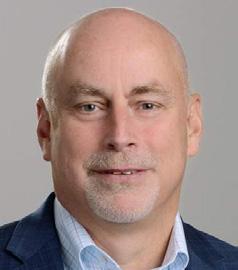
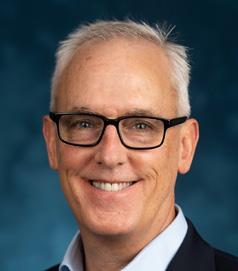

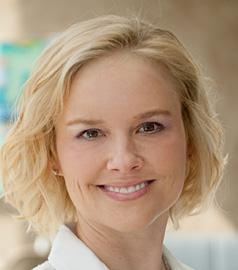

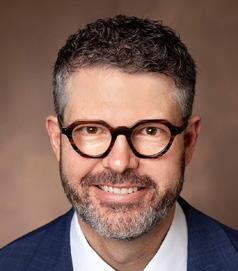
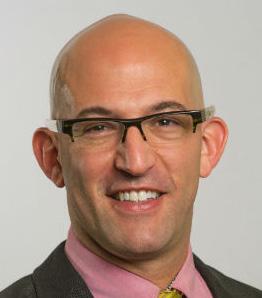
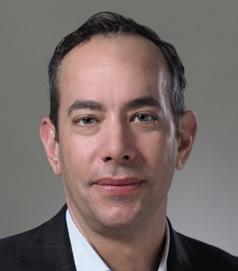
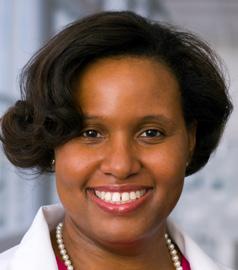
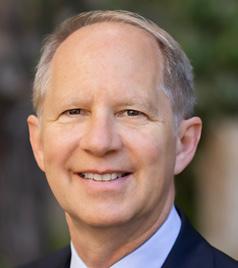
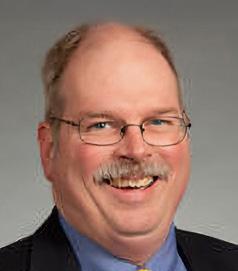
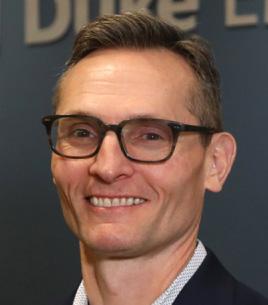

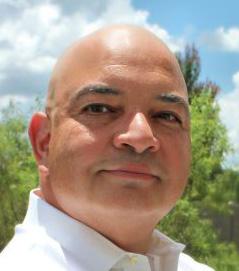
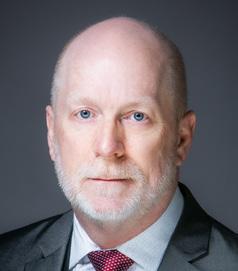

Please join us in saluting the generosity and visionary spirit of philanthropy of our Annual Alliance Donors!
As of February 5, 2026
*Chad M. Cannon, MD — In honor of University of Kansas Department of Emergency Medicine
*Sheryl L. Heron, MD, MPH — In honor of my husband Boniface Thomas, Basil & Amy Heron and my Emory EM family, ADIEM, AWAEM for their support through the years
*Prashant V. Mahajan, MD, MPH, MBA — My Mother, My Inspiration - Geeta Mahajan
*Zachary F. Meisel, MD, MPH, MSHP — In memory of Suzanne Shepherd, MD
Pooja Agrawal, MD, MPH
Opeolu M. Adeoye, MD
J. Jeremy Thomas, MD, MBA
Thomas C. Arnold, MD
Bill Barsan, MD Andra L. Blomkalns, MD, MBA
Charles "Chuck" J. Gerardo, MD, MHS
Corita Reilley Grudzen, MD, MSHS
Michael D. Brown, MD, MSc Chad M. Cannon, MD*
Eric W. Dickson, MD
Gregory J. Fermann, MD
Brendan G. Carr, MD
Zachary F. Meisel, MD, MPH, MSc*
Paul I. Musey, Jr., MD, MS
Robert W. Neumar, MD, PhD
Angela M. Mills, MD
Joseph Miller, MD
Roland C. Merchant, MD, MPH, ScD
Sheryl L. Heron, MD, MPH*
Jerris R. Hedges, MD, MS, MMM Harbor Emergency Medical Education Foundation
Michelle Lall, MD, MHS
Neehar Kundurti, MD
Namita Jayaprakash, MB Bch BAO, MRCEM Babak Khazaeni, MD
Phillip D. Levy, MD, MPH
Robert F. McCormack, MD
Samuel D. Luber, MD, MPH
Michael Lozano, Jr., MD, MSHI
Brandon Maughan, MD, MHS, MSHP Prashant V. Mahajan, MD, MPH, MBA*
Ava Pierce, MD Marquita S. Norman, MD, MBA
Niels K. Rathlev, MD
Elizabeth Schoenfeld, MD, MS
Ralph J. Riviello, MD, MS
Rahul Sharma, MD, MBA
Harsh P. Sule, MD
Peter E. Sokolove, MD
James E. Brown, Jr., MD
Arjun Venkatesh, MD, MBA, MHS Jody Vogel, MD, MSc, MSW
Ula Hwang, MD, MPH
Erik P. Hess, MD
Thank You to Our Advocate Donors!
Advocate Donors make a vital three-year commitment that provides stability for the Foundation’s grant funding and programs. Their sustained support allows SAEMF’s work — and its impact — to grow year after year, strengthening the future of academic emergency medicine.
• Imoigele P. Aisiku, MD, MSCR, MBA
• Cassandra Bradby, MD
• Elizabeth Rhea Erwin Burner, MD MPH PhD
• Christopher R. Carpenter, MD, MSc
• Jeffrey M. Caterino, MD, MPH
• Ted Chan, MD
• Andrew K. Chang, MD, MS
• Carl R. Chudnofsky, MD and Keck School of Medicine of the University of Southern California
• Wendy C. Coates, MD
• James E. Colletti, MD
• Ted Corbin, MD, MPP
• John DeAngelis, MD, FPD AEMUS
• Harinder S. Dhindsa, MD, MPH, MBA
• Jeff Druck, MD
• Petra Duran-Gehring, MD
— In Honor of G. Catherine Duran
• Robert Eisenstein, MD
• Rollin J. Fairbanks, MD, MS
• Seth Gemme, MD
• Katrina A. Gipson, MD, MPH
• Steven A. Godwin, MD
• Elizabeth Goldberg, MD, ScM
• Colin F. Greineder, MD, PhD
• Shayne Gue, MD, MSMEd
• Richard J. Hamilton, MD, MBA
• Geoffrey P. Hays, MD
• Ramsey Herrington, MD
• Meagan R. Hunt, MD
• Bobby Kapur, MD MPH CPE
• Kevin Kotkowski, MD, MBA
• Erik Kulstad, MD, MS
• Nathan Kuppermann, MD, MPH
• Ryan LaFollette, MD
• Luan Lawson, MD, MAEd
• Timothy J. Mader, MD
— In honor of Dr. James Irving Raymond
• Adrienne N. Malik, MD
• Chad Miller, MD
• Bryn Mumma, MD, MAS
• Lewis S. Nelson, MD, MBA
• Arthur M. Pancioli, MD
• Leigh A. Patterson, MD
• James Paxton, MD MBA
• Samuel J. Prater, MD
• Megan L. Ranney, MD, MPH
• Scott W. Rodi, MD, MPH
• David C. Seaberg, MD
• Benjamin C. Sun, MD, MPP
• Dr. and Mrs. Robert Swor
• Mary E. Tanski, MD, MBA
• Laura Walker, MD MBA
• Elizabeth Lea Walters, MD
• James R. Waymack, II, MD
• Scott G. Weiner, MD, MPH
• Sandy Werner, MD
• Dustin Blake Williams, MD
• Taneisha Wilson, MD
— In honor of ADIEM and Brown Emergency Medicine
• Jason W. Wilson, MD, PhD
• Stephen J. Wolf, MD
• David W. Wright, MD
• Thomas Edward Wyatt, MD
As of February 5, 2026
A Very Special Thanks to Our Mentor Donors
• MAnonymous (1) — In appreciation of Drs. Sue Stern's and Brian Zink's leadership of CDP 2025
• Mike Baumann, MD
• Douglas M. Char, MD
• Chicago Roofers & Waterproofers Charitable Foundation
Mentor Donors support the future of academic emergency medicine through an Annual Alliance gift of $1,000. Their generosity helps develop the next generation of emergency medicine researchers and educators, expanding what is possible for the specialty. Thank You for Powering Possibility!
• Mary Ann Edens, MD
• Michelle Lin, MD, MPH, MS
Thank you to all of our Annual Alliance Donors. With your support, the Society for Academic Emergency Medicine Foundation is expanding what is possible for the future of emergency medicine. Together, we are building momentum for discovery, innovation, and the next generation of leaders. View the full list of donors.
BRIEFS & BULLET POINTS
FEATURED NEWS
Meet Your Newly Elected Leaders for 2026-2027!
The results are in, and we are thrilled to announce your newly elected representatives for SAEM, SAEM Academies, Association of Academic Chairs of Emergency Medicine (AACEM), SAEM Foundation (SAEMF), and Residents and Medical Students (RAMS). Thank you to everyone who took the time to cast their vote, and congratulations to this year’s chosen leaders! The 2026-2027 leadership will officially take office at SAEM26 in Atlanta — get ready for an exciting year ahead!
Coming March 20: Celebrate Match Day With SAEM and RAMS! Match Day 2026 is right around the corner and we invite all medical students to join SAEM and RAMS as we celebrate this significant milestone in your professional lives. On Friday, March 20 — the big day — be sure to connect with SAEM on social media. Throughout the day we’ll be featuring congratulatory videos from residency program directors and chairs across the country, offering their words of wisdom and welcome to all the medical students who have matched.
Elevate Your Fellowship: Apply for SAEM Endorsement and Recognition
The SAEM Fellowship Approval Program offers eligible programs SAEM endorsement as approved fellowships. Guidelines outline curricular milestones, faculty support, and career development. Graduates of SAEM-approved fellowships are recognized as meeting the standard qualifications and skills of an emergency medicine fellow in their specialty. View all approved fellowships in the Fellowship Directory For questions about your application or the program, email fellowship@saem.org Renewal Application Deadline: March 31
REGIONAL MEETINGS
Advance Your Academic EM Journey at SAEM Regional Meetings
Registration is open for three exciting 2026 SAEM Regional Meetings:
• Western Regional Meeting – March 13–14, 2026, at Eisenhower Health (Rancho Mirage, CA). Showcases research, educational innovations, and case reports, plus interactive workshops, simulation sessions, and networking with academic leaders.
• NERDS26 (New England) Regional Meeting – April 15 at the Hogan Campus Center, College of the Holy Cross (Worcester, MA). Features poster sessions, lightning orals, plenaries, innovations, a special keynote, and a Chief Resident Seminar.
• Southeastern Regional Meeting – July 11 at Lakeland Regional Medical Center (Lakeland, FL). A collaborative, careerfocused event featuring research presentations, e-posters, a keynote address, and the high-energy “EM Madness” knowledge competition.
Don’t miss these opportunities to connect, learn, and advance in academic emergency medicine—register today.
SAEM FOUNDATION
Attention Academic EM Department Chairs: The 2026 Chairs’ Challenge Is Almost Here
Each spring, the AACEM/AAAEM Annual Retreat launches the Chairs’ Challenge— an important initiative that raises critical funds to strengthen the pipeline of emergency medicine researchers and educators shaping the future of our specialty.
Since 2019, AACEM chairs and members have generously contributed to this annual fundraising challenge in support of SAEM Foundation (SAEMF) grants. In 2025 alone, chairs raised over $163,000, helping fuel a vibrant annual grants program that returned more than $1.1 million to academic EM departments through SAEMF funding.
In 2026, our goal is ambitious: 100% participation from AACEM chairs nationwide. Together, we can turn the Chairs’ Challenge map green and demonstrate unified leadership in support of the next generation of emergency medicine research leaders.
You don’t have to wait for the retreat! Make your $1,000 Chairs’ Challenge gift today at www.saem.org/donate or email Julie Wolfe (jwolfe@saem.org) to pledge.
Learn more about SAEMF’s impact, the researchers you support, and the work advancing emergency care—then join your colleagues in supporting a bold vision for emergency medicine.
Apply Now to Become an SAEMF Resident Reviewer
Are you a resident interested in research? The SAEM Foundation (SAEMF) Resident Reviewer Program (RRP) offers a unique opportunity to gain hands-on experience in the grant review process—an essential skill for future investigators.
Resident Reviewers participate in SAEMF grant reviews, receive mentorship on evaluating and scoring proposals, and engage with the work of the SAEM Grants Committee. This program is designed to help residents build confidence and prepare for writing competitive grant applications of their own.
Multiple Resident Reviewer positions will be appointed for the 2026–2027 cycle. Apply by March 27, 2026. For more information, contact grants@saem.org
SAEM26 UPDATES
Program Directors — Connect With Top EM Candidates in One Event!
The SAEM Residency & Fellowship Fair is a cornerstone of the emergency medicine application cycle, connecting institutions with hundreds of medical students and EM residents seeking the right residency or fellowship. Register by March 10 to secure early bird savings.
Why participate?
• Streamlined recruitment: Reach many qualified candidates in one efficient event.
• High engagement: Attendees come ready to explore and compare programs.
• Meaningful interaction: In-person and virtual formats offer live Q&A and direct connections.
Call for Submissions: SAEM Lion’s Den 2026
Students, fellows, and faculty are invited to pitch innovative research ideas at the 12th Annual SAEM Lion’s Den during the 2026 SAEM Annual Meeting. In this
interactive “Shark Tank”–style session, selected participants will have 5 minutes (max 7 slides) to present their proposal to experienced EM investigators who may “invest” through mentorship, expertise, and guidance. Gain real-time feedback to strengthen your study design and funding potential. Submissions are due Friday, April 24. Submit via the Lion’s Den form or email Joseph Miller
SAEM WEBINARS
Fresh Insight for Springtime!
As the month of March unfolds, we invite you to explore our newest lineup of SAEM webinars. Stay current, stay engaged — and don’t forget, new content is always being added to the SAEM Webinar Library
• Social Emergency Medicine Journal Club, Mar. 17
• EM Education Research Strategies: More Than Pre/Post Tests, Mar. 24
• Understanding and Addressing Quality of Emergency Care for First Nations Members in Alberta, Mar. 25
• WaveMakers, Mar. 31
• AEUS Webinar: New ACGME & Ultrasound, Apr. 14
Essential SAEM Resources for Building Your Academic Emergency Medicine Career
Advance your academic emergency medicine career with SAEM’s expertdeveloped resources. Whether you’re a student, resident, fellow, or faculty member, these guides provide practical tools and insights to help you succeed in education, research, and leadership.
Academic Career Guide
A practical guide for students, residents, fellows, and early career physicians pursuing academic emergency medicine. Offers strategies for securing leadership roles such as department chair, residency or clerkship director, or dean.
Fundamentals
of Telehealth
An adaptable toolkit introducing emergency medicine residents to core telehealth principles, from patient safety to technology integration. Designed for self-study or curriculum use to build proficiency in modern emergency care delivery.
Teaching On-Shift in Emergency Medicine
A practical, evidence-based toolkit for community and academic clinicians to enhance on-shift teaching while managing clinical demands. The five-module curriculum can be delivered synchronously or completed asynchronously.
AI in Medical Education Resources
A curated repository covering foundational AI concepts, ethical considerations, and practical applications in medical education. Includes resources on large language models, prompt engineering, and applied teaching tools such as journal clubs and letters of recommendation.
SAEM REPORTS
ACADEMIES
Academic Emergency Medicine Pharmacists
The Academy of Emergency Medicine Pharmacists (AEMP) champions excellence, innovation, and advancement in emergency medicine pharmacy practice through advocacy, education, research, and collaboration. Its purpose is to advance emergency medicine pharmacy practice by fostering a community of dedicated professionals, driving research, enhancing training programs, and disseminating best practices to improve patient care.
Updates/Status
• Apply by Feb. 6 for an AEMP Travel Scholarship (free registration for AEMP26/SAEM26) or one of the annual AEMP Awards:
• Emergency Medicine Pharmacist of the Year
• Emergency Medicine Pharmacy New Practitioner of the Year
• Emergency Medicine Pharmacy Resident of the Year
• Emergency Medicine Pharmacy Advocate of the Year
• April 28, 2026: Journal Club Debate Webinar. Members interested in participating are encouraged to register
• An online research webinar series with continuing pharmacy education credit (asynchronous home study) will launch soon.
• AEMP welcomes its many new RxSTAT members and looks forward to working with them to advance emergency medicine pharmacy practice. For more information, contact Megan Rech megan.a.rech@gmail.com
Academy of Administrators in Academic Emergency Medicine
The Academy of Administrators in Academic Emergency Medicine (AAAEM) supports professionals who manage the administrative and business functions of academic emergency medicine departments, including patient care, education, research, and residency program administration.
Updates/Status
The AAAEM Benchmark Committee has launched a new Administrative Staff Survey designed to better understand the scope, structure, and support of administrative teams within academic emergency medicine nationwide. Over the past year, a workgroup of administrative leaders from 10 medical schools
conceptualized, designed, and refined the survey.
By capturing detailed information on staffing models, full-time equivalent allocation, and functional roles across departments, the survey aims to inform more equitable workforce planning, strengthen advocacy for resources, and support data-driven decision-making at departmental and institutional levels.
Aggregated results from participating departments, along with findings from the FY25 benchmark surveys, will be presented at the upcoming AACEM/AAAEM meeting in March and at SAEM26 in Atlanta.
For more information, contact Sara Engel, MBA, CAEMA, at saraengel@mcw.edu or Greg Archual, MBA, at gregory.archual@osumc.edu
INTEREST GROUPS
Operations Interest Group
The Operations Interest Group (OIG) unites SAEM members committed to improving the functioning of emergency departments for both patients and staff. The group fosters community and shared learning while encouraging innovative approaches to managing emergency departments in today’s challenging health care environment.
Updates/Status
• The SAEM Operations Interest Group commends its members for submitting diverse and engaging abstracts for SAEM26. Together, members continue to advance operational innovation across emergency medicine. The group looks forward to supporting presenters and anticipates sharing a grid of operations-related content in advance of SAEM26 in Atlanta.
• A member institution recently completed a researchsponsored mixed-methods study examining disposition delays at a large, urban academic Level I trauma center. Data from nearly 500 encounters were analyzed using statistical modeling and artificial intelligence–driven thematic analysis, revealing consistent patient flow bottlenecks. These findings will inform ongoing process improvement initiatives and resident operational curricula.
• The OIG will also host an educational session prior to SAEM26 in Atlanta. Members are encouraged to watch the listserv for details. Proposed topics include acuity cohorting, mathematical modeling of emergency department operations, and tracking consultation times and outcomes.
For more information or to propose new topics or formats, contact Nick Tsipis, MD, MPH, at netsipis@carilionclinic.org
Vice Chairs Interest Group
Vice Chairs Drive Academic Emergency Medicine Forward
Vice chairs play an essential yet often underrecognized role within academic emergency medicine. Across SAEM and other academic organizations, vice chairs serve in a wide range of leadership capacities, including clinical operations, education, diversity and inclusion, research, quality and safety, and faculty development.
The SAEM Vice Chairs Interest Group is engaging the broader SAEM membership to better understand and quantify vice chairs’ contributions
to academic emergency departments nationwide. The data collected will support advocacy efforts, inform tailored programming, and promote cross-institutional collaboration. Participation also strengthens vice chairs’ ability to learn from one another, align around shared challenges, and demonstrate their impact across academic missions.
This survey is intended for vice chairs only, but its results will benefit the broader SAEM community. Vice chairs who have not yet completed the survey are encouraged to do so. The survey takes approximately five to seven minutes to complete. Access the survey here
Join an Academy and/or Interest Group!

ACADEMIC ANNOUNCEMENTS
Dr. Sigmund Kharasch Receives Two P2 Network Awards
Sigmund (Sig) Kharasch, MD, assistant professor of pediatrics and emergency medicine at Harvard Medical School and Massachusetts General Hospital, has received two awards from the P2 (Pediatric Emergency Medicine POCUS) Network: Clinical and Administrative Excellence and Global Health Outreach. The P2 Network noted that the recognition reflects Dr. Kharasch’s outstanding impact through his clinical leadership, administrative contributions, and unwavering commitment to global health efforts.
Dr. Cindy Hsu Awarded $5.5 Million American Heart Association Grant

Cindy Hsu, MD, PhD, MS, division chief of critical care in the University of Michigan Department of Emergency Medicine, has received a $5.5 million grant from the American Heart Association to develop INSIGHT-CPR, a smart, AI-enabled wearable designed to monitor blood pressure during cardiopulmonary resuscitation. The device integrates advanced neural networks with a noninvasive wearable sensor to provide real-time feedback on blood pressure and perfusion during cardiac arrest. By personalizing chest compressions and medication delivery to individual patient physiology, the technology aims to optimize hemodynamic-directed CPR and improve survival after sudden cardiac arrest.
Dr. Roger D. Dias Receives NIH R01 Award
Roger D. Dias, MD, PhD, MBA, associate professor of emergency medicine at Harvard Medical School and Brigham and Women’s Hospital, has received an NIH R01 award totaling $709,358 for the first year of funding. The project, “An Artificial Intelligence Coaching System to Improve Surgical Performance in Urologic Endoscopy,” focuses on the development and validation of an AI surgical coaching system designed to enhance surgical performance and improve patient outcomes during ureteroscopy procedures.
Dr. Frederick Korley Elected to the National Academy of Medicine

Frederick Korley, MD, PhD, has been elected to the National Academy of Medicine, one of the highest honors in health and medicine. The election recognizes his international leadership in emergency medicine and his transformative contributions to traumatic brain injury care through pioneering biomarker research, innovative clinical algorithm development, clinical trial leadership, and impactful mentorship. Dr. Korley serves as principal investigator on multiple NIH- and Department of Defense–funded studies and leads the first NIH R38 training program for emergency medicine residents.
Dr. Christopher Baugh Receives Lou Graff Award for Observation Medicine
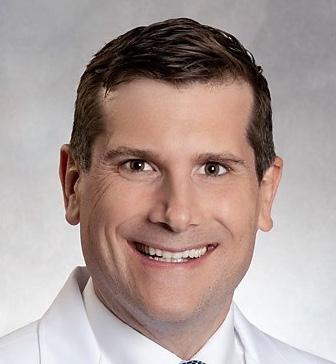
Christopher Baugh, MD, MBA, associate professor of emergency medicine at Harvard Medical School and Brigham and Women’s Hospital, has received the American College of Emergency Physicians Lou Graff Award for Excellence in Observation Medicine. The award honors emergency physicians who have made significant contributions to the field of observation medicine. Dr. Baugh has pioneered the integration of observation medicine into resident education, influencing emergency medicine residency curricula nationwide.
Dr. Cosby Arnold Receives K23 Career Development Award
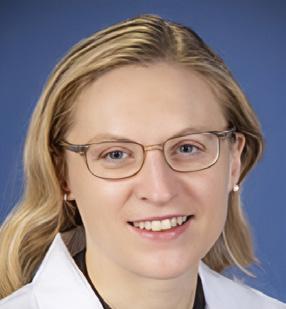
Cosby Arnold, MD, MPH, assistant professor of emergency medicine at UC Davis, has received a K23 Career Development Award from the National Heart, Lung, and Blood Institute. Her project, “Applying digital phenotypes and epigenetics to understand clinical outcomes in acute hypoxemic respiratory failure without acute respiratory distress syndrome,” aims to identify subphenotypes of respiratory failure and explore the biological mechanisms underlying clinical outcomes. The research is intended to inform future precisionguided approaches to early management.
Dr. Sigmund Kharasch
Dr. Frederick Korley
Dr. Christopher Baugh
Dr. Cosby Arnold
Dr. Cindy Hsu
Dr. Roger D. Dias
Dr. Eric W. Fleegler Receives Henry Ingersoll
Bowditch Award

Dr. Eric W. Fleegler
Eric W. Fleegler, MD, MPH, associate professor of emergency medicine at Harvard Medical School and Massachusetts General Hospital, has received the Henry Ingersoll Bowditch Award for Excellence in Public Health from the Massachusetts Medical Society. Nominated by his peers, Dr. Fleegler was recognized for outstanding initiative, creativity, and leadership in public health outreach and advocacy.
Celebrating Recent Fellowship Matches
RAMS is proud to recognize the recent fellowship matches of its board members. These achievements reflect their dedication to excellence in emergency medicine and academic leadership.
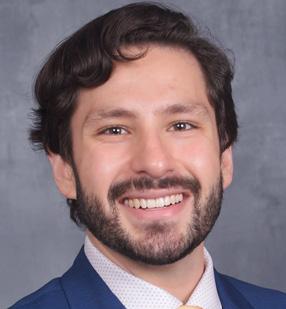


• Daniel Artiga, MD, RAMS president, matched in ultrasound fellowship at the University of California, Irvine.

• Eileen Williams, MD, RAMS member-at-large, matched in medical education fellowship at UT Southwestern Medical Center.
• Patricia Hernández, MD, resident member on the board of directors, matched in critical care fellowship at Beth Israel Deaconess Medical Center.
Dr. Daniel Artiga
Dr. Eileen Williams
Dr. Patricia Hernández
NOW HIRING
POST YOUR OPEN JOBS IN FRONT OF OUR QUALIFIED CANDIDATES!
Accepting ads for our “Now Hiring” section!
Deadline for the next issue of SAEM Pulse is April 1. For specs and pricing, visit the SAEM Pulse advertising webpage.


EMERGENCY MEDICINE FACULTY
• The University of California San Francisco, Department of Emergency Medicine is recruiting for full-time faculty. We seek candidates who are ultrasound fellowship-trained, clinically-focused emergency medicine faculty, with demonstrated experience and significant contributions to emergency ultrasound education and scholarship. Applicants who are passionate about collaborating with our emergency ultrasound section and providing excellent, innovative point-of-care ultrasound (POCUS) education to students, trainees, and faculty are encouraged to apply. Rank and series will be commensurate with qualifications.
• The Department of Emergency Medicine provides comprehensive emergency services to a large local and referral population at multiple academic hospitals across the San Francisco Bay Area, including UCSF Hellen Diller Medical Center, Zuckerberg San Francisco General Hospital, and the UCSF Benioff Children’s Hospitals in San Francsico and Oakland. The Department of Emergency Medicine hosts a fully accredited 4-year Emergency Medicine residency program and multiple fellowship programs, including in Emergency Ultrasound and Pediatric Emergency Ultrasound. There are opportunities for leadership and growth within the Department and UCSF School of Medicine.
• Board certification in Emergency Medicine is required. Applicants should excel in bedside teaching, leadership, and scholarship in emergency ultrasound, and have a strong ethic of service to their patients and profession.
• The University of California, San Francisco (UCSF) is one of the nation’s top five medical schools and demonstrates excellence in basic science and clinical research, global health sciences, policy, advocacy, and medical education scholarship. The San Francisco Bay Area is well-known for its great food, mild climate, beautiful scenery, vibrant cultural environment, and its outdoor recreational activities.
PLEASE APPLY ONLINE AT: https://aprecruit.ucsf.edu/JPF05942
Applicants’ materials must list current and/or pending qualifications upon submission.
• The posted UC salary scales set the minimum pay determined by rank and step at appointment. See [Table 5](https://www.ucop.edu/academic-personnel-programs/_files/202526/policy-covered-october-2025-scales/t5-summary.pdf) The minimum base salary range for this position is $154,700-$405,900. This position includes membership in the [health sciences compensation plan](https://ucop.edu/academic-personnel-programs/_files/apm/apm-670.pdf) which provides for eligibility for additional compensation.
• The University of California is an Equal Opportunity Employer. All qualified applicants will receive consideration for employment without regard to race, color, religion, sex, sexual orientation, gender identity, national origin, disability, age, protected veteran status, or other protected status under state or federal law.
• UCSF is committed to welcoming and serving all people, honoring the dignity of every individual without preference or prejudice, in support of its public mission and in alignment with our PRIDE values and Principles of Community. For additional information, please visit our website at https://emergency.ucsf.edu/.

Penn State Health Emergency Medicine

About Us: Penn State Health is a multi-hospital health system serving patients and communities across central Pennsylvania. We are the only medical facility in Pennsylvania to be accredited as a Level I pediatric trauma center and Level I adult trauma center. The system includes Penn State Health Milton S. Hershey Medical Center, Penn State Health Children’s Hospital and Penn State Cancer Institute based in Hershey, Pa.; Penn State Health Hampden Medical Center in Enola, Pa.; Penn State Health Holy Spirit Medical Center in Camp Hill, Pa.; Penn State Health Lancaster Medical Center in Lancaster, Pa.; Penn State Health St. Joseph Medical Center in Reading, Pa.; Pennsylvania Psychiatric Institute, a specialty provider of inpatient and outpatient behavioral health services, in Harrisburg, Pa.; and 2,450+ physicians and direct care providers at 225 outpatient practices. Additionally, the system jointly operates various healthcare providers, including Penn State Health Rehabilitation Hospital, Hershey Outpatient Surgery Center and Hershey Endoscopy Center.
We foster a collaborative environment rich with diversity, share a passion for patient care and have a space for those who share our spark of innovative research interests. Our health system is expanding and we have opportunities in both academic hospital as well community hospital settings.

Benefit highlights include:
• Competitive salary with sign-on bonus
• Comprehensive benefits and retirement package
• Relocation assistance & CME allowance
• Attractive neighborhoods in scenic central Pa.



EM Job Link is SAEM’s premier career center, connecting top emergency medicine talent with leading academic and clinical employers. Job seekers can explore targeted opportunities and advance their careers, while employers can recruit highly qualified candidates within the emergency medicine community. Learn more at EM Job Link. For posting information or questions, contact: David Perez Hernandez, manager, exhibits and sponsorship, at dperez@saem.org
Free CV Critique
Did you know that EM Job Link offers a free CV critique service to job seekers? As a job seeker, you have the option to request a CV evaluation from a writing expert. You can participate in this feature through the CV Management section of your account. Within 48 hours of opt-in, you will receive an evaluation outlining your strengths, weaknesses and suggestions to ensure you have the best chance of landing an interview.
Job Alert!
Are you looking for a job in academic emergency medicine? Create a personal job alert on EM Job Link so that new jobs matching your search criteria will be emailed directly to you. Make sure the perfect opportunity doesn’t pass you by. Sign up for job alerts today on EM Job Link by clicking on Job Seekers and then selecting Job Alerts. You will be notified as soon as the job you’re looking for is posted.
UPDATE YOUR PROFILE

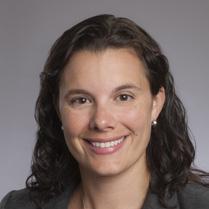

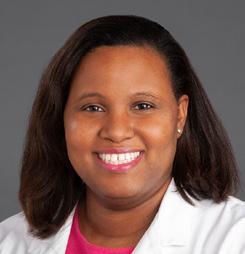
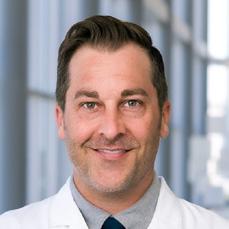

May 18-21, 2026 | Atlanta Marriott Marquis